window.__IS_SSR__=true
window.__INITIAL_STATE__={
"attachmentsReducer": {
"audio_0": {
"type": "attachments",
"id": "audio_0",
"imgSizes": {
"kqedFullSize": {
"file": "https://ww2.kqed.org/news/wp-content/themes/KQED-unified/img/audio_bgs/background0.jpg"
}
}
},
"audio_1": {
"type": "attachments",
"id": "audio_1",
"imgSizes": {
"kqedFullSize": {
"file": "https://ww2.kqed.org/news/wp-content/themes/KQED-unified/img/audio_bgs/background1.jpg"
}
}
},
"audio_2": {
"type": "attachments",
"id": "audio_2",
"imgSizes": {
"kqedFullSize": {
"file": "https://ww2.kqed.org/news/wp-content/themes/KQED-unified/img/audio_bgs/background2.jpg"
}
}
},
"audio_3": {
"type": "attachments",
"id": "audio_3",
"imgSizes": {
"kqedFullSize": {
"file": "https://ww2.kqed.org/news/wp-content/themes/KQED-unified/img/audio_bgs/background3.jpg"
}
}
},
"audio_4": {
"type": "attachments",
"id": "audio_4",
"imgSizes": {
"kqedFullSize": {
"file": "https://ww2.kqed.org/news/wp-content/themes/KQED-unified/img/audio_bgs/background4.jpg"
}
}
},
"placeholder": {
"type": "attachments",
"id": "placeholder",
"imgSizes": {
"thumbnail": {
"file": "https://cdn.kqed.org/wp-content/uploads/2024/12/KQED-Default-Image-816638274-2000x1333-1-160x107.jpg",
"width": 160,
"height": 107,
"mimeType": "image/jpeg"
},
"medium": {
"file": "https://cdn.kqed.org/wp-content/uploads/2024/12/KQED-Default-Image-816638274-2000x1333-1-800x533.jpg",
"width": 800,
"height": 533,
"mimeType": "image/jpeg"
},
"medium_large": {
"file": "https://cdn.kqed.org/wp-content/uploads/2024/12/KQED-Default-Image-816638274-2000x1333-1-768x512.jpg",
"width": 768,
"height": 512,
"mimeType": "image/jpeg"
},
"large": {
"file": "https://cdn.kqed.org/wp-content/uploads/2024/12/KQED-Default-Image-816638274-2000x1333-1-1020x680.jpg",
"width": 1020,
"height": 680,
"mimeType": "image/jpeg"
},
"1536x1536": {
"file": "https://cdn.kqed.org/wp-content/uploads/2024/12/KQED-Default-Image-816638274-2000x1333-1-1536x1024.jpg",
"width": 1536,
"height": 1024,
"mimeType": "image/jpeg"
},
"fd-lrg": {
"file": "https://cdn.kqed.org/wp-content/uploads/2024/12/KQED-Default-Image-816638274-2000x1333-1-1536x1024.jpg",
"width": 1536,
"height": 1024,
"mimeType": "image/jpeg"
},
"fd-med": {
"file": "https://cdn.kqed.org/wp-content/uploads/2024/12/KQED-Default-Image-816638274-2000x1333-1-1020x680.jpg",
"width": 1020,
"height": 680,
"mimeType": "image/jpeg"
},
"fd-sm": {
"file": "https://cdn.kqed.org/wp-content/uploads/2024/12/KQED-Default-Image-816638274-2000x1333-1-800x533.jpg",
"width": 800,
"height": 533,
"mimeType": "image/jpeg"
},
"post-thumbnail": {
"file": "https://cdn.kqed.org/wp-content/uploads/2024/12/KQED-Default-Image-816638274-2000x1333-1-672x372.jpg",
"width": 672,
"height": 372,
"mimeType": "image/jpeg"
},
"twentyfourteen-full-width": {
"file": "https://cdn.kqed.org/wp-content/uploads/2024/12/KQED-Default-Image-816638274-2000x1333-1-1038x576.jpg",
"width": 1038,
"height": 576,
"mimeType": "image/jpeg"
},
"xxsmall": {
"file": "https://cdn.kqed.org/wp-content/uploads/2024/12/KQED-Default-Image-816638274-2000x1333-1-160x107.jpg",
"width": 160,
"height": 107,
"mimeType": "image/jpeg"
},
"xsmall": {
"file": "https://cdn.kqed.org/wp-content/uploads/2024/12/KQED-Default-Image-816638274-2000x1333-1-672x372.jpg",
"width": 672,
"height": 372,
"mimeType": "image/jpeg"
},
"small": {
"file": "https://cdn.kqed.org/wp-content/uploads/2024/12/KQED-Default-Image-816638274-2000x1333-1-672x372.jpg",
"width": 672,
"height": 372,
"mimeType": "image/jpeg"
},
"xlarge": {
"file": "https://cdn.kqed.org/wp-content/uploads/2024/12/KQED-Default-Image-816638274-2000x1333-1-1020x680.jpg",
"width": 1020,
"height": 680,
"mimeType": "image/jpeg"
},
"full-width": {
"file": "https://cdn.kqed.org/wp-content/uploads/2024/12/KQED-Default-Image-816638274-2000x1333-1-1920x1280.jpg",
"width": 1920,
"height": 1280,
"mimeType": "image/jpeg"
},
"guest-author-32": {
"file": "https://cdn.kqed.org/wp-content/uploads/2025/01/KQED-Default-Image-816638274-1333x1333-1-160x160.jpg",
"width": 32,
"height": 32,
"mimeType": "image/jpeg"
},
"guest-author-50": {
"file": "https://cdn.kqed.org/wp-content/uploads/2025/01/KQED-Default-Image-816638274-1333x1333-1-160x160.jpg",
"width": 50,
"height": 50,
"mimeType": "image/jpeg"
},
"guest-author-64": {
"file": "https://cdn.kqed.org/wp-content/uploads/2025/01/KQED-Default-Image-816638274-1333x1333-1-160x160.jpg",
"width": 64,
"height": 64,
"mimeType": "image/jpeg"
},
"guest-author-96": {
"file": "https://cdn.kqed.org/wp-content/uploads/2025/01/KQED-Default-Image-816638274-1333x1333-1-160x160.jpg",
"width": 96,
"height": 96,
"mimeType": "image/jpeg"
},
"guest-author-128": {
"file": "https://cdn.kqed.org/wp-content/uploads/2025/01/KQED-Default-Image-816638274-1333x1333-1-160x160.jpg",
"width": 128,
"height": 128,
"mimeType": "image/jpeg"
},
"detail": {
"file": "https://cdn.kqed.org/wp-content/uploads/2025/01/KQED-Default-Image-816638274-1333x1333-1-160x160.jpg",
"width": 160,
"height": 160,
"mimeType": "image/jpeg"
},
"kqedFullSize": {
"file": "https://cdn.kqed.org/wp-content/uploads/2024/12/KQED-Default-Image-816638274-2000x1333-1.jpg",
"width": 2000,
"height": 1333
}
}
},
"science_1992354": {
"type": "attachments",
"id": "science_1992354",
"meta": {
"index": "attachments_1716263798",
"site": "science",
"id": "1992354",
"found": true
},
"parent": 0,
"imgSizes": {
"twentyfourteen-full-width": {
"file": "https://cdn.kqed.org/wp-content/uploads/sites/35/2024/04/240411-GAS-METERS-MD-01-KQED-1038x576.jpg",
"width": 1038,
"mimeType": "image/jpeg",
"height": 576
},
"thumbnail": {
"file": "https://cdn.kqed.org/wp-content/uploads/sites/35/2024/04/240411-GAS-METERS-MD-01-KQED-160x107.jpg",
"width": 160,
"mimeType": "image/jpeg",
"height": 107
},
"post-thumbnail": {
"file": "https://cdn.kqed.org/wp-content/uploads/sites/35/2024/04/240411-GAS-METERS-MD-01-KQED-672x372.jpg",
"width": 672,
"mimeType": "image/jpeg",
"height": 372
},
"kqedFullSize": {
"file": "https://cdn.kqed.org/wp-content/uploads/sites/35/2024/04/240411-GAS-METERS-MD-01-KQED.jpg",
"width": 2000,
"height": 1333
},
"large": {
"file": "https://cdn.kqed.org/wp-content/uploads/sites/35/2024/04/240411-GAS-METERS-MD-01-KQED-1020x680.jpg",
"width": 1020,
"mimeType": "image/jpeg",
"height": 680
},
"1536x1536": {
"file": "https://cdn.kqed.org/wp-content/uploads/sites/35/2024/04/240411-GAS-METERS-MD-01-KQED-1536x1024.jpg",
"width": 1536,
"mimeType": "image/jpeg",
"height": 1024
},
"full-width": {
"file": "https://cdn.kqed.org/wp-content/uploads/sites/35/2024/04/240411-GAS-METERS-MD-01-KQED-1920x1280.jpg",
"width": 1920,
"mimeType": "image/jpeg",
"height": 1280
},
"medium": {
"file": "https://cdn.kqed.org/wp-content/uploads/sites/35/2024/04/240411-GAS-METERS-MD-01-KQED-800x533.jpg",
"width": 800,
"mimeType": "image/jpeg",
"height": 533
},
"medium_large": {
"file": "https://cdn.kqed.org/wp-content/uploads/sites/35/2024/04/240411-GAS-METERS-MD-01-KQED-768x512.jpg",
"width": 768,
"mimeType": "image/jpeg",
"height": 512
}
},
"publishDate": 1712873175,
"modified": 1712877766,
"caption": "A PG&E SmartMeter in Oakland on Apr. 11, 2024.",
"description": null,
"title": "240411-GAS METERS-MD-01-KQED",
"credit": "Martin do Nascimento/KQED",
"status": "inherit",
"altTag": "A gas meter outside a home.",
"isLoading": false,
"fetchFailed": false
},
"science_1956278": {
"type": "attachments",
"id": "science_1956278",
"meta": {
"index": "attachments_1716263798",
"site": "science",
"id": "1956278",
"found": true
},
"parent": 1956277,
"imgSizes": {
"twentyfourteen-full-width": {
"file": "https://cdn.kqed.org/wp-content/uploads/sites/35/2020/01/RS40763_GettyImages-480137421-qut-1-1038x576.jpg",
"width": 1038,
"mimeType": "image/jpeg",
"height": 576
},
"thumbnail": {
"file": "https://cdn.kqed.org/wp-content/uploads/sites/35/2020/01/RS40763_GettyImages-480137421-qut-1-160x107.jpg",
"width": 160,
"mimeType": "image/jpeg",
"height": 107
},
"post-thumbnail": {
"file": "https://cdn.kqed.org/wp-content/uploads/sites/35/2020/01/RS40763_GettyImages-480137421-qut-1-672x372.jpg",
"width": 672,
"mimeType": "image/jpeg",
"height": 372
},
"kqedFullSize": {
"file": "https://cdn.kqed.org/wp-content/uploads/sites/35/2020/01/RS40763_GettyImages-480137421-qut-1.jpg",
"width": 1920,
"height": 1279
},
"large": {
"file": "https://cdn.kqed.org/wp-content/uploads/sites/35/2020/01/RS40763_GettyImages-480137421-qut-1-1020x679.jpg",
"width": 1020,
"mimeType": "image/jpeg",
"height": 679
},
"full-width": {
"file": "https://cdn.kqed.org/wp-content/uploads/sites/35/2020/01/RS40763_GettyImages-480137421-qut-1-1920x1279.jpg",
"width": 1920,
"mimeType": "image/jpeg",
"height": 1279
},
"medium": {
"file": "https://cdn.kqed.org/wp-content/uploads/sites/35/2020/01/RS40763_GettyImages-480137421-qut-1-800x533.jpg",
"width": 800,
"mimeType": "image/jpeg",
"height": 533
},
"medium_large": {
"file": "https://cdn.kqed.org/wp-content/uploads/sites/35/2020/01/RS40763_GettyImages-480137421-qut-1-768x512.jpg",
"width": 768,
"mimeType": "image/jpeg",
"height": 512
}
},
"publishDate": 1580233222,
"modified": 1712018700,
"caption": "Excess methane gas flares from the Monterey shale formation near Buttonwillow, California, where gas and oil extraction using hydraulic fracturing or fracking, is conducted. ",
"description": null,
"title": null,
"credit": "David McNew/Getty Images",
"status": "inherit",
"altTag": null,
"isLoading": false,
"fetchFailed": false
},
"science_1954913": {
"type": "attachments",
"id": "science_1954913",
"meta": {
"index": "attachments_1716263798",
"site": "science",
"id": "1954913",
"found": true
},
"parent": 1954906,
"imgSizes": {
"thumbnail": {
"file": "https://cdn.kqed.org/wp-content/uploads/sites/35/2019/07/gas-kitchen-stove-cook-with-blue-flames-burning-picture-id1070983176-800x450-160x90.jpg",
"width": 160,
"mimeType": "image/jpeg",
"height": 90
},
"post-thumbnail": {
"file": "https://cdn.kqed.org/wp-content/uploads/sites/35/2019/07/gas-kitchen-stove-cook-with-blue-flames-burning-picture-id1070983176-800x450-672x372.jpg",
"width": 672,
"mimeType": "image/jpeg",
"height": 372
},
"kqedFullSize": {
"file": "https://cdn.kqed.org/wp-content/uploads/sites/35/2019/07/gas-kitchen-stove-cook-with-blue-flames-burning-picture-id1070983176-800x450.jpg",
"width": 800,
"height": 450
},
"medium": {
"file": "https://cdn.kqed.org/wp-content/uploads/sites/35/2019/07/gas-kitchen-stove-cook-with-blue-flames-burning-picture-id1070983176-800x450-800x450.jpg",
"width": 800,
"mimeType": "image/jpeg",
"height": 450
},
"medium_large": {
"file": "https://cdn.kqed.org/wp-content/uploads/sites/35/2019/07/gas-kitchen-stove-cook-with-blue-flames-burning-picture-id1070983176-800x450-768x432.jpg",
"width": 768,
"mimeType": "image/jpeg",
"height": 432
}
},
"publishDate": 1578513503,
"modified": 1711470818,
"caption": "San Francisco says it will stay the course in banning gas hookups in new construction, even as Berkeley agrees to repeal its own rules.",
"description": null,
"title": "gas-kitchen-stove-cook-with-blue-flames-burning-picture-id1070983176-800x450.jpg",
"credit": "Getty Images",
"status": "inherit",
"altTag": "A gas cooking range.",
"isLoading": false,
"fetchFailed": false
},
"science_1991462": {
"type": "attachments",
"id": "science_1991462",
"meta": {
"index": "attachments_1716263798",
"site": "science",
"id": "1991462",
"found": true
},
"parent": 0,
"imgSizes": {
"twentyfourteen-full-width": {
"file": "https://cdn.kqed.org/wp-content/uploads/sites/35/2024/02/240214-FRACKING-TOWER-GETTY-COTP-KQED-1038x576.jpg",
"width": 1038,
"mimeType": "image/jpeg",
"height": 576
},
"thumbnail": {
"file": "https://cdn.kqed.org/wp-content/uploads/sites/35/2024/02/240214-FRACKING-TOWER-GETTY-COTP-KQED-160x107.jpg",
"width": 160,
"mimeType": "image/jpeg",
"height": 107
},
"post-thumbnail": {
"file": "https://cdn.kqed.org/wp-content/uploads/sites/35/2024/02/240214-FRACKING-TOWER-GETTY-COTP-KQED-672x372.jpg",
"width": 672,
"mimeType": "image/jpeg",
"height": 372
},
"kqedFullSize": {
"file": "https://cdn.kqed.org/wp-content/uploads/sites/35/2024/02/240214-FRACKING-TOWER-GETTY-COTP-KQED.jpg",
"width": 2000,
"height": 1333
},
"large": {
"file": "https://cdn.kqed.org/wp-content/uploads/sites/35/2024/02/240214-FRACKING-TOWER-GETTY-COTP-KQED-1020x680.jpg",
"width": 1020,
"mimeType": "image/jpeg",
"height": 680
},
"1536x1536": {
"file": "https://cdn.kqed.org/wp-content/uploads/sites/35/2024/02/240214-FRACKING-TOWER-GETTY-COTP-KQED-1536x1024.jpg",
"width": 1536,
"mimeType": "image/jpeg",
"height": 1024
},
"full-width": {
"file": "https://cdn.kqed.org/wp-content/uploads/sites/35/2024/02/240214-FRACKING-TOWER-GETTY-COTP-KQED-1920x1280.jpg",
"width": 1920,
"mimeType": "image/jpeg",
"height": 1280
},
"medium": {
"file": "https://cdn.kqed.org/wp-content/uploads/sites/35/2024/02/240214-FRACKING-TOWER-GETTY-COTP-KQED-800x533.jpg",
"width": 800,
"mimeType": "image/jpeg",
"height": 533
},
"medium_large": {
"file": "https://cdn.kqed.org/wp-content/uploads/sites/35/2024/02/240214-FRACKING-TOWER-GETTY-COTP-KQED-768x512.jpg",
"width": 768,
"mimeType": "image/jpeg",
"height": 512
}
},
"publishDate": 1707950693,
"modified": 1707950757,
"caption": "Belridge Oil Field in Kern County on Oct. 21, 2021.",
"description": null,
"title": "Belridge Oil Field, Kern County",
"credit": "Citizen of the Planet/UCG/Universal Images Group via Getty Images",
"status": "inherit",
"altTag": null,
"isLoading": false,
"fetchFailed": false
},
"science_1991405": {
"type": "attachments",
"id": "science_1991405",
"meta": {
"index": "attachments_1716263798",
"site": "science",
"id": "1991405",
"found": true
},
"parent": 1991404,
"imgSizes": {
"twentyfourteen-full-width": {
"file": "https://cdn.kqed.org/wp-content/uploads/sites/35/2024/02/GettyImages-1482069963-1038x576.jpg",
"width": 1038,
"mimeType": "image/jpeg",
"height": 576
},
"thumbnail": {
"file": "https://cdn.kqed.org/wp-content/uploads/sites/35/2024/02/GettyImages-1482069963-160x90.jpg",
"width": 160,
"mimeType": "image/jpeg",
"height": 90
},
"post-thumbnail": {
"file": "https://cdn.kqed.org/wp-content/uploads/sites/35/2024/02/GettyImages-1482069963-672x372.jpg",
"width": 672,
"mimeType": "image/jpeg",
"height": 372
},
"kqedFullSize": {
"file": "https://cdn.kqed.org/wp-content/uploads/sites/35/2024/02/GettyImages-1482069963.jpg",
"width": 2310,
"height": 1298
},
"2048x2048": {
"file": "https://cdn.kqed.org/wp-content/uploads/sites/35/2024/02/GettyImages-1482069963-2048x1151.jpg",
"width": 2048,
"mimeType": "image/jpeg",
"height": 1151
},
"large": {
"file": "https://cdn.kqed.org/wp-content/uploads/sites/35/2024/02/GettyImages-1482069963-1020x573.jpg",
"width": 1020,
"mimeType": "image/jpeg",
"height": 573
},
"1536x1536": {
"file": "https://cdn.kqed.org/wp-content/uploads/sites/35/2024/02/GettyImages-1482069963-1536x863.jpg",
"width": 1536,
"mimeType": "image/jpeg",
"height": 863
},
"full-width": {
"file": "https://cdn.kqed.org/wp-content/uploads/sites/35/2024/02/GettyImages-1482069963-1920x1079.jpg",
"width": 1920,
"mimeType": "image/jpeg",
"height": 1079
},
"medium": {
"file": "https://cdn.kqed.org/wp-content/uploads/sites/35/2024/02/GettyImages-1482069963-800x450.jpg",
"width": 800,
"mimeType": "image/jpeg",
"height": 450
},
"medium_large": {
"file": "https://cdn.kqed.org/wp-content/uploads/sites/35/2024/02/GettyImages-1482069963-768x432.jpg",
"width": 768,
"mimeType": "image/jpeg",
"height": 432
}
},
"publishDate": 1707848543,
"modified": 1707933878,
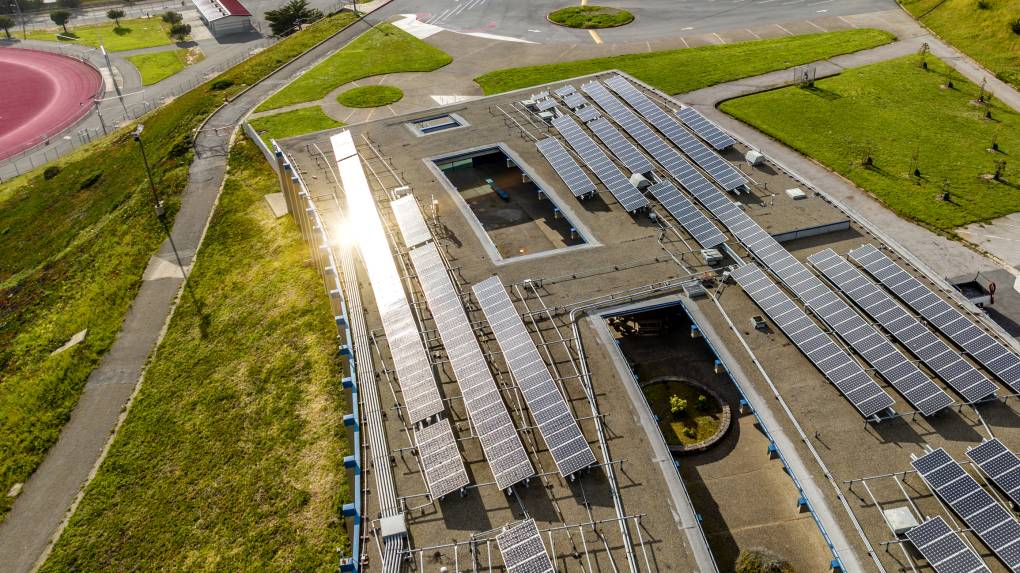
"caption": "A high school with solar panels on the roof. A state decision to reduce rooftop solar incentives could drive up costs and hurt school districts' efforts to increase solar energy use.",
"description": null,
"title": "High School Rooftop Solar",
"credit": "JasonDoiy/iStock/Getty Images Plus",
"status": "inherit",
"altTag": "Solar panels on top of a building seen from the air.",
"isLoading": false,
"fetchFailed": false
},
"science_1991208": {
"type": "attachments",
"id": "science_1991208",
"meta": {
"index": "attachments_1716263798",
"site": "science",
"id": "1991208",
"found": true
},
"title": "Electric Vehicles States",
"publishDate": 1705966032,
"status": "inherit",
"parent": 0,
"modified": 1780516005,
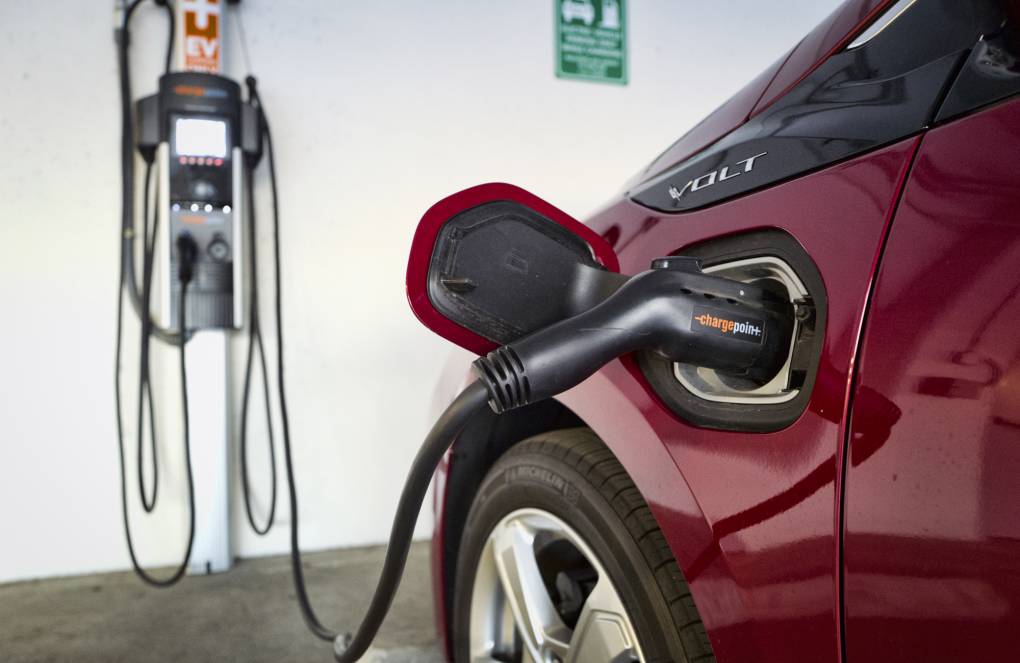
"caption": "A Chevrolet Volt hybrid car is seen charging at a ChargePoint charging station at a parking garage in Los Angeles, Oct. 17, 2018. Sixteen states across the country that have tied their vehicle emission standards to California's now face weighty decisions on whether to follow that state's strictest-in-the nation new rules and require that all new cars, pickups and SUVs be electric or hydrogen powered by 2035. ",
"credit": "Photo/Richard Vogel, File",
"altTag": null,
"description": null,
"imgSizes": {
"medium": {
"file": "https://cdn.kqed.org/wp-content/uploads/sites/35/2024/01/240122-EV-CHARGING-AP-RV-KQED-800x520.jpg",
"width": 800,
"height": 520,
"mimeType": "image/jpeg"
},
"large": {
"file": "https://cdn.kqed.org/wp-content/uploads/sites/35/2024/01/240122-EV-CHARGING-AP-RV-KQED-1020x663.jpg",
"width": 1020,
"height": 663,
"mimeType": "image/jpeg"
},
"thumbnail": {
"file": "https://cdn.kqed.org/wp-content/uploads/sites/35/2024/01/240122-EV-CHARGING-AP-RV-KQED-160x104.jpg",
"width": 160,
"height": 104,
"mimeType": "image/jpeg"
},
"medium_large": {
"file": "https://cdn.kqed.org/wp-content/uploads/sites/35/2024/01/240122-EV-CHARGING-AP-RV-KQED-768x499.jpg",
"width": 768,
"height": 499,
"mimeType": "image/jpeg"
},
"1536x1536": {
"file": "https://cdn.kqed.org/wp-content/uploads/sites/35/2024/01/240122-EV-CHARGING-AP-RV-KQED-1536x998.jpg",
"width": 1536,
"height": 998,
"mimeType": "image/jpeg"
},
"post-thumbnail": {
"file": "https://cdn.kqed.org/wp-content/uploads/sites/35/2024/01/240122-EV-CHARGING-AP-RV-KQED-672x372.jpg",
"width": 672,
"height": 372,
"mimeType": "image/jpeg"
},
"twentyfourteen-full-width": {
"file": "https://cdn.kqed.org/wp-content/uploads/sites/35/2024/01/240122-EV-CHARGING-AP-RV-KQED-1038x576.jpg",
"width": 1038,
"height": 576,
"mimeType": "image/jpeg"
},
"full-width": {
"file": "https://cdn.kqed.org/wp-content/uploads/sites/35/2024/01/240122-EV-CHARGING-AP-RV-KQED-1920x1248.jpg",
"width": 1920,
"height": 1248,
"mimeType": "image/jpeg"
},
"kqedFullSize": {
"file": "https://cdn.kqed.org/wp-content/uploads/sites/35/2024/01/240122-EV-CHARGING-AP-RV-KQED.jpg",
"width": 2000,
"height": 1300
}
},
"isLoading": false,
"fetchFailed": false
},
"science_1982660": {
"type": "attachments",
"id": "science_1982660",
"meta": {
"index": "attachments_1716263798",
"site": "science",
"id": "1982660",
"found": true
},
"parent": 1982651,
"imgSizes": {
"twentyfourteen-full-width": {
"file": "https://ww2.kqed.org/app/uploads/sites/35/2023/05/str_nifFusion_v002-1038x576.png",
"width": 1038,
"mimeType": "image/png",
"height": 576
},
"thumbnail": {
"file": "https://ww2.kqed.org/app/uploads/sites/35/2023/05/str_nifFusion_v002-160x102.png",
"width": 160,
"mimeType": "image/png",
"height": 102
},
"post-thumbnail": {
"file": "https://ww2.kqed.org/app/uploads/sites/35/2023/05/str_nifFusion_v002-672x372.png",
"width": 672,
"mimeType": "image/png",
"height": 372
},
"kqedFullSize": {
"file": "https://ww2.kqed.org/app/uploads/sites/35/2023/05/str_nifFusion_v002.png",
"width": 3300,
"height": 2100
},
"2048x2048": {
"file": "https://ww2.kqed.org/app/uploads/sites/35/2023/05/str_nifFusion_v002-2048x1303.png",
"width": 2048,
"mimeType": "image/png",
"height": 1303
},
"large": {
"file": "https://ww2.kqed.org/app/uploads/sites/35/2023/05/str_nifFusion_v002-1020x649.png",
"width": 1020,
"mimeType": "image/png",
"height": 649
},
"1536x1536": {
"file": "https://ww2.kqed.org/app/uploads/sites/35/2023/05/str_nifFusion_v002-1536x977.png",
"width": 1536,
"mimeType": "image/png",
"height": 977
},
"full-width": {
"file": "https://ww2.kqed.org/app/uploads/sites/35/2023/05/str_nifFusion_v002-1920x1222.png",
"width": 1920,
"mimeType": "image/png",
"height": 1222
},
"medium": {
"file": "https://ww2.kqed.org/app/uploads/sites/35/2023/05/str_nifFusion_v002-800x509.png",
"width": 800,
"mimeType": "image/png",
"height": 509
},
"medium_large": {
"file": "https://ww2.kqed.org/app/uploads/sites/35/2023/05/str_nifFusion_v002-768x489.png",
"width": 768,
"mimeType": "image/png",
"height": 489
}
},
"publishDate": 1683657714,
"modified": 1683669671,
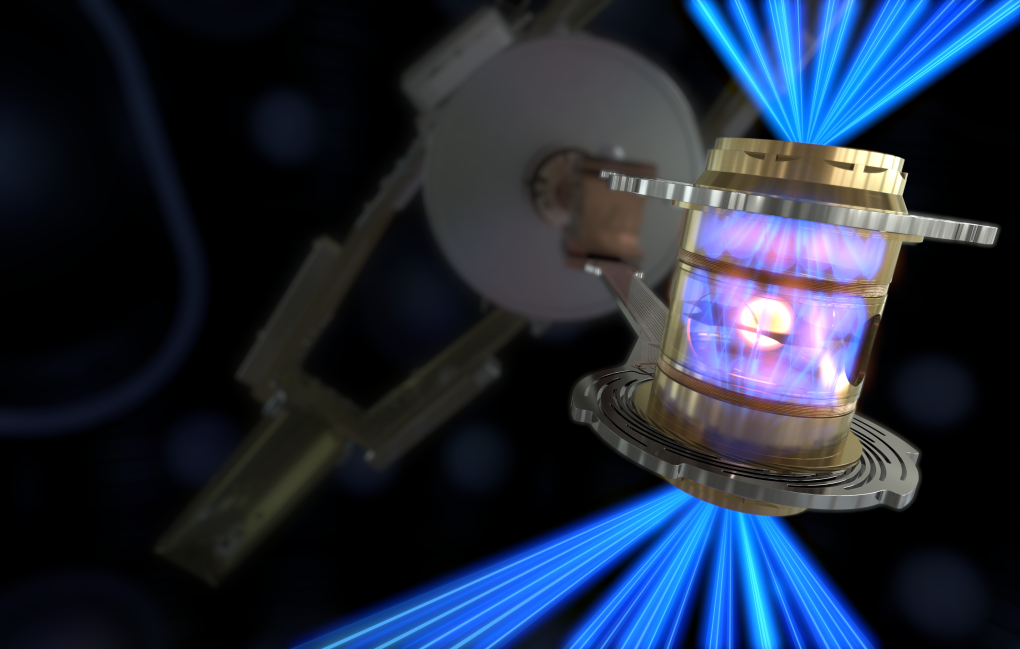
"caption": "To create fusion ignition, the National Ignition Facility’s laser energy is converted into X-rays inside the hohlraum, which then compress a fuel capsule until it implodes, creating a high-temperature, high-pressure plasma.",
"description": null,
"title": "str_nifFusion_v002",
"credit": "John Jett and Jake Long/Lawrence Livermore National Laboratory",
"status": "inherit",
"altTag": "Purple laser beams emit from a tiny metal object inside a science laboratory.",
"isLoading": false,
"fetchFailed": false
},
"science_1982500": {
"type": "attachments",
"id": "science_1982500",
"meta": {
"index": "attachments_1716263798",
"site": "science",
"id": "1982500",
"found": true
},
"parent": 1982494,
"imgSizes": {
"twentyfourteen-full-width": {
"file": "https://ww2.kqed.org/app/uploads/sites/35/2023/04/RS50202_IMG_6476-2-qut-1038x576.jpg",
"width": 1038,
"mimeType": "image/jpeg",
"height": 576
},
"thumbnail": {
"file": "https://ww2.kqed.org/app/uploads/sites/35/2023/04/RS50202_IMG_6476-2-qut-160x107.jpg",
"width": 160,
"mimeType": "image/jpeg",
"height": 107
},
"post-thumbnail": {
"file": "https://ww2.kqed.org/app/uploads/sites/35/2023/04/RS50202_IMG_6476-2-qut-672x372.jpg",
"width": 672,
"mimeType": "image/jpeg",
"height": 372
},
"kqedFullSize": {
"file": "https://ww2.kqed.org/app/uploads/sites/35/2023/04/RS50202_IMG_6476-2-qut.jpg",
"width": 1920,
"height": 1280
},
"large": {
"file": "https://ww2.kqed.org/app/uploads/sites/35/2023/04/RS50202_IMG_6476-2-qut-1020x680.jpg",
"width": 1020,
"mimeType": "image/jpeg",
"height": 680
},
"1536x1536": {
"file": "https://ww2.kqed.org/app/uploads/sites/35/2023/04/RS50202_IMG_6476-2-qut-1536x1024.jpg",
"width": 1536,
"mimeType": "image/jpeg",
"height": 1024
},
"medium": {
"file": "https://ww2.kqed.org/app/uploads/sites/35/2023/04/RS50202_IMG_6476-2-qut-800x533.jpg",
"width": 800,
"mimeType": "image/jpeg",
"height": 533
},
"medium_large": {
"file": "https://ww2.kqed.org/app/uploads/sites/35/2023/04/RS50202_IMG_6476-2-qut-768x512.jpg",
"width": 768,
"mimeType": "image/jpeg",
"height": 512
}
},
"publishDate": 1682712903,
"modified": 1682712951,
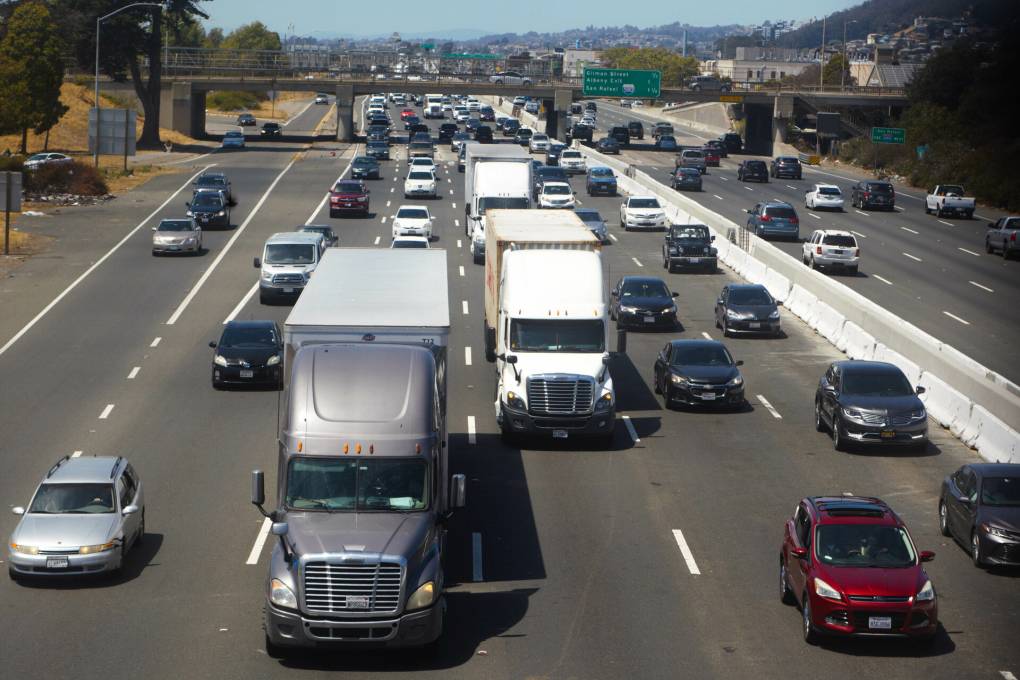
"caption": "Traffic on Interstate 880 toward Oakland flowing with cars and diesel trucks midafternoon on Monday, June 28, 2021.",
"description": null,
"title": "RS50202_IMG_6476 (2)-qut",
"credit": "Joyce Tsai/KQED",
"status": "inherit",
"altTag": "Cars and trucks on an interstate highway as seen from an overpass.",
"isLoading": false,
"fetchFailed": false
},
"science_1981063": {
"type": "attachments",
"id": "science_1981063",
"meta": {
"index": "attachments_1716263798",
"site": "science",
"id": "1981063",
"found": true
},
"parent": 1981061,
"imgSizes": {
"twentyfourteen-full-width": {
"file": "https://ww2.kqed.org/app/uploads/sites/35/2022/12/RS61699_GettyImages-976086950-qut-1038x576.jpg",
"width": 1038,
"mimeType": "image/jpeg",
"height": 576
},
"thumbnail": {
"file": "https://ww2.kqed.org/app/uploads/sites/35/2022/12/RS61699_GettyImages-976086950-qut-160x107.jpg",
"width": 160,
"mimeType": "image/jpeg",
"height": 107
},
"post-thumbnail": {
"file": "https://ww2.kqed.org/app/uploads/sites/35/2022/12/RS61699_GettyImages-976086950-qut-672x372.jpg",
"width": 672,
"mimeType": "image/jpeg",
"height": 372
},
"kqedFullSize": {
"file": "https://ww2.kqed.org/app/uploads/sites/35/2022/12/RS61699_GettyImages-976086950-qut.jpg",
"width": 1920,
"height": 1279
},
"large": {
"file": "https://ww2.kqed.org/app/uploads/sites/35/2022/12/RS61699_GettyImages-976086950-qut-1020x679.jpg",
"width": 1020,
"mimeType": "image/jpeg",
"height": 679
},
"1536x1536": {
"file": "https://ww2.kqed.org/app/uploads/sites/35/2022/12/RS61699_GettyImages-976086950-qut-1536x1023.jpg",
"width": 1536,
"mimeType": "image/jpeg",
"height": 1023
},
"medium": {
"file": "https://ww2.kqed.org/app/uploads/sites/35/2022/12/RS61699_GettyImages-976086950-qut-800x533.jpg",
"width": 800,
"mimeType": "image/jpeg",
"height": 533
},
"medium_large": {
"file": "https://ww2.kqed.org/app/uploads/sites/35/2022/12/RS61699_GettyImages-976086950-qut-768x512.jpg",
"width": 768,
"mimeType": "image/jpeg",
"height": 512
}
},
"publishDate": 1671567122,
"modified": 1672187072,
"caption": "The first nacelles onboard a sea energy \"jack-up ship,\" ready for lifting into place on the Kentish Flats Offshore Wind Farm, off Whitstable, Kent, England.",
"description": null,
"title": "First Nacelles onboard the sea energy jackup ship ready for lifting into place on the Kentish flats windfarm sight Whitstable Kent",
"credit": "Chris Laurens/Construction Photography/Avalon/Getty Images",
"status": "inherit",
"altTag": "A man stands on a platform in front of two white wind turbine propellers.",
"isLoading": false,
"fetchFailed": false
},
"science_1981049": {
"type": "attachments",
"id": "science_1981049",
"meta": {
"index": "attachments_1716263798",
"site": "science",
"id": "1981049",
"found": true
},
"parent": 1981041,
"imgSizes": {
"twentyfourteen-full-width": {
"file": "https://ww2.kqed.org/app/uploads/sites/35/2022/12/102622-Shasta-Salmonid-Collection-CDWR-CM-01-1024x576.jpg",
"width": 1024,
"mimeType": "image/jpeg",
"height": 576
},
"thumbnail": {
"file": "https://ww2.kqed.org/app/uploads/sites/35/2022/12/102622-Shasta-Salmonid-Collection-CDWR-CM-01-160x107.jpg",
"width": 160,
"mimeType": "image/jpeg",
"height": 107
},
"post-thumbnail": {
"file": "https://ww2.kqed.org/app/uploads/sites/35/2022/12/102622-Shasta-Salmonid-Collection-CDWR-CM-01-672x372.jpg",
"width": 672,
"mimeType": "image/jpeg",
"height": 372
},
"kqedFullSize": {
"file": "https://ww2.kqed.org/app/uploads/sites/35/2022/12/102622-Shasta-Salmonid-Collection-CDWR-CM-01.jpg",
"width": 1024,
"height": 682
},
"large": {
"file": "https://ww2.kqed.org/app/uploads/sites/35/2022/12/102622-Shasta-Salmonid-Collection-CDWR-CM-01-1020x679.jpg",
"width": 1020,
"mimeType": "image/jpeg",
"height": 679
},
"medium": {
"file": "https://ww2.kqed.org/app/uploads/sites/35/2022/12/102622-Shasta-Salmonid-Collection-CDWR-CM-01-800x533.jpg",
"width": 800,
"mimeType": "image/jpeg",
"height": 533
},
"medium_large": {
"file": "https://ww2.kqed.org/app/uploads/sites/35/2022/12/102622-Shasta-Salmonid-Collection-CDWR-CM-01-768x512.jpg",
"width": 768,
"mimeType": "image/jpeg",
"height": 512
}
},
"publishDate": 1671476425,
"modified": 1671583351,
"caption": "A collection system is set up at Dekkas Rock at Shasta Lake. The pilot project will evaluate the viability of collecting juvenile salmon as they migrate out of the McCloud River upstream of Shasta Dam.",
"description": "A collection system is set up at Dekkas Rock at Shasta Lake. The pilot project will evaluate the viability of collecting juvenile salmon as they migrate out of the McCloud River upstream of Shasta Dam. ",
"title": "A collection system is set up at Dekkas Rock at Shasta Lake. The pilot project will evaluate the viability of collecting juvenile salmon as they migrate out of the McCloud River upstream of Shasta Dam.",
"credit": "Florence Flow/California Department of Water Resources",
"status": "inherit",
"altTag": "Brown dried lake bed rises up out of green water.",
"isLoading": false,
"fetchFailed": false
},
"science_1980934": {
"type": "attachments",
"id": "science_1980934",
"meta": {
"index": "attachments_1716263798",
"site": "science",
"id": "1980934",
"found": true
},
"parent": 1980933,
"imgSizes": {
"twentyfourteen-full-width": {
"file": "https://ww2.kqed.org/app/uploads/sites/35/2022/12/gettyimages-472261648-87229681b2a5093db6d32c529933bb8b620ad4bb-1038x576.jpg",
"width": 1038,
"mimeType": "image/jpeg",
"height": 576
},
"thumbnail": {
"file": "https://ww2.kqed.org/app/uploads/sites/35/2022/12/gettyimages-472261648-87229681b2a5093db6d32c529933bb8b620ad4bb-160x120.jpg",
"width": 160,
"mimeType": "image/jpeg",
"height": 120
},
"post-thumbnail": {
"file": "https://ww2.kqed.org/app/uploads/sites/35/2022/12/gettyimages-472261648-87229681b2a5093db6d32c529933bb8b620ad4bb-672x372.jpg",
"width": 672,
"mimeType": "image/jpeg",
"height": 372
},
"kqedFullSize": {
"file": "https://ww2.kqed.org/app/uploads/sites/35/2022/12/gettyimages-472261648-87229681b2a5093db6d32c529933bb8b620ad4bb-scaled.jpg",
"width": 2560,
"height": 1920
},
"2048x2048": {
"file": "https://ww2.kqed.org/app/uploads/sites/35/2022/12/gettyimages-472261648-87229681b2a5093db6d32c529933bb8b620ad4bb-2048x1536.jpg",
"width": 2048,
"mimeType": "image/jpeg",
"height": 1536
},
"large": {
"file": "https://ww2.kqed.org/app/uploads/sites/35/2022/12/gettyimages-472261648-87229681b2a5093db6d32c529933bb8b620ad4bb-1020x765.jpg",
"width": 1020,
"mimeType": "image/jpeg",
"height": 765
},
"1536x1536": {
"file": "https://ww2.kqed.org/app/uploads/sites/35/2022/12/gettyimages-472261648-87229681b2a5093db6d32c529933bb8b620ad4bb-1536x1152.jpg",
"width": 1536,
"mimeType": "image/jpeg",
"height": 1152
},
"full-width": {
"file": "https://ww2.kqed.org/app/uploads/sites/35/2022/12/gettyimages-472261648-87229681b2a5093db6d32c529933bb8b620ad4bb-1920x1440.jpg",
"width": 1920,
"mimeType": "image/jpeg",
"height": 1440
},
"medium": {
"file": "https://ww2.kqed.org/app/uploads/sites/35/2022/12/gettyimages-472261648-87229681b2a5093db6d32c529933bb8b620ad4bb-800x600.jpg",
"width": 800,
"mimeType": "image/jpeg",
"height": 600
},
"medium_large": {
"file": "https://ww2.kqed.org/app/uploads/sites/35/2022/12/gettyimages-472261648-87229681b2a5093db6d32c529933bb8b620ad4bb-768x576.jpg",
"width": 768,
"mimeType": "image/jpeg",
"height": 576
}
},
"publishDate": 1670609776,
"modified": 1670628135,
"caption": "The transportation sector makes up 27% of US greenhouse gas emissions. Of that percentage, medium- and heavy-duty trucks — everything from delivery vans to big rigs –- make up 26% according to an inventory of greenhouse gas emissions by the EPA.",
"description": null,
"title": "The transportation sector makes up 27% of U.S. greenhouse gas emissions. Of that percentage, medium and heavy duty trucks — everything from delivery vans to big rigs –- make up 26% according to an inventory of greenhouse gas emissions by the EPA.",
"credit": "Ian Mcdonnell/Getty Images",
"status": "inherit",
"altTag": "A line of semi-trucks in the foreground, with the sun setting in the background.",
"isLoading": false,
"fetchFailed": false
},
"science_1980916": {
"type": "attachments",
"id": "science_1980916",
"meta": {
"index": "attachments_1716263798",
"site": "science",
"id": "1980916",
"found": true
},
"parent": 1980900,
"imgSizes": {
"twentyfourteen-full-width": {
"file": "https://ww2.kqed.org/app/uploads/sites/35/2022/12/GettyImages-1407548832-1024x576.jpg",
"width": 1024,
"mimeType": "image/jpeg",
"height": 576
},
"thumbnail": {
"file": "https://ww2.kqed.org/app/uploads/sites/35/2022/12/GettyImages-1407548832-160x115.jpg",
"width": 160,
"mimeType": "image/jpeg",
"height": 115
},
"post-thumbnail": {
"file": "https://ww2.kqed.org/app/uploads/sites/35/2022/12/GettyImages-1407548832-672x372.jpg",
"width": 672,
"mimeType": "image/jpeg",
"height": 372
},
"kqedFullSize": {
"file": "https://ww2.kqed.org/app/uploads/sites/35/2022/12/GettyImages-1407548832.jpg",
"width": 1024,
"height": 736
},
"large": {
"file": "https://ww2.kqed.org/app/uploads/sites/35/2022/12/GettyImages-1407548832-1020x733.jpg",
"width": 1020,
"mimeType": "image/jpeg",
"height": 733
},
"medium": {
"file": "https://ww2.kqed.org/app/uploads/sites/35/2022/12/GettyImages-1407548832-800x575.jpg",
"width": 800,
"mimeType": "image/jpeg",
"height": 575
},
"medium_large": {
"file": "https://ww2.kqed.org/app/uploads/sites/35/2022/12/GettyImages-1407548832-768x552.jpg",
"width": 768,
"mimeType": "image/jpeg",
"height": 552
}
},
"publishDate": 1670460991,
"modified": 1670462632,
"caption": "Wind turbines generate electricity at the Block Island Wind Farm, the first commercial offshore wind farm in the United States, on July 7, 2022, near Block Island, Rhode Island.",
"description": null,
"title": "Waters Off Block Island Host America's First Offshore Wind Farm",
"credit": "John Moore/Getty Images",
"status": "inherit",
"altTag": "Wind turbines at sea.",
"isLoading": false,
"fetchFailed": false
}
},
"audioPlayerReducer": {
"postId": "stream_live",
"isPaused": true,
"isPlaying": false,
"pfsActive": false,
"pledgeModalIsOpen": true,
"playerDrawerIsOpen": false,
"liveAudioPlayStartedAt": 0,
"liveAudioPlayContext": ""
},
"authorsReducer": {
"byline_science_1991404": {
"type": "authors",
"id": "byline_science_1991404",
"meta": {
"override": true
},
"slug": "byline_science_1991404",
"name": "\u003ca href=\"https://twitter.com/kate_selig?lang=en\">Kate Selig\u003c/a>",
"isLoading": false
},
"byline_science_1981061": {
"type": "authors",
"id": "byline_science_1981061",
"meta": {
"override": true
},
"slug": "byline_science_1981061",
"name": "John Upton (Climate Central) and Kevin Stark (KQED)",
"isLoading": false
},
"byline_science_1981041": {
"type": "authors",
"id": "byline_science_1981041",
"meta": {
"override": true
},
"slug": "byline_science_1981041",
"name": "Alastair Bland",
"isLoading": false
},
"lklivans": {
"type": "authors",
"id": "8648",
"meta": {
"index": "authors_1716337520",
"id": "8648",
"found": true
},
"name": "Laura Klivans",
"firstName": "Laura",
"lastName": "Klivans",
"slug": "lklivans",
"email": "lklivans@kqed.org",
"display_author_email": true,
"staff_mastheads": [
"news",
"science"
],
"title": "Reporter",
"bio": "Laura Klivans is an award-winning science reporter for KQED News, where she covers climate change with an eye on both groundbreaking progress and gaps in action. She is the former host of KQED's blockbuster video series about tiny, amazing animals, \u003cem>Deep Look\u003c/em>. Her work reaches national audiences through NPR, \u003cem>Here & Now, \u003c/em>PRI, and other major outlets. \r\n\r\nLaura’s won five Northern California Area Emmy Awards for Deep Look and First Place in the Greater Bay Area Journalism Awards for a podcast exploring how one Oakland neighborhood teamed up to reduce planet-heating pollution.\r\n\r\nBeyond her reporting, she hosts and moderates events. In the past, she taught audio storytelling at the UC Berkeley Graduate School of Journalism, led international education programs, worked with immigrants and refugees along the Thai-Burmese border, taught high schoolers sex ed, and was an actress. \r\n\r\nShe's a former UC Berkeley Human Rights Fellow, USC Center for Health Journalism's California Fellow and Coro Fellow in Public Affairs. Laura has a master’s in journalism from UC Berkeley, a master’s in education from Harvard, and an undergraduate degree from Northwestern University.\r\n\r\nShe loves trying to riddle the meaning out of vanity license plates.",
"avatar": "https://secure.gravatar.com/avatar/2d2ecd1550a494cc10ad4a503406965585902124739e775a9b3817eebf1d88be?s=600&d=blank&r=g",
"twitter": "lauraklivans",
"bluesky": null,
"facebook": null,
"instagram": null,
"linkedin": null,
"sites": [
{
"site": "news",
"roles": [
"editor"
]
},
{
"site": "stateofhealth",
"roles": [
"contributor",
"editor"
]
},
{
"site": "science",
"roles": [
"editor"
]
},
{
"site": "forum",
"roles": [
"editor"
]
}
],
"headData": {
"title": "Laura Klivans | KQED",
"description": "Reporter",
"ogImgSrc": "https://secure.gravatar.com/avatar/2d2ecd1550a494cc10ad4a503406965585902124739e775a9b3817eebf1d88be?s=600&d=blank&r=g",
"twImgSrc": "https://secure.gravatar.com/avatar/2d2ecd1550a494cc10ad4a503406965585902124739e775a9b3817eebf1d88be?s=600&d=blank&r=g"
},
"isLoading": false,
"link": "/author/lklivans"
},
"kevinstark": {
"type": "authors",
"id": "11608",
"meta": {
"index": "authors_1716337520",
"id": "11608",
"found": true
},
"name": "Kevin Stark",
"firstName": "Kevin",
"lastName": "Stark",
"slug": "kevinstark",
"email": "kstark@kqed.org",
"display_author_email": true,
"staff_mastheads": [
"science"
],
"title": "Senior Editor",
"bio": "Kevin is a senior editor for KQED Science, managing the station's health and climate desks. His journalism career began in the Pacific Northwest, and he later became a lead reporter for the San Francisco Public Press. His work has appeared in Pacific Standard magazine, the Energy News Network, the Center for Investigative Reporting's Reveal and WBEZ in Chicago. Kevin joined KQED in 2019, and has covered issues related to energy, wildfire, climate change and the environment.",
"avatar": "https://secure.gravatar.com/avatar/365aaa4b597d3a8374f67504ff0facd323d7906e8eb4be0a7efd2427408e802c?s=600&d=blank&r=g",
"twitter": "starkkev",
"bluesky": null,
"facebook": null,
"instagram": null,
"linkedin": null,
"sites": [
{
"site": "",
"roles": [
"editor"
]
},
{
"site": "news",
"roles": [
"editor"
]
},
{
"site": "science",
"roles": [
"administrator"
]
}
],
"headData": {
"title": "Kevin Stark | KQED",
"description": "Senior Editor",
"ogImgSrc": "https://secure.gravatar.com/avatar/365aaa4b597d3a8374f67504ff0facd323d7906e8eb4be0a7efd2427408e802c?s=600&d=blank&r=g",
"twImgSrc": "https://secure.gravatar.com/avatar/365aaa4b597d3a8374f67504ff0facd323d7906e8eb4be0a7efd2427408e802c?s=600&d=blank&r=g"
},
"isLoading": false,
"link": "/author/kevinstark"
}
},
"pagesReducer": {
"science_category_energy": {
"type": "terms",
"id": "science_33",
"meta": {
"index": "terms_1716263798",
"site": "science",
"id": "33",
"score": 12.797518
},
"featImg": null,
"name": "Energy",
"description": null,
"taxonomy": "category",
"headData": {
"twImgId": null,
"twTitle": null,
"ogTitle": null,
"ogImgId": null,
"twDescription": null,
"description": null,
"title": "Energy Archives | KQED Science",
"ogDescription": null
},
"ttid": 35,
"slug": "energy",
"isLoading": false,
"title": "Energy",
"pageMeta": {
"site": "science",
"WpPageTemplate": "page-topic-editorial",
"currentPage": 3
},
"blocks": [
{
"blockName": "kqed/post-list",
"attrs": {
"layout": "cardArticle2",
"query": "posts/science?category=energy",
"seeMore": false,
"paginated": true,
"page": 3
}
},
{
"blockName": "kqed/ad"
}
]
}
},
"pfsSessionReducer": {},
"postsReducer": {
"stream_live": {
"type": "live",
"id": "stream_live",
"audioUrl": "https://streams.kqed.org/kqedradio",
"title": "Live Stream",
"excerpt": "Live Stream information currently unavailable.",
"link": "/radio",
"featImg": "",
"label": {
"name": "KQED Live",
"link": "/"
}
},
"stream_kqedNewscast": {
"type": "posts",
"id": "stream_kqedNewscast",
"audioUrl": "https://www.kqed.org/.stream/anon/radio/RDnews/newscast.mp3?_=1",
"title": "KQED Newscast",
"featImg": "",
"label": {
"name": "88.5 FM",
"link": "/"
}
},
"science_1992348": {
"type": "posts",
"id": "science_1992348",
"meta": {
"index": "posts_1716263798",
"site": "science",
"id": "1992348",
"score": null,
"sort": [
1712878384000
]
},
"parent": 0,
"labelTerm": {
"site": "science"
},
"blocks": [],
"publishDate": 1712878384,
"format": "standard",
"title": "Is It Time for an Essential California Energy Code to Get a Climate Edit?",
"headTitle": "Is It Time for an Essential California Energy Code to Get a Climate Edit? | KQED",
"content": "\u003cp>Reducing gas use in buildings is tricky for lots of reasons. One of them is a California public utility code that you’ve probably never given much thought to. It’s referred to as the “\u003ca href=\"https://law.justia.com/codes/california/2022/code-puc/division-1/part-1/chapter-3/article-1/section-451/\">obligation to serve.\u003c/a>”\u003c/p>\n\u003cp>California requires that its public utilities provide service — whether that’s gas or electricity — to every customer who wants it at rates regulated by the California Public Utilities Commission.\u003c/p>\n\u003cp>The crux of the code is only a few words: “Every public utility shall furnish and maintain such adequate, efficient, just, and reasonable service.”\u003c/p>\n\u003cp>[pullquote size=\"medium\" align=\"right\" citation=\"Sen. Dave Min (D-Irvine)\"]‘It allows utilities, when reasonable, to phase out natural gas provision and switch over to all-electric when that makes economic sense when most of the residents want that.’[/pullquote]But it’s important because even if you live far from other homes, in a high-wildfire-risk area, for example, utilities must serve you, despite how much it will cost them. In turn, the state grants utilities a monopoly in a specific region.\u003c/p>\n\u003cp>But as the state races to cut greenhouse gas emissions from homes and commercial buildings, this code — born of good intention — has become a roadblock.\u003c/p>\n\u003cp>[ad fullwidth]\u003c/p>\n\u003cp>For the simple reason of the holdout, if nearly an entire neighborhood wants to go electric and swap their gas appliances for equivalent electric ones, but one person does not, utilities will maintain the entire gas line for this community.\u003c/p>\n\u003cp>[aside postID=\"science_1991664,science_1992085,forum_2010101894437\" label=\"Related Stories\"]That’s because utilities worry courts will interpret the obligation to serve to mean that they must offer both gas and electricity.\u003c/p>\n\u003cp>\u003ca href=\"https://law.stanford.edu/publications/removing-legal-barriers-to-building-electrification/\">Stanford legal scholars wrote, \u003c/a>“Precedent in California has not precisely outlined whether and how utilities can substitute electricity service for natural gas service.”\u003c/p>\n\u003cp>“[The obligation to serve] is a major impediment to electrification, or at least trying to do it in an orderly way that avoids unneeded new investments in gas pipelines,” Matt Vespa, senior attorney at Earthjustice, told KQED in an email.\u003c/p>\n\u003ch2>How do we address this challenge?\u003c/h2>\n\u003cp>“The legislature probably needs to pass a law to clarify it,” said lawyer Michael Wara, Director of the Climate and Energy Policy Program at Stanford, “to create the kind of certainty that you’re going to need for companies to be okay abandoning [gas] infrastructure in the way that they’re going to have to.”\u003c/p>\n\u003cfigure id=\"attachment_1992352\" class=\"wp-caption aligncenter\" style=\"max-width: 683px\">\u003ca href=\"https://cdn.kqed.org/wp-content/uploads/sites/35/2024/04/GettyImages-1495707498.jpg\">\u003cimg loading=\"lazy\" decoding=\"async\" class=\"size-full wp-image-1992352\" src=\"https://cdn.kqed.org/wp-content/uploads/sites/35/2024/04/GettyImages-1495707498.jpg\" alt=\"An aerial view of gas and oil pipelines by a small body of water and grassy landscape.\" width=\"683\" height=\"1024\" srcset=\"https://cdn.kqed.org/wp-content/uploads/sites/35/2024/04/GettyImages-1495707498.jpg 683w, https://cdn.kqed.org/wp-content/uploads/sites/35/2024/04/GettyImages-1495707498-160x240.jpg 160w\" sizes=\"(max-width: 683px) 100vw, 683px\">\u003c/a>\u003cfigcaption class=\"wp-caption-text\">Oil and gas pipelines run through the Delta near the confluence of the Sacramento and San Joaquin Rivers as viewed from the air on May 22, 2023, near Rio Vista. \u003ccite>(George Rose/Getty Images)\u003c/cite>\u003c/figcaption>\u003c/figure>\n\u003cp>For the past two years, Senator Dave Min (D-Irvine) has introduced \u003ca href=\"https://leginfo.legislature.ca.gov/faces/billTextClient.xhtml?bill_id=202320240SB1221\">legislation \u003c/a>to do just that. The bill he introduced last year started broadly but narrowed its scope as it went through the legislature and ultimately died.\u003c/p>\n\u003cp>\u003ca href=\"https://leginfo.legislature.ca.gov/faces/billTextClient.xhtml?bill_id=202320240SB1221\">This year’s newly introduced bill\u003c/a>, in its current form, would add a specific line to the state’s public utility code saying that a gas corporation could “cease providing service if adequate substitute energy service is reasonably available” that would support the end use the customer wants, like heating or cooling their home or cooking.\u003c/p>\n\u003cp>“It phases out some of the regulatory obstacles of switching to all-electric,” Min said.\u003c/p>\n\u003cp>“This basically allows us to start shifting over,” Min said. “It allows utilities, when reasonable, to phase out natural gas provision and switch over to all-electric when that makes economic sense when most of the residents want that. But it addresses the holdout problem.”\u003c/p>\n\u003ch2>The background\u003c/h2>\n\u003cp>California homes and buildings are typically powered in two ways: by electricity and gas.\u003c/p>\n\u003cp>But those systems are increasingly duplicative. Electric heat pumps can replace gas-powered space and water heaters. Electric clothes dryers can do the job of gas-powered ones. And electric and induction stoves, though wrapped up in the whirlwind of a culture war, are an alternative to their gas counterparts.\u003c/p>\n\u003cp>\u003ca href=\"https://ww2.arb.ca.gov/our-work/programs/building-decarbonization\">A quarter of California’s carbon emissions come from homes\u003c/a>, businesses and the energy used to power them.\u003c/p>\n\u003cp>As the state moves towards its goal of \u003ca href=\"https://www.gov.ca.gov/2022/11/16/california-releases-worlds-first-plan-to-achieve-net-zero-carbon-pollution/\">carbon neutrality by 2045\u003c/a>, researchers and advocates are advising policymakers, regulators and utilities to facilitate significant reductions in the use of gas to power buildings.\u003c/p>\n\u003ch2>A haphazard approach to electrification will lead to higher gas bills… mostly for low-income people\u003c/h2>\n\u003cp>Building electrification is mostly happening disjointedly right now. It’s based on the desires and finances of building owners. There have been a few projects where \u003ca href=\"https://www.kqed.org/science/1984963/electric-avenue-one-oakland-blocks-improbable-journey-to-ditch-gas\">communities have tried to ditch gas altogether\u003c/a>, but these efforts are nascent.\u003c/p>\n\u003cp>As more people electrify, fewer people use the gas system, which operates at a high, fixed cost that consumers pay. A high cost spread across fewer people means more enormous bills, largely for low-income people who rent or cannot afford to electrify their homes.\u003c/p>\n\u003cp>One approach to managing costs for ratepayers on the gas system is to strategically retire gas lines.\u003c/p>\n\u003cp>“If every other home in California is electrified, you would still have to have the same size gas system,” said Mike Florio, former CPUC Commissioner and current energy consultant.\u003c/p>\n\u003cp>“But if you can electrify an entire neighborhood or community, then those pipes can be retired and you shrink the system and lower the cost of the system,” he said.\u003c/p>\n\u003cp>Each year, hundreds of miles of gas pipelines must be replaced for safety. And in some cases, it would be cheaper for the utility to pay the full cost of electrifying homes along that line rather than spend millions to replace it.\u003c/p>\n\u003cp>\u003c/p>\n\u003cp>Sound like something that will never happen? PG&E has quietly executed more than a hundred of these projects since 2018. The idea is called “targeted electrification” and has been mostly limited to a small number of homes or businesses in rural locations at the end of long gas lines in need of repair. In most cases, it is cheaper for PG&E, and therefore their ratepayers, if the company pays to fully electrify customers on these lines and retire rather than replace them.\u003c/p>\n\n",
"stats": {
"hasVideo": false,
"hasChartOrMap": false,
"hasAudio": false,
"hasPolis": false,
"wordCount": 1049,
"hasGoogleForm": false,
"hasGallery": false,
"hasHearkenModule": false,
"iframeSrcs": [],
"paragraphCount": 27
},
"modified": 1712937464,
"excerpt": "California’s 'obligation to serve' requires utilities to supply people with energy. However, in its current form, some think this code stands in the way of rapid, equitable and cost-effective decarbonization. New legislation may be the answer.",
"headData": {
"twImgId": "",
"twTitle": "",
"ogTitle": "",
"ogImgId": "",
"twDescription": "",
"description": "California’s 'obligation to serve' requires utilities to supply people with energy. However, in its current form, some think this code stands in the way of rapid, equitable and cost-effective decarbonization. New legislation may be the answer.",
"title": "Is It Time for an Essential California Energy Code to Get a Climate Edit? | KQED",
"ogDescription": "",
"schema": {
"@context": "https://schema.org",
"@type": "Article",
"headline": "Is It Time for an Essential California Energy Code to Get a Climate Edit?",
"datePublished": "2024-04-11T16:33:04-07:00",
"dateModified": "2024-04-12T08:57:44-07:00",
"image": "https://cdn.kqed.org/wp-content/uploads/2020/02/KQED-OG-Image@1x.png"
}
},
"guestAuthors": [],
"slug": "is-it-time-for-an-essential-california-energy-code-to-get-a-climate-edit",
"status": "publish",
"excludeFromSiteSearch": "Include",
"sticky": false,
"articleAge": "0",
"path": "/science/1992348/is-it-time-for-an-essential-california-energy-code-to-get-a-climate-edit",
"audioTrackLength": null,
"parsedContent": [
{
"type": "contentString",
"content": "\u003cdiv class=\"post-body\">\u003cp>\u003cp>Reducing gas use in buildings is tricky for lots of reasons. One of them is a California public utility code that you’ve probably never given much thought to. It’s referred to as the “\u003ca href=\"https://law.justia.com/codes/california/2022/code-puc/division-1/part-1/chapter-3/article-1/section-451/\">obligation to serve.\u003c/a>”\u003c/p>\n\u003cp>California requires that its public utilities provide service — whether that’s gas or electricity — to every customer who wants it at rates regulated by the California Public Utilities Commission.\u003c/p>\n\u003cp>The crux of the code is only a few words: “Every public utility shall furnish and maintain such adequate, efficient, just, and reasonable service.”\u003c/p>\n\u003cp>\u003c/p>\u003c/div>",
"attributes": {
"named": {},
"numeric": []
}
},
{
"type": "component",
"content": "‘It allows utilities, when reasonable, to phase out natural gas provision and switch over to all-electric when that makes economic sense when most of the residents want that.’",
"name": "pullquote",
"attributes": {
"named": {
"size": "medium",
"align": "right",
"citation": "Sen. Dave Min (D-Irvine)",
"label": ""
},
"numeric": []
}
},
{
"type": "contentString",
"content": "\u003cdiv class=\"post-body\">\u003cp>But it’s important because even if you live far from other homes, in a high-wildfire-risk area, for example, utilities must serve you, despite how much it will cost them. In turn, the state grants utilities a monopoly in a specific region.\u003c/p>\n\u003cp>But as the state races to cut greenhouse gas emissions from homes and commercial buildings, this code — born of good intention — has become a roadblock.\u003c/p>\n\u003cp>\u003c/p>\u003c/div>",
"attributes": {
"named": {},
"numeric": []
}
},
{
"type": "component",
"content": "",
"name": "ad",
"attributes": {
"named": {
"label": "fullwidth"
},
"numeric": [
"fullwidth"
]
}
},
{
"type": "contentString",
"content": "\u003cdiv class=\"post-body\">\u003cp>\u003c/p>\n\u003cp>For the simple reason of the holdout, if nearly an entire neighborhood wants to go electric and swap their gas appliances for equivalent electric ones, but one person does not, utilities will maintain the entire gas line for this community.\u003c/p>\n\u003cp>\u003c/p>\u003c/div>",
"attributes": {
"named": {},
"numeric": []
}
},
{
"type": "component",
"content": "",
"name": "aside",
"attributes": {
"named": {
"postid": "science_1991664,science_1992085,forum_2010101894437",
"label": "Related Stories "
},
"numeric": []
}
},
{
"type": "contentString",
"content": "\u003cdiv class=\"post-body\">\u003cp>That’s because utilities worry courts will interpret the obligation to serve to mean that they must offer both gas and electricity.\u003c/p>\n\u003cp>\u003ca href=\"https://law.stanford.edu/publications/removing-legal-barriers-to-building-electrification/\">Stanford legal scholars wrote, \u003c/a>“Precedent in California has not precisely outlined whether and how utilities can substitute electricity service for natural gas service.”\u003c/p>\n\u003cp>“[The obligation to serve] is a major impediment to electrification, or at least trying to do it in an orderly way that avoids unneeded new investments in gas pipelines,” Matt Vespa, senior attorney at Earthjustice, told KQED in an email.\u003c/p>\n\u003ch2>How do we address this challenge?\u003c/h2>\n\u003cp>“The legislature probably needs to pass a law to clarify it,” said lawyer Michael Wara, Director of the Climate and Energy Policy Program at Stanford, “to create the kind of certainty that you’re going to need for companies to be okay abandoning [gas] infrastructure in the way that they’re going to have to.”\u003c/p>\n\u003cfigure id=\"attachment_1992352\" class=\"wp-caption aligncenter\" style=\"max-width: 683px\">\u003ca href=\"https://cdn.kqed.org/wp-content/uploads/sites/35/2024/04/GettyImages-1495707498.jpg\">\u003cimg loading=\"lazy\" decoding=\"async\" class=\"size-full wp-image-1992352\" src=\"https://cdn.kqed.org/wp-content/uploads/sites/35/2024/04/GettyImages-1495707498.jpg\" alt=\"An aerial view of gas and oil pipelines by a small body of water and grassy landscape.\" width=\"683\" height=\"1024\" srcset=\"https://cdn.kqed.org/wp-content/uploads/sites/35/2024/04/GettyImages-1495707498.jpg 683w, https://cdn.kqed.org/wp-content/uploads/sites/35/2024/04/GettyImages-1495707498-160x240.jpg 160w\" sizes=\"(max-width: 683px) 100vw, 683px\">\u003c/a>\u003cfigcaption class=\"wp-caption-text\">Oil and gas pipelines run through the Delta near the confluence of the Sacramento and San Joaquin Rivers as viewed from the air on May 22, 2023, near Rio Vista. \u003ccite>(George Rose/Getty Images)\u003c/cite>\u003c/figcaption>\u003c/figure>\n\u003cp>For the past two years, Senator Dave Min (D-Irvine) has introduced \u003ca href=\"https://leginfo.legislature.ca.gov/faces/billTextClient.xhtml?bill_id=202320240SB1221\">legislation \u003c/a>to do just that. The bill he introduced last year started broadly but narrowed its scope as it went through the legislature and ultimately died.\u003c/p>\n\u003cp>\u003ca href=\"https://leginfo.legislature.ca.gov/faces/billTextClient.xhtml?bill_id=202320240SB1221\">This year’s newly introduced bill\u003c/a>, in its current form, would add a specific line to the state’s public utility code saying that a gas corporation could “cease providing service if adequate substitute energy service is reasonably available” that would support the end use the customer wants, like heating or cooling their home or cooking.\u003c/p>\n\u003cp>“It phases out some of the regulatory obstacles of switching to all-electric,” Min said.\u003c/p>\n\u003cp>“This basically allows us to start shifting over,” Min said. “It allows utilities, when reasonable, to phase out natural gas provision and switch over to all-electric when that makes economic sense when most of the residents want that. But it addresses the holdout problem.”\u003c/p>\n\u003ch2>The background\u003c/h2>\n\u003cp>California homes and buildings are typically powered in two ways: by electricity and gas.\u003c/p>\n\u003cp>But those systems are increasingly duplicative. Electric heat pumps can replace gas-powered space and water heaters. Electric clothes dryers can do the job of gas-powered ones. And electric and induction stoves, though wrapped up in the whirlwind of a culture war, are an alternative to their gas counterparts.\u003c/p>\n\u003cp>\u003ca href=\"https://ww2.arb.ca.gov/our-work/programs/building-decarbonization\">A quarter of California’s carbon emissions come from homes\u003c/a>, businesses and the energy used to power them.\u003c/p>\n\u003cp>As the state moves towards its goal of \u003ca href=\"https://www.gov.ca.gov/2022/11/16/california-releases-worlds-first-plan-to-achieve-net-zero-carbon-pollution/\">carbon neutrality by 2045\u003c/a>, researchers and advocates are advising policymakers, regulators and utilities to facilitate significant reductions in the use of gas to power buildings.\u003c/p>\n\u003ch2>A haphazard approach to electrification will lead to higher gas bills… mostly for low-income people\u003c/h2>\n\u003cp>Building electrification is mostly happening disjointedly right now. It’s based on the desires and finances of building owners. There have been a few projects where \u003ca href=\"https://www.kqed.org/science/1984963/electric-avenue-one-oakland-blocks-improbable-journey-to-ditch-gas\">communities have tried to ditch gas altogether\u003c/a>, but these efforts are nascent.\u003c/p>\n\u003cp>As more people electrify, fewer people use the gas system, which operates at a high, fixed cost that consumers pay. A high cost spread across fewer people means more enormous bills, largely for low-income people who rent or cannot afford to electrify their homes.\u003c/p>\n\u003cp>One approach to managing costs for ratepayers on the gas system is to strategically retire gas lines.\u003c/p>\n\u003cp>“If every other home in California is electrified, you would still have to have the same size gas system,” said Mike Florio, former CPUC Commissioner and current energy consultant.\u003c/p>\n\u003cp>“But if you can electrify an entire neighborhood or community, then those pipes can be retired and you shrink the system and lower the cost of the system,” he said.\u003c/p>\n\u003cp>Each year, hundreds of miles of gas pipelines must be replaced for safety. And in some cases, it would be cheaper for the utility to pay the full cost of electrifying homes along that line rather than spend millions to replace it.\u003c/p>\n\u003cp>\u003c/p>\n\u003cp>Sound like something that will never happen? PG&E has quietly executed more than a hundred of these projects since 2018. The idea is called “targeted electrification” and has been mostly limited to a small number of homes or businesses in rural locations at the end of long gas lines in need of repair. In most cases, it is cheaper for PG&E, and therefore their ratepayers, if the company pays to fully electrify customers on these lines and retire rather than replace them.\u003c/p>\n\n\u003c/div>\u003c/p>",
"attributes": {
"named": {},
"numeric": []
}
}
],
"link": "/science/1992348/is-it-time-for-an-essential-california-energy-code-to-get-a-climate-edit",
"authors": [
"8648"
],
"categories": [
"science_33",
"science_35",
"science_40",
"science_4450"
],
"tags": [
"science_135",
"science_4417",
"science_4414",
"science_2164",
"science_1041"
],
"featImg": "science_1992354",
"label": "science"
},
"science_1992184": {
"type": "posts",
"id": "science_1992184",
"meta": {
"index": "posts_1716263798",
"site": "science",
"id": "1992184",
"score": null,
"sort": [
1712055613000
]
},
"parent": 0,
"labelTerm": {
"site": "science"
},
"blocks": [],
"publishDate": 1712055613,
"format": "standard",
"title": "Why Is Alameda County Considering Repealing Its Fracking Ban?",
"headTitle": "Why Is Alameda County Considering Repealing Its Fracking Ban? | KQED",
"content": "\u003cp>The Alameda County Board of Supervisors is considering a repeal of the region’s first fracking ban.\u003c/p>\n\u003cp>Alameda County was the first in the Bay Area to \u003ca href=\"https://www.kqed.org/news/11026152/alameda-county-becomes-first-bay-area-ban-fracking\">halt high-intensity oil and gas operations back in 2016\u003c/a>.\u003c/p>\n\u003cp>However, county officials believe those regulations may have been invalidated when the California Supreme Court \u003ca href=\"https://www.sfchronicle.com/politics/article/monterey-county-oil-drilling-18277282.php\">struck down a similar policy in Monterey County last year\u003c/a>.\u003c/p>\n\u003cp>Back in 2016, residents of Monterey County approved Measure Z with 56% of the vote, which prohibited both wastewater injection from oil and gas operations and the drilling of new wells. Community groups pushed for the measure and hoped that it would prevent the use of hydraulic fracturing.\u003c/p>\n\u003cp>Chevron and other fossil fuel industry companies opposed it and later sued the county, which halted enforcement as the issue worked its way through the court.\u003c/p>\n\u003cp>[ad fullwidth]\u003c/p>\n\u003cp>In August of last year, the state Supreme Court in \u003cem>Chevron USA Inc. v. County of Monterey\u003c/em> \u003ca href=\"https://tmsnrt.rs/47tzc2e\">unanimously sided with the industry groups\u003c/a>, ruling that state regulators, and not local governments, have the authority to regulate the methods for oil and gas extraction.\u003c/p>\n\u003cp>Now, supervisors in Alameda County have \u003ca href=\"http://www.acgov.org/board/bos_calendar/documents/DocsAgendaReg_4_1_24/GENERAL%20ADMINISTRATION/Regular%20Calendar/Item_3_Ordinance_repeal_17_06_100_140.pdf\">drafted a repeal of their fracking ban\u003c/a>, which outlines a view that, based on the court ruling, the county’s law “is preempted by state law and should be repealed.”\u003c/p>\n\u003cp>The supervisors were scheduled to debate it on Monday during a planning committee hearing but tabled it without discussion.\u003c/p>\n\u003cp>Hollin Kretzmann, senior attorney with the Centers for Biological Diversity, said the Monterey County court case has had a “chilling effect for local governments because it’s very unclear after the court case what is allowed and what is not allowed.”\u003c/p>\n\u003cp>He added that Alameda County’s ordinance is crafted differently from Measure Z and could still be within local control “because fracking has its own provisions in state law.”\u003c/p>\n\u003cp>“Cities and counties have had decades of oil and gas ordinances on the books, not just Alameda County, but Ventura and Los Angeles,” he said. “All of these [jurisdictions] have had decades worth of regulations. Some banned oil and gas altogether. They are all beginning to take a second look at that.”\u003c/p>\n\u003cp>[aside label='Related Coverage' tag='fracking']Kretzmann said each of the local ordinances should be evaluated independently.\u003c/p>\n\u003cp>For that reason, his group sponsored \u003ca href=\"https://legiscan.com/CA/text/AB3233/id/2966080#:~:text=This%20bill%20would%20authorize%20a,issued%20by%20the%20supervisor%20or\">Assembly Bill 3233\u003c/a>, a new bill allowing local governments to prohibit oil and gas operations, methods, and locations within their jurisdiction. The bill was introduced last month by Democratic Assemblymember Dawn Addis, whose district includes portions of Monterey County.\u003c/p>\n\u003cp>In a statement, Addis said that pollution from oil and gas production hurts the health of Californians and harms the environment and climate.\u003c/p>\n\u003cp>“As California transitions away from its dependency on fossil fuels, more cities and counties have introduced ordinances to ban oil and gas operations,” she said. “Assembly Bill 3233 uplifts the voices of our local communities by codifying their right to enact these policies.”\u003c/p>\n\u003cp>Alameda County’s fracking ban was always largely symbolic. When it passed back about eight years ago, the county only had one oil generator, E&B Natural Resources, which didn’t use fracking. That operation has since wound down, and there is no active oil and gas drilling in the county. The company did not respond to a request for comment.\u003c/p>\n\u003cp>But Kretzmann said Alameda County residents would benefit from the assurances of a fracking ban and similar restrictions on high-intensity oil and gas development.\u003c/p>\n\u003cp>“Taking that off the books after people work so hard to get that in place, understandably makes people nervous about what’s going to happen with the future of Alameda County,” he said.\u003c/p>\n\u003cp>\u003c/p>\n\u003cp>Statewide, regulators at the Geologic Energy Management Division have issued a \u003ca href=\"https://www.sacbee.com/news/california/article285393757.html#storylink=cpy\">draft rule that said they will cease to approve hydraulic fracturing permits\u003c/a>.\u003c/p>\n\n",
"stats": {
"hasVideo": false,
"hasChartOrMap": false,
"hasAudio": false,
"hasPolis": false,
"wordCount": 652,
"hasGoogleForm": false,
"hasGallery": false,
"hasHearkenModule": false,
"iframeSrcs": [],
"paragraphCount": 21
},
"modified": 1712077904,
"excerpt": "Alameda County was the first in the Bay Area to halt high-intensity oil and gas operations back in 2016.",
"headData": {
"twImgId": "",
"twTitle": "",
"ogTitle": "",
"ogImgId": "",
"twDescription": "",
"description": "Alameda County was the first in the Bay Area to halt high-intensity oil and gas operations back in 2016.",
"title": "Why Is Alameda County Considering Repealing Its Fracking Ban? | KQED",
"ogDescription": "",
"schema": {
"@context": "https://schema.org",
"@type": "Article",
"headline": "Why Is Alameda County Considering Repealing Its Fracking Ban?",
"datePublished": "2024-04-02T04:00:13-07:00",
"dateModified": "2024-04-02T10:11:44-07:00",
"image": "https://cdn.kqed.org/wp-content/uploads/2020/02/KQED-OG-Image@1x.png"
}
},
"guestAuthors": [],
"slug": "why-is-alameda-county-considering-repealing-its-fracking-ban",
"status": "publish",
"excludeFromSiteSearch": "Include",
"sticky": false,
"articleAge": "0",
"path": "/science/1992184/why-is-alameda-county-considering-repealing-its-fracking-ban",
"audioTrackLength": null,
"parsedContent": [
{
"type": "contentString",
"content": "\u003cdiv class=\"post-body\">\u003cp>\u003cp>The Alameda County Board of Supervisors is considering a repeal of the region’s first fracking ban.\u003c/p>\n\u003cp>Alameda County was the first in the Bay Area to \u003ca href=\"https://www.kqed.org/news/11026152/alameda-county-becomes-first-bay-area-ban-fracking\">halt high-intensity oil and gas operations back in 2016\u003c/a>.\u003c/p>\n\u003cp>However, county officials believe those regulations may have been invalidated when the California Supreme Court \u003ca href=\"https://www.sfchronicle.com/politics/article/monterey-county-oil-drilling-18277282.php\">struck down a similar policy in Monterey County last year\u003c/a>.\u003c/p>\n\u003cp>Back in 2016, residents of Monterey County approved Measure Z with 56% of the vote, which prohibited both wastewater injection from oil and gas operations and the drilling of new wells. Community groups pushed for the measure and hoped that it would prevent the use of hydraulic fracturing.\u003c/p>\n\u003cp>Chevron and other fossil fuel industry companies opposed it and later sued the county, which halted enforcement as the issue worked its way through the court.\u003c/p>\n\u003cp>\u003c/p>\u003c/div>",
"attributes": {
"named": {},
"numeric": []
}
},
{
"type": "component",
"content": "",
"name": "ad",
"attributes": {
"named": {
"label": "fullwidth"
},
"numeric": [
"fullwidth"
]
}
},
{
"type": "contentString",
"content": "\u003cdiv class=\"post-body\">\u003cp>\u003c/p>\n\u003cp>In August of last year, the state Supreme Court in \u003cem>Chevron USA Inc. v. County of Monterey\u003c/em> \u003ca href=\"https://tmsnrt.rs/47tzc2e\">unanimously sided with the industry groups\u003c/a>, ruling that state regulators, and not local governments, have the authority to regulate the methods for oil and gas extraction.\u003c/p>\n\u003cp>Now, supervisors in Alameda County have \u003ca href=\"http://www.acgov.org/board/bos_calendar/documents/DocsAgendaReg_4_1_24/GENERAL%20ADMINISTRATION/Regular%20Calendar/Item_3_Ordinance_repeal_17_06_100_140.pdf\">drafted a repeal of their fracking ban\u003c/a>, which outlines a view that, based on the court ruling, the county’s law “is preempted by state law and should be repealed.”\u003c/p>\n\u003cp>The supervisors were scheduled to debate it on Monday during a planning committee hearing but tabled it without discussion.\u003c/p>\n\u003cp>Hollin Kretzmann, senior attorney with the Centers for Biological Diversity, said the Monterey County court case has had a “chilling effect for local governments because it’s very unclear after the court case what is allowed and what is not allowed.”\u003c/p>\n\u003cp>He added that Alameda County’s ordinance is crafted differently from Measure Z and could still be within local control “because fracking has its own provisions in state law.”\u003c/p>\n\u003cp>“Cities and counties have had decades of oil and gas ordinances on the books, not just Alameda County, but Ventura and Los Angeles,” he said. “All of these [jurisdictions] have had decades worth of regulations. Some banned oil and gas altogether. They are all beginning to take a second look at that.”\u003c/p>\n\u003cp>\u003c/p>\u003c/div>",
"attributes": {
"named": {},
"numeric": []
}
},
{
"type": "component",
"content": "",
"name": "aside",
"attributes": {
"named": {
"label": "Related Coverage ",
"tag": "fracking"
},
"numeric": []
}
},
{
"type": "contentString",
"content": "\u003cdiv class=\"post-body\">\u003cp>Kretzmann said each of the local ordinances should be evaluated independently.\u003c/p>\n\u003cp>For that reason, his group sponsored \u003ca href=\"https://legiscan.com/CA/text/AB3233/id/2966080#:~:text=This%20bill%20would%20authorize%20a,issued%20by%20the%20supervisor%20or\">Assembly Bill 3233\u003c/a>, a new bill allowing local governments to prohibit oil and gas operations, methods, and locations within their jurisdiction. The bill was introduced last month by Democratic Assemblymember Dawn Addis, whose district includes portions of Monterey County.\u003c/p>\n\u003cp>In a statement, Addis said that pollution from oil and gas production hurts the health of Californians and harms the environment and climate.\u003c/p>\n\u003cp>“As California transitions away from its dependency on fossil fuels, more cities and counties have introduced ordinances to ban oil and gas operations,” she said. “Assembly Bill 3233 uplifts the voices of our local communities by codifying their right to enact these policies.”\u003c/p>\n\u003cp>Alameda County’s fracking ban was always largely symbolic. When it passed back about eight years ago, the county only had one oil generator, E&B Natural Resources, which didn’t use fracking. That operation has since wound down, and there is no active oil and gas drilling in the county. The company did not respond to a request for comment.\u003c/p>\n\u003cp>But Kretzmann said Alameda County residents would benefit from the assurances of a fracking ban and similar restrictions on high-intensity oil and gas development.\u003c/p>\n\u003cp>“Taking that off the books after people work so hard to get that in place, understandably makes people nervous about what’s going to happen with the future of Alameda County,” he said.\u003c/p>\n\u003cp>\u003c/p>\n\u003cp>Statewide, regulators at the Geologic Energy Management Division have issued a \u003ca href=\"https://www.sacbee.com/news/california/article285393757.html#storylink=cpy\">draft rule that said they will cease to approve hydraulic fracturing permits\u003c/a>.\u003c/p>\n\n\u003c/div>\u003c/p>",
"attributes": {
"named": {},
"numeric": []
}
}
],
"link": "/science/1992184/why-is-alameda-county-considering-repealing-its-fracking-ban",
"authors": [
"11608"
],
"categories": [
"science_33",
"science_35",
"science_4550",
"science_40",
"science_4450"
],
"tags": [
"science_429",
"science_952"
],
"featImg": "science_1956278",
"label": "science"
},
"science_1992085": {
"type": "posts",
"id": "science_1992085",
"meta": {
"index": "posts_1716263798",
"site": "science",
"id": "1992085",
"score": null,
"sort": [
1711470746000
]
},
"guestAuthors": [],
"slug": "san-francisco-will-continue-enforcing-gas-ban-in-new-buildings-despite-berkeleys-repeal-of-similar-rules",
"title": "San Francisco Will Continue Enforcing New-Building Gas Ban Despite Berkeley's Repeal of Similar Rules",
"publishDate": 1711470746,
"format": "standard",
"headTitle": "San Francisco Will Continue Enforcing New-Building Gas Ban Despite Berkeley’s Repeal of Similar Rules | KQED",
"labelTerm": {
"site": "science"
},
"content": "\u003cp>\u003cem>Updated 4 p.m. Tuesday\u003c/em>\u003c/p>\n\u003cp>Berkeley was the first city in the nation to ban natural gas piping from being installed into new buildings, a progressive policy that quickly spread to other municipalities.\u003c/p>\n\u003cp>But as that city abandons its bellwether policy, San Francisco’s version of the all-electric building code may endure — at least for now.\u003c/p>\n\u003cp>San Francisco officials told KQED that the city would continue prohibiting gas hookups in new housing and commercial construction, even after Berkeley agreed last week to repeal its hard-fought ban as part of a \u003ca href=\"https://www.calrest.org/news/california-restaurant-association-and-berkeley-settle-gas-ban-lawsuit-berkeley-will-not-enforce\">settlement with the California Restaurant Association\u003c/a>.\u003c/p>\n\u003cp>“No one has come to us asking us to change or repeal our law,” said Supervisor Rafael Mandelman, who proposed \u003ca href=\"https://www.sf.gov/all-electric-new-construction-ordinance#:~:text=All%20new%20construction%20must%20use,systems%20must%20be%20all%2Delectric.\">San Francisco’s 2020 policy\u003c/a>. “We will continue to enforce it, continue to implement it, consistent with this court decision in the Berkeley case. We think we can do that.”\u003c/p>\n\u003cp>The powerful state restaurant group challenged the legality of Berkeley’s regulations, arguing the city overstepped its authority \u003ca href=\"https://www.kqed.org/news/11946999/court-strikes-down-berkeleys-landmark-ban-on-natural-gas-in-new-construction\">in violation of a nearly 50-year-old U.S. law\u003c/a> authorizing federal officials to set national efficiency standards. Last April, a three-judge panel of the 9th Circuit U.S. Court of Appeals agreed and struck down the law.\u003c/p>\n\u003cp>KQED \u003ca href=\"https://www.kqed.org/news/11947150/socalgas-helped-bankroll-law-firms-fight-against-berkeley-natural-gas-ban\">subsequently reported\u003c/a> that SoCalGas, the nation’s largest natural gas utility, billed a ratepayer account more than $1 million to help bankroll the law firm that successfully challenged Berkeley’s gas ban.\u003c/p>\n\u003cp>In January, the full appeals court \u003ca href=\"https://subscriber.politicopro.com/f/?id=0000018c-cb3f-db9e-abbf-ffbf166e0000\">declined Berkeley’s request\u003c/a> to reconsider the ruling, prompting the city to agree to stop enforcing the policy and begin the legal process of repealing it.\u003c/p>\n\u003cp>The court’s denial for a rehearing “left us with very few options to seek review,” Stefan Elgstrand, the mayor’s legislative aide, said in an email on Tuesday. “However, the ruling leaves open many policymaking avenues for Berkeley to address environmental and public health hazards within its borders.”\u003c/p>\n\u003cp>Despite the setback, he added, “Berkeley will continue to lead in climate action.”\u003c/p>\n\u003cp>Since the city’s legal saga began nearly five years ago, dozens of other cities in California, including San Francisco and Los Angeles, have passed similar measures to prohibit gas lines in new construction projects. And both \u003ca href=\"https://www.sfchronicle.com/climate/article/bay-area-regulators-vote-end-sales-key-gas-home-17836615.php\">Bay Area\u003c/a> and \u003ca href=\"https://www.sfchronicle.com/bayarea/article/california-will-ban-the-sale-of-natural-gas-17460877.php\">statewide\u003c/a> air regulators last year issued rules phasing out the sale of new gas-powered furnaces and water heaters.\u003c/p>\n\u003cp>When the court struck down Berkeley’s law last year, however, a number of other jurisdictions that initially followed the city’s lead in limiting natural gas in new construction have since suspended enforcement of their bans — including \u003ca href=\"https://www.kqed.org/science/1991664/san-mateo-contra-costa-pause-natural-gas-bans-for-new-buildings\">San Mateo and Contra Costa counties\u003c/a> and the cities of \u003ca href=\"https://www.sacbee.com/news/california/article287006140.html\">Sacramento\u003c/a> and \u003ca href=\"https://www.santacruzsentinel.com/2023/06/14/santa-cruz-city-council-suspends-natural-gas-ordinance/\">Santa Cruz\u003c/a>. Other cities that have recently enacted gas bans, like San José, say they are evaluating the implications of the court’s ruling.\u003c/p>\n\u003cp>Jot Condie, CEO of the restaurant association, said in a statement that his group is encouraged that Berkeley finally agreed to repeal its ordinance.\u003c/p>\n\u003cp>“Every city and county in California that has passed a similar ordinance should follow their lead,” he said.\u003c/p>\n\u003cp>But San Francisco officials believe the city may be inoculated from a lawsuit because of the policy’s focus on building safety and because it allows some restaurants and other businesses in new buildings to opt out of the regulation — even though none have yet to do so, according to the city.\u003c/p>\n\u003cp>[ad fullwidth]\u003c/p>\n\u003cp>“There were, frankly, a more robust set of off ramps [in San Francisco’s legislation] and ways for people to seek exemptions, including exemptions for restaurants,” Mandelman said.\u003c/p>\n\u003cp>Environmental groups insist that the court ruling against Berkeley’s policy won’t stop the growing electrification movement and are urging municipalities to continue transitioning away from fossil fuels in new construction in an effort to curb greenhouse gas emissions.\u003c/p>\n\u003cp>“Thankfully, since 2019, cities and local air quality agencies have developed a wide variety of policy paths to move forward, from energy codes to air quality protections, to protect their residents and help us all step into a zero-emissions future,” Matt Vespa, a senior attorney with Earthjustice, said in a statement. “The future is clean energy, and nothing can hold that back.”\u003c/p>\n\u003cp>\u003c/p>\n",
"blocks": [],
"excerpt": "San Francisco officials told KQED that the city would continue prohibiting gas hookups in new housing and commercial construction, even after Berkeley agreed last week to stop enforcing its hard-fought ban.",
"status": "publish",
"parent": 0,
"modified": 1726251987,
"stats": {
"hasAudio": false,
"hasVideo": false,
"hasChartOrMap": false,
"iframeSrcs": [],
"hasGoogleForm": false,
"hasGallery": false,
"hasHearkenModule": false,
"hasPolis": false,
"paragraphCount": 20,
"wordCount": 734
},
"headData": {
"title": "San Francisco Will Continue Enforcing New-Building Gas Ban Despite Berkeley's Repeal of Similar Rules | KQED",
"description": "San Francisco officials told KQED that the city would continue prohibiting gas hookups in new housing and commercial construction, even after Berkeley agreed last week to stop enforcing its hard-fought ban.",
"ogTitle": "",
"ogDescription": "",
"ogImgId": "",
"twTitle": "",
"twDescription": "",
"twImgId": "",
"schema": {
"@context": "https://schema.org",
"@type": "Article",
"headline": "San Francisco Will Continue Enforcing New-Building Gas Ban Despite Berkeley's Repeal of Similar Rules",
"datePublished": "2024-03-26T09:32:26-07:00",
"dateModified": "2024-09-13T11:26:27-07:00",
"image": "https://cdn.kqed.org/wp-content/uploads/2020/02/KQED-OG-Image@1x.png"
}
},
"sticky": false,
"excludeFromSiteSearch": "Include",
"articleAge": "0",
"path": "/science/1992085/san-francisco-will-continue-enforcing-gas-ban-in-new-buildings-despite-berkeleys-repeal-of-similar-rules",
"audioTrackLength": null,
"parsedContent": [
{
"type": "contentString",
"content": "\u003cdiv class=\"post-body\">\u003cp>\u003cp>\u003cem>Updated 4 p.m. Tuesday\u003c/em>\u003c/p>\n\u003cp>Berkeley was the first city in the nation to ban natural gas piping from being installed into new buildings, a progressive policy that quickly spread to other municipalities.\u003c/p>\n\u003cp>But as that city abandons its bellwether policy, San Francisco’s version of the all-electric building code may endure — at least for now.\u003c/p>\n\u003cp>San Francisco officials told KQED that the city would continue prohibiting gas hookups in new housing and commercial construction, even after Berkeley agreed last week to repeal its hard-fought ban as part of a \u003ca href=\"https://www.calrest.org/news/california-restaurant-association-and-berkeley-settle-gas-ban-lawsuit-berkeley-will-not-enforce\">settlement with the California Restaurant Association\u003c/a>.\u003c/p>\n\u003cp>“No one has come to us asking us to change or repeal our law,” said Supervisor Rafael Mandelman, who proposed \u003ca href=\"https://www.sf.gov/all-electric-new-construction-ordinance#:~:text=All%20new%20construction%20must%20use,systems%20must%20be%20all%2Delectric.\">San Francisco’s 2020 policy\u003c/a>. “We will continue to enforce it, continue to implement it, consistent with this court decision in the Berkeley case. We think we can do that.”\u003c/p>\n\u003cp>The powerful state restaurant group challenged the legality of Berkeley’s regulations, arguing the city overstepped its authority \u003ca href=\"https://www.kqed.org/news/11946999/court-strikes-down-berkeleys-landmark-ban-on-natural-gas-in-new-construction\">in violation of a nearly 50-year-old U.S. law\u003c/a> authorizing federal officials to set national efficiency standards. Last April, a three-judge panel of the 9th Circuit U.S. Court of Appeals agreed and struck down the law.\u003c/p>\n\u003cp>KQED \u003ca href=\"https://www.kqed.org/news/11947150/socalgas-helped-bankroll-law-firms-fight-against-berkeley-natural-gas-ban\">subsequently reported\u003c/a> that SoCalGas, the nation’s largest natural gas utility, billed a ratepayer account more than $1 million to help bankroll the law firm that successfully challenged Berkeley’s gas ban.\u003c/p>\n\u003cp>In January, the full appeals court \u003ca href=\"https://subscriber.politicopro.com/f/?id=0000018c-cb3f-db9e-abbf-ffbf166e0000\">declined Berkeley’s request\u003c/a> to reconsider the ruling, prompting the city to agree to stop enforcing the policy and begin the legal process of repealing it.\u003c/p>\n\u003cp>The court’s denial for a rehearing “left us with very few options to seek review,” Stefan Elgstrand, the mayor’s legislative aide, said in an email on Tuesday. “However, the ruling leaves open many policymaking avenues for Berkeley to address environmental and public health hazards within its borders.”\u003c/p>\n\u003cp>Despite the setback, he added, “Berkeley will continue to lead in climate action.”\u003c/p>\n\u003cp>Since the city’s legal saga began nearly five years ago, dozens of other cities in California, including San Francisco and Los Angeles, have passed similar measures to prohibit gas lines in new construction projects. And both \u003ca href=\"https://www.sfchronicle.com/climate/article/bay-area-regulators-vote-end-sales-key-gas-home-17836615.php\">Bay Area\u003c/a> and \u003ca href=\"https://www.sfchronicle.com/bayarea/article/california-will-ban-the-sale-of-natural-gas-17460877.php\">statewide\u003c/a> air regulators last year issued rules phasing out the sale of new gas-powered furnaces and water heaters.\u003c/p>\n\u003cp>When the court struck down Berkeley’s law last year, however, a number of other jurisdictions that initially followed the city’s lead in limiting natural gas in new construction have since suspended enforcement of their bans — including \u003ca href=\"https://www.kqed.org/science/1991664/san-mateo-contra-costa-pause-natural-gas-bans-for-new-buildings\">San Mateo and Contra Costa counties\u003c/a> and the cities of \u003ca href=\"https://www.sacbee.com/news/california/article287006140.html\">Sacramento\u003c/a> and \u003ca href=\"https://www.santacruzsentinel.com/2023/06/14/santa-cruz-city-council-suspends-natural-gas-ordinance/\">Santa Cruz\u003c/a>. Other cities that have recently enacted gas bans, like San José, say they are evaluating the implications of the court’s ruling.\u003c/p>\n\u003cp>Jot Condie, CEO of the restaurant association, said in a statement that his group is encouraged that Berkeley finally agreed to repeal its ordinance.\u003c/p>\n\u003cp>“Every city and county in California that has passed a similar ordinance should follow their lead,” he said.\u003c/p>\n\u003cp>But San Francisco officials believe the city may be inoculated from a lawsuit because of the policy’s focus on building safety and because it allows some restaurants and other businesses in new buildings to opt out of the regulation — even though none have yet to do so, according to the city.\u003c/p>\n\u003cp>\u003c/p>\u003c/div>",
"attributes": {
"named": {},
"numeric": []
}
},
{
"type": "component",
"content": "",
"name": "ad",
"attributes": {
"named": {
"label": "fullwidth"
},
"numeric": [
"fullwidth"
]
}
},
{
"type": "contentString",
"content": "\u003cdiv class=\"post-body\">\u003cp>\u003c/p>\n\u003cp>“There were, frankly, a more robust set of off ramps [in San Francisco’s legislation] and ways for people to seek exemptions, including exemptions for restaurants,” Mandelman said.\u003c/p>\n\u003cp>Environmental groups insist that the court ruling against Berkeley’s policy won’t stop the growing electrification movement and are urging municipalities to continue transitioning away from fossil fuels in new construction in an effort to curb greenhouse gas emissions.\u003c/p>\n\u003cp>“Thankfully, since 2019, cities and local air quality agencies have developed a wide variety of policy paths to move forward, from energy codes to air quality protections, to protect their residents and help us all step into a zero-emissions future,” Matt Vespa, a senior attorney with Earthjustice, said in a statement. “The future is clean energy, and nothing can hold that back.”\u003c/p>\n\u003cp>\u003c/p>\n\u003c/div>\u003c/p>",
"attributes": {
"named": {},
"numeric": []
}
}
],
"link": "/science/1992085/san-francisco-will-continue-enforcing-gas-ban-in-new-buildings-despite-berkeleys-repeal-of-similar-rules",
"authors": [
"11608"
],
"categories": [
"science_31",
"science_33",
"science_4450"
],
"tags": [
"science_1665",
"science_194",
"science_4417",
"science_4414",
"science_2164",
"science_5252",
"science_5183"
],
"featImg": "science_1954913",
"label": "science"
},
"science_1991432": {
"type": "posts",
"id": "science_1991432",
"meta": {
"index": "posts_1716263798",
"site": "science",
"id": "1991432",
"score": null,
"sort": [
1707942335000
]
},
"parent": 0,
"labelTerm": {
"site": "science"
},
"blocks": [],
"publishDate": 1707942335,
"format": "standard",
"title": "California Releases Formal Proposal to End Fracking in the State",
"headTitle": "California Releases Formal Proposal to End Fracking in the State | KQED",
"content": "\u003cp>California oil and gas regulators have formally released \u003ca href=\"https://www.conservation.ca.gov/calgem/Pages/Oil,-Gas,-and-Geothermal-Rulemaking-and-Laws.aspx\">their plan\u003c/a> to phase out fracking three years after essentially halting new permits for the practice.\u003c/p>\n\u003cp>The California Geologic Energy Management Division (CalGEM) \u003ca href=\"https://www.conservation.ca.gov/calgem/Documents/1.%20WST%20Text%20of%20the%20Regulation.pdf\">wrote that they would not approve (PDF)\u003c/a> applications for permits for well stimulation treatments like fracking to “\u003ca href=\"https://www.conservation.ca.gov/calgem/Documents/3.%20WST%20Initial%20Statement%20of%20Reasons.pdf\">prevent damage to life, health, property, and natural resources (PDF)\u003c/a>” in addition to protecting public health and mitigating greenhouse gas emissions.\u003c/p>\n\u003cp>“I’ve made it clear I don’t see a role for fracking in that future and, similarly, believe that California needs to move beyond oil,” Gov. Gavin Newsom said \u003ca href=\"https://www.gov.ca.gov/2021/04/23/governor-newsom-takes-action-to-phase-out-oil-extraction-in-california/\">in a statement in 2021\u003c/a> when he initiated regulatory action to phase out new fracking permits.\u003c/p>\n\u003cp>Hydraulic fracturing injects liquids, mostly water, underground at high pressure to extract oil or gas. Oil companies say fracking has been done safely for years under state regulation and that a ban should come from the Legislature, not a state agency.\u003c/p>\n\u003cp>[pullquote align=\"right\" size=\"medium\" citation=\"Chirag Bhakta, California director, Food & Water Watch\"]‘Fracking is a very dangerous, climate-change-accelerating, water-polluting, earthquake-causing process. … We’re really happy that California is finally taking the formal steps to officially ban some fracking in the state.’[/pullquote]“These things truly exceed the limits of CalGEM’s legal authority,” said Kevin Slagle, vice president of strategy and communications at the Western States Petroleum Association.\u003c/p>\n\u003cp>Slagle said the policy would include trade-offs for the state’s energy supplies. “They have been rapidly shrinking under this administration. And when you shrink supplies, that typically means higher costs for consumers.”\u003c/p>\n\u003cp>However, environmental groups say fracking pollutes groundwater and the air.\u003c/p>\n\u003cp>“Fracking is a very dangerous, climate-change-accelerating, water-polluting, earthquake-causing process,” said Chirag Bhakta, California director at the environmental group Food & Water Watch.\u003c/p>\n\u003cp>“We’re really happy that California is finally taking the formal steps to officially ban some fracking in the state,” Bhakta said. But he said the proposed regulations do not address other widely-used well-stimulation methods such as steam injection fracking.\u003c/p>\n\u003cp>This move will likely rekindle a longstanding debate over whether to continue producing oil in Kern County, where most of the state’s fracking occurs. \u003ca href=\"https://www.conservation.ca.gov/calgem/Documents/4.%20WST%20Standardized%20Regulatory%20Impact%20Assessment.pdf\">State analysis (PDF)\u003c/a> said the new plan would hurt the county’s economy and significantly lower their property tax revenue.\u003c/p>\n\u003cp>[ad fullwidth]\u003c/p>\n\u003cp>But Maricruz Ramirez, a community organizer with the nonprofit Center on Race, Poverty and the Environment, who is based in Kern County, applauded the move.\u003c/p>\n\u003cp>“Fracking has long posed a threat to public health, clean air, and water. Banning it in California prioritizes communities over the oil industry, especially in Kern County,” Ramirez said.\u003c/p>\n\u003cp>The state has not approved fracking permits in the last three years, and oil and gas representatives say the state agency has overstepped its authority and that a ban on fracking should be in the hands of the Legislature instead.\u003c/p>\n\u003cp>\u003cem>The public can comment on the proposal until 11:50 p.m. on March 27. Comments can be submitted by email to calgemregulations@conservation.ca.gov or by mail to the Department of Conservation, 715 P Street, MS 19-07 Sacramento, CA 95814, ATTN: Well Stimulation Permitting Phase-Out.\u003c/em>\u003c/p>\n\u003cp>\u003cem>A public hearing will be held at 5:30 p.m. on March 26. You can register \u003ca href=\"https://us06web.zoom.us/webinar/register/WN_9zermeFDRJGhlZLJpLZrAA\">here\u003c/a> or join by telephone:\u003cbr>\n\u003c/em>\u003cem>404-443-6397 (English), \u003c/em>\u003cem>877-336-1831 (English), Conf Code: 148676 \u003c/em>\u003cbr>\n\u003cem>888-455-1820 (Español), Código: 3167375\u003c/em>\u003c/p>\n\u003cp>\u003c/p>\n",
"stats": {
"hasVideo": false,
"hasChartOrMap": false,
"hasAudio": false,
"hasPolis": false,
"wordCount": 602,
"hasGoogleForm": false,
"hasGallery": false,
"hasHearkenModule": false,
"iframeSrcs": [],
"paragraphCount": 17
},
"modified": 1707950795,
"excerpt": "Gov. Gavin Newsom follows up on his 2021 vision to permanently end fracking in California in pursuit of California’s target of 100% clean energy by 2045.",
"headData": {
"twImgId": "",
"twTitle": "",
"ogTitle": "",
"ogImgId": "",
"twDescription": "",
"description": "Gov. Gavin Newsom follows up on his 2021 vision to permanently end fracking in California in pursuit of California’s target of 100% clean energy by 2045.",
"title": "California Releases Formal Proposal to End Fracking in the State | KQED",
"ogDescription": "",
"schema": {
"@context": "https://schema.org",
"@type": "Article",
"headline": "California Releases Formal Proposal to End Fracking in the State",
"datePublished": "2024-02-14T12:25:35-08:00",
"dateModified": "2024-02-14T14:46:35-08:00",
"image": "https://cdn.kqed.org/wp-content/uploads/2020/02/KQED-OG-Image@1x.png"
}
},
"guestAuthors": [],
"slug": "california-releases-formal-proposal-to-end-fracking-in-the-state",
"status": "publish",
"excludeFromSiteSearch": "Include",
"sticky": false,
"articleAge": "0",
"path": "/science/1991432/california-releases-formal-proposal-to-end-fracking-in-the-state",
"audioTrackLength": null,
"parsedContent": [
{
"type": "contentString",
"content": "\u003cdiv class=\"post-body\">\u003cp>\u003cp>California oil and gas regulators have formally released \u003ca href=\"https://www.conservation.ca.gov/calgem/Pages/Oil,-Gas,-and-Geothermal-Rulemaking-and-Laws.aspx\">their plan\u003c/a> to phase out fracking three years after essentially halting new permits for the practice.\u003c/p>\n\u003cp>The California Geologic Energy Management Division (CalGEM) \u003ca href=\"https://www.conservation.ca.gov/calgem/Documents/1.%20WST%20Text%20of%20the%20Regulation.pdf\">wrote that they would not approve (PDF)\u003c/a> applications for permits for well stimulation treatments like fracking to “\u003ca href=\"https://www.conservation.ca.gov/calgem/Documents/3.%20WST%20Initial%20Statement%20of%20Reasons.pdf\">prevent damage to life, health, property, and natural resources (PDF)\u003c/a>” in addition to protecting public health and mitigating greenhouse gas emissions.\u003c/p>\n\u003cp>“I’ve made it clear I don’t see a role for fracking in that future and, similarly, believe that California needs to move beyond oil,” Gov. Gavin Newsom said \u003ca href=\"https://www.gov.ca.gov/2021/04/23/governor-newsom-takes-action-to-phase-out-oil-extraction-in-california/\">in a statement in 2021\u003c/a> when he initiated regulatory action to phase out new fracking permits.\u003c/p>\n\u003cp>Hydraulic fracturing injects liquids, mostly water, underground at high pressure to extract oil or gas. Oil companies say fracking has been done safely for years under state regulation and that a ban should come from the Legislature, not a state agency.\u003c/p>\n\u003cp>\u003c/p>\u003c/div>",
"attributes": {
"named": {},
"numeric": []
}
},
{
"type": "component",
"content": "‘Fracking is a very dangerous, climate-change-accelerating, water-polluting, earthquake-causing process. … We’re really happy that California is finally taking the formal steps to officially ban some fracking in the state.’",
"name": "pullquote",
"attributes": {
"named": {
"align": "right",
"size": "medium",
"citation": "Chirag Bhakta, California director, Food & Water Watch",
"label": ""
},
"numeric": []
}
},
{
"type": "contentString",
"content": "\u003cdiv class=\"post-body\">\u003cp>“These things truly exceed the limits of CalGEM’s legal authority,” said Kevin Slagle, vice president of strategy and communications at the Western States Petroleum Association.\u003c/p>\n\u003cp>Slagle said the policy would include trade-offs for the state’s energy supplies. “They have been rapidly shrinking under this administration. And when you shrink supplies, that typically means higher costs for consumers.”\u003c/p>\n\u003cp>However, environmental groups say fracking pollutes groundwater and the air.\u003c/p>\n\u003cp>“Fracking is a very dangerous, climate-change-accelerating, water-polluting, earthquake-causing process,” said Chirag Bhakta, California director at the environmental group Food & Water Watch.\u003c/p>\n\u003cp>“We’re really happy that California is finally taking the formal steps to officially ban some fracking in the state,” Bhakta said. But he said the proposed regulations do not address other widely-used well-stimulation methods such as steam injection fracking.\u003c/p>\n\u003cp>This move will likely rekindle a longstanding debate over whether to continue producing oil in Kern County, where most of the state’s fracking occurs. \u003ca href=\"https://www.conservation.ca.gov/calgem/Documents/4.%20WST%20Standardized%20Regulatory%20Impact%20Assessment.pdf\">State analysis (PDF)\u003c/a> said the new plan would hurt the county’s economy and significantly lower their property tax revenue.\u003c/p>\n\u003cp>\u003c/p>\u003c/div>",
"attributes": {
"named": {},
"numeric": []
}
},
{
"type": "component",
"content": "",
"name": "ad",
"attributes": {
"named": {
"label": "fullwidth"
},
"numeric": [
"fullwidth"
]
}
},
{
"type": "contentString",
"content": "\u003cdiv class=\"post-body\">\u003cp>\u003c/p>\n\u003cp>But Maricruz Ramirez, a community organizer with the nonprofit Center on Race, Poverty and the Environment, who is based in Kern County, applauded the move.\u003c/p>\n\u003cp>“Fracking has long posed a threat to public health, clean air, and water. Banning it in California prioritizes communities over the oil industry, especially in Kern County,” Ramirez said.\u003c/p>\n\u003cp>The state has not approved fracking permits in the last three years, and oil and gas representatives say the state agency has overstepped its authority and that a ban on fracking should be in the hands of the Legislature instead.\u003c/p>\n\u003cp>\u003cem>The public can comment on the proposal until 11:50 p.m. on March 27. Comments can be submitted by email to calgemregulations@conservation.ca.gov or by mail to the Department of Conservation, 715 P Street, MS 19-07 Sacramento, CA 95814, ATTN: Well Stimulation Permitting Phase-Out.\u003c/em>\u003c/p>\n\u003cp>\u003cem>A public hearing will be held at 5:30 p.m. on March 26. You can register \u003ca href=\"https://us06web.zoom.us/webinar/register/WN_9zermeFDRJGhlZLJpLZrAA\">here\u003c/a> or join by telephone:\u003cbr>\n\u003c/em>\u003cem>404-443-6397 (English), \u003c/em>\u003cem>877-336-1831 (English), Conf Code: 148676 \u003c/em>\u003cbr>\n\u003cem>888-455-1820 (Español), Código: 3167375\u003c/em>\u003c/p>\n\u003cp>\u003c/p>\n\u003c/div>\u003c/p>",
"attributes": {
"named": {},
"numeric": []
}
}
],
"link": "/science/1991432/california-releases-formal-proposal-to-end-fracking-in-the-state",
"authors": [
"8648"
],
"categories": [
"science_31",
"science_33",
"science_35",
"science_38",
"science_40",
"science_4450"
],
"tags": [
"science_2889",
"science_182",
"science_192",
"science_4417",
"science_4414",
"science_429",
"science_4008",
"science_952"
],
"featImg": "science_1991462",
"label": "science"
},
"science_1991404": {
"type": "posts",
"id": "science_1991404",
"meta": {
"index": "posts_1716263798",
"site": "science",
"id": "1991404",
"score": null,
"sort": [
1707912050000
]
},
"parent": 0,
"labelTerm": {
"site": "science"
},
"blocks": [],
"publishDate": 1707912050,
"format": "standard",
"title": "California Solar Customers, Industry Brace for Impact of Reduced State Incentives",
"headTitle": "California Solar Customers, Industry Brace for Impact of Reduced State Incentives | KQED",
"content": "\u003cp>Caitlin Quinn remembers seeing the first solar panels go up in Petaluma City Schools as a high school student. The panels helped “normalize” green energy and were a learning opportunity, she said.\u003c/p>\n\u003cp>Now, Quinn is the school district’s board president, where she is exploring opportunities to install more solar. Already, solar energy accounts for between about 40% and 70% of energy use per campus. But she’s worried that a state decision to reduce rooftop solar incentives could drive up costs and hurt the district’s efforts.\u003c/p>\n\u003cp>“Is it better to keep investing in solar when it saves less money or pay our teachers enough so they can afford to live in Sonoma County?” she said. “These are not decisions we want to be making.”\u003c/p>\n\u003cp>[pullquote align=\"right\" size=\"medium\" citation=\"Caitlin Quinn, board president, Petaluma City Schools\"]‘Is it better to keep investing in solar when it saves less money or pay our teachers enough so they can afford to live in Sonoma County? These are not decisions we want to be making.’[/pullquote]Starting Valentine’s Day, a controversial new rate will take effect across California, reducing the cost savings of installing solar for customers with more than one electric meter, a category that includes many schools, apartment buildings and businesses.\u003c/p>\n\u003cp>New customers will be credited about 80% less for the energy they produce and sell back to the grid, according to solar advocates. Additionally, most non-residential customers with more than one meter will be charged for the electricity they consume at full retail price, even during the sunny hours when their equipment is generating power. Meanwhile, the solar energy they generate is sold back to their provider at a reduced rate.\u003c/p>\n\u003cp>Currently, the California Public Utilities Commission assumes that electricity generated by solar homes is used on-site and doesn’t require customers to be charged.\u003c/p>\n\u003cp>Solar advocates said that these changes will further drive down demand for solar, putting additional strain on an industry that has suffered since a similar policy went into effect for homeowners last April. These changes could also threaten the state’s efforts to meet its goal of 100% clean power by 2045, solar advocates said.\u003c/p>\n\u003cp>“California is sabotaging its clean energy goals with this decision,” said Bernadette Del Chiaro, executive director of the California Solar and Storage Association.\u003c/p>\n\u003cp>The CPUC, on the other hand, described the changes as an effort to “modernize” solar regulations. (The regulatory agency did not respond to questions sent by KQED and instead directed the publication to two \u003ca href=\"https://docs.cpuc.ca.gov/PublishedDocs/Published/G000/M520/K893/520893708.PDF\">press\u003c/a> \u003ca href=\"https://www.cpuc.ca.gov/-/media/cpuc-website/divisions/energy-division/documents/net-energy-metering-nem/nemrevisit/vnem-pd-fact-sheet-update-111323.pdf\">releases [PDFs]\u003c/a>.)\u003c/p>\n\u003cp>[aside label=\"Related Stories\" postID=\"news_11963769,news_11969614,science_1985611\"]The commission has in the past argued that the reduced rates better reflect the true value that solar customers provide to the grid and could temper the state’s soaring electricity bills, which are some of the highest in the country. The changes are also designed to incentivize customers to install battery storage, which could bolster grid reliability, the commission said.\u003c/p>\n\u003cp>Energy experts said these goals have merit: “In order to achieve our renewable goals, we need to build a lot of solar, period,” said Michael Wara, director of the climate and energy policy program at Stanford Woods Institute for the Environment. “But we need to make sure we do it in a way that’s fair and equitable for all Californians.”\u003c/p>\n\u003cp>Wara said the previous rates did not reflect the cost solar customers impose on the grid by using it as a “giant battery” — feeding power into it in the daytime and taking it out at night. He said the old incentives shifted costs onto customers without solar, contributing to rate increases, which disproportionately affect Californians with lower incomes.\u003c/p>\n\u003cp>Commission officials’ rationale has not appeased the broad coalition of groups that assembled to oppose the new regulations, which regulators unanimously approved in November and are taking effect after a 90-day grace period. Climate advocacy groups, farmers, school districts and elected officials all \u003ca href=\"https://www.canarymedia.com/articles/solar/california-makes-it-harder-for-schools-farms-and-rental-housing-to-go-solar\">wrote\u003c/a> to regulators in advance of the decision, detailing the ways the changes would hurt their ability to install solar.\u003c/p>\n\u003cp>[ad fullwidth]\u003c/p>\n\u003cp>Oakland Unified School District Board President Sam Davis said the district’s goal of achieving 100% clean electricity by 2030 and completing new school construction and renovation with high environmental standards is a “no-brainer.” But the new rates, he said, will make it harder to afford additional solar panels.\u003c/p>\n\u003cp>“It feels very hypocritical,” he said of the state’s latest policy change. “We say we’re about building a green economy and addressing climate change, but then we’re not supporting school districts’ ability to put in green infrastructure.”\u003c/p>\n\u003cp>The reduced incentives could also exacerbate the challenges facing California’s strained solar industry. The California Solar and Storage Association estimates that about 17,000 solar workers lost their jobs by the end of 2023 after a similar rate structure went into effect for single-meter customers in April.\u003c/p>\n\u003cp>These layoffs are continuing into the New Year. San Francisco-based solar company Sunrun, one of the largest solar installers in the country, laid off 88 workers in California in January, according to Worker Adjustment and Retraining Notification (WARN) Act filings. This follows the company laying off roughly 1,000 direct employees in California in the second half of 2023, according to Sunrun’s vice president of public policy, Walker Wright.\u003c/p>\n\u003cp>[pullquote align=\"right\" size=\"medium\" citation=\"Sam Davis, board president, Oakland Unified School District\"]‘It feels very hypocritical. We say we’re about building a green economy and addressing climate change, but then we’re not supporting school districts’ ability to put in green infrastructure.’[/pullquote]Del Chiaro said the latest decision would especially affect solar businesses that specialize in commercial installations, which she estimates constitute about a third of California’s solar industry. She anticipates that the industry will see layoffs rise again in the summer after these companies work through the backlog of projects.\u003c/p>\n\u003cp>“We’ve decimated that market going forward,” she said, adding that she is concerned about the impact the decision will have on the state’s climate goals.\u003c/p>\n\u003cp>These climate concerns were shared by the school district officials and others who have spoken out against the changes.\u003c/p>\n\u003cp>The CPUC \u003ca href=\"https://www.canarymedia.com/articles/clean-energy/california-ups-renewables-target-again-with-new-plan-to-add-85gw-by-2035\">aims\u003c/a> to add about 86,000 megawatts of electric resources to the grid by 2035, which would more than double the state’s existing capacity. Of that total, the plan calls for about 39,000 megawatts of solar power and 28,000 megawatts of battery storage.\u003c/p>\n\u003cp>Wara, the Stanford researcher, was more reserved in his judgment. He said the state needed to set a rate structure that incentivized more storage, but it is not yet clear whether they struck the right balance between promoting increased storage and energy generation.\u003c/p>\n\u003cp>“It’s too soon to know,” he said.\u003c/p>\n\u003cp>\u003cem>This article was reported in partnership with \u003c/em>\u003ca href=\"https://biglocalnews.org/content/about/\">\u003cem>Big Local News\u003c/em>\u003c/a>\u003cem> at Stanford University.\u003c/em>\u003c/p>\n\u003cp>[ad floatright]\u003c/p>\n",
"stats": {
"hasVideo": false,
"hasChartOrMap": false,
"hasAudio": false,
"hasPolis": false,
"wordCount": 1201,
"hasGoogleForm": false,
"hasGallery": false,
"hasHearkenModule": false,
"iframeSrcs": [],
"paragraphCount": 26
},
"modified": 1707933889,
"excerpt": "Solar advocates say a controversial new rate that takes effect across California today will further drive down demand for solar and threaten the state’s efforts to meet its goal of 100% clean power by 2045.",
"headData": {
"twImgId": "",
"twTitle": "",
"ogTitle": "",
"ogImgId": "",
"twDescription": "",
"description": "Solar advocates say a controversial new rate that takes effect across California today will further drive down demand for solar and threaten the state’s efforts to meet its goal of 100% clean power by 2045.",
"title": "California Solar Customers, Industry Brace for Impact of Reduced State Incentives | KQED",
"ogDescription": "",
"schema": {
"@context": "https://schema.org",
"@type": "Article",
"headline": "California Solar Customers, Industry Brace for Impact of Reduced State Incentives",
"datePublished": "2024-02-14T04:00:50-08:00",
"dateModified": "2024-02-14T10:04:49-08:00",
"image": "https://cdn.kqed.org/wp-content/uploads/2020/02/KQED-OG-Image@1x.png"
}
},
"guestAuthors": [],
"slug": "california-solar-customers-industry-brace-for-impact-of-reduced-state-incentives",
"status": "publish",
"nprByline": "\u003ca href=\"https://twitter.com/kate_selig?lang=en\">Kate Selig\u003c/a>",
"excludeFromSiteSearch": "Include",
"sticky": false,
"showOnAuthorArchivePages": "No",
"articleAge": "0",
"path": "/science/1991404/california-solar-customers-industry-brace-for-impact-of-reduced-state-incentives",
"audioTrackLength": null,
"parsedContent": [
{
"type": "contentString",
"content": "\u003cdiv class=\"post-body\">\u003cp>\u003cp>Caitlin Quinn remembers seeing the first solar panels go up in Petaluma City Schools as a high school student. The panels helped “normalize” green energy and were a learning opportunity, she said.\u003c/p>\n\u003cp>Now, Quinn is the school district’s board president, where she is exploring opportunities to install more solar. Already, solar energy accounts for between about 40% and 70% of energy use per campus. But she’s worried that a state decision to reduce rooftop solar incentives could drive up costs and hurt the district’s efforts.\u003c/p>\n\u003cp>“Is it better to keep investing in solar when it saves less money or pay our teachers enough so they can afford to live in Sonoma County?” she said. “These are not decisions we want to be making.”\u003c/p>\n\u003cp>\u003c/p>\u003c/div>",
"attributes": {
"named": {},
"numeric": []
}
},
{
"type": "component",
"content": "‘Is it better to keep investing in solar when it saves less money or pay our teachers enough so they can afford to live in Sonoma County? These are not decisions we want to be making.’",
"name": "pullquote",
"attributes": {
"named": {
"align": "right",
"size": "medium",
"citation": "Caitlin Quinn, board president, Petaluma City Schools",
"label": ""
},
"numeric": []
}
},
{
"type": "contentString",
"content": "\u003cdiv class=\"post-body\">\u003cp>Starting Valentine’s Day, a controversial new rate will take effect across California, reducing the cost savings of installing solar for customers with more than one electric meter, a category that includes many schools, apartment buildings and businesses.\u003c/p>\n\u003cp>New customers will be credited about 80% less for the energy they produce and sell back to the grid, according to solar advocates. Additionally, most non-residential customers with more than one meter will be charged for the electricity they consume at full retail price, even during the sunny hours when their equipment is generating power. Meanwhile, the solar energy they generate is sold back to their provider at a reduced rate.\u003c/p>\n\u003cp>Currently, the California Public Utilities Commission assumes that electricity generated by solar homes is used on-site and doesn’t require customers to be charged.\u003c/p>\n\u003cp>Solar advocates said that these changes will further drive down demand for solar, putting additional strain on an industry that has suffered since a similar policy went into effect for homeowners last April. These changes could also threaten the state’s efforts to meet its goal of 100% clean power by 2045, solar advocates said.\u003c/p>\n\u003cp>“California is sabotaging its clean energy goals with this decision,” said Bernadette Del Chiaro, executive director of the California Solar and Storage Association.\u003c/p>\n\u003cp>The CPUC, on the other hand, described the changes as an effort to “modernize” solar regulations. (The regulatory agency did not respond to questions sent by KQED and instead directed the publication to two \u003ca href=\"https://docs.cpuc.ca.gov/PublishedDocs/Published/G000/M520/K893/520893708.PDF\">press\u003c/a> \u003ca href=\"https://www.cpuc.ca.gov/-/media/cpuc-website/divisions/energy-division/documents/net-energy-metering-nem/nemrevisit/vnem-pd-fact-sheet-update-111323.pdf\">releases [PDFs]\u003c/a>.)\u003c/p>\n\u003cp>\u003c/p>\u003c/div>",
"attributes": {
"named": {},
"numeric": []
}
},
{
"type": "component",
"content": "",
"name": "aside",
"attributes": {
"named": {
"label": "Related Stories ",
"postid": "news_11963769,news_11969614,science_1985611"
},
"numeric": []
}
},
{
"type": "contentString",
"content": "\u003cdiv class=\"post-body\">\u003cp>The commission has in the past argued that the reduced rates better reflect the true value that solar customers provide to the grid and could temper the state’s soaring electricity bills, which are some of the highest in the country. The changes are also designed to incentivize customers to install battery storage, which could bolster grid reliability, the commission said.\u003c/p>\n\u003cp>Energy experts said these goals have merit: “In order to achieve our renewable goals, we need to build a lot of solar, period,” said Michael Wara, director of the climate and energy policy program at Stanford Woods Institute for the Environment. “But we need to make sure we do it in a way that’s fair and equitable for all Californians.”\u003c/p>\n\u003cp>Wara said the previous rates did not reflect the cost solar customers impose on the grid by using it as a “giant battery” — feeding power into it in the daytime and taking it out at night. He said the old incentives shifted costs onto customers without solar, contributing to rate increases, which disproportionately affect Californians with lower incomes.\u003c/p>\n\u003cp>Commission officials’ rationale has not appeased the broad coalition of groups that assembled to oppose the new regulations, which regulators unanimously approved in November and are taking effect after a 90-day grace period. Climate advocacy groups, farmers, school districts and elected officials all \u003ca href=\"https://www.canarymedia.com/articles/solar/california-makes-it-harder-for-schools-farms-and-rental-housing-to-go-solar\">wrote\u003c/a> to regulators in advance of the decision, detailing the ways the changes would hurt their ability to install solar.\u003c/p>\n\u003cp>\u003c/p>\u003c/div>",
"attributes": {
"named": {},
"numeric": []
}
},
{
"type": "component",
"content": "",
"name": "ad",
"attributes": {
"named": {
"label": "fullwidth"
},
"numeric": [
"fullwidth"
]
}
},
{
"type": "contentString",
"content": "\u003cdiv class=\"post-body\">\u003cp>\u003c/p>\n\u003cp>Oakland Unified School District Board President Sam Davis said the district’s goal of achieving 100% clean electricity by 2030 and completing new school construction and renovation with high environmental standards is a “no-brainer.” But the new rates, he said, will make it harder to afford additional solar panels.\u003c/p>\n\u003cp>“It feels very hypocritical,” he said of the state’s latest policy change. “We say we’re about building a green economy and addressing climate change, but then we’re not supporting school districts’ ability to put in green infrastructure.”\u003c/p>\n\u003cp>The reduced incentives could also exacerbate the challenges facing California’s strained solar industry. The California Solar and Storage Association estimates that about 17,000 solar workers lost their jobs by the end of 2023 after a similar rate structure went into effect for single-meter customers in April.\u003c/p>\n\u003cp>These layoffs are continuing into the New Year. San Francisco-based solar company Sunrun, one of the largest solar installers in the country, laid off 88 workers in California in January, according to Worker Adjustment and Retraining Notification (WARN) Act filings. This follows the company laying off roughly 1,000 direct employees in California in the second half of 2023, according to Sunrun’s vice president of public policy, Walker Wright.\u003c/p>\n\u003cp>\u003c/p>\u003c/div>",
"attributes": {
"named": {},
"numeric": []
}
},
{
"type": "component",
"content": "‘It feels very hypocritical. We say we’re about building a green economy and addressing climate change, but then we’re not supporting school districts’ ability to put in green infrastructure.’",
"name": "pullquote",
"attributes": {
"named": {
"align": "right",
"size": "medium",
"citation": "Sam Davis, board president, Oakland Unified School District",
"label": ""
},
"numeric": []
}
},
{
"type": "contentString",
"content": "\u003cdiv class=\"post-body\">\u003cp>Del Chiaro said the latest decision would especially affect solar businesses that specialize in commercial installations, which she estimates constitute about a third of California’s solar industry. She anticipates that the industry will see layoffs rise again in the summer after these companies work through the backlog of projects.\u003c/p>\n\u003cp>“We’ve decimated that market going forward,” she said, adding that she is concerned about the impact the decision will have on the state’s climate goals.\u003c/p>\n\u003cp>These climate concerns were shared by the school district officials and others who have spoken out against the changes.\u003c/p>\n\u003cp>The CPUC \u003ca href=\"https://www.canarymedia.com/articles/clean-energy/california-ups-renewables-target-again-with-new-plan-to-add-85gw-by-2035\">aims\u003c/a> to add about 86,000 megawatts of electric resources to the grid by 2035, which would more than double the state’s existing capacity. Of that total, the plan calls for about 39,000 megawatts of solar power and 28,000 megawatts of battery storage.\u003c/p>\n\u003cp>Wara, the Stanford researcher, was more reserved in his judgment. He said the state needed to set a rate structure that incentivized more storage, but it is not yet clear whether they struck the right balance between promoting increased storage and energy generation.\u003c/p>\n\u003cp>“It’s too soon to know,” he said.\u003c/p>\n\u003cp>\u003cem>This article was reported in partnership with \u003c/em>\u003ca href=\"https://biglocalnews.org/content/about/\">\u003cem>Big Local News\u003c/em>\u003c/a>\u003cem> at Stanford University.\u003c/em>\u003c/p>\n\u003cp>\u003c/p>\u003c/div>",
"attributes": {
"named": {},
"numeric": []
}
},
{
"type": "component",
"content": "",
"name": "ad",
"attributes": {
"named": {
"label": "floatright"
},
"numeric": [
"floatright"
]
}
},
{
"type": "contentString",
"content": "\u003cdiv class=\"post-body\">\u003cp>\u003c/p>\n\u003c/div>\u003c/p>",
"attributes": {
"named": {},
"numeric": []
}
}
],
"link": "/science/1991404/california-solar-customers-industry-brace-for-impact-of-reduced-state-incentives",
"authors": [
"byline_science_1991404"
],
"categories": [
"science_31",
"science_32",
"science_33",
"science_40",
"science_4450"
],
"tags": [
"science_2889",
"science_182",
"science_142",
"science_1947",
"science_4417",
"science_4414",
"science_1066"
],
"featImg": "science_1991405",
"label": "science"
},
"science_1991185": {
"type": "posts",
"id": "science_1991185",
"meta": {
"index": "posts_1716263798",
"site": "science",
"id": "1991185",
"score": null,
"sort": [
1706040098000
]
},
"parent": 0,
"labelTerm": {
"site": "science"
},
"blocks": [],
"publishDate": 1706040098,
"format": "audio",
"title": "Should I Buy an Electric Vehicle in California? All Your Questions Answered",
"headTitle": "Should I Buy an Electric Vehicle in California? All Your Questions Answered | KQED",
"content": "\u003cp>Over the past few years, the KQED garage has become increasingly populated by electric vehicles. And the conversation at our shared office kitchens is turning to them too: how do they compare to cars that run on gas, when is the right time to buy, and what are the ever-changing incentives?\u003cbr>\n[pullquote size=\"medium\" align=\"right\" citation=\"Albert Gore, executive director of the national advocacy group Zero Emission Transportation Association\"]‘We’re really just beginning to fully realize the impact of the last several years of policymaking and economic activity.’[/pullquote]\u003c/p>\n\u003cp>\u003ca href=\"https://www.energy.ca.gov/data-reports/energy-almanac/zero-emission-vehicle-and-infrastructure-statistics/new-zev-sales\">More than a quarter\u003c/a> of the state’s new vehicle sales were electric at the end of last year, according to the state’s energy commission. Getting into the EV game is becoming more and more mainstream. But lots of questions remain.\u003c/p>\n\u003cp>So here we’re bringing you answers to the practical queries about incentives and timing and to the bigger picture ones about how much of an impact swapping a gas car for an electric one can have.\u003c/p>\n\u003cp>\u003cstrong>Jump straight to:\u003c/strong>\u003c/p>\n\u003cul>\n\u003cli style=\"list-style-type: none\">\n\u003cul>\n\u003cli>\u003ca href=\"#rebates\">\u003cstrong>What rebates apply to me and the car I want?\u003c/strong>\u003c/a>\u003c/li>\n\u003cli>\u003ca href=\"#now\">\u003cstrong>Is now a good time to buy an EV, or should I wait a year or two?\u003c/strong>\u003c/a>\u003c/li>\n\u003cli>\u003ca href=\"#newused\">\u003cstrong>Should I buy new or used?\u003c/strong>\u003c/a>\u003c/li>\n\u003cli>\u003ca href=\"#leasebuy\">\u003cstrong>Should I lease or buy?\u003c/strong>\u003c/a>\u003c/li>\n\u003cli>\u003ca href=\"#charging\">\u003cstrong>How do I charge the car if I park on the street?\u003c/strong>\u003c/a>\u003c/li>\n\u003cli>\u003ca href=\"#greenest\">\u003cstrong>What is the greenest kind of car?\u003c/strong>\u003c/a>\u003c/li>\n\u003cli>\u003ca href=\"#traditional\">\u003cstrong>So, is an EV truly greener than a traditional vehicle?\u003c/strong>\u003c/a>\u003c/li>\n\u003cli>\u003ca href=\"#emissions\">\u003cstrong>From an emissions standpoint, is it better to drive my current gas car into the ground before going electric?\u003c/strong>\u003c/a>\u003c/li>\n\u003cli>\u003ca href=\"#difference\">\u003cstrong>Does my switching to an EV really make a difference in tackling climate change?\u003c/strong>\u003c/a>\u003c/li>\n\u003c/ul>\n\u003c/li>\n\u003c/ul>\n\u003ch2>\u003ca id=\"rebates\">\u003c/a>What rebates apply to me and the car I want?\u003c/h2>\n\u003cp>As a first stop, check out the California Air Resources Board’s \u003ca href=\"https://driveclean.ca.gov/search-incentives\">website\u003c/a>, searchable by zip code.\u003c/p>\n\u003cp>Here are the \u003cstrong>federal incentives\u003c/strong>:\u003c/p>\n\u003ch3>\u003cstrong>\u003ca href=\"https://fueleconomy.gov/feg/tax2023.shtml\">If you buy new:\u003c/a>\u003c/strong>\u003c/h3>\n\u003cp>You get up to $7,500 off \u003cem>at checkout\u003c/em> (this instant rebate is new – before you had to claim the tax credit the following year) if:\u003c/p>\n\u003col>\n\u003cli>Your modified adjusted gross income (AGI) (line 11 of your \u003ca href=\"https://www.irs.gov/forms-pubs/about-form-1040\">Form 1040\u003c/a>) from the year you buy or the year prior is less than:\u003c/li>\n\u003c/ol>\n\u003cul>\n\u003cli style=\"list-style-type: none\">\n\u003cul>\n\u003cli>$300,000 for married couples filing jointly\u003c/li>\n\u003cli>$225,000 for heads of households\u003c/li>\n\u003cli>$150,000 for all other filers\u003c/li>\n\u003c/ul>\n\u003c/li>\n\u003c/ul>\n\u003cp>2. The manufacturer’s retail price (MSRP) is less than:\u003c/p>\n\u003cul>\n\u003cli style=\"list-style-type: none\">\n\u003cul>\n\u003cli>$80,000 for vans, sport utility vehicles and pickup trucks\u003c/li>\n\u003cli>$55,000 for other vehicles\u003c/li>\n\u003c/ul>\n\u003c/li>\n\u003c/ul>\n\u003cp>3. Final assembly of the vehicle is in North America.\u003c/p>\n\u003cp>4. A certain percentage of the battery is sourced from the U.S. or a trade partner.\u003c/p>\n\u003ch3>\u003ca href=\"https://fueleconomy.gov/feg/taxused.shtml\">If you buy used\u003c/a>\u003c/h3>\n\u003cp>You get 30% off (up to $4000) at checkout if:\u003cbr>\n1. You buy from a dealer\u003cbr>\n2. You have a modified adjusted gross income (AGI) (line 11 of your \u003ca href=\"https://www.irs.gov/forms-pubs/about-form-1040\">Form 1040\u003c/a>) less than:\u003c/p>\n\u003cul>\n\u003cli>$150,000 for married couples filing jointly\u003c/li>\n\u003cli>$112,500 for heads of households\u003c/li>\n\u003cli>$75,000 for all other filers\u003c/li>\n\u003c/ul>\n\u003cp>3. The car costs $25,000 or less.\u003cbr>\n4. The car is two years older than the year when you buy it (e.g., the car has to be 2022 or earlier if you buy in 2024)\u003c/p>\n\u003cp>Some states have their own incentive programs. California doesn’t right now, as it \u003ca href=\"https://ww2.arb.ca.gov/news/californias-clean-vehicle-rebate-program-will-transition-helping-low-income-residents\">transitions its program\u003c/a> to focus on low-income residents.\u003c/p>\n\u003cp>To find local incentives, check out what your air pollution district and energy utility provider may offer.\u003c/p>\n\u003cp>The Bay Area Air Quality Management District \u003ca href=\"https://ww2.arb.ca.gov/our-work/programs/clean-cars-4-all#:~:text=Clean%20Cars%204%20All%20provides,with%20newer%20and%20cleaner%20transportation.\">runs a program\u003c/a> for people with lower incomes to replace highly polluting vehicles with newer ones or rebates for e-bikes or public transit. There is some funding for home car chargers as well.\u003c/p>\n\u003ch2>\u003ca id=\"now\">\u003c/a>Is now a good time to buy an EV, or should I wait a year or two?\u003c/h2>\n\u003cp>From a cost perspective, yes, it is a good time to buy. Federal and state incentives are bringing certain EVs on par with the cost of gas vehicles.\u003c/p>\n\u003cp>But there are other factors to consider, like:\u003c/p>\n\u003ch3>\u003cstrong>Do you drive a lot?\u003c/strong>\u003c/h3>\n\u003cp>If yes, then buying an EV could save money. You won’t need to pay for gas, and \u003ca href=\"https://www.aaa.com/autorepair/articles/true-cost-of-ev\">EVs require less maintenance\u003c/a> than traditional gas engines.\u003c/p>\n\u003ch3>Changes to federal tax credits\u003c/h3>\n\u003cp>Federal tax credits have changed for the better. You can use them right at checkout instead of waiting for tax season.\u003c/p>\n\u003cp>Federal tax credits have also changed for the worse. The list of vehicles that qualify for these tax credits has shrunk due to increasing requirements that components come from America or a trade partner. But that list of cars will grow as manufacturers overhaul their production and supply chains.\u003c/p>\n\u003ch3>Do you want a car charger that can work with Tesla’s more built-out and reliable charging network?\u003c/h3>\n\u003cp>Many automakers are standardizing their charging system to the one developed by Tesla. If you’d like that charging system to be native to your vehicle (you could alternatively use an adapter), wait a year or so for 2025 models.\u003c/p>\n\u003cp>\u003ca href=\"https://www.pcmag.com/news/electric-vehicles-that-can-charge-at-tesla-superchargers\">Some companies\u003c/a> have inked a deal where their drivers can also charge at Tesla superchargers beginning this year.\u003c/p>\n\u003ch2>\u003ca id=\"newused\">\u003c/a>Should I buy new or used?\u003c/h2>\n\u003cp>Both are good options.\u003c/p>\n\u003ch3>\u003cem>Pros for buying used\u003c/em>\u003c/h3>\n\u003cp>Buying used will be cheaper, and even more so if you qualify for federal incentives.\u003c/p>\n\u003cp>From an emissions standpoint, a used EV is always better, said Scott Moura, UC Berkeley engineering associate professor. “You’re extending its life,” and stretching the greenhouse gas emissions that went into building the car.\u003c/p>\n\u003ch3>\u003cem>Pros for buying new\u003c/em>\u003c/h3>\n\u003cp>Over time, batteries degrade, and mileage doesn’t tell the whole story of battery health. It matters how the battery has been charged (repeated charging at fast chargers degrades batteries faster than charging in a garage) and what kind of physical climate it’s been in. Batteries last longer in temperate versus extreme climates.\u003c/p>\n\u003cp>Compare the original range of the vehicle to its range when fully charged by the dealer. Give it a test drive and note how quickly the range declines to get a sense of what shape the battery is in.\u003c/p>\n\u003ch2>\u003ca id=\"leasebuy\">\u003c/a>Should I lease or buy?\u003c/h2>\n\u003cp>Here again are two good options, depending on what’s right for you.\u003c/p>\n\u003cp>That said, keep this in mind:\u003c/p>\n\u003cp>If you buy, you \u003cem>may\u003c/em> qualify for federal incentives.\u003c/p>\n\u003cp>But if you lease, you are more likely to. Leasing can unlock federal incentives if you, or the car you want, don’t qualify for credits if you were to buy.\u003c/p>\n\u003cp>That’s because \u003cem>companies\u003c/em> that buy EVs don’t have the same stringent production and materials requirements in order to access incentives as \u003cem>individuals\u003c/em>. That includes companies that lease cars. And many of those leasing companies will pass the federal incentive savings on to you (although they are not required to).\u003c/p>\n\u003cp>If you’re worried buying will leave you with a rapidly outdated vehicle, one thing to consider is that most EVs have “over-the-air” updates. That means the software systems will periodically upgrade, and voila, you’ll have new features in your car a few hours later.\u003c/p>\n\u003ch2>\u003ca id=\"charging\">\u003c/a>How do I charge the car if I park on the street?\u003c/h2>\n\u003cp>Not easily.\u003c/p>\n\u003cp>“First of all, let’s recognize that’s difficult. Let’s not ignore it,” UC Berkeley’s Moura said.\u003c/p>\n\u003cp>Options include where you work (only available to some), public and fast charging stations, though the latter could get expensive.\u003c/p>\n\u003cp>“We need to find ways where we can install a lot of charging points in apartment buildings and multi-unit dwellings without having to upgrade the electrical infrastructure,” Moura said.\u003c/p>\n\u003cp>Inês Azevedo, associate professor in energy science and engineering at Stanford University, said policy intervention is needed to build out charging and bolster rebates in low-income communities. EVs are within reach for people in middle and income brackets, but they are far harder to access for people who are low-income.\u003c/p>\n\u003cp>Some communities are getting creative with their charging ideas, piloting building public chargers \u003ca href=\"https://www.wri.org/research/pole-mounted-electric-vehicle-charging-preliminary-guidance\">from utility poles and streetlights\u003c/a>.\u003c/p>\n\u003ch2>\u003ca id=\"greenest\">\u003c/a>What is the greenest kind of car?\u003c/h2>\n\u003cp>No car!\u003c/p>\n\u003cp>One of the most effective individual actions you can take to bring down your personal greenhouse gas emissions \u003ca href=\"https://www.kimnicholas.com/responding-to-climate-change.html\">is to ditch your car\u003c/a>.\u003c/p>\n\u003cp>“The best way to get around in terms of emissions and also probably for your pocketbook is to bike, walk or use public transit,” said David Reichmuth, a senior engineer with the Union of Concerned Scientists. Reichmuth also \u003ca href=\"https://blog.ucsusa.org/dave-reichmuth/electric-bikes-a-less-polluting-option-for-commutes-and-errands-in-the-new-normal/\">recommends considering an e-bike\u003c/a>.\u003c/p>\n\u003cp>Figure out a carpool, Moura said, or even better, take the bus.\u003c/p>\n\u003cp>Here’s \u003ca href=\"https://www.kneedeeptimes.org/stoked-for-car-lite-bike-safe-living/\">a story of one couple who totaled their car and chose not to replace it\u003c/a>.\u003c/p>\n\u003ch2>\u003ca id=\"traditional\">\u003c/a>Is an EV truly greener than a gas vehicle?\u003c/h2>\n\u003cp>In California and most of the U.S., yes (except \u003ca href=\"https://www.nature.com/articles/s41598-024-51697-1\">some rural counties in the Midwest and South\u003c/a>, where hybrids had fewer emissions than EVs).\u003c/p>\n\u003cp>Every time you fire up a car that uses gas, you are burning fossil fuels. EVs have zero tailpipe emissions.\u003c/p>\n\u003cp>It’s true that manufacturing an EV can create more pollution than making a car with an internal combustion engine (due to the energy required to manufacture the battery). But “over the lifetime of the vehicle, total GHG emissions associated with manufacturing, charging, and driving an EV are \u003ca href=\"https://theicct.org/publication/a-global-comparison-of-the-life-cycle-greenhouse-gas-emissions-of-combustion-engine-and-electric-passenger-cars/\">typically lower than the total GHGs associated with a gasoline car,\u003c/a>” according to the \u003ca href=\"https://www.epa.gov/greenvehicles/electric-vehicle-myths\">federal Environmental Protection Agency\u003c/a>.\u003c/p>\n\u003cp>On average, it takes \u003ca href=\"https://www.ucsusa.org/sites/default/files/2022-09/driving-cleaner-report.pdf\">1-2 years of driving an EV\u003c/a> for an electric vehicle to “repay its carbon debt,” that is, for the emissions that went into making it to match those saved from driving it. And it takes less time if a very green grid powers that EV.\u003c/p>\n\u003cp>California’s grid currently consists of 60% carbon-free electricity. The state’s goal is to have 100% clean electricity by 2045.\u003c/p>\n\u003cfigure id=\"attachment_1991200\" class=\"wp-caption alignnone\" style=\"max-width: 800px\">\u003cimg loading=\"lazy\" decoding=\"async\" class=\"size-medium wp-image-1991200\" src=\"https://cdn.kqed.org/wp-content/uploads/sites/35/2024/01/Screenshot-2024-01-22-at-1.39.06%E2%80%AFPM-800x447.png\" alt=\"A graphic showing estimates for battery length. \" width=\"800\" height=\"447\" srcset=\"https://cdn.kqed.org/wp-content/uploads/sites/35/2024/01/Screenshot-2024-01-22-at-1.39.06 PM-800x447.png 800w, https://cdn.kqed.org/wp-content/uploads/sites/35/2024/01/Screenshot-2024-01-22-at-1.39.06 PM-1020x570.png 1020w, https://cdn.kqed.org/wp-content/uploads/sites/35/2024/01/Screenshot-2024-01-22-at-1.39.06 PM-160x89.png 160w, https://cdn.kqed.org/wp-content/uploads/sites/35/2024/01/Screenshot-2024-01-22-at-1.39.06 PM-768x429.png 768w, https://cdn.kqed.org/wp-content/uploads/sites/35/2024/01/Screenshot-2024-01-22-at-1.39.06 PM-1536x858.png 1536w, https://cdn.kqed.org/wp-content/uploads/sites/35/2024/01/Screenshot-2024-01-22-at-1.39.06 PM-1920x1072.png 1920w, https://cdn.kqed.org/wp-content/uploads/sites/35/2024/01/Screenshot-2024-01-22-at-1.39.06 PM.png 2016w\" sizes=\"(max-width: 800px) 100vw, 800px\">\u003cfigcaption class=\"wp-caption-text\">Estimates represent model year 2020. Emissions will vary based on assumptions about the specific vehicles being compared, EV battery size and chemistry, vehicle lifetimes, and the electricity grid used to recharge the EV, among other factors. \u003ccite>(U.S. EPA)\u003c/cite>\u003c/figcaption>\u003c/figure>\n\u003cp>An EV is also way better for community health.\u003c/p>\n\u003cp>Combusting the gas that powers an internal combustion engine releases air pollution like fine particulate matter called PM 2.5, nitrogen oxides and sulfur dioxide, among others. [aside tag=\"ev, electric-vehicles\" label=\"More Related Stories\"]Those pollutants can worsen asthma and increase the risk of heart attack, among other health complications. Adopting an EV sooner will bring these health benefits to your community sooner. Note: these air quality benefits are rolling out unequally, as \u003ca href=\"https://calmatters.org/environment/2023/03/california-electric-cars-demographics/\">there are more EVs in higher-income communities\u003c/a>.\u003c/p>\n\u003ch2>\u003ca id=\"emissions\">\u003c/a>From an emissions standpoint, is it better to drive my current gas car into the ground before going electric?\u003c/h2>\n\u003cp>C\u003ca href=\"https://wecanfixit.substack.com/p/the-only-time-buying-new-is-better\">limate scientist Kimberly Nicholas said no\u003c/a>. She writes, “When something burns fossil fuels every time you use it, scrap the old one and get a low-carbon new one as soon as you can afford it.”\u003c/p>\n\u003cp>Especially if you’re logging a lot of miles.\u003c/p>\n\u003cp>Azevedo said that older vehicles also tend to be “much more highly emitting” than new ones.\u003c/p>\n\u003cp>The exception is if you don’t drive very much. Then go ahead and keep that older car.\u003c/p>\n\u003cp>“Generally, I think it makes sense to hold on to the product that you have as long as you can,” Moura said. For one, it could reduce the number of new vehicles you purchase in your lifetime.\u003c/p>\n\u003cp>He also noted that the U.S. is building out its own EV supply and manufacturing chains and bolstering sustainability practices as it does so. Waiting may mean you’ll have a car made more sustainably and locally, requiring less shipping.\u003c/p>\n\u003ch2>\u003ca id=\"difference\">\u003c/a>Does my switching to an EV really make a difference in tackling climate change?\u003c/h2>\n\u003cp>If you were the only one who did? No.\u003c/p>\n\u003cp>But since you won’t be, yes.\u003c/p>\n\u003cp>\u003ca href=\"https://ww2.arb.ca.gov/ghg-inventory-graphs\">Roughly 27%\u003c/a> of California’s emissions come from passenger vehicles, according to the California Air Resources Board. Your one car won’t significantly move the needle, but en masse, an army of electric vehicles will reduce emissions.\u003c/p>\n\u003cp>And that army is coming.\u003c/p>\n\u003cfigure id=\"attachment_1991186\" class=\"wp-caption alignnone\" style=\"max-width: 800px\">\u003cimg loading=\"lazy\" decoding=\"async\" class=\"size-medium wp-image-1991186\" src=\"https://cdn.kqed.org/wp-content/uploads/sites/35/2024/01/EV-Sales-Graphic-1-800x800.jpg\" alt=\"A graphic showing how EV sales in California have grown.\" width=\"800\" height=\"800\" srcset=\"https://cdn.kqed.org/wp-content/uploads/sites/35/2024/01/EV-Sales-Graphic-1-800x800.jpg 800w, https://cdn.kqed.org/wp-content/uploads/sites/35/2024/01/EV-Sales-Graphic-1-1020x1020.jpg 1020w, https://cdn.kqed.org/wp-content/uploads/sites/35/2024/01/EV-Sales-Graphic-1-160x160.jpg 160w, https://cdn.kqed.org/wp-content/uploads/sites/35/2024/01/EV-Sales-Graphic-1-768x768.jpg 768w, https://cdn.kqed.org/wp-content/uploads/sites/35/2024/01/EV-Sales-Graphic-1.jpg 1080w\" sizes=\"(max-width: 800px) 100vw, 800px\">\u003cfigcaption class=\"wp-caption-text\">In Q3 of 2023, from July through September, 26.7% of new cars sold in California were zero-emission vehicles (ZEVs). \u003ccite>(Courtesy of the Office of Governor Gavin Newsom)\u003c/cite>\u003c/figcaption>\u003c/figure>\n\u003cp>California mandates that all new cars sold by 2035 be hybrid or electric.\u003c/p>\n\u003cp>Meanwhile, emissions from the state’s transportation sector have been decreasing. “It definitely is having an effect in aggregate, no doubt about it,” Moura said.\u003c/p>\n\u003cp>“It’s the single most important sector that we need to tackle right now,” Stanford’s Azevedo said. For one thing, the technologies are ready to go: the cars are “nearly perfect substitutes” for those powered by gas, Azevedo said. Costs are declining; sales are increasing.\u003c/p>\n\u003cp>Albert Gore, son of the former Vice President and executive director of the national advocacy group Zero Emission Transportation Association, said this is just the start. “We’re really just beginning to fully realize the impact of the last several years of policymaking and economic activity. There are investments that have been made in huge waves across the country that are going to transform the manufacturing economy in the United States for decades to come,” Gore said.\u003c/p>\n\u003cfigure id=\"attachment_1991187\" class=\"wp-caption alignnone\" style=\"max-width: 800px\">\u003cimg loading=\"lazy\" decoding=\"async\" class=\"size-medium wp-image-1991187\" src=\"https://cdn.kqed.org/wp-content/uploads/sites/35/2024/01/Screenshot-2024-01-22-at-11.40.21%E2%80%AFAM-800x616.png\" alt=\"\" width=\"800\" height=\"616\" srcset=\"https://cdn.kqed.org/wp-content/uploads/sites/35/2024/01/Screenshot-2024-01-22-at-11.40.21 AM-800x616.png 800w, https://cdn.kqed.org/wp-content/uploads/sites/35/2024/01/Screenshot-2024-01-22-at-11.40.21 AM-1020x786.png 1020w, https://cdn.kqed.org/wp-content/uploads/sites/35/2024/01/Screenshot-2024-01-22-at-11.40.21 AM-160x123.png 160w, https://cdn.kqed.org/wp-content/uploads/sites/35/2024/01/Screenshot-2024-01-22-at-11.40.21 AM-768x592.png 768w, https://cdn.kqed.org/wp-content/uploads/sites/35/2024/01/Screenshot-2024-01-22-at-11.40.21 AM.png 1384w\" sizes=\"(max-width: 800px) 100vw, 800px\">\u003cfigcaption class=\"wp-caption-text\">This figure shows the transformation of California’s light-duty fleet, with significant strides being made in fuel efficiency improvements and zero-emission vehicle adoption. \u003ccite>(Courtesy of California Air Resources Board, December 14, 2023.)\u003c/cite>\u003c/figcaption>\u003c/figure>\n\u003cp>To learn more about the costs and emissions of a specific EV, combined with the specific energy mix of the grid in your state, you can check out \u003ca href=\"https://evtool.ucsusa.org/\">this tool by the Union of Concerned Scientists\u003c/a> or \u003ca href=\"https://www.carboncounter.com/#!/explore\">this tool created by folks at the Massachusetts Institute of Technology\u003c/a> (fun tip: if you’re a Californian, click on “customize,” then “CA” and then the other states to see how different energy mixes influence vehicle emissions). \u003ca href=\"https://www.youtube.com/channel/UC8t6qd-ss-pTvi0bqVzYGog\">This podcast\u003c/a> can answer some of your more specific questions.\u003c/p>\n\u003cp>You can also decrease emissions based on \u003cem>when\u003c/em> you charge. In California, \u003ca href=\"https://energy.stanford.edu/news/charging-cars-needs-move-nighttime-home-daytime-work-stanford-study-finds\">charging an EV in the middle of the day\u003c/a> when solar production is peaking results in a lower carbon footprint than charging in the evening. Presently, California’s electricity rates don’t align with this, and EV owners are incentivized to charge their vehicles at night.\u003c/p>\n\u003cp>[ad fullwidth]\u003c/p>\n\u003cp>[ad floatright]\u003c/p>\n",
"stats": {
"hasVideo": false,
"hasChartOrMap": false,
"hasAudio": false,
"hasPolis": false,
"wordCount": 2443,
"hasGoogleForm": false,
"hasGallery": false,
"hasHearkenModule": false,
"iframeSrcs": [],
"paragraphCount": 69
},
"modified": 1708543529,
"excerpt": "More than a quarter of the cars sold in California last quarter were EVs. Here’s everything you need to know about buying an EV in the Bay Area in 2024.",
"headData": {
"twImgId": "",
"twTitle": "",
"ogTitle": "",
"ogImgId": "",
"twDescription": "",
"description": "More than a quarter of the cars sold in California last quarter were EVs. Here’s everything you need to know about buying an EV in the Bay Area in 2024.",
"title": "Should I Buy an Electric Vehicle in California? All Your Questions Answered | KQED",
"ogDescription": "",
"schema": {
"@context": "https://schema.org",
"@type": "Article",
"headline": "Should I Buy an Electric Vehicle in California? All Your Questions Answered",
"datePublished": "2024-01-23T12:01:38-08:00",
"dateModified": "2024-02-21T11:25:29-08:00",
"image": "https://cdn.kqed.org/wp-content/uploads/2020/02/KQED-OG-Image@1x.png"
}
},
"guestAuthors": [],
"slug": "should-i-buy-an-electric-vehicle-in-california-all-your-questions-answered",
"status": "publish",
"audioUrl": "https://traffic.omny.fm/d/clips/0af137ef-751e-4b19-a055-aaef00d2d578/ffca7e9f-6831-4[…]f-aaef00f5a073/ccd607bd-2060-4d79-8620-b11501208652/audio.mp3",
"excludeFromSiteSearch": "Include",
"sticky": false,
"articleAge": "0",
"path": "/science/1991185/should-i-buy-an-electric-vehicle-in-california-all-your-questions-answered",
"audioTrackLength": null,
"parsedContent": [
{
"type": "contentString",
"content": "\u003cdiv class=\"post-body\">\u003cp>\u003cp>Over the past few years, the KQED garage has become increasingly populated by electric vehicles. And the conversation at our shared office kitchens is turning to them too: how do they compare to cars that run on gas, when is the right time to buy, and what are the ever-changing incentives?\u003cbr>\n\u003c/p>\u003c/div>",
"attributes": {
"named": {},
"numeric": []
}
},
{
"type": "component",
"content": "‘We’re really just beginning to fully realize the impact of the last several years of policymaking and economic activity.’",
"name": "pullquote",
"attributes": {
"named": {
"size": "medium",
"align": "right",
"citation": "Albert Gore, executive director of the national advocacy group Zero Emission Transportation Association",
"label": ""
},
"numeric": []
}
},
{
"type": "contentString",
"content": "\u003cdiv class=\"post-body\">\u003cp>\u003c/p>\n\u003cp>\u003ca href=\"https://www.energy.ca.gov/data-reports/energy-almanac/zero-emission-vehicle-and-infrastructure-statistics/new-zev-sales\">More than a quarter\u003c/a> of the state’s new vehicle sales were electric at the end of last year, according to the state’s energy commission. Getting into the EV game is becoming more and more mainstream. But lots of questions remain.\u003c/p>\n\u003cp>So here we’re bringing you answers to the practical queries about incentives and timing and to the bigger picture ones about how much of an impact swapping a gas car for an electric one can have.\u003c/p>\n\u003cp>\u003cstrong>Jump straight to:\u003c/strong>\u003c/p>\n\u003cul>\n\u003cli style=\"list-style-type: none\">\n\u003cul>\n\u003cli>\u003ca href=\"#rebates\">\u003cstrong>What rebates apply to me and the car I want?\u003c/strong>\u003c/a>\u003c/li>\n\u003cli>\u003ca href=\"#now\">\u003cstrong>Is now a good time to buy an EV, or should I wait a year or two?\u003c/strong>\u003c/a>\u003c/li>\n\u003cli>\u003ca href=\"#newused\">\u003cstrong>Should I buy new or used?\u003c/strong>\u003c/a>\u003c/li>\n\u003cli>\u003ca href=\"#leasebuy\">\u003cstrong>Should I lease or buy?\u003c/strong>\u003c/a>\u003c/li>\n\u003cli>\u003ca href=\"#charging\">\u003cstrong>How do I charge the car if I park on the street?\u003c/strong>\u003c/a>\u003c/li>\n\u003cli>\u003ca href=\"#greenest\">\u003cstrong>What is the greenest kind of car?\u003c/strong>\u003c/a>\u003c/li>\n\u003cli>\u003ca href=\"#traditional\">\u003cstrong>So, is an EV truly greener than a traditional vehicle?\u003c/strong>\u003c/a>\u003c/li>\n\u003cli>\u003ca href=\"#emissions\">\u003cstrong>From an emissions standpoint, is it better to drive my current gas car into the ground before going electric?\u003c/strong>\u003c/a>\u003c/li>\n\u003cli>\u003ca href=\"#difference\">\u003cstrong>Does my switching to an EV really make a difference in tackling climate change?\u003c/strong>\u003c/a>\u003c/li>\n\u003c/ul>\n\u003c/li>\n\u003c/ul>\n\u003ch2>\u003ca id=\"rebates\">\u003c/a>What rebates apply to me and the car I want?\u003c/h2>\n\u003cp>As a first stop, check out the California Air Resources Board’s \u003ca href=\"https://driveclean.ca.gov/search-incentives\">website\u003c/a>, searchable by zip code.\u003c/p>\n\u003cp>Here are the \u003cstrong>federal incentives\u003c/strong>:\u003c/p>\n\u003ch3>\u003cstrong>\u003ca href=\"https://fueleconomy.gov/feg/tax2023.shtml\">If you buy new:\u003c/a>\u003c/strong>\u003c/h3>\n\u003cp>You get up to $7,500 off \u003cem>at checkout\u003c/em> (this instant rebate is new – before you had to claim the tax credit the following year) if:\u003c/p>\n\u003col>\n\u003cli>Your modified adjusted gross income (AGI) (line 11 of your \u003ca href=\"https://www.irs.gov/forms-pubs/about-form-1040\">Form 1040\u003c/a>) from the year you buy or the year prior is less than:\u003c/li>\n\u003c/ol>\n\u003cul>\n\u003cli style=\"list-style-type: none\">\n\u003cul>\n\u003cli>$300,000 for married couples filing jointly\u003c/li>\n\u003cli>$225,000 for heads of households\u003c/li>\n\u003cli>$150,000 for all other filers\u003c/li>\n\u003c/ul>\n\u003c/li>\n\u003c/ul>\n\u003cp>2. The manufacturer’s retail price (MSRP) is less than:\u003c/p>\n\u003cul>\n\u003cli style=\"list-style-type: none\">\n\u003cul>\n\u003cli>$80,000 for vans, sport utility vehicles and pickup trucks\u003c/li>\n\u003cli>$55,000 for other vehicles\u003c/li>\n\u003c/ul>\n\u003c/li>\n\u003c/ul>\n\u003cp>3. Final assembly of the vehicle is in North America.\u003c/p>\n\u003cp>4. A certain percentage of the battery is sourced from the U.S. or a trade partner.\u003c/p>\n\u003ch3>\u003ca href=\"https://fueleconomy.gov/feg/taxused.shtml\">If you buy used\u003c/a>\u003c/h3>\n\u003cp>You get 30% off (up to $4000) at checkout if:\u003cbr>\n1. You buy from a dealer\u003cbr>\n2. You have a modified adjusted gross income (AGI) (line 11 of your \u003ca href=\"https://www.irs.gov/forms-pubs/about-form-1040\">Form 1040\u003c/a>) less than:\u003c/p>\n\u003cul>\n\u003cli>$150,000 for married couples filing jointly\u003c/li>\n\u003cli>$112,500 for heads of households\u003c/li>\n\u003cli>$75,000 for all other filers\u003c/li>\n\u003c/ul>\n\u003cp>3. The car costs $25,000 or less.\u003cbr>\n4. The car is two years older than the year when you buy it (e.g., the car has to be 2022 or earlier if you buy in 2024)\u003c/p>\n\u003cp>Some states have their own incentive programs. California doesn’t right now, as it \u003ca href=\"https://ww2.arb.ca.gov/news/californias-clean-vehicle-rebate-program-will-transition-helping-low-income-residents\">transitions its program\u003c/a> to focus on low-income residents.\u003c/p>\n\u003cp>To find local incentives, check out what your air pollution district and energy utility provider may offer.\u003c/p>\n\u003cp>The Bay Area Air Quality Management District \u003ca href=\"https://ww2.arb.ca.gov/our-work/programs/clean-cars-4-all#:~:text=Clean%20Cars%204%20All%20provides,with%20newer%20and%20cleaner%20transportation.\">runs a program\u003c/a> for people with lower incomes to replace highly polluting vehicles with newer ones or rebates for e-bikes or public transit. There is some funding for home car chargers as well.\u003c/p>\n\u003ch2>\u003ca id=\"now\">\u003c/a>Is now a good time to buy an EV, or should I wait a year or two?\u003c/h2>\n\u003cp>From a cost perspective, yes, it is a good time to buy. Federal and state incentives are bringing certain EVs on par with the cost of gas vehicles.\u003c/p>\n\u003cp>But there are other factors to consider, like:\u003c/p>\n\u003ch3>\u003cstrong>Do you drive a lot?\u003c/strong>\u003c/h3>\n\u003cp>If yes, then buying an EV could save money. You won’t need to pay for gas, and \u003ca href=\"https://www.aaa.com/autorepair/articles/true-cost-of-ev\">EVs require less maintenance\u003c/a> than traditional gas engines.\u003c/p>\n\u003ch3>Changes to federal tax credits\u003c/h3>\n\u003cp>Federal tax credits have changed for the better. You can use them right at checkout instead of waiting for tax season.\u003c/p>\n\u003cp>Federal tax credits have also changed for the worse. The list of vehicles that qualify for these tax credits has shrunk due to increasing requirements that components come from America or a trade partner. But that list of cars will grow as manufacturers overhaul their production and supply chains.\u003c/p>\n\u003ch3>Do you want a car charger that can work with Tesla’s more built-out and reliable charging network?\u003c/h3>\n\u003cp>Many automakers are standardizing their charging system to the one developed by Tesla. If you’d like that charging system to be native to your vehicle (you could alternatively use an adapter), wait a year or so for 2025 models.\u003c/p>\n\u003cp>\u003ca href=\"https://www.pcmag.com/news/electric-vehicles-that-can-charge-at-tesla-superchargers\">Some companies\u003c/a> have inked a deal where their drivers can also charge at Tesla superchargers beginning this year.\u003c/p>\n\u003ch2>\u003ca id=\"newused\">\u003c/a>Should I buy new or used?\u003c/h2>\n\u003cp>Both are good options.\u003c/p>\n\u003ch3>\u003cem>Pros for buying used\u003c/em>\u003c/h3>\n\u003cp>Buying used will be cheaper, and even more so if you qualify for federal incentives.\u003c/p>\n\u003cp>From an emissions standpoint, a used EV is always better, said Scott Moura, UC Berkeley engineering associate professor. “You’re extending its life,” and stretching the greenhouse gas emissions that went into building the car.\u003c/p>\n\u003ch3>\u003cem>Pros for buying new\u003c/em>\u003c/h3>\n\u003cp>Over time, batteries degrade, and mileage doesn’t tell the whole story of battery health. It matters how the battery has been charged (repeated charging at fast chargers degrades batteries faster than charging in a garage) and what kind of physical climate it’s been in. Batteries last longer in temperate versus extreme climates.\u003c/p>\n\u003cp>Compare the original range of the vehicle to its range when fully charged by the dealer. Give it a test drive and note how quickly the range declines to get a sense of what shape the battery is in.\u003c/p>\n\u003ch2>\u003ca id=\"leasebuy\">\u003c/a>Should I lease or buy?\u003c/h2>\n\u003cp>Here again are two good options, depending on what’s right for you.\u003c/p>\n\u003cp>That said, keep this in mind:\u003c/p>\n\u003cp>If you buy, you \u003cem>may\u003c/em> qualify for federal incentives.\u003c/p>\n\u003cp>But if you lease, you are more likely to. Leasing can unlock federal incentives if you, or the car you want, don’t qualify for credits if you were to buy.\u003c/p>\n\u003cp>That’s because \u003cem>companies\u003c/em> that buy EVs don’t have the same stringent production and materials requirements in order to access incentives as \u003cem>individuals\u003c/em>. That includes companies that lease cars. And many of those leasing companies will pass the federal incentive savings on to you (although they are not required to).\u003c/p>\n\u003cp>If you’re worried buying will leave you with a rapidly outdated vehicle, one thing to consider is that most EVs have “over-the-air” updates. That means the software systems will periodically upgrade, and voila, you’ll have new features in your car a few hours later.\u003c/p>\n\u003ch2>\u003ca id=\"charging\">\u003c/a>How do I charge the car if I park on the street?\u003c/h2>\n\u003cp>Not easily.\u003c/p>\n\u003cp>“First of all, let’s recognize that’s difficult. Let’s not ignore it,” UC Berkeley’s Moura said.\u003c/p>\n\u003cp>Options include where you work (only available to some), public and fast charging stations, though the latter could get expensive.\u003c/p>\n\u003cp>“We need to find ways where we can install a lot of charging points in apartment buildings and multi-unit dwellings without having to upgrade the electrical infrastructure,” Moura said.\u003c/p>\n\u003cp>Inês Azevedo, associate professor in energy science and engineering at Stanford University, said policy intervention is needed to build out charging and bolster rebates in low-income communities. EVs are within reach for people in middle and income brackets, but they are far harder to access for people who are low-income.\u003c/p>\n\u003cp>Some communities are getting creative with their charging ideas, piloting building public chargers \u003ca href=\"https://www.wri.org/research/pole-mounted-electric-vehicle-charging-preliminary-guidance\">from utility poles and streetlights\u003c/a>.\u003c/p>\n\u003ch2>\u003ca id=\"greenest\">\u003c/a>What is the greenest kind of car?\u003c/h2>\n\u003cp>No car!\u003c/p>\n\u003cp>One of the most effective individual actions you can take to bring down your personal greenhouse gas emissions \u003ca href=\"https://www.kimnicholas.com/responding-to-climate-change.html\">is to ditch your car\u003c/a>.\u003c/p>\n\u003cp>“The best way to get around in terms of emissions and also probably for your pocketbook is to bike, walk or use public transit,” said David Reichmuth, a senior engineer with the Union of Concerned Scientists. Reichmuth also \u003ca href=\"https://blog.ucsusa.org/dave-reichmuth/electric-bikes-a-less-polluting-option-for-commutes-and-errands-in-the-new-normal/\">recommends considering an e-bike\u003c/a>.\u003c/p>\n\u003cp>Figure out a carpool, Moura said, or even better, take the bus.\u003c/p>\n\u003cp>Here’s \u003ca href=\"https://www.kneedeeptimes.org/stoked-for-car-lite-bike-safe-living/\">a story of one couple who totaled their car and chose not to replace it\u003c/a>.\u003c/p>\n\u003ch2>\u003ca id=\"traditional\">\u003c/a>Is an EV truly greener than a gas vehicle?\u003c/h2>\n\u003cp>In California and most of the U.S., yes (except \u003ca href=\"https://www.nature.com/articles/s41598-024-51697-1\">some rural counties in the Midwest and South\u003c/a>, where hybrids had fewer emissions than EVs).\u003c/p>\n\u003cp>Every time you fire up a car that uses gas, you are burning fossil fuels. EVs have zero tailpipe emissions.\u003c/p>\n\u003cp>It’s true that manufacturing an EV can create more pollution than making a car with an internal combustion engine (due to the energy required to manufacture the battery). But “over the lifetime of the vehicle, total GHG emissions associated with manufacturing, charging, and driving an EV are \u003ca href=\"https://theicct.org/publication/a-global-comparison-of-the-life-cycle-greenhouse-gas-emissions-of-combustion-engine-and-electric-passenger-cars/\">typically lower than the total GHGs associated with a gasoline car,\u003c/a>” according to the \u003ca href=\"https://www.epa.gov/greenvehicles/electric-vehicle-myths\">federal Environmental Protection Agency\u003c/a>.\u003c/p>\n\u003cp>On average, it takes \u003ca href=\"https://www.ucsusa.org/sites/default/files/2022-09/driving-cleaner-report.pdf\">1-2 years of driving an EV\u003c/a> for an electric vehicle to “repay its carbon debt,” that is, for the emissions that went into making it to match those saved from driving it. And it takes less time if a very green grid powers that EV.\u003c/p>\n\u003cp>California’s grid currently consists of 60% carbon-free electricity. The state’s goal is to have 100% clean electricity by 2045.\u003c/p>\n\u003cfigure id=\"attachment_1991200\" class=\"wp-caption alignnone\" style=\"max-width: 800px\">\u003cimg loading=\"lazy\" decoding=\"async\" class=\"size-medium wp-image-1991200\" src=\"https://cdn.kqed.org/wp-content/uploads/sites/35/2024/01/Screenshot-2024-01-22-at-1.39.06%E2%80%AFPM-800x447.png\" alt=\"A graphic showing estimates for battery length. \" width=\"800\" height=\"447\" srcset=\"https://cdn.kqed.org/wp-content/uploads/sites/35/2024/01/Screenshot-2024-01-22-at-1.39.06 PM-800x447.png 800w, https://cdn.kqed.org/wp-content/uploads/sites/35/2024/01/Screenshot-2024-01-22-at-1.39.06 PM-1020x570.png 1020w, https://cdn.kqed.org/wp-content/uploads/sites/35/2024/01/Screenshot-2024-01-22-at-1.39.06 PM-160x89.png 160w, https://cdn.kqed.org/wp-content/uploads/sites/35/2024/01/Screenshot-2024-01-22-at-1.39.06 PM-768x429.png 768w, https://cdn.kqed.org/wp-content/uploads/sites/35/2024/01/Screenshot-2024-01-22-at-1.39.06 PM-1536x858.png 1536w, https://cdn.kqed.org/wp-content/uploads/sites/35/2024/01/Screenshot-2024-01-22-at-1.39.06 PM-1920x1072.png 1920w, https://cdn.kqed.org/wp-content/uploads/sites/35/2024/01/Screenshot-2024-01-22-at-1.39.06 PM.png 2016w\" sizes=\"(max-width: 800px) 100vw, 800px\">\u003cfigcaption class=\"wp-caption-text\">Estimates represent model year 2020. Emissions will vary based on assumptions about the specific vehicles being compared, EV battery size and chemistry, vehicle lifetimes, and the electricity grid used to recharge the EV, among other factors. \u003ccite>(U.S. EPA)\u003c/cite>\u003c/figcaption>\u003c/figure>\n\u003cp>An EV is also way better for community health.\u003c/p>\n\u003cp>Combusting the gas that powers an internal combustion engine releases air pollution like fine particulate matter called PM 2.5, nitrogen oxides and sulfur dioxide, among others. \u003c/p>\u003c/div>",
"attributes": {
"named": {},
"numeric": []
}
},
{
"type": "component",
"content": "",
"name": "aside",
"attributes": {
"named": {
"tag": "ev, electric-vehicles",
"label": "More Related Stories "
},
"numeric": []
}
},
{
"type": "contentString",
"content": "\u003cdiv class=\"post-body\">\u003cp>Those pollutants can worsen asthma and increase the risk of heart attack, among other health complications. Adopting an EV sooner will bring these health benefits to your community sooner. Note: these air quality benefits are rolling out unequally, as \u003ca href=\"https://calmatters.org/environment/2023/03/california-electric-cars-demographics/\">there are more EVs in higher-income communities\u003c/a>.\u003c/p>\n\u003ch2>\u003ca id=\"emissions\">\u003c/a>From an emissions standpoint, is it better to drive my current gas car into the ground before going electric?\u003c/h2>\n\u003cp>C\u003ca href=\"https://wecanfixit.substack.com/p/the-only-time-buying-new-is-better\">limate scientist Kimberly Nicholas said no\u003c/a>. She writes, “When something burns fossil fuels every time you use it, scrap the old one and get a low-carbon new one as soon as you can afford it.”\u003c/p>\n\u003cp>Especially if you’re logging a lot of miles.\u003c/p>\n\u003cp>Azevedo said that older vehicles also tend to be “much more highly emitting” than new ones.\u003c/p>\n\u003cp>The exception is if you don’t drive very much. Then go ahead and keep that older car.\u003c/p>\n\u003cp>“Generally, I think it makes sense to hold on to the product that you have as long as you can,” Moura said. For one, it could reduce the number of new vehicles you purchase in your lifetime.\u003c/p>\n\u003cp>He also noted that the U.S. is building out its own EV supply and manufacturing chains and bolstering sustainability practices as it does so. Waiting may mean you’ll have a car made more sustainably and locally, requiring less shipping.\u003c/p>\n\u003ch2>\u003ca id=\"difference\">\u003c/a>Does my switching to an EV really make a difference in tackling climate change?\u003c/h2>\n\u003cp>If you were the only one who did? No.\u003c/p>\n\u003cp>But since you won’t be, yes.\u003c/p>\n\u003cp>\u003ca href=\"https://ww2.arb.ca.gov/ghg-inventory-graphs\">Roughly 27%\u003c/a> of California’s emissions come from passenger vehicles, according to the California Air Resources Board. Your one car won’t significantly move the needle, but en masse, an army of electric vehicles will reduce emissions.\u003c/p>\n\u003cp>And that army is coming.\u003c/p>\n\u003cfigure id=\"attachment_1991186\" class=\"wp-caption alignnone\" style=\"max-width: 800px\">\u003cimg loading=\"lazy\" decoding=\"async\" class=\"size-medium wp-image-1991186\" src=\"https://cdn.kqed.org/wp-content/uploads/sites/35/2024/01/EV-Sales-Graphic-1-800x800.jpg\" alt=\"A graphic showing how EV sales in California have grown.\" width=\"800\" height=\"800\" srcset=\"https://cdn.kqed.org/wp-content/uploads/sites/35/2024/01/EV-Sales-Graphic-1-800x800.jpg 800w, https://cdn.kqed.org/wp-content/uploads/sites/35/2024/01/EV-Sales-Graphic-1-1020x1020.jpg 1020w, https://cdn.kqed.org/wp-content/uploads/sites/35/2024/01/EV-Sales-Graphic-1-160x160.jpg 160w, https://cdn.kqed.org/wp-content/uploads/sites/35/2024/01/EV-Sales-Graphic-1-768x768.jpg 768w, https://cdn.kqed.org/wp-content/uploads/sites/35/2024/01/EV-Sales-Graphic-1.jpg 1080w\" sizes=\"(max-width: 800px) 100vw, 800px\">\u003cfigcaption class=\"wp-caption-text\">In Q3 of 2023, from July through September, 26.7% of new cars sold in California were zero-emission vehicles (ZEVs). \u003ccite>(Courtesy of the Office of Governor Gavin Newsom)\u003c/cite>\u003c/figcaption>\u003c/figure>\n\u003cp>California mandates that all new cars sold by 2035 be hybrid or electric.\u003c/p>\n\u003cp>Meanwhile, emissions from the state’s transportation sector have been decreasing. “It definitely is having an effect in aggregate, no doubt about it,” Moura said.\u003c/p>\n\u003cp>“It’s the single most important sector that we need to tackle right now,” Stanford’s Azevedo said. For one thing, the technologies are ready to go: the cars are “nearly perfect substitutes” for those powered by gas, Azevedo said. Costs are declining; sales are increasing.\u003c/p>\n\u003cp>Albert Gore, son of the former Vice President and executive director of the national advocacy group Zero Emission Transportation Association, said this is just the start. “We’re really just beginning to fully realize the impact of the last several years of policymaking and economic activity. There are investments that have been made in huge waves across the country that are going to transform the manufacturing economy in the United States for decades to come,” Gore said.\u003c/p>\n\u003cfigure id=\"attachment_1991187\" class=\"wp-caption alignnone\" style=\"max-width: 800px\">\u003cimg loading=\"lazy\" decoding=\"async\" class=\"size-medium wp-image-1991187\" src=\"https://cdn.kqed.org/wp-content/uploads/sites/35/2024/01/Screenshot-2024-01-22-at-11.40.21%E2%80%AFAM-800x616.png\" alt=\"\" width=\"800\" height=\"616\" srcset=\"https://cdn.kqed.org/wp-content/uploads/sites/35/2024/01/Screenshot-2024-01-22-at-11.40.21 AM-800x616.png 800w, https://cdn.kqed.org/wp-content/uploads/sites/35/2024/01/Screenshot-2024-01-22-at-11.40.21 AM-1020x786.png 1020w, https://cdn.kqed.org/wp-content/uploads/sites/35/2024/01/Screenshot-2024-01-22-at-11.40.21 AM-160x123.png 160w, https://cdn.kqed.org/wp-content/uploads/sites/35/2024/01/Screenshot-2024-01-22-at-11.40.21 AM-768x592.png 768w, https://cdn.kqed.org/wp-content/uploads/sites/35/2024/01/Screenshot-2024-01-22-at-11.40.21 AM.png 1384w\" sizes=\"(max-width: 800px) 100vw, 800px\">\u003cfigcaption class=\"wp-caption-text\">This figure shows the transformation of California’s light-duty fleet, with significant strides being made in fuel efficiency improvements and zero-emission vehicle adoption. \u003ccite>(Courtesy of California Air Resources Board, December 14, 2023.)\u003c/cite>\u003c/figcaption>\u003c/figure>\n\u003cp>To learn more about the costs and emissions of a specific EV, combined with the specific energy mix of the grid in your state, you can check out \u003ca href=\"https://evtool.ucsusa.org/\">this tool by the Union of Concerned Scientists\u003c/a> or \u003ca href=\"https://www.carboncounter.com/#!/explore\">this tool created by folks at the Massachusetts Institute of Technology\u003c/a> (fun tip: if you’re a Californian, click on “customize,” then “CA” and then the other states to see how different energy mixes influence vehicle emissions). \u003ca href=\"https://www.youtube.com/channel/UC8t6qd-ss-pTvi0bqVzYGog\">This podcast\u003c/a> can answer some of your more specific questions.\u003c/p>\n\u003cp>You can also decrease emissions based on \u003cem>when\u003c/em> you charge. In California, \u003ca href=\"https://energy.stanford.edu/news/charging-cars-needs-move-nighttime-home-daytime-work-stanford-study-finds\">charging an EV in the middle of the day\u003c/a> when solar production is peaking results in a lower carbon footprint than charging in the evening. Presently, California’s electricity rates don’t align with this, and EV owners are incentivized to charge their vehicles at night.\u003c/p>\n\u003cp>\u003c/p>\u003c/div>",
"attributes": {
"named": {},
"numeric": []
}
},
{
"type": "component",
"content": "",
"name": "ad",
"attributes": {
"named": {
"label": "fullwidth"
},
"numeric": [
"fullwidth"
]
}
},
{
"type": "contentString",
"content": "\u003cdiv class=\"post-body\">\u003cp>\u003c/p>\n\u003cp>\u003c/p>\u003c/div>",
"attributes": {
"named": {},
"numeric": []
}
},
{
"type": "component",
"content": "",
"name": "ad",
"attributes": {
"named": {
"label": "floatright"
},
"numeric": [
"floatright"
]
}
},
{
"type": "contentString",
"content": "\u003cdiv class=\"post-body\">\u003cp>\u003c/p>\n\u003c/div>\u003c/p>",
"attributes": {
"named": {},
"numeric": []
}
}
],
"link": "/science/1991185/should-i-buy-an-electric-vehicle-in-california-all-your-questions-answered",
"authors": [
"8648"
],
"categories": [
"science_33",
"science_4550",
"science_40",
"science_4450"
],
"tags": [
"science_3028",
"science_1133",
"science_5231",
"science_4417",
"science_4414"
],
"featImg": "science_1991208",
"label": "science"
},
"science_1982651": {
"type": "posts",
"id": "science_1982651",
"meta": {
"index": "posts_1716263798",
"site": "science",
"id": "1982651",
"score": null,
"sort": [
1683670736000
]
},
"parent": 0,
"labelTerm": {
"site": "science"
},
"blocks": [],
"publishDate": 1683670736,
"format": "standard",
"title": "Bay Area Scientists Celebrate Fusion Breakthrough, Aim to Replicate Historic Moment",
"headTitle": "Bay Area Scientists Celebrate Fusion Breakthrough, Aim to Replicate Historic Moment | KQED",
"content": "\u003cp>Last December, in the early hours of a Monday morning, scientists blasted a diamond-shaped fuel capsule the size of a peppercorn with 192 lasers, producing a controlled \u003ca href=\"https://www.kqed.org/science/1980970/u-s-reaches-a-fusion-power-milestone-at-lawrence-livermore-lab-will-it-be-enough-to-save-the-planet\">fusion ignition\u003c/a> that generated more energy than the lasers put into the initial reaction.\u003c/p>\n\u003cp>The team of more than 100 scientists working with the Lawrence Livermore National Lab had achieved a net energy gain.\u003c/p>\n\u003cp>The nuclear fusion energy breakthrough six decades in the making could pave the way for incredible advancements in the future of clean power.\u003c/p>\n\u003cfigure id=\"attachment_1982656\" class=\"wp-caption aligncenter\" style=\"max-width: 2560px\">\u003cimg loading=\"lazy\" decoding=\"async\" class=\"size-full wp-image-1982656\" src=\"https://ww2.kqed.org/app/uploads/sites/35/2023/05/IMG_5725-scaled.jpg\" alt='A woman with short, blonde hair and a pink blazer speaks from a podium with the words \"Ignition\" in big bold letters behind her printed on a banner outside of the Lawrence Livermore National Laboratory.' width=\"2560\" height=\"1920\" srcset=\"https://cdn.kqed.org/wp-content/uploads/sites/35/2023/05/IMG_5725-scaled.jpg 2560w, https://cdn.kqed.org/wp-content/uploads/sites/35/2023/05/IMG_5725-800x600.jpg 800w, https://cdn.kqed.org/wp-content/uploads/sites/35/2023/05/IMG_5725-1020x765.jpg 1020w, https://cdn.kqed.org/wp-content/uploads/sites/35/2023/05/IMG_5725-160x120.jpg 160w, https://cdn.kqed.org/wp-content/uploads/sites/35/2023/05/IMG_5725-768x576.jpg 768w, https://cdn.kqed.org/wp-content/uploads/sites/35/2023/05/IMG_5725-1536x1152.jpg 1536w, https://cdn.kqed.org/wp-content/uploads/sites/35/2023/05/IMG_5725-2048x1536.jpg 2048w, https://cdn.kqed.org/wp-content/uploads/sites/35/2023/05/IMG_5725-1920x1440.jpg 1920w\" sizes=\"(max-width: 2560px) 100vw, 2560px\">\u003cfigcaption class=\"wp-caption-text\">Energy Secretary Jennifer Granholm speaks at an event held at the Lawrence Livermore National Laboratory, which celebrated ‘achieved ignition.’ Guests included elected officials, scientists and lab affiliates. \u003ccite>(Laura Klivans/KQED)\u003c/cite>\u003c/figcaption>\u003c/figure>\n\u003cp>“Fusion offers the promise of affordable, abundant, reliable, clean energy. It is the holy grail. We now know that commercializing fusion is less a matter of whether than of when,” said U.S. Secretary of Energy Jennifer Granholm, who toured the lab on Monday.\u003c/p>\n\u003cp>But the practical application of this — generating power for your home — is likely still decades off.\u003c/p>\n\u003cp>\u003cspan style=\"font-weight: 400\">[ad fullwidth]\u003c/span>\u003c/p>\n\u003cp>Kimberly Budil, director of the lab, said that ignition is “truly a game-changing technology,” but its discovery is not the “end of the journey. It marks the beginning of what will be an incredible era of discovery and innovation.”\u003c/p>\n\u003cp>Here are a few new things we learned about the nuclear fusion breakthrough from the lab’s big press celebration.\u003c/p>\n\u003ch2>Scientists have yet to replicate the reaction\u003c/h2>\n\u003cp>The lab has fired up its lasers five times since its successful experiment, but have not yet had a repeat.\u003c/p>\n\u003cp>“The little diamond capsules that are the heart of this experiment are extremely difficult to fabricate,” Budil said. “And so we have been using the best capsules available, but we haven’t had the kind of perfect capsule that we had in December.”\u003c/p>\n\u003cfigure id=\"attachment_1982665\" class=\"wp-caption aligncenter\" style=\"max-width: 2500px\">\u003cimg loading=\"lazy\" decoding=\"async\" class=\"size-full wp-image-1982665\" src=\"https://ww2.kqed.org/app/uploads/sites/35/2023/05/P3412027.jpg\" alt=\"Inside a science laboratory: Gigantic metal structures with ladders leading up to various platforms. A glow of yellow and blue lights illuminate the area.\" width=\"2500\" height=\"1667\" srcset=\"https://cdn.kqed.org/wp-content/uploads/sites/35/2023/05/P3412027.jpg 2500w, https://cdn.kqed.org/wp-content/uploads/sites/35/2023/05/P3412027-800x533.jpg 800w, https://cdn.kqed.org/wp-content/uploads/sites/35/2023/05/P3412027-1020x680.jpg 1020w, https://cdn.kqed.org/wp-content/uploads/sites/35/2023/05/P3412027-160x107.jpg 160w, https://cdn.kqed.org/wp-content/uploads/sites/35/2023/05/P3412027-768x512.jpg 768w, https://cdn.kqed.org/wp-content/uploads/sites/35/2023/05/P3412027-1536x1024.jpg 1536w, https://cdn.kqed.org/wp-content/uploads/sites/35/2023/05/P3412027-2048x1366.jpg 2048w, https://cdn.kqed.org/wp-content/uploads/sites/35/2023/05/P3412027-1920x1280.jpg 1920w\" sizes=\"(max-width: 2500px) 100vw, 2500px\">\u003cfigcaption class=\"wp-caption-text\">The National Ignition Facility Target Chamber is the center of the Target Bay, which also served as the set for the engine room of the Starship Enterprise in the 2013 film ‘Star Trek: Into Darkness.’ \u003ccite>(Jason Laurea/Lawrence Livermore National Laboratory)\u003c/cite>\u003c/figcaption>\u003c/figure>\n\u003cp>Researchers had long struggled to achieve fusion because it requires very high temperature and pressure. It’s comparable to the nuclear reaction that makes stars shine and the sun generate heat and could provide nearly pollution-free, limitless energy if humans can harness it.\u003c/p>\n\u003cp>The fusion process mashes together two types of hydrogen in water molecules and unleashes a torrent of very clean energy free of any radioactive waste.\u003c/p>\n\u003cp>The lab has also had to limit the number of very high-energy laser shots they can do in their facility to just eight per year because it can damage the equipment.\u003c/p>\n\u003cfigure id=\"attachment_1982661\" class=\"wp-caption aligncenter\" style=\"max-width: 2500px\">\u003cimg loading=\"lazy\" decoding=\"async\" class=\"size-full wp-image-1982661\" src=\"https://ww2.kqed.org/app/uploads/sites/35/2023/05/P3412016.jpg\" alt=\"Two scientists covered in white, protective gear from head to toe, examine lab equipment inside a gigantic, metal chamber inside a laboratory.\" width=\"2500\" height=\"1667\" srcset=\"https://cdn.kqed.org/wp-content/uploads/sites/35/2023/05/P3412016.jpg 2500w, https://cdn.kqed.org/wp-content/uploads/sites/35/2023/05/P3412016-800x533.jpg 800w, https://cdn.kqed.org/wp-content/uploads/sites/35/2023/05/P3412016-1020x680.jpg 1020w, https://cdn.kqed.org/wp-content/uploads/sites/35/2023/05/P3412016-160x107.jpg 160w, https://cdn.kqed.org/wp-content/uploads/sites/35/2023/05/P3412016-768x512.jpg 768w, https://cdn.kqed.org/wp-content/uploads/sites/35/2023/05/P3412016-1536x1024.jpg 1536w, https://cdn.kqed.org/wp-content/uploads/sites/35/2023/05/P3412016-2048x1366.jpg 2048w, https://cdn.kqed.org/wp-content/uploads/sites/35/2023/05/P3412016-1920x1280.jpg 1920w\" sizes=\"(max-width: 2500px) 100vw, 2500px\">\u003cfigcaption class=\"wp-caption-text\">National Ignition Facility Target Area operators inspect a final optics assembly (FOA) during a routine maintenance period. Each FOA contains four integrated optics modules that incorporate beam conditioning, frequency conversion, focusing, diagnostic sampling and debris-shielding capabilities into a single compact assembly. \u003ccite>(Jason Laurea/Lawrence Livermore National Laboratory)\u003c/cite>\u003c/figcaption>\u003c/figure>\n\u003cp>They’re experimenting with slightly lower laser energy, but those tests so far haven’t been successful. The lab is working to make the process more predictable and to perfect the targets.\u003c/p>\n\u003cp>“We have another experiment coming up in about a week that will more closely replicate all of the conditions we had in December,” Budil said. “And we have a number planned for the rest of the year.”\u003c/p>\n\u003ch2>The feds will shell out big money to seed fusion energy start-ups\u003c/h2>\n\u003cp>Granholm said that public-private partnerships will be key to propelling fusion to the next level, and announced a new $45 million grant series from the Energy Department’s Office of Science over the next four years, $9 million of which will be available this year.\u003c/p>\n\u003cfigure id=\"attachment_1982659\" class=\"wp-caption aligncenter\" style=\"max-width: 2560px\">\u003cimg loading=\"lazy\" decoding=\"async\" class=\"size-full wp-image-1982659\" src=\"https://ww2.kqed.org/app/uploads/sites/35/2023/05/P11462641-scaled.jpg\" alt=\"Gray clouds hover over a large cream-colored building with many glass-windowed sides. Skinny, bare trees line the entryway as the sun peeks through their branches.\" width=\"2560\" height=\"1707\" srcset=\"https://cdn.kqed.org/wp-content/uploads/sites/35/2023/05/P11462641-scaled.jpg 2560w, https://cdn.kqed.org/wp-content/uploads/sites/35/2023/05/P11462641-800x533.jpg 800w, https://cdn.kqed.org/wp-content/uploads/sites/35/2023/05/P11462641-1020x680.jpg 1020w, https://cdn.kqed.org/wp-content/uploads/sites/35/2023/05/P11462641-160x107.jpg 160w, https://cdn.kqed.org/wp-content/uploads/sites/35/2023/05/P11462641-768x512.jpg 768w, https://cdn.kqed.org/wp-content/uploads/sites/35/2023/05/P11462641-1536x1024.jpg 1536w, https://cdn.kqed.org/wp-content/uploads/sites/35/2023/05/P11462641-2048x1365.jpg 2048w, https://cdn.kqed.org/wp-content/uploads/sites/35/2023/05/P11462641-1920x1280.jpg 1920w\" sizes=\"(max-width: 2560px) 100vw, 2560px\">\u003cfigcaption class=\"wp-caption-text\">The Lawrence Livermore National Laboratory’s National Ignition Facility achieved fusion ignition on Dec. 5, 2022. \u003ccite>(Damien Jemison/Lawrence Livermore National Laboratory)\u003c/cite>\u003c/figcaption>\u003c/figure>\n\u003cp>Lawrence Livermore’s nuclear fusion achievement is a fantastic proof of concept — they demonstrated it was possible — and can help guide those working to bring this science to practical application.\u003c/p>\n\u003cp>Granholm said that “this funding opportunity is going to support the creation of inertial fusion innovation hubs, which will draw on the expertise and the abilities, obviously from our national labs, and academia and industry to advance fusion research.”\u003c/p>\n\u003ch2>The US military could be the immediate beneficiary of the fusion breakthrough\u003c/h2>\n\u003cp>[aside postID=science_1980970 hero='https://ww2.kqed.org/app/uploads/sites/35/2022/12/2012-037864-lg-041b10ab25936420ced3632b1ff6e8229fd5e851-1020x765.jpg']\u003c/p>\n\u003cp>The U.S. stopped detonating its nuclear bombs underground three decades ago as a means of testing the weapons. With the fusion breakthrough, the U.S. now has a much safer and less destructive way to evaluate its nuclear weapons stockpile: in a lab. The data from the tests will allow scientists to model what would happen during an explosion.\u003c/p>\n\u003cp>Avoiding underground testing also supports the U.S.’s nonproliferation efforts, she said.\u003c/p>\n\u003cp>Lawrence Livermore’s National Ignition Facility made the ignition breakthrough; the feds developed that lab to run experiments on U.S. nuclear weapons without having to detonate them.\u003c/p>\n\u003cp>NIF’s ignition discovery simulates the uncontrolled fusion of a nuclear bomb explosion, and researchers hope doing this in a controlled lab setting can corroborate their computer models, which they use instead of the live test explosions. It’s a much safer way for them to determine whether their nuclear weapons still work and could prevent them from needlessly replacing them.\u003c/p>\n\u003cp>“Clearly, as tensions rise abroad, we cannot afford to let our great deterrent lose an edge,” Granholm said. “An ignition gives us a new tool for instilling confidence in our nuclear capabilities.”\u003c/p>\n\u003cp>\u003c/p>\n",
"stats": {
"hasVideo": false,
"hasChartOrMap": false,
"hasAudio": false,
"hasPolis": false,
"wordCount": 982,
"hasGoogleForm": false,
"hasGallery": false,
"hasHearkenModule": false,
"iframeSrcs": [],
"paragraphCount": 25
},
"modified": 1704846016,
"excerpt": "'Little diamond capsules' and 192 lasers sparked a scientific breakthrough in the Bay Area, but Lawrence Livermore National Laboratory has yet to recreate December's successful ignition.",
"headData": {
"twImgId": "",
"twTitle": "",
"ogTitle": "",
"ogImgId": "",
"twDescription": "",
"description": "'Little diamond capsules' and 192 lasers sparked a scientific breakthrough in the Bay Area, but Lawrence Livermore National Laboratory has yet to recreate December's successful ignition.",
"title": "Bay Area Scientists Celebrate Fusion Breakthrough, Aim to Replicate Historic Moment | KQED",
"ogDescription": "",
"schema": {
"@context": "https://schema.org",
"@type": "Article",
"headline": "Bay Area Scientists Celebrate Fusion Breakthrough, Aim to Replicate Historic Moment",
"datePublished": "2023-05-09T15:18:56-07:00",
"dateModified": "2024-01-09T16:20:16-08:00",
"image": "https://cdn.kqed.org/wp-content/uploads/2020/02/KQED-OG-Image@1x.png"
}
},
"guestAuthors": [],
"slug": "bay-area-scientists-celebrate-fusion-breakthrough-aim-to-replicate-historic-moment",
"status": "publish",
"excludeFromSiteSearch": "Include",
"sticky": false,
"articleAge": "0",
"path": "/science/1982651/bay-area-scientists-celebrate-fusion-breakthrough-aim-to-replicate-historic-moment",
"audioTrackLength": null,
"parsedContent": [
{
"type": "contentString",
"content": "\u003cdiv class=\"post-body\">\u003cp>\u003cp>Last December, in the early hours of a Monday morning, scientists blasted a diamond-shaped fuel capsule the size of a peppercorn with 192 lasers, producing a controlled \u003ca href=\"https://www.kqed.org/science/1980970/u-s-reaches-a-fusion-power-milestone-at-lawrence-livermore-lab-will-it-be-enough-to-save-the-planet\">fusion ignition\u003c/a> that generated more energy than the lasers put into the initial reaction.\u003c/p>\n\u003cp>The team of more than 100 scientists working with the Lawrence Livermore National Lab had achieved a net energy gain.\u003c/p>\n\u003cp>The nuclear fusion energy breakthrough six decades in the making could pave the way for incredible advancements in the future of clean power.\u003c/p>\n\u003cfigure id=\"attachment_1982656\" class=\"wp-caption aligncenter\" style=\"max-width: 2560px\">\u003cimg loading=\"lazy\" decoding=\"async\" class=\"size-full wp-image-1982656\" src=\"https://ww2.kqed.org/app/uploads/sites/35/2023/05/IMG_5725-scaled.jpg\" alt='A woman with short, blonde hair and a pink blazer speaks from a podium with the words \"Ignition\" in big bold letters behind her printed on a banner outside of the Lawrence Livermore National Laboratory.' width=\"2560\" height=\"1920\" srcset=\"https://cdn.kqed.org/wp-content/uploads/sites/35/2023/05/IMG_5725-scaled.jpg 2560w, https://cdn.kqed.org/wp-content/uploads/sites/35/2023/05/IMG_5725-800x600.jpg 800w, https://cdn.kqed.org/wp-content/uploads/sites/35/2023/05/IMG_5725-1020x765.jpg 1020w, https://cdn.kqed.org/wp-content/uploads/sites/35/2023/05/IMG_5725-160x120.jpg 160w, https://cdn.kqed.org/wp-content/uploads/sites/35/2023/05/IMG_5725-768x576.jpg 768w, https://cdn.kqed.org/wp-content/uploads/sites/35/2023/05/IMG_5725-1536x1152.jpg 1536w, https://cdn.kqed.org/wp-content/uploads/sites/35/2023/05/IMG_5725-2048x1536.jpg 2048w, https://cdn.kqed.org/wp-content/uploads/sites/35/2023/05/IMG_5725-1920x1440.jpg 1920w\" sizes=\"(max-width: 2560px) 100vw, 2560px\">\u003cfigcaption class=\"wp-caption-text\">Energy Secretary Jennifer Granholm speaks at an event held at the Lawrence Livermore National Laboratory, which celebrated ‘achieved ignition.’ Guests included elected officials, scientists and lab affiliates. \u003ccite>(Laura Klivans/KQED)\u003c/cite>\u003c/figcaption>\u003c/figure>\n\u003cp>“Fusion offers the promise of affordable, abundant, reliable, clean energy. It is the holy grail. We now know that commercializing fusion is less a matter of whether than of when,” said U.S. Secretary of Energy Jennifer Granholm, who toured the lab on Monday.\u003c/p>\n\u003cp>But the practical application of this — generating power for your home — is likely still decades off.\u003c/p>\n\u003cp>\u003cspan style=\"font-weight: 400\">\u003c/p>\u003c/div>",
"attributes": {
"named": {},
"numeric": []
}
},
{
"type": "component",
"content": "",
"name": "ad",
"attributes": {
"named": {
"label": "fullwidth"
},
"numeric": [
"fullwidth"
]
}
},
{
"type": "contentString",
"content": "\u003cdiv class=\"post-body\">\u003cp>\u003c/span>\u003c/p>\n\u003cp>Kimberly Budil, director of the lab, said that ignition is “truly a game-changing technology,” but its discovery is not the “end of the journey. It marks the beginning of what will be an incredible era of discovery and innovation.”\u003c/p>\n\u003cp>Here are a few new things we learned about the nuclear fusion breakthrough from the lab’s big press celebration.\u003c/p>\n\u003ch2>Scientists have yet to replicate the reaction\u003c/h2>\n\u003cp>The lab has fired up its lasers five times since its successful experiment, but have not yet had a repeat.\u003c/p>\n\u003cp>“The little diamond capsules that are the heart of this experiment are extremely difficult to fabricate,” Budil said. “And so we have been using the best capsules available, but we haven’t had the kind of perfect capsule that we had in December.”\u003c/p>\n\u003cfigure id=\"attachment_1982665\" class=\"wp-caption aligncenter\" style=\"max-width: 2500px\">\u003cimg loading=\"lazy\" decoding=\"async\" class=\"size-full wp-image-1982665\" src=\"https://ww2.kqed.org/app/uploads/sites/35/2023/05/P3412027.jpg\" alt=\"Inside a science laboratory: Gigantic metal structures with ladders leading up to various platforms. A glow of yellow and blue lights illuminate the area.\" width=\"2500\" height=\"1667\" srcset=\"https://cdn.kqed.org/wp-content/uploads/sites/35/2023/05/P3412027.jpg 2500w, https://cdn.kqed.org/wp-content/uploads/sites/35/2023/05/P3412027-800x533.jpg 800w, https://cdn.kqed.org/wp-content/uploads/sites/35/2023/05/P3412027-1020x680.jpg 1020w, https://cdn.kqed.org/wp-content/uploads/sites/35/2023/05/P3412027-160x107.jpg 160w, https://cdn.kqed.org/wp-content/uploads/sites/35/2023/05/P3412027-768x512.jpg 768w, https://cdn.kqed.org/wp-content/uploads/sites/35/2023/05/P3412027-1536x1024.jpg 1536w, https://cdn.kqed.org/wp-content/uploads/sites/35/2023/05/P3412027-2048x1366.jpg 2048w, https://cdn.kqed.org/wp-content/uploads/sites/35/2023/05/P3412027-1920x1280.jpg 1920w\" sizes=\"(max-width: 2500px) 100vw, 2500px\">\u003cfigcaption class=\"wp-caption-text\">The National Ignition Facility Target Chamber is the center of the Target Bay, which also served as the set for the engine room of the Starship Enterprise in the 2013 film ‘Star Trek: Into Darkness.’ \u003ccite>(Jason Laurea/Lawrence Livermore National Laboratory)\u003c/cite>\u003c/figcaption>\u003c/figure>\n\u003cp>Researchers had long struggled to achieve fusion because it requires very high temperature and pressure. It’s comparable to the nuclear reaction that makes stars shine and the sun generate heat and could provide nearly pollution-free, limitless energy if humans can harness it.\u003c/p>\n\u003cp>The fusion process mashes together two types of hydrogen in water molecules and unleashes a torrent of very clean energy free of any radioactive waste.\u003c/p>\n\u003cp>The lab has also had to limit the number of very high-energy laser shots they can do in their facility to just eight per year because it can damage the equipment.\u003c/p>\n\u003cfigure id=\"attachment_1982661\" class=\"wp-caption aligncenter\" style=\"max-width: 2500px\">\u003cimg loading=\"lazy\" decoding=\"async\" class=\"size-full wp-image-1982661\" src=\"https://ww2.kqed.org/app/uploads/sites/35/2023/05/P3412016.jpg\" alt=\"Two scientists covered in white, protective gear from head to toe, examine lab equipment inside a gigantic, metal chamber inside a laboratory.\" width=\"2500\" height=\"1667\" srcset=\"https://cdn.kqed.org/wp-content/uploads/sites/35/2023/05/P3412016.jpg 2500w, https://cdn.kqed.org/wp-content/uploads/sites/35/2023/05/P3412016-800x533.jpg 800w, https://cdn.kqed.org/wp-content/uploads/sites/35/2023/05/P3412016-1020x680.jpg 1020w, https://cdn.kqed.org/wp-content/uploads/sites/35/2023/05/P3412016-160x107.jpg 160w, https://cdn.kqed.org/wp-content/uploads/sites/35/2023/05/P3412016-768x512.jpg 768w, https://cdn.kqed.org/wp-content/uploads/sites/35/2023/05/P3412016-1536x1024.jpg 1536w, https://cdn.kqed.org/wp-content/uploads/sites/35/2023/05/P3412016-2048x1366.jpg 2048w, https://cdn.kqed.org/wp-content/uploads/sites/35/2023/05/P3412016-1920x1280.jpg 1920w\" sizes=\"(max-width: 2500px) 100vw, 2500px\">\u003cfigcaption class=\"wp-caption-text\">National Ignition Facility Target Area operators inspect a final optics assembly (FOA) during a routine maintenance period. Each FOA contains four integrated optics modules that incorporate beam conditioning, frequency conversion, focusing, diagnostic sampling and debris-shielding capabilities into a single compact assembly. \u003ccite>(Jason Laurea/Lawrence Livermore National Laboratory)\u003c/cite>\u003c/figcaption>\u003c/figure>\n\u003cp>They’re experimenting with slightly lower laser energy, but those tests so far haven’t been successful. The lab is working to make the process more predictable and to perfect the targets.\u003c/p>\n\u003cp>“We have another experiment coming up in about a week that will more closely replicate all of the conditions we had in December,” Budil said. “And we have a number planned for the rest of the year.”\u003c/p>\n\u003ch2>The feds will shell out big money to seed fusion energy start-ups\u003c/h2>\n\u003cp>Granholm said that public-private partnerships will be key to propelling fusion to the next level, and announced a new $45 million grant series from the Energy Department’s Office of Science over the next four years, $9 million of which will be available this year.\u003c/p>\n\u003cfigure id=\"attachment_1982659\" class=\"wp-caption aligncenter\" style=\"max-width: 2560px\">\u003cimg loading=\"lazy\" decoding=\"async\" class=\"size-full wp-image-1982659\" src=\"https://ww2.kqed.org/app/uploads/sites/35/2023/05/P11462641-scaled.jpg\" alt=\"Gray clouds hover over a large cream-colored building with many glass-windowed sides. Skinny, bare trees line the entryway as the sun peeks through their branches.\" width=\"2560\" height=\"1707\" srcset=\"https://cdn.kqed.org/wp-content/uploads/sites/35/2023/05/P11462641-scaled.jpg 2560w, https://cdn.kqed.org/wp-content/uploads/sites/35/2023/05/P11462641-800x533.jpg 800w, https://cdn.kqed.org/wp-content/uploads/sites/35/2023/05/P11462641-1020x680.jpg 1020w, https://cdn.kqed.org/wp-content/uploads/sites/35/2023/05/P11462641-160x107.jpg 160w, https://cdn.kqed.org/wp-content/uploads/sites/35/2023/05/P11462641-768x512.jpg 768w, https://cdn.kqed.org/wp-content/uploads/sites/35/2023/05/P11462641-1536x1024.jpg 1536w, https://cdn.kqed.org/wp-content/uploads/sites/35/2023/05/P11462641-2048x1365.jpg 2048w, https://cdn.kqed.org/wp-content/uploads/sites/35/2023/05/P11462641-1920x1280.jpg 1920w\" sizes=\"(max-width: 2560px) 100vw, 2560px\">\u003cfigcaption class=\"wp-caption-text\">The Lawrence Livermore National Laboratory’s National Ignition Facility achieved fusion ignition on Dec. 5, 2022. \u003ccite>(Damien Jemison/Lawrence Livermore National Laboratory)\u003c/cite>\u003c/figcaption>\u003c/figure>\n\u003cp>Lawrence Livermore’s nuclear fusion achievement is a fantastic proof of concept — they demonstrated it was possible — and can help guide those working to bring this science to practical application.\u003c/p>\n\u003cp>Granholm said that “this funding opportunity is going to support the creation of inertial fusion innovation hubs, which will draw on the expertise and the abilities, obviously from our national labs, and academia and industry to advance fusion research.”\u003c/p>\n\u003ch2>The US military could be the immediate beneficiary of the fusion breakthrough\u003c/h2>\n\u003cp>\u003c/p>\u003c/div>",
"attributes": {
"named": {},
"numeric": []
}
},
{
"type": "component",
"content": "",
"name": "aside",
"attributes": {
"named": {
"postid": "science_1980970",
"hero": "https://ww2.kqed.org/app/uploads/sites/35/2022/12/2012-037864-lg-041b10ab25936420ced3632b1ff6e8229fd5e851-1020x765.jpg",
"label": ""
},
"numeric": []
}
},
{
"type": "contentString",
"content": "\u003cdiv class=\"post-body\">\u003cp>\u003c/p>\n\u003cp>The U.S. stopped detonating its nuclear bombs underground three decades ago as a means of testing the weapons. With the fusion breakthrough, the U.S. now has a much safer and less destructive way to evaluate its nuclear weapons stockpile: in a lab. The data from the tests will allow scientists to model what would happen during an explosion.\u003c/p>\n\u003cp>Avoiding underground testing also supports the U.S.’s nonproliferation efforts, she said.\u003c/p>\n\u003cp>Lawrence Livermore’s National Ignition Facility made the ignition breakthrough; the feds developed that lab to run experiments on U.S. nuclear weapons without having to detonate them.\u003c/p>\n\u003cp>NIF’s ignition discovery simulates the uncontrolled fusion of a nuclear bomb explosion, and researchers hope doing this in a controlled lab setting can corroborate their computer models, which they use instead of the live test explosions. It’s a much safer way for them to determine whether their nuclear weapons still work and could prevent them from needlessly replacing them.\u003c/p>\n\u003cp>“Clearly, as tensions rise abroad, we cannot afford to let our great deterrent lose an edge,” Granholm said. “An ignition gives us a new tool for instilling confidence in our nuclear capabilities.”\u003c/p>\n\u003cp>\u003c/p>\n\u003c/div>\u003c/p>",
"attributes": {
"named": {},
"numeric": []
}
}
],
"link": "/science/1982651/bay-area-scientists-celebrate-fusion-breakthrough-aim-to-replicate-historic-moment",
"authors": [
"8648",
"11608"
],
"categories": [
"science_33",
"science_40",
"science_4450"
],
"tags": [
"science_4414",
"science_3543"
],
"featImg": "science_1982660",
"label": "science"
},
"science_1982494": {
"type": "posts",
"id": "science_1982494",
"meta": {
"index": "posts_1716263798",
"site": "science",
"id": "1982494",
"score": null,
"sort": [
1682716511000
]
},
"parent": 0,
"labelTerm": {},
"blocks": [],
"publishDate": 1682716511,
"format": "standard",
"title": "California's Air Board Votes to Scale Down Fleets of Diesel Trucks",
"headTitle": "California’s Air Board Votes to Scale Down Fleets of Diesel Trucks | KQED",
"content": "\u003cp>The California Air Resources Board approved an ambitious plan today to phase out its diesel truck fleets, from semi-trucks to delivery vans and garbage trucks, despite the opposition of industry groups who said the plan would be near impossible for them to enact.\u003c/p>\n\u003cp>It is the air board’s latest regulation geared at cleaning up toxic air quality and fighting climate change, and comes a day after the same body passed \u003ca href=\"https://www.npr.org/2023/04/27/1172639598/california-emission-rules-trains-pollution\">first-in-the-nation regulations on diesel trains\u003c/a>.\u003c/p>\n\u003cp>The state’s powerful air regulators have been California’s spearpoint in the fight against climate change in recent years, as they’ve charted an ambitious path to siphon down the state’s use of planet-warming fossil fuels over the next two decades, including banning the sale of new gasoline cars after 2035 and forcing the electrification of most of the state’s transportation sector, the largest contributor of carbon emissions in California.[aside postID=science_1982474 hero='https://ww2.kqed.org/app/uploads/sites/35/2023/04/RS64748_GettyImages-94155923-qut-1020x680.jpg']Gideon Kracov, a board member and environmental lawyer from Los Angeles, framed the clean-fleet policy as an ambitious capstone for an agency that has passed no shortage of first-in-the-nation climate rules, calling it the “end of the beginning.”\u003c/p>\n\u003cp>Board Chair Liane Randolph said in a statement that California has the technology to build a zero-emission future now and called the new regulations a “reasonable” and “innovative” approach to “clean up the vehicles on our roads and ensure that Californians have the clean air that they want and deserve.”\u003c/p>\n\u003cp>While these 1.8 million trucks represent a tiny fraction of vehicles on the road at just 6%, \u003ca href=\"https://www.ucsusa.org/sites/default/files/2022-08/ca-clean-trucks-report.pdf\">they are responsible for more than a quarter of the transportation sector’s greenhouse gas pollution (PDF)\u003c/a>.\u003c/p>\n\u003cp>\u003ca href=\"https://ww2.arb.ca.gov/our-work/programs/advanced-clean-fleets\">The state’s new regulations are meant to accelerate the use of zero-emission medium- and heavy-duty trucks\u003c/a> in California within the next two decades and will require the electrification by 2035 of highly polluting drayage trucks, which transport shipping containers from ports and rail yards.\u003c/p>\n\u003cp>Board member Tania Pacheco-Werner, who is co-director of a health policy institute at Fresno State, framed the policy as an issue of environmental justice.[pullquote align=\"right\" size=\"medium\" citation=\"Tania Pacheco-Werner, California Air Resources Board member\"]‘Even the air is unequal … Wealthier communities have more resources, green space and built environment to protect them from the harmful impacts of dirty trucks.’[/pullquote]“Even the air is unequal,” she said. “Wealthier communities have more resources, green space and built environment to protect them from the harmful impacts of dirty trucks. Others do not. And we see it in differences in emergency visits and hospitalizations due to respiratory issues for people who live closer to freeways and truck traffic.\u003c/p>\n\u003cp>She said the policy will improve their lives “first and foremost, and we should all be very proud of that.”\u003c/p>\n\u003cp>During board hearings that spanned two days, industry groups and government agencies fiercely pushed back on the policies, arguing they are too onerous and would drive up costs for Californians.\u003c/p>\n\u003cp>Chris Shimoda, senior vice president of government affairs for the California Trucking Association, told KQED that the state doesn’t have enough charging infrastructure for electric trucks, particularly public charging stations, adding that “nearly 100% of our membership says [the rules] cannot be accomplished.”\u003c/p>\n\u003cp>Jim Verburg of the Western States Petroleum Association \u003ca href=\"https://calmatters.org/environment/2023/04/california-phases-out-diesel-trucks/\">told the board\u003c/a> that if businesses couldn’t comply it would “compromise the delivery of essential goods and services to Californians or compromise the state’s economy.”\u003c/p>\n\u003cp>[ad fullwidth]\u003c/p>\n\u003cp>\u003c/p>\n",
"stats": {
"hasVideo": false,
"hasChartOrMap": false,
"hasAudio": false,
"hasPolis": false,
"wordCount": 632,
"hasGoogleForm": false,
"hasGallery": false,
"hasHearkenModule": false,
"iframeSrcs": [],
"paragraphCount": 13
},
"modified": 1704846028,
"excerpt": "The ambitious plan would phase out the state's diesel truck fleets, from semi-trucks to delivery vans and garbage trucks.",
"headData": {
"twImgId": "",
"twTitle": "",
"ogTitle": "",
"ogImgId": "",
"twDescription": "",
"description": "The ambitious plan would phase out the state's diesel truck fleets, from semi-trucks to delivery vans and garbage trucks.",
"title": "California's Air Board Votes to Scale Down Fleets of Diesel Trucks | KQED",
"ogDescription": "",
"schema": {
"@context": "https://schema.org",
"@type": "Article",
"headline": "California's Air Board Votes to Scale Down Fleets of Diesel Trucks",
"datePublished": "2023-04-28T14:15:11-07:00",
"dateModified": "2024-01-09T16:20:28-08:00",
"image": "https://cdn.kqed.org/wp-content/uploads/2020/02/KQED-OG-Image@1x.png"
}
},
"guestAuthors": [],
"slug": "californias-air-board-votes-to-scale-down-fleets-of-diesel-trucks",
"status": "publish",
"excludeFromSiteSearch": "Include",
"sticky": false,
"source": "Climate Change",
"articleAge": "0",
"path": "/science/1982494/californias-air-board-votes-to-scale-down-fleets-of-diesel-trucks",
"audioTrackLength": null,
"parsedContent": [
{
"type": "contentString",
"content": "\u003cdiv class=\"post-body\">\u003cp>\u003cp>The California Air Resources Board approved an ambitious plan today to phase out its diesel truck fleets, from semi-trucks to delivery vans and garbage trucks, despite the opposition of industry groups who said the plan would be near impossible for them to enact.\u003c/p>\n\u003cp>It is the air board’s latest regulation geared at cleaning up toxic air quality and fighting climate change, and comes a day after the same body passed \u003ca href=\"https://www.npr.org/2023/04/27/1172639598/california-emission-rules-trains-pollution\">first-in-the-nation regulations on diesel trains\u003c/a>.\u003c/p>\n\u003cp>The state’s powerful air regulators have been California’s spearpoint in the fight against climate change in recent years, as they’ve charted an ambitious path to siphon down the state’s use of planet-warming fossil fuels over the next two decades, including banning the sale of new gasoline cars after 2035 and forcing the electrification of most of the state’s transportation sector, the largest contributor of carbon emissions in California.\u003c/p>\u003c/div>",
"attributes": {
"named": {},
"numeric": []
}
},
{
"type": "component",
"content": "",
"name": "aside",
"attributes": {
"named": {
"postid": "science_1982474",
"hero": "https://ww2.kqed.org/app/uploads/sites/35/2023/04/RS64748_GettyImages-94155923-qut-1020x680.jpg",
"label": ""
},
"numeric": []
}
},
{
"type": "contentString",
"content": "\u003cdiv class=\"post-body\">\u003cp>Gideon Kracov, a board member and environmental lawyer from Los Angeles, framed the clean-fleet policy as an ambitious capstone for an agency that has passed no shortage of first-in-the-nation climate rules, calling it the “end of the beginning.”\u003c/p>\n\u003cp>Board Chair Liane Randolph said in a statement that California has the technology to build a zero-emission future now and called the new regulations a “reasonable” and “innovative” approach to “clean up the vehicles on our roads and ensure that Californians have the clean air that they want and deserve.”\u003c/p>\n\u003cp>While these 1.8 million trucks represent a tiny fraction of vehicles on the road at just 6%, \u003ca href=\"https://www.ucsusa.org/sites/default/files/2022-08/ca-clean-trucks-report.pdf\">they are responsible for more than a quarter of the transportation sector’s greenhouse gas pollution (PDF)\u003c/a>.\u003c/p>\n\u003cp>\u003ca href=\"https://ww2.arb.ca.gov/our-work/programs/advanced-clean-fleets\">The state’s new regulations are meant to accelerate the use of zero-emission medium- and heavy-duty trucks\u003c/a> in California within the next two decades and will require the electrification by 2035 of highly polluting drayage trucks, which transport shipping containers from ports and rail yards.\u003c/p>\n\u003cp>Board member Tania Pacheco-Werner, who is co-director of a health policy institute at Fresno State, framed the policy as an issue of environmental justice.\u003c/p>\u003c/div>",
"attributes": {
"named": {},
"numeric": []
}
},
{
"type": "component",
"content": "‘Even the air is unequal … Wealthier communities have more resources, green space and built environment to protect them from the harmful impacts of dirty trucks.’",
"name": "pullquote",
"attributes": {
"named": {
"align": "right",
"size": "medium",
"citation": "Tania Pacheco-Werner, California Air Resources Board member",
"label": ""
},
"numeric": []
}
},
{
"type": "contentString",
"content": "\u003cdiv class=\"post-body\">\u003cp>“Even the air is unequal,” she said. “Wealthier communities have more resources, green space and built environment to protect them from the harmful impacts of dirty trucks. Others do not. And we see it in differences in emergency visits and hospitalizations due to respiratory issues for people who live closer to freeways and truck traffic.\u003c/p>\n\u003cp>She said the policy will improve their lives “first and foremost, and we should all be very proud of that.”\u003c/p>\n\u003cp>During board hearings that spanned two days, industry groups and government agencies fiercely pushed back on the policies, arguing they are too onerous and would drive up costs for Californians.\u003c/p>\n\u003cp>Chris Shimoda, senior vice president of government affairs for the California Trucking Association, told KQED that the state doesn’t have enough charging infrastructure for electric trucks, particularly public charging stations, adding that “nearly 100% of our membership says [the rules] cannot be accomplished.”\u003c/p>\n\u003cp>Jim Verburg of the Western States Petroleum Association \u003ca href=\"https://calmatters.org/environment/2023/04/california-phases-out-diesel-trucks/\">told the board\u003c/a> that if businesses couldn’t comply it would “compromise the delivery of essential goods and services to Californians or compromise the state’s economy.”\u003c/p>\n\u003cp>\u003c/p>\u003c/div>",
"attributes": {
"named": {},
"numeric": []
}
},
{
"type": "component",
"content": "",
"name": "ad",
"attributes": {
"named": {
"label": "fullwidth"
},
"numeric": [
"fullwidth"
]
}
},
{
"type": "contentString",
"content": "\u003cdiv class=\"post-body\">\u003cp>\u003c/p>\n\u003cp>\u003c/p>\n\u003c/div>\u003c/p>",
"attributes": {
"named": {},
"numeric": []
}
}
],
"link": "/science/1982494/californias-air-board-votes-to-scale-down-fleets-of-diesel-trucks",
"authors": [
"11608"
],
"categories": [
"science_31",
"science_33",
"science_39",
"science_40",
"science_4450"
],
"tags": [
"science_524",
"science_4093",
"science_1627",
"science_194"
],
"featImg": "science_1982500",
"label": "source_science_1982494"
},
"science_1981061": {
"type": "posts",
"id": "science_1981061",
"meta": {
"index": "posts_1716263798",
"site": "science",
"id": "1981061",
"score": null,
"sort": [
1672138853000
]
},
"parent": 0,
"labelTerm": {},
"blocks": [],
"publishDate": 1672138853,
"format": "standard",
"title": "California Jobs Boom Anticipated Following Offshore Wind Auction",
"headTitle": "California Jobs Boom Anticipated Following Offshore Wind Auction | KQED",
"content": "\u003cp>\u003cem>This story was produced through a collaboration between \u003ca href=\"https://www.kqed.org/\">KQED\u003c/a> in California and \u003ca href=\"https://www.climatecentral.org/\">Climate Central\u003c/a>.\u003c/em>\u003c/p>\n\u003cp>Jeff Hunerlach, a building trades union leader based in Humboldt County, doesn’t represent any maritime workers — but he expects a windfall of new jobs for his members from two clusters of wind turbines planned on floating platforms 20 miles off the coast.\u003c/p>\n\u003cp>While the turbines are unlikely to generate power for another decade, the transformation of 80 acres of waterfront land in Humboldt into a hub for offshore wind operators and their vessels is imminent following a federal lease auction earlier this month. Similar work will be needed in Morro Bay, onshore from three clusters of wind turbines.\u003c/p>\n\u003cp>“The work starts now,” said Hunerlach, district representative at Operating Engineers Local No. 3 and local leader of 16 affiliated locals representing a variety of trades laborers. “For Humboldt this means growing the middle class.”\u003c/p>\n\u003cp>Joining the chorus of environmental groups that celebrated the results of the lease auctions were unions representing electricians, laborers and other trades — groups that for decades were frequently at odds with the green movement.\u003c/p>\n\u003cp>[ad fullwidth]\u003c/p>\n\u003cp>Substantial new waterfront infrastructure will be needed at Humboldt and Morro Bay to bring electricity from offshore wind turbines onto shore, where it will power homes, electric vehicles and industry.\u003c/p>\n\u003cp>At the Humboldt port, Hunerlach anticipates that hundreds of union workers will be employed during construction, with additional permanent jobs once the facility is running. Statewide, he expects that the number of jobs created to support the new industry will be in the “tens of thousands.”\u003c/p>\n\u003cp>The wind farm development rights were secured by large energy companies already developing wind farms on the East Coast, where shallower waters allow for the use of traditional tower-based designs. Some of the winning bidders are transitioning or expanding from fossil fuel to clean energy production.\u003c/p>\n\u003cfigure id=\"attachment_1981159\" class=\"wp-caption alignright\" style=\"max-width: 1920px\">\u003cimg loading=\"lazy\" decoding=\"async\" class=\"wp-image-1981159 size-full\" src=\"https://ww2.kqed.org/app/uploads/sites/35/2022/12/kqed-graphic.jpg\" alt=\"A blue graphic with a gray map of California. Turbines are located off the state's northern and central coast. \" width=\"1920\" height=\"1080\" srcset=\"https://cdn.kqed.org/wp-content/uploads/sites/35/2022/12/kqed-graphic.jpg 1920w, https://cdn.kqed.org/wp-content/uploads/sites/35/2022/12/kqed-graphic-800x450.jpg 800w, https://cdn.kqed.org/wp-content/uploads/sites/35/2022/12/kqed-graphic-1020x574.jpg 1020w, https://cdn.kqed.org/wp-content/uploads/sites/35/2022/12/kqed-graphic-160x90.jpg 160w, https://cdn.kqed.org/wp-content/uploads/sites/35/2022/12/kqed-graphic-768x432.jpg 768w, https://cdn.kqed.org/wp-content/uploads/sites/35/2022/12/kqed-graphic-1536x864.jpg 1536w\" sizes=\"(max-width: 1920px) 100vw, 1920px\">\u003cfigcaption class=\"wp-caption-text\">The floating platforms would be located about 20 miles off the state’s coast.\u003c/figcaption>\u003c/figure>\n\u003cp>“On an overall basis for offshore wind, we see the U.S. market as one of the top one or two markets globally that we’ll be investing in over the next decade and a half,” said Sam Eaton, a U.S.-based executive at RWE, a German energy company founded more than a century ago that secured the rights to build one of the wind farms off Northern California.\u003c/p>\n\u003cp>“When we focused in on the floating offshore wind space, California’s option really put the U.S. right at the forefront,” Eaton said. “It’s one of the first to hit the kind of scale that we’re talking about and sets up the Western part of the country extremely well to be a hub for the industry globally.”\u003c/p>\n\u003ch2>Best wind potential\u003c/h2>\n\u003cp>While offshore wind power is a significant component of energy industries in Europe and Asia, just a handful of turbines are currently generating power in the U.S.\u003c/p>\n\u003cp>A belated offshore wind farming boom along the Atlantic, Pacific and Gulf coasts is anticipated in the years and decades ahead, aided by international technology and know-how. Offshore wind energy is also being considered for Hawaii.\u003c/p>\n\u003cp>Offshore wind farming off the West Coast is complicated by the closeness to shore of the steep continental shelf. Waters viable for wind farming are too deep for the towers that hold most offshore turbines in place worldwide. The wind farms off California will be among the first in the world to float on giant platforms tethered to the seafloor and connected to land through electrical cables.\u003c/p>\n\u003cp>Efforts to build out the new industry will create jobs while providing federal incentives for developers to invest in coastal communities where new infrastructure will be needed. The efforts are, however, creating clashes with fishing fleets fretful not only of losing hunting grounds, but of broader impacts on their quarry from the new approach to renewables generation.\u003c/p>\n\u003cfigure id=\"attachment_1981066\" class=\"wp-caption alignleft\" style=\"max-width: 1920px\">\u003cimg loading=\"lazy\" decoding=\"async\" class=\"wp-image-1981066 size-full\" src=\"https://ww2.kqed.org/app/uploads/sites/35/2022/12/RS61560_DSC01937-qut.jpg\" alt=\"An older man who appears to be of both white and Asian ancestry, with close-cropped gray hair and a black hoodie pictured below-deck of a boat on a bright yet cloudy, glare-y day.\" width=\"1920\" height=\"2400\" srcset=\"https://cdn.kqed.org/wp-content/uploads/sites/35/2022/12/RS61560_DSC01937-qut.jpg 1920w, https://cdn.kqed.org/wp-content/uploads/sites/35/2022/12/RS61560_DSC01937-qut-800x1000.jpg 800w, https://cdn.kqed.org/wp-content/uploads/sites/35/2022/12/RS61560_DSC01937-qut-1020x1275.jpg 1020w, https://cdn.kqed.org/wp-content/uploads/sites/35/2022/12/RS61560_DSC01937-qut-160x200.jpg 160w, https://cdn.kqed.org/wp-content/uploads/sites/35/2022/12/RS61560_DSC01937-qut-768x960.jpg 768w, https://cdn.kqed.org/wp-content/uploads/sites/35/2022/12/RS61560_DSC01937-qut-1229x1536.jpg 1229w, https://cdn.kqed.org/wp-content/uploads/sites/35/2022/12/RS61560_DSC01937-qut-1638x2048.jpg 1638w\" sizes=\"(max-width: 1920px) 100vw, 1920px\">\u003cfigcaption class=\"wp-caption-text\">Dick Ogg is a commercial fisherman based out of Bodega Bay. \u003ccite>(Aryk Copley/KQED)\u003c/cite>\u003c/figcaption>\u003c/figure>\n\u003cp>“We’re going to throw billions of dollars into something that we don’t really know what the impact is going to be,” said Dick Ogg, a commercial fisherman of crab, albacore, black cod and rockfish. He’s based out of Bodega Bay but chases salmon from the state’s North Coast south to Morro Bay, which is another quiet part of California where an infrastructure boom is planned to get electricity from offshore wind turbines to land-based power customers. “We’d like to see a project that is smaller.”\u003c/p>\n\u003cp>Fishing fleets nationally are angry about what they say is a lack of consultation with them by wind developers and by the federal government, with hundreds of lobstermen in Maine attending protests about plans there. Tribes, too, say their members are being ignored.\u003c/p>\n\u003cp>“We’re asking developers to simply view us for what we are: sovereign nations,” said Frankie Myers, vice chairman of the Yurok Tribe, who for thousands of years have lived on the redwood coast and along the Klamath River in what is now northwestern California.\u003c/p>\n\u003cp>Yurok tribal leaders spoke with half a dozen potential developers in advance of California’s offshore wind auction, but Myers said they weren’t consulted by RWE or the other auction winners.\u003c/p>\n\u003cp>Myers said the worst impacts would be visual, viewed from sacred high country, particularly at night during ceremonies that include prayers. But he said the tribe also worries about unknown effects of rapid development in what has long been a quiet region.\u003c/p>\n\u003cp>“The last thing we want to do is destroy the environment in the process of trying to save it.” Myers said. “This gung ho approach of having a single-minded goal is exactly how that happens. We have to look at this. We have to weigh every step. That’s what we do as tribal people.”\u003c/p>\n\u003cp>RWE’s Eaton said the company had held off on engaging with groups like fishing fleets and tribes in California until it had won a lease at auction. “We’re prepared to begin those dialogues very soon,” he said.\u003c/p>\n\u003cp>Researchers at Princeton University modeled a variety of pathways that could see the U.S. reach net carbon neutrality by 2050, meaning the nation would stop being a net climate polluter by that point. Without offshore wind, it would technically be possible to reach “net zero” by 2050, but that would be “more expensive than tapping into the abundant strong wind potential that’s right off our shores,” said Jesse Jenkins, a member of Princeton’s \u003ca href=\"https://netzeroamerica.princeton.edu/?explorer=pathway&state=national&table=e-positive&limit=200\">Net-Zero America project\u003c/a>.\u003c/p>\n\u003cp>“The best wind potential in the country, if not the world, is off the Northern California and Southern Oregon coast,” Jenkins said. “It’s an important resource that the region is looking to tap into.”\u003c/p>\n\u003cp>While the Net-Zero America project didn’t consider potential wave energy generation because it isn’t yet commercially viable, Jenkins said the heavy chop of the Pacific Ocean could eventually be used to produce this additional form of clean ocean energy — perhaps operating off the same floating platforms as wind turbines.\u003c/p>\n\u003cp>“There are several companies working to develop wave energy,” Jenkins said. “It’s very difficult to build things that can survive the pummeling of West Coast waves.”\u003c/p>\n\u003ch2>A cornerstone of ambitious plans\u003c/h2>\n\u003cp>State renewable energy mandates in California and elsewhere have for years spurred planning of offshore wind farming, with the goal of replacing power plants that generate the pollution responsible for climate change. More recently the federal government under President Joe Biden has been working to open up additional offshore waters for potential leases and to eliminate development bottlenecks imposed by the pro-fossil-fuel Trump administration.\u003c/p>\n\u003cp>California air regulators have charted an ambitious path to dramatically reducing planet-warming emissions over the next two decades, which Gov. Gavin Newsom has said will “spur an economic transformation akin to the industrial revolution” and create a “pollution-free future.”\u003c/p>\n\u003cp>To hit clean energy targets that are among the most ambitious in the world, California will have to foster the construction of renewable generating capacity faster than ever before. The state is relying on robust offshore wind development in this plan, and it wants to see 5 gigawatts of offshore wind capacity installed by 2030, which would be roughly equivalent to the output of eight or 10 natural gas power plants. The goal quadruples by 2045.\u003c/p>\n\u003cp>California is working to overcome workforce and technological barriers that could hinder the new industry, and it’s banking on rapid global innovation to push wind farms into deeper waters.\u003c/p>\n\u003cp>“Floating platforms are going through a period of great innovation,” said Stephanie McClellan, executive director of the nonprofit \u003ca href=\"https://turnforward.org/about/\">Turn Forward\u003c/a>, which aims to accelerate the build-out of offshore wind farms nationally. Gas-and-oil drillers already use floating turbines, and some of those designs are being adapted for wind farming.\u003c/p>\n\u003cp>“We’re starting to see a variety of different innovations, a number of different designs,” McClellan said. “We’ll start to see which of these are going to rise to the top in terms of usage.”\u003c/p>\n\u003cp>While floating technology is essential for building wind turbines along California’s coast, it in many ways could turn out to be superior to the fixed-tower turbines that currently dominate the industry.\u003c/p>\n\u003cp>That’s because building further offshore, where floating technology would be required even along the East Coast and along other shallower coastlines, reaches stronger winds while reducing potential conflicts with fishing fleets. It can also ease concerns of residents and tourism operators about impacts of wind farms on ocean views. “There’s higher wind speeds in deeper waters,” McLellan said.\u003c/p>\n\u003cfigure id=\"attachment_1981064\" class=\"wp-caption aligncenter\" style=\"max-width: 1920px\">\u003cimg loading=\"lazy\" decoding=\"async\" class=\"wp-image-1981064 size-full\" src=\"https://ww2.kqed.org/app/uploads/sites/35/2022/12/RS61698_GettyImages-1241365168-qut.jpg\" alt=\"Blue water with small white turbines photographed from the sky. \" width=\"1920\" height=\"1280\" srcset=\"https://cdn.kqed.org/wp-content/uploads/sites/35/2022/12/RS61698_GettyImages-1241365168-qut.jpg 1920w, https://cdn.kqed.org/wp-content/uploads/sites/35/2022/12/RS61698_GettyImages-1241365168-qut-800x533.jpg 800w, https://cdn.kqed.org/wp-content/uploads/sites/35/2022/12/RS61698_GettyImages-1241365168-qut-1020x680.jpg 1020w, https://cdn.kqed.org/wp-content/uploads/sites/35/2022/12/RS61698_GettyImages-1241365168-qut-160x107.jpg 160w, https://cdn.kqed.org/wp-content/uploads/sites/35/2022/12/RS61698_GettyImages-1241365168-qut-768x512.jpg 768w, https://cdn.kqed.org/wp-content/uploads/sites/35/2022/12/RS61698_GettyImages-1241365168-qut-1536x1024.jpg 1536w\" sizes=\"(max-width: 1920px) 100vw, 1920px\">\u003cfigcaption class=\"wp-caption-text\">This aerial photograph taken on June 16, 2022, shows a wind turbine farm in the Baltic Sea, northeast of the island of Rügen in Germany. \u003ccite>(Fred Tanneau/AFP via Getty Images)\u003c/cite>\u003c/figcaption>\u003c/figure>\n\u003ch2>Some environmental risks, many benefits\u003c/h2>\n\u003cp>Assessing the likely environmental impacts of floating wind generation is difficult “because there’s not an awful lot of it in the world,” said Andrea Copping, an oceanographer at the Pacific Northwest National Laboratory. After spending a decade investigating likely impacts, she said, “I think the risks are reasonably small and manageable.”\u003c/p>\n\u003cp>Because the turbines will be so far out to sea, there would be fewer threats of turbine blades striking land-based birds and bats, Copping said. And tethering of platforms to the seafloor should cause fewer harms than the installation of towers, which require extensive pile driving that can harm whales and other wildlife by creating underwater booms.\u003c/p>\n\u003cp>“The more platforms you put out there, you increase the risk incrementally with each one,” Copping said. “If I have concerns at all, it’s probably looking 30 or 40 years in the future with many, many things out there.”\u003c/p>\n\u003cp>Impacts aside, some environmentalists are leery at the presence of fossil fuel companies in the growing offshore wind sector.\u003c/p>\n\u003cp>Shell is a joint-venture partner on a wind farm planned off the coast of New Jersey, which is leading efforts on the East Coast to attract offshore wind farm manufacturing and other facilities to its shores. Other gas and oil giants like BP registered to bid for last week’s auction, though none emerged as auction winners.\u003c/p>\n\u003cp>Jeff Tittel, a veteran New Jersey environmentalist and former president of the state’s Sierra Club chapter, points out that many of the wind developers setting up operations in the U.S. retain extensive fossil fuel operations, which he says erodes trust. RWE, for example, operates natural-gas-fired power plants across Western Europe.\u003c/p>\n\u003cp>“I kind of get it, that energy companies want to diversify, like they used to be coal, and then they went into oil and then they went into wind and solar,” Tittel said. “Does that mean that they’re willing to go to 100% renewable and put their other businesses out of business? That’s why I say there’s a trust issue.”\u003c/p>\n\u003cfigure id=\"attachment_1981065\" class=\"wp-caption alignleft\" style=\"max-width: 1920px\">\u003cimg loading=\"lazy\" decoding=\"async\" class=\"wp-image-1981065 size-full\" src=\"https://ww2.kqed.org/app/uploads/sites/35/2022/12/RS61700_IMG_5344-15-qut.jpg\" alt=\"Men in orange, yellow, gray shirts and hard hats stand in front of a crane. \" width=\"1920\" height=\"1280\" srcset=\"https://cdn.kqed.org/wp-content/uploads/sites/35/2022/12/RS61700_IMG_5344-15-qut.jpg 1920w, https://cdn.kqed.org/wp-content/uploads/sites/35/2022/12/RS61700_IMG_5344-15-qut-800x533.jpg 800w, https://cdn.kqed.org/wp-content/uploads/sites/35/2022/12/RS61700_IMG_5344-15-qut-1020x680.jpg 1020w, https://cdn.kqed.org/wp-content/uploads/sites/35/2022/12/RS61700_IMG_5344-15-qut-160x107.jpg 160w, https://cdn.kqed.org/wp-content/uploads/sites/35/2022/12/RS61700_IMG_5344-15-qut-768x512.jpg 768w, https://cdn.kqed.org/wp-content/uploads/sites/35/2022/12/RS61700_IMG_5344-15-qut-1536x1024.jpg 1536w\" sizes=\"(max-width: 1920px) 100vw, 1920px\">\u003cfigcaption class=\"wp-caption-text\">Jeff Hunerlach (far left), district representative at Operating Engineers Local No. 3, photographed here with the Golden State Bridge operating engineers. \u003ccite>(Courtesy of Jeff Hunerlach)\u003c/cite>\u003c/figcaption>\u003c/figure>\n\u003cp>For unions, working for fossil fuel companies is nothing new. What’s new for them are vast workforce opportunities in a fast-emerging industry — one that’s slowing the destruction of a livable climate, instead of contributing to it.\u003c/p>\n\u003cp>[ad floatright]\u003c/p>\n\u003cp>“This is a climate change issue,” said Hunerlach, the union official in Humboldt County. “We’re really excited to be able to be part of this historic new industry.”\u003c/p>\n\n",
"stats": {
"hasVideo": false,
"hasChartOrMap": false,
"hasAudio": false,
"hasPolis": false,
"wordCount": 2182,
"hasGoogleForm": false,
"hasGallery": false,
"hasHearkenModule": false,
"iframeSrcs": [],
"paragraphCount": 44
},
"modified": 1704846123,
"excerpt": "Efforts to build out the new industry will create jobs while providing federal incentives for developers to invest in coastal communities where new infrastructure will be needed.",
"headData": {
"twImgId": "",
"twTitle": "",
"ogTitle": "",
"ogImgId": "",
"twDescription": "",
"description": "Efforts to build out the new industry will create jobs while providing federal incentives for developers to invest in coastal communities where new infrastructure will be needed.",
"title": "California Jobs Boom Anticipated Following Offshore Wind Auction | KQED",
"ogDescription": "",
"schema": {
"@context": "https://schema.org",
"@type": "Article",
"headline": "California Jobs Boom Anticipated Following Offshore Wind Auction",
"datePublished": "2022-12-27T03:00:53-08:00",
"dateModified": "2024-01-09T16:22:03-08:00",
"image": "https://cdn.kqed.org/wp-content/uploads/2020/02/KQED-OG-Image@1x.png"
}
},
"guestAuthors": [],
"slug": "california-jobs-boom-anticipated-following-offshore-wind-auction",
"status": "publish",
"nprByline": "John Upton (Climate Central) and Kevin Stark (KQED)",
"excludeFromSiteSearch": "Include",
"sticky": false,
"source": "Climate Change",
"showOnAuthorArchivePages": "No",
"articleAge": "0",
"path": "/science/1981061/california-jobs-boom-anticipated-following-offshore-wind-auction",
"audioTrackLength": null,
"parsedContent": [
{
"type": "contentString",
"content": "\u003cdiv class=\"post-body\">\u003cp>\u003cp>\u003cem>This story was produced through a collaboration between \u003ca href=\"https://www.kqed.org/\">KQED\u003c/a> in California and \u003ca href=\"https://www.climatecentral.org/\">Climate Central\u003c/a>.\u003c/em>\u003c/p>\n\u003cp>Jeff Hunerlach, a building trades union leader based in Humboldt County, doesn’t represent any maritime workers — but he expects a windfall of new jobs for his members from two clusters of wind turbines planned on floating platforms 20 miles off the coast.\u003c/p>\n\u003cp>While the turbines are unlikely to generate power for another decade, the transformation of 80 acres of waterfront land in Humboldt into a hub for offshore wind operators and their vessels is imminent following a federal lease auction earlier this month. Similar work will be needed in Morro Bay, onshore from three clusters of wind turbines.\u003c/p>\n\u003cp>“The work starts now,” said Hunerlach, district representative at Operating Engineers Local No. 3 and local leader of 16 affiliated locals representing a variety of trades laborers. “For Humboldt this means growing the middle class.”\u003c/p>\n\u003cp>Joining the chorus of environmental groups that celebrated the results of the lease auctions were unions representing electricians, laborers and other trades — groups that for decades were frequently at odds with the green movement.\u003c/p>\n\u003cp>\u003c/p>\u003c/div>",
"attributes": {
"named": {},
"numeric": []
}
},
{
"type": "component",
"content": "",
"name": "ad",
"attributes": {
"named": {
"label": "fullwidth"
},
"numeric": [
"fullwidth"
]
}
},
{
"type": "contentString",
"content": "\u003cdiv class=\"post-body\">\u003cp>\u003c/p>\n\u003cp>Substantial new waterfront infrastructure will be needed at Humboldt and Morro Bay to bring electricity from offshore wind turbines onto shore, where it will power homes, electric vehicles and industry.\u003c/p>\n\u003cp>At the Humboldt port, Hunerlach anticipates that hundreds of union workers will be employed during construction, with additional permanent jobs once the facility is running. Statewide, he expects that the number of jobs created to support the new industry will be in the “tens of thousands.”\u003c/p>\n\u003cp>The wind farm development rights were secured by large energy companies already developing wind farms on the East Coast, where shallower waters allow for the use of traditional tower-based designs. Some of the winning bidders are transitioning or expanding from fossil fuel to clean energy production.\u003c/p>\n\u003cfigure id=\"attachment_1981159\" class=\"wp-caption alignright\" style=\"max-width: 1920px\">\u003cimg loading=\"lazy\" decoding=\"async\" class=\"wp-image-1981159 size-full\" src=\"https://ww2.kqed.org/app/uploads/sites/35/2022/12/kqed-graphic.jpg\" alt=\"A blue graphic with a gray map of California. Turbines are located off the state's northern and central coast. \" width=\"1920\" height=\"1080\" srcset=\"https://cdn.kqed.org/wp-content/uploads/sites/35/2022/12/kqed-graphic.jpg 1920w, https://cdn.kqed.org/wp-content/uploads/sites/35/2022/12/kqed-graphic-800x450.jpg 800w, https://cdn.kqed.org/wp-content/uploads/sites/35/2022/12/kqed-graphic-1020x574.jpg 1020w, https://cdn.kqed.org/wp-content/uploads/sites/35/2022/12/kqed-graphic-160x90.jpg 160w, https://cdn.kqed.org/wp-content/uploads/sites/35/2022/12/kqed-graphic-768x432.jpg 768w, https://cdn.kqed.org/wp-content/uploads/sites/35/2022/12/kqed-graphic-1536x864.jpg 1536w\" sizes=\"(max-width: 1920px) 100vw, 1920px\">\u003cfigcaption class=\"wp-caption-text\">The floating platforms would be located about 20 miles off the state’s coast.\u003c/figcaption>\u003c/figure>\n\u003cp>“On an overall basis for offshore wind, we see the U.S. market as one of the top one or two markets globally that we’ll be investing in over the next decade and a half,” said Sam Eaton, a U.S.-based executive at RWE, a German energy company founded more than a century ago that secured the rights to build one of the wind farms off Northern California.\u003c/p>\n\u003cp>“When we focused in on the floating offshore wind space, California’s option really put the U.S. right at the forefront,” Eaton said. “It’s one of the first to hit the kind of scale that we’re talking about and sets up the Western part of the country extremely well to be a hub for the industry globally.”\u003c/p>\n\u003ch2>Best wind potential\u003c/h2>\n\u003cp>While offshore wind power is a significant component of energy industries in Europe and Asia, just a handful of turbines are currently generating power in the U.S.\u003c/p>\n\u003cp>A belated offshore wind farming boom along the Atlantic, Pacific and Gulf coasts is anticipated in the years and decades ahead, aided by international technology and know-how. Offshore wind energy is also being considered for Hawaii.\u003c/p>\n\u003cp>Offshore wind farming off the West Coast is complicated by the closeness to shore of the steep continental shelf. Waters viable for wind farming are too deep for the towers that hold most offshore turbines in place worldwide. The wind farms off California will be among the first in the world to float on giant platforms tethered to the seafloor and connected to land through electrical cables.\u003c/p>\n\u003cp>Efforts to build out the new industry will create jobs while providing federal incentives for developers to invest in coastal communities where new infrastructure will be needed. The efforts are, however, creating clashes with fishing fleets fretful not only of losing hunting grounds, but of broader impacts on their quarry from the new approach to renewables generation.\u003c/p>\n\u003cfigure id=\"attachment_1981066\" class=\"wp-caption alignleft\" style=\"max-width: 1920px\">\u003cimg loading=\"lazy\" decoding=\"async\" class=\"wp-image-1981066 size-full\" src=\"https://ww2.kqed.org/app/uploads/sites/35/2022/12/RS61560_DSC01937-qut.jpg\" alt=\"An older man who appears to be of both white and Asian ancestry, with close-cropped gray hair and a black hoodie pictured below-deck of a boat on a bright yet cloudy, glare-y day.\" width=\"1920\" height=\"2400\" srcset=\"https://cdn.kqed.org/wp-content/uploads/sites/35/2022/12/RS61560_DSC01937-qut.jpg 1920w, https://cdn.kqed.org/wp-content/uploads/sites/35/2022/12/RS61560_DSC01937-qut-800x1000.jpg 800w, https://cdn.kqed.org/wp-content/uploads/sites/35/2022/12/RS61560_DSC01937-qut-1020x1275.jpg 1020w, https://cdn.kqed.org/wp-content/uploads/sites/35/2022/12/RS61560_DSC01937-qut-160x200.jpg 160w, https://cdn.kqed.org/wp-content/uploads/sites/35/2022/12/RS61560_DSC01937-qut-768x960.jpg 768w, https://cdn.kqed.org/wp-content/uploads/sites/35/2022/12/RS61560_DSC01937-qut-1229x1536.jpg 1229w, https://cdn.kqed.org/wp-content/uploads/sites/35/2022/12/RS61560_DSC01937-qut-1638x2048.jpg 1638w\" sizes=\"(max-width: 1920px) 100vw, 1920px\">\u003cfigcaption class=\"wp-caption-text\">Dick Ogg is a commercial fisherman based out of Bodega Bay. \u003ccite>(Aryk Copley/KQED)\u003c/cite>\u003c/figcaption>\u003c/figure>\n\u003cp>“We’re going to throw billions of dollars into something that we don’t really know what the impact is going to be,” said Dick Ogg, a commercial fisherman of crab, albacore, black cod and rockfish. He’s based out of Bodega Bay but chases salmon from the state’s North Coast south to Morro Bay, which is another quiet part of California where an infrastructure boom is planned to get electricity from offshore wind turbines to land-based power customers. “We’d like to see a project that is smaller.”\u003c/p>\n\u003cp>Fishing fleets nationally are angry about what they say is a lack of consultation with them by wind developers and by the federal government, with hundreds of lobstermen in Maine attending protests about plans there. Tribes, too, say their members are being ignored.\u003c/p>\n\u003cp>“We’re asking developers to simply view us for what we are: sovereign nations,” said Frankie Myers, vice chairman of the Yurok Tribe, who for thousands of years have lived on the redwood coast and along the Klamath River in what is now northwestern California.\u003c/p>\n\u003cp>Yurok tribal leaders spoke with half a dozen potential developers in advance of California’s offshore wind auction, but Myers said they weren’t consulted by RWE or the other auction winners.\u003c/p>\n\u003cp>Myers said the worst impacts would be visual, viewed from sacred high country, particularly at night during ceremonies that include prayers. But he said the tribe also worries about unknown effects of rapid development in what has long been a quiet region.\u003c/p>\n\u003cp>“The last thing we want to do is destroy the environment in the process of trying to save it.” Myers said. “This gung ho approach of having a single-minded goal is exactly how that happens. We have to look at this. We have to weigh every step. That’s what we do as tribal people.”\u003c/p>\n\u003cp>RWE’s Eaton said the company had held off on engaging with groups like fishing fleets and tribes in California until it had won a lease at auction. “We’re prepared to begin those dialogues very soon,” he said.\u003c/p>\n\u003cp>Researchers at Princeton University modeled a variety of pathways that could see the U.S. reach net carbon neutrality by 2050, meaning the nation would stop being a net climate polluter by that point. Without offshore wind, it would technically be possible to reach “net zero” by 2050, but that would be “more expensive than tapping into the abundant strong wind potential that’s right off our shores,” said Jesse Jenkins, a member of Princeton’s \u003ca href=\"https://netzeroamerica.princeton.edu/?explorer=pathway&state=national&table=e-positive&limit=200\">Net-Zero America project\u003c/a>.\u003c/p>\n\u003cp>“The best wind potential in the country, if not the world, is off the Northern California and Southern Oregon coast,” Jenkins said. “It’s an important resource that the region is looking to tap into.”\u003c/p>\n\u003cp>While the Net-Zero America project didn’t consider potential wave energy generation because it isn’t yet commercially viable, Jenkins said the heavy chop of the Pacific Ocean could eventually be used to produce this additional form of clean ocean energy — perhaps operating off the same floating platforms as wind turbines.\u003c/p>\n\u003cp>“There are several companies working to develop wave energy,” Jenkins said. “It’s very difficult to build things that can survive the pummeling of West Coast waves.”\u003c/p>\n\u003ch2>A cornerstone of ambitious plans\u003c/h2>\n\u003cp>State renewable energy mandates in California and elsewhere have for years spurred planning of offshore wind farming, with the goal of replacing power plants that generate the pollution responsible for climate change. More recently the federal government under President Joe Biden has been working to open up additional offshore waters for potential leases and to eliminate development bottlenecks imposed by the pro-fossil-fuel Trump administration.\u003c/p>\n\u003cp>California air regulators have charted an ambitious path to dramatically reducing planet-warming emissions over the next two decades, which Gov. Gavin Newsom has said will “spur an economic transformation akin to the industrial revolution” and create a “pollution-free future.”\u003c/p>\n\u003cp>To hit clean energy targets that are among the most ambitious in the world, California will have to foster the construction of renewable generating capacity faster than ever before. The state is relying on robust offshore wind development in this plan, and it wants to see 5 gigawatts of offshore wind capacity installed by 2030, which would be roughly equivalent to the output of eight or 10 natural gas power plants. The goal quadruples by 2045.\u003c/p>\n\u003cp>California is working to overcome workforce and technological barriers that could hinder the new industry, and it’s banking on rapid global innovation to push wind farms into deeper waters.\u003c/p>\n\u003cp>“Floating platforms are going through a period of great innovation,” said Stephanie McClellan, executive director of the nonprofit \u003ca href=\"https://turnforward.org/about/\">Turn Forward\u003c/a>, which aims to accelerate the build-out of offshore wind farms nationally. Gas-and-oil drillers already use floating turbines, and some of those designs are being adapted for wind farming.\u003c/p>\n\u003cp>“We’re starting to see a variety of different innovations, a number of different designs,” McClellan said. “We’ll start to see which of these are going to rise to the top in terms of usage.”\u003c/p>\n\u003cp>While floating technology is essential for building wind turbines along California’s coast, it in many ways could turn out to be superior to the fixed-tower turbines that currently dominate the industry.\u003c/p>\n\u003cp>That’s because building further offshore, where floating technology would be required even along the East Coast and along other shallower coastlines, reaches stronger winds while reducing potential conflicts with fishing fleets. It can also ease concerns of residents and tourism operators about impacts of wind farms on ocean views. “There’s higher wind speeds in deeper waters,” McLellan said.\u003c/p>\n\u003cfigure id=\"attachment_1981064\" class=\"wp-caption aligncenter\" style=\"max-width: 1920px\">\u003cimg loading=\"lazy\" decoding=\"async\" class=\"wp-image-1981064 size-full\" src=\"https://ww2.kqed.org/app/uploads/sites/35/2022/12/RS61698_GettyImages-1241365168-qut.jpg\" alt=\"Blue water with small white turbines photographed from the sky. \" width=\"1920\" height=\"1280\" srcset=\"https://cdn.kqed.org/wp-content/uploads/sites/35/2022/12/RS61698_GettyImages-1241365168-qut.jpg 1920w, https://cdn.kqed.org/wp-content/uploads/sites/35/2022/12/RS61698_GettyImages-1241365168-qut-800x533.jpg 800w, https://cdn.kqed.org/wp-content/uploads/sites/35/2022/12/RS61698_GettyImages-1241365168-qut-1020x680.jpg 1020w, https://cdn.kqed.org/wp-content/uploads/sites/35/2022/12/RS61698_GettyImages-1241365168-qut-160x107.jpg 160w, https://cdn.kqed.org/wp-content/uploads/sites/35/2022/12/RS61698_GettyImages-1241365168-qut-768x512.jpg 768w, https://cdn.kqed.org/wp-content/uploads/sites/35/2022/12/RS61698_GettyImages-1241365168-qut-1536x1024.jpg 1536w\" sizes=\"(max-width: 1920px) 100vw, 1920px\">\u003cfigcaption class=\"wp-caption-text\">This aerial photograph taken on June 16, 2022, shows a wind turbine farm in the Baltic Sea, northeast of the island of Rügen in Germany. \u003ccite>(Fred Tanneau/AFP via Getty Images)\u003c/cite>\u003c/figcaption>\u003c/figure>\n\u003ch2>Some environmental risks, many benefits\u003c/h2>\n\u003cp>Assessing the likely environmental impacts of floating wind generation is difficult “because there’s not an awful lot of it in the world,” said Andrea Copping, an oceanographer at the Pacific Northwest National Laboratory. After spending a decade investigating likely impacts, she said, “I think the risks are reasonably small and manageable.”\u003c/p>\n\u003cp>Because the turbines will be so far out to sea, there would be fewer threats of turbine blades striking land-based birds and bats, Copping said. And tethering of platforms to the seafloor should cause fewer harms than the installation of towers, which require extensive pile driving that can harm whales and other wildlife by creating underwater booms.\u003c/p>\n\u003cp>“The more platforms you put out there, you increase the risk incrementally with each one,” Copping said. “If I have concerns at all, it’s probably looking 30 or 40 years in the future with many, many things out there.”\u003c/p>\n\u003cp>Impacts aside, some environmentalists are leery at the presence of fossil fuel companies in the growing offshore wind sector.\u003c/p>\n\u003cp>Shell is a joint-venture partner on a wind farm planned off the coast of New Jersey, which is leading efforts on the East Coast to attract offshore wind farm manufacturing and other facilities to its shores. Other gas and oil giants like BP registered to bid for last week’s auction, though none emerged as auction winners.\u003c/p>\n\u003cp>Jeff Tittel, a veteran New Jersey environmentalist and former president of the state’s Sierra Club chapter, points out that many of the wind developers setting up operations in the U.S. retain extensive fossil fuel operations, which he says erodes trust. RWE, for example, operates natural-gas-fired power plants across Western Europe.\u003c/p>\n\u003cp>“I kind of get it, that energy companies want to diversify, like they used to be coal, and then they went into oil and then they went into wind and solar,” Tittel said. “Does that mean that they’re willing to go to 100% renewable and put their other businesses out of business? That’s why I say there’s a trust issue.”\u003c/p>\n\u003cfigure id=\"attachment_1981065\" class=\"wp-caption alignleft\" style=\"max-width: 1920px\">\u003cimg loading=\"lazy\" decoding=\"async\" class=\"wp-image-1981065 size-full\" src=\"https://ww2.kqed.org/app/uploads/sites/35/2022/12/RS61700_IMG_5344-15-qut.jpg\" alt=\"Men in orange, yellow, gray shirts and hard hats stand in front of a crane. \" width=\"1920\" height=\"1280\" srcset=\"https://cdn.kqed.org/wp-content/uploads/sites/35/2022/12/RS61700_IMG_5344-15-qut.jpg 1920w, https://cdn.kqed.org/wp-content/uploads/sites/35/2022/12/RS61700_IMG_5344-15-qut-800x533.jpg 800w, https://cdn.kqed.org/wp-content/uploads/sites/35/2022/12/RS61700_IMG_5344-15-qut-1020x680.jpg 1020w, https://cdn.kqed.org/wp-content/uploads/sites/35/2022/12/RS61700_IMG_5344-15-qut-160x107.jpg 160w, https://cdn.kqed.org/wp-content/uploads/sites/35/2022/12/RS61700_IMG_5344-15-qut-768x512.jpg 768w, https://cdn.kqed.org/wp-content/uploads/sites/35/2022/12/RS61700_IMG_5344-15-qut-1536x1024.jpg 1536w\" sizes=\"(max-width: 1920px) 100vw, 1920px\">\u003cfigcaption class=\"wp-caption-text\">Jeff Hunerlach (far left), district representative at Operating Engineers Local No. 3, photographed here with the Golden State Bridge operating engineers. \u003ccite>(Courtesy of Jeff Hunerlach)\u003c/cite>\u003c/figcaption>\u003c/figure>\n\u003cp>For unions, working for fossil fuel companies is nothing new. What’s new for them are vast workforce opportunities in a fast-emerging industry — one that’s slowing the destruction of a livable climate, instead of contributing to it.\u003c/p>\n\u003cp>\u003c/p>\u003c/div>",
"attributes": {
"named": {},
"numeric": []
}
},
{
"type": "component",
"content": "",
"name": "ad",
"attributes": {
"named": {
"label": "floatright"
},
"numeric": [
"floatright"
]
}
},
{
"type": "contentString",
"content": "\u003cdiv class=\"post-body\">\u003cp>\u003c/p>\n\u003cp>“This is a climate change issue,” said Hunerlach, the union official in Humboldt County. “We’re really excited to be able to be part of this historic new industry.”\u003c/p>\n\n\u003c/div>\u003c/p>",
"attributes": {
"named": {},
"numeric": []
}
}
],
"link": "/science/1981061/california-jobs-boom-anticipated-following-offshore-wind-auction",
"authors": [
"byline_science_1981061"
],
"categories": [
"science_31",
"science_33",
"science_40",
"science_4450",
"science_98"
],
"tags": [
"science_2889",
"science_194",
"science_134",
"science_4414",
"science_3301"
],
"featImg": "science_1981063",
"label": "source_science_1981061"
},
"science_1981041": {
"type": "posts",
"id": "science_1981041",
"meta": {
"index": "posts_1716263798",
"site": "science",
"id": "1981041",
"score": null,
"sort": [
1671562594000
]
},
"parent": 0,
"labelTerm": {},
"blocks": [],
"publishDate": 1671562594,
"format": "standard",
"title": "Saving Salmon: Chinook Return to California's Far North — With a Lot of Human Help",
"headTitle": "Saving Salmon: Chinook Return to California’s Far North — With a Lot of Human Help | KQED",
"content": "\u003cp>Chinook salmon haven’t spawned in the McCloud River for more than 80 years. But last summer, thousands of juveniles were born in the waters of this remote tributary, miles upstream of Shasta Dam.\u003c/p>\n\u003cp>The young Chinook salmon — some now finger-sized smolts in mid-migration toward the Pacific Ocean — are part of a state and federal experiment that could help make the McCloud a salmon river once again.\u003c/p>\n\u003cp>Winter-run Chinook were federally listed as endangered in 1994, but recent years have been especially hard for the fish. Facing severe drought and warm river conditions, \u003ca href=\"https://www.nrdc.org/experts/doug-obegi/agencies-planning-disaster-ca-salmon-if-2022-dry\">most winter-run salmon born naturally in the Sacramento River have perished\u003c/a> over the past three years.\u003c/p>\n\u003cp>So restoring Chinook to the McCloud has become an urgent priority for state and federal officials. In the first year of a drought-response project, about 40,000 salmon eggs were brought back to the McCloud, a picturesque river in the wilderness of the Cascade mountains.\u003c/p>\n\u003cp>Iconic in Northern California, Chinook salmon are critical pieces of the region’s environment. They are consumed by sea lions, orcas and bears, and they still support a commercial fishing industry. Chinook remain vital to the culture and traditional foods of Native Americans, including the Winnemem Wintu Tribe, whose historical salmon fishing grounds include the McCloud River.\u003c/p>\n\u003cp>[ad fullwidth]\u003c/p>\n\u003cp>Conservation experts say the McCloud’s cold, clean water holds great promise as a potential Chinook refuge — and is perhaps even a future stronghold for the species. Restoring salmon there is considered critical to the species’ survival, since they now spawn only in low-lying parts of the Central Valley near Redding and Red Bluff, where it’s often too hot and dry for most newborn fish to survive.\u003c/p>\n\u003cp>“We probably won’t be able to maintain winter-run Chinook on the valley floor forever,” said Matt Johnson, senior environmental scientist with the California Department of Fish and Wildlife.\u003c/p>\n\u003cfigure id=\"attachment_1981043\" class=\"wp-caption alignnone\" style=\"max-width: 800px\">\u003cimg loading=\"lazy\" decoding=\"async\" class=\"size-medium wp-image-1981043\" src=\"https://ww2.kqed.org/app/uploads/sites/35/2022/12/121222-Hatchery-Fish-CM-01-800x533.jpg\" alt=\"Photo shows two hatchery juveniles (with copper tails) that were used to test efficiency of the trapping system and two that spent their early lives imprinting on McCloud River water. \" width=\"800\" height=\"533\" srcset=\"https://cdn.kqed.org/wp-content/uploads/sites/35/2022/12/121222-Hatchery-Fish-CM-01-800x533.jpg 800w, https://cdn.kqed.org/wp-content/uploads/sites/35/2022/12/121222-Hatchery-Fish-CM-01-1020x679.jpg 1020w, https://cdn.kqed.org/wp-content/uploads/sites/35/2022/12/121222-Hatchery-Fish-CM-01-160x107.jpg 160w, https://cdn.kqed.org/wp-content/uploads/sites/35/2022/12/121222-Hatchery-Fish-CM-01-768x512.jpg 768w, https://cdn.kqed.org/wp-content/uploads/sites/35/2022/12/121222-Hatchery-Fish-CM-01.jpg 1024w\" sizes=\"(max-width: 800px) 100vw, 800px\">\u003cfigcaption class=\"wp-caption-text\">Matt Johnson of the state Department of Fish and Wildlife measures four winter-run Chinook salmon as part of a trial to estimate the species’ production and survival. \u003ccite>(Eric Holmes/UC Davis)\u003c/cite>\u003c/figcaption>\u003c/figure>\n\u003cp>Johnson spent much of the past five months camped beside the incubation site on the lower McCloud River, guarding the eggs and emerging fry and overseeing the experiment, which is a \u003ca href=\"https://wildlife.ca.gov/News/partners-return-winter-run-chinook-salmon-eggs-to-mccloud-river\">collaboration between his agency, the National Marine Fisheries Service (also known as NOAA Fisheries), the U.S. Fish and Wildlife Service and the Winnemem Wintu Tribe\u003c/a>.\u003c/p>\n\u003cp>So far, biologists say, the project has gone well. About 90% of the eggs hatched, and the young fish reportedly have thrived in the McCloud, growing faster than hatchery fish.\u003c/p>\n\u003cp>Recent rainstorms have boosted \u003ca href=\"https://waterdata.usgs.gov/monitoring-location/11377100/#parameterCode=00060&period=P7D\">river flows\u003c/a>, which may increase the odds that salmon will reach the ocean this year, escaping the dangerous water pumps and predators of the Sacramento–San Joaquin Delta.\u003c/p>\n\u003cp>The project is the first step in a long-term plan that may involve capturing adult winter-run Chinook in the lower Sacramento and transporting them to the McCloud to spawn. It’s a difficult and risky venture for the fish but it may be the best shot the species has at survival.\u003c/p>\n\u003cp>“The winter run is headed for extinction, no question, if we don’t develop an artificial system for keeping it going,” said Peter Moyle, a fish biologist at UC Davis who has studied Central Valley fish since the 1970s. He co-authored a \u003ca href=\"https://caltrout.org/wp-content/uploads/2017/05/SOS-II-Fish-in-Hot-Water-Report.pdf\">report warning that many of California’s native salmon and trout are likely to vanish this century (PDF)\u003c/a> as the environment warms.\u003c/p>\n\u003cp>A genetically unique run of salmon, winter-run Chinook once spawned in the McCloud in great numbers, along with other seasonal runs of the fish.\u003c/p>\n\u003cp>[pullquote size='medium' align='right' citation='Peter Moyle, fish biologist, UC Davis']‘The winter run is headed for extinction, no question, if we don’t develop an artificial system for keeping it going.’[/pullquote]\u003c/p>\n\u003cp>Even though the Central Valley’s river system, which includes the McCloud River, marks the southern limit of the Chinook’s range, it was once their stronghold. \u003ca href=\"https://cws.ucdavis.edu/library/historical-abundance-and-decline-chinook-salmon-central-valley-region-california\">Between 1 and 2 million fish\u003c/a>, some weighing 50 pounds or more, spawned in the tributaries of the Sacramento and San Joaquin rivers each year before the Gold Rush.\u003c/p>\n\u003cp>The fish have dwindled to a fraction of their historic abundance. \u003ca href=\"https://nrm.dfg.ca.gov/FileHandler.ashx?DocumentID=84381&inline\">Spawning numbers of winter-run Chinook\u003c/a> dropped to fewer than 200 in the early 1990s. They’ve rebounded, but their future remains in doubt.\u003c/p>\n\u003cp>The McCloud — a state-designated wild and scenic river — used to offer prime habitat, with deep gravel beds for egg-laying and year-round flows of clean, cold water from Mount Shasta. Construction of Shasta Dam in the 1940s — and Keswick Dam shortly after — changed all this by \u003ca href=\"https://noaa.maps.arcgis.com/apps/MapJournal/index.html?appid=ceebefd9685143daa5bf30d5a7e0c7fa\">locking ocean-run salmon out of some 500 miles of productive high-elevation habitat\u003c/a>.\u003c/p>\n\u003cp>The salmon became confined instead to the lower reaches of the Sacramento River system, where they did not previously spawn. Blazing temperatures in the summer — when the winter-run fish lay and fertilize their eggs near Redding and Red Bluff — have made it difficult for salmon to thrive. Chinook, especially in their early life stages, are sensitive to high temperatures.\u003c/p>\n\u003cp>Only with the support of hatcheries have California salmon remained abundant enough to be fished.\u003c/p>\n\u003ch2>River habitat for winter-run Chinook salmon has shrunk\u003c/h2>\n\u003cp>Juvenile Chinook salmon born in the McCloud River once migrated downstream, into the Sacramento River and out to the Pacific Ocean. Today, about 80% of the salmon’s historical river habitat is behind dams, which prevents the adult fish from swimming upstream to spawn. The state is mounting an experiment to return them to the McCloud River.\u003c/p>\n\u003cfigure id=\"attachment_1981045\" class=\"wp-caption alignnone\" style=\"max-width: 740px\">\u003cimg loading=\"lazy\" decoding=\"async\" class=\"wp-image-1981045 size-full\" src=\"https://ww2.kqed.org/app/uploads/sites/35/2022/12/download-11.png\" alt=\"Color coded map of river habitat for winter-run chinook salmon.\" width=\"740\" height=\"561\" srcset=\"https://cdn.kqed.org/wp-content/uploads/sites/35/2022/12/download-11.png 740w, https://cdn.kqed.org/wp-content/uploads/sites/35/2022/12/download-11-160x121.png 160w\" sizes=\"(max-width: 740px) 100vw, 740px\">\u003cfigcaption class=\"wp-caption-text\">Map of river habitat for winter-run Chinook salmon. \u003ccite>(NOAA)\u003c/cite>\u003c/figcaption>\u003c/figure>\n\u003cp>For decades, fishing groups, agencies and Winnemem Wintu tribal leaders have pondered the possibility of reintroducing salmon into the McCloud. Finally, last spring and summer, after two poor spawning years in a row — and with a third one looking likely — federal and state agencies took action.\u003c/p>\n\u003cp>Last year “temperature modeling going into the winter-run spawning season showed a lot of uncertainty — basically a 50-50 chance of being able to maintain suitable temperatures for winter-run eggs to develop in the river,” said Johnson of the Department of Fish and Wildlife.\u003c/p>\n\u003ch2>A bumpy trip for precious salmon eggs\u003c/h2>\n\u003cp>Because winter-run Chinook are listed as endangered, fishery agencies are scrambling to save the fish. Last spring they transported about three dozen adult winter-run Chinook trapped at the base of Keswick Dam, just north of Redding, about 50 miles southeast to the north fork of Battle Creek, a tributary near Red Bluff where waters typically run cool and clear.\u003c/p>\n\u003cp>They also launched a more complicated effort: They took winter-run Chinook eggs from adult fish at a federal salmon hatchery and transported them up and over Shasta Dam to a remote national forest campground next to the McCloud River.\u003c/p>\n\u003cp>They came in two batches of 20,000 — the first by truck on a bumpy, 80-mile ride. A helicopter delivered the second clutch. “We wanted to make sure the transportation phase went smoothly,” Johnson said.\u003c/p>\n\u003cp>The fertilized eggs were incubated in protective cages submerged in river water for weeks. The scientists even placed an electrified barrier around the eggs to protect them from foraging black bears.\u003c/p>\n\u003cfigure id=\"attachment_1981046\" class=\"wp-caption alignnone\" style=\"max-width: 800px\">\u003cimg loading=\"lazy\" decoding=\"async\" class=\"wp-image-1981046 size-medium\" src=\"https://ww2.kqed.org/app/uploads/sites/35/2022/12/121222-Hatchery-Fish-CM-003-800x533.jpg\" alt=\"Rachel Johnson of NOAA Fisheries and state biologists Sam Funakoshi and Ross Schaefer check a trap for winter-run Chinook salmon that will be transported downstream of Keswick Dam to help them migrate to the ocean.\" width=\"800\" height=\"533\" srcset=\"https://cdn.kqed.org/wp-content/uploads/sites/35/2022/12/121222-Hatchery-Fish-CM-003-800x533.jpg 800w, https://cdn.kqed.org/wp-content/uploads/sites/35/2022/12/121222-Hatchery-Fish-CM-003-1020x679.jpg 1020w, https://cdn.kqed.org/wp-content/uploads/sites/35/2022/12/121222-Hatchery-Fish-CM-003-160x107.jpg 160w, https://cdn.kqed.org/wp-content/uploads/sites/35/2022/12/121222-Hatchery-Fish-CM-003-768x512.jpg 768w, https://cdn.kqed.org/wp-content/uploads/sites/35/2022/12/121222-Hatchery-Fish-CM-003.jpg 1024w\" sizes=\"(max-width: 800px) 100vw, 800px\">\u003cfigcaption class=\"wp-caption-text\">Rachel Johnson of NOAA Fisheries and state biologists Sam Funakoshi and Ross Schaefer check a trap for winter-run Chinook salmon that will be transported downstream of Keswick Dam to help them migrate to the ocean. \u003ccite>(Carson Jeffres/UC Davis)\u003c/cite>\u003c/figcaption>\u003c/figure>\n\u003cp>Of the 40,000 eggs, Johnson said, about 36,000 emerged as fry. In late summer, the biologists released them into the wild.\u003c/p>\n\u003cp>The scientists wanted the fish to spend time in McCloud, both to utilize its invertebrate food sources and to undergo the olfactory imprinting process that enables migrating adult salmon to find their birth streams years later. Indeed, it is this process that gives salmon their remarkable homing powers and would truly make these fish McCloud River salmon.\u003c/p>\n\u003cp>In an undisturbed ecosystem, the fish in the river would simply swim downstream, through San Francisco Bay, and out into the ocean. But this unique scenario, where a dam and reservoir block their migration, called on a different approach that required human help.\u003c/p>\n\u003cp>State and federal scientists had to recapture the salmon and release them into the lower Sacramento River. The Fish and Wildlife team placed several traps on the McCloud about 20 miles below the release site and managed to capture 1,600 of them. They then drove the fish downstream and released them into the Sacramento River. If all goes well, some of the young salmon will return from the ocean in two to four years.\u003c/p>\n\u003cp>The agencies plan to repeat the project next year, transporting more Chinook eggs up to the McCloud and again hauling the young fish back downstream. “We intend to do it again, and do it better,” Johnson said.\u003c/p>\n\u003cp>To improve the program’s effectiveness, scientists are now addressing some unanswered questions from the experiment.\u003c/p>\n\u003cp>\u003ca href=\"https://www.fisheries.noaa.gov/contact/rachel-johnson-phd\">Rachel Johnson\u003c/a>, a biologist with the National Oceanic and Atmospheric Administration’s Southwest Fisheries Science Center, wants to know how many of the salmon released at the incubation site made it as far downstream as the fish trap array. This will reveal the survival rate of the released fish and help Johnson and her colleagues better understand the quality of the McCloud’s habitat.\u003c/p>\n\u003cp>To do this, she is studying data on daily river flow rates and capture rates in the traps, then combining this information with the known effectiveness of the types of gear they used. That, she said, would “give us the number that swam past.”\u003c/p>\n\u003cp>From what they already know about the size of the fish upon recapture, it’s looking good.\u003c/p>\n\u003cp>“The fish in the McCloud were 30 to 40% larger than the average winter-run fish that were being caught at the Red Bluff Diversion Dam,” she said, referring to a structure downstream of Shasta.\u003c/p>\n\u003ch2>A gem in ‘a string of pearls’\u003c/h2>\n\u003cp>A great deal of work has already been done to help Sacramento River salmon. State agencies and conservation groups have \u003ca href=\"https://calmatters.org/environment/2018/12/restoring-floodplains-reversal-california-central-valley/\">restored floodplains\u003c/a> and side channels, where slow-moving water provides young fish with abundant food and shelter from predators. This work often involves removing, or carving notches in, levees so that river water can flow over farm fields.\u003c/p>\n\u003cp>Johnson sees this connected system of restored habitat parcels as a “string of pearls,” and says the McCloud might be one of its more valuable gems.\u003c/p>\n\u003cp>Better still, the McCloud’s geographic location at the upper end of the watershed could have a beneficial trickle-down effect through the watershed and the early life stages of Chinook, ultimately improving their lifelong survival rates.\u003c/p>\n\u003cp>“If you can have such highly productive, good-growth habitat so high in the system, it starts the fish off in such a strong condition,” she said.\u003c/p>\n\u003cp>Protecting areas lower in the watershed are important to Chinook, too. Research by Jacob Katz, biologist with the group California Trout, shows that floodplains restored in the lower stretches of the Sacramento watershed have helped salmon. Smolts grow faster on inundated floodplains than they do in the river’s channelized main stem.\u003c/p>\n\u003cp>Katz said reintroducing Chinook to the high-elevation spawning areas in the McCloud will complement the work he has done, and vice versa.\u003c/p>\n\u003cp>“Both spawning habitat and rearing habitat are necessary, yet insufficient on their own,” he said. “We need to restore every link in the habitat chain.”\u003c/p>\n\u003ch2>Ambitious future plans\u003c/h2>\n\u003cp>The summer’s salmon relocation effort was technically not a reintroduction project but an emergency drought action required by the state and federal endangered species acts and intended to shield winter-run Chinook from drought impacts.\u003c/p>\n\u003cp>However, it’s likely that the McCloud effort of last summer will develop in years ahead into a full-fledged salmon reintroduction program.\u003c/p>\n\u003cp>Randy Beckwith, head of the state Department of Water Resources’ Riverine Stewardship branch, said “the juvenile collection piece is the most difficult part” of a potential long-term McCloud River reintroduction plan.\u003c/p>\n\u003cfigure id=\"attachment_1981047\" class=\"wp-caption alignnone\" style=\"max-width: 800px\">\u003cimg loading=\"lazy\" decoding=\"async\" class=\"wp-image-1981047 size-medium\" src=\"https://ww2.kqed.org/app/uploads/sites/35/2022/12/121222-Hatchery-Fish-CM-02-800x533.jpg\" alt=\"Marine Sisk, a biologist with the Winnemem Wintu tribe, measures a juvenile winter-run Chinook salmon reared in the McCloud (top) compared to a much smaller similar-age fish reared in the hatchery.\" width=\"800\" height=\"533\" srcset=\"https://cdn.kqed.org/wp-content/uploads/sites/35/2022/12/121222-Hatchery-Fish-CM-02-800x533.jpg 800w, https://cdn.kqed.org/wp-content/uploads/sites/35/2022/12/121222-Hatchery-Fish-CM-02-1020x679.jpg 1020w, https://cdn.kqed.org/wp-content/uploads/sites/35/2022/12/121222-Hatchery-Fish-CM-02-160x107.jpg 160w, https://cdn.kqed.org/wp-content/uploads/sites/35/2022/12/121222-Hatchery-Fish-CM-02-768x512.jpg 768w, https://cdn.kqed.org/wp-content/uploads/sites/35/2022/12/121222-Hatchery-Fish-CM-02.jpg 1024w\" sizes=\"(max-width: 800px) 100vw, 800px\">\u003cfigcaption class=\"wp-caption-text\">Marine Sisk, biologist with the Winnemem Wintu Tribe, measures a juvenile winter-run Chinook salmon reared in the McCloud (top) compared to a much smaller similar-age fish reared in the hatchery. \u003ccite>(Eric Holmes/UC Davis)\u003c/cite>\u003c/figcaption>\u003c/figure>\n\u003cp>While the state and federal fishery scientists did their work a few miles upstream, Beckwith’s agency tested a $1.5 million contraption dubbed the Juvenile Salmonid Collection System in the narrow McCloud River arm of Lake Shasta. The setup is a floating array designed to deflect floating debris, like logs and trash, while a dangling synthetic curtain funnels the young salmon into a dead-end live trap. The trap component has not been installed yet due to regulatory constraints associated with handling endangered species, but the agency has plans to do so, possibly next summer.\u003c/p>\n\u003cp>While traps of the sort already used on the McCloud are designed to catch a sample fraction of a river’s fish, the system the state is working on will hopefully catch all of them.\u003c/p>\n\u003cp>A successful McCloud River salmon reintroduction would also mean giving adult salmon access to the river. Currently, Keswick Dam, just upstream of Redding, marks the end of the line for free-swimming adult salmon. If they are to get beyond this point, fishery managers will need to do one of two things: build a stairway, called a fish ladder or fishway, which leads migrating salmon around a dam, or trap the fish and truck them upstream.\u003c/p>\n\u003cp>Ladders would give the salmon autonomy to migrate on their own. But Shasta Dam is a 600-foot-high barrier, so hauling them instead would be much cheaper. It is generally considered the only feasible solution on the table, although federal officials have no firm plans to do so yet.\u003c/p>\n\u003cp>But scientists have questioned the effectiveness of trap-and-haul programs. In a 2017 paper, Moyle and a colleague, biologist \u003ca href=\"https://watershed.ucdavis.edu/people/robert-lusardi\">Robert Lusardi\u003c/a>, warned that \u003ca href=\"https://afspubs.onlinelibrary.wiley.com/doi/abs/10.1080/03632415.2017.1356124\">it can cause high mortality rates in transferred fish\u003c/a>, both adults going upstream and juveniles coming downstream. A trap-and-haul program for salmon “should proceed with extreme caution,” they wrote.\u003c/p>\n\u003cp>There’s another option, too. Battle Creek, which flows off Mount Lassen’s south flank, could also serve as a lifeline for winter-run Chinook. It was once an important spawning stream and, like most California rivers, is now riddled with dams.\u003c/p>\n\u003cp>But unlike Keswick and Shasta, they are small. \u003ca href=\"https://www.usbr.gov/mp/battlecreek/status.html\">One dam was removed in 2010\u003c/a>, and Katz said there are \u003ca href=\"https://caltrout.org/campaigns/battle-creek-dams\">plans to remove or modify the rest to provide Chinook with unassisted passage\u003c/a>.\u003c/p>\n\u003cp>[ad floatright]\u003c/p>\n\u003cp>“Battle Creek offers an opportunity to have a second population of winter-run fish that doesn’t need to be trucked — a completely volitional population,” he said. “Battle Creek could be the epitome of a 21st-century reconciled watershed.”\u003c/p>\n\n",
"stats": {
"hasVideo": false,
"hasChartOrMap": false,
"hasAudio": false,
"hasPolis": false,
"wordCount": 2557,
"hasGoogleForm": false,
"hasGallery": false,
"hasHearkenModule": false,
"iframeSrcs": [],
"paragraphCount": 56
},
"modified": 1704846127,
"excerpt": "Urgently trying to help an endangered species devastated by drought, biologists hauled 40,000 eggs to the McCloud River this year, then brought the young fish back again to migrate. So far, it's gone well.",
"headData": {
"twImgId": "",
"twTitle": "",
"ogTitle": "",
"ogImgId": "",
"twDescription": "",
"description": "Urgently trying to help an endangered species devastated by drought, biologists hauled 40,000 eggs to the McCloud River this year, then brought the young fish back again to migrate. So far, it's gone well.",
"title": "Saving Salmon: Chinook Return to California's Far North — With a Lot of Human Help | KQED",
"ogDescription": "",
"schema": {
"@context": "https://schema.org",
"@type": "Article",
"headline": "Saving Salmon: Chinook Return to California's Far North — With a Lot of Human Help",
"datePublished": "2022-12-20T10:56:34-08:00",
"dateModified": "2024-01-09T16:22:07-08:00",
"image": "https://cdn.kqed.org/wp-content/uploads/2020/02/KQED-OG-Image@1x.png"
}
},
"guestAuthors": [],
"slug": "saving-salmon-chinook-return-to-californias-far-north-with-a-lot-of-human-help",
"status": "publish",
"nprByline": "Alastair Bland",
"excludeFromSiteSearch": "Include",
"sticky": false,
"source": "CalMatters",
"showOnAuthorArchivePages": "No",
"articleAge": "0",
"path": "/science/1981041/saving-salmon-chinook-return-to-californias-far-north-with-a-lot-of-human-help",
"audioTrackLength": null,
"parsedContent": [
{
"type": "contentString",
"content": "\u003cdiv class=\"post-body\">\u003cp>\u003cp>Chinook salmon haven’t spawned in the McCloud River for more than 80 years. But last summer, thousands of juveniles were born in the waters of this remote tributary, miles upstream of Shasta Dam.\u003c/p>\n\u003cp>The young Chinook salmon — some now finger-sized smolts in mid-migration toward the Pacific Ocean — are part of a state and federal experiment that could help make the McCloud a salmon river once again.\u003c/p>\n\u003cp>Winter-run Chinook were federally listed as endangered in 1994, but recent years have been especially hard for the fish. Facing severe drought and warm river conditions, \u003ca href=\"https://www.nrdc.org/experts/doug-obegi/agencies-planning-disaster-ca-salmon-if-2022-dry\">most winter-run salmon born naturally in the Sacramento River have perished\u003c/a> over the past three years.\u003c/p>\n\u003cp>So restoring Chinook to the McCloud has become an urgent priority for state and federal officials. In the first year of a drought-response project, about 40,000 salmon eggs were brought back to the McCloud, a picturesque river in the wilderness of the Cascade mountains.\u003c/p>\n\u003cp>Iconic in Northern California, Chinook salmon are critical pieces of the region’s environment. They are consumed by sea lions, orcas and bears, and they still support a commercial fishing industry. Chinook remain vital to the culture and traditional foods of Native Americans, including the Winnemem Wintu Tribe, whose historical salmon fishing grounds include the McCloud River.\u003c/p>\n\u003cp>\u003c/p>\u003c/div>",
"attributes": {
"named": {},
"numeric": []
}
},
{
"type": "component",
"content": "",
"name": "ad",
"attributes": {
"named": {
"label": "fullwidth"
},
"numeric": [
"fullwidth"
]
}
},
{
"type": "contentString",
"content": "\u003cdiv class=\"post-body\">\u003cp>\u003c/p>\n\u003cp>Conservation experts say the McCloud’s cold, clean water holds great promise as a potential Chinook refuge — and is perhaps even a future stronghold for the species. Restoring salmon there is considered critical to the species’ survival, since they now spawn only in low-lying parts of the Central Valley near Redding and Red Bluff, where it’s often too hot and dry for most newborn fish to survive.\u003c/p>\n\u003cp>“We probably won’t be able to maintain winter-run Chinook on the valley floor forever,” said Matt Johnson, senior environmental scientist with the California Department of Fish and Wildlife.\u003c/p>\n\u003cfigure id=\"attachment_1981043\" class=\"wp-caption alignnone\" style=\"max-width: 800px\">\u003cimg loading=\"lazy\" decoding=\"async\" class=\"size-medium wp-image-1981043\" src=\"https://ww2.kqed.org/app/uploads/sites/35/2022/12/121222-Hatchery-Fish-CM-01-800x533.jpg\" alt=\"Photo shows two hatchery juveniles (with copper tails) that were used to test efficiency of the trapping system and two that spent their early lives imprinting on McCloud River water. \" width=\"800\" height=\"533\" srcset=\"https://cdn.kqed.org/wp-content/uploads/sites/35/2022/12/121222-Hatchery-Fish-CM-01-800x533.jpg 800w, https://cdn.kqed.org/wp-content/uploads/sites/35/2022/12/121222-Hatchery-Fish-CM-01-1020x679.jpg 1020w, https://cdn.kqed.org/wp-content/uploads/sites/35/2022/12/121222-Hatchery-Fish-CM-01-160x107.jpg 160w, https://cdn.kqed.org/wp-content/uploads/sites/35/2022/12/121222-Hatchery-Fish-CM-01-768x512.jpg 768w, https://cdn.kqed.org/wp-content/uploads/sites/35/2022/12/121222-Hatchery-Fish-CM-01.jpg 1024w\" sizes=\"(max-width: 800px) 100vw, 800px\">\u003cfigcaption class=\"wp-caption-text\">Matt Johnson of the state Department of Fish and Wildlife measures four winter-run Chinook salmon as part of a trial to estimate the species’ production and survival. \u003ccite>(Eric Holmes/UC Davis)\u003c/cite>\u003c/figcaption>\u003c/figure>\n\u003cp>Johnson spent much of the past five months camped beside the incubation site on the lower McCloud River, guarding the eggs and emerging fry and overseeing the experiment, which is a \u003ca href=\"https://wildlife.ca.gov/News/partners-return-winter-run-chinook-salmon-eggs-to-mccloud-river\">collaboration between his agency, the National Marine Fisheries Service (also known as NOAA Fisheries), the U.S. Fish and Wildlife Service and the Winnemem Wintu Tribe\u003c/a>.\u003c/p>\n\u003cp>So far, biologists say, the project has gone well. About 90% of the eggs hatched, and the young fish reportedly have thrived in the McCloud, growing faster than hatchery fish.\u003c/p>\n\u003cp>Recent rainstorms have boosted \u003ca href=\"https://waterdata.usgs.gov/monitoring-location/11377100/#parameterCode=00060&period=P7D\">river flows\u003c/a>, which may increase the odds that salmon will reach the ocean this year, escaping the dangerous water pumps and predators of the Sacramento–San Joaquin Delta.\u003c/p>\n\u003cp>The project is the first step in a long-term plan that may involve capturing adult winter-run Chinook in the lower Sacramento and transporting them to the McCloud to spawn. It’s a difficult and risky venture for the fish but it may be the best shot the species has at survival.\u003c/p>\n\u003cp>“The winter run is headed for extinction, no question, if we don’t develop an artificial system for keeping it going,” said Peter Moyle, a fish biologist at UC Davis who has studied Central Valley fish since the 1970s. He co-authored a \u003ca href=\"https://caltrout.org/wp-content/uploads/2017/05/SOS-II-Fish-in-Hot-Water-Report.pdf\">report warning that many of California’s native salmon and trout are likely to vanish this century (PDF)\u003c/a> as the environment warms.\u003c/p>\n\u003cp>A genetically unique run of salmon, winter-run Chinook once spawned in the McCloud in great numbers, along with other seasonal runs of the fish.\u003c/p>\n\u003cp>\u003c/p>\u003c/div>",
"attributes": {
"named": {},
"numeric": []
}
},
{
"type": "component",
"content": "‘The winter run is headed for extinction, no question, if we don’t develop an artificial system for keeping it going.’",
"name": "pullquote",
"attributes": {
"named": {
"size": "medium",
"align": "right",
"citation": "Peter Moyle, fish biologist, UC Davis",
"label": ""
},
"numeric": []
}
},
{
"type": "contentString",
"content": "\u003cdiv class=\"post-body\">\u003cp>\u003c/p>\n\u003cp>Even though the Central Valley’s river system, which includes the McCloud River, marks the southern limit of the Chinook’s range, it was once their stronghold. \u003ca href=\"https://cws.ucdavis.edu/library/historical-abundance-and-decline-chinook-salmon-central-valley-region-california\">Between 1 and 2 million fish\u003c/a>, some weighing 50 pounds or more, spawned in the tributaries of the Sacramento and San Joaquin rivers each year before the Gold Rush.\u003c/p>\n\u003cp>The fish have dwindled to a fraction of their historic abundance. \u003ca href=\"https://nrm.dfg.ca.gov/FileHandler.ashx?DocumentID=84381&inline\">Spawning numbers of winter-run Chinook\u003c/a> dropped to fewer than 200 in the early 1990s. They’ve rebounded, but their future remains in doubt.\u003c/p>\n\u003cp>The McCloud — a state-designated wild and scenic river — used to offer prime habitat, with deep gravel beds for egg-laying and year-round flows of clean, cold water from Mount Shasta. Construction of Shasta Dam in the 1940s — and Keswick Dam shortly after — changed all this by \u003ca href=\"https://noaa.maps.arcgis.com/apps/MapJournal/index.html?appid=ceebefd9685143daa5bf30d5a7e0c7fa\">locking ocean-run salmon out of some 500 miles of productive high-elevation habitat\u003c/a>.\u003c/p>\n\u003cp>The salmon became confined instead to the lower reaches of the Sacramento River system, where they did not previously spawn. Blazing temperatures in the summer — when the winter-run fish lay and fertilize their eggs near Redding and Red Bluff — have made it difficult for salmon to thrive. Chinook, especially in their early life stages, are sensitive to high temperatures.\u003c/p>\n\u003cp>Only with the support of hatcheries have California salmon remained abundant enough to be fished.\u003c/p>\n\u003ch2>River habitat for winter-run Chinook salmon has shrunk\u003c/h2>\n\u003cp>Juvenile Chinook salmon born in the McCloud River once migrated downstream, into the Sacramento River and out to the Pacific Ocean. Today, about 80% of the salmon’s historical river habitat is behind dams, which prevents the adult fish from swimming upstream to spawn. The state is mounting an experiment to return them to the McCloud River.\u003c/p>\n\u003cfigure id=\"attachment_1981045\" class=\"wp-caption alignnone\" style=\"max-width: 740px\">\u003cimg loading=\"lazy\" decoding=\"async\" class=\"wp-image-1981045 size-full\" src=\"https://ww2.kqed.org/app/uploads/sites/35/2022/12/download-11.png\" alt=\"Color coded map of river habitat for winter-run chinook salmon.\" width=\"740\" height=\"561\" srcset=\"https://cdn.kqed.org/wp-content/uploads/sites/35/2022/12/download-11.png 740w, https://cdn.kqed.org/wp-content/uploads/sites/35/2022/12/download-11-160x121.png 160w\" sizes=\"(max-width: 740px) 100vw, 740px\">\u003cfigcaption class=\"wp-caption-text\">Map of river habitat for winter-run Chinook salmon. \u003ccite>(NOAA)\u003c/cite>\u003c/figcaption>\u003c/figure>\n\u003cp>For decades, fishing groups, agencies and Winnemem Wintu tribal leaders have pondered the possibility of reintroducing salmon into the McCloud. Finally, last spring and summer, after two poor spawning years in a row — and with a third one looking likely — federal and state agencies took action.\u003c/p>\n\u003cp>Last year “temperature modeling going into the winter-run spawning season showed a lot of uncertainty — basically a 50-50 chance of being able to maintain suitable temperatures for winter-run eggs to develop in the river,” said Johnson of the Department of Fish and Wildlife.\u003c/p>\n\u003ch2>A bumpy trip for precious salmon eggs\u003c/h2>\n\u003cp>Because winter-run Chinook are listed as endangered, fishery agencies are scrambling to save the fish. Last spring they transported about three dozen adult winter-run Chinook trapped at the base of Keswick Dam, just north of Redding, about 50 miles southeast to the north fork of Battle Creek, a tributary near Red Bluff where waters typically run cool and clear.\u003c/p>\n\u003cp>They also launched a more complicated effort: They took winter-run Chinook eggs from adult fish at a federal salmon hatchery and transported them up and over Shasta Dam to a remote national forest campground next to the McCloud River.\u003c/p>\n\u003cp>They came in two batches of 20,000 — the first by truck on a bumpy, 80-mile ride. A helicopter delivered the second clutch. “We wanted to make sure the transportation phase went smoothly,” Johnson said.\u003c/p>\n\u003cp>The fertilized eggs were incubated in protective cages submerged in river water for weeks. The scientists even placed an electrified barrier around the eggs to protect them from foraging black bears.\u003c/p>\n\u003cfigure id=\"attachment_1981046\" class=\"wp-caption alignnone\" style=\"max-width: 800px\">\u003cimg loading=\"lazy\" decoding=\"async\" class=\"wp-image-1981046 size-medium\" src=\"https://ww2.kqed.org/app/uploads/sites/35/2022/12/121222-Hatchery-Fish-CM-003-800x533.jpg\" alt=\"Rachel Johnson of NOAA Fisheries and state biologists Sam Funakoshi and Ross Schaefer check a trap for winter-run Chinook salmon that will be transported downstream of Keswick Dam to help them migrate to the ocean.\" width=\"800\" height=\"533\" srcset=\"https://cdn.kqed.org/wp-content/uploads/sites/35/2022/12/121222-Hatchery-Fish-CM-003-800x533.jpg 800w, https://cdn.kqed.org/wp-content/uploads/sites/35/2022/12/121222-Hatchery-Fish-CM-003-1020x679.jpg 1020w, https://cdn.kqed.org/wp-content/uploads/sites/35/2022/12/121222-Hatchery-Fish-CM-003-160x107.jpg 160w, https://cdn.kqed.org/wp-content/uploads/sites/35/2022/12/121222-Hatchery-Fish-CM-003-768x512.jpg 768w, https://cdn.kqed.org/wp-content/uploads/sites/35/2022/12/121222-Hatchery-Fish-CM-003.jpg 1024w\" sizes=\"(max-width: 800px) 100vw, 800px\">\u003cfigcaption class=\"wp-caption-text\">Rachel Johnson of NOAA Fisheries and state biologists Sam Funakoshi and Ross Schaefer check a trap for winter-run Chinook salmon that will be transported downstream of Keswick Dam to help them migrate to the ocean. \u003ccite>(Carson Jeffres/UC Davis)\u003c/cite>\u003c/figcaption>\u003c/figure>\n\u003cp>Of the 40,000 eggs, Johnson said, about 36,000 emerged as fry. In late summer, the biologists released them into the wild.\u003c/p>\n\u003cp>The scientists wanted the fish to spend time in McCloud, both to utilize its invertebrate food sources and to undergo the olfactory imprinting process that enables migrating adult salmon to find their birth streams years later. Indeed, it is this process that gives salmon their remarkable homing powers and would truly make these fish McCloud River salmon.\u003c/p>\n\u003cp>In an undisturbed ecosystem, the fish in the river would simply swim downstream, through San Francisco Bay, and out into the ocean. But this unique scenario, where a dam and reservoir block their migration, called on a different approach that required human help.\u003c/p>\n\u003cp>State and federal scientists had to recapture the salmon and release them into the lower Sacramento River. The Fish and Wildlife team placed several traps on the McCloud about 20 miles below the release site and managed to capture 1,600 of them. They then drove the fish downstream and released them into the Sacramento River. If all goes well, some of the young salmon will return from the ocean in two to four years.\u003c/p>\n\u003cp>The agencies plan to repeat the project next year, transporting more Chinook eggs up to the McCloud and again hauling the young fish back downstream. “We intend to do it again, and do it better,” Johnson said.\u003c/p>\n\u003cp>To improve the program’s effectiveness, scientists are now addressing some unanswered questions from the experiment.\u003c/p>\n\u003cp>\u003ca href=\"https://www.fisheries.noaa.gov/contact/rachel-johnson-phd\">Rachel Johnson\u003c/a>, a biologist with the National Oceanic and Atmospheric Administration’s Southwest Fisheries Science Center, wants to know how many of the salmon released at the incubation site made it as far downstream as the fish trap array. This will reveal the survival rate of the released fish and help Johnson and her colleagues better understand the quality of the McCloud’s habitat.\u003c/p>\n\u003cp>To do this, she is studying data on daily river flow rates and capture rates in the traps, then combining this information with the known effectiveness of the types of gear they used. That, she said, would “give us the number that swam past.”\u003c/p>\n\u003cp>From what they already know about the size of the fish upon recapture, it’s looking good.\u003c/p>\n\u003cp>“The fish in the McCloud were 30 to 40% larger than the average winter-run fish that were being caught at the Red Bluff Diversion Dam,” she said, referring to a structure downstream of Shasta.\u003c/p>\n\u003ch2>A gem in ‘a string of pearls’\u003c/h2>\n\u003cp>A great deal of work has already been done to help Sacramento River salmon. State agencies and conservation groups have \u003ca href=\"https://calmatters.org/environment/2018/12/restoring-floodplains-reversal-california-central-valley/\">restored floodplains\u003c/a> and side channels, where slow-moving water provides young fish with abundant food and shelter from predators. This work often involves removing, or carving notches in, levees so that river water can flow over farm fields.\u003c/p>\n\u003cp>Johnson sees this connected system of restored habitat parcels as a “string of pearls,” and says the McCloud might be one of its more valuable gems.\u003c/p>\n\u003cp>Better still, the McCloud’s geographic location at the upper end of the watershed could have a beneficial trickle-down effect through the watershed and the early life stages of Chinook, ultimately improving their lifelong survival rates.\u003c/p>\n\u003cp>“If you can have such highly productive, good-growth habitat so high in the system, it starts the fish off in such a strong condition,” she said.\u003c/p>\n\u003cp>Protecting areas lower in the watershed are important to Chinook, too. Research by Jacob Katz, biologist with the group California Trout, shows that floodplains restored in the lower stretches of the Sacramento watershed have helped salmon. Smolts grow faster on inundated floodplains than they do in the river’s channelized main stem.\u003c/p>\n\u003cp>Katz said reintroducing Chinook to the high-elevation spawning areas in the McCloud will complement the work he has done, and vice versa.\u003c/p>\n\u003cp>“Both spawning habitat and rearing habitat are necessary, yet insufficient on their own,” he said. “We need to restore every link in the habitat chain.”\u003c/p>\n\u003ch2>Ambitious future plans\u003c/h2>\n\u003cp>The summer’s salmon relocation effort was technically not a reintroduction project but an emergency drought action required by the state and federal endangered species acts and intended to shield winter-run Chinook from drought impacts.\u003c/p>\n\u003cp>However, it’s likely that the McCloud effort of last summer will develop in years ahead into a full-fledged salmon reintroduction program.\u003c/p>\n\u003cp>Randy Beckwith, head of the state Department of Water Resources’ Riverine Stewardship branch, said “the juvenile collection piece is the most difficult part” of a potential long-term McCloud River reintroduction plan.\u003c/p>\n\u003cfigure id=\"attachment_1981047\" class=\"wp-caption alignnone\" style=\"max-width: 800px\">\u003cimg loading=\"lazy\" decoding=\"async\" class=\"wp-image-1981047 size-medium\" src=\"https://ww2.kqed.org/app/uploads/sites/35/2022/12/121222-Hatchery-Fish-CM-02-800x533.jpg\" alt=\"Marine Sisk, a biologist with the Winnemem Wintu tribe, measures a juvenile winter-run Chinook salmon reared in the McCloud (top) compared to a much smaller similar-age fish reared in the hatchery.\" width=\"800\" height=\"533\" srcset=\"https://cdn.kqed.org/wp-content/uploads/sites/35/2022/12/121222-Hatchery-Fish-CM-02-800x533.jpg 800w, https://cdn.kqed.org/wp-content/uploads/sites/35/2022/12/121222-Hatchery-Fish-CM-02-1020x679.jpg 1020w, https://cdn.kqed.org/wp-content/uploads/sites/35/2022/12/121222-Hatchery-Fish-CM-02-160x107.jpg 160w, https://cdn.kqed.org/wp-content/uploads/sites/35/2022/12/121222-Hatchery-Fish-CM-02-768x512.jpg 768w, https://cdn.kqed.org/wp-content/uploads/sites/35/2022/12/121222-Hatchery-Fish-CM-02.jpg 1024w\" sizes=\"(max-width: 800px) 100vw, 800px\">\u003cfigcaption class=\"wp-caption-text\">Marine Sisk, biologist with the Winnemem Wintu Tribe, measures a juvenile winter-run Chinook salmon reared in the McCloud (top) compared to a much smaller similar-age fish reared in the hatchery. \u003ccite>(Eric Holmes/UC Davis)\u003c/cite>\u003c/figcaption>\u003c/figure>\n\u003cp>While the state and federal fishery scientists did their work a few miles upstream, Beckwith’s agency tested a $1.5 million contraption dubbed the Juvenile Salmonid Collection System in the narrow McCloud River arm of Lake Shasta. The setup is a floating array designed to deflect floating debris, like logs and trash, while a dangling synthetic curtain funnels the young salmon into a dead-end live trap. The trap component has not been installed yet due to regulatory constraints associated with handling endangered species, but the agency has plans to do so, possibly next summer.\u003c/p>\n\u003cp>While traps of the sort already used on the McCloud are designed to catch a sample fraction of a river’s fish, the system the state is working on will hopefully catch all of them.\u003c/p>\n\u003cp>A successful McCloud River salmon reintroduction would also mean giving adult salmon access to the river. Currently, Keswick Dam, just upstream of Redding, marks the end of the line for free-swimming adult salmon. If they are to get beyond this point, fishery managers will need to do one of two things: build a stairway, called a fish ladder or fishway, which leads migrating salmon around a dam, or trap the fish and truck them upstream.\u003c/p>\n\u003cp>Ladders would give the salmon autonomy to migrate on their own. But Shasta Dam is a 600-foot-high barrier, so hauling them instead would be much cheaper. It is generally considered the only feasible solution on the table, although federal officials have no firm plans to do so yet.\u003c/p>\n\u003cp>But scientists have questioned the effectiveness of trap-and-haul programs. In a 2017 paper, Moyle and a colleague, biologist \u003ca href=\"https://watershed.ucdavis.edu/people/robert-lusardi\">Robert Lusardi\u003c/a>, warned that \u003ca href=\"https://afspubs.onlinelibrary.wiley.com/doi/abs/10.1080/03632415.2017.1356124\">it can cause high mortality rates in transferred fish\u003c/a>, both adults going upstream and juveniles coming downstream. A trap-and-haul program for salmon “should proceed with extreme caution,” they wrote.\u003c/p>\n\u003cp>There’s another option, too. Battle Creek, which flows off Mount Lassen’s south flank, could also serve as a lifeline for winter-run Chinook. It was once an important spawning stream and, like most California rivers, is now riddled with dams.\u003c/p>\n\u003cp>But unlike Keswick and Shasta, they are small. \u003ca href=\"https://www.usbr.gov/mp/battlecreek/status.html\">One dam was removed in 2010\u003c/a>, and Katz said there are \u003ca href=\"https://caltrout.org/campaigns/battle-creek-dams\">plans to remove or modify the rest to provide Chinook with unassisted passage\u003c/a>.\u003c/p>\n\u003cp>\u003c/p>\u003c/div>",
"attributes": {
"named": {},
"numeric": []
}
},
{
"type": "component",
"content": "",
"name": "ad",
"attributes": {
"named": {
"label": "floatright"
},
"numeric": [
"floatright"
]
}
},
{
"type": "contentString",
"content": "\u003cdiv class=\"post-body\">\u003cp>\u003c/p>\n\u003cp>“Battle Creek offers an opportunity to have a second population of winter-run fish that doesn’t need to be trucked — a completely volitional population,” he said. “Battle Creek could be the epitome of a 21st-century reconciled watershed.”\u003c/p>\n\n\u003c/div>\u003c/p>",
"attributes": {
"named": {},
"numeric": []
}
}
],
"link": "/science/1981041/saving-salmon-chinook-return-to-californias-far-north-with-a-lot-of-human-help",
"authors": [
"byline_science_1981041"
],
"categories": [
"science_31",
"science_33",
"science_35",
"science_40",
"science_2873",
"science_4450"
],
"tags": [
"science_194",
"science_192",
"science_4414",
"science_248",
"science_1275",
"science_463"
],
"featImg": "science_1981049",
"label": "source_science_1981041"
},
"science_1980933": {
"type": "posts",
"id": "science_1980933",
"meta": {
"index": "posts_1716263798",
"site": "science",
"id": "1980933",
"score": null,
"sort": [
1670626126000
]
},
"parent": 0,
"labelTerm": {},
"blocks": [],
"publishDate": 1670626126,
"format": "standard",
"title": "Report: Truck Makers Lobby to Weaken US and California Climate Policies",
"headTitle": "Report: Truck Makers Lobby to Weaken US and California Climate Policies | KQED",
"content": "\u003cp>Truck manufacturers and an industry trade group \u003ca href=\"https://influencemap.org/report/US-Heavy-Duty-Transport-Climate-Change-20434\">privately lobbied to weaken U.S. climate policies while publicly promoting zero-emissions trucks\u003c/a>, according to a new report from a think tank that tracks corporate influence on climate policy.\u003c/p>\n\u003cp>Climate watchdog \u003ca href=\"https://influencemap.org/\">InfluenceMap\u003c/a> found that trade group \u003ca href=\"http://www.truckandenginemanufacturers.org/\">the Truck and Engine Manufacturers Association\u003c/a> (EMA) and companies \u003ca href=\"https://www.volvotrucks.us/\">Volvo\u003c/a>, \u003ca href=\"https://www.daimlertruck.com/en/\">Daimler Truck\u003c/a>, \u003ca href=\"https://www.navistar.com/\">Volkswagen (Navistar)\u003c/a> and \u003ca href=\"https://www.paccar.com/\">PACCAR\u003c/a> opposed climate policy on the federal and state levels while publicly promoting zero-emissions fleets.\u003c/p>\n\u003cp>Nationally, truck manufacturers lobbied against the \u003ca href=\"https://www.epa.gov/newsreleases/epa-seeks-input-phase-3-greenhouse-gas-standard-rulemaking-heavy-duty-engines-and\">U.S. Environmental Protection Agency’s requirements to reduce greenhouse gas emissions\u003c/a> from heavy-duty truck models. The agency started phasing in new compliance and emissions standards in 2011. It’s now developing new greenhouse gas requirements for heavy-duty engines and trucks that would be applied to model year 2030 trucks.\u003c/p>\n\u003cp>At the state level, the EMA led a lobbying campaign in several states to oppose the adoption of the \u003ca href=\"https://ww2.arb.ca.gov/resources/fact-sheets/advanced-clean-trucks-fact-sheet\">Advanced Clean Trucks rule\u003c/a> (ACT), which originated in California. The rule gradually increases the percentage of electric truck sales over the coming years. California, New Jersey, New York, Massachusetts, Oregon, Vermont and Washington have adopted the ACT.\u003c/p>\n\u003cp>The transportation sector makes up \u003ca href=\"https://www.epa.gov/greenvehicles/fast-facts-transportation-greenhouse-gas-emissions\">27% of U.S. greenhouse gas emissions\u003c/a>. Of that percentage, medium- and heavy-duty trucks — everything from delivery vans to big rigs — make up 26%, according to an inventory of greenhouse gas emissions by the EPA.\u003c/p>\n\u003cp>[ad fullwidth]\u003c/p>\n\u003cp>In November, the U.S. signed a nonbinding global agreement committing to 100% new zero-emission medium- and heavy-duty sales by 2040.\u003c/p>\n\u003cp>InfluenceMap found that while manufacturers privately oppose ambitious climate rules, they publicly promote zero-emissions fleets. The organization’s report notes that Ford Motor and General Motors disclosed “less on climate policy than the other EMA truck makers analyzed.”\u003c/p>\n\u003cp>Findings showed that Ford and GM did not join an EMA lawsuit against the California Air Resources Board that would delay emissions from heavy-duty trucks. The two companies were the only ones analyzed in the report that did not join \u003ca href=\"https://www.pzevf.org/\">Partners for a Zero Emission Vehicle Future\u003c/a>. That’s a coalition of truck manufacturers, retailers and trucking associations that opposes what it calls “a patchwork” of state regulations for getting to zero emissions.\u003c/p>\n\u003ch2>The extent of lobbying\u003c/h2>\n\u003cp>InfluenceMap analyst Kalina Dmitriew wrote \u003ca href=\"https://influencemap.org/report/US-Heavy-Duty-Transport-Climate-Change-20434\">the report\u003c/a> based in part on previously unseen lobbying documents, including private emails and letters received through 33 public records requests across 11 states.\u003c/p>\n\u003cp>Dmitriew says she knew lobbying was taking place but the “sheer scale” and the extent of it was surprising. She says such an endeavor “really appears to be a strategic and coordinated effort across multiple U.S. states.”\u003c/p>\n\u003cp>InfluenceMap’s report identified the Truck and Engine Manufacturers Association as spearheading lobbying efforts, especially on ACT rules.\u003c/p>\n\u003cp>In an email, EMA President Jed Mandel wrote that his group is “committed to a zero-emissions future for the U.S. trucking industry, which is why manufacturers are investing billions of dollars, developing groundbreaking zero-emission technologies and commercial vehicles, and working to ensure that federal and state regulations are workable and effective.”\u003c/p>\n\u003cp>Truck manufacturers are responding to regulatory demands. \u003ca href=\"https://www.epa.gov/regulations-emissions-vehicles-and-engines/regulations-greenhouse-gas-emissions-commercial-trucks\">Federal policy\u003c/a> requires the reduction of greenhouse gas emissions from diesel vehicles. States that have adopted the ACT rule require manufacturers to build zero-emissions trucks.\u003c/p>\n\u003cp>Patricio Portillo, senior advocate at the Natural Resources Defense Council, says the report shows that some truck manufacturers can’t be trusted. “The hypocrisy is frankly pretty outrageous,” he says.\u003c/p>\n\u003cp>“What’s unfortunate about this is that state and federal policymakers really look to (truck manufacturers) as valued stakeholders with important input,” Portillo says.\u003c/p>\n\u003cp>Maine and Colorado have delayed adopting versions of California’s ACT rule, and Portillo believes lobbying from truck manufacturers played a role.\u003c/p>\n\u003cp>“Rather than spending those millions to oppose clean truck rules, they should be investing [in] them,” Portillo says. “Build the manufacturing and supply chains that are actually needed to get these vehicles to market into fleets and into these states that want to see the big significant benefits that can accrue from this rule.”\u003c/p>\n\u003cp>Portillo says the regulations are not just good for the climate, but for local air quality. Medium- and heavy-duty trucks, he says, pass more frequently through lower-income communities and communities of color, generating pollution.\u003c/p>\n\u003cp>Bob Ramorino is president of Roadstar Trucking in Hayward, and he wants to add electric trucks to his fleet of about 25 vehicles. He thinks the new regulations at the federal and state levels are challenging for truck makers to address at the same time.\u003c/p>\n\u003cp>“They have got to meet the challenge,” Ramorino says, yet “they’ve got to remain profitable.”\u003c/p>\n\u003cp>For Carlos Morales, who owns and operates a tractor-trailer in Richmond, stricter standards in the state could force him to leave the industry he’s been a part of since 2003. Over the years Morales has upgraded his vehicle and bought new ones to meet changing emissions requirements.\u003c/p>\n\u003cp>\u003c/p>\n\u003cp>“This may be my last truck,” he says in Spanish. “The laws are very strict and really impact us.” Morales says he’s concerned he won’t be able to buy an electric vehicle when the time comes.\u003cimg decoding=\"async\" src=\"https://www.google-analytics.com/__utm.gif?utmac=UA-5828686-4&utmdt=Truck+makers+lobby+to+weaken+U.S.+climate+policies%2C+report+finds&utme=8(APIKey)9(MDAxOTAwOTE4MDEyMTkxMDAzNjczZDljZA004)\">\u003c/p>\n\n",
"stats": {
"hasVideo": false,
"hasChartOrMap": false,
"hasAudio": false,
"hasPolis": false,
"wordCount": 899,
"hasGoogleForm": false,
"hasGallery": false,
"hasHearkenModule": false,
"iframeSrcs": [],
"paragraphCount": 24
},
"modified": 1704846138,
"excerpt": "A new report finds that truck manufacturers and an industry trade group privately lobbied to weaken US climate policies while publicly promoting zero-emissions trucks.",
"headData": {
"twImgId": "",
"twTitle": "",
"ogTitle": "",
"ogImgId": "",
"twDescription": "",
"description": "A new report finds that truck manufacturers and an industry trade group privately lobbied to weaken US climate policies while publicly promoting zero-emissions trucks.",
"title": "Report: Truck Makers Lobby to Weaken US and California Climate Policies | KQED",
"ogDescription": "",
"schema": {
"@context": "https://schema.org",
"@type": "Article",
"headline": "Report: Truck Makers Lobby to Weaken US and California Climate Policies",
"datePublished": "2022-12-09T14:48:46-08:00",
"dateModified": "2024-01-09T16:22:18-08:00",
"image": "https://cdn.kqed.org/wp-content/uploads/2020/02/KQED-OG-Image@1x.png"
}
},
"guestAuthors": [],
"slug": "report-truck-makers-lobby-to-weaken-u-s-and-california-climate-policies",
"status": "publish",
"nprApiLink": "http://api.npr.org/query?id=1141303693&apiKey=MDAxOTAwOTE4MDEyMTkxMDAzNjczZDljZA004",
"nprStoryDate": "Thu, 08 Dec 2022 17:27:38 -0500",
"excludeFromSiteSearch": "Include",
"nprLastModifiedDate": "Thu, 08 Dec 2022 17:27:38 -0500",
"nprHtmlLink": "https://www.npr.org/2022/12/08/1141303693/truck-makers-lobby-to-weaken-u-s-climate-policies-report-finds?ft=nprml&f=1141303693",
"nprAudio": "https://ondemand.npr.org/anon.npr-mp3/npr/me/2022/12/20221206_me_truckers_anti-climate_push.mp3?orgId=150&topicId=1167&d=155&story=1141303693&ft=nprml&f=1141303693",
"nprImageAgency": "Getty Images",
"source": "NPR",
"nprAudioM3u": "http://api.npr.org/m3u/11141665363-1a4643.m3u?orgId=150&topicId=1167&d=155&story=1141303693&ft=nprml&f=1141303693",
"nprStoryId": "1141303693",
"sticky": false,
"nprImageCredit": "Ian Mcdonnell",
"showOnAuthorArchivePages": "No",
"nprRetrievedStory": "1",
"nprPubDate": "Thu, 08 Dec 2022 17:27:00 -0500",
"path": "/science/1980933/report-truck-makers-lobby-to-weaken-u-s-and-california-climate-policies",
"audioUrl": "https://ondemand.npr.org/anon.npr-mp3/npr/me/2022/12/20221206_me_truckers_anti-climate_push.mp3?orgId=150&topicId=1167&d=155&story=1141303693&ft=nprml&f=1141303693",
"audioTrackLength": null,
"parsedContent": [
{
"type": "contentString",
"content": "\u003cdiv class=\"post-body\">\u003cp>\u003cp>Truck manufacturers and an industry trade group \u003ca href=\"https://influencemap.org/report/US-Heavy-Duty-Transport-Climate-Change-20434\">privately lobbied to weaken U.S. climate policies while publicly promoting zero-emissions trucks\u003c/a>, according to a new report from a think tank that tracks corporate influence on climate policy.\u003c/p>\n\u003cp>Climate watchdog \u003ca href=\"https://influencemap.org/\">InfluenceMap\u003c/a> found that trade group \u003ca href=\"http://www.truckandenginemanufacturers.org/\">the Truck and Engine Manufacturers Association\u003c/a> (EMA) and companies \u003ca href=\"https://www.volvotrucks.us/\">Volvo\u003c/a>, \u003ca href=\"https://www.daimlertruck.com/en/\">Daimler Truck\u003c/a>, \u003ca href=\"https://www.navistar.com/\">Volkswagen (Navistar)\u003c/a> and \u003ca href=\"https://www.paccar.com/\">PACCAR\u003c/a> opposed climate policy on the federal and state levels while publicly promoting zero-emissions fleets.\u003c/p>\n\u003cp>Nationally, truck manufacturers lobbied against the \u003ca href=\"https://www.epa.gov/newsreleases/epa-seeks-input-phase-3-greenhouse-gas-standard-rulemaking-heavy-duty-engines-and\">U.S. Environmental Protection Agency’s requirements to reduce greenhouse gas emissions\u003c/a> from heavy-duty truck models. The agency started phasing in new compliance and emissions standards in 2011. It’s now developing new greenhouse gas requirements for heavy-duty engines and trucks that would be applied to model year 2030 trucks.\u003c/p>\n\u003cp>At the state level, the EMA led a lobbying campaign in several states to oppose the adoption of the \u003ca href=\"https://ww2.arb.ca.gov/resources/fact-sheets/advanced-clean-trucks-fact-sheet\">Advanced Clean Trucks rule\u003c/a> (ACT), which originated in California. The rule gradually increases the percentage of electric truck sales over the coming years. California, New Jersey, New York, Massachusetts, Oregon, Vermont and Washington have adopted the ACT.\u003c/p>\n\u003cp>The transportation sector makes up \u003ca href=\"https://www.epa.gov/greenvehicles/fast-facts-transportation-greenhouse-gas-emissions\">27% of U.S. greenhouse gas emissions\u003c/a>. Of that percentage, medium- and heavy-duty trucks — everything from delivery vans to big rigs — make up 26%, according to an inventory of greenhouse gas emissions by the EPA.\u003c/p>\n\u003cp>\u003c/p>\u003c/div>",
"attributes": {
"named": {},
"numeric": []
}
},
{
"type": "component",
"content": "",
"name": "ad",
"attributes": {
"named": {
"label": "fullwidth"
},
"numeric": [
"fullwidth"
]
}
},
{
"type": "contentString",
"content": "\u003cdiv class=\"post-body\">\u003cp>\u003c/p>\n\u003cp>In November, the U.S. signed a nonbinding global agreement committing to 100% new zero-emission medium- and heavy-duty sales by 2040.\u003c/p>\n\u003cp>InfluenceMap found that while manufacturers privately oppose ambitious climate rules, they publicly promote zero-emissions fleets. The organization’s report notes that Ford Motor and General Motors disclosed “less on climate policy than the other EMA truck makers analyzed.”\u003c/p>\n\u003cp>Findings showed that Ford and GM did not join an EMA lawsuit against the California Air Resources Board that would delay emissions from heavy-duty trucks. The two companies were the only ones analyzed in the report that did not join \u003ca href=\"https://www.pzevf.org/\">Partners for a Zero Emission Vehicle Future\u003c/a>. That’s a coalition of truck manufacturers, retailers and trucking associations that opposes what it calls “a patchwork” of state regulations for getting to zero emissions.\u003c/p>\n\u003ch2>The extent of lobbying\u003c/h2>\n\u003cp>InfluenceMap analyst Kalina Dmitriew wrote \u003ca href=\"https://influencemap.org/report/US-Heavy-Duty-Transport-Climate-Change-20434\">the report\u003c/a> based in part on previously unseen lobbying documents, including private emails and letters received through 33 public records requests across 11 states.\u003c/p>\n\u003cp>Dmitriew says she knew lobbying was taking place but the “sheer scale” and the extent of it was surprising. She says such an endeavor “really appears to be a strategic and coordinated effort across multiple U.S. states.”\u003c/p>\n\u003cp>InfluenceMap’s report identified the Truck and Engine Manufacturers Association as spearheading lobbying efforts, especially on ACT rules.\u003c/p>\n\u003cp>In an email, EMA President Jed Mandel wrote that his group is “committed to a zero-emissions future for the U.S. trucking industry, which is why manufacturers are investing billions of dollars, developing groundbreaking zero-emission technologies and commercial vehicles, and working to ensure that federal and state regulations are workable and effective.”\u003c/p>\n\u003cp>Truck manufacturers are responding to regulatory demands. \u003ca href=\"https://www.epa.gov/regulations-emissions-vehicles-and-engines/regulations-greenhouse-gas-emissions-commercial-trucks\">Federal policy\u003c/a> requires the reduction of greenhouse gas emissions from diesel vehicles. States that have adopted the ACT rule require manufacturers to build zero-emissions trucks.\u003c/p>\n\u003cp>Patricio Portillo, senior advocate at the Natural Resources Defense Council, says the report shows that some truck manufacturers can’t be trusted. “The hypocrisy is frankly pretty outrageous,” he says.\u003c/p>\n\u003cp>“What’s unfortunate about this is that state and federal policymakers really look to (truck manufacturers) as valued stakeholders with important input,” Portillo says.\u003c/p>\n\u003cp>Maine and Colorado have delayed adopting versions of California’s ACT rule, and Portillo believes lobbying from truck manufacturers played a role.\u003c/p>\n\u003cp>“Rather than spending those millions to oppose clean truck rules, they should be investing [in] them,” Portillo says. “Build the manufacturing and supply chains that are actually needed to get these vehicles to market into fleets and into these states that want to see the big significant benefits that can accrue from this rule.”\u003c/p>\n\u003cp>Portillo says the regulations are not just good for the climate, but for local air quality. Medium- and heavy-duty trucks, he says, pass more frequently through lower-income communities and communities of color, generating pollution.\u003c/p>\n\u003cp>Bob Ramorino is president of Roadstar Trucking in Hayward, and he wants to add electric trucks to his fleet of about 25 vehicles. He thinks the new regulations at the federal and state levels are challenging for truck makers to address at the same time.\u003c/p>\n\u003cp>“They have got to meet the challenge,” Ramorino says, yet “they’ve got to remain profitable.”\u003c/p>\n\u003cp>For Carlos Morales, who owns and operates a tractor-trailer in Richmond, stricter standards in the state could force him to leave the industry he’s been a part of since 2003. Over the years Morales has upgraded his vehicle and bought new ones to meet changing emissions requirements.\u003c/p>\n\u003cp>\u003c/p>\n\u003cp>“This may be my last truck,” he says in Spanish. “The laws are very strict and really impact us.” Morales says he’s concerned he won’t be able to buy an electric vehicle when the time comes.\u003cimg decoding=\"async\" src=\"https://www.google-analytics.com/__utm.gif?utmac=UA-5828686-4&utmdt=Truck+makers+lobby+to+weaken+U.S.+climate+policies%2C+report+finds&utme=8(APIKey)9(MDAxOTAwOTE4MDEyMTkxMDAzNjczZDljZA004)\">\u003c/p>\n\n\u003c/div>\u003c/p>",
"attributes": {
"named": {},
"numeric": []
}
}
],
"link": "/science/1980933/report-truck-makers-lobby-to-weaken-u-s-and-california-climate-policies",
"authors": [
"8648"
],
"categories": [
"science_31",
"science_33",
"science_40",
"science_4450"
],
"tags": [
"science_182",
"science_194",
"science_2936"
],
"featImg": "science_1980934",
"label": "source_science_1980933"
},
"science_1980900": {
"type": "posts",
"id": "science_1980900",
"meta": {
"index": "posts_1716263798",
"site": "science",
"id": "1980900",
"score": null,
"sort": [
1670462796000
]
},
"parent": 0,
"labelTerm": {},
"blocks": [],
"publishDate": 1670462796,
"format": "standard",
"title": "First California Offshore Wind Auction Nets Over $750 Million",
"headTitle": "First California Offshore Wind Auction Nets Over $750 Million | KQED",
"content": "\u003cp>The Bureau of Ocean Energy Management finalized the sale of offshore wind leases along California’s coastline Wednesday, with the combined bids totaling $757.1 million, which the agency says well exceeds the first lease sales that were held in the Atlantic.\u003c/p>\n\u003cp>The U.S. Department of the Interior’s auction lasted for more than 30 rounds over the course of two days, as developers bid aggressively for five lease areas totaling more than 500 square miles both northwest of Morro Bay and off the coast of Humboldt County.[pullquote align=\"right\" size=\"medium\" citation=\"Gov. Gavin Newsom\"]‘Together with leadership from the Biden-Harris Administration, we’re entering a new era of climate action and solutions that give our planet a new lease on life.’[/pullquote]\u003c/p>\n\u003cp>Department Secretary Deb Haaland said in a statement that the aggressive bidding is a signal of industry momentum around American offshore wind.\u003c/p>\n\u003cp>“A sustainable, clean energy future is within our grasp and the Interior Department is doing everything we can to ensure that American communities nationwide benefit,” Haaland said.\u003c/p>\n\u003cp>The auction is a crucial step toward a new source of clean power for California.\u003c/p>\n\u003cp>The federal government estimates that floating turbines that harness energy from powerful winds could power more than 1.5 million homes, and development of these turbines could create tons of new jobs.\u003c/p>\n\u003cp>“Tens of thousands of jobs from construction phase to operation and maintenance and supply chain,” Jeff Hunerlach, a district representative with Operating Engineers Local 3 in Humboldt County, told KQED in an interview. “It’s such a historical day. The work starts now. Now, we know who the companies are. We know where our energy is to zero in on, making sure that we put Californians to work.”\u003c/p>\n\u003cp>Industry analysts say the winning developers are well-known companies in the fledgling offshore wind industry.\u003c/p>\n\u003cfigure id=\"attachment_1980905\" class=\"wp-caption alignright\" style=\"max-width: 1496px\">\u003cimg loading=\"lazy\" decoding=\"async\" class=\"size-full wp-image-1980905\" src=\"https://ww2.kqed.org/app/uploads/sites/35/2022/12/floating-wind-turbines.png\" alt=\"Map of California coastline showing parcels leased for wind turbines\" width=\"1496\" height=\"1342\" srcset=\"https://cdn.kqed.org/wp-content/uploads/sites/35/2022/12/floating-wind-turbines.png 1496w, https://cdn.kqed.org/wp-content/uploads/sites/35/2022/12/floating-wind-turbines-800x718.png 800w, https://cdn.kqed.org/wp-content/uploads/sites/35/2022/12/floating-wind-turbines-1020x915.png 1020w, https://cdn.kqed.org/wp-content/uploads/sites/35/2022/12/floating-wind-turbines-160x144.png 160w, https://cdn.kqed.org/wp-content/uploads/sites/35/2022/12/floating-wind-turbines-768x689.png 768w\" sizes=\"(max-width: 1496px) 100vw, 1496px\">\u003cfigcaption class=\"wp-caption-text\">The federal government auctioned off leases for wind production in 583 square miles of deep ocean waters, located about 20 miles offshore of Humboldt County and Morro Bay. Combined, the five lease zones have the potential to produce more than 4.5 gigawatts, enough to power roughly 1.5 million homes. \u003ccite>(Associated Press, using data from the US Bureau of Ocean Energy Management)\u003c/cite>\u003c/figcaption>\u003c/figure>\n\u003cp>“These are established players, the developers that the leases are in the hands of,” said Stephanie McClellan, executive director of the offshore wind nonprofit Turn Forward, in an interview with KQED. “They’ve already got leases on the East Coast and these leases are in good hands. California West Coast offshore wind is off to the races.”\u003c/p>\n\u003cp>Gov. Gavin Newsom described the wind lease sale as a “critical component” of the state hitting its goal of 90% clean energy by 2035. “Together with leadership from the Biden-Harris Administration, we’re entering a new era of climate action and solutions that give our planet a new lease on life,” Newsom said in a statement.\u003c/p>\n\u003cp>But commercial fishers have urged federal and state regulatory agencies to slow down the process, fearing impacts to their business.\u003c/p>\n\u003cp>“Fishermen are not opposed to renewable energy,” Ken Bates, president of the California Fishermen’s Resiliency Association, told KQED in an interview. “Fishermen see what’s going on in the ocean. We see warm-water events, species shift, all of those things. Fishermen are opposed to losing the very limited fishing grounds in California. That’s our concern.”\u003c/p>\n\u003cp>Developers must now submit design, construction and operation plans to California and to the federal government for review and permitting.\u003c/p>\n\u003cp>\u003cem>Climate Central’s John Upton contributed to this report. \u003c/em>\u003c/p>\n\u003cp>[ad fullwidth]\u003c/p>\n\u003cp>\u003c/p>\n",
"stats": {
"hasVideo": false,
"hasChartOrMap": false,
"hasAudio": false,
"hasPolis": false,
"wordCount": 623,
"hasGoogleForm": false,
"hasGallery": false,
"hasHearkenModule": false,
"iframeSrcs": [],
"paragraphCount": 16
},
"modified": 1704846140,
"excerpt": "Gov. Gavin Newsom described the wind lease sale as a 'critical component' of the state hitting its goal of 90% clean energy by 2035 in what he hailed as a 'new era of climate action.'",
"headData": {
"twImgId": "",
"twTitle": "",
"ogTitle": "",
"ogImgId": "",
"twDescription": "",
"description": "Gov. Gavin Newsom described the wind lease sale as a 'critical component' of the state hitting its goal of 90% clean energy by 2035 in what he hailed as a 'new era of climate action.'",
"title": "First California Offshore Wind Auction Nets Over $750 Million | KQED",
"ogDescription": "",
"schema": {
"@context": "https://schema.org",
"@type": "Article",
"headline": "First California Offshore Wind Auction Nets Over $750 Million",
"datePublished": "2022-12-07T17:26:36-08:00",
"dateModified": "2024-01-09T16:22:20-08:00",
"image": "https://cdn.kqed.org/wp-content/uploads/2020/02/KQED-OG-Image@1x.png"
}
},
"guestAuthors": [],
"slug": "first-california-offshore-wind-auction-nets-over-750-million",
"status": "publish",
"excludeFromSiteSearch": "Include",
"sticky": false,
"source": "Climate Change",
"path": "/science/1980900/first-california-offshore-wind-auction-nets-over-750-million",
"audioTrackLength": null,
"parsedContent": [
{
"type": "contentString",
"content": "\u003cdiv class=\"post-body\">\u003cp>\u003cp>The Bureau of Ocean Energy Management finalized the sale of offshore wind leases along California’s coastline Wednesday, with the combined bids totaling $757.1 million, which the agency says well exceeds the first lease sales that were held in the Atlantic.\u003c/p>\n\u003cp>The U.S. Department of the Interior’s auction lasted for more than 30 rounds over the course of two days, as developers bid aggressively for five lease areas totaling more than 500 square miles both northwest of Morro Bay and off the coast of Humboldt County.\u003c/p>\u003c/div>",
"attributes": {
"named": {},
"numeric": []
}
},
{
"type": "component",
"content": "‘Together with leadership from the Biden-Harris Administration, we’re entering a new era of climate action and solutions that give our planet a new lease on life.’",
"name": "pullquote",
"attributes": {
"named": {
"align": "right",
"size": "medium",
"citation": "Gov. Gavin Newsom",
"label": ""
},
"numeric": []
}
},
{
"type": "contentString",
"content": "\u003cdiv class=\"post-body\">\u003cp>\u003c/p>\n\u003cp>Department Secretary Deb Haaland said in a statement that the aggressive bidding is a signal of industry momentum around American offshore wind.\u003c/p>\n\u003cp>“A sustainable, clean energy future is within our grasp and the Interior Department is doing everything we can to ensure that American communities nationwide benefit,” Haaland said.\u003c/p>\n\u003cp>The auction is a crucial step toward a new source of clean power for California.\u003c/p>\n\u003cp>The federal government estimates that floating turbines that harness energy from powerful winds could power more than 1.5 million homes, and development of these turbines could create tons of new jobs.\u003c/p>\n\u003cp>“Tens of thousands of jobs from construction phase to operation and maintenance and supply chain,” Jeff Hunerlach, a district representative with Operating Engineers Local 3 in Humboldt County, told KQED in an interview. “It’s such a historical day. The work starts now. Now, we know who the companies are. We know where our energy is to zero in on, making sure that we put Californians to work.”\u003c/p>\n\u003cp>Industry analysts say the winning developers are well-known companies in the fledgling offshore wind industry.\u003c/p>\n\u003cfigure id=\"attachment_1980905\" class=\"wp-caption alignright\" style=\"max-width: 1496px\">\u003cimg loading=\"lazy\" decoding=\"async\" class=\"size-full wp-image-1980905\" src=\"https://ww2.kqed.org/app/uploads/sites/35/2022/12/floating-wind-turbines.png\" alt=\"Map of California coastline showing parcels leased for wind turbines\" width=\"1496\" height=\"1342\" srcset=\"https://cdn.kqed.org/wp-content/uploads/sites/35/2022/12/floating-wind-turbines.png 1496w, https://cdn.kqed.org/wp-content/uploads/sites/35/2022/12/floating-wind-turbines-800x718.png 800w, https://cdn.kqed.org/wp-content/uploads/sites/35/2022/12/floating-wind-turbines-1020x915.png 1020w, https://cdn.kqed.org/wp-content/uploads/sites/35/2022/12/floating-wind-turbines-160x144.png 160w, https://cdn.kqed.org/wp-content/uploads/sites/35/2022/12/floating-wind-turbines-768x689.png 768w\" sizes=\"(max-width: 1496px) 100vw, 1496px\">\u003cfigcaption class=\"wp-caption-text\">The federal government auctioned off leases for wind production in 583 square miles of deep ocean waters, located about 20 miles offshore of Humboldt County and Morro Bay. Combined, the five lease zones have the potential to produce more than 4.5 gigawatts, enough to power roughly 1.5 million homes. \u003ccite>(Associated Press, using data from the US Bureau of Ocean Energy Management)\u003c/cite>\u003c/figcaption>\u003c/figure>\n\u003cp>“These are established players, the developers that the leases are in the hands of,” said Stephanie McClellan, executive director of the offshore wind nonprofit Turn Forward, in an interview with KQED. “They’ve already got leases on the East Coast and these leases are in good hands. California West Coast offshore wind is off to the races.”\u003c/p>\n\u003cp>Gov. Gavin Newsom described the wind lease sale as a “critical component” of the state hitting its goal of 90% clean energy by 2035. “Together with leadership from the Biden-Harris Administration, we’re entering a new era of climate action and solutions that give our planet a new lease on life,” Newsom said in a statement.\u003c/p>\n\u003cp>But commercial fishers have urged federal and state regulatory agencies to slow down the process, fearing impacts to their business.\u003c/p>\n\u003cp>“Fishermen are not opposed to renewable energy,” Ken Bates, president of the California Fishermen’s Resiliency Association, told KQED in an interview. “Fishermen see what’s going on in the ocean. We see warm-water events, species shift, all of those things. Fishermen are opposed to losing the very limited fishing grounds in California. That’s our concern.”\u003c/p>\n\u003cp>Developers must now submit design, construction and operation plans to California and to the federal government for review and permitting.\u003c/p>\n\u003cp>\u003cem>Climate Central’s John Upton contributed to this report. \u003c/em>\u003c/p>\n\u003cp>\u003c/p>\u003c/div>",
"attributes": {
"named": {},
"numeric": []
}
},
{
"type": "component",
"content": "",
"name": "ad",
"attributes": {
"named": {
"label": "fullwidth"
},
"numeric": [
"fullwidth"
]
}
},
{
"type": "contentString",
"content": "\u003cdiv class=\"post-body\">\u003cp>\u003c/p>\n\u003cp>\u003c/p>\n\u003c/div>\u003c/p>",
"attributes": {
"named": {},
"numeric": []
}
}
],
"link": "/science/1980900/first-california-offshore-wind-auction-nets-over-750-million",
"authors": [
"11608"
],
"categories": [
"science_31",
"science_33",
"science_35",
"science_40",
"science_2873",
"science_4450"
],
"tags": [
"science_2889",
"science_194",
"science_4417",
"science_1275"
],
"featImg": "science_1980916",
"label": "source_science_1980900"
}
},
"podcastsReducer": {
"isFetching": false,
"fetchFailed": false,
"hasFetched": false,
"podcasts": {}
},
"radioProgramsReducer": {
"isFetching": false,
"fetchFailed": false,
"hasFetched": false,
"radioPrograms": {}
},
"radioSearchSegmentsReducer": {},
"programsReducer": {
"all-things-considered": {
"id": "all-things-considered",
"title": "All Things Considered",
"info": "Every weekday, \u003cem>All Things Considered\u003c/em> hosts Robert Siegel, Audie Cornish, Ari Shapiro, and Kelly McEvers present the program's trademark mix of news, interviews, commentaries, reviews, and offbeat features. Michel Martin hosts on the weekends.",
"airtime": "MON-FRI 1pm-2pm, 4:30pm-6:30pm\u003cbr />SAT-SUN 5pm-6pm",
"imageSrc": "https://cdn.kqed.org/wp-content/uploads/2024/04/All-Things-Considered-Podcast-Tile-360x360-1.jpg",
"officialWebsiteLink": "https://www.npr.org/programs/all-things-considered/",
"meta": {
"site": "news",
"source": "npr"
},
"link": "/radio/program/all-things-considered"
},
"american-suburb-podcast": {
"id": "american-suburb-podcast",
"title": "American Suburb: The Podcast",
"tagline": "The flip side of gentrification, told through one town",
"info": "Gentrification is changing cities across America, forcing people from neighborhoods they have long called home. Call them the displaced. Now those priced out of the Bay Area are looking for a better life in an unlikely place. American Suburb follows this migration to one California town along the Delta, 45 miles from San Francisco. But is this once sleepy suburb ready for them?",
"imageSrc": "https://cdn.kqed.org/wp-content/uploads/2024/04/American-Suburb-Podcast-Tile-703x703-1.jpg",
"officialWebsiteLink": "/news/series/american-suburb-podcast",
"meta": {
"site": "news",
"source": "kqed",
"order": 19
},
"link": "/news/series/american-suburb-podcast/",
"subscribe": {
"npr": "https://rpb3r.app.goo.gl/RBrW",
"apple": "https://itunes.apple.com/WebObjects/MZStore.woa/wa/viewPodcast?mt=2&id=1287748328",
"tuneIn": "https://tunein.com/radio/American-Suburb-p1086805/",
"rss": "https://ww2.kqed.org/news/series/american-suburb-podcast/feed/podcast",
"google": "https://podcasts.google.com/feed/aHR0cHM6Ly9mZWVkcy5tZWdhcGhvbmUuZm0vS1FJTkMzMDExODgxNjA5"
}
},
"baycurious": {
"id": "baycurious",
"title": "Bay Curious",
"tagline": "Exploring the Bay Area, one question at a time",
"info": "KQED’s new podcast, Bay Curious, gets to the bottom of the mysteries — both profound and peculiar — that give the Bay Area its unique identity. And we’ll do it with your help! You ask the questions. You decide what Bay Curious investigates. And you join us on the journey to find the answers.",
"imageSrc": "https://cdn.kqed.org/wp-content/uploads/2024/04/Bay-Curious-Podcast-Tile-703x703-1.jpg",
"imageAlt": "KQED Bay Curious",
"officialWebsiteLink": "/news/series/baycurious",
"meta": {
"site": "news",
"source": "kqed",
"order": 3
},
"link": "/podcasts/baycurious",
"subscribe": {
"apple": "https://podcasts.apple.com/us/podcast/bay-curious/id1172473406",
"npr": "https://www.npr.org/podcasts/500557090/bay-curious",
"rss": "https://ww2.kqed.org/news/category/bay-curious-podcast/feed/podcast",
"amazon": "https://music.amazon.com/podcasts/9a90d476-aa04-455d-9a4c-0871ed6216d4/bay-curious",
"stitcher": "https://www.stitcher.com/podcast/kqed/bay-curious",
"spotify": "https://open.spotify.com/show/6O76IdmhixfijmhTZLIJ8k"
}
},
"bbc-world-service": {
"id": "bbc-world-service",
"title": "BBC World Service",
"info": "The day's top stories from BBC News compiled twice daily in the week, once at weekends.",
"airtime": "MON-FRI 9pm-10pm, TUE-FRI 1am-2am",
"imageSrc": "https://cdn.kqed.org/wp-content/uploads/2024/04/BBC-World-Service-Podcast-Tile-360x360-1.jpg",
"officialWebsiteLink": "https://www.bbc.co.uk/sounds/play/live:bbc_world_service",
"meta": {
"site": "news",
"source": "BBC World Service"
},
"link": "/radio/program/bbc-world-service",
"subscribe": {
"apple": "https://itunes.apple.com/us/podcast/global-news-podcast/id135067274?mt=2",
"tuneIn": "https://tunein.com/radio/BBC-World-Service-p455581/",
"rss": "https://podcasts.files.bbci.co.uk/p02nq0gn.rss"
}
},
"californiareport": {
"id": "californiareport",
"title": "The California Report",
"tagline": "California, day by day",
"info": "KQED’s statewide radio news program providing daily coverage of issues, trends and public policy decisions.",
"imageSrc": "https://cdn.kqed.org/wp-content/uploads/2024/04/The-California-Report-Podcast-Tile-703x703-1.jpg",
"imageAlt": "KQED The California Report",
"officialWebsiteLink": "/californiareport",
"meta": {
"site": "news",
"source": "kqed",
"order": 8
},
"link": "/californiareport",
"subscribe": {
"apple": "https://podcasts.apple.com/us/podcast/kqeds-the-california-report/id79681292",
"amazon": "https://music.amazon.com/podcasts/26099305-72af-4542-9dde-ac1807fe36d5/kqed-s-the-california-report",
"npr": "https://www.npr.org/podcasts/432285393/the-california-report",
"stitcher": "https://www.stitcher.com/podcast/kqedfm-kqeds-the-california-report-podcast-8838",
"rss": "https://ww2.kqed.org/news/tag/tcram/feed/podcast"
}
},
"californiareportmagazine": {
"id": "californiareportmagazine",
"title": "The California Report Magazine",
"tagline": "Your state, your stories",
"info": "Every week, The California Report Magazine takes you on a road trip for the ears: to visit the places and meet the people who make California unique. The in-depth storytelling podcast from the California Report.",
"airtime": "FRI 4:30pm-5pm, 6:30pm-7pm, 11pm-11:30pm",
"imageSrc": "https://cdn.kqed.org/wp-content/uploads/2024/04/The-California-Report-Magazine-Podcast-Tile-703x703-1.jpg",
"imageAlt": "KQED The California Report Magazine",
"officialWebsiteLink": "/californiareportmagazine",
"meta": {
"site": "news",
"source": "kqed",
"order": 10
},
"link": "/californiareportmagazine",
"subscribe": {
"apple": "https://podcasts.apple.com/us/podcast/the-california-report-magazine/id1314750545",
"google": "https://podcasts.google.com/feed/aHR0cHM6Ly9mZWVkcy5tZWdhcGhvbmUuZm0vS1FJTkM3NjkwNjk1OTAz",
"npr": "https://www.npr.org/podcasts/564733126/the-california-report-magazine",
"stitcher": "https://www.stitcher.com/podcast/kqed/the-california-report-magazine",
"rss": "https://ww2.kqed.org/news/tag/tcrmag/feed/podcast"
}
},
"city-arts": {
"id": "city-arts",
"title": "City Arts & Lectures",
"info": "A one-hour radio program to hear celebrated writers, artists and thinkers address contemporary ideas and values, often discussing the creative process. Please note: tapes or transcripts are not available",
"imageSrc": "https://ww2.kqed.org/radio/wp-content/uploads/sites/50/2018/05/cityartsandlecture-300x300.jpg",
"officialWebsiteLink": "https://www.cityarts.net/",
"airtime": "SUN 1pm-2pm, TUE 10pm, WED 1am",
"meta": {
"site": "news",
"source": "City Arts & Lectures"
},
"link": "https://www.cityarts.net",
"subscribe": {
"tuneIn": "https://tunein.com/radio/City-Arts-and-Lectures-p692/",
"rss": "https://www.cityarts.net/feed/"
}
},
"closealltabs": {
"id": "closealltabs",
"title": "Close All Tabs",
"tagline": "Your irreverent guide to the trends redefining our world",
"info": "Close All Tabs breaks down how digital culture shapes our world through thoughtful insights and irreverent humor.",
"imageSrc": "https://cdn.kqed.org/wp-content/uploads/2025/02/CAT_2_Tile-scaled.jpg",
"imageAlt": "KQED Close All Tabs",
"officialWebsiteLink": "/podcasts/closealltabs",
"meta": {
"site": "news",
"source": "kqed",
"order": 1
},
"link": "/podcasts/closealltabs",
"subscribe": {
"apple": "https://podcasts.apple.com/us/podcast/close-all-tabs/id214663465",
"rss": "https://feeds.megaphone.fm/KQINC6993880386",
"amazon": "https://music.amazon.com/podcasts/92d9d4ac-67a3-4eed-b10a-fb45d45b1ef2/close-all-tabs",
"spotify": "https://open.spotify.com/show/6LAJFHnGK1pYXYzv6SIol6?si=deb0cae19813417c"
}
},
"code-switch-life-kit": {
"id": "code-switch-life-kit",
"title": "Code Switch / Life Kit",
"info": "\u003cem>Code Switch\u003c/em>, which listeners will hear in the first part of the hour, has fearless and much-needed conversations about race. Hosted by journalists of color, the show tackles the subject of race head-on, exploring how it impacts every part of society — from politics and pop culture to history, sports and more.\u003cbr />\u003cbr />\u003cem>Life Kit\u003c/em>, which will be in the second part of the hour, guides you through spaces and feelings no one prepares you for — from finances to mental health, from workplace microaggressions to imposter syndrome, from relationships to parenting. The show features experts with real world experience and shares their knowledge. Because everyone needs a little help being human.\u003cbr />\u003cbr />\u003ca href=\"https://www.npr.org/podcasts/510312/codeswitch\">\u003cem>Code Switch\u003c/em> offical site and podcast\u003c/a>\u003cbr />\u003ca href=\"https://www.npr.org/lifekit\">\u003cem>Life Kit\u003c/em> offical site and podcast\u003c/a>\u003cbr />",
"airtime": "SUN 9pm-10pm",
"imageSrc": "https://cdn.kqed.org/wp-content/uploads/2024/04/Code-Switch-Life-Kit-Podcast-Tile-360x360-1.jpg",
"meta": {
"site": "radio",
"source": "npr"
},
"link": "/radio/program/code-switch-life-kit",
"subscribe": {
"apple": "https://podcasts.apple.com/podcast/1112190608?mt=2&at=11l79Y&ct=nprdirectory",
"google": "https://podcasts.google.com/feed/aHR0cHM6Ly93d3cubnByLm9yZy9yc3MvcG9kY2FzdC5waHA_aWQ9NTEwMzEy",
"spotify": "https://open.spotify.com/show/3bExJ9JQpkwNhoHvaIIuyV",
"rss": "https://feeds.npr.org/510312/podcast.xml"
}
},
"commonwealth-club": {
"id": "commonwealth-club",
"title": "Commonwealth Club of California Podcast",
"info": "The Commonwealth Club of California is the nation's oldest and largest public affairs forum. As a non-partisan forum, The Club brings to the public airwaves diverse viewpoints on important topics. The Club's weekly radio broadcast - the oldest in the U.S., dating back to 1924 - is carried across the nation on public radio stations and is now podcasting. Our website archive features audio of our recent programs, as well as selected speeches from our long and distinguished history. This podcast feed is usually updated twice a week and is always un-edited.",
"airtime": "THU 10pm, FRI 1am",
"imageSrc": "https://cdn.kqed.org/wp-content/uploads/2024/04/Commonwealth-Club-Podcast-Tile-360x360-1.jpg",
"officialWebsiteLink": "https://www.commonwealthclub.org/podcasts",
"meta": {
"site": "news",
"source": "Commonwealth Club of California"
},
"link": "/radio/program/commonwealth-club",
"subscribe": {
"apple": "https://itunes.apple.com/us/podcast/commonwealth-club-of-california-podcast/id976334034?mt=2",
"google": "https://podcasts.google.com/feed/aHR0cDovL3d3dy5jb21tb253ZWFsdGhjbHViLm9yZy9hdWRpby9wb2RjYXN0L3dlZWtseS54bWw",
"tuneIn": "https://tunein.com/radio/Commonwealth-Club-of-California-p1060/"
}
},
"forum": {
"id": "forum",
"title": "Forum",
"tagline": "The conversation starts here",
"info": "KQED’s live call-in program discussing local, state, national and international issues, as well as in-depth interviews.",
"airtime": "MON-FRI 9am-11am, 10pm-11pm",
"imageSrc": "https://cdn.kqed.org/wp-content/uploads/2024/04/Forum-Podcast-Tile-703x703-1.jpg",
"imageAlt": "KQED Forum with Mina Kim and Alexis Madrigal",
"officialWebsiteLink": "/forum",
"meta": {
"site": "news",
"source": "kqed",
"order": 9
},
"link": "/forum",
"subscribe": {
"apple": "https://podcasts.apple.com/us/podcast/kqeds-forum/id73329719",
"google": "https://podcasts.google.com/feed/aHR0cHM6Ly9mZWVkcy5tZWdhcGhvbmUuZm0vS1FJTkM5NTU3MzgxNjMz",
"npr": "https://www.npr.org/podcasts/432307980/forum",
"stitcher": "https://www.stitcher.com/podcast/kqedfm-kqeds-forum-podcast",
"rss": "https://feeds.megaphone.fm/KQINC9557381633"
}
},
"freakonomics-radio": {
"id": "freakonomics-radio",
"title": "Freakonomics Radio",
"info": "Freakonomics Radio is a one-hour award-winning podcast and public-radio project hosted by Stephen Dubner, with co-author Steve Levitt as a regular guest. It is produced in partnership with WNYC.",
"imageSrc": "https://ww2.kqed.org/news/wp-content/uploads/sites/10/2018/05/freakonomicsRadio.png",
"officialWebsiteLink": "http://freakonomics.com/",
"airtime": "SUN 1am-2am, SAT 3pm-4pm",
"meta": {
"site": "radio",
"source": "WNYC"
},
"link": "/radio/program/freakonomics-radio",
"subscribe": {
"npr": "https://rpb3r.app.goo.gl/4s8b",
"apple": "https://itunes.apple.com/us/podcast/freakonomics-radio/id354668519",
"tuneIn": "https://tunein.com/podcasts/WNYC-Podcasts/Freakonomics-Radio-p272293/",
"rss": "https://feeds.feedburner.com/freakonomicsradio"
}
},
"fresh-air": {
"id": "fresh-air",
"title": "Fresh Air",
"info": "Hosted by Terry Gross, \u003cem>Fresh Air from WHYY\u003c/em> is the Peabody Award-winning weekday magazine of contemporary arts and issues. One of public radio's most popular programs, Fresh Air features intimate conversations with today's biggest luminaries.",
"airtime": "MON-FRI 7pm-8pm",
"imageSrc": "https://cdn.kqed.org/wp-content/uploads/2024/04/Fresh-Air-Podcast-Tile-360x360-1.jpg",
"officialWebsiteLink": "https://www.npr.org/programs/fresh-air/",
"meta": {
"site": "radio",
"source": "npr"
},
"link": "/radio/program/fresh-air",
"subscribe": {
"npr": "https://rpb3r.app.goo.gl/4s8b",
"apple": "https://itunes.apple.com/WebObjects/MZStore.woa/wa/viewPodcast?s=143441&mt=2&id=214089682&at=11l79Y&ct=nprdirectory",
"tuneIn": "https://tunein.com/radio/Fresh-Air-p17/",
"rss": "https://feeds.npr.org/381444908/podcast.xml"
}
},
"here-and-now": {
"id": "here-and-now",
"title": "Here & Now",
"info": "A live production of NPR and WBUR Boston, in collaboration with stations across the country, Here & Now reflects the fluid world of news as it's happening in the middle of the day, with timely, in-depth news, interviews and conversation. Hosted by Robin Young, Jeremy Hobson and Tonya Mosley.",
"airtime": "MON-THU 11am-12pm",
"imageSrc": "https://cdn.kqed.org/wp-content/uploads/2024/04/Here-And-Now-Podcast-Tile-360x360-1.jpg",
"officialWebsiteLink": "http://www.wbur.org/hereandnow",
"meta": {
"site": "news",
"source": "npr"
},
"link": "/radio/program/here-and-now",
"subsdcribe": {
"apple": "https://itunes.apple.com/WebObjects/MZStore.woa/wa/viewPodcast?mt=2&id=426698661",
"tuneIn": "https://tunein.com/radio/Here--Now-p211/",
"rss": "https://feeds.npr.org/510051/podcast.xml"
}
},
"hidden-brain": {
"id": "hidden-brain",
"title": "Hidden Brain",
"info": "Shankar Vedantam uses science and storytelling to reveal the unconscious patterns that drive human behavior, shape our choices and direct our relationships.",
"imageSrc": "https://ww2.kqed.org/radio/wp-content/uploads/sites/50/2018/05/hiddenbrain.jpg",
"officialWebsiteLink": "https://www.npr.org/series/423302056/hidden-brain",
"airtime": "SUN 7pm-8pm",
"meta": {
"site": "news",
"source": "NPR"
},
"link": "/radio/program/hidden-brain",
"subscribe": {
"apple": "https://itunes.apple.com/us/podcast/hidden-brain/id1028908750?mt=2",
"tuneIn": "https://tunein.com/podcasts/Science-Podcasts/Hidden-Brain-p787503/",
"rss": "https://feeds.npr.org/510308/podcast.xml"
}
},
"how-i-built-this": {
"id": "how-i-built-this",
"title": "How I Built This with Guy Raz",
"info": "Guy Raz dives into the stories behind some of the world's best known companies. How I Built This weaves a narrative journey about innovators, entrepreneurs and idealists—and the movements they built.",
"imageSrc": "https://ww2.kqed.org/news/wp-content/uploads/sites/10/2018/05/howIBuiltThis.png",
"officialWebsiteLink": "https://www.npr.org/podcasts/510313/how-i-built-this",
"airtime": "SUN 7:30pm-8pm",
"meta": {
"site": "news",
"source": "npr"
},
"link": "/radio/program/how-i-built-this",
"subscribe": {
"npr": "https://rpb3r.app.goo.gl/3zxy",
"apple": "https://itunes.apple.com/us/podcast/how-i-built-this-with-guy-raz/id1150510297?mt=2",
"tuneIn": "https://tunein.com/podcasts/Arts--Culture-Podcasts/How-I-Built-This-p910896/",
"rss": "https://feeds.npr.org/510313/podcast.xml"
}
},
"hyphenacion": {
"id": "hyphenacion",
"title": "Hyphenación",
"tagline": "Where conversation and cultura meet",
"info": "What kind of no sabo word is Hyphenación? For us, it’s about living within a hyphenation. Like being a third-gen Mexican-American from the Texas border now living that Bay Area Chicano life. Like Xorje! Each week we bring together a couple of hyphenated Latinos to talk all about personal life choices: family, careers, relationships, belonging … everything is on the table. ",
"imageSrc": "https://cdn.kqed.org/wp-content/uploads/2025/03/Hyphenacion_FinalAssets_PodcastTile.png",
"imageAlt": "KQED Hyphenación",
"officialWebsiteLink": "/podcasts/hyphenacion",
"meta": {
"site": "news",
"source": "kqed",
"order": 15
},
"link": "/podcasts/hyphenacion",
"subscribe": {
"apple": "https://podcasts.apple.com/us/podcast/hyphenaci%C3%B3n/id1191591838",
"spotify": "https://open.spotify.com/show/2p3Fifq96nw9BPcmFdIq0o?si=39209f7b25774f38",
"youtube": "https://www.youtube.com/c/kqedarts",
"amazon": "https://music.amazon.com/podcasts/6c3dd23c-93fb-4aab-97ba-1725fa6315f1/hyphenaci%C3%B3n",
"rss": "https://feeds.megaphone.fm/KQINC2275451163"
}
},
"jerrybrown": {
"id": "jerrybrown",
"title": "The Political Mind of Jerry Brown",
"tagline": "Lessons from a lifetime in politics",
"info": "The Political Mind of Jerry Brown brings listeners the wisdom of the former Governor, Mayor, and presidential candidate. Scott Shafer interviewed Brown for more than 40 hours, covering the former governor's life and half-century in the political game – and Brown has some lessons he'd like to share. ",
"imageSrc": "https://cdn.kqed.org/wp-content/uploads/2024/04/The-Political-Mind-of-Jerry-Brown-Podcast-Tile-703x703-1.jpg",
"imageAlt": "KQED The Political Mind of Jerry Brown",
"officialWebsiteLink": "/podcasts/jerrybrown",
"meta": {
"site": "news",
"source": "kqed",
"order": 18
},
"link": "/podcasts/jerrybrown",
"subscribe": {
"npr": "https://www.npr.org/podcasts/790253322/the-political-mind-of-jerry-brown",
"apple": "https://itunes.apple.com/us/podcast/id1492194549",
"rss": "https://ww2.kqed.org/news/series/jerrybrown/feed/podcast/",
"tuneIn": "http://tun.in/pjGcK",
"stitcher": "https://www.stitcher.com/podcast/kqed/the-political-mind-of-jerry-brown",
"spotify": "https://open.spotify.com/show/54C1dmuyFyKMFttY6X2j6r?si=K8SgRCoISNK6ZbjpXrX5-w",
"amazon": "https://music.amazon.com/podcasts/44420f75-3b0e-4301-ab3b-16da6b09e543/the-political-mind-of-jerry-brown"
}
},
"latino-usa": {
"id": "latino-usa",
"title": "Latino USA",
"airtime": "MON 1am-2am, SUN 6pm-7pm",
"info": "Latino USA, the radio journal of news and culture, is the only national, English-language radio program produced from a Latino perspective.",
"imageSrc": "https://ww2.kqed.org/radio/wp-content/uploads/sites/50/2018/04/latinoUsa.jpg",
"officialWebsiteLink": "http://latinousa.org/",
"meta": {
"site": "news",
"source": "npr"
},
"link": "/radio/program/latino-usa",
"subscribe": {
"npr": "https://rpb3r.app.goo.gl/xtTd",
"apple": "https://itunes.apple.com/WebObjects/MZStore.woa/wa/viewPodcast?s=143441&mt=2&id=79681317&at=11l79Y&ct=nprdirectory",
"tuneIn": "https://tunein.com/radio/Latino-USA-p621/",
"rss": "https://feeds.npr.org/510016/podcast.xml"
}
},
"marketplace": {
"id": "marketplace",
"title": "Marketplace",
"info": "Our flagship program, helmed by Kai Ryssdal, examines what the day in money delivered, through stories, conversations, newsworthy numbers and more. Updated Monday through Friday at about 3:30 p.m. PT.",
"airtime": "MON-FRI 4pm-4:30pm, MON-WED 6:30pm-7pm",
"imageSrc": "https://cdn.kqed.org/wp-content/uploads/2024/04/Marketplace-Podcast-Tile-360x360-1.jpg",
"officialWebsiteLink": "https://www.marketplace.org/",
"meta": {
"site": "news",
"source": "American Public Media"
},
"link": "/radio/program/marketplace",
"subscribe": {
"apple": "https://itunes.apple.com/WebObjects/MZStore.woa/wa/viewPodcast?s=143441&mt=2&id=201853034&at=11l79Y&ct=nprdirectory",
"tuneIn": "https://tunein.com/radio/APM-Marketplace-p88/",
"rss": "https://feeds.publicradio.org/public_feeds/marketplace-pm/rss/rss"
}
},
"masters-of-scale": {
"id": "masters-of-scale",
"title": "Masters of Scale",
"info": "Masters of Scale is an original podcast in which LinkedIn co-founder and Greylock Partner Reid Hoffman sets out to describe and prove theories that explain how great entrepreneurs take their companies from zero to a gazillion in ingenious fashion.",
"airtime": "Every other Wednesday June 12 through October 16 at 8pm (repeats Thursdays at 2am)",
"imageSrc": "https://cdn.kqed.org/wp-content/uploads/2024/04/Masters-of-Scale-Podcast-Tile-360x360-1.jpg",
"officialWebsiteLink": "https://mastersofscale.com/",
"meta": {
"site": "radio",
"source": "WaitWhat"
},
"link": "/radio/program/masters-of-scale",
"subscribe": {
"apple": "http://mastersofscale.app.link/",
"rss": "https://rss.art19.com/masters-of-scale"
}
},
"mindshift": {
"id": "mindshift",
"title": "MindShift",
"tagline": "A podcast about the future of learning and how we raise our kids",
"info": "The MindShift podcast explores the innovations in education that are shaping how kids learn. Hosts Ki Sung and Katrina Schwartz introduce listeners to educators, researchers, parents and students who are developing effective ways to improve how kids learn. We cover topics like how fed-up administrators are developing surprising tactics to deal with classroom disruptions; how listening to podcasts are helping kids develop reading skills; the consequences of overparenting; and why interdisciplinary learning can engage students on all ends of the traditional achievement spectrum. This podcast is part of the MindShift education site, a division of KQED News. KQED is an NPR/PBS member station based in San Francisco. You can also visit the MindShift website for episodes and supplemental blog posts or tweet us \u003ca href=\"https://twitter.com/MindShiftKQED\">@MindShiftKQED\u003c/a> or visit us at \u003ca href=\"/mindshift\">MindShift.KQED.org\u003c/a>",
"imageSrc": "https://cdn.kqed.org/wp-content/uploads/2024/04/Mindshift-Podcast-Tile-703x703-1.jpg",
"imageAlt": "KQED MindShift: How We Will Learn",
"officialWebsiteLink": "/mindshift/",
"meta": {
"site": "news",
"source": "kqed",
"order": 12
},
"link": "/podcasts/mindshift",
"subscribe": {
"apple": "https://podcasts.apple.com/us/podcast/mindshift-podcast/id1078765985",
"google": "https://podcasts.google.com/feed/aHR0cHM6Ly9mZWVkcy5tZWdhcGhvbmUuZm0vS1FJTkM1NzY0NjAwNDI5",
"npr": "https://www.npr.org/podcasts/464615685/mind-shift-podcast",
"stitcher": "https://www.stitcher.com/podcast/kqed/stories-teachers-share",
"spotify": "https://open.spotify.com/show/0MxSpNYZKNprFLCl7eEtyx"
}
},
"morning-edition": {
"id": "morning-edition",
"title": "Morning Edition",
"info": "\u003cem>Morning Edition\u003c/em> takes listeners around the country and the world with multi-faceted stories and commentaries every weekday. Hosts Steve Inskeep, David Greene and Rachel Martin bring you the latest breaking news and features to prepare you for the day.",
"airtime": "MON-FRI 3am-9am",
"imageSrc": "https://cdn.kqed.org/wp-content/uploads/2024/04/Morning-Edition-Podcast-Tile-360x360-1.jpg",
"officialWebsiteLink": "https://www.npr.org/programs/morning-edition/",
"meta": {
"site": "news",
"source": "npr"
},
"link": "/radio/program/morning-edition"
},
"onourwatch": {
"id": "onourwatch",
"title": "On Our Watch",
"tagline": "Deeply-reported investigative journalism",
"info": "For decades, the process for how police police themselves has been inconsistent – if not opaque. In some states, like California, these proceedings were completely hidden. After a new police transparency law unsealed scores of internal affairs files, our reporters set out to examine these cases and the shadow world of police discipline. On Our Watch brings listeners into the rooms where officers are questioned and witnesses are interrogated to find out who this system is really protecting. Is it the officers, or the public they've sworn to serve?",
"imageSrc": "https://cdn.kqed.org/wp-content/uploads/2024/04/On-Our-Watch-Podcast-Tile-703x703-1.jpg",
"imageAlt": "On Our Watch from NPR and KQED",
"officialWebsiteLink": "/podcasts/onourwatch",
"meta": {
"site": "news",
"source": "kqed",
"order": 11
},
"link": "/podcasts/onourwatch",
"subscribe": {
"apple": "https://podcasts.apple.com/podcast/id1567098962",
"google": "https://podcasts.google.com/feed/aHR0cHM6Ly9mZWVkcy5ucHIub3JnLzUxMDM2MC9wb2RjYXN0LnhtbD9zYz1nb29nbGVwb2RjYXN0cw",
"npr": "https://rpb3r.app.goo.gl/onourwatch",
"spotify": "https://open.spotify.com/show/0OLWoyizopu6tY1XiuX70x",
"tuneIn": "https://tunein.com/radio/On-Our-Watch-p1436229/",
"stitcher": "https://www.stitcher.com/show/on-our-watch",
"rss": "https://feeds.npr.org/510360/podcast.xml"
}
},
"on-the-media": {
"id": "on-the-media",
"title": "On The Media",
"info": "Our weekly podcast explores how the media 'sausage' is made, casts an incisive eye on fluctuations in the marketplace of ideas, and examines threats to the freedom of information and expression in America and abroad. For one hour a week, the show tries to lift the veil from the process of \"making media,\" especially news media, because it's through that lens that we see the world and the world sees us",
"airtime": "SUN 2pm-3pm, MON 12am-1am",
"imageSrc": "https://ww2.kqed.org/radio/wp-content/uploads/sites/50/2018/04/onTheMedia.png",
"officialWebsiteLink": "https://www.wnycstudios.org/shows/otm",
"meta": {
"site": "news",
"source": "wnyc"
},
"link": "/radio/program/on-the-media",
"subscribe": {
"apple": "https://itunes.apple.com/us/podcast/on-the-media/id73330715?mt=2",
"tuneIn": "https://tunein.com/radio/On-the-Media-p69/",
"rss": "http://feeds.wnyc.org/onthemedia"
}
},
"pbs-newshour": {
"id": "pbs-newshour",
"title": "PBS NewsHour",
"info": "Analysis, background reports and updates from the PBS NewsHour putting today's news in context.",
"airtime": "MON-FRI 3pm-4pm",
"imageSrc": "https://cdn.kqed.org/wp-content/uploads/2024/04/PBS-News-Hour-Podcast-Tile-360x360-1.jpg",
"officialWebsiteLink": "https://www.pbs.org/newshour/",
"meta": {
"site": "news",
"source": "pbs"
},
"link": "/radio/program/pbs-newshour",
"subscribe": {
"apple": "https://itunes.apple.com/us/podcast/pbs-newshour-full-show/id394432287?mt=2",
"tuneIn": "https://tunein.com/radio/PBS-NewsHour---Full-Show-p425698/",
"rss": "https://www.pbs.org/newshour/feeds/rss/podcasts/show"
}
},
"perspectives": {
"id": "perspectives",
"title": "Perspectives",
"tagline": "KQED's series of daily listener commentaries since 1991",
"info": "KQED's series of daily listener commentaries since 1991.",
"imageSrc": "https://cdn.kqed.org/wp-content/uploads/2025/01/Perspectives_Tile_Final.jpg",
"imageAlt": "KQED Perspectives",
"officialWebsiteLink": "/perspectives/",
"meta": {
"site": "radio",
"source": "kqed",
"order": 14
},
"link": "/perspectives",
"subscribe": {
"apple": "https://podcasts.apple.com/us/podcast/id73801135",
"npr": "https://www.npr.org/podcasts/432309616/perspectives",
"rss": "https://ww2.kqed.org/perspectives/category/perspectives/feed/",
"google": "https://podcasts.google.com/feed/aHR0cHM6Ly93dzIua3FlZC5vcmcvcGVyc3BlY3RpdmVzL2NhdGVnb3J5L3BlcnNwZWN0aXZlcy9mZWVkLw"
}
},
"planet-money": {
"id": "planet-money",
"title": "Planet Money",
"info": "The economy explained. Imagine you could call up a friend and say, Meet me at the bar and tell me what's going on with the economy. Now imagine that's actually a fun evening.",
"airtime": "SUN 3pm-4pm",
"imageSrc": "https://ww2.kqed.org/radio/wp-content/uploads/sites/50/2018/04/planetmoney.jpg",
"officialWebsiteLink": "https://www.npr.org/sections/money/",
"meta": {
"site": "news",
"source": "npr"
},
"link": "/radio/program/planet-money",
"subscribe": {
"npr": "https://rpb3r.app.goo.gl/M4f5",
"apple": "https://itunes.apple.com/us/podcast/planet-money/id290783428?mt=2",
"tuneIn": "https://tunein.com/podcasts/Business--Economics-Podcasts/Planet-Money-p164680/",
"rss": "https://feeds.npr.org/510289/podcast.xml"
}
},
"politicalbreakdown": {
"id": "politicalbreakdown",
"title": "Political Breakdown",
"tagline": "Politics from a personal perspective",
"info": "Political Breakdown is a new series that explores the political intersection of California and the nation. Each week hosts Scott Shafer and Marisa Lagos are joined with a new special guest to unpack politics -- with personality — and offer an insider’s glimpse at how politics happens.",
"airtime": "THU 6:30pm-7pm",
"imageSrc": "https://cdn.kqed.org/wp-content/uploads/2024/04/Political-Breakdown-2024-Podcast-Tile-703x703-1.jpg",
"imageAlt": "KQED Political Breakdown",
"officialWebsiteLink": "/podcasts/politicalbreakdown",
"meta": {
"site": "radio",
"source": "kqed",
"order": 5
},
"link": "/podcasts/politicalbreakdown",
"subscribe": {
"apple": "https://podcasts.apple.com/us/podcast/political-breakdown/id1327641087",
"amazon": "https://music.amazon.com/podcasts/e0c2d153-ad36-4c8d-901d-f1da6a724824/political-breakdown",
"npr": "https://www.npr.org/podcasts/572155894/political-breakdown",
"stitcher": "https://www.stitcher.com/podcast/kqed/political-breakdown",
"spotify": "https://open.spotify.com/show/07RVyIjIdk2WDuVehvBMoN",
"rss": "https://ww2.kqed.org/news/tag/political-breakdown/feed/podcast"
}
},
"possible": {
"id": "possible",
"title": "Possible",
"info": "Possible is hosted by entrepreneur Reid Hoffman and writer Aria Finger. Together in Possible, Hoffman and Finger lead enlightening discussions about building a brighter collective future. The show features interviews with visionary guests like Trevor Noah, Sam Altman and Janette Sadik-Khan. Possible paints an optimistic portrait of the world we can create through science, policy, business, art and our shared humanity. It asks: What if everything goes right for once? How can we get there? Each episode also includes a short fiction story generated by advanced AI GPT-4, serving as a thought-provoking springboard to speculate how humanity could leverage technology for good.",
"airtime": "SUN 2pm",
"imageSrc": "https://cdn.kqed.org/wp-content/uploads/2024/04/Possible-Podcast-Tile-360x360-1.jpg",
"officialWebsiteLink": "https://www.possible.fm/",
"meta": {
"site": "news",
"source": "Possible"
},
"link": "/radio/program/possible",
"subscribe": {
"apple": "https://podcasts.apple.com/us/podcast/possible/id1677184070",
"spotify": "https://open.spotify.com/show/730YpdUSNlMyPQwNnyjp4k"
}
},
"pri-the-world": {
"id": "pri-the-world",
"title": "PRI's The World: Latest Edition",
"info": "Each weekday, host Marco Werman and his team of producers bring you the world's most interesting stories in an hour of radio that reminds us just how small our planet really is.",
"airtime": "MON-FRI 2pm-3pm",
"imageSrc": "https://cdn.kqed.org/wp-content/uploads/2024/04/The-World-Podcast-Tile-360x360-1.jpg",
"officialWebsiteLink": "https://www.pri.org/programs/the-world",
"meta": {
"site": "news",
"source": "PRI"
},
"link": "/radio/program/pri-the-world",
"subscribe": {
"apple": "https://itunes.apple.com/us/podcast/pris-the-world-latest-edition/id278196007?mt=2",
"tuneIn": "https://tunein.com/podcasts/News--Politics-Podcasts/PRIs-The-World-p24/",
"rss": "http://feeds.feedburner.com/pri/theworld"
}
},
"radiolab": {
"id": "radiolab",
"title": "Radiolab",
"info": "A two-time Peabody Award-winner, Radiolab is an investigation told through sounds and stories, and centered around one big idea. In the Radiolab world, information sounds like music and science and culture collide. Hosted by Jad Abumrad and Robert Krulwich, the show is designed for listeners who demand skepticism, but appreciate wonder. WNYC Studios is the producer of other leading podcasts including Freakonomics Radio, Death, Sex & Money, On the Media and many more.",
"airtime": "SUN 12am-1am, SAT 2pm-3pm",
"imageSrc": "https://ww2.kqed.org/radio/wp-content/uploads/sites/50/2018/04/radiolab1400.png",
"officialWebsiteLink": "https://www.wnycstudios.org/shows/radiolab/",
"meta": {
"site": "science",
"source": "WNYC"
},
"link": "/radio/program/radiolab",
"subscribe": {
"apple": "https://itunes.apple.com/us/podcast/radiolab/id152249110?mt=2",
"tuneIn": "https://tunein.com/radio/RadioLab-p68032/",
"rss": "https://feeds.wnyc.org/radiolab"
}
},
"reveal": {
"id": "reveal",
"title": "Reveal",
"info": "Created by The Center for Investigative Reporting and PRX, Reveal is public radios first one-hour weekly radio show and podcast dedicated to investigative reporting. Credible, fact based and without a partisan agenda, Reveal combines the power and artistry of driveway moment storytelling with data-rich reporting on critically important issues. The result is stories that inform and inspire, arming our listeners with information to right injustices, hold the powerful accountable and improve lives.Reveal is hosted by Al Letson and showcases the award-winning work of CIR and newsrooms large and small across the nation. In a radio and podcast market crowded with choices, Reveal focuses on important and often surprising stories that illuminate the world for our listeners.",
"airtime": "SAT 4pm-5pm",
"imageSrc": "https://ww2.kqed.org/radio/wp-content/uploads/sites/50/2018/04/reveal300px.png",
"officialWebsiteLink": "https://www.revealnews.org/episodes/",
"meta": {
"site": "news",
"source": "npr"
},
"link": "/radio/program/reveal",
"subscribe": {
"apple": "https://itunes.apple.com/us/podcast/reveal/id886009669",
"tuneIn": "https://tunein.com/radio/Reveal-p679597/",
"rss": "http://feeds.revealradio.org/revealpodcast"
}
},
"rightnowish": {
"id": "rightnowish",
"title": "Rightnowish",
"tagline": "Art is where you find it",
"info": "Rightnowish digs into life in the Bay Area right now… ish. Journalist Pendarvis Harshaw takes us to galleries painted on the sides of liquor stores in West Oakland. We'll dance in warehouses in the Bayview, make smoothies with kids in South Berkeley, and listen to classical music in a 1984 Cutlass Supreme in Richmond. Every week, Pen talks to movers and shakers about how the Bay Area shapes what they create, and how they shape the place we call home.",
"imageSrc": "https://cdn.kqed.org/wp-content/uploads/2024/04/Rightnowish-Podcast-Tile-500x500-1.jpg",
"imageAlt": "KQED Rightnowish with Pendarvis Harshaw",
"officialWebsiteLink": "/podcasts/rightnowish",
"meta": {
"site": "arts",
"source": "kqed",
"order": 16
},
"link": "/podcasts/rightnowish",
"subscribe": {
"npr": "https://www.npr.org/podcasts/721590300/rightnowish",
"rss": "https://ww2.kqed.org/arts/programs/rightnowish/feed/podcast",
"apple": "https://podcasts.apple.com/us/podcast/rightnowish/id1482187648",
"stitcher": "https://www.stitcher.com/podcast/kqed/rightnowish",
"google": "https://podcasts.google.com/feed/aHR0cHM6Ly9mZWVkcy5tZWdhcGhvbmUuZm0vS1FJTkMxMjU5MTY3NDc4",
"spotify": "https://open.spotify.com/show/7kEJuafTzTVan7B78ttz1I"
}
},
"science-friday": {
"id": "science-friday",
"title": "Science Friday",
"info": "Science Friday is a weekly science talk show, broadcast live over public radio stations nationwide. Each week, the show focuses on science topics that are in the news and tries to bring an educated, balanced discussion to bear on the scientific issues at hand. Panels of expert guests join host Ira Flatow, a veteran science journalist, to discuss science and to take questions from listeners during the call-in portion of the program.",
"airtime": "FRI 11am-1pm",
"imageSrc": "https://cdn.kqed.org/wp-content/uploads/2024/04/Science-Friday-Podcast-Tile-360x360-1.jpg",
"officialWebsiteLink": "https://www.wnycstudios.org/shows/science-friday",
"meta": {
"site": "news",
"source": "npr"
},
"link": "/radio/program/science-friday",
"subscribe": {
"apple": "https://itunes.apple.com/WebObjects/MZStore.woa/wa/viewPodcast?s=143441&mt=2&id=73329284&at=11l79Y&ct=nprdirectory",
"tuneIn": "https://tunein.com/radio/Science-Friday-p394/",
"rss": "http://feeds.wnyc.org/science-friday"
}
},
"snap-judgment": {
"id": "snap-judgment",
"title": "Snap Judgment",
"tagline": "Real stories with killer beats",
"info": "The Snap Judgment radio show and podcast mixes real stories with killer beats to produce cinematic, dramatic radio. Snap's musical brand of storytelling dares listeners to see the world through the eyes of another. This is storytelling... with a BEAT!! Snap first aired on public radio stations nationwide in July 2010. Today, Snap Judgment airs on over 450 public radio stations and is brought to the airwaves by KQED & PRX.",
"airtime": "SAT 1pm-2pm, 9pm-10pm",
"imageSrc": "https://cdn.kqed.org/wp-content/uploads/2024/05/Snap-Judgment-Podcast-Tile-703x703-1.jpg",
"imageAlt": "KQED Snap Judgment",
"officialWebsiteLink": "https://snapjudgment.org",
"meta": {
"site": "arts",
"source": "kqed",
"order": 4
},
"link": "https://snapjudgment.org",
"subscribe": {
"apple": "https://podcasts.apple.com/us/podcast/snap-judgment/id283657561",
"npr": "https://www.npr.org/podcasts/449018144/snap-judgment",
"stitcher": "https://www.pandora.com/podcast/snap-judgment/PC:241?source=stitcher-sunset",
"spotify": "https://open.spotify.com/show/3Cct7ZWmxHNAtLgBTqjC5v",
"rss": "https://snap.feed.snapjudgment.org/"
}
},
"soldout": {
"id": "soldout",
"title": "SOLD OUT: Rethinking Housing in America",
"tagline": "A new future for housing",
"info": "Sold Out: Rethinking Housing in America",
"imageSrc": "https://cdn.kqed.org/wp-content/uploads/2024/04/Sold-Out-Podcast-Tile-703x703-1.jpg",
"imageAlt": "KQED Sold Out: Rethinking Housing in America",
"officialWebsiteLink": "/podcasts/soldout",
"meta": {
"site": "news",
"source": "kqed",
"order": 13
},
"link": "/podcasts/soldout",
"subscribe": {
"npr": "https://www.npr.org/podcasts/911586047/s-o-l-d-o-u-t-a-new-future-for-housing",
"apple": "https://podcasts.apple.com/us/podcast/introducing-sold-out-rethinking-housing-in-america/id1531354937",
"rss": "https://feeds.megaphone.fm/soldout",
"spotify": "https://open.spotify.com/show/38dTBSk2ISFoPiyYNoKn1X",
"stitcher": "https://www.stitcher.com/podcast/kqed/sold-out-rethinking-housing-in-america",
"tunein": "https://tunein.com/radio/SOLD-OUT-Rethinking-Housing-in-America-p1365871/"
}
},
"spooked": {
"id": "spooked",
"title": "Spooked",
"tagline": "True-life supernatural stories",
"info": "",
"imageSrc": "https://cdn.kqed.org/wp-content/uploads/2024/10/Spooked-Podcast-Tile-703x703-1.jpg",
"imageAlt": "KQED Spooked",
"officialWebsiteLink": "https://spookedpodcast.org/",
"meta": {
"site": "news",
"source": "kqed",
"order": 7
},
"link": "https://spookedpodcast.org/",
"subscribe": {
"apple": "https://podcasts.apple.com/us/podcast/spooked/id1279361017",
"npr": "https://www.npr.org/podcasts/549547848/snap-judgment-presents-spooked",
"spotify": "https://open.spotify.com/show/76571Rfl3m7PLJQZKQIGCT",
"rss": "https://feeds.simplecast.com/TBotaapn"
}
},
"tech-nation": {
"id": "tech-nation",
"title": "Tech Nation Radio Podcast",
"info": "Tech Nation is a weekly public radio program, hosted by Dr. Moira Gunn. Founded in 1993, it has grown from a simple interview show to a multi-faceted production, featuring conversations with noted technology and science leaders, and a weekly science and technology-related commentary.",
"airtime": "FRI 10pm",
"imageSrc": "https://cdn.kqed.org/wp-content/uploads/2024/04/Tech-Nation-Radio-Podcast-Tile-360x360-1.jpg",
"officialWebsiteLink": "http://technation.podomatic.com/",
"meta": {
"site": "science",
"source": "Tech Nation Media"
},
"link": "/radio/program/tech-nation",
"subscribe": {
"rss": "https://technation.podomatic.com/rss2.xml"
}
},
"ted-radio-hour": {
"id": "ted-radio-hour",
"title": "TED Radio Hour",
"info": "The TED Radio Hour is a journey through fascinating ideas, astonishing inventions, fresh approaches to old problems, and new ways to think and create.",
"airtime": "SUN 3pm-4pm, SAT 10pm-11pm",
"imageSrc": "https://ww2.kqed.org/radio/wp-content/uploads/sites/50/2018/04/tedRadioHour.jpg",
"officialWebsiteLink": "https://www.npr.org/programs/ted-radio-hour/?showDate=2018-06-22",
"meta": {
"site": "news",
"source": "npr"
},
"link": "/radio/program/ted-radio-hour",
"subscribe": {
"npr": "https://rpb3r.app.goo.gl/8vsS",
"apple": "https://itunes.apple.com/WebObjects/MZStore.woa/wa/viewPodcast?s=143441&mt=2&id=523121474&at=11l79Y&ct=nprdirectory",
"tuneIn": "https://tunein.com/radio/TED-Radio-Hour-p418021/",
"rss": "https://feeds.npr.org/510298/podcast.xml"
}
},
"thebay": {
"id": "thebay",
"title": "The Bay",
"tagline": "Local news to keep you rooted",
"info": "Host Devin Katayama walks you through the biggest story of the day with reporters and newsmakers.",
"imageSrc": "https://cdn.kqed.org/wp-content/uploads/2024/04/The-Bay-Podcast-Tile-703x703-1.jpg",
"imageAlt": "KQED The Bay",
"officialWebsiteLink": "/podcasts/thebay",
"meta": {
"site": "radio",
"source": "kqed",
"order": 2
},
"link": "/podcasts/thebay",
"subscribe": {
"apple": "https://podcasts.apple.com/us/podcast/the-bay/id1350043452",
"amazon": "https://music.amazon.com/podcasts/d800ea4c-7a2c-42f2-b861-edaf78a5db0b/the-bay",
"npr": "https://www.npr.org/podcasts/586725995/the-bay",
"stitcher": "https://www.stitcher.com/podcast/kqed/the-bay",
"spotify": "https://open.spotify.com/show/4BIKBKIujizLHlIlBNaAqQ",
"rss": "https://feeds.megaphone.fm/KQINC8259786327"
}
},
"thelatest": {
"id": "thelatest",
"title": "The Latest",
"tagline": "Trusted local news in real time",
"info": "",
"imageSrc": "https://cdn.kqed.org/wp-content/uploads/2025/05/The-Latest-2025-Podcast-Tile-703x703-1.jpg",
"imageAlt": "KQED The Latest",
"officialWebsiteLink": "/thelatest",
"meta": {
"site": "news",
"source": "kqed",
"order": 6
},
"link": "/thelatest",
"subscribe": {
"apple": "https://podcasts.apple.com/us/podcast/the-latest-from-kqed/id1197721799",
"npr": "https://www.npr.org/podcasts/1257949365/the-latest-from-k-q-e-d",
"spotify": "https://open.spotify.com/show/5KIIXMgM9GTi5AepwOYvIZ?si=bd3053fec7244dba",
"rss": "https://feeds.megaphone.fm/KQINC9137121918"
}
},
"theleap": {
"id": "theleap",
"title": "The Leap",
"tagline": "What if you closed your eyes, and jumped?",
"info": "Stories about people making dramatic, risky changes, told by award-winning public radio reporter Judy Campbell.",
"imageSrc": "https://cdn.kqed.org/wp-content/uploads/2024/04/The-Leap-Podcast-Tile-703x703-1.jpg",
"imageAlt": "KQED The Leap",
"officialWebsiteLink": "/podcasts/theleap",
"meta": {
"site": "news",
"source": "kqed",
"order": 17
},
"link": "/podcasts/theleap",
"subscribe": {
"apple": "https://podcasts.apple.com/us/podcast/the-leap/id1046668171",
"npr": "https://www.npr.org/podcasts/447248267/the-leap",
"stitcher": "https://www.stitcher.com/podcast/kqed/the-leap",
"spotify": "https://open.spotify.com/show/3sSlVHHzU0ytLwuGs1SD1U",
"rss": "https://ww2.kqed.org/news/programs/the-leap/feed/podcast"
}
},
"the-moth-radio-hour": {
"id": "the-moth-radio-hour",
"title": "The Moth Radio Hour",
"info": "Since its launch in 1997, The Moth has presented thousands of true stories, told live and without notes, to standing-room-only crowds worldwide. Moth storytellers stand alone, under a spotlight, with only a microphone and a roomful of strangers. The storyteller and the audience embark on a high-wire act of shared experience which is both terrifying and exhilarating. Since 2008, The Moth podcast has featured many of our favorite stories told live on Moth stages around the country. For information on all of our programs and live events, visit themoth.org.",
"airtime": "SAT 8pm-9pm and SUN 11am-12pm",
"imageSrc": "https://ww2.kqed.org/radio/wp-content/uploads/sites/50/2018/04/theMoth.jpg",
"officialWebsiteLink": "https://themoth.org/",
"meta": {
"site": "arts",
"source": "prx"
},
"link": "/radio/program/the-moth-radio-hour",
"subscribe": {
"apple": "https://itunes.apple.com/us/podcast/the-moth-podcast/id275699983?mt=2",
"tuneIn": "https://tunein.com/radio/The-Moth-p273888/",
"rss": "http://feeds.themoth.org/themothpodcast"
}
},
"the-new-yorker-radio-hour": {
"id": "the-new-yorker-radio-hour",
"title": "The New Yorker Radio Hour",
"info": "The New Yorker Radio Hour is a weekly program presented by the magazine's editor, David Remnick, and produced by WNYC Studios and The New Yorker. Each episode features a diverse mix of interviews, profiles, storytelling, and an occasional burst of humor inspired by the magazine, and shaped by its writers, artists, and editors. This isn't a radio version of a magazine, but something all its own, reflecting the rich possibilities of audio storytelling and conversation. Theme music for the show was composed and performed by Merrill Garbus of tUnE-YArDs.",
"airtime": "SAT 10am-11am",
"imageSrc": "https://cdn.kqed.org/wp-content/uploads/2024/04/The-New-Yorker-Podcast-Tile-360x360-1.jpg",
"officialWebsiteLink": "https://www.wnycstudios.org/shows/tnyradiohour",
"meta": {
"site": "arts",
"source": "WNYC"
},
"link": "/radio/program/the-new-yorker-radio-hour",
"subscribe": {
"apple": "https://itunes.apple.com/us/podcast/id1050430296",
"tuneIn": "https://tunein.com/podcasts/WNYC-Podcasts/New-Yorker-Radio-Hour-p803804/",
"rss": "https://feeds.feedburner.com/newyorkerradiohour"
}
},
"the-sam-sanders-show": {
"id": "the-sam-sanders-show",
"title": "The Sam Sanders Show",
"info": "One of public radio's most dynamic voices, Sam Sanders helped launch The NPR Politics Podcast and hosted NPR's hit show It's Been A Minute. Now, the award-winning host returns with something brand new, The Sam Sanders Show. Every week, Sam Sanders and friends dig into the culture that shapes our lives: what's driving the biggest trends, how artists really think, and even the memes you can't stop scrolling past. Sam is beloved for his way of unpacking the world and bringing you up close to fresh currents and engaging conversations. The Sam Sanders Show is smart, funny and always a good time.",
"airtime": "FRI 12-1pm AND SAT 11am-12pm",
"imageSrc": "https://cdn.kqed.org/wp-content/uploads/2025/11/The-Sam-Sanders-Show-Podcast-Tile-400x400-1.jpg",
"officialWebsiteLink": "https://www.kcrw.com/shows/the-sam-sanders-show/latest",
"meta": {
"site": "arts",
"source": "KCRW"
},
"link": "https://www.kcrw.com/shows/the-sam-sanders-show/latest",
"subscribe": {
"rss": "https://feed.cdnstream1.com/zjb/feed/download/ac/28/59/ac28594c-e1d0-4231-8728-61865cdc80e8.xml"
}
},
"the-splendid-table": {
"id": "the-splendid-table",
"title": "The Splendid Table",
"info": "\u003cem>The Splendid Table\u003c/em> hosts our nation's conversations about cooking, sustainability and food culture.",
"imageSrc": "https://cdn.kqed.org/wp-content/uploads/2024/04/The-Splendid-Table-Podcast-Tile-360x360-1.jpg",
"officialWebsiteLink": "https://www.splendidtable.org/",
"airtime": "SUN 10-11 pm",
"meta": {
"site": "radio",
"source": "npr"
},
"link": "/radio/program/the-splendid-table"
},
"this-american-life": {
"id": "this-american-life",
"title": "This American Life",
"info": "This American Life is a weekly public radio show, heard by 2.2 million people on more than 500 stations. Another 2.5 million people download the weekly podcast. It is hosted by Ira Glass, produced in collaboration with Chicago Public Media, delivered to stations by PRX The Public Radio Exchange, and has won all of the major broadcasting awards.",
"airtime": "SAT 12pm-1pm, 7pm-8pm",
"imageSrc": "https://ww2.kqed.org/radio/wp-content/uploads/sites/50/2018/04/thisAmericanLife.png",
"officialWebsiteLink": "https://www.thisamericanlife.org/",
"meta": {
"site": "news",
"source": "wbez"
},
"link": "/radio/program/this-american-life",
"subscribe": {
"apple": "https://itunes.apple.com/WebObjects/MZStore.woa/wa/viewPodcast?s=143441&mt=2&id=201671138&at=11l79Y&ct=nprdirectory",
"rss": "https://www.thisamericanlife.org/podcast/rss.xml"
}
},
"tinydeskradio": {
"id": "tinydeskradio",
"title": "Tiny Desk Radio",
"info": "We're bringing the best of Tiny Desk to the airwaves, only on public radio.",
"airtime": "SUN 8pm and SAT 9pm",
"imageSrc": "https://cdn.kqed.org/wp-content/uploads/2025/04/300x300-For-Member-Station-Logo-Tiny-Desk-Radio-@2x.png",
"officialWebsiteLink": "https://www.npr.org/series/g-s1-52030/tiny-desk-radio",
"meta": {
"site": "news",
"source": "npr"
},
"link": "/radio/program/tinydeskradio",
"subscribe": {
"rss": "https://feeds.npr.org/g-s1-52030/rss.xml"
}
},
"wait-wait-dont-tell-me": {
"id": "wait-wait-dont-tell-me",
"title": "Wait Wait... Don't Tell Me!",
"info": "Peter Sagal and Bill Kurtis host the weekly NPR News quiz show alongside some of the best and brightest news and entertainment personalities.",
"airtime": "SUN 10am-11am, SAT 11am-12pm, SAT 6pm-7pm",
"imageSrc": "https://cdn.kqed.org/wp-content/uploads/2024/04/Wait-Wait-Podcast-Tile-300x300-1.jpg",
"officialWebsiteLink": "https://www.npr.org/programs/wait-wait-dont-tell-me/",
"meta": {
"site": "news",
"source": "npr"
},
"link": "/radio/program/wait-wait-dont-tell-me",
"subscribe": {
"npr": "https://rpb3r.app.goo.gl/Xogv",
"apple": "https://itunes.apple.com/WebObjects/MZStore.woa/wa/viewPodcast?s=143441&mt=2&id=121493804&at=11l79Y&ct=nprdirectory",
"tuneIn": "https://tunein.com/radio/Wait-Wait-Dont-Tell-Me-p46/",
"rss": "https://feeds.npr.org/344098539/podcast.xml"
}
},
"weekend-edition-saturday": {
"id": "weekend-edition-saturday",
"title": "Weekend Edition Saturday",
"info": "Weekend Edition Saturday wraps up the week's news and offers a mix of analysis and features on a wide range of topics, including arts, sports, entertainment, and human interest stories. The two-hour program is hosted by NPR's Peabody Award-winning Scott Simon.",
"airtime": "SAT 5am-10am",
"imageSrc": "https://cdn.kqed.org/wp-content/uploads/2024/04/Weekend-Edition-Podcast-Tile-360x360-1.jpg",
"officialWebsiteLink": "https://www.npr.org/programs/weekend-edition-saturday/",
"meta": {
"site": "news",
"source": "npr"
},
"link": "/radio/program/weekend-edition-saturday"
},
"weekend-edition-sunday": {
"id": "weekend-edition-sunday",
"title": "Weekend Edition Sunday",
"info": "Weekend Edition Sunday features interviews with newsmakers, artists, scientists, politicians, musicians, writers, theologians and historians. The program has covered news events from Nelson Mandela's 1990 release from a South African prison to the capture of Saddam Hussein.",
"airtime": "SUN 5am-10am",
"imageSrc": "https://cdn.kqed.org/wp-content/uploads/2024/04/Weekend-Edition-Podcast-Tile-360x360-1.jpg",
"officialWebsiteLink": "https://www.npr.org/programs/weekend-edition-sunday/",
"meta": {
"site": "news",
"source": "npr"
},
"link": "/radio/program/weekend-edition-sunday"
}
},
"racesReducer": {},
"racesGenElectionReducer": {},
"racesGenElection2026Reducer": {},
"racesGenElection2026PresidentialReducer": {},
"radioSchedulesReducer": {},
"listsReducer": {
"posts/science?category=energy": {
"isFetching": false,
"latestQuery": {
"from": 24,
"size": 12
},
"vitalsOnly": false,
"totalRequested": 12,
"isLoading": false,
"isLoadingMore": true,
"total": {
"value": 409,
"relation": "eq"
},
"items": [
"science_1992348",
"science_1992184",
"science_1992085",
"science_1991432",
"science_1991404",
"science_1991185",
"science_1982651",
"science_1982494",
"science_1981061",
"science_1981041",
"science_1980933",
"science_1980900"
],
"complete": true
}
},
"recallGuideReducer": {
"intros": {},
"policy": {},
"candidates": {}
},
"savedArticleReducer": {
"articles": [],
"status": {}
},
"newslettersReducer": {
"isFetching": false,
"fetchFailed": false,
"hasFetched": false,
"newsletters": {},
"isSubscribing": false,
"isUnsubscribing": false,
"subscribedNewsletters": {}
},
"termsReducer": {
"about": {
"name": "About",
"type": "terms",
"id": "about",
"slug": "about",
"link": "/about",
"taxonomy": "site"
},
"arts": {
"name": "Arts & Culture",
"grouping": [
"arts",
"pop",
"trulyca"
],
"description": "KQED Arts provides daily in-depth coverage of the Bay Area's music, art, film, performing arts, literature and arts news, as well as cultural commentary and criticism.",
"type": "terms",
"id": "arts",
"slug": "arts",
"link": "/arts",
"taxonomy": "site"
},
"artschool": {
"name": "Art School",
"parent": "arts",
"type": "terms",
"id": "artschool",
"slug": "artschool",
"link": "/artschool",
"taxonomy": "site"
},
"bayareabites": {
"name": "KQED food",
"grouping": [
"food",
"bayareabites",
"checkplease"
],
"parent": "food",
"type": "terms",
"id": "bayareabites",
"slug": "bayareabites",
"link": "/food",
"taxonomy": "site"
},
"bayareahiphop": {
"name": "Bay Area Hiphop",
"type": "terms",
"id": "bayareahiphop",
"slug": "bayareahiphop",
"link": "/bayareahiphop",
"taxonomy": "site"
},
"campaign21": {
"name": "Campaign 21",
"type": "terms",
"id": "campaign21",
"slug": "campaign21",
"link": "/campaign21",
"taxonomy": "site"
},
"careers": {
"name": "Careers",
"type": "terms",
"id": "careers",
"slug": "careers",
"link": "/careers",
"taxonomy": "site"
},
"checkplease": {
"name": "KQED food",
"grouping": [
"food",
"bayareabites",
"checkplease"
],
"parent": "food",
"type": "terms",
"id": "checkplease",
"slug": "checkplease",
"link": "/food",
"taxonomy": "site"
},
"education": {
"name": "Education",
"grouping": [
"education"
],
"type": "terms",
"id": "education",
"slug": "education",
"link": "/education",
"taxonomy": "site"
},
"elections": {
"name": "Elections",
"type": "terms",
"id": "elections",
"slug": "elections",
"link": "/elections",
"taxonomy": "site"
},
"events": {
"name": "Events",
"type": "terms",
"id": "events",
"slug": "events",
"link": "/events",
"taxonomy": "site"
},
"event": {
"name": "Event",
"alias": "events",
"type": "terms",
"id": "event",
"slug": "event",
"link": "/event",
"taxonomy": "site"
},
"filmschoolshorts": {
"name": "Film School Shorts",
"type": "terms",
"id": "filmschoolshorts",
"slug": "filmschoolshorts",
"link": "/filmschoolshorts",
"taxonomy": "site"
},
"food": {
"name": "KQED food",
"grouping": [
"food",
"bayareabites",
"checkplease"
],
"type": "terms",
"id": "food",
"slug": "food",
"link": "/food",
"taxonomy": "site"
},
"forum": {
"name": "Forum",
"relatedContentQuery": "posts/forum?",
"parent": "news",
"type": "terms",
"id": "forum",
"slug": "forum",
"link": "/forum",
"taxonomy": "site"
},
"futureofyou": {
"name": "Future of You",
"grouping": [
"science",
"futureofyou"
],
"parent": "science",
"type": "terms",
"id": "futureofyou",
"slug": "futureofyou",
"link": "/futureofyou",
"taxonomy": "site"
},
"jpepinheart": {
"name": "KQED food",
"relatedContentQuery": "posts/food,bayareabites,checkplease",
"parent": "food",
"type": "terms",
"id": "jpepinheart",
"slug": "jpepinheart",
"link": "/food",
"taxonomy": "site"
},
"liveblog": {
"name": "Live Blog",
"type": "terms",
"id": "liveblog",
"slug": "liveblog",
"link": "/liveblog",
"taxonomy": "site"
},
"livetv": {
"name": "Live TV",
"parent": "tv",
"type": "terms",
"id": "livetv",
"slug": "livetv",
"link": "/livetv",
"taxonomy": "site"
},
"lowdown": {
"name": "The Lowdown",
"relatedContentQuery": "posts/lowdown?",
"parent": "news",
"type": "terms",
"id": "lowdown",
"slug": "lowdown",
"link": "/lowdown",
"taxonomy": "site"
},
"mindshift": {
"name": "Mindshift",
"parent": "news",
"description": "MindShift explores the future of education by highlighting the innovative – and sometimes counterintuitive – ways educators and parents are helping all children succeed.",
"type": "terms",
"id": "mindshift",
"slug": "mindshift",
"link": "/mindshift",
"taxonomy": "site"
},
"news": {
"name": "News",
"grouping": [
"news",
"forum"
],
"type": "terms",
"id": "news",
"slug": "news",
"link": "/news",
"taxonomy": "site"
},
"newsletters": {
"name": "newsletters",
"type": "terms",
"id": "newsletters",
"slug": "newsletters",
"link": "/newsletters",
"taxonomy": "site"
},
"perspectives": {
"name": "Perspectives",
"parent": "radio",
"type": "terms",
"id": "perspectives",
"slug": "perspectives",
"link": "/perspectives",
"taxonomy": "site"
},
"podcasts": {
"name": "Podcasts",
"type": "terms",
"id": "podcasts",
"slug": "podcasts",
"link": "/podcasts",
"taxonomy": "site"
},
"pop": {
"name": "Pop",
"parent": "arts",
"type": "terms",
"id": "pop",
"slug": "pop",
"link": "/pop",
"taxonomy": "site"
},
"pressroom": {
"name": "Pressroom",
"type": "terms",
"id": "pressroom",
"slug": "pressroom",
"link": "/pressroom",
"taxonomy": "site"
},
"quest": {
"name": "Quest",
"parent": "science",
"type": "terms",
"id": "quest",
"slug": "quest",
"link": "/quest",
"taxonomy": "site"
},
"radio": {
"name": "Radio",
"grouping": [
"forum",
"perspectives"
],
"description": "Listen to KQED Public Radio – home of Forum and The California Report – on 88.5 FM in San Francisco, 89.3 FM in Sacramento, 88.3 FM in Santa Rosa and 88.1 FM in Martinez.",
"type": "terms",
"id": "radio",
"slug": "radio",
"link": "/radio",
"taxonomy": "site"
},
"root": {
"name": "KQED",
"image": "https://ww2.kqed.org/app/uploads/2020/02/KQED-OG-Image@1x.png",
"imageWidth": 1200,
"imageHeight": 630,
"headData": {
"title": "KQED | News, Radio, Podcasts, TV | Public Media for Northern California",
"description": "KQED provides public radio, television, and independent reporting on issues that matter to the Bay Area. We’re the NPR and PBS member station for Northern California."
},
"type": "terms",
"id": "root",
"slug": "root",
"link": "/root",
"taxonomy": "site"
},
"science": {
"name": "Science",
"grouping": [
"science",
"futureofyou"
],
"description": "KQED Science brings you award-winning science and environment coverage from the Bay Area and beyond.",
"type": "terms",
"id": "science",
"slug": "science",
"link": "/science",
"taxonomy": "site"
},
"stateofhealth": {
"name": "State of Health",
"parent": "science",
"type": "terms",
"id": "stateofhealth",
"slug": "stateofhealth",
"link": "/stateofhealth",
"taxonomy": "site"
},
"support": {
"name": "Support",
"type": "terms",
"id": "support",
"slug": "support",
"link": "/support",
"taxonomy": "site"
},
"thedolist": {
"name": "The Do List",
"parent": "arts",
"type": "terms",
"id": "thedolist",
"slug": "thedolist",
"link": "/thedolist",
"taxonomy": "site"
},
"trulyca": {
"name": "Truly CA",
"grouping": [
"arts",
"pop",
"trulyca"
],
"parent": "arts",
"type": "terms",
"id": "trulyca",
"slug": "trulyca",
"link": "/trulyca",
"taxonomy": "site"
},
"tv": {
"name": "TV",
"type": "terms",
"id": "tv",
"slug": "tv",
"link": "/tv",
"taxonomy": "site"
},
"voterguide": {
"name": "Voter Guide",
"parent": "elections",
"alias": "elections",
"type": "terms",
"id": "voterguide",
"slug": "voterguide",
"link": "/voterguide",
"taxonomy": "site"
},
"guiaelectoral": {
"name": "Guia Electoral",
"parent": "elections",
"alias": "elections",
"type": "terms",
"id": "guiaelectoral",
"slug": "guiaelectoral",
"link": "/guiaelectoral",
"taxonomy": "site"
},
"science_category_energy": {
"isLoading": true
},
"science_33": {
"type": "terms",
"id": "science_33",
"meta": {
"index": "terms_1716263798",
"site": "science",
"id": "33",
"found": true
},
"relationships": {},
"featImg": null,
"name": "Energy",
"description": null,
"taxonomy": "category",
"headData": {
"twImgId": null,
"twTitle": null,
"ogTitle": null,
"ogImgId": null,
"twDescription": null,
"description": null,
"title": "Energy Archives | KQED Science",
"ogDescription": null
},
"ttid": 35,
"slug": "energy",
"isLoading": false,
"link": "/science/category/energy"
},
"source_science_1982494": {
"type": "terms",
"id": "source_science_1982494",
"meta": {
"override": true
},
"name": "Climate Change",
"isLoading": false
},
"source_science_1981061": {
"type": "terms",
"id": "source_science_1981061",
"meta": {
"override": true
},
"name": "Climate Change",
"isLoading": false
},
"source_science_1981041": {
"type": "terms",
"id": "source_science_1981041",
"meta": {
"override": true
},
"name": "CalMatters",
"isLoading": false
},
"source_science_1980933": {
"type": "terms",
"id": "source_science_1980933",
"meta": {
"override": true
},
"name": "NPR",
"isLoading": false
},
"source_science_1980900": {
"type": "terms",
"id": "source_science_1980900",
"meta": {
"override": true
},
"name": "Climate Change",
"isLoading": false
},
"science_35": {
"type": "terms",
"id": "science_35",
"meta": {
"index": "terms_1716263798",
"site": "science",
"id": "35",
"found": true
},
"relationships": {},
"featImg": null,
"name": "Environment",
"description": null,
"taxonomy": "category",
"headData": {
"twImgId": null,
"twTitle": null,
"ogTitle": null,
"ogImgId": null,
"twDescription": null,
"description": null,
"title": "Environment Archives | KQED Science",
"ogDescription": null
},
"ttid": 37,
"slug": "environment",
"isLoading": false,
"link": "/science/category/environment"
},
"science_40": {
"type": "terms",
"id": "science_40",
"meta": {
"index": "terms_1716263798",
"site": "science",
"id": "40",
"found": true
},
"relationships": {},
"featImg": null,
"name": "News",
"description": null,
"taxonomy": "category",
"headData": {
"twImgId": null,
"twTitle": null,
"ogTitle": null,
"ogImgId": null,
"twDescription": null,
"description": null,
"title": "News Archives | KQED Science",
"ogDescription": null
},
"ttid": 42,
"slug": "news",
"isLoading": false,
"link": "/science/category/news"
},
"science_4450": {
"type": "terms",
"id": "science_4450",
"meta": {
"index": "terms_1716263798",
"site": "science",
"id": "4450",
"found": true
},
"relationships": {},
"featImg": null,
"name": "Science",
"description": null,
"taxonomy": "category",
"headData": {
"twImgId": null,
"twTitle": null,
"ogTitle": null,
"ogImgId": null,
"twDescription": null,
"description": null,
"title": "Science Archives | KQED Science",
"ogDescription": null
},
"ttid": 4450,
"slug": "science",
"isLoading": false,
"link": "/science/category/science"
},
"science_135": {
"type": "terms",
"id": "science_135",
"meta": {
"index": "terms_1716263798",
"site": "science",
"id": "135",
"found": true
},
"relationships": {},
"featImg": null,
"name": "electricity",
"description": null,
"taxonomy": "tag",
"headData": {
"twImgId": null,
"twTitle": null,
"ogTitle": null,
"ogImgId": null,
"twDescription": null,
"description": null,
"title": "electricity Archives | KQED Science",
"ogDescription": null
},
"ttid": 139,
"slug": "electricity",
"isLoading": false,
"link": "/science/tag/electricity"
},
"science_4417": {
"type": "terms",
"id": "science_4417",
"meta": {
"index": "terms_1716263798",
"site": "science",
"id": "4417",
"found": true
},
"relationships": {},
"featImg": null,
"name": "featured-news",
"description": null,
"taxonomy": "tag",
"headData": {
"twImgId": null,
"twTitle": null,
"ogTitle": null,
"ogImgId": null,
"twDescription": null,
"description": null,
"title": "featured-news Archives | KQED Science",
"ogDescription": null
},
"ttid": 4417,
"slug": "featured-news",
"isLoading": false,
"link": "/science/tag/featured-news"
},
"science_4414": {
"type": "terms",
"id": "science_4414",
"meta": {
"index": "terms_1716263798",
"site": "science",
"id": "4414",
"found": true
},
"relationships": {},
"featImg": null,
"name": "featured-science",
"description": null,
"taxonomy": "tag",
"headData": {
"twImgId": null,
"twTitle": null,
"ogTitle": null,
"ogImgId": null,
"twDescription": null,
"description": null,
"title": "featured-science Archives | KQED Science",
"ogDescription": null
},
"ttid": 4414,
"slug": "featured-science",
"isLoading": false,
"link": "/science/tag/featured-science"
},
"science_2164": {
"type": "terms",
"id": "science_2164",
"meta": {
"index": "terms_1716263798",
"site": "science",
"id": "2164",
"found": true
},
"relationships": {},
"featImg": null,
"name": "greenhouse gas emissions",
"description": null,
"taxonomy": "tag",
"headData": {
"twImgId": null,
"twTitle": null,
"ogTitle": null,
"ogImgId": null,
"twDescription": null,
"description": null,
"title": "greenhouse gas emissions Archives | KQED Science",
"ogDescription": null
},
"ttid": 2175,
"slug": "greenhouse-gas-emissions",
"isLoading": false,
"link": "/science/tag/greenhouse-gas-emissions"
},
"science_1041": {
"type": "terms",
"id": "science_1041",
"meta": {
"index": "terms_1716263798",
"site": "science",
"id": "1041",
"found": true
},
"relationships": {},
"featImg": null,
"name": "natural gas",
"description": null,
"taxonomy": "tag",
"headData": {
"twImgId": null,
"twTitle": null,
"ogTitle": null,
"ogImgId": null,
"twDescription": null,
"description": null,
"title": "natural gas Archives | KQED Science",
"ogDescription": null
},
"ttid": 1049,
"slug": "natural-gas",
"isLoading": false,
"link": "/science/tag/natural-gas"
},
"science_5229": {
"type": "terms",
"id": "science_5229",
"meta": {
"index": "terms_1716263798",
"site": "science",
"id": "5229",
"found": true
},
"relationships": {},
"featImg": null,
"name": "Climate",
"description": null,
"taxonomy": "interest",
"headData": {
"twImgId": null,
"twTitle": null,
"ogTitle": null,
"ogImgId": null,
"twDescription": null,
"description": null,
"title": "Climate Archives | KQED Science",
"ogDescription": null
},
"ttid": 5229,
"slug": "climate",
"isLoading": false,
"link": "/science/interest/climate"
},
"science_5212": {
"type": "terms",
"id": "science_5212",
"meta": {
"index": "terms_1716263798",
"site": "science",
"id": "5212",
"found": true
},
"relationships": {},
"featImg": null,
"name": "News",
"description": null,
"taxonomy": "interest",
"headData": {
"twImgId": null,
"twTitle": null,
"ogTitle": null,
"ogImgId": null,
"twDescription": null,
"description": null,
"title": "News Archives | KQED Science",
"ogDescription": null
},
"ttid": 5212,
"slug": "news",
"isLoading": false,
"link": "/science/interest/news"
},
"science_4550": {
"type": "terms",
"id": "science_4550",
"meta": {
"index": "terms_1716263798",
"site": "science",
"id": "4550",
"found": true
},
"relationships": {},
"featImg": null,
"name": "Local",
"description": null,
"taxonomy": "category",
"headData": {
"twImgId": null,
"twTitle": null,
"ogTitle": null,
"ogImgId": null,
"twDescription": null,
"description": null,
"title": "Local Archives | KQED Science",
"ogDescription": null
},
"ttid": 4550,
"slug": "local",
"isLoading": false,
"link": "/science/category/local"
},
"science_429": {
"type": "terms",
"id": "science_429",
"meta": {
"index": "terms_1716263798",
"site": "science",
"id": "429",
"found": true
},
"relationships": {},
"featImg": null,
"name": "fracking",
"description": null,
"taxonomy": "tag",
"headData": {
"twImgId": null,
"twTitle": null,
"ogTitle": null,
"ogImgId": null,
"twDescription": null,
"description": null,
"title": "fracking Archives | KQED Science",
"ogDescription": null
},
"ttid": 435,
"slug": "fracking",
"isLoading": false,
"link": "/science/tag/fracking"
},
"science_952": {
"type": "terms",
"id": "science_952",
"meta": {
"index": "terms_1716263798",
"site": "science",
"id": "952",
"found": true
},
"relationships": {},
"featImg": null,
"name": "oil",
"description": null,
"taxonomy": "tag",
"headData": {
"twImgId": null,
"twTitle": null,
"ogTitle": null,
"ogImgId": null,
"twDescription": null,
"description": null,
"title": "oil Archives | KQED Science",
"ogDescription": null
},
"ttid": 959,
"slug": "oil",
"isLoading": false,
"link": "/science/tag/oil"
},
"science_5220": {
"type": "terms",
"id": "science_5220",
"meta": {
"index": "terms_1716263798",
"site": "science",
"id": "5220",
"found": true
},
"relationships": {},
"featImg": null,
"name": "East Bay",
"description": null,
"taxonomy": "interest",
"headData": {
"twImgId": null,
"twTitle": null,
"ogTitle": null,
"ogImgId": null,
"twDescription": null,
"description": null,
"title": "East Bay Archives | KQED Science",
"ogDescription": null
},
"ttid": 5220,
"slug": "east-bay",
"isLoading": false,
"link": "/science/interest/east-bay"
},
"science_31": {
"type": "terms",
"id": "science_31",
"meta": {
"index": "terms_1716263798",
"site": "science",
"id": "31",
"found": true
},
"relationships": {},
"featImg": null,
"name": "Climate",
"description": null,
"taxonomy": "category",
"headData": {
"twImgId": null,
"twTitle": null,
"ogTitle": null,
"ogImgId": null,
"twDescription": null,
"description": null,
"title": "Climate Archives | KQED Science",
"ogDescription": null
},
"ttid": 33,
"slug": "climate",
"isLoading": false,
"link": "/science/category/climate"
},
"science_1665": {
"type": "terms",
"id": "science_1665",
"meta": {
"index": "terms_1716263798",
"site": "science",
"id": "1665",
"found": true
},
"relationships": {},
"featImg": null,
"name": "Berkeley",
"description": null,
"taxonomy": "tag",
"headData": {
"twImgId": null,
"twTitle": null,
"ogTitle": null,
"ogImgId": null,
"twDescription": null,
"description": null,
"title": "Berkeley Archives | KQED Science",
"ogDescription": null
},
"ttid": 1674,
"slug": "berkeley",
"isLoading": false,
"link": "/science/tag/berkeley"
},
"science_194": {
"type": "terms",
"id": "science_194",
"meta": {
"index": "terms_1716263798",
"site": "science",
"id": "194",
"found": true
},
"relationships": {},
"featImg": null,
"name": "climate change",
"description": null,
"taxonomy": "tag",
"headData": {
"twImgId": null,
"twTitle": null,
"ogTitle": null,
"ogImgId": null,
"twDescription": null,
"description": null,
"title": "climate change Archives | KQED Science",
"ogDescription": null
},
"ttid": 198,
"slug": "climate-change",
"isLoading": false,
"link": "/science/tag/climate-change"
},
"science_5252": {
"type": "terms",
"id": "science_5252",
"meta": {
"index": "terms_1716263798",
"site": "science",
"id": "5252",
"found": true
},
"relationships": {},
"featImg": null,
"name": "natural gas bans",
"description": null,
"taxonomy": "tag",
"headData": {
"twImgId": null,
"twTitle": null,
"ogTitle": null,
"ogImgId": null,
"twDescription": null,
"description": null,
"title": "natural gas bans Archives | KQED Science",
"ogDescription": null
},
"ttid": 5252,
"slug": "natural-gas-bans",
"isLoading": false,
"link": "/science/tag/natural-gas-bans"
},
"science_5183": {
"type": "terms",
"id": "science_5183",
"meta": {
"index": "terms_1716263798",
"site": "science",
"id": "5183",
"found": true
},
"relationships": {},
"featImg": null,
"name": "San Francisco",
"description": null,
"taxonomy": "tag",
"headData": {
"twImgId": null,
"twTitle": null,
"ogTitle": null,
"ogImgId": null,
"twDescription": null,
"description": null,
"title": "San Francisco Archives | KQED Science",
"ogDescription": null
},
"ttid": 5183,
"slug": "san-francisco",
"isLoading": false,
"link": "/science/tag/san-francisco"
},
"science_38": {
"type": "terms",
"id": "science_38",
"meta": {
"index": "terms_1716263798",
"site": "science",
"id": "38",
"found": true
},
"relationships": {},
"featImg": null,
"name": "Geology",
"description": null,
"taxonomy": "category",
"headData": {
"twImgId": null,
"twTitle": null,
"ogTitle": null,
"ogImgId": null,
"twDescription": null,
"description": null,
"title": "Geology Archives | KQED Science",
"ogDescription": null
},
"ttid": 40,
"slug": "geology",
"isLoading": false,
"link": "/science/category/geology"
},
"science_2889": {
"type": "terms",
"id": "science_2889",
"meta": {
"index": "terms_1716263798",
"site": "science",
"id": "2889",
"found": true
},
"relationships": {},
"featImg": null,
"name": "clean energy",
"description": null,
"taxonomy": "tag",
"headData": {
"twImgId": null,
"twTitle": null,
"ogTitle": null,
"ogImgId": null,
"twDescription": null,
"description": null,
"title": "clean energy Archives | KQED Science",
"ogDescription": null
},
"ttid": 2889,
"slug": "clean-energy",
"isLoading": false,
"link": "/science/tag/clean-energy"
},
"science_182": {
"type": "terms",
"id": "science_182",
"meta": {
"index": "terms_1716263798",
"site": "science",
"id": "182",
"found": true
},
"relationships": {},
"featImg": null,
"name": "climate",
"description": null,
"taxonomy": "tag",
"headData": {
"twImgId": null,
"twTitle": null,
"ogTitle": null,
"ogImgId": null,
"twDescription": null,
"description": null,
"title": "climate Archives | KQED Science",
"ogDescription": null
},
"ttid": 186,
"slug": "climate-2",
"isLoading": false,
"link": "/science/tag/climate-2"
},
"science_192": {
"type": "terms",
"id": "science_192",
"meta": {
"index": "terms_1716263798",
"site": "science",
"id": "192",
"found": true
},
"relationships": {},
"featImg": null,
"name": "environment",
"description": null,
"taxonomy": "tag",
"headData": {
"twImgId": null,
"twTitle": null,
"ogTitle": null,
"ogImgId": null,
"twDescription": null,
"description": null,
"title": "environment Archives | KQED Science",
"ogDescription": null
},
"ttid": 196,
"slug": "environment-2",
"isLoading": false,
"link": "/science/tag/environment-2"
},
"science_4008": {
"type": "terms",
"id": "science_4008",
"meta": {
"index": "terms_1716263798",
"site": "science",
"id": "4008",
"found": true
},
"relationships": {},
"featImg": null,
"name": "Gov. Gavin Newsom",
"description": null,
"taxonomy": "tag",
"headData": {
"twImgId": null,
"twTitle": null,
"ogTitle": null,
"ogImgId": null,
"twDescription": null,
"description": null,
"title": "Gov. Gavin Newsom Archives | KQED Science",
"ogDescription": null
},
"ttid": 4008,
"slug": "gov-gavin-newsom",
"isLoading": false,
"link": "/science/tag/gov-gavin-newsom"
},
"science_32": {
"type": "terms",
"id": "science_32",
"meta": {
"index": "terms_1716263798",
"site": "science",
"id": "32",
"found": true
},
"relationships": {},
"featImg": null,
"name": "Education",
"description": null,
"taxonomy": "category",
"headData": {
"twImgId": null,
"twTitle": null,
"ogTitle": null,
"ogImgId": null,
"twDescription": null,
"description": null,
"title": "Education Archives | KQED Science",
"ogDescription": null
},
"ttid": 34,
"slug": "education",
"isLoading": false,
"link": "/science/category/education"
},
"science_142": {
"type": "terms",
"id": "science_142",
"meta": {
"index": "terms_1716263798",
"site": "science",
"id": "142",
"found": true
},
"relationships": {},
"featImg": null,
"name": "CPUC",
"description": null,
"taxonomy": "tag",
"headData": {
"twImgId": null,
"twTitle": null,
"ogTitle": null,
"ogImgId": null,
"twDescription": null,
"description": null,
"title": "CPUC Archives | KQED Science",
"ogDescription": null
},
"ttid": 146,
"slug": "cpuc",
"isLoading": false,
"link": "/science/tag/cpuc"
},
"science_1947": {
"type": "terms",
"id": "science_1947",
"meta": {
"index": "terms_1716263798",
"site": "science",
"id": "1947",
"found": true
},
"relationships": {},
"featImg": null,
"name": "education",
"description": null,
"taxonomy": "tag",
"headData": {
"twImgId": null,
"twTitle": null,
"ogTitle": null,
"ogImgId": null,
"twDescription": null,
"description": null,
"title": "education Archives | KQED Science",
"ogDescription": null
},
"ttid": 1958,
"slug": "education-2",
"isLoading": false,
"link": "/science/tag/education-2"
},
"science_1066": {
"type": "terms",
"id": "science_1066",
"meta": {
"index": "terms_1716263798",
"site": "science",
"id": "1066",
"found": true
},
"relationships": {},
"featImg": null,
"name": "solar energy",
"description": null,
"taxonomy": "tag",
"headData": {
"twImgId": null,
"twTitle": null,
"ogTitle": null,
"ogImgId": null,
"twDescription": null,
"description": null,
"title": "solar energy Archives | KQED Science",
"ogDescription": null
},
"ttid": 1074,
"slug": "solar-energy",
"isLoading": false,
"link": "/science/tag/solar-energy"
},
"science_3028": {
"type": "terms",
"id": "science_3028",
"meta": {
"index": "terms_1716263798",
"site": "science",
"id": "3028",
"found": true
},
"relationships": {},
"featImg": null,
"name": "electric car",
"description": null,
"taxonomy": "tag",
"headData": {
"twImgId": null,
"twTitle": null,
"ogTitle": null,
"ogImgId": null,
"twDescription": null,
"description": null,
"title": "electric car Archives | KQED Science",
"ogDescription": null
},
"ttid": 3028,
"slug": "electric-car",
"isLoading": false,
"link": "/science/tag/electric-car"
},
"science_1133": {
"type": "terms",
"id": "science_1133",
"meta": {
"index": "terms_1716263798",
"site": "science",
"id": "1133",
"found": true
},
"relationships": {},
"featImg": null,
"name": "electric vehicles",
"description": null,
"taxonomy": "tag",
"headData": {
"twImgId": null,
"twTitle": null,
"ogTitle": null,
"ogImgId": null,
"twDescription": null,
"description": null,
"title": "electric vehicles Archives | KQED Science",
"ogDescription": null
},
"ttid": 1141,
"slug": "electric-vehicles",
"isLoading": false,
"link": "/science/tag/electric-vehicles"
},
"science_5231": {
"type": "terms",
"id": "science_5231",
"meta": {
"index": "terms_1716263798",
"site": "science",
"id": "5231",
"found": true
},
"relationships": {},
"featImg": null,
"name": "EV",
"description": null,
"taxonomy": "tag",
"headData": {
"twImgId": null,
"twTitle": null,
"ogTitle": null,
"ogImgId": null,
"twDescription": null,
"description": null,
"title": "EV Archives | KQED Science",
"ogDescription": null
},
"ttid": 5231,
"slug": "ev",
"isLoading": false,
"link": "/science/tag/ev"
},
"science_3543": {
"type": "terms",
"id": "science_3543",
"meta": {
"index": "terms_1716263798",
"site": "science",
"id": "3543",
"found": true
},
"relationships": {},
"featImg": null,
"name": "research",
"description": null,
"taxonomy": "tag",
"headData": {
"twImgId": null,
"twTitle": null,
"ogTitle": null,
"ogImgId": null,
"twDescription": null,
"description": null,
"title": "research Archives | KQED Science",
"ogDescription": null
},
"ttid": 3543,
"slug": "research",
"isLoading": false,
"link": "/science/tag/research"
},
"science_39": {
"type": "terms",
"id": "science_39",
"meta": {
"index": "terms_1716263798",
"site": "science",
"id": "39",
"found": true
},
"relationships": {},
"featImg": null,
"name": "Health",
"description": null,
"taxonomy": "category",
"headData": {
"twImgId": null,
"twTitle": null,
"ogTitle": null,
"ogImgId": null,
"twDescription": null,
"description": null,
"title": "Health Archives | KQED Science",
"ogDescription": null
},
"ttid": 41,
"slug": "health",
"isLoading": false,
"link": "/science/category/health"
},
"science_524": {
"type": "terms",
"id": "science_524",
"meta": {
"index": "terms_1716263798",
"site": "science",
"id": "524",
"found": true
},
"relationships": {},
"featImg": null,
"name": "air quality",
"description": null,
"taxonomy": "tag",
"headData": {
"twImgId": null,
"twTitle": null,
"ogTitle": null,
"ogImgId": null,
"twDescription": null,
"description": null,
"title": "air quality Archives | KQED Science",
"ogDescription": null
},
"ttid": 530,
"slug": "air-quality",
"isLoading": false,
"link": "/science/tag/air-quality"
},
"science_4093": {
"type": "terms",
"id": "science_4093",
"meta": {
"index": "terms_1716263798",
"site": "science",
"id": "4093",
"found": true
},
"relationships": {},
"featImg": null,
"name": "CARB",
"description": null,
"taxonomy": "tag",
"headData": {
"twImgId": null,
"twTitle": null,
"ogTitle": null,
"ogImgId": null,
"twDescription": null,
"description": null,
"title": "CARB Archives | KQED Science",
"ogDescription": null
},
"ttid": 4093,
"slug": "carb",
"isLoading": false,
"link": "/science/tag/carb"
},
"science_1627": {
"type": "terms",
"id": "science_1627",
"meta": {
"index": "terms_1716263798",
"site": "science",
"id": "1627",
"found": true
},
"relationships": {},
"featImg": null,
"name": "carbon emissions",
"description": null,
"taxonomy": "tag",
"headData": {
"twImgId": null,
"twTitle": null,
"ogTitle": null,
"ogImgId": null,
"twDescription": null,
"description": null,
"title": "carbon emissions Archives | KQED Science",
"ogDescription": null
},
"ttid": 1636,
"slug": "carbon-emissions",
"isLoading": false,
"link": "/science/tag/carbon-emissions"
},
"science_98": {
"type": "terms",
"id": "science_98",
"meta": {
"index": "terms_1716263798",
"site": "science",
"id": "98",
"found": true
},
"relationships": {},
"featImg": null,
"name": "Water",
"description": null,
"taxonomy": "category",
"headData": {
"twImgId": null,
"twTitle": null,
"ogTitle": null,
"ogImgId": null,
"twDescription": null,
"description": null,
"title": "Water Archives | KQED Science",
"ogDescription": null
},
"ttid": 102,
"slug": "water",
"isLoading": false,
"link": "/science/category/water"
},
"science_134": {
"type": "terms",
"id": "science_134",
"meta": {
"index": "terms_1716263798",
"site": "science",
"id": "134",
"found": true
},
"relationships": {},
"featImg": null,
"name": "energy",
"description": null,
"taxonomy": "tag",
"headData": {
"twImgId": null,
"twTitle": null,
"ogTitle": null,
"ogImgId": null,
"twDescription": null,
"description": null,
"title": "energy Archives | KQED Science",
"ogDescription": null
},
"ttid": 138,
"slug": "energy-2",
"isLoading": false,
"link": "/science/tag/energy-2"
},
"science_3301": {
"type": "terms",
"id": "science_3301",
"meta": {
"index": "terms_1716263798",
"site": "science",
"id": "3301",
"found": true
},
"relationships": {},
"featImg": null,
"name": "fossil fuels",
"description": null,
"taxonomy": "tag",
"headData": {
"twImgId": null,
"twTitle": null,
"ogTitle": null,
"ogImgId": null,
"twDescription": null,
"description": null,
"title": "fossil fuels Archives | KQED Science",
"ogDescription": null
},
"ttid": 3301,
"slug": "fossil-fuels",
"isLoading": false,
"link": "/science/tag/fossil-fuels"
},
"science_2873": {
"type": "terms",
"id": "science_2873",
"meta": {
"index": "terms_1716263798",
"site": "science",
"id": "2873",
"found": true
},
"relationships": {},
"featImg": null,
"name": "Oceans",
"description": null,
"taxonomy": "category",
"headData": {
"twImgId": null,
"twTitle": null,
"ogTitle": null,
"ogImgId": null,
"twDescription": null,
"description": null,
"title": "Oceans Archives | KQED Science",
"ogDescription": null
},
"ttid": 2873,
"slug": "oceans",
"isLoading": false,
"link": "/science/category/oceans"
},
"science_248": {
"type": "terms",
"id": "science_248",
"meta": {
"index": "terms_1716263798",
"site": "science",
"id": "248",
"found": true
},
"relationships": {},
"featImg": null,
"name": "fish",
"description": null,
"taxonomy": "tag",
"headData": {
"twImgId": null,
"twTitle": null,
"ogTitle": null,
"ogImgId": null,
"twDescription": null,
"description": null,
"title": "fish Archives | KQED Science",
"ogDescription": null
},
"ttid": 252,
"slug": "fish",
"isLoading": false,
"link": "/science/tag/fish"
},
"science_1275": {
"type": "terms",
"id": "science_1275",
"meta": {
"index": "terms_1716263798",
"site": "science",
"id": "1275",
"found": true
},
"relationships": {},
"featImg": null,
"name": "fishing",
"description": null,
"taxonomy": "tag",
"headData": {
"twImgId": null,
"twTitle": null,
"ogTitle": null,
"ogImgId": null,
"twDescription": null,
"description": null,
"title": "fishing Archives | KQED Science",
"ogDescription": null
},
"ttid": 1284,
"slug": "fishing",
"isLoading": false,
"link": "/science/tag/fishing"
},
"science_463": {
"type": "terms",
"id": "science_463",
"meta": {
"index": "terms_1716263798",
"site": "science",
"id": "463",
"found": true
},
"relationships": {},
"featImg": null,
"name": "Shasta Dam",
"description": null,
"taxonomy": "tag",
"headData": {
"twImgId": null,
"twTitle": null,
"ogTitle": null,
"ogImgId": null,
"twDescription": null,
"description": null,
"title": "Shasta Dam Archives | KQED Science",
"ogDescription": null
},
"ttid": 469,
"slug": "shasta-dam",
"isLoading": false,
"link": "/science/tag/shasta-dam"
},
"science_2936": {
"type": "terms",
"id": "science_2936",
"meta": {
"index": "terms_1716263798",
"site": "science",
"id": "2936",
"found": true
},
"relationships": {},
"featImg": null,
"name": "NPR",
"description": null,
"taxonomy": "tag",
"headData": {
"twImgId": null,
"twTitle": null,
"ogTitle": null,
"ogImgId": null,
"twDescription": null,
"description": null,
"title": "NPR Archives | KQED Science",
"ogDescription": null
},
"ttid": 2936,
"slug": "npr",
"isLoading": false,
"link": "/science/tag/npr"
}
},
"userPermissionsReducer": {
"wpLoggedIn": false
},
"eventsReducer": {},
"fssReducer": {},
"tvDailyScheduleReducer": {},
"tvWeeklyScheduleReducer": {},
"tvPrimetimeScheduleReducer": {},
"tvMonthlyScheduleReducer": {},
"userAccountReducer": {
"user": {
"email": null,
"emailStatus": "EMAIL_UNVALIDATED",
"loggedStatus": "LOGGED_OUT",
"loggingChecked": false,
"articles": [],
"firstName": null,
"lastName": null,
"phoneNumber": null,
"fetchingMembership": false,
"membershipError": false,
"memberships": [
{
"id": null,
"startDate": null,
"firstName": null,
"lastName": null,
"familyNumber": null,
"memberNumber": null,
"memberSince": null,
"expirationDate": null,
"pfsEligible": false,
"isSustaining": false,
"membershipLevel": "Prospect",
"membershipStatus": "Non Member",
"lastGiftDate": null,
"renewalDate": null,
"lastDonationAmount": null
}
]
},
"authModal": {
"isOpen": false,
"view": "LANDING_VIEW"
},
"error": null
},
"youthMediaReducer": {},
"checkPleaseReducer": {
"filterData": {
"region": {
"key": "Restaurant Region",
"filters": [
"Any Region"
]
},
"cuisine": {
"key": "Restaurant Cuisine",
"filters": [
"Any Cuisine"
]
}
},
"restaurantDataById": {},
"restaurantIdsSorted": [],
"error": null
},
"userAgentReducer": {
"userAgent": "Mozilla/5.0 AppleWebKit/537.36 (KHTML, like Gecko; compatible; ClaudeBot/1.0; +claudebot@anthropic.com)",
"isBot": true
},
"requestOutcomesReducer": {
"notFound": []
}
}