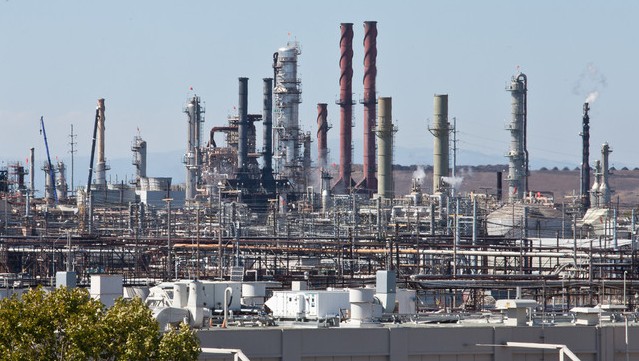
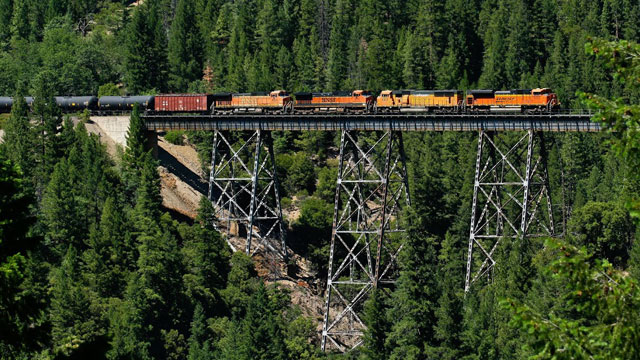
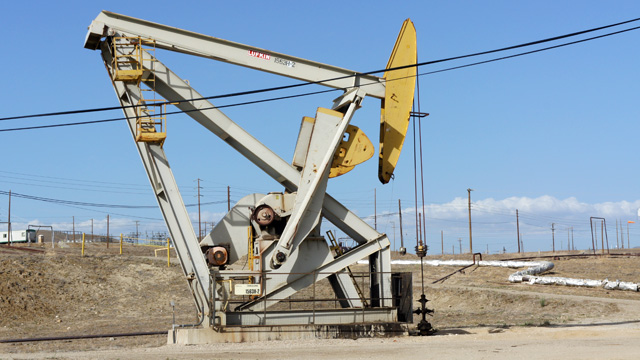
window.__IS_SSR__=true
window.__INITIAL_STATE__={
"attachmentsReducer": {
"audio_0": {
"type": "attachments",
"id": "audio_0",
"imgSizes": {
"kqedFullSize": {
"file": "https://ww2.kqed.org/news/wp-content/themes/KQED-unified/img/audio_bgs/background0.jpg"
}
}
},
"audio_1": {
"type": "attachments",
"id": "audio_1",
"imgSizes": {
"kqedFullSize": {
"file": "https://ww2.kqed.org/news/wp-content/themes/KQED-unified/img/audio_bgs/background1.jpg"
}
}
},
"audio_2": {
"type": "attachments",
"id": "audio_2",
"imgSizes": {
"kqedFullSize": {
"file": "https://ww2.kqed.org/news/wp-content/themes/KQED-unified/img/audio_bgs/background2.jpg"
}
}
},
"audio_3": {
"type": "attachments",
"id": "audio_3",
"imgSizes": {
"kqedFullSize": {
"file": "https://ww2.kqed.org/news/wp-content/themes/KQED-unified/img/audio_bgs/background3.jpg"
}
}
},
"audio_4": {
"type": "attachments",
"id": "audio_4",
"imgSizes": {
"kqedFullSize": {
"file": "https://ww2.kqed.org/news/wp-content/themes/KQED-unified/img/audio_bgs/background4.jpg"
}
}
},
"placeholder": {
"type": "attachments",
"id": "placeholder",
"imgSizes": {
"thumbnail": {
"file": "https://cdn.kqed.org/wp-content/uploads/2024/12/KQED-Default-Image-816638274-2000x1333-1-160x107.jpg",
"width": 160,
"height": 107,
"mimeType": "image/jpeg"
},
"medium": {
"file": "https://cdn.kqed.org/wp-content/uploads/2024/12/KQED-Default-Image-816638274-2000x1333-1-800x533.jpg",
"width": 800,
"height": 533,
"mimeType": "image/jpeg"
},
"medium_large": {
"file": "https://cdn.kqed.org/wp-content/uploads/2024/12/KQED-Default-Image-816638274-2000x1333-1-768x512.jpg",
"width": 768,
"height": 512,
"mimeType": "image/jpeg"
},
"large": {
"file": "https://cdn.kqed.org/wp-content/uploads/2024/12/KQED-Default-Image-816638274-2000x1333-1-1020x680.jpg",
"width": 1020,
"height": 680,
"mimeType": "image/jpeg"
},
"1536x1536": {
"file": "https://cdn.kqed.org/wp-content/uploads/2024/12/KQED-Default-Image-816638274-2000x1333-1-1536x1024.jpg",
"width": 1536,
"height": 1024,
"mimeType": "image/jpeg"
},
"fd-lrg": {
"file": "https://cdn.kqed.org/wp-content/uploads/2024/12/KQED-Default-Image-816638274-2000x1333-1-1536x1024.jpg",
"width": 1536,
"height": 1024,
"mimeType": "image/jpeg"
},
"fd-med": {
"file": "https://cdn.kqed.org/wp-content/uploads/2024/12/KQED-Default-Image-816638274-2000x1333-1-1020x680.jpg",
"width": 1020,
"height": 680,
"mimeType": "image/jpeg"
},
"fd-sm": {
"file": "https://cdn.kqed.org/wp-content/uploads/2024/12/KQED-Default-Image-816638274-2000x1333-1-800x533.jpg",
"width": 800,
"height": 533,
"mimeType": "image/jpeg"
},
"post-thumbnail": {
"file": "https://cdn.kqed.org/wp-content/uploads/2024/12/KQED-Default-Image-816638274-2000x1333-1-672x372.jpg",
"width": 672,
"height": 372,
"mimeType": "image/jpeg"
},
"twentyfourteen-full-width": {
"file": "https://cdn.kqed.org/wp-content/uploads/2024/12/KQED-Default-Image-816638274-2000x1333-1-1038x576.jpg",
"width": 1038,
"height": 576,
"mimeType": "image/jpeg"
},
"xxsmall": {
"file": "https://cdn.kqed.org/wp-content/uploads/2024/12/KQED-Default-Image-816638274-2000x1333-1-160x107.jpg",
"width": 160,
"height": 107,
"mimeType": "image/jpeg"
},
"xsmall": {
"file": "https://cdn.kqed.org/wp-content/uploads/2024/12/KQED-Default-Image-816638274-2000x1333-1-672x372.jpg",
"width": 672,
"height": 372,
"mimeType": "image/jpeg"
},
"small": {
"file": "https://cdn.kqed.org/wp-content/uploads/2024/12/KQED-Default-Image-816638274-2000x1333-1-672x372.jpg",
"width": 672,
"height": 372,
"mimeType": "image/jpeg"
},
"xlarge": {
"file": "https://cdn.kqed.org/wp-content/uploads/2024/12/KQED-Default-Image-816638274-2000x1333-1-1020x680.jpg",
"width": 1020,
"height": 680,
"mimeType": "image/jpeg"
},
"full-width": {
"file": "https://cdn.kqed.org/wp-content/uploads/2024/12/KQED-Default-Image-816638274-2000x1333-1-1920x1280.jpg",
"width": 1920,
"height": 1280,
"mimeType": "image/jpeg"
},
"guest-author-32": {
"file": "https://cdn.kqed.org/wp-content/uploads/2025/01/KQED-Default-Image-816638274-1333x1333-1-160x160.jpg",
"width": 32,
"height": 32,
"mimeType": "image/jpeg"
},
"guest-author-50": {
"file": "https://cdn.kqed.org/wp-content/uploads/2025/01/KQED-Default-Image-816638274-1333x1333-1-160x160.jpg",
"width": 50,
"height": 50,
"mimeType": "image/jpeg"
},
"guest-author-64": {
"file": "https://cdn.kqed.org/wp-content/uploads/2025/01/KQED-Default-Image-816638274-1333x1333-1-160x160.jpg",
"width": 64,
"height": 64,
"mimeType": "image/jpeg"
},
"guest-author-96": {
"file": "https://cdn.kqed.org/wp-content/uploads/2025/01/KQED-Default-Image-816638274-1333x1333-1-160x160.jpg",
"width": 96,
"height": 96,
"mimeType": "image/jpeg"
},
"guest-author-128": {
"file": "https://cdn.kqed.org/wp-content/uploads/2025/01/KQED-Default-Image-816638274-1333x1333-1-160x160.jpg",
"width": 128,
"height": 128,
"mimeType": "image/jpeg"
},
"detail": {
"file": "https://cdn.kqed.org/wp-content/uploads/2025/01/KQED-Default-Image-816638274-1333x1333-1-160x160.jpg",
"width": 160,
"height": 160,
"mimeType": "image/jpeg"
},
"kqedFullSize": {
"file": "https://cdn.kqed.org/wp-content/uploads/2024/12/KQED-Default-Image-816638274-2000x1333-1.jpg",
"width": 2000,
"height": 1333
}
}
},
"science_19710": {
"type": "attachments",
"id": "science_19710",
"meta": {
"index": "attachments_1716263798",
"site": "science",
"id": "19710",
"found": true
},
"parent": 19628,
"imgSizes": {
"kqedFullSize": {
"file": "https://ww2.kqed.org/app/uploads/sites/35/2014/07/chevron-e1406149837331.jpg",
"width": 639,
"height": 361
}
},
"publishDate": 1406149747,
"modified": 1406149747,
"caption": "The Chevron Refinery in Richmond is looking to increase its capacity to process crude oil with higher sulfur content. (Deborah Svoboda/KQED)",
"description": "The Chevron Refinery in Richmond is looking to increase its capacity to process crude oil with higher sulfur content.",
"title": "Chevron Plant",
"credit": null,
"status": "inherit",
"isLoading": false,
"fetchFailed": false
},
"science_19557": {
"type": "attachments",
"id": "science_19557",
"meta": {
"index": "attachments_1716263798",
"site": "science",
"id": "19557",
"found": true
},
"parent": 19507,
"imgSizes": {
"kqedFullSize": {
"file": "https://ww2.kqed.org/app/uploads/sites/35/2014/07/Miille_Bakken1.jpg",
"width": 640,
"height": 360
}
},
"publishDate": 1405727103,
"modified": 1405727103,
"caption": "A BNSF train with tank cars crosses a trestle in the Feather River Canyon in Northern California. (Courtesy of Jake Miille)",
"description": "A BNSF train with tank cars crosses a trestle in the Feather River Canyon in Northern California. (Courtesy of Jake Miille)",
"title": "Miille_Bakken1",
"credit": null,
"status": "inherit",
"isLoading": false,
"fetchFailed": false
},
"science_19348": {
"type": "attachments",
"id": "science_19348",
"meta": {
"index": "attachments_1716263798",
"site": "science",
"id": "19348",
"found": true
},
"parent": 19337,
"imgSizes": {
"kqedFullSize": {
"file": "https://ww2.kqed.org/app/uploads/sites/35/2014/07/fracking1.jpg",
"width": 640,
"height": 360
}
},
"publishDate": 1405124478,
"modified": 1405124478,
"caption": "About 60 percent of oil pumped in California uses steam injection or similar methods, something the ballot measures seek to ban. (Lauren Sommer/KQED)",
"description": null,
"title": "fracking1",
"credit": null,
"status": "inherit",
"isLoading": false,
"fetchFailed": false
},
"science_19005": {
"type": "attachments",
"id": "science_19005",
"meta": {
"index": "attachments_1716263798",
"site": "science",
"id": "19005",
"found": true
},
"parent": 19004,
"imgSizes": {
"kqedFullSize": {
"file": "https://ww2.kqed.org/app/uploads/sites/35/2014/07/OKEQmap.png",
"width": 640,
"height": 360
}
},
"publishDate": 1404413205,
"modified": 1404413205,
"caption": "This busy figure lays out the case linking deep-injection wells (squares) and earthquakes (gray/colored dots) in north-central Oklahoma. Groups of high-volume wells south and east of Oklahoma City (OKC) flank the long-running earthquake swarm centered on the town of Jones. Prague was the site of a magnitude-5.7 quake in 2011. Modified from Figure 1 of Keranen et al., \"\u003ca href=\"http://www.sciencemag.org/content/early/2014/07/02/science.1255802\">Sharp Increase in Central Oklahoma Seismicity Since 2008 Induced by Massive Wastewater Injection\u003c/a>,\" \u003ci>Science\u003c/i>, July 3, 2014. (AAAS/Science)",
"description": null,
"title": "OKEQmap",
"credit": null,
"status": "inherit",
"isLoading": false,
"fetchFailed": false
},
"science_42": {
"type": "attachments",
"id": "science_42",
"meta": {
"index": "attachments_1716263798",
"site": "science",
"id": "42",
"found": true
},
"parent": 41,
"imgSizes": {
"kqedFullSize": {
"file": "https://ww2.kqed.org/app/uploads/sites/35/2013/03/41-thumb.jpg",
"width": 690,
"height": 452
}
},
"publishDate": 1364855784,
"modified": 1364855784,
"caption": null,
"description": "LosAngelesTraffic",
"title": "Thumbnail for 41",
"credit": null,
"status": "inherit",
"isLoading": false,
"fetchFailed": false
},
"science_18669": {
"type": "attachments",
"id": "science_18669",
"meta": {
"index": "attachments_1716263798",
"site": "science",
"id": "18669",
"found": true
},
"parent": 21515,
"imgSizes": {
"kqedFullSize": {
"file": "https://ww2.kqed.org/app/uploads/sites/35/2014/06/Miille_Bakken28-e1403727432327.jpg",
"width": 640,
"height": 360
}
},
"publishDate": 1403727278,
"modified": 1403727278,
"caption": "A BNSF train carrying crude oil passes through downtown Sacramento. (Courtesy of Jake Miille)",
"description": "A BNSF train carrying crude oil passes through downtown Sacramento. (Courtesy of Jake Miille)",
"title": "Miille_Bakken28",
"credit": null,
"status": "inherit",
"isLoading": false,
"fetchFailed": false
},
"science_18370": {
"type": "attachments",
"id": "science_18370",
"meta": {
"index": "attachments_1716263798",
"site": "science",
"id": "18370",
"found": true
},
"parent": 18367,
"imgSizes": {
"kqedFullSize": {
"file": "https://ww2.kqed.org/app/uploads/sites/35/2014/06/gaspump_hosetalker2-e1402694020933.jpg",
"width": 640,
"height": 361
}
},
"publishDate": 1402690170,
"modified": 1402690170,
"caption": "A working concept of a gas pump climate change warning labels that the City of Berkeley is considering. (Courtesy 350 Bay Area)",
"description": "A working concept of a gas pump climate change warning labels that the City of Berkeley is considering. (Courtesy 350 Bay Area)",
"title": "gaspump_label",
"credit": null,
"status": "inherit",
"isLoading": false,
"fetchFailed": false
},
"science_15986": {
"type": "attachments",
"id": "science_15986",
"meta": {
"index": "attachments_1716263798",
"site": "science",
"id": "15986",
"found": true
},
"parent": 15930,
"imgSizes": {
"kqedFullSize": {
"file": "https://ww2.kqed.org/app/uploads/sites/35/2014/03/tankcarsrichmond-e1396052578404.jpg",
"width": 640,
"height": 360
}
},
"publishDate": 1396052565,
"modified": 1396052565,
"caption": "Tank cars parked in Richmond. BNSF Railway has been bringing crude oil to this railyard. (Molly Samuel/KQED)",
"description": "Tank cars parked in Richmond. (Molly Samuel/KQED)",
"title": "tankcarsrichmond",
"credit": null,
"status": "inherit",
"isLoading": false,
"fetchFailed": false
},
"science_16467": {
"type": "attachments",
"id": "science_16467",
"meta": {
"index": "attachments_1716263798",
"site": "science",
"id": "16467",
"found": true
},
"parent": 16416,
"imgSizes": {
"kqedFullSize": {
"file": "https://ww2.kqed.org/app/uploads/sites/35/2014/04/chevrontanks.jpg",
"width": 640,
"height": 360
}
},
"publishDate": 1397258292,
"modified": 1397258292,
"caption": "A view of the Chevron refinery from its wharf, where ships deliver crude oil. (Josh Cassidy/KQED)",
"description": "A view of the Chevron refinery from its wharf, where ships deliver crude oil. (Josh Cassidy/KQED)",
"title": "chevrontanks",
"credit": null,
"status": "inherit",
"isLoading": false,
"fetchFailed": false
},
"science_18141": {
"type": "attachments",
"id": "science_18141",
"meta": {
"index": "attachments_1716263798",
"site": "science",
"id": "18141",
"found": true
},
"parent": 18126,
"imgSizes": {
"kqedFullSize": {
"file": "https://ww2.kqed.org/app/uploads/sites/35/2014/06/bnsf.jpg",
"width": 640,
"height": 360
}
},
"publishDate": 1402098380,
"modified": 1402098380,
"caption": "Tank cars travel near the Feather River in Northern California. (Jake Miille) ",
"description": "Tank cars travel near the Feather River in Northern California. (Jake Miille) ",
"title": "bnsf",
"credit": null,
"status": "inherit",
"isLoading": false,
"fetchFailed": false
},
"quest_70612": {
"type": "attachments",
"id": "quest_70612",
"meta": {
"index": "attachments_1716263798",
"site": "quest",
"id": "70612",
"found": true
},
"parent": 68329,
"imgSizes": {
"thumbnail": {
"file": "https://ww2.kqed.org/app/uploads/sites/39/2014/03/Peggy-Lemaux-header-image-e1400541970203-400x225.jpg",
"width": 400,
"mimeType": "image/jpeg",
"height": 225
},
"kqedFullSize": {
"file": "https://ww2.kqed.org/app/uploads/sites/39/2014/03/Peggy-Lemaux-header-image-e1400541970203.jpg",
"width": 640,
"height": 360
},
"guest-author-96": {
"file": "https://ww2.kqed.org/app/uploads/sites/39/2014/03/Peggy-Lemaux-header-image-e1400541970203-96x96.jpg",
"width": 96,
"mimeType": "image/jpeg",
"height": 96
},
"guest-author-64": {
"file": "https://ww2.kqed.org/app/uploads/sites/39/2014/03/Peggy-Lemaux-header-image-e1400541970203-64x64.jpg",
"width": 64,
"mimeType": "image/jpeg",
"height": 64
},
"detail": {
"file": "https://ww2.kqed.org/app/uploads/sites/39/2014/03/Peggy-Lemaux-header-image-e1400541970203-75x75.jpg",
"width": 75,
"mimeType": "image/jpeg",
"height": 75
},
"guest-author-32": {
"file": "https://ww2.kqed.org/app/uploads/sites/39/2014/03/Peggy-Lemaux-header-image-e1400541970203-32x32.jpg",
"width": 32,
"mimeType": "image/jpeg",
"height": 32
},
"guest-author-128": {
"file": "https://ww2.kqed.org/app/uploads/sites/39/2014/03/Peggy-Lemaux-header-image-e1400541970203-128x128.jpg",
"width": 128,
"mimeType": "image/jpeg",
"height": 128
}
},
"publishDate": 1400541872,
"modified": 1442678184,
"caption": "Peggy Lemaux, a University of California-Berkeley biologist, has engineered tobacco plants so they produce oil for biofuel directly in their leaves. ",
"description": null,
"title": "Peggy Lemaux header image",
"credit": "Photo courtesy UC Berkeley",
"status": "inherit",
"isLoading": false,
"fetchFailed": false
}
},
"audioPlayerReducer": {
"postId": "stream_live",
"isPaused": true,
"isPlaying": false,
"pfsActive": false,
"pledgeModalIsOpen": true,
"playerDrawerIsOpen": false,
"liveAudioPlayStartedAt": 0,
"liveAudioPlayContext": ""
},
"authorsReducer": {
"mollysamuel": {
"type": "authors",
"id": "200",
"meta": {
"index": "authors_1716337520",
"id": "200",
"found": true
},
"name": "Molly Samuel",
"firstName": "Molly",
"lastName": "Samuel",
"slug": "mollysamuel",
"email": "msamuel@kqed.org",
"display_author_email": false,
"staff_mastheads": [],
"title": null,
"bio": "Molly Samuel joined KQED as an intern in 2007, and since then has worked here as a reporter, producer, director and blogger. Before becoming KQED Science’s Multimedia Producer, she was a producer for Climate Watch. Molly has also reported for NPR, KALW and High Country News, and has produced audio stories for The Encyclopedia of Life and the Oakland Museum of California. She was a fellow with the Middlebury Fellowships in Environmental Journalism and a journalist-in-residence at the National Evolutionary Synthesis Center. Molly has a degree in Ancient Greek from Oberlin College and is a co-founder of the record label True Panther Sounds.",
"avatar": "https://secure.gravatar.com/avatar/a6abd3b949a89fe5109fa9917631d0b6?s=600&d=blank&r=g",
"twitter": null,
"facebook": null,
"instagram": null,
"linkedin": null,
"sites": [
{
"site": "news",
"roles": [
"subscriber"
]
},
{
"site": "stateofhealth",
"roles": [
"subscriber"
]
},
{
"site": "science",
"roles": [
"subscriber"
]
},
{
"site": "quest",
"roles": [
"edit_users",
"subscriber"
]
}
],
"headData": {
"title": "Molly Samuel | KQED",
"description": null,
"ogImgSrc": "https://secure.gravatar.com/avatar/a6abd3b949a89fe5109fa9917631d0b6?s=600&d=blank&r=g",
"twImgSrc": "https://secure.gravatar.com/avatar/a6abd3b949a89fe5109fa9917631d0b6?s=600&d=blank&r=g"
},
"isLoading": false,
"link": "/author/mollysamuel"
},
"amystanden": {
"type": "authors",
"id": "210",
"meta": {
"index": "authors_1716337520",
"id": "210",
"found": true
},
"name": "Amy Standen",
"firstName": "Amy",
"lastName": "Standen",
"slug": "amystanden",
"email": "astanden@kqed.org",
"display_author_email": false,
"staff_mastheads": [],
"title": "KQED Contributor",
"bio": "Amy Standen (@amystanden) is co-host of #\u003ca href=\"https://ww2.kqed.org/news/programs/the-leap\">TheLeapPodcast\u003c/a> (subscribe on iTunes or Stitcher!) and host of KQED and PBSDigital Studios' science video series, \u003ca href=\"https://www.youtube.com/user/KQEDDeepLook\">Deep Look\u003c/a>. Her science radio stories appear on KQED and NPR.\r\n\r\nEmail her at astanden@kqed.org",
"avatar": "https://secure.gravatar.com/avatar/3d021b72de685a788b0487b059d0a6a1?s=600&d=blank&r=g",
"twitter": null,
"facebook": null,
"instagram": null,
"linkedin": null,
"sites": [
{
"site": "news",
"roles": [
"subscriber"
]
},
{
"site": "futureofyou",
"roles": [
"subscriber"
]
},
{
"site": "stateofhealth",
"roles": [
"subscriber"
]
},
{
"site": "science",
"roles": []
},
{
"site": "quest",
"roles": [
"subscriber"
]
}
],
"headData": {
"title": "Amy Standen | KQED",
"description": "KQED Contributor",
"ogImgSrc": "https://secure.gravatar.com/avatar/3d021b72de685a788b0487b059d0a6a1?s=600&d=blank&r=g",
"twImgSrc": "https://secure.gravatar.com/avatar/3d021b72de685a788b0487b059d0a6a1?s=600&d=blank&r=g"
},
"isLoading": false,
"link": "/author/amystanden"
},
"laurensommer": {
"type": "authors",
"id": "239",
"meta": {
"index": "authors_1716337520",
"id": "239",
"found": true
},
"name": "Lauren Sommer",
"firstName": "Lauren",
"lastName": "Sommer",
"slug": "laurensommer",
"email": "lsommer@kqed.org",
"display_author_email": false,
"staff_mastheads": [],
"title": "KQED Contributor",
"bio": "Lauren is a radio reporter formerly covering environment, water, and energy for KQED Science. As part of her day job, she has scaled Sierra Nevada peaks, run from charging elephant seals, and desperately tried to get her sea legs - all in pursuit of good radio. Her work has appeared on Marketplace, Living on Earth, Science Friday and NPR's Morning Edition and All Things Considered. You can find her on Twitter at \u003ca href=\"https://twitter.com/lesommer\">@lesommer\u003c/a>.",
"avatar": "https://secure.gravatar.com/avatar/33aa3772bb86c6ad45b8aca6a238bbdf?s=600&d=blank&r=g",
"twitter": null,
"facebook": null,
"instagram": null,
"linkedin": null,
"sites": [
{
"site": "news",
"roles": [
"author"
]
},
{
"site": "science",
"roles": [
"editor",
"manage_content_types",
"manage_taxonomies"
]
},
{
"site": "quest",
"roles": [
"editor"
]
}
],
"headData": {
"title": "Lauren Sommer | KQED",
"description": "KQED Contributor",
"ogImgSrc": "https://secure.gravatar.com/avatar/33aa3772bb86c6ad45b8aca6a238bbdf?s=600&d=blank&r=g",
"twImgSrc": "https://secure.gravatar.com/avatar/33aa3772bb86c6ad45b8aca6a238bbdf?s=600&d=blank&r=g"
},
"isLoading": false,
"link": "/author/laurensommer"
},
"sschilling": {
"type": "authors",
"id": "1565",
"meta": {
"index": "authors_1716337520",
"id": "1565",
"found": true
},
"name": "Sally Schilling",
"firstName": "Sally",
"lastName": "Schilling",
"slug": "sschilling",
"email": "sschilling@KQED.org",
"display_author_email": false,
"staff_mastheads": [],
"title": null,
"bio": "KQED Science intern Sally Schilling brings environmental conflicts to life by finding the people most affected by them. She’s recently told the stories of park rangers on the hunt for redwood burl poachers, and the accidental activists in Pittsburg who are fighting a proposed crude oil facility being built in their backyards. Sally is currently studying video journalism and investigative reporting at the UC Berkeley Graduate School of Journalism. She grew up on an organic farm near Davis, Ca.",
"avatar": "https://secure.gravatar.com/avatar/de4c082ea10bfe43a4bc1996b14a3886?s=600&d=blank&r=g",
"twitter": null,
"facebook": null,
"instagram": null,
"linkedin": null,
"sites": [
{
"site": "news",
"roles": [
"author"
]
},
{
"site": "science",
"roles": [
"editor"
]
}
],
"headData": {
"title": "Sally Schilling | KQED",
"description": null,
"ogImgSrc": "https://secure.gravatar.com/avatar/de4c082ea10bfe43a4bc1996b14a3886?s=600&d=blank&r=g",
"twImgSrc": "https://secure.gravatar.com/avatar/de4c082ea10bfe43a4bc1996b14a3886?s=600&d=blank&r=g"
},
"isLoading": false,
"link": "/author/sschilling"
},
"lindseyhoshaw": {
"type": "authors",
"id": "5432",
"meta": {
"index": "authors_1716337520",
"id": "5432",
"found": true
},
"name": "Lindsey Hoshaw",
"firstName": "Lindsey",
"lastName": "Hoshaw",
"slug": "lindseyhoshaw",
"email": "lhoshaw@kqed.org",
"display_author_email": false,
"staff_mastheads": [],
"title": "KQED Contributor",
"bio": "Lindsey Hoshaw is a former interactive producer for KQED Science. Before joining KQED, Lindsey was a science correspondent for The New York Times, The Boston Globe, Forbes and Scientific American. On Twitter @lindseyhoshaw",
"avatar": "https://secure.gravatar.com/avatar/274b07694c998eaa8f26cfabaa941186?s=600&d=mm&r=g",
"twitter": "lindseyhoshaw",
"facebook": "lindsey.hoshaw.9",
"instagram": null,
"linkedin": null,
"sites": [
{
"site": "arts",
"roles": [
"author"
]
},
{
"site": "news",
"roles": [
"subscriber"
]
},
{
"site": "futureofyou",
"roles": [
"editor"
]
},
{
"site": "bayareabites",
"roles": [
"contributor"
]
},
{
"site": "stateofhealth",
"roles": [
"author"
]
},
{
"site": "science",
"roles": [
"edit_theme_options",
"subscriber"
]
},
{
"site": "quest",
"roles": [
"edit_post_subscriptions",
"edit_usergroups",
"unfiltered_html",
"unfiltered_upload",
"leadcoordinator",
"editor"
]
},
{
"site": "food",
"roles": []
}
],
"headData": {
"title": "Lindsey Hoshaw | KQED",
"description": "KQED Contributor",
"ogImgSrc": "https://secure.gravatar.com/avatar/274b07694c998eaa8f26cfabaa941186?s=600&d=mm&r=g",
"twImgSrc": "https://secure.gravatar.com/avatar/274b07694c998eaa8f26cfabaa941186?s=600&d=mm&r=g"
},
"isLoading": false,
"link": "/author/lindseyhoshaw"
},
"andrew-alden": {
"type": "authors",
"id": "6228",
"meta": {
"index": "authors_1716337520",
"id": "6228",
"found": true
},
"name": "Andrew Alden",
"firstName": "Andrew",
"lastName": "Alden",
"slug": "andrew-alden",
"email": "alden@andrew-alden.com",
"display_author_email": false,
"staff_mastheads": [],
"title": null,
"bio": "Andrew Alden earned his geology degree at the University of New Hampshire and moved back to the Bay Area to work at the U.S. Geological Survey for six years. He has \u003ca href=\"http://geology.about.com/\">written on geology for About.com\u003c/a> since its founding in 1997. In 2007, he started the Oakland Geology blog, which won recognition as \"Best of the East Bay\" from the \u003ci>East Bay Express\u003c/i> in 2010. In writing about geology in the Bay Area and surroundings, he hopes to share some of the useful and pleasurable insights that geologists give us—not just facts about the deep past, but an attitude that might be called the \u003ci>deep present\u003c/i>.\r\n\r\nRead his \u003ca href=\"http://science.kqed.org/quest/author/andrew-alden/\">previous contributions\u003c/a> to \u003ca href=\"http://http://science.kqed.org/quest/\">QUEST\u003c/a>, a project dedicated to exploring the Science of Sustainability.",
"avatar": "https://secure.gravatar.com/avatar/9eaa0afc32f98c5fc7ce634437334a64?s=600&d=blank&r=g",
"twitter": null,
"facebook": null,
"instagram": null,
"linkedin": null,
"sites": [
{
"site": "science",
"roles": [
"author"
]
},
{
"site": "quest",
"roles": [
"subscriber"
]
}
],
"headData": {
"title": "Andrew Alden | KQED",
"description": null,
"ogImgSrc": "https://secure.gravatar.com/avatar/9eaa0afc32f98c5fc7ce634437334a64?s=600&d=blank&r=g",
"twImgSrc": "https://secure.gravatar.com/avatar/9eaa0afc32f98c5fc7ce634437334a64?s=600&d=blank&r=g"
},
"isLoading": false,
"link": "/author/andrew-alden"
},
"kqedscience": {
"type": "authors",
"id": "6387",
"meta": {
"index": "authors_1716337520",
"id": "6387",
"found": true
},
"name": "KQED Science",
"firstName": "KQED",
"lastName": "Science",
"slug": "kqedscience",
"email": "kqedscience@gmail.com",
"display_author_email": false,
"staff_mastheads": [],
"title": null,
"bio": "KQED Science brings you award-winning science and environment coverage from the Bay Area and beyond by the flagship Northern California PBS and NPR affiliate.",
"avatar": "https://secure.gravatar.com/avatar/5a295ff49cf82a8c0f30937d3f788b2f?s=600&d=blank&r=g",
"twitter": null,
"facebook": null,
"instagram": null,
"linkedin": null,
"sites": [
{
"site": "science",
"roles": [
"contributor"
]
},
{
"site": "quest",
"roles": [
"editor"
]
},
{
"site": "food",
"roles": [
"contributor"
]
}
],
"headData": {
"title": "KQED Science | KQED",
"description": null,
"ogImgSrc": "https://secure.gravatar.com/avatar/5a295ff49cf82a8c0f30937d3f788b2f?s=600&d=blank&r=g",
"twImgSrc": "https://secure.gravatar.com/avatar/5a295ff49cf82a8c0f30937d3f788b2f?s=600&d=blank&r=g"
},
"isLoading": false,
"link": "/author/kqedscience"
}
},
"pagesReducer": {
"science_category_energy": {
"type": "terms",
"id": "science_33",
"meta": {
"index": "terms_1716263798",
"site": "science",
"id": "33",
"score": 12.797518
},
"featImg": null,
"name": "Energy",
"description": null,
"taxonomy": "category",
"headData": {
"twImgId": null,
"twTitle": null,
"ogTitle": null,
"ogImgId": null,
"twDescription": null,
"description": null,
"title": "Energy Archives | KQED Science",
"ogDescription": null
},
"ttid": 35,
"slug": "energy",
"isLoading": false,
"title": "Energy",
"pageMeta": {
"site": "science",
"WpPageTemplate": "page-topic-editorial",
"currentPage": 28
},
"blocks": [
{
"blockName": "kqed/post-list",
"attrs": {
"layout": "cardArticle2",
"query": "posts/science?category=energy",
"seeMore": false,
"paginated": true,
"page": 28
}
},
{
"blockName": "kqed/ad"
}
]
}
},
"pfsSessionReducer": {},
"postsReducer": {
"stream_live": {
"type": "live",
"id": "stream_live",
"audioUrl": "https://streams.kqed.org/kqedradio",
"title": "Live Stream",
"excerpt": "Live Stream information currently unavailable.",
"link": "/radio",
"featImg": "",
"label": {
"name": "KQED Live",
"link": "/"
}
},
"stream_kqedNewscast": {
"type": "posts",
"id": "stream_kqedNewscast",
"audioUrl": "https://www.kqed.org/.stream/anon/radio/RDnews/newscast.mp3?_=1",
"title": "KQED Newscast",
"featImg": "",
"label": {
"name": "88.5 FM",
"link": "/"
}
},
"science_19628": {
"type": "posts",
"id": "science_19628",
"meta": {
"index": "posts_1716263798",
"site": "science",
"id": "19628",
"score": null,
"sort": [
1406151208000
]
},
"parent": 0,
"labelTerm": {
"site": "science"
},
"blocks": [],
"publishDate": 1406151208,
"format": "aside",
"title": "Richmond Nearly Ready to Approve Chevron Refinery Project",
"headTitle": "Richmond Nearly Ready to Approve Chevron Refinery Project | KQED",
"content": "\u003cfigure id=\"attachment_19710\" class=\"wp-caption aligncenter\" style=\"max-width: 639px\">\u003ca href=\"http://ww2.kqed.org/science/wp-content/uploads/sites/35/2014/07/chevron-e1406149837331.jpg\">\u003cimg loading=\"lazy\" decoding=\"async\" class=\"size-full wp-image-19710\" src=\"http://ww2.kqed.org/science/wp-content/uploads/sites/35/2014/07/chevron-e1406149837331.jpg\" alt=\"The Chevron Refinery in Richmond is looking to increase its capacity to process crude oil with higher sulfur content.\" width=\"639\" height=\"361\">\u003c/a>\u003cfigcaption class=\"wp-caption-text\">The Chevron Refinery in Richmond is looking to increase its capacity to process crude oil with higher sulfur content. (Deborah Svoboda/KQED)\u003c/figcaption>\u003c/figure>\n\u003cp>\u003cstrong>By Sara Hossaini and Molly Samuel\u003c/strong>\u003c/p>\n\u003cp>The Richmond City Council is slated to decide in one week whether to give final approval to \u003ca href=\"http://ww2.kqed.org/science/audio/chevron-tries-again-with-richmond-refinery-revamp/\">Chevron’s plans for a $1 billion project\u003c/a> at its refinery there. The council is now considering what conditions to place on the project, if it’s approved.\u003c/p>\n\u003cp>A hearing Tuesday night drew about 500 people; nearly 200 signed up to speak during the public comment period, both for and against the project.\u003c/p>\n\u003cp>“They come to us with plans to modernize only a part of their operation that will allow much dirtier sources of crude oil to be processed,” said Richmond resident Robert Bishop, “and to make millions and millions of dollars more profit each year by doing so.”\u003c/p>\n\u003cp>One of the goals of the project is to allow Chevron to refine crude with a higher sulfur content. The industry calls this “sour” crude; environmental groups call it “dirty” crude. Bishop said the project shouldn’t get the green light unless the council imposes the stricter conditions recommended by the city’s Planning Commission.\u003c/p>\n\u003cp>[ad fullwidth]\u003c/p>\n\u003cp>Environmental groups suggested those conditions and Chevron is appealing them.\u003c/p>\n\u003cp>The oil company has, however, agreed to a plan submitted by Attorney General Kamala Harris, and included in the EIR as Alternative 11. That alternative, unlike Chevron’s original proposal, would reduce how much sulfur the refinery could process, and would not increase greenhouse gas emissions. Chevron’s preferred plan would have allowed an increase in greenhouse gas emissions to be offset by carbon credits.\u003c/p>\n\u003cp>The company has also agreed to double community investment dollars over the next decade, to $60 million.\u003c/p>\n\u003cp>That would benefit all Richmond residents, said Chevron employee Suzanne Jackson. “A cleaner, newer, safer refinery will continue to support the bridge of the gap between social and economic change here in Richmond,” she said.\u003c/p>\n\u003cp>\u003cstrong>Planning Commission Approval\u003c/strong>\u003c/p>\n\u003cp>Earlier this month, Richmond’s planning commission \u003ca href=\"http://ww2.kqed.org/news/2014/07/11/round-2-of-richmond-hearing-on-chevron-refinery-plan/\">approved the environmental impact report\u003c/a> for the project, recommending the city council approve Alternative 11.\u003c/p>\n\u003cp>“This was a good project before, it’s a really great project now, so we’re very hopeful,” said Chevron spokeswoman Melissa Ritchie. “Greenhouse gas emissions will not increase as result of project, they will actually decrease.”\u003c/p>\n\u003cp>The planning commission also set forth a series of conditions proposed by environmental groups, and Chevron has appealed all of them.\u003c/p>\n\u003cp>One condition would require stricter pollution emission standards, the second would require a more thorough upgrade of parts of the refinery that handle highly corrosive high-sulfur crude oil, and the third would require the company to participate in “climate justice mitigation,” reportedly including a clean-energy jobs program.\u003c/p>\n\u003cp>Staff for the city council \u003ca href=\"http://chevronmodernization.com/wp-content/uploads/2014/07/0.ARF-and-FINAL-REPORT-CVRN-CC-7-22-2014.pdf\">oppose those conditions\u003c/a>, saying they are outside the scope of the EIR, or outside the jurisdiction of the city.\u003c/p>\n\u003cp>\u003cstrong>Another Lawsuit?\u003c/strong>\u003c/p>\n\u003cp>Without those additional conditions, Andrés Soto from CBE says he’s concerned Chevron’s lower emissions goals would be unenforceable.\u003c/p>\n\u003cp>“It just doesn’t have any teeth in it,” Soto said, of the possibility of adopting the lower-emissions scheme without the additional conditions. “We think not only would it be the wrong decision, we think it would be legally challengeable.”\u003c/p>\n\u003cp>If so, this would not be the first time Chevron’s refinery project went to the courts.\u003c/p>\n\u003cp>The project, called a modernization by the company and an expansion by its detractors, is a scaled-down version of an earlier proposal. That one was approved both by the Richmond planning commission and the city council in 2008, before environmental groups including Communities for a Better Environment successfully sued to stop it.\u003c/p>\n\u003cp>\u003c/p>\n\u003cp>The city council plans to decide on the fate of the project at a meeting next week.\u003c/p>\n\n",
"stats": {
"hasVideo": false,
"hasChartOrMap": false,
"hasAudio": false,
"hasPolis": false,
"wordCount": 678,
"hasGoogleForm": false,
"hasGallery": false,
"hasHearkenModule": false,
"iframeSrcs": [],
"paragraphCount": 23
},
"modified": 1704933241,
"excerpt": "The Richmond City Council is considering Chevron's plans for a $1 billion project at its refinery there. If it's approved, this is one of the last steps before construction on the project would actually begin.",
"headData": {
"twImgId": "",
"twTitle": "",
"ogTitle": "",
"ogImgId": "",
"twDescription": "",
"description": "The Richmond City Council is considering Chevron's plans for a $1 billion project at its refinery there. If it's approved, this is one of the last steps before construction on the project would actually begin.",
"title": "Richmond Nearly Ready to Approve Chevron Refinery Project | KQED",
"ogDescription": "",
"schema": {
"@context": "https://schema.org",
"@type": "Article",
"headline": "Richmond Nearly Ready to Approve Chevron Refinery Project",
"datePublished": "2014-07-23T14:33:28-07:00",
"dateModified": "2024-01-10T16:34:01-08:00",
"image": "https://cdn.kqed.org/wp-content/uploads/2020/02/KQED-OG-Image@1x.png"
}
},
"guestAuthors": [],
"slug": "richmond-nearly-ready-to-approve-chevron-refinery-project",
"status": "publish",
"sticky": false,
"path": "/science/19628/richmond-nearly-ready-to-approve-chevron-refinery-project",
"audioTrackLength": null,
"parsedContent": [
{
"type": "contentString",
"content": "\u003cdiv class=\"post-body\">\u003cp>\u003cfigure id=\"attachment_19710\" class=\"wp-caption aligncenter\" style=\"max-width: 639px\">\u003ca href=\"http://ww2.kqed.org/science/wp-content/uploads/sites/35/2014/07/chevron-e1406149837331.jpg\">\u003cimg loading=\"lazy\" decoding=\"async\" class=\"size-full wp-image-19710\" src=\"http://ww2.kqed.org/science/wp-content/uploads/sites/35/2014/07/chevron-e1406149837331.jpg\" alt=\"The Chevron Refinery in Richmond is looking to increase its capacity to process crude oil with higher sulfur content.\" width=\"639\" height=\"361\">\u003c/a>\u003cfigcaption class=\"wp-caption-text\">The Chevron Refinery in Richmond is looking to increase its capacity to process crude oil with higher sulfur content. (Deborah Svoboda/KQED)\u003c/figcaption>\u003c/figure>\n\u003cp>\u003cstrong>By Sara Hossaini and Molly Samuel\u003c/strong>\u003c/p>\n\u003cp>The Richmond City Council is slated to decide in one week whether to give final approval to \u003ca href=\"http://ww2.kqed.org/science/audio/chevron-tries-again-with-richmond-refinery-revamp/\">Chevron’s plans for a $1 billion project\u003c/a> at its refinery there. The council is now considering what conditions to place on the project, if it’s approved.\u003c/p>\n\u003cp>A hearing Tuesday night drew about 500 people; nearly 200 signed up to speak during the public comment period, both for and against the project.\u003c/p>\n\u003cp>“They come to us with plans to modernize only a part of their operation that will allow much dirtier sources of crude oil to be processed,” said Richmond resident Robert Bishop, “and to make millions and millions of dollars more profit each year by doing so.”\u003c/p>\n\u003cp>One of the goals of the project is to allow Chevron to refine crude with a higher sulfur content. The industry calls this “sour” crude; environmental groups call it “dirty” crude. Bishop said the project shouldn’t get the green light unless the council imposes the stricter conditions recommended by the city’s Planning Commission.\u003c/p>\n\u003cp>\u003c/p>\u003c/div>",
"attributes": {
"named": {},
"numeric": []
}
},
{
"type": "component",
"content": "",
"name": "ad",
"attributes": {
"named": {
"label": "fullwidth"
},
"numeric": [
"fullwidth"
]
}
},
{
"type": "contentString",
"content": "\u003cdiv class=\"post-body\">\u003cp>\u003c/p>\n\u003cp>Environmental groups suggested those conditions and Chevron is appealing them.\u003c/p>\n\u003cp>The oil company has, however, agreed to a plan submitted by Attorney General Kamala Harris, and included in the EIR as Alternative 11. That alternative, unlike Chevron’s original proposal, would reduce how much sulfur the refinery could process, and would not increase greenhouse gas emissions. Chevron’s preferred plan would have allowed an increase in greenhouse gas emissions to be offset by carbon credits.\u003c/p>\n\u003cp>The company has also agreed to double community investment dollars over the next decade, to $60 million.\u003c/p>\n\u003cp>That would benefit all Richmond residents, said Chevron employee Suzanne Jackson. “A cleaner, newer, safer refinery will continue to support the bridge of the gap between social and economic change here in Richmond,” she said.\u003c/p>\n\u003cp>\u003cstrong>Planning Commission Approval\u003c/strong>\u003c/p>\n\u003cp>Earlier this month, Richmond’s planning commission \u003ca href=\"http://ww2.kqed.org/news/2014/07/11/round-2-of-richmond-hearing-on-chevron-refinery-plan/\">approved the environmental impact report\u003c/a> for the project, recommending the city council approve Alternative 11.\u003c/p>\n\u003cp>“This was a good project before, it’s a really great project now, so we’re very hopeful,” said Chevron spokeswoman Melissa Ritchie. “Greenhouse gas emissions will not increase as result of project, they will actually decrease.”\u003c/p>\n\u003cp>The planning commission also set forth a series of conditions proposed by environmental groups, and Chevron has appealed all of them.\u003c/p>\n\u003cp>One condition would require stricter pollution emission standards, the second would require a more thorough upgrade of parts of the refinery that handle highly corrosive high-sulfur crude oil, and the third would require the company to participate in “climate justice mitigation,” reportedly including a clean-energy jobs program.\u003c/p>\n\u003cp>Staff for the city council \u003ca href=\"http://chevronmodernization.com/wp-content/uploads/2014/07/0.ARF-and-FINAL-REPORT-CVRN-CC-7-22-2014.pdf\">oppose those conditions\u003c/a>, saying they are outside the scope of the EIR, or outside the jurisdiction of the city.\u003c/p>\n\u003cp>\u003cstrong>Another Lawsuit?\u003c/strong>\u003c/p>\n\u003cp>Without those additional conditions, Andrés Soto from CBE says he’s concerned Chevron’s lower emissions goals would be unenforceable.\u003c/p>\n\u003cp>“It just doesn’t have any teeth in it,” Soto said, of the possibility of adopting the lower-emissions scheme without the additional conditions. “We think not only would it be the wrong decision, we think it would be legally challengeable.”\u003c/p>\n\u003cp>If so, this would not be the first time Chevron’s refinery project went to the courts.\u003c/p>\n\u003cp>The project, called a modernization by the company and an expansion by its detractors, is a scaled-down version of an earlier proposal. That one was approved both by the Richmond planning commission and the city council in 2008, before environmental groups including Communities for a Better Environment successfully sued to stop it.\u003c/p>\n\u003cp>\u003c/p>\n\u003cp>The city council plans to decide on the fate of the project at a meeting next week.\u003c/p>\n\n\u003c/div>\u003c/p>",
"attributes": {
"named": {},
"numeric": []
}
}
],
"link": "/science/19628/richmond-nearly-ready-to-approve-chevron-refinery-project",
"authors": [
"6387"
],
"categories": [
"science_31",
"science_33",
"science_40"
],
"tags": [
"science_5193",
"science_1754",
"science_952",
"science_553",
"science_1455"
],
"featImg": "science_19710",
"label": "science"
},
"science_19507": {
"type": "posts",
"id": "science_19507",
"meta": {
"index": "posts_1716263798",
"site": "science",
"id": "19507",
"score": null,
"sort": [
1405926066000
]
},
"parent": 0,
"labelTerm": {
"site": "science",
"term": 1753
},
"blocks": [],
"publishDate": 1405926066,
"format": "aside",
"title": "California Has Little Say Over Oil Train Safety",
"headTitle": "California Has Little Say Over Oil Train Safety | KQED",
"content": "\u003cdiv class=\"audio-wrap\">\n\u003ch2>Listen:\u003c/h2>\n\u003cp>http://www.kqed.org/.stream/anon/radio/science/2014/07/20140721science.mp3\u003c/p>\n\u003c/div>\n\u003cfigure id=\"attachment_19557\" class=\"wp-caption aligncenter\" style=\"max-width: 640px\">\u003ca href=\"http://ww2.kqed.org/science/wp-content/uploads/sites/35/2014/07/Miille_Bakken1.jpg\">\u003cimg loading=\"lazy\" decoding=\"async\" class=\"size-full wp-image-19557\" src=\"http://ww2.kqed.org/science/wp-content/uploads/sites/35/2014/07/Miille_Bakken1.jpg\" alt=\"A BNSF train with tank cars crosses a trestle in the Feather River Canyon in Northern California. (Courtesy of Jake Miille)\" width=\"640\" height=\"360\">\u003c/a>\u003cfigcaption class=\"wp-caption-text\">A BNSF train with tank cars crosses a trestle in the Feather River Canyon in Northern California. (\u003ca href=\"http://jakemiillephotography.com/\">Jake Miille/Jake Miille Photography\u003c/a>)\u003c/figcaption>\u003c/figure>\n\u003cp>\u003cstrong>Update, Friday, July 25:\u003c/strong> On Wednesday, the federal Department of Transportation \u003ca href=\"http://ww2.kqed.org/science/2014/07/23/feds-propose-new-safety-rules-for-oil-trains/\">proposed new regulations\u003c/a> aimed at improving the safety of trains carrying oil. \u003c/p>\n\u003cp>\u003cstrong>Original story (Monday, July 21):\u003c/strong>\u003cbr>\nThe number of trains carrying crude oil across California is increasing rapidly, and two official reports say the state is not ready. Regulators are preparing, with funds for disaster response and more track inspectors, but they’re limited in how much they can do to make rail transport safer.\u003c/p>\n\u003cp>“My view is it’s pretty undeniably bringing in extra risks to the state,” said Paul King, deputy director for rail safety at the California Public Utilities Commission (CPUC).\u003c/p>\n\u003cp>“These trains explode,” King said. “If that were to happen in a town, there’s no telling the damage. And of course we know what happened in little Lac-Mégantic.” That’s the town in Quebec where a train carrying crude from North Dakota’s Bakken formation derailed last July. The explosion killed 47 people.\u003c/p>\n\u003caside class=\"pullquote alignleft\">‘These trains explode.’\u003ccite>— Paul King, California Public Utilities Commission\u003c/cite>\u003c/aside>\n\u003cp>Bakken crude is volatile. In the past year, trains transporting crude from the Bakken have also exploded in North Dakota, Virginia and Alabama.\u003c/p>\n\u003cp>[ad fullwidth]\u003c/p>\n\u003cp>Trains carrying Bakken crude traverse California, too, bringing the oil to refineries here. And while the CPUC regulates rail in California, the state can’t actually do much when it comes telling the railroads how they can operate. Almost all of those rules are up to the federal government.\u003c/p>\n\u003cp>\u003cstrong>‘Our Hands in California Are Tied’\u003c/strong>\u003c/p>\n\u003cp>The state can’t set speed limits on crude oil trains. It can’t tell railroads to choose less hazardous routes. It can’t tell oil companies not to bring trains carrying the volatile crude through cities. It can’t tell oil companies to ship that crude in stronger tank cars. It can’t require upgraded braking systems.\u003c/p>\n\u003cp>Neither can local governments, though the cities of Davis, Richmond and Berkeley have all passed resolutions expressing their opposition to the transport of crude oil by rail.\u003c/p>\n\u003cp>“I almost feel like our hands in California are tied, yet all these trains are going through our communities,” State Senator Hannah-Beth Jackson, a democrat from Santa Barbara, said at a hearing last month.\u003c/p>\n\u003cp>Trains carried nearly 6.3 million barrels of oil into California in 2013. That’s more than five times more than in 2012. According to the California Energy Commission, by 2016 that number could balloon to more than 100 million barrels.\u003c/p>\n\u003cp>That’s because there’s an oil boom in the middle part of the continent, and to get that crude from Alberta and North Dakota to California, oil companies have to use trains.\u003c/p>\n\u003cfigure id=\"attachment_19558\" class=\"wp-caption aligncenter\" style=\"max-width: 640px\">\u003ca href=\"http://ww2.kqed.org/science/wp-content/uploads/sites/35/2014/07/lacmegantic.jpg\">\u003cimg loading=\"lazy\" decoding=\"async\" class=\"size-full wp-image-19558\" src=\"http://ww2.kqed.org/science/wp-content/uploads/sites/35/2014/07/lacmegantic.jpg\" alt=\"Firefighters douse blazes after in Lac-Megantic on July 6, 2013. (François Laplante-Delagrave/AFP/Getty Images)\" width=\"640\" height=\"428\">\u003c/a>\u003cfigcaption class=\"wp-caption-text\">Firefighters douse blazes in Lac-Megantic on July 6, 2013. (François Laplante-Delagrave/AFP/Getty Images)\u003c/figcaption>\u003c/figure>\n\u003cp>\u003cstrong>Steps Towards Safer Shipping\u003cbr>\n\u003c/strong>\u003c/p>\n\u003cp>There are ways to make the trains safer.\u003c/p>\n\u003cp>Most of the tank cars used to transport crude oil, including the volatile Bakken crude, are old, and can’t protect against explosions. After the disaster in Lac-Mégantic, \u003ca href=\"https://www.tc.gc.ca/eng/railsafety/tsb-2014-962.html\">Canada required\u003c/a> that the most dangerous of the cars — the same tank cars that carry as much as 82 percent of crude oil in the U.S. — be removed from service, and that the rest be retrofitted.\u003c/p>\n\u003cp>The U.S. is considering stricter tank car standards. Last week, the advocacy group Earthjustice sent a \u003ca href=\"http://earthjustice.org/sites/default/files/files/PetitionforEmergencyOrderReBakkenCrudeRailCars.pdf\">letter to the U.S. Department of Transportation\u003c/a>, urging the agency to move faster by issuing an emergency order immediately banning the use of the unsafe cars.\u003c/p>\n\u003cp>But California can’t require any of this. The CPUC intends to urge the DOT to “move expeditiously” to update its tank car regulations. That, and other recommendations, are laid out in a \u003ca href=\"http://www.caloes.ca.gov/HazardousMaterials/Pages/Oil-By-Rail.aspx\">recent report on crude-by-rail\u003c/a> safety in the state. The state wants the feds to require that there be newer braking technology on oil trains and a GPS-based system that prevents accidents on oil train routes. According to King, the CPUC will submit those recommendations to the Federal Railroad Administration soon.\u003c/p>\n\u003cp>The railroads have already adopted some \u003ca href=\"https://www.aar.org/newsandevents/Press-Releases/Pages/Freight-Railroads-Join-U-S-Transportation-Secretary-Foxx-in-Announcing-Industry-Crude-By-Rail-Safety-Initiative.aspx#.U8huG7GU58E\">voluntary safety measures\u003c/a>, including lower speed limits and increased track inspections. And Burlington Northern Santa Fe Railway, the company that is currently transporting large amounts of Bakken crude in California, is asking railcar manufacturers to submit bids to build 5,000 safer cars. (The railroads typically don’t own the cars used to ship material; the oil companies themselves either own or lease them.)\u003c/p>\n\u003cp>The CPUC has done one of the main things it can: hire more railroad safety inspectors. The CPUC keeps a list of the most hazardous sections of track, and according to \u003ca href=\"http://www.cpuc.ca.gov/NR/rdonlyres/06621650-B00C-42F5-ABA2-AE617FF39392/0/RailroadLocalSafetyHazardAnnualReportfor2013Final7114.pdf\">a recent report\u003c/a>, the most frequent cause of derailments at those sites are track problems. The new state budget adds seven positions, bringing the CPUC’s inspection staff to 38. CPUC staff checks all the tracks in California once a year and, going forward, will check the tracks on Bakken oil train routes twice a year.[contextly_sidebar id=”sRuVMXrfcyA2EbJyn8ugfGCUznnKPsll”]\u003c/p>\n\u003cp>\u003cstrong>A Past Disaster\u003c/strong>\u003c/p>\n\u003cp>California once tried to introduce stricter railroad regulations.\u003c/p>\n\u003cp>In July, 1991, a train derailed in Northern California at a bend in the track where it crosses the Upper Sacramento River, near the town of Dunsmuir. It spilled 19,000 gallons of a pesticide called metam sodium into the river.\u003c/p>\n\u003cp>“It killed everything down to the bacteria,” said Mark Stopher, who was hired by the California Department of Fish and Wildlife to assess the damage to the river.\u003c/p>\n\u003cp>The poison killed more than a million fish, and every insect and plant in the river for 40 miles. “Nobody’s ever seen anything like that before,” he said. In \u003ca href=\"http://youtu.be/k4UucmnSXSo\">video\u003c/a> from the time, you can see fish struggling to escape the river and get into tributaries. Stopher said they all died.\u003c/p>\n\u003cp>“It was kind of a blow to the heart to lose the river,” said Phil Dietrich, executive director of a conservation group called River Exchange.\u003c/p>\n\u003cp>The Upper Sacramento had been a popular fishing destination. So when the fish were gone, the tourists, and their money, disappeared too.\u003c/p>\n\u003cp>But it was a pulse of poison; metam sodium doesn’t linger. A few years later, the fish were back. The tourists are back, too. It could have been worse, if what spilled had been a substance that lasts in the environment for a longer time. Oil, for instance.\u003c/p>\n\u003cp>After the accident, the CPUC tried to require stronger track at Cantara Loop, to keep it from happening again.\u003c/p>\n\u003cp>“We were trying to adopt regulations where there were none,” said King. But they couldn’t. The railroad sued the CPUC, and eventually the court sided with the railroad, reinforcing the Federal Railroad Administration’s jurisdiction. There is a large rail in place on the bridge now, to help keep trains from derailing into the river. According to the CPUC, there have been four derailments in the area since 2009.\u003c/p>\n\u003cp>“Our role is limited,” King said. “Our role is to ensure that the regulations that the federal government has in place are followed.”\u003c/p>\n\u003cp>\u003cstrong>Beefing Up Clean-Up \u003c/strong>\u003c/p>\n\u003cp>Even if the the state can’t do all it wants to keep an accident from happening, it can prepare to respond to one.\u003c/p>\n\u003cp>In June, dozens of fire fighters, public health experts and Red Cross volunteers gathered near Cantara Loop to run a drill. The scenario was that an oil train had collided with an illegal marijuana grower’s truck at the site of the ’91 spill. The truck wrecked, and the train derailed and spilled oil into the river. \u003cstrong>\u003cbr>\n\u003c/strong>\u003c/p>\n\u003cp>Firefighters pulled the casualties (volunteers marked with paint) away from the scene, a helicopter brought tools to treat people who’d been doused in dangerous chemicals and a team deployed a drone to get a view of the (largely imaginary) disaster scene from above.\u003c/p>\n\u003cp>“We want to make sure California’s prepared to respond,” said Alexia Rettalack of California’s Office of Spill Prevention and Response (OSPR). “Spills happen. When product moves, things happen.”\u003c/p>\n\u003cp>OSPR got more money in this year’s budget, so that it can prepare for inland oil spills. Until now, the agency focused only on marine accidents. The state Office of Emergency Services is also looking for ways to better prepare emergency responders, many of whom are volunteers, for an oil train explosion. And state lawmakers are considering a couple of crude-by-rail bills that would improve emergency responses.\u003c/p>\n\u003cp>Dietrich emphasizes that what happened in Dunsmuir in 1991 was a rare event, and yet, the memory lingers.\u003c/p>\n\u003cp>[ad floatright]\u003c/p>\n\u003cp>“It comes down to we care about our river and about our towns,” he said. “And we hope that the agencies and the railroad are on top of it.”\u003c/p>\n\n",
"stats": {
"hasVideo": false,
"hasChartOrMap": false,
"hasAudio": true,
"hasPolis": false,
"wordCount": 1563,
"hasGoogleForm": false,
"hasGallery": false,
"hasHearkenModule": false,
"iframeSrcs": [],
"paragraphCount": 40
},
"modified": 1704933258,
"excerpt": "The state can't set speed limits on trains. It can't tell railroads to choose less hazardous routes. It can't tell oil companies not to bring trains carrying volatile crude through cities. ",
"headData": {
"twImgId": "",
"twTitle": "",
"ogTitle": "",
"ogImgId": "",
"twDescription": "",
"description": "The state can't set speed limits on trains. It can't tell railroads to choose less hazardous routes. It can't tell oil companies not to bring trains carrying volatile crude through cities. ",
"title": "California Has Little Say Over Oil Train Safety | KQED",
"ogDescription": "",
"schema": {
"@context": "https://schema.org",
"@type": "Article",
"headline": "California Has Little Say Over Oil Train Safety",
"datePublished": "2014-07-21T00:01:06-07:00",
"dateModified": "2024-01-10T16:34:18-08:00",
"image": "https://cdn.kqed.org/wp-content/uploads/2020/02/KQED-OG-Image@1x.png"
}
},
"guestAuthors": [],
"slug": "california-has-little-say-over-oil-train-safety",
"status": "publish",
"audioUrl": "http://www.kqed.org/.stream/anon/radio/science/2014/07/20140721science.mp3",
"sticky": false,
"path": "/science/19507/california-has-little-say-over-oil-train-safety",
"audioTrackLength": null,
"parsedContent": [
{
"type": "contentString",
"content": "\u003cdiv class=\"post-body\">\u003cp>\u003cdiv class=\"audio-wrap\">\n\u003ch2>Listen:\u003c/h2>\u003c/p>\u003c/div>",
"attributes": {
"named": {},
"numeric": []
}
},
{
"type": "component",
"content": "",
"name": "audioLink",
"attributes": {
"named": {
"src": "http://www.kqed.org/.stream/anon/radio/science/2014/07/20140721science.mp3"
},
"numeric": []
}
},
{
"type": "contentString",
"content": "\u003cdiv class=\"post-body\">\u003cp>\u003c/div>\n\u003cfigure id=\"attachment_19557\" class=\"wp-caption aligncenter\" style=\"max-width: 640px\">\u003ca href=\"http://ww2.kqed.org/science/wp-content/uploads/sites/35/2014/07/Miille_Bakken1.jpg\">\u003cimg loading=\"lazy\" decoding=\"async\" class=\"size-full wp-image-19557\" src=\"http://ww2.kqed.org/science/wp-content/uploads/sites/35/2014/07/Miille_Bakken1.jpg\" alt=\"A BNSF train with tank cars crosses a trestle in the Feather River Canyon in Northern California. (Courtesy of Jake Miille)\" width=\"640\" height=\"360\">\u003c/a>\u003cfigcaption class=\"wp-caption-text\">A BNSF train with tank cars crosses a trestle in the Feather River Canyon in Northern California. (\u003ca href=\"http://jakemiillephotography.com/\">Jake Miille/Jake Miille Photography\u003c/a>)\u003c/figcaption>\u003c/figure>\n\u003cp>\u003cstrong>Update, Friday, July 25:\u003c/strong> On Wednesday, the federal Department of Transportation \u003ca href=\"http://ww2.kqed.org/science/2014/07/23/feds-propose-new-safety-rules-for-oil-trains/\">proposed new regulations\u003c/a> aimed at improving the safety of trains carrying oil. \u003c/p>\n\u003cp>\u003cstrong>Original story (Monday, July 21):\u003c/strong>\u003cbr>\nThe number of trains carrying crude oil across California is increasing rapidly, and two official reports say the state is not ready. Regulators are preparing, with funds for disaster response and more track inspectors, but they’re limited in how much they can do to make rail transport safer.\u003c/p>\n\u003cp>“My view is it’s pretty undeniably bringing in extra risks to the state,” said Paul King, deputy director for rail safety at the California Public Utilities Commission (CPUC).\u003c/p>\n\u003cp>“These trains explode,” King said. “If that were to happen in a town, there’s no telling the damage. And of course we know what happened in little Lac-Mégantic.” That’s the town in Quebec where a train carrying crude from North Dakota’s Bakken formation derailed last July. The explosion killed 47 people.\u003c/p>\n\u003caside class=\"pullquote alignleft\">‘These trains explode.’\u003ccite>— Paul King, California Public Utilities Commission\u003c/cite>\u003c/aside>\n\u003cp>Bakken crude is volatile. In the past year, trains transporting crude from the Bakken have also exploded in North Dakota, Virginia and Alabama.\u003c/p>\n\u003cp>\u003c/p>\u003c/div>",
"attributes": {
"named": {},
"numeric": []
}
},
{
"type": "component",
"content": "",
"name": "ad",
"attributes": {
"named": {
"label": "fullwidth"
},
"numeric": [
"fullwidth"
]
}
},
{
"type": "contentString",
"content": "\u003cdiv class=\"post-body\">\u003cp>\u003c/p>\n\u003cp>Trains carrying Bakken crude traverse California, too, bringing the oil to refineries here. And while the CPUC regulates rail in California, the state can’t actually do much when it comes telling the railroads how they can operate. Almost all of those rules are up to the federal government.\u003c/p>\n\u003cp>\u003cstrong>‘Our Hands in California Are Tied’\u003c/strong>\u003c/p>\n\u003cp>The state can’t set speed limits on crude oil trains. It can’t tell railroads to choose less hazardous routes. It can’t tell oil companies not to bring trains carrying the volatile crude through cities. It can’t tell oil companies to ship that crude in stronger tank cars. It can’t require upgraded braking systems.\u003c/p>\n\u003cp>Neither can local governments, though the cities of Davis, Richmond and Berkeley have all passed resolutions expressing their opposition to the transport of crude oil by rail.\u003c/p>\n\u003cp>“I almost feel like our hands in California are tied, yet all these trains are going through our communities,” State Senator Hannah-Beth Jackson, a democrat from Santa Barbara, said at a hearing last month.\u003c/p>\n\u003cp>Trains carried nearly 6.3 million barrels of oil into California in 2013. That’s more than five times more than in 2012. According to the California Energy Commission, by 2016 that number could balloon to more than 100 million barrels.\u003c/p>\n\u003cp>That’s because there’s an oil boom in the middle part of the continent, and to get that crude from Alberta and North Dakota to California, oil companies have to use trains.\u003c/p>\n\u003cfigure id=\"attachment_19558\" class=\"wp-caption aligncenter\" style=\"max-width: 640px\">\u003ca href=\"http://ww2.kqed.org/science/wp-content/uploads/sites/35/2014/07/lacmegantic.jpg\">\u003cimg loading=\"lazy\" decoding=\"async\" class=\"size-full wp-image-19558\" src=\"http://ww2.kqed.org/science/wp-content/uploads/sites/35/2014/07/lacmegantic.jpg\" alt=\"Firefighters douse blazes after in Lac-Megantic on July 6, 2013. (François Laplante-Delagrave/AFP/Getty Images)\" width=\"640\" height=\"428\">\u003c/a>\u003cfigcaption class=\"wp-caption-text\">Firefighters douse blazes in Lac-Megantic on July 6, 2013. (François Laplante-Delagrave/AFP/Getty Images)\u003c/figcaption>\u003c/figure>\n\u003cp>\u003cstrong>Steps Towards Safer Shipping\u003cbr>\n\u003c/strong>\u003c/p>\n\u003cp>There are ways to make the trains safer.\u003c/p>\n\u003cp>Most of the tank cars used to transport crude oil, including the volatile Bakken crude, are old, and can’t protect against explosions. After the disaster in Lac-Mégantic, \u003ca href=\"https://www.tc.gc.ca/eng/railsafety/tsb-2014-962.html\">Canada required\u003c/a> that the most dangerous of the cars — the same tank cars that carry as much as 82 percent of crude oil in the U.S. — be removed from service, and that the rest be retrofitted.\u003c/p>\n\u003cp>The U.S. is considering stricter tank car standards. Last week, the advocacy group Earthjustice sent a \u003ca href=\"http://earthjustice.org/sites/default/files/files/PetitionforEmergencyOrderReBakkenCrudeRailCars.pdf\">letter to the U.S. Department of Transportation\u003c/a>, urging the agency to move faster by issuing an emergency order immediately banning the use of the unsafe cars.\u003c/p>\n\u003cp>But California can’t require any of this. The CPUC intends to urge the DOT to “move expeditiously” to update its tank car regulations. That, and other recommendations, are laid out in a \u003ca href=\"http://www.caloes.ca.gov/HazardousMaterials/Pages/Oil-By-Rail.aspx\">recent report on crude-by-rail\u003c/a> safety in the state. The state wants the feds to require that there be newer braking technology on oil trains and a GPS-based system that prevents accidents on oil train routes. According to King, the CPUC will submit those recommendations to the Federal Railroad Administration soon.\u003c/p>\n\u003cp>The railroads have already adopted some \u003ca href=\"https://www.aar.org/newsandevents/Press-Releases/Pages/Freight-Railroads-Join-U-S-Transportation-Secretary-Foxx-in-Announcing-Industry-Crude-By-Rail-Safety-Initiative.aspx#.U8huG7GU58E\">voluntary safety measures\u003c/a>, including lower speed limits and increased track inspections. And Burlington Northern Santa Fe Railway, the company that is currently transporting large amounts of Bakken crude in California, is asking railcar manufacturers to submit bids to build 5,000 safer cars. (The railroads typically don’t own the cars used to ship material; the oil companies themselves either own or lease them.)\u003c/p>\n\u003cp>The CPUC has done one of the main things it can: hire more railroad safety inspectors. The CPUC keeps a list of the most hazardous sections of track, and according to \u003ca href=\"http://www.cpuc.ca.gov/NR/rdonlyres/06621650-B00C-42F5-ABA2-AE617FF39392/0/RailroadLocalSafetyHazardAnnualReportfor2013Final7114.pdf\">a recent report\u003c/a>, the most frequent cause of derailments at those sites are track problems. The new state budget adds seven positions, bringing the CPUC’s inspection staff to 38. CPUC staff checks all the tracks in California once a year and, going forward, will check the tracks on Bakken oil train routes twice a year.\u003c/p>\u003cp>\u003c/p>\u003cp>\u003c/p>\n\u003cp>\u003cstrong>A Past Disaster\u003c/strong>\u003c/p>\n\u003cp>California once tried to introduce stricter railroad regulations.\u003c/p>\n\u003cp>In July, 1991, a train derailed in Northern California at a bend in the track where it crosses the Upper Sacramento River, near the town of Dunsmuir. It spilled 19,000 gallons of a pesticide called metam sodium into the river.\u003c/p>\n\u003cp>“It killed everything down to the bacteria,” said Mark Stopher, who was hired by the California Department of Fish and Wildlife to assess the damage to the river.\u003c/p>\n\u003cp>The poison killed more than a million fish, and every insect and plant in the river for 40 miles. “Nobody’s ever seen anything like that before,” he said. In \u003ca href=\"http://youtu.be/k4UucmnSXSo\">video\u003c/a> from the time, you can see fish struggling to escape the river and get into tributaries. Stopher said they all died.\u003c/p>\n\u003cp>“It was kind of a blow to the heart to lose the river,” said Phil Dietrich, executive director of a conservation group called River Exchange.\u003c/p>\n\u003cp>The Upper Sacramento had been a popular fishing destination. So when the fish were gone, the tourists, and their money, disappeared too.\u003c/p>\n\u003cp>But it was a pulse of poison; metam sodium doesn’t linger. A few years later, the fish were back. The tourists are back, too. It could have been worse, if what spilled had been a substance that lasts in the environment for a longer time. Oil, for instance.\u003c/p>\n\u003cp>After the accident, the CPUC tried to require stronger track at Cantara Loop, to keep it from happening again.\u003c/p>\n\u003cp>“We were trying to adopt regulations where there were none,” said King. But they couldn’t. The railroad sued the CPUC, and eventually the court sided with the railroad, reinforcing the Federal Railroad Administration’s jurisdiction. There is a large rail in place on the bridge now, to help keep trains from derailing into the river. According to the CPUC, there have been four derailments in the area since 2009.\u003c/p>\n\u003cp>“Our role is limited,” King said. “Our role is to ensure that the regulations that the federal government has in place are followed.”\u003c/p>\n\u003cp>\u003cstrong>Beefing Up Clean-Up \u003c/strong>\u003c/p>\n\u003cp>Even if the the state can’t do all it wants to keep an accident from happening, it can prepare to respond to one.\u003c/p>\n\u003cp>In June, dozens of fire fighters, public health experts and Red Cross volunteers gathered near Cantara Loop to run a drill. The scenario was that an oil train had collided with an illegal marijuana grower’s truck at the site of the ’91 spill. The truck wrecked, and the train derailed and spilled oil into the river. \u003cstrong>\u003cbr>\n\u003c/strong>\u003c/p>\n\u003cp>Firefighters pulled the casualties (volunteers marked with paint) away from the scene, a helicopter brought tools to treat people who’d been doused in dangerous chemicals and a team deployed a drone to get a view of the (largely imaginary) disaster scene from above.\u003c/p>\n\u003cp>“We want to make sure California’s prepared to respond,” said Alexia Rettalack of California’s Office of Spill Prevention and Response (OSPR). “Spills happen. When product moves, things happen.”\u003c/p>\n\u003cp>OSPR got more money in this year’s budget, so that it can prepare for inland oil spills. Until now, the agency focused only on marine accidents. The state Office of Emergency Services is also looking for ways to better prepare emergency responders, many of whom are volunteers, for an oil train explosion. And state lawmakers are considering a couple of crude-by-rail bills that would improve emergency responses.\u003c/p>\n\u003cp>Dietrich emphasizes that what happened in Dunsmuir in 1991 was a rare event, and yet, the memory lingers.\u003c/p>\n\u003cp>\u003c/p>\u003c/div>",
"attributes": {
"named": {},
"numeric": []
}
},
{
"type": "component",
"content": "",
"name": "ad",
"attributes": {
"named": {
"label": "floatright"
},
"numeric": [
"floatright"
]
}
},
{
"type": "contentString",
"content": "\u003cdiv class=\"post-body\">\u003cp>\u003c/p>\n\u003cp>“It comes down to we care about our river and about our towns,” he said. “And we hope that the agencies and the railroad are on top of it.”\u003c/p>\n\n\u003c/div>\u003c/p>",
"attributes": {
"named": {},
"numeric": []
}
}
],
"link": "/science/19507/california-has-little-say-over-oil-train-safety",
"authors": [
"200"
],
"series": [
"science_1753"
],
"categories": [
"science_46",
"science_33",
"science_35",
"science_40",
"science_43"
],
"tags": [
"science_1043",
"science_952"
],
"featImg": "science_19557",
"label": "science_1753"
},
"science_19297": {
"type": "posts",
"id": "science_19297",
"meta": {
"index": "posts_1716263798",
"site": "science",
"id": "19297",
"score": null,
"sort": [
1405125049000
]
},
"parent": 0,
"labelTerm": {
"site": "science",
"term": 1022
},
"blocks": [],
"publishDate": 1405125049,
"format": "aside",
"title": "California's New Fracking Regulations Delayed Half a Year",
"headTitle": "California’s New Fracking Regulations Delayed Half a Year | KQED",
"content": "\u003cfigure id=\"attachment_19306\" class=\"wp-caption alignleft\" style=\"max-width: 1024px\">\u003ca href=\"http://ww2.kqed.org/science/wp-content/uploads/sites/35/2014/07/DSC01202-1024x576.jpg\">\u003cimg loading=\"lazy\" decoding=\"async\" class=\"size-large wp-image-19306\" src=\"http://ww2.kqed.org/science/wp-content/uploads/sites/35/2014/07/DSC01202-1024x576.jpg\" alt=\"An oil well next to orchards in Shafter, California, where oil companies have been fracking. (Lauren Sommer/KQED)\" width=\"1024\" height=\"576\">\u003c/a>\u003cfigcaption class=\"wp-caption-text\">An oil well next to orchards in Shafter, California. Oil companies have been fracking in this area. (Lauren Sommer/KQED)\u003c/figcaption>\u003c/figure>\n\u003cp>California’s new regulations for hydraulic fracturing will be delayed by six months, after state legislators approved \u003ca href=\"http://leginfo.legislature.ca.gov/faces/billNavClient.xhtml?bill_id=201320140SB861\">a bill\u003c/a> in late June authorizing the change.\u003c/p>\n\u003cp>The \u003ca href=\"blogs.kqed.org/science/2013/11/15/what-californias-new-fracking-rules-would-do-and-not-do/\">wide-reaching regulations\u003c/a> were scheduled to take effect on January 1, 2015. Now, the regulations will begin on July 1, 2015, though the Department of Conservation must still finalize them by the end of this year.\u003c/p>\n\u003cp>State regulators say the change will help align the efforts of two agencies that are writing the new fracking regulations. The deadlines for the agencies were spelled out in \u003ca href=\"http://www.leginfo.ca.gov/pub/13-14/bill/sen/sb_0001-0050/sb_4_bill_20130920_chaptered.pdf\">SB 4\u003c/a>, a bill the \u003ca href=\"http://ww2.kqed.org/news/2013/09/11/110875/fracking-bill-caifornia-senate-vote\">State Legislature passed\u003c/a> in 2013.\u003c/p>\n\u003cp>In addition to getting a permit for fracking from the Department of Conservation, oil operators will be required to write a groundwater monitoring plan that specifies how they’ll test water quality if they drill in an area with usable groundwater. The requirement was prompted by concerns that fracking could contaminate groundwater supplies.\u003c/p>\n\u003cp>The groundwater monitoring plans must be approved by water regulators with the State Water Quality Control Board. That agency is currently developing the criteria to judge the plans with, but it has until July 1, 2015 to create them.\u003c/p>\n\u003cp>[ad fullwidth]\u003c/p>\n\u003cp>“To me, it’s a logical matching up of a couple deadlines,” says Jason Marshall of the Department of Conservation.\u003c/p>\n\u003cp>“If this hadn’t been pushed back, my department would have been getting applications for well stimulation,” he says. “And the operator would have gone to water board to get the plan approved and the water board would have said ‘You need to wait six months, because we don’t have criteria developed yet.’”\u003c/p>\n\u003cp>[contextly_sidebar id=”5697ba67ae0e6ed4824285bcba7ff081″]\u003c/p>\n\u003cp>Under temporary fracking regulations now in place, oil operators must submit groundwater monitoring plans, but currently they’re approved by oil and gas regulators under a set of more minimal requirements.\u003c/p>\n\u003cp>“There is groundwater monitoring going on right now, but is it to the full degree that it will be in July (2015)? Probably not,” Marshall says.\u003c/p>\n\u003cp>Environmental groups have mixed feelings about the timeline change.\u003c/p>\n\u003cp>“There was 50 years of non-regulation, and it’s an extra six months,” says Bill Allayaud of the Environmental Working Group. “It’s not the most desirable thing, but we are getting relatively good public disclosure about fracking for the first time.”\u003c/p>\n\u003cp>Hollin Kretzmann, an attorney with the Center for Biological Diversity, says no regulation can ensure fracking is safe and he’d prefer to see it halted altogether in California. Nonetheless, he says the final regulations do include important rules that will now, unfortunately, also be delayed. Those include a requirement that oil operators monitor seismic activity during fracking and must stop operations if there’s an earthquake registering 2.0 or greater.\u003c/p>\n\u003cp>Kretzmann says it’s unusual for temporary regulations to be in place for so long. “It’s confounding that their so-called emergency regulations will now be in effect for 18 months,” he says. “Under California law, the limit for emergency regulations is 12 months, so they had to make a statutory exemption.”\u003c/p>\n\u003cp>\u003cstrong>Getting Rid of the “Magic Wand”\u003c/strong>\u003c/p>\n\u003cp>The bill that approved the delay—what lawmakers call a trailer bill—made another change that some environmentalists are cheering.\u003c/p>\n\u003cp>Under SB 4, the fracking regulation bill, oil and gas regulators had so-called “magic wand” power to decide on the level of environmental review a fracking operation must undergo. Several environmental groups pulled their support for the bill when that provision was added.\u003c/p>\n\u003cp>“The (oil and gas) supervisor would have been able to waive environmental review based on prior environmental reviews,” Allayaud says.\u003c/p>\n\u003cp>California oil and gas regulators are currently reviewing the potential impacts of fracking statewide in an environmental impact report. Environmental groups expressed concerned that regulators would cite this broad statewide review as an adequate basis for granting fracking permits, as opposed to requiring a more site-specific review.\u003c/p>\n\u003cp>Now, under the new provision approved in late June, the level of environmental review will be decided on a case-by-case basis as permit requests come in, says the Department of Conservation’s Jason Marshall. “It’s going to depend on where in the state you’re talking about,” he says. “We have wildly differing amounts of information about the impacts.”\u003c/p>\n\u003cp>Other agencies will also be able to weigh in on environmental impacts, under the new language. “The change makes clear that there is still opportunity for other agencies or local governments to conduct their own environmental review or impose mitigation measures,” says Kretzmann.\u003c/p>\n\u003cp>\u003c/p>\n\u003cp>Environmental groups say they’ll be watching closely. “There are still going to be some questions down the road,” Allayaud says.\u003c/p>\n\n",
"stats": {
"hasVideo": false,
"hasChartOrMap": false,
"hasAudio": false,
"hasPolis": false,
"wordCount": 841,
"hasGoogleForm": false,
"hasGallery": false,
"hasHearkenModule": false,
"iframeSrcs": [],
"paragraphCount": 24
},
"modified": 1704933291,
"excerpt": "State lawmakers approved the delay in late June, and at the same time tightened up the environmental review process for fracking permits.",
"headData": {
"twImgId": "",
"twTitle": "",
"ogTitle": "",
"ogImgId": "",
"twDescription": "",
"description": "State lawmakers approved the delay in late June, and at the same time tightened up the environmental review process for fracking permits.",
"title": "California's New Fracking Regulations Delayed Half a Year | KQED",
"ogDescription": "",
"schema": {
"@context": "https://schema.org",
"@type": "Article",
"headline": "California's New Fracking Regulations Delayed Half a Year",
"datePublished": "2014-07-11T17:30:49-07:00",
"dateModified": "2024-01-10T16:34:51-08:00",
"image": "https://cdn.kqed.org/wp-content/uploads/2020/02/KQED-OG-Image@1x.png"
}
},
"guestAuthors": [],
"slug": "californias-new-fracking-regulations-delayed-half-a-year",
"status": "publish",
"sticky": false,
"path": "/science/19297/californias-new-fracking-regulations-delayed-half-a-year",
"audioTrackLength": null,
"parsedContent": [
{
"type": "contentString",
"content": "\u003cdiv class=\"post-body\">\u003cp>\u003cfigure id=\"attachment_19306\" class=\"wp-caption alignleft\" style=\"max-width: 1024px\">\u003ca href=\"http://ww2.kqed.org/science/wp-content/uploads/sites/35/2014/07/DSC01202-1024x576.jpg\">\u003cimg loading=\"lazy\" decoding=\"async\" class=\"size-large wp-image-19306\" src=\"http://ww2.kqed.org/science/wp-content/uploads/sites/35/2014/07/DSC01202-1024x576.jpg\" alt=\"An oil well next to orchards in Shafter, California, where oil companies have been fracking. (Lauren Sommer/KQED)\" width=\"1024\" height=\"576\">\u003c/a>\u003cfigcaption class=\"wp-caption-text\">An oil well next to orchards in Shafter, California. Oil companies have been fracking in this area. (Lauren Sommer/KQED)\u003c/figcaption>\u003c/figure>\n\u003cp>California’s new regulations for hydraulic fracturing will be delayed by six months, after state legislators approved \u003ca href=\"http://leginfo.legislature.ca.gov/faces/billNavClient.xhtml?bill_id=201320140SB861\">a bill\u003c/a> in late June authorizing the change.\u003c/p>\n\u003cp>The \u003ca href=\"blogs.kqed.org/science/2013/11/15/what-californias-new-fracking-rules-would-do-and-not-do/\">wide-reaching regulations\u003c/a> were scheduled to take effect on January 1, 2015. Now, the regulations will begin on July 1, 2015, though the Department of Conservation must still finalize them by the end of this year.\u003c/p>\n\u003cp>State regulators say the change will help align the efforts of two agencies that are writing the new fracking regulations. The deadlines for the agencies were spelled out in \u003ca href=\"http://www.leginfo.ca.gov/pub/13-14/bill/sen/sb_0001-0050/sb_4_bill_20130920_chaptered.pdf\">SB 4\u003c/a>, a bill the \u003ca href=\"http://ww2.kqed.org/news/2013/09/11/110875/fracking-bill-caifornia-senate-vote\">State Legislature passed\u003c/a> in 2013.\u003c/p>\n\u003cp>In addition to getting a permit for fracking from the Department of Conservation, oil operators will be required to write a groundwater monitoring plan that specifies how they’ll test water quality if they drill in an area with usable groundwater. The requirement was prompted by concerns that fracking could contaminate groundwater supplies.\u003c/p>\n\u003cp>The groundwater monitoring plans must be approved by water regulators with the State Water Quality Control Board. That agency is currently developing the criteria to judge the plans with, but it has until July 1, 2015 to create them.\u003c/p>\n\u003cp>\u003c/p>\u003c/div>",
"attributes": {
"named": {},
"numeric": []
}
},
{
"type": "component",
"content": "",
"name": "ad",
"attributes": {
"named": {
"label": "fullwidth"
},
"numeric": [
"fullwidth"
]
}
},
{
"type": "contentString",
"content": "\u003cdiv class=\"post-body\">\u003cp>\u003c/p>\n\u003cp>“To me, it’s a logical matching up of a couple deadlines,” says Jason Marshall of the Department of Conservation.\u003c/p>\n\u003cp>“If this hadn’t been pushed back, my department would have been getting applications for well stimulation,” he says. “And the operator would have gone to water board to get the plan approved and the water board would have said ‘You need to wait six months, because we don’t have criteria developed yet.’”\u003c/p>\n\u003cp>\u003c/p>\u003cp>\u003c/p>\u003cp>\u003c/p>\n\u003cp>Under temporary fracking regulations now in place, oil operators must submit groundwater monitoring plans, but currently they’re approved by oil and gas regulators under a set of more minimal requirements.\u003c/p>\n\u003cp>“There is groundwater monitoring going on right now, but is it to the full degree that it will be in July (2015)? Probably not,” Marshall says.\u003c/p>\n\u003cp>Environmental groups have mixed feelings about the timeline change.\u003c/p>\n\u003cp>“There was 50 years of non-regulation, and it’s an extra six months,” says Bill Allayaud of the Environmental Working Group. “It’s not the most desirable thing, but we are getting relatively good public disclosure about fracking for the first time.”\u003c/p>\n\u003cp>Hollin Kretzmann, an attorney with the Center for Biological Diversity, says no regulation can ensure fracking is safe and he’d prefer to see it halted altogether in California. Nonetheless, he says the final regulations do include important rules that will now, unfortunately, also be delayed. Those include a requirement that oil operators monitor seismic activity during fracking and must stop operations if there’s an earthquake registering 2.0 or greater.\u003c/p>\n\u003cp>Kretzmann says it’s unusual for temporary regulations to be in place for so long. “It’s confounding that their so-called emergency regulations will now be in effect for 18 months,” he says. “Under California law, the limit for emergency regulations is 12 months, so they had to make a statutory exemption.”\u003c/p>\n\u003cp>\u003cstrong>Getting Rid of the “Magic Wand”\u003c/strong>\u003c/p>\n\u003cp>The bill that approved the delay—what lawmakers call a trailer bill—made another change that some environmentalists are cheering.\u003c/p>\n\u003cp>Under SB 4, the fracking regulation bill, oil and gas regulators had so-called “magic wand” power to decide on the level of environmental review a fracking operation must undergo. Several environmental groups pulled their support for the bill when that provision was added.\u003c/p>\n\u003cp>“The (oil and gas) supervisor would have been able to waive environmental review based on prior environmental reviews,” Allayaud says.\u003c/p>\n\u003cp>California oil and gas regulators are currently reviewing the potential impacts of fracking statewide in an environmental impact report. Environmental groups expressed concerned that regulators would cite this broad statewide review as an adequate basis for granting fracking permits, as opposed to requiring a more site-specific review.\u003c/p>\n\u003cp>Now, under the new provision approved in late June, the level of environmental review will be decided on a case-by-case basis as permit requests come in, says the Department of Conservation’s Jason Marshall. “It’s going to depend on where in the state you’re talking about,” he says. “We have wildly differing amounts of information about the impacts.”\u003c/p>\n\u003cp>Other agencies will also be able to weigh in on environmental impacts, under the new language. “The change makes clear that there is still opportunity for other agencies or local governments to conduct their own environmental review or impose mitigation measures,” says Kretzmann.\u003c/p>\n\u003cp>\u003c/p>\n\u003cp>Environmental groups say they’ll be watching closely. “There are still going to be some questions down the road,” Allayaud says.\u003c/p>\n\n\u003c/div>\u003c/p>",
"attributes": {
"named": {},
"numeric": []
}
}
],
"link": "/science/19297/californias-new-fracking-regulations-delayed-half-a-year",
"authors": [
"239"
],
"series": [
"science_1022"
],
"categories": [
"science_33",
"science_35",
"science_40",
"science_98"
],
"tags": [
"science_429",
"science_64",
"science_778"
],
"featImg": "science_19348",
"label": "science_1022"
},
"science_19259": {
"type": "posts",
"id": "science_19259",
"meta": {
"index": "posts_1716263798",
"site": "science",
"id": "19259",
"score": null,
"sort": [
1405117802000
]
},
"parent": 0,
"labelTerm": {
"site": "science",
"term": 1753
},
"blocks": [],
"publishDate": 1405117802,
"format": "aside",
"title": "Benicia Extends Public Comment Period on Bay Area Crude-by-Rail",
"headTitle": "Benicia Extends Public Comment Period on Bay Area Crude-by-Rail | KQED",
"content": "\u003cp>Benicia city officials are giving people more time to comment on a \u003ca href=\"http://www.ci.benicia.ca.us/index.asp?Type=B_BASIC&SEC=%7BFDE9A332-542E-44C1-BBD0-A94C288675FD%7D\">proposal to bring crude oil by rail\u003c/a> to Valero’s refinery there. The Benicia Planning Commission made the decision on Thursday night after hearing two hours of testimony. All but three speakers were in favor of extending the comment period, citing summer vacations and the complexity of the project’s draft environmental impact report. \u003c/p>\n\u003cp>Valero is looking to take advantage of the North American oil boom by bringing the crude in by rail, instead of overseas by ship.\u003c/p>\n\u003cfigure id=\"attachment_19283\" class=\"wp-caption alignnone\" style=\"max-width: 1024px\">\u003cimg loading=\"lazy\" decoding=\"async\" src=\"http://ww2.kqed.org/science/wp-content/uploads/sites/35/2014/07/RS2397_IMG_1928-1024x768.jpg\" alt=\"The Valero refinery in Benicia is one of five refineries in the Bay Area. (Craig Miller/KQED)\" width=\"1024\" height=\"768\" class=\"size-large wp-image-19283\">\u003cfigcaption class=\"wp-caption-text\">The Valero refinery in Benicia is one of five refineries in the Bay Area. (Craig Miller/KQED)\u003c/figcaption>\u003c/figure>\n\u003cp>The project has raised safety concerns in the community. There have been several fiery oil train derailments in other parts of the country in the past year, and last summer a train carrying crude oil exploded in the town of Lac-Mégantic, Quebec, killing 47 people. \u003c/p>\n\u003cp>“That is not going to happen here,” said Dan Broadwater, business manager for the Napa and Solano County electrical workers union. He pointed out that Valero’s Benicia refinery is one of only two refineries in the state that are recognized by the \u003ca href=\"https://www.dir.ca.gov/dosh/cal_vpp/cal_vpp_index.html\">California Voluntary Protection Program\u003c/a> for its safety record. (The other is Valero’s refinery in Wilmington, a neighborhood near Long Beach.)\u003c/p>\n\u003cp>Other speakers said that it’s not just about safety at the Valero plant. \u003c/p>\n\u003cp>[ad fullwidth]\u003c/p>\n\u003cp>“We believe this is actually a regional issue,” Lynne Nittler, of Davis, told the commission. “Your decision here has a profound impact on those of us who live up-rail.”\u003c/p>\n\u003cp>If the project is given the go-ahead, two 50-car trains a day would travel on Union Pacific tracks through the Roseville rail yard near Sacramento. Combined, they would deliver up to 70,000 barrels of crude oil a day to the Valero refinery, offsetting crude delivered by ship. The refinery also receives crude from the San Joaquin Valley via pipeline. \u003c/p>\n\u003cp>Valero representatives have said the trains will be scheduled so that they don’t interfere with traffic in Benicia during rush hour. Union Pacific is responsible for dispatching trains on its tracks, including Amtrak’s Capital Corridor trains, which travel the same route. \u003c/p>\n\u003cp>Valero has also said it will use upgraded tank cars, rather than older cars that have been involved in the explosive derailments. \u003c/p>\n\u003cp>\u003c/p>\n\u003cp>The public comment period on the project now ends on September 15, a 45-day extension. Comments can be submitted to Amy Million, principal planner: amillion@ci.benicia.ca.us. Fax and snail mail address are available \u003ca href=\"http://www.ci.benicia.ca.us/vertical/Sites/%7B3436CBED-6A58-4FEF-BFDF-5F9331215932%7D/uploads/Notice_of_Availability_-_Large_Format_061314.pdf\">here\u003c/a>.\u003c/p>\n\n",
"stats": {
"hasVideo": false,
"hasChartOrMap": false,
"hasAudio": false,
"hasPolis": false,
"wordCount": 443,
"hasGoogleForm": false,
"hasGallery": false,
"hasHearkenModule": false,
"iframeSrcs": [],
"paragraphCount": 12
},
"modified": 1704933296,
"excerpt": "Benicia city officials are giving people more time to comment on a proposal to bring crude oil by rail to Valero’s refinery there.",
"headData": {
"twImgId": "",
"twTitle": "",
"ogTitle": "",
"ogImgId": "",
"twDescription": "",
"description": "Benicia city officials are giving people more time to comment on a proposal to bring crude oil by rail to Valero’s refinery there.",
"title": "Benicia Extends Public Comment Period on Bay Area Crude-by-Rail | KQED",
"ogDescription": "",
"schema": {
"@context": "https://schema.org",
"@type": "Article",
"headline": "Benicia Extends Public Comment Period on Bay Area Crude-by-Rail",
"datePublished": "2014-07-11T15:30:02-07:00",
"dateModified": "2024-01-10T16:34:56-08:00",
"image": "https://cdn.kqed.org/wp-content/uploads/2020/02/KQED-OG-Image@1x.png"
}
},
"guestAuthors": [],
"slug": "benicia-extends-public-comment-period-on-bay-area-crude-by-rail",
"status": "publish",
"sticky": false,
"path": "/science/19259/benicia-extends-public-comment-period-on-bay-area-crude-by-rail",
"audioTrackLength": null,
"parsedContent": [
{
"type": "contentString",
"content": "\u003cdiv class=\"post-body\">\u003cp>\u003cp>Benicia city officials are giving people more time to comment on a \u003ca href=\"http://www.ci.benicia.ca.us/index.asp?Type=B_BASIC&SEC=%7BFDE9A332-542E-44C1-BBD0-A94C288675FD%7D\">proposal to bring crude oil by rail\u003c/a> to Valero’s refinery there. The Benicia Planning Commission made the decision on Thursday night after hearing two hours of testimony. All but three speakers were in favor of extending the comment period, citing summer vacations and the complexity of the project’s draft environmental impact report. \u003c/p>\n\u003cp>Valero is looking to take advantage of the North American oil boom by bringing the crude in by rail, instead of overseas by ship.\u003c/p>\n\u003cfigure id=\"attachment_19283\" class=\"wp-caption alignnone\" style=\"max-width: 1024px\">\u003cimg loading=\"lazy\" decoding=\"async\" src=\"http://ww2.kqed.org/science/wp-content/uploads/sites/35/2014/07/RS2397_IMG_1928-1024x768.jpg\" alt=\"The Valero refinery in Benicia is one of five refineries in the Bay Area. (Craig Miller/KQED)\" width=\"1024\" height=\"768\" class=\"size-large wp-image-19283\">\u003cfigcaption class=\"wp-caption-text\">The Valero refinery in Benicia is one of five refineries in the Bay Area. (Craig Miller/KQED)\u003c/figcaption>\u003c/figure>\n\u003cp>The project has raised safety concerns in the community. There have been several fiery oil train derailments in other parts of the country in the past year, and last summer a train carrying crude oil exploded in the town of Lac-Mégantic, Quebec, killing 47 people. \u003c/p>\n\u003cp>“That is not going to happen here,” said Dan Broadwater, business manager for the Napa and Solano County electrical workers union. He pointed out that Valero’s Benicia refinery is one of only two refineries in the state that are recognized by the \u003ca href=\"https://www.dir.ca.gov/dosh/cal_vpp/cal_vpp_index.html\">California Voluntary Protection Program\u003c/a> for its safety record. (The other is Valero’s refinery in Wilmington, a neighborhood near Long Beach.)\u003c/p>\n\u003cp>Other speakers said that it’s not just about safety at the Valero plant. \u003c/p>\n\u003cp>\u003c/p>\u003c/div>",
"attributes": {
"named": {},
"numeric": []
}
},
{
"type": "component",
"content": "",
"name": "ad",
"attributes": {
"named": {
"label": "fullwidth"
},
"numeric": [
"fullwidth"
]
}
},
{
"type": "contentString",
"content": "\u003cdiv class=\"post-body\">\u003cp>\u003c/p>\n\u003cp>“We believe this is actually a regional issue,” Lynne Nittler, of Davis, told the commission. “Your decision here has a profound impact on those of us who live up-rail.”\u003c/p>\n\u003cp>If the project is given the go-ahead, two 50-car trains a day would travel on Union Pacific tracks through the Roseville rail yard near Sacramento. Combined, they would deliver up to 70,000 barrels of crude oil a day to the Valero refinery, offsetting crude delivered by ship. The refinery also receives crude from the San Joaquin Valley via pipeline. \u003c/p>\n\u003cp>Valero representatives have said the trains will be scheduled so that they don’t interfere with traffic in Benicia during rush hour. Union Pacific is responsible for dispatching trains on its tracks, including Amtrak’s Capital Corridor trains, which travel the same route. \u003c/p>\n\u003cp>Valero has also said it will use upgraded tank cars, rather than older cars that have been involved in the explosive derailments. \u003c/p>\n\u003cp>\u003c/p>\n\u003cp>The public comment period on the project now ends on September 15, a 45-day extension. Comments can be submitted to Amy Million, principal planner: amillion@ci.benicia.ca.us. Fax and snail mail address are available \u003ca href=\"http://www.ci.benicia.ca.us/vertical/Sites/%7B3436CBED-6A58-4FEF-BFDF-5F9331215932%7D/uploads/Notice_of_Availability_-_Large_Format_061314.pdf\">here\u003c/a>.\u003c/p>\n\n\u003c/div>\u003c/p>",
"attributes": {
"named": {},
"numeric": []
}
}
],
"link": "/science/19259/benicia-extends-public-comment-period-on-bay-area-crude-by-rail",
"authors": [
"200"
],
"series": [
"science_1753"
],
"categories": [
"science_33",
"science_40"
],
"tags": [
"science_1043",
"science_952"
],
"label": "science_1753"
},
"science_19004": {
"type": "posts",
"id": "science_19004",
"meta": {
"index": "posts_1716263798",
"site": "science",
"id": "19004",
"score": null,
"sort": [
1404414495000
]
},
"parent": 0,
"labelTerm": {
"site": "science"
},
"blocks": [],
"publishDate": 1404414495,
"format": "aside",
"title": "Oklahoma Study Offers Better Insight into Industrial Earthquakes",
"headTitle": "Oklahoma Study Offers Better Insight into Industrial Earthquakes | KQED",
"content": "\u003cfigure id=\"attachment_19005\" class=\"wp-caption aligncenter\" style=\"max-width: 640px\">\u003ca href=\"http://ww2.kqed.org/science/wp-content/uploads/sites/35/2014/07/OKEQmap.png\">\u003cimg loading=\"lazy\" decoding=\"async\" src=\"http://ww2.kqed.org/science/wp-content/uploads/sites/35/2014/07/OKEQmap.png\" alt=\"Oklahoma earthquakes and injection wells\" width=\"640\" height=\"360\" class=\"size-full wp-image-19005\">\u003c/a>\u003cfigcaption class=\"wp-caption-text\">This busy figure lays out the case linking deep-injection wells (squares) and earthquakes (gray/colored dots) in north-central Oklahoma. Groups of high-volume wells south and east of Oklahoma City (OKC) flank the long-running earthquake swarm centered on the town of Jones. Prague was the site of a magnitude-5.7 quake in 2011. Modified from Figure 1 of Keranen et al., “\u003ca href=\"http://www.sciencemag.org/content/early/2014/07/02/science.1255802\">Sharp Increase in Central Oklahoma Seismicity Since 2008 Induced by Massive Wastewater Injection\u003c/a>,” \u003ci>Science\u003c/i>, July 3, 2014. (AAAS/Science)\u003c/figcaption>\u003c/figure>\n\u003cp>In today’s issue of \u003cem>Science\u003c/em>, a research team explains how wells that inject wastewater deep underground near Oklahoma City have caused earthquakes much farther away than we thought before — up to 35 kilometers. Their model may make it feasible for regulators to try controlling these quakes—if the industry provides them enough data.\u003c/p>\n\u003cp>Oklahoma is not prone to earthquakes the way California is. It doesn’t sit where tectonic plates are grinding against each other. But since 2008, Oklahoma has had a 40-fold rise in earthquakes large enough to feel—and the state has become by far the largest seismicity source east of the Rockies. In fact, acre for acre, Oklahoma matches California these days in earthquakes larger than magnitude 3 (a size that people notice). The largest of these seismic events is a swarm of quakes near the town of Jones that has been going on for five years and counting.\u003c/p>\n\u003cp>A number of especially large deep-injection wells began operating in Oklahoma around 2004. When the earthquakes began, suspicion was quick to focus on those wells. Could they be pushing the Earth’s crust near Jones to the breaking point?\u003c/p>\n\u003cp>\u003ca href=\"http://water.epa.gov/type/groundwater/uic/basicinformation.cfm\">Deep injection wells\u003c/a> have a history going back to the 1930s, when Texas oil producers began using them to take the salty, toxic water pumped up along with the oil and put it back where it came from. Other producers of nasty stuff began using deep injection too—chemical manufacturers and refiners, military suppliers, paper mills and so on. The Environmental Protection Agency has been regulating them, with a growing web of rules and oversight, since the 1970s, and today tens of thousands of deep injection wells, more than 9000 of them in Oklahoma alone, serve the nation without incident.\u003c/p>\n\u003cp>Scientists have been arguing for a link between deep injection wells and Midwest earthquakes for several years, with growing confidence as the evidence improves. So far most of the studies have relied on statistical tests, but the new study makes a more direct case using the earthquakes of the Jones swarm and the injection records from the 89 nearest wells. \u003c/p>\n\u003cp>[ad fullwidth]\u003c/p>\n\u003cp>\u003ca href=\"http://www.sciencemag.org/content/early/2014/07/02/science.1255802\">The \u003ci>Science\u003c/i> paper\u003c/a>, by Cornell University researcher \u003ca href=\"http://www.eas.cornell.edu/eas/people/profile.cfm?netid=kmk299\">Katie Keranen\u003c/a> and four colleagues, relies on computer modeling using well-known physics to predict how the rocks in north-central Oklahoma would react to being pumped full of wastewater at high pressure. The model shows that as the water is forced into the pores in the rocks, a wave of rising pore pressure moves outward from the wells at 100 to 150 meters per day. The resulting change in the state of stress is enough, as we know from elsewhere, to ease susceptible areas over the edge and trigger earthquakes. \u003c/p>\n\u003cp>Not only does the pattern of the Jones swarm match the model, but also the model strongly suggests that injection wells can affect pore pressures much farther away than previously thought. \u003c/p>\n\u003cp>A study in the \u003ci>Journal of Geophysical Research\u003c/i> published in April found that the Prague earthquake of 2011, at magnitude 5.7 the largest in recent years, was triggered by a foreshock that in turn was induced by deep injection wells. Keranen was part of that study, too.\u003c/p>\n\u003cp>The state is responding to the wave of new scientific studies by installing more seismometers and requiring operators to keep records of their deep-injection volumes every day rather than monthly. The Oklahoma agency that governs well operations has begun ordering operators to cut back in specific cases. \u003c/p>\n\u003cp>\u003c/p>\n\u003cp>Oil and gas production was a huge industry in Oklahoma long before the widespread use of hydraulic fracturing (fracking) techniques. The practices that led to the Jones earthquake swarm are not connected to fracking. Instead, the wastewater comes from “dewatering plays,” another unconventional oil production method that enables oil to be produced from deposits dominated by water. In this method, huge amounts of formation brine are pumped out before oil production begins to kick in. The wells in question are operated by the \u003ca href=\"http://www.newdominion.net/\">New Dominion\u003c/a> company, which is reportedly in discussions with the state.\u003c/p>\n\n",
"stats": {
"hasVideo": false,
"hasChartOrMap": false,
"hasAudio": false,
"hasPolis": false,
"wordCount": 770,
"hasGoogleForm": false,
"hasGallery": false,
"hasHearkenModule": false,
"iframeSrcs": [],
"paragraphCount": 12
},
"modified": 1704933346,
"excerpt": "A new study adds strong evidence that deep-injection wells can occasionally nudge a fault into activity. The key is figuring out how it happens, then learning to avoid whatever is making it happen.",
"headData": {
"twImgId": "",
"twTitle": "",
"ogTitle": "",
"ogImgId": "",
"twDescription": "",
"description": "A new study adds strong evidence that deep-injection wells can occasionally nudge a fault into activity. The key is figuring out how it happens, then learning to avoid whatever is making it happen.",
"title": "Oklahoma Study Offers Better Insight into Industrial Earthquakes | KQED",
"ogDescription": "",
"schema": {
"@context": "https://schema.org",
"@type": "Article",
"headline": "Oklahoma Study Offers Better Insight into Industrial Earthquakes",
"datePublished": "2014-07-03T12:08:15-07:00",
"dateModified": "2024-01-10T16:35:46-08:00",
"image": "https://cdn.kqed.org/wp-content/uploads/2020/02/KQED-OG-Image@1x.png"
}
},
"guestAuthors": [],
"slug": "oklahoma-study-offers-better-insight-into-industrial-earthquakes",
"status": "publish",
"sticky": false,
"path": "/science/19004/oklahoma-study-offers-better-insight-into-industrial-earthquakes",
"audioTrackLength": null,
"parsedContent": [
{
"type": "contentString",
"content": "\u003cdiv class=\"post-body\">\u003cp>\u003cfigure id=\"attachment_19005\" class=\"wp-caption aligncenter\" style=\"max-width: 640px\">\u003ca href=\"http://ww2.kqed.org/science/wp-content/uploads/sites/35/2014/07/OKEQmap.png\">\u003cimg loading=\"lazy\" decoding=\"async\" src=\"http://ww2.kqed.org/science/wp-content/uploads/sites/35/2014/07/OKEQmap.png\" alt=\"Oklahoma earthquakes and injection wells\" width=\"640\" height=\"360\" class=\"size-full wp-image-19005\">\u003c/a>\u003cfigcaption class=\"wp-caption-text\">This busy figure lays out the case linking deep-injection wells (squares) and earthquakes (gray/colored dots) in north-central Oklahoma. Groups of high-volume wells south and east of Oklahoma City (OKC) flank the long-running earthquake swarm centered on the town of Jones. Prague was the site of a magnitude-5.7 quake in 2011. Modified from Figure 1 of Keranen et al., “\u003ca href=\"http://www.sciencemag.org/content/early/2014/07/02/science.1255802\">Sharp Increase in Central Oklahoma Seismicity Since 2008 Induced by Massive Wastewater Injection\u003c/a>,” \u003ci>Science\u003c/i>, July 3, 2014. (AAAS/Science)\u003c/figcaption>\u003c/figure>\n\u003cp>In today’s issue of \u003cem>Science\u003c/em>, a research team explains how wells that inject wastewater deep underground near Oklahoma City have caused earthquakes much farther away than we thought before — up to 35 kilometers. Their model may make it feasible for regulators to try controlling these quakes—if the industry provides them enough data.\u003c/p>\n\u003cp>Oklahoma is not prone to earthquakes the way California is. It doesn’t sit where tectonic plates are grinding against each other. But since 2008, Oklahoma has had a 40-fold rise in earthquakes large enough to feel—and the state has become by far the largest seismicity source east of the Rockies. In fact, acre for acre, Oklahoma matches California these days in earthquakes larger than magnitude 3 (a size that people notice). The largest of these seismic events is a swarm of quakes near the town of Jones that has been going on for five years and counting.\u003c/p>\n\u003cp>A number of especially large deep-injection wells began operating in Oklahoma around 2004. When the earthquakes began, suspicion was quick to focus on those wells. Could they be pushing the Earth’s crust near Jones to the breaking point?\u003c/p>\n\u003cp>\u003ca href=\"http://water.epa.gov/type/groundwater/uic/basicinformation.cfm\">Deep injection wells\u003c/a> have a history going back to the 1930s, when Texas oil producers began using them to take the salty, toxic water pumped up along with the oil and put it back where it came from. Other producers of nasty stuff began using deep injection too—chemical manufacturers and refiners, military suppliers, paper mills and so on. The Environmental Protection Agency has been regulating them, with a growing web of rules and oversight, since the 1970s, and today tens of thousands of deep injection wells, more than 9000 of them in Oklahoma alone, serve the nation without incident.\u003c/p>\n\u003cp>Scientists have been arguing for a link between deep injection wells and Midwest earthquakes for several years, with growing confidence as the evidence improves. So far most of the studies have relied on statistical tests, but the new study makes a more direct case using the earthquakes of the Jones swarm and the injection records from the 89 nearest wells. \u003c/p>\n\u003cp>\u003c/p>\u003c/div>",
"attributes": {
"named": {},
"numeric": []
}
},
{
"type": "component",
"content": "",
"name": "ad",
"attributes": {
"named": {
"label": "fullwidth"
},
"numeric": [
"fullwidth"
]
}
},
{
"type": "contentString",
"content": "\u003cdiv class=\"post-body\">\u003cp>\u003c/p>\n\u003cp>\u003ca href=\"http://www.sciencemag.org/content/early/2014/07/02/science.1255802\">The \u003ci>Science\u003c/i> paper\u003c/a>, by Cornell University researcher \u003ca href=\"http://www.eas.cornell.edu/eas/people/profile.cfm?netid=kmk299\">Katie Keranen\u003c/a> and four colleagues, relies on computer modeling using well-known physics to predict how the rocks in north-central Oklahoma would react to being pumped full of wastewater at high pressure. The model shows that as the water is forced into the pores in the rocks, a wave of rising pore pressure moves outward from the wells at 100 to 150 meters per day. The resulting change in the state of stress is enough, as we know from elsewhere, to ease susceptible areas over the edge and trigger earthquakes. \u003c/p>\n\u003cp>Not only does the pattern of the Jones swarm match the model, but also the model strongly suggests that injection wells can affect pore pressures much farther away than previously thought. \u003c/p>\n\u003cp>A study in the \u003ci>Journal of Geophysical Research\u003c/i> published in April found that the Prague earthquake of 2011, at magnitude 5.7 the largest in recent years, was triggered by a foreshock that in turn was induced by deep injection wells. Keranen was part of that study, too.\u003c/p>\n\u003cp>The state is responding to the wave of new scientific studies by installing more seismometers and requiring operators to keep records of their deep-injection volumes every day rather than monthly. The Oklahoma agency that governs well operations has begun ordering operators to cut back in specific cases. \u003c/p>\n\u003cp>\u003c/p>\n\u003cp>Oil and gas production was a huge industry in Oklahoma long before the widespread use of hydraulic fracturing (fracking) techniques. The practices that led to the Jones earthquake swarm are not connected to fracking. Instead, the wastewater comes from “dewatering plays,” another unconventional oil production method that enables oil to be produced from deposits dominated by water. In this method, huge amounts of formation brine are pumped out before oil production begins to kick in. The wells in question are operated by the \u003ca href=\"http://www.newdominion.net/\">New Dominion\u003c/a> company, which is reportedly in discussions with the state.\u003c/p>\n\n\u003c/div>\u003c/p>",
"attributes": {
"named": {},
"numeric": []
}
}
],
"link": "/science/19004/oklahoma-study-offers-better-insight-into-industrial-earthquakes",
"authors": [
"6228"
],
"categories": [
"science_33",
"science_38"
],
"tags": [
"science_427",
"science_429",
"science_1712"
],
"featImg": "science_19005",
"label": "science"
},
"science_18851": {
"type": "posts",
"id": "science_18851",
"meta": {
"index": "posts_1716263798",
"site": "science",
"id": "18851",
"score": null,
"sort": [
1404154810000
]
},
"parent": 0,
"labelTerm": {
"site": "science"
},
"blocks": [],
"publishDate": 1404154810,
"format": "aside",
"title": "Supreme Court Won't Hear Dispute Over California Fuel Standard",
"headTitle": "Supreme Court Won’t Hear Dispute Over California Fuel Standard | KQED",
"content": "\u003cp>\u003cstrong>By Associated Press\u003c/strong>\u003c/p>\n\u003cp>The Supreme Court won’t hear a challenge to California’s first-in-the-nation mandate requiring fuel producers to reduce greenhouse gas emissions.\u003c/p>\n\u003cp>The justices on Monday turned away appeals from fuel makers that say the law discriminates against out-of-state producers.\u003c/p>\n\u003cp>[contextly_sidebar id=”2751d5643381670982378cacad5cd1e7″]\u003c/p>\n\u003cp>The mandate requires petroleum refiners and fuel distributors to make cleaner-burning fuels for the California market.\u003c/p>\n\u003cp>[ad fullwidth]\u003c/p>\n\u003cp>Out-of-state oil refiners and ethanol companies say the law provides an unfair advantage to in-state producers by giving a higher “carbon-intensity score” to fuels transported from other states.\u003c/p>\n\u003cp>The state says the law simply offers incentives for companies that make cleaner-burning fuels.\u003c/p>\n\u003cp>\u003c/p>\n\u003cp>A U.S. district judge agreed with the challengers. The 9th U.S. Circuit Court of Appeals reversed, saying the law gives all fuel makers options to get their product to market.\u003c/p>\n\n",
"stats": {
"hasVideo": false,
"hasChartOrMap": false,
"hasAudio": false,
"hasPolis": false,
"wordCount": 154,
"hasGoogleForm": false,
"hasGallery": false,
"hasHearkenModule": false,
"iframeSrcs": [],
"paragraphCount": 10
},
"modified": 1704933411,
"excerpt": "The justices on Monday turned away appeals from fuel makers that say the law discriminates against out-of-state producers.",
"headData": {
"twImgId": "",
"twTitle": "",
"ogTitle": "",
"ogImgId": "",
"twDescription": "",
"description": "The justices on Monday turned away appeals from fuel makers that say the law discriminates against out-of-state producers.",
"title": "Supreme Court Won't Hear Dispute Over California Fuel Standard | KQED",
"ogDescription": "",
"schema": {
"@context": "https://schema.org",
"@type": "Article",
"headline": "Supreme Court Won't Hear Dispute Over California Fuel Standard",
"datePublished": "2014-06-30T12:00:10-07:00",
"dateModified": "2024-01-10T16:36:51-08:00",
"image": "https://cdn.kqed.org/wp-content/uploads/2020/02/KQED-OG-Image@1x.png"
}
},
"guestAuthors": [],
"slug": "supreme-court-wont-hear-dispute-over-california-fuel-standard",
"status": "publish",
"sticky": false,
"path": "/science/18851/supreme-court-wont-hear-dispute-over-california-fuel-standard",
"audioTrackLength": null,
"parsedContent": [
{
"type": "contentString",
"content": "\u003cdiv class=\"post-body\">\u003cp>\u003cp>\u003cstrong>By Associated Press\u003c/strong>\u003c/p>\n\u003cp>The Supreme Court won’t hear a challenge to California’s first-in-the-nation mandate requiring fuel producers to reduce greenhouse gas emissions.\u003c/p>\n\u003cp>The justices on Monday turned away appeals from fuel makers that say the law discriminates against out-of-state producers.\u003c/p>\n\u003cp>\u003c/p>\u003cp>\u003c/p>\u003cp>\u003c/p>\n\u003cp>The mandate requires petroleum refiners and fuel distributors to make cleaner-burning fuels for the California market.\u003c/p>\n\u003cp>\u003c/p>\u003c/div>",
"attributes": {
"named": {},
"numeric": []
}
},
{
"type": "component",
"content": "",
"name": "ad",
"attributes": {
"named": {
"label": "fullwidth"
},
"numeric": [
"fullwidth"
]
}
},
{
"type": "contentString",
"content": "\u003cdiv class=\"post-body\">\u003cp>\u003c/p>\n\u003cp>Out-of-state oil refiners and ethanol companies say the law provides an unfair advantage to in-state producers by giving a higher “carbon-intensity score” to fuels transported from other states.\u003c/p>\n\u003cp>The state says the law simply offers incentives for companies that make cleaner-burning fuels.\u003c/p>\n\u003cp>\u003c/p>\n\u003cp>A U.S. district judge agreed with the challengers. The 9th U.S. Circuit Court of Appeals reversed, saying the law gives all fuel makers options to get their product to market.\u003c/p>\n\n\u003c/div>\u003c/p>",
"attributes": {
"named": {},
"numeric": []
}
}
],
"link": "/science/18851/supreme-court-wont-hear-dispute-over-california-fuel-standard",
"authors": [
"6387"
],
"categories": [
"science_31",
"science_33",
"science_40"
],
"tags": [
"science_122"
],
"featImg": "science_42",
"label": "science"
},
"science_18674": {
"type": "posts",
"id": "science_18674",
"meta": {
"index": "posts_1716263798",
"site": "science",
"id": "18674",
"score": null,
"sort": [
1403730416000
]
},
"parent": 0,
"labelTerm": {
"site": "science",
"term": 1753
},
"blocks": [],
"publishDate": 1403730416,
"format": "aside",
"title": "Revealed: Routes for Trains Hauling Volatile Crude Oil in California",
"headTitle": "Revealed: Routes for Trains Hauling Volatile Crude Oil in California | KQED",
"content": "\u003cfigure id=\"attachment_18669\" class=\"wp-caption alignnone\" style=\"max-width: 1024px\">\u003ca href=\"http://ww2.kqed.org/science/wp-content/uploads/sites/35/2014/06/Miille_Bakken28-1024x700.jpg\">\u003cimg loading=\"lazy\" decoding=\"async\" class=\"size-large wp-image-18669\" src=\"http://ww2.kqed.org/science/wp-content/uploads/sites/35/2014/06/Miille_Bakken28-1024x700.jpg\" alt=\"A BNSF train carrying crude oil passes through downtown Sacramento. (Jake Miille/Jake Miille Photography)\" width=\"1024\" height=\"700\">\u003c/a>\u003cfigcaption class=\"wp-caption-text\">A BNSF train carrying crude oil passes through downtown Sacramento. (\u003ca href=\"http://jakemiillephotography.com/\">Jake Miille/Jake Miille Photography\u003c/a>)\u003c/figcaption>\u003c/figure>\n\u003cp>State officials have released routing information for trains carrying a volatile grade of crude oil through California.\u003c/p>\n\u003cp>The newly released information reveals that tank cars loaded with oil from the Bakken formation, a volatile crude that has a history of exploding, rumble through downtown Sacramento and through Stockton about once a week. Before they get there, they travel along the Feather River, a major tributary of the Sacramento and a key source of drinking water. They pass through rural Northern California counties — Modoc, Lassen, Placer, Plumas, Yuba and Butte — before reaching their destination in Contra Costa County.\u003c/p>\n\u003cp>This is the first time that information about the trains’ routing in California and their frequency has been made public. About once a week, a \u003ca href=\"http://www.bnsf.com/\">Burlington Northern Santa Fe\u003c/a> (BNSF) train enters the state from Oregon, headed for the Kinder Morgan rail yard in Richmond. Each train is carrying a million gallons or more of Bakken crude.\u003c/p>\n\u003cp>“The purpose of the information is really to give first responders better awareness of what’s coming through their counties,” says Kelly Huston, a deputy director at the \u003ca href=\"http://www.calema.ca.gov/Pages/default.aspx\">Governor’s Office of Emergency Services\u003c/a>.\u003c/p>\n\u003cp>The notifications (shown below) provided by BNSF to the state list the counties through which the trains pass, and the average number of trains per week. They’re retrospective, reporting what’s already happened, rather than looking ahead to what trains could be coming.\u003c/p>\n\u003cp>[ad fullwidth]\u003c/p>\n\u003cp>“Right now the information, because it’s not very specific, is being used as an awareness tool,” said Huston.\u003c/p>\n\u003cp>An \u003ca href=\"http://www.dot.gov/briefing-room/emergency-order\">emergency order\u003c/a> issued by the federal Department of Transportation requires railroads to notify emergency responders about large shipments of Bakken crude. BNSF had asked the OES to sign a non-disclosure agreement, which state officials refused to do. After keeping the notifications secret from the public for a few weeks, the state decided to release them on Wednesday, following the lead of \u003ca href=\"http://m.apnews.com/ap/db_268743/contentdetail.htm?contentguid=fh2TcnV0\">other states\u003c/a> that had already done so.\u003c/p>\n\u003cp>“We think it is very important that those responsible for security and emergency planning have such information to ensure that proper planning and training are in place for public safety,” Roxanne Butler, a spokeswoman for BNSF, wrote in an email. “But we also continue to urge discretion in the wider distribution of specific details.”\u003c/p>\n\u003cp>The DOT issued the order after a series of fiery derailments involving Bakken crude in Alabama, North Dakota and Virginia, among other states. Last July, a train carrying oil from the Bakken exploded in a town in Quebec, killing 47 people.\u003c/p>\n\u003cp>\u003cem>MAP: State officials have confirmed that crude is traveling by rail in the counties shaded gray on the map, below. Also shown are rail lines owned by California’s two major railroads, BNSF and UP, which share some of the lines. Click on the rail lines or counties to see identifying information. Not all lines shown in the shaded areas carry Bakken crude. (Map produced by Lisa Pickoff-White)\u003c/em>\u003c/p>\n\u003cp>\u003c!-- iframe plugin v.4.3 wordpress.org/plugins/iframe/ -->\u003cbr>\n\u003ciframe loading=\"lazy\" src=\"http://projects1.kqed.org/crudebyrail/crudebyrail.html\" width=\"640\" height=\"800\" scrolling=\"yes\" class=\"iframe-class\" frameborder=\"0\">\u003c/iframe>\u003c/p>\n\u003cp style=\"margin: 12px auto 6px auto;font-family: Helvetica,Arial,Sans-serif;font-style: normal;font-variant: normal;font-weight: normal;font-size: 14px;line-height: normal\">\u003ca style=\"text-decoration: underline\" title=\"View California Crude-by-Rail Shipments on Scribd\" href=\"http://www.scribd.com/doc/231307617/California-Crude-by-Rail-Shipments\">California Crude-by-Rail Shipments\u003c/a> by \u003ca style=\"text-decoration: underline\" title=\"View KQED News's profile on Scribd\" href=\"http://www.scribd.com/KQED_News\">KQED News\u003c/a>\u003c/p>\n\u003cp>“We want the rail companies to do everything they can to ensure public safety,” said Diane Bailey of the Natural Resources Defense Council. She says there are three things that would help assuage her concerns: safer rail cars, slower speed limits, and making sure the trains are always staffed.\u003c/p>\n\u003cp>Butler said the railroads themselves have also pushed to phase out the DOT-111 railcars that have been involved in the accidents. “The rail industry also implemented a number of additional safety operating practices several months ago to reduce the risk of moving crude by rail,” she wrote, “including lower speed limits and had addressed the train securement issue in August of 2013 as part of the Federal Railroad Administration’s emergency order.”\u003c/p>\n\u003cp>California lawmakers have introduced bills that would provide more money for oil spill response, and require more information from railroads about hazardous materials. The recently-passed California budget includes a fee on oil entering California by rail, which would help fund the state’s Office of Oil Spill Prevention and Response. It also provides more money to the California Public Utilities Commission for rail safety inspectors. \u003c/p>\n\u003cp>Transporting crude oil by rail is a burgeoning business, thanks to an oil boom in North Dakota. In 2013, more than \u003ca href=\"http://energyalmanac.ca.gov/petroleum/statistics/2013_crude_by_rail.html\">6 million barrels of crude oil\u003c/a> came into California by rail. In 2008, there were none.\u003c/p>\n\u003cp>\u003c!-- iframe plugin v.4.3 wordpress.org/plugins/iframe/ -->\u003cbr>\n\u003ciframe loading=\"lazy\" id=\"doc_44377\" class=\"scribd_iframe_embed\" src=\"//www.scribd.com/embeds/231307617/content?start_page=1&view_mode=scroll&access_key=key-p9uOwxCWVdsVftFjCJ5m&show_recommendations=true\" width=\"100%\" height=\"600\" frameborder=\"0\" scrolling=\"no\">\u003c/iframe>\u003c/p>\n\u003cp style=\"margin: 12px auto 6px auto;font-family: Helvetica,Arial,Sans-serif;font-style: normal;font-variant: normal;font-weight: normal;font-size: 14px;line-height: normal\">\u003ca style=\"text-decoration: underline\" title=\"View California Crude-by-Rail Weekly Tracking on Scribd\" href=\"http://www.scribd.com/doc/231308092/California-Crude-by-Rail-Weekly-Tracking\">California Crude-by-Rail Weekly Tracking\u003c/a>\u003c/p>\n\u003cp>\u003c!-- iframe plugin v.4.3 wordpress.org/plugins/iframe/ -->\u003cbr>\n\u003ciframe loading=\"lazy\" id=\"doc_1951\" class=\"scribd_iframe_embed\" src=\"//www.scribd.com/embeds/231308092/content?start_page=1&view_mode=scroll&show_recommendations=true\" width=\"100%\" height=\"600\" frameborder=\"0\" scrolling=\"no\">\u003c/iframe>\u003c/p>\n\u003cp>\u003c/p>\n\u003cp>\u003cem>Correction: An earlier version of this article incorrectly included Davis in the list of cities the trains pass through.\u003c/em>\u003c/p>\n\n",
"stats": {
"hasVideo": false,
"hasChartOrMap": true,
"hasAudio": false,
"hasPolis": false,
"wordCount": 785,
"hasGoogleForm": false,
"hasGallery": false,
"hasHearkenModule": false,
"iframeSrcs": [
"http://projects1.kqed.org/crudebyrail/crudebyrail.html",
"//www.scribd.com/embeds/231307617/content",
"//www.scribd.com/embeds/231308092/content"
],
"paragraphCount": 20
},
"modified": 1704933435,
"excerpt": "Trains loaded with volatile Bakken crude pass through or near cities and sensitive environmental areas on a regular basis.",
"headData": {
"twImgId": "",
"twTitle": "",
"ogTitle": "",
"ogImgId": "",
"twDescription": "",
"description": "Trains loaded with volatile Bakken crude pass through or near cities and sensitive environmental areas on a regular basis.",
"title": "Revealed: Routes for Trains Hauling Volatile Crude Oil in California | KQED",
"ogDescription": "",
"schema": {
"@context": "https://schema.org",
"@type": "Article",
"headline": "Revealed: Routes for Trains Hauling Volatile Crude Oil in California",
"datePublished": "2014-06-25T14:06:56-07:00",
"dateModified": "2024-01-10T16:37:15-08:00",
"image": "https://cdn.kqed.org/wp-content/uploads/2020/02/KQED-OG-Image@1x.png"
}
},
"guestAuthors": [],
"slug": "revealed-volatile-oil-train-routes-in-california",
"status": "publish",
"sticky": false,
"path": "/science/18674/revealed-volatile-oil-train-routes-in-california",
"audioTrackLength": null,
"parsedContent": [
{
"type": "contentString",
"content": "\u003cdiv class=\"post-body\">\u003cp>\u003cfigure id=\"attachment_18669\" class=\"wp-caption alignnone\" style=\"max-width: 1024px\">\u003ca href=\"http://ww2.kqed.org/science/wp-content/uploads/sites/35/2014/06/Miille_Bakken28-1024x700.jpg\">\u003cimg loading=\"lazy\" decoding=\"async\" class=\"size-large wp-image-18669\" src=\"http://ww2.kqed.org/science/wp-content/uploads/sites/35/2014/06/Miille_Bakken28-1024x700.jpg\" alt=\"A BNSF train carrying crude oil passes through downtown Sacramento. (Jake Miille/Jake Miille Photography)\" width=\"1024\" height=\"700\">\u003c/a>\u003cfigcaption class=\"wp-caption-text\">A BNSF train carrying crude oil passes through downtown Sacramento. (\u003ca href=\"http://jakemiillephotography.com/\">Jake Miille/Jake Miille Photography\u003c/a>)\u003c/figcaption>\u003c/figure>\n\u003cp>State officials have released routing information for trains carrying a volatile grade of crude oil through California.\u003c/p>\n\u003cp>The newly released information reveals that tank cars loaded with oil from the Bakken formation, a volatile crude that has a history of exploding, rumble through downtown Sacramento and through Stockton about once a week. Before they get there, they travel along the Feather River, a major tributary of the Sacramento and a key source of drinking water. They pass through rural Northern California counties — Modoc, Lassen, Placer, Plumas, Yuba and Butte — before reaching their destination in Contra Costa County.\u003c/p>\n\u003cp>This is the first time that information about the trains’ routing in California and their frequency has been made public. About once a week, a \u003ca href=\"http://www.bnsf.com/\">Burlington Northern Santa Fe\u003c/a> (BNSF) train enters the state from Oregon, headed for the Kinder Morgan rail yard in Richmond. Each train is carrying a million gallons or more of Bakken crude.\u003c/p>\n\u003cp>“The purpose of the information is really to give first responders better awareness of what’s coming through their counties,” says Kelly Huston, a deputy director at the \u003ca href=\"http://www.calema.ca.gov/Pages/default.aspx\">Governor’s Office of Emergency Services\u003c/a>.\u003c/p>\n\u003cp>The notifications (shown below) provided by BNSF to the state list the counties through which the trains pass, and the average number of trains per week. They’re retrospective, reporting what’s already happened, rather than looking ahead to what trains could be coming.\u003c/p>\n\u003cp>\u003c/p>\u003c/div>",
"attributes": {
"named": {},
"numeric": []
}
},
{
"type": "component",
"content": "",
"name": "ad",
"attributes": {
"named": {
"label": "fullwidth"
},
"numeric": [
"fullwidth"
]
}
},
{
"type": "contentString",
"content": "\u003cdiv class=\"post-body\">\u003cp>\u003c/p>\n\u003cp>“Right now the information, because it’s not very specific, is being used as an awareness tool,” said Huston.\u003c/p>\n\u003cp>An \u003ca href=\"http://www.dot.gov/briefing-room/emergency-order\">emergency order\u003c/a> issued by the federal Department of Transportation requires railroads to notify emergency responders about large shipments of Bakken crude. BNSF had asked the OES to sign a non-disclosure agreement, which state officials refused to do. After keeping the notifications secret from the public for a few weeks, the state decided to release them on Wednesday, following the lead of \u003ca href=\"http://m.apnews.com/ap/db_268743/contentdetail.htm?contentguid=fh2TcnV0\">other states\u003c/a> that had already done so.\u003c/p>\n\u003cp>“We think it is very important that those responsible for security and emergency planning have such information to ensure that proper planning and training are in place for public safety,” Roxanne Butler, a spokeswoman for BNSF, wrote in an email. “But we also continue to urge discretion in the wider distribution of specific details.”\u003c/p>\n\u003cp>The DOT issued the order after a series of fiery derailments involving Bakken crude in Alabama, North Dakota and Virginia, among other states. Last July, a train carrying oil from the Bakken exploded in a town in Quebec, killing 47 people.\u003c/p>\n\u003cp>\u003cem>MAP: State officials have confirmed that crude is traveling by rail in the counties shaded gray on the map, below. Also shown are rail lines owned by California’s two major railroads, BNSF and UP, which share some of the lines. Click on the rail lines or counties to see identifying information. Not all lines shown in the shaded areas carry Bakken crude. (Map produced by Lisa Pickoff-White)\u003c/em>\u003c/p>\n\u003cp>\u003c!-- iframe plugin v.4.3 wordpress.org/plugins/iframe/ -->\u003cbr>\n\u003ciframe loading=\"lazy\" src=\"http://projects1.kqed.org/crudebyrail/crudebyrail.html\" width=\"640\" height=\"800\" scrolling=\"yes\" class=\"iframe-class\" frameborder=\"0\">\u003c/iframe>\u003c/p>\n\u003cp style=\"margin: 12px auto 6px auto;font-family: Helvetica,Arial,Sans-serif;font-style: normal;font-variant: normal;font-weight: normal;font-size: 14px;line-height: normal\">\u003ca style=\"text-decoration: underline\" title=\"View California Crude-by-Rail Shipments on Scribd\" href=\"http://www.scribd.com/doc/231307617/California-Crude-by-Rail-Shipments\">California Crude-by-Rail Shipments\u003c/a> by \u003ca style=\"text-decoration: underline\" title=\"View KQED News's profile on Scribd\" href=\"http://www.scribd.com/KQED_News\">KQED News\u003c/a>\u003c/p>\n\u003cp>“We want the rail companies to do everything they can to ensure public safety,” said Diane Bailey of the Natural Resources Defense Council. She says there are three things that would help assuage her concerns: safer rail cars, slower speed limits, and making sure the trains are always staffed.\u003c/p>\n\u003cp>Butler said the railroads themselves have also pushed to phase out the DOT-111 railcars that have been involved in the accidents. “The rail industry also implemented a number of additional safety operating practices several months ago to reduce the risk of moving crude by rail,” she wrote, “including lower speed limits and had addressed the train securement issue in August of 2013 as part of the Federal Railroad Administration’s emergency order.”\u003c/p>\n\u003cp>California lawmakers have introduced bills that would provide more money for oil spill response, and require more information from railroads about hazardous materials. The recently-passed California budget includes a fee on oil entering California by rail, which would help fund the state’s Office of Oil Spill Prevention and Response. It also provides more money to the California Public Utilities Commission for rail safety inspectors. \u003c/p>\n\u003cp>Transporting crude oil by rail is a burgeoning business, thanks to an oil boom in North Dakota. In 2013, more than \u003ca href=\"http://energyalmanac.ca.gov/petroleum/statistics/2013_crude_by_rail.html\">6 million barrels of crude oil\u003c/a> came into California by rail. In 2008, there were none.\u003c/p>\n\u003cp>\u003c!-- iframe plugin v.4.3 wordpress.org/plugins/iframe/ -->\u003cbr>\n\u003ciframe loading=\"lazy\" id=\"doc_44377\" class=\"scribd_iframe_embed\" src=\"//www.scribd.com/embeds/231307617/content?start_page=1&view_mode=scroll&access_key=key-p9uOwxCWVdsVftFjCJ5m&show_recommendations=true\" width=\"100%\" height=\"600\" frameborder=\"0\" scrolling=\"no\">\u003c/iframe>\u003c/p>\n\u003cp style=\"margin: 12px auto 6px auto;font-family: Helvetica,Arial,Sans-serif;font-style: normal;font-variant: normal;font-weight: normal;font-size: 14px;line-height: normal\">\u003ca style=\"text-decoration: underline\" title=\"View California Crude-by-Rail Weekly Tracking on Scribd\" href=\"http://www.scribd.com/doc/231308092/California-Crude-by-Rail-Weekly-Tracking\">California Crude-by-Rail Weekly Tracking\u003c/a>\u003c/p>\n\u003cp>\u003c!-- iframe plugin v.4.3 wordpress.org/plugins/iframe/ -->\u003cbr>\n\u003ciframe loading=\"lazy\" id=\"doc_1951\" class=\"scribd_iframe_embed\" src=\"//www.scribd.com/embeds/231308092/content?start_page=1&view_mode=scroll&show_recommendations=true\" width=\"100%\" height=\"600\" frameborder=\"0\" scrolling=\"no\">\u003c/iframe>\u003c/p>\n\u003cp>\u003c/p>\n\u003cp>\u003cem>Correction: An earlier version of this article incorrectly included Davis in the list of cities the trains pass through.\u003c/em>\u003c/p>\n\n\u003c/div>\u003c/p>",
"attributes": {
"named": {},
"numeric": []
}
}
],
"link": "/science/18674/revealed-volatile-oil-train-routes-in-california",
"authors": [
"200"
],
"series": [
"science_1753"
],
"categories": [
"science_33",
"science_35",
"science_40"
],
"tags": [
"science_1043",
"science_64",
"science_952"
],
"featImg": "science_18669",
"label": "science_1753"
},
"science_18367": {
"type": "posts",
"id": "science_18367",
"meta": {
"index": "posts_1716263798",
"site": "science",
"id": "18367",
"score": null,
"sort": [
1402696103000
]
},
"parent": 0,
"labelTerm": {
"site": "science"
},
"blocks": [],
"publishDate": 1402696103,
"format": "aside",
"title": "Berkeley Considers CO2 Warning Labels at Gas Pumps",
"headTitle": "Berkeley Considers CO2 Warning Labels at Gas Pumps | KQED",
"content": "\u003cfigure id=\"attachment_18370\" class=\"wp-caption aligncenter\" style=\"max-width: 640px\">\u003ca href=\"http://ww2.kqed.org/science/wp-content/uploads/sites/35/2014/06/gaspump_hosetalker2-e1402694020933.jpg\">\u003cimg loading=\"lazy\" decoding=\"async\" class=\"wp-image-18370 size-full\" src=\"http://ww2.kqed.org/science/wp-content/uploads/sites/35/2014/06/gaspump_hosetalker2-e1402694020933.jpg\" alt=\"A working concept of a gas pump climate change warning labels that the City of Berkeley is considering. (Courtesy 350 Bay Area)\" width=\"640\" height=\"361\">\u003c/a>\u003cfigcaption class=\"wp-caption-text\">A working concept of gas pump climate change warning labels that the City of Berkeley is considering. (Courtesy Raymond Pajek)\u003c/figcaption>\u003c/figure>\n\u003cp>The City of Berkeley is considering requiring gas stations to display climate change warning labels on gas pumps. Environmental group \u003ca href=\"http://www.350bayarea.org/\">350 Bay Area\u003c/a>, which is leading the “Beyond The Pump” campaign, says the goal is to inform the public about the harmful effects of CO2 emissions.\u003c/p>\n\u003cp>“We have to change the social context of burning gasoline,” says Jamie Brooks, with 350 Bay Area. Putting messages at the point of sale of gas will influence human behavior, he says. He compared the proposed stickers to the warning labels on cigarettes.\u003c/p>\n\u003cfigure id=\"attachment_18384\" class=\"wp-caption alignright\" style=\"max-width: 298px\">\u003ca href=\"http://ww2.kqed.org/science/wp-content/uploads/sites/35/2014/06/Gas-Label-cropped-image1.jpg\">\u003cimg loading=\"lazy\" decoding=\"async\" class=\"wp-image-18384 size-full\" src=\"http://ww2.kqed.org/science/wp-content/uploads/sites/35/2014/06/Gas-Label-cropped-image1.jpg\" alt=\"A working concept of Berkeley's gas pump warning label. (Courtesy Raymond Pajek)\" width=\"298\" height=\"450\">\u003c/a>\u003cfigcaption class=\"wp-caption-text\">A working concept of Berkeley’s gas pump warning label. (Credit: 350 Bay Area)\u003c/figcaption>\u003c/figure>\n\u003cp>The Western States Petroleum Association sent \u003ca href=\"http://www.ci.berkeley.ca.us/uploadedFiles/Planning_and_Development/Level_3_-_Commissions/Commission_for_Community_Environmental_Advisory/2014%2006%2012_CEAC_AGN_Item%20XII.b.pdf\">a letter\u003c/a> to the City of Berkeley arguing that the ordinance is unconstitutional. The oil lobby group says it would violate a gas station owner’s right to free speech by compelling them to display statements about “alleged” impacts of global warming.\u003c/p>\n\u003cp>But 350 members say the labels would simply cite state laws, such as AB 32, which state that emissions are harmful to humans and the environment.\u003c/p>\n\u003cp>“We feel that the message is accurate and noncontroversial,” said Jack Fleck, a retired transportation engineer and 350 Bay Area member. “It is simply a fact that the state has found that greenhouse gases pose a serious threat to the public health.”\u003c/p>\n\u003cp>[ad fullwidth]\u003c/p>\n\u003cp>\u003c/p>\n\u003cp>Berkeley’s \u003ca href=\"http://www.ci.berkeley.ca.us/Community_Environmental_Advisory_Commission/\">Community Environmental Advisory Commission\u003c/a> voted Thursday in favor of drafting an ordinance. The city council could vote on the proposal as early as this fall.\u003c/p>\n\n",
"stats": {
"hasVideo": false,
"hasChartOrMap": false,
"hasAudio": false,
"hasPolis": false,
"wordCount": 292,
"hasGoogleForm": false,
"hasGallery": false,
"hasHearkenModule": false,
"iframeSrcs": [],
"paragraphCount": 8
},
"modified": 1704933492,
"excerpt": "Environmentalists want Berkeley drivers to see a connection between pumping gas and dumping carbon into the atmosphere.",
"headData": {
"twImgId": "",
"twTitle": "",
"ogTitle": "",
"ogImgId": "",
"twDescription": "",
"description": "Environmentalists want Berkeley drivers to see a connection between pumping gas and dumping carbon into the atmosphere.",
"title": "Berkeley Considers CO2 Warning Labels at Gas Pumps | KQED",
"ogDescription": "",
"schema": {
"@context": "https://schema.org",
"@type": "Article",
"headline": "Berkeley Considers CO2 Warning Labels at Gas Pumps",
"datePublished": "2014-06-13T14:48:23-07:00",
"dateModified": "2024-01-10T16:38:12-08:00",
"image": "https://cdn.kqed.org/wp-content/uploads/2020/02/KQED-OG-Image@1x.png"
}
},
"guestAuthors": [],
"slug": "berkeley-considers-co2-warning-labels-at-gas-pumps",
"status": "publish",
"sticky": false,
"path": "/science/18367/berkeley-considers-co2-warning-labels-at-gas-pumps",
"audioTrackLength": null,
"parsedContent": [
{
"type": "contentString",
"content": "\u003cdiv class=\"post-body\">\u003cp>\u003cfigure id=\"attachment_18370\" class=\"wp-caption aligncenter\" style=\"max-width: 640px\">\u003ca href=\"http://ww2.kqed.org/science/wp-content/uploads/sites/35/2014/06/gaspump_hosetalker2-e1402694020933.jpg\">\u003cimg loading=\"lazy\" decoding=\"async\" class=\"wp-image-18370 size-full\" src=\"http://ww2.kqed.org/science/wp-content/uploads/sites/35/2014/06/gaspump_hosetalker2-e1402694020933.jpg\" alt=\"A working concept of a gas pump climate change warning labels that the City of Berkeley is considering. (Courtesy 350 Bay Area)\" width=\"640\" height=\"361\">\u003c/a>\u003cfigcaption class=\"wp-caption-text\">A working concept of gas pump climate change warning labels that the City of Berkeley is considering. (Courtesy Raymond Pajek)\u003c/figcaption>\u003c/figure>\n\u003cp>The City of Berkeley is considering requiring gas stations to display climate change warning labels on gas pumps. Environmental group \u003ca href=\"http://www.350bayarea.org/\">350 Bay Area\u003c/a>, which is leading the “Beyond The Pump” campaign, says the goal is to inform the public about the harmful effects of CO2 emissions.\u003c/p>\n\u003cp>“We have to change the social context of burning gasoline,” says Jamie Brooks, with 350 Bay Area. Putting messages at the point of sale of gas will influence human behavior, he says. He compared the proposed stickers to the warning labels on cigarettes.\u003c/p>\n\u003cfigure id=\"attachment_18384\" class=\"wp-caption alignright\" style=\"max-width: 298px\">\u003ca href=\"http://ww2.kqed.org/science/wp-content/uploads/sites/35/2014/06/Gas-Label-cropped-image1.jpg\">\u003cimg loading=\"lazy\" decoding=\"async\" class=\"wp-image-18384 size-full\" src=\"http://ww2.kqed.org/science/wp-content/uploads/sites/35/2014/06/Gas-Label-cropped-image1.jpg\" alt=\"A working concept of Berkeley's gas pump warning label. (Courtesy Raymond Pajek)\" width=\"298\" height=\"450\">\u003c/a>\u003cfigcaption class=\"wp-caption-text\">A working concept of Berkeley’s gas pump warning label. (Credit: 350 Bay Area)\u003c/figcaption>\u003c/figure>\n\u003cp>The Western States Petroleum Association sent \u003ca href=\"http://www.ci.berkeley.ca.us/uploadedFiles/Planning_and_Development/Level_3_-_Commissions/Commission_for_Community_Environmental_Advisory/2014%2006%2012_CEAC_AGN_Item%20XII.b.pdf\">a letter\u003c/a> to the City of Berkeley arguing that the ordinance is unconstitutional. The oil lobby group says it would violate a gas station owner’s right to free speech by compelling them to display statements about “alleged” impacts of global warming.\u003c/p>\n\u003cp>But 350 members say the labels would simply cite state laws, such as AB 32, which state that emissions are harmful to humans and the environment.\u003c/p>\n\u003cp>“We feel that the message is accurate and noncontroversial,” said Jack Fleck, a retired transportation engineer and 350 Bay Area member. “It is simply a fact that the state has found that greenhouse gases pose a serious threat to the public health.”\u003c/p>\n\u003cp>\u003c/p>\u003c/div>",
"attributes": {
"named": {},
"numeric": []
}
},
{
"type": "component",
"content": "",
"name": "ad",
"attributes": {
"named": {
"label": "fullwidth"
},
"numeric": [
"fullwidth"
]
}
},
{
"type": "contentString",
"content": "\u003cdiv class=\"post-body\">\u003cp>\u003c/p>\n\u003cp>\u003c/p>\n\u003cp>Berkeley’s \u003ca href=\"http://www.ci.berkeley.ca.us/Community_Environmental_Advisory_Commission/\">Community Environmental Advisory Commission\u003c/a> voted Thursday in favor of drafting an ordinance. The city council could vote on the proposal as early as this fall.\u003c/p>\n\n\u003c/div>\u003c/p>",
"attributes": {
"named": {},
"numeric": []
}
}
],
"link": "/science/18367/berkeley-considers-co2-warning-labels-at-gas-pumps",
"authors": [
"1565"
],
"categories": [
"science_31",
"science_33",
"science_35",
"science_40"
],
"tags": [
"science_1665",
"science_194",
"science_556",
"science_952"
],
"featImg": "science_18370",
"label": "science"
},
"science_18305": {
"type": "posts",
"id": "science_18305",
"meta": {
"index": "posts_1716263798",
"site": "science",
"id": "18305",
"score": null,
"sort": [
1402616874000
]
},
"parent": 0,
"labelTerm": {
"site": "science",
"term": 1753
},
"blocks": [],
"publishDate": 1402616874,
"format": "aside",
"title": "California's Not Ready for Influx of Oil Trains, Says Report",
"headTitle": "California’s Not Ready for Influx of Oil Trains, Says Report | KQED",
"content": "\u003cfigure id=\"attachment_15986\" class=\"wp-caption aligncenter\" style=\"max-width: 1024px\">\u003cimg loading=\"lazy\" decoding=\"async\" class=\"size-large wp-image-15986\" src=\"http://ww2.kqed.org/science/wp-content/uploads/sites/35/2014/03/tankcarsrichmond-1024x575.jpg\" alt=\"Tank cars parked in Richmond. (Molly Samuel/KQED)\" width=\"1024\" height=\"575\">\u003cfigcaption class=\"wp-caption-text\">Tank cars parked in Richmond. BNSF Railway has been bringing crude oil to this railyard. (Molly Samuel/KQED)\u003c/figcaption>\u003c/figure>\n\u003cp>Trains carrying oil can pose serious risks to public safety and the environment, and California isn’t prepared, according to a \u003ca href=\"http://www.caloes.ca.gov/HazardousMaterials/Pages/Oil-By-Rail.aspx\">report released by state agencies\u003c/a> this week.\u003c/p>\n\u003cp>Crude-by-rail is a growing concern, as an oil boom in North Dakota has meant increasing amounts of crude traveling to refineries by rail. A series of fiery derailments in the past year, including one that killed 47 people in a Quebec town, has focused attention on the need to prevent accidents and be prepared for emergency response.\u003c/p>\n\u003caside class=\"pullquote alignleft\">‘Even though we haven’t had an accident, which is great, we want to be able to respond to it when there is an accident.’\u003ccite>— Kelly Huston, Office of Emergency Services\u003c/cite>\u003c/aside>\n\u003cp>The report warns that a derailment in California could kill people, destroy neighborhoods, damage water supplies and threaten natural areas.\u003c/p>\n\u003cp>“Even though we haven’t had an accident, which is great, we want to be able to respond to it when there is an accident,” said Kelly Huston, a deputy director at the Governor’s Office of Emergency Services (OES). “With the increase in the amount of crude oil on rail coming through California’s cities and counties, we believe there should be some increased training for first responders.”\u003c/p>\n\u003cp>The report was released by an inter-agency group that includes the OES, the state Department of Fish and Wildlife and the California Public Utilities Commission (CPUC), among others. It recommends boosting funding for emergency responder training, and for equipment to handle hazardous material accidents. It also supports an item in Governor Jerry Brown’s proposed budget that would provide more money to the Office of Oil Spill Prevention and Response, which has focused on marine oil spills in the past, but is now preparing for the possibility of inland spills.\u003c/p>\n\u003cp>[ad fullwidth]\u003c/p>\n\u003cp>It’s not all about accident response; there are also recommendations for prevention. Most rail regulation is up to the federal government; the CPUC helps enforce safety rules with its own rail inspectors. There are 52 of them, responsible for monitoring more than 5,400 miles of track in the state. “This staffing level is seriously inadequate,” the report says.\u003c/p>\n\u003cp>Paul King, deputy director for the rail safety at the CPUC, said the Governor’s budget aims to help. “To meet the volume of trains and the magnitude of the risk that [crude-by-rail] presents,” King said, “the Governor has put in his budget for extra staffing.”\u003c/p>\n\u003cp>[contextly_sidebar id=”ac3ac42f887db458c1a7bc05dd24482c”]\u003c/p>\n\u003cp>There are other gaps the state cannot fill alone. As the CPUC pointed out \u003ca href=\"http://www.cpuc.ca.gov/NR/rdonlyres/7945B5AC-B200-431B-A8C4-648AB1BEAB2D/0/2013AnnualReporttotheLegRNCV.pdf\">in a report released last year\u003c/a>, there is only one federal railroad bridge inspector for 11 Western states.\u003c/p>\n\u003cp>The report also raised the need for more information. As of last weekend, railroads that are transporting large shipments of Bakken, the volatile crude oil from North Dakota, \u003ca href=\"http://ww2.kqed.org/science/2014/06/06/crude-by-rail-more-information-coming-to-california/\">must notify states\u003c/a>. Huston of the OES said he got the first batch of documents Monday, but he said they’re of limited use and not timely enough. He said the OES is following up with BNSF and the federal Department of Transportation, the agency that issued the notification order.\u003c/p>\n\u003cp>Huston said he’d also like to see a map that the public could access, showing where the oil train shipments are headed. The railroads are \u003ca href=\"http://www.sacbee.com/2014/06/09/6470835/fight-over-crude-oil-transports.html\">resisting releasing information\u003c/a> about crude shipments to the public.\u003c/p>\n\u003cp>\u003c/p>\n\u003cp>Most of California’s oil comes either from within the state or overseas, and travels to refineries here by pipeline or ship. And that’s still the case. According the the California Energy Commission, only about one percent of California’s crude came by train in 2013. But trains carrying oil are becoming more frequent, and the CEC projects that by 2016, trains could be bringing in about 23 percent of California’s crude.\u003c/p>\n\n",
"stats": {
"hasVideo": false,
"hasChartOrMap": false,
"hasAudio": false,
"hasPolis": false,
"wordCount": 677,
"hasGoogleForm": false,
"hasGallery": false,
"hasHearkenModule": false,
"iframeSrcs": [],
"paragraphCount": 14
},
"modified": 1704933500,
"excerpt": "Crude-by-rail has been a growing concern as an oil boom in North Dakota has meant more and more crude is traveling to refineries by rail. A series of fiery derailments in the past year has focused attention on the need for accident prevention and emergency response preparation. ",
"headData": {
"twImgId": "",
"twTitle": "",
"ogTitle": "",
"ogImgId": "",
"twDescription": "",
"description": "Crude-by-rail has been a growing concern as an oil boom in North Dakota has meant more and more crude is traveling to refineries by rail. A series of fiery derailments in the past year has focused attention on the need for accident prevention and emergency response preparation. ",
"title": "California's Not Ready for Influx of Oil Trains, Says Report | KQED",
"ogDescription": "",
"schema": {
"@context": "https://schema.org",
"@type": "Article",
"headline": "California's Not Ready for Influx of Oil Trains, Says Report",
"datePublished": "2014-06-12T16:47:54-07:00",
"dateModified": "2024-01-10T16:38:20-08:00",
"image": "https://cdn.kqed.org/wp-content/uploads/2020/02/KQED-OG-Image@1x.png"
}
},
"guestAuthors": [],
"slug": "californias-not-ready-for-influx-of-oil-trains-says-report",
"status": "publish",
"sticky": false,
"path": "/science/18305/californias-not-ready-for-influx-of-oil-trains-says-report",
"audioTrackLength": null,
"parsedContent": [
{
"type": "contentString",
"content": "\u003cdiv class=\"post-body\">\u003cp>\u003cfigure id=\"attachment_15986\" class=\"wp-caption aligncenter\" style=\"max-width: 1024px\">\u003cimg loading=\"lazy\" decoding=\"async\" class=\"size-large wp-image-15986\" src=\"http://ww2.kqed.org/science/wp-content/uploads/sites/35/2014/03/tankcarsrichmond-1024x575.jpg\" alt=\"Tank cars parked in Richmond. (Molly Samuel/KQED)\" width=\"1024\" height=\"575\">\u003cfigcaption class=\"wp-caption-text\">Tank cars parked in Richmond. BNSF Railway has been bringing crude oil to this railyard. (Molly Samuel/KQED)\u003c/figcaption>\u003c/figure>\n\u003cp>Trains carrying oil can pose serious risks to public safety and the environment, and California isn’t prepared, according to a \u003ca href=\"http://www.caloes.ca.gov/HazardousMaterials/Pages/Oil-By-Rail.aspx\">report released by state agencies\u003c/a> this week.\u003c/p>\n\u003cp>Crude-by-rail is a growing concern, as an oil boom in North Dakota has meant increasing amounts of crude traveling to refineries by rail. A series of fiery derailments in the past year, including one that killed 47 people in a Quebec town, has focused attention on the need to prevent accidents and be prepared for emergency response.\u003c/p>\n\u003caside class=\"pullquote alignleft\">‘Even though we haven’t had an accident, which is great, we want to be able to respond to it when there is an accident.’\u003ccite>— Kelly Huston, Office of Emergency Services\u003c/cite>\u003c/aside>\n\u003cp>The report warns that a derailment in California could kill people, destroy neighborhoods, damage water supplies and threaten natural areas.\u003c/p>\n\u003cp>“Even though we haven’t had an accident, which is great, we want to be able to respond to it when there is an accident,” said Kelly Huston, a deputy director at the Governor’s Office of Emergency Services (OES). “With the increase in the amount of crude oil on rail coming through California’s cities and counties, we believe there should be some increased training for first responders.”\u003c/p>\n\u003cp>The report was released by an inter-agency group that includes the OES, the state Department of Fish and Wildlife and the California Public Utilities Commission (CPUC), among others. It recommends boosting funding for emergency responder training, and for equipment to handle hazardous material accidents. It also supports an item in Governor Jerry Brown’s proposed budget that would provide more money to the Office of Oil Spill Prevention and Response, which has focused on marine oil spills in the past, but is now preparing for the possibility of inland spills.\u003c/p>\n\u003cp>\u003c/p>\u003c/div>",
"attributes": {
"named": {},
"numeric": []
}
},
{
"type": "component",
"content": "",
"name": "ad",
"attributes": {
"named": {
"label": "fullwidth"
},
"numeric": [
"fullwidth"
]
}
},
{
"type": "contentString",
"content": "\u003cdiv class=\"post-body\">\u003cp>\u003c/p>\n\u003cp>It’s not all about accident response; there are also recommendations for prevention. Most rail regulation is up to the federal government; the CPUC helps enforce safety rules with its own rail inspectors. There are 52 of them, responsible for monitoring more than 5,400 miles of track in the state. “This staffing level is seriously inadequate,” the report says.\u003c/p>\n\u003cp>Paul King, deputy director for the rail safety at the CPUC, said the Governor’s budget aims to help. “To meet the volume of trains and the magnitude of the risk that [crude-by-rail] presents,” King said, “the Governor has put in his budget for extra staffing.”\u003c/p>\n\u003cp>\u003c/p>\u003cp>\u003c/p>\u003cp>\u003c/p>\n\u003cp>There are other gaps the state cannot fill alone. As the CPUC pointed out \u003ca href=\"http://www.cpuc.ca.gov/NR/rdonlyres/7945B5AC-B200-431B-A8C4-648AB1BEAB2D/0/2013AnnualReporttotheLegRNCV.pdf\">in a report released last year\u003c/a>, there is only one federal railroad bridge inspector for 11 Western states.\u003c/p>\n\u003cp>The report also raised the need for more information. As of last weekend, railroads that are transporting large shipments of Bakken, the volatile crude oil from North Dakota, \u003ca href=\"http://ww2.kqed.org/science/2014/06/06/crude-by-rail-more-information-coming-to-california/\">must notify states\u003c/a>. Huston of the OES said he got the first batch of documents Monday, but he said they’re of limited use and not timely enough. He said the OES is following up with BNSF and the federal Department of Transportation, the agency that issued the notification order.\u003c/p>\n\u003cp>Huston said he’d also like to see a map that the public could access, showing where the oil train shipments are headed. The railroads are \u003ca href=\"http://www.sacbee.com/2014/06/09/6470835/fight-over-crude-oil-transports.html\">resisting releasing information\u003c/a> about crude shipments to the public.\u003c/p>\n\u003cp>\u003c/p>\n\u003cp>Most of California’s oil comes either from within the state or overseas, and travels to refineries here by pipeline or ship. And that’s still the case. According the the California Energy Commission, only about one percent of California’s crude came by train in 2013. But trains carrying oil are becoming more frequent, and the CEC projects that by 2016, trains could be bringing in about 23 percent of California’s crude.\u003c/p>\n\n\u003c/div>\u003c/p>",
"attributes": {
"named": {},
"numeric": []
}
}
],
"link": "/science/18305/californias-not-ready-for-influx-of-oil-trains-says-report",
"authors": [
"200"
],
"series": [
"science_1753"
],
"categories": [
"science_33",
"science_35",
"science_40"
],
"tags": [
"science_1043"
],
"featImg": "science_15986",
"label": "science_1753"
},
"science_18206": {
"type": "posts",
"id": "science_18206",
"meta": {
"index": "posts_1716263798",
"site": "science",
"id": "18206",
"score": null,
"sort": [
1402356721000
]
},
"parent": 0,
"labelTerm": {
"site": "science"
},
"blocks": [],
"publishDate": 1402356721,
"format": "aside",
"title": "Chevron Refinery Plans in Richmond Pose Risks, Says Attorney General",
"headTitle": "Chevron Refinery Plans in Richmond Pose Risks, Says Attorney General | KQED",
"content": "\u003cfigure id=\"attachment_16467\" class=\"wp-caption aligncenter\" style=\"max-width: 640px\">\u003ca href=\"http://ww2.kqed.org/science/wp-content/uploads/sites/35/2014/04/chevrontanks.jpg\">\u003cimg loading=\"lazy\" decoding=\"async\" class=\"size-full wp-image-16467\" src=\"http://ww2.kqed.org/science/wp-content/uploads/sites/35/2014/04/chevrontanks.jpg\" alt=\"A view of the Chevron refinery from its wharf, where ships deliver crude oil. (Josh Cassidy/KQED)\" width=\"640\" height=\"360\">\u003c/a>\u003cfigcaption class=\"wp-caption-text\">A view of the refinery from its wharf, where ships deliver crude oil. (Josh Cassidy/KQED)\u003c/figcaption>\u003c/figure>\n\u003cp>Attorney General Kamala Harris says a $1 billion project to expand and modernize the Chevron refinery in Richmond may pose health and safety risks to the nearby community.\u003c/p>\n\u003cp>In a ten-page letter (below) addressed to Richmond’s planning department, Harris called Chevron’s safety analysis “incomplete” and said the project may increase air pollution in a community with some of the Bay Area’s highest rates of asthma-related hospitalizations.\u003c/p>\n\u003cp>Harris says the project could also increase the likelihood of accidents, such as the August 2012 fire that sent 15,000 Richmond residents to local hospitals, many with respiratory complaints.\u003c/p>\n\u003cp>Harris’s letter asks whether expanding operations at the refinery runs counter to the state’s broader goals of slowing climate change.\u003c/p>\n\u003cp>Responding to Harris’s letter, Chevron spokeswoman Melissa Ritchie said the revised project would result in a “newer, safer, cleaner refinery,” that upgrades old equipment, while bringing 1,000 new local construction jobs to a community with a nearly 12 percent unemployment rate, three points above the state average.\u003c/p>\n\u003cp>[ad fullwidth]\u003c/p>\n\u003cp>The \u003ca href=\"http://chevronmodernization.com/project-documents/\">final environmental impact report\u003c/a> for the project was released on Monday.\u003c/p>\n\u003cp>\u003cstrong>Chevron’s Second Attempt[contextly_sidebar id=”ac5a4b8c280b2ee48f4a624c740d8b04″]\u003c/strong>\u003c/p>\n\u003cp>This is the second time a state attorney general has weighed in on Chevron’s plans for the Richmond facility.\u003c/p>\n\u003cp>In 2007, when the refinery first proposed expanding its operations, then-Attorney General Jerry Brown hired a chemist to evaluate the oil company’s plans. Brown’s office issued several letters saying that the project would be harmful to the environment.\u003c/p>\n\u003cp>Chevron’s plans were scuttled in 2010, when a county Superior Court found that the company had failed to disclose whether it intended to process heavier crude oils and inadequately explored whether the project would increase air pollution.\u003c/p>\n\u003cp>The company’s \u003ca href=\"http://chevronmodernization.com/\">revised plans\u003c/a> have been scaled back, according to the company.\u003c/p>\n\u003cp>The Attorney General’s concerns “have either already been addressed in the draft EIR [environmental impact report] or will be addressed in the final EIR,” said Ritchie, in an email.\u003c/p>\n\u003cp>The letter, wrote Ritchie, “fails to acknowledge the economic and environmental benefits of the Project.”\u003c/p>\n\u003cp>\u003cstrong>Environmentalists Sue\u003c/strong>\u003c/p>\n\u003cp>Environmentalists, led by Oakland-based \u003ca href=\"http://www.cbecal.org/\">Communities for a Better Environment\u003c/a>, are working from several angles to change the course of the project.\u003c/p>\n\u003cp>Last week, the group \u003ca href=\"http://www.sfgate.com/science/article/Suit-seeks-to-halt-plans-for-Richmond-oil-5532560.php\">sued \u003c/a>air-quality regulators over a construction permit, released in 2008, which they allege should have been revoked when the initial plans were withdrawn under court order.\u003c/p>\n\u003cp>Here’s Friday’s letter from the Attorney General.\u003c/p>\n\u003cp style=\"margin: 12px auto 6px auto;font-family: Helvetica,Arial,Sans-serif;font-style: normal;font-variant: normal;font-weight: normal;font-size: 14px;line-height: normal\">\u003ca style=\"text-decoration: underline\" title=\"View AG Chevron letter on Scribd\" href=\"http://www.scribd.com/doc/228877999/AG-Chevron-letter\">AG Chevron letter\u003c/a>\u003c/p>\n\u003cp>\u003c/p>\n\u003cp>\u003c!-- iframe plugin v.4.3 wordpress.org/plugins/iframe/ -->\u003cbr>\n\u003ciframe loading=\"lazy\" id=\"doc_96437\" class=\"scribd_iframe_embed\" src=\"//www.scribd.com/embeds/228877999/content?start_page=1&view_mode=scroll&show_recommendations=true\" width=\"100%\" height=\"600\" frameborder=\"0\" scrolling=\"no\">\u003c/iframe>\u003c/p>\n\n",
"stats": {
"hasVideo": false,
"hasChartOrMap": true,
"hasAudio": false,
"hasPolis": false,
"wordCount": 458,
"hasGoogleForm": false,
"hasGallery": false,
"hasHearkenModule": false,
"iframeSrcs": [
"//www.scribd.com/embeds/228877999/content"
],
"paragraphCount": 20
},
"modified": 1704933522,
"excerpt": "In a letter to the city, Harris says she still has questions about the oil company's $1 billion expansion project. ",
"headData": {
"twImgId": "",
"twTitle": "",
"ogTitle": "",
"ogImgId": "",
"twDescription": "",
"description": "In a letter to the city, Harris says she still has questions about the oil company's $1 billion expansion project. ",
"title": "Chevron Refinery Plans in Richmond Pose Risks, Says Attorney General | KQED",
"ogDescription": "",
"schema": {
"@context": "https://schema.org",
"@type": "Article",
"headline": "Chevron Refinery Plans in Richmond Pose Risks, Says Attorney General",
"datePublished": "2014-06-09T16:32:01-07:00",
"dateModified": "2024-01-10T16:38:42-08:00",
"image": "https://cdn.kqed.org/wp-content/uploads/2020/02/KQED-OG-Image@1x.png"
}
},
"guestAuthors": [],
"slug": "chevron-refinery-plans-in-richmond-pose-risks-says-attorney-general",
"status": "publish",
"sticky": false,
"path": "/science/18206/chevron-refinery-plans-in-richmond-pose-risks-says-attorney-general",
"audioTrackLength": null,
"parsedContent": [
{
"type": "contentString",
"content": "\u003cdiv class=\"post-body\">\u003cp>\u003cfigure id=\"attachment_16467\" class=\"wp-caption aligncenter\" style=\"max-width: 640px\">\u003ca href=\"http://ww2.kqed.org/science/wp-content/uploads/sites/35/2014/04/chevrontanks.jpg\">\u003cimg loading=\"lazy\" decoding=\"async\" class=\"size-full wp-image-16467\" src=\"http://ww2.kqed.org/science/wp-content/uploads/sites/35/2014/04/chevrontanks.jpg\" alt=\"A view of the Chevron refinery from its wharf, where ships deliver crude oil. (Josh Cassidy/KQED)\" width=\"640\" height=\"360\">\u003c/a>\u003cfigcaption class=\"wp-caption-text\">A view of the refinery from its wharf, where ships deliver crude oil. (Josh Cassidy/KQED)\u003c/figcaption>\u003c/figure>\n\u003cp>Attorney General Kamala Harris says a $1 billion project to expand and modernize the Chevron refinery in Richmond may pose health and safety risks to the nearby community.\u003c/p>\n\u003cp>In a ten-page letter (below) addressed to Richmond’s planning department, Harris called Chevron’s safety analysis “incomplete” and said the project may increase air pollution in a community with some of the Bay Area’s highest rates of asthma-related hospitalizations.\u003c/p>\n\u003cp>Harris says the project could also increase the likelihood of accidents, such as the August 2012 fire that sent 15,000 Richmond residents to local hospitals, many with respiratory complaints.\u003c/p>\n\u003cp>Harris’s letter asks whether expanding operations at the refinery runs counter to the state’s broader goals of slowing climate change.\u003c/p>\n\u003cp>Responding to Harris’s letter, Chevron spokeswoman Melissa Ritchie said the revised project would result in a “newer, safer, cleaner refinery,” that upgrades old equipment, while bringing 1,000 new local construction jobs to a community with a nearly 12 percent unemployment rate, three points above the state average.\u003c/p>\n\u003cp>\u003c/p>\u003c/div>",
"attributes": {
"named": {},
"numeric": []
}
},
{
"type": "component",
"content": "",
"name": "ad",
"attributes": {
"named": {
"label": "fullwidth"
},
"numeric": [
"fullwidth"
]
}
},
{
"type": "contentString",
"content": "\u003cdiv class=\"post-body\">\u003cp>\u003c/p>\n\u003cp>The \u003ca href=\"http://chevronmodernization.com/project-documents/\">final environmental impact report\u003c/a> for the project was released on Monday.\u003c/p>\n\u003cp>\u003cstrong>Chevron’s Second Attempt\u003c/p>\u003cp>\u003c/p>\u003cp>\u003c/strong>\u003c/p>\n\u003cp>This is the second time a state attorney general has weighed in on Chevron’s plans for the Richmond facility.\u003c/p>\n\u003cp>In 2007, when the refinery first proposed expanding its operations, then-Attorney General Jerry Brown hired a chemist to evaluate the oil company’s plans. Brown’s office issued several letters saying that the project would be harmful to the environment.\u003c/p>\n\u003cp>Chevron’s plans were scuttled in 2010, when a county Superior Court found that the company had failed to disclose whether it intended to process heavier crude oils and inadequately explored whether the project would increase air pollution.\u003c/p>\n\u003cp>The company’s \u003ca href=\"http://chevronmodernization.com/\">revised plans\u003c/a> have been scaled back, according to the company.\u003c/p>\n\u003cp>The Attorney General’s concerns “have either already been addressed in the draft EIR [environmental impact report] or will be addressed in the final EIR,” said Ritchie, in an email.\u003c/p>\n\u003cp>The letter, wrote Ritchie, “fails to acknowledge the economic and environmental benefits of the Project.”\u003c/p>\n\u003cp>\u003cstrong>Environmentalists Sue\u003c/strong>\u003c/p>\n\u003cp>Environmentalists, led by Oakland-based \u003ca href=\"http://www.cbecal.org/\">Communities for a Better Environment\u003c/a>, are working from several angles to change the course of the project.\u003c/p>\n\u003cp>Last week, the group \u003ca href=\"http://www.sfgate.com/science/article/Suit-seeks-to-halt-plans-for-Richmond-oil-5532560.php\">sued \u003c/a>air-quality regulators over a construction permit, released in 2008, which they allege should have been revoked when the initial plans were withdrawn under court order.\u003c/p>\n\u003cp>Here’s Friday’s letter from the Attorney General.\u003c/p>\n\u003cp style=\"margin: 12px auto 6px auto;font-family: Helvetica,Arial,Sans-serif;font-style: normal;font-variant: normal;font-weight: normal;font-size: 14px;line-height: normal\">\u003ca style=\"text-decoration: underline\" title=\"View AG Chevron letter on Scribd\" href=\"http://www.scribd.com/doc/228877999/AG-Chevron-letter\">AG Chevron letter\u003c/a>\u003c/p>\n\u003cp>\u003c/p>\n\u003cp>\u003c!-- iframe plugin v.4.3 wordpress.org/plugins/iframe/ -->\u003cbr>\n\u003ciframe loading=\"lazy\" id=\"doc_96437\" class=\"scribd_iframe_embed\" src=\"//www.scribd.com/embeds/228877999/content?start_page=1&view_mode=scroll&show_recommendations=true\" width=\"100%\" height=\"600\" frameborder=\"0\" scrolling=\"no\">\u003c/iframe>\u003c/p>\n\n\u003c/div>\u003c/p>",
"attributes": {
"named": {},
"numeric": []
}
}
],
"link": "/science/18206/chevron-refinery-plans-in-richmond-pose-risks-says-attorney-general",
"authors": [
"210"
],
"categories": [
"science_31",
"science_33",
"science_35",
"science_40"
],
"tags": [
"science_5193",
"science_553",
"science_1455"
],
"featImg": "science_16467",
"label": "science"
},
"science_18126": {
"type": "posts",
"id": "science_18126",
"meta": {
"index": "posts_1716263798",
"site": "science",
"id": "18126",
"score": null,
"sort": [
1402102169000
]
},
"parent": 0,
"labelTerm": {
"site": "science",
"term": 1753
},
"blocks": [],
"publishDate": 1402102169,
"format": "aside",
"title": "Crude-by-Rail: More Information Coming to California",
"headTitle": "Crude-by-Rail: More Information Coming to California | KQED",
"content": "\u003cfigure id=\"attachment_18141\" class=\"wp-caption aligncenter\" style=\"max-width: 640px\">\u003ca href=\"http://ww2.kqed.org/science/wp-content/uploads/sites/35/2014/06/bnsf.jpg\">\u003cimg loading=\"lazy\" decoding=\"async\" class=\"size-full wp-image-18141\" src=\"http://ww2.kqed.org/science/wp-content/uploads/sites/35/2014/06/bnsf.jpg\" alt=\"Tank cars travel near the Feather River in Northern California. (Jake Miille/Jake Miille Photography http://jakemiillephotography.com/) \" width=\"640\" height=\"360\">\u003c/a>\u003cfigcaption class=\"wp-caption-text\">Tank cars travel near Lake Oroville in Northern California. (\u003ca href=\"http://jakemiillephotography.com/\">Jake Miille/Jake Miille Photography\u003c/a>)\u003c/figcaption>\u003c/figure>\n\u003cp>Beginning Saturday, railroads must notify states when certain large shipments of crude oil come through by train. The new rule is in response to safety concerns with crude-by-rail.\u003c/p>\n\u003cp>The \u003ca href=\"http://www.dot.gov/briefing-room/emergency-order\">emergency order\u003c/a>, issued by the federal Department of Transportation last month, applies to trains carrying a million gallons or more of crude from the Bakken formation in North Dakota. That’s the oil that has exploded in numerous fiery derailments, including one in Quebec last summer that killed 47 people.\u003c/p>\n\u003cp>Brad Alexander, spokesman for California’s Office of Emergency Services, says the state hasn’t received any notifications yet, but has gotten a non-disclosure agreement from Burlington Northern Santa Fe Railway (BNSF).\u003c/p>\n\u003cp>“As a public entity, we can’t sign a non-disclosure agreement,” he said. “But we want to let BNSF know that we will be treating this information with great respect and keeping it in accordance with federal and California laws.”\u003c/p>\n\u003cp>BNSF said Friday the company will comply with the order, even if states don’t sign the agreement. The railway operates oil terminals in Richmond, Sacramento and Bakersfield. The other major railroad in California, Union Pacific, said through a spokesman that it does not currently transport any Bakken oil through California.\u003c/p>\n\u003cp>[ad fullwidth]\u003c/p>\n\u003cp>\u003cstrong>Crude-by-Rail is Expanding in California\u003c/strong>\u003c/p>\n\u003cp>Aside from BNSF’s facilities, there are three other existing crude-by-rail operations in California that could take in crude oil from the Bakken or from other mid-continent fields. Other fields produce less volatile crude than the Bakken formation.\u003c/p>\n\u003cp>And five more crude-by-rail terminals have been proposed, including two in the Bay Area: the \u003ca href=\"http://ww2.kqed.org/science/audio/valero-rail-project-fuels-tar-sands-speculation-in-bay-area/\">Valero refinery in Benicia\u003c/a> and the \u003ca href=\"http://ww2.kqed.org/science/audio/bay-area-residents-resist-crude-by-rail-as-accidents-rise/\">WesPac oil terminal in Pittsburg\u003c/a>.\u003c/p>\n\u003cp>Crude-by-rail has been a growing industry — and concern — as a North American oil boom has developed. Without pipelines to transport oil from Alberta’s tar sands and North Dakota’s Bakken, oil companies have turned to trains to get crude to coastal refineries.\u003c/p>\n\u003cp>In January 2013, about 156,000 barrels of oil came into California by rail. By the end of the year, that number had increased nearly eight-fold. In December 2013, oil companies brought more than a million barrels into the state by rail. Now, that still accounted for only one percent of all the oil refined in the state in 2013. But if all the proposed oil terminals go through, crude-by-rail could account for 23 percent of California’s oil.\u003c/p>\n\u003cp>As the number of trains carrying oil across the country has gone up, so have accidents. Lynchburg, Virginia and Casselton, North Dakota were both recent sites of derailments and explosions.\u003c/p>\n\u003cp>Diane Bailey of the Natural Resources Defense Council said she’s concerned about safety in California, too. “None of these massive oil infrastructure projects should be moving forward while we’re still working to understand and address the public safety risks at local, state and federal levels,” she said.\u003c/p>\n\u003cp>\u003cstrong>A Flurry of Legislation\u003c/strong>\u003c/p>\n\u003cp>In addition to the DOT’s emergency order, the Pipeline and Hazardous Materials Safety Administration sent proposed regulations on crude-by-rail to the White House earlier this year. Those are expected to be made public later this summer.\u003c/p>\n\u003cp>Meanwhile, legislation from Congressman Mike Thompson, a Bay Area Democrat, has passed the House as part of the Intelligence Authorization Act. If passed by the Senate, it would require the Department of Homeland Security to study the safety of oil refineries and railroads that connect to them.\u003c/p>\n\u003cp>\u003c/p>\n\u003cp>On the state level, Senator Fran Pavley, a Democrat from Agoura Hills, \u003ca href=\"http://www.leginfo.ca.gov/cgi-bin/postquery?bill_number=sb_1319&sess=CUR&house=B&author=pavley_%3Cpavley%3E\">introduced a bill\u003c/a> that would focus California’s \u003ca href=\"http://www.dfg.ca.gov/ospr/\">Office of Spill Prevention and Response\u003c/a> (OSPR) not only on marine oil spills, but on inland spills as well, like those that might occur from rail. That bill has passed the Senate and is now in the Assembly. In his budget proposal earlier this year, Governor Jerry Brown put $6.7 million towards OSPR, citing the rise of crude-by-rail. Finally, Assemblyman Roger Dickinson, a Sacramento Democrat, introduced \u003ca href=\"http://www.leginfo.ca.gov/cgi-bin/postquery?bill_number=ab_380&sess=CUR&house=B&author=dickinson_%3Cdickinson%3E\">AB 380\u003c/a>, which would require railroads to give more information about crude-by-rail shipments to emergency responders. That bill is in a Senate committee.\u003c/p>\n\n",
"stats": {
"hasVideo": false,
"hasChartOrMap": false,
"hasAudio": false,
"hasPolis": false,
"wordCount": 729,
"hasGoogleForm": false,
"hasGallery": false,
"hasHearkenModule": false,
"iframeSrcs": [],
"paragraphCount": 18
},
"modified": 1704933530,
"excerpt": "Beginning Saturday, railroads must notify states when large shipments of crude oil come through by train. The new rule is in response to safety concerns with crude-by-rail. ",
"headData": {
"twImgId": "",
"twTitle": "",
"ogTitle": "",
"ogImgId": "",
"twDescription": "",
"description": "Beginning Saturday, railroads must notify states when large shipments of crude oil come through by train. The new rule is in response to safety concerns with crude-by-rail. ",
"title": "Crude-by-Rail: More Information Coming to California | KQED",
"ogDescription": "",
"schema": {
"@context": "https://schema.org",
"@type": "Article",
"headline": "Crude-by-Rail: More Information Coming to California",
"datePublished": "2014-06-06T17:49:29-07:00",
"dateModified": "2024-01-10T16:38:50-08:00",
"image": "https://cdn.kqed.org/wp-content/uploads/2020/02/KQED-OG-Image@1x.png"
}
},
"guestAuthors": [],
"slug": "crude-by-rail-more-information-coming-to-california",
"status": "publish",
"sticky": false,
"path": "/science/18126/crude-by-rail-more-information-coming-to-california",
"audioTrackLength": null,
"parsedContent": [
{
"type": "contentString",
"content": "\u003cdiv class=\"post-body\">\u003cp>\u003cfigure id=\"attachment_18141\" class=\"wp-caption aligncenter\" style=\"max-width: 640px\">\u003ca href=\"http://ww2.kqed.org/science/wp-content/uploads/sites/35/2014/06/bnsf.jpg\">\u003cimg loading=\"lazy\" decoding=\"async\" class=\"size-full wp-image-18141\" src=\"http://ww2.kqed.org/science/wp-content/uploads/sites/35/2014/06/bnsf.jpg\" alt=\"Tank cars travel near the Feather River in Northern California. (Jake Miille/Jake Miille Photography http://jakemiillephotography.com/) \" width=\"640\" height=\"360\">\u003c/a>\u003cfigcaption class=\"wp-caption-text\">Tank cars travel near Lake Oroville in Northern California. (\u003ca href=\"http://jakemiillephotography.com/\">Jake Miille/Jake Miille Photography\u003c/a>)\u003c/figcaption>\u003c/figure>\n\u003cp>Beginning Saturday, railroads must notify states when certain large shipments of crude oil come through by train. The new rule is in response to safety concerns with crude-by-rail.\u003c/p>\n\u003cp>The \u003ca href=\"http://www.dot.gov/briefing-room/emergency-order\">emergency order\u003c/a>, issued by the federal Department of Transportation last month, applies to trains carrying a million gallons or more of crude from the Bakken formation in North Dakota. That’s the oil that has exploded in numerous fiery derailments, including one in Quebec last summer that killed 47 people.\u003c/p>\n\u003cp>Brad Alexander, spokesman for California’s Office of Emergency Services, says the state hasn’t received any notifications yet, but has gotten a non-disclosure agreement from Burlington Northern Santa Fe Railway (BNSF).\u003c/p>\n\u003cp>“As a public entity, we can’t sign a non-disclosure agreement,” he said. “But we want to let BNSF know that we will be treating this information with great respect and keeping it in accordance with federal and California laws.”\u003c/p>\n\u003cp>BNSF said Friday the company will comply with the order, even if states don’t sign the agreement. The railway operates oil terminals in Richmond, Sacramento and Bakersfield. The other major railroad in California, Union Pacific, said through a spokesman that it does not currently transport any Bakken oil through California.\u003c/p>\n\u003cp>\u003c/p>\u003c/div>",
"attributes": {
"named": {},
"numeric": []
}
},
{
"type": "component",
"content": "",
"name": "ad",
"attributes": {
"named": {
"label": "fullwidth"
},
"numeric": [
"fullwidth"
]
}
},
{
"type": "contentString",
"content": "\u003cdiv class=\"post-body\">\u003cp>\u003c/p>\n\u003cp>\u003cstrong>Crude-by-Rail is Expanding in California\u003c/strong>\u003c/p>\n\u003cp>Aside from BNSF’s facilities, there are three other existing crude-by-rail operations in California that could take in crude oil from the Bakken or from other mid-continent fields. Other fields produce less volatile crude than the Bakken formation.\u003c/p>\n\u003cp>And five more crude-by-rail terminals have been proposed, including two in the Bay Area: the \u003ca href=\"http://ww2.kqed.org/science/audio/valero-rail-project-fuels-tar-sands-speculation-in-bay-area/\">Valero refinery in Benicia\u003c/a> and the \u003ca href=\"http://ww2.kqed.org/science/audio/bay-area-residents-resist-crude-by-rail-as-accidents-rise/\">WesPac oil terminal in Pittsburg\u003c/a>.\u003c/p>\n\u003cp>Crude-by-rail has been a growing industry — and concern — as a North American oil boom has developed. Without pipelines to transport oil from Alberta’s tar sands and North Dakota’s Bakken, oil companies have turned to trains to get crude to coastal refineries.\u003c/p>\n\u003cp>In January 2013, about 156,000 barrels of oil came into California by rail. By the end of the year, that number had increased nearly eight-fold. In December 2013, oil companies brought more than a million barrels into the state by rail. Now, that still accounted for only one percent of all the oil refined in the state in 2013. But if all the proposed oil terminals go through, crude-by-rail could account for 23 percent of California’s oil.\u003c/p>\n\u003cp>As the number of trains carrying oil across the country has gone up, so have accidents. Lynchburg, Virginia and Casselton, North Dakota were both recent sites of derailments and explosions.\u003c/p>\n\u003cp>Diane Bailey of the Natural Resources Defense Council said she’s concerned about safety in California, too. “None of these massive oil infrastructure projects should be moving forward while we’re still working to understand and address the public safety risks at local, state and federal levels,” she said.\u003c/p>\n\u003cp>\u003cstrong>A Flurry of Legislation\u003c/strong>\u003c/p>\n\u003cp>In addition to the DOT’s emergency order, the Pipeline and Hazardous Materials Safety Administration sent proposed regulations on crude-by-rail to the White House earlier this year. Those are expected to be made public later this summer.\u003c/p>\n\u003cp>Meanwhile, legislation from Congressman Mike Thompson, a Bay Area Democrat, has passed the House as part of the Intelligence Authorization Act. If passed by the Senate, it would require the Department of Homeland Security to study the safety of oil refineries and railroads that connect to them.\u003c/p>\n\u003cp>\u003c/p>\n\u003cp>On the state level, Senator Fran Pavley, a Democrat from Agoura Hills, \u003ca href=\"http://www.leginfo.ca.gov/cgi-bin/postquery?bill_number=sb_1319&sess=CUR&house=B&author=pavley_%3Cpavley%3E\">introduced a bill\u003c/a> that would focus California’s \u003ca href=\"http://www.dfg.ca.gov/ospr/\">Office of Spill Prevention and Response\u003c/a> (OSPR) not only on marine oil spills, but on inland spills as well, like those that might occur from rail. That bill has passed the Senate and is now in the Assembly. In his budget proposal earlier this year, Governor Jerry Brown put $6.7 million towards OSPR, citing the rise of crude-by-rail. Finally, Assemblyman Roger Dickinson, a Sacramento Democrat, introduced \u003ca href=\"http://www.leginfo.ca.gov/cgi-bin/postquery?bill_number=ab_380&sess=CUR&house=B&author=dickinson_%3Cdickinson%3E\">AB 380\u003c/a>, which would require railroads to give more information about crude-by-rail shipments to emergency responders. That bill is in a Senate committee.\u003c/p>\n\n\u003c/div>\u003c/p>",
"attributes": {
"named": {},
"numeric": []
}
}
],
"link": "/science/18126/crude-by-rail-more-information-coming-to-california",
"authors": [
"200"
],
"series": [
"science_1753"
],
"categories": [
"science_33",
"science_35",
"science_40"
],
"tags": [
"science_1043",
"science_952"
],
"featImg": "science_18141",
"label": "science_1753"
},
"quest_68329": {
"type": "posts",
"id": "quest_68329",
"meta": {
"index": "posts_1716263798",
"site": "quest",
"id": "68329",
"score": null,
"sort": [
1401804026000
]
},
"parent": 0,
"labelTerm": {},
"blocks": [],
"publishDate": 1401804026,
"format": "standard",
"disqusTitle": "Tobacco Gets a Makeover as New Source for Biofuel",
"title": "Tobacco Gets a Makeover as New Source for Biofuel",
"headTitle": "QUEST | KQED Science",
"content": "\u003cp>Tobacco is about to get a facelift. As a key ingredient in cigarettes, the plant contributes to gum disease, emphysema and cancer. This has led to a decline in cigarette sales and tobacco production in the United States over the past 25 years. But one research team thinks tobacco could provide a societal benefit by becoming a new source for biofuel.\u003c/p>\n\u003cp>“All the things that make tobacco bad are really good for fuels,” said \u003ca href=\"http://eetd.lbl.gov/people/bill-shelander\">Bill Shelander\u003c/a>, business development specialist at\u003ca href=\"http://www.lbl.gov/\"> Lawrence Berkeley National Laboratory\u003c/a>.\u003c/p>\n\u003cp>“When you smoke cigarettes you are smoking tar and nicotine, and the tar is bad for health,” he said. “Tobacco is unusually high in tar content and it’s the type of chemical that can be converted into fuels -- they are precursors to oil. If these plants were buried for millions of years they would be a very nice oil reserve.”\u003c/p>\n\u003cp>The lab has partnered with the \u003ca href=\"http://www.berkeley.edu/index.html\">University of California-Berkeley\u003c/a> and the \u003ca href=\"http://www.uky.edu/\">University of Kentucky\u003c/a> to engineer tobacco so that its leaves produce oil that can more easily be converted into a fuel source for everything from cars to yachts.\u003c/p>\n\u003cp>The project, called \u003ca href=\"http://ucbiotech.org/folium/\">Folium\u003c/a>, is backed by a $4.8 million grant from the \u003ca href=\"http://arpa-e.energy.gov/\">Advanced Research Projects Agency-Energy\u003c/a> or ARPA-E, a \u003ca href=\"http://energy.gov/\">U.S. Department of Energy\u003c/a> agency that funds the research and development of emerging energy technologies.\u003c/p>\n\u003cfigure id=\"attachment_70734\" class=\"wp-caption alignleft\" style=\"max-width: 341px\">\u003ca href=\"http://ww2.kqed.org/quest/wp-content/uploads/sites/39/2014/03/NextMeal_Tobacco_Arwen_Curry.jpg\">\u003cimg class=\"wp-image-70734\" src=\"http://ww2.kqed.org/quest/wp-content/uploads/sites/39/2014/03/NextMeal_Tobacco_Arwen_Curry-377x253.jpg\" alt=\"NextMeal_Tobacco_Arwen_Curry\" width=\"341\" height=\"229\">\u003c/a>\u003cfigcaption class=\"wp-caption-text\">Researchers introduce genes from cyanobacteria and algae to increase the amount of oil that is produced in tobacco leaves. Photo: Arwen Curry, KQED Science\u003c/figcaption>\u003c/figure>\n\u003cp>The idea for biofuel -- using plants as a fuel source -- is nothing new, but it has gained popularity in recent years with rising gasoline prices and concern that burning fossil fuels is a main driver of climate change.\u003c/p>\n\u003cp>[ad fullwidth]\u003c/p>\n\u003cp>The most common source for biofuel in the U.S. is corn, which is fermented and turned into an alcohol, called ethanol, that is added to gasoline and used to power automobiles.\u003c/p>\n\u003cp>To create biofuel from tobacco, researchers have added genes from algae and cyanobacteria that can process sunlight more efficiently than corn does and convert the sunlight into hydrocarbons via photosynthesis.\u003c/p>\n\u003cp>Hydrocarbons in the engineered tobacco are a form of bio-crude oil, an antecedent to fuel. This bio-crude can be stored in the leaves and directly removed and processed to create biofuel, which requires fewer steps than making ethanol, the researchers say.\u003c/p>\n\u003cp>Because less processing is required, at a commercial scale biofuel from tobacco could be price competitive with gasoline at three to six dollars a gallon, said Peggy Lemaux, a University of California-Berkeley biologist working on the Folium team.\u003c/p>\n\u003cp>The plant has several other distinct advantages, said Lemaux. Tobacco doesn’t compete with the national food supply. It occupies 350,000 acres of land, compared to 95.3 million for corn, and is cultivated in designated areas where it has been produced for decades.\u003c/p>\n\u003cp>It also can be harvested several times a year and it produces more biomass than traditional biofuel crops.\u003c/p>\n\u003caside class=\"pullquote alignleft\">We need alternative sources of fuel, but we also need researchers to come up with remedies to end the [tobacco] industry’s behavior that harms soils and communities -Marty Ortañez \u003c/aside>\n\u003cp>Researchers at the University of Kentucky have been planting and machine harvesting tobacco on a two-acre plot to measure the potential yield. The tobacco biofuel has not been used in vehicles yet and would need more financial backing for testing after the three-year Department of Energy grant runs out this year.\u003c/p>\n\u003cp>But critics say there are lots of problems with the idea.\u003c/p>\n\u003cp>Pesticide pollution and inhumane working conditions are prevalent in the countries where tobacco is grown, said anthropology professor \u003ca href=\"http://www.ucdenver.edu/academics/colleges/CLAS/Departments/anthropology/AboutUs/Contact/DepartmentDirectory/Pages/MartyOta%C3%B1ez.aspx\">Marty Ortañez\u003c/a> of the \u003ca href=\"http://www.ucdenver.edu/pages/ucdwelcomepage.aspx\">University of Colorado Denver\u003c/a>.\u003c/p>\n\u003cp>“Tobacco is an industry that relies on child labor,” said Ortañez. “We need alternative sources of fuel, but we also need researchers to come up with remedies to end the industry’s behavior that harms soils and communities.”\u003c/p>\n\u003cp>In May, Human Rights Watch, a nonprofit advocacy group, released \u003ca href=\"http://www.hrw.org/reports/2014/05/13/tobacco-s-hidden-children\">a report\u003c/a> about the dangerous working conditions for children as young as seven who work in U.S. tobacco fields. Many young workers were exposed to pesticides and nicotine that sometimes resulted in acute nicotine poisoning.\u003c/p>\n\u003cp>Orlando Chambers, managing director of the \u003ca href=\"http://www2.ca.uky.edu/KTRDC/\">Kentucky Tobacco Research and Development Center\u003c/a> (KTRDC), said that tobacco used for biofuel would be machine harvested, making child labor a non-issue.\u003c/p>\n\u003cp>“Conventional tobacco uses lots of labor, but genetically modified tobacco would be planted closer together and be machine harvested,” Chambers said.\u003c/p>\n\u003cp>Ortañez contends that tobacco research, whether for biofuel or cancer vaccines, ultimately helps tobacco companies’ portray the industry in a positive light.\u003c/p>\n\u003cfigure id=\"attachment_70755\" class=\"wp-caption alignleft\" style=\"max-width: 343px\">\u003ca href=\"http://ww2.kqed.org/quest/wp-content/uploads/sites/39/2014/03/Tobacco-harvesting_300x225.jpg\">\u003cimg class=\" wp-image-70755\" src=\"http://ww2.kqed.org/quest/wp-content/uploads/sites/39/2014/03/Tobacco-harvesting_300x225.jpg\" alt=\"Photo: La Casa del Habano and Habanos S.A.\" width=\"343\" height=\"257\">\u003c/a>\u003cfigcaption class=\"wp-caption-text\">Tobacco for cigarettes is picked by hand but tobacco grown for biofuel would be more efficiently harvested by machines. Photo: La Casa del Habano and Habanos S.A.\u003c/figcaption>\u003c/figure>\n\u003cp>“Tobacco for biofuel is just another strategy for the tobacco industry to derail the discussion about unfair contracts and low leaf prices [for farmers],” said Ortañez. “It’s the last-ditch effort of tobacco companies to represent themselves as having any sort of benefit.”\u003c/p>\n\u003cp>When contacted, cigarette manufacturer Philip Morris declined to comment for this story.\u003c/p>\n\u003cp>According to Folium biologist Peggy Lemaux, the research is neither supported nor influenced by the tobacco industry.\u003c/p>\n\u003cp>“This project had nothing to do with big tobacco,” said Lemaux. “It was thought of by a bunch of researchers because it’s not an edible crop, it has a high biomass and it’s easy to genetically manipulate.”\u003c/p>\n\u003cp>Lemaux and other scientists participating in Folium have not received money from the tobacco companies, she said.\u003c/p>\n\u003cp>Despite the problems associated with tobacco farming, Ortañez does believe Folium has merit.\u003c/p>\n\u003cp>\u003c/p>\n\u003cp>“I am excited that the biofuel project will get people talking about labor rights and unfair wages,” said Ortañez. “There’s a lot of room for tobacco to improve.”\u003c/p>\n\n",
"disqusIdentifier": "68329 http://science.kqed.org/quest/?p=68329",
"disqusUrl": "https://ww2.kqed.org/quest/2014/06/03/tobacco-gets-a-makeover-as-new-source-for-biofuel/",
"stats": {
"hasVideo": false,
"hasChartOrMap": false,
"hasAudio": false,
"hasPolis": false,
"wordCount": 1020,
"hasGoogleForm": false,
"hasGallery": false,
"hasHearkenModule": false,
"iframeSrcs": [],
"paragraphCount": 29
},
"modified": 1442678272,
"excerpt": "Is a new biofuel a win for renewable energy or the far-reaching arms of the tobacco industry?",
"headData": {
"twImgId": "",
"twTitle": "",
"ogTitle": "",
"ogImgId": "",
"twDescription": "",
"description": "Is a new biofuel a win for renewable energy or the far-reaching arms of the tobacco industry?",
"title": "Tobacco Gets a Makeover as New Source for Biofuel | KQED",
"ogDescription": "",
"schema": {
"@context": "https://schema.org",
"@type": "Article",
"headline": "Tobacco Gets a Makeover as New Source for Biofuel",
"datePublished": "2014-06-03T07:00:26-07:00",
"dateModified": "2015-09-19T08:57:52-07:00",
"image": "https://cdn.kqed.org/wp-content/uploads/2020/02/KQED-OG-Image@1x.png"
}
},
"guestAuthors": [],
"slug": "tobacco-gets-a-makeover-as-new-source-for-biofuel",
"status": "publish",
"sourceUrl": "http://ww2.kqed.org/quest/category/energy/",
"source": "Energy",
"path": "/quest/68329/tobacco-gets-a-makeover-as-new-source-for-biofuel",
"audioTrackLength": null,
"parsedContent": [
{
"type": "contentString",
"content": "\u003cdiv class=\"post-body\">\u003cp>\u003cp>Tobacco is about to get a facelift. As a key ingredient in cigarettes, the plant contributes to gum disease, emphysema and cancer. This has led to a decline in cigarette sales and tobacco production in the United States over the past 25 years. But one research team thinks tobacco could provide a societal benefit by becoming a new source for biofuel.\u003c/p>\n\u003cp>“All the things that make tobacco bad are really good for fuels,” said \u003ca href=\"http://eetd.lbl.gov/people/bill-shelander\">Bill Shelander\u003c/a>, business development specialist at\u003ca href=\"http://www.lbl.gov/\"> Lawrence Berkeley National Laboratory\u003c/a>.\u003c/p>\n\u003cp>“When you smoke cigarettes you are smoking tar and nicotine, and the tar is bad for health,” he said. “Tobacco is unusually high in tar content and it’s the type of chemical that can be converted into fuels -- they are precursors to oil. If these plants were buried for millions of years they would be a very nice oil reserve.”\u003c/p>\n\u003cp>The lab has partnered with the \u003ca href=\"http://www.berkeley.edu/index.html\">University of California-Berkeley\u003c/a> and the \u003ca href=\"http://www.uky.edu/\">University of Kentucky\u003c/a> to engineer tobacco so that its leaves produce oil that can more easily be converted into a fuel source for everything from cars to yachts.\u003c/p>\n\u003cp>The project, called \u003ca href=\"http://ucbiotech.org/folium/\">Folium\u003c/a>, is backed by a $4.8 million grant from the \u003ca href=\"http://arpa-e.energy.gov/\">Advanced Research Projects Agency-Energy\u003c/a> or ARPA-E, a \u003ca href=\"http://energy.gov/\">U.S. Department of Energy\u003c/a> agency that funds the research and development of emerging energy technologies.\u003c/p>\n\u003cfigure id=\"attachment_70734\" class=\"wp-caption alignleft\" style=\"max-width: 341px\">\u003ca href=\"http://ww2.kqed.org/quest/wp-content/uploads/sites/39/2014/03/NextMeal_Tobacco_Arwen_Curry.jpg\">\u003cimg class=\"wp-image-70734\" src=\"http://ww2.kqed.org/quest/wp-content/uploads/sites/39/2014/03/NextMeal_Tobacco_Arwen_Curry-377x253.jpg\" alt=\"NextMeal_Tobacco_Arwen_Curry\" width=\"341\" height=\"229\">\u003c/a>\u003cfigcaption class=\"wp-caption-text\">Researchers introduce genes from cyanobacteria and algae to increase the amount of oil that is produced in tobacco leaves. Photo: Arwen Curry, KQED Science\u003c/figcaption>\u003c/figure>\n\u003cp>The idea for biofuel -- using plants as a fuel source -- is nothing new, but it has gained popularity in recent years with rising gasoline prices and concern that burning fossil fuels is a main driver of climate change.\u003c/p>\n\u003cp>\u003c/p>\u003c/div>",
"attributes": {
"named": {},
"numeric": []
}
},
{
"type": "component",
"content": "",
"name": "ad",
"attributes": {
"named": {
"label": "fullwidth"
},
"numeric": [
"fullwidth"
]
}
},
{
"type": "contentString",
"content": "\u003cdiv class=\"post-body\">\u003cp>\u003c/p>\n\u003cp>The most common source for biofuel in the U.S. is corn, which is fermented and turned into an alcohol, called ethanol, that is added to gasoline and used to power automobiles.\u003c/p>\n\u003cp>To create biofuel from tobacco, researchers have added genes from algae and cyanobacteria that can process sunlight more efficiently than corn does and convert the sunlight into hydrocarbons via photosynthesis.\u003c/p>\n\u003cp>Hydrocarbons in the engineered tobacco are a form of bio-crude oil, an antecedent to fuel. This bio-crude can be stored in the leaves and directly removed and processed to create biofuel, which requires fewer steps than making ethanol, the researchers say.\u003c/p>\n\u003cp>Because less processing is required, at a commercial scale biofuel from tobacco could be price competitive with gasoline at three to six dollars a gallon, said Peggy Lemaux, a University of California-Berkeley biologist working on the Folium team.\u003c/p>\n\u003cp>The plant has several other distinct advantages, said Lemaux. Tobacco doesn’t compete with the national food supply. It occupies 350,000 acres of land, compared to 95.3 million for corn, and is cultivated in designated areas where it has been produced for decades.\u003c/p>\n\u003cp>It also can be harvested several times a year and it produces more biomass than traditional biofuel crops.\u003c/p>\n\u003caside class=\"pullquote alignleft\">We need alternative sources of fuel, but we also need researchers to come up with remedies to end the [tobacco] industry’s behavior that harms soils and communities -Marty Ortañez \u003c/aside>\n\u003cp>Researchers at the University of Kentucky have been planting and machine harvesting tobacco on a two-acre plot to measure the potential yield. The tobacco biofuel has not been used in vehicles yet and would need more financial backing for testing after the three-year Department of Energy grant runs out this year.\u003c/p>\n\u003cp>But critics say there are lots of problems with the idea.\u003c/p>\n\u003cp>Pesticide pollution and inhumane working conditions are prevalent in the countries where tobacco is grown, said anthropology professor \u003ca href=\"http://www.ucdenver.edu/academics/colleges/CLAS/Departments/anthropology/AboutUs/Contact/DepartmentDirectory/Pages/MartyOta%C3%B1ez.aspx\">Marty Ortañez\u003c/a> of the \u003ca href=\"http://www.ucdenver.edu/pages/ucdwelcomepage.aspx\">University of Colorado Denver\u003c/a>.\u003c/p>\n\u003cp>“Tobacco is an industry that relies on child labor,” said Ortañez. “We need alternative sources of fuel, but we also need researchers to come up with remedies to end the industry’s behavior that harms soils and communities.”\u003c/p>\n\u003cp>In May, Human Rights Watch, a nonprofit advocacy group, released \u003ca href=\"http://www.hrw.org/reports/2014/05/13/tobacco-s-hidden-children\">a report\u003c/a> about the dangerous working conditions for children as young as seven who work in U.S. tobacco fields. Many young workers were exposed to pesticides and nicotine that sometimes resulted in acute nicotine poisoning.\u003c/p>\n\u003cp>Orlando Chambers, managing director of the \u003ca href=\"http://www2.ca.uky.edu/KTRDC/\">Kentucky Tobacco Research and Development Center\u003c/a> (KTRDC), said that tobacco used for biofuel would be machine harvested, making child labor a non-issue.\u003c/p>\n\u003cp>“Conventional tobacco uses lots of labor, but genetically modified tobacco would be planted closer together and be machine harvested,” Chambers said.\u003c/p>\n\u003cp>Ortañez contends that tobacco research, whether for biofuel or cancer vaccines, ultimately helps tobacco companies’ portray the industry in a positive light.\u003c/p>\n\u003cfigure id=\"attachment_70755\" class=\"wp-caption alignleft\" style=\"max-width: 343px\">\u003ca href=\"http://ww2.kqed.org/quest/wp-content/uploads/sites/39/2014/03/Tobacco-harvesting_300x225.jpg\">\u003cimg class=\" wp-image-70755\" src=\"http://ww2.kqed.org/quest/wp-content/uploads/sites/39/2014/03/Tobacco-harvesting_300x225.jpg\" alt=\"Photo: La Casa del Habano and Habanos S.A.\" width=\"343\" height=\"257\">\u003c/a>\u003cfigcaption class=\"wp-caption-text\">Tobacco for cigarettes is picked by hand but tobacco grown for biofuel would be more efficiently harvested by machines. Photo: La Casa del Habano and Habanos S.A.\u003c/figcaption>\u003c/figure>\n\u003cp>“Tobacco for biofuel is just another strategy for the tobacco industry to derail the discussion about unfair contracts and low leaf prices [for farmers],” said Ortañez. “It’s the last-ditch effort of tobacco companies to represent themselves as having any sort of benefit.”\u003c/p>\n\u003cp>When contacted, cigarette manufacturer Philip Morris declined to comment for this story.\u003c/p>\n\u003cp>According to Folium biologist Peggy Lemaux, the research is neither supported nor influenced by the tobacco industry.\u003c/p>\n\u003cp>“This project had nothing to do with big tobacco,” said Lemaux. “It was thought of by a bunch of researchers because it’s not an edible crop, it has a high biomass and it’s easy to genetically manipulate.”\u003c/p>\n\u003cp>Lemaux and other scientists participating in Folium have not received money from the tobacco companies, she said.\u003c/p>\n\u003cp>Despite the problems associated with tobacco farming, Ortañez does believe Folium has merit.\u003c/p>\n\u003cp>\u003c/p>\n\u003cp>“I am excited that the biofuel project will get people talking about labor rights and unfair wages,” said Ortañez. “There’s a lot of room for tobacco to improve.”\u003c/p>\n\n\u003c/div>\u003c/p>",
"attributes": {
"named": {},
"numeric": []
}
}
],
"link": "/quest/68329/tobacco-gets-a-makeover-as-new-source-for-biofuel",
"authors": [
"5432"
],
"categories": [
"quest_11765",
"quest_8",
"quest_9"
],
"tags": [
"quest_85",
"quest_116",
"quest_328",
"quest_12871",
"quest_12700",
"quest_12502",
"quest_12269",
"quest_9950",
"quest_1626",
"quest_12870",
"quest_13",
"quest_2409",
"quest_12868",
"quest_12869",
"quest_10239",
"quest_10240"
],
"featImg": "quest_70612",
"label": "source_quest_68329"
}
},
"podcastsReducer": {
"isFetching": false,
"fetchFailed": false,
"hasFetched": false,
"podcasts": {}
},
"radioProgramsReducer": {
"isFetching": false,
"fetchFailed": false,
"hasFetched": false,
"radioPrograms": {}
},
"radioSearchSegmentsReducer": {},
"programsReducer": {
"all-things-considered": {
"id": "all-things-considered",
"title": "All Things Considered",
"info": "Every weekday, \u003cem>All Things Considered\u003c/em> hosts Robert Siegel, Audie Cornish, Ari Shapiro, and Kelly McEvers present the program's trademark mix of news, interviews, commentaries, reviews, and offbeat features. Michel Martin hosts on the weekends.",
"airtime": "MON-FRI 1pm-2pm, 4:30pm-6:30pm\u003cbr />SAT-SUN 5pm-6pm",
"imageSrc": "https://cdn.kqed.org/wp-content/uploads/2024/04/All-Things-Considered-Podcast-Tile-360x360-1.jpg",
"officialWebsiteLink": "https://www.npr.org/programs/all-things-considered/",
"meta": {
"site": "news",
"source": "npr"
},
"link": "/radio/program/all-things-considered"
},
"american-suburb-podcast": {
"id": "american-suburb-podcast",
"title": "American Suburb: The Podcast",
"tagline": "The flip side of gentrification, told through one town",
"info": "Gentrification is changing cities across America, forcing people from neighborhoods they have long called home. Call them the displaced. Now those priced out of the Bay Area are looking for a better life in an unlikely place. American Suburb follows this migration to one California town along the Delta, 45 miles from San Francisco. But is this once sleepy suburb ready for them?",
"imageSrc": "https://cdn.kqed.org/wp-content/uploads/2024/04/American-Suburb-Podcast-Tile-703x703-1.jpg",
"officialWebsiteLink": "/news/series/american-suburb-podcast",
"meta": {
"site": "news",
"source": "kqed",
"order": 19
},
"link": "/news/series/american-suburb-podcast/",
"subscribe": {
"npr": "https://rpb3r.app.goo.gl/RBrW",
"apple": "https://itunes.apple.com/WebObjects/MZStore.woa/wa/viewPodcast?mt=2&id=1287748328",
"tuneIn": "https://tunein.com/radio/American-Suburb-p1086805/",
"rss": "https://ww2.kqed.org/news/series/american-suburb-podcast/feed/podcast",
"google": "https://podcasts.google.com/feed/aHR0cHM6Ly9mZWVkcy5tZWdhcGhvbmUuZm0vS1FJTkMzMDExODgxNjA5"
}
},
"baycurious": {
"id": "baycurious",
"title": "Bay Curious",
"tagline": "Exploring the Bay Area, one question at a time",
"info": "KQED’s new podcast, Bay Curious, gets to the bottom of the mysteries — both profound and peculiar — that give the Bay Area its unique identity. And we’ll do it with your help! You ask the questions. You decide what Bay Curious investigates. And you join us on the journey to find the answers.",
"imageSrc": "https://cdn.kqed.org/wp-content/uploads/2024/04/Bay-Curious-Podcast-Tile-703x703-1.jpg",
"imageAlt": "KQED Bay Curious",
"officialWebsiteLink": "/news/series/baycurious",
"meta": {
"site": "news",
"source": "kqed",
"order": 3
},
"link": "/podcasts/baycurious",
"subscribe": {
"apple": "https://podcasts.apple.com/us/podcast/bay-curious/id1172473406",
"npr": "https://www.npr.org/podcasts/500557090/bay-curious",
"rss": "https://ww2.kqed.org/news/category/bay-curious-podcast/feed/podcast",
"amazon": "https://music.amazon.com/podcasts/9a90d476-aa04-455d-9a4c-0871ed6216d4/bay-curious",
"stitcher": "https://www.stitcher.com/podcast/kqed/bay-curious",
"spotify": "https://open.spotify.com/show/6O76IdmhixfijmhTZLIJ8k"
}
},
"bbc-world-service": {
"id": "bbc-world-service",
"title": "BBC World Service",
"info": "The day's top stories from BBC News compiled twice daily in the week, once at weekends.",
"airtime": "MON-FRI 9pm-10pm, TUE-FRI 1am-2am",
"imageSrc": "https://cdn.kqed.org/wp-content/uploads/2024/04/BBC-World-Service-Podcast-Tile-360x360-1.jpg",
"officialWebsiteLink": "https://www.bbc.co.uk/sounds/play/live:bbc_world_service",
"meta": {
"site": "news",
"source": "BBC World Service"
},
"link": "/radio/program/bbc-world-service",
"subscribe": {
"apple": "https://itunes.apple.com/us/podcast/global-news-podcast/id135067274?mt=2",
"tuneIn": "https://tunein.com/radio/BBC-World-Service-p455581/",
"rss": "https://podcasts.files.bbci.co.uk/p02nq0gn.rss"
}
},
"californiareport": {
"id": "californiareport",
"title": "The California Report",
"tagline": "California, day by day",
"info": "KQED’s statewide radio news program providing daily coverage of issues, trends and public policy decisions.",
"imageSrc": "https://cdn.kqed.org/wp-content/uploads/2024/04/The-California-Report-Podcast-Tile-703x703-1.jpg",
"imageAlt": "KQED The California Report",
"officialWebsiteLink": "/californiareport",
"meta": {
"site": "news",
"source": "kqed",
"order": 8
},
"link": "/californiareport",
"subscribe": {
"apple": "https://podcasts.apple.com/us/podcast/kqeds-the-california-report/id79681292",
"amazon": "https://music.amazon.com/podcasts/26099305-72af-4542-9dde-ac1807fe36d5/kqed-s-the-california-report",
"npr": "https://www.npr.org/podcasts/432285393/the-california-report",
"stitcher": "https://www.stitcher.com/podcast/kqedfm-kqeds-the-california-report-podcast-8838",
"rss": "https://ww2.kqed.org/news/tag/tcram/feed/podcast"
}
},
"californiareportmagazine": {
"id": "californiareportmagazine",
"title": "The California Report Magazine",
"tagline": "Your state, your stories",
"info": "Every week, The California Report Magazine takes you on a road trip for the ears: to visit the places and meet the people who make California unique. The in-depth storytelling podcast from the California Report.",
"airtime": "FRI 4:30pm-5pm, 6:30pm-7pm, 11pm-11:30pm",
"imageSrc": "https://cdn.kqed.org/wp-content/uploads/2024/04/The-California-Report-Magazine-Podcast-Tile-703x703-1.jpg",
"imageAlt": "KQED The California Report Magazine",
"officialWebsiteLink": "/californiareportmagazine",
"meta": {
"site": "news",
"source": "kqed",
"order": 10
},
"link": "/californiareportmagazine",
"subscribe": {
"apple": "https://podcasts.apple.com/us/podcast/the-california-report-magazine/id1314750545",
"google": "https://podcasts.google.com/feed/aHR0cHM6Ly9mZWVkcy5tZWdhcGhvbmUuZm0vS1FJTkM3NjkwNjk1OTAz",
"npr": "https://www.npr.org/podcasts/564733126/the-california-report-magazine",
"stitcher": "https://www.stitcher.com/podcast/kqed/the-california-report-magazine",
"rss": "https://ww2.kqed.org/news/tag/tcrmag/feed/podcast"
}
},
"city-arts": {
"id": "city-arts",
"title": "City Arts & Lectures",
"info": "A one-hour radio program to hear celebrated writers, artists and thinkers address contemporary ideas and values, often discussing the creative process. Please note: tapes or transcripts are not available",
"imageSrc": "https://ww2.kqed.org/radio/wp-content/uploads/sites/50/2018/05/cityartsandlecture-300x300.jpg",
"officialWebsiteLink": "https://www.cityarts.net/",
"airtime": "SUN 1pm-2pm, TUE 10pm, WED 1am",
"meta": {
"site": "news",
"source": "City Arts & Lectures"
},
"link": "https://www.cityarts.net",
"subscribe": {
"tuneIn": "https://tunein.com/radio/City-Arts-and-Lectures-p692/",
"rss": "https://www.cityarts.net/feed/"
}
},
"closealltabs": {
"id": "closealltabs",
"title": "Close All Tabs",
"tagline": "Your irreverent guide to the trends redefining our world",
"info": "Close All Tabs breaks down how digital culture shapes our world through thoughtful insights and irreverent humor.",
"imageSrc": "https://cdn.kqed.org/wp-content/uploads/2025/02/CAT_2_Tile-scaled.jpg",
"imageAlt": "KQED Close All Tabs",
"officialWebsiteLink": "/podcasts/closealltabs",
"meta": {
"site": "news",
"source": "kqed",
"order": 1
},
"link": "/podcasts/closealltabs",
"subscribe": {
"apple": "https://podcasts.apple.com/us/podcast/close-all-tabs/id214663465",
"rss": "https://feeds.megaphone.fm/KQINC6993880386",
"amazon": "https://music.amazon.com/podcasts/92d9d4ac-67a3-4eed-b10a-fb45d45b1ef2/close-all-tabs",
"spotify": "https://open.spotify.com/show/6LAJFHnGK1pYXYzv6SIol6?si=deb0cae19813417c"
}
},
"code-switch-life-kit": {
"id": "code-switch-life-kit",
"title": "Code Switch / Life Kit",
"info": "\u003cem>Code Switch\u003c/em>, which listeners will hear in the first part of the hour, has fearless and much-needed conversations about race. Hosted by journalists of color, the show tackles the subject of race head-on, exploring how it impacts every part of society — from politics and pop culture to history, sports and more.\u003cbr />\u003cbr />\u003cem>Life Kit\u003c/em>, which will be in the second part of the hour, guides you through spaces and feelings no one prepares you for — from finances to mental health, from workplace microaggressions to imposter syndrome, from relationships to parenting. The show features experts with real world experience and shares their knowledge. Because everyone needs a little help being human.\u003cbr />\u003cbr />\u003ca href=\"https://www.npr.org/podcasts/510312/codeswitch\">\u003cem>Code Switch\u003c/em> offical site and podcast\u003c/a>\u003cbr />\u003ca href=\"https://www.npr.org/lifekit\">\u003cem>Life Kit\u003c/em> offical site and podcast\u003c/a>\u003cbr />",
"airtime": "SUN 9pm-10pm",
"imageSrc": "https://cdn.kqed.org/wp-content/uploads/2024/04/Code-Switch-Life-Kit-Podcast-Tile-360x360-1.jpg",
"meta": {
"site": "radio",
"source": "npr"
},
"link": "/radio/program/code-switch-life-kit",
"subscribe": {
"apple": "https://podcasts.apple.com/podcast/1112190608?mt=2&at=11l79Y&ct=nprdirectory",
"google": "https://podcasts.google.com/feed/aHR0cHM6Ly93d3cubnByLm9yZy9yc3MvcG9kY2FzdC5waHA_aWQ9NTEwMzEy",
"spotify": "https://open.spotify.com/show/3bExJ9JQpkwNhoHvaIIuyV",
"rss": "https://feeds.npr.org/510312/podcast.xml"
}
},
"commonwealth-club": {
"id": "commonwealth-club",
"title": "Commonwealth Club of California Podcast",
"info": "The Commonwealth Club of California is the nation's oldest and largest public affairs forum. As a non-partisan forum, The Club brings to the public airwaves diverse viewpoints on important topics. The Club's weekly radio broadcast - the oldest in the U.S., dating back to 1924 - is carried across the nation on public radio stations and is now podcasting. Our website archive features audio of our recent programs, as well as selected speeches from our long and distinguished history. This podcast feed is usually updated twice a week and is always un-edited.",
"airtime": "THU 10pm, FRI 1am",
"imageSrc": "https://cdn.kqed.org/wp-content/uploads/2024/04/Commonwealth-Club-Podcast-Tile-360x360-1.jpg",
"officialWebsiteLink": "https://www.commonwealthclub.org/podcasts",
"meta": {
"site": "news",
"source": "Commonwealth Club of California"
},
"link": "/radio/program/commonwealth-club",
"subscribe": {
"apple": "https://itunes.apple.com/us/podcast/commonwealth-club-of-california-podcast/id976334034?mt=2",
"google": "https://podcasts.google.com/feed/aHR0cDovL3d3dy5jb21tb253ZWFsdGhjbHViLm9yZy9hdWRpby9wb2RjYXN0L3dlZWtseS54bWw",
"tuneIn": "https://tunein.com/radio/Commonwealth-Club-of-California-p1060/"
}
},
"forum": {
"id": "forum",
"title": "Forum",
"tagline": "The conversation starts here",
"info": "KQED’s live call-in program discussing local, state, national and international issues, as well as in-depth interviews.",
"airtime": "MON-FRI 9am-11am, 10pm-11pm",
"imageSrc": "https://cdn.kqed.org/wp-content/uploads/2024/04/Forum-Podcast-Tile-703x703-1.jpg",
"imageAlt": "KQED Forum with Mina Kim and Alexis Madrigal",
"officialWebsiteLink": "/forum",
"meta": {
"site": "news",
"source": "kqed",
"order": 9
},
"link": "/forum",
"subscribe": {
"apple": "https://podcasts.apple.com/us/podcast/kqeds-forum/id73329719",
"google": "https://podcasts.google.com/feed/aHR0cHM6Ly9mZWVkcy5tZWdhcGhvbmUuZm0vS1FJTkM5NTU3MzgxNjMz",
"npr": "https://www.npr.org/podcasts/432307980/forum",
"stitcher": "https://www.stitcher.com/podcast/kqedfm-kqeds-forum-podcast",
"rss": "https://feeds.megaphone.fm/KQINC9557381633"
}
},
"freakonomics-radio": {
"id": "freakonomics-radio",
"title": "Freakonomics Radio",
"info": "Freakonomics Radio is a one-hour award-winning podcast and public-radio project hosted by Stephen Dubner, with co-author Steve Levitt as a regular guest. It is produced in partnership with WNYC.",
"imageSrc": "https://ww2.kqed.org/news/wp-content/uploads/sites/10/2018/05/freakonomicsRadio.png",
"officialWebsiteLink": "http://freakonomics.com/",
"airtime": "SUN 1am-2am, SAT 3pm-4pm",
"meta": {
"site": "radio",
"source": "WNYC"
},
"link": "/radio/program/freakonomics-radio",
"subscribe": {
"npr": "https://rpb3r.app.goo.gl/4s8b",
"apple": "https://itunes.apple.com/us/podcast/freakonomics-radio/id354668519",
"tuneIn": "https://tunein.com/podcasts/WNYC-Podcasts/Freakonomics-Radio-p272293/",
"rss": "https://feeds.feedburner.com/freakonomicsradio"
}
},
"fresh-air": {
"id": "fresh-air",
"title": "Fresh Air",
"info": "Hosted by Terry Gross, \u003cem>Fresh Air from WHYY\u003c/em> is the Peabody Award-winning weekday magazine of contemporary arts and issues. One of public radio's most popular programs, Fresh Air features intimate conversations with today's biggest luminaries.",
"airtime": "MON-FRI 7pm-8pm",
"imageSrc": "https://cdn.kqed.org/wp-content/uploads/2024/04/Fresh-Air-Podcast-Tile-360x360-1.jpg",
"officialWebsiteLink": "https://www.npr.org/programs/fresh-air/",
"meta": {
"site": "radio",
"source": "npr"
},
"link": "/radio/program/fresh-air",
"subscribe": {
"npr": "https://rpb3r.app.goo.gl/4s8b",
"apple": "https://itunes.apple.com/WebObjects/MZStore.woa/wa/viewPodcast?s=143441&mt=2&id=214089682&at=11l79Y&ct=nprdirectory",
"tuneIn": "https://tunein.com/radio/Fresh-Air-p17/",
"rss": "https://feeds.npr.org/381444908/podcast.xml"
}
},
"here-and-now": {
"id": "here-and-now",
"title": "Here & Now",
"info": "A live production of NPR and WBUR Boston, in collaboration with stations across the country, Here & Now reflects the fluid world of news as it's happening in the middle of the day, with timely, in-depth news, interviews and conversation. Hosted by Robin Young, Jeremy Hobson and Tonya Mosley.",
"airtime": "MON-THU 11am-12pm",
"imageSrc": "https://cdn.kqed.org/wp-content/uploads/2024/04/Here-And-Now-Podcast-Tile-360x360-1.jpg",
"officialWebsiteLink": "http://www.wbur.org/hereandnow",
"meta": {
"site": "news",
"source": "npr"
},
"link": "/radio/program/here-and-now",
"subsdcribe": {
"apple": "https://itunes.apple.com/WebObjects/MZStore.woa/wa/viewPodcast?mt=2&id=426698661",
"tuneIn": "https://tunein.com/radio/Here--Now-p211/",
"rss": "https://feeds.npr.org/510051/podcast.xml"
}
},
"hidden-brain": {
"id": "hidden-brain",
"title": "Hidden Brain",
"info": "Shankar Vedantam uses science and storytelling to reveal the unconscious patterns that drive human behavior, shape our choices and direct our relationships.",
"imageSrc": "https://ww2.kqed.org/radio/wp-content/uploads/sites/50/2018/05/hiddenbrain.jpg",
"officialWebsiteLink": "https://www.npr.org/series/423302056/hidden-brain",
"airtime": "SUN 7pm-8pm",
"meta": {
"site": "news",
"source": "NPR"
},
"link": "/radio/program/hidden-brain",
"subscribe": {
"apple": "https://itunes.apple.com/us/podcast/hidden-brain/id1028908750?mt=2",
"tuneIn": "https://tunein.com/podcasts/Science-Podcasts/Hidden-Brain-p787503/",
"rss": "https://feeds.npr.org/510308/podcast.xml"
}
},
"how-i-built-this": {
"id": "how-i-built-this",
"title": "How I Built This with Guy Raz",
"info": "Guy Raz dives into the stories behind some of the world's best known companies. How I Built This weaves a narrative journey about innovators, entrepreneurs and idealists—and the movements they built.",
"imageSrc": "https://ww2.kqed.org/news/wp-content/uploads/sites/10/2018/05/howIBuiltThis.png",
"officialWebsiteLink": "https://www.npr.org/podcasts/510313/how-i-built-this",
"airtime": "SUN 7:30pm-8pm",
"meta": {
"site": "news",
"source": "npr"
},
"link": "/radio/program/how-i-built-this",
"subscribe": {
"npr": "https://rpb3r.app.goo.gl/3zxy",
"apple": "https://itunes.apple.com/us/podcast/how-i-built-this-with-guy-raz/id1150510297?mt=2",
"tuneIn": "https://tunein.com/podcasts/Arts--Culture-Podcasts/How-I-Built-This-p910896/",
"rss": "https://feeds.npr.org/510313/podcast.xml"
}
},
"hyphenacion": {
"id": "hyphenacion",
"title": "Hyphenación",
"tagline": "Where conversation and cultura meet",
"info": "What kind of no sabo word is Hyphenación? For us, it’s about living within a hyphenation. Like being a third-gen Mexican-American from the Texas border now living that Bay Area Chicano life. Like Xorje! Each week we bring together a couple of hyphenated Latinos to talk all about personal life choices: family, careers, relationships, belonging … everything is on the table. ",
"imageSrc": "https://cdn.kqed.org/wp-content/uploads/2025/03/Hyphenacion_FinalAssets_PodcastTile.png",
"imageAlt": "KQED Hyphenación",
"officialWebsiteLink": "/podcasts/hyphenacion",
"meta": {
"site": "news",
"source": "kqed",
"order": 15
},
"link": "/podcasts/hyphenacion",
"subscribe": {
"apple": "https://podcasts.apple.com/us/podcast/hyphenaci%C3%B3n/id1191591838",
"spotify": "https://open.spotify.com/show/2p3Fifq96nw9BPcmFdIq0o?si=39209f7b25774f38",
"youtube": "https://www.youtube.com/c/kqedarts",
"amazon": "https://music.amazon.com/podcasts/6c3dd23c-93fb-4aab-97ba-1725fa6315f1/hyphenaci%C3%B3n",
"rss": "https://feeds.megaphone.fm/KQINC2275451163"
}
},
"jerrybrown": {
"id": "jerrybrown",
"title": "The Political Mind of Jerry Brown",
"tagline": "Lessons from a lifetime in politics",
"info": "The Political Mind of Jerry Brown brings listeners the wisdom of the former Governor, Mayor, and presidential candidate. Scott Shafer interviewed Brown for more than 40 hours, covering the former governor's life and half-century in the political game – and Brown has some lessons he'd like to share. ",
"imageSrc": "https://cdn.kqed.org/wp-content/uploads/2024/04/The-Political-Mind-of-Jerry-Brown-Podcast-Tile-703x703-1.jpg",
"imageAlt": "KQED The Political Mind of Jerry Brown",
"officialWebsiteLink": "/podcasts/jerrybrown",
"meta": {
"site": "news",
"source": "kqed",
"order": 18
},
"link": "/podcasts/jerrybrown",
"subscribe": {
"npr": "https://www.npr.org/podcasts/790253322/the-political-mind-of-jerry-brown",
"apple": "https://itunes.apple.com/us/podcast/id1492194549",
"rss": "https://ww2.kqed.org/news/series/jerrybrown/feed/podcast/",
"tuneIn": "http://tun.in/pjGcK",
"stitcher": "https://www.stitcher.com/podcast/kqed/the-political-mind-of-jerry-brown",
"spotify": "https://open.spotify.com/show/54C1dmuyFyKMFttY6X2j6r?si=K8SgRCoISNK6ZbjpXrX5-w",
"amazon": "https://music.amazon.com/podcasts/44420f75-3b0e-4301-ab3b-16da6b09e543/the-political-mind-of-jerry-brown"
}
},
"latino-usa": {
"id": "latino-usa",
"title": "Latino USA",
"airtime": "MON 1am-2am, SUN 6pm-7pm",
"info": "Latino USA, the radio journal of news and culture, is the only national, English-language radio program produced from a Latino perspective.",
"imageSrc": "https://ww2.kqed.org/radio/wp-content/uploads/sites/50/2018/04/latinoUsa.jpg",
"officialWebsiteLink": "http://latinousa.org/",
"meta": {
"site": "news",
"source": "npr"
},
"link": "/radio/program/latino-usa",
"subscribe": {
"npr": "https://rpb3r.app.goo.gl/xtTd",
"apple": "https://itunes.apple.com/WebObjects/MZStore.woa/wa/viewPodcast?s=143441&mt=2&id=79681317&at=11l79Y&ct=nprdirectory",
"tuneIn": "https://tunein.com/radio/Latino-USA-p621/",
"rss": "https://feeds.npr.org/510016/podcast.xml"
}
},
"marketplace": {
"id": "marketplace",
"title": "Marketplace",
"info": "Our flagship program, helmed by Kai Ryssdal, examines what the day in money delivered, through stories, conversations, newsworthy numbers and more. Updated Monday through Friday at about 3:30 p.m. PT.",
"airtime": "MON-FRI 4pm-4:30pm, MON-WED 6:30pm-7pm",
"imageSrc": "https://cdn.kqed.org/wp-content/uploads/2024/04/Marketplace-Podcast-Tile-360x360-1.jpg",
"officialWebsiteLink": "https://www.marketplace.org/",
"meta": {
"site": "news",
"source": "American Public Media"
},
"link": "/radio/program/marketplace",
"subscribe": {
"apple": "https://itunes.apple.com/WebObjects/MZStore.woa/wa/viewPodcast?s=143441&mt=2&id=201853034&at=11l79Y&ct=nprdirectory",
"tuneIn": "https://tunein.com/radio/APM-Marketplace-p88/",
"rss": "https://feeds.publicradio.org/public_feeds/marketplace-pm/rss/rss"
}
},
"masters-of-scale": {
"id": "masters-of-scale",
"title": "Masters of Scale",
"info": "Masters of Scale is an original podcast in which LinkedIn co-founder and Greylock Partner Reid Hoffman sets out to describe and prove theories that explain how great entrepreneurs take their companies from zero to a gazillion in ingenious fashion.",
"airtime": "Every other Wednesday June 12 through October 16 at 8pm (repeats Thursdays at 2am)",
"imageSrc": "https://cdn.kqed.org/wp-content/uploads/2024/04/Masters-of-Scale-Podcast-Tile-360x360-1.jpg",
"officialWebsiteLink": "https://mastersofscale.com/",
"meta": {
"site": "radio",
"source": "WaitWhat"
},
"link": "/radio/program/masters-of-scale",
"subscribe": {
"apple": "http://mastersofscale.app.link/",
"rss": "https://rss.art19.com/masters-of-scale"
}
},
"mindshift": {
"id": "mindshift",
"title": "MindShift",
"tagline": "A podcast about the future of learning and how we raise our kids",
"info": "The MindShift podcast explores the innovations in education that are shaping how kids learn. Hosts Ki Sung and Katrina Schwartz introduce listeners to educators, researchers, parents and students who are developing effective ways to improve how kids learn. We cover topics like how fed-up administrators are developing surprising tactics to deal with classroom disruptions; how listening to podcasts are helping kids develop reading skills; the consequences of overparenting; and why interdisciplinary learning can engage students on all ends of the traditional achievement spectrum. This podcast is part of the MindShift education site, a division of KQED News. KQED is an NPR/PBS member station based in San Francisco. You can also visit the MindShift website for episodes and supplemental blog posts or tweet us \u003ca href=\"https://twitter.com/MindShiftKQED\">@MindShiftKQED\u003c/a> or visit us at \u003ca href=\"/mindshift\">MindShift.KQED.org\u003c/a>",
"imageSrc": "https://cdn.kqed.org/wp-content/uploads/2024/04/Mindshift-Podcast-Tile-703x703-1.jpg",
"imageAlt": "KQED MindShift: How We Will Learn",
"officialWebsiteLink": "/mindshift/",
"meta": {
"site": "news",
"source": "kqed",
"order": 12
},
"link": "/podcasts/mindshift",
"subscribe": {
"apple": "https://podcasts.apple.com/us/podcast/mindshift-podcast/id1078765985",
"google": "https://podcasts.google.com/feed/aHR0cHM6Ly9mZWVkcy5tZWdhcGhvbmUuZm0vS1FJTkM1NzY0NjAwNDI5",
"npr": "https://www.npr.org/podcasts/464615685/mind-shift-podcast",
"stitcher": "https://www.stitcher.com/podcast/kqed/stories-teachers-share",
"spotify": "https://open.spotify.com/show/0MxSpNYZKNprFLCl7eEtyx"
}
},
"morning-edition": {
"id": "morning-edition",
"title": "Morning Edition",
"info": "\u003cem>Morning Edition\u003c/em> takes listeners around the country and the world with multi-faceted stories and commentaries every weekday. Hosts Steve Inskeep, David Greene and Rachel Martin bring you the latest breaking news and features to prepare you for the day.",
"airtime": "MON-FRI 3am-9am",
"imageSrc": "https://cdn.kqed.org/wp-content/uploads/2024/04/Morning-Edition-Podcast-Tile-360x360-1.jpg",
"officialWebsiteLink": "https://www.npr.org/programs/morning-edition/",
"meta": {
"site": "news",
"source": "npr"
},
"link": "/radio/program/morning-edition"
},
"onourwatch": {
"id": "onourwatch",
"title": "On Our Watch",
"tagline": "Deeply-reported investigative journalism",
"info": "For decades, the process for how police police themselves has been inconsistent – if not opaque. In some states, like California, these proceedings were completely hidden. After a new police transparency law unsealed scores of internal affairs files, our reporters set out to examine these cases and the shadow world of police discipline. On Our Watch brings listeners into the rooms where officers are questioned and witnesses are interrogated to find out who this system is really protecting. Is it the officers, or the public they've sworn to serve?",
"imageSrc": "https://cdn.kqed.org/wp-content/uploads/2024/04/On-Our-Watch-Podcast-Tile-703x703-1.jpg",
"imageAlt": "On Our Watch from NPR and KQED",
"officialWebsiteLink": "/podcasts/onourwatch",
"meta": {
"site": "news",
"source": "kqed",
"order": 11
},
"link": "/podcasts/onourwatch",
"subscribe": {
"apple": "https://podcasts.apple.com/podcast/id1567098962",
"google": "https://podcasts.google.com/feed/aHR0cHM6Ly9mZWVkcy5ucHIub3JnLzUxMDM2MC9wb2RjYXN0LnhtbD9zYz1nb29nbGVwb2RjYXN0cw",
"npr": "https://rpb3r.app.goo.gl/onourwatch",
"spotify": "https://open.spotify.com/show/0OLWoyizopu6tY1XiuX70x",
"tuneIn": "https://tunein.com/radio/On-Our-Watch-p1436229/",
"stitcher": "https://www.stitcher.com/show/on-our-watch",
"rss": "https://feeds.npr.org/510360/podcast.xml"
}
},
"on-the-media": {
"id": "on-the-media",
"title": "On The Media",
"info": "Our weekly podcast explores how the media 'sausage' is made, casts an incisive eye on fluctuations in the marketplace of ideas, and examines threats to the freedom of information and expression in America and abroad. For one hour a week, the show tries to lift the veil from the process of \"making media,\" especially news media, because it's through that lens that we see the world and the world sees us",
"airtime": "SUN 2pm-3pm, MON 12am-1am",
"imageSrc": "https://ww2.kqed.org/radio/wp-content/uploads/sites/50/2018/04/onTheMedia.png",
"officialWebsiteLink": "https://www.wnycstudios.org/shows/otm",
"meta": {
"site": "news",
"source": "wnyc"
},
"link": "/radio/program/on-the-media",
"subscribe": {
"apple": "https://itunes.apple.com/us/podcast/on-the-media/id73330715?mt=2",
"tuneIn": "https://tunein.com/radio/On-the-Media-p69/",
"rss": "http://feeds.wnyc.org/onthemedia"
}
},
"pbs-newshour": {
"id": "pbs-newshour",
"title": "PBS NewsHour",
"info": "Analysis, background reports and updates from the PBS NewsHour putting today's news in context.",
"airtime": "MON-FRI 3pm-4pm",
"imageSrc": "https://cdn.kqed.org/wp-content/uploads/2024/04/PBS-News-Hour-Podcast-Tile-360x360-1.jpg",
"officialWebsiteLink": "https://www.pbs.org/newshour/",
"meta": {
"site": "news",
"source": "pbs"
},
"link": "/radio/program/pbs-newshour",
"subscribe": {
"apple": "https://itunes.apple.com/us/podcast/pbs-newshour-full-show/id394432287?mt=2",
"tuneIn": "https://tunein.com/radio/PBS-NewsHour---Full-Show-p425698/",
"rss": "https://www.pbs.org/newshour/feeds/rss/podcasts/show"
}
},
"perspectives": {
"id": "perspectives",
"title": "Perspectives",
"tagline": "KQED's series of daily listener commentaries since 1991",
"info": "KQED's series of daily listener commentaries since 1991.",
"imageSrc": "https://cdn.kqed.org/wp-content/uploads/2025/01/Perspectives_Tile_Final.jpg",
"imageAlt": "KQED Perspectives",
"officialWebsiteLink": "/perspectives/",
"meta": {
"site": "radio",
"source": "kqed",
"order": 14
},
"link": "/perspectives",
"subscribe": {
"apple": "https://podcasts.apple.com/us/podcast/id73801135",
"npr": "https://www.npr.org/podcasts/432309616/perspectives",
"rss": "https://ww2.kqed.org/perspectives/category/perspectives/feed/",
"google": "https://podcasts.google.com/feed/aHR0cHM6Ly93dzIua3FlZC5vcmcvcGVyc3BlY3RpdmVzL2NhdGVnb3J5L3BlcnNwZWN0aXZlcy9mZWVkLw"
}
},
"planet-money": {
"id": "planet-money",
"title": "Planet Money",
"info": "The economy explained. Imagine you could call up a friend and say, Meet me at the bar and tell me what's going on with the economy. Now imagine that's actually a fun evening.",
"airtime": "SUN 3pm-4pm",
"imageSrc": "https://ww2.kqed.org/radio/wp-content/uploads/sites/50/2018/04/planetmoney.jpg",
"officialWebsiteLink": "https://www.npr.org/sections/money/",
"meta": {
"site": "news",
"source": "npr"
},
"link": "/radio/program/planet-money",
"subscribe": {
"npr": "https://rpb3r.app.goo.gl/M4f5",
"apple": "https://itunes.apple.com/us/podcast/planet-money/id290783428?mt=2",
"tuneIn": "https://tunein.com/podcasts/Business--Economics-Podcasts/Planet-Money-p164680/",
"rss": "https://feeds.npr.org/510289/podcast.xml"
}
},
"politicalbreakdown": {
"id": "politicalbreakdown",
"title": "Political Breakdown",
"tagline": "Politics from a personal perspective",
"info": "Political Breakdown is a new series that explores the political intersection of California and the nation. Each week hosts Scott Shafer and Marisa Lagos are joined with a new special guest to unpack politics -- with personality — and offer an insider’s glimpse at how politics happens.",
"airtime": "THU 6:30pm-7pm",
"imageSrc": "https://cdn.kqed.org/wp-content/uploads/2024/04/Political-Breakdown-2024-Podcast-Tile-703x703-1.jpg",
"imageAlt": "KQED Political Breakdown",
"officialWebsiteLink": "/podcasts/politicalbreakdown",
"meta": {
"site": "radio",
"source": "kqed",
"order": 5
},
"link": "/podcasts/politicalbreakdown",
"subscribe": {
"apple": "https://podcasts.apple.com/us/podcast/political-breakdown/id1327641087",
"amazon": "https://music.amazon.com/podcasts/e0c2d153-ad36-4c8d-901d-f1da6a724824/political-breakdown",
"npr": "https://www.npr.org/podcasts/572155894/political-breakdown",
"stitcher": "https://www.stitcher.com/podcast/kqed/political-breakdown",
"spotify": "https://open.spotify.com/show/07RVyIjIdk2WDuVehvBMoN",
"rss": "https://ww2.kqed.org/news/tag/political-breakdown/feed/podcast"
}
},
"possible": {
"id": "possible",
"title": "Possible",
"info": "Possible is hosted by entrepreneur Reid Hoffman and writer Aria Finger. Together in Possible, Hoffman and Finger lead enlightening discussions about building a brighter collective future. The show features interviews with visionary guests like Trevor Noah, Sam Altman and Janette Sadik-Khan. Possible paints an optimistic portrait of the world we can create through science, policy, business, art and our shared humanity. It asks: What if everything goes right for once? How can we get there? Each episode also includes a short fiction story generated by advanced AI GPT-4, serving as a thought-provoking springboard to speculate how humanity could leverage technology for good.",
"airtime": "SUN 2pm",
"imageSrc": "https://cdn.kqed.org/wp-content/uploads/2024/04/Possible-Podcast-Tile-360x360-1.jpg",
"officialWebsiteLink": "https://www.possible.fm/",
"meta": {
"site": "news",
"source": "Possible"
},
"link": "/radio/program/possible",
"subscribe": {
"apple": "https://podcasts.apple.com/us/podcast/possible/id1677184070",
"spotify": "https://open.spotify.com/show/730YpdUSNlMyPQwNnyjp4k"
}
},
"pri-the-world": {
"id": "pri-the-world",
"title": "PRI's The World: Latest Edition",
"info": "Each weekday, host Marco Werman and his team of producers bring you the world's most interesting stories in an hour of radio that reminds us just how small our planet really is.",
"airtime": "MON-FRI 2pm-3pm",
"imageSrc": "https://cdn.kqed.org/wp-content/uploads/2024/04/The-World-Podcast-Tile-360x360-1.jpg",
"officialWebsiteLink": "https://www.pri.org/programs/the-world",
"meta": {
"site": "news",
"source": "PRI"
},
"link": "/radio/program/pri-the-world",
"subscribe": {
"apple": "https://itunes.apple.com/us/podcast/pris-the-world-latest-edition/id278196007?mt=2",
"tuneIn": "https://tunein.com/podcasts/News--Politics-Podcasts/PRIs-The-World-p24/",
"rss": "http://feeds.feedburner.com/pri/theworld"
}
},
"radiolab": {
"id": "radiolab",
"title": "Radiolab",
"info": "A two-time Peabody Award-winner, Radiolab is an investigation told through sounds and stories, and centered around one big idea. In the Radiolab world, information sounds like music and science and culture collide. Hosted by Jad Abumrad and Robert Krulwich, the show is designed for listeners who demand skepticism, but appreciate wonder. WNYC Studios is the producer of other leading podcasts including Freakonomics Radio, Death, Sex & Money, On the Media and many more.",
"airtime": "SUN 12am-1am, SAT 2pm-3pm",
"imageSrc": "https://ww2.kqed.org/radio/wp-content/uploads/sites/50/2018/04/radiolab1400.png",
"officialWebsiteLink": "https://www.wnycstudios.org/shows/radiolab/",
"meta": {
"site": "science",
"source": "WNYC"
},
"link": "/radio/program/radiolab",
"subscribe": {
"apple": "https://itunes.apple.com/us/podcast/radiolab/id152249110?mt=2",
"tuneIn": "https://tunein.com/radio/RadioLab-p68032/",
"rss": "https://feeds.wnyc.org/radiolab"
}
},
"reveal": {
"id": "reveal",
"title": "Reveal",
"info": "Created by The Center for Investigative Reporting and PRX, Reveal is public radios first one-hour weekly radio show and podcast dedicated to investigative reporting. Credible, fact based and without a partisan agenda, Reveal combines the power and artistry of driveway moment storytelling with data-rich reporting on critically important issues. The result is stories that inform and inspire, arming our listeners with information to right injustices, hold the powerful accountable and improve lives.Reveal is hosted by Al Letson and showcases the award-winning work of CIR and newsrooms large and small across the nation. In a radio and podcast market crowded with choices, Reveal focuses on important and often surprising stories that illuminate the world for our listeners.",
"airtime": "SAT 4pm-5pm",
"imageSrc": "https://ww2.kqed.org/radio/wp-content/uploads/sites/50/2018/04/reveal300px.png",
"officialWebsiteLink": "https://www.revealnews.org/episodes/",
"meta": {
"site": "news",
"source": "npr"
},
"link": "/radio/program/reveal",
"subscribe": {
"apple": "https://itunes.apple.com/us/podcast/reveal/id886009669",
"tuneIn": "https://tunein.com/radio/Reveal-p679597/",
"rss": "http://feeds.revealradio.org/revealpodcast"
}
},
"rightnowish": {
"id": "rightnowish",
"title": "Rightnowish",
"tagline": "Art is where you find it",
"info": "Rightnowish digs into life in the Bay Area right now… ish. Journalist Pendarvis Harshaw takes us to galleries painted on the sides of liquor stores in West Oakland. We'll dance in warehouses in the Bayview, make smoothies with kids in South Berkeley, and listen to classical music in a 1984 Cutlass Supreme in Richmond. Every week, Pen talks to movers and shakers about how the Bay Area shapes what they create, and how they shape the place we call home.",
"imageSrc": "https://cdn.kqed.org/wp-content/uploads/2024/04/Rightnowish-Podcast-Tile-500x500-1.jpg",
"imageAlt": "KQED Rightnowish with Pendarvis Harshaw",
"officialWebsiteLink": "/podcasts/rightnowish",
"meta": {
"site": "arts",
"source": "kqed",
"order": 16
},
"link": "/podcasts/rightnowish",
"subscribe": {
"npr": "https://www.npr.org/podcasts/721590300/rightnowish",
"rss": "https://ww2.kqed.org/arts/programs/rightnowish/feed/podcast",
"apple": "https://podcasts.apple.com/us/podcast/rightnowish/id1482187648",
"stitcher": "https://www.stitcher.com/podcast/kqed/rightnowish",
"google": "https://podcasts.google.com/feed/aHR0cHM6Ly9mZWVkcy5tZWdhcGhvbmUuZm0vS1FJTkMxMjU5MTY3NDc4",
"spotify": "https://open.spotify.com/show/7kEJuafTzTVan7B78ttz1I"
}
},
"science-friday": {
"id": "science-friday",
"title": "Science Friday",
"info": "Science Friday is a weekly science talk show, broadcast live over public radio stations nationwide. Each week, the show focuses on science topics that are in the news and tries to bring an educated, balanced discussion to bear on the scientific issues at hand. Panels of expert guests join host Ira Flatow, a veteran science journalist, to discuss science and to take questions from listeners during the call-in portion of the program.",
"airtime": "FRI 11am-1pm",
"imageSrc": "https://cdn.kqed.org/wp-content/uploads/2024/04/Science-Friday-Podcast-Tile-360x360-1.jpg",
"officialWebsiteLink": "https://www.wnycstudios.org/shows/science-friday",
"meta": {
"site": "news",
"source": "npr"
},
"link": "/radio/program/science-friday",
"subscribe": {
"apple": "https://itunes.apple.com/WebObjects/MZStore.woa/wa/viewPodcast?s=143441&mt=2&id=73329284&at=11l79Y&ct=nprdirectory",
"tuneIn": "https://tunein.com/radio/Science-Friday-p394/",
"rss": "http://feeds.wnyc.org/science-friday"
}
},
"snap-judgment": {
"id": "snap-judgment",
"title": "Snap Judgment",
"tagline": "Real stories with killer beats",
"info": "The Snap Judgment radio show and podcast mixes real stories with killer beats to produce cinematic, dramatic radio. Snap's musical brand of storytelling dares listeners to see the world through the eyes of another. This is storytelling... with a BEAT!! Snap first aired on public radio stations nationwide in July 2010. Today, Snap Judgment airs on over 450 public radio stations and is brought to the airwaves by KQED & PRX.",
"airtime": "SAT 1pm-2pm, 9pm-10pm",
"imageSrc": "https://cdn.kqed.org/wp-content/uploads/2024/05/Snap-Judgment-Podcast-Tile-703x703-1.jpg",
"imageAlt": "KQED Snap Judgment",
"officialWebsiteLink": "https://snapjudgment.org",
"meta": {
"site": "arts",
"source": "kqed",
"order": 4
},
"link": "https://snapjudgment.org",
"subscribe": {
"apple": "https://podcasts.apple.com/us/podcast/snap-judgment/id283657561",
"npr": "https://www.npr.org/podcasts/449018144/snap-judgment",
"stitcher": "https://www.pandora.com/podcast/snap-judgment/PC:241?source=stitcher-sunset",
"spotify": "https://open.spotify.com/show/3Cct7ZWmxHNAtLgBTqjC5v",
"rss": "https://snap.feed.snapjudgment.org/"
}
},
"soldout": {
"id": "soldout",
"title": "SOLD OUT: Rethinking Housing in America",
"tagline": "A new future for housing",
"info": "Sold Out: Rethinking Housing in America",
"imageSrc": "https://cdn.kqed.org/wp-content/uploads/2024/04/Sold-Out-Podcast-Tile-703x703-1.jpg",
"imageAlt": "KQED Sold Out: Rethinking Housing in America",
"officialWebsiteLink": "/podcasts/soldout",
"meta": {
"site": "news",
"source": "kqed",
"order": 13
},
"link": "/podcasts/soldout",
"subscribe": {
"npr": "https://www.npr.org/podcasts/911586047/s-o-l-d-o-u-t-a-new-future-for-housing",
"apple": "https://podcasts.apple.com/us/podcast/introducing-sold-out-rethinking-housing-in-america/id1531354937",
"rss": "https://feeds.megaphone.fm/soldout",
"spotify": "https://open.spotify.com/show/38dTBSk2ISFoPiyYNoKn1X",
"stitcher": "https://www.stitcher.com/podcast/kqed/sold-out-rethinking-housing-in-america",
"tunein": "https://tunein.com/radio/SOLD-OUT-Rethinking-Housing-in-America-p1365871/"
}
},
"spooked": {
"id": "spooked",
"title": "Spooked",
"tagline": "True-life supernatural stories",
"info": "",
"imageSrc": "https://cdn.kqed.org/wp-content/uploads/2024/10/Spooked-Podcast-Tile-703x703-1.jpg",
"imageAlt": "KQED Spooked",
"officialWebsiteLink": "https://spookedpodcast.org/",
"meta": {
"site": "news",
"source": "kqed",
"order": 7
},
"link": "https://spookedpodcast.org/",
"subscribe": {
"apple": "https://podcasts.apple.com/us/podcast/spooked/id1279361017",
"npr": "https://www.npr.org/podcasts/549547848/snap-judgment-presents-spooked",
"spotify": "https://open.spotify.com/show/76571Rfl3m7PLJQZKQIGCT",
"rss": "https://feeds.simplecast.com/TBotaapn"
}
},
"tech-nation": {
"id": "tech-nation",
"title": "Tech Nation Radio Podcast",
"info": "Tech Nation is a weekly public radio program, hosted by Dr. Moira Gunn. Founded in 1993, it has grown from a simple interview show to a multi-faceted production, featuring conversations with noted technology and science leaders, and a weekly science and technology-related commentary.",
"airtime": "FRI 10pm",
"imageSrc": "https://cdn.kqed.org/wp-content/uploads/2024/04/Tech-Nation-Radio-Podcast-Tile-360x360-1.jpg",
"officialWebsiteLink": "http://technation.podomatic.com/",
"meta": {
"site": "science",
"source": "Tech Nation Media"
},
"link": "/radio/program/tech-nation",
"subscribe": {
"rss": "https://technation.podomatic.com/rss2.xml"
}
},
"ted-radio-hour": {
"id": "ted-radio-hour",
"title": "TED Radio Hour",
"info": "The TED Radio Hour is a journey through fascinating ideas, astonishing inventions, fresh approaches to old problems, and new ways to think and create.",
"airtime": "SUN 3pm-4pm, SAT 10pm-11pm",
"imageSrc": "https://ww2.kqed.org/radio/wp-content/uploads/sites/50/2018/04/tedRadioHour.jpg",
"officialWebsiteLink": "https://www.npr.org/programs/ted-radio-hour/?showDate=2018-06-22",
"meta": {
"site": "news",
"source": "npr"
},
"link": "/radio/program/ted-radio-hour",
"subscribe": {
"npr": "https://rpb3r.app.goo.gl/8vsS",
"apple": "https://itunes.apple.com/WebObjects/MZStore.woa/wa/viewPodcast?s=143441&mt=2&id=523121474&at=11l79Y&ct=nprdirectory",
"tuneIn": "https://tunein.com/radio/TED-Radio-Hour-p418021/",
"rss": "https://feeds.npr.org/510298/podcast.xml"
}
},
"thebay": {
"id": "thebay",
"title": "The Bay",
"tagline": "Local news to keep you rooted",
"info": "Host Devin Katayama walks you through the biggest story of the day with reporters and newsmakers.",
"imageSrc": "https://cdn.kqed.org/wp-content/uploads/2024/04/The-Bay-Podcast-Tile-703x703-1.jpg",
"imageAlt": "KQED The Bay",
"officialWebsiteLink": "/podcasts/thebay",
"meta": {
"site": "radio",
"source": "kqed",
"order": 2
},
"link": "/podcasts/thebay",
"subscribe": {
"apple": "https://podcasts.apple.com/us/podcast/the-bay/id1350043452",
"amazon": "https://music.amazon.com/podcasts/d800ea4c-7a2c-42f2-b861-edaf78a5db0b/the-bay",
"npr": "https://www.npr.org/podcasts/586725995/the-bay",
"stitcher": "https://www.stitcher.com/podcast/kqed/the-bay",
"spotify": "https://open.spotify.com/show/4BIKBKIujizLHlIlBNaAqQ",
"rss": "https://feeds.megaphone.fm/KQINC8259786327"
}
},
"thelatest": {
"id": "thelatest",
"title": "The Latest",
"tagline": "Trusted local news in real time",
"info": "",
"imageSrc": "https://cdn.kqed.org/wp-content/uploads/2025/05/The-Latest-2025-Podcast-Tile-703x703-1.jpg",
"imageAlt": "KQED The Latest",
"officialWebsiteLink": "/thelatest",
"meta": {
"site": "news",
"source": "kqed",
"order": 6
},
"link": "/thelatest",
"subscribe": {
"apple": "https://podcasts.apple.com/us/podcast/the-latest-from-kqed/id1197721799",
"npr": "https://www.npr.org/podcasts/1257949365/the-latest-from-k-q-e-d",
"spotify": "https://open.spotify.com/show/5KIIXMgM9GTi5AepwOYvIZ?si=bd3053fec7244dba",
"rss": "https://feeds.megaphone.fm/KQINC9137121918"
}
},
"theleap": {
"id": "theleap",
"title": "The Leap",
"tagline": "What if you closed your eyes, and jumped?",
"info": "Stories about people making dramatic, risky changes, told by award-winning public radio reporter Judy Campbell.",
"imageSrc": "https://cdn.kqed.org/wp-content/uploads/2024/04/The-Leap-Podcast-Tile-703x703-1.jpg",
"imageAlt": "KQED The Leap",
"officialWebsiteLink": "/podcasts/theleap",
"meta": {
"site": "news",
"source": "kqed",
"order": 17
},
"link": "/podcasts/theleap",
"subscribe": {
"apple": "https://podcasts.apple.com/us/podcast/the-leap/id1046668171",
"npr": "https://www.npr.org/podcasts/447248267/the-leap",
"stitcher": "https://www.stitcher.com/podcast/kqed/the-leap",
"spotify": "https://open.spotify.com/show/3sSlVHHzU0ytLwuGs1SD1U",
"rss": "https://ww2.kqed.org/news/programs/the-leap/feed/podcast"
}
},
"the-moth-radio-hour": {
"id": "the-moth-radio-hour",
"title": "The Moth Radio Hour",
"info": "Since its launch in 1997, The Moth has presented thousands of true stories, told live and without notes, to standing-room-only crowds worldwide. Moth storytellers stand alone, under a spotlight, with only a microphone and a roomful of strangers. The storyteller and the audience embark on a high-wire act of shared experience which is both terrifying and exhilarating. Since 2008, The Moth podcast has featured many of our favorite stories told live on Moth stages around the country. For information on all of our programs and live events, visit themoth.org.",
"airtime": "SAT 8pm-9pm and SUN 11am-12pm",
"imageSrc": "https://ww2.kqed.org/radio/wp-content/uploads/sites/50/2018/04/theMoth.jpg",
"officialWebsiteLink": "https://themoth.org/",
"meta": {
"site": "arts",
"source": "prx"
},
"link": "/radio/program/the-moth-radio-hour",
"subscribe": {
"apple": "https://itunes.apple.com/us/podcast/the-moth-podcast/id275699983?mt=2",
"tuneIn": "https://tunein.com/radio/The-Moth-p273888/",
"rss": "http://feeds.themoth.org/themothpodcast"
}
},
"the-new-yorker-radio-hour": {
"id": "the-new-yorker-radio-hour",
"title": "The New Yorker Radio Hour",
"info": "The New Yorker Radio Hour is a weekly program presented by the magazine's editor, David Remnick, and produced by WNYC Studios and The New Yorker. Each episode features a diverse mix of interviews, profiles, storytelling, and an occasional burst of humor inspired by the magazine, and shaped by its writers, artists, and editors. This isn't a radio version of a magazine, but something all its own, reflecting the rich possibilities of audio storytelling and conversation. Theme music for the show was composed and performed by Merrill Garbus of tUnE-YArDs.",
"airtime": "SAT 10am-11am",
"imageSrc": "https://cdn.kqed.org/wp-content/uploads/2024/04/The-New-Yorker-Podcast-Tile-360x360-1.jpg",
"officialWebsiteLink": "https://www.wnycstudios.org/shows/tnyradiohour",
"meta": {
"site": "arts",
"source": "WNYC"
},
"link": "/radio/program/the-new-yorker-radio-hour",
"subscribe": {
"apple": "https://itunes.apple.com/us/podcast/id1050430296",
"tuneIn": "https://tunein.com/podcasts/WNYC-Podcasts/New-Yorker-Radio-Hour-p803804/",
"rss": "https://feeds.feedburner.com/newyorkerradiohour"
}
},
"the-sam-sanders-show": {
"id": "the-sam-sanders-show",
"title": "The Sam Sanders Show",
"info": "One of public radio's most dynamic voices, Sam Sanders helped launch The NPR Politics Podcast and hosted NPR's hit show It's Been A Minute. Now, the award-winning host returns with something brand new, The Sam Sanders Show. Every week, Sam Sanders and friends dig into the culture that shapes our lives: what's driving the biggest trends, how artists really think, and even the memes you can't stop scrolling past. Sam is beloved for his way of unpacking the world and bringing you up close to fresh currents and engaging conversations. The Sam Sanders Show is smart, funny and always a good time.",
"airtime": "FRI 12-1pm AND SAT 11am-12pm",
"imageSrc": "https://cdn.kqed.org/wp-content/uploads/2025/11/The-Sam-Sanders-Show-Podcast-Tile-400x400-1.jpg",
"officialWebsiteLink": "https://www.kcrw.com/shows/the-sam-sanders-show/latest",
"meta": {
"site": "arts",
"source": "KCRW"
},
"link": "https://www.kcrw.com/shows/the-sam-sanders-show/latest",
"subscribe": {
"rss": "https://feed.cdnstream1.com/zjb/feed/download/ac/28/59/ac28594c-e1d0-4231-8728-61865cdc80e8.xml"
}
},
"the-splendid-table": {
"id": "the-splendid-table",
"title": "The Splendid Table",
"info": "\u003cem>The Splendid Table\u003c/em> hosts our nation's conversations about cooking, sustainability and food culture.",
"imageSrc": "https://cdn.kqed.org/wp-content/uploads/2024/04/The-Splendid-Table-Podcast-Tile-360x360-1.jpg",
"officialWebsiteLink": "https://www.splendidtable.org/",
"airtime": "SUN 10-11 pm",
"meta": {
"site": "radio",
"source": "npr"
},
"link": "/radio/program/the-splendid-table"
},
"this-american-life": {
"id": "this-american-life",
"title": "This American Life",
"info": "This American Life is a weekly public radio show, heard by 2.2 million people on more than 500 stations. Another 2.5 million people download the weekly podcast. It is hosted by Ira Glass, produced in collaboration with Chicago Public Media, delivered to stations by PRX The Public Radio Exchange, and has won all of the major broadcasting awards.",
"airtime": "SAT 12pm-1pm, 7pm-8pm",
"imageSrc": "https://ww2.kqed.org/radio/wp-content/uploads/sites/50/2018/04/thisAmericanLife.png",
"officialWebsiteLink": "https://www.thisamericanlife.org/",
"meta": {
"site": "news",
"source": "wbez"
},
"link": "/radio/program/this-american-life",
"subscribe": {
"apple": "https://itunes.apple.com/WebObjects/MZStore.woa/wa/viewPodcast?s=143441&mt=2&id=201671138&at=11l79Y&ct=nprdirectory",
"rss": "https://www.thisamericanlife.org/podcast/rss.xml"
}
},
"tinydeskradio": {
"id": "tinydeskradio",
"title": "Tiny Desk Radio",
"info": "We're bringing the best of Tiny Desk to the airwaves, only on public radio.",
"airtime": "SUN 8pm and SAT 9pm",
"imageSrc": "https://cdn.kqed.org/wp-content/uploads/2025/04/300x300-For-Member-Station-Logo-Tiny-Desk-Radio-@2x.png",
"officialWebsiteLink": "https://www.npr.org/series/g-s1-52030/tiny-desk-radio",
"meta": {
"site": "news",
"source": "npr"
},
"link": "/radio/program/tinydeskradio",
"subscribe": {
"rss": "https://feeds.npr.org/g-s1-52030/rss.xml"
}
},
"wait-wait-dont-tell-me": {
"id": "wait-wait-dont-tell-me",
"title": "Wait Wait... Don't Tell Me!",
"info": "Peter Sagal and Bill Kurtis host the weekly NPR News quiz show alongside some of the best and brightest news and entertainment personalities.",
"airtime": "SUN 10am-11am, SAT 11am-12pm, SAT 6pm-7pm",
"imageSrc": "https://cdn.kqed.org/wp-content/uploads/2024/04/Wait-Wait-Podcast-Tile-300x300-1.jpg",
"officialWebsiteLink": "https://www.npr.org/programs/wait-wait-dont-tell-me/",
"meta": {
"site": "news",
"source": "npr"
},
"link": "/radio/program/wait-wait-dont-tell-me",
"subscribe": {
"npr": "https://rpb3r.app.goo.gl/Xogv",
"apple": "https://itunes.apple.com/WebObjects/MZStore.woa/wa/viewPodcast?s=143441&mt=2&id=121493804&at=11l79Y&ct=nprdirectory",
"tuneIn": "https://tunein.com/radio/Wait-Wait-Dont-Tell-Me-p46/",
"rss": "https://feeds.npr.org/344098539/podcast.xml"
}
},
"weekend-edition-saturday": {
"id": "weekend-edition-saturday",
"title": "Weekend Edition Saturday",
"info": "Weekend Edition Saturday wraps up the week's news and offers a mix of analysis and features on a wide range of topics, including arts, sports, entertainment, and human interest stories. The two-hour program is hosted by NPR's Peabody Award-winning Scott Simon.",
"airtime": "SAT 5am-10am",
"imageSrc": "https://cdn.kqed.org/wp-content/uploads/2024/04/Weekend-Edition-Podcast-Tile-360x360-1.jpg",
"officialWebsiteLink": "https://www.npr.org/programs/weekend-edition-saturday/",
"meta": {
"site": "news",
"source": "npr"
},
"link": "/radio/program/weekend-edition-saturday"
},
"weekend-edition-sunday": {
"id": "weekend-edition-sunday",
"title": "Weekend Edition Sunday",
"info": "Weekend Edition Sunday features interviews with newsmakers, artists, scientists, politicians, musicians, writers, theologians and historians. The program has covered news events from Nelson Mandela's 1990 release from a South African prison to the capture of Saddam Hussein.",
"airtime": "SUN 5am-10am",
"imageSrc": "https://cdn.kqed.org/wp-content/uploads/2024/04/Weekend-Edition-Podcast-Tile-360x360-1.jpg",
"officialWebsiteLink": "https://www.npr.org/programs/weekend-edition-sunday/",
"meta": {
"site": "news",
"source": "npr"
},
"link": "/radio/program/weekend-edition-sunday"
}
},
"racesReducer": {},
"racesGenElectionReducer": {},
"racesGenElection2026Reducer": {},
"racesGenElection2026PresidentialReducer": {},
"radioSchedulesReducer": {},
"listsReducer": {
"posts/science?category=energy": {
"isFetching": false,
"latestQuery": {
"from": 324,
"size": 12
},
"vitalsOnly": false,
"totalRequested": 12,
"isLoading": false,
"isLoadingMore": true,
"total": {
"value": 409,
"relation": "eq"
},
"items": [
"science_19628",
"science_19507",
"science_19297",
"science_19259",
"science_19004",
"science_18851",
"science_18674",
"science_18367",
"science_18305",
"science_18206",
"science_18126",
"quest_68329"
],
"complete": true
}
},
"recallGuideReducer": {
"intros": {},
"policy": {},
"candidates": {}
},
"savedArticleReducer": {
"articles": [],
"status": {}
},
"newslettersReducer": {
"isFetching": false,
"fetchFailed": false,
"hasFetched": false,
"newsletters": {},
"isSubscribing": false,
"isUnsubscribing": false,
"subscribedNewsletters": {}
},
"termsReducer": {
"about": {
"name": "About",
"type": "terms",
"id": "about",
"slug": "about",
"link": "/about",
"taxonomy": "site"
},
"arts": {
"name": "Arts & Culture",
"grouping": [
"arts",
"pop",
"trulyca"
],
"description": "KQED Arts provides daily in-depth coverage of the Bay Area's music, art, film, performing arts, literature and arts news, as well as cultural commentary and criticism.",
"type": "terms",
"id": "arts",
"slug": "arts",
"link": "/arts",
"taxonomy": "site"
},
"artschool": {
"name": "Art School",
"parent": "arts",
"type": "terms",
"id": "artschool",
"slug": "artschool",
"link": "/artschool",
"taxonomy": "site"
},
"bayareabites": {
"name": "KQED food",
"grouping": [
"food",
"bayareabites",
"checkplease"
],
"parent": "food",
"type": "terms",
"id": "bayareabites",
"slug": "bayareabites",
"link": "/food",
"taxonomy": "site"
},
"bayareahiphop": {
"name": "Bay Area Hiphop",
"type": "terms",
"id": "bayareahiphop",
"slug": "bayareahiphop",
"link": "/bayareahiphop",
"taxonomy": "site"
},
"campaign21": {
"name": "Campaign 21",
"type": "terms",
"id": "campaign21",
"slug": "campaign21",
"link": "/campaign21",
"taxonomy": "site"
},
"careers": {
"name": "Careers",
"type": "terms",
"id": "careers",
"slug": "careers",
"link": "/careers",
"taxonomy": "site"
},
"checkplease": {
"name": "KQED food",
"grouping": [
"food",
"bayareabites",
"checkplease"
],
"parent": "food",
"type": "terms",
"id": "checkplease",
"slug": "checkplease",
"link": "/food",
"taxonomy": "site"
},
"education": {
"name": "Education",
"grouping": [
"education"
],
"type": "terms",
"id": "education",
"slug": "education",
"link": "/education",
"taxonomy": "site"
},
"elections": {
"name": "Elections",
"type": "terms",
"id": "elections",
"slug": "elections",
"link": "/elections",
"taxonomy": "site"
},
"events": {
"name": "Events",
"type": "terms",
"id": "events",
"slug": "events",
"link": "/events",
"taxonomy": "site"
},
"event": {
"name": "Event",
"alias": "events",
"type": "terms",
"id": "event",
"slug": "event",
"link": "/event",
"taxonomy": "site"
},
"filmschoolshorts": {
"name": "Film School Shorts",
"type": "terms",
"id": "filmschoolshorts",
"slug": "filmschoolshorts",
"link": "/filmschoolshorts",
"taxonomy": "site"
},
"food": {
"name": "KQED food",
"grouping": [
"food",
"bayareabites",
"checkplease"
],
"type": "terms",
"id": "food",
"slug": "food",
"link": "/food",
"taxonomy": "site"
},
"forum": {
"name": "Forum",
"relatedContentQuery": "posts/forum?",
"parent": "news",
"type": "terms",
"id": "forum",
"slug": "forum",
"link": "/forum",
"taxonomy": "site"
},
"futureofyou": {
"name": "Future of You",
"grouping": [
"science",
"futureofyou"
],
"parent": "science",
"type": "terms",
"id": "futureofyou",
"slug": "futureofyou",
"link": "/futureofyou",
"taxonomy": "site"
},
"jpepinheart": {
"name": "KQED food",
"relatedContentQuery": "posts/food,bayareabites,checkplease",
"parent": "food",
"type": "terms",
"id": "jpepinheart",
"slug": "jpepinheart",
"link": "/food",
"taxonomy": "site"
},
"liveblog": {
"name": "Live Blog",
"type": "terms",
"id": "liveblog",
"slug": "liveblog",
"link": "/liveblog",
"taxonomy": "site"
},
"livetv": {
"name": "Live TV",
"parent": "tv",
"type": "terms",
"id": "livetv",
"slug": "livetv",
"link": "/livetv",
"taxonomy": "site"
},
"lowdown": {
"name": "The Lowdown",
"relatedContentQuery": "posts/lowdown?",
"parent": "news",
"type": "terms",
"id": "lowdown",
"slug": "lowdown",
"link": "/lowdown",
"taxonomy": "site"
},
"mindshift": {
"name": "Mindshift",
"parent": "news",
"description": "MindShift explores the future of education by highlighting the innovative – and sometimes counterintuitive – ways educators and parents are helping all children succeed.",
"type": "terms",
"id": "mindshift",
"slug": "mindshift",
"link": "/mindshift",
"taxonomy": "site"
},
"news": {
"name": "News",
"grouping": [
"news",
"forum"
],
"type": "terms",
"id": "news",
"slug": "news",
"link": "/news",
"taxonomy": "site"
},
"newsletters": {
"name": "newsletters",
"type": "terms",
"id": "newsletters",
"slug": "newsletters",
"link": "/newsletters",
"taxonomy": "site"
},
"perspectives": {
"name": "Perspectives",
"parent": "radio",
"type": "terms",
"id": "perspectives",
"slug": "perspectives",
"link": "/perspectives",
"taxonomy": "site"
},
"podcasts": {
"name": "Podcasts",
"type": "terms",
"id": "podcasts",
"slug": "podcasts",
"link": "/podcasts",
"taxonomy": "site"
},
"pop": {
"name": "Pop",
"parent": "arts",
"type": "terms",
"id": "pop",
"slug": "pop",
"link": "/pop",
"taxonomy": "site"
},
"pressroom": {
"name": "Pressroom",
"type": "terms",
"id": "pressroom",
"slug": "pressroom",
"link": "/pressroom",
"taxonomy": "site"
},
"quest": {
"name": "Quest",
"parent": "science",
"type": "terms",
"id": "quest",
"slug": "quest",
"link": "/quest",
"taxonomy": "site"
},
"radio": {
"name": "Radio",
"grouping": [
"forum",
"perspectives"
],
"description": "Listen to KQED Public Radio – home of Forum and The California Report – on 88.5 FM in San Francisco, 89.3 FM in Sacramento, 88.3 FM in Santa Rosa and 88.1 FM in Martinez.",
"type": "terms",
"id": "radio",
"slug": "radio",
"link": "/radio",
"taxonomy": "site"
},
"root": {
"name": "KQED",
"image": "https://ww2.kqed.org/app/uploads/2020/02/KQED-OG-Image@1x.png",
"imageWidth": 1200,
"imageHeight": 630,
"headData": {
"title": "KQED | News, Radio, Podcasts, TV | Public Media for Northern California",
"description": "KQED provides public radio, television, and independent reporting on issues that matter to the Bay Area. We’re the NPR and PBS member station for Northern California."
},
"type": "terms",
"id": "root",
"slug": "root",
"link": "/root",
"taxonomy": "site"
},
"science": {
"name": "Science",
"grouping": [
"science",
"futureofyou"
],
"description": "KQED Science brings you award-winning science and environment coverage from the Bay Area and beyond.",
"type": "terms",
"id": "science",
"slug": "science",
"link": "/science",
"taxonomy": "site"
},
"stateofhealth": {
"name": "State of Health",
"parent": "science",
"type": "terms",
"id": "stateofhealth",
"slug": "stateofhealth",
"link": "/stateofhealth",
"taxonomy": "site"
},
"support": {
"name": "Support",
"type": "terms",
"id": "support",
"slug": "support",
"link": "/support",
"taxonomy": "site"
},
"thedolist": {
"name": "The Do List",
"parent": "arts",
"type": "terms",
"id": "thedolist",
"slug": "thedolist",
"link": "/thedolist",
"taxonomy": "site"
},
"trulyca": {
"name": "Truly CA",
"grouping": [
"arts",
"pop",
"trulyca"
],
"parent": "arts",
"type": "terms",
"id": "trulyca",
"slug": "trulyca",
"link": "/trulyca",
"taxonomy": "site"
},
"tv": {
"name": "TV",
"type": "terms",
"id": "tv",
"slug": "tv",
"link": "/tv",
"taxonomy": "site"
},
"voterguide": {
"name": "Voter Guide",
"parent": "elections",
"alias": "elections",
"type": "terms",
"id": "voterguide",
"slug": "voterguide",
"link": "/voterguide",
"taxonomy": "site"
},
"guiaelectoral": {
"name": "Guia Electoral",
"parent": "elections",
"alias": "elections",
"type": "terms",
"id": "guiaelectoral",
"slug": "guiaelectoral",
"link": "/guiaelectoral",
"taxonomy": "site"
},
"science_category_energy": {
"isLoading": true
},
"science_33": {
"type": "terms",
"id": "science_33",
"meta": {
"index": "terms_1716263798",
"site": "science",
"id": "33",
"found": true
},
"relationships": {},
"featImg": null,
"name": "Energy",
"description": null,
"taxonomy": "category",
"headData": {
"twImgId": null,
"twTitle": null,
"ogTitle": null,
"ogImgId": null,
"twDescription": null,
"description": null,
"title": "Energy Archives | KQED Science",
"ogDescription": null
},
"ttid": 35,
"slug": "energy",
"isLoading": false,
"link": "/science/category/energy"
},
"source_quest_68329": {
"type": "terms",
"id": "source_quest_68329",
"meta": {
"override": true
},
"name": "Energy",
"link": "http://ww2.kqed.org/quest/category/energy/",
"isLoading": false
},
"science_31": {
"type": "terms",
"id": "science_31",
"meta": {
"index": "terms_1716263798",
"site": "science",
"id": "31",
"found": true
},
"relationships": {},
"featImg": null,
"name": "Climate",
"description": null,
"taxonomy": "category",
"headData": {
"twImgId": null,
"twTitle": null,
"ogTitle": null,
"ogImgId": null,
"twDescription": null,
"description": null,
"title": "Climate Archives | KQED Science",
"ogDescription": null
},
"ttid": 33,
"slug": "climate",
"isLoading": false,
"link": "/science/category/climate"
},
"science_40": {
"type": "terms",
"id": "science_40",
"meta": {
"index": "terms_1716263798",
"site": "science",
"id": "40",
"found": true
},
"relationships": {},
"featImg": null,
"name": "News",
"description": null,
"taxonomy": "category",
"headData": {
"twImgId": null,
"twTitle": null,
"ogTitle": null,
"ogImgId": null,
"twDescription": null,
"description": null,
"title": "News Archives | KQED Science",
"ogDescription": null
},
"ttid": 42,
"slug": "news",
"isLoading": false,
"link": "/science/category/news"
},
"science_5193": {
"type": "terms",
"id": "science_5193",
"meta": {
"index": "terms_1716263798",
"site": "science",
"id": "5193",
"found": true
},
"relationships": {},
"featImg": null,
"name": "Chevron",
"description": null,
"taxonomy": "tag",
"headData": {
"twImgId": null,
"twTitle": null,
"ogTitle": null,
"ogImgId": null,
"twDescription": null,
"description": null,
"title": "Chevron Archives | KQED Science",
"ogDescription": null
},
"ttid": 5193,
"slug": "chevron",
"isLoading": false,
"link": "/science/tag/chevron"
},
"science_1754": {
"type": "terms",
"id": "science_1754",
"meta": {
"index": "terms_1716263798",
"site": "science",
"id": "1754",
"found": true
},
"relationships": {},
"featImg": null,
"name": "environmental justice",
"description": null,
"taxonomy": "tag",
"headData": {
"twImgId": null,
"twTitle": null,
"ogTitle": null,
"ogImgId": null,
"twDescription": null,
"description": null,
"title": "environmental justice Archives | KQED Science",
"ogDescription": null
},
"ttid": 1764,
"slug": "environmental-justice",
"isLoading": false,
"link": "/science/tag/environmental-justice"
},
"science_952": {
"type": "terms",
"id": "science_952",
"meta": {
"index": "terms_1716263798",
"site": "science",
"id": "952",
"found": true
},
"relationships": {},
"featImg": null,
"name": "oil",
"description": null,
"taxonomy": "tag",
"headData": {
"twImgId": null,
"twTitle": null,
"ogTitle": null,
"ogImgId": null,
"twDescription": null,
"description": null,
"title": "oil Archives | KQED Science",
"ogDescription": null
},
"ttid": 959,
"slug": "oil",
"isLoading": false,
"link": "/science/tag/oil"
},
"science_553": {
"type": "terms",
"id": "science_553",
"meta": {
"index": "terms_1716263798",
"site": "science",
"id": "553",
"found": true
},
"relationships": {},
"featImg": null,
"name": "refinery",
"description": null,
"taxonomy": "tag",
"headData": {
"twImgId": null,
"twTitle": null,
"ogTitle": null,
"ogImgId": null,
"twDescription": null,
"description": null,
"title": "refinery Archives | KQED Science",
"ogDescription": null
},
"ttid": 559,
"slug": "refinery",
"isLoading": false,
"link": "/science/tag/refinery"
},
"science_1455": {
"type": "terms",
"id": "science_1455",
"meta": {
"index": "terms_1716263798",
"site": "science",
"id": "1455",
"found": true
},
"relationships": {},
"featImg": null,
"name": "richmond",
"description": null,
"taxonomy": "tag",
"headData": {
"twImgId": null,
"twTitle": null,
"ogTitle": null,
"ogImgId": null,
"twDescription": null,
"description": null,
"title": "richmond Archives | KQED Science",
"ogDescription": null
},
"ttid": 1464,
"slug": "richmond",
"isLoading": false,
"link": "/science/tag/richmond"
},
"science_1753": {
"type": "terms",
"id": "science_1753",
"meta": {
"index": "terms_1716263798",
"site": "science",
"id": "1753",
"found": true
},
"relationships": {},
"featImg": null,
"name": "Crude by Rail in California",
"description": null,
"taxonomy": "series",
"headData": {
"twImgId": null,
"twTitle": null,
"ogTitle": null,
"ogImgId": null,
"twDescription": null,
"description": null,
"title": "Crude by Rail in California Archives | KQED Science",
"ogDescription": null
},
"ttid": 1763,
"slug": "crude-by-rail-california",
"isLoading": false,
"link": "/science/series/crude-by-rail-california"
},
"science_46": {
"type": "terms",
"id": "science_46",
"meta": {
"index": "terms_1716263798",
"site": "science",
"id": "46",
"found": true
},
"relationships": {},
"featImg": null,
"name": "Audio",
"description": null,
"taxonomy": "category",
"headData": {
"twImgId": null,
"twTitle": null,
"ogTitle": null,
"ogImgId": null,
"twDescription": null,
"description": null,
"title": "Audio Archives | KQED Science",
"ogDescription": null
},
"ttid": 48,
"slug": "audio",
"isLoading": false,
"link": "/science/category/audio"
},
"science_35": {
"type": "terms",
"id": "science_35",
"meta": {
"index": "terms_1716263798",
"site": "science",
"id": "35",
"found": true
},
"relationships": {},
"featImg": null,
"name": "Environment",
"description": null,
"taxonomy": "category",
"headData": {
"twImgId": null,
"twTitle": null,
"ogTitle": null,
"ogImgId": null,
"twDescription": null,
"description": null,
"title": "Environment Archives | KQED Science",
"ogDescription": null
},
"ttid": 37,
"slug": "environment",
"isLoading": false,
"link": "/science/category/environment"
},
"science_43": {
"type": "terms",
"id": "science_43",
"meta": {
"index": "terms_1716263798",
"site": "science",
"id": "43",
"found": true
},
"relationships": {},
"featImg": null,
"name": "Radio",
"description": null,
"taxonomy": "category",
"headData": {
"twImgId": null,
"twTitle": null,
"ogTitle": null,
"ogImgId": null,
"twDescription": null,
"description": null,
"title": "Radio Archives | KQED Science",
"ogDescription": null
},
"ttid": 45,
"slug": "radio",
"isLoading": false,
"link": "/science/category/radio"
},
"science_1043": {
"type": "terms",
"id": "science_1043",
"meta": {
"index": "terms_1716263798",
"site": "science",
"id": "1043",
"found": true
},
"relationships": {},
"featImg": null,
"name": "crude-by-rail",
"description": null,
"taxonomy": "tag",
"headData": {
"twImgId": null,
"twTitle": null,
"ogTitle": null,
"ogImgId": null,
"twDescription": null,
"description": null,
"title": "crude-by-rail Archives | KQED Science",
"ogDescription": null
},
"ttid": 1051,
"slug": "crude-by-rail",
"isLoading": false,
"link": "/science/tag/crude-by-rail"
},
"science_1022": {
"type": "terms",
"id": "science_1022",
"meta": {
"index": "terms_1716263798",
"site": "science",
"id": "1022",
"found": true
},
"relationships": {},
"featImg": null,
"name": "Fracking in California",
"description": "[caption id=\"attachment_13657\" align=\"alignright\" width=\"351\"]\u003ca href=\"http://blogs.kqed.org/science/files/2014/01/Fracking-main.jpg\">\u003cimg class=\"size-full wp-image-13657\" src=\"https://ww2.kqed.org/science/files/2014/01/Fracking-main.jpg\" alt=\"Just over 2,000 wells have been fracked in California, according to industry data. (Craig Miller/KQED)\" width=\"351\" height=\"263\" />\u003c/a> Just over 2,000 wells have been fracked in California, according to industry data. (Craig Miller/KQED)[/caption]\r\n\r\nHydraulic fracturing, or fracking, has been used for more than 30 years in California, but it’s attracting attention and scrutiny because of renewed interest in the state’s large oil reserve, known as the \u003ca href=\"https://ww2.kqed.org/science/2014/05/21/californias-monterey-shale-bonanza-or-bust-nobody-really-knows/\">Monterey Shale\u003c/a>.\r\n\r\nIn California, fracking is done mainly for oil, while in other states with recent fracking booms, like Pennsylvania and Texas, it’s used largely for natural gas.\r\n\r\n\u003cstrong>What is it?\u003c/strong>\r\n\r\nFracking is just one phase of the process used to bring an oil or gas well into production. The technique is used to release oil from rocks deep underground. Water, mixed with sand and chemicals, is injected down the well bore at high pressure to create tiny fractures in the rock. \u003ca href=\"http://fracfocus.org/\">According to the oil industry\u003c/a>, more than 2,000 wells have been fracked in the state.\r\n\r\n\u003cstrong>Concerns\u003c/strong>\r\n\r\nEnvironmental groups have called for a moratorium on fracking until the state does a comprehensive review of potential impacts on both water and air quality. A chief concern is the chemicals used, some of which are carcinogens, and potential contamination of groundwater. Fracking also \u003ca href=\"http://blogs.kqed.org/science/audio/with-drought-new-scrutiny-over-frackings-water-use/\">uses large volumes of freshwater\u003c/a>. Industry sources say it uses less freshwater in California than is used in other states and no cases of groundwater contamination have been found.\r\n\r\n\u003cstrong>Where it Stands\r\n\u003c/strong>\r\n\r\nIn November 2013, state regulators \u003ca href=\"http://blogs.kqed.org/science/2013/11/15/what-californias-new-fracking-rules-would-do-and-not-do/\">released draft rules for fracking\u003c/a> that are now \u003ca href=\"http://blogs.kqed.org/science/2014/07/11/californias-new-fracking-regulations-delayed-half-a-year/\">expected to go into effect in July 2015\u003c/a>. They followed passage of \u003ca href=\"http://ww2.kqed.org/news/2013/09/11/110875/fracking-bill-caifornia-senate-vote\">SB 4\u003c/a>, a bill signed by Governor Jerry Brown, that spelled out what the regulations should cover.\r\n\r\nUnder the rules, oil and gas operators would be required to apply for a permit prior to fracking a well, and to provide written notice to nearby landowners. Operators would have to disclose what chemicals they use, but not the specific concentrations if they consider those a trade secret. State water regulators are also developing a groundwater monitoring program. The regulations are expected to be finalized by the end of 2014.",
"taxonomy": "series",
"headData": {
"twImgId": null,
"twTitle": null,
"ogTitle": null,
"ogImgId": null,
"twDescription": null,
"description": "[caption id=\"attachment_13657\" align=\"alignright\" width=\"351\"] Just over 2,000 wells have been fracked in California, according to industry data. (Craig Miller/KQED)[/caption] Hydraulic fracturing, or fracking, has been used for more than 30 years in California, but it’s attracting attention and scrutiny because of renewed interest in the state’s large oil reserve, known as the Monterey Shale. In California, fracking is done mainly for oil, while in other states with recent fracking booms, like Pennsylvania and Texas, it’s used largely for natural gas. What is it? Fracking is just one phase of the process used to bring an oil or gas well into production. The technique is used to release oil from rocks deep underground. Water, mixed with sand and chemicals, is injected down the well bore at high pressure to create tiny fractures in the rock. According to the oil industry, more than 2,000 wells have been fracked in the state. Concerns Environmental groups have called for a moratorium on fracking until the state does a comprehensive review of potential impacts on both water and air quality. A chief concern is the chemicals used, some of which are carcinogens, and potential contamination of groundwater. Fracking also uses large volumes of freshwater. Industry sources say it uses less freshwater in California than is used in other states and no cases of groundwater contamination have been found. Where it Stands In November 2013, state regulators released draft rules for fracking that are now expected to go into effect in July 2015. They followed passage of SB 4, a bill signed by Governor Jerry Brown, that spelled out what the regulations should cover. Under the rules, oil and gas operators would be required to apply for a permit prior to fracking a well, and to provide written notice to nearby landowners. Operators would have to disclose what chemicals they use, but not the specific concentrations if they consider those a trade secret. State water regulators are also developing a groundwater monitoring program. The regulations are expected to be finalized by the end of 2014.",
"title": "Fracking in California Archives | KQED Science",
"ogDescription": null
},
"ttid": 1030,
"slug": "fracking-california",
"isLoading": false,
"link": "/science/series/fracking-california"
},
"science_98": {
"type": "terms",
"id": "science_98",
"meta": {
"index": "terms_1716263798",
"site": "science",
"id": "98",
"found": true
},
"relationships": {},
"featImg": null,
"name": "Water",
"description": null,
"taxonomy": "category",
"headData": {
"twImgId": null,
"twTitle": null,
"ogTitle": null,
"ogImgId": null,
"twDescription": null,
"description": null,
"title": "Water Archives | KQED Science",
"ogDescription": null
},
"ttid": 102,
"slug": "water",
"isLoading": false,
"link": "/science/category/water"
},
"science_429": {
"type": "terms",
"id": "science_429",
"meta": {
"index": "terms_1716263798",
"site": "science",
"id": "429",
"found": true
},
"relationships": {},
"featImg": null,
"name": "fracking",
"description": null,
"taxonomy": "tag",
"headData": {
"twImgId": null,
"twTitle": null,
"ogTitle": null,
"ogImgId": null,
"twDescription": null,
"description": null,
"title": "fracking Archives | KQED Science",
"ogDescription": null
},
"ttid": 435,
"slug": "fracking",
"isLoading": false,
"link": "/science/tag/fracking"
},
"science_64": {
"type": "terms",
"id": "science_64",
"meta": {
"index": "terms_1716263798",
"site": "science",
"id": "64",
"found": true
},
"relationships": {},
"featImg": null,
"name": "full-image",
"description": null,
"taxonomy": "tag",
"headData": {
"twImgId": null,
"twTitle": null,
"ogTitle": null,
"ogImgId": null,
"twDescription": null,
"description": null,
"title": "full-image Archives | KQED Science",
"ogDescription": null
},
"ttid": 67,
"slug": "full-image",
"isLoading": false,
"link": "/science/tag/full-image"
},
"science_778": {
"type": "terms",
"id": "science_778",
"meta": {
"index": "terms_1716263798",
"site": "science",
"id": "778",
"found": true
},
"relationships": {},
"featImg": null,
"name": "regulations",
"description": null,
"taxonomy": "tag",
"headData": {
"twImgId": null,
"twTitle": null,
"ogTitle": null,
"ogImgId": null,
"twDescription": null,
"description": null,
"title": "regulations Archives | KQED Science",
"ogDescription": null
},
"ttid": 785,
"slug": "regulations",
"isLoading": false,
"link": "/science/tag/regulations"
},
"science_38": {
"type": "terms",
"id": "science_38",
"meta": {
"index": "terms_1716263798",
"site": "science",
"id": "38",
"found": true
},
"relationships": {},
"featImg": null,
"name": "Geology",
"description": null,
"taxonomy": "category",
"headData": {
"twImgId": null,
"twTitle": null,
"ogTitle": null,
"ogImgId": null,
"twDescription": null,
"description": null,
"title": "Geology Archives | KQED Science",
"ogDescription": null
},
"ttid": 40,
"slug": "geology",
"isLoading": false,
"link": "/science/category/geology"
},
"science_427": {
"type": "terms",
"id": "science_427",
"meta": {
"index": "terms_1716263798",
"site": "science",
"id": "427",
"found": true
},
"relationships": {},
"featImg": null,
"name": "earthquakes",
"description": null,
"taxonomy": "tag",
"headData": {
"twImgId": null,
"twTitle": null,
"ogTitle": null,
"ogImgId": null,
"twDescription": null,
"description": null,
"title": "earthquakes Archives | KQED Science",
"ogDescription": null
},
"ttid": 433,
"slug": "earthquakes",
"isLoading": false,
"link": "/science/tag/earthquakes"
},
"science_1712": {
"type": "terms",
"id": "science_1712",
"meta": {
"index": "terms_1716263798",
"site": "science",
"id": "1712",
"found": true
},
"relationships": {},
"featImg": null,
"name": "oil and gas production",
"description": null,
"taxonomy": "tag",
"headData": {
"twImgId": null,
"twTitle": null,
"ogTitle": null,
"ogImgId": null,
"twDescription": null,
"description": null,
"title": "oil and gas production Archives | KQED Science",
"ogDescription": null
},
"ttid": 1722,
"slug": "oil-and-gas-production",
"isLoading": false,
"link": "/science/tag/oil-and-gas-production"
},
"science_122": {
"type": "terms",
"id": "science_122",
"meta": {
"index": "terms_1716263798",
"site": "science",
"id": "122",
"found": true
},
"relationships": {},
"featImg": null,
"name": "ab 32",
"description": null,
"taxonomy": "tag",
"headData": {
"twImgId": null,
"twTitle": null,
"ogTitle": null,
"ogImgId": null,
"twDescription": null,
"description": null,
"title": "ab 32 Archives | KQED Science",
"ogDescription": null
},
"ttid": 126,
"slug": "ab-32",
"isLoading": false,
"link": "/science/tag/ab-32"
},
"science_1665": {
"type": "terms",
"id": "science_1665",
"meta": {
"index": "terms_1716263798",
"site": "science",
"id": "1665",
"found": true
},
"relationships": {},
"featImg": null,
"name": "Berkeley",
"description": null,
"taxonomy": "tag",
"headData": {
"twImgId": null,
"twTitle": null,
"ogTitle": null,
"ogImgId": null,
"twDescription": null,
"description": null,
"title": "Berkeley Archives | KQED Science",
"ogDescription": null
},
"ttid": 1674,
"slug": "berkeley",
"isLoading": false,
"link": "/science/tag/berkeley"
},
"science_194": {
"type": "terms",
"id": "science_194",
"meta": {
"index": "terms_1716263798",
"site": "science",
"id": "194",
"found": true
},
"relationships": {},
"featImg": null,
"name": "climate change",
"description": null,
"taxonomy": "tag",
"headData": {
"twImgId": null,
"twTitle": null,
"ogTitle": null,
"ogImgId": null,
"twDescription": null,
"description": null,
"title": "climate change Archives | KQED Science",
"ogDescription": null
},
"ttid": 198,
"slug": "climate-change",
"isLoading": false,
"link": "/science/tag/climate-change"
},
"science_556": {
"type": "terms",
"id": "science_556",
"meta": {
"index": "terms_1716263798",
"site": "science",
"id": "556",
"found": true
},
"relationships": {},
"featImg": null,
"name": "global warming",
"description": null,
"taxonomy": "tag",
"headData": {
"twImgId": null,
"twTitle": null,
"ogTitle": null,
"ogImgId": null,
"twDescription": null,
"description": null,
"title": "global warming Archives | KQED Science",
"ogDescription": null
},
"ttid": 562,
"slug": "global-warming",
"isLoading": false,
"link": "/science/tag/global-warming"
},
"quest_11765": {
"type": "terms",
"id": "quest_11765",
"meta": {
"index": "terms_1716263798",
"site": "quest",
"id": "11765",
"found": true
},
"relationships": {},
"featImg": null,
"name": "Energy",
"description": null,
"taxonomy": "category",
"headData": {
"twImgId": null,
"twTitle": null,
"ogTitle": null,
"ogImgId": null,
"twDescription": null,
"description": null,
"title": "Energy Archives | KQED Arts",
"ogDescription": null
},
"ttid": 11799,
"slug": "energy",
"isLoading": false,
"link": "/quest/category/energy"
},
"quest_8": {
"type": "terms",
"id": "quest_8",
"meta": {
"index": "terms_1716263798",
"site": "quest",
"id": "8",
"found": true
},
"relationships": {},
"featImg": null,
"name": "Engineering",
"description": null,
"taxonomy": "category",
"headData": {
"twImgId": null,
"twTitle": null,
"ogTitle": null,
"ogImgId": null,
"twDescription": null,
"description": null,
"title": "Engineering Archives | KQED Arts",
"ogDescription": null
},
"ttid": 9,
"slug": "engineering",
"isLoading": false,
"link": "/quest/category/engineering"
},
"quest_9": {
"type": "terms",
"id": "quest_9",
"meta": {
"index": "terms_1716263798",
"site": "quest",
"id": "9",
"found": true
},
"relationships": {},
"featImg": null,
"name": "Environment",
"description": null,
"taxonomy": "category",
"headData": {
"twImgId": null,
"twTitle": null,
"ogTitle": null,
"ogImgId": null,
"twDescription": null,
"description": null,
"title": "Environment Archives | KQED Arts",
"ogDescription": null
},
"ttid": 10,
"slug": "environment",
"isLoading": false,
"link": "/quest/category/environment"
},
"quest_85": {
"type": "terms",
"id": "quest_85",
"meta": {
"index": "terms_1716263798",
"site": "quest",
"id": "85",
"found": true
},
"relationships": {},
"featImg": null,
"name": "agriculture",
"description": null,
"taxonomy": "tag",
"headData": {
"twImgId": null,
"twTitle": null,
"ogTitle": null,
"ogImgId": null,
"twDescription": null,
"description": null,
"title": "agriculture Archives | KQED Arts",
"ogDescription": null
},
"ttid": 86,
"slug": "agriculture",
"isLoading": false,
"link": "/quest/tag/agriculture"
},
"quest_116": {
"type": "terms",
"id": "quest_116",
"meta": {
"index": "terms_1716263798",
"site": "quest",
"id": "116",
"found": true
},
"relationships": {},
"featImg": null,
"name": "algae",
"description": null,
"taxonomy": "tag",
"headData": {
"twImgId": null,
"twTitle": null,
"ogTitle": null,
"ogImgId": null,
"twDescription": null,
"description": null,
"title": "algae Archives | KQED Arts",
"ogDescription": null
},
"ttid": 117,
"slug": "algae",
"isLoading": false,
"link": "/quest/tag/algae"
},
"quest_328": {
"type": "terms",
"id": "quest_328",
"meta": {
"index": "terms_1716263798",
"site": "quest",
"id": "328",
"found": true
},
"relationships": {},
"featImg": null,
"name": "biofuel",
"description": null,
"taxonomy": "tag",
"headData": {
"twImgId": null,
"twTitle": null,
"ogTitle": null,
"ogImgId": null,
"twDescription": null,
"description": null,
"title": "biofuel Archives | KQED Arts",
"ogDescription": null
},
"ttid": 330,
"slug": "biofuel",
"isLoading": false,
"link": "/quest/tag/biofuel"
},
"quest_12871": {
"type": "terms",
"id": "quest_12871",
"meta": {
"index": "terms_1716263798",
"site": "quest",
"id": "12871",
"found": true
},
"relationships": {},
"featImg": null,
"name": "child labor",
"description": null,
"taxonomy": "tag",
"headData": {
"twImgId": null,
"twTitle": null,
"ogTitle": null,
"ogImgId": null,
"twDescription": null,
"description": null,
"title": "child labor Archives | KQED Arts",
"ogDescription": null
},
"ttid": 13037,
"slug": "child-labor",
"isLoading": false,
"link": "/quest/tag/child-labor"
},
"quest_12700": {
"type": "terms",
"id": "quest_12700",
"meta": {
"index": "terms_1716263798",
"site": "quest",
"id": "12700",
"found": true
},
"relationships": {},
"featImg": null,
"name": "crop modification",
"description": null,
"taxonomy": "tag",
"headData": {
"twImgId": null,
"twTitle": null,
"ogTitle": null,
"ogImgId": null,
"twDescription": null,
"description": null,
"title": "crop modification Archives | KQED Arts",
"ogDescription": null
},
"ttid": 12862,
"slug": "crop-modification",
"isLoading": false,
"link": "/quest/tag/crop-modification"
},
"quest_12502": {
"type": "terms",
"id": "quest_12502",
"meta": {
"index": "terms_1716263798",
"site": "quest",
"id": "12502",
"found": true
},
"relationships": {},
"featImg": null,
"name": "fuel",
"description": null,
"taxonomy": "tag",
"headData": {
"twImgId": null,
"twTitle": null,
"ogTitle": null,
"ogImgId": null,
"twDescription": null,
"description": null,
"title": "fuel Archives | KQED Arts",
"ogDescription": null
},
"ttid": 12656,
"slug": "fuel",
"isLoading": false,
"link": "/quest/tag/fuel"
},
"quest_12269": {
"type": "terms",
"id": "quest_12269",
"meta": {
"index": "terms_1716263798",
"site": "quest",
"id": "12269",
"found": true
},
"relationships": {},
"featImg": null,
"name": "full-image",
"description": null,
"taxonomy": "tag",
"headData": {
"twImgId": null,
"twTitle": null,
"ogTitle": null,
"ogImgId": null,
"twDescription": null,
"description": null,
"title": "full-image Archives | KQED Arts",
"ogDescription": null
},
"ttid": 12407,
"slug": "full-image",
"isLoading": false,
"link": "/quest/tag/full-image"
},
"quest_9950": {
"type": "terms",
"id": "quest_9950",
"meta": {
"index": "terms_1716263798",
"site": "quest",
"id": "9950",
"found": true
},
"relationships": {},
"featImg": null,
"name": "genetic engineering",
"description": null,
"taxonomy": "tag",
"headData": {
"twImgId": null,
"twTitle": null,
"ogTitle": null,
"ogImgId": null,
"twDescription": null,
"description": null,
"title": "genetic engineering Archives | KQED Arts",
"ogDescription": null
},
"ttid": 9980,
"slug": "genetic-engineering",
"isLoading": false,
"link": "/quest/tag/genetic-engineering"
},
"quest_1626": {
"type": "terms",
"id": "quest_1626",
"meta": {
"index": "terms_1716263798",
"site": "quest",
"id": "1626",
"found": true
},
"relationships": {},
"featImg": null,
"name": "Lawrence Berkeley National Laboratory",
"description": "http://www.lbl.gov/",
"taxonomy": "tag",
"headData": {
"twImgId": null,
"twTitle": null,
"ogTitle": null,
"ogImgId": null,
"twDescription": null,
"description": "http://www.lbl.gov/",
"title": "Lawrence Berkeley National Laboratory Archives | KQED Arts",
"ogDescription": null
},
"ttid": 3338,
"slug": "lawrence-berkeley-national-laboratory",
"isLoading": false,
"link": "/quest/tag/lawrence-berkeley-national-laboratory"
},
"quest_12870": {
"type": "terms",
"id": "quest_12870",
"meta": {
"index": "terms_1716263798",
"site": "quest",
"id": "12870",
"found": true
},
"relationships": {},
"featImg": null,
"name": "Philip Morris",
"description": null,
"taxonomy": "tag",
"headData": {
"twImgId": null,
"twTitle": null,
"ogTitle": null,
"ogImgId": null,
"twDescription": null,
"description": null,
"title": "Philip Morris Archives | KQED Arts",
"ogDescription": null
},
"ttid": 13036,
"slug": "philip-morris",
"isLoading": false,
"link": "/quest/tag/philip-morris"
},
"quest_13": {
"type": "terms",
"id": "quest_13",
"meta": {
"index": "terms_1716263798",
"site": "quest",
"id": "13",
"found": true
},
"relationships": {},
"featImg": null,
"name": "QUEST Northern California",
"description": null,
"taxonomy": "tag",
"headData": {
"twImgId": null,
"twTitle": null,
"ogTitle": null,
"ogImgId": null,
"twDescription": null,
"description": null,
"title": "QUEST Northern California Archives | KQED Arts",
"ogDescription": null
},
"ttid": 1594,
"slug": "northern-california",
"isLoading": false,
"link": "/quest/tag/northern-california"
},
"quest_2409": {
"type": "terms",
"id": "quest_2409",
"meta": {
"index": "terms_1716263798",
"site": "quest",
"id": "2409",
"found": true
},
"relationships": {},
"featImg": null,
"name": "renewable energy",
"description": null,
"taxonomy": "tag",
"headData": {
"twImgId": null,
"twTitle": null,
"ogTitle": null,
"ogImgId": null,
"twDescription": null,
"description": null,
"title": "renewable energy Archives | KQED Arts",
"ogDescription": null
},
"ttid": 2425,
"slug": "renewable-energy",
"isLoading": false,
"link": "/quest/tag/renewable-energy"
},
"quest_12868": {
"type": "terms",
"id": "quest_12868",
"meta": {
"index": "terms_1716263798",
"site": "quest",
"id": "12868",
"found": true
},
"relationships": {},
"featImg": null,
"name": "the university of California",
"description": null,
"taxonomy": "tag",
"headData": {
"twImgId": null,
"twTitle": null,
"ogTitle": null,
"ogImgId": null,
"twDescription": null,
"description": null,
"title": "the university of California Archives | KQED Arts",
"ogDescription": null
},
"ttid": 13034,
"slug": "the-university-of-california",
"isLoading": false,
"link": "/quest/tag/the-university-of-california"
},
"quest_12869": {
"type": "terms",
"id": "quest_12869",
"meta": {
"index": "terms_1716263798",
"site": "quest",
"id": "12869",
"found": true
},
"relationships": {},
"featImg": null,
"name": "the university of Kentucky",
"description": null,
"taxonomy": "tag",
"headData": {
"twImgId": null,
"twTitle": null,
"ogTitle": null,
"ogImgId": null,
"twDescription": null,
"description": null,
"title": "the university of Kentucky Archives | KQED Arts",
"ogDescription": null
},
"ttid": 13035,
"slug": "the-university-of-kentucky",
"isLoading": false,
"link": "/quest/tag/the-university-of-kentucky"
},
"quest_10239": {
"type": "terms",
"id": "quest_10239",
"meta": {
"index": "terms_1716263798",
"site": "quest",
"id": "10239",
"found": true
},
"relationships": {},
"featImg": null,
"name": "tobacco",
"description": null,
"taxonomy": "tag",
"headData": {
"twImgId": null,
"twTitle": null,
"ogTitle": null,
"ogImgId": null,
"twDescription": null,
"description": null,
"title": "tobacco Archives | KQED Arts",
"ogDescription": null
},
"ttid": 10272,
"slug": "tobacco",
"isLoading": false,
"link": "/quest/tag/tobacco"
},
"quest_10240": {
"type": "terms",
"id": "quest_10240",
"meta": {
"index": "terms_1716263798",
"site": "quest",
"id": "10240",
"found": true
},
"relationships": {},
"featImg": null,
"name": "tobacco industry",
"description": null,
"taxonomy": "tag",
"headData": {
"twImgId": null,
"twTitle": null,
"ogTitle": null,
"ogImgId": null,
"twDescription": null,
"description": null,
"title": "tobacco industry Archives | KQED Arts",
"ogDescription": null
},
"ttid": 10273,
"slug": "tobacco-industry",
"isLoading": false,
"link": "/quest/tag/tobacco-industry"
}
},
"userPermissionsReducer": {
"wpLoggedIn": false
},
"eventsReducer": {},
"fssReducer": {},
"tvDailyScheduleReducer": {},
"tvWeeklyScheduleReducer": {},
"tvPrimetimeScheduleReducer": {},
"tvMonthlyScheduleReducer": {},
"userAccountReducer": {
"user": {
"email": null,
"emailStatus": "EMAIL_UNVALIDATED",
"loggedStatus": "LOGGED_OUT",
"loggingChecked": false,
"articles": [],
"firstName": null,
"lastName": null,
"phoneNumber": null,
"fetchingMembership": false,
"membershipError": false,
"memberships": [
{
"id": null,
"startDate": null,
"firstName": null,
"lastName": null,
"familyNumber": null,
"memberNumber": null,
"memberSince": null,
"expirationDate": null,
"pfsEligible": false,
"isSustaining": false,
"membershipLevel": "Prospect",
"membershipStatus": "Non Member",
"lastGiftDate": null,
"renewalDate": null,
"lastDonationAmount": null
}
]
},
"authModal": {
"isOpen": false,
"view": "LANDING_VIEW"
},
"error": null
},
"youthMediaReducer": {},
"checkPleaseReducer": {
"filterData": {
"region": {
"key": "Restaurant Region",
"filters": [
"Any Region"
]
},
"cuisine": {
"key": "Restaurant Cuisine",
"filters": [
"Any Cuisine"
]
}
},
"restaurantDataById": {},
"restaurantIdsSorted": [],
"error": null
},
"userAgentReducer": {
"userAgent": "Mozilla/5.0 AppleWebKit/537.36 (KHTML, like Gecko; compatible; ClaudeBot/1.0; +claudebot@anthropic.com)",
"isBot": true
},
"requestOutcomesReducer": {
"notFound": []
}
}