window.__IS_SSR__=true
window.__INITIAL_STATE__={
"attachmentsReducer": {
"audio_0": {
"type": "attachments",
"id": "audio_0",
"imgSizes": {
"kqedFullSize": {
"file": "https://ww2.kqed.org/news/wp-content/themes/KQED-unified/img/audio_bgs/background0.jpg"
}
}
},
"audio_1": {
"type": "attachments",
"id": "audio_1",
"imgSizes": {
"kqedFullSize": {
"file": "https://ww2.kqed.org/news/wp-content/themes/KQED-unified/img/audio_bgs/background1.jpg"
}
}
},
"audio_2": {
"type": "attachments",
"id": "audio_2",
"imgSizes": {
"kqedFullSize": {
"file": "https://ww2.kqed.org/news/wp-content/themes/KQED-unified/img/audio_bgs/background2.jpg"
}
}
},
"audio_3": {
"type": "attachments",
"id": "audio_3",
"imgSizes": {
"kqedFullSize": {
"file": "https://ww2.kqed.org/news/wp-content/themes/KQED-unified/img/audio_bgs/background3.jpg"
}
}
},
"audio_4": {
"type": "attachments",
"id": "audio_4",
"imgSizes": {
"kqedFullSize": {
"file": "https://ww2.kqed.org/news/wp-content/themes/KQED-unified/img/audio_bgs/background4.jpg"
}
}
},
"placeholder": {
"type": "attachments",
"id": "placeholder",
"imgSizes": {
"thumbnail": {
"file": "https://cdn.kqed.org/wp-content/uploads/2024/12/KQED-Default-Image-816638274-2000x1333-1-160x107.jpg",
"width": 160,
"height": 107,
"mimeType": "image/jpeg"
},
"medium": {
"file": "https://cdn.kqed.org/wp-content/uploads/2024/12/KQED-Default-Image-816638274-2000x1333-1-800x533.jpg",
"width": 800,
"height": 533,
"mimeType": "image/jpeg"
},
"medium_large": {
"file": "https://cdn.kqed.org/wp-content/uploads/2024/12/KQED-Default-Image-816638274-2000x1333-1-768x512.jpg",
"width": 768,
"height": 512,
"mimeType": "image/jpeg"
},
"large": {
"file": "https://cdn.kqed.org/wp-content/uploads/2024/12/KQED-Default-Image-816638274-2000x1333-1-1020x680.jpg",
"width": 1020,
"height": 680,
"mimeType": "image/jpeg"
},
"1536x1536": {
"file": "https://cdn.kqed.org/wp-content/uploads/2024/12/KQED-Default-Image-816638274-2000x1333-1-1536x1024.jpg",
"width": 1536,
"height": 1024,
"mimeType": "image/jpeg"
},
"fd-lrg": {
"file": "https://cdn.kqed.org/wp-content/uploads/2024/12/KQED-Default-Image-816638274-2000x1333-1-1536x1024.jpg",
"width": 1536,
"height": 1024,
"mimeType": "image/jpeg"
},
"fd-med": {
"file": "https://cdn.kqed.org/wp-content/uploads/2024/12/KQED-Default-Image-816638274-2000x1333-1-1020x680.jpg",
"width": 1020,
"height": 680,
"mimeType": "image/jpeg"
},
"fd-sm": {
"file": "https://cdn.kqed.org/wp-content/uploads/2024/12/KQED-Default-Image-816638274-2000x1333-1-800x533.jpg",
"width": 800,
"height": 533,
"mimeType": "image/jpeg"
},
"post-thumbnail": {
"file": "https://cdn.kqed.org/wp-content/uploads/2024/12/KQED-Default-Image-816638274-2000x1333-1-672x372.jpg",
"width": 672,
"height": 372,
"mimeType": "image/jpeg"
},
"twentyfourteen-full-width": {
"file": "https://cdn.kqed.org/wp-content/uploads/2024/12/KQED-Default-Image-816638274-2000x1333-1-1038x576.jpg",
"width": 1038,
"height": 576,
"mimeType": "image/jpeg"
},
"xxsmall": {
"file": "https://cdn.kqed.org/wp-content/uploads/2024/12/KQED-Default-Image-816638274-2000x1333-1-160x107.jpg",
"width": 160,
"height": 107,
"mimeType": "image/jpeg"
},
"xsmall": {
"file": "https://cdn.kqed.org/wp-content/uploads/2024/12/KQED-Default-Image-816638274-2000x1333-1-672x372.jpg",
"width": 672,
"height": 372,
"mimeType": "image/jpeg"
},
"small": {
"file": "https://cdn.kqed.org/wp-content/uploads/2024/12/KQED-Default-Image-816638274-2000x1333-1-672x372.jpg",
"width": 672,
"height": 372,
"mimeType": "image/jpeg"
},
"xlarge": {
"file": "https://cdn.kqed.org/wp-content/uploads/2024/12/KQED-Default-Image-816638274-2000x1333-1-1020x680.jpg",
"width": 1020,
"height": 680,
"mimeType": "image/jpeg"
},
"full-width": {
"file": "https://cdn.kqed.org/wp-content/uploads/2024/12/KQED-Default-Image-816638274-2000x1333-1-1920x1280.jpg",
"width": 1920,
"height": 1280,
"mimeType": "image/jpeg"
},
"guest-author-32": {
"file": "https://cdn.kqed.org/wp-content/uploads/2025/01/KQED-Default-Image-816638274-1333x1333-1-160x160.jpg",
"width": 32,
"height": 32,
"mimeType": "image/jpeg"
},
"guest-author-50": {
"file": "https://cdn.kqed.org/wp-content/uploads/2025/01/KQED-Default-Image-816638274-1333x1333-1-160x160.jpg",
"width": 50,
"height": 50,
"mimeType": "image/jpeg"
},
"guest-author-64": {
"file": "https://cdn.kqed.org/wp-content/uploads/2025/01/KQED-Default-Image-816638274-1333x1333-1-160x160.jpg",
"width": 64,
"height": 64,
"mimeType": "image/jpeg"
},
"guest-author-96": {
"file": "https://cdn.kqed.org/wp-content/uploads/2025/01/KQED-Default-Image-816638274-1333x1333-1-160x160.jpg",
"width": 96,
"height": 96,
"mimeType": "image/jpeg"
},
"guest-author-128": {
"file": "https://cdn.kqed.org/wp-content/uploads/2025/01/KQED-Default-Image-816638274-1333x1333-1-160x160.jpg",
"width": 128,
"height": 128,
"mimeType": "image/jpeg"
},
"detail": {
"file": "https://cdn.kqed.org/wp-content/uploads/2025/01/KQED-Default-Image-816638274-1333x1333-1-160x160.jpg",
"width": 160,
"height": 160,
"mimeType": "image/jpeg"
},
"kqedFullSize": {
"file": "https://cdn.kqed.org/wp-content/uploads/2024/12/KQED-Default-Image-816638274-2000x1333-1.jpg",
"width": 2000,
"height": 1333
}
}
},
"science_168272": {
"type": "attachments",
"id": "science_168272",
"meta": {
"index": "attachments_1716263798",
"site": "science",
"id": "168272",
"found": true
},
"parent": 168271,
"imgSizes": {
"twentyfourteen-full-width": {
"file": "https://ww2.kqed.org/app/uploads/sites/35/2015/08/geysers-plant-1038x576.jpg",
"width": 1038,
"mimeType": "image/jpeg",
"height": 576
},
"thumbnail": {
"file": "https://ww2.kqed.org/app/uploads/sites/35/2015/08/geysers-plant-400x225.jpg",
"width": 400,
"mimeType": "image/jpeg",
"height": 225
},
"fd-sm": {
"file": "https://ww2.kqed.org/app/uploads/sites/35/2015/08/geysers-plant-960x540.jpg",
"width": 960,
"mimeType": "image/jpeg",
"height": 540
},
"post-thumbnail": {
"file": "https://ww2.kqed.org/app/uploads/sites/35/2015/08/geysers-plant-672x372.jpg",
"width": 672,
"mimeType": "image/jpeg",
"height": 372
},
"kqedFullSize": {
"file": "https://ww2.kqed.org/app/uploads/sites/35/2015/08/geysers-plant.jpg",
"width": 1500,
"height": 844
},
"large": {
"file": "https://ww2.kqed.org/app/uploads/sites/35/2015/08/geysers-plant-1440x810.jpg",
"width": 1440,
"mimeType": "image/jpeg",
"height": 810
},
"guest-author-96": {
"file": "https://ww2.kqed.org/app/uploads/sites/35/2015/08/geysers-plant-96x96.jpg",
"width": 96,
"mimeType": "image/jpeg",
"height": 96
},
"medium": {
"file": "https://ww2.kqed.org/app/uploads/sites/35/2015/08/geysers-plant-800x450.jpg",
"width": 800,
"mimeType": "image/jpeg",
"height": 450
},
"guest-author-64": {
"file": "https://ww2.kqed.org/app/uploads/sites/35/2015/08/geysers-plant-64x64.jpg",
"width": 64,
"mimeType": "image/jpeg",
"height": 64
},
"guest-author-32": {
"file": "https://ww2.kqed.org/app/uploads/sites/35/2015/08/geysers-plant-32x32.jpg",
"width": 32,
"mimeType": "image/jpeg",
"height": 32
},
"fd-med": {
"file": "https://ww2.kqed.org/app/uploads/sites/35/2015/08/geysers-plant-1180x664.jpg",
"width": 1180,
"mimeType": "image/jpeg",
"height": 664
},
"detail": {
"file": "https://ww2.kqed.org/app/uploads/sites/35/2015/08/geysers-plant-75x75.jpg",
"width": 75,
"mimeType": "image/jpeg",
"height": 75
},
"guest-author-128": {
"file": "https://ww2.kqed.org/app/uploads/sites/35/2015/08/geysers-plant-128x128.jpg",
"width": 128,
"mimeType": "image/jpeg",
"height": 128
}
},
"publishDate": 1438795823,
"modified": 1438800788,
"caption": "Steam pipelines snake from production wells to a power plant, at The Geysers geothermal field. The plant consists of a turbine room in front and a row of cooling towers behind. In cold weather, the cooling towers emit tall columns of cloud.",
"description": null,
"title": "Geysers power plant",
"credit": "Andrew Alden/KQED",
"status": "inherit",
"isLoading": false,
"fetchFailed": false
},
"science_163669": {
"type": "attachments",
"id": "science_163669",
"meta": {
"index": "attachments_1716263798",
"site": "science",
"id": "163669",
"found": true
},
"parent": 163665,
"imgSizes": {
"twentyfourteen-full-width": {
"file": "https://ww2.kqed.org/app/uploads/sites/35/2015/08/Coal-fired-power-plant-1038x576.jpg",
"width": 1038,
"mimeType": "image/jpeg",
"height": 576
},
"thumbnail": {
"file": "https://ww2.kqed.org/app/uploads/sites/35/2015/08/Coal-fired-power-plant-400x266.jpg",
"width": 400,
"mimeType": "image/jpeg",
"height": 266
},
"fd-sm": {
"file": "https://ww2.kqed.org/app/uploads/sites/35/2015/08/Coal-fired-power-plant-960x639.jpg",
"width": 960,
"mimeType": "image/jpeg",
"height": 639
},
"post-thumbnail": {
"file": "https://ww2.kqed.org/app/uploads/sites/35/2015/08/Coal-fired-power-plant-672x372.jpg",
"width": 672,
"mimeType": "image/jpeg",
"height": 372
},
"kqedFullSize": {
"file": "https://ww2.kqed.org/app/uploads/sites/35/2015/08/Coal-fired-power-plant.jpg",
"width": 1920,
"height": 1278
},
"large": {
"file": "https://ww2.kqed.org/app/uploads/sites/35/2015/08/Coal-fired-power-plant-1440x959.jpg",
"width": 1440,
"mimeType": "image/jpeg",
"height": 959
},
"guest-author-96": {
"file": "https://ww2.kqed.org/app/uploads/sites/35/2015/08/Coal-fired-power-plant-96x96.jpg",
"width": 96,
"mimeType": "image/jpeg",
"height": 96
},
"medium": {
"file": "https://ww2.kqed.org/app/uploads/sites/35/2015/08/Coal-fired-power-plant-800x533.jpg",
"width": 800,
"mimeType": "image/jpeg",
"height": 533
},
"guest-author-64": {
"file": "https://ww2.kqed.org/app/uploads/sites/35/2015/08/Coal-fired-power-plant-64x64.jpg",
"width": 64,
"mimeType": "image/jpeg",
"height": 64
},
"guest-author-32": {
"file": "https://ww2.kqed.org/app/uploads/sites/35/2015/08/Coal-fired-power-plant-32x32.jpg",
"width": 32,
"mimeType": "image/jpeg",
"height": 32
},
"fd-lrg": {
"file": "https://ww2.kqed.org/app/uploads/sites/35/2015/08/Coal-fired-power-plant-1920x1278.jpg",
"width": 1920,
"mimeType": "image/jpeg",
"height": 1278
},
"fd-med": {
"file": "https://ww2.kqed.org/app/uploads/sites/35/2015/08/Coal-fired-power-plant-1180x785.jpg",
"width": 1180,
"mimeType": "image/jpeg",
"height": 785
},
"detail": {
"file": "https://ww2.kqed.org/app/uploads/sites/35/2015/08/Coal-fired-power-plant-75x75.jpg",
"width": 75,
"mimeType": "image/jpeg",
"height": 75
},
"guest-author-128": {
"file": "https://ww2.kqed.org/app/uploads/sites/35/2015/08/Coal-fired-power-plant-128x128.jpg",
"width": 128,
"mimeType": "image/jpeg",
"height": 128
}
},
"publishDate": 1438628785,
"modified": 1438628838,
"caption": "A plume of exhaust extends from the Mitchell Power Station, a coal-fired power plant built along the Monongahela River, 20 miles southwest of Pittsburgh, on September 24, 2013.",
"description": null,
"title": "Coal fired power plant",
"credit": "Jeff Swensen/Getty Images",
"status": "inherit",
"isLoading": false,
"fetchFailed": false
},
"science_147717": {
"type": "attachments",
"id": "science_147717",
"meta": {
"index": "attachments_1716263798",
"site": "science",
"id": "147717",
"found": true
},
"parent": 147620,
"imgSizes": {
"twentyfourteen-full-width": {
"file": "https://ww2.kqed.org/app/uploads/sites/35/2015/07/FullSizeRender2-1038x576.jpg",
"width": 1038,
"mimeType": "image/jpeg",
"height": 576
},
"thumbnail": {
"file": "https://ww2.kqed.org/app/uploads/sites/35/2015/07/FullSizeRender2-400x302.jpg",
"width": 400,
"mimeType": "image/jpeg",
"height": 302
},
"fd-sm": {
"file": "https://ww2.kqed.org/app/uploads/sites/35/2015/07/FullSizeRender2-960x726.jpg",
"width": 960,
"mimeType": "image/jpeg",
"height": 726
},
"post-thumbnail": {
"file": "https://ww2.kqed.org/app/uploads/sites/35/2015/07/FullSizeRender2-672x372.jpg",
"width": 672,
"mimeType": "image/jpeg",
"height": 372
},
"kqedFullSize": {
"file": "https://ww2.kqed.org/app/uploads/sites/35/2015/07/FullSizeRender2.jpg",
"width": 1505,
"height": 1138
},
"large": {
"file": "https://ww2.kqed.org/app/uploads/sites/35/2015/07/FullSizeRender2-1440x1089.jpg",
"width": 1440,
"mimeType": "image/jpeg",
"height": 1089
},
"guest-author-96": {
"file": "https://ww2.kqed.org/app/uploads/sites/35/2015/07/FullSizeRender2-96x96.jpg",
"width": 96,
"mimeType": "image/jpeg",
"height": 96
},
"medium": {
"file": "https://ww2.kqed.org/app/uploads/sites/35/2015/07/FullSizeRender2-800x605.jpg",
"width": 800,
"mimeType": "image/jpeg",
"height": 605
},
"guest-author-64": {
"file": "https://ww2.kqed.org/app/uploads/sites/35/2015/07/FullSizeRender2-64x64.jpg",
"width": 64,
"mimeType": "image/jpeg",
"height": 64
},
"guest-author-32": {
"file": "https://ww2.kqed.org/app/uploads/sites/35/2015/07/FullSizeRender2-32x32.jpg",
"width": 32,
"mimeType": "image/jpeg",
"height": 32
},
"fd-lrg": {
"file": "https://ww2.kqed.org/app/uploads/sites/35/2015/07/FullSizeRender2-1400x1059.jpg",
"width": 1400,
"mimeType": "image/jpeg",
"height": 1059
},
"fd-med": {
"file": "https://ww2.kqed.org/app/uploads/sites/35/2015/07/FullSizeRender2-1180x892.jpg",
"width": 1180,
"mimeType": "image/jpeg",
"height": 892
},
"detail": {
"file": "https://ww2.kqed.org/app/uploads/sites/35/2015/07/FullSizeRender2-75x75.jpg",
"width": 75,
"mimeType": "image/jpeg",
"height": 75
},
"guest-author-128": {
"file": "https://ww2.kqed.org/app/uploads/sites/35/2015/07/FullSizeRender2-128x128.jpg",
"width": 128,
"mimeType": "image/jpeg",
"height": 128
}
},
"publishDate": 1438061554,
"modified": 1438061603,
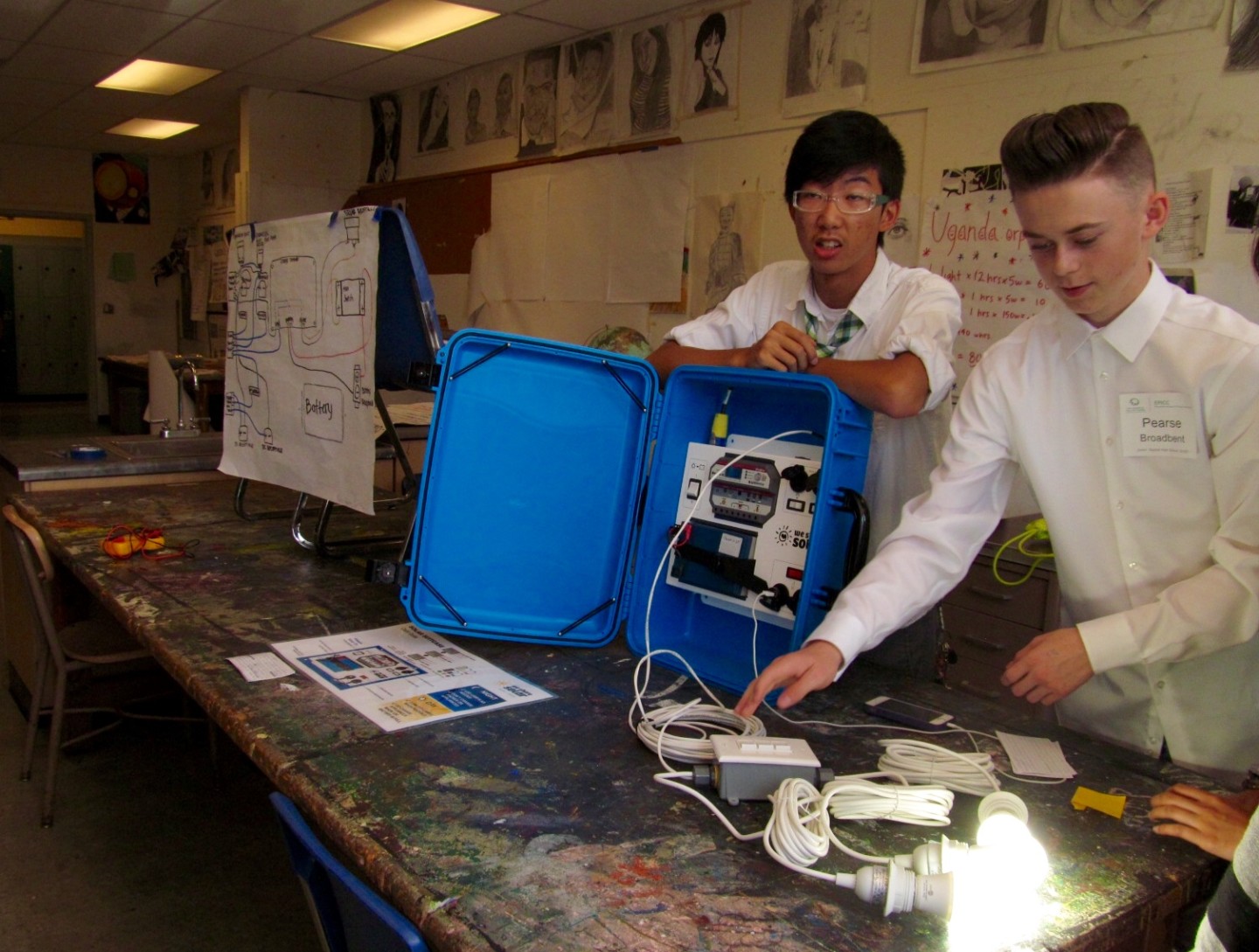
"caption": "Skyline students demonstrate the capabilities of the solar suitcases that they constructed as part of a 3-week course through Lawrence Hall of Science and a Berkeley nonprofit organization.",
"description": null,
"title": "FullSizeRender[2]",
"credit": "Johanna Varner/KQED Science",
"status": "inherit",
"isLoading": false,
"fetchFailed": false
},
"science_139914": {
"type": "attachments",
"id": "science_139914",
"meta": {
"index": "attachments_1716263798",
"site": "science",
"id": "139914",
"found": true
},
"parent": 139910,
"imgSizes": {
"twentyfourteen-full-width": {
"file": "https://ww2.kqed.org/app/uploads/sites/35/2015/07/leaf1-1038x576.jpg",
"width": 1038,
"mimeType": "image/jpeg",
"height": 576
},
"thumbnail": {
"file": "https://ww2.kqed.org/app/uploads/sites/35/2015/07/leaf1-400x225.jpg",
"width": 400,
"mimeType": "image/jpeg",
"height": 225
},
"fd-sm": {
"file": "https://ww2.kqed.org/app/uploads/sites/35/2015/07/leaf1-960x540.jpg",
"width": 960,
"mimeType": "image/jpeg",
"height": 540
},
"post-thumbnail": {
"file": "https://ww2.kqed.org/app/uploads/sites/35/2015/07/leaf1-672x372.jpg",
"width": 672,
"mimeType": "image/jpeg",
"height": 372
},
"kqedFullSize": {
"file": "https://ww2.kqed.org/app/uploads/sites/35/2015/07/leaf1.jpg",
"width": 1920,
"height": 1080
},
"large": {
"file": "https://ww2.kqed.org/app/uploads/sites/35/2015/07/leaf1-1440x810.jpg",
"width": 1440,
"mimeType": "image/jpeg",
"height": 810
},
"guest-author-96": {
"file": "https://ww2.kqed.org/app/uploads/sites/35/2015/07/leaf1-96x96.jpg",
"width": 96,
"mimeType": "image/jpeg",
"height": 96
},
"medium": {
"file": "https://ww2.kqed.org/app/uploads/sites/35/2015/07/leaf1-800x450.jpg",
"width": 800,
"mimeType": "image/jpeg",
"height": 450
},
"guest-author-64": {
"file": "https://ww2.kqed.org/app/uploads/sites/35/2015/07/leaf1-64x64.jpg",
"width": 64,
"mimeType": "image/jpeg",
"height": 64
},
"guest-author-32": {
"file": "https://ww2.kqed.org/app/uploads/sites/35/2015/07/leaf1-32x32.jpg",
"width": 32,
"mimeType": "image/jpeg",
"height": 32
},
"fd-lrg": {
"file": "https://ww2.kqed.org/app/uploads/sites/35/2015/07/leaf1-1400x788.jpg",
"width": 1400,
"mimeType": "image/jpeg",
"height": 788
},
"fd-med": {
"file": "https://ww2.kqed.org/app/uploads/sites/35/2015/07/leaf1-1180x664.jpg",
"width": 1180,
"mimeType": "image/jpeg",
"height": 664
},
"detail": {
"file": "https://ww2.kqed.org/app/uploads/sites/35/2015/07/leaf1-75x75.jpg",
"width": 75,
"mimeType": "image/jpeg",
"height": 75
},
"guest-author-128": {
"file": "https://ww2.kqed.org/app/uploads/sites/35/2015/07/leaf1-128x128.jpg",
"width": 128,
"mimeType": "image/jpeg",
"height": 128
}
},
"publishDate": 1437766908,
"modified": 1437767102,
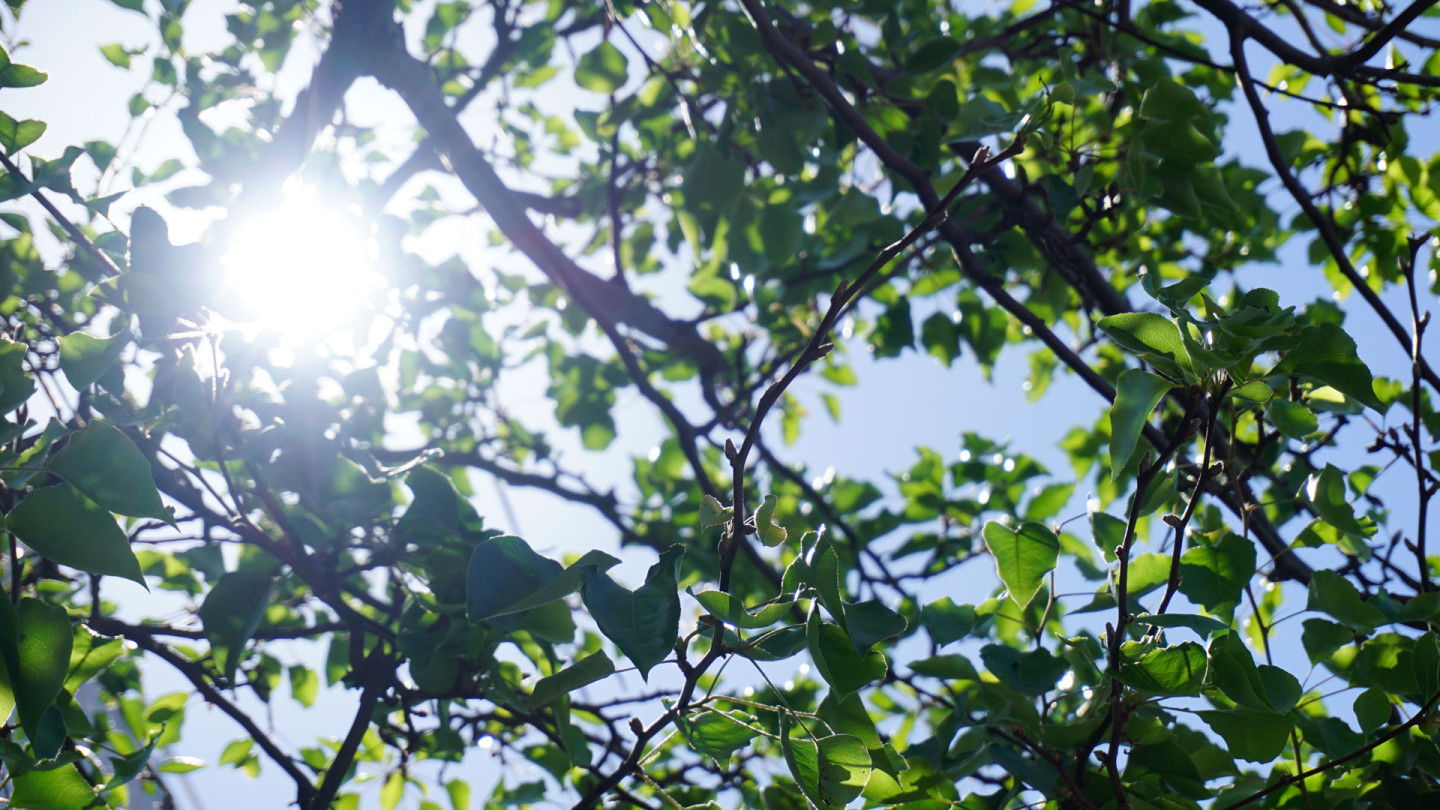
"caption": "Scientists are trying to create renewable fuels by copying what plants do.",
"description": null,
"title": "leaf1",
"credit": "Lauren Sommer/KQED",
"status": "inherit",
"isLoading": false,
"fetchFailed": false
},
"science_90888": {
"type": "attachments",
"id": "science_90888",
"meta": {
"index": "attachments_1716263798",
"site": "science",
"id": "90888",
"found": true
},
"parent": 90887,
"imgSizes": {
"twentyfourteen-full-width": {
"file": "https://ww2.kqed.org/app/uploads/sites/35/2015/07/powergrid-1038x576.jpg",
"width": 1038,
"mimeType": "image/jpeg",
"height": 576
},
"thumbnail": {
"file": "https://ww2.kqed.org/app/uploads/sites/35/2015/07/powergrid-400x225.jpg",
"width": 400,
"mimeType": "image/jpeg",
"height": 225
},
"fd-sm": {
"file": "https://ww2.kqed.org/app/uploads/sites/35/2015/07/powergrid-960x540.jpg",
"width": 960,
"mimeType": "image/jpeg",
"height": 540
},
"post-thumbnail": {
"file": "https://ww2.kqed.org/app/uploads/sites/35/2015/07/powergrid-672x372.jpg",
"width": 672,
"mimeType": "image/jpeg",
"height": 372
},
"kqedFullSize": {
"file": "https://ww2.kqed.org/app/uploads/sites/35/2015/07/powergrid.jpg",
"width": 1920,
"height": 1080
},
"large": {
"file": "https://ww2.kqed.org/app/uploads/sites/35/2015/07/powergrid-1440x810.jpg",
"width": 1440,
"mimeType": "image/jpeg",
"height": 810
},
"guest-author-96": {
"file": "https://ww2.kqed.org/app/uploads/sites/35/2015/07/powergrid-96x96.jpg",
"width": 96,
"mimeType": "image/jpeg",
"height": 96
},
"medium": {
"file": "https://ww2.kqed.org/app/uploads/sites/35/2015/07/powergrid-800x450.jpg",
"width": 800,
"mimeType": "image/jpeg",
"height": 450
},
"guest-author-64": {
"file": "https://ww2.kqed.org/app/uploads/sites/35/2015/07/powergrid-64x64.jpg",
"width": 64,
"mimeType": "image/jpeg",
"height": 64
},
"guest-author-32": {
"file": "https://ww2.kqed.org/app/uploads/sites/35/2015/07/powergrid-32x32.jpg",
"width": 32,
"mimeType": "image/jpeg",
"height": 32
},
"fd-med": {
"file": "https://ww2.kqed.org/app/uploads/sites/35/2015/07/powergrid-1180x664.jpg",
"width": 1180,
"mimeType": "image/jpeg",
"height": 664
},
"detail": {
"file": "https://ww2.kqed.org/app/uploads/sites/35/2015/07/powergrid-75x75.jpg",
"width": 75,
"mimeType": "image/jpeg",
"height": 75
},
"guest-author-128": {
"file": "https://ww2.kqed.org/app/uploads/sites/35/2015/07/powergrid-128x128.jpg",
"width": 128,
"mimeType": "image/jpeg",
"height": 128
}
},
"publishDate": 1435853930,
"modified": 1435868360,
"caption": "California regulators are planning the largest overhaul of electricity prices in more than a decade.",
"description": null,
"title": "powergrid",
"credit": "Warren Gretz/NREL",
"status": "inherit",
"isLoading": false,
"fetchFailed": false
},
"science_84576": {
"type": "attachments",
"id": "science_84576",
"meta": {
"index": "attachments_1716263798",
"site": "science",
"id": "84576",
"found": true
},
"parent": 84201,
"imgSizes": {
"twentyfourteen-full-width": {
"file": "https://ww2.kqed.org/app/uploads/sites/35/2015/06/Navajo-generating-station-1038x576.jpg",
"width": 1038,
"mimeType": "image/jpeg",
"height": 576
},
"thumbnail": {
"file": "https://ww2.kqed.org/app/uploads/sites/35/2015/06/Navajo-generating-station-400x300.jpg",
"width": 400,
"mimeType": "image/jpeg",
"height": 300
},
"fd-sm": {
"file": "https://ww2.kqed.org/app/uploads/sites/35/2015/06/Navajo-generating-station-960x720.jpg",
"width": 960,
"mimeType": "image/jpeg",
"height": 720
},
"post-thumbnail": {
"file": "https://ww2.kqed.org/app/uploads/sites/35/2015/06/Navajo-generating-station-672x372.jpg",
"width": 672,
"mimeType": "image/jpeg",
"height": 372
},
"kqedFullSize": {
"file": "https://ww2.kqed.org/app/uploads/sites/35/2015/06/Navajo-generating-station.jpg",
"width": 1440,
"height": 1080
},
"large": {
"file": "https://ww2.kqed.org/app/uploads/sites/35/2015/06/Navajo-generating-station-1440x1080.jpg",
"width": 1440,
"mimeType": "image/jpeg",
"height": 1080
},
"guest-author-96": {
"file": "https://ww2.kqed.org/app/uploads/sites/35/2015/06/Navajo-generating-station-96x96.jpg",
"width": 96,
"mimeType": "image/jpeg",
"height": 96
},
"medium": {
"file": "https://ww2.kqed.org/app/uploads/sites/35/2015/06/Navajo-generating-station-800x600.jpg",
"width": 800,
"mimeType": "image/jpeg",
"height": 600
},
"guest-author-64": {
"file": "https://ww2.kqed.org/app/uploads/sites/35/2015/06/Navajo-generating-station-64x64.jpg",
"width": 64,
"mimeType": "image/jpeg",
"height": 64
},
"guest-author-32": {
"file": "https://ww2.kqed.org/app/uploads/sites/35/2015/06/Navajo-generating-station-32x32.jpg",
"width": 32,
"mimeType": "image/jpeg",
"height": 32
},
"fd-med": {
"file": "https://ww2.kqed.org/app/uploads/sites/35/2015/06/Navajo-generating-station-1180x885.jpg",
"width": 1180,
"mimeType": "image/jpeg",
"height": 885
},
"detail": {
"file": "https://ww2.kqed.org/app/uploads/sites/35/2015/06/Navajo-generating-station-75x75.jpg",
"width": 75,
"mimeType": "image/jpeg",
"height": 75
},
"guest-author-128": {
"file": "https://ww2.kqed.org/app/uploads/sites/35/2015/06/Navajo-generating-station-128x128.jpg",
"width": 128,
"mimeType": "image/jpeg",
"height": 128
}
},
"publishDate": 1435610020,
"modified": 1455064624,
"caption": "President Obama's clean power plan aims to reduce carbon dioxide emissions, like those coming from this coal-fired power plant outside Page, Arizona.",
"description": "Navajo Generating Station, a coal-fired power plant outside Page, Arizona. ",
"title": "Page - Centrale thermique de Navajo",
"credit": "Wikimedia Commons",
"status": "inherit",
"isLoading": false,
"fetchFailed": false
},
"science_58817": {
"type": "attachments",
"id": "science_58817",
"meta": {
"index": "attachments_1716263798",
"site": "science",
"id": "58817",
"found": true
},
"parent": 58815,
"imgSizes": {
"twentyfourteen-full-width": {
"file": "https://ww2.kqed.org/app/uploads/sites/35/2015/06/Petcoke-2-1038x576.jpg",
"width": 1038,
"mimeType": "image/jpeg",
"height": 576
},
"thumbnail": {
"file": "https://ww2.kqed.org/app/uploads/sites/35/2015/06/Petcoke-2-400x300.jpg",
"width": 400,
"mimeType": "image/jpeg",
"height": 300
},
"fd-sm": {
"file": "https://ww2.kqed.org/app/uploads/sites/35/2015/06/Petcoke-2-960x720.jpg",
"width": 960,
"mimeType": "image/jpeg",
"height": 720
},
"post-thumbnail": {
"file": "https://ww2.kqed.org/app/uploads/sites/35/2015/06/Petcoke-2-672x372.jpg",
"width": 672,
"mimeType": "image/jpeg",
"height": 372
},
"kqedFullSize": {
"file": "https://ww2.kqed.org/app/uploads/sites/35/2015/06/Petcoke-2-e1441919985717.jpg",
"width": 1920,
"height": 1440
},
"large": {
"file": "https://ww2.kqed.org/app/uploads/sites/35/2015/06/Petcoke-2-1440x1080.jpg",
"width": 1440,
"mimeType": "image/jpeg",
"height": 1080
},
"guest-author-96": {
"file": "https://ww2.kqed.org/app/uploads/sites/35/2015/06/Petcoke-2-96x96.jpg",
"width": 96,
"mimeType": "image/jpeg",
"height": 96
},
"medium": {
"file": "https://ww2.kqed.org/app/uploads/sites/35/2015/06/Petcoke-2-800x600.jpg",
"width": 800,
"mimeType": "image/jpeg",
"height": 600
},
"guest-author-64": {
"file": "https://ww2.kqed.org/app/uploads/sites/35/2015/06/Petcoke-2-64x64.jpg",
"width": 64,
"mimeType": "image/jpeg",
"height": 64
},
"guest-author-32": {
"file": "https://ww2.kqed.org/app/uploads/sites/35/2015/06/Petcoke-2-32x32.jpg",
"width": 32,
"mimeType": "image/jpeg",
"height": 32
},
"fd-med": {
"file": "https://ww2.kqed.org/app/uploads/sites/35/2015/06/Petcoke-2-1180x885.jpg",
"width": 1180,
"mimeType": "image/jpeg",
"height": 885
},
"detail": {
"file": "https://ww2.kqed.org/app/uploads/sites/35/2015/06/Petcoke-2-75x75.jpg",
"width": 75,
"mimeType": "image/jpeg",
"height": 75
},
"guest-author-128": {
"file": "https://ww2.kqed.org/app/uploads/sites/35/2015/06/Petcoke-2-128x128.jpg",
"width": 128,
"mimeType": "image/jpeg",
"height": 128
}
},
"publishDate": 1434580885,
"modified": 1441920256,
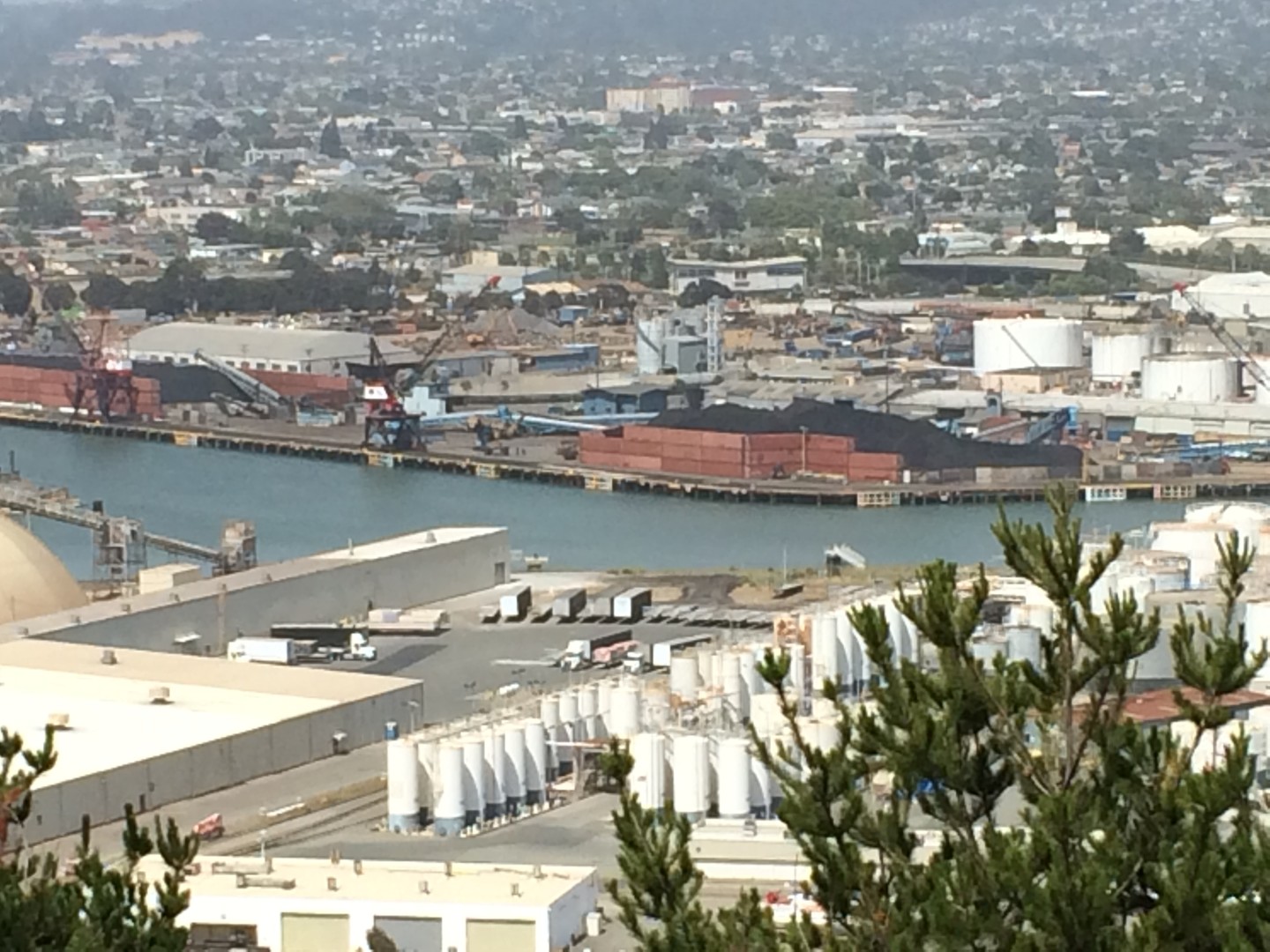
"caption": "Massive piles of coal or petcoke await export at the Levin-Richmond Terminal. (Sierra Club)",
"description": "Massive piles of coal or petcoke await export at the Levin-Richmond Terminal. (Sierra Club)",
"title": "Coal Dust",
"credit": null,
"status": "inherit",
"isLoading": false,
"fetchFailed": false
},
"science_41518": {
"type": "attachments",
"id": "science_41518",
"meta": {
"index": "attachments_1716263798",
"site": "science",
"id": "41518",
"found": true
},
"parent": 41515,
"imgSizes": {
"twentyfourteen-full-width": {
"file": "https://ww2.kqed.org/app/uploads/sites/35/2015/06/sonoma-shell-beach-e1433893837250-1038x576.jpg",
"width": 1038,
"mimeType": "image/jpeg",
"height": 576
},
"thumbnail": {
"file": "https://ww2.kqed.org/app/uploads/sites/35/2015/06/sonoma-shell-beach-e1433893837250-400x225.jpg",
"width": 400,
"mimeType": "image/jpeg",
"height": 225
},
"fd-sm": {
"file": "https://ww2.kqed.org/app/uploads/sites/35/2015/06/sonoma-shell-beach-e1433893837250-960x540.jpg",
"width": 960,
"mimeType": "image/jpeg",
"height": 540
},
"post-thumbnail": {
"file": "https://ww2.kqed.org/app/uploads/sites/35/2015/06/sonoma-shell-beach-e1433893837250-672x372.jpg",
"width": 672,
"mimeType": "image/jpeg",
"height": 372
},
"kqedFullSize": {
"file": "https://ww2.kqed.org/app/uploads/sites/35/2015/06/sonoma-shell-beach-e1433893837250.jpg",
"width": 1824,
"height": 1026
},
"large": {
"file": "https://ww2.kqed.org/app/uploads/sites/35/2015/06/sonoma-shell-beach-e1433893837250-1440x810.jpg",
"width": 1440,
"mimeType": "image/jpeg",
"height": 810
},
"guest-author-96": {
"file": "https://ww2.kqed.org/app/uploads/sites/35/2015/06/sonoma-shell-beach-e1433893837250-96x96.jpg",
"width": 96,
"mimeType": "image/jpeg",
"height": 96
},
"medium": {
"file": "https://ww2.kqed.org/app/uploads/sites/35/2015/06/sonoma-shell-beach-e1433893837250-800x450.jpg",
"width": 800,
"mimeType": "image/jpeg",
"height": 450
},
"guest-author-64": {
"file": "https://ww2.kqed.org/app/uploads/sites/35/2015/06/sonoma-shell-beach-e1433893837250-64x64.jpg",
"width": 64,
"mimeType": "image/jpeg",
"height": 64
},
"guest-author-32": {
"file": "https://ww2.kqed.org/app/uploads/sites/35/2015/06/sonoma-shell-beach-e1433893837250-32x32.jpg",
"width": 32,
"mimeType": "image/jpeg",
"height": 32
},
"fd-med": {
"file": "https://ww2.kqed.org/app/uploads/sites/35/2015/06/sonoma-shell-beach-e1433893837250-1180x664.jpg",
"width": 1180,
"mimeType": "image/jpeg",
"height": 664
},
"detail": {
"file": "https://ww2.kqed.org/app/uploads/sites/35/2015/06/sonoma-shell-beach-e1433893837250-75x75.jpg",
"width": 75,
"mimeType": "image/jpeg",
"height": 75
},
"guest-author-128": {
"file": "https://ww2.kqed.org/app/uploads/sites/35/2015/06/sonoma-shell-beach-e1433893837250-128x128.jpg",
"width": 128,
"mimeType": "image/jpeg",
"height": 128
}
},
"publishDate": 1433890942,
"modified": 1433893927,
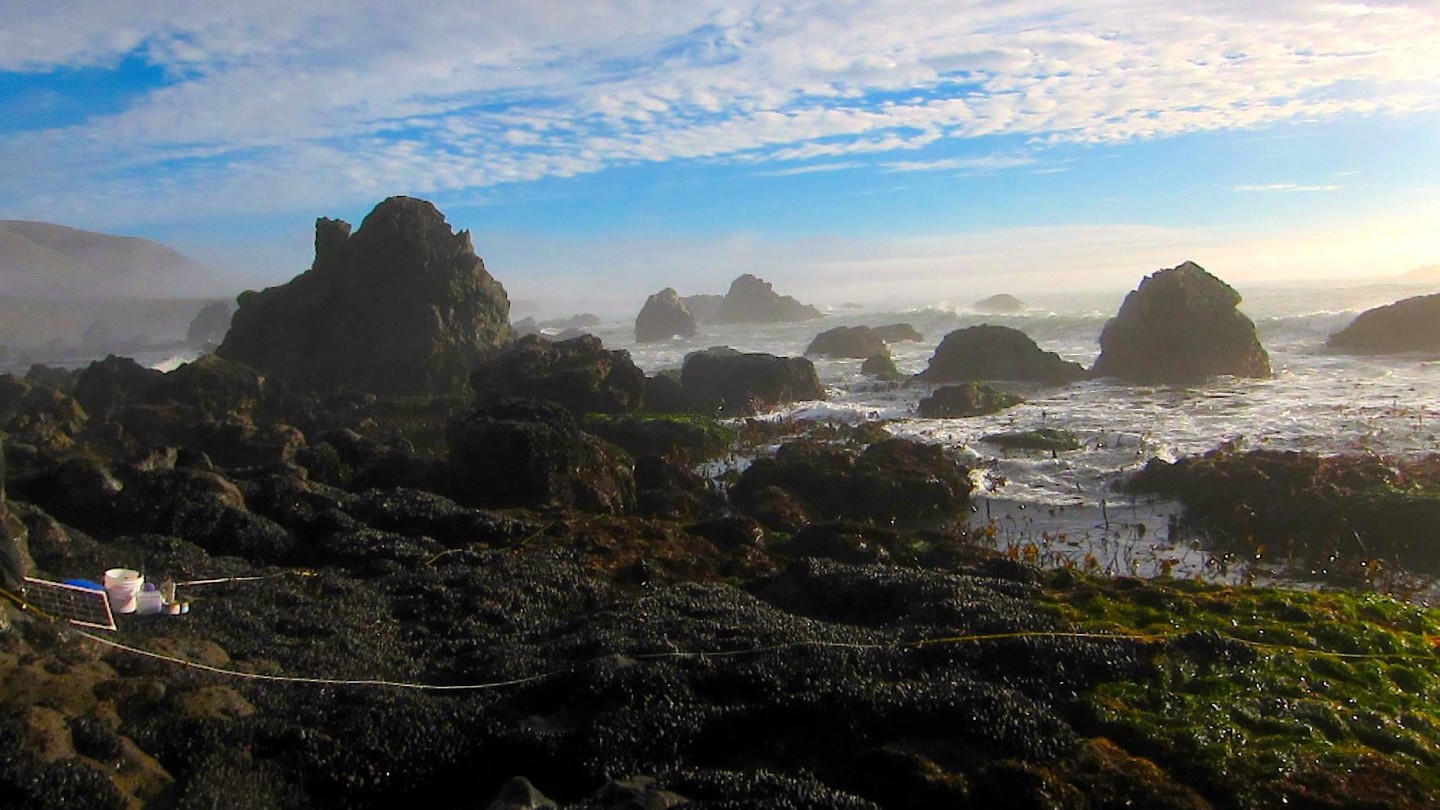
"caption": "Under the expansion, Shell Beach in Sonoma will become a new intertidal monitoring site that middle and high school students can explore.",
"description": null,
"title": "sonoma-shell-beach",
"credit": "Monika Krach/Farallones Marine Sanctuary Association",
"status": "inherit",
"isLoading": false,
"fetchFailed": false
},
"science_29879": {
"type": "attachments",
"id": "science_29879",
"meta": {
"index": "attachments_1716263798",
"site": "science",
"id": "29879",
"found": true
},
"parent": 29874,
"imgSizes": {
"kqedFullSize": {
"file": "https://ww2.kqed.org/app/uploads/sites/35/2015/04/Brown_MilkenInst.edit_.jpg",
"width": 1433,
"height": 1012
}
},
"publishDate": 1430414153,
"modified": 1430414200,
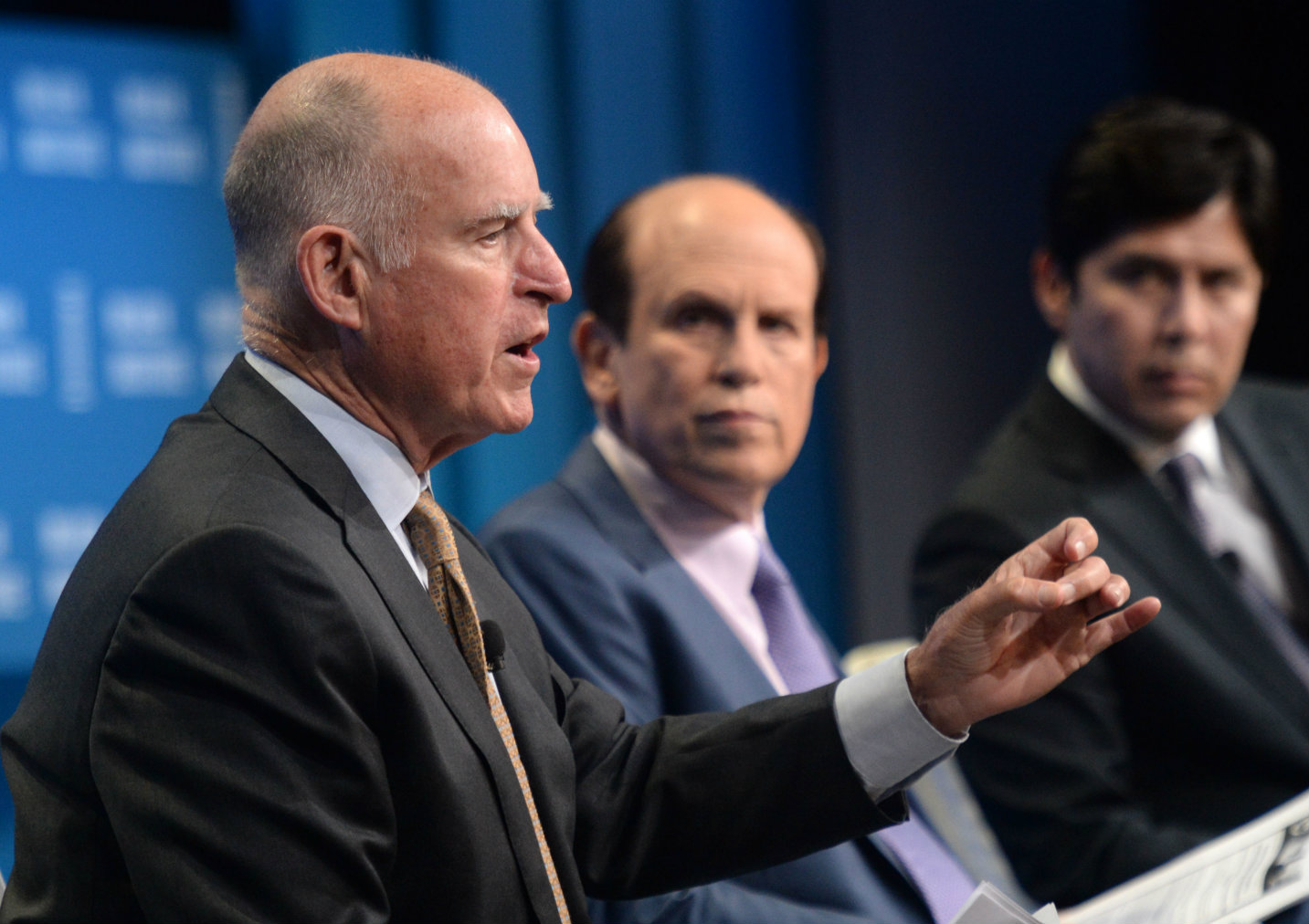
"caption": "Governor Brown discussing his new greenhouse gas targets in Los Angeles. (Credit: Milken Inst.)",
"description": null,
"title": "Brown_MilkenInst.edit",
"credit": null,
"status": "inherit",
"isLoading": false,
"fetchFailed": false
},
"science_27575": {
"type": "attachments",
"id": "science_27575",
"meta": {
"index": "attachments_1716263798",
"site": "science",
"id": "27575",
"found": true
},
"parent": 27570,
"imgSizes": {
"kqedFullSize": {
"file": "https://ww2.kqed.org/app/uploads/sites/35/2015/02/DP-CPC-1232-e1424829195348.jpg",
"width": 640,
"height": 361
}
},
"publishDate": 1424821164,
"modified": 1424821721,
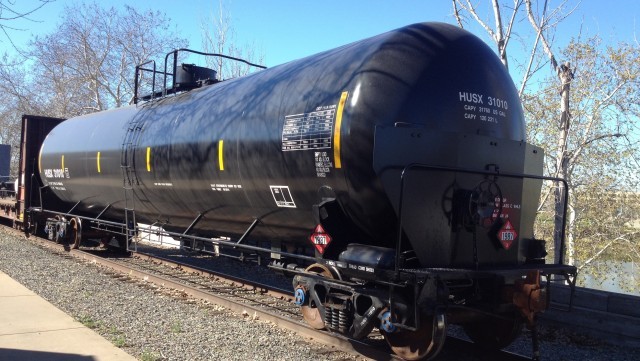
"caption": "This CPC-1232 tank car represents an upgrade over an older models criticized for being easily punctured, but critics say there's still much to be desired. (Daniel Potter/KQED)",
"description": null,
"title": "DP--CPC-1232",
"credit": null,
"status": "inherit",
"isLoading": false,
"fetchFailed": false
},
"science_27556": {
"type": "attachments",
"id": "science_27556",
"meta": {
"index": "attachments_1716263798",
"site": "science",
"id": "27556",
"found": true
},
"parent": 27554,
"imgSizes": {
"kqedFullSize": {
"file": "https://ww2.kqed.org/app/uploads/sites/35/2015/02/Keystone-XL-e1424815861107.jpg",
"width": 640,
"height": 360
}
},
"publishDate": 1424815163,
"modified": 1424815232,
"caption": "Environmental activists inflate a long balloon to mock a pipeline during a demonstration in front of the White House in Washington, DC, on February 3, 2014 to protest against the Keystone pipeline project. (Jewel Samad /AFP/Getty Images)",
"description": "Environmental activists inflate a long balloon to mock a pipeline during a demonstration in front of the White House in Washington, DC, on February 3, 2014 to protest against the Keystone pipeline project. (Jewel Samad /AFP/Getty Images)",
"title": "US-POLITICS-ENVIRONMENT-KEYSTONE-PROTEST",
"credit": null,
"status": "inherit",
"isLoading": false,
"fetchFailed": false
},
"science_27383": {
"type": "attachments",
"id": "science_27383",
"meta": {
"index": "attachments_1716263798",
"site": "science",
"id": "27383",
"found": true
},
"parent": 27379,
"imgSizes": {
"kqedFullSize": {
"file": "https://ww2.kqed.org/app/uploads/sites/35/2015/02/apple3.jpg",
"width": 5184,
"height": 3456
}
},
"publishDate": 1424390799,
"modified": 1424390808,
"caption": "(Anya Schultz/KQED)",
"description": null,
"title": "apple3",
"credit": null,
"status": "inherit",
"isLoading": false,
"fetchFailed": false
}
},
"audioPlayerReducer": {
"postId": "stream_live",
"isPaused": true,
"isPlaying": false,
"pfsActive": false,
"pledgeModalIsOpen": true,
"playerDrawerIsOpen": false,
"liveAudioPlayStartedAt": 0,
"liveAudioPlayContext": ""
},
"authorsReducer": {
"byline_science_84201": {
"type": "authors",
"id": "byline_science_84201",
"meta": {
"override": true
},
"slug": "byline_science_84201",
"name": "Brian Naylor",
"isLoading": false
},
"byline_science_58815": {
"type": "authors",
"id": "byline_science_58815",
"meta": {
"override": true
},
"slug": "byline_science_58815",
"name": "Julie Small",
"isLoading": false
},
"amystanden": {
"type": "authors",
"id": "210",
"meta": {
"index": "authors_1716337520",
"id": "210",
"found": true
},
"name": "Amy Standen",
"firstName": "Amy",
"lastName": "Standen",
"slug": "amystanden",
"email": "astanden@kqed.org",
"display_author_email": false,
"staff_mastheads": [],
"title": "KQED Contributor",
"bio": "Amy Standen (@amystanden) is co-host of #\u003ca href=\"https://ww2.kqed.org/news/programs/the-leap\">TheLeapPodcast\u003c/a> (subscribe on iTunes or Stitcher!) and host of KQED and PBSDigital Studios' science video series, \u003ca href=\"https://www.youtube.com/user/KQEDDeepLook\">Deep Look\u003c/a>. Her science radio stories appear on KQED and NPR.\r\n\r\nEmail her at astanden@kqed.org",
"avatar": "https://secure.gravatar.com/avatar/3d021b72de685a788b0487b059d0a6a1?s=600&d=blank&r=g",
"twitter": null,
"facebook": null,
"instagram": null,
"linkedin": null,
"sites": [
{
"site": "news",
"roles": [
"subscriber"
]
},
{
"site": "futureofyou",
"roles": [
"subscriber"
]
},
{
"site": "stateofhealth",
"roles": [
"subscriber"
]
},
{
"site": "science",
"roles": []
},
{
"site": "quest",
"roles": [
"subscriber"
]
}
],
"headData": {
"title": "Amy Standen | KQED",
"description": "KQED Contributor",
"ogImgSrc": "https://secure.gravatar.com/avatar/3d021b72de685a788b0487b059d0a6a1?s=600&d=blank&r=g",
"twImgSrc": "https://secure.gravatar.com/avatar/3d021b72de685a788b0487b059d0a6a1?s=600&d=blank&r=g"
},
"isLoading": false,
"link": "/author/amystanden"
},
"laurensommer": {
"type": "authors",
"id": "239",
"meta": {
"index": "authors_1716337520",
"id": "239",
"found": true
},
"name": "Lauren Sommer",
"firstName": "Lauren",
"lastName": "Sommer",
"slug": "laurensommer",
"email": "lsommer@kqed.org",
"display_author_email": false,
"staff_mastheads": [],
"title": "KQED Contributor",
"bio": "Lauren is a radio reporter formerly covering environment, water, and energy for KQED Science. As part of her day job, she has scaled Sierra Nevada peaks, run from charging elephant seals, and desperately tried to get her sea legs - all in pursuit of good radio. Her work has appeared on Marketplace, Living on Earth, Science Friday and NPR's Morning Edition and All Things Considered. You can find her on Twitter at \u003ca href=\"https://twitter.com/lesommer\">@lesommer\u003c/a>.",
"avatar": "https://secure.gravatar.com/avatar/33aa3772bb86c6ad45b8aca6a238bbdf?s=600&d=blank&r=g",
"twitter": null,
"facebook": null,
"instagram": null,
"linkedin": null,
"sites": [
{
"site": "news",
"roles": [
"author"
]
},
{
"site": "science",
"roles": [
"editor",
"manage_content_types",
"manage_taxonomies"
]
},
{
"site": "quest",
"roles": [
"editor"
]
}
],
"headData": {
"title": "Lauren Sommer | KQED",
"description": "KQED Contributor",
"ogImgSrc": "https://secure.gravatar.com/avatar/33aa3772bb86c6ad45b8aca6a238bbdf?s=600&d=blank&r=g",
"twImgSrc": "https://secure.gravatar.com/avatar/33aa3772bb86c6ad45b8aca6a238bbdf?s=600&d=blank&r=g"
},
"isLoading": false,
"link": "/author/laurensommer"
},
"lindseyhoshaw": {
"type": "authors",
"id": "5432",
"meta": {
"index": "authors_1716337520",
"id": "5432",
"found": true
},
"name": "Lindsey Hoshaw",
"firstName": "Lindsey",
"lastName": "Hoshaw",
"slug": "lindseyhoshaw",
"email": "lhoshaw@kqed.org",
"display_author_email": false,
"staff_mastheads": [],
"title": "KQED Contributor",
"bio": "Lindsey Hoshaw is a former interactive producer for KQED Science. Before joining KQED, Lindsey was a science correspondent for The New York Times, The Boston Globe, Forbes and Scientific American. On Twitter @lindseyhoshaw",
"avatar": "https://secure.gravatar.com/avatar/274b07694c998eaa8f26cfabaa941186?s=600&d=mm&r=g",
"twitter": "lindseyhoshaw",
"facebook": "lindsey.hoshaw.9",
"instagram": null,
"linkedin": null,
"sites": [
{
"site": "arts",
"roles": [
"author"
]
},
{
"site": "news",
"roles": [
"subscriber"
]
},
{
"site": "futureofyou",
"roles": [
"editor"
]
},
{
"site": "bayareabites",
"roles": [
"contributor"
]
},
{
"site": "stateofhealth",
"roles": [
"author"
]
},
{
"site": "science",
"roles": [
"edit_theme_options",
"subscriber"
]
},
{
"site": "quest",
"roles": [
"edit_post_subscriptions",
"edit_usergroups",
"unfiltered_html",
"unfiltered_upload",
"leadcoordinator",
"editor"
]
},
{
"site": "food",
"roles": []
}
],
"headData": {
"title": "Lindsey Hoshaw | KQED",
"description": "KQED Contributor",
"ogImgSrc": "https://secure.gravatar.com/avatar/274b07694c998eaa8f26cfabaa941186?s=600&d=mm&r=g",
"twImgSrc": "https://secure.gravatar.com/avatar/274b07694c998eaa8f26cfabaa941186?s=600&d=mm&r=g"
},
"isLoading": false,
"link": "/author/lindseyhoshaw"
},
"andrew-alden": {
"type": "authors",
"id": "6228",
"meta": {
"index": "authors_1716337520",
"id": "6228",
"found": true
},
"name": "Andrew Alden",
"firstName": "Andrew",
"lastName": "Alden",
"slug": "andrew-alden",
"email": "alden@andrew-alden.com",
"display_author_email": false,
"staff_mastheads": [],
"title": null,
"bio": "Andrew Alden earned his geology degree at the University of New Hampshire and moved back to the Bay Area to work at the U.S. Geological Survey for six years. He has \u003ca href=\"http://geology.about.com/\">written on geology for About.com\u003c/a> since its founding in 1997. In 2007, he started the Oakland Geology blog, which won recognition as \"Best of the East Bay\" from the \u003ci>East Bay Express\u003c/i> in 2010. In writing about geology in the Bay Area and surroundings, he hopes to share some of the useful and pleasurable insights that geologists give us—not just facts about the deep past, but an attitude that might be called the \u003ci>deep present\u003c/i>.\r\n\r\nRead his \u003ca href=\"http://science.kqed.org/quest/author/andrew-alden/\">previous contributions\u003c/a> to \u003ca href=\"http://http://science.kqed.org/quest/\">QUEST\u003c/a>, a project dedicated to exploring the Science of Sustainability.",
"avatar": "https://secure.gravatar.com/avatar/9eaa0afc32f98c5fc7ce634437334a64?s=600&d=blank&r=g",
"twitter": null,
"facebook": null,
"instagram": null,
"linkedin": null,
"sites": [
{
"site": "science",
"roles": [
"author"
]
},
{
"site": "quest",
"roles": [
"subscriber"
]
}
],
"headData": {
"title": "Andrew Alden | KQED",
"description": null,
"ogImgSrc": "https://secure.gravatar.com/avatar/9eaa0afc32f98c5fc7ce634437334a64?s=600&d=blank&r=g",
"twImgSrc": "https://secure.gravatar.com/avatar/9eaa0afc32f98c5fc7ce634437334a64?s=600&d=blank&r=g"
},
"isLoading": false,
"link": "/author/andrew-alden"
},
"kqedscience": {
"type": "authors",
"id": "6387",
"meta": {
"index": "authors_1716337520",
"id": "6387",
"found": true
},
"name": "KQED Science",
"firstName": "KQED",
"lastName": "Science",
"slug": "kqedscience",
"email": "kqedscience@gmail.com",
"display_author_email": false,
"staff_mastheads": [],
"title": null,
"bio": "KQED Science brings you award-winning science and environment coverage from the Bay Area and beyond by the flagship Northern California PBS and NPR affiliate.",
"avatar": "https://secure.gravatar.com/avatar/5a295ff49cf82a8c0f30937d3f788b2f?s=600&d=blank&r=g",
"twitter": null,
"facebook": null,
"instagram": null,
"linkedin": null,
"sites": [
{
"site": "science",
"roles": [
"contributor"
]
},
{
"site": "quest",
"roles": [
"editor"
]
},
{
"site": "food",
"roles": [
"contributor"
]
}
],
"headData": {
"title": "KQED Science | KQED",
"description": null,
"ogImgSrc": "https://secure.gravatar.com/avatar/5a295ff49cf82a8c0f30937d3f788b2f?s=600&d=blank&r=g",
"twImgSrc": "https://secure.gravatar.com/avatar/5a295ff49cf82a8c0f30937d3f788b2f?s=600&d=blank&r=g"
},
"isLoading": false,
"link": "/author/kqedscience"
},
"dpotter": {
"type": "authors",
"id": "6609",
"meta": {
"index": "authors_1716337520",
"id": "6609",
"found": true
},
"name": "Daniel Potter",
"firstName": "Daniel",
"lastName": "Potter",
"slug": "dpotter",
"email": "dpotter@kqed.org",
"display_author_email": false,
"staff_mastheads": [],
"title": "KQED Contributor",
"bio": "Daniel Potter is a reporter for KQED Science. Before that, he worked at Nashville Public Radio for six years. He’s gathered tape for The New York Times, contributed to a growing list of podcasts, and done national features for NPR on everything from bats to meningitis. He tweets at @hellodanpo.",
"avatar": "https://secure.gravatar.com/avatar/59396b9ad9c672dd4cd1d3e453425f12?s=600&d=blank&r=g",
"twitter": "hellodanpo",
"facebook": null,
"instagram": null,
"linkedin": null,
"sites": [
{
"site": "futureofyou",
"roles": [
"author"
]
},
{
"site": "science",
"roles": []
}
],
"headData": {
"title": "Daniel Potter | KQED",
"description": "KQED Contributor",
"ogImgSrc": "https://secure.gravatar.com/avatar/59396b9ad9c672dd4cd1d3e453425f12?s=600&d=blank&r=g",
"twImgSrc": "https://secure.gravatar.com/avatar/59396b9ad9c672dd4cd1d3e453425f12?s=600&d=blank&r=g"
},
"isLoading": false,
"link": "/author/dpotter"
},
"jvarner": {
"type": "authors",
"id": "8639",
"meta": {
"index": "authors_1716337520",
"id": "8639",
"found": true
},
"name": "Johanna Varner",
"firstName": "Johanna",
"lastName": "Varner",
"slug": "jvarner",
"email": "jvarner@kqed.org",
"display_author_email": false,
"staff_mastheads": [],
"title": null,
"bio": "Johanna Varner is excited to join KQED Science as a 2015 AAAS Mass Media Fellow. She recently finished her PhD in Biology from University of Utah, where she studied how small mammals are responding to climate change. She also has past lives as an engineer, a blueberry farmer, and a baker. Outside of the lab, Johanna has been active in designing authentic field research experiences for K-12 students and giving interactive public presentations about local mammals. You can find her on twitter at @johannavarner",
"avatar": "https://secure.gravatar.com/avatar/35ae0c7a361af670964ce707e56c052c?s=600&d=blank&r=g",
"twitter": null,
"facebook": null,
"instagram": null,
"linkedin": null,
"sites": [
{
"site": "news",
"roles": [
"author"
]
},
{
"site": "science",
"roles": [
"editor"
]
}
],
"headData": {
"title": "Johanna Varner | KQED",
"description": null,
"ogImgSrc": "https://secure.gravatar.com/avatar/35ae0c7a361af670964ce707e56c052c?s=600&d=blank&r=g",
"twImgSrc": "https://secure.gravatar.com/avatar/35ae0c7a361af670964ce707e56c052c?s=600&d=blank&r=g"
},
"isLoading": false,
"link": "/author/jvarner"
}
},
"pagesReducer": {
"science_category_energy": {
"type": "terms",
"id": "science_33",
"meta": {
"index": "terms_1716263798",
"site": "science",
"id": "33",
"score": 12.797518
},
"featImg": null,
"name": "Energy",
"description": null,
"taxonomy": "category",
"headData": {
"twImgId": null,
"twTitle": null,
"ogTitle": null,
"ogImgId": null,
"twDescription": null,
"description": null,
"title": "Energy Archives | KQED Science",
"ogDescription": null
},
"ttid": 35,
"slug": "energy",
"isLoading": false,
"title": "Energy",
"pageMeta": {
"site": "science",
"WpPageTemplate": "page-topic-editorial",
"currentPage": 25
},
"blocks": [
{
"blockName": "kqed/post-list",
"attrs": {
"layout": "cardArticle2",
"query": "posts/science?category=energy",
"seeMore": false,
"paginated": true,
"page": 25
}
},
{
"blockName": "kqed/ad"
}
]
}
},
"pfsSessionReducer": {},
"postsReducer": {
"stream_live": {
"type": "live",
"id": "stream_live",
"audioUrl": "https://streams.kqed.org/kqedradio",
"title": "Live Stream",
"excerpt": "Live Stream information currently unavailable.",
"link": "/radio",
"featImg": "",
"label": {
"name": "KQED Live",
"link": "/"
}
},
"stream_kqedNewscast": {
"type": "posts",
"id": "stream_kqedNewscast",
"audioUrl": "https://www.kqed.org/.stream/anon/radio/RDnews/newscast.mp3?_=1",
"title": "KQED Newscast",
"featImg": "",
"label": {
"name": "88.5 FM",
"link": "/"
}
},
"science_168271": {
"type": "posts",
"id": "science_168271",
"meta": {
"index": "posts_1716263798",
"site": "science",
"id": "168271",
"score": null,
"sort": [
1438866042000
]
},
"parent": 0,
"labelTerm": {
"site": "science"
},
"blocks": [],
"publishDate": 1438866042,
"format": "standard",
"title": "Geothermal Update: What's New at The Geysers",
"headTitle": "Geothermal Update: What’s New at The Geysers | KQED",
"content": "\u003cp>The Geysers geothermal field, in the Coast Range near Clear Lake, has been supplying California with clean electricity for 55 years. Over time, the output of this field has slowly declined, raising questions about how long we could rely on it. But a recent experiment offers confidence that we can keep drawing power from The Geysers for many decades to come, by tapping its superheated deeper layers.\u003c/p>\n\u003cp>Most conventional electricity is generated by turning a turbine with a flow of hot steam. Supplying the energy to make that steam is a central issue of our time.\u003c/p>\n\u003cp>Unlike all other energy sources — fossil fuels, large-scale solar, nuclear, biomass — \u003ca href=\"http://science.kqed.org/quest/video/geothermal-heats-up/\">geothermal power is unique\u003c/a> in that the steam is already there. The steam in The Geysers geothermal field is heated to an average of 465 degrees by a geologically young body of magma high in the Earth’s crust, related to \u003ca href=\"http://science.kqed.org/quest/2011/04/28/bay-area-volcanoes/\">the volcanic district around Clear Lake\u003c/a>.\u003c/p>\n\u003cfigure id=\"attachment_168273\" class=\"wp-caption alignright\" style=\"max-width: 600px\">\u003ca href=\"http://ww2.kqed.org/science/wp-content/uploads/sites/35/2015/08/geysers-sign.jpg\">\u003cimg loading=\"lazy\" decoding=\"async\" class=\"size-full wp-image-168273\" src=\"http://ww2.kqed.org/science/wp-content/uploads/sites/35/2015/08/geysers-sign.jpg\" alt=\"Sign at fumarole field\" width=\"600\" height=\"450\" srcset=\"https://cdn.kqed.org/wp-content/uploads/sites/35/2015/08/geysers-sign.jpg 600w, https://cdn.kqed.org/wp-content/uploads/sites/35/2015/08/geysers-sign-400x300.jpg 400w\" sizes=\"(max-width: 600px) 100vw, 600px\">\u003c/a>\u003cfigcaption class=\"wp-caption-text\">Natural hot springs and steam-venting fumaroles concentrated along Big Sulphur Creek gave The Geysers its name in the 1850s. There are no true geysers — springs with steam-propelled eruptions of hot water — here or anywhere else in California. \u003ccite>(Andrew Alden/KQED)\u003c/cite>\u003c/figcaption>\u003c/figure>\n\u003cp>The “fuel” of a geothermal field is water, which is heated into steam by hot rock. Pouring cold water on hot rocks tends to make them crack, opening up fractures that allow efficient steam production. But steam wells slowly decline in their output, as fractures in the deep rock fill with minerals.\u003c/p>\n\u003cp>The Geysers geothermal field as a whole loses capacity by a percent or two each year. In recent years, Calpine has been exploring the northwest end of the geothermal field, where unfractured rocks as hot as 750 degrees are found. The results from its latest experiment are encouraging.\u003c/p>\n\u003cp>[ad fullwidth]\u003c/p>\n\u003cp>\u003cstrong>The Push for Green Power\u003c/strong>\u003c/p>\n\u003cp>Lately the state government’s push for renewable green power has made geothermal electricity more desirable than ever. And the flexibility of the steam source, easy to regulate just by turning a valve, makes The Geysers valuable for helping the electric grid cope with the natural fluctuations of wind and solar power.\u003c/p>\n\u003cp>The Geysers field is the world’s largest producer of geothermal power. It puts out about the same amount of electricity as a large conventional fossil-fuel plant — enough to power every household in San Francisco, Oakland and San Jose.\u003c/p>\n\u003cfigure id=\"attachment_168274\" class=\"wp-caption alignleft\" style=\"max-width: 390px\">\u003ca href=\"http://ww2.kqed.org/science/wp-content/uploads/sites/35/2015/08/geysers-cannedheat.jpg\">\u003cimg loading=\"lazy\" decoding=\"async\" class=\" wp-image-168274\" src=\"http://ww2.kqed.org/science/wp-content/uploads/sites/35/2015/08/geysers-cannedheat.jpg\" alt=\"Canned heat\" width=\"390\" height=\"292\" srcset=\"https://cdn.kqed.org/wp-content/uploads/sites/35/2015/08/geysers-cannedheat.jpg 600w, https://cdn.kqed.org/wp-content/uploads/sites/35/2015/08/geysers-cannedheat-400x300.jpg 400w\" sizes=\"(max-width: 390px) 100vw, 390px\">\u003c/a>\u003cfigcaption class=\"wp-caption-text\">Drilling at The Geysers began in 1955 and electricity production began with a UNOCAL power plant in 1960. The Calpine visitors center in Middletown features this commemorative artifact. \u003ccite>(Andrew Alden/KQED)\u003c/cite>\u003c/figcaption>\u003c/figure>\n\u003cp>Energy from The Geysers represents more than one-third of America’s geothermal electricity. Put another way, it represents 18 percent of California’s \u003ca href=\"http://www.energy.ca.gov/renewables/\">renewable energy\u003c/a>, which also includes wind, solar, biomass and small hydroelectric sources.\u003c/p>\n\u003cp>Three companies operate today in The Geysers geothermal field. \u003ca href=\"http://www.geysers.com/\">Calpine\u003c/a> is dominant with 15 power plants. \u003ca href=\"http://www.ncpa.com/\">Northern California Power Agency\u003c/a> runs two plants and \u003ca href=\"http://www.bottlerockpower.com/\">Bottle Rock Power\u003c/a> has one. Recently I took part in a tour of The Geysers field led by Calpine geologists, where I heard about the company’s operations and future plans. The photos in this story all come from that day.\u003c/p>\n\u003cp>\u003cb>A Dialogue Between Economics and Geology\u003c/b>\u003c/p>\n\u003cp>Power companies have tapped the natural underground steam at The Geysers to generate electricity since 1960. During that time, the story of the steam field has been a dialogue between society and geology.\u003c/p>\n\u003cp>In the 1980s, high oil and gas prices, plus new tax incentives, led to as many as a dozen operators drilling wells at The Geysers, each one tapping the steam as fast as it could. The reservoir’s steam supply began to run low.\u003c/p>\n\u003cp>Two things fixed the situation. First, the field came under majority control by Calpine, allowing it to be managed instead of exploited. Second, operators found a more sustainable way to run this gigantic natural steam boiler.\u003c/p>\n\u003cfigure id=\"attachment_168275\" class=\"wp-caption alignright\" style=\"max-width: 600px\">\u003ca href=\"http://ww2.kqed.org/science/wp-content/uploads/sites/35/2015/08/geysers-venting.jpg\">\u003cimg loading=\"lazy\" decoding=\"async\" class=\"size-full wp-image-168275\" src=\"http://ww2.kqed.org/science/wp-content/uploads/sites/35/2015/08/geysers-venting.jpg\" alt=\"Live steam at The Geysers\" width=\"600\" height=\"450\" srcset=\"https://cdn.kqed.org/wp-content/uploads/sites/35/2015/08/geysers-venting.jpg 600w, https://cdn.kqed.org/wp-content/uploads/sites/35/2015/08/geysers-venting-400x300.jpg 400w\" sizes=\"(max-width: 600px) 100vw, 600px\">\u003c/a>\u003cfigcaption class=\"wp-caption-text\">Calpine geologist Joe Beall jumped out of our tour bus to show us some actual steam fresh from the underground. Most of this moisture originated as wastewater from nearby cities. \u003ccite>(Andrew Alden/KQED)\u003c/cite>\u003c/figcaption>\u003c/figure>\n\u003cp>The Geysers field’s natural water supply is limited, so operators have always recycled as much as they could, condensing the steam once it goes through the turbines and pumping it back underground. Some water is always lost to the atmosphere. Adding new water to this cycle creates what’s called an “enhanced geothermal system.”\u003c/p>\n\u003cp>The new water used to replenish the steam reservoir is clean but nonpotable wastewater, piped in from the towns around Clear Lake starting in 1997, and from Santa Rosa in 2003. Today Calpine’s 333 steam wells are served by 60 injection wells that feed this water down to the deep hot rock.\u003c/p>\n\u003cp>\u003cb>The Earthquake Problem\u003c/b>\u003c/p>\n\u003cp>The high-energy process of pouring cold water onto hot rocks to crack them is done regularly to refresh the wells. But it produces lots of earthquakes. Nearly all are too small to be felt, although they show up on the \u003ca href=\"http://earthquake.usgs.gov/earthquakes/map/\">government earthquake map\u003c/a>. But a handful each year reach magnitudes above 3, strong enough to cause noticeable shaking in communities next to the steam field. Calpine officials say they’re tinkering with the plant’s practices to minimize these, and \u003ca href=\"http://www.geysers.com/smac.aspx\">it provides regular updates to residents\u003c/a>.\u003c/p>\n\u003cp>So far in 2015, the number of earthquakes of all sizes has been far below recent numbers. Indeed, just three magnitude-3 events have happened. Part of this decrease may be related to the ongoing drought, because water injection has been less than usual. But maybe it also signals an advance in managing the beast. Earthquake activity has been declining steadily for almost 25 years.\u003c/p>\n\u003cfigure id=\"attachment_168276\" class=\"wp-caption alignleft\" style=\"max-width: 401px\">\u003ca href=\"http://ww2.kqed.org/science/wp-content/uploads/sites/35/2015/08/geysers-turbines.jpg\">\u003cimg loading=\"lazy\" decoding=\"async\" class=\" wp-image-168276\" src=\"http://ww2.kqed.org/science/wp-content/uploads/sites/35/2015/08/geysers-turbines.jpg\" alt=\"Spare geothermal turbines\" width=\"401\" height=\"300\" srcset=\"https://cdn.kqed.org/wp-content/uploads/sites/35/2015/08/geysers-turbines.jpg 600w, https://cdn.kqed.org/wp-content/uploads/sites/35/2015/08/geysers-turbines-400x300.jpg 400w\" sizes=\"(max-width: 401px) 100vw, 401px\">\u003c/a>\u003cfigcaption class=\"wp-caption-text\">Spare turbines in the Socrates Number 18 power plant. \u003ccite>(Andrew Alden/KQED)\u003c/cite>\u003c/figcaption>\u003c/figure>\n\u003cp>Calpine’s staff scientists are collaborating on several different research projects to better understand the release of seismic energy by geothermal power activity. In one of these, \u003ca href=\"http://esd1.lbl.gov/research/projects/induced_seismicity/egs/\">Lawrence Berkeley Lab\u003c/a> studies enhanced geothermal system fields at The Geysers and elsewhere. The U.S. Geological Survey and UC Berkeley operate \u003ca href=\"http://seismo.berkeley.edu/bdsn/bdsn.overview.html\">a network of strong-motion instruments\u003c/a> at The Geysers in an effort to learn what distinguishes harmless earthquakes from significant ones, avoiding false alarms.\u003c/p>\n\u003cp>\u003cb>The Future of The Geysers\u003c/b>\u003c/p>\n\u003cp>While the northwest end of the field shows promise, it also presents problems. Wells drilled there in the 1990s produced steam with relatively large amounts of corrosive gases. Sulfur gases are routinely scrubbed from Geysers steam and supplied to chemical manufacturers as pure sulfur. Scrubbing chlorine gases takes an extra step, and an extra expense, between the well and the power plant.\u003c/p>\n\u003cp>In 2010 Calpine re-entered a 1980s-vintage well to drill deeper into the hottest zone and inject water into it. Calpine’s May 2015 \u003ca href=\"http://energy.gov/sites/prod/files/2015/06/f23/Track4_EGS_2.7_Geysers_EGS_Demonstration.pdf\">presentation\u003c/a> about the project to a \u003ca href=\"http://energy.gov/eere/geothermal/2015-peer-review-presentations-geothermal-energy\">U.S. Department of Energy meeting\u003c/a> goes into great detail. Pumping tests went on from 2012 to 2014 and succeeded in gently cracking a sizeable body of hot rock, making its heat available to turn water into lots of steam.\u003c/p>\n\u003cp>The experiment was a qualified success. Steam from the fresh water flushed out most of the corrosive gases, and steam production was plentiful. Earthquakes occurred, but their greater depth and greater distance from inhabited places reduces their impact. The main hitch was that chlorine gases ate a hole in the steel borehole lining. Calpine will monitor the hole until 2017, then pick a more robust alloy — steel or titanium — to line the pipe and proceed with the next stage of its exploration.\u003c/p>\n\u003cp>[ad floatright]\u003c/p>\n\u003cp>Once safe procedures can be worked out, Calpine is prepared to move into the northwest sector. The same procedures will open up the deeper zones in the rest of the steam field, increasing the power that can be extracted and extending the life of the Geysers geothermal resource.\u003c/p>\n\n",
"stats": {
"hasVideo": false,
"hasChartOrMap": false,
"hasAudio": false,
"hasPolis": false,
"wordCount": 1323,
"hasGoogleForm": false,
"hasGallery": false,
"hasHearkenModule": false,
"iframeSrcs": [],
"paragraphCount": 27
},
"modified": 1704931470,
"excerpt": "Key experiments point the way toward a long, productive life for the world's largest geothermal field",
"headData": {
"twImgId": "",
"twTitle": "",
"ogTitle": "",
"ogImgId": "",
"twDescription": "",
"description": "Key experiments point the way toward a long, productive life for the world's largest geothermal field",
"title": "Geothermal Update: What's New at The Geysers | KQED",
"ogDescription": "",
"schema": {
"@context": "https://schema.org",
"@type": "Article",
"headline": "Geothermal Update: What's New at The Geysers",
"datePublished": "2015-08-06T06:00:42-07:00",
"dateModified": "2024-01-10T16:04:30-08:00",
"image": "https://cdn.kqed.org/wp-content/uploads/2020/02/KQED-OG-Image@1x.png"
}
},
"guestAuthors": [],
"slug": "geothermal-update-whats-new-at-the-geysers",
"status": "publish",
"sticky": false,
"path": "/science/168271/geothermal-update-whats-new-at-the-geysers",
"audioTrackLength": null,
"parsedContent": [
{
"type": "contentString",
"content": "\u003cdiv class=\"post-body\">\u003cp>\u003cp>The Geysers geothermal field, in the Coast Range near Clear Lake, has been supplying California with clean electricity for 55 years. Over time, the output of this field has slowly declined, raising questions about how long we could rely on it. But a recent experiment offers confidence that we can keep drawing power from The Geysers for many decades to come, by tapping its superheated deeper layers.\u003c/p>\n\u003cp>Most conventional electricity is generated by turning a turbine with a flow of hot steam. Supplying the energy to make that steam is a central issue of our time.\u003c/p>\n\u003cp>Unlike all other energy sources — fossil fuels, large-scale solar, nuclear, biomass — \u003ca href=\"http://science.kqed.org/quest/video/geothermal-heats-up/\">geothermal power is unique\u003c/a> in that the steam is already there. The steam in The Geysers geothermal field is heated to an average of 465 degrees by a geologically young body of magma high in the Earth’s crust, related to \u003ca href=\"http://science.kqed.org/quest/2011/04/28/bay-area-volcanoes/\">the volcanic district around Clear Lake\u003c/a>.\u003c/p>\n\u003cfigure id=\"attachment_168273\" class=\"wp-caption alignright\" style=\"max-width: 600px\">\u003ca href=\"http://ww2.kqed.org/science/wp-content/uploads/sites/35/2015/08/geysers-sign.jpg\">\u003cimg loading=\"lazy\" decoding=\"async\" class=\"size-full wp-image-168273\" src=\"http://ww2.kqed.org/science/wp-content/uploads/sites/35/2015/08/geysers-sign.jpg\" alt=\"Sign at fumarole field\" width=\"600\" height=\"450\" srcset=\"https://cdn.kqed.org/wp-content/uploads/sites/35/2015/08/geysers-sign.jpg 600w, https://cdn.kqed.org/wp-content/uploads/sites/35/2015/08/geysers-sign-400x300.jpg 400w\" sizes=\"(max-width: 600px) 100vw, 600px\">\u003c/a>\u003cfigcaption class=\"wp-caption-text\">Natural hot springs and steam-venting fumaroles concentrated along Big Sulphur Creek gave The Geysers its name in the 1850s. There are no true geysers — springs with steam-propelled eruptions of hot water — here or anywhere else in California. \u003ccite>(Andrew Alden/KQED)\u003c/cite>\u003c/figcaption>\u003c/figure>\n\u003cp>The “fuel” of a geothermal field is water, which is heated into steam by hot rock. Pouring cold water on hot rocks tends to make them crack, opening up fractures that allow efficient steam production. But steam wells slowly decline in their output, as fractures in the deep rock fill with minerals.\u003c/p>\n\u003cp>The Geysers geothermal field as a whole loses capacity by a percent or two each year. In recent years, Calpine has been exploring the northwest end of the geothermal field, where unfractured rocks as hot as 750 degrees are found. The results from its latest experiment are encouraging.\u003c/p>\n\u003cp>\u003c/p>\u003c/div>",
"attributes": {
"named": {},
"numeric": []
}
},
{
"type": "component",
"content": "",
"name": "ad",
"attributes": {
"named": {
"label": "fullwidth"
},
"numeric": [
"fullwidth"
]
}
},
{
"type": "contentString",
"content": "\u003cdiv class=\"post-body\">\u003cp>\u003c/p>\n\u003cp>\u003cstrong>The Push for Green Power\u003c/strong>\u003c/p>\n\u003cp>Lately the state government’s push for renewable green power has made geothermal electricity more desirable than ever. And the flexibility of the steam source, easy to regulate just by turning a valve, makes The Geysers valuable for helping the electric grid cope with the natural fluctuations of wind and solar power.\u003c/p>\n\u003cp>The Geysers field is the world’s largest producer of geothermal power. It puts out about the same amount of electricity as a large conventional fossil-fuel plant — enough to power every household in San Francisco, Oakland and San Jose.\u003c/p>\n\u003cfigure id=\"attachment_168274\" class=\"wp-caption alignleft\" style=\"max-width: 390px\">\u003ca href=\"http://ww2.kqed.org/science/wp-content/uploads/sites/35/2015/08/geysers-cannedheat.jpg\">\u003cimg loading=\"lazy\" decoding=\"async\" class=\" wp-image-168274\" src=\"http://ww2.kqed.org/science/wp-content/uploads/sites/35/2015/08/geysers-cannedheat.jpg\" alt=\"Canned heat\" width=\"390\" height=\"292\" srcset=\"https://cdn.kqed.org/wp-content/uploads/sites/35/2015/08/geysers-cannedheat.jpg 600w, https://cdn.kqed.org/wp-content/uploads/sites/35/2015/08/geysers-cannedheat-400x300.jpg 400w\" sizes=\"(max-width: 390px) 100vw, 390px\">\u003c/a>\u003cfigcaption class=\"wp-caption-text\">Drilling at The Geysers began in 1955 and electricity production began with a UNOCAL power plant in 1960. The Calpine visitors center in Middletown features this commemorative artifact. \u003ccite>(Andrew Alden/KQED)\u003c/cite>\u003c/figcaption>\u003c/figure>\n\u003cp>Energy from The Geysers represents more than one-third of America’s geothermal electricity. Put another way, it represents 18 percent of California’s \u003ca href=\"http://www.energy.ca.gov/renewables/\">renewable energy\u003c/a>, which also includes wind, solar, biomass and small hydroelectric sources.\u003c/p>\n\u003cp>Three companies operate today in The Geysers geothermal field. \u003ca href=\"http://www.geysers.com/\">Calpine\u003c/a> is dominant with 15 power plants. \u003ca href=\"http://www.ncpa.com/\">Northern California Power Agency\u003c/a> runs two plants and \u003ca href=\"http://www.bottlerockpower.com/\">Bottle Rock Power\u003c/a> has one. Recently I took part in a tour of The Geysers field led by Calpine geologists, where I heard about the company’s operations and future plans. The photos in this story all come from that day.\u003c/p>\n\u003cp>\u003cb>A Dialogue Between Economics and Geology\u003c/b>\u003c/p>\n\u003cp>Power companies have tapped the natural underground steam at The Geysers to generate electricity since 1960. During that time, the story of the steam field has been a dialogue between society and geology.\u003c/p>\n\u003cp>In the 1980s, high oil and gas prices, plus new tax incentives, led to as many as a dozen operators drilling wells at The Geysers, each one tapping the steam as fast as it could. The reservoir’s steam supply began to run low.\u003c/p>\n\u003cp>Two things fixed the situation. First, the field came under majority control by Calpine, allowing it to be managed instead of exploited. Second, operators found a more sustainable way to run this gigantic natural steam boiler.\u003c/p>\n\u003cfigure id=\"attachment_168275\" class=\"wp-caption alignright\" style=\"max-width: 600px\">\u003ca href=\"http://ww2.kqed.org/science/wp-content/uploads/sites/35/2015/08/geysers-venting.jpg\">\u003cimg loading=\"lazy\" decoding=\"async\" class=\"size-full wp-image-168275\" src=\"http://ww2.kqed.org/science/wp-content/uploads/sites/35/2015/08/geysers-venting.jpg\" alt=\"Live steam at The Geysers\" width=\"600\" height=\"450\" srcset=\"https://cdn.kqed.org/wp-content/uploads/sites/35/2015/08/geysers-venting.jpg 600w, https://cdn.kqed.org/wp-content/uploads/sites/35/2015/08/geysers-venting-400x300.jpg 400w\" sizes=\"(max-width: 600px) 100vw, 600px\">\u003c/a>\u003cfigcaption class=\"wp-caption-text\">Calpine geologist Joe Beall jumped out of our tour bus to show us some actual steam fresh from the underground. Most of this moisture originated as wastewater from nearby cities. \u003ccite>(Andrew Alden/KQED)\u003c/cite>\u003c/figcaption>\u003c/figure>\n\u003cp>The Geysers field’s natural water supply is limited, so operators have always recycled as much as they could, condensing the steam once it goes through the turbines and pumping it back underground. Some water is always lost to the atmosphere. Adding new water to this cycle creates what’s called an “enhanced geothermal system.”\u003c/p>\n\u003cp>The new water used to replenish the steam reservoir is clean but nonpotable wastewater, piped in from the towns around Clear Lake starting in 1997, and from Santa Rosa in 2003. Today Calpine’s 333 steam wells are served by 60 injection wells that feed this water down to the deep hot rock.\u003c/p>\n\u003cp>\u003cb>The Earthquake Problem\u003c/b>\u003c/p>\n\u003cp>The high-energy process of pouring cold water onto hot rocks to crack them is done regularly to refresh the wells. But it produces lots of earthquakes. Nearly all are too small to be felt, although they show up on the \u003ca href=\"http://earthquake.usgs.gov/earthquakes/map/\">government earthquake map\u003c/a>. But a handful each year reach magnitudes above 3, strong enough to cause noticeable shaking in communities next to the steam field. Calpine officials say they’re tinkering with the plant’s practices to minimize these, and \u003ca href=\"http://www.geysers.com/smac.aspx\">it provides regular updates to residents\u003c/a>.\u003c/p>\n\u003cp>So far in 2015, the number of earthquakes of all sizes has been far below recent numbers. Indeed, just three magnitude-3 events have happened. Part of this decrease may be related to the ongoing drought, because water injection has been less than usual. But maybe it also signals an advance in managing the beast. Earthquake activity has been declining steadily for almost 25 years.\u003c/p>\n\u003cfigure id=\"attachment_168276\" class=\"wp-caption alignleft\" style=\"max-width: 401px\">\u003ca href=\"http://ww2.kqed.org/science/wp-content/uploads/sites/35/2015/08/geysers-turbines.jpg\">\u003cimg loading=\"lazy\" decoding=\"async\" class=\" wp-image-168276\" src=\"http://ww2.kqed.org/science/wp-content/uploads/sites/35/2015/08/geysers-turbines.jpg\" alt=\"Spare geothermal turbines\" width=\"401\" height=\"300\" srcset=\"https://cdn.kqed.org/wp-content/uploads/sites/35/2015/08/geysers-turbines.jpg 600w, https://cdn.kqed.org/wp-content/uploads/sites/35/2015/08/geysers-turbines-400x300.jpg 400w\" sizes=\"(max-width: 401px) 100vw, 401px\">\u003c/a>\u003cfigcaption class=\"wp-caption-text\">Spare turbines in the Socrates Number 18 power plant. \u003ccite>(Andrew Alden/KQED)\u003c/cite>\u003c/figcaption>\u003c/figure>\n\u003cp>Calpine’s staff scientists are collaborating on several different research projects to better understand the release of seismic energy by geothermal power activity. In one of these, \u003ca href=\"http://esd1.lbl.gov/research/projects/induced_seismicity/egs/\">Lawrence Berkeley Lab\u003c/a> studies enhanced geothermal system fields at The Geysers and elsewhere. The U.S. Geological Survey and UC Berkeley operate \u003ca href=\"http://seismo.berkeley.edu/bdsn/bdsn.overview.html\">a network of strong-motion instruments\u003c/a> at The Geysers in an effort to learn what distinguishes harmless earthquakes from significant ones, avoiding false alarms.\u003c/p>\n\u003cp>\u003cb>The Future of The Geysers\u003c/b>\u003c/p>\n\u003cp>While the northwest end of the field shows promise, it also presents problems. Wells drilled there in the 1990s produced steam with relatively large amounts of corrosive gases. Sulfur gases are routinely scrubbed from Geysers steam and supplied to chemical manufacturers as pure sulfur. Scrubbing chlorine gases takes an extra step, and an extra expense, between the well and the power plant.\u003c/p>\n\u003cp>In 2010 Calpine re-entered a 1980s-vintage well to drill deeper into the hottest zone and inject water into it. Calpine’s May 2015 \u003ca href=\"http://energy.gov/sites/prod/files/2015/06/f23/Track4_EGS_2.7_Geysers_EGS_Demonstration.pdf\">presentation\u003c/a> about the project to a \u003ca href=\"http://energy.gov/eere/geothermal/2015-peer-review-presentations-geothermal-energy\">U.S. Department of Energy meeting\u003c/a> goes into great detail. Pumping tests went on from 2012 to 2014 and succeeded in gently cracking a sizeable body of hot rock, making its heat available to turn water into lots of steam.\u003c/p>\n\u003cp>The experiment was a qualified success. Steam from the fresh water flushed out most of the corrosive gases, and steam production was plentiful. Earthquakes occurred, but their greater depth and greater distance from inhabited places reduces their impact. The main hitch was that chlorine gases ate a hole in the steel borehole lining. Calpine will monitor the hole until 2017, then pick a more robust alloy — steel or titanium — to line the pipe and proceed with the next stage of its exploration.\u003c/p>\n\u003cp>\u003c/p>\u003c/div>",
"attributes": {
"named": {},
"numeric": []
}
},
{
"type": "component",
"content": "",
"name": "ad",
"attributes": {
"named": {
"label": "floatright"
},
"numeric": [
"floatright"
]
}
},
{
"type": "contentString",
"content": "\u003cdiv class=\"post-body\">\u003cp>\u003c/p>\n\u003cp>Once safe procedures can be worked out, Calpine is prepared to move into the northwest sector. The same procedures will open up the deeper zones in the rest of the steam field, increasing the power that can be extracted and extending the life of the Geysers geothermal resource.\u003c/p>\n\n\u003c/div>\u003c/p>",
"attributes": {
"named": {},
"numeric": []
}
}
],
"link": "/science/168271/geothermal-update-whats-new-at-the-geysers",
"authors": [
"6228"
],
"categories": [
"science_33",
"science_38"
],
"featImg": "science_168272",
"label": "science"
},
"science_163665": {
"type": "posts",
"id": "science_163665",
"meta": {
"index": "posts_1716263798",
"site": "science",
"id": "163665",
"score": null,
"sort": [
1438629196000
]
},
"parent": 0,
"labelTerm": {
"site": "science"
},
"blocks": [],
"publishDate": 1438629196,
"format": "aside",
"title": "President Obama Unveils New Power Plant Rules in 'Clean Power Plan'",
"headTitle": "President Obama Unveils New Power Plant Rules in ‘Clean Power Plan’ | KQED",
"content": "\u003cp>https://youtu.be/RQ6N8zN3RCA\u003cbr>\n\u003cstrong>NPR\u003cbr>\nby Lucy Perkins and Bill Chappell\u003c/strong>\u003c/p>\n\u003cp>\u003cstrong>Updated at 2:30 p.m. ET\u003c/strong>\u003cbr>\nPresident Obama formally unveiled his plan to cut power plant emissions — some two years in the making — calling it the “single most important step that America has ever made in the fight against global climate change.”\u003c/p>\n\u003cp>Speaking at the White House, the president said the plan includes the first-ever Environmental Protection Agency standards on carbon pollution from U.S. power plants. Over the next few years, each state will have the chance to create its own plan, he said, adding: “We’ll reward the states that take action sooner.”\u003c/p>\n\u003cp>Toward the end of his remarks, Obama cited other environmental issues, such as combating acid rain, where efforts have been successful even though it seemed hard at the time.\u003c/p>\n\u003cp>“We can figure this stuff out, as long as we’re not lazy about it,” he said.\u003c/p>\n\u003cp>[ad fullwidth]\u003c/p>\n\u003cp>The president compared the requirement of cutting carbon emissions by 32 percent to taking 166 million cars off the road.\u003c/p>\n\u003cp>\u003cem>Our original post continues:\u003c/em>\u003c/p>\n\u003cp>In a new push to confront climate change, President Obama is announcing new standards that would cut the amount of carbon pollution produced by America’s power plants.\u003c/p>\n\u003cp>“These are the first-ever national standards that address carbon pollution from power plants,” according to the Environmental Protection Agency, which adds that power plants are the largest source of carbon pollution in the U.S., generating 32 percent of the total emissions.\u003c/p>\n\u003cp>Key elements of the Clean Power Plan include a requirement that would cut the power industry’s carbon pollution by 32 percent below 2005 levels in the next 15 years. The plan also seeks to boost renewable energy.\u003c/p>\n\u003cp>The White House says that between now and 2015, the changes will mean better health for Americans – preventing up to 3,600 premature deaths – along with bringing energy savings for U.S. consumers.\u003c/p>\n\u003cp>You can read the plan \u003ca href=\"http://www2.epa.gov/cleanpowerplan\">at the Environmental Protection Agency’s website\u003c/a>.\u003c/p>\n\u003cp>NPR’s Scott Horsley reports:\u003c/p>\n\u003cblockquote>\n\u003cp>“The final version of the EPA’s clean power plan requires somewhat deeper cuts in power plant emissions than a draft version made public a year ago. The power plant rule is the centerpiece of President Obama’s broader climate agenda. And he’s urging other big countries to take similarly aggressive action in advance of an international climate summit in Paris later this year.\u003c/p>\n\u003cp>“Opponents, including Senate Republican Leader Mitch McConnell, have promised to fight the climate rule, and they’re urging states not to comply with the EPA regulation.\u003c/p>\n\u003cp>“The final rule does provide a somewhat more flexibile timeline for power companies, with the deadline for action pushed back two years to 2022.”\u003c/p>\n\u003c/blockquote>\n\u003cp>The president is announcing the plan along with EPA Administrator Gina McCarthy and Surgeon General Vivek Murthy.\u003c/p>\n\u003cp>\u003c/p>\n\u003cp>In announcing the plan Monday, the EPA also said, “2014 was the hottest year in recorded history, and 14 of the 15 warmest years on record have all occurred in the first 15 years of this century.” \u003c/p>\n\u003cdiv class=\"fullattribution\">Copyright 2015 NPR. To see more, visit http://www.npr.org/.\u003cimg decoding=\"async\" src=\"http://www.google-analytics.com/__utm.gif?utmac=UA-5828686-4&utmdt=President+Obama+Unveils+New+Power+Plant+Rules+In+%27Clean+Power+Plan%27&utme=8(APIKey)9(MDAxOTAwOTE4MDEyMTkxMDAzNjczZDljZA004)\">\u003c/div>\n\n",
"stats": {
"hasVideo": false,
"hasChartOrMap": false,
"hasAudio": false,
"hasPolis": false,
"wordCount": 547,
"hasGoogleForm": false,
"hasGallery": false,
"hasHearkenModule": false,
"iframeSrcs": [],
"paragraphCount": 19
},
"modified": 1704931482,
"excerpt": "Key elements of the Clean Power Plan include a requirement that would cut the power industry's carbon pollution by 32 percent below 2005 levels in the next 15 years.",
"headData": {
"twImgId": "",
"twTitle": "",
"ogTitle": "",
"ogImgId": "",
"twDescription": "",
"description": "Key elements of the Clean Power Plan include a requirement that would cut the power industry's carbon pollution by 32 percent below 2005 levels in the next 15 years.",
"title": "President Obama Unveils New Power Plant Rules in 'Clean Power Plan' | KQED",
"ogDescription": "",
"schema": {
"@context": "https://schema.org",
"@type": "Article",
"headline": "President Obama Unveils New Power Plant Rules in 'Clean Power Plan'",
"datePublished": "2015-08-03T12:13:16-07:00",
"dateModified": "2024-01-10T16:04:42-08:00",
"image": "https://cdn.kqed.org/wp-content/uploads/2020/02/KQED-OG-Image@1x.png"
}
},
"guestAuthors": [],
"slug": "president-obama-unveils-new-power-plant-rules-in-clean-power-plan",
"status": "publish",
"nprApiLink": "http://api.npr.org/query?id=429044707&apiKey=MDAxOTAwOTE4MDEyMTkxMDAzNjczZDljZA004",
"nprStoryDate": "Mon, 03 Aug 2015 14:10:00 -0400",
"nprLastModifiedDate": "Mon, 03 Aug 2015 14:51:30 -0400",
"sticky": false,
"nprHtmlLink": "http://www.npr.org/sections/thetwo-way/2015/08/03/429044707/president-obama-set-to-unveil-new-power-plant-rules-in-clean-power-plan?ft=nprml&f=429044707",
"nprStoryId": "429044707",
"nprRetrievedStory": "1",
"nprPubDate": "Mon, 03 Aug 2015 14:51:00 -0400",
"path": "/science/163665/president-obama-unveils-new-power-plant-rules-in-clean-power-plan",
"audioTrackLength": null,
"parsedContent": [
{
"type": "contentString",
"content": "\u003cdiv class=\"post-body\">\u003cp>\u003cp>https://youtu.be/RQ6N8zN3RCA\u003cbr>\n\u003cstrong>NPR\u003cbr>\nby Lucy Perkins and Bill Chappell\u003c/strong>\u003c/p>\n\u003cp>\u003cstrong>Updated at 2:30 p.m. ET\u003c/strong>\u003cbr>\nPresident Obama formally unveiled his plan to cut power plant emissions — some two years in the making — calling it the “single most important step that America has ever made in the fight against global climate change.”\u003c/p>\n\u003cp>Speaking at the White House, the president said the plan includes the first-ever Environmental Protection Agency standards on carbon pollution from U.S. power plants. Over the next few years, each state will have the chance to create its own plan, he said, adding: “We’ll reward the states that take action sooner.”\u003c/p>\n\u003cp>Toward the end of his remarks, Obama cited other environmental issues, such as combating acid rain, where efforts have been successful even though it seemed hard at the time.\u003c/p>\n\u003cp>“We can figure this stuff out, as long as we’re not lazy about it,” he said.\u003c/p>\n\u003cp>\u003c/p>\u003c/div>",
"attributes": {
"named": {},
"numeric": []
}
},
{
"type": "component",
"content": "",
"name": "ad",
"attributes": {
"named": {
"label": "fullwidth"
},
"numeric": [
"fullwidth"
]
}
},
{
"type": "contentString",
"content": "\u003cdiv class=\"post-body\">\u003cp>\u003c/p>\n\u003cp>The president compared the requirement of cutting carbon emissions by 32 percent to taking 166 million cars off the road.\u003c/p>\n\u003cp>\u003cem>Our original post continues:\u003c/em>\u003c/p>\n\u003cp>In a new push to confront climate change, President Obama is announcing new standards that would cut the amount of carbon pollution produced by America’s power plants.\u003c/p>\n\u003cp>“These are the first-ever national standards that address carbon pollution from power plants,” according to the Environmental Protection Agency, which adds that power plants are the largest source of carbon pollution in the U.S., generating 32 percent of the total emissions.\u003c/p>\n\u003cp>Key elements of the Clean Power Plan include a requirement that would cut the power industry’s carbon pollution by 32 percent below 2005 levels in the next 15 years. The plan also seeks to boost renewable energy.\u003c/p>\n\u003cp>The White House says that between now and 2015, the changes will mean better health for Americans – preventing up to 3,600 premature deaths – along with bringing energy savings for U.S. consumers.\u003c/p>\n\u003cp>You can read the plan \u003ca href=\"http://www2.epa.gov/cleanpowerplan\">at the Environmental Protection Agency’s website\u003c/a>.\u003c/p>\n\u003cp>NPR’s Scott Horsley reports:\u003c/p>\n\u003cblockquote>\n\u003cp>“The final version of the EPA’s clean power plan requires somewhat deeper cuts in power plant emissions than a draft version made public a year ago. The power plant rule is the centerpiece of President Obama’s broader climate agenda. And he’s urging other big countries to take similarly aggressive action in advance of an international climate summit in Paris later this year.\u003c/p>\n\u003cp>“Opponents, including Senate Republican Leader Mitch McConnell, have promised to fight the climate rule, and they’re urging states not to comply with the EPA regulation.\u003c/p>\n\u003cp>“The final rule does provide a somewhat more flexibile timeline for power companies, with the deadline for action pushed back two years to 2022.”\u003c/p>\n\u003c/blockquote>\n\u003cp>The president is announcing the plan along with EPA Administrator Gina McCarthy and Surgeon General Vivek Murthy.\u003c/p>\n\u003cp>\u003c/p>\n\u003cp>In announcing the plan Monday, the EPA also said, “2014 was the hottest year in recorded history, and 14 of the 15 warmest years on record have all occurred in the first 15 years of this century.” \u003c/p>\n\u003cdiv class=\"fullattribution\">Copyright 2015 NPR. To see more, visit http://www.npr.org/.\u003cimg decoding=\"async\" src=\"http://www.google-analytics.com/__utm.gif?utmac=UA-5828686-4&utmdt=President+Obama+Unveils+New+Power+Plant+Rules+In+%27Clean+Power+Plan%27&utme=8(APIKey)9(MDAxOTAwOTE4MDEyMTkxMDAzNjczZDljZA004)\">\u003c/div>\n\n\u003c/div>\u003c/p>",
"attributes": {
"named": {},
"numeric": []
}
}
],
"link": "/science/163665/president-obama-unveils-new-power-plant-rules-in-clean-power-plan",
"authors": [
"6387"
],
"categories": [
"science_31",
"science_33",
"science_40"
],
"featImg": "science_163669",
"label": "science"
},
"science_147620": {
"type": "posts",
"id": "science_147620",
"meta": {
"index": "posts_1716263798",
"site": "science",
"id": "147620",
"score": null,
"sort": [
1438121259000
]
},
"parent": 0,
"labelTerm": {
"site": "science"
},
"blocks": [],
"publishDate": 1438121259,
"format": "standard",
"title": "Empowering Schools Worldwide With Solar Suitcases",
"headTitle": "Empowering Schools Worldwide With Solar Suitcases | KQED",
"content": "\u003cp>Packed with wires and electronics, the blue suitcases might not exactly breeze through airport security. But they’re most welcome where they’re going.\u003c/p>\n\u003cp>They’re actually portable solar units used to power off-the-grid schools and hospitals in the developing world. And by assembling the suitcases themselves, Bay Area high school students are also learning about engineering and social justice issues.\u003c/p>\n\u003cp>“When you give kids something real to do, they really like it,” says Hal Aronson, director of technology at \u003ca href=\"http://www.wecaresolar.org\">We Care Solar\u003c/a>, a local nonprofit that designs and builds “\u003ca href=\"http://wecaresolar.org/solutions/we-care-solar-suitcase/\">solar suitcases\u003c/a>,” which are sent all over the world. “Like any other human being, they just want to be helpful, but they often don’t know how.”\u003c/p>\n\u003cp>\u003cstrong>Serving Two Communities at Once\u003c/strong>\u003c/p>\n\u003cp>Since its inception in 2009, We Care Solar has brought thousands of solar suitcases to places like Nepal, Southeast Asia and Sub-Saharan Africa. Most of these units are used to power medical clinics in regions that lack electricity.\u003c/p>\n\u003cfigure id=\"attachment_147714\" class=\"wp-caption alignright\" style=\"max-width: 2736px\">\u003cimg loading=\"lazy\" decoding=\"async\" class=\"wp-image-147714 size-full\" src=\"http://ww2.kqed.org/science/wp-content/uploads/sites/35/2015/07/IMG_8667.jpg\" alt=\"We Care Solar co-founders Hal Aronson and Laura Satchel hold the panels for a solar suitcase prototype that was sent to Africa to power medical clinics.\" width=\"2736\" height=\"3648\" srcset=\"https://cdn.kqed.org/wp-content/uploads/sites/35/2015/07/IMG_8667.jpg 2736w, https://cdn.kqed.org/wp-content/uploads/sites/35/2015/07/IMG_8667-400x533.jpg 400w, https://cdn.kqed.org/wp-content/uploads/sites/35/2015/07/IMG_8667-800x1067.jpg 800w, https://cdn.kqed.org/wp-content/uploads/sites/35/2015/07/IMG_8667-1440x1920.jpg 1440w, https://cdn.kqed.org/wp-content/uploads/sites/35/2015/07/IMG_8667-1400x1867.jpg 1400w, https://cdn.kqed.org/wp-content/uploads/sites/35/2015/07/IMG_8667-1180x1573.jpg 1180w, https://cdn.kqed.org/wp-content/uploads/sites/35/2015/07/IMG_8667-960x1280.jpg 960w\" sizes=\"(max-width: 2736px) 100vw, 2736px\">\u003cfigcaption class=\"wp-caption-text\">We Care Solar co-founders Hal Aronson and Laura Stachel hold the panels for a solar suitcase prototype that was sent to Africa to power medical clinics. \u003ccite>(We Care Solar)\u003c/cite>\u003c/figcaption>\u003c/figure>\n\u003cp>But when they saw how effective the portable generators were, many schools and orphanages also started to request solar suitcases. Aronson saw an opportunity to serve two communities at the same time.\u003c/p>\n\u003cp>[ad fullwidth]\u003c/p>\n\u003cp>He decided to have American high school students build the suitcases. In so doing, they would learn about engineering, solar power and energy poverty. Then, these student-assembled suitcases would be sent to Africa to provide a renewable power and light for orphanages and schools.\u003c/p>\n\u003cp>\u003cstrong>A New Partnership in the Bay Area\u003c/strong>\u003c/p>\n\u003cp>Aronson’s educational program, the similarly named \u003ca href=\"http://wecaresolar.org/about-we-share/\">We Share Solar\u003c/a>, has been active for several years. But this month, he agreed to try something more than just teaching the students to assemble the units.\u003c/p>\n\u003cp>Researchers and educators from the \u003ca href=\"http://www.lawrencehallofscience.org\">Lawrence Hall of Science\u003c/a> integrated the suitcase assembly into a three-week course for students in Oakland who might otherwise be at risk of dropping out of school. During this focused program, students received additional training in the engineering and design process. And additional partners like the \u003ca href=\"http://www.eastbaycollegefund.org/about/\">East Bay College Fund\u003c/a> provided career counseling.\u003c/p>\n\u003cp>Organizers hoped that the students would gain a real-world appreciation for what they were learning in school, which would motivate them to pursue advanced studies, especially in science and engineering fields.\u003c/p>\n\u003cp>In early July, more than 20 students from the Oakland’s Skyline High School participated in the integrated three-week solar academy for the first time.\u003c/p>\n\u003cp>As a capstone experience, the students explained their work to an audience of about 40 educators, engineers, and community members. Each group also showed off its completed, functional solar suitcases, ready to be sent to orphanages in Uganda.\u003c/p>\n\u003cp>\u003cstrong>Inspiring STEM Careers\u003c/strong>\u003c/p>\n\u003cp>“The kids have built suitcases that are actually going to go to places where they are going to make a big difference in peoples’ lives,” says Ardice Hartry, Deputy Director of the Research Group at Lawrence Hall of Science and helped design the course. “That’s my favorite part of all this.”\u003c/p>\n\u003cp>The students see a potential payoff for themselves as well.\u003c/p>\n\u003cfigure id=\"attachment_147715\" class=\"wp-caption alignleft\" style=\"max-width: 1600px\">\u003cimg loading=\"lazy\" decoding=\"async\" class=\"wp-image-147715 size-full\" src=\"http://ww2.kqed.org/science/wp-content/uploads/sites/35/2015/07/FullSizeRender.jpg\" alt=\"Skyline High School student Daijonne explains the capabilities of the solar suitcase that her group constructed.\" width=\"1600\" height=\"994\" srcset=\"https://cdn.kqed.org/wp-content/uploads/sites/35/2015/07/FullSizeRender.jpg 1600w, https://cdn.kqed.org/wp-content/uploads/sites/35/2015/07/FullSizeRender-400x249.jpg 400w, https://cdn.kqed.org/wp-content/uploads/sites/35/2015/07/FullSizeRender-800x497.jpg 800w, https://cdn.kqed.org/wp-content/uploads/sites/35/2015/07/FullSizeRender-1440x895.jpg 1440w, https://cdn.kqed.org/wp-content/uploads/sites/35/2015/07/FullSizeRender-1400x870.jpg 1400w, https://cdn.kqed.org/wp-content/uploads/sites/35/2015/07/FullSizeRender-1180x733.jpg 1180w, https://cdn.kqed.org/wp-content/uploads/sites/35/2015/07/FullSizeRender-960x596.jpg 960w\" sizes=\"(max-width: 1600px) 100vw, 1600px\">\u003cfigcaption class=\"wp-caption-text\">Skyline High School student Daijonne Cosby explains the capabilities of the solar suitcase that her group constructed. \u003ccite>(Johanna Varner/KQED Science)\u003c/cite>\u003c/figcaption>\u003c/figure>\n\u003cp>“It really did open up another option for me that I wasn’t aware of,” says Eunice Han, a rising junior who participated in the course.\u003c/p>\n\u003cfigure id=\"attachment_147716\" class=\"wp-caption aligncenter\" style=\"max-width: 1600px\">\u003cimg loading=\"lazy\" decoding=\"async\" class=\"size-full wp-image-147716\" src=\"http://ww2.kqed.org/science/wp-content/uploads/sites/35/2015/07/FullSizeRender3.jpg\" alt=\"Skyline High School student Eunice Han presents a systems analysis of energy needs for the Ugandan communities that will receive the solar suitcases. She and many other students are considering careers in engineering as a result of their experience.\" width=\"1600\" height=\"1200\" srcset=\"https://cdn.kqed.org/wp-content/uploads/sites/35/2015/07/FullSizeRender3.jpg 1600w, https://cdn.kqed.org/wp-content/uploads/sites/35/2015/07/FullSizeRender3-400x300.jpg 400w, https://cdn.kqed.org/wp-content/uploads/sites/35/2015/07/FullSizeRender3-800x600.jpg 800w, https://cdn.kqed.org/wp-content/uploads/sites/35/2015/07/FullSizeRender3-1440x1080.jpg 1440w, https://cdn.kqed.org/wp-content/uploads/sites/35/2015/07/FullSizeRender3-1400x1050.jpg 1400w, https://cdn.kqed.org/wp-content/uploads/sites/35/2015/07/FullSizeRender3-1180x885.jpg 1180w, https://cdn.kqed.org/wp-content/uploads/sites/35/2015/07/FullSizeRender3-960x720.jpg 960w\" sizes=\"(max-width: 1600px) 100vw, 1600px\">\u003cfigcaption class=\"wp-caption-text\">Skyline High School student Eunice Han presents a systems analysis of energy needs for the Ugandan communities that will receive the solar suitcases. She and many other students are considering careers in engineering as a result of their experience. \u003ccite>(Johanna Varner/KQED Science)\u003c/cite>\u003c/figcaption>\u003c/figure>\n\u003cp>“It was a very unique, eye-opening experience,” agrees Samuel Wild, another high school student. “Building the suitcases was really cool. I didn’t know much about that before. Of course, I thought I did, but I didn’t.”\u003c/p>\n\u003cp>\u003c/p>\n\u003cp>On the sidelines, Aronson watched the student presentations with delight. “In a moment like this, I can actually see that they’re gaining knowledge and are capable of sharing it. And they put some pride in their workmanship,” he said. “That’s exciting.”\u003c/p>\n\n",
"stats": {
"hasVideo": false,
"hasChartOrMap": false,
"hasAudio": false,
"hasPolis": false,
"wordCount": 738,
"hasGoogleForm": false,
"hasGallery": false,
"hasHearkenModule": false,
"iframeSrcs": [],
"paragraphCount": 21
},
"modified": 1704931512,
"excerpt": "Portable solar units assembled by Oakland K-12 students will be sent to power off-grid schools in Africa.",
"headData": {
"twImgId": "",
"twTitle": "",
"ogTitle": "",
"ogImgId": "",
"twDescription": "",
"description": "Portable solar units assembled by Oakland K-12 students will be sent to power off-grid schools in Africa.",
"title": "Empowering Schools Worldwide With Solar Suitcases | KQED",
"ogDescription": "",
"schema": {
"@context": "https://schema.org",
"@type": "Article",
"headline": "Empowering Schools Worldwide With Solar Suitcases",
"datePublished": "2015-07-28T15:07:39-07:00",
"dateModified": "2024-01-10T16:05:12-08:00",
"image": "https://cdn.kqed.org/wp-content/uploads/2020/02/KQED-OG-Image@1x.png"
}
},
"guestAuthors": [],
"slug": "empowering-schools-worldwide-with-solar-suitcases",
"status": "publish",
"sticky": false,
"path": "/science/147620/empowering-schools-worldwide-with-solar-suitcases",
"audioTrackLength": null,
"parsedContent": [
{
"type": "contentString",
"content": "\u003cdiv class=\"post-body\">\u003cp>\u003cp>Packed with wires and electronics, the blue suitcases might not exactly breeze through airport security. But they’re most welcome where they’re going.\u003c/p>\n\u003cp>They’re actually portable solar units used to power off-the-grid schools and hospitals in the developing world. And by assembling the suitcases themselves, Bay Area high school students are also learning about engineering and social justice issues.\u003c/p>\n\u003cp>“When you give kids something real to do, they really like it,” says Hal Aronson, director of technology at \u003ca href=\"http://www.wecaresolar.org\">We Care Solar\u003c/a>, a local nonprofit that designs and builds “\u003ca href=\"http://wecaresolar.org/solutions/we-care-solar-suitcase/\">solar suitcases\u003c/a>,” which are sent all over the world. “Like any other human being, they just want to be helpful, but they often don’t know how.”\u003c/p>\n\u003cp>\u003cstrong>Serving Two Communities at Once\u003c/strong>\u003c/p>\n\u003cp>Since its inception in 2009, We Care Solar has brought thousands of solar suitcases to places like Nepal, Southeast Asia and Sub-Saharan Africa. Most of these units are used to power medical clinics in regions that lack electricity.\u003c/p>\n\u003cfigure id=\"attachment_147714\" class=\"wp-caption alignright\" style=\"max-width: 2736px\">\u003cimg loading=\"lazy\" decoding=\"async\" class=\"wp-image-147714 size-full\" src=\"http://ww2.kqed.org/science/wp-content/uploads/sites/35/2015/07/IMG_8667.jpg\" alt=\"We Care Solar co-founders Hal Aronson and Laura Satchel hold the panels for a solar suitcase prototype that was sent to Africa to power medical clinics.\" width=\"2736\" height=\"3648\" srcset=\"https://cdn.kqed.org/wp-content/uploads/sites/35/2015/07/IMG_8667.jpg 2736w, https://cdn.kqed.org/wp-content/uploads/sites/35/2015/07/IMG_8667-400x533.jpg 400w, https://cdn.kqed.org/wp-content/uploads/sites/35/2015/07/IMG_8667-800x1067.jpg 800w, https://cdn.kqed.org/wp-content/uploads/sites/35/2015/07/IMG_8667-1440x1920.jpg 1440w, https://cdn.kqed.org/wp-content/uploads/sites/35/2015/07/IMG_8667-1400x1867.jpg 1400w, https://cdn.kqed.org/wp-content/uploads/sites/35/2015/07/IMG_8667-1180x1573.jpg 1180w, https://cdn.kqed.org/wp-content/uploads/sites/35/2015/07/IMG_8667-960x1280.jpg 960w\" sizes=\"(max-width: 2736px) 100vw, 2736px\">\u003cfigcaption class=\"wp-caption-text\">We Care Solar co-founders Hal Aronson and Laura Stachel hold the panels for a solar suitcase prototype that was sent to Africa to power medical clinics. \u003ccite>(We Care Solar)\u003c/cite>\u003c/figcaption>\u003c/figure>\n\u003cp>But when they saw how effective the portable generators were, many schools and orphanages also started to request solar suitcases. Aronson saw an opportunity to serve two communities at the same time.\u003c/p>\n\u003cp>\u003c/p>\u003c/div>",
"attributes": {
"named": {},
"numeric": []
}
},
{
"type": "component",
"content": "",
"name": "ad",
"attributes": {
"named": {
"label": "fullwidth"
},
"numeric": [
"fullwidth"
]
}
},
{
"type": "contentString",
"content": "\u003cdiv class=\"post-body\">\u003cp>\u003c/p>\n\u003cp>He decided to have American high school students build the suitcases. In so doing, they would learn about engineering, solar power and energy poverty. Then, these student-assembled suitcases would be sent to Africa to provide a renewable power and light for orphanages and schools.\u003c/p>\n\u003cp>\u003cstrong>A New Partnership in the Bay Area\u003c/strong>\u003c/p>\n\u003cp>Aronson’s educational program, the similarly named \u003ca href=\"http://wecaresolar.org/about-we-share/\">We Share Solar\u003c/a>, has been active for several years. But this month, he agreed to try something more than just teaching the students to assemble the units.\u003c/p>\n\u003cp>Researchers and educators from the \u003ca href=\"http://www.lawrencehallofscience.org\">Lawrence Hall of Science\u003c/a> integrated the suitcase assembly into a three-week course for students in Oakland who might otherwise be at risk of dropping out of school. During this focused program, students received additional training in the engineering and design process. And additional partners like the \u003ca href=\"http://www.eastbaycollegefund.org/about/\">East Bay College Fund\u003c/a> provided career counseling.\u003c/p>\n\u003cp>Organizers hoped that the students would gain a real-world appreciation for what they were learning in school, which would motivate them to pursue advanced studies, especially in science and engineering fields.\u003c/p>\n\u003cp>In early July, more than 20 students from the Oakland’s Skyline High School participated in the integrated three-week solar academy for the first time.\u003c/p>\n\u003cp>As a capstone experience, the students explained their work to an audience of about 40 educators, engineers, and community members. Each group also showed off its completed, functional solar suitcases, ready to be sent to orphanages in Uganda.\u003c/p>\n\u003cp>\u003cstrong>Inspiring STEM Careers\u003c/strong>\u003c/p>\n\u003cp>“The kids have built suitcases that are actually going to go to places where they are going to make a big difference in peoples’ lives,” says Ardice Hartry, Deputy Director of the Research Group at Lawrence Hall of Science and helped design the course. “That’s my favorite part of all this.”\u003c/p>\n\u003cp>The students see a potential payoff for themselves as well.\u003c/p>\n\u003cfigure id=\"attachment_147715\" class=\"wp-caption alignleft\" style=\"max-width: 1600px\">\u003cimg loading=\"lazy\" decoding=\"async\" class=\"wp-image-147715 size-full\" src=\"http://ww2.kqed.org/science/wp-content/uploads/sites/35/2015/07/FullSizeRender.jpg\" alt=\"Skyline High School student Daijonne explains the capabilities of the solar suitcase that her group constructed.\" width=\"1600\" height=\"994\" srcset=\"https://cdn.kqed.org/wp-content/uploads/sites/35/2015/07/FullSizeRender.jpg 1600w, https://cdn.kqed.org/wp-content/uploads/sites/35/2015/07/FullSizeRender-400x249.jpg 400w, https://cdn.kqed.org/wp-content/uploads/sites/35/2015/07/FullSizeRender-800x497.jpg 800w, https://cdn.kqed.org/wp-content/uploads/sites/35/2015/07/FullSizeRender-1440x895.jpg 1440w, https://cdn.kqed.org/wp-content/uploads/sites/35/2015/07/FullSizeRender-1400x870.jpg 1400w, https://cdn.kqed.org/wp-content/uploads/sites/35/2015/07/FullSizeRender-1180x733.jpg 1180w, https://cdn.kqed.org/wp-content/uploads/sites/35/2015/07/FullSizeRender-960x596.jpg 960w\" sizes=\"(max-width: 1600px) 100vw, 1600px\">\u003cfigcaption class=\"wp-caption-text\">Skyline High School student Daijonne Cosby explains the capabilities of the solar suitcase that her group constructed. \u003ccite>(Johanna Varner/KQED Science)\u003c/cite>\u003c/figcaption>\u003c/figure>\n\u003cp>“It really did open up another option for me that I wasn’t aware of,” says Eunice Han, a rising junior who participated in the course.\u003c/p>\n\u003cfigure id=\"attachment_147716\" class=\"wp-caption aligncenter\" style=\"max-width: 1600px\">\u003cimg loading=\"lazy\" decoding=\"async\" class=\"size-full wp-image-147716\" src=\"http://ww2.kqed.org/science/wp-content/uploads/sites/35/2015/07/FullSizeRender3.jpg\" alt=\"Skyline High School student Eunice Han presents a systems analysis of energy needs for the Ugandan communities that will receive the solar suitcases. She and many other students are considering careers in engineering as a result of their experience.\" width=\"1600\" height=\"1200\" srcset=\"https://cdn.kqed.org/wp-content/uploads/sites/35/2015/07/FullSizeRender3.jpg 1600w, https://cdn.kqed.org/wp-content/uploads/sites/35/2015/07/FullSizeRender3-400x300.jpg 400w, https://cdn.kqed.org/wp-content/uploads/sites/35/2015/07/FullSizeRender3-800x600.jpg 800w, https://cdn.kqed.org/wp-content/uploads/sites/35/2015/07/FullSizeRender3-1440x1080.jpg 1440w, https://cdn.kqed.org/wp-content/uploads/sites/35/2015/07/FullSizeRender3-1400x1050.jpg 1400w, https://cdn.kqed.org/wp-content/uploads/sites/35/2015/07/FullSizeRender3-1180x885.jpg 1180w, https://cdn.kqed.org/wp-content/uploads/sites/35/2015/07/FullSizeRender3-960x720.jpg 960w\" sizes=\"(max-width: 1600px) 100vw, 1600px\">\u003cfigcaption class=\"wp-caption-text\">Skyline High School student Eunice Han presents a systems analysis of energy needs for the Ugandan communities that will receive the solar suitcases. She and many other students are considering careers in engineering as a result of their experience. \u003ccite>(Johanna Varner/KQED Science)\u003c/cite>\u003c/figcaption>\u003c/figure>\n\u003cp>“It was a very unique, eye-opening experience,” agrees Samuel Wild, another high school student. “Building the suitcases was really cool. I didn’t know much about that before. Of course, I thought I did, but I didn’t.”\u003c/p>\n\u003cp>\u003c/p>\n\u003cp>On the sidelines, Aronson watched the student presentations with delight. “In a moment like this, I can actually see that they’re gaining knowledge and are capable of sharing it. And they put some pride in their workmanship,” he said. “That’s exciting.”\u003c/p>\n\n\u003c/div>\u003c/p>",
"attributes": {
"named": {},
"numeric": []
}
}
],
"link": "/science/147620/empowering-schools-worldwide-with-solar-suitcases",
"authors": [
"8639"
],
"categories": [
"science_32",
"science_33",
"science_89"
],
"tags": [
"science_346",
"science_1134"
],
"featImg": "science_147717",
"label": "science"
},
"science_139910": {
"type": "posts",
"id": "science_139910",
"meta": {
"index": "posts_1716263798",
"site": "science",
"id": "139910",
"score": null,
"sort": [
1438002027000
]
},
"parent": 0,
"labelTerm": {
"site": "science"
},
"blocks": [],
"publishDate": 1438002027,
"format": "audio",
"title": "How Do You Make Greener Fuel? Copy a Leaf",
"headTitle": "How Do You Make Greener Fuel? Copy a Leaf | KQED",
"content": "\u003cp>http://www.kqed.org/.stream/anon/radio/science/2015/07/20150727ScienceFrankenLeaf.mp3\u003cbr>\nThe fuel Californians burn getting around in cars and trucks is a big driver of climate change, accounting for more than a third of the carbon pollution the state puts out.\u003c/p>\n\u003cp>Researchers in Berkeley are hoping to reverse that trend that by making fuel that doesn’t come from oil or other fossil fuels. Instead, they’re turning to renewable and abundant materials, like sunlight and carbon dioxide.\u003c/p>\n\u003cp>Sound familiar? Green plants have already cracked the code of how to survive on light, carbon dioxide and water, through the process of photosynthesis.\u003c/p>\n\u003cp>“Nature has really given us a lot of things to be wowed and amazed by,” says \u003ca href=\"http://chemistry.berkeley.edu/faculty/chem/chris-chang\">Chris Chang\u003c/a>, a professor at the \u003ca href=\"http://www.berkeley.edu/\">University of California, Berkeley\u003c/a> and \u003ca href=\"http://www.lbl.gov/\">Lawrence Berkeley National Laboratory\u003c/a>. Even the lowly weeds growing outside his chemistry lab are an inspiration for this work.\u003c/p>\n\u003cfigure id=\"attachment_139911\" class=\"wp-caption alignright\" style=\"max-width: 640px\">\u003ca href=\"http://ww2.kqed.org/science/wp-content/uploads/sites/35/2015/07/chang.jpg\">\u003cimg loading=\"lazy\" decoding=\"async\" class=\"size-large wp-image-139911\" src=\"http://ww2.kqed.org/science/wp-content/uploads/sites/35/2015/07/chang-1440x1031.jpg\" alt='UC Berkeley scientist Chris Chang demonstrates his \"artificial leaf\" - living microbes that absorb energy from a solar panel.' width=\"640\" height=\"458\" srcset=\"https://cdn.kqed.org/wp-content/uploads/sites/35/2015/07/chang-1440x1031.jpg 1440w, https://cdn.kqed.org/wp-content/uploads/sites/35/2015/07/chang-400x286.jpg 400w, https://cdn.kqed.org/wp-content/uploads/sites/35/2015/07/chang-800x573.jpg 800w, https://cdn.kqed.org/wp-content/uploads/sites/35/2015/07/chang-1400x1003.jpg 1400w, https://cdn.kqed.org/wp-content/uploads/sites/35/2015/07/chang-1180x845.jpg 1180w, https://cdn.kqed.org/wp-content/uploads/sites/35/2015/07/chang-960x688.jpg 960w, https://cdn.kqed.org/wp-content/uploads/sites/35/2015/07/chang.jpg 1920w\" sizes=\"(max-width: 640px) 100vw, 640px\">\u003c/a>\u003cfigcaption class=\"wp-caption-text\">U.C. Berkeley scientist Chris Chang demonstrates his “artificial leaf” — living microbes that absorb energy from a solar panel. \u003ccite>(Lauren Sommer/KQED)\u003c/cite>\u003c/figcaption>\u003c/figure>\n\u003cp>“What we want to do is take that idea,” he says, “the idea of making something useful from water, carbon dioxide and light — things that are freely abundant, freely sustainable.”\u003c/p>\n\u003cp>[ad fullwidth]\u003c/p>\n\u003cp>It sounds simple, but scientists have spent decades trying to understand photosynthesis and copy it in the lab, in the hope that “artificial leaves” could one day make fuel for our cars, using carbon dioxide from the atmosphere.\u003c/p>\n\u003cp>Chang, along with his colleagues Peidong Yang and Michelle Chang, have come up with their \u003ca href=\"http://newscenter.lbl.gov/2015/04/16/major-advance-in-artificial-photosynthesis/\">own prototype\u003c/a>, but it looks nothing like a leaf.\u003c/p>\n\u003cp>“It’s essentially like a fancy cup,” he says, “and we have a broth, a soup, which has got bacteria or yeast.”\u003c/p>\n\u003cp>Microbes are good at making complex substances, Chang says. In your kitchen, they help make yogurt or \u003ca href=\"http://ww2.kqed.org/science/2014/02/11/science-of-beer-tapping-the-power-of-brewers-yeast/\">beer\u003c/a>. He and his colleagues bioengineered microbes, changing their DNA to make other things — like biodiesel or the chemicals that make up plastics.\u003c/p>\n\u003cp>“The first thing we ended up making was actually natural gas,” he says.\u003c/p>\n\u003cp>But the microbes don’t normally run on sunlight, like a plant does. Chang could capture sunlight with a small solar panel, but the bacteria wouldn’t be able to harvest the energy and use it on their own.\u003c/p>\n\u003caside class=\"pullquote alignright\">“This is sort of our Frankenstein-type of experiment, but if Frankenstein was solar-powered.”\u003cbr>\n\u003ccite>Chris Chang, U.C. Berkeley\u003c/cite>\u003c/aside>\n\u003cp>So, Chang and his colleagues built something that can transfer the energy to the microbes; they built it using nanotechnology. “Something that’s way too small to see,” he says. “Orders of magnitude thinner than a human hair.”\u003c/p>\n\u003cp>As small as the bacteria themselves — designed just for them.\u003c/p>\n\u003cp>“The bacteria are like Easter-egg shaped,” he says, “and then we have nanomaterials that sit like blades of grass, sort of sticking up.”\u003c/p>\n\u003cp>The bacteria sit within that “nanotech grass” and absorb the energy from the solar panel.\u003c/p>\n\u003cp>Essentially, Chang and his team electrified life.\u003c/p>\n\u003cp>“This is sort of our Frankenstein-type of experiment, but if Frankenstein was solar-powered,” he says.\u003c/p>\n\u003cp>The team’s Frankenstein solution was no simple feat. It took several labs of chemists and biologists, who don’t normally work together, to marry a living system with a man-made one. In early versions of the prototype, the nano-materials killed off the microbes.\u003c/p>\n\u003cfigure id=\"attachment_139913\" class=\"wp-caption alignleft\" style=\"max-width: 400px\">\u003ca href=\"http://ww2.kqed.org/science/wp-content/uploads/sites/35/2015/07/Peidong-Yang-figure-2-web.jpg\">\u003cimg loading=\"lazy\" decoding=\"async\" class=\"size-thumbnail wp-image-139913\" src=\"http://ww2.kqed.org/science/wp-content/uploads/sites/35/2015/07/Peidong-Yang-figure-2-web-400x434.jpg\" alt='Microbes absorb energy from a field of \"nanotech grass.\"' width=\"400\" height=\"434\" srcset=\"https://cdn.kqed.org/wp-content/uploads/sites/35/2015/07/Peidong-Yang-figure-2-web-400x434.jpg 400w, https://cdn.kqed.org/wp-content/uploads/sites/35/2015/07/Peidong-Yang-figure-2-web.jpg 666w\" sizes=\"(max-width: 400px) 100vw, 400px\">\u003c/a>\u003cfigcaption class=\"wp-caption-text\">Microbes absorb energy from a field of “nanotech grass.” \u003ccite>(Lawrence Berkeley National Lab)\u003c/cite>\u003c/figcaption>\u003c/figure>\n\u003cp>The research is still in the early stages and Chang says they’re working to double the efficiency of the system.\u003c/p>\n\u003cp>Ultimately, looking decades ahead, the hope is that jugs of these solar-powered microbes could sit in our garages, pumping out biodiesel for our cars.\u003c/p>\n\u003cp>“Photosynthesis is just an absolute marvel of nature,” says \u003ca href=\"http://solarfuelshub.org/personnel/harry-atwater.html\">Harry Atwater\u003c/a>, director of the \u003ca href=\"http://solarfuelshub.org/\">Joint Center for Artificial Photosynthesis\u003c/a> (JCAP). “So it offers a really powerful template and example for us to follow.”\u003c/p>\n\u003cp>JCAP is a collaboration of four California institutions, including Lawrence Berkeley National Lab, and was launched five years ago with $120 million from the federal Department of Energy. The goal is to use sunlight to make liquid fuels, which are used by the transportation industry because they’re more easily stored than electricity is.\u003c/p>\n\u003cp>“It’s very unlikely that anytime soon either you or I are going to take a flight on an electric-powered airplane,” he says.\u003c/p>\n\u003cp>The center is working on creating “artificial leaves” purely through man-made chemistry, unlike Chang’s system that uses living microbes. What it’ll cost to make the fuel, and what people will pay for it are both unknown. But Atwater hopes to create usable fuels at a large scale within a generation, a pace that would mirror the success of rooftop solar panels.\u003c/p>\n\u003cp>“I remember when I was a kid, the idea of a photovoltaic industry that would produce significant power seemed like a far-fetched idea,” he says. “So that’s the sort of thing that gives me ultimate and profound optimism.”\u003c/p>\n\u003cp>\u003c/p>\n\u003cp>And he says, copying green plants and turning carbon dioxide into fuel source, instead of a pollutant, would be a much-needed climate change solution.\u003c/p>\n\n",
"stats": {
"hasVideo": false,
"hasChartOrMap": false,
"hasAudio": true,
"hasPolis": false,
"wordCount": 918,
"hasGoogleForm": false,
"hasGallery": false,
"hasHearkenModule": false,
"iframeSrcs": [],
"paragraphCount": 27
},
"modified": 1704931520,
"excerpt": "For millennia, plants have made fuel out of sunlight and carbon dioxide. But it's not so easy to do in the lab.\r\n",
"headData": {
"twImgId": "",
"twTitle": "",
"ogTitle": "",
"ogImgId": "",
"twDescription": "",
"description": "For millennia, plants have made fuel out of sunlight and carbon dioxide. But it's not so easy to do in the lab.\r\n",
"title": "How Do You Make Greener Fuel? Copy a Leaf | KQED",
"ogDescription": "",
"schema": {
"@context": "https://schema.org",
"@type": "Article",
"headline": "How Do You Make Greener Fuel? Copy a Leaf",
"datePublished": "2015-07-27T06:00:27-07:00",
"dateModified": "2024-01-10T16:05:20-08:00",
"image": "https://cdn.kqed.org/wp-content/uploads/2020/02/KQED-OG-Image@1x.png"
}
},
"guestAuthors": [],
"slug": "how-do-you-make-greener-fuel-copy-a-leaf",
"status": "publish",
"sticky": false,
"path": "/science/139910/how-do-you-make-greener-fuel-copy-a-leaf",
"audioUrl": "http://www.kqed.org/.stream/anon/radio/science/2015/07/20150727ScienceFrankenLeaf.mp3",
"audioDuration": null,
"audioTrackLength": null,
"parsedContent": [
{
"type": "contentString",
"content": "\u003cdiv class=\"post-body\">\u003cp>\u003cp>http://www.kqed.org/.stream/anon/radio/science/2015/07/20150727ScienceFrankenLeaf.mp3\u003cbr>\nThe fuel Californians burn getting around in cars and trucks is a big driver of climate change, accounting for more than a third of the carbon pollution the state puts out.\u003c/p>\n\u003cp>Researchers in Berkeley are hoping to reverse that trend that by making fuel that doesn’t come from oil or other fossil fuels. Instead, they’re turning to renewable and abundant materials, like sunlight and carbon dioxide.\u003c/p>\n\u003cp>Sound familiar? Green plants have already cracked the code of how to survive on light, carbon dioxide and water, through the process of photosynthesis.\u003c/p>\n\u003cp>“Nature has really given us a lot of things to be wowed and amazed by,” says \u003ca href=\"http://chemistry.berkeley.edu/faculty/chem/chris-chang\">Chris Chang\u003c/a>, a professor at the \u003ca href=\"http://www.berkeley.edu/\">University of California, Berkeley\u003c/a> and \u003ca href=\"http://www.lbl.gov/\">Lawrence Berkeley National Laboratory\u003c/a>. Even the lowly weeds growing outside his chemistry lab are an inspiration for this work.\u003c/p>\n\u003cfigure id=\"attachment_139911\" class=\"wp-caption alignright\" style=\"max-width: 640px\">\u003ca href=\"http://ww2.kqed.org/science/wp-content/uploads/sites/35/2015/07/chang.jpg\">\u003cimg loading=\"lazy\" decoding=\"async\" class=\"size-large wp-image-139911\" src=\"http://ww2.kqed.org/science/wp-content/uploads/sites/35/2015/07/chang-1440x1031.jpg\" alt='UC Berkeley scientist Chris Chang demonstrates his \"artificial leaf\" - living microbes that absorb energy from a solar panel.' width=\"640\" height=\"458\" srcset=\"https://cdn.kqed.org/wp-content/uploads/sites/35/2015/07/chang-1440x1031.jpg 1440w, https://cdn.kqed.org/wp-content/uploads/sites/35/2015/07/chang-400x286.jpg 400w, https://cdn.kqed.org/wp-content/uploads/sites/35/2015/07/chang-800x573.jpg 800w, https://cdn.kqed.org/wp-content/uploads/sites/35/2015/07/chang-1400x1003.jpg 1400w, https://cdn.kqed.org/wp-content/uploads/sites/35/2015/07/chang-1180x845.jpg 1180w, https://cdn.kqed.org/wp-content/uploads/sites/35/2015/07/chang-960x688.jpg 960w, https://cdn.kqed.org/wp-content/uploads/sites/35/2015/07/chang.jpg 1920w\" sizes=\"(max-width: 640px) 100vw, 640px\">\u003c/a>\u003cfigcaption class=\"wp-caption-text\">U.C. Berkeley scientist Chris Chang demonstrates his “artificial leaf” — living microbes that absorb energy from a solar panel. \u003ccite>(Lauren Sommer/KQED)\u003c/cite>\u003c/figcaption>\u003c/figure>\n\u003cp>“What we want to do is take that idea,” he says, “the idea of making something useful from water, carbon dioxide and light — things that are freely abundant, freely sustainable.”\u003c/p>\n\u003cp>\u003c/p>\u003c/div>",
"attributes": {
"named": {},
"numeric": []
}
},
{
"type": "component",
"content": "",
"name": "ad",
"attributes": {
"named": {
"label": "fullwidth"
},
"numeric": [
"fullwidth"
]
}
},
{
"type": "contentString",
"content": "\u003cdiv class=\"post-body\">\u003cp>\u003c/p>\n\u003cp>It sounds simple, but scientists have spent decades trying to understand photosynthesis and copy it in the lab, in the hope that “artificial leaves” could one day make fuel for our cars, using carbon dioxide from the atmosphere.\u003c/p>\n\u003cp>Chang, along with his colleagues Peidong Yang and Michelle Chang, have come up with their \u003ca href=\"http://newscenter.lbl.gov/2015/04/16/major-advance-in-artificial-photosynthesis/\">own prototype\u003c/a>, but it looks nothing like a leaf.\u003c/p>\n\u003cp>“It’s essentially like a fancy cup,” he says, “and we have a broth, a soup, which has got bacteria or yeast.”\u003c/p>\n\u003cp>Microbes are good at making complex substances, Chang says. In your kitchen, they help make yogurt or \u003ca href=\"http://ww2.kqed.org/science/2014/02/11/science-of-beer-tapping-the-power-of-brewers-yeast/\">beer\u003c/a>. He and his colleagues bioengineered microbes, changing their DNA to make other things — like biodiesel or the chemicals that make up plastics.\u003c/p>\n\u003cp>“The first thing we ended up making was actually natural gas,” he says.\u003c/p>\n\u003cp>But the microbes don’t normally run on sunlight, like a plant does. Chang could capture sunlight with a small solar panel, but the bacteria wouldn’t be able to harvest the energy and use it on their own.\u003c/p>\n\u003caside class=\"pullquote alignright\">“This is sort of our Frankenstein-type of experiment, but if Frankenstein was solar-powered.”\u003cbr>\n\u003ccite>Chris Chang, U.C. Berkeley\u003c/cite>\u003c/aside>\n\u003cp>So, Chang and his colleagues built something that can transfer the energy to the microbes; they built it using nanotechnology. “Something that’s way too small to see,” he says. “Orders of magnitude thinner than a human hair.”\u003c/p>\n\u003cp>As small as the bacteria themselves — designed just for them.\u003c/p>\n\u003cp>“The bacteria are like Easter-egg shaped,” he says, “and then we have nanomaterials that sit like blades of grass, sort of sticking up.”\u003c/p>\n\u003cp>The bacteria sit within that “nanotech grass” and absorb the energy from the solar panel.\u003c/p>\n\u003cp>Essentially, Chang and his team electrified life.\u003c/p>\n\u003cp>“This is sort of our Frankenstein-type of experiment, but if Frankenstein was solar-powered,” he says.\u003c/p>\n\u003cp>The team’s Frankenstein solution was no simple feat. It took several labs of chemists and biologists, who don’t normally work together, to marry a living system with a man-made one. In early versions of the prototype, the nano-materials killed off the microbes.\u003c/p>\n\u003cfigure id=\"attachment_139913\" class=\"wp-caption alignleft\" style=\"max-width: 400px\">\u003ca href=\"http://ww2.kqed.org/science/wp-content/uploads/sites/35/2015/07/Peidong-Yang-figure-2-web.jpg\">\u003cimg loading=\"lazy\" decoding=\"async\" class=\"size-thumbnail wp-image-139913\" src=\"http://ww2.kqed.org/science/wp-content/uploads/sites/35/2015/07/Peidong-Yang-figure-2-web-400x434.jpg\" alt='Microbes absorb energy from a field of \"nanotech grass.\"' width=\"400\" height=\"434\" srcset=\"https://cdn.kqed.org/wp-content/uploads/sites/35/2015/07/Peidong-Yang-figure-2-web-400x434.jpg 400w, https://cdn.kqed.org/wp-content/uploads/sites/35/2015/07/Peidong-Yang-figure-2-web.jpg 666w\" sizes=\"(max-width: 400px) 100vw, 400px\">\u003c/a>\u003cfigcaption class=\"wp-caption-text\">Microbes absorb energy from a field of “nanotech grass.” \u003ccite>(Lawrence Berkeley National Lab)\u003c/cite>\u003c/figcaption>\u003c/figure>\n\u003cp>The research is still in the early stages and Chang says they’re working to double the efficiency of the system.\u003c/p>\n\u003cp>Ultimately, looking decades ahead, the hope is that jugs of these solar-powered microbes could sit in our garages, pumping out biodiesel for our cars.\u003c/p>\n\u003cp>“Photosynthesis is just an absolute marvel of nature,” says \u003ca href=\"http://solarfuelshub.org/personnel/harry-atwater.html\">Harry Atwater\u003c/a>, director of the \u003ca href=\"http://solarfuelshub.org/\">Joint Center for Artificial Photosynthesis\u003c/a> (JCAP). “So it offers a really powerful template and example for us to follow.”\u003c/p>\n\u003cp>JCAP is a collaboration of four California institutions, including Lawrence Berkeley National Lab, and was launched five years ago with $120 million from the federal Department of Energy. The goal is to use sunlight to make liquid fuels, which are used by the transportation industry because they’re more easily stored than electricity is.\u003c/p>\n\u003cp>“It’s very unlikely that anytime soon either you or I are going to take a flight on an electric-powered airplane,” he says.\u003c/p>\n\u003cp>The center is working on creating “artificial leaves” purely through man-made chemistry, unlike Chang’s system that uses living microbes. What it’ll cost to make the fuel, and what people will pay for it are both unknown. But Atwater hopes to create usable fuels at a large scale within a generation, a pace that would mirror the success of rooftop solar panels.\u003c/p>\n\u003cp>“I remember when I was a kid, the idea of a photovoltaic industry that would produce significant power seemed like a far-fetched idea,” he says. “So that’s the sort of thing that gives me ultimate and profound optimism.”\u003c/p>\n\u003cp>\u003c/p>\n\u003cp>And he says, copying green plants and turning carbon dioxide into fuel source, instead of a pollutant, would be a much-needed climate change solution.\u003c/p>\n\n\u003c/div>\u003c/p>",
"attributes": {
"named": {},
"numeric": []
}
}
],
"link": "/science/139910/how-do-you-make-greener-fuel-copy-a-leaf",
"authors": [
"239"
],
"categories": [
"science_46",
"science_30",
"science_29",
"science_31",
"science_33",
"science_89",
"science_35",
"science_40",
"science_43"
],
"tags": [
"science_1404",
"science_194",
"science_134"
],
"featImg": "science_139914",
"label": "science"
},
"science_90887": {
"type": "posts",
"id": "science_90887",
"meta": {
"index": "posts_1716263798",
"site": "science",
"id": "90887",
"score": null,
"sort": [
1435860039000
]
},
"parent": 0,
"labelTerm": {
"site": "science"
},
"blocks": [],
"publishDate": 1435860039,
"format": "standard",
"title": "Electricity Bills Set to Rise for Millions of Californians",
"headTitle": "Electricity Bills Set to Rise for Millions of Californians | KQED",
"content": "\u003cp>Electricity bills for millions of Californians could be on the rise, depending on what state energy regulators decide on Friday. It would be the most sweeping overhaul of electricity rates in more than a decade.\u003c/p>\n\u003cp>Regulators at the \u003ca href=\"http://www.cpuc.ca.gov/puc/\">California Public Utilities Commission\u003c/a> are expected to decide between two competing plans that would change electricity prices for customers of Pacific Gas & Electric, Southern California Edison and San Diego Gas & Electric.\u003c/p>\n\u003cp>Utilities have been pushing for the overhaul, saying current prices don’t spread the cost of power fairly between heavy users and more efficient users. Solar companies, environmentalists and consumer groups have fought back, warning that California’s energy efficiency and renewable energy goals could suffer.\u003c/p>\n\u003ch3>Added Monthly Charge\u003c/h3>\n\u003cp>In months of debate leading up to Friday’s vote, the main sticking point had been something that may not seem earth-shattering at first glance: whether customers should have a fixed monthly charge on their bill. Utilities had proposed that customers pay $10 a month.\u003c/p>\n\u003caside class=\"pullquote alignleft\">‘Since the energy crisis back in the early 2000s, tiered rates were put in place to charge customers more as they used more energy. Today, it’s become an outdated way of paying for energy.’\u003ccite> Greg Snapper,PG&E spokesman \u003c/cite>\u003c/aside>\n\u003cp>“That’s to help share the cost of basic infrastructure that we all use and depend on – lines, poles, meters and so forth,” said PG&E spokesman Jonathan Marshall in November.\u003c/p>\n\u003cp>[ad fullwidth]\u003c/p>\n\u003cp>Solar companies saw it as a direct attack on their business model, since it makes solar installations less cost-effective.\u003c/p>\n\u003cp>“A fixed charge does not help solar customers in any way because you can’t avoid it by generating your own electricity,” said Brad Heavner of the \u003ca href=\"http://www.seia.org/state-solar-policy/california\">California Solar Energy Industries Association\u003c/a>.\u003c/p>\n\u003cp>Consumer groups also warned it would affect lower-income customers disproportionately and would make energy efficiency projects less appealing, since they would take longer to pay off.\u003c/p>\n\u003cp>In response the fixed charge, PUC Commissioner Mike Florio offered an alternate plan that rejected the fixed charge in favor of a minimum bill amount, where customers would have to pay at least a minimal amount if their bills are close to zero.\u003c/p>\n\u003cp>Late Wednesday, the original proposal was amended to reject the fixed charge as well, though it spells out conditions in the future where utilities could request it again.\u003c/p>\n\u003ch3>Prices on the Rise\u003c/h3>\n\u003cp>Today, some Californians see four different prices of electricity on their bills. A basic level of electricity use is charged at the lowest rate for everyone, which in PG&E territory is 16 cents per kilowatt hour. From there, the prices step up as a customer uses more, up to 33 cents a kilowatt hour. It’s known as tiered pricing.\u003c/p>\n\u003cp>[contextly_sidebar id=”sziw2CyjM2LKdjfLsLdGb723gzNWHocy”]“Since the energy crisis back in the early 2000s, tiered rates were put in place to charge customers more as they used more energy,” said Greg Snapper, a PG&E spokesman. “Today, it’s become an outdated way of paying for energy.”\u003c/p>\n\u003cp>In 2013, Governor Jerry Brown signed a bill that set the stage to revamp the tiers. Utilities say that since the energy crisis, the tiers have become skewed because the highest tiers have increased in price, but the lowest tired have remained largely the same.\u003c/p>\n\u003cp>Under the two new electricity rate proposals, the number of tiers would be reduced. The differences between the rates would be flattened as well. That’s expected to save money for the heaviest users of electricity, while those who use the least would see their bills rise.\u003c/p>\n\u003cp>Under the original proposal, there would be two tiers of electricity prices. According to an analysis done by the CPUC’s Office of Ratepayer Advocates before Wednesday’s revisions, 67 percent of customers would see an increase of $20 or more. Numbers have not been released for the revision released Wednesday.\u003c/p>\n\u003cp>Under Florio’s alternate plan, the tiers would only be reduced to three prices. In PG&E territory, the change would mean 35 percent of customers would see a monthly bill increase of $10 or more.\u003c/p>\n\u003cp>Some conservation groups don’t see the revised proposal going far enough.\u003c/p>\n\u003cp>“The Commission has shown it continues to take orders from the utilities at the expense of the public,” said Evan Gillespie, director of the \u003ca href=\"http://content.sierraclub.org/coal/my-generation\">Sierra Club’s My Generation Campaign\u003c/a>. “The revised decision contains only nominal differences from the original, and continues to punish low energy users, hurt low income families and discourage conservation.”\u003c/p>\n\u003cp>\u003c/p>\n\u003cp>The CPUC will decide on the two proposals on Friday. If the five-member commission approves one, it is scheduled to be phased in for customers by 2019.\u003c/p>\n\n",
"stats": {
"hasVideo": false,
"hasChartOrMap": false,
"hasAudio": false,
"hasPolis": false,
"wordCount": 808,
"hasGoogleForm": false,
"hasGallery": false,
"hasHearkenModule": false,
"iframeSrcs": [],
"paragraphCount": 21
},
"modified": 1704931623,
"excerpt": "State regulators will overhaul electricity prices at the request of utilities, but environmentalists and consumer advocates worry about the setbacks to solar power and low-income ratepayers. ",
"headData": {
"twImgId": "",
"twTitle": "",
"ogTitle": "",
"ogImgId": "",
"twDescription": "",
"description": "State regulators will overhaul electricity prices at the request of utilities, but environmentalists and consumer advocates worry about the setbacks to solar power and low-income ratepayers. ",
"title": "Electricity Bills Set to Rise for Millions of Californians | KQED",
"ogDescription": "",
"schema": {
"@context": "https://schema.org",
"@type": "Article",
"headline": "Electricity Bills Set to Rise for Millions of Californians",
"datePublished": "2015-07-02T11:00:39-07:00",
"dateModified": "2024-01-10T16:07:03-08:00",
"image": "https://cdn.kqed.org/wp-content/uploads/2020/02/KQED-OG-Image@1x.png"
}
},
"guestAuthors": [],
"slug": "electricity-bills-set-to-rise-for-millions-of-californians",
"status": "publish",
"sticky": false,
"path": "/science/90887/electricity-bills-set-to-rise-for-millions-of-californians",
"audioTrackLength": null,
"parsedContent": [
{
"type": "contentString",
"content": "\u003cdiv class=\"post-body\">\u003cp>\u003cp>Electricity bills for millions of Californians could be on the rise, depending on what state energy regulators decide on Friday. It would be the most sweeping overhaul of electricity rates in more than a decade.\u003c/p>\n\u003cp>Regulators at the \u003ca href=\"http://www.cpuc.ca.gov/puc/\">California Public Utilities Commission\u003c/a> are expected to decide between two competing plans that would change electricity prices for customers of Pacific Gas & Electric, Southern California Edison and San Diego Gas & Electric.\u003c/p>\n\u003cp>Utilities have been pushing for the overhaul, saying current prices don’t spread the cost of power fairly between heavy users and more efficient users. Solar companies, environmentalists and consumer groups have fought back, warning that California’s energy efficiency and renewable energy goals could suffer.\u003c/p>\n\u003ch3>Added Monthly Charge\u003c/h3>\n\u003cp>In months of debate leading up to Friday’s vote, the main sticking point had been something that may not seem earth-shattering at first glance: whether customers should have a fixed monthly charge on their bill. Utilities had proposed that customers pay $10 a month.\u003c/p>\n\u003caside class=\"pullquote alignleft\">‘Since the energy crisis back in the early 2000s, tiered rates were put in place to charge customers more as they used more energy. Today, it’s become an outdated way of paying for energy.’\u003ccite> Greg Snapper,PG&E spokesman \u003c/cite>\u003c/aside>\n\u003cp>“That’s to help share the cost of basic infrastructure that we all use and depend on – lines, poles, meters and so forth,” said PG&E spokesman Jonathan Marshall in November.\u003c/p>\n\u003cp>\u003c/p>\u003c/div>",
"attributes": {
"named": {},
"numeric": []
}
},
{
"type": "component",
"content": "",
"name": "ad",
"attributes": {
"named": {
"label": "fullwidth"
},
"numeric": [
"fullwidth"
]
}
},
{
"type": "contentString",
"content": "\u003cdiv class=\"post-body\">\u003cp>\u003c/p>\n\u003cp>Solar companies saw it as a direct attack on their business model, since it makes solar installations less cost-effective.\u003c/p>\n\u003cp>“A fixed charge does not help solar customers in any way because you can’t avoid it by generating your own electricity,” said Brad Heavner of the \u003ca href=\"http://www.seia.org/state-solar-policy/california\">California Solar Energy Industries Association\u003c/a>.\u003c/p>\n\u003cp>Consumer groups also warned it would affect lower-income customers disproportionately and would make energy efficiency projects less appealing, since they would take longer to pay off.\u003c/p>\n\u003cp>In response the fixed charge, PUC Commissioner Mike Florio offered an alternate plan that rejected the fixed charge in favor of a minimum bill amount, where customers would have to pay at least a minimal amount if their bills are close to zero.\u003c/p>\n\u003cp>Late Wednesday, the original proposal was amended to reject the fixed charge as well, though it spells out conditions in the future where utilities could request it again.\u003c/p>\n\u003ch3>Prices on the Rise\u003c/h3>\n\u003cp>Today, some Californians see four different prices of electricity on their bills. A basic level of electricity use is charged at the lowest rate for everyone, which in PG&E territory is 16 cents per kilowatt hour. From there, the prices step up as a customer uses more, up to 33 cents a kilowatt hour. It’s known as tiered pricing.\u003c/p>\n\u003cp>\u003c/p>\u003cp>\u003c/p>\u003cp>“Since the energy crisis back in the early 2000s, tiered rates were put in place to charge customers more as they used more energy,” said Greg Snapper, a PG&E spokesman. “Today, it’s become an outdated way of paying for energy.”\u003c/p>\n\u003cp>In 2013, Governor Jerry Brown signed a bill that set the stage to revamp the tiers. Utilities say that since the energy crisis, the tiers have become skewed because the highest tiers have increased in price, but the lowest tired have remained largely the same.\u003c/p>\n\u003cp>Under the two new electricity rate proposals, the number of tiers would be reduced. The differences between the rates would be flattened as well. That’s expected to save money for the heaviest users of electricity, while those who use the least would see their bills rise.\u003c/p>\n\u003cp>Under the original proposal, there would be two tiers of electricity prices. According to an analysis done by the CPUC’s Office of Ratepayer Advocates before Wednesday’s revisions, 67 percent of customers would see an increase of $20 or more. Numbers have not been released for the revision released Wednesday.\u003c/p>\n\u003cp>Under Florio’s alternate plan, the tiers would only be reduced to three prices. In PG&E territory, the change would mean 35 percent of customers would see a monthly bill increase of $10 or more.\u003c/p>\n\u003cp>Some conservation groups don’t see the revised proposal going far enough.\u003c/p>\n\u003cp>“The Commission has shown it continues to take orders from the utilities at the expense of the public,” said Evan Gillespie, director of the \u003ca href=\"http://content.sierraclub.org/coal/my-generation\">Sierra Club’s My Generation Campaign\u003c/a>. “The revised decision contains only nominal differences from the original, and continues to punish low energy users, hurt low income families and discourage conservation.”\u003c/p>\n\u003cp>\u003c/p>\n\u003cp>The CPUC will decide on the two proposals on Friday. If the five-member commission approves one, it is scheduled to be phased in for customers by 2019.\u003c/p>\n\n\u003c/div>\u003c/p>",
"attributes": {
"named": {},
"numeric": []
}
}
],
"link": "/science/90887/electricity-bills-set-to-rise-for-millions-of-californians",
"authors": [
"239"
],
"categories": [
"science_33",
"science_35",
"science_40"
],
"tags": [
"science_205",
"science_135",
"science_134",
"science_138"
],
"featImg": "science_90888",
"label": "science"
},
"science_84201": {
"type": "posts",
"id": "science_84201",
"meta": {
"index": "posts_1716263798",
"site": "science",
"id": "84201",
"score": null,
"sort": [
1435597644000
]
},
"parent": 0,
"labelTerm": {
"site": "science"
},
"blocks": [],
"publishDate": 1435597644,
"format": "standard",
"title": "Supreme Court Blocks Obama Administration Plan On Power Plant Emissions",
"headTitle": "Supreme Court Blocks Obama Administration Plan On Power Plant Emissions | KQED",
"content": "\u003cp>The Supreme court has ruled against an Obama administration effort to limit toxic mercury emissions from power plants, saying the costs of compliance with regulation should be taken into account.\u003c/p>\n\u003cp>In a 5-4 decision, the court sided with industry and 23 states that challenged the Environmental Protection Agency over the rules for oil- and coal-fired utilities, which the EPA estimated would cost $9.6 billion dollars annually. The states and industry groups said the cost estimate far outweighed the benefits the rules would produce, estimated at $4 million to $6 million per year.\u003c/p>\n\u003cp>The courts majority agreed, saying the EPA interpreted the regulation “unreasonably when it deemed cost irrelevant to the decision to regulate power plants.”\u003c/p>\n\u003cp>NPR’s Nina Totenberg \u003ca href=\"http://www.npr.org/sections/itsallpolitics/2015/03/25/395106455/obama-administration-emissions-rules-face-supreme-court-test\">has this background\u003c/a> on the case, \u003cem>Michigan v. Environmental Protection Agency:\u003c/em>\u003c/p>\n\u003cblockquote>\u003cp>“The regulations have been in the works for nearly two decades. Work on them began in the Clinton administration, got derailed in the George W. Bush administration, and then were revived and adopted in the Obama administration.\u003c/p>\n\u003cp>“The regulations were subsequently upheld by a federal appeals court in Washington, D.C., last year.\u003c/p>\n\u003cp>“They stem from 1990 amendments to the Clean Air Act, which ordered the Environmental Protection Agency to expedite limits on power plant emissions of mercury and 188 other dangerous air pollutants.\u003c/p>\n\u003cp>“Mercury is considered one of the most toxic pollutants because studies show that when it falls from the atmosphere, it readily passes from fish and other sources to a pregnant woman’s unborn fetus and the fetal brain, causing neurological abnormalities and delays in children. The EPA estimated that 7 percent of American women of childbearing age — millions of women — were being exposed to the pollutant in dangerous amounts.”\u003c/p>\u003c/blockquote>\n\u003cdiv class=\"fullattribution\">Copyright 2015 NPR. To see more, visit http://www.npr.org/.\u003cimg decoding=\"async\" src=\"http://www.google-analytics.com/__utm.gif?utmac=UA-5828686-4&utmdt=Supreme+Court+Blocks+Obama+Administration+Plan+On+Power+Plant+Emissions&utme=8(APIKey)9(MDAxOTAwOTE4MDEyMTkxMDAzNjczZDljZA004)\">\u003c/div>\n\u003cp>[ad fullwidth]\u003c/p>\u003cp>\u003c/p>\n",
"stats": {
"hasVideo": false,
"hasChartOrMap": false,
"hasAudio": false,
"hasPolis": false,
"wordCount": 310,
"hasGoogleForm": false,
"hasGallery": false,
"hasHearkenModule": false,
"iframeSrcs": [],
"paragraphCount": 10
},
"modified": 1704931639,
"excerpt": "In a 5-4 ruling, the court says the Environmental Protection Agency should have taken into account the costs of complying with regulation.",
"headData": {
"twImgId": "",
"twTitle": "",
"ogTitle": "",
"ogImgId": "",
"twDescription": "",
"description": "In a 5-4 ruling, the court says the Environmental Protection Agency should have taken into account the costs of complying with regulation.",
"title": "Supreme Court Blocks Obama Administration Plan On Power Plant Emissions | KQED",
"ogDescription": "",
"schema": {
"@context": "https://schema.org",
"@type": "Article",
"headline": "Supreme Court Blocks Obama Administration Plan On Power Plant Emissions",
"datePublished": "2015-06-29T10:07:24-07:00",
"dateModified": "2024-01-10T16:07:19-08:00",
"image": "https://cdn.kqed.org/wp-content/uploads/2020/02/KQED-OG-Image@1x.png"
}
},
"guestAuthors": [],
"slug": "supreme-court-blocks-obama-administration-plan-on-power-plant-emissions",
"status": "publish",
"nprApiLink": "http://api.npr.org/query?id=418557691&apiKey=MDAxOTAwOTE4MDEyMTkxMDAzNjczZDljZA004",
"nprByline": "Brian Naylor",
"nprStoryDate": "Mon, 29 Jun 2015 11:24:00 -0400",
"nprLastModifiedDate": "Mon, 29 Jun 2015 11:33:06 -0400",
"sticky": false,
"nprHtmlLink": "http://www.npr.org/sections/thetwo-way/2015/06/29/418557691/supreme-court-blocks-obama-administration-plan-on-power-plant-emissions?ft=nprml&f=418557691",
"nprStoryId": "418557691",
"nprRetrievedStory": "1",
"nprPubDate": "Mon, 29 Jun 2015 11:33:00 -0400",
"path": "/science/84201/supreme-court-blocks-obama-administration-plan-on-power-plant-emissions",
"audioTrackLength": null,
"parsedContent": [
{
"type": "contentString",
"content": "\u003cdiv class=\"post-body\">\u003cp>\u003cp>The Supreme court has ruled against an Obama administration effort to limit toxic mercury emissions from power plants, saying the costs of compliance with regulation should be taken into account.\u003c/p>\n\u003cp>In a 5-4 decision, the court sided with industry and 23 states that challenged the Environmental Protection Agency over the rules for oil- and coal-fired utilities, which the EPA estimated would cost $9.6 billion dollars annually. The states and industry groups said the cost estimate far outweighed the benefits the rules would produce, estimated at $4 million to $6 million per year.\u003c/p>\n\u003cp>The courts majority agreed, saying the EPA interpreted the regulation “unreasonably when it deemed cost irrelevant to the decision to regulate power plants.”\u003c/p>\n\u003cp>NPR’s Nina Totenberg \u003ca href=\"http://www.npr.org/sections/itsallpolitics/2015/03/25/395106455/obama-administration-emissions-rules-face-supreme-court-test\">has this background\u003c/a> on the case, \u003cem>Michigan v. Environmental Protection Agency:\u003c/em>\u003c/p>\n\u003cblockquote>\u003cp>“The regulations have been in the works for nearly two decades. Work on them began in the Clinton administration, got derailed in the George W. Bush administration, and then were revived and adopted in the Obama administration.\u003c/p>\n\u003cp>“The regulations were subsequently upheld by a federal appeals court in Washington, D.C., last year.\u003c/p>\n\u003cp>“They stem from 1990 amendments to the Clean Air Act, which ordered the Environmental Protection Agency to expedite limits on power plant emissions of mercury and 188 other dangerous air pollutants.\u003c/p>\n\u003cp>“Mercury is considered one of the most toxic pollutants because studies show that when it falls from the atmosphere, it readily passes from fish and other sources to a pregnant woman’s unborn fetus and the fetal brain, causing neurological abnormalities and delays in children. The EPA estimated that 7 percent of American women of childbearing age — millions of women — were being exposed to the pollutant in dangerous amounts.”\u003c/p>\u003c/blockquote>\n\u003cdiv class=\"fullattribution\">Copyright 2015 NPR. To see more, visit http://www.npr.org/.\u003cimg decoding=\"async\" src=\"http://www.google-analytics.com/__utm.gif?utmac=UA-5828686-4&utmdt=Supreme+Court+Blocks+Obama+Administration+Plan+On+Power+Plant+Emissions&utme=8(APIKey)9(MDAxOTAwOTE4MDEyMTkxMDAzNjczZDljZA004)\">\u003c/div>\n\u003cp>\u003c/p>\u003c/div>",
"attributes": {
"named": {},
"numeric": []
}
},
{
"type": "component",
"content": "",
"name": "ad",
"attributes": {
"named": {
"label": "fullwidth"
},
"numeric": [
"fullwidth"
]
}
},
{
"type": "contentString",
"content": "\u003cdiv class=\"post-body\">\u003cp>\u003c/p>\u003cp>\u003c/p>\n\u003c/div>\u003c/p>",
"attributes": {
"named": {},
"numeric": []
}
}
],
"link": "/science/84201/supreme-court-blocks-obama-administration-plan-on-power-plant-emissions",
"authors": [
"byline_science_84201"
],
"categories": [
"science_33",
"science_35",
"science_40"
],
"tags": [
"science_2080"
],
"featImg": "science_84576",
"label": "science"
},
"science_58815": {
"type": "posts",
"id": "science_58815",
"meta": {
"index": "posts_1716263798",
"site": "science",
"id": "58815",
"score": null,
"sort": [
1434984900000
]
},
"parent": 0,
"labelTerm": {
"site": "science"
},
"blocks": [],
"publishDate": 1434984900,
"format": "audio",
"title": "Coal Train Dust Worries Richmond Residents",
"headTitle": "Coal Train Dust Worries Richmond Residents | KQED",
"content": "\u003cp>http://www.kqed.org/.stream/anon/radio/science/2015/06/Coal_dust.mp3\u003c/p>\n\u003cp>\u003cem>\u003cstrong>Editor’s Note:\u003c/strong> This post contains a \u003ca href=\"#correction\">correction.\u003c/a>\u003cbr>\n\u003c/em>\u003cbr>\nTrains heaped with coal pass through Richmond every week on their way to the city’s port.\u003c/p>\n\u003cp>In Parchester Village, a largely black and Latino neighborhood in northwestern Richmond, residents say coal dust blows off the open mounds, covering the grass and coating their screen doors.\u003c/p>\n\u003cp>“This little neighborhood, nobody seems to care about,” says Paul Marquis, who moved to Parchester Village three years ago.\u003c/p>\n\u003cp>Marquis says in the last year, he’s seen more trains go by, and more black dust on his property.\u003c/p>\n\u003cp>[ad fullwidth]\u003c/p>\n\u003cp>“It’s everywhere,” he says. “If your truck sits here for two, three days without moving you can write your name on the front.”\u003c/p>\n\u003cfigure id=\"attachment_58819\" class=\"wp-caption alignright\" style=\"max-width: 640px\">\u003ca href=\"http://ww2.kqed.org/science/wp-content/uploads/sites/35/2015/06/IMG_5208.jpg\">\u003cimg loading=\"lazy\" decoding=\"async\" class=\"size-large wp-image-58819\" src=\"http://ww2.kqed.org/science/wp-content/uploads/sites/35/2015/06/IMG_5208-1440x1080.jpg\" alt=\"Paul Marquis wipes dust from his screen door. He says the dust blows off open mounds of coal as trains pass by. (Julie Small/KQED)\" width=\"640\" height=\"480\" srcset=\"https://cdn.kqed.org/wp-content/uploads/sites/35/2015/06/IMG_5208-1440x1080.jpg 1440w, https://cdn.kqed.org/wp-content/uploads/sites/35/2015/06/IMG_5208-400x300.jpg 400w, https://cdn.kqed.org/wp-content/uploads/sites/35/2015/06/IMG_5208-800x600.jpg 800w, https://cdn.kqed.org/wp-content/uploads/sites/35/2015/06/IMG_5208-1180x885.jpg 1180w, https://cdn.kqed.org/wp-content/uploads/sites/35/2015/06/IMG_5208-960x720.jpg 960w\" sizes=\"(max-width: 640px) 100vw, 640px\">\u003c/a>\u003cfigcaption class=\"wp-caption-text\">Paul Marquis wipes dust from his screen door. He says the dust blows off open mounds of coal as trains pass by. (Julie Small/KQED)\u003c/figcaption>\u003c/figure>\n\u003cp>To demonstrate, Marquis pours a bucket of water down his screen door.\u003c/p>\n\u003cp>It runs off dark.\u003c/p>\n\u003cp>That coal trains can lose particles and dust from open cars is no news to BNSF Railway, which has studied the issue. BNSF found that every uncovered coal car can lose between 500 pounds and one ton of coal in transit.\u003c/p>\n\u003cp>It’s such a big safety problem on the tracks that BNSF requires coal companies in Montana and Wyoming that ship a lot of volume to cover their coal cars or spray them down to reduce the amount of dust lost in transit.\u003c/p>\n\u003cp>But no such rule applies to the coal cars traveling through Richmond because those shipments come from Colorado and Utah, states that don’t ship as much volume.\u003c/p>\n\u003cp>After passing Parchester Village, the coal cars trundle on to the privately owned Levin-Richmond Terminal on the waterfront, just south of Interstate 580.\u003c/p>\n\u003cp>Richmond Mayor Tom Butt says he doesn’t know how many coal trains pass through his town because federal law protects that information. But he describes it as “a big operation.”\u003c/p>\n\u003cp>\u003ca href=\"http://ww2.kqed.org/science/wp-content/uploads/sites/35/2015/06/Coal-Dust-Map.jpg\">\u003cimg loading=\"lazy\" decoding=\"async\" class=\"alignleft wp-image-131296\" src=\"http://ww2.kqed.org/science/wp-content/uploads/sites/35/2015/06/Coal-Dust-Map-800x399.jpg\" alt=\"Print\" width=\"356\" height=\"177\" srcset=\"https://cdn.kqed.org/wp-content/uploads/sites/35/2015/06/Coal-Dust-Map-800x399.jpg 800w, https://cdn.kqed.org/wp-content/uploads/sites/35/2015/06/Coal-Dust-Map-400x200.jpg 400w, https://cdn.kqed.org/wp-content/uploads/sites/35/2015/06/Coal-Dust-Map-1440x719.jpg 1440w, https://cdn.kqed.org/wp-content/uploads/sites/35/2015/06/Coal-Dust-Map-1400x699.jpg 1400w, https://cdn.kqed.org/wp-content/uploads/sites/35/2015/06/Coal-Dust-Map-1180x589.jpg 1180w, https://cdn.kqed.org/wp-content/uploads/sites/35/2015/06/Coal-Dust-Map-960x479.jpg 960w, https://cdn.kqed.org/wp-content/uploads/sites/35/2015/06/Coal-Dust-Map.jpg 1915w\" sizes=\"(max-width: 356px) 100vw, 356px\">\u003c/a>Last year Richmond exported more than a million tons of coal and petcoke combined.\u003c/p>\n\u003cp>Coal ships mostly to Japan and Mexico.\u003c/p>\n\u003cp>Petcoke comes in covered trucks from the nearby Phillips66 refinery to load onto boats headed for Australia and Europe.\u003c/p>\n\u003cp>“People are worried,” says Butt. In the last year he says more residents have called his office to ask about the coal cars. “Fresh coal actually does have an odor to it,” he explains. “People can smell it and they see it and they don’t know what it is.”\u003c/p>\n\u003cp>It’s not the first time the contents of stockpiles at the Levin-Richmond Terminal have raised concerns.\u003c/p>\n\u003caside class=\"pullquote alignright\">“Our staff saw the material dropping from the conveyor belt directly into the water, saw it falling off the piles into the water, and blowing off of the piles into the water.”\u003ccite>Sejal Choksi-Chugh\u003cbr>\nSan Francisco Baykeeper\u003c/cite>\u003c/aside>\n\u003cp>The company began exporting coal in 2013, but before that had exported petcoke for at least a couple of decades. Three years ago, an environmental group sued the Levin-Richmond Terminal over its handling of the petroleum by-product.\u003c/p>\n\u003cp>“They will pile it up very high on the order of ten, twenty, thirty feet high on the dock,” says Sejal Choksi-Chugh, executive director of San Francisco Baykeeper.\u003c/p>\n\u003cp>Staff at the non-profit observed problems at the terminal during a boating patrol.\u003c/p>\n\u003cp>“Our staff saw the material dropping from the conveyor belt directly into the water, saw it falling off the piles into the water, and blowing off of the piles into the water.”\u003c/p>\n\u003cp>Baykeeper sued the Levin-Richmond Terminal for violating the Clean Water Act.\u003c/p>\n\u003cp>Admitting no wrongdoing, the company settled the lawsuit in 2014. The terminal operator agreed to enclose the conveyor system it used to load the ships and to stop loading when the wind is too strong. Choksi-Chugh says the settlement has reduced water pollution problems.\u003c/p>\n\u003cp>Nothing has been done, however, to address potential health problems related to airborne particles from the piles of coal and petcoke, or from the rail cars that transport the coal.\u003c/p>\n\u003cp>The company declined to be interviewed but in a written statement said it complies with all regulations and rules, and is considering a plan to enclose the stockpiles.\u003c/p>\n\u003cfigure id=\"attachment_58822\" class=\"wp-caption alignleft\" style=\"max-width: 400px\">\u003ca href=\"http://ww2.kqed.org/science/wp-content/uploads/sites/35/2015/06/IMG_5370.jpg\">\u003cimg loading=\"lazy\" decoding=\"async\" class=\" wp-image-58822\" src=\"http://ww2.kqed.org/science/wp-content/uploads/sites/35/2015/06/IMG_5370-1440x1080.jpg\" alt=\"Richmond Mayor Tom Butt says he'd like to know how much coal dust blows from open piles at the Levin-Richmond Terminal. Coal particles can break down into smaller particulate matter that's harmful to lungs, as they get kicked up over and over by cars and shoes. (Julie Small/KQED)\" width=\"400\" height=\"300\" srcset=\"https://cdn.kqed.org/wp-content/uploads/sites/35/2015/06/IMG_5370-1440x1080.jpg 1440w, https://cdn.kqed.org/wp-content/uploads/sites/35/2015/06/IMG_5370-400x300.jpg 400w, https://cdn.kqed.org/wp-content/uploads/sites/35/2015/06/IMG_5370-800x600.jpg 800w, https://cdn.kqed.org/wp-content/uploads/sites/35/2015/06/IMG_5370-1180x885.jpg 1180w, https://cdn.kqed.org/wp-content/uploads/sites/35/2015/06/IMG_5370-960x720.jpg 960w\" sizes=\"(max-width: 400px) 100vw, 400px\">\u003c/a>\u003cfigcaption class=\"wp-caption-text\">Richmond Mayor Tom Butt says he’d like to know how much coal dust blows from open piles at the Levin-Richmond Terminal. Coal particles can break down into smaller particulate matter that’s harmful to lungs, as they get kicked up over and over by cars and shoes. (Julie Small/KQED)\u003c/figcaption>\u003c/figure>\n\u003cp>Just outside the terminal fence, Mayor Butt bends down to scoop up a handful of black soot, “You can see there’s dust here. You can see the remnants of it.”\u003c/p>\n\u003cp>For Butt the question isn’t whether there’s dust escaping the Levin-Richmond terminal operations, it’s “How much, and how far away does it move, and what’s the size of the particulate matter?”\u003c/p>\n\u003cp>Butt says that’s information he’s like to get.\u003c/p>\n\u003cp>Federal law regulates petcoke and coal dust — not as toxic substances — but as particulate matter. Because particulate matter tends to effect communities in close proximity to the source, it usually falls to state and local governments to enforce limits. That’s one reason efforts to diminish particulate matter from petcoke and coal vary widely in California.\u003c/p>\n\u003cp>Air regulators for the San Francisco Bay have a \u003ca href=\"http://www.baaqmd.gov/~/media/Files/Planning%20and%20Research/Rules%20and%20Regs/reg%2006/rg0601.ashx?la=en\">district rule\u003c/a> that prohibits visible dust from crossing property lines, but according to Eric Stevenson with the Bay Area Air Quality Management District, it’s hard to enforce.\u003c/p>\n\u003cp>“An inspector has to be there for a certain amount of time,” Stevenson explains, “see the dust particles crossing across the fence line, ensure that those particles are coming from that facility.”\u003c/p>\n\u003caside class=\"pullquote alignleft\">“Usually what we do is attack emissions and things like that in a ‘What are we going to get the biggest bang for our buck?’ kind-of-way.”\u003ccite>Eric Stevenson\u003cbr>\nBay Area Air Quality Management District\u003c/cite>\u003c/aside>\n\u003cp>Documents obtained by KQED under a public records request shows that BAAQMD’s inspections of the Levin-Richmond terminal found no visible dust coming off the property from 1997 to 2011. And then regular inspections stopped.\u003c/p>\n\u003cp>In 2012, the inspector assigned to the facility investigated a complaint of dust coming from the terminal, but found no supporting evidence.\u003c/p>\n\u003cp>Over the last three years, since Baykeeper sued and coal exports began, the air district has not inspected the property.\u003c/p>\n\u003cp>Part of the challenge for regulators is that the district lacks specific rules governing the storage or transport of petcoke and coal.\u003c/p>\n\u003cp>Stevenson says regulators focus resources on the largest sources of emissions, like Chevron and other Bay Area refineries.\u003c/p>\n\u003cp>“Usually what we do is attack emissions and things like that in a ‘what are we going to get the biggest bang for our buck?’ kind-of-way.”\u003c/p>\n\u003cfigure id=\"attachment_58918\" class=\"wp-caption alignright\" style=\"max-width: 800px\">\u003ca href=\"http://ww2.kqed.org/science/wp-content/uploads/sites/35/2015/06/Ariel-view-of-Levin-Richmond.png\">\u003cimg loading=\"lazy\" decoding=\"async\" class=\"size-medium wp-image-58918\" src=\"http://ww2.kqed.org/science/wp-content/uploads/sites/35/2015/06/Ariel-view-of-Levin-Richmond-800x369.png\" alt=\"Aerial view of Levin-Richmond Terminal, via Google. The dark ovals are piles of petcoke or coal waiting for export. \" width=\"800\" height=\"369\" srcset=\"https://cdn.kqed.org/wp-content/uploads/sites/35/2015/06/Ariel-view-of-Levin-Richmond-800x369.png 800w, https://cdn.kqed.org/wp-content/uploads/sites/35/2015/06/Ariel-view-of-Levin-Richmond-400x184.png 400w, https://cdn.kqed.org/wp-content/uploads/sites/35/2015/06/Ariel-view-of-Levin-Richmond-960x443.png 960w, https://cdn.kqed.org/wp-content/uploads/sites/35/2015/06/Ariel-view-of-Levin-Richmond.png 1089w\" sizes=\"(max-width: 800px) 100vw, 800px\">\u003c/a>\u003cfigcaption class=\"wp-caption-text\">Aerial view of Levin-Richmond Terminal, via Google. The dark ovals are piles of petcoke or coal waiting for export.\u003c/figcaption>\u003c/figure>\n\u003cp>Compared to Chevron, the Levin Richmond Terminal is small potatoes.\u003c/p>\n\u003cp>But at the Los Angeles and Long Beach Ports, exports of petcoke and coal are a much bigger deal. Shipments of both started causing problems there over twenty years ago.\u003c/p>\n\u003cp>“We had a significant number of complaints from residents near the ports,” recalls Mohsen Nazemi with the South Coast Air Quality Management District.\u003c/p>\n\u003cp>Nazemi, who directs engineering and compliance, says the houses of people living near rail tracks and truck routes were blanketed with black soot, and so were the schools.\u003c/p>\n\u003cp>“We thought it was a health issue,” Nazemi says, “because some of the particles were fine particles and if you inhale fine particles it can cause respiratory and other types of health problems.”\u003c/p>\n\u003cp>In the l980’s the South Coast Air District adopted \u003ca href=\"http://www.aqmd.gov/docs/default-source/rule-book/reg-xi/rule-1158.pdf?sfvrsn=4\">new rules\u003c/a> that require refineries and ports to enclose conveyor belts and stockpiles. Trains and trucks had to cover their loads.\u003c/p>\n\u003cp>A recent\u003ca href=\"http://www.aqmd.gov/docs/default-source/air-quality/air-quality-monitoring-studies/rule-1158-follow-up-studies/rule-1158-follow-up-study-12-and-13-combo.pdf?sfvrsn=7\"> report \u003c/a>found no more significant problems with petroleum coke and coal dust in the area.\u003c/p>\n\u003cp>Last month, the Richmond City Council passed a\u003ca href=\"http://sireweb.ci.richmond.ca.us/sirepub/cache/2/jlwxxvmweoumpgnmf50eigzo/43345206172015010728238.PDF\"> resolution\u003c/a> urging Bay Area air regulators to adopt the South Coast’s rule.\u003c/p>\n\u003cfigure id=\"attachment_58913\" class=\"wp-caption alignright\" style=\"max-width: 640px\">\u003ca href=\"http://ww2.kqed.org/science/wp-content/uploads/sites/35/2015/06/IMG_5217.jpg\">\u003cimg loading=\"lazy\" decoding=\"async\" class=\"size-large wp-image-58913\" src=\"http://ww2.kqed.org/science/wp-content/uploads/sites/35/2015/06/IMG_5217-1440x1080.jpg\" alt=\"Maria Sahagun with the California Nurses Association is surveying the health of residents in Richmond's Parchester Village. (Julie Small/KQED)\" width=\"640\" height=\"480\" srcset=\"https://cdn.kqed.org/wp-content/uploads/sites/35/2015/06/IMG_5217-1440x1080.jpg 1440w, https://cdn.kqed.org/wp-content/uploads/sites/35/2015/06/IMG_5217-400x300.jpg 400w, https://cdn.kqed.org/wp-content/uploads/sites/35/2015/06/IMG_5217-800x600.jpg 800w, https://cdn.kqed.org/wp-content/uploads/sites/35/2015/06/IMG_5217-1180x885.jpg 1180w, https://cdn.kqed.org/wp-content/uploads/sites/35/2015/06/IMG_5217-960x720.jpg 960w\" sizes=\"(max-width: 640px) 100vw, 640px\">\u003c/a>\u003cfigcaption class=\"wp-caption-text\">Maria Sahagun with the California Nurses Association is surveying the health of residents in Richmond’s Parchester Village. (Julie Small/KQED)\u003c/figcaption>\u003c/figure>\n\u003cp>Air district staff is drafting regulations that would closely mirror Southern California’s rule but it could take a year or two for the board to adopt them.\u003c/p>\n\u003cp>Recently, the Sierra Club and the California Nurses Association began surveying residents at Parchester Village for health impacts from coal dust.\u003c/p>\n\u003cp>On the first day of the survey, nurse Maria Sahagun knocked on the door of a house where the back yard faces the train tracks.\u003c/p>\n\u003cp>A six-year-old girl was doing cartwheels across the yard.\u003c/p>\n\u003cp>“So agile!” exclaims Sahagun. Then, fighting back tears, observes, “She’s the perfect example of the children in this community that are affected by the coal dust.”\u003c/p>\n\u003cp>Sahagun, who worked at Doctors Medical Center until it closed in April, says the girl has asthma so severe medications sometimes don’t work and she has to go to the emergency room.\u003c/p>\n\u003cp>Activists plan to continue surveying Richmond residents through the summer.\u003c/p>\n\u003cp>The BAAQMD’s board is expected to begin parsing new regulations on coal and petcoke dust later this year.\u003c/p>\n\u003cp>[ad floatright]\u003c/p>\n\u003cp>\u003ca id=\"correction\">\u003c/a>\u003cbr>\n\u003cem>\u003cstrong>Correction:\u003c/strong> This post originally stated that BNSF owns the train tracks that ship coal to Richmond. In fact, BNSF does not ship coal in California. Union Pacific “has on occasion hauled coal to the city of Richmond,” according to a company spokesman. The coal comes mainly from Colorado and Utah.\u003c/em>\u003c/p>\n\n",
"stats": {
"hasVideo": false,
"hasChartOrMap": false,
"hasAudio": true,
"hasPolis": false,
"wordCount": 1688,
"hasGoogleForm": false,
"hasGallery": false,
"hasHearkenModule": false,
"iframeSrcs": [],
"paragraphCount": 56
},
"modified": 1704931663,
"excerpt": "Ashy black powders blow from open coal cars and pile on the Richmond dock, and no regulation prohibits it.\r\n",
"headData": {
"twImgId": "",
"twTitle": "",
"ogTitle": "",
"ogImgId": "",
"twDescription": "",
"description": "Ashy black powders blow from open coal cars and pile on the Richmond dock, and no regulation prohibits it.\r\n",
"title": "Coal Train Dust Worries Richmond Residents | KQED",
"ogDescription": "",
"schema": {
"@context": "https://schema.org",
"@type": "Article",
"headline": "Coal Train Dust Worries Richmond Residents",
"datePublished": "2015-06-22T07:55:00-07:00",
"dateModified": "2024-01-10T16:07:43-08:00",
"image": "https://cdn.kqed.org/wp-content/uploads/2020/02/KQED-OG-Image@1x.png"
}
},
"guestAuthors": [],
"slug": "coal-train-dust-worries-richmond-residents",
"status": "publish",
"nprByline": "Julie Small",
"excludeFromSiteSearch": "Include",
"sticky": false,
"showOnAuthorArchivePages": "No",
"path": "/science/58815/coal-train-dust-worries-richmond-residents",
"audioUrl": "http://www.kqed.org/.stream/anon/radio/science/2015/06/Coal_dust.mp3",
"audioDuration": null,
"audioTrackLength": null,
"parsedContent": [
{
"type": "contentString",
"content": "\u003cdiv class=\"post-body\">\u003cp>\u003cp>http://www.kqed.org/.stream/anon/radio/science/2015/06/Coal_dust.mp3\u003c/p>\n\u003cp>\u003cem>\u003cstrong>Editor’s Note:\u003c/strong> This post contains a \u003ca href=\"#correction\">correction.\u003c/a>\u003cbr>\n\u003c/em>\u003cbr>\nTrains heaped with coal pass through Richmond every week on their way to the city’s port.\u003c/p>\n\u003cp>In Parchester Village, a largely black and Latino neighborhood in northwestern Richmond, residents say coal dust blows off the open mounds, covering the grass and coating their screen doors.\u003c/p>\n\u003cp>“This little neighborhood, nobody seems to care about,” says Paul Marquis, who moved to Parchester Village three years ago.\u003c/p>\n\u003cp>Marquis says in the last year, he’s seen more trains go by, and more black dust on his property.\u003c/p>\n\u003cp>\u003c/p>\u003c/div>",
"attributes": {
"named": {},
"numeric": []
}
},
{
"type": "component",
"content": "",
"name": "ad",
"attributes": {
"named": {
"label": "fullwidth"
},
"numeric": [
"fullwidth"
]
}
},
{
"type": "contentString",
"content": "\u003cdiv class=\"post-body\">\u003cp>\u003c/p>\n\u003cp>“It’s everywhere,” he says. “If your truck sits here for two, three days without moving you can write your name on the front.”\u003c/p>\n\u003cfigure id=\"attachment_58819\" class=\"wp-caption alignright\" style=\"max-width: 640px\">\u003ca href=\"http://ww2.kqed.org/science/wp-content/uploads/sites/35/2015/06/IMG_5208.jpg\">\u003cimg loading=\"lazy\" decoding=\"async\" class=\"size-large wp-image-58819\" src=\"http://ww2.kqed.org/science/wp-content/uploads/sites/35/2015/06/IMG_5208-1440x1080.jpg\" alt=\"Paul Marquis wipes dust from his screen door. He says the dust blows off open mounds of coal as trains pass by. (Julie Small/KQED)\" width=\"640\" height=\"480\" srcset=\"https://cdn.kqed.org/wp-content/uploads/sites/35/2015/06/IMG_5208-1440x1080.jpg 1440w, https://cdn.kqed.org/wp-content/uploads/sites/35/2015/06/IMG_5208-400x300.jpg 400w, https://cdn.kqed.org/wp-content/uploads/sites/35/2015/06/IMG_5208-800x600.jpg 800w, https://cdn.kqed.org/wp-content/uploads/sites/35/2015/06/IMG_5208-1180x885.jpg 1180w, https://cdn.kqed.org/wp-content/uploads/sites/35/2015/06/IMG_5208-960x720.jpg 960w\" sizes=\"(max-width: 640px) 100vw, 640px\">\u003c/a>\u003cfigcaption class=\"wp-caption-text\">Paul Marquis wipes dust from his screen door. He says the dust blows off open mounds of coal as trains pass by. (Julie Small/KQED)\u003c/figcaption>\u003c/figure>\n\u003cp>To demonstrate, Marquis pours a bucket of water down his screen door.\u003c/p>\n\u003cp>It runs off dark.\u003c/p>\n\u003cp>That coal trains can lose particles and dust from open cars is no news to BNSF Railway, which has studied the issue. BNSF found that every uncovered coal car can lose between 500 pounds and one ton of coal in transit.\u003c/p>\n\u003cp>It’s such a big safety problem on the tracks that BNSF requires coal companies in Montana and Wyoming that ship a lot of volume to cover their coal cars or spray them down to reduce the amount of dust lost in transit.\u003c/p>\n\u003cp>But no such rule applies to the coal cars traveling through Richmond because those shipments come from Colorado and Utah, states that don’t ship as much volume.\u003c/p>\n\u003cp>After passing Parchester Village, the coal cars trundle on to the privately owned Levin-Richmond Terminal on the waterfront, just south of Interstate 580.\u003c/p>\n\u003cp>Richmond Mayor Tom Butt says he doesn’t know how many coal trains pass through his town because federal law protects that information. But he describes it as “a big operation.”\u003c/p>\n\u003cp>\u003ca href=\"http://ww2.kqed.org/science/wp-content/uploads/sites/35/2015/06/Coal-Dust-Map.jpg\">\u003cimg loading=\"lazy\" decoding=\"async\" class=\"alignleft wp-image-131296\" src=\"http://ww2.kqed.org/science/wp-content/uploads/sites/35/2015/06/Coal-Dust-Map-800x399.jpg\" alt=\"Print\" width=\"356\" height=\"177\" srcset=\"https://cdn.kqed.org/wp-content/uploads/sites/35/2015/06/Coal-Dust-Map-800x399.jpg 800w, https://cdn.kqed.org/wp-content/uploads/sites/35/2015/06/Coal-Dust-Map-400x200.jpg 400w, https://cdn.kqed.org/wp-content/uploads/sites/35/2015/06/Coal-Dust-Map-1440x719.jpg 1440w, https://cdn.kqed.org/wp-content/uploads/sites/35/2015/06/Coal-Dust-Map-1400x699.jpg 1400w, https://cdn.kqed.org/wp-content/uploads/sites/35/2015/06/Coal-Dust-Map-1180x589.jpg 1180w, https://cdn.kqed.org/wp-content/uploads/sites/35/2015/06/Coal-Dust-Map-960x479.jpg 960w, https://cdn.kqed.org/wp-content/uploads/sites/35/2015/06/Coal-Dust-Map.jpg 1915w\" sizes=\"(max-width: 356px) 100vw, 356px\">\u003c/a>Last year Richmond exported more than a million tons of coal and petcoke combined.\u003c/p>\n\u003cp>Coal ships mostly to Japan and Mexico.\u003c/p>\n\u003cp>Petcoke comes in covered trucks from the nearby Phillips66 refinery to load onto boats headed for Australia and Europe.\u003c/p>\n\u003cp>“People are worried,” says Butt. In the last year he says more residents have called his office to ask about the coal cars. “Fresh coal actually does have an odor to it,” he explains. “People can smell it and they see it and they don’t know what it is.”\u003c/p>\n\u003cp>It’s not the first time the contents of stockpiles at the Levin-Richmond Terminal have raised concerns.\u003c/p>\n\u003caside class=\"pullquote alignright\">“Our staff saw the material dropping from the conveyor belt directly into the water, saw it falling off the piles into the water, and blowing off of the piles into the water.”\u003ccite>Sejal Choksi-Chugh\u003cbr>\nSan Francisco Baykeeper\u003c/cite>\u003c/aside>\n\u003cp>The company began exporting coal in 2013, but before that had exported petcoke for at least a couple of decades. Three years ago, an environmental group sued the Levin-Richmond Terminal over its handling of the petroleum by-product.\u003c/p>\n\u003cp>“They will pile it up very high on the order of ten, twenty, thirty feet high on the dock,” says Sejal Choksi-Chugh, executive director of San Francisco Baykeeper.\u003c/p>\n\u003cp>Staff at the non-profit observed problems at the terminal during a boating patrol.\u003c/p>\n\u003cp>“Our staff saw the material dropping from the conveyor belt directly into the water, saw it falling off the piles into the water, and blowing off of the piles into the water.”\u003c/p>\n\u003cp>Baykeeper sued the Levin-Richmond Terminal for violating the Clean Water Act.\u003c/p>\n\u003cp>Admitting no wrongdoing, the company settled the lawsuit in 2014. The terminal operator agreed to enclose the conveyor system it used to load the ships and to stop loading when the wind is too strong. Choksi-Chugh says the settlement has reduced water pollution problems.\u003c/p>\n\u003cp>Nothing has been done, however, to address potential health problems related to airborne particles from the piles of coal and petcoke, or from the rail cars that transport the coal.\u003c/p>\n\u003cp>The company declined to be interviewed but in a written statement said it complies with all regulations and rules, and is considering a plan to enclose the stockpiles.\u003c/p>\n\u003cfigure id=\"attachment_58822\" class=\"wp-caption alignleft\" style=\"max-width: 400px\">\u003ca href=\"http://ww2.kqed.org/science/wp-content/uploads/sites/35/2015/06/IMG_5370.jpg\">\u003cimg loading=\"lazy\" decoding=\"async\" class=\" wp-image-58822\" src=\"http://ww2.kqed.org/science/wp-content/uploads/sites/35/2015/06/IMG_5370-1440x1080.jpg\" alt=\"Richmond Mayor Tom Butt says he'd like to know how much coal dust blows from open piles at the Levin-Richmond Terminal. Coal particles can break down into smaller particulate matter that's harmful to lungs, as they get kicked up over and over by cars and shoes. (Julie Small/KQED)\" width=\"400\" height=\"300\" srcset=\"https://cdn.kqed.org/wp-content/uploads/sites/35/2015/06/IMG_5370-1440x1080.jpg 1440w, https://cdn.kqed.org/wp-content/uploads/sites/35/2015/06/IMG_5370-400x300.jpg 400w, https://cdn.kqed.org/wp-content/uploads/sites/35/2015/06/IMG_5370-800x600.jpg 800w, https://cdn.kqed.org/wp-content/uploads/sites/35/2015/06/IMG_5370-1180x885.jpg 1180w, https://cdn.kqed.org/wp-content/uploads/sites/35/2015/06/IMG_5370-960x720.jpg 960w\" sizes=\"(max-width: 400px) 100vw, 400px\">\u003c/a>\u003cfigcaption class=\"wp-caption-text\">Richmond Mayor Tom Butt says he’d like to know how much coal dust blows from open piles at the Levin-Richmond Terminal. Coal particles can break down into smaller particulate matter that’s harmful to lungs, as they get kicked up over and over by cars and shoes. (Julie Small/KQED)\u003c/figcaption>\u003c/figure>\n\u003cp>Just outside the terminal fence, Mayor Butt bends down to scoop up a handful of black soot, “You can see there’s dust here. You can see the remnants of it.”\u003c/p>\n\u003cp>For Butt the question isn’t whether there’s dust escaping the Levin-Richmond terminal operations, it’s “How much, and how far away does it move, and what’s the size of the particulate matter?”\u003c/p>\n\u003cp>Butt says that’s information he’s like to get.\u003c/p>\n\u003cp>Federal law regulates petcoke and coal dust — not as toxic substances — but as particulate matter. Because particulate matter tends to effect communities in close proximity to the source, it usually falls to state and local governments to enforce limits. That’s one reason efforts to diminish particulate matter from petcoke and coal vary widely in California.\u003c/p>\n\u003cp>Air regulators for the San Francisco Bay have a \u003ca href=\"http://www.baaqmd.gov/~/media/Files/Planning%20and%20Research/Rules%20and%20Regs/reg%2006/rg0601.ashx?la=en\">district rule\u003c/a> that prohibits visible dust from crossing property lines, but according to Eric Stevenson with the Bay Area Air Quality Management District, it’s hard to enforce.\u003c/p>\n\u003cp>“An inspector has to be there for a certain amount of time,” Stevenson explains, “see the dust particles crossing across the fence line, ensure that those particles are coming from that facility.”\u003c/p>\n\u003caside class=\"pullquote alignleft\">“Usually what we do is attack emissions and things like that in a ‘What are we going to get the biggest bang for our buck?’ kind-of-way.”\u003ccite>Eric Stevenson\u003cbr>\nBay Area Air Quality Management District\u003c/cite>\u003c/aside>\n\u003cp>Documents obtained by KQED under a public records request shows that BAAQMD’s inspections of the Levin-Richmond terminal found no visible dust coming off the property from 1997 to 2011. And then regular inspections stopped.\u003c/p>\n\u003cp>In 2012, the inspector assigned to the facility investigated a complaint of dust coming from the terminal, but found no supporting evidence.\u003c/p>\n\u003cp>Over the last three years, since Baykeeper sued and coal exports began, the air district has not inspected the property.\u003c/p>\n\u003cp>Part of the challenge for regulators is that the district lacks specific rules governing the storage or transport of petcoke and coal.\u003c/p>\n\u003cp>Stevenson says regulators focus resources on the largest sources of emissions, like Chevron and other Bay Area refineries.\u003c/p>\n\u003cp>“Usually what we do is attack emissions and things like that in a ‘what are we going to get the biggest bang for our buck?’ kind-of-way.”\u003c/p>\n\u003cfigure id=\"attachment_58918\" class=\"wp-caption alignright\" style=\"max-width: 800px\">\u003ca href=\"http://ww2.kqed.org/science/wp-content/uploads/sites/35/2015/06/Ariel-view-of-Levin-Richmond.png\">\u003cimg loading=\"lazy\" decoding=\"async\" class=\"size-medium wp-image-58918\" src=\"http://ww2.kqed.org/science/wp-content/uploads/sites/35/2015/06/Ariel-view-of-Levin-Richmond-800x369.png\" alt=\"Aerial view of Levin-Richmond Terminal, via Google. The dark ovals are piles of petcoke or coal waiting for export. \" width=\"800\" height=\"369\" srcset=\"https://cdn.kqed.org/wp-content/uploads/sites/35/2015/06/Ariel-view-of-Levin-Richmond-800x369.png 800w, https://cdn.kqed.org/wp-content/uploads/sites/35/2015/06/Ariel-view-of-Levin-Richmond-400x184.png 400w, https://cdn.kqed.org/wp-content/uploads/sites/35/2015/06/Ariel-view-of-Levin-Richmond-960x443.png 960w, https://cdn.kqed.org/wp-content/uploads/sites/35/2015/06/Ariel-view-of-Levin-Richmond.png 1089w\" sizes=\"(max-width: 800px) 100vw, 800px\">\u003c/a>\u003cfigcaption class=\"wp-caption-text\">Aerial view of Levin-Richmond Terminal, via Google. The dark ovals are piles of petcoke or coal waiting for export.\u003c/figcaption>\u003c/figure>\n\u003cp>Compared to Chevron, the Levin Richmond Terminal is small potatoes.\u003c/p>\n\u003cp>But at the Los Angeles and Long Beach Ports, exports of petcoke and coal are a much bigger deal. Shipments of both started causing problems there over twenty years ago.\u003c/p>\n\u003cp>“We had a significant number of complaints from residents near the ports,” recalls Mohsen Nazemi with the South Coast Air Quality Management District.\u003c/p>\n\u003cp>Nazemi, who directs engineering and compliance, says the houses of people living near rail tracks and truck routes were blanketed with black soot, and so were the schools.\u003c/p>\n\u003cp>“We thought it was a health issue,” Nazemi says, “because some of the particles were fine particles and if you inhale fine particles it can cause respiratory and other types of health problems.”\u003c/p>\n\u003cp>In the l980’s the South Coast Air District adopted \u003ca href=\"http://www.aqmd.gov/docs/default-source/rule-book/reg-xi/rule-1158.pdf?sfvrsn=4\">new rules\u003c/a> that require refineries and ports to enclose conveyor belts and stockpiles. Trains and trucks had to cover their loads.\u003c/p>\n\u003cp>A recent\u003ca href=\"http://www.aqmd.gov/docs/default-source/air-quality/air-quality-monitoring-studies/rule-1158-follow-up-studies/rule-1158-follow-up-study-12-and-13-combo.pdf?sfvrsn=7\"> report \u003c/a>found no more significant problems with petroleum coke and coal dust in the area.\u003c/p>\n\u003cp>Last month, the Richmond City Council passed a\u003ca href=\"http://sireweb.ci.richmond.ca.us/sirepub/cache/2/jlwxxvmweoumpgnmf50eigzo/43345206172015010728238.PDF\"> resolution\u003c/a> urging Bay Area air regulators to adopt the South Coast’s rule.\u003c/p>\n\u003cfigure id=\"attachment_58913\" class=\"wp-caption alignright\" style=\"max-width: 640px\">\u003ca href=\"http://ww2.kqed.org/science/wp-content/uploads/sites/35/2015/06/IMG_5217.jpg\">\u003cimg loading=\"lazy\" decoding=\"async\" class=\"size-large wp-image-58913\" src=\"http://ww2.kqed.org/science/wp-content/uploads/sites/35/2015/06/IMG_5217-1440x1080.jpg\" alt=\"Maria Sahagun with the California Nurses Association is surveying the health of residents in Richmond's Parchester Village. (Julie Small/KQED)\" width=\"640\" height=\"480\" srcset=\"https://cdn.kqed.org/wp-content/uploads/sites/35/2015/06/IMG_5217-1440x1080.jpg 1440w, https://cdn.kqed.org/wp-content/uploads/sites/35/2015/06/IMG_5217-400x300.jpg 400w, https://cdn.kqed.org/wp-content/uploads/sites/35/2015/06/IMG_5217-800x600.jpg 800w, https://cdn.kqed.org/wp-content/uploads/sites/35/2015/06/IMG_5217-1180x885.jpg 1180w, https://cdn.kqed.org/wp-content/uploads/sites/35/2015/06/IMG_5217-960x720.jpg 960w\" sizes=\"(max-width: 640px) 100vw, 640px\">\u003c/a>\u003cfigcaption class=\"wp-caption-text\">Maria Sahagun with the California Nurses Association is surveying the health of residents in Richmond’s Parchester Village. (Julie Small/KQED)\u003c/figcaption>\u003c/figure>\n\u003cp>Air district staff is drafting regulations that would closely mirror Southern California’s rule but it could take a year or two for the board to adopt them.\u003c/p>\n\u003cp>Recently, the Sierra Club and the California Nurses Association began surveying residents at Parchester Village for health impacts from coal dust.\u003c/p>\n\u003cp>On the first day of the survey, nurse Maria Sahagun knocked on the door of a house where the back yard faces the train tracks.\u003c/p>\n\u003cp>A six-year-old girl was doing cartwheels across the yard.\u003c/p>\n\u003cp>“So agile!” exclaims Sahagun. Then, fighting back tears, observes, “She’s the perfect example of the children in this community that are affected by the coal dust.”\u003c/p>\n\u003cp>Sahagun, who worked at Doctors Medical Center until it closed in April, says the girl has asthma so severe medications sometimes don’t work and she has to go to the emergency room.\u003c/p>\n\u003cp>Activists plan to continue surveying Richmond residents through the summer.\u003c/p>\n\u003cp>The BAAQMD’s board is expected to begin parsing new regulations on coal and petcoke dust later this year.\u003c/p>\n\u003cp>\u003c/p>\u003c/div>",
"attributes": {
"named": {},
"numeric": []
}
},
{
"type": "component",
"content": "",
"name": "ad",
"attributes": {
"named": {
"label": "floatright"
},
"numeric": [
"floatright"
]
}
},
{
"type": "contentString",
"content": "\u003cdiv class=\"post-body\">\u003cp>\u003c/p>\n\u003cp>\u003ca id=\"correction\">\u003c/a>\u003cbr>\n\u003cem>\u003cstrong>Correction:\u003c/strong> This post originally stated that BNSF owns the train tracks that ship coal to Richmond. In fact, BNSF does not ship coal in California. Union Pacific “has on occasion hauled coal to the city of Richmond,” according to a company spokesman. The coal comes mainly from Colorado and Utah.\u003c/em>\u003c/p>\n\n\u003c/div>\u003c/p>",
"attributes": {
"named": {},
"numeric": []
}
}
],
"link": "/science/58815/coal-train-dust-worries-richmond-residents",
"authors": [
"byline_science_58815"
],
"categories": [
"science_33",
"science_35",
"science_39",
"science_40"
],
"tags": [
"science_1916"
],
"featImg": "science_58817",
"label": "science"
},
"science_41515": {
"type": "posts",
"id": "science_41515",
"meta": {
"index": "posts_1716263798",
"site": "science",
"id": "41515",
"score": null,
"sort": [
1433895753000
]
},
"parent": 0,
"labelTerm": {
"site": "science"
},
"blocks": [],
"publishDate": 1433895753,
"format": "standard",
"title": "Marine Sanctuary Expansion Puts New Damper on Offshore Drilling",
"headTitle": "Marine Sanctuary Expansion Puts New Damper on Offshore Drilling | KQED",
"content": "\u003cp>Fifty additional miles of Northern California coast will be protected from oil drilling, as of Tuesday.\u003c/p>\n\u003cp>The federal government has doubled the size of two marine sanctuaries off the Sonoma and Mendocino coasts — the largest expansion of national marine sanctuaries in California in 20 years.\u003c/p>\n\u003cfigure id=\"attachment_41619\" class=\"wp-caption alignleft\" style=\"max-width: 353px\">\u003ca href=\"http://ww2.kqed.org/science/wp-content/uploads/sites/35/2015/06/harbor-seal_for-web-e1433893658435.jpg\">\u003cimg loading=\"lazy\" decoding=\"async\" class=\" wp-image-41619\" src=\"http://ww2.kqed.org/science/wp-content/uploads/sites/35/2015/06/harbor-seal_for-web-e1433893658435-800x547.jpg\" alt=\"Harbor seals emerge out of the water to rest or breed along the shores of the expansion area of Gulf of the Farallones National Marine Sanctuary.\" width=\"353\" height=\"241\" srcset=\"https://cdn.kqed.org/wp-content/uploads/sites/35/2015/06/harbor-seal_for-web-e1433893658435-800x547.jpg 800w, https://cdn.kqed.org/wp-content/uploads/sites/35/2015/06/harbor-seal_for-web-e1433893658435-400x273.jpg 400w, https://cdn.kqed.org/wp-content/uploads/sites/35/2015/06/harbor-seal_for-web-e1433893658435-960x656.jpg 960w, https://cdn.kqed.org/wp-content/uploads/sites/35/2015/06/harbor-seal_for-web-e1433893658435.jpg 1138w\" sizes=\"(max-width: 353px) 100vw, 353px\">\u003c/a>\u003cfigcaption class=\"wp-caption-text\">Harbor seals emerge out of the water to rest or breed in the expansion area of Gulf of the Farallones National Marine Sanctuary. \u003ccite>(Bob Talbot)\u003c/cite>\u003c/figcaption>\u003c/figure>\n\u003cp>The renamed \u003ca href=\"http://farallones.noaa.gov/\">Greater Farallones National Marine Sanctuary\u003c/a> grows from 1,811 square miles to 4,581 square miles\u003c/p>\n\u003cp>The area — from \u003ca href=\"http://www.noaanews.noaa.gov/stories2015/images/map_expanded_boundaries_6-15_big.jpg\">the Farallon Islands, north to Mendocino\u003c/a> — is home to humpback whales, harbor and \u003ca href=\"http://science.kqed.org/quest/audio/on-the-elephant-seal-dating-scene-its-all-about-bravado/\">elephant seals\u003c/a>, and thousands of shorebirds.\u003c/p>\n\u003cp>The expansion prohibits offshore oil drilling and was widely supported via public comments and hearings, according to the \u003ca href=\"http://www.noaa.gov/\">National Oceanic and Atmospheric Administration\u003c/a>.\u003c/p>\n\u003cp>[ad fullwidth]\u003c/p>\n\u003cp>The move comes after decades of lobbying in Congress, but becomes official just weeks after a large \u003ca href=\"http://www.latimes.com/opinion/readersreact/la-le-0609-tuesday-oil-spill-20150609-story.html\">oil spill in Santa Barbara \u003c/a>that has renewed concerns about offshore drilling.\u003c/p>\n\u003cp>“This is somewhat of a coincidence,” says Richard Charter with \u003ca href=\"http://www.oceanfdn.org/\">The Ocean Foundation\u003c/a>. “The good news happens today against the backdrop of all the bad news coming out of southern California right now.”\u003ca href=\"http://ww2.kqed.org/science/wp-content/uploads/sites/35/2015/06/california-marine-sanctuary-expansion-map.jpg\">\u003cimg loading=\"lazy\" decoding=\"async\" class=\"alignright wp-image-41720\" src=\"http://ww2.kqed.org/science/wp-content/uploads/sites/35/2015/06/california-marine-sanctuary-expansion-map-800x1035.jpg\" alt=\"california-marine-sanctuary-expansion-map\" width=\"381\" height=\"491\">\u003c/a>\u003c/p>\n\u003cp>David Helvarg, Executive Director of the environmental group \u003ca href=\"http://www.bluefront.org/\">Blue Frontier Campaign\u003c/a>, said marine sanctuaries are an unparalleled way to protect the marine ecosystem.\u003c/p>\n\u003cp>“They are like a world class park system in the water column, ” he says.\u003c/p>\n\u003cp>\u003c/p>\n\u003cp>The new area will still allow commercial and recreational fishing and cruising.\u003c/p>\n\n",
"stats": {
"hasVideo": false,
"hasChartOrMap": false,
"hasAudio": false,
"hasPolis": false,
"wordCount": 260,
"hasGoogleForm": false,
"hasGallery": false,
"hasHearkenModule": false,
"iframeSrcs": [],
"paragraphCount": 12
},
"modified": 1704931709,
"excerpt": "The largest expansion of national marine sanctuaries in California in 20 years will protect thousands of marine species. ",
"headData": {
"twImgId": "",
"twTitle": "",
"ogTitle": "",
"ogImgId": "",
"twDescription": "",
"description": "The largest expansion of national marine sanctuaries in California in 20 years will protect thousands of marine species. ",
"title": "Marine Sanctuary Expansion Puts New Damper on Offshore Drilling | KQED",
"ogDescription": "",
"schema": {
"@context": "https://schema.org",
"@type": "Article",
"headline": "Marine Sanctuary Expansion Puts New Damper on Offshore Drilling",
"datePublished": "2015-06-09T17:22:33-07:00",
"dateModified": "2024-01-10T16:08:29-08:00",
"image": "https://cdn.kqed.org/wp-content/uploads/2020/02/KQED-OG-Image@1x.png"
}
},
"guestAuthors": [],
"slug": "marine-sanctuary-expansion-puts-new-damper-on-offshore-drilling",
"status": "publish",
"sticky": false,
"path": "/science/41515/marine-sanctuary-expansion-puts-new-damper-on-offshore-drilling",
"audioTrackLength": null,
"parsedContent": [
{
"type": "contentString",
"content": "\u003cdiv class=\"post-body\">\u003cp>\u003cp>Fifty additional miles of Northern California coast will be protected from oil drilling, as of Tuesday.\u003c/p>\n\u003cp>The federal government has doubled the size of two marine sanctuaries off the Sonoma and Mendocino coasts — the largest expansion of national marine sanctuaries in California in 20 years.\u003c/p>\n\u003cfigure id=\"attachment_41619\" class=\"wp-caption alignleft\" style=\"max-width: 353px\">\u003ca href=\"http://ww2.kqed.org/science/wp-content/uploads/sites/35/2015/06/harbor-seal_for-web-e1433893658435.jpg\">\u003cimg loading=\"lazy\" decoding=\"async\" class=\" wp-image-41619\" src=\"http://ww2.kqed.org/science/wp-content/uploads/sites/35/2015/06/harbor-seal_for-web-e1433893658435-800x547.jpg\" alt=\"Harbor seals emerge out of the water to rest or breed along the shores of the expansion area of Gulf of the Farallones National Marine Sanctuary.\" width=\"353\" height=\"241\" srcset=\"https://cdn.kqed.org/wp-content/uploads/sites/35/2015/06/harbor-seal_for-web-e1433893658435-800x547.jpg 800w, https://cdn.kqed.org/wp-content/uploads/sites/35/2015/06/harbor-seal_for-web-e1433893658435-400x273.jpg 400w, https://cdn.kqed.org/wp-content/uploads/sites/35/2015/06/harbor-seal_for-web-e1433893658435-960x656.jpg 960w, https://cdn.kqed.org/wp-content/uploads/sites/35/2015/06/harbor-seal_for-web-e1433893658435.jpg 1138w\" sizes=\"(max-width: 353px) 100vw, 353px\">\u003c/a>\u003cfigcaption class=\"wp-caption-text\">Harbor seals emerge out of the water to rest or breed in the expansion area of Gulf of the Farallones National Marine Sanctuary. \u003ccite>(Bob Talbot)\u003c/cite>\u003c/figcaption>\u003c/figure>\n\u003cp>The renamed \u003ca href=\"http://farallones.noaa.gov/\">Greater Farallones National Marine Sanctuary\u003c/a> grows from 1,811 square miles to 4,581 square miles\u003c/p>\n\u003cp>The area — from \u003ca href=\"http://www.noaanews.noaa.gov/stories2015/images/map_expanded_boundaries_6-15_big.jpg\">the Farallon Islands, north to Mendocino\u003c/a> — is home to humpback whales, harbor and \u003ca href=\"http://science.kqed.org/quest/audio/on-the-elephant-seal-dating-scene-its-all-about-bravado/\">elephant seals\u003c/a>, and thousands of shorebirds.\u003c/p>\n\u003cp>The expansion prohibits offshore oil drilling and was widely supported via public comments and hearings, according to the \u003ca href=\"http://www.noaa.gov/\">National Oceanic and Atmospheric Administration\u003c/a>.\u003c/p>\n\u003cp>\u003c/p>\u003c/div>",
"attributes": {
"named": {},
"numeric": []
}
},
{
"type": "component",
"content": "",
"name": "ad",
"attributes": {
"named": {
"label": "fullwidth"
},
"numeric": [
"fullwidth"
]
}
},
{
"type": "contentString",
"content": "\u003cdiv class=\"post-body\">\u003cp>\u003c/p>\n\u003cp>The move comes after decades of lobbying in Congress, but becomes official just weeks after a large \u003ca href=\"http://www.latimes.com/opinion/readersreact/la-le-0609-tuesday-oil-spill-20150609-story.html\">oil spill in Santa Barbara \u003c/a>that has renewed concerns about offshore drilling.\u003c/p>\n\u003cp>“This is somewhat of a coincidence,” says Richard Charter with \u003ca href=\"http://www.oceanfdn.org/\">The Ocean Foundation\u003c/a>. “The good news happens today against the backdrop of all the bad news coming out of southern California right now.”\u003ca href=\"http://ww2.kqed.org/science/wp-content/uploads/sites/35/2015/06/california-marine-sanctuary-expansion-map.jpg\">\u003cimg loading=\"lazy\" decoding=\"async\" class=\"alignright wp-image-41720\" src=\"http://ww2.kqed.org/science/wp-content/uploads/sites/35/2015/06/california-marine-sanctuary-expansion-map-800x1035.jpg\" alt=\"california-marine-sanctuary-expansion-map\" width=\"381\" height=\"491\">\u003c/a>\u003c/p>\n\u003cp>David Helvarg, Executive Director of the environmental group \u003ca href=\"http://www.bluefront.org/\">Blue Frontier Campaign\u003c/a>, said marine sanctuaries are an unparalleled way to protect the marine ecosystem.\u003c/p>\n\u003cp>“They are like a world class park system in the water column, ” he says.\u003c/p>\n\u003cp>\u003c/p>\n\u003cp>The new area will still allow commercial and recreational fishing and cruising.\u003c/p>\n\n\u003c/div>\u003c/p>",
"attributes": {
"named": {},
"numeric": []
}
}
],
"link": "/science/41515/marine-sanctuary-expansion-puts-new-damper-on-offshore-drilling",
"authors": [
"5432",
"210"
],
"categories": [
"science_33",
"science_35",
"science_40",
"science_98"
],
"tags": [
"science_2541"
],
"featImg": "science_41518",
"label": "science"
},
"science_29874": {
"type": "posts",
"id": "science_29874",
"meta": {
"index": "posts_1716263798",
"site": "science",
"id": "29874",
"score": null,
"sort": [
1430420872000
]
},
"parent": 0,
"labelTerm": {
"site": "science",
"term": 1151
},
"blocks": [],
"publishDate": 1430420872,
"format": "aside",
"title": "Governor Brown's New Climate Offensive in Five Jerryesque Quotes",
"headTitle": "Governor Brown’s New Climate Offensive in Five Jerryesque Quotes | KQED",
"content": "\u003cfigure id=\"attachment_29879\" class=\"wp-caption alignleft\" style=\"max-width: 1024px\">\u003ca href=\"http://ww2.kqed.org/science/wp-content/uploads/sites/35/2015/04/Brown_MilkenInst.edit_-1024x723.jpg\">\u003cimg loading=\"lazy\" decoding=\"async\" class=\"size-large wp-image-29879\" src=\"http://ww2.kqed.org/science/wp-content/uploads/sites/35/2015/04/Brown_MilkenInst.edit_-1024x723.jpg\" alt=\"Governor Brown discussing his new greenhouse gas targets in Los Angeles. (Credit: Milken Inst.)\" width=\"1024\" height=\"723\">\u003c/a>\u003cfigcaption class=\"wp-caption-text\">Governor Brown discussing his new greenhouse gas targets in Los Angeles. (Credit: Milken Inst.)\u003c/figcaption>\u003c/figure>\n\u003cp>Governor Jerry Brown is pursuing a new set of targets for reducing the amount of greenhouse gas released in the state.\u003c/p>\n\u003cp>Here’s the Associated Press \u003ca href=\"http://ww2.kqed.org/news/2015/04/29/brown-orders-ambitious-new-cuts-in-greenhouse-gases\">write-up\u003c/a>, and \u003ca href=\"http://www.latimes.com/local/political/la-me-pc-jerry-brown-orders-emission-targets-for-climate-change-20150429-story.html\">this\u003c/a> from the Los Angeles Times.\u003c/p>\n\u003cp>But in a nutshell:\u003c/p>\n\u003cp>Brown’s plan is an extension of the state’s original “\u003ca href=\"http://blogs.kqed.org/climatewatch/?s=AB32\">AB 32\u003c/a>” goals – passed into law when Arnold Schwarzenegger was governor – that called for the state to return to its 1990 levels of carbon pollution by 2020. A follow-up Schwarzenegger plan tightened the screws even further, calling for an eighty-percent reduction by 2050.\u003c/p>\n\u003caside class=\"pullquote alignleft\">“When Hitler was marching on Germany, we didn’t have any airplane factories…we transformed the whole economy.”\u003c/aside>\n\u003cp>\u003ca href=\"http://documents.latimes.com/gov-jerry-browns-executive-order-greenhouse-gas-emissions/\">Yesterday’s executive order\u003c/a> sets a concrete “intermediate target” between those two goals. By 2030, Brown wants California – “the state of imagination” as he put it — to be putting out 40 percent less greenhouse gas than we did in 1990.\u003c/p>\n\u003cp>[ad fullwidth]\u003c/p>\n\u003cp>\u003ca href=\"http://www.milkeninstitute.org/events/conferences/global-conference/global-conference-2015/panel-detail/5462\">Speaking \u003c/a>at the Milken Institute in Los Angeles, Brown compared the fight against climate change to World War II, railed against climate change deniers in Washington, and suggested Californians might need to open their minds to the idea of drinking recycled toilet water, among other things.\u003c/p>\n\u003cp>Some highlights:\u003c/p>\n\u003cp>Expressing contempt for lawmakers in Washington who still debate whether climate change is real or driven by human activity:\u003c/p>\n\u003cblockquote>\u003cp>\u003cem>“In California, there is something called global warming. We’re four degrees warmer than we were historically. Our forest fire season is months longer. It’s almost year-round. This is real stuff.”\u003c/em>\u003c/p>\u003c/blockquote>\n\u003cp>The new plan is ambitious, sure, he said. But we’ve done it before.\u003c/p>\n\u003cblockquote>\u003cp>\u003cem>“When Hitler was marching on Germany [sic], we didn’t have any airplane factories going and tank factories. But with Roosevelt leading, we transformed the whole economy. Dealing with the threat of climate change is going to require an analogous mobilization.” \u003c/em>\u003c/p>\u003c/blockquote>\n\u003cp>Meeting the new goals and responding to California’s epic drought will require cleaner cars, greater energy efficiency, and coming to terms with new \u003ca href=\"http://science.kqed.org/quest/audio/toilet-to-tap/\">sources of drinking water\u003c/a> that may make some Californians squeamish.\u003c/p>\n\u003cblockquote>\u003cp>\u003cem>“They don’t like to think of toilet to tap. You know, like drinking your toilet water. But you can make it as clean as the water on that table! You have to confidence in this filtration system!”\u003c/em>\u003c/p>\u003c/blockquote>\n\u003cp>Comparing the slow crisis of climate change to headline news like the recent events in Baltimore:\u003c/p>\n\u003cblockquote>\u003cp>\u003cem>“\u003c/em>\u003cem>You’ve got the problems in the Middle East, Iranian nuclear deal and all that…we’ve got violence in Baltimore. Those are hot and they’re immediate. But we’ve got a slow, rolling crisis that if we don’t deal with it, before we know it we will have passed a tipping point, an irreversible tendency that will be melting the Antarctic ice cap in Greenland, raising sea level, causing temperature rises. I don’t want to go through all the parade of horribles. But it’s serious, it’s catastrophic and it’s longer term.\u003cbr>\n\u003c/em>\u003c/p>\u003c/blockquote>\n\u003cp>And finally, whether he, a self-described “old fogey,” can appreciate the kind of radical innovation it will take for Californians to find solutions for its drought woes and other environmental crises:\u003c/p>\n\u003cblockquote>\u003cp>\u003cem>“I’m very optimistic on California because we’re not bound by the obvious. We’re not hampered by so many old-fogey ideas. And even though I’m kind of an old fogey, I’m still a radical thinker when it comes to California and what we can do.” \u003c/em>\u003c/p>\u003c/blockquote>\n\u003cp>\u003c/p>\n\u003cp>Brown has not specified how to achieve his new emissions target. His 2030 target adds to an \u003ca title=\"Q-Sci - post\" href=\"http://ww2.kqed.org/science/2015/01/05/governor-unveils-ambitious-new-climate-goals/\">ambitious list of climate goals\u003c/a> that he outlined in his State of the State address in January.\u003c/p>\n\n",
"stats": {
"hasVideo": false,
"hasChartOrMap": false,
"hasAudio": false,
"hasPolis": false,
"wordCount": 687,
"hasGoogleForm": false,
"hasGallery": false,
"hasHearkenModule": false,
"iframeSrcs": [],
"paragraphCount": 20
},
"modified": 1704931876,
"excerpt": "In promoting his new greenhouse gas reduction targets, the governor invokes World War II, climate-change deniers in Washington, and the recycled toilet water in our future.",
"headData": {
"twImgId": "",
"twTitle": "",
"ogTitle": "",
"ogImgId": "",
"twDescription": "",
"description": "In promoting his new greenhouse gas reduction targets, the governor invokes World War II, climate-change deniers in Washington, and the recycled toilet water in our future.",
"title": "Governor Brown's New Climate Offensive in Five Jerryesque Quotes | KQED",
"ogDescription": "",
"schema": {
"@context": "https://schema.org",
"@type": "Article",
"headline": "Governor Brown's New Climate Offensive in Five Jerryesque Quotes",
"datePublished": "2015-04-30T12:07:52-07:00",
"dateModified": "2024-01-10T16:11:16-08:00",
"image": "https://cdn.kqed.org/wp-content/uploads/2020/02/KQED-OG-Image@1x.png"
}
},
"guestAuthors": [],
"slug": "governor-browns-new-climate-offensive-in-five-good-quotes",
"status": "publish",
"sticky": false,
"path": "/science/29874/governor-browns-new-climate-offensive-in-five-good-quotes",
"audioTrackLength": null,
"parsedContent": [
{
"type": "contentString",
"content": "\u003cdiv class=\"post-body\">\u003cp>\u003cfigure id=\"attachment_29879\" class=\"wp-caption alignleft\" style=\"max-width: 1024px\">\u003ca href=\"http://ww2.kqed.org/science/wp-content/uploads/sites/35/2015/04/Brown_MilkenInst.edit_-1024x723.jpg\">\u003cimg loading=\"lazy\" decoding=\"async\" class=\"size-large wp-image-29879\" src=\"http://ww2.kqed.org/science/wp-content/uploads/sites/35/2015/04/Brown_MilkenInst.edit_-1024x723.jpg\" alt=\"Governor Brown discussing his new greenhouse gas targets in Los Angeles. (Credit: Milken Inst.)\" width=\"1024\" height=\"723\">\u003c/a>\u003cfigcaption class=\"wp-caption-text\">Governor Brown discussing his new greenhouse gas targets in Los Angeles. (Credit: Milken Inst.)\u003c/figcaption>\u003c/figure>\n\u003cp>Governor Jerry Brown is pursuing a new set of targets for reducing the amount of greenhouse gas released in the state.\u003c/p>\n\u003cp>Here’s the Associated Press \u003ca href=\"http://ww2.kqed.org/news/2015/04/29/brown-orders-ambitious-new-cuts-in-greenhouse-gases\">write-up\u003c/a>, and \u003ca href=\"http://www.latimes.com/local/political/la-me-pc-jerry-brown-orders-emission-targets-for-climate-change-20150429-story.html\">this\u003c/a> from the Los Angeles Times.\u003c/p>\n\u003cp>But in a nutshell:\u003c/p>\n\u003cp>Brown’s plan is an extension of the state’s original “\u003ca href=\"http://blogs.kqed.org/climatewatch/?s=AB32\">AB 32\u003c/a>” goals – passed into law when Arnold Schwarzenegger was governor – that called for the state to return to its 1990 levels of carbon pollution by 2020. A follow-up Schwarzenegger plan tightened the screws even further, calling for an eighty-percent reduction by 2050.\u003c/p>\n\u003caside class=\"pullquote alignleft\">“When Hitler was marching on Germany, we didn’t have any airplane factories…we transformed the whole economy.”\u003c/aside>\n\u003cp>\u003ca href=\"http://documents.latimes.com/gov-jerry-browns-executive-order-greenhouse-gas-emissions/\">Yesterday’s executive order\u003c/a> sets a concrete “intermediate target” between those two goals. By 2030, Brown wants California – “the state of imagination” as he put it — to be putting out 40 percent less greenhouse gas than we did in 1990.\u003c/p>\n\u003cp>\u003c/p>\u003c/div>",
"attributes": {
"named": {},
"numeric": []
}
},
{
"type": "component",
"content": "",
"name": "ad",
"attributes": {
"named": {
"label": "fullwidth"
},
"numeric": [
"fullwidth"
]
}
},
{
"type": "contentString",
"content": "\u003cdiv class=\"post-body\">\u003cp>\u003c/p>\n\u003cp>\u003ca href=\"http://www.milkeninstitute.org/events/conferences/global-conference/global-conference-2015/panel-detail/5462\">Speaking \u003c/a>at the Milken Institute in Los Angeles, Brown compared the fight against climate change to World War II, railed against climate change deniers in Washington, and suggested Californians might need to open their minds to the idea of drinking recycled toilet water, among other things.\u003c/p>\n\u003cp>Some highlights:\u003c/p>\n\u003cp>Expressing contempt for lawmakers in Washington who still debate whether climate change is real or driven by human activity:\u003c/p>\n\u003cblockquote>\u003cp>\u003cem>“In California, there is something called global warming. We’re four degrees warmer than we were historically. Our forest fire season is months longer. It’s almost year-round. This is real stuff.”\u003c/em>\u003c/p>\u003c/blockquote>\n\u003cp>The new plan is ambitious, sure, he said. But we’ve done it before.\u003c/p>\n\u003cblockquote>\u003cp>\u003cem>“When Hitler was marching on Germany [sic], we didn’t have any airplane factories going and tank factories. But with Roosevelt leading, we transformed the whole economy. Dealing with the threat of climate change is going to require an analogous mobilization.” \u003c/em>\u003c/p>\u003c/blockquote>\n\u003cp>Meeting the new goals and responding to California’s epic drought will require cleaner cars, greater energy efficiency, and coming to terms with new \u003ca href=\"http://science.kqed.org/quest/audio/toilet-to-tap/\">sources of drinking water\u003c/a> that may make some Californians squeamish.\u003c/p>\n\u003cblockquote>\u003cp>\u003cem>“They don’t like to think of toilet to tap. You know, like drinking your toilet water. But you can make it as clean as the water on that table! You have to confidence in this filtration system!”\u003c/em>\u003c/p>\u003c/blockquote>\n\u003cp>Comparing the slow crisis of climate change to headline news like the recent events in Baltimore:\u003c/p>\n\u003cblockquote>\u003cp>\u003cem>“\u003c/em>\u003cem>You’ve got the problems in the Middle East, Iranian nuclear deal and all that…we’ve got violence in Baltimore. Those are hot and they’re immediate. But we’ve got a slow, rolling crisis that if we don’t deal with it, before we know it we will have passed a tipping point, an irreversible tendency that will be melting the Antarctic ice cap in Greenland, raising sea level, causing temperature rises. I don’t want to go through all the parade of horribles. But it’s serious, it’s catastrophic and it’s longer term.\u003cbr>\n\u003c/em>\u003c/p>\u003c/blockquote>\n\u003cp>And finally, whether he, a self-described “old fogey,” can appreciate the kind of radical innovation it will take for Californians to find solutions for its drought woes and other environmental crises:\u003c/p>\n\u003cblockquote>\u003cp>\u003cem>“I’m very optimistic on California because we’re not bound by the obvious. We’re not hampered by so many old-fogey ideas. And even though I’m kind of an old fogey, I’m still a radical thinker when it comes to California and what we can do.” \u003c/em>\u003c/p>\u003c/blockquote>\n\u003cp>\u003c/p>\n\u003cp>Brown has not specified how to achieve his new emissions target. His 2030 target adds to an \u003ca title=\"Q-Sci - post\" href=\"http://ww2.kqed.org/science/2015/01/05/governor-unveils-ambitious-new-climate-goals/\">ambitious list of climate goals\u003c/a> that he outlined in his State of the State address in January.\u003c/p>\n\n\u003c/div>\u003c/p>",
"attributes": {
"named": {},
"numeric": []
}
}
],
"link": "/science/29874/governor-browns-new-climate-offensive-in-five-good-quotes",
"authors": [
"210"
],
"series": [
"science_1151"
],
"categories": [
"science_31",
"science_33",
"science_35",
"science_39",
"science_40",
"science_98"
],
"tags": [
"science_572",
"science_64",
"science_452",
"science_101"
],
"featImg": "science_29879",
"label": "science_1151"
},
"science_27570": {
"type": "posts",
"id": "science_27570",
"meta": {
"index": "posts_1716263798",
"site": "science",
"id": "27570",
"score": null,
"sort": [
1424830500000
]
},
"parent": 0,
"labelTerm": {
"site": "science",
"term": 1753
},
"blocks": [],
"publishDate": 1424830500,
"format": "aside",
"title": "Railroads, Big Oil Move to Ease Fears Over Crude Shipments",
"headTitle": "Railroads, Big Oil Move to Ease Fears Over Crude Shipments | KQED",
"content": "\u003cfigure id=\"attachment_27575\" class=\"wp-caption alignleft\" style=\"max-width: 1024px\">\u003ca href=\"http://ww2.kqed.org/science/wp-content/uploads/sites/35/2015/02/DP-CPC-1232-e1424829168341-1024x578.jpg\">\u003cimg loading=\"lazy\" decoding=\"async\" class=\"size-large wp-image-27575\" src=\"http://ww2.kqed.org/science/wp-content/uploads/sites/35/2015/02/DP-CPC-1232-e1424829168341-1024x578.jpg\" alt=\"This CPC-1232 tank car represents an upgrade over an older models criticized for being easily punctured, but critics say there's still much to be desired. (Daniel Potter/KQED)\" width=\"1024\" height=\"578\">\u003c/a>\u003cfigcaption class=\"wp-caption-text\">This CPC-1232 tank car represents an upgrade over older models criticized for being easily punctured, but critics say there’s still much to be desired. (Daniel Potter/KQED)\u003c/figcaption>\u003c/figure>\n\u003cp>Facing growing apprehension among Californians, railroads and oil companies are trying to allay fears over the dangers of hauling crude oil into the state.\u003c/p>\n\u003cp>Tensions have been heightened by a \u003ca title=\"Q-NewsFix - post\" href=\"http://ww2.kqed.org/news/2014/12/02/call-for-suspension-of-crude-by-rail-shipments-feather-river-derailment\">spate of derailments\u003c/a>, as well as a recently unearthed \u003ca href=\"http://bigstory.ap.org/article/457d7daf9116472380fbb9548b563739/ap-exclusive-fuel-hauling-trains-could-derail-10-year\">government report\u003c/a> with some sobering projections for the potential cost to life and property from such incidents in coming years. Federal regulators are weighing stricter rules governing everything from modernized braking systems to new speed limits.\u003c/p>\n\u003cp>In a rare move Tuesday in Sacramento, officials with California’s two major railroads, Union Pacific and BNSF, held a media briefing explaining safety measures ranging from computerized stability controls to special foam for choking out fires.\u003c/p>\n\u003cp>At the California State Railroad Museum, Pat Brady, a hazardous materials manager for BNSF, showed off a newer model tank car with half-inch thick “head shields” – metal plates extending halfway up on either end. The car was also equipped with “skid protection,” Brady said, pointing to a nozzle underneath that’s designed to break away in a derailment, leaving the valve itself intact, to avert spills.\u003c/p>\n\u003cp>This tank car, the CPC-1232, is supposed to be safer and harder to puncture than the older DOT-111 version, but it’s facing skepticism after \u003ca href=\"http://www.reuters.com/article/2015/02/17/us-usa-train-derailment-csx-idUSKBN0LK1ST20150217\">several exploded\u003c/a> last week when a train hauling North Dakota crude through West Virginia derailed.\u003c/p>\n\u003cfigure id=\"attachment_27574\" class=\"wp-caption alignleft\" style=\"max-width: 358px\">\u003ca href=\"http://ww2.kqed.org/science/wp-content/uploads/sites/35/2015/02/DP-William-Boyd-Union-Pacific-1-1024x768.jpg\">\u003cimg loading=\"lazy\" decoding=\"async\" class=\" wp-image-27574\" src=\"http://ww2.kqed.org/science/wp-content/uploads/sites/35/2015/02/DP-William-Boyd-Union-Pacific-1-1024x768.jpg\" alt=\"Using a simulator, Union Pacific's William Boyd demonstrates technology making sure train operators don't go too fast or end up on the wrong track. (Daniel Potter/KQED)\" width=\"358\" height=\"268\">\u003c/a>\u003cfigcaption class=\"wp-caption-text\">Union Pacific’s William Boyd showcases a locomotive simulation that conductors can use as a training device. It will slow down virtual speeding trains and issue warnings to the operator. (Daniel Potter/KQED)\u003c/figcaption>\u003c/figure>\n\u003cp>Industry officials at the Sacramento briefing were reluctant to comment about that incident, saying not all the facts are in yet, but several emphasized the importance of keeping trains from derailing to begin with, and claiming that more than 99.99 percent of such shipments arrive safely.\u003c/p>\n\u003cp>[ad fullwidth]\u003c/p>\n\u003cp>Both BNSF and Union Pacific said tracks used to haul crude through California undergo daily visual inspections, said Union Pacific spokesman Aaron Hunt, as well as a battery of high-tech tests.\u003c/p>\n\u003cp>“We’re using lasers to measure track gauge and track profile to keep trains on tracks,” he said, and also “pushing ultrasonic waves into our rail to detect potential cracks early.”\u003c/p>\n\u003cp>Hunt says in a typical month, Union Pacific brings in 1,000 to 1,200 cars loaded with oil, a tiny fraction of the company’s in-state freight. BNSF said its oil haul is even less: about two trains a month. But some predict such \u003ca title=\"Q-Sci - post\" href=\"http://ww2.kqed.org/science/audio/california-has-little-say-over-oil-train-safety/\">shipments could soar\u003c/a> in the near future.\u003c/p>\n\u003cp>Also represented at the briefing was Valero Energy, which is hoping to start bringing two fifty-car oil trains a day \u003ca title=\"Q-Sci - post\" href=\"http://ww2.kqed.org/science/audio/valero-rail-project-fuels-tar-sands-speculation-in-bay-area/\">to its refinery in Benicia\u003c/a>.\u003c/p>\n\u003cp>“Valero as a company has acquired over five thousand rail cars,” said Chris Howe, a health and safety manager at Valero’s Benicia facility. “We’re able to get a number of them committed to our project, so we will likely be using Valero cars of these newer designs.”\u003c/p>\n\u003cp>The industry’s shift away from the DOT-111 model is “a useful step,” says Patti Goldman, managing attorney with \u003ca href=\"http://earthjustice.org/\">Earthjustice\u003c/a>, who adds that the newer cars are still “not nearly safe enough.”\u003c/p>\n\u003cp>“What you need to do to prevent catastrophes when trains do leave the tracks is have far better tank cars to be able to prevent the leaks and explosions in the first place,” says Goldman.\u003c/p>\n\u003cp>Earthjustice is \u003ca title=\"Q-Sci - post\" href=\"http://ww2.kqed.org/science/2014/09/12/environmentalists-sue-over-crude-by-rail-safety/\">in a legal fight\u003c/a> pushing for stronger oversight and regulation. Goldman charges that it’s taking a long time to fully phase out older models because the industry is more focused on growing fleets rapidly.\u003c/p>\n\u003cp>\u003c/p>\n\u003cp>“That’s just inexcusable,” she says. “We don’t think they’re allowed to do that. We think they need to get these hazardous tank cars off the rails before they start increasing the amount of crude oil that’s going to be shipped on the rails.”\u003c/p>\n\n",
"stats": {
"hasVideo": false,
"hasChartOrMap": false,
"hasAudio": false,
"hasPolis": false,
"wordCount": 718,
"hasGoogleForm": false,
"hasGallery": false,
"hasHearkenModule": false,
"iframeSrcs": [],
"paragraphCount": 17
},
"modified": 1704932220,
"excerpt": "Railroads and oil companies stage a show-and-tell in Sacramento to highlight safety measures they've put in place. Environmentalists and community activists remain skeptical.",
"headData": {
"twImgId": "",
"twTitle": "",
"ogTitle": "",
"ogImgId": "",
"twDescription": "",
"description": "Railroads and oil companies stage a show-and-tell in Sacramento to highlight safety measures they've put in place. Environmentalists and community activists remain skeptical.",
"title": "Railroads, Big Oil Move to Ease Fears Over Crude Shipments | KQED",
"ogDescription": "",
"schema": {
"@context": "https://schema.org",
"@type": "Article",
"headline": "Railroads, Big Oil Move to Ease Fears Over Crude Shipments",
"datePublished": "2015-02-24T18:15:00-08:00",
"dateModified": "2024-01-10T16:17:00-08:00",
"image": "https://cdn.kqed.org/wp-content/uploads/2020/02/KQED-OG-Image@1x.png"
}
},
"guestAuthors": [],
"slug": "railroads-big-oil-move-to-ease-fears-over-crude-shipments",
"status": "publish",
"sticky": false,
"path": "/science/27570/railroads-big-oil-move-to-ease-fears-over-crude-shipments",
"audioTrackLength": null,
"parsedContent": [
{
"type": "contentString",
"content": "\u003cdiv class=\"post-body\">\u003cp>\u003cfigure id=\"attachment_27575\" class=\"wp-caption alignleft\" style=\"max-width: 1024px\">\u003ca href=\"http://ww2.kqed.org/science/wp-content/uploads/sites/35/2015/02/DP-CPC-1232-e1424829168341-1024x578.jpg\">\u003cimg loading=\"lazy\" decoding=\"async\" class=\"size-large wp-image-27575\" src=\"http://ww2.kqed.org/science/wp-content/uploads/sites/35/2015/02/DP-CPC-1232-e1424829168341-1024x578.jpg\" alt=\"This CPC-1232 tank car represents an upgrade over an older models criticized for being easily punctured, but critics say there's still much to be desired. (Daniel Potter/KQED)\" width=\"1024\" height=\"578\">\u003c/a>\u003cfigcaption class=\"wp-caption-text\">This CPC-1232 tank car represents an upgrade over older models criticized for being easily punctured, but critics say there’s still much to be desired. (Daniel Potter/KQED)\u003c/figcaption>\u003c/figure>\n\u003cp>Facing growing apprehension among Californians, railroads and oil companies are trying to allay fears over the dangers of hauling crude oil into the state.\u003c/p>\n\u003cp>Tensions have been heightened by a \u003ca title=\"Q-NewsFix - post\" href=\"http://ww2.kqed.org/news/2014/12/02/call-for-suspension-of-crude-by-rail-shipments-feather-river-derailment\">spate of derailments\u003c/a>, as well as a recently unearthed \u003ca href=\"http://bigstory.ap.org/article/457d7daf9116472380fbb9548b563739/ap-exclusive-fuel-hauling-trains-could-derail-10-year\">government report\u003c/a> with some sobering projections for the potential cost to life and property from such incidents in coming years. Federal regulators are weighing stricter rules governing everything from modernized braking systems to new speed limits.\u003c/p>\n\u003cp>In a rare move Tuesday in Sacramento, officials with California’s two major railroads, Union Pacific and BNSF, held a media briefing explaining safety measures ranging from computerized stability controls to special foam for choking out fires.\u003c/p>\n\u003cp>At the California State Railroad Museum, Pat Brady, a hazardous materials manager for BNSF, showed off a newer model tank car with half-inch thick “head shields” – metal plates extending halfway up on either end. The car was also equipped with “skid protection,” Brady said, pointing to a nozzle underneath that’s designed to break away in a derailment, leaving the valve itself intact, to avert spills.\u003c/p>\n\u003cp>This tank car, the CPC-1232, is supposed to be safer and harder to puncture than the older DOT-111 version, but it’s facing skepticism after \u003ca href=\"http://www.reuters.com/article/2015/02/17/us-usa-train-derailment-csx-idUSKBN0LK1ST20150217\">several exploded\u003c/a> last week when a train hauling North Dakota crude through West Virginia derailed.\u003c/p>\n\u003cfigure id=\"attachment_27574\" class=\"wp-caption alignleft\" style=\"max-width: 358px\">\u003ca href=\"http://ww2.kqed.org/science/wp-content/uploads/sites/35/2015/02/DP-William-Boyd-Union-Pacific-1-1024x768.jpg\">\u003cimg loading=\"lazy\" decoding=\"async\" class=\" wp-image-27574\" src=\"http://ww2.kqed.org/science/wp-content/uploads/sites/35/2015/02/DP-William-Boyd-Union-Pacific-1-1024x768.jpg\" alt=\"Using a simulator, Union Pacific's William Boyd demonstrates technology making sure train operators don't go too fast or end up on the wrong track. (Daniel Potter/KQED)\" width=\"358\" height=\"268\">\u003c/a>\u003cfigcaption class=\"wp-caption-text\">Union Pacific’s William Boyd showcases a locomotive simulation that conductors can use as a training device. It will slow down virtual speeding trains and issue warnings to the operator. (Daniel Potter/KQED)\u003c/figcaption>\u003c/figure>\n\u003cp>Industry officials at the Sacramento briefing were reluctant to comment about that incident, saying not all the facts are in yet, but several emphasized the importance of keeping trains from derailing to begin with, and claiming that more than 99.99 percent of such shipments arrive safely.\u003c/p>\n\u003cp>\u003c/p>\u003c/div>",
"attributes": {
"named": {},
"numeric": []
}
},
{
"type": "component",
"content": "",
"name": "ad",
"attributes": {
"named": {
"label": "fullwidth"
},
"numeric": [
"fullwidth"
]
}
},
{
"type": "contentString",
"content": "\u003cdiv class=\"post-body\">\u003cp>\u003c/p>\n\u003cp>Both BNSF and Union Pacific said tracks used to haul crude through California undergo daily visual inspections, said Union Pacific spokesman Aaron Hunt, as well as a battery of high-tech tests.\u003c/p>\n\u003cp>“We’re using lasers to measure track gauge and track profile to keep trains on tracks,” he said, and also “pushing ultrasonic waves into our rail to detect potential cracks early.”\u003c/p>\n\u003cp>Hunt says in a typical month, Union Pacific brings in 1,000 to 1,200 cars loaded with oil, a tiny fraction of the company’s in-state freight. BNSF said its oil haul is even less: about two trains a month. But some predict such \u003ca title=\"Q-Sci - post\" href=\"http://ww2.kqed.org/science/audio/california-has-little-say-over-oil-train-safety/\">shipments could soar\u003c/a> in the near future.\u003c/p>\n\u003cp>Also represented at the briefing was Valero Energy, which is hoping to start bringing two fifty-car oil trains a day \u003ca title=\"Q-Sci - post\" href=\"http://ww2.kqed.org/science/audio/valero-rail-project-fuels-tar-sands-speculation-in-bay-area/\">to its refinery in Benicia\u003c/a>.\u003c/p>\n\u003cp>“Valero as a company has acquired over five thousand rail cars,” said Chris Howe, a health and safety manager at Valero’s Benicia facility. “We’re able to get a number of them committed to our project, so we will likely be using Valero cars of these newer designs.”\u003c/p>\n\u003cp>The industry’s shift away from the DOT-111 model is “a useful step,” says Patti Goldman, managing attorney with \u003ca href=\"http://earthjustice.org/\">Earthjustice\u003c/a>, who adds that the newer cars are still “not nearly safe enough.”\u003c/p>\n\u003cp>“What you need to do to prevent catastrophes when trains do leave the tracks is have far better tank cars to be able to prevent the leaks and explosions in the first place,” says Goldman.\u003c/p>\n\u003cp>Earthjustice is \u003ca title=\"Q-Sci - post\" href=\"http://ww2.kqed.org/science/2014/09/12/environmentalists-sue-over-crude-by-rail-safety/\">in a legal fight\u003c/a> pushing for stronger oversight and regulation. Goldman charges that it’s taking a long time to fully phase out older models because the industry is more focused on growing fleets rapidly.\u003c/p>\n\u003cp>\u003c/p>\n\u003cp>“That’s just inexcusable,” she says. “We don’t think they’re allowed to do that. We think they need to get these hazardous tank cars off the rails before they start increasing the amount of crude oil that’s going to be shipped on the rails.”\u003c/p>\n\n\u003c/div>\u003c/p>",
"attributes": {
"named": {},
"numeric": []
}
}
],
"link": "/science/27570/railroads-big-oil-move-to-ease-fears-over-crude-shipments",
"authors": [
"6609"
],
"series": [
"science_1753"
],
"categories": [
"science_33",
"science_89",
"science_35",
"science_40"
],
"tags": [
"science_552",
"science_1043"
],
"featImg": "science_27575",
"label": "science_1753"
},
"science_27554": {
"type": "posts",
"id": "science_27554",
"meta": {
"index": "posts_1716263798",
"site": "science",
"id": "27554",
"score": null,
"sort": [
1424815944000
]
},
"parent": 0,
"labelTerm": {
"site": "science"
},
"blocks": [],
"publishDate": 1424815944,
"format": "aside",
"title": "Obama Vetoes Keystone XL Pipeline Bill",
"headTitle": "Obama Vetoes Keystone XL Pipeline Bill | KQED",
"content": "\u003cfigure id=\"attachment_27556\" class=\"wp-caption alignleft\" style=\"max-width: 1024px\">\u003ca href=\"http://ww2.kqed.org/science/wp-content/uploads/sites/35/2015/02/Keystone-XL-e1424815265118-1024x576.jpg\">\u003cimg loading=\"lazy\" decoding=\"async\" class=\"size-large wp-image-27556\" src=\"http://ww2.kqed.org/science/wp-content/uploads/sites/35/2015/02/Keystone-XL-e1424815265118-1024x576.jpg\" alt=\"Environmental activists inflate a long balloon to mock a pipeline during a demonstration in front of the White House in Washington, DC, on February 3, 2014 to protest against the Keystone pipeline project. (Jewel Samad /AFP/Getty Images)\" width=\"1024\" height=\"576\">\u003c/a>\u003cfigcaption class=\"wp-caption-text\">Environmental activists inflate a long balloon to mock a pipeline during a demonstration in front of the White House in Washington, DC, on February 3, 2014 to protest against the Keystone pipeline project. (Jewel Samad /AFP/Getty Images)\u003c/figcaption>\u003c/figure>\n\u003cp>By Krishnadev Calamur\u003cbr>\n\u003ca href=\"http://www.npr.org/blogs/thetwo-way/2015/02/24/388738159/obama-to-veto-keystone-xl-pipeline-today-without-drama-or-fanfare-or-delay\">\u003cstrong>NPR\u003c/strong>\u003c/a>\u003c/p>\n\u003cp>The White House has notified the Senate that President Obama has, as promised, vetoed congressional legislation to fast-track approval of the \u003ca href=\"http://www.npr.org/tags/140086821/keystone-xl-pipeline\" target=\"_blank\" rel=\"noopener\">Keystone XL pipeline\u003c/a> project.\u003c/p>\n\u003cp>“Through this bill, the United States Congress attempts to circumvent longstanding and proven processes for determining whether or not building and operating a cross-border pipeline serves the national interest,” Obama said in the notification to the Senate.\u003c/p>\n\u003cp>The U.S. State Department has been reviewing the pipeline for more than six years, working to determine whether it is in the national interest. Congressional Republicans want to circumvent that process and grant a permit immediately.\u003c/p>\n\u003cp>Senate Majority Leader Mitch McConnell, R-Ky., said the Senate will vote no later than March 3 to override Obama’s veto.\u003c/p>\n\u003cp>[ad fullwidth]\u003c/p>\n\u003cp>Republicans would need a two-thirds majority in each chamber to override Obama’s veto. They do not appear to have enough votes to do that.\u003c/p>\n\u003cp>Environmentalists both applauded the veto and urged further action. California financier and climate activist Tom Steyer urged Keystone opponents to press Obama to formally “reject TransCanada’s application to build the Keystone XL pipeline.” Today’s veto affects only the bill to force immediate approval.\u003c/p>\n\u003cp>\u003c/p>\n\u003cp>\u003ca href=\"http://www.npr.org/blogs/thetwo-way/2015/02/24/388738159/obama-to-veto-keystone-xl-pipeline-today-without-drama-or-fanfare-or-delay\">Read more\u003c/a> at NPR.\u003c/p>\n\n",
"stats": {
"hasVideo": false,
"hasChartOrMap": false,
"hasAudio": false,
"hasPolis": false,
"wordCount": 250,
"hasGoogleForm": false,
"hasGallery": false,
"hasHearkenModule": false,
"iframeSrcs": [],
"paragraphCount": 10
},
"modified": 1704932226,
"excerpt": "Senate Majority Leader Mitch McConnell, R-Ky., said the Senate will vote no later than March 3 to override the veto. But Republicans do not appear to have enough votes to override the veto.",
"headData": {
"twImgId": "",
"twTitle": "",
"ogTitle": "",
"ogImgId": "",
"twDescription": "",
"description": "Senate Majority Leader Mitch McConnell, R-Ky., said the Senate will vote no later than March 3 to override the veto. But Republicans do not appear to have enough votes to override the veto.",
"title": "Obama Vetoes Keystone XL Pipeline Bill | KQED",
"ogDescription": "",
"schema": {
"@context": "https://schema.org",
"@type": "Article",
"headline": "Obama Vetoes Keystone XL Pipeline Bill",
"datePublished": "2015-02-24T14:12:24-08:00",
"dateModified": "2024-01-10T16:17:06-08:00",
"image": "https://cdn.kqed.org/wp-content/uploads/2020/02/KQED-OG-Image@1x.png"
}
},
"guestAuthors": [],
"slug": "obama-vetoes-keystone-xl-pipeline-bill",
"status": "publish",
"sticky": false,
"path": "/science/27554/obama-vetoes-keystone-xl-pipeline-bill",
"audioTrackLength": null,
"parsedContent": [
{
"type": "contentString",
"content": "\u003cdiv class=\"post-body\">\u003cp>\u003cfigure id=\"attachment_27556\" class=\"wp-caption alignleft\" style=\"max-width: 1024px\">\u003ca href=\"http://ww2.kqed.org/science/wp-content/uploads/sites/35/2015/02/Keystone-XL-e1424815265118-1024x576.jpg\">\u003cimg loading=\"lazy\" decoding=\"async\" class=\"size-large wp-image-27556\" src=\"http://ww2.kqed.org/science/wp-content/uploads/sites/35/2015/02/Keystone-XL-e1424815265118-1024x576.jpg\" alt=\"Environmental activists inflate a long balloon to mock a pipeline during a demonstration in front of the White House in Washington, DC, on February 3, 2014 to protest against the Keystone pipeline project. (Jewel Samad /AFP/Getty Images)\" width=\"1024\" height=\"576\">\u003c/a>\u003cfigcaption class=\"wp-caption-text\">Environmental activists inflate a long balloon to mock a pipeline during a demonstration in front of the White House in Washington, DC, on February 3, 2014 to protest against the Keystone pipeline project. (Jewel Samad /AFP/Getty Images)\u003c/figcaption>\u003c/figure>\n\u003cp>By Krishnadev Calamur\u003cbr>\n\u003ca href=\"http://www.npr.org/blogs/thetwo-way/2015/02/24/388738159/obama-to-veto-keystone-xl-pipeline-today-without-drama-or-fanfare-or-delay\">\u003cstrong>NPR\u003c/strong>\u003c/a>\u003c/p>\n\u003cp>The White House has notified the Senate that President Obama has, as promised, vetoed congressional legislation to fast-track approval of the \u003ca href=\"http://www.npr.org/tags/140086821/keystone-xl-pipeline\" target=\"_blank\" rel=\"noopener\">Keystone XL pipeline\u003c/a> project.\u003c/p>\n\u003cp>“Through this bill, the United States Congress attempts to circumvent longstanding and proven processes for determining whether or not building and operating a cross-border pipeline serves the national interest,” Obama said in the notification to the Senate.\u003c/p>\n\u003cp>The U.S. State Department has been reviewing the pipeline for more than six years, working to determine whether it is in the national interest. Congressional Republicans want to circumvent that process and grant a permit immediately.\u003c/p>\n\u003cp>Senate Majority Leader Mitch McConnell, R-Ky., said the Senate will vote no later than March 3 to override Obama’s veto.\u003c/p>\n\u003cp>\u003c/p>\u003c/div>",
"attributes": {
"named": {},
"numeric": []
}
},
{
"type": "component",
"content": "",
"name": "ad",
"attributes": {
"named": {
"label": "fullwidth"
},
"numeric": [
"fullwidth"
]
}
},
{
"type": "contentString",
"content": "\u003cdiv class=\"post-body\">\u003cp>\u003c/p>\n\u003cp>Republicans would need a two-thirds majority in each chamber to override Obama’s veto. They do not appear to have enough votes to do that.\u003c/p>\n\u003cp>Environmentalists both applauded the veto and urged further action. California financier and climate activist Tom Steyer urged Keystone opponents to press Obama to formally “reject TransCanada’s application to build the Keystone XL pipeline.” Today’s veto affects only the bill to force immediate approval.\u003c/p>\n\u003cp>\u003c/p>\n\u003cp>\u003ca href=\"http://www.npr.org/blogs/thetwo-way/2015/02/24/388738159/obama-to-veto-keystone-xl-pipeline-today-without-drama-or-fanfare-or-delay\">Read more\u003c/a> at NPR.\u003c/p>\n\n\u003c/div>\u003c/p>",
"attributes": {
"named": {},
"numeric": []
}
}
],
"link": "/science/27554/obama-vetoes-keystone-xl-pipeline-bill",
"authors": [
"6387"
],
"categories": [
"science_31",
"science_33",
"science_35",
"science_40"
],
"featImg": "science_27556",
"label": "science"
},
"science_27379": {
"type": "posts",
"id": "science_27379",
"meta": {
"index": "posts_1716263798",
"site": "science",
"id": "27379",
"score": null,
"sort": [
1424700006000
]
},
"parent": 0,
"labelTerm": {
"site": "science"
},
"blocks": [],
"publishDate": 1424700006,
"format": "aside",
"title": "A Visit to Apple’s Secret New Headquarters",
"headTitle": "A Visit to Apple’s Secret New Headquarters | KQED",
"content": "\u003cdiv class=\"audio-wrap\">\n\u003ch2>Listen:\u003c/h2>\n\u003cp>http://www.kqed.org/.stream/anon/radio/science/2015/02/20150226Appleupdated.mp3\u003c/p>\n\u003c/div>\n\u003cfigure id=\"attachment_27383\" class=\"wp-caption aligncenter\" style=\"max-width: 1024px\">\u003ca href=\"http://ww2.kqed.org/science/wp-content/uploads/sites/35/2015/02/apple3-1024x683.jpg\">\u003cimg loading=\"lazy\" decoding=\"async\" class=\"size-large wp-image-27383\" src=\"http://ww2.kqed.org/science/wp-content/uploads/sites/35/2015/02/apple3-1024x683.jpg\" alt=\"(Anya Schultz/KQED)\" width=\"1024\" height=\"683\">\u003c/a>\u003cfigcaption class=\"wp-caption-text\">The main building will be a concrete and glass ring a mile in circumference. “Everything in the building is designed to accommodate these curves,” says Dan Whisenhunt, the company’s Vice President of Real Estate and Development. (Anya Schultz/KQED)\u003c/figcaption>\u003c/figure>\n\u003cp>The world’s largest Apple product is taking shape in Cupertino.\u003c/p>\n\u003cp>Apple is just one of several huge tech companies in the Bay Area building corporate campuses this year. But its project is perhaps the most secretive.\u003c/p>\n\u003cp>So when I asked for a tour, I didn’t expect to get one. Other reporters told me the company rarely talks to the press.\u003c/p>\n\u003cp>But Apple’s press team seemed to like the idea of talking about the green innovations in their new building, especially if the story would have presence on NPR. We proposed that angle for its connections to science. A tour was granted and on a sunny day in February, I found myself squeezed into an Apple Jeep with Dan Whisenhunt, the company’s VP of Real Estate and Development, and Lisa Jackson, who was appointed by President Obama to head the Environmental Protection Agency, and left in 2013 to become Apple’s VP of Environmental Initiatives.\u003c/p>\n\u003cp>Our first stop was a scale model of the new campus.\u003c/p>\n\u003cfigure id=\"attachment_27387\" class=\"wp-caption aligncenter\" style=\"max-width: 1024px\">\u003ca href=\"http://ww2.kqed.org/science/wp-content/uploads/sites/35/2015/02/apple9-1024x683.jpg\">\u003cimg loading=\"lazy\" decoding=\"async\" class=\"size-large wp-image-27387\" src=\"http://ww2.kqed.org/science/wp-content/uploads/sites/35/2015/02/apple9-1024x683.jpg\" alt=\"(Anya Schultz/KQED)\" width=\"1024\" height=\"683\">\u003c/a>\u003cfigcaption class=\"wp-caption-text\">A scale model of the site shows the building set in a wooded landscape. The company contracted with an arborist to raise more than 6,000 trees offsite, which will later be transplanted to the campus. (Anya Schultz/KQED)\u003c/figcaption>\u003c/figure>\n\u003cp>Known as “the spaceship” – or, if you prefer, the “donut” – the building will be a glass and concrete ring, a mile in circumference, surrounded by trees and rolling hills. Much of the new building will be sculpted from the remains of the former Hewlett Packard campus that used to be on site. Fifteen thousand people will work here.\u003c/p>\n\u003cp>[ad fullwidth]\u003c/p>\n\u003cp>Former Apple CEO Steve Jobs oversaw plans for the campus. In 2011, six months before his death, Jobs appeared before the Cupertino City Council to win support for the project and show the city what it might expect.\u003c/p>\n\u003cp>“Apple has grown like a weed,” he told the council. The company needed to build a new campus.\u003c/p>\n\u003cp>“If we can’t, then we have to go somewhere like Mountain View,” Jobs told the council.\u003c/p>\n\u003cp>“We’d take our current people with us. We’d give up, and over years sell the land here and the largest tax base would go away. That wouldn’t be good for Cupertino and it wouldn’t be good for us either.”\u003c/p>\n\u003cfigure id=\"attachment_27509\" class=\"wp-caption alignleft\" style=\"max-width: 289px\">\u003ca href=\"http://ww2.kqed.org/science/wp-content/uploads/sites/35/2015/02/Old-buildings-on-new-campus-687x1024.jpg\">\u003cimg loading=\"lazy\" decoding=\"async\" class=\" wp-image-27509\" src=\"http://ww2.kqed.org/science/wp-content/uploads/sites/35/2015/02/Old-buildings-on-new-campus-687x1024.jpg\" alt=\"These buildings on the former Hewlett Packard site were ground down for use in the construction of Apple's new campus.\" width=\"289\" height=\"430\">\u003c/a>\u003cfigcaption class=\"wp-caption-text\">These buildings on the former Hewlett Packard site were ground down for use in the construction of Apple’s new campus.\u003c/figcaption>\u003c/figure>\n\u003cp>\u003ca href=\"http://ww2.kqed.org/science/wp-content/uploads/sites/35/2015/02/Apple-campus.jpg\">\u003cimg loading=\"lazy\" decoding=\"async\" class=\"alignright wp-image-27453\" src=\"http://ww2.kqed.org/science/wp-content/uploads/sites/35/2015/02/Apple-campus-626x1024.jpg\" alt=\"Apple campus\" width=\"296\" height=\"485\">\u003c/a>\u003cbr clear=\"all\">\u003cbr>\nApple, says Rick Kitson, a city spokesman, is “unquestionably” the largest taxpayer in Cupertino.\u003c/p>\n\u003cp>According to a 2013 economic \u003ca href=\"///Users/astanden/Downloads/Keyser%20Marston%20Report-Economic%20Impact%20of%20Apple%20in%20Cupertino%20May%202013.pdf\">analysis\u003c/a>, the city took in $8 million in net revenue from Apple between 2012-2013, 18 percent of the total city budget.\u003c/p>\n\u003cp>The company projected that if they built the new campus in Cupertino, net revenue from Apple would rise to $11 million.\u003c/p>\n\u003cp>Apple stayed. Today, its construction site, near I-280, is shrouded in intrigue.\u003c/p>\n\u003cp>The site has become a magnet for amateur drone operators who fly over the campus on weekends, capturing sweeping aerial images of the vast construction site.\u003c/p>\n\u003cp>\u003ca href=\"http://appleinsider.com/articles/15/02/09/exclusive-february-aerial-tour-of-apple-incs-campus-2-shows-spaceship-ring-rising-theater-progress-more\">Some videos\u003c/a> have pounding techno soundtracks over captions like “the fourth floor of the parking garage is almost complete.”\u003c/p>\n\u003cp>I asked Dan Whisenhunt whether he’d watched them. He said he had, and that as long as the drones stayed off Apple’s property, it was the operators’ right to fly them. He didn’t sound enthusiastic.\u003c/p>\n\u003cp>“There’s nothing wrong with sharing progress along the way,” he said. “But if it were our preference we’d like to share it in phases that are meaningful to us.”\u003c/p>\n\u003cfigure id=\"attachment_27390\" class=\"wp-caption aligncenter\" style=\"max-width: 5184px\">\u003ca href=\"http://ww2.kqed.org/science/wp-content/uploads/sites/35/2015/02/IMG_01861.jpg\">\u003cimg loading=\"lazy\" decoding=\"async\" class=\"size-full wp-image-27390\" src=\"http://ww2.kqed.org/science/wp-content/uploads/sites/35/2015/02/IMG_01861.jpg\" alt=\"(Anya Schultz/KQED)\" width=\"5184\" height=\"3456\">\u003c/a>\u003cfigcaption class=\"wp-caption-text\">The exterior of the building will include curved glass panels, each 46 feet long by 10 feet tall. “The largest type of structural glass that exists out there,” says Whisenhunt. (Anya Schultz/KQED)\u003c/figcaption>\u003c/figure>\n\u003cp>Jackson and Whisenhunt were eager to talk about the campus’ many green features.\u003c/p>\n\u003cp>Two, four-story parking garages will carry a layer of rooftop solar panels, Whisenhunt explained. Jackson told me the campus will be powered mostly by electricity generated from solar panels onsite.\u003c/p>\n\u003cp>In a related endeavor, Apple CEO Tim Cook recently announced plans to build a nearly $850 million solar farm in Monterey County. That farm will produce enough electricity to offset the company’s 52 California stores, as well as its data centers and offices, Apple says.\u003c/p>\n\u003cp>At the new headquarters in Cupertino, toilets, cooling towers and landscape irrigation systems will use recycled water imported from municipal wastewater treatment centers.\u003c/p>\n\u003cp>\u003ca href=\"http://ww2.kqed.org/science/wp-content/uploads/sites/35/2015/02/Smaller-Apple-comparison-Campus-2.jpg\">\u003cimg loading=\"lazy\" decoding=\"async\" class=\"alignleft wp-image-27681\" src=\"http://ww2.kqed.org/science/wp-content/uploads/sites/35/2015/02/Smaller-Apple-comparison-Campus-2.jpg\" alt=\"Print\" width=\"300\" height=\"353\">\u003c/a>Adjustable louvers on the exterior walls will control air flow through the building, says Jackson, so that employees will rarely need heat or air conditioning.\u003c/p>\n\u003cp>And then there’s the on-site concrete plant.\u003c/p>\n\u003cp>Whisenhunt says 95 percent of the old site – including HP buildings, sidewalks and other features, is being recycled onsite rather than trucked to a landfill. That material is being ground down and used to construct the large concrete pieces that serve as a frame for the new circular building.\u003c/p>\n\u003cp>“It keeps all the cement trucks within the bounds of this site and off the road,” said Whisenhunt. “So it’s another innovation in construction that we’re proud of on this site.”\u003c/p>\n\u003cp>What’s the budget for this project? Whisenhunt smiled. “We have one,” he said.\u003c/p>\n\u003cp>About eighty percent of the new site will be open space, much of it forested.\u003c/p>\n\u003cp>Standing in front of the scale model, Jackson remarked that while the building itself was beautiful, most striking to her were the thousands of trees that would eventually grow onsite, including some 6,000 mature trees that the company has been raising offsite and will eventually transplant to the campus.\u003c/p>\n\u003cp>It will be, she said “almost like a forest of our own.”\u003c/p>\n\u003cp>When I asked Jackson asked how much of that open space would be open to the public, Apple’s media hander signaled her not to answer.\u003c/p>\n\u003cp>I rephrased the question. Whisenhunt replied that the campus will be surrounded by a fence.\u003c/p>\n\u003cp>The campus will have a visitors’ center, the handler informed me later.\u003c/p>\n\u003cp>Critics have called the building insular.\u003c/p>\n\u003cp>Allison Arieff, an architecture critic for the New York Times, says there’s more to sustainability than solar panels and recycled water. It’s about engaging the community too. “They’ve definitely taken the approach of building as object, with not so much interest in anything else that’s happening apart from that object,” says Arieff.\u003c/p>\n\u003cfigure id=\"attachment_27384\" class=\"wp-caption alignleft\" style=\"max-width: 602px\">\u003ca href=\"http://ww2.kqed.org/science/wp-content/uploads/sites/35/2015/02/apple6-1024x683.jpg\">\u003cimg loading=\"lazy\" decoding=\"async\" class=\"wp-image-27384\" src=\"http://ww2.kqed.org/science/wp-content/uploads/sites/35/2015/02/apple6-1024x683.jpg\" alt=\"apple6\" width=\"602\" height=\"401\">\u003c/a>\u003cfigcaption class=\"wp-caption-text\">The campus includes a theatre for company events. (Anya Schultz/KQED)\u003c/figcaption>\u003c/figure>\n\u003cp>Critics have also asked why the company didn’t consider putting its campus into a downtown, such as San Jose’s, where it could revitalize underused areas and provide easier commute options for employees.\u003c/p>\n\u003cp>Currently, 70 percent of Apple’s employees commute by car, alone, says Whisenhunt.\u003c/p>\n\u003cp>“This isn’t an office building,” Jackson says. “This is an R&D facility. Think of a national lab. Think of NASA. That’s the level of work that’s happening here.”\u003c/p>\n\u003cp>[ad floatright]\u003c/p>\n\u003cp>The new campus is expected to open in late 2016.\u003c/p>\n\n",
"stats": {
"hasVideo": false,
"hasChartOrMap": false,
"hasAudio": true,
"hasPolis": false,
"wordCount": 1311,
"hasGoogleForm": false,
"hasGallery": false,
"hasHearkenModule": false,
"iframeSrcs": [],
"paragraphCount": 41
},
"modified": 1704932234,
"excerpt": "From the dust of the former Hewlett Packard campus in Cupertino, a glass and concrete ring is taking shape. Apple is building a new headquarters, and it's going to be bigger than the Pentagon. KQED got a tour and a look at the campus' green features. ",
"headData": {
"twImgId": "",
"twTitle": "",
"ogTitle": "",
"ogImgId": "",
"twDescription": "",
"description": "From the dust of the former Hewlett Packard campus in Cupertino, a glass and concrete ring is taking shape. Apple is building a new headquarters, and it's going to be bigger than the Pentagon. KQED got a tour and a look at the campus' green features. ",
"title": "A Visit to Apple’s Secret New Headquarters | KQED",
"ogDescription": "",
"schema": {
"@context": "https://schema.org",
"@type": "Article",
"headline": "A Visit to Apple’s Secret New Headquarters",
"datePublished": "2015-02-23T06:00:06-08:00",
"dateModified": "2024-01-10T16:17:14-08:00",
"image": "https://cdn.kqed.org/wp-content/uploads/2020/02/KQED-OG-Image@1x.png"
}
},
"guestAuthors": [],
"slug": "a-visit-to-apples-secret-new-headquarters",
"status": "publish",
"audioUrl": "http://www.kqed.org/.stream/anon/radio/science/2015/02/20150226Appleupdated.mp3",
"sticky": false,
"path": "/science/27379/a-visit-to-apples-secret-new-headquarters",
"audioTrackLength": null,
"parsedContent": [
{
"type": "contentString",
"content": "\u003cdiv class=\"post-body\">\u003cp>\u003cdiv class=\"audio-wrap\">\n\u003ch2>Listen:\u003c/h2>\u003c/p>\u003c/div>",
"attributes": {
"named": {},
"numeric": []
}
},
{
"type": "component",
"content": "",
"name": "audioLink",
"attributes": {
"named": {
"src": "http://www.kqed.org/.stream/anon/radio/science/2015/02/20150226Appleupdated.mp3"
},
"numeric": []
}
},
{
"type": "contentString",
"content": "\u003cdiv class=\"post-body\">\u003cp>\u003c/div>\n\u003cfigure id=\"attachment_27383\" class=\"wp-caption aligncenter\" style=\"max-width: 1024px\">\u003ca href=\"http://ww2.kqed.org/science/wp-content/uploads/sites/35/2015/02/apple3-1024x683.jpg\">\u003cimg loading=\"lazy\" decoding=\"async\" class=\"size-large wp-image-27383\" src=\"http://ww2.kqed.org/science/wp-content/uploads/sites/35/2015/02/apple3-1024x683.jpg\" alt=\"(Anya Schultz/KQED)\" width=\"1024\" height=\"683\">\u003c/a>\u003cfigcaption class=\"wp-caption-text\">The main building will be a concrete and glass ring a mile in circumference. “Everything in the building is designed to accommodate these curves,” says Dan Whisenhunt, the company’s Vice President of Real Estate and Development. (Anya Schultz/KQED)\u003c/figcaption>\u003c/figure>\n\u003cp>The world’s largest Apple product is taking shape in Cupertino.\u003c/p>\n\u003cp>Apple is just one of several huge tech companies in the Bay Area building corporate campuses this year. But its project is perhaps the most secretive.\u003c/p>\n\u003cp>So when I asked for a tour, I didn’t expect to get one. Other reporters told me the company rarely talks to the press.\u003c/p>\n\u003cp>But Apple’s press team seemed to like the idea of talking about the green innovations in their new building, especially if the story would have presence on NPR. We proposed that angle for its connections to science. A tour was granted and on a sunny day in February, I found myself squeezed into an Apple Jeep with Dan Whisenhunt, the company’s VP of Real Estate and Development, and Lisa Jackson, who was appointed by President Obama to head the Environmental Protection Agency, and left in 2013 to become Apple’s VP of Environmental Initiatives.\u003c/p>\n\u003cp>Our first stop was a scale model of the new campus.\u003c/p>\n\u003cfigure id=\"attachment_27387\" class=\"wp-caption aligncenter\" style=\"max-width: 1024px\">\u003ca href=\"http://ww2.kqed.org/science/wp-content/uploads/sites/35/2015/02/apple9-1024x683.jpg\">\u003cimg loading=\"lazy\" decoding=\"async\" class=\"size-large wp-image-27387\" src=\"http://ww2.kqed.org/science/wp-content/uploads/sites/35/2015/02/apple9-1024x683.jpg\" alt=\"(Anya Schultz/KQED)\" width=\"1024\" height=\"683\">\u003c/a>\u003cfigcaption class=\"wp-caption-text\">A scale model of the site shows the building set in a wooded landscape. The company contracted with an arborist to raise more than 6,000 trees offsite, which will later be transplanted to the campus. (Anya Schultz/KQED)\u003c/figcaption>\u003c/figure>\n\u003cp>Known as “the spaceship” – or, if you prefer, the “donut” – the building will be a glass and concrete ring, a mile in circumference, surrounded by trees and rolling hills. Much of the new building will be sculpted from the remains of the former Hewlett Packard campus that used to be on site. Fifteen thousand people will work here.\u003c/p>\n\u003cp>\u003c/p>\u003c/div>",
"attributes": {
"named": {},
"numeric": []
}
},
{
"type": "component",
"content": "",
"name": "ad",
"attributes": {
"named": {
"label": "fullwidth"
},
"numeric": [
"fullwidth"
]
}
},
{
"type": "contentString",
"content": "\u003cdiv class=\"post-body\">\u003cp>\u003c/p>\n\u003cp>Former Apple CEO Steve Jobs oversaw plans for the campus. In 2011, six months before his death, Jobs appeared before the Cupertino City Council to win support for the project and show the city what it might expect.\u003c/p>\n\u003cp>“Apple has grown like a weed,” he told the council. The company needed to build a new campus.\u003c/p>\n\u003cp>“If we can’t, then we have to go somewhere like Mountain View,” Jobs told the council.\u003c/p>\n\u003cp>“We’d take our current people with us. We’d give up, and over years sell the land here and the largest tax base would go away. That wouldn’t be good for Cupertino and it wouldn’t be good for us either.”\u003c/p>\n\u003cfigure id=\"attachment_27509\" class=\"wp-caption alignleft\" style=\"max-width: 289px\">\u003ca href=\"http://ww2.kqed.org/science/wp-content/uploads/sites/35/2015/02/Old-buildings-on-new-campus-687x1024.jpg\">\u003cimg loading=\"lazy\" decoding=\"async\" class=\" wp-image-27509\" src=\"http://ww2.kqed.org/science/wp-content/uploads/sites/35/2015/02/Old-buildings-on-new-campus-687x1024.jpg\" alt=\"These buildings on the former Hewlett Packard site were ground down for use in the construction of Apple's new campus.\" width=\"289\" height=\"430\">\u003c/a>\u003cfigcaption class=\"wp-caption-text\">These buildings on the former Hewlett Packard site were ground down for use in the construction of Apple’s new campus.\u003c/figcaption>\u003c/figure>\n\u003cp>\u003ca href=\"http://ww2.kqed.org/science/wp-content/uploads/sites/35/2015/02/Apple-campus.jpg\">\u003cimg loading=\"lazy\" decoding=\"async\" class=\"alignright wp-image-27453\" src=\"http://ww2.kqed.org/science/wp-content/uploads/sites/35/2015/02/Apple-campus-626x1024.jpg\" alt=\"Apple campus\" width=\"296\" height=\"485\">\u003c/a>\u003cbr clear=\"all\">\u003cbr>\nApple, says Rick Kitson, a city spokesman, is “unquestionably” the largest taxpayer in Cupertino.\u003c/p>\n\u003cp>According to a 2013 economic \u003ca href=\"///Users/astanden/Downloads/Keyser%20Marston%20Report-Economic%20Impact%20of%20Apple%20in%20Cupertino%20May%202013.pdf\">analysis\u003c/a>, the city took in $8 million in net revenue from Apple between 2012-2013, 18 percent of the total city budget.\u003c/p>\n\u003cp>The company projected that if they built the new campus in Cupertino, net revenue from Apple would rise to $11 million.\u003c/p>\n\u003cp>Apple stayed. Today, its construction site, near I-280, is shrouded in intrigue.\u003c/p>\n\u003cp>The site has become a magnet for amateur drone operators who fly over the campus on weekends, capturing sweeping aerial images of the vast construction site.\u003c/p>\n\u003cp>\u003ca href=\"http://appleinsider.com/articles/15/02/09/exclusive-february-aerial-tour-of-apple-incs-campus-2-shows-spaceship-ring-rising-theater-progress-more\">Some videos\u003c/a> have pounding techno soundtracks over captions like “the fourth floor of the parking garage is almost complete.”\u003c/p>\n\u003cp>I asked Dan Whisenhunt whether he’d watched them. He said he had, and that as long as the drones stayed off Apple’s property, it was the operators’ right to fly them. He didn’t sound enthusiastic.\u003c/p>\n\u003cp>“There’s nothing wrong with sharing progress along the way,” he said. “But if it were our preference we’d like to share it in phases that are meaningful to us.”\u003c/p>\n\u003cfigure id=\"attachment_27390\" class=\"wp-caption aligncenter\" style=\"max-width: 5184px\">\u003ca href=\"http://ww2.kqed.org/science/wp-content/uploads/sites/35/2015/02/IMG_01861.jpg\">\u003cimg loading=\"lazy\" decoding=\"async\" class=\"size-full wp-image-27390\" src=\"http://ww2.kqed.org/science/wp-content/uploads/sites/35/2015/02/IMG_01861.jpg\" alt=\"(Anya Schultz/KQED)\" width=\"5184\" height=\"3456\">\u003c/a>\u003cfigcaption class=\"wp-caption-text\">The exterior of the building will include curved glass panels, each 46 feet long by 10 feet tall. “The largest type of structural glass that exists out there,” says Whisenhunt. (Anya Schultz/KQED)\u003c/figcaption>\u003c/figure>\n\u003cp>Jackson and Whisenhunt were eager to talk about the campus’ many green features.\u003c/p>\n\u003cp>Two, four-story parking garages will carry a layer of rooftop solar panels, Whisenhunt explained. Jackson told me the campus will be powered mostly by electricity generated from solar panels onsite.\u003c/p>\n\u003cp>In a related endeavor, Apple CEO Tim Cook recently announced plans to build a nearly $850 million solar farm in Monterey County. That farm will produce enough electricity to offset the company’s 52 California stores, as well as its data centers and offices, Apple says.\u003c/p>\n\u003cp>At the new headquarters in Cupertino, toilets, cooling towers and landscape irrigation systems will use recycled water imported from municipal wastewater treatment centers.\u003c/p>\n\u003cp>\u003ca href=\"http://ww2.kqed.org/science/wp-content/uploads/sites/35/2015/02/Smaller-Apple-comparison-Campus-2.jpg\">\u003cimg loading=\"lazy\" decoding=\"async\" class=\"alignleft wp-image-27681\" src=\"http://ww2.kqed.org/science/wp-content/uploads/sites/35/2015/02/Smaller-Apple-comparison-Campus-2.jpg\" alt=\"Print\" width=\"300\" height=\"353\">\u003c/a>Adjustable louvers on the exterior walls will control air flow through the building, says Jackson, so that employees will rarely need heat or air conditioning.\u003c/p>\n\u003cp>And then there’s the on-site concrete plant.\u003c/p>\n\u003cp>Whisenhunt says 95 percent of the old site – including HP buildings, sidewalks and other features, is being recycled onsite rather than trucked to a landfill. That material is being ground down and used to construct the large concrete pieces that serve as a frame for the new circular building.\u003c/p>\n\u003cp>“It keeps all the cement trucks within the bounds of this site and off the road,” said Whisenhunt. “So it’s another innovation in construction that we’re proud of on this site.”\u003c/p>\n\u003cp>What’s the budget for this project? Whisenhunt smiled. “We have one,” he said.\u003c/p>\n\u003cp>About eighty percent of the new site will be open space, much of it forested.\u003c/p>\n\u003cp>Standing in front of the scale model, Jackson remarked that while the building itself was beautiful, most striking to her were the thousands of trees that would eventually grow onsite, including some 6,000 mature trees that the company has been raising offsite and will eventually transplant to the campus.\u003c/p>\n\u003cp>It will be, she said “almost like a forest of our own.”\u003c/p>\n\u003cp>When I asked Jackson asked how much of that open space would be open to the public, Apple’s media hander signaled her not to answer.\u003c/p>\n\u003cp>I rephrased the question. Whisenhunt replied that the campus will be surrounded by a fence.\u003c/p>\n\u003cp>The campus will have a visitors’ center, the handler informed me later.\u003c/p>\n\u003cp>Critics have called the building insular.\u003c/p>\n\u003cp>Allison Arieff, an architecture critic for the New York Times, says there’s more to sustainability than solar panels and recycled water. It’s about engaging the community too. “They’ve definitely taken the approach of building as object, with not so much interest in anything else that’s happening apart from that object,” says Arieff.\u003c/p>\n\u003cfigure id=\"attachment_27384\" class=\"wp-caption alignleft\" style=\"max-width: 602px\">\u003ca href=\"http://ww2.kqed.org/science/wp-content/uploads/sites/35/2015/02/apple6-1024x683.jpg\">\u003cimg loading=\"lazy\" decoding=\"async\" class=\"wp-image-27384\" src=\"http://ww2.kqed.org/science/wp-content/uploads/sites/35/2015/02/apple6-1024x683.jpg\" alt=\"apple6\" width=\"602\" height=\"401\">\u003c/a>\u003cfigcaption class=\"wp-caption-text\">The campus includes a theatre for company events. (Anya Schultz/KQED)\u003c/figcaption>\u003c/figure>\n\u003cp>Critics have also asked why the company didn’t consider putting its campus into a downtown, such as San Jose’s, where it could revitalize underused areas and provide easier commute options for employees.\u003c/p>\n\u003cp>Currently, 70 percent of Apple’s employees commute by car, alone, says Whisenhunt.\u003c/p>\n\u003cp>“This isn’t an office building,” Jackson says. “This is an R&D facility. Think of a national lab. Think of NASA. That’s the level of work that’s happening here.”\u003c/p>\n\u003cp>\u003c/p>\u003c/div>",
"attributes": {
"named": {},
"numeric": []
}
},
{
"type": "component",
"content": "",
"name": "ad",
"attributes": {
"named": {
"label": "floatright"
},
"numeric": [
"floatright"
]
}
},
{
"type": "contentString",
"content": "\u003cdiv class=\"post-body\">\u003cp>\u003c/p>\n\u003cp>The new campus is expected to open in late 2016.\u003c/p>\n\n\u003c/div>\u003c/p>",
"attributes": {
"named": {},
"numeric": []
}
}
],
"link": "/science/27379/a-visit-to-apples-secret-new-headquarters",
"authors": [
"210"
],
"categories": [
"science_46",
"science_33",
"science_89",
"science_40",
"science_43"
],
"tags": [
"science_652",
"science_138"
],
"featImg": "science_27383",
"label": "science"
}
},
"podcastsReducer": {
"isFetching": false,
"fetchFailed": false,
"hasFetched": false,
"podcasts": {}
},
"radioProgramsReducer": {
"isFetching": false,
"fetchFailed": false,
"hasFetched": false,
"radioPrograms": {}
},
"radioSearchSegmentsReducer": {},
"programsReducer": {
"all-things-considered": {
"id": "all-things-considered",
"title": "All Things Considered",
"info": "Every weekday, \u003cem>All Things Considered\u003c/em> hosts Robert Siegel, Audie Cornish, Ari Shapiro, and Kelly McEvers present the program's trademark mix of news, interviews, commentaries, reviews, and offbeat features. Michel Martin hosts on the weekends.",
"airtime": "MON-FRI 1pm-2pm, 4:30pm-6:30pm\u003cbr />SAT-SUN 5pm-6pm",
"imageSrc": "https://cdn.kqed.org/wp-content/uploads/2024/04/All-Things-Considered-Podcast-Tile-360x360-1.jpg",
"officialWebsiteLink": "https://www.npr.org/programs/all-things-considered/",
"meta": {
"site": "news",
"source": "npr"
},
"link": "/radio/program/all-things-considered"
},
"american-suburb-podcast": {
"id": "american-suburb-podcast",
"title": "American Suburb: The Podcast",
"tagline": "The flip side of gentrification, told through one town",
"info": "Gentrification is changing cities across America, forcing people from neighborhoods they have long called home. Call them the displaced. Now those priced out of the Bay Area are looking for a better life in an unlikely place. American Suburb follows this migration to one California town along the Delta, 45 miles from San Francisco. But is this once sleepy suburb ready for them?",
"imageSrc": "https://cdn.kqed.org/wp-content/uploads/2024/04/American-Suburb-Podcast-Tile-703x703-1.jpg",
"officialWebsiteLink": "/news/series/american-suburb-podcast",
"meta": {
"site": "news",
"source": "kqed",
"order": 19
},
"link": "/news/series/american-suburb-podcast/",
"subscribe": {
"npr": "https://rpb3r.app.goo.gl/RBrW",
"apple": "https://itunes.apple.com/WebObjects/MZStore.woa/wa/viewPodcast?mt=2&id=1287748328",
"tuneIn": "https://tunein.com/radio/American-Suburb-p1086805/",
"rss": "https://ww2.kqed.org/news/series/american-suburb-podcast/feed/podcast",
"google": "https://podcasts.google.com/feed/aHR0cHM6Ly9mZWVkcy5tZWdhcGhvbmUuZm0vS1FJTkMzMDExODgxNjA5"
}
},
"baycurious": {
"id": "baycurious",
"title": "Bay Curious",
"tagline": "Exploring the Bay Area, one question at a time",
"info": "KQED’s new podcast, Bay Curious, gets to the bottom of the mysteries — both profound and peculiar — that give the Bay Area its unique identity. And we’ll do it with your help! You ask the questions. You decide what Bay Curious investigates. And you join us on the journey to find the answers.",
"imageSrc": "https://cdn.kqed.org/wp-content/uploads/2024/04/Bay-Curious-Podcast-Tile-703x703-1.jpg",
"imageAlt": "KQED Bay Curious",
"officialWebsiteLink": "/news/series/baycurious",
"meta": {
"site": "news",
"source": "kqed",
"order": 3
},
"link": "/podcasts/baycurious",
"subscribe": {
"apple": "https://podcasts.apple.com/us/podcast/bay-curious/id1172473406",
"npr": "https://www.npr.org/podcasts/500557090/bay-curious",
"rss": "https://ww2.kqed.org/news/category/bay-curious-podcast/feed/podcast",
"amazon": "https://music.amazon.com/podcasts/9a90d476-aa04-455d-9a4c-0871ed6216d4/bay-curious",
"stitcher": "https://www.stitcher.com/podcast/kqed/bay-curious",
"spotify": "https://open.spotify.com/show/6O76IdmhixfijmhTZLIJ8k"
}
},
"bbc-world-service": {
"id": "bbc-world-service",
"title": "BBC World Service",
"info": "The day's top stories from BBC News compiled twice daily in the week, once at weekends.",
"airtime": "MON-FRI 9pm-10pm, TUE-FRI 1am-2am",
"imageSrc": "https://cdn.kqed.org/wp-content/uploads/2024/04/BBC-World-Service-Podcast-Tile-360x360-1.jpg",
"officialWebsiteLink": "https://www.bbc.co.uk/sounds/play/live:bbc_world_service",
"meta": {
"site": "news",
"source": "BBC World Service"
},
"link": "/radio/program/bbc-world-service",
"subscribe": {
"apple": "https://itunes.apple.com/us/podcast/global-news-podcast/id135067274?mt=2",
"tuneIn": "https://tunein.com/radio/BBC-World-Service-p455581/",
"rss": "https://podcasts.files.bbci.co.uk/p02nq0gn.rss"
}
},
"californiareport": {
"id": "californiareport",
"title": "The California Report",
"tagline": "California, day by day",
"info": "KQED’s statewide radio news program providing daily coverage of issues, trends and public policy decisions.",
"imageSrc": "https://cdn.kqed.org/wp-content/uploads/2024/04/The-California-Report-Podcast-Tile-703x703-1.jpg",
"imageAlt": "KQED The California Report",
"officialWebsiteLink": "/californiareport",
"meta": {
"site": "news",
"source": "kqed",
"order": 8
},
"link": "/californiareport",
"subscribe": {
"apple": "https://podcasts.apple.com/us/podcast/kqeds-the-california-report/id79681292",
"amazon": "https://music.amazon.com/podcasts/26099305-72af-4542-9dde-ac1807fe36d5/kqed-s-the-california-report",
"npr": "https://www.npr.org/podcasts/432285393/the-california-report",
"stitcher": "https://www.stitcher.com/podcast/kqedfm-kqeds-the-california-report-podcast-8838",
"rss": "https://ww2.kqed.org/news/tag/tcram/feed/podcast"
}
},
"californiareportmagazine": {
"id": "californiareportmagazine",
"title": "The California Report Magazine",
"tagline": "Your state, your stories",
"info": "Every week, The California Report Magazine takes you on a road trip for the ears: to visit the places and meet the people who make California unique. The in-depth storytelling podcast from the California Report.",
"airtime": "FRI 4:30pm-5pm, 6:30pm-7pm, 11pm-11:30pm",
"imageSrc": "https://cdn.kqed.org/wp-content/uploads/2024/04/The-California-Report-Magazine-Podcast-Tile-703x703-1.jpg",
"imageAlt": "KQED The California Report Magazine",
"officialWebsiteLink": "/californiareportmagazine",
"meta": {
"site": "news",
"source": "kqed",
"order": 10
},
"link": "/californiareportmagazine",
"subscribe": {
"apple": "https://podcasts.apple.com/us/podcast/the-california-report-magazine/id1314750545",
"google": "https://podcasts.google.com/feed/aHR0cHM6Ly9mZWVkcy5tZWdhcGhvbmUuZm0vS1FJTkM3NjkwNjk1OTAz",
"npr": "https://www.npr.org/podcasts/564733126/the-california-report-magazine",
"stitcher": "https://www.stitcher.com/podcast/kqed/the-california-report-magazine",
"rss": "https://ww2.kqed.org/news/tag/tcrmag/feed/podcast"
}
},
"city-arts": {
"id": "city-arts",
"title": "City Arts & Lectures",
"info": "A one-hour radio program to hear celebrated writers, artists and thinkers address contemporary ideas and values, often discussing the creative process. Please note: tapes or transcripts are not available",
"imageSrc": "https://ww2.kqed.org/radio/wp-content/uploads/sites/50/2018/05/cityartsandlecture-300x300.jpg",
"officialWebsiteLink": "https://www.cityarts.net/",
"airtime": "SUN 1pm-2pm, TUE 10pm, WED 1am",
"meta": {
"site": "news",
"source": "City Arts & Lectures"
},
"link": "https://www.cityarts.net",
"subscribe": {
"tuneIn": "https://tunein.com/radio/City-Arts-and-Lectures-p692/",
"rss": "https://www.cityarts.net/feed/"
}
},
"closealltabs": {
"id": "closealltabs",
"title": "Close All Tabs",
"tagline": "Your irreverent guide to the trends redefining our world",
"info": "Close All Tabs breaks down how digital culture shapes our world through thoughtful insights and irreverent humor.",
"imageSrc": "https://cdn.kqed.org/wp-content/uploads/2025/02/CAT_2_Tile-scaled.jpg",
"imageAlt": "KQED Close All Tabs",
"officialWebsiteLink": "/podcasts/closealltabs",
"meta": {
"site": "news",
"source": "kqed",
"order": 1
},
"link": "/podcasts/closealltabs",
"subscribe": {
"apple": "https://podcasts.apple.com/us/podcast/close-all-tabs/id214663465",
"rss": "https://feeds.megaphone.fm/KQINC6993880386",
"amazon": "https://music.amazon.com/podcasts/92d9d4ac-67a3-4eed-b10a-fb45d45b1ef2/close-all-tabs",
"spotify": "https://open.spotify.com/show/6LAJFHnGK1pYXYzv6SIol6?si=deb0cae19813417c"
}
},
"code-switch-life-kit": {
"id": "code-switch-life-kit",
"title": "Code Switch / Life Kit",
"info": "\u003cem>Code Switch\u003c/em>, which listeners will hear in the first part of the hour, has fearless and much-needed conversations about race. Hosted by journalists of color, the show tackles the subject of race head-on, exploring how it impacts every part of society — from politics and pop culture to history, sports and more.\u003cbr />\u003cbr />\u003cem>Life Kit\u003c/em>, which will be in the second part of the hour, guides you through spaces and feelings no one prepares you for — from finances to mental health, from workplace microaggressions to imposter syndrome, from relationships to parenting. The show features experts with real world experience and shares their knowledge. Because everyone needs a little help being human.\u003cbr />\u003cbr />\u003ca href=\"https://www.npr.org/podcasts/510312/codeswitch\">\u003cem>Code Switch\u003c/em> offical site and podcast\u003c/a>\u003cbr />\u003ca href=\"https://www.npr.org/lifekit\">\u003cem>Life Kit\u003c/em> offical site and podcast\u003c/a>\u003cbr />",
"airtime": "SUN 9pm-10pm",
"imageSrc": "https://cdn.kqed.org/wp-content/uploads/2024/04/Code-Switch-Life-Kit-Podcast-Tile-360x360-1.jpg",
"meta": {
"site": "radio",
"source": "npr"
},
"link": "/radio/program/code-switch-life-kit",
"subscribe": {
"apple": "https://podcasts.apple.com/podcast/1112190608?mt=2&at=11l79Y&ct=nprdirectory",
"google": "https://podcasts.google.com/feed/aHR0cHM6Ly93d3cubnByLm9yZy9yc3MvcG9kY2FzdC5waHA_aWQ9NTEwMzEy",
"spotify": "https://open.spotify.com/show/3bExJ9JQpkwNhoHvaIIuyV",
"rss": "https://feeds.npr.org/510312/podcast.xml"
}
},
"commonwealth-club": {
"id": "commonwealth-club",
"title": "Commonwealth Club of California Podcast",
"info": "The Commonwealth Club of California is the nation's oldest and largest public affairs forum. As a non-partisan forum, The Club brings to the public airwaves diverse viewpoints on important topics. The Club's weekly radio broadcast - the oldest in the U.S., dating back to 1924 - is carried across the nation on public radio stations and is now podcasting. Our website archive features audio of our recent programs, as well as selected speeches from our long and distinguished history. This podcast feed is usually updated twice a week and is always un-edited.",
"airtime": "THU 10pm, FRI 1am",
"imageSrc": "https://cdn.kqed.org/wp-content/uploads/2024/04/Commonwealth-Club-Podcast-Tile-360x360-1.jpg",
"officialWebsiteLink": "https://www.commonwealthclub.org/podcasts",
"meta": {
"site": "news",
"source": "Commonwealth Club of California"
},
"link": "/radio/program/commonwealth-club",
"subscribe": {
"apple": "https://itunes.apple.com/us/podcast/commonwealth-club-of-california-podcast/id976334034?mt=2",
"google": "https://podcasts.google.com/feed/aHR0cDovL3d3dy5jb21tb253ZWFsdGhjbHViLm9yZy9hdWRpby9wb2RjYXN0L3dlZWtseS54bWw",
"tuneIn": "https://tunein.com/radio/Commonwealth-Club-of-California-p1060/"
}
},
"forum": {
"id": "forum",
"title": "Forum",
"tagline": "The conversation starts here",
"info": "KQED’s live call-in program discussing local, state, national and international issues, as well as in-depth interviews.",
"airtime": "MON-FRI 9am-11am, 10pm-11pm",
"imageSrc": "https://cdn.kqed.org/wp-content/uploads/2024/04/Forum-Podcast-Tile-703x703-1.jpg",
"imageAlt": "KQED Forum with Mina Kim and Alexis Madrigal",
"officialWebsiteLink": "/forum",
"meta": {
"site": "news",
"source": "kqed",
"order": 9
},
"link": "/forum",
"subscribe": {
"apple": "https://podcasts.apple.com/us/podcast/kqeds-forum/id73329719",
"google": "https://podcasts.google.com/feed/aHR0cHM6Ly9mZWVkcy5tZWdhcGhvbmUuZm0vS1FJTkM5NTU3MzgxNjMz",
"npr": "https://www.npr.org/podcasts/432307980/forum",
"stitcher": "https://www.stitcher.com/podcast/kqedfm-kqeds-forum-podcast",
"rss": "https://feeds.megaphone.fm/KQINC9557381633"
}
},
"freakonomics-radio": {
"id": "freakonomics-radio",
"title": "Freakonomics Radio",
"info": "Freakonomics Radio is a one-hour award-winning podcast and public-radio project hosted by Stephen Dubner, with co-author Steve Levitt as a regular guest. It is produced in partnership with WNYC.",
"imageSrc": "https://ww2.kqed.org/news/wp-content/uploads/sites/10/2018/05/freakonomicsRadio.png",
"officialWebsiteLink": "http://freakonomics.com/",
"airtime": "SUN 1am-2am, SAT 3pm-4pm",
"meta": {
"site": "radio",
"source": "WNYC"
},
"link": "/radio/program/freakonomics-radio",
"subscribe": {
"npr": "https://rpb3r.app.goo.gl/4s8b",
"apple": "https://itunes.apple.com/us/podcast/freakonomics-radio/id354668519",
"tuneIn": "https://tunein.com/podcasts/WNYC-Podcasts/Freakonomics-Radio-p272293/",
"rss": "https://feeds.feedburner.com/freakonomicsradio"
}
},
"fresh-air": {
"id": "fresh-air",
"title": "Fresh Air",
"info": "Hosted by Terry Gross, \u003cem>Fresh Air from WHYY\u003c/em> is the Peabody Award-winning weekday magazine of contemporary arts and issues. One of public radio's most popular programs, Fresh Air features intimate conversations with today's biggest luminaries.",
"airtime": "MON-FRI 7pm-8pm",
"imageSrc": "https://cdn.kqed.org/wp-content/uploads/2024/04/Fresh-Air-Podcast-Tile-360x360-1.jpg",
"officialWebsiteLink": "https://www.npr.org/programs/fresh-air/",
"meta": {
"site": "radio",
"source": "npr"
},
"link": "/radio/program/fresh-air",
"subscribe": {
"npr": "https://rpb3r.app.goo.gl/4s8b",
"apple": "https://itunes.apple.com/WebObjects/MZStore.woa/wa/viewPodcast?s=143441&mt=2&id=214089682&at=11l79Y&ct=nprdirectory",
"tuneIn": "https://tunein.com/radio/Fresh-Air-p17/",
"rss": "https://feeds.npr.org/381444908/podcast.xml"
}
},
"here-and-now": {
"id": "here-and-now",
"title": "Here & Now",
"info": "A live production of NPR and WBUR Boston, in collaboration with stations across the country, Here & Now reflects the fluid world of news as it's happening in the middle of the day, with timely, in-depth news, interviews and conversation. Hosted by Robin Young, Jeremy Hobson and Tonya Mosley.",
"airtime": "MON-THU 11am-12pm",
"imageSrc": "https://cdn.kqed.org/wp-content/uploads/2024/04/Here-And-Now-Podcast-Tile-360x360-1.jpg",
"officialWebsiteLink": "http://www.wbur.org/hereandnow",
"meta": {
"site": "news",
"source": "npr"
},
"link": "/radio/program/here-and-now",
"subsdcribe": {
"apple": "https://itunes.apple.com/WebObjects/MZStore.woa/wa/viewPodcast?mt=2&id=426698661",
"tuneIn": "https://tunein.com/radio/Here--Now-p211/",
"rss": "https://feeds.npr.org/510051/podcast.xml"
}
},
"hidden-brain": {
"id": "hidden-brain",
"title": "Hidden Brain",
"info": "Shankar Vedantam uses science and storytelling to reveal the unconscious patterns that drive human behavior, shape our choices and direct our relationships.",
"imageSrc": "https://ww2.kqed.org/radio/wp-content/uploads/sites/50/2018/05/hiddenbrain.jpg",
"officialWebsiteLink": "https://www.npr.org/series/423302056/hidden-brain",
"airtime": "SUN 7pm-8pm",
"meta": {
"site": "news",
"source": "NPR"
},
"link": "/radio/program/hidden-brain",
"subscribe": {
"apple": "https://itunes.apple.com/us/podcast/hidden-brain/id1028908750?mt=2",
"tuneIn": "https://tunein.com/podcasts/Science-Podcasts/Hidden-Brain-p787503/",
"rss": "https://feeds.npr.org/510308/podcast.xml"
}
},
"how-i-built-this": {
"id": "how-i-built-this",
"title": "How I Built This with Guy Raz",
"info": "Guy Raz dives into the stories behind some of the world's best known companies. How I Built This weaves a narrative journey about innovators, entrepreneurs and idealists—and the movements they built.",
"imageSrc": "https://ww2.kqed.org/news/wp-content/uploads/sites/10/2018/05/howIBuiltThis.png",
"officialWebsiteLink": "https://www.npr.org/podcasts/510313/how-i-built-this",
"airtime": "SUN 7:30pm-8pm",
"meta": {
"site": "news",
"source": "npr"
},
"link": "/radio/program/how-i-built-this",
"subscribe": {
"npr": "https://rpb3r.app.goo.gl/3zxy",
"apple": "https://itunes.apple.com/us/podcast/how-i-built-this-with-guy-raz/id1150510297?mt=2",
"tuneIn": "https://tunein.com/podcasts/Arts--Culture-Podcasts/How-I-Built-This-p910896/",
"rss": "https://feeds.npr.org/510313/podcast.xml"
}
},
"hyphenacion": {
"id": "hyphenacion",
"title": "Hyphenación",
"tagline": "Where conversation and cultura meet",
"info": "What kind of no sabo word is Hyphenación? For us, it’s about living within a hyphenation. Like being a third-gen Mexican-American from the Texas border now living that Bay Area Chicano life. Like Xorje! Each week we bring together a couple of hyphenated Latinos to talk all about personal life choices: family, careers, relationships, belonging … everything is on the table. ",
"imageSrc": "https://cdn.kqed.org/wp-content/uploads/2025/03/Hyphenacion_FinalAssets_PodcastTile.png",
"imageAlt": "KQED Hyphenación",
"officialWebsiteLink": "/podcasts/hyphenacion",
"meta": {
"site": "news",
"source": "kqed",
"order": 15
},
"link": "/podcasts/hyphenacion",
"subscribe": {
"apple": "https://podcasts.apple.com/us/podcast/hyphenaci%C3%B3n/id1191591838",
"spotify": "https://open.spotify.com/show/2p3Fifq96nw9BPcmFdIq0o?si=39209f7b25774f38",
"youtube": "https://www.youtube.com/c/kqedarts",
"amazon": "https://music.amazon.com/podcasts/6c3dd23c-93fb-4aab-97ba-1725fa6315f1/hyphenaci%C3%B3n",
"rss": "https://feeds.megaphone.fm/KQINC2275451163"
}
},
"jerrybrown": {
"id": "jerrybrown",
"title": "The Political Mind of Jerry Brown",
"tagline": "Lessons from a lifetime in politics",
"info": "The Political Mind of Jerry Brown brings listeners the wisdom of the former Governor, Mayor, and presidential candidate. Scott Shafer interviewed Brown for more than 40 hours, covering the former governor's life and half-century in the political game – and Brown has some lessons he'd like to share. ",
"imageSrc": "https://cdn.kqed.org/wp-content/uploads/2024/04/The-Political-Mind-of-Jerry-Brown-Podcast-Tile-703x703-1.jpg",
"imageAlt": "KQED The Political Mind of Jerry Brown",
"officialWebsiteLink": "/podcasts/jerrybrown",
"meta": {
"site": "news",
"source": "kqed",
"order": 18
},
"link": "/podcasts/jerrybrown",
"subscribe": {
"npr": "https://www.npr.org/podcasts/790253322/the-political-mind-of-jerry-brown",
"apple": "https://itunes.apple.com/us/podcast/id1492194549",
"rss": "https://ww2.kqed.org/news/series/jerrybrown/feed/podcast/",
"tuneIn": "http://tun.in/pjGcK",
"stitcher": "https://www.stitcher.com/podcast/kqed/the-political-mind-of-jerry-brown",
"spotify": "https://open.spotify.com/show/54C1dmuyFyKMFttY6X2j6r?si=K8SgRCoISNK6ZbjpXrX5-w",
"amazon": "https://music.amazon.com/podcasts/44420f75-3b0e-4301-ab3b-16da6b09e543/the-political-mind-of-jerry-brown"
}
},
"latino-usa": {
"id": "latino-usa",
"title": "Latino USA",
"airtime": "MON 1am-2am, SUN 6pm-7pm",
"info": "Latino USA, the radio journal of news and culture, is the only national, English-language radio program produced from a Latino perspective.",
"imageSrc": "https://ww2.kqed.org/radio/wp-content/uploads/sites/50/2018/04/latinoUsa.jpg",
"officialWebsiteLink": "http://latinousa.org/",
"meta": {
"site": "news",
"source": "npr"
},
"link": "/radio/program/latino-usa",
"subscribe": {
"npr": "https://rpb3r.app.goo.gl/xtTd",
"apple": "https://itunes.apple.com/WebObjects/MZStore.woa/wa/viewPodcast?s=143441&mt=2&id=79681317&at=11l79Y&ct=nprdirectory",
"tuneIn": "https://tunein.com/radio/Latino-USA-p621/",
"rss": "https://feeds.npr.org/510016/podcast.xml"
}
},
"marketplace": {
"id": "marketplace",
"title": "Marketplace",
"info": "Our flagship program, helmed by Kai Ryssdal, examines what the day in money delivered, through stories, conversations, newsworthy numbers and more. Updated Monday through Friday at about 3:30 p.m. PT.",
"airtime": "MON-FRI 4pm-4:30pm, MON-WED 6:30pm-7pm",
"imageSrc": "https://cdn.kqed.org/wp-content/uploads/2024/04/Marketplace-Podcast-Tile-360x360-1.jpg",
"officialWebsiteLink": "https://www.marketplace.org/",
"meta": {
"site": "news",
"source": "American Public Media"
},
"link": "/radio/program/marketplace",
"subscribe": {
"apple": "https://itunes.apple.com/WebObjects/MZStore.woa/wa/viewPodcast?s=143441&mt=2&id=201853034&at=11l79Y&ct=nprdirectory",
"tuneIn": "https://tunein.com/radio/APM-Marketplace-p88/",
"rss": "https://feeds.publicradio.org/public_feeds/marketplace-pm/rss/rss"
}
},
"masters-of-scale": {
"id": "masters-of-scale",
"title": "Masters of Scale",
"info": "Masters of Scale is an original podcast in which LinkedIn co-founder and Greylock Partner Reid Hoffman sets out to describe and prove theories that explain how great entrepreneurs take their companies from zero to a gazillion in ingenious fashion.",
"airtime": "Every other Wednesday June 12 through October 16 at 8pm (repeats Thursdays at 2am)",
"imageSrc": "https://cdn.kqed.org/wp-content/uploads/2024/04/Masters-of-Scale-Podcast-Tile-360x360-1.jpg",
"officialWebsiteLink": "https://mastersofscale.com/",
"meta": {
"site": "radio",
"source": "WaitWhat"
},
"link": "/radio/program/masters-of-scale",
"subscribe": {
"apple": "http://mastersofscale.app.link/",
"rss": "https://rss.art19.com/masters-of-scale"
}
},
"mindshift": {
"id": "mindshift",
"title": "MindShift",
"tagline": "A podcast about the future of learning and how we raise our kids",
"info": "The MindShift podcast explores the innovations in education that are shaping how kids learn. Hosts Ki Sung and Katrina Schwartz introduce listeners to educators, researchers, parents and students who are developing effective ways to improve how kids learn. We cover topics like how fed-up administrators are developing surprising tactics to deal with classroom disruptions; how listening to podcasts are helping kids develop reading skills; the consequences of overparenting; and why interdisciplinary learning can engage students on all ends of the traditional achievement spectrum. This podcast is part of the MindShift education site, a division of KQED News. KQED is an NPR/PBS member station based in San Francisco. You can also visit the MindShift website for episodes and supplemental blog posts or tweet us \u003ca href=\"https://twitter.com/MindShiftKQED\">@MindShiftKQED\u003c/a> or visit us at \u003ca href=\"/mindshift\">MindShift.KQED.org\u003c/a>",
"imageSrc": "https://cdn.kqed.org/wp-content/uploads/2024/04/Mindshift-Podcast-Tile-703x703-1.jpg",
"imageAlt": "KQED MindShift: How We Will Learn",
"officialWebsiteLink": "/mindshift/",
"meta": {
"site": "news",
"source": "kqed",
"order": 12
},
"link": "/podcasts/mindshift",
"subscribe": {
"apple": "https://podcasts.apple.com/us/podcast/mindshift-podcast/id1078765985",
"google": "https://podcasts.google.com/feed/aHR0cHM6Ly9mZWVkcy5tZWdhcGhvbmUuZm0vS1FJTkM1NzY0NjAwNDI5",
"npr": "https://www.npr.org/podcasts/464615685/mind-shift-podcast",
"stitcher": "https://www.stitcher.com/podcast/kqed/stories-teachers-share",
"spotify": "https://open.spotify.com/show/0MxSpNYZKNprFLCl7eEtyx"
}
},
"morning-edition": {
"id": "morning-edition",
"title": "Morning Edition",
"info": "\u003cem>Morning Edition\u003c/em> takes listeners around the country and the world with multi-faceted stories and commentaries every weekday. Hosts Steve Inskeep, David Greene and Rachel Martin bring you the latest breaking news and features to prepare you for the day.",
"airtime": "MON-FRI 3am-9am",
"imageSrc": "https://cdn.kqed.org/wp-content/uploads/2024/04/Morning-Edition-Podcast-Tile-360x360-1.jpg",
"officialWebsiteLink": "https://www.npr.org/programs/morning-edition/",
"meta": {
"site": "news",
"source": "npr"
},
"link": "/radio/program/morning-edition"
},
"onourwatch": {
"id": "onourwatch",
"title": "On Our Watch",
"tagline": "Deeply-reported investigative journalism",
"info": "For decades, the process for how police police themselves has been inconsistent – if not opaque. In some states, like California, these proceedings were completely hidden. After a new police transparency law unsealed scores of internal affairs files, our reporters set out to examine these cases and the shadow world of police discipline. On Our Watch brings listeners into the rooms where officers are questioned and witnesses are interrogated to find out who this system is really protecting. Is it the officers, or the public they've sworn to serve?",
"imageSrc": "https://cdn.kqed.org/wp-content/uploads/2024/04/On-Our-Watch-Podcast-Tile-703x703-1.jpg",
"imageAlt": "On Our Watch from NPR and KQED",
"officialWebsiteLink": "/podcasts/onourwatch",
"meta": {
"site": "news",
"source": "kqed",
"order": 11
},
"link": "/podcasts/onourwatch",
"subscribe": {
"apple": "https://podcasts.apple.com/podcast/id1567098962",
"google": "https://podcasts.google.com/feed/aHR0cHM6Ly9mZWVkcy5ucHIub3JnLzUxMDM2MC9wb2RjYXN0LnhtbD9zYz1nb29nbGVwb2RjYXN0cw",
"npr": "https://rpb3r.app.goo.gl/onourwatch",
"spotify": "https://open.spotify.com/show/0OLWoyizopu6tY1XiuX70x",
"tuneIn": "https://tunein.com/radio/On-Our-Watch-p1436229/",
"stitcher": "https://www.stitcher.com/show/on-our-watch",
"rss": "https://feeds.npr.org/510360/podcast.xml"
}
},
"on-the-media": {
"id": "on-the-media",
"title": "On The Media",
"info": "Our weekly podcast explores how the media 'sausage' is made, casts an incisive eye on fluctuations in the marketplace of ideas, and examines threats to the freedom of information and expression in America and abroad. For one hour a week, the show tries to lift the veil from the process of \"making media,\" especially news media, because it's through that lens that we see the world and the world sees us",
"airtime": "SUN 2pm-3pm, MON 12am-1am",
"imageSrc": "https://ww2.kqed.org/radio/wp-content/uploads/sites/50/2018/04/onTheMedia.png",
"officialWebsiteLink": "https://www.wnycstudios.org/shows/otm",
"meta": {
"site": "news",
"source": "wnyc"
},
"link": "/radio/program/on-the-media",
"subscribe": {
"apple": "https://itunes.apple.com/us/podcast/on-the-media/id73330715?mt=2",
"tuneIn": "https://tunein.com/radio/On-the-Media-p69/",
"rss": "http://feeds.wnyc.org/onthemedia"
}
},
"pbs-newshour": {
"id": "pbs-newshour",
"title": "PBS NewsHour",
"info": "Analysis, background reports and updates from the PBS NewsHour putting today's news in context.",
"airtime": "MON-FRI 3pm-4pm",
"imageSrc": "https://cdn.kqed.org/wp-content/uploads/2024/04/PBS-News-Hour-Podcast-Tile-360x360-1.jpg",
"officialWebsiteLink": "https://www.pbs.org/newshour/",
"meta": {
"site": "news",
"source": "pbs"
},
"link": "/radio/program/pbs-newshour",
"subscribe": {
"apple": "https://itunes.apple.com/us/podcast/pbs-newshour-full-show/id394432287?mt=2",
"tuneIn": "https://tunein.com/radio/PBS-NewsHour---Full-Show-p425698/",
"rss": "https://www.pbs.org/newshour/feeds/rss/podcasts/show"
}
},
"perspectives": {
"id": "perspectives",
"title": "Perspectives",
"tagline": "KQED's series of daily listener commentaries since 1991",
"info": "KQED's series of daily listener commentaries since 1991.",
"imageSrc": "https://cdn.kqed.org/wp-content/uploads/2025/01/Perspectives_Tile_Final.jpg",
"imageAlt": "KQED Perspectives",
"officialWebsiteLink": "/perspectives/",
"meta": {
"site": "radio",
"source": "kqed",
"order": 14
},
"link": "/perspectives",
"subscribe": {
"apple": "https://podcasts.apple.com/us/podcast/id73801135",
"npr": "https://www.npr.org/podcasts/432309616/perspectives",
"rss": "https://ww2.kqed.org/perspectives/category/perspectives/feed/",
"google": "https://podcasts.google.com/feed/aHR0cHM6Ly93dzIua3FlZC5vcmcvcGVyc3BlY3RpdmVzL2NhdGVnb3J5L3BlcnNwZWN0aXZlcy9mZWVkLw"
}
},
"planet-money": {
"id": "planet-money",
"title": "Planet Money",
"info": "The economy explained. Imagine you could call up a friend and say, Meet me at the bar and tell me what's going on with the economy. Now imagine that's actually a fun evening.",
"airtime": "SUN 3pm-4pm",
"imageSrc": "https://ww2.kqed.org/radio/wp-content/uploads/sites/50/2018/04/planetmoney.jpg",
"officialWebsiteLink": "https://www.npr.org/sections/money/",
"meta": {
"site": "news",
"source": "npr"
},
"link": "/radio/program/planet-money",
"subscribe": {
"npr": "https://rpb3r.app.goo.gl/M4f5",
"apple": "https://itunes.apple.com/us/podcast/planet-money/id290783428?mt=2",
"tuneIn": "https://tunein.com/podcasts/Business--Economics-Podcasts/Planet-Money-p164680/",
"rss": "https://feeds.npr.org/510289/podcast.xml"
}
},
"politicalbreakdown": {
"id": "politicalbreakdown",
"title": "Political Breakdown",
"tagline": "Politics from a personal perspective",
"info": "Political Breakdown is a new series that explores the political intersection of California and the nation. Each week hosts Scott Shafer and Marisa Lagos are joined with a new special guest to unpack politics -- with personality — and offer an insider’s glimpse at how politics happens.",
"airtime": "THU 6:30pm-7pm",
"imageSrc": "https://cdn.kqed.org/wp-content/uploads/2024/04/Political-Breakdown-2024-Podcast-Tile-703x703-1.jpg",
"imageAlt": "KQED Political Breakdown",
"officialWebsiteLink": "/podcasts/politicalbreakdown",
"meta": {
"site": "radio",
"source": "kqed",
"order": 5
},
"link": "/podcasts/politicalbreakdown",
"subscribe": {
"apple": "https://podcasts.apple.com/us/podcast/political-breakdown/id1327641087",
"amazon": "https://music.amazon.com/podcasts/e0c2d153-ad36-4c8d-901d-f1da6a724824/political-breakdown",
"npr": "https://www.npr.org/podcasts/572155894/political-breakdown",
"stitcher": "https://www.stitcher.com/podcast/kqed/political-breakdown",
"spotify": "https://open.spotify.com/show/07RVyIjIdk2WDuVehvBMoN",
"rss": "https://ww2.kqed.org/news/tag/political-breakdown/feed/podcast"
}
},
"possible": {
"id": "possible",
"title": "Possible",
"info": "Possible is hosted by entrepreneur Reid Hoffman and writer Aria Finger. Together in Possible, Hoffman and Finger lead enlightening discussions about building a brighter collective future. The show features interviews with visionary guests like Trevor Noah, Sam Altman and Janette Sadik-Khan. Possible paints an optimistic portrait of the world we can create through science, policy, business, art and our shared humanity. It asks: What if everything goes right for once? How can we get there? Each episode also includes a short fiction story generated by advanced AI GPT-4, serving as a thought-provoking springboard to speculate how humanity could leverage technology for good.",
"airtime": "SUN 2pm",
"imageSrc": "https://cdn.kqed.org/wp-content/uploads/2024/04/Possible-Podcast-Tile-360x360-1.jpg",
"officialWebsiteLink": "https://www.possible.fm/",
"meta": {
"site": "news",
"source": "Possible"
},
"link": "/radio/program/possible",
"subscribe": {
"apple": "https://podcasts.apple.com/us/podcast/possible/id1677184070",
"spotify": "https://open.spotify.com/show/730YpdUSNlMyPQwNnyjp4k"
}
},
"pri-the-world": {
"id": "pri-the-world",
"title": "PRI's The World: Latest Edition",
"info": "Each weekday, host Marco Werman and his team of producers bring you the world's most interesting stories in an hour of radio that reminds us just how small our planet really is.",
"airtime": "MON-FRI 2pm-3pm",
"imageSrc": "https://cdn.kqed.org/wp-content/uploads/2024/04/The-World-Podcast-Tile-360x360-1.jpg",
"officialWebsiteLink": "https://www.pri.org/programs/the-world",
"meta": {
"site": "news",
"source": "PRI"
},
"link": "/radio/program/pri-the-world",
"subscribe": {
"apple": "https://itunes.apple.com/us/podcast/pris-the-world-latest-edition/id278196007?mt=2",
"tuneIn": "https://tunein.com/podcasts/News--Politics-Podcasts/PRIs-The-World-p24/",
"rss": "http://feeds.feedburner.com/pri/theworld"
}
},
"radiolab": {
"id": "radiolab",
"title": "Radiolab",
"info": "A two-time Peabody Award-winner, Radiolab is an investigation told through sounds and stories, and centered around one big idea. In the Radiolab world, information sounds like music and science and culture collide. Hosted by Jad Abumrad and Robert Krulwich, the show is designed for listeners who demand skepticism, but appreciate wonder. WNYC Studios is the producer of other leading podcasts including Freakonomics Radio, Death, Sex & Money, On the Media and many more.",
"airtime": "SUN 12am-1am, SAT 2pm-3pm",
"imageSrc": "https://ww2.kqed.org/radio/wp-content/uploads/sites/50/2018/04/radiolab1400.png",
"officialWebsiteLink": "https://www.wnycstudios.org/shows/radiolab/",
"meta": {
"site": "science",
"source": "WNYC"
},
"link": "/radio/program/radiolab",
"subscribe": {
"apple": "https://itunes.apple.com/us/podcast/radiolab/id152249110?mt=2",
"tuneIn": "https://tunein.com/radio/RadioLab-p68032/",
"rss": "https://feeds.wnyc.org/radiolab"
}
},
"reveal": {
"id": "reveal",
"title": "Reveal",
"info": "Created by The Center for Investigative Reporting and PRX, Reveal is public radios first one-hour weekly radio show and podcast dedicated to investigative reporting. Credible, fact based and without a partisan agenda, Reveal combines the power and artistry of driveway moment storytelling with data-rich reporting on critically important issues. The result is stories that inform and inspire, arming our listeners with information to right injustices, hold the powerful accountable and improve lives.Reveal is hosted by Al Letson and showcases the award-winning work of CIR and newsrooms large and small across the nation. In a radio and podcast market crowded with choices, Reveal focuses on important and often surprising stories that illuminate the world for our listeners.",
"airtime": "SAT 4pm-5pm",
"imageSrc": "https://ww2.kqed.org/radio/wp-content/uploads/sites/50/2018/04/reveal300px.png",
"officialWebsiteLink": "https://www.revealnews.org/episodes/",
"meta": {
"site": "news",
"source": "npr"
},
"link": "/radio/program/reveal",
"subscribe": {
"apple": "https://itunes.apple.com/us/podcast/reveal/id886009669",
"tuneIn": "https://tunein.com/radio/Reveal-p679597/",
"rss": "http://feeds.revealradio.org/revealpodcast"
}
},
"rightnowish": {
"id": "rightnowish",
"title": "Rightnowish",
"tagline": "Art is where you find it",
"info": "Rightnowish digs into life in the Bay Area right now… ish. Journalist Pendarvis Harshaw takes us to galleries painted on the sides of liquor stores in West Oakland. We'll dance in warehouses in the Bayview, make smoothies with kids in South Berkeley, and listen to classical music in a 1984 Cutlass Supreme in Richmond. Every week, Pen talks to movers and shakers about how the Bay Area shapes what they create, and how they shape the place we call home.",
"imageSrc": "https://cdn.kqed.org/wp-content/uploads/2024/04/Rightnowish-Podcast-Tile-500x500-1.jpg",
"imageAlt": "KQED Rightnowish with Pendarvis Harshaw",
"officialWebsiteLink": "/podcasts/rightnowish",
"meta": {
"site": "arts",
"source": "kqed",
"order": 16
},
"link": "/podcasts/rightnowish",
"subscribe": {
"npr": "https://www.npr.org/podcasts/721590300/rightnowish",
"rss": "https://ww2.kqed.org/arts/programs/rightnowish/feed/podcast",
"apple": "https://podcasts.apple.com/us/podcast/rightnowish/id1482187648",
"stitcher": "https://www.stitcher.com/podcast/kqed/rightnowish",
"google": "https://podcasts.google.com/feed/aHR0cHM6Ly9mZWVkcy5tZWdhcGhvbmUuZm0vS1FJTkMxMjU5MTY3NDc4",
"spotify": "https://open.spotify.com/show/7kEJuafTzTVan7B78ttz1I"
}
},
"science-friday": {
"id": "science-friday",
"title": "Science Friday",
"info": "Science Friday is a weekly science talk show, broadcast live over public radio stations nationwide. Each week, the show focuses on science topics that are in the news and tries to bring an educated, balanced discussion to bear on the scientific issues at hand. Panels of expert guests join host Ira Flatow, a veteran science journalist, to discuss science and to take questions from listeners during the call-in portion of the program.",
"airtime": "FRI 11am-1pm",
"imageSrc": "https://cdn.kqed.org/wp-content/uploads/2024/04/Science-Friday-Podcast-Tile-360x360-1.jpg",
"officialWebsiteLink": "https://www.wnycstudios.org/shows/science-friday",
"meta": {
"site": "news",
"source": "npr"
},
"link": "/radio/program/science-friday",
"subscribe": {
"apple": "https://itunes.apple.com/WebObjects/MZStore.woa/wa/viewPodcast?s=143441&mt=2&id=73329284&at=11l79Y&ct=nprdirectory",
"tuneIn": "https://tunein.com/radio/Science-Friday-p394/",
"rss": "http://feeds.wnyc.org/science-friday"
}
},
"snap-judgment": {
"id": "snap-judgment",
"title": "Snap Judgment",
"tagline": "Real stories with killer beats",
"info": "The Snap Judgment radio show and podcast mixes real stories with killer beats to produce cinematic, dramatic radio. Snap's musical brand of storytelling dares listeners to see the world through the eyes of another. This is storytelling... with a BEAT!! Snap first aired on public radio stations nationwide in July 2010. Today, Snap Judgment airs on over 450 public radio stations and is brought to the airwaves by KQED & PRX.",
"airtime": "SAT 1pm-2pm, 9pm-10pm",
"imageSrc": "https://cdn.kqed.org/wp-content/uploads/2024/05/Snap-Judgment-Podcast-Tile-703x703-1.jpg",
"imageAlt": "KQED Snap Judgment",
"officialWebsiteLink": "https://snapjudgment.org",
"meta": {
"site": "arts",
"source": "kqed",
"order": 4
},
"link": "https://snapjudgment.org",
"subscribe": {
"apple": "https://podcasts.apple.com/us/podcast/snap-judgment/id283657561",
"npr": "https://www.npr.org/podcasts/449018144/snap-judgment",
"stitcher": "https://www.pandora.com/podcast/snap-judgment/PC:241?source=stitcher-sunset",
"spotify": "https://open.spotify.com/show/3Cct7ZWmxHNAtLgBTqjC5v",
"rss": "https://snap.feed.snapjudgment.org/"
}
},
"soldout": {
"id": "soldout",
"title": "SOLD OUT: Rethinking Housing in America",
"tagline": "A new future for housing",
"info": "Sold Out: Rethinking Housing in America",
"imageSrc": "https://cdn.kqed.org/wp-content/uploads/2024/04/Sold-Out-Podcast-Tile-703x703-1.jpg",
"imageAlt": "KQED Sold Out: Rethinking Housing in America",
"officialWebsiteLink": "/podcasts/soldout",
"meta": {
"site": "news",
"source": "kqed",
"order": 13
},
"link": "/podcasts/soldout",
"subscribe": {
"npr": "https://www.npr.org/podcasts/911586047/s-o-l-d-o-u-t-a-new-future-for-housing",
"apple": "https://podcasts.apple.com/us/podcast/introducing-sold-out-rethinking-housing-in-america/id1531354937",
"rss": "https://feeds.megaphone.fm/soldout",
"spotify": "https://open.spotify.com/show/38dTBSk2ISFoPiyYNoKn1X",
"stitcher": "https://www.stitcher.com/podcast/kqed/sold-out-rethinking-housing-in-america",
"tunein": "https://tunein.com/radio/SOLD-OUT-Rethinking-Housing-in-America-p1365871/"
}
},
"spooked": {
"id": "spooked",
"title": "Spooked",
"tagline": "True-life supernatural stories",
"info": "",
"imageSrc": "https://cdn.kqed.org/wp-content/uploads/2024/10/Spooked-Podcast-Tile-703x703-1.jpg",
"imageAlt": "KQED Spooked",
"officialWebsiteLink": "https://spookedpodcast.org/",
"meta": {
"site": "news",
"source": "kqed",
"order": 7
},
"link": "https://spookedpodcast.org/",
"subscribe": {
"apple": "https://podcasts.apple.com/us/podcast/spooked/id1279361017",
"npr": "https://www.npr.org/podcasts/549547848/snap-judgment-presents-spooked",
"spotify": "https://open.spotify.com/show/76571Rfl3m7PLJQZKQIGCT",
"rss": "https://feeds.simplecast.com/TBotaapn"
}
},
"tech-nation": {
"id": "tech-nation",
"title": "Tech Nation Radio Podcast",
"info": "Tech Nation is a weekly public radio program, hosted by Dr. Moira Gunn. Founded in 1993, it has grown from a simple interview show to a multi-faceted production, featuring conversations with noted technology and science leaders, and a weekly science and technology-related commentary.",
"airtime": "FRI 10pm",
"imageSrc": "https://cdn.kqed.org/wp-content/uploads/2024/04/Tech-Nation-Radio-Podcast-Tile-360x360-1.jpg",
"officialWebsiteLink": "http://technation.podomatic.com/",
"meta": {
"site": "science",
"source": "Tech Nation Media"
},
"link": "/radio/program/tech-nation",
"subscribe": {
"rss": "https://technation.podomatic.com/rss2.xml"
}
},
"ted-radio-hour": {
"id": "ted-radio-hour",
"title": "TED Radio Hour",
"info": "The TED Radio Hour is a journey through fascinating ideas, astonishing inventions, fresh approaches to old problems, and new ways to think and create.",
"airtime": "SUN 3pm-4pm, SAT 10pm-11pm",
"imageSrc": "https://ww2.kqed.org/radio/wp-content/uploads/sites/50/2018/04/tedRadioHour.jpg",
"officialWebsiteLink": "https://www.npr.org/programs/ted-radio-hour/?showDate=2018-06-22",
"meta": {
"site": "news",
"source": "npr"
},
"link": "/radio/program/ted-radio-hour",
"subscribe": {
"npr": "https://rpb3r.app.goo.gl/8vsS",
"apple": "https://itunes.apple.com/WebObjects/MZStore.woa/wa/viewPodcast?s=143441&mt=2&id=523121474&at=11l79Y&ct=nprdirectory",
"tuneIn": "https://tunein.com/radio/TED-Radio-Hour-p418021/",
"rss": "https://feeds.npr.org/510298/podcast.xml"
}
},
"thebay": {
"id": "thebay",
"title": "The Bay",
"tagline": "Local news to keep you rooted",
"info": "Host Devin Katayama walks you through the biggest story of the day with reporters and newsmakers.",
"imageSrc": "https://cdn.kqed.org/wp-content/uploads/2024/04/The-Bay-Podcast-Tile-703x703-1.jpg",
"imageAlt": "KQED The Bay",
"officialWebsiteLink": "/podcasts/thebay",
"meta": {
"site": "radio",
"source": "kqed",
"order": 2
},
"link": "/podcasts/thebay",
"subscribe": {
"apple": "https://podcasts.apple.com/us/podcast/the-bay/id1350043452",
"amazon": "https://music.amazon.com/podcasts/d800ea4c-7a2c-42f2-b861-edaf78a5db0b/the-bay",
"npr": "https://www.npr.org/podcasts/586725995/the-bay",
"stitcher": "https://www.stitcher.com/podcast/kqed/the-bay",
"spotify": "https://open.spotify.com/show/4BIKBKIujizLHlIlBNaAqQ",
"rss": "https://feeds.megaphone.fm/KQINC8259786327"
}
},
"thelatest": {
"id": "thelatest",
"title": "The Latest",
"tagline": "Trusted local news in real time",
"info": "",
"imageSrc": "https://cdn.kqed.org/wp-content/uploads/2025/05/The-Latest-2025-Podcast-Tile-703x703-1.jpg",
"imageAlt": "KQED The Latest",
"officialWebsiteLink": "/thelatest",
"meta": {
"site": "news",
"source": "kqed",
"order": 6
},
"link": "/thelatest",
"subscribe": {
"apple": "https://podcasts.apple.com/us/podcast/the-latest-from-kqed/id1197721799",
"npr": "https://www.npr.org/podcasts/1257949365/the-latest-from-k-q-e-d",
"spotify": "https://open.spotify.com/show/5KIIXMgM9GTi5AepwOYvIZ?si=bd3053fec7244dba",
"rss": "https://feeds.megaphone.fm/KQINC9137121918"
}
},
"theleap": {
"id": "theleap",
"title": "The Leap",
"tagline": "What if you closed your eyes, and jumped?",
"info": "Stories about people making dramatic, risky changes, told by award-winning public radio reporter Judy Campbell.",
"imageSrc": "https://cdn.kqed.org/wp-content/uploads/2024/04/The-Leap-Podcast-Tile-703x703-1.jpg",
"imageAlt": "KQED The Leap",
"officialWebsiteLink": "/podcasts/theleap",
"meta": {
"site": "news",
"source": "kqed",
"order": 17
},
"link": "/podcasts/theleap",
"subscribe": {
"apple": "https://podcasts.apple.com/us/podcast/the-leap/id1046668171",
"npr": "https://www.npr.org/podcasts/447248267/the-leap",
"stitcher": "https://www.stitcher.com/podcast/kqed/the-leap",
"spotify": "https://open.spotify.com/show/3sSlVHHzU0ytLwuGs1SD1U",
"rss": "https://ww2.kqed.org/news/programs/the-leap/feed/podcast"
}
},
"the-moth-radio-hour": {
"id": "the-moth-radio-hour",
"title": "The Moth Radio Hour",
"info": "Since its launch in 1997, The Moth has presented thousands of true stories, told live and without notes, to standing-room-only crowds worldwide. Moth storytellers stand alone, under a spotlight, with only a microphone and a roomful of strangers. The storyteller and the audience embark on a high-wire act of shared experience which is both terrifying and exhilarating. Since 2008, The Moth podcast has featured many of our favorite stories told live on Moth stages around the country. For information on all of our programs and live events, visit themoth.org.",
"airtime": "SAT 8pm-9pm and SUN 11am-12pm",
"imageSrc": "https://ww2.kqed.org/radio/wp-content/uploads/sites/50/2018/04/theMoth.jpg",
"officialWebsiteLink": "https://themoth.org/",
"meta": {
"site": "arts",
"source": "prx"
},
"link": "/radio/program/the-moth-radio-hour",
"subscribe": {
"apple": "https://itunes.apple.com/us/podcast/the-moth-podcast/id275699983?mt=2",
"tuneIn": "https://tunein.com/radio/The-Moth-p273888/",
"rss": "http://feeds.themoth.org/themothpodcast"
}
},
"the-new-yorker-radio-hour": {
"id": "the-new-yorker-radio-hour",
"title": "The New Yorker Radio Hour",
"info": "The New Yorker Radio Hour is a weekly program presented by the magazine's editor, David Remnick, and produced by WNYC Studios and The New Yorker. Each episode features a diverse mix of interviews, profiles, storytelling, and an occasional burst of humor inspired by the magazine, and shaped by its writers, artists, and editors. This isn't a radio version of a magazine, but something all its own, reflecting the rich possibilities of audio storytelling and conversation. Theme music for the show was composed and performed by Merrill Garbus of tUnE-YArDs.",
"airtime": "SAT 10am-11am",
"imageSrc": "https://cdn.kqed.org/wp-content/uploads/2024/04/The-New-Yorker-Podcast-Tile-360x360-1.jpg",
"officialWebsiteLink": "https://www.wnycstudios.org/shows/tnyradiohour",
"meta": {
"site": "arts",
"source": "WNYC"
},
"link": "/radio/program/the-new-yorker-radio-hour",
"subscribe": {
"apple": "https://itunes.apple.com/us/podcast/id1050430296",
"tuneIn": "https://tunein.com/podcasts/WNYC-Podcasts/New-Yorker-Radio-Hour-p803804/",
"rss": "https://feeds.feedburner.com/newyorkerradiohour"
}
},
"the-sam-sanders-show": {
"id": "the-sam-sanders-show",
"title": "The Sam Sanders Show",
"info": "One of public radio's most dynamic voices, Sam Sanders helped launch The NPR Politics Podcast and hosted NPR's hit show It's Been A Minute. Now, the award-winning host returns with something brand new, The Sam Sanders Show. Every week, Sam Sanders and friends dig into the culture that shapes our lives: what's driving the biggest trends, how artists really think, and even the memes you can't stop scrolling past. Sam is beloved for his way of unpacking the world and bringing you up close to fresh currents and engaging conversations. The Sam Sanders Show is smart, funny and always a good time.",
"airtime": "FRI 12-1pm AND SAT 11am-12pm",
"imageSrc": "https://cdn.kqed.org/wp-content/uploads/2025/11/The-Sam-Sanders-Show-Podcast-Tile-400x400-1.jpg",
"officialWebsiteLink": "https://www.kcrw.com/shows/the-sam-sanders-show/latest",
"meta": {
"site": "arts",
"source": "KCRW"
},
"link": "https://www.kcrw.com/shows/the-sam-sanders-show/latest",
"subscribe": {
"rss": "https://feed.cdnstream1.com/zjb/feed/download/ac/28/59/ac28594c-e1d0-4231-8728-61865cdc80e8.xml"
}
},
"the-splendid-table": {
"id": "the-splendid-table",
"title": "The Splendid Table",
"info": "\u003cem>The Splendid Table\u003c/em> hosts our nation's conversations about cooking, sustainability and food culture.",
"imageSrc": "https://cdn.kqed.org/wp-content/uploads/2024/04/The-Splendid-Table-Podcast-Tile-360x360-1.jpg",
"officialWebsiteLink": "https://www.splendidtable.org/",
"airtime": "SUN 10-11 pm",
"meta": {
"site": "radio",
"source": "npr"
},
"link": "/radio/program/the-splendid-table"
},
"this-american-life": {
"id": "this-american-life",
"title": "This American Life",
"info": "This American Life is a weekly public radio show, heard by 2.2 million people on more than 500 stations. Another 2.5 million people download the weekly podcast. It is hosted by Ira Glass, produced in collaboration with Chicago Public Media, delivered to stations by PRX The Public Radio Exchange, and has won all of the major broadcasting awards.",
"airtime": "SAT 12pm-1pm, 7pm-8pm",
"imageSrc": "https://ww2.kqed.org/radio/wp-content/uploads/sites/50/2018/04/thisAmericanLife.png",
"officialWebsiteLink": "https://www.thisamericanlife.org/",
"meta": {
"site": "news",
"source": "wbez"
},
"link": "/radio/program/this-american-life",
"subscribe": {
"apple": "https://itunes.apple.com/WebObjects/MZStore.woa/wa/viewPodcast?s=143441&mt=2&id=201671138&at=11l79Y&ct=nprdirectory",
"rss": "https://www.thisamericanlife.org/podcast/rss.xml"
}
},
"tinydeskradio": {
"id": "tinydeskradio",
"title": "Tiny Desk Radio",
"info": "We're bringing the best of Tiny Desk to the airwaves, only on public radio.",
"airtime": "SUN 8pm and SAT 9pm",
"imageSrc": "https://cdn.kqed.org/wp-content/uploads/2025/04/300x300-For-Member-Station-Logo-Tiny-Desk-Radio-@2x.png",
"officialWebsiteLink": "https://www.npr.org/series/g-s1-52030/tiny-desk-radio",
"meta": {
"site": "news",
"source": "npr"
},
"link": "/radio/program/tinydeskradio",
"subscribe": {
"rss": "https://feeds.npr.org/g-s1-52030/rss.xml"
}
},
"wait-wait-dont-tell-me": {
"id": "wait-wait-dont-tell-me",
"title": "Wait Wait... Don't Tell Me!",
"info": "Peter Sagal and Bill Kurtis host the weekly NPR News quiz show alongside some of the best and brightest news and entertainment personalities.",
"airtime": "SUN 10am-11am, SAT 11am-12pm, SAT 6pm-7pm",
"imageSrc": "https://cdn.kqed.org/wp-content/uploads/2024/04/Wait-Wait-Podcast-Tile-300x300-1.jpg",
"officialWebsiteLink": "https://www.npr.org/programs/wait-wait-dont-tell-me/",
"meta": {
"site": "news",
"source": "npr"
},
"link": "/radio/program/wait-wait-dont-tell-me",
"subscribe": {
"npr": "https://rpb3r.app.goo.gl/Xogv",
"apple": "https://itunes.apple.com/WebObjects/MZStore.woa/wa/viewPodcast?s=143441&mt=2&id=121493804&at=11l79Y&ct=nprdirectory",
"tuneIn": "https://tunein.com/radio/Wait-Wait-Dont-Tell-Me-p46/",
"rss": "https://feeds.npr.org/344098539/podcast.xml"
}
},
"weekend-edition-saturday": {
"id": "weekend-edition-saturday",
"title": "Weekend Edition Saturday",
"info": "Weekend Edition Saturday wraps up the week's news and offers a mix of analysis and features on a wide range of topics, including arts, sports, entertainment, and human interest stories. The two-hour program is hosted by NPR's Peabody Award-winning Scott Simon.",
"airtime": "SAT 5am-10am",
"imageSrc": "https://cdn.kqed.org/wp-content/uploads/2024/04/Weekend-Edition-Podcast-Tile-360x360-1.jpg",
"officialWebsiteLink": "https://www.npr.org/programs/weekend-edition-saturday/",
"meta": {
"site": "news",
"source": "npr"
},
"link": "/radio/program/weekend-edition-saturday"
},
"weekend-edition-sunday": {
"id": "weekend-edition-sunday",
"title": "Weekend Edition Sunday",
"info": "Weekend Edition Sunday features interviews with newsmakers, artists, scientists, politicians, musicians, writers, theologians and historians. The program has covered news events from Nelson Mandela's 1990 release from a South African prison to the capture of Saddam Hussein.",
"airtime": "SUN 5am-10am",
"imageSrc": "https://cdn.kqed.org/wp-content/uploads/2024/04/Weekend-Edition-Podcast-Tile-360x360-1.jpg",
"officialWebsiteLink": "https://www.npr.org/programs/weekend-edition-sunday/",
"meta": {
"site": "news",
"source": "npr"
},
"link": "/radio/program/weekend-edition-sunday"
}
},
"racesReducer": {},
"racesGenElectionReducer": {},
"racesGenElection2026Reducer": {},
"racesGenElection2026PresidentialReducer": {},
"radioSchedulesReducer": {},
"listsReducer": {
"posts/science?category=energy": {
"isFetching": false,
"latestQuery": {
"from": 288,
"size": 12
},
"vitalsOnly": false,
"totalRequested": 12,
"isLoading": false,
"isLoadingMore": true,
"total": {
"value": 409,
"relation": "eq"
},
"items": [
"science_168271",
"science_163665",
"science_147620",
"science_139910",
"science_90887",
"science_84201",
"science_58815",
"science_41515",
"science_29874",
"science_27570",
"science_27554",
"science_27379"
],
"complete": true
}
},
"recallGuideReducer": {
"intros": {},
"policy": {},
"candidates": {}
},
"savedArticleReducer": {
"articles": [],
"status": {}
},
"newslettersReducer": {
"isFetching": false,
"fetchFailed": false,
"hasFetched": false,
"newsletters": {},
"isSubscribing": false,
"isUnsubscribing": false,
"subscribedNewsletters": {}
},
"termsReducer": {
"about": {
"name": "About",
"type": "terms",
"id": "about",
"slug": "about",
"link": "/about",
"taxonomy": "site"
},
"arts": {
"name": "Arts & Culture",
"grouping": [
"arts",
"pop",
"trulyca"
],
"description": "KQED Arts provides daily in-depth coverage of the Bay Area's music, art, film, performing arts, literature and arts news, as well as cultural commentary and criticism.",
"type": "terms",
"id": "arts",
"slug": "arts",
"link": "/arts",
"taxonomy": "site"
},
"artschool": {
"name": "Art School",
"parent": "arts",
"type": "terms",
"id": "artschool",
"slug": "artschool",
"link": "/artschool",
"taxonomy": "site"
},
"bayareabites": {
"name": "KQED food",
"grouping": [
"food",
"bayareabites",
"checkplease"
],
"parent": "food",
"type": "terms",
"id": "bayareabites",
"slug": "bayareabites",
"link": "/food",
"taxonomy": "site"
},
"bayareahiphop": {
"name": "Bay Area Hiphop",
"type": "terms",
"id": "bayareahiphop",
"slug": "bayareahiphop",
"link": "/bayareahiphop",
"taxonomy": "site"
},
"campaign21": {
"name": "Campaign 21",
"type": "terms",
"id": "campaign21",
"slug": "campaign21",
"link": "/campaign21",
"taxonomy": "site"
},
"careers": {
"name": "Careers",
"type": "terms",
"id": "careers",
"slug": "careers",
"link": "/careers",
"taxonomy": "site"
},
"checkplease": {
"name": "KQED food",
"grouping": [
"food",
"bayareabites",
"checkplease"
],
"parent": "food",
"type": "terms",
"id": "checkplease",
"slug": "checkplease",
"link": "/food",
"taxonomy": "site"
},
"education": {
"name": "Education",
"grouping": [
"education"
],
"type": "terms",
"id": "education",
"slug": "education",
"link": "/education",
"taxonomy": "site"
},
"elections": {
"name": "Elections",
"type": "terms",
"id": "elections",
"slug": "elections",
"link": "/elections",
"taxonomy": "site"
},
"events": {
"name": "Events",
"type": "terms",
"id": "events",
"slug": "events",
"link": "/events",
"taxonomy": "site"
},
"event": {
"name": "Event",
"alias": "events",
"type": "terms",
"id": "event",
"slug": "event",
"link": "/event",
"taxonomy": "site"
},
"filmschoolshorts": {
"name": "Film School Shorts",
"type": "terms",
"id": "filmschoolshorts",
"slug": "filmschoolshorts",
"link": "/filmschoolshorts",
"taxonomy": "site"
},
"food": {
"name": "KQED food",
"grouping": [
"food",
"bayareabites",
"checkplease"
],
"type": "terms",
"id": "food",
"slug": "food",
"link": "/food",
"taxonomy": "site"
},
"forum": {
"name": "Forum",
"relatedContentQuery": "posts/forum?",
"parent": "news",
"type": "terms",
"id": "forum",
"slug": "forum",
"link": "/forum",
"taxonomy": "site"
},
"futureofyou": {
"name": "Future of You",
"grouping": [
"science",
"futureofyou"
],
"parent": "science",
"type": "terms",
"id": "futureofyou",
"slug": "futureofyou",
"link": "/futureofyou",
"taxonomy": "site"
},
"jpepinheart": {
"name": "KQED food",
"relatedContentQuery": "posts/food,bayareabites,checkplease",
"parent": "food",
"type": "terms",
"id": "jpepinheart",
"slug": "jpepinheart",
"link": "/food",
"taxonomy": "site"
},
"liveblog": {
"name": "Live Blog",
"type": "terms",
"id": "liveblog",
"slug": "liveblog",
"link": "/liveblog",
"taxonomy": "site"
},
"livetv": {
"name": "Live TV",
"parent": "tv",
"type": "terms",
"id": "livetv",
"slug": "livetv",
"link": "/livetv",
"taxonomy": "site"
},
"lowdown": {
"name": "The Lowdown",
"relatedContentQuery": "posts/lowdown?",
"parent": "news",
"type": "terms",
"id": "lowdown",
"slug": "lowdown",
"link": "/lowdown",
"taxonomy": "site"
},
"mindshift": {
"name": "Mindshift",
"parent": "news",
"description": "MindShift explores the future of education by highlighting the innovative – and sometimes counterintuitive – ways educators and parents are helping all children succeed.",
"type": "terms",
"id": "mindshift",
"slug": "mindshift",
"link": "/mindshift",
"taxonomy": "site"
},
"news": {
"name": "News",
"grouping": [
"news",
"forum"
],
"type": "terms",
"id": "news",
"slug": "news",
"link": "/news",
"taxonomy": "site"
},
"newsletters": {
"name": "newsletters",
"type": "terms",
"id": "newsletters",
"slug": "newsletters",
"link": "/newsletters",
"taxonomy": "site"
},
"perspectives": {
"name": "Perspectives",
"parent": "radio",
"type": "terms",
"id": "perspectives",
"slug": "perspectives",
"link": "/perspectives",
"taxonomy": "site"
},
"podcasts": {
"name": "Podcasts",
"type": "terms",
"id": "podcasts",
"slug": "podcasts",
"link": "/podcasts",
"taxonomy": "site"
},
"pop": {
"name": "Pop",
"parent": "arts",
"type": "terms",
"id": "pop",
"slug": "pop",
"link": "/pop",
"taxonomy": "site"
},
"pressroom": {
"name": "Pressroom",
"type": "terms",
"id": "pressroom",
"slug": "pressroom",
"link": "/pressroom",
"taxonomy": "site"
},
"quest": {
"name": "Quest",
"parent": "science",
"type": "terms",
"id": "quest",
"slug": "quest",
"link": "/quest",
"taxonomy": "site"
},
"radio": {
"name": "Radio",
"grouping": [
"forum",
"perspectives"
],
"description": "Listen to KQED Public Radio – home of Forum and The California Report – on 88.5 FM in San Francisco, 89.3 FM in Sacramento, 88.3 FM in Santa Rosa and 88.1 FM in Martinez.",
"type": "terms",
"id": "radio",
"slug": "radio",
"link": "/radio",
"taxonomy": "site"
},
"root": {
"name": "KQED",
"image": "https://ww2.kqed.org/app/uploads/2020/02/KQED-OG-Image@1x.png",
"imageWidth": 1200,
"imageHeight": 630,
"headData": {
"title": "KQED | News, Radio, Podcasts, TV | Public Media for Northern California",
"description": "KQED provides public radio, television, and independent reporting on issues that matter to the Bay Area. We’re the NPR and PBS member station for Northern California."
},
"type": "terms",
"id": "root",
"slug": "root",
"link": "/root",
"taxonomy": "site"
},
"science": {
"name": "Science",
"grouping": [
"science",
"futureofyou"
],
"description": "KQED Science brings you award-winning science and environment coverage from the Bay Area and beyond.",
"type": "terms",
"id": "science",
"slug": "science",
"link": "/science",
"taxonomy": "site"
},
"stateofhealth": {
"name": "State of Health",
"parent": "science",
"type": "terms",
"id": "stateofhealth",
"slug": "stateofhealth",
"link": "/stateofhealth",
"taxonomy": "site"
},
"support": {
"name": "Support",
"type": "terms",
"id": "support",
"slug": "support",
"link": "/support",
"taxonomy": "site"
},
"thedolist": {
"name": "The Do List",
"parent": "arts",
"type": "terms",
"id": "thedolist",
"slug": "thedolist",
"link": "/thedolist",
"taxonomy": "site"
},
"trulyca": {
"name": "Truly CA",
"grouping": [
"arts",
"pop",
"trulyca"
],
"parent": "arts",
"type": "terms",
"id": "trulyca",
"slug": "trulyca",
"link": "/trulyca",
"taxonomy": "site"
},
"tv": {
"name": "TV",
"type": "terms",
"id": "tv",
"slug": "tv",
"link": "/tv",
"taxonomy": "site"
},
"voterguide": {
"name": "Voter Guide",
"parent": "elections",
"alias": "elections",
"type": "terms",
"id": "voterguide",
"slug": "voterguide",
"link": "/voterguide",
"taxonomy": "site"
},
"guiaelectoral": {
"name": "Guia Electoral",
"parent": "elections",
"alias": "elections",
"type": "terms",
"id": "guiaelectoral",
"slug": "guiaelectoral",
"link": "/guiaelectoral",
"taxonomy": "site"
},
"science_category_energy": {
"isLoading": true
},
"science_33": {
"type": "terms",
"id": "science_33",
"meta": {
"index": "terms_1716263798",
"site": "science",
"id": "33",
"found": true
},
"relationships": {},
"featImg": null,
"name": "Energy",
"description": null,
"taxonomy": "category",
"headData": {
"twImgId": null,
"twTitle": null,
"ogTitle": null,
"ogImgId": null,
"twDescription": null,
"description": null,
"title": "Energy Archives | KQED Science",
"ogDescription": null
},
"ttid": 35,
"slug": "energy",
"isLoading": false,
"link": "/science/category/energy"
},
"science_38": {
"type": "terms",
"id": "science_38",
"meta": {
"index": "terms_1716263798",
"site": "science",
"id": "38",
"found": true
},
"relationships": {},
"featImg": null,
"name": "Geology",
"description": null,
"taxonomy": "category",
"headData": {
"twImgId": null,
"twTitle": null,
"ogTitle": null,
"ogImgId": null,
"twDescription": null,
"description": null,
"title": "Geology Archives | KQED Science",
"ogDescription": null
},
"ttid": 40,
"slug": "geology",
"isLoading": false,
"link": "/science/category/geology"
},
"science_31": {
"type": "terms",
"id": "science_31",
"meta": {
"index": "terms_1716263798",
"site": "science",
"id": "31",
"found": true
},
"relationships": {},
"featImg": null,
"name": "Climate",
"description": null,
"taxonomy": "category",
"headData": {
"twImgId": null,
"twTitle": null,
"ogTitle": null,
"ogImgId": null,
"twDescription": null,
"description": null,
"title": "Climate Archives | KQED Science",
"ogDescription": null
},
"ttid": 33,
"slug": "climate",
"isLoading": false,
"link": "/science/category/climate"
},
"science_40": {
"type": "terms",
"id": "science_40",
"meta": {
"index": "terms_1716263798",
"site": "science",
"id": "40",
"found": true
},
"relationships": {},
"featImg": null,
"name": "News",
"description": null,
"taxonomy": "category",
"headData": {
"twImgId": null,
"twTitle": null,
"ogTitle": null,
"ogImgId": null,
"twDescription": null,
"description": null,
"title": "News Archives | KQED Science",
"ogDescription": null
},
"ttid": 42,
"slug": "news",
"isLoading": false,
"link": "/science/category/news"
},
"science_32": {
"type": "terms",
"id": "science_32",
"meta": {
"index": "terms_1716263798",
"site": "science",
"id": "32",
"found": true
},
"relationships": {},
"featImg": null,
"name": "Education",
"description": null,
"taxonomy": "category",
"headData": {
"twImgId": null,
"twTitle": null,
"ogTitle": null,
"ogImgId": null,
"twDescription": null,
"description": null,
"title": "Education Archives | KQED Science",
"ogDescription": null
},
"ttid": 34,
"slug": "education",
"isLoading": false,
"link": "/science/category/education"
},
"science_89": {
"type": "terms",
"id": "science_89",
"meta": {
"index": "terms_1716263798",
"site": "science",
"id": "89",
"found": true
},
"relationships": {},
"featImg": null,
"name": "Engineering",
"description": null,
"taxonomy": "category",
"headData": {
"twImgId": null,
"twTitle": null,
"ogTitle": null,
"ogImgId": null,
"twDescription": null,
"description": null,
"title": "Engineering Archives | KQED Science",
"ogDescription": null
},
"ttid": 92,
"slug": "engineering",
"isLoading": false,
"link": "/science/category/engineering"
},
"science_346": {
"type": "terms",
"id": "science_346",
"meta": {
"index": "terms_1716263798",
"site": "science",
"id": "346",
"found": true
},
"relationships": {},
"featImg": null,
"name": "science education",
"description": null,
"taxonomy": "tag",
"headData": {
"twImgId": null,
"twTitle": null,
"ogTitle": null,
"ogImgId": null,
"twDescription": null,
"description": null,
"title": "science education Archives | KQED Science",
"ogDescription": null
},
"ttid": 352,
"slug": "science-education",
"isLoading": false,
"link": "/science/tag/science-education"
},
"science_1134": {
"type": "terms",
"id": "science_1134",
"meta": {
"index": "terms_1716263798",
"site": "science",
"id": "1134",
"found": true
},
"relationships": {},
"featImg": null,
"name": "solar power",
"description": null,
"taxonomy": "tag",
"headData": {
"twImgId": null,
"twTitle": null,
"ogTitle": null,
"ogImgId": null,
"twDescription": null,
"description": null,
"title": "solar power Archives | KQED Science",
"ogDescription": null
},
"ttid": 1142,
"slug": "solar-power",
"isLoading": false,
"link": "/science/tag/solar-power"
},
"science_46": {
"type": "terms",
"id": "science_46",
"meta": {
"index": "terms_1716263798",
"site": "science",
"id": "46",
"found": true
},
"relationships": {},
"featImg": null,
"name": "Audio",
"description": null,
"taxonomy": "category",
"headData": {
"twImgId": null,
"twTitle": null,
"ogTitle": null,
"ogImgId": null,
"twDescription": null,
"description": null,
"title": "Audio Archives | KQED Science",
"ogDescription": null
},
"ttid": 48,
"slug": "audio",
"isLoading": false,
"link": "/science/category/audio"
},
"science_30": {
"type": "terms",
"id": "science_30",
"meta": {
"index": "terms_1716263798",
"site": "science",
"id": "30",
"found": true
},
"relationships": {},
"featImg": null,
"name": "Biology",
"description": null,
"taxonomy": "category",
"headData": {
"twImgId": null,
"twTitle": null,
"ogTitle": null,
"ogImgId": null,
"twDescription": null,
"description": null,
"title": "Biology Archives | KQED Science",
"ogDescription": null
},
"ttid": 32,
"slug": "biology",
"isLoading": false,
"link": "/science/category/biology"
},
"science_29": {
"type": "terms",
"id": "science_29",
"meta": {
"index": "terms_1716263798",
"site": "science",
"id": "29",
"found": true
},
"relationships": {},
"featImg": null,
"name": "Chemistry",
"description": null,
"taxonomy": "category",
"headData": {
"twImgId": null,
"twTitle": null,
"ogTitle": null,
"ogImgId": null,
"twDescription": null,
"description": null,
"title": "Chemistry Archives | KQED Science",
"ogDescription": null
},
"ttid": 31,
"slug": "chemistry",
"isLoading": false,
"link": "/science/category/chemistry"
},
"science_35": {
"type": "terms",
"id": "science_35",
"meta": {
"index": "terms_1716263798",
"site": "science",
"id": "35",
"found": true
},
"relationships": {},
"featImg": null,
"name": "Environment",
"description": null,
"taxonomy": "category",
"headData": {
"twImgId": null,
"twTitle": null,
"ogTitle": null,
"ogImgId": null,
"twDescription": null,
"description": null,
"title": "Environment Archives | KQED Science",
"ogDescription": null
},
"ttid": 37,
"slug": "environment",
"isLoading": false,
"link": "/science/category/environment"
},
"science_43": {
"type": "terms",
"id": "science_43",
"meta": {
"index": "terms_1716263798",
"site": "science",
"id": "43",
"found": true
},
"relationships": {},
"featImg": null,
"name": "Radio",
"description": null,
"taxonomy": "category",
"headData": {
"twImgId": null,
"twTitle": null,
"ogTitle": null,
"ogImgId": null,
"twDescription": null,
"description": null,
"title": "Radio Archives | KQED Science",
"ogDescription": null
},
"ttid": 45,
"slug": "radio",
"isLoading": false,
"link": "/science/category/radio"
},
"science_1404": {
"type": "terms",
"id": "science_1404",
"meta": {
"index": "terms_1716263798",
"site": "science",
"id": "1404",
"found": true
},
"relationships": {},
"featImg": null,
"name": "carbon dioxide",
"description": null,
"taxonomy": "tag",
"headData": {
"twImgId": null,
"twTitle": null,
"ogTitle": null,
"ogImgId": null,
"twDescription": null,
"description": null,
"title": "carbon dioxide Archives | KQED Science",
"ogDescription": null
},
"ttid": 1413,
"slug": "carbon-dioxide",
"isLoading": false,
"link": "/science/tag/carbon-dioxide"
},
"science_194": {
"type": "terms",
"id": "science_194",
"meta": {
"index": "terms_1716263798",
"site": "science",
"id": "194",
"found": true
},
"relationships": {},
"featImg": null,
"name": "climate change",
"description": null,
"taxonomy": "tag",
"headData": {
"twImgId": null,
"twTitle": null,
"ogTitle": null,
"ogImgId": null,
"twDescription": null,
"description": null,
"title": "climate change Archives | KQED Science",
"ogDescription": null
},
"ttid": 198,
"slug": "climate-change",
"isLoading": false,
"link": "/science/tag/climate-change"
},
"science_134": {
"type": "terms",
"id": "science_134",
"meta": {
"index": "terms_1716263798",
"site": "science",
"id": "134",
"found": true
},
"relationships": {},
"featImg": null,
"name": "energy",
"description": null,
"taxonomy": "tag",
"headData": {
"twImgId": null,
"twTitle": null,
"ogTitle": null,
"ogImgId": null,
"twDescription": null,
"description": null,
"title": "energy Archives | KQED Science",
"ogDescription": null
},
"ttid": 138,
"slug": "energy-2",
"isLoading": false,
"link": "/science/tag/energy-2"
},
"science_205": {
"type": "terms",
"id": "science_205",
"meta": {
"index": "terms_1716263798",
"site": "science",
"id": "205",
"found": true
},
"relationships": {},
"featImg": null,
"name": "conservation",
"description": null,
"taxonomy": "tag",
"headData": {
"twImgId": null,
"twTitle": null,
"ogTitle": null,
"ogImgId": null,
"twDescription": null,
"description": null,
"title": "conservation Archives | KQED Science",
"ogDescription": null
},
"ttid": 209,
"slug": "conservation",
"isLoading": false,
"link": "/science/tag/conservation"
},
"science_135": {
"type": "terms",
"id": "science_135",
"meta": {
"index": "terms_1716263798",
"site": "science",
"id": "135",
"found": true
},
"relationships": {},
"featImg": null,
"name": "electricity",
"description": null,
"taxonomy": "tag",
"headData": {
"twImgId": null,
"twTitle": null,
"ogTitle": null,
"ogImgId": null,
"twDescription": null,
"description": null,
"title": "electricity Archives | KQED Science",
"ogDescription": null
},
"ttid": 139,
"slug": "electricity",
"isLoading": false,
"link": "/science/tag/electricity"
},
"science_138": {
"type": "terms",
"id": "science_138",
"meta": {
"index": "terms_1716263798",
"site": "science",
"id": "138",
"found": true
},
"relationships": {},
"featImg": null,
"name": "solar",
"description": null,
"taxonomy": "tag",
"headData": {
"twImgId": null,
"twTitle": null,
"ogTitle": null,
"ogImgId": null,
"twDescription": null,
"description": null,
"title": "solar Archives | KQED Science",
"ogDescription": null
},
"ttid": 142,
"slug": "solar",
"isLoading": false,
"link": "/science/tag/solar"
},
"science_2080": {
"type": "terms",
"id": "science_2080",
"meta": {
"index": "terms_1716263798",
"site": "science",
"id": "2080",
"found": true
},
"relationships": {},
"featImg": null,
"name": "EPA",
"description": null,
"taxonomy": "tag",
"headData": {
"twImgId": null,
"twTitle": null,
"ogTitle": null,
"ogImgId": null,
"twDescription": null,
"description": null,
"title": "EPA Archives | KQED Science",
"ogDescription": null
},
"ttid": 2091,
"slug": "epa",
"isLoading": false,
"link": "/science/tag/epa"
},
"science_39": {
"type": "terms",
"id": "science_39",
"meta": {
"index": "terms_1716263798",
"site": "science",
"id": "39",
"found": true
},
"relationships": {},
"featImg": null,
"name": "Health",
"description": null,
"taxonomy": "category",
"headData": {
"twImgId": null,
"twTitle": null,
"ogTitle": null,
"ogImgId": null,
"twDescription": null,
"description": null,
"title": "Health Archives | KQED Science",
"ogDescription": null
},
"ttid": 41,
"slug": "health",
"isLoading": false,
"link": "/science/category/health"
},
"science_1916": {
"type": "terms",
"id": "science_1916",
"meta": {
"index": "terms_1716263798",
"site": "science",
"id": "1916",
"found": true
},
"relationships": {},
"featImg": null,
"name": "coal",
"description": null,
"taxonomy": "tag",
"headData": {
"twImgId": null,
"twTitle": null,
"ogTitle": null,
"ogImgId": null,
"twDescription": null,
"description": null,
"title": "coal Archives | KQED Science",
"ogDescription": null
},
"ttid": 1927,
"slug": "coal",
"isLoading": false,
"link": "/science/tag/coal"
},
"science_98": {
"type": "terms",
"id": "science_98",
"meta": {
"index": "terms_1716263798",
"site": "science",
"id": "98",
"found": true
},
"relationships": {},
"featImg": null,
"name": "Water",
"description": null,
"taxonomy": "category",
"headData": {
"twImgId": null,
"twTitle": null,
"ogTitle": null,
"ogImgId": null,
"twDescription": null,
"description": null,
"title": "Water Archives | KQED Science",
"ogDescription": null
},
"ttid": 102,
"slug": "water",
"isLoading": false,
"link": "/science/category/water"
},
"science_2541": {
"type": "terms",
"id": "science_2541",
"meta": {
"index": "terms_1716263798",
"site": "science",
"id": "2541",
"found": true
},
"relationships": {},
"featImg": null,
"name": "oil drilling",
"description": null,
"taxonomy": "tag",
"headData": {
"twImgId": null,
"twTitle": null,
"ogTitle": null,
"ogImgId": null,
"twDescription": null,
"description": null,
"title": "oil drilling Archives | KQED Science",
"ogDescription": null
},
"ttid": 2553,
"slug": "oil-drilling",
"isLoading": false,
"link": "/science/tag/oil-drilling"
},
"science_1151": {
"type": "terms",
"id": "science_1151",
"meta": {
"index": "terms_1716263798",
"site": "science",
"id": "1151",
"found": true
},
"relationships": {},
"featImg": null,
"name": "Drought Watch",
"description": "\u003cem>What California's reservoirs look like right now (From KQED's \u003ca href=\"http://ww2.kqed.org/lowdown/\">The Lowdown\u003c/a>)\u003c/em>\r\n\r\n[iframe src=\"http://kroodsma.com/KQED/water-supply-master/public/map.html\" width=\"640\" height=\"720\" frameborder=\"0\" scrolling=\"no\"]\r\n\r\n\u003cem>We’re collecting all of our California drought coverage here, starting with the current state of the drought, then providing the \u003ca href=\"#background\">background\u003c/a> and rounding up \u003ca href=\"#river\">all the stories\u003c/a> we’ve produced.\u003c/em>\r\n\r\n\u003cstrong>Relief at Last\r\n\u003c/strong>\r\n\r\nIn early April, after more than five years of the most withering drought on record, California Governor Jerry Brown finally lifted the emergency drought order he issued in January of 2014. By that time, the record-setting winter of 2016-17 had removed all doubt that the drought was over, though concerns over depleted groundwater levels still remain. According to the \u003ca href=\"http://droughtmonitor.unl.edu/\" target=\"_blank\">U.S. Drought Monitor\u003c/a>, less than 10 percent of California remains in “moderate drought” — compared to nearly 100 percent of the state a year ago.\r\n\r\n[http_redir]",
"taxonomy": "series",
"headData": {
"twImgId": null,
"twTitle": null,
"ogTitle": null,
"ogImgId": null,
"twDescription": null,
"description": "What California's reservoirs look like right now (From KQED's The Lowdown) [iframe src=\"http://kroodsma.com/KQED/water-supply-master/public/map.html\" width=\"640\" height=\"720\" frameborder=\"0\" scrolling=\"no\"] We’re collecting all of our California drought coverage here, starting with the current state of the drought, then providing the background and rounding up all the stories we’ve produced. Relief at Last In early April, after more than five years of the most withering drought on record, California Governor Jerry Brown finally lifted the emergency drought order he issued in January of 2014. By that time, the record-setting winter of 2016-17 had removed all doubt that the drought was over, though concerns over depleted groundwater levels still remain. According to the U.S. Drought Monitor, less than 10 percent of California remains in “moderate drought” — compared to nearly 100 percent of the state a year ago. [http_redir]",
"title": "Drought Watch Archives | KQED Science",
"ogDescription": null
},
"ttid": 1160,
"slug": "california-drought-watch",
"isLoading": false,
"link": "/science/series/california-drought-watch"
},
"science_572": {
"type": "terms",
"id": "science_572",
"meta": {
"index": "terms_1716263798",
"site": "science",
"id": "572",
"found": true
},
"relationships": {},
"featImg": null,
"name": "drought",
"description": null,
"taxonomy": "tag",
"headData": {
"twImgId": null,
"twTitle": null,
"ogTitle": null,
"ogImgId": null,
"twDescription": null,
"description": null,
"title": "drought Archives | KQED Science",
"ogDescription": null
},
"ttid": 578,
"slug": "drought",
"isLoading": false,
"link": "/science/tag/drought"
},
"science_64": {
"type": "terms",
"id": "science_64",
"meta": {
"index": "terms_1716263798",
"site": "science",
"id": "64",
"found": true
},
"relationships": {},
"featImg": null,
"name": "full-image",
"description": null,
"taxonomy": "tag",
"headData": {
"twImgId": null,
"twTitle": null,
"ogTitle": null,
"ogImgId": null,
"twDescription": null,
"description": null,
"title": "full-image Archives | KQED Science",
"ogDescription": null
},
"ttid": 67,
"slug": "full-image",
"isLoading": false,
"link": "/science/tag/full-image"
},
"science_452": {
"type": "terms",
"id": "science_452",
"meta": {
"index": "terms_1716263798",
"site": "science",
"id": "452",
"found": true
},
"relationships": {},
"featImg": null,
"name": "greenhouse gas",
"description": null,
"taxonomy": "tag",
"headData": {
"twImgId": null,
"twTitle": null,
"ogTitle": null,
"ogImgId": null,
"twDescription": null,
"description": null,
"title": "greenhouse gas Archives | KQED Science",
"ogDescription": null
},
"ttid": 458,
"slug": "greenhouse-gas",
"isLoading": false,
"link": "/science/tag/greenhouse-gas"
},
"science_101": {
"type": "terms",
"id": "science_101",
"meta": {
"index": "terms_1716263798",
"site": "science",
"id": "101",
"found": true
},
"relationships": {},
"featImg": null,
"name": "Jerry Brown",
"description": null,
"taxonomy": "tag",
"headData": {
"twImgId": null,
"twTitle": null,
"ogTitle": null,
"ogImgId": null,
"twDescription": null,
"description": null,
"title": "Jerry Brown Archives | KQED Science",
"ogDescription": null
},
"ttid": 105,
"slug": "jerry-brown",
"isLoading": false,
"link": "/science/tag/jerry-brown"
},
"science_1753": {
"type": "terms",
"id": "science_1753",
"meta": {
"index": "terms_1716263798",
"site": "science",
"id": "1753",
"found": true
},
"relationships": {},
"featImg": null,
"name": "Crude by Rail in California",
"description": null,
"taxonomy": "series",
"headData": {
"twImgId": null,
"twTitle": null,
"ogTitle": null,
"ogImgId": null,
"twDescription": null,
"description": null,
"title": "Crude by Rail in California Archives | KQED Science",
"ogDescription": null
},
"ttid": 1763,
"slug": "crude-by-rail-california",
"isLoading": false,
"link": "/science/series/crude-by-rail-california"
},
"science_552": {
"type": "terms",
"id": "science_552",
"meta": {
"index": "terms_1716263798",
"site": "science",
"id": "552",
"found": true
},
"relationships": {},
"featImg": null,
"name": "crude oil",
"description": null,
"taxonomy": "tag",
"headData": {
"twImgId": null,
"twTitle": null,
"ogTitle": null,
"ogImgId": null,
"twDescription": null,
"description": null,
"title": "crude oil Archives | KQED Science",
"ogDescription": null
},
"ttid": 558,
"slug": "crude-oil",
"isLoading": false,
"link": "/science/tag/crude-oil"
},
"science_1043": {
"type": "terms",
"id": "science_1043",
"meta": {
"index": "terms_1716263798",
"site": "science",
"id": "1043",
"found": true
},
"relationships": {},
"featImg": null,
"name": "crude-by-rail",
"description": null,
"taxonomy": "tag",
"headData": {
"twImgId": null,
"twTitle": null,
"ogTitle": null,
"ogImgId": null,
"twDescription": null,
"description": null,
"title": "crude-by-rail Archives | KQED Science",
"ogDescription": null
},
"ttid": 1051,
"slug": "crude-by-rail",
"isLoading": false,
"link": "/science/tag/crude-by-rail"
},
"science_652": {
"type": "terms",
"id": "science_652",
"meta": {
"index": "terms_1716263798",
"site": "science",
"id": "652",
"found": true
},
"relationships": {},
"featImg": null,
"name": "green building",
"description": null,
"taxonomy": "tag",
"headData": {
"twImgId": null,
"twTitle": null,
"ogTitle": null,
"ogImgId": null,
"twDescription": null,
"description": null,
"title": "green building Archives | KQED Science",
"ogDescription": null
},
"ttid": 658,
"slug": "green-building",
"isLoading": false,
"link": "/science/tag/green-building"
}
},
"userPermissionsReducer": {
"wpLoggedIn": false
},
"eventsReducer": {},
"fssReducer": {},
"tvDailyScheduleReducer": {},
"tvWeeklyScheduleReducer": {},
"tvPrimetimeScheduleReducer": {},
"tvMonthlyScheduleReducer": {},
"userAccountReducer": {
"user": {
"email": null,
"emailStatus": "EMAIL_UNVALIDATED",
"loggedStatus": "LOGGED_OUT",
"loggingChecked": false,
"articles": [],
"firstName": null,
"lastName": null,
"phoneNumber": null,
"fetchingMembership": false,
"membershipError": false,
"memberships": [
{
"id": null,
"startDate": null,
"firstName": null,
"lastName": null,
"familyNumber": null,
"memberNumber": null,
"memberSince": null,
"expirationDate": null,
"pfsEligible": false,
"isSustaining": false,
"membershipLevel": "Prospect",
"membershipStatus": "Non Member",
"lastGiftDate": null,
"renewalDate": null,
"lastDonationAmount": null
}
]
},
"authModal": {
"isOpen": false,
"view": "LANDING_VIEW"
},
"error": null
},
"youthMediaReducer": {},
"checkPleaseReducer": {
"filterData": {
"region": {
"key": "Restaurant Region",
"filters": [
"Any Region"
]
},
"cuisine": {
"key": "Restaurant Cuisine",
"filters": [
"Any Cuisine"
]
}
},
"restaurantDataById": {},
"restaurantIdsSorted": [],
"error": null
},
"userAgentReducer": {
"userAgent": "Mozilla/5.0 AppleWebKit/537.36 (KHTML, like Gecko; compatible; ClaudeBot/1.0; +claudebot@anthropic.com)",
"isBot": true
},
"requestOutcomesReducer": {
"notFound": []
}
}