window.__IS_SSR__=true
window.__INITIAL_STATE__={
"attachmentsReducer": {
"audio_0": {
"type": "attachments",
"id": "audio_0",
"imgSizes": {
"kqedFullSize": {
"file": "https://ww2.kqed.org/news/wp-content/themes/KQED-unified/img/audio_bgs/background0.jpg"
}
}
},
"audio_1": {
"type": "attachments",
"id": "audio_1",
"imgSizes": {
"kqedFullSize": {
"file": "https://ww2.kqed.org/news/wp-content/themes/KQED-unified/img/audio_bgs/background1.jpg"
}
}
},
"audio_2": {
"type": "attachments",
"id": "audio_2",
"imgSizes": {
"kqedFullSize": {
"file": "https://ww2.kqed.org/news/wp-content/themes/KQED-unified/img/audio_bgs/background2.jpg"
}
}
},
"audio_3": {
"type": "attachments",
"id": "audio_3",
"imgSizes": {
"kqedFullSize": {
"file": "https://ww2.kqed.org/news/wp-content/themes/KQED-unified/img/audio_bgs/background3.jpg"
}
}
},
"audio_4": {
"type": "attachments",
"id": "audio_4",
"imgSizes": {
"kqedFullSize": {
"file": "https://ww2.kqed.org/news/wp-content/themes/KQED-unified/img/audio_bgs/background4.jpg"
}
}
},
"placeholder": {
"type": "attachments",
"id": "placeholder",
"imgSizes": {
"thumbnail": {
"file": "https://cdn.kqed.org/wp-content/uploads/2024/12/KQED-Default-Image-816638274-2000x1333-1-160x107.jpg",
"width": 160,
"height": 107,
"mimeType": "image/jpeg"
},
"medium": {
"file": "https://cdn.kqed.org/wp-content/uploads/2024/12/KQED-Default-Image-816638274-2000x1333-1-800x533.jpg",
"width": 800,
"height": 533,
"mimeType": "image/jpeg"
},
"medium_large": {
"file": "https://cdn.kqed.org/wp-content/uploads/2024/12/KQED-Default-Image-816638274-2000x1333-1-768x512.jpg",
"width": 768,
"height": 512,
"mimeType": "image/jpeg"
},
"large": {
"file": "https://cdn.kqed.org/wp-content/uploads/2024/12/KQED-Default-Image-816638274-2000x1333-1-1020x680.jpg",
"width": 1020,
"height": 680,
"mimeType": "image/jpeg"
},
"1536x1536": {
"file": "https://cdn.kqed.org/wp-content/uploads/2024/12/KQED-Default-Image-816638274-2000x1333-1-1536x1024.jpg",
"width": 1536,
"height": 1024,
"mimeType": "image/jpeg"
},
"fd-lrg": {
"file": "https://cdn.kqed.org/wp-content/uploads/2024/12/KQED-Default-Image-816638274-2000x1333-1-1536x1024.jpg",
"width": 1536,
"height": 1024,
"mimeType": "image/jpeg"
},
"fd-med": {
"file": "https://cdn.kqed.org/wp-content/uploads/2024/12/KQED-Default-Image-816638274-2000x1333-1-1020x680.jpg",
"width": 1020,
"height": 680,
"mimeType": "image/jpeg"
},
"fd-sm": {
"file": "https://cdn.kqed.org/wp-content/uploads/2024/12/KQED-Default-Image-816638274-2000x1333-1-800x533.jpg",
"width": 800,
"height": 533,
"mimeType": "image/jpeg"
},
"post-thumbnail": {
"file": "https://cdn.kqed.org/wp-content/uploads/2024/12/KQED-Default-Image-816638274-2000x1333-1-672x372.jpg",
"width": 672,
"height": 372,
"mimeType": "image/jpeg"
},
"twentyfourteen-full-width": {
"file": "https://cdn.kqed.org/wp-content/uploads/2024/12/KQED-Default-Image-816638274-2000x1333-1-1038x576.jpg",
"width": 1038,
"height": 576,
"mimeType": "image/jpeg"
},
"xxsmall": {
"file": "https://cdn.kqed.org/wp-content/uploads/2024/12/KQED-Default-Image-816638274-2000x1333-1-160x107.jpg",
"width": 160,
"height": 107,
"mimeType": "image/jpeg"
},
"xsmall": {
"file": "https://cdn.kqed.org/wp-content/uploads/2024/12/KQED-Default-Image-816638274-2000x1333-1-672x372.jpg",
"width": 672,
"height": 372,
"mimeType": "image/jpeg"
},
"small": {
"file": "https://cdn.kqed.org/wp-content/uploads/2024/12/KQED-Default-Image-816638274-2000x1333-1-672x372.jpg",
"width": 672,
"height": 372,
"mimeType": "image/jpeg"
},
"xlarge": {
"file": "https://cdn.kqed.org/wp-content/uploads/2024/12/KQED-Default-Image-816638274-2000x1333-1-1020x680.jpg",
"width": 1020,
"height": 680,
"mimeType": "image/jpeg"
},
"full-width": {
"file": "https://cdn.kqed.org/wp-content/uploads/2024/12/KQED-Default-Image-816638274-2000x1333-1-1920x1280.jpg",
"width": 1920,
"height": 1280,
"mimeType": "image/jpeg"
},
"guest-author-32": {
"file": "https://cdn.kqed.org/wp-content/uploads/2025/01/KQED-Default-Image-816638274-1333x1333-1-160x160.jpg",
"width": 32,
"height": 32,
"mimeType": "image/jpeg"
},
"guest-author-50": {
"file": "https://cdn.kqed.org/wp-content/uploads/2025/01/KQED-Default-Image-816638274-1333x1333-1-160x160.jpg",
"width": 50,
"height": 50,
"mimeType": "image/jpeg"
},
"guest-author-64": {
"file": "https://cdn.kqed.org/wp-content/uploads/2025/01/KQED-Default-Image-816638274-1333x1333-1-160x160.jpg",
"width": 64,
"height": 64,
"mimeType": "image/jpeg"
},
"guest-author-96": {
"file": "https://cdn.kqed.org/wp-content/uploads/2025/01/KQED-Default-Image-816638274-1333x1333-1-160x160.jpg",
"width": 96,
"height": 96,
"mimeType": "image/jpeg"
},
"guest-author-128": {
"file": "https://cdn.kqed.org/wp-content/uploads/2025/01/KQED-Default-Image-816638274-1333x1333-1-160x160.jpg",
"width": 128,
"height": 128,
"mimeType": "image/jpeg"
},
"detail": {
"file": "https://cdn.kqed.org/wp-content/uploads/2025/01/KQED-Default-Image-816638274-1333x1333-1-160x160.jpg",
"width": 160,
"height": 160,
"mimeType": "image/jpeg"
},
"kqedFullSize": {
"file": "https://cdn.kqed.org/wp-content/uploads/2024/12/KQED-Default-Image-816638274-2000x1333-1.jpg",
"width": 2000,
"height": 1333
}
}
},
"science_1932147": {
"type": "attachments",
"id": "science_1932147",
"meta": {
"index": "attachments_1716263798",
"site": "science",
"id": "1932147",
"found": true
},
"parent": 1932144,
"imgSizes": {
"small": {
"file": "https://ww2.kqed.org/app/uploads/sites/35/2018/10/ct-scan-520x403.jpg",
"width": 520,
"mimeType": "image/jpeg",
"height": 403
},
"twentyfourteen-full-width": {
"file": "https://ww2.kqed.org/app/uploads/sites/35/2018/10/ct-scan-1038x576.jpg",
"width": 1038,
"mimeType": "image/jpeg",
"height": 576
},
"thumbnail": {
"file": "https://ww2.kqed.org/app/uploads/sites/35/2018/10/ct-scan-160x124.jpg",
"width": 160,
"mimeType": "image/jpeg",
"height": 124
},
"fd-sm": {
"file": "https://ww2.kqed.org/app/uploads/sites/35/2018/10/ct-scan-960x745.jpg",
"width": 960,
"mimeType": "image/jpeg",
"height": 745
},
"post-thumbnail": {
"file": "https://ww2.kqed.org/app/uploads/sites/35/2018/10/ct-scan-672x372.jpg",
"width": 672,
"mimeType": "image/jpeg",
"height": 372
},
"xsmall": {
"file": "https://ww2.kqed.org/app/uploads/sites/35/2018/10/ct-scan-375x291.jpg",
"width": 375,
"mimeType": "image/jpeg",
"height": 291
},
"kqedFullSize": {
"file": "https://ww2.kqed.org/app/uploads/sites/35/2018/10/ct-scan-e1538514237940.jpg",
"width": 1920,
"height": 1489
},
"large": {
"file": "https://ww2.kqed.org/app/uploads/sites/35/2018/10/ct-scan-1020x791.jpg",
"width": 1020,
"mimeType": "image/jpeg",
"height": 791
},
"xlarge": {
"file": "https://ww2.kqed.org/app/uploads/sites/35/2018/10/ct-scan-1180x915.jpg",
"width": 1180,
"mimeType": "image/jpeg",
"height": 915
},
"complete_open_graph": {
"file": "https://ww2.kqed.org/app/uploads/sites/35/2018/10/ct-scan-1200x931.jpg",
"width": 1200,
"mimeType": "image/jpeg",
"height": 931
},
"guest-author-50": {
"file": "https://ww2.kqed.org/app/uploads/sites/35/2018/10/ct-scan-50x50.jpg",
"width": 50,
"mimeType": "image/jpeg",
"height": 50
},
"guest-author-96": {
"file": "https://ww2.kqed.org/app/uploads/sites/35/2018/10/ct-scan-96x96.jpg",
"width": 96,
"mimeType": "image/jpeg",
"height": 96
},
"medium": {
"file": "https://ww2.kqed.org/app/uploads/sites/35/2018/10/ct-scan-800x620.jpg",
"width": 800,
"mimeType": "image/jpeg",
"height": 620
},
"guest-author-64": {
"file": "https://ww2.kqed.org/app/uploads/sites/35/2018/10/ct-scan-64x64.jpg",
"width": 64,
"mimeType": "image/jpeg",
"height": 64
},
"guest-author-32": {
"file": "https://ww2.kqed.org/app/uploads/sites/35/2018/10/ct-scan-32x32.jpg",
"width": 32,
"mimeType": "image/jpeg",
"height": 32
},
"fd-lrg": {
"file": "https://ww2.kqed.org/app/uploads/sites/35/2018/10/ct-scan-1920x1489.jpg",
"width": 1920,
"mimeType": "image/jpeg",
"height": 1489
},
"fd-med": {
"file": "https://ww2.kqed.org/app/uploads/sites/35/2018/10/ct-scan-1180x915.jpg",
"width": 1180,
"mimeType": "image/jpeg",
"height": 915
},
"full-width": {
"file": "https://ww2.kqed.org/app/uploads/sites/35/2018/10/ct-scan-1920x1489.jpg",
"width": 1920,
"mimeType": "image/jpeg",
"height": 1489
},
"detail": {
"file": "https://ww2.kqed.org/app/uploads/sites/35/2018/10/ct-scan-150x150.jpg",
"width": 150,
"mimeType": "image/jpeg",
"height": 150
},
"medium_large": {
"file": "https://ww2.kqed.org/app/uploads/sites/35/2018/10/ct-scan-768x596.jpg",
"width": 768,
"mimeType": "image/jpeg",
"height": 596
},
"guest-author-128": {
"file": "https://ww2.kqed.org/app/uploads/sites/35/2018/10/ct-scan-128x128.jpg",
"width": 128,
"mimeType": "image/jpeg",
"height": 128
},
"xxsmall": {
"file": "https://ww2.kqed.org/app/uploads/sites/35/2018/10/ct-scan-240x186.jpg",
"width": 240,
"mimeType": "image/jpeg",
"height": 186
}
},
"publishDate": 1538513775,
"modified": 1539193244,
"caption": "MRI of a patient's lower back.The Trump administration is quietly trying to weaken radiation rules, relying on scientific outliers who argue that a little radiation damage is actually good for you _ like a little bit of sunlight.",
"description": null,
"title": "ct scan",
"credit": "Glen Teitell/Getty Images",
"status": "inherit",
"isLoading": false,
"fetchFailed": false
},
"science_1932113": {
"type": "attachments",
"id": "science_1932113",
"meta": {
"index": "attachments_1716263798",
"site": "science",
"id": "1932113",
"found": true
},
"parent": 1932110,
"imgSizes": {
"small": {
"file": "https://ww2.kqed.org/app/uploads/sites/35/2018/10/GettyImages-1044465494-520x337.jpg",
"width": 520,
"mimeType": "image/jpeg",
"height": 337
},
"twentyfourteen-full-width": {
"file": "https://ww2.kqed.org/app/uploads/sites/35/2018/10/GettyImages-1044465494-1038x576.jpg",
"width": 1038,
"mimeType": "image/jpeg",
"height": 576
},
"thumbnail": {
"file": "https://ww2.kqed.org/app/uploads/sites/35/2018/10/GettyImages-1044465494-160x104.jpg",
"width": 160,
"mimeType": "image/jpeg",
"height": 104
},
"fd-sm": {
"file": "https://ww2.kqed.org/app/uploads/sites/35/2018/10/GettyImages-1044465494-960x622.jpg",
"width": 960,
"mimeType": "image/jpeg",
"height": 622
},
"post-thumbnail": {
"file": "https://ww2.kqed.org/app/uploads/sites/35/2018/10/GettyImages-1044465494-672x372.jpg",
"width": 672,
"mimeType": "image/jpeg",
"height": 372
},
"xsmall": {
"file": "https://ww2.kqed.org/app/uploads/sites/35/2018/10/GettyImages-1044465494-375x243.jpg",
"width": 375,
"mimeType": "image/jpeg",
"height": 243
},
"kqedFullSize": {
"file": "https://ww2.kqed.org/app/uploads/sites/35/2018/10/GettyImages-1044465494.jpg",
"width": 3877,
"height": 2512
},
"large": {
"file": "https://ww2.kqed.org/app/uploads/sites/35/2018/10/GettyImages-1044465494-1020x661.jpg",
"width": 1020,
"mimeType": "image/jpeg",
"height": 661
},
"xlarge": {
"file": "https://ww2.kqed.org/app/uploads/sites/35/2018/10/GettyImages-1044465494-1180x765.jpg",
"width": 1180,
"mimeType": "image/jpeg",
"height": 765
},
"complete_open_graph": {
"file": "https://ww2.kqed.org/app/uploads/sites/35/2018/10/GettyImages-1044465494-1200x778.jpg",
"width": 1200,
"mimeType": "image/jpeg",
"height": 778
},
"guest-author-50": {
"file": "https://ww2.kqed.org/app/uploads/sites/35/2018/10/GettyImages-1044465494-50x50.jpg",
"width": 50,
"mimeType": "image/jpeg",
"height": 50
},
"guest-author-96": {
"file": "https://ww2.kqed.org/app/uploads/sites/35/2018/10/GettyImages-1044465494-96x96.jpg",
"width": 96,
"mimeType": "image/jpeg",
"height": 96
},
"medium": {
"file": "https://ww2.kqed.org/app/uploads/sites/35/2018/10/GettyImages-1044465494-800x518.jpg",
"width": 800,
"mimeType": "image/jpeg",
"height": 518
},
"guest-author-64": {
"file": "https://ww2.kqed.org/app/uploads/sites/35/2018/10/GettyImages-1044465494-64x64.jpg",
"width": 64,
"mimeType": "image/jpeg",
"height": 64
},
"guest-author-32": {
"file": "https://ww2.kqed.org/app/uploads/sites/35/2018/10/GettyImages-1044465494-32x32.jpg",
"width": 32,
"mimeType": "image/jpeg",
"height": 32
},
"fd-lrg": {
"file": "https://ww2.kqed.org/app/uploads/sites/35/2018/10/GettyImages-1044465494-1920x1244.jpg",
"width": 1920,
"mimeType": "image/jpeg",
"height": 1244
},
"fd-med": {
"file": "https://ww2.kqed.org/app/uploads/sites/35/2018/10/GettyImages-1044465494-1180x765.jpg",
"width": 1180,
"mimeType": "image/jpeg",
"height": 765
},
"full-width": {
"file": "https://ww2.kqed.org/app/uploads/sites/35/2018/10/GettyImages-1044465494-1920x1244.jpg",
"width": 1920,
"mimeType": "image/jpeg",
"height": 1244
},
"detail": {
"file": "https://ww2.kqed.org/app/uploads/sites/35/2018/10/GettyImages-1044465494-150x150.jpg",
"width": 150,
"mimeType": "image/jpeg",
"height": 150
},
"medium_large": {
"file": "https://ww2.kqed.org/app/uploads/sites/35/2018/10/GettyImages-1044465494-768x498.jpg",
"width": 768,
"mimeType": "image/jpeg",
"height": 498
},
"guest-author-128": {
"file": "https://ww2.kqed.org/app/uploads/sites/35/2018/10/GettyImages-1044465494-128x128.jpg",
"width": 128,
"mimeType": "image/jpeg",
"height": 128
},
"xxsmall": {
"file": "https://ww2.kqed.org/app/uploads/sites/35/2018/10/GettyImages-1044465494-240x156.jpg",
"width": 240,
"mimeType": "image/jpeg",
"height": 156
}
},
"publishDate": 1538494606,
"modified": 1538494639,
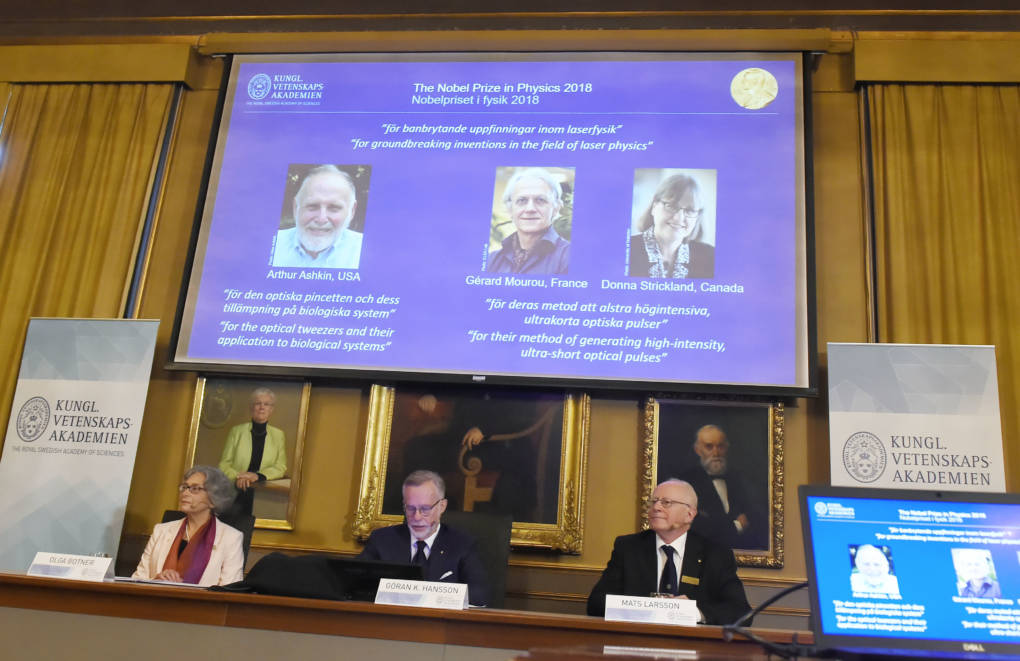
"caption": "Members of the Nobel Committee for Physics (L-R) Olga Botner, Goran K Hansson and Mats Larsson sit in front of a screen displaying portraits of Arthur Ashkin of the United States, Gerard Mourou of France and Donna Strickland of Canada during the announcement of the winners of the 2018 Nobel Prize in Physics at the Royal Swedish Academy of Sciences on October 2, 2018 in Stockholm. \n",
"description": null,
"title": "SWEDEN-NOBEL-PHYSICS",
"credit": "HANNA FRANZEN/AFP/Getty Images",
"status": "inherit",
"isLoading": false,
"fetchFailed": false
},
"science_1931658": {
"type": "attachments",
"id": "science_1931658",
"meta": {
"index": "attachments_1716263798",
"site": "science",
"id": "1931658",
"found": true
},
"parent": 1931644,
"imgSizes": {
"small": {
"file": "https://ww2.kqed.org/app/uploads/sites/35/2018/09/1033303054-594x594-520x347.jpg",
"width": 520,
"mimeType": "image/jpeg",
"height": 347
},
"thumbnail": {
"file": "https://ww2.kqed.org/app/uploads/sites/35/2018/09/1033303054-594x594-160x107.jpg",
"width": 160,
"mimeType": "image/jpeg",
"height": 107
},
"post-thumbnail": {
"file": "https://ww2.kqed.org/app/uploads/sites/35/2018/09/1033303054-594x594-594x372.jpg",
"width": 594,
"mimeType": "image/jpeg",
"height": 372
},
"xsmall": {
"file": "https://ww2.kqed.org/app/uploads/sites/35/2018/09/1033303054-594x594-375x250.jpg",
"width": 375,
"mimeType": "image/jpeg",
"height": 250
},
"kqedFullSize": {
"file": "https://ww2.kqed.org/app/uploads/sites/35/2018/09/1033303054-594x594.jpg",
"width": 594,
"height": 396
},
"guest-author-50": {
"file": "https://ww2.kqed.org/app/uploads/sites/35/2018/09/1033303054-594x594-50x50.jpg",
"width": 50,
"mimeType": "image/jpeg",
"height": 50
},
"guest-author-96": {
"file": "https://ww2.kqed.org/app/uploads/sites/35/2018/09/1033303054-594x594-96x96.jpg",
"width": 96,
"mimeType": "image/jpeg",
"height": 96
},
"guest-author-64": {
"file": "https://ww2.kqed.org/app/uploads/sites/35/2018/09/1033303054-594x594-64x64.jpg",
"width": 64,
"mimeType": "image/jpeg",
"height": 64
},
"detail": {
"file": "https://ww2.kqed.org/app/uploads/sites/35/2018/09/1033303054-594x594-150x150.jpg",
"width": 150,
"mimeType": "image/jpeg",
"height": 150
},
"guest-author-32": {
"file": "https://ww2.kqed.org/app/uploads/sites/35/2018/09/1033303054-594x594-32x32.jpg",
"width": 32,
"mimeType": "image/jpeg",
"height": 32
},
"guest-author-128": {
"file": "https://ww2.kqed.org/app/uploads/sites/35/2018/09/1033303054-594x594-128x128.jpg",
"width": 128,
"mimeType": "image/jpeg",
"height": 128
},
"xxsmall": {
"file": "https://ww2.kqed.org/app/uploads/sites/35/2018/09/1033303054-594x594-240x160.jpg",
"width": 240,
"mimeType": "image/jpeg",
"height": 160
}
},
"publishDate": 1537561412,
"modified": 1537561489,
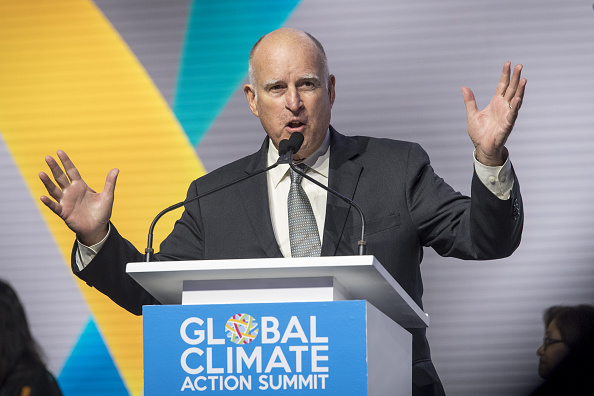
"caption": "Jerry Brown, governor of California, speaks during the Global Climate Action Summit in San Francisco, California, U.S., on Friday, Sept. 14, 2018. ",
"description": "Jerry Brown, governor of California, speaks during the Global Climate Action Summit in San Francisco, California, U.S., on Friday, Sept. 14, 2018. The Global Climate Action Summit brings together industry and political leaders working on improving the conditions and concerns facing climate in the world today.",
"title": "Key Speakers At The Global Climate Action Summit",
"credit": "David Paul Morris/Bloomberg via Getty Images",
"status": "inherit",
"isLoading": false,
"fetchFailed": false
},
"science_1931242": {
"type": "attachments",
"id": "science_1931242",
"meta": {
"index": "attachments_1716263798",
"site": "science",
"id": "1931242",
"found": true
},
"parent": 1931186,
"imgSizes": {
"small": {
"file": "https://ww2.kqed.org/app/uploads/sites/35/2018/09/IMG_9082-520x390.jpg",
"width": 520,
"mimeType": "image/jpeg",
"height": 390
},
"twentyfourteen-full-width": {
"file": "https://ww2.kqed.org/app/uploads/sites/35/2018/09/IMG_9082-1038x576.jpg",
"width": 1038,
"mimeType": "image/jpeg",
"height": 576
},
"thumbnail": {
"file": "https://ww2.kqed.org/app/uploads/sites/35/2018/09/IMG_9082-160x120.jpg",
"width": 160,
"mimeType": "image/jpeg",
"height": 120
},
"fd-sm": {
"file": "https://ww2.kqed.org/app/uploads/sites/35/2018/09/IMG_9082-960x720.jpg",
"width": 960,
"mimeType": "image/jpeg",
"height": 720
},
"post-thumbnail": {
"file": "https://ww2.kqed.org/app/uploads/sites/35/2018/09/IMG_9082-672x372.jpg",
"width": 672,
"mimeType": "image/jpeg",
"height": 372
},
"xsmall": {
"file": "https://ww2.kqed.org/app/uploads/sites/35/2018/09/IMG_9082-375x281.jpg",
"width": 375,
"mimeType": "image/jpeg",
"height": 281
},
"kqedFullSize": {
"file": "https://ww2.kqed.org/app/uploads/sites/35/2018/09/IMG_9082.jpg",
"width": 3195,
"height": 2396
},
"large": {
"file": "https://ww2.kqed.org/app/uploads/sites/35/2018/09/IMG_9082-1020x765.jpg",
"width": 1020,
"mimeType": "image/jpeg",
"height": 765
},
"xlarge": {
"file": "https://ww2.kqed.org/app/uploads/sites/35/2018/09/IMG_9082-1180x885.jpg",
"width": 1180,
"mimeType": "image/jpeg",
"height": 885
},
"complete_open_graph": {
"file": "https://ww2.kqed.org/app/uploads/sites/35/2018/09/IMG_9082-1200x900.jpg",
"width": 1200,
"mimeType": "image/jpeg",
"height": 900
},
"guest-author-50": {
"file": "https://ww2.kqed.org/app/uploads/sites/35/2018/09/IMG_9082-50x50.jpg",
"width": 50,
"mimeType": "image/jpeg",
"height": 50
},
"guest-author-96": {
"file": "https://ww2.kqed.org/app/uploads/sites/35/2018/09/IMG_9082-96x96.jpg",
"width": 96,
"mimeType": "image/jpeg",
"height": 96
},
"medium": {
"file": "https://ww2.kqed.org/app/uploads/sites/35/2018/09/IMG_9082-800x600.jpg",
"width": 800,
"mimeType": "image/jpeg",
"height": 600
},
"guest-author-64": {
"file": "https://ww2.kqed.org/app/uploads/sites/35/2018/09/IMG_9082-64x64.jpg",
"width": 64,
"mimeType": "image/jpeg",
"height": 64
},
"guest-author-32": {
"file": "https://ww2.kqed.org/app/uploads/sites/35/2018/09/IMG_9082-32x32.jpg",
"width": 32,
"mimeType": "image/jpeg",
"height": 32
},
"fd-lrg": {
"file": "https://ww2.kqed.org/app/uploads/sites/35/2018/09/IMG_9082-1920x1440.jpg",
"width": 1920,
"mimeType": "image/jpeg",
"height": 1440
},
"fd-med": {
"file": "https://ww2.kqed.org/app/uploads/sites/35/2018/09/IMG_9082-1180x885.jpg",
"width": 1180,
"mimeType": "image/jpeg",
"height": 885
},
"full-width": {
"file": "https://ww2.kqed.org/app/uploads/sites/35/2018/09/IMG_9082-1920x1440.jpg",
"width": 1920,
"mimeType": "image/jpeg",
"height": 1440
},
"detail": {
"file": "https://ww2.kqed.org/app/uploads/sites/35/2018/09/IMG_9082-150x150.jpg",
"width": 150,
"mimeType": "image/jpeg",
"height": 150
},
"medium_large": {
"file": "https://ww2.kqed.org/app/uploads/sites/35/2018/09/IMG_9082-768x576.jpg",
"width": 768,
"mimeType": "image/jpeg",
"height": 576
},
"guest-author-128": {
"file": "https://ww2.kqed.org/app/uploads/sites/35/2018/09/IMG_9082-128x128.jpg",
"width": 128,
"mimeType": "image/jpeg",
"height": 128
},
"xxsmall": {
"file": "https://ww2.kqed.org/app/uploads/sites/35/2018/09/IMG_9082-240x180.jpg",
"width": 240,
"mimeType": "image/jpeg",
"height": 180
}
},
"publishDate": 1536859703,
"modified": 1536962016,
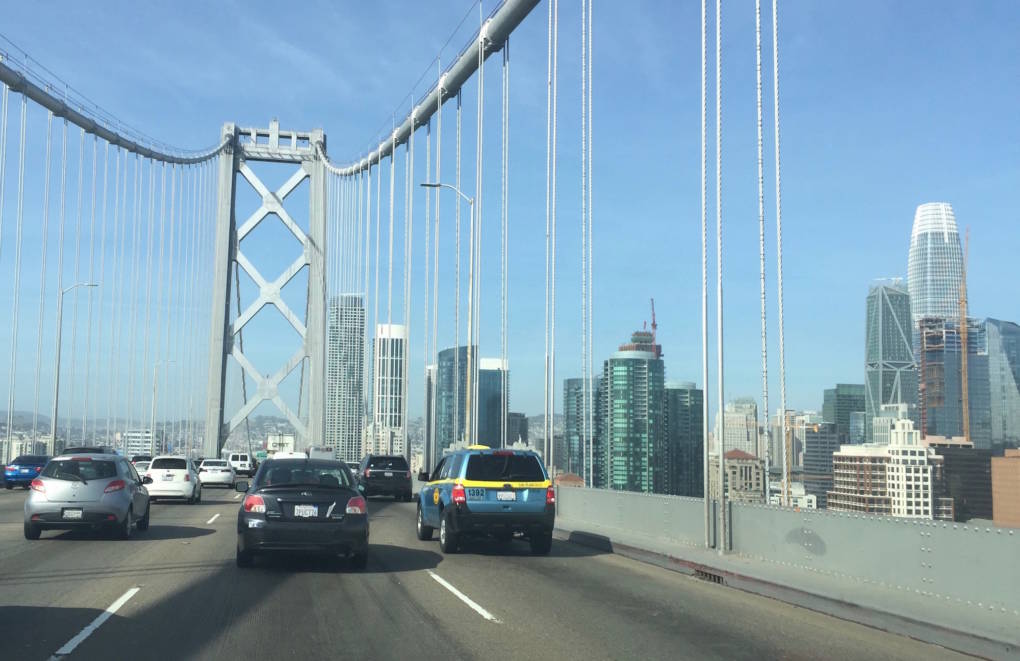
"caption": "San Francisco on the morning of the Climate Action Summit.",
"description": null,
"title": "IMG_9082",
"credit": "Julia Scott/KQED",
"status": "inherit",
"isLoading": false,
"fetchFailed": false
},
"science_1931334": {
"type": "attachments",
"id": "science_1931334",
"meta": {
"index": "attachments_1716263798",
"site": "science",
"id": "1931334",
"found": true
},
"parent": 1931332,
"imgSizes": {
"small": {
"file": "https://ww2.kqed.org/app/uploads/sites/35/2018/09/GettyImages-685579856-520x347.jpg",
"width": 520,
"mimeType": "image/jpeg",
"height": 347
},
"twentyfourteen-full-width": {
"file": "https://ww2.kqed.org/app/uploads/sites/35/2018/09/GettyImages-685579856-1038x576.jpg",
"width": 1038,
"mimeType": "image/jpeg",
"height": 576
},
"thumbnail": {
"file": "https://ww2.kqed.org/app/uploads/sites/35/2018/09/GettyImages-685579856-160x107.jpg",
"width": 160,
"mimeType": "image/jpeg",
"height": 107
},
"fd-sm": {
"file": "https://ww2.kqed.org/app/uploads/sites/35/2018/09/GettyImages-685579856-960x640.jpg",
"width": 960,
"mimeType": "image/jpeg",
"height": 640
},
"post-thumbnail": {
"file": "https://ww2.kqed.org/app/uploads/sites/35/2018/09/GettyImages-685579856-672x372.jpg",
"width": 672,
"mimeType": "image/jpeg",
"height": 372
},
"xsmall": {
"file": "https://ww2.kqed.org/app/uploads/sites/35/2018/09/GettyImages-685579856-375x250.jpg",
"width": 375,
"mimeType": "image/jpeg",
"height": 250
},
"kqedFullSize": {
"file": "https://ww2.kqed.org/app/uploads/sites/35/2018/09/GettyImages-685579856.jpg",
"width": 3000,
"height": 2000
},
"large": {
"file": "https://ww2.kqed.org/app/uploads/sites/35/2018/09/GettyImages-685579856-1020x680.jpg",
"width": 1020,
"mimeType": "image/jpeg",
"height": 680
},
"xlarge": {
"file": "https://ww2.kqed.org/app/uploads/sites/35/2018/09/GettyImages-685579856-1180x787.jpg",
"width": 1180,
"mimeType": "image/jpeg",
"height": 787
},
"complete_open_graph": {
"file": "https://ww2.kqed.org/app/uploads/sites/35/2018/09/GettyImages-685579856-1200x800.jpg",
"width": 1200,
"mimeType": "image/jpeg",
"height": 800
},
"guest-author-50": {
"file": "https://ww2.kqed.org/app/uploads/sites/35/2018/09/GettyImages-685579856-50x50.jpg",
"width": 50,
"mimeType": "image/jpeg",
"height": 50
},
"guest-author-96": {
"file": "https://ww2.kqed.org/app/uploads/sites/35/2018/09/GettyImages-685579856-96x96.jpg",
"width": 96,
"mimeType": "image/jpeg",
"height": 96
},
"medium": {
"file": "https://ww2.kqed.org/app/uploads/sites/35/2018/09/GettyImages-685579856-800x533.jpg",
"width": 800,
"mimeType": "image/jpeg",
"height": 533
},
"guest-author-64": {
"file": "https://ww2.kqed.org/app/uploads/sites/35/2018/09/GettyImages-685579856-64x64.jpg",
"width": 64,
"mimeType": "image/jpeg",
"height": 64
},
"guest-author-32": {
"file": "https://ww2.kqed.org/app/uploads/sites/35/2018/09/GettyImages-685579856-32x32.jpg",
"width": 32,
"mimeType": "image/jpeg",
"height": 32
},
"fd-lrg": {
"file": "https://ww2.kqed.org/app/uploads/sites/35/2018/09/GettyImages-685579856-1920x1280.jpg",
"width": 1920,
"mimeType": "image/jpeg",
"height": 1280
},
"fd-med": {
"file": "https://ww2.kqed.org/app/uploads/sites/35/2018/09/GettyImages-685579856-1180x787.jpg",
"width": 1180,
"mimeType": "image/jpeg",
"height": 787
},
"full-width": {
"file": "https://ww2.kqed.org/app/uploads/sites/35/2018/09/GettyImages-685579856-1920x1280.jpg",
"width": 1920,
"mimeType": "image/jpeg",
"height": 1280
},
"detail": {
"file": "https://ww2.kqed.org/app/uploads/sites/35/2018/09/GettyImages-685579856-150x150.jpg",
"width": 150,
"mimeType": "image/jpeg",
"height": 150
},
"medium_large": {
"file": "https://ww2.kqed.org/app/uploads/sites/35/2018/09/GettyImages-685579856-768x512.jpg",
"width": 768,
"mimeType": "image/jpeg",
"height": 512
},
"guest-author-128": {
"file": "https://ww2.kqed.org/app/uploads/sites/35/2018/09/GettyImages-685579856-128x128.jpg",
"width": 128,
"mimeType": "image/jpeg",
"height": 128
},
"xxsmall": {
"file": "https://ww2.kqed.org/app/uploads/sites/35/2018/09/GettyImages-685579856-240x160.jpg",
"width": 240,
"mimeType": "image/jpeg",
"height": 160
}
},
"publishDate": 1536874979,
"modified": 1536875027,
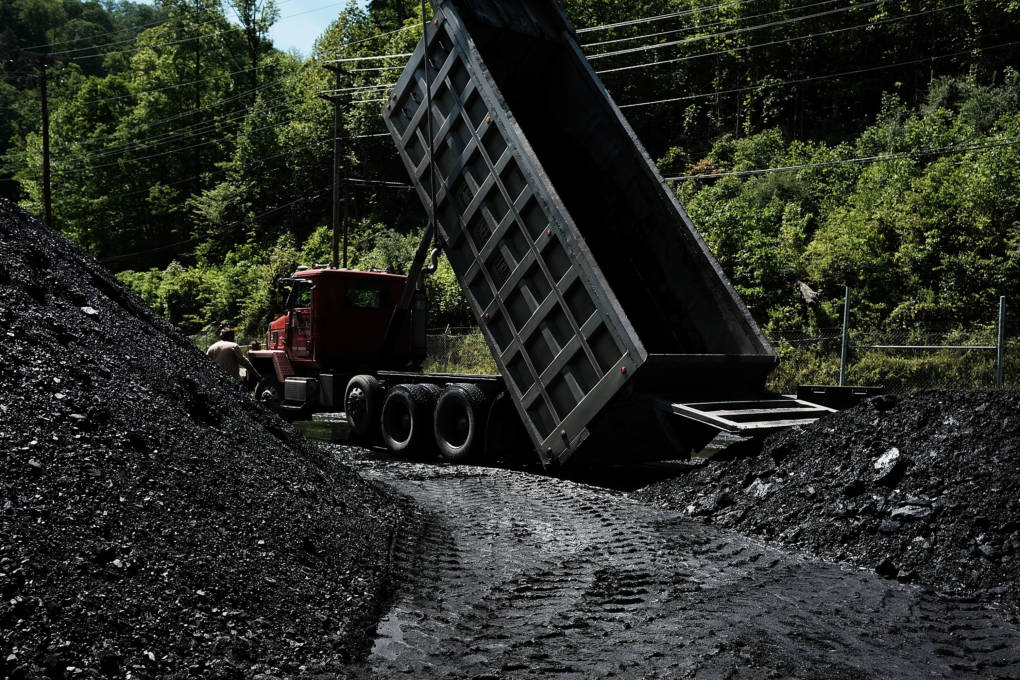
"caption": "A truck dumps coal at a coal prep plant outside the city of Welch in rural West Virginia on May 19, 2017 in Welch, West Virginia. \n",
"description": null,
"title": "Beset With Unemployment And Poverty, West Virginians Look To Trump For Help",
"credit": " Spencer Platt/Getty Images",
"status": "inherit",
"isLoading": false,
"fetchFailed": false
},
"science_1931177": {
"type": "attachments",
"id": "science_1931177",
"meta": {
"index": "attachments_1716263798",
"site": "science",
"id": "1931177",
"found": true
},
"parent": 1931129,
"imgSizes": {
"small": {
"file": "https://ww2.kqed.org/app/uploads/sites/35/2018/09/RS7013_175333538-520x348.jpg",
"width": 520,
"mimeType": "image/jpeg",
"height": 348
},
"twentyfourteen-full-width": {
"file": "https://ww2.kqed.org/app/uploads/sites/35/2018/09/RS7013_175333538-1038x576.jpg",
"width": 1038,
"mimeType": "image/jpeg",
"height": 576
},
"thumbnail": {
"file": "https://ww2.kqed.org/app/uploads/sites/35/2018/09/RS7013_175333538-160x107.jpg",
"width": 160,
"mimeType": "image/jpeg",
"height": 107
},
"fd-sm": {
"file": "https://ww2.kqed.org/app/uploads/sites/35/2018/09/RS7013_175333538-960x642.jpg",
"width": 960,
"mimeType": "image/jpeg",
"height": 642
},
"post-thumbnail": {
"file": "https://ww2.kqed.org/app/uploads/sites/35/2018/09/RS7013_175333538-672x372.jpg",
"width": 672,
"mimeType": "image/jpeg",
"height": 372
},
"xsmall": {
"file": "https://ww2.kqed.org/app/uploads/sites/35/2018/09/RS7013_175333538-375x251.jpg",
"width": 375,
"mimeType": "image/jpeg",
"height": 251
},
"kqedFullSize": {
"file": "https://ww2.kqed.org/app/uploads/sites/35/2018/09/RS7013_175333538.jpg",
"width": 2000,
"height": 1338
},
"large": {
"file": "https://ww2.kqed.org/app/uploads/sites/35/2018/09/RS7013_175333538-1020x682.jpg",
"width": 1020,
"mimeType": "image/jpeg",
"height": 682
},
"xlarge": {
"file": "https://ww2.kqed.org/app/uploads/sites/35/2018/09/RS7013_175333538-1180x789.jpg",
"width": 1180,
"mimeType": "image/jpeg",
"height": 789
},
"complete_open_graph": {
"file": "https://ww2.kqed.org/app/uploads/sites/35/2018/09/RS7013_175333538-1200x803.jpg",
"width": 1200,
"mimeType": "image/jpeg",
"height": 803
},
"guest-author-50": {
"file": "https://ww2.kqed.org/app/uploads/sites/35/2018/09/RS7013_175333538-50x50.jpg",
"width": 50,
"mimeType": "image/jpeg",
"height": 50
},
"guest-author-96": {
"file": "https://ww2.kqed.org/app/uploads/sites/35/2018/09/RS7013_175333538-96x96.jpg",
"width": 96,
"mimeType": "image/jpeg",
"height": 96
},
"medium": {
"file": "https://ww2.kqed.org/app/uploads/sites/35/2018/09/RS7013_175333538-800x535.jpg",
"width": 800,
"mimeType": "image/jpeg",
"height": 535
},
"guest-author-64": {
"file": "https://ww2.kqed.org/app/uploads/sites/35/2018/09/RS7013_175333538-64x64.jpg",
"width": 64,
"mimeType": "image/jpeg",
"height": 64
},
"guest-author-32": {
"file": "https://ww2.kqed.org/app/uploads/sites/35/2018/09/RS7013_175333538-32x32.jpg",
"width": 32,
"mimeType": "image/jpeg",
"height": 32
},
"fd-lrg": {
"file": "https://ww2.kqed.org/app/uploads/sites/35/2018/09/RS7013_175333538-1920x1284.jpg",
"width": 1920,
"mimeType": "image/jpeg",
"height": 1284
},
"fd-med": {
"file": "https://ww2.kqed.org/app/uploads/sites/35/2018/09/RS7013_175333538-1180x789.jpg",
"width": 1180,
"mimeType": "image/jpeg",
"height": 789
},
"full-width": {
"file": "https://ww2.kqed.org/app/uploads/sites/35/2018/09/RS7013_175333538-1920x1284.jpg",
"width": 1920,
"mimeType": "image/jpeg",
"height": 1284
},
"detail": {
"file": "https://ww2.kqed.org/app/uploads/sites/35/2018/09/RS7013_175333538-150x150.jpg",
"width": 150,
"mimeType": "image/jpeg",
"height": 150
},
"medium_large": {
"file": "https://ww2.kqed.org/app/uploads/sites/35/2018/09/RS7013_175333538-768x514.jpg",
"width": 768,
"mimeType": "image/jpeg",
"height": 514
},
"guest-author-128": {
"file": "https://ww2.kqed.org/app/uploads/sites/35/2018/09/RS7013_175333538-128x128.jpg",
"width": 128,
"mimeType": "image/jpeg",
"height": 128
},
"xxsmall": {
"file": "https://ww2.kqed.org/app/uploads/sites/35/2018/09/RS7013_175333538-240x161.jpg",
"width": 240,
"mimeType": "image/jpeg",
"height": 161
}
},
"publishDate": 1536793009,
"modified": 1536793128,
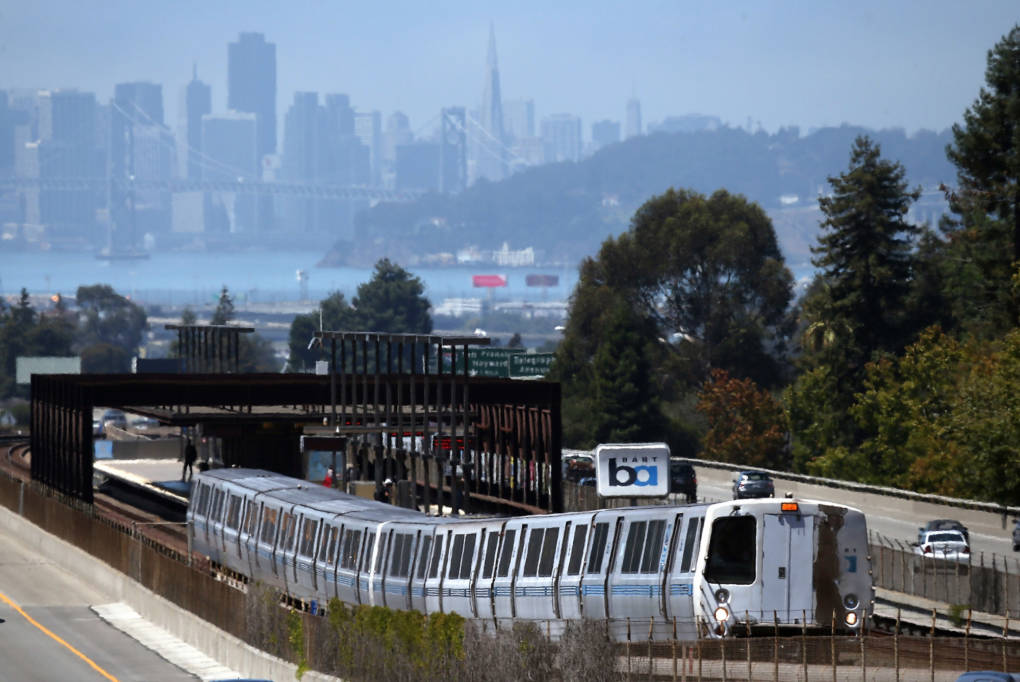
"caption": "Developing \"sustainable transportation networks\" is one strategy cities can use to reduce climate emissions.",
"description": "Developing \"sustainable transportation networks\" is one strategy cities can use to reduce climate emissions.",
"title": "Bay Area Transportation Workers Strike Looms Ahead Of Monday Deadline",
"credit": "Justin Sullivan/Getty Images",
"status": "inherit",
"isLoading": false,
"fetchFailed": false
},
"science_1931089": {
"type": "attachments",
"id": "science_1931089",
"meta": {
"index": "attachments_1716263798",
"site": "science",
"id": "1931089",
"found": true
},
"parent": 1931085,
"imgSizes": {
"small": {
"file": "https://ww2.kqed.org/app/uploads/sites/35/2018/09/IMG_0178-520x337.jpg",
"width": 520,
"mimeType": "image/jpeg",
"height": 337
},
"twentyfourteen-full-width": {
"file": "https://ww2.kqed.org/app/uploads/sites/35/2018/09/IMG_0178-1038x576.jpg",
"width": 1038,
"mimeType": "image/jpeg",
"height": 576
},
"thumbnail": {
"file": "https://ww2.kqed.org/app/uploads/sites/35/2018/09/IMG_0178-160x104.jpg",
"width": 160,
"mimeType": "image/jpeg",
"height": 104
},
"fd-sm": {
"file": "https://ww2.kqed.org/app/uploads/sites/35/2018/09/IMG_0178-960x622.jpg",
"width": 960,
"mimeType": "image/jpeg",
"height": 622
},
"post-thumbnail": {
"file": "https://ww2.kqed.org/app/uploads/sites/35/2018/09/IMG_0178-672x372.jpg",
"width": 672,
"mimeType": "image/jpeg",
"height": 372
},
"xsmall": {
"file": "https://ww2.kqed.org/app/uploads/sites/35/2018/09/IMG_0178-375x243.jpg",
"width": 375,
"mimeType": "image/jpeg",
"height": 243
},
"kqedFullSize": {
"file": "https://ww2.kqed.org/app/uploads/sites/35/2018/09/IMG_0178.jpg",
"width": 2000,
"height": 1296
},
"large": {
"file": "https://ww2.kqed.org/app/uploads/sites/35/2018/09/IMG_0178-1020x661.jpg",
"width": 1020,
"mimeType": "image/jpeg",
"height": 661
},
"xlarge": {
"file": "https://ww2.kqed.org/app/uploads/sites/35/2018/09/IMG_0178-1180x765.jpg",
"width": 1180,
"mimeType": "image/jpeg",
"height": 765
},
"complete_open_graph": {
"file": "https://ww2.kqed.org/app/uploads/sites/35/2018/09/IMG_0178-1200x778.jpg",
"width": 1200,
"mimeType": "image/jpeg",
"height": 778
},
"guest-author-50": {
"file": "https://ww2.kqed.org/app/uploads/sites/35/2018/09/IMG_0178-50x50.jpg",
"width": 50,
"mimeType": "image/jpeg",
"height": 50
},
"guest-author-96": {
"file": "https://ww2.kqed.org/app/uploads/sites/35/2018/09/IMG_0178-96x96.jpg",
"width": 96,
"mimeType": "image/jpeg",
"height": 96
},
"medium": {
"file": "https://ww2.kqed.org/app/uploads/sites/35/2018/09/IMG_0178-800x518.jpg",
"width": 800,
"mimeType": "image/jpeg",
"height": 518
},
"guest-author-64": {
"file": "https://ww2.kqed.org/app/uploads/sites/35/2018/09/IMG_0178-64x64.jpg",
"width": 64,
"mimeType": "image/jpeg",
"height": 64
},
"guest-author-32": {
"file": "https://ww2.kqed.org/app/uploads/sites/35/2018/09/IMG_0178-32x32.jpg",
"width": 32,
"mimeType": "image/jpeg",
"height": 32
},
"fd-lrg": {
"file": "https://ww2.kqed.org/app/uploads/sites/35/2018/09/IMG_0178-1920x1244.jpg",
"width": 1920,
"mimeType": "image/jpeg",
"height": 1244
},
"fd-med": {
"file": "https://ww2.kqed.org/app/uploads/sites/35/2018/09/IMG_0178-1180x765.jpg",
"width": 1180,
"mimeType": "image/jpeg",
"height": 765
},
"full-width": {
"file": "https://ww2.kqed.org/app/uploads/sites/35/2018/09/IMG_0178-1920x1244.jpg",
"width": 1920,
"mimeType": "image/jpeg",
"height": 1244
},
"detail": {
"file": "https://ww2.kqed.org/app/uploads/sites/35/2018/09/IMG_0178-150x150.jpg",
"width": 150,
"mimeType": "image/jpeg",
"height": 150
},
"medium_large": {
"file": "https://ww2.kqed.org/app/uploads/sites/35/2018/09/IMG_0178-768x498.jpg",
"width": 768,
"mimeType": "image/jpeg",
"height": 498
},
"guest-author-128": {
"file": "https://ww2.kqed.org/app/uploads/sites/35/2018/09/IMG_0178-128x128.jpg",
"width": 128,
"mimeType": "image/jpeg",
"height": 128
},
"xxsmall": {
"file": "https://ww2.kqed.org/app/uploads/sites/35/2018/09/IMG_0178-240x156.jpg",
"width": 240,
"mimeType": "image/jpeg",
"height": 156
}
},
"publishDate": 1536726964,
"modified": 1536772442,
"caption": "A new report concludes that cities and states can make significant headway toward climate goals on their own.",
"description": "A new report concludes that cities and states can make significant headway toward climate goals on their own.",
"title": "IMG_0178",
"credit": "Craig Miller/KQED",
"status": "inherit",
"isLoading": false,
"fetchFailed": false
},
"science_1930978": {
"type": "attachments",
"id": "science_1930978",
"meta": {
"index": "attachments_1716263798",
"site": "science",
"id": "1930978",
"found": true
},
"parent": 1930972,
"imgSizes": {
"small": {
"file": "https://ww2.kqed.org/app/uploads/sites/35/2018/09/solar-roof-520x293.jpg",
"width": 520,
"mimeType": "image/jpeg",
"height": 293
},
"twentyfourteen-full-width": {
"file": "https://ww2.kqed.org/app/uploads/sites/35/2018/09/solar-roof-1038x576.jpg",
"width": 1038,
"mimeType": "image/jpeg",
"height": 576
},
"thumbnail": {
"file": "https://ww2.kqed.org/app/uploads/sites/35/2018/09/solar-roof-160x90.jpg",
"width": 160,
"mimeType": "image/jpeg",
"height": 90
},
"fd-sm": {
"file": "https://ww2.kqed.org/app/uploads/sites/35/2018/09/solar-roof-960x540.jpg",
"width": 960,
"mimeType": "image/jpeg",
"height": 540
},
"post-thumbnail": {
"file": "https://ww2.kqed.org/app/uploads/sites/35/2018/09/solar-roof-672x372.jpg",
"width": 672,
"mimeType": "image/jpeg",
"height": 372
},
"xsmall": {
"file": "https://ww2.kqed.org/app/uploads/sites/35/2018/09/solar-roof-375x211.jpg",
"width": 375,
"mimeType": "image/jpeg",
"height": 211
},
"kqedFullSize": {
"file": "https://ww2.kqed.org/app/uploads/sites/35/2018/09/solar-roof.jpg",
"width": 1920,
"height": 1080
},
"large": {
"file": "https://ww2.kqed.org/app/uploads/sites/35/2018/09/solar-roof-1020x574.jpg",
"width": 1020,
"mimeType": "image/jpeg",
"height": 574
},
"xlarge": {
"file": "https://ww2.kqed.org/app/uploads/sites/35/2018/09/solar-roof-1180x664.jpg",
"width": 1180,
"mimeType": "image/jpeg",
"height": 664
},
"complete_open_graph": {
"file": "https://ww2.kqed.org/app/uploads/sites/35/2018/09/solar-roof-1200x675.jpg",
"width": 1200,
"mimeType": "image/jpeg",
"height": 675
},
"guest-author-50": {
"file": "https://ww2.kqed.org/app/uploads/sites/35/2018/09/solar-roof-50x50.jpg",
"width": 50,
"mimeType": "image/jpeg",
"height": 50
},
"guest-author-96": {
"file": "https://ww2.kqed.org/app/uploads/sites/35/2018/09/solar-roof-96x96.jpg",
"width": 96,
"mimeType": "image/jpeg",
"height": 96
},
"medium": {
"file": "https://ww2.kqed.org/app/uploads/sites/35/2018/09/solar-roof-800x450.jpg",
"width": 800,
"mimeType": "image/jpeg",
"height": 450
},
"guest-author-64": {
"file": "https://ww2.kqed.org/app/uploads/sites/35/2018/09/solar-roof-64x64.jpg",
"width": 64,
"mimeType": "image/jpeg",
"height": 64
},
"guest-author-32": {
"file": "https://ww2.kqed.org/app/uploads/sites/35/2018/09/solar-roof-32x32.jpg",
"width": 32,
"mimeType": "image/jpeg",
"height": 32
},
"fd-lrg": {
"file": "https://ww2.kqed.org/app/uploads/sites/35/2018/09/solar-roof-1920x1080.jpg",
"width": 1920,
"mimeType": "image/jpeg",
"height": 1080
},
"fd-med": {
"file": "https://ww2.kqed.org/app/uploads/sites/35/2018/09/solar-roof-1180x664.jpg",
"width": 1180,
"mimeType": "image/jpeg",
"height": 664
},
"full-width": {
"file": "https://ww2.kqed.org/app/uploads/sites/35/2018/09/solar-roof-1920x1080.jpg",
"width": 1920,
"mimeType": "image/jpeg",
"height": 1080
},
"detail": {
"file": "https://ww2.kqed.org/app/uploads/sites/35/2018/09/solar-roof-150x150.jpg",
"width": 150,
"mimeType": "image/jpeg",
"height": 150
},
"medium_large": {
"file": "https://ww2.kqed.org/app/uploads/sites/35/2018/09/solar-roof-768x432.jpg",
"width": 768,
"mimeType": "image/jpeg",
"height": 432
},
"guest-author-128": {
"file": "https://ww2.kqed.org/app/uploads/sites/35/2018/09/solar-roof-128x128.jpg",
"width": 128,
"mimeType": "image/jpeg",
"height": 128
},
"xxsmall": {
"file": "https://ww2.kqed.org/app/uploads/sites/35/2018/09/solar-roof-240x135.jpg",
"width": 240,
"mimeType": "image/jpeg",
"height": 135
}
},
"publishDate": 1536599035,
"modified": 1536599075,
"caption": "Workers install rooftop solar panels in Vallejo, California.",
"description": null,
"title": "SOLARPANELS",
"credit": "Lauren Hanussak/KQED",
"status": "inherit",
"isLoading": false,
"fetchFailed": false
},
"science_1930823": {
"type": "attachments",
"id": "science_1930823",
"meta": {
"index": "attachments_1716263798",
"site": "science",
"id": "1930823",
"found": true
},
"parent": 1930643,
"imgSizes": {
"small": {
"file": "https://ww2.kqed.org/app/uploads/sites/35/2018/09/RS4911_Lyell_Stock_p92-520x345.jpg",
"width": 520,
"mimeType": "image/jpeg",
"height": 345
},
"twentyfourteen-full-width": {
"file": "https://ww2.kqed.org/app/uploads/sites/35/2018/09/RS4911_Lyell_Stock_p92-1038x576.jpg",
"width": 1038,
"mimeType": "image/jpeg",
"height": 576
},
"thumbnail": {
"file": "https://ww2.kqed.org/app/uploads/sites/35/2018/09/RS4911_Lyell_Stock_p92-160x106.jpg",
"width": 160,
"mimeType": "image/jpeg",
"height": 106
},
"fd-sm": {
"file": "https://ww2.kqed.org/app/uploads/sites/35/2018/09/RS4911_Lyell_Stock_p92-960x636.jpg",
"width": 960,
"mimeType": "image/jpeg",
"height": 636
},
"post-thumbnail": {
"file": "https://ww2.kqed.org/app/uploads/sites/35/2018/09/RS4911_Lyell_Stock_p92-672x372.jpg",
"width": 672,
"mimeType": "image/jpeg",
"height": 372
},
"xsmall": {
"file": "https://ww2.kqed.org/app/uploads/sites/35/2018/09/RS4911_Lyell_Stock_p92-375x249.jpg",
"width": 375,
"mimeType": "image/jpeg",
"height": 249
},
"kqedFullSize": {
"file": "https://ww2.kqed.org/app/uploads/sites/35/2018/09/RS4911_Lyell_Stock_p92.jpg",
"width": 1207,
"height": 800
},
"large": {
"file": "https://ww2.kqed.org/app/uploads/sites/35/2018/09/RS4911_Lyell_Stock_p92-1020x676.jpg",
"width": 1020,
"mimeType": "image/jpeg",
"height": 676
},
"xlarge": {
"file": "https://ww2.kqed.org/app/uploads/sites/35/2018/09/RS4911_Lyell_Stock_p92-1180x782.jpg",
"width": 1180,
"mimeType": "image/jpeg",
"height": 782
},
"complete_open_graph": {
"file": "https://ww2.kqed.org/app/uploads/sites/35/2018/09/RS4911_Lyell_Stock_p92-1200x795.jpg",
"width": 1200,
"mimeType": "image/jpeg",
"height": 795
},
"guest-author-50": {
"file": "https://ww2.kqed.org/app/uploads/sites/35/2018/09/RS4911_Lyell_Stock_p92-50x50.jpg",
"width": 50,
"mimeType": "image/jpeg",
"height": 50
},
"guest-author-96": {
"file": "https://ww2.kqed.org/app/uploads/sites/35/2018/09/RS4911_Lyell_Stock_p92-96x96.jpg",
"width": 96,
"mimeType": "image/jpeg",
"height": 96
},
"medium": {
"file": "https://ww2.kqed.org/app/uploads/sites/35/2018/09/RS4911_Lyell_Stock_p92-800x530.jpg",
"width": 800,
"mimeType": "image/jpeg",
"height": 530
},
"guest-author-64": {
"file": "https://ww2.kqed.org/app/uploads/sites/35/2018/09/RS4911_Lyell_Stock_p92-64x64.jpg",
"width": 64,
"mimeType": "image/jpeg",
"height": 64
},
"guest-author-32": {
"file": "https://ww2.kqed.org/app/uploads/sites/35/2018/09/RS4911_Lyell_Stock_p92-32x32.jpg",
"width": 32,
"mimeType": "image/jpeg",
"height": 32
},
"fd-med": {
"file": "https://ww2.kqed.org/app/uploads/sites/35/2018/09/RS4911_Lyell_Stock_p92-1180x782.jpg",
"width": 1180,
"mimeType": "image/jpeg",
"height": 782
},
"detail": {
"file": "https://ww2.kqed.org/app/uploads/sites/35/2018/09/RS4911_Lyell_Stock_p92-150x150.jpg",
"width": 150,
"mimeType": "image/jpeg",
"height": 150
},
"medium_large": {
"file": "https://ww2.kqed.org/app/uploads/sites/35/2018/09/RS4911_Lyell_Stock_p92-768x509.jpg",
"width": 768,
"mimeType": "image/jpeg",
"height": 509
},
"guest-author-128": {
"file": "https://ww2.kqed.org/app/uploads/sites/35/2018/09/RS4911_Lyell_Stock_p92-128x128.jpg",
"width": 128,
"mimeType": "image/jpeg",
"height": 128
},
"xxsmall": {
"file": "https://ww2.kqed.org/app/uploads/sites/35/2018/09/RS4911_Lyell_Stock_p92-240x159.jpg",
"width": 240,
"mimeType": "image/jpeg",
"height": 159
}
},
"publishDate": 1536266687,
"modified": 1536266789,
"caption": "Yosemite National Park geologist Greg Stock on the Lyell Glacier, in 2010. Nearly all of California's glaciers have been shrinking from higher temperatures.",
"description": "Yosemite National Park geologist Greg Stock on the Lyell Glacier, in 2010.",
"title": "RS4911_Lyell_Stock_p92",
"credit": "Tim Palmer/Heyday",
"status": "inherit",
"isLoading": false,
"fetchFailed": false
},
"science_1930571": {
"type": "attachments",
"id": "science_1930571",
"meta": {
"index": "attachments_1716263798",
"site": "science",
"id": "1930571",
"found": true
},
"parent": 1930568,
"imgSizes": {
"small": {
"file": "https://ww2.kqed.org/app/uploads/sites/35/2018/08/GettyImages-1012075672-520x367.jpg",
"width": 520,
"mimeType": "image/jpeg",
"height": 367
},
"twentyfourteen-full-width": {
"file": "https://ww2.kqed.org/app/uploads/sites/35/2018/08/GettyImages-1012075672-1038x576.jpg",
"width": 1038,
"mimeType": "image/jpeg",
"height": 576
},
"thumbnail": {
"file": "https://ww2.kqed.org/app/uploads/sites/35/2018/08/GettyImages-1012075672-160x113.jpg",
"width": 160,
"mimeType": "image/jpeg",
"height": 113
},
"fd-sm": {
"file": "https://ww2.kqed.org/app/uploads/sites/35/2018/08/GettyImages-1012075672-960x677.jpg",
"width": 960,
"mimeType": "image/jpeg",
"height": 677
},
"post-thumbnail": {
"file": "https://ww2.kqed.org/app/uploads/sites/35/2018/08/GettyImages-1012075672-672x372.jpg",
"width": 672,
"mimeType": "image/jpeg",
"height": 372
},
"xsmall": {
"file": "https://ww2.kqed.org/app/uploads/sites/35/2018/08/GettyImages-1012075672-375x264.jpg",
"width": 375,
"mimeType": "image/jpeg",
"height": 264
},
"kqedFullSize": {
"file": "https://ww2.kqed.org/app/uploads/sites/35/2018/08/GettyImages-1012075672.jpg",
"width": 4669,
"height": 3293
},
"large": {
"file": "https://ww2.kqed.org/app/uploads/sites/35/2018/08/GettyImages-1012075672-1020x719.jpg",
"width": 1020,
"mimeType": "image/jpeg",
"height": 719
},
"xlarge": {
"file": "https://ww2.kqed.org/app/uploads/sites/35/2018/08/GettyImages-1012075672-1180x832.jpg",
"width": 1180,
"mimeType": "image/jpeg",
"height": 832
},
"complete_open_graph": {
"file": "https://ww2.kqed.org/app/uploads/sites/35/2018/08/GettyImages-1012075672-1200x846.jpg",
"width": 1200,
"mimeType": "image/jpeg",
"height": 846
},
"guest-author-50": {
"file": "https://ww2.kqed.org/app/uploads/sites/35/2018/08/GettyImages-1012075672-50x50.jpg",
"width": 50,
"mimeType": "image/jpeg",
"height": 50
},
"guest-author-96": {
"file": "https://ww2.kqed.org/app/uploads/sites/35/2018/08/GettyImages-1012075672-96x96.jpg",
"width": 96,
"mimeType": "image/jpeg",
"height": 96
},
"medium": {
"file": "https://ww2.kqed.org/app/uploads/sites/35/2018/08/GettyImages-1012075672-800x564.jpg",
"width": 800,
"mimeType": "image/jpeg",
"height": 564
},
"guest-author-64": {
"file": "https://ww2.kqed.org/app/uploads/sites/35/2018/08/GettyImages-1012075672-64x64.jpg",
"width": 64,
"mimeType": "image/jpeg",
"height": 64
},
"guest-author-32": {
"file": "https://ww2.kqed.org/app/uploads/sites/35/2018/08/GettyImages-1012075672-32x32.jpg",
"width": 32,
"mimeType": "image/jpeg",
"height": 32
},
"fd-lrg": {
"file": "https://ww2.kqed.org/app/uploads/sites/35/2018/08/GettyImages-1012075672-1920x1354.jpg",
"width": 1920,
"mimeType": "image/jpeg",
"height": 1354
},
"fd-med": {
"file": "https://ww2.kqed.org/app/uploads/sites/35/2018/08/GettyImages-1012075672-1180x832.jpg",
"width": 1180,
"mimeType": "image/jpeg",
"height": 832
},
"full-width": {
"file": "https://ww2.kqed.org/app/uploads/sites/35/2018/08/GettyImages-1012075672-1920x1354.jpg",
"width": 1920,
"mimeType": "image/jpeg",
"height": 1354
},
"detail": {
"file": "https://ww2.kqed.org/app/uploads/sites/35/2018/08/GettyImages-1012075672-150x150.jpg",
"width": 150,
"mimeType": "image/jpeg",
"height": 150
},
"medium_large": {
"file": "https://ww2.kqed.org/app/uploads/sites/35/2018/08/GettyImages-1012075672-768x542.jpg",
"width": 768,
"mimeType": "image/jpeg",
"height": 542
},
"guest-author-128": {
"file": "https://ww2.kqed.org/app/uploads/sites/35/2018/08/GettyImages-1012075672-128x128.jpg",
"width": 128,
"mimeType": "image/jpeg",
"height": 128
},
"xxsmall": {
"file": "https://ww2.kqed.org/app/uploads/sites/35/2018/08/GettyImages-1012075672-240x169.jpg",
"width": 240,
"mimeType": "image/jpeg",
"height": 169
}
},
"publishDate": 1535734582,
"modified": 1535734641,
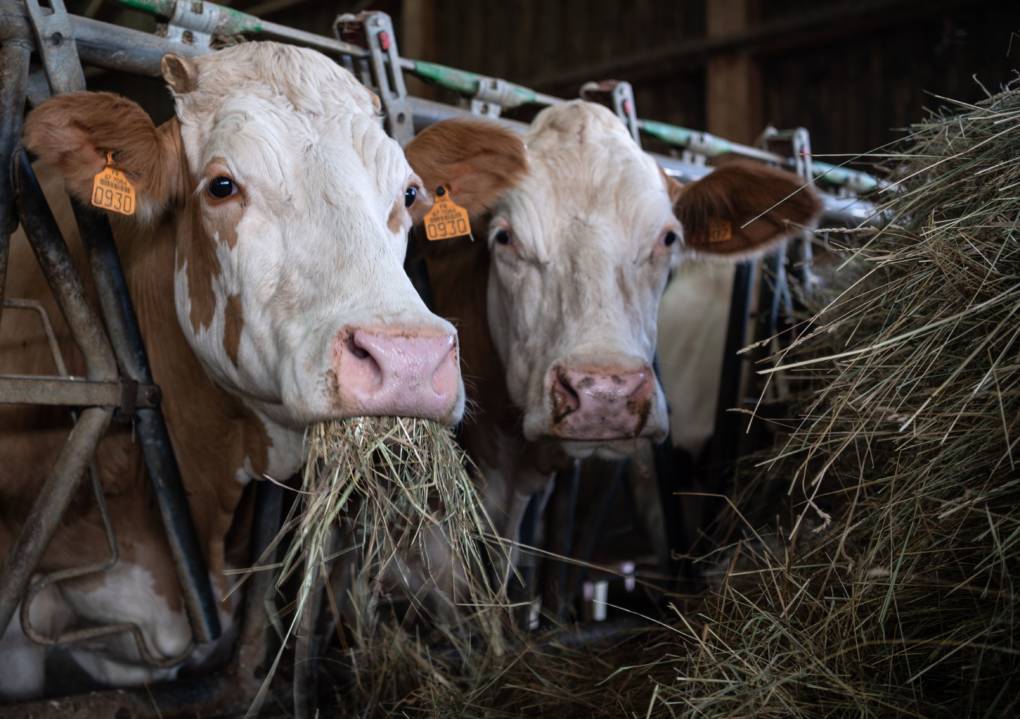
"caption": "Cows eat straw, sheltered from the heat in the cowshed, on August 6, 2018.",
"description": null,
"title": "FRANCE-WEATHER-HEAT-AGRICULTURE",
"credit": "PATRICK HERTZOG / AFP (Photo credit should read PATRICK HERTZOG/AFP/Getty Images)",
"status": "inherit",
"isLoading": false,
"fetchFailed": false
},
"science_1930528": {
"type": "attachments",
"id": "science_1930528",
"meta": {
"index": "attachments_1716263798",
"site": "science",
"id": "1930528",
"found": true
},
"parent": 1930527,
"imgSizes": {
"small": {
"file": "https://ww2.kqed.org/app/uploads/sites/35/2018/08/gettyimages-584513988_slide-a6d7e2ff98a0e2e97a0abc6eb80e6a56b9a1ca5c-520x347.jpg",
"width": 520,
"mimeType": "image/jpeg",
"height": 347
},
"twentyfourteen-full-width": {
"file": "https://ww2.kqed.org/app/uploads/sites/35/2018/08/gettyimages-584513988_slide-a6d7e2ff98a0e2e97a0abc6eb80e6a56b9a1ca5c-1038x576.jpg",
"width": 1038,
"mimeType": "image/jpeg",
"height": 576
},
"thumbnail": {
"file": "https://ww2.kqed.org/app/uploads/sites/35/2018/08/gettyimages-584513988_slide-a6d7e2ff98a0e2e97a0abc6eb80e6a56b9a1ca5c-160x107.jpg",
"width": 160,
"mimeType": "image/jpeg",
"height": 107
},
"fd-sm": {
"file": "https://ww2.kqed.org/app/uploads/sites/35/2018/08/gettyimages-584513988_slide-a6d7e2ff98a0e2e97a0abc6eb80e6a56b9a1ca5c-960x640.jpg",
"width": 960,
"mimeType": "image/jpeg",
"height": 640
},
"post-thumbnail": {
"file": "https://ww2.kqed.org/app/uploads/sites/35/2018/08/gettyimages-584513988_slide-a6d7e2ff98a0e2e97a0abc6eb80e6a56b9a1ca5c-672x372.jpg",
"width": 672,
"mimeType": "image/jpeg",
"height": 372
},
"xsmall": {
"file": "https://ww2.kqed.org/app/uploads/sites/35/2018/08/gettyimages-584513988_slide-a6d7e2ff98a0e2e97a0abc6eb80e6a56b9a1ca5c-375x250.jpg",
"width": 375,
"mimeType": "image/jpeg",
"height": 250
},
"kqedFullSize": {
"file": "https://ww2.kqed.org/app/uploads/sites/35/2018/08/gettyimages-584513988_slide-a6d7e2ff98a0e2e97a0abc6eb80e6a56b9a1ca5c.jpg",
"width": 5145,
"height": 3430
},
"large": {
"file": "https://ww2.kqed.org/app/uploads/sites/35/2018/08/gettyimages-584513988_slide-a6d7e2ff98a0e2e97a0abc6eb80e6a56b9a1ca5c-1020x680.jpg",
"width": 1020,
"mimeType": "image/jpeg",
"height": 680
},
"xlarge": {
"file": "https://ww2.kqed.org/app/uploads/sites/35/2018/08/gettyimages-584513988_slide-a6d7e2ff98a0e2e97a0abc6eb80e6a56b9a1ca5c-1180x787.jpg",
"width": 1180,
"mimeType": "image/jpeg",
"height": 787
},
"complete_open_graph": {
"file": "https://ww2.kqed.org/app/uploads/sites/35/2018/08/gettyimages-584513988_slide-a6d7e2ff98a0e2e97a0abc6eb80e6a56b9a1ca5c-1200x800.jpg",
"width": 1200,
"mimeType": "image/jpeg",
"height": 800
},
"guest-author-50": {
"file": "https://ww2.kqed.org/app/uploads/sites/35/2018/08/gettyimages-584513988_slide-a6d7e2ff98a0e2e97a0abc6eb80e6a56b9a1ca5c-50x50.jpg",
"width": 50,
"mimeType": "image/jpeg",
"height": 50
},
"guest-author-96": {
"file": "https://ww2.kqed.org/app/uploads/sites/35/2018/08/gettyimages-584513988_slide-a6d7e2ff98a0e2e97a0abc6eb80e6a56b9a1ca5c-96x96.jpg",
"width": 96,
"mimeType": "image/jpeg",
"height": 96
},
"medium": {
"file": "https://ww2.kqed.org/app/uploads/sites/35/2018/08/gettyimages-584513988_slide-a6d7e2ff98a0e2e97a0abc6eb80e6a56b9a1ca5c-800x533.jpg",
"width": 800,
"mimeType": "image/jpeg",
"height": 533
},
"guest-author-64": {
"file": "https://ww2.kqed.org/app/uploads/sites/35/2018/08/gettyimages-584513988_slide-a6d7e2ff98a0e2e97a0abc6eb80e6a56b9a1ca5c-64x64.jpg",
"width": 64,
"mimeType": "image/jpeg",
"height": 64
},
"guest-author-32": {
"file": "https://ww2.kqed.org/app/uploads/sites/35/2018/08/gettyimages-584513988_slide-a6d7e2ff98a0e2e97a0abc6eb80e6a56b9a1ca5c-32x32.jpg",
"width": 32,
"mimeType": "image/jpeg",
"height": 32
},
"fd-lrg": {
"file": "https://ww2.kqed.org/app/uploads/sites/35/2018/08/gettyimages-584513988_slide-a6d7e2ff98a0e2e97a0abc6eb80e6a56b9a1ca5c-1920x1280.jpg",
"width": 1920,
"mimeType": "image/jpeg",
"height": 1280
},
"fd-med": {
"file": "https://ww2.kqed.org/app/uploads/sites/35/2018/08/gettyimages-584513988_slide-a6d7e2ff98a0e2e97a0abc6eb80e6a56b9a1ca5c-1180x787.jpg",
"width": 1180,
"mimeType": "image/jpeg",
"height": 787
},
"full-width": {
"file": "https://ww2.kqed.org/app/uploads/sites/35/2018/08/gettyimages-584513988_slide-a6d7e2ff98a0e2e97a0abc6eb80e6a56b9a1ca5c-1920x1280.jpg",
"width": 1920,
"mimeType": "image/jpeg",
"height": 1280
},
"detail": {
"file": "https://ww2.kqed.org/app/uploads/sites/35/2018/08/gettyimages-584513988_slide-a6d7e2ff98a0e2e97a0abc6eb80e6a56b9a1ca5c-150x150.jpg",
"width": 150,
"mimeType": "image/jpeg",
"height": 150
},
"medium_large": {
"file": "https://ww2.kqed.org/app/uploads/sites/35/2018/08/gettyimages-584513988_slide-a6d7e2ff98a0e2e97a0abc6eb80e6a56b9a1ca5c-768x512.jpg",
"width": 768,
"mimeType": "image/jpeg",
"height": 512
},
"guest-author-128": {
"file": "https://ww2.kqed.org/app/uploads/sites/35/2018/08/gettyimages-584513988_slide-a6d7e2ff98a0e2e97a0abc6eb80e6a56b9a1ca5c-128x128.jpg",
"width": 128,
"mimeType": "image/jpeg",
"height": 128
},
"xxsmall": {
"file": "https://ww2.kqed.org/app/uploads/sites/35/2018/08/gettyimages-584513988_slide-a6d7e2ff98a0e2e97a0abc6eb80e6a56b9a1ca5c-240x160.jpg",
"width": 240,
"mimeType": "image/jpeg",
"height": 160
}
},
"publishDate": 1535657775,
"modified": 1535657865,
"caption": "As the climate warms, drought is killing large numbers of trees in California. Scientists are looking to the past to try and understand how the ecosystems of today may be changing.\n",
"description": null,
"title": "As the climate warms, drought is killing large numbers of trees in California. Scientists are looking to the past to try and understand how the ecosystems of today may be changing.",
"credit": "Ashley Cooper/Getty Images",
"status": "inherit",
"isLoading": false,
"fetchFailed": false
},
"science_1312189": {
"type": "attachments",
"id": "science_1312189",
"meta": {
"index": "attachments_1716263798",
"site": "science",
"id": "1312189",
"found": true
},
"parent": 1312186,
"imgSizes": {
"small": {
"file": "https://ww2.kqed.org/app/uploads/sites/35/2017/01/RS17822_GettyImages-476553971-qut-520x350.jpg",
"width": 520,
"mimeType": "image/jpeg",
"height": 350
},
"twentyfourteen-full-width": {
"file": "https://ww2.kqed.org/app/uploads/sites/35/2017/01/RS17822_GettyImages-476553971-qut-1038x576.jpg",
"width": 1038,
"mimeType": "image/jpeg",
"height": 576
},
"thumbnail": {
"file": "https://ww2.kqed.org/app/uploads/sites/35/2017/01/RS17822_GettyImages-476553971-qut-160x108.jpg",
"width": 160,
"mimeType": "image/jpeg",
"height": 108
},
"fd-sm": {
"file": "https://ww2.kqed.org/app/uploads/sites/35/2017/01/RS17822_GettyImages-476553971-qut-960x646.jpg",
"width": 960,
"mimeType": "image/jpeg",
"height": 646
},
"post-thumbnail": {
"file": "https://ww2.kqed.org/app/uploads/sites/35/2017/01/RS17822_GettyImages-476553971-qut-672x372.jpg",
"width": 672,
"mimeType": "image/jpeg",
"height": 372
},
"xsmall": {
"file": "https://ww2.kqed.org/app/uploads/sites/35/2017/01/RS17822_GettyImages-476553971-qut-375x252.jpg",
"width": 375,
"mimeType": "image/jpeg",
"height": 252
},
"kqedFullSize": {
"file": "https://ww2.kqed.org/app/uploads/sites/35/2017/01/RS17822_GettyImages-476553971-qut.jpg",
"width": 1920,
"height": 1291
},
"large": {
"file": "https://ww2.kqed.org/app/uploads/sites/35/2017/01/RS17822_GettyImages-476553971-qut-1020x686.jpg",
"width": 1020,
"mimeType": "image/jpeg",
"height": 686
},
"xlarge": {
"file": "https://ww2.kqed.org/app/uploads/sites/35/2017/01/RS17822_GettyImages-476553971-qut-1180x793.jpg",
"width": 1180,
"mimeType": "image/jpeg",
"height": 793
},
"guest-author-50": {
"file": "https://ww2.kqed.org/app/uploads/sites/35/2017/01/RS17822_GettyImages-476553971-qut-50x50.jpg",
"width": 50,
"mimeType": "image/jpeg",
"height": 50
},
"guest-author-96": {
"file": "https://ww2.kqed.org/app/uploads/sites/35/2017/01/RS17822_GettyImages-476553971-qut-96x96.jpg",
"width": 96,
"mimeType": "image/jpeg",
"height": 96
},
"medium": {
"file": "https://ww2.kqed.org/app/uploads/sites/35/2017/01/RS17822_GettyImages-476553971-qut-800x538.jpg",
"width": 800,
"mimeType": "image/jpeg",
"height": 538
},
"guest-author-64": {
"file": "https://ww2.kqed.org/app/uploads/sites/35/2017/01/RS17822_GettyImages-476553971-qut-64x64.jpg",
"width": 64,
"mimeType": "image/jpeg",
"height": 64
},
"guest-author-32": {
"file": "https://ww2.kqed.org/app/uploads/sites/35/2017/01/RS17822_GettyImages-476553971-qut-32x32.jpg",
"width": 32,
"mimeType": "image/jpeg",
"height": 32
},
"fd-lrg": {
"file": "https://ww2.kqed.org/app/uploads/sites/35/2017/01/RS17822_GettyImages-476553971-qut-1920x1291.jpg",
"width": 1920,
"mimeType": "image/jpeg",
"height": 1291
},
"fd-med": {
"file": "https://ww2.kqed.org/app/uploads/sites/35/2017/01/RS17822_GettyImages-476553971-qut-1180x793.jpg",
"width": 1180,
"mimeType": "image/jpeg",
"height": 793
},
"full-width": {
"file": "https://ww2.kqed.org/app/uploads/sites/35/2017/01/RS17822_GettyImages-476553971-qut-1920x1291.jpg",
"width": 1920,
"mimeType": "image/jpeg",
"height": 1291
},
"detail": {
"file": "https://ww2.kqed.org/app/uploads/sites/35/2017/01/RS17822_GettyImages-476553971-qut-150x150.jpg",
"width": 150,
"mimeType": "image/jpeg",
"height": 150
},
"medium_large": {
"file": "https://ww2.kqed.org/app/uploads/sites/35/2017/01/RS17822_GettyImages-476553971-qut-768x516.jpg",
"width": 768,
"mimeType": "image/jpeg",
"height": 516
},
"guest-author-128": {
"file": "https://ww2.kqed.org/app/uploads/sites/35/2017/01/RS17822_GettyImages-476553971-qut-128x128.jpg",
"width": 128,
"mimeType": "image/jpeg",
"height": 128
},
"xxsmall": {
"file": "https://ww2.kqed.org/app/uploads/sites/35/2017/01/RS17822_GettyImages-476553971-qut-240x161.jpg",
"width": 240,
"mimeType": "image/jpeg",
"height": 161
}
},
"publishDate": 1484066894,
"modified": 1484067088,
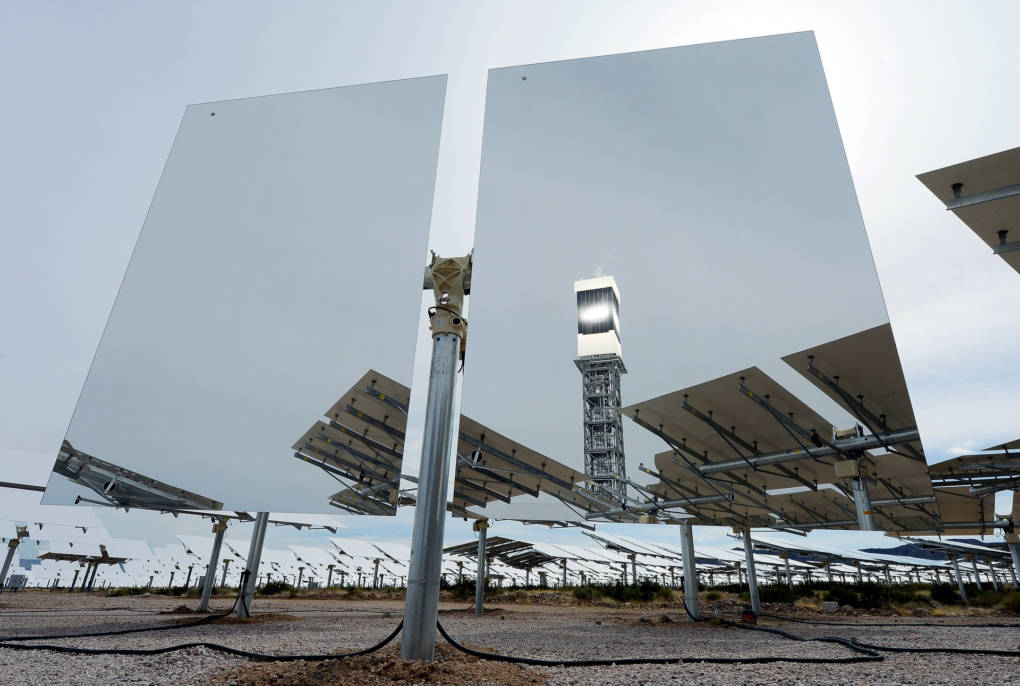
"caption": "The Ivanpah solar electric generating system is a solar power project built in the Nevada desert to help utilities comply with California's renewable energy rules.",
"description": null,
"title": "rs17822_gettyimages-476553971-qut",
"credit": "Ethan Miller/Getty Images",
"status": "inherit",
"isLoading": false,
"fetchFailed": false
}
},
"audioPlayerReducer": {
"postId": "stream_live",
"isPaused": true,
"isPlaying": false,
"pfsActive": false,
"pledgeModalIsOpen": true,
"playerDrawerIsOpen": false,
"liveAudioPlayStartedAt": 0,
"liveAudioPlayContext": ""
},
"authorsReducer": {
"byline_science_1932144": {
"type": "authors",
"id": "byline_science_1932144",
"meta": {
"override": true
},
"slug": "byline_science_1932144",
"name": "Ellen Knickmeyer\u003cbr />Associated Press",
"isLoading": false
},
"byline_science_1932110": {
"type": "authors",
"id": "byline_science_1932110",
"meta": {
"override": true
},
"slug": "byline_science_1932110",
"name": "Jim Heintz\u003cbr />David Keyton\u003cbr />The Associated Press",
"isLoading": false
},
"byline_science_1930568": {
"type": "authors",
"id": "byline_science_1930568",
"meta": {
"override": true
},
"slug": "byline_science_1930568",
"name": "Terence Chea\u003cbr />The Associated Press",
"isLoading": false
},
"byline_science_1930527": {
"type": "authors",
"id": "byline_science_1930527",
"meta": {
"override": true
},
"slug": "byline_science_1930527",
"name": "Christopher Joyce, NPR",
"isLoading": false
},
"byline_science_1930465": {
"type": "authors",
"id": "byline_science_1930465",
"meta": {
"override": true
},
"slug": "byline_science_1930465",
"name": "Jonathan J. Cooper\u003cbr />The Associated Press",
"isLoading": false
},
"cmiller": {
"type": "authors",
"id": "221",
"meta": {
"index": "authors_1716337520",
"id": "221",
"found": true
},
"name": "Craig Miller",
"firstName": "Craig",
"lastName": "Miller",
"slug": "cmiller",
"email": "craig@voxterra.net",
"display_author_email": false,
"staff_mastheads": [
"science"
],
"title": "Editor Emeritus, Science",
"bio": "Craig is a former KQED Science editor, specializing in weather, climate, water & energy issues, with a little seismology thrown in just to shake things up. Prior to that, he launched and led the station's award-winning multimedia project, Climate Watch. Craig is also an accomplished writer/producer of television documentaries, with a focus on natural resource issues.",
"avatar": "https://secure.gravatar.com/avatar/b91661df645e001a9cafe0861fa685f9?s=600&d=blank&r=g",
"twitter": "voxterra",
"facebook": null,
"instagram": null,
"linkedin": null,
"sites": [
{
"site": "news",
"roles": [
"author"
]
},
{
"site": "futureofyou",
"roles": [
"editor"
]
},
{
"site": "stateofhealth",
"roles": [
"author"
]
},
{
"site": "science",
"roles": [
"editor"
]
},
{
"site": "quest",
"roles": [
"editor"
]
}
],
"headData": {
"title": "Craig Miller | KQED",
"description": "Editor Emeritus, Science",
"ogImgSrc": "https://secure.gravatar.com/avatar/b91661df645e001a9cafe0861fa685f9?s=600&d=blank&r=g",
"twImgSrc": "https://secure.gravatar.com/avatar/b91661df645e001a9cafe0861fa685f9?s=600&d=blank&r=g"
},
"isLoading": false,
"link": "/author/cmiller"
},
"laurensommer": {
"type": "authors",
"id": "239",
"meta": {
"index": "authors_1716337520",
"id": "239",
"found": true
},
"name": "Lauren Sommer",
"firstName": "Lauren",
"lastName": "Sommer",
"slug": "laurensommer",
"email": "lsommer@kqed.org",
"display_author_email": false,
"staff_mastheads": [],
"title": "KQED Contributor",
"bio": "Lauren is a radio reporter formerly covering environment, water, and energy for KQED Science. As part of her day job, she has scaled Sierra Nevada peaks, run from charging elephant seals, and desperately tried to get her sea legs - all in pursuit of good radio. Her work has appeared on Marketplace, Living on Earth, Science Friday and NPR's Morning Edition and All Things Considered. You can find her on Twitter at \u003ca href=\"https://twitter.com/lesommer\">@lesommer\u003c/a>.",
"avatar": "https://secure.gravatar.com/avatar/33aa3772bb86c6ad45b8aca6a238bbdf?s=600&d=blank&r=g",
"twitter": null,
"facebook": null,
"instagram": null,
"linkedin": null,
"sites": [
{
"site": "news",
"roles": [
"author"
]
},
{
"site": "science",
"roles": [
"editor",
"manage_content_types",
"manage_taxonomies"
]
},
{
"site": "quest",
"roles": [
"editor"
]
}
],
"headData": {
"title": "Lauren Sommer | KQED",
"description": "KQED Contributor",
"ogImgSrc": "https://secure.gravatar.com/avatar/33aa3772bb86c6ad45b8aca6a238bbdf?s=600&d=blank&r=g",
"twImgSrc": "https://secure.gravatar.com/avatar/33aa3772bb86c6ad45b8aca6a238bbdf?s=600&d=blank&r=g"
},
"isLoading": false,
"link": "/author/laurensommer"
},
"sheraz-sadiq": {
"type": "authors",
"id": "6176",
"meta": {
"index": "authors_1716337520",
"id": "6176",
"found": true
},
"name": "Sheraz Sadiq",
"firstName": "Sheraz",
"lastName": "Sadiq",
"slug": "sheraz-sadiq",
"email": "ssadiq@kqed.org",
"display_author_email": false,
"staff_mastheads": [],
"title": "KQED Contributor",
"bio": "Sheraz Sadiq is an Emmy Award-winning producer at San Francisco PBS affiliate KQED. In 2012, he received the AAAS Kavli Science Journalism award for a story he produced about the seismic retrofit of the Hetch Hetchy water delivery system which serves the San Francisco Bay Area. In addition to producing television content for KQED Science, he has also created online features and written news articles on scientific subjects ranging from astronomy to synthetic biology.",
"avatar": "https://secure.gravatar.com/avatar/d88c61c214e477c4c6f0ebaed4f581bf7c9b1dafd94cd4361285d427107adb8d?s=600&d=blank&r=g",
"twitter": null,
"bluesky": null,
"facebook": null,
"instagram": null,
"linkedin": null,
"sites": [
{
"site": "arts",
"roles": [
"subscriber"
]
},
{
"site": "news",
"roles": [
"subscriber"
]
},
{
"site": "futureofyou",
"roles": [
"subscriber"
]
},
{
"site": "science",
"roles": [
"subscriber"
]
},
{
"site": "quest",
"roles": [
"leadcoordinator",
"subscriber"
]
}
],
"headData": {
"title": "Sheraz Sadiq | KQED",
"description": "KQED Contributor",
"ogImgSrc": "https://secure.gravatar.com/avatar/d88c61c214e477c4c6f0ebaed4f581bf7c9b1dafd94cd4361285d427107adb8d?s=600&d=blank&r=g",
"twImgSrc": "https://secure.gravatar.com/avatar/d88c61c214e477c4c6f0ebaed4f581bf7c9b1dafd94cd4361285d427107adb8d?s=600&d=blank&r=g"
},
"isLoading": false,
"link": "/author/sheraz-sadiq"
},
"kqedscience": {
"type": "authors",
"id": "6387",
"meta": {
"index": "authors_1716337520",
"id": "6387",
"found": true
},
"name": "KQED Science",
"firstName": "KQED",
"lastName": "Science",
"slug": "kqedscience",
"email": "kqedscience@gmail.com",
"display_author_email": false,
"staff_mastheads": [],
"title": null,
"bio": "KQED Science brings you award-winning science and environment coverage from the Bay Area and beyond by the flagship Northern California PBS and NPR affiliate.",
"avatar": "https://secure.gravatar.com/avatar/5a295ff49cf82a8c0f30937d3f788b2f?s=600&d=blank&r=g",
"twitter": null,
"facebook": null,
"instagram": null,
"linkedin": null,
"sites": [
{
"site": "science",
"roles": [
"contributor"
]
},
{
"site": "quest",
"roles": [
"editor"
]
},
{
"site": "food",
"roles": [
"contributor"
]
}
],
"headData": {
"title": "KQED Science | KQED",
"description": null,
"ogImgSrc": "https://secure.gravatar.com/avatar/5a295ff49cf82a8c0f30937d3f788b2f?s=600&d=blank&r=g",
"twImgSrc": "https://secure.gravatar.com/avatar/5a295ff49cf82a8c0f30937d3f788b2f?s=600&d=blank&r=g"
},
"isLoading": false,
"link": "/author/kqedscience"
},
"jscott": {
"type": "authors",
"id": "8664",
"meta": {
"index": "authors_1716337520",
"id": "8664",
"found": true
},
"name": "Julia Scott",
"firstName": "Julia",
"lastName": "Scott",
"slug": "jscott",
"email": "jscott@kqed.org",
"display_author_email": false,
"staff_mastheads": [],
"title": "KQED Contributor",
"bio": "Julia Scott is a former editor with KQED News. Prior to KQED, she was an editor with \u003cem>Crosscurrents\u003c/em> at KALW Radio in San Francisco. As a freelance reporter, she has filed stories for \u003cem>The California Report, Marketplace, Nautilus\u003c/em> and \u003cem>The New York Times Magazine.\u003c/em>\r\n\r\nPrior to her work in radio, Julia was an environmental reporter for the \u003cem>San Jose Mercury News\u003c/em> and Bay Area News Group, where her work was recognized with awards from the California Newspaper Publishers Association and the Society of Professional Journalists. Her radio honors include awards and citations from the Sony Radio Academy Awards and the National Lesbian and Gay Journalists Association.\r\n\r\nJulia hails from Montreal, Canada and lives in Oakland. She is the editor of the humor collection\u003cem> DRIVEL: Deliciously Bad Writing by Your Favorite Authors.\u003c/em>",
"avatar": "https://secure.gravatar.com/avatar/7fe25e0cf81dec2d4f74f1d4737a2871?s=600&d=blank&r=g",
"twitter": "juliascribe",
"facebook": null,
"instagram": null,
"linkedin": null,
"sites": [
{
"site": "",
"roles": [
"editor"
]
},
{
"site": "arts",
"roles": [
"administrator"
]
},
{
"site": "news",
"roles": [
"subscriber"
]
},
{
"site": "futureofyou",
"roles": [
"editor"
]
},
{
"site": "science",
"roles": [
"administrator"
]
}
],
"headData": {
"title": "Julia Scott | KQED",
"description": "KQED Contributor",
"ogImgSrc": "https://secure.gravatar.com/avatar/7fe25e0cf81dec2d4f74f1d4737a2871?s=600&d=blank&r=g",
"twImgSrc": "https://secure.gravatar.com/avatar/7fe25e0cf81dec2d4f74f1d4737a2871?s=600&d=blank&r=g"
},
"isLoading": false,
"link": "/author/jscott"
},
"aahmed": {
"type": "authors",
"id": "11428",
"meta": {
"index": "authors_1716337520",
"id": "11428",
"found": true
},
"name": "Amel Ahmed",
"firstName": "Amel",
"lastName": "Ahmed",
"slug": "aahmed",
"email": "aahmed@kqed.org",
"display_author_email": false,
"staff_mastheads": [],
"title": "KQED Contributor",
"bio": "Amel Ahmed is a reporter for KQED. Prior to joining KQED, Amel worked at Al Jazeera America, Al Jazeera English, Democracy Now! and Punched Productions. She also helped produce \u003cem>Changing Face of Harlem\u003c/em>, a documentary that tracked gentrification in Harlem over a period of ten years. She is a 2013 graduate of Brooklyn Law School and is currently researching war on terror prosecutions for an upcoming book.",
"avatar": "https://secure.gravatar.com/avatar/c8b48ebc98e770640f3013c470d23f3e?s=600&d=blank&r=g",
"twitter": "amelscript",
"facebook": null,
"instagram": null,
"linkedin": null,
"sites": [
{
"site": "futureofyou",
"roles": []
},
{
"site": "science",
"roles": []
}
],
"headData": {
"title": "Amel Ahmed | KQED",
"description": "KQED Contributor",
"ogImgSrc": "https://secure.gravatar.com/avatar/c8b48ebc98e770640f3013c470d23f3e?s=600&d=blank&r=g",
"twImgSrc": "https://secure.gravatar.com/avatar/c8b48ebc98e770640f3013c470d23f3e?s=600&d=blank&r=g"
},
"isLoading": false,
"link": "/author/aahmed"
}
},
"pagesReducer": {
"science_category_energy": {
"type": "terms",
"id": "science_33",
"meta": {
"index": "terms_1716263798",
"site": "science",
"id": "33",
"score": 12.797476
},
"featImg": null,
"name": "Energy",
"description": null,
"taxonomy": "category",
"headData": {
"twImgId": null,
"twTitle": null,
"ogTitle": null,
"ogImgId": null,
"twDescription": null,
"description": null,
"title": "Energy Archives | KQED Science",
"ogDescription": null
},
"ttid": 35,
"slug": "energy",
"isLoading": false,
"title": "Energy",
"pageMeta": {
"site": "science",
"WpPageTemplate": "page-topic-editorial",
"currentPage": 16
},
"blocks": [
{
"blockName": "kqed/post-list",
"attrs": {
"layout": "cardArticle2",
"query": "posts/science?category=energy",
"seeMore": false,
"paginated": true,
"page": 16
}
},
{
"blockName": "kqed/ad"
}
]
}
},
"pfsSessionReducer": {},
"postsReducer": {
"stream_live": {
"type": "live",
"id": "stream_live",
"audioUrl": "https://streams.kqed.org/kqedradio",
"title": "Live Stream",
"excerpt": "Live Stream information currently unavailable.",
"link": "/radio",
"featImg": "",
"label": {
"name": "KQED Live",
"link": "/"
}
},
"stream_kqedNewscast": {
"type": "posts",
"id": "stream_kqedNewscast",
"audioUrl": "https://www.kqed.org/.stream/anon/radio/RDnews/newscast.mp3?_=1",
"title": "KQED Newscast",
"featImg": "",
"label": {
"name": "88.5 FM",
"link": "/"
}
},
"science_1932144": {
"type": "posts",
"id": "science_1932144",
"meta": {
"index": "posts_1716263798",
"site": "science",
"id": "1932144",
"score": null,
"sort": [
1538515215000
]
},
"parent": 0,
"labelTerm": {},
"blocks": [],
"publishDate": 1538515215,
"format": "standard",
"title": "Trump Administration Relying on Questionable Science in Move to Weaken Radiation Rules",
"headTitle": "Trump Administration Relying on Questionable Science in Move to Weaken Radiation Rules | KQED",
"content": "\u003cp>The Trump administration is quietly moving to weaken U.S. radiation regulations, turning to scientific outliers who argue that a bit of radiation damage is actually good for you — like a little bit of sunlight.\u003c/p>\n\u003caside class=\"alignright\">A recent meta-study supports the principle that even low doses of radiation can cause a significant increase in cancer rates. But the Trump administration is turning to scientific outliers who question that consensus.\u003c/aside>\n\u003cp>The government’s current, decades-old guidance says that any exposure to harmful radiation is a cancer risk. And critics say the proposed change could lead to higher levels of exposure for workers at nuclear installations and oil and gas drilling sites, medical workers doing X-rays and CT scans, people living next to Superfund sites and any members of the public who one day might find themselves exposed to a radiation release.\u003c/p>\n\u003cp>The Trump administration already has targeted a range of other regulations on toxins and pollutants, including coal power plant emissions and car exhaust, that it sees as costly and burdensome for businesses. Supporters of the EPA’s new radiation guidance argue the government’s current no-tolerance rule for radiation damage forces unnecessary spending for handling exposure in accidents, at nuclear plants, in medical centers and at other sites.\u003c/p>\n\u003cp>“This would have a positive effect on human health as well as save billions and billions and billions of dollars,” Edward Calabrese, a toxicologist at the University of Massachusetts, said in 2016. He was to be the lead witness at a congressional hearing Wednesday on EPA’s push for what it calls transparency in science.\u003c/p>\n\u003cp>The proposed rule would require regulators to consider “various threshold models across the exposure range” when it comes to dangerous substances.\u003c/p>\n\u003cp>[ad fullwidth]\u003c/p>\n\u003cp>While it does not specify that it’s addressing radiation and chemicals, an EPA news release on the rule quotes Calabrese as saying it would: “The proposal represents a major scientific step forward by recognizing the widespread occurrence of non-linear dose responses in toxicology and epidemiology for chemicals and radiation and the need to incorporate such data in the risk assessment process.”\u003c/p>\n\u003cp>The comment period for the science regulation has ended and the agency is currently reviewing the comments. There’s no specific date for final action by the administration. The EPA declined to make an official with its radiation-protection program available.\u003c/p>\n\u003cp>Radiation is everywhere, from potassium in bananas to the microwaves popping our popcorn. Most of it is benign. But what’s of concern is the higher-energy, shorter-wave radiation, like X-rays, that can penetrate and disrupt living cells, sometimes causing cancer.\u003c/p>\n\u003cp>As recently as this March, the EPA’s online guidelines for radiation effects advised: “Current science suggests there is some cancer risk from any exposure to radiation.”\u003c/p>\n\u003cp>“Even exposures below 100 millisieverts” — an amount roughly equivalent to 25 chest X-rays or about 14 CT chest scans — “slightly increase the risk of getting cancer in the future,” the agency’s guidance said.\u003c/p>\n\u003cp>But that online guidance — separate from the rule-change proposal — was edited in July to add a section emphasizing the low individual odds of cancer: “According to radiation safety experts, radiation exposures of …100 millisieverts usually result in no harmful health effects, because radiation below these levels is a minor contributor to our overall cancer risk,” the revised policy says.\u003c/p>\n\u003cp>Calabrese and his supporters argue that smaller exposures of cell-damaging radiation and other carcinogens can serve as stressors that activate the body’s repair mechanisms and can make people healthier. They compare it to physical exercise or sunlight.\u003c/p>\n\u003cp>Mainstream scientific consensus on radiation is based on deceptive science, says Calabrese, who argued in a 2014 essay for “righting the past deceptions and correcting the ongoing errors in environmental regulation.”\u003c/p>\n\u003cp>EPA spokesman John Konkus said in an email that the proposed rule change is about “increasing transparency on assumptions” about how the body responds to different doses of dangerous substances and that the agency “acknowledges uncertainty regarding health effects at low doses” and supports more research on that.\u003cbr>\nThe radiation regulation is supported by Steven Milloy, a Trump transition team member for the EPA who is known for challenging widely accepted ideas about manmade climate change and the health risks of tobacco. He has been promoting Calabrese’s theory of healthy radiation on his blog.\u003c/p>\n\u003cp>But Jan Beyea, a physicist whose work includes research with the National Academies of Science on the 2011 Fukushima nuclear power plant accident, said the EPA science proposal represents voices “generally dismissed by the great bulk of scientists.”\u003c/p>\n\u003cp>The EPA proposal would lead to “increases in chemical and radiation exposures in the workplace, home and outdoor environment, including the vicinity of Superfund sites,” Beyea wrote.\u003c/p>\n\u003cp>At the level the EPA website talks about, any one person’s risk of cancer from radiation exposure is perhaps 1 percent, Beyea said.\u003c/p>\n\u003cp>“The individual risk will likely be low, but not the cumulative social risk,” Beyea said.\u003c/p>\n\u003cp>“If they even look at that — no, no, no,” said Terrie Barrie, a resident of Craig, Colorado, and an advocate for her husband and other workers at the now-closed Rocky Flats nuclear-weapons plant, where the U.S. government is compensating certain cancer victims regardless of their history of exposure.\u003c/p>\n\u003cp>“There’s no reason not to protect people as much as possible,” said Barrie.\u003c/p>\n\u003cp>U.S. agencies for decades have followed a policy that there is no threshold of radiation exposure that is risk-free.\u003c/p>\n\u003cp>The National Council on Radiation Protection and Measurements reaffirmed that principle this year after a review of 29 public health studies on cancer rates among people exposed to low-dose radiation, via the U.S. atomic bombing of Japan in World War II, leak-prone Soviet nuclear installations, medical treatments and other sources.\u003c/p>\n\u003cp>Twenty of the 29 studies directly support the principle that even low-dose exposures cause a significant increase in cancer rates, said Roy Shore, chief of research at the Radiation Effects Research Foundation, a joint project of the United States and Japan. Scientists found most of the other studies were inconclusive and decided one was flawed.\u003c/p>\n\u003cp>None supported the theory there is some safe threshold for radiation, said Shore, who chaired the review.\u003c/p>\n\u003cp>If there were a threshold that it’s safe to go below, “those who profess that would have to come up with some data,”\u003cbr>\nShore said in an interview.\u003c/p>\n\u003cp>“Certainly the evidence did not point that way,” he said.\u003c/p>\n\u003cp>The U.S. Food and Drug Administration, which regulates electronic devices that emit radiation, advises, broadly, that a single CT scan with a dose of 10 millisieverts may increase risks of a fatal cancer by about 1 chance in 2,000.\u003c/p>\n\u003cp>Supporters of the proposal say it’s time to rethink radiation regulation.\u003c/p>\n\u003cp>[ad floatright]\u003c/p>\n\u003cp>“Right now we spend an enormous effort trying to minimize low doses” at nuclear power plants, for example, said Brant Ulsh, a physicist with the California-based consulting firm M.H. Chew and Associates. “Instead, let’s spend the resources on minimizing the effect of a really big event.”\u003c/p>\n\n",
"stats": {
"hasVideo": false,
"hasChartOrMap": false,
"hasAudio": false,
"hasPolis": false,
"wordCount": 1243,
"hasGoogleForm": false,
"hasGallery": false,
"hasHearkenModule": false,
"iframeSrcs": [],
"paragraphCount": 31
},
"modified": 1704927437,
"excerpt": "The Trump administration is quietly moving to weaken U.S. radiation regulations, turning to scientific outliers who argue that a bit of radiation damage is actually good for you — like a little bit of sunlight",
"headData": {
"twImgId": "",
"twTitle": "",
"ogTitle": "",
"ogImgId": "",
"twDescription": "",
"description": "The Trump administration is quietly moving to weaken U.S. radiation regulations, turning to scientific outliers who argue that a bit of radiation damage is actually good for you — like a little bit of sunlight",
"title": "Trump Administration Relying on Questionable Science in Move to Weaken Radiation Rules | KQED",
"ogDescription": "",
"schema": {
"@context": "https://schema.org",
"@type": "Article",
"headline": "Trump Administration Relying on Questionable Science in Move to Weaken Radiation Rules",
"datePublished": "2018-10-02T14:20:15-07:00",
"dateModified": "2024-01-10T14:57:17-08:00",
"image": "https://cdn.kqed.org/wp-content/uploads/2020/02/KQED-OG-Image@1x.png"
}
},
"guestAuthors": [],
"slug": "trump-administration-turns-to-scientific-outliers-in-moving-to-weaken-radiation-rules",
"status": "publish",
"nprByline": "Ellen Knickmeyer\u003cbr />Associated Press",
"sticky": false,
"source": "Health",
"path": "/science/1932144/trump-administration-turns-to-scientific-outliers-in-moving-to-weaken-radiation-rules",
"audioTrackLength": null,
"parsedContent": [
{
"type": "contentString",
"content": "\u003cdiv class=\"post-body\">\u003cp>\u003cp>The Trump administration is quietly moving to weaken U.S. radiation regulations, turning to scientific outliers who argue that a bit of radiation damage is actually good for you — like a little bit of sunlight.\u003c/p>\n\u003caside class=\"alignright\">A recent meta-study supports the principle that even low doses of radiation can cause a significant increase in cancer rates. But the Trump administration is turning to scientific outliers who question that consensus.\u003c/aside>\n\u003cp>The government’s current, decades-old guidance says that any exposure to harmful radiation is a cancer risk. And critics say the proposed change could lead to higher levels of exposure for workers at nuclear installations and oil and gas drilling sites, medical workers doing X-rays and CT scans, people living next to Superfund sites and any members of the public who one day might find themselves exposed to a radiation release.\u003c/p>\n\u003cp>The Trump administration already has targeted a range of other regulations on toxins and pollutants, including coal power plant emissions and car exhaust, that it sees as costly and burdensome for businesses. Supporters of the EPA’s new radiation guidance argue the government’s current no-tolerance rule for radiation damage forces unnecessary spending for handling exposure in accidents, at nuclear plants, in medical centers and at other sites.\u003c/p>\n\u003cp>“This would have a positive effect on human health as well as save billions and billions and billions of dollars,” Edward Calabrese, a toxicologist at the University of Massachusetts, said in 2016. He was to be the lead witness at a congressional hearing Wednesday on EPA’s push for what it calls transparency in science.\u003c/p>\n\u003cp>The proposed rule would require regulators to consider “various threshold models across the exposure range” when it comes to dangerous substances.\u003c/p>\n\u003cp>\u003c/p>\u003c/div>",
"attributes": {
"named": {},
"numeric": []
}
},
{
"type": "component",
"content": "",
"name": "ad",
"attributes": {
"named": {
"label": "fullwidth"
},
"numeric": [
"fullwidth"
]
}
},
{
"type": "contentString",
"content": "\u003cdiv class=\"post-body\">\u003cp>\u003c/p>\n\u003cp>While it does not specify that it’s addressing radiation and chemicals, an EPA news release on the rule quotes Calabrese as saying it would: “The proposal represents a major scientific step forward by recognizing the widespread occurrence of non-linear dose responses in toxicology and epidemiology for chemicals and radiation and the need to incorporate such data in the risk assessment process.”\u003c/p>\n\u003cp>The comment period for the science regulation has ended and the agency is currently reviewing the comments. There’s no specific date for final action by the administration. The EPA declined to make an official with its radiation-protection program available.\u003c/p>\n\u003cp>Radiation is everywhere, from potassium in bananas to the microwaves popping our popcorn. Most of it is benign. But what’s of concern is the higher-energy, shorter-wave radiation, like X-rays, that can penetrate and disrupt living cells, sometimes causing cancer.\u003c/p>\n\u003cp>As recently as this March, the EPA’s online guidelines for radiation effects advised: “Current science suggests there is some cancer risk from any exposure to radiation.”\u003c/p>\n\u003cp>“Even exposures below 100 millisieverts” — an amount roughly equivalent to 25 chest X-rays or about 14 CT chest scans — “slightly increase the risk of getting cancer in the future,” the agency’s guidance said.\u003c/p>\n\u003cp>But that online guidance — separate from the rule-change proposal — was edited in July to add a section emphasizing the low individual odds of cancer: “According to radiation safety experts, radiation exposures of …100 millisieverts usually result in no harmful health effects, because radiation below these levels is a minor contributor to our overall cancer risk,” the revised policy says.\u003c/p>\n\u003cp>Calabrese and his supporters argue that smaller exposures of cell-damaging radiation and other carcinogens can serve as stressors that activate the body’s repair mechanisms and can make people healthier. They compare it to physical exercise or sunlight.\u003c/p>\n\u003cp>Mainstream scientific consensus on radiation is based on deceptive science, says Calabrese, who argued in a 2014 essay for “righting the past deceptions and correcting the ongoing errors in environmental regulation.”\u003c/p>\n\u003cp>EPA spokesman John Konkus said in an email that the proposed rule change is about “increasing transparency on assumptions” about how the body responds to different doses of dangerous substances and that the agency “acknowledges uncertainty regarding health effects at low doses” and supports more research on that.\u003cbr>\nThe radiation regulation is supported by Steven Milloy, a Trump transition team member for the EPA who is known for challenging widely accepted ideas about manmade climate change and the health risks of tobacco. He has been promoting Calabrese’s theory of healthy radiation on his blog.\u003c/p>\n\u003cp>But Jan Beyea, a physicist whose work includes research with the National Academies of Science on the 2011 Fukushima nuclear power plant accident, said the EPA science proposal represents voices “generally dismissed by the great bulk of scientists.”\u003c/p>\n\u003cp>The EPA proposal would lead to “increases in chemical and radiation exposures in the workplace, home and outdoor environment, including the vicinity of Superfund sites,” Beyea wrote.\u003c/p>\n\u003cp>At the level the EPA website talks about, any one person’s risk of cancer from radiation exposure is perhaps 1 percent, Beyea said.\u003c/p>\n\u003cp>“The individual risk will likely be low, but not the cumulative social risk,” Beyea said.\u003c/p>\n\u003cp>“If they even look at that — no, no, no,” said Terrie Barrie, a resident of Craig, Colorado, and an advocate for her husband and other workers at the now-closed Rocky Flats nuclear-weapons plant, where the U.S. government is compensating certain cancer victims regardless of their history of exposure.\u003c/p>\n\u003cp>“There’s no reason not to protect people as much as possible,” said Barrie.\u003c/p>\n\u003cp>U.S. agencies for decades have followed a policy that there is no threshold of radiation exposure that is risk-free.\u003c/p>\n\u003cp>The National Council on Radiation Protection and Measurements reaffirmed that principle this year after a review of 29 public health studies on cancer rates among people exposed to low-dose radiation, via the U.S. atomic bombing of Japan in World War II, leak-prone Soviet nuclear installations, medical treatments and other sources.\u003c/p>\n\u003cp>Twenty of the 29 studies directly support the principle that even low-dose exposures cause a significant increase in cancer rates, said Roy Shore, chief of research at the Radiation Effects Research Foundation, a joint project of the United States and Japan. Scientists found most of the other studies were inconclusive and decided one was flawed.\u003c/p>\n\u003cp>None supported the theory there is some safe threshold for radiation, said Shore, who chaired the review.\u003c/p>\n\u003cp>If there were a threshold that it’s safe to go below, “those who profess that would have to come up with some data,”\u003cbr>\nShore said in an interview.\u003c/p>\n\u003cp>“Certainly the evidence did not point that way,” he said.\u003c/p>\n\u003cp>The U.S. Food and Drug Administration, which regulates electronic devices that emit radiation, advises, broadly, that a single CT scan with a dose of 10 millisieverts may increase risks of a fatal cancer by about 1 chance in 2,000.\u003c/p>\n\u003cp>Supporters of the proposal say it’s time to rethink radiation regulation.\u003c/p>\n\u003cp>\u003c/p>\u003c/div>",
"attributes": {
"named": {},
"numeric": []
}
},
{
"type": "component",
"content": "",
"name": "ad",
"attributes": {
"named": {
"label": "floatright"
},
"numeric": [
"floatright"
]
}
},
{
"type": "contentString",
"content": "\u003cdiv class=\"post-body\">\u003cp>\u003c/p>\n\u003cp>“Right now we spend an enormous effort trying to minimize low doses” at nuclear power plants, for example, said Brant Ulsh, a physicist with the California-based consulting firm M.H. Chew and Associates. “Instead, let’s spend the resources on minimizing the effect of a really big event.”\u003c/p>\n\n\u003c/div>\u003c/p>",
"attributes": {
"named": {},
"numeric": []
}
}
],
"link": "/science/1932144/trump-administration-turns-to-scientific-outliers-in-moving-to-weaken-radiation-rules",
"authors": [
"byline_science_1932144"
],
"categories": [
"science_30",
"science_33",
"science_3151",
"science_39",
"science_40"
],
"featImg": "science_1932147",
"label": "source_science_1932144"
},
"science_1932110": {
"type": "posts",
"id": "science_1932110",
"meta": {
"index": "posts_1716263798",
"site": "science",
"id": "1932110",
"score": null,
"sort": [
1538494976000
]
},
"parent": 0,
"labelTerm": {},
"blocks": [],
"publishDate": 1538494976,
"format": "standard",
"title": "Nobel Prize Awarded to Three Scientists for 'Revolutionary' Laser Work",
"headTitle": "Nobel Prize Awarded to Three Scientists for ‘Revolutionary’ Laser Work | KQED",
"content": "\u003cp>Three scientists from the United States, Canada and France won the Nobel Prize in physics Tuesday for work with lasers described as revolutionary and bringing science fiction into reality.[contextly_sidebar id=”jq40ypDWzKXI8jMZGlIRqtcW0NcSar0D”]\u003c/p>\n\u003cp>The American, Arthur Ashkin of Bell Laboratories in New Jersey, entered the record books of the Nobel Prizes by becoming the oldest laureate at age 96. Donna Strickland, of the University of Waterloo in Canada, became the first woman to win a Nobel in three years and is only the third to have won the prize for physics.\u003c/p>\n\u003cp>Frenchman Gerard Mourou of the Ecole Polytechnique and University of Michigan will share half of the 9 million kronor ($1.01 million) the prize carries with Strickland; Ashkin gets the other half.\u003c/p>\n\u003cp>Sweden’s Royal Academy of Sciences, which chose the winners, said Ashkin’s development of “optical tweezers” that can grab tiny particles such as viruses without damaging them realized “an old dream of science fiction — using the radiation pressure of light to move physical objects.”[contextly_sidebar id=”OcCGWMZ4drTymQFYLnYmfScY6gGEwfex”]\u003c/p>\n\u003cp>The tweezers are “extremely important for measuring small forces on individual molecules, small objects, and this has been very interesting in biology, to understand how things like muscle tissue work, what are the molecule motors behind the muscle tissue,” said David Haviland of the academy’s Nobel committee.\u003c/p>\n\u003cp>[ad fullwidth]\u003c/p>\n\u003cp>Strickland and Mourou helped develop short and intense laser pulses that have broad industrial and medical applications, including laser eye surgery and highly precise machine cutting. The academy said their 1985 article on the technique was “revolutionary.”\u003c/p>\n\u003cp>“With the technique we have developed, laser power has been increased about a million times, maybe even a billion,” Mourou said in a video statement released by Ecole Polytechnique.\u003c/p>\n\u003cp>Strickland’s award was the first Nobel Prize in physics to go to a woman since 1963, when it was won by Maria Goeppert-Mayer; the only other woman to win for physics was Marie Curie in 1903.\u003c/p>\n\u003cp>“Obviously, we need to celebrate women physicists because we’re out there. And hopefully in time, it’ll start to move forward at a faster rate, maybe,” Strickland said in a phone call with the academy after the prize announcement.\u003c/p>\n\u003cp>Michael Moloney, CEO of the American Institute of Physics, praised all the laureates.\u003c/p>\n\u003cp>“It is also a personal delight to see Dr. Strickland break the 55-year hiatus since a woman has been awarded a Nobel Prize in physics, making this year’s award all the more historic,” Moloney said.[contextly_sidebar id=”PoGoICOUkDjybTx2hvmndiihlXPGZcU9″]\u003c/p>\n\u003cp>He credited the work of all three with “expanding what is possible at the extremes of time, space and forms of matter.”\u003c/p>\n\u003cp>Ashkin’s tweezers can be used to hold and manipulate proteins, DNA and other biomolecules to study their mechanical properties or stimulate them, said Erwin Peterman, a physicist at Vrije Universiteit Amsterdam, who called the award “a great recognition for this visionary scientist who was ahead of his time.”\u003c/p>\n\u003cp>On Monday, American James Allison and Japan’s Tasuku Honjo won the Nobel medicine prize for groundbreaking work in fighting cancer with the body’s own immune system.\u003c/p>\n\u003cp>The winner or winners of the Nobel chemistry prize will be announced Wednesday, followed by the peace prize on Friday. The economics prize, which is not technically a Nobel, will be announced Oct. 8.\u003c/p>\n\u003cp>___\u003c/p>\n\u003cp>\u003c/p>\n\u003cp>Heintz reported from Moscow. Malcolm Ritter in New York, Samuel Petrequin in Paris and Frank Jordans in Berlin contributed.\u003c/p>\n\n",
"stats": {
"hasVideo": false,
"hasChartOrMap": false,
"hasAudio": false,
"hasPolis": false,
"wordCount": 605,
"hasGoogleForm": false,
"hasGallery": false,
"hasHearkenModule": false,
"iframeSrcs": [],
"paragraphCount": 19
},
"modified": 1704927440,
"excerpt": "The American winner, Arthur Ashkin of Bell Laboratories in New Jersey, entered the record books of the Nobel Prizes by becoming the oldest laureate at age 96. ",
"headData": {
"twImgId": "",
"twTitle": "",
"ogTitle": "",
"ogImgId": "",
"twDescription": "",
"description": "The American winner, Arthur Ashkin of Bell Laboratories in New Jersey, entered the record books of the Nobel Prizes by becoming the oldest laureate at age 96. ",
"title": "Nobel Prize Awarded to Three Scientists for 'Revolutionary' Laser Work | KQED",
"ogDescription": "",
"schema": {
"@context": "https://schema.org",
"@type": "Article",
"headline": "Nobel Prize Awarded to Three Scientists for 'Revolutionary' Laser Work",
"datePublished": "2018-10-02T08:42:56-07:00",
"dateModified": "2024-01-10T14:57:20-08:00",
"image": "https://cdn.kqed.org/wp-content/uploads/2020/02/KQED-OG-Image@1x.png"
}
},
"guestAuthors": [],
"slug": "nobel-awarded-to-scientists-from-u-s-france-canada-for-revolutionary-laser-work",
"status": "publish",
"nprByline": "Jim Heintz\u003cbr />David Keyton\u003cbr />The Associated Press",
"sticky": false,
"source": "Events",
"path": "/science/1932110/nobel-awarded-to-scientists-from-u-s-france-canada-for-revolutionary-laser-work",
"audioTrackLength": null,
"parsedContent": [
{
"type": "contentString",
"content": "\u003cdiv class=\"post-body\">\u003cp>\u003cp>Three scientists from the United States, Canada and France won the Nobel Prize in physics Tuesday for work with lasers described as revolutionary and bringing science fiction into reality.\u003c/p>\u003cp>\u003c/p>\u003cp>\u003c/p>\n\u003cp>The American, Arthur Ashkin of Bell Laboratories in New Jersey, entered the record books of the Nobel Prizes by becoming the oldest laureate at age 96. Donna Strickland, of the University of Waterloo in Canada, became the first woman to win a Nobel in three years and is only the third to have won the prize for physics.\u003c/p>\n\u003cp>Frenchman Gerard Mourou of the Ecole Polytechnique and University of Michigan will share half of the 9 million kronor ($1.01 million) the prize carries with Strickland; Ashkin gets the other half.\u003c/p>\n\u003cp>Sweden’s Royal Academy of Sciences, which chose the winners, said Ashkin’s development of “optical tweezers” that can grab tiny particles such as viruses without damaging them realized “an old dream of science fiction — using the radiation pressure of light to move physical objects.”\u003c/p>\u003cp>\u003c/p>\u003cp>\u003c/p>\n\u003cp>The tweezers are “extremely important for measuring small forces on individual molecules, small objects, and this has been very interesting in biology, to understand how things like muscle tissue work, what are the molecule motors behind the muscle tissue,” said David Haviland of the academy’s Nobel committee.\u003c/p>\n\u003cp>\u003c/p>\u003c/div>",
"attributes": {
"named": {},
"numeric": []
}
},
{
"type": "component",
"content": "",
"name": "ad",
"attributes": {
"named": {
"label": "fullwidth"
},
"numeric": [
"fullwidth"
]
}
},
{
"type": "contentString",
"content": "\u003cdiv class=\"post-body\">\u003cp>\u003c/p>\n\u003cp>Strickland and Mourou helped develop short and intense laser pulses that have broad industrial and medical applications, including laser eye surgery and highly precise machine cutting. The academy said their 1985 article on the technique was “revolutionary.”\u003c/p>\n\u003cp>“With the technique we have developed, laser power has been increased about a million times, maybe even a billion,” Mourou said in a video statement released by Ecole Polytechnique.\u003c/p>\n\u003cp>Strickland’s award was the first Nobel Prize in physics to go to a woman since 1963, when it was won by Maria Goeppert-Mayer; the only other woman to win for physics was Marie Curie in 1903.\u003c/p>\n\u003cp>“Obviously, we need to celebrate women physicists because we’re out there. And hopefully in time, it’ll start to move forward at a faster rate, maybe,” Strickland said in a phone call with the academy after the prize announcement.\u003c/p>\n\u003cp>Michael Moloney, CEO of the American Institute of Physics, praised all the laureates.\u003c/p>\n\u003cp>“It is also a personal delight to see Dr. Strickland break the 55-year hiatus since a woman has been awarded a Nobel Prize in physics, making this year’s award all the more historic,” Moloney said.\u003c/p>\u003cp>\u003c/p>\u003cp>\u003c/p>\n\u003cp>He credited the work of all three with “expanding what is possible at the extremes of time, space and forms of matter.”\u003c/p>\n\u003cp>Ashkin’s tweezers can be used to hold and manipulate proteins, DNA and other biomolecules to study their mechanical properties or stimulate them, said Erwin Peterman, a physicist at Vrije Universiteit Amsterdam, who called the award “a great recognition for this visionary scientist who was ahead of his time.”\u003c/p>\n\u003cp>On Monday, American James Allison and Japan’s Tasuku Honjo won the Nobel medicine prize for groundbreaking work in fighting cancer with the body’s own immune system.\u003c/p>\n\u003cp>The winner or winners of the Nobel chemistry prize will be announced Wednesday, followed by the peace prize on Friday. The economics prize, which is not technically a Nobel, will be announced Oct. 8.\u003c/p>\n\u003cp>___\u003c/p>\n\u003cp>\u003c/p>\n\u003cp>Heintz reported from Moscow. Malcolm Ritter in New York, Samuel Petrequin in Paris and Frank Jordans in Berlin contributed.\u003c/p>\n\n\u003c/div>\u003c/p>",
"attributes": {
"named": {},
"numeric": []
}
}
],
"link": "/science/1932110/nobel-awarded-to-scientists-from-u-s-france-canada-for-revolutionary-laser-work",
"authors": [
"byline_science_1932110"
],
"categories": [
"science_33",
"science_37",
"science_40",
"science_42"
],
"tags": [
"science_1943",
"science_672",
"science_309"
],
"featImg": "science_1932113",
"label": "source_science_1932110"
},
"science_1931644": {
"type": "posts",
"id": "science_1931644",
"meta": {
"index": "posts_1716263798",
"site": "science",
"id": "1931644",
"score": null,
"sort": [
1537772487000
]
},
"parent": 0,
"labelTerm": {},
"blocks": [],
"publishDate": 1537772487,
"format": "audio",
"title": "Jerry Brown Orders California to Go Carbon Neutral by 2045. Is That Even Possible?",
"headTitle": "Jerry Brown Orders California to Go Carbon Neutral by 2045. Is That Even Possible? | KQED",
"content": "\u003cp>Gov. Jerry Brown, who has made climate preparedness a linchpin of his administration, issued a bold \u003ca href=\"https://www.gov.ca.gov/wp-content/uploads/2018/09/9.10.18-Executive-Order.pdf\" target=\"_blank\" rel=\"noopener\">executive order\u003c/a> during the recent \u003ca href=\"https://www.kqed.org/science/1931186/live-blog-bringing-you-the-global-climate-action-summit\" target=\"_blank\" rel=\"noopener\">Climate Action Summit\u003c/a> in San Francisco.\u003c/p>\n\u003caside class=\"alignright\">‘I mean, if we’re talking about taking emissions out of driving, that sounds like doing away with the combustion engine.’ \n\u003cp>‘Well, exactly.’\u003c/p>\u003c/aside>\n\u003cp>Brown is calling for the entire California economy to become carbon-neutral by 2045. That would mean deploying a combination of new technologies to vastly reduce the release of carbon dioxide and other greenhouse gases, plus the widespread implementation of methods to capture the rest, so that the state’s net release of emissions already altering the climate in devastating ways would be zero.\u003c/p>\n\u003cp>Vox energy and climate reporter David Roberts \u003ca href=\"https://www.vox.com/energy-and-environment/2018/9/11/17844896/california-jerry-brown-carbon-neutral-2045-climate-change\" target=\"_blank\" rel=\"noopener\">called\u003c/a> Brown’s announcement “surprising, strange, and stunning.”\u003c/p>\n\u003cp>But is it doable? KQED’s Brian Watt spoke with Sally Benson, co-director of Stanford’s Precourt Institute for Energy, to find out. The following is edited for length and clarity.\u003c/p>\n\u003cp>\u003cstrong>The governor called for California to be carbon neutral by 2015. What does that mean? No plastic cups, no disposable diapers? Will I be able to use paper towels?\u003c/strong>\u003c/p>\n\u003cp>\u003cstrong>Benson:\u003c/strong> Well, if we make them exactly like we do today, the answer would probably be no. We have to find completely different ways to make a lot of the products we use.\u003c/p>\n\u003cp>Plastics, for instance, come from petrochemicals — oil and gas. In the future we’re going to need to find new ways to do that. We might use \u003ca href=\"https://www.corbion.com/media/550170/corbion_whitepaper_feedstock_sourcing_11.pdf\" target=\"_blank\" rel=\"noopener\">biological feedstocks\u003c/a>. We have some other ideas about sophisticated chemistry that takes carbon dioxide from the atmosphere, together with water and 100 percent clean energy, and synthesizes plastics. That’s a long way from now, but the seeds of those innovations are actually here today.\u003c/p>\n\u003cp>\u003cem>\u003ca href=\"https://www.kqed.org/science/1931512/climate-summit-what-happened-and-what-it-means\" target=\"_blank\" rel=\"noopener\">Climate Summit: What Happened and What Does It Mean?\u003c/a>\u003c/em>\u003c/p>\n\u003cp>\u003cstrong>But this has to apply to the whole economy, right? I mean, if we’re talking about taking emissions out of driving, that sounds like doing away with the combustion engine.\u003c/strong>\u003c/p>\n\u003cp>\u003cstrong>Benson:\u003c/strong> Well, exactly. So the strategy will be to electrify everything you can. And then the next thing is to address all those emissions you can’t get rid of, things like making cement and airline travel, where it’s hard to find substitutes.\u003c/p>\n\u003cp>For those, we need to think about capturing the carbon dioxide that’s emitted, then sequestering it in underground formations like oil and gas reservoirs, which California’s got a lot of. We can also plant more forests and change our agricultural practices to store more carbon in the soil.\u003c/p>\n\u003cp>But we’re talking about sweeping changes across the entire landscape of how we use energy today.\u003c/p>\n\u003cp>\u003cstrong>Just between you and me, is this realistic?\u003c/strong>\u003c/p>\n\u003cp>\u003cstrong>Benson: \u003c/strong>Well, I would say it’s aspirational. And also realistic. You know 100 percent is really hard, and we’re going to have to make major technological changes in order to achieve this. And no doubt, if California’s successful, we will be on the leading or perhaps bleeding edge of those kind of new technologies.\u003c/p>\n\u003cp>[ad fullwidth]\u003c/p>\n\u003cp>\u003c/p>\n",
"stats": {
"hasVideo": false,
"hasChartOrMap": false,
"hasAudio": false,
"hasPolis": false,
"wordCount": 544,
"hasGoogleForm": false,
"hasGallery": false,
"hasHearkenModule": false,
"iframeSrcs": [],
"paragraphCount": 17
},
"modified": 1704927468,
"excerpt": "One climate reporter said Brown's executive order calling for the state's net release of greenhouse gases was 'surprising, strange, and stunning.' But is it doable?",
"headData": {
"twImgId": "",
"twTitle": "",
"ogTitle": "",
"ogImgId": "",
"twDescription": "",
"description": "One climate reporter said Brown's executive order calling for the state's net release of greenhouse gases was 'surprising, strange, and stunning.' But is it doable?",
"title": "Jerry Brown Orders California to Go Carbon Neutral by 2045. Is That Even Possible? | KQED",
"ogDescription": "",
"schema": {
"@context": "https://schema.org",
"@type": "Article",
"headline": "Jerry Brown Orders California to Go Carbon Neutral by 2045. Is That Even Possible?",
"datePublished": "2018-09-24T00:01:27-07:00",
"dateModified": "2024-01-10T14:57:48-08:00",
"image": "https://cdn.kqed.org/wp-content/uploads/2020/02/KQED-OG-Image@1x.png"
}
},
"guestAuthors": [],
"slug": "jerry-brown-has-directed-california-to-go-carbon-neutral-by-2045-is-that-even-possible",
"status": "publish",
"audioUrl": "https://www.kqed.org/.stream/anon/radio/science/2018/09/Watt2wayCarbonNeutral.mp3",
"sticky": false,
"source": "Climate",
"path": "/science/1931644/jerry-brown-has-directed-california-to-go-carbon-neutral-by-2045-is-that-even-possible",
"audioTrackLength": null,
"parsedContent": [
{
"type": "contentString",
"content": "\u003cdiv class=\"post-body\">\u003cp>\u003cp>Gov. Jerry Brown, who has made climate preparedness a linchpin of his administration, issued a bold \u003ca href=\"https://www.gov.ca.gov/wp-content/uploads/2018/09/9.10.18-Executive-Order.pdf\" target=\"_blank\" rel=\"noopener\">executive order\u003c/a> during the recent \u003ca href=\"https://www.kqed.org/science/1931186/live-blog-bringing-you-the-global-climate-action-summit\" target=\"_blank\" rel=\"noopener\">Climate Action Summit\u003c/a> in San Francisco.\u003c/p>\n\u003caside class=\"alignright\">‘I mean, if we’re talking about taking emissions out of driving, that sounds like doing away with the combustion engine.’ \n\u003cp>‘Well, exactly.’\u003c/p>\u003c/aside>\n\u003cp>Brown is calling for the entire California economy to become carbon-neutral by 2045. That would mean deploying a combination of new technologies to vastly reduce the release of carbon dioxide and other greenhouse gases, plus the widespread implementation of methods to capture the rest, so that the state’s net release of emissions already altering the climate in devastating ways would be zero.\u003c/p>\n\u003cp>Vox energy and climate reporter David Roberts \u003ca href=\"https://www.vox.com/energy-and-environment/2018/9/11/17844896/california-jerry-brown-carbon-neutral-2045-climate-change\" target=\"_blank\" rel=\"noopener\">called\u003c/a> Brown’s announcement “surprising, strange, and stunning.”\u003c/p>\n\u003cp>But is it doable? KQED’s Brian Watt spoke with Sally Benson, co-director of Stanford’s Precourt Institute for Energy, to find out. The following is edited for length and clarity.\u003c/p>\n\u003cp>\u003cstrong>The governor called for California to be carbon neutral by 2015. What does that mean? No plastic cups, no disposable diapers? Will I be able to use paper towels?\u003c/strong>\u003c/p>\n\u003cp>\u003cstrong>Benson:\u003c/strong> Well, if we make them exactly like we do today, the answer would probably be no. We have to find completely different ways to make a lot of the products we use.\u003c/p>\n\u003cp>Plastics, for instance, come from petrochemicals — oil and gas. In the future we’re going to need to find new ways to do that. We might use \u003ca href=\"https://www.corbion.com/media/550170/corbion_whitepaper_feedstock_sourcing_11.pdf\" target=\"_blank\" rel=\"noopener\">biological feedstocks\u003c/a>. We have some other ideas about sophisticated chemistry that takes carbon dioxide from the atmosphere, together with water and 100 percent clean energy, and synthesizes plastics. That’s a long way from now, but the seeds of those innovations are actually here today.\u003c/p>\n\u003cp>\u003cem>\u003ca href=\"https://www.kqed.org/science/1931512/climate-summit-what-happened-and-what-it-means\" target=\"_blank\" rel=\"noopener\">Climate Summit: What Happened and What Does It Mean?\u003c/a>\u003c/em>\u003c/p>\n\u003cp>\u003cstrong>But this has to apply to the whole economy, right? I mean, if we’re talking about taking emissions out of driving, that sounds like doing away with the combustion engine.\u003c/strong>\u003c/p>\n\u003cp>\u003cstrong>Benson:\u003c/strong> Well, exactly. So the strategy will be to electrify everything you can. And then the next thing is to address all those emissions you can’t get rid of, things like making cement and airline travel, where it’s hard to find substitutes.\u003c/p>\n\u003cp>For those, we need to think about capturing the carbon dioxide that’s emitted, then sequestering it in underground formations like oil and gas reservoirs, which California’s got a lot of. We can also plant more forests and change our agricultural practices to store more carbon in the soil.\u003c/p>\n\u003cp>But we’re talking about sweeping changes across the entire landscape of how we use energy today.\u003c/p>\n\u003cp>\u003cstrong>Just between you and me, is this realistic?\u003c/strong>\u003c/p>\n\u003cp>\u003cstrong>Benson: \u003c/strong>Well, I would say it’s aspirational. And also realistic. You know 100 percent is really hard, and we’re going to have to make major technological changes in order to achieve this. And no doubt, if California’s successful, we will be on the leading or perhaps bleeding edge of those kind of new technologies.\u003c/p>\n\u003cp>\u003c/p>\u003c/div>",
"attributes": {
"named": {},
"numeric": []
}
},
{
"type": "component",
"content": "",
"name": "ad",
"attributes": {
"named": {
"label": "fullwidth"
},
"numeric": [
"fullwidth"
]
}
},
{
"type": "contentString",
"content": "\u003cdiv class=\"post-body\">\u003cp>\u003c/p>\n\u003cp>\u003c/p>\n\u003c/div>\u003c/p>",
"attributes": {
"named": {},
"numeric": []
}
}
],
"link": "/science/1931644/jerry-brown-has-directed-california-to-go-carbon-neutral-by-2045-is-that-even-possible",
"authors": [
"6387"
],
"categories": [
"science_31",
"science_33",
"science_89",
"science_35",
"science_40"
],
"tags": [
"science_1627",
"science_194",
"science_192",
"science_3370"
],
"featImg": "science_1931658",
"label": "source_science_1931644"
},
"science_1931186": {
"type": "posts",
"id": "science_1931186",
"meta": {
"index": "posts_1716263798",
"site": "science",
"id": "1931186",
"score": null,
"sort": [
1536942658000
]
},
"guestAuthors": [],
"slug": "live-blog-bringing-you-the-global-climate-action-summit",
"title": "Coverage of Global Climate Action Summit",
"publishDate": 1536942658,
"format": "aside",
"headTitle": "Coverage of Global Climate Action Summit | KQED",
"labelTerm": {},
"content": "\u003cp>\u003cem>KQED Climate Summit Coverage:\u003c/em>\u003c/p>\n\u003cul>\n\u003cli>\u003ca href=\"https://www.kqed.org/science/1931512/climate-summit-what-happened-and-what-it-means\">Climate Summit: What Happened and What It Means\u003c/a>\u003c/li>\n\u003cli>\u003ca href=\"https://www.kqed.org/science/1931206/californias-a-team-on-climate-moonbeam-and-the-governator\">Believe It Or Not, A Republican Once Led the California Charge on Climate Change\u003c/a>\u003c/li>\n\u003cli>\u003ca href=\"Hundreds%20of%20New%20Commitments%20to%20Climate%20Action%20Bubble%20Up%20from%20San%20Francisco%20Summit\">Hundreds of New Commitments to Climate Action Bubble Up from San Francisco Summit\u003c/a>\u003c/li>\n\u003cli>\u003ca href=\"Governor%20Brown%E2%80%99s%20Biggest%20Climate%20Foe%20Isn%E2%80%99t%20Trump.%20It%E2%80%99s%20Car-Loving%20Californians\">Governor Brown’s Biggest Climate Foe Isn’t Trump. It’s Car-Loving Californians\u003c/a>\u003c/li>\n\u003cli>\u003ca href=\"https://www.kqed.org/science/1930575/climate-cartoons-fiore\">7 Climate Change Cartoons From Pulitzer Prize Winner Mark Fiore\u003c/a>\u003c/li>\n\u003c/ul>\n\u003cp>\u003cem>Live blog from summit\u003c/em>\u003c/p>\n\u003cp>When President Trump announced last year that he was pulling the U.S. out of the Paris climate deal, governors and mayors around the country resisted and promised to continue their efforts to slow global warming.\u003c/p>\n\u003cp>Today, many of those lawmakers are convening with business leaders, subnational governments, and NGOs for the much-anticipated \u003ca href=\"http://globalclimateactionsummit.org/\" target=\"_blank\" rel=\"noopener\">Global Climate Action Summit\u003c/a>, a conference where participants are showcasing the progress they’ve made and strategies for taking further action on climate change.\u003c/p>\n\u003cp>The conference, which runs from Sept. 12-14, will help lay the groundwork for 2020, when global leaders will once again meet to pledge deeper cuts of greenhouse gas emissions.\u003c/p>\n\u003cp>[ad fullwidth]\u003c/p>\n\u003cp>KQED Science will be following the summit closely so be sure to check our page for the latest updates.\u003c/p>\n\u003cp>\u003cem>\u003cstrong>UPDATE: 2:20 p.m., Fri. \u003c/strong>\u003c/em>\u003c/p>\n\u003cp>Governor Jerry Brown is closing the conference, announcing that California will launch its “own damn satellite” \u003ca href=\"https://www.gov.ca.gov/2018/09/14/governor-brown-closes-global-climate-action-summit-were-launching-our-own-damn-satellite/\" target=\"_blank\" rel=\"noopener\">to track pollution. \u003c/a>California is working with San Francisco-based Earth imaging company Planet Labs to develop the satellite.\u003c/p>\n\u003cp>“With science still under attack—we’re under attack by a lot of people, including Donald Trump—and with the climate threat growing, we’re going to launch a satellite—our own damn satellite to figure out where the pollution is and how we’re going to end it.”\u003c/p>\n\u003cp>Planet, founded by ex-NASA scientists, operates the world’s largest network of satellites.\u003c/p>\n\u003cp>The idea seems to be to catch major polluters red-handed, naming and shaming them. A Big Brother for good?\u003c/p>\n\u003cblockquote class=\"twitter-tweet\">\n\u003cp dir=\"ltr\" lang=\"en\">Parting shot from \u003ca href=\"https://twitter.com/JerryBrownGov?ref_src=twsrc%5Etfw\">@JerryBrownGov\u003c/a> at SF \u003ca href=\"https://twitter.com/hashtag/climate?src=hash&ref_src=twsrc%5Etfw\">#climate\u003c/a> summit: CA will “launch our own damn satellite to figure out where the pollution is and how we’re gonna end it.” Uhh…okay (not his first mention of this). \u003ca href=\"https://twitter.com/hashtag/GCAS2018?src=hash&ref_src=twsrc%5Etfw\">#GCAS2018\u003c/a> \u003ca href=\"https://t.co/QBIbtKdH7k\">pic.twitter.com/QBIbtKdH7k\u003c/a>\u003c/p>\n\u003cp>— voxterra (@voxterra) \u003ca href=\"https://twitter.com/voxterra/status/1040716903579176960?ref_src=twsrc%5Etfw\">September 14, 2018\u003c/a>\u003c/p>\u003c/blockquote>\n\u003cp>\u003cem>\u003cstrong>UPDATE: 1:50 p.m., Fri. \u003c/strong>\u003c/em>\u003c/p>\n\u003cp>A representative for ING just announced that the banking institution is steering its lending portfolio towards keeping the global temperature rise to “well below two degrees Celsius,” in support of the Paris agreement.\u003c/p>\n\u003cp>“This makes us the first bank to commit to science-based climate scenarios in our business strategy,” she says, adding, “We will do this with pioneering science-based methodology.”\u003c/p>\n\u003cp>\u003cem>\u003cstrong>UPDATE: 1:35 p.m., Fri.\u003c/strong>\u003c/em>\u003c/p>\n\u003cp>Now taking the stage is Carlos Manuel Rodriguez, Costa Rica’s Minister of Environment and Energy. The country is striving to become \u003ca href=\"https://www.vox.com/energy-and-environment/2018/7/17/17568190/costa-rica-renewable-energy-fossil-fuels-transportation\" target=\"_blank\" rel=\"noopener\">the first carbon-neutral\u003c/a> nation by 2021.\u003c/p>\n\u003cp>Rodriguez says that Costa Rica is working on a massive decarbonization plan that will impact several economic sectors.\u003c/p>\n\u003cp>Costa Rica, which abolished its army in 1948, amended its constitution in 1994 to include a right to a healthy environment for its citizens. Today, the tiny Central American country gets nearly all of its electricity from renewable sources, with \u003ca href=\"https://e360.yale.edu/features/how_costa_rica_is_moving_toward_a_green_economy_renewable_energy\" target=\"_blank\" rel=\"noopener\">80 percent coming from hydropower\u003c/a>.\u003c/p>\n\u003cp>Vox reports that Costa Rica can power itself for months at a time relying solely\u003ca href=\"https://www.vox.com/energy-and-environment/2018/7/17/17568190/costa-rica-renewable-energy-fossil-fuels-transportation\" target=\"_blank\" rel=\"noopener\"> on renewables\u003c/a>, running for a record 300 days on clean energy in 2017.\u003c/p>\n\u003cblockquote class=\"twitter-tweet\">\n\u003cp dir=\"ltr\" lang=\"en\">Minister of Costa Rica “we have a climate crisis AND a bio-diversity crisis” – protecting the land is a good investment – \u003ca href=\"https://twitter.com/GCAS2018?ref_src=twsrc%5Etfw\">@GCAS2018\u003c/a> \u003ca href=\"https://twitter.com/hashtag/GlobalClimateActionSummit?src=hash&ref_src=twsrc%5Etfw\">#GlobalClimateActionSummit\u003c/a> \u003ca href=\"https://twitter.com/hashtag/stepup2018?src=hash&ref_src=twsrc%5Etfw\">#stepup2018\u003c/a> \u003ca href=\"https://t.co/6IEEbsyHWb\">pic.twitter.com/6IEEbsyHWb\u003c/a>\u003c/p>\n\u003cp>— Jairo Garcia, Dr (@Jairohgarcia) \u003ca href=\"https://twitter.com/Jairohgarcia/status/1040700595361861632?ref_src=twsrc%5Etfw\">September 14, 2018\u003c/a>\u003c/p>\u003c/blockquote>\n\u003cp>\u003cem>\u003cstrong>UPDATE: 1:19 p.m., Fri.\u003c/strong>\u003c/em>\u003c/p>\n\u003cp>Now speaking, New York City Mayor Bill de Blasio, who just announced that New York City will invest two percent of its pension assets, or $4 billion dollars, in climate solutions.\u003c/p>\n\u003cp>“The signs couldn’t be clearer, we could lose our planet.”\u003c/p>\n\u003cp>He notes that in January, NYC became the first city to begin divesting its pension assets from fossil fuels.\u003c/p>\n\u003cp>Mayor Bill de Blasio: “We will act when nations fail, including our own.”\u003c/p>\n\u003cblockquote class=\"twitter-tweet\">\n\u003cp dir=\"ltr\" lang=\"en\">\u003ca href=\"https://twitter.com/NYCMayor?ref_src=twsrc%5Etfw\">@NYCMayor\u003c/a> Bill de Blasio leading the way- divesting NYC’s pension from fossil fuels and investing $4 billion in climate solutions. Asking other pension funds to do the same. \u003ca href=\"https://twitter.com/hashtag/GCAS2018?src=hash&ref_src=twsrc%5Etfw\">#GCAS2018\u003c/a> . We’ll be Bringing this week’s messages back to \u003ca href=\"https://twitter.com/hashtag/ClimateWeekNYC?src=hash&ref_src=twsrc%5Etfw\">#ClimateWeekNYC\u003c/a> \u003ca href=\"https://t.co/mMEukFy1ot\">pic.twitter.com/mMEukFy1ot\u003c/a>\u003c/p>\n\u003cp>— Amy Davidsen (@AmyDavidsen) \u003ca href=\"https://twitter.com/AmyDavidsen/status/1040697728349626368?ref_src=twsrc%5Etfw\">September 14, 2018\u003c/a>\u003c/p>\u003c/blockquote>\n\u003cp>\u003cem>\u003cstrong>UPDATE: 12:50 p.m., Fri.\u003c/strong>\u003c/em>\u003c/p>\n\u003cp>Internationally acclaimed primatologist and anthropologist Dr. Jane Goodall is discussing the importance of protecting rainforests. Goodall stars in the new NatGeo documentary “\u003ca id=\"related_article_link_jane\" href=\"https://variety.com/2018/digital/news/jane-goodall-virtual-reality-nature-reserve-1202833882/\" target=\"_blank\" rel=\"noopener\">Jane\u003c/a>,” which has been nominated for seven Emmy awards.\u003c/p>\n\u003cblockquote class=\"twitter-tweet\">\n\u003cp dir=\"ltr\" lang=\"en\">“It’s important to understand that each one of us makes an impact on the planet every single day. We have a choice when it comes to that impact—what we eat, buy & wear. Does it destroy forests? If it does, we have to be strong enough to not buy it.” \u003ca href=\"https://twitter.com/JaneGoodallInst?ref_src=twsrc%5Etfw\">@JaneGoodallInst\u003c/a> \u003ca href=\"https://twitter.com/hashtag/GCAS2018?src=hash&ref_src=twsrc%5Etfw\">#GCAS2018\u003c/a> \u003ca href=\"https://t.co/jCt4VzCkLj\">pic.twitter.com/jCt4VzCkLj\u003c/a>\u003c/p>\n\u003cp>— Global Climate Action Summit (@GCAS2018) \u003ca href=\"https://twitter.com/GCAS2018/status/1040691818126442496?ref_src=twsrc%5Etfw\">September 14, 2018\u003c/a>\u003c/p>\u003c/blockquote>\n\u003cblockquote class=\"twitter-tweet\">\n\u003cp dir=\"ltr\" lang=\"en\">“It’s desperately important for climate change to protect the rainforest… but for me, it’s more than that. It’s protecting something that is a great spiritual connection to the world.” — Jane Goodall \u003ca href=\"https://twitter.com/hashtag/GCAS2018?src=hash&ref_src=twsrc%5Etfw\">#GCAS2018\u003c/a> \u003ca href=\"https://twitter.com/hashtag/StepUp2018?src=hash&ref_src=twsrc%5Etfw\">#StepUp2018\u003c/a> /1\u003c/p>\n\u003cp>— Julia Scott (@juliascribe) \u003ca href=\"https://twitter.com/juliascribe/status/1040689290097782785?ref_src=twsrc%5Etfw\">September 14, 2018\u003c/a>\u003c/p>\u003c/blockquote>\n\u003cp>\u003cem>\u003cstrong>UPDATE: 12:30 p.m., Fri.\u003c/strong>\u003c/em>\u003c/p>\n\u003cp>A start-up from Stanford University won the California Climate Cup. The competition received more than 100 submissions for different climate-focused business plans. Solstice Energy Solutions took home the prize.\u003c/p>\n\u003cp>The company uses big data to analyze energy use, coordinating different energy sources like solar and energy storage.\u003c/p>\n\u003cblockquote class=\"twitter-tweet\">\n\u003cp dir=\"ltr\" lang=\"en\">10 transportation & city-focused startups you should know: \u003ca href=\"https://twitter.com/wheeliofficial?ref_src=twsrc%5Etfw\">@wheeliofficial\u003c/a> \u003ca href=\"https://twitter.com/ecomedes?ref_src=twsrc%5Etfw\">@ecomedes\u003c/a> \u003ca href=\"https://twitter.com/aclima?ref_src=twsrc%5Etfw\">@Aclima\u003c/a> \u003ca href=\"https://twitter.com/LO3energy?ref_src=twsrc%5Etfw\">@LO3energy\u003c/a> \u003ca href=\"https://twitter.com/ev_match?ref_src=twsrc%5Etfw\">@ev_match\u003c/a> \u003ca href=\"https://twitter.com/SolsticeEnergy?ref_src=twsrc%5Etfw\">@SolsticeEnergy\u003c/a> \u003ca href=\"https://twitter.com/AmpaireInc?ref_src=twsrc%5Etfw\">@AmpaireInc\u003c/a> \u003ca href=\"https://twitter.com/eveecars?ref_src=twsrc%5Etfw\">@eveecars\u003c/a> \u003ca href=\"https://twitter.com/enzincinc?ref_src=twsrc%5Etfw\">@enzincinc\u003c/a> \u003ca href=\"https://twitter.com/EP_Tender?ref_src=twsrc%5Etfw\">@EP_Tender\u003c/a> \u003ca href=\"https://twitter.com/LACIncubator?ref_src=twsrc%5Etfw\">@LACIncubator\u003c/a>: \u003ca href=\"https://t.co/RBHlIpGpws\">https://t.co/RBHlIpGpws\u003c/a> \u003ca href=\"https://t.co/jc7Ot1HlnJ\">pic.twitter.com/jc7Ot1HlnJ\u003c/a>\u003c/p>\n\u003cp>— Katie Fehrenbacher (@katiefehren) \u003ca href=\"https://twitter.com/katiefehren/status/1039977717943361536?ref_src=twsrc%5Etfw\">September 12, 2018\u003c/a>\u003c/p>\u003c/blockquote>\n\u003cp>\u003cem>\u003cstrong>UPDATE: 12:18 p.m., Fri. \u003c/strong>\u003c/em>\u003c/p>\n\u003cp>A representative for a new initiative called “Lawyers for a Sustainable Economy” is speaking.\u003c/p>\n\u003cp>Nine top law firms recently launched the project, which will offer pro-bono legal support to entrepreneurs and community-based non-profits to help advance their work in key climate and sustainability issues.\u003c/p>\n\u003cp>The firms have pledged to commit approximately $15 million of funding by 2020. Facilitated by Stanford Law School and Stanford’s Precourt Institute for Energy, the program will connect participating law firms with potential clients.\u003c/p>\n\u003cp>\u003cem>\u003cstrong>UPDATE: 11:38 a.m., Fri.\u003c/strong>\u003c/em>\u003c/p>\n\u003cp>Speaking after Garcetti is Pasquale Romano, president & CEO of ChargePoint, operator of one of the world’s largest charging station networks for electric vehicles. Romano says that his company is planning a near 50-fold increase in its global network of charging spots by 2025.\u003c/p>\n\u003cp>Romano: “The electrification taking place today is as fundamental as the internal combustion engine was.”\u003c/p>\n\u003cp>The company is planning to add 2.5 million loading stations to its network. Romano says the world of mobility is on the “cusp of a generational change.”\u003c/p>\n\u003cp>\u003cem>\u003cstrong>UPDATE: 11:30 a.m., Fri.\u003c/strong>\u003c/em>\u003c/p>\n\u003cp>Now taking the stage is Los Angeles Mayor Eric Garcetti.\u003c/p>\n\u003cblockquote class=\"twitter-tweet\">\n\u003cp dir=\"ltr\" lang=\"en\">“Our reach must always exceed our grasp. The work in this Summit, the work in our lives is us reaching beyond our grasp. If not, what is this beautiful Earth for?” — Mayor \u003ca href=\"https://twitter.com/ericgarcetti?ref_src=twsrc%5Etfw\">@ericgarcetti\u003c/a> \u003ca href=\"https://twitter.com/hashtag/GCAS2018?src=hash&ref_src=twsrc%5Etfw\">#GCAS2018\u003c/a> \u003ca href=\"https://twitter.com/hashtag/StepUp2018?src=hash&ref_src=twsrc%5Etfw\">#StepUp2018\u003c/a> \u003ca href=\"https://t.co/kCkLdF5t69\">pic.twitter.com/kCkLdF5t69\u003c/a>\u003c/p>\n\u003cp>— Global Climate Action Summit (@GCAS2018) \u003ca href=\"https://twitter.com/GCAS2018/status/1040672637100351488?ref_src=twsrc%5Etfw\">September 14, 2018\u003c/a>\u003c/p>\u003c/blockquote>\n\u003cp>Los Angeles plans to build 15 new transit lines for the upcoming 2028 Olympics. Garcetti says the city is pledging to buy only zero emission buses by 2025 in the lead up to the Olympics.\u003c/p>\n\u003cp>Garcetti: “The demand for 80,000 buses is a power signal to the marketplace.”\u003c/p>\n\u003cp>\u003cem>\u003cstrong>UPDATE: 11:20 a.m., Fri. \u003c/strong>\u003c/em>\u003c/p>\n\u003cp>Al Gore is on the main stage, discussing the impact of warming oceans.\u003c/p>\n\u003cp>Al Gore: “Every night on the nightly news is like a nature hike through the Book of Revelations, and we’ve got to connect the dots between the cause and the effect.”\u003c/p>\n\u003cp>“We are putting so much heat into the oceans. We’re using the sky as an open sewer. This is literally insane.”\u003c/p>\n\u003cp>Gore says more than 90 percent of heat goes into the oceans. The cumulative amount of trapping that much heat energy is equal to “400,000 Hiroshima A-bombs, going off every single day.”\u003c/p>\n\u003cp>“That’s why the temperatures are going up every year. Thousands of high-temperature records have been broken this year.”\u003c/p>\n\u003cblockquote class=\"twitter-tweet\">\n\u003cp dir=\"ltr\" lang=\"en\">At \u003ca href=\"https://twitter.com/hashtag/GCAS2018?src=hash&ref_src=twsrc%5Etfw\">#GCAS2018\u003c/a> \u003ca href=\"https://twitter.com/algore?ref_src=twsrc%5Etfw\">@algore\u003c/a> writes off Trump as a transient setback to climate progress, says “political will is a renewable resource.” \u003ca href=\"https://t.co/YpVbyRlucd\">pic.twitter.com/YpVbyRlucd\u003c/a>\u003c/p>\n\u003cp>— voxterra (@voxterra) \u003ca href=\"https://twitter.com/voxterra/status/1040669548783923201?ref_src=twsrc%5Etfw\">September 14, 2018\u003c/a>\u003c/p>\u003c/blockquote>\n\u003cp>Gore goes on to say that the Paris agreement “has pointed the way to a world that is united in taking action. All 195 nations of the world are committed.”\u003c/p>\n\u003cp>“And yes, I know, Donald Trump made a speech and most of you know that under the law–and we are still in the United States, a nation under law as of right now and will continue to be– and under the law, the first day the US could legally withdraw, is the first day after the next presidential election.”\u003c/p>\n\u003cp>“And by the way, if there is a new president–excuse me for a moment [laughter]–then, a new president could simply give 30 days notice and we’re right back in the Paris agreement [applause].”\u003c/p>\n\u003cp>“For anyone who doubts that we, as human beings have the political will to meet our obligations that history is demanding of us, just remember that political will is itself a renewable resource.”\u003c/p>\n\u003cp>\u003cem>\u003cstrong>UPDATE: 9:30 a.m., Fri.\u003c/strong>\u003c/em>\u003c/p>\n\u003cp>The day kicks off with a discussion of oceans. John Kerry speaks on the main stage.\u003c/p>\n\u003cp>https://twitter.com/Nature_Climate/status/1040641726673608704\u003c/p>\n\u003cp>In a breakout session, a discussion of the role of gender equality in environmental justice.\u003c/p>\n\u003cblockquote class=\"twitter-tweet\">\n\u003cp dir=\"ltr\" lang=\"en\">\u003ca href=\"https://twitter.com/hashtag/GCAS?src=hash&ref_src=twsrc%5Etfw\">#GCAS\u003c/a> \u003ca href=\"https://twitter.com/hashtag/StepUp2018?src=hash&ref_src=twsrc%5Etfw\">#StepUp2018\u003c/a>; Unless gender division in labor is addressed, there won’t be a \u003ca href=\"https://twitter.com/hashtag/JustTransition?src=hash&ref_src=twsrc%5Etfw\">#JustTransition\u003c/a> (JT) to a climate friendly future, says \u003ca href=\"https://twitter.com/bridiekatie?ref_src=twsrc%5Etfw\">@bridiekatie\u003c/a> \u003ca href=\"https://twitter.com/WEDO_worldwide?ref_src=twsrc%5Etfw\">@WEDO_worldwide\u003c/a>, giving credit to \u003ca href=\"https://twitter.com/RichardTrumka?ref_src=twsrc%5Etfw\">@RichardTrumka\u003c/a> \u003ca href=\"https://twitter.com/AFLCIO?ref_src=twsrc%5Etfw\">@AFLCIO\u003c/a> for raising women’s rights as a JT-isdue \u003ca href=\"https://t.co/ROY0GUFgMb\">pic.twitter.com/ROY0GUFgMb\u003c/a>\u003c/p>\n\u003cp>— Anne-Beth Skrede (@LO_klima) \u003ca href=\"https://twitter.com/LO_klima/status/1040639825181859840?ref_src=twsrc%5Etfw\">September 14, 2018\u003c/a>\u003c/p>\u003c/blockquote>\n\u003cp>\u003cem>\u003cstrong>UPDATE: 2 p.m., Thur.\u003c/strong>\u003c/em>\u003c/p>\n\u003cp>That wraps up today’s coverage of GCAS. Check out our live blog tomorrow for updates on the third day of the summit.\u003c/p>\n\u003cp>\u003cem>\u003cstrong>UPDATE: 12:52 p.m., Thur.\u003c/strong>\u003c/em>\u003c/p>\n\u003cp>A special video appearance by former President Barack Obama.\u003c/p>\n\u003cp>“The Paris agreement was never going to solve the climate crisis on its own. That’s up to all of us,” he says.\u003c/p>\n\u003cblockquote class=\"twitter-tweet\">\n\u003cp dir=\"ltr\" lang=\"en\">“We are the first generation to feel the effect of climate change and the last generation who can do something about it.”\u003c/p>\n\u003cp>— \u003ca href=\"https://twitter.com/BarackObama?ref_src=twsrc%5Etfw\">@BarackObama\u003c/a> quoting fellow U.S. leader on \u003ca href=\"https://twitter.com/hashtag/climateaction?src=hash&ref_src=twsrc%5Etfw\">#climateaction\u003c/a> Jay Inslee during a special message at today’s Global Climate Action Summit \u003ca href=\"https://twitter.com/hashtag/GCAS2018?src=hash&ref_src=twsrc%5Etfw\">#GCAS2018\u003c/a> \u003ca href=\"https://twitter.com/hashtag/StepUp2018?src=hash&ref_src=twsrc%5Etfw\">#StepUp2018\u003c/a> \u003ca href=\"https://t.co/DsnR9dG0Wd\">pic.twitter.com/DsnR9dG0Wd\u003c/a>\u003c/p>\n\u003cp>— UN Foundation (@unfoundation) \u003ca href=\"https://twitter.com/unfoundation/status/1040328904400097282?ref_src=twsrc%5Etfw\">September 13, 2018\u003c/a>\u003c/p>\u003c/blockquote>\n\u003cp>\u003cem>\u003cstrong>UPDATE: 12:49 p.m.\u003c/strong>\u003c/em>\u003c/p>\n\u003cfigure id=\"attachment_1931314\" class=\"wp-caption aligncenter\" style=\"max-width: 640px\">\u003cimg loading=\"lazy\" decoding=\"async\" class=\"wp-image-1931314 size-large\" src=\"https://ww2.kqed.org/science/wp-content/uploads/sites/35/2018/09/IMG_0669-1020x680.jpg\" alt=\"\" width=\"640\" height=\"427\" srcset=\"https://cdn.kqed.org/wp-content/uploads/sites/35/2018/09/IMG_0669-1020x680.jpg 1020w, https://cdn.kqed.org/wp-content/uploads/sites/35/2018/09/IMG_0669-160x107.jpg 160w, https://cdn.kqed.org/wp-content/uploads/sites/35/2018/09/IMG_0669-800x533.jpg 800w, https://cdn.kqed.org/wp-content/uploads/sites/35/2018/09/IMG_0669-768x512.jpg 768w, https://cdn.kqed.org/wp-content/uploads/sites/35/2018/09/IMG_0669-1200x800.jpg 1200w, https://cdn.kqed.org/wp-content/uploads/sites/35/2018/09/IMG_0669-1920x1280.jpg 1920w, https://cdn.kqed.org/wp-content/uploads/sites/35/2018/09/IMG_0669-1180x787.jpg 1180w, https://cdn.kqed.org/wp-content/uploads/sites/35/2018/09/IMG_0669-960x640.jpg 960w, https://cdn.kqed.org/wp-content/uploads/sites/35/2018/09/IMG_0669-240x160.jpg 240w, https://cdn.kqed.org/wp-content/uploads/sites/35/2018/09/IMG_0669-375x250.jpg 375w, https://cdn.kqed.org/wp-content/uploads/sites/35/2018/09/IMG_0669-520x347.jpg 520w\" sizes=\"(max-width: 640px) 100vw, 640px\">\u003cfigcaption class=\"wp-caption-text\">Actor Harrison Ford speaking at the Global Climate Action Summit. (Image Sheraz Sadiq/KQED.)\u003c/figcaption>\u003c/figure>\n\u003cp>Actor Harrison Ford makes an impassioned speech about protecting the environment from climate change.\u003c/p>\n\u003cp>“Stop for God’s sake denigrating science [crowd applauds]. Don’t give power to people who don’t believe in science. They know who they are and we know who they are.”\u003c/p>\n\u003cp>Ford goes on, “So long as the Amazon rainforest is slashed, burned, protected lands of indigenous people is encroached, wetlands are destroyed, climate goals will be out of reach and we will be s*** out of time.”\u003c/p>\n\u003cp>“We need nature now more than ever, nature doesn’t need people. So let’s kick this monsters a**.”\u003c/p>\n\u003cp>\u003cem>\u003cstrong>UPDATE: 12:30 p.m., Thur.\u003c/strong>\u003c/em>\u003c/p>\n\u003cp>AFL-CIO President Richard Trumka takes the stage.\u003c/p>\n\u003cblockquote class=\"twitter-tweet\">\n\u003cp dir=\"ltr\" lang=\"en\">“So I ask you: does your plan for fighting climate change ask more from a sick retired coal miner than it does from you and your family? If it does, then you need to think again.” — \u003ca href=\"https://twitter.com/RichardTrumka?ref_src=twsrc%5Etfw\">@RichardTrumka\u003c/a>, (gently) laying into San Francisco’s liberal crowd \u003ca href=\"https://twitter.com/hashtag/GCAS2018?src=hash&ref_src=twsrc%5Etfw\">#GCAS2018\u003c/a> \u003ca href=\"https://twitter.com/AFLCIO?ref_src=twsrc%5Etfw\">@AFLCIO\u003c/a> \u003ca href=\"https://twitter.com/KQEDscience?ref_src=twsrc%5Etfw\">@KQEDscience\u003c/a>\u003c/p>\n\u003cp>— Julia Scott (@juliascribe) \u003ca href=\"https://twitter.com/juliascribe/status/1040321700317999104?ref_src=twsrc%5Etfw\">September 13, 2018\u003c/a>\u003c/p>\u003c/blockquote>\n\u003cblockquote class=\"twitter-tweet\">\n\u003cp dir=\"ltr\" lang=\"en\">Impressed by \u003ca href=\"https://twitter.com/RichardTrumka?ref_src=twsrc%5Etfw\">@RichardTrumka\u003c/a>, head of \u003ca href=\"https://twitter.com/AFLCIO?ref_src=twsrc%5Etfw\">@AFLCIO\u003c/a>. At \u003ca href=\"https://twitter.com/hashtag/GCAS2018?src=hash&ref_src=twsrc%5Etfw\">#GCAS2018\u003c/a>, he pointed out that he is a third-generation \u003ca href=\"https://twitter.com/hashtag/coal?src=hash&ref_src=twsrc%5Etfw\">#coal\u003c/a> miner by trade, but that “it is now time to build a \u003ca href=\"https://twitter.com/hashtag/sustainable?src=hash&ref_src=twsrc%5Etfw\">#sustainable\u003c/a> future” for workers. \u003ca href=\"https://twitter.com/hashtag/CleanTech?src=hash&ref_src=twsrc%5Etfw\">#CleanTech\u003c/a> \u003ca href=\"https://twitter.com/hashtag/ParisAgreement?src=hash&ref_src=twsrc%5Etfw\">#ParisAgreement\u003c/a> \u003ca href=\"https://t.co/Km523w95Z1\">pic.twitter.com/Km523w95Z1\u003c/a>\u003c/p>\n\u003cp>— Patricia Espinosa C. (@PEspinosaC) \u003ca href=\"https://twitter.com/PEspinosaC/status/1040307975905148928?ref_src=twsrc%5Etfw\">September 13, 2018\u003c/a>\u003c/p>\u003c/blockquote>\n\u003cp>_____\u003c/p>\n\u003cp>Houston Mayor Sylvester Turner replies to moderator Van Jones’ question about what the “mayor of the energy capital of the world” is doing about climate change.\u003c/p>\n\u003cp>“You can be the energy capital and recognize the need to do a lot to address climate change for our future,” says Turner. “The mayor of Houston believes climate change is real [crowd applauds]. We believe in the Paris climate agreement…over 400 mayors have agreed to fulfill the tenets of Paris…if you don’t lead from the top, mayors will lead from where we are.”\u003c/p>\n\u003cp>He also touted Houston’s investments in clean energy and said the city gets 80 percent of its power from wind and ten percent from solar, saving the city 40 million dollars over the next 20 years.\u003c/p>\n\u003cp>\u003cem>\u003cstrong>UPDATE: 12:15 p.m., Thur.\u003c/strong>\u003c/em>\u003c/p>\n\u003cp>Protesters interrupt the event, chanting “Mother Earth is not for sale!”\u003c/p>\n\u003cfigure id=\"attachment_1931327\" class=\"wp-caption aligncenter\" style=\"max-width: 640px\">\u003cimg loading=\"lazy\" decoding=\"async\" class=\"wp-image-1931327 size-large\" src=\"https://ww2.kqed.org/science/wp-content/uploads/sites/35/2018/09/IMG_0659-2-1020x680.jpg\" alt=\"\" width=\"640\" height=\"427\" srcset=\"https://cdn.kqed.org/wp-content/uploads/sites/35/2018/09/IMG_0659-2-1020x680.jpg 1020w, https://cdn.kqed.org/wp-content/uploads/sites/35/2018/09/IMG_0659-2-160x107.jpg 160w, https://cdn.kqed.org/wp-content/uploads/sites/35/2018/09/IMG_0659-2-800x533.jpg 800w, https://cdn.kqed.org/wp-content/uploads/sites/35/2018/09/IMG_0659-2-768x512.jpg 768w, https://cdn.kqed.org/wp-content/uploads/sites/35/2018/09/IMG_0659-2-1200x800.jpg 1200w, https://cdn.kqed.org/wp-content/uploads/sites/35/2018/09/IMG_0659-2-1920x1280.jpg 1920w, https://cdn.kqed.org/wp-content/uploads/sites/35/2018/09/IMG_0659-2-1180x787.jpg 1180w, https://cdn.kqed.org/wp-content/uploads/sites/35/2018/09/IMG_0659-2-960x640.jpg 960w, https://cdn.kqed.org/wp-content/uploads/sites/35/2018/09/IMG_0659-2-240x160.jpg 240w, https://cdn.kqed.org/wp-content/uploads/sites/35/2018/09/IMG_0659-2-375x250.jpg 375w, https://cdn.kqed.org/wp-content/uploads/sites/35/2018/09/IMG_0659-2-520x347.jpg 520w\" sizes=\"(max-width: 640px) 100vw, 640px\">\u003cfigcaption class=\"wp-caption-text\">Protesters interrupt the summit to chant, “Our water is not for sale, our land is not for sale.” (Image Sheraz Sadiq/KQED.)\u003c/figcaption>\u003c/figure>\n\u003cblockquote class=\"twitter-tweet\">\n\u003cp dir=\"ltr\" lang=\"en\">“Only in America can you have environmentalists protesting an environmental conference,” said former NYC Mayor Michael Bloomberg, as protesters calling for more curbs on oil interrupt his talk at the \u003ca href=\"https://twitter.com/hashtag/GCAS2018?src=hash&ref_src=twsrc%5Etfw\">#GCAS2018\u003c/a> on how local progress is making up for Trump inaction on climate. \u003ca href=\"https://t.co/1rLPQUAqjX\">pic.twitter.com/1rLPQUAqjX\u003c/a>\u003c/p>\n\u003cp>— Paul Rogers (@PaulRogersSJMN) \u003ca href=\"https://twitter.com/PaulRogersSJMN/status/1040318895402315776?ref_src=twsrc%5Etfw\">September 13, 2018\u003c/a>\u003c/p>\u003c/blockquote>\n\u003cp>[audio mp3=\"https://ww2.kqed.org/science/wp-content/uploads/sites/35/2018/09/Zoom3.mp3\"][/audio]\u003c/p>\n\u003cp>\u003cem>\u003cstrong>\u003cbr>\nUPDATE: 12 p.m., Thur.\u003c/strong>\u003c/em>\u003c/p>\n\u003cblockquote class=\"twitter-tweet\">\n\u003cp dir=\"ltr\" lang=\"en\">Nancy Pelosi at \u003ca href=\"https://twitter.com/hashtag/gcas2018?src=hash&ref_src=twsrc%5Etfw\">#gcas2018\u003c/a>: “Despite what is happening in Washington, I am ever hopeful.” \u003ca href=\"https://t.co/XRKJGOFP7a\">pic.twitter.com/XRKJGOFP7a\u003c/a>\u003c/p>\n\u003cp>— Dan Morain (@DanielMorain) \u003ca href=\"https://twitter.com/DanielMorain/status/1040314424119123968?ref_src=twsrc%5Etfw\">September 13, 2018\u003c/a>\u003c/p>\u003c/blockquote>\n\u003cp>\u003cem>\u003cstrong>\u003cbr>\nUPDATE: 11:30 a.m.\u003c/strong>\u003c/em>\u003c/p>\n\u003cfigure id=\"attachment_1931271\" class=\"wp-caption aligncenter\" style=\"max-width: 640px\">\u003cimg loading=\"lazy\" decoding=\"async\" class=\"wp-image-1931271 size-large\" src=\"https://ww2.kqed.org/science/wp-content/uploads/sites/35/2018/09/IMG_0645-1020x680.jpg\" alt=\"\" width=\"640\" height=\"427\" srcset=\"https://cdn.kqed.org/wp-content/uploads/sites/35/2018/09/IMG_0645-1020x680.jpg 1020w, https://cdn.kqed.org/wp-content/uploads/sites/35/2018/09/IMG_0645-160x107.jpg 160w, https://cdn.kqed.org/wp-content/uploads/sites/35/2018/09/IMG_0645-800x533.jpg 800w, https://cdn.kqed.org/wp-content/uploads/sites/35/2018/09/IMG_0645-768x512.jpg 768w, https://cdn.kqed.org/wp-content/uploads/sites/35/2018/09/IMG_0645-1200x800.jpg 1200w, https://cdn.kqed.org/wp-content/uploads/sites/35/2018/09/IMG_0645-1920x1280.jpg 1920w, https://cdn.kqed.org/wp-content/uploads/sites/35/2018/09/IMG_0645-1180x787.jpg 1180w, https://cdn.kqed.org/wp-content/uploads/sites/35/2018/09/IMG_0645-960x640.jpg 960w, https://cdn.kqed.org/wp-content/uploads/sites/35/2018/09/IMG_0645-240x160.jpg 240w, https://cdn.kqed.org/wp-content/uploads/sites/35/2018/09/IMG_0645-375x250.jpg 375w, https://cdn.kqed.org/wp-content/uploads/sites/35/2018/09/IMG_0645-520x347.jpg 520w\" sizes=\"(max-width: 640px) 100vw, 640px\">\u003cfigcaption class=\"wp-caption-text\">(Image Sheraz Sadiq/KQED.) \u003ccite>(Sheraz Sadiq)\u003c/cite>\u003c/figcaption>\u003c/figure>\n\u003cp>Salesforce’s Marc Benioff announced the company will reach 100 percent renewable energy by 2022.\u003c/p>\n\u003cp>Benioff said “business of business is improving the state of our world and making the world a better place.”\u003c/p>\n\u003cp>“I challenge CEOs to take action on climate” which he said gives companies like his “a competitive advantage” because more and more customers especially young ones expect it.\u003c/p>\n\u003cp>“This is a make-or-break moment. This is why we are here and this is why we must do more. We must act and we must act now,” he says.\u003c/p>\n\u003cblockquote class=\"twitter-tweet\">\n\u003cp dir=\"ltr\" lang=\"en\">Salesforce CEO Marc \u003ca href=\"https://twitter.com/Benioff?ref_src=twsrc%5Etfw\">@Benioff\u003c/a> calls on all cloud computing cos to run net-zero carbon ops. \u003ca href=\"https://twitter.com/hashtag/GCAS2018?src=hash&ref_src=twsrc%5Etfw\">#GCAS2018\u003c/a> \u003ca href=\"https://t.co/fnu3OXp8Us\">pic.twitter.com/fnu3OXp8Us\u003c/a>\u003c/p>\n\u003cp>— voxterra (@voxterra) \u003ca href=\"https://twitter.com/voxterra/status/1040307390459994112?ref_src=twsrc%5Etfw\">September 13, 2018\u003c/a>\u003c/p>\u003c/blockquote>\n\u003cp>\u003cem>\u003cstrong>\u003cbr>\nUPDATE: 10:30 a.m., Thur.\u003c/strong>\u003c/em>\u003c/p>\n\u003cp>Kevin Johnson, chief executive officer at Starbucks, speaking as part of a panel with NJ Governor Murphy and others.\u003c/p>\n\u003cp lang=\"en\">“The pursuit of profit does not have to be in conflict with the pursuit of doing good,” he says.\u003c/p>\n\u003cblockquote class=\"twitter-tweet\">\n\u003cp dir=\"ltr\" lang=\"en\">.\u003ca href=\"https://twitter.com/Starbucks?ref_src=twsrc%5Etfw\">@Starbucks\u003c/a> to operate 10,000 ‘Greener Stores’ globally by 2025, ceo announces \u003ca href=\"https://t.co/zk5r1SxTqX\">https://t.co/zk5r1SxTqX\u003c/a> \u003ca href=\"https://twitter.com/hashtag/GCAS2018?src=hash&ref_src=twsrc%5Etfw\">#GCAS2018\u003c/a> \u003ca href=\"https://t.co/DEBQkwek6T\">pic.twitter.com/DEBQkwek6T\u003c/a>\u003c/p>\n\u003cp>— Starbucks News (@Starbucksnews) \u003ca href=\"https://twitter.com/Starbucksnews/status/1040299451112316928?ref_src=twsrc%5Etfw\">September 13, 2018\u003c/a>\u003c/p>\u003c/blockquote>\n\u003cp lang=\"en\">In 2018, there was\u003ca href=\"https://sciencebasedtargets.org/2018/09/13/surge-in-global-business-embracing-climate-science-to-navigate-low-carbon-transition/\" target=\"_blank\" rel=\"noopener\"> a 39 percent rise in companies\u003c/a> committing to align themselves with the Paris agreement, according to Science Based Targets, a group that seeks to guide companies in reducing their greenhouse gas emissions.\u003c/p>\n\u003cp>\u003cem>\u003cstrong>\u003cbr>\nUPDATE: 10:15 a.m., Thur.\u003c/strong>\u003c/em>\u003c/p>\n\u003cp>New Jersey Governor Philip Dunton Murphy speaking. In May, Murphy signed an executive order directing the state’s the Board of Public Utilities to put together a plan to achieve 100 percent clean energy by 2050.\u003c/p>\n\u003cp>\u003cem>\u003cstrong>\u003cbr>\nUPDATE: 10:10 a.m., Thur.\u003c/strong>\u003c/em>\u003c/p>\n\u003cp>“I don’t want to face my children someday when they ask me ‘Why didn’t you do anything?'” –Paris Mayor Anne Hidalgo.\u003c/p>\n\u003cp>“There’s never been so much reason to be nervous, but there’s never been so much reason to be hopeful,” – Johan Rockström, executive director of the Stockholm Resilience Center and professor of environmental science at Stockholm University.\u003c/p>\n\u003cp>Rockström is best known for his \u003ca href=\"https://www.ecologyandsociety.org/vol14/iss2/art32/\" target=\"_blank\" rel=\"noopener\">2009 proposal\u003c/a> identifying specific limits to Earth’s various systems. He called these limits \u003ca href=\"http://www.nature.com/nature/journal/v461/n7263/full/461472a.html\" target=\"_blank\" rel=\"noopener\">planetary boundaries\u003c/a> and warned that should we exceed them, we may no longer enjoy the life-sustaining balance between nature and human progress.\u003c/p>\n\u003cp>\u003cem>\u003cstrong>\u003cbr>\nUPDATE: 9:40 a.m., Thur.\u003c/strong>\u003c/em>\u003c/p>\n\u003cblockquote class=\"twitter-tweet\">\n\u003cp dir=\"ltr\" lang=\"en\">“We are in a fight for our own existence. We cannot afford to wait any longer.” — \u003ca href=\"https://twitter.com/miaamormottley?ref_src=twsrc%5Etfw\">@miaamormottley\u003c/a>, Prime Minister of Barbados, urging the importance of taking \u003ca href=\"https://twitter.com/hashtag/climate?src=hash&ref_src=twsrc%5Etfw\">#climate\u003c/a> action. \u003ca href=\"https://twitter.com/hashtag/StepUp2018?src=hash&ref_src=twsrc%5Etfw\">#StepUp2018\u003c/a> \u003ca href=\"https://t.co/OEokkPgNjQ\">pic.twitter.com/OEokkPgNjQ\u003c/a>\u003c/p>\n\u003cp>— Global Climate Action Summit (@GCAS2018) \u003ca href=\"https://twitter.com/GCAS2018/status/1040279814060396544?ref_src=twsrc%5Etfw\">September 13, 2018\u003c/a>\u003c/p>\u003c/blockquote>\n\u003cblockquote class=\"twitter-tweet\">\n\u003cp dir=\"ltr\" lang=\"en\">“We are all crew mates of the same ship” – \u003ca href=\"https://twitter.com/NASA?ref_src=twsrc%5Etfw\">@NASA\u003c/a> astronauts address the Global Climate Action Summit \u003ca href=\"https://twitter.com/hashtag/GCAS2018?src=hash&ref_src=twsrc%5Etfw\">#GCAS2018\u003c/a> in San Francisco\u003ca href=\"https://twitter.com/hashtag/StepUp2018?src=hash&ref_src=twsrc%5Etfw\">#StepUp2018\u003c/a> \u003ca href=\"https://t.co/td3bEwPPfM\">pic.twitter.com/td3bEwPPfM\u003c/a>\u003c/p>\n\u003cp>— UN Climate Change (@UNFCCC) \u003ca href=\"https://twitter.com/UNFCCC/status/1040278328358227973?ref_src=twsrc%5Etfw\">September 13, 2018\u003c/a>\u003c/p>\u003c/blockquote>\n\u003cp> \u003c/p>\n\u003cp>\u003cem>\u003cstrong>UPDATE: 8:33 a.m., Thur.\u003c/strong>\u003c/em>\u003c/p>\n\u003cfigure id=\"attachment_1931239\" class=\"wp-caption aligncenter\" style=\"max-width: 640px\">\u003cimg loading=\"lazy\" decoding=\"async\" class=\"wp-image-1931239 size-large\" src=\"https://ww2.kqed.org/science/wp-content/uploads/sites/35/2018/09/Image-from-iOS-1-1020x680.jpg\" alt=\"\" width=\"640\" height=\"427\" srcset=\"https://cdn.kqed.org/wp-content/uploads/sites/35/2018/09/Image-from-iOS-1-1020x680.jpg 1020w, https://cdn.kqed.org/wp-content/uploads/sites/35/2018/09/Image-from-iOS-1-160x107.jpg 160w, https://cdn.kqed.org/wp-content/uploads/sites/35/2018/09/Image-from-iOS-1-800x533.jpg 800w, https://cdn.kqed.org/wp-content/uploads/sites/35/2018/09/Image-from-iOS-1-768x512.jpg 768w, https://cdn.kqed.org/wp-content/uploads/sites/35/2018/09/Image-from-iOS-1-1200x800.jpg 1200w, https://cdn.kqed.org/wp-content/uploads/sites/35/2018/09/Image-from-iOS-1-1920x1280.jpg 1920w, https://cdn.kqed.org/wp-content/uploads/sites/35/2018/09/Image-from-iOS-1-1180x787.jpg 1180w, https://cdn.kqed.org/wp-content/uploads/sites/35/2018/09/Image-from-iOS-1-960x640.jpg 960w, https://cdn.kqed.org/wp-content/uploads/sites/35/2018/09/Image-from-iOS-1-240x160.jpg 240w, https://cdn.kqed.org/wp-content/uploads/sites/35/2018/09/Image-from-iOS-1-375x250.jpg 375w, https://cdn.kqed.org/wp-content/uploads/sites/35/2018/09/Image-from-iOS-1-520x347.jpg 520w\" sizes=\"(max-width: 640px) 100vw, 640px\">\u003cfigcaption class=\"wp-caption-text\">Protesters gather outside of the Moscone Center, where Governor Jerry Brown kicked off the Global Climate Action Summit. The demonstrators are protesting continued gas and oil drilling in California. (Image Sheraz Sadiq/KQED.)\u003c/figcaption>\u003c/figure>\n\u003cp>A reporter asks Governor Brown to comment on the protests outside the Moscone Center, where he is speaking. The demonstrators are protesting continued drilling in California,\u003ca href=\"https://www.sacbee.com/news/politics-government/capitol-alert/article218290565.html\" target=\"_blank\" rel=\"noopener\"> a contentious flashpoint \u003c/a>between many environmental activists and Brown’s administration.\u003c/p>\n\u003cp>Brown: “There is no one off here. There’s no one thing … California, with the leadership of our Air Resources Board, has released a plan … the plan is an integrated plan built up overtime … and we welcome any suggestions people have. But I believe California has the most far reaching plan to deal with emissions … as well as oil… we have the actual method of getting there … but make no doubt about it, there is no place in the world that has a more integrated, comprehensive plan to reduce emissions from all sources.”\u003c/p>\n\u003cp> \u003c/p>\n\u003cp>\u003cem>\u003cstrong>UPDATE 8:00 a.m., Thur.\u003c/strong>\u003c/em>\u003c/p>\n\u003cfigure id=\"attachment_1931244\" class=\"wp-caption aligncenter\" style=\"max-width: 640px\">\u003cimg loading=\"lazy\" decoding=\"async\" class=\"wp-image-1931244 size-large\" src=\"https://ww2.kqed.org/science/wp-content/uploads/sites/35/2018/09/Browntalks-1020x680.jpg\" alt=\"\" width=\"640\" height=\"427\" srcset=\"https://cdn.kqed.org/wp-content/uploads/sites/35/2018/09/Browntalks-1020x680.jpg 1020w, https://cdn.kqed.org/wp-content/uploads/sites/35/2018/09/Browntalks-160x107.jpg 160w, https://cdn.kqed.org/wp-content/uploads/sites/35/2018/09/Browntalks-800x533.jpg 800w, https://cdn.kqed.org/wp-content/uploads/sites/35/2018/09/Browntalks-768x512.jpg 768w, https://cdn.kqed.org/wp-content/uploads/sites/35/2018/09/Browntalks-1200x800.jpg 1200w, https://cdn.kqed.org/wp-content/uploads/sites/35/2018/09/Browntalks-1920x1280.jpg 1920w, https://cdn.kqed.org/wp-content/uploads/sites/35/2018/09/Browntalks-1180x787.jpg 1180w, https://cdn.kqed.org/wp-content/uploads/sites/35/2018/09/Browntalks-960x640.jpg 960w, https://cdn.kqed.org/wp-content/uploads/sites/35/2018/09/Browntalks-240x160.jpg 240w, https://cdn.kqed.org/wp-content/uploads/sites/35/2018/09/Browntalks-375x250.jpg 375w, https://cdn.kqed.org/wp-content/uploads/sites/35/2018/09/Browntalks-520x347.jpg 520w\" sizes=\"(max-width: 640px) 100vw, 640px\">\u003cfigcaption class=\"wp-caption-text\">Governor Jerry Brown kicks off the Global Climate Action Summit with a press conference at the Moscone Center. (Image Sheraz Sadiq/KQED.)\u003c/figcaption>\u003c/figure>\n\u003cp>Governor Jerry Brown had some salty words for President Donald Trump at a press conference with Michael Bloomberg this morning.\u003c/p>\n\u003cp>“It borders not only on insanity but criminality. The only way we’re going to get global warming under control is the reduce the big pollutants.”\u003c/p>\n\u003cp>He singled out Trump’s\u003ca href=\"https://www.kqed.org/science/1927865/trump-epa-ready-to-throw-down-gauntlet-on-calif-auto-emissions\" target=\"_blank\" rel=\"noopener\"> recent moves to scale back\u003c/a> California’s CAFE standards and the latest announcement to roll back Obama-era methane emission rules. Brown pointed out that the most potent “short-term” pollutants, such as methane, black carbon and HFCs, are must-solve problems.\u003c/p>\n\u003cp>“Liar? Criminal? Fool? Pick your choice,” said Brown, when asked how he thinks Trump will be remembered.\u003c/p>\n\u003cp>Brown and Bloomberg held the press conference to draw attention to \u003ca href=\"https://www.americaspledgeonclimate.com/fulfilling-americas-pledge/\" target=\"_blank\" rel=\"noopener\">the report they released\u003c/a> yesterday, entitled “America’s Pledge,” which lays out a “roadmap” of 10 strategies it says can help the U.S. get most of the way to honoring the emissions reduction targets it committed to in Paris in 2015. (That goal: to cut back on U.S. carbon emissions by up to 28 percent from 2005 levels, by 2025.)\u003c/p>\n\u003cp>“We have market forces at our back and we have the public at our side, so I ike our chances,” said Bloomberg.\u003c/p>\n\u003cp>[ad floatright]\u003c/p>\n\u003cp>KQED Science reporter\u003ca href=\"https://www.kqed.org/science/1931085/cities-states-claim-they-can-make-major-climate-gains-on-their-own\" target=\"_blank\" rel=\"noopener\"> Craig Miller writes tha\u003c/a>t the report “projects that despite a retreat by the federal government, a serious push from the bottom-up could put the U.S. within reach of its Paris emissions goals by 2025.”\u003c/p>\n\n",
"blocks": [],
"excerpt": "Follow KQED Science for live updates of the Global Climate Action Summit, where business leaders, politicians, scientists, and activists from around the world will gather and share their ideas for saving the planet from climate doom. ",
"status": "publish",
"parent": 0,
"modified": 1720819066,
"stats": {
"hasAudio": true,
"hasVideo": false,
"hasChartOrMap": false,
"iframeSrcs": [],
"hasGoogleForm": false,
"hasGallery": false,
"hasHearkenModule": false,
"hasPolis": false,
"paragraphCount": 119,
"wordCount": 3487
},
"headData": {
"title": "Coverage of Global Climate Action Summit | KQED",
"description": "Follow KQED Science for live updates of the Global Climate Action Summit, where business leaders, politicians, scientists, and activists from around the world will gather and share their ideas for saving the planet from climate doom. ",
"ogTitle": "",
"ogDescription": "",
"ogImgId": "",
"twTitle": "",
"twDescription": "",
"twImgId": "",
"schema": {
"@context": "https://schema.org",
"@type": "Article",
"headline": "Coverage of Global Climate Action Summit",
"datePublished": "2018-09-14T09:30:58-07:00",
"dateModified": "2024-07-12T14:17:46-07:00",
"image": "https://cdn.kqed.org/wp-content/uploads/2020/02/KQED-OG-Image@1x.png"
}
},
"source": "Climate Change",
"sticky": false,
"path": "/science/1931186/live-blog-bringing-you-the-global-climate-action-summit",
"audioTrackLength": null,
"parsedContent": [
{
"type": "contentString",
"content": "\u003cdiv class=\"post-body\">\u003cp>\u003cp>\u003cem>KQED Climate Summit Coverage:\u003c/em>\u003c/p>\n\u003cul>\n\u003cli>\u003ca href=\"https://www.kqed.org/science/1931512/climate-summit-what-happened-and-what-it-means\">Climate Summit: What Happened and What It Means\u003c/a>\u003c/li>\n\u003cli>\u003ca href=\"https://www.kqed.org/science/1931206/californias-a-team-on-climate-moonbeam-and-the-governator\">Believe It Or Not, A Republican Once Led the California Charge on Climate Change\u003c/a>\u003c/li>\n\u003cli>\u003ca href=\"Hundreds%20of%20New%20Commitments%20to%20Climate%20Action%20Bubble%20Up%20from%20San%20Francisco%20Summit\">Hundreds of New Commitments to Climate Action Bubble Up from San Francisco Summit\u003c/a>\u003c/li>\n\u003cli>\u003ca href=\"Governor%20Brown%E2%80%99s%20Biggest%20Climate%20Foe%20Isn%E2%80%99t%20Trump.%20It%E2%80%99s%20Car-Loving%20Californians\">Governor Brown’s Biggest Climate Foe Isn’t Trump. It’s Car-Loving Californians\u003c/a>\u003c/li>\n\u003cli>\u003ca href=\"https://www.kqed.org/science/1930575/climate-cartoons-fiore\">7 Climate Change Cartoons From Pulitzer Prize Winner Mark Fiore\u003c/a>\u003c/li>\n\u003c/ul>\n\u003cp>\u003cem>Live blog from summit\u003c/em>\u003c/p>\n\u003cp>When President Trump announced last year that he was pulling the U.S. out of the Paris climate deal, governors and mayors around the country resisted and promised to continue their efforts to slow global warming.\u003c/p>\n\u003cp>Today, many of those lawmakers are convening with business leaders, subnational governments, and NGOs for the much-anticipated \u003ca href=\"http://globalclimateactionsummit.org/\" target=\"_blank\" rel=\"noopener\">Global Climate Action Summit\u003c/a>, a conference where participants are showcasing the progress they’ve made and strategies for taking further action on climate change.\u003c/p>\n\u003cp>The conference, which runs from Sept. 12-14, will help lay the groundwork for 2020, when global leaders will once again meet to pledge deeper cuts of greenhouse gas emissions.\u003c/p>\n\u003cp>\u003c/p>\u003c/div>",
"attributes": {
"named": {},
"numeric": []
}
},
{
"type": "component",
"content": "",
"name": "ad",
"attributes": {
"named": {
"label": "fullwidth"
},
"numeric": [
"fullwidth"
]
}
},
{
"type": "contentString",
"content": "\u003cdiv class=\"post-body\">\u003cp>\u003c/p>\n\u003cp>KQED Science will be following the summit closely so be sure to check our page for the latest updates.\u003c/p>\n\u003cp>\u003cem>\u003cstrong>UPDATE: 2:20 p.m., Fri. \u003c/strong>\u003c/em>\u003c/p>\n\u003cp>Governor Jerry Brown is closing the conference, announcing that California will launch its “own damn satellite” \u003ca href=\"https://www.gov.ca.gov/2018/09/14/governor-brown-closes-global-climate-action-summit-were-launching-our-own-damn-satellite/\" target=\"_blank\" rel=\"noopener\">to track pollution. \u003c/a>California is working with San Francisco-based Earth imaging company Planet Labs to develop the satellite.\u003c/p>\n\u003cp>“With science still under attack—we’re under attack by a lot of people, including Donald Trump—and with the climate threat growing, we’re going to launch a satellite—our own damn satellite to figure out where the pollution is and how we’re going to end it.”\u003c/p>\n\u003cp>Planet, founded by ex-NASA scientists, operates the world’s largest network of satellites.\u003c/p>\n\u003cp>The idea seems to be to catch major polluters red-handed, naming and shaming them. A Big Brother for good?\u003c/p>\n\u003cblockquote class=\"twitter-tweet\">\n\u003cp dir=\"ltr\" lang=\"en\">Parting shot from \u003ca href=\"https://twitter.com/JerryBrownGov?ref_src=twsrc%5Etfw\">@JerryBrownGov\u003c/a> at SF \u003ca href=\"https://twitter.com/hashtag/climate?src=hash&ref_src=twsrc%5Etfw\">#climate\u003c/a> summit: CA will “launch our own damn satellite to figure out where the pollution is and how we’re gonna end it.” Uhh…okay (not his first mention of this). \u003ca href=\"https://twitter.com/hashtag/GCAS2018?src=hash&ref_src=twsrc%5Etfw\">#GCAS2018\u003c/a> \u003ca href=\"https://t.co/QBIbtKdH7k\">pic.twitter.com/QBIbtKdH7k\u003c/a>\u003c/p>\n\u003cp>— voxterra (@voxterra) \u003ca href=\"https://twitter.com/voxterra/status/1040716903579176960?ref_src=twsrc%5Etfw\">September 14, 2018\u003c/a>\u003c/p>\u003c/blockquote>\n\u003cp>\u003cem>\u003cstrong>UPDATE: 1:50 p.m., Fri. \u003c/strong>\u003c/em>\u003c/p>\n\u003cp>A representative for ING just announced that the banking institution is steering its lending portfolio towards keeping the global temperature rise to “well below two degrees Celsius,” in support of the Paris agreement.\u003c/p>\n\u003cp>“This makes us the first bank to commit to science-based climate scenarios in our business strategy,” she says, adding, “We will do this with pioneering science-based methodology.”\u003c/p>\n\u003cp>\u003cem>\u003cstrong>UPDATE: 1:35 p.m., Fri.\u003c/strong>\u003c/em>\u003c/p>\n\u003cp>Now taking the stage is Carlos Manuel Rodriguez, Costa Rica’s Minister of Environment and Energy. The country is striving to become \u003ca href=\"https://www.vox.com/energy-and-environment/2018/7/17/17568190/costa-rica-renewable-energy-fossil-fuels-transportation\" target=\"_blank\" rel=\"noopener\">the first carbon-neutral\u003c/a> nation by 2021.\u003c/p>\n\u003cp>Rodriguez says that Costa Rica is working on a massive decarbonization plan that will impact several economic sectors.\u003c/p>\n\u003cp>Costa Rica, which abolished its army in 1948, amended its constitution in 1994 to include a right to a healthy environment for its citizens. Today, the tiny Central American country gets nearly all of its electricity from renewable sources, with \u003ca href=\"https://e360.yale.edu/features/how_costa_rica_is_moving_toward_a_green_economy_renewable_energy\" target=\"_blank\" rel=\"noopener\">80 percent coming from hydropower\u003c/a>.\u003c/p>\n\u003cp>Vox reports that Costa Rica can power itself for months at a time relying solely\u003ca href=\"https://www.vox.com/energy-and-environment/2018/7/17/17568190/costa-rica-renewable-energy-fossil-fuels-transportation\" target=\"_blank\" rel=\"noopener\"> on renewables\u003c/a>, running for a record 300 days on clean energy in 2017.\u003c/p>\n\u003cblockquote class=\"twitter-tweet\">\n\u003cp dir=\"ltr\" lang=\"en\">Minister of Costa Rica “we have a climate crisis AND a bio-diversity crisis” – protecting the land is a good investment – \u003ca href=\"https://twitter.com/GCAS2018?ref_src=twsrc%5Etfw\">@GCAS2018\u003c/a> \u003ca href=\"https://twitter.com/hashtag/GlobalClimateActionSummit?src=hash&ref_src=twsrc%5Etfw\">#GlobalClimateActionSummit\u003c/a> \u003ca href=\"https://twitter.com/hashtag/stepup2018?src=hash&ref_src=twsrc%5Etfw\">#stepup2018\u003c/a> \u003ca href=\"https://t.co/6IEEbsyHWb\">pic.twitter.com/6IEEbsyHWb\u003c/a>\u003c/p>\n\u003cp>— Jairo Garcia, Dr (@Jairohgarcia) \u003ca href=\"https://twitter.com/Jairohgarcia/status/1040700595361861632?ref_src=twsrc%5Etfw\">September 14, 2018\u003c/a>\u003c/p>\u003c/blockquote>\n\u003cp>\u003cem>\u003cstrong>UPDATE: 1:19 p.m., Fri.\u003c/strong>\u003c/em>\u003c/p>\n\u003cp>Now speaking, New York City Mayor Bill de Blasio, who just announced that New York City will invest two percent of its pension assets, or $4 billion dollars, in climate solutions.\u003c/p>\n\u003cp>“The signs couldn’t be clearer, we could lose our planet.”\u003c/p>\n\u003cp>He notes that in January, NYC became the first city to begin divesting its pension assets from fossil fuels.\u003c/p>\n\u003cp>Mayor Bill de Blasio: “We will act when nations fail, including our own.”\u003c/p>\n\u003cblockquote class=\"twitter-tweet\">\n\u003cp dir=\"ltr\" lang=\"en\">\u003ca href=\"https://twitter.com/NYCMayor?ref_src=twsrc%5Etfw\">@NYCMayor\u003c/a> Bill de Blasio leading the way- divesting NYC’s pension from fossil fuels and investing $4 billion in climate solutions. Asking other pension funds to do the same. \u003ca href=\"https://twitter.com/hashtag/GCAS2018?src=hash&ref_src=twsrc%5Etfw\">#GCAS2018\u003c/a> . We’ll be Bringing this week’s messages back to \u003ca href=\"https://twitter.com/hashtag/ClimateWeekNYC?src=hash&ref_src=twsrc%5Etfw\">#ClimateWeekNYC\u003c/a> \u003ca href=\"https://t.co/mMEukFy1ot\">pic.twitter.com/mMEukFy1ot\u003c/a>\u003c/p>\n\u003cp>— Amy Davidsen (@AmyDavidsen) \u003ca href=\"https://twitter.com/AmyDavidsen/status/1040697728349626368?ref_src=twsrc%5Etfw\">September 14, 2018\u003c/a>\u003c/p>\u003c/blockquote>\n\u003cp>\u003cem>\u003cstrong>UPDATE: 12:50 p.m., Fri.\u003c/strong>\u003c/em>\u003c/p>\n\u003cp>Internationally acclaimed primatologist and anthropologist Dr. Jane Goodall is discussing the importance of protecting rainforests. Goodall stars in the new NatGeo documentary “\u003ca id=\"related_article_link_jane\" href=\"https://variety.com/2018/digital/news/jane-goodall-virtual-reality-nature-reserve-1202833882/\" target=\"_blank\" rel=\"noopener\">Jane\u003c/a>,” which has been nominated for seven Emmy awards.\u003c/p>\n\u003cblockquote class=\"twitter-tweet\">\n\u003cp dir=\"ltr\" lang=\"en\">“It’s important to understand that each one of us makes an impact on the planet every single day. We have a choice when it comes to that impact—what we eat, buy & wear. Does it destroy forests? If it does, we have to be strong enough to not buy it.” \u003ca href=\"https://twitter.com/JaneGoodallInst?ref_src=twsrc%5Etfw\">@JaneGoodallInst\u003c/a> \u003ca href=\"https://twitter.com/hashtag/GCAS2018?src=hash&ref_src=twsrc%5Etfw\">#GCAS2018\u003c/a> \u003ca href=\"https://t.co/jCt4VzCkLj\">pic.twitter.com/jCt4VzCkLj\u003c/a>\u003c/p>\n\u003cp>— Global Climate Action Summit (@GCAS2018) \u003ca href=\"https://twitter.com/GCAS2018/status/1040691818126442496?ref_src=twsrc%5Etfw\">September 14, 2018\u003c/a>\u003c/p>\u003c/blockquote>\n\u003cblockquote class=\"twitter-tweet\">\n\u003cp dir=\"ltr\" lang=\"en\">“It’s desperately important for climate change to protect the rainforest… but for me, it’s more than that. It’s protecting something that is a great spiritual connection to the world.” — Jane Goodall \u003ca href=\"https://twitter.com/hashtag/GCAS2018?src=hash&ref_src=twsrc%5Etfw\">#GCAS2018\u003c/a> \u003ca href=\"https://twitter.com/hashtag/StepUp2018?src=hash&ref_src=twsrc%5Etfw\">#StepUp2018\u003c/a> /1\u003c/p>\n\u003cp>— Julia Scott (@juliascribe) \u003ca href=\"https://twitter.com/juliascribe/status/1040689290097782785?ref_src=twsrc%5Etfw\">September 14, 2018\u003c/a>\u003c/p>\u003c/blockquote>\n\u003cp>\u003cem>\u003cstrong>UPDATE: 12:30 p.m., Fri.\u003c/strong>\u003c/em>\u003c/p>\n\u003cp>A start-up from Stanford University won the California Climate Cup. The competition received more than 100 submissions for different climate-focused business plans. Solstice Energy Solutions took home the prize.\u003c/p>\n\u003cp>The company uses big data to analyze energy use, coordinating different energy sources like solar and energy storage.\u003c/p>\n\u003cblockquote class=\"twitter-tweet\">\n\u003cp dir=\"ltr\" lang=\"en\">10 transportation & city-focused startups you should know: \u003ca href=\"https://twitter.com/wheeliofficial?ref_src=twsrc%5Etfw\">@wheeliofficial\u003c/a> \u003ca href=\"https://twitter.com/ecomedes?ref_src=twsrc%5Etfw\">@ecomedes\u003c/a> \u003ca href=\"https://twitter.com/aclima?ref_src=twsrc%5Etfw\">@Aclima\u003c/a> \u003ca href=\"https://twitter.com/LO3energy?ref_src=twsrc%5Etfw\">@LO3energy\u003c/a> \u003ca href=\"https://twitter.com/ev_match?ref_src=twsrc%5Etfw\">@ev_match\u003c/a> \u003ca href=\"https://twitter.com/SolsticeEnergy?ref_src=twsrc%5Etfw\">@SolsticeEnergy\u003c/a> \u003ca href=\"https://twitter.com/AmpaireInc?ref_src=twsrc%5Etfw\">@AmpaireInc\u003c/a> \u003ca href=\"https://twitter.com/eveecars?ref_src=twsrc%5Etfw\">@eveecars\u003c/a> \u003ca href=\"https://twitter.com/enzincinc?ref_src=twsrc%5Etfw\">@enzincinc\u003c/a> \u003ca href=\"https://twitter.com/EP_Tender?ref_src=twsrc%5Etfw\">@EP_Tender\u003c/a> \u003ca href=\"https://twitter.com/LACIncubator?ref_src=twsrc%5Etfw\">@LACIncubator\u003c/a>: \u003ca href=\"https://t.co/RBHlIpGpws\">https://t.co/RBHlIpGpws\u003c/a> \u003ca href=\"https://t.co/jc7Ot1HlnJ\">pic.twitter.com/jc7Ot1HlnJ\u003c/a>\u003c/p>\n\u003cp>— Katie Fehrenbacher (@katiefehren) \u003ca href=\"https://twitter.com/katiefehren/status/1039977717943361536?ref_src=twsrc%5Etfw\">September 12, 2018\u003c/a>\u003c/p>\u003c/blockquote>\n\u003cp>\u003cem>\u003cstrong>UPDATE: 12:18 p.m., Fri. \u003c/strong>\u003c/em>\u003c/p>\n\u003cp>A representative for a new initiative called “Lawyers for a Sustainable Economy” is speaking.\u003c/p>\n\u003cp>Nine top law firms recently launched the project, which will offer pro-bono legal support to entrepreneurs and community-based non-profits to help advance their work in key climate and sustainability issues.\u003c/p>\n\u003cp>The firms have pledged to commit approximately $15 million of funding by 2020. Facilitated by Stanford Law School and Stanford’s Precourt Institute for Energy, the program will connect participating law firms with potential clients.\u003c/p>\n\u003cp>\u003cem>\u003cstrong>UPDATE: 11:38 a.m., Fri.\u003c/strong>\u003c/em>\u003c/p>\n\u003cp>Speaking after Garcetti is Pasquale Romano, president & CEO of ChargePoint, operator of one of the world’s largest charging station networks for electric vehicles. Romano says that his company is planning a near 50-fold increase in its global network of charging spots by 2025.\u003c/p>\n\u003cp>Romano: “The electrification taking place today is as fundamental as the internal combustion engine was.”\u003c/p>\n\u003cp>The company is planning to add 2.5 million loading stations to its network. Romano says the world of mobility is on the “cusp of a generational change.”\u003c/p>\n\u003cp>\u003cem>\u003cstrong>UPDATE: 11:30 a.m., Fri.\u003c/strong>\u003c/em>\u003c/p>\n\u003cp>Now taking the stage is Los Angeles Mayor Eric Garcetti.\u003c/p>\n\u003cblockquote class=\"twitter-tweet\">\n\u003cp dir=\"ltr\" lang=\"en\">“Our reach must always exceed our grasp. The work in this Summit, the work in our lives is us reaching beyond our grasp. If not, what is this beautiful Earth for?” — Mayor \u003ca href=\"https://twitter.com/ericgarcetti?ref_src=twsrc%5Etfw\">@ericgarcetti\u003c/a> \u003ca href=\"https://twitter.com/hashtag/GCAS2018?src=hash&ref_src=twsrc%5Etfw\">#GCAS2018\u003c/a> \u003ca href=\"https://twitter.com/hashtag/StepUp2018?src=hash&ref_src=twsrc%5Etfw\">#StepUp2018\u003c/a> \u003ca href=\"https://t.co/kCkLdF5t69\">pic.twitter.com/kCkLdF5t69\u003c/a>\u003c/p>\n\u003cp>— Global Climate Action Summit (@GCAS2018) \u003ca href=\"https://twitter.com/GCAS2018/status/1040672637100351488?ref_src=twsrc%5Etfw\">September 14, 2018\u003c/a>\u003c/p>\u003c/blockquote>\n\u003cp>Los Angeles plans to build 15 new transit lines for the upcoming 2028 Olympics. Garcetti says the city is pledging to buy only zero emission buses by 2025 in the lead up to the Olympics.\u003c/p>\n\u003cp>Garcetti: “The demand for 80,000 buses is a power signal to the marketplace.”\u003c/p>\n\u003cp>\u003cem>\u003cstrong>UPDATE: 11:20 a.m., Fri. \u003c/strong>\u003c/em>\u003c/p>\n\u003cp>Al Gore is on the main stage, discussing the impact of warming oceans.\u003c/p>\n\u003cp>Al Gore: “Every night on the nightly news is like a nature hike through the Book of Revelations, and we’ve got to connect the dots between the cause and the effect.”\u003c/p>\n\u003cp>“We are putting so much heat into the oceans. We’re using the sky as an open sewer. This is literally insane.”\u003c/p>\n\u003cp>Gore says more than 90 percent of heat goes into the oceans. The cumulative amount of trapping that much heat energy is equal to “400,000 Hiroshima A-bombs, going off every single day.”\u003c/p>\n\u003cp>“That’s why the temperatures are going up every year. Thousands of high-temperature records have been broken this year.”\u003c/p>\n\u003cblockquote class=\"twitter-tweet\">\n\u003cp dir=\"ltr\" lang=\"en\">At \u003ca href=\"https://twitter.com/hashtag/GCAS2018?src=hash&ref_src=twsrc%5Etfw\">#GCAS2018\u003c/a> \u003ca href=\"https://twitter.com/algore?ref_src=twsrc%5Etfw\">@algore\u003c/a> writes off Trump as a transient setback to climate progress, says “political will is a renewable resource.” \u003ca href=\"https://t.co/YpVbyRlucd\">pic.twitter.com/YpVbyRlucd\u003c/a>\u003c/p>\n\u003cp>— voxterra (@voxterra) \u003ca href=\"https://twitter.com/voxterra/status/1040669548783923201?ref_src=twsrc%5Etfw\">September 14, 2018\u003c/a>\u003c/p>\u003c/blockquote>\n\u003cp>Gore goes on to say that the Paris agreement “has pointed the way to a world that is united in taking action. All 195 nations of the world are committed.”\u003c/p>\n\u003cp>“And yes, I know, Donald Trump made a speech and most of you know that under the law–and we are still in the United States, a nation under law as of right now and will continue to be– and under the law, the first day the US could legally withdraw, is the first day after the next presidential election.”\u003c/p>\n\u003cp>“And by the way, if there is a new president–excuse me for a moment [laughter]–then, a new president could simply give 30 days notice and we’re right back in the Paris agreement [applause].”\u003c/p>\n\u003cp>“For anyone who doubts that we, as human beings have the political will to meet our obligations that history is demanding of us, just remember that political will is itself a renewable resource.”\u003c/p>\n\u003cp>\u003cem>\u003cstrong>UPDATE: 9:30 a.m., Fri.\u003c/strong>\u003c/em>\u003c/p>\n\u003cp>The day kicks off with a discussion of oceans. John Kerry speaks on the main stage.\u003c/p>\u003c/p>\u003c/div>",
"attributes": {
"named": {},
"numeric": []
}
},
{
"type": "component",
"content": "",
"name": "singleTwitterStatus",
"attributes": {
"named": {
"id": "1040641726673608704"
},
"numeric": []
}
},
{
"type": "contentString",
"content": "\u003cdiv class=\"post-body\">\u003cp>\n\u003cp>In a breakout session, a discussion of the role of gender equality in environmental justice.\u003c/p>\n\u003cblockquote class=\"twitter-tweet\">\n\u003cp dir=\"ltr\" lang=\"en\">\u003ca href=\"https://twitter.com/hashtag/GCAS?src=hash&ref_src=twsrc%5Etfw\">#GCAS\u003c/a> \u003ca href=\"https://twitter.com/hashtag/StepUp2018?src=hash&ref_src=twsrc%5Etfw\">#StepUp2018\u003c/a>; Unless gender division in labor is addressed, there won’t be a \u003ca href=\"https://twitter.com/hashtag/JustTransition?src=hash&ref_src=twsrc%5Etfw\">#JustTransition\u003c/a> (JT) to a climate friendly future, says \u003ca href=\"https://twitter.com/bridiekatie?ref_src=twsrc%5Etfw\">@bridiekatie\u003c/a> \u003ca href=\"https://twitter.com/WEDO_worldwide?ref_src=twsrc%5Etfw\">@WEDO_worldwide\u003c/a>, giving credit to \u003ca href=\"https://twitter.com/RichardTrumka?ref_src=twsrc%5Etfw\">@RichardTrumka\u003c/a> \u003ca href=\"https://twitter.com/AFLCIO?ref_src=twsrc%5Etfw\">@AFLCIO\u003c/a> for raising women’s rights as a JT-isdue \u003ca href=\"https://t.co/ROY0GUFgMb\">pic.twitter.com/ROY0GUFgMb\u003c/a>\u003c/p>\n\u003cp>— Anne-Beth Skrede (@LO_klima) \u003ca href=\"https://twitter.com/LO_klima/status/1040639825181859840?ref_src=twsrc%5Etfw\">September 14, 2018\u003c/a>\u003c/p>\u003c/blockquote>\n\u003cp>\u003cem>\u003cstrong>UPDATE: 2 p.m., Thur.\u003c/strong>\u003c/em>\u003c/p>\n\u003cp>That wraps up today’s coverage of GCAS. Check out our live blog tomorrow for updates on the third day of the summit.\u003c/p>\n\u003cp>\u003cem>\u003cstrong>UPDATE: 12:52 p.m., Thur.\u003c/strong>\u003c/em>\u003c/p>\n\u003cp>A special video appearance by former President Barack Obama.\u003c/p>\n\u003cp>“The Paris agreement was never going to solve the climate crisis on its own. That’s up to all of us,” he says.\u003c/p>\n\u003cblockquote class=\"twitter-tweet\">\n\u003cp dir=\"ltr\" lang=\"en\">“We are the first generation to feel the effect of climate change and the last generation who can do something about it.”\u003c/p>\n\u003cp>— \u003ca href=\"https://twitter.com/BarackObama?ref_src=twsrc%5Etfw\">@BarackObama\u003c/a> quoting fellow U.S. leader on \u003ca href=\"https://twitter.com/hashtag/climateaction?src=hash&ref_src=twsrc%5Etfw\">#climateaction\u003c/a> Jay Inslee during a special message at today’s Global Climate Action Summit \u003ca href=\"https://twitter.com/hashtag/GCAS2018?src=hash&ref_src=twsrc%5Etfw\">#GCAS2018\u003c/a> \u003ca href=\"https://twitter.com/hashtag/StepUp2018?src=hash&ref_src=twsrc%5Etfw\">#StepUp2018\u003c/a> \u003ca href=\"https://t.co/DsnR9dG0Wd\">pic.twitter.com/DsnR9dG0Wd\u003c/a>\u003c/p>\n\u003cp>— UN Foundation (@unfoundation) \u003ca href=\"https://twitter.com/unfoundation/status/1040328904400097282?ref_src=twsrc%5Etfw\">September 13, 2018\u003c/a>\u003c/p>\u003c/blockquote>\n\u003cp>\u003cem>\u003cstrong>UPDATE: 12:49 p.m.\u003c/strong>\u003c/em>\u003c/p>\n\u003cfigure id=\"attachment_1931314\" class=\"wp-caption aligncenter\" style=\"max-width: 640px\">\u003cimg loading=\"lazy\" decoding=\"async\" class=\"wp-image-1931314 size-large\" src=\"https://ww2.kqed.org/science/wp-content/uploads/sites/35/2018/09/IMG_0669-1020x680.jpg\" alt=\"\" width=\"640\" height=\"427\" srcset=\"https://cdn.kqed.org/wp-content/uploads/sites/35/2018/09/IMG_0669-1020x680.jpg 1020w, https://cdn.kqed.org/wp-content/uploads/sites/35/2018/09/IMG_0669-160x107.jpg 160w, https://cdn.kqed.org/wp-content/uploads/sites/35/2018/09/IMG_0669-800x533.jpg 800w, https://cdn.kqed.org/wp-content/uploads/sites/35/2018/09/IMG_0669-768x512.jpg 768w, https://cdn.kqed.org/wp-content/uploads/sites/35/2018/09/IMG_0669-1200x800.jpg 1200w, https://cdn.kqed.org/wp-content/uploads/sites/35/2018/09/IMG_0669-1920x1280.jpg 1920w, https://cdn.kqed.org/wp-content/uploads/sites/35/2018/09/IMG_0669-1180x787.jpg 1180w, https://cdn.kqed.org/wp-content/uploads/sites/35/2018/09/IMG_0669-960x640.jpg 960w, https://cdn.kqed.org/wp-content/uploads/sites/35/2018/09/IMG_0669-240x160.jpg 240w, https://cdn.kqed.org/wp-content/uploads/sites/35/2018/09/IMG_0669-375x250.jpg 375w, https://cdn.kqed.org/wp-content/uploads/sites/35/2018/09/IMG_0669-520x347.jpg 520w\" sizes=\"(max-width: 640px) 100vw, 640px\">\u003cfigcaption class=\"wp-caption-text\">Actor Harrison Ford speaking at the Global Climate Action Summit. (Image Sheraz Sadiq/KQED.)\u003c/figcaption>\u003c/figure>\n\u003cp>Actor Harrison Ford makes an impassioned speech about protecting the environment from climate change.\u003c/p>\n\u003cp>“Stop for God’s sake denigrating science [crowd applauds]. Don’t give power to people who don’t believe in science. They know who they are and we know who they are.”\u003c/p>\n\u003cp>Ford goes on, “So long as the Amazon rainforest is slashed, burned, protected lands of indigenous people is encroached, wetlands are destroyed, climate goals will be out of reach and we will be s*** out of time.”\u003c/p>\n\u003cp>“We need nature now more than ever, nature doesn’t need people. So let’s kick this monsters a**.”\u003c/p>\n\u003cp>\u003cem>\u003cstrong>UPDATE: 12:30 p.m., Thur.\u003c/strong>\u003c/em>\u003c/p>\n\u003cp>AFL-CIO President Richard Trumka takes the stage.\u003c/p>\n\u003cblockquote class=\"twitter-tweet\">\n\u003cp dir=\"ltr\" lang=\"en\">“So I ask you: does your plan for fighting climate change ask more from a sick retired coal miner than it does from you and your family? If it does, then you need to think again.” — \u003ca href=\"https://twitter.com/RichardTrumka?ref_src=twsrc%5Etfw\">@RichardTrumka\u003c/a>, (gently) laying into San Francisco’s liberal crowd \u003ca href=\"https://twitter.com/hashtag/GCAS2018?src=hash&ref_src=twsrc%5Etfw\">#GCAS2018\u003c/a> \u003ca href=\"https://twitter.com/AFLCIO?ref_src=twsrc%5Etfw\">@AFLCIO\u003c/a> \u003ca href=\"https://twitter.com/KQEDscience?ref_src=twsrc%5Etfw\">@KQEDscience\u003c/a>\u003c/p>\n\u003cp>— Julia Scott (@juliascribe) \u003ca href=\"https://twitter.com/juliascribe/status/1040321700317999104?ref_src=twsrc%5Etfw\">September 13, 2018\u003c/a>\u003c/p>\u003c/blockquote>\n\u003cblockquote class=\"twitter-tweet\">\n\u003cp dir=\"ltr\" lang=\"en\">Impressed by \u003ca href=\"https://twitter.com/RichardTrumka?ref_src=twsrc%5Etfw\">@RichardTrumka\u003c/a>, head of \u003ca href=\"https://twitter.com/AFLCIO?ref_src=twsrc%5Etfw\">@AFLCIO\u003c/a>. At \u003ca href=\"https://twitter.com/hashtag/GCAS2018?src=hash&ref_src=twsrc%5Etfw\">#GCAS2018\u003c/a>, he pointed out that he is a third-generation \u003ca href=\"https://twitter.com/hashtag/coal?src=hash&ref_src=twsrc%5Etfw\">#coal\u003c/a> miner by trade, but that “it is now time to build a \u003ca href=\"https://twitter.com/hashtag/sustainable?src=hash&ref_src=twsrc%5Etfw\">#sustainable\u003c/a> future” for workers. \u003ca href=\"https://twitter.com/hashtag/CleanTech?src=hash&ref_src=twsrc%5Etfw\">#CleanTech\u003c/a> \u003ca href=\"https://twitter.com/hashtag/ParisAgreement?src=hash&ref_src=twsrc%5Etfw\">#ParisAgreement\u003c/a> \u003ca href=\"https://t.co/Km523w95Z1\">pic.twitter.com/Km523w95Z1\u003c/a>\u003c/p>\n\u003cp>— Patricia Espinosa C. (@PEspinosaC) \u003ca href=\"https://twitter.com/PEspinosaC/status/1040307975905148928?ref_src=twsrc%5Etfw\">September 13, 2018\u003c/a>\u003c/p>\u003c/blockquote>\n\u003cp>_____\u003c/p>\n\u003cp>Houston Mayor Sylvester Turner replies to moderator Van Jones’ question about what the “mayor of the energy capital of the world” is doing about climate change.\u003c/p>\n\u003cp>“You can be the energy capital and recognize the need to do a lot to address climate change for our future,” says Turner. “The mayor of Houston believes climate change is real [crowd applauds]. We believe in the Paris climate agreement…over 400 mayors have agreed to fulfill the tenets of Paris…if you don’t lead from the top, mayors will lead from where we are.”\u003c/p>\n\u003cp>He also touted Houston’s investments in clean energy and said the city gets 80 percent of its power from wind and ten percent from solar, saving the city 40 million dollars over the next 20 years.\u003c/p>\n\u003cp>\u003cem>\u003cstrong>UPDATE: 12:15 p.m., Thur.\u003c/strong>\u003c/em>\u003c/p>\n\u003cp>Protesters interrupt the event, chanting “Mother Earth is not for sale!”\u003c/p>\n\u003cfigure id=\"attachment_1931327\" class=\"wp-caption aligncenter\" style=\"max-width: 640px\">\u003cimg loading=\"lazy\" decoding=\"async\" class=\"wp-image-1931327 size-large\" src=\"https://ww2.kqed.org/science/wp-content/uploads/sites/35/2018/09/IMG_0659-2-1020x680.jpg\" alt=\"\" width=\"640\" height=\"427\" srcset=\"https://cdn.kqed.org/wp-content/uploads/sites/35/2018/09/IMG_0659-2-1020x680.jpg 1020w, https://cdn.kqed.org/wp-content/uploads/sites/35/2018/09/IMG_0659-2-160x107.jpg 160w, https://cdn.kqed.org/wp-content/uploads/sites/35/2018/09/IMG_0659-2-800x533.jpg 800w, https://cdn.kqed.org/wp-content/uploads/sites/35/2018/09/IMG_0659-2-768x512.jpg 768w, https://cdn.kqed.org/wp-content/uploads/sites/35/2018/09/IMG_0659-2-1200x800.jpg 1200w, https://cdn.kqed.org/wp-content/uploads/sites/35/2018/09/IMG_0659-2-1920x1280.jpg 1920w, https://cdn.kqed.org/wp-content/uploads/sites/35/2018/09/IMG_0659-2-1180x787.jpg 1180w, https://cdn.kqed.org/wp-content/uploads/sites/35/2018/09/IMG_0659-2-960x640.jpg 960w, https://cdn.kqed.org/wp-content/uploads/sites/35/2018/09/IMG_0659-2-240x160.jpg 240w, https://cdn.kqed.org/wp-content/uploads/sites/35/2018/09/IMG_0659-2-375x250.jpg 375w, https://cdn.kqed.org/wp-content/uploads/sites/35/2018/09/IMG_0659-2-520x347.jpg 520w\" sizes=\"(max-width: 640px) 100vw, 640px\">\u003cfigcaption class=\"wp-caption-text\">Protesters interrupt the summit to chant, “Our water is not for sale, our land is not for sale.” (Image Sheraz Sadiq/KQED.)\u003c/figcaption>\u003c/figure>\n\u003cblockquote class=\"twitter-tweet\">\n\u003cp dir=\"ltr\" lang=\"en\">“Only in America can you have environmentalists protesting an environmental conference,” said former NYC Mayor Michael Bloomberg, as protesters calling for more curbs on oil interrupt his talk at the \u003ca href=\"https://twitter.com/hashtag/GCAS2018?src=hash&ref_src=twsrc%5Etfw\">#GCAS2018\u003c/a> on how local progress is making up for Trump inaction on climate. \u003ca href=\"https://t.co/1rLPQUAqjX\">pic.twitter.com/1rLPQUAqjX\u003c/a>\u003c/p>\n\u003cp>— Paul Rogers (@PaulRogersSJMN) \u003ca href=\"https://twitter.com/PaulRogersSJMN/status/1040318895402315776?ref_src=twsrc%5Etfw\">September 13, 2018\u003c/a>\u003c/p>\u003c/blockquote>\n\u003cp>\u003c/p>\u003c/div>",
"attributes": {
"named": {},
"numeric": []
}
},
{
"type": "component",
"content": "",
"name": "audio",
"attributes": {
"named": {
"mp3": "https://ww2.kqed.org/science/wp-content/uploads/sites/35/2018/09/Zoom3.mp3",
"label": ""
},
"numeric": []
}
},
{
"type": "contentString",
"content": "\u003cdiv class=\"post-body\">\u003cp>\u003c/p>\n\u003cp>\u003cem>\u003cstrong>\u003cbr>\nUPDATE: 12 p.m., Thur.\u003c/strong>\u003c/em>\u003c/p>\n\u003cblockquote class=\"twitter-tweet\">\n\u003cp dir=\"ltr\" lang=\"en\">Nancy Pelosi at \u003ca href=\"https://twitter.com/hashtag/gcas2018?src=hash&ref_src=twsrc%5Etfw\">#gcas2018\u003c/a>: “Despite what is happening in Washington, I am ever hopeful.” \u003ca href=\"https://t.co/XRKJGOFP7a\">pic.twitter.com/XRKJGOFP7a\u003c/a>\u003c/p>\n\u003cp>— Dan Morain (@DanielMorain) \u003ca href=\"https://twitter.com/DanielMorain/status/1040314424119123968?ref_src=twsrc%5Etfw\">September 13, 2018\u003c/a>\u003c/p>\u003c/blockquote>\n\u003cp>\u003cem>\u003cstrong>\u003cbr>\nUPDATE: 11:30 a.m.\u003c/strong>\u003c/em>\u003c/p>\n\u003cfigure id=\"attachment_1931271\" class=\"wp-caption aligncenter\" style=\"max-width: 640px\">\u003cimg loading=\"lazy\" decoding=\"async\" class=\"wp-image-1931271 size-large\" src=\"https://ww2.kqed.org/science/wp-content/uploads/sites/35/2018/09/IMG_0645-1020x680.jpg\" alt=\"\" width=\"640\" height=\"427\" srcset=\"https://cdn.kqed.org/wp-content/uploads/sites/35/2018/09/IMG_0645-1020x680.jpg 1020w, https://cdn.kqed.org/wp-content/uploads/sites/35/2018/09/IMG_0645-160x107.jpg 160w, https://cdn.kqed.org/wp-content/uploads/sites/35/2018/09/IMG_0645-800x533.jpg 800w, https://cdn.kqed.org/wp-content/uploads/sites/35/2018/09/IMG_0645-768x512.jpg 768w, https://cdn.kqed.org/wp-content/uploads/sites/35/2018/09/IMG_0645-1200x800.jpg 1200w, https://cdn.kqed.org/wp-content/uploads/sites/35/2018/09/IMG_0645-1920x1280.jpg 1920w, https://cdn.kqed.org/wp-content/uploads/sites/35/2018/09/IMG_0645-1180x787.jpg 1180w, https://cdn.kqed.org/wp-content/uploads/sites/35/2018/09/IMG_0645-960x640.jpg 960w, https://cdn.kqed.org/wp-content/uploads/sites/35/2018/09/IMG_0645-240x160.jpg 240w, https://cdn.kqed.org/wp-content/uploads/sites/35/2018/09/IMG_0645-375x250.jpg 375w, https://cdn.kqed.org/wp-content/uploads/sites/35/2018/09/IMG_0645-520x347.jpg 520w\" sizes=\"(max-width: 640px) 100vw, 640px\">\u003cfigcaption class=\"wp-caption-text\">(Image Sheraz Sadiq/KQED.) \u003ccite>(Sheraz Sadiq)\u003c/cite>\u003c/figcaption>\u003c/figure>\n\u003cp>Salesforce’s Marc Benioff announced the company will reach 100 percent renewable energy by 2022.\u003c/p>\n\u003cp>Benioff said “business of business is improving the state of our world and making the world a better place.”\u003c/p>\n\u003cp>“I challenge CEOs to take action on climate” which he said gives companies like his “a competitive advantage” because more and more customers especially young ones expect it.\u003c/p>\n\u003cp>“This is a make-or-break moment. This is why we are here and this is why we must do more. We must act and we must act now,” he says.\u003c/p>\n\u003cblockquote class=\"twitter-tweet\">\n\u003cp dir=\"ltr\" lang=\"en\">Salesforce CEO Marc \u003ca href=\"https://twitter.com/Benioff?ref_src=twsrc%5Etfw\">@Benioff\u003c/a> calls on all cloud computing cos to run net-zero carbon ops. \u003ca href=\"https://twitter.com/hashtag/GCAS2018?src=hash&ref_src=twsrc%5Etfw\">#GCAS2018\u003c/a> \u003ca href=\"https://t.co/fnu3OXp8Us\">pic.twitter.com/fnu3OXp8Us\u003c/a>\u003c/p>\n\u003cp>— voxterra (@voxterra) \u003ca href=\"https://twitter.com/voxterra/status/1040307390459994112?ref_src=twsrc%5Etfw\">September 13, 2018\u003c/a>\u003c/p>\u003c/blockquote>\n\u003cp>\u003cem>\u003cstrong>\u003cbr>\nUPDATE: 10:30 a.m., Thur.\u003c/strong>\u003c/em>\u003c/p>\n\u003cp>Kevin Johnson, chief executive officer at Starbucks, speaking as part of a panel with NJ Governor Murphy and others.\u003c/p>\n\u003cp lang=\"en\">“The pursuit of profit does not have to be in conflict with the pursuit of doing good,” he says.\u003c/p>\n\u003cblockquote class=\"twitter-tweet\">\n\u003cp dir=\"ltr\" lang=\"en\">.\u003ca href=\"https://twitter.com/Starbucks?ref_src=twsrc%5Etfw\">@Starbucks\u003c/a> to operate 10,000 ‘Greener Stores’ globally by 2025, ceo announces \u003ca href=\"https://t.co/zk5r1SxTqX\">https://t.co/zk5r1SxTqX\u003c/a> \u003ca href=\"https://twitter.com/hashtag/GCAS2018?src=hash&ref_src=twsrc%5Etfw\">#GCAS2018\u003c/a> \u003ca href=\"https://t.co/DEBQkwek6T\">pic.twitter.com/DEBQkwek6T\u003c/a>\u003c/p>\n\u003cp>— Starbucks News (@Starbucksnews) \u003ca href=\"https://twitter.com/Starbucksnews/status/1040299451112316928?ref_src=twsrc%5Etfw\">September 13, 2018\u003c/a>\u003c/p>\u003c/blockquote>\n\u003cp lang=\"en\">In 2018, there was\u003ca href=\"https://sciencebasedtargets.org/2018/09/13/surge-in-global-business-embracing-climate-science-to-navigate-low-carbon-transition/\" target=\"_blank\" rel=\"noopener\"> a 39 percent rise in companies\u003c/a> committing to align themselves with the Paris agreement, according to Science Based Targets, a group that seeks to guide companies in reducing their greenhouse gas emissions.\u003c/p>\n\u003cp>\u003cem>\u003cstrong>\u003cbr>\nUPDATE: 10:15 a.m., Thur.\u003c/strong>\u003c/em>\u003c/p>\n\u003cp>New Jersey Governor Philip Dunton Murphy speaking. In May, Murphy signed an executive order directing the state’s the Board of Public Utilities to put together a plan to achieve 100 percent clean energy by 2050.\u003c/p>\n\u003cp>\u003cem>\u003cstrong>\u003cbr>\nUPDATE: 10:10 a.m., Thur.\u003c/strong>\u003c/em>\u003c/p>\n\u003cp>“I don’t want to face my children someday when they ask me ‘Why didn’t you do anything?'” –Paris Mayor Anne Hidalgo.\u003c/p>\n\u003cp>“There’s never been so much reason to be nervous, but there’s never been so much reason to be hopeful,” – Johan Rockström, executive director of the Stockholm Resilience Center and professor of environmental science at Stockholm University.\u003c/p>\n\u003cp>Rockström is best known for his \u003ca href=\"https://www.ecologyandsociety.org/vol14/iss2/art32/\" target=\"_blank\" rel=\"noopener\">2009 proposal\u003c/a> identifying specific limits to Earth’s various systems. He called these limits \u003ca href=\"http://www.nature.com/nature/journal/v461/n7263/full/461472a.html\" target=\"_blank\" rel=\"noopener\">planetary boundaries\u003c/a> and warned that should we exceed them, we may no longer enjoy the life-sustaining balance between nature and human progress.\u003c/p>\n\u003cp>\u003cem>\u003cstrong>\u003cbr>\nUPDATE: 9:40 a.m., Thur.\u003c/strong>\u003c/em>\u003c/p>\n\u003cblockquote class=\"twitter-tweet\">\n\u003cp dir=\"ltr\" lang=\"en\">“We are in a fight for our own existence. We cannot afford to wait any longer.” — \u003ca href=\"https://twitter.com/miaamormottley?ref_src=twsrc%5Etfw\">@miaamormottley\u003c/a>, Prime Minister of Barbados, urging the importance of taking \u003ca href=\"https://twitter.com/hashtag/climate?src=hash&ref_src=twsrc%5Etfw\">#climate\u003c/a> action. \u003ca href=\"https://twitter.com/hashtag/StepUp2018?src=hash&ref_src=twsrc%5Etfw\">#StepUp2018\u003c/a> \u003ca href=\"https://t.co/OEokkPgNjQ\">pic.twitter.com/OEokkPgNjQ\u003c/a>\u003c/p>\n\u003cp>— Global Climate Action Summit (@GCAS2018) \u003ca href=\"https://twitter.com/GCAS2018/status/1040279814060396544?ref_src=twsrc%5Etfw\">September 13, 2018\u003c/a>\u003c/p>\u003c/blockquote>\n\u003cblockquote class=\"twitter-tweet\">\n\u003cp dir=\"ltr\" lang=\"en\">“We are all crew mates of the same ship” – \u003ca href=\"https://twitter.com/NASA?ref_src=twsrc%5Etfw\">@NASA\u003c/a> astronauts address the Global Climate Action Summit \u003ca href=\"https://twitter.com/hashtag/GCAS2018?src=hash&ref_src=twsrc%5Etfw\">#GCAS2018\u003c/a> in San Francisco\u003ca href=\"https://twitter.com/hashtag/StepUp2018?src=hash&ref_src=twsrc%5Etfw\">#StepUp2018\u003c/a> \u003ca href=\"https://t.co/td3bEwPPfM\">pic.twitter.com/td3bEwPPfM\u003c/a>\u003c/p>\n\u003cp>— UN Climate Change (@UNFCCC) \u003ca href=\"https://twitter.com/UNFCCC/status/1040278328358227973?ref_src=twsrc%5Etfw\">September 13, 2018\u003c/a>\u003c/p>\u003c/blockquote>\n\u003cp> \u003c/p>\n\u003cp>\u003cem>\u003cstrong>UPDATE: 8:33 a.m., Thur.\u003c/strong>\u003c/em>\u003c/p>\n\u003cfigure id=\"attachment_1931239\" class=\"wp-caption aligncenter\" style=\"max-width: 640px\">\u003cimg loading=\"lazy\" decoding=\"async\" class=\"wp-image-1931239 size-large\" src=\"https://ww2.kqed.org/science/wp-content/uploads/sites/35/2018/09/Image-from-iOS-1-1020x680.jpg\" alt=\"\" width=\"640\" height=\"427\" srcset=\"https://cdn.kqed.org/wp-content/uploads/sites/35/2018/09/Image-from-iOS-1-1020x680.jpg 1020w, https://cdn.kqed.org/wp-content/uploads/sites/35/2018/09/Image-from-iOS-1-160x107.jpg 160w, https://cdn.kqed.org/wp-content/uploads/sites/35/2018/09/Image-from-iOS-1-800x533.jpg 800w, https://cdn.kqed.org/wp-content/uploads/sites/35/2018/09/Image-from-iOS-1-768x512.jpg 768w, https://cdn.kqed.org/wp-content/uploads/sites/35/2018/09/Image-from-iOS-1-1200x800.jpg 1200w, https://cdn.kqed.org/wp-content/uploads/sites/35/2018/09/Image-from-iOS-1-1920x1280.jpg 1920w, https://cdn.kqed.org/wp-content/uploads/sites/35/2018/09/Image-from-iOS-1-1180x787.jpg 1180w, https://cdn.kqed.org/wp-content/uploads/sites/35/2018/09/Image-from-iOS-1-960x640.jpg 960w, https://cdn.kqed.org/wp-content/uploads/sites/35/2018/09/Image-from-iOS-1-240x160.jpg 240w, https://cdn.kqed.org/wp-content/uploads/sites/35/2018/09/Image-from-iOS-1-375x250.jpg 375w, https://cdn.kqed.org/wp-content/uploads/sites/35/2018/09/Image-from-iOS-1-520x347.jpg 520w\" sizes=\"(max-width: 640px) 100vw, 640px\">\u003cfigcaption class=\"wp-caption-text\">Protesters gather outside of the Moscone Center, where Governor Jerry Brown kicked off the Global Climate Action Summit. The demonstrators are protesting continued gas and oil drilling in California. (Image Sheraz Sadiq/KQED.)\u003c/figcaption>\u003c/figure>\n\u003cp>A reporter asks Governor Brown to comment on the protests outside the Moscone Center, where he is speaking. The demonstrators are protesting continued drilling in California,\u003ca href=\"https://www.sacbee.com/news/politics-government/capitol-alert/article218290565.html\" target=\"_blank\" rel=\"noopener\"> a contentious flashpoint \u003c/a>between many environmental activists and Brown’s administration.\u003c/p>\n\u003cp>Brown: “There is no one off here. There’s no one thing … California, with the leadership of our Air Resources Board, has released a plan … the plan is an integrated plan built up overtime … and we welcome any suggestions people have. But I believe California has the most far reaching plan to deal with emissions … as well as oil… we have the actual method of getting there … but make no doubt about it, there is no place in the world that has a more integrated, comprehensive plan to reduce emissions from all sources.”\u003c/p>\n\u003cp> \u003c/p>\n\u003cp>\u003cem>\u003cstrong>UPDATE 8:00 a.m., Thur.\u003c/strong>\u003c/em>\u003c/p>\n\u003cfigure id=\"attachment_1931244\" class=\"wp-caption aligncenter\" style=\"max-width: 640px\">\u003cimg loading=\"lazy\" decoding=\"async\" class=\"wp-image-1931244 size-large\" src=\"https://ww2.kqed.org/science/wp-content/uploads/sites/35/2018/09/Browntalks-1020x680.jpg\" alt=\"\" width=\"640\" height=\"427\" srcset=\"https://cdn.kqed.org/wp-content/uploads/sites/35/2018/09/Browntalks-1020x680.jpg 1020w, https://cdn.kqed.org/wp-content/uploads/sites/35/2018/09/Browntalks-160x107.jpg 160w, https://cdn.kqed.org/wp-content/uploads/sites/35/2018/09/Browntalks-800x533.jpg 800w, https://cdn.kqed.org/wp-content/uploads/sites/35/2018/09/Browntalks-768x512.jpg 768w, https://cdn.kqed.org/wp-content/uploads/sites/35/2018/09/Browntalks-1200x800.jpg 1200w, https://cdn.kqed.org/wp-content/uploads/sites/35/2018/09/Browntalks-1920x1280.jpg 1920w, https://cdn.kqed.org/wp-content/uploads/sites/35/2018/09/Browntalks-1180x787.jpg 1180w, https://cdn.kqed.org/wp-content/uploads/sites/35/2018/09/Browntalks-960x640.jpg 960w, https://cdn.kqed.org/wp-content/uploads/sites/35/2018/09/Browntalks-240x160.jpg 240w, https://cdn.kqed.org/wp-content/uploads/sites/35/2018/09/Browntalks-375x250.jpg 375w, https://cdn.kqed.org/wp-content/uploads/sites/35/2018/09/Browntalks-520x347.jpg 520w\" sizes=\"(max-width: 640px) 100vw, 640px\">\u003cfigcaption class=\"wp-caption-text\">Governor Jerry Brown kicks off the Global Climate Action Summit with a press conference at the Moscone Center. (Image Sheraz Sadiq/KQED.)\u003c/figcaption>\u003c/figure>\n\u003cp>Governor Jerry Brown had some salty words for President Donald Trump at a press conference with Michael Bloomberg this morning.\u003c/p>\n\u003cp>“It borders not only on insanity but criminality. The only way we’re going to get global warming under control is the reduce the big pollutants.”\u003c/p>\n\u003cp>He singled out Trump’s\u003ca href=\"https://www.kqed.org/science/1927865/trump-epa-ready-to-throw-down-gauntlet-on-calif-auto-emissions\" target=\"_blank\" rel=\"noopener\"> recent moves to scale back\u003c/a> California’s CAFE standards and the latest announcement to roll back Obama-era methane emission rules. Brown pointed out that the most potent “short-term” pollutants, such as methane, black carbon and HFCs, are must-solve problems.\u003c/p>\n\u003cp>“Liar? Criminal? Fool? Pick your choice,” said Brown, when asked how he thinks Trump will be remembered.\u003c/p>\n\u003cp>Brown and Bloomberg held the press conference to draw attention to \u003ca href=\"https://www.americaspledgeonclimate.com/fulfilling-americas-pledge/\" target=\"_blank\" rel=\"noopener\">the report they released\u003c/a> yesterday, entitled “America’s Pledge,” which lays out a “roadmap” of 10 strategies it says can help the U.S. get most of the way to honoring the emissions reduction targets it committed to in Paris in 2015. (That goal: to cut back on U.S. carbon emissions by up to 28 percent from 2005 levels, by 2025.)\u003c/p>\n\u003cp>“We have market forces at our back and we have the public at our side, so I ike our chances,” said Bloomberg.\u003c/p>\n\u003cp>\u003c/p>\u003c/div>",
"attributes": {
"named": {},
"numeric": []
}
},
{
"type": "component",
"content": "",
"name": "ad",
"attributes": {
"named": {
"label": "floatright"
},
"numeric": [
"floatright"
]
}
},
{
"type": "contentString",
"content": "\u003cdiv class=\"post-body\">\u003cp>\u003c/p>\n\u003cp>KQED Science reporter\u003ca href=\"https://www.kqed.org/science/1931085/cities-states-claim-they-can-make-major-climate-gains-on-their-own\" target=\"_blank\" rel=\"noopener\"> Craig Miller writes tha\u003c/a>t the report “projects that despite a retreat by the federal government, a serious push from the bottom-up could put the U.S. within reach of its Paris emissions goals by 2025.”\u003c/p>\n\n\u003c/div>\u003c/p>",
"attributes": {
"named": {},
"numeric": []
}
}
],
"link": "/science/1931186/live-blog-bringing-you-the-global-climate-action-summit",
"authors": [
"11428",
"8664",
"221",
"239",
"6176"
],
"categories": [
"science_31",
"science_33",
"science_35",
"science_37",
"science_40"
],
"tags": [
"science_2889",
"science_182",
"science_194",
"science_192"
],
"featImg": "science_1931242",
"label": "source_science_1931186"
},
"science_1931332": {
"type": "posts",
"id": "science_1931332",
"meta": {
"index": "posts_1716263798",
"site": "science",
"id": "1931332",
"score": null,
"sort": [
1536878639000
]
},
"parent": 0,
"labelTerm": {},
"blocks": [],
"publishDate": 1536878639,
"format": "standard",
"title": "Coal Takes Center Stage At the Global Climate Action Summit",
"headTitle": "Coal Takes Center Stage At the Global Climate Action Summit | KQED",
"content": "\u003cp>It may say something about the ascendancy of fracking — and the endurance of natural gas — that most of the energy-related commitments at Thursday’s Global Climate Action Summit have been about coal.\u003c/p>\n\u003cp>At the conference on Thursday, Minnesota, Connecticut, Hawaii and New York announced they have joined the \u003ca href=\"https://poweringpastcoal.org/\" target=\"_blank\" rel=\"noopener\">Powering Past Coal Alliance\u003c/a>, a coalition of countries, states and cities that are taking voluntary steps to power down coal-fired power plants and to stop importing energy powered by such plants. The Alliance also includes places like Wales, the Australian Capital Territory and the Balearic Islands in Spain.\u003c/p>\n\u003cp>No Chinese cities are Alliance members; the country is still building coal-fired power plants in earnest, though Xie Zhenhua, Special Representative on Climate Change Affairs, made a speech on Thursday reiterating the country’s commitment to seeing its CO2 emissions peak by 2030 (in line with the Paris Agreement).\u003c/p>\n\u003caside class=\"pullquote alignright\">‘Simply demanding that plants be shut down with no plan for the people who are put out of work… poisons the political will.’\u003ccite>Richard Trumka, AFL-CIO president\u003c/cite>\u003c/aside>\n\u003cp>The \u003ca href=\"https://climateactiontracker.org/countries/china/\" target=\"_blank\" rel=\"noopener\">Climate Action Tracker\u003c/a> says that won’t be nearly fast or aggressive enough to limit global warming under 2°C and avert catastrophe.\u003c/p>\n\u003cp>Places like Hawaii, which have only one unpopular coal plant, are low-hanging fruit for commitments like these. If Wyoming, Kentucky or West Virginia were to join, that would really move the needle.\u003c/p>\n\u003cp>\u003cstrong>Coal Workers and the Future\u003c/strong>\u003c/p>\n\u003cp>AFL-CIO President Richard Trumka helped the audience peer into a future where former coal workers could find solidarity with environmental advocates — if it were handled right.\u003c/p>\n\u003cp>It’s not enough to call for an end to coal without thinking strategically about what comes after that. In other words, telling coal workers to go learn to code, or something else equally pie-in-the-sky, is an insult.\u003c/p>\n\u003cblockquote class=\"twitter-tweet\">\n\u003cp dir=\"ltr\" lang=\"en\">The fastest and most equitable way to address climate change is for labor to be at the center of creating solutions that reduce emissions while investing in our communities, maintaining and creating high-wage union jobs and reducing poverty. \u003ca href=\"https://twitter.com/hashtag/LaborClimate?src=hash&ref_src=twsrc%5Etfw\">#LaborClimate\u003c/a>\u003c/p>\n\u003cp>— Richard L. Trumka (@RichardTrumka) \u003ca href=\"https://twitter.com/RichardTrumka/status/1039929081180119040?ref_src=twsrc%5Etfw\">September 12, 2018\u003c/a>\u003c/p>\u003c/blockquote>\n\u003cp>“I understand that many are frustrated with the pace of action on climate change,” says Trumka, who is a third-generation coal worker. “But simply demanding that plants be shut down with no plan for the people who are put out of work, no call for shared sacrifice, and no dialogue or solidarity with those whose lives are dependent on carbon-based fuel — that poisons the political will.”\u003c/p>\n\u003cp>The AFL-CIO, which represents the United Mine Workers, passed a strongly-worded\u003ca href=\"https://aflcio.org/resolutions/resolution-55-climate-change-energy-and-union-jobs\" target=\"_blank\" rel=\"noopener\"> resolution urging\u003c/a> Congress to “enact comprehensive energy and climate legislation that creates good jobs and addresses the threat of climate change.”\u003c/p>\n\u003cp>[ad fullwidth]\u003c/p>\n\u003cp>\u003c/p>\n",
"stats": {
"hasVideo": false,
"hasChartOrMap": false,
"hasAudio": false,
"hasPolis": false,
"wordCount": 476,
"hasGoogleForm": false,
"hasGallery": false,
"hasHearkenModule": false,
"iframeSrcs": [],
"paragraphCount": 13
},
"modified": 1704927490,
"excerpt": "As cities and governments pledge to go coal free, AFL-CIO President Richard Trumka says he sees a future where former coal workers can find solidarity with environmental advocates. But that requires coming up with a plan for the people who are put out of work.",
"headData": {
"twImgId": "",
"twTitle": "",
"ogTitle": "",
"ogImgId": "",
"twDescription": "",
"description": "As cities and governments pledge to go coal free, AFL-CIO President Richard Trumka says he sees a future where former coal workers can find solidarity with environmental advocates. But that requires coming up with a plan for the people who are put out of work.",
"title": "Coal Takes Center Stage At the Global Climate Action Summit | KQED",
"ogDescription": "",
"schema": {
"@context": "https://schema.org",
"@type": "Article",
"headline": "Coal Takes Center Stage At the Global Climate Action Summit",
"datePublished": "2018-09-13T15:43:59-07:00",
"dateModified": "2024-01-10T14:58:10-08:00",
"image": "https://cdn.kqed.org/wp-content/uploads/2020/02/KQED-OG-Image@1x.png"
}
},
"guestAuthors": [],
"slug": "coal-takes-center-stage-at-day-1-of-the-global-climate-action-summit",
"status": "publish",
"sticky": false,
"source": "Climate Change",
"path": "/science/1931332/coal-takes-center-stage-at-day-1-of-the-global-climate-action-summit",
"audioTrackLength": null,
"parsedContent": [
{
"type": "contentString",
"content": "\u003cdiv class=\"post-body\">\u003cp>\u003cp>It may say something about the ascendancy of fracking — and the endurance of natural gas — that most of the energy-related commitments at Thursday’s Global Climate Action Summit have been about coal.\u003c/p>\n\u003cp>At the conference on Thursday, Minnesota, Connecticut, Hawaii and New York announced they have joined the \u003ca href=\"https://poweringpastcoal.org/\" target=\"_blank\" rel=\"noopener\">Powering Past Coal Alliance\u003c/a>, a coalition of countries, states and cities that are taking voluntary steps to power down coal-fired power plants and to stop importing energy powered by such plants. The Alliance also includes places like Wales, the Australian Capital Territory and the Balearic Islands in Spain.\u003c/p>\n\u003cp>No Chinese cities are Alliance members; the country is still building coal-fired power plants in earnest, though Xie Zhenhua, Special Representative on Climate Change Affairs, made a speech on Thursday reiterating the country’s commitment to seeing its CO2 emissions peak by 2030 (in line with the Paris Agreement).\u003c/p>\n\u003caside class=\"pullquote alignright\">‘Simply demanding that plants be shut down with no plan for the people who are put out of work… poisons the political will.’\u003ccite>Richard Trumka, AFL-CIO president\u003c/cite>\u003c/aside>\n\u003cp>The \u003ca href=\"https://climateactiontracker.org/countries/china/\" target=\"_blank\" rel=\"noopener\">Climate Action Tracker\u003c/a> says that won’t be nearly fast or aggressive enough to limit global warming under 2°C and avert catastrophe.\u003c/p>\n\u003cp>Places like Hawaii, which have only one unpopular coal plant, are low-hanging fruit for commitments like these. If Wyoming, Kentucky or West Virginia were to join, that would really move the needle.\u003c/p>\n\u003cp>\u003cstrong>Coal Workers and the Future\u003c/strong>\u003c/p>\n\u003cp>AFL-CIO President Richard Trumka helped the audience peer into a future where former coal workers could find solidarity with environmental advocates — if it were handled right.\u003c/p>\n\u003cp>It’s not enough to call for an end to coal without thinking strategically about what comes after that. In other words, telling coal workers to go learn to code, or something else equally pie-in-the-sky, is an insult.\u003c/p>\n\u003cblockquote class=\"twitter-tweet\">\n\u003cp dir=\"ltr\" lang=\"en\">The fastest and most equitable way to address climate change is for labor to be at the center of creating solutions that reduce emissions while investing in our communities, maintaining and creating high-wage union jobs and reducing poverty. \u003ca href=\"https://twitter.com/hashtag/LaborClimate?src=hash&ref_src=twsrc%5Etfw\">#LaborClimate\u003c/a>\u003c/p>\n\u003cp>— Richard L. Trumka (@RichardTrumka) \u003ca href=\"https://twitter.com/RichardTrumka/status/1039929081180119040?ref_src=twsrc%5Etfw\">September 12, 2018\u003c/a>\u003c/p>\u003c/blockquote>\n\u003cp>“I understand that many are frustrated with the pace of action on climate change,” says Trumka, who is a third-generation coal worker. “But simply demanding that plants be shut down with no plan for the people who are put out of work, no call for shared sacrifice, and no dialogue or solidarity with those whose lives are dependent on carbon-based fuel — that poisons the political will.”\u003c/p>\n\u003cp>The AFL-CIO, which represents the United Mine Workers, passed a strongly-worded\u003ca href=\"https://aflcio.org/resolutions/resolution-55-climate-change-energy-and-union-jobs\" target=\"_blank\" rel=\"noopener\"> resolution urging\u003c/a> Congress to “enact comprehensive energy and climate legislation that creates good jobs and addresses the threat of climate change.”\u003c/p>\n\u003cp>\u003c/p>\u003c/div>",
"attributes": {
"named": {},
"numeric": []
}
},
{
"type": "component",
"content": "",
"name": "ad",
"attributes": {
"named": {
"label": "fullwidth"
},
"numeric": [
"fullwidth"
]
}
},
{
"type": "contentString",
"content": "\u003cdiv class=\"post-body\">\u003cp>\u003c/p>\n\u003cp>\u003c/p>\n\u003c/div>\u003c/p>",
"attributes": {
"named": {},
"numeric": []
}
}
],
"link": "/science/1931332/coal-takes-center-stage-at-day-1-of-the-global-climate-action-summit",
"authors": [
"8664"
],
"categories": [
"science_31",
"science_33",
"science_35",
"science_40"
],
"tags": [
"science_2889",
"science_194",
"science_1916",
"science_192",
"science_3301",
"science_3761"
],
"featImg": "science_1931334",
"label": "source_science_1931332"
},
"science_1931129": {
"type": "posts",
"id": "science_1931129",
"meta": {
"index": "posts_1716263798",
"site": "science",
"id": "1931129",
"score": null,
"sort": [
1536793502000
]
},
"parent": 0,
"labelTerm": {},
"blocks": [],
"publishDate": 1536793502,
"format": "standard",
"title": "Hundreds of New Commitments to Climate Action Bubble Up from San Francisco Summit",
"headTitle": "Hundreds of New Commitments to Climate Action Bubble Up from San Francisco Summit | KQED",
"content": "\u003cp>Even before the \u003ca href=\"https://www.globalclimateactionsummit.org/\" target=\"_blank\" rel=\"noopener\">Global Climate Action Summit\u003c/a> got rolling on Wednesday, news began spewing from the San Francisco event.\u003c/p>\n\u003cp>The day began with the announcement of 300 new or recent \u003ca href=\"https://www.wearestillin.com/contributions\" target=\"_blank\" rel=\"noopener\">commitments to climate action\u003c/a> from an assortment of corporations, non-profits and state and local governments. (The list is actually an aggregation of commitments made over the last several months.)\u003cstrong>\u003cbr>\n\u003c/strong>\u003c/p>\n\u003cp>Members of the movement known as \u003ca href=\"https://www.wearestillin.com/\" target=\"_blank\" rel=\"noopener\">We Are Still In\u003c/a> gathered at the California Academy of Sciences to share new initiatives and spend the day workshopping ideas.\u003c/p>\n\u003cp>“We have the threat of our lifetime,” said Mindy Lubber, head of the Boston-based sustainable-business group, CERES. “We can meet it, we can beat it, despite the fact that one guy in Washington says, ‘We are not in.’”\u003c/p>\n\u003cp>The project was named as a repudiation of the Trump administration’s \u003ca href=\"https://www.brookings.edu/blog/planetpolicy/2018/06/01/one-year-since-trumps-withdrawal-from-the-paris-climate-agreement/\" target=\"_blank\" rel=\"noopener\">abandonment of the Paris climate accord\u003c/a>, now signed on to by every nation in the world except for the United States. The drive is intended as affirmation that much of the U.S. is “still in,” represented by the 3,540 signatories to the pact.\u003c/p>\n\u003cp>[ad fullwidth]\u003c/p>\n\u003cp>The group heard new commitments from the state of Virginia, which is tightening its own rules on methane emissions (even as federal regulators loosen them), to individual companies like Emeryville-based Cliff Bar.\u003c/p>\n\u003cp>Among the initiatives from Bay Area organizations, the iconic San Francisco clothing company Levi Strauss says it will cut greenhouse gas emissions from its operations by 90 percent, and another 40 percent from its supply chain.\u003c/p>\n\u003cp>Likewise, the University of California is launching a system-wide conversion to renewable energy across its 10 campuses. Calling immediate climate action “a moral imperative,” UC President Janet Napolitano said that by year-end, the university will have made $1 billion in total investments toward sustainability.\u003c/p>\n\u003cp>“We are out of time for debates,” she told the pre-summit gathering.\u003c/p>\n\u003cp>\u003c/p>\n\u003cp>We Are Still In is closely affiliated with \u003ca href=\"https://www.americaspledgeonclimate.com/\" target=\"_blank\" rel=\"noopener\">America’s Pledge\u003c/a>, another coalition of “subnational actors” that this week \u003ca href=\"http://bit.ly/2p38RUo\" target=\"_blank\" rel=\"noopener\">rolled out a roadmap\u003c/a> for attaining the original U.S. commitment in Paris to cut carbon emissions back to at least 26 percent below 2005 levels by 2025.\u003c/p>\n\n",
"stats": {
"hasVideo": false,
"hasChartOrMap": false,
"hasAudio": false,
"hasPolis": false,
"wordCount": 377,
"hasGoogleForm": false,
"hasGallery": false,
"hasHearkenModule": false,
"iframeSrcs": [],
"paragraphCount": 12
},
"modified": 1704927500,
"excerpt": "Broad coalition of business and regional governments roll out strategies to reduce climate stress.",
"headData": {
"twImgId": "",
"twTitle": "",
"ogTitle": "",
"ogImgId": "",
"twDescription": "",
"description": "Broad coalition of business and regional governments roll out strategies to reduce climate stress.",
"title": "Hundreds of New Commitments to Climate Action Bubble Up from San Francisco Summit | KQED",
"ogDescription": "",
"schema": {
"@context": "https://schema.org",
"@type": "Article",
"headline": "Hundreds of New Commitments to Climate Action Bubble Up from San Francisco Summit",
"datePublished": "2018-09-12T16:05:02-07:00",
"dateModified": "2024-01-10T14:58:20-08:00",
"image": "https://cdn.kqed.org/wp-content/uploads/2020/02/KQED-OG-Image@1x.png"
}
},
"guestAuthors": [],
"slug": "hundreds-of-new-commitments-to-climate-action-bubble-up-from-san-francisco-summit",
"status": "publish",
"sticky": false,
"source": "Climate",
"path": "/science/1931129/hundreds-of-new-commitments-to-climate-action-bubble-up-from-san-francisco-summit",
"audioTrackLength": null,
"parsedContent": [
{
"type": "contentString",
"content": "\u003cdiv class=\"post-body\">\u003cp>\u003cp>Even before the \u003ca href=\"https://www.globalclimateactionsummit.org/\" target=\"_blank\" rel=\"noopener\">Global Climate Action Summit\u003c/a> got rolling on Wednesday, news began spewing from the San Francisco event.\u003c/p>\n\u003cp>The day began with the announcement of 300 new or recent \u003ca href=\"https://www.wearestillin.com/contributions\" target=\"_blank\" rel=\"noopener\">commitments to climate action\u003c/a> from an assortment of corporations, non-profits and state and local governments. (The list is actually an aggregation of commitments made over the last several months.)\u003cstrong>\u003cbr>\n\u003c/strong>\u003c/p>\n\u003cp>Members of the movement known as \u003ca href=\"https://www.wearestillin.com/\" target=\"_blank\" rel=\"noopener\">We Are Still In\u003c/a> gathered at the California Academy of Sciences to share new initiatives and spend the day workshopping ideas.\u003c/p>\n\u003cp>“We have the threat of our lifetime,” said Mindy Lubber, head of the Boston-based sustainable-business group, CERES. “We can meet it, we can beat it, despite the fact that one guy in Washington says, ‘We are not in.’”\u003c/p>\n\u003cp>The project was named as a repudiation of the Trump administration’s \u003ca href=\"https://www.brookings.edu/blog/planetpolicy/2018/06/01/one-year-since-trumps-withdrawal-from-the-paris-climate-agreement/\" target=\"_blank\" rel=\"noopener\">abandonment of the Paris climate accord\u003c/a>, now signed on to by every nation in the world except for the United States. The drive is intended as affirmation that much of the U.S. is “still in,” represented by the 3,540 signatories to the pact.\u003c/p>\n\u003cp>\u003c/p>\u003c/div>",
"attributes": {
"named": {},
"numeric": []
}
},
{
"type": "component",
"content": "",
"name": "ad",
"attributes": {
"named": {
"label": "fullwidth"
},
"numeric": [
"fullwidth"
]
}
},
{
"type": "contentString",
"content": "\u003cdiv class=\"post-body\">\u003cp>\u003c/p>\n\u003cp>The group heard new commitments from the state of Virginia, which is tightening its own rules on methane emissions (even as federal regulators loosen them), to individual companies like Emeryville-based Cliff Bar.\u003c/p>\n\u003cp>Among the initiatives from Bay Area organizations, the iconic San Francisco clothing company Levi Strauss says it will cut greenhouse gas emissions from its operations by 90 percent, and another 40 percent from its supply chain.\u003c/p>\n\u003cp>Likewise, the University of California is launching a system-wide conversion to renewable energy across its 10 campuses. Calling immediate climate action “a moral imperative,” UC President Janet Napolitano said that by year-end, the university will have made $1 billion in total investments toward sustainability.\u003c/p>\n\u003cp>“We are out of time for debates,” she told the pre-summit gathering.\u003c/p>\n\u003cp>\u003c/p>\n\u003cp>We Are Still In is closely affiliated with \u003ca href=\"https://www.americaspledgeonclimate.com/\" target=\"_blank\" rel=\"noopener\">America’s Pledge\u003c/a>, another coalition of “subnational actors” that this week \u003ca href=\"http://bit.ly/2p38RUo\" target=\"_blank\" rel=\"noopener\">rolled out a roadmap\u003c/a> for attaining the original U.S. commitment in Paris to cut carbon emissions back to at least 26 percent below 2005 levels by 2025.\u003c/p>\n\n\u003c/div>\u003c/p>",
"attributes": {
"named": {},
"numeric": []
}
}
],
"link": "/science/1931129/hundreds-of-new-commitments-to-climate-action-bubble-up-from-san-francisco-summit",
"authors": [
"221"
],
"categories": [
"science_31",
"science_33",
"science_37",
"science_40"
],
"tags": [
"science_194",
"science_3761"
],
"featImg": "science_1931177",
"label": "source_science_1931129"
},
"science_1931085": {
"type": "posts",
"id": "science_1931085",
"meta": {
"index": "posts_1716263798",
"site": "science",
"id": "1931085",
"score": null,
"sort": [
1536735676000
]
},
"parent": 0,
"labelTerm": {},
"blocks": [],
"publishDate": 1536735676,
"format": "audio",
"title": "Cities, States Claim They Can Make Major Climate Gains on Their Own",
"headTitle": "Cities, States Claim They Can Make Major Climate Gains on Their Own | KQED",
"content": "\u003cp>The much ballyhooed \u003ca href=\"https://www.globalclimateactionsummit.org/\" target=\"_blank\" rel=\"noopener\">Global Climate Action Summit\u003c/a> starts ramping up in San Francisco on Wednesday.\u003c/p>\n\u003cp>The focus is on how to harness the energy of cities, states and business to take the fight against climate change beyond the promises made in Paris three years ago. And at least one group says it can be done — almost.\u003c/p>\n\u003cp>It’s been three years since the Paris climate accord, and the nations signed on to it are making slow progress putting it into effect.\u003c/p>\n\u003cp>But on the eve of the summit, a coalition of “real economy actors” known as \u003ca href=\"https://www.americaspledgeonclimate.com/\" target=\"_blank\" rel=\"noopener\">America’s Pledge\u003c/a> released an eye-opening report. It projects that despite a retreat by the federal government, a serious push from the bottom-up could put the U.S. within reach of its Paris emissions goals by 2025.\u003c/p>\n\u003cp>“I think it just requires changing the way that we’re thinking about this problem,” says Paul Bodnar, managing director of \u003ca href=\"https://www.rmi.org/\" target=\"_blank\" rel=\"noopener\">Rocky Mountain Institute\u003c/a> and a co-author of the report, funded by Bloomberg Philanthropies. Bodnar and his co-authors conclude that current commitments from all levels of government and business are likely to reduce U.S. carbon emissions to 17 percent below 2005 levels by 2025, or about halfway to the national goal established in Paris.\u003c/p>\n\u003cfigure id=\"attachment_1931090\" class=\"wp-caption aligncenter\" style=\"max-width: 834px\">\u003ca href=\"https://ww2.kqed.org/science/wp-content/uploads/sites/35/2018/09/AmPledge-Graphic.png\">\u003cimg loading=\"lazy\" decoding=\"async\" class=\"size-full wp-image-1931090\" src=\"https://ww2.kqed.org/science/wp-content/uploads/sites/35/2018/09/AmPledge-Graphic.png\" alt=\"Graphic: Population, GDP, GHG emissions\" width=\"834\" height=\"329\" srcset=\"https://cdn.kqed.org/wp-content/uploads/sites/35/2018/09/AmPledge-Graphic.png 834w, https://cdn.kqed.org/wp-content/uploads/sites/35/2018/09/AmPledge-Graphic-160x63.png 160w, https://cdn.kqed.org/wp-content/uploads/sites/35/2018/09/AmPledge-Graphic-800x316.png 800w, https://cdn.kqed.org/wp-content/uploads/sites/35/2018/09/AmPledge-Graphic-768x303.png 768w, https://cdn.kqed.org/wp-content/uploads/sites/35/2018/09/AmPledge-Graphic-240x95.png 240w, https://cdn.kqed.org/wp-content/uploads/sites/35/2018/09/AmPledge-Graphic-375x148.png 375w, https://cdn.kqed.org/wp-content/uploads/sites/35/2018/09/AmPledge-Graphic-520x205.png 520w\" sizes=\"(max-width: 834px) 100vw, 834px\">\u003c/a>\u003cfigcaption class=\"wp-caption-text\">U.S. cities supporting the Paris climate agreement are equivalent to the world’s third largest economy, according to the America’s Pledge report. \u003ccite>(America's Pledge)\u003c/cite>\u003c/figcaption>\u003c/figure>\n\u003cp>The group lays out a “roadmap” of 10 strategies it describes as “high-impact, near-term,” which is another way of saying they could yield a relatively quick bang for the buck. Some of them are already well along, such as the transition to renewable energy. Others, like the conversion of cars, trucks, and buses to electric power will be slower going.\u003c/p>\n\u003cp>[ad fullwidth]\u003c/p>\n\u003cp>The authors say that “fully implementing” these strategies could get emissions down to 21 percent below 2005 levels, and that stretching a bit further could get the nation “within striking distance” of the 2025 target, which is at least 26 percent under 2005 levels.\u003c/p>\n\u003cp>Full implementation, however that’s defined, might seem a tad optimistic and no one involved in the effort seems to be saying it’ll be easy.\u003c/p>\n\u003cp>“The incumbent industries that are heavily invested in fossil (fuel) dependence are fighting back very hard,” says Carl Pope, former Sierra Club chief and vice-chair of America’s Pledge. And while he decries the current attempts by the Trump administration to revive the fossil fuel economy in the name of “energy dominance,” Pope also points to opportunities for a high return on local investments, such as the greening of buildings.\u003c/p>\n\u003cp>“I think innovation in construction and building design is the place where we need thousands of builders and architects and construction firms and laborers and unions working together, to figure out how we can make housing as climate-friendly as electricity is already becoming,” he says.\u003c/p>\n\u003cp>Bodnar, who admits to being surprised by his own findings, says it’s natural to look to nations to tackle a problem like global warming.\u003c/p>\n\u003cp>“But in fact, what I think what we learned from this exercise is that it’s more powerful to think of what state, local, and corporate leadership can accomplish,” he says.\u003c/p>\n\u003cp>\u003c/p>\n\u003cp>The study’s release comes just two days after Gov. Jerry Brown, a co-chair of the summit, signed a bill setting California on a course toward 100 percent renewable energy by 2045, and one day after Brown’s executive order aiming for a carbon-neutral state by the same date.\u003c/p>\n\n",
"stats": {
"hasVideo": false,
"hasChartOrMap": false,
"hasAudio": false,
"hasPolis": false,
"wordCount": 630,
"hasGoogleForm": false,
"hasGallery": false,
"hasHearkenModule": false,
"iframeSrcs": [],
"paragraphCount": 15
},
"modified": 1704927505,
"excerpt": "A new report says American cities, states, and businesses that support the Paris climate agreement are the equivalent of the world's third largest economy.",
"headData": {
"twImgId": "",
"twTitle": "",
"ogTitle": "",
"ogImgId": "",
"twDescription": "",
"description": "A new report says American cities, states, and businesses that support the Paris climate agreement are the equivalent of the world's third largest economy.",
"title": "Cities, States Claim They Can Make Major Climate Gains on Their Own | KQED",
"ogDescription": "",
"schema": {
"@context": "https://schema.org",
"@type": "Article",
"headline": "Cities, States Claim They Can Make Major Climate Gains on Their Own",
"datePublished": "2018-09-12T00:01:16-07:00",
"dateModified": "2024-01-10T14:58:25-08:00",
"image": "https://cdn.kqed.org/wp-content/uploads/2020/02/KQED-OG-Image@1x.png"
}
},
"guestAuthors": [],
"slug": "cities-states-claim-they-can-make-major-climate-gains-on-their-own",
"status": "publish",
"audioUrl": "https://www.kqed.org/.stream/anon/radio/science/2018/09/MillerEmissionsCuts.mp3",
"sticky": false,
"audioTrackLength": 109,
"source": "Climate",
"path": "/science/1931085/cities-states-claim-they-can-make-major-climate-gains-on-their-own",
"parsedContent": [
{
"type": "contentString",
"content": "\u003cdiv class=\"post-body\">\u003cp>\u003cp>The much ballyhooed \u003ca href=\"https://www.globalclimateactionsummit.org/\" target=\"_blank\" rel=\"noopener\">Global Climate Action Summit\u003c/a> starts ramping up in San Francisco on Wednesday.\u003c/p>\n\u003cp>The focus is on how to harness the energy of cities, states and business to take the fight against climate change beyond the promises made in Paris three years ago. And at least one group says it can be done — almost.\u003c/p>\n\u003cp>It’s been three years since the Paris climate accord, and the nations signed on to it are making slow progress putting it into effect.\u003c/p>\n\u003cp>But on the eve of the summit, a coalition of “real economy actors” known as \u003ca href=\"https://www.americaspledgeonclimate.com/\" target=\"_blank\" rel=\"noopener\">America’s Pledge\u003c/a> released an eye-opening report. It projects that despite a retreat by the federal government, a serious push from the bottom-up could put the U.S. within reach of its Paris emissions goals by 2025.\u003c/p>\n\u003cp>“I think it just requires changing the way that we’re thinking about this problem,” says Paul Bodnar, managing director of \u003ca href=\"https://www.rmi.org/\" target=\"_blank\" rel=\"noopener\">Rocky Mountain Institute\u003c/a> and a co-author of the report, funded by Bloomberg Philanthropies. Bodnar and his co-authors conclude that current commitments from all levels of government and business are likely to reduce U.S. carbon emissions to 17 percent below 2005 levels by 2025, or about halfway to the national goal established in Paris.\u003c/p>\n\u003cfigure id=\"attachment_1931090\" class=\"wp-caption aligncenter\" style=\"max-width: 834px\">\u003ca href=\"https://ww2.kqed.org/science/wp-content/uploads/sites/35/2018/09/AmPledge-Graphic.png\">\u003cimg loading=\"lazy\" decoding=\"async\" class=\"size-full wp-image-1931090\" src=\"https://ww2.kqed.org/science/wp-content/uploads/sites/35/2018/09/AmPledge-Graphic.png\" alt=\"Graphic: Population, GDP, GHG emissions\" width=\"834\" height=\"329\" srcset=\"https://cdn.kqed.org/wp-content/uploads/sites/35/2018/09/AmPledge-Graphic.png 834w, https://cdn.kqed.org/wp-content/uploads/sites/35/2018/09/AmPledge-Graphic-160x63.png 160w, https://cdn.kqed.org/wp-content/uploads/sites/35/2018/09/AmPledge-Graphic-800x316.png 800w, https://cdn.kqed.org/wp-content/uploads/sites/35/2018/09/AmPledge-Graphic-768x303.png 768w, https://cdn.kqed.org/wp-content/uploads/sites/35/2018/09/AmPledge-Graphic-240x95.png 240w, https://cdn.kqed.org/wp-content/uploads/sites/35/2018/09/AmPledge-Graphic-375x148.png 375w, https://cdn.kqed.org/wp-content/uploads/sites/35/2018/09/AmPledge-Graphic-520x205.png 520w\" sizes=\"(max-width: 834px) 100vw, 834px\">\u003c/a>\u003cfigcaption class=\"wp-caption-text\">U.S. cities supporting the Paris climate agreement are equivalent to the world’s third largest economy, according to the America’s Pledge report. \u003ccite>(America's Pledge)\u003c/cite>\u003c/figcaption>\u003c/figure>\n\u003cp>The group lays out a “roadmap” of 10 strategies it describes as “high-impact, near-term,” which is another way of saying they could yield a relatively quick bang for the buck. Some of them are already well along, such as the transition to renewable energy. Others, like the conversion of cars, trucks, and buses to electric power will be slower going.\u003c/p>\n\u003cp>\u003c/p>\u003c/div>",
"attributes": {
"named": {},
"numeric": []
}
},
{
"type": "component",
"content": "",
"name": "ad",
"attributes": {
"named": {
"label": "fullwidth"
},
"numeric": [
"fullwidth"
]
}
},
{
"type": "contentString",
"content": "\u003cdiv class=\"post-body\">\u003cp>\u003c/p>\n\u003cp>The authors say that “fully implementing” these strategies could get emissions down to 21 percent below 2005 levels, and that stretching a bit further could get the nation “within striking distance” of the 2025 target, which is at least 26 percent under 2005 levels.\u003c/p>\n\u003cp>Full implementation, however that’s defined, might seem a tad optimistic and no one involved in the effort seems to be saying it’ll be easy.\u003c/p>\n\u003cp>“The incumbent industries that are heavily invested in fossil (fuel) dependence are fighting back very hard,” says Carl Pope, former Sierra Club chief and vice-chair of America’s Pledge. And while he decries the current attempts by the Trump administration to revive the fossil fuel economy in the name of “energy dominance,” Pope also points to opportunities for a high return on local investments, such as the greening of buildings.\u003c/p>\n\u003cp>“I think innovation in construction and building design is the place where we need thousands of builders and architects and construction firms and laborers and unions working together, to figure out how we can make housing as climate-friendly as electricity is already becoming,” he says.\u003c/p>\n\u003cp>Bodnar, who admits to being surprised by his own findings, says it’s natural to look to nations to tackle a problem like global warming.\u003c/p>\n\u003cp>“But in fact, what I think what we learned from this exercise is that it’s more powerful to think of what state, local, and corporate leadership can accomplish,” he says.\u003c/p>\n\u003cp>\u003c/p>\n\u003cp>The study’s release comes just two days after Gov. Jerry Brown, a co-chair of the summit, signed a bill setting California on a course toward 100 percent renewable energy by 2045, and one day after Brown’s executive order aiming for a carbon-neutral state by the same date.\u003c/p>\n\n\u003c/div>\u003c/p>",
"attributes": {
"named": {},
"numeric": []
}
}
],
"link": "/science/1931085/cities-states-claim-they-can-make-major-climate-gains-on-their-own",
"authors": [
"221"
],
"categories": [
"science_31",
"science_33",
"science_40"
],
"tags": [
"science_194",
"science_4203",
"science_3370",
"science_3761",
"science_2164"
],
"featImg": "science_1931089",
"label": "source_science_1931085"
},
"science_1930972": {
"type": "posts",
"id": "science_1930972",
"meta": {
"index": "posts_1716263798",
"site": "science",
"id": "1930972",
"score": null,
"sort": [
1536611854000
]
},
"guestAuthors": [],
"slug": "why-100-percent-clean-energy-in-california-is-gonna-be-tricky",
"title": "Why 100 Percent Clean Energy in California is Gonna Be Tricky",
"publishDate": 1536611854,
"format": "audio",
"headTitle": "Why 100 Percent Clean Energy in California is Gonna Be Tricky | KQED",
"labelTerm": {
"term": 5376,
"site": "science"
},
"content": "\u003cp>California has some hurdles to overcome in meeting the most ambitious clean energy goal in the country.\u003c/p>\n\u003cp>Gov. Jerry Brown signed \u003ca href=\"//leginfo.legislature.ca.gov/faces/billNavClient.xhtml?bill_id=201720180SB100\" target=\"_blank\" rel=\"noopener\">SB 100\u003c/a> Monday, requiring that 100 percent of the state’s electricity must come from solar, wind and other emissions-free sources by 2045. He also signed an executive order that directs the state to achieve “carbon neutrality” by the same year, and “net negative greenhouse gas emissions” after that.\u003c/p>\n\u003caside class=\"pullquote alignright\">‘There’s no understating the importance of this measure.\u003cbr>\nSB 100 is sending a message to California and to the world.’\u003ccite>Governor Jerry Brown\u003c/cite>\u003c/aside>\n\u003cp>For the fifth largest economy in the world, moving to 100 percent emissions-free energy would mean a wholesale transformation.\u003c/p>\n\u003cp>But will it bring about the end of fossils fuels in California?\u003c/p>\n\u003cp>If the past is any precedent, it’s going to be difficult. So far, California hasn’t gotten as much benefit from its capacity for solar as it could. That’s because California has to keep natural gas running to supply energy on cloudy days and at night.\u003c/p>\n\u003cp>[ad fullwidth]\u003c/p>\n\u003cp>So renewable energy has created new challenges for running the state’s electric grid. And grid operators have turned to California’s primary fossil fuel resource, large natural-gas power plants, to solve them.\u003c/p>\n\u003cp>That’s created an uncomfortable marriage between renewable energy and fossil fuels\u003cstrong>.\u003c/strong> And it’s one that California policymakers will have to figure out how to dissolve, if the state wants to reach its clean energy targets.\u003c/p>\n\u003cp>“Have no illusions. California and the rest of the world have miles to go before we achieve zero carbon emissions,” the governor said Monday, upon signing SB 100. “But you have to begin. You have to get something done. California’s been doing stuff that the rest of the world — most of the world — is just hoping they might get to someday.”\u003c/p>\n\u003cp>The next steps in clean energy will be a bit tougher than what the state has done so far, says Laura Wisland, who works on energy policy for the Union of Concerned Scientists.\u003c/p>\n\u003cp>“The easy part is bringing renewables onto the grid,” she says. “How do we actually turn down the fossil at the same time?”\u003c/p>\n\u003cp>\u003cstrong>Rise of Renewables\u003c/strong>\u003c/p>\n\u003cp>It wasn’t long ago that solar energy was considered an expensive, niche technology. Then, in 2002, California lawmakers passed the first renewable mandate, requiring utilities to put 20 percent renewable energy onto the grid. Opponents cautioned that the technology would be too expensive and unreliable.\u003c/p>\n\u003cp>“A lot of those fears were really unfounded,” says Wisland. “The cost of renewable energy has come down quite significantly.” Today, solar and wind are competitive with natural gas power.\u003c/p>\n\u003cp>In the years that followed, California lawmakers got even more ambitious, requiring 33 percent renewables by 2020 and 50 percent by 2030.\u003c/p>\n\u003cp>\u003c!-- iframe plugin v.4.3 wordpress.org/plugins/iframe/ -->\u003cbr>\n\u003ciframe loading=\"lazy\" src=\"https://datawrapper.dwcdn.net/Z1G6u/8/\" width=\"100%\" height=\"500\" scrolling=\"yes\" class=\"iframe-class\" frameborder=\"0\">\u003c/iframe>\u003c/p>\n\u003cp>“One of the most important things we’ve done over the years is the legislature has set goals that are within reach but seem like stretch goals at the time,” Wisland says.\u003c/p>\n\u003cp>Today, about a third of California’s electricity comes from renewables, including solar, wind, geothermal, biomass and small hydropower dams.\u003c/p>\n\u003cp>Solar installations, in particular, skyrocketed. In just five years, solar went from less than 1 percent of California’s in-state electricity generation in 2012 to over 11 percent in 2017.\u003c/p>\n\u003cp>But electricity from natural gas has also held steady. In 2017, it represented more than 40 percent of California’s in-state generation.\u003c/p>\n\u003cp>And that’s because solar energy has fundamentally shifted the way the state’s electric grid is run.\u003c/p>\n\u003cp>\u003cstrong>Balancing the Grid\u003c/strong>\u003c/p>\n\u003cp>That’s because solar energy has fundamentally shifted the way the state’s electric grid is run. When the majority of Californians turn on their lights, it’s due in large part to about a dozen people staring at a wall of screens in Folsom, California. It’s the California Independent System Operator, which runs most of the state’s grid.\u003c/p>\n\u003cfigure id=\"attachment_1930976\" class=\"wp-caption aligncenter\" style=\"max-width: 800px\">\u003cimg loading=\"lazy\" decoding=\"async\" class=\"size-medium wp-image-1930976\" src=\"https://ww2.kqed.org/science/wp-content/uploads/sites/35/2018/09/ISO-800x388.jpg\" alt=\"\" width=\"800\" height=\"388\" srcset=\"https://cdn.kqed.org/wp-content/uploads/sites/35/2018/09/ISO-800x388.jpg 800w, https://cdn.kqed.org/wp-content/uploads/sites/35/2018/09/ISO-160x78.jpg 160w, https://cdn.kqed.org/wp-content/uploads/sites/35/2018/09/ISO-768x372.jpg 768w, https://cdn.kqed.org/wp-content/uploads/sites/35/2018/09/ISO-1020x494.jpg 1020w, https://cdn.kqed.org/wp-content/uploads/sites/35/2018/09/ISO-1200x581.jpg 1200w, https://cdn.kqed.org/wp-content/uploads/sites/35/2018/09/ISO-1920x930.jpg 1920w, https://cdn.kqed.org/wp-content/uploads/sites/35/2018/09/ISO-1180x572.jpg 1180w, https://cdn.kqed.org/wp-content/uploads/sites/35/2018/09/ISO-960x465.jpg 960w, https://cdn.kqed.org/wp-content/uploads/sites/35/2018/09/ISO-240x116.jpg 240w, https://cdn.kqed.org/wp-content/uploads/sites/35/2018/09/ISO-375x182.jpg 375w, https://cdn.kqed.org/wp-content/uploads/sites/35/2018/09/ISO-520x252.jpg 520w, https://cdn.kqed.org/wp-content/uploads/sites/35/2018/09/ISO.jpg 1930w\" sizes=\"(max-width: 800px) 100vw, 800px\">\u003cfigcaption class=\"wp-caption-text\">The control room at California’s grid operation center in Folsom, California. \u003ccite>(Lauren Sommer/KQED)\u003c/cite>\u003c/figcaption>\u003c/figure>\n\u003cp>“It’s constantly solving a constant problem,” said Nancy Traweek, who directs systems operations there.\u003c/p>\n\u003cp>When I visited two years ago, it was a sunny day, which meant the state’s solar farms were cranking out electricity. But solar presents a few tricky problems for grid operators.\u003c/p>\n\u003cp>“Within an hour, you could have a cloud come over a solar field and then a few minutes later move away and then come back over,” Traweek said. That would cause the power supply to drop suddenly. “That needs to come from somewhere else immediately.”\u003c/p>\n\u003cp>Solar electricity also drops off as the sun sets, but that is the time when the state needs electricity the most, because Californians are coming home from work and turning their lights on.\u003c/p>\n\u003cp>So grid operators have to keep natural gas plants running in the background. If they’re turned off, they can take as long as eight hours to start up if the power plant hasn’t been run recently\u003c/p>\n\u003cp>But running solar and natural gas together during the day can create more electricity than is needed, especially in the spring and fall, when Californians aren’t running their air air conditioners. And flooding the grid with too much power can cause it to fail.\u003c/p>\n\u003cp>“Now we really [have] to start cutting as much as we possibly can,” said Traweek. “If that’s not done, then you could have a blackout.”\u003c/p>\n\u003cp>So, grid operators have to tell solar farms to shut off. And it’s happening more and more often. So far this year, California has \u003ca href=\"http://www.caiso.com/informed/Pages/ManagingOversupply.aspx\" target=\"_blank\" rel=\"noopener\">forgone enough solar electricity\u003c/a> to power San Francisco for 20 days.\u003c/p>\n\u003cp>\u003cstrong>Making Space for Solar\u003c/strong>\u003c/p>\n\u003cp>“Part of that problem is that we’re not making enough room for solar on the grid,” says Wisland. “There’s a lot of different ways to deal with that issue.”\u003c/p>\n\u003cp>The extra solar energy could be stored in large batteries or other energy storage technologies, or it could be shared with neighboring states. That would preclude the necessity of turning it off.\u003c/p>\n\u003cp>“We can do more to shift our electricity demand to the middle of the day, so that we’re taking advantage of that solar resource,” Wisland says. “We can also do more to make investments in different types of renewable generation technologies that actually do generate during the nighttime. Examples of that are geothermal or wind, especially wind in other places in the West.”\u003c/p>\n\u003cp>The state has mandated that California utilities install energy storage. Many of those solutions, however, are still being developed.\u003c/p>\n\u003cp>Maybe that’s why the natural gas industry isn’t quite as worried as you’d think.\u003c/p>\n\u003cp>“The bulk of the modern gas fleet is going to stick around and be needed for a while,” says Matt Barmack of Calpine, which owns 20 natural gas power plants in California.\u003c/p>\n\u003cp>Today, the big batteries on the grid only store several hours worth of electricity. That is not enough to fill big energy gaps created by the weather.\u003c/p>\n\u003cp>“Not just hours or days, but weeks when solar generation is low and wind generation is low,” Barmack says. “And gas is very good for getting through those kinds of events.”\u003c/p>\n\u003cp>\u003cstrong>Can’t Compete\u003c/strong>\u003c/p>\n\u003cp>But the rise in solar power has upended the economic model for many natural gas plants in California.\u003c/p>\n\u003cp>“It used to be that we would generate the most in the afternoon,” Barmack says. Now, that’s when solar is available at a very low price, and the electricity from natural gas power can’t compete.\u003c/p>\n\u003cp>“It’s getting harder, and there’s definitely less compensation available from the energy market,” says Barmack. “We’ve retired several plants already probably before the end of their economically useful lives.”\u003c/p>\n\u003cp>Barmack says there’s a real risk that many natural gas power plants will go out of business while California still needs them.\u003c/p>\n\u003cp>“I think in some cases that’s OK, because that’s a market signal that the generation from those plants isn’t necessary anymore,” says Wisland.\u003c/p>\n\u003cp>But there needs to be a careful exit strategy for natural gas power, he says. Some natural gas plants are located in places where they’re important to ensure reliable power for a local area.\u003c/p>\n\u003cp>“It’s clear that there is going to be a role for some natural gas on the system,” Wisland says. “And in those cases, we will need to have a conversation about whether it’s necessary to rethink the way certain natural gas plants get paid, at least in the short term, so that they don’t retire before we’re ready to replace them with a cleaner resource.”\u003c/p>\n\u003cp>That could be through an existing special energy market in California, known as “resource adequacy.” Power plants get payments that way simply for being available to ensure the grid can function reliably.\u003c/p>\n\u003cp>Some argue those annual payments aren’t enough to keep natural gas power plants around. That’s already \u003ca href=\"https://www.utilitydive.com/news/pges-landmark-energy-storage-projects-snagged-by-pushback/530007/\" target=\"_blank\" rel=\"noopener\">led to a controversy\u003c/a> over one of Calpine’s natural gas power plants, which was granted extra payments from the grid operators to stay open.\u003c/p>\n\u003cp>\u003cstrong>The Long-Term Outlook\u003c/strong>\u003c/p>\n\u003cp>While California’s 2045 goal could mean the end of fossil fuel plants as they operate today, there could be a way for them to survive. The state’s electricity doesn’t only have to come from renewable energy, but “clean” sources that don’t produce emissions. That could include large hydropower dams or fossil fuels that don’t release emissions.\u003c/p>\n\u003cp>So, Calpine says it’s looking at capturing the carbon emissions from its power plants and trapping them, a technology known as carbon capture and storage. But the technology is \u003ca href=\"https://www.kqed.org/science/485125/despite-millions-in-investment-carbon-capture-flops-in-california\" target=\"_blank\" rel=\"noopener\">still in its early days\u003c/a>.\u003c/p>\n\u003cp>“It’s safe to say that it’s at the pilot phase,” says Barmack. “It’s definitely something we’re interested in.”\u003c/p>\n\u003cp>The question remains about how fast technology like energy storage will develop to augment renewable energy.\u003c/p>\n\u003cp>“You can do a lot with wind, solar and storage technology, but it’s very difficult to squeeze the last bit of gas generation out of the system,” says Barmack. “How far do we really want to go,” he says, alluding to the state’s new 100 percent goal. “Is 95 percent enough, given that 95 percent is likely to be a lot less expensive than 100 percent?”\u003c/p>\n\u003cp>But “2045 is a really long time away, and we’ve got a lot of tools on the table already to get there,” says Wisland. “California never ceases to surpass and exceed people’s expectations in terms of what we can come up with when we set our minds to it.”\u003c/p>\n\u003cp>[ad floatright]\u003c/p>\n\u003cp>So far, at least, the state has met every one of its renewable energy goals.\u003c/p>\n\n",
"blocks": [],
"excerpt": "Governor Jerry Brown just signed the landmark law requiring 100 percent clean energy by 2045. So why isn't the fossil fuel industry more scared?",
"status": "publish",
"parent": 0,
"modified": 1727135646,
"stats": {
"hasAudio": false,
"hasVideo": false,
"hasChartOrMap": true,
"iframeSrcs": [
"https://datawrapper.dwcdn.net/Z1G6u/8/"
],
"hasGoogleForm": false,
"hasGallery": false,
"hasHearkenModule": false,
"hasPolis": false,
"paragraphCount": 59,
"wordCount": 1937
},
"headData": {
"title": "Why 100 Percent Clean Energy in California is Gonna Be Tricky | KQED",
"description": "Governor Jerry Brown just signed the landmark law requiring 100 percent clean energy by 2045. So why isn't the fossil fuel industry more scared?",
"ogTitle": "",
"ogDescription": "",
"ogImgId": "",
"twTitle": "",
"twDescription": "",
"twImgId": "",
"schema": {
"@context": "https://schema.org",
"@type": "Article",
"headline": "Why 100 Percent Clean Energy in California is Gonna Be Tricky",
"datePublished": "2018-09-10T13:37:34-07:00",
"dateModified": "2024-09-23T16:54:06-07:00",
"image": "https://cdn.kqed.org/wp-content/uploads/2020/02/KQED-OG-Image@1x.png"
}
},
"audioUrl": "https://www.kqed.org/.stream/anon/radio/science/2018/09/SommerRenewableEnergy.mp3",
"sticky": false,
"audioTrackLength": 429,
"path": "/science/1930972/why-100-percent-clean-energy-in-california-is-gonna-be-tricky",
"parsedContent": [
{
"type": "contentString",
"content": "\u003cdiv class=\"post-body\">\u003cp>\u003cp>California has some hurdles to overcome in meeting the most ambitious clean energy goal in the country.\u003c/p>\n\u003cp>Gov. Jerry Brown signed \u003ca href=\"//leginfo.legislature.ca.gov/faces/billNavClient.xhtml?bill_id=201720180SB100\" target=\"_blank\" rel=\"noopener\">SB 100\u003c/a> Monday, requiring that 100 percent of the state’s electricity must come from solar, wind and other emissions-free sources by 2045. He also signed an executive order that directs the state to achieve “carbon neutrality” by the same year, and “net negative greenhouse gas emissions” after that.\u003c/p>\n\u003caside class=\"pullquote alignright\">‘There’s no understating the importance of this measure.\u003cbr>\nSB 100 is sending a message to California and to the world.’\u003ccite>Governor Jerry Brown\u003c/cite>\u003c/aside>\n\u003cp>For the fifth largest economy in the world, moving to 100 percent emissions-free energy would mean a wholesale transformation.\u003c/p>\n\u003cp>But will it bring about the end of fossils fuels in California?\u003c/p>\n\u003cp>If the past is any precedent, it’s going to be difficult. So far, California hasn’t gotten as much benefit from its capacity for solar as it could. That’s because California has to keep natural gas running to supply energy on cloudy days and at night.\u003c/p>\n\u003cp>\u003c/p>\u003c/div>",
"attributes": {
"named": {},
"numeric": []
}
},
{
"type": "component",
"content": "",
"name": "ad",
"attributes": {
"named": {
"label": "fullwidth"
},
"numeric": [
"fullwidth"
]
}
},
{
"type": "contentString",
"content": "\u003cdiv class=\"post-body\">\u003cp>\u003c/p>\n\u003cp>So renewable energy has created new challenges for running the state’s electric grid. And grid operators have turned to California’s primary fossil fuel resource, large natural-gas power plants, to solve them.\u003c/p>\n\u003cp>That’s created an uncomfortable marriage between renewable energy and fossil fuels\u003cstrong>.\u003c/strong> And it’s one that California policymakers will have to figure out how to dissolve, if the state wants to reach its clean energy targets.\u003c/p>\n\u003cp>“Have no illusions. California and the rest of the world have miles to go before we achieve zero carbon emissions,” the governor said Monday, upon signing SB 100. “But you have to begin. You have to get something done. California’s been doing stuff that the rest of the world — most of the world — is just hoping they might get to someday.”\u003c/p>\n\u003cp>The next steps in clean energy will be a bit tougher than what the state has done so far, says Laura Wisland, who works on energy policy for the Union of Concerned Scientists.\u003c/p>\n\u003cp>“The easy part is bringing renewables onto the grid,” she says. “How do we actually turn down the fossil at the same time?”\u003c/p>\n\u003cp>\u003cstrong>Rise of Renewables\u003c/strong>\u003c/p>\n\u003cp>It wasn’t long ago that solar energy was considered an expensive, niche technology. Then, in 2002, California lawmakers passed the first renewable mandate, requiring utilities to put 20 percent renewable energy onto the grid. Opponents cautioned that the technology would be too expensive and unreliable.\u003c/p>\n\u003cp>“A lot of those fears were really unfounded,” says Wisland. “The cost of renewable energy has come down quite significantly.” Today, solar and wind are competitive with natural gas power.\u003c/p>\n\u003cp>In the years that followed, California lawmakers got even more ambitious, requiring 33 percent renewables by 2020 and 50 percent by 2030.\u003c/p>\n\u003cp>\u003c!-- iframe plugin v.4.3 wordpress.org/plugins/iframe/ -->\u003cbr>\n\u003ciframe loading=\"lazy\" src=\"https://datawrapper.dwcdn.net/Z1G6u/8/\" width=\"100%\" height=\"500\" scrolling=\"yes\" class=\"iframe-class\" frameborder=\"0\">\u003c/iframe>\u003c/p>\n\u003cp>“One of the most important things we’ve done over the years is the legislature has set goals that are within reach but seem like stretch goals at the time,” Wisland says.\u003c/p>\n\u003cp>Today, about a third of California’s electricity comes from renewables, including solar, wind, geothermal, biomass and small hydropower dams.\u003c/p>\n\u003cp>Solar installations, in particular, skyrocketed. In just five years, solar went from less than 1 percent of California’s in-state electricity generation in 2012 to over 11 percent in 2017.\u003c/p>\n\u003cp>But electricity from natural gas has also held steady. In 2017, it represented more than 40 percent of California’s in-state generation.\u003c/p>\n\u003cp>And that’s because solar energy has fundamentally shifted the way the state’s electric grid is run.\u003c/p>\n\u003cp>\u003cstrong>Balancing the Grid\u003c/strong>\u003c/p>\n\u003cp>That’s because solar energy has fundamentally shifted the way the state’s electric grid is run. When the majority of Californians turn on their lights, it’s due in large part to about a dozen people staring at a wall of screens in Folsom, California. It’s the California Independent System Operator, which runs most of the state’s grid.\u003c/p>\n\u003cfigure id=\"attachment_1930976\" class=\"wp-caption aligncenter\" style=\"max-width: 800px\">\u003cimg loading=\"lazy\" decoding=\"async\" class=\"size-medium wp-image-1930976\" src=\"https://ww2.kqed.org/science/wp-content/uploads/sites/35/2018/09/ISO-800x388.jpg\" alt=\"\" width=\"800\" height=\"388\" srcset=\"https://cdn.kqed.org/wp-content/uploads/sites/35/2018/09/ISO-800x388.jpg 800w, https://cdn.kqed.org/wp-content/uploads/sites/35/2018/09/ISO-160x78.jpg 160w, https://cdn.kqed.org/wp-content/uploads/sites/35/2018/09/ISO-768x372.jpg 768w, https://cdn.kqed.org/wp-content/uploads/sites/35/2018/09/ISO-1020x494.jpg 1020w, https://cdn.kqed.org/wp-content/uploads/sites/35/2018/09/ISO-1200x581.jpg 1200w, https://cdn.kqed.org/wp-content/uploads/sites/35/2018/09/ISO-1920x930.jpg 1920w, https://cdn.kqed.org/wp-content/uploads/sites/35/2018/09/ISO-1180x572.jpg 1180w, https://cdn.kqed.org/wp-content/uploads/sites/35/2018/09/ISO-960x465.jpg 960w, https://cdn.kqed.org/wp-content/uploads/sites/35/2018/09/ISO-240x116.jpg 240w, https://cdn.kqed.org/wp-content/uploads/sites/35/2018/09/ISO-375x182.jpg 375w, https://cdn.kqed.org/wp-content/uploads/sites/35/2018/09/ISO-520x252.jpg 520w, https://cdn.kqed.org/wp-content/uploads/sites/35/2018/09/ISO.jpg 1930w\" sizes=\"(max-width: 800px) 100vw, 800px\">\u003cfigcaption class=\"wp-caption-text\">The control room at California’s grid operation center in Folsom, California. \u003ccite>(Lauren Sommer/KQED)\u003c/cite>\u003c/figcaption>\u003c/figure>\n\u003cp>“It’s constantly solving a constant problem,” said Nancy Traweek, who directs systems operations there.\u003c/p>\n\u003cp>When I visited two years ago, it was a sunny day, which meant the state’s solar farms were cranking out electricity. But solar presents a few tricky problems for grid operators.\u003c/p>\n\u003cp>“Within an hour, you could have a cloud come over a solar field and then a few minutes later move away and then come back over,” Traweek said. That would cause the power supply to drop suddenly. “That needs to come from somewhere else immediately.”\u003c/p>\n\u003cp>Solar electricity also drops off as the sun sets, but that is the time when the state needs electricity the most, because Californians are coming home from work and turning their lights on.\u003c/p>\n\u003cp>So grid operators have to keep natural gas plants running in the background. If they’re turned off, they can take as long as eight hours to start up if the power plant hasn’t been run recently\u003c/p>\n\u003cp>But running solar and natural gas together during the day can create more electricity than is needed, especially in the spring and fall, when Californians aren’t running their air air conditioners. And flooding the grid with too much power can cause it to fail.\u003c/p>\n\u003cp>“Now we really [have] to start cutting as much as we possibly can,” said Traweek. “If that’s not done, then you could have a blackout.”\u003c/p>\n\u003cp>So, grid operators have to tell solar farms to shut off. And it’s happening more and more often. So far this year, California has \u003ca href=\"http://www.caiso.com/informed/Pages/ManagingOversupply.aspx\" target=\"_blank\" rel=\"noopener\">forgone enough solar electricity\u003c/a> to power San Francisco for 20 days.\u003c/p>\n\u003cp>\u003cstrong>Making Space for Solar\u003c/strong>\u003c/p>\n\u003cp>“Part of that problem is that we’re not making enough room for solar on the grid,” says Wisland. “There’s a lot of different ways to deal with that issue.”\u003c/p>\n\u003cp>The extra solar energy could be stored in large batteries or other energy storage technologies, or it could be shared with neighboring states. That would preclude the necessity of turning it off.\u003c/p>\n\u003cp>“We can do more to shift our electricity demand to the middle of the day, so that we’re taking advantage of that solar resource,” Wisland says. “We can also do more to make investments in different types of renewable generation technologies that actually do generate during the nighttime. Examples of that are geothermal or wind, especially wind in other places in the West.”\u003c/p>\n\u003cp>The state has mandated that California utilities install energy storage. Many of those solutions, however, are still being developed.\u003c/p>\n\u003cp>Maybe that’s why the natural gas industry isn’t quite as worried as you’d think.\u003c/p>\n\u003cp>“The bulk of the modern gas fleet is going to stick around and be needed for a while,” says Matt Barmack of Calpine, which owns 20 natural gas power plants in California.\u003c/p>\n\u003cp>Today, the big batteries on the grid only store several hours worth of electricity. That is not enough to fill big energy gaps created by the weather.\u003c/p>\n\u003cp>“Not just hours or days, but weeks when solar generation is low and wind generation is low,” Barmack says. “And gas is very good for getting through those kinds of events.”\u003c/p>\n\u003cp>\u003cstrong>Can’t Compete\u003c/strong>\u003c/p>\n\u003cp>But the rise in solar power has upended the economic model for many natural gas plants in California.\u003c/p>\n\u003cp>“It used to be that we would generate the most in the afternoon,” Barmack says. Now, that’s when solar is available at a very low price, and the electricity from natural gas power can’t compete.\u003c/p>\n\u003cp>“It’s getting harder, and there’s definitely less compensation available from the energy market,” says Barmack. “We’ve retired several plants already probably before the end of their economically useful lives.”\u003c/p>\n\u003cp>Barmack says there’s a real risk that many natural gas power plants will go out of business while California still needs them.\u003c/p>\n\u003cp>“I think in some cases that’s OK, because that’s a market signal that the generation from those plants isn’t necessary anymore,” says Wisland.\u003c/p>\n\u003cp>But there needs to be a careful exit strategy for natural gas power, he says. Some natural gas plants are located in places where they’re important to ensure reliable power for a local area.\u003c/p>\n\u003cp>“It’s clear that there is going to be a role for some natural gas on the system,” Wisland says. “And in those cases, we will need to have a conversation about whether it’s necessary to rethink the way certain natural gas plants get paid, at least in the short term, so that they don’t retire before we’re ready to replace them with a cleaner resource.”\u003c/p>\n\u003cp>That could be through an existing special energy market in California, known as “resource adequacy.” Power plants get payments that way simply for being available to ensure the grid can function reliably.\u003c/p>\n\u003cp>Some argue those annual payments aren’t enough to keep natural gas power plants around. That’s already \u003ca href=\"https://www.utilitydive.com/news/pges-landmark-energy-storage-projects-snagged-by-pushback/530007/\" target=\"_blank\" rel=\"noopener\">led to a controversy\u003c/a> over one of Calpine’s natural gas power plants, which was granted extra payments from the grid operators to stay open.\u003c/p>\n\u003cp>\u003cstrong>The Long-Term Outlook\u003c/strong>\u003c/p>\n\u003cp>While California’s 2045 goal could mean the end of fossil fuel plants as they operate today, there could be a way for them to survive. The state’s electricity doesn’t only have to come from renewable energy, but “clean” sources that don’t produce emissions. That could include large hydropower dams or fossil fuels that don’t release emissions.\u003c/p>\n\u003cp>So, Calpine says it’s looking at capturing the carbon emissions from its power plants and trapping them, a technology known as carbon capture and storage. But the technology is \u003ca href=\"https://www.kqed.org/science/485125/despite-millions-in-investment-carbon-capture-flops-in-california\" target=\"_blank\" rel=\"noopener\">still in its early days\u003c/a>.\u003c/p>\n\u003cp>“It’s safe to say that it’s at the pilot phase,” says Barmack. “It’s definitely something we’re interested in.”\u003c/p>\n\u003cp>The question remains about how fast technology like energy storage will develop to augment renewable energy.\u003c/p>\n\u003cp>“You can do a lot with wind, solar and storage technology, but it’s very difficult to squeeze the last bit of gas generation out of the system,” says Barmack. “How far do we really want to go,” he says, alluding to the state’s new 100 percent goal. “Is 95 percent enough, given that 95 percent is likely to be a lot less expensive than 100 percent?”\u003c/p>\n\u003cp>But “2045 is a really long time away, and we’ve got a lot of tools on the table already to get there,” says Wisland. “California never ceases to surpass and exceed people’s expectations in terms of what we can come up with when we set our minds to it.”\u003c/p>\n\u003cp>\u003c/p>\u003c/div>",
"attributes": {
"named": {},
"numeric": []
}
},
{
"type": "component",
"content": "",
"name": "ad",
"attributes": {
"named": {
"label": "floatright"
},
"numeric": [
"floatright"
]
}
},
{
"type": "contentString",
"content": "\u003cdiv class=\"post-body\">\u003cp>\u003c/p>\n\u003cp>So far, at least, the state has met every one of its renewable energy goals.\u003c/p>\n\n\u003c/div>\u003c/p>",
"attributes": {
"named": {},
"numeric": []
}
}
],
"link": "/science/1930972/why-100-percent-clean-energy-in-california-is-gonna-be-tricky",
"authors": [
"239"
],
"programs": [
"science_5376"
],
"categories": [
"science_31",
"science_33",
"science_89",
"science_35",
"science_40",
"science_5141",
"science_3423"
],
"tags": [
"science_194",
"science_4203",
"science_134",
"science_3370",
"science_3301"
],
"featImg": "science_1930978",
"label": "science_5376"
},
"science_1930643": {
"type": "posts",
"id": "science_1930643",
"meta": {
"index": "posts_1716263798",
"site": "science",
"id": "1930643",
"score": null,
"sort": [
1536562873000
]
},
"guestAuthors": [],
"slug": "outlook-grim-but-not-hopeless-as-climate-summit-convenes-in-san-francisco",
"title": "Outlook Grim But Not Hopeless as Climate Summit Convenes in San Francisco",
"publishDate": 1536562873,
"format": "audio",
"headTitle": "Outlook Grim But Not Hopeless as Climate Summit Convenes in San Francisco | KQED",
"labelTerm": {},
"content": "\u003cp>This week corporate and civic leaders from around the world will gather in San Francisco for the \u003ca href=\"http://globalclimateactionsummit.org/\" target=\"_blank\" rel=\"noopener\">Global Climate Action Summit\u003c/a>.\u003c/p>\n\u003cp>The effort was spearheaded by Gov. Jerry Brown to move the fight against global warming beyond the national commitments made in Paris nearly three years ago.\u003c/p>\n\u003caside class=\"pullquote alignright\">‘Thirty years ago we predicted it in the models — and now I’m feeling it. I’m experiencing it.’\u003ccite>Inez Fung, UC Berkeley\u003c/cite>\u003c/aside>\n\u003cp>“Look, it’s up to you and it’s up to me and tens of millions of other people to get it together to roll back the forces of carbonization,” says Brown in a promotional video for the summit.\u003c/p>\n\u003cp>It is likely to be Brown’s last big climate event before he leaves office next year, and it comes at a time when many scientists agree that time is running out for a major counteroffensive against global warming, which Brown has repeatedly called an “existential threat.”\u003c/p>\n\u003cp>“We are not prepared,” says Inez Fung, an atmospheric scientist at UC Berkeley, who can see the accelerated effects of a warming planet all around her, from raging wildfires in the western U.S. to death-dealing floods in India.\u003c/p>\n\u003cp>[ad fullwidth]\u003c/p>\n\u003cp>“Thirty years ago we predicted it in the models,” she says, “and now I’m feeling it. I’m experiencing it.”\u003c/p>\n\u003caside class=\"pullquote alignright\">‘None of the students in my classes have grown up in a normal climate. None of them.’\u003ccite>Bill Collins, UC Berkeley\u003c/cite>\u003c/aside>\n\u003cp>Across the U.S., the average temperature has risen almost 2 degrees Fahrenheit since the start of the 20th Century. \u003ca href=\"http://www.climateassessment.ca.gov/\" target=\"_blank\" rel=\"noopener\">In California\u003c/a>, the heat has been turned up unevenly, with portions of the state warming over the same period by anywhere from one, to nearly three degrees. (The South Coast of California has experienced the biggest rise.)\u003c/p>\n\u003cp>\u003c!-- iframe plugin v.4.3 wordpress.org/plugins/iframe/ -->\u003cbr>\n\u003ciframe loading=\"lazy\" src=\"https://datawrapper.dwcdn.net/wJL49/6/\" width=\"100%\" height=\"500\" scrolling=\"yes\" class=\"iframe-class\" frameborder=\"0\">\u003c/iframe>\u003c/p>\n\u003cp>And because the global oven was first fired up with the burning of fossil fuels more than 200 years ago, scientists say a certain amount of future warming is already “baked in.”\u003c/p>\n\u003cp>“We released enough carbon dioxide to continue warming the climate for several centuries to come,” observes Bill Collins, who directs climate and ecological science at Lawrence Berkeley National Lab.\u003c/p>\n\u003cp>“If we were to stop emissions entirely of all greenhouse gases right this minute,” he reckons, “we’d see roughly another half a degree centigrade … by the end of the 21st Century.”\u003c/p>\n\u003cp>That’s almost a full degree (Fahrenheit) already in the pipeline. So even if we shut down all emissions — which is not happening — we might still get to the 3.5 F threshold where scientists say the worst effects of climate change would kick in. (This is normally expressed by scientists as 2 degrees Celsius, which is the same as 3.5 F).\u003c/p>\n\u003cp>\u003cstrong>But Wait, There’s More!\u003cbr>\n\u003c/strong>\u003c/p>\n\u003cp>“We’re seeing years now that basically blow the roof off of records that have been maintained by the National Climate Data Service back to the late 19th century,” notes Collins — and then a remarkable thought occurs to him:\u003c/p>\n\u003cp>“None of the students in my classes have grown up in a normal climate,” he adds. “None of them.”\u003c/p>\n\u003cp>Think about that. On the flipside, if you’re over, say 30 years old and can actually recall “normal,” well, that’s over.\u003c/p>\n\u003cp>“I have to say that all the projections that were made 30 years ago are still valid,” says Fung. “The only thing we had not anticipated … is that the CO2 increases much faster than we ever thought that it would.”\u003c/p>\n\u003cp>Despite the pledges made in Paris by nearly every nation in the world (the U.S. is alone among signatories in \u003ca href=\"https://www.brookings.edu/blog/planetpolicy/2018/06/01/one-year-since-trumps-withdrawal-from-the-paris-climate-agreement/\" target=\"_blank\" rel=\"noopener\">backing out\u003c/a> of the climate accord, under the Trump administration), emissions are still rising. And even those historic commitments — if they’re all kept — won’t be sufficient to turn things around.\u003c/p>\n\u003cp>“No, we’re already beyond that,” says Fung. “The commitments, I think, are very good start, but they’re just not adequate.”\u003c/p>\n\u003cp>\u003cstrong>Don’t Give Up the Ship\u003c/strong>\u003c/p>\n\u003cp>All this grim talk might lead one to ask what point there is in trying to reverse the climate train. But \u003ca href=\"http://www.climateassessment.ca.gov/\" target=\"_blank\" rel=\"noopener\">recently refined climate models\u003c/a> suggest that aggressively cutting emissions could improve future life on Earth in significant ways — or at least blunt the impact of continued warming. It could, for example, reduce periods of extreme heat in Sacramento from two weeks a year to as little as two days. The Sierra snowpack might shrink by “just” 20 percent, rather than 75 percent. That’s the optimistic scenario.\u003c/p>\n\u003cp>This week’s climate summit will pull together mayors, state and provincial governors, scientists and corporate leaders to keep momentum going with \u003ca href=\"https://www.americaspledgeonclimate.com/\" target=\"_blank\" rel=\"noopener\">“subnational” actions\u003c/a> to reduce greenhouse gas emissions. They’ll be joined by major players such as former Vice President Al Gore and former Secretary of State John Kerry, who signed the Paris accord on behalf of the U.S. with his tiny granddaughter perched on his lap.\u003c/p>\n\u003cp>One of the themes attendees will discuss is, “key building blocks required to peak global emissions by 2020,” a goal that seems wildly optimistic given current trajectories and with most of 2018 already behind us.\u003c/p>\n\u003cfigure id=\"attachment_1930832\" class=\"wp-caption alignright\" style=\"max-width: 1704px\">\u003ca href=\"https://ww2.kqed.org/science/wp-content/uploads/sites/35/2018/09/RS879_Download090427-009.jpg\">\u003cimg loading=\"lazy\" decoding=\"async\" class=\"size-full wp-image-1930832\" src=\"https://ww2.kqed.org/science/wp-content/uploads/sites/35/2018/09/RS879_Download090427-009.jpg\" alt=\"Photo: traffic on I-80 near Crockett, CA\" width=\"1704\" height=\"2272\" srcset=\"https://cdn.kqed.org/wp-content/uploads/sites/35/2018/09/RS879_Download090427-009.jpg 1704w, https://cdn.kqed.org/wp-content/uploads/sites/35/2018/09/RS879_Download090427-009-160x213.jpg 160w, https://cdn.kqed.org/wp-content/uploads/sites/35/2018/09/RS879_Download090427-009-800x1067.jpg 800w, https://cdn.kqed.org/wp-content/uploads/sites/35/2018/09/RS879_Download090427-009-768x1024.jpg 768w, https://cdn.kqed.org/wp-content/uploads/sites/35/2018/09/RS879_Download090427-009-1020x1360.jpg 1020w, https://cdn.kqed.org/wp-content/uploads/sites/35/2018/09/RS879_Download090427-009-900x1200.jpg 900w, https://cdn.kqed.org/wp-content/uploads/sites/35/2018/09/RS879_Download090427-009-1180x1573.jpg 1180w, https://cdn.kqed.org/wp-content/uploads/sites/35/2018/09/RS879_Download090427-009-960x1280.jpg 960w, https://cdn.kqed.org/wp-content/uploads/sites/35/2018/09/RS879_Download090427-009-240x320.jpg 240w, https://cdn.kqed.org/wp-content/uploads/sites/35/2018/09/RS879_Download090427-009-375x500.jpg 375w, https://cdn.kqed.org/wp-content/uploads/sites/35/2018/09/RS879_Download090427-009-520x693.jpg 520w\" sizes=\"(max-width: 1704px) 100vw, 1704px\">\u003c/a>\u003cfigcaption class=\"wp-caption-text\">Transportation is the single largest source of climate emissions in California. After leveling off briefly, emissions from cars and trucks have been rising again. \u003ccite>(Craig Miller)\u003c/cite>\u003c/figcaption>\u003c/figure>\n\u003cp>“First thing we have to do as a global community is reverse course rather sharply,” says Collins. “We think it is technically feasible.”\u003c/p>\n\u003cp>Technically feasible, perhaps — but not easy. California, for instance, has the nation’s most aggressive efforts to cut greenhouse gases and overall, it’s working: total emissions are down 13 percent since 2004. And still, climate \u003ca href=\"https://www.arb.ca.gov/cc/inventory/pubs/reports/2000_2016/ghg_inventory_trends_00-16.pdf\" target=\"_blank\" rel=\"noopener\">emissions from cars and trucks\u003c/a> have been on the rise in recent years.\u003c/p>\n\u003cp>“Our cars are literally our time machines,” says Collins.\u003cb>\u003cbr>\n\u003c/b>\u003c/p>\n\u003cp>But unlike Doc Brown’s Delorean in the 1983 film, Back to the Future, Collins says most cars are driving us backwards.\u003c/p>\n\u003cp>“They’re taking the atmosphere to a chemical state that it has not been in for millions of years.” he says. “Currently, we have as much carbon dioxide in the earth’s atmosphere as we did five million years ago.”\u003c/p>\n\u003cp>The world 5 millions years ago was not “our” world. There were early ancestors of humans and the first tree sloths, but \u003ci>mammoths\u003c/i> had yet to appear.\u003c/p>\n\u003cp>“Our steam engines, our factories, our cars, in the space of a little over 230 years since the start of industrialization, since the first steam engine,” notes Collins. “In 230 years they’ve taken us back five million years.”\u003c/p>\n\u003cp>And Collins says we have about 25 years — roughly one generation — to reverse course.\u003c/p>\n\u003cp>He and Fung both have their glimmers of optimism that technology and the boom in solar, wind and other forms of clean energy could quickly reduce climate emissions. Fung points to the young college students passing by us on campus as her best hope.\u003c/p>\n\u003cp>“I think I am optimistic about the young people. I’m optimistic that they are taking — they’re very proactive about the future.”\u003c/p>\n\u003cp>[ad floatright]\u003c/p>\n\u003cp>But Fung and Collins agree that time is what’s running out.\u003c/p>\n\n",
"blocks": [],
"excerpt": "But scientists still insist that it's not too late to save ourselves from the most menacing impacts of global warming. What can another \"summit\" contribute?",
"status": "publish",
"parent": 0,
"modified": 1727135649,
"stats": {
"hasAudio": false,
"hasVideo": false,
"hasChartOrMap": true,
"iframeSrcs": [
"https://datawrapper.dwcdn.net/wJL49/6/"
],
"hasGoogleForm": false,
"hasGallery": false,
"hasHearkenModule": false,
"hasPolis": false,
"paragraphCount": 36,
"wordCount": 1287
},
"headData": {
"title": "Outlook Grim But Not Hopeless as Climate Summit Convenes in San Francisco | KQED",
"description": "But scientists still insist that it's not too late to save ourselves from the most menacing impacts of global warming. What can another "summit" contribute?",
"ogTitle": "",
"ogDescription": "",
"ogImgId": "",
"twTitle": "",
"twDescription": "",
"twImgId": "",
"schema": {
"@context": "https://schema.org",
"@type": "Article",
"headline": "Outlook Grim But Not Hopeless as Climate Summit Convenes in San Francisco",
"datePublished": "2018-09-10T00:01:13-07:00",
"dateModified": "2024-09-23T16:54:09-07:00",
"image": "https://cdn.kqed.org/wp-content/uploads/2020/02/KQED-OG-Image@1x.png"
}
},
"source": "Climate",
"audioUrl": "https://www.kqed.org/.stream/anon/radio/science/2018/09/MillerStateofClimate.mp3",
"sticky": false,
"audioTrackLength": 430,
"path": "/science/1930643/outlook-grim-but-not-hopeless-as-climate-summit-convenes-in-san-francisco",
"audioDuration": 452000,
"parsedContent": [
{
"type": "contentString",
"content": "\u003cdiv class=\"post-body\">\u003cp>\u003cp>This week corporate and civic leaders from around the world will gather in San Francisco for the \u003ca href=\"http://globalclimateactionsummit.org/\" target=\"_blank\" rel=\"noopener\">Global Climate Action Summit\u003c/a>.\u003c/p>\n\u003cp>The effort was spearheaded by Gov. Jerry Brown to move the fight against global warming beyond the national commitments made in Paris nearly three years ago.\u003c/p>\n\u003caside class=\"pullquote alignright\">‘Thirty years ago we predicted it in the models — and now I’m feeling it. I’m experiencing it.’\u003ccite>Inez Fung, UC Berkeley\u003c/cite>\u003c/aside>\n\u003cp>“Look, it’s up to you and it’s up to me and tens of millions of other people to get it together to roll back the forces of carbonization,” says Brown in a promotional video for the summit.\u003c/p>\n\u003cp>It is likely to be Brown’s last big climate event before he leaves office next year, and it comes at a time when many scientists agree that time is running out for a major counteroffensive against global warming, which Brown has repeatedly called an “existential threat.”\u003c/p>\n\u003cp>“We are not prepared,” says Inez Fung, an atmospheric scientist at UC Berkeley, who can see the accelerated effects of a warming planet all around her, from raging wildfires in the western U.S. to death-dealing floods in India.\u003c/p>\n\u003cp>\u003c/p>\u003c/div>",
"attributes": {
"named": {},
"numeric": []
}
},
{
"type": "component",
"content": "",
"name": "ad",
"attributes": {
"named": {
"label": "fullwidth"
},
"numeric": [
"fullwidth"
]
}
},
{
"type": "contentString",
"content": "\u003cdiv class=\"post-body\">\u003cp>\u003c/p>\n\u003cp>“Thirty years ago we predicted it in the models,” she says, “and now I’m feeling it. I’m experiencing it.”\u003c/p>\n\u003caside class=\"pullquote alignright\">‘None of the students in my classes have grown up in a normal climate. None of them.’\u003ccite>Bill Collins, UC Berkeley\u003c/cite>\u003c/aside>\n\u003cp>Across the U.S., the average temperature has risen almost 2 degrees Fahrenheit since the start of the 20th Century. \u003ca href=\"http://www.climateassessment.ca.gov/\" target=\"_blank\" rel=\"noopener\">In California\u003c/a>, the heat has been turned up unevenly, with portions of the state warming over the same period by anywhere from one, to nearly three degrees. (The South Coast of California has experienced the biggest rise.)\u003c/p>\n\u003cp>\u003c!-- iframe plugin v.4.3 wordpress.org/plugins/iframe/ -->\u003cbr>\n\u003ciframe loading=\"lazy\" src=\"https://datawrapper.dwcdn.net/wJL49/6/\" width=\"100%\" height=\"500\" scrolling=\"yes\" class=\"iframe-class\" frameborder=\"0\">\u003c/iframe>\u003c/p>\n\u003cp>And because the global oven was first fired up with the burning of fossil fuels more than 200 years ago, scientists say a certain amount of future warming is already “baked in.”\u003c/p>\n\u003cp>“We released enough carbon dioxide to continue warming the climate for several centuries to come,” observes Bill Collins, who directs climate and ecological science at Lawrence Berkeley National Lab.\u003c/p>\n\u003cp>“If we were to stop emissions entirely of all greenhouse gases right this minute,” he reckons, “we’d see roughly another half a degree centigrade … by the end of the 21st Century.”\u003c/p>\n\u003cp>That’s almost a full degree (Fahrenheit) already in the pipeline. So even if we shut down all emissions — which is not happening — we might still get to the 3.5 F threshold where scientists say the worst effects of climate change would kick in. (This is normally expressed by scientists as 2 degrees Celsius, which is the same as 3.5 F).\u003c/p>\n\u003cp>\u003cstrong>But Wait, There’s More!\u003cbr>\n\u003c/strong>\u003c/p>\n\u003cp>“We’re seeing years now that basically blow the roof off of records that have been maintained by the National Climate Data Service back to the late 19th century,” notes Collins — and then a remarkable thought occurs to him:\u003c/p>\n\u003cp>“None of the students in my classes have grown up in a normal climate,” he adds. “None of them.”\u003c/p>\n\u003cp>Think about that. On the flipside, if you’re over, say 30 years old and can actually recall “normal,” well, that’s over.\u003c/p>\n\u003cp>“I have to say that all the projections that were made 30 years ago are still valid,” says Fung. “The only thing we had not anticipated … is that the CO2 increases much faster than we ever thought that it would.”\u003c/p>\n\u003cp>Despite the pledges made in Paris by nearly every nation in the world (the U.S. is alone among signatories in \u003ca href=\"https://www.brookings.edu/blog/planetpolicy/2018/06/01/one-year-since-trumps-withdrawal-from-the-paris-climate-agreement/\" target=\"_blank\" rel=\"noopener\">backing out\u003c/a> of the climate accord, under the Trump administration), emissions are still rising. And even those historic commitments — if they’re all kept — won’t be sufficient to turn things around.\u003c/p>\n\u003cp>“No, we’re already beyond that,” says Fung. “The commitments, I think, are very good start, but they’re just not adequate.”\u003c/p>\n\u003cp>\u003cstrong>Don’t Give Up the Ship\u003c/strong>\u003c/p>\n\u003cp>All this grim talk might lead one to ask what point there is in trying to reverse the climate train. But \u003ca href=\"http://www.climateassessment.ca.gov/\" target=\"_blank\" rel=\"noopener\">recently refined climate models\u003c/a> suggest that aggressively cutting emissions could improve future life on Earth in significant ways — or at least blunt the impact of continued warming. It could, for example, reduce periods of extreme heat in Sacramento from two weeks a year to as little as two days. The Sierra snowpack might shrink by “just” 20 percent, rather than 75 percent. That’s the optimistic scenario.\u003c/p>\n\u003cp>This week’s climate summit will pull together mayors, state and provincial governors, scientists and corporate leaders to keep momentum going with \u003ca href=\"https://www.americaspledgeonclimate.com/\" target=\"_blank\" rel=\"noopener\">“subnational” actions\u003c/a> to reduce greenhouse gas emissions. They’ll be joined by major players such as former Vice President Al Gore and former Secretary of State John Kerry, who signed the Paris accord on behalf of the U.S. with his tiny granddaughter perched on his lap.\u003c/p>\n\u003cp>One of the themes attendees will discuss is, “key building blocks required to peak global emissions by 2020,” a goal that seems wildly optimistic given current trajectories and with most of 2018 already behind us.\u003c/p>\n\u003cfigure id=\"attachment_1930832\" class=\"wp-caption alignright\" style=\"max-width: 1704px\">\u003ca href=\"https://ww2.kqed.org/science/wp-content/uploads/sites/35/2018/09/RS879_Download090427-009.jpg\">\u003cimg loading=\"lazy\" decoding=\"async\" class=\"size-full wp-image-1930832\" src=\"https://ww2.kqed.org/science/wp-content/uploads/sites/35/2018/09/RS879_Download090427-009.jpg\" alt=\"Photo: traffic on I-80 near Crockett, CA\" width=\"1704\" height=\"2272\" srcset=\"https://cdn.kqed.org/wp-content/uploads/sites/35/2018/09/RS879_Download090427-009.jpg 1704w, https://cdn.kqed.org/wp-content/uploads/sites/35/2018/09/RS879_Download090427-009-160x213.jpg 160w, https://cdn.kqed.org/wp-content/uploads/sites/35/2018/09/RS879_Download090427-009-800x1067.jpg 800w, https://cdn.kqed.org/wp-content/uploads/sites/35/2018/09/RS879_Download090427-009-768x1024.jpg 768w, https://cdn.kqed.org/wp-content/uploads/sites/35/2018/09/RS879_Download090427-009-1020x1360.jpg 1020w, https://cdn.kqed.org/wp-content/uploads/sites/35/2018/09/RS879_Download090427-009-900x1200.jpg 900w, https://cdn.kqed.org/wp-content/uploads/sites/35/2018/09/RS879_Download090427-009-1180x1573.jpg 1180w, https://cdn.kqed.org/wp-content/uploads/sites/35/2018/09/RS879_Download090427-009-960x1280.jpg 960w, https://cdn.kqed.org/wp-content/uploads/sites/35/2018/09/RS879_Download090427-009-240x320.jpg 240w, https://cdn.kqed.org/wp-content/uploads/sites/35/2018/09/RS879_Download090427-009-375x500.jpg 375w, https://cdn.kqed.org/wp-content/uploads/sites/35/2018/09/RS879_Download090427-009-520x693.jpg 520w\" sizes=\"(max-width: 1704px) 100vw, 1704px\">\u003c/a>\u003cfigcaption class=\"wp-caption-text\">Transportation is the single largest source of climate emissions in California. After leveling off briefly, emissions from cars and trucks have been rising again. \u003ccite>(Craig Miller)\u003c/cite>\u003c/figcaption>\u003c/figure>\n\u003cp>“First thing we have to do as a global community is reverse course rather sharply,” says Collins. “We think it is technically feasible.”\u003c/p>\n\u003cp>Technically feasible, perhaps — but not easy. California, for instance, has the nation’s most aggressive efforts to cut greenhouse gases and overall, it’s working: total emissions are down 13 percent since 2004. And still, climate \u003ca href=\"https://www.arb.ca.gov/cc/inventory/pubs/reports/2000_2016/ghg_inventory_trends_00-16.pdf\" target=\"_blank\" rel=\"noopener\">emissions from cars and trucks\u003c/a> have been on the rise in recent years.\u003c/p>\n\u003cp>“Our cars are literally our time machines,” says Collins.\u003cb>\u003cbr>\n\u003c/b>\u003c/p>\n\u003cp>But unlike Doc Brown’s Delorean in the 1983 film, Back to the Future, Collins says most cars are driving us backwards.\u003c/p>\n\u003cp>“They’re taking the atmosphere to a chemical state that it has not been in for millions of years.” he says. “Currently, we have as much carbon dioxide in the earth’s atmosphere as we did five million years ago.”\u003c/p>\n\u003cp>The world 5 millions years ago was not “our” world. There were early ancestors of humans and the first tree sloths, but \u003ci>mammoths\u003c/i> had yet to appear.\u003c/p>\n\u003cp>“Our steam engines, our factories, our cars, in the space of a little over 230 years since the start of industrialization, since the first steam engine,” notes Collins. “In 230 years they’ve taken us back five million years.”\u003c/p>\n\u003cp>And Collins says we have about 25 years — roughly one generation — to reverse course.\u003c/p>\n\u003cp>He and Fung both have their glimmers of optimism that technology and the boom in solar, wind and other forms of clean energy could quickly reduce climate emissions. Fung points to the young college students passing by us on campus as her best hope.\u003c/p>\n\u003cp>“I think I am optimistic about the young people. I’m optimistic that they are taking — they’re very proactive about the future.”\u003c/p>\n\u003cp>\u003c/p>\u003c/div>",
"attributes": {
"named": {},
"numeric": []
}
},
{
"type": "component",
"content": "",
"name": "ad",
"attributes": {
"named": {
"label": "floatright"
},
"numeric": [
"floatright"
]
}
},
{
"type": "contentString",
"content": "\u003cdiv class=\"post-body\">\u003cp>\u003c/p>\n\u003cp>But Fung and Collins agree that time is what’s running out.\u003c/p>\n\n\u003c/div>\u003c/p>",
"attributes": {
"named": {},
"numeric": []
}
}
],
"link": "/science/1930643/outlook-grim-but-not-hopeless-as-climate-summit-convenes-in-san-francisco",
"authors": [
"221"
],
"programs": [
"science_5376"
],
"categories": [
"science_31",
"science_33",
"science_40",
"science_5141",
"science_3423"
],
"tags": [
"science_194",
"science_3370",
"science_556",
"science_2164"
],
"featImg": "science_1930823",
"label": "source_science_1930643"
},
"science_1930568": {
"type": "posts",
"id": "science_1930568",
"meta": {
"index": "posts_1716263798",
"site": "science",
"id": "1930568",
"score": null,
"sort": [
1535734766000
]
},
"parent": 0,
"labelTerm": {},
"blocks": [],
"publishDate": 1535734766,
"format": "standard",
"title": "Changing a Cow's Diet May Help Slow Global Warming",
"headTitle": "Changing a Cow’s Diet May Help Slow Global Warming | KQED",
"content": "\u003cp>University of California researchers are feeding seaweed to dairy cows in an attempt to make cattle more climate-friendly.[contextly_sidebar id=”ylNH5JFRGGqhgdjSHVvFP36hVRYWDiEO”]\u003c/p>\n\u003cp>UC Davis is studying whether adding small amounts of seaweed to cattle feed can help reduce their emissions of methane, a potent greenhouse gas that’s released when cattle burp, pass gas or make manure.\u003c/p>\n\u003cp>In a study this past spring, researchers found methane emissions were reduced by more than 30 percent in a dozen Holstein cows that ate the ocean algae, which was mixed into their feed and sweetened with molasses to disguise the salty taste.\u003c/p>\n\u003cp>“I was extremely surprised when I saw the results,” said Ermias Kebreab, the UC Davis animal scientist who led the study. “I wasn’t expecting it to be that dramatic with a small amount of seaweed.”\u003c/p>\n\u003cp>Kebreab says his team plans to conduct a six-month study of a seaweed-infused diet in beef cattle starting in October.\u003c/p>\n\u003cp>[ad fullwidth]\u003c/p>\n\u003cp>More studies will be needed to determine its safety and efficacy, and seaweed growers would have to ramp up production to make it an economical option for farmers.\u003c/p>\n\u003cp>Dairy farms and other livestock operations are major sources of methane, a heat-trapping gas many times more potent than carbon dioxide.[contextly_sidebar id=”ewD09y9vsozPVU0ZmjIE1lGnFqOW8D4k”]\u003c/p>\n\u003cp>Researchers worldwide have searched for ways to reduce cattle emissions with various food additives such as garlic, oregano, cinnamon and even curry — with mixed results.\u003c/p>\n\u003cp>If successful, adding seaweed to cattle feed could help California dairy farms comply with a state law requiring livestock operators to cut emissions by 40 percent from 2013 levels by 2030.\u003c/p>\n\u003cp>\u003c/p>\n\u003cp>“If we can reduce methane on the dairy farm through manipulation of the diet, then it’s a win for consumers because it reduces the carbon footprint, and it’s for dairy farmers because it increases their feed efficiency,” said Michael Hutjens, an animal scientist at the University of Illinois, Urbana-Champaign.\u003c/p>\n\n",
"stats": {
"hasVideo": false,
"hasChartOrMap": false,
"hasAudio": false,
"hasPolis": false,
"wordCount": 335,
"hasGoogleForm": false,
"hasGallery": false,
"hasHearkenModule": false,
"iframeSrcs": [],
"paragraphCount": 12
},
"modified": 1704927534,
"excerpt": "Researchers are studying whether adding small amounts of seaweed to cattle feed can help reduce their emissions of methane - a potent greenhouse gas that’s released when cattle burp, pass gas or make manure.",
"headData": {
"twImgId": "",
"twTitle": "",
"ogTitle": "",
"ogImgId": "",
"twDescription": "",
"description": "Researchers are studying whether adding small amounts of seaweed to cattle feed can help reduce their emissions of methane - a potent greenhouse gas that’s released when cattle burp, pass gas or make manure.",
"title": "Changing a Cow's Diet May Help Slow Global Warming | KQED",
"ogDescription": "",
"schema": {
"@context": "https://schema.org",
"@type": "Article",
"headline": "Changing a Cow's Diet May Help Slow Global Warming",
"datePublished": "2018-08-31T09:59:26-07:00",
"dateModified": "2024-01-10T14:58:54-08:00",
"image": "https://cdn.kqed.org/wp-content/uploads/2020/02/KQED-OG-Image@1x.png"
}
},
"guestAuthors": [],
"slug": "changing-a-cows-diet-may-help-slow-global-warming",
"status": "publish",
"nprApiLink": "http://api.npr.org/query?id=643342598&apiKey=MDAxOTAwOTE4MDEyMTkxMDAzNjczZDljZA004",
"nprByline": "Terence Chea\u003cbr />The Associated Press",
"nprStoryDate": "Fri, 31 Aug 2018 05:14:00 -0400",
"nprLastModifiedDate": "Fri, 31 Aug 2018 11:03:39 -0400",
"sticky": false,
"nprHtmlLink": "https://www.npr.org/sections/health-shots/2018/08/31/643342598/his-109k-heart-attack-bill-is-now-down-to-332-after-npr-told-his-story?ft=nprml&f=643342598",
"nprImageAgency": "Callie Richmond/KHN",
"source": "Climate Change",
"nprStoryId": "643342598",
"nprRetrievedStory": "1",
"nprPubDate": "Fri, 31 Aug 2018 11:03:00 -0400",
"path": "/science/1930568/changing-a-cows-diet-may-help-slow-global-warming",
"audioTrackLength": null,
"parsedContent": [
{
"type": "contentString",
"content": "\u003cdiv class=\"post-body\">\u003cp>\u003cp>University of California researchers are feeding seaweed to dairy cows in an attempt to make cattle more climate-friendly.\u003c/p>\u003cp>\u003c/p>\u003cp>\u003c/p>\n\u003cp>UC Davis is studying whether adding small amounts of seaweed to cattle feed can help reduce their emissions of methane, a potent greenhouse gas that’s released when cattle burp, pass gas or make manure.\u003c/p>\n\u003cp>In a study this past spring, researchers found methane emissions were reduced by more than 30 percent in a dozen Holstein cows that ate the ocean algae, which was mixed into their feed and sweetened with molasses to disguise the salty taste.\u003c/p>\n\u003cp>“I was extremely surprised when I saw the results,” said Ermias Kebreab, the UC Davis animal scientist who led the study. “I wasn’t expecting it to be that dramatic with a small amount of seaweed.”\u003c/p>\n\u003cp>Kebreab says his team plans to conduct a six-month study of a seaweed-infused diet in beef cattle starting in October.\u003c/p>\n\u003cp>\u003c/p>\u003c/div>",
"attributes": {
"named": {},
"numeric": []
}
},
{
"type": "component",
"content": "",
"name": "ad",
"attributes": {
"named": {
"label": "fullwidth"
},
"numeric": [
"fullwidth"
]
}
},
{
"type": "contentString",
"content": "\u003cdiv class=\"post-body\">\u003cp>\u003c/p>\n\u003cp>More studies will be needed to determine its safety and efficacy, and seaweed growers would have to ramp up production to make it an economical option for farmers.\u003c/p>\n\u003cp>Dairy farms and other livestock operations are major sources of methane, a heat-trapping gas many times more potent than carbon dioxide.\u003c/p>\u003cp>\u003c/p>\u003cp>\u003c/p>\n\u003cp>Researchers worldwide have searched for ways to reduce cattle emissions with various food additives such as garlic, oregano, cinnamon and even curry — with mixed results.\u003c/p>\n\u003cp>If successful, adding seaweed to cattle feed could help California dairy farms comply with a state law requiring livestock operators to cut emissions by 40 percent from 2013 levels by 2030.\u003c/p>\n\u003cp>\u003c/p>\n\u003cp>“If we can reduce methane on the dairy farm through manipulation of the diet, then it’s a win for consumers because it reduces the carbon footprint, and it’s for dairy farmers because it increases their feed efficiency,” said Michael Hutjens, an animal scientist at the University of Illinois, Urbana-Champaign.\u003c/p>\n\n\u003c/div>\u003c/p>",
"attributes": {
"named": {},
"numeric": []
}
}
],
"link": "/science/1930568/changing-a-cows-diet-may-help-slow-global-warming",
"authors": [
"byline_science_1930568"
],
"categories": [
"science_31",
"science_33",
"science_35",
"science_40"
],
"tags": [
"science_194",
"science_192",
"science_2164",
"science_784"
],
"featImg": "science_1930571",
"label": "source_science_1930568"
},
"science_1930527": {
"type": "posts",
"id": "science_1930527",
"meta": {
"index": "posts_1716263798",
"site": "science",
"id": "1930527",
"score": null,
"sort": [
1535670027000
]
},
"parent": 0,
"labelTerm": {},
"blocks": [],
"publishDate": 1535670027,
"format": "standard",
"title": "Scientists Looked Back 20,000 Years to Predict Global Warming",
"headTitle": "Scientists Looked Back 20,000 Years to Predict Global Warming | KQED",
"content": "\u003cp>A warming world could eventually make some of our most familiar ecosystems — deciduous forests, grasslands, Arctic tundra — unrecognizable.[contextly_sidebar id=”8yvjh7tWHupXsqFLR0sNOGdP2IsPHaDY”]\u003c/p>\n\u003cp>That’s the conclusion of a team of over 40 scientists who took a novel approach to predicting the effects of how human-caused global warming will alter ecosystems. They looked about 20,000 years back in time.\u003c/p>\n\u003cp>“Certainly many of my colleagues in climate-change ecology would give up a kidney to have data from the future,” says Stephen Jackson, director of the Southwest Climate Adaptation Science Center and an ecologist at the U.S. Geological Survey. “But we’re not going to get that.”\u003c/p>\n\u003cp>So his team did some “paleo-ecology.” They looked at fossil pollen and vegetation for a period from about 20,000 years ago to about 10,000 years ago. It was a time when a naturally warming Earth began to melt the great ice sheets that covered much of the northern hemisphere. Over that time, the Earth’s average temperature increased by about seven to 12 degrees Fahrenheit.\u003c/p>\n\u003cp>And Jackson says that’s not too different from what may happen now if emissions of greenhouse gases continue to grow as they are now. “The change over the next 100, 150 years is of similar magnitude globally to what we saw during the last ice retreat and warming,” he says.\u003c/p>\n\u003cp>[ad fullwidth]\u003c/p>\n\u003cp>He notes that the current warming is a wee bit faster: “Instead of that happening over several thousand years, we’re cramming all that climatic change into a century, or a century-and-a-half.”\u003c/p>\n\u003cp>What the researchers found from the paleo-record was evidence that ecosystems changed radically as temperatures rose. In Jackson’s neighborhood in Arizona, for example, it’s now desert — various species of cactus and shrubs mostly. Fifteen thousand years ago, though, “what we’d see there instead is juniper and piñon woodland, and evergreen woodland utterly different from the vegetation we’d find here (now).”\u003c/p>\n\u003cp>So as climate changes, some forests may give way to woody shrubs or grassland. Or grasslands could convert to deserts.\u003c/p>\n\u003cp>Writing in the \u003ca href=\"http://science.sciencemag.org/content/361/6405/920\">journal Science\u003c/a>, the researchers say they can’t predict exactly where and how fast these changes will happen. While temperature is a big influence, warming will also alter rainfall, weather, soil chemistry and sea levels. And their historical record is not an exact analogue of the future, since it represents a climate going from frigid to warm; now it’s moving from warm to warmer. That may affect ecosystems differently.\u003c/p>\n\u003cp>But Jackson says one thing is pretty sure: more unpredictability. In fact, just as they found in the past, the future may see new kinds of ecosystems that never existed before. “Many parts of the world will have very different conditions that have no modern counterpart,” he says.[contextly_sidebar id=”NRouu9l3oYtRsNwiudV4C8GZGXMc7mAv”]\u003c/p>\n\u003cp>And that poses challenges for forests, wild lands and even fish populations –and for the people who manage them. “That’s going to create a great deal of chaos, ecological chaos out there as they try to adapt and respond to those changes,” Jackson says.\u003c/p>\n\u003cp>Those changes are already happening. Some forests in the southwest are flipping from big evergreens to smaller plants and shrubs. Ecologist David Breshears at the University of Arizona says it’s caused by a combination of high heat, drought and fire, and is probably similar to what happened as the ice sheets melted.\u003c/p>\n\u003cp>“These changes are very temperature-sensitive,” says Breshears, “and I think that’s the most important take-away message, because that’s what I think we’re dealing with now in contemporary times.”[contextly_sidebar id=”AmMK0UmxARMsh17UuY6lYvdvw67PSkpw”]\u003c/p>\n\u003cp>In the \u003ca href=\"https://www.nature.com/articles/s41598-018-31236-5\">journal Scientific Reports\u003c/a>, Breshears and scientists in Australia have documented sudden and widespread ecological shifts already. A heat wave in western Australia in 2011 caused coral bleaching in the ocean, as well as tree deaths, damaging insect outbreaks, and die-offs of birds on land (while populations of some fish increased) — all very different ecosystems responding in their own way to a warmer environment. Lead author Katinka Ruthrof of Murdoch University describes the impacts as “staggering.”\u003c/p>\n\u003cp>\u003c/p>\n\u003cp>“The breadth of animals and plants affected by these heat wave conditions suggest our ecosystems are more vulnerable than we think to the projected increases in heat wave frequency, intensity and duration we are facing in the future,” she says.\u003c/p>\n\u003cdiv class=\"fullattribution\">Copyright 2018 NPR. To see more, visit http://www.npr.org/.\u003cimg decoding=\"async\" src=\"https://www.google-analytics.com/__utm.gif?utmac=UA-5828686-4&utmdt=To+Predict+Effects+Of+Global+Warming%2C+Scientists+Looked+Back+20%2C000+Years&utme=8(APIKey)9(MDAxOTAwOTE4MDEyMTkxMDAzNjczZDljZA004)\">\u003c/div>\n\n",
"stats": {
"hasVideo": false,
"hasChartOrMap": false,
"hasAudio": false,
"hasPolis": false,
"wordCount": 788,
"hasGoogleForm": false,
"hasGallery": false,
"hasHearkenModule": false,
"iframeSrcs": [],
"paragraphCount": 17
},
"modified": 1704927535,
"excerpt": "More than 40 researchers concluded that climate change would make ecosystems such as deciduous forests, grasslands and Arctic tundra unrecognizable.",
"headData": {
"twImgId": "",
"twTitle": "",
"ogTitle": "",
"ogImgId": "",
"twDescription": "",
"description": "More than 40 researchers concluded that climate change would make ecosystems such as deciduous forests, grasslands and Arctic tundra unrecognizable.",
"title": "Scientists Looked Back 20,000 Years to Predict Global Warming | KQED",
"ogDescription": "",
"schema": {
"@context": "https://schema.org",
"@type": "Article",
"headline": "Scientists Looked Back 20,000 Years to Predict Global Warming",
"datePublished": "2018-08-30T16:00:27-07:00",
"dateModified": "2024-01-10T14:58:55-08:00",
"image": "https://cdn.kqed.org/wp-content/uploads/2020/02/KQED-OG-Image@1x.png"
}
},
"guestAuthors": [],
"slug": "to-predict-effects-of-global-warming-scientists-looked-back-20000-years",
"status": "publish",
"nprApiLink": "http://api.npr.org/query?id=643342003&apiKey=MDAxOTAwOTE4MDEyMTkxMDAzNjczZDljZA004",
"nprByline": "Christopher Joyce, NPR",
"nprStoryDate": "Thu, 30 Aug 2018 15:23:39 -0400",
"nprLastModifiedDate": "Thu, 30 Aug 2018 15:23:39 -0400",
"sticky": false,
"nprHtmlLink": "https://www.npr.org/2018/08/30/643342003/to-predict-effects-of-global-warming-scientists-looked-back-20-000-years?ft=nprml&f=643342003",
"nprImageAgency": "Getty Images",
"nprImageCredit": "Ashley Cooper",
"source": "Climate Change",
"nprStoryId": "643342003",
"nprRetrievedStory": "1",
"nprPubDate": "Thu, 30 Aug 2018 15:23:00 -0400",
"path": "/science/1930527/to-predict-effects-of-global-warming-scientists-looked-back-20000-years",
"audioTrackLength": null,
"parsedContent": [
{
"type": "contentString",
"content": "\u003cdiv class=\"post-body\">\u003cp>\u003cp>A warming world could eventually make some of our most familiar ecosystems — deciduous forests, grasslands, Arctic tundra — unrecognizable.\u003c/p>\u003cp>\u003c/p>\u003cp>\u003c/p>\n\u003cp>That’s the conclusion of a team of over 40 scientists who took a novel approach to predicting the effects of how human-caused global warming will alter ecosystems. They looked about 20,000 years back in time.\u003c/p>\n\u003cp>“Certainly many of my colleagues in climate-change ecology would give up a kidney to have data from the future,” says Stephen Jackson, director of the Southwest Climate Adaptation Science Center and an ecologist at the U.S. Geological Survey. “But we’re not going to get that.”\u003c/p>\n\u003cp>So his team did some “paleo-ecology.” They looked at fossil pollen and vegetation for a period from about 20,000 years ago to about 10,000 years ago. It was a time when a naturally warming Earth began to melt the great ice sheets that covered much of the northern hemisphere. Over that time, the Earth’s average temperature increased by about seven to 12 degrees Fahrenheit.\u003c/p>\n\u003cp>And Jackson says that’s not too different from what may happen now if emissions of greenhouse gases continue to grow as they are now. “The change over the next 100, 150 years is of similar magnitude globally to what we saw during the last ice retreat and warming,” he says.\u003c/p>\n\u003cp>\u003c/p>\u003c/div>",
"attributes": {
"named": {},
"numeric": []
}
},
{
"type": "component",
"content": "",
"name": "ad",
"attributes": {
"named": {
"label": "fullwidth"
},
"numeric": [
"fullwidth"
]
}
},
{
"type": "contentString",
"content": "\u003cdiv class=\"post-body\">\u003cp>\u003c/p>\n\u003cp>He notes that the current warming is a wee bit faster: “Instead of that happening over several thousand years, we’re cramming all that climatic change into a century, or a century-and-a-half.”\u003c/p>\n\u003cp>What the researchers found from the paleo-record was evidence that ecosystems changed radically as temperatures rose. In Jackson’s neighborhood in Arizona, for example, it’s now desert — various species of cactus and shrubs mostly. Fifteen thousand years ago, though, “what we’d see there instead is juniper and piñon woodland, and evergreen woodland utterly different from the vegetation we’d find here (now).”\u003c/p>\n\u003cp>So as climate changes, some forests may give way to woody shrubs or grassland. Or grasslands could convert to deserts.\u003c/p>\n\u003cp>Writing in the \u003ca href=\"http://science.sciencemag.org/content/361/6405/920\">journal Science\u003c/a>, the researchers say they can’t predict exactly where and how fast these changes will happen. While temperature is a big influence, warming will also alter rainfall, weather, soil chemistry and sea levels. And their historical record is not an exact analogue of the future, since it represents a climate going from frigid to warm; now it’s moving from warm to warmer. That may affect ecosystems differently.\u003c/p>\n\u003cp>But Jackson says one thing is pretty sure: more unpredictability. In fact, just as they found in the past, the future may see new kinds of ecosystems that never existed before. “Many parts of the world will have very different conditions that have no modern counterpart,” he says.\u003c/p>\u003cp>\u003c/p>\u003cp>\u003c/p>\n\u003cp>And that poses challenges for forests, wild lands and even fish populations –and for the people who manage them. “That’s going to create a great deal of chaos, ecological chaos out there as they try to adapt and respond to those changes,” Jackson says.\u003c/p>\n\u003cp>Those changes are already happening. Some forests in the southwest are flipping from big evergreens to smaller plants and shrubs. Ecologist David Breshears at the University of Arizona says it’s caused by a combination of high heat, drought and fire, and is probably similar to what happened as the ice sheets melted.\u003c/p>\n\u003cp>“These changes are very temperature-sensitive,” says Breshears, “and I think that’s the most important take-away message, because that’s what I think we’re dealing with now in contemporary times.”\u003c/p>\u003cp>\u003c/p>\u003cp>\u003c/p>\n\u003cp>In the \u003ca href=\"https://www.nature.com/articles/s41598-018-31236-5\">journal Scientific Reports\u003c/a>, Breshears and scientists in Australia have documented sudden and widespread ecological shifts already. A heat wave in western Australia in 2011 caused coral bleaching in the ocean, as well as tree deaths, damaging insect outbreaks, and die-offs of birds on land (while populations of some fish increased) — all very different ecosystems responding in their own way to a warmer environment. Lead author Katinka Ruthrof of Murdoch University describes the impacts as “staggering.”\u003c/p>\n\u003cp>\u003c/p>\n\u003cp>“The breadth of animals and plants affected by these heat wave conditions suggest our ecosystems are more vulnerable than we think to the projected increases in heat wave frequency, intensity and duration we are facing in the future,” she says.\u003c/p>\n\u003cdiv class=\"fullattribution\">Copyright 2018 NPR. To see more, visit http://www.npr.org/.\u003cimg decoding=\"async\" src=\"https://www.google-analytics.com/__utm.gif?utmac=UA-5828686-4&utmdt=To+Predict+Effects+Of+Global+Warming%2C+Scientists+Looked+Back+20%2C000+Years&utme=8(APIKey)9(MDAxOTAwOTE4MDEyMTkxMDAzNjczZDljZA004)\">\u003c/div>\n\n\u003c/div>\u003c/p>",
"attributes": {
"named": {},
"numeric": []
}
}
],
"link": "/science/1930527/to-predict-effects-of-global-warming-scientists-looked-back-20000-years",
"authors": [
"byline_science_1930527"
],
"categories": [
"science_31",
"science_33",
"science_35",
"science_3151",
"science_40"
],
"tags": [
"science_194",
"science_192",
"science_556"
],
"featImg": "science_1930528",
"label": "source_science_1930527"
},
"science_1930465": {
"type": "posts",
"id": "science_1930465",
"meta": {
"index": "posts_1716263798",
"site": "science",
"id": "1930465",
"score": null,
"sort": [
1535566829000
]
},
"parent": 0,
"labelTerm": {},
"blocks": [],
"publishDate": 1535566829,
"format": "standard",
"title": "California Ups the Ante: 100 Percent Clean Energy by 2045",
"headTitle": "California Ups the Ante: 100 Percent Clean Energy by 2045 | KQED",
"content": "\u003cp>California appears to be on a path toward one of the nation’s most ambitious clean-energy goals.\u003c/p>\n\u003cp>The Golden State, which is also the world’s fifth largest economy, would accelerate its efforts to generate most of the state’s energy from carbon-free sources and set a goal of phasing out fossil fuels entirely by 2045 under legislation approved Tuesday by state lawmakers.[contextly_sidebar id=”nvTwhrfxI0g5rP5e2wA4N38fsjL8BBjb”]\u003c/p>\n\u003cdiv class=\"article-body-item ad-in-text-target \">\n\u003cp>If signed by Gov. Jerry Brown, the bill will require California utilities to get half their energy from wind, solar and other specific renewable sources by 2026 — four years sooner than current law requires.\u003c/p>\n\u003c/div>\n\u003cdiv class=\"article-body-item ad-in-text-target \">\n\u003cp>They would then have four more years to get 60 percent from renewables. The 2045 deadline of phasing out fossil fuels is a goal that does not include mandates or penalties. Hawaii is the only other U.S. state that has set the future bar at 100 percent renewables.\u003c/p>\n\u003c/div>\n\u003cdiv class=\"article-body-item ad-in-text-target \">\n\u003cp>The California measure by Democratic Sen. Kevin de Leon, who is running for U.S. Senate, got a last-minute celebrity endorsement when former Vice President Al Gore and actor and former Gov. Arnold Schwarzenegger wrote letters in support. Other actors, including Leonardo DiCaprio, Chris Hemsworth and Mark Ruffalo, have tweeted their support.\u003c/p>\n\u003cp>“Today, state legislators proved to the world that climate leadership is alive and well in California, even if it’s absent in Washington D.C.,” said Laura Wisland, senior energy manager at the Union of Concerned Scientists in a statement.\u003c/p>\n\u003cdiv class=\"article-body-item ad-in-text-target \">\n\u003cp>It was one of more than 100 bills voted on Tuesday by the Senate and Assembly as lawmakers speed toward a Friday deadline to finish their business for the year.\u003c/p>\n\u003c/div>\n\u003cdiv class=\"article-body-item ad-in-text-target \">\n\u003cp>[contextly_sidebar id=”qOTEdofIBXnowPV97gyjNeLTZC35IoMn”]\u003c/p>\n\u003c/div>\n\u003cdiv class=\"article-body-item ad-in-text-target \">\n\u003cp>Most Democrats cheered the renewable energy bill as another way for California to show global leadership in addressing climate change by charting a path for other large economies to follow.\u003c/p>\n\u003c/div>\n\u003cdiv class=\"article-body-item ad-in-text-target \">\n\u003cp>“We have to be a leader. We have to show what can be done,” said Assemblyman Bill Quirk, a Hayward Democrat. “If we can get to 100 percent renewables, others will as well.”\u003c/p>\n\u003c/div>\n\u003cdiv class=\"article-body-item ad-in-text-target \">\n\u003cp>Quirk, a scientist who has worked on climate change research, said he wasn’t sure if the new goals were feasible, but the state must try.\u003c/p>\n\u003cp>Republicans, joined by a handful of moderate Democrats, said the legislation would saddle families and businesses with higher energy bills.\u003c/p>\n\u003c/div>\n\u003cdiv class=\"article-body-item ad-in-text-target \">\n\u003cdiv class=\"article-body-item ad-in-text-target \">\n\u003cp>“Why would this body double-down and further increase costs on struggling California families?” said Steven Choi, R-Irvine.\u003c/p>\n\u003c/div>\n\u003cdiv class=\"article-body-item ad-in-text-target \">\n\u003cp>The new goal is a big leap from the state’s current farthest-reaching goal of 50 percent renewables.\u003c/p>\n\u003cp>“One hundred percent is a whole other ball of wax,” says Lucas Davis, an energy economist at UC Berkeley, “because of all of a sudden you’re not being able to rely on natural gas.”\u003c/p>\n\u003cp>Phasing out fossil fuels would be a massive change in the energy grid. Utilities rely on natural gas plants to meet demand when renewables fall short, particularly in the early evening when the sun sets and people turn on their air conditioners as they get home from work.\u003c/p>\n\u003cp>Renewable energy experts have looked to batteries that can store \u003ca href=\"https://www.usnews.com/news/best-states/articles/2018-05-21/commentary-californias-new-rooftop-mandate-solar-power-enthusiasts-not-impressed\">solar energy \u003c/a>generated in the afternoon as one possible solution, but the technology is not ready for widescale deployment.\u003c/p>\n\u003c/div>\n\u003cdiv class=\"article-body-item ad-in-text-target \">\n\u003cp>__\u003c/p>\n\u003c/div>\n\u003cdiv class=\"article-body-item ad-in-text-target \">\n\u003cp>\u003cem>Associated Press writers Kathleen Ronayne, Don Thompson and Sophia Bollag, as well as KQED Science staff contributed to this report.\u003c/em>\u003c/p>\n\u003c/div>\n\u003c/div>\n\u003c/div>\n\u003cp>[ad fullwidth]\u003c/p>\u003cp>\u003c/p>\n",
"stats": {
"hasVideo": false,
"hasChartOrMap": false,
"hasAudio": false,
"hasPolis": false,
"wordCount": 585,
"hasGoogleForm": false,
"hasGallery": false,
"hasHearkenModule": false,
"iframeSrcs": [],
"paragraphCount": 21
},
"modified": 1704927540,
"excerpt": "Only Hawaii has a similarly ambitious path to clean energy -- but the California bill carries no penalties for falling short.",
"headData": {
"twImgId": "",
"twTitle": "",
"ogTitle": "",
"ogImgId": "",
"twDescription": "",
"description": "Only Hawaii has a similarly ambitious path to clean energy -- but the California bill carries no penalties for falling short.",
"title": "California Ups the Ante: 100 Percent Clean Energy by 2045 | KQED",
"ogDescription": "",
"schema": {
"@context": "https://schema.org",
"@type": "Article",
"headline": "California Ups the Ante: 100 Percent Clean Energy by 2045",
"datePublished": "2018-08-29T11:20:29-07:00",
"dateModified": "2024-01-10T14:59:00-08:00",
"image": "https://cdn.kqed.org/wp-content/uploads/2020/02/KQED-OG-Image@1x.png"
}
},
"guestAuthors": [],
"slug": "california-sets-goal-of-100-percent-clean-energy-by-2045",
"status": "publish",
"nprByline": "Jonathan J. Cooper\u003cbr />The Associated Press",
"sticky": false,
"source": "Climate",
"path": "/science/1930465/california-sets-goal-of-100-percent-clean-energy-by-2045",
"audioTrackLength": null,
"parsedContent": [
{
"type": "contentString",
"content": "\u003cdiv class=\"post-body\">\u003cp>\u003cp>California appears to be on a path toward one of the nation’s most ambitious clean-energy goals.\u003c/p>\n\u003cp>The Golden State, which is also the world’s fifth largest economy, would accelerate its efforts to generate most of the state’s energy from carbon-free sources and set a goal of phasing out fossil fuels entirely by 2045 under legislation approved Tuesday by state lawmakers.\u003c/p>\u003cp>\u003c/p>\u003cp>\u003c/p>\n\u003cdiv class=\"article-body-item ad-in-text-target \">\n\u003cp>If signed by Gov. Jerry Brown, the bill will require California utilities to get half their energy from wind, solar and other specific renewable sources by 2026 — four years sooner than current law requires.\u003c/p>\n\u003c/div>\n\u003cdiv class=\"article-body-item ad-in-text-target \">\n\u003cp>They would then have four more years to get 60 percent from renewables. The 2045 deadline of phasing out fossil fuels is a goal that does not include mandates or penalties. Hawaii is the only other U.S. state that has set the future bar at 100 percent renewables.\u003c/p>\n\u003c/div>\n\u003cdiv class=\"article-body-item ad-in-text-target \">\n\u003cp>The California measure by Democratic Sen. Kevin de Leon, who is running for U.S. Senate, got a last-minute celebrity endorsement when former Vice President Al Gore and actor and former Gov. Arnold Schwarzenegger wrote letters in support. Other actors, including Leonardo DiCaprio, Chris Hemsworth and Mark Ruffalo, have tweeted their support.\u003c/p>\n\u003cp>“Today, state legislators proved to the world that climate leadership is alive and well in California, even if it’s absent in Washington D.C.,” said Laura Wisland, senior energy manager at the Union of Concerned Scientists in a statement.\u003c/p>\n\u003cdiv class=\"article-body-item ad-in-text-target \">\n\u003cp>It was one of more than 100 bills voted on Tuesday by the Senate and Assembly as lawmakers speed toward a Friday deadline to finish their business for the year.\u003c/p>\n\u003c/div>\n\u003cdiv class=\"article-body-item ad-in-text-target \">\n\u003cp>\u003c/p>\u003cp>\u003c/p>\u003cp>\u003c/p>\n\u003c/div>\n\u003cdiv class=\"article-body-item ad-in-text-target \">\n\u003cp>Most Democrats cheered the renewable energy bill as another way for California to show global leadership in addressing climate change by charting a path for other large economies to follow.\u003c/p>\n\u003c/div>\n\u003cdiv class=\"article-body-item ad-in-text-target \">\n\u003cp>“We have to be a leader. We have to show what can be done,” said Assemblyman Bill Quirk, a Hayward Democrat. “If we can get to 100 percent renewables, others will as well.”\u003c/p>\n\u003c/div>\n\u003cdiv class=\"article-body-item ad-in-text-target \">\n\u003cp>Quirk, a scientist who has worked on climate change research, said he wasn’t sure if the new goals were feasible, but the state must try.\u003c/p>\n\u003cp>Republicans, joined by a handful of moderate Democrats, said the legislation would saddle families and businesses with higher energy bills.\u003c/p>\n\u003c/div>\n\u003cdiv class=\"article-body-item ad-in-text-target \">\n\u003cdiv class=\"article-body-item ad-in-text-target \">\n\u003cp>“Why would this body double-down and further increase costs on struggling California families?” said Steven Choi, R-Irvine.\u003c/p>\n\u003c/div>\n\u003cdiv class=\"article-body-item ad-in-text-target \">\n\u003cp>The new goal is a big leap from the state’s current farthest-reaching goal of 50 percent renewables.\u003c/p>\n\u003cp>“One hundred percent is a whole other ball of wax,” says Lucas Davis, an energy economist at UC Berkeley, “because of all of a sudden you’re not being able to rely on natural gas.”\u003c/p>\n\u003cp>Phasing out fossil fuels would be a massive change in the energy grid. Utilities rely on natural gas plants to meet demand when renewables fall short, particularly in the early evening when the sun sets and people turn on their air conditioners as they get home from work.\u003c/p>\n\u003cp>Renewable energy experts have looked to batteries that can store \u003ca href=\"https://www.usnews.com/news/best-states/articles/2018-05-21/commentary-californias-new-rooftop-mandate-solar-power-enthusiasts-not-impressed\">solar energy \u003c/a>generated in the afternoon as one possible solution, but the technology is not ready for widescale deployment.\u003c/p>\n\u003c/div>\n\u003cdiv class=\"article-body-item ad-in-text-target \">\n\u003cp>__\u003c/p>\n\u003c/div>\n\u003cdiv class=\"article-body-item ad-in-text-target \">\n\u003cp>\u003cem>Associated Press writers Kathleen Ronayne, Don Thompson and Sophia Bollag, as well as KQED Science staff contributed to this report.\u003c/em>\u003c/p>\n\u003c/div>\n\u003c/div>\n\u003c/div>\n\u003cp>\u003c/p>\u003c/div>",
"attributes": {
"named": {},
"numeric": []
}
},
{
"type": "component",
"content": "",
"name": "ad",
"attributes": {
"named": {
"label": "fullwidth"
},
"numeric": [
"fullwidth"
]
}
},
{
"type": "contentString",
"content": "\u003cdiv class=\"post-body\">\u003cp>\u003c/p>\u003cp>\u003c/p>\n\u003c/div>\u003c/p>",
"attributes": {
"named": {},
"numeric": []
}
}
],
"link": "/science/1930465/california-sets-goal-of-100-percent-clean-energy-by-2045",
"authors": [
"byline_science_1930465"
],
"categories": [
"science_31",
"science_33",
"science_35",
"science_37",
"science_40"
],
"tags": [
"science_1627",
"science_194",
"science_192",
"science_3370",
"science_140"
],
"featImg": "science_1312189",
"label": "source_science_1930465"
}
},
"podcastsReducer": {
"isFetching": false,
"fetchFailed": false,
"hasFetched": false,
"podcasts": {}
},
"radioProgramsReducer": {
"isFetching": false,
"fetchFailed": false,
"hasFetched": false,
"radioPrograms": {}
},
"radioSearchSegmentsReducer": {},
"programsReducer": {
"all-things-considered": {
"id": "all-things-considered",
"title": "All Things Considered",
"info": "Every weekday, \u003cem>All Things Considered\u003c/em> hosts Robert Siegel, Audie Cornish, Ari Shapiro, and Kelly McEvers present the program's trademark mix of news, interviews, commentaries, reviews, and offbeat features. Michel Martin hosts on the weekends.",
"airtime": "MON-FRI 1pm-2pm, 4:30pm-6:30pm\u003cbr />SAT-SUN 5pm-6pm",
"imageSrc": "https://cdn.kqed.org/wp-content/uploads/2024/04/All-Things-Considered-Podcast-Tile-360x360-1.jpg",
"officialWebsiteLink": "https://www.npr.org/programs/all-things-considered/",
"meta": {
"site": "news",
"source": "npr"
},
"link": "/radio/program/all-things-considered"
},
"american-suburb-podcast": {
"id": "american-suburb-podcast",
"title": "American Suburb: The Podcast",
"tagline": "The flip side of gentrification, told through one town",
"info": "Gentrification is changing cities across America, forcing people from neighborhoods they have long called home. Call them the displaced. Now those priced out of the Bay Area are looking for a better life in an unlikely place. American Suburb follows this migration to one California town along the Delta, 45 miles from San Francisco. But is this once sleepy suburb ready for them?",
"imageSrc": "https://cdn.kqed.org/wp-content/uploads/2024/04/American-Suburb-Podcast-Tile-703x703-1.jpg",
"officialWebsiteLink": "/news/series/american-suburb-podcast",
"meta": {
"site": "news",
"source": "kqed",
"order": 19
},
"link": "/news/series/american-suburb-podcast/",
"subscribe": {
"npr": "https://rpb3r.app.goo.gl/RBrW",
"apple": "https://itunes.apple.com/WebObjects/MZStore.woa/wa/viewPodcast?mt=2&id=1287748328",
"tuneIn": "https://tunein.com/radio/American-Suburb-p1086805/",
"rss": "https://ww2.kqed.org/news/series/american-suburb-podcast/feed/podcast",
"google": "https://podcasts.google.com/feed/aHR0cHM6Ly9mZWVkcy5tZWdhcGhvbmUuZm0vS1FJTkMzMDExODgxNjA5"
}
},
"baycurious": {
"id": "baycurious",
"title": "Bay Curious",
"tagline": "Exploring the Bay Area, one question at a time",
"info": "KQED’s new podcast, Bay Curious, gets to the bottom of the mysteries — both profound and peculiar — that give the Bay Area its unique identity. And we’ll do it with your help! You ask the questions. You decide what Bay Curious investigates. And you join us on the journey to find the answers.",
"imageSrc": "https://cdn.kqed.org/wp-content/uploads/2024/04/Bay-Curious-Podcast-Tile-703x703-1.jpg",
"imageAlt": "KQED Bay Curious",
"officialWebsiteLink": "/news/series/baycurious",
"meta": {
"site": "news",
"source": "kqed",
"order": 3
},
"link": "/podcasts/baycurious",
"subscribe": {
"apple": "https://podcasts.apple.com/us/podcast/bay-curious/id1172473406",
"npr": "https://www.npr.org/podcasts/500557090/bay-curious",
"rss": "https://ww2.kqed.org/news/category/bay-curious-podcast/feed/podcast",
"amazon": "https://music.amazon.com/podcasts/9a90d476-aa04-455d-9a4c-0871ed6216d4/bay-curious",
"stitcher": "https://www.stitcher.com/podcast/kqed/bay-curious",
"spotify": "https://open.spotify.com/show/6O76IdmhixfijmhTZLIJ8k"
}
},
"bbc-world-service": {
"id": "bbc-world-service",
"title": "BBC World Service",
"info": "The day's top stories from BBC News compiled twice daily in the week, once at weekends.",
"airtime": "MON-FRI 9pm-10pm, TUE-FRI 1am-2am",
"imageSrc": "https://cdn.kqed.org/wp-content/uploads/2024/04/BBC-World-Service-Podcast-Tile-360x360-1.jpg",
"officialWebsiteLink": "https://www.bbc.co.uk/sounds/play/live:bbc_world_service",
"meta": {
"site": "news",
"source": "BBC World Service"
},
"link": "/radio/program/bbc-world-service",
"subscribe": {
"apple": "https://itunes.apple.com/us/podcast/global-news-podcast/id135067274?mt=2",
"tuneIn": "https://tunein.com/radio/BBC-World-Service-p455581/",
"rss": "https://podcasts.files.bbci.co.uk/p02nq0gn.rss"
}
},
"californiareport": {
"id": "californiareport",
"title": "The California Report",
"tagline": "California, day by day",
"info": "KQED’s statewide radio news program providing daily coverage of issues, trends and public policy decisions.",
"imageSrc": "https://cdn.kqed.org/wp-content/uploads/2024/04/The-California-Report-Podcast-Tile-703x703-1.jpg",
"imageAlt": "KQED The California Report",
"officialWebsiteLink": "/californiareport",
"meta": {
"site": "news",
"source": "kqed",
"order": 8
},
"link": "/californiareport",
"subscribe": {
"apple": "https://podcasts.apple.com/us/podcast/kqeds-the-california-report/id79681292",
"amazon": "https://music.amazon.com/podcasts/26099305-72af-4542-9dde-ac1807fe36d5/kqed-s-the-california-report",
"npr": "https://www.npr.org/podcasts/432285393/the-california-report",
"stitcher": "https://www.stitcher.com/podcast/kqedfm-kqeds-the-california-report-podcast-8838",
"rss": "https://ww2.kqed.org/news/tag/tcram/feed/podcast"
}
},
"californiareportmagazine": {
"id": "californiareportmagazine",
"title": "The California Report Magazine",
"tagline": "Your state, your stories",
"info": "Every week, The California Report Magazine takes you on a road trip for the ears: to visit the places and meet the people who make California unique. The in-depth storytelling podcast from the California Report.",
"airtime": "FRI 4:30pm-5pm, 6:30pm-7pm, 11pm-11:30pm",
"imageSrc": "https://cdn.kqed.org/wp-content/uploads/2024/04/The-California-Report-Magazine-Podcast-Tile-703x703-1.jpg",
"imageAlt": "KQED The California Report Magazine",
"officialWebsiteLink": "/californiareportmagazine",
"meta": {
"site": "news",
"source": "kqed",
"order": 10
},
"link": "/californiareportmagazine",
"subscribe": {
"apple": "https://podcasts.apple.com/us/podcast/the-california-report-magazine/id1314750545",
"google": "https://podcasts.google.com/feed/aHR0cHM6Ly9mZWVkcy5tZWdhcGhvbmUuZm0vS1FJTkM3NjkwNjk1OTAz",
"npr": "https://www.npr.org/podcasts/564733126/the-california-report-magazine",
"stitcher": "https://www.stitcher.com/podcast/kqed/the-california-report-magazine",
"rss": "https://ww2.kqed.org/news/tag/tcrmag/feed/podcast"
}
},
"city-arts": {
"id": "city-arts",
"title": "City Arts & Lectures",
"info": "A one-hour radio program to hear celebrated writers, artists and thinkers address contemporary ideas and values, often discussing the creative process. Please note: tapes or transcripts are not available",
"imageSrc": "https://ww2.kqed.org/radio/wp-content/uploads/sites/50/2018/05/cityartsandlecture-300x300.jpg",
"officialWebsiteLink": "https://www.cityarts.net/",
"airtime": "SUN 1pm-2pm, TUE 10pm, WED 1am",
"meta": {
"site": "news",
"source": "City Arts & Lectures"
},
"link": "https://www.cityarts.net",
"subscribe": {
"tuneIn": "https://tunein.com/radio/City-Arts-and-Lectures-p692/",
"rss": "https://www.cityarts.net/feed/"
}
},
"closealltabs": {
"id": "closealltabs",
"title": "Close All Tabs",
"tagline": "Your irreverent guide to the trends redefining our world",
"info": "Close All Tabs breaks down how digital culture shapes our world through thoughtful insights and irreverent humor.",
"imageSrc": "https://cdn.kqed.org/wp-content/uploads/2025/02/CAT_2_Tile-scaled.jpg",
"imageAlt": "KQED Close All Tabs",
"officialWebsiteLink": "/podcasts/closealltabs",
"meta": {
"site": "news",
"source": "kqed",
"order": 1
},
"link": "/podcasts/closealltabs",
"subscribe": {
"apple": "https://podcasts.apple.com/us/podcast/close-all-tabs/id214663465",
"rss": "https://feeds.megaphone.fm/KQINC6993880386",
"amazon": "https://music.amazon.com/podcasts/92d9d4ac-67a3-4eed-b10a-fb45d45b1ef2/close-all-tabs",
"spotify": "https://open.spotify.com/show/6LAJFHnGK1pYXYzv6SIol6?si=deb0cae19813417c"
}
},
"code-switch-life-kit": {
"id": "code-switch-life-kit",
"title": "Code Switch / Life Kit",
"info": "\u003cem>Code Switch\u003c/em>, which listeners will hear in the first part of the hour, has fearless and much-needed conversations about race. Hosted by journalists of color, the show tackles the subject of race head-on, exploring how it impacts every part of society — from politics and pop culture to history, sports and more.\u003cbr />\u003cbr />\u003cem>Life Kit\u003c/em>, which will be in the second part of the hour, guides you through spaces and feelings no one prepares you for — from finances to mental health, from workplace microaggressions to imposter syndrome, from relationships to parenting. The show features experts with real world experience and shares their knowledge. Because everyone needs a little help being human.\u003cbr />\u003cbr />\u003ca href=\"https://www.npr.org/podcasts/510312/codeswitch\">\u003cem>Code Switch\u003c/em> offical site and podcast\u003c/a>\u003cbr />\u003ca href=\"https://www.npr.org/lifekit\">\u003cem>Life Kit\u003c/em> offical site and podcast\u003c/a>\u003cbr />",
"airtime": "SUN 9pm-10pm",
"imageSrc": "https://cdn.kqed.org/wp-content/uploads/2024/04/Code-Switch-Life-Kit-Podcast-Tile-360x360-1.jpg",
"meta": {
"site": "radio",
"source": "npr"
},
"link": "/radio/program/code-switch-life-kit",
"subscribe": {
"apple": "https://podcasts.apple.com/podcast/1112190608?mt=2&at=11l79Y&ct=nprdirectory",
"google": "https://podcasts.google.com/feed/aHR0cHM6Ly93d3cubnByLm9yZy9yc3MvcG9kY2FzdC5waHA_aWQ9NTEwMzEy",
"spotify": "https://open.spotify.com/show/3bExJ9JQpkwNhoHvaIIuyV",
"rss": "https://feeds.npr.org/510312/podcast.xml"
}
},
"commonwealth-club": {
"id": "commonwealth-club",
"title": "Commonwealth Club of California Podcast",
"info": "The Commonwealth Club of California is the nation's oldest and largest public affairs forum. As a non-partisan forum, The Club brings to the public airwaves diverse viewpoints on important topics. The Club's weekly radio broadcast - the oldest in the U.S., dating back to 1924 - is carried across the nation on public radio stations and is now podcasting. Our website archive features audio of our recent programs, as well as selected speeches from our long and distinguished history. This podcast feed is usually updated twice a week and is always un-edited.",
"airtime": "THU 10pm, FRI 1am",
"imageSrc": "https://cdn.kqed.org/wp-content/uploads/2024/04/Commonwealth-Club-Podcast-Tile-360x360-1.jpg",
"officialWebsiteLink": "https://www.commonwealthclub.org/podcasts",
"meta": {
"site": "news",
"source": "Commonwealth Club of California"
},
"link": "/radio/program/commonwealth-club",
"subscribe": {
"apple": "https://itunes.apple.com/us/podcast/commonwealth-club-of-california-podcast/id976334034?mt=2",
"google": "https://podcasts.google.com/feed/aHR0cDovL3d3dy5jb21tb253ZWFsdGhjbHViLm9yZy9hdWRpby9wb2RjYXN0L3dlZWtseS54bWw",
"tuneIn": "https://tunein.com/radio/Commonwealth-Club-of-California-p1060/"
}
},
"forum": {
"id": "forum",
"title": "Forum",
"tagline": "The conversation starts here",
"info": "KQED’s live call-in program discussing local, state, national and international issues, as well as in-depth interviews.",
"airtime": "MON-FRI 9am-11am, 10pm-11pm",
"imageSrc": "https://cdn.kqed.org/wp-content/uploads/2024/04/Forum-Podcast-Tile-703x703-1.jpg",
"imageAlt": "KQED Forum with Mina Kim and Alexis Madrigal",
"officialWebsiteLink": "/forum",
"meta": {
"site": "news",
"source": "kqed",
"order": 9
},
"link": "/forum",
"subscribe": {
"apple": "https://podcasts.apple.com/us/podcast/kqeds-forum/id73329719",
"google": "https://podcasts.google.com/feed/aHR0cHM6Ly9mZWVkcy5tZWdhcGhvbmUuZm0vS1FJTkM5NTU3MzgxNjMz",
"npr": "https://www.npr.org/podcasts/432307980/forum",
"stitcher": "https://www.stitcher.com/podcast/kqedfm-kqeds-forum-podcast",
"rss": "https://feeds.megaphone.fm/KQINC9557381633"
}
},
"freakonomics-radio": {
"id": "freakonomics-radio",
"title": "Freakonomics Radio",
"info": "Freakonomics Radio is a one-hour award-winning podcast and public-radio project hosted by Stephen Dubner, with co-author Steve Levitt as a regular guest. It is produced in partnership with WNYC.",
"imageSrc": "https://ww2.kqed.org/news/wp-content/uploads/sites/10/2018/05/freakonomicsRadio.png",
"officialWebsiteLink": "http://freakonomics.com/",
"airtime": "SUN 1am-2am, SAT 3pm-4pm",
"meta": {
"site": "radio",
"source": "WNYC"
},
"link": "/radio/program/freakonomics-radio",
"subscribe": {
"npr": "https://rpb3r.app.goo.gl/4s8b",
"apple": "https://itunes.apple.com/us/podcast/freakonomics-radio/id354668519",
"tuneIn": "https://tunein.com/podcasts/WNYC-Podcasts/Freakonomics-Radio-p272293/",
"rss": "https://feeds.feedburner.com/freakonomicsradio"
}
},
"fresh-air": {
"id": "fresh-air",
"title": "Fresh Air",
"info": "Hosted by Terry Gross, \u003cem>Fresh Air from WHYY\u003c/em> is the Peabody Award-winning weekday magazine of contemporary arts and issues. One of public radio's most popular programs, Fresh Air features intimate conversations with today's biggest luminaries.",
"airtime": "MON-FRI 7pm-8pm",
"imageSrc": "https://cdn.kqed.org/wp-content/uploads/2024/04/Fresh-Air-Podcast-Tile-360x360-1.jpg",
"officialWebsiteLink": "https://www.npr.org/programs/fresh-air/",
"meta": {
"site": "radio",
"source": "npr"
},
"link": "/radio/program/fresh-air",
"subscribe": {
"npr": "https://rpb3r.app.goo.gl/4s8b",
"apple": "https://itunes.apple.com/WebObjects/MZStore.woa/wa/viewPodcast?s=143441&mt=2&id=214089682&at=11l79Y&ct=nprdirectory",
"tuneIn": "https://tunein.com/radio/Fresh-Air-p17/",
"rss": "https://feeds.npr.org/381444908/podcast.xml"
}
},
"here-and-now": {
"id": "here-and-now",
"title": "Here & Now",
"info": "A live production of NPR and WBUR Boston, in collaboration with stations across the country, Here & Now reflects the fluid world of news as it's happening in the middle of the day, with timely, in-depth news, interviews and conversation. Hosted by Robin Young, Jeremy Hobson and Tonya Mosley.",
"airtime": "MON-THU 11am-12pm",
"imageSrc": "https://cdn.kqed.org/wp-content/uploads/2024/04/Here-And-Now-Podcast-Tile-360x360-1.jpg",
"officialWebsiteLink": "http://www.wbur.org/hereandnow",
"meta": {
"site": "news",
"source": "npr"
},
"link": "/radio/program/here-and-now",
"subsdcribe": {
"apple": "https://itunes.apple.com/WebObjects/MZStore.woa/wa/viewPodcast?mt=2&id=426698661",
"tuneIn": "https://tunein.com/radio/Here--Now-p211/",
"rss": "https://feeds.npr.org/510051/podcast.xml"
}
},
"hidden-brain": {
"id": "hidden-brain",
"title": "Hidden Brain",
"info": "Shankar Vedantam uses science and storytelling to reveal the unconscious patterns that drive human behavior, shape our choices and direct our relationships.",
"imageSrc": "https://ww2.kqed.org/radio/wp-content/uploads/sites/50/2018/05/hiddenbrain.jpg",
"officialWebsiteLink": "https://www.npr.org/series/423302056/hidden-brain",
"airtime": "SUN 7pm-8pm",
"meta": {
"site": "news",
"source": "NPR"
},
"link": "/radio/program/hidden-brain",
"subscribe": {
"apple": "https://itunes.apple.com/us/podcast/hidden-brain/id1028908750?mt=2",
"tuneIn": "https://tunein.com/podcasts/Science-Podcasts/Hidden-Brain-p787503/",
"rss": "https://feeds.npr.org/510308/podcast.xml"
}
},
"how-i-built-this": {
"id": "how-i-built-this",
"title": "How I Built This with Guy Raz",
"info": "Guy Raz dives into the stories behind some of the world's best known companies. How I Built This weaves a narrative journey about innovators, entrepreneurs and idealists—and the movements they built.",
"imageSrc": "https://ww2.kqed.org/news/wp-content/uploads/sites/10/2018/05/howIBuiltThis.png",
"officialWebsiteLink": "https://www.npr.org/podcasts/510313/how-i-built-this",
"airtime": "SUN 7:30pm-8pm",
"meta": {
"site": "news",
"source": "npr"
},
"link": "/radio/program/how-i-built-this",
"subscribe": {
"npr": "https://rpb3r.app.goo.gl/3zxy",
"apple": "https://itunes.apple.com/us/podcast/how-i-built-this-with-guy-raz/id1150510297?mt=2",
"tuneIn": "https://tunein.com/podcasts/Arts--Culture-Podcasts/How-I-Built-This-p910896/",
"rss": "https://feeds.npr.org/510313/podcast.xml"
}
},
"hyphenacion": {
"id": "hyphenacion",
"title": "Hyphenación",
"tagline": "Where conversation and cultura meet",
"info": "What kind of no sabo word is Hyphenación? For us, it’s about living within a hyphenation. Like being a third-gen Mexican-American from the Texas border now living that Bay Area Chicano life. Like Xorje! Each week we bring together a couple of hyphenated Latinos to talk all about personal life choices: family, careers, relationships, belonging … everything is on the table. ",
"imageSrc": "https://cdn.kqed.org/wp-content/uploads/2025/03/Hyphenacion_FinalAssets_PodcastTile.png",
"imageAlt": "KQED Hyphenación",
"officialWebsiteLink": "/podcasts/hyphenacion",
"meta": {
"site": "news",
"source": "kqed",
"order": 15
},
"link": "/podcasts/hyphenacion",
"subscribe": {
"apple": "https://podcasts.apple.com/us/podcast/hyphenaci%C3%B3n/id1191591838",
"spotify": "https://open.spotify.com/show/2p3Fifq96nw9BPcmFdIq0o?si=39209f7b25774f38",
"youtube": "https://www.youtube.com/c/kqedarts",
"amazon": "https://music.amazon.com/podcasts/6c3dd23c-93fb-4aab-97ba-1725fa6315f1/hyphenaci%C3%B3n",
"rss": "https://feeds.megaphone.fm/KQINC2275451163"
}
},
"jerrybrown": {
"id": "jerrybrown",
"title": "The Political Mind of Jerry Brown",
"tagline": "Lessons from a lifetime in politics",
"info": "The Political Mind of Jerry Brown brings listeners the wisdom of the former Governor, Mayor, and presidential candidate. Scott Shafer interviewed Brown for more than 40 hours, covering the former governor's life and half-century in the political game – and Brown has some lessons he'd like to share. ",
"imageSrc": "https://cdn.kqed.org/wp-content/uploads/2024/04/The-Political-Mind-of-Jerry-Brown-Podcast-Tile-703x703-1.jpg",
"imageAlt": "KQED The Political Mind of Jerry Brown",
"officialWebsiteLink": "/podcasts/jerrybrown",
"meta": {
"site": "news",
"source": "kqed",
"order": 18
},
"link": "/podcasts/jerrybrown",
"subscribe": {
"npr": "https://www.npr.org/podcasts/790253322/the-political-mind-of-jerry-brown",
"apple": "https://itunes.apple.com/us/podcast/id1492194549",
"rss": "https://ww2.kqed.org/news/series/jerrybrown/feed/podcast/",
"tuneIn": "http://tun.in/pjGcK",
"stitcher": "https://www.stitcher.com/podcast/kqed/the-political-mind-of-jerry-brown",
"spotify": "https://open.spotify.com/show/54C1dmuyFyKMFttY6X2j6r?si=K8SgRCoISNK6ZbjpXrX5-w",
"amazon": "https://music.amazon.com/podcasts/44420f75-3b0e-4301-ab3b-16da6b09e543/the-political-mind-of-jerry-brown"
}
},
"latino-usa": {
"id": "latino-usa",
"title": "Latino USA",
"airtime": "MON 1am-2am, SUN 6pm-7pm",
"info": "Latino USA, the radio journal of news and culture, is the only national, English-language radio program produced from a Latino perspective.",
"imageSrc": "https://ww2.kqed.org/radio/wp-content/uploads/sites/50/2018/04/latinoUsa.jpg",
"officialWebsiteLink": "http://latinousa.org/",
"meta": {
"site": "news",
"source": "npr"
},
"link": "/radio/program/latino-usa",
"subscribe": {
"npr": "https://rpb3r.app.goo.gl/xtTd",
"apple": "https://itunes.apple.com/WebObjects/MZStore.woa/wa/viewPodcast?s=143441&mt=2&id=79681317&at=11l79Y&ct=nprdirectory",
"tuneIn": "https://tunein.com/radio/Latino-USA-p621/",
"rss": "https://feeds.npr.org/510016/podcast.xml"
}
},
"marketplace": {
"id": "marketplace",
"title": "Marketplace",
"info": "Our flagship program, helmed by Kai Ryssdal, examines what the day in money delivered, through stories, conversations, newsworthy numbers and more. Updated Monday through Friday at about 3:30 p.m. PT.",
"airtime": "MON-FRI 4pm-4:30pm, MON-WED 6:30pm-7pm",
"imageSrc": "https://cdn.kqed.org/wp-content/uploads/2024/04/Marketplace-Podcast-Tile-360x360-1.jpg",
"officialWebsiteLink": "https://www.marketplace.org/",
"meta": {
"site": "news",
"source": "American Public Media"
},
"link": "/radio/program/marketplace",
"subscribe": {
"apple": "https://itunes.apple.com/WebObjects/MZStore.woa/wa/viewPodcast?s=143441&mt=2&id=201853034&at=11l79Y&ct=nprdirectory",
"tuneIn": "https://tunein.com/radio/APM-Marketplace-p88/",
"rss": "https://feeds.publicradio.org/public_feeds/marketplace-pm/rss/rss"
}
},
"masters-of-scale": {
"id": "masters-of-scale",
"title": "Masters of Scale",
"info": "Masters of Scale is an original podcast in which LinkedIn co-founder and Greylock Partner Reid Hoffman sets out to describe and prove theories that explain how great entrepreneurs take their companies from zero to a gazillion in ingenious fashion.",
"airtime": "Every other Wednesday June 12 through October 16 at 8pm (repeats Thursdays at 2am)",
"imageSrc": "https://cdn.kqed.org/wp-content/uploads/2024/04/Masters-of-Scale-Podcast-Tile-360x360-1.jpg",
"officialWebsiteLink": "https://mastersofscale.com/",
"meta": {
"site": "radio",
"source": "WaitWhat"
},
"link": "/radio/program/masters-of-scale",
"subscribe": {
"apple": "http://mastersofscale.app.link/",
"rss": "https://rss.art19.com/masters-of-scale"
}
},
"mindshift": {
"id": "mindshift",
"title": "MindShift",
"tagline": "A podcast about the future of learning and how we raise our kids",
"info": "The MindShift podcast explores the innovations in education that are shaping how kids learn. Hosts Ki Sung and Katrina Schwartz introduce listeners to educators, researchers, parents and students who are developing effective ways to improve how kids learn. We cover topics like how fed-up administrators are developing surprising tactics to deal with classroom disruptions; how listening to podcasts are helping kids develop reading skills; the consequences of overparenting; and why interdisciplinary learning can engage students on all ends of the traditional achievement spectrum. This podcast is part of the MindShift education site, a division of KQED News. KQED is an NPR/PBS member station based in San Francisco. You can also visit the MindShift website for episodes and supplemental blog posts or tweet us \u003ca href=\"https://twitter.com/MindShiftKQED\">@MindShiftKQED\u003c/a> or visit us at \u003ca href=\"/mindshift\">MindShift.KQED.org\u003c/a>",
"imageSrc": "https://cdn.kqed.org/wp-content/uploads/2024/04/Mindshift-Podcast-Tile-703x703-1.jpg",
"imageAlt": "KQED MindShift: How We Will Learn",
"officialWebsiteLink": "/mindshift/",
"meta": {
"site": "news",
"source": "kqed",
"order": 12
},
"link": "/podcasts/mindshift",
"subscribe": {
"apple": "https://podcasts.apple.com/us/podcast/mindshift-podcast/id1078765985",
"google": "https://podcasts.google.com/feed/aHR0cHM6Ly9mZWVkcy5tZWdhcGhvbmUuZm0vS1FJTkM1NzY0NjAwNDI5",
"npr": "https://www.npr.org/podcasts/464615685/mind-shift-podcast",
"stitcher": "https://www.stitcher.com/podcast/kqed/stories-teachers-share",
"spotify": "https://open.spotify.com/show/0MxSpNYZKNprFLCl7eEtyx"
}
},
"morning-edition": {
"id": "morning-edition",
"title": "Morning Edition",
"info": "\u003cem>Morning Edition\u003c/em> takes listeners around the country and the world with multi-faceted stories and commentaries every weekday. Hosts Steve Inskeep, David Greene and Rachel Martin bring you the latest breaking news and features to prepare you for the day.",
"airtime": "MON-FRI 3am-9am",
"imageSrc": "https://cdn.kqed.org/wp-content/uploads/2024/04/Morning-Edition-Podcast-Tile-360x360-1.jpg",
"officialWebsiteLink": "https://www.npr.org/programs/morning-edition/",
"meta": {
"site": "news",
"source": "npr"
},
"link": "/radio/program/morning-edition"
},
"onourwatch": {
"id": "onourwatch",
"title": "On Our Watch",
"tagline": "Deeply-reported investigative journalism",
"info": "For decades, the process for how police police themselves has been inconsistent – if not opaque. In some states, like California, these proceedings were completely hidden. After a new police transparency law unsealed scores of internal affairs files, our reporters set out to examine these cases and the shadow world of police discipline. On Our Watch brings listeners into the rooms where officers are questioned and witnesses are interrogated to find out who this system is really protecting. Is it the officers, or the public they've sworn to serve?",
"imageSrc": "https://cdn.kqed.org/wp-content/uploads/2024/04/On-Our-Watch-Podcast-Tile-703x703-1.jpg",
"imageAlt": "On Our Watch from NPR and KQED",
"officialWebsiteLink": "/podcasts/onourwatch",
"meta": {
"site": "news",
"source": "kqed",
"order": 11
},
"link": "/podcasts/onourwatch",
"subscribe": {
"apple": "https://podcasts.apple.com/podcast/id1567098962",
"google": "https://podcasts.google.com/feed/aHR0cHM6Ly9mZWVkcy5ucHIub3JnLzUxMDM2MC9wb2RjYXN0LnhtbD9zYz1nb29nbGVwb2RjYXN0cw",
"npr": "https://rpb3r.app.goo.gl/onourwatch",
"spotify": "https://open.spotify.com/show/0OLWoyizopu6tY1XiuX70x",
"tuneIn": "https://tunein.com/radio/On-Our-Watch-p1436229/",
"stitcher": "https://www.stitcher.com/show/on-our-watch",
"rss": "https://feeds.npr.org/510360/podcast.xml"
}
},
"on-the-media": {
"id": "on-the-media",
"title": "On The Media",
"info": "Our weekly podcast explores how the media 'sausage' is made, casts an incisive eye on fluctuations in the marketplace of ideas, and examines threats to the freedom of information and expression in America and abroad. For one hour a week, the show tries to lift the veil from the process of \"making media,\" especially news media, because it's through that lens that we see the world and the world sees us",
"airtime": "SUN 2pm-3pm, MON 12am-1am",
"imageSrc": "https://ww2.kqed.org/radio/wp-content/uploads/sites/50/2018/04/onTheMedia.png",
"officialWebsiteLink": "https://www.wnycstudios.org/shows/otm",
"meta": {
"site": "news",
"source": "wnyc"
},
"link": "/radio/program/on-the-media",
"subscribe": {
"apple": "https://itunes.apple.com/us/podcast/on-the-media/id73330715?mt=2",
"tuneIn": "https://tunein.com/radio/On-the-Media-p69/",
"rss": "http://feeds.wnyc.org/onthemedia"
}
},
"pbs-newshour": {
"id": "pbs-newshour",
"title": "PBS NewsHour",
"info": "Analysis, background reports and updates from the PBS NewsHour putting today's news in context.",
"airtime": "MON-FRI 3pm-4pm",
"imageSrc": "https://cdn.kqed.org/wp-content/uploads/2024/04/PBS-News-Hour-Podcast-Tile-360x360-1.jpg",
"officialWebsiteLink": "https://www.pbs.org/newshour/",
"meta": {
"site": "news",
"source": "pbs"
},
"link": "/radio/program/pbs-newshour",
"subscribe": {
"apple": "https://itunes.apple.com/us/podcast/pbs-newshour-full-show/id394432287?mt=2",
"tuneIn": "https://tunein.com/radio/PBS-NewsHour---Full-Show-p425698/",
"rss": "https://www.pbs.org/newshour/feeds/rss/podcasts/show"
}
},
"perspectives": {
"id": "perspectives",
"title": "Perspectives",
"tagline": "KQED's series of daily listener commentaries since 1991",
"info": "KQED's series of daily listener commentaries since 1991.",
"imageSrc": "https://cdn.kqed.org/wp-content/uploads/2025/01/Perspectives_Tile_Final.jpg",
"imageAlt": "KQED Perspectives",
"officialWebsiteLink": "/perspectives/",
"meta": {
"site": "radio",
"source": "kqed",
"order": 14
},
"link": "/perspectives",
"subscribe": {
"apple": "https://podcasts.apple.com/us/podcast/id73801135",
"npr": "https://www.npr.org/podcasts/432309616/perspectives",
"rss": "https://ww2.kqed.org/perspectives/category/perspectives/feed/",
"google": "https://podcasts.google.com/feed/aHR0cHM6Ly93dzIua3FlZC5vcmcvcGVyc3BlY3RpdmVzL2NhdGVnb3J5L3BlcnNwZWN0aXZlcy9mZWVkLw"
}
},
"planet-money": {
"id": "planet-money",
"title": "Planet Money",
"info": "The economy explained. Imagine you could call up a friend and say, Meet me at the bar and tell me what's going on with the economy. Now imagine that's actually a fun evening.",
"airtime": "SUN 3pm-4pm",
"imageSrc": "https://ww2.kqed.org/radio/wp-content/uploads/sites/50/2018/04/planetmoney.jpg",
"officialWebsiteLink": "https://www.npr.org/sections/money/",
"meta": {
"site": "news",
"source": "npr"
},
"link": "/radio/program/planet-money",
"subscribe": {
"npr": "https://rpb3r.app.goo.gl/M4f5",
"apple": "https://itunes.apple.com/us/podcast/planet-money/id290783428?mt=2",
"tuneIn": "https://tunein.com/podcasts/Business--Economics-Podcasts/Planet-Money-p164680/",
"rss": "https://feeds.npr.org/510289/podcast.xml"
}
},
"politicalbreakdown": {
"id": "politicalbreakdown",
"title": "Political Breakdown",
"tagline": "Politics from a personal perspective",
"info": "Political Breakdown is a new series that explores the political intersection of California and the nation. Each week hosts Scott Shafer and Marisa Lagos are joined with a new special guest to unpack politics -- with personality — and offer an insider’s glimpse at how politics happens.",
"airtime": "THU 6:30pm-7pm",
"imageSrc": "https://cdn.kqed.org/wp-content/uploads/2024/04/Political-Breakdown-2024-Podcast-Tile-703x703-1.jpg",
"imageAlt": "KQED Political Breakdown",
"officialWebsiteLink": "/podcasts/politicalbreakdown",
"meta": {
"site": "radio",
"source": "kqed",
"order": 5
},
"link": "/podcasts/politicalbreakdown",
"subscribe": {
"apple": "https://podcasts.apple.com/us/podcast/political-breakdown/id1327641087",
"amazon": "https://music.amazon.com/podcasts/e0c2d153-ad36-4c8d-901d-f1da6a724824/political-breakdown",
"npr": "https://www.npr.org/podcasts/572155894/political-breakdown",
"stitcher": "https://www.stitcher.com/podcast/kqed/political-breakdown",
"spotify": "https://open.spotify.com/show/07RVyIjIdk2WDuVehvBMoN",
"rss": "https://ww2.kqed.org/news/tag/political-breakdown/feed/podcast"
}
},
"possible": {
"id": "possible",
"title": "Possible",
"info": "Possible is hosted by entrepreneur Reid Hoffman and writer Aria Finger. Together in Possible, Hoffman and Finger lead enlightening discussions about building a brighter collective future. The show features interviews with visionary guests like Trevor Noah, Sam Altman and Janette Sadik-Khan. Possible paints an optimistic portrait of the world we can create through science, policy, business, art and our shared humanity. It asks: What if everything goes right for once? How can we get there? Each episode also includes a short fiction story generated by advanced AI GPT-4, serving as a thought-provoking springboard to speculate how humanity could leverage technology for good.",
"airtime": "SUN 2pm",
"imageSrc": "https://cdn.kqed.org/wp-content/uploads/2024/04/Possible-Podcast-Tile-360x360-1.jpg",
"officialWebsiteLink": "https://www.possible.fm/",
"meta": {
"site": "news",
"source": "Possible"
},
"link": "/radio/program/possible",
"subscribe": {
"apple": "https://podcasts.apple.com/us/podcast/possible/id1677184070",
"spotify": "https://open.spotify.com/show/730YpdUSNlMyPQwNnyjp4k"
}
},
"pri-the-world": {
"id": "pri-the-world",
"title": "PRI's The World: Latest Edition",
"info": "Each weekday, host Marco Werman and his team of producers bring you the world's most interesting stories in an hour of radio that reminds us just how small our planet really is.",
"airtime": "MON-FRI 2pm-3pm",
"imageSrc": "https://cdn.kqed.org/wp-content/uploads/2024/04/The-World-Podcast-Tile-360x360-1.jpg",
"officialWebsiteLink": "https://www.pri.org/programs/the-world",
"meta": {
"site": "news",
"source": "PRI"
},
"link": "/radio/program/pri-the-world",
"subscribe": {
"apple": "https://itunes.apple.com/us/podcast/pris-the-world-latest-edition/id278196007?mt=2",
"tuneIn": "https://tunein.com/podcasts/News--Politics-Podcasts/PRIs-The-World-p24/",
"rss": "http://feeds.feedburner.com/pri/theworld"
}
},
"radiolab": {
"id": "radiolab",
"title": "Radiolab",
"info": "A two-time Peabody Award-winner, Radiolab is an investigation told through sounds and stories, and centered around one big idea. In the Radiolab world, information sounds like music and science and culture collide. Hosted by Jad Abumrad and Robert Krulwich, the show is designed for listeners who demand skepticism, but appreciate wonder. WNYC Studios is the producer of other leading podcasts including Freakonomics Radio, Death, Sex & Money, On the Media and many more.",
"airtime": "SUN 12am-1am, SAT 2pm-3pm",
"imageSrc": "https://ww2.kqed.org/radio/wp-content/uploads/sites/50/2018/04/radiolab1400.png",
"officialWebsiteLink": "https://www.wnycstudios.org/shows/radiolab/",
"meta": {
"site": "science",
"source": "WNYC"
},
"link": "/radio/program/radiolab",
"subscribe": {
"apple": "https://itunes.apple.com/us/podcast/radiolab/id152249110?mt=2",
"tuneIn": "https://tunein.com/radio/RadioLab-p68032/",
"rss": "https://feeds.wnyc.org/radiolab"
}
},
"reveal": {
"id": "reveal",
"title": "Reveal",
"info": "Created by The Center for Investigative Reporting and PRX, Reveal is public radios first one-hour weekly radio show and podcast dedicated to investigative reporting. Credible, fact based and without a partisan agenda, Reveal combines the power and artistry of driveway moment storytelling with data-rich reporting on critically important issues. The result is stories that inform and inspire, arming our listeners with information to right injustices, hold the powerful accountable and improve lives.Reveal is hosted by Al Letson and showcases the award-winning work of CIR and newsrooms large and small across the nation. In a radio and podcast market crowded with choices, Reveal focuses on important and often surprising stories that illuminate the world for our listeners.",
"airtime": "SAT 4pm-5pm",
"imageSrc": "https://ww2.kqed.org/radio/wp-content/uploads/sites/50/2018/04/reveal300px.png",
"officialWebsiteLink": "https://www.revealnews.org/episodes/",
"meta": {
"site": "news",
"source": "npr"
},
"link": "/radio/program/reveal",
"subscribe": {
"apple": "https://itunes.apple.com/us/podcast/reveal/id886009669",
"tuneIn": "https://tunein.com/radio/Reveal-p679597/",
"rss": "http://feeds.revealradio.org/revealpodcast"
}
},
"rightnowish": {
"id": "rightnowish",
"title": "Rightnowish",
"tagline": "Art is where you find it",
"info": "Rightnowish digs into life in the Bay Area right now… ish. Journalist Pendarvis Harshaw takes us to galleries painted on the sides of liquor stores in West Oakland. We'll dance in warehouses in the Bayview, make smoothies with kids in South Berkeley, and listen to classical music in a 1984 Cutlass Supreme in Richmond. Every week, Pen talks to movers and shakers about how the Bay Area shapes what they create, and how they shape the place we call home.",
"imageSrc": "https://cdn.kqed.org/wp-content/uploads/2024/04/Rightnowish-Podcast-Tile-500x500-1.jpg",
"imageAlt": "KQED Rightnowish with Pendarvis Harshaw",
"officialWebsiteLink": "/podcasts/rightnowish",
"meta": {
"site": "arts",
"source": "kqed",
"order": 16
},
"link": "/podcasts/rightnowish",
"subscribe": {
"npr": "https://www.npr.org/podcasts/721590300/rightnowish",
"rss": "https://ww2.kqed.org/arts/programs/rightnowish/feed/podcast",
"apple": "https://podcasts.apple.com/us/podcast/rightnowish/id1482187648",
"stitcher": "https://www.stitcher.com/podcast/kqed/rightnowish",
"google": "https://podcasts.google.com/feed/aHR0cHM6Ly9mZWVkcy5tZWdhcGhvbmUuZm0vS1FJTkMxMjU5MTY3NDc4",
"spotify": "https://open.spotify.com/show/7kEJuafTzTVan7B78ttz1I"
}
},
"science-friday": {
"id": "science-friday",
"title": "Science Friday",
"info": "Science Friday is a weekly science talk show, broadcast live over public radio stations nationwide. Each week, the show focuses on science topics that are in the news and tries to bring an educated, balanced discussion to bear on the scientific issues at hand. Panels of expert guests join host Ira Flatow, a veteran science journalist, to discuss science and to take questions from listeners during the call-in portion of the program.",
"airtime": "FRI 11am-1pm",
"imageSrc": "https://cdn.kqed.org/wp-content/uploads/2024/04/Science-Friday-Podcast-Tile-360x360-1.jpg",
"officialWebsiteLink": "https://www.wnycstudios.org/shows/science-friday",
"meta": {
"site": "news",
"source": "npr"
},
"link": "/radio/program/science-friday",
"subscribe": {
"apple": "https://itunes.apple.com/WebObjects/MZStore.woa/wa/viewPodcast?s=143441&mt=2&id=73329284&at=11l79Y&ct=nprdirectory",
"tuneIn": "https://tunein.com/radio/Science-Friday-p394/",
"rss": "http://feeds.wnyc.org/science-friday"
}
},
"snap-judgment": {
"id": "snap-judgment",
"title": "Snap Judgment",
"tagline": "Real stories with killer beats",
"info": "The Snap Judgment radio show and podcast mixes real stories with killer beats to produce cinematic, dramatic radio. Snap's musical brand of storytelling dares listeners to see the world through the eyes of another. This is storytelling... with a BEAT!! Snap first aired on public radio stations nationwide in July 2010. Today, Snap Judgment airs on over 450 public radio stations and is brought to the airwaves by KQED & PRX.",
"airtime": "SAT 1pm-2pm, 9pm-10pm",
"imageSrc": "https://cdn.kqed.org/wp-content/uploads/2024/05/Snap-Judgment-Podcast-Tile-703x703-1.jpg",
"imageAlt": "KQED Snap Judgment",
"officialWebsiteLink": "https://snapjudgment.org",
"meta": {
"site": "arts",
"source": "kqed",
"order": 4
},
"link": "https://snapjudgment.org",
"subscribe": {
"apple": "https://podcasts.apple.com/us/podcast/snap-judgment/id283657561",
"npr": "https://www.npr.org/podcasts/449018144/snap-judgment",
"stitcher": "https://www.pandora.com/podcast/snap-judgment/PC:241?source=stitcher-sunset",
"spotify": "https://open.spotify.com/show/3Cct7ZWmxHNAtLgBTqjC5v",
"rss": "https://snap.feed.snapjudgment.org/"
}
},
"soldout": {
"id": "soldout",
"title": "SOLD OUT: Rethinking Housing in America",
"tagline": "A new future for housing",
"info": "Sold Out: Rethinking Housing in America",
"imageSrc": "https://cdn.kqed.org/wp-content/uploads/2024/04/Sold-Out-Podcast-Tile-703x703-1.jpg",
"imageAlt": "KQED Sold Out: Rethinking Housing in America",
"officialWebsiteLink": "/podcasts/soldout",
"meta": {
"site": "news",
"source": "kqed",
"order": 13
},
"link": "/podcasts/soldout",
"subscribe": {
"npr": "https://www.npr.org/podcasts/911586047/s-o-l-d-o-u-t-a-new-future-for-housing",
"apple": "https://podcasts.apple.com/us/podcast/introducing-sold-out-rethinking-housing-in-america/id1531354937",
"rss": "https://feeds.megaphone.fm/soldout",
"spotify": "https://open.spotify.com/show/38dTBSk2ISFoPiyYNoKn1X",
"stitcher": "https://www.stitcher.com/podcast/kqed/sold-out-rethinking-housing-in-america",
"tunein": "https://tunein.com/radio/SOLD-OUT-Rethinking-Housing-in-America-p1365871/"
}
},
"spooked": {
"id": "spooked",
"title": "Spooked",
"tagline": "True-life supernatural stories",
"info": "",
"imageSrc": "https://cdn.kqed.org/wp-content/uploads/2024/10/Spooked-Podcast-Tile-703x703-1.jpg",
"imageAlt": "KQED Spooked",
"officialWebsiteLink": "https://spookedpodcast.org/",
"meta": {
"site": "news",
"source": "kqed",
"order": 7
},
"link": "https://spookedpodcast.org/",
"subscribe": {
"apple": "https://podcasts.apple.com/us/podcast/spooked/id1279361017",
"npr": "https://www.npr.org/podcasts/549547848/snap-judgment-presents-spooked",
"spotify": "https://open.spotify.com/show/76571Rfl3m7PLJQZKQIGCT",
"rss": "https://feeds.simplecast.com/TBotaapn"
}
},
"tech-nation": {
"id": "tech-nation",
"title": "Tech Nation Radio Podcast",
"info": "Tech Nation is a weekly public radio program, hosted by Dr. Moira Gunn. Founded in 1993, it has grown from a simple interview show to a multi-faceted production, featuring conversations with noted technology and science leaders, and a weekly science and technology-related commentary.",
"airtime": "FRI 10pm",
"imageSrc": "https://cdn.kqed.org/wp-content/uploads/2024/04/Tech-Nation-Radio-Podcast-Tile-360x360-1.jpg",
"officialWebsiteLink": "http://technation.podomatic.com/",
"meta": {
"site": "science",
"source": "Tech Nation Media"
},
"link": "/radio/program/tech-nation",
"subscribe": {
"rss": "https://technation.podomatic.com/rss2.xml"
}
},
"ted-radio-hour": {
"id": "ted-radio-hour",
"title": "TED Radio Hour",
"info": "The TED Radio Hour is a journey through fascinating ideas, astonishing inventions, fresh approaches to old problems, and new ways to think and create.",
"airtime": "SUN 3pm-4pm, SAT 10pm-11pm",
"imageSrc": "https://ww2.kqed.org/radio/wp-content/uploads/sites/50/2018/04/tedRadioHour.jpg",
"officialWebsiteLink": "https://www.npr.org/programs/ted-radio-hour/?showDate=2018-06-22",
"meta": {
"site": "news",
"source": "npr"
},
"link": "/radio/program/ted-radio-hour",
"subscribe": {
"npr": "https://rpb3r.app.goo.gl/8vsS",
"apple": "https://itunes.apple.com/WebObjects/MZStore.woa/wa/viewPodcast?s=143441&mt=2&id=523121474&at=11l79Y&ct=nprdirectory",
"tuneIn": "https://tunein.com/radio/TED-Radio-Hour-p418021/",
"rss": "https://feeds.npr.org/510298/podcast.xml"
}
},
"thebay": {
"id": "thebay",
"title": "The Bay",
"tagline": "Local news to keep you rooted",
"info": "Host Devin Katayama walks you through the biggest story of the day with reporters and newsmakers.",
"imageSrc": "https://cdn.kqed.org/wp-content/uploads/2024/04/The-Bay-Podcast-Tile-703x703-1.jpg",
"imageAlt": "KQED The Bay",
"officialWebsiteLink": "/podcasts/thebay",
"meta": {
"site": "radio",
"source": "kqed",
"order": 2
},
"link": "/podcasts/thebay",
"subscribe": {
"apple": "https://podcasts.apple.com/us/podcast/the-bay/id1350043452",
"amazon": "https://music.amazon.com/podcasts/d800ea4c-7a2c-42f2-b861-edaf78a5db0b/the-bay",
"npr": "https://www.npr.org/podcasts/586725995/the-bay",
"stitcher": "https://www.stitcher.com/podcast/kqed/the-bay",
"spotify": "https://open.spotify.com/show/4BIKBKIujizLHlIlBNaAqQ",
"rss": "https://feeds.megaphone.fm/KQINC8259786327"
}
},
"thelatest": {
"id": "thelatest",
"title": "The Latest",
"tagline": "Trusted local news in real time",
"info": "",
"imageSrc": "https://cdn.kqed.org/wp-content/uploads/2025/05/The-Latest-2025-Podcast-Tile-703x703-1.jpg",
"imageAlt": "KQED The Latest",
"officialWebsiteLink": "/thelatest",
"meta": {
"site": "news",
"source": "kqed",
"order": 6
},
"link": "/thelatest",
"subscribe": {
"apple": "https://podcasts.apple.com/us/podcast/the-latest-from-kqed/id1197721799",
"npr": "https://www.npr.org/podcasts/1257949365/the-latest-from-k-q-e-d",
"spotify": "https://open.spotify.com/show/5KIIXMgM9GTi5AepwOYvIZ?si=bd3053fec7244dba",
"rss": "https://feeds.megaphone.fm/KQINC9137121918"
}
},
"theleap": {
"id": "theleap",
"title": "The Leap",
"tagline": "What if you closed your eyes, and jumped?",
"info": "Stories about people making dramatic, risky changes, told by award-winning public radio reporter Judy Campbell.",
"imageSrc": "https://cdn.kqed.org/wp-content/uploads/2024/04/The-Leap-Podcast-Tile-703x703-1.jpg",
"imageAlt": "KQED The Leap",
"officialWebsiteLink": "/podcasts/theleap",
"meta": {
"site": "news",
"source": "kqed",
"order": 17
},
"link": "/podcasts/theleap",
"subscribe": {
"apple": "https://podcasts.apple.com/us/podcast/the-leap/id1046668171",
"npr": "https://www.npr.org/podcasts/447248267/the-leap",
"stitcher": "https://www.stitcher.com/podcast/kqed/the-leap",
"spotify": "https://open.spotify.com/show/3sSlVHHzU0ytLwuGs1SD1U",
"rss": "https://ww2.kqed.org/news/programs/the-leap/feed/podcast"
}
},
"the-moth-radio-hour": {
"id": "the-moth-radio-hour",
"title": "The Moth Radio Hour",
"info": "Since its launch in 1997, The Moth has presented thousands of true stories, told live and without notes, to standing-room-only crowds worldwide. Moth storytellers stand alone, under a spotlight, with only a microphone and a roomful of strangers. The storyteller and the audience embark on a high-wire act of shared experience which is both terrifying and exhilarating. Since 2008, The Moth podcast has featured many of our favorite stories told live on Moth stages around the country. For information on all of our programs and live events, visit themoth.org.",
"airtime": "SAT 8pm-9pm and SUN 11am-12pm",
"imageSrc": "https://ww2.kqed.org/radio/wp-content/uploads/sites/50/2018/04/theMoth.jpg",
"officialWebsiteLink": "https://themoth.org/",
"meta": {
"site": "arts",
"source": "prx"
},
"link": "/radio/program/the-moth-radio-hour",
"subscribe": {
"apple": "https://itunes.apple.com/us/podcast/the-moth-podcast/id275699983?mt=2",
"tuneIn": "https://tunein.com/radio/The-Moth-p273888/",
"rss": "http://feeds.themoth.org/themothpodcast"
}
},
"the-new-yorker-radio-hour": {
"id": "the-new-yorker-radio-hour",
"title": "The New Yorker Radio Hour",
"info": "The New Yorker Radio Hour is a weekly program presented by the magazine's editor, David Remnick, and produced by WNYC Studios and The New Yorker. Each episode features a diverse mix of interviews, profiles, storytelling, and an occasional burst of humor inspired by the magazine, and shaped by its writers, artists, and editors. This isn't a radio version of a magazine, but something all its own, reflecting the rich possibilities of audio storytelling and conversation. Theme music for the show was composed and performed by Merrill Garbus of tUnE-YArDs.",
"airtime": "SAT 10am-11am",
"imageSrc": "https://cdn.kqed.org/wp-content/uploads/2024/04/The-New-Yorker-Podcast-Tile-360x360-1.jpg",
"officialWebsiteLink": "https://www.wnycstudios.org/shows/tnyradiohour",
"meta": {
"site": "arts",
"source": "WNYC"
},
"link": "/radio/program/the-new-yorker-radio-hour",
"subscribe": {
"apple": "https://itunes.apple.com/us/podcast/id1050430296",
"tuneIn": "https://tunein.com/podcasts/WNYC-Podcasts/New-Yorker-Radio-Hour-p803804/",
"rss": "https://feeds.feedburner.com/newyorkerradiohour"
}
},
"the-sam-sanders-show": {
"id": "the-sam-sanders-show",
"title": "The Sam Sanders Show",
"info": "One of public radio's most dynamic voices, Sam Sanders helped launch The NPR Politics Podcast and hosted NPR's hit show It's Been A Minute. Now, the award-winning host returns with something brand new, The Sam Sanders Show. Every week, Sam Sanders and friends dig into the culture that shapes our lives: what's driving the biggest trends, how artists really think, and even the memes you can't stop scrolling past. Sam is beloved for his way of unpacking the world and bringing you up close to fresh currents and engaging conversations. The Sam Sanders Show is smart, funny and always a good time.",
"airtime": "FRI 12-1pm AND SAT 11am-12pm",
"imageSrc": "https://cdn.kqed.org/wp-content/uploads/2025/11/The-Sam-Sanders-Show-Podcast-Tile-400x400-1.jpg",
"officialWebsiteLink": "https://www.kcrw.com/shows/the-sam-sanders-show/latest",
"meta": {
"site": "arts",
"source": "KCRW"
},
"link": "https://www.kcrw.com/shows/the-sam-sanders-show/latest",
"subscribe": {
"rss": "https://feed.cdnstream1.com/zjb/feed/download/ac/28/59/ac28594c-e1d0-4231-8728-61865cdc80e8.xml"
}
},
"the-splendid-table": {
"id": "the-splendid-table",
"title": "The Splendid Table",
"info": "\u003cem>The Splendid Table\u003c/em> hosts our nation's conversations about cooking, sustainability and food culture.",
"imageSrc": "https://cdn.kqed.org/wp-content/uploads/2024/04/The-Splendid-Table-Podcast-Tile-360x360-1.jpg",
"officialWebsiteLink": "https://www.splendidtable.org/",
"airtime": "SUN 10-11 pm",
"meta": {
"site": "radio",
"source": "npr"
},
"link": "/radio/program/the-splendid-table"
},
"this-american-life": {
"id": "this-american-life",
"title": "This American Life",
"info": "This American Life is a weekly public radio show, heard by 2.2 million people on more than 500 stations. Another 2.5 million people download the weekly podcast. It is hosted by Ira Glass, produced in collaboration with Chicago Public Media, delivered to stations by PRX The Public Radio Exchange, and has won all of the major broadcasting awards.",
"airtime": "SAT 12pm-1pm, 7pm-8pm",
"imageSrc": "https://ww2.kqed.org/radio/wp-content/uploads/sites/50/2018/04/thisAmericanLife.png",
"officialWebsiteLink": "https://www.thisamericanlife.org/",
"meta": {
"site": "news",
"source": "wbez"
},
"link": "/radio/program/this-american-life",
"subscribe": {
"apple": "https://itunes.apple.com/WebObjects/MZStore.woa/wa/viewPodcast?s=143441&mt=2&id=201671138&at=11l79Y&ct=nprdirectory",
"rss": "https://www.thisamericanlife.org/podcast/rss.xml"
}
},
"tinydeskradio": {
"id": "tinydeskradio",
"title": "Tiny Desk Radio",
"info": "We're bringing the best of Tiny Desk to the airwaves, only on public radio.",
"airtime": "SUN 8pm and SAT 9pm",
"imageSrc": "https://cdn.kqed.org/wp-content/uploads/2025/04/300x300-For-Member-Station-Logo-Tiny-Desk-Radio-@2x.png",
"officialWebsiteLink": "https://www.npr.org/series/g-s1-52030/tiny-desk-radio",
"meta": {
"site": "news",
"source": "npr"
},
"link": "/radio/program/tinydeskradio",
"subscribe": {
"rss": "https://feeds.npr.org/g-s1-52030/rss.xml"
}
},
"wait-wait-dont-tell-me": {
"id": "wait-wait-dont-tell-me",
"title": "Wait Wait... Don't Tell Me!",
"info": "Peter Sagal and Bill Kurtis host the weekly NPR News quiz show alongside some of the best and brightest news and entertainment personalities.",
"airtime": "SUN 10am-11am, SAT 11am-12pm, SAT 6pm-7pm",
"imageSrc": "https://cdn.kqed.org/wp-content/uploads/2024/04/Wait-Wait-Podcast-Tile-300x300-1.jpg",
"officialWebsiteLink": "https://www.npr.org/programs/wait-wait-dont-tell-me/",
"meta": {
"site": "news",
"source": "npr"
},
"link": "/radio/program/wait-wait-dont-tell-me",
"subscribe": {
"npr": "https://rpb3r.app.goo.gl/Xogv",
"apple": "https://itunes.apple.com/WebObjects/MZStore.woa/wa/viewPodcast?s=143441&mt=2&id=121493804&at=11l79Y&ct=nprdirectory",
"tuneIn": "https://tunein.com/radio/Wait-Wait-Dont-Tell-Me-p46/",
"rss": "https://feeds.npr.org/344098539/podcast.xml"
}
},
"weekend-edition-saturday": {
"id": "weekend-edition-saturday",
"title": "Weekend Edition Saturday",
"info": "Weekend Edition Saturday wraps up the week's news and offers a mix of analysis and features on a wide range of topics, including arts, sports, entertainment, and human interest stories. The two-hour program is hosted by NPR's Peabody Award-winning Scott Simon.",
"airtime": "SAT 5am-10am",
"imageSrc": "https://cdn.kqed.org/wp-content/uploads/2024/04/Weekend-Edition-Podcast-Tile-360x360-1.jpg",
"officialWebsiteLink": "https://www.npr.org/programs/weekend-edition-saturday/",
"meta": {
"site": "news",
"source": "npr"
},
"link": "/radio/program/weekend-edition-saturday"
},
"weekend-edition-sunday": {
"id": "weekend-edition-sunday",
"title": "Weekend Edition Sunday",
"info": "Weekend Edition Sunday features interviews with newsmakers, artists, scientists, politicians, musicians, writers, theologians and historians. The program has covered news events from Nelson Mandela's 1990 release from a South African prison to the capture of Saddam Hussein.",
"airtime": "SUN 5am-10am",
"imageSrc": "https://cdn.kqed.org/wp-content/uploads/2024/04/Weekend-Edition-Podcast-Tile-360x360-1.jpg",
"officialWebsiteLink": "https://www.npr.org/programs/weekend-edition-sunday/",
"meta": {
"site": "news",
"source": "npr"
},
"link": "/radio/program/weekend-edition-sunday"
}
},
"racesReducer": {},
"racesGenElectionReducer": {},
"racesGenElection2026Reducer": {},
"racesGenElection2026PresidentialReducer": {},
"radioSchedulesReducer": {},
"listsReducer": {
"posts/science?category=energy": {
"isFetching": false,
"latestQuery": {
"from": 180,
"size": 12
},
"vitalsOnly": false,
"totalRequested": 12,
"isLoading": false,
"isLoadingMore": true,
"total": {
"value": 409,
"relation": "eq"
},
"items": [
"science_1932144",
"science_1932110",
"science_1931644",
"science_1931186",
"science_1931332",
"science_1931129",
"science_1931085",
"science_1930972",
"science_1930643",
"science_1930568",
"science_1930527",
"science_1930465"
],
"complete": true
}
},
"recallGuideReducer": {
"intros": {},
"policy": {},
"candidates": {}
},
"savedArticleReducer": {
"articles": [],
"status": {}
},
"newslettersReducer": {
"isFetching": false,
"fetchFailed": false,
"hasFetched": false,
"newsletters": {},
"isSubscribing": false,
"isUnsubscribing": false,
"subscribedNewsletters": {}
},
"termsReducer": {
"about": {
"name": "About",
"type": "terms",
"id": "about",
"slug": "about",
"link": "/about",
"taxonomy": "site"
},
"arts": {
"name": "Arts & Culture",
"grouping": [
"arts",
"pop",
"trulyca"
],
"description": "KQED Arts provides daily in-depth coverage of the Bay Area's music, art, film, performing arts, literature and arts news, as well as cultural commentary and criticism.",
"type": "terms",
"id": "arts",
"slug": "arts",
"link": "/arts",
"taxonomy": "site"
},
"artschool": {
"name": "Art School",
"parent": "arts",
"type": "terms",
"id": "artschool",
"slug": "artschool",
"link": "/artschool",
"taxonomy": "site"
},
"bayareabites": {
"name": "KQED food",
"grouping": [
"food",
"bayareabites",
"checkplease"
],
"parent": "food",
"type": "terms",
"id": "bayareabites",
"slug": "bayareabites",
"link": "/food",
"taxonomy": "site"
},
"bayareahiphop": {
"name": "Bay Area Hiphop",
"type": "terms",
"id": "bayareahiphop",
"slug": "bayareahiphop",
"link": "/bayareahiphop",
"taxonomy": "site"
},
"campaign21": {
"name": "Campaign 21",
"type": "terms",
"id": "campaign21",
"slug": "campaign21",
"link": "/campaign21",
"taxonomy": "site"
},
"careers": {
"name": "Careers",
"type": "terms",
"id": "careers",
"slug": "careers",
"link": "/careers",
"taxonomy": "site"
},
"checkplease": {
"name": "KQED food",
"grouping": [
"food",
"bayareabites",
"checkplease"
],
"parent": "food",
"type": "terms",
"id": "checkplease",
"slug": "checkplease",
"link": "/food",
"taxonomy": "site"
},
"education": {
"name": "Education",
"grouping": [
"education"
],
"type": "terms",
"id": "education",
"slug": "education",
"link": "/education",
"taxonomy": "site"
},
"elections": {
"name": "Elections",
"type": "terms",
"id": "elections",
"slug": "elections",
"link": "/elections",
"taxonomy": "site"
},
"events": {
"name": "Events",
"type": "terms",
"id": "events",
"slug": "events",
"link": "/events",
"taxonomy": "site"
},
"event": {
"name": "Event",
"alias": "events",
"type": "terms",
"id": "event",
"slug": "event",
"link": "/event",
"taxonomy": "site"
},
"filmschoolshorts": {
"name": "Film School Shorts",
"type": "terms",
"id": "filmschoolshorts",
"slug": "filmschoolshorts",
"link": "/filmschoolshorts",
"taxonomy": "site"
},
"food": {
"name": "KQED food",
"grouping": [
"food",
"bayareabites",
"checkplease"
],
"type": "terms",
"id": "food",
"slug": "food",
"link": "/food",
"taxonomy": "site"
},
"forum": {
"name": "Forum",
"relatedContentQuery": "posts/forum?",
"parent": "news",
"type": "terms",
"id": "forum",
"slug": "forum",
"link": "/forum",
"taxonomy": "site"
},
"futureofyou": {
"name": "Future of You",
"grouping": [
"science",
"futureofyou"
],
"parent": "science",
"type": "terms",
"id": "futureofyou",
"slug": "futureofyou",
"link": "/futureofyou",
"taxonomy": "site"
},
"jpepinheart": {
"name": "KQED food",
"relatedContentQuery": "posts/food,bayareabites,checkplease",
"parent": "food",
"type": "terms",
"id": "jpepinheart",
"slug": "jpepinheart",
"link": "/food",
"taxonomy": "site"
},
"liveblog": {
"name": "Live Blog",
"type": "terms",
"id": "liveblog",
"slug": "liveblog",
"link": "/liveblog",
"taxonomy": "site"
},
"livetv": {
"name": "Live TV",
"parent": "tv",
"type": "terms",
"id": "livetv",
"slug": "livetv",
"link": "/livetv",
"taxonomy": "site"
},
"lowdown": {
"name": "The Lowdown",
"relatedContentQuery": "posts/lowdown?",
"parent": "news",
"type": "terms",
"id": "lowdown",
"slug": "lowdown",
"link": "/lowdown",
"taxonomy": "site"
},
"mindshift": {
"name": "Mindshift",
"parent": "news",
"description": "MindShift explores the future of education by highlighting the innovative – and sometimes counterintuitive – ways educators and parents are helping all children succeed.",
"type": "terms",
"id": "mindshift",
"slug": "mindshift",
"link": "/mindshift",
"taxonomy": "site"
},
"news": {
"name": "News",
"grouping": [
"news",
"forum"
],
"type": "terms",
"id": "news",
"slug": "news",
"link": "/news",
"taxonomy": "site"
},
"newsletters": {
"name": "newsletters",
"type": "terms",
"id": "newsletters",
"slug": "newsletters",
"link": "/newsletters",
"taxonomy": "site"
},
"perspectives": {
"name": "Perspectives",
"parent": "radio",
"type": "terms",
"id": "perspectives",
"slug": "perspectives",
"link": "/perspectives",
"taxonomy": "site"
},
"podcasts": {
"name": "Podcasts",
"type": "terms",
"id": "podcasts",
"slug": "podcasts",
"link": "/podcasts",
"taxonomy": "site"
},
"pop": {
"name": "Pop",
"parent": "arts",
"type": "terms",
"id": "pop",
"slug": "pop",
"link": "/pop",
"taxonomy": "site"
},
"pressroom": {
"name": "Pressroom",
"type": "terms",
"id": "pressroom",
"slug": "pressroom",
"link": "/pressroom",
"taxonomy": "site"
},
"quest": {
"name": "Quest",
"parent": "science",
"type": "terms",
"id": "quest",
"slug": "quest",
"link": "/quest",
"taxonomy": "site"
},
"radio": {
"name": "Radio",
"grouping": [
"forum",
"perspectives"
],
"description": "Listen to KQED Public Radio – home of Forum and The California Report – on 88.5 FM in San Francisco, 89.3 FM in Sacramento, 88.3 FM in Santa Rosa and 88.1 FM in Martinez.",
"type": "terms",
"id": "radio",
"slug": "radio",
"link": "/radio",
"taxonomy": "site"
},
"root": {
"name": "KQED",
"image": "https://ww2.kqed.org/app/uploads/2020/02/KQED-OG-Image@1x.png",
"imageWidth": 1200,
"imageHeight": 630,
"headData": {
"title": "KQED | News, Radio, Podcasts, TV | Public Media for Northern California",
"description": "KQED provides public radio, television, and independent reporting on issues that matter to the Bay Area. We’re the NPR and PBS member station for Northern California."
},
"type": "terms",
"id": "root",
"slug": "root",
"link": "/root",
"taxonomy": "site"
},
"science": {
"name": "Science",
"grouping": [
"science",
"futureofyou"
],
"description": "KQED Science brings you award-winning science and environment coverage from the Bay Area and beyond.",
"type": "terms",
"id": "science",
"slug": "science",
"link": "/science",
"taxonomy": "site"
},
"stateofhealth": {
"name": "State of Health",
"parent": "science",
"type": "terms",
"id": "stateofhealth",
"slug": "stateofhealth",
"link": "/stateofhealth",
"taxonomy": "site"
},
"support": {
"name": "Support",
"type": "terms",
"id": "support",
"slug": "support",
"link": "/support",
"taxonomy": "site"
},
"thedolist": {
"name": "The Do List",
"parent": "arts",
"type": "terms",
"id": "thedolist",
"slug": "thedolist",
"link": "/thedolist",
"taxonomy": "site"
},
"trulyca": {
"name": "Truly CA",
"grouping": [
"arts",
"pop",
"trulyca"
],
"parent": "arts",
"type": "terms",
"id": "trulyca",
"slug": "trulyca",
"link": "/trulyca",
"taxonomy": "site"
},
"tv": {
"name": "TV",
"type": "terms",
"id": "tv",
"slug": "tv",
"link": "/tv",
"taxonomy": "site"
},
"voterguide": {
"name": "Voter Guide",
"parent": "elections",
"alias": "elections",
"type": "terms",
"id": "voterguide",
"slug": "voterguide",
"link": "/voterguide",
"taxonomy": "site"
},
"guiaelectoral": {
"name": "Guia Electoral",
"parent": "elections",
"alias": "elections",
"type": "terms",
"id": "guiaelectoral",
"slug": "guiaelectoral",
"link": "/guiaelectoral",
"taxonomy": "site"
},
"science_category_energy": {
"isLoading": true
},
"science_33": {
"type": "terms",
"id": "science_33",
"meta": {
"index": "terms_1716263798",
"site": "science",
"id": "33",
"found": true
},
"relationships": {},
"featImg": null,
"name": "Energy",
"description": null,
"taxonomy": "category",
"headData": {
"twImgId": null,
"twTitle": null,
"ogTitle": null,
"ogImgId": null,
"twDescription": null,
"description": null,
"title": "Energy Archives | KQED Science",
"ogDescription": null
},
"ttid": 35,
"slug": "energy",
"isLoading": false,
"link": "/science/category/energy"
},
"source_science_1932144": {
"type": "terms",
"id": "source_science_1932144",
"meta": {
"override": true
},
"name": "Health",
"isLoading": false
},
"source_science_1932110": {
"type": "terms",
"id": "source_science_1932110",
"meta": {
"override": true
},
"name": "Events",
"isLoading": false
},
"source_science_1931644": {
"type": "terms",
"id": "source_science_1931644",
"meta": {
"override": true
},
"name": "Climate",
"isLoading": false
},
"source_science_1931186": {
"type": "terms",
"id": "source_science_1931186",
"meta": {
"override": true
},
"name": "Climate Change",
"isLoading": false
},
"source_science_1931332": {
"type": "terms",
"id": "source_science_1931332",
"meta": {
"override": true
},
"name": "Climate Change",
"isLoading": false
},
"source_science_1931129": {
"type": "terms",
"id": "source_science_1931129",
"meta": {
"override": true
},
"name": "Climate",
"isLoading": false
},
"source_science_1931085": {
"type": "terms",
"id": "source_science_1931085",
"meta": {
"override": true
},
"name": "Climate",
"isLoading": false
},
"source_science_1930643": {
"type": "terms",
"id": "source_science_1930643",
"meta": {
"override": true
},
"name": "Climate",
"isLoading": false
},
"source_science_1930568": {
"type": "terms",
"id": "source_science_1930568",
"meta": {
"override": true
},
"name": "Climate Change",
"isLoading": false
},
"source_science_1930527": {
"type": "terms",
"id": "source_science_1930527",
"meta": {
"override": true
},
"name": "Climate Change",
"isLoading": false
},
"source_science_1930465": {
"type": "terms",
"id": "source_science_1930465",
"meta": {
"override": true
},
"name": "Climate",
"isLoading": false
},
"science_30": {
"type": "terms",
"id": "science_30",
"meta": {
"index": "terms_1716263798",
"site": "science",
"id": "30",
"found": true
},
"relationships": {},
"featImg": null,
"name": "Biology",
"description": null,
"taxonomy": "category",
"headData": {
"twImgId": null,
"twTitle": null,
"ogTitle": null,
"ogImgId": null,
"twDescription": null,
"description": null,
"title": "Biology Archives | KQED Science",
"ogDescription": null
},
"ttid": 32,
"slug": "biology",
"isLoading": false,
"link": "/science/category/biology"
},
"science_3151": {
"type": "terms",
"id": "science_3151",
"meta": {
"index": "terms_1716263798",
"site": "science",
"id": "3151",
"found": true
},
"relationships": {},
"featImg": null,
"name": "Future of You",
"description": null,
"taxonomy": "category",
"headData": {
"twImgId": null,
"twTitle": null,
"ogTitle": null,
"ogImgId": null,
"twDescription": null,
"description": null,
"title": "Future of You Archives | KQED Science",
"ogDescription": null
},
"ttid": 3151,
"slug": "future-of-you",
"isLoading": false,
"link": "/science/category/future-of-you"
},
"science_39": {
"type": "terms",
"id": "science_39",
"meta": {
"index": "terms_1716263798",
"site": "science",
"id": "39",
"found": true
},
"relationships": {},
"featImg": null,
"name": "Health",
"description": null,
"taxonomy": "category",
"headData": {
"twImgId": null,
"twTitle": null,
"ogTitle": null,
"ogImgId": null,
"twDescription": null,
"description": null,
"title": "Health Archives | KQED Science",
"ogDescription": null
},
"ttid": 41,
"slug": "health",
"isLoading": false,
"link": "/science/category/health"
},
"science_40": {
"type": "terms",
"id": "science_40",
"meta": {
"index": "terms_1716263798",
"site": "science",
"id": "40",
"found": true
},
"relationships": {},
"featImg": null,
"name": "News",
"description": null,
"taxonomy": "category",
"headData": {
"twImgId": null,
"twTitle": null,
"ogTitle": null,
"ogImgId": null,
"twDescription": null,
"description": null,
"title": "News Archives | KQED Science",
"ogDescription": null
},
"ttid": 42,
"slug": "news",
"isLoading": false,
"link": "/science/category/news"
},
"science_37": {
"type": "terms",
"id": "science_37",
"meta": {
"index": "terms_1716263798",
"site": "science",
"id": "37",
"found": true
},
"relationships": {},
"featImg": null,
"name": "Events",
"description": null,
"taxonomy": "category",
"headData": {
"twImgId": null,
"twTitle": null,
"ogTitle": null,
"ogImgId": null,
"twDescription": null,
"description": null,
"title": "Events Archives | KQED Science",
"ogDescription": null
},
"ttid": 39,
"slug": "events",
"isLoading": false,
"link": "/science/category/events"
},
"science_42": {
"type": "terms",
"id": "science_42",
"meta": {
"index": "terms_1716263798",
"site": "science",
"id": "42",
"found": true
},
"relationships": {},
"featImg": null,
"name": "Physics",
"description": null,
"taxonomy": "category",
"headData": {
"twImgId": null,
"twTitle": null,
"ogTitle": null,
"ogImgId": null,
"twDescription": null,
"description": null,
"title": "Physics Archives | KQED Science",
"ogDescription": null
},
"ttid": 44,
"slug": "physics",
"isLoading": false,
"link": "/science/category/physics"
},
"science_1943": {
"type": "terms",
"id": "science_1943",
"meta": {
"index": "terms_1716263798",
"site": "science",
"id": "1943",
"found": true
},
"relationships": {},
"featImg": null,
"name": "Nobel Prize",
"description": null,
"taxonomy": "tag",
"headData": {
"twImgId": null,
"twTitle": null,
"ogTitle": null,
"ogImgId": null,
"twDescription": null,
"description": null,
"title": "Nobel Prize Archives | KQED Science",
"ogDescription": null
},
"ttid": 1954,
"slug": "nobel-prize",
"isLoading": false,
"link": "/science/tag/nobel-prize"
},
"science_672": {
"type": "terms",
"id": "science_672",
"meta": {
"index": "terms_1716263798",
"site": "science",
"id": "672",
"found": true
},
"relationships": {},
"featImg": null,
"name": "physics",
"description": null,
"taxonomy": "tag",
"headData": {
"twImgId": null,
"twTitle": null,
"ogTitle": null,
"ogImgId": null,
"twDescription": null,
"description": null,
"title": "physics Archives | KQED Science",
"ogDescription": null
},
"ttid": 678,
"slug": "physics-2",
"isLoading": false,
"link": "/science/tag/physics-2"
},
"science_309": {
"type": "terms",
"id": "science_309",
"meta": {
"index": "terms_1716263798",
"site": "science",
"id": "309",
"found": true
},
"relationships": {},
"featImg": null,
"name": "science",
"description": null,
"taxonomy": "tag",
"headData": {
"twImgId": null,
"twTitle": null,
"ogTitle": null,
"ogImgId": null,
"twDescription": null,
"description": null,
"title": "science Archives | KQED Science",
"ogDescription": null
},
"ttid": 314,
"slug": "science",
"isLoading": false,
"link": "/science/tag/science"
},
"science_31": {
"type": "terms",
"id": "science_31",
"meta": {
"index": "terms_1716263798",
"site": "science",
"id": "31",
"found": true
},
"relationships": {},
"featImg": null,
"name": "Climate",
"description": null,
"taxonomy": "category",
"headData": {
"twImgId": null,
"twTitle": null,
"ogTitle": null,
"ogImgId": null,
"twDescription": null,
"description": null,
"title": "Climate Archives | KQED Science",
"ogDescription": null
},
"ttid": 33,
"slug": "climate",
"isLoading": false,
"link": "/science/category/climate"
},
"science_89": {
"type": "terms",
"id": "science_89",
"meta": {
"index": "terms_1716263798",
"site": "science",
"id": "89",
"found": true
},
"relationships": {},
"featImg": null,
"name": "Engineering",
"description": null,
"taxonomy": "category",
"headData": {
"twImgId": null,
"twTitle": null,
"ogTitle": null,
"ogImgId": null,
"twDescription": null,
"description": null,
"title": "Engineering Archives | KQED Science",
"ogDescription": null
},
"ttid": 92,
"slug": "engineering",
"isLoading": false,
"link": "/science/category/engineering"
},
"science_35": {
"type": "terms",
"id": "science_35",
"meta": {
"index": "terms_1716263798",
"site": "science",
"id": "35",
"found": true
},
"relationships": {},
"featImg": null,
"name": "Environment",
"description": null,
"taxonomy": "category",
"headData": {
"twImgId": null,
"twTitle": null,
"ogTitle": null,
"ogImgId": null,
"twDescription": null,
"description": null,
"title": "Environment Archives | KQED Science",
"ogDescription": null
},
"ttid": 37,
"slug": "environment",
"isLoading": false,
"link": "/science/category/environment"
},
"science_1627": {
"type": "terms",
"id": "science_1627",
"meta": {
"index": "terms_1716263798",
"site": "science",
"id": "1627",
"found": true
},
"relationships": {},
"featImg": null,
"name": "carbon emissions",
"description": null,
"taxonomy": "tag",
"headData": {
"twImgId": null,
"twTitle": null,
"ogTitle": null,
"ogImgId": null,
"twDescription": null,
"description": null,
"title": "carbon emissions Archives | KQED Science",
"ogDescription": null
},
"ttid": 1636,
"slug": "carbon-emissions",
"isLoading": false,
"link": "/science/tag/carbon-emissions"
},
"science_194": {
"type": "terms",
"id": "science_194",
"meta": {
"index": "terms_1716263798",
"site": "science",
"id": "194",
"found": true
},
"relationships": {},
"featImg": null,
"name": "climate change",
"description": null,
"taxonomy": "tag",
"headData": {
"twImgId": null,
"twTitle": null,
"ogTitle": null,
"ogImgId": null,
"twDescription": null,
"description": null,
"title": "climate change Archives | KQED Science",
"ogDescription": null
},
"ttid": 198,
"slug": "climate-change",
"isLoading": false,
"link": "/science/tag/climate-change"
},
"science_192": {
"type": "terms",
"id": "science_192",
"meta": {
"index": "terms_1716263798",
"site": "science",
"id": "192",
"found": true
},
"relationships": {},
"featImg": null,
"name": "environment",
"description": null,
"taxonomy": "tag",
"headData": {
"twImgId": null,
"twTitle": null,
"ogTitle": null,
"ogImgId": null,
"twDescription": null,
"description": null,
"title": "environment Archives | KQED Science",
"ogDescription": null
},
"ttid": 196,
"slug": "environment-2",
"isLoading": false,
"link": "/science/tag/environment-2"
},
"science_3370": {
"type": "terms",
"id": "science_3370",
"meta": {
"index": "terms_1716263798",
"site": "science",
"id": "3370",
"found": true
},
"relationships": {},
"featImg": null,
"name": "featured",
"description": null,
"taxonomy": "tag",
"headData": {
"twImgId": null,
"twTitle": null,
"ogTitle": null,
"ogImgId": null,
"twDescription": null,
"description": null,
"title": "featured Archives | KQED Science",
"ogDescription": null
},
"ttid": 3370,
"slug": "featured",
"isLoading": false,
"link": "/science/tag/featured"
},
"science_2889": {
"type": "terms",
"id": "science_2889",
"meta": {
"index": "terms_1716263798",
"site": "science",
"id": "2889",
"found": true
},
"relationships": {},
"featImg": null,
"name": "clean energy",
"description": null,
"taxonomy": "tag",
"headData": {
"twImgId": null,
"twTitle": null,
"ogTitle": null,
"ogImgId": null,
"twDescription": null,
"description": null,
"title": "clean energy Archives | KQED Science",
"ogDescription": null
},
"ttid": 2889,
"slug": "clean-energy",
"isLoading": false,
"link": "/science/tag/clean-energy"
},
"science_182": {
"type": "terms",
"id": "science_182",
"meta": {
"index": "terms_1716263798",
"site": "science",
"id": "182",
"found": true
},
"relationships": {},
"featImg": null,
"name": "climate",
"description": null,
"taxonomy": "tag",
"headData": {
"twImgId": null,
"twTitle": null,
"ogTitle": null,
"ogImgId": null,
"twDescription": null,
"description": null,
"title": "climate Archives | KQED Science",
"ogDescription": null
},
"ttid": 186,
"slug": "climate-2",
"isLoading": false,
"link": "/science/tag/climate-2"
},
"science_1916": {
"type": "terms",
"id": "science_1916",
"meta": {
"index": "terms_1716263798",
"site": "science",
"id": "1916",
"found": true
},
"relationships": {},
"featImg": null,
"name": "coal",
"description": null,
"taxonomy": "tag",
"headData": {
"twImgId": null,
"twTitle": null,
"ogTitle": null,
"ogImgId": null,
"twDescription": null,
"description": null,
"title": "coal Archives | KQED Science",
"ogDescription": null
},
"ttid": 1927,
"slug": "coal",
"isLoading": false,
"link": "/science/tag/coal"
},
"science_3301": {
"type": "terms",
"id": "science_3301",
"meta": {
"index": "terms_1716263798",
"site": "science",
"id": "3301",
"found": true
},
"relationships": {},
"featImg": null,
"name": "fossil fuels",
"description": null,
"taxonomy": "tag",
"headData": {
"twImgId": null,
"twTitle": null,
"ogTitle": null,
"ogImgId": null,
"twDescription": null,
"description": null,
"title": "fossil fuels Archives | KQED Science",
"ogDescription": null
},
"ttid": 3301,
"slug": "fossil-fuels",
"isLoading": false,
"link": "/science/tag/fossil-fuels"
},
"science_3761": {
"type": "terms",
"id": "science_3761",
"meta": {
"index": "terms_1716263798",
"site": "science",
"id": "3761",
"found": true
},
"relationships": {},
"featImg": null,
"name": "global climate action summit",
"description": null,
"taxonomy": "tag",
"headData": {
"twImgId": null,
"twTitle": null,
"ogTitle": null,
"ogImgId": null,
"twDescription": null,
"description": null,
"title": "global climate action summit Archives | KQED Science",
"ogDescription": null
},
"ttid": 3761,
"slug": "global-climate-action-summit",
"isLoading": false,
"link": "/science/tag/global-climate-action-summit"
},
"science_4203": {
"type": "terms",
"id": "science_4203",
"meta": {
"index": "terms_1716263798",
"site": "science",
"id": "4203",
"found": true
},
"relationships": {},
"featImg": null,
"name": "Covering Climate Now",
"description": null,
"taxonomy": "tag",
"headData": {
"twImgId": null,
"twTitle": null,
"ogTitle": null,
"ogImgId": null,
"twDescription": null,
"description": null,
"title": "Covering Climate Now Archives | KQED Science",
"ogDescription": null
},
"ttid": 4203,
"slug": "covering-climate-now",
"isLoading": false,
"link": "/science/tag/covering-climate-now"
},
"science_2164": {
"type": "terms",
"id": "science_2164",
"meta": {
"index": "terms_1716263798",
"site": "science",
"id": "2164",
"found": true
},
"relationships": {},
"featImg": null,
"name": "greenhouse gas emissions",
"description": null,
"taxonomy": "tag",
"headData": {
"twImgId": null,
"twTitle": null,
"ogTitle": null,
"ogImgId": null,
"twDescription": null,
"description": null,
"title": "greenhouse gas emissions Archives | KQED Science",
"ogDescription": null
},
"ttid": 2175,
"slug": "greenhouse-gas-emissions",
"isLoading": false,
"link": "/science/tag/greenhouse-gas-emissions"
},
"science_5376": {
"type": "terms",
"id": "science_5376",
"meta": {
"index": "terms_1716263798",
"site": "science",
"id": "5376",
"found": true
},
"relationships": {},
"name": "Science Podcast",
"slug": "science-podcast",
"taxonomy": "program",
"description": null,
"featImg": null,
"headData": {
"title": "Science Podcast | KQED Science",
"description": null,
"ogTitle": null,
"ogDescription": null,
"ogImgId": null,
"twTitle": null,
"twDescription": null,
"twImgId": null
},
"ttid": 5376,
"isLoading": false,
"link": "/science/program/science-podcast"
},
"science_5141": {
"type": "terms",
"id": "science_5141",
"meta": {
"index": "terms_1716263798",
"site": "science",
"id": "5141",
"found": true
},
"relationships": {},
"featImg": null,
"name": "Podcast",
"description": null,
"taxonomy": "category",
"headData": {
"twImgId": null,
"twTitle": null,
"ogTitle": null,
"ogImgId": null,
"twDescription": null,
"description": null,
"title": "Podcast Archives | KQED Science",
"ogDescription": null
},
"ttid": 5141,
"slug": "podcast",
"isLoading": false,
"link": "/science/category/podcast"
},
"science_3423": {
"type": "terms",
"id": "science_3423",
"meta": {
"index": "terms_1716263798",
"site": "science",
"id": "3423",
"found": true
},
"relationships": {},
"featImg": null,
"name": "Science Podcast",
"description": null,
"taxonomy": "category",
"headData": {
"twImgId": null,
"twTitle": null,
"socialTitle": "Bay Area Science: Stories & Insights with KQED's Science Podcasts",
"ogTitle": null,
"ogImgId": null,
"twDescription": null,
"description": "Our captivating podcasts take you on a journey through the Bay Area's vibrant scientific landscape. Discover groundbreaking research & hear expert insights.",
"title": "Bay Area Science: Stories & Insights with KQED's Science Podcasts",
"ogDescription": null
},
"ttid": 3423,
"slug": "science-podcast",
"isLoading": false,
"link": "/science/category/science-podcast"
},
"science_134": {
"type": "terms",
"id": "science_134",
"meta": {
"index": "terms_1716263798",
"site": "science",
"id": "134",
"found": true
},
"relationships": {},
"featImg": null,
"name": "energy",
"description": null,
"taxonomy": "tag",
"headData": {
"twImgId": null,
"twTitle": null,
"ogTitle": null,
"ogImgId": null,
"twDescription": null,
"description": null,
"title": "energy Archives | KQED Science",
"ogDescription": null
},
"ttid": 138,
"slug": "energy-2",
"isLoading": false,
"link": "/science/tag/energy-2"
},
"science_556": {
"type": "terms",
"id": "science_556",
"meta": {
"index": "terms_1716263798",
"site": "science",
"id": "556",
"found": true
},
"relationships": {},
"featImg": null,
"name": "global warming",
"description": null,
"taxonomy": "tag",
"headData": {
"twImgId": null,
"twTitle": null,
"ogTitle": null,
"ogImgId": null,
"twDescription": null,
"description": null,
"title": "global warming Archives | KQED Science",
"ogDescription": null
},
"ttid": 562,
"slug": "global-warming",
"isLoading": false,
"link": "/science/tag/global-warming"
},
"science_784": {
"type": "terms",
"id": "science_784",
"meta": {
"index": "terms_1716263798",
"site": "science",
"id": "784",
"found": true
},
"relationships": {},
"featImg": null,
"name": "methane",
"description": null,
"taxonomy": "tag",
"headData": {
"twImgId": null,
"twTitle": null,
"ogTitle": null,
"ogImgId": null,
"twDescription": null,
"description": null,
"title": "methane Archives | KQED Science",
"ogDescription": null
},
"ttid": 791,
"slug": "methane",
"isLoading": false,
"link": "/science/tag/methane"
},
"science_140": {
"type": "terms",
"id": "science_140",
"meta": {
"index": "terms_1716263798",
"site": "science",
"id": "140",
"found": true
},
"relationships": {},
"featImg": null,
"name": "renewable energy",
"description": null,
"taxonomy": "tag",
"headData": {
"twImgId": null,
"twTitle": null,
"ogTitle": null,
"ogImgId": null,
"twDescription": null,
"description": null,
"title": "renewable energy Archives | KQED Science",
"ogDescription": null
},
"ttid": 144,
"slug": "renewable-energy",
"isLoading": false,
"link": "/science/tag/renewable-energy"
}
},
"userPermissionsReducer": {
"wpLoggedIn": false
},
"eventsReducer": {},
"fssReducer": {},
"tvDailyScheduleReducer": {},
"tvWeeklyScheduleReducer": {},
"tvPrimetimeScheduleReducer": {},
"tvMonthlyScheduleReducer": {},
"userAccountReducer": {
"user": {
"email": null,
"emailStatus": "EMAIL_UNVALIDATED",
"loggedStatus": "LOGGED_OUT",
"loggingChecked": false,
"articles": [],
"firstName": null,
"lastName": null,
"phoneNumber": null,
"fetchingMembership": false,
"membershipError": false,
"memberships": [
{
"id": null,
"startDate": null,
"firstName": null,
"lastName": null,
"familyNumber": null,
"memberNumber": null,
"memberSince": null,
"expirationDate": null,
"pfsEligible": false,
"isSustaining": false,
"membershipLevel": "Prospect",
"membershipStatus": "Non Member",
"lastGiftDate": null,
"renewalDate": null,
"lastDonationAmount": null
}
]
},
"authModal": {
"isOpen": false,
"view": "LANDING_VIEW"
},
"error": null
},
"youthMediaReducer": {},
"checkPleaseReducer": {
"filterData": {
"region": {
"key": "Restaurant Region",
"filters": [
"Any Region"
]
},
"cuisine": {
"key": "Restaurant Cuisine",
"filters": [
"Any Cuisine"
]
}
},
"restaurantDataById": {},
"restaurantIdsSorted": [],
"error": null
},
"userAgentReducer": {
"userAgent": "Mozilla/5.0 AppleWebKit/537.36 (KHTML, like Gecko; compatible; ClaudeBot/1.0; +claudebot@anthropic.com)",
"isBot": true
},
"requestOutcomesReducer": {
"notFound": []
}
}