window.__IS_SSR__=true
window.__INITIAL_STATE__={
"attachmentsReducer": {
"audio_0": {
"type": "attachments",
"id": "audio_0",
"imgSizes": {
"kqedFullSize": {
"file": "https://ww2.kqed.org/news/wp-content/themes/KQED-unified/img/audio_bgs/background0.jpg"
}
}
},
"audio_1": {
"type": "attachments",
"id": "audio_1",
"imgSizes": {
"kqedFullSize": {
"file": "https://ww2.kqed.org/news/wp-content/themes/KQED-unified/img/audio_bgs/background1.jpg"
}
}
},
"audio_2": {
"type": "attachments",
"id": "audio_2",
"imgSizes": {
"kqedFullSize": {
"file": "https://ww2.kqed.org/news/wp-content/themes/KQED-unified/img/audio_bgs/background2.jpg"
}
}
},
"audio_3": {
"type": "attachments",
"id": "audio_3",
"imgSizes": {
"kqedFullSize": {
"file": "https://ww2.kqed.org/news/wp-content/themes/KQED-unified/img/audio_bgs/background3.jpg"
}
}
},
"audio_4": {
"type": "attachments",
"id": "audio_4",
"imgSizes": {
"kqedFullSize": {
"file": "https://ww2.kqed.org/news/wp-content/themes/KQED-unified/img/audio_bgs/background4.jpg"
}
}
},
"placeholder": {
"type": "attachments",
"id": "placeholder",
"imgSizes": {
"thumbnail": {
"file": "https://cdn.kqed.org/wp-content/uploads/2024/12/KQED-Default-Image-816638274-2000x1333-1-160x107.jpg",
"width": 160,
"height": 107,
"mimeType": "image/jpeg"
},
"medium": {
"file": "https://cdn.kqed.org/wp-content/uploads/2024/12/KQED-Default-Image-816638274-2000x1333-1-800x533.jpg",
"width": 800,
"height": 533,
"mimeType": "image/jpeg"
},
"medium_large": {
"file": "https://cdn.kqed.org/wp-content/uploads/2024/12/KQED-Default-Image-816638274-2000x1333-1-768x512.jpg",
"width": 768,
"height": 512,
"mimeType": "image/jpeg"
},
"large": {
"file": "https://cdn.kqed.org/wp-content/uploads/2024/12/KQED-Default-Image-816638274-2000x1333-1-1020x680.jpg",
"width": 1020,
"height": 680,
"mimeType": "image/jpeg"
},
"1536x1536": {
"file": "https://cdn.kqed.org/wp-content/uploads/2024/12/KQED-Default-Image-816638274-2000x1333-1-1536x1024.jpg",
"width": 1536,
"height": 1024,
"mimeType": "image/jpeg"
},
"fd-lrg": {
"file": "https://cdn.kqed.org/wp-content/uploads/2024/12/KQED-Default-Image-816638274-2000x1333-1-1536x1024.jpg",
"width": 1536,
"height": 1024,
"mimeType": "image/jpeg"
},
"fd-med": {
"file": "https://cdn.kqed.org/wp-content/uploads/2024/12/KQED-Default-Image-816638274-2000x1333-1-1020x680.jpg",
"width": 1020,
"height": 680,
"mimeType": "image/jpeg"
},
"fd-sm": {
"file": "https://cdn.kqed.org/wp-content/uploads/2024/12/KQED-Default-Image-816638274-2000x1333-1-800x533.jpg",
"width": 800,
"height": 533,
"mimeType": "image/jpeg"
},
"post-thumbnail": {
"file": "https://cdn.kqed.org/wp-content/uploads/2024/12/KQED-Default-Image-816638274-2000x1333-1-672x372.jpg",
"width": 672,
"height": 372,
"mimeType": "image/jpeg"
},
"twentyfourteen-full-width": {
"file": "https://cdn.kqed.org/wp-content/uploads/2024/12/KQED-Default-Image-816638274-2000x1333-1-1038x576.jpg",
"width": 1038,
"height": 576,
"mimeType": "image/jpeg"
},
"xxsmall": {
"file": "https://cdn.kqed.org/wp-content/uploads/2024/12/KQED-Default-Image-816638274-2000x1333-1-160x107.jpg",
"width": 160,
"height": 107,
"mimeType": "image/jpeg"
},
"xsmall": {
"file": "https://cdn.kqed.org/wp-content/uploads/2024/12/KQED-Default-Image-816638274-2000x1333-1-672x372.jpg",
"width": 672,
"height": 372,
"mimeType": "image/jpeg"
},
"small": {
"file": "https://cdn.kqed.org/wp-content/uploads/2024/12/KQED-Default-Image-816638274-2000x1333-1-672x372.jpg",
"width": 672,
"height": 372,
"mimeType": "image/jpeg"
},
"xlarge": {
"file": "https://cdn.kqed.org/wp-content/uploads/2024/12/KQED-Default-Image-816638274-2000x1333-1-1020x680.jpg",
"width": 1020,
"height": 680,
"mimeType": "image/jpeg"
},
"full-width": {
"file": "https://cdn.kqed.org/wp-content/uploads/2024/12/KQED-Default-Image-816638274-2000x1333-1-1920x1280.jpg",
"width": 1920,
"height": 1280,
"mimeType": "image/jpeg"
},
"guest-author-32": {
"file": "https://cdn.kqed.org/wp-content/uploads/2025/01/KQED-Default-Image-816638274-1333x1333-1-160x160.jpg",
"width": 32,
"height": 32,
"mimeType": "image/jpeg"
},
"guest-author-50": {
"file": "https://cdn.kqed.org/wp-content/uploads/2025/01/KQED-Default-Image-816638274-1333x1333-1-160x160.jpg",
"width": 50,
"height": 50,
"mimeType": "image/jpeg"
},
"guest-author-64": {
"file": "https://cdn.kqed.org/wp-content/uploads/2025/01/KQED-Default-Image-816638274-1333x1333-1-160x160.jpg",
"width": 64,
"height": 64,
"mimeType": "image/jpeg"
},
"guest-author-96": {
"file": "https://cdn.kqed.org/wp-content/uploads/2025/01/KQED-Default-Image-816638274-1333x1333-1-160x160.jpg",
"width": 96,
"height": 96,
"mimeType": "image/jpeg"
},
"guest-author-128": {
"file": "https://cdn.kqed.org/wp-content/uploads/2025/01/KQED-Default-Image-816638274-1333x1333-1-160x160.jpg",
"width": 128,
"height": 128,
"mimeType": "image/jpeg"
},
"detail": {
"file": "https://cdn.kqed.org/wp-content/uploads/2025/01/KQED-Default-Image-816638274-1333x1333-1-160x160.jpg",
"width": 160,
"height": 160,
"mimeType": "image/jpeg"
},
"kqedFullSize": {
"file": "https://cdn.kqed.org/wp-content/uploads/2024/12/KQED-Default-Image-816638274-2000x1333-1.jpg",
"width": 2000,
"height": 1333
}
}
},
"science_1149971": {
"type": "attachments",
"id": "science_1149971",
"meta": {
"index": "attachments_1716263798",
"site": "science",
"id": "1149971",
"found": true
},
"parent": 1149970,
"imgSizes": {
"small": {
"file": "https://ww2.kqed.org/app/uploads/sites/35/2016/11/wind_power-520x326.jpg",
"width": 520,
"mimeType": "image/jpeg",
"height": 326
},
"thumbnail": {
"file": "https://ww2.kqed.org/app/uploads/sites/35/2016/11/wind_power-160x100.jpg",
"width": 160,
"mimeType": "image/jpeg",
"height": 100
},
"post-thumbnail": {
"file": "https://ww2.kqed.org/app/uploads/sites/35/2016/11/wind_power-672x372.jpg",
"width": 672,
"mimeType": "image/jpeg",
"height": 372
},
"xsmall": {
"file": "https://ww2.kqed.org/app/uploads/sites/35/2016/11/wind_power-375x235.jpg",
"width": 375,
"mimeType": "image/jpeg",
"height": 235
},
"kqedFullSize": {
"file": "https://ww2.kqed.org/app/uploads/sites/35/2016/11/wind_power.jpg",
"width": 720,
"height": 451
},
"guest-author-50": {
"file": "https://ww2.kqed.org/app/uploads/sites/35/2016/11/wind_power-50x50.jpg",
"width": 50,
"mimeType": "image/jpeg",
"height": 50
},
"guest-author-96": {
"file": "https://ww2.kqed.org/app/uploads/sites/35/2016/11/wind_power-96x96.jpg",
"width": 96,
"mimeType": "image/jpeg",
"height": 96
},
"guest-author-64": {
"file": "https://ww2.kqed.org/app/uploads/sites/35/2016/11/wind_power-64x64.jpg",
"width": 64,
"mimeType": "image/jpeg",
"height": 64
},
"detail": {
"file": "https://ww2.kqed.org/app/uploads/sites/35/2016/11/wind_power-150x150.jpg",
"width": 150,
"mimeType": "image/jpeg",
"height": 150
},
"guest-author-32": {
"file": "https://ww2.kqed.org/app/uploads/sites/35/2016/11/wind_power-32x32.jpg",
"width": 32,
"mimeType": "image/jpeg",
"height": 32
},
"guest-author-128": {
"file": "https://ww2.kqed.org/app/uploads/sites/35/2016/11/wind_power-128x128.jpg",
"width": 128,
"mimeType": "image/jpeg",
"height": 128
},
"xxsmall": {
"file": "https://ww2.kqed.org/app/uploads/sites/35/2016/11/wind_power-240x150.jpg",
"width": 240,
"mimeType": "image/jpeg",
"height": 150
}
},
"publishDate": 1478805834,
"modified": 1478805855,
"caption": "California is leading the country in combatting climate change with ambitious carbon-cutting goals.\n",
"description": null,
"title": "wind_power",
"credit": "Russ Allison Loar/flickr",
"status": "inherit",
"isLoading": false,
"fetchFailed": false
},
"science_296291": {
"type": "attachments",
"id": "science_296291",
"meta": {
"index": "attachments_1716263798",
"site": "science",
"id": "296291",
"found": true
},
"parent": 296285,
"imgSizes": {
"twentyfourteen-full-width": {
"file": "https://ww2.kqed.org/app/uploads/sites/35/2015/10/monterey-shale-1-1038x576.jpg",
"width": 1038,
"mimeType": "image/jpeg",
"height": 576
},
"thumbnail": {
"file": "https://ww2.kqed.org/app/uploads/sites/35/2015/10/monterey-shale-1-400x267.jpg",
"width": 400,
"mimeType": "image/jpeg",
"height": 267
},
"fd-sm": {
"file": "https://ww2.kqed.org/app/uploads/sites/35/2015/10/monterey-shale-1-960x640.jpg",
"width": 960,
"mimeType": "image/jpeg",
"height": 640
},
"post-thumbnail": {
"file": "https://ww2.kqed.org/app/uploads/sites/35/2015/10/monterey-shale-1-672x372.jpg",
"width": 672,
"mimeType": "image/jpeg",
"height": 372
},
"kqedFullSize": {
"file": "https://ww2.kqed.org/app/uploads/sites/35/2015/10/monterey-shale-1-e1478806996839.jpg",
"width": 1920,
"height": 1280
},
"large": {
"file": "https://ww2.kqed.org/app/uploads/sites/35/2015/10/monterey-shale-1-1440x960.jpg",
"width": 1440,
"mimeType": "image/jpeg",
"height": 960
},
"guest-author-96": {
"file": "https://ww2.kqed.org/app/uploads/sites/35/2015/10/monterey-shale-1-96x96.jpg",
"width": 96,
"mimeType": "image/jpeg",
"height": 96
},
"medium": {
"file": "https://ww2.kqed.org/app/uploads/sites/35/2015/10/monterey-shale-1-800x533.jpg",
"width": 800,
"mimeType": "image/jpeg",
"height": 533
},
"guest-author-64": {
"file": "https://ww2.kqed.org/app/uploads/sites/35/2015/10/monterey-shale-1-64x64.jpg",
"width": 64,
"mimeType": "image/jpeg",
"height": 64
},
"guest-author-32": {
"file": "https://ww2.kqed.org/app/uploads/sites/35/2015/10/monterey-shale-1-32x32.jpg",
"width": 32,
"mimeType": "image/jpeg",
"height": 32
},
"fd-lrg": {
"file": "https://ww2.kqed.org/app/uploads/sites/35/2015/10/monterey-shale-1-1920x1280.jpg",
"width": 1920,
"mimeType": "image/jpeg",
"height": 1280
},
"fd-med": {
"file": "https://ww2.kqed.org/app/uploads/sites/35/2015/10/monterey-shale-1-1180x787.jpg",
"width": 1180,
"mimeType": "image/jpeg",
"height": 787
},
"detail": {
"file": "https://ww2.kqed.org/app/uploads/sites/35/2015/10/monterey-shale-1-75x75.jpg",
"width": 75,
"mimeType": "image/jpeg",
"height": 75
},
"guest-author-128": {
"file": "https://ww2.kqed.org/app/uploads/sites/35/2015/10/monterey-shale-1-128x128.jpg",
"width": 128,
"mimeType": "image/jpeg",
"height": 128
}
},
"publishDate": 1444243952,
"modified": 1478749389,
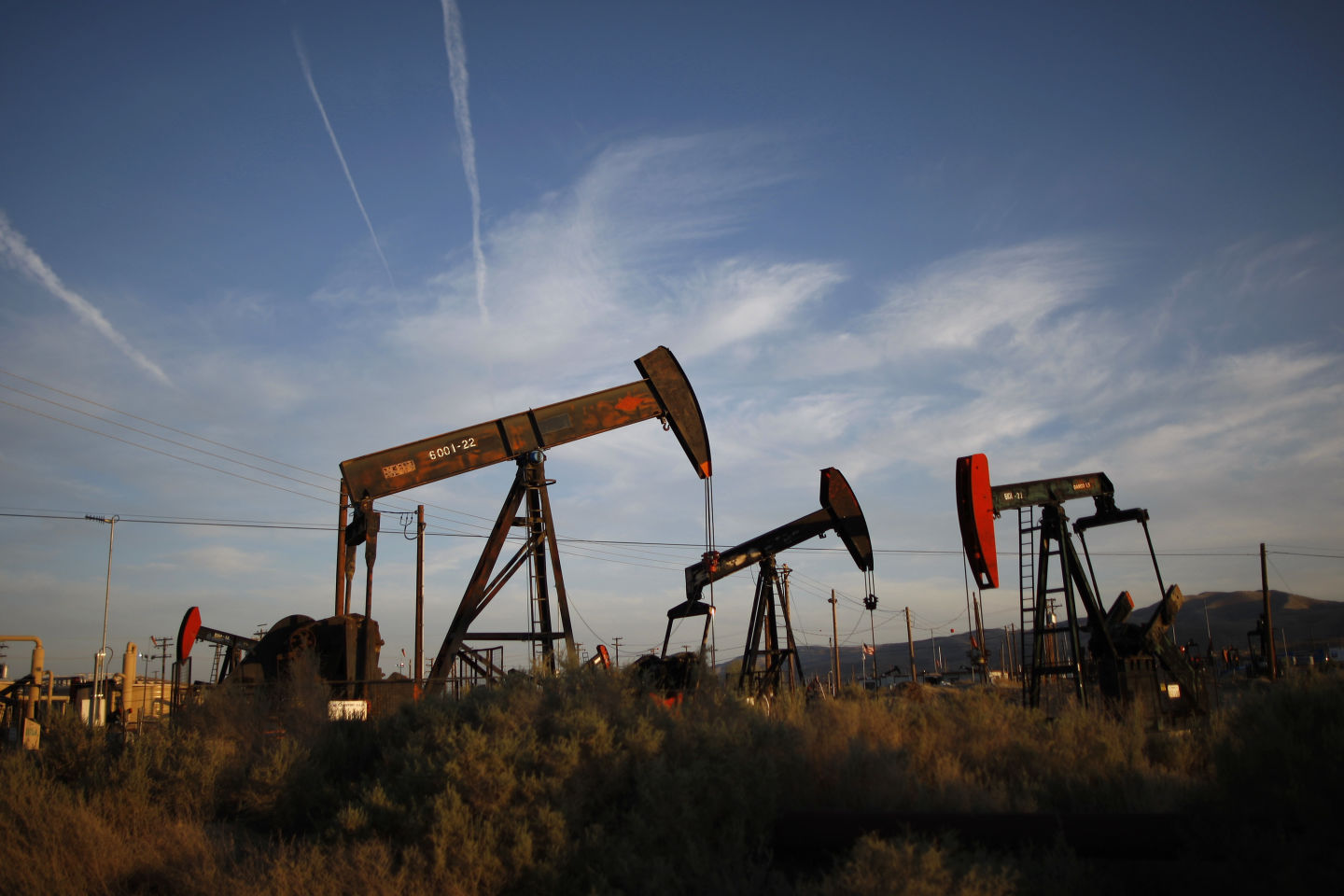
"caption": "Pump jacks and wells are seen in an oil field on the Monterey Shale formation where gas and oil extraction use hydraulic fracturing, or fracking, \n",
"description": null,
"title": "Fracking In California Under Spotlight As Some Local Municipalities Issue Bans",
"credit": "David McNew/Getty Images",
"status": "inherit",
"isLoading": false,
"fetchFailed": false
},
"science_1147687": {
"type": "attachments",
"id": "science_1147687",
"meta": {
"index": "attachments_1716263798",
"site": "science",
"id": "1147687",
"found": true
},
"parent": 1147570,
"imgSizes": {
"small": {
"file": "https://ww2.kqed.org/app/uploads/sites/35/2016/11/iStock_22043466_LARGE-520x347.jpg",
"width": 520,
"mimeType": "image/jpeg",
"height": 347
},
"twentyfourteen-full-width": {
"file": "https://ww2.kqed.org/app/uploads/sites/35/2016/11/iStock_22043466_LARGE-1038x576.jpg",
"width": 1038,
"mimeType": "image/jpeg",
"height": 576
},
"thumbnail": {
"file": "https://ww2.kqed.org/app/uploads/sites/35/2016/11/iStock_22043466_LARGE-160x107.jpg",
"width": 160,
"mimeType": "image/jpeg",
"height": 107
},
"fd-sm": {
"file": "https://ww2.kqed.org/app/uploads/sites/35/2016/11/iStock_22043466_LARGE-960x640.jpg",
"width": 960,
"mimeType": "image/jpeg",
"height": 640
},
"post-thumbnail": {
"file": "https://ww2.kqed.org/app/uploads/sites/35/2016/11/iStock_22043466_LARGE-672x372.jpg",
"width": 672,
"mimeType": "image/jpeg",
"height": 372
},
"xsmall": {
"file": "https://ww2.kqed.org/app/uploads/sites/35/2016/11/iStock_22043466_LARGE-375x250.jpg",
"width": 375,
"mimeType": "image/jpeg",
"height": 250
},
"kqedFullSize": {
"file": "https://ww2.kqed.org/app/uploads/sites/35/2016/11/iStock_22043466_LARGE.jpg",
"width": 3888,
"height": 2592
},
"large": {
"file": "https://ww2.kqed.org/app/uploads/sites/35/2016/11/iStock_22043466_LARGE-1020x680.jpg",
"width": 1020,
"mimeType": "image/jpeg",
"height": 680
},
"xlarge": {
"file": "https://ww2.kqed.org/app/uploads/sites/35/2016/11/iStock_22043466_LARGE-1180x787.jpg",
"width": 1180,
"mimeType": "image/jpeg",
"height": 787
},
"guest-author-50": {
"file": "https://ww2.kqed.org/app/uploads/sites/35/2016/11/iStock_22043466_LARGE-50x50.jpg",
"width": 50,
"mimeType": "image/jpeg",
"height": 50
},
"guest-author-96": {
"file": "https://ww2.kqed.org/app/uploads/sites/35/2016/11/iStock_22043466_LARGE-96x96.jpg",
"width": 96,
"mimeType": "image/jpeg",
"height": 96
},
"medium": {
"file": "https://ww2.kqed.org/app/uploads/sites/35/2016/11/iStock_22043466_LARGE-800x533.jpg",
"width": 800,
"mimeType": "image/jpeg",
"height": 533
},
"guest-author-64": {
"file": "https://ww2.kqed.org/app/uploads/sites/35/2016/11/iStock_22043466_LARGE-64x64.jpg",
"width": 64,
"mimeType": "image/jpeg",
"height": 64
},
"guest-author-32": {
"file": "https://ww2.kqed.org/app/uploads/sites/35/2016/11/iStock_22043466_LARGE-32x32.jpg",
"width": 32,
"mimeType": "image/jpeg",
"height": 32
},
"fd-lrg": {
"file": "https://ww2.kqed.org/app/uploads/sites/35/2016/11/iStock_22043466_LARGE-1920x1280.jpg",
"width": 1920,
"mimeType": "image/jpeg",
"height": 1280
},
"fd-med": {
"file": "https://ww2.kqed.org/app/uploads/sites/35/2016/11/iStock_22043466_LARGE-1180x787.jpg",
"width": 1180,
"mimeType": "image/jpeg",
"height": 787
},
"full-width": {
"file": "https://ww2.kqed.org/app/uploads/sites/35/2016/11/iStock_22043466_LARGE-1920x1280.jpg",
"width": 1920,
"mimeType": "image/jpeg",
"height": 1280
},
"detail": {
"file": "https://ww2.kqed.org/app/uploads/sites/35/2016/11/iStock_22043466_LARGE-150x150.jpg",
"width": 150,
"mimeType": "image/jpeg",
"height": 150
},
"medium_large": {
"file": "https://ww2.kqed.org/app/uploads/sites/35/2016/11/iStock_22043466_LARGE-768x512.jpg",
"width": 768,
"mimeType": "image/jpeg",
"height": 512
},
"guest-author-128": {
"file": "https://ww2.kqed.org/app/uploads/sites/35/2016/11/iStock_22043466_LARGE-128x128.jpg",
"width": 128,
"mimeType": "image/jpeg",
"height": 128
},
"xxsmall": {
"file": "https://ww2.kqed.org/app/uploads/sites/35/2016/11/iStock_22043466_LARGE-240x160.jpg",
"width": 240,
"mimeType": "image/jpeg",
"height": 160
}
},
"publishDate": 1478736093,
"modified": 1478736117,
"caption": null,
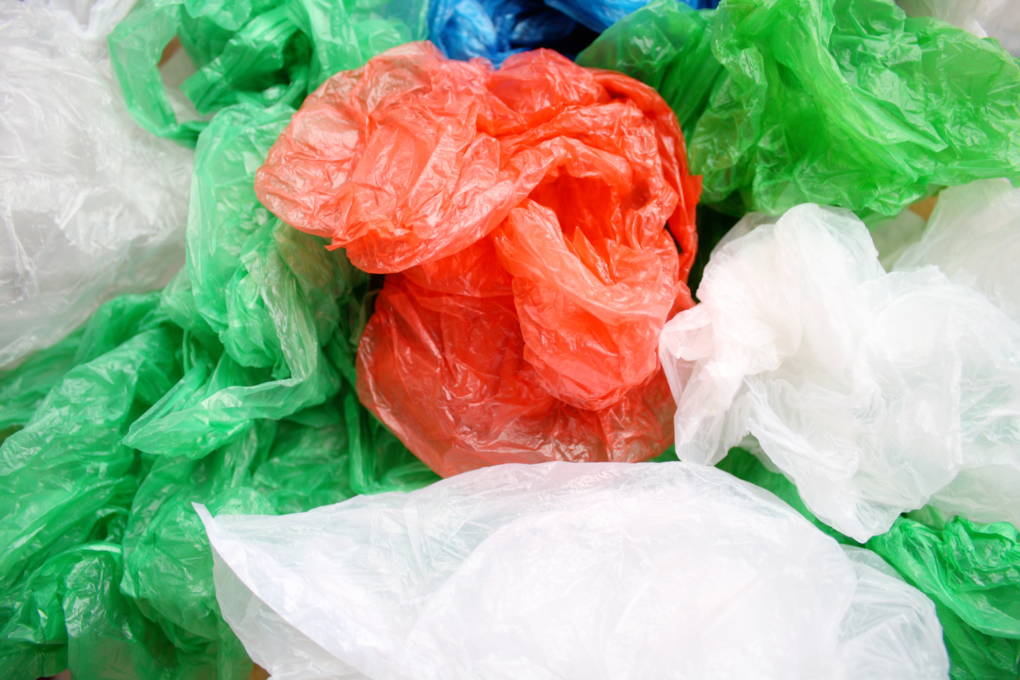
"description": "plastic bag",
"title": "Plastic bags",
"credit": "iStock",
"status": "inherit",
"isLoading": false,
"fetchFailed": false
},
"science_1147453": {
"type": "attachments",
"id": "science_1147453",
"meta": {
"index": "attachments_1716263798",
"site": "science",
"id": "1147453",
"found": true
},
"parent": 1147219,
"imgSizes": {
"small": {
"file": "https://ww2.kqed.org/app/uploads/sites/35/2016/11/Trump-image-520x347.jpg",
"width": 520,
"mimeType": "image/jpeg",
"height": 347
},
"twentyfourteen-full-width": {
"file": "https://ww2.kqed.org/app/uploads/sites/35/2016/11/Trump-image-1038x576.jpg",
"width": 1038,
"mimeType": "image/jpeg",
"height": 576
},
"thumbnail": {
"file": "https://ww2.kqed.org/app/uploads/sites/35/2016/11/Trump-image-160x107.jpg",
"width": 160,
"mimeType": "image/jpeg",
"height": 107
},
"fd-sm": {
"file": "https://ww2.kqed.org/app/uploads/sites/35/2016/11/Trump-image-960x640.jpg",
"width": 960,
"mimeType": "image/jpeg",
"height": 640
},
"post-thumbnail": {
"file": "https://ww2.kqed.org/app/uploads/sites/35/2016/11/Trump-image-672x372.jpg",
"width": 672,
"mimeType": "image/jpeg",
"height": 372
},
"xsmall": {
"file": "https://ww2.kqed.org/app/uploads/sites/35/2016/11/Trump-image-375x250.jpg",
"width": 375,
"mimeType": "image/jpeg",
"height": 250
},
"kqedFullSize": {
"file": "https://ww2.kqed.org/app/uploads/sites/35/2016/11/Trump-image.jpg",
"width": 1920,
"height": 1280
},
"large": {
"file": "https://ww2.kqed.org/app/uploads/sites/35/2016/11/Trump-image-1020x680.jpg",
"width": 1020,
"mimeType": "image/jpeg",
"height": 680
},
"xlarge": {
"file": "https://ww2.kqed.org/app/uploads/sites/35/2016/11/Trump-image-1180x787.jpg",
"width": 1180,
"mimeType": "image/jpeg",
"height": 787
},
"guest-author-50": {
"file": "https://ww2.kqed.org/app/uploads/sites/35/2016/11/Trump-image-50x50.jpg",
"width": 50,
"mimeType": "image/jpeg",
"height": 50
},
"guest-author-96": {
"file": "https://ww2.kqed.org/app/uploads/sites/35/2016/11/Trump-image-96x96.jpg",
"width": 96,
"mimeType": "image/jpeg",
"height": 96
},
"medium": {
"file": "https://ww2.kqed.org/app/uploads/sites/35/2016/11/Trump-image-800x533.jpg",
"width": 800,
"mimeType": "image/jpeg",
"height": 533
},
"guest-author-64": {
"file": "https://ww2.kqed.org/app/uploads/sites/35/2016/11/Trump-image-64x64.jpg",
"width": 64,
"mimeType": "image/jpeg",
"height": 64
},
"guest-author-32": {
"file": "https://ww2.kqed.org/app/uploads/sites/35/2016/11/Trump-image-32x32.jpg",
"width": 32,
"mimeType": "image/jpeg",
"height": 32
},
"fd-lrg": {
"file": "https://ww2.kqed.org/app/uploads/sites/35/2016/11/Trump-image-1920x1280.jpg",
"width": 1920,
"mimeType": "image/jpeg",
"height": 1280
},
"fd-med": {
"file": "https://ww2.kqed.org/app/uploads/sites/35/2016/11/Trump-image-1180x787.jpg",
"width": 1180,
"mimeType": "image/jpeg",
"height": 787
},
"full-width": {
"file": "https://ww2.kqed.org/app/uploads/sites/35/2016/11/Trump-image-1920x1280.jpg",
"width": 1920,
"mimeType": "image/jpeg",
"height": 1280
},
"detail": {
"file": "https://ww2.kqed.org/app/uploads/sites/35/2016/11/Trump-image-150x150.jpg",
"width": 150,
"mimeType": "image/jpeg",
"height": 150
},
"medium_large": {
"file": "https://ww2.kqed.org/app/uploads/sites/35/2016/11/Trump-image-768x512.jpg",
"width": 768,
"mimeType": "image/jpeg",
"height": 512
},
"guest-author-128": {
"file": "https://ww2.kqed.org/app/uploads/sites/35/2016/11/Trump-image-128x128.jpg",
"width": 128,
"mimeType": "image/jpeg",
"height": 128
},
"xxsmall": {
"file": "https://ww2.kqed.org/app/uploads/sites/35/2016/11/Trump-image-240x160.jpg",
"width": 240,
"mimeType": "image/jpeg",
"height": 160
}
},
"publishDate": 1478728791,
"modified": 1478728855,
"caption": "Republican Presidential candidate Donald Trump speaks during an event at Trump SoHo Hotel in New York City in June. . ",
"description": null,
"title": "trump-image",
"credit": "Drew Angerer/Getty Images",
"status": "inherit",
"isLoading": false,
"fetchFailed": false
},
"science_1144315": {
"type": "attachments",
"id": "science_1144315",
"meta": {
"index": "attachments_1716263798",
"site": "science",
"id": "1144315",
"found": true
},
"parent": 1144307,
"imgSizes": {
"small": {
"file": "https://ww2.kqed.org/app/uploads/sites/35/2016/11/Thistle-520x347.jpg",
"width": 520,
"mimeType": "image/jpeg",
"height": 347
},
"twentyfourteen-full-width": {
"file": "https://ww2.kqed.org/app/uploads/sites/35/2016/11/Thistle-1024x576.jpg",
"width": 1024,
"mimeType": "image/jpeg",
"height": 576
},
"thumbnail": {
"file": "https://ww2.kqed.org/app/uploads/sites/35/2016/11/Thistle-160x107.jpg",
"width": 160,
"mimeType": "image/jpeg",
"height": 107
},
"fd-sm": {
"file": "https://ww2.kqed.org/app/uploads/sites/35/2016/11/Thistle-960x640.jpg",
"width": 960,
"mimeType": "image/jpeg",
"height": 640
},
"post-thumbnail": {
"file": "https://ww2.kqed.org/app/uploads/sites/35/2016/11/Thistle-672x372.jpg",
"width": 672,
"mimeType": "image/jpeg",
"height": 372
},
"xsmall": {
"file": "https://ww2.kqed.org/app/uploads/sites/35/2016/11/Thistle-375x250.jpg",
"width": 375,
"mimeType": "image/jpeg",
"height": 250
},
"kqedFullSize": {
"file": "https://ww2.kqed.org/app/uploads/sites/35/2016/11/Thistle.jpg",
"width": 1024,
"height": 683
},
"large": {
"file": "https://ww2.kqed.org/app/uploads/sites/35/2016/11/Thistle-1020x680.jpg",
"width": 1020,
"mimeType": "image/jpeg",
"height": 680
},
"guest-author-50": {
"file": "https://ww2.kqed.org/app/uploads/sites/35/2016/11/Thistle-50x50.jpg",
"width": 50,
"mimeType": "image/jpeg",
"height": 50
},
"guest-author-96": {
"file": "https://ww2.kqed.org/app/uploads/sites/35/2016/11/Thistle-96x96.jpg",
"width": 96,
"mimeType": "image/jpeg",
"height": 96
},
"medium": {
"file": "https://ww2.kqed.org/app/uploads/sites/35/2016/11/Thistle-800x534.jpg",
"width": 800,
"mimeType": "image/jpeg",
"height": 534
},
"guest-author-64": {
"file": "https://ww2.kqed.org/app/uploads/sites/35/2016/11/Thistle-64x64.jpg",
"width": 64,
"mimeType": "image/jpeg",
"height": 64
},
"guest-author-32": {
"file": "https://ww2.kqed.org/app/uploads/sites/35/2016/11/Thistle-32x32.jpg",
"width": 32,
"mimeType": "image/jpeg",
"height": 32
},
"detail": {
"file": "https://ww2.kqed.org/app/uploads/sites/35/2016/11/Thistle-150x150.jpg",
"width": 150,
"mimeType": "image/jpeg",
"height": 150
},
"medium_large": {
"file": "https://ww2.kqed.org/app/uploads/sites/35/2016/11/Thistle-768x512.jpg",
"width": 768,
"mimeType": "image/jpeg",
"height": 512
},
"guest-author-128": {
"file": "https://ww2.kqed.org/app/uploads/sites/35/2016/11/Thistle-128x128.jpg",
"width": 128,
"mimeType": "image/jpeg",
"height": 128
},
"xxsmall": {
"file": "https://ww2.kqed.org/app/uploads/sites/35/2016/11/Thistle-240x160.jpg",
"width": 240,
"mimeType": "image/jpeg",
"height": 160
}
},
"publishDate": 1478628318,
"modified": 1478628329,
"caption": null,
"description": null,
"title": "thistle",
"credit": "\u003ca href=\"https://www.flickr.com/photos/tobiastoft/4959235456/in/photolist-8yenVA-8v5A4k-f7zBCe-8yendJ-bg2cEv-fgUmN-8v8AGo-pP8APt-8yeq2G-8v9BGS-8EPT1g-8yeodA-8yZDjk-8yemjJ-8ySJVX-8yVnEC-8uXXFD-8EVQTy-xXk5F-5jxL77-wTQQQp-6HKGx5-6WqCmy-mV9wF-8z4JfW-8ffkwV-8ySxkD-8yVzVq-8fiB7f-d77qcS-8ybo8z-8z3wVf-2rhc1i-8ySkVK-8fiygo-8v2Und-37GAW5-8F8Bmy-8v2K5E-8z3MUm-8uYdZM-8ySn2e-8v9n5u-8z3DnL-8v27G7-8v6zMx-8ybnbM-8ySy4z-8v59ZK-8ybpGF\" target=\"_blank\">Tobias Toft/flickr\u003c/a>",
"status": "inherit",
"isLoading": false,
"fetchFailed": false
},
"science_1133667": {
"type": "attachments",
"id": "science_1133667",
"meta": {
"index": "attachments_1716263798",
"site": "science",
"id": "1133667",
"found": true
},
"parent": 1133664,
"imgSizes": {
"small": {
"file": "https://ww2.kqed.org/app/uploads/sites/35/2016/11/CC-graphic-520x283.png",
"width": 520,
"mimeType": "image/png",
"height": 283
},
"thumbnail": {
"file": "https://ww2.kqed.org/app/uploads/sites/35/2016/11/CC-graphic-160x87.png",
"width": 160,
"mimeType": "image/png",
"height": 87
},
"post-thumbnail": {
"file": "https://ww2.kqed.org/app/uploads/sites/35/2016/11/CC-graphic-672x372.png",
"width": 672,
"mimeType": "image/png",
"height": 372
},
"xsmall": {
"file": "https://ww2.kqed.org/app/uploads/sites/35/2016/11/CC-graphic-375x204.png",
"width": 375,
"mimeType": "image/png",
"height": 204
},
"kqedFullSize": {
"file": "https://ww2.kqed.org/app/uploads/sites/35/2016/11/CC-graphic.png",
"width": 720,
"height": 392
},
"guest-author-50": {
"file": "https://ww2.kqed.org/app/uploads/sites/35/2016/11/CC-graphic-50x50.png",
"width": 50,
"mimeType": "image/png",
"height": 50
},
"guest-author-96": {
"file": "https://ww2.kqed.org/app/uploads/sites/35/2016/11/CC-graphic-96x96.png",
"width": 96,
"mimeType": "image/png",
"height": 96
},
"guest-author-64": {
"file": "https://ww2.kqed.org/app/uploads/sites/35/2016/11/CC-graphic-64x64.png",
"width": 64,
"mimeType": "image/png",
"height": 64
},
"detail": {
"file": "https://ww2.kqed.org/app/uploads/sites/35/2016/11/CC-graphic-150x150.png",
"width": 150,
"mimeType": "image/png",
"height": 150
},
"guest-author-32": {
"file": "https://ww2.kqed.org/app/uploads/sites/35/2016/11/CC-graphic-32x32.png",
"width": 32,
"mimeType": "image/png",
"height": 32
},
"guest-author-128": {
"file": "https://ww2.kqed.org/app/uploads/sites/35/2016/11/CC-graphic-128x128.png",
"width": 128,
"mimeType": "image/png",
"height": 128
},
"xxsmall": {
"file": "https://ww2.kqed.org/app/uploads/sites/35/2016/11/CC-graphic-240x131.png",
"width": 240,
"mimeType": "image/png",
"height": 131
}
},
"publishDate": 1478278375,
"modified": 1478278417,
"caption": "Global greenhouse gas emissions continue to rise, but they'll need to peak and start declining soon to avoid dangerous climate change.",
"description": null,
"title": "cc-graphic",
"credit": "UNEP",
"status": "inherit",
"isLoading": false,
"fetchFailed": false
},
"science_1126176": {
"type": "attachments",
"id": "science_1126176",
"meta": {
"index": "attachments_1716263798",
"site": "science",
"id": "1126176",
"found": true
},
"parent": 1125944,
"imgSizes": {
"small": {
"file": "https://ww2.kqed.org/app/uploads/sites/35/2016/11/IMG_6062-520x390.jpeg",
"width": 520,
"mimeType": "image/jpeg",
"height": 390
},
"twentyfourteen-full-width": {
"file": "https://ww2.kqed.org/app/uploads/sites/35/2016/11/IMG_6062-1038x576.jpeg",
"width": 1038,
"mimeType": "image/jpeg",
"height": 576
},
"thumbnail": {
"file": "https://ww2.kqed.org/app/uploads/sites/35/2016/11/IMG_6062-160x120.jpeg",
"width": 160,
"mimeType": "image/jpeg",
"height": 120
},
"fd-sm": {
"file": "https://ww2.kqed.org/app/uploads/sites/35/2016/11/IMG_6062-960x720.jpeg",
"width": 960,
"mimeType": "image/jpeg",
"height": 720
},
"post-thumbnail": {
"file": "https://ww2.kqed.org/app/uploads/sites/35/2016/11/IMG_6062-672x372.jpeg",
"width": 672,
"mimeType": "image/jpeg",
"height": 372
},
"xsmall": {
"file": "https://ww2.kqed.org/app/uploads/sites/35/2016/11/IMG_6062-375x281.jpeg",
"width": 375,
"mimeType": "image/jpeg",
"height": 281
},
"kqedFullSize": {
"file": "https://ww2.kqed.org/app/uploads/sites/35/2016/11/IMG_6062.jpeg",
"width": 1632,
"height": 1224
},
"large": {
"file": "https://ww2.kqed.org/app/uploads/sites/35/2016/11/IMG_6062-1020x765.jpeg",
"width": 1020,
"mimeType": "image/jpeg",
"height": 765
},
"xlarge": {
"file": "https://ww2.kqed.org/app/uploads/sites/35/2016/11/IMG_6062-1180x885.jpeg",
"width": 1180,
"mimeType": "image/jpeg",
"height": 885
},
"guest-author-50": {
"file": "https://ww2.kqed.org/app/uploads/sites/35/2016/11/IMG_6062-50x50.jpeg",
"width": 50,
"mimeType": "image/jpeg",
"height": 50
},
"guest-author-96": {
"file": "https://ww2.kqed.org/app/uploads/sites/35/2016/11/IMG_6062-96x96.jpeg",
"width": 96,
"mimeType": "image/jpeg",
"height": 96
},
"medium": {
"file": "https://ww2.kqed.org/app/uploads/sites/35/2016/11/IMG_6062-800x600.jpeg",
"width": 800,
"mimeType": "image/jpeg",
"height": 600
},
"guest-author-64": {
"file": "https://ww2.kqed.org/app/uploads/sites/35/2016/11/IMG_6062-64x64.jpeg",
"width": 64,
"mimeType": "image/jpeg",
"height": 64
},
"guest-author-32": {
"file": "https://ww2.kqed.org/app/uploads/sites/35/2016/11/IMG_6062-32x32.jpeg",
"width": 32,
"mimeType": "image/jpeg",
"height": 32
},
"fd-med": {
"file": "https://ww2.kqed.org/app/uploads/sites/35/2016/11/IMG_6062-1180x885.jpeg",
"width": 1180,
"mimeType": "image/jpeg",
"height": 885
},
"detail": {
"file": "https://ww2.kqed.org/app/uploads/sites/35/2016/11/IMG_6062-150x150.jpeg",
"width": 150,
"mimeType": "image/jpeg",
"height": 150
},
"medium_large": {
"file": "https://ww2.kqed.org/app/uploads/sites/35/2016/11/IMG_6062-768x576.jpeg",
"width": 768,
"mimeType": "image/jpeg",
"height": 576
},
"guest-author-128": {
"file": "https://ww2.kqed.org/app/uploads/sites/35/2016/11/IMG_6062-128x128.jpeg",
"width": 128,
"mimeType": "image/jpeg",
"height": 128
},
"xxsmall": {
"file": "https://ww2.kqed.org/app/uploads/sites/35/2016/11/IMG_6062-240x180.jpeg",
"width": 240,
"mimeType": "image/jpeg",
"height": 180
}
},
"publishDate": 1478036978,
"modified": 1478037082,
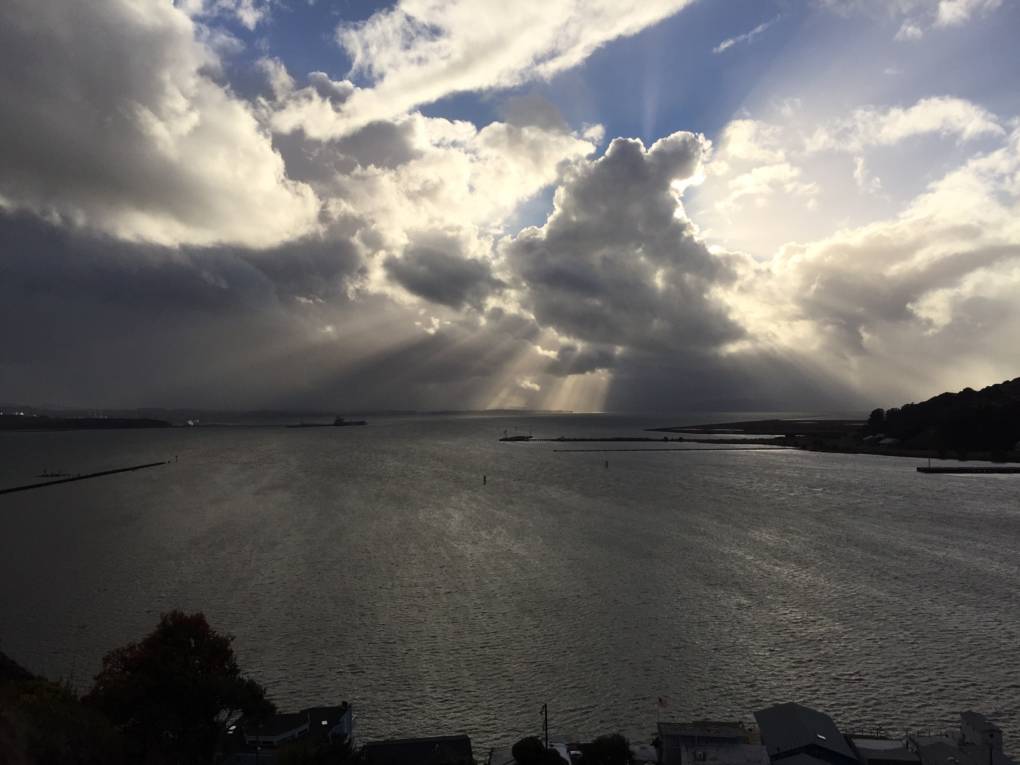
"caption": "Remnants of a storm over San Pablo Bay in late October.",
"description": "Remnants of a storm over San Pablo Bay in late October.",
"title": "img_6062",
"credit": "Craig Miller",
"status": "inherit",
"isLoading": false,
"fetchFailed": false
},
"science_1123165": {
"type": "attachments",
"id": "science_1123165",
"meta": {
"index": "attachments_1716263798",
"site": "science",
"id": "1123165",
"found": true
},
"parent": 1123047,
"imgSizes": {
"small": {
"file": "https://ww2.kqed.org/app/uploads/sites/35/2016/10/NOAA_blob-520x257.jpg",
"width": 520,
"mimeType": "image/jpeg",
"height": 257
},
"twentyfourteen-full-width": {
"file": "https://ww2.kqed.org/app/uploads/sites/35/2016/10/NOAA_blob-1038x514.jpg",
"width": 1038,
"mimeType": "image/jpeg",
"height": 514
},
"thumbnail": {
"file": "https://ww2.kqed.org/app/uploads/sites/35/2016/10/NOAA_blob-160x79.jpg",
"width": 160,
"mimeType": "image/jpeg",
"height": 79
},
"fd-sm": {
"file": "https://ww2.kqed.org/app/uploads/sites/35/2016/10/NOAA_blob-960x475.jpg",
"width": 960,
"mimeType": "image/jpeg",
"height": 475
},
"post-thumbnail": {
"file": "https://ww2.kqed.org/app/uploads/sites/35/2016/10/NOAA_blob-672x372.jpg",
"width": 672,
"mimeType": "image/jpeg",
"height": 372
},
"xsmall": {
"file": "https://ww2.kqed.org/app/uploads/sites/35/2016/10/NOAA_blob-375x186.jpg",
"width": 375,
"mimeType": "image/jpeg",
"height": 186
},
"kqedFullSize": {
"file": "https://ww2.kqed.org/app/uploads/sites/35/2016/10/NOAA_blob.jpg",
"width": 1039,
"height": 514
},
"large": {
"file": "https://ww2.kqed.org/app/uploads/sites/35/2016/10/NOAA_blob-1020x505.jpg",
"width": 1020,
"mimeType": "image/jpeg",
"height": 505
},
"guest-author-50": {
"file": "https://ww2.kqed.org/app/uploads/sites/35/2016/10/NOAA_blob-50x50.jpg",
"width": 50,
"mimeType": "image/jpeg",
"height": 50
},
"guest-author-96": {
"file": "https://ww2.kqed.org/app/uploads/sites/35/2016/10/NOAA_blob-96x96.jpg",
"width": 96,
"mimeType": "image/jpeg",
"height": 96
},
"medium": {
"file": "https://ww2.kqed.org/app/uploads/sites/35/2016/10/NOAA_blob-800x396.jpg",
"width": 800,
"mimeType": "image/jpeg",
"height": 396
},
"guest-author-64": {
"file": "https://ww2.kqed.org/app/uploads/sites/35/2016/10/NOAA_blob-64x64.jpg",
"width": 64,
"mimeType": "image/jpeg",
"height": 64
},
"guest-author-32": {
"file": "https://ww2.kqed.org/app/uploads/sites/35/2016/10/NOAA_blob-32x32.jpg",
"width": 32,
"mimeType": "image/jpeg",
"height": 32
},
"detail": {
"file": "https://ww2.kqed.org/app/uploads/sites/35/2016/10/NOAA_blob-150x150.jpg",
"width": 150,
"mimeType": "image/jpeg",
"height": 150
},
"medium_large": {
"file": "https://ww2.kqed.org/app/uploads/sites/35/2016/10/NOAA_blob-768x380.jpg",
"width": 768,
"mimeType": "image/jpeg",
"height": 380
},
"guest-author-128": {
"file": "https://ww2.kqed.org/app/uploads/sites/35/2016/10/NOAA_blob-128x128.jpg",
"width": 128,
"mimeType": "image/jpeg",
"height": 128
},
"xxsmall": {
"file": "https://ww2.kqed.org/app/uploads/sites/35/2016/10/NOAA_blob-240x119.jpg",
"width": 240,
"mimeType": "image/jpeg",
"height": 119
}
},
"publishDate": 1477938012,
"modified": 1477938083,
"caption": "This illustration of temperature in the northeast Pacific shows the status of the “Blob,” a warm-water phenomenon, as of September 2016. \n",
"description": null,
"title": "noaa_blob",
"credit": "NOAA",
"status": "inherit",
"isLoading": false,
"fetchFailed": false
},
"science_1106560": {
"type": "attachments",
"id": "science_1106560",
"meta": {
"index": "attachments_1716263798",
"site": "science",
"id": "1106560",
"found": true
},
"parent": 1106550,
"imgSizes": {
"small": {
"file": "https://ww2.kqed.org/app/uploads/sites/35/2016/10/Berryessa_pano_edited-520x255.jpg",
"width": 520,
"mimeType": "image/jpeg",
"height": 255
},
"twentyfourteen-full-width": {
"file": "https://ww2.kqed.org/app/uploads/sites/35/2016/10/Berryessa_pano_edited-1038x576.jpg",
"width": 1038,
"mimeType": "image/jpeg",
"height": 576
},
"thumbnail": {
"file": "https://ww2.kqed.org/app/uploads/sites/35/2016/10/Berryessa_pano_edited-160x79.jpg",
"width": 160,
"mimeType": "image/jpeg",
"height": 79
},
"fd-sm": {
"file": "https://ww2.kqed.org/app/uploads/sites/35/2016/10/Berryessa_pano_edited-960x472.jpg",
"width": 960,
"mimeType": "image/jpeg",
"height": 472
},
"post-thumbnail": {
"file": "https://ww2.kqed.org/app/uploads/sites/35/2016/10/Berryessa_pano_edited-672x372.jpg",
"width": 672,
"mimeType": "image/jpeg",
"height": 372
},
"xsmall": {
"file": "https://ww2.kqed.org/app/uploads/sites/35/2016/10/Berryessa_pano_edited-375x184.jpg",
"width": 375,
"mimeType": "image/jpeg",
"height": 184
},
"kqedFullSize": {
"file": "https://ww2.kqed.org/app/uploads/sites/35/2016/10/Berryessa_pano_edited.jpg",
"width": 3058,
"height": 1502
},
"large": {
"file": "https://ww2.kqed.org/app/uploads/sites/35/2016/10/Berryessa_pano_edited-1020x501.jpg",
"width": 1020,
"mimeType": "image/jpeg",
"height": 501
},
"xlarge": {
"file": "https://ww2.kqed.org/app/uploads/sites/35/2016/10/Berryessa_pano_edited-1180x580.jpg",
"width": 1180,
"mimeType": "image/jpeg",
"height": 580
},
"guest-author-50": {
"file": "https://ww2.kqed.org/app/uploads/sites/35/2016/10/Berryessa_pano_edited-50x50.jpg",
"width": 50,
"mimeType": "image/jpeg",
"height": 50
},
"guest-author-96": {
"file": "https://ww2.kqed.org/app/uploads/sites/35/2016/10/Berryessa_pano_edited-96x96.jpg",
"width": 96,
"mimeType": "image/jpeg",
"height": 96
},
"medium": {
"file": "https://ww2.kqed.org/app/uploads/sites/35/2016/10/Berryessa_pano_edited-800x393.jpg",
"width": 800,
"mimeType": "image/jpeg",
"height": 393
},
"guest-author-64": {
"file": "https://ww2.kqed.org/app/uploads/sites/35/2016/10/Berryessa_pano_edited-64x64.jpg",
"width": 64,
"mimeType": "image/jpeg",
"height": 64
},
"guest-author-32": {
"file": "https://ww2.kqed.org/app/uploads/sites/35/2016/10/Berryessa_pano_edited-32x32.jpg",
"width": 32,
"mimeType": "image/jpeg",
"height": 32
},
"fd-lrg": {
"file": "https://ww2.kqed.org/app/uploads/sites/35/2016/10/Berryessa_pano_edited-1920x943.jpg",
"width": 1920,
"mimeType": "image/jpeg",
"height": 943
},
"fd-med": {
"file": "https://ww2.kqed.org/app/uploads/sites/35/2016/10/Berryessa_pano_edited-1180x580.jpg",
"width": 1180,
"mimeType": "image/jpeg",
"height": 580
},
"full-width": {
"file": "https://ww2.kqed.org/app/uploads/sites/35/2016/10/Berryessa_pano_edited-1920x943.jpg",
"width": 1920,
"mimeType": "image/jpeg",
"height": 943
},
"detail": {
"file": "https://ww2.kqed.org/app/uploads/sites/35/2016/10/Berryessa_pano_edited-150x150.jpg",
"width": 150,
"mimeType": "image/jpeg",
"height": 150
},
"medium_large": {
"file": "https://ww2.kqed.org/app/uploads/sites/35/2016/10/Berryessa_pano_edited-768x377.jpg",
"width": 768,
"mimeType": "image/jpeg",
"height": 377
},
"guest-author-128": {
"file": "https://ww2.kqed.org/app/uploads/sites/35/2016/10/Berryessa_pano_edited-128x128.jpg",
"width": 128,
"mimeType": "image/jpeg",
"height": 128
},
"xxsmall": {
"file": "https://ww2.kqed.org/app/uploads/sites/35/2016/10/Berryessa_pano_edited-240x118.jpg",
"width": 240,
"mimeType": "image/jpeg",
"height": 118
}
},
"publishDate": 1477414001,
"modified": 1477414225,
"caption": "Lake Berryessa in Napa County is a reservoir formed behind the Monticello Dam.",
"description": null,
"title": "Berryessa_pano_edited",
"credit": "Lindsey Hoshaw/KQED",
"status": "inherit",
"isLoading": false,
"fetchFailed": false
},
"science_1095679": {
"type": "attachments",
"id": "science_1095679",
"meta": {
"index": "attachments_1716263798",
"site": "science",
"id": "1095679",
"found": true
},
"parent": 1093456,
"imgSizes": {
"small": {
"file": "https://ww2.kqed.org/app/uploads/sites/35/2016/10/IceBerg-520x347.jpg",
"width": 520,
"mimeType": "image/jpeg",
"height": 347
},
"twentyfourteen-full-width": {
"file": "https://ww2.kqed.org/app/uploads/sites/35/2016/10/IceBerg-1038x576.jpg",
"width": 1038,
"mimeType": "image/jpeg",
"height": 576
},
"thumbnail": {
"file": "https://ww2.kqed.org/app/uploads/sites/35/2016/10/IceBerg-160x107.jpg",
"width": 160,
"mimeType": "image/jpeg",
"height": 107
},
"fd-sm": {
"file": "https://ww2.kqed.org/app/uploads/sites/35/2016/10/IceBerg-960x640.jpg",
"width": 960,
"mimeType": "image/jpeg",
"height": 640
},
"post-thumbnail": {
"file": "https://ww2.kqed.org/app/uploads/sites/35/2016/10/IceBerg-672x372.jpg",
"width": 672,
"mimeType": "image/jpeg",
"height": 372
},
"xsmall": {
"file": "https://ww2.kqed.org/app/uploads/sites/35/2016/10/IceBerg-375x250.jpg",
"width": 375,
"mimeType": "image/jpeg",
"height": 250
},
"kqedFullSize": {
"file": "https://ww2.kqed.org/app/uploads/sites/35/2016/10/IceBerg.jpg",
"width": 1920,
"height": 1280
},
"large": {
"file": "https://ww2.kqed.org/app/uploads/sites/35/2016/10/IceBerg-1020x680.jpg",
"width": 1020,
"mimeType": "image/jpeg",
"height": 680
},
"xlarge": {
"file": "https://ww2.kqed.org/app/uploads/sites/35/2016/10/IceBerg-1180x787.jpg",
"width": 1180,
"mimeType": "image/jpeg",
"height": 787
},
"guest-author-50": {
"file": "https://ww2.kqed.org/app/uploads/sites/35/2016/10/IceBerg-50x50.jpg",
"width": 50,
"mimeType": "image/jpeg",
"height": 50
},
"guest-author-96": {
"file": "https://ww2.kqed.org/app/uploads/sites/35/2016/10/IceBerg-96x96.jpg",
"width": 96,
"mimeType": "image/jpeg",
"height": 96
},
"medium": {
"file": "https://ww2.kqed.org/app/uploads/sites/35/2016/10/IceBerg-800x533.jpg",
"width": 800,
"mimeType": "image/jpeg",
"height": 533
},
"guest-author-64": {
"file": "https://ww2.kqed.org/app/uploads/sites/35/2016/10/IceBerg-64x64.jpg",
"width": 64,
"mimeType": "image/jpeg",
"height": 64
},
"guest-author-32": {
"file": "https://ww2.kqed.org/app/uploads/sites/35/2016/10/IceBerg-32x32.jpg",
"width": 32,
"mimeType": "image/jpeg",
"height": 32
},
"fd-lrg": {
"file": "https://ww2.kqed.org/app/uploads/sites/35/2016/10/IceBerg-1920x1280.jpg",
"width": 1920,
"mimeType": "image/jpeg",
"height": 1280
},
"fd-med": {
"file": "https://ww2.kqed.org/app/uploads/sites/35/2016/10/IceBerg-1180x787.jpg",
"width": 1180,
"mimeType": "image/jpeg",
"height": 787
},
"full-width": {
"file": "https://ww2.kqed.org/app/uploads/sites/35/2016/10/IceBerg-1920x1280.jpg",
"width": 1920,
"mimeType": "image/jpeg",
"height": 1280
},
"detail": {
"file": "https://ww2.kqed.org/app/uploads/sites/35/2016/10/IceBerg-150x150.jpg",
"width": 150,
"mimeType": "image/jpeg",
"height": 150
},
"medium_large": {
"file": "https://ww2.kqed.org/app/uploads/sites/35/2016/10/IceBerg-768x512.jpg",
"width": 768,
"mimeType": "image/jpeg",
"height": 512
},
"guest-author-128": {
"file": "https://ww2.kqed.org/app/uploads/sites/35/2016/10/IceBerg-128x128.jpg",
"width": 128,
"mimeType": "image/jpeg",
"height": 128
},
"xxsmall": {
"file": "https://ww2.kqed.org/app/uploads/sites/35/2016/10/IceBerg-240x160.jpg",
"width": 240,
"mimeType": "image/jpeg",
"height": 160
}
},
"publishDate": 1477073834,
"modified": 1477073864,
"caption": "Scientists look out from the deck of a research ship as it cuts a path through multiyear ice in the Arctic. ",
"description": "Scientists look out from the deck of a research ship as it cuts a path through multiyear ice in the Arctic. ",
"title": "IceBerg",
"credit": "Kathryn Hansen/NASA",
"status": "inherit",
"isLoading": false,
"fetchFailed": false
},
"science_1093338": {
"type": "attachments",
"id": "science_1093338",
"meta": {
"index": "attachments_1716263798",
"site": "science",
"id": "1093338",
"found": true
},
"parent": 1087834,
"imgSizes": {
"small": {
"file": "https://ww2.kqed.org/app/uploads/sites/35/2016/10/BtM-520x312.jpeg",
"width": 520,
"mimeType": "image/jpeg",
"height": 312
},
"twentyfourteen-full-width": {
"file": "https://ww2.kqed.org/app/uploads/sites/35/2016/10/BtM-1038x576.jpeg",
"width": 1038,
"mimeType": "image/jpeg",
"height": 576
},
"thumbnail": {
"file": "https://ww2.kqed.org/app/uploads/sites/35/2016/10/BtM-160x96.jpeg",
"width": 160,
"mimeType": "image/jpeg",
"height": 96
},
"fd-sm": {
"file": "https://ww2.kqed.org/app/uploads/sites/35/2016/10/BtM-960x576.jpeg",
"width": 960,
"mimeType": "image/jpeg",
"height": 576
},
"post-thumbnail": {
"file": "https://ww2.kqed.org/app/uploads/sites/35/2016/10/BtM-672x372.jpeg",
"width": 672,
"mimeType": "image/jpeg",
"height": 372
},
"xsmall": {
"file": "https://ww2.kqed.org/app/uploads/sites/35/2016/10/BtM-375x225.jpeg",
"width": 375,
"mimeType": "image/jpeg",
"height": 225
},
"kqedFullSize": {
"file": "https://ww2.kqed.org/app/uploads/sites/35/2016/10/BtM.jpeg",
"width": 1500,
"height": 900
},
"large": {
"file": "https://ww2.kqed.org/app/uploads/sites/35/2016/10/BtM-1020x612.jpeg",
"width": 1020,
"mimeType": "image/jpeg",
"height": 612
},
"xlarge": {
"file": "https://ww2.kqed.org/app/uploads/sites/35/2016/10/BtM-1180x708.jpeg",
"width": 1180,
"mimeType": "image/jpeg",
"height": 708
},
"guest-author-50": {
"file": "https://ww2.kqed.org/app/uploads/sites/35/2016/10/BtM-50x50.jpeg",
"width": 50,
"mimeType": "image/jpeg",
"height": 50
},
"guest-author-96": {
"file": "https://ww2.kqed.org/app/uploads/sites/35/2016/10/BtM-96x96.jpeg",
"width": 96,
"mimeType": "image/jpeg",
"height": 96
},
"medium": {
"file": "https://ww2.kqed.org/app/uploads/sites/35/2016/10/BtM-800x480.jpeg",
"width": 800,
"mimeType": "image/jpeg",
"height": 480
},
"guest-author-64": {
"file": "https://ww2.kqed.org/app/uploads/sites/35/2016/10/BtM-64x64.jpeg",
"width": 64,
"mimeType": "image/jpeg",
"height": 64
},
"guest-author-32": {
"file": "https://ww2.kqed.org/app/uploads/sites/35/2016/10/BtM-32x32.jpeg",
"width": 32,
"mimeType": "image/jpeg",
"height": 32
},
"fd-med": {
"file": "https://ww2.kqed.org/app/uploads/sites/35/2016/10/BtM-1180x708.jpeg",
"width": 1180,
"mimeType": "image/jpeg",
"height": 708
},
"detail": {
"file": "https://ww2.kqed.org/app/uploads/sites/35/2016/10/BtM-150x150.jpeg",
"width": 150,
"mimeType": "image/jpeg",
"height": 150
},
"medium_large": {
"file": "https://ww2.kqed.org/app/uploads/sites/35/2016/10/BtM-768x461.jpeg",
"width": 768,
"mimeType": "image/jpeg",
"height": 461
},
"guest-author-128": {
"file": "https://ww2.kqed.org/app/uploads/sites/35/2016/10/BtM-128x128.jpeg",
"width": 128,
"mimeType": "image/jpeg",
"height": 128
},
"xxsmall": {
"file": "https://ww2.kqed.org/app/uploads/sites/35/2016/10/BtM-240x144.jpeg",
"width": 240,
"mimeType": "image/jpeg",
"height": 144
}
},
"publishDate": 1477005081,
"modified": 1477005246,
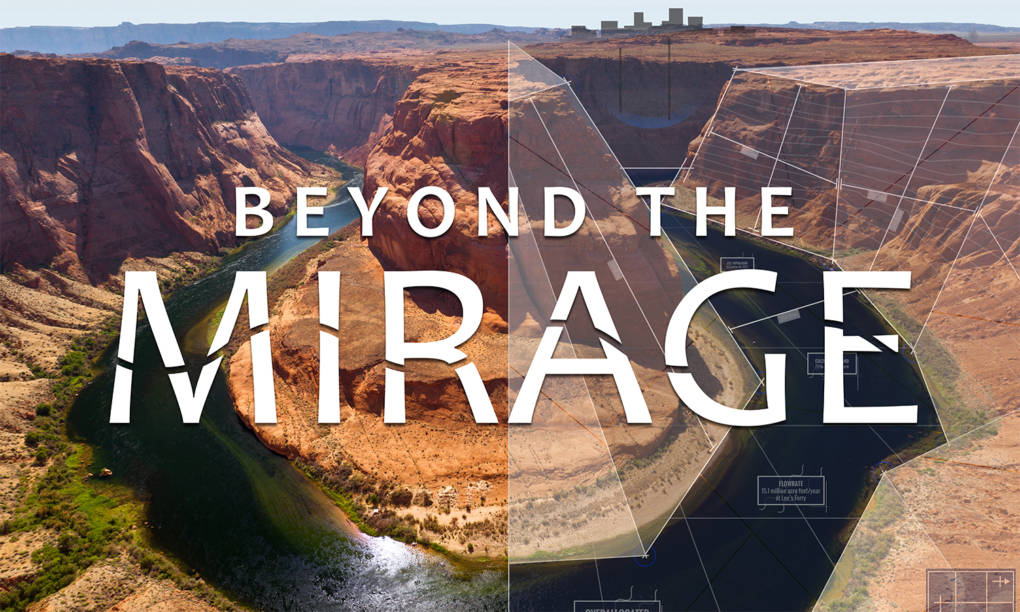
"caption": "The documentary Beyond the Mirage, airing on various PBS stations takes an optimistic view of the future of western water--but cautions against complacency.",
"description": "The documentary Beyond the Mirage, airing on various PBS stations takes an optimistic view of the future of western water--but cautions against complacency.",
"title": "BtM",
"credit": null,
"status": "inherit",
"isLoading": false,
"fetchFailed": false
},
"science_1086969": {
"type": "attachments",
"id": "science_1086969",
"meta": {
"index": "attachments_1716263798",
"site": "science",
"id": "1086969",
"found": true
},
"parent": 1086966,
"imgSizes": {
"thumbnail": {
"file": "https://ww2.kqed.org/app/uploads/sites/35/2016/10/NASA_TempSeptember-400x258.png",
"width": 400,
"mimeType": "image/png",
"height": 258
},
"post-thumbnail": {
"file": "https://ww2.kqed.org/app/uploads/sites/35/2016/10/NASA_TempSeptember-672x372.png",
"width": 672,
"mimeType": "image/png",
"height": 372
},
"kqedFullSize": {
"file": "https://ww2.kqed.org/app/uploads/sites/35/2016/10/NASA_TempSeptember.png",
"width": 720,
"height": 465
},
"guest-author-50": {
"file": "https://ww2.kqed.org/app/uploads/sites/35/2016/10/NASA_TempSeptember-50x50.png",
"width": 50,
"mimeType": "image/png",
"height": 50
},
"guest-author-96": {
"file": "https://ww2.kqed.org/app/uploads/sites/35/2016/10/NASA_TempSeptember-96x96.png",
"width": 96,
"mimeType": "image/png",
"height": 96
},
"guest-author-64": {
"file": "https://ww2.kqed.org/app/uploads/sites/35/2016/10/NASA_TempSeptember-64x64.png",
"width": 64,
"mimeType": "image/png",
"height": 64
},
"detail": {
"file": "https://ww2.kqed.org/app/uploads/sites/35/2016/10/NASA_TempSeptember-150x150.png",
"width": 150,
"mimeType": "image/png",
"height": 150
},
"guest-author-32": {
"file": "https://ww2.kqed.org/app/uploads/sites/35/2016/10/NASA_TempSeptember-32x32.png",
"width": 32,
"mimeType": "image/png",
"height": 32
},
"guest-author-128": {
"file": "https://ww2.kqed.org/app/uploads/sites/35/2016/10/NASA_TempSeptember-128x128.png",
"width": 128,
"mimeType": "image/png",
"height": 128
}
},
"publishDate": 1476813841,
"modified": 1476813874,
"caption": "September global temperature data.\n",
"description": null,
"title": "NASA_TempSeptember",
"credit": "NASA GISS",
"status": "inherit",
"isLoading": false,
"fetchFailed": false
}
},
"audioPlayerReducer": {
"postId": "stream_live",
"isPaused": true,
"isPlaying": false,
"pfsActive": false,
"pledgeModalIsOpen": true,
"playerDrawerIsOpen": false,
"liveAudioPlayStartedAt": 0,
"liveAudioPlayContext": ""
},
"authorsReducer": {
"byline_science_1149970": {
"type": "authors",
"id": "byline_science_1149970",
"meta": {
"override": true
},
"slug": "byline_science_1149970",
"name": "Bobby Magill\u003c/br>Climate Central",
"isLoading": false
},
"byline_science_1147219": {
"type": "authors",
"id": "byline_science_1147219",
"meta": {
"override": true
},
"slug": "byline_science_1147219",
"name": "Andrea Thompson\u003c/br>Climate Central",
"isLoading": false
},
"byline_science_1144307": {
"type": "authors",
"id": "byline_science_1144307",
"meta": {
"override": true
},
"slug": "byline_science_1144307",
"name": "Karl Ritter\u003c/br>Associated Press",
"isLoading": false
},
"byline_science_1133664": {
"type": "authors",
"id": "byline_science_1133664",
"meta": {
"override": true
},
"slug": "byline_science_1133664",
"name": "Brian Kahn\u003c/br>Climate Central",
"isLoading": false
},
"byline_science_1123047": {
"type": "authors",
"id": "byline_science_1123047",
"meta": {
"override": true
},
"slug": "byline_science_1123047",
"name": "Matt Weiser\u003c/br>Water Deeply",
"isLoading": false
},
"byline_science_1106550": {
"type": "authors",
"id": "byline_science_1106550",
"meta": {
"override": true
},
"slug": "byline_science_1106550",
"name": "Matt Weiser\u003c/br>Water Deeply",
"isLoading": false
},
"byline_science_1093456": {
"type": "authors",
"id": "byline_science_1093456",
"meta": {
"override": true
},
"slug": "byline_science_1093456",
"name": "Brian Kahn\u003c/br>Climate Central",
"isLoading": false
},
"byline_science_1086966": {
"type": "authors",
"id": "byline_science_1086966",
"meta": {
"override": true
},
"slug": "byline_science_1086966",
"name": "Brian Kahn\u003c/br>Climate Central",
"isLoading": false
},
"cmiller": {
"type": "authors",
"id": "221",
"meta": {
"index": "authors_1716337520",
"id": "221",
"found": true
},
"name": "Craig Miller",
"firstName": "Craig",
"lastName": "Miller",
"slug": "cmiller",
"email": "craig@voxterra.net",
"display_author_email": false,
"staff_mastheads": [
"science"
],
"title": "Editor Emeritus, Science",
"bio": "Craig is a former KQED Science editor, specializing in weather, climate, water & energy issues, with a little seismology thrown in just to shake things up. Prior to that, he launched and led the station's award-winning multimedia project, Climate Watch. Craig is also an accomplished writer/producer of television documentaries, with a focus on natural resource issues.",
"avatar": "https://secure.gravatar.com/avatar/b91661df645e001a9cafe0861fa685f9?s=600&d=blank&r=g",
"twitter": "voxterra",
"facebook": null,
"instagram": null,
"linkedin": null,
"sites": [
{
"site": "news",
"roles": [
"author"
]
},
{
"site": "futureofyou",
"roles": [
"editor"
]
},
{
"site": "stateofhealth",
"roles": [
"author"
]
},
{
"site": "science",
"roles": [
"editor"
]
},
{
"site": "quest",
"roles": [
"editor"
]
}
],
"headData": {
"title": "Craig Miller | KQED",
"description": "Editor Emeritus, Science",
"ogImgSrc": "https://secure.gravatar.com/avatar/b91661df645e001a9cafe0861fa685f9?s=600&d=blank&r=g",
"twImgSrc": "https://secure.gravatar.com/avatar/b91661df645e001a9cafe0861fa685f9?s=600&d=blank&r=g"
},
"isLoading": false,
"link": "/author/cmiller"
},
"lesleymcclurg": {
"type": "authors",
"id": "11229",
"meta": {
"index": "authors_1716337520",
"id": "11229",
"found": true
},
"name": "Lesley McClurg",
"firstName": "Lesley",
"lastName": "McClurg",
"slug": "lesleymcclurg",
"email": "lmcclurg@KQED.org",
"display_author_email": false,
"staff_mastheads": [
"news",
"science"
],
"title": "KQED Health Correspondent",
"bio": "Lesley McClurg is a health correspondent and fill-in host whose work is regularly rebroadcast on NPR and PBS programs. She’s earned multiple regional Emmy awards, a national and a regional Edward R. Murrow award, and was named Best Beat Reporter by the Association of Health Care Journalists. The Society of Professional Journalists has recognized her work several times, and the Society of Environmental Journalists spotlighted her coverage of California’s historic drought.\r\n\r\nBefore joining KQED in 2016, Lesley covered food and sustainability for Capital Public Radio, environmental issues for Colorado Public Radio, and reported for KUOW and KCTS 9 in Seattle. Away from the newsroom, she loves skiing with her daughter, mountain biking with her partner, and playing with Ollie, the family’s goldendoodle. On deadline, she runs almost entirely on chocolate chips.\r\n\r\n ",
"avatar": "https://secure.gravatar.com/avatar/bab49e972ea10c774fe0f5e29dba1722b158f7c0d58a360923d1389d380b2978?s=600&d=blank&r=g",
"twitter": "lesleywmcclurg",
"bluesky": null,
"facebook": null,
"instagram": null,
"linkedin": null,
"sites": [
{
"site": "arts",
"roles": [
"author"
]
},
{
"site": "news",
"roles": [
"editor"
]
},
{
"site": "futureofyou",
"roles": [
"editor"
]
},
{
"site": "stateofhealth",
"roles": [
"author"
]
},
{
"site": "science",
"roles": [
"editor"
]
},
{
"site": "quest",
"roles": [
"subscriber"
]
},
{
"site": "forum",
"roles": [
"administrator"
]
},
{
"site": "liveblog",
"roles": [
"author"
]
}
],
"headData": {
"title": "Lesley McClurg | KQED",
"description": "KQED Health Correspondent",
"ogImgSrc": "https://secure.gravatar.com/avatar/bab49e972ea10c774fe0f5e29dba1722b158f7c0d58a360923d1389d380b2978?s=600&d=blank&r=g",
"twImgSrc": "https://secure.gravatar.com/avatar/bab49e972ea10c774fe0f5e29dba1722b158f7c0d58a360923d1389d380b2978?s=600&d=blank&r=g"
},
"isLoading": false,
"link": "/author/lesleymcclurg"
}
},
"pagesReducer": {
"science_category_climate": {
"type": "terms",
"id": "science_31",
"meta": {
"index": "terms_1716263798",
"site": "science",
"id": "31",
"score": 11.061988
},
"featImg": null,
"name": "Climate",
"description": null,
"taxonomy": "category",
"headData": {
"twImgId": null,
"twTitle": null,
"ogTitle": null,
"ogImgId": null,
"twDescription": null,
"description": null,
"title": "Climate Archives | KQED Science",
"ogDescription": null
},
"ttid": 33,
"slug": "climate",
"isLoading": false,
"title": "Climate",
"pageMeta": {
"site": "science",
"WpPageTemplate": "page-topic-editorial",
"currentPage": 95
},
"blocks": [
{
"blockName": "kqed/post-list",
"attrs": {
"layout": "cardArticle2",
"query": "posts/science?category=climate",
"seeMore": false,
"paginated": true,
"page": 95
}
},
{
"blockName": "kqed/ad"
}
]
}
},
"pfsSessionReducer": {},
"postsReducer": {
"stream_live": {
"type": "live",
"id": "stream_live",
"audioUrl": "https://streams.kqed.org/kqedradio",
"title": "Live Stream",
"excerpt": "Live Stream information currently unavailable.",
"link": "/radio",
"featImg": "",
"label": {
"name": "KQED Live",
"link": "/"
}
},
"stream_kqedNewscast": {
"type": "posts",
"id": "stream_kqedNewscast",
"audioUrl": "https://www.kqed.org/.stream/anon/radio/RDnews/newscast.mp3?_=1",
"title": "KQED Newscast",
"featImg": "",
"label": {
"name": "88.5 FM",
"link": "/"
}
},
"science_1149970": {
"type": "posts",
"id": "science_1149970",
"meta": {
"index": "posts_1716263798",
"site": "science",
"id": "1149970",
"score": null,
"sort": [
1478806143000
]
},
"parent": 0,
"labelTerm": {},
"blocks": [],
"publishDate": 1478806143,
"format": "standard",
"title": "States May Drive U.S. Climate Policy Under Trump",
"headTitle": "States May Drive U.S. Climate Policy Under Trump | KQED",
"content": "\u003cp>Donald Trump could scrap the Obama administration’s plans to combat climate change once he takes office, a move that could shift climate policy making to local lawmakers instead of national ones, experts say.\u003c/p>\n\u003cp>Throughout his campaign, Trump made his vision for federal climate policy clear: He has promised to reverse Obama’s climate agenda, including the Clean Power Plan, which would cut carbon emissions from coal-fired power plants as a way to meet U.S. obligations under the Paris Climate Agreement.\u003c/p>\n\u003caside class=\"pullquote alignright\">Trump has appointed climate change skeptic Myron Ebell as the leader of the EPA’s transition team.\u003c/aside>\n\u003cp>He \u003ca href=\"http://www.washingtonexaminer.com/trump-backs-off-plan-to-eliminate-epa/article/2602581\">also said\u003c/a> he would “refocus” the U.S. Environmental Protection Agency to become less regulatory and pledged to cancel U.S. involvement in the Paris pact. He promised to fully develop all of America’s coal, oil and natural gas as a way to become fully energy independent, and said wind and other renewable energy sources \u003ca href=\"http://www.thedickinsonpress.com/news/north-dakota/4041606-trump-ready-unleash-oil-industry\">are expensive\u003c/a> and work less effectively than fossil fuels.\u003c/p>\n\u003cp>As a sign of where Trump will take federal agencies involved in climate regulation, he has appointed \u003ca href=\"https://cei.org/expert/myron-ebell\">Myron Ebell\u003c/a>, a climate change skeptic and director of the Center for Energy and Environment at the conservative Competitive Enterprise Institute, as \u003ca href=\"https://www.scientificamerican.com/article/trump-picks-top-climate-skeptic-to-lead-epa-transition/\">the leader\u003c/a> of the EPA’s transition team.\u003c/p>\n\u003cp>Experts disagree about the extent to which Trump is likely to be successful in rolling back U.S. climate and energy policy, though many say he’ll be able to render carbon emissions regulations nearly impotent.\u003c/p>\n\u003cp>[ad fullwidth]\u003c/p>\n\u003cp>“This is an unmitigated disaster for U.S. climate policy,” said \u003ca href=\"http://www.ghgpolicy.org/about/\">Danny Cullenward\u003c/a>, an energy economist and lawyer at the Carnegie Institution for Science. “President Trump alone could unwind the Clean Power Plan, the Climate Action Plan and the United States’ commitment to Paris. With a supportive Senate, he will be able to appoint anyone he likes to key agencies and cabinet positions. With support in both houses of Congress, the legislative agenda is wide open.”\u003c/p>\n\u003cp>But \u003ca href=\"http://blog.aee.net/author/arvin-ganesan\">Arvin Ganesan\u003c/a>, vice president of federal policy for the group Advanced Energy Economy and the former deputy chief of staff for policy at the EPA, said it’s too early to tell what Trump will do with the Clean Power Plan.\u003c/p>\n\u003cp>“What we do know is the Clean Power Plan is just one factor driving a market that is already undergoing significant transformation,” Ganesan said. “Utilities, regional grid operators, and state regulators are already working to integrate advanced energy technologies to make our electric power system more reliable and affordable, and that also happen to reduce carbon emissions.”\u003c/p>\n\u003cp>Ganesan said he sees Trump’s election as a business opportunity for those who want to create jobs by improving the nation’s energy infrastructure.\u003c/p>\n\u003cp>\u003ca href=\"http://web.law.columbia.edu/climate-change/about-center/staff-and-affiliates/michael-burger\">Michael Burger\u003c/a>, executive director of the Sabin Center for Climate Change Law at Columbia University, said that a Trump administration could be devastating for climate regulation in the U.S., but there are limits to what Trump will likely do right away.\u003c/p>\n\u003cp>The regulatory process for rescinding climate regulations is complicated and could take months or years, and those favoring regulations could sue to stop Trump from eliminating them, Burger said.\u003c/p>\n\u003cp>“President Obama has been challenged in court at every turn as he tried to reduce greenhouse gases,” Burger said. “You can be sure that Trump will also be challenged in court each and every step of the way.\u003c/p>\n\u003cp>The Clean Power Plan is already tied up in a lengthy court battle after 24 states sued to stop it. The Trump administration could choose not to defend it or allow it to be struck down by the Supreme Court, which would likely feature a Trump-appointee filling Justice Antonin Scalia’s open seat.\u003c/p>\n\u003cp>\u003ca href=\"http://scholar.harvard.edu/stavins/home\">Robert Stavins\u003c/a>, director of the Environmental Economics Program at Harvard University, said that even with full GOP control of Congress, Trump is unlikely to repeal federal laws authorizing climate policies such as the Clean Power Plan because Democrats, who largely favor climate policy, will be able to filibuster any bill aiming to do so.\u003c/p>\n\u003cp>“Would he eliminate the EPA, as he also promised at one point?” Stavins said. “No. Again, that would require an act of Congress. But he could starve the agency through low funding.”\u003c/p>\n\u003cp>\u003ca href=\"http://www.earth.columbia.edu/articles/view/2528\">Michael Gerrard\u003c/a>, faculty director of the Sabin Center for Climate Change Law, said cutting funds to the EPA and other regulatory agencies through the appropriations process is something President Reagan did during the beginning of his administration in the 1980s.\u003c/p>\n\u003cp>“During that period, most of the action went down to the state level,” Gerrard said.\u003c/p>\n\u003cp>States, which are already laboratories for carbon-cutting policies, could become the nation’s bulwark against a federal government hostile to combating climate change.\u003c/p>\n\u003cp>“States’ actions are already driving a clean energy transition,” said \u003ca href=\"http://www.analysisgroup.com/experts-and-staff/senior-advisors/susan-f--tierney/\">Susan Tierney\u003c/a>, senior advisor to the Analysis Group and former assistant secretary of policy for the U.S. Department of Energy. “Most of the states have been pushing for deeper investments in energy efficiency. State policies pushing for rooftop PV (photovoltaics) and utility-scale solar have transformed those markets. And states are increasingly adopting their own long-term carbon reduction targets. Yep, they’re leading the way.”\u003c/p>\n\u003cp>Gerrard said states can also regulate emissions from power plants within their borders, spur the development of new technology, create energy efficiency standards and find other ways of cutting carbon.\u003c/p>\n\u003cp>For example, many Northeastern states have \u003ca href=\"http://www.climatecentral.org/news/decision-on-climate-plan-jolts-carbon-prices-20497\">banded together\u003c/a> to create their own cap-and-trade program called the Regional Greenhouse Gas Initiative. California has its own cap-and-trade program along with one of the nation’s most ambitious \u003ca href=\"http://www.nytimes.com/2016/08/26/us/californias-emissions-goal-is-a-milestone-on-climate-efforts.html\">climate goals\u003c/a> — to reduce its greenhouse gas emissions to 40 percent below 1990 levels by 2030. And Hawaii plans to go 100 percent renewable by 2045.\u003c/p>\n\u003cp>Potential state action is the only climate-related silver lining to Trump’s election, but only if states reluctant to take action on climate follow suit, Cullenward said.\u003c/p>\n\u003cp>“States will continue to make progress on energy and climate issues, but it is absolutely critical that pro-climate states change strategy,” he said. “Absent a national commitment, the efforts of a few key states to continue with policy won’t make much of a difference in terms of absolute emissions — those states have already made progress and their accomplishments are easily offset by other states that take the opposite approach.”\u003c/p>\n\u003cp>[ad floatright]\u003c/p>\n\u003cp>\u003ca href=\"http://www.climatecentral.org/\">\u003cspan style=\"font-weight: 400\">Climate Central\u003c/span>\u003c/a> \u003ci>\u003cspan style=\"font-weight: 400\">is an independent organization that researches and reports on climate change.\u003c/span>\u003c/i>\u003c/p>\n\n",
"stats": {
"hasVideo": false,
"hasChartOrMap": false,
"hasAudio": false,
"hasPolis": false,
"wordCount": 1112,
"hasGoogleForm": false,
"hasGallery": false,
"hasHearkenModule": false,
"iframeSrcs": [],
"paragraphCount": 26
},
"modified": 1704929430,
"excerpt": "Donald Trump could scrap the Obama administration’s plans to combat climate change once he takes office.",
"headData": {
"twImgId": "",
"twTitle": "",
"ogTitle": "",
"ogImgId": "",
"twDescription": "",
"description": "Donald Trump could scrap the Obama administration’s plans to combat climate change once he takes office.",
"title": "States May Drive U.S. Climate Policy Under Trump | KQED",
"ogDescription": "",
"schema": {
"@context": "https://schema.org",
"@type": "Article",
"headline": "States May Drive U.S. Climate Policy Under Trump",
"datePublished": "2016-11-10T11:29:03-08:00",
"dateModified": "2024-01-10T15:30:30-08:00",
"image": "https://cdn.kqed.org/wp-content/uploads/2020/02/KQED-OG-Image@1x.png"
}
},
"guestAuthors": [],
"slug": "states-may-drive-u-s-climate-policy-under-trump",
"status": "publish",
"sourceUrl": "http://www.climatecentral.org/",
"nprByline": "Bobby Magill\u003c/br>Climate Central",
"sticky": false,
"source": "Climate Central",
"path": "/science/1149970/states-may-drive-u-s-climate-policy-under-trump",
"audioTrackLength": null,
"parsedContent": [
{
"type": "contentString",
"content": "\u003cdiv class=\"post-body\">\u003cp>\u003cp>Donald Trump could scrap the Obama administration’s plans to combat climate change once he takes office, a move that could shift climate policy making to local lawmakers instead of national ones, experts say.\u003c/p>\n\u003cp>Throughout his campaign, Trump made his vision for federal climate policy clear: He has promised to reverse Obama’s climate agenda, including the Clean Power Plan, which would cut carbon emissions from coal-fired power plants as a way to meet U.S. obligations under the Paris Climate Agreement.\u003c/p>\n\u003caside class=\"pullquote alignright\">Trump has appointed climate change skeptic Myron Ebell as the leader of the EPA’s transition team.\u003c/aside>\n\u003cp>He \u003ca href=\"http://www.washingtonexaminer.com/trump-backs-off-plan-to-eliminate-epa/article/2602581\">also said\u003c/a> he would “refocus” the U.S. Environmental Protection Agency to become less regulatory and pledged to cancel U.S. involvement in the Paris pact. He promised to fully develop all of America’s coal, oil and natural gas as a way to become fully energy independent, and said wind and other renewable energy sources \u003ca href=\"http://www.thedickinsonpress.com/news/north-dakota/4041606-trump-ready-unleash-oil-industry\">are expensive\u003c/a> and work less effectively than fossil fuels.\u003c/p>\n\u003cp>As a sign of where Trump will take federal agencies involved in climate regulation, he has appointed \u003ca href=\"https://cei.org/expert/myron-ebell\">Myron Ebell\u003c/a>, a climate change skeptic and director of the Center for Energy and Environment at the conservative Competitive Enterprise Institute, as \u003ca href=\"https://www.scientificamerican.com/article/trump-picks-top-climate-skeptic-to-lead-epa-transition/\">the leader\u003c/a> of the EPA’s transition team.\u003c/p>\n\u003cp>Experts disagree about the extent to which Trump is likely to be successful in rolling back U.S. climate and energy policy, though many say he’ll be able to render carbon emissions regulations nearly impotent.\u003c/p>\n\u003cp>\u003c/p>\u003c/div>",
"attributes": {
"named": {},
"numeric": []
}
},
{
"type": "component",
"content": "",
"name": "ad",
"attributes": {
"named": {
"label": "fullwidth"
},
"numeric": [
"fullwidth"
]
}
},
{
"type": "contentString",
"content": "\u003cdiv class=\"post-body\">\u003cp>\u003c/p>\n\u003cp>“This is an unmitigated disaster for U.S. climate policy,” said \u003ca href=\"http://www.ghgpolicy.org/about/\">Danny Cullenward\u003c/a>, an energy economist and lawyer at the Carnegie Institution for Science. “President Trump alone could unwind the Clean Power Plan, the Climate Action Plan and the United States’ commitment to Paris. With a supportive Senate, he will be able to appoint anyone he likes to key agencies and cabinet positions. With support in both houses of Congress, the legislative agenda is wide open.”\u003c/p>\n\u003cp>But \u003ca href=\"http://blog.aee.net/author/arvin-ganesan\">Arvin Ganesan\u003c/a>, vice president of federal policy for the group Advanced Energy Economy and the former deputy chief of staff for policy at the EPA, said it’s too early to tell what Trump will do with the Clean Power Plan.\u003c/p>\n\u003cp>“What we do know is the Clean Power Plan is just one factor driving a market that is already undergoing significant transformation,” Ganesan said. “Utilities, regional grid operators, and state regulators are already working to integrate advanced energy technologies to make our electric power system more reliable and affordable, and that also happen to reduce carbon emissions.”\u003c/p>\n\u003cp>Ganesan said he sees Trump’s election as a business opportunity for those who want to create jobs by improving the nation’s energy infrastructure.\u003c/p>\n\u003cp>\u003ca href=\"http://web.law.columbia.edu/climate-change/about-center/staff-and-affiliates/michael-burger\">Michael Burger\u003c/a>, executive director of the Sabin Center for Climate Change Law at Columbia University, said that a Trump administration could be devastating for climate regulation in the U.S., but there are limits to what Trump will likely do right away.\u003c/p>\n\u003cp>The regulatory process for rescinding climate regulations is complicated and could take months or years, and those favoring regulations could sue to stop Trump from eliminating them, Burger said.\u003c/p>\n\u003cp>“President Obama has been challenged in court at every turn as he tried to reduce greenhouse gases,” Burger said. “You can be sure that Trump will also be challenged in court each and every step of the way.\u003c/p>\n\u003cp>The Clean Power Plan is already tied up in a lengthy court battle after 24 states sued to stop it. The Trump administration could choose not to defend it or allow it to be struck down by the Supreme Court, which would likely feature a Trump-appointee filling Justice Antonin Scalia’s open seat.\u003c/p>\n\u003cp>\u003ca href=\"http://scholar.harvard.edu/stavins/home\">Robert Stavins\u003c/a>, director of the Environmental Economics Program at Harvard University, said that even with full GOP control of Congress, Trump is unlikely to repeal federal laws authorizing climate policies such as the Clean Power Plan because Democrats, who largely favor climate policy, will be able to filibuster any bill aiming to do so.\u003c/p>\n\u003cp>“Would he eliminate the EPA, as he also promised at one point?” Stavins said. “No. Again, that would require an act of Congress. But he could starve the agency through low funding.”\u003c/p>\n\u003cp>\u003ca href=\"http://www.earth.columbia.edu/articles/view/2528\">Michael Gerrard\u003c/a>, faculty director of the Sabin Center for Climate Change Law, said cutting funds to the EPA and other regulatory agencies through the appropriations process is something President Reagan did during the beginning of his administration in the 1980s.\u003c/p>\n\u003cp>“During that period, most of the action went down to the state level,” Gerrard said.\u003c/p>\n\u003cp>States, which are already laboratories for carbon-cutting policies, could become the nation’s bulwark against a federal government hostile to combating climate change.\u003c/p>\n\u003cp>“States’ actions are already driving a clean energy transition,” said \u003ca href=\"http://www.analysisgroup.com/experts-and-staff/senior-advisors/susan-f--tierney/\">Susan Tierney\u003c/a>, senior advisor to the Analysis Group and former assistant secretary of policy for the U.S. Department of Energy. “Most of the states have been pushing for deeper investments in energy efficiency. State policies pushing for rooftop PV (photovoltaics) and utility-scale solar have transformed those markets. And states are increasingly adopting their own long-term carbon reduction targets. Yep, they’re leading the way.”\u003c/p>\n\u003cp>Gerrard said states can also regulate emissions from power plants within their borders, spur the development of new technology, create energy efficiency standards and find other ways of cutting carbon.\u003c/p>\n\u003cp>For example, many Northeastern states have \u003ca href=\"http://www.climatecentral.org/news/decision-on-climate-plan-jolts-carbon-prices-20497\">banded together\u003c/a> to create their own cap-and-trade program called the Regional Greenhouse Gas Initiative. California has its own cap-and-trade program along with one of the nation’s most ambitious \u003ca href=\"http://www.nytimes.com/2016/08/26/us/californias-emissions-goal-is-a-milestone-on-climate-efforts.html\">climate goals\u003c/a> — to reduce its greenhouse gas emissions to 40 percent below 1990 levels by 2030. And Hawaii plans to go 100 percent renewable by 2045.\u003c/p>\n\u003cp>Potential state action is the only climate-related silver lining to Trump’s election, but only if states reluctant to take action on climate follow suit, Cullenward said.\u003c/p>\n\u003cp>“States will continue to make progress on energy and climate issues, but it is absolutely critical that pro-climate states change strategy,” he said. “Absent a national commitment, the efforts of a few key states to continue with policy won’t make much of a difference in terms of absolute emissions — those states have already made progress and their accomplishments are easily offset by other states that take the opposite approach.”\u003c/p>\n\u003cp>\u003c/p>\u003c/div>",
"attributes": {
"named": {},
"numeric": []
}
},
{
"type": "component",
"content": "",
"name": "ad",
"attributes": {
"named": {
"label": "floatright"
},
"numeric": [
"floatright"
]
}
},
{
"type": "contentString",
"content": "\u003cdiv class=\"post-body\">\u003cp>\u003c/p>\n\u003cp>\u003ca href=\"http://www.climatecentral.org/\">\u003cspan style=\"font-weight: 400\">Climate Central\u003c/span>\u003c/a> \u003ci>\u003cspan style=\"font-weight: 400\">is an independent organization that researches and reports on climate change.\u003c/span>\u003c/i>\u003c/p>\n\n\u003c/div>\u003c/p>",
"attributes": {
"named": {},
"numeric": []
}
}
],
"link": "/science/1149970/states-may-drive-u-s-climate-policy-under-trump",
"authors": [
"byline_science_1149970"
],
"categories": [
"science_31",
"science_35",
"science_40"
],
"featImg": "science_1149971",
"label": "source_science_1149970"
},
"science_1147810": {
"type": "posts",
"id": "science_1147810",
"meta": {
"index": "posts_1716263798",
"site": "science",
"id": "1147810",
"score": null,
"sort": [
1478749515000
]
},
"parent": 0,
"labelTerm": {
"site": "science"
},
"blocks": [],
"publishDate": 1478749515,
"format": "standard",
"title": "Environmentalists Celebrate the Likely End of Fracking in Monterey County",
"headTitle": "Environmentalists Celebrate the Likely End of Fracking in Monterey County | KQED",
"content": "\u003cp>Environmentalists hope the last \u003ca href=\"http://www.merriam-webster.com/dictionary/fracking\" target=\"_blank\" rel=\"noopener\">frack\u003c/a> has happened in Monterey County. Measure Z, which would ban the contentious oil and gas drilling technique, was leading with 56 percent of the vote as of Wednesday afternoon.\u003c/p>\n\u003cp>“David beat Goliath in Monterey,” says Kassie Siegel, director of the Center for Biological Diversity’s Climate Law Institute. “It shows the power of grass-roots movements to overcome even unlimited spending by the world’s largest polluters.”\u003c/p>\n\u003cp>Oil and gas companies outspent backers of Measure Z, the ban on fracking and other oil and gas extraction methods, by 30-to-1.\u003c/p>\n\u003cp>About 1,200 existing oil wells near San Ardo and in the Salinas Valley could prevail under Measure Z, and in five years underground wastewater injection would be prohibited.\u003c/p>\n\u003cp>Monterey County produces 4 percent of California’s oil, and it’s the fourth-largest oil-producing county in the state. This would be the seventh California county to ban fracking.\u003c/p>\n\u003cp>[ad fullwidth]\u003c/p>\n\u003cp>Siegel calls the local battle an imperative step to solve the climate crisis. “We know we need to transition to 100 percent clean renewable energy.”\u003c/p>\n\u003cp>The No on Measure Z campaign released a statement declaring disappointment in the results so far because they say hundreds of local jobs and millions of dollars in local revenue would be at risk.\u003c/p>\n\u003cp>But an even larger fight looms. Siegel has her eyes on a statewide ban. “We have a plan to phase out the existing enormous, enormous production here, and we are not going to go away until we have real protections for Californians.”\u003c/p>\n\u003cp>The coalition leading efforts for a statewide ban is Californians Against Fracking.\u003c/p>\n\u003cp>\u003c/p>\n\u003cp> \u003c/p>\n\n",
"stats": {
"hasVideo": false,
"hasChartOrMap": false,
"hasAudio": false,
"hasPolis": false,
"wordCount": 284,
"hasGoogleForm": false,
"hasGallery": false,
"hasHearkenModule": false,
"iframeSrcs": [],
"paragraphCount": 11
},
"modified": 1704929432,
"excerpt": "It's looking like Measure Z will pass and end oil and gas extraction in Monterey County. ",
"headData": {
"twImgId": "",
"twTitle": "",
"ogTitle": "",
"ogImgId": "",
"twDescription": "",
"description": "It's looking like Measure Z will pass and end oil and gas extraction in Monterey County. ",
"title": "Environmentalists Celebrate the Likely End of Fracking in Monterey County | KQED",
"ogDescription": "",
"schema": {
"@context": "https://schema.org",
"@type": "Article",
"headline": "Environmentalists Celebrate the Likely End of Fracking in Monterey County",
"datePublished": "2016-11-09T19:45:15-08:00",
"dateModified": "2024-01-10T15:30:32-08:00",
"image": "https://cdn.kqed.org/wp-content/uploads/2020/02/KQED-OG-Image@1x.png"
}
},
"guestAuthors": [],
"slug": "environmentalists-celebrate-the-likely-end-of-fracking-in-monterey-county",
"status": "publish",
"sticky": false,
"path": "/science/1147810/environmentalists-celebrate-the-likely-end-of-fracking-in-monterey-county",
"audioTrackLength": null,
"parsedContent": [
{
"type": "contentString",
"content": "\u003cdiv class=\"post-body\">\u003cp>\u003cp>Environmentalists hope the last \u003ca href=\"http://www.merriam-webster.com/dictionary/fracking\" target=\"_blank\" rel=\"noopener\">frack\u003c/a> has happened in Monterey County. Measure Z, which would ban the contentious oil and gas drilling technique, was leading with 56 percent of the vote as of Wednesday afternoon.\u003c/p>\n\u003cp>“David beat Goliath in Monterey,” says Kassie Siegel, director of the Center for Biological Diversity’s Climate Law Institute. “It shows the power of grass-roots movements to overcome even unlimited spending by the world’s largest polluters.”\u003c/p>\n\u003cp>Oil and gas companies outspent backers of Measure Z, the ban on fracking and other oil and gas extraction methods, by 30-to-1.\u003c/p>\n\u003cp>About 1,200 existing oil wells near San Ardo and in the Salinas Valley could prevail under Measure Z, and in five years underground wastewater injection would be prohibited.\u003c/p>\n\u003cp>Monterey County produces 4 percent of California’s oil, and it’s the fourth-largest oil-producing county in the state. This would be the seventh California county to ban fracking.\u003c/p>\n\u003cp>\u003c/p>\u003c/div>",
"attributes": {
"named": {},
"numeric": []
}
},
{
"type": "component",
"content": "",
"name": "ad",
"attributes": {
"named": {
"label": "fullwidth"
},
"numeric": [
"fullwidth"
]
}
},
{
"type": "contentString",
"content": "\u003cdiv class=\"post-body\">\u003cp>\u003c/p>\n\u003cp>Siegel calls the local battle an imperative step to solve the climate crisis. “We know we need to transition to 100 percent clean renewable energy.”\u003c/p>\n\u003cp>The No on Measure Z campaign released a statement declaring disappointment in the results so far because they say hundreds of local jobs and millions of dollars in local revenue would be at risk.\u003c/p>\n\u003cp>But an even larger fight looms. Siegel has her eyes on a statewide ban. “We have a plan to phase out the existing enormous, enormous production here, and we are not going to go away until we have real protections for Californians.”\u003c/p>\n\u003cp>The coalition leading efforts for a statewide ban is Californians Against Fracking.\u003c/p>\n\u003cp>\u003c/p>\n\u003cp> \u003c/p>\n\n\u003c/div>\u003c/p>",
"attributes": {
"named": {},
"numeric": []
}
}
],
"link": "/science/1147810/environmentalists-celebrate-the-likely-end-of-fracking-in-monterey-county",
"authors": [
"11229"
],
"categories": [
"science_31",
"science_33",
"science_38",
"science_40"
],
"tags": [
"science_429"
],
"featImg": "science_296291",
"label": "science"
},
"science_1147570": {
"type": "posts",
"id": "science_1147570",
"meta": {
"index": "posts_1716263798",
"site": "science",
"id": "1147570",
"score": null,
"sort": [
1478746537000
]
},
"guestAuthors": [],
"slug": "plastic-bags-in-california-are-likely-no-more",
"title": "Plastic Bags in California Are Likely No More",
"publishDate": 1478746537,
"format": "standard",
"headTitle": "Plastic Bags in California Are Likely No More | KQED",
"labelTerm": {
"term": 3178,
"site": "science"
},
"content": "\u003cp class=\"tp-ad-processed\">California’s epic battle over plastic bags looks to be over — as of Wednesday evening 52 percent of voters have upheld the statewide ban on carryout bags.\u003c/p>\n\u003cp class=\"tp-ad-processed\">“The voters took a a very strong stand against a very deceptive multimillion-dollar campaign by out-of-state plastic bag makers who thought they could hijack California’s initiative and referendum system to protect their profits,” says Steven Maviglio, spokesman for the Yes on 67 campaign.\u003c/p>\n\u003cp class=\"tp-ad-processed\">In 2007, San Francisco became the first city in the nation to ban plastic bags, and about 150 cities and counties have followed suit. In 2014, Gov. Jerry Brown signed a statewide ban, but it never took effect because immediately after it became law, the American Progressive Bag Alliance (APBA), an industry group that lobbied against the bill, began collecting signatures to stop it with Proposition 67.\u003c/p>\n\u003cp>The proposition’s intent is to cut down on the cost of plastic pollution and unify the patchwork of local laws. California taxpayers spend $25 million every year to dispose used plastic bags, according to the Legislative Analyst’s Office.\u003c/p>\n\u003cp>“This is a significant environmental victory!” exclaims Maviglio. “It immediately means that 25 million plastic bags that are polluting California every day will be removed from our waste stream and from our oceans, and our coasts.”\u003c/p>\n\u003cp>[ad fullwidth]\u003c/p>\n\u003cp>But, Lee Califf, executive director of the APBA, warns that voters have set themselves up for buyer’s remorse. “Plastic bag bans don’t meaningfully reduce overall waste or litter or provide a positive environmental impact, but they do threaten tens of thousands of American manufacturing jobs, hit consumers in the wallet and drive people to use less environmentally friendly carryout options.”\u003c/p>\n\u003cp>If Proposition 67 passes, supermarkets and large grocery stores will no longer offer flimsy plastic bags. You will need to bring a bag or pay at least a dime for a paper or reusable bag. The 10-cent fee will be waived for low-income folks who pay with a state benefit card.\u003c/p>\n\u003cp>Small grocery stores, convenience stores and liquor stores would have 18 months to comply with the law. Stores could still offer thin plastic bags for bulk goods and produce.\u003c/p>\n\u003cp>All revenue from the bag ban would be directed toward educational campaigns or to cover the costs of providing paper bags.\u003c/p>\n\u003cp>The other ballot measure backed by the ABPA would have funneled that 10-cent bag fee to a wildlife conservation fund, Proposition 65, but the measure failed.\u003c/p>\n\u003cp>“Now, instead of bag fees going to an environmental fund, grocers will keep hundreds of millions of dollars in new profits without providing any public benefit,” says Califf.\u003c/p>\n\u003cp>But opponents of 65 thought the measure was a ploy by the plastic industry to confuse voters.\u003c/p>\n\u003cp>“California voters saw right through the motivations of out-of-state corporations and overwhelmingly rejected it [Proposition 65] and kept the law as signed by the governor in place,” says Maviglio.\u003c/p>\n\u003cp>\u003c/p>\n\u003cp>California would be the first state in the nation to ban plastic bags.\u003c/p>\n\n",
"blocks": [],
"excerpt": "It looks likely that California's epic battle over plastic bags is over. ",
"status": "publish",
"parent": 0,
"modified": 1721108943,
"stats": {
"hasAudio": false,
"hasVideo": false,
"hasChartOrMap": false,
"iframeSrcs": [],
"hasGoogleForm": false,
"hasGallery": false,
"hasHearkenModule": false,
"hasPolis": false,
"paragraphCount": 13,
"wordCount": 520
},
"headData": {
"title": "Plastic Bags in California Are Likely No More | KQED",
"description": "It looks likely that California's epic battle over plastic bags is over. ",
"ogTitle": "",
"ogDescription": "",
"ogImgId": "",
"twTitle": "",
"twDescription": "",
"twImgId": "",
"schema": {
"@context": "https://schema.org",
"@type": "Article",
"headline": "Plastic Bags in California Are Likely No More",
"datePublished": "2016-11-09T18:55:37-08:00",
"dateModified": "2024-07-15T22:49:03-07:00",
"image": "https://cdn.kqed.org/wp-content/uploads/2020/02/KQED-OG-Image@1x.png"
}
},
"sticky": false,
"path": "/science/1147570/plastic-bags-in-california-are-likely-no-more",
"audioTrackLength": null,
"parsedContent": [
{
"type": "contentString",
"content": "\u003cdiv class=\"post-body\">\u003cp>\u003cp class=\"tp-ad-processed\">California’s epic battle over plastic bags looks to be over — as of Wednesday evening 52 percent of voters have upheld the statewide ban on carryout bags.\u003c/p>\n\u003cp class=\"tp-ad-processed\">“The voters took a a very strong stand against a very deceptive multimillion-dollar campaign by out-of-state plastic bag makers who thought they could hijack California’s initiative and referendum system to protect their profits,” says Steven Maviglio, spokesman for the Yes on 67 campaign.\u003c/p>\n\u003cp class=\"tp-ad-processed\">In 2007, San Francisco became the first city in the nation to ban plastic bags, and about 150 cities and counties have followed suit. In 2014, Gov. Jerry Brown signed a statewide ban, but it never took effect because immediately after it became law, the American Progressive Bag Alliance (APBA), an industry group that lobbied against the bill, began collecting signatures to stop it with Proposition 67.\u003c/p>\n\u003cp>The proposition’s intent is to cut down on the cost of plastic pollution and unify the patchwork of local laws. California taxpayers spend $25 million every year to dispose used plastic bags, according to the Legislative Analyst’s Office.\u003c/p>\n\u003cp>“This is a significant environmental victory!” exclaims Maviglio. “It immediately means that 25 million plastic bags that are polluting California every day will be removed from our waste stream and from our oceans, and our coasts.”\u003c/p>\n\u003cp>\u003c/p>\u003c/div>",
"attributes": {
"named": {},
"numeric": []
}
},
{
"type": "component",
"content": "",
"name": "ad",
"attributes": {
"named": {
"label": "fullwidth"
},
"numeric": [
"fullwidth"
]
}
},
{
"type": "contentString",
"content": "\u003cdiv class=\"post-body\">\u003cp>\u003c/p>\n\u003cp>But, Lee Califf, executive director of the APBA, warns that voters have set themselves up for buyer’s remorse. “Plastic bag bans don’t meaningfully reduce overall waste or litter or provide a positive environmental impact, but they do threaten tens of thousands of American manufacturing jobs, hit consumers in the wallet and drive people to use less environmentally friendly carryout options.”\u003c/p>\n\u003cp>If Proposition 67 passes, supermarkets and large grocery stores will no longer offer flimsy plastic bags. You will need to bring a bag or pay at least a dime for a paper or reusable bag. The 10-cent fee will be waived for low-income folks who pay with a state benefit card.\u003c/p>\n\u003cp>Small grocery stores, convenience stores and liquor stores would have 18 months to comply with the law. Stores could still offer thin plastic bags for bulk goods and produce.\u003c/p>\n\u003cp>All revenue from the bag ban would be directed toward educational campaigns or to cover the costs of providing paper bags.\u003c/p>\n\u003cp>The other ballot measure backed by the ABPA would have funneled that 10-cent bag fee to a wildlife conservation fund, Proposition 65, but the measure failed.\u003c/p>\n\u003cp>“Now, instead of bag fees going to an environmental fund, grocers will keep hundreds of millions of dollars in new profits without providing any public benefit,” says Califf.\u003c/p>\n\u003cp>But opponents of 65 thought the measure was a ploy by the plastic industry to confuse voters.\u003c/p>\n\u003cp>“California voters saw right through the motivations of out-of-state corporations and overwhelmingly rejected it [Proposition 65] and kept the law as signed by the governor in place,” says Maviglio.\u003c/p>\n\u003cp>\u003c/p>\n\u003cp>California would be the first state in the nation to ban plastic bags.\u003c/p>\n\n\u003c/div>\u003c/p>",
"attributes": {
"named": {},
"numeric": []
}
}
],
"link": "/science/1147570/plastic-bags-in-california-are-likely-no-more",
"authors": [
"11229"
],
"series": [
"science_3178"
],
"categories": [
"science_31",
"science_35",
"science_40",
"science_2873"
],
"featImg": "science_1147687",
"label": "science_3178"
},
"science_1147219": {
"type": "posts",
"id": "science_1147219",
"meta": {
"index": "posts_1716263798",
"site": "science",
"id": "1147219",
"score": null,
"sort": [
1478728878000
]
},
"parent": 0,
"labelTerm": {},
"blocks": [],
"publishDate": 1478728878,
"format": "standard",
"title": "Climate Experts Weigh in on Trump’s Election Win",
"headTitle": "Climate Experts Weigh in on Trump’s Election Win | KQED",
"content": "\u003cp>The election of Donald Trump as the nation’s next president spurred celebration in some quarters and dismay in others, including among those concerned about the steady warming of the planet.\u003c/p>\n\u003cp>The unrestrained emissions of heat-trapping greenhouse gases have altered the Earth’s climate, \u003ca href=\"http://sealevel.climatecentral.org/\">raising sea levels\u003c/a>, impacting ecosystems, and increasingly the likelihood of \u003ca href=\"http://www.climatecentral.org/news/climate-change-evolving-role-in-extreme-weather-18501\">extreme weather\u003c/a>. In terms of numbers, the world’s temperature has risen by more than 1°F since 1900 and 2016 is expected to be the \u003ca href=\"http://www.climatecentral.org/news/hottest-months-global-warming-20797\">hottest year on record\u003c/a>.\u003c/p>\n\u003cp>Though climate change was not a major topic in much election coverage — there were \u003ca href=\"http://www.climatecentral.org/news/the-climate-questions-the-next-president-should-answer-20804\">no questions on it\u003c/a> during the three presidential debates — many climate scientists and policy advocates supported Clinton. They expected that she would continue policies enacted by the Obama administration, such as the \u003ca href=\"http://www.climatecentral.org/news/the-suit-against-the-clean-power-plan-explained-20234\">Clean Power Plan\u003c/a> and the signing of international agreements to limit warming.\u003c/p>\n\u003cp>Trump’s comments on climate change have included \u003ca href=\"https://www.washingtonpost.com/news/the-intersect/wp/2016/09/27/trump-didnt-delete-his-tweet-calling-global-warming-a-chinese-hoax/\">calling it a hoax\u003c/a> and warning that \u003ca href=\"http://www.newsweek.com/2016/10/14/donald-trump-epa-myron-ebell-climate-change-505546.html\">Environmental Protection Agency\u003c/a> policies are costing the country jobs, though he has talked about the importance of maintaining clean air and water. He has suggested he will \u003ca href=\"http://www.climatecentral.org/news/trump-could-abandon-paris-climate-agreement-20711\">pull out of the landmark Paris agreement\u003c/a> and \u003ca href=\"http://fortune.com/2016/11/09/rump-president-clean-energy-climate-change/\">scuttle the Clean Power Plan\u003c/a>, as well as boost the domestic \u003ca href=\"http://www.nytimes.com/2016/09/23/us/politics/donald-trump-fracking.html\">coal and oil industries\u003c/a>.\u003c/p>\n\u003cp>While the U.S. is only one country, it is a linchpin to the viability of international agreements and to moving the needle on limiting warming.\u003c/p>\n\u003cp>[ad fullwidth]\u003c/p>\n\u003cp>In response to Tuesday’s landmark election, Climate Central reached out to climate, energy and policy researchers to see how they think a Trump presidency will impact climate research and efforts to limit future warming and mitigate what has already happened. We also asked what they think climate scientists should be doing in the coming weeks, months and years, including what they may personally be doing. Their answers have been lightly edited for clarity and brevity:\u003c/p>\n\u003cp>\u003ca href=\"https://marine.rutgers.edu/~francis/\">\u003cstrong>Jennifer Francis\u003c/strong>\u003c/a>\u003cstrong>, sea ice researcher at Rutgers University:\u003c/strong> If President Trump acts on statements he made during the campaign, we are likely to see any federal efforts to curtail fossil fuel burning go up in smoke. I fear that funding for any scientific research related to the environment will be further cut by an unrestrained science-phobic Congress, even as we become ever more confident of the myriad ways that climate change is costing the U.S. economy billions of dollars, contributing to food and international insecurity, and disrupting daily life. As an optimist, I hope that a President Trump will become more open-minded than the candidate Trump and allow facts to guide his presidential decisions. I also hope that as president he will take his grandchildren to visit our great national parks and see the beauty that will be destroyed if he ignores those facts.\u003c/p>\n\u003cp>Mother Nature did her share to influence this election by dishing up a smorgasbord of record-breaking heat, flooding, drought, and storms — yet, climate change was a non-issue. We know it’s adversely affecting wildlife, agriculture, fisheries, outdoor sports, transportation, you name it — so clearly scientists of all stripes need to tell this story better. I will be redoubling my efforts to help people recognize impacts of climate change on their own lives, and also see the solutions that must happen to reduce the mess we leave for our children.\u003c/p>\n\u003cp>\u003ca href=\"https://jacquelyngill.wordpress.com/\">\u003cstrong>Jacquelyn Gill\u003c/strong>\u003c/a>\u003cstrong>, paleoecologist at the University of Maine:\u003c/strong> We have just elected the only climate denying president in the free world, with a Young Earth Creationist vice president. It’s hard to predict exactly how this will play out in terms of impacts to combat and mitigate against climate change, but one of the most immediate threats will be to the funding and agencies that support climate change research. Trump has gone on the record stating he’d cut funding for climate science, which will directly jeopardize ongoing efforts to understand how the climate system works, how to predict the impacts of climate change, and what the effective strategies for mitigation should be.\u003c/p>\n\u003cp>I worry that Trump’s election will only rejuvenate the ongoing assault on climate scientists, both in terms of internet harassment and in Congress. In my opinion, scientists should be taking steps to protect the security of their online communications, their data, and their personal information. We should be supporting efforts like the Climate Legal Defense Fund. We should be careful about bringing new students into our labs while the future of science funding is so uncertain. We should be putting communication networks in place, reaching out to grant program officers, university administrators, and legislators, and doing what we can to advocate for the importance of our research and academic freedom at every level.\u003c/p>\n\u003cp>And even though it’s scary, we need to be reaching out to the public, now more than ever. We need to find our own outreach communities and connect with those people, and to undertake efforts to humanize climate science. And we need to work with the folks who aren’t scientists who are on the ground, on the front lines of climate change and climate justice, to make sure that we amplify their voices and pitch in where we can. This is going to be especially crucial for those of us who are in the most protected groups — white men especially.\u003c/p>\n\u003cp>\u003ca href=\"http://katharinehayhoe.com/\">\u003cstrong>Katharine Hayhoe\u003c/strong>\u003c/a>\u003cstrong>, climate modeler at Texas Tech University:\u003c/strong> I work with cities, states, and provinces — helping them prepare for a changing climate, building resilience to the impacts we can’t avoid, cutting carbon to reduce the impacts we can avoid. Cities like Washington, D.C., Chicago, and even tiny Georgetown, Texas, are at the forefront of this global movement. A president hostile to climate policy may be able to affect federal and even international action: but they can’t stop cities and that’s where the momentum is. That’s what gives me hope.\u003c/p>\n\u003cp>\u003ca href=\"http://www.andrewhoffman.net/\">\u003cstrong>Andrew Hoffman\u003c/strong>\u003c/a>\u003cstrong>, sustainable development expert at the University of Michigan:\u003c/strong> Trump’s election throws the future of environmental policy, both in the U.S. and globally, into confusion. His stated and tweeted positions on climate change, the Environmental Protection Agency, the Paris climate accord, the Clean Power Plan and many other related issues suggest that the future of much of the programs and policies of the past administration, indeed many from administrations going back to President Nixon’s formation of the EPA, are in question. That said, Trump’s positions have been uneven (for example, while deriding some environmental policies, he has endorsed programs by the National Wildlife Federation to protect the Great Lakes; announcing “let’s make the Great Lakes great again”) and some seem to have been hastily announced (such as his tweet that climate change is a Chinese plot). Let’s wait and see how his positions solidify in the coming days of his administration. One aspect of Trump’s campaign has been his unpredictability.\u003c/p>\n\u003cp>I would also add that I wrote\u003ca href=\"https://theconversation.com/climate-change-and-the-presidential-race-lessons-from-the-reagan-years-66194\"> this essay\u003c/a> to warn that he may be following a similar path that Reagan started down and had to stop. Reagan tried to stop the actions of the EPA and faced a latent interest among the general public on the environment that was aroused by his disregard for environmental policies.\u003c/p>\n\u003cp>\u003ca href=\"https://web.stanford.edu/group/efmh/jacobson/\">\u003cstrong>Mark Jacobson\u003c/strong>\u003c/a>\u003cstrong>, clean energy researcher at Stanford:\u003c/strong> I’m most concerned with how a Trump presidency will affect solutions to climate change, air pollution, and energy security. Fortunately, the cost of wind and solar are very low now and dropping still, and clean-energy technologies and startups are widespread, so we have momentum. At the state level, many states are moving to clean, renewable energy. It is still in the economic interest of Republicans and Democrats to expand clean, renewable energy. In fact, the five states with the highest fraction of electricity from wind are all “red” states that voted for Trump. Those countries that move faster toward clean, renewable energy will create more jobs, develop their economies faster, become more energy independent, reduce catastrophic risk, including terrorism, associated with centralized plants, and live healthier and longer, so this should be an incentive to keep moving in the right direction. Since most efforts to solve the problems have been at the state level over the past four years in any case (e.g., California, New York, and even inadvertently in Iowa and South Dakota with their expansion of wind), I am confident state and local steps can continue.\u003c/p>\n\u003cp>I will continue to do what I do, namely try to understand and solve the problems. There is nothing that an unsupportive president can do to stop my efforts.\u003c/p>\n\u003cp>\u003ca href=\"http://scrippsco2.ucsd.edu/personnel_bios/ralph_keeling\">\u003cstrong>Ralph Keeling\u003c/strong>\u003c/a>\u003cstrong>, director of the Mauna Loa CO2 program at the Scripps Institution of Oceanography: \u003c/strong>It’s not easy to formulate responses at this point. It’s clearly too early to tell what Trump will do to change the landscape on climate mitigation. For now we will be waiting to see how much his policies will be guided by the sometimes extreme views that guided his campaign — such as being in denial of the climate problem. It’s certainly easier to be in denial from the sidelines than from being in the driver’s seat, so there’s hope that a more reasoned approach will follow.\u003c/p>\n\u003cp>The main step for the climate scientists is to keep working on the science. If we end up on a slower track on mitigating climate change, this just means we need a faster track on adaptation and preparedness. There’s a lot on the plate of the scientists regardless.\u003c/p>\n\u003cp>\u003cstrong>\u003ca href=\"http://www.michaelmann.net/\">Michael Mann\u003c/a>, paleoclimate researcher at Penn State: \u003c/strong>A Trump presidency might be game over for the climate. In other words, it might make it impossible to stabilize planetary warming below dangerous (i.e. greater than 2°C) levels. If Trump makes good on his campaign promises and pulls out of the Paris Treaty, it is difficult to see a path forward to keeping warming below dangerous levels.\u003c/p>\n\u003cp>It is time for introspection and contemplation. I’m still in the process of letting this sink in.\u003c/p>\n\u003cp>\u003ca href=\"http://www.spur.org/about/staff/laura-tam\">\u003cstrong>Laura Tam\u003c/strong>\u003c/a>\u003cstrong>, sustainable development policy director at SPUR:\u003c/strong> As a policy analyst and advocate for local climate action, I can tell you that the urgency of sub-nationals and cities to take action to go fossil-free is even more important, and we should set up our systems to do this without the federal government, and perhaps in spite of it. The demonstration of the viability of 100 percent renewables for all energy needs can happen here in California and when we demonstrate the economic and environmental superiority of this model, the nation will not be long to follow. It will become inevitable. A Trump presidency will make local and state action even more urgent.\u003c/p>\n\u003cp>\u003ca href=\"http://www.met.psu.edu/people/dwt12\">\u003cstrong>David Titley\u003c/strong>\u003c/a>\u003cstrong>, climate and weather risk researcher at Penn State: \u003c/strong>Many black swans have taken flight this year. One thing science teaches you is that systems frequently revert to the mean. So, as dark as everything looks at this moment for fixing our climate, we need to have hope that we won’t realize the worst case. If there is a silver lining it’s that Trump does not seem bound by whatever he has said previously. So perhaps he will see the wisdom or at least self-interest, in investing in non-carbon, U.S.-produced, energy.\u003c/p>\n\u003cp>The climate community has a huge challenge ahead, to frame this issue in a way that will resonate with the likely president-elect. It may not be possible but it would be negligent to not even try.\u003c/p>\n\u003cp>[ad floatright]\u003c/p>\n\u003cp>\u003ca href=\"http://www.climatecentral.org/\">\u003cspan style=\"font-weight: 400\">Climate Central\u003c/span>\u003c/a> \u003ci>\u003cspan style=\"font-weight: 400\">is an independent organization that researches and reports on climate change.\u003c/span>\u003c/i>\u003c/p>\n\n",
"stats": {
"hasVideo": false,
"hasChartOrMap": false,
"hasAudio": false,
"hasPolis": false,
"wordCount": 1977,
"hasGoogleForm": false,
"hasGallery": false,
"hasHearkenModule": false,
"iframeSrcs": [],
"paragraphCount": 26
},
"modified": 1704929435,
"excerpt": "Here's how climate experts think Trump's win will impact climate research and mitigation efforts.",
"headData": {
"twImgId": "",
"twTitle": "",
"ogTitle": "",
"ogImgId": "",
"twDescription": "",
"description": "Here's how climate experts think Trump's win will impact climate research and mitigation efforts.",
"title": "Climate Experts Weigh in on Trump’s Election Win | KQED",
"ogDescription": "",
"schema": {
"@context": "https://schema.org",
"@type": "Article",
"headline": "Climate Experts Weigh in on Trump’s Election Win",
"datePublished": "2016-11-09T14:01:18-08:00",
"dateModified": "2024-01-10T15:30:35-08:00",
"image": "https://cdn.kqed.org/wp-content/uploads/2020/02/KQED-OG-Image@1x.png"
}
},
"guestAuthors": [],
"slug": "climate-experts-weigh-in-on-trumps-election-win",
"status": "publish",
"sourceUrl": "http://www.climatecentral.org/",
"nprByline": "Andrea Thompson\u003c/br>Climate Central",
"sticky": false,
"source": "Climate Central",
"path": "/science/1147219/climate-experts-weigh-in-on-trumps-election-win",
"audioTrackLength": null,
"parsedContent": [
{
"type": "contentString",
"content": "\u003cdiv class=\"post-body\">\u003cp>\u003cp>The election of Donald Trump as the nation’s next president spurred celebration in some quarters and dismay in others, including among those concerned about the steady warming of the planet.\u003c/p>\n\u003cp>The unrestrained emissions of heat-trapping greenhouse gases have altered the Earth’s climate, \u003ca href=\"http://sealevel.climatecentral.org/\">raising sea levels\u003c/a>, impacting ecosystems, and increasingly the likelihood of \u003ca href=\"http://www.climatecentral.org/news/climate-change-evolving-role-in-extreme-weather-18501\">extreme weather\u003c/a>. In terms of numbers, the world’s temperature has risen by more than 1°F since 1900 and 2016 is expected to be the \u003ca href=\"http://www.climatecentral.org/news/hottest-months-global-warming-20797\">hottest year on record\u003c/a>.\u003c/p>\n\u003cp>Though climate change was not a major topic in much election coverage — there were \u003ca href=\"http://www.climatecentral.org/news/the-climate-questions-the-next-president-should-answer-20804\">no questions on it\u003c/a> during the three presidential debates — many climate scientists and policy advocates supported Clinton. They expected that she would continue policies enacted by the Obama administration, such as the \u003ca href=\"http://www.climatecentral.org/news/the-suit-against-the-clean-power-plan-explained-20234\">Clean Power Plan\u003c/a> and the signing of international agreements to limit warming.\u003c/p>\n\u003cp>Trump’s comments on climate change have included \u003ca href=\"https://www.washingtonpost.com/news/the-intersect/wp/2016/09/27/trump-didnt-delete-his-tweet-calling-global-warming-a-chinese-hoax/\">calling it a hoax\u003c/a> and warning that \u003ca href=\"http://www.newsweek.com/2016/10/14/donald-trump-epa-myron-ebell-climate-change-505546.html\">Environmental Protection Agency\u003c/a> policies are costing the country jobs, though he has talked about the importance of maintaining clean air and water. He has suggested he will \u003ca href=\"http://www.climatecentral.org/news/trump-could-abandon-paris-climate-agreement-20711\">pull out of the landmark Paris agreement\u003c/a> and \u003ca href=\"http://fortune.com/2016/11/09/rump-president-clean-energy-climate-change/\">scuttle the Clean Power Plan\u003c/a>, as well as boost the domestic \u003ca href=\"http://www.nytimes.com/2016/09/23/us/politics/donald-trump-fracking.html\">coal and oil industries\u003c/a>.\u003c/p>\n\u003cp>While the U.S. is only one country, it is a linchpin to the viability of international agreements and to moving the needle on limiting warming.\u003c/p>\n\u003cp>\u003c/p>\u003c/div>",
"attributes": {
"named": {},
"numeric": []
}
},
{
"type": "component",
"content": "",
"name": "ad",
"attributes": {
"named": {
"label": "fullwidth"
},
"numeric": [
"fullwidth"
]
}
},
{
"type": "contentString",
"content": "\u003cdiv class=\"post-body\">\u003cp>\u003c/p>\n\u003cp>In response to Tuesday’s landmark election, Climate Central reached out to climate, energy and policy researchers to see how they think a Trump presidency will impact climate research and efforts to limit future warming and mitigate what has already happened. We also asked what they think climate scientists should be doing in the coming weeks, months and years, including what they may personally be doing. Their answers have been lightly edited for clarity and brevity:\u003c/p>\n\u003cp>\u003ca href=\"https://marine.rutgers.edu/~francis/\">\u003cstrong>Jennifer Francis\u003c/strong>\u003c/a>\u003cstrong>, sea ice researcher at Rutgers University:\u003c/strong> If President Trump acts on statements he made during the campaign, we are likely to see any federal efforts to curtail fossil fuel burning go up in smoke. I fear that funding for any scientific research related to the environment will be further cut by an unrestrained science-phobic Congress, even as we become ever more confident of the myriad ways that climate change is costing the U.S. economy billions of dollars, contributing to food and international insecurity, and disrupting daily life. As an optimist, I hope that a President Trump will become more open-minded than the candidate Trump and allow facts to guide his presidential decisions. I also hope that as president he will take his grandchildren to visit our great national parks and see the beauty that will be destroyed if he ignores those facts.\u003c/p>\n\u003cp>Mother Nature did her share to influence this election by dishing up a smorgasbord of record-breaking heat, flooding, drought, and storms — yet, climate change was a non-issue. We know it’s adversely affecting wildlife, agriculture, fisheries, outdoor sports, transportation, you name it — so clearly scientists of all stripes need to tell this story better. I will be redoubling my efforts to help people recognize impacts of climate change on their own lives, and also see the solutions that must happen to reduce the mess we leave for our children.\u003c/p>\n\u003cp>\u003ca href=\"https://jacquelyngill.wordpress.com/\">\u003cstrong>Jacquelyn Gill\u003c/strong>\u003c/a>\u003cstrong>, paleoecologist at the University of Maine:\u003c/strong> We have just elected the only climate denying president in the free world, with a Young Earth Creationist vice president. It’s hard to predict exactly how this will play out in terms of impacts to combat and mitigate against climate change, but one of the most immediate threats will be to the funding and agencies that support climate change research. Trump has gone on the record stating he’d cut funding for climate science, which will directly jeopardize ongoing efforts to understand how the climate system works, how to predict the impacts of climate change, and what the effective strategies for mitigation should be.\u003c/p>\n\u003cp>I worry that Trump’s election will only rejuvenate the ongoing assault on climate scientists, both in terms of internet harassment and in Congress. In my opinion, scientists should be taking steps to protect the security of their online communications, their data, and their personal information. We should be supporting efforts like the Climate Legal Defense Fund. We should be careful about bringing new students into our labs while the future of science funding is so uncertain. We should be putting communication networks in place, reaching out to grant program officers, university administrators, and legislators, and doing what we can to advocate for the importance of our research and academic freedom at every level.\u003c/p>\n\u003cp>And even though it’s scary, we need to be reaching out to the public, now more than ever. We need to find our own outreach communities and connect with those people, and to undertake efforts to humanize climate science. And we need to work with the folks who aren’t scientists who are on the ground, on the front lines of climate change and climate justice, to make sure that we amplify their voices and pitch in where we can. This is going to be especially crucial for those of us who are in the most protected groups — white men especially.\u003c/p>\n\u003cp>\u003ca href=\"http://katharinehayhoe.com/\">\u003cstrong>Katharine Hayhoe\u003c/strong>\u003c/a>\u003cstrong>, climate modeler at Texas Tech University:\u003c/strong> I work with cities, states, and provinces — helping them prepare for a changing climate, building resilience to the impacts we can’t avoid, cutting carbon to reduce the impacts we can avoid. Cities like Washington, D.C., Chicago, and even tiny Georgetown, Texas, are at the forefront of this global movement. A president hostile to climate policy may be able to affect federal and even international action: but they can’t stop cities and that’s where the momentum is. That’s what gives me hope.\u003c/p>\n\u003cp>\u003ca href=\"http://www.andrewhoffman.net/\">\u003cstrong>Andrew Hoffman\u003c/strong>\u003c/a>\u003cstrong>, sustainable development expert at the University of Michigan:\u003c/strong> Trump’s election throws the future of environmental policy, both in the U.S. and globally, into confusion. His stated and tweeted positions on climate change, the Environmental Protection Agency, the Paris climate accord, the Clean Power Plan and many other related issues suggest that the future of much of the programs and policies of the past administration, indeed many from administrations going back to President Nixon’s formation of the EPA, are in question. That said, Trump’s positions have been uneven (for example, while deriding some environmental policies, he has endorsed programs by the National Wildlife Federation to protect the Great Lakes; announcing “let’s make the Great Lakes great again”) and some seem to have been hastily announced (such as his tweet that climate change is a Chinese plot). Let’s wait and see how his positions solidify in the coming days of his administration. One aspect of Trump’s campaign has been his unpredictability.\u003c/p>\n\u003cp>I would also add that I wrote\u003ca href=\"https://theconversation.com/climate-change-and-the-presidential-race-lessons-from-the-reagan-years-66194\"> this essay\u003c/a> to warn that he may be following a similar path that Reagan started down and had to stop. Reagan tried to stop the actions of the EPA and faced a latent interest among the general public on the environment that was aroused by his disregard for environmental policies.\u003c/p>\n\u003cp>\u003ca href=\"https://web.stanford.edu/group/efmh/jacobson/\">\u003cstrong>Mark Jacobson\u003c/strong>\u003c/a>\u003cstrong>, clean energy researcher at Stanford:\u003c/strong> I’m most concerned with how a Trump presidency will affect solutions to climate change, air pollution, and energy security. Fortunately, the cost of wind and solar are very low now and dropping still, and clean-energy technologies and startups are widespread, so we have momentum. At the state level, many states are moving to clean, renewable energy. It is still in the economic interest of Republicans and Democrats to expand clean, renewable energy. In fact, the five states with the highest fraction of electricity from wind are all “red” states that voted for Trump. Those countries that move faster toward clean, renewable energy will create more jobs, develop their economies faster, become more energy independent, reduce catastrophic risk, including terrorism, associated with centralized plants, and live healthier and longer, so this should be an incentive to keep moving in the right direction. Since most efforts to solve the problems have been at the state level over the past four years in any case (e.g., California, New York, and even inadvertently in Iowa and South Dakota with their expansion of wind), I am confident state and local steps can continue.\u003c/p>\n\u003cp>I will continue to do what I do, namely try to understand and solve the problems. There is nothing that an unsupportive president can do to stop my efforts.\u003c/p>\n\u003cp>\u003ca href=\"http://scrippsco2.ucsd.edu/personnel_bios/ralph_keeling\">\u003cstrong>Ralph Keeling\u003c/strong>\u003c/a>\u003cstrong>, director of the Mauna Loa CO2 program at the Scripps Institution of Oceanography: \u003c/strong>It’s not easy to formulate responses at this point. It’s clearly too early to tell what Trump will do to change the landscape on climate mitigation. For now we will be waiting to see how much his policies will be guided by the sometimes extreme views that guided his campaign — such as being in denial of the climate problem. It’s certainly easier to be in denial from the sidelines than from being in the driver’s seat, so there’s hope that a more reasoned approach will follow.\u003c/p>\n\u003cp>The main step for the climate scientists is to keep working on the science. If we end up on a slower track on mitigating climate change, this just means we need a faster track on adaptation and preparedness. There’s a lot on the plate of the scientists regardless.\u003c/p>\n\u003cp>\u003cstrong>\u003ca href=\"http://www.michaelmann.net/\">Michael Mann\u003c/a>, paleoclimate researcher at Penn State: \u003c/strong>A Trump presidency might be game over for the climate. In other words, it might make it impossible to stabilize planetary warming below dangerous (i.e. greater than 2°C) levels. If Trump makes good on his campaign promises and pulls out of the Paris Treaty, it is difficult to see a path forward to keeping warming below dangerous levels.\u003c/p>\n\u003cp>It is time for introspection and contemplation. I’m still in the process of letting this sink in.\u003c/p>\n\u003cp>\u003ca href=\"http://www.spur.org/about/staff/laura-tam\">\u003cstrong>Laura Tam\u003c/strong>\u003c/a>\u003cstrong>, sustainable development policy director at SPUR:\u003c/strong> As a policy analyst and advocate for local climate action, I can tell you that the urgency of sub-nationals and cities to take action to go fossil-free is even more important, and we should set up our systems to do this without the federal government, and perhaps in spite of it. The demonstration of the viability of 100 percent renewables for all energy needs can happen here in California and when we demonstrate the economic and environmental superiority of this model, the nation will not be long to follow. It will become inevitable. A Trump presidency will make local and state action even more urgent.\u003c/p>\n\u003cp>\u003ca href=\"http://www.met.psu.edu/people/dwt12\">\u003cstrong>David Titley\u003c/strong>\u003c/a>\u003cstrong>, climate and weather risk researcher at Penn State: \u003c/strong>Many black swans have taken flight this year. One thing science teaches you is that systems frequently revert to the mean. So, as dark as everything looks at this moment for fixing our climate, we need to have hope that we won’t realize the worst case. If there is a silver lining it’s that Trump does not seem bound by whatever he has said previously. So perhaps he will see the wisdom or at least self-interest, in investing in non-carbon, U.S.-produced, energy.\u003c/p>\n\u003cp>The climate community has a huge challenge ahead, to frame this issue in a way that will resonate with the likely president-elect. It may not be possible but it would be negligent to not even try.\u003c/p>\n\u003cp>\u003c/p>\u003c/div>",
"attributes": {
"named": {},
"numeric": []
}
},
{
"type": "component",
"content": "",
"name": "ad",
"attributes": {
"named": {
"label": "floatright"
},
"numeric": [
"floatright"
]
}
},
{
"type": "contentString",
"content": "\u003cdiv class=\"post-body\">\u003cp>\u003c/p>\n\u003cp>\u003ca href=\"http://www.climatecentral.org/\">\u003cspan style=\"font-weight: 400\">Climate Central\u003c/span>\u003c/a> \u003ci>\u003cspan style=\"font-weight: 400\">is an independent organization that researches and reports on climate change.\u003c/span>\u003c/i>\u003c/p>\n\n\u003c/div>\u003c/p>",
"attributes": {
"named": {},
"numeric": []
}
}
],
"link": "/science/1147219/climate-experts-weigh-in-on-trumps-election-win",
"authors": [
"byline_science_1147219"
],
"categories": [
"science_31",
"science_35",
"science_40"
],
"featImg": "science_1147453",
"label": "source_science_1147219"
},
"science_1144307": {
"type": "posts",
"id": "science_1144307",
"meta": {
"index": "posts_1716263798",
"site": "science",
"id": "1144307",
"score": null,
"sort": [
1478628689000
]
},
"parent": 0,
"labelTerm": {},
"blocks": [],
"publishDate": 1478628689,
"format": "standard",
"title": "UN Report: Human Footprint 'Increasingly Visible' in Climate",
"headTitle": "UN Report: Human Footprint ‘Increasingly Visible’ in Climate | KQED",
"content": "\u003cp>Hot and wild and with an “increasingly visible human footprint” — that’s how the U.N. weather agency sums up the global climate in the past five years.\u003c/p>\n\u003cp>[contextly_sidebar id=”DJNK6QpJN1KkOPiNtgV4a9AJApoO6mWN”]In a \u003ca href=\"http://ane4bf-datap1.s3-eu-west-1.amazonaws.com/wmocms/s3fs-public/1179_EN.pdf?WevaJ8QIS5ntCjcWd7OYyZfhIDKuews9\" target=\"_blank\" rel=\"noopener\">report released Tuesday\u003c/a> at international climate talks in Morocco, the \u003ca href=\"http://www.wmo.int/pages/index_en.html\" target=\"_blank\" rel=\"noopener\">World Meteorological Organization\u003c/a> said 2011-2015 was the hottest five-year period on record.\u003c/p>\n\u003cp>That comes as no surprise as WMO’s annual reports have showed record average temperatures in 2014 and 2015. But the agency said the five-year report provides a better overview of warming trends and extreme events such as prolonged droughts and recurrent heatwaves.\u003c/p>\n\u003cp>“We just had the hottest five-year period on record, with 2015 claiming the title of hottest individual year. Even that record is likely to be beaten in 2016,” said WMO Secretary-General Petteri Taalas.\u003c/p>\n\u003cp>The WMO’s preliminary climate assessment for 2016 is set to be released next week.\u003c/p>\n\u003cp>[ad fullwidth]\u003c/p>\n\u003cp>While it’s complicated to draw links between single weather events and climate change, the report found that many extreme events during the period were made more likely as a result of man-made climate change. In the case of some extreme high temperatures, the probability increased by a factor of 10 or more, the report said.\u003c/p>\n\u003cp>“Examples include the record high seasonal and annual temperatures in the United States in 2012 and in Australia in 2013, hot summers in eastern Asia and western Europe in 2013, heatwaves in spring and autumn 2014 in Australia, record annual warmth in Europe in 2014, and a heatwave in Argentina in December 2013,” WMO said.\u003c/p>\n\u003cp>The report found no strong climate change link for extreme rainfall events.\u003c/p>\n\u003cp>Other highlights:\u003c/p>\n\u003cp>— Arctic summer sea ice coverage was 28 percent below the 1981-2010 average, reaching a record low in 2012. By contrast the Antarctic sea ice was above average, especially the winter maximum.\u003c/p>\n\u003cp>— Surface melting of the Greenland ice sheet — a contributor to rising seas — continued at above-average levels, exceeding the 1981-2010 average in all five years from 2011 to 2015. Mountain glaciers also continued their decline.\u003c/p>\n\u003cp>— Snow cover in the northern hemisphere was “well below average” in all five years, continuing a strong downward trend.\u003c/p>\n\u003cp>Climate scientists who were not involved with the report said it underscored the need for governments to boost efforts to fight climate change beyond their pledges for last year’s landmark Paris Agreement.\u003c/p>\n\u003cp>“The evidence is overwhelming,” said Chris Field, director of the Stanford Woods Institute for the Environment. “The new report from WMO is a clarion call for embracing and going beyond the goals of the Paris Agreement.”\u003c/p>\n\u003cp>The Paris deal calls for keeping global temperature rises below 2 degrees C (3.6 degrees Fahrenheit) compared with preindustrial times. The average temperature in 2015, partly influenced by a powerful El Nino event, was already halfway there.\u003c/p>\n\u003cp>\u003c/p>\n\u003cp>“Halting global warming at a manageable level, as the world’s nations decided in the Paris Agreement, is now a race against time,” said Stefan Rahmstorf of the Potsdam Institute in Germany.\u003c/p>\n\n",
"stats": {
"hasVideo": false,
"hasChartOrMap": false,
"hasAudio": false,
"hasPolis": false,
"wordCount": 533,
"hasGoogleForm": false,
"hasGallery": false,
"hasHearkenModule": false,
"iframeSrcs": [],
"paragraphCount": 18
},
"modified": 1704929439,
"excerpt": "A report released Tuesday says 2011-2015 was the hottest five-year period on record.",
"headData": {
"twImgId": "",
"twTitle": "",
"ogTitle": "",
"ogImgId": "",
"twDescription": "",
"description": "A report released Tuesday says 2011-2015 was the hottest five-year period on record.",
"title": "UN Report: Human Footprint 'Increasingly Visible' in Climate | KQED",
"ogDescription": "",
"schema": {
"@context": "https://schema.org",
"@type": "Article",
"headline": "UN Report: Human Footprint 'Increasingly Visible' in Climate",
"datePublished": "2016-11-08T10:11:29-08:00",
"dateModified": "2024-01-10T15:30:39-08:00",
"image": "https://cdn.kqed.org/wp-content/uploads/2020/02/KQED-OG-Image@1x.png"
}
},
"guestAuthors": [],
"slug": "un-report-human-footprint-increasingly-visible-in-climate",
"status": "publish",
"nprByline": "Karl Ritter\u003c/br>Associated Press",
"sticky": false,
"source": "Associated Press",
"path": "/science/1144307/un-report-human-footprint-increasingly-visible-in-climate",
"audioTrackLength": null,
"parsedContent": [
{
"type": "contentString",
"content": "\u003cdiv class=\"post-body\">\u003cp>\u003cp>Hot and wild and with an “increasingly visible human footprint” — that’s how the U.N. weather agency sums up the global climate in the past five years.\u003c/p>\n\u003cp>\u003c/p>\u003cp>\u003c/p>\u003cp>In a \u003ca href=\"http://ane4bf-datap1.s3-eu-west-1.amazonaws.com/wmocms/s3fs-public/1179_EN.pdf?WevaJ8QIS5ntCjcWd7OYyZfhIDKuews9\" target=\"_blank\" rel=\"noopener\">report released Tuesday\u003c/a> at international climate talks in Morocco, the \u003ca href=\"http://www.wmo.int/pages/index_en.html\" target=\"_blank\" rel=\"noopener\">World Meteorological Organization\u003c/a> said 2011-2015 was the hottest five-year period on record.\u003c/p>\n\u003cp>That comes as no surprise as WMO’s annual reports have showed record average temperatures in 2014 and 2015. But the agency said the five-year report provides a better overview of warming trends and extreme events such as prolonged droughts and recurrent heatwaves.\u003c/p>\n\u003cp>“We just had the hottest five-year period on record, with 2015 claiming the title of hottest individual year. Even that record is likely to be beaten in 2016,” said WMO Secretary-General Petteri Taalas.\u003c/p>\n\u003cp>The WMO’s preliminary climate assessment for 2016 is set to be released next week.\u003c/p>\n\u003cp>\u003c/p>\u003c/div>",
"attributes": {
"named": {},
"numeric": []
}
},
{
"type": "component",
"content": "",
"name": "ad",
"attributes": {
"named": {
"label": "fullwidth"
},
"numeric": [
"fullwidth"
]
}
},
{
"type": "contentString",
"content": "\u003cdiv class=\"post-body\">\u003cp>\u003c/p>\n\u003cp>While it’s complicated to draw links between single weather events and climate change, the report found that many extreme events during the period were made more likely as a result of man-made climate change. In the case of some extreme high temperatures, the probability increased by a factor of 10 or more, the report said.\u003c/p>\n\u003cp>“Examples include the record high seasonal and annual temperatures in the United States in 2012 and in Australia in 2013, hot summers in eastern Asia and western Europe in 2013, heatwaves in spring and autumn 2014 in Australia, record annual warmth in Europe in 2014, and a heatwave in Argentina in December 2013,” WMO said.\u003c/p>\n\u003cp>The report found no strong climate change link for extreme rainfall events.\u003c/p>\n\u003cp>Other highlights:\u003c/p>\n\u003cp>— Arctic summer sea ice coverage was 28 percent below the 1981-2010 average, reaching a record low in 2012. By contrast the Antarctic sea ice was above average, especially the winter maximum.\u003c/p>\n\u003cp>— Surface melting of the Greenland ice sheet — a contributor to rising seas — continued at above-average levels, exceeding the 1981-2010 average in all five years from 2011 to 2015. Mountain glaciers also continued their decline.\u003c/p>\n\u003cp>— Snow cover in the northern hemisphere was “well below average” in all five years, continuing a strong downward trend.\u003c/p>\n\u003cp>Climate scientists who were not involved with the report said it underscored the need for governments to boost efforts to fight climate change beyond their pledges for last year’s landmark Paris Agreement.\u003c/p>\n\u003cp>“The evidence is overwhelming,” said Chris Field, director of the Stanford Woods Institute for the Environment. “The new report from WMO is a clarion call for embracing and going beyond the goals of the Paris Agreement.”\u003c/p>\n\u003cp>The Paris deal calls for keeping global temperature rises below 2 degrees C (3.6 degrees Fahrenheit) compared with preindustrial times. The average temperature in 2015, partly influenced by a powerful El Nino event, was already halfway there.\u003c/p>\n\u003cp>\u003c/p>\n\u003cp>“Halting global warming at a manageable level, as the world’s nations decided in the Paris Agreement, is now a race against time,” said Stefan Rahmstorf of the Potsdam Institute in Germany.\u003c/p>\n\n\u003c/div>\u003c/p>",
"attributes": {
"named": {},
"numeric": []
}
}
],
"link": "/science/1144307/un-report-human-footprint-increasingly-visible-in-climate",
"authors": [
"byline_science_1144307"
],
"categories": [
"science_31",
"science_35",
"science_40"
],
"featImg": "science_1144315",
"label": "source_science_1144307"
},
"science_1133664": {
"type": "posts",
"id": "science_1133664",
"meta": {
"index": "posts_1716263798",
"site": "science",
"id": "1133664",
"score": null,
"sort": [
1478278713000
]
},
"parent": 0,
"labelTerm": {},
"blocks": [],
"publishDate": 1478278713,
"format": "standard",
"title": "The World Isn’t Doing Enough to Slow Climate Change",
"headTitle": "The World Isn’t Doing Enough to Slow Climate Change | KQED",
"content": "\u003cp>The \u003ca href=\"http://www.climatecentral.org/news/landmark-paris-climate-pact-take-effect-30-days-20766\">Paris Agreement to limit global warming\u003c/a> goes into effect Friday. It’s stated goal is to keep the world from warming more than 2°C (3.6°F) above pre-industrial times.\u003c/p>\n\u003cp>There’s just one problem: the greenhouse gas emissions reductions countries have pledged so aren’t nearly enough to meet that goal, according to the United Nations’ Environmental Program’s fifth annual emissions gap report\u003ca href=\"https://web.unep.org/emissionsgap/\"> published\u003c/a> on Thursday.\u003c/p>\n\u003cp>The carbon pollution cuts on the table from now through 2030 will put the world on a trajectory to warm 3.4°C (6.1°F) by 2100. In order to keep warming close to the 2°C threshold, the world will have to find a way to cut an additional 25 percent of its carbon pollution.\u003c/p>\n\u003cp>Last year, around 39 gigatons of carbon dioxide was emitted globally. While the Paris Agreement will limit emissions, particularly in developed countries, a number of developed countries will still likely see their emissions rise over the coming decade. For example, China is expected to peak its emissions in 2030.\u003c/p>\n\u003cp>That means the world’s cumulative emissions could reach 52 gigatons by 2030 — even if all Paris Agreement pledges are met (and \u003ca href=\"http://www.climatecentral.org/news/americas-climate-rules-fall-short-20731\">that’s a big if\u003c/a>).\u003c/p>\n\u003cp>[ad fullwidth]\u003c/p>\n\u003cp>The findings are based on the concept of a \u003ca href=\"http://www.climatecentral.org/news/ipcc-climate-change-report-contains-grave-carbon-budget-message-16569\">carbon budget\u003c/a> — basically how much carbon pollution the world can emit while still remaining below the 2°C threshold. The world is already \u003ca href=\"http://www.climatecentral.org/news/the-world-is-halfway-to-2c-19663\">halfway through the 2°C carbon budget\u003c/a>. Current trends will take us well past the carbon budget for 1.5°C and right against the limits of the 2°C carbon budget. We’ve already come close to the \u003ca href=\"http://www.climatecentral.org/news/world-flirts-with-1.5C-threshold-20260\">1.5°C threshold\u003c/a> for a few months this year (which will incidentially be \u003ca href=\"http://www.climatecentral.org/news/september-hottest-month-climate-change-20791\">the world’s hottest\u003c/a>).\u003c/p>\n\u003cp>To keep the world on a trajectory that makes 2°C feasible and doesn’t require even more drastic cuts, the world will have to find a way to cut an additional 12-14 gigatons of carbon pollution by 2030.\u003c/p>\n\u003cp>Releasing this report so close to the Paris Agreement going into force and the climate talks kicking off next week in Morocco is an important reminder to policymakers that more has to be done. Climate change is an issue with little regard for wiggle room and the overdraft penalty for overshooting the carbon budget is steep.\u003c/p>\n\u003cp>Entire nations could \u003ca href=\"http://www.climatecentral.org/news/climate-goal-surging-in-paris-19782\">disappear under rising seas\u003c/a>. \u003ca href=\"http://www.climatecentral.org/news/worlds-poorest-most-at-risk-from-drought-conflict-20793\">Conflict\u003c/a>, \u003ca href=\"http://www.climatecentral.org/news/zika-virus-climate-change-19970\">disease\u003c/a> and \u003ca href=\"http://www.climatecentral.org/news/pests-pose-increasing-risk-to-food-security-17964\">food insecurity\u003c/a> could become more common. Some of the ecosystems that support us could collapse.\u003c/p>\n\u003cp>For all the bad news about the current trajectory, the report shows that there’s a path forward where the world closes its carbon emissions gap and stands a better chance of achieving the 2°C goal. Cities, private corporations and regional governments could play a big role in doing that.\u003c/p>\n\u003cp>New York, for example, is planning to reduce its emissions 80 percent by 2050. That’s both a larger cut and a longer timeframe than the current U.S. commitment to the Paris Agreement, which is to cut emissions 26-28 percent below 2005 level in 2025.\u003c/p>\n\u003cp>Energy efficiency could also help shave another few gigatons off the carbon budget overdraft, particularly emissions from buildings. Ultimately, the report shows that keeping global warming in check isn’t solely the responsibility of large government or small ones, but everyone on the planet.\u003c/p>\n\u003cp>\u003c/p>\n\u003cp>\u003ca href=\"http://www.climatecentral.org/\">\u003cspan style=\"font-weight: 400\">Climate Central\u003c/span>\u003c/a> \u003ci>\u003cspan style=\"font-weight: 400\">is an independent organization that researches and reports on climate change.\u003c/span>\u003c/i>\u003c/p>\n\n",
"stats": {
"hasVideo": false,
"hasChartOrMap": false,
"hasAudio": false,
"hasPolis": false,
"wordCount": 599,
"hasGoogleForm": false,
"hasGallery": false,
"hasHearkenModule": false,
"iframeSrcs": [],
"paragraphCount": 15
},
"modified": 1704929445,
"excerpt": "The United Nations provided yet another reminder that the world needs to cut its carbon pollution faster.",
"headData": {
"twImgId": "",
"twTitle": "",
"ogTitle": "",
"ogImgId": "",
"twDescription": "",
"description": "The United Nations provided yet another reminder that the world needs to cut its carbon pollution faster.",
"title": "The World Isn’t Doing Enough to Slow Climate Change | KQED",
"ogDescription": "",
"schema": {
"@context": "https://schema.org",
"@type": "Article",
"headline": "The World Isn’t Doing Enough to Slow Climate Change",
"datePublished": "2016-11-04T09:58:33-07:00",
"dateModified": "2024-01-10T15:30:45-08:00",
"image": "https://cdn.kqed.org/wp-content/uploads/2020/02/KQED-OG-Image@1x.png"
}
},
"guestAuthors": [],
"slug": "the-world-isnt-doing-enough-to-slow-climate-change",
"status": "publish",
"sourceUrl": "http://www.climatecentral.org/",
"nprByline": "Brian Kahn\u003c/br>Climate Central",
"sticky": false,
"source": "Climate Central",
"path": "/science/1133664/the-world-isnt-doing-enough-to-slow-climate-change",
"audioTrackLength": null,
"parsedContent": [
{
"type": "contentString",
"content": "\u003cdiv class=\"post-body\">\u003cp>\u003cp>The \u003ca href=\"http://www.climatecentral.org/news/landmark-paris-climate-pact-take-effect-30-days-20766\">Paris Agreement to limit global warming\u003c/a> goes into effect Friday. It’s stated goal is to keep the world from warming more than 2°C (3.6°F) above pre-industrial times.\u003c/p>\n\u003cp>There’s just one problem: the greenhouse gas emissions reductions countries have pledged so aren’t nearly enough to meet that goal, according to the United Nations’ Environmental Program’s fifth annual emissions gap report\u003ca href=\"https://web.unep.org/emissionsgap/\"> published\u003c/a> on Thursday.\u003c/p>\n\u003cp>The carbon pollution cuts on the table from now through 2030 will put the world on a trajectory to warm 3.4°C (6.1°F) by 2100. In order to keep warming close to the 2°C threshold, the world will have to find a way to cut an additional 25 percent of its carbon pollution.\u003c/p>\n\u003cp>Last year, around 39 gigatons of carbon dioxide was emitted globally. While the Paris Agreement will limit emissions, particularly in developed countries, a number of developed countries will still likely see their emissions rise over the coming decade. For example, China is expected to peak its emissions in 2030.\u003c/p>\n\u003cp>That means the world’s cumulative emissions could reach 52 gigatons by 2030 — even if all Paris Agreement pledges are met (and \u003ca href=\"http://www.climatecentral.org/news/americas-climate-rules-fall-short-20731\">that’s a big if\u003c/a>).\u003c/p>\n\u003cp>\u003c/p>\u003c/div>",
"attributes": {
"named": {},
"numeric": []
}
},
{
"type": "component",
"content": "",
"name": "ad",
"attributes": {
"named": {
"label": "fullwidth"
},
"numeric": [
"fullwidth"
]
}
},
{
"type": "contentString",
"content": "\u003cdiv class=\"post-body\">\u003cp>\u003c/p>\n\u003cp>The findings are based on the concept of a \u003ca href=\"http://www.climatecentral.org/news/ipcc-climate-change-report-contains-grave-carbon-budget-message-16569\">carbon budget\u003c/a> — basically how much carbon pollution the world can emit while still remaining below the 2°C threshold. The world is already \u003ca href=\"http://www.climatecentral.org/news/the-world-is-halfway-to-2c-19663\">halfway through the 2°C carbon budget\u003c/a>. Current trends will take us well past the carbon budget for 1.5°C and right against the limits of the 2°C carbon budget. We’ve already come close to the \u003ca href=\"http://www.climatecentral.org/news/world-flirts-with-1.5C-threshold-20260\">1.5°C threshold\u003c/a> for a few months this year (which will incidentially be \u003ca href=\"http://www.climatecentral.org/news/september-hottest-month-climate-change-20791\">the world’s hottest\u003c/a>).\u003c/p>\n\u003cp>To keep the world on a trajectory that makes 2°C feasible and doesn’t require even more drastic cuts, the world will have to find a way to cut an additional 12-14 gigatons of carbon pollution by 2030.\u003c/p>\n\u003cp>Releasing this report so close to the Paris Agreement going into force and the climate talks kicking off next week in Morocco is an important reminder to policymakers that more has to be done. Climate change is an issue with little regard for wiggle room and the overdraft penalty for overshooting the carbon budget is steep.\u003c/p>\n\u003cp>Entire nations could \u003ca href=\"http://www.climatecentral.org/news/climate-goal-surging-in-paris-19782\">disappear under rising seas\u003c/a>. \u003ca href=\"http://www.climatecentral.org/news/worlds-poorest-most-at-risk-from-drought-conflict-20793\">Conflict\u003c/a>, \u003ca href=\"http://www.climatecentral.org/news/zika-virus-climate-change-19970\">disease\u003c/a> and \u003ca href=\"http://www.climatecentral.org/news/pests-pose-increasing-risk-to-food-security-17964\">food insecurity\u003c/a> could become more common. Some of the ecosystems that support us could collapse.\u003c/p>\n\u003cp>For all the bad news about the current trajectory, the report shows that there’s a path forward where the world closes its carbon emissions gap and stands a better chance of achieving the 2°C goal. Cities, private corporations and regional governments could play a big role in doing that.\u003c/p>\n\u003cp>New York, for example, is planning to reduce its emissions 80 percent by 2050. That’s both a larger cut and a longer timeframe than the current U.S. commitment to the Paris Agreement, which is to cut emissions 26-28 percent below 2005 level in 2025.\u003c/p>\n\u003cp>Energy efficiency could also help shave another few gigatons off the carbon budget overdraft, particularly emissions from buildings. Ultimately, the report shows that keeping global warming in check isn’t solely the responsibility of large government or small ones, but everyone on the planet.\u003c/p>\n\u003cp>\u003c/p>\n\u003cp>\u003ca href=\"http://www.climatecentral.org/\">\u003cspan style=\"font-weight: 400\">Climate Central\u003c/span>\u003c/a> \u003ci>\u003cspan style=\"font-weight: 400\">is an independent organization that researches and reports on climate change.\u003c/span>\u003c/i>\u003c/p>\n\n\u003c/div>\u003c/p>",
"attributes": {
"named": {},
"numeric": []
}
}
],
"link": "/science/1133664/the-world-isnt-doing-enough-to-slow-climate-change",
"authors": [
"byline_science_1133664"
],
"categories": [
"science_31",
"science_35",
"science_40"
],
"featImg": "science_1133667",
"label": "source_science_1133664"
},
"science_1125944": {
"type": "posts",
"id": "science_1125944",
"meta": {
"index": "posts_1716263798",
"site": "science",
"id": "1125944",
"score": null,
"sort": [
1478039326000
]
},
"parent": 0,
"labelTerm": {
"site": "science",
"term": 1151
},
"blocks": [],
"publishDate": 1478039326,
"format": "standard",
"title": "It's Raining -- Will Californians Still Conserve Water?",
"headTitle": "It’s Raining — Will Californians Still Conserve Water? | KQED",
"content": "\u003cp>Californians ended three months of backsliding in September, using 18.3 percent less water than in September of 2013, according to the state’s monthly tally of local suppliers.\u003c/p>\n\u003cp>State regulators were relieved by the number after monthly urban conservation rates had tumbled steadily month-to-month, from 28.1 percent in May, to 17.5 percent in August. Conservation began to evaporate when the state dropped its system of mandatory savings quotas for local water suppliers.\u003c/p>\n\u003cp>“Mandatory was a good idea to get things going,” said State Water Resources Control Board member Steven Moore, “and now things are going.”\u003c/p>\n\u003cp>Or, at least in September they were going. October numbers won’t be available for about a month, but might show further improvement given the unusually wet month that much of California experienced. Rain often prompts homeowners to turn off their sprinklers, which is now required by state regulations. As part of the drought restrictions that Governor Jerry Brown made permanent last spring, outside irrigation is prohibited either while it’s raining or for 48 hours after it stops.\u003c/p>\n\u003cp>But rain can also have the effect of signaling that the drought is “over,” which officials hasten to point out is not the case.\u003c/p>\n\u003cp>[ad fullwidth]\u003c/p>\n\u003cp>“I feel like I’ve spent my life saying, ‘Well, we’re still in a drought — just not the drought we were in last year,”‘ a drought-weary chair Felicia Marcus groaned at Tuesday’s meeting of the water board.\u003c/p>\n\u003cp>\u003ca href=\"http://ggweather.com/calif/oct2016.htm\">October’s copious rains\u003c/a> might signal otherwise. \u003ca href=\"http://www.cnrfc.noaa.gov/awipsProducts/RNOWRKCLI.php\">Many locations\u003c/a> in the northern half of the state saw 200-to-400 percent of their normal October precipitation, or even more. Sacramento clocked in at more than 450 percent of average. Mount Shasta City, near Shasta Lake, the state’s largest reservoir, registered five times the average for October.\u003c/p>\n\u003cfigure id=\"attachment_1126416\" class=\"wp-caption aligncenter\" style=\"max-width: 541px\">\u003cimg loading=\"lazy\" decoding=\"async\" class=\"size-full wp-image-1126416\" src=\"http://ww2.kqed.org/science/wp-content/uploads/sites/35/2016/11/DroughtMonitor_161025.png\" alt='Much of California remains in official drought. The red and dark-red areas indicate \"extreme\" and \"exceptional\" drought conditions, respectively.' width=\"541\" height=\"592\" srcset=\"https://cdn.kqed.org/wp-content/uploads/sites/35/2016/11/DroughtMonitor_161025.png 541w, https://cdn.kqed.org/wp-content/uploads/sites/35/2016/11/DroughtMonitor_161025-160x175.png 160w, https://cdn.kqed.org/wp-content/uploads/sites/35/2016/11/DroughtMonitor_161025-240x263.png 240w, https://cdn.kqed.org/wp-content/uploads/sites/35/2016/11/DroughtMonitor_161025-375x410.png 375w, https://cdn.kqed.org/wp-content/uploads/sites/35/2016/11/DroughtMonitor_161025-520x569.png 520w\" sizes=\"(max-width: 541px) 100vw, 541px\">\u003cfigcaption class=\"wp-caption-text\">Much of California remains in official drought. The red and dark-red areas indicate “extreme” and “exceptional” drought conditions, respectively. \u003ccite>(U.S. Drought Monitor)\u003c/cite>\u003c/figcaption>\u003c/figure>\n\u003cp>Southern California remains stubbornly dry and more than 40 percent of the state is \u003ca href=\"http://droughtmonitor.unl.edu/Home/StateDroughtMonitor.aspx?CA\">still categorized\u003c/a> by federal climatologists as being in “extreme drought.” But the extra precipitation up north was a boon to the entire state, if indirectly, as many of the key reservoirs that supply statewide water projects are located in the north.\u003c/p>\n\u003cp>\u003c/p>\n\u003cp>But October can be a cruel tease. History shows that a wet start notwithstanding, the “tap” can shut off at any time, and soggy Octobers have often led to disappointingly dry winters, overall.\u003c/p>\n\n",
"stats": {
"hasVideo": false,
"hasChartOrMap": false,
"hasAudio": false,
"hasPolis": false,
"wordCount": 441,
"hasGoogleForm": false,
"hasGallery": false,
"hasHearkenModule": false,
"iframeSrcs": [],
"paragraphCount": 11
},
"modified": 1704929458,
"excerpt": "Conservation improved slightly in September -- but what effect will October's abundant rain have?",
"headData": {
"twImgId": "",
"twTitle": "",
"ogTitle": "",
"ogImgId": "",
"twDescription": "",
"description": "Conservation improved slightly in September -- but what effect will October's abundant rain have?",
"title": "It's Raining -- Will Californians Still Conserve Water? | KQED",
"ogDescription": "",
"schema": {
"@context": "https://schema.org",
"@type": "Article",
"headline": "It's Raining -- Will Californians Still Conserve Water?",
"datePublished": "2016-11-01T15:28:46-07:00",
"dateModified": "2024-01-10T15:30:58-08:00",
"image": "https://cdn.kqed.org/wp-content/uploads/2020/02/KQED-OG-Image@1x.png"
}
},
"guestAuthors": [],
"slug": "its-raining-will-californians-still-conserve-water",
"status": "publish",
"sticky": false,
"path": "/science/1125944/its-raining-will-californians-still-conserve-water",
"audioTrackLength": null,
"parsedContent": [
{
"type": "contentString",
"content": "\u003cdiv class=\"post-body\">\u003cp>\u003cp>Californians ended three months of backsliding in September, using 18.3 percent less water than in September of 2013, according to the state’s monthly tally of local suppliers.\u003c/p>\n\u003cp>State regulators were relieved by the number after monthly urban conservation rates had tumbled steadily month-to-month, from 28.1 percent in May, to 17.5 percent in August. Conservation began to evaporate when the state dropped its system of mandatory savings quotas for local water suppliers.\u003c/p>\n\u003cp>“Mandatory was a good idea to get things going,” said State Water Resources Control Board member Steven Moore, “and now things are going.”\u003c/p>\n\u003cp>Or, at least in September they were going. October numbers won’t be available for about a month, but might show further improvement given the unusually wet month that much of California experienced. Rain often prompts homeowners to turn off their sprinklers, which is now required by state regulations. As part of the drought restrictions that Governor Jerry Brown made permanent last spring, outside irrigation is prohibited either while it’s raining or for 48 hours after it stops.\u003c/p>\n\u003cp>But rain can also have the effect of signaling that the drought is “over,” which officials hasten to point out is not the case.\u003c/p>\n\u003cp>\u003c/p>\u003c/div>",
"attributes": {
"named": {},
"numeric": []
}
},
{
"type": "component",
"content": "",
"name": "ad",
"attributes": {
"named": {
"label": "fullwidth"
},
"numeric": [
"fullwidth"
]
}
},
{
"type": "contentString",
"content": "\u003cdiv class=\"post-body\">\u003cp>\u003c/p>\n\u003cp>“I feel like I’ve spent my life saying, ‘Well, we’re still in a drought — just not the drought we were in last year,”‘ a drought-weary chair Felicia Marcus groaned at Tuesday’s meeting of the water board.\u003c/p>\n\u003cp>\u003ca href=\"http://ggweather.com/calif/oct2016.htm\">October’s copious rains\u003c/a> might signal otherwise. \u003ca href=\"http://www.cnrfc.noaa.gov/awipsProducts/RNOWRKCLI.php\">Many locations\u003c/a> in the northern half of the state saw 200-to-400 percent of their normal October precipitation, or even more. Sacramento clocked in at more than 450 percent of average. Mount Shasta City, near Shasta Lake, the state’s largest reservoir, registered five times the average for October.\u003c/p>\n\u003cfigure id=\"attachment_1126416\" class=\"wp-caption aligncenter\" style=\"max-width: 541px\">\u003cimg loading=\"lazy\" decoding=\"async\" class=\"size-full wp-image-1126416\" src=\"http://ww2.kqed.org/science/wp-content/uploads/sites/35/2016/11/DroughtMonitor_161025.png\" alt='Much of California remains in official drought. The red and dark-red areas indicate \"extreme\" and \"exceptional\" drought conditions, respectively.' width=\"541\" height=\"592\" srcset=\"https://cdn.kqed.org/wp-content/uploads/sites/35/2016/11/DroughtMonitor_161025.png 541w, https://cdn.kqed.org/wp-content/uploads/sites/35/2016/11/DroughtMonitor_161025-160x175.png 160w, https://cdn.kqed.org/wp-content/uploads/sites/35/2016/11/DroughtMonitor_161025-240x263.png 240w, https://cdn.kqed.org/wp-content/uploads/sites/35/2016/11/DroughtMonitor_161025-375x410.png 375w, https://cdn.kqed.org/wp-content/uploads/sites/35/2016/11/DroughtMonitor_161025-520x569.png 520w\" sizes=\"(max-width: 541px) 100vw, 541px\">\u003cfigcaption class=\"wp-caption-text\">Much of California remains in official drought. The red and dark-red areas indicate “extreme” and “exceptional” drought conditions, respectively. \u003ccite>(U.S. Drought Monitor)\u003c/cite>\u003c/figcaption>\u003c/figure>\n\u003cp>Southern California remains stubbornly dry and more than 40 percent of the state is \u003ca href=\"http://droughtmonitor.unl.edu/Home/StateDroughtMonitor.aspx?CA\">still categorized\u003c/a> by federal climatologists as being in “extreme drought.” But the extra precipitation up north was a boon to the entire state, if indirectly, as many of the key reservoirs that supply statewide water projects are located in the north.\u003c/p>\n\u003cp>\u003c/p>\n\u003cp>But October can be a cruel tease. History shows that a wet start notwithstanding, the “tap” can shut off at any time, and soggy Octobers have often led to disappointingly dry winters, overall.\u003c/p>\n\n\u003c/div>\u003c/p>",
"attributes": {
"named": {},
"numeric": []
}
}
],
"link": "/science/1125944/its-raining-will-californians-still-conserve-water",
"authors": [
"221"
],
"series": [
"science_1151"
],
"categories": [
"science_31",
"science_40",
"science_43",
"science_98"
],
"tags": [
"science_1622",
"science_1004",
"science_1126",
"science_876",
"science_365"
],
"featImg": "science_1126176",
"label": "science_1151"
},
"science_1123047": {
"type": "posts",
"id": "science_1123047",
"meta": {
"index": "posts_1716263798",
"site": "science",
"id": "1123047",
"score": null,
"sort": [
1477938565000
]
},
"parent": 0,
"labelTerm": {},
"blocks": [],
"publishDate": 1477938565,
"format": "standard",
"title": "‘The Blob’ Is Back: What Warm Ocean Mass Means for Weather, Wildlife",
"headTitle": "‘The Blob’ Is Back: What Warm Ocean Mass Means for Weather, Wildlife | KQED",
"content": "\u003cp>The blob is back.\u003c/p>\n\u003cp>\u003cspan class=\"s1\">Since 2014, a mass of unusually warm water has hovered and swelled in the Pacific Ocean off the West Coast of North America, playing havoc with marine wildlife, water quality and the regional weather.\u003c/span>\u003c/p>\n\u003cp>\u003cspan class=\"s1\">Earlier this year, weather and oceanography experts thought it was waning. But no: The Blob came back, and it is again in position off the coast, threatening to smother normal coastal weather and ecosystem behavior.\u003c/span>\u003c/p>\n\u003cp>\u003cspan class=\"s1\">The Blob isn’t exactly to blame for California’s drought, though it certainly aggravated the problem. But it is to blame for seriously disrupting the ocean food chain and for creating conditions that fed unprecedented algal blooms in the coastal Pacific.\u003c/span>\u003c/p>\n\u003cp>\u003cspan class=\"s1\">With the Blob back in play again, what does it mean for the winter ahead? To find out, Water Deeply spoke with Nicholas Bond, a \u003ca href=\"http://www.jisao.washington.edu/researchers/bios/bond\" target=\"_blank\" rel=\"noopener\">\u003cspan class=\"s2\">research meteorologist\u003c/span>\u003c/a> at the University of Washington in Seattle and Washington’s \u003ca href=\"http://www.climate.washington.edu/about.html\" target=\"_blank\" rel=\"noopener\">\u003cspan class=\"s2\">state climatologist\u003c/span>\u003c/a>. In June 2014, Bond \u003ca href=\"http://www.climate.washington.edu/newsletter/2014Jun.pdf\" target=\"_blank\" rel=\"noopener\">\u003cspan class=\"s2\">named\u003c/span>\u003c/a> this persistent weather phenomenon, and later wrote the first \u003ca href=\"http://onlinelibrary.wiley.com/doi/10.1002/2015GL063306/full\" target=\"_blank\" rel=\"noopener\">\u003cspan class=\"s2\">scientific paper\u003c/span>\u003c/a> characterizing it.\u003c/span>\u003c/p>\n\u003ch2>\u003cspan class=\"s1\">Water Deeply: What exactly is the Blob?\u003c/span>\u003c/h2>\n\u003cfigure id=\"attachment_1123167\" class=\"wp-caption alignleft\" style=\"max-width: 298px\">\u003cimg loading=\"lazy\" decoding=\"async\" class=\" wp-image-1123167\" src=\"http://ww2.kqed.org/science/wp-content/uploads/sites/35/2016/10/NBond_water_deeply.jpg\" alt=\"Washington’s state climatologist Nicholas Bond named the warm ocean mass now commonly known as “the Blob.”\" width=\"298\" height=\"391\" srcset=\"https://cdn.kqed.org/wp-content/uploads/sites/35/2016/10/NBond_water_deeply.jpg 681w, https://cdn.kqed.org/wp-content/uploads/sites/35/2016/10/NBond_water_deeply-160x210.jpg 160w, https://cdn.kqed.org/wp-content/uploads/sites/35/2016/10/NBond_water_deeply-240x315.jpg 240w, https://cdn.kqed.org/wp-content/uploads/sites/35/2016/10/NBond_water_deeply-375x492.jpg 375w, https://cdn.kqed.org/wp-content/uploads/sites/35/2016/10/NBond_water_deeply-520x683.jpg 520w\" sizes=\"(max-width: 298px) 100vw, 298px\">\u003cfigcaption class=\"wp-caption-text\">Washington’s state climatologist Nicholas Bond named the warm ocean mass now commonly known as “the Blob.” \u003ccite>(Nicholas Bond)\u003c/cite>\u003c/figcaption>\u003c/figure>\n\u003cp>\u003cspan class=\"s1\">Nicholas Bond: It’s a large mass of water in the northeast Pacific Ocean that’s considerably warmer than usual. It doesn’t have any real sharply defined boundaries, but it’s an area that, at times, has stretched from Baja California up to the Bering Sea. At other times, it’s kinda shrunk back down. It’s been at least 1,000 miles (1,600km) across and, recently, quite deep.\u003c/span>\u003c/p>\n\u003cp>[ad fullwidth]\u003c/p>\n\u003cp>\u003cspan class=\"s1\">Typically, it’s been something like\u003cspan class=\"caps\">2.7\u003c/span>–\u003cspan class=\"caps\">3.6F\u003c/span> (\u003cspan class=\"caps\">1.5\u003c/span>–\u003cspan class=\"caps\">2C\u003c/span>) warmer than normal. But there have been places where it’s been as much as \u003cspan class=\"caps\">9F\u003c/span> (\u003cspan class=\"caps\">5C\u003c/span>) warmer. It’s waxed and waned, but it’s been that way since early 2014. The warmer-than-normal water extends down to something like 300m (1,000ft) below the surface. So that’s a huge volume of considerably warmer-than-normal water.\u003c/span>\u003c/p>\n\u003ch2>\u003cspan class=\"s1\">Water Deeply: Is it still out there?\u003c/span>\u003c/h2>\n\u003cp>\u003cspan class=\"s1\">Bond: Yeah. There was sort of a reinvigoration this past summer. The temperatures were moderating early in 2016, and then, at least in a large area south of Alaska and off the coast of the Pacific Northwest, it really warmed up again this past summer.\u003c/span>\u003c/p>\n\u003ch2>\u003cspan class=\"s1\">Water Deeply: What causes it?\u003c/span>\u003c/h2>\n\u003cp>\u003cspan class=\"s1\">Bond: A lot of it, almost all of it, is due to just the unusual weather patterns that have been occurring over the northeast Pacific during the past few years. They haven’t been the same patterns, but what really got it started was when a ridge of higher-than-normal sea-level pressure set up during the winter of 2013–14 over the northeast Pacific.\u003c/span>\u003c/p>\n\u003cp>\u003cspan class=\"s1\">That was a very persistent and strong ridge of higher-than-normal pressure that kind of blocked the usual parade of storms across the Pacific. That meant less heat was drawn out of the ocean into the atmosphere than usual. It meant there was less cold water (from the deeper ocean) mixing near the surface part of the ocean. And also the unusual winds meant the upper-level currents in the ocean were a little bit different from usual.\u003c/span>\u003c/p>\n\u003ch2>Water Deeply: Is it unprecedented?\u003c/h2>\n\u003cp>\u003cspan class=\"s1\">Bond: Yeah, certainly. In terms of the magnitude of anomalies in a lot of locations, we haven’t seen anything quite like this. I did a fairly careful study using the data that’s available, going back decades. There have been other periods with considerably warmer-than-normal ocean temperatures in the region. But they were never of the kind of geographic extent and magnitude we’ve seen with this recent event.\u003c/span>\u003c/p>\n\u003cfigure id=\"attachment_1123168\" class=\"wp-caption aligncenter\" style=\"max-width: 1400px\">\u003cimg loading=\"lazy\" decoding=\"async\" class=\"size-full wp-image-1123168\" src=\"http://ww2.kqed.org/science/wp-content/uploads/sites/35/2016/10/sealions_nursery.jpg\" alt=\"Emaciated juvenile sea lions undergoing rehabilitation at the Marine Mammal Center in California. Their plight is thought to have been triggered by the unusually warm water conditions that persist in the coastal Pacific Ocean, upsetting the usual food web upon which sea lions and other wildlife depend. \" width=\"1400\" height=\"933\" srcset=\"https://cdn.kqed.org/wp-content/uploads/sites/35/2016/10/sealions_nursery.jpg 1400w, https://cdn.kqed.org/wp-content/uploads/sites/35/2016/10/sealions_nursery-160x107.jpg 160w, https://cdn.kqed.org/wp-content/uploads/sites/35/2016/10/sealions_nursery-800x533.jpg 800w, https://cdn.kqed.org/wp-content/uploads/sites/35/2016/10/sealions_nursery-768x512.jpg 768w, https://cdn.kqed.org/wp-content/uploads/sites/35/2016/10/sealions_nursery-1020x680.jpg 1020w, https://cdn.kqed.org/wp-content/uploads/sites/35/2016/10/sealions_nursery-1180x786.jpg 1180w, https://cdn.kqed.org/wp-content/uploads/sites/35/2016/10/sealions_nursery-960x640.jpg 960w, https://cdn.kqed.org/wp-content/uploads/sites/35/2016/10/sealions_nursery-240x160.jpg 240w, https://cdn.kqed.org/wp-content/uploads/sites/35/2016/10/sealions_nursery-375x250.jpg 375w, https://cdn.kqed.org/wp-content/uploads/sites/35/2016/10/sealions_nursery-520x347.jpg 520w\" sizes=\"(max-width: 1400px) 100vw, 1400px\">\u003cfigcaption class=\"wp-caption-text\">Emaciated juvenile sea lions undergoing rehabilitation at the Marine Mammal Center in California. Their plight is thought to have been triggered by the unusually warm water conditions that persist in the coastal Pacific Ocean, upsetting the usual food web upon which sea lions and other wildlife depend. \u003ccite>(NOAA Fisheries)\u003c/cite>\u003c/figcaption>\u003c/figure>\n\u003ch2>\u003cspan class=\"s1\">Water Deeply: What caused that persistent high pressure?\u003c/span>\u003c/h2>\n\u003cp>\u003cspan class=\"s1\">Bond: It became known as the “\u003cspan class=\"s2\">\u003ca href=\"http://www.weatherwest.com/archives/tag/ridiculously-resilient-ridge\" target=\"_blank\" rel=\"noopener\">ridiculously resilient ridge\u003c/a>.\u003c/span>” There’s been a number of independent studies that have basically shown that much warmer than normal waters in the far western tropical Pacific, in the vicinity of New Guinea – and thunderstorms that those warm waters helped spawn – had this kind of ripple effect on the atmospheric-circulation weather patterns over much of the globe.\u003c/span>\u003c/p>\n\u003cp>\u003cspan class=\"s1\">It set up this series of very large-scale high- and low-pressure centers, with the ridge over the coast of western North America, and then a trough of lower pressure over the northeastern part of North America.\u003c/span>\u003c/p>\n\u003ch2>\u003cspan class=\"s1\">Water Deeply: How did the Blob affect the drought in California?\u003c/span>\u003c/h2>\n\u003cp>\u003cspan class=\"s1\">Bond: That same ridge of high pressure basically blocked the storms. There was just a real lack of those regular storms. The warm water didn’t cause the unusual weather patterns. But those unusual weather patterns that brought the warm water also were a large cause of the drought in California.\u003c/span>\u003c/p>\n\u003cp>\u003cspan class=\"s1\">It turned out that was the same case in the Pacific Northwest. Not quite the same extent, but we were looking at very low snowpack in mid-February 2014. Then there was enough of a shift that we actually had a pretty wet period there at the end of winter and got enough rain and snow to kind of tide us through the summer of 2014. But there weren’t enough (storms), and those didn’t extend far enough south for California to get relief.\u003c/span>\u003c/p>\n\u003cp>\u003cspan class=\"s1\">But it gets kind of complicated. Once that warm water formed out there in a big way, it does tend to warm the air that’s passing over it. Once that water was warmed, it did help warm the air coming off the ocean. This was especially the case in the \u003ca href=\"http://www.water.ca.gov/news/newsreleases/2015/040115snowsurvey.pdf\" target=\"_blank\" rel=\"noopener\">\u003cspan class=\"s2\">winter of 2014–15\u003c/span>\u003c/a>. It led to warmer air temperatures and higher snow levels. The freezing level was 1,000–2,000ft (300–600m) higher than usual in the mountains. So that certainly ended up being a real problem. We count on that snowpack coming out of winter to get us through the summer. But it fell as rain rather than snow during that 2014–15 winter.\u003c/span>\u003c/p>\n\u003ch2>\u003cspan class=\"s1\">Water Deeply: Is there a climate change connection here?\u003c/span>\u003c/h2>\n\u003cp>\u003cspan class=\"s1\">Bond: This is sometimes called a marine heat wave, and it’s a short-term kind of event. There is some evidence that long-term trends are favoring the patterns we’ve had over the past few years. But that’s a very small effect.\u003c/span>\u003c/p>\n\u003cp>\u003cspan class=\"s1\">So it’s not due to global warming. But it does provide some hint, at least, of what it’s going to be like in future decades, in particular, with some of the impacts we’ve seen in the marine ecosystem. What we’ve had the past few years is something that is liable to be more the rule rather than the exception toward the middle of the century. So maybe this is kind of a little preview or something. So we’re trying to learn from it.\u003c/span>\u003c/p>\n\u003ch2>\u003cspan class=\"s1\">Water Deeply: How has the Blob affected ocean life?\u003c/span>\u003c/h2>\n\u003cp>\u003cspan class=\"s1\">Bond: The impacts were quite a few and widespread. At the bottom of the food chain, we saw a higher preponderance at the plankton level of subtropical species versus ones that are more adapted to cooler water.\u003c/span>\u003c/p>\n\u003cp>\u003cspan class=\"s1\">That had repercussions all the way up the food chain – everything from the kind of suitable prey for salmon that was present and whether they were getting the food they need, to some real problems with \u003ca href=\"http://www.nmfs.noaa.gov/pr/health/mmume/guadalupefurseals2015.html\" target=\"_blank\" rel=\"noopener\">\u003cspan class=\"s2\">fur seals\u003c/span>\u003c/a> and \u003ca href=\"http://www.nmfs.noaa.gov/pr/health/mmume/californiasealions2013.htm\" target=\"_blank\" rel=\"noopener\">\u003cspan class=\"s2\">sea lions\u003c/span>\u003c/a> in California in particular. In the Gulf of Alaska we had what National Oceanic and Atmospheric Administration has called a marine mammal\u003ca href=\"http://www.nmfs.noaa.gov/pr/health/mmume/large_whales_2015.html\" target=\"_blank\" rel=\"noopener\">\u003cspan class=\"s2\">mortality event\u003c/span>\u003c/a> last year. Seabirds are another one: There were some species with some very large mortalities, with lots more \u003ca href=\"http://news.nationalgeographic.com/news/2015/01/150123-seabirds-mass-die-off-auklet-california-animals-environment/\" target=\"_blank\" rel=\"noopener\">\u003cspan class=\"s2\">dead seabirds\u003c/span>\u003c/a>washing up on the beaches.\u003c/span>\u003c/p>\n\u003cp>\u003cspan class=\"s1\">One of the more alarming things is the harmful algal blooms. That was sort of way out there in terms of how far along the coast it stretched, how long it lasted, how high the toxin levels got. That was something that was really scary.\u003c/span>\u003c/p>\n\u003ch2>\u003cspan class=\"s1\">Water Deeply: How long will the Blob be with us?\u003c/span>\u003c/h2>\n\u003cp>\u003cspan class=\"s1\">Bond: That’s kind of the $64,000 question. We thought this whole event was winding down earlier this year, and then we’ve seen it rear its ugly head again in some locations.\u003c/span>\u003c/p>\n\u003ch2>\u003cspan class=\"s1\">Water Deeply: How will this affect our weather this coming winter?\u003c/span>\u003c/h2>\n\u003cp>\u003cspan class=\"s1\">Bond: The more prominent temperature anomalies are a little north of California. It’s all going to depend on the weather patterns. There are kind of borderline La Ni\u003c/span>ña conditions now, which doesn’t tend to imply too much one way or another for Northern California. In the past, it probably has meant somewhat less precipitation than normal for Southern California. But we see a lot of exceptions there.\u003c/p>\n\u003cp>\u003cspan class=\"s1\">It’s kind of an admission of defeat, but it’s basically a crapshoot in terms of how much rain you get.\u003c/span>\u003c/p>\n\u003cp class=\"fin\">\u003cspan class=\"s1\">I think in terms of temperature, it’s not liable to be quite as warm as the past two winters, so that’s good, at least for the winter-sports folks. What falls in the mountains should be snow at the higher elevations. I think Northern California is liable to do \u003cspan class=\"caps\">OK.\u003c/span> Southern California? Wow, that’s a tough one.\u003c/span>\u003c/p>\n\u003cp>[ad floatright]\u003c/p>\n\u003cp class=\"fin\">\u003ci>\u003cspan style=\"font-weight: 400\">This article originally appeared on \u003c/span>\u003c/i>\u003ca href=\"https://mail.kqed.org/owa/redir.aspx?C=9e4bb0e1a7d74f24ba4684ef2533053d&URL=https%3a%2f%2fwww.newsdeeply.com%2fwater\">\u003ci>\u003cspan style=\"font-weight: 400\">Water Deeply\u003c/span>\u003c/i>\u003c/a>\u003ci>\u003cspan style=\"font-weight: 400\">, and you can find it \u003c/span>\u003c/i>\u003ca href=\"https://www.newsdeeply.com/water/community/2016/10/31/the-blob-is-back-what-warm-ocean-mass-means-for-weather-wildlife\" target=\"_blank\" rel=\"noopener\">\u003ci>\u003cspan style=\"font-weight: 400\">here\u003c/span>\u003c/i>\u003c/a>\u003ci>\u003cspan style=\"font-weight: 400\">. For important news about the California drought, you can \u003c/span>\u003c/i>\u003ca href=\"http://waterdeeply.us5.list-manage.com/subscribe?u=8b78e9a34ff7443ec1e8c62c6&id=2947becb78\">\u003ci>\u003cspan style=\"font-weight: 400\">sign up\u003c/span>\u003c/i>\u003c/a>\u003ci>\u003cspan style=\"font-weight: 400\"> to the Water Deeply email list.\u003c/span>\u003c/i>\u003c/p>\n\n",
"stats": {
"hasVideo": false,
"hasChartOrMap": false,
"hasAudio": false,
"hasPolis": false,
"wordCount": 1697,
"hasGoogleForm": false,
"hasGallery": false,
"hasHearkenModule": false,
"iframeSrcs": [],
"paragraphCount": 26
},
"modified": 1704929465,
"excerpt": "Unusually warm waters along the Pacific Coast, dubbed “the Blob,” have severely disrupted weather and wildlife since 2014. Meteorologist Nicholas Bond explains the phenomenon.",
"headData": {
"twImgId": "",
"twTitle": "",
"ogTitle": "",
"ogImgId": "",
"twDescription": "",
"description": "Unusually warm waters along the Pacific Coast, dubbed “the Blob,” have severely disrupted weather and wildlife since 2014. Meteorologist Nicholas Bond explains the phenomenon.",
"title": "‘The Blob’ Is Back: What Warm Ocean Mass Means for Weather, Wildlife | KQED",
"ogDescription": "",
"schema": {
"@context": "https://schema.org",
"@type": "Article",
"headline": "‘The Blob’ Is Back: What Warm Ocean Mass Means for Weather, Wildlife",
"datePublished": "2016-10-31T11:29:25-07:00",
"dateModified": "2024-01-10T15:31:05-08:00",
"image": "https://cdn.kqed.org/wp-content/uploads/2020/02/KQED-OG-Image@1x.png"
}
},
"guestAuthors": [],
"slug": "the-blob-is-back-what-warm-ocean-mass-means-for-weather-wildlife",
"status": "publish",
"sourceUrl": "https://www.newsdeeply.com/water/",
"nprByline": "Matt Weiser\u003c/br>Water Deeply",
"sticky": false,
"source": "Water Deeply",
"path": "/science/1123047/the-blob-is-back-what-warm-ocean-mass-means-for-weather-wildlife",
"audioTrackLength": null,
"parsedContent": [
{
"type": "contentString",
"content": "\u003cdiv class=\"post-body\">\u003cp>\u003cp>The blob is back.\u003c/p>\n\u003cp>\u003cspan class=\"s1\">Since 2014, a mass of unusually warm water has hovered and swelled in the Pacific Ocean off the West Coast of North America, playing havoc with marine wildlife, water quality and the regional weather.\u003c/span>\u003c/p>\n\u003cp>\u003cspan class=\"s1\">Earlier this year, weather and oceanography experts thought it was waning. But no: The Blob came back, and it is again in position off the coast, threatening to smother normal coastal weather and ecosystem behavior.\u003c/span>\u003c/p>\n\u003cp>\u003cspan class=\"s1\">The Blob isn’t exactly to blame for California’s drought, though it certainly aggravated the problem. But it is to blame for seriously disrupting the ocean food chain and for creating conditions that fed unprecedented algal blooms in the coastal Pacific.\u003c/span>\u003c/p>\n\u003cp>\u003cspan class=\"s1\">With the Blob back in play again, what does it mean for the winter ahead? To find out, Water Deeply spoke with Nicholas Bond, a \u003ca href=\"http://www.jisao.washington.edu/researchers/bios/bond\" target=\"_blank\" rel=\"noopener\">\u003cspan class=\"s2\">research meteorologist\u003c/span>\u003c/a> at the University of Washington in Seattle and Washington’s \u003ca href=\"http://www.climate.washington.edu/about.html\" target=\"_blank\" rel=\"noopener\">\u003cspan class=\"s2\">state climatologist\u003c/span>\u003c/a>. In June 2014, Bond \u003ca href=\"http://www.climate.washington.edu/newsletter/2014Jun.pdf\" target=\"_blank\" rel=\"noopener\">\u003cspan class=\"s2\">named\u003c/span>\u003c/a> this persistent weather phenomenon, and later wrote the first \u003ca href=\"http://onlinelibrary.wiley.com/doi/10.1002/2015GL063306/full\" target=\"_blank\" rel=\"noopener\">\u003cspan class=\"s2\">scientific paper\u003c/span>\u003c/a> characterizing it.\u003c/span>\u003c/p>\n\u003ch2>\u003cspan class=\"s1\">Water Deeply: What exactly is the Blob?\u003c/span>\u003c/h2>\n\u003cfigure id=\"attachment_1123167\" class=\"wp-caption alignleft\" style=\"max-width: 298px\">\u003cimg loading=\"lazy\" decoding=\"async\" class=\" wp-image-1123167\" src=\"http://ww2.kqed.org/science/wp-content/uploads/sites/35/2016/10/NBond_water_deeply.jpg\" alt=\"Washington’s state climatologist Nicholas Bond named the warm ocean mass now commonly known as “the Blob.”\" width=\"298\" height=\"391\" srcset=\"https://cdn.kqed.org/wp-content/uploads/sites/35/2016/10/NBond_water_deeply.jpg 681w, https://cdn.kqed.org/wp-content/uploads/sites/35/2016/10/NBond_water_deeply-160x210.jpg 160w, https://cdn.kqed.org/wp-content/uploads/sites/35/2016/10/NBond_water_deeply-240x315.jpg 240w, https://cdn.kqed.org/wp-content/uploads/sites/35/2016/10/NBond_water_deeply-375x492.jpg 375w, https://cdn.kqed.org/wp-content/uploads/sites/35/2016/10/NBond_water_deeply-520x683.jpg 520w\" sizes=\"(max-width: 298px) 100vw, 298px\">\u003cfigcaption class=\"wp-caption-text\">Washington’s state climatologist Nicholas Bond named the warm ocean mass now commonly known as “the Blob.” \u003ccite>(Nicholas Bond)\u003c/cite>\u003c/figcaption>\u003c/figure>\n\u003cp>\u003cspan class=\"s1\">Nicholas Bond: It’s a large mass of water in the northeast Pacific Ocean that’s considerably warmer than usual. It doesn’t have any real sharply defined boundaries, but it’s an area that, at times, has stretched from Baja California up to the Bering Sea. At other times, it’s kinda shrunk back down. It’s been at least 1,000 miles (1,600km) across and, recently, quite deep.\u003c/span>\u003c/p>\n\u003cp>\u003c/p>\u003c/div>",
"attributes": {
"named": {},
"numeric": []
}
},
{
"type": "component",
"content": "",
"name": "ad",
"attributes": {
"named": {
"label": "fullwidth"
},
"numeric": [
"fullwidth"
]
}
},
{
"type": "contentString",
"content": "\u003cdiv class=\"post-body\">\u003cp>\u003c/p>\n\u003cp>\u003cspan class=\"s1\">Typically, it’s been something like\u003cspan class=\"caps\">2.7\u003c/span>–\u003cspan class=\"caps\">3.6F\u003c/span> (\u003cspan class=\"caps\">1.5\u003c/span>–\u003cspan class=\"caps\">2C\u003c/span>) warmer than normal. But there have been places where it’s been as much as \u003cspan class=\"caps\">9F\u003c/span> (\u003cspan class=\"caps\">5C\u003c/span>) warmer. It’s waxed and waned, but it’s been that way since early 2014. The warmer-than-normal water extends down to something like 300m (1,000ft) below the surface. So that’s a huge volume of considerably warmer-than-normal water.\u003c/span>\u003c/p>\n\u003ch2>\u003cspan class=\"s1\">Water Deeply: Is it still out there?\u003c/span>\u003c/h2>\n\u003cp>\u003cspan class=\"s1\">Bond: Yeah. There was sort of a reinvigoration this past summer. The temperatures were moderating early in 2016, and then, at least in a large area south of Alaska and off the coast of the Pacific Northwest, it really warmed up again this past summer.\u003c/span>\u003c/p>\n\u003ch2>\u003cspan class=\"s1\">Water Deeply: What causes it?\u003c/span>\u003c/h2>\n\u003cp>\u003cspan class=\"s1\">Bond: A lot of it, almost all of it, is due to just the unusual weather patterns that have been occurring over the northeast Pacific during the past few years. They haven’t been the same patterns, but what really got it started was when a ridge of higher-than-normal sea-level pressure set up during the winter of 2013–14 over the northeast Pacific.\u003c/span>\u003c/p>\n\u003cp>\u003cspan class=\"s1\">That was a very persistent and strong ridge of higher-than-normal pressure that kind of blocked the usual parade of storms across the Pacific. That meant less heat was drawn out of the ocean into the atmosphere than usual. It meant there was less cold water (from the deeper ocean) mixing near the surface part of the ocean. And also the unusual winds meant the upper-level currents in the ocean were a little bit different from usual.\u003c/span>\u003c/p>\n\u003ch2>Water Deeply: Is it unprecedented?\u003c/h2>\n\u003cp>\u003cspan class=\"s1\">Bond: Yeah, certainly. In terms of the magnitude of anomalies in a lot of locations, we haven’t seen anything quite like this. I did a fairly careful study using the data that’s available, going back decades. There have been other periods with considerably warmer-than-normal ocean temperatures in the region. But they were never of the kind of geographic extent and magnitude we’ve seen with this recent event.\u003c/span>\u003c/p>\n\u003cfigure id=\"attachment_1123168\" class=\"wp-caption aligncenter\" style=\"max-width: 1400px\">\u003cimg loading=\"lazy\" decoding=\"async\" class=\"size-full wp-image-1123168\" src=\"http://ww2.kqed.org/science/wp-content/uploads/sites/35/2016/10/sealions_nursery.jpg\" alt=\"Emaciated juvenile sea lions undergoing rehabilitation at the Marine Mammal Center in California. Their plight is thought to have been triggered by the unusually warm water conditions that persist in the coastal Pacific Ocean, upsetting the usual food web upon which sea lions and other wildlife depend. \" width=\"1400\" height=\"933\" srcset=\"https://cdn.kqed.org/wp-content/uploads/sites/35/2016/10/sealions_nursery.jpg 1400w, https://cdn.kqed.org/wp-content/uploads/sites/35/2016/10/sealions_nursery-160x107.jpg 160w, https://cdn.kqed.org/wp-content/uploads/sites/35/2016/10/sealions_nursery-800x533.jpg 800w, https://cdn.kqed.org/wp-content/uploads/sites/35/2016/10/sealions_nursery-768x512.jpg 768w, https://cdn.kqed.org/wp-content/uploads/sites/35/2016/10/sealions_nursery-1020x680.jpg 1020w, https://cdn.kqed.org/wp-content/uploads/sites/35/2016/10/sealions_nursery-1180x786.jpg 1180w, https://cdn.kqed.org/wp-content/uploads/sites/35/2016/10/sealions_nursery-960x640.jpg 960w, https://cdn.kqed.org/wp-content/uploads/sites/35/2016/10/sealions_nursery-240x160.jpg 240w, https://cdn.kqed.org/wp-content/uploads/sites/35/2016/10/sealions_nursery-375x250.jpg 375w, https://cdn.kqed.org/wp-content/uploads/sites/35/2016/10/sealions_nursery-520x347.jpg 520w\" sizes=\"(max-width: 1400px) 100vw, 1400px\">\u003cfigcaption class=\"wp-caption-text\">Emaciated juvenile sea lions undergoing rehabilitation at the Marine Mammal Center in California. Their plight is thought to have been triggered by the unusually warm water conditions that persist in the coastal Pacific Ocean, upsetting the usual food web upon which sea lions and other wildlife depend. \u003ccite>(NOAA Fisheries)\u003c/cite>\u003c/figcaption>\u003c/figure>\n\u003ch2>\u003cspan class=\"s1\">Water Deeply: What caused that persistent high pressure?\u003c/span>\u003c/h2>\n\u003cp>\u003cspan class=\"s1\">Bond: It became known as the “\u003cspan class=\"s2\">\u003ca href=\"http://www.weatherwest.com/archives/tag/ridiculously-resilient-ridge\" target=\"_blank\" rel=\"noopener\">ridiculously resilient ridge\u003c/a>.\u003c/span>” There’s been a number of independent studies that have basically shown that much warmer than normal waters in the far western tropical Pacific, in the vicinity of New Guinea – and thunderstorms that those warm waters helped spawn – had this kind of ripple effect on the atmospheric-circulation weather patterns over much of the globe.\u003c/span>\u003c/p>\n\u003cp>\u003cspan class=\"s1\">It set up this series of very large-scale high- and low-pressure centers, with the ridge over the coast of western North America, and then a trough of lower pressure over the northeastern part of North America.\u003c/span>\u003c/p>\n\u003ch2>\u003cspan class=\"s1\">Water Deeply: How did the Blob affect the drought in California?\u003c/span>\u003c/h2>\n\u003cp>\u003cspan class=\"s1\">Bond: That same ridge of high pressure basically blocked the storms. There was just a real lack of those regular storms. The warm water didn’t cause the unusual weather patterns. But those unusual weather patterns that brought the warm water also were a large cause of the drought in California.\u003c/span>\u003c/p>\n\u003cp>\u003cspan class=\"s1\">It turned out that was the same case in the Pacific Northwest. Not quite the same extent, but we were looking at very low snowpack in mid-February 2014. Then there was enough of a shift that we actually had a pretty wet period there at the end of winter and got enough rain and snow to kind of tide us through the summer of 2014. But there weren’t enough (storms), and those didn’t extend far enough south for California to get relief.\u003c/span>\u003c/p>\n\u003cp>\u003cspan class=\"s1\">But it gets kind of complicated. Once that warm water formed out there in a big way, it does tend to warm the air that’s passing over it. Once that water was warmed, it did help warm the air coming off the ocean. This was especially the case in the \u003ca href=\"http://www.water.ca.gov/news/newsreleases/2015/040115snowsurvey.pdf\" target=\"_blank\" rel=\"noopener\">\u003cspan class=\"s2\">winter of 2014–15\u003c/span>\u003c/a>. It led to warmer air temperatures and higher snow levels. The freezing level was 1,000–2,000ft (300–600m) higher than usual in the mountains. So that certainly ended up being a real problem. We count on that snowpack coming out of winter to get us through the summer. But it fell as rain rather than snow during that 2014–15 winter.\u003c/span>\u003c/p>\n\u003ch2>\u003cspan class=\"s1\">Water Deeply: Is there a climate change connection here?\u003c/span>\u003c/h2>\n\u003cp>\u003cspan class=\"s1\">Bond: This is sometimes called a marine heat wave, and it’s a short-term kind of event. There is some evidence that long-term trends are favoring the patterns we’ve had over the past few years. But that’s a very small effect.\u003c/span>\u003c/p>\n\u003cp>\u003cspan class=\"s1\">So it’s not due to global warming. But it does provide some hint, at least, of what it’s going to be like in future decades, in particular, with some of the impacts we’ve seen in the marine ecosystem. What we’ve had the past few years is something that is liable to be more the rule rather than the exception toward the middle of the century. So maybe this is kind of a little preview or something. So we’re trying to learn from it.\u003c/span>\u003c/p>\n\u003ch2>\u003cspan class=\"s1\">Water Deeply: How has the Blob affected ocean life?\u003c/span>\u003c/h2>\n\u003cp>\u003cspan class=\"s1\">Bond: The impacts were quite a few and widespread. At the bottom of the food chain, we saw a higher preponderance at the plankton level of subtropical species versus ones that are more adapted to cooler water.\u003c/span>\u003c/p>\n\u003cp>\u003cspan class=\"s1\">That had repercussions all the way up the food chain – everything from the kind of suitable prey for salmon that was present and whether they were getting the food they need, to some real problems with \u003ca href=\"http://www.nmfs.noaa.gov/pr/health/mmume/guadalupefurseals2015.html\" target=\"_blank\" rel=\"noopener\">\u003cspan class=\"s2\">fur seals\u003c/span>\u003c/a> and \u003ca href=\"http://www.nmfs.noaa.gov/pr/health/mmume/californiasealions2013.htm\" target=\"_blank\" rel=\"noopener\">\u003cspan class=\"s2\">sea lions\u003c/span>\u003c/a> in California in particular. In the Gulf of Alaska we had what National Oceanic and Atmospheric Administration has called a marine mammal\u003ca href=\"http://www.nmfs.noaa.gov/pr/health/mmume/large_whales_2015.html\" target=\"_blank\" rel=\"noopener\">\u003cspan class=\"s2\">mortality event\u003c/span>\u003c/a> last year. Seabirds are another one: There were some species with some very large mortalities, with lots more \u003ca href=\"http://news.nationalgeographic.com/news/2015/01/150123-seabirds-mass-die-off-auklet-california-animals-environment/\" target=\"_blank\" rel=\"noopener\">\u003cspan class=\"s2\">dead seabirds\u003c/span>\u003c/a>washing up on the beaches.\u003c/span>\u003c/p>\n\u003cp>\u003cspan class=\"s1\">One of the more alarming things is the harmful algal blooms. That was sort of way out there in terms of how far along the coast it stretched, how long it lasted, how high the toxin levels got. That was something that was really scary.\u003c/span>\u003c/p>\n\u003ch2>\u003cspan class=\"s1\">Water Deeply: How long will the Blob be with us?\u003c/span>\u003c/h2>\n\u003cp>\u003cspan class=\"s1\">Bond: That’s kind of the $64,000 question. We thought this whole event was winding down earlier this year, and then we’ve seen it rear its ugly head again in some locations.\u003c/span>\u003c/p>\n\u003ch2>\u003cspan class=\"s1\">Water Deeply: How will this affect our weather this coming winter?\u003c/span>\u003c/h2>\n\u003cp>\u003cspan class=\"s1\">Bond: The more prominent temperature anomalies are a little north of California. It’s all going to depend on the weather patterns. There are kind of borderline La Ni\u003c/span>ña conditions now, which doesn’t tend to imply too much one way or another for Northern California. In the past, it probably has meant somewhat less precipitation than normal for Southern California. But we see a lot of exceptions there.\u003c/p>\n\u003cp>\u003cspan class=\"s1\">It’s kind of an admission of defeat, but it’s basically a crapshoot in terms of how much rain you get.\u003c/span>\u003c/p>\n\u003cp class=\"fin\">\u003cspan class=\"s1\">I think in terms of temperature, it’s not liable to be quite as warm as the past two winters, so that’s good, at least for the winter-sports folks. What falls in the mountains should be snow at the higher elevations. I think Northern California is liable to do \u003cspan class=\"caps\">OK.\u003c/span> Southern California? Wow, that’s a tough one.\u003c/span>\u003c/p>\n\u003cp>\u003c/p>\u003c/div>",
"attributes": {
"named": {},
"numeric": []
}
},
{
"type": "component",
"content": "",
"name": "ad",
"attributes": {
"named": {
"label": "floatright"
},
"numeric": [
"floatright"
]
}
},
{
"type": "contentString",
"content": "\u003cdiv class=\"post-body\">\u003cp>\u003c/p>\n\u003cp class=\"fin\">\u003ci>\u003cspan style=\"font-weight: 400\">This article originally appeared on \u003c/span>\u003c/i>\u003ca href=\"https://mail.kqed.org/owa/redir.aspx?C=9e4bb0e1a7d74f24ba4684ef2533053d&URL=https%3a%2f%2fwww.newsdeeply.com%2fwater\">\u003ci>\u003cspan style=\"font-weight: 400\">Water Deeply\u003c/span>\u003c/i>\u003c/a>\u003ci>\u003cspan style=\"font-weight: 400\">, and you can find it \u003c/span>\u003c/i>\u003ca href=\"https://www.newsdeeply.com/water/community/2016/10/31/the-blob-is-back-what-warm-ocean-mass-means-for-weather-wildlife\" target=\"_blank\" rel=\"noopener\">\u003ci>\u003cspan style=\"font-weight: 400\">here\u003c/span>\u003c/i>\u003c/a>\u003ci>\u003cspan style=\"font-weight: 400\">. For important news about the California drought, you can \u003c/span>\u003c/i>\u003ca href=\"http://waterdeeply.us5.list-manage.com/subscribe?u=8b78e9a34ff7443ec1e8c62c6&id=2947becb78\">\u003ci>\u003cspan style=\"font-weight: 400\">sign up\u003c/span>\u003c/i>\u003c/a>\u003ci>\u003cspan style=\"font-weight: 400\"> to the Water Deeply email list.\u003c/span>\u003c/i>\u003c/p>\n\n\u003c/div>\u003c/p>",
"attributes": {
"named": {},
"numeric": []
}
}
],
"link": "/science/1123047/the-blob-is-back-what-warm-ocean-mass-means-for-weather-wildlife",
"authors": [
"byline_science_1123047"
],
"categories": [
"science_31",
"science_40",
"science_2873"
],
"featImg": "science_1123165",
"label": "source_science_1123047"
},
"science_1106550": {
"type": "posts",
"id": "science_1106550",
"meta": {
"index": "posts_1716263798",
"site": "science",
"id": "1106550",
"score": null,
"sort": [
1477414741000
]
},
"parent": 0,
"labelTerm": {},
"blocks": [],
"publishDate": 1477414741,
"format": "image",
"title": "Reservoirs Provide Tap Water Yet Significantly Contribute to Climate Change",
"headTitle": "Reservoirs Provide Tap Water Yet Significantly Contribute to Climate Change | KQED",
"content": "\u003cp>Hydropower dams are generally thought to be a clean source of electricity. By moving water through turbines, dams can generate large amounts of electricity almost continuously and without causing air pollution.\u003c/p>\n\u003cp>It’s partly for these reasons that more than 3,700 hydroelectric dams are currently \u003ca href=\"http://link.springer.com/article/10.1007/s00027-014-0377-0\" target=\"_blank\" rel=\"noopener\">\u003cspan class=\"s2\">proposed or under construction\u003c/span>\u003c/a> worldwide.\u003c/p>\n\u003cp>But a growing body of science reveals a dark side. It turns out the reservoirs formed by dams are a significant source of greenhouse gases – particularly methane, about 34 times more potent than carbon dioxide. In the last 10 years, dozens of studies have shed light on this problem.\u003c/p>\n\u003cp>One is a \u003cspan class=\"s2\">\u003ca href=\"http://bioscience.oxfordjournals.org/content/early/2016/10/02/biosci.biw117\" target=\"_blank\" rel=\"noopener\">new study\u003c/a>,\u003c/span> published October 5 in the journal Bioscience. Led by researchers at Washington State University in Vancouver, Washington, it synthesizes the results of 100 other studies to reveal that the world’s reservoirs may be producing as much as \u003cspan class=\"caps\">1.3\u003c/span> percent of all greenhouse gases caused by humans. That’s more than all emissions produced by Canada.\u003c/p>\n\u003caside class=\"pullquote alignright\">The world’s reservoirs may be producing as much as 1.3 percent of all greenhouse gases caused by humans.\u003c/aside>\n\u003cp>The study considers the emissions from 267 large reservoirs around the world – the only reservoirs for which emissions have been measured. It uses these results to estimate emissions from all reservoirs – more than 1 million worldwide.\u003c/p>\n\u003cp>[ad fullwidth]\u003c/p>\n\u003cp>Prior research deduced that reservoirs in tropical regions are the biggest emitters. But the new study finds that isn’t necessarily true. Other factors are more important, particularly aquatic nutrient activity. This means North American and European reservoirs can also be big emitters.\u003c/p>\n\u003cp>To understand more, Water Deeply recently spoke with lead author Bridget Deemer, a former research associate at Washington State and now a research ecologist with the \u003cspan class=\"caps\">U.S.\u003c/span> Geological Survey in Flagstaff, Ariz.; and her coauthor, John Harrison, associate professor at Washington State’s School of the Environment.\u003c/p>\n\u003ch2>Water Deeply: How significant are these emissions, globally, compared to other sources?\u003c/h2>\n\u003cp>John Harrison: They compare in magnitude to biomass burning for energy production. The importance of that statement is that human sources of methane to the atmosphere, such as biomass burning to produce energy, are included in the \u003cspan class=\"caps\">U.N.\u003c/span> process for accounting for greenhouse gas emissions by each country. But reservoir emissions currently are not included in that process.\u003c/p>\n\u003cp>It’s substantial. Maybe a better comparison, from a methane perspective, is that emissions from reservoirs are comparable to rice cultivation as a source of methane, and both of those are substantial methane sources to the atmosphere.\u003c/p>\n\u003ch2>Water Deeply: What did you learn about geographic effects? Does location matter?\u003c/h2>\n\u003cp>Bridget Deemer: We were pretty surprised about that, because some prior work had suggested low-latitude systems were the biggest emitters, especially systems in the Amazon. But our results didn’t find that to be as important as some other factors.\u003c/p>\n\u003cp>Harrison: It’s not that geography isn’t important. It’s that we didn’t see that latitude was necessarily a good predictor of greenhouse gas emissions. We did see a linkage between how biologically productive reservoirs are and how much methane they emit.\u003c/p>\n\u003ch2>Water Deeply: What do you mean by biologically productive?\u003c/h2>\n\u003cp>Harrison: There’s a lot of organic matter that is being produced and decomposed in systems that are biologically productive.\u003c/p>\n\u003cp>You have the organic matter from the vegetation that’s decomposed once a reservoir is flooded, and those can provide nutrients to support algal growth. In addition, in low-oxygen conditions, nutrients can get liberated from sediments, which can support further algal growth and decomposition, leading to greenhouse gas production. Globally, fertilizer inputs to watersheds are a major source of nutrients.\u003c/p>\n\u003cp>We also found that \u003ca href=\"http://www.majordifferences.com/2013/05/difference-between-chlorophyll-and.html\" target=\"_blank\" rel=\"nofollow noopener\">chlorophyll A\u003c/a> in a reservoir correlates with emissions. The concentration of chlorophyll A in a reservoir is an indicator of how green a body of water is, and how much algal growth there is. So systems with higher chlorophyll have higher algal concentrations.\u003c/p>\n\u003ch2>Water Deeply: Does reservoir size or depth matter in terms of emission output?\u003c/h2>\n\u003cp>Deemer: We didn’t find size or depth to be significant in our study. Other studies have found depth to be an important predictor of methane emission from lakes and reservoirs (with shallower sites emitting more methane), but we didn’t find that here.\u003c/p>\n\u003ch2>Water Deeply: How does water level effect emissions?\u003c/h2>\n\u003cp>Harrison: It’s something that we’re working to understand better now. By reducing water level, you reduce the pressure on sediments, which keeps bubbles in those sediments. And when you lower water level, bubbles can expand, their buoyancy increases, and they get released directly to the atmosphere.\u003c/p>\n\u003ch2>Water Deeply: What is the state of the science on this? What don’t we know?\u003c/h2>\n\u003cp>Harrison: Well, every reservoir in this study was emitting methane to the atmosphere. That said, we have a lot of work to do to better understand and predict how these systems emit greenhouse gasses to the atmosphere.\u003c/p>\n\u003cp>So we’re reasonably confident they are a substantial source of methane to the atmosphere. But just how big and what kinds of systems are the biggest emitters are both areas for further investigation.\u003c/p>\n\u003ch2>Water Deeply: Given these findings, should we be concerned that there are 3,700 new dams at some stage of development globally?\u003c/h2>\n\u003cp>Harrison: Another insight from this study is that the per-area emission of methane at reservoirs is actually about 25 percent higher than other studies have suggested. That suggests the impact of every additional reservoir is likely to be greater than people had previously thought.\u003c/p>\n\u003cp>All we’re suggesting with this study regarding those future dams is that this is a piece of the puzzle that needs to be considered when people are thinking about whether and where to construct additional reservoirs.\u003c/p>\n\u003ch2>Water Deeply: So, given your results, can we still consider hydropower to be a “clean and green” source of energy?\u003c/h2>\n\u003cp>Deemer: I think this study shows that dams as a source of energy aren’t without their greenhouse gas costs. Even though it’s a renewable source of energy, people should keep the greenhouse gas side of the picture in mind when making planning and policy decisions regarding dams.\u003c/p>\n\u003ch2>Water Deeply: Are any governments – local or national – currently measuring reservoirs emissions as a routine practice?\u003c/h2>\n\u003cp>Deemer: As of right now, I don’t think so, not that I know of. But I know the\u003cspan class=\"caps\">U.S.\u003c/span> Environmental Protection Agency is exploring the option of including some greenhouse gas measurements in their national assessment of lakes and reservoirs. But they haven’t done that yet.\u003c/p>\n\u003ch2>Water Deeply: Is there even an established process for measuring these emissions?\u003c/h2>\n\u003cp>Deemer: That’s a great question. These emission measurements are actually quite challenging because of how variable emissions can be, depending on time of year, time of day, and sample location within the reservoir you’re looking at. Effective measurement approaches might vary by reservoir operational type as well. There’s a lot still to be done to kind of standardize methods that will give us numbers that we’re comfortable with in terms of the amount of uncertainty.\u003c/p>\n\u003ch2>Water Deeply: You state in the study that you believe your emission estimates can be considered a “low end.” Why is that?\u003c/h2>\n\u003cp>Deemer: We feel our estimate is conservative. It’s for a number of reasons, one of which is that we’re only looking at reservoir surface area, whereas we know there are some emissions associated with effects downstream of the dam, and other alternative pathways, that we just don’t have enough data on to include in the synthesis.\u003c/p>\n\u003ch2>Water Deeply: Is it possible to mitigate these emissions, say, by operating a reservoir differently, changing project design or watershed management?\u003c/h2>\n\u003cp>Harrison: Just knowing that reservoirs emit greenhouse gases gives us an opportunity to mitigate in other areas to compensate for those emissions, which otherwise wouldn’t be counted in national inventories.\u003c/p>\n\u003cp>Then, beyond that, there is this interesting relationship between biological productivity and methane emissions. So if you can prevent organic matter from getting into reservoirs or being produced in reservoirs in the first place, you might be able to both improve water quality and reduce greenhouse gas emissions.\u003c/p>\n\u003cp>You can reduce organic matter inputs to reservoirs by managing nutrients better on the landscape, so they don’t get into reservoirs. Or by siting reservoirs upstream of potential sources of the nutrients and organic matter that lead to greenhouse gas production. And there may be other things, too, like how you manage water level could influence greenhouse gas emissions to the atmosphere, and we’re actively working to better understand those.\u003c/p>\n\u003cp class=\"fin\">Deemer: I think it’s a ripe area for future research, because these systems are human managed. So if we can identify some ways to manage at the dam that mitigate emissions, that would be pretty exciting.\u003c/p>\n\u003cp>[ad floatright]\u003c/p>\n\u003cp>\u003ci>\u003cspan style=\"font-weight: 400\">This article originally appeared on \u003c/span>\u003c/i>\u003ca href=\"https://mail.kqed.org/owa/redir.aspx?C=9e4bb0e1a7d74f24ba4684ef2533053d&URL=https%3a%2f%2fwww.newsdeeply.com%2fwater\">\u003ci>\u003cspan style=\"font-weight: 400\">Water Deeply\u003c/span>\u003c/i>\u003c/a>\u003ci>\u003cspan style=\"font-weight: 400\">, and you can find it \u003c/span>\u003c/i>\u003ca href=\"https://www.newsdeeply.com/water/community/2016/10/25/study-reservoirs-a-significant-contributor-to-climate-change\" target=\"_blank\" rel=\"noopener\">\u003ci>\u003cspan style=\"font-weight: 400\">here\u003c/span>\u003c/i>\u003c/a>\u003ci>\u003cspan style=\"font-weight: 400\">. For important news about the California drought, you can \u003c/span>\u003c/i>\u003ca href=\"http://waterdeeply.us5.list-manage.com/subscribe?u=8b78e9a34ff7443ec1e8c62c6&id=2947becb78\" target=\"_blank\" rel=\"noopener\">\u003ci>\u003cspan style=\"font-weight: 400\">sign up\u003c/span>\u003c/i>\u003c/a>\u003ci>\u003cspan style=\"font-weight: 400\"> to the Water Deeply email list.\u003c/span>\u003c/i>\u003c/p>\n\n",
"stats": {
"hasVideo": false,
"hasChartOrMap": false,
"hasAudio": false,
"hasPolis": false,
"wordCount": 1589,
"hasGoogleForm": false,
"hasGallery": false,
"hasHearkenModule": false,
"iframeSrcs": [],
"paragraphCount": 30
},
"modified": 1704929491,
"excerpt": "A synthesis of 100 recent studies finds that water storage reservoirs emit as much greenhouse gases as Canada. Two of the authors explain how this happens.",
"headData": {
"twImgId": "",
"twTitle": "",
"ogTitle": "",
"ogImgId": "",
"twDescription": "",
"description": "A synthesis of 100 recent studies finds that water storage reservoirs emit as much greenhouse gases as Canada. Two of the authors explain how this happens.",
"title": "Reservoirs Provide Tap Water Yet Significantly Contribute to Climate Change | KQED",
"ogDescription": "",
"schema": {
"@context": "https://schema.org",
"@type": "Article",
"headline": "Reservoirs Provide Tap Water Yet Significantly Contribute to Climate Change",
"datePublished": "2016-10-25T09:59:01-07:00",
"dateModified": "2024-01-10T15:31:31-08:00",
"image": "https://cdn.kqed.org/wp-content/uploads/2020/02/KQED-OG-Image@1x.png"
}
},
"guestAuthors": [],
"slug": "reservoirs-provide-tap-water-yet-significantly-contribute-to-climate-change",
"status": "publish",
"sourceUrl": "https://www.newsdeeply.com/water/",
"nprByline": "Matt Weiser\u003c/br>Water Deeply",
"sticky": false,
"source": "Water Deeply",
"path": "/science/1106550/reservoirs-provide-tap-water-yet-significantly-contribute-to-climate-change",
"audioTrackLength": null,
"parsedContent": [
{
"type": "contentString",
"content": "\u003cdiv class=\"post-body\">\u003cp>\u003cp>Hydropower dams are generally thought to be a clean source of electricity. By moving water through turbines, dams can generate large amounts of electricity almost continuously and without causing air pollution.\u003c/p>\n\u003cp>It’s partly for these reasons that more than 3,700 hydroelectric dams are currently \u003ca href=\"http://link.springer.com/article/10.1007/s00027-014-0377-0\" target=\"_blank\" rel=\"noopener\">\u003cspan class=\"s2\">proposed or under construction\u003c/span>\u003c/a> worldwide.\u003c/p>\n\u003cp>But a growing body of science reveals a dark side. It turns out the reservoirs formed by dams are a significant source of greenhouse gases – particularly methane, about 34 times more potent than carbon dioxide. In the last 10 years, dozens of studies have shed light on this problem.\u003c/p>\n\u003cp>One is a \u003cspan class=\"s2\">\u003ca href=\"http://bioscience.oxfordjournals.org/content/early/2016/10/02/biosci.biw117\" target=\"_blank\" rel=\"noopener\">new study\u003c/a>,\u003c/span> published October 5 in the journal Bioscience. Led by researchers at Washington State University in Vancouver, Washington, it synthesizes the results of 100 other studies to reveal that the world’s reservoirs may be producing as much as \u003cspan class=\"caps\">1.3\u003c/span> percent of all greenhouse gases caused by humans. That’s more than all emissions produced by Canada.\u003c/p>\n\u003caside class=\"pullquote alignright\">The world’s reservoirs may be producing as much as 1.3 percent of all greenhouse gases caused by humans.\u003c/aside>\n\u003cp>The study considers the emissions from 267 large reservoirs around the world – the only reservoirs for which emissions have been measured. It uses these results to estimate emissions from all reservoirs – more than 1 million worldwide.\u003c/p>\n\u003cp>\u003c/p>\u003c/div>",
"attributes": {
"named": {},
"numeric": []
}
},
{
"type": "component",
"content": "",
"name": "ad",
"attributes": {
"named": {
"label": "fullwidth"
},
"numeric": [
"fullwidth"
]
}
},
{
"type": "contentString",
"content": "\u003cdiv class=\"post-body\">\u003cp>\u003c/p>\n\u003cp>Prior research deduced that reservoirs in tropical regions are the biggest emitters. But the new study finds that isn’t necessarily true. Other factors are more important, particularly aquatic nutrient activity. This means North American and European reservoirs can also be big emitters.\u003c/p>\n\u003cp>To understand more, Water Deeply recently spoke with lead author Bridget Deemer, a former research associate at Washington State and now a research ecologist with the \u003cspan class=\"caps\">U.S.\u003c/span> Geological Survey in Flagstaff, Ariz.; and her coauthor, John Harrison, associate professor at Washington State’s School of the Environment.\u003c/p>\n\u003ch2>Water Deeply: How significant are these emissions, globally, compared to other sources?\u003c/h2>\n\u003cp>John Harrison: They compare in magnitude to biomass burning for energy production. The importance of that statement is that human sources of methane to the atmosphere, such as biomass burning to produce energy, are included in the \u003cspan class=\"caps\">U.N.\u003c/span> process for accounting for greenhouse gas emissions by each country. But reservoir emissions currently are not included in that process.\u003c/p>\n\u003cp>It’s substantial. Maybe a better comparison, from a methane perspective, is that emissions from reservoirs are comparable to rice cultivation as a source of methane, and both of those are substantial methane sources to the atmosphere.\u003c/p>\n\u003ch2>Water Deeply: What did you learn about geographic effects? Does location matter?\u003c/h2>\n\u003cp>Bridget Deemer: We were pretty surprised about that, because some prior work had suggested low-latitude systems were the biggest emitters, especially systems in the Amazon. But our results didn’t find that to be as important as some other factors.\u003c/p>\n\u003cp>Harrison: It’s not that geography isn’t important. It’s that we didn’t see that latitude was necessarily a good predictor of greenhouse gas emissions. We did see a linkage between how biologically productive reservoirs are and how much methane they emit.\u003c/p>\n\u003ch2>Water Deeply: What do you mean by biologically productive?\u003c/h2>\n\u003cp>Harrison: There’s a lot of organic matter that is being produced and decomposed in systems that are biologically productive.\u003c/p>\n\u003cp>You have the organic matter from the vegetation that’s decomposed once a reservoir is flooded, and those can provide nutrients to support algal growth. In addition, in low-oxygen conditions, nutrients can get liberated from sediments, which can support further algal growth and decomposition, leading to greenhouse gas production. Globally, fertilizer inputs to watersheds are a major source of nutrients.\u003c/p>\n\u003cp>We also found that \u003ca href=\"http://www.majordifferences.com/2013/05/difference-between-chlorophyll-and.html\" target=\"_blank\" rel=\"nofollow noopener\">chlorophyll A\u003c/a> in a reservoir correlates with emissions. The concentration of chlorophyll A in a reservoir is an indicator of how green a body of water is, and how much algal growth there is. So systems with higher chlorophyll have higher algal concentrations.\u003c/p>\n\u003ch2>Water Deeply: Does reservoir size or depth matter in terms of emission output?\u003c/h2>\n\u003cp>Deemer: We didn’t find size or depth to be significant in our study. Other studies have found depth to be an important predictor of methane emission from lakes and reservoirs (with shallower sites emitting more methane), but we didn’t find that here.\u003c/p>\n\u003ch2>Water Deeply: How does water level effect emissions?\u003c/h2>\n\u003cp>Harrison: It’s something that we’re working to understand better now. By reducing water level, you reduce the pressure on sediments, which keeps bubbles in those sediments. And when you lower water level, bubbles can expand, their buoyancy increases, and they get released directly to the atmosphere.\u003c/p>\n\u003ch2>Water Deeply: What is the state of the science on this? What don’t we know?\u003c/h2>\n\u003cp>Harrison: Well, every reservoir in this study was emitting methane to the atmosphere. That said, we have a lot of work to do to better understand and predict how these systems emit greenhouse gasses to the atmosphere.\u003c/p>\n\u003cp>So we’re reasonably confident they are a substantial source of methane to the atmosphere. But just how big and what kinds of systems are the biggest emitters are both areas for further investigation.\u003c/p>\n\u003ch2>Water Deeply: Given these findings, should we be concerned that there are 3,700 new dams at some stage of development globally?\u003c/h2>\n\u003cp>Harrison: Another insight from this study is that the per-area emission of methane at reservoirs is actually about 25 percent higher than other studies have suggested. That suggests the impact of every additional reservoir is likely to be greater than people had previously thought.\u003c/p>\n\u003cp>All we’re suggesting with this study regarding those future dams is that this is a piece of the puzzle that needs to be considered when people are thinking about whether and where to construct additional reservoirs.\u003c/p>\n\u003ch2>Water Deeply: So, given your results, can we still consider hydropower to be a “clean and green” source of energy?\u003c/h2>\n\u003cp>Deemer: I think this study shows that dams as a source of energy aren’t without their greenhouse gas costs. Even though it’s a renewable source of energy, people should keep the greenhouse gas side of the picture in mind when making planning and policy decisions regarding dams.\u003c/p>\n\u003ch2>Water Deeply: Are any governments – local or national – currently measuring reservoirs emissions as a routine practice?\u003c/h2>\n\u003cp>Deemer: As of right now, I don’t think so, not that I know of. But I know the\u003cspan class=\"caps\">U.S.\u003c/span> Environmental Protection Agency is exploring the option of including some greenhouse gas measurements in their national assessment of lakes and reservoirs. But they haven’t done that yet.\u003c/p>\n\u003ch2>Water Deeply: Is there even an established process for measuring these emissions?\u003c/h2>\n\u003cp>Deemer: That’s a great question. These emission measurements are actually quite challenging because of how variable emissions can be, depending on time of year, time of day, and sample location within the reservoir you’re looking at. Effective measurement approaches might vary by reservoir operational type as well. There’s a lot still to be done to kind of standardize methods that will give us numbers that we’re comfortable with in terms of the amount of uncertainty.\u003c/p>\n\u003ch2>Water Deeply: You state in the study that you believe your emission estimates can be considered a “low end.” Why is that?\u003c/h2>\n\u003cp>Deemer: We feel our estimate is conservative. It’s for a number of reasons, one of which is that we’re only looking at reservoir surface area, whereas we know there are some emissions associated with effects downstream of the dam, and other alternative pathways, that we just don’t have enough data on to include in the synthesis.\u003c/p>\n\u003ch2>Water Deeply: Is it possible to mitigate these emissions, say, by operating a reservoir differently, changing project design or watershed management?\u003c/h2>\n\u003cp>Harrison: Just knowing that reservoirs emit greenhouse gases gives us an opportunity to mitigate in other areas to compensate for those emissions, which otherwise wouldn’t be counted in national inventories.\u003c/p>\n\u003cp>Then, beyond that, there is this interesting relationship between biological productivity and methane emissions. So if you can prevent organic matter from getting into reservoirs or being produced in reservoirs in the first place, you might be able to both improve water quality and reduce greenhouse gas emissions.\u003c/p>\n\u003cp>You can reduce organic matter inputs to reservoirs by managing nutrients better on the landscape, so they don’t get into reservoirs. Or by siting reservoirs upstream of potential sources of the nutrients and organic matter that lead to greenhouse gas production. And there may be other things, too, like how you manage water level could influence greenhouse gas emissions to the atmosphere, and we’re actively working to better understand those.\u003c/p>\n\u003cp class=\"fin\">Deemer: I think it’s a ripe area for future research, because these systems are human managed. So if we can identify some ways to manage at the dam that mitigate emissions, that would be pretty exciting.\u003c/p>\n\u003cp>\u003c/p>\u003c/div>",
"attributes": {
"named": {},
"numeric": []
}
},
{
"type": "component",
"content": "",
"name": "ad",
"attributes": {
"named": {
"label": "floatright"
},
"numeric": [
"floatright"
]
}
},
{
"type": "contentString",
"content": "\u003cdiv class=\"post-body\">\u003cp>\u003c/p>\n\u003cp>\u003ci>\u003cspan style=\"font-weight: 400\">This article originally appeared on \u003c/span>\u003c/i>\u003ca href=\"https://mail.kqed.org/owa/redir.aspx?C=9e4bb0e1a7d74f24ba4684ef2533053d&URL=https%3a%2f%2fwww.newsdeeply.com%2fwater\">\u003ci>\u003cspan style=\"font-weight: 400\">Water Deeply\u003c/span>\u003c/i>\u003c/a>\u003ci>\u003cspan style=\"font-weight: 400\">, and you can find it \u003c/span>\u003c/i>\u003ca href=\"https://www.newsdeeply.com/water/community/2016/10/25/study-reservoirs-a-significant-contributor-to-climate-change\" target=\"_blank\" rel=\"noopener\">\u003ci>\u003cspan style=\"font-weight: 400\">here\u003c/span>\u003c/i>\u003c/a>\u003ci>\u003cspan style=\"font-weight: 400\">. For important news about the California drought, you can \u003c/span>\u003c/i>\u003ca href=\"http://waterdeeply.us5.list-manage.com/subscribe?u=8b78e9a34ff7443ec1e8c62c6&id=2947becb78\" target=\"_blank\" rel=\"noopener\">\u003ci>\u003cspan style=\"font-weight: 400\">sign up\u003c/span>\u003c/i>\u003c/a>\u003ci>\u003cspan style=\"font-weight: 400\"> to the Water Deeply email list.\u003c/span>\u003c/i>\u003c/p>\n\n\u003c/div>\u003c/p>",
"attributes": {
"named": {},
"numeric": []
}
}
],
"link": "/science/1106550/reservoirs-provide-tap-water-yet-significantly-contribute-to-climate-change",
"authors": [
"byline_science_1106550"
],
"categories": [
"science_31",
"science_40",
"science_98"
],
"featImg": "science_1106560",
"label": "source_science_1106550"
},
"science_1093456": {
"type": "posts",
"id": "science_1093456",
"meta": {
"index": "posts_1716263798",
"site": "science",
"id": "1093456",
"score": null,
"sort": [
1477064578000
]
},
"parent": 0,
"labelTerm": {},
"blocks": [],
"publishDate": 1477064578,
"format": "standard",
"title": "What Being a Young Climate Scientist Is Like",
"headTitle": "What Being a Young Climate Scientist Is Like | KQED",
"content": "\u003cp>This year is proving to be a momentous one for the climate. There have been both wildly depressing and wildly hopeful milestones.\u003c/p>\n\u003cp>[contextly_sidebar id=”qFy5NF7SNPef5Xq9AORU7qwZfEVeEASZ”]On the downside, carbon dioxide passed the symbolic \u003ca href=\"http://www.climatecentral.org/news/world-passes-400-ppm-threshold-permanently-20738\">400 parts per million threshold permanently\u003c/a> (in our lifetimes anyways), the planet is going to have its \u003ca href=\"http://www.climatecentral.org/news/september-hottest-month-climate-change-20791\">hottest year on record\u003c/a> for the third year in a row and a rash of extreme weather events shook the world this summer. More positively, the \u003ca href=\"http://www.climatecentral.org/news/eu-fast-tracks-paris-climate-deal-20750\">Paris Agreement was ratified\u003c/a>, a new treaty was put in place to \u003ca href=\"http://www.climatecentral.org/news/senate-could-block-landmark-hfc-climate-treaty-20795\">ban a potent greenhouse gas\u003c/a> and renewable energy \u003ca href=\"http://www.climatecentral.org/news/if-a-power-plant-is-built-in-us-chances-are-its-renewable-20175\">continues to surge\u003c/a>.\u003c/p>\n\u003cp>It’s an interesting time to be alive, but perhaps an even more interesting time to join the climate science field. We’re at a crucial turning point for both the field and humanity.\u003c/p>\n\u003cp>Scientists entering the field now are standing on the shoulders of more than 150 years of climate change research. Our scientific knowledge of climate change has expanded tremendously since John Tyndall’s work on greenhouse gases starting in the 1850s (and even since James Hansen’s 1988 testimony before Congress for that matter).\u003c/p>\n\u003cp>Yet there are still questions to be answered about climate change, in particular pinning down what comes next for the world and the people, plants and animals that call it home. To get a sense of what comes next for field and how it feels to start a career at a time when so much is clearly at stake, Climate Central talked with a handful of early career researchers on how they view the field. Below are some of their answers, lightly edited for clarity and brevity.\u003c/p>\n\u003cp>[ad fullwidth]\u003c/p>\n\u003cp>\u003cstrong>How does it feel to start your career working on climate at a time when the impacts of climate change are becoming clearer and clearer?\u003c/strong>\u003c/p>\n\u003cp>\u003cstrong>\u003ca href=\"http://earth.usc.edu/~sdee/Contact.html\">Sylvia Dee\u003c/a>, postdoctoral researcher at Brown studying climate over the past millennium:\u003c/strong> It’s an exciting time to be in this field for many reasons, not least of which is a relatively new interest from the community for public lectures and teaching. We have more and more students taking classes in atmospheric and ocean science, and many of us are increasingly being asked to give outreach lectures to organizations (in my case) like the Girl Scouts of America or the United Methodist Women. Public interest is an incredibly valuable tool for improving climate education.\u003c/p>\n\u003cp>From a research perspective, I think many of us early career climate scientists feel the same: there are so many questions to answer, and so little time! Whether we like it or not, humans are performing an active experiment on the earth through the continued emission of greenhouse gases. I think (and hope) we are poised to make some major breakthroughs in our understanding of complex climate system feedbacks that could shape our high-greenhouse-gas future.\u003c/p>\n\u003cp>\u003cstrong>\u003ca href=\"http://sites.uci.edu/zlabe/\">Zack Labe\u003c/a>, PhD student at University of California, Irvine studying Arctic climate change:\u003c/strong> There is a mixture of emotions. On one hand, OK, we are doing something right. The climate models are not clueless. On the other hand, human carbon emissions are amplifying societal and environmental impacts signaling the call to act. Nevertheless, it is an exciting time to enter this field as technological advancements are rapidly changing our understanding of both natural and anthropogenic climate change.\u003c/p>\n\u003cp>\u003cstrong>\u003ca href=\"http://www.giss.nasa.gov/staff/kmarvel.html\">Kate Marvel\u003c/a>, associate research scientist at NASA studying climate modeling:\u003c/strong> On a scientific level, there’s a certain satisfaction in seeing physical theory reflected in the real world. It’s amazing that we understand and can make predictions about the way the world works. And as a scientist working to understand the specifics of what climate change actually looks like, it’s gratifying to see wide interest in the field. But on a personal level, I find it deeply unsettling. I worry about the mess we’re leaving our kids, and it upsets me that the people most affected by climate change are the ones least responsible.\u003c/p>\n\u003cp>\u003cstrong>\u003ca href=\"http://sarahmyhre.com/\">Sarah Myhre\u003c/a>, postdoc at the University of Washington studying abrupt ocean changes:\u003c/strong> Kind of hard. Weird. Complex. Lots of cognitive dissonance. Some existential crisis. I’m not going to lie, it’s a gritty place when you are staring down at data and probabilities for how your favorite places in the world will change during your kid’s life span. Honestly, being a parent has also really changed my approach to my career. Having a kid and seeing how much my parents love my kid has made me feel so connected to people in the future. It’s a hard question because I love my career. I am supremely privileged to get to do the work that I do. But there is a big part of shouldering the knowledge of this global crisis that has been challenging for me. It’s caused me some grief and it’s really forced me to grow up.\u003c/p>\n\u003cp>\u003cstrong>Why did you get into climate research in the first place?\u003c/strong>\u003c/p>\n\u003cp>\u003cstrong>Zack Labe:\u003c/strong> I was your pretty stereotypical weather nerd growing up, staying up way too late to watch a Northeast snowstorm, running outside in a thunderstorm (do not do this) and so on. I expected to take an operational weather forecasting career path. About midway through undergrad, I contacted a new professor in the department to try something different: research. During the rest of my time in undergrad, I spent a lot of time looking at climate models and reading the literature on this very dynamic field. The problems and impacts of climate change seemed outlined right there, yet, the term ”climate change” is almost taboo in some social settings. This missing link really seemed to strike an interest with me in continuing research while still having an interest in weather and the atmosphere.\u003c/p>\n\u003cp>\u003cstrong>Kate Marvel:\u003c/strong> I studied theoretical physics because I wanted to know how the universe worked. But during my PhD I realized that my favorite place in the cosmos is Earth, and that there was still lots to learn about it. I don’t regret my physics training — it taught me great problem-solving skills — but I prefer working on more applied problems.\u003c/p>\n\u003cp>\u003cstrong>Sarah Myhre:\u003c/strong> To go scuba diving. Actually, no. That’s not true. I got into research because I wanted to work underwater. I spent about 1,000 hours working as a seafloor ecologist with NOAA out of Hawaii, diving in some of the most remote marine ecosystems in the world. Then I went on a marine geology research cruise when I was just starting graduate school. That cruise changed my life, because I got to work with some of the most brilliant paleoceanographers. That cruise showed me that I could use all of my experiences in the modern ocean to understand ocean environments in the past.\u003c/p>\n\u003cp>\u003cstrong>\u003ca href=\"http://www.weatherwest.com/about\">Daniel Swain\u003c/a>, postdoc at UCLA studying extreme weather events:\u003c/strong> I’ve always been fascinated by the atmosphere. I grew up watching clouds and reading weather maps. As an undergraduate studying atmospheric science, it became apparent to me that despite our solid understanding regarding the “big picture” surrounding global warming, there was still quite a bit of uncertainty surrounding the details. How is regional climate changing, and how does global warming affect extreme weather? It seemed to me that the answers to these kinds of questions are critical in making practical adaptations in a warming world.\u003c/p>\n\u003cp>\u003cstrong>How do you hope your research can help the field (or world for that matter) understand the challenges climate change poses and how to address them?\u003c/strong>\u003c/p>\n\u003cp>\u003cstrong>Zack Labe:\u003c/strong> We know that changes in the Arctic are one of the key indicators of climate change, but the effects on the rest of the Earth system remain very uncertain. For instance, it is not only the fact that sea ice is melting, but the rate of change at which it is occurring. What does this mean for the balance of the rest of the climate system? I hope my research can better evaluate these questions and further communicate the issues to a broader audience.\u003c/p>\n\u003cp>\u003cstrong>Sarah Myhre:\u003c/strong> I hope that the work I do is useful and meaningful, both for my scientific peers and for society. I am working to make a contribution to the field of abrupt climate change, by looking at marine sediment records of past events of climate warming. As they say, “the past is the key to the future,” so if we can come to a more direct understanding of how oceans changed during past events of warming, we are equipping ourselves with the tools to interpret the changes we see in the modern world.\u003c/p>\n\u003cp>\u003cstrong>Daniel Swain:\u003c/strong> Given my longstanding interest weather and short-timescale atmospheric phenomena, I approach climate research from a slightly different perspective than some scientists. I think it’s helpful to view climate as “weather in aggregate,” and since it’s ultimately extreme events like storms, floods, and droughts that cause the most harm in a societal context, it makes sense to focus on how global warming is affecting the character and causes of these sorts of high-impact conditions. Ideally, this work will yield scientific insights into underlying atmospheric processes while simultaneously informing real world decision-making.\u003c/p>\n\u003cp>\u003cstrong>Where do you see the field of climate science going in the next 10 years?\u003c/strong>\u003c/p>\n\u003cp>\u003cstrong>Sylvia Dee:\u003c/strong> The earth is, for lack of a better term, very large. We have a ton of data and we have massive super computers constantly running coupled model simulations that can take months and yield terabytes of output. In the next 10 years, we’re going to have to learn how to effectively use this massive body of data we have access to and filter out the robust signals from the noise.\u003c/p>\n\u003cp>\u003cstrong>Kate Marvel:\u003c/strong> I’m actually really excited for the future of the field. My peers are amazing — there is so much talent among early-career scientists. I think we’ll have a better understanding of the climate feedbacks that can speed up or slow down warming, particularly what clouds will do. We’re getting better at quantifying and communicating uncertainty. I also think we’ll get better at understanding and projecting regional climate and talking to more people — not just policymakers, but ordinary people who are going to be affected by climate change. I do think we need to get even more serious about diversity. If scientists don’t reflect society, how can we be sure we’re not missing important questions? We waste an awful lot of potential brilliance right now, and I’m optimistic that we’ll take steps to stop that.\u003c/p>\n\u003cp>\u003cstrong>Daniel Swain: \u003c/strong>There are two avenues that seem especially promising to me at the moment. The first is the ever-increasing capacity and sophistication of global climate models. I’m particularly intrigued by the prospect of large “ensembles” of high-resolution climate simulations, which may help us constrain the still relatively large uncertainties regarding regional climate change and will hopefully also yield better information regarding changes in extreme events in the climate system.\u003c/p>\n\u003cp>The second is the rapidly spreading recognition that climate science communication is a critically important endeavor. Increasingly many institutions are recognizing that the obligations of the modern scientist extend beyond the generation of novel research, and that there is a real need for practicing scientists to engage with the wider world. Actively connecting with decision makers, journalists, and the public will be key in building a resilient society in the face of rapid environmental change.\u003c/p>\n\u003cp>\u003cstrong>Are you hopeful or does climate change get you down?\u003c/strong>\u003c/p>\n\u003cp>\u003cstrong>Sylvia Dee:\u003c/strong> I would say that I’m cautiously hopeful. I find the rate at which policy accepts and moves on scientific consensus to be frustrating, but I think I’m not unique in my attempts to be proactive instead of throw in the towel, so to speak. I certainly never feel defeated or upset about it the way I do about a few other political issues.\u003c/p>\n\u003cp>\u003cstrong>Kate Marvel: \u003c/strong>Whisky. (\u003cem>Editor’s note:\u003c/em> Marvel received a different version of this question framed as how to stay positive in the face of seemingly continual bad climate news. Her response was too good not to include.)\u003c/p>\n\u003cp>\u003cstrong>Sarah Myhre:\u003c/strong> The answer to that question is yes. It is such a huge problem and I feel the gnawing pain of it in my day-to-day life. I definitely carry my work around with me wherever I go. But I also have to feed my heart with other things. I am living my life while doing this hard work, and I think every moment that I despair at these data must be compensated by a moment where I experience joy and connection. The world is still beautiful and I’m lucky to be here, that’s what I tell myself. I also remember that I signed up for this and that everyone needs to serve someone, and this is what my service looks like.\u003c/p>\n\u003cp>\u003cstrong>How concerned are you about the political polarization of climate change and possible solutions?\u003c/strong>\u003c/p>\n\u003cp>\u003cstrong>Sylvia Dee: \u003c/strong>I’m mostly concerned about the problem from an education perspective. Earth science puts educators in a unique position: we have suddenly been tasked with teaching a politically charged topic, in a field highly underrepresented in K-12 education. Students often enter our courses with erroneous preconceived notions about earth science. I have a strong desire to address the widespread confusion about climate change, and the best way I know how is to teach and to do more outreach. The recent media circus surrounding global warming has highlighted an urgent need for policymakers and the public to understand very basic principles of geoscience, and my teaching experience has alerted me to profound knowledge gaps at the undergraduate level. High school science curricula focus on biology, physics, and chemistry, but a basic understanding of geoscience is also crucial for a society accelerating into a future with a human-altered atmosphere.\u003c/p>\n\u003cp>\u003cstrong>Zack Labe:\u003c/strong> Science requires discussion. It requires skepticism. And it requires revisions. But we are in an era where political drivers are leading to poor discourse and public communication concerning the state of our understanding of climate change. We need a common voice and one that emphasizes our certainties and uncertainties. How do we go about doing this? I think this is a critical question looking ahead in removing the political and agenda-driven divide. Most importantly, let’s keep science . . . science.\u003c/p>\n\u003cp>\u003cstrong>Sarah Myhre:\u003c/strong> I am honestly sickened by it. We need basic science in our public lives and in our leadership. This is the 21st century. I have a computer in my back pocket. We have an instrument driving around Mars. We landed another instrument on a damn comet. Science works and it shouldn’t be on the table to debate any longer.\u003c/p>\n\u003cp>\u003cstrong>Daniel Swain:\u003c/strong> It is very frustrating to see just how decoupled the national political conversation surrounding climate change has become from the physical reality of the world we live in. Recognition of basic factual information shouldn’t be a partisan issue and yet one of the two major political parties in the U.S. currently rejects the overwhelming factual evidence demonstrating that humans are largely responsible for global warming. But it doesn’t have to be this way. It’s possible to envision a future where scientific consensus forms the basis of a political common ground, in which there there are legitimate ideological disagreements regarding what should be done about climate change but a shared reality regarding its existence and causes. I’m hopeful we can get there.\u003c/p>\n\u003cp>[ad floatright]\u003c/p>\n\u003cp>\u003ca href=\"http://www.climatecentral.org/\">\u003cspan style=\"font-weight: 400\">Climate Central\u003c/span>\u003c/a> \u003ci>\u003cspan style=\"font-weight: 400\">is an independent organization that researches and reports on climate change.\u003c/span>\u003c/i>\u003c/p>\n\n",
"stats": {
"hasVideo": false,
"hasChartOrMap": false,
"hasAudio": false,
"hasPolis": false,
"wordCount": 2651,
"hasGoogleForm": false,
"hasGallery": false,
"hasHearkenModule": false,
"iframeSrcs": [],
"paragraphCount": 37
},
"modified": 1704929501,
"excerpt": "Young scientists share what it's like to be starting their careers at a time when the impacts of climate change are becoming clearer and clearer.",
"headData": {
"twImgId": "",
"twTitle": "",
"ogTitle": "",
"ogImgId": "",
"twDescription": "",
"description": "Young scientists share what it's like to be starting their careers at a time when the impacts of climate change are becoming clearer and clearer.",
"title": "What Being a Young Climate Scientist Is Like | KQED",
"ogDescription": "",
"schema": {
"@context": "https://schema.org",
"@type": "Article",
"headline": "What Being a Young Climate Scientist Is Like",
"datePublished": "2016-10-21T08:42:58-07:00",
"dateModified": "2024-01-10T15:31:41-08:00",
"image": "https://cdn.kqed.org/wp-content/uploads/2020/02/KQED-OG-Image@1x.png"
}
},
"guestAuthors": [],
"slug": "what-being-a-young-climate-scientist-is-like",
"status": "publish",
"sourceUrl": "http://www.climatecentral.org/",
"nprByline": "Brian Kahn\u003c/br>Climate Central",
"sticky": false,
"source": "Climate Central",
"path": "/science/1093456/what-being-a-young-climate-scientist-is-like",
"audioTrackLength": null,
"parsedContent": [
{
"type": "contentString",
"content": "\u003cdiv class=\"post-body\">\u003cp>\u003cp>This year is proving to be a momentous one for the climate. There have been both wildly depressing and wildly hopeful milestones.\u003c/p>\n\u003cp>\u003c/p>\u003cp>\u003c/p>\u003cp>On the downside, carbon dioxide passed the symbolic \u003ca href=\"http://www.climatecentral.org/news/world-passes-400-ppm-threshold-permanently-20738\">400 parts per million threshold permanently\u003c/a> (in our lifetimes anyways), the planet is going to have its \u003ca href=\"http://www.climatecentral.org/news/september-hottest-month-climate-change-20791\">hottest year on record\u003c/a> for the third year in a row and a rash of extreme weather events shook the world this summer. More positively, the \u003ca href=\"http://www.climatecentral.org/news/eu-fast-tracks-paris-climate-deal-20750\">Paris Agreement was ratified\u003c/a>, a new treaty was put in place to \u003ca href=\"http://www.climatecentral.org/news/senate-could-block-landmark-hfc-climate-treaty-20795\">ban a potent greenhouse gas\u003c/a> and renewable energy \u003ca href=\"http://www.climatecentral.org/news/if-a-power-plant-is-built-in-us-chances-are-its-renewable-20175\">continues to surge\u003c/a>.\u003c/p>\n\u003cp>It’s an interesting time to be alive, but perhaps an even more interesting time to join the climate science field. We’re at a crucial turning point for both the field and humanity.\u003c/p>\n\u003cp>Scientists entering the field now are standing on the shoulders of more than 150 years of climate change research. Our scientific knowledge of climate change has expanded tremendously since John Tyndall’s work on greenhouse gases starting in the 1850s (and even since James Hansen’s 1988 testimony before Congress for that matter).\u003c/p>\n\u003cp>Yet there are still questions to be answered about climate change, in particular pinning down what comes next for the world and the people, plants and animals that call it home. To get a sense of what comes next for field and how it feels to start a career at a time when so much is clearly at stake, Climate Central talked with a handful of early career researchers on how they view the field. Below are some of their answers, lightly edited for clarity and brevity.\u003c/p>\n\u003cp>\u003c/p>\u003c/div>",
"attributes": {
"named": {},
"numeric": []
}
},
{
"type": "component",
"content": "",
"name": "ad",
"attributes": {
"named": {
"label": "fullwidth"
},
"numeric": [
"fullwidth"
]
}
},
{
"type": "contentString",
"content": "\u003cdiv class=\"post-body\">\u003cp>\u003c/p>\n\u003cp>\u003cstrong>How does it feel to start your career working on climate at a time when the impacts of climate change are becoming clearer and clearer?\u003c/strong>\u003c/p>\n\u003cp>\u003cstrong>\u003ca href=\"http://earth.usc.edu/~sdee/Contact.html\">Sylvia Dee\u003c/a>, postdoctoral researcher at Brown studying climate over the past millennium:\u003c/strong> It’s an exciting time to be in this field for many reasons, not least of which is a relatively new interest from the community for public lectures and teaching. We have more and more students taking classes in atmospheric and ocean science, and many of us are increasingly being asked to give outreach lectures to organizations (in my case) like the Girl Scouts of America or the United Methodist Women. Public interest is an incredibly valuable tool for improving climate education.\u003c/p>\n\u003cp>From a research perspective, I think many of us early career climate scientists feel the same: there are so many questions to answer, and so little time! Whether we like it or not, humans are performing an active experiment on the earth through the continued emission of greenhouse gases. I think (and hope) we are poised to make some major breakthroughs in our understanding of complex climate system feedbacks that could shape our high-greenhouse-gas future.\u003c/p>\n\u003cp>\u003cstrong>\u003ca href=\"http://sites.uci.edu/zlabe/\">Zack Labe\u003c/a>, PhD student at University of California, Irvine studying Arctic climate change:\u003c/strong> There is a mixture of emotions. On one hand, OK, we are doing something right. The climate models are not clueless. On the other hand, human carbon emissions are amplifying societal and environmental impacts signaling the call to act. Nevertheless, it is an exciting time to enter this field as technological advancements are rapidly changing our understanding of both natural and anthropogenic climate change.\u003c/p>\n\u003cp>\u003cstrong>\u003ca href=\"http://www.giss.nasa.gov/staff/kmarvel.html\">Kate Marvel\u003c/a>, associate research scientist at NASA studying climate modeling:\u003c/strong> On a scientific level, there’s a certain satisfaction in seeing physical theory reflected in the real world. It’s amazing that we understand and can make predictions about the way the world works. And as a scientist working to understand the specifics of what climate change actually looks like, it’s gratifying to see wide interest in the field. But on a personal level, I find it deeply unsettling. I worry about the mess we’re leaving our kids, and it upsets me that the people most affected by climate change are the ones least responsible.\u003c/p>\n\u003cp>\u003cstrong>\u003ca href=\"http://sarahmyhre.com/\">Sarah Myhre\u003c/a>, postdoc at the University of Washington studying abrupt ocean changes:\u003c/strong> Kind of hard. Weird. Complex. Lots of cognitive dissonance. Some existential crisis. I’m not going to lie, it’s a gritty place when you are staring down at data and probabilities for how your favorite places in the world will change during your kid’s life span. Honestly, being a parent has also really changed my approach to my career. Having a kid and seeing how much my parents love my kid has made me feel so connected to people in the future. It’s a hard question because I love my career. I am supremely privileged to get to do the work that I do. But there is a big part of shouldering the knowledge of this global crisis that has been challenging for me. It’s caused me some grief and it’s really forced me to grow up.\u003c/p>\n\u003cp>\u003cstrong>Why did you get into climate research in the first place?\u003c/strong>\u003c/p>\n\u003cp>\u003cstrong>Zack Labe:\u003c/strong> I was your pretty stereotypical weather nerd growing up, staying up way too late to watch a Northeast snowstorm, running outside in a thunderstorm (do not do this) and so on. I expected to take an operational weather forecasting career path. About midway through undergrad, I contacted a new professor in the department to try something different: research. During the rest of my time in undergrad, I spent a lot of time looking at climate models and reading the literature on this very dynamic field. The problems and impacts of climate change seemed outlined right there, yet, the term ”climate change” is almost taboo in some social settings. This missing link really seemed to strike an interest with me in continuing research while still having an interest in weather and the atmosphere.\u003c/p>\n\u003cp>\u003cstrong>Kate Marvel:\u003c/strong> I studied theoretical physics because I wanted to know how the universe worked. But during my PhD I realized that my favorite place in the cosmos is Earth, and that there was still lots to learn about it. I don’t regret my physics training — it taught me great problem-solving skills — but I prefer working on more applied problems.\u003c/p>\n\u003cp>\u003cstrong>Sarah Myhre:\u003c/strong> To go scuba diving. Actually, no. That’s not true. I got into research because I wanted to work underwater. I spent about 1,000 hours working as a seafloor ecologist with NOAA out of Hawaii, diving in some of the most remote marine ecosystems in the world. Then I went on a marine geology research cruise when I was just starting graduate school. That cruise changed my life, because I got to work with some of the most brilliant paleoceanographers. That cruise showed me that I could use all of my experiences in the modern ocean to understand ocean environments in the past.\u003c/p>\n\u003cp>\u003cstrong>\u003ca href=\"http://www.weatherwest.com/about\">Daniel Swain\u003c/a>, postdoc at UCLA studying extreme weather events:\u003c/strong> I’ve always been fascinated by the atmosphere. I grew up watching clouds and reading weather maps. As an undergraduate studying atmospheric science, it became apparent to me that despite our solid understanding regarding the “big picture” surrounding global warming, there was still quite a bit of uncertainty surrounding the details. How is regional climate changing, and how does global warming affect extreme weather? It seemed to me that the answers to these kinds of questions are critical in making practical adaptations in a warming world.\u003c/p>\n\u003cp>\u003cstrong>How do you hope your research can help the field (or world for that matter) understand the challenges climate change poses and how to address them?\u003c/strong>\u003c/p>\n\u003cp>\u003cstrong>Zack Labe:\u003c/strong> We know that changes in the Arctic are one of the key indicators of climate change, but the effects on the rest of the Earth system remain very uncertain. For instance, it is not only the fact that sea ice is melting, but the rate of change at which it is occurring. What does this mean for the balance of the rest of the climate system? I hope my research can better evaluate these questions and further communicate the issues to a broader audience.\u003c/p>\n\u003cp>\u003cstrong>Sarah Myhre:\u003c/strong> I hope that the work I do is useful and meaningful, both for my scientific peers and for society. I am working to make a contribution to the field of abrupt climate change, by looking at marine sediment records of past events of climate warming. As they say, “the past is the key to the future,” so if we can come to a more direct understanding of how oceans changed during past events of warming, we are equipping ourselves with the tools to interpret the changes we see in the modern world.\u003c/p>\n\u003cp>\u003cstrong>Daniel Swain:\u003c/strong> Given my longstanding interest weather and short-timescale atmospheric phenomena, I approach climate research from a slightly different perspective than some scientists. I think it’s helpful to view climate as “weather in aggregate,” and since it’s ultimately extreme events like storms, floods, and droughts that cause the most harm in a societal context, it makes sense to focus on how global warming is affecting the character and causes of these sorts of high-impact conditions. Ideally, this work will yield scientific insights into underlying atmospheric processes while simultaneously informing real world decision-making.\u003c/p>\n\u003cp>\u003cstrong>Where do you see the field of climate science going in the next 10 years?\u003c/strong>\u003c/p>\n\u003cp>\u003cstrong>Sylvia Dee:\u003c/strong> The earth is, for lack of a better term, very large. We have a ton of data and we have massive super computers constantly running coupled model simulations that can take months and yield terabytes of output. In the next 10 years, we’re going to have to learn how to effectively use this massive body of data we have access to and filter out the robust signals from the noise.\u003c/p>\n\u003cp>\u003cstrong>Kate Marvel:\u003c/strong> I’m actually really excited for the future of the field. My peers are amazing — there is so much talent among early-career scientists. I think we’ll have a better understanding of the climate feedbacks that can speed up or slow down warming, particularly what clouds will do. We’re getting better at quantifying and communicating uncertainty. I also think we’ll get better at understanding and projecting regional climate and talking to more people — not just policymakers, but ordinary people who are going to be affected by climate change. I do think we need to get even more serious about diversity. If scientists don’t reflect society, how can we be sure we’re not missing important questions? We waste an awful lot of potential brilliance right now, and I’m optimistic that we’ll take steps to stop that.\u003c/p>\n\u003cp>\u003cstrong>Daniel Swain: \u003c/strong>There are two avenues that seem especially promising to me at the moment. The first is the ever-increasing capacity and sophistication of global climate models. I’m particularly intrigued by the prospect of large “ensembles” of high-resolution climate simulations, which may help us constrain the still relatively large uncertainties regarding regional climate change and will hopefully also yield better information regarding changes in extreme events in the climate system.\u003c/p>\n\u003cp>The second is the rapidly spreading recognition that climate science communication is a critically important endeavor. Increasingly many institutions are recognizing that the obligations of the modern scientist extend beyond the generation of novel research, and that there is a real need for practicing scientists to engage with the wider world. Actively connecting with decision makers, journalists, and the public will be key in building a resilient society in the face of rapid environmental change.\u003c/p>\n\u003cp>\u003cstrong>Are you hopeful or does climate change get you down?\u003c/strong>\u003c/p>\n\u003cp>\u003cstrong>Sylvia Dee:\u003c/strong> I would say that I’m cautiously hopeful. I find the rate at which policy accepts and moves on scientific consensus to be frustrating, but I think I’m not unique in my attempts to be proactive instead of throw in the towel, so to speak. I certainly never feel defeated or upset about it the way I do about a few other political issues.\u003c/p>\n\u003cp>\u003cstrong>Kate Marvel: \u003c/strong>Whisky. (\u003cem>Editor’s note:\u003c/em> Marvel received a different version of this question framed as how to stay positive in the face of seemingly continual bad climate news. Her response was too good not to include.)\u003c/p>\n\u003cp>\u003cstrong>Sarah Myhre:\u003c/strong> The answer to that question is yes. It is such a huge problem and I feel the gnawing pain of it in my day-to-day life. I definitely carry my work around with me wherever I go. But I also have to feed my heart with other things. I am living my life while doing this hard work, and I think every moment that I despair at these data must be compensated by a moment where I experience joy and connection. The world is still beautiful and I’m lucky to be here, that’s what I tell myself. I also remember that I signed up for this and that everyone needs to serve someone, and this is what my service looks like.\u003c/p>\n\u003cp>\u003cstrong>How concerned are you about the political polarization of climate change and possible solutions?\u003c/strong>\u003c/p>\n\u003cp>\u003cstrong>Sylvia Dee: \u003c/strong>I’m mostly concerned about the problem from an education perspective. Earth science puts educators in a unique position: we have suddenly been tasked with teaching a politically charged topic, in a field highly underrepresented in K-12 education. Students often enter our courses with erroneous preconceived notions about earth science. I have a strong desire to address the widespread confusion about climate change, and the best way I know how is to teach and to do more outreach. The recent media circus surrounding global warming has highlighted an urgent need for policymakers and the public to understand very basic principles of geoscience, and my teaching experience has alerted me to profound knowledge gaps at the undergraduate level. High school science curricula focus on biology, physics, and chemistry, but a basic understanding of geoscience is also crucial for a society accelerating into a future with a human-altered atmosphere.\u003c/p>\n\u003cp>\u003cstrong>Zack Labe:\u003c/strong> Science requires discussion. It requires skepticism. And it requires revisions. But we are in an era where political drivers are leading to poor discourse and public communication concerning the state of our understanding of climate change. We need a common voice and one that emphasizes our certainties and uncertainties. How do we go about doing this? I think this is a critical question looking ahead in removing the political and agenda-driven divide. Most importantly, let’s keep science . . . science.\u003c/p>\n\u003cp>\u003cstrong>Sarah Myhre:\u003c/strong> I am honestly sickened by it. We need basic science in our public lives and in our leadership. This is the 21st century. I have a computer in my back pocket. We have an instrument driving around Mars. We landed another instrument on a damn comet. Science works and it shouldn’t be on the table to debate any longer.\u003c/p>\n\u003cp>\u003cstrong>Daniel Swain:\u003c/strong> It is very frustrating to see just how decoupled the national political conversation surrounding climate change has become from the physical reality of the world we live in. Recognition of basic factual information shouldn’t be a partisan issue and yet one of the two major political parties in the U.S. currently rejects the overwhelming factual evidence demonstrating that humans are largely responsible for global warming. But it doesn’t have to be this way. It’s possible to envision a future where scientific consensus forms the basis of a political common ground, in which there there are legitimate ideological disagreements regarding what should be done about climate change but a shared reality regarding its existence and causes. I’m hopeful we can get there.\u003c/p>\n\u003cp>\u003c/p>\u003c/div>",
"attributes": {
"named": {},
"numeric": []
}
},
{
"type": "component",
"content": "",
"name": "ad",
"attributes": {
"named": {
"label": "floatright"
},
"numeric": [
"floatright"
]
}
},
{
"type": "contentString",
"content": "\u003cdiv class=\"post-body\">\u003cp>\u003c/p>\n\u003cp>\u003ca href=\"http://www.climatecentral.org/\">\u003cspan style=\"font-weight: 400\">Climate Central\u003c/span>\u003c/a> \u003ci>\u003cspan style=\"font-weight: 400\">is an independent organization that researches and reports on climate change.\u003c/span>\u003c/i>\u003c/p>\n\n\u003c/div>\u003c/p>",
"attributes": {
"named": {},
"numeric": []
}
}
],
"link": "/science/1093456/what-being-a-young-climate-scientist-is-like",
"authors": [
"byline_science_1093456"
],
"categories": [
"science_31",
"science_35",
"science_40"
],
"featImg": "science_1095679",
"label": "source_science_1093456"
},
"science_1087834": {
"type": "posts",
"id": "science_1087834",
"meta": {
"index": "posts_1716263798",
"site": "science",
"id": "1087834",
"score": null,
"sort": [
1477058405000
]
},
"parent": 0,
"labelTerm": {
"site": "science",
"term": 1151
},
"blocks": [],
"publishDate": 1477058405,
"format": "standard",
"title": "Documentary Plumbs the Future of Western Water, Blends Optimism With Caution",
"headTitle": "Documentary Plumbs the Future of Western Water, Blends Optimism With Caution | KQED",
"content": "\u003cp>If you think California can secure its water future on its own, think again.\u003c/p>\n\u003cp>If there’s one key takeaway from the new documentary \u003ca href=\"http://beyondthemirage.org/\">Beyond the Mirage\u003c/a>, it’s that the western states are bound together by water, and they’ll all have to play nice together to secure future supplies for any of them.\u003c/p>\n\u003cp>For producer-director Cody Sheehy, that hit home when he found a new home of his own in Arizona.\u003c/p>\n\u003cp>“Looking around, I realized that it’s very tenuous,” says Sheehy, who grew up in the greener climes of Oregon. “Tucson almost feels like we’re a moon base out there in the desert.”\u003c/p>\n\u003cp>Arizona’s second-largest metro area is served by a 336-mile canal that hauls in water from the Colorado River, the future of which as a dependable water source might also be described as “tenuous,” after more than a decade of drought in that vital watershed.\u003c/p>\n\u003cp>[ad fullwidth]\u003c/p>\n\u003cp>“We don’t know if this is the fifteenth year of a 15-year drought, or the fifteenth year of a 50-year drought,” notes author and University of Arizona professor Robert Glennon.\u003c/p>\n\u003cfigure id=\"attachment_1093462\" class=\"wp-caption alignright\" style=\"max-width: 1104px\">\u003cimg loading=\"lazy\" decoding=\"async\" class=\"size-full wp-image-1093462\" src=\"http://ww2.kqed.org/science/wp-content/uploads/sites/35/2016/10/LkMeadGraphic.png\" alt=\"Graphic shows the plunging level of Lake Mead, the nation's largest man-made reservoir and key to the Colorado system.\" width=\"1104\" height=\"748\" srcset=\"https://cdn.kqed.org/wp-content/uploads/sites/35/2016/10/LkMeadGraphic.png 1104w, https://cdn.kqed.org/wp-content/uploads/sites/35/2016/10/LkMeadGraphic-160x108.png 160w, https://cdn.kqed.org/wp-content/uploads/sites/35/2016/10/LkMeadGraphic-800x542.png 800w, https://cdn.kqed.org/wp-content/uploads/sites/35/2016/10/LkMeadGraphic-768x520.png 768w, https://cdn.kqed.org/wp-content/uploads/sites/35/2016/10/LkMeadGraphic-1020x691.png 1020w, https://cdn.kqed.org/wp-content/uploads/sites/35/2016/10/LkMeadGraphic-960x650.png 960w, https://cdn.kqed.org/wp-content/uploads/sites/35/2016/10/LkMeadGraphic-240x163.png 240w, https://cdn.kqed.org/wp-content/uploads/sites/35/2016/10/LkMeadGraphic-375x254.png 375w, https://cdn.kqed.org/wp-content/uploads/sites/35/2016/10/LkMeadGraphic-520x352.png 520w\" sizes=\"(max-width: 1104px) 100vw, 1104px\">\u003cfigcaption class=\"wp-caption-text\">Graphic shows the plunging level of Lake Mead, the nation’s largest man-made reservoir and key to the Colorado system. \u003ccite>(Beyond the Mirage)\u003c/cite>\u003c/figcaption>\u003c/figure>\n\u003cp>“I started the journey really as a lay person,” recalls Sheehy, “and as I learned more and more about the inter-connectedness between the states and between surface water and groundwater — the long-term projections for climate change — the situation in my mind just kept getting worse and worse.”\u003c/p>\n\u003cp>So shortly after Sheehy started as multimedia producer for the University of Arizona’s College of Agriculture and Life Sciences, he resolved to dive into the murk of western water policy. The project started small, but when Sheehy’s idea won the New Arizona Prize, the $100,000 boost from Arizona Community Foundation provided pockets deep enough for a feature-length documentary and some global perspectives. Some of those perspectives were eye-opening.\u003c/p>\n\u003cp>“Traveling around Israel and seeing a place that had issues every bit as complicated and every bit as challenging, recalls Sheehy, “they’ve overcome that and they really have a surplus of water now; they’ve turned their water issue into a global economic business opportunity, that they can export their solution.”\u003c/p>\n\u003caside class=\"pullquote alignright\">‘It is one huge plumbing system. What happens in the Bay Delta, matters in Cheyenne.’\u003ccite>Pat Mulroy, Brookings Inst.\u003c/cite>\u003c/aside>\n\u003cp>It’s become apparent that for the western U.S., solutions will only come if individual states give up long entrenched defensive positions and even give back some ground on long-held water rights. Otherwise, as former Nevada water-power broker Pat Mulroy asserts early in the film, “There won’t be any winners and losers. There will only be losers.”\u003c/p>\n\u003cp>While the narrative would benefit from more personal encounters with people already feeling the pinch of water scarcity, the work is information-packed and beautifully shot, with engaging graphics that “connect the dots” in the western water system.\u003c/p>\n\u003cp>“It is one huge plumbing system,” says Mulroy. “What happens in the [San Francisco] Bay Delta, matters in Cheyenne.”\u003c/p>\n\u003cp>Sheehy has parlayed his university projects into two spinoff companies, Rhumbline Media and \u003ca href=\"http://www.wildcat.arizona.edu/article/2016/09/n-ua-creates-filmstacker-new-educational-resource-video-and-social-media-platform\">Filmstacker\u003c/a>, both based in Tucson. The latter’s mission is to further develop the technology on the Mirage website that \u003ca href=\"http://beyondthemirage.org/experience/#player\">allows viewers to mix and match clips\u003c/a> to make their own mini-docs for distribution on social media. Sheehy says he believes this approach could help counter the “echo chamber” effect that the Internet tends to promote, wherein consumers of information are more and more immersed in the views of those who agree with them.\u003c/p>\n\u003cp>Mirage stands as both witness to the enormous challenges for water in the West, and testament to the resolve of those seeking a way forward. Sheehy’s main takeaway:\u003c/p>\n\u003cp>“It’s not something that we can’t solve.”\u003c/p>\n\u003cp>\u003c/p>\n\u003cp>\u003cem>Beyond the Mirage airs twice on Friday and once Sunday night on \u003ca href=\"http://www.kqed.org/tv/schedules/daily/world.jsp?format=long&ymd=2016-10-21\">KQED World\u003c/a>, one of KQED’s digital TV channels. It’s airing on various public \u003ca href=\"http://beyondthemirage.org/\">stations around the country\u003c/a> in October and November, and producers say it will become available for streaming in April.\u003c/em>\u003c/p>\n\n",
"stats": {
"hasVideo": false,
"hasChartOrMap": false,
"hasAudio": false,
"hasPolis": false,
"wordCount": 749,
"hasGoogleForm": false,
"hasGallery": false,
"hasHearkenModule": false,
"iframeSrcs": [],
"paragraphCount": 18
},
"modified": 1704929502,
"excerpt": "Filmmakers find that no state is an island; they're bound together by water -- and must cooperate to find solutions.",
"headData": {
"twImgId": "",
"twTitle": "",
"ogTitle": "",
"ogImgId": "",
"twDescription": "",
"description": "Filmmakers find that no state is an island; they're bound together by water -- and must cooperate to find solutions.",
"title": "Documentary Plumbs the Future of Western Water, Blends Optimism With Caution | KQED",
"ogDescription": "",
"schema": {
"@context": "https://schema.org",
"@type": "Article",
"headline": "Documentary Plumbs the Future of Western Water, Blends Optimism With Caution",
"datePublished": "2016-10-21T07:00:05-07:00",
"dateModified": "2024-01-10T15:31:42-08:00",
"image": "https://cdn.kqed.org/wp-content/uploads/2020/02/KQED-OG-Image@1x.png"
}
},
"guestAuthors": [],
"slug": "documentary-plumbs-the-future-of-western-water-blends-optimism-with-caution",
"status": "publish",
"sticky": false,
"path": "/science/1087834/documentary-plumbs-the-future-of-western-water-blends-optimism-with-caution",
"audioTrackLength": null,
"parsedContent": [
{
"type": "contentString",
"content": "\u003cdiv class=\"post-body\">\u003cp>\u003cp>If you think California can secure its water future on its own, think again.\u003c/p>\n\u003cp>If there’s one key takeaway from the new documentary \u003ca href=\"http://beyondthemirage.org/\">Beyond the Mirage\u003c/a>, it’s that the western states are bound together by water, and they’ll all have to play nice together to secure future supplies for any of them.\u003c/p>\n\u003cp>For producer-director Cody Sheehy, that hit home when he found a new home of his own in Arizona.\u003c/p>\n\u003cp>“Looking around, I realized that it’s very tenuous,” says Sheehy, who grew up in the greener climes of Oregon. “Tucson almost feels like we’re a moon base out there in the desert.”\u003c/p>\n\u003cp>Arizona’s second-largest metro area is served by a 336-mile canal that hauls in water from the Colorado River, the future of which as a dependable water source might also be described as “tenuous,” after more than a decade of drought in that vital watershed.\u003c/p>\n\u003cp>\u003c/p>\u003c/div>",
"attributes": {
"named": {},
"numeric": []
}
},
{
"type": "component",
"content": "",
"name": "ad",
"attributes": {
"named": {
"label": "fullwidth"
},
"numeric": [
"fullwidth"
]
}
},
{
"type": "contentString",
"content": "\u003cdiv class=\"post-body\">\u003cp>\u003c/p>\n\u003cp>“We don’t know if this is the fifteenth year of a 15-year drought, or the fifteenth year of a 50-year drought,” notes author and University of Arizona professor Robert Glennon.\u003c/p>\n\u003cfigure id=\"attachment_1093462\" class=\"wp-caption alignright\" style=\"max-width: 1104px\">\u003cimg loading=\"lazy\" decoding=\"async\" class=\"size-full wp-image-1093462\" src=\"http://ww2.kqed.org/science/wp-content/uploads/sites/35/2016/10/LkMeadGraphic.png\" alt=\"Graphic shows the plunging level of Lake Mead, the nation's largest man-made reservoir and key to the Colorado system.\" width=\"1104\" height=\"748\" srcset=\"https://cdn.kqed.org/wp-content/uploads/sites/35/2016/10/LkMeadGraphic.png 1104w, https://cdn.kqed.org/wp-content/uploads/sites/35/2016/10/LkMeadGraphic-160x108.png 160w, https://cdn.kqed.org/wp-content/uploads/sites/35/2016/10/LkMeadGraphic-800x542.png 800w, https://cdn.kqed.org/wp-content/uploads/sites/35/2016/10/LkMeadGraphic-768x520.png 768w, https://cdn.kqed.org/wp-content/uploads/sites/35/2016/10/LkMeadGraphic-1020x691.png 1020w, https://cdn.kqed.org/wp-content/uploads/sites/35/2016/10/LkMeadGraphic-960x650.png 960w, https://cdn.kqed.org/wp-content/uploads/sites/35/2016/10/LkMeadGraphic-240x163.png 240w, https://cdn.kqed.org/wp-content/uploads/sites/35/2016/10/LkMeadGraphic-375x254.png 375w, https://cdn.kqed.org/wp-content/uploads/sites/35/2016/10/LkMeadGraphic-520x352.png 520w\" sizes=\"(max-width: 1104px) 100vw, 1104px\">\u003cfigcaption class=\"wp-caption-text\">Graphic shows the plunging level of Lake Mead, the nation’s largest man-made reservoir and key to the Colorado system. \u003ccite>(Beyond the Mirage)\u003c/cite>\u003c/figcaption>\u003c/figure>\n\u003cp>“I started the journey really as a lay person,” recalls Sheehy, “and as I learned more and more about the inter-connectedness between the states and between surface water and groundwater — the long-term projections for climate change — the situation in my mind just kept getting worse and worse.”\u003c/p>\n\u003cp>So shortly after Sheehy started as multimedia producer for the University of Arizona’s College of Agriculture and Life Sciences, he resolved to dive into the murk of western water policy. The project started small, but when Sheehy’s idea won the New Arizona Prize, the $100,000 boost from Arizona Community Foundation provided pockets deep enough for a feature-length documentary and some global perspectives. Some of those perspectives were eye-opening.\u003c/p>\n\u003cp>“Traveling around Israel and seeing a place that had issues every bit as complicated and every bit as challenging, recalls Sheehy, “they’ve overcome that and they really have a surplus of water now; they’ve turned their water issue into a global economic business opportunity, that they can export their solution.”\u003c/p>\n\u003caside class=\"pullquote alignright\">‘It is one huge plumbing system. What happens in the Bay Delta, matters in Cheyenne.’\u003ccite>Pat Mulroy, Brookings Inst.\u003c/cite>\u003c/aside>\n\u003cp>It’s become apparent that for the western U.S., solutions will only come if individual states give up long entrenched defensive positions and even give back some ground on long-held water rights. Otherwise, as former Nevada water-power broker Pat Mulroy asserts early in the film, “There won’t be any winners and losers. There will only be losers.”\u003c/p>\n\u003cp>While the narrative would benefit from more personal encounters with people already feeling the pinch of water scarcity, the work is information-packed and beautifully shot, with engaging graphics that “connect the dots” in the western water system.\u003c/p>\n\u003cp>“It is one huge plumbing system,” says Mulroy. “What happens in the [San Francisco] Bay Delta, matters in Cheyenne.”\u003c/p>\n\u003cp>Sheehy has parlayed his university projects into two spinoff companies, Rhumbline Media and \u003ca href=\"http://www.wildcat.arizona.edu/article/2016/09/n-ua-creates-filmstacker-new-educational-resource-video-and-social-media-platform\">Filmstacker\u003c/a>, both based in Tucson. The latter’s mission is to further develop the technology on the Mirage website that \u003ca href=\"http://beyondthemirage.org/experience/#player\">allows viewers to mix and match clips\u003c/a> to make their own mini-docs for distribution on social media. Sheehy says he believes this approach could help counter the “echo chamber” effect that the Internet tends to promote, wherein consumers of information are more and more immersed in the views of those who agree with them.\u003c/p>\n\u003cp>Mirage stands as both witness to the enormous challenges for water in the West, and testament to the resolve of those seeking a way forward. Sheehy’s main takeaway:\u003c/p>\n\u003cp>“It’s not something that we can’t solve.”\u003c/p>\n\u003cp>\u003c/p>\n\u003cp>\u003cem>Beyond the Mirage airs twice on Friday and once Sunday night on \u003ca href=\"http://www.kqed.org/tv/schedules/daily/world.jsp?format=long&ymd=2016-10-21\">KQED World\u003c/a>, one of KQED’s digital TV channels. It’s airing on various public \u003ca href=\"http://beyondthemirage.org/\">stations around the country\u003c/a> in October and November, and producers say it will become available for streaming in April.\u003c/em>\u003c/p>\n\n\u003c/div>\u003c/p>",
"attributes": {
"named": {},
"numeric": []
}
}
],
"link": "/science/1087834/documentary-plumbs-the-future-of-western-water-blends-optimism-with-caution",
"authors": [
"221"
],
"series": [
"science_1151"
],
"categories": [
"science_31",
"science_32",
"science_40",
"science_98"
],
"tags": [
"science_1622",
"science_3197"
],
"featImg": "science_1093338",
"label": "science_1151"
},
"science_1086966": {
"type": "posts",
"id": "science_1086966",
"meta": {
"index": "posts_1716263798",
"site": "science",
"id": "1086966",
"score": null,
"sort": [
1476814678000
]
},
"parent": 0,
"labelTerm": {},
"blocks": [],
"publishDate": 1476814678,
"format": "standard",
"title": "September: 'Only' the 2nd Warmest on Record Globally",
"headTitle": "September: ‘Only’ the 2nd Warmest on Record Globally | KQED",
"content": "\u003cp>2016 is the year where abnormal has become the norm when it comes to the global temperature.\u003c/p>\n\u003cp>New \u003ca href=\"http://data.giss.nasa.gov/gistemp/\">data from NASA\u003c/a> shows that yet again, the planet had a record-warm month. September set a record with temperatures 1.6°F (0.91°C) above normal, besting the previous mark set in September 2014. It’s the latest in a run of months — and years — where freakish global warmth has become the norm.\u003c/p>\n\u003cp>To say there’s never been a stretch like this may sound like stating the obvious, but let’s recap for the heck of it.\u003c/p>\n\u003caside class=\"pullquote alignright\">As early as May, there was a 99 percent chance that 2016 was going to go down as the hottest year on record.\u003c/aside>\n\u003cp>The September mark comes a month after the world tied the record for the hottest month ever \u003ca href=\"http://www.climatecentral.org/news/august-ties-july-as-hottest-month-on-record-20691\">recorded in August\u003c/a> (the month it tied was this July). As early as May, there was a \u003ca href=\"http://www.climatecentral.org/news/99-percent-chance-2016-hottest-year-20359\">99 percent chance\u003c/a> that 2016 was going to go down as the hottest year on record, \u003ca href=\"http://www.climatecentral.org/news/2015-hottest-year-2016-could-surpass-19929\">besting 2015\u003c/a>, which \u003ca href=\"http://www.climatecentral.org/news/record-2014-hottest-year-18502\">bested 2014\u003c/a>, because the planet has been on a heat bender since last year.\u003c/p>\n\u003cp>With September’s record, the odds crept a little higher still. NASA climate scientist Gavin Schmidt said on Twitter that 2016 “seems locked in” to set a record for hottest year with it likely to end somewhere around 2.25°F (1.25°C) above the late 19th century average.\u003c/p>\n\u003cp>[ad fullwidth]\u003c/p>\n\u003cp>The global average temperature will stop setting records at some point, but that’s besides the point. The past 12 months has been a long string of exclamation points at the end of a sentence that reads the world has been warming since the the late 19th century due in large part to human carbon pollution.\u003c/p>\n\u003cp>According to NASA, 11 of the past 12 months have been record warm (for perspective, the last record-cold month was December 1916). The one exception is June, which NASA had previously declared record warm but updated on Monday to “only” third warmest after scientists received new data from Antarctica.\u003c/p>\n\u003cp>It should be noted that the National Oceanic and Atmospheric Administration, one of the other gold standards for global temperature analysis, says the world has had \u003ca href=\"http://www.climatecentral.org/news/record-hot-temps-another-month-20715\">16 straight months\u003c/a> of record heat (itself a record). It releases its September numbers on Tuesday.\u003c/p>\n\u003cp>Of those 12 months, seven of them have been more than 1°C above average. Prior to that, no months passed that threshold in 136 years of record keeping.\u003c/p>\n\u003cp>In addition to the hottest months ever recorded, the recent stretch of heat includes February, which was the most abnormally warm month on record. Temperatures were 2.4°F (1.34°C) above normal. That’s the closest the world has come to \u003ca href=\"http://www.climatecentral.org/news/world-flirts-with-1.5C-threshold-20260\">the 1.5°C threshold\u003c/a>, which is viewed as an important threshold for the continued existence of a \u003ca href=\"http://www.climatecentral.org/news/climate-goal-surging-in-paris-19782\">number of small island states\u003c/a>.\u003c/p>\n\u003cp>\u003c/p>\n\u003cp>\u003ca href=\"http://www.climatecentral.org/\">\u003cspan style=\"font-weight: 400\">Climate Central\u003c/span>\u003c/a> \u003ci>\u003cspan style=\"font-weight: 400\">is an independent organization that researches and reports on climate change.\u003c/span>\u003c/i>\u003c/p>\n\n",
"stats": {
"hasVideo": false,
"hasChartOrMap": false,
"hasAudio": false,
"hasPolis": false,
"wordCount": 516,
"hasGoogleForm": false,
"hasGallery": false,
"hasHearkenModule": false,
"iframeSrcs": [],
"paragraphCount": 13
},
"modified": 1704929521,
"excerpt": "Yet another month of planetary heat has basically ensured 2016 will be the hottest year on record.",
"headData": {
"twImgId": "",
"twTitle": "",
"ogTitle": "",
"ogImgId": "",
"twDescription": "",
"description": "Yet another month of planetary heat has basically ensured 2016 will be the hottest year on record.",
"title": "September: 'Only' the 2nd Warmest on Record Globally | KQED",
"ogDescription": "",
"schema": {
"@context": "https://schema.org",
"@type": "Article",
"headline": "September: 'Only' the 2nd Warmest on Record Globally",
"datePublished": "2016-10-18T11:17:58-07:00",
"dateModified": "2024-01-10T15:32:01-08:00",
"image": "https://cdn.kqed.org/wp-content/uploads/2020/02/KQED-OG-Image@1x.png"
}
},
"guestAuthors": [],
"slug": "september-only-the-2nd-warmest-on-record-globally",
"status": "publish",
"sourceUrl": "http://www.climatecentral.org/",
"nprByline": "Brian Kahn\u003c/br>Climate Central",
"sticky": false,
"source": "Climate Central",
"path": "/science/1086966/september-only-the-2nd-warmest-on-record-globally",
"audioTrackLength": null,
"parsedContent": [
{
"type": "contentString",
"content": "\u003cdiv class=\"post-body\">\u003cp>\u003cp>2016 is the year where abnormal has become the norm when it comes to the global temperature.\u003c/p>\n\u003cp>New \u003ca href=\"http://data.giss.nasa.gov/gistemp/\">data from NASA\u003c/a> shows that yet again, the planet had a record-warm month. September set a record with temperatures 1.6°F (0.91°C) above normal, besting the previous mark set in September 2014. It’s the latest in a run of months — and years — where freakish global warmth has become the norm.\u003c/p>\n\u003cp>To say there’s never been a stretch like this may sound like stating the obvious, but let’s recap for the heck of it.\u003c/p>\n\u003caside class=\"pullquote alignright\">As early as May, there was a 99 percent chance that 2016 was going to go down as the hottest year on record.\u003c/aside>\n\u003cp>The September mark comes a month after the world tied the record for the hottest month ever \u003ca href=\"http://www.climatecentral.org/news/august-ties-july-as-hottest-month-on-record-20691\">recorded in August\u003c/a> (the month it tied was this July). As early as May, there was a \u003ca href=\"http://www.climatecentral.org/news/99-percent-chance-2016-hottest-year-20359\">99 percent chance\u003c/a> that 2016 was going to go down as the hottest year on record, \u003ca href=\"http://www.climatecentral.org/news/2015-hottest-year-2016-could-surpass-19929\">besting 2015\u003c/a>, which \u003ca href=\"http://www.climatecentral.org/news/record-2014-hottest-year-18502\">bested 2014\u003c/a>, because the planet has been on a heat bender since last year.\u003c/p>\n\u003cp>With September’s record, the odds crept a little higher still. NASA climate scientist Gavin Schmidt said on Twitter that 2016 “seems locked in” to set a record for hottest year with it likely to end somewhere around 2.25°F (1.25°C) above the late 19th century average.\u003c/p>\n\u003cp>\u003c/p>\u003c/div>",
"attributes": {
"named": {},
"numeric": []
}
},
{
"type": "component",
"content": "",
"name": "ad",
"attributes": {
"named": {
"label": "fullwidth"
},
"numeric": [
"fullwidth"
]
}
},
{
"type": "contentString",
"content": "\u003cdiv class=\"post-body\">\u003cp>\u003c/p>\n\u003cp>The global average temperature will stop setting records at some point, but that’s besides the point. The past 12 months has been a long string of exclamation points at the end of a sentence that reads the world has been warming since the the late 19th century due in large part to human carbon pollution.\u003c/p>\n\u003cp>According to NASA, 11 of the past 12 months have been record warm (for perspective, the last record-cold month was December 1916). The one exception is June, which NASA had previously declared record warm but updated on Monday to “only” third warmest after scientists received new data from Antarctica.\u003c/p>\n\u003cp>It should be noted that the National Oceanic and Atmospheric Administration, one of the other gold standards for global temperature analysis, says the world has had \u003ca href=\"http://www.climatecentral.org/news/record-hot-temps-another-month-20715\">16 straight months\u003c/a> of record heat (itself a record). It releases its September numbers on Tuesday.\u003c/p>\n\u003cp>Of those 12 months, seven of them have been more than 1°C above average. Prior to that, no months passed that threshold in 136 years of record keeping.\u003c/p>\n\u003cp>In addition to the hottest months ever recorded, the recent stretch of heat includes February, which was the most abnormally warm month on record. Temperatures were 2.4°F (1.34°C) above normal. That’s the closest the world has come to \u003ca href=\"http://www.climatecentral.org/news/world-flirts-with-1.5C-threshold-20260\">the 1.5°C threshold\u003c/a>, which is viewed as an important threshold for the continued existence of a \u003ca href=\"http://www.climatecentral.org/news/climate-goal-surging-in-paris-19782\">number of small island states\u003c/a>.\u003c/p>\n\u003cp>\u003c/p>\n\u003cp>\u003ca href=\"http://www.climatecentral.org/\">\u003cspan style=\"font-weight: 400\">Climate Central\u003c/span>\u003c/a> \u003ci>\u003cspan style=\"font-weight: 400\">is an independent organization that researches and reports on climate change.\u003c/span>\u003c/i>\u003c/p>\n\n\u003c/div>\u003c/p>",
"attributes": {
"named": {},
"numeric": []
}
}
],
"link": "/science/1086966/september-only-the-2nd-warmest-on-record-globally",
"authors": [
"byline_science_1086966"
],
"categories": [
"science_31",
"science_35"
],
"featImg": "science_1086969",
"label": "source_science_1086966"
}
},
"podcastsReducer": {
"isFetching": false,
"fetchFailed": false,
"hasFetched": false,
"podcasts": {}
},
"radioProgramsReducer": {
"isFetching": false,
"fetchFailed": false,
"hasFetched": false,
"radioPrograms": {}
},
"radioSearchSegmentsReducer": {},
"programsReducer": {
"all-things-considered": {
"id": "all-things-considered",
"title": "All Things Considered",
"info": "Every weekday, \u003cem>All Things Considered\u003c/em> hosts Robert Siegel, Audie Cornish, Ari Shapiro, and Kelly McEvers present the program's trademark mix of news, interviews, commentaries, reviews, and offbeat features. Michel Martin hosts on the weekends.",
"airtime": "MON-FRI 1pm-2pm, 4:30pm-6:30pm\u003cbr />SAT-SUN 5pm-6pm",
"imageSrc": "https://cdn.kqed.org/wp-content/uploads/2024/04/All-Things-Considered-Podcast-Tile-360x360-1.jpg",
"officialWebsiteLink": "https://www.npr.org/programs/all-things-considered/",
"meta": {
"site": "news",
"source": "npr"
},
"link": "/radio/program/all-things-considered"
},
"american-suburb-podcast": {
"id": "american-suburb-podcast",
"title": "American Suburb: The Podcast",
"tagline": "The flip side of gentrification, told through one town",
"info": "Gentrification is changing cities across America, forcing people from neighborhoods they have long called home. Call them the displaced. Now those priced out of the Bay Area are looking for a better life in an unlikely place. American Suburb follows this migration to one California town along the Delta, 45 miles from San Francisco. But is this once sleepy suburb ready for them?",
"imageSrc": "https://cdn.kqed.org/wp-content/uploads/2024/04/American-Suburb-Podcast-Tile-703x703-1.jpg",
"officialWebsiteLink": "/news/series/american-suburb-podcast",
"meta": {
"site": "news",
"source": "kqed",
"order": 19
},
"link": "/news/series/american-suburb-podcast/",
"subscribe": {
"npr": "https://rpb3r.app.goo.gl/RBrW",
"apple": "https://itunes.apple.com/WebObjects/MZStore.woa/wa/viewPodcast?mt=2&id=1287748328",
"tuneIn": "https://tunein.com/radio/American-Suburb-p1086805/",
"rss": "https://ww2.kqed.org/news/series/american-suburb-podcast/feed/podcast",
"google": "https://podcasts.google.com/feed/aHR0cHM6Ly9mZWVkcy5tZWdhcGhvbmUuZm0vS1FJTkMzMDExODgxNjA5"
}
},
"baycurious": {
"id": "baycurious",
"title": "Bay Curious",
"tagline": "Exploring the Bay Area, one question at a time",
"info": "KQED’s new podcast, Bay Curious, gets to the bottom of the mysteries — both profound and peculiar — that give the Bay Area its unique identity. And we’ll do it with your help! You ask the questions. You decide what Bay Curious investigates. And you join us on the journey to find the answers.",
"imageSrc": "https://cdn.kqed.org/wp-content/uploads/2024/04/Bay-Curious-Podcast-Tile-703x703-1.jpg",
"imageAlt": "KQED Bay Curious",
"officialWebsiteLink": "/news/series/baycurious",
"meta": {
"site": "news",
"source": "kqed",
"order": 3
},
"link": "/podcasts/baycurious",
"subscribe": {
"apple": "https://podcasts.apple.com/us/podcast/bay-curious/id1172473406",
"npr": "https://www.npr.org/podcasts/500557090/bay-curious",
"rss": "https://ww2.kqed.org/news/category/bay-curious-podcast/feed/podcast",
"amazon": "https://music.amazon.com/podcasts/9a90d476-aa04-455d-9a4c-0871ed6216d4/bay-curious",
"stitcher": "https://www.stitcher.com/podcast/kqed/bay-curious",
"spotify": "https://open.spotify.com/show/6O76IdmhixfijmhTZLIJ8k"
}
},
"bbc-world-service": {
"id": "bbc-world-service",
"title": "BBC World Service",
"info": "The day's top stories from BBC News compiled twice daily in the week, once at weekends.",
"airtime": "MON-FRI 9pm-10pm, TUE-FRI 1am-2am",
"imageSrc": "https://cdn.kqed.org/wp-content/uploads/2024/04/BBC-World-Service-Podcast-Tile-360x360-1.jpg",
"officialWebsiteLink": "https://www.bbc.co.uk/sounds/play/live:bbc_world_service",
"meta": {
"site": "news",
"source": "BBC World Service"
},
"link": "/radio/program/bbc-world-service",
"subscribe": {
"apple": "https://itunes.apple.com/us/podcast/global-news-podcast/id135067274?mt=2",
"tuneIn": "https://tunein.com/radio/BBC-World-Service-p455581/",
"rss": "https://podcasts.files.bbci.co.uk/p02nq0gn.rss"
}
},
"californiareport": {
"id": "californiareport",
"title": "The California Report",
"tagline": "California, day by day",
"info": "KQED’s statewide radio news program providing daily coverage of issues, trends and public policy decisions.",
"imageSrc": "https://cdn.kqed.org/wp-content/uploads/2024/04/The-California-Report-Podcast-Tile-703x703-1.jpg",
"imageAlt": "KQED The California Report",
"officialWebsiteLink": "/californiareport",
"meta": {
"site": "news",
"source": "kqed",
"order": 8
},
"link": "/californiareport",
"subscribe": {
"apple": "https://podcasts.apple.com/us/podcast/kqeds-the-california-report/id79681292",
"amazon": "https://music.amazon.com/podcasts/26099305-72af-4542-9dde-ac1807fe36d5/kqed-s-the-california-report",
"npr": "https://www.npr.org/podcasts/432285393/the-california-report",
"stitcher": "https://www.stitcher.com/podcast/kqedfm-kqeds-the-california-report-podcast-8838",
"rss": "https://ww2.kqed.org/news/tag/tcram/feed/podcast"
}
},
"californiareportmagazine": {
"id": "californiareportmagazine",
"title": "The California Report Magazine",
"tagline": "Your state, your stories",
"info": "Every week, The California Report Magazine takes you on a road trip for the ears: to visit the places and meet the people who make California unique. The in-depth storytelling podcast from the California Report.",
"airtime": "FRI 4:30pm-5pm, 6:30pm-7pm, 11pm-11:30pm",
"imageSrc": "https://cdn.kqed.org/wp-content/uploads/2024/04/The-California-Report-Magazine-Podcast-Tile-703x703-1.jpg",
"imageAlt": "KQED The California Report Magazine",
"officialWebsiteLink": "/californiareportmagazine",
"meta": {
"site": "news",
"source": "kqed",
"order": 10
},
"link": "/californiareportmagazine",
"subscribe": {
"apple": "https://podcasts.apple.com/us/podcast/the-california-report-magazine/id1314750545",
"google": "https://podcasts.google.com/feed/aHR0cHM6Ly9mZWVkcy5tZWdhcGhvbmUuZm0vS1FJTkM3NjkwNjk1OTAz",
"npr": "https://www.npr.org/podcasts/564733126/the-california-report-magazine",
"stitcher": "https://www.stitcher.com/podcast/kqed/the-california-report-magazine",
"rss": "https://ww2.kqed.org/news/tag/tcrmag/feed/podcast"
}
},
"city-arts": {
"id": "city-arts",
"title": "City Arts & Lectures",
"info": "A one-hour radio program to hear celebrated writers, artists and thinkers address contemporary ideas and values, often discussing the creative process. Please note: tapes or transcripts are not available",
"imageSrc": "https://ww2.kqed.org/radio/wp-content/uploads/sites/50/2018/05/cityartsandlecture-300x300.jpg",
"officialWebsiteLink": "https://www.cityarts.net/",
"airtime": "SUN 1pm-2pm, TUE 10pm, WED 1am",
"meta": {
"site": "news",
"source": "City Arts & Lectures"
},
"link": "https://www.cityarts.net",
"subscribe": {
"tuneIn": "https://tunein.com/radio/City-Arts-and-Lectures-p692/",
"rss": "https://www.cityarts.net/feed/"
}
},
"closealltabs": {
"id": "closealltabs",
"title": "Close All Tabs",
"tagline": "Your irreverent guide to the trends redefining our world",
"info": "Close All Tabs breaks down how digital culture shapes our world through thoughtful insights and irreverent humor.",
"imageSrc": "https://cdn.kqed.org/wp-content/uploads/2025/02/CAT_2_Tile-scaled.jpg",
"imageAlt": "KQED Close All Tabs",
"officialWebsiteLink": "/podcasts/closealltabs",
"meta": {
"site": "news",
"source": "kqed",
"order": 1
},
"link": "/podcasts/closealltabs",
"subscribe": {
"apple": "https://podcasts.apple.com/us/podcast/close-all-tabs/id214663465",
"rss": "https://feeds.megaphone.fm/KQINC6993880386",
"amazon": "https://music.amazon.com/podcasts/92d9d4ac-67a3-4eed-b10a-fb45d45b1ef2/close-all-tabs",
"spotify": "https://open.spotify.com/show/6LAJFHnGK1pYXYzv6SIol6?si=deb0cae19813417c"
}
},
"code-switch-life-kit": {
"id": "code-switch-life-kit",
"title": "Code Switch / Life Kit",
"info": "\u003cem>Code Switch\u003c/em>, which listeners will hear in the first part of the hour, has fearless and much-needed conversations about race. Hosted by journalists of color, the show tackles the subject of race head-on, exploring how it impacts every part of society — from politics and pop culture to history, sports and more.\u003cbr />\u003cbr />\u003cem>Life Kit\u003c/em>, which will be in the second part of the hour, guides you through spaces and feelings no one prepares you for — from finances to mental health, from workplace microaggressions to imposter syndrome, from relationships to parenting. The show features experts with real world experience and shares their knowledge. Because everyone needs a little help being human.\u003cbr />\u003cbr />\u003ca href=\"https://www.npr.org/podcasts/510312/codeswitch\">\u003cem>Code Switch\u003c/em> offical site and podcast\u003c/a>\u003cbr />\u003ca href=\"https://www.npr.org/lifekit\">\u003cem>Life Kit\u003c/em> offical site and podcast\u003c/a>\u003cbr />",
"airtime": "SUN 9pm-10pm",
"imageSrc": "https://cdn.kqed.org/wp-content/uploads/2024/04/Code-Switch-Life-Kit-Podcast-Tile-360x360-1.jpg",
"meta": {
"site": "radio",
"source": "npr"
},
"link": "/radio/program/code-switch-life-kit",
"subscribe": {
"apple": "https://podcasts.apple.com/podcast/1112190608?mt=2&at=11l79Y&ct=nprdirectory",
"google": "https://podcasts.google.com/feed/aHR0cHM6Ly93d3cubnByLm9yZy9yc3MvcG9kY2FzdC5waHA_aWQ9NTEwMzEy",
"spotify": "https://open.spotify.com/show/3bExJ9JQpkwNhoHvaIIuyV",
"rss": "https://feeds.npr.org/510312/podcast.xml"
}
},
"commonwealth-club": {
"id": "commonwealth-club",
"title": "Commonwealth Club of California Podcast",
"info": "The Commonwealth Club of California is the nation's oldest and largest public affairs forum. As a non-partisan forum, The Club brings to the public airwaves diverse viewpoints on important topics. The Club's weekly radio broadcast - the oldest in the U.S., dating back to 1924 - is carried across the nation on public radio stations and is now podcasting. Our website archive features audio of our recent programs, as well as selected speeches from our long and distinguished history. This podcast feed is usually updated twice a week and is always un-edited.",
"airtime": "THU 10pm, FRI 1am",
"imageSrc": "https://cdn.kqed.org/wp-content/uploads/2024/04/Commonwealth-Club-Podcast-Tile-360x360-1.jpg",
"officialWebsiteLink": "https://www.commonwealthclub.org/podcasts",
"meta": {
"site": "news",
"source": "Commonwealth Club of California"
},
"link": "/radio/program/commonwealth-club",
"subscribe": {
"apple": "https://itunes.apple.com/us/podcast/commonwealth-club-of-california-podcast/id976334034?mt=2",
"google": "https://podcasts.google.com/feed/aHR0cDovL3d3dy5jb21tb253ZWFsdGhjbHViLm9yZy9hdWRpby9wb2RjYXN0L3dlZWtseS54bWw",
"tuneIn": "https://tunein.com/radio/Commonwealth-Club-of-California-p1060/"
}
},
"forum": {
"id": "forum",
"title": "Forum",
"tagline": "The conversation starts here",
"info": "KQED’s live call-in program discussing local, state, national and international issues, as well as in-depth interviews.",
"airtime": "MON-FRI 9am-11am, 10pm-11pm",
"imageSrc": "https://cdn.kqed.org/wp-content/uploads/2024/04/Forum-Podcast-Tile-703x703-1.jpg",
"imageAlt": "KQED Forum with Mina Kim and Alexis Madrigal",
"officialWebsiteLink": "/forum",
"meta": {
"site": "news",
"source": "kqed",
"order": 9
},
"link": "/forum",
"subscribe": {
"apple": "https://podcasts.apple.com/us/podcast/kqeds-forum/id73329719",
"google": "https://podcasts.google.com/feed/aHR0cHM6Ly9mZWVkcy5tZWdhcGhvbmUuZm0vS1FJTkM5NTU3MzgxNjMz",
"npr": "https://www.npr.org/podcasts/432307980/forum",
"stitcher": "https://www.stitcher.com/podcast/kqedfm-kqeds-forum-podcast",
"rss": "https://feeds.megaphone.fm/KQINC9557381633"
}
},
"freakonomics-radio": {
"id": "freakonomics-radio",
"title": "Freakonomics Radio",
"info": "Freakonomics Radio is a one-hour award-winning podcast and public-radio project hosted by Stephen Dubner, with co-author Steve Levitt as a regular guest. It is produced in partnership with WNYC.",
"imageSrc": "https://ww2.kqed.org/news/wp-content/uploads/sites/10/2018/05/freakonomicsRadio.png",
"officialWebsiteLink": "http://freakonomics.com/",
"airtime": "SUN 1am-2am, SAT 3pm-4pm",
"meta": {
"site": "radio",
"source": "WNYC"
},
"link": "/radio/program/freakonomics-radio",
"subscribe": {
"npr": "https://rpb3r.app.goo.gl/4s8b",
"apple": "https://itunes.apple.com/us/podcast/freakonomics-radio/id354668519",
"tuneIn": "https://tunein.com/podcasts/WNYC-Podcasts/Freakonomics-Radio-p272293/",
"rss": "https://feeds.feedburner.com/freakonomicsradio"
}
},
"fresh-air": {
"id": "fresh-air",
"title": "Fresh Air",
"info": "Hosted by Terry Gross, \u003cem>Fresh Air from WHYY\u003c/em> is the Peabody Award-winning weekday magazine of contemporary arts and issues. One of public radio's most popular programs, Fresh Air features intimate conversations with today's biggest luminaries.",
"airtime": "MON-FRI 7pm-8pm",
"imageSrc": "https://cdn.kqed.org/wp-content/uploads/2024/04/Fresh-Air-Podcast-Tile-360x360-1.jpg",
"officialWebsiteLink": "https://www.npr.org/programs/fresh-air/",
"meta": {
"site": "radio",
"source": "npr"
},
"link": "/radio/program/fresh-air",
"subscribe": {
"npr": "https://rpb3r.app.goo.gl/4s8b",
"apple": "https://itunes.apple.com/WebObjects/MZStore.woa/wa/viewPodcast?s=143441&mt=2&id=214089682&at=11l79Y&ct=nprdirectory",
"tuneIn": "https://tunein.com/radio/Fresh-Air-p17/",
"rss": "https://feeds.npr.org/381444908/podcast.xml"
}
},
"here-and-now": {
"id": "here-and-now",
"title": "Here & Now",
"info": "A live production of NPR and WBUR Boston, in collaboration with stations across the country, Here & Now reflects the fluid world of news as it's happening in the middle of the day, with timely, in-depth news, interviews and conversation. Hosted by Robin Young, Jeremy Hobson and Tonya Mosley.",
"airtime": "MON-THU 11am-12pm",
"imageSrc": "https://cdn.kqed.org/wp-content/uploads/2024/04/Here-And-Now-Podcast-Tile-360x360-1.jpg",
"officialWebsiteLink": "http://www.wbur.org/hereandnow",
"meta": {
"site": "news",
"source": "npr"
},
"link": "/radio/program/here-and-now",
"subsdcribe": {
"apple": "https://itunes.apple.com/WebObjects/MZStore.woa/wa/viewPodcast?mt=2&id=426698661",
"tuneIn": "https://tunein.com/radio/Here--Now-p211/",
"rss": "https://feeds.npr.org/510051/podcast.xml"
}
},
"hidden-brain": {
"id": "hidden-brain",
"title": "Hidden Brain",
"info": "Shankar Vedantam uses science and storytelling to reveal the unconscious patterns that drive human behavior, shape our choices and direct our relationships.",
"imageSrc": "https://ww2.kqed.org/radio/wp-content/uploads/sites/50/2018/05/hiddenbrain.jpg",
"officialWebsiteLink": "https://www.npr.org/series/423302056/hidden-brain",
"airtime": "SUN 7pm-8pm",
"meta": {
"site": "news",
"source": "NPR"
},
"link": "/radio/program/hidden-brain",
"subscribe": {
"apple": "https://itunes.apple.com/us/podcast/hidden-brain/id1028908750?mt=2",
"tuneIn": "https://tunein.com/podcasts/Science-Podcasts/Hidden-Brain-p787503/",
"rss": "https://feeds.npr.org/510308/podcast.xml"
}
},
"how-i-built-this": {
"id": "how-i-built-this",
"title": "How I Built This with Guy Raz",
"info": "Guy Raz dives into the stories behind some of the world's best known companies. How I Built This weaves a narrative journey about innovators, entrepreneurs and idealists—and the movements they built.",
"imageSrc": "https://ww2.kqed.org/news/wp-content/uploads/sites/10/2018/05/howIBuiltThis.png",
"officialWebsiteLink": "https://www.npr.org/podcasts/510313/how-i-built-this",
"airtime": "SUN 7:30pm-8pm",
"meta": {
"site": "news",
"source": "npr"
},
"link": "/radio/program/how-i-built-this",
"subscribe": {
"npr": "https://rpb3r.app.goo.gl/3zxy",
"apple": "https://itunes.apple.com/us/podcast/how-i-built-this-with-guy-raz/id1150510297?mt=2",
"tuneIn": "https://tunein.com/podcasts/Arts--Culture-Podcasts/How-I-Built-This-p910896/",
"rss": "https://feeds.npr.org/510313/podcast.xml"
}
},
"hyphenacion": {
"id": "hyphenacion",
"title": "Hyphenación",
"tagline": "Where conversation and cultura meet",
"info": "What kind of no sabo word is Hyphenación? For us, it’s about living within a hyphenation. Like being a third-gen Mexican-American from the Texas border now living that Bay Area Chicano life. Like Xorje! Each week we bring together a couple of hyphenated Latinos to talk all about personal life choices: family, careers, relationships, belonging … everything is on the table. ",
"imageSrc": "https://cdn.kqed.org/wp-content/uploads/2025/03/Hyphenacion_FinalAssets_PodcastTile.png",
"imageAlt": "KQED Hyphenación",
"officialWebsiteLink": "/podcasts/hyphenacion",
"meta": {
"site": "news",
"source": "kqed",
"order": 15
},
"link": "/podcasts/hyphenacion",
"subscribe": {
"apple": "https://podcasts.apple.com/us/podcast/hyphenaci%C3%B3n/id1191591838",
"spotify": "https://open.spotify.com/show/2p3Fifq96nw9BPcmFdIq0o?si=39209f7b25774f38",
"youtube": "https://www.youtube.com/c/kqedarts",
"amazon": "https://music.amazon.com/podcasts/6c3dd23c-93fb-4aab-97ba-1725fa6315f1/hyphenaci%C3%B3n",
"rss": "https://feeds.megaphone.fm/KQINC2275451163"
}
},
"jerrybrown": {
"id": "jerrybrown",
"title": "The Political Mind of Jerry Brown",
"tagline": "Lessons from a lifetime in politics",
"info": "The Political Mind of Jerry Brown brings listeners the wisdom of the former Governor, Mayor, and presidential candidate. Scott Shafer interviewed Brown for more than 40 hours, covering the former governor's life and half-century in the political game – and Brown has some lessons he'd like to share. ",
"imageSrc": "https://cdn.kqed.org/wp-content/uploads/2024/04/The-Political-Mind-of-Jerry-Brown-Podcast-Tile-703x703-1.jpg",
"imageAlt": "KQED The Political Mind of Jerry Brown",
"officialWebsiteLink": "/podcasts/jerrybrown",
"meta": {
"site": "news",
"source": "kqed",
"order": 18
},
"link": "/podcasts/jerrybrown",
"subscribe": {
"npr": "https://www.npr.org/podcasts/790253322/the-political-mind-of-jerry-brown",
"apple": "https://itunes.apple.com/us/podcast/id1492194549",
"rss": "https://ww2.kqed.org/news/series/jerrybrown/feed/podcast/",
"tuneIn": "http://tun.in/pjGcK",
"stitcher": "https://www.stitcher.com/podcast/kqed/the-political-mind-of-jerry-brown",
"spotify": "https://open.spotify.com/show/54C1dmuyFyKMFttY6X2j6r?si=K8SgRCoISNK6ZbjpXrX5-w",
"amazon": "https://music.amazon.com/podcasts/44420f75-3b0e-4301-ab3b-16da6b09e543/the-political-mind-of-jerry-brown"
}
},
"latino-usa": {
"id": "latino-usa",
"title": "Latino USA",
"airtime": "MON 1am-2am, SUN 6pm-7pm",
"info": "Latino USA, the radio journal of news and culture, is the only national, English-language radio program produced from a Latino perspective.",
"imageSrc": "https://ww2.kqed.org/radio/wp-content/uploads/sites/50/2018/04/latinoUsa.jpg",
"officialWebsiteLink": "http://latinousa.org/",
"meta": {
"site": "news",
"source": "npr"
},
"link": "/radio/program/latino-usa",
"subscribe": {
"npr": "https://rpb3r.app.goo.gl/xtTd",
"apple": "https://itunes.apple.com/WebObjects/MZStore.woa/wa/viewPodcast?s=143441&mt=2&id=79681317&at=11l79Y&ct=nprdirectory",
"tuneIn": "https://tunein.com/radio/Latino-USA-p621/",
"rss": "https://feeds.npr.org/510016/podcast.xml"
}
},
"marketplace": {
"id": "marketplace",
"title": "Marketplace",
"info": "Our flagship program, helmed by Kai Ryssdal, examines what the day in money delivered, through stories, conversations, newsworthy numbers and more. Updated Monday through Friday at about 3:30 p.m. PT.",
"airtime": "MON-FRI 4pm-4:30pm, MON-WED 6:30pm-7pm",
"imageSrc": "https://cdn.kqed.org/wp-content/uploads/2024/04/Marketplace-Podcast-Tile-360x360-1.jpg",
"officialWebsiteLink": "https://www.marketplace.org/",
"meta": {
"site": "news",
"source": "American Public Media"
},
"link": "/radio/program/marketplace",
"subscribe": {
"apple": "https://itunes.apple.com/WebObjects/MZStore.woa/wa/viewPodcast?s=143441&mt=2&id=201853034&at=11l79Y&ct=nprdirectory",
"tuneIn": "https://tunein.com/radio/APM-Marketplace-p88/",
"rss": "https://feeds.publicradio.org/public_feeds/marketplace-pm/rss/rss"
}
},
"masters-of-scale": {
"id": "masters-of-scale",
"title": "Masters of Scale",
"info": "Masters of Scale is an original podcast in which LinkedIn co-founder and Greylock Partner Reid Hoffman sets out to describe and prove theories that explain how great entrepreneurs take their companies from zero to a gazillion in ingenious fashion.",
"airtime": "Every other Wednesday June 12 through October 16 at 8pm (repeats Thursdays at 2am)",
"imageSrc": "https://cdn.kqed.org/wp-content/uploads/2024/04/Masters-of-Scale-Podcast-Tile-360x360-1.jpg",
"officialWebsiteLink": "https://mastersofscale.com/",
"meta": {
"site": "radio",
"source": "WaitWhat"
},
"link": "/radio/program/masters-of-scale",
"subscribe": {
"apple": "http://mastersofscale.app.link/",
"rss": "https://rss.art19.com/masters-of-scale"
}
},
"mindshift": {
"id": "mindshift",
"title": "MindShift",
"tagline": "A podcast about the future of learning and how we raise our kids",
"info": "The MindShift podcast explores the innovations in education that are shaping how kids learn. Hosts Ki Sung and Katrina Schwartz introduce listeners to educators, researchers, parents and students who are developing effective ways to improve how kids learn. We cover topics like how fed-up administrators are developing surprising tactics to deal with classroom disruptions; how listening to podcasts are helping kids develop reading skills; the consequences of overparenting; and why interdisciplinary learning can engage students on all ends of the traditional achievement spectrum. This podcast is part of the MindShift education site, a division of KQED News. KQED is an NPR/PBS member station based in San Francisco. You can also visit the MindShift website for episodes and supplemental blog posts or tweet us \u003ca href=\"https://twitter.com/MindShiftKQED\">@MindShiftKQED\u003c/a> or visit us at \u003ca href=\"/mindshift\">MindShift.KQED.org\u003c/a>",
"imageSrc": "https://cdn.kqed.org/wp-content/uploads/2024/04/Mindshift-Podcast-Tile-703x703-1.jpg",
"imageAlt": "KQED MindShift: How We Will Learn",
"officialWebsiteLink": "/mindshift/",
"meta": {
"site": "news",
"source": "kqed",
"order": 12
},
"link": "/podcasts/mindshift",
"subscribe": {
"apple": "https://podcasts.apple.com/us/podcast/mindshift-podcast/id1078765985",
"google": "https://podcasts.google.com/feed/aHR0cHM6Ly9mZWVkcy5tZWdhcGhvbmUuZm0vS1FJTkM1NzY0NjAwNDI5",
"npr": "https://www.npr.org/podcasts/464615685/mind-shift-podcast",
"stitcher": "https://www.stitcher.com/podcast/kqed/stories-teachers-share",
"spotify": "https://open.spotify.com/show/0MxSpNYZKNprFLCl7eEtyx"
}
},
"morning-edition": {
"id": "morning-edition",
"title": "Morning Edition",
"info": "\u003cem>Morning Edition\u003c/em> takes listeners around the country and the world with multi-faceted stories and commentaries every weekday. Hosts Steve Inskeep, David Greene and Rachel Martin bring you the latest breaking news and features to prepare you for the day.",
"airtime": "MON-FRI 3am-9am",
"imageSrc": "https://cdn.kqed.org/wp-content/uploads/2024/04/Morning-Edition-Podcast-Tile-360x360-1.jpg",
"officialWebsiteLink": "https://www.npr.org/programs/morning-edition/",
"meta": {
"site": "news",
"source": "npr"
},
"link": "/radio/program/morning-edition"
},
"onourwatch": {
"id": "onourwatch",
"title": "On Our Watch",
"tagline": "Deeply-reported investigative journalism",
"info": "For decades, the process for how police police themselves has been inconsistent – if not opaque. In some states, like California, these proceedings were completely hidden. After a new police transparency law unsealed scores of internal affairs files, our reporters set out to examine these cases and the shadow world of police discipline. On Our Watch brings listeners into the rooms where officers are questioned and witnesses are interrogated to find out who this system is really protecting. Is it the officers, or the public they've sworn to serve?",
"imageSrc": "https://cdn.kqed.org/wp-content/uploads/2024/04/On-Our-Watch-Podcast-Tile-703x703-1.jpg",
"imageAlt": "On Our Watch from NPR and KQED",
"officialWebsiteLink": "/podcasts/onourwatch",
"meta": {
"site": "news",
"source": "kqed",
"order": 11
},
"link": "/podcasts/onourwatch",
"subscribe": {
"apple": "https://podcasts.apple.com/podcast/id1567098962",
"google": "https://podcasts.google.com/feed/aHR0cHM6Ly9mZWVkcy5ucHIub3JnLzUxMDM2MC9wb2RjYXN0LnhtbD9zYz1nb29nbGVwb2RjYXN0cw",
"npr": "https://rpb3r.app.goo.gl/onourwatch",
"spotify": "https://open.spotify.com/show/0OLWoyizopu6tY1XiuX70x",
"tuneIn": "https://tunein.com/radio/On-Our-Watch-p1436229/",
"stitcher": "https://www.stitcher.com/show/on-our-watch",
"rss": "https://feeds.npr.org/510360/podcast.xml"
}
},
"on-the-media": {
"id": "on-the-media",
"title": "On The Media",
"info": "Our weekly podcast explores how the media 'sausage' is made, casts an incisive eye on fluctuations in the marketplace of ideas, and examines threats to the freedom of information and expression in America and abroad. For one hour a week, the show tries to lift the veil from the process of \"making media,\" especially news media, because it's through that lens that we see the world and the world sees us",
"airtime": "SUN 2pm-3pm, MON 12am-1am",
"imageSrc": "https://ww2.kqed.org/radio/wp-content/uploads/sites/50/2018/04/onTheMedia.png",
"officialWebsiteLink": "https://www.wnycstudios.org/shows/otm",
"meta": {
"site": "news",
"source": "wnyc"
},
"link": "/radio/program/on-the-media",
"subscribe": {
"apple": "https://itunes.apple.com/us/podcast/on-the-media/id73330715?mt=2",
"tuneIn": "https://tunein.com/radio/On-the-Media-p69/",
"rss": "http://feeds.wnyc.org/onthemedia"
}
},
"pbs-newshour": {
"id": "pbs-newshour",
"title": "PBS NewsHour",
"info": "Analysis, background reports and updates from the PBS NewsHour putting today's news in context.",
"airtime": "MON-FRI 3pm-4pm",
"imageSrc": "https://cdn.kqed.org/wp-content/uploads/2024/04/PBS-News-Hour-Podcast-Tile-360x360-1.jpg",
"officialWebsiteLink": "https://www.pbs.org/newshour/",
"meta": {
"site": "news",
"source": "pbs"
},
"link": "/radio/program/pbs-newshour",
"subscribe": {
"apple": "https://itunes.apple.com/us/podcast/pbs-newshour-full-show/id394432287?mt=2",
"tuneIn": "https://tunein.com/radio/PBS-NewsHour---Full-Show-p425698/",
"rss": "https://www.pbs.org/newshour/feeds/rss/podcasts/show"
}
},
"perspectives": {
"id": "perspectives",
"title": "Perspectives",
"tagline": "KQED's series of daily listener commentaries since 1991",
"info": "KQED's series of daily listener commentaries since 1991.",
"imageSrc": "https://cdn.kqed.org/wp-content/uploads/2025/01/Perspectives_Tile_Final.jpg",
"imageAlt": "KQED Perspectives",
"officialWebsiteLink": "/perspectives/",
"meta": {
"site": "radio",
"source": "kqed",
"order": 14
},
"link": "/perspectives",
"subscribe": {
"apple": "https://podcasts.apple.com/us/podcast/id73801135",
"npr": "https://www.npr.org/podcasts/432309616/perspectives",
"rss": "https://ww2.kqed.org/perspectives/category/perspectives/feed/",
"google": "https://podcasts.google.com/feed/aHR0cHM6Ly93dzIua3FlZC5vcmcvcGVyc3BlY3RpdmVzL2NhdGVnb3J5L3BlcnNwZWN0aXZlcy9mZWVkLw"
}
},
"planet-money": {
"id": "planet-money",
"title": "Planet Money",
"info": "The economy explained. Imagine you could call up a friend and say, Meet me at the bar and tell me what's going on with the economy. Now imagine that's actually a fun evening.",
"airtime": "SUN 3pm-4pm",
"imageSrc": "https://ww2.kqed.org/radio/wp-content/uploads/sites/50/2018/04/planetmoney.jpg",
"officialWebsiteLink": "https://www.npr.org/sections/money/",
"meta": {
"site": "news",
"source": "npr"
},
"link": "/radio/program/planet-money",
"subscribe": {
"npr": "https://rpb3r.app.goo.gl/M4f5",
"apple": "https://itunes.apple.com/us/podcast/planet-money/id290783428?mt=2",
"tuneIn": "https://tunein.com/podcasts/Business--Economics-Podcasts/Planet-Money-p164680/",
"rss": "https://feeds.npr.org/510289/podcast.xml"
}
},
"politicalbreakdown": {
"id": "politicalbreakdown",
"title": "Political Breakdown",
"tagline": "Politics from a personal perspective",
"info": "Political Breakdown is a new series that explores the political intersection of California and the nation. Each week hosts Scott Shafer and Marisa Lagos are joined with a new special guest to unpack politics -- with personality — and offer an insider’s glimpse at how politics happens.",
"airtime": "THU 6:30pm-7pm",
"imageSrc": "https://cdn.kqed.org/wp-content/uploads/2024/04/Political-Breakdown-2024-Podcast-Tile-703x703-1.jpg",
"imageAlt": "KQED Political Breakdown",
"officialWebsiteLink": "/podcasts/politicalbreakdown",
"meta": {
"site": "radio",
"source": "kqed",
"order": 5
},
"link": "/podcasts/politicalbreakdown",
"subscribe": {
"apple": "https://podcasts.apple.com/us/podcast/political-breakdown/id1327641087",
"amazon": "https://music.amazon.com/podcasts/e0c2d153-ad36-4c8d-901d-f1da6a724824/political-breakdown",
"npr": "https://www.npr.org/podcasts/572155894/political-breakdown",
"stitcher": "https://www.stitcher.com/podcast/kqed/political-breakdown",
"spotify": "https://open.spotify.com/show/07RVyIjIdk2WDuVehvBMoN",
"rss": "https://ww2.kqed.org/news/tag/political-breakdown/feed/podcast"
}
},
"possible": {
"id": "possible",
"title": "Possible",
"info": "Possible is hosted by entrepreneur Reid Hoffman and writer Aria Finger. Together in Possible, Hoffman and Finger lead enlightening discussions about building a brighter collective future. The show features interviews with visionary guests like Trevor Noah, Sam Altman and Janette Sadik-Khan. Possible paints an optimistic portrait of the world we can create through science, policy, business, art and our shared humanity. It asks: What if everything goes right for once? How can we get there? Each episode also includes a short fiction story generated by advanced AI GPT-4, serving as a thought-provoking springboard to speculate how humanity could leverage technology for good.",
"airtime": "SUN 2pm",
"imageSrc": "https://cdn.kqed.org/wp-content/uploads/2024/04/Possible-Podcast-Tile-360x360-1.jpg",
"officialWebsiteLink": "https://www.possible.fm/",
"meta": {
"site": "news",
"source": "Possible"
},
"link": "/radio/program/possible",
"subscribe": {
"apple": "https://podcasts.apple.com/us/podcast/possible/id1677184070",
"spotify": "https://open.spotify.com/show/730YpdUSNlMyPQwNnyjp4k"
}
},
"pri-the-world": {
"id": "pri-the-world",
"title": "PRI's The World: Latest Edition",
"info": "Each weekday, host Marco Werman and his team of producers bring you the world's most interesting stories in an hour of radio that reminds us just how small our planet really is.",
"airtime": "MON-FRI 2pm-3pm",
"imageSrc": "https://cdn.kqed.org/wp-content/uploads/2024/04/The-World-Podcast-Tile-360x360-1.jpg",
"officialWebsiteLink": "https://www.pri.org/programs/the-world",
"meta": {
"site": "news",
"source": "PRI"
},
"link": "/radio/program/pri-the-world",
"subscribe": {
"apple": "https://itunes.apple.com/us/podcast/pris-the-world-latest-edition/id278196007?mt=2",
"tuneIn": "https://tunein.com/podcasts/News--Politics-Podcasts/PRIs-The-World-p24/",
"rss": "http://feeds.feedburner.com/pri/theworld"
}
},
"radiolab": {
"id": "radiolab",
"title": "Radiolab",
"info": "A two-time Peabody Award-winner, Radiolab is an investigation told through sounds and stories, and centered around one big idea. In the Radiolab world, information sounds like music and science and culture collide. Hosted by Jad Abumrad and Robert Krulwich, the show is designed for listeners who demand skepticism, but appreciate wonder. WNYC Studios is the producer of other leading podcasts including Freakonomics Radio, Death, Sex & Money, On the Media and many more.",
"airtime": "SUN 12am-1am, SAT 2pm-3pm",
"imageSrc": "https://ww2.kqed.org/radio/wp-content/uploads/sites/50/2018/04/radiolab1400.png",
"officialWebsiteLink": "https://www.wnycstudios.org/shows/radiolab/",
"meta": {
"site": "science",
"source": "WNYC"
},
"link": "/radio/program/radiolab",
"subscribe": {
"apple": "https://itunes.apple.com/us/podcast/radiolab/id152249110?mt=2",
"tuneIn": "https://tunein.com/radio/RadioLab-p68032/",
"rss": "https://feeds.wnyc.org/radiolab"
}
},
"reveal": {
"id": "reveal",
"title": "Reveal",
"info": "Created by The Center for Investigative Reporting and PRX, Reveal is public radios first one-hour weekly radio show and podcast dedicated to investigative reporting. Credible, fact based and without a partisan agenda, Reveal combines the power and artistry of driveway moment storytelling with data-rich reporting on critically important issues. The result is stories that inform and inspire, arming our listeners with information to right injustices, hold the powerful accountable and improve lives.Reveal is hosted by Al Letson and showcases the award-winning work of CIR and newsrooms large and small across the nation. In a radio and podcast market crowded with choices, Reveal focuses on important and often surprising stories that illuminate the world for our listeners.",
"airtime": "SAT 4pm-5pm",
"imageSrc": "https://ww2.kqed.org/radio/wp-content/uploads/sites/50/2018/04/reveal300px.png",
"officialWebsiteLink": "https://www.revealnews.org/episodes/",
"meta": {
"site": "news",
"source": "npr"
},
"link": "/radio/program/reveal",
"subscribe": {
"apple": "https://itunes.apple.com/us/podcast/reveal/id886009669",
"tuneIn": "https://tunein.com/radio/Reveal-p679597/",
"rss": "http://feeds.revealradio.org/revealpodcast"
}
},
"rightnowish": {
"id": "rightnowish",
"title": "Rightnowish",
"tagline": "Art is where you find it",
"info": "Rightnowish digs into life in the Bay Area right now… ish. Journalist Pendarvis Harshaw takes us to galleries painted on the sides of liquor stores in West Oakland. We'll dance in warehouses in the Bayview, make smoothies with kids in South Berkeley, and listen to classical music in a 1984 Cutlass Supreme in Richmond. Every week, Pen talks to movers and shakers about how the Bay Area shapes what they create, and how they shape the place we call home.",
"imageSrc": "https://cdn.kqed.org/wp-content/uploads/2024/04/Rightnowish-Podcast-Tile-500x500-1.jpg",
"imageAlt": "KQED Rightnowish with Pendarvis Harshaw",
"officialWebsiteLink": "/podcasts/rightnowish",
"meta": {
"site": "arts",
"source": "kqed",
"order": 16
},
"link": "/podcasts/rightnowish",
"subscribe": {
"npr": "https://www.npr.org/podcasts/721590300/rightnowish",
"rss": "https://ww2.kqed.org/arts/programs/rightnowish/feed/podcast",
"apple": "https://podcasts.apple.com/us/podcast/rightnowish/id1482187648",
"stitcher": "https://www.stitcher.com/podcast/kqed/rightnowish",
"google": "https://podcasts.google.com/feed/aHR0cHM6Ly9mZWVkcy5tZWdhcGhvbmUuZm0vS1FJTkMxMjU5MTY3NDc4",
"spotify": "https://open.spotify.com/show/7kEJuafTzTVan7B78ttz1I"
}
},
"science-friday": {
"id": "science-friday",
"title": "Science Friday",
"info": "Science Friday is a weekly science talk show, broadcast live over public radio stations nationwide. Each week, the show focuses on science topics that are in the news and tries to bring an educated, balanced discussion to bear on the scientific issues at hand. Panels of expert guests join host Ira Flatow, a veteran science journalist, to discuss science and to take questions from listeners during the call-in portion of the program.",
"airtime": "FRI 11am-1pm",
"imageSrc": "https://cdn.kqed.org/wp-content/uploads/2024/04/Science-Friday-Podcast-Tile-360x360-1.jpg",
"officialWebsiteLink": "https://www.wnycstudios.org/shows/science-friday",
"meta": {
"site": "news",
"source": "npr"
},
"link": "/radio/program/science-friday",
"subscribe": {
"apple": "https://itunes.apple.com/WebObjects/MZStore.woa/wa/viewPodcast?s=143441&mt=2&id=73329284&at=11l79Y&ct=nprdirectory",
"tuneIn": "https://tunein.com/radio/Science-Friday-p394/",
"rss": "http://feeds.wnyc.org/science-friday"
}
},
"snap-judgment": {
"id": "snap-judgment",
"title": "Snap Judgment",
"tagline": "Real stories with killer beats",
"info": "The Snap Judgment radio show and podcast mixes real stories with killer beats to produce cinematic, dramatic radio. Snap's musical brand of storytelling dares listeners to see the world through the eyes of another. This is storytelling... with a BEAT!! Snap first aired on public radio stations nationwide in July 2010. Today, Snap Judgment airs on over 450 public radio stations and is brought to the airwaves by KQED & PRX.",
"airtime": "SAT 1pm-2pm, 9pm-10pm",
"imageSrc": "https://cdn.kqed.org/wp-content/uploads/2024/05/Snap-Judgment-Podcast-Tile-703x703-1.jpg",
"imageAlt": "KQED Snap Judgment",
"officialWebsiteLink": "https://snapjudgment.org",
"meta": {
"site": "arts",
"source": "kqed",
"order": 4
},
"link": "https://snapjudgment.org",
"subscribe": {
"apple": "https://podcasts.apple.com/us/podcast/snap-judgment/id283657561",
"npr": "https://www.npr.org/podcasts/449018144/snap-judgment",
"stitcher": "https://www.pandora.com/podcast/snap-judgment/PC:241?source=stitcher-sunset",
"spotify": "https://open.spotify.com/show/3Cct7ZWmxHNAtLgBTqjC5v",
"rss": "https://snap.feed.snapjudgment.org/"
}
},
"soldout": {
"id": "soldout",
"title": "SOLD OUT: Rethinking Housing in America",
"tagline": "A new future for housing",
"info": "Sold Out: Rethinking Housing in America",
"imageSrc": "https://cdn.kqed.org/wp-content/uploads/2024/04/Sold-Out-Podcast-Tile-703x703-1.jpg",
"imageAlt": "KQED Sold Out: Rethinking Housing in America",
"officialWebsiteLink": "/podcasts/soldout",
"meta": {
"site": "news",
"source": "kqed",
"order": 13
},
"link": "/podcasts/soldout",
"subscribe": {
"npr": "https://www.npr.org/podcasts/911586047/s-o-l-d-o-u-t-a-new-future-for-housing",
"apple": "https://podcasts.apple.com/us/podcast/introducing-sold-out-rethinking-housing-in-america/id1531354937",
"rss": "https://feeds.megaphone.fm/soldout",
"spotify": "https://open.spotify.com/show/38dTBSk2ISFoPiyYNoKn1X",
"stitcher": "https://www.stitcher.com/podcast/kqed/sold-out-rethinking-housing-in-america",
"tunein": "https://tunein.com/radio/SOLD-OUT-Rethinking-Housing-in-America-p1365871/"
}
},
"spooked": {
"id": "spooked",
"title": "Spooked",
"tagline": "True-life supernatural stories",
"info": "",
"imageSrc": "https://cdn.kqed.org/wp-content/uploads/2024/10/Spooked-Podcast-Tile-703x703-1.jpg",
"imageAlt": "KQED Spooked",
"officialWebsiteLink": "https://spookedpodcast.org/",
"meta": {
"site": "news",
"source": "kqed",
"order": 7
},
"link": "https://spookedpodcast.org/",
"subscribe": {
"apple": "https://podcasts.apple.com/us/podcast/spooked/id1279361017",
"npr": "https://www.npr.org/podcasts/549547848/snap-judgment-presents-spooked",
"spotify": "https://open.spotify.com/show/76571Rfl3m7PLJQZKQIGCT",
"rss": "https://feeds.simplecast.com/TBotaapn"
}
},
"tech-nation": {
"id": "tech-nation",
"title": "Tech Nation Radio Podcast",
"info": "Tech Nation is a weekly public radio program, hosted by Dr. Moira Gunn. Founded in 1993, it has grown from a simple interview show to a multi-faceted production, featuring conversations with noted technology and science leaders, and a weekly science and technology-related commentary.",
"airtime": "FRI 10pm",
"imageSrc": "https://cdn.kqed.org/wp-content/uploads/2024/04/Tech-Nation-Radio-Podcast-Tile-360x360-1.jpg",
"officialWebsiteLink": "http://technation.podomatic.com/",
"meta": {
"site": "science",
"source": "Tech Nation Media"
},
"link": "/radio/program/tech-nation",
"subscribe": {
"rss": "https://technation.podomatic.com/rss2.xml"
}
},
"ted-radio-hour": {
"id": "ted-radio-hour",
"title": "TED Radio Hour",
"info": "The TED Radio Hour is a journey through fascinating ideas, astonishing inventions, fresh approaches to old problems, and new ways to think and create.",
"airtime": "SUN 3pm-4pm, SAT 10pm-11pm",
"imageSrc": "https://ww2.kqed.org/radio/wp-content/uploads/sites/50/2018/04/tedRadioHour.jpg",
"officialWebsiteLink": "https://www.npr.org/programs/ted-radio-hour/?showDate=2018-06-22",
"meta": {
"site": "news",
"source": "npr"
},
"link": "/radio/program/ted-radio-hour",
"subscribe": {
"npr": "https://rpb3r.app.goo.gl/8vsS",
"apple": "https://itunes.apple.com/WebObjects/MZStore.woa/wa/viewPodcast?s=143441&mt=2&id=523121474&at=11l79Y&ct=nprdirectory",
"tuneIn": "https://tunein.com/radio/TED-Radio-Hour-p418021/",
"rss": "https://feeds.npr.org/510298/podcast.xml"
}
},
"thebay": {
"id": "thebay",
"title": "The Bay",
"tagline": "Local news to keep you rooted",
"info": "Host Devin Katayama walks you through the biggest story of the day with reporters and newsmakers.",
"imageSrc": "https://cdn.kqed.org/wp-content/uploads/2024/04/The-Bay-Podcast-Tile-703x703-1.jpg",
"imageAlt": "KQED The Bay",
"officialWebsiteLink": "/podcasts/thebay",
"meta": {
"site": "radio",
"source": "kqed",
"order": 2
},
"link": "/podcasts/thebay",
"subscribe": {
"apple": "https://podcasts.apple.com/us/podcast/the-bay/id1350043452",
"amazon": "https://music.amazon.com/podcasts/d800ea4c-7a2c-42f2-b861-edaf78a5db0b/the-bay",
"npr": "https://www.npr.org/podcasts/586725995/the-bay",
"stitcher": "https://www.stitcher.com/podcast/kqed/the-bay",
"spotify": "https://open.spotify.com/show/4BIKBKIujizLHlIlBNaAqQ",
"rss": "https://feeds.megaphone.fm/KQINC8259786327"
}
},
"thelatest": {
"id": "thelatest",
"title": "The Latest",
"tagline": "Trusted local news in real time",
"info": "",
"imageSrc": "https://cdn.kqed.org/wp-content/uploads/2025/05/The-Latest-2025-Podcast-Tile-703x703-1.jpg",
"imageAlt": "KQED The Latest",
"officialWebsiteLink": "/thelatest",
"meta": {
"site": "news",
"source": "kqed",
"order": 6
},
"link": "/thelatest",
"subscribe": {
"apple": "https://podcasts.apple.com/us/podcast/the-latest-from-kqed/id1197721799",
"npr": "https://www.npr.org/podcasts/1257949365/the-latest-from-k-q-e-d",
"spotify": "https://open.spotify.com/show/5KIIXMgM9GTi5AepwOYvIZ?si=bd3053fec7244dba",
"rss": "https://feeds.megaphone.fm/KQINC9137121918"
}
},
"theleap": {
"id": "theleap",
"title": "The Leap",
"tagline": "What if you closed your eyes, and jumped?",
"info": "Stories about people making dramatic, risky changes, told by award-winning public radio reporter Judy Campbell.",
"imageSrc": "https://cdn.kqed.org/wp-content/uploads/2024/04/The-Leap-Podcast-Tile-703x703-1.jpg",
"imageAlt": "KQED The Leap",
"officialWebsiteLink": "/podcasts/theleap",
"meta": {
"site": "news",
"source": "kqed",
"order": 17
},
"link": "/podcasts/theleap",
"subscribe": {
"apple": "https://podcasts.apple.com/us/podcast/the-leap/id1046668171",
"npr": "https://www.npr.org/podcasts/447248267/the-leap",
"stitcher": "https://www.stitcher.com/podcast/kqed/the-leap",
"spotify": "https://open.spotify.com/show/3sSlVHHzU0ytLwuGs1SD1U",
"rss": "https://ww2.kqed.org/news/programs/the-leap/feed/podcast"
}
},
"the-moth-radio-hour": {
"id": "the-moth-radio-hour",
"title": "The Moth Radio Hour",
"info": "Since its launch in 1997, The Moth has presented thousands of true stories, told live and without notes, to standing-room-only crowds worldwide. Moth storytellers stand alone, under a spotlight, with only a microphone and a roomful of strangers. The storyteller and the audience embark on a high-wire act of shared experience which is both terrifying and exhilarating. Since 2008, The Moth podcast has featured many of our favorite stories told live on Moth stages around the country. For information on all of our programs and live events, visit themoth.org.",
"airtime": "SAT 8pm-9pm and SUN 11am-12pm",
"imageSrc": "https://ww2.kqed.org/radio/wp-content/uploads/sites/50/2018/04/theMoth.jpg",
"officialWebsiteLink": "https://themoth.org/",
"meta": {
"site": "arts",
"source": "prx"
},
"link": "/radio/program/the-moth-radio-hour",
"subscribe": {
"apple": "https://itunes.apple.com/us/podcast/the-moth-podcast/id275699983?mt=2",
"tuneIn": "https://tunein.com/radio/The-Moth-p273888/",
"rss": "http://feeds.themoth.org/themothpodcast"
}
},
"the-new-yorker-radio-hour": {
"id": "the-new-yorker-radio-hour",
"title": "The New Yorker Radio Hour",
"info": "The New Yorker Radio Hour is a weekly program presented by the magazine's editor, David Remnick, and produced by WNYC Studios and The New Yorker. Each episode features a diverse mix of interviews, profiles, storytelling, and an occasional burst of humor inspired by the magazine, and shaped by its writers, artists, and editors. This isn't a radio version of a magazine, but something all its own, reflecting the rich possibilities of audio storytelling and conversation. Theme music for the show was composed and performed by Merrill Garbus of tUnE-YArDs.",
"airtime": "SAT 10am-11am",
"imageSrc": "https://cdn.kqed.org/wp-content/uploads/2024/04/The-New-Yorker-Podcast-Tile-360x360-1.jpg",
"officialWebsiteLink": "https://www.wnycstudios.org/shows/tnyradiohour",
"meta": {
"site": "arts",
"source": "WNYC"
},
"link": "/radio/program/the-new-yorker-radio-hour",
"subscribe": {
"apple": "https://itunes.apple.com/us/podcast/id1050430296",
"tuneIn": "https://tunein.com/podcasts/WNYC-Podcasts/New-Yorker-Radio-Hour-p803804/",
"rss": "https://feeds.feedburner.com/newyorkerradiohour"
}
},
"the-sam-sanders-show": {
"id": "the-sam-sanders-show",
"title": "The Sam Sanders Show",
"info": "One of public radio's most dynamic voices, Sam Sanders helped launch The NPR Politics Podcast and hosted NPR's hit show It's Been A Minute. Now, the award-winning host returns with something brand new, The Sam Sanders Show. Every week, Sam Sanders and friends dig into the culture that shapes our lives: what's driving the biggest trends, how artists really think, and even the memes you can't stop scrolling past. Sam is beloved for his way of unpacking the world and bringing you up close to fresh currents and engaging conversations. The Sam Sanders Show is smart, funny and always a good time.",
"airtime": "FRI 12-1pm AND SAT 11am-12pm",
"imageSrc": "https://cdn.kqed.org/wp-content/uploads/2025/11/The-Sam-Sanders-Show-Podcast-Tile-400x400-1.jpg",
"officialWebsiteLink": "https://www.kcrw.com/shows/the-sam-sanders-show/latest",
"meta": {
"site": "arts",
"source": "KCRW"
},
"link": "https://www.kcrw.com/shows/the-sam-sanders-show/latest",
"subscribe": {
"rss": "https://feed.cdnstream1.com/zjb/feed/download/ac/28/59/ac28594c-e1d0-4231-8728-61865cdc80e8.xml"
}
},
"the-splendid-table": {
"id": "the-splendid-table",
"title": "The Splendid Table",
"info": "\u003cem>The Splendid Table\u003c/em> hosts our nation's conversations about cooking, sustainability and food culture.",
"imageSrc": "https://cdn.kqed.org/wp-content/uploads/2024/04/The-Splendid-Table-Podcast-Tile-360x360-1.jpg",
"officialWebsiteLink": "https://www.splendidtable.org/",
"airtime": "SUN 10-11 pm",
"meta": {
"site": "radio",
"source": "npr"
},
"link": "/radio/program/the-splendid-table"
},
"this-american-life": {
"id": "this-american-life",
"title": "This American Life",
"info": "This American Life is a weekly public radio show, heard by 2.2 million people on more than 500 stations. Another 2.5 million people download the weekly podcast. It is hosted by Ira Glass, produced in collaboration with Chicago Public Media, delivered to stations by PRX The Public Radio Exchange, and has won all of the major broadcasting awards.",
"airtime": "SAT 12pm-1pm, 7pm-8pm",
"imageSrc": "https://ww2.kqed.org/radio/wp-content/uploads/sites/50/2018/04/thisAmericanLife.png",
"officialWebsiteLink": "https://www.thisamericanlife.org/",
"meta": {
"site": "news",
"source": "wbez"
},
"link": "/radio/program/this-american-life",
"subscribe": {
"apple": "https://itunes.apple.com/WebObjects/MZStore.woa/wa/viewPodcast?s=143441&mt=2&id=201671138&at=11l79Y&ct=nprdirectory",
"rss": "https://www.thisamericanlife.org/podcast/rss.xml"
}
},
"tinydeskradio": {
"id": "tinydeskradio",
"title": "Tiny Desk Radio",
"info": "We're bringing the best of Tiny Desk to the airwaves, only on public radio.",
"airtime": "SUN 8pm and SAT 9pm",
"imageSrc": "https://cdn.kqed.org/wp-content/uploads/2025/04/300x300-For-Member-Station-Logo-Tiny-Desk-Radio-@2x.png",
"officialWebsiteLink": "https://www.npr.org/series/g-s1-52030/tiny-desk-radio",
"meta": {
"site": "news",
"source": "npr"
},
"link": "/radio/program/tinydeskradio",
"subscribe": {
"rss": "https://feeds.npr.org/g-s1-52030/rss.xml"
}
},
"wait-wait-dont-tell-me": {
"id": "wait-wait-dont-tell-me",
"title": "Wait Wait... Don't Tell Me!",
"info": "Peter Sagal and Bill Kurtis host the weekly NPR News quiz show alongside some of the best and brightest news and entertainment personalities.",
"airtime": "SUN 10am-11am, SAT 11am-12pm, SAT 6pm-7pm",
"imageSrc": "https://cdn.kqed.org/wp-content/uploads/2024/04/Wait-Wait-Podcast-Tile-300x300-1.jpg",
"officialWebsiteLink": "https://www.npr.org/programs/wait-wait-dont-tell-me/",
"meta": {
"site": "news",
"source": "npr"
},
"link": "/radio/program/wait-wait-dont-tell-me",
"subscribe": {
"npr": "https://rpb3r.app.goo.gl/Xogv",
"apple": "https://itunes.apple.com/WebObjects/MZStore.woa/wa/viewPodcast?s=143441&mt=2&id=121493804&at=11l79Y&ct=nprdirectory",
"tuneIn": "https://tunein.com/radio/Wait-Wait-Dont-Tell-Me-p46/",
"rss": "https://feeds.npr.org/344098539/podcast.xml"
}
},
"weekend-edition-saturday": {
"id": "weekend-edition-saturday",
"title": "Weekend Edition Saturday",
"info": "Weekend Edition Saturday wraps up the week's news and offers a mix of analysis and features on a wide range of topics, including arts, sports, entertainment, and human interest stories. The two-hour program is hosted by NPR's Peabody Award-winning Scott Simon.",
"airtime": "SAT 5am-10am",
"imageSrc": "https://cdn.kqed.org/wp-content/uploads/2024/04/Weekend-Edition-Podcast-Tile-360x360-1.jpg",
"officialWebsiteLink": "https://www.npr.org/programs/weekend-edition-saturday/",
"meta": {
"site": "news",
"source": "npr"
},
"link": "/radio/program/weekend-edition-saturday"
},
"weekend-edition-sunday": {
"id": "weekend-edition-sunday",
"title": "Weekend Edition Sunday",
"info": "Weekend Edition Sunday features interviews with newsmakers, artists, scientists, politicians, musicians, writers, theologians and historians. The program has covered news events from Nelson Mandela's 1990 release from a South African prison to the capture of Saddam Hussein.",
"airtime": "SUN 5am-10am",
"imageSrc": "https://cdn.kqed.org/wp-content/uploads/2024/04/Weekend-Edition-Podcast-Tile-360x360-1.jpg",
"officialWebsiteLink": "https://www.npr.org/programs/weekend-edition-sunday/",
"meta": {
"site": "news",
"source": "npr"
},
"link": "/radio/program/weekend-edition-sunday"
}
},
"racesReducer": {},
"racesGenElectionReducer": {},
"racesGenElection2026Reducer": {},
"radioSchedulesReducer": {},
"listsReducer": {
"posts/science?category=climate": {
"isFetching": false,
"latestQuery": {
"from": 1128,
"size": 12
},
"vitalsOnly": false,
"totalRequested": 12,
"isLoading": false,
"isLoadingMore": true,
"total": {
"value": 1586,
"relation": "eq"
},
"items": [
"science_1149970",
"science_1147810",
"science_1147570",
"science_1147219",
"science_1144307",
"science_1133664",
"science_1125944",
"science_1123047",
"science_1106550",
"science_1093456",
"science_1087834",
"science_1086966"
],
"complete": true
}
},
"recallGuideReducer": {
"intros": {},
"policy": {},
"candidates": {}
},
"savedArticleReducer": {
"articles": [],
"status": {}
},
"newslettersReducer": {
"isFetching": false,
"fetchFailed": false,
"hasFetched": false,
"newsletters": {},
"isSubscribing": false,
"isUnsubscribing": false,
"subscribedNewsletters": {}
},
"termsReducer": {
"about": {
"name": "About",
"type": "terms",
"id": "about",
"slug": "about",
"link": "/about",
"taxonomy": "site"
},
"arts": {
"name": "Arts & Culture",
"grouping": [
"arts",
"pop",
"trulyca"
],
"description": "KQED Arts provides daily in-depth coverage of the Bay Area's music, art, film, performing arts, literature and arts news, as well as cultural commentary and criticism.",
"type": "terms",
"id": "arts",
"slug": "arts",
"link": "/arts",
"taxonomy": "site"
},
"artschool": {
"name": "Art School",
"parent": "arts",
"type": "terms",
"id": "artschool",
"slug": "artschool",
"link": "/artschool",
"taxonomy": "site"
},
"bayareabites": {
"name": "KQED food",
"grouping": [
"food",
"bayareabites",
"checkplease"
],
"parent": "food",
"type": "terms",
"id": "bayareabites",
"slug": "bayareabites",
"link": "/food",
"taxonomy": "site"
},
"bayareahiphop": {
"name": "Bay Area Hiphop",
"type": "terms",
"id": "bayareahiphop",
"slug": "bayareahiphop",
"link": "/bayareahiphop",
"taxonomy": "site"
},
"campaign21": {
"name": "Campaign 21",
"type": "terms",
"id": "campaign21",
"slug": "campaign21",
"link": "/campaign21",
"taxonomy": "site"
},
"careers": {
"name": "Careers",
"type": "terms",
"id": "careers",
"slug": "careers",
"link": "/careers",
"taxonomy": "site"
},
"checkplease": {
"name": "KQED food",
"grouping": [
"food",
"bayareabites",
"checkplease"
],
"parent": "food",
"type": "terms",
"id": "checkplease",
"slug": "checkplease",
"link": "/food",
"taxonomy": "site"
},
"education": {
"name": "Education",
"grouping": [
"education"
],
"type": "terms",
"id": "education",
"slug": "education",
"link": "/education",
"taxonomy": "site"
},
"elections": {
"name": "Elections",
"type": "terms",
"id": "elections",
"slug": "elections",
"link": "/elections",
"taxonomy": "site"
},
"events": {
"name": "Events",
"type": "terms",
"id": "events",
"slug": "events",
"link": "/events",
"taxonomy": "site"
},
"event": {
"name": "Event",
"alias": "events",
"type": "terms",
"id": "event",
"slug": "event",
"link": "/event",
"taxonomy": "site"
},
"filmschoolshorts": {
"name": "Film School Shorts",
"type": "terms",
"id": "filmschoolshorts",
"slug": "filmschoolshorts",
"link": "/filmschoolshorts",
"taxonomy": "site"
},
"food": {
"name": "KQED food",
"grouping": [
"food",
"bayareabites",
"checkplease"
],
"type": "terms",
"id": "food",
"slug": "food",
"link": "/food",
"taxonomy": "site"
},
"forum": {
"name": "Forum",
"relatedContentQuery": "posts/forum?",
"parent": "news",
"type": "terms",
"id": "forum",
"slug": "forum",
"link": "/forum",
"taxonomy": "site"
},
"futureofyou": {
"name": "Future of You",
"grouping": [
"science",
"futureofyou"
],
"parent": "science",
"type": "terms",
"id": "futureofyou",
"slug": "futureofyou",
"link": "/futureofyou",
"taxonomy": "site"
},
"jpepinheart": {
"name": "KQED food",
"relatedContentQuery": "posts/food,bayareabites,checkplease",
"parent": "food",
"type": "terms",
"id": "jpepinheart",
"slug": "jpepinheart",
"link": "/food",
"taxonomy": "site"
},
"liveblog": {
"name": "Live Blog",
"type": "terms",
"id": "liveblog",
"slug": "liveblog",
"link": "/liveblog",
"taxonomy": "site"
},
"livetv": {
"name": "Live TV",
"parent": "tv",
"type": "terms",
"id": "livetv",
"slug": "livetv",
"link": "/livetv",
"taxonomy": "site"
},
"lowdown": {
"name": "The Lowdown",
"relatedContentQuery": "posts/lowdown?",
"parent": "news",
"type": "terms",
"id": "lowdown",
"slug": "lowdown",
"link": "/lowdown",
"taxonomy": "site"
},
"mindshift": {
"name": "Mindshift",
"parent": "news",
"description": "MindShift explores the future of education by highlighting the innovative – and sometimes counterintuitive – ways educators and parents are helping all children succeed.",
"type": "terms",
"id": "mindshift",
"slug": "mindshift",
"link": "/mindshift",
"taxonomy": "site"
},
"news": {
"name": "News",
"grouping": [
"news",
"forum"
],
"type": "terms",
"id": "news",
"slug": "news",
"link": "/news",
"taxonomy": "site"
},
"newsletters": {
"name": "newsletters",
"type": "terms",
"id": "newsletters",
"slug": "newsletters",
"link": "/newsletters",
"taxonomy": "site"
},
"perspectives": {
"name": "Perspectives",
"parent": "radio",
"type": "terms",
"id": "perspectives",
"slug": "perspectives",
"link": "/perspectives",
"taxonomy": "site"
},
"podcasts": {
"name": "Podcasts",
"type": "terms",
"id": "podcasts",
"slug": "podcasts",
"link": "/podcasts",
"taxonomy": "site"
},
"pop": {
"name": "Pop",
"parent": "arts",
"type": "terms",
"id": "pop",
"slug": "pop",
"link": "/pop",
"taxonomy": "site"
},
"pressroom": {
"name": "Pressroom",
"type": "terms",
"id": "pressroom",
"slug": "pressroom",
"link": "/pressroom",
"taxonomy": "site"
},
"quest": {
"name": "Quest",
"parent": "science",
"type": "terms",
"id": "quest",
"slug": "quest",
"link": "/quest",
"taxonomy": "site"
},
"radio": {
"name": "Radio",
"grouping": [
"forum",
"perspectives"
],
"description": "Listen to KQED Public Radio – home of Forum and The California Report – on 88.5 FM in San Francisco, 89.3 FM in Sacramento, 88.3 FM in Santa Rosa and 88.1 FM in Martinez.",
"type": "terms",
"id": "radio",
"slug": "radio",
"link": "/radio",
"taxonomy": "site"
},
"root": {
"name": "KQED",
"image": "https://ww2.kqed.org/app/uploads/2020/02/KQED-OG-Image@1x.png",
"imageWidth": 1200,
"imageHeight": 630,
"headData": {
"title": "KQED | News, Radio, Podcasts, TV | Public Media for Northern California",
"description": "KQED provides public radio, television, and independent reporting on issues that matter to the Bay Area. We’re the NPR and PBS member station for Northern California."
},
"type": "terms",
"id": "root",
"slug": "root",
"link": "/root",
"taxonomy": "site"
},
"science": {
"name": "Science",
"grouping": [
"science",
"futureofyou"
],
"description": "KQED Science brings you award-winning science and environment coverage from the Bay Area and beyond.",
"type": "terms",
"id": "science",
"slug": "science",
"link": "/science",
"taxonomy": "site"
},
"stateofhealth": {
"name": "State of Health",
"parent": "science",
"type": "terms",
"id": "stateofhealth",
"slug": "stateofhealth",
"link": "/stateofhealth",
"taxonomy": "site"
},
"support": {
"name": "Support",
"type": "terms",
"id": "support",
"slug": "support",
"link": "/support",
"taxonomy": "site"
},
"thedolist": {
"name": "The Do List",
"parent": "arts",
"type": "terms",
"id": "thedolist",
"slug": "thedolist",
"link": "/thedolist",
"taxonomy": "site"
},
"trulyca": {
"name": "Truly CA",
"grouping": [
"arts",
"pop",
"trulyca"
],
"parent": "arts",
"type": "terms",
"id": "trulyca",
"slug": "trulyca",
"link": "/trulyca",
"taxonomy": "site"
},
"tv": {
"name": "TV",
"type": "terms",
"id": "tv",
"slug": "tv",
"link": "/tv",
"taxonomy": "site"
},
"voterguide": {
"name": "Voter Guide",
"parent": "elections",
"alias": "elections",
"type": "terms",
"id": "voterguide",
"slug": "voterguide",
"link": "/voterguide",
"taxonomy": "site"
},
"guiaelectoral": {
"name": "Guia Electoral",
"parent": "elections",
"alias": "elections",
"type": "terms",
"id": "guiaelectoral",
"slug": "guiaelectoral",
"link": "/guiaelectoral",
"taxonomy": "site"
},
"science_category_climate": {
"isLoading": true
},
"science_31": {
"type": "terms",
"id": "science_31",
"meta": {
"index": "terms_1716263798",
"site": "science",
"id": "31",
"found": true
},
"relationships": {},
"featImg": null,
"name": "Climate",
"description": null,
"taxonomy": "category",
"headData": {
"twImgId": null,
"twTitle": null,
"ogTitle": null,
"ogImgId": null,
"twDescription": null,
"description": null,
"title": "Climate Archives | KQED Science",
"ogDescription": null
},
"ttid": 33,
"slug": "climate",
"isLoading": false,
"link": "/science/category/climate"
},
"source_science_1149970": {
"type": "terms",
"id": "source_science_1149970",
"meta": {
"override": true
},
"name": "Climate Central",
"link": "http://www.climatecentral.org/",
"isLoading": false
},
"source_science_1147219": {
"type": "terms",
"id": "source_science_1147219",
"meta": {
"override": true
},
"name": "Climate Central",
"link": "http://www.climatecentral.org/",
"isLoading": false
},
"source_science_1144307": {
"type": "terms",
"id": "source_science_1144307",
"meta": {
"override": true
},
"name": "Associated Press",
"isLoading": false
},
"source_science_1133664": {
"type": "terms",
"id": "source_science_1133664",
"meta": {
"override": true
},
"name": "Climate Central",
"link": "http://www.climatecentral.org/",
"isLoading": false
},
"source_science_1123047": {
"type": "terms",
"id": "source_science_1123047",
"meta": {
"override": true
},
"name": "Water Deeply",
"link": "https://www.newsdeeply.com/water/",
"isLoading": false
},
"source_science_1106550": {
"type": "terms",
"id": "source_science_1106550",
"meta": {
"override": true
},
"name": "Water Deeply",
"link": "https://www.newsdeeply.com/water/",
"isLoading": false
},
"source_science_1093456": {
"type": "terms",
"id": "source_science_1093456",
"meta": {
"override": true
},
"name": "Climate Central",
"link": "http://www.climatecentral.org/",
"isLoading": false
},
"source_science_1086966": {
"type": "terms",
"id": "source_science_1086966",
"meta": {
"override": true
},
"name": "Climate Central",
"link": "http://www.climatecentral.org/",
"isLoading": false
},
"science_35": {
"type": "terms",
"id": "science_35",
"meta": {
"index": "terms_1716263798",
"site": "science",
"id": "35",
"found": true
},
"relationships": {},
"featImg": null,
"name": "Environment",
"description": null,
"taxonomy": "category",
"headData": {
"twImgId": null,
"twTitle": null,
"ogTitle": null,
"ogImgId": null,
"twDescription": null,
"description": null,
"title": "Environment Archives | KQED Science",
"ogDescription": null
},
"ttid": 37,
"slug": "environment",
"isLoading": false,
"link": "/science/category/environment"
},
"science_40": {
"type": "terms",
"id": "science_40",
"meta": {
"index": "terms_1716263798",
"site": "science",
"id": "40",
"found": true
},
"relationships": {},
"featImg": null,
"name": "News",
"description": null,
"taxonomy": "category",
"headData": {
"twImgId": null,
"twTitle": null,
"ogTitle": null,
"ogImgId": null,
"twDescription": null,
"description": null,
"title": "News Archives | KQED Science",
"ogDescription": null
},
"ttid": 42,
"slug": "news",
"isLoading": false,
"link": "/science/category/news"
},
"science_33": {
"type": "terms",
"id": "science_33",
"meta": {
"index": "terms_1716263798",
"site": "science",
"id": "33",
"found": true
},
"relationships": {},
"featImg": null,
"name": "Energy",
"description": null,
"taxonomy": "category",
"headData": {
"twImgId": null,
"twTitle": null,
"ogTitle": null,
"ogImgId": null,
"twDescription": null,
"description": null,
"title": "Energy Archives | KQED Science",
"ogDescription": null
},
"ttid": 35,
"slug": "energy",
"isLoading": false,
"link": "/science/category/energy"
},
"science_38": {
"type": "terms",
"id": "science_38",
"meta": {
"index": "terms_1716263798",
"site": "science",
"id": "38",
"found": true
},
"relationships": {},
"featImg": null,
"name": "Geology",
"description": null,
"taxonomy": "category",
"headData": {
"twImgId": null,
"twTitle": null,
"ogTitle": null,
"ogImgId": null,
"twDescription": null,
"description": null,
"title": "Geology Archives | KQED Science",
"ogDescription": null
},
"ttid": 40,
"slug": "geology",
"isLoading": false,
"link": "/science/category/geology"
},
"science_429": {
"type": "terms",
"id": "science_429",
"meta": {
"index": "terms_1716263798",
"site": "science",
"id": "429",
"found": true
},
"relationships": {},
"featImg": null,
"name": "fracking",
"description": null,
"taxonomy": "tag",
"headData": {
"twImgId": null,
"twTitle": null,
"ogTitle": null,
"ogImgId": null,
"twDescription": null,
"description": null,
"title": "fracking Archives | KQED Science",
"ogDescription": null
},
"ttid": 435,
"slug": "fracking",
"isLoading": false,
"link": "/science/tag/fracking"
},
"science_3178": {
"type": "terms",
"id": "science_3178",
"meta": {
"index": "terms_1716263798",
"site": "science",
"id": "3178",
"found": true
},
"relationships": {},
"featImg": null,
"name": "Election 2016",
"description": null,
"taxonomy": "series",
"headData": {
"twImgId": null,
"twTitle": null,
"ogTitle": null,
"ogImgId": null,
"twDescription": null,
"description": null,
"title": "Election 2016 Archives | KQED Science",
"ogDescription": null
},
"ttid": 3178,
"slug": "election-2016",
"isLoading": false,
"link": "/science/series/election-2016"
},
"science_2873": {
"type": "terms",
"id": "science_2873",
"meta": {
"index": "terms_1716263798",
"site": "science",
"id": "2873",
"found": true
},
"relationships": {},
"featImg": null,
"name": "Oceans",
"description": null,
"taxonomy": "category",
"headData": {
"twImgId": null,
"twTitle": null,
"ogTitle": null,
"ogImgId": null,
"twDescription": null,
"description": null,
"title": "Oceans Archives | KQED Science",
"ogDescription": null
},
"ttid": 2873,
"slug": "oceans",
"isLoading": false,
"link": "/science/category/oceans"
},
"science_1151": {
"type": "terms",
"id": "science_1151",
"meta": {
"index": "terms_1716263798",
"site": "science",
"id": "1151",
"found": true
},
"relationships": {},
"featImg": null,
"name": "Drought Watch",
"description": "\u003cem>What California's reservoirs look like right now (From KQED's \u003ca href=\"http://ww2.kqed.org/lowdown/\">The Lowdown\u003c/a>)\u003c/em>\r\n\r\n[iframe src=\"http://kroodsma.com/KQED/water-supply-master/public/map.html\" width=\"640\" height=\"720\" frameborder=\"0\" scrolling=\"no\"]\r\n\r\n\u003cem>We’re collecting all of our California drought coverage here, starting with the current state of the drought, then providing the \u003ca href=\"#background\">background\u003c/a> and rounding up \u003ca href=\"#river\">all the stories\u003c/a> we’ve produced.\u003c/em>\r\n\r\n\u003cstrong>Relief at Last\r\n\u003c/strong>\r\n\r\nIn early April, after more than five years of the most withering drought on record, California Governor Jerry Brown finally lifted the emergency drought order he issued in January of 2014. By that time, the record-setting winter of 2016-17 had removed all doubt that the drought was over, though concerns over depleted groundwater levels still remain. According to the \u003ca href=\"http://droughtmonitor.unl.edu/\" target=\"_blank\">U.S. Drought Monitor\u003c/a>, less than 10 percent of California remains in “moderate drought” — compared to nearly 100 percent of the state a year ago.\r\n\r\n[http_redir]",
"taxonomy": "series",
"headData": {
"twImgId": null,
"twTitle": null,
"ogTitle": null,
"ogImgId": null,
"twDescription": null,
"description": "What California's reservoirs look like right now (From KQED's The Lowdown) [iframe src=\"http://kroodsma.com/KQED/water-supply-master/public/map.html\" width=\"640\" height=\"720\" frameborder=\"0\" scrolling=\"no\"] We’re collecting all of our California drought coverage here, starting with the current state of the drought, then providing the background and rounding up all the stories we’ve produced. Relief at Last In early April, after more than five years of the most withering drought on record, California Governor Jerry Brown finally lifted the emergency drought order he issued in January of 2014. By that time, the record-setting winter of 2016-17 had removed all doubt that the drought was over, though concerns over depleted groundwater levels still remain. According to the U.S. Drought Monitor, less than 10 percent of California remains in “moderate drought” — compared to nearly 100 percent of the state a year ago. [http_redir]",
"title": "Drought Watch Archives | KQED Science",
"ogDescription": null
},
"ttid": 1160,
"slug": "california-drought-watch",
"isLoading": false,
"link": "/science/series/california-drought-watch"
},
"science_43": {
"type": "terms",
"id": "science_43",
"meta": {
"index": "terms_1716263798",
"site": "science",
"id": "43",
"found": true
},
"relationships": {},
"featImg": null,
"name": "Radio",
"description": null,
"taxonomy": "category",
"headData": {
"twImgId": null,
"twTitle": null,
"ogTitle": null,
"ogImgId": null,
"twDescription": null,
"description": null,
"title": "Radio Archives | KQED Science",
"ogDescription": null
},
"ttid": 45,
"slug": "radio",
"isLoading": false,
"link": "/science/category/radio"
},
"science_98": {
"type": "terms",
"id": "science_98",
"meta": {
"index": "terms_1716263798",
"site": "science",
"id": "98",
"found": true
},
"relationships": {},
"featImg": null,
"name": "Water",
"description": null,
"taxonomy": "category",
"headData": {
"twImgId": null,
"twTitle": null,
"ogTitle": null,
"ogImgId": null,
"twDescription": null,
"description": null,
"title": "Water Archives | KQED Science",
"ogDescription": null
},
"ttid": 102,
"slug": "water",
"isLoading": false,
"link": "/science/category/water"
},
"science_1622": {
"type": "terms",
"id": "science_1622",
"meta": {
"index": "terms_1716263798",
"site": "science",
"id": "1622",
"found": true
},
"relationships": {},
"featImg": null,
"name": "California drought",
"description": null,
"taxonomy": "tag",
"headData": {
"twImgId": null,
"twTitle": null,
"ogTitle": null,
"ogImgId": null,
"twDescription": null,
"description": null,
"title": "California drought Archives | KQED Science",
"ogDescription": null
},
"ttid": 1631,
"slug": "california-drought",
"isLoading": false,
"link": "/science/tag/california-drought"
},
"science_1004": {
"type": "terms",
"id": "science_1004",
"meta": {
"index": "terms_1716263798",
"site": "science",
"id": "1004",
"found": true
},
"relationships": {},
"featImg": null,
"name": "precipitation",
"description": null,
"taxonomy": "tag",
"headData": {
"twImgId": null,
"twTitle": null,
"ogTitle": null,
"ogImgId": null,
"twDescription": null,
"description": null,
"title": "precipitation Archives | KQED Science",
"ogDescription": null
},
"ttid": 1012,
"slug": "precipitation",
"isLoading": false,
"link": "/science/tag/precipitation"
},
"science_1126": {
"type": "terms",
"id": "science_1126",
"meta": {
"index": "terms_1716263798",
"site": "science",
"id": "1126",
"found": true
},
"relationships": {},
"featImg": null,
"name": "rainfall",
"description": null,
"taxonomy": "tag",
"headData": {
"twImgId": null,
"twTitle": null,
"ogTitle": null,
"ogImgId": null,
"twDescription": null,
"description": null,
"title": "rainfall Archives | KQED Science",
"ogDescription": null
},
"ttid": 1134,
"slug": "rainfall",
"isLoading": false,
"link": "/science/tag/rainfall"
},
"science_876": {
"type": "terms",
"id": "science_876",
"meta": {
"index": "terms_1716263798",
"site": "science",
"id": "876",
"found": true
},
"relationships": {},
"featImg": null,
"name": "water conservation",
"description": null,
"taxonomy": "tag",
"headData": {
"twImgId": null,
"twTitle": null,
"ogTitle": null,
"ogImgId": null,
"twDescription": null,
"description": null,
"title": "water conservation Archives | KQED Science",
"ogDescription": null
},
"ttid": 882,
"slug": "water-conservation",
"isLoading": false,
"link": "/science/tag/water-conservation"
},
"science_365": {
"type": "terms",
"id": "science_365",
"meta": {
"index": "terms_1716263798",
"site": "science",
"id": "365",
"found": true
},
"relationships": {},
"featImg": null,
"name": "weather",
"description": null,
"taxonomy": "tag",
"headData": {
"twImgId": null,
"twTitle": null,
"ogTitle": null,
"ogImgId": null,
"twDescription": null,
"description": null,
"title": "weather Archives | KQED Science",
"ogDescription": null
},
"ttid": 371,
"slug": "weather",
"isLoading": false,
"link": "/science/tag/weather"
},
"science_32": {
"type": "terms",
"id": "science_32",
"meta": {
"index": "terms_1716263798",
"site": "science",
"id": "32",
"found": true
},
"relationships": {},
"featImg": null,
"name": "Education",
"description": null,
"taxonomy": "category",
"headData": {
"twImgId": null,
"twTitle": null,
"ogTitle": null,
"ogImgId": null,
"twDescription": null,
"description": null,
"title": "Education Archives | KQED Science",
"ogDescription": null
},
"ttid": 34,
"slug": "education",
"isLoading": false,
"link": "/science/category/education"
},
"science_3197": {
"type": "terms",
"id": "science_3197",
"meta": {
"index": "terms_1716263798",
"site": "science",
"id": "3197",
"found": true
},
"relationships": {},
"featImg": null,
"name": "Colorado River",
"description": null,
"taxonomy": "tag",
"headData": {
"twImgId": null,
"twTitle": null,
"ogTitle": null,
"ogImgId": null,
"twDescription": null,
"description": null,
"title": "Colorado River Archives | KQED Science",
"ogDescription": null
},
"ttid": 3197,
"slug": "colorado-river",
"isLoading": false,
"link": "/science/tag/colorado-river"
}
},
"userPermissionsReducer": {
"wpLoggedIn": false
},
"eventsReducer": {},
"fssReducer": {},
"tvDailyScheduleReducer": {},
"tvWeeklyScheduleReducer": {},
"tvPrimetimeScheduleReducer": {},
"tvMonthlyScheduleReducer": {},
"userAccountReducer": {
"user": {
"email": null,
"emailStatus": "EMAIL_UNVALIDATED",
"loggedStatus": "LOGGED_OUT",
"loggingChecked": false,
"articles": [],
"firstName": null,
"lastName": null,
"phoneNumber": null,
"fetchingMembership": false,
"membershipError": false,
"memberships": [
{
"id": null,
"startDate": null,
"firstName": null,
"lastName": null,
"familyNumber": null,
"memberNumber": null,
"memberSince": null,
"expirationDate": null,
"pfsEligible": false,
"isSustaining": false,
"membershipLevel": "Prospect",
"membershipStatus": "Non Member",
"lastGiftDate": null,
"renewalDate": null,
"lastDonationAmount": null
}
]
},
"authModal": {
"isOpen": false,
"view": "LANDING_VIEW"
},
"error": null
},
"youthMediaReducer": {},
"checkPleaseReducer": {
"filterData": {
"region": {
"key": "Restaurant Region",
"filters": [
"Any Region"
]
},
"cuisine": {
"key": "Restaurant Cuisine",
"filters": [
"Any Cuisine"
]
}
},
"restaurantDataById": {},
"restaurantIdsSorted": [],
"error": null
},
"userAgentReducer": {
"userAgent": "Mozilla/5.0 AppleWebKit/537.36 (KHTML, like Gecko; compatible; ClaudeBot/1.0; +claudebot@anthropic.com)",
"isBot": true
},
"requestOutcomesReducer": {
"notFound": []
}
}