window.__IS_SSR__=true
window.__INITIAL_STATE__={
"attachmentsReducer": {
"audio_0": {
"type": "attachments",
"id": "audio_0",
"imgSizes": {
"kqedFullSize": {
"file": "https://ww2.kqed.org/news/wp-content/themes/KQED-unified/img/audio_bgs/background0.jpg"
}
}
},
"audio_1": {
"type": "attachments",
"id": "audio_1",
"imgSizes": {
"kqedFullSize": {
"file": "https://ww2.kqed.org/news/wp-content/themes/KQED-unified/img/audio_bgs/background1.jpg"
}
}
},
"audio_2": {
"type": "attachments",
"id": "audio_2",
"imgSizes": {
"kqedFullSize": {
"file": "https://ww2.kqed.org/news/wp-content/themes/KQED-unified/img/audio_bgs/background2.jpg"
}
}
},
"audio_3": {
"type": "attachments",
"id": "audio_3",
"imgSizes": {
"kqedFullSize": {
"file": "https://ww2.kqed.org/news/wp-content/themes/KQED-unified/img/audio_bgs/background3.jpg"
}
}
},
"audio_4": {
"type": "attachments",
"id": "audio_4",
"imgSizes": {
"kqedFullSize": {
"file": "https://ww2.kqed.org/news/wp-content/themes/KQED-unified/img/audio_bgs/background4.jpg"
}
}
},
"placeholder": {
"type": "attachments",
"id": "placeholder",
"imgSizes": {
"thumbnail": {
"file": "https://cdn.kqed.org/wp-content/uploads/2024/12/KQED-Default-Image-816638274-2000x1333-1-160x107.jpg",
"width": 160,
"height": 107,
"mimeType": "image/jpeg"
},
"medium": {
"file": "https://cdn.kqed.org/wp-content/uploads/2024/12/KQED-Default-Image-816638274-2000x1333-1-800x533.jpg",
"width": 800,
"height": 533,
"mimeType": "image/jpeg"
},
"medium_large": {
"file": "https://cdn.kqed.org/wp-content/uploads/2024/12/KQED-Default-Image-816638274-2000x1333-1-768x512.jpg",
"width": 768,
"height": 512,
"mimeType": "image/jpeg"
},
"large": {
"file": "https://cdn.kqed.org/wp-content/uploads/2024/12/KQED-Default-Image-816638274-2000x1333-1-1020x680.jpg",
"width": 1020,
"height": 680,
"mimeType": "image/jpeg"
},
"1536x1536": {
"file": "https://cdn.kqed.org/wp-content/uploads/2024/12/KQED-Default-Image-816638274-2000x1333-1-1536x1024.jpg",
"width": 1536,
"height": 1024,
"mimeType": "image/jpeg"
},
"fd-lrg": {
"file": "https://cdn.kqed.org/wp-content/uploads/2024/12/KQED-Default-Image-816638274-2000x1333-1-1536x1024.jpg",
"width": 1536,
"height": 1024,
"mimeType": "image/jpeg"
},
"fd-med": {
"file": "https://cdn.kqed.org/wp-content/uploads/2024/12/KQED-Default-Image-816638274-2000x1333-1-1020x680.jpg",
"width": 1020,
"height": 680,
"mimeType": "image/jpeg"
},
"fd-sm": {
"file": "https://cdn.kqed.org/wp-content/uploads/2024/12/KQED-Default-Image-816638274-2000x1333-1-800x533.jpg",
"width": 800,
"height": 533,
"mimeType": "image/jpeg"
},
"post-thumbnail": {
"file": "https://cdn.kqed.org/wp-content/uploads/2024/12/KQED-Default-Image-816638274-2000x1333-1-672x372.jpg",
"width": 672,
"height": 372,
"mimeType": "image/jpeg"
},
"twentyfourteen-full-width": {
"file": "https://cdn.kqed.org/wp-content/uploads/2024/12/KQED-Default-Image-816638274-2000x1333-1-1038x576.jpg",
"width": 1038,
"height": 576,
"mimeType": "image/jpeg"
},
"xxsmall": {
"file": "https://cdn.kqed.org/wp-content/uploads/2024/12/KQED-Default-Image-816638274-2000x1333-1-160x107.jpg",
"width": 160,
"height": 107,
"mimeType": "image/jpeg"
},
"xsmall": {
"file": "https://cdn.kqed.org/wp-content/uploads/2024/12/KQED-Default-Image-816638274-2000x1333-1-672x372.jpg",
"width": 672,
"height": 372,
"mimeType": "image/jpeg"
},
"small": {
"file": "https://cdn.kqed.org/wp-content/uploads/2024/12/KQED-Default-Image-816638274-2000x1333-1-672x372.jpg",
"width": 672,
"height": 372,
"mimeType": "image/jpeg"
},
"xlarge": {
"file": "https://cdn.kqed.org/wp-content/uploads/2024/12/KQED-Default-Image-816638274-2000x1333-1-1020x680.jpg",
"width": 1020,
"height": 680,
"mimeType": "image/jpeg"
},
"full-width": {
"file": "https://cdn.kqed.org/wp-content/uploads/2024/12/KQED-Default-Image-816638274-2000x1333-1-1920x1280.jpg",
"width": 1920,
"height": 1280,
"mimeType": "image/jpeg"
},
"guest-author-32": {
"file": "https://cdn.kqed.org/wp-content/uploads/2025/01/KQED-Default-Image-816638274-1333x1333-1-160x160.jpg",
"width": 32,
"height": 32,
"mimeType": "image/jpeg"
},
"guest-author-50": {
"file": "https://cdn.kqed.org/wp-content/uploads/2025/01/KQED-Default-Image-816638274-1333x1333-1-160x160.jpg",
"width": 50,
"height": 50,
"mimeType": "image/jpeg"
},
"guest-author-64": {
"file": "https://cdn.kqed.org/wp-content/uploads/2025/01/KQED-Default-Image-816638274-1333x1333-1-160x160.jpg",
"width": 64,
"height": 64,
"mimeType": "image/jpeg"
},
"guest-author-96": {
"file": "https://cdn.kqed.org/wp-content/uploads/2025/01/KQED-Default-Image-816638274-1333x1333-1-160x160.jpg",
"width": 96,
"height": 96,
"mimeType": "image/jpeg"
},
"guest-author-128": {
"file": "https://cdn.kqed.org/wp-content/uploads/2025/01/KQED-Default-Image-816638274-1333x1333-1-160x160.jpg",
"width": 128,
"height": 128,
"mimeType": "image/jpeg"
},
"detail": {
"file": "https://cdn.kqed.org/wp-content/uploads/2025/01/KQED-Default-Image-816638274-1333x1333-1-160x160.jpg",
"width": 160,
"height": 160,
"mimeType": "image/jpeg"
},
"kqedFullSize": {
"file": "https://cdn.kqed.org/wp-content/uploads/2024/12/KQED-Default-Image-816638274-2000x1333-1.jpg",
"width": 2000,
"height": 1333
}
}
},
"science_1431362": {
"type": "attachments",
"id": "science_1431362",
"meta": {
"index": "attachments_1716263798",
"site": "science",
"id": "1431362",
"found": true
},
"parent": 1391525,
"imgSizes": {
"small": {
"file": "https://ww2.kqed.org/app/uploads/sites/35/2017/02/DL405-CatTongues-MARQUEE-pHead-520x293.jpg",
"width": 520,
"mimeType": "image/jpeg",
"height": 293
},
"twentyfourteen-full-width": {
"file": "https://ww2.kqed.org/app/uploads/sites/35/2017/02/DL405-CatTongues-MARQUEE-pHead-1038x576.jpg",
"width": 1038,
"mimeType": "image/jpeg",
"height": 576
},
"thumbnail": {
"file": "https://ww2.kqed.org/app/uploads/sites/35/2017/02/DL405-CatTongues-MARQUEE-pHead-160x90.jpg",
"width": 160,
"mimeType": "image/jpeg",
"height": 90
},
"fd-sm": {
"file": "https://ww2.kqed.org/app/uploads/sites/35/2017/02/DL405-CatTongues-MARQUEE-pHead-960x540.jpg",
"width": 960,
"mimeType": "image/jpeg",
"height": 540
},
"post-thumbnail": {
"file": "https://ww2.kqed.org/app/uploads/sites/35/2017/02/DL405-CatTongues-MARQUEE-pHead-672x372.jpg",
"width": 672,
"mimeType": "image/jpeg",
"height": 372
},
"xsmall": {
"file": "https://ww2.kqed.org/app/uploads/sites/35/2017/02/DL405-CatTongues-MARQUEE-pHead-375x211.jpg",
"width": 375,
"mimeType": "image/jpeg",
"height": 211
},
"kqedFullSize": {
"file": "https://ww2.kqed.org/app/uploads/sites/35/2017/02/DL405-CatTongues-MARQUEE-pHead.jpg",
"width": 1920,
"height": 1080
},
"large": {
"file": "https://ww2.kqed.org/app/uploads/sites/35/2017/02/DL405-CatTongues-MARQUEE-pHead-1020x574.jpg",
"width": 1020,
"mimeType": "image/jpeg",
"height": 574
},
"xlarge": {
"file": "https://ww2.kqed.org/app/uploads/sites/35/2017/02/DL405-CatTongues-MARQUEE-pHead-1180x664.jpg",
"width": 1180,
"mimeType": "image/jpeg",
"height": 664
},
"guest-author-50": {
"file": "https://ww2.kqed.org/app/uploads/sites/35/2017/02/DL405-CatTongues-MARQUEE-pHead-50x50.jpg",
"width": 50,
"mimeType": "image/jpeg",
"height": 50
},
"guest-author-96": {
"file": "https://ww2.kqed.org/app/uploads/sites/35/2017/02/DL405-CatTongues-MARQUEE-pHead-96x96.jpg",
"width": 96,
"mimeType": "image/jpeg",
"height": 96
},
"medium": {
"file": "https://ww2.kqed.org/app/uploads/sites/35/2017/02/DL405-CatTongues-MARQUEE-pHead-800x450.jpg",
"width": 800,
"mimeType": "image/jpeg",
"height": 450
},
"guest-author-64": {
"file": "https://ww2.kqed.org/app/uploads/sites/35/2017/02/DL405-CatTongues-MARQUEE-pHead-64x64.jpg",
"width": 64,
"mimeType": "image/jpeg",
"height": 64
},
"guest-author-32": {
"file": "https://ww2.kqed.org/app/uploads/sites/35/2017/02/DL405-CatTongues-MARQUEE-pHead-32x32.jpg",
"width": 32,
"mimeType": "image/jpeg",
"height": 32
},
"fd-lrg": {
"file": "https://ww2.kqed.org/app/uploads/sites/35/2017/02/DL405-CatTongues-MARQUEE-pHead-1920x1080.jpg",
"width": 1920,
"mimeType": "image/jpeg",
"height": 1080
},
"fd-med": {
"file": "https://ww2.kqed.org/app/uploads/sites/35/2017/02/DL405-CatTongues-MARQUEE-pHead-1180x664.jpg",
"width": 1180,
"mimeType": "image/jpeg",
"height": 664
},
"full-width": {
"file": "https://ww2.kqed.org/app/uploads/sites/35/2017/02/DL405-CatTongues-MARQUEE-pHead-1920x1080.jpg",
"width": 1920,
"mimeType": "image/jpeg",
"height": 1080
},
"detail": {
"file": "https://ww2.kqed.org/app/uploads/sites/35/2017/02/DL405-CatTongues-MARQUEE-pHead-150x150.jpg",
"width": 150,
"mimeType": "image/jpeg",
"height": 150
},
"medium_large": {
"file": "https://ww2.kqed.org/app/uploads/sites/35/2017/02/DL405-CatTongues-MARQUEE-pHead-768x432.jpg",
"width": 768,
"mimeType": "image/jpeg",
"height": 432
},
"guest-author-128": {
"file": "https://ww2.kqed.org/app/uploads/sites/35/2017/02/DL405-CatTongues-MARQUEE-pHead-128x128.jpg",
"width": 128,
"mimeType": "image/jpeg",
"height": 128
},
"xxsmall": {
"file": "https://ww2.kqed.org/app/uploads/sites/35/2017/02/DL405-CatTongues-MARQUEE-pHead-240x135.jpg",
"width": 240,
"mimeType": "image/jpeg",
"height": 135
}
},
"publishDate": 1487980495,
"modified": 1487980552,
"caption": "Cats' tongues are covered with tiny spines that help detangle their fur",
"description": null,
"title": "DL405 CatTongues MARQUEE pHead",
"credit": null,
"status": "inherit",
"isLoading": false,
"fetchFailed": false
},
"science_1391645": {
"type": "attachments",
"id": "science_1391645",
"meta": {
"index": "attachments_1716263798",
"site": "science",
"id": "1391645",
"found": true
},
"parent": 1391513,
"imgSizes": {
"small": {
"file": "https://ww2.kqed.org/app/uploads/sites/35/2017/02/DL_404OctopusSuckers-marquee-final-1-520x293.jpg",
"width": 520,
"mimeType": "image/jpeg",
"height": 293
},
"twentyfourteen-full-width": {
"file": "https://ww2.kqed.org/app/uploads/sites/35/2017/02/DL_404OctopusSuckers-marquee-final-1-1038x576.jpg",
"width": 1038,
"mimeType": "image/jpeg",
"height": 576
},
"thumbnail": {
"file": "https://ww2.kqed.org/app/uploads/sites/35/2017/02/DL_404OctopusSuckers-marquee-final-1-160x90.jpg",
"width": 160,
"mimeType": "image/jpeg",
"height": 90
},
"fd-sm": {
"file": "https://ww2.kqed.org/app/uploads/sites/35/2017/02/DL_404OctopusSuckers-marquee-final-1-960x540.jpg",
"width": 960,
"mimeType": "image/jpeg",
"height": 540
},
"post-thumbnail": {
"file": "https://ww2.kqed.org/app/uploads/sites/35/2017/02/DL_404OctopusSuckers-marquee-final-1-672x372.jpg",
"width": 672,
"mimeType": "image/jpeg",
"height": 372
},
"xsmall": {
"file": "https://ww2.kqed.org/app/uploads/sites/35/2017/02/DL_404OctopusSuckers-marquee-final-1-375x211.jpg",
"width": 375,
"mimeType": "image/jpeg",
"height": 211
},
"kqedFullSize": {
"file": "https://ww2.kqed.org/app/uploads/sites/35/2017/02/DL_404OctopusSuckers-marquee-final-1.jpg",
"width": 1920,
"height": 1080
},
"large": {
"file": "https://ww2.kqed.org/app/uploads/sites/35/2017/02/DL_404OctopusSuckers-marquee-final-1-1020x574.jpg",
"width": 1020,
"mimeType": "image/jpeg",
"height": 574
},
"xlarge": {
"file": "https://ww2.kqed.org/app/uploads/sites/35/2017/02/DL_404OctopusSuckers-marquee-final-1-1180x664.jpg",
"width": 1180,
"mimeType": "image/jpeg",
"height": 664
},
"guest-author-50": {
"file": "https://ww2.kqed.org/app/uploads/sites/35/2017/02/DL_404OctopusSuckers-marquee-final-1-50x50.jpg",
"width": 50,
"mimeType": "image/jpeg",
"height": 50
},
"guest-author-96": {
"file": "https://ww2.kqed.org/app/uploads/sites/35/2017/02/DL_404OctopusSuckers-marquee-final-1-96x96.jpg",
"width": 96,
"mimeType": "image/jpeg",
"height": 96
},
"medium": {
"file": "https://ww2.kqed.org/app/uploads/sites/35/2017/02/DL_404OctopusSuckers-marquee-final-1-800x450.jpg",
"width": 800,
"mimeType": "image/jpeg",
"height": 450
},
"guest-author-64": {
"file": "https://ww2.kqed.org/app/uploads/sites/35/2017/02/DL_404OctopusSuckers-marquee-final-1-64x64.jpg",
"width": 64,
"mimeType": "image/jpeg",
"height": 64
},
"guest-author-32": {
"file": "https://ww2.kqed.org/app/uploads/sites/35/2017/02/DL_404OctopusSuckers-marquee-final-1-32x32.jpg",
"width": 32,
"mimeType": "image/jpeg",
"height": 32
},
"fd-lrg": {
"file": "https://ww2.kqed.org/app/uploads/sites/35/2017/02/DL_404OctopusSuckers-marquee-final-1-1920x1080.jpg",
"width": 1920,
"mimeType": "image/jpeg",
"height": 1080
},
"fd-med": {
"file": "https://ww2.kqed.org/app/uploads/sites/35/2017/02/DL_404OctopusSuckers-marquee-final-1-1180x664.jpg",
"width": 1180,
"mimeType": "image/jpeg",
"height": 664
},
"full-width": {
"file": "https://ww2.kqed.org/app/uploads/sites/35/2017/02/DL_404OctopusSuckers-marquee-final-1-1920x1080.jpg",
"width": 1920,
"mimeType": "image/jpeg",
"height": 1080
},
"detail": {
"file": "https://ww2.kqed.org/app/uploads/sites/35/2017/02/DL_404OctopusSuckers-marquee-final-1-150x150.jpg",
"width": 150,
"mimeType": "image/jpeg",
"height": 150
},
"medium_large": {
"file": "https://ww2.kqed.org/app/uploads/sites/35/2017/02/DL_404OctopusSuckers-marquee-final-1-768x432.jpg",
"width": 768,
"mimeType": "image/jpeg",
"height": 432
},
"guest-author-128": {
"file": "https://ww2.kqed.org/app/uploads/sites/35/2017/02/DL_404OctopusSuckers-marquee-final-1-128x128.jpg",
"width": 128,
"mimeType": "image/jpeg",
"height": 128
},
"xxsmall": {
"file": "https://ww2.kqed.org/app/uploads/sites/35/2017/02/DL_404OctopusSuckers-marquee-final-1-240x135.jpg",
"width": 240,
"mimeType": "image/jpeg",
"height": 135
}
},
"publishDate": 1486672637,
"modified": 1486673236,
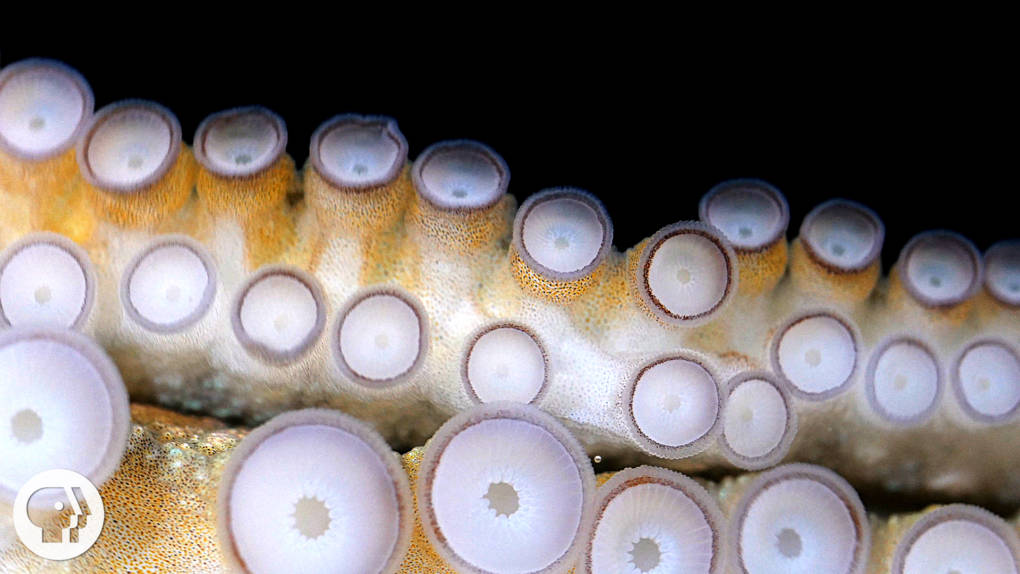
"caption": "Hundreds of powerful suckers on octopus arms do more than just stick. They actually smell and taste too.",
"description": null,
"title": "DL_404OctopusSuckers-marquee-final",
"credit": "Josh Cassidy/KQED",
"status": "inherit",
"isLoading": false,
"fetchFailed": false
},
"science_1382175": {
"type": "attachments",
"id": "science_1382175",
"meta": {
"index": "attachments_1716263798",
"site": "science",
"id": "1382175",
"found": true
},
"parent": 1365412,
"imgSizes": {
"small": {
"file": "https://ww2.kqed.org/app/uploads/sites/35/2017/02/Carmel_River_featured_image-520x290.jpg",
"width": 520,
"mimeType": "image/jpeg",
"height": 290
},
"twentyfourteen-full-width": {
"file": "https://ww2.kqed.org/app/uploads/sites/35/2017/02/Carmel_River_featured_image-1038x576.jpg",
"width": 1038,
"mimeType": "image/jpeg",
"height": 576
},
"thumbnail": {
"file": "https://ww2.kqed.org/app/uploads/sites/35/2017/02/Carmel_River_featured_image-160x89.jpg",
"width": 160,
"mimeType": "image/jpeg",
"height": 89
},
"fd-sm": {
"file": "https://ww2.kqed.org/app/uploads/sites/35/2017/02/Carmel_River_featured_image-960x535.jpg",
"width": 960,
"mimeType": "image/jpeg",
"height": 535
},
"post-thumbnail": {
"file": "https://ww2.kqed.org/app/uploads/sites/35/2017/02/Carmel_River_featured_image-672x372.jpg",
"width": 672,
"mimeType": "image/jpeg",
"height": 372
},
"xsmall": {
"file": "https://ww2.kqed.org/app/uploads/sites/35/2017/02/Carmel_River_featured_image-375x209.jpg",
"width": 375,
"mimeType": "image/jpeg",
"height": 209
},
"kqedFullSize": {
"file": "https://ww2.kqed.org/app/uploads/sites/35/2017/02/Carmel_River_featured_image.jpg",
"width": 1724,
"height": 960
},
"large": {
"file": "https://ww2.kqed.org/app/uploads/sites/35/2017/02/Carmel_River_featured_image-1020x568.jpg",
"width": 1020,
"mimeType": "image/jpeg",
"height": 568
},
"xlarge": {
"file": "https://ww2.kqed.org/app/uploads/sites/35/2017/02/Carmel_River_featured_image-1180x657.jpg",
"width": 1180,
"mimeType": "image/jpeg",
"height": 657
},
"guest-author-50": {
"file": "https://ww2.kqed.org/app/uploads/sites/35/2017/02/Carmel_River_featured_image-50x50.jpg",
"width": 50,
"mimeType": "image/jpeg",
"height": 50
},
"guest-author-96": {
"file": "https://ww2.kqed.org/app/uploads/sites/35/2017/02/Carmel_River_featured_image-96x96.jpg",
"width": 96,
"mimeType": "image/jpeg",
"height": 96
},
"medium": {
"file": "https://ww2.kqed.org/app/uploads/sites/35/2017/02/Carmel_River_featured_image-800x445.jpg",
"width": 800,
"mimeType": "image/jpeg",
"height": 445
},
"guest-author-64": {
"file": "https://ww2.kqed.org/app/uploads/sites/35/2017/02/Carmel_River_featured_image-64x64.jpg",
"width": 64,
"mimeType": "image/jpeg",
"height": 64
},
"guest-author-32": {
"file": "https://ww2.kqed.org/app/uploads/sites/35/2017/02/Carmel_River_featured_image-32x32.jpg",
"width": 32,
"mimeType": "image/jpeg",
"height": 32
},
"fd-med": {
"file": "https://ww2.kqed.org/app/uploads/sites/35/2017/02/Carmel_River_featured_image-1180x657.jpg",
"width": 1180,
"mimeType": "image/jpeg",
"height": 657
},
"detail": {
"file": "https://ww2.kqed.org/app/uploads/sites/35/2017/02/Carmel_River_featured_image-150x150.jpg",
"width": 150,
"mimeType": "image/jpeg",
"height": 150
},
"medium_large": {
"file": "https://ww2.kqed.org/app/uploads/sites/35/2017/02/Carmel_River_featured_image-768x428.jpg",
"width": 768,
"mimeType": "image/jpeg",
"height": 428
},
"guest-author-128": {
"file": "https://ww2.kqed.org/app/uploads/sites/35/2017/02/Carmel_River_featured_image-128x128.jpg",
"width": 128,
"mimeType": "image/jpeg",
"height": 128
},
"xxsmall": {
"file": "https://ww2.kqed.org/app/uploads/sites/35/2017/02/Carmel_River_featured_image-240x134.jpg",
"width": 240,
"mimeType": "image/jpeg",
"height": 134
}
},
"publishDate": 1486361877,
"modified": 1486361899,
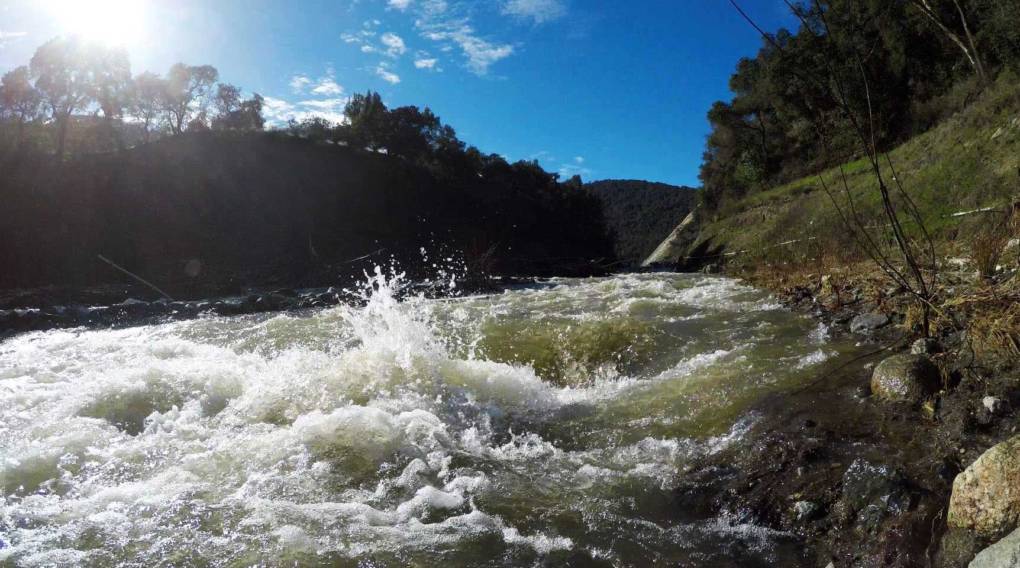
"caption": "A swath of the Carmel River, upstream from the former San Clemente Dam site, surged with water on January 26, 2017. ",
"description": null,
"title": "Carmel_River_featured_image",
"credit": "Lindsey Hoshaw/KQED",
"status": "inherit",
"isLoading": false,
"fetchFailed": false
},
"science_1336527": {
"type": "attachments",
"id": "science_1336527",
"meta": {
"index": "attachments_1716263798",
"site": "science",
"id": "1336527",
"found": true
},
"parent": 1336526,
"imgSizes": {
"small": {
"file": "https://ww2.kqed.org/app/uploads/sites/35/2017/01/DL403-MARQUEE.03-520x293.jpg",
"width": 520,
"mimeType": "image/jpeg",
"height": 293
},
"twentyfourteen-full-width": {
"file": "https://ww2.kqed.org/app/uploads/sites/35/2017/01/DL403-MARQUEE.03-1038x576.jpg",
"width": 1038,
"mimeType": "image/jpeg",
"height": 576
},
"thumbnail": {
"file": "https://ww2.kqed.org/app/uploads/sites/35/2017/01/DL403-MARQUEE.03-160x90.jpg",
"width": 160,
"mimeType": "image/jpeg",
"height": 90
},
"fd-sm": {
"file": "https://ww2.kqed.org/app/uploads/sites/35/2017/01/DL403-MARQUEE.03-960x540.jpg",
"width": 960,
"mimeType": "image/jpeg",
"height": 540
},
"post-thumbnail": {
"file": "https://ww2.kqed.org/app/uploads/sites/35/2017/01/DL403-MARQUEE.03-672x372.jpg",
"width": 672,
"mimeType": "image/jpeg",
"height": 372
},
"xsmall": {
"file": "https://ww2.kqed.org/app/uploads/sites/35/2017/01/DL403-MARQUEE.03-375x211.jpg",
"width": 375,
"mimeType": "image/jpeg",
"height": 211
},
"kqedFullSize": {
"file": "https://ww2.kqed.org/app/uploads/sites/35/2017/01/DL403-MARQUEE.03.jpg",
"width": 1920,
"height": 1080
},
"large": {
"file": "https://ww2.kqed.org/app/uploads/sites/35/2017/01/DL403-MARQUEE.03-1020x574.jpg",
"width": 1020,
"mimeType": "image/jpeg",
"height": 574
},
"xlarge": {
"file": "https://ww2.kqed.org/app/uploads/sites/35/2017/01/DL403-MARQUEE.03-1180x664.jpg",
"width": 1180,
"mimeType": "image/jpeg",
"height": 664
},
"guest-author-50": {
"file": "https://ww2.kqed.org/app/uploads/sites/35/2017/01/DL403-MARQUEE.03-50x50.jpg",
"width": 50,
"mimeType": "image/jpeg",
"height": 50
},
"guest-author-96": {
"file": "https://ww2.kqed.org/app/uploads/sites/35/2017/01/DL403-MARQUEE.03-96x96.jpg",
"width": 96,
"mimeType": "image/jpeg",
"height": 96
},
"medium": {
"file": "https://ww2.kqed.org/app/uploads/sites/35/2017/01/DL403-MARQUEE.03-800x450.jpg",
"width": 800,
"mimeType": "image/jpeg",
"height": 450
},
"guest-author-64": {
"file": "https://ww2.kqed.org/app/uploads/sites/35/2017/01/DL403-MARQUEE.03-64x64.jpg",
"width": 64,
"mimeType": "image/jpeg",
"height": 64
},
"guest-author-32": {
"file": "https://ww2.kqed.org/app/uploads/sites/35/2017/01/DL403-MARQUEE.03-32x32.jpg",
"width": 32,
"mimeType": "image/jpeg",
"height": 32
},
"fd-lrg": {
"file": "https://ww2.kqed.org/app/uploads/sites/35/2017/01/DL403-MARQUEE.03-1920x1080.jpg",
"width": 1920,
"mimeType": "image/jpeg",
"height": 1080
},
"fd-med": {
"file": "https://ww2.kqed.org/app/uploads/sites/35/2017/01/DL403-MARQUEE.03-1180x664.jpg",
"width": 1180,
"mimeType": "image/jpeg",
"height": 664
},
"full-width": {
"file": "https://ww2.kqed.org/app/uploads/sites/35/2017/01/DL403-MARQUEE.03-1920x1080.jpg",
"width": 1920,
"mimeType": "image/jpeg",
"height": 1080
},
"detail": {
"file": "https://ww2.kqed.org/app/uploads/sites/35/2017/01/DL403-MARQUEE.03-150x150.jpg",
"width": 150,
"mimeType": "image/jpeg",
"height": 150
},
"medium_large": {
"file": "https://ww2.kqed.org/app/uploads/sites/35/2017/01/DL403-MARQUEE.03-768x432.jpg",
"width": 768,
"mimeType": "image/jpeg",
"height": 432
},
"guest-author-128": {
"file": "https://ww2.kqed.org/app/uploads/sites/35/2017/01/DL403-MARQUEE.03-128x128.jpg",
"width": 128,
"mimeType": "image/jpeg",
"height": 128
},
"xxsmall": {
"file": "https://ww2.kqed.org/app/uploads/sites/35/2017/01/DL403-MARQUEE.03-240x135.jpg",
"width": 240,
"mimeType": "image/jpeg",
"height": 135
}
},
"publishDate": 1484877487,
"modified": 1484877561,
"caption": "Archerfish spit water at prey.",
"description": null,
"title": "DL403 MARQUEE.03",
"credit": "Josh Cassidy/KQED",
"status": "inherit",
"isLoading": false,
"fetchFailed": false
},
"science_1335968": {
"type": "attachments",
"id": "science_1335968",
"meta": {
"index": "attachments_1716263798",
"site": "science",
"id": "1335968",
"found": true
},
"parent": 1335857,
"imgSizes": {
"small": {
"file": "https://ww2.kqed.org/app/uploads/sites/35/2017/01/Donald-trump-moth-520x258.jpg",
"width": 520,
"mimeType": "image/jpeg",
"height": 258
},
"twentyfourteen-full-width": {
"file": "https://ww2.kqed.org/app/uploads/sites/35/2017/01/Donald-trump-moth-1038x576.jpg",
"width": 1038,
"mimeType": "image/jpeg",
"height": 576
},
"thumbnail": {
"file": "https://ww2.kqed.org/app/uploads/sites/35/2017/01/Donald-trump-moth-160x79.jpg",
"width": 160,
"mimeType": "image/jpeg",
"height": 79
},
"fd-sm": {
"file": "https://ww2.kqed.org/app/uploads/sites/35/2017/01/Donald-trump-moth-960x476.jpg",
"width": 960,
"mimeType": "image/jpeg",
"height": 476
},
"post-thumbnail": {
"file": "https://ww2.kqed.org/app/uploads/sites/35/2017/01/Donald-trump-moth-672x372.jpg",
"width": 672,
"mimeType": "image/jpeg",
"height": 372
},
"xsmall": {
"file": "https://ww2.kqed.org/app/uploads/sites/35/2017/01/Donald-trump-moth-375x186.jpg",
"width": 375,
"mimeType": "image/jpeg",
"height": 186
},
"kqedFullSize": {
"file": "https://ww2.kqed.org/app/uploads/sites/35/2017/01/Donald-trump-moth.jpg",
"width": 2015,
"height": 1000
},
"large": {
"file": "https://ww2.kqed.org/app/uploads/sites/35/2017/01/Donald-trump-moth-1020x506.jpg",
"width": 1020,
"mimeType": "image/jpeg",
"height": 506
},
"xlarge": {
"file": "https://ww2.kqed.org/app/uploads/sites/35/2017/01/Donald-trump-moth-1180x586.jpg",
"width": 1180,
"mimeType": "image/jpeg",
"height": 586
},
"guest-author-50": {
"file": "https://ww2.kqed.org/app/uploads/sites/35/2017/01/Donald-trump-moth-50x50.jpg",
"width": 50,
"mimeType": "image/jpeg",
"height": 50
},
"guest-author-96": {
"file": "https://ww2.kqed.org/app/uploads/sites/35/2017/01/Donald-trump-moth-96x96.jpg",
"width": 96,
"mimeType": "image/jpeg",
"height": 96
},
"medium": {
"file": "https://ww2.kqed.org/app/uploads/sites/35/2017/01/Donald-trump-moth-800x397.jpg",
"width": 800,
"mimeType": "image/jpeg",
"height": 397
},
"guest-author-64": {
"file": "https://ww2.kqed.org/app/uploads/sites/35/2017/01/Donald-trump-moth-64x64.jpg",
"width": 64,
"mimeType": "image/jpeg",
"height": 64
},
"guest-author-32": {
"file": "https://ww2.kqed.org/app/uploads/sites/35/2017/01/Donald-trump-moth-32x32.jpg",
"width": 32,
"mimeType": "image/jpeg",
"height": 32
},
"fd-lrg": {
"file": "https://ww2.kqed.org/app/uploads/sites/35/2017/01/Donald-trump-moth-1920x953.jpg",
"width": 1920,
"mimeType": "image/jpeg",
"height": 953
},
"fd-med": {
"file": "https://ww2.kqed.org/app/uploads/sites/35/2017/01/Donald-trump-moth-1180x586.jpg",
"width": 1180,
"mimeType": "image/jpeg",
"height": 586
},
"full-width": {
"file": "https://ww2.kqed.org/app/uploads/sites/35/2017/01/Donald-trump-moth-1920x953.jpg",
"width": 1920,
"mimeType": "image/jpeg",
"height": 953
},
"detail": {
"file": "https://ww2.kqed.org/app/uploads/sites/35/2017/01/Donald-trump-moth-150x150.jpg",
"width": 150,
"mimeType": "image/jpeg",
"height": 150
},
"medium_large": {
"file": "https://ww2.kqed.org/app/uploads/sites/35/2017/01/Donald-trump-moth-768x381.jpg",
"width": 768,
"mimeType": "image/jpeg",
"height": 381
},
"guest-author-128": {
"file": "https://ww2.kqed.org/app/uploads/sites/35/2017/01/Donald-trump-moth-128x128.jpg",
"width": 128,
"mimeType": "image/jpeg",
"height": 128
},
"xxsmall": {
"file": "https://ww2.kqed.org/app/uploads/sites/35/2017/01/Donald-trump-moth-240x119.jpg",
"width": 240,
"mimeType": "image/jpeg",
"height": 119
}
},
"publishDate": 1484857716,
"modified": 1484857743,
"caption": "Moth species Neopalpa donaldtrumpi. ",
"description": null,
"title": "Donald trump moth",
"credit": "Vazrick Nazari",
"status": "inherit",
"isLoading": false,
"fetchFailed": false
},
"science_1299532": {
"type": "attachments",
"id": "science_1299532",
"meta": {
"index": "attachments_1716263798",
"site": "science",
"id": "1299532",
"found": true
},
"parent": 1299421,
"imgSizes": {
"small": {
"file": "https://ww2.kqed.org/app/uploads/sites/35/2017/01/DL402-Pill-Bugs_MARQUE-PHead-520x293.jpg",
"width": 520,
"mimeType": "image/jpeg",
"height": 293
},
"twentyfourteen-full-width": {
"file": "https://ww2.kqed.org/app/uploads/sites/35/2017/01/DL402-Pill-Bugs_MARQUE-PHead-1038x576.jpg",
"width": 1038,
"mimeType": "image/jpeg",
"height": 576
},
"thumbnail": {
"file": "https://ww2.kqed.org/app/uploads/sites/35/2017/01/DL402-Pill-Bugs_MARQUE-PHead-160x90.jpg",
"width": 160,
"mimeType": "image/jpeg",
"height": 90
},
"fd-sm": {
"file": "https://ww2.kqed.org/app/uploads/sites/35/2017/01/DL402-Pill-Bugs_MARQUE-PHead-960x540.jpg",
"width": 960,
"mimeType": "image/jpeg",
"height": 540
},
"post-thumbnail": {
"file": "https://ww2.kqed.org/app/uploads/sites/35/2017/01/DL402-Pill-Bugs_MARQUE-PHead-672x372.jpg",
"width": 672,
"mimeType": "image/jpeg",
"height": 372
},
"xsmall": {
"file": "https://ww2.kqed.org/app/uploads/sites/35/2017/01/DL402-Pill-Bugs_MARQUE-PHead-375x211.jpg",
"width": 375,
"mimeType": "image/jpeg",
"height": 211
},
"kqedFullSize": {
"file": "https://ww2.kqed.org/app/uploads/sites/35/2017/01/DL402-Pill-Bugs_MARQUE-PHead.jpg",
"width": 1920,
"height": 1080
},
"large": {
"file": "https://ww2.kqed.org/app/uploads/sites/35/2017/01/DL402-Pill-Bugs_MARQUE-PHead-1020x574.jpg",
"width": 1020,
"mimeType": "image/jpeg",
"height": 574
},
"xlarge": {
"file": "https://ww2.kqed.org/app/uploads/sites/35/2017/01/DL402-Pill-Bugs_MARQUE-PHead-1180x664.jpg",
"width": 1180,
"mimeType": "image/jpeg",
"height": 664
},
"guest-author-50": {
"file": "https://ww2.kqed.org/app/uploads/sites/35/2017/01/DL402-Pill-Bugs_MARQUE-PHead-50x50.jpg",
"width": 50,
"mimeType": "image/jpeg",
"height": 50
},
"guest-author-96": {
"file": "https://ww2.kqed.org/app/uploads/sites/35/2017/01/DL402-Pill-Bugs_MARQUE-PHead-96x96.jpg",
"width": 96,
"mimeType": "image/jpeg",
"height": 96
},
"medium": {
"file": "https://ww2.kqed.org/app/uploads/sites/35/2017/01/DL402-Pill-Bugs_MARQUE-PHead-800x450.jpg",
"width": 800,
"mimeType": "image/jpeg",
"height": 450
},
"guest-author-64": {
"file": "https://ww2.kqed.org/app/uploads/sites/35/2017/01/DL402-Pill-Bugs_MARQUE-PHead-64x64.jpg",
"width": 64,
"mimeType": "image/jpeg",
"height": 64
},
"guest-author-32": {
"file": "https://ww2.kqed.org/app/uploads/sites/35/2017/01/DL402-Pill-Bugs_MARQUE-PHead-32x32.jpg",
"width": 32,
"mimeType": "image/jpeg",
"height": 32
},
"fd-lrg": {
"file": "https://ww2.kqed.org/app/uploads/sites/35/2017/01/DL402-Pill-Bugs_MARQUE-PHead-1920x1080.jpg",
"width": 1920,
"mimeType": "image/jpeg",
"height": 1080
},
"fd-med": {
"file": "https://ww2.kqed.org/app/uploads/sites/35/2017/01/DL402-Pill-Bugs_MARQUE-PHead-1180x664.jpg",
"width": 1180,
"mimeType": "image/jpeg",
"height": 664
},
"full-width": {
"file": "https://ww2.kqed.org/app/uploads/sites/35/2017/01/DL402-Pill-Bugs_MARQUE-PHead-1920x1080.jpg",
"width": 1920,
"mimeType": "image/jpeg",
"height": 1080
},
"detail": {
"file": "https://ww2.kqed.org/app/uploads/sites/35/2017/01/DL402-Pill-Bugs_MARQUE-PHead-150x150.jpg",
"width": 150,
"mimeType": "image/jpeg",
"height": 150
},
"medium_large": {
"file": "https://ww2.kqed.org/app/uploads/sites/35/2017/01/DL402-Pill-Bugs_MARQUE-PHead-768x432.jpg",
"width": 768,
"mimeType": "image/jpeg",
"height": 432
},
"guest-author-128": {
"file": "https://ww2.kqed.org/app/uploads/sites/35/2017/01/DL402-Pill-Bugs_MARQUE-PHead-128x128.jpg",
"width": 128,
"mimeType": "image/jpeg",
"height": 128
},
"xxsmall": {
"file": "https://ww2.kqed.org/app/uploads/sites/35/2017/01/DL402-Pill-Bugs_MARQUE-PHead-240x135.jpg",
"width": 240,
"mimeType": "image/jpeg",
"height": 135
}
},
"publishDate": 1483651299,
"modified": 1484672365,
"caption": "Pill bugs roll into a ball for defense or to avoid drying out.",
"description": null,
"title": "Pill bugs roll into a ball for defense or to avoid drying out",
"credit": "Josh Cassidy/KQED",
"status": "inherit",
"isLoading": false,
"fetchFailed": false
},
"science_1262044": {
"type": "attachments",
"id": "science_1262044",
"meta": {
"index": "attachments_1716263798",
"site": "science",
"id": "1262044",
"found": true
},
"parent": 1262043,
"imgSizes": {
"small": {
"file": "https://ww2.kqed.org/app/uploads/sites/35/2016/12/insect-migration-1_enl-dc189c840169541349b95549efc0810d860191be-520x334.jpg",
"width": 520,
"mimeType": "image/jpeg",
"height": 334
},
"twentyfourteen-full-width": {
"file": "https://ww2.kqed.org/app/uploads/sites/35/2016/12/insect-migration-1_enl-dc189c840169541349b95549efc0810d860191be-1038x576.jpg",
"width": 1038,
"mimeType": "image/jpeg",
"height": 576
},
"thumbnail": {
"file": "https://ww2.kqed.org/app/uploads/sites/35/2016/12/insect-migration-1_enl-dc189c840169541349b95549efc0810d860191be-160x103.jpg",
"width": 160,
"mimeType": "image/jpeg",
"height": 103
},
"fd-sm": {
"file": "https://ww2.kqed.org/app/uploads/sites/35/2016/12/insect-migration-1_enl-dc189c840169541349b95549efc0810d860191be-960x617.jpg",
"width": 960,
"mimeType": "image/jpeg",
"height": 617
},
"post-thumbnail": {
"file": "https://ww2.kqed.org/app/uploads/sites/35/2016/12/insect-migration-1_enl-dc189c840169541349b95549efc0810d860191be-672x372.jpg",
"width": 672,
"mimeType": "image/jpeg",
"height": 372
},
"xsmall": {
"file": "https://ww2.kqed.org/app/uploads/sites/35/2016/12/insect-migration-1_enl-dc189c840169541349b95549efc0810d860191be-375x241.jpg",
"width": 375,
"mimeType": "image/jpeg",
"height": 241
},
"kqedFullSize": {
"file": "https://ww2.kqed.org/app/uploads/sites/35/2016/12/insect-migration-1_enl-dc189c840169541349b95549efc0810d860191be.jpg",
"width": 1930,
"height": 1241
},
"large": {
"file": "https://ww2.kqed.org/app/uploads/sites/35/2016/12/insect-migration-1_enl-dc189c840169541349b95549efc0810d860191be-1020x656.jpg",
"width": 1020,
"mimeType": "image/jpeg",
"height": 656
},
"xlarge": {
"file": "https://ww2.kqed.org/app/uploads/sites/35/2016/12/insect-migration-1_enl-dc189c840169541349b95549efc0810d860191be-1180x759.jpg",
"width": 1180,
"mimeType": "image/jpeg",
"height": 759
},
"guest-author-50": {
"file": "https://ww2.kqed.org/app/uploads/sites/35/2016/12/insect-migration-1_enl-dc189c840169541349b95549efc0810d860191be-50x50.jpg",
"width": 50,
"mimeType": "image/jpeg",
"height": 50
},
"guest-author-96": {
"file": "https://ww2.kqed.org/app/uploads/sites/35/2016/12/insect-migration-1_enl-dc189c840169541349b95549efc0810d860191be-96x96.jpg",
"width": 96,
"mimeType": "image/jpeg",
"height": 96
},
"medium": {
"file": "https://ww2.kqed.org/app/uploads/sites/35/2016/12/insect-migration-1_enl-dc189c840169541349b95549efc0810d860191be-800x514.jpg",
"width": 800,
"mimeType": "image/jpeg",
"height": 514
},
"guest-author-64": {
"file": "https://ww2.kqed.org/app/uploads/sites/35/2016/12/insect-migration-1_enl-dc189c840169541349b95549efc0810d860191be-64x64.jpg",
"width": 64,
"mimeType": "image/jpeg",
"height": 64
},
"guest-author-32": {
"file": "https://ww2.kqed.org/app/uploads/sites/35/2016/12/insect-migration-1_enl-dc189c840169541349b95549efc0810d860191be-32x32.jpg",
"width": 32,
"mimeType": "image/jpeg",
"height": 32
},
"fd-lrg": {
"file": "https://ww2.kqed.org/app/uploads/sites/35/2016/12/insect-migration-1_enl-dc189c840169541349b95549efc0810d860191be-1920x1235.jpg",
"width": 1920,
"mimeType": "image/jpeg",
"height": 1235
},
"fd-med": {
"file": "https://ww2.kqed.org/app/uploads/sites/35/2016/12/insect-migration-1_enl-dc189c840169541349b95549efc0810d860191be-1180x759.jpg",
"width": 1180,
"mimeType": "image/jpeg",
"height": 759
},
"full-width": {
"file": "https://ww2.kqed.org/app/uploads/sites/35/2016/12/insect-migration-1_enl-dc189c840169541349b95549efc0810d860191be-1920x1235.jpg",
"width": 1920,
"mimeType": "image/jpeg",
"height": 1235
},
"detail": {
"file": "https://ww2.kqed.org/app/uploads/sites/35/2016/12/insect-migration-1_enl-dc189c840169541349b95549efc0810d860191be-150x150.jpg",
"width": 150,
"mimeType": "image/jpeg",
"height": 150
},
"medium_large": {
"file": "https://ww2.kqed.org/app/uploads/sites/35/2016/12/insect-migration-1_enl-dc189c840169541349b95549efc0810d860191be-768x494.jpg",
"width": 768,
"mimeType": "image/jpeg",
"height": 494
},
"guest-author-128": {
"file": "https://ww2.kqed.org/app/uploads/sites/35/2016/12/insect-migration-1_enl-dc189c840169541349b95549efc0810d860191be-128x128.jpg",
"width": 128,
"mimeType": "image/jpeg",
"height": 128
},
"xxsmall": {
"file": "https://ww2.kqed.org/app/uploads/sites/35/2016/12/insect-migration-1_enl-dc189c840169541349b95549efc0810d860191be-240x154.jpg",
"width": 240,
"mimeType": "image/jpeg",
"height": 154
}
},
"publishDate": 1482436875,
"modified": 1482436875,
"caption": null,
"description": "The marmalade hoverfly might not be the flashiest bug under the sun, but researchers say it \"does some very important jobs.\"",
"title": "The marmalade hoverfly might not be the flashiest bug under the sun, but researchers say it \"does some very important jobs.\"",
"credit": null,
"status": "inherit",
"isLoading": false,
"fetchFailed": false
},
"science_1210758": {
"type": "attachments",
"id": "science_1210758",
"meta": {
"index": "attachments_1716263798",
"site": "science",
"id": "1210758",
"found": true
},
"parent": 1207350,
"imgSizes": {
"small": {
"file": "https://ww2.kqed.org/app/uploads/sites/35/2016/12/DL_401Antlers_Marquee_candidate_FINAL-520x293.jpg",
"width": 520,
"mimeType": "image/jpeg",
"height": 293
},
"twentyfourteen-full-width": {
"file": "https://ww2.kqed.org/app/uploads/sites/35/2016/12/DL_401Antlers_Marquee_candidate_FINAL-1038x576.jpg",
"width": 1038,
"mimeType": "image/jpeg",
"height": 576
},
"thumbnail": {
"file": "https://ww2.kqed.org/app/uploads/sites/35/2016/12/DL_401Antlers_Marquee_candidate_FINAL-160x90.jpg",
"width": 160,
"mimeType": "image/jpeg",
"height": 90
},
"fd-sm": {
"file": "https://ww2.kqed.org/app/uploads/sites/35/2016/12/DL_401Antlers_Marquee_candidate_FINAL-960x540.jpg",
"width": 960,
"mimeType": "image/jpeg",
"height": 540
},
"post-thumbnail": {
"file": "https://ww2.kqed.org/app/uploads/sites/35/2016/12/DL_401Antlers_Marquee_candidate_FINAL-672x372.jpg",
"width": 672,
"mimeType": "image/jpeg",
"height": 372
},
"xsmall": {
"file": "https://ww2.kqed.org/app/uploads/sites/35/2016/12/DL_401Antlers_Marquee_candidate_FINAL-375x211.jpg",
"width": 375,
"mimeType": "image/jpeg",
"height": 211
},
"kqedFullSize": {
"file": "https://ww2.kqed.org/app/uploads/sites/35/2016/12/DL_401Antlers_Marquee_candidate_FINAL.jpg",
"width": 1920,
"height": 1080
},
"large": {
"file": "https://ww2.kqed.org/app/uploads/sites/35/2016/12/DL_401Antlers_Marquee_candidate_FINAL-1020x574.jpg",
"width": 1020,
"mimeType": "image/jpeg",
"height": 574
},
"xlarge": {
"file": "https://ww2.kqed.org/app/uploads/sites/35/2016/12/DL_401Antlers_Marquee_candidate_FINAL-1180x664.jpg",
"width": 1180,
"mimeType": "image/jpeg",
"height": 664
},
"guest-author-50": {
"file": "https://ww2.kqed.org/app/uploads/sites/35/2016/12/DL_401Antlers_Marquee_candidate_FINAL-50x50.jpg",
"width": 50,
"mimeType": "image/jpeg",
"height": 50
},
"guest-author-96": {
"file": "https://ww2.kqed.org/app/uploads/sites/35/2016/12/DL_401Antlers_Marquee_candidate_FINAL-96x96.jpg",
"width": 96,
"mimeType": "image/jpeg",
"height": 96
},
"medium": {
"file": "https://ww2.kqed.org/app/uploads/sites/35/2016/12/DL_401Antlers_Marquee_candidate_FINAL-800x450.jpg",
"width": 800,
"mimeType": "image/jpeg",
"height": 450
},
"guest-author-64": {
"file": "https://ww2.kqed.org/app/uploads/sites/35/2016/12/DL_401Antlers_Marquee_candidate_FINAL-64x64.jpg",
"width": 64,
"mimeType": "image/jpeg",
"height": 64
},
"guest-author-32": {
"file": "https://ww2.kqed.org/app/uploads/sites/35/2016/12/DL_401Antlers_Marquee_candidate_FINAL-32x32.jpg",
"width": 32,
"mimeType": "image/jpeg",
"height": 32
},
"fd-lrg": {
"file": "https://ww2.kqed.org/app/uploads/sites/35/2016/12/DL_401Antlers_Marquee_candidate_FINAL-1920x1080.jpg",
"width": 1920,
"mimeType": "image/jpeg",
"height": 1080
},
"fd-med": {
"file": "https://ww2.kqed.org/app/uploads/sites/35/2016/12/DL_401Antlers_Marquee_candidate_FINAL-1180x664.jpg",
"width": 1180,
"mimeType": "image/jpeg",
"height": 664
},
"full-width": {
"file": "https://ww2.kqed.org/app/uploads/sites/35/2016/12/DL_401Antlers_Marquee_candidate_FINAL-1920x1080.jpg",
"width": 1920,
"mimeType": "image/jpeg",
"height": 1080
},
"detail": {
"file": "https://ww2.kqed.org/app/uploads/sites/35/2016/12/DL_401Antlers_Marquee_candidate_FINAL-150x150.jpg",
"width": 150,
"mimeType": "image/jpeg",
"height": 150
},
"medium_large": {
"file": "https://ww2.kqed.org/app/uploads/sites/35/2016/12/DL_401Antlers_Marquee_candidate_FINAL-768x432.jpg",
"width": 768,
"mimeType": "image/jpeg",
"height": 432
},
"guest-author-128": {
"file": "https://ww2.kqed.org/app/uploads/sites/35/2016/12/DL_401Antlers_Marquee_candidate_FINAL-128x128.jpg",
"width": 128,
"mimeType": "image/jpeg",
"height": 128
},
"xxsmall": {
"file": "https://ww2.kqed.org/app/uploads/sites/35/2016/12/DL_401Antlers_Marquee_candidate_FINAL-240x135.jpg",
"width": 240,
"mimeType": "image/jpeg",
"height": 135
}
},
"publishDate": 1480727668,
"modified": 1480727668,
"caption": null,
"description": null,
"title": "dl_401antlers_marquee_candidate_final",
"credit": null,
"status": "inherit",
"isLoading": false,
"fetchFailed": false
},
"science_1201865": {
"type": "attachments",
"id": "science_1201865",
"meta": {
"index": "attachments_1716263798",
"site": "science",
"id": "1201865",
"found": true
},
"parent": 1201862,
"imgSizes": {
"small": {
"file": "https://ww2.kqed.org/app/uploads/sites/35/2016/11/ScottBauerUSDA-520x339.jpg",
"width": 520,
"mimeType": "image/jpeg",
"height": 339
},
"thumbnail": {
"file": "https://ww2.kqed.org/app/uploads/sites/35/2016/11/ScottBauerUSDA-160x104.jpg",
"width": 160,
"mimeType": "image/jpeg",
"height": 104
},
"post-thumbnail": {
"file": "https://ww2.kqed.org/app/uploads/sites/35/2016/11/ScottBauerUSDA-660x372.jpg",
"width": 660,
"mimeType": "image/jpeg",
"height": 372
},
"xsmall": {
"file": "https://ww2.kqed.org/app/uploads/sites/35/2016/11/ScottBauerUSDA-375x244.jpg",
"width": 375,
"mimeType": "image/jpeg",
"height": 244
},
"kqedFullSize": {
"file": "https://ww2.kqed.org/app/uploads/sites/35/2016/11/ScottBauerUSDA.jpg",
"width": 660,
"height": 430
},
"guest-author-50": {
"file": "https://ww2.kqed.org/app/uploads/sites/35/2016/11/ScottBauerUSDA-50x50.jpg",
"width": 50,
"mimeType": "image/jpeg",
"height": 50
},
"guest-author-96": {
"file": "https://ww2.kqed.org/app/uploads/sites/35/2016/11/ScottBauerUSDA-96x96.jpg",
"width": 96,
"mimeType": "image/jpeg",
"height": 96
},
"guest-author-64": {
"file": "https://ww2.kqed.org/app/uploads/sites/35/2016/11/ScottBauerUSDA-64x64.jpg",
"width": 64,
"mimeType": "image/jpeg",
"height": 64
},
"detail": {
"file": "https://ww2.kqed.org/app/uploads/sites/35/2016/11/ScottBauerUSDA-150x150.jpg",
"width": 150,
"mimeType": "image/jpeg",
"height": 150
},
"guest-author-32": {
"file": "https://ww2.kqed.org/app/uploads/sites/35/2016/11/ScottBauerUSDA-32x32.jpg",
"width": 32,
"mimeType": "image/jpeg",
"height": 32
},
"guest-author-128": {
"file": "https://ww2.kqed.org/app/uploads/sites/35/2016/11/ScottBauerUSDA-128x128.jpg",
"width": 128,
"mimeType": "image/jpeg",
"height": 128
},
"xxsmall": {
"file": "https://ww2.kqed.org/app/uploads/sites/35/2016/11/ScottBauerUSDA-240x156.jpg",
"width": 240,
"mimeType": "image/jpeg",
"height": 156
}
},
"publishDate": 1480435318,
"modified": 1480435566,
"caption": "Dairy cows feeding on finger millet, a grain used to make breads, porridge, and baby food. When cows belch, pass gas and make manure they release methane, a greenhouse gas.",
"description": null,
"title": "scottbauerusda",
"credit": "Scott Bauer/USDA",
"status": "inherit",
"isLoading": false,
"fetchFailed": false
},
"science_1126299": {
"type": "attachments",
"id": "science_1126299",
"meta": {
"index": "attachments_1716263798",
"site": "science",
"id": "1126299",
"found": true
},
"parent": 1109305,
"imgSizes": {
"small": {
"file": "https://ww2.kqed.org/app/uploads/sites/35/2016/11/DL320-mantis-phead-left-520x293.jpg",
"width": 520,
"mimeType": "image/jpeg",
"height": 293
},
"twentyfourteen-full-width": {
"file": "https://ww2.kqed.org/app/uploads/sites/35/2016/11/DL320-mantis-phead-left-1038x576.jpg",
"width": 1038,
"mimeType": "image/jpeg",
"height": 576
},
"thumbnail": {
"file": "https://ww2.kqed.org/app/uploads/sites/35/2016/11/DL320-mantis-phead-left-160x90.jpg",
"width": 160,
"mimeType": "image/jpeg",
"height": 90
},
"fd-sm": {
"file": "https://ww2.kqed.org/app/uploads/sites/35/2016/11/DL320-mantis-phead-left-960x540.jpg",
"width": 960,
"mimeType": "image/jpeg",
"height": 540
},
"post-thumbnail": {
"file": "https://ww2.kqed.org/app/uploads/sites/35/2016/11/DL320-mantis-phead-left-672x372.jpg",
"width": 672,
"mimeType": "image/jpeg",
"height": 372
},
"xsmall": {
"file": "https://ww2.kqed.org/app/uploads/sites/35/2016/11/DL320-mantis-phead-left-375x211.jpg",
"width": 375,
"mimeType": "image/jpeg",
"height": 211
},
"kqedFullSize": {
"file": "https://ww2.kqed.org/app/uploads/sites/35/2016/11/DL320-mantis-phead-left.jpg",
"width": 1920,
"height": 1080
},
"large": {
"file": "https://ww2.kqed.org/app/uploads/sites/35/2016/11/DL320-mantis-phead-left-1020x574.jpg",
"width": 1020,
"mimeType": "image/jpeg",
"height": 574
},
"xlarge": {
"file": "https://ww2.kqed.org/app/uploads/sites/35/2016/11/DL320-mantis-phead-left-1180x664.jpg",
"width": 1180,
"mimeType": "image/jpeg",
"height": 664
},
"guest-author-50": {
"file": "https://ww2.kqed.org/app/uploads/sites/35/2016/11/DL320-mantis-phead-left-50x50.jpg",
"width": 50,
"mimeType": "image/jpeg",
"height": 50
},
"guest-author-96": {
"file": "https://ww2.kqed.org/app/uploads/sites/35/2016/11/DL320-mantis-phead-left-96x96.jpg",
"width": 96,
"mimeType": "image/jpeg",
"height": 96
},
"medium": {
"file": "https://ww2.kqed.org/app/uploads/sites/35/2016/11/DL320-mantis-phead-left-800x450.jpg",
"width": 800,
"mimeType": "image/jpeg",
"height": 450
},
"guest-author-64": {
"file": "https://ww2.kqed.org/app/uploads/sites/35/2016/11/DL320-mantis-phead-left-64x64.jpg",
"width": 64,
"mimeType": "image/jpeg",
"height": 64
},
"guest-author-32": {
"file": "https://ww2.kqed.org/app/uploads/sites/35/2016/11/DL320-mantis-phead-left-32x32.jpg",
"width": 32,
"mimeType": "image/jpeg",
"height": 32
},
"fd-lrg": {
"file": "https://ww2.kqed.org/app/uploads/sites/35/2016/11/DL320-mantis-phead-left-1920x1080.jpg",
"width": 1920,
"mimeType": "image/jpeg",
"height": 1080
},
"fd-med": {
"file": "https://ww2.kqed.org/app/uploads/sites/35/2016/11/DL320-mantis-phead-left-1180x664.jpg",
"width": 1180,
"mimeType": "image/jpeg",
"height": 664
},
"full-width": {
"file": "https://ww2.kqed.org/app/uploads/sites/35/2016/11/DL320-mantis-phead-left-1920x1080.jpg",
"width": 1920,
"mimeType": "image/jpeg",
"height": 1080
},
"detail": {
"file": "https://ww2.kqed.org/app/uploads/sites/35/2016/11/DL320-mantis-phead-left-150x150.jpg",
"width": 150,
"mimeType": "image/jpeg",
"height": 150
},
"medium_large": {
"file": "https://ww2.kqed.org/app/uploads/sites/35/2016/11/DL320-mantis-phead-left-768x432.jpg",
"width": 768,
"mimeType": "image/jpeg",
"height": 432
},
"guest-author-128": {
"file": "https://ww2.kqed.org/app/uploads/sites/35/2016/11/DL320-mantis-phead-left-128x128.jpg",
"width": 128,
"mimeType": "image/jpeg",
"height": 128
},
"xxsmall": {
"file": "https://ww2.kqed.org/app/uploads/sites/35/2016/11/DL320-mantis-phead-left-240x135.jpg",
"width": 240,
"mimeType": "image/jpeg",
"height": 135
}
},
"publishDate": 1478039769,
"modified": 1478039769,
"caption": null,
"description": null,
"title": "dl320-mantis-phead-left",
"credit": null,
"status": "inherit",
"isLoading": false,
"fetchFailed": false
},
"science_1125282": {
"type": "attachments",
"id": "science_1125282",
"meta": {
"index": "attachments_1716263798",
"site": "science",
"id": "1125282",
"found": true
},
"parent": 1089990,
"imgSizes": {
"small": {
"file": "https://ww2.kqed.org/app/uploads/sites/35/2016/11/DL319-AntSymbiosis-MARQUEE-pHead-520x293.jpg",
"width": 520,
"mimeType": "image/jpeg",
"height": 293
},
"twentyfourteen-full-width": {
"file": "https://ww2.kqed.org/app/uploads/sites/35/2016/11/DL319-AntSymbiosis-MARQUEE-pHead-1038x576.jpg",
"width": 1038,
"mimeType": "image/jpeg",
"height": 576
},
"thumbnail": {
"file": "https://ww2.kqed.org/app/uploads/sites/35/2016/11/DL319-AntSymbiosis-MARQUEE-pHead-160x90.jpg",
"width": 160,
"mimeType": "image/jpeg",
"height": 90
},
"fd-sm": {
"file": "https://ww2.kqed.org/app/uploads/sites/35/2016/11/DL319-AntSymbiosis-MARQUEE-pHead-960x540.jpg",
"width": 960,
"mimeType": "image/jpeg",
"height": 540
},
"post-thumbnail": {
"file": "https://ww2.kqed.org/app/uploads/sites/35/2016/11/DL319-AntSymbiosis-MARQUEE-pHead-672x372.jpg",
"width": 672,
"mimeType": "image/jpeg",
"height": 372
},
"xsmall": {
"file": "https://ww2.kqed.org/app/uploads/sites/35/2016/11/DL319-AntSymbiosis-MARQUEE-pHead-375x211.jpg",
"width": 375,
"mimeType": "image/jpeg",
"height": 211
},
"kqedFullSize": {
"file": "https://ww2.kqed.org/app/uploads/sites/35/2016/11/DL319-AntSymbiosis-MARQUEE-pHead.jpg",
"width": 1920,
"height": 1080
},
"large": {
"file": "https://ww2.kqed.org/app/uploads/sites/35/2016/11/DL319-AntSymbiosis-MARQUEE-pHead-1020x574.jpg",
"width": 1020,
"mimeType": "image/jpeg",
"height": 574
},
"xlarge": {
"file": "https://ww2.kqed.org/app/uploads/sites/35/2016/11/DL319-AntSymbiosis-MARQUEE-pHead-1180x664.jpg",
"width": 1180,
"mimeType": "image/jpeg",
"height": 664
},
"guest-author-50": {
"file": "https://ww2.kqed.org/app/uploads/sites/35/2016/11/DL319-AntSymbiosis-MARQUEE-pHead-50x50.jpg",
"width": 50,
"mimeType": "image/jpeg",
"height": 50
},
"guest-author-96": {
"file": "https://ww2.kqed.org/app/uploads/sites/35/2016/11/DL319-AntSymbiosis-MARQUEE-pHead-96x96.jpg",
"width": 96,
"mimeType": "image/jpeg",
"height": 96
},
"medium": {
"file": "https://ww2.kqed.org/app/uploads/sites/35/2016/11/DL319-AntSymbiosis-MARQUEE-pHead-800x450.jpg",
"width": 800,
"mimeType": "image/jpeg",
"height": 450
},
"guest-author-64": {
"file": "https://ww2.kqed.org/app/uploads/sites/35/2016/11/DL319-AntSymbiosis-MARQUEE-pHead-64x64.jpg",
"width": 64,
"mimeType": "image/jpeg",
"height": 64
},
"guest-author-32": {
"file": "https://ww2.kqed.org/app/uploads/sites/35/2016/11/DL319-AntSymbiosis-MARQUEE-pHead-32x32.jpg",
"width": 32,
"mimeType": "image/jpeg",
"height": 32
},
"fd-lrg": {
"file": "https://ww2.kqed.org/app/uploads/sites/35/2016/11/DL319-AntSymbiosis-MARQUEE-pHead-1920x1080.jpg",
"width": 1920,
"mimeType": "image/jpeg",
"height": 1080
},
"fd-med": {
"file": "https://ww2.kqed.org/app/uploads/sites/35/2016/11/DL319-AntSymbiosis-MARQUEE-pHead-1180x664.jpg",
"width": 1180,
"mimeType": "image/jpeg",
"height": 664
},
"full-width": {
"file": "https://ww2.kqed.org/app/uploads/sites/35/2016/11/DL319-AntSymbiosis-MARQUEE-pHead-1920x1080.jpg",
"width": 1920,
"mimeType": "image/jpeg",
"height": 1080
},
"detail": {
"file": "https://ww2.kqed.org/app/uploads/sites/35/2016/11/DL319-AntSymbiosis-MARQUEE-pHead-150x150.jpg",
"width": 150,
"mimeType": "image/jpeg",
"height": 150
},
"medium_large": {
"file": "https://ww2.kqed.org/app/uploads/sites/35/2016/11/DL319-AntSymbiosis-MARQUEE-pHead-768x432.jpg",
"width": 768,
"mimeType": "image/jpeg",
"height": 432
},
"guest-author-128": {
"file": "https://ww2.kqed.org/app/uploads/sites/35/2016/11/DL319-AntSymbiosis-MARQUEE-pHead-128x128.jpg",
"width": 128,
"mimeType": "image/jpeg",
"height": 128
},
"xxsmall": {
"file": "https://ww2.kqed.org/app/uploads/sites/35/2016/11/DL319-AntSymbiosis-MARQUEE-pHead-240x135.jpg",
"width": 240,
"mimeType": "image/jpeg",
"height": 135
}
},
"publishDate": 1478006503,
"modified": 1478006503,
"caption": null,
"description": null,
"title": "dl319-antsymbiosis-marquee-phead",
"credit": null,
"status": "inherit",
"isLoading": false,
"fetchFailed": false
},
"science_1123397": {
"type": "attachments",
"id": "science_1123397",
"meta": {
"index": "attachments_1716263798",
"site": "science",
"id": "1123397",
"found": true
},
"parent": 1123394,
"imgSizes": {
"thumbnail": {
"file": "https://ww2.kqed.org/app/uploads/sites/35/2016/10/millipede_414_legs-160x120.jpg",
"width": 160,
"mimeType": "image/jpeg",
"height": 120
},
"xsmall": {
"file": "https://ww2.kqed.org/app/uploads/sites/35/2016/10/millipede_414_legs-375x282.jpg",
"width": 375,
"mimeType": "image/jpeg",
"height": 282
},
"kqedFullSize": {
"file": "https://ww2.kqed.org/app/uploads/sites/35/2016/10/millipede_414_legs.jpg",
"width": 415,
"height": 312
},
"guest-author-50": {
"file": "https://ww2.kqed.org/app/uploads/sites/35/2016/10/millipede_414_legs-50x50.jpg",
"width": 50,
"mimeType": "image/jpeg",
"height": 50
},
"guest-author-96": {
"file": "https://ww2.kqed.org/app/uploads/sites/35/2016/10/millipede_414_legs-96x96.jpg",
"width": 96,
"mimeType": "image/jpeg",
"height": 96
},
"guest-author-64": {
"file": "https://ww2.kqed.org/app/uploads/sites/35/2016/10/millipede_414_legs-64x64.jpg",
"width": 64,
"mimeType": "image/jpeg",
"height": 64
},
"detail": {
"file": "https://ww2.kqed.org/app/uploads/sites/35/2016/10/millipede_414_legs-150x150.jpg",
"width": 150,
"mimeType": "image/jpeg",
"height": 150
},
"guest-author-32": {
"file": "https://ww2.kqed.org/app/uploads/sites/35/2016/10/millipede_414_legs-32x32.jpg",
"width": 32,
"mimeType": "image/jpeg",
"height": 32
},
"guest-author-128": {
"file": "https://ww2.kqed.org/app/uploads/sites/35/2016/10/millipede_414_legs-128x128.jpg",
"width": 128,
"mimeType": "image/jpeg",
"height": 128
},
"xxsmall": {
"file": "https://ww2.kqed.org/app/uploads/sites/35/2016/10/millipede_414_legs-240x180.jpg",
"width": 240,
"mimeType": "image/jpeg",
"height": 180
}
},
"publishDate": 1477948408,
"modified": 1477948463,
"caption": null,
"description": null,
"title": "millipede_414_legs",
"credit": "Paul Marek/Virginia Tech",
"status": "inherit",
"isLoading": false,
"fetchFailed": false
}
},
"audioPlayerReducer": {
"postId": "stream_live",
"isPaused": true,
"isPlaying": false,
"pfsActive": false,
"pledgeModalIsOpen": true,
"playerDrawerIsOpen": false,
"liveAudioPlayStartedAt": 0,
"liveAudioPlayContext": ""
},
"authorsReducer": {
"byline_science_1335857": {
"type": "authors",
"id": "byline_science_1335857",
"meta": {
"override": true
},
"slug": "byline_science_1335857",
"name": "Associated Press",
"isLoading": false
},
"byline_science_1262043": {
"type": "authors",
"id": "byline_science_1262043",
"meta": {
"override": true
},
"slug": "byline_science_1262043",
"name": "Nell Greenfieldboyce\u003c/br>NPR",
"isLoading": false
},
"byline_science_1201862": {
"type": "authors",
"id": "byline_science_1201862",
"meta": {
"override": true
},
"slug": "byline_science_1201862",
"name": "Terence Chea\u003c/br>Associated Press",
"isLoading": false
},
"byline_science_1123394": {
"type": "authors",
"id": "byline_science_1123394",
"meta": {
"override": true
},
"slug": "byline_science_1123394",
"name": "Associated Press",
"isLoading": false
},
"lindseyhoshaw": {
"type": "authors",
"id": "5432",
"meta": {
"index": "authors_1716337520",
"id": "5432",
"found": true
},
"name": "Lindsey Hoshaw",
"firstName": "Lindsey",
"lastName": "Hoshaw",
"slug": "lindseyhoshaw",
"email": "lhoshaw@kqed.org",
"display_author_email": false,
"staff_mastheads": [],
"title": "KQED Contributor",
"bio": "Lindsey Hoshaw is a former interactive producer for KQED Science. Before joining KQED, Lindsey was a science correspondent for The New York Times, The Boston Globe, Forbes and Scientific American. On Twitter @lindseyhoshaw",
"avatar": "https://secure.gravatar.com/avatar/274b07694c998eaa8f26cfabaa941186?s=600&d=mm&r=g",
"twitter": "lindseyhoshaw",
"facebook": "lindsey.hoshaw.9",
"instagram": null,
"linkedin": null,
"sites": [
{
"site": "arts",
"roles": [
"author"
]
},
{
"site": "news",
"roles": [
"subscriber"
]
},
{
"site": "futureofyou",
"roles": [
"editor"
]
},
{
"site": "bayareabites",
"roles": [
"contributor"
]
},
{
"site": "stateofhealth",
"roles": [
"author"
]
},
{
"site": "science",
"roles": [
"edit_theme_options",
"subscriber"
]
},
{
"site": "quest",
"roles": [
"edit_post_subscriptions",
"edit_usergroups",
"unfiltered_html",
"unfiltered_upload",
"leadcoordinator",
"editor"
]
},
{
"site": "food",
"roles": []
}
],
"headData": {
"title": "Lindsey Hoshaw | KQED",
"description": "KQED Contributor",
"ogImgSrc": "https://secure.gravatar.com/avatar/274b07694c998eaa8f26cfabaa941186?s=600&d=mm&r=g",
"twImgSrc": "https://secure.gravatar.com/avatar/274b07694c998eaa8f26cfabaa941186?s=600&d=mm&r=g"
},
"isLoading": false,
"link": "/author/lindseyhoshaw"
},
"gabriela-quiros": {
"type": "authors",
"id": "6186",
"meta": {
"index": "authors_1716337520",
"id": "6186",
"found": true
},
"name": "Gabriela Quirós",
"firstName": "Gabriela",
"lastName": "Quirós",
"slug": "gabriela-quiros",
"email": "gquiros@kqed.org",
"display_author_email": false,
"staff_mastheads": [],
"title": "Supervising Producer",
"bio": "Gabriela Quirós is the \u003cstrong>supervising producer for KQED's web science video series \u003ca href=\"https://www.kqed.org/deeplook\">Deep Look\u003c/a>\u003c/strong>. She joined KQED as a TV producer when its science series QUEST started in 2006 and has covered everything from Alzheimer’s to bee die-offs to dark energy.\r\n\r\nShe won a 2022 AAAS Kavli Science Journalism Award with a team of her Deep Look colleagues. She has won six regional Emmys as a video producer and has shared eight more as the coordinating producer of Deep Look. The episode she produced about \u003ca href=\"https://www.kqed.org/science/728086/how-mosquitoes-use-six-needles-to-suck-your-blood\">How Mosquitoes Use Six Needles to Suck Your Blood\u003c/a> won a Webby \"People's Voice\" award. She has also earned awards from the Jackson Hole Wildlife Film Festival, the Society of Professional Journalists and the Society of Environmental Journalists.\r\n\r\nHer videos for KQED have also aired on NOVA scienceNOW and the PBS NewsHour, and appeared on NPR.org.\r\n\r\nAs an independent filmmaker, she produced and directed the hour-long documentary \u003ca href=\"http://lpbp.org/beautiful-sin-qa-with-producer-gabriela-quiros/\">\u003cem>Beautiful Sin\u003c/em>\u003c/a>, about the surprising story of how Costa Rica became the only country in the world to outlaw in vitro fertilization. The film aired in 2015 on public television stations throughout the U.S., and in Costa Rica.\r\n\r\nShe started her journalism career as a newspaper reporter in Costa Rica, where she grew up. She won the National Science Journalism Award there for a series of articles about organic agriculture, and developed a life-long interest in health reporting. She moved to the Bay Area in 1996 to study documentary filmmaking at the University of California, Berkeley, where she received master’s degrees in journalism and Latin American studies.",
"avatar": "https://secure.gravatar.com/avatar/6d82c20152affd1b434c31a904c40809?s=600&d=blank&r=g",
"twitter": "gabrielaquirosr",
"facebook": null,
"instagram": null,
"linkedin": null,
"sites": [
{
"site": "science",
"roles": []
},
{
"site": "quest",
"roles": [
"ef_view_calendar",
"ef_view_story_budget"
]
}
],
"headData": {
"title": "Gabriela Quirós | KQED",
"description": "Supervising Producer",
"ogImgSrc": "https://secure.gravatar.com/avatar/6d82c20152affd1b434c31a904c40809?s=600&d=blank&r=g",
"twImgSrc": "https://secure.gravatar.com/avatar/6d82c20152affd1b434c31a904c40809?s=600&d=blank&r=g"
},
"isLoading": false,
"link": "/author/gabriela-quiros"
},
"joshua-cassidy": {
"type": "authors",
"id": "6219",
"meta": {
"index": "authors_1716337520",
"id": "6219",
"found": true
},
"name": "Josh Cassidy",
"firstName": "Josh",
"lastName": "Cassidy",
"slug": "joshua-cassidy",
"email": "jcassidy@kqed.org",
"display_author_email": false,
"staff_mastheads": [
"science"
],
"title": "Digital Video Producer",
"bio": "Josh is a Senior Video Producer for KQED Science, and the Lead Producer and Cinematographer for Deep Look. After receiving his BS in Wildlife Biology from Ohio University, he went on to participate in marine mammal research for NOAA, USGS and the Intersea Foundation. He also served as the president of The Pacific Cetacean Group, a nonprofit organization dedicated to teaching students K-6 about whales. Josh studied science and natural history filmmaking at San Francisco State University and Montana State University.",
"avatar": "https://secure.gravatar.com/avatar/f2582a0801a35af53b734d56bcac2bbe?s=600&d=blank&r=g",
"twitter": null,
"facebook": null,
"instagram": null,
"linkedin": null,
"sites": [
{
"site": "science",
"roles": [
"editor"
]
},
{
"site": "quest",
"roles": [
"author",
"edit_others_posts"
]
}
],
"headData": {
"title": "Josh Cassidy | KQED",
"description": "Digital Video Producer",
"ogImgSrc": "https://secure.gravatar.com/avatar/f2582a0801a35af53b734d56bcac2bbe?s=600&d=blank&r=g",
"twImgSrc": "https://secure.gravatar.com/avatar/f2582a0801a35af53b734d56bcac2bbe?s=600&d=blank&r=g"
},
"isLoading": false,
"link": "/author/joshua-cassidy"
},
"ekennerson": {
"type": "authors",
"id": "11090",
"meta": {
"index": "authors_1716337520",
"id": "11090",
"found": true
},
"name": "Elliott Kennerson",
"firstName": "Elliott",
"lastName": "Kennerson",
"slug": "ekennerson",
"email": "ekennerson@kqed.org",
"display_author_email": false,
"staff_mastheads": [],
"title": null,
"bio": "Elliott Kennerson joined KQED Science as a Digital Media Producer in 2015. Before joining KQED, he produced the Kickstarter-funded series “Animal R&R” for KPBS in San Diego. Elliott received his M.F.A. training in wildlife documentary at Montana State in Bozeman and holds a B.A. from Yale in archaeology. In his former life as an actor, he was an associate artist with LightBox Theater Company in New York. Elliott is the recipient of a 2017 Regional Emmy for his work as a producer on “Deep Look.\"",
"avatar": "https://secure.gravatar.com/avatar/90ebfa58055409e54c8f8a4c120ecf91?s=600&d=blank&r=g",
"twitter": "edorank",
"facebook": null,
"instagram": null,
"linkedin": null,
"sites": [
{
"site": "science",
"roles": [
"editor"
]
}
],
"headData": {
"title": "Elliott Kennerson | KQED",
"description": null,
"ogImgSrc": "https://secure.gravatar.com/avatar/90ebfa58055409e54c8f8a4c120ecf91?s=600&d=blank&r=g",
"twImgSrc": "https://secure.gravatar.com/avatar/90ebfa58055409e54c8f8a4c120ecf91?s=600&d=blank&r=g"
},
"isLoading": false,
"link": "/author/ekennerson"
},
"cboyle": {
"type": "authors",
"id": "11254",
"meta": {
"index": "authors_1716337520",
"id": "11254",
"found": true
},
"name": "Carrie Boyle",
"firstName": "Carrie",
"lastName": "Boyle",
"slug": "cboyle",
"email": "cboyle@kqed.org",
"display_author_email": false,
"staff_mastheads": [],
"title": "KQED Contributor",
"bio": "Carrie is a KQED Science intern, joining the team as the 2016 recipient of the Dr. and Mrs. Allen Fuhs CSU Monterey Bay-KQED Scholarship. After receiving a B.S. in Environmental Biology at UC Berkeley, she worked as a science educator in San Diego and at the California Academy of Sciences. She loves just about anything that involves the ocean, and is currently working towards her M.S. in Applied Marine and Watershed Science at CSU Monterey Bay.",
"avatar": "https://secure.gravatar.com/avatar/9fed749c83a121dd06b72d2c0b436841?s=600&d=blank&r=g",
"twitter": null,
"facebook": null,
"instagram": null,
"linkedin": null,
"sites": [
{
"site": "science",
"roles": []
}
],
"headData": {
"title": "Carrie Boyle | KQED",
"description": "KQED Contributor",
"ogImgSrc": "https://secure.gravatar.com/avatar/9fed749c83a121dd06b72d2c0b436841?s=600&d=blank&r=g",
"twImgSrc": "https://secure.gravatar.com/avatar/9fed749c83a121dd06b72d2c0b436841?s=600&d=blank&r=g"
},
"isLoading": false,
"link": "/author/cboyle"
}
},
"pagesReducer": {
"science_category_animals": {
"type": "terms",
"id": "science_2874",
"meta": {
"index": "terms_1716263798",
"site": "science",
"id": "2874",
"score": 12.286735
},
"featImg": null,
"name": "Animals",
"description": null,
"taxonomy": "category",
"headData": {
"twImgId": null,
"twTitle": null,
"ogTitle": null,
"ogImgId": null,
"twDescription": null,
"description": null,
"title": "Animals Archives | KQED Science",
"ogDescription": null
},
"ttid": 2874,
"slug": "animals",
"isLoading": false,
"title": "Animals",
"pageMeta": {
"site": "science",
"WpPageTemplate": "page-topic-editorial",
"currentPage": 35
},
"blocks": [
{
"blockName": "kqed/post-list",
"attrs": {
"layout": "cardArticle2",
"query": "posts/science?category=animals",
"seeMore": false,
"paginated": true,
"page": 35
}
},
{
"blockName": "kqed/ad"
}
]
}
},
"pfsSessionReducer": {},
"postsReducer": {
"stream_live": {
"type": "live",
"id": "stream_live",
"audioUrl": "https://streams.kqed.org/kqedradio",
"title": "Live Stream",
"excerpt": "Live Stream information currently unavailable.",
"link": "/radio",
"featImg": "",
"label": {
"name": "KQED Live",
"link": "/"
}
},
"stream_kqedNewscast": {
"type": "posts",
"id": "stream_kqedNewscast",
"audioUrl": "https://www.kqed.org/.stream/anon/radio/RDnews/newscast.mp3?_=1",
"title": "KQED Newscast",
"featImg": "",
"label": {
"name": "88.5 FM",
"link": "/"
}
},
"science_1391525": {
"type": "posts",
"id": "science_1391525",
"meta": {
"index": "posts_1716263798",
"site": "science",
"id": "1391525",
"score": null,
"sort": [
1488290401000
]
},
"guestAuthors": [],
"slug": "why-does-your-cats-tongue-feel-like-sandpaper",
"title": "Why Does Your Cat's Tongue Feel Like Sandpaper?",
"publishDate": 1488290401,
"format": "video",
"headTitle": "Why Does Your Cat’s Tongue Feel Like Sandpaper? | KQED",
"labelTerm": {
"term": 1935,
"site": "science"
},
"content": "\u003cp>[dl_subscribe]Even after thousands of years sharing our homes, cats still remain mysterious. For one thing, they spend an inordinate amount of time grooming themselves, up to half of their waking hours.\u003c/p>\n\u003cp>But all of that primping isn’t about vanity. For ambush predators like cats, staying clean is a matter of life and death.\u003c/p>\n\u003cp>In this episode of Deep Look we get up close and personal with these fastidious felines. By looking closely at cat tongues, research at MIT and Georgia Tech reveals clues to cats’ predatory prowess and finds inspiration for new technologies.\u003c/p>\n\u003cfigure id=\"attachment_1413176\" class=\"wp-caption aligncenter\" style=\"max-width: 640px\">\u003ca href=\"https://ww2.kqed.org/science/wp-content/uploads/sites/35/2017/02/DL405-CatTongues-TabbyLickLabel.jpg\">\u003cimg loading=\"lazy\" decoding=\"async\" class=\"size-large wp-image-1413176\" src=\"https://ww2.kqed.org/science/wp-content/uploads/sites/35/2017/02/DL405-CatTongues-TabbyLickLabel-1020x574.jpg\" alt=\"Fur sticks to the cat’s tongue and is detangled as it runs between the papillae.\" width=\"640\" height=\"360\" srcset=\"https://cdn.kqed.org/wp-content/uploads/sites/35/2017/02/DL405-CatTongues-TabbyLickLabel-1020x574.jpg 1020w, https://cdn.kqed.org/wp-content/uploads/sites/35/2017/02/DL405-CatTongues-TabbyLickLabel-160x90.jpg 160w, https://cdn.kqed.org/wp-content/uploads/sites/35/2017/02/DL405-CatTongues-TabbyLickLabel-800x450.jpg 800w, https://cdn.kqed.org/wp-content/uploads/sites/35/2017/02/DL405-CatTongues-TabbyLickLabel-768x432.jpg 768w, https://cdn.kqed.org/wp-content/uploads/sites/35/2017/02/DL405-CatTongues-TabbyLickLabel-1920x1080.jpg 1920w, https://cdn.kqed.org/wp-content/uploads/sites/35/2017/02/DL405-CatTongues-TabbyLickLabel-1180x664.jpg 1180w, https://cdn.kqed.org/wp-content/uploads/sites/35/2017/02/DL405-CatTongues-TabbyLickLabel-960x540.jpg 960w, https://cdn.kqed.org/wp-content/uploads/sites/35/2017/02/DL405-CatTongues-TabbyLickLabel-240x135.jpg 240w, https://cdn.kqed.org/wp-content/uploads/sites/35/2017/02/DL405-CatTongues-TabbyLickLabel-375x211.jpg 375w, https://cdn.kqed.org/wp-content/uploads/sites/35/2017/02/DL405-CatTongues-TabbyLickLabel-520x293.jpg 520w\" sizes=\"auto, (max-width: 640px) 100vw, 640px\">\u003c/a>\u003cfigcaption class=\"wp-caption-text\">Fur sticks to the cat’s tongue and is detangled as it runs between the papillae. \u003ccite>(Josh Cassidy/KQED)\u003c/cite>\u003c/figcaption>\u003c/figure>\n\u003cp>Ever wondered why a cat’s tongue feels like sandpaper? Take a close look.\u003c/p>\n\u003cp>Cats’ tongues are covered in little spines. Called “papillae,” they look like tiny hooks.\u003c/p>\n\u003cp>[ad fullwidth]\u003c/p>\n\u003cp>“They’re made of keratin, just like human fingernails, said \u003ca href=\"http://www.noel.gatech.edu/\">Alexis Noel\u003c/a>, a researcher at Georgia Tech.\u003c/p>\n\u003cfigure id=\"attachment_1413178\" class=\"wp-caption aligncenter\" style=\"max-width: 640px\">\u003ca href=\"https://ww2.kqed.org/science/wp-content/uploads/sites/35/2017/02/DL405-CatTongues-PapillaeMicroscope-AlexisNoel.jpg\">\u003cimg loading=\"lazy\" decoding=\"async\" class=\"size-large wp-image-1413178\" src=\"https://ww2.kqed.org/science/wp-content/uploads/sites/35/2017/02/DL405-CatTongues-PapillaeMicroscope-AlexisNoel-1020x574.jpg\" alt=\"The spines on a cat’s tongue point in the same direction, making it easier to free the shed fur off of the tongue and back towards the cat’s throat\" width=\"640\" height=\"360\" srcset=\"https://cdn.kqed.org/wp-content/uploads/sites/35/2017/02/DL405-CatTongues-PapillaeMicroscope-AlexisNoel-1020x574.jpg 1020w, https://cdn.kqed.org/wp-content/uploads/sites/35/2017/02/DL405-CatTongues-PapillaeMicroscope-AlexisNoel-160x90.jpg 160w, https://cdn.kqed.org/wp-content/uploads/sites/35/2017/02/DL405-CatTongues-PapillaeMicroscope-AlexisNoel-800x450.jpg 800w, https://cdn.kqed.org/wp-content/uploads/sites/35/2017/02/DL405-CatTongues-PapillaeMicroscope-AlexisNoel-768x432.jpg 768w, https://cdn.kqed.org/wp-content/uploads/sites/35/2017/02/DL405-CatTongues-PapillaeMicroscope-AlexisNoel-1920x1080.jpg 1920w, https://cdn.kqed.org/wp-content/uploads/sites/35/2017/02/DL405-CatTongues-PapillaeMicroscope-AlexisNoel-1180x664.jpg 1180w, https://cdn.kqed.org/wp-content/uploads/sites/35/2017/02/DL405-CatTongues-PapillaeMicroscope-AlexisNoel-960x540.jpg 960w, https://cdn.kqed.org/wp-content/uploads/sites/35/2017/02/DL405-CatTongues-PapillaeMicroscope-AlexisNoel-240x135.jpg 240w, https://cdn.kqed.org/wp-content/uploads/sites/35/2017/02/DL405-CatTongues-PapillaeMicroscope-AlexisNoel-375x211.jpg 375w, https://cdn.kqed.org/wp-content/uploads/sites/35/2017/02/DL405-CatTongues-PapillaeMicroscope-AlexisNoel-520x293.jpg 520w\" sizes=\"auto, (max-width: 640px) 100vw, 640px\">\u003c/a>\u003cfigcaption class=\"wp-caption-text\">The spines on a cat’s tongue point in the same direction, making it easier to free the shed fur off of the tongue and back towards the cat’s throat \u003ccite>(Alexis Noel/Georgia Tech)\u003c/cite>\u003c/figcaption>\u003c/figure>\n\u003cp>While home for the holidays one year, Noel noticed her family’s cat, Murphy, accidentally getting his tongue caught on a blanket while grooming himself.\u003c/p>\n\u003cp>Murphy was able to easily free himself from the temporary tongue trap by pushing his tongue back against the blanket, but not before Noel noticed the tiny spines caught in the blanket’s weave.\u003c/p>\n\u003cfigure id=\"attachment_1413180\" class=\"wp-caption aligncenter\" style=\"max-width: 640px\">\u003ca href=\"https://ww2.kqed.org/science/wp-content/uploads/sites/35/2017/02/DL405-CatTongues-PapillaeMicroscope-Profile-AlexisNoel.jpg\">\u003cimg loading=\"lazy\" decoding=\"async\" class=\"size-large wp-image-1413180\" src=\"https://ww2.kqed.org/science/wp-content/uploads/sites/35/2017/02/DL405-CatTongues-PapillaeMicroscope-Profile-AlexisNoel-1020x574.jpg\" alt=\"The magnified side view of a cat tongue shows the claw-like shape of the individual papillae.\" width=\"640\" height=\"360\" srcset=\"https://cdn.kqed.org/wp-content/uploads/sites/35/2017/02/DL405-CatTongues-PapillaeMicroscope-Profile-AlexisNoel-1020x574.jpg 1020w, https://cdn.kqed.org/wp-content/uploads/sites/35/2017/02/DL405-CatTongues-PapillaeMicroscope-Profile-AlexisNoel-160x90.jpg 160w, https://cdn.kqed.org/wp-content/uploads/sites/35/2017/02/DL405-CatTongues-PapillaeMicroscope-Profile-AlexisNoel-800x450.jpg 800w, https://cdn.kqed.org/wp-content/uploads/sites/35/2017/02/DL405-CatTongues-PapillaeMicroscope-Profile-AlexisNoel-768x432.jpg 768w, https://cdn.kqed.org/wp-content/uploads/sites/35/2017/02/DL405-CatTongues-PapillaeMicroscope-Profile-AlexisNoel-1920x1080.jpg 1920w, https://cdn.kqed.org/wp-content/uploads/sites/35/2017/02/DL405-CatTongues-PapillaeMicroscope-Profile-AlexisNoel-1180x664.jpg 1180w, https://cdn.kqed.org/wp-content/uploads/sites/35/2017/02/DL405-CatTongues-PapillaeMicroscope-Profile-AlexisNoel-960x540.jpg 960w, https://cdn.kqed.org/wp-content/uploads/sites/35/2017/02/DL405-CatTongues-PapillaeMicroscope-Profile-AlexisNoel-240x135.jpg 240w, https://cdn.kqed.org/wp-content/uploads/sites/35/2017/02/DL405-CatTongues-PapillaeMicroscope-Profile-AlexisNoel-375x211.jpg 375w, https://cdn.kqed.org/wp-content/uploads/sites/35/2017/02/DL405-CatTongues-PapillaeMicroscope-Profile-AlexisNoel-520x293.jpg 520w\" sizes=\"auto, (max-width: 640px) 100vw, 640px\">\u003c/a>\u003cfigcaption class=\"wp-caption-text\">The magnified side view of a cat tongue shows the claw-like shape of the individual papillae. \u003ccite>(Alexis Noel/ Georgia Tech)\u003c/cite>\u003c/figcaption>\u003c/figure>\n\u003cp>“The individual spines are even shaped like miniature cat claws with a very sharp end,” Noel said. “They’re able to penetrate any sort of tangle or knot, and tease it apart.”\u003c/p>\n\u003cp>As a doctoral candidate in mechanical engineering with an interest in natural models, Noel is fascinated by the efficiency of cats’ tongues in keeping them clean.\u003c/p>\n\u003cfigure id=\"attachment_1413181\" class=\"wp-caption alignleft\" style=\"max-width: 500px\">\u003ca href=\"https://ww2.kqed.org/science/wp-content/uploads/sites/35/2017/02/DL405-Cat-Tongues-ModelRemoveFur-500.gif\">\u003cimg loading=\"lazy\" decoding=\"async\" class=\"size-full wp-image-1413181\" src=\"https://ww2.kqed.org/science/wp-content/uploads/sites/35/2017/02/DL405-Cat-Tongues-ModelRemoveFur-500.gif\" alt=\"The model is covered in spines that all point in the same direction, making it easier to remove the trapped fur \" width=\"500\" height=\"281\">\u003c/a>\u003cfigcaption class=\"wp-caption-text\">The model is covered in spines that all point in the same direction, making it easier to remove the trapped fur \u003ccite>(Alexis Noel/Georgia Institute of Technology)\u003c/cite>\u003c/figcaption>\u003c/figure>\n\u003cfigure id=\"attachment_1413182\" class=\"wp-caption alignright\" style=\"max-width: 500px\">\u003ca href=\"https://ww2.kqed.org/science/wp-content/uploads/sites/35/2017/02/DL405-Cat-Tongues-BrushRemoveFur-500.gif\">\u003cimg loading=\"lazy\" decoding=\"async\" class=\"size-full wp-image-1413182\" src=\"https://ww2.kqed.org/science/wp-content/uploads/sites/35/2017/02/DL405-Cat-Tongues-BrushRemoveFur-500.gif\" alt=\"To clean a typical hairbrush, one must pluck the hair from between the bristles\" width=\"500\" height=\"280\">\u003c/a>\u003cfigcaption class=\"wp-caption-text\">To clean a typical hairbrush, one must pluck the hair from between the bristles \u003ccite>(Alexis Noel/Georgia Institute of Technology)\u003c/cite>\u003c/figcaption>\u003c/figure>\n\u003cp>Inspired by that that observation, Noel decided to study cat tongues by creating a model that replicates the tiny spines. She scanned a specimen of a cat tongue and 3D printed out the structure at 400 percent scale.\u003c/p>\n\u003cp>She sent the artificial cat’s tongue through it’s paces inside an a machine that drags the model across a patch of fake fur.\u003c/p>\n\u003cp>To clean a traditional hair brush, you need to pluck the hairs out from between the bristles. Noel’s cat tongue model was much easier to clean: She simply ran her finger across the surface in the same direction as the spines.\u003c/p>\n\u003cp>Noel thinks this technology may one day lead to better grooming or cleaning tools for people and pets, and might even be used to create soft robots that can more gently interact with humans.\u003c/p>\n\u003cfigure id=\"attachment_1413290\" class=\"wp-caption aligncenter\" style=\"max-width: 640px\">\u003ca href=\"https://ww2.kqed.org/science/wp-content/uploads/sites/35/2017/02/DL405-CatTongues-Bobcat-Lick.jpg\">\u003cimg loading=\"lazy\" decoding=\"async\" class=\"size-large wp-image-1413290\" src=\"https://ww2.kqed.org/science/wp-content/uploads/sites/35/2017/02/DL405-CatTongues-Bobcat-Lick-1020x574.jpg\" alt=\"Like house cats, bobcats meticulously groom themselves in order to help hide from prey\" width=\"640\" height=\"360\" srcset=\"https://cdn.kqed.org/wp-content/uploads/sites/35/2017/02/DL405-CatTongues-Bobcat-Lick-1020x574.jpg 1020w, https://cdn.kqed.org/wp-content/uploads/sites/35/2017/02/DL405-CatTongues-Bobcat-Lick-160x90.jpg 160w, https://cdn.kqed.org/wp-content/uploads/sites/35/2017/02/DL405-CatTongues-Bobcat-Lick-800x450.jpg 800w, https://cdn.kqed.org/wp-content/uploads/sites/35/2017/02/DL405-CatTongues-Bobcat-Lick-768x432.jpg 768w, https://cdn.kqed.org/wp-content/uploads/sites/35/2017/02/DL405-CatTongues-Bobcat-Lick-1920x1080.jpg 1920w, https://cdn.kqed.org/wp-content/uploads/sites/35/2017/02/DL405-CatTongues-Bobcat-Lick-1180x664.jpg 1180w, https://cdn.kqed.org/wp-content/uploads/sites/35/2017/02/DL405-CatTongues-Bobcat-Lick-960x540.jpg 960w, https://cdn.kqed.org/wp-content/uploads/sites/35/2017/02/DL405-CatTongues-Bobcat-Lick-240x135.jpg 240w, https://cdn.kqed.org/wp-content/uploads/sites/35/2017/02/DL405-CatTongues-Bobcat-Lick-375x211.jpg 375w, https://cdn.kqed.org/wp-content/uploads/sites/35/2017/02/DL405-CatTongues-Bobcat-Lick-520x293.jpg 520w\" sizes=\"auto, (max-width: 640px) 100vw, 640px\">\u003c/a>\u003cfigcaption class=\"wp-caption-text\">Like house cats, bob cats meticulously groom themselves in order to help hide from prey \u003ccite>(Josh Cassidy/KQED)\u003c/cite>\u003c/figcaption>\u003c/figure>\n\u003cp>Cats groom for several reasons. In addition to detangling their fur, it removes parasites and their eggs. It also redistributes oils produced by the cat’s skin that provide the fur with some waterproofing.\u003c/p>\n\u003cp>“Vets will tell you not to clean your cat,” Noel said, “because you’re removing all of their protective oils and they have the habit of cleaning themselves.”\u003c/p>\n\u003cp>It’s also another way to show trust between cats. Friendly cats tend to groom each other. And if a cat trusts you it will groom its human.\u003c/p>\n\u003cp>But perhaps the most important reasons to stay clean is that as ambush predators, cats need to hide their smell from prey. Prey species tend to be on the lookout for danger, and one whiff of the wrong odor can give the cat away.\u003c/p>\n\u003cfigure id=\"attachment_1413292\" class=\"wp-caption aligncenter\" style=\"max-width: 640px\">\u003ca href=\"https://ww2.kqed.org/science/wp-content/uploads/sites/35/2017/02/DL405-Cat-Tongues-BigBite2.jpg\">\u003cimg loading=\"lazy\" decoding=\"async\" class=\"size-large wp-image-1413292\" src=\"https://ww2.kqed.org/science/wp-content/uploads/sites/35/2017/02/DL405-Cat-Tongues-BigBite2-1020x574.jpg\" alt=\"As dedicated carnivores, cat’s pointed teeth perform well when it comes to piercing flesh and tearing meat from the bone\" width=\"640\" height=\"360\" srcset=\"https://cdn.kqed.org/wp-content/uploads/sites/35/2017/02/DL405-Cat-Tongues-BigBite2-1020x574.jpg 1020w, https://cdn.kqed.org/wp-content/uploads/sites/35/2017/02/DL405-Cat-Tongues-BigBite2-160x90.jpg 160w, https://cdn.kqed.org/wp-content/uploads/sites/35/2017/02/DL405-Cat-Tongues-BigBite2-800x450.jpg 800w, https://cdn.kqed.org/wp-content/uploads/sites/35/2017/02/DL405-Cat-Tongues-BigBite2-768x432.jpg 768w, https://cdn.kqed.org/wp-content/uploads/sites/35/2017/02/DL405-Cat-Tongues-BigBite2-1920x1080.jpg 1920w, https://cdn.kqed.org/wp-content/uploads/sites/35/2017/02/DL405-Cat-Tongues-BigBite2-1180x664.jpg 1180w, https://cdn.kqed.org/wp-content/uploads/sites/35/2017/02/DL405-Cat-Tongues-BigBite2-960x540.jpg 960w, https://cdn.kqed.org/wp-content/uploads/sites/35/2017/02/DL405-Cat-Tongues-BigBite2-240x135.jpg 240w, https://cdn.kqed.org/wp-content/uploads/sites/35/2017/02/DL405-Cat-Tongues-BigBite2-375x211.jpg 375w, https://cdn.kqed.org/wp-content/uploads/sites/35/2017/02/DL405-Cat-Tongues-BigBite2-520x293.jpg 520w\" sizes=\"auto, (max-width: 640px) 100vw, 640px\">\u003c/a>\u003cfigcaption class=\"wp-caption-text\">As dedicated carnivores, cat’s pointed teeth perform well when it comes to piercing flesh and tearing meat from the bone \u003ccite>(Josh Cassidy/KQED)\u003c/cite>\u003c/figcaption>\u003c/figure>\n\u003cp>Like most other mammals that are predators, cats have wide mouths to help them sink their teeth deep into their prey. The large opening on the sides of their mouth helps them get a better bite.\u003c/p>\n\u003cp>But according to Sunghwan “Sunny” Jung, a researcher now at Virginia Tech, “the downside of that mouth shape is drooling.”\u003c/p>\n\u003cp>While working at MIT, Jung collaborated with Roman Stocker, Pedro Reis and Jeffrey Aristoff to \u003ca href=\"http://science.sciencemag.org/content/330/6008/1231\">study how any why cats use a lapping technique to drink\u003c/a>.\u003c/p>\n\u003cp>“Due to the large openings on the sides, once cats have water in their mouth, the water will flow out,” Jung said. “The wide corners of their mouths make it difficult for them to create suction with their lips. Instead they lap water with their tongues to drink.“\u003c/p>\n\u003cfigure id=\"attachment_1413293\" class=\"wp-caption aligncenter\" style=\"max-width: 500px\">\u003ca href=\"https://ww2.kqed.org/science/wp-content/uploads/sites/35/2017/02/DL405-Cat-Tongues-WhiteDrinking-500.gif\">\u003cimg loading=\"lazy\" decoding=\"async\" class=\"size-full wp-image-1413293\" src=\"https://ww2.kqed.org/science/wp-content/uploads/sites/35/2017/02/DL405-Cat-Tongues-WhiteDrinking-500.gif\" alt=\"High speed video shows the column created when cats lap water\" width=\"500\" height=\"278\">\u003c/a>\u003cfigcaption class=\"wp-caption-text\">High speed video shows the column created when cats lap water \u003ccite>(Josh Cassidy/KQED)\u003c/cite>\u003c/figcaption>\u003c/figure>\n\u003cp>The team of researchers studied high-speed video of cats to show how they flick the surface of water with the topside of the tip of their tongues.\u003c/p>\n\u003cp>“Cats place their tongue on the water surface and then lift the lift the tongue very rapidly and create the nice column of water,” Jung said. “Before the column pinches off and breaks into two pieces, they bite the column of water and drink it.”\u003c/p>\n\u003cp>The cat bites the column at just the right moment to get as much water as possible while also keeping its face dry.\u003c/p>\n\u003cfigure id=\"attachment_1413294\" class=\"wp-caption aligncenter\" style=\"max-width: 500px\">\u003ca href=\"https://ww2.kqed.org/science/wp-content/uploads/sites/35/2017/02/DL405-Cat-Tongues-Bobcat-Pika-tongue-and-model-500.gif\">\u003cimg loading=\"lazy\" decoding=\"async\" class=\"size-full wp-image-1413294\" src=\"https://ww2.kqed.org/science/wp-content/uploads/sites/35/2017/02/DL405-Cat-Tongues-Bobcat-Pika-tongue-and-model-500.gif\" alt=\"Researchers at MIT used models to study the fluid dynamics involved when cats lap water\" width=\"500\" height=\"278\">\u003c/a>\u003cfigcaption class=\"wp-caption-text\">Researchers at MIT used models to study the fluid dynamics involved when cats lap water \u003ccite>(Sunghwan(Sunny) Jung/ MIT)\u003c/cite>\u003c/figcaption>\u003c/figure>\n\u003cp>The MIT team created a model that mimics the way cats create the column. Researchers used a glass disc that rests directly on the water’s surface. They adjusted the acceleration of the disc up from the surface to find the optimal rate.\u003c/p>\n\u003cp>Too fast and the disc doesn’t get a chance to draw as much water up into the column. Too slow and gravity has a chance to pull the water back to the surface.\u003c/p>\n\u003cp>They discovered that house cats tend to lap water about four times a second while larger species of cats, like lions and tigers, lap slower as their body mass increases. The larger species also capture a greater amount of water per lap compared to the smaller species.\u003c/p>\n\u003cfigure id=\"attachment_1413295\" class=\"wp-caption aligncenter\" style=\"max-width: 640px\">\u003ca href=\"https://ww2.kqed.org/science/wp-content/uploads/sites/35/2017/02/2016-12-27-16.48.48.jpg\">\u003cimg loading=\"lazy\" decoding=\"async\" class=\"size-large wp-image-1413295\" src=\"https://ww2.kqed.org/science/wp-content/uploads/sites/35/2017/02/2016-12-27-16.48.48-1020x574.jpg\" alt=\"Josh Cassidy (right), Deep Look lead producer and cinematographer, confers with Oreo (left), during production at Cat Town Cafe in Oakland.\" width=\"640\" height=\"360\" srcset=\"https://cdn.kqed.org/wp-content/uploads/sites/35/2017/02/2016-12-27-16.48.48-1020x574.jpg 1020w, https://cdn.kqed.org/wp-content/uploads/sites/35/2017/02/2016-12-27-16.48.48-160x90.jpg 160w, https://cdn.kqed.org/wp-content/uploads/sites/35/2017/02/2016-12-27-16.48.48-800x450.jpg 800w, https://cdn.kqed.org/wp-content/uploads/sites/35/2017/02/2016-12-27-16.48.48-768x432.jpg 768w, https://cdn.kqed.org/wp-content/uploads/sites/35/2017/02/2016-12-27-16.48.48-1920x1080.jpg 1920w, https://cdn.kqed.org/wp-content/uploads/sites/35/2017/02/2016-12-27-16.48.48-1180x664.jpg 1180w, https://cdn.kqed.org/wp-content/uploads/sites/35/2017/02/2016-12-27-16.48.48-960x540.jpg 960w, https://cdn.kqed.org/wp-content/uploads/sites/35/2017/02/2016-12-27-16.48.48-240x135.jpg 240w, https://cdn.kqed.org/wp-content/uploads/sites/35/2017/02/2016-12-27-16.48.48-375x211.jpg 375w, https://cdn.kqed.org/wp-content/uploads/sites/35/2017/02/2016-12-27-16.48.48-520x293.jpg 520w\" sizes=\"auto, (max-width: 640px) 100vw, 640px\">\u003c/a>\u003cfigcaption class=\"wp-caption-text\">Josh Cassidy (right), Deep Look lead producer and cinematographer, confers with Oreo (left), during production at Cat Town Cafe in Oakland. \u003ccite>(Mikel Delgado/Feline Minds)\u003c/cite>\u003c/figcaption>\u003c/figure>\n\u003cp>[ad floatright]\u003c/p>\n\u003cp>This episode of Deep Look was largely filmed at \u003ca href=\"http://www.cattownoakland.org/#cattown\">Cat Town Cafe\u003c/a>, a rescue and adoption center in Oakland. Special thanks to Mikel Delgado of \u003ca href=\"http://www.felineminds.com/\">Feline Minds\u003c/a>, a cat behavior consultant.\u003c/p>\n\n",
"blocks": [],
"excerpt": "It's not vanity. For cats, staying clean is a matter of life and death. And their tongue, specially equipped for the job, is just one of the things that makes cats such successful predators.",
"status": "publish",
"parent": 0,
"modified": 1738874778,
"stats": {
"hasAudio": false,
"hasVideo": false,
"hasChartOrMap": false,
"iframeSrcs": [],
"hasGoogleForm": false,
"hasGallery": false,
"hasHearkenModule": false,
"hasPolis": false,
"paragraphCount": 31,
"wordCount": 1181
},
"headData": {
"title": "Why Does Your Cat's Tongue Feel Like Sandpaper? | KQED",
"description": "It's not vanity. For cats, staying clean is a matter of life and death. And their tongue, specially equipped for the job, is just one of the things that makes cats such successful predators.",
"ogTitle": "",
"ogDescription": "",
"ogImgId": "",
"twTitle": "",
"twDescription": "",
"twImgId": "",
"schema": {
"@context": "https://schema.org",
"@type": "Article",
"headline": "Why Does Your Cat's Tongue Feel Like Sandpaper?",
"datePublished": "2017-02-28T06:00:01-08:00",
"dateModified": "2025-02-06T12:46:18-08:00",
"image": "https://cdn.kqed.org/wp-content/uploads/2020/02/KQED-OG-Image@1x.png"
}
},
"videoEmbed": "https://youtu.be/9h_QtLol75I",
"pbsMediaId": "3004068802",
"sticky": false,
"excludeFromSiteSearch": "Include",
"articleAge": "0",
"path": "/science/1391525/why-does-your-cats-tongue-feel-like-sandpaper",
"audioTrackLength": null,
"parsedContent": [
{
"type": "contentString",
"content": "\u003cdiv class=\"post-body\">\u003cp>\u003cp>\u003c/p>\u003c/div>",
"attributes": {
"named": {},
"numeric": []
}
},
{
"type": "component",
"content": "",
"name": "dl_subscribe",
"attributes": {
"named": {
"label": ""
},
"numeric": []
}
},
{
"type": "contentString",
"content": "\u003cdiv class=\"post-body\">\u003cp>Even after thousands of years sharing our homes, cats still remain mysterious. For one thing, they spend an inordinate amount of time grooming themselves, up to half of their waking hours.\u003c/p>\n\u003cp>But all of that primping isn’t about vanity. For ambush predators like cats, staying clean is a matter of life and death.\u003c/p>\n\u003cp>In this episode of Deep Look we get up close and personal with these fastidious felines. By looking closely at cat tongues, research at MIT and Georgia Tech reveals clues to cats’ predatory prowess and finds inspiration for new technologies.\u003c/p>\n\u003cfigure id=\"attachment_1413176\" class=\"wp-caption aligncenter\" style=\"max-width: 640px\">\u003ca href=\"https://ww2.kqed.org/science/wp-content/uploads/sites/35/2017/02/DL405-CatTongues-TabbyLickLabel.jpg\">\u003cimg loading=\"lazy\" decoding=\"async\" class=\"size-large wp-image-1413176\" src=\"https://ww2.kqed.org/science/wp-content/uploads/sites/35/2017/02/DL405-CatTongues-TabbyLickLabel-1020x574.jpg\" alt=\"Fur sticks to the cat’s tongue and is detangled as it runs between the papillae.\" width=\"640\" height=\"360\" srcset=\"https://cdn.kqed.org/wp-content/uploads/sites/35/2017/02/DL405-CatTongues-TabbyLickLabel-1020x574.jpg 1020w, https://cdn.kqed.org/wp-content/uploads/sites/35/2017/02/DL405-CatTongues-TabbyLickLabel-160x90.jpg 160w, https://cdn.kqed.org/wp-content/uploads/sites/35/2017/02/DL405-CatTongues-TabbyLickLabel-800x450.jpg 800w, https://cdn.kqed.org/wp-content/uploads/sites/35/2017/02/DL405-CatTongues-TabbyLickLabel-768x432.jpg 768w, https://cdn.kqed.org/wp-content/uploads/sites/35/2017/02/DL405-CatTongues-TabbyLickLabel-1920x1080.jpg 1920w, https://cdn.kqed.org/wp-content/uploads/sites/35/2017/02/DL405-CatTongues-TabbyLickLabel-1180x664.jpg 1180w, https://cdn.kqed.org/wp-content/uploads/sites/35/2017/02/DL405-CatTongues-TabbyLickLabel-960x540.jpg 960w, https://cdn.kqed.org/wp-content/uploads/sites/35/2017/02/DL405-CatTongues-TabbyLickLabel-240x135.jpg 240w, https://cdn.kqed.org/wp-content/uploads/sites/35/2017/02/DL405-CatTongues-TabbyLickLabel-375x211.jpg 375w, https://cdn.kqed.org/wp-content/uploads/sites/35/2017/02/DL405-CatTongues-TabbyLickLabel-520x293.jpg 520w\" sizes=\"auto, (max-width: 640px) 100vw, 640px\">\u003c/a>\u003cfigcaption class=\"wp-caption-text\">Fur sticks to the cat’s tongue and is detangled as it runs between the papillae. \u003ccite>(Josh Cassidy/KQED)\u003c/cite>\u003c/figcaption>\u003c/figure>\n\u003cp>Ever wondered why a cat’s tongue feels like sandpaper? Take a close look.\u003c/p>\n\u003cp>Cats’ tongues are covered in little spines. Called “papillae,” they look like tiny hooks.\u003c/p>\n\u003cp>\u003c/p>\u003c/div>",
"attributes": {
"named": {},
"numeric": []
}
},
{
"type": "component",
"content": "",
"name": "ad",
"attributes": {
"named": {
"label": "fullwidth"
},
"numeric": [
"fullwidth"
]
}
},
{
"type": "contentString",
"content": "\u003cdiv class=\"post-body\">\u003cp>\u003c/p>\n\u003cp>“They’re made of keratin, just like human fingernails, said \u003ca href=\"http://www.noel.gatech.edu/\">Alexis Noel\u003c/a>, a researcher at Georgia Tech.\u003c/p>\n\u003cfigure id=\"attachment_1413178\" class=\"wp-caption aligncenter\" style=\"max-width: 640px\">\u003ca href=\"https://ww2.kqed.org/science/wp-content/uploads/sites/35/2017/02/DL405-CatTongues-PapillaeMicroscope-AlexisNoel.jpg\">\u003cimg loading=\"lazy\" decoding=\"async\" class=\"size-large wp-image-1413178\" src=\"https://ww2.kqed.org/science/wp-content/uploads/sites/35/2017/02/DL405-CatTongues-PapillaeMicroscope-AlexisNoel-1020x574.jpg\" alt=\"The spines on a cat’s tongue point in the same direction, making it easier to free the shed fur off of the tongue and back towards the cat’s throat\" width=\"640\" height=\"360\" srcset=\"https://cdn.kqed.org/wp-content/uploads/sites/35/2017/02/DL405-CatTongues-PapillaeMicroscope-AlexisNoel-1020x574.jpg 1020w, https://cdn.kqed.org/wp-content/uploads/sites/35/2017/02/DL405-CatTongues-PapillaeMicroscope-AlexisNoel-160x90.jpg 160w, https://cdn.kqed.org/wp-content/uploads/sites/35/2017/02/DL405-CatTongues-PapillaeMicroscope-AlexisNoel-800x450.jpg 800w, https://cdn.kqed.org/wp-content/uploads/sites/35/2017/02/DL405-CatTongues-PapillaeMicroscope-AlexisNoel-768x432.jpg 768w, https://cdn.kqed.org/wp-content/uploads/sites/35/2017/02/DL405-CatTongues-PapillaeMicroscope-AlexisNoel-1920x1080.jpg 1920w, https://cdn.kqed.org/wp-content/uploads/sites/35/2017/02/DL405-CatTongues-PapillaeMicroscope-AlexisNoel-1180x664.jpg 1180w, https://cdn.kqed.org/wp-content/uploads/sites/35/2017/02/DL405-CatTongues-PapillaeMicroscope-AlexisNoel-960x540.jpg 960w, https://cdn.kqed.org/wp-content/uploads/sites/35/2017/02/DL405-CatTongues-PapillaeMicroscope-AlexisNoel-240x135.jpg 240w, https://cdn.kqed.org/wp-content/uploads/sites/35/2017/02/DL405-CatTongues-PapillaeMicroscope-AlexisNoel-375x211.jpg 375w, https://cdn.kqed.org/wp-content/uploads/sites/35/2017/02/DL405-CatTongues-PapillaeMicroscope-AlexisNoel-520x293.jpg 520w\" sizes=\"auto, (max-width: 640px) 100vw, 640px\">\u003c/a>\u003cfigcaption class=\"wp-caption-text\">The spines on a cat’s tongue point in the same direction, making it easier to free the shed fur off of the tongue and back towards the cat’s throat \u003ccite>(Alexis Noel/Georgia Tech)\u003c/cite>\u003c/figcaption>\u003c/figure>\n\u003cp>While home for the holidays one year, Noel noticed her family’s cat, Murphy, accidentally getting his tongue caught on a blanket while grooming himself.\u003c/p>\n\u003cp>Murphy was able to easily free himself from the temporary tongue trap by pushing his tongue back against the blanket, but not before Noel noticed the tiny spines caught in the blanket’s weave.\u003c/p>\n\u003cfigure id=\"attachment_1413180\" class=\"wp-caption aligncenter\" style=\"max-width: 640px\">\u003ca href=\"https://ww2.kqed.org/science/wp-content/uploads/sites/35/2017/02/DL405-CatTongues-PapillaeMicroscope-Profile-AlexisNoel.jpg\">\u003cimg loading=\"lazy\" decoding=\"async\" class=\"size-large wp-image-1413180\" src=\"https://ww2.kqed.org/science/wp-content/uploads/sites/35/2017/02/DL405-CatTongues-PapillaeMicroscope-Profile-AlexisNoel-1020x574.jpg\" alt=\"The magnified side view of a cat tongue shows the claw-like shape of the individual papillae.\" width=\"640\" height=\"360\" srcset=\"https://cdn.kqed.org/wp-content/uploads/sites/35/2017/02/DL405-CatTongues-PapillaeMicroscope-Profile-AlexisNoel-1020x574.jpg 1020w, https://cdn.kqed.org/wp-content/uploads/sites/35/2017/02/DL405-CatTongues-PapillaeMicroscope-Profile-AlexisNoel-160x90.jpg 160w, https://cdn.kqed.org/wp-content/uploads/sites/35/2017/02/DL405-CatTongues-PapillaeMicroscope-Profile-AlexisNoel-800x450.jpg 800w, https://cdn.kqed.org/wp-content/uploads/sites/35/2017/02/DL405-CatTongues-PapillaeMicroscope-Profile-AlexisNoel-768x432.jpg 768w, https://cdn.kqed.org/wp-content/uploads/sites/35/2017/02/DL405-CatTongues-PapillaeMicroscope-Profile-AlexisNoel-1920x1080.jpg 1920w, https://cdn.kqed.org/wp-content/uploads/sites/35/2017/02/DL405-CatTongues-PapillaeMicroscope-Profile-AlexisNoel-1180x664.jpg 1180w, https://cdn.kqed.org/wp-content/uploads/sites/35/2017/02/DL405-CatTongues-PapillaeMicroscope-Profile-AlexisNoel-960x540.jpg 960w, https://cdn.kqed.org/wp-content/uploads/sites/35/2017/02/DL405-CatTongues-PapillaeMicroscope-Profile-AlexisNoel-240x135.jpg 240w, https://cdn.kqed.org/wp-content/uploads/sites/35/2017/02/DL405-CatTongues-PapillaeMicroscope-Profile-AlexisNoel-375x211.jpg 375w, https://cdn.kqed.org/wp-content/uploads/sites/35/2017/02/DL405-CatTongues-PapillaeMicroscope-Profile-AlexisNoel-520x293.jpg 520w\" sizes=\"auto, (max-width: 640px) 100vw, 640px\">\u003c/a>\u003cfigcaption class=\"wp-caption-text\">The magnified side view of a cat tongue shows the claw-like shape of the individual papillae. \u003ccite>(Alexis Noel/ Georgia Tech)\u003c/cite>\u003c/figcaption>\u003c/figure>\n\u003cp>“The individual spines are even shaped like miniature cat claws with a very sharp end,” Noel said. “They’re able to penetrate any sort of tangle or knot, and tease it apart.”\u003c/p>\n\u003cp>As a doctoral candidate in mechanical engineering with an interest in natural models, Noel is fascinated by the efficiency of cats’ tongues in keeping them clean.\u003c/p>\n\u003cfigure id=\"attachment_1413181\" class=\"wp-caption alignleft\" style=\"max-width: 500px\">\u003ca href=\"https://ww2.kqed.org/science/wp-content/uploads/sites/35/2017/02/DL405-Cat-Tongues-ModelRemoveFur-500.gif\">\u003cimg loading=\"lazy\" decoding=\"async\" class=\"size-full wp-image-1413181\" src=\"https://ww2.kqed.org/science/wp-content/uploads/sites/35/2017/02/DL405-Cat-Tongues-ModelRemoveFur-500.gif\" alt=\"The model is covered in spines that all point in the same direction, making it easier to remove the trapped fur \" width=\"500\" height=\"281\">\u003c/a>\u003cfigcaption class=\"wp-caption-text\">The model is covered in spines that all point in the same direction, making it easier to remove the trapped fur \u003ccite>(Alexis Noel/Georgia Institute of Technology)\u003c/cite>\u003c/figcaption>\u003c/figure>\n\u003cfigure id=\"attachment_1413182\" class=\"wp-caption alignright\" style=\"max-width: 500px\">\u003ca href=\"https://ww2.kqed.org/science/wp-content/uploads/sites/35/2017/02/DL405-Cat-Tongues-BrushRemoveFur-500.gif\">\u003cimg loading=\"lazy\" decoding=\"async\" class=\"size-full wp-image-1413182\" src=\"https://ww2.kqed.org/science/wp-content/uploads/sites/35/2017/02/DL405-Cat-Tongues-BrushRemoveFur-500.gif\" alt=\"To clean a typical hairbrush, one must pluck the hair from between the bristles\" width=\"500\" height=\"280\">\u003c/a>\u003cfigcaption class=\"wp-caption-text\">To clean a typical hairbrush, one must pluck the hair from between the bristles \u003ccite>(Alexis Noel/Georgia Institute of Technology)\u003c/cite>\u003c/figcaption>\u003c/figure>\n\u003cp>Inspired by that that observation, Noel decided to study cat tongues by creating a model that replicates the tiny spines. She scanned a specimen of a cat tongue and 3D printed out the structure at 400 percent scale.\u003c/p>\n\u003cp>She sent the artificial cat’s tongue through it’s paces inside an a machine that drags the model across a patch of fake fur.\u003c/p>\n\u003cp>To clean a traditional hair brush, you need to pluck the hairs out from between the bristles. Noel’s cat tongue model was much easier to clean: She simply ran her finger across the surface in the same direction as the spines.\u003c/p>\n\u003cp>Noel thinks this technology may one day lead to better grooming or cleaning tools for people and pets, and might even be used to create soft robots that can more gently interact with humans.\u003c/p>\n\u003cfigure id=\"attachment_1413290\" class=\"wp-caption aligncenter\" style=\"max-width: 640px\">\u003ca href=\"https://ww2.kqed.org/science/wp-content/uploads/sites/35/2017/02/DL405-CatTongues-Bobcat-Lick.jpg\">\u003cimg loading=\"lazy\" decoding=\"async\" class=\"size-large wp-image-1413290\" src=\"https://ww2.kqed.org/science/wp-content/uploads/sites/35/2017/02/DL405-CatTongues-Bobcat-Lick-1020x574.jpg\" alt=\"Like house cats, bobcats meticulously groom themselves in order to help hide from prey\" width=\"640\" height=\"360\" srcset=\"https://cdn.kqed.org/wp-content/uploads/sites/35/2017/02/DL405-CatTongues-Bobcat-Lick-1020x574.jpg 1020w, https://cdn.kqed.org/wp-content/uploads/sites/35/2017/02/DL405-CatTongues-Bobcat-Lick-160x90.jpg 160w, https://cdn.kqed.org/wp-content/uploads/sites/35/2017/02/DL405-CatTongues-Bobcat-Lick-800x450.jpg 800w, https://cdn.kqed.org/wp-content/uploads/sites/35/2017/02/DL405-CatTongues-Bobcat-Lick-768x432.jpg 768w, https://cdn.kqed.org/wp-content/uploads/sites/35/2017/02/DL405-CatTongues-Bobcat-Lick-1920x1080.jpg 1920w, https://cdn.kqed.org/wp-content/uploads/sites/35/2017/02/DL405-CatTongues-Bobcat-Lick-1180x664.jpg 1180w, https://cdn.kqed.org/wp-content/uploads/sites/35/2017/02/DL405-CatTongues-Bobcat-Lick-960x540.jpg 960w, https://cdn.kqed.org/wp-content/uploads/sites/35/2017/02/DL405-CatTongues-Bobcat-Lick-240x135.jpg 240w, https://cdn.kqed.org/wp-content/uploads/sites/35/2017/02/DL405-CatTongues-Bobcat-Lick-375x211.jpg 375w, https://cdn.kqed.org/wp-content/uploads/sites/35/2017/02/DL405-CatTongues-Bobcat-Lick-520x293.jpg 520w\" sizes=\"auto, (max-width: 640px) 100vw, 640px\">\u003c/a>\u003cfigcaption class=\"wp-caption-text\">Like house cats, bob cats meticulously groom themselves in order to help hide from prey \u003ccite>(Josh Cassidy/KQED)\u003c/cite>\u003c/figcaption>\u003c/figure>\n\u003cp>Cats groom for several reasons. In addition to detangling their fur, it removes parasites and their eggs. It also redistributes oils produced by the cat’s skin that provide the fur with some waterproofing.\u003c/p>\n\u003cp>“Vets will tell you not to clean your cat,” Noel said, “because you’re removing all of their protective oils and they have the habit of cleaning themselves.”\u003c/p>\n\u003cp>It’s also another way to show trust between cats. Friendly cats tend to groom each other. And if a cat trusts you it will groom its human.\u003c/p>\n\u003cp>But perhaps the most important reasons to stay clean is that as ambush predators, cats need to hide their smell from prey. Prey species tend to be on the lookout for danger, and one whiff of the wrong odor can give the cat away.\u003c/p>\n\u003cfigure id=\"attachment_1413292\" class=\"wp-caption aligncenter\" style=\"max-width: 640px\">\u003ca href=\"https://ww2.kqed.org/science/wp-content/uploads/sites/35/2017/02/DL405-Cat-Tongues-BigBite2.jpg\">\u003cimg loading=\"lazy\" decoding=\"async\" class=\"size-large wp-image-1413292\" src=\"https://ww2.kqed.org/science/wp-content/uploads/sites/35/2017/02/DL405-Cat-Tongues-BigBite2-1020x574.jpg\" alt=\"As dedicated carnivores, cat’s pointed teeth perform well when it comes to piercing flesh and tearing meat from the bone\" width=\"640\" height=\"360\" srcset=\"https://cdn.kqed.org/wp-content/uploads/sites/35/2017/02/DL405-Cat-Tongues-BigBite2-1020x574.jpg 1020w, https://cdn.kqed.org/wp-content/uploads/sites/35/2017/02/DL405-Cat-Tongues-BigBite2-160x90.jpg 160w, https://cdn.kqed.org/wp-content/uploads/sites/35/2017/02/DL405-Cat-Tongues-BigBite2-800x450.jpg 800w, https://cdn.kqed.org/wp-content/uploads/sites/35/2017/02/DL405-Cat-Tongues-BigBite2-768x432.jpg 768w, https://cdn.kqed.org/wp-content/uploads/sites/35/2017/02/DL405-Cat-Tongues-BigBite2-1920x1080.jpg 1920w, https://cdn.kqed.org/wp-content/uploads/sites/35/2017/02/DL405-Cat-Tongues-BigBite2-1180x664.jpg 1180w, https://cdn.kqed.org/wp-content/uploads/sites/35/2017/02/DL405-Cat-Tongues-BigBite2-960x540.jpg 960w, https://cdn.kqed.org/wp-content/uploads/sites/35/2017/02/DL405-Cat-Tongues-BigBite2-240x135.jpg 240w, https://cdn.kqed.org/wp-content/uploads/sites/35/2017/02/DL405-Cat-Tongues-BigBite2-375x211.jpg 375w, https://cdn.kqed.org/wp-content/uploads/sites/35/2017/02/DL405-Cat-Tongues-BigBite2-520x293.jpg 520w\" sizes=\"auto, (max-width: 640px) 100vw, 640px\">\u003c/a>\u003cfigcaption class=\"wp-caption-text\">As dedicated carnivores, cat’s pointed teeth perform well when it comes to piercing flesh and tearing meat from the bone \u003ccite>(Josh Cassidy/KQED)\u003c/cite>\u003c/figcaption>\u003c/figure>\n\u003cp>Like most other mammals that are predators, cats have wide mouths to help them sink their teeth deep into their prey. The large opening on the sides of their mouth helps them get a better bite.\u003c/p>\n\u003cp>But according to Sunghwan “Sunny” Jung, a researcher now at Virginia Tech, “the downside of that mouth shape is drooling.”\u003c/p>\n\u003cp>While working at MIT, Jung collaborated with Roman Stocker, Pedro Reis and Jeffrey Aristoff to \u003ca href=\"http://science.sciencemag.org/content/330/6008/1231\">study how any why cats use a lapping technique to drink\u003c/a>.\u003c/p>\n\u003cp>“Due to the large openings on the sides, once cats have water in their mouth, the water will flow out,” Jung said. “The wide corners of their mouths make it difficult for them to create suction with their lips. Instead they lap water with their tongues to drink.“\u003c/p>\n\u003cfigure id=\"attachment_1413293\" class=\"wp-caption aligncenter\" style=\"max-width: 500px\">\u003ca href=\"https://ww2.kqed.org/science/wp-content/uploads/sites/35/2017/02/DL405-Cat-Tongues-WhiteDrinking-500.gif\">\u003cimg loading=\"lazy\" decoding=\"async\" class=\"size-full wp-image-1413293\" src=\"https://ww2.kqed.org/science/wp-content/uploads/sites/35/2017/02/DL405-Cat-Tongues-WhiteDrinking-500.gif\" alt=\"High speed video shows the column created when cats lap water\" width=\"500\" height=\"278\">\u003c/a>\u003cfigcaption class=\"wp-caption-text\">High speed video shows the column created when cats lap water \u003ccite>(Josh Cassidy/KQED)\u003c/cite>\u003c/figcaption>\u003c/figure>\n\u003cp>The team of researchers studied high-speed video of cats to show how they flick the surface of water with the topside of the tip of their tongues.\u003c/p>\n\u003cp>“Cats place their tongue on the water surface and then lift the lift the tongue very rapidly and create the nice column of water,” Jung said. “Before the column pinches off and breaks into two pieces, they bite the column of water and drink it.”\u003c/p>\n\u003cp>The cat bites the column at just the right moment to get as much water as possible while also keeping its face dry.\u003c/p>\n\u003cfigure id=\"attachment_1413294\" class=\"wp-caption aligncenter\" style=\"max-width: 500px\">\u003ca href=\"https://ww2.kqed.org/science/wp-content/uploads/sites/35/2017/02/DL405-Cat-Tongues-Bobcat-Pika-tongue-and-model-500.gif\">\u003cimg loading=\"lazy\" decoding=\"async\" class=\"size-full wp-image-1413294\" src=\"https://ww2.kqed.org/science/wp-content/uploads/sites/35/2017/02/DL405-Cat-Tongues-Bobcat-Pika-tongue-and-model-500.gif\" alt=\"Researchers at MIT used models to study the fluid dynamics involved when cats lap water\" width=\"500\" height=\"278\">\u003c/a>\u003cfigcaption class=\"wp-caption-text\">Researchers at MIT used models to study the fluid dynamics involved when cats lap water \u003ccite>(Sunghwan(Sunny) Jung/ MIT)\u003c/cite>\u003c/figcaption>\u003c/figure>\n\u003cp>The MIT team created a model that mimics the way cats create the column. Researchers used a glass disc that rests directly on the water’s surface. They adjusted the acceleration of the disc up from the surface to find the optimal rate.\u003c/p>\n\u003cp>Too fast and the disc doesn’t get a chance to draw as much water up into the column. Too slow and gravity has a chance to pull the water back to the surface.\u003c/p>\n\u003cp>They discovered that house cats tend to lap water about four times a second while larger species of cats, like lions and tigers, lap slower as their body mass increases. The larger species also capture a greater amount of water per lap compared to the smaller species.\u003c/p>\n\u003cfigure id=\"attachment_1413295\" class=\"wp-caption aligncenter\" style=\"max-width: 640px\">\u003ca href=\"https://ww2.kqed.org/science/wp-content/uploads/sites/35/2017/02/2016-12-27-16.48.48.jpg\">\u003cimg loading=\"lazy\" decoding=\"async\" class=\"size-large wp-image-1413295\" src=\"https://ww2.kqed.org/science/wp-content/uploads/sites/35/2017/02/2016-12-27-16.48.48-1020x574.jpg\" alt=\"Josh Cassidy (right), Deep Look lead producer and cinematographer, confers with Oreo (left), during production at Cat Town Cafe in Oakland.\" width=\"640\" height=\"360\" srcset=\"https://cdn.kqed.org/wp-content/uploads/sites/35/2017/02/2016-12-27-16.48.48-1020x574.jpg 1020w, https://cdn.kqed.org/wp-content/uploads/sites/35/2017/02/2016-12-27-16.48.48-160x90.jpg 160w, https://cdn.kqed.org/wp-content/uploads/sites/35/2017/02/2016-12-27-16.48.48-800x450.jpg 800w, https://cdn.kqed.org/wp-content/uploads/sites/35/2017/02/2016-12-27-16.48.48-768x432.jpg 768w, https://cdn.kqed.org/wp-content/uploads/sites/35/2017/02/2016-12-27-16.48.48-1920x1080.jpg 1920w, https://cdn.kqed.org/wp-content/uploads/sites/35/2017/02/2016-12-27-16.48.48-1180x664.jpg 1180w, https://cdn.kqed.org/wp-content/uploads/sites/35/2017/02/2016-12-27-16.48.48-960x540.jpg 960w, https://cdn.kqed.org/wp-content/uploads/sites/35/2017/02/2016-12-27-16.48.48-240x135.jpg 240w, https://cdn.kqed.org/wp-content/uploads/sites/35/2017/02/2016-12-27-16.48.48-375x211.jpg 375w, https://cdn.kqed.org/wp-content/uploads/sites/35/2017/02/2016-12-27-16.48.48-520x293.jpg 520w\" sizes=\"auto, (max-width: 640px) 100vw, 640px\">\u003c/a>\u003cfigcaption class=\"wp-caption-text\">Josh Cassidy (right), Deep Look lead producer and cinematographer, confers with Oreo (left), during production at Cat Town Cafe in Oakland. \u003ccite>(Mikel Delgado/Feline Minds)\u003c/cite>\u003c/figcaption>\u003c/figure>\n\u003cp>\u003c/p>\u003c/div>",
"attributes": {
"named": {},
"numeric": []
}
},
{
"type": "component",
"content": "",
"name": "ad",
"attributes": {
"named": {
"label": "floatright"
},
"numeric": [
"floatright"
]
}
},
{
"type": "contentString",
"content": "\u003cdiv class=\"post-body\">\u003cp>\u003c/p>\n\u003cp>This episode of Deep Look was largely filmed at \u003ca href=\"http://www.cattownoakland.org/#cattown\">Cat Town Cafe\u003c/a>, a rescue and adoption center in Oakland. Special thanks to Mikel Delgado of \u003ca href=\"http://www.felineminds.com/\">Feline Minds\u003c/a>, a cat behavior consultant.\u003c/p>\n\n\u003c/div>\u003c/p>",
"attributes": {
"named": {},
"numeric": []
}
}
],
"link": "/science/1391525/why-does-your-cats-tongue-feel-like-sandpaper",
"authors": [
"6219"
],
"series": [
"science_1935"
],
"categories": [
"science_2874",
"science_30",
"science_86"
],
"featImg": "science_1431362",
"label": "science_1935"
},
"science_1391513": {
"type": "posts",
"id": "science_1391513",
"meta": {
"index": "posts_1716263798",
"site": "science",
"id": "1391513",
"score": null,
"sort": [
1487080851000
]
},
"guestAuthors": [],
"slug": "if-your-hands-could-smell-youd-be-an-octopus",
"title": "If Your Hands Could Smell, You’d Be an Octopus",
"publishDate": 1487080851,
"format": "video",
"headTitle": "If Your Hands Could Smell, You’d Be an Octopus | KQED",
"labelTerm": {
"term": 1935,
"site": "science"
},
"content": "\u003cp>[dl_subscribe]Everyone knows that an octopus has eight arms. And similar to our arms, it uses them to grab things and move around. But that’s where the similarities end. Hundreds of suckers on each octopus arm give them abilities people can only dream about.\u003c/p>\n\u003cp>At the \u003ca href=\"http://www.aquariumofthebay.org/\">Aquarium of the Bay\u003c/a> in San Francisco, the Giant Pacific octopuses sometimes can be seen stretching out all eight arms at the same time. Each arm has up to 240 suckers running up and down its length.\u003c/p>\n\u003cp>“When there’s food in the water, and they’re ready for it,” said aquarist Alex Reiss, “they’ll have their arms stuck out like a flower, trying to get as much surface as possible.”\u003c/p>\n\u003cp>But the octopuses aren’t just using their arms to grab fish.\u003c/p>\n\u003cp>“The suckers are hands that also smell and taste,” said Rich Ross, senior biologist and octopus aquarist at the \u003ca href=\"http://calacademy.org/\">California Academy of Sciences\u003c/a> across town. “They’re smelling the water with their suckers.”\u003c/p>\n\u003cp>[ad fullwidth]\u003c/p>\n\u003cp>Suckers are “very similar to our taste buds, from what little we know about them,” said University of North Carolina, Chapel Hill cephalopod biologist \u003ca href=\"http://labs.bio.unc.edu/Kier/\">William Kier\u003c/a>.\u003c/p>\n\u003cfigure id=\"attachment_1391522\" class=\"wp-caption aligncenter\" style=\"max-width: 720px\">\u003ca href=\"https://ww2.kqed.org/science/wp-content/uploads/sites/35/2017/02/DL_404OctopusSuckers_OCTOPUS_PUSHES_SHELL_720.gif\">\u003cimg loading=\"lazy\" decoding=\"async\" class=\"size-full wp-image-1391522\" src=\"https://ww2.kqed.org/science/wp-content/uploads/sites/35/2017/02/DL_404OctopusSuckers_OCTOPUS_PUSHES_SHELL_720.gif\" alt=\"A Larger Pacific striped octopus at the California Academy of Sciences, in San Francisco, pushes an empty shell away. The suckers on their arms, which can smell and taste, help octopuses find food.\" width=\"720\" height=\"405\">\u003c/a>\u003cfigcaption class=\"wp-caption-text\">A Larger Pacific striped octopus at the California Academy of Sciences, in San Francisco, pushes an empty shell away. The suckers on their arms, which can smell and taste, help octopuses find food. \u003ccite>(Josh Cassidy/KQED)\u003c/cite>\u003c/figcaption>\u003c/figure>\n\u003cp>If these tasting, smelling suckers make you think of a human hand with a tongue and a nose stuck to it, that’s a good start to understanding just how differently octopuses are organized than humans. It all stems from the unique challenges an octopus faces as a result of having a flexible, soft body.\u003c/p>\n\u003cp>“This animal has no protection and is a wonderful meal because it’s all muscle,” said Kier.\u003c/p>\n\u003cp>So the octopus has adapted over time. It has about 500 million neurons (dogs have around 600 million), the cells that allow it to process and communicate information. And these neurons are distributed to make the most of its eight arms. An octopus’ central brain – located between its eyes – doesn’t control its every move. Instead, two thirds of the animal’s neurons are in its arms.\u003c/p>\n\u003cp>“It’s more efficient to put the nervous cells in the arm,” said neurobiologist \u003ca href=\"http://www.octopus.huji.ac.il/site/index.html\">Binyamin Hochner\u003c/a>, of the Hebrew University of Jerusalem. “The arm is a brain of its own.”\u003c/p>\n\u003cp>This enables octopus arms to operate somewhat independently from the animal’s central brain. The central brain tells the arms in what direction and how fast to move, but the instructions on how to reach are embedded in each arm. Octopus arms can also work autonomously when they’re searching, like when they’re looking for food under a rock.\u003c/p>\n\u003cp>“The strange morphology of the octopus is part of an evolutionary process to enable highly complex behavior in a soft body,” said Hochner. “Everything developed in a different way to really enable the animal as a whole to create a rich behavior.”\u003c/p>\n\u003cfigure id=\"attachment_1391641\" class=\"wp-caption aligncenter\" style=\"max-width: 640px\">\u003ca href=\"https://ww2.kqed.org/science/wp-content/uploads/sites/35/2017/02/DL_404OctopusSuckers_DAY_OCTOPUS_SPREAD_OUT.jpg\">\u003cimg loading=\"lazy\" decoding=\"async\" class=\"size-large wp-image-1391641\" src=\"https://ww2.kqed.org/science/wp-content/uploads/sites/35/2017/02/DL_404OctopusSuckers_DAY_OCTOPUS_SPREAD_OUT-1020x574.jpg\" alt=\"A Day octopus in its tank at the California Academy of Sciences, in San Francisco. Octopuses have hundreds of suckers up and down the length of each arm.\" width=\"640\" height=\"360\" srcset=\"https://cdn.kqed.org/wp-content/uploads/sites/35/2017/02/DL_404OctopusSuckers_DAY_OCTOPUS_SPREAD_OUT-1020x574.jpg 1020w, https://cdn.kqed.org/wp-content/uploads/sites/35/2017/02/DL_404OctopusSuckers_DAY_OCTOPUS_SPREAD_OUT-160x90.jpg 160w, https://cdn.kqed.org/wp-content/uploads/sites/35/2017/02/DL_404OctopusSuckers_DAY_OCTOPUS_SPREAD_OUT-800x450.jpg 800w, https://cdn.kqed.org/wp-content/uploads/sites/35/2017/02/DL_404OctopusSuckers_DAY_OCTOPUS_SPREAD_OUT-768x432.jpg 768w, https://cdn.kqed.org/wp-content/uploads/sites/35/2017/02/DL_404OctopusSuckers_DAY_OCTOPUS_SPREAD_OUT.jpg 1920w, https://cdn.kqed.org/wp-content/uploads/sites/35/2017/02/DL_404OctopusSuckers_DAY_OCTOPUS_SPREAD_OUT-1180x664.jpg 1180w, https://cdn.kqed.org/wp-content/uploads/sites/35/2017/02/DL_404OctopusSuckers_DAY_OCTOPUS_SPREAD_OUT-960x540.jpg 960w, https://cdn.kqed.org/wp-content/uploads/sites/35/2017/02/DL_404OctopusSuckers_DAY_OCTOPUS_SPREAD_OUT-240x135.jpg 240w, https://cdn.kqed.org/wp-content/uploads/sites/35/2017/02/DL_404OctopusSuckers_DAY_OCTOPUS_SPREAD_OUT-375x211.jpg 375w, https://cdn.kqed.org/wp-content/uploads/sites/35/2017/02/DL_404OctopusSuckers_DAY_OCTOPUS_SPREAD_OUT-520x293.jpg 520w\" sizes=\"auto, (max-width: 640px) 100vw, 640px\">\u003c/a>\u003cfigcaption class=\"wp-caption-text\">A Day octopus in its tank at the California Academy of Sciences, in San Francisco. Octopuses have hundreds of suckers up and down the length of each arm. \u003ccite>(Josh Cassidy/KQED)\u003c/cite>\u003c/figcaption>\u003c/figure>\n\u003cp>Octopuses have also evolved mechanisms that allow their muscles to move without the use of a skeleton. This same muscle arrangement enables elephant trunks and mammals’ tongues to unfurl.\u003c/p>\n\u003cp>“The arrangement of the muscle in your tongue is similar to the arrangement in the octopus arm,” said Kier.\u003c/p>\n\u003cp>In an octopus arm, muscles are arranged in different directions. When one octopus muscle contracts, it’s able to stretch out again because other muscles oriented in a different direction offer resistance – just as the bones in vertebrate bodies do.\u003c/p>\n\u003cfigure id=\"attachment_1391516\" class=\"wp-caption aligncenter\" style=\"max-width: 640px\">\u003ca href=\"https://ww2.kqed.org/science/wp-content/uploads/sites/35/2017/02/DL_404OctopusSuckers_ACETABULUM.jpg\">\u003cimg loading=\"lazy\" decoding=\"async\" class=\"size-large wp-image-1391516\" src=\"https://ww2.kqed.org/science/wp-content/uploads/sites/35/2017/02/DL_404OctopusSuckers_ACETABULUM-1020x574.jpg\" alt=\"Inside each sucker is a chamber called the acetabulum (shown here in a drawing). The octopus contracts muscles in the wall of this chamber to create the sucker’s powerful grip. \" width=\"640\" height=\"360\" srcset=\"https://cdn.kqed.org/wp-content/uploads/sites/35/2017/02/DL_404OctopusSuckers_ACETABULUM-1020x574.jpg 1020w, https://cdn.kqed.org/wp-content/uploads/sites/35/2017/02/DL_404OctopusSuckers_ACETABULUM-160x90.jpg 160w, https://cdn.kqed.org/wp-content/uploads/sites/35/2017/02/DL_404OctopusSuckers_ACETABULUM-800x450.jpg 800w, https://cdn.kqed.org/wp-content/uploads/sites/35/2017/02/DL_404OctopusSuckers_ACETABULUM-768x432.jpg 768w, https://cdn.kqed.org/wp-content/uploads/sites/35/2017/02/DL_404OctopusSuckers_ACETABULUM.jpg 1920w, https://cdn.kqed.org/wp-content/uploads/sites/35/2017/02/DL_404OctopusSuckers_ACETABULUM-1180x664.jpg 1180w, https://cdn.kqed.org/wp-content/uploads/sites/35/2017/02/DL_404OctopusSuckers_ACETABULUM-960x540.jpg 960w, https://cdn.kqed.org/wp-content/uploads/sites/35/2017/02/DL_404OctopusSuckers_ACETABULUM-240x135.jpg 240w, https://cdn.kqed.org/wp-content/uploads/sites/35/2017/02/DL_404OctopusSuckers_ACETABULUM-375x211.jpg 375w, https://cdn.kqed.org/wp-content/uploads/sites/35/2017/02/DL_404OctopusSuckers_ACETABULUM-520x293.jpg 520w\" sizes=\"auto, (max-width: 640px) 100vw, 640px\">\u003c/a>\u003cfigcaption class=\"wp-caption-text\">Inside each sucker is a chamber called the acetabulum (shown here in a drawing). The octopus contracts muscles in the wall of this chamber to create the sucker’s powerful grip. \u003ccite>(Teodros Hailye and Josh Cassidy/KQED)\u003c/cite>\u003c/figcaption>\u003c/figure>\n\u003cp>This skeleton of muscle, called a muscular hydrostat, is how an octopus gets its suckers to attach to different surfaces. Each sucker first creates a water-tight seal. Then the octopus contracts strong muscles to expand the sucker’s water-filled chamber. This lowers the pressure inside. The higher pressure outside pushes against the sucker and creates its powerful grip.\u003c/p>\n\u003cfigure id=\"attachment_1391521\" class=\"wp-caption aligncenter\" style=\"max-width: 720px\">\u003ca href=\"https://ww2.kqed.org/science/wp-content/uploads/sites/35/2017/02/DL_404OctopusSuckers_KEEPER_UNWINDS_OCTOPUS_ARM_720.gif\">\u003cimg loading=\"lazy\" decoding=\"async\" class=\"size-full wp-image-1391521\" src=\"https://ww2.kqed.org/science/wp-content/uploads/sites/35/2017/02/DL_404OctopusSuckers_KEEPER_UNWINDS_OCTOPUS_ARM_720.gif\" alt=\"Ellen Umeda, aquarist at the Monterey Bay Aquarium, pulls a Giant Pacific octopus arm off her own arm. \" width=\"720\" height=\"405\">\u003c/a>\u003cfigcaption class=\"wp-caption-text\">Ellen Umeda, aquarist at the Monterey Bay Aquarium, pulls a Giant Pacific octopus arm off her own arm. \u003ccite>(Josh Cassidy/KQED)\u003c/cite>\u003c/figcaption>\u003c/figure>\n\u003cp>Octopus keepers at aquariums everywhere are intimately acquainted with that grip. At the \u003ca href=\"http://www.montereybayaquarium.org/\">Monterey Bay Aquarium\u003c/a> recently, a reddish Giant Pacific octopus slid an arm outside its tank and wrapped it around aquarist Ellen Umeda’s arm.\u003c/p>\n\u003cp>“It’s a very unusual sensation. It feels like a bunch of suction cups slowly working up your arm,” said Umeda. As she carefully removed the arm, each sucker made a distinct sound, something like a loud slobbering kiss, and a line of red dots appeared on her arm.\u003c/p>\n\u003cp>\u003c/p>\n\u003cp>“The hickies feel a little sore, like any other bruise,” she said. “This may sound painful, but the octopus’ curiosity and excitement make up for it.”\u003c/p>\n\n",
"blocks": [],
"excerpt": "Hundreds of powerful suckers on octopus arms do more than just stick. They actually smell and taste too.",
"status": "publish",
"parent": 0,
"modified": 1738874725,
"stats": {
"hasAudio": false,
"hasVideo": false,
"hasChartOrMap": false,
"iframeSrcs": [],
"hasGoogleForm": false,
"hasGallery": false,
"hasHearkenModule": false,
"hasPolis": false,
"paragraphCount": 21,
"wordCount": 901
},
"headData": {
"title": "If Your Hands Could Smell, You’d Be an Octopus | KQED",
"description": "Hundreds of powerful suckers on octopus arms do more than just stick. They actually smell and taste too.",
"ogTitle": "",
"ogDescription": "",
"ogImgId": "",
"twTitle": "",
"twDescription": "",
"twImgId": "",
"schema": {
"@context": "https://schema.org",
"@type": "Article",
"headline": "If Your Hands Could Smell, You’d Be an Octopus",
"datePublished": "2017-02-14T06:00:51-08:00",
"dateModified": "2025-02-06T12:45:25-08:00",
"image": "https://cdn.kqed.org/wp-content/uploads/2020/02/KQED-OG-Image@1x.png"
}
},
"videoEmbed": "https://www.youtube.com/watch?v=XXMxihOh8ps",
"pbsMediaId": "3004001177",
"sticky": false,
"excludeFromSiteSearch": "Include",
"articleAge": "0",
"path": "/science/1391513/if-your-hands-could-smell-youd-be-an-octopus",
"audioTrackLength": null,
"parsedContent": [
{
"type": "contentString",
"content": "\u003cdiv class=\"post-body\">\u003cp>\u003cp>\u003c/p>\u003c/div>",
"attributes": {
"named": {},
"numeric": []
}
},
{
"type": "component",
"content": "",
"name": "dl_subscribe",
"attributes": {
"named": {
"label": ""
},
"numeric": []
}
},
{
"type": "contentString",
"content": "\u003cdiv class=\"post-body\">\u003cp>Everyone knows that an octopus has eight arms. And similar to our arms, it uses them to grab things and move around. But that’s where the similarities end. Hundreds of suckers on each octopus arm give them abilities people can only dream about.\u003c/p>\n\u003cp>At the \u003ca href=\"http://www.aquariumofthebay.org/\">Aquarium of the Bay\u003c/a> in San Francisco, the Giant Pacific octopuses sometimes can be seen stretching out all eight arms at the same time. Each arm has up to 240 suckers running up and down its length.\u003c/p>\n\u003cp>“When there’s food in the water, and they’re ready for it,” said aquarist Alex Reiss, “they’ll have their arms stuck out like a flower, trying to get as much surface as possible.”\u003c/p>\n\u003cp>But the octopuses aren’t just using their arms to grab fish.\u003c/p>\n\u003cp>“The suckers are hands that also smell and taste,” said Rich Ross, senior biologist and octopus aquarist at the \u003ca href=\"http://calacademy.org/\">California Academy of Sciences\u003c/a> across town. “They’re smelling the water with their suckers.”\u003c/p>\n\u003cp>\u003c/p>\u003c/div>",
"attributes": {
"named": {},
"numeric": []
}
},
{
"type": "component",
"content": "",
"name": "ad",
"attributes": {
"named": {
"label": "fullwidth"
},
"numeric": [
"fullwidth"
]
}
},
{
"type": "contentString",
"content": "\u003cdiv class=\"post-body\">\u003cp>\u003c/p>\n\u003cp>Suckers are “very similar to our taste buds, from what little we know about them,” said University of North Carolina, Chapel Hill cephalopod biologist \u003ca href=\"http://labs.bio.unc.edu/Kier/\">William Kier\u003c/a>.\u003c/p>\n\u003cfigure id=\"attachment_1391522\" class=\"wp-caption aligncenter\" style=\"max-width: 720px\">\u003ca href=\"https://ww2.kqed.org/science/wp-content/uploads/sites/35/2017/02/DL_404OctopusSuckers_OCTOPUS_PUSHES_SHELL_720.gif\">\u003cimg loading=\"lazy\" decoding=\"async\" class=\"size-full wp-image-1391522\" src=\"https://ww2.kqed.org/science/wp-content/uploads/sites/35/2017/02/DL_404OctopusSuckers_OCTOPUS_PUSHES_SHELL_720.gif\" alt=\"A Larger Pacific striped octopus at the California Academy of Sciences, in San Francisco, pushes an empty shell away. The suckers on their arms, which can smell and taste, help octopuses find food.\" width=\"720\" height=\"405\">\u003c/a>\u003cfigcaption class=\"wp-caption-text\">A Larger Pacific striped octopus at the California Academy of Sciences, in San Francisco, pushes an empty shell away. The suckers on their arms, which can smell and taste, help octopuses find food. \u003ccite>(Josh Cassidy/KQED)\u003c/cite>\u003c/figcaption>\u003c/figure>\n\u003cp>If these tasting, smelling suckers make you think of a human hand with a tongue and a nose stuck to it, that’s a good start to understanding just how differently octopuses are organized than humans. It all stems from the unique challenges an octopus faces as a result of having a flexible, soft body.\u003c/p>\n\u003cp>“This animal has no protection and is a wonderful meal because it’s all muscle,” said Kier.\u003c/p>\n\u003cp>So the octopus has adapted over time. It has about 500 million neurons (dogs have around 600 million), the cells that allow it to process and communicate information. And these neurons are distributed to make the most of its eight arms. An octopus’ central brain – located between its eyes – doesn’t control its every move. Instead, two thirds of the animal’s neurons are in its arms.\u003c/p>\n\u003cp>“It’s more efficient to put the nervous cells in the arm,” said neurobiologist \u003ca href=\"http://www.octopus.huji.ac.il/site/index.html\">Binyamin Hochner\u003c/a>, of the Hebrew University of Jerusalem. “The arm is a brain of its own.”\u003c/p>\n\u003cp>This enables octopus arms to operate somewhat independently from the animal’s central brain. The central brain tells the arms in what direction and how fast to move, but the instructions on how to reach are embedded in each arm. Octopus arms can also work autonomously when they’re searching, like when they’re looking for food under a rock.\u003c/p>\n\u003cp>“The strange morphology of the octopus is part of an evolutionary process to enable highly complex behavior in a soft body,” said Hochner. “Everything developed in a different way to really enable the animal as a whole to create a rich behavior.”\u003c/p>\n\u003cfigure id=\"attachment_1391641\" class=\"wp-caption aligncenter\" style=\"max-width: 640px\">\u003ca href=\"https://ww2.kqed.org/science/wp-content/uploads/sites/35/2017/02/DL_404OctopusSuckers_DAY_OCTOPUS_SPREAD_OUT.jpg\">\u003cimg loading=\"lazy\" decoding=\"async\" class=\"size-large wp-image-1391641\" src=\"https://ww2.kqed.org/science/wp-content/uploads/sites/35/2017/02/DL_404OctopusSuckers_DAY_OCTOPUS_SPREAD_OUT-1020x574.jpg\" alt=\"A Day octopus in its tank at the California Academy of Sciences, in San Francisco. Octopuses have hundreds of suckers up and down the length of each arm.\" width=\"640\" height=\"360\" srcset=\"https://cdn.kqed.org/wp-content/uploads/sites/35/2017/02/DL_404OctopusSuckers_DAY_OCTOPUS_SPREAD_OUT-1020x574.jpg 1020w, https://cdn.kqed.org/wp-content/uploads/sites/35/2017/02/DL_404OctopusSuckers_DAY_OCTOPUS_SPREAD_OUT-160x90.jpg 160w, https://cdn.kqed.org/wp-content/uploads/sites/35/2017/02/DL_404OctopusSuckers_DAY_OCTOPUS_SPREAD_OUT-800x450.jpg 800w, https://cdn.kqed.org/wp-content/uploads/sites/35/2017/02/DL_404OctopusSuckers_DAY_OCTOPUS_SPREAD_OUT-768x432.jpg 768w, https://cdn.kqed.org/wp-content/uploads/sites/35/2017/02/DL_404OctopusSuckers_DAY_OCTOPUS_SPREAD_OUT.jpg 1920w, https://cdn.kqed.org/wp-content/uploads/sites/35/2017/02/DL_404OctopusSuckers_DAY_OCTOPUS_SPREAD_OUT-1180x664.jpg 1180w, https://cdn.kqed.org/wp-content/uploads/sites/35/2017/02/DL_404OctopusSuckers_DAY_OCTOPUS_SPREAD_OUT-960x540.jpg 960w, https://cdn.kqed.org/wp-content/uploads/sites/35/2017/02/DL_404OctopusSuckers_DAY_OCTOPUS_SPREAD_OUT-240x135.jpg 240w, https://cdn.kqed.org/wp-content/uploads/sites/35/2017/02/DL_404OctopusSuckers_DAY_OCTOPUS_SPREAD_OUT-375x211.jpg 375w, https://cdn.kqed.org/wp-content/uploads/sites/35/2017/02/DL_404OctopusSuckers_DAY_OCTOPUS_SPREAD_OUT-520x293.jpg 520w\" sizes=\"auto, (max-width: 640px) 100vw, 640px\">\u003c/a>\u003cfigcaption class=\"wp-caption-text\">A Day octopus in its tank at the California Academy of Sciences, in San Francisco. Octopuses have hundreds of suckers up and down the length of each arm. \u003ccite>(Josh Cassidy/KQED)\u003c/cite>\u003c/figcaption>\u003c/figure>\n\u003cp>Octopuses have also evolved mechanisms that allow their muscles to move without the use of a skeleton. This same muscle arrangement enables elephant trunks and mammals’ tongues to unfurl.\u003c/p>\n\u003cp>“The arrangement of the muscle in your tongue is similar to the arrangement in the octopus arm,” said Kier.\u003c/p>\n\u003cp>In an octopus arm, muscles are arranged in different directions. When one octopus muscle contracts, it’s able to stretch out again because other muscles oriented in a different direction offer resistance – just as the bones in vertebrate bodies do.\u003c/p>\n\u003cfigure id=\"attachment_1391516\" class=\"wp-caption aligncenter\" style=\"max-width: 640px\">\u003ca href=\"https://ww2.kqed.org/science/wp-content/uploads/sites/35/2017/02/DL_404OctopusSuckers_ACETABULUM.jpg\">\u003cimg loading=\"lazy\" decoding=\"async\" class=\"size-large wp-image-1391516\" src=\"https://ww2.kqed.org/science/wp-content/uploads/sites/35/2017/02/DL_404OctopusSuckers_ACETABULUM-1020x574.jpg\" alt=\"Inside each sucker is a chamber called the acetabulum (shown here in a drawing). The octopus contracts muscles in the wall of this chamber to create the sucker’s powerful grip. \" width=\"640\" height=\"360\" srcset=\"https://cdn.kqed.org/wp-content/uploads/sites/35/2017/02/DL_404OctopusSuckers_ACETABULUM-1020x574.jpg 1020w, https://cdn.kqed.org/wp-content/uploads/sites/35/2017/02/DL_404OctopusSuckers_ACETABULUM-160x90.jpg 160w, https://cdn.kqed.org/wp-content/uploads/sites/35/2017/02/DL_404OctopusSuckers_ACETABULUM-800x450.jpg 800w, https://cdn.kqed.org/wp-content/uploads/sites/35/2017/02/DL_404OctopusSuckers_ACETABULUM-768x432.jpg 768w, https://cdn.kqed.org/wp-content/uploads/sites/35/2017/02/DL_404OctopusSuckers_ACETABULUM.jpg 1920w, https://cdn.kqed.org/wp-content/uploads/sites/35/2017/02/DL_404OctopusSuckers_ACETABULUM-1180x664.jpg 1180w, https://cdn.kqed.org/wp-content/uploads/sites/35/2017/02/DL_404OctopusSuckers_ACETABULUM-960x540.jpg 960w, https://cdn.kqed.org/wp-content/uploads/sites/35/2017/02/DL_404OctopusSuckers_ACETABULUM-240x135.jpg 240w, https://cdn.kqed.org/wp-content/uploads/sites/35/2017/02/DL_404OctopusSuckers_ACETABULUM-375x211.jpg 375w, https://cdn.kqed.org/wp-content/uploads/sites/35/2017/02/DL_404OctopusSuckers_ACETABULUM-520x293.jpg 520w\" sizes=\"auto, (max-width: 640px) 100vw, 640px\">\u003c/a>\u003cfigcaption class=\"wp-caption-text\">Inside each sucker is a chamber called the acetabulum (shown here in a drawing). The octopus contracts muscles in the wall of this chamber to create the sucker’s powerful grip. \u003ccite>(Teodros Hailye and Josh Cassidy/KQED)\u003c/cite>\u003c/figcaption>\u003c/figure>\n\u003cp>This skeleton of muscle, called a muscular hydrostat, is how an octopus gets its suckers to attach to different surfaces. Each sucker first creates a water-tight seal. Then the octopus contracts strong muscles to expand the sucker’s water-filled chamber. This lowers the pressure inside. The higher pressure outside pushes against the sucker and creates its powerful grip.\u003c/p>\n\u003cfigure id=\"attachment_1391521\" class=\"wp-caption aligncenter\" style=\"max-width: 720px\">\u003ca href=\"https://ww2.kqed.org/science/wp-content/uploads/sites/35/2017/02/DL_404OctopusSuckers_KEEPER_UNWINDS_OCTOPUS_ARM_720.gif\">\u003cimg loading=\"lazy\" decoding=\"async\" class=\"size-full wp-image-1391521\" src=\"https://ww2.kqed.org/science/wp-content/uploads/sites/35/2017/02/DL_404OctopusSuckers_KEEPER_UNWINDS_OCTOPUS_ARM_720.gif\" alt=\"Ellen Umeda, aquarist at the Monterey Bay Aquarium, pulls a Giant Pacific octopus arm off her own arm. \" width=\"720\" height=\"405\">\u003c/a>\u003cfigcaption class=\"wp-caption-text\">Ellen Umeda, aquarist at the Monterey Bay Aquarium, pulls a Giant Pacific octopus arm off her own arm. \u003ccite>(Josh Cassidy/KQED)\u003c/cite>\u003c/figcaption>\u003c/figure>\n\u003cp>Octopus keepers at aquariums everywhere are intimately acquainted with that grip. At the \u003ca href=\"http://www.montereybayaquarium.org/\">Monterey Bay Aquarium\u003c/a> recently, a reddish Giant Pacific octopus slid an arm outside its tank and wrapped it around aquarist Ellen Umeda’s arm.\u003c/p>\n\u003cp>“It’s a very unusual sensation. It feels like a bunch of suction cups slowly working up your arm,” said Umeda. As she carefully removed the arm, each sucker made a distinct sound, something like a loud slobbering kiss, and a line of red dots appeared on her arm.\u003c/p>\n\u003cp>\u003c/p>\n\u003cp>“The hickies feel a little sore, like any other bruise,” she said. “This may sound painful, but the octopus’ curiosity and excitement make up for it.”\u003c/p>\n\n\u003c/div>\u003c/p>",
"attributes": {
"named": {},
"numeric": []
}
}
],
"link": "/science/1391513/if-your-hands-could-smell-youd-be-an-octopus",
"authors": [
"6186"
],
"series": [
"science_1935"
],
"categories": [
"science_2874",
"science_30",
"science_86"
],
"tags": [
"science_1479"
],
"featImg": "science_1391645",
"label": "science_1935"
},
"science_1365412": {
"type": "posts",
"id": "science_1365412",
"meta": {
"index": "posts_1716263798",
"site": "science",
"id": "1365412",
"score": null,
"sort": [
1486396844000
]
},
"parent": 0,
"labelTerm": {
"site": "science"
},
"blocks": [],
"publishDate": 1486396844,
"format": "standard",
"title": "With Dam Gone, California River Comes Back to Life",
"headTitle": "With Dam Gone, California River Comes Back to Life | KQED",
"content": "\u003cp>\u003cspan style=\"font-size: 4.6875em;float: left;line-height: 0.733em;padding: 0.05em 0.1em 0 0;font-family: times, serif, georgia\">T\u003c/span>ommy Williams—a fisheries biologist whose enthusiasm bubbles forth so swiftly, he’s often interrupting himself mid-sentence—is pacing on the banks of the Carmel River. “Amazing,” he says, snapping pictures of newly formed sandbanks and twigs wedged in between white alder, black cottonwood and willow trunks.\u003c/p>\n\u003cp>It’s not the trees or twigs that delight him. It’s the thundering flow of a river that has been dammed for the last 94 years—and the sediment (dirt and rocks) that are pushing everything downstream.\u003c/p>\n\u003cfigure id=\"attachment_1371003\" class=\"wp-caption alignright\" style=\"max-width: 410px\">\u003cimg loading=\"lazy\" decoding=\"async\" class=\"wp-image-1371003 \" src=\"https://ww2.kqed.org/science/wp-content/uploads/sites/35/2017/02/San-Clemente-Dam_historic-1020x765.jpg\" alt=\"San Clemente Dam_historic\" width=\"410\" height=\"308\" srcset=\"https://cdn.kqed.org/wp-content/uploads/sites/35/2017/02/San-Clemente-Dam_historic-1020x765.jpg 1020w, https://cdn.kqed.org/wp-content/uploads/sites/35/2017/02/San-Clemente-Dam_historic-160x120.jpg 160w, https://cdn.kqed.org/wp-content/uploads/sites/35/2017/02/San-Clemente-Dam_historic-800x600.jpg 800w, https://cdn.kqed.org/wp-content/uploads/sites/35/2017/02/San-Clemente-Dam_historic-768x576.jpg 768w, https://cdn.kqed.org/wp-content/uploads/sites/35/2017/02/San-Clemente-Dam_historic-1920x1440.jpg 1920w, https://cdn.kqed.org/wp-content/uploads/sites/35/2017/02/San-Clemente-Dam_historic-1180x885.jpg 1180w, https://cdn.kqed.org/wp-content/uploads/sites/35/2017/02/San-Clemente-Dam_historic-960x720.jpg 960w, https://cdn.kqed.org/wp-content/uploads/sites/35/2017/02/San-Clemente-Dam_historic-240x180.jpg 240w, https://cdn.kqed.org/wp-content/uploads/sites/35/2017/02/San-Clemente-Dam_historic-375x281.jpg 375w, https://cdn.kqed.org/wp-content/uploads/sites/35/2017/02/San-Clemente-Dam_historic-520x390.jpg 520w\" sizes=\"(max-width: 410px) 100vw, 410px\">\u003cfigcaption class=\"wp-caption-text\">A view of the San Clemente Dam, before it was torn down in 2015. \u003ccite>(California American Water)\u003c/cite>\u003c/figcaption>\u003c/figure>\n\u003cp>“These trees have been growing in a place that haven’t had this kind of sediment flow here for 100 years,” says Williams, who works in the Santa Cruz office for \u003ca href=\"http://www.nmfs.noaa.gov/\" target=\"_blank\" rel=\"noopener\">NOAA Fisheries\u003c/a>. “This is rocking their world right now.”\u003c/p>\n\u003cp>Williams doesn’t even mind that recent high flows have stripped out some of the tree tags he’d tied to branches along the river’s edge to mark fish survey spots. NOAA’s collaborating agency, the \u003ca href=\"https://www.usgs.gov/\" target=\"_blank\" rel=\"noopener\">USGS\u003c/a>, has also lost several rebar survey markers (which designate geological study areas) to the floods.\u003c/p>\n\u003cp>In fact, Carmel River flows in January were the highest they’ve been since 1998. That’s due to winter storms which soaked the Carmel Basin with 25 inches of rain since the first of the year.\u003c/p>\n\u003cp>[ad fullwidth]\u003c/p>\n\u003cp>At its peak, the river water was rushing by at about 75,000 gallons a second. That’s 4.5 million gallons every minute, roughly enough water to fill six Olympic-size swimming pools.\u003c/p>\n\u003cp>The water sent boulders and broken tree branches crashing onto a service road alongside the river. By mid-January, it became impassable.\u003c/p>\n\u003ch4 style=\"text-align: center\">Carmel River Flows\u003c/h4>\n\u003cfigure id=\"attachment_1382063\" class=\"wp-caption aligncenter\" style=\"max-width: 1150px\">\u003cimg loading=\"lazy\" decoding=\"async\" class=\"size-full wp-image-1382063\" src=\"https://ww2.kqed.org/science/wp-content/uploads/sites/35/2017/02/USGS_graph_Carmel_River_Flows.jpg\" alt=\"In January 2017, Carmel River flows were the highest they’ve been since 1998.\" width=\"1150\" height=\"730\" srcset=\"https://cdn.kqed.org/wp-content/uploads/sites/35/2017/02/USGS_graph_Carmel_River_Flows.jpg 1150w, https://cdn.kqed.org/wp-content/uploads/sites/35/2017/02/USGS_graph_Carmel_River_Flows-160x102.jpg 160w, https://cdn.kqed.org/wp-content/uploads/sites/35/2017/02/USGS_graph_Carmel_River_Flows-800x508.jpg 800w, https://cdn.kqed.org/wp-content/uploads/sites/35/2017/02/USGS_graph_Carmel_River_Flows-768x488.jpg 768w, https://cdn.kqed.org/wp-content/uploads/sites/35/2017/02/USGS_graph_Carmel_River_Flows-1020x647.jpg 1020w, https://cdn.kqed.org/wp-content/uploads/sites/35/2017/02/USGS_graph_Carmel_River_Flows-960x609.jpg 960w, https://cdn.kqed.org/wp-content/uploads/sites/35/2017/02/USGS_graph_Carmel_River_Flows-240x152.jpg 240w, https://cdn.kqed.org/wp-content/uploads/sites/35/2017/02/USGS_graph_Carmel_River_Flows-375x238.jpg 375w, https://cdn.kqed.org/wp-content/uploads/sites/35/2017/02/USGS_graph_Carmel_River_Flows-520x330.jpg 520w\" sizes=\"(max-width: 1150px) 100vw, 1150px\">\u003cfigcaption class=\"wp-caption-text\">In January 2017, Carmel River flows were the highest they’ve been since 1998. \u003ccite>(USGS)\u003c/cite>\u003c/figcaption>\u003c/figure>\n\u003cp>“It’s kind of messy,” says Williams. “But messy is okay.”\u003c/p>\n\u003cp>Actually, “messy” is crucial. The roots of upturned trees capture gravel, which provides essential spawning ground for federally protected steelhead trout. The back eddies and side channels next to the unearthed trees give fish a place to hide from predators like kingfishers and garter snakes. Or rest, as they make their long trek up river to spawn.\u003c/p>\n\u003cp>\u003cstrong>Tearing Down a Relic, Restoring a River\u003c/strong>\u003c/p>\n\u003cp>The river hasn’t been this messy since Woodrow Wilson was president. All that debris used to be trapped behind the San Clemente Dam, a concrete behemoth built in 1921 that became choked with silt and was eventually declared seismically unsafe in 1991. The dam crossed where the Carmel River and the San Clemente Creek naturally converged.\u003c/p>\n\u003cp>San Clemente Dam stopped supplying water to Monterey residents in 2002, when it was 90 percent full of silt and there was only a sliver of storage capacity left for water.\u003c/p>\n\u003cp>Cranes and bulldozers chipped away at it, demolishing the dam in 2015 after state and federal agencies decided it was too hazardous. If it were flooded or if an earthquake struck, up to 250,000 dump trucks worth of sediment could spew forth, suffocating anything living in the river.\u003c/p>\n\u003cdiv class=\"sharedaddy show-for-medium-up\">\u003cimg loading=\"lazy\" decoding=\"async\" class=\"aligncenter size-full wp-image-1375780\" src=\"https://ww2.kqed.org/science/wp-content/uploads/sites/35/2017/02/Dam_desktop.jpg\" alt=\"Dam_desktop\" width=\"1334\" height=\"1075\" srcset=\"https://cdn.kqed.org/wp-content/uploads/sites/35/2017/02/Dam_desktop.jpg 1334w, https://cdn.kqed.org/wp-content/uploads/sites/35/2017/02/Dam_desktop-160x129.jpg 160w, https://cdn.kqed.org/wp-content/uploads/sites/35/2017/02/Dam_desktop-800x645.jpg 800w, https://cdn.kqed.org/wp-content/uploads/sites/35/2017/02/Dam_desktop-768x619.jpg 768w, https://cdn.kqed.org/wp-content/uploads/sites/35/2017/02/Dam_desktop-1020x822.jpg 1020w, https://cdn.kqed.org/wp-content/uploads/sites/35/2017/02/Dam_desktop-1180x951.jpg 1180w, https://cdn.kqed.org/wp-content/uploads/sites/35/2017/02/Dam_desktop-960x774.jpg 960w, https://cdn.kqed.org/wp-content/uploads/sites/35/2017/02/Dam_desktop-240x193.jpg 240w, https://cdn.kqed.org/wp-content/uploads/sites/35/2017/02/Dam_desktop-375x302.jpg 375w, https://cdn.kqed.org/wp-content/uploads/sites/35/2017/02/Dam_desktop-520x419.jpg 520w\" sizes=\"(max-width: 1334px) 100vw, 1334px\">\u003c/div>\n\u003cdiv class=\"show-for-small-only\">\u003cimg loading=\"lazy\" decoding=\"async\" class=\"aligncenter size-full wp-image-1375781\" src=\"https://ww2.kqed.org/science/wp-content/uploads/sites/35/2017/02/Dam_mobile.jpg\" alt=\"Dam_mobile\" width=\"752\" height=\"1335\" srcset=\"https://cdn.kqed.org/wp-content/uploads/sites/35/2017/02/Dam_mobile.jpg 752w, https://cdn.kqed.org/wp-content/uploads/sites/35/2017/02/Dam_mobile-160x284.jpg 160w, https://cdn.kqed.org/wp-content/uploads/sites/35/2017/02/Dam_mobile-240x426.jpg 240w, https://cdn.kqed.org/wp-content/uploads/sites/35/2017/02/Dam_mobile-375x666.jpg 375w, https://cdn.kqed.org/wp-content/uploads/sites/35/2017/02/Dam_mobile-520x923.jpg 520w\" sizes=\"(max-width: 752px) 100vw, 752px\">\u003c/div>\n\u003cp> \u003c/p>\n\u003cp>The project involved a major river reroute—getting half a mile of the Carmel to flow into an adjacent stream: San Clemente Creek. \u003cspan style=\"font-weight: 400\">This allowed engineers to stabilize the built-up sediment behind the dam and cover it with grass and tree saplings.\u003c/span>\u003c/p>\n\u003cp>Trish Chapman, regional manager for the \u003ca href=\"http://scc.ca.gov/\" target=\"_blank\" rel=\"noopener\">California State Coastal Conservancy\u003c/a>, says the removal “seemed so much smarter than just slapping more concrete on a dam that no longer had any function.”\u003c/p>\n\u003cp>\u003ca href=\"https://amwater.com/caaw/\" target=\"_blank\" rel=\"noopener\">California American Water Company\u003c/a>, the agency that owns the dam, could have retrofitted the structure for $49 million, which still would have presented problems as the dam weakened and aged. So for $84 million, the company tore it down.\u003c/p>\n\u003cp>\u003cstrong>Expanding Habitat for Steelhead to Spawn\u003c/strong>\u003c/p>\n\u003cp>Now the Carmel River is flowing freely again, carrying sediment downstream that was trapped behind the 106-foot wall for almost a century.\u003c/p>\n\u003cfigure id=\"attachment_1382193\" class=\"wp-caption alignleft\" style=\"max-width: 343px\">\u003cimg loading=\"lazy\" decoding=\"async\" class=\" wp-image-1382193\" src=\"https://ww2.kqed.org/science/wp-content/uploads/sites/35/2017/02/Steelhead_trout.jpg\" alt=\"Steelhead trout live in the Carmel River.\" width=\"343\" height=\"343\" srcset=\"https://cdn.kqed.org/wp-content/uploads/sites/35/2017/02/Steelhead_trout.jpg 450w, https://cdn.kqed.org/wp-content/uploads/sites/35/2017/02/Steelhead_trout-160x160.jpg 160w, https://cdn.kqed.org/wp-content/uploads/sites/35/2017/02/Steelhead_trout-240x240.jpg 240w, https://cdn.kqed.org/wp-content/uploads/sites/35/2017/02/Steelhead_trout-375x375.jpg 375w, https://cdn.kqed.org/wp-content/uploads/sites/35/2017/02/Steelhead_trout-32x32.jpg 32w, https://cdn.kqed.org/wp-content/uploads/sites/35/2017/02/Steelhead_trout-50x50.jpg 50w, https://cdn.kqed.org/wp-content/uploads/sites/35/2017/02/Steelhead_trout-64x64.jpg 64w, https://cdn.kqed.org/wp-content/uploads/sites/35/2017/02/Steelhead_trout-96x96.jpg 96w, https://cdn.kqed.org/wp-content/uploads/sites/35/2017/02/Steelhead_trout-128x128.jpg 128w, https://cdn.kqed.org/wp-content/uploads/sites/35/2017/02/Steelhead_trout-150x150.jpg 150w\" sizes=\"(max-width: 343px) 100vw, 343px\">\u003cfigcaption class=\"wp-caption-text\">Steelhead trout live in the Carmel River. \u003ccite>(The National Park Service)\u003c/cite>\u003c/figcaption>\u003c/figure>\n\u003cp>“Did I ever think we’d see dams coming down? Not really,” says Williams. The biologist is also involved in the \u003ca href=\"https://ww2.kqed.org/news/2016/10/24/removal-of-klamath-dams-would-be-largest-river-restoration-in-u-s-history/\" target=\"_blank\" rel=\"noopener\">planned removal of four hydroelectric dams\u003c/a> on the Klamath River.\u003c/p>\n\u003cp>“So it’s a pretty exciting time,” he adds.\u003c/p>\n\u003cp>Exciting and historic. The San Clemente deconstruction was the largest dam removal in state history.\u003c/p>\n\u003cp>Demolition of the dam opened 25 miles of upstream tributaries and creeks so that endangered steelhead can start to make their way up river to spawn.\u003c/p>\n\u003cp>The old dam impeded the fish’s migration to and from the ocean. There was a fish ladder, but it was the steepest fish ladder in western North America. Over time, the steelhead population dwindled from 1,350 in 1965 to 249 in 2013, the year the dam closed.\u003c/p>\n\u003cp>By 2016, the California State Coastal Conservancy was already seeing initial signs of recovery.\u003c/p>\n\u003cfigure id=\"attachment_1375543\" class=\"wp-caption alignright\" style=\"max-width: 2272px\">\u003cimg loading=\"lazy\" decoding=\"async\" class=\"size-full wp-image-1375543\" src=\"https://ww2.kqed.org/science/wp-content/uploads/sites/35/2017/02/Tommy-Williams_photo.jpg\" alt=\"Fisheries biologist Tommy Williams scans a juvenile steelhead trout for a passive integrated transponder (PIT) tag. PIT tags uniquely identify the fish and in mark-and-recapture studies, they allow scientists to estimate fish survival rates and population size.\" width=\"2272\" height=\"1704\" srcset=\"https://cdn.kqed.org/wp-content/uploads/sites/35/2017/02/Tommy-Williams_photo.jpg 2272w, https://cdn.kqed.org/wp-content/uploads/sites/35/2017/02/Tommy-Williams_photo-160x120.jpg 160w, https://cdn.kqed.org/wp-content/uploads/sites/35/2017/02/Tommy-Williams_photo-800x600.jpg 800w, https://cdn.kqed.org/wp-content/uploads/sites/35/2017/02/Tommy-Williams_photo-768x576.jpg 768w, https://cdn.kqed.org/wp-content/uploads/sites/35/2017/02/Tommy-Williams_photo-1020x765.jpg 1020w, https://cdn.kqed.org/wp-content/uploads/sites/35/2017/02/Tommy-Williams_photo-1920x1440.jpg 1920w, https://cdn.kqed.org/wp-content/uploads/sites/35/2017/02/Tommy-Williams_photo-1180x885.jpg 1180w, https://cdn.kqed.org/wp-content/uploads/sites/35/2017/02/Tommy-Williams_photo-960x720.jpg 960w, https://cdn.kqed.org/wp-content/uploads/sites/35/2017/02/Tommy-Williams_photo-240x180.jpg 240w, https://cdn.kqed.org/wp-content/uploads/sites/35/2017/02/Tommy-Williams_photo-375x281.jpg 375w, https://cdn.kqed.org/wp-content/uploads/sites/35/2017/02/Tommy-Williams_photo-520x390.jpg 520w\" sizes=\"(max-width: 2272px) 100vw, 2272px\">\u003cfigcaption class=\"wp-caption-text\">Fisheries biologist Tommy Williams scans a juvenile steelhead trout for a passive integrated transponder (PIT) tag. PIT tags uniquely identify each fish. \u003ccite>(NOAA Fisheries)\u003c/cite>\u003c/figcaption>\u003c/figure>\n\u003cp>Trish Chapman says fisheries biologists surveyed a “reach,” or section of the river they’d restored, and discovered steelhead nests above where the dam had been, evidence that the fish were making it past the old dam site.\u003c/p>\n\u003cp>“Finding out last year that fish had made it up above the reach that we worked on… that was pretty exciting,” says Chapman.\u003c/p>\n\u003cp>Williams says it will take years, maybe decades, before the biologists know whether the river has fully repaired itself and the fish are coming back.\u003c/p>\n\u003cp>“For me, extinction is not an option here,” says Williams. “We have to say, ‘what would we do to try to keep these fish around?'”\u003c/p>\n\u003cp>For now, that means allowing the river to run its course.\u003c/p>\n\u003cp>\u003c/p>\n\u003cp>This summer, Williams and his team will return to tag and measure fish after the roaring rush of the river—fueled by winter rains—has finally slowed to a crawl.\u003c/p>\n\n",
"stats": {
"hasVideo": false,
"hasChartOrMap": false,
"hasAudio": false,
"hasPolis": false,
"wordCount": 1105,
"hasGoogleForm": false,
"hasGallery": false,
"hasHearkenModule": false,
"iframeSrcs": [],
"paragraphCount": 32
},
"modified": 1704929113,
"excerpt": "After nearly 100 years, the Carmel River runs unobstructed again and set a record for high flow levels in January.\r\n",
"headData": {
"twImgId": "",
"twTitle": "",
"ogTitle": "",
"ogImgId": "",
"twDescription": "",
"description": "After nearly 100 years, the Carmel River runs unobstructed again and set a record for high flow levels in January.\r\n",
"title": "With Dam Gone, California River Comes Back to Life | KQED",
"ogDescription": "",
"schema": {
"@context": "https://schema.org",
"@type": "Article",
"headline": "With Dam Gone, California River Comes Back to Life",
"datePublished": "2017-02-06T08:00:44-08:00",
"dateModified": "2024-01-10T15:25:13-08:00",
"image": "https://cdn.kqed.org/wp-content/uploads/2020/02/KQED-OG-Image@1x.png"
}
},
"guestAuthors": [],
"slug": "with-dam-gone-california-river-comes-back-to-life",
"status": "publish",
"sticky": false,
"path": "/science/1365412/with-dam-gone-california-river-comes-back-to-life",
"audioTrackLength": null,
"parsedContent": [
{
"type": "contentString",
"content": "\u003cdiv class=\"post-body\">\u003cp>\u003cp>\u003cspan style=\"font-size: 4.6875em;float: left;line-height: 0.733em;padding: 0.05em 0.1em 0 0;font-family: times, serif, georgia\">T\u003c/span>ommy Williams—a fisheries biologist whose enthusiasm bubbles forth so swiftly, he’s often interrupting himself mid-sentence—is pacing on the banks of the Carmel River. “Amazing,” he says, snapping pictures of newly formed sandbanks and twigs wedged in between white alder, black cottonwood and willow trunks.\u003c/p>\n\u003cp>It’s not the trees or twigs that delight him. It’s the thundering flow of a river that has been dammed for the last 94 years—and the sediment (dirt and rocks) that are pushing everything downstream.\u003c/p>\n\u003cfigure id=\"attachment_1371003\" class=\"wp-caption alignright\" style=\"max-width: 410px\">\u003cimg loading=\"lazy\" decoding=\"async\" class=\"wp-image-1371003 \" src=\"https://ww2.kqed.org/science/wp-content/uploads/sites/35/2017/02/San-Clemente-Dam_historic-1020x765.jpg\" alt=\"San Clemente Dam_historic\" width=\"410\" height=\"308\" srcset=\"https://cdn.kqed.org/wp-content/uploads/sites/35/2017/02/San-Clemente-Dam_historic-1020x765.jpg 1020w, https://cdn.kqed.org/wp-content/uploads/sites/35/2017/02/San-Clemente-Dam_historic-160x120.jpg 160w, https://cdn.kqed.org/wp-content/uploads/sites/35/2017/02/San-Clemente-Dam_historic-800x600.jpg 800w, https://cdn.kqed.org/wp-content/uploads/sites/35/2017/02/San-Clemente-Dam_historic-768x576.jpg 768w, https://cdn.kqed.org/wp-content/uploads/sites/35/2017/02/San-Clemente-Dam_historic-1920x1440.jpg 1920w, https://cdn.kqed.org/wp-content/uploads/sites/35/2017/02/San-Clemente-Dam_historic-1180x885.jpg 1180w, https://cdn.kqed.org/wp-content/uploads/sites/35/2017/02/San-Clemente-Dam_historic-960x720.jpg 960w, https://cdn.kqed.org/wp-content/uploads/sites/35/2017/02/San-Clemente-Dam_historic-240x180.jpg 240w, https://cdn.kqed.org/wp-content/uploads/sites/35/2017/02/San-Clemente-Dam_historic-375x281.jpg 375w, https://cdn.kqed.org/wp-content/uploads/sites/35/2017/02/San-Clemente-Dam_historic-520x390.jpg 520w\" sizes=\"(max-width: 410px) 100vw, 410px\">\u003cfigcaption class=\"wp-caption-text\">A view of the San Clemente Dam, before it was torn down in 2015. \u003ccite>(California American Water)\u003c/cite>\u003c/figcaption>\u003c/figure>\n\u003cp>“These trees have been growing in a place that haven’t had this kind of sediment flow here for 100 years,” says Williams, who works in the Santa Cruz office for \u003ca href=\"http://www.nmfs.noaa.gov/\" target=\"_blank\" rel=\"noopener\">NOAA Fisheries\u003c/a>. “This is rocking their world right now.”\u003c/p>\n\u003cp>Williams doesn’t even mind that recent high flows have stripped out some of the tree tags he’d tied to branches along the river’s edge to mark fish survey spots. NOAA’s collaborating agency, the \u003ca href=\"https://www.usgs.gov/\" target=\"_blank\" rel=\"noopener\">USGS\u003c/a>, has also lost several rebar survey markers (which designate geological study areas) to the floods.\u003c/p>\n\u003cp>In fact, Carmel River flows in January were the highest they’ve been since 1998. That’s due to winter storms which soaked the Carmel Basin with 25 inches of rain since the first of the year.\u003c/p>\n\u003cp>\u003c/p>\u003c/div>",
"attributes": {
"named": {},
"numeric": []
}
},
{
"type": "component",
"content": "",
"name": "ad",
"attributes": {
"named": {
"label": "fullwidth"
},
"numeric": [
"fullwidth"
]
}
},
{
"type": "contentString",
"content": "\u003cdiv class=\"post-body\">\u003cp>\u003c/p>\n\u003cp>At its peak, the river water was rushing by at about 75,000 gallons a second. That’s 4.5 million gallons every minute, roughly enough water to fill six Olympic-size swimming pools.\u003c/p>\n\u003cp>The water sent boulders and broken tree branches crashing onto a service road alongside the river. By mid-January, it became impassable.\u003c/p>\n\u003ch4 style=\"text-align: center\">Carmel River Flows\u003c/h4>\n\u003cfigure id=\"attachment_1382063\" class=\"wp-caption aligncenter\" style=\"max-width: 1150px\">\u003cimg loading=\"lazy\" decoding=\"async\" class=\"size-full wp-image-1382063\" src=\"https://ww2.kqed.org/science/wp-content/uploads/sites/35/2017/02/USGS_graph_Carmel_River_Flows.jpg\" alt=\"In January 2017, Carmel River flows were the highest they’ve been since 1998.\" width=\"1150\" height=\"730\" srcset=\"https://cdn.kqed.org/wp-content/uploads/sites/35/2017/02/USGS_graph_Carmel_River_Flows.jpg 1150w, https://cdn.kqed.org/wp-content/uploads/sites/35/2017/02/USGS_graph_Carmel_River_Flows-160x102.jpg 160w, https://cdn.kqed.org/wp-content/uploads/sites/35/2017/02/USGS_graph_Carmel_River_Flows-800x508.jpg 800w, https://cdn.kqed.org/wp-content/uploads/sites/35/2017/02/USGS_graph_Carmel_River_Flows-768x488.jpg 768w, https://cdn.kqed.org/wp-content/uploads/sites/35/2017/02/USGS_graph_Carmel_River_Flows-1020x647.jpg 1020w, https://cdn.kqed.org/wp-content/uploads/sites/35/2017/02/USGS_graph_Carmel_River_Flows-960x609.jpg 960w, https://cdn.kqed.org/wp-content/uploads/sites/35/2017/02/USGS_graph_Carmel_River_Flows-240x152.jpg 240w, https://cdn.kqed.org/wp-content/uploads/sites/35/2017/02/USGS_graph_Carmel_River_Flows-375x238.jpg 375w, https://cdn.kqed.org/wp-content/uploads/sites/35/2017/02/USGS_graph_Carmel_River_Flows-520x330.jpg 520w\" sizes=\"(max-width: 1150px) 100vw, 1150px\">\u003cfigcaption class=\"wp-caption-text\">In January 2017, Carmel River flows were the highest they’ve been since 1998. \u003ccite>(USGS)\u003c/cite>\u003c/figcaption>\u003c/figure>\n\u003cp>“It’s kind of messy,” says Williams. “But messy is okay.”\u003c/p>\n\u003cp>Actually, “messy” is crucial. The roots of upturned trees capture gravel, which provides essential spawning ground for federally protected steelhead trout. The back eddies and side channels next to the unearthed trees give fish a place to hide from predators like kingfishers and garter snakes. Or rest, as they make their long trek up river to spawn.\u003c/p>\n\u003cp>\u003cstrong>Tearing Down a Relic, Restoring a River\u003c/strong>\u003c/p>\n\u003cp>The river hasn’t been this messy since Woodrow Wilson was president. All that debris used to be trapped behind the San Clemente Dam, a concrete behemoth built in 1921 that became choked with silt and was eventually declared seismically unsafe in 1991. The dam crossed where the Carmel River and the San Clemente Creek naturally converged.\u003c/p>\n\u003cp>San Clemente Dam stopped supplying water to Monterey residents in 2002, when it was 90 percent full of silt and there was only a sliver of storage capacity left for water.\u003c/p>\n\u003cp>Cranes and bulldozers chipped away at it, demolishing the dam in 2015 after state and federal agencies decided it was too hazardous. If it were flooded or if an earthquake struck, up to 250,000 dump trucks worth of sediment could spew forth, suffocating anything living in the river.\u003c/p>\n\u003cdiv class=\"sharedaddy show-for-medium-up\">\u003cimg loading=\"lazy\" decoding=\"async\" class=\"aligncenter size-full wp-image-1375780\" src=\"https://ww2.kqed.org/science/wp-content/uploads/sites/35/2017/02/Dam_desktop.jpg\" alt=\"Dam_desktop\" width=\"1334\" height=\"1075\" srcset=\"https://cdn.kqed.org/wp-content/uploads/sites/35/2017/02/Dam_desktop.jpg 1334w, https://cdn.kqed.org/wp-content/uploads/sites/35/2017/02/Dam_desktop-160x129.jpg 160w, https://cdn.kqed.org/wp-content/uploads/sites/35/2017/02/Dam_desktop-800x645.jpg 800w, https://cdn.kqed.org/wp-content/uploads/sites/35/2017/02/Dam_desktop-768x619.jpg 768w, https://cdn.kqed.org/wp-content/uploads/sites/35/2017/02/Dam_desktop-1020x822.jpg 1020w, https://cdn.kqed.org/wp-content/uploads/sites/35/2017/02/Dam_desktop-1180x951.jpg 1180w, https://cdn.kqed.org/wp-content/uploads/sites/35/2017/02/Dam_desktop-960x774.jpg 960w, https://cdn.kqed.org/wp-content/uploads/sites/35/2017/02/Dam_desktop-240x193.jpg 240w, https://cdn.kqed.org/wp-content/uploads/sites/35/2017/02/Dam_desktop-375x302.jpg 375w, https://cdn.kqed.org/wp-content/uploads/sites/35/2017/02/Dam_desktop-520x419.jpg 520w\" sizes=\"(max-width: 1334px) 100vw, 1334px\">\u003c/div>\n\u003cdiv class=\"show-for-small-only\">\u003cimg loading=\"lazy\" decoding=\"async\" class=\"aligncenter size-full wp-image-1375781\" src=\"https://ww2.kqed.org/science/wp-content/uploads/sites/35/2017/02/Dam_mobile.jpg\" alt=\"Dam_mobile\" width=\"752\" height=\"1335\" srcset=\"https://cdn.kqed.org/wp-content/uploads/sites/35/2017/02/Dam_mobile.jpg 752w, https://cdn.kqed.org/wp-content/uploads/sites/35/2017/02/Dam_mobile-160x284.jpg 160w, https://cdn.kqed.org/wp-content/uploads/sites/35/2017/02/Dam_mobile-240x426.jpg 240w, https://cdn.kqed.org/wp-content/uploads/sites/35/2017/02/Dam_mobile-375x666.jpg 375w, https://cdn.kqed.org/wp-content/uploads/sites/35/2017/02/Dam_mobile-520x923.jpg 520w\" sizes=\"(max-width: 752px) 100vw, 752px\">\u003c/div>\n\u003cp> \u003c/p>\n\u003cp>The project involved a major river reroute—getting half a mile of the Carmel to flow into an adjacent stream: San Clemente Creek. \u003cspan style=\"font-weight: 400\">This allowed engineers to stabilize the built-up sediment behind the dam and cover it with grass and tree saplings.\u003c/span>\u003c/p>\n\u003cp>Trish Chapman, regional manager for the \u003ca href=\"http://scc.ca.gov/\" target=\"_blank\" rel=\"noopener\">California State Coastal Conservancy\u003c/a>, says the removal “seemed so much smarter than just slapping more concrete on a dam that no longer had any function.”\u003c/p>\n\u003cp>\u003ca href=\"https://amwater.com/caaw/\" target=\"_blank\" rel=\"noopener\">California American Water Company\u003c/a>, the agency that owns the dam, could have retrofitted the structure for $49 million, which still would have presented problems as the dam weakened and aged. So for $84 million, the company tore it down.\u003c/p>\n\u003cp>\u003cstrong>Expanding Habitat for Steelhead to Spawn\u003c/strong>\u003c/p>\n\u003cp>Now the Carmel River is flowing freely again, carrying sediment downstream that was trapped behind the 106-foot wall for almost a century.\u003c/p>\n\u003cfigure id=\"attachment_1382193\" class=\"wp-caption alignleft\" style=\"max-width: 343px\">\u003cimg loading=\"lazy\" decoding=\"async\" class=\" wp-image-1382193\" src=\"https://ww2.kqed.org/science/wp-content/uploads/sites/35/2017/02/Steelhead_trout.jpg\" alt=\"Steelhead trout live in the Carmel River.\" width=\"343\" height=\"343\" srcset=\"https://cdn.kqed.org/wp-content/uploads/sites/35/2017/02/Steelhead_trout.jpg 450w, https://cdn.kqed.org/wp-content/uploads/sites/35/2017/02/Steelhead_trout-160x160.jpg 160w, https://cdn.kqed.org/wp-content/uploads/sites/35/2017/02/Steelhead_trout-240x240.jpg 240w, https://cdn.kqed.org/wp-content/uploads/sites/35/2017/02/Steelhead_trout-375x375.jpg 375w, https://cdn.kqed.org/wp-content/uploads/sites/35/2017/02/Steelhead_trout-32x32.jpg 32w, https://cdn.kqed.org/wp-content/uploads/sites/35/2017/02/Steelhead_trout-50x50.jpg 50w, https://cdn.kqed.org/wp-content/uploads/sites/35/2017/02/Steelhead_trout-64x64.jpg 64w, https://cdn.kqed.org/wp-content/uploads/sites/35/2017/02/Steelhead_trout-96x96.jpg 96w, https://cdn.kqed.org/wp-content/uploads/sites/35/2017/02/Steelhead_trout-128x128.jpg 128w, https://cdn.kqed.org/wp-content/uploads/sites/35/2017/02/Steelhead_trout-150x150.jpg 150w\" sizes=\"(max-width: 343px) 100vw, 343px\">\u003cfigcaption class=\"wp-caption-text\">Steelhead trout live in the Carmel River. \u003ccite>(The National Park Service)\u003c/cite>\u003c/figcaption>\u003c/figure>\n\u003cp>“Did I ever think we’d see dams coming down? Not really,” says Williams. The biologist is also involved in the \u003ca href=\"https://ww2.kqed.org/news/2016/10/24/removal-of-klamath-dams-would-be-largest-river-restoration-in-u-s-history/\" target=\"_blank\" rel=\"noopener\">planned removal of four hydroelectric dams\u003c/a> on the Klamath River.\u003c/p>\n\u003cp>“So it’s a pretty exciting time,” he adds.\u003c/p>\n\u003cp>Exciting and historic. The San Clemente deconstruction was the largest dam removal in state history.\u003c/p>\n\u003cp>Demolition of the dam opened 25 miles of upstream tributaries and creeks so that endangered steelhead can start to make their way up river to spawn.\u003c/p>\n\u003cp>The old dam impeded the fish’s migration to and from the ocean. There was a fish ladder, but it was the steepest fish ladder in western North America. Over time, the steelhead population dwindled from 1,350 in 1965 to 249 in 2013, the year the dam closed.\u003c/p>\n\u003cp>By 2016, the California State Coastal Conservancy was already seeing initial signs of recovery.\u003c/p>\n\u003cfigure id=\"attachment_1375543\" class=\"wp-caption alignright\" style=\"max-width: 2272px\">\u003cimg loading=\"lazy\" decoding=\"async\" class=\"size-full wp-image-1375543\" src=\"https://ww2.kqed.org/science/wp-content/uploads/sites/35/2017/02/Tommy-Williams_photo.jpg\" alt=\"Fisheries biologist Tommy Williams scans a juvenile steelhead trout for a passive integrated transponder (PIT) tag. PIT tags uniquely identify the fish and in mark-and-recapture studies, they allow scientists to estimate fish survival rates and population size.\" width=\"2272\" height=\"1704\" srcset=\"https://cdn.kqed.org/wp-content/uploads/sites/35/2017/02/Tommy-Williams_photo.jpg 2272w, https://cdn.kqed.org/wp-content/uploads/sites/35/2017/02/Tommy-Williams_photo-160x120.jpg 160w, https://cdn.kqed.org/wp-content/uploads/sites/35/2017/02/Tommy-Williams_photo-800x600.jpg 800w, https://cdn.kqed.org/wp-content/uploads/sites/35/2017/02/Tommy-Williams_photo-768x576.jpg 768w, https://cdn.kqed.org/wp-content/uploads/sites/35/2017/02/Tommy-Williams_photo-1020x765.jpg 1020w, https://cdn.kqed.org/wp-content/uploads/sites/35/2017/02/Tommy-Williams_photo-1920x1440.jpg 1920w, https://cdn.kqed.org/wp-content/uploads/sites/35/2017/02/Tommy-Williams_photo-1180x885.jpg 1180w, https://cdn.kqed.org/wp-content/uploads/sites/35/2017/02/Tommy-Williams_photo-960x720.jpg 960w, https://cdn.kqed.org/wp-content/uploads/sites/35/2017/02/Tommy-Williams_photo-240x180.jpg 240w, https://cdn.kqed.org/wp-content/uploads/sites/35/2017/02/Tommy-Williams_photo-375x281.jpg 375w, https://cdn.kqed.org/wp-content/uploads/sites/35/2017/02/Tommy-Williams_photo-520x390.jpg 520w\" sizes=\"(max-width: 2272px) 100vw, 2272px\">\u003cfigcaption class=\"wp-caption-text\">Fisheries biologist Tommy Williams scans a juvenile steelhead trout for a passive integrated transponder (PIT) tag. PIT tags uniquely identify each fish. \u003ccite>(NOAA Fisheries)\u003c/cite>\u003c/figcaption>\u003c/figure>\n\u003cp>Trish Chapman says fisheries biologists surveyed a “reach,” or section of the river they’d restored, and discovered steelhead nests above where the dam had been, evidence that the fish were making it past the old dam site.\u003c/p>\n\u003cp>“Finding out last year that fish had made it up above the reach that we worked on… that was pretty exciting,” says Chapman.\u003c/p>\n\u003cp>Williams says it will take years, maybe decades, before the biologists know whether the river has fully repaired itself and the fish are coming back.\u003c/p>\n\u003cp>“For me, extinction is not an option here,” says Williams. “We have to say, ‘what would we do to try to keep these fish around?'”\u003c/p>\n\u003cp>For now, that means allowing the river to run its course.\u003c/p>\n\u003cp>\u003c/p>\n\u003cp>This summer, Williams and his team will return to tag and measure fish after the roaring rush of the river—fueled by winter rains—has finally slowed to a crawl.\u003c/p>\n\n\u003c/div>\u003c/p>",
"attributes": {
"named": {},
"numeric": []
}
}
],
"link": "/science/1365412/with-dam-gone-california-river-comes-back-to-life",
"authors": [
"5432"
],
"categories": [
"science_2874",
"science_89",
"science_35",
"science_40",
"science_98"
],
"tags": [
"science_5182",
"science_838"
],
"featImg": "science_1382175",
"label": "science"
},
"science_1336526": {
"type": "posts",
"id": "science_1336526",
"meta": {
"index": "posts_1716263798",
"site": "science",
"id": "1336526",
"score": null,
"sort": [
1485871257000
]
},
"guestAuthors": [],
"slug": "archerfish-says-i-spit-in-your-face",
"title": "Archerfish Says...\"I Spit in Your Face!\"",
"publishDate": 1485871257,
"format": "video",
"headTitle": "Archerfish Says…”I Spit in Your Face!” | KQED",
"labelTerm": {
"term": 1935,
"site": "science"
},
"content": "\u003cp>[dl_subscribe]Most people would find getting regularly spit in the face an unacceptable occupational hazard.\u003c/p>\n\u003cp>But that’s life for researchers like \u003ca href=\"https://www.youtube.com/watch?v=J32TQQRfzg8\" target=\"_blank\" rel=\"noopener\">Morgan Burnett,\u003c/a> a biologist at \u003ca href=\"http://college.wfu.edu/biology/\" target=\"_blank\" rel=\"noopener\">Wake Forest University\u003c/a> in North Carolina who studies archerfish.\u003c/p>\n\u003cp>“If they see something moving up there, they’re gonna spit at it,” he said.\u003c/p>\n\u003cp>That includes your eyes, which draw the fish’s attention because of their shine, contrast and darting movement.\u003c/p>\n\u003cp>Burnett’s been hit too many times to count. “I’ve taken a few surprise shots,” he said, “this cold stream of water just hits you.”\u003c/p>\n\u003cfigure id=\"attachment_1351890\" class=\"wp-caption aligncenter\" style=\"max-width: 640px\">\u003ca href=\"https://ww2.kqed.org/science/wp-content/uploads/sites/35/2017/01/DL403-Fish-full-profile-CRX.jpg\">\u003cimg loading=\"lazy\" decoding=\"async\" class=\"size-large wp-image-1351890\" src=\"https://ww2.kqed.org/science/wp-content/uploads/sites/35/2017/01/DL403-Fish-full-profile-CRX-1020x574.jpg\" alt=\"Archerfish like this one at the California Academy of Sciences live in the mangrove forests of Asia and Australia.\" width=\"640\" height=\"360\" srcset=\"https://cdn.kqed.org/wp-content/uploads/sites/35/2017/01/DL403-Fish-full-profile-CRX-1020x574.jpg 1020w, https://cdn.kqed.org/wp-content/uploads/sites/35/2017/01/DL403-Fish-full-profile-CRX-160x90.jpg 160w, https://cdn.kqed.org/wp-content/uploads/sites/35/2017/01/DL403-Fish-full-profile-CRX-800x450.jpg 800w, https://cdn.kqed.org/wp-content/uploads/sites/35/2017/01/DL403-Fish-full-profile-CRX-768x432.jpg 768w, https://cdn.kqed.org/wp-content/uploads/sites/35/2017/01/DL403-Fish-full-profile-CRX-1920x1080.jpg 1920w, https://cdn.kqed.org/wp-content/uploads/sites/35/2017/01/DL403-Fish-full-profile-CRX-1180x664.jpg 1180w, https://cdn.kqed.org/wp-content/uploads/sites/35/2017/01/DL403-Fish-full-profile-CRX-960x540.jpg 960w, https://cdn.kqed.org/wp-content/uploads/sites/35/2017/01/DL403-Fish-full-profile-CRX-240x135.jpg 240w, https://cdn.kqed.org/wp-content/uploads/sites/35/2017/01/DL403-Fish-full-profile-CRX-375x211.jpg 375w, https://cdn.kqed.org/wp-content/uploads/sites/35/2017/01/DL403-Fish-full-profile-CRX-520x293.jpg 520w\" sizes=\"auto, (max-width: 640px) 100vw, 640px\">\u003c/a>\u003cfigcaption class=\"wp-caption-text\">Archerfish like this one at the California Academy of Sciences live in the mangrove forests of Asia and Australia. \u003ccite>(Josh Cassidy / KQED)\u003c/cite>\u003c/figcaption>\u003c/figure>\n\u003cp>“Spitting is exploratory,” explained Caitlin Newport, a zoologist at the \u003ca href=\"http://www.zoo.ox.ac.uk/department-zoology\" target=\"_blank\" rel=\"noopener\">University of Oxford,\u003c/a> who also studies the fish. Her subjects fire at most things that move within their field of vision, she said, “especially things that are shiny and move quickly.”\u003c/p>\n\u003cp>[ad fullwidth]\u003c/p>\n\u003cp>Archerfish normally do their spitting in the mangrove forests of Southeast Asia and Australia, where they take aim at ants, beetles and other insects living on the trees’ half-submerged roots. The fish’s high-pressure projectiles knock prey from their perches into the water, and the fish swoops in.\u003c/p>\n\u003cp>The day I went to scout this episode of “Deep Look” at the \u003ca href=\"http://www.calacademy.org/\" target=\"_blank\" rel=\"noopener\">California Academy of Sciences\u003c/a> in San Francisco, I arrived when feeding time was getting underway. As the archerfish scanned the artificial vines of their aquarium for crickets, they reminded me of dogs intent on chasing\u003cb> \u003c/b>a stick. The way they track their targets, take aim, and strike is focused, almost cold-blooded.\u003c/p>\n\u003cfigure id=\"attachment_1355252\" class=\"wp-caption aligncenter\" style=\"max-width: 720px\">\u003ca href=\"https://ww2.kqed.org/science/wp-content/uploads/sites/35/2017/01/DL403_archerfish_spit_720-1.gif\">\u003cimg loading=\"lazy\" decoding=\"async\" class=\"size-full wp-image-1355252\" src=\"https://ww2.kqed.org/science/wp-content/uploads/sites/35/2017/01/DL403_archerfish_spit_720-1.gif\" alt=\"With its controlled jets of water, archerfish can take prey up to six feet away.\" width=\"720\" height=\"405\">\u003c/a>\u003cfigcaption class=\"wp-caption-text\">With its controlled jets of water, archerfish can take prey up to six feet away. \u003ccite>(Josh Cassidy / KQED)\u003c/cite>\u003c/figcaption>\u003c/figure>\n\u003cp>This novel feeding behavior, restricted to only seven species of fish, has attracted the attention of researchers ever since it was first described in 1764.\u003c/p>\n\u003cp>John Albert Schlosser, an eminent Dutch naturalist, described the scene this way to the \u003ca href=\"http://rstl.royalsocietypublishing.org/content/54/89\" target=\"_blank\" rel=\"noopener\">Royal Society of London\u003c/a> almost 250 years ago:\u003c/p>\n\u003cp>\u003cem>“With surprizing dexterity, it ejects out of its tubular-mouth a single drop of water, which never fails striking the fly into the sea….”\u003c/em>\u003c/p>\n\u003cp>It’s pretty charming to watch, as you can \u003ca href=\"https://youtu.be/XJKcyU1TtuU\" target=\"_blank\" rel=\"noopener\">tell from my reaction.\u003c/a>\u003c/p>\n\u003cp>Since Schlosser’s time, researchers like Burnett have refined our understanding of the fish’s technique. For one, that \u003cem>single drop\u003c/em> isn’t a drop at all, but a jet.\u003c/p>\n\u003cp>The jet’s tip and tail unite at the moment of impact, which is critical to the success of the attack, especially as the target distance approaches the limit of the fish’s maximum spitting range of about 6 feet.\u003c/p>\n\u003cp>“When the fish fires the shot,” Burnett explained, citing the work of other \u003ca href=\"http://www.cell.com/current-biology/abstract/S0960-9822(14)00922-1?_returnURL=http%3A%2F%2Flinkinghub.elsevier.com%2Fretrieve%2Fpii%2FS0960982214009221%3Fshowall%3Dtrue\" target=\"_blank\" rel=\"noopener\">researchers in Germany\u003c/a> who first used high-speed cameras to observe the projectiles in 2014, “the water leaves the mouth as essentially a very long stream. But during flight, the stream merges into a ball.”\u003c/p>\n\u003cfigure id=\"attachment_1355253\" class=\"wp-caption aligncenter\" style=\"max-width: 720px\">\u003ca href=\"https://ww2.kqed.org/science/wp-content/uploads/sites/35/2017/01/DL403_archerfish_longspit_720-1.gif\">\u003cimg loading=\"lazy\" decoding=\"async\" class=\"size-full wp-image-1355253\" src=\"https://ww2.kqed.org/science/wp-content/uploads/sites/35/2017/01/DL403_archerfish_longspit_720-1.gif\" alt=\"German scientists used high-speed cameras to observe the archerfish's spitting habits.\" width=\"720\" height=\"405\">\u003c/a>\u003cfigcaption class=\"wp-caption-text\">German scientists used high-speed cameras to observe the archerfish’s spitting habits. \u003ccite>(Stefan Schuster)\u003c/cite>\u003c/figcaption>\u003c/figure>\n\u003cp>It takes a certain amount of force to knock an insect off its perch. When the tail of the stream adds its size to the stream’s head, it bumps up the overall force of the strike, even as the projectile slows in the air.\u003c/p>\n\u003cp>At that moment, thanks to Newton’s second law of motion, \u003cem>whammo! \u003c/em>—dinner is served.\u003c/p>\n\u003cp>The fish accomplishes this feat of timing through deliberate control of its highly-evolved mouthparts, in particular its lips, which act like an adjustable hose that can expand and contract while releasing the water.\u003c/p>\n\u003cp>So in a way, to hit a target that’s further away, the fish doesn’t spit harder. It spits smarter.\u003c/p>\n\u003cp>Humans have always assumed we’ve cornered the market on intelligence. But because of archerfish and other bright lights in the animal kingdom—not all of them mammals—that idea is itself evolving.\u003c/p>\n\u003cfigure id=\"attachment_1352007\" class=\"wp-caption aligncenter\" style=\"max-width: 640px\">\u003ca href=\"https://ww2.kqed.org/science/wp-content/uploads/sites/35/2017/01/DL403-fish-looking-at-you-closer-CRX.jpg\">\u003cimg loading=\"lazy\" decoding=\"async\" class=\"size-large wp-image-1352007\" src=\"https://ww2.kqed.org/science/wp-content/uploads/sites/35/2017/01/DL403-fish-looking-at-you-closer-CRX-1020x574.jpg\" alt=\"The archerfish could be smarter than it looks.\" width=\"640\" height=\"360\" srcset=\"https://cdn.kqed.org/wp-content/uploads/sites/35/2017/01/DL403-fish-looking-at-you-closer-CRX-1020x574.jpg 1020w, https://cdn.kqed.org/wp-content/uploads/sites/35/2017/01/DL403-fish-looking-at-you-closer-CRX-160x90.jpg 160w, https://cdn.kqed.org/wp-content/uploads/sites/35/2017/01/DL403-fish-looking-at-you-closer-CRX-800x450.jpg 800w, https://cdn.kqed.org/wp-content/uploads/sites/35/2017/01/DL403-fish-looking-at-you-closer-CRX-768x432.jpg 768w, https://cdn.kqed.org/wp-content/uploads/sites/35/2017/01/DL403-fish-looking-at-you-closer-CRX-1920x1080.jpg 1920w, https://cdn.kqed.org/wp-content/uploads/sites/35/2017/01/DL403-fish-looking-at-you-closer-CRX-1180x664.jpg 1180w, https://cdn.kqed.org/wp-content/uploads/sites/35/2017/01/DL403-fish-looking-at-you-closer-CRX-960x540.jpg 960w, https://cdn.kqed.org/wp-content/uploads/sites/35/2017/01/DL403-fish-looking-at-you-closer-CRX-240x135.jpg 240w, https://cdn.kqed.org/wp-content/uploads/sites/35/2017/01/DL403-fish-looking-at-you-closer-CRX-375x211.jpg 375w, https://cdn.kqed.org/wp-content/uploads/sites/35/2017/01/DL403-fish-looking-at-you-closer-CRX-520x293.jpg 520w\" sizes=\"auto, (max-width: 640px) 100vw, 640px\">\u003c/a>\u003cfigcaption class=\"wp-caption-text\">The archerfish could be smarter than it looks. \u003ccite>(Josh Cassidy / KQED)\u003c/cite>\u003c/figcaption>\u003c/figure>\n\u003cp>The German scientists, including Stefan Schuster at the \u003ca href=\"https://www.uni-bayreuth.de/en/index.html\" target=\"_blank\" rel=\"noopener\">University of Bayreuth,\u003c/a> even suggested that the archerfish’s hunting practice constitutes tool use. \u003ca href=\"http://www.cell.com/current-biology/abstract/S0960-9822(14)00922-1?_returnURL=http%3A%2F%2Flinkinghub.elsevier.com%2Fretrieve%2Fpii%2FS0960982214009221%3Fshowall%3Dtrue\" target=\"_blank\" rel=\"noopener\">In the 2014 paper,\u003c/a> he wrote that the fish can “change the hydrodynamic properties of a free jet of water—a task considered difficult in human technology.”\u003c/p>\n\u003cp>According to evolutionary theory, Schuster reminds us in his paper, the invention of throwing (stones, spears) by humans called extra neurons into action, enlarging the brain over time.\u003c/p>\n\u003cp>So if archerfish are basically \u003cem>throwing water,\u003c/em> are they on some kind of evolutionary fast track, about to make some giant leap with a new brand of water-based technology, like the aliens in James Cameron’s \u003cem>The Abyss? \u003c/em>\u003c/p>\n\u003cp>Just how smart is an archerfish?\u003c/p>\n\u003cp>Last June, \u003ca href=\"http://www.nature.com/articles/srep27523\" target=\"_blank\" rel=\"noopener\">another experiment,\u003c/a> conducted at the \u003ca href=\"http://www.uq.edu.au/sbms/front-page\" target=\"_blank\" rel=\"noopener\">University of Queensland,\u003c/a> prompted headlines like “‘Smart’ Fish Can Recognize Humans.”\u003c/p>\n\u003cp>The headline’s a stunner because, according to Newport, who’s since moved to Oxford, “Recognizing faces has been considered something uniquely human. We think only we can do it.”\u003c/p>\n\u003cp>Using the archerfish’s spitting habits as a starting point, Newport trained some lab fish to spit at an image of one human face with food rewards. Then, on a monitor suspended over the fish tank, she showed them a series of other faces, in pairs, adding in the familiar one.\u003c/p>\n\u003cfigure id=\"attachment_1352008\" class=\"wp-caption aligncenter\" style=\"max-width: 640px\">\u003ca href=\"https://ww2.kqed.org/science/wp-content/uploads/sites/35/2017/01/Caitlin-Newport-still-Archerfish-facial-discrimination-longer_Cait-Newport.mov.00_00_05_06.Still001.jpg\">\u003cimg loading=\"lazy\" decoding=\"async\" class=\"size-large wp-image-1352008\" src=\"https://ww2.kqed.org/science/wp-content/uploads/sites/35/2017/01/Caitlin-Newport-still-Archerfish-facial-discrimination-longer_Cait-Newport.mov.00_00_05_06.Still001-1020x574.jpg\" alt=\"Caitlin Newport's experiment showed that archerfish can tell human apart.\" width=\"640\" height=\"360\" srcset=\"https://cdn.kqed.org/wp-content/uploads/sites/35/2017/01/Caitlin-Newport-still-Archerfish-facial-discrimination-longer_Cait-Newport.mov.00_00_05_06.Still001-1020x574.jpg 1020w, https://cdn.kqed.org/wp-content/uploads/sites/35/2017/01/Caitlin-Newport-still-Archerfish-facial-discrimination-longer_Cait-Newport.mov.00_00_05_06.Still001-160x90.jpg 160w, https://cdn.kqed.org/wp-content/uploads/sites/35/2017/01/Caitlin-Newport-still-Archerfish-facial-discrimination-longer_Cait-Newport.mov.00_00_05_06.Still001-800x450.jpg 800w, https://cdn.kqed.org/wp-content/uploads/sites/35/2017/01/Caitlin-Newport-still-Archerfish-facial-discrimination-longer_Cait-Newport.mov.00_00_05_06.Still001-768x432.jpg 768w, https://cdn.kqed.org/wp-content/uploads/sites/35/2017/01/Caitlin-Newport-still-Archerfish-facial-discrimination-longer_Cait-Newport.mov.00_00_05_06.Still001-1180x664.jpg 1180w, https://cdn.kqed.org/wp-content/uploads/sites/35/2017/01/Caitlin-Newport-still-Archerfish-facial-discrimination-longer_Cait-Newport.mov.00_00_05_06.Still001-960x540.jpg 960w, https://cdn.kqed.org/wp-content/uploads/sites/35/2017/01/Caitlin-Newport-still-Archerfish-facial-discrimination-longer_Cait-Newport.mov.00_00_05_06.Still001-240x135.jpg 240w, https://cdn.kqed.org/wp-content/uploads/sites/35/2017/01/Caitlin-Newport-still-Archerfish-facial-discrimination-longer_Cait-Newport.mov.00_00_05_06.Still001-375x211.jpg 375w, https://cdn.kqed.org/wp-content/uploads/sites/35/2017/01/Caitlin-Newport-still-Archerfish-facial-discrimination-longer_Cait-Newport.mov.00_00_05_06.Still001-520x293.jpg 520w, https://cdn.kqed.org/wp-content/uploads/sites/35/2017/01/Caitlin-Newport-still-Archerfish-facial-discrimination-longer_Cait-Newport.mov.00_00_05_06.Still001.jpg 1280w\" sizes=\"auto, (max-width: 640px) 100vw, 640px\">\u003c/a>\u003cfigcaption class=\"wp-caption-text\">Caitlin Newport’s experiment showed that archerfish can tell human faces apart. \u003ccite>(Caitlin Newport)\u003c/cite>\u003c/figcaption>\u003c/figure>\n\u003cp>I asked Newport why she used faces instead of, say, apples and oranges. Facial recognition in humans takes place in the neocortex, she told me, and fish have no neocortex. Instead their eyes are wired to an optic tectum, a more instinctual, primitive part of the brain. Recognizing a face should be beyond them, anatomically speaking.\u003c/p>\n\u003cp>She wanted to see how they’d do.\u003c/p>\n\u003cp>When the trained fish saw that familiar face, they would spit, to a high degree of accuracy. In a sense, the fish “recognized” the face.\u003c/p>\n\u003cp>In a sense. According to Newport, however, what her experiment showed is only that an archerfish could \u003cem>discriminate \u003c/em>between two human faces. Full-fledged \u003cem>recognition\u003c/em> is a higher-order task and remains unproved in the fish.\u003c/p>\n\u003cp>“To go from discrimination to recognition,” Newport explained to me, “you would have to show different views, or a partial view.”\u003c/p>\n\u003cp>In other words, the fish would have to know that what it’s looking at isn’t the whole story, and be able to infer what’s missing.\u003c/p>\n\u003cp>“That’s the next experiment,” she said.\u003c/p>\n\u003cp>Still, even this level of discrimination should have been beyond the archerfish’s ability.\u003c/p>\n\u003cp>[ad floatright]\u003c/p>\n\u003cp>“I don’t think we know the limits,” Newport said. “The point that we’re coming to is that there’s lots they can do with their simple brain.”\u003c/p>\n\u003cfigure id=\"attachment_1352009\" class=\"wp-caption aligncenter\" style=\"max-width: 640px\">\u003ca href=\"https://ww2.kqed.org/science/wp-content/uploads/sites/35/2017/01/DL403-Fish-no-mirror-CRX.jpg\">\u003cimg loading=\"lazy\" decoding=\"async\" class=\"size-large wp-image-1352009\" src=\"https://ww2.kqed.org/science/wp-content/uploads/sites/35/2017/01/DL403-Fish-no-mirror-CRX-1020x574.jpg\" alt=\"An archerfish eyes its terrestrial prey from underwater. \" width=\"640\" height=\"360\" srcset=\"https://cdn.kqed.org/wp-content/uploads/sites/35/2017/01/DL403-Fish-no-mirror-CRX-1020x574.jpg 1020w, https://cdn.kqed.org/wp-content/uploads/sites/35/2017/01/DL403-Fish-no-mirror-CRX-160x90.jpg 160w, https://cdn.kqed.org/wp-content/uploads/sites/35/2017/01/DL403-Fish-no-mirror-CRX-800x450.jpg 800w, https://cdn.kqed.org/wp-content/uploads/sites/35/2017/01/DL403-Fish-no-mirror-CRX-768x432.jpg 768w, https://cdn.kqed.org/wp-content/uploads/sites/35/2017/01/DL403-Fish-no-mirror-CRX-1920x1080.jpg 1920w, https://cdn.kqed.org/wp-content/uploads/sites/35/2017/01/DL403-Fish-no-mirror-CRX-1180x664.jpg 1180w, https://cdn.kqed.org/wp-content/uploads/sites/35/2017/01/DL403-Fish-no-mirror-CRX-960x540.jpg 960w, https://cdn.kqed.org/wp-content/uploads/sites/35/2017/01/DL403-Fish-no-mirror-CRX-240x135.jpg 240w, https://cdn.kqed.org/wp-content/uploads/sites/35/2017/01/DL403-Fish-no-mirror-CRX-375x211.jpg 375w, https://cdn.kqed.org/wp-content/uploads/sites/35/2017/01/DL403-Fish-no-mirror-CRX-520x293.jpg 520w\" sizes=\"auto, (max-width: 640px) 100vw, 640px\">\u003c/a>\u003cfigcaption class=\"wp-caption-text\">An archerfish eyes its terrestrial prey from underwater. \u003ccite>(Josh Cassidy / KQED)\u003c/cite>\u003c/figcaption>\u003c/figure>\n\n",
"blocks": [],
"excerpt": "The archerfish hunts by spitting water at terrestrial targets with weapon-like precision, and can even tell human faces apart. Is this fish smarter than it looks?",
"status": "publish",
"parent": 0,
"modified": 1738874665,
"stats": {
"hasAudio": false,
"hasVideo": false,
"hasChartOrMap": false,
"iframeSrcs": [],
"hasGoogleForm": false,
"hasGallery": false,
"hasHearkenModule": false,
"hasPolis": false,
"paragraphCount": 38,
"wordCount": 1227
},
"headData": {
"title": "Archerfish Says...\"I Spit in Your Face!\" | KQED",
"description": "The archerfish hunts by spitting water at terrestrial targets with weapon-like precision, and can even tell human faces apart. Is this fish smarter than it looks?",
"ogTitle": "",
"ogDescription": "",
"ogImgId": "",
"twTitle": "",
"twDescription": "",
"twImgId": "",
"schema": {
"@context": "https://schema.org",
"@type": "Article",
"headline": "Archerfish Says...\"I Spit in Your Face!\"",
"datePublished": "2017-01-31T06:00:57-08:00",
"dateModified": "2025-02-06T12:44:25-08:00",
"image": "https://cdn.kqed.org/wp-content/uploads/2020/02/KQED-OG-Image@1x.png"
}
},
"videoEmbed": "https://www.youtube.com/watch?v=gN81dtxilhE",
"pbsMediaId": "3052282190",
"sticky": false,
"excludeFromSiteSearch": "Include",
"articleAge": "0",
"path": "/science/1336526/archerfish-says-i-spit-in-your-face",
"audioTrackLength": null,
"parsedContent": [
{
"type": "contentString",
"content": "\u003cdiv class=\"post-body\">\u003cp>\u003cp>\u003c/p>\u003c/div>",
"attributes": {
"named": {},
"numeric": []
}
},
{
"type": "component",
"content": "",
"name": "dl_subscribe",
"attributes": {
"named": {
"label": ""
},
"numeric": []
}
},
{
"type": "contentString",
"content": "\u003cdiv class=\"post-body\">\u003cp>Most people would find getting regularly spit in the face an unacceptable occupational hazard.\u003c/p>\n\u003cp>But that’s life for researchers like \u003ca href=\"https://www.youtube.com/watch?v=J32TQQRfzg8\" target=\"_blank\" rel=\"noopener\">Morgan Burnett,\u003c/a> a biologist at \u003ca href=\"http://college.wfu.edu/biology/\" target=\"_blank\" rel=\"noopener\">Wake Forest University\u003c/a> in North Carolina who studies archerfish.\u003c/p>\n\u003cp>“If they see something moving up there, they’re gonna spit at it,” he said.\u003c/p>\n\u003cp>That includes your eyes, which draw the fish’s attention because of their shine, contrast and darting movement.\u003c/p>\n\u003cp>Burnett’s been hit too many times to count. “I’ve taken a few surprise shots,” he said, “this cold stream of water just hits you.”\u003c/p>\n\u003cfigure id=\"attachment_1351890\" class=\"wp-caption aligncenter\" style=\"max-width: 640px\">\u003ca href=\"https://ww2.kqed.org/science/wp-content/uploads/sites/35/2017/01/DL403-Fish-full-profile-CRX.jpg\">\u003cimg loading=\"lazy\" decoding=\"async\" class=\"size-large wp-image-1351890\" src=\"https://ww2.kqed.org/science/wp-content/uploads/sites/35/2017/01/DL403-Fish-full-profile-CRX-1020x574.jpg\" alt=\"Archerfish like this one at the California Academy of Sciences live in the mangrove forests of Asia and Australia.\" width=\"640\" height=\"360\" srcset=\"https://cdn.kqed.org/wp-content/uploads/sites/35/2017/01/DL403-Fish-full-profile-CRX-1020x574.jpg 1020w, https://cdn.kqed.org/wp-content/uploads/sites/35/2017/01/DL403-Fish-full-profile-CRX-160x90.jpg 160w, https://cdn.kqed.org/wp-content/uploads/sites/35/2017/01/DL403-Fish-full-profile-CRX-800x450.jpg 800w, https://cdn.kqed.org/wp-content/uploads/sites/35/2017/01/DL403-Fish-full-profile-CRX-768x432.jpg 768w, https://cdn.kqed.org/wp-content/uploads/sites/35/2017/01/DL403-Fish-full-profile-CRX-1920x1080.jpg 1920w, https://cdn.kqed.org/wp-content/uploads/sites/35/2017/01/DL403-Fish-full-profile-CRX-1180x664.jpg 1180w, https://cdn.kqed.org/wp-content/uploads/sites/35/2017/01/DL403-Fish-full-profile-CRX-960x540.jpg 960w, https://cdn.kqed.org/wp-content/uploads/sites/35/2017/01/DL403-Fish-full-profile-CRX-240x135.jpg 240w, https://cdn.kqed.org/wp-content/uploads/sites/35/2017/01/DL403-Fish-full-profile-CRX-375x211.jpg 375w, https://cdn.kqed.org/wp-content/uploads/sites/35/2017/01/DL403-Fish-full-profile-CRX-520x293.jpg 520w\" sizes=\"auto, (max-width: 640px) 100vw, 640px\">\u003c/a>\u003cfigcaption class=\"wp-caption-text\">Archerfish like this one at the California Academy of Sciences live in the mangrove forests of Asia and Australia. \u003ccite>(Josh Cassidy / KQED)\u003c/cite>\u003c/figcaption>\u003c/figure>\n\u003cp>“Spitting is exploratory,” explained Caitlin Newport, a zoologist at the \u003ca href=\"http://www.zoo.ox.ac.uk/department-zoology\" target=\"_blank\" rel=\"noopener\">University of Oxford,\u003c/a> who also studies the fish. Her subjects fire at most things that move within their field of vision, she said, “especially things that are shiny and move quickly.”\u003c/p>\n\u003cp>\u003c/p>\u003c/div>",
"attributes": {
"named": {},
"numeric": []
}
},
{
"type": "component",
"content": "",
"name": "ad",
"attributes": {
"named": {
"label": "fullwidth"
},
"numeric": [
"fullwidth"
]
}
},
{
"type": "contentString",
"content": "\u003cdiv class=\"post-body\">\u003cp>\u003c/p>\n\u003cp>Archerfish normally do their spitting in the mangrove forests of Southeast Asia and Australia, where they take aim at ants, beetles and other insects living on the trees’ half-submerged roots. The fish’s high-pressure projectiles knock prey from their perches into the water, and the fish swoops in.\u003c/p>\n\u003cp>The day I went to scout this episode of “Deep Look” at the \u003ca href=\"http://www.calacademy.org/\" target=\"_blank\" rel=\"noopener\">California Academy of Sciences\u003c/a> in San Francisco, I arrived when feeding time was getting underway. As the archerfish scanned the artificial vines of their aquarium for crickets, they reminded me of dogs intent on chasing\u003cb> \u003c/b>a stick. The way they track their targets, take aim, and strike is focused, almost cold-blooded.\u003c/p>\n\u003cfigure id=\"attachment_1355252\" class=\"wp-caption aligncenter\" style=\"max-width: 720px\">\u003ca href=\"https://ww2.kqed.org/science/wp-content/uploads/sites/35/2017/01/DL403_archerfish_spit_720-1.gif\">\u003cimg loading=\"lazy\" decoding=\"async\" class=\"size-full wp-image-1355252\" src=\"https://ww2.kqed.org/science/wp-content/uploads/sites/35/2017/01/DL403_archerfish_spit_720-1.gif\" alt=\"With its controlled jets of water, archerfish can take prey up to six feet away.\" width=\"720\" height=\"405\">\u003c/a>\u003cfigcaption class=\"wp-caption-text\">With its controlled jets of water, archerfish can take prey up to six feet away. \u003ccite>(Josh Cassidy / KQED)\u003c/cite>\u003c/figcaption>\u003c/figure>\n\u003cp>This novel feeding behavior, restricted to only seven species of fish, has attracted the attention of researchers ever since it was first described in 1764.\u003c/p>\n\u003cp>John Albert Schlosser, an eminent Dutch naturalist, described the scene this way to the \u003ca href=\"http://rstl.royalsocietypublishing.org/content/54/89\" target=\"_blank\" rel=\"noopener\">Royal Society of London\u003c/a> almost 250 years ago:\u003c/p>\n\u003cp>\u003cem>“With surprizing dexterity, it ejects out of its tubular-mouth a single drop of water, which never fails striking the fly into the sea….”\u003c/em>\u003c/p>\n\u003cp>It’s pretty charming to watch, as you can \u003ca href=\"https://youtu.be/XJKcyU1TtuU\" target=\"_blank\" rel=\"noopener\">tell from my reaction.\u003c/a>\u003c/p>\n\u003cp>Since Schlosser’s time, researchers like Burnett have refined our understanding of the fish’s technique. For one, that \u003cem>single drop\u003c/em> isn’t a drop at all, but a jet.\u003c/p>\n\u003cp>The jet’s tip and tail unite at the moment of impact, which is critical to the success of the attack, especially as the target distance approaches the limit of the fish’s maximum spitting range of about 6 feet.\u003c/p>\n\u003cp>“When the fish fires the shot,” Burnett explained, citing the work of other \u003ca href=\"http://www.cell.com/current-biology/abstract/S0960-9822(14)00922-1?_returnURL=http%3A%2F%2Flinkinghub.elsevier.com%2Fretrieve%2Fpii%2FS0960982214009221%3Fshowall%3Dtrue\" target=\"_blank\" rel=\"noopener\">researchers in Germany\u003c/a> who first used high-speed cameras to observe the projectiles in 2014, “the water leaves the mouth as essentially a very long stream. But during flight, the stream merges into a ball.”\u003c/p>\n\u003cfigure id=\"attachment_1355253\" class=\"wp-caption aligncenter\" style=\"max-width: 720px\">\u003ca href=\"https://ww2.kqed.org/science/wp-content/uploads/sites/35/2017/01/DL403_archerfish_longspit_720-1.gif\">\u003cimg loading=\"lazy\" decoding=\"async\" class=\"size-full wp-image-1355253\" src=\"https://ww2.kqed.org/science/wp-content/uploads/sites/35/2017/01/DL403_archerfish_longspit_720-1.gif\" alt=\"German scientists used high-speed cameras to observe the archerfish's spitting habits.\" width=\"720\" height=\"405\">\u003c/a>\u003cfigcaption class=\"wp-caption-text\">German scientists used high-speed cameras to observe the archerfish’s spitting habits. \u003ccite>(Stefan Schuster)\u003c/cite>\u003c/figcaption>\u003c/figure>\n\u003cp>It takes a certain amount of force to knock an insect off its perch. When the tail of the stream adds its size to the stream’s head, it bumps up the overall force of the strike, even as the projectile slows in the air.\u003c/p>\n\u003cp>At that moment, thanks to Newton’s second law of motion, \u003cem>whammo! \u003c/em>—dinner is served.\u003c/p>\n\u003cp>The fish accomplishes this feat of timing through deliberate control of its highly-evolved mouthparts, in particular its lips, which act like an adjustable hose that can expand and contract while releasing the water.\u003c/p>\n\u003cp>So in a way, to hit a target that’s further away, the fish doesn’t spit harder. It spits smarter.\u003c/p>\n\u003cp>Humans have always assumed we’ve cornered the market on intelligence. But because of archerfish and other bright lights in the animal kingdom—not all of them mammals—that idea is itself evolving.\u003c/p>\n\u003cfigure id=\"attachment_1352007\" class=\"wp-caption aligncenter\" style=\"max-width: 640px\">\u003ca href=\"https://ww2.kqed.org/science/wp-content/uploads/sites/35/2017/01/DL403-fish-looking-at-you-closer-CRX.jpg\">\u003cimg loading=\"lazy\" decoding=\"async\" class=\"size-large wp-image-1352007\" src=\"https://ww2.kqed.org/science/wp-content/uploads/sites/35/2017/01/DL403-fish-looking-at-you-closer-CRX-1020x574.jpg\" alt=\"The archerfish could be smarter than it looks.\" width=\"640\" height=\"360\" srcset=\"https://cdn.kqed.org/wp-content/uploads/sites/35/2017/01/DL403-fish-looking-at-you-closer-CRX-1020x574.jpg 1020w, https://cdn.kqed.org/wp-content/uploads/sites/35/2017/01/DL403-fish-looking-at-you-closer-CRX-160x90.jpg 160w, https://cdn.kqed.org/wp-content/uploads/sites/35/2017/01/DL403-fish-looking-at-you-closer-CRX-800x450.jpg 800w, https://cdn.kqed.org/wp-content/uploads/sites/35/2017/01/DL403-fish-looking-at-you-closer-CRX-768x432.jpg 768w, https://cdn.kqed.org/wp-content/uploads/sites/35/2017/01/DL403-fish-looking-at-you-closer-CRX-1920x1080.jpg 1920w, https://cdn.kqed.org/wp-content/uploads/sites/35/2017/01/DL403-fish-looking-at-you-closer-CRX-1180x664.jpg 1180w, https://cdn.kqed.org/wp-content/uploads/sites/35/2017/01/DL403-fish-looking-at-you-closer-CRX-960x540.jpg 960w, https://cdn.kqed.org/wp-content/uploads/sites/35/2017/01/DL403-fish-looking-at-you-closer-CRX-240x135.jpg 240w, https://cdn.kqed.org/wp-content/uploads/sites/35/2017/01/DL403-fish-looking-at-you-closer-CRX-375x211.jpg 375w, https://cdn.kqed.org/wp-content/uploads/sites/35/2017/01/DL403-fish-looking-at-you-closer-CRX-520x293.jpg 520w\" sizes=\"auto, (max-width: 640px) 100vw, 640px\">\u003c/a>\u003cfigcaption class=\"wp-caption-text\">The archerfish could be smarter than it looks. \u003ccite>(Josh Cassidy / KQED)\u003c/cite>\u003c/figcaption>\u003c/figure>\n\u003cp>The German scientists, including Stefan Schuster at the \u003ca href=\"https://www.uni-bayreuth.de/en/index.html\" target=\"_blank\" rel=\"noopener\">University of Bayreuth,\u003c/a> even suggested that the archerfish’s hunting practice constitutes tool use. \u003ca href=\"http://www.cell.com/current-biology/abstract/S0960-9822(14)00922-1?_returnURL=http%3A%2F%2Flinkinghub.elsevier.com%2Fretrieve%2Fpii%2FS0960982214009221%3Fshowall%3Dtrue\" target=\"_blank\" rel=\"noopener\">In the 2014 paper,\u003c/a> he wrote that the fish can “change the hydrodynamic properties of a free jet of water—a task considered difficult in human technology.”\u003c/p>\n\u003cp>According to evolutionary theory, Schuster reminds us in his paper, the invention of throwing (stones, spears) by humans called extra neurons into action, enlarging the brain over time.\u003c/p>\n\u003cp>So if archerfish are basically \u003cem>throwing water,\u003c/em> are they on some kind of evolutionary fast track, about to make some giant leap with a new brand of water-based technology, like the aliens in James Cameron’s \u003cem>The Abyss? \u003c/em>\u003c/p>\n\u003cp>Just how smart is an archerfish?\u003c/p>\n\u003cp>Last June, \u003ca href=\"http://www.nature.com/articles/srep27523\" target=\"_blank\" rel=\"noopener\">another experiment,\u003c/a> conducted at the \u003ca href=\"http://www.uq.edu.au/sbms/front-page\" target=\"_blank\" rel=\"noopener\">University of Queensland,\u003c/a> prompted headlines like “‘Smart’ Fish Can Recognize Humans.”\u003c/p>\n\u003cp>The headline’s a stunner because, according to Newport, who’s since moved to Oxford, “Recognizing faces has been considered something uniquely human. We think only we can do it.”\u003c/p>\n\u003cp>Using the archerfish’s spitting habits as a starting point, Newport trained some lab fish to spit at an image of one human face with food rewards. Then, on a monitor suspended over the fish tank, she showed them a series of other faces, in pairs, adding in the familiar one.\u003c/p>\n\u003cfigure id=\"attachment_1352008\" class=\"wp-caption aligncenter\" style=\"max-width: 640px\">\u003ca href=\"https://ww2.kqed.org/science/wp-content/uploads/sites/35/2017/01/Caitlin-Newport-still-Archerfish-facial-discrimination-longer_Cait-Newport.mov.00_00_05_06.Still001.jpg\">\u003cimg loading=\"lazy\" decoding=\"async\" class=\"size-large wp-image-1352008\" src=\"https://ww2.kqed.org/science/wp-content/uploads/sites/35/2017/01/Caitlin-Newport-still-Archerfish-facial-discrimination-longer_Cait-Newport.mov.00_00_05_06.Still001-1020x574.jpg\" alt=\"Caitlin Newport's experiment showed that archerfish can tell human apart.\" width=\"640\" height=\"360\" srcset=\"https://cdn.kqed.org/wp-content/uploads/sites/35/2017/01/Caitlin-Newport-still-Archerfish-facial-discrimination-longer_Cait-Newport.mov.00_00_05_06.Still001-1020x574.jpg 1020w, https://cdn.kqed.org/wp-content/uploads/sites/35/2017/01/Caitlin-Newport-still-Archerfish-facial-discrimination-longer_Cait-Newport.mov.00_00_05_06.Still001-160x90.jpg 160w, https://cdn.kqed.org/wp-content/uploads/sites/35/2017/01/Caitlin-Newport-still-Archerfish-facial-discrimination-longer_Cait-Newport.mov.00_00_05_06.Still001-800x450.jpg 800w, https://cdn.kqed.org/wp-content/uploads/sites/35/2017/01/Caitlin-Newport-still-Archerfish-facial-discrimination-longer_Cait-Newport.mov.00_00_05_06.Still001-768x432.jpg 768w, https://cdn.kqed.org/wp-content/uploads/sites/35/2017/01/Caitlin-Newport-still-Archerfish-facial-discrimination-longer_Cait-Newport.mov.00_00_05_06.Still001-1180x664.jpg 1180w, https://cdn.kqed.org/wp-content/uploads/sites/35/2017/01/Caitlin-Newport-still-Archerfish-facial-discrimination-longer_Cait-Newport.mov.00_00_05_06.Still001-960x540.jpg 960w, https://cdn.kqed.org/wp-content/uploads/sites/35/2017/01/Caitlin-Newport-still-Archerfish-facial-discrimination-longer_Cait-Newport.mov.00_00_05_06.Still001-240x135.jpg 240w, https://cdn.kqed.org/wp-content/uploads/sites/35/2017/01/Caitlin-Newport-still-Archerfish-facial-discrimination-longer_Cait-Newport.mov.00_00_05_06.Still001-375x211.jpg 375w, https://cdn.kqed.org/wp-content/uploads/sites/35/2017/01/Caitlin-Newport-still-Archerfish-facial-discrimination-longer_Cait-Newport.mov.00_00_05_06.Still001-520x293.jpg 520w, https://cdn.kqed.org/wp-content/uploads/sites/35/2017/01/Caitlin-Newport-still-Archerfish-facial-discrimination-longer_Cait-Newport.mov.00_00_05_06.Still001.jpg 1280w\" sizes=\"auto, (max-width: 640px) 100vw, 640px\">\u003c/a>\u003cfigcaption class=\"wp-caption-text\">Caitlin Newport’s experiment showed that archerfish can tell human faces apart. \u003ccite>(Caitlin Newport)\u003c/cite>\u003c/figcaption>\u003c/figure>\n\u003cp>I asked Newport why she used faces instead of, say, apples and oranges. Facial recognition in humans takes place in the neocortex, she told me, and fish have no neocortex. Instead their eyes are wired to an optic tectum, a more instinctual, primitive part of the brain. Recognizing a face should be beyond them, anatomically speaking.\u003c/p>\n\u003cp>She wanted to see how they’d do.\u003c/p>\n\u003cp>When the trained fish saw that familiar face, they would spit, to a high degree of accuracy. In a sense, the fish “recognized” the face.\u003c/p>\n\u003cp>In a sense. According to Newport, however, what her experiment showed is only that an archerfish could \u003cem>discriminate \u003c/em>between two human faces. Full-fledged \u003cem>recognition\u003c/em> is a higher-order task and remains unproved in the fish.\u003c/p>\n\u003cp>“To go from discrimination to recognition,” Newport explained to me, “you would have to show different views, or a partial view.”\u003c/p>\n\u003cp>In other words, the fish would have to know that what it’s looking at isn’t the whole story, and be able to infer what’s missing.\u003c/p>\n\u003cp>“That’s the next experiment,” she said.\u003c/p>\n\u003cp>Still, even this level of discrimination should have been beyond the archerfish’s ability.\u003c/p>\n\u003cp>\u003c/p>\u003c/div>",
"attributes": {
"named": {},
"numeric": []
}
},
{
"type": "component",
"content": "",
"name": "ad",
"attributes": {
"named": {
"label": "floatright"
},
"numeric": [
"floatright"
]
}
},
{
"type": "contentString",
"content": "\u003cdiv class=\"post-body\">\u003cp>\u003c/p>\n\u003cp>“I don’t think we know the limits,” Newport said. “The point that we’re coming to is that there’s lots they can do with their simple brain.”\u003c/p>\n\u003cfigure id=\"attachment_1352009\" class=\"wp-caption aligncenter\" style=\"max-width: 640px\">\u003ca href=\"https://ww2.kqed.org/science/wp-content/uploads/sites/35/2017/01/DL403-Fish-no-mirror-CRX.jpg\">\u003cimg loading=\"lazy\" decoding=\"async\" class=\"size-large wp-image-1352009\" src=\"https://ww2.kqed.org/science/wp-content/uploads/sites/35/2017/01/DL403-Fish-no-mirror-CRX-1020x574.jpg\" alt=\"An archerfish eyes its terrestrial prey from underwater. \" width=\"640\" height=\"360\" srcset=\"https://cdn.kqed.org/wp-content/uploads/sites/35/2017/01/DL403-Fish-no-mirror-CRX-1020x574.jpg 1020w, https://cdn.kqed.org/wp-content/uploads/sites/35/2017/01/DL403-Fish-no-mirror-CRX-160x90.jpg 160w, https://cdn.kqed.org/wp-content/uploads/sites/35/2017/01/DL403-Fish-no-mirror-CRX-800x450.jpg 800w, https://cdn.kqed.org/wp-content/uploads/sites/35/2017/01/DL403-Fish-no-mirror-CRX-768x432.jpg 768w, https://cdn.kqed.org/wp-content/uploads/sites/35/2017/01/DL403-Fish-no-mirror-CRX-1920x1080.jpg 1920w, https://cdn.kqed.org/wp-content/uploads/sites/35/2017/01/DL403-Fish-no-mirror-CRX-1180x664.jpg 1180w, https://cdn.kqed.org/wp-content/uploads/sites/35/2017/01/DL403-Fish-no-mirror-CRX-960x540.jpg 960w, https://cdn.kqed.org/wp-content/uploads/sites/35/2017/01/DL403-Fish-no-mirror-CRX-240x135.jpg 240w, https://cdn.kqed.org/wp-content/uploads/sites/35/2017/01/DL403-Fish-no-mirror-CRX-375x211.jpg 375w, https://cdn.kqed.org/wp-content/uploads/sites/35/2017/01/DL403-Fish-no-mirror-CRX-520x293.jpg 520w\" sizes=\"auto, (max-width: 640px) 100vw, 640px\">\u003c/a>\u003cfigcaption class=\"wp-caption-text\">An archerfish eyes its terrestrial prey from underwater. \u003ccite>(Josh Cassidy / KQED)\u003c/cite>\u003c/figcaption>\u003c/figure>\n\n\u003c/div>\u003c/p>",
"attributes": {
"named": {},
"numeric": []
}
}
],
"link": "/science/1336526/archerfish-says-i-spit-in-your-face",
"authors": [
"11090"
],
"series": [
"science_1935"
],
"categories": [
"science_2874",
"science_30",
"science_40",
"science_2873",
"science_86"
],
"featImg": "science_1336527",
"label": "science_1935"
},
"science_1335857": {
"type": "posts",
"id": "science_1335857",
"meta": {
"index": "posts_1716263798",
"site": "science",
"id": "1335857",
"score": null,
"sort": [
1484857988000
]
},
"parent": 0,
"labelTerm": {},
"blocks": [],
"publishDate": 1484857988,
"format": "standard",
"title": "California Scientist Names Moth Species After Donald Trump",
"headTitle": "California Scientist Names Moth Species After Donald Trump | KQED",
"content": "\u003cp>A scientist in California has named a newly discovered moth species after President-elect Donald Trump, saying the white and yellow scales on the insect’s head are reminiscent of Trump’s blond hairdo.\u003c/p>\n\u003cp>The moth was named \u003cem>Neopalpa donadltrumpi\u003c/em> by evolutionary biologist Vazrick Nazari, who discovered it while dissecting moths and noticing that three specimens had a distinct wing pattern and unique DNA profile, the \u003ca href=\"http://bit.ly/2k6ZyTk\" target=\"_blank\" rel=\"noopener\">Sacramento Bee reported\u003c/a> Wednesday.\u003c/p>\n\u003caside class=\"pullquote alignright\">The scientist chose the name, in part, to bring awareness to fragile habitats that may contain undiscovered species.\u003c/aside>\n\u003cp>He chose the name, in part, to bring awareness to fragile habitats that may contain undiscovered species. The moths have been found in two Southern California counties, where urban growth is threatening its habitat, according to the research article.\u003c/p>\n\u003cp>Naming newly discovered species after famous people is nothing new. Nine species have been named in honor of President Barack Obama, including an ancient lizard and a coral reef fish.\u003c/p>\n\u003cp>The International Commission on Zoological Nomenclature has rules to ensure that the same scientific name is used for the same animal by all scientists around the world.\u003c/p>\n\u003cp>[ad fullwidth]\u003c/p>\n\u003cp>\u003c/p>\n\u003cp>When a new species is found, it is described in a particular way and published in a scientific paper, with a description and illustrations.\u003c/p>\n\n",
"stats": {
"hasVideo": false,
"hasChartOrMap": false,
"hasAudio": false,
"hasPolis": false,
"wordCount": 212,
"hasGoogleForm": false,
"hasGallery": false,
"hasHearkenModule": false,
"iframeSrcs": [],
"paragraphCount": 8
},
"modified": 1704929174,
"excerpt": "A moth species with white and yellow scales on its head is named after President-elect Donald Trump.",
"headData": {
"twImgId": "",
"twTitle": "",
"ogTitle": "",
"ogImgId": "",
"twDescription": "",
"description": "A moth species with white and yellow scales on its head is named after President-elect Donald Trump.",
"title": "California Scientist Names Moth Species After Donald Trump | KQED",
"ogDescription": "",
"schema": {
"@context": "https://schema.org",
"@type": "Article",
"headline": "California Scientist Names Moth Species After Donald Trump",
"datePublished": "2017-01-19T12:33:08-08:00",
"dateModified": "2024-01-10T15:26:14-08:00",
"image": "https://cdn.kqed.org/wp-content/uploads/2020/02/KQED-OG-Image@1x.png"
}
},
"guestAuthors": [],
"slug": "california-scientist-names-moth-species-after-donald-trump",
"status": "publish",
"nprByline": "Associated Press",
"sticky": false,
"source": "Associated Press",
"path": "/science/1335857/california-scientist-names-moth-species-after-donald-trump",
"audioTrackLength": null,
"parsedContent": [
{
"type": "contentString",
"content": "\u003cdiv class=\"post-body\">\u003cp>\u003cp>A scientist in California has named a newly discovered moth species after President-elect Donald Trump, saying the white and yellow scales on the insect’s head are reminiscent of Trump’s blond hairdo.\u003c/p>\n\u003cp>The moth was named \u003cem>Neopalpa donadltrumpi\u003c/em> by evolutionary biologist Vazrick Nazari, who discovered it while dissecting moths and noticing that three specimens had a distinct wing pattern and unique DNA profile, the \u003ca href=\"http://bit.ly/2k6ZyTk\" target=\"_blank\" rel=\"noopener\">Sacramento Bee reported\u003c/a> Wednesday.\u003c/p>\n\u003caside class=\"pullquote alignright\">The scientist chose the name, in part, to bring awareness to fragile habitats that may contain undiscovered species.\u003c/aside>\n\u003cp>He chose the name, in part, to bring awareness to fragile habitats that may contain undiscovered species. The moths have been found in two Southern California counties, where urban growth is threatening its habitat, according to the research article.\u003c/p>\n\u003cp>Naming newly discovered species after famous people is nothing new. Nine species have been named in honor of President Barack Obama, including an ancient lizard and a coral reef fish.\u003c/p>\n\u003cp>The International Commission on Zoological Nomenclature has rules to ensure that the same scientific name is used for the same animal by all scientists around the world.\u003c/p>\n\u003cp>\u003c/p>\u003c/div>",
"attributes": {
"named": {},
"numeric": []
}
},
{
"type": "component",
"content": "",
"name": "ad",
"attributes": {
"named": {
"label": "fullwidth"
},
"numeric": [
"fullwidth"
]
}
},
{
"type": "contentString",
"content": "\u003cdiv class=\"post-body\">\u003cp>\u003c/p>\n\u003cp>\u003c/p>\n\u003cp>When a new species is found, it is described in a particular way and published in a scientific paper, with a description and illustrations.\u003c/p>\n\n\u003c/div>\u003c/p>",
"attributes": {
"named": {},
"numeric": []
}
}
],
"link": "/science/1335857/california-scientist-names-moth-species-after-donald-trump",
"authors": [
"byline_science_1335857"
],
"categories": [
"science_2874",
"science_35",
"science_40"
],
"featImg": "science_1335968",
"label": "source_science_1335857"
},
"science_1299421": {
"type": "posts",
"id": "science_1299421",
"meta": {
"index": "posts_1716263798",
"site": "science",
"id": "1299421",
"score": null,
"sort": [
1484661601000
]
},
"guestAuthors": [],
"slug": "roly-polies-came-from-the-sea-to-conquer-the-earth-deep-look",
"title": "Roly Polies Came From the Sea to Conquer the Earth | Deep Look",
"publishDate": 1484661601,
"format": "video",
"headTitle": "Roly Polies Came From the Sea to Conquer the Earth | Deep Look | KQED",
"labelTerm": {
"term": 1935,
"site": "science"
},
"content": "\u003cp>[dl_subscribe]With winter rains, Bay Area pill bugs are out in force. Fortunately, they’re one of our most beloved “bugs.” Pill bugs. Doodle bugs. Potato bugs. Wood Shrimp. Whatever you call them, there’s something less creepy about these critters than other insects. Maybe it’s because they’re not insects at all.\u003c/p>\n\u003cp>Pill bugs are more closely related to shrimp and lobsters than crickets or butterflies. Their ancestors lived in the sea, but ancient pill bugs crawled out millions of years ago to carve a life for themselves on dry land.\u003c/p>\n\u003cp>You can see the evidence if you take a close look at them, so that’s exactly what we did for this episode of \u003ca href=\"https://www.youtube.com/channel/UC-3SbfTPJsL8fJAPKiVqBLg\" target=\"_blank\" rel=\"noopener\">Deep Look\u003c/a>, an ultra-high definition wildlife video series produced by \u003ca href=\"https://ww2.kqed.org/\" target=\"_blank\" rel=\"noopener\">KQED\u003c/a> and \u003ca href=\"http://www.pbs.org/show/pbs-digital-studios/\" target=\"_blank\" rel=\"noopener\">PBS Digital Studios\u003c/a>.\u003c/p>\n\u003cfigure id=\"attachment_1318313\" class=\"wp-caption aligncenter\" style=\"max-width: 500px\">\u003ca href=\"http://ww2.kqed.org/science/wp-content/uploads/sites/35/2017/01/DL402_PillBugs_TurnRock_500.gif\">\u003cimg loading=\"lazy\" decoding=\"async\" class=\"wp-image-1318313 size-full\" src=\"http://ww2.kqed.org/science/wp-content/uploads/sites/35/2017/01/DL402_PillBugs_TurnRock_500.gif\" alt=\"The act of rolling up into a ball is called conglobation\" width=\"500\" height=\"279\">\u003c/a>\u003cfigcaption class=\"wp-caption-text\">The act of rolling up into a ball is called conglobation. \u003ccite>(Josh Cassidy/KQED)\u003c/cite>\u003c/figcaption>\u003c/figure>\n\u003cp>“Kids love them,” said \u003ca href=\"http://pages.pomona.edu/~jcw04747/research.html\">Jonathan Wright\u003c/a>, a professor of biology at Pomona College who studies the charismatic creepy-crawlies. After all, who hasn’t delighted as a youth in annoying a pill bug until it defensively curls up into a little armored ball?\u003c/p>\n\u003cp>Some adventurous foragers even eat pill bugs. Their flavor is said to resemble other crustaceans, earning pill bugs the moniker “wood shrimp.”\u003c/p>\n\u003cp>[ad fullwidth]\u003c/p>\n\u003cp>“I personally haven’t tasted one,” said Wright, “but I’ve spoken to people that have. They didn’t get a particularly high approval rating. Pill bugs have a lot of soil in their gut.”\u003c/p>\n\u003cp>They may not be ready to replace shrimp as an appetizer, but according to Wright, the evidence of the pill bug’s evolutionary lineage lies underneath its shell.\u003c/p>\n\u003cfigure id=\"attachment_1210524\" class=\"wp-caption aligncenter\" style=\"max-width: 640px\">\u003ca href=\"http://ww2.kqed.org/science/wp-content/uploads/sites/35/2016/01/DL402-Pill-Bugs_CU.jpg\">\u003cimg loading=\"lazy\" decoding=\"async\" class=\"wp-image-1210524 size-large\" src=\"http://ww2.kqed.org/science/wp-content/uploads/sites/35/2016/01/DL402-Pill-Bugs_CU-1020x574.jpg\" alt=\"Pill bugs are commonly found under leaves and fallen logs where they consume rotting wood and fungus recycling the nutrients back into the soil \" width=\"640\" height=\"360\">\u003c/a>\u003cfigcaption class=\"wp-caption-text\">Pill bugs are commonly found under leaves and fallen logs where they consume rotting wood and fungus recycling, the nutrients back into the soil.\u003c/figcaption>\u003c/figure>\n\u003cp>\u003cstrong>A Different Way to Breathe\u003c/strong>\u003c/p>\n\u003cp>“Like their ocean ancestors, pill bugs have gills,” said Wright. Gills work great in the water. They’re basically exposed mucous membranes that absorb oxygen out of the water and into the blood that feeds the rest of the body. But on land, gills are a liability.\u003c/p>\n\u003cp>If the pill bug dries out, its gills won’t function properly and the pill bug can suffocate. That’s why you usually only find them in damp areas, like under a dead log. If they start to overheat and dry out, pill bugs will even roll into a ball to protect the remaining moisture on their gills.\u003c/p>\n\u003cfigure id=\"attachment_1210634\" class=\"wp-caption aligncenter\" style=\"max-width: 640px\">\u003ca href=\"http://ww2.kqed.org/science/wp-content/uploads/sites/35/2016/01/DL402-Pill-Bugs_GillsLabled.jpg\">\u003cimg loading=\"lazy\" decoding=\"async\" class=\"size-large wp-image-1210634\" src=\"http://ww2.kqed.org/science/wp-content/uploads/sites/35/2016/01/DL402-Pill-Bugs_GillsLabled-1020x574.jpg\" alt=\"The common pill bug has two pairs of pleopod gills. The bulging lighter colored areas contain hollow branched structures that increase the surface area available for respiration. \" width=\"640\" height=\"360\">\u003c/a>\u003cfigcaption class=\"wp-caption-text\">The common pill bug has two pairs of pleopod gills. The bulging lighter colored areas contain hollow branched structures that increase the surface area available for respiration.\u003c/figcaption>\u003c/figure>\n\u003cp>Unlike pill bugs, terrestrial insects breathe through a system of tubes called tracheae that connect to the air through tiny muscular valves on their bodies called spiracles. The spiracles open to allow air into the tracheae, which deliver oxygen directly to the insect’s tissues.\u003c/p>\n\u003cp>“You can look at things like the wings of a dragonfly,” said Wright. “The veins that you see are the tracheae system.”\u003c/p>\n\u003cfigure id=\"attachment_1318322\" class=\"wp-caption aligncenter\" style=\"max-width: 640px\">\u003ca href=\"http://ww2.kqed.org/science/wp-content/uploads/sites/35/2017/01/DL402-CricketTracheaeIllustration.jpg\">\u003cimg loading=\"lazy\" decoding=\"async\" class=\"size-large wp-image-1318322\" src=\"http://ww2.kqed.org/science/wp-content/uploads/sites/35/2017/01/DL402-CricketTracheaeIllustration-1020x573.jpg\" alt=\"An artist’s representation of a house cricket’s respiratory system showing the hollow tubes called tracheae that bring fresh air to the insect’s tissues. \" width=\"640\" height=\"360\" srcset=\"https://cdn.kqed.org/wp-content/uploads/sites/35/2017/01/DL402-CricketTracheaeIllustration-1020x573.jpg 1020w, https://cdn.kqed.org/wp-content/uploads/sites/35/2017/01/DL402-CricketTracheaeIllustration-160x90.jpg 160w, https://cdn.kqed.org/wp-content/uploads/sites/35/2017/01/DL402-CricketTracheaeIllustration-800x450.jpg 800w, https://cdn.kqed.org/wp-content/uploads/sites/35/2017/01/DL402-CricketTracheaeIllustration-768x432.jpg 768w, https://cdn.kqed.org/wp-content/uploads/sites/35/2017/01/DL402-CricketTracheaeIllustration-1920x1079.jpg 1920w, https://cdn.kqed.org/wp-content/uploads/sites/35/2017/01/DL402-CricketTracheaeIllustration-1180x663.jpg 1180w, https://cdn.kqed.org/wp-content/uploads/sites/35/2017/01/DL402-CricketTracheaeIllustration-960x539.jpg 960w, https://cdn.kqed.org/wp-content/uploads/sites/35/2017/01/DL402-CricketTracheaeIllustration-240x135.jpg 240w, https://cdn.kqed.org/wp-content/uploads/sites/35/2017/01/DL402-CricketTracheaeIllustration-375x211.jpg 375w, https://cdn.kqed.org/wp-content/uploads/sites/35/2017/01/DL402-CricketTracheaeIllustration-520x292.jpg 520w, https://cdn.kqed.org/wp-content/uploads/sites/35/2017/01/DL402-CricketTracheaeIllustration.jpg 1922w\" sizes=\"auto, (max-width: 640px) 100vw, 640px\">\u003c/a>\u003cfigcaption class=\"wp-caption-text\">An artist’s representation of a house cricket’s respiratory system showing the hollow tubes called tracheae that bring fresh air to the insect’s tissues. \u003ccite>(Teodros Hailye/KQED)\u003c/cite>\u003c/figcaption>\u003c/figure>\n\u003cp>For smaller animals like insects, the tracheae system is extremely efficient at delivering oxygen. It allows animals like bumblebees to sustain the enormous amount of effort required to fly from flower to flower.\u003c/p>\n\u003cp>Insects can also adjust the amount of air they let into their respiratory system. The insect’s tracheae system is much more efficient at reducing water loss when you compare it to the pill bug’s gills.\u003c/p>\n\u003cp>But over evolutionary time, the pill bug’s gills have adapted to life on dry land. Folds in the surface of their first two pairs of gills eventually turned into hollow branched structures, almost like tiny lungs.\u003c/p>\n\u003cp>\u003cstrong>Little Pill Bugs Make a Big Impact\u003c/strong>\u003c/p>\n\u003cp>In 2015, \u003ca href=\"http://www.pnas.org/content/112/22/7033.abstract\" target=\"_blank\" rel=\"noopener\">a study\u003c/a> by Yale and several other universities found that terrestrial crustaceans like pill bugs may play a very real role in controlling the global climate.\u003c/p>\n\u003cp>Pill bugs consume fungus that is responsible for breaking down organic matter in the soil, a process that releases carbon dioxide into the atmosphere. As the atmosphere warms, the fungus activity increases, resulting in more carbon released and even higher atmospheric temperatures. It’s a dangerous vortex.\u003c/p>\n\u003cp>\u003c/p>\n\u003cp>But when pill bugs and their kin are present, they’re able to mitigate the effects of increased temperature by consuming more of the fungus. They’re small, but pill bugs may be protecting us by slowing climate change.\u003c/p>\n\n",
"blocks": [],
"excerpt": "Pill bugs. Doodle bugs. Potato bugs. Whatever you call them, there’s something less creepy about these critters than other insects. Maybe it’s because they’re not insects at all.",
"status": "publish",
"parent": 0,
"modified": 1738874614,
"stats": {
"hasAudio": false,
"hasVideo": false,
"hasChartOrMap": false,
"iframeSrcs": [],
"hasGoogleForm": false,
"hasGallery": false,
"hasHearkenModule": false,
"hasPolis": false,
"paragraphCount": 21,
"wordCount": 801
},
"headData": {
"title": "Roly Polies Came From the Sea to Conquer the Earth | Deep Look | KQED",
"description": "Pill bugs. Doodle bugs. Potato bugs. Whatever you call them, there’s something less creepy about these critters than other insects. Maybe it’s because they’re not insects at all.",
"ogTitle": "",
"ogDescription": "",
"ogImgId": "",
"twTitle": "",
"twDescription": "",
"twImgId": "",
"schema": {
"@context": "https://schema.org",
"@type": "Article",
"headline": "Roly Polies Came From the Sea to Conquer the Earth | Deep Look",
"datePublished": "2017-01-17T06:00:01-08:00",
"dateModified": "2025-02-06T12:43:34-08:00",
"image": "https://cdn.kqed.org/wp-content/uploads/2020/02/KQED-OG-Image@1x.png"
}
},
"videoEmbed": "https://youtu.be/sj8pFX9SOXE",
"pbsMediaId": "3052281929",
"sticky": false,
"excludeFromSiteSearch": "Include",
"articleAge": "0",
"path": "/science/1299421/roly-polies-came-from-the-sea-to-conquer-the-earth-deep-look",
"audioTrackLength": null,
"parsedContent": [
{
"type": "contentString",
"content": "\u003cdiv class=\"post-body\">\u003cp>\u003cp>\u003c/p>\u003c/div>",
"attributes": {
"named": {},
"numeric": []
}
},
{
"type": "component",
"content": "",
"name": "dl_subscribe",
"attributes": {
"named": {
"label": ""
},
"numeric": []
}
},
{
"type": "contentString",
"content": "\u003cdiv class=\"post-body\">\u003cp>With winter rains, Bay Area pill bugs are out in force. Fortunately, they’re one of our most beloved “bugs.” Pill bugs. Doodle bugs. Potato bugs. Wood Shrimp. Whatever you call them, there’s something less creepy about these critters than other insects. Maybe it’s because they’re not insects at all.\u003c/p>\n\u003cp>Pill bugs are more closely related to shrimp and lobsters than crickets or butterflies. Their ancestors lived in the sea, but ancient pill bugs crawled out millions of years ago to carve a life for themselves on dry land.\u003c/p>\n\u003cp>You can see the evidence if you take a close look at them, so that’s exactly what we did for this episode of \u003ca href=\"https://www.youtube.com/channel/UC-3SbfTPJsL8fJAPKiVqBLg\" target=\"_blank\" rel=\"noopener\">Deep Look\u003c/a>, an ultra-high definition wildlife video series produced by \u003ca href=\"https://ww2.kqed.org/\" target=\"_blank\" rel=\"noopener\">KQED\u003c/a> and \u003ca href=\"http://www.pbs.org/show/pbs-digital-studios/\" target=\"_blank\" rel=\"noopener\">PBS Digital Studios\u003c/a>.\u003c/p>\n\u003cfigure id=\"attachment_1318313\" class=\"wp-caption aligncenter\" style=\"max-width: 500px\">\u003ca href=\"http://ww2.kqed.org/science/wp-content/uploads/sites/35/2017/01/DL402_PillBugs_TurnRock_500.gif\">\u003cimg loading=\"lazy\" decoding=\"async\" class=\"wp-image-1318313 size-full\" src=\"http://ww2.kqed.org/science/wp-content/uploads/sites/35/2017/01/DL402_PillBugs_TurnRock_500.gif\" alt=\"The act of rolling up into a ball is called conglobation\" width=\"500\" height=\"279\">\u003c/a>\u003cfigcaption class=\"wp-caption-text\">The act of rolling up into a ball is called conglobation. \u003ccite>(Josh Cassidy/KQED)\u003c/cite>\u003c/figcaption>\u003c/figure>\n\u003cp>“Kids love them,” said \u003ca href=\"http://pages.pomona.edu/~jcw04747/research.html\">Jonathan Wright\u003c/a>, a professor of biology at Pomona College who studies the charismatic creepy-crawlies. After all, who hasn’t delighted as a youth in annoying a pill bug until it defensively curls up into a little armored ball?\u003c/p>\n\u003cp>Some adventurous foragers even eat pill bugs. Their flavor is said to resemble other crustaceans, earning pill bugs the moniker “wood shrimp.”\u003c/p>\n\u003cp>\u003c/p>\u003c/div>",
"attributes": {
"named": {},
"numeric": []
}
},
{
"type": "component",
"content": "",
"name": "ad",
"attributes": {
"named": {
"label": "fullwidth"
},
"numeric": [
"fullwidth"
]
}
},
{
"type": "contentString",
"content": "\u003cdiv class=\"post-body\">\u003cp>\u003c/p>\n\u003cp>“I personally haven’t tasted one,” said Wright, “but I’ve spoken to people that have. They didn’t get a particularly high approval rating. Pill bugs have a lot of soil in their gut.”\u003c/p>\n\u003cp>They may not be ready to replace shrimp as an appetizer, but according to Wright, the evidence of the pill bug’s evolutionary lineage lies underneath its shell.\u003c/p>\n\u003cfigure id=\"attachment_1210524\" class=\"wp-caption aligncenter\" style=\"max-width: 640px\">\u003ca href=\"http://ww2.kqed.org/science/wp-content/uploads/sites/35/2016/01/DL402-Pill-Bugs_CU.jpg\">\u003cimg loading=\"lazy\" decoding=\"async\" class=\"wp-image-1210524 size-large\" src=\"http://ww2.kqed.org/science/wp-content/uploads/sites/35/2016/01/DL402-Pill-Bugs_CU-1020x574.jpg\" alt=\"Pill bugs are commonly found under leaves and fallen logs where they consume rotting wood and fungus recycling the nutrients back into the soil \" width=\"640\" height=\"360\">\u003c/a>\u003cfigcaption class=\"wp-caption-text\">Pill bugs are commonly found under leaves and fallen logs where they consume rotting wood and fungus recycling, the nutrients back into the soil.\u003c/figcaption>\u003c/figure>\n\u003cp>\u003cstrong>A Different Way to Breathe\u003c/strong>\u003c/p>\n\u003cp>“Like their ocean ancestors, pill bugs have gills,” said Wright. Gills work great in the water. They’re basically exposed mucous membranes that absorb oxygen out of the water and into the blood that feeds the rest of the body. But on land, gills are a liability.\u003c/p>\n\u003cp>If the pill bug dries out, its gills won’t function properly and the pill bug can suffocate. That’s why you usually only find them in damp areas, like under a dead log. If they start to overheat and dry out, pill bugs will even roll into a ball to protect the remaining moisture on their gills.\u003c/p>\n\u003cfigure id=\"attachment_1210634\" class=\"wp-caption aligncenter\" style=\"max-width: 640px\">\u003ca href=\"http://ww2.kqed.org/science/wp-content/uploads/sites/35/2016/01/DL402-Pill-Bugs_GillsLabled.jpg\">\u003cimg loading=\"lazy\" decoding=\"async\" class=\"size-large wp-image-1210634\" src=\"http://ww2.kqed.org/science/wp-content/uploads/sites/35/2016/01/DL402-Pill-Bugs_GillsLabled-1020x574.jpg\" alt=\"The common pill bug has two pairs of pleopod gills. The bulging lighter colored areas contain hollow branched structures that increase the surface area available for respiration. \" width=\"640\" height=\"360\">\u003c/a>\u003cfigcaption class=\"wp-caption-text\">The common pill bug has two pairs of pleopod gills. The bulging lighter colored areas contain hollow branched structures that increase the surface area available for respiration.\u003c/figcaption>\u003c/figure>\n\u003cp>Unlike pill bugs, terrestrial insects breathe through a system of tubes called tracheae that connect to the air through tiny muscular valves on their bodies called spiracles. The spiracles open to allow air into the tracheae, which deliver oxygen directly to the insect’s tissues.\u003c/p>\n\u003cp>“You can look at things like the wings of a dragonfly,” said Wright. “The veins that you see are the tracheae system.”\u003c/p>\n\u003cfigure id=\"attachment_1318322\" class=\"wp-caption aligncenter\" style=\"max-width: 640px\">\u003ca href=\"http://ww2.kqed.org/science/wp-content/uploads/sites/35/2017/01/DL402-CricketTracheaeIllustration.jpg\">\u003cimg loading=\"lazy\" decoding=\"async\" class=\"size-large wp-image-1318322\" src=\"http://ww2.kqed.org/science/wp-content/uploads/sites/35/2017/01/DL402-CricketTracheaeIllustration-1020x573.jpg\" alt=\"An artist’s representation of a house cricket’s respiratory system showing the hollow tubes called tracheae that bring fresh air to the insect’s tissues. \" width=\"640\" height=\"360\" srcset=\"https://cdn.kqed.org/wp-content/uploads/sites/35/2017/01/DL402-CricketTracheaeIllustration-1020x573.jpg 1020w, https://cdn.kqed.org/wp-content/uploads/sites/35/2017/01/DL402-CricketTracheaeIllustration-160x90.jpg 160w, https://cdn.kqed.org/wp-content/uploads/sites/35/2017/01/DL402-CricketTracheaeIllustration-800x450.jpg 800w, https://cdn.kqed.org/wp-content/uploads/sites/35/2017/01/DL402-CricketTracheaeIllustration-768x432.jpg 768w, https://cdn.kqed.org/wp-content/uploads/sites/35/2017/01/DL402-CricketTracheaeIllustration-1920x1079.jpg 1920w, https://cdn.kqed.org/wp-content/uploads/sites/35/2017/01/DL402-CricketTracheaeIllustration-1180x663.jpg 1180w, https://cdn.kqed.org/wp-content/uploads/sites/35/2017/01/DL402-CricketTracheaeIllustration-960x539.jpg 960w, https://cdn.kqed.org/wp-content/uploads/sites/35/2017/01/DL402-CricketTracheaeIllustration-240x135.jpg 240w, https://cdn.kqed.org/wp-content/uploads/sites/35/2017/01/DL402-CricketTracheaeIllustration-375x211.jpg 375w, https://cdn.kqed.org/wp-content/uploads/sites/35/2017/01/DL402-CricketTracheaeIllustration-520x292.jpg 520w, https://cdn.kqed.org/wp-content/uploads/sites/35/2017/01/DL402-CricketTracheaeIllustration.jpg 1922w\" sizes=\"auto, (max-width: 640px) 100vw, 640px\">\u003c/a>\u003cfigcaption class=\"wp-caption-text\">An artist’s representation of a house cricket’s respiratory system showing the hollow tubes called tracheae that bring fresh air to the insect’s tissues. \u003ccite>(Teodros Hailye/KQED)\u003c/cite>\u003c/figcaption>\u003c/figure>\n\u003cp>For smaller animals like insects, the tracheae system is extremely efficient at delivering oxygen. It allows animals like bumblebees to sustain the enormous amount of effort required to fly from flower to flower.\u003c/p>\n\u003cp>Insects can also adjust the amount of air they let into their respiratory system. The insect’s tracheae system is much more efficient at reducing water loss when you compare it to the pill bug’s gills.\u003c/p>\n\u003cp>But over evolutionary time, the pill bug’s gills have adapted to life on dry land. Folds in the surface of their first two pairs of gills eventually turned into hollow branched structures, almost like tiny lungs.\u003c/p>\n\u003cp>\u003cstrong>Little Pill Bugs Make a Big Impact\u003c/strong>\u003c/p>\n\u003cp>In 2015, \u003ca href=\"http://www.pnas.org/content/112/22/7033.abstract\" target=\"_blank\" rel=\"noopener\">a study\u003c/a> by Yale and several other universities found that terrestrial crustaceans like pill bugs may play a very real role in controlling the global climate.\u003c/p>\n\u003cp>Pill bugs consume fungus that is responsible for breaking down organic matter in the soil, a process that releases carbon dioxide into the atmosphere. As the atmosphere warms, the fungus activity increases, resulting in more carbon released and even higher atmospheric temperatures. It’s a dangerous vortex.\u003c/p>\n\u003cp>\u003c/p>\n\u003cp>But when pill bugs and their kin are present, they’re able to mitigate the effects of increased temperature by consuming more of the fungus. They’re small, but pill bugs may be protecting us by slowing climate change.\u003c/p>\n\n\u003c/div>\u003c/p>",
"attributes": {
"named": {},
"numeric": []
}
}
],
"link": "/science/1299421/roly-polies-came-from-the-sea-to-conquer-the-earth-deep-look",
"authors": [
"6219"
],
"series": [
"science_1935"
],
"categories": [
"science_2874",
"science_30",
"science_40",
"science_86"
],
"featImg": "science_1299532",
"label": "science_1935"
},
"science_1262043": {
"type": "posts",
"id": "science_1262043",
"meta": {
"index": "posts_1716263798",
"site": "science",
"id": "1262043",
"score": null,
"sort": [
1482436998000
]
},
"parent": 0,
"labelTerm": {
"site": "science"
},
"blocks": [],
"publishDate": 1482436998,
"format": "standard",
"title": "Bugs Abound: If You Think The Skies Are Crowded, You Have No Idea",
"headTitle": "Bugs Abound: If You Think The Skies Are Crowded, You Have No Idea | KQED",
"content": "\u003cp>The holiday season is a time when lots of people take to the air, flying to see relatives or go on vacation. But when it comes to seasonal travel, humans are totally outnumbered by insects.\u003c/p>\n\u003cp>That’s according to a newly published \u003ca href=\"http://science.sciencemag.org/cgi/doi/10.1126/science.aah4379\">study\u003c/a> in the journal \u003cem>Science\u003c/em>, which found that more than three trillion migrating insects fly over south-central England each year.\u003c/p>\n\u003cp>“If you were to repeat this study almost anywhere else, I guarantee that you would exceed those numbers,” says \u003ca href=\"http://www.exeter.ac.uk/esi/people/academicandhonorary/chapman/\">Jason Chapman\u003c/a>, an entomologist at the University of Exeter, who notes that England is relatively cold and damp.\u003c/p>\n\u003cp>Except for standouts such as the \u003ca href=\"https://www.si.edu/encyclopedia_si/nmnh/buginfo/monarch.htm\">Monarch butterfly\u003c/a>, migrating insects have mostly been ignored by scientists who study migration, who tend to focus on charismatic birds like the Arctic tern and mammals such as the wildebeests of the Serengeti.\u003c/p>\n\u003cp>“The insects have really not been studied in the way that they should have been,” Chapman says. He points out that migrating insects can cause huge problems or bring real benefits.\u003c/p>\n\u003cp>[ad fullwidth]\u003c/p>\n\u003cp>Consider the \u003ca href=\"https://en.wikipedia.org/wiki/Episyrphus_balteatus\">marmalade hoverfly\u003c/a>, a small, insignificant-looking creature.\u003c/p>\n\u003cp>“It’s only about a centimeter long, it’s orange with black stripes, but it’s a hugely abundant migrant, and it actually does some very important jobs,” Chapman says. This bug eats harmful aphids and pollinates crops as well as wildflowers. It spends the winter in the Mediterranean but comes to England in the spring.\u003c/p>\n\u003cp>Chapman and his colleagues have spent about a decade monitoring the seasonal movement of insects like this hoverfly. They use specialized tools, including narrow beams of radar that point straight up, spotting the bigger insects that fly overhead. Smaller bugs have to be sampled using nets, which the researchers send up on little blimps.\u003c/p>\n\u003cp>All of this lets them see which creatures fly up high, traveling with fast-moving air currents. “Those insects are the genuine long-range migrants,” Chapman says. “They will be traveling at great speeds, and t raveling for hundreds of kilometers in a single flight.”\u003c/p>\n\u003cp>In addition to the sheer number of migrating bugs overhead, his team found that most migration happens during the daytime. And overall, the northward movement of insects in the spring tended to cancel out the southward movement in the fall, but in some years there could be a real excess in either direction.\u003c/p>\n\u003cp>Chapman hopes that similar studies could be done around the globe, allowing scientists to map how insects move around the world, carrying nutrients and diseases along with them.\u003c/p>\n\u003cp>“It’s just an awfully good study, using the techniques which they have developed,” says \u003ca href=\"http://entomology.ucdavis.edu/Faculty/Hugh_Dingle/\">Hugh Dingle\u003c/a>, an expert on animal migration with the University of California, Davis.\u003c/p>\n\u003cp>He personally wasn’t surprised by the magnitude of these insect migrations, but said this is something that hasn’t been well understood until now. “It’s nice to see the data making this so apparent,” Dingle says.\u003c/p>\n\u003cp>\u003c/p>\n\u003cp>“Certain insects like locusts and the monarch butterfly, have gotten a great deal of attention,” Dingle adds. “But perhaps because of all that attention on these big charismatic insects, the huge migrations that occur in lots and lots of other insects, all the way down to tiny aphids, are certainly not as well known by the public, and may not even be as well known by scientists.”\u003c/p>\n\u003cdiv class=\"fullattribution\">Copyright 2016 NPR. To see more, visit http://www.npr.org/.\u003cimg decoding=\"async\" src=\"http://www.google-analytics.com/__utm.gif?utmac=UA-5828686-4&utmdt=Bugs+Abound%3A+If+You+Think+The+Skies+Are+Crowded%2C+You+Have+No+Idea&utme=8(APIKey)9(MDAxOTAwOTE4MDEyMTkxMDAzNjczZDljZA004)\">\u003c/div>\n\n",
"stats": {
"hasVideo": false,
"hasChartOrMap": false,
"hasAudio": false,
"hasPolis": false,
"wordCount": 587,
"hasGoogleForm": false,
"hasGallery": false,
"hasHearkenModule": false,
"iframeSrcs": [],
"paragraphCount": 16
},
"modified": 1704929269,
"excerpt": "A new study involving blimps, nets and radar beams reveals the staggering number of insects that fly above us each year in their seasonal migrations.",
"headData": {
"twImgId": "",
"twTitle": "",
"ogTitle": "",
"ogImgId": "",
"twDescription": "",
"description": "A new study involving blimps, nets and radar beams reveals the staggering number of insects that fly above us each year in their seasonal migrations.",
"title": "Bugs Abound: If You Think The Skies Are Crowded, You Have No Idea | KQED",
"ogDescription": "",
"schema": {
"@context": "https://schema.org",
"@type": "Article",
"headline": "Bugs Abound: If You Think The Skies Are Crowded, You Have No Idea",
"datePublished": "2016-12-22T12:03:18-08:00",
"dateModified": "2024-01-10T15:27:49-08:00",
"image": "https://cdn.kqed.org/wp-content/uploads/2020/02/KQED-OG-Image@1x.png"
}
},
"guestAuthors": [],
"slug": "bugs-abound-if-you-think-the-skies-are-crowded-you-have-no-idea",
"status": "publish",
"nprApiLink": "http://api.npr.org/query?id=506581610&apiKey=MDAxOTAwOTE4MDEyMTkxMDAzNjczZDljZA004",
"nprByline": "Nell Greenfieldboyce\u003c/br>NPR",
"nprStoryDate": "Thu, 22 Dec 2016 14:50:18 -0500",
"nprLastModifiedDate": "Thu, 22 Dec 2016 14:50:18 -0500",
"sticky": false,
"nprHtmlLink": "http://www.npr.org/sections/thetwo-way/2016/12/22/506581610/bugs-abound-if-you-think-the-skies-are-crowded-you-have-no-idea?ft=nprml&f=506581610",
"nprImageAgency": "Clifton Beard/Flickr",
"nprStoryId": "506581610",
"nprRetrievedStory": "1",
"nprPubDate": "Thu, 22 Dec 2016 14:50:00 -0500",
"path": "/science/1262043/bugs-abound-if-you-think-the-skies-are-crowded-you-have-no-idea",
"audioTrackLength": null,
"parsedContent": [
{
"type": "contentString",
"content": "\u003cdiv class=\"post-body\">\u003cp>\u003cp>The holiday season is a time when lots of people take to the air, flying to see relatives or go on vacation. But when it comes to seasonal travel, humans are totally outnumbered by insects.\u003c/p>\n\u003cp>That’s according to a newly published \u003ca href=\"http://science.sciencemag.org/cgi/doi/10.1126/science.aah4379\">study\u003c/a> in the journal \u003cem>Science\u003c/em>, which found that more than three trillion migrating insects fly over south-central England each year.\u003c/p>\n\u003cp>“If you were to repeat this study almost anywhere else, I guarantee that you would exceed those numbers,” says \u003ca href=\"http://www.exeter.ac.uk/esi/people/academicandhonorary/chapman/\">Jason Chapman\u003c/a>, an entomologist at the University of Exeter, who notes that England is relatively cold and damp.\u003c/p>\n\u003cp>Except for standouts such as the \u003ca href=\"https://www.si.edu/encyclopedia_si/nmnh/buginfo/monarch.htm\">Monarch butterfly\u003c/a>, migrating insects have mostly been ignored by scientists who study migration, who tend to focus on charismatic birds like the Arctic tern and mammals such as the wildebeests of the Serengeti.\u003c/p>\n\u003cp>“The insects have really not been studied in the way that they should have been,” Chapman says. He points out that migrating insects can cause huge problems or bring real benefits.\u003c/p>\n\u003cp>\u003c/p>\u003c/div>",
"attributes": {
"named": {},
"numeric": []
}
},
{
"type": "component",
"content": "",
"name": "ad",
"attributes": {
"named": {
"label": "fullwidth"
},
"numeric": [
"fullwidth"
]
}
},
{
"type": "contentString",
"content": "\u003cdiv class=\"post-body\">\u003cp>\u003c/p>\n\u003cp>Consider the \u003ca href=\"https://en.wikipedia.org/wiki/Episyrphus_balteatus\">marmalade hoverfly\u003c/a>, a small, insignificant-looking creature.\u003c/p>\n\u003cp>“It’s only about a centimeter long, it’s orange with black stripes, but it’s a hugely abundant migrant, and it actually does some very important jobs,” Chapman says. This bug eats harmful aphids and pollinates crops as well as wildflowers. It spends the winter in the Mediterranean but comes to England in the spring.\u003c/p>\n\u003cp>Chapman and his colleagues have spent about a decade monitoring the seasonal movement of insects like this hoverfly. They use specialized tools, including narrow beams of radar that point straight up, spotting the bigger insects that fly overhead. Smaller bugs have to be sampled using nets, which the researchers send up on little blimps.\u003c/p>\n\u003cp>All of this lets them see which creatures fly up high, traveling with fast-moving air currents. “Those insects are the genuine long-range migrants,” Chapman says. “They will be traveling at great speeds, and t raveling for hundreds of kilometers in a single flight.”\u003c/p>\n\u003cp>In addition to the sheer number of migrating bugs overhead, his team found that most migration happens during the daytime. And overall, the northward movement of insects in the spring tended to cancel out the southward movement in the fall, but in some years there could be a real excess in either direction.\u003c/p>\n\u003cp>Chapman hopes that similar studies could be done around the globe, allowing scientists to map how insects move around the world, carrying nutrients and diseases along with them.\u003c/p>\n\u003cp>“It’s just an awfully good study, using the techniques which they have developed,” says \u003ca href=\"http://entomology.ucdavis.edu/Faculty/Hugh_Dingle/\">Hugh Dingle\u003c/a>, an expert on animal migration with the University of California, Davis.\u003c/p>\n\u003cp>He personally wasn’t surprised by the magnitude of these insect migrations, but said this is something that hasn’t been well understood until now. “It’s nice to see the data making this so apparent,” Dingle says.\u003c/p>\n\u003cp>\u003c/p>\n\u003cp>“Certain insects like locusts and the monarch butterfly, have gotten a great deal of attention,” Dingle adds. “But perhaps because of all that attention on these big charismatic insects, the huge migrations that occur in lots and lots of other insects, all the way down to tiny aphids, are certainly not as well known by the public, and may not even be as well known by scientists.”\u003c/p>\n\u003cdiv class=\"fullattribution\">Copyright 2016 NPR. To see more, visit http://www.npr.org/.\u003cimg decoding=\"async\" src=\"http://www.google-analytics.com/__utm.gif?utmac=UA-5828686-4&utmdt=Bugs+Abound%3A+If+You+Think+The+Skies+Are+Crowded%2C+You+Have+No+Idea&utme=8(APIKey)9(MDAxOTAwOTE4MDEyMTkxMDAzNjczZDljZA004)\">\u003c/div>\n\n\u003c/div>\u003c/p>",
"attributes": {
"named": {},
"numeric": []
}
}
],
"link": "/science/1262043/bugs-abound-if-you-think-the-skies-are-crowded-you-have-no-idea",
"authors": [
"byline_science_1262043"
],
"categories": [
"science_2874",
"science_40"
],
"tags": [
"science_157"
],
"featImg": "science_1262044",
"label": "science"
},
"science_1207350": {
"type": "posts",
"id": "science_1207350",
"meta": {
"index": "posts_1716263798",
"site": "science",
"id": "1207350",
"score": null,
"sort": [
1481032804000
]
},
"guestAuthors": [],
"slug": "rudolphs-antlers-could-help-restore-mobility-in-injured-humans",
"title": "Why Reindeer and Their Cousins are Total Boneheads",
"publishDate": 1481032804,
"format": "video",
"headTitle": "Why Reindeer and Their Cousins are Total Boneheads | KQED",
"labelTerm": {
"term": 1935,
"site": "science"
},
"content": "\u003cp>[dl_subscribe]Every year, male members of the deer family — and females too, in the case of reindeer — perform a feat no other adult mammal can do. In about three months they grow an entirely new set of antlers, their iconic crown of bones.\u003c/p>\n\u003cp>“Every year the deer cast their antlers and they regenerate,” said \u003ca href=\"https://www.researchgate.net/profile/Manuel_Nieto-Diaz\">Manuel Nieto-Díaz\u003c/a>, a paleontologist-turned-neuroscientist based at the National Paraplegics Hospital, in Toledo, Spain. “Among mammals, it’s a unique process of complete regeneration.”\u003c/p>\n\u003cp>The nerves involved in this regeneration grow back at the same rate as the antlers. Their speed and ability to grow on their own make these nerves of great interest to scientists, who are investigating their ability to return mobility to damaged human limbs.\u003c/p>\n\u003cp>Male deer, elk, reindeer, and all other members of the cervid family use their antlers to fend off competitors and woo females, then shed them once mating season is over.\u003c/p>\n\u003cfigure id=\"attachment_1217669\" class=\"wp-caption aligncenter\" style=\"max-width: 640px\">\u003ca href=\"http://ww2.kqed.org/science/wp-content/uploads/sites/35/2016/12/DL_401Antlers_DAVID_PRESS_HOLDS_CAST_ANTLER_AT_POINT_REYES_NATIONAL_SEASHORE.jpg\">\u003cimg loading=\"lazy\" decoding=\"async\" class=\"size-large wp-image-1217669\" src=\"http://ww2.kqed.org/science/wp-content/uploads/sites/35/2016/12/DL_401Antlers_DAVID_PRESS_HOLDS_CAST_ANTLER_AT_POINT_REYES_NATIONAL_SEASHORE-1020x574.jpg\" alt=\"National Park Service wildlife ecologist David Press holds an antler shed by a tule elk at Point Reyes National Seashore, in West Marin County, California. \" width=\"640\" height=\"360\" srcset=\"https://cdn.kqed.org/wp-content/uploads/sites/35/2016/12/DL_401Antlers_DAVID_PRESS_HOLDS_CAST_ANTLER_AT_POINT_REYES_NATIONAL_SEASHORE-1020x574.jpg 1020w, https://cdn.kqed.org/wp-content/uploads/sites/35/2016/12/DL_401Antlers_DAVID_PRESS_HOLDS_CAST_ANTLER_AT_POINT_REYES_NATIONAL_SEASHORE-160x90.jpg 160w, https://cdn.kqed.org/wp-content/uploads/sites/35/2016/12/DL_401Antlers_DAVID_PRESS_HOLDS_CAST_ANTLER_AT_POINT_REYES_NATIONAL_SEASHORE-800x450.jpg 800w, https://cdn.kqed.org/wp-content/uploads/sites/35/2016/12/DL_401Antlers_DAVID_PRESS_HOLDS_CAST_ANTLER_AT_POINT_REYES_NATIONAL_SEASHORE-768x432.jpg 768w, https://cdn.kqed.org/wp-content/uploads/sites/35/2016/12/DL_401Antlers_DAVID_PRESS_HOLDS_CAST_ANTLER_AT_POINT_REYES_NATIONAL_SEASHORE.jpg 1920w, https://cdn.kqed.org/wp-content/uploads/sites/35/2016/12/DL_401Antlers_DAVID_PRESS_HOLDS_CAST_ANTLER_AT_POINT_REYES_NATIONAL_SEASHORE-1180x664.jpg 1180w, https://cdn.kqed.org/wp-content/uploads/sites/35/2016/12/DL_401Antlers_DAVID_PRESS_HOLDS_CAST_ANTLER_AT_POINT_REYES_NATIONAL_SEASHORE-960x540.jpg 960w, https://cdn.kqed.org/wp-content/uploads/sites/35/2016/12/DL_401Antlers_DAVID_PRESS_HOLDS_CAST_ANTLER_AT_POINT_REYES_NATIONAL_SEASHORE-240x135.jpg 240w, https://cdn.kqed.org/wp-content/uploads/sites/35/2016/12/DL_401Antlers_DAVID_PRESS_HOLDS_CAST_ANTLER_AT_POINT_REYES_NATIONAL_SEASHORE-375x211.jpg 375w, https://cdn.kqed.org/wp-content/uploads/sites/35/2016/12/DL_401Antlers_DAVID_PRESS_HOLDS_CAST_ANTLER_AT_POINT_REYES_NATIONAL_SEASHORE-520x293.jpg 520w\" sizes=\"auto, (max-width: 640px) 100vw, 640px\">\u003c/a>\u003cfigcaption class=\"wp-caption-text\">National Park Service wildlife ecologist David Press holds an antler shed by a tule elk at Point Reyes National Seashore, in West Marin County, California. \u003ccite>(Josh Cassidy/KQED)\u003c/cite>\u003c/figcaption>\u003c/figure>\n\u003cp>New antlers start growing right away, sprouting from two knobs on the deer’s forehead called pedicles, and growing as heavy as 60 pounds in the case of moose. A fuzzy layer of skin and fur called velvet carries blood rich in calcium and phosphorous to build up the bone that makes up the antlers.\u003c/p>\n\u003cfigure id=\"attachment_1217659\" class=\"wp-caption aligncenter\" style=\"max-width: 640px\">\u003ca href=\"http://ww2.kqed.org/science/wp-content/uploads/sites/35/2016/12/DL_401Antlers_PEDICLES_TEXTED.jpg\">\u003cimg loading=\"lazy\" decoding=\"async\" class=\"size-large wp-image-1217659\" src=\"http://ww2.kqed.org/science/wp-content/uploads/sites/35/2016/12/DL_401Antlers_PEDICLES_TEXTED-1020x574.jpg\" alt=\"Antlers grow every year out of knobs called pedicles. These elk antlers are in the collection of the California Academy of Sciences, in San Francisco. \" width=\"640\" height=\"360\" srcset=\"https://cdn.kqed.org/wp-content/uploads/sites/35/2016/12/DL_401Antlers_PEDICLES_TEXTED-1020x574.jpg 1020w, https://cdn.kqed.org/wp-content/uploads/sites/35/2016/12/DL_401Antlers_PEDICLES_TEXTED-160x90.jpg 160w, https://cdn.kqed.org/wp-content/uploads/sites/35/2016/12/DL_401Antlers_PEDICLES_TEXTED-800x450.jpg 800w, https://cdn.kqed.org/wp-content/uploads/sites/35/2016/12/DL_401Antlers_PEDICLES_TEXTED-768x432.jpg 768w, https://cdn.kqed.org/wp-content/uploads/sites/35/2016/12/DL_401Antlers_PEDICLES_TEXTED.jpg 1920w, https://cdn.kqed.org/wp-content/uploads/sites/35/2016/12/DL_401Antlers_PEDICLES_TEXTED-1180x664.jpg 1180w, https://cdn.kqed.org/wp-content/uploads/sites/35/2016/12/DL_401Antlers_PEDICLES_TEXTED-960x540.jpg 960w, https://cdn.kqed.org/wp-content/uploads/sites/35/2016/12/DL_401Antlers_PEDICLES_TEXTED-240x135.jpg 240w, https://cdn.kqed.org/wp-content/uploads/sites/35/2016/12/DL_401Antlers_PEDICLES_TEXTED-375x211.jpg 375w, https://cdn.kqed.org/wp-content/uploads/sites/35/2016/12/DL_401Antlers_PEDICLES_TEXTED-520x293.jpg 520w\" sizes=\"auto, (max-width: 640px) 100vw, 640px\">\u003c/a>\u003cfigcaption class=\"wp-caption-text\">Antlers grow every year out of knobs called pedicles. These elk antlers are in the collection of the California Academy of Sciences, in San Francisco. \u003ccite>(Josh Cassidy/KQED)\u003c/cite>\u003c/figcaption>\u003c/figure>\n\u003cp>Antlers start out as special cells in the pedicles that grow into cartilage and finally bone. While they’re growing, the antlers are soft and vulnerable. Deer know to keep them out of harm’s way. That’s because nerves in the velvet give them sensation in their developing antlers and prevent them from banging or scratching them before they’ve branched out and hardened.\u003c/p>\n\u003cp>[ad fullwidth]\u003c/p>\n\u003cp>“They don’t get in any fights and are very careful with their environment. If they touch something, it hurts them,” said neuroscientist \u003ca href=\"https://www.researchgate.net/profile/Wolfgang_Pita-Thomas\">Wolfgang Pita-Thomas\u003c/a>, at Washington University in St. Louis, co-author of a recent paper on antler development with Nieto-Díaz. “That’s the evolutionary advantage of having nerves in your antler.”\u003c/p>\n\u003cp>When the bone is completely sturdy after about three months, blood flow stops and the velvet cracks. The process makes the males itchy, so they scratch their antlers on leaves and branches and the velvet peels off in bloody sheets.\u003c/p>\n\u003cfigure id=\"attachment_1217661\" class=\"wp-caption aligncenter\" style=\"max-width: 640px\">\u003ca href=\"http://ww2.kqed.org/science/wp-content/uploads/sites/35/2016/12/DL_401Antlers_VELVET_AND_BLOOD.jpg\">\u003cimg loading=\"lazy\" decoding=\"async\" class=\"size-large wp-image-1217661\" src=\"http://ww2.kqed.org/science/wp-content/uploads/sites/35/2016/12/DL_401Antlers_VELVET_AND_BLOOD-1020x574.jpg\" alt=\"A close-up of the velvet peeling off the antler of a reindeer at Windswept Ranch, in Rosamond, California. The velvet is a furry skin that envelops the antlers as they develop. Blood that flows through the velvet carries calcium and phosphorous to build up the bone that makes up the antlers.\" width=\"640\" height=\"360\" srcset=\"https://cdn.kqed.org/wp-content/uploads/sites/35/2016/12/DL_401Antlers_VELVET_AND_BLOOD-1020x574.jpg 1020w, https://cdn.kqed.org/wp-content/uploads/sites/35/2016/12/DL_401Antlers_VELVET_AND_BLOOD-160x90.jpg 160w, https://cdn.kqed.org/wp-content/uploads/sites/35/2016/12/DL_401Antlers_VELVET_AND_BLOOD-800x450.jpg 800w, https://cdn.kqed.org/wp-content/uploads/sites/35/2016/12/DL_401Antlers_VELVET_AND_BLOOD-768x432.jpg 768w, https://cdn.kqed.org/wp-content/uploads/sites/35/2016/12/DL_401Antlers_VELVET_AND_BLOOD.jpg 1920w, https://cdn.kqed.org/wp-content/uploads/sites/35/2016/12/DL_401Antlers_VELVET_AND_BLOOD-1180x664.jpg 1180w, https://cdn.kqed.org/wp-content/uploads/sites/35/2016/12/DL_401Antlers_VELVET_AND_BLOOD-960x540.jpg 960w, https://cdn.kqed.org/wp-content/uploads/sites/35/2016/12/DL_401Antlers_VELVET_AND_BLOOD-240x135.jpg 240w, https://cdn.kqed.org/wp-content/uploads/sites/35/2016/12/DL_401Antlers_VELVET_AND_BLOOD-375x211.jpg 375w, https://cdn.kqed.org/wp-content/uploads/sites/35/2016/12/DL_401Antlers_VELVET_AND_BLOOD-520x293.jpg 520w\" sizes=\"auto, (max-width: 640px) 100vw, 640px\">\u003c/a>\u003cfigcaption class=\"wp-caption-text\">A close-up of the velvet peeling off the antler of a reindeer at Windswept Ranch, in Rosamond, California. The velvet is a furry skin that envelops the antlers as they develop. Blood that flows through the velvet carries calcium and phosphorous to build up the bone that makes up the antlers. \u003ccite>(Josh Cassidy/KQED)\u003c/cite>\u003c/figcaption>\u003c/figure>\n\u003cfigure id=\"attachment_1217663\" class=\"wp-caption aligncenter\" style=\"max-width: 720px\">\u003ca href=\"http://ww2.kqed.org/science/wp-content/uploads/sites/35/2016/12/DL_401Antlers_VELVET_SHREDS_720.gif\">\u003cimg loading=\"lazy\" decoding=\"async\" class=\"size-full wp-image-1217663\" src=\"http://ww2.kqed.org/science/wp-content/uploads/sites/35/2016/12/DL_401Antlers_VELVET_SHREDS_720.gif\" alt=\"Velvet peels off the antler of a reindeer at Windswept Ranch. Underneath the velvet is the hard bone that makes up the antlers.\" width=\"720\" height=\"404\">\u003c/a>\u003cfigcaption class=\"wp-caption-text\">Velvet peels off the antler of a reindeer at Windswept Ranch. Underneath the velvet is the hard bone that makes up the antlers. \u003ccite>(Josh Cassidy/KQED)\u003c/cite>\u003c/figcaption>\u003c/figure>\n\u003cp>Once the antlers are fully developed, they’re dead bones devoid of any sensation, which makes them pretty useful weapons — ones that can take a pummeling without hurting their owner. (By comparison, our bones always have nerves in them, which is why we feel pain if we break one).\u003c/p>\n\u003cp>Male reindeer, elk, and all other cervids use their antlers to fight or keep other males away, or as a lure to attract females. \u003ca href=\"https://www.nps.gov/pore/learn/nature/tule_elk.htm\">Tule elk\u003c/a> on the Northern California coast, for example, use their antlers to tear up bushes, in an effort to keep competitors away from a group of females called a harem, which they try to mate with exclusively.\u003c/p>\n\u003cp>\u003ca href=\"http://ww2.kqed.org/science/wp-content/uploads/sites/35/2016/12/DL_401Antlers_BULL_THRASHES_BUSH_720.gif\">\u003cimg loading=\"lazy\" decoding=\"async\" class=\"aligncenter size-full wp-image-1217658\" src=\"http://ww2.kqed.org/science/wp-content/uploads/sites/35/2016/12/DL_401Antlers_BULL_THRASHES_BUSH_720.gif\" alt=\"dl_401antlers_bull_thrashes_bush_720\" width=\"720\" height=\"404\">\u003c/a>\u003c/p>\n\u003cp>“It’s a sign of dominance behavior,” said wildlife ecologist David Press of \u003ca href=\"https://www.nps.gov/pore/index.htm\">Point Reyes National Seashore\u003c/a>, in West Marin County, where some 500 tule elk — once on the brink of extinction – now live.\u003c/p>\n\u003cp>The part of the nerve that grows in the deer velvet while the antlers are developing is especially interesting to scientists. These long nerve sections are called axons, and they can grow to be more than three feet long.\u003c/p>\n\u003cp>“Axons are the wiring,” said Nieto-Díaz. “When we talk about nerves, we’re really talking about axons. They’re the part of the nerve that transmits information.”\u003c/p>\n\u003cp>The axons in developing antlers are unique because they regrow year after year and they do so very fast.\u003c/p>\n\u003cp>“Usually, in humans and most other animals, the formation of new nerves doesn’t happen. It happens some, but not to that extent,” said Pita-Thomas.\u003c/p>\n\u003cp>This makes it difficult for people whose limbs are crushed in an accident, or severed and reattached, to fully recover their use.\u003c/p>\n\u003cp>“You can sow the nerves together to help them heal, but the chances of improvement are limited,” said Nieto-Díaz. “It depends on how long the sections of the nerve remained separate from each other.”\u003c/p>\n\u003cp>If doctors could get axons to grow consistently and quickly in humans who have suffered nerve damage to their limbs, this would help them recover mobility. Nieto-Díaz and Pita-Thomas believe that by figuring out what makes axons grow in antlers, they might be able to devise new treatments, or improve on existing treatments.\u003c/p>\n\u003cp>“Ideally, we’d like to identify several factors that would act together to promote nerve growth,” said Nieto- Díaz.\u003c/p>\n\u003cfigure id=\"attachment_1217662\" class=\"wp-caption aligncenter\" style=\"max-width: 640px\">\u003ca href=\"http://ww2.kqed.org/science/wp-content/uploads/sites/35/2016/12/DL_401Antlers_VELVET_ON_REINDEER_ANTLERS.jpg\">\u003cimg loading=\"lazy\" decoding=\"async\" class=\"size-large wp-image-1217662\" src=\"http://ww2.kqed.org/science/wp-content/uploads/sites/35/2016/12/DL_401Antlers_VELVET_ON_REINDEER_ANTLERS-1020x574.jpg\" alt=\"Bits of furry skin called velvet hang from the antlers of a reindeer at Windswept Ranch, in Rosamond, California. The nerves that grow in the velvet of developing antlers are the focus of research by neuroscientists interested in developing treatments for people with damaged limbs. \" width=\"640\" height=\"360\" srcset=\"https://cdn.kqed.org/wp-content/uploads/sites/35/2016/12/DL_401Antlers_VELVET_ON_REINDEER_ANTLERS-1020x574.jpg 1020w, https://cdn.kqed.org/wp-content/uploads/sites/35/2016/12/DL_401Antlers_VELVET_ON_REINDEER_ANTLERS-160x90.jpg 160w, https://cdn.kqed.org/wp-content/uploads/sites/35/2016/12/DL_401Antlers_VELVET_ON_REINDEER_ANTLERS-800x450.jpg 800w, https://cdn.kqed.org/wp-content/uploads/sites/35/2016/12/DL_401Antlers_VELVET_ON_REINDEER_ANTLERS-768x432.jpg 768w, https://cdn.kqed.org/wp-content/uploads/sites/35/2016/12/DL_401Antlers_VELVET_ON_REINDEER_ANTLERS.jpg 1920w, https://cdn.kqed.org/wp-content/uploads/sites/35/2016/12/DL_401Antlers_VELVET_ON_REINDEER_ANTLERS-1180x664.jpg 1180w, https://cdn.kqed.org/wp-content/uploads/sites/35/2016/12/DL_401Antlers_VELVET_ON_REINDEER_ANTLERS-960x540.jpg 960w, https://cdn.kqed.org/wp-content/uploads/sites/35/2016/12/DL_401Antlers_VELVET_ON_REINDEER_ANTLERS-240x135.jpg 240w, https://cdn.kqed.org/wp-content/uploads/sites/35/2016/12/DL_401Antlers_VELVET_ON_REINDEER_ANTLERS-375x211.jpg 375w, https://cdn.kqed.org/wp-content/uploads/sites/35/2016/12/DL_401Antlers_VELVET_ON_REINDEER_ANTLERS-520x293.jpg 520w\" sizes=\"auto, (max-width: 640px) 100vw, 640px\">\u003c/a>\u003cfigcaption class=\"wp-caption-text\">Bits of furry skin called velvet hang from the antlers of a reindeer at Windswept Ranch, in Rosamond, California. The nerves that grow in the velvet of developing antlers are the focus of research by neuroscientists interested in developing treatments for people with damaged limbs. \u003ccite>(Josh Cassidy/KQED)\u003c/cite>\u003c/figcaption>\u003c/figure>\n\u003cp>In research reported in the November edition of the journal Neuroscience, the neuroscientists identified three proteins in deer velvet that work together to help axons grow fast.\u003c/p>\n\u003cp>To find these proteins, they cut off the tips of the developing antlers of live red deer that had been anesthetized, cultured them in the lab and collected the substances the velvet produced. Then they added these proteins to rat neurons in the lab and identified the ones that made the neurons grow faster. Finally, they tested several proteins acting together.\u003c/p>\n\u003cp>They found that the combination that best promoted the growth of the rat neurons was a mix of a protein called nerve growth factor and two other proteins — periostin and laminin — that serve as a surface for the nerves to grow on. The rat neurons in the lab grew about four times faster than they would naturally, but thousands of times slower than axons in developing antlers, which can grow three quarters of an inch per day.\u003c/p>\n\u003cp>“We saw a decent growth rate (in the rat neurons), but it’s not amazing,” said Nieto-Díaz. The fact that the rat neurons didn’t grow at the astounding rate of antler nerves leads him to believe there’s some sort of mechanical force at work stretching the axons in antler velvet, but he and his colleagues haven’t tested this out.\u003c/p>\n\u003cp>The next step in the research is to try adding the three proteins to live rats, said Pita-Thomas, who is looking for funding to carry out this new experiment. He also would like to compare the success of the three proteins to existing treatments. Currently, when the nerves in a patient’s arm or leg are damaged, doctors can transplant nerves from another part of the patient’s body to the damaged area. This procedure is risky because extracting nerves can cause damage.\u003c/p>\n\u003cp>In another treatment, a scaffold made out of collagen is sown between the two parts of a sectioned nerve, and nerves are allowed to grow through it. But nerves grow slowly. A treatment developed from fast-growing antler velvet nerves could help with this, said Pita-Thomas.\u003c/p>\n\u003cp>Helping patients with a spinal cord injury, caused for example by a traffic accident, would be much more difficult than helping patients with limb damage, said Nieto-Diaz, because the spinal cord secretes substances that impede nerve regrowth. Developing a treatment based on antler velvet nerves would require first inhibiting these substances. The need for spinal cord injury treatments is pressing, though: \u003ca href=\"https://www.christopherreeve.org/living-with-paralysis/health/causes-of-paralysis/spinal-cord-injury\">a study from the Reeve Foundation\u003c/a> estimates that in the U.S. more than 1.2 million people are living with paralysis from spinal cord injuries, and there’s no cure.\u003c/p>\n\u003cp>[ad floatright]\u003c/p>\n\u003cp>As December comes around and the tule elk in Northern California lose their antlers, a new pair begins to grow right away. In that quick turnaround could lie the key to treatments for thousands of patients with limited mobility.\u003c/p>\n\n",
"blocks": [],
"excerpt": "Scientists are investigating the potential of nerves in developing antlers to repair human limbs.",
"status": "publish",
"parent": 0,
"modified": 1738800132,
"stats": {
"hasAudio": false,
"hasVideo": false,
"hasChartOrMap": false,
"iframeSrcs": [],
"hasGoogleForm": false,
"hasGallery": false,
"hasHearkenModule": false,
"hasPolis": false,
"paragraphCount": 30,
"wordCount": 1507
},
"headData": {
"title": "Why Reindeer and Their Cousins are Total Boneheads | KQED",
"description": "Scientists are investigating the potential of nerves in developing antlers to repair human limbs.",
"ogTitle": "",
"ogDescription": "",
"ogImgId": "",
"twTitle": "",
"twDescription": "",
"twImgId": "",
"schema": {
"@context": "https://schema.org",
"@type": "Article",
"headline": "Why Reindeer and Their Cousins are Total Boneheads",
"datePublished": "2016-12-06T06:00:04-08:00",
"dateModified": "2025-02-05T16:02:12-08:00",
"image": "https://cdn.kqed.org/wp-content/uploads/2020/02/KQED-OG-Image@1x.png"
}
},
"videoEmbed": "https://youtu.be/b7LINcDwl3o",
"pbsMediaId": "3052174108",
"sticky": false,
"excludeFromSiteSearch": "Include",
"articleAge": "0",
"path": "/science/1207350/rudolphs-antlers-could-help-restore-mobility-in-injured-humans",
"audioTrackLength": null,
"parsedContent": [
{
"type": "contentString",
"content": "\u003cdiv class=\"post-body\">\u003cp>\u003cp>\u003c/p>\u003c/div>",
"attributes": {
"named": {},
"numeric": []
}
},
{
"type": "component",
"content": "",
"name": "dl_subscribe",
"attributes": {
"named": {
"label": ""
},
"numeric": []
}
},
{
"type": "contentString",
"content": "\u003cdiv class=\"post-body\">\u003cp>Every year, male members of the deer family — and females too, in the case of reindeer — perform a feat no other adult mammal can do. In about three months they grow an entirely new set of antlers, their iconic crown of bones.\u003c/p>\n\u003cp>“Every year the deer cast their antlers and they regenerate,” said \u003ca href=\"https://www.researchgate.net/profile/Manuel_Nieto-Diaz\">Manuel Nieto-Díaz\u003c/a>, a paleontologist-turned-neuroscientist based at the National Paraplegics Hospital, in Toledo, Spain. “Among mammals, it’s a unique process of complete regeneration.”\u003c/p>\n\u003cp>The nerves involved in this regeneration grow back at the same rate as the antlers. Their speed and ability to grow on their own make these nerves of great interest to scientists, who are investigating their ability to return mobility to damaged human limbs.\u003c/p>\n\u003cp>Male deer, elk, reindeer, and all other members of the cervid family use their antlers to fend off competitors and woo females, then shed them once mating season is over.\u003c/p>\n\u003cfigure id=\"attachment_1217669\" class=\"wp-caption aligncenter\" style=\"max-width: 640px\">\u003ca href=\"http://ww2.kqed.org/science/wp-content/uploads/sites/35/2016/12/DL_401Antlers_DAVID_PRESS_HOLDS_CAST_ANTLER_AT_POINT_REYES_NATIONAL_SEASHORE.jpg\">\u003cimg loading=\"lazy\" decoding=\"async\" class=\"size-large wp-image-1217669\" src=\"http://ww2.kqed.org/science/wp-content/uploads/sites/35/2016/12/DL_401Antlers_DAVID_PRESS_HOLDS_CAST_ANTLER_AT_POINT_REYES_NATIONAL_SEASHORE-1020x574.jpg\" alt=\"National Park Service wildlife ecologist David Press holds an antler shed by a tule elk at Point Reyes National Seashore, in West Marin County, California. \" width=\"640\" height=\"360\" srcset=\"https://cdn.kqed.org/wp-content/uploads/sites/35/2016/12/DL_401Antlers_DAVID_PRESS_HOLDS_CAST_ANTLER_AT_POINT_REYES_NATIONAL_SEASHORE-1020x574.jpg 1020w, https://cdn.kqed.org/wp-content/uploads/sites/35/2016/12/DL_401Antlers_DAVID_PRESS_HOLDS_CAST_ANTLER_AT_POINT_REYES_NATIONAL_SEASHORE-160x90.jpg 160w, https://cdn.kqed.org/wp-content/uploads/sites/35/2016/12/DL_401Antlers_DAVID_PRESS_HOLDS_CAST_ANTLER_AT_POINT_REYES_NATIONAL_SEASHORE-800x450.jpg 800w, https://cdn.kqed.org/wp-content/uploads/sites/35/2016/12/DL_401Antlers_DAVID_PRESS_HOLDS_CAST_ANTLER_AT_POINT_REYES_NATIONAL_SEASHORE-768x432.jpg 768w, https://cdn.kqed.org/wp-content/uploads/sites/35/2016/12/DL_401Antlers_DAVID_PRESS_HOLDS_CAST_ANTLER_AT_POINT_REYES_NATIONAL_SEASHORE.jpg 1920w, https://cdn.kqed.org/wp-content/uploads/sites/35/2016/12/DL_401Antlers_DAVID_PRESS_HOLDS_CAST_ANTLER_AT_POINT_REYES_NATIONAL_SEASHORE-1180x664.jpg 1180w, https://cdn.kqed.org/wp-content/uploads/sites/35/2016/12/DL_401Antlers_DAVID_PRESS_HOLDS_CAST_ANTLER_AT_POINT_REYES_NATIONAL_SEASHORE-960x540.jpg 960w, https://cdn.kqed.org/wp-content/uploads/sites/35/2016/12/DL_401Antlers_DAVID_PRESS_HOLDS_CAST_ANTLER_AT_POINT_REYES_NATIONAL_SEASHORE-240x135.jpg 240w, https://cdn.kqed.org/wp-content/uploads/sites/35/2016/12/DL_401Antlers_DAVID_PRESS_HOLDS_CAST_ANTLER_AT_POINT_REYES_NATIONAL_SEASHORE-375x211.jpg 375w, https://cdn.kqed.org/wp-content/uploads/sites/35/2016/12/DL_401Antlers_DAVID_PRESS_HOLDS_CAST_ANTLER_AT_POINT_REYES_NATIONAL_SEASHORE-520x293.jpg 520w\" sizes=\"auto, (max-width: 640px) 100vw, 640px\">\u003c/a>\u003cfigcaption class=\"wp-caption-text\">National Park Service wildlife ecologist David Press holds an antler shed by a tule elk at Point Reyes National Seashore, in West Marin County, California. \u003ccite>(Josh Cassidy/KQED)\u003c/cite>\u003c/figcaption>\u003c/figure>\n\u003cp>New antlers start growing right away, sprouting from two knobs on the deer’s forehead called pedicles, and growing as heavy as 60 pounds in the case of moose. A fuzzy layer of skin and fur called velvet carries blood rich in calcium and phosphorous to build up the bone that makes up the antlers.\u003c/p>\n\u003cfigure id=\"attachment_1217659\" class=\"wp-caption aligncenter\" style=\"max-width: 640px\">\u003ca href=\"http://ww2.kqed.org/science/wp-content/uploads/sites/35/2016/12/DL_401Antlers_PEDICLES_TEXTED.jpg\">\u003cimg loading=\"lazy\" decoding=\"async\" class=\"size-large wp-image-1217659\" src=\"http://ww2.kqed.org/science/wp-content/uploads/sites/35/2016/12/DL_401Antlers_PEDICLES_TEXTED-1020x574.jpg\" alt=\"Antlers grow every year out of knobs called pedicles. These elk antlers are in the collection of the California Academy of Sciences, in San Francisco. \" width=\"640\" height=\"360\" srcset=\"https://cdn.kqed.org/wp-content/uploads/sites/35/2016/12/DL_401Antlers_PEDICLES_TEXTED-1020x574.jpg 1020w, https://cdn.kqed.org/wp-content/uploads/sites/35/2016/12/DL_401Antlers_PEDICLES_TEXTED-160x90.jpg 160w, https://cdn.kqed.org/wp-content/uploads/sites/35/2016/12/DL_401Antlers_PEDICLES_TEXTED-800x450.jpg 800w, https://cdn.kqed.org/wp-content/uploads/sites/35/2016/12/DL_401Antlers_PEDICLES_TEXTED-768x432.jpg 768w, https://cdn.kqed.org/wp-content/uploads/sites/35/2016/12/DL_401Antlers_PEDICLES_TEXTED.jpg 1920w, https://cdn.kqed.org/wp-content/uploads/sites/35/2016/12/DL_401Antlers_PEDICLES_TEXTED-1180x664.jpg 1180w, https://cdn.kqed.org/wp-content/uploads/sites/35/2016/12/DL_401Antlers_PEDICLES_TEXTED-960x540.jpg 960w, https://cdn.kqed.org/wp-content/uploads/sites/35/2016/12/DL_401Antlers_PEDICLES_TEXTED-240x135.jpg 240w, https://cdn.kqed.org/wp-content/uploads/sites/35/2016/12/DL_401Antlers_PEDICLES_TEXTED-375x211.jpg 375w, https://cdn.kqed.org/wp-content/uploads/sites/35/2016/12/DL_401Antlers_PEDICLES_TEXTED-520x293.jpg 520w\" sizes=\"auto, (max-width: 640px) 100vw, 640px\">\u003c/a>\u003cfigcaption class=\"wp-caption-text\">Antlers grow every year out of knobs called pedicles. These elk antlers are in the collection of the California Academy of Sciences, in San Francisco. \u003ccite>(Josh Cassidy/KQED)\u003c/cite>\u003c/figcaption>\u003c/figure>\n\u003cp>Antlers start out as special cells in the pedicles that grow into cartilage and finally bone. While they’re growing, the antlers are soft and vulnerable. Deer know to keep them out of harm’s way. That’s because nerves in the velvet give them sensation in their developing antlers and prevent them from banging or scratching them before they’ve branched out and hardened.\u003c/p>\n\u003cp>\u003c/p>\u003c/div>",
"attributes": {
"named": {},
"numeric": []
}
},
{
"type": "component",
"content": "",
"name": "ad",
"attributes": {
"named": {
"label": "fullwidth"
},
"numeric": [
"fullwidth"
]
}
},
{
"type": "contentString",
"content": "\u003cdiv class=\"post-body\">\u003cp>\u003c/p>\n\u003cp>“They don’t get in any fights and are very careful with their environment. If they touch something, it hurts them,” said neuroscientist \u003ca href=\"https://www.researchgate.net/profile/Wolfgang_Pita-Thomas\">Wolfgang Pita-Thomas\u003c/a>, at Washington University in St. Louis, co-author of a recent paper on antler development with Nieto-Díaz. “That’s the evolutionary advantage of having nerves in your antler.”\u003c/p>\n\u003cp>When the bone is completely sturdy after about three months, blood flow stops and the velvet cracks. The process makes the males itchy, so they scratch their antlers on leaves and branches and the velvet peels off in bloody sheets.\u003c/p>\n\u003cfigure id=\"attachment_1217661\" class=\"wp-caption aligncenter\" style=\"max-width: 640px\">\u003ca href=\"http://ww2.kqed.org/science/wp-content/uploads/sites/35/2016/12/DL_401Antlers_VELVET_AND_BLOOD.jpg\">\u003cimg loading=\"lazy\" decoding=\"async\" class=\"size-large wp-image-1217661\" src=\"http://ww2.kqed.org/science/wp-content/uploads/sites/35/2016/12/DL_401Antlers_VELVET_AND_BLOOD-1020x574.jpg\" alt=\"A close-up of the velvet peeling off the antler of a reindeer at Windswept Ranch, in Rosamond, California. The velvet is a furry skin that envelops the antlers as they develop. Blood that flows through the velvet carries calcium and phosphorous to build up the bone that makes up the antlers.\" width=\"640\" height=\"360\" srcset=\"https://cdn.kqed.org/wp-content/uploads/sites/35/2016/12/DL_401Antlers_VELVET_AND_BLOOD-1020x574.jpg 1020w, https://cdn.kqed.org/wp-content/uploads/sites/35/2016/12/DL_401Antlers_VELVET_AND_BLOOD-160x90.jpg 160w, https://cdn.kqed.org/wp-content/uploads/sites/35/2016/12/DL_401Antlers_VELVET_AND_BLOOD-800x450.jpg 800w, https://cdn.kqed.org/wp-content/uploads/sites/35/2016/12/DL_401Antlers_VELVET_AND_BLOOD-768x432.jpg 768w, https://cdn.kqed.org/wp-content/uploads/sites/35/2016/12/DL_401Antlers_VELVET_AND_BLOOD.jpg 1920w, https://cdn.kqed.org/wp-content/uploads/sites/35/2016/12/DL_401Antlers_VELVET_AND_BLOOD-1180x664.jpg 1180w, https://cdn.kqed.org/wp-content/uploads/sites/35/2016/12/DL_401Antlers_VELVET_AND_BLOOD-960x540.jpg 960w, https://cdn.kqed.org/wp-content/uploads/sites/35/2016/12/DL_401Antlers_VELVET_AND_BLOOD-240x135.jpg 240w, https://cdn.kqed.org/wp-content/uploads/sites/35/2016/12/DL_401Antlers_VELVET_AND_BLOOD-375x211.jpg 375w, https://cdn.kqed.org/wp-content/uploads/sites/35/2016/12/DL_401Antlers_VELVET_AND_BLOOD-520x293.jpg 520w\" sizes=\"auto, (max-width: 640px) 100vw, 640px\">\u003c/a>\u003cfigcaption class=\"wp-caption-text\">A close-up of the velvet peeling off the antler of a reindeer at Windswept Ranch, in Rosamond, California. The velvet is a furry skin that envelops the antlers as they develop. Blood that flows through the velvet carries calcium and phosphorous to build up the bone that makes up the antlers. \u003ccite>(Josh Cassidy/KQED)\u003c/cite>\u003c/figcaption>\u003c/figure>\n\u003cfigure id=\"attachment_1217663\" class=\"wp-caption aligncenter\" style=\"max-width: 720px\">\u003ca href=\"http://ww2.kqed.org/science/wp-content/uploads/sites/35/2016/12/DL_401Antlers_VELVET_SHREDS_720.gif\">\u003cimg loading=\"lazy\" decoding=\"async\" class=\"size-full wp-image-1217663\" src=\"http://ww2.kqed.org/science/wp-content/uploads/sites/35/2016/12/DL_401Antlers_VELVET_SHREDS_720.gif\" alt=\"Velvet peels off the antler of a reindeer at Windswept Ranch. Underneath the velvet is the hard bone that makes up the antlers.\" width=\"720\" height=\"404\">\u003c/a>\u003cfigcaption class=\"wp-caption-text\">Velvet peels off the antler of a reindeer at Windswept Ranch. Underneath the velvet is the hard bone that makes up the antlers. \u003ccite>(Josh Cassidy/KQED)\u003c/cite>\u003c/figcaption>\u003c/figure>\n\u003cp>Once the antlers are fully developed, they’re dead bones devoid of any sensation, which makes them pretty useful weapons — ones that can take a pummeling without hurting their owner. (By comparison, our bones always have nerves in them, which is why we feel pain if we break one).\u003c/p>\n\u003cp>Male reindeer, elk, and all other cervids use their antlers to fight or keep other males away, or as a lure to attract females. \u003ca href=\"https://www.nps.gov/pore/learn/nature/tule_elk.htm\">Tule elk\u003c/a> on the Northern California coast, for example, use their antlers to tear up bushes, in an effort to keep competitors away from a group of females called a harem, which they try to mate with exclusively.\u003c/p>\n\u003cp>\u003ca href=\"http://ww2.kqed.org/science/wp-content/uploads/sites/35/2016/12/DL_401Antlers_BULL_THRASHES_BUSH_720.gif\">\u003cimg loading=\"lazy\" decoding=\"async\" class=\"aligncenter size-full wp-image-1217658\" src=\"http://ww2.kqed.org/science/wp-content/uploads/sites/35/2016/12/DL_401Antlers_BULL_THRASHES_BUSH_720.gif\" alt=\"dl_401antlers_bull_thrashes_bush_720\" width=\"720\" height=\"404\">\u003c/a>\u003c/p>\n\u003cp>“It’s a sign of dominance behavior,” said wildlife ecologist David Press of \u003ca href=\"https://www.nps.gov/pore/index.htm\">Point Reyes National Seashore\u003c/a>, in West Marin County, where some 500 tule elk — once on the brink of extinction – now live.\u003c/p>\n\u003cp>The part of the nerve that grows in the deer velvet while the antlers are developing is especially interesting to scientists. These long nerve sections are called axons, and they can grow to be more than three feet long.\u003c/p>\n\u003cp>“Axons are the wiring,” said Nieto-Díaz. “When we talk about nerves, we’re really talking about axons. They’re the part of the nerve that transmits information.”\u003c/p>\n\u003cp>The axons in developing antlers are unique because they regrow year after year and they do so very fast.\u003c/p>\n\u003cp>“Usually, in humans and most other animals, the formation of new nerves doesn’t happen. It happens some, but not to that extent,” said Pita-Thomas.\u003c/p>\n\u003cp>This makes it difficult for people whose limbs are crushed in an accident, or severed and reattached, to fully recover their use.\u003c/p>\n\u003cp>“You can sow the nerves together to help them heal, but the chances of improvement are limited,” said Nieto-Díaz. “It depends on how long the sections of the nerve remained separate from each other.”\u003c/p>\n\u003cp>If doctors could get axons to grow consistently and quickly in humans who have suffered nerve damage to their limbs, this would help them recover mobility. Nieto-Díaz and Pita-Thomas believe that by figuring out what makes axons grow in antlers, they might be able to devise new treatments, or improve on existing treatments.\u003c/p>\n\u003cp>“Ideally, we’d like to identify several factors that would act together to promote nerve growth,” said Nieto- Díaz.\u003c/p>\n\u003cfigure id=\"attachment_1217662\" class=\"wp-caption aligncenter\" style=\"max-width: 640px\">\u003ca href=\"http://ww2.kqed.org/science/wp-content/uploads/sites/35/2016/12/DL_401Antlers_VELVET_ON_REINDEER_ANTLERS.jpg\">\u003cimg loading=\"lazy\" decoding=\"async\" class=\"size-large wp-image-1217662\" src=\"http://ww2.kqed.org/science/wp-content/uploads/sites/35/2016/12/DL_401Antlers_VELVET_ON_REINDEER_ANTLERS-1020x574.jpg\" alt=\"Bits of furry skin called velvet hang from the antlers of a reindeer at Windswept Ranch, in Rosamond, California. The nerves that grow in the velvet of developing antlers are the focus of research by neuroscientists interested in developing treatments for people with damaged limbs. \" width=\"640\" height=\"360\" srcset=\"https://cdn.kqed.org/wp-content/uploads/sites/35/2016/12/DL_401Antlers_VELVET_ON_REINDEER_ANTLERS-1020x574.jpg 1020w, https://cdn.kqed.org/wp-content/uploads/sites/35/2016/12/DL_401Antlers_VELVET_ON_REINDEER_ANTLERS-160x90.jpg 160w, https://cdn.kqed.org/wp-content/uploads/sites/35/2016/12/DL_401Antlers_VELVET_ON_REINDEER_ANTLERS-800x450.jpg 800w, https://cdn.kqed.org/wp-content/uploads/sites/35/2016/12/DL_401Antlers_VELVET_ON_REINDEER_ANTLERS-768x432.jpg 768w, https://cdn.kqed.org/wp-content/uploads/sites/35/2016/12/DL_401Antlers_VELVET_ON_REINDEER_ANTLERS.jpg 1920w, https://cdn.kqed.org/wp-content/uploads/sites/35/2016/12/DL_401Antlers_VELVET_ON_REINDEER_ANTLERS-1180x664.jpg 1180w, https://cdn.kqed.org/wp-content/uploads/sites/35/2016/12/DL_401Antlers_VELVET_ON_REINDEER_ANTLERS-960x540.jpg 960w, https://cdn.kqed.org/wp-content/uploads/sites/35/2016/12/DL_401Antlers_VELVET_ON_REINDEER_ANTLERS-240x135.jpg 240w, https://cdn.kqed.org/wp-content/uploads/sites/35/2016/12/DL_401Antlers_VELVET_ON_REINDEER_ANTLERS-375x211.jpg 375w, https://cdn.kqed.org/wp-content/uploads/sites/35/2016/12/DL_401Antlers_VELVET_ON_REINDEER_ANTLERS-520x293.jpg 520w\" sizes=\"auto, (max-width: 640px) 100vw, 640px\">\u003c/a>\u003cfigcaption class=\"wp-caption-text\">Bits of furry skin called velvet hang from the antlers of a reindeer at Windswept Ranch, in Rosamond, California. The nerves that grow in the velvet of developing antlers are the focus of research by neuroscientists interested in developing treatments for people with damaged limbs. \u003ccite>(Josh Cassidy/KQED)\u003c/cite>\u003c/figcaption>\u003c/figure>\n\u003cp>In research reported in the November edition of the journal Neuroscience, the neuroscientists identified three proteins in deer velvet that work together to help axons grow fast.\u003c/p>\n\u003cp>To find these proteins, they cut off the tips of the developing antlers of live red deer that had been anesthetized, cultured them in the lab and collected the substances the velvet produced. Then they added these proteins to rat neurons in the lab and identified the ones that made the neurons grow faster. Finally, they tested several proteins acting together.\u003c/p>\n\u003cp>They found that the combination that best promoted the growth of the rat neurons was a mix of a protein called nerve growth factor and two other proteins — periostin and laminin — that serve as a surface for the nerves to grow on. The rat neurons in the lab grew about four times faster than they would naturally, but thousands of times slower than axons in developing antlers, which can grow three quarters of an inch per day.\u003c/p>\n\u003cp>“We saw a decent growth rate (in the rat neurons), but it’s not amazing,” said Nieto-Díaz. The fact that the rat neurons didn’t grow at the astounding rate of antler nerves leads him to believe there’s some sort of mechanical force at work stretching the axons in antler velvet, but he and his colleagues haven’t tested this out.\u003c/p>\n\u003cp>The next step in the research is to try adding the three proteins to live rats, said Pita-Thomas, who is looking for funding to carry out this new experiment. He also would like to compare the success of the three proteins to existing treatments. Currently, when the nerves in a patient’s arm or leg are damaged, doctors can transplant nerves from another part of the patient’s body to the damaged area. This procedure is risky because extracting nerves can cause damage.\u003c/p>\n\u003cp>In another treatment, a scaffold made out of collagen is sown between the two parts of a sectioned nerve, and nerves are allowed to grow through it. But nerves grow slowly. A treatment developed from fast-growing antler velvet nerves could help with this, said Pita-Thomas.\u003c/p>\n\u003cp>Helping patients with a spinal cord injury, caused for example by a traffic accident, would be much more difficult than helping patients with limb damage, said Nieto-Diaz, because the spinal cord secretes substances that impede nerve regrowth. Developing a treatment based on antler velvet nerves would require first inhibiting these substances. The need for spinal cord injury treatments is pressing, though: \u003ca href=\"https://www.christopherreeve.org/living-with-paralysis/health/causes-of-paralysis/spinal-cord-injury\">a study from the Reeve Foundation\u003c/a> estimates that in the U.S. more than 1.2 million people are living with paralysis from spinal cord injuries, and there’s no cure.\u003c/p>\n\u003cp>\u003c/p>\u003c/div>",
"attributes": {
"named": {},
"numeric": []
}
},
{
"type": "component",
"content": "",
"name": "ad",
"attributes": {
"named": {
"label": "floatright"
},
"numeric": [
"floatright"
]
}
},
{
"type": "contentString",
"content": "\u003cdiv class=\"post-body\">\u003cp>\u003c/p>\n\u003cp>As December comes around and the tule elk in Northern California lose their antlers, a new pair begins to grow right away. In that quick turnaround could lie the key to treatments for thousands of patients with limited mobility.\u003c/p>\n\n\u003c/div>\u003c/p>",
"attributes": {
"named": {},
"numeric": []
}
}
],
"link": "/science/1207350/rudolphs-antlers-could-help-restore-mobility-in-injured-humans",
"authors": [
"6186"
],
"series": [
"science_1935"
],
"categories": [
"science_2874",
"science_30",
"science_39",
"science_40",
"science_86"
],
"tags": [
"science_2918"
],
"featImg": "science_1210758",
"label": "science_1935"
},
"science_1201862": {
"type": "posts",
"id": "science_1201862",
"meta": {
"index": "posts_1716263798",
"site": "science",
"id": "1201862",
"score": null,
"sort": [
1480435631000
]
},
"parent": 0,
"labelTerm": {},
"blocks": [],
"publishDate": 1480435631,
"format": "standard",
"title": "California Targets Dairy Cows to Combat Global Warming",
"headTitle": "California Targets Dairy Cows to Combat Global Warming | KQED",
"content": "\u003cp>California is taking its fight against global warming to the farm. The nation’s leading agricultural state is now targeting greenhouse gases produced by dairy cows and other livestock.\u003c/p>\n\u003cp>Despite strong opposition from farmers, Gov. Jerry Brown signed legislation in September that for the first time regulates heat-trapping gases from livestock operations and landfills.\u003c/p>\n\u003caside class=\"pullquote alignright\">When cows belch, pass gas and make manure they release methane, a greenhouse gas.\u003c/aside>\n\u003cp>Cattle and other farm animals are major sources of methane, a greenhouse gas many times more potent than carbon dioxide as a heat-trapping gas. Methane is released when they belch, pass gas and make manure.\u003c/p>\n\u003cp>“If we can reduce emissions of methane, we can really help to slow global warming,” said Ryan McCarthy, a science advisor for the California Air Resources Board, which is drawing up rules to implement the new law.\u003c/p>\n\u003cp>Livestock are responsible for 14.5 percent of human-induced greenhouse gas emissions, with beef and dairy production accounting for the bulk of it, according to a 2013 United Nations report.\u003c/p>\n\u003cp>[ad fullwidth]\u003c/p>\n\u003cp>Since the passage of its landmark global warming law in 2006, California has been reducing carbon emissions from cars, trucks, homes and factories, while boosting production of renewable energy.\u003c/p>\n\u003cp>In the nation’s largest milk-producing state, the new law requires dairies and other livestock operations to reduce methane emissions 40 percent below 2013 levels by 2030. State officials are developing the regulations, which take effect in 2024.\u003c/p>\n\u003cp>“We expect that this package … and everything we’re doing on climate, does show an effective model forward for others,” McCarthy said.\u003c/p>\n\u003cp>But dairy farmers say the new regulations will drive up costs when they’re already struggling with five years of drought, low milk prices and rising labor costs. They’re also concerned about a newly signed law that will boost overtime pay for farmworkers.\u003c/p>\n\u003cp>“It just makes it more challenging. We’re continuing to lose dairies. Dairies are moving out of state to places where these costs don’t exist,” said Paul Sousa, director of environmental services for Western United Dairymen.\u003c/p>\n\u003cp>The dairy industry could be forced to move production to states and countries with fewer regulations, leading to higher emissions globally, Sousa said.\u003c/p>\n\u003cp>“We think it’s very foolish for the state of California to be taking this position,” said Rob Vandenheuvel, general manager for the Milk Producers Council. “A single state like California is not going to make a meaningful impact on the climate.”\u003c/p>\n\u003cp>Regulators are looking for ways to reduce so-called enteric emissions — methane from the bodily functions of cows. That could eventually require changes to what cattle eat.\u003c/p>\n\u003cp>But the biggest target is dairy manure, which accounts for about a quarter of the state’s methane emissions.\u003c/p>\n\u003cp>State regulators want more farmers to reduce emissions with methane digesters, which capture methane from manure in large storage tanks and convert the gas into electricity.\u003c/p>\n\u003cp>The state has set aside $50 million to help dairies set up digesters, but farmers say that’s not nearly enough to equip the state’s roughly 1,500 dairies.\u003c/p>\n\u003cp>New Hope Dairy, which has 1,500 cows in Sacramento County, installed a $4 million methane digester in 2013, thanks to state grants and a partnership with the local utility, which operates the system to generate renewable power for the grid.\u003c/p>\n\u003cp>But co-owner Arlin Van Groningen, a third-generation farmer, says he couldn’t afford one if he had to buy and run it himself.\u003c/p>\n\u003cp>“The bottom line is it’s going to negatively impact the economics of the California dairy industry,” Van Groningen said of the new law. “In the dairy business, the margins are so slim that something like this will force us out of state.”\u003c/p>\n\u003cp>State officials say they’re committed to making sure the new regulations work for farmers and the environment.\u003c/p>\n\u003cp>\u003c/p>\n\u003cp>“There’s a real opportunity here to get very significant emissions reductions at fairly low cost, and actually in a way that can bring economic benefits to farmers,” Ryan said.\u003c/p>\n\n",
"stats": {
"hasVideo": false,
"hasChartOrMap": false,
"hasAudio": false,
"hasPolis": false,
"wordCount": 703,
"hasGoogleForm": false,
"hasGallery": false,
"hasHearkenModule": false,
"iframeSrcs": [],
"paragraphCount": 23
},
"modified": 1704929368,
"excerpt": "The nation's leading agricultural state targets greenhouse gases produced by dairy cows and other livestock.",
"headData": {
"twImgId": "",
"twTitle": "",
"ogTitle": "",
"ogImgId": "",
"twDescription": "",
"description": "The nation's leading agricultural state targets greenhouse gases produced by dairy cows and other livestock.",
"title": "California Targets Dairy Cows to Combat Global Warming | KQED",
"ogDescription": "",
"schema": {
"@context": "https://schema.org",
"@type": "Article",
"headline": "California Targets Dairy Cows to Combat Global Warming",
"datePublished": "2016-11-29T08:07:11-08:00",
"dateModified": "2024-01-10T15:29:28-08:00",
"image": "https://cdn.kqed.org/wp-content/uploads/2020/02/KQED-OG-Image@1x.png"
}
},
"guestAuthors": [],
"slug": "california-targets-dairy-cows-to-combat-global-warming",
"status": "publish",
"nprByline": "Terence Chea\u003c/br>Associated Press",
"sticky": false,
"source": "Associated Press",
"path": "/science/1201862/california-targets-dairy-cows-to-combat-global-warming",
"audioTrackLength": null,
"parsedContent": [
{
"type": "contentString",
"content": "\u003cdiv class=\"post-body\">\u003cp>\u003cp>California is taking its fight against global warming to the farm. The nation’s leading agricultural state is now targeting greenhouse gases produced by dairy cows and other livestock.\u003c/p>\n\u003cp>Despite strong opposition from farmers, Gov. Jerry Brown signed legislation in September that for the first time regulates heat-trapping gases from livestock operations and landfills.\u003c/p>\n\u003caside class=\"pullquote alignright\">When cows belch, pass gas and make manure they release methane, a greenhouse gas.\u003c/aside>\n\u003cp>Cattle and other farm animals are major sources of methane, a greenhouse gas many times more potent than carbon dioxide as a heat-trapping gas. Methane is released when they belch, pass gas and make manure.\u003c/p>\n\u003cp>“If we can reduce emissions of methane, we can really help to slow global warming,” said Ryan McCarthy, a science advisor for the California Air Resources Board, which is drawing up rules to implement the new law.\u003c/p>\n\u003cp>Livestock are responsible for 14.5 percent of human-induced greenhouse gas emissions, with beef and dairy production accounting for the bulk of it, according to a 2013 United Nations report.\u003c/p>\n\u003cp>\u003c/p>\u003c/div>",
"attributes": {
"named": {},
"numeric": []
}
},
{
"type": "component",
"content": "",
"name": "ad",
"attributes": {
"named": {
"label": "fullwidth"
},
"numeric": [
"fullwidth"
]
}
},
{
"type": "contentString",
"content": "\u003cdiv class=\"post-body\">\u003cp>\u003c/p>\n\u003cp>Since the passage of its landmark global warming law in 2006, California has been reducing carbon emissions from cars, trucks, homes and factories, while boosting production of renewable energy.\u003c/p>\n\u003cp>In the nation’s largest milk-producing state, the new law requires dairies and other livestock operations to reduce methane emissions 40 percent below 2013 levels by 2030. State officials are developing the regulations, which take effect in 2024.\u003c/p>\n\u003cp>“We expect that this package … and everything we’re doing on climate, does show an effective model forward for others,” McCarthy said.\u003c/p>\n\u003cp>But dairy farmers say the new regulations will drive up costs when they’re already struggling with five years of drought, low milk prices and rising labor costs. They’re also concerned about a newly signed law that will boost overtime pay for farmworkers.\u003c/p>\n\u003cp>“It just makes it more challenging. We’re continuing to lose dairies. Dairies are moving out of state to places where these costs don’t exist,” said Paul Sousa, director of environmental services for Western United Dairymen.\u003c/p>\n\u003cp>The dairy industry could be forced to move production to states and countries with fewer regulations, leading to higher emissions globally, Sousa said.\u003c/p>\n\u003cp>“We think it’s very foolish for the state of California to be taking this position,” said Rob Vandenheuvel, general manager for the Milk Producers Council. “A single state like California is not going to make a meaningful impact on the climate.”\u003c/p>\n\u003cp>Regulators are looking for ways to reduce so-called enteric emissions — methane from the bodily functions of cows. That could eventually require changes to what cattle eat.\u003c/p>\n\u003cp>But the biggest target is dairy manure, which accounts for about a quarter of the state’s methane emissions.\u003c/p>\n\u003cp>State regulators want more farmers to reduce emissions with methane digesters, which capture methane from manure in large storage tanks and convert the gas into electricity.\u003c/p>\n\u003cp>The state has set aside $50 million to help dairies set up digesters, but farmers say that’s not nearly enough to equip the state’s roughly 1,500 dairies.\u003c/p>\n\u003cp>New Hope Dairy, which has 1,500 cows in Sacramento County, installed a $4 million methane digester in 2013, thanks to state grants and a partnership with the local utility, which operates the system to generate renewable power for the grid.\u003c/p>\n\u003cp>But co-owner Arlin Van Groningen, a third-generation farmer, says he couldn’t afford one if he had to buy and run it himself.\u003c/p>\n\u003cp>“The bottom line is it’s going to negatively impact the economics of the California dairy industry,” Van Groningen said of the new law. “In the dairy business, the margins are so slim that something like this will force us out of state.”\u003c/p>\n\u003cp>State officials say they’re committed to making sure the new regulations work for farmers and the environment.\u003c/p>\n\u003cp>\u003c/p>\n\u003cp>“There’s a real opportunity here to get very significant emissions reductions at fairly low cost, and actually in a way that can bring economic benefits to farmers,” Ryan said.\u003c/p>\n\n\u003c/div>\u003c/p>",
"attributes": {
"named": {},
"numeric": []
}
}
],
"link": "/science/1201862/california-targets-dairy-cows-to-combat-global-warming",
"authors": [
"byline_science_1201862"
],
"categories": [
"science_2874",
"science_31",
"science_40"
],
"featImg": "science_1201865",
"label": "source_science_1201862"
},
"science_1109305": {
"type": "posts",
"id": "science_1109305",
"meta": {
"index": "posts_1716263798",
"site": "science",
"id": "1109305",
"score": null,
"sort": [
1479218411000
]
},
"guestAuthors": [],
"slug": "the-snail-smashing-fish-spearing-eye-popping-mantis-shrimp",
"title": "The Snail-Smashing, Fish-Spearing, Eye-Popping Mantis Shrimp",
"publishDate": 1479218411,
"format": "video",
"headTitle": "The Snail-Smashing, Fish-Spearing, Eye-Popping Mantis Shrimp | KQED",
"labelTerm": {
"term": 1935,
"site": "science"
},
"content": "\u003cp>[dl_subscribe]Mantis shrimp, a group of aggressive, reef-dwelling crustaceans, take more than one first-place ribbon in the animal kingdom. Outwardly, they resemble their lobster cousins, but their colorful shells contain an impressive set of superpowers.\u003c/p>\n\u003cp>Now, scientists are finding that one of those abilities — incredible eyesight — has potential life-saving implications for people with cancer.\u003c/p>\n\u003cp>“They have these ridiculous eyes that sense so many things at once,” said Sam Powell, a doctoral student in computer science and engineering at Washington University in St. Louis. “It’s been very interesting figuring out what we can do with that that helps out humans.”\u003c/p>\n\u003cfigure id=\"attachment_1109421\" class=\"wp-caption aligncenter\" style=\"max-width: 800px\">\u003ca href=\"http://ww2.kqed.org/science/wp-content/uploads/sites/35/2016/10/DL320-peacock-mantis-eye-closeup-CRX.jpg\">\u003cimg loading=\"lazy\" decoding=\"async\" class=\"wp-image-1109421 size-medium\" src=\"http://ww2.kqed.org/science/wp-content/uploads/sites/35/2016/10/DL320-peacock-mantis-eye-closeup-CRX-800x450.jpg\" alt=\"The eyes of the mantis shrimp are some of the most powerful in the animal kingdom.\" width=\"800\" height=\"450\" srcset=\"https://cdn.kqed.org/wp-content/uploads/sites/35/2016/10/DL320-peacock-mantis-eye-closeup-CRX-800x450.jpg 800w, https://cdn.kqed.org/wp-content/uploads/sites/35/2016/10/DL320-peacock-mantis-eye-closeup-CRX-160x90.jpg 160w, https://cdn.kqed.org/wp-content/uploads/sites/35/2016/10/DL320-peacock-mantis-eye-closeup-CRX-768x432.jpg 768w, https://cdn.kqed.org/wp-content/uploads/sites/35/2016/10/DL320-peacock-mantis-eye-closeup-CRX-1020x574.jpg 1020w, https://cdn.kqed.org/wp-content/uploads/sites/35/2016/10/DL320-peacock-mantis-eye-closeup-CRX-1920x1080.jpg 1920w, https://cdn.kqed.org/wp-content/uploads/sites/35/2016/10/DL320-peacock-mantis-eye-closeup-CRX-1180x664.jpg 1180w, https://cdn.kqed.org/wp-content/uploads/sites/35/2016/10/DL320-peacock-mantis-eye-closeup-CRX-960x540.jpg 960w, https://cdn.kqed.org/wp-content/uploads/sites/35/2016/10/DL320-peacock-mantis-eye-closeup-CRX-240x135.jpg 240w, https://cdn.kqed.org/wp-content/uploads/sites/35/2016/10/DL320-peacock-mantis-eye-closeup-CRX-375x211.jpg 375w, https://cdn.kqed.org/wp-content/uploads/sites/35/2016/10/DL320-peacock-mantis-eye-closeup-CRX-520x293.jpg 520w\" sizes=\"auto, (max-width: 800px) 100vw, 800px\">\u003c/a>\u003cfigcaption class=\"wp-caption-text\">The eyes of the mantis shrimp are some of the most powerful in the animal kingdom. \u003ccite>(Josh Cassidy/KQED)\u003c/cite>\u003c/figcaption>\u003c/figure>\n\u003cp>Powell is part of a \u003ca href=\"http://biosensors.web.engr.illinois.edu/\">collaboration of engineers and wildlife biologists, \u003c/a>co-led by Viktor Gruev at the University of Illinois at Urbana-Champaign, working on a set of mantis shrimp-inspired imaging technologies that could, among other applications, improve how doctors detect and treat certain cancers.\u003c/p>\n\u003cp>Mantis shrimp come in two varieties. There are the “smashers” and the “spearers,” named for their attack modes when hunting prey. With their spring-loaded, weaponized legs, these predators can crack a snail shell or harpoon a passing fish in a single punch.\u003c/p>\n\u003cp>[ad fullwidth]\u003c/p>\n\u003cp>The speed of these attacks has earned the mantis shrimp a world record: fastest strike in the animal kingdom. At 30 times faster than the blink of an eye, the attack is so swift that it can vaporize nearby water molecules, producing bubbles where no bubbles should be.\u003c/p>\n\u003cfigure id=\"attachment_1109422\" class=\"wp-caption aligncenter\" style=\"max-width: 720px\">\u003ca href=\"http://ww2.kqed.org/science/wp-content/uploads/sites/35/2016/10/DL320_mantis_whackingsnail2_720.gif\">\u003cimg loading=\"lazy\" decoding=\"async\" class=\"wp-image-1109422 size-full\" src=\"http://ww2.kqed.org/science/wp-content/uploads/sites/35/2016/10/DL320_mantis_whackingsnail2_720.gif\" alt=\"The mantis shrimp attacks its prey, in this case a snail, with blinding speed.\" width=\"720\" height=\"405\">\u003c/a>\u003cfigcaption class=\"wp-caption-text\">The mantis shrimp attacks its prey, in this case a snail, with blinding speed. \u003ccite>(Josh Cassidy/KQED)\u003c/cite>\u003c/figcaption>\u003c/figure>\n\u003cp>The mantis shrimp’s powerful punch seems to go hand in hand with its world-class eyesight. Like most crustaceans and insects, the mantis shrimp’s eyes are made up of thousands of light-trapping facets — picture a fly’s eye — known as ommatidia. In many species, ommatidial eyes are marked by black spots, called pseudopupils, that permit depth perception, much the way human pupils do.\u003c/p>\n\u003cp>What’s unique to the mantis shrimp is the way the ommatidia of each eye are divided into three sections, each moving independently. That means mantis shrimp vision is able to triangulate distance using up to six images in the brain.\u003c/p>\n\u003cp>“That’s important for an animal that makes its living smashing and spearing things,” said \u003ca href=\"http://ib.berkeley.edu/labs/caldwell/\">Roy Caldwell, a mantis shrimp expert at UC Berkeley.\u003c/a>\u003c/p>\n\u003cfigure id=\"attachment_1109424\" class=\"wp-caption aligncenter\" style=\"max-width: 800px\">\u003ca href=\"http://ww2.kqed.org/science/wp-content/uploads/sites/35/2016/10/DL320-zebra-mantis-buried-eyeball-CRX.jpg\">\u003cimg loading=\"lazy\" decoding=\"async\" class=\"wp-image-1109424 size-medium\" src=\"http://ww2.kqed.org/science/wp-content/uploads/sites/35/2016/10/DL320-zebra-mantis-buried-eyeball-CRX-800x450.jpg\" alt=\"Submerged in sand, a spearing mantis shrimp waits for a meal to pass.\" width=\"800\" height=\"450\" srcset=\"https://cdn.kqed.org/wp-content/uploads/sites/35/2016/10/DL320-zebra-mantis-buried-eyeball-CRX-800x450.jpg 800w, https://cdn.kqed.org/wp-content/uploads/sites/35/2016/10/DL320-zebra-mantis-buried-eyeball-CRX-160x90.jpg 160w, https://cdn.kqed.org/wp-content/uploads/sites/35/2016/10/DL320-zebra-mantis-buried-eyeball-CRX-768x432.jpg 768w, https://cdn.kqed.org/wp-content/uploads/sites/35/2016/10/DL320-zebra-mantis-buried-eyeball-CRX-1020x574.jpg 1020w, https://cdn.kqed.org/wp-content/uploads/sites/35/2016/10/DL320-zebra-mantis-buried-eyeball-CRX-1920x1080.jpg 1920w, https://cdn.kqed.org/wp-content/uploads/sites/35/2016/10/DL320-zebra-mantis-buried-eyeball-CRX-1180x664.jpg 1180w, https://cdn.kqed.org/wp-content/uploads/sites/35/2016/10/DL320-zebra-mantis-buried-eyeball-CRX-960x540.jpg 960w, https://cdn.kqed.org/wp-content/uploads/sites/35/2016/10/DL320-zebra-mantis-buried-eyeball-CRX-240x135.jpg 240w, https://cdn.kqed.org/wp-content/uploads/sites/35/2016/10/DL320-zebra-mantis-buried-eyeball-CRX-375x211.jpg 375w, https://cdn.kqed.org/wp-content/uploads/sites/35/2016/10/DL320-zebra-mantis-buried-eyeball-CRX-520x293.jpg 520w\" sizes=\"auto, (max-width: 800px) 100vw, 800px\">\u003c/a>\u003cfigcaption class=\"wp-caption-text\">Submerged in sand, a spearing mantis shrimp waits for a meal to pass. \u003ccite>(Josh Cassidy/KQED)\u003c/cite>\u003c/figcaption>\u003c/figure>\n\u003cp>But the power of the mantis shrimp eye doesn’t end there. Mantis shrimp can perceive the most elusive attribute of light from the human standpoint: polarization.\u003c/p>\n\u003cp>Polarization refers to the angle that light travels through space. When light from the sun enters the earth’s atmosphere, it comes in waves moving in all directions. Sometimes, it bounces off a surface that restricts, or polarizes, the shape of its movement.\u003c/p>\n\u003cp>Polarized light sometimes appears as glare, such as when light reflects off the ocean or a wet highway. Polarized eyeglasses can filter out these blinding reflections by blocking light from entering the eye at certain angles.\u003c/p>\n\u003cfigure id=\"attachment_1109426\" class=\"wp-caption aligncenter\" style=\"max-width: 800px\">\u003ca href=\"http://ww2.kqed.org/science/wp-content/uploads/sites/35/2016/10/DL320-polarized-light-explainer-1.jpg\">\u003cimg loading=\"lazy\" decoding=\"async\" class=\"size-medium wp-image-1109426\" src=\"http://ww2.kqed.org/science/wp-content/uploads/sites/35/2016/10/DL320-polarized-light-explainer-1-800x450.jpg\" alt=\"When light strikes certain surfaces in the environment, it becomes polarized and begins to move in a single plane.\" width=\"800\" height=\"450\" srcset=\"https://cdn.kqed.org/wp-content/uploads/sites/35/2016/10/DL320-polarized-light-explainer-1-800x450.jpg 800w, https://cdn.kqed.org/wp-content/uploads/sites/35/2016/10/DL320-polarized-light-explainer-1-160x90.jpg 160w, https://cdn.kqed.org/wp-content/uploads/sites/35/2016/10/DL320-polarized-light-explainer-1-768x432.jpg 768w, https://cdn.kqed.org/wp-content/uploads/sites/35/2016/10/DL320-polarized-light-explainer-1-1020x574.jpg 1020w, https://cdn.kqed.org/wp-content/uploads/sites/35/2016/10/DL320-polarized-light-explainer-1-1920x1080.jpg 1920w, https://cdn.kqed.org/wp-content/uploads/sites/35/2016/10/DL320-polarized-light-explainer-1-1180x664.jpg 1180w, https://cdn.kqed.org/wp-content/uploads/sites/35/2016/10/DL320-polarized-light-explainer-1-960x540.jpg 960w, https://cdn.kqed.org/wp-content/uploads/sites/35/2016/10/DL320-polarized-light-explainer-1-240x135.jpg 240w, https://cdn.kqed.org/wp-content/uploads/sites/35/2016/10/DL320-polarized-light-explainer-1-375x211.jpg 375w, https://cdn.kqed.org/wp-content/uploads/sites/35/2016/10/DL320-polarized-light-explainer-1-520x293.jpg 520w\" sizes=\"auto, (max-width: 800px) 100vw, 800px\">\u003c/a>\u003cfigcaption class=\"wp-caption-text\">When light strikes certain surfaces in the environment, it becomes polarized and begins to move in a single plane. \u003ccite>(Teodros Hailye/KQED)\u003c/cite>\u003c/figcaption>\u003c/figure>\n\u003cp>The mantis shrimp eye, however, contains extra sensors that can analyze the angle that the light wave is traveling. In other words, it \u003cem>knows\u003c/em> when light is polarized.\u003c/p>\n\u003cp>Other underwater predators, including cuttlefish and octopuses, have the same ability, and they use the polarizing surfaces of fish, crabs, and other potential prey to make them pop against the less polarized backdrop of water.\u003c/p>\n\u003cp>“It’s very common in animals,” said\u003ca href=\"http://biology.umbc.edu/directory/faculty/cronin/\"> Thomas Cronin, a professor of Biological Sciences at the University of Maryland, Baltimore County.\u003c/a> “In fact, we’re are among the few that don’t use polarized light very much, if at all. “\u003c/p>\n\u003cp>What’s unique to some mantis shrimp is their ability to perceive another, much more rare, variety of polarized light. This “circular” polarized light moves not in a flat plane, but in a twisted one, like a helix.\u003c/p>\n\u003cp>Circular polarized light is used in some 3-D glasses and DVD technology. Mantis shrimp not only see this kind of polarization, they broadcast it. Parts of the males’ bodies function as circular-polarizing surfaces, flashing a secret code only visible within the species.\u003c/p>\n\u003cp>“It gives them an incredibly private channel of communication that no other animal can see,” said Caldwell.\u003c/p>\n\u003cfigure id=\"attachment_1109427\" class=\"wp-caption aligncenter\" style=\"max-width: 800px\">\u003ca href=\"http://ww2.kqed.org/science/wp-content/uploads/sites/35/2016/10/DL320-splitscreen-p-mantis-and-polarizer-camera.jpg\">\u003cimg loading=\"lazy\" decoding=\"async\" class=\"size-medium wp-image-1109427\" src=\"http://ww2.kqed.org/science/wp-content/uploads/sites/35/2016/10/DL320-splitscreen-p-mantis-and-polarizer-camera-800x450.jpg\" alt=\"A false color image (right) approximates how fish pop underwater to animals that perceive light polarization, including the mantis shrimp (left).\" width=\"800\" height=\"450\" srcset=\"https://cdn.kqed.org/wp-content/uploads/sites/35/2016/10/DL320-splitscreen-p-mantis-and-polarizer-camera-800x450.jpg 800w, https://cdn.kqed.org/wp-content/uploads/sites/35/2016/10/DL320-splitscreen-p-mantis-and-polarizer-camera-160x90.jpg 160w, https://cdn.kqed.org/wp-content/uploads/sites/35/2016/10/DL320-splitscreen-p-mantis-and-polarizer-camera-768x432.jpg 768w, https://cdn.kqed.org/wp-content/uploads/sites/35/2016/10/DL320-splitscreen-p-mantis-and-polarizer-camera-1020x574.jpg 1020w, https://cdn.kqed.org/wp-content/uploads/sites/35/2016/10/DL320-splitscreen-p-mantis-and-polarizer-camera-1920x1080.jpg 1920w, https://cdn.kqed.org/wp-content/uploads/sites/35/2016/10/DL320-splitscreen-p-mantis-and-polarizer-camera-1180x664.jpg 1180w, https://cdn.kqed.org/wp-content/uploads/sites/35/2016/10/DL320-splitscreen-p-mantis-and-polarizer-camera-960x540.jpg 960w, https://cdn.kqed.org/wp-content/uploads/sites/35/2016/10/DL320-splitscreen-p-mantis-and-polarizer-camera-240x135.jpg 240w, https://cdn.kqed.org/wp-content/uploads/sites/35/2016/10/DL320-splitscreen-p-mantis-and-polarizer-camera-375x211.jpg 375w, https://cdn.kqed.org/wp-content/uploads/sites/35/2016/10/DL320-splitscreen-p-mantis-and-polarizer-camera-520x293.jpg 520w\" sizes=\"auto, (max-width: 800px) 100vw, 800px\">\u003c/a>\u003cfigcaption class=\"wp-caption-text\">A false color image (right) approximates how fish pop underwater to animals that perceive light polarization, including the mantis shrimp (left). \u003ccite>(Josh Cassidy/KQED; Courtesy Viktor Gruev)\u003c/cite>\u003c/figcaption>\u003c/figure>\n\u003cp>Males display these body parts during courtship to attract females. Other research has shown that adult males flash their polarized parts to alert other males to their presence inside a burrow, a warning that the homeowner is armed and dangerous.\u003c/p>\n\u003cp>Inspired by the mantis shrimp’s superlative eyesight, the group of researchers is collaborating to build polarization cameras that would constitute a giant leap for early cancer detection.\u003c/p>\n\u003cp>“Looking at nature can help us design better and more sensitive imaging techniques,” Gruev said.\u003c/p>\n\u003cp>The cameras, which are small enough for endoscopic use, can see polarization patterns on the surfaces of human and animal tissue. At the cellular level, fast-growing cancer cells are disorganized compared to healthy cells like skin and muscle. Because of the structural differences, healthy and diseased tissues react differently to polarized light.\u003c/p>\n\u003cp>These signs show up early with cancer, before cues that typically alert doctors. Current colonoscopy techniques, for example, employ black and white images to look for abnormal shapes, such as polyps. But sometimes, cancerous tissue in the colon is flat, blending in with healthy tissue.\u003c/p>\n\u003cfigure id=\"attachment_1109429\" class=\"wp-caption aligncenter\" style=\"max-width: 720px\">\u003ca href=\"http://ww2.kqed.org/science/wp-content/uploads/sites/35/2016/10/DL320_mantis_tendon_720.gif\">\u003cimg loading=\"lazy\" decoding=\"async\" class=\"size-full wp-image-1109429\" src=\"http://ww2.kqed.org/science/wp-content/uploads/sites/35/2016/10/DL320_mantis_tendon_720.gif\" alt=\"In this false color image, a mouse tendon shows a different polarization profile, in red, when stressed.\" width=\"720\" height=\"405\">\u003c/a>\u003cfigcaption class=\"wp-caption-text\">In this false color image, a mouse tendon shows a different polarization profile, in red, when stressed. \u003ccite>(Courtesy Viktor Gruev)\u003c/cite>\u003c/figcaption>\u003c/figure>\n\u003cp>In one study, Gruev and his team tested polarization cameras for colon cancer diagnosis in mice. The camera successfully converted polarization data into color images in real-time, revealing where the healthy tissues ended and the diseased ones began.\u003c/p>\n\u003cp>Different types of cancer cells have different polarization signatures, while healthy tissues have a consistent profile. “The polarization structure makes the cancer apparent,” Gruev said.\u003c/p>\n\u003cp>Clinical trials with human breast cancer patients are currently underway. One day, according to Gruev, polarization imaging will be part of every cancer surgeon’s toolkit, where it will help spot the extent of cancer spread, known as its positive margin, during live surgery. Currently, doctors have no way to confirm whether a tumor has been fully removed until after surgery, when they can send extracted tissues to the lab.\u003c/p>\n\u003cp>[ad floatright]\u003c/p>\n\u003cp>“It’s kind of the cancer moonshot,” Gruev said, “Right now, we are still detecting cancer way too late in the game.”\u003c/p>\n\u003cfigure id=\"attachment_1109430\" class=\"wp-caption aligncenter\" style=\"max-width: 800px\">\u003ca href=\"http://ww2.kqed.org/science/wp-content/uploads/sites/35/2016/10/DL320-credit-Roy-Caldwell-CRX.jpg\">\u003cimg loading=\"lazy\" decoding=\"async\" class=\"size-medium wp-image-1109430\" src=\"http://ww2.kqed.org/science/wp-content/uploads/sites/35/2016/10/DL320-credit-Roy-Caldwell-CRX-800x450.jpg\" alt=\"A damsel in distress: A spearing mantis shrimp captures its next meal, a damselfish.\" width=\"800\" height=\"450\" srcset=\"https://cdn.kqed.org/wp-content/uploads/sites/35/2016/10/DL320-credit-Roy-Caldwell-CRX-800x450.jpg 800w, https://cdn.kqed.org/wp-content/uploads/sites/35/2016/10/DL320-credit-Roy-Caldwell-CRX-160x90.jpg 160w, https://cdn.kqed.org/wp-content/uploads/sites/35/2016/10/DL320-credit-Roy-Caldwell-CRX-768x432.jpg 768w, https://cdn.kqed.org/wp-content/uploads/sites/35/2016/10/DL320-credit-Roy-Caldwell-CRX-1020x574.jpg 1020w, https://cdn.kqed.org/wp-content/uploads/sites/35/2016/10/DL320-credit-Roy-Caldwell-CRX-1920x1080.jpg 1920w, https://cdn.kqed.org/wp-content/uploads/sites/35/2016/10/DL320-credit-Roy-Caldwell-CRX-1180x664.jpg 1180w, https://cdn.kqed.org/wp-content/uploads/sites/35/2016/10/DL320-credit-Roy-Caldwell-CRX-960x540.jpg 960w, https://cdn.kqed.org/wp-content/uploads/sites/35/2016/10/DL320-credit-Roy-Caldwell-CRX-240x135.jpg 240w, https://cdn.kqed.org/wp-content/uploads/sites/35/2016/10/DL320-credit-Roy-Caldwell-CRX-375x211.jpg 375w, https://cdn.kqed.org/wp-content/uploads/sites/35/2016/10/DL320-credit-Roy-Caldwell-CRX-520x293.jpg 520w\" sizes=\"auto, (max-width: 800px) 100vw, 800px\">\u003c/a>\u003cfigcaption class=\"wp-caption-text\">A damsel in distress: A spearing mantis shrimp captures its next meal, a damselfish. \u003ccite>(Roy Caldwell)\u003c/cite>\u003c/figcaption>\u003c/figure>\n\n",
"blocks": [],
"excerpt": "The mantis shrimp's world-class punch goes hand in hand with its extraordinary eyesight.",
"status": "publish",
"parent": 0,
"modified": 1738723907,
"stats": {
"hasAudio": false,
"hasVideo": false,
"hasChartOrMap": false,
"iframeSrcs": [],
"hasGoogleForm": false,
"hasGallery": false,
"hasHearkenModule": false,
"hasPolis": false,
"paragraphCount": 29,
"wordCount": 1204
},
"headData": {
"title": "The Snail-Smashing, Fish-Spearing, Eye-Popping Mantis Shrimp | KQED",
"description": "The mantis shrimp's world-class punch goes hand in hand with its extraordinary eyesight.",
"ogTitle": "",
"ogDescription": "",
"ogImgId": "",
"twTitle": "",
"twDescription": "",
"twImgId": "",
"schema": {
"@context": "https://schema.org",
"@type": "Article",
"headline": "The Snail-Smashing, Fish-Spearing, Eye-Popping Mantis Shrimp",
"datePublished": "2016-11-15T06:00:11-08:00",
"dateModified": "2025-02-04T18:51:47-08:00",
"image": "https://cdn.kqed.org/wp-content/uploads/2020/02/KQED-OG-Image@1x.png"
}
},
"videoEmbed": "https://youtu.be/Lm1ChtK9QDU",
"pbsMediaId": "2365917607",
"sticky": false,
"excludeFromSiteSearch": "Include",
"articleAge": "0",
"path": "/science/1109305/the-snail-smashing-fish-spearing-eye-popping-mantis-shrimp",
"audioTrackLength": null,
"parsedContent": [
{
"type": "contentString",
"content": "\u003cdiv class=\"post-body\">\u003cp>\u003cp>\u003c/p>\u003c/div>",
"attributes": {
"named": {},
"numeric": []
}
},
{
"type": "component",
"content": "",
"name": "dl_subscribe",
"attributes": {
"named": {
"label": ""
},
"numeric": []
}
},
{
"type": "contentString",
"content": "\u003cdiv class=\"post-body\">\u003cp>Mantis shrimp, a group of aggressive, reef-dwelling crustaceans, take more than one first-place ribbon in the animal kingdom. Outwardly, they resemble their lobster cousins, but their colorful shells contain an impressive set of superpowers.\u003c/p>\n\u003cp>Now, scientists are finding that one of those abilities — incredible eyesight — has potential life-saving implications for people with cancer.\u003c/p>\n\u003cp>“They have these ridiculous eyes that sense so many things at once,” said Sam Powell, a doctoral student in computer science and engineering at Washington University in St. Louis. “It’s been very interesting figuring out what we can do with that that helps out humans.”\u003c/p>\n\u003cfigure id=\"attachment_1109421\" class=\"wp-caption aligncenter\" style=\"max-width: 800px\">\u003ca href=\"http://ww2.kqed.org/science/wp-content/uploads/sites/35/2016/10/DL320-peacock-mantis-eye-closeup-CRX.jpg\">\u003cimg loading=\"lazy\" decoding=\"async\" class=\"wp-image-1109421 size-medium\" src=\"http://ww2.kqed.org/science/wp-content/uploads/sites/35/2016/10/DL320-peacock-mantis-eye-closeup-CRX-800x450.jpg\" alt=\"The eyes of the mantis shrimp are some of the most powerful in the animal kingdom.\" width=\"800\" height=\"450\" srcset=\"https://cdn.kqed.org/wp-content/uploads/sites/35/2016/10/DL320-peacock-mantis-eye-closeup-CRX-800x450.jpg 800w, https://cdn.kqed.org/wp-content/uploads/sites/35/2016/10/DL320-peacock-mantis-eye-closeup-CRX-160x90.jpg 160w, https://cdn.kqed.org/wp-content/uploads/sites/35/2016/10/DL320-peacock-mantis-eye-closeup-CRX-768x432.jpg 768w, https://cdn.kqed.org/wp-content/uploads/sites/35/2016/10/DL320-peacock-mantis-eye-closeup-CRX-1020x574.jpg 1020w, https://cdn.kqed.org/wp-content/uploads/sites/35/2016/10/DL320-peacock-mantis-eye-closeup-CRX-1920x1080.jpg 1920w, https://cdn.kqed.org/wp-content/uploads/sites/35/2016/10/DL320-peacock-mantis-eye-closeup-CRX-1180x664.jpg 1180w, https://cdn.kqed.org/wp-content/uploads/sites/35/2016/10/DL320-peacock-mantis-eye-closeup-CRX-960x540.jpg 960w, https://cdn.kqed.org/wp-content/uploads/sites/35/2016/10/DL320-peacock-mantis-eye-closeup-CRX-240x135.jpg 240w, https://cdn.kqed.org/wp-content/uploads/sites/35/2016/10/DL320-peacock-mantis-eye-closeup-CRX-375x211.jpg 375w, https://cdn.kqed.org/wp-content/uploads/sites/35/2016/10/DL320-peacock-mantis-eye-closeup-CRX-520x293.jpg 520w\" sizes=\"auto, (max-width: 800px) 100vw, 800px\">\u003c/a>\u003cfigcaption class=\"wp-caption-text\">The eyes of the mantis shrimp are some of the most powerful in the animal kingdom. \u003ccite>(Josh Cassidy/KQED)\u003c/cite>\u003c/figcaption>\u003c/figure>\n\u003cp>Powell is part of a \u003ca href=\"http://biosensors.web.engr.illinois.edu/\">collaboration of engineers and wildlife biologists, \u003c/a>co-led by Viktor Gruev at the University of Illinois at Urbana-Champaign, working on a set of mantis shrimp-inspired imaging technologies that could, among other applications, improve how doctors detect and treat certain cancers.\u003c/p>\n\u003cp>Mantis shrimp come in two varieties. There are the “smashers” and the “spearers,” named for their attack modes when hunting prey. With their spring-loaded, weaponized legs, these predators can crack a snail shell or harpoon a passing fish in a single punch.\u003c/p>\n\u003cp>\u003c/p>\u003c/div>",
"attributes": {
"named": {},
"numeric": []
}
},
{
"type": "component",
"content": "",
"name": "ad",
"attributes": {
"named": {
"label": "fullwidth"
},
"numeric": [
"fullwidth"
]
}
},
{
"type": "contentString",
"content": "\u003cdiv class=\"post-body\">\u003cp>\u003c/p>\n\u003cp>The speed of these attacks has earned the mantis shrimp a world record: fastest strike in the animal kingdom. At 30 times faster than the blink of an eye, the attack is so swift that it can vaporize nearby water molecules, producing bubbles where no bubbles should be.\u003c/p>\n\u003cfigure id=\"attachment_1109422\" class=\"wp-caption aligncenter\" style=\"max-width: 720px\">\u003ca href=\"http://ww2.kqed.org/science/wp-content/uploads/sites/35/2016/10/DL320_mantis_whackingsnail2_720.gif\">\u003cimg loading=\"lazy\" decoding=\"async\" class=\"wp-image-1109422 size-full\" src=\"http://ww2.kqed.org/science/wp-content/uploads/sites/35/2016/10/DL320_mantis_whackingsnail2_720.gif\" alt=\"The mantis shrimp attacks its prey, in this case a snail, with blinding speed.\" width=\"720\" height=\"405\">\u003c/a>\u003cfigcaption class=\"wp-caption-text\">The mantis shrimp attacks its prey, in this case a snail, with blinding speed. \u003ccite>(Josh Cassidy/KQED)\u003c/cite>\u003c/figcaption>\u003c/figure>\n\u003cp>The mantis shrimp’s powerful punch seems to go hand in hand with its world-class eyesight. Like most crustaceans and insects, the mantis shrimp’s eyes are made up of thousands of light-trapping facets — picture a fly’s eye — known as ommatidia. In many species, ommatidial eyes are marked by black spots, called pseudopupils, that permit depth perception, much the way human pupils do.\u003c/p>\n\u003cp>What’s unique to the mantis shrimp is the way the ommatidia of each eye are divided into three sections, each moving independently. That means mantis shrimp vision is able to triangulate distance using up to six images in the brain.\u003c/p>\n\u003cp>“That’s important for an animal that makes its living smashing and spearing things,” said \u003ca href=\"http://ib.berkeley.edu/labs/caldwell/\">Roy Caldwell, a mantis shrimp expert at UC Berkeley.\u003c/a>\u003c/p>\n\u003cfigure id=\"attachment_1109424\" class=\"wp-caption aligncenter\" style=\"max-width: 800px\">\u003ca href=\"http://ww2.kqed.org/science/wp-content/uploads/sites/35/2016/10/DL320-zebra-mantis-buried-eyeball-CRX.jpg\">\u003cimg loading=\"lazy\" decoding=\"async\" class=\"wp-image-1109424 size-medium\" src=\"http://ww2.kqed.org/science/wp-content/uploads/sites/35/2016/10/DL320-zebra-mantis-buried-eyeball-CRX-800x450.jpg\" alt=\"Submerged in sand, a spearing mantis shrimp waits for a meal to pass.\" width=\"800\" height=\"450\" srcset=\"https://cdn.kqed.org/wp-content/uploads/sites/35/2016/10/DL320-zebra-mantis-buried-eyeball-CRX-800x450.jpg 800w, https://cdn.kqed.org/wp-content/uploads/sites/35/2016/10/DL320-zebra-mantis-buried-eyeball-CRX-160x90.jpg 160w, https://cdn.kqed.org/wp-content/uploads/sites/35/2016/10/DL320-zebra-mantis-buried-eyeball-CRX-768x432.jpg 768w, https://cdn.kqed.org/wp-content/uploads/sites/35/2016/10/DL320-zebra-mantis-buried-eyeball-CRX-1020x574.jpg 1020w, https://cdn.kqed.org/wp-content/uploads/sites/35/2016/10/DL320-zebra-mantis-buried-eyeball-CRX-1920x1080.jpg 1920w, https://cdn.kqed.org/wp-content/uploads/sites/35/2016/10/DL320-zebra-mantis-buried-eyeball-CRX-1180x664.jpg 1180w, https://cdn.kqed.org/wp-content/uploads/sites/35/2016/10/DL320-zebra-mantis-buried-eyeball-CRX-960x540.jpg 960w, https://cdn.kqed.org/wp-content/uploads/sites/35/2016/10/DL320-zebra-mantis-buried-eyeball-CRX-240x135.jpg 240w, https://cdn.kqed.org/wp-content/uploads/sites/35/2016/10/DL320-zebra-mantis-buried-eyeball-CRX-375x211.jpg 375w, https://cdn.kqed.org/wp-content/uploads/sites/35/2016/10/DL320-zebra-mantis-buried-eyeball-CRX-520x293.jpg 520w\" sizes=\"auto, (max-width: 800px) 100vw, 800px\">\u003c/a>\u003cfigcaption class=\"wp-caption-text\">Submerged in sand, a spearing mantis shrimp waits for a meal to pass. \u003ccite>(Josh Cassidy/KQED)\u003c/cite>\u003c/figcaption>\u003c/figure>\n\u003cp>But the power of the mantis shrimp eye doesn’t end there. Mantis shrimp can perceive the most elusive attribute of light from the human standpoint: polarization.\u003c/p>\n\u003cp>Polarization refers to the angle that light travels through space. When light from the sun enters the earth’s atmosphere, it comes in waves moving in all directions. Sometimes, it bounces off a surface that restricts, or polarizes, the shape of its movement.\u003c/p>\n\u003cp>Polarized light sometimes appears as glare, such as when light reflects off the ocean or a wet highway. Polarized eyeglasses can filter out these blinding reflections by blocking light from entering the eye at certain angles.\u003c/p>\n\u003cfigure id=\"attachment_1109426\" class=\"wp-caption aligncenter\" style=\"max-width: 800px\">\u003ca href=\"http://ww2.kqed.org/science/wp-content/uploads/sites/35/2016/10/DL320-polarized-light-explainer-1.jpg\">\u003cimg loading=\"lazy\" decoding=\"async\" class=\"size-medium wp-image-1109426\" src=\"http://ww2.kqed.org/science/wp-content/uploads/sites/35/2016/10/DL320-polarized-light-explainer-1-800x450.jpg\" alt=\"When light strikes certain surfaces in the environment, it becomes polarized and begins to move in a single plane.\" width=\"800\" height=\"450\" srcset=\"https://cdn.kqed.org/wp-content/uploads/sites/35/2016/10/DL320-polarized-light-explainer-1-800x450.jpg 800w, https://cdn.kqed.org/wp-content/uploads/sites/35/2016/10/DL320-polarized-light-explainer-1-160x90.jpg 160w, https://cdn.kqed.org/wp-content/uploads/sites/35/2016/10/DL320-polarized-light-explainer-1-768x432.jpg 768w, https://cdn.kqed.org/wp-content/uploads/sites/35/2016/10/DL320-polarized-light-explainer-1-1020x574.jpg 1020w, https://cdn.kqed.org/wp-content/uploads/sites/35/2016/10/DL320-polarized-light-explainer-1-1920x1080.jpg 1920w, https://cdn.kqed.org/wp-content/uploads/sites/35/2016/10/DL320-polarized-light-explainer-1-1180x664.jpg 1180w, https://cdn.kqed.org/wp-content/uploads/sites/35/2016/10/DL320-polarized-light-explainer-1-960x540.jpg 960w, https://cdn.kqed.org/wp-content/uploads/sites/35/2016/10/DL320-polarized-light-explainer-1-240x135.jpg 240w, https://cdn.kqed.org/wp-content/uploads/sites/35/2016/10/DL320-polarized-light-explainer-1-375x211.jpg 375w, https://cdn.kqed.org/wp-content/uploads/sites/35/2016/10/DL320-polarized-light-explainer-1-520x293.jpg 520w\" sizes=\"auto, (max-width: 800px) 100vw, 800px\">\u003c/a>\u003cfigcaption class=\"wp-caption-text\">When light strikes certain surfaces in the environment, it becomes polarized and begins to move in a single plane. \u003ccite>(Teodros Hailye/KQED)\u003c/cite>\u003c/figcaption>\u003c/figure>\n\u003cp>The mantis shrimp eye, however, contains extra sensors that can analyze the angle that the light wave is traveling. In other words, it \u003cem>knows\u003c/em> when light is polarized.\u003c/p>\n\u003cp>Other underwater predators, including cuttlefish and octopuses, have the same ability, and they use the polarizing surfaces of fish, crabs, and other potential prey to make them pop against the less polarized backdrop of water.\u003c/p>\n\u003cp>“It’s very common in animals,” said\u003ca href=\"http://biology.umbc.edu/directory/faculty/cronin/\"> Thomas Cronin, a professor of Biological Sciences at the University of Maryland, Baltimore County.\u003c/a> “In fact, we’re are among the few that don’t use polarized light very much, if at all. “\u003c/p>\n\u003cp>What’s unique to some mantis shrimp is their ability to perceive another, much more rare, variety of polarized light. This “circular” polarized light moves not in a flat plane, but in a twisted one, like a helix.\u003c/p>\n\u003cp>Circular polarized light is used in some 3-D glasses and DVD technology. Mantis shrimp not only see this kind of polarization, they broadcast it. Parts of the males’ bodies function as circular-polarizing surfaces, flashing a secret code only visible within the species.\u003c/p>\n\u003cp>“It gives them an incredibly private channel of communication that no other animal can see,” said Caldwell.\u003c/p>\n\u003cfigure id=\"attachment_1109427\" class=\"wp-caption aligncenter\" style=\"max-width: 800px\">\u003ca href=\"http://ww2.kqed.org/science/wp-content/uploads/sites/35/2016/10/DL320-splitscreen-p-mantis-and-polarizer-camera.jpg\">\u003cimg loading=\"lazy\" decoding=\"async\" class=\"size-medium wp-image-1109427\" src=\"http://ww2.kqed.org/science/wp-content/uploads/sites/35/2016/10/DL320-splitscreen-p-mantis-and-polarizer-camera-800x450.jpg\" alt=\"A false color image (right) approximates how fish pop underwater to animals that perceive light polarization, including the mantis shrimp (left).\" width=\"800\" height=\"450\" srcset=\"https://cdn.kqed.org/wp-content/uploads/sites/35/2016/10/DL320-splitscreen-p-mantis-and-polarizer-camera-800x450.jpg 800w, https://cdn.kqed.org/wp-content/uploads/sites/35/2016/10/DL320-splitscreen-p-mantis-and-polarizer-camera-160x90.jpg 160w, https://cdn.kqed.org/wp-content/uploads/sites/35/2016/10/DL320-splitscreen-p-mantis-and-polarizer-camera-768x432.jpg 768w, https://cdn.kqed.org/wp-content/uploads/sites/35/2016/10/DL320-splitscreen-p-mantis-and-polarizer-camera-1020x574.jpg 1020w, https://cdn.kqed.org/wp-content/uploads/sites/35/2016/10/DL320-splitscreen-p-mantis-and-polarizer-camera-1920x1080.jpg 1920w, https://cdn.kqed.org/wp-content/uploads/sites/35/2016/10/DL320-splitscreen-p-mantis-and-polarizer-camera-1180x664.jpg 1180w, https://cdn.kqed.org/wp-content/uploads/sites/35/2016/10/DL320-splitscreen-p-mantis-and-polarizer-camera-960x540.jpg 960w, https://cdn.kqed.org/wp-content/uploads/sites/35/2016/10/DL320-splitscreen-p-mantis-and-polarizer-camera-240x135.jpg 240w, https://cdn.kqed.org/wp-content/uploads/sites/35/2016/10/DL320-splitscreen-p-mantis-and-polarizer-camera-375x211.jpg 375w, https://cdn.kqed.org/wp-content/uploads/sites/35/2016/10/DL320-splitscreen-p-mantis-and-polarizer-camera-520x293.jpg 520w\" sizes=\"auto, (max-width: 800px) 100vw, 800px\">\u003c/a>\u003cfigcaption class=\"wp-caption-text\">A false color image (right) approximates how fish pop underwater to animals that perceive light polarization, including the mantis shrimp (left). \u003ccite>(Josh Cassidy/KQED; Courtesy Viktor Gruev)\u003c/cite>\u003c/figcaption>\u003c/figure>\n\u003cp>Males display these body parts during courtship to attract females. Other research has shown that adult males flash their polarized parts to alert other males to their presence inside a burrow, a warning that the homeowner is armed and dangerous.\u003c/p>\n\u003cp>Inspired by the mantis shrimp’s superlative eyesight, the group of researchers is collaborating to build polarization cameras that would constitute a giant leap for early cancer detection.\u003c/p>\n\u003cp>“Looking at nature can help us design better and more sensitive imaging techniques,” Gruev said.\u003c/p>\n\u003cp>The cameras, which are small enough for endoscopic use, can see polarization patterns on the surfaces of human and animal tissue. At the cellular level, fast-growing cancer cells are disorganized compared to healthy cells like skin and muscle. Because of the structural differences, healthy and diseased tissues react differently to polarized light.\u003c/p>\n\u003cp>These signs show up early with cancer, before cues that typically alert doctors. Current colonoscopy techniques, for example, employ black and white images to look for abnormal shapes, such as polyps. But sometimes, cancerous tissue in the colon is flat, blending in with healthy tissue.\u003c/p>\n\u003cfigure id=\"attachment_1109429\" class=\"wp-caption aligncenter\" style=\"max-width: 720px\">\u003ca href=\"http://ww2.kqed.org/science/wp-content/uploads/sites/35/2016/10/DL320_mantis_tendon_720.gif\">\u003cimg loading=\"lazy\" decoding=\"async\" class=\"size-full wp-image-1109429\" src=\"http://ww2.kqed.org/science/wp-content/uploads/sites/35/2016/10/DL320_mantis_tendon_720.gif\" alt=\"In this false color image, a mouse tendon shows a different polarization profile, in red, when stressed.\" width=\"720\" height=\"405\">\u003c/a>\u003cfigcaption class=\"wp-caption-text\">In this false color image, a mouse tendon shows a different polarization profile, in red, when stressed. \u003ccite>(Courtesy Viktor Gruev)\u003c/cite>\u003c/figcaption>\u003c/figure>\n\u003cp>In one study, Gruev and his team tested polarization cameras for colon cancer diagnosis in mice. The camera successfully converted polarization data into color images in real-time, revealing where the healthy tissues ended and the diseased ones began.\u003c/p>\n\u003cp>Different types of cancer cells have different polarization signatures, while healthy tissues have a consistent profile. “The polarization structure makes the cancer apparent,” Gruev said.\u003c/p>\n\u003cp>Clinical trials with human breast cancer patients are currently underway. One day, according to Gruev, polarization imaging will be part of every cancer surgeon’s toolkit, where it will help spot the extent of cancer spread, known as its positive margin, during live surgery. Currently, doctors have no way to confirm whether a tumor has been fully removed until after surgery, when they can send extracted tissues to the lab.\u003c/p>\n\u003cp>\u003c/p>\u003c/div>",
"attributes": {
"named": {},
"numeric": []
}
},
{
"type": "component",
"content": "",
"name": "ad",
"attributes": {
"named": {
"label": "floatright"
},
"numeric": [
"floatright"
]
}
},
{
"type": "contentString",
"content": "\u003cdiv class=\"post-body\">\u003cp>\u003c/p>\n\u003cp>“It’s kind of the cancer moonshot,” Gruev said, “Right now, we are still detecting cancer way too late in the game.”\u003c/p>\n\u003cfigure id=\"attachment_1109430\" class=\"wp-caption aligncenter\" style=\"max-width: 800px\">\u003ca href=\"http://ww2.kqed.org/science/wp-content/uploads/sites/35/2016/10/DL320-credit-Roy-Caldwell-CRX.jpg\">\u003cimg loading=\"lazy\" decoding=\"async\" class=\"size-medium wp-image-1109430\" src=\"http://ww2.kqed.org/science/wp-content/uploads/sites/35/2016/10/DL320-credit-Roy-Caldwell-CRX-800x450.jpg\" alt=\"A damsel in distress: A spearing mantis shrimp captures its next meal, a damselfish.\" width=\"800\" height=\"450\" srcset=\"https://cdn.kqed.org/wp-content/uploads/sites/35/2016/10/DL320-credit-Roy-Caldwell-CRX-800x450.jpg 800w, https://cdn.kqed.org/wp-content/uploads/sites/35/2016/10/DL320-credit-Roy-Caldwell-CRX-160x90.jpg 160w, https://cdn.kqed.org/wp-content/uploads/sites/35/2016/10/DL320-credit-Roy-Caldwell-CRX-768x432.jpg 768w, https://cdn.kqed.org/wp-content/uploads/sites/35/2016/10/DL320-credit-Roy-Caldwell-CRX-1020x574.jpg 1020w, https://cdn.kqed.org/wp-content/uploads/sites/35/2016/10/DL320-credit-Roy-Caldwell-CRX-1920x1080.jpg 1920w, https://cdn.kqed.org/wp-content/uploads/sites/35/2016/10/DL320-credit-Roy-Caldwell-CRX-1180x664.jpg 1180w, https://cdn.kqed.org/wp-content/uploads/sites/35/2016/10/DL320-credit-Roy-Caldwell-CRX-960x540.jpg 960w, https://cdn.kqed.org/wp-content/uploads/sites/35/2016/10/DL320-credit-Roy-Caldwell-CRX-240x135.jpg 240w, https://cdn.kqed.org/wp-content/uploads/sites/35/2016/10/DL320-credit-Roy-Caldwell-CRX-375x211.jpg 375w, https://cdn.kqed.org/wp-content/uploads/sites/35/2016/10/DL320-credit-Roy-Caldwell-CRX-520x293.jpg 520w\" sizes=\"auto, (max-width: 800px) 100vw, 800px\">\u003c/a>\u003cfigcaption class=\"wp-caption-text\">A damsel in distress: A spearing mantis shrimp captures its next meal, a damselfish. \u003ccite>(Roy Caldwell)\u003c/cite>\u003c/figcaption>\u003c/figure>\n\n\u003c/div>\u003c/p>",
"attributes": {
"named": {},
"numeric": []
}
}
],
"link": "/science/1109305/the-snail-smashing-fish-spearing-eye-popping-mantis-shrimp",
"authors": [
"11090",
"11254"
],
"series": [
"science_1935"
],
"categories": [
"science_2874",
"science_30",
"science_39",
"science_86"
],
"tags": [
"science_1120",
"science_374",
"science_804"
],
"featImg": "science_1126299",
"label": "science_1935"
},
"science_1089990": {
"type": "posts",
"id": "science_1089990",
"meta": {
"index": "posts_1716263798",
"site": "science",
"id": "1089990",
"score": null,
"sort": [
1478005240000
]
},
"guestAuthors": [],
"slug": "the-double-crossing-ants-to-whom-friendship-means-nothing",
"title": "The Double-Crossing Ants to Whom Friendship Means Nothing",
"publishDate": 1478005240,
"format": "video",
"headTitle": "The Double-Crossing Ants to Whom Friendship Means Nothing | KQED",
"labelTerm": {
"term": 1935,
"site": "science"
},
"content": "\u003cp>[dl_subscribe]As the summer heat gives way to fall showers, Bay Area ants are on the move.\u003c/p>\n\u003cp>According to \u003ca href=\"http://web.stanford.edu/~dmgordon/index.html\">Deborah Gordon\u003c/a>, a professor of biology at Stanford University, there are two seasonal peaks in how often ants intrude into people’s homes: when it’s either very hot and dry or very cold and wet.\u003c/p>\n\u003cp>“They’re not looking for food,” says Gordon. “If you leave uneaten pizza around it’s just an added bonus, but that’s not what they’re looking for.“\u003c/p>\n\u003cp>During the dry summer and fall seasons, ants come into homes searching for water. They often make their way by crawling along pipes buried underground that lead inside.\u003c/p>\n\u003cp>Ants start to move back outside with the onset of the first fall rains, unless there’s a drought.\u003c/p>\n\u003cp>[ad fullwidth]\u003c/p>\n\u003cp>If we receive substantial rainfall, the soil eventually becomes saturated, flooding the ants’ nests. This creates another larger peak of ant infestations as they venture into human dwellings to dry off. But again, it’s only temporary. “When things get better outside,” she said, “they move back outside.”\u003c/p>\n\u003cp>But for some, ants are welcome guests. In the Amazon rainforest of Peru, a type of tree called the Inga actively encourages ants to stick around.\u003c/p>\n\u003cfigure id=\"attachment_1093204\" class=\"wp-caption aligncenter\" style=\"max-width: 640px\">\u003ca href=\"http://ww2.kqed.org/science/wp-content/uploads/sites/35/2016/10/DL319_AntSymbiosis_Inga-Tree-with-label.jpg\">\u003cimg loading=\"lazy\" decoding=\"async\" class=\"size-large wp-image-1093204\" src=\"http://ww2.kqed.org/science/wp-content/uploads/sites/35/2016/10/DL319_AntSymbiosis_Inga-Tree-with-label-1020x574.jpg\" alt=\"A young tree of the genus Inga showing damage to its leaves caused by herbivores\" width=\"640\" height=\"360\" srcset=\"https://cdn.kqed.org/wp-content/uploads/sites/35/2016/10/DL319_AntSymbiosis_Inga-Tree-with-label-1020x574.jpg 1020w, https://cdn.kqed.org/wp-content/uploads/sites/35/2016/10/DL319_AntSymbiosis_Inga-Tree-with-label-160x90.jpg 160w, https://cdn.kqed.org/wp-content/uploads/sites/35/2016/10/DL319_AntSymbiosis_Inga-Tree-with-label-800x450.jpg 800w, https://cdn.kqed.org/wp-content/uploads/sites/35/2016/10/DL319_AntSymbiosis_Inga-Tree-with-label-768x432.jpg 768w, https://cdn.kqed.org/wp-content/uploads/sites/35/2016/10/DL319_AntSymbiosis_Inga-Tree-with-label.jpg 1920w, https://cdn.kqed.org/wp-content/uploads/sites/35/2016/10/DL319_AntSymbiosis_Inga-Tree-with-label-1180x664.jpg 1180w, https://cdn.kqed.org/wp-content/uploads/sites/35/2016/10/DL319_AntSymbiosis_Inga-Tree-with-label-960x540.jpg 960w, https://cdn.kqed.org/wp-content/uploads/sites/35/2016/10/DL319_AntSymbiosis_Inga-Tree-with-label-240x135.jpg 240w, https://cdn.kqed.org/wp-content/uploads/sites/35/2016/10/DL319_AntSymbiosis_Inga-Tree-with-label-375x211.jpg 375w, https://cdn.kqed.org/wp-content/uploads/sites/35/2016/10/DL319_AntSymbiosis_Inga-Tree-with-label-520x293.jpg 520w\" sizes=\"auto, (max-width: 640px) 100vw, 640px\">\u003c/a>\u003cfigcaption class=\"wp-caption-text\">A young tree of the genus Inga showing damage to its leaves caused by herbivores \u003ccite>(Josh Cassidy/KQED)\u003c/cite>\u003c/figcaption>\u003c/figure>\n\u003cp>The tree, which is related to plants that produce beans and other legumes, grows tiny structures near the base of its leaves, called nectaries, that secrete a sugary fluid to feed to the ants. In turn, the ants serve as bodyguards, protecting the Inga and its nectaries from invading herbivores.\u003c/p>\n\u003cp>“Plants have all kinds of defenses, but because Inga leaves are not as toxic as many other plants,” says \u003ca href=\"http://faculty.fiu.edu/~kopturs/\">Suzanne Koptur\u003c/a>, a professor of biology at Florida International University, “they’re good food for herbivores of all sizes and shapes, from big mammals like sloths and monkeys to little invertebrates like caterpillars.“\u003c/p>\n\u003cfigure id=\"attachment_1093210\" class=\"wp-caption aligncenter\" style=\"max-width: 500px\">\u003ca href=\"http://ww2.kqed.org/science/wp-content/uploads/sites/35/2016/11/DL319_AntSymbiosis_AntNectaryCU_500.gif\">\u003cimg loading=\"lazy\" decoding=\"async\" class=\"size-full wp-image-1093210\" src=\"http://ww2.kqed.org/science/wp-content/uploads/sites/35/2016/11/DL319_AntSymbiosis_AntNectaryCU_500.gif\" alt=\"A big-headed ant (Pheidole sp.) feeds from a nectary on a species of tree belonging to the genus Inga\" width=\"500\" height=\"279\">\u003c/a>\u003cfigcaption class=\"wp-caption-text\">A big-headed ant (Pheidole sp.) feeds from a nectary on a species of tree belonging to the genus Inga \u003ccite>(Josh Cassidy/KQED)\u003c/cite>\u003c/figcaption>\u003c/figure>\n\u003cp>The rainforest is especially dangerous for young trees. The branches and leaves of mature trees merge together high in the air forming a canopy. Young trees on the forest floor struggle to get enough light. Young trees also have fewer leaves, and losing even a few to herbivores can threaten their survival.\u003c/p>\n\u003cfigure id=\"attachment_1093212\" class=\"wp-caption aligncenter\" style=\"max-width: 640px\">\u003ca href=\"http://ww2.kqed.org/science/wp-content/uploads/sites/35/2016/11/DL319_AntSymbiosis_feeding-at-nectaries-wide.jpg\">\u003cimg loading=\"lazy\" decoding=\"async\" class=\"size-large wp-image-1093212\" src=\"http://ww2.kqed.org/science/wp-content/uploads/sites/35/2016/11/DL319_AntSymbiosis_feeding-at-nectaries-wide-1020x574.jpg\" alt=\"The Inga’s nectaries are located near the base of young leaves\" width=\"640\" height=\"360\" srcset=\"https://cdn.kqed.org/wp-content/uploads/sites/35/2016/11/DL319_AntSymbiosis_feeding-at-nectaries-wide-1020x574.jpg 1020w, https://cdn.kqed.org/wp-content/uploads/sites/35/2016/11/DL319_AntSymbiosis_feeding-at-nectaries-wide-160x90.jpg 160w, https://cdn.kqed.org/wp-content/uploads/sites/35/2016/11/DL319_AntSymbiosis_feeding-at-nectaries-wide-800x450.jpg 800w, https://cdn.kqed.org/wp-content/uploads/sites/35/2016/11/DL319_AntSymbiosis_feeding-at-nectaries-wide-768x432.jpg 768w, https://cdn.kqed.org/wp-content/uploads/sites/35/2016/11/DL319_AntSymbiosis_feeding-at-nectaries-wide.jpg 1920w, https://cdn.kqed.org/wp-content/uploads/sites/35/2016/11/DL319_AntSymbiosis_feeding-at-nectaries-wide-1180x664.jpg 1180w, https://cdn.kqed.org/wp-content/uploads/sites/35/2016/11/DL319_AntSymbiosis_feeding-at-nectaries-wide-960x540.jpg 960w, https://cdn.kqed.org/wp-content/uploads/sites/35/2016/11/DL319_AntSymbiosis_feeding-at-nectaries-wide-240x135.jpg 240w, https://cdn.kqed.org/wp-content/uploads/sites/35/2016/11/DL319_AntSymbiosis_feeding-at-nectaries-wide-375x211.jpg 375w, https://cdn.kqed.org/wp-content/uploads/sites/35/2016/11/DL319_AntSymbiosis_feeding-at-nectaries-wide-520x293.jpg 520w\" sizes=\"auto, (max-width: 640px) 100vw, 640px\">\u003c/a>\u003cfigcaption class=\"wp-caption-text\">The Inga’s nectaries are located near the base of young leaves \u003ccite>(Josh Cassidy/KQED)\u003c/cite>\u003c/figcaption>\u003c/figure>\n\u003cp>They may be small, but few species want to tangle with the aggressive and territorial big-headed ants.\u003c/p>\n\u003cp>“Ants have powers in numbers, especially if they bite and sting,” says Koptur.\u003c/p>\n\u003cp>The ants keep most herbivores, especially hungry caterpillars, away from the young trees. Simply put, the trees provide nectar to the ants in exchange for protection.\u003c/p>\n\u003cp>“They have a mutually beneficial arrangement,” she said. But that only works if both parties hold up their end of the deal.\u003c/p>\n\u003cfigure id=\"attachment_1093213\" class=\"wp-caption aligncenter\" style=\"max-width: 640px\">\u003ca href=\"http://ww2.kqed.org/science/wp-content/uploads/sites/35/2016/11/DL319_AntSymbiosis_ant-and-caterpillar-wide.jpg\">\u003cimg loading=\"lazy\" decoding=\"async\" class=\"size-large wp-image-1093213\" src=\"http://ww2.kqed.org/science/wp-content/uploads/sites/35/2016/11/DL319_AntSymbiosis_ant-and-caterpillar-wide-1020x574.jpg\" alt=\"A big-headed ant discovers an invading Riodinid caterpillar on a leaf of an Inga tree.\" width=\"640\" height=\"360\" srcset=\"https://cdn.kqed.org/wp-content/uploads/sites/35/2016/11/DL319_AntSymbiosis_ant-and-caterpillar-wide-1020x574.jpg 1020w, https://cdn.kqed.org/wp-content/uploads/sites/35/2016/11/DL319_AntSymbiosis_ant-and-caterpillar-wide-160x90.jpg 160w, https://cdn.kqed.org/wp-content/uploads/sites/35/2016/11/DL319_AntSymbiosis_ant-and-caterpillar-wide-800x450.jpg 800w, https://cdn.kqed.org/wp-content/uploads/sites/35/2016/11/DL319_AntSymbiosis_ant-and-caterpillar-wide-768x432.jpg 768w, https://cdn.kqed.org/wp-content/uploads/sites/35/2016/11/DL319_AntSymbiosis_ant-and-caterpillar-wide.jpg 1920w, https://cdn.kqed.org/wp-content/uploads/sites/35/2016/11/DL319_AntSymbiosis_ant-and-caterpillar-wide-1180x664.jpg 1180w, https://cdn.kqed.org/wp-content/uploads/sites/35/2016/11/DL319_AntSymbiosis_ant-and-caterpillar-wide-960x540.jpg 960w, https://cdn.kqed.org/wp-content/uploads/sites/35/2016/11/DL319_AntSymbiosis_ant-and-caterpillar-wide-240x135.jpg 240w, https://cdn.kqed.org/wp-content/uploads/sites/35/2016/11/DL319_AntSymbiosis_ant-and-caterpillar-wide-375x211.jpg 375w, https://cdn.kqed.org/wp-content/uploads/sites/35/2016/11/DL319_AntSymbiosis_ant-and-caterpillar-wide-520x293.jpg 520w\" sizes=\"auto, (max-width: 640px) 100vw, 640px\">\u003c/a>\u003cfigcaption class=\"wp-caption-text\">A big-headed ant discovers an invading Riodinid caterpillar on a leaf of an Inga tree. \u003ccite>(Josh Cassidy/KQED)\u003c/cite>\u003c/figcaption>\u003c/figure>\n\u003cp>Sometimes the ants double-cross the trees.\u003c/p>\n\u003cp>Unlike most caterpillars, Riodinid caterpillars are able to bribe the big-headed ants. The caterpillars (the larvae of butterflies) secrete droplets of another type of sugary nectar, called honeydew, from specialized organs on their backs. In return, the ants grant the Riodinid caterpillars access to the Inga tree. The caterpillars are voracious and can make quick work of the tree’s leaves, drastically reducing the Inga tree’s chances of survival.\u003c/p>\n\u003cp>“The ants are just after a sugary snack,” says Aaron Pomerantz, a Ph.D. student at University of California, Berkeley who has worked in Peru’s rainforests. “They’ll protect the Inga plant as long as it’s producing nectar. But the caterpillars seem to have snuck into this relationship and are taking advantage.\u003c/p>\n\u003cfigure id=\"attachment_1093214\" class=\"wp-caption aligncenter\" style=\"max-width: 640px\">\u003ca href=\"http://ww2.kqed.org/science/wp-content/uploads/sites/35/2016/11/DL319_AntSymbiosis_caterpillars-and-ants-wide.jpg\">\u003cimg loading=\"lazy\" decoding=\"async\" class=\"size-large wp-image-1093214\" src=\"http://ww2.kqed.org/science/wp-content/uploads/sites/35/2016/11/DL319_AntSymbiosis_caterpillars-and-ants-wide-1020x574.jpg\" alt=\"Big-headed ants tending Riodinid caterpillars. The ant’s feed on honeydew secreted by the caterpillars.\" width=\"640\" height=\"360\" srcset=\"https://cdn.kqed.org/wp-content/uploads/sites/35/2016/11/DL319_AntSymbiosis_caterpillars-and-ants-wide-1020x574.jpg 1020w, https://cdn.kqed.org/wp-content/uploads/sites/35/2016/11/DL319_AntSymbiosis_caterpillars-and-ants-wide-160x90.jpg 160w, https://cdn.kqed.org/wp-content/uploads/sites/35/2016/11/DL319_AntSymbiosis_caterpillars-and-ants-wide-800x450.jpg 800w, https://cdn.kqed.org/wp-content/uploads/sites/35/2016/11/DL319_AntSymbiosis_caterpillars-and-ants-wide-768x432.jpg 768w, https://cdn.kqed.org/wp-content/uploads/sites/35/2016/11/DL319_AntSymbiosis_caterpillars-and-ants-wide.jpg 1920w, https://cdn.kqed.org/wp-content/uploads/sites/35/2016/11/DL319_AntSymbiosis_caterpillars-and-ants-wide-1180x664.jpg 1180w, https://cdn.kqed.org/wp-content/uploads/sites/35/2016/11/DL319_AntSymbiosis_caterpillars-and-ants-wide-960x540.jpg 960w, https://cdn.kqed.org/wp-content/uploads/sites/35/2016/11/DL319_AntSymbiosis_caterpillars-and-ants-wide-240x135.jpg 240w, https://cdn.kqed.org/wp-content/uploads/sites/35/2016/11/DL319_AntSymbiosis_caterpillars-and-ants-wide-375x211.jpg 375w, https://cdn.kqed.org/wp-content/uploads/sites/35/2016/11/DL319_AntSymbiosis_caterpillars-and-ants-wide-520x293.jpg 520w\" sizes=\"auto, (max-width: 640px) 100vw, 640px\">\u003c/a>\u003cfigcaption class=\"wp-caption-text\">Big-headed ants tending Riodinid caterpillars. The ant’s feed on honeydew secreted by the caterpillars. \u003ccite>(Josh Cassidy/KQED)\u003c/cite>\u003c/figcaption>\u003c/figure>\n\u003cp>\u003c/p>\n\u003cp>“Plants and animals are in a constant battle to survive and obtain resources in the Amazon rainforest,” says Pomerantz. “It’s a complex web of relationships, he says, and good reminder to choose your friends wisely.”\u003c/p>\n\n",
"blocks": [],
"excerpt": null,
"status": "publish",
"parent": 0,
"modified": 1738723847,
"stats": {
"hasAudio": false,
"hasVideo": false,
"hasChartOrMap": false,
"iframeSrcs": [],
"hasGoogleForm": false,
"hasGallery": false,
"hasHearkenModule": false,
"hasPolis": false,
"paragraphCount": 20,
"wordCount": 743
},
"headData": {
"title": "The Double-Crossing Ants to Whom Friendship Means Nothing | KQED",
"description": "As the summer heat gives way to fall showers, Bay Area ants are on the move. According to Deborah Gordon, a professor of biology at Stanford University, there are two seasonal peaks in how often ants intrude into people’s homes: when it’s either very hot and dry or very cold and wet. “They’re not looking for food,” says Gordon. “If you leave uneaten pizza around it’s just an added bonus, but that’s not what they’re looking for.“ During the dry summer and fall seasons, ants come into homes searching for water. They often make their way by crawling along pipes",
"ogTitle": "",
"ogDescription": "",
"ogImgId": "",
"twTitle": "",
"twDescription": "",
"twImgId": "",
"schema": {
"@context": "https://schema.org",
"@type": "Article",
"headline": "The Double-Crossing Ants to Whom Friendship Means Nothing",
"datePublished": "2016-11-01T06:00:40-07:00",
"dateModified": "2025-02-04T18:50:47-08:00",
"image": "https://cdn.kqed.org/wp-content/uploads/2020/02/KQED-OG-Image@1x.png"
}
},
"videoEmbed": "https://www.youtube.com/watch?v=fguo3HvWjb0",
"pbsMediaId": "2365917738",
"sticky": false,
"excludeFromSiteSearch": "Include",
"articleAge": "0",
"path": "/science/1089990/the-double-crossing-ants-to-whom-friendship-means-nothing",
"audioTrackLength": null,
"parsedContent": [
{
"type": "contentString",
"content": "\u003cdiv class=\"post-body\">\u003cp>\u003cp>\u003c/p>\u003c/div>",
"attributes": {
"named": {},
"numeric": []
}
},
{
"type": "component",
"content": "",
"name": "dl_subscribe",
"attributes": {
"named": {
"label": ""
},
"numeric": []
}
},
{
"type": "contentString",
"content": "\u003cdiv class=\"post-body\">\u003cp>As the summer heat gives way to fall showers, Bay Area ants are on the move.\u003c/p>\n\u003cp>According to \u003ca href=\"http://web.stanford.edu/~dmgordon/index.html\">Deborah Gordon\u003c/a>, a professor of biology at Stanford University, there are two seasonal peaks in how often ants intrude into people’s homes: when it’s either very hot and dry or very cold and wet.\u003c/p>\n\u003cp>“They’re not looking for food,” says Gordon. “If you leave uneaten pizza around it’s just an added bonus, but that’s not what they’re looking for.“\u003c/p>\n\u003cp>During the dry summer and fall seasons, ants come into homes searching for water. They often make their way by crawling along pipes buried underground that lead inside.\u003c/p>\n\u003cp>Ants start to move back outside with the onset of the first fall rains, unless there’s a drought.\u003c/p>\n\u003cp>\u003c/p>\u003c/div>",
"attributes": {
"named": {},
"numeric": []
}
},
{
"type": "component",
"content": "",
"name": "ad",
"attributes": {
"named": {
"label": "fullwidth"
},
"numeric": [
"fullwidth"
]
}
},
{
"type": "contentString",
"content": "\u003cdiv class=\"post-body\">\u003cp>\u003c/p>\n\u003cp>If we receive substantial rainfall, the soil eventually becomes saturated, flooding the ants’ nests. This creates another larger peak of ant infestations as they venture into human dwellings to dry off. But again, it’s only temporary. “When things get better outside,” she said, “they move back outside.”\u003c/p>\n\u003cp>But for some, ants are welcome guests. In the Amazon rainforest of Peru, a type of tree called the Inga actively encourages ants to stick around.\u003c/p>\n\u003cfigure id=\"attachment_1093204\" class=\"wp-caption aligncenter\" style=\"max-width: 640px\">\u003ca href=\"http://ww2.kqed.org/science/wp-content/uploads/sites/35/2016/10/DL319_AntSymbiosis_Inga-Tree-with-label.jpg\">\u003cimg loading=\"lazy\" decoding=\"async\" class=\"size-large wp-image-1093204\" src=\"http://ww2.kqed.org/science/wp-content/uploads/sites/35/2016/10/DL319_AntSymbiosis_Inga-Tree-with-label-1020x574.jpg\" alt=\"A young tree of the genus Inga showing damage to its leaves caused by herbivores\" width=\"640\" height=\"360\" srcset=\"https://cdn.kqed.org/wp-content/uploads/sites/35/2016/10/DL319_AntSymbiosis_Inga-Tree-with-label-1020x574.jpg 1020w, https://cdn.kqed.org/wp-content/uploads/sites/35/2016/10/DL319_AntSymbiosis_Inga-Tree-with-label-160x90.jpg 160w, https://cdn.kqed.org/wp-content/uploads/sites/35/2016/10/DL319_AntSymbiosis_Inga-Tree-with-label-800x450.jpg 800w, https://cdn.kqed.org/wp-content/uploads/sites/35/2016/10/DL319_AntSymbiosis_Inga-Tree-with-label-768x432.jpg 768w, https://cdn.kqed.org/wp-content/uploads/sites/35/2016/10/DL319_AntSymbiosis_Inga-Tree-with-label.jpg 1920w, https://cdn.kqed.org/wp-content/uploads/sites/35/2016/10/DL319_AntSymbiosis_Inga-Tree-with-label-1180x664.jpg 1180w, https://cdn.kqed.org/wp-content/uploads/sites/35/2016/10/DL319_AntSymbiosis_Inga-Tree-with-label-960x540.jpg 960w, https://cdn.kqed.org/wp-content/uploads/sites/35/2016/10/DL319_AntSymbiosis_Inga-Tree-with-label-240x135.jpg 240w, https://cdn.kqed.org/wp-content/uploads/sites/35/2016/10/DL319_AntSymbiosis_Inga-Tree-with-label-375x211.jpg 375w, https://cdn.kqed.org/wp-content/uploads/sites/35/2016/10/DL319_AntSymbiosis_Inga-Tree-with-label-520x293.jpg 520w\" sizes=\"auto, (max-width: 640px) 100vw, 640px\">\u003c/a>\u003cfigcaption class=\"wp-caption-text\">A young tree of the genus Inga showing damage to its leaves caused by herbivores \u003ccite>(Josh Cassidy/KQED)\u003c/cite>\u003c/figcaption>\u003c/figure>\n\u003cp>The tree, which is related to plants that produce beans and other legumes, grows tiny structures near the base of its leaves, called nectaries, that secrete a sugary fluid to feed to the ants. In turn, the ants serve as bodyguards, protecting the Inga and its nectaries from invading herbivores.\u003c/p>\n\u003cp>“Plants have all kinds of defenses, but because Inga leaves are not as toxic as many other plants,” says \u003ca href=\"http://faculty.fiu.edu/~kopturs/\">Suzanne Koptur\u003c/a>, a professor of biology at Florida International University, “they’re good food for herbivores of all sizes and shapes, from big mammals like sloths and monkeys to little invertebrates like caterpillars.“\u003c/p>\n\u003cfigure id=\"attachment_1093210\" class=\"wp-caption aligncenter\" style=\"max-width: 500px\">\u003ca href=\"http://ww2.kqed.org/science/wp-content/uploads/sites/35/2016/11/DL319_AntSymbiosis_AntNectaryCU_500.gif\">\u003cimg loading=\"lazy\" decoding=\"async\" class=\"size-full wp-image-1093210\" src=\"http://ww2.kqed.org/science/wp-content/uploads/sites/35/2016/11/DL319_AntSymbiosis_AntNectaryCU_500.gif\" alt=\"A big-headed ant (Pheidole sp.) feeds from a nectary on a species of tree belonging to the genus Inga\" width=\"500\" height=\"279\">\u003c/a>\u003cfigcaption class=\"wp-caption-text\">A big-headed ant (Pheidole sp.) feeds from a nectary on a species of tree belonging to the genus Inga \u003ccite>(Josh Cassidy/KQED)\u003c/cite>\u003c/figcaption>\u003c/figure>\n\u003cp>The rainforest is especially dangerous for young trees. The branches and leaves of mature trees merge together high in the air forming a canopy. Young trees on the forest floor struggle to get enough light. Young trees also have fewer leaves, and losing even a few to herbivores can threaten their survival.\u003c/p>\n\u003cfigure id=\"attachment_1093212\" class=\"wp-caption aligncenter\" style=\"max-width: 640px\">\u003ca href=\"http://ww2.kqed.org/science/wp-content/uploads/sites/35/2016/11/DL319_AntSymbiosis_feeding-at-nectaries-wide.jpg\">\u003cimg loading=\"lazy\" decoding=\"async\" class=\"size-large wp-image-1093212\" src=\"http://ww2.kqed.org/science/wp-content/uploads/sites/35/2016/11/DL319_AntSymbiosis_feeding-at-nectaries-wide-1020x574.jpg\" alt=\"The Inga’s nectaries are located near the base of young leaves\" width=\"640\" height=\"360\" srcset=\"https://cdn.kqed.org/wp-content/uploads/sites/35/2016/11/DL319_AntSymbiosis_feeding-at-nectaries-wide-1020x574.jpg 1020w, https://cdn.kqed.org/wp-content/uploads/sites/35/2016/11/DL319_AntSymbiosis_feeding-at-nectaries-wide-160x90.jpg 160w, https://cdn.kqed.org/wp-content/uploads/sites/35/2016/11/DL319_AntSymbiosis_feeding-at-nectaries-wide-800x450.jpg 800w, https://cdn.kqed.org/wp-content/uploads/sites/35/2016/11/DL319_AntSymbiosis_feeding-at-nectaries-wide-768x432.jpg 768w, https://cdn.kqed.org/wp-content/uploads/sites/35/2016/11/DL319_AntSymbiosis_feeding-at-nectaries-wide.jpg 1920w, https://cdn.kqed.org/wp-content/uploads/sites/35/2016/11/DL319_AntSymbiosis_feeding-at-nectaries-wide-1180x664.jpg 1180w, https://cdn.kqed.org/wp-content/uploads/sites/35/2016/11/DL319_AntSymbiosis_feeding-at-nectaries-wide-960x540.jpg 960w, https://cdn.kqed.org/wp-content/uploads/sites/35/2016/11/DL319_AntSymbiosis_feeding-at-nectaries-wide-240x135.jpg 240w, https://cdn.kqed.org/wp-content/uploads/sites/35/2016/11/DL319_AntSymbiosis_feeding-at-nectaries-wide-375x211.jpg 375w, https://cdn.kqed.org/wp-content/uploads/sites/35/2016/11/DL319_AntSymbiosis_feeding-at-nectaries-wide-520x293.jpg 520w\" sizes=\"auto, (max-width: 640px) 100vw, 640px\">\u003c/a>\u003cfigcaption class=\"wp-caption-text\">The Inga’s nectaries are located near the base of young leaves \u003ccite>(Josh Cassidy/KQED)\u003c/cite>\u003c/figcaption>\u003c/figure>\n\u003cp>They may be small, but few species want to tangle with the aggressive and territorial big-headed ants.\u003c/p>\n\u003cp>“Ants have powers in numbers, especially if they bite and sting,” says Koptur.\u003c/p>\n\u003cp>The ants keep most herbivores, especially hungry caterpillars, away from the young trees. Simply put, the trees provide nectar to the ants in exchange for protection.\u003c/p>\n\u003cp>“They have a mutually beneficial arrangement,” she said. But that only works if both parties hold up their end of the deal.\u003c/p>\n\u003cfigure id=\"attachment_1093213\" class=\"wp-caption aligncenter\" style=\"max-width: 640px\">\u003ca href=\"http://ww2.kqed.org/science/wp-content/uploads/sites/35/2016/11/DL319_AntSymbiosis_ant-and-caterpillar-wide.jpg\">\u003cimg loading=\"lazy\" decoding=\"async\" class=\"size-large wp-image-1093213\" src=\"http://ww2.kqed.org/science/wp-content/uploads/sites/35/2016/11/DL319_AntSymbiosis_ant-and-caterpillar-wide-1020x574.jpg\" alt=\"A big-headed ant discovers an invading Riodinid caterpillar on a leaf of an Inga tree.\" width=\"640\" height=\"360\" srcset=\"https://cdn.kqed.org/wp-content/uploads/sites/35/2016/11/DL319_AntSymbiosis_ant-and-caterpillar-wide-1020x574.jpg 1020w, https://cdn.kqed.org/wp-content/uploads/sites/35/2016/11/DL319_AntSymbiosis_ant-and-caterpillar-wide-160x90.jpg 160w, https://cdn.kqed.org/wp-content/uploads/sites/35/2016/11/DL319_AntSymbiosis_ant-and-caterpillar-wide-800x450.jpg 800w, https://cdn.kqed.org/wp-content/uploads/sites/35/2016/11/DL319_AntSymbiosis_ant-and-caterpillar-wide-768x432.jpg 768w, https://cdn.kqed.org/wp-content/uploads/sites/35/2016/11/DL319_AntSymbiosis_ant-and-caterpillar-wide.jpg 1920w, https://cdn.kqed.org/wp-content/uploads/sites/35/2016/11/DL319_AntSymbiosis_ant-and-caterpillar-wide-1180x664.jpg 1180w, https://cdn.kqed.org/wp-content/uploads/sites/35/2016/11/DL319_AntSymbiosis_ant-and-caterpillar-wide-960x540.jpg 960w, https://cdn.kqed.org/wp-content/uploads/sites/35/2016/11/DL319_AntSymbiosis_ant-and-caterpillar-wide-240x135.jpg 240w, https://cdn.kqed.org/wp-content/uploads/sites/35/2016/11/DL319_AntSymbiosis_ant-and-caterpillar-wide-375x211.jpg 375w, https://cdn.kqed.org/wp-content/uploads/sites/35/2016/11/DL319_AntSymbiosis_ant-and-caterpillar-wide-520x293.jpg 520w\" sizes=\"auto, (max-width: 640px) 100vw, 640px\">\u003c/a>\u003cfigcaption class=\"wp-caption-text\">A big-headed ant discovers an invading Riodinid caterpillar on a leaf of an Inga tree. \u003ccite>(Josh Cassidy/KQED)\u003c/cite>\u003c/figcaption>\u003c/figure>\n\u003cp>Sometimes the ants double-cross the trees.\u003c/p>\n\u003cp>Unlike most caterpillars, Riodinid caterpillars are able to bribe the big-headed ants. The caterpillars (the larvae of butterflies) secrete droplets of another type of sugary nectar, called honeydew, from specialized organs on their backs. In return, the ants grant the Riodinid caterpillars access to the Inga tree. The caterpillars are voracious and can make quick work of the tree’s leaves, drastically reducing the Inga tree’s chances of survival.\u003c/p>\n\u003cp>“The ants are just after a sugary snack,” says Aaron Pomerantz, a Ph.D. student at University of California, Berkeley who has worked in Peru’s rainforests. “They’ll protect the Inga plant as long as it’s producing nectar. But the caterpillars seem to have snuck into this relationship and are taking advantage.\u003c/p>\n\u003cfigure id=\"attachment_1093214\" class=\"wp-caption aligncenter\" style=\"max-width: 640px\">\u003ca href=\"http://ww2.kqed.org/science/wp-content/uploads/sites/35/2016/11/DL319_AntSymbiosis_caterpillars-and-ants-wide.jpg\">\u003cimg loading=\"lazy\" decoding=\"async\" class=\"size-large wp-image-1093214\" src=\"http://ww2.kqed.org/science/wp-content/uploads/sites/35/2016/11/DL319_AntSymbiosis_caterpillars-and-ants-wide-1020x574.jpg\" alt=\"Big-headed ants tending Riodinid caterpillars. The ant’s feed on honeydew secreted by the caterpillars.\" width=\"640\" height=\"360\" srcset=\"https://cdn.kqed.org/wp-content/uploads/sites/35/2016/11/DL319_AntSymbiosis_caterpillars-and-ants-wide-1020x574.jpg 1020w, https://cdn.kqed.org/wp-content/uploads/sites/35/2016/11/DL319_AntSymbiosis_caterpillars-and-ants-wide-160x90.jpg 160w, https://cdn.kqed.org/wp-content/uploads/sites/35/2016/11/DL319_AntSymbiosis_caterpillars-and-ants-wide-800x450.jpg 800w, https://cdn.kqed.org/wp-content/uploads/sites/35/2016/11/DL319_AntSymbiosis_caterpillars-and-ants-wide-768x432.jpg 768w, https://cdn.kqed.org/wp-content/uploads/sites/35/2016/11/DL319_AntSymbiosis_caterpillars-and-ants-wide.jpg 1920w, https://cdn.kqed.org/wp-content/uploads/sites/35/2016/11/DL319_AntSymbiosis_caterpillars-and-ants-wide-1180x664.jpg 1180w, https://cdn.kqed.org/wp-content/uploads/sites/35/2016/11/DL319_AntSymbiosis_caterpillars-and-ants-wide-960x540.jpg 960w, https://cdn.kqed.org/wp-content/uploads/sites/35/2016/11/DL319_AntSymbiosis_caterpillars-and-ants-wide-240x135.jpg 240w, https://cdn.kqed.org/wp-content/uploads/sites/35/2016/11/DL319_AntSymbiosis_caterpillars-and-ants-wide-375x211.jpg 375w, https://cdn.kqed.org/wp-content/uploads/sites/35/2016/11/DL319_AntSymbiosis_caterpillars-and-ants-wide-520x293.jpg 520w\" sizes=\"auto, (max-width: 640px) 100vw, 640px\">\u003c/a>\u003cfigcaption class=\"wp-caption-text\">Big-headed ants tending Riodinid caterpillars. The ant’s feed on honeydew secreted by the caterpillars. \u003ccite>(Josh Cassidy/KQED)\u003c/cite>\u003c/figcaption>\u003c/figure>\n\u003cp>\u003c/p>\n\u003cp>“Plants and animals are in a constant battle to survive and obtain resources in the Amazon rainforest,” says Pomerantz. “It’s a complex web of relationships, he says, and good reminder to choose your friends wisely.”\u003c/p>\n\n\u003c/div>\u003c/p>",
"attributes": {
"named": {},
"numeric": []
}
}
],
"link": "/science/1089990/the-double-crossing-ants-to-whom-friendship-means-nothing",
"authors": [
"6219"
],
"series": [
"science_1935"
],
"categories": [
"science_2874",
"science_30",
"science_86"
],
"featImg": "science_1125282",
"label": "science_1935"
},
"science_1123394": {
"type": "posts",
"id": "science_1123394",
"meta": {
"index": "posts_1716263798",
"site": "science",
"id": "1123394",
"score": null,
"sort": [
1477948581000
]
},
"parent": 0,
"labelTerm": {
"site": "science"
},
"blocks": [],
"publishDate": 1477948581,
"format": "standard",
"title": "Cave-Dwelling California Millipede Has 414 Legs, Four Penises",
"headTitle": "Cave-Dwelling California Millipede Has 414 Legs, Four Penises | KQED",
"content": "\u003cp>What has 414 legs and four ways to procreate? Until recently, nothing. Or so it was thought.\u003c/p>\n\u003cp>Scientists have discovered a species of millipede with those far-out features in a cave in California’s Sequoia National Park.\u003c/p>\n\u003cp>[contextly_sidebar id=”cdCwF7KLpEZFgv1KNx96FIfgWuXJdPQx”]The pale bug’s 414 legs are fairly meager for a millipede. Some species have as many as 750. None have 1,000, despite its name meaning “thousand feet.”\u003c/p>\n\u003cp>Like some other species, this millipede has four modified legs that are used as penises.\u003c/p>\n\u003cp>A statement Monday detailed the discovery by Jean Krejca of Texas-based \u003ca href=\"http://www.zaraenvironmental.com/\" target=\"_blank\" rel=\"noopener\">Zara Environmental LLC\u003c/a>. Millipede experts Paul Marek at Virginia Tech and Bill Shear at Virginia’s Hampden-Sydney College classified the critter.\u003c/p>\n\u003cp>[ad fullwidth]\u003c/p>\n\u003cp>\u003c/p>\n\u003cp>It’s named illacme tobini (ill-ACK’-mee-toh-BEE’-nee), a play on the name Ben Tobin, a former cave biologist with the National Park Service.\u003c/p>\n\n",
"stats": {
"hasVideo": false,
"hasChartOrMap": false,
"hasAudio": false,
"hasPolis": false,
"wordCount": 158,
"hasGoogleForm": false,
"hasGallery": false,
"hasHearkenModule": false,
"iframeSrcs": [],
"paragraphCount": 8
},
"modified": 1704929463,
"excerpt": "The bug was discovered in California's Sequoia National Park.",
"headData": {
"twImgId": "",
"twTitle": "",
"ogTitle": "",
"ogImgId": "",
"twDescription": "",
"description": "The bug was discovered in California's Sequoia National Park.",
"title": "Cave-Dwelling California Millipede Has 414 Legs, Four Penises | KQED",
"ogDescription": "",
"schema": {
"@context": "https://schema.org",
"@type": "Article",
"headline": "Cave-Dwelling California Millipede Has 414 Legs, Four Penises",
"datePublished": "2016-10-31T14:16:21-07:00",
"dateModified": "2024-01-10T15:31:03-08:00",
"image": "https://cdn.kqed.org/wp-content/uploads/2020/02/KQED-OG-Image@1x.png"
}
},
"guestAuthors": [],
"slug": "cave-dwelling-california-millipede-has-414-legs-four-penises",
"status": "publish",
"nprByline": "Associated Press",
"sticky": false,
"path": "/science/1123394/cave-dwelling-california-millipede-has-414-legs-four-penises",
"audioTrackLength": null,
"parsedContent": [
{
"type": "contentString",
"content": "\u003cdiv class=\"post-body\">\u003cp>\u003cp>What has 414 legs and four ways to procreate? Until recently, nothing. Or so it was thought.\u003c/p>\n\u003cp>Scientists have discovered a species of millipede with those far-out features in a cave in California’s Sequoia National Park.\u003c/p>\n\u003cp>\u003c/p>\u003cp>\u003c/p>\u003cp>The pale bug’s 414 legs are fairly meager for a millipede. Some species have as many as 750. None have 1,000, despite its name meaning “thousand feet.”\u003c/p>\n\u003cp>Like some other species, this millipede has four modified legs that are used as penises.\u003c/p>\n\u003cp>A statement Monday detailed the discovery by Jean Krejca of Texas-based \u003ca href=\"http://www.zaraenvironmental.com/\" target=\"_blank\" rel=\"noopener\">Zara Environmental LLC\u003c/a>. Millipede experts Paul Marek at Virginia Tech and Bill Shear at Virginia’s Hampden-Sydney College classified the critter.\u003c/p>\n\u003cp>\u003c/p>\u003c/div>",
"attributes": {
"named": {},
"numeric": []
}
},
{
"type": "component",
"content": "",
"name": "ad",
"attributes": {
"named": {
"label": "fullwidth"
},
"numeric": [
"fullwidth"
]
}
},
{
"type": "contentString",
"content": "\u003cdiv class=\"post-body\">\u003cp>\u003c/p>\n\u003cp>\u003c/p>\n\u003cp>It’s named illacme tobini (ill-ACK’-mee-toh-BEE’-nee), a play on the name Ben Tobin, a former cave biologist with the National Park Service.\u003c/p>\n\n\u003c/div>\u003c/p>",
"attributes": {
"named": {},
"numeric": []
}
}
],
"link": "/science/1123394/cave-dwelling-california-millipede-has-414-legs-four-penises",
"authors": [
"byline_science_1123394"
],
"categories": [
"science_2874",
"science_40"
],
"featImg": "science_1123397",
"label": "science"
}
},
"podcastsReducer": {
"isFetching": false,
"fetchFailed": false,
"hasFetched": false,
"podcasts": {}
},
"radioProgramsReducer": {
"isFetching": false,
"fetchFailed": false,
"hasFetched": false,
"radioPrograms": {}
},
"radioSearchSegmentsReducer": {},
"programsReducer": {
"all-things-considered": {
"id": "all-things-considered",
"title": "All Things Considered",
"info": "Every weekday, \u003cem>All Things Considered\u003c/em> hosts Robert Siegel, Audie Cornish, Ari Shapiro, and Kelly McEvers present the program's trademark mix of news, interviews, commentaries, reviews, and offbeat features. Michel Martin hosts on the weekends.",
"airtime": "MON-FRI 1pm-2pm, 4:30pm-6:30pm\u003cbr />SAT-SUN 5pm-6pm",
"imageSrc": "https://cdn.kqed.org/wp-content/uploads/2024/04/All-Things-Considered-Podcast-Tile-360x360-1.jpg",
"officialWebsiteLink": "https://www.npr.org/programs/all-things-considered/",
"meta": {
"site": "news",
"source": "npr"
},
"link": "/radio/program/all-things-considered"
},
"american-suburb-podcast": {
"id": "american-suburb-podcast",
"title": "American Suburb: The Podcast",
"tagline": "The flip side of gentrification, told through one town",
"info": "Gentrification is changing cities across America, forcing people from neighborhoods they have long called home. Call them the displaced. Now those priced out of the Bay Area are looking for a better life in an unlikely place. American Suburb follows this migration to one California town along the Delta, 45 miles from San Francisco. But is this once sleepy suburb ready for them?",
"imageSrc": "https://cdn.kqed.org/wp-content/uploads/2024/04/American-Suburb-Podcast-Tile-703x703-1.jpg",
"officialWebsiteLink": "/news/series/american-suburb-podcast",
"meta": {
"site": "news",
"source": "kqed",
"order": 19
},
"link": "/news/series/american-suburb-podcast/",
"subscribe": {
"npr": "https://rpb3r.app.goo.gl/RBrW",
"apple": "https://itunes.apple.com/WebObjects/MZStore.woa/wa/viewPodcast?mt=2&id=1287748328",
"tuneIn": "https://tunein.com/radio/American-Suburb-p1086805/",
"rss": "https://ww2.kqed.org/news/series/american-suburb-podcast/feed/podcast",
"google": "https://podcasts.google.com/feed/aHR0cHM6Ly9mZWVkcy5tZWdhcGhvbmUuZm0vS1FJTkMzMDExODgxNjA5"
}
},
"baycurious": {
"id": "baycurious",
"title": "Bay Curious",
"tagline": "Exploring the Bay Area, one question at a time",
"info": "KQED’s new podcast, Bay Curious, gets to the bottom of the mysteries — both profound and peculiar — that give the Bay Area its unique identity. And we’ll do it with your help! You ask the questions. You decide what Bay Curious investigates. And you join us on the journey to find the answers.",
"imageSrc": "https://cdn.kqed.org/wp-content/uploads/2024/04/Bay-Curious-Podcast-Tile-703x703-1.jpg",
"imageAlt": "KQED Bay Curious",
"officialWebsiteLink": "/news/series/baycurious",
"meta": {
"site": "news",
"source": "kqed",
"order": 3
},
"link": "/podcasts/baycurious",
"subscribe": {
"apple": "https://podcasts.apple.com/us/podcast/bay-curious/id1172473406",
"npr": "https://www.npr.org/podcasts/500557090/bay-curious",
"rss": "https://ww2.kqed.org/news/category/bay-curious-podcast/feed/podcast",
"amazon": "https://music.amazon.com/podcasts/9a90d476-aa04-455d-9a4c-0871ed6216d4/bay-curious",
"stitcher": "https://www.stitcher.com/podcast/kqed/bay-curious",
"spotify": "https://open.spotify.com/show/6O76IdmhixfijmhTZLIJ8k"
}
},
"bbc-world-service": {
"id": "bbc-world-service",
"title": "BBC World Service",
"info": "The day's top stories from BBC News compiled twice daily in the week, once at weekends.",
"airtime": "MON-FRI 9pm-10pm, TUE-FRI 1am-2am",
"imageSrc": "https://cdn.kqed.org/wp-content/uploads/2024/04/BBC-World-Service-Podcast-Tile-360x360-1.jpg",
"officialWebsiteLink": "https://www.bbc.co.uk/sounds/play/live:bbc_world_service",
"meta": {
"site": "news",
"source": "BBC World Service"
},
"link": "/radio/program/bbc-world-service",
"subscribe": {
"apple": "https://itunes.apple.com/us/podcast/global-news-podcast/id135067274?mt=2",
"tuneIn": "https://tunein.com/radio/BBC-World-Service-p455581/",
"rss": "https://podcasts.files.bbci.co.uk/p02nq0gn.rss"
}
},
"californiareport": {
"id": "californiareport",
"title": "The California Report",
"tagline": "California, day by day",
"info": "KQED’s statewide radio news program providing daily coverage of issues, trends and public policy decisions.",
"imageSrc": "https://cdn.kqed.org/wp-content/uploads/2024/04/The-California-Report-Podcast-Tile-703x703-1.jpg",
"imageAlt": "KQED The California Report",
"officialWebsiteLink": "/californiareport",
"meta": {
"site": "news",
"source": "kqed",
"order": 8
},
"link": "/californiareport",
"subscribe": {
"apple": "https://podcasts.apple.com/us/podcast/kqeds-the-california-report/id79681292",
"amazon": "https://music.amazon.com/podcasts/26099305-72af-4542-9dde-ac1807fe36d5/kqed-s-the-california-report",
"npr": "https://www.npr.org/podcasts/432285393/the-california-report",
"stitcher": "https://www.stitcher.com/podcast/kqedfm-kqeds-the-california-report-podcast-8838",
"rss": "https://ww2.kqed.org/news/tag/tcram/feed/podcast"
}
},
"californiareportmagazine": {
"id": "californiareportmagazine",
"title": "The California Report Magazine",
"tagline": "Your state, your stories",
"info": "Every week, The California Report Magazine takes you on a road trip for the ears: to visit the places and meet the people who make California unique. The in-depth storytelling podcast from the California Report.",
"airtime": "FRI 4:30pm-5pm, 6:30pm-7pm, 11pm-11:30pm",
"imageSrc": "https://cdn.kqed.org/wp-content/uploads/2024/04/The-California-Report-Magazine-Podcast-Tile-703x703-1.jpg",
"imageAlt": "KQED The California Report Magazine",
"officialWebsiteLink": "/californiareportmagazine",
"meta": {
"site": "news",
"source": "kqed",
"order": 10
},
"link": "/californiareportmagazine",
"subscribe": {
"apple": "https://podcasts.apple.com/us/podcast/the-california-report-magazine/id1314750545",
"google": "https://podcasts.google.com/feed/aHR0cHM6Ly9mZWVkcy5tZWdhcGhvbmUuZm0vS1FJTkM3NjkwNjk1OTAz",
"npr": "https://www.npr.org/podcasts/564733126/the-california-report-magazine",
"stitcher": "https://www.stitcher.com/podcast/kqed/the-california-report-magazine",
"rss": "https://ww2.kqed.org/news/tag/tcrmag/feed/podcast"
}
},
"city-arts": {
"id": "city-arts",
"title": "City Arts & Lectures",
"info": "A one-hour radio program to hear celebrated writers, artists and thinkers address contemporary ideas and values, often discussing the creative process. Please note: tapes or transcripts are not available",
"imageSrc": "https://ww2.kqed.org/radio/wp-content/uploads/sites/50/2018/05/cityartsandlecture-300x300.jpg",
"officialWebsiteLink": "https://www.cityarts.net/",
"airtime": "SUN 1pm-2pm, TUE 10pm, WED 1am",
"meta": {
"site": "news",
"source": "City Arts & Lectures"
},
"link": "https://www.cityarts.net",
"subscribe": {
"tuneIn": "https://tunein.com/radio/City-Arts-and-Lectures-p692/",
"rss": "https://www.cityarts.net/feed/"
}
},
"closealltabs": {
"id": "closealltabs",
"title": "Close All Tabs",
"tagline": "Your irreverent guide to the trends redefining our world",
"info": "Close All Tabs breaks down how digital culture shapes our world through thoughtful insights and irreverent humor.",
"imageSrc": "https://cdn.kqed.org/wp-content/uploads/2025/02/CAT_2_Tile-scaled.jpg",
"imageAlt": "KQED Close All Tabs",
"officialWebsiteLink": "/podcasts/closealltabs",
"meta": {
"site": "news",
"source": "kqed",
"order": 1
},
"link": "/podcasts/closealltabs",
"subscribe": {
"apple": "https://podcasts.apple.com/us/podcast/close-all-tabs/id214663465",
"rss": "https://feeds.megaphone.fm/KQINC6993880386",
"amazon": "https://music.amazon.com/podcasts/92d9d4ac-67a3-4eed-b10a-fb45d45b1ef2/close-all-tabs",
"spotify": "https://open.spotify.com/show/6LAJFHnGK1pYXYzv6SIol6?si=deb0cae19813417c"
}
},
"code-switch-life-kit": {
"id": "code-switch-life-kit",
"title": "Code Switch / Life Kit",
"info": "\u003cem>Code Switch\u003c/em>, which listeners will hear in the first part of the hour, has fearless and much-needed conversations about race. Hosted by journalists of color, the show tackles the subject of race head-on, exploring how it impacts every part of society — from politics and pop culture to history, sports and more.\u003cbr />\u003cbr />\u003cem>Life Kit\u003c/em>, which will be in the second part of the hour, guides you through spaces and feelings no one prepares you for — from finances to mental health, from workplace microaggressions to imposter syndrome, from relationships to parenting. The show features experts with real world experience and shares their knowledge. Because everyone needs a little help being human.\u003cbr />\u003cbr />\u003ca href=\"https://www.npr.org/podcasts/510312/codeswitch\">\u003cem>Code Switch\u003c/em> offical site and podcast\u003c/a>\u003cbr />\u003ca href=\"https://www.npr.org/lifekit\">\u003cem>Life Kit\u003c/em> offical site and podcast\u003c/a>\u003cbr />",
"airtime": "SUN 9pm-10pm",
"imageSrc": "https://cdn.kqed.org/wp-content/uploads/2024/04/Code-Switch-Life-Kit-Podcast-Tile-360x360-1.jpg",
"meta": {
"site": "radio",
"source": "npr"
},
"link": "/radio/program/code-switch-life-kit",
"subscribe": {
"apple": "https://podcasts.apple.com/podcast/1112190608?mt=2&at=11l79Y&ct=nprdirectory",
"google": "https://podcasts.google.com/feed/aHR0cHM6Ly93d3cubnByLm9yZy9yc3MvcG9kY2FzdC5waHA_aWQ9NTEwMzEy",
"spotify": "https://open.spotify.com/show/3bExJ9JQpkwNhoHvaIIuyV",
"rss": "https://feeds.npr.org/510312/podcast.xml"
}
},
"commonwealth-club": {
"id": "commonwealth-club",
"title": "Commonwealth Club of California Podcast",
"info": "The Commonwealth Club of California is the nation's oldest and largest public affairs forum. As a non-partisan forum, The Club brings to the public airwaves diverse viewpoints on important topics. The Club's weekly radio broadcast - the oldest in the U.S., dating back to 1924 - is carried across the nation on public radio stations and is now podcasting. Our website archive features audio of our recent programs, as well as selected speeches from our long and distinguished history. This podcast feed is usually updated twice a week and is always un-edited.",
"airtime": "THU 10pm, FRI 1am",
"imageSrc": "https://cdn.kqed.org/wp-content/uploads/2024/04/Commonwealth-Club-Podcast-Tile-360x360-1.jpg",
"officialWebsiteLink": "https://www.commonwealthclub.org/podcasts",
"meta": {
"site": "news",
"source": "Commonwealth Club of California"
},
"link": "/radio/program/commonwealth-club",
"subscribe": {
"apple": "https://itunes.apple.com/us/podcast/commonwealth-club-of-california-podcast/id976334034?mt=2",
"google": "https://podcasts.google.com/feed/aHR0cDovL3d3dy5jb21tb253ZWFsdGhjbHViLm9yZy9hdWRpby9wb2RjYXN0L3dlZWtseS54bWw",
"tuneIn": "https://tunein.com/radio/Commonwealth-Club-of-California-p1060/"
}
},
"forum": {
"id": "forum",
"title": "Forum",
"tagline": "The conversation starts here",
"info": "KQED’s live call-in program discussing local, state, national and international issues, as well as in-depth interviews.",
"airtime": "MON-FRI 9am-11am, 10pm-11pm",
"imageSrc": "https://cdn.kqed.org/wp-content/uploads/2024/04/Forum-Podcast-Tile-703x703-1.jpg",
"imageAlt": "KQED Forum with Mina Kim and Alexis Madrigal",
"officialWebsiteLink": "/forum",
"meta": {
"site": "news",
"source": "kqed",
"order": 9
},
"link": "/forum",
"subscribe": {
"apple": "https://podcasts.apple.com/us/podcast/kqeds-forum/id73329719",
"google": "https://podcasts.google.com/feed/aHR0cHM6Ly9mZWVkcy5tZWdhcGhvbmUuZm0vS1FJTkM5NTU3MzgxNjMz",
"npr": "https://www.npr.org/podcasts/432307980/forum",
"stitcher": "https://www.stitcher.com/podcast/kqedfm-kqeds-forum-podcast",
"rss": "https://feeds.megaphone.fm/KQINC9557381633"
}
},
"freakonomics-radio": {
"id": "freakonomics-radio",
"title": "Freakonomics Radio",
"info": "Freakonomics Radio is a one-hour award-winning podcast and public-radio project hosted by Stephen Dubner, with co-author Steve Levitt as a regular guest. It is produced in partnership with WNYC.",
"imageSrc": "https://ww2.kqed.org/news/wp-content/uploads/sites/10/2018/05/freakonomicsRadio.png",
"officialWebsiteLink": "http://freakonomics.com/",
"airtime": "SUN 1am-2am, SAT 3pm-4pm",
"meta": {
"site": "radio",
"source": "WNYC"
},
"link": "/radio/program/freakonomics-radio",
"subscribe": {
"npr": "https://rpb3r.app.goo.gl/4s8b",
"apple": "https://itunes.apple.com/us/podcast/freakonomics-radio/id354668519",
"tuneIn": "https://tunein.com/podcasts/WNYC-Podcasts/Freakonomics-Radio-p272293/",
"rss": "https://feeds.feedburner.com/freakonomicsradio"
}
},
"fresh-air": {
"id": "fresh-air",
"title": "Fresh Air",
"info": "Hosted by Terry Gross, \u003cem>Fresh Air from WHYY\u003c/em> is the Peabody Award-winning weekday magazine of contemporary arts and issues. One of public radio's most popular programs, Fresh Air features intimate conversations with today's biggest luminaries.",
"airtime": "MON-FRI 7pm-8pm",
"imageSrc": "https://cdn.kqed.org/wp-content/uploads/2024/04/Fresh-Air-Podcast-Tile-360x360-1.jpg",
"officialWebsiteLink": "https://www.npr.org/programs/fresh-air/",
"meta": {
"site": "radio",
"source": "npr"
},
"link": "/radio/program/fresh-air",
"subscribe": {
"npr": "https://rpb3r.app.goo.gl/4s8b",
"apple": "https://itunes.apple.com/WebObjects/MZStore.woa/wa/viewPodcast?s=143441&mt=2&id=214089682&at=11l79Y&ct=nprdirectory",
"tuneIn": "https://tunein.com/radio/Fresh-Air-p17/",
"rss": "https://feeds.npr.org/381444908/podcast.xml"
}
},
"here-and-now": {
"id": "here-and-now",
"title": "Here & Now",
"info": "A live production of NPR and WBUR Boston, in collaboration with stations across the country, Here & Now reflects the fluid world of news as it's happening in the middle of the day, with timely, in-depth news, interviews and conversation. Hosted by Robin Young, Jeremy Hobson and Tonya Mosley.",
"airtime": "MON-THU 11am-12pm",
"imageSrc": "https://cdn.kqed.org/wp-content/uploads/2024/04/Here-And-Now-Podcast-Tile-360x360-1.jpg",
"officialWebsiteLink": "http://www.wbur.org/hereandnow",
"meta": {
"site": "news",
"source": "npr"
},
"link": "/radio/program/here-and-now",
"subsdcribe": {
"apple": "https://itunes.apple.com/WebObjects/MZStore.woa/wa/viewPodcast?mt=2&id=426698661",
"tuneIn": "https://tunein.com/radio/Here--Now-p211/",
"rss": "https://feeds.npr.org/510051/podcast.xml"
}
},
"hidden-brain": {
"id": "hidden-brain",
"title": "Hidden Brain",
"info": "Shankar Vedantam uses science and storytelling to reveal the unconscious patterns that drive human behavior, shape our choices and direct our relationships.",
"imageSrc": "https://ww2.kqed.org/radio/wp-content/uploads/sites/50/2018/05/hiddenbrain.jpg",
"officialWebsiteLink": "https://www.npr.org/series/423302056/hidden-brain",
"airtime": "SUN 7pm-8pm",
"meta": {
"site": "news",
"source": "NPR"
},
"link": "/radio/program/hidden-brain",
"subscribe": {
"apple": "https://itunes.apple.com/us/podcast/hidden-brain/id1028908750?mt=2",
"tuneIn": "https://tunein.com/podcasts/Science-Podcasts/Hidden-Brain-p787503/",
"rss": "https://feeds.npr.org/510308/podcast.xml"
}
},
"how-i-built-this": {
"id": "how-i-built-this",
"title": "How I Built This with Guy Raz",
"info": "Guy Raz dives into the stories behind some of the world's best known companies. How I Built This weaves a narrative journey about innovators, entrepreneurs and idealists—and the movements they built.",
"imageSrc": "https://ww2.kqed.org/news/wp-content/uploads/sites/10/2018/05/howIBuiltThis.png",
"officialWebsiteLink": "https://www.npr.org/podcasts/510313/how-i-built-this",
"airtime": "SUN 7:30pm-8pm",
"meta": {
"site": "news",
"source": "npr"
},
"link": "/radio/program/how-i-built-this",
"subscribe": {
"npr": "https://rpb3r.app.goo.gl/3zxy",
"apple": "https://itunes.apple.com/us/podcast/how-i-built-this-with-guy-raz/id1150510297?mt=2",
"tuneIn": "https://tunein.com/podcasts/Arts--Culture-Podcasts/How-I-Built-This-p910896/",
"rss": "https://feeds.npr.org/510313/podcast.xml"
}
},
"hyphenacion": {
"id": "hyphenacion",
"title": "Hyphenación",
"tagline": "Where conversation and cultura meet",
"info": "What kind of no sabo word is Hyphenación? For us, it’s about living within a hyphenation. Like being a third-gen Mexican-American from the Texas border now living that Bay Area Chicano life. Like Xorje! Each week we bring together a couple of hyphenated Latinos to talk all about personal life choices: family, careers, relationships, belonging … everything is on the table. ",
"imageSrc": "https://cdn.kqed.org/wp-content/uploads/2025/03/Hyphenacion_FinalAssets_PodcastTile.png",
"imageAlt": "KQED Hyphenación",
"officialWebsiteLink": "/podcasts/hyphenacion",
"meta": {
"site": "news",
"source": "kqed",
"order": 15
},
"link": "/podcasts/hyphenacion",
"subscribe": {
"apple": "https://podcasts.apple.com/us/podcast/hyphenaci%C3%B3n/id1191591838",
"spotify": "https://open.spotify.com/show/2p3Fifq96nw9BPcmFdIq0o?si=39209f7b25774f38",
"youtube": "https://www.youtube.com/c/kqedarts",
"amazon": "https://music.amazon.com/podcasts/6c3dd23c-93fb-4aab-97ba-1725fa6315f1/hyphenaci%C3%B3n",
"rss": "https://feeds.megaphone.fm/KQINC2275451163"
}
},
"jerrybrown": {
"id": "jerrybrown",
"title": "The Political Mind of Jerry Brown",
"tagline": "Lessons from a lifetime in politics",
"info": "The Political Mind of Jerry Brown brings listeners the wisdom of the former Governor, Mayor, and presidential candidate. Scott Shafer interviewed Brown for more than 40 hours, covering the former governor's life and half-century in the political game – and Brown has some lessons he'd like to share. ",
"imageSrc": "https://cdn.kqed.org/wp-content/uploads/2024/04/The-Political-Mind-of-Jerry-Brown-Podcast-Tile-703x703-1.jpg",
"imageAlt": "KQED The Political Mind of Jerry Brown",
"officialWebsiteLink": "/podcasts/jerrybrown",
"meta": {
"site": "news",
"source": "kqed",
"order": 18
},
"link": "/podcasts/jerrybrown",
"subscribe": {
"npr": "https://www.npr.org/podcasts/790253322/the-political-mind-of-jerry-brown",
"apple": "https://itunes.apple.com/us/podcast/id1492194549",
"rss": "https://ww2.kqed.org/news/series/jerrybrown/feed/podcast/",
"tuneIn": "http://tun.in/pjGcK",
"stitcher": "https://www.stitcher.com/podcast/kqed/the-political-mind-of-jerry-brown",
"spotify": "https://open.spotify.com/show/54C1dmuyFyKMFttY6X2j6r?si=K8SgRCoISNK6ZbjpXrX5-w",
"amazon": "https://music.amazon.com/podcasts/44420f75-3b0e-4301-ab3b-16da6b09e543/the-political-mind-of-jerry-brown"
}
},
"latino-usa": {
"id": "latino-usa",
"title": "Latino USA",
"airtime": "MON 1am-2am, SUN 6pm-7pm",
"info": "Latino USA, the radio journal of news and culture, is the only national, English-language radio program produced from a Latino perspective.",
"imageSrc": "https://ww2.kqed.org/radio/wp-content/uploads/sites/50/2018/04/latinoUsa.jpg",
"officialWebsiteLink": "http://latinousa.org/",
"meta": {
"site": "news",
"source": "npr"
},
"link": "/radio/program/latino-usa",
"subscribe": {
"npr": "https://rpb3r.app.goo.gl/xtTd",
"apple": "https://itunes.apple.com/WebObjects/MZStore.woa/wa/viewPodcast?s=143441&mt=2&id=79681317&at=11l79Y&ct=nprdirectory",
"tuneIn": "https://tunein.com/radio/Latino-USA-p621/",
"rss": "https://feeds.npr.org/510016/podcast.xml"
}
},
"marketplace": {
"id": "marketplace",
"title": "Marketplace",
"info": "Our flagship program, helmed by Kai Ryssdal, examines what the day in money delivered, through stories, conversations, newsworthy numbers and more. Updated Monday through Friday at about 3:30 p.m. PT.",
"airtime": "MON-FRI 4pm-4:30pm, MON-WED 6:30pm-7pm",
"imageSrc": "https://cdn.kqed.org/wp-content/uploads/2024/04/Marketplace-Podcast-Tile-360x360-1.jpg",
"officialWebsiteLink": "https://www.marketplace.org/",
"meta": {
"site": "news",
"source": "American Public Media"
},
"link": "/radio/program/marketplace",
"subscribe": {
"apple": "https://itunes.apple.com/WebObjects/MZStore.woa/wa/viewPodcast?s=143441&mt=2&id=201853034&at=11l79Y&ct=nprdirectory",
"tuneIn": "https://tunein.com/radio/APM-Marketplace-p88/",
"rss": "https://feeds.publicradio.org/public_feeds/marketplace-pm/rss/rss"
}
},
"masters-of-scale": {
"id": "masters-of-scale",
"title": "Masters of Scale",
"info": "Masters of Scale is an original podcast in which LinkedIn co-founder and Greylock Partner Reid Hoffman sets out to describe and prove theories that explain how great entrepreneurs take their companies from zero to a gazillion in ingenious fashion.",
"airtime": "Every other Wednesday June 12 through October 16 at 8pm (repeats Thursdays at 2am)",
"imageSrc": "https://cdn.kqed.org/wp-content/uploads/2024/04/Masters-of-Scale-Podcast-Tile-360x360-1.jpg",
"officialWebsiteLink": "https://mastersofscale.com/",
"meta": {
"site": "radio",
"source": "WaitWhat"
},
"link": "/radio/program/masters-of-scale",
"subscribe": {
"apple": "http://mastersofscale.app.link/",
"rss": "https://rss.art19.com/masters-of-scale"
}
},
"mindshift": {
"id": "mindshift",
"title": "MindShift",
"tagline": "A podcast about the future of learning and how we raise our kids",
"info": "The MindShift podcast explores the innovations in education that are shaping how kids learn. Hosts Ki Sung and Katrina Schwartz introduce listeners to educators, researchers, parents and students who are developing effective ways to improve how kids learn. We cover topics like how fed-up administrators are developing surprising tactics to deal with classroom disruptions; how listening to podcasts are helping kids develop reading skills; the consequences of overparenting; and why interdisciplinary learning can engage students on all ends of the traditional achievement spectrum. This podcast is part of the MindShift education site, a division of KQED News. KQED is an NPR/PBS member station based in San Francisco. You can also visit the MindShift website for episodes and supplemental blog posts or tweet us \u003ca href=\"https://twitter.com/MindShiftKQED\">@MindShiftKQED\u003c/a> or visit us at \u003ca href=\"/mindshift\">MindShift.KQED.org\u003c/a>",
"imageSrc": "https://cdn.kqed.org/wp-content/uploads/2024/04/Mindshift-Podcast-Tile-703x703-1.jpg",
"imageAlt": "KQED MindShift: How We Will Learn",
"officialWebsiteLink": "/mindshift/",
"meta": {
"site": "news",
"source": "kqed",
"order": 12
},
"link": "/podcasts/mindshift",
"subscribe": {
"apple": "https://podcasts.apple.com/us/podcast/mindshift-podcast/id1078765985",
"google": "https://podcasts.google.com/feed/aHR0cHM6Ly9mZWVkcy5tZWdhcGhvbmUuZm0vS1FJTkM1NzY0NjAwNDI5",
"npr": "https://www.npr.org/podcasts/464615685/mind-shift-podcast",
"stitcher": "https://www.stitcher.com/podcast/kqed/stories-teachers-share",
"spotify": "https://open.spotify.com/show/0MxSpNYZKNprFLCl7eEtyx"
}
},
"morning-edition": {
"id": "morning-edition",
"title": "Morning Edition",
"info": "\u003cem>Morning Edition\u003c/em> takes listeners around the country and the world with multi-faceted stories and commentaries every weekday. Hosts Steve Inskeep, David Greene and Rachel Martin bring you the latest breaking news and features to prepare you for the day.",
"airtime": "MON-FRI 3am-9am",
"imageSrc": "https://cdn.kqed.org/wp-content/uploads/2024/04/Morning-Edition-Podcast-Tile-360x360-1.jpg",
"officialWebsiteLink": "https://www.npr.org/programs/morning-edition/",
"meta": {
"site": "news",
"source": "npr"
},
"link": "/radio/program/morning-edition"
},
"onourwatch": {
"id": "onourwatch",
"title": "On Our Watch",
"tagline": "Deeply-reported investigative journalism",
"info": "For decades, the process for how police police themselves has been inconsistent – if not opaque. In some states, like California, these proceedings were completely hidden. After a new police transparency law unsealed scores of internal affairs files, our reporters set out to examine these cases and the shadow world of police discipline. On Our Watch brings listeners into the rooms where officers are questioned and witnesses are interrogated to find out who this system is really protecting. Is it the officers, or the public they've sworn to serve?",
"imageSrc": "https://cdn.kqed.org/wp-content/uploads/2024/04/On-Our-Watch-Podcast-Tile-703x703-1.jpg",
"imageAlt": "On Our Watch from NPR and KQED",
"officialWebsiteLink": "/podcasts/onourwatch",
"meta": {
"site": "news",
"source": "kqed",
"order": 11
},
"link": "/podcasts/onourwatch",
"subscribe": {
"apple": "https://podcasts.apple.com/podcast/id1567098962",
"google": "https://podcasts.google.com/feed/aHR0cHM6Ly9mZWVkcy5ucHIub3JnLzUxMDM2MC9wb2RjYXN0LnhtbD9zYz1nb29nbGVwb2RjYXN0cw",
"npr": "https://rpb3r.app.goo.gl/onourwatch",
"spotify": "https://open.spotify.com/show/0OLWoyizopu6tY1XiuX70x",
"tuneIn": "https://tunein.com/radio/On-Our-Watch-p1436229/",
"stitcher": "https://www.stitcher.com/show/on-our-watch",
"rss": "https://feeds.npr.org/510360/podcast.xml"
}
},
"on-the-media": {
"id": "on-the-media",
"title": "On The Media",
"info": "Our weekly podcast explores how the media 'sausage' is made, casts an incisive eye on fluctuations in the marketplace of ideas, and examines threats to the freedom of information and expression in America and abroad. For one hour a week, the show tries to lift the veil from the process of \"making media,\" especially news media, because it's through that lens that we see the world and the world sees us",
"airtime": "SUN 2pm-3pm, MON 12am-1am",
"imageSrc": "https://ww2.kqed.org/radio/wp-content/uploads/sites/50/2018/04/onTheMedia.png",
"officialWebsiteLink": "https://www.wnycstudios.org/shows/otm",
"meta": {
"site": "news",
"source": "wnyc"
},
"link": "/radio/program/on-the-media",
"subscribe": {
"apple": "https://itunes.apple.com/us/podcast/on-the-media/id73330715?mt=2",
"tuneIn": "https://tunein.com/radio/On-the-Media-p69/",
"rss": "http://feeds.wnyc.org/onthemedia"
}
},
"pbs-newshour": {
"id": "pbs-newshour",
"title": "PBS NewsHour",
"info": "Analysis, background reports and updates from the PBS NewsHour putting today's news in context.",
"airtime": "MON-FRI 3pm-4pm",
"imageSrc": "https://cdn.kqed.org/wp-content/uploads/2024/04/PBS-News-Hour-Podcast-Tile-360x360-1.jpg",
"officialWebsiteLink": "https://www.pbs.org/newshour/",
"meta": {
"site": "news",
"source": "pbs"
},
"link": "/radio/program/pbs-newshour",
"subscribe": {
"apple": "https://itunes.apple.com/us/podcast/pbs-newshour-full-show/id394432287?mt=2",
"tuneIn": "https://tunein.com/radio/PBS-NewsHour---Full-Show-p425698/",
"rss": "https://www.pbs.org/newshour/feeds/rss/podcasts/show"
}
},
"perspectives": {
"id": "perspectives",
"title": "Perspectives",
"tagline": "KQED's series of daily listener commentaries since 1991",
"info": "KQED's series of daily listener commentaries since 1991.",
"imageSrc": "https://cdn.kqed.org/wp-content/uploads/2025/01/Perspectives_Tile_Final.jpg",
"imageAlt": "KQED Perspectives",
"officialWebsiteLink": "/perspectives/",
"meta": {
"site": "radio",
"source": "kqed",
"order": 14
},
"link": "/perspectives",
"subscribe": {
"apple": "https://podcasts.apple.com/us/podcast/id73801135",
"npr": "https://www.npr.org/podcasts/432309616/perspectives",
"rss": "https://ww2.kqed.org/perspectives/category/perspectives/feed/",
"google": "https://podcasts.google.com/feed/aHR0cHM6Ly93dzIua3FlZC5vcmcvcGVyc3BlY3RpdmVzL2NhdGVnb3J5L3BlcnNwZWN0aXZlcy9mZWVkLw"
}
},
"planet-money": {
"id": "planet-money",
"title": "Planet Money",
"info": "The economy explained. Imagine you could call up a friend and say, Meet me at the bar and tell me what's going on with the economy. Now imagine that's actually a fun evening.",
"airtime": "SUN 3pm-4pm",
"imageSrc": "https://ww2.kqed.org/radio/wp-content/uploads/sites/50/2018/04/planetmoney.jpg",
"officialWebsiteLink": "https://www.npr.org/sections/money/",
"meta": {
"site": "news",
"source": "npr"
},
"link": "/radio/program/planet-money",
"subscribe": {
"npr": "https://rpb3r.app.goo.gl/M4f5",
"apple": "https://itunes.apple.com/us/podcast/planet-money/id290783428?mt=2",
"tuneIn": "https://tunein.com/podcasts/Business--Economics-Podcasts/Planet-Money-p164680/",
"rss": "https://feeds.npr.org/510289/podcast.xml"
}
},
"politicalbreakdown": {
"id": "politicalbreakdown",
"title": "Political Breakdown",
"tagline": "Politics from a personal perspective",
"info": "Political Breakdown is a new series that explores the political intersection of California and the nation. Each week hosts Scott Shafer and Marisa Lagos are joined with a new special guest to unpack politics -- with personality — and offer an insider’s glimpse at how politics happens.",
"airtime": "THU 6:30pm-7pm",
"imageSrc": "https://cdn.kqed.org/wp-content/uploads/2024/04/Political-Breakdown-2024-Podcast-Tile-703x703-1.jpg",
"imageAlt": "KQED Political Breakdown",
"officialWebsiteLink": "/podcasts/politicalbreakdown",
"meta": {
"site": "radio",
"source": "kqed",
"order": 5
},
"link": "/podcasts/politicalbreakdown",
"subscribe": {
"apple": "https://podcasts.apple.com/us/podcast/political-breakdown/id1327641087",
"amazon": "https://music.amazon.com/podcasts/e0c2d153-ad36-4c8d-901d-f1da6a724824/political-breakdown",
"npr": "https://www.npr.org/podcasts/572155894/political-breakdown",
"stitcher": "https://www.stitcher.com/podcast/kqed/political-breakdown",
"spotify": "https://open.spotify.com/show/07RVyIjIdk2WDuVehvBMoN",
"rss": "https://ww2.kqed.org/news/tag/political-breakdown/feed/podcast"
}
},
"possible": {
"id": "possible",
"title": "Possible",
"info": "Possible is hosted by entrepreneur Reid Hoffman and writer Aria Finger. Together in Possible, Hoffman and Finger lead enlightening discussions about building a brighter collective future. The show features interviews with visionary guests like Trevor Noah, Sam Altman and Janette Sadik-Khan. Possible paints an optimistic portrait of the world we can create through science, policy, business, art and our shared humanity. It asks: What if everything goes right for once? How can we get there? Each episode also includes a short fiction story generated by advanced AI GPT-4, serving as a thought-provoking springboard to speculate how humanity could leverage technology for good.",
"airtime": "SUN 2pm",
"imageSrc": "https://cdn.kqed.org/wp-content/uploads/2024/04/Possible-Podcast-Tile-360x360-1.jpg",
"officialWebsiteLink": "https://www.possible.fm/",
"meta": {
"site": "news",
"source": "Possible"
},
"link": "/radio/program/possible",
"subscribe": {
"apple": "https://podcasts.apple.com/us/podcast/possible/id1677184070",
"spotify": "https://open.spotify.com/show/730YpdUSNlMyPQwNnyjp4k"
}
},
"pri-the-world": {
"id": "pri-the-world",
"title": "PRI's The World: Latest Edition",
"info": "Each weekday, host Marco Werman and his team of producers bring you the world's most interesting stories in an hour of radio that reminds us just how small our planet really is.",
"airtime": "MON-FRI 2pm-3pm",
"imageSrc": "https://cdn.kqed.org/wp-content/uploads/2024/04/The-World-Podcast-Tile-360x360-1.jpg",
"officialWebsiteLink": "https://www.pri.org/programs/the-world",
"meta": {
"site": "news",
"source": "PRI"
},
"link": "/radio/program/pri-the-world",
"subscribe": {
"apple": "https://itunes.apple.com/us/podcast/pris-the-world-latest-edition/id278196007?mt=2",
"tuneIn": "https://tunein.com/podcasts/News--Politics-Podcasts/PRIs-The-World-p24/",
"rss": "http://feeds.feedburner.com/pri/theworld"
}
},
"radiolab": {
"id": "radiolab",
"title": "Radiolab",
"info": "A two-time Peabody Award-winner, Radiolab is an investigation told through sounds and stories, and centered around one big idea. In the Radiolab world, information sounds like music and science and culture collide. Hosted by Jad Abumrad and Robert Krulwich, the show is designed for listeners who demand skepticism, but appreciate wonder. WNYC Studios is the producer of other leading podcasts including Freakonomics Radio, Death, Sex & Money, On the Media and many more.",
"airtime": "SUN 12am-1am, SAT 2pm-3pm",
"imageSrc": "https://ww2.kqed.org/radio/wp-content/uploads/sites/50/2018/04/radiolab1400.png",
"officialWebsiteLink": "https://www.wnycstudios.org/shows/radiolab/",
"meta": {
"site": "science",
"source": "WNYC"
},
"link": "/radio/program/radiolab",
"subscribe": {
"apple": "https://itunes.apple.com/us/podcast/radiolab/id152249110?mt=2",
"tuneIn": "https://tunein.com/radio/RadioLab-p68032/",
"rss": "https://feeds.wnyc.org/radiolab"
}
},
"reveal": {
"id": "reveal",
"title": "Reveal",
"info": "Created by The Center for Investigative Reporting and PRX, Reveal is public radios first one-hour weekly radio show and podcast dedicated to investigative reporting. Credible, fact based and without a partisan agenda, Reveal combines the power and artistry of driveway moment storytelling with data-rich reporting on critically important issues. The result is stories that inform and inspire, arming our listeners with information to right injustices, hold the powerful accountable and improve lives.Reveal is hosted by Al Letson and showcases the award-winning work of CIR and newsrooms large and small across the nation. In a radio and podcast market crowded with choices, Reveal focuses on important and often surprising stories that illuminate the world for our listeners.",
"airtime": "SAT 4pm-5pm",
"imageSrc": "https://ww2.kqed.org/radio/wp-content/uploads/sites/50/2018/04/reveal300px.png",
"officialWebsiteLink": "https://www.revealnews.org/episodes/",
"meta": {
"site": "news",
"source": "npr"
},
"link": "/radio/program/reveal",
"subscribe": {
"apple": "https://itunes.apple.com/us/podcast/reveal/id886009669",
"tuneIn": "https://tunein.com/radio/Reveal-p679597/",
"rss": "http://feeds.revealradio.org/revealpodcast"
}
},
"rightnowish": {
"id": "rightnowish",
"title": "Rightnowish",
"tagline": "Art is where you find it",
"info": "Rightnowish digs into life in the Bay Area right now… ish. Journalist Pendarvis Harshaw takes us to galleries painted on the sides of liquor stores in West Oakland. We'll dance in warehouses in the Bayview, make smoothies with kids in South Berkeley, and listen to classical music in a 1984 Cutlass Supreme in Richmond. Every week, Pen talks to movers and shakers about how the Bay Area shapes what they create, and how they shape the place we call home.",
"imageSrc": "https://cdn.kqed.org/wp-content/uploads/2024/04/Rightnowish-Podcast-Tile-500x500-1.jpg",
"imageAlt": "KQED Rightnowish with Pendarvis Harshaw",
"officialWebsiteLink": "/podcasts/rightnowish",
"meta": {
"site": "arts",
"source": "kqed",
"order": 16
},
"link": "/podcasts/rightnowish",
"subscribe": {
"npr": "https://www.npr.org/podcasts/721590300/rightnowish",
"rss": "https://ww2.kqed.org/arts/programs/rightnowish/feed/podcast",
"apple": "https://podcasts.apple.com/us/podcast/rightnowish/id1482187648",
"stitcher": "https://www.stitcher.com/podcast/kqed/rightnowish",
"google": "https://podcasts.google.com/feed/aHR0cHM6Ly9mZWVkcy5tZWdhcGhvbmUuZm0vS1FJTkMxMjU5MTY3NDc4",
"spotify": "https://open.spotify.com/show/7kEJuafTzTVan7B78ttz1I"
}
},
"science-friday": {
"id": "science-friday",
"title": "Science Friday",
"info": "Science Friday is a weekly science talk show, broadcast live over public radio stations nationwide. Each week, the show focuses on science topics that are in the news and tries to bring an educated, balanced discussion to bear on the scientific issues at hand. Panels of expert guests join host Ira Flatow, a veteran science journalist, to discuss science and to take questions from listeners during the call-in portion of the program.",
"airtime": "FRI 11am-1pm",
"imageSrc": "https://cdn.kqed.org/wp-content/uploads/2024/04/Science-Friday-Podcast-Tile-360x360-1.jpg",
"officialWebsiteLink": "https://www.wnycstudios.org/shows/science-friday",
"meta": {
"site": "news",
"source": "npr"
},
"link": "/radio/program/science-friday",
"subscribe": {
"apple": "https://itunes.apple.com/WebObjects/MZStore.woa/wa/viewPodcast?s=143441&mt=2&id=73329284&at=11l79Y&ct=nprdirectory",
"tuneIn": "https://tunein.com/radio/Science-Friday-p394/",
"rss": "http://feeds.wnyc.org/science-friday"
}
},
"snap-judgment": {
"id": "snap-judgment",
"title": "Snap Judgment",
"tagline": "Real stories with killer beats",
"info": "The Snap Judgment radio show and podcast mixes real stories with killer beats to produce cinematic, dramatic radio. Snap's musical brand of storytelling dares listeners to see the world through the eyes of another. This is storytelling... with a BEAT!! Snap first aired on public radio stations nationwide in July 2010. Today, Snap Judgment airs on over 450 public radio stations and is brought to the airwaves by KQED & PRX.",
"airtime": "SAT 1pm-2pm, 9pm-10pm",
"imageSrc": "https://cdn.kqed.org/wp-content/uploads/2024/05/Snap-Judgment-Podcast-Tile-703x703-1.jpg",
"imageAlt": "KQED Snap Judgment",
"officialWebsiteLink": "https://snapjudgment.org",
"meta": {
"site": "arts",
"source": "kqed",
"order": 4
},
"link": "https://snapjudgment.org",
"subscribe": {
"apple": "https://podcasts.apple.com/us/podcast/snap-judgment/id283657561",
"npr": "https://www.npr.org/podcasts/449018144/snap-judgment",
"stitcher": "https://www.pandora.com/podcast/snap-judgment/PC:241?source=stitcher-sunset",
"spotify": "https://open.spotify.com/show/3Cct7ZWmxHNAtLgBTqjC5v",
"rss": "https://snap.feed.snapjudgment.org/"
}
},
"soldout": {
"id": "soldout",
"title": "SOLD OUT: Rethinking Housing in America",
"tagline": "A new future for housing",
"info": "Sold Out: Rethinking Housing in America",
"imageSrc": "https://cdn.kqed.org/wp-content/uploads/2024/04/Sold-Out-Podcast-Tile-703x703-1.jpg",
"imageAlt": "KQED Sold Out: Rethinking Housing in America",
"officialWebsiteLink": "/podcasts/soldout",
"meta": {
"site": "news",
"source": "kqed",
"order": 13
},
"link": "/podcasts/soldout",
"subscribe": {
"npr": "https://www.npr.org/podcasts/911586047/s-o-l-d-o-u-t-a-new-future-for-housing",
"apple": "https://podcasts.apple.com/us/podcast/introducing-sold-out-rethinking-housing-in-america/id1531354937",
"rss": "https://feeds.megaphone.fm/soldout",
"spotify": "https://open.spotify.com/show/38dTBSk2ISFoPiyYNoKn1X",
"stitcher": "https://www.stitcher.com/podcast/kqed/sold-out-rethinking-housing-in-america",
"tunein": "https://tunein.com/radio/SOLD-OUT-Rethinking-Housing-in-America-p1365871/"
}
},
"spooked": {
"id": "spooked",
"title": "Spooked",
"tagline": "True-life supernatural stories",
"info": "",
"imageSrc": "https://cdn.kqed.org/wp-content/uploads/2024/10/Spooked-Podcast-Tile-703x703-1.jpg",
"imageAlt": "KQED Spooked",
"officialWebsiteLink": "https://spookedpodcast.org/",
"meta": {
"site": "news",
"source": "kqed",
"order": 7
},
"link": "https://spookedpodcast.org/",
"subscribe": {
"apple": "https://podcasts.apple.com/us/podcast/spooked/id1279361017",
"npr": "https://www.npr.org/podcasts/549547848/snap-judgment-presents-spooked",
"spotify": "https://open.spotify.com/show/76571Rfl3m7PLJQZKQIGCT",
"rss": "https://feeds.simplecast.com/TBotaapn"
}
},
"tech-nation": {
"id": "tech-nation",
"title": "Tech Nation Radio Podcast",
"info": "Tech Nation is a weekly public radio program, hosted by Dr. Moira Gunn. Founded in 1993, it has grown from a simple interview show to a multi-faceted production, featuring conversations with noted technology and science leaders, and a weekly science and technology-related commentary.",
"airtime": "FRI 10pm",
"imageSrc": "https://cdn.kqed.org/wp-content/uploads/2024/04/Tech-Nation-Radio-Podcast-Tile-360x360-1.jpg",
"officialWebsiteLink": "http://technation.podomatic.com/",
"meta": {
"site": "science",
"source": "Tech Nation Media"
},
"link": "/radio/program/tech-nation",
"subscribe": {
"rss": "https://technation.podomatic.com/rss2.xml"
}
},
"ted-radio-hour": {
"id": "ted-radio-hour",
"title": "TED Radio Hour",
"info": "The TED Radio Hour is a journey through fascinating ideas, astonishing inventions, fresh approaches to old problems, and new ways to think and create.",
"airtime": "SUN 3pm-4pm, SAT 10pm-11pm",
"imageSrc": "https://ww2.kqed.org/radio/wp-content/uploads/sites/50/2018/04/tedRadioHour.jpg",
"officialWebsiteLink": "https://www.npr.org/programs/ted-radio-hour/?showDate=2018-06-22",
"meta": {
"site": "news",
"source": "npr"
},
"link": "/radio/program/ted-radio-hour",
"subscribe": {
"npr": "https://rpb3r.app.goo.gl/8vsS",
"apple": "https://itunes.apple.com/WebObjects/MZStore.woa/wa/viewPodcast?s=143441&mt=2&id=523121474&at=11l79Y&ct=nprdirectory",
"tuneIn": "https://tunein.com/radio/TED-Radio-Hour-p418021/",
"rss": "https://feeds.npr.org/510298/podcast.xml"
}
},
"thebay": {
"id": "thebay",
"title": "The Bay",
"tagline": "Local news to keep you rooted",
"info": "Host Devin Katayama walks you through the biggest story of the day with reporters and newsmakers.",
"imageSrc": "https://cdn.kqed.org/wp-content/uploads/2024/04/The-Bay-Podcast-Tile-703x703-1.jpg",
"imageAlt": "KQED The Bay",
"officialWebsiteLink": "/podcasts/thebay",
"meta": {
"site": "radio",
"source": "kqed",
"order": 2
},
"link": "/podcasts/thebay",
"subscribe": {
"apple": "https://podcasts.apple.com/us/podcast/the-bay/id1350043452",
"amazon": "https://music.amazon.com/podcasts/d800ea4c-7a2c-42f2-b861-edaf78a5db0b/the-bay",
"npr": "https://www.npr.org/podcasts/586725995/the-bay",
"stitcher": "https://www.stitcher.com/podcast/kqed/the-bay",
"spotify": "https://open.spotify.com/show/4BIKBKIujizLHlIlBNaAqQ",
"rss": "https://feeds.megaphone.fm/KQINC8259786327"
}
},
"thelatest": {
"id": "thelatest",
"title": "The Latest",
"tagline": "Trusted local news in real time",
"info": "",
"imageSrc": "https://cdn.kqed.org/wp-content/uploads/2025/05/The-Latest-2025-Podcast-Tile-703x703-1.jpg",
"imageAlt": "KQED The Latest",
"officialWebsiteLink": "/thelatest",
"meta": {
"site": "news",
"source": "kqed",
"order": 6
},
"link": "/thelatest",
"subscribe": {
"apple": "https://podcasts.apple.com/us/podcast/the-latest-from-kqed/id1197721799",
"npr": "https://www.npr.org/podcasts/1257949365/the-latest-from-k-q-e-d",
"spotify": "https://open.spotify.com/show/5KIIXMgM9GTi5AepwOYvIZ?si=bd3053fec7244dba",
"rss": "https://feeds.megaphone.fm/KQINC9137121918"
}
},
"theleap": {
"id": "theleap",
"title": "The Leap",
"tagline": "What if you closed your eyes, and jumped?",
"info": "Stories about people making dramatic, risky changes, told by award-winning public radio reporter Judy Campbell.",
"imageSrc": "https://cdn.kqed.org/wp-content/uploads/2024/04/The-Leap-Podcast-Tile-703x703-1.jpg",
"imageAlt": "KQED The Leap",
"officialWebsiteLink": "/podcasts/theleap",
"meta": {
"site": "news",
"source": "kqed",
"order": 17
},
"link": "/podcasts/theleap",
"subscribe": {
"apple": "https://podcasts.apple.com/us/podcast/the-leap/id1046668171",
"npr": "https://www.npr.org/podcasts/447248267/the-leap",
"stitcher": "https://www.stitcher.com/podcast/kqed/the-leap",
"spotify": "https://open.spotify.com/show/3sSlVHHzU0ytLwuGs1SD1U",
"rss": "https://ww2.kqed.org/news/programs/the-leap/feed/podcast"
}
},
"the-moth-radio-hour": {
"id": "the-moth-radio-hour",
"title": "The Moth Radio Hour",
"info": "Since its launch in 1997, The Moth has presented thousands of true stories, told live and without notes, to standing-room-only crowds worldwide. Moth storytellers stand alone, under a spotlight, with only a microphone and a roomful of strangers. The storyteller and the audience embark on a high-wire act of shared experience which is both terrifying and exhilarating. Since 2008, The Moth podcast has featured many of our favorite stories told live on Moth stages around the country. For information on all of our programs and live events, visit themoth.org.",
"airtime": "SAT 8pm-9pm and SUN 11am-12pm",
"imageSrc": "https://ww2.kqed.org/radio/wp-content/uploads/sites/50/2018/04/theMoth.jpg",
"officialWebsiteLink": "https://themoth.org/",
"meta": {
"site": "arts",
"source": "prx"
},
"link": "/radio/program/the-moth-radio-hour",
"subscribe": {
"apple": "https://itunes.apple.com/us/podcast/the-moth-podcast/id275699983?mt=2",
"tuneIn": "https://tunein.com/radio/The-Moth-p273888/",
"rss": "http://feeds.themoth.org/themothpodcast"
}
},
"the-new-yorker-radio-hour": {
"id": "the-new-yorker-radio-hour",
"title": "The New Yorker Radio Hour",
"info": "The New Yorker Radio Hour is a weekly program presented by the magazine's editor, David Remnick, and produced by WNYC Studios and The New Yorker. Each episode features a diverse mix of interviews, profiles, storytelling, and an occasional burst of humor inspired by the magazine, and shaped by its writers, artists, and editors. This isn't a radio version of a magazine, but something all its own, reflecting the rich possibilities of audio storytelling and conversation. Theme music for the show was composed and performed by Merrill Garbus of tUnE-YArDs.",
"airtime": "SAT 10am-11am",
"imageSrc": "https://cdn.kqed.org/wp-content/uploads/2024/04/The-New-Yorker-Podcast-Tile-360x360-1.jpg",
"officialWebsiteLink": "https://www.wnycstudios.org/shows/tnyradiohour",
"meta": {
"site": "arts",
"source": "WNYC"
},
"link": "/radio/program/the-new-yorker-radio-hour",
"subscribe": {
"apple": "https://itunes.apple.com/us/podcast/id1050430296",
"tuneIn": "https://tunein.com/podcasts/WNYC-Podcasts/New-Yorker-Radio-Hour-p803804/",
"rss": "https://feeds.feedburner.com/newyorkerradiohour"
}
},
"the-sam-sanders-show": {
"id": "the-sam-sanders-show",
"title": "The Sam Sanders Show",
"info": "One of public radio's most dynamic voices, Sam Sanders helped launch The NPR Politics Podcast and hosted NPR's hit show It's Been A Minute. Now, the award-winning host returns with something brand new, The Sam Sanders Show. Every week, Sam Sanders and friends dig into the culture that shapes our lives: what's driving the biggest trends, how artists really think, and even the memes you can't stop scrolling past. Sam is beloved for his way of unpacking the world and bringing you up close to fresh currents and engaging conversations. The Sam Sanders Show is smart, funny and always a good time.",
"airtime": "FRI 12-1pm AND SAT 11am-12pm",
"imageSrc": "https://cdn.kqed.org/wp-content/uploads/2025/11/The-Sam-Sanders-Show-Podcast-Tile-400x400-1.jpg",
"officialWebsiteLink": "https://www.kcrw.com/shows/the-sam-sanders-show/latest",
"meta": {
"site": "arts",
"source": "KCRW"
},
"link": "https://www.kcrw.com/shows/the-sam-sanders-show/latest",
"subscribe": {
"rss": "https://feed.cdnstream1.com/zjb/feed/download/ac/28/59/ac28594c-e1d0-4231-8728-61865cdc80e8.xml"
}
},
"the-splendid-table": {
"id": "the-splendid-table",
"title": "The Splendid Table",
"info": "\u003cem>The Splendid Table\u003c/em> hosts our nation's conversations about cooking, sustainability and food culture.",
"imageSrc": "https://cdn.kqed.org/wp-content/uploads/2024/04/The-Splendid-Table-Podcast-Tile-360x360-1.jpg",
"officialWebsiteLink": "https://www.splendidtable.org/",
"airtime": "SUN 10-11 pm",
"meta": {
"site": "radio",
"source": "npr"
},
"link": "/radio/program/the-splendid-table"
},
"this-american-life": {
"id": "this-american-life",
"title": "This American Life",
"info": "This American Life is a weekly public radio show, heard by 2.2 million people on more than 500 stations. Another 2.5 million people download the weekly podcast. It is hosted by Ira Glass, produced in collaboration with Chicago Public Media, delivered to stations by PRX The Public Radio Exchange, and has won all of the major broadcasting awards.",
"airtime": "SAT 12pm-1pm, 7pm-8pm",
"imageSrc": "https://ww2.kqed.org/radio/wp-content/uploads/sites/50/2018/04/thisAmericanLife.png",
"officialWebsiteLink": "https://www.thisamericanlife.org/",
"meta": {
"site": "news",
"source": "wbez"
},
"link": "/radio/program/this-american-life",
"subscribe": {
"apple": "https://itunes.apple.com/WebObjects/MZStore.woa/wa/viewPodcast?s=143441&mt=2&id=201671138&at=11l79Y&ct=nprdirectory",
"rss": "https://www.thisamericanlife.org/podcast/rss.xml"
}
},
"tinydeskradio": {
"id": "tinydeskradio",
"title": "Tiny Desk Radio",
"info": "We're bringing the best of Tiny Desk to the airwaves, only on public radio.",
"airtime": "SUN 8pm and SAT 9pm",
"imageSrc": "https://cdn.kqed.org/wp-content/uploads/2025/04/300x300-For-Member-Station-Logo-Tiny-Desk-Radio-@2x.png",
"officialWebsiteLink": "https://www.npr.org/series/g-s1-52030/tiny-desk-radio",
"meta": {
"site": "news",
"source": "npr"
},
"link": "/radio/program/tinydeskradio",
"subscribe": {
"rss": "https://feeds.npr.org/g-s1-52030/rss.xml"
}
},
"wait-wait-dont-tell-me": {
"id": "wait-wait-dont-tell-me",
"title": "Wait Wait... Don't Tell Me!",
"info": "Peter Sagal and Bill Kurtis host the weekly NPR News quiz show alongside some of the best and brightest news and entertainment personalities.",
"airtime": "SUN 10am-11am, SAT 11am-12pm, SAT 6pm-7pm",
"imageSrc": "https://cdn.kqed.org/wp-content/uploads/2024/04/Wait-Wait-Podcast-Tile-300x300-1.jpg",
"officialWebsiteLink": "https://www.npr.org/programs/wait-wait-dont-tell-me/",
"meta": {
"site": "news",
"source": "npr"
},
"link": "/radio/program/wait-wait-dont-tell-me",
"subscribe": {
"npr": "https://rpb3r.app.goo.gl/Xogv",
"apple": "https://itunes.apple.com/WebObjects/MZStore.woa/wa/viewPodcast?s=143441&mt=2&id=121493804&at=11l79Y&ct=nprdirectory",
"tuneIn": "https://tunein.com/radio/Wait-Wait-Dont-Tell-Me-p46/",
"rss": "https://feeds.npr.org/344098539/podcast.xml"
}
},
"weekend-edition-saturday": {
"id": "weekend-edition-saturday",
"title": "Weekend Edition Saturday",
"info": "Weekend Edition Saturday wraps up the week's news and offers a mix of analysis and features on a wide range of topics, including arts, sports, entertainment, and human interest stories. The two-hour program is hosted by NPR's Peabody Award-winning Scott Simon.",
"airtime": "SAT 5am-10am",
"imageSrc": "https://cdn.kqed.org/wp-content/uploads/2024/04/Weekend-Edition-Podcast-Tile-360x360-1.jpg",
"officialWebsiteLink": "https://www.npr.org/programs/weekend-edition-saturday/",
"meta": {
"site": "news",
"source": "npr"
},
"link": "/radio/program/weekend-edition-saturday"
},
"weekend-edition-sunday": {
"id": "weekend-edition-sunday",
"title": "Weekend Edition Sunday",
"info": "Weekend Edition Sunday features interviews with newsmakers, artists, scientists, politicians, musicians, writers, theologians and historians. The program has covered news events from Nelson Mandela's 1990 release from a South African prison to the capture of Saddam Hussein.",
"airtime": "SUN 5am-10am",
"imageSrc": "https://cdn.kqed.org/wp-content/uploads/2024/04/Weekend-Edition-Podcast-Tile-360x360-1.jpg",
"officialWebsiteLink": "https://www.npr.org/programs/weekend-edition-sunday/",
"meta": {
"site": "news",
"source": "npr"
},
"link": "/radio/program/weekend-edition-sunday"
}
},
"racesReducer": {},
"racesGenElectionReducer": {},
"racesGenElection2026Reducer": {},
"racesGenElection2026PresidentialReducer": {},
"radioSchedulesReducer": {},
"listsReducer": {
"posts/science?category=animals": {
"isFetching": false,
"latestQuery": {
"from": 408,
"size": 12
},
"vitalsOnly": false,
"totalRequested": 12,
"isLoading": false,
"isLoadingMore": true,
"total": {
"value": 476,
"relation": "eq"
},
"items": [
"science_1391525",
"science_1391513",
"science_1365412",
"science_1336526",
"science_1335857",
"science_1299421",
"science_1262043",
"science_1207350",
"science_1201862",
"science_1109305",
"science_1089990",
"science_1123394"
],
"complete": true
}
},
"recallGuideReducer": {
"intros": {},
"policy": {},
"candidates": {}
},
"savedArticleReducer": {
"articles": [],
"status": {}
},
"newslettersReducer": {
"isFetching": false,
"fetchFailed": false,
"hasFetched": false,
"newsletters": {},
"isSubscribing": false,
"isUnsubscribing": false,
"subscribedNewsletters": {}
},
"termsReducer": {
"about": {
"name": "About",
"type": "terms",
"id": "about",
"slug": "about",
"link": "/about",
"taxonomy": "site"
},
"arts": {
"name": "Arts & Culture",
"grouping": [
"arts",
"pop",
"trulyca"
],
"description": "KQED Arts provides daily in-depth coverage of the Bay Area's music, art, film, performing arts, literature and arts news, as well as cultural commentary and criticism.",
"type": "terms",
"id": "arts",
"slug": "arts",
"link": "/arts",
"taxonomy": "site"
},
"artschool": {
"name": "Art School",
"parent": "arts",
"type": "terms",
"id": "artschool",
"slug": "artschool",
"link": "/artschool",
"taxonomy": "site"
},
"bayareabites": {
"name": "KQED food",
"grouping": [
"food",
"bayareabites",
"checkplease"
],
"parent": "food",
"type": "terms",
"id": "bayareabites",
"slug": "bayareabites",
"link": "/food",
"taxonomy": "site"
},
"bayareahiphop": {
"name": "Bay Area Hiphop",
"type": "terms",
"id": "bayareahiphop",
"slug": "bayareahiphop",
"link": "/bayareahiphop",
"taxonomy": "site"
},
"campaign21": {
"name": "Campaign 21",
"type": "terms",
"id": "campaign21",
"slug": "campaign21",
"link": "/campaign21",
"taxonomy": "site"
},
"careers": {
"name": "Careers",
"type": "terms",
"id": "careers",
"slug": "careers",
"link": "/careers",
"taxonomy": "site"
},
"checkplease": {
"name": "KQED food",
"grouping": [
"food",
"bayareabites",
"checkplease"
],
"parent": "food",
"type": "terms",
"id": "checkplease",
"slug": "checkplease",
"link": "/food",
"taxonomy": "site"
},
"education": {
"name": "Education",
"grouping": [
"education"
],
"type": "terms",
"id": "education",
"slug": "education",
"link": "/education",
"taxonomy": "site"
},
"elections": {
"name": "Elections",
"type": "terms",
"id": "elections",
"slug": "elections",
"link": "/elections",
"taxonomy": "site"
},
"events": {
"name": "Events",
"type": "terms",
"id": "events",
"slug": "events",
"link": "/events",
"taxonomy": "site"
},
"event": {
"name": "Event",
"alias": "events",
"type": "terms",
"id": "event",
"slug": "event",
"link": "/event",
"taxonomy": "site"
},
"filmschoolshorts": {
"name": "Film School Shorts",
"type": "terms",
"id": "filmschoolshorts",
"slug": "filmschoolshorts",
"link": "/filmschoolshorts",
"taxonomy": "site"
},
"food": {
"name": "KQED food",
"grouping": [
"food",
"bayareabites",
"checkplease"
],
"type": "terms",
"id": "food",
"slug": "food",
"link": "/food",
"taxonomy": "site"
},
"forum": {
"name": "Forum",
"relatedContentQuery": "posts/forum?",
"parent": "news",
"type": "terms",
"id": "forum",
"slug": "forum",
"link": "/forum",
"taxonomy": "site"
},
"futureofyou": {
"name": "Future of You",
"grouping": [
"science",
"futureofyou"
],
"parent": "science",
"type": "terms",
"id": "futureofyou",
"slug": "futureofyou",
"link": "/futureofyou",
"taxonomy": "site"
},
"jpepinheart": {
"name": "KQED food",
"relatedContentQuery": "posts/food,bayareabites,checkplease",
"parent": "food",
"type": "terms",
"id": "jpepinheart",
"slug": "jpepinheart",
"link": "/food",
"taxonomy": "site"
},
"liveblog": {
"name": "Live Blog",
"type": "terms",
"id": "liveblog",
"slug": "liveblog",
"link": "/liveblog",
"taxonomy": "site"
},
"livetv": {
"name": "Live TV",
"parent": "tv",
"type": "terms",
"id": "livetv",
"slug": "livetv",
"link": "/livetv",
"taxonomy": "site"
},
"lowdown": {
"name": "The Lowdown",
"relatedContentQuery": "posts/lowdown?",
"parent": "news",
"type": "terms",
"id": "lowdown",
"slug": "lowdown",
"link": "/lowdown",
"taxonomy": "site"
},
"mindshift": {
"name": "Mindshift",
"parent": "news",
"description": "MindShift explores the future of education by highlighting the innovative – and sometimes counterintuitive – ways educators and parents are helping all children succeed.",
"type": "terms",
"id": "mindshift",
"slug": "mindshift",
"link": "/mindshift",
"taxonomy": "site"
},
"news": {
"name": "News",
"grouping": [
"news",
"forum"
],
"type": "terms",
"id": "news",
"slug": "news",
"link": "/news",
"taxonomy": "site"
},
"newsletters": {
"name": "newsletters",
"type": "terms",
"id": "newsletters",
"slug": "newsletters",
"link": "/newsletters",
"taxonomy": "site"
},
"perspectives": {
"name": "Perspectives",
"parent": "radio",
"type": "terms",
"id": "perspectives",
"slug": "perspectives",
"link": "/perspectives",
"taxonomy": "site"
},
"podcasts": {
"name": "Podcasts",
"type": "terms",
"id": "podcasts",
"slug": "podcasts",
"link": "/podcasts",
"taxonomy": "site"
},
"pop": {
"name": "Pop",
"parent": "arts",
"type": "terms",
"id": "pop",
"slug": "pop",
"link": "/pop",
"taxonomy": "site"
},
"pressroom": {
"name": "Pressroom",
"type": "terms",
"id": "pressroom",
"slug": "pressroom",
"link": "/pressroom",
"taxonomy": "site"
},
"quest": {
"name": "Quest",
"parent": "science",
"type": "terms",
"id": "quest",
"slug": "quest",
"link": "/quest",
"taxonomy": "site"
},
"radio": {
"name": "Radio",
"grouping": [
"forum",
"perspectives"
],
"description": "Listen to KQED Public Radio – home of Forum and The California Report – on 88.5 FM in San Francisco, 89.3 FM in Sacramento, 88.3 FM in Santa Rosa and 88.1 FM in Martinez.",
"type": "terms",
"id": "radio",
"slug": "radio",
"link": "/radio",
"taxonomy": "site"
},
"root": {
"name": "KQED",
"image": "https://ww2.kqed.org/app/uploads/2020/02/KQED-OG-Image@1x.png",
"imageWidth": 1200,
"imageHeight": 630,
"headData": {
"title": "KQED | News, Radio, Podcasts, TV | Public Media for Northern California",
"description": "KQED provides public radio, television, and independent reporting on issues that matter to the Bay Area. We’re the NPR and PBS member station for Northern California."
},
"type": "terms",
"id": "root",
"slug": "root",
"link": "/root",
"taxonomy": "site"
},
"science": {
"name": "Science",
"grouping": [
"science",
"futureofyou"
],
"description": "KQED Science brings you award-winning science and environment coverage from the Bay Area and beyond.",
"type": "terms",
"id": "science",
"slug": "science",
"link": "/science",
"taxonomy": "site"
},
"stateofhealth": {
"name": "State of Health",
"parent": "science",
"type": "terms",
"id": "stateofhealth",
"slug": "stateofhealth",
"link": "/stateofhealth",
"taxonomy": "site"
},
"support": {
"name": "Support",
"type": "terms",
"id": "support",
"slug": "support",
"link": "/support",
"taxonomy": "site"
},
"thedolist": {
"name": "The Do List",
"parent": "arts",
"type": "terms",
"id": "thedolist",
"slug": "thedolist",
"link": "/thedolist",
"taxonomy": "site"
},
"trulyca": {
"name": "Truly CA",
"grouping": [
"arts",
"pop",
"trulyca"
],
"parent": "arts",
"type": "terms",
"id": "trulyca",
"slug": "trulyca",
"link": "/trulyca",
"taxonomy": "site"
},
"tv": {
"name": "TV",
"type": "terms",
"id": "tv",
"slug": "tv",
"link": "/tv",
"taxonomy": "site"
},
"voterguide": {
"name": "Voter Guide",
"parent": "elections",
"alias": "elections",
"type": "terms",
"id": "voterguide",
"slug": "voterguide",
"link": "/voterguide",
"taxonomy": "site"
},
"guiaelectoral": {
"name": "Guia Electoral",
"parent": "elections",
"alias": "elections",
"type": "terms",
"id": "guiaelectoral",
"slug": "guiaelectoral",
"link": "/guiaelectoral",
"taxonomy": "site"
},
"science_category_animals": {
"isLoading": true
},
"science_2874": {
"type": "terms",
"id": "science_2874",
"meta": {
"index": "terms_1716263798",
"site": "science",
"id": "2874",
"found": true
},
"relationships": {},
"featImg": null,
"name": "Animals",
"description": null,
"taxonomy": "category",
"headData": {
"twImgId": null,
"twTitle": null,
"ogTitle": null,
"ogImgId": null,
"twDescription": null,
"description": null,
"title": "Animals Archives | KQED Science",
"ogDescription": null
},
"ttid": 2874,
"slug": "animals",
"isLoading": false,
"link": "/science/category/animals"
},
"source_science_1335857": {
"type": "terms",
"id": "source_science_1335857",
"meta": {
"override": true
},
"name": "Associated Press",
"isLoading": false
},
"source_science_1201862": {
"type": "terms",
"id": "source_science_1201862",
"meta": {
"override": true
},
"name": "Associated Press",
"isLoading": false
},
"science_1935": {
"type": "terms",
"id": "science_1935",
"meta": {
"index": "terms_1716263798",
"site": "science",
"id": "1935",
"found": true
},
"relationships": {},
"featImg": null,
"name": "Deep Look",
"description": "[youtube https://www.youtube.com/watch?v=mpAc7SyETD4?rel=0&w=640&h=360]\r\n\r\n\u003cbr/>\r\n\r\n\u003ch2>About Deep Look\u003c/h2>\r\n\r\n[dl_subscribe]\r\n\r\n\u003cp>See the unseen at the very edge of our visible world. Get a new perspective on our place in the universe and meet extraordinary new friends. Explore big scientific mysteries by going incredibly small with Deep Look, a new ultra-HD (4K) short video series created by KQED San Francisco and presented by PBS Digital Studios.\u003c/p>\r\n\r\n\u003cp>Don't miss an episode! \u003ca href=\"http://goo.gl/8NwXqt\">SUBSCRIBE to Deep Look on YouTube.\u003c/a>\u003c/p>\r\n",
"taxonomy": "series",
"headData": {
"twImgId": null,
"twTitle": null,
"ogTitle": null,
"ogImgId": null,
"twDescription": null,
"description": "[youtube https://www.youtube.com/watch?v=mpAc7SyETD4?rel=0&w=640&h=360] About Deep Look [dl_subscribe] See the unseen at the very edge of our visible world. Get a new perspective on our place in the universe and meet extraordinary new friends. Explore big scientific mysteries by going incredibly small with Deep Look, a new ultra-HD (4K) short video series created by KQED San Francisco and presented by PBS Digital Studios. Don't miss an episode! SUBSCRIBE to Deep Look on YouTube.",
"title": "Deep Look Archives | KQED Science",
"ogDescription": null
},
"ttid": 1946,
"slug": "deep-look",
"isLoading": false,
"link": "/science/series/deep-look"
},
"science_30": {
"type": "terms",
"id": "science_30",
"meta": {
"index": "terms_1716263798",
"site": "science",
"id": "30",
"found": true
},
"relationships": {},
"featImg": null,
"name": "Biology",
"description": null,
"taxonomy": "category",
"headData": {
"twImgId": null,
"twTitle": null,
"ogTitle": null,
"ogImgId": null,
"twDescription": null,
"description": null,
"title": "Biology Archives | KQED Science",
"ogDescription": null
},
"ttid": 32,
"slug": "biology",
"isLoading": false,
"link": "/science/category/biology"
},
"science_86": {
"type": "terms",
"id": "science_86",
"meta": {
"index": "terms_1716263798",
"site": "science",
"id": "86",
"found": true
},
"relationships": {},
"featImg": null,
"name": "Video",
"description": null,
"taxonomy": "category",
"headData": {
"twImgId": null,
"twTitle": null,
"ogTitle": null,
"ogImgId": null,
"twDescription": null,
"description": null,
"title": "Video Archives | KQED Science",
"ogDescription": null
},
"ttid": 89,
"slug": "video",
"isLoading": false,
"link": "/science/category/video"
},
"science_1479": {
"type": "terms",
"id": "science_1479",
"meta": {
"index": "terms_1716263798",
"site": "science",
"id": "1479",
"found": true
},
"relationships": {},
"featImg": null,
"name": "octopus",
"description": null,
"taxonomy": "tag",
"headData": {
"twImgId": null,
"twTitle": null,
"ogTitle": null,
"ogImgId": null,
"twDescription": null,
"description": null,
"title": "octopus Archives | KQED Science",
"ogDescription": null
},
"ttid": 1488,
"slug": "octopus",
"isLoading": false,
"link": "/science/tag/octopus"
},
"science_89": {
"type": "terms",
"id": "science_89",
"meta": {
"index": "terms_1716263798",
"site": "science",
"id": "89",
"found": true
},
"relationships": {},
"featImg": null,
"name": "Engineering",
"description": null,
"taxonomy": "category",
"headData": {
"twImgId": null,
"twTitle": null,
"ogTitle": null,
"ogImgId": null,
"twDescription": null,
"description": null,
"title": "Engineering Archives | KQED Science",
"ogDescription": null
},
"ttid": 92,
"slug": "engineering",
"isLoading": false,
"link": "/science/category/engineering"
},
"science_35": {
"type": "terms",
"id": "science_35",
"meta": {
"index": "terms_1716263798",
"site": "science",
"id": "35",
"found": true
},
"relationships": {},
"featImg": null,
"name": "Environment",
"description": null,
"taxonomy": "category",
"headData": {
"twImgId": null,
"twTitle": null,
"ogTitle": null,
"ogImgId": null,
"twDescription": null,
"description": null,
"title": "Environment Archives | KQED Science",
"ogDescription": null
},
"ttid": 37,
"slug": "environment",
"isLoading": false,
"link": "/science/category/environment"
},
"science_40": {
"type": "terms",
"id": "science_40",
"meta": {
"index": "terms_1716263798",
"site": "science",
"id": "40",
"found": true
},
"relationships": {},
"featImg": null,
"name": "News",
"description": null,
"taxonomy": "category",
"headData": {
"twImgId": null,
"twTitle": null,
"ogTitle": null,
"ogImgId": null,
"twDescription": null,
"description": null,
"title": "News Archives | KQED Science",
"ogDescription": null
},
"ttid": 42,
"slug": "news",
"isLoading": false,
"link": "/science/category/news"
},
"science_98": {
"type": "terms",
"id": "science_98",
"meta": {
"index": "terms_1716263798",
"site": "science",
"id": "98",
"found": true
},
"relationships": {},
"featImg": null,
"name": "Water",
"description": null,
"taxonomy": "category",
"headData": {
"twImgId": null,
"twTitle": null,
"ogTitle": null,
"ogImgId": null,
"twDescription": null,
"description": null,
"title": "Water Archives | KQED Science",
"ogDescription": null
},
"ttid": 102,
"slug": "water",
"isLoading": false,
"link": "/science/category/water"
},
"science_5182": {
"type": "terms",
"id": "science_5182",
"meta": {
"index": "terms_1716263798",
"site": "science",
"id": "5182",
"found": true
},
"relationships": {},
"featImg": null,
"name": "NOAA",
"description": null,
"taxonomy": "tag",
"headData": {
"twImgId": null,
"twTitle": null,
"ogTitle": null,
"ogImgId": null,
"twDescription": null,
"description": null,
"title": "NOAA Archives | KQED Science",
"ogDescription": null
},
"ttid": 5182,
"slug": "noaa",
"isLoading": false,
"link": "/science/tag/noaa"
},
"science_838": {
"type": "terms",
"id": "science_838",
"meta": {
"index": "terms_1716263798",
"site": "science",
"id": "838",
"found": true
},
"relationships": {},
"featImg": null,
"name": "USGS",
"description": null,
"taxonomy": "tag",
"headData": {
"twImgId": null,
"twTitle": null,
"ogTitle": null,
"ogImgId": null,
"twDescription": null,
"description": null,
"title": "USGS Archives | KQED Science",
"ogDescription": null
},
"ttid": 844,
"slug": "usgs-2",
"isLoading": false,
"link": "/science/tag/usgs-2"
},
"science_2873": {
"type": "terms",
"id": "science_2873",
"meta": {
"index": "terms_1716263798",
"site": "science",
"id": "2873",
"found": true
},
"relationships": {},
"featImg": null,
"name": "Oceans",
"description": null,
"taxonomy": "category",
"headData": {
"twImgId": null,
"twTitle": null,
"ogTitle": null,
"ogImgId": null,
"twDescription": null,
"description": null,
"title": "Oceans Archives | KQED Science",
"ogDescription": null
},
"ttid": 2873,
"slug": "oceans",
"isLoading": false,
"link": "/science/category/oceans"
},
"science_157": {
"type": "terms",
"id": "science_157",
"meta": {
"index": "terms_1716263798",
"site": "science",
"id": "157",
"found": true
},
"relationships": {},
"featImg": null,
"name": "insects",
"description": null,
"taxonomy": "tag",
"headData": {
"twImgId": null,
"twTitle": null,
"ogTitle": null,
"ogImgId": null,
"twDescription": null,
"description": null,
"title": "insects Archives | KQED Science",
"ogDescription": null
},
"ttid": 161,
"slug": "insects",
"isLoading": false,
"link": "/science/tag/insects"
},
"science_39": {
"type": "terms",
"id": "science_39",
"meta": {
"index": "terms_1716263798",
"site": "science",
"id": "39",
"found": true
},
"relationships": {},
"featImg": null,
"name": "Health",
"description": null,
"taxonomy": "category",
"headData": {
"twImgId": null,
"twTitle": null,
"ogTitle": null,
"ogImgId": null,
"twDescription": null,
"description": null,
"title": "Health Archives | KQED Science",
"ogDescription": null
},
"ttid": 41,
"slug": "health",
"isLoading": false,
"link": "/science/category/health"
},
"science_2918": {
"type": "terms",
"id": "science_2918",
"meta": {
"index": "terms_1716263798",
"site": "science",
"id": "2918",
"found": true
},
"relationships": {},
"featImg": null,
"name": "medicine",
"description": null,
"taxonomy": "tag",
"headData": {
"twImgId": null,
"twTitle": null,
"ogTitle": null,
"ogImgId": null,
"twDescription": null,
"description": null,
"title": "medicine Archives | KQED Science",
"ogDescription": null
},
"ttid": 2918,
"slug": "medicine",
"isLoading": false,
"link": "/science/tag/medicine"
},
"science_31": {
"type": "terms",
"id": "science_31",
"meta": {
"index": "terms_1716263798",
"site": "science",
"id": "31",
"found": true
},
"relationships": {},
"featImg": null,
"name": "Climate",
"description": null,
"taxonomy": "category",
"headData": {
"twImgId": null,
"twTitle": null,
"ogTitle": null,
"ogImgId": null,
"twDescription": null,
"description": null,
"title": "Climate Archives | KQED Science",
"ogDescription": null
},
"ttid": 33,
"slug": "climate",
"isLoading": false,
"link": "/science/category/climate"
},
"science_1120": {
"type": "terms",
"id": "science_1120",
"meta": {
"index": "terms_1716263798",
"site": "science",
"id": "1120",
"found": true
},
"relationships": {},
"featImg": null,
"name": "animals",
"description": null,
"taxonomy": "tag",
"headData": {
"twImgId": null,
"twTitle": null,
"ogTitle": null,
"ogImgId": null,
"twDescription": null,
"description": null,
"title": "animals Archives | KQED Science",
"ogDescription": null
},
"ttid": 1128,
"slug": "animals",
"isLoading": false,
"link": "/science/tag/animals"
},
"science_374": {
"type": "terms",
"id": "science_374",
"meta": {
"index": "terms_1716263798",
"site": "science",
"id": "374",
"found": true
},
"relationships": {},
"featImg": null,
"name": "cancer",
"description": null,
"taxonomy": "tag",
"headData": {
"twImgId": null,
"twTitle": null,
"ogTitle": null,
"ogImgId": null,
"twDescription": null,
"description": null,
"title": "cancer Archives | KQED Science",
"ogDescription": null
},
"ttid": 380,
"slug": "cancer",
"isLoading": false,
"link": "/science/tag/cancer"
},
"science_804": {
"type": "terms",
"id": "science_804",
"meta": {
"index": "terms_1716263798",
"site": "science",
"id": "804",
"found": true
},
"relationships": {},
"featImg": null,
"name": "wildlife",
"description": null,
"taxonomy": "tag",
"headData": {
"twImgId": null,
"twTitle": null,
"ogTitle": null,
"ogImgId": null,
"twDescription": null,
"description": null,
"title": "wildlife Archives | KQED Science",
"ogDescription": null
},
"ttid": 811,
"slug": "wildlife",
"isLoading": false,
"link": "/science/tag/wildlife"
}
},
"userPermissionsReducer": {
"wpLoggedIn": false
},
"eventsReducer": {},
"fssReducer": {},
"tvDailyScheduleReducer": {},
"tvWeeklyScheduleReducer": {},
"tvPrimetimeScheduleReducer": {},
"tvMonthlyScheduleReducer": {},
"userAccountReducer": {
"user": {
"email": null,
"emailStatus": "EMAIL_UNVALIDATED",
"loggedStatus": "LOGGED_OUT",
"loggingChecked": false,
"articles": [],
"firstName": null,
"lastName": null,
"phoneNumber": null,
"fetchingMembership": false,
"membershipError": false,
"memberships": [
{
"id": null,
"startDate": null,
"firstName": null,
"lastName": null,
"familyNumber": null,
"memberNumber": null,
"memberSince": null,
"expirationDate": null,
"pfsEligible": false,
"isSustaining": false,
"membershipLevel": "Prospect",
"membershipStatus": "Non Member",
"lastGiftDate": null,
"renewalDate": null,
"lastDonationAmount": null
}
]
},
"authModal": {
"isOpen": false,
"view": "LANDING_VIEW"
},
"error": null
},
"youthMediaReducer": {},
"checkPleaseReducer": {
"filterData": {
"region": {
"key": "Restaurant Region",
"filters": [
"Any Region"
]
},
"cuisine": {
"key": "Restaurant Cuisine",
"filters": [
"Any Cuisine"
]
}
},
"restaurantDataById": {},
"restaurantIdsSorted": [],
"error": null
},
"userAgentReducer": {
"userAgent": "Mozilla/5.0 AppleWebKit/537.36 (KHTML, like Gecko; compatible; ClaudeBot/1.0; +claudebot@anthropic.com)",
"isBot": true
},
"requestOutcomesReducer": {
"notFound": []
}
}