Is Your California Insurance Ready for El Niño Flooding?
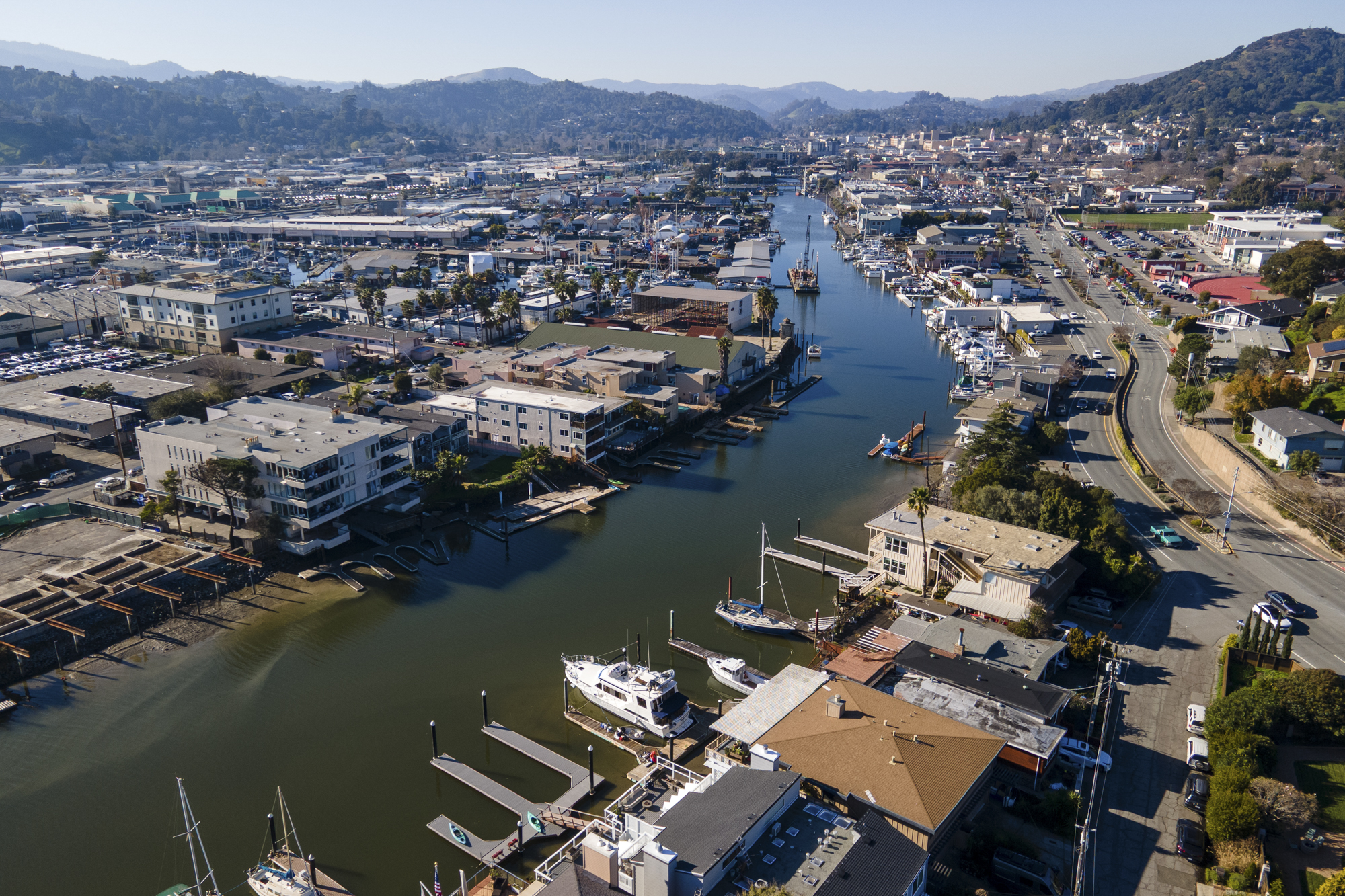
Floods are the most common and expensive disaster in the U.S., and this winter California may be in for a lot of record flooding. It’s looking extremely likely there will be a “very strong” El Niño this fall and winter.
Forecasters expect stormier weather than usual for this time of year, which will lead to potential flooding. Higher than normal ocean water levels, due in part to the sea expanding with elevated temperatures, have already caused serious erosion and flooding along the California coastline.
In a post on his Weather West blog, climate scientist Daniel Swain wrote, “Increased coastal flooding [is] already occurring, and will rise yet further,” and that the risks of increased flooding would start to increase around December.
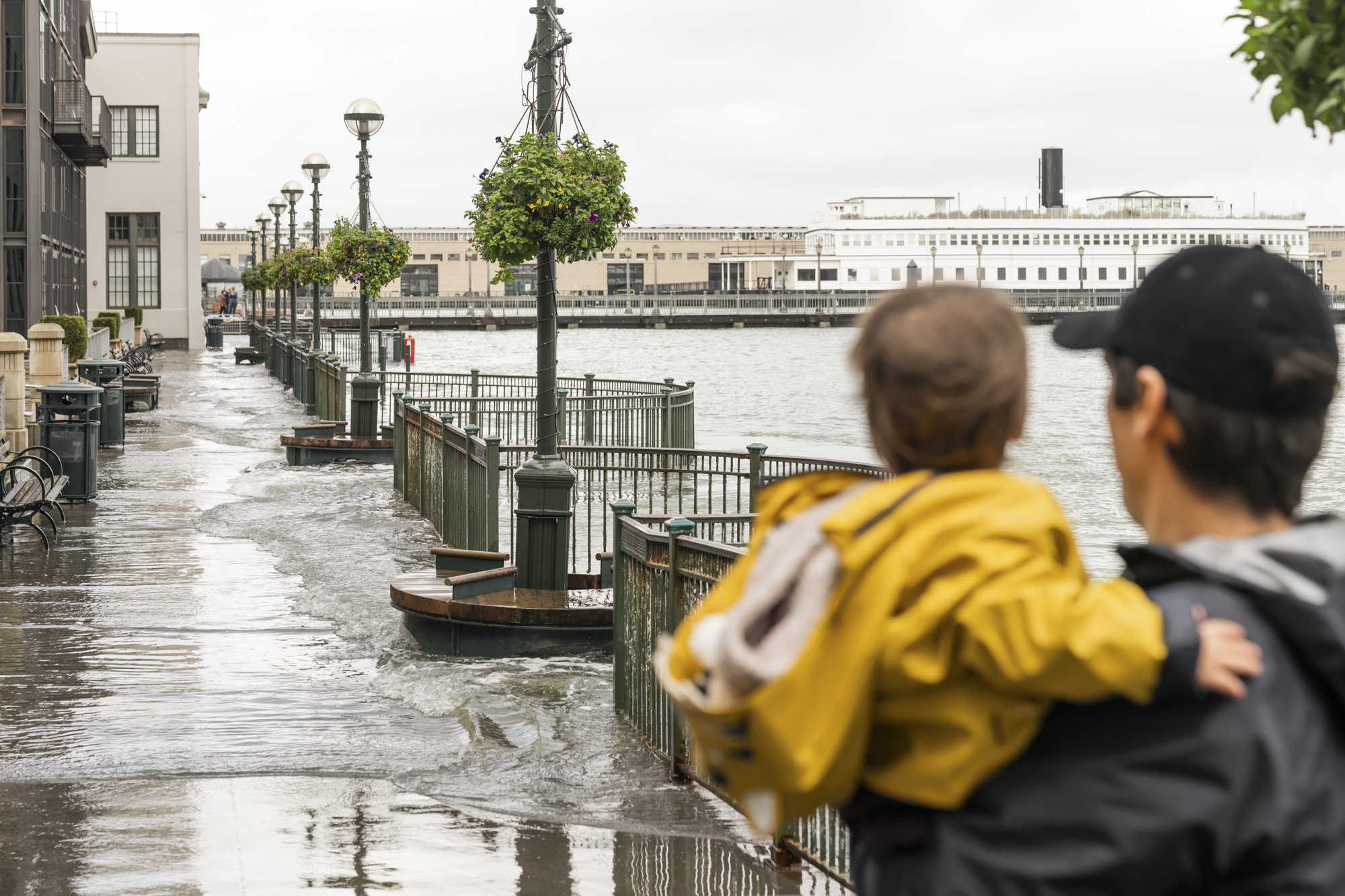
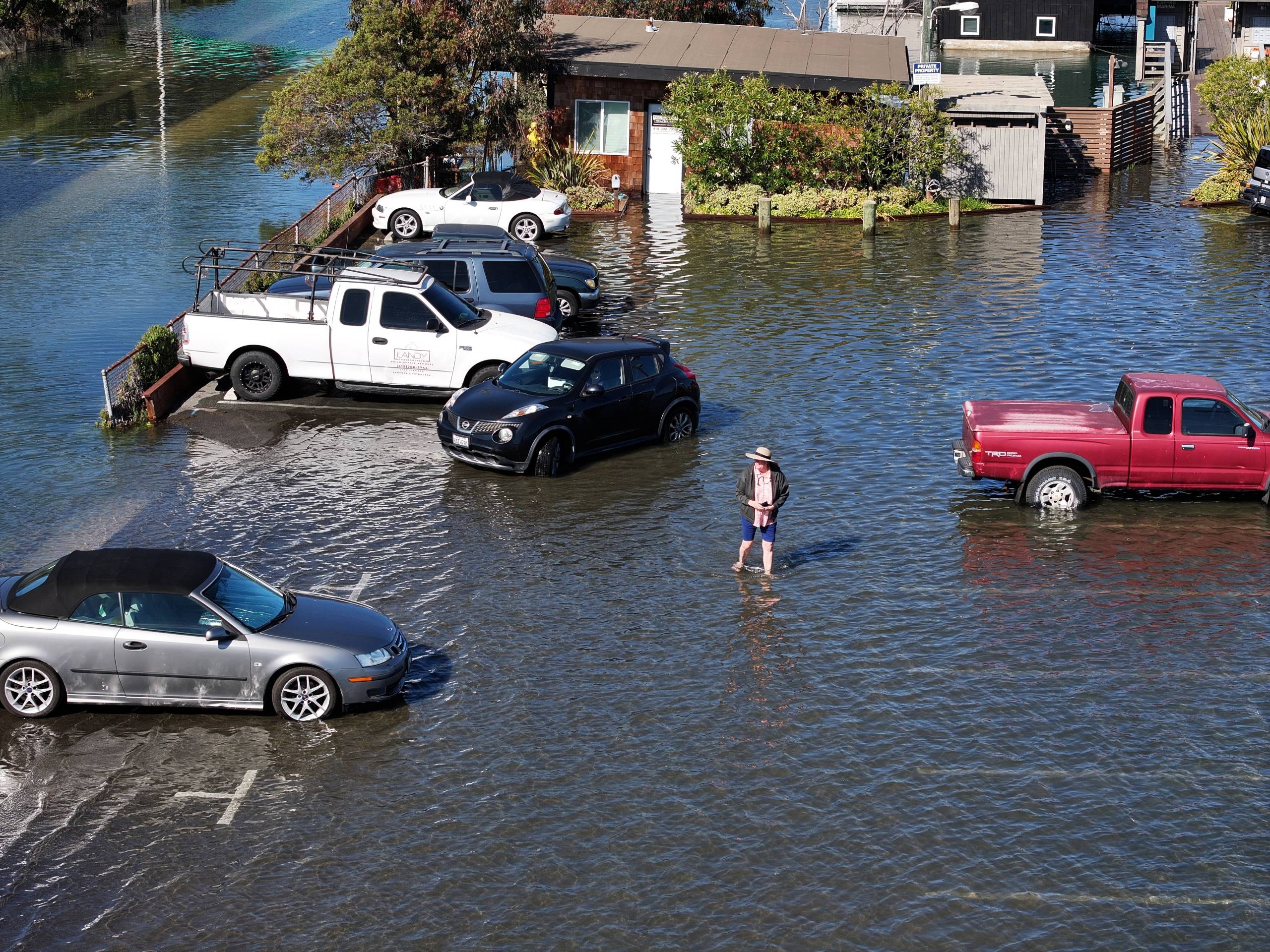
The times around the highest tides of the year are especially risky for flooding. King tides this year will hit the coast Nov. 24 to 26, Dec. 23 to 25, and Jan. 21 to 22. The hotter ocean water means the tides will run one to two feet above normal. If a storm overlaps with the king tides, Swain foresees likely widespread, “probably historic,” flooding.
Normal property insurance does not cover flood damage. And the Federal Emergency Management Agency estimates that just an inch of water in a home can cost $25,000 in repairs.
Many at risk in the state are not protected with adequate insurance, according to data on flood zones in California and flood insurance coverage shared with KQED by Insurify, a company that allows shoppers to compare policies.
“We’ve seen from disasters like Hurricanes Helene and Milton from 2024 that a lot of people who get impacted don’t have flood insurance,” said Matt Brannon, senior economic analyst at the company.
In some of the hardest-hit areas, such as around Asheville, North Carolina, fewer than 1% of homes had flood insurance when Helene hit.
How can you make sure you’re ready if your home, apartment, belongings or car is damaged in floodwaters? Keep reading for what to know about El Niño, flooding and insurance in the coming months.
I have home insurance — am I covered for flooding?
One big thing a lot of people don’t know: A home insurance policy that covers “water damage” generally doesn’t cover damage from floodwaters.
That’s because water damage would cover accidental damage from an overflowing faucet or broken pipe — but not from a river overspilling its banks or heavy rains causing water to flood a basement.
Many people are surprised to learn they are not covered for flooding by standard insurance. This is “one of the bigger misconceptions in all of home insurance,” Brannon said.
In a 2024 survey by an insurance industry group, more than half of respondents were unaware that flood damage isn’t included in a standard homeowners policy.
Brannon recently looked at how many high flood-risk homes in California are not covered by the National Flood Insurance Program, using public data. Of the 183,000 homes in California’s FEMA-designated high-risk flood zones, 65% do not have an NFIP flood-insurance policy.
Why that matters: This program is the typical route for homeowners to access coverage. While it is possible to buy flood insurance from a private company, NFIP policies make up the vast majority.
“We wanted to get an idea of how many homes in flood areas in California have insurance coverage for flooding specifically,” he said. “And it turns out that the majority of people in these high-risk areas do not have flood insurance, about two-thirds of them.”
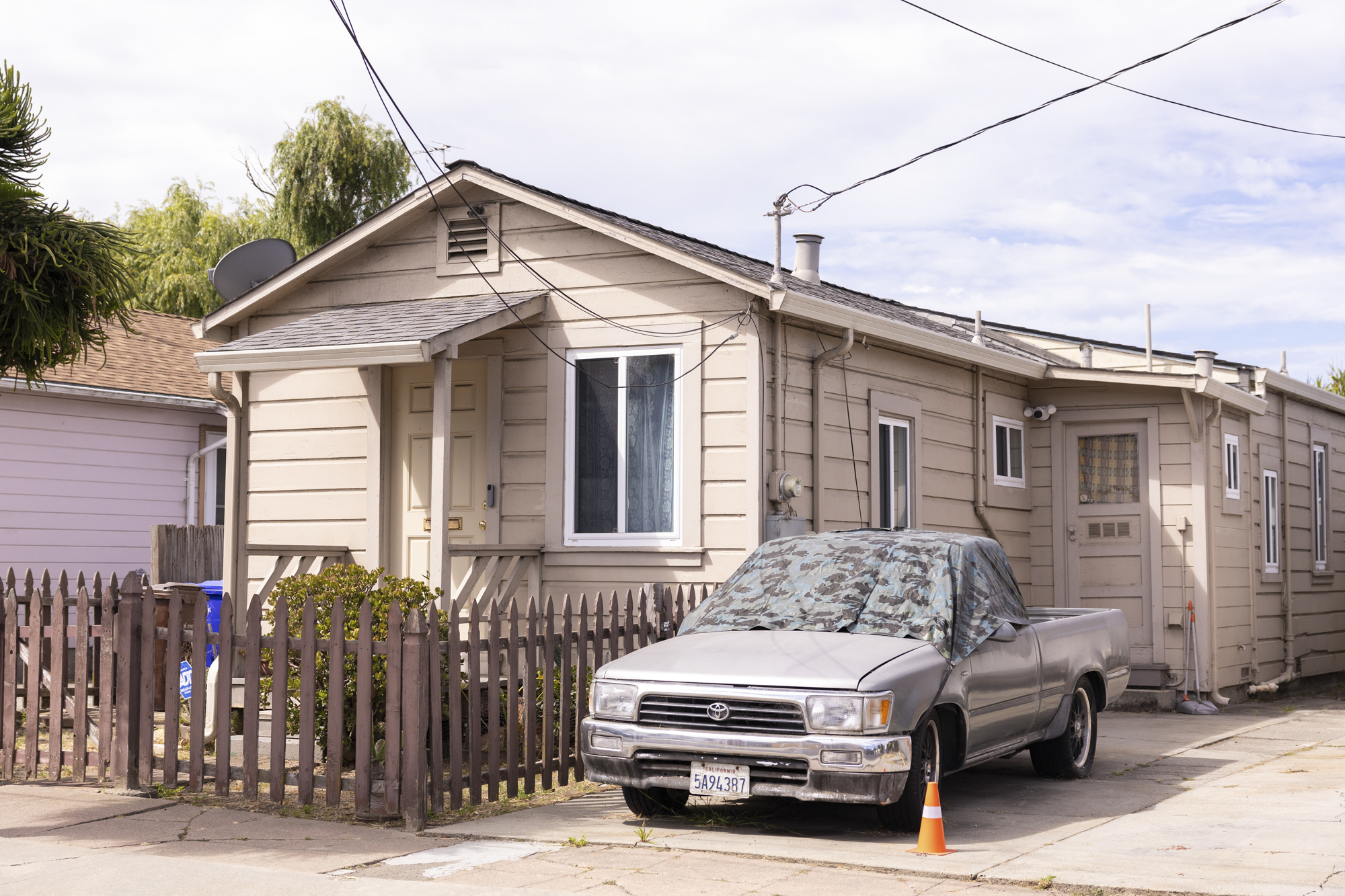
He found a similar story with homes at risk of flooding in the Bay Area. Santa Clara County is the most exposed, with 74% of the county’s high-risk for flood homes, such as along Coyote, Pacheco, Uvas and Ross creeks, without a federal policy.
In Solano County, 71% of homes in the high-risk area lack these protections, 66% in Contra Costa County and 61% in Sonoma County.
“The story that the data tells for us is that flooding is on the way for California, most likely, and that a lot of people who could be impacted very severely do not have insurance coverage that would protect them,” Brannon said.
How can I tell if I’m at high risk?
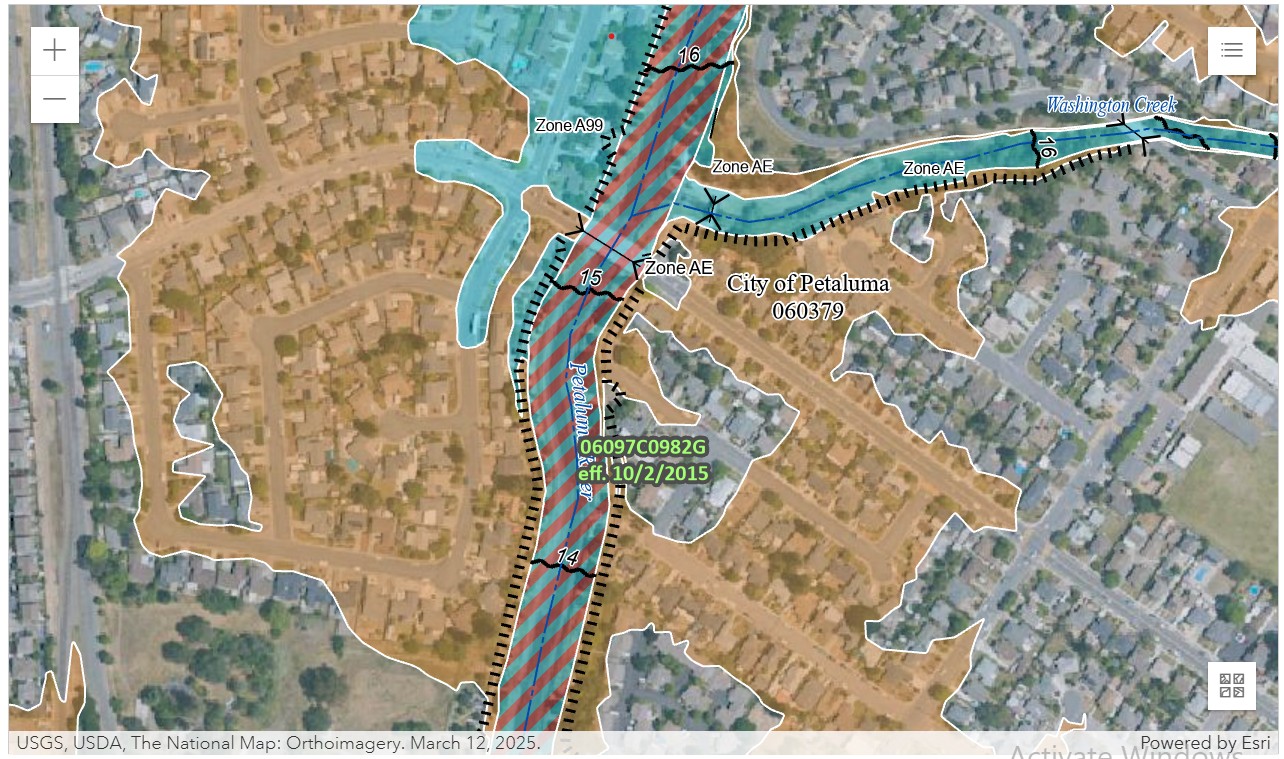
Type your address into the FEMA Flood Map Service Center to get an idea. The lower your risk, the cheaper the flood insurance policy.
You may need to zoom into the map for the full picture. Special flood hazard areas are marked in light blue and blue and red stripes. Areas with elevated flood risk or future flood risk are marked in orange and in grey stripes.
How do I get flood insurance?
You can get a quote for a federal policy online through the NFIP website or through an insurance agent or broker.
You can also call your insurer and ask for a “flood endorsement,” which is an optional add-on to include flood coverage in your existing policy.
But if you are looking for a policy ahead of this year’s winter storm season, get on it soon. The federal policies take 30 days to go into effect from the date you buy them and pay the premium, so time is of the essence.
United Policyholders, a consumer advocacy nonprofit based in California, recommended you also ask for a quote for flood insurance from a private flood company — to compare to what your current home insurer quotes you for that flood endorsement.
The federal flood insurance program covers policyholders up to $250,000 max to repair flood damage. If you pay extra for contents coverage, you can get up to $100,000 for your belongings, such as clothes, furniture and electronics. The program will not cover temporary rent and expenses if you can’t live in your home after the flood. Private flood policies may provide this coverage.
What questions should I ask my insurance agent?
In their “El Niño Preparedness” tip sheet, United Policyholders suggested asking:
- How much will it cost to insure my home and belongings for flood damage?
- Can you help me compare an NFIP policy versus a private flood policy versus adding a “flood endorsement” to my home insurance policy?
- Does a “flood endorsement” insure my home for more than $250,000?
- Will this policy cover temporary rent expenses?
Would flood damage to my home be covered by federal disaster assistance?
Not likely. Federal disaster money is only available when the president issues a disaster declaration, and most floods don’t result in this outcome, according to the Federal Emergency Management Agency.
Last month, FEMA officials told states they should make sure they have enough staff and financial reserves to handle most emergencies on their own. This echoes other statements made by federal officials that FEMA should not be considered first responders.
Also, any disaster assistance is usually a loan that has to be repaid with interest. The loan can help with some immediate costs but isn’t enough for serious home repairs. By contrast, money paid out by your flood insurance isn’t a loan and doesn’t have to be paid back.
I have rental insurance. Does that cover floods?
Generally, it does not. But you can buy renters flood insurance to protect your belongings.
Typically, your landlord’s insurance will cover structural damage to the property but not to your things. A renter’s flood insurance policy likewise doesn’t cover any damage to a home or apartment.
For more on this topic, visit KQED’s guide on what to do if your home is damaged by floods.
What about my car if it floods while parked?
Flood insurance generally won’t help if floodwaters damage your car, as it usually only applies to your home.
If you want your auto policy to cover damage from floods or other natural disasters, you need comprehensive coverage. Brannon estimates about half of drivers carry bare-bones auto insurance.