Bay Area Air District Votes to Delay Zero-Emission Water Heater Rule

The Bay Area Air District voted Wednesday to delay its zero-emission water heater rule by a year, pushing the start date to January 2028.
The air regulators also approved carveouts that Air District staff believe will exempt roughly half of Bay Area households from the rule, based on factors like income or technical constraints.
“I represent the areas that share a disproportionate burden of dealing with air pollutants, particularly the industrial areas in Oakland, Alameda, and San Leandro, and so if we can reduce harm with this rule, we should do it,” said Lena Tam, an air board member from the East Bay.
Hundreds of people shared public comment ahead of the vote on Wednesday, from environmentalists, medical professionals, religious groups and youth, who largely supported the regulation, to homeowner groups, who largely opposed it based on affordability.
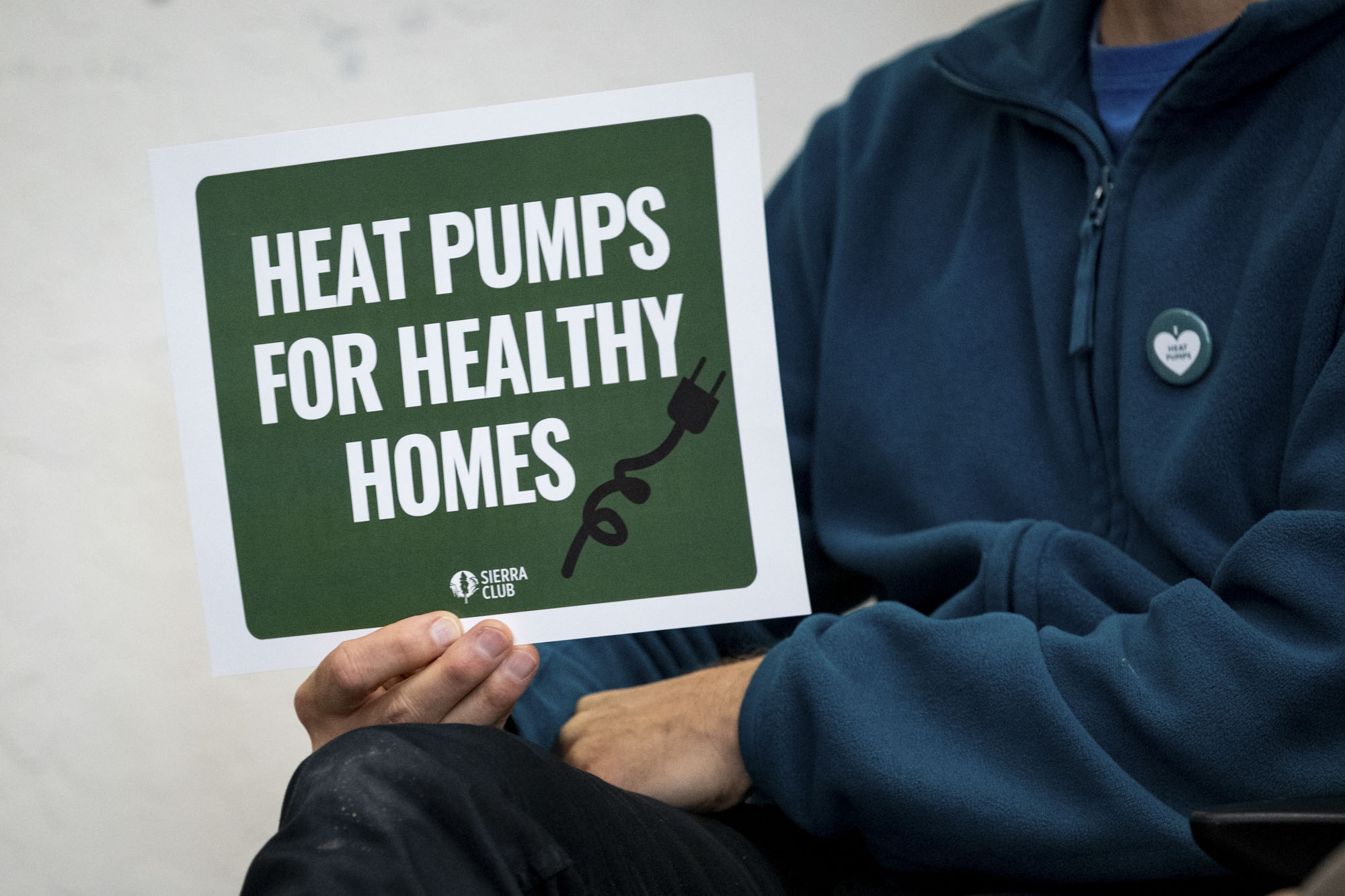
The upfront cost of a heat pump water heater is higher than the gas equivalent. Air District staff estimate that the heat pump version, which is the zero-emission alternative to a gas water heater, costs roughly $3,500 more.
Air District staff said pollution from Bay Area gas water heaters and furnaces is roughly equal to that of passenger vehicles. They are most concerned with nitrogen oxides, which come from burning fossil fuels like gas in cars and home appliances. The gases can irritate lungs, trigger asthma attacks and are associated with heart disease. They can create smog and harmful particulate matter.

Implementing these rules would prevent deaths, save substantial money in medical bills, and lead to cleaner air, specifically in overburdened communities of color, according to Air District staff.
The rule was first passed in 2023, along with another one aimed at phasing out new gas furnaces by 2029.
The ban on the sale of new gas water heaters was set to take effect in 2027, but was reworked over the past year to allow for more time to inform the public and address hardships in implementing the rule. Board members voted to adopt those changes at Wednesday’s meeting, rather than keep the original 2027 start date without exemptions.
Most Air District board members said they felt the changes addressed the concerns of their constituents, with a few voting against the changes, or leaving the meeting altogether in a show of opposition to the regulation as a whole.
The new rule means that when residents need to purchase a new water heater, it must be zero-emission. Models meeting that standard are heat pumps. The rule does not require replacing functioning gas water heaters, nor does it prevent their repair.

But there are exemptions that will apply to many people.
Property owners who make less than 80% of the area median income, or pay a significant percentage of their income to their mortgage and property taxes, will be excused.
Residents will attest to this by self-reporting through an online portal.
Homes with limited electrical capacity or a lack of space for the appliances will also receive a one-time exemption. A contractor would need to be involved to demonstrate that a household meets electrical constraints.
People who use small-capacity water heaters, under 30 gallons, will not need to adhere to the rule as there is limited availability of zero-emission versions of this appliance. And regulators extended compliance dates for multi-family buildings of more than five units to January 2033.