Newsom’s Bay-Delta Plan Thrown Into Confusion After Rebuke From Trump Administration
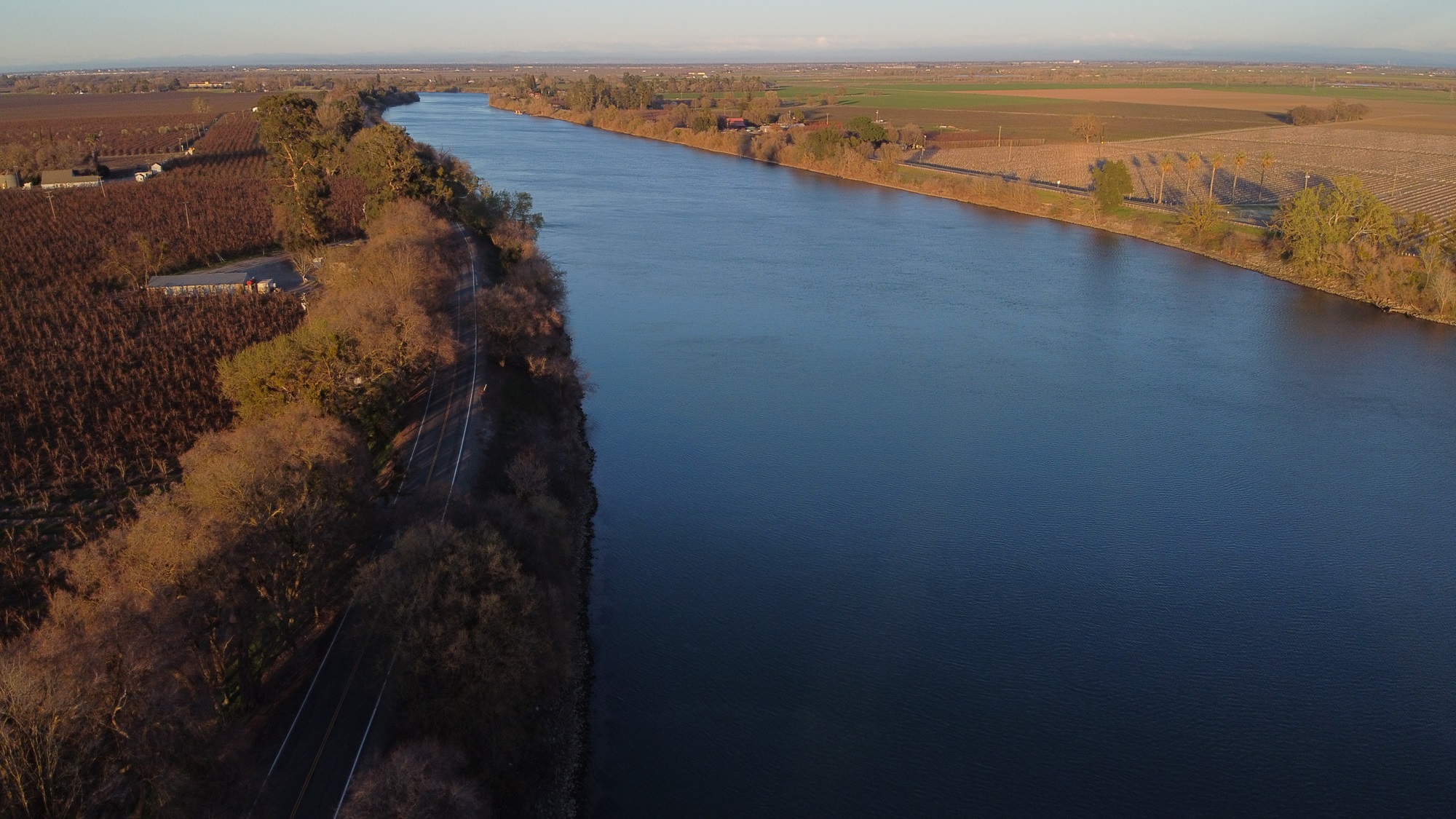
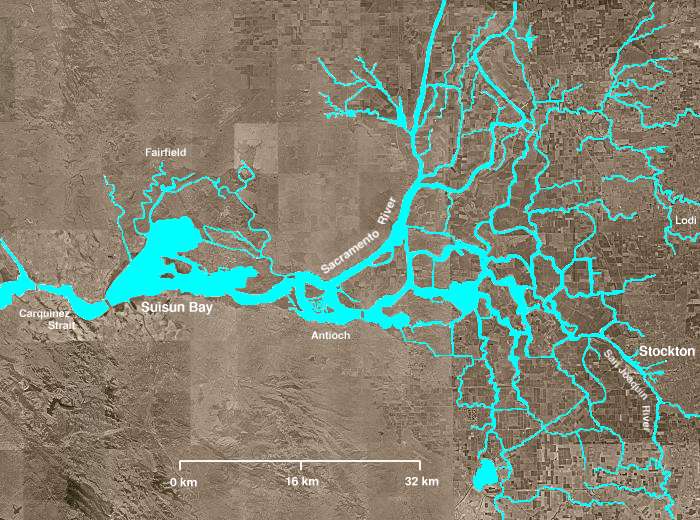
California’s current plan for making sure the water flowing through the San Francisco Bay-Sacramento-San Joaquin Delta is clean and abundant enough to protect threatened and endangered wildlife is old and not working. This nexus of waterways, so crucial to the functioning of the state, has been long fought over and will be fought over long into the future.
At the moment, however, the fight However, looks particularly chaotic.
Gov. Gavin Newsom first proposed major changes to rules governing the Bay-Delta in 2020, arguing his proposal strikes a balance for use of the water for cities, growers and fish. The framework for managing the Sacramento River was last meaningfully updated in 1995, despite the fact that it is supposed to be reviewed and updated if needed every three years. The regulations were refined over years and backed by $1.5 billion in state funds.
The state water board announced the release of its final draft update to the document known as the Bay-Delta Water Quality Control Plan in late August. It is now in the public comment period. Written comments are due Sept. 18. Oral comments will be accepted during an upcoming public meeting in Sacramento on Oct. 28 and 29. After that, the board is supposed to consider input, alter as needed and adopt the plan by the end of the month.
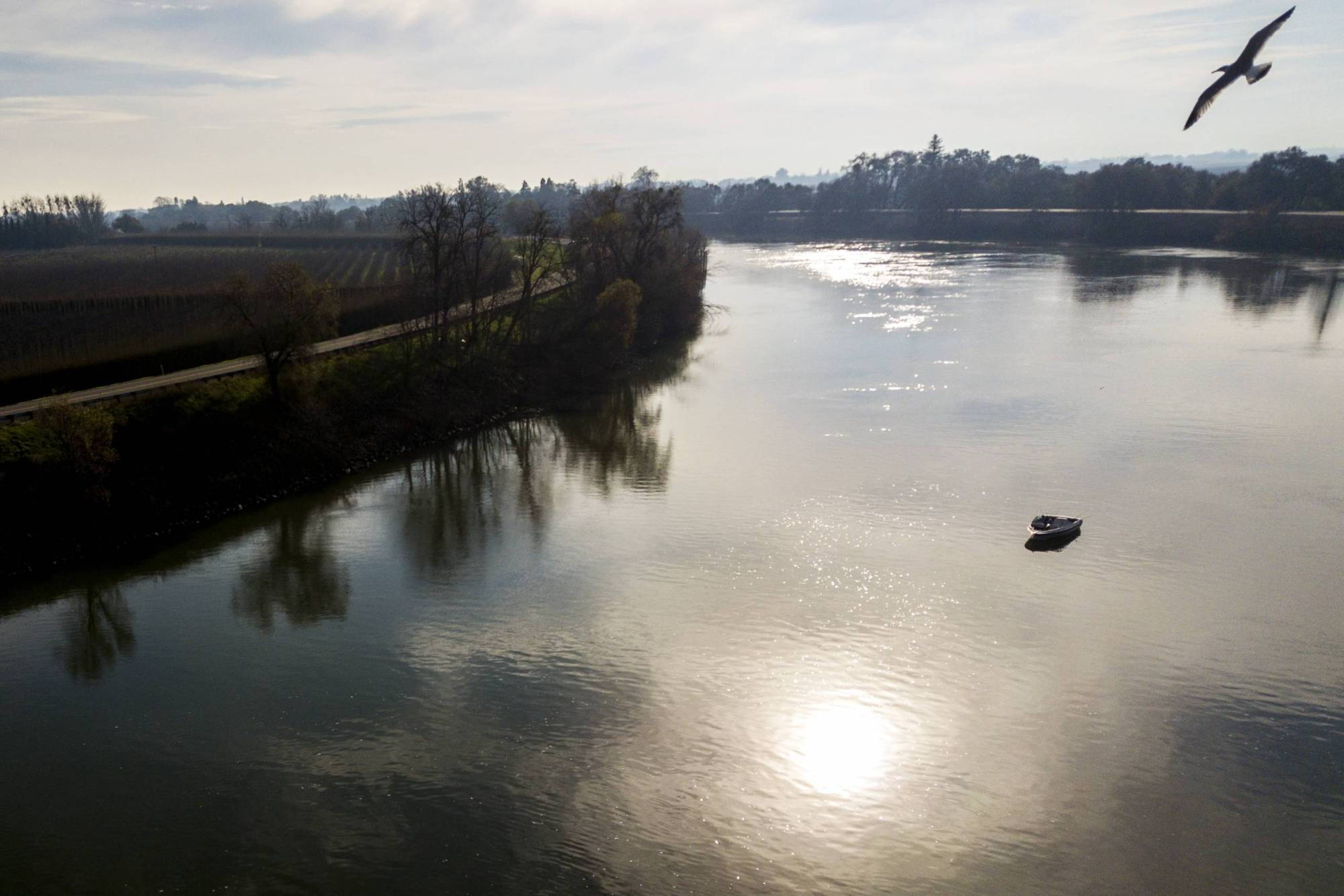
Gov. Newsom pressed for an approach that stressed collaboration between water agencies and funding for fish-habitat restoration, instead of imposing strict limits on how much water can be pulled from the delta system for cities and farms. The goal was to use more water more flexibly, but to do it in a way that did not unduly harm threatened and endangered species.
Newsom’s approach, however, does not appear to have the federal buy-in it needs.
The Bureau of Reclamation said it had “serious concern[s]” with the plan as written, in a comment posted on its website. Both it and the Westlands Water District, the Central Valley’s largest irrigation district, have threatened to walk away without major revisions.
If officials at the state water board need to significantly rewrite its plan, that could make its completion by January, when Newsom will be termed out, unlikely.
California must cooperate with the federal government; they each operate one of the state’s two main water projects — a system of dams, reservoirs, pumping stations and canals to deliver clean water to cities and farms. The water system is connected, so they have to work together to avoid taking each other’s water. Plus, the state relies on federal funding.
Despite the challenges, California water officials are maintaining an upbeat tone.
“We’re confident we can move forward,” Wade Crowfoot, California’s secretary of natural resources, said in an interview with KQED.
Many environmental, fishing and tribal groups have opposed these voluntary agreements because they believe they inadequately protect fish. The federal government and the Westlands Water District also oppose them — but effectively for the opposite reason. They think the approach does not guarantee enough water for users, such as cities and farms.
“I think all agree that environmental conditions need to improve for fish and wildlife, water quality, and just broadly the environmental health of those systems,” Crowfoot said.
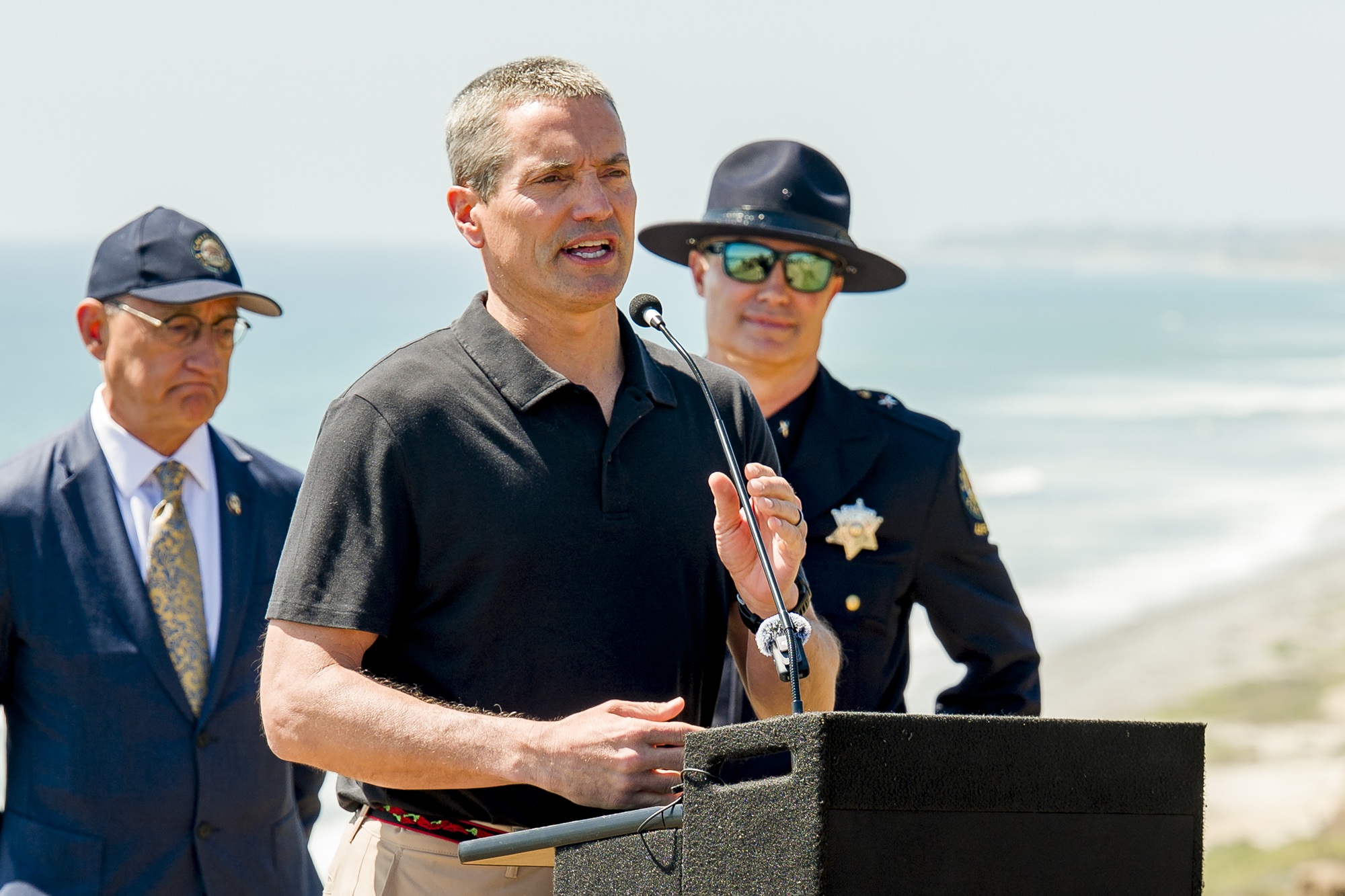
“I understand there are folks that don’t feel [this] is an appropriate pathway,” Crowfoot said, addressing the plan’s critics. “I can tell you, though, we are confident in the ability to implement [this program] and achieve improved environmental outcomes.”
Back in 2022, the Bureau of Reclamation, under the leadership of the Biden administration, signed an agreement with the state that expressed an intent to collaborate on the voluntary agreements. But it was not binding.
The state water board, in its August update, said, in effect, if baseline environmental protections were undermined, water users would have to come up with a plan to replace the lost water to keep the ecosystem intact. This is to prevent the backsliding of standards. It was enough, however, for the federal government and water contractors to remove support.
“We have been saying for years that the Trump administration was a bad partner and would not implement the voluntary agreements,” said Barry Nelson, senior policy adviser and founding board member for the Golden State Salmon Association. “As bad as [the agreements] are, they’re not bad enough for the Trump administration.”
Nelson points to a pattern of the administration undermining environmental protections, as has been extensively documented by news organizations.
Nelson said he sees four possible paths for the next few months. One, the water board could just adopt its current plan, ignoring the bureau’s comments and setting up a legal fight. Two, they could try to quickly rewrite the plan and put it out again in a month. Three, they sit down with federal agencies and try to negotiate a new agreement before January.
The last option “would be extraordinarily hard to do, and there’s simply no time to get it done legally,” said Nelson, referring to the required environmental analysis and public comment period.
Crowfoot said he believes the water board would be careful to ensure anything it adopts has undergone full environmental review. “The board will no doubt have to consider that as a need as it considers input from all these different stakeholders,” he said.
Option four, as Nelson sees it, is that the problem gets handed to the next state administration, headed by either Xavier Becerra, the Democrat candidate for California’s governor, or Steve Hilton, his Republican opponent. While Hilton has signaled he favors decreased regulations and environmental protections, frontrunner Becerra has not yet spoken extensively about California Bay-Delta issues. That could soon change.
Jennifer Pierre, general manager of the State Water Contractors, an association of 27 of the public water agencies in California, said in a statement to KQED she believes the Healthy Rivers and Landscapes program “can be the best path for California water if we can address the remaining key issues.”
“California deserves a water management system that works, and the proposed combination of environmental flows, significant habitat, funding, and science, if adopted, is our best chance to get things right,” she added.