Newsom Signs New Law to Clear Confusion Around Smoke Damage
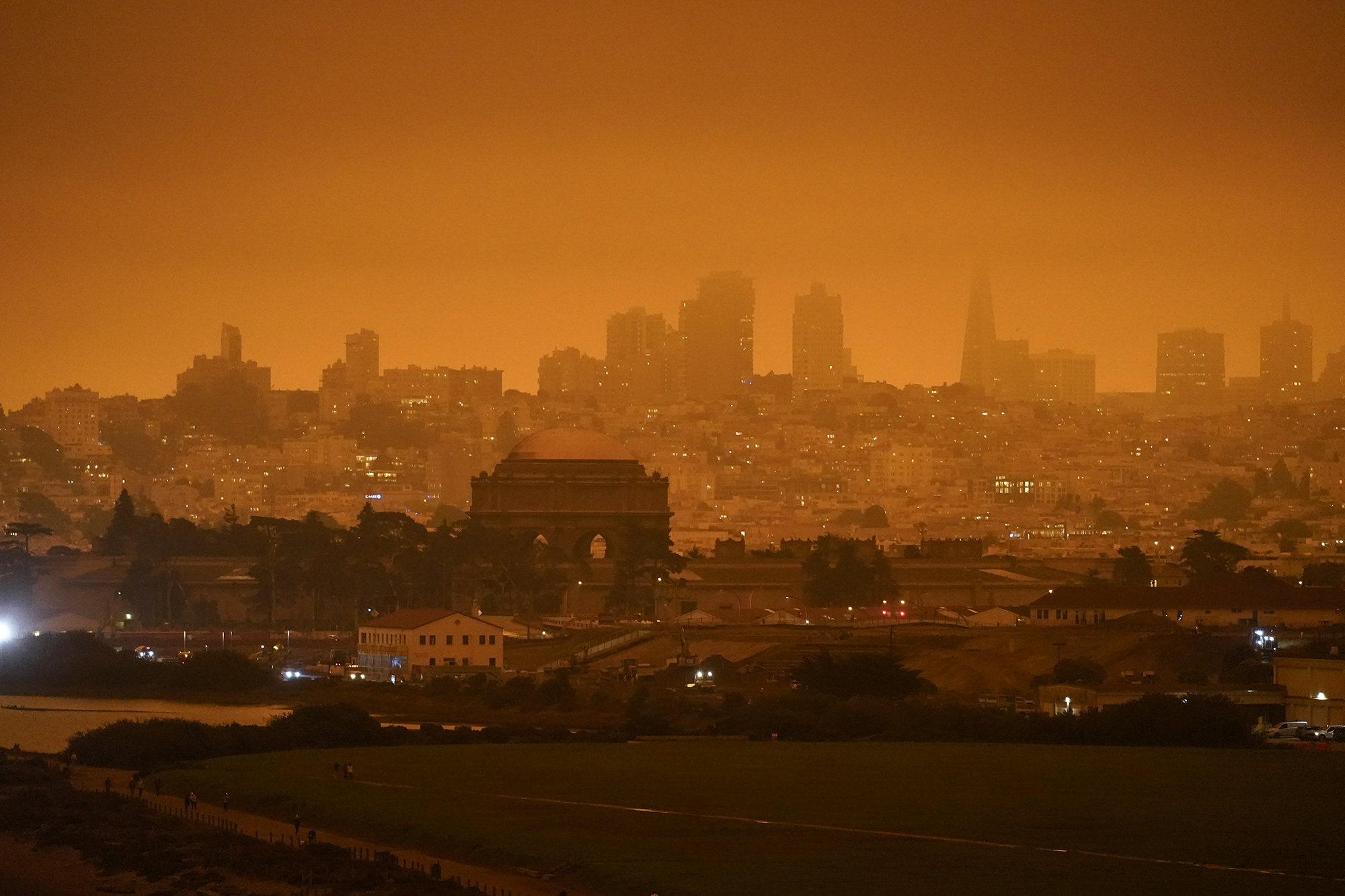
One of the paradoxes facing people whose homes survive a wildfire is that they are often still victims of it. Sometimes, they have the least help for restoring their home to how it was.
How insurance ought to address the damage caused by heat and smoke, even if the building never caught on fire, has been unclear, leaving survivors fighting to prove their homes were unsafe and to have their claims covered — until now.
This week, Gov. Gavin Newsom signed a package of legislation into law that establishes the nation’s first enforceable standards for testing and fixing smoke-damaged homes.
“For future fire survivors, they will have peace of mind as well as safety,” said Joy Chen, executive director of the advocacy group Every Fire Survivor’s Network. Her home suffered smoke damage during the Eaton Fire in Los Angeles.
“Ideally we’ll get some settled science on the question, ‘Is my house safe?’” Chen said. “‘What needs to be done to make it safe?”
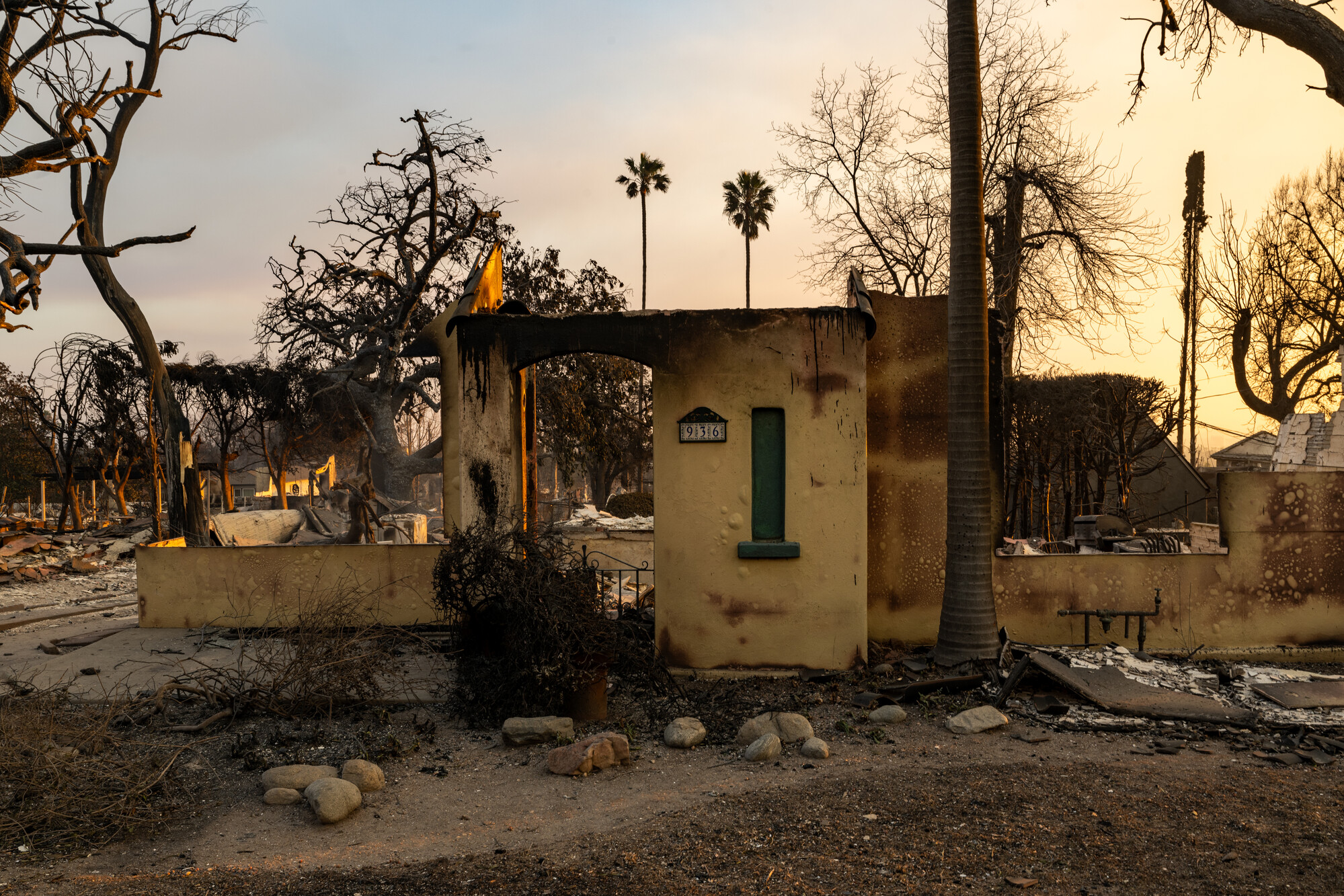
Survivors of the 2025 Los Angeles firestorm were among the strongest advocates for changes. More than a quarter of all insurance claims stemming from the fires were for smoke damage to homes that didn’t burn, according to estimates from the California Department of Insurance. Smoke-damaged homes can be polluted with lead, asbestos, benzene and other toxic substances.
“California will not leave survivors to navigate recovery alone,” Newsom said in a press release. “These new protections will make insurer obligations clearer and give homeowners more financial flexibility when they need it most.”
The bill, AB 1795, was authored by Assemblymember Mike Gipson (D-Los Angeles) and sponsored by Insurance Commissioner Ricardo Lara.
“For too many wildfire survivors, the end of the fire has never meant the end of the disaster. Families have spent months, and sometimes years, fighting over whether their homes were safe while navigating confusing and inconsistent insurance claims,” Lara said in a statement.
“This law closes a dangerous gap that left wildfire survivors without clear standards, clear answers, and often a clear path home.”
Under the new law, the California Air Resources Board and the Department of Toxic Substances Control will develop standards for testing, remediating and restoring the lead and asbestos contamination that can come from wildfire smoke.
Insurance companies will have to assume that smoke damage from a wildfire impact zone came from the fire — meaning homeowners will not have to find a way to prove the cause — and will have to pay for the necessary testing, remediation and the living expenses of the household until the home is fixed and safe.
Policyholders will still have the right to select the restoration contractors of their choice. Insurance adjusters will get specialized training for handling smoke-damage claims.
Insurance broker Karl Susman, who lives in Southern California, said what he observed wasn’t so much the problem of claims getting denied, “they just were getting paid so inconsistently.”
“You might have one company that says, ‘We’re going to come in there, clean it all up, and we’re going to pay for you to live somewhere while we’re doing it.’ Another company would come in and say, ‘Yeah, just get a vacuum and you should be good.’”
Other companies, he noted, might say the damage was so bad that everything in the house, including drywall, needed replacing. Each company is following interpretations of their own policies, he said, “but clearly a different outcome.”
Some industry groups opposed the bill, saying in part that it would increase costs for policy holders. A request for comment to the Personal Insurance Federation of California, one of the registered opponents of the bill, was not responded to by deadline.
Survivors of the LA fires were among the strongest advocates for the new law. The bill is not retroactive, however, so survivors will not in general be able to take care of the newfound clarity around insurance company’s responsibilities.
Still, the consumer protection win was celebrated by advocates, including Amy Bach, executive director of San Francisco-based advocacy group United Policyholders.
The organization “has been fighting for over a decade to get insurers to routinely test and thoroughly restore wildfire-damaged homes and not mislead residents that their homes are safe to move back into when they aren’t,” Bach said in a statement.
“The Governor’s signature on AB 1795 paves the way for better outcomes and fewer disputes going forward. We commend the Commissioner’s team for the countless hours spent with survivors, insurers, scientists, and professionals to craft these protections.”