window.__IS_SSR__=true
window.__INITIAL_STATE__={
"attachmentsReducer": {
"audio_0": {
"type": "attachments",
"id": "audio_0",
"imgSizes": {
"kqedFullSize": {
"file": "https://ww2.kqed.org/news/wp-content/themes/KQED-unified/img/audio_bgs/background0.jpg"
}
}
},
"audio_1": {
"type": "attachments",
"id": "audio_1",
"imgSizes": {
"kqedFullSize": {
"file": "https://ww2.kqed.org/news/wp-content/themes/KQED-unified/img/audio_bgs/background1.jpg"
}
}
},
"audio_2": {
"type": "attachments",
"id": "audio_2",
"imgSizes": {
"kqedFullSize": {
"file": "https://ww2.kqed.org/news/wp-content/themes/KQED-unified/img/audio_bgs/background2.jpg"
}
}
},
"audio_3": {
"type": "attachments",
"id": "audio_3",
"imgSizes": {
"kqedFullSize": {
"file": "https://ww2.kqed.org/news/wp-content/themes/KQED-unified/img/audio_bgs/background3.jpg"
}
}
},
"audio_4": {
"type": "attachments",
"id": "audio_4",
"imgSizes": {
"kqedFullSize": {
"file": "https://ww2.kqed.org/news/wp-content/themes/KQED-unified/img/audio_bgs/background4.jpg"
}
}
},
"placeholder": {
"type": "attachments",
"id": "placeholder",
"imgSizes": {
"thumbnail": {
"file": "https://cdn.kqed.org/wp-content/uploads/2024/12/KQED-Default-Image-816638274-2000x1333-1-160x107.jpg",
"width": 160,
"height": 107,
"mimeType": "image/jpeg"
},
"medium": {
"file": "https://cdn.kqed.org/wp-content/uploads/2024/12/KQED-Default-Image-816638274-2000x1333-1-800x533.jpg",
"width": 800,
"height": 533,
"mimeType": "image/jpeg"
},
"medium_large": {
"file": "https://cdn.kqed.org/wp-content/uploads/2024/12/KQED-Default-Image-816638274-2000x1333-1-768x512.jpg",
"width": 768,
"height": 512,
"mimeType": "image/jpeg"
},
"large": {
"file": "https://cdn.kqed.org/wp-content/uploads/2024/12/KQED-Default-Image-816638274-2000x1333-1-1020x680.jpg",
"width": 1020,
"height": 680,
"mimeType": "image/jpeg"
},
"1536x1536": {
"file": "https://cdn.kqed.org/wp-content/uploads/2024/12/KQED-Default-Image-816638274-2000x1333-1-1536x1024.jpg",
"width": 1536,
"height": 1024,
"mimeType": "image/jpeg"
},
"fd-lrg": {
"file": "https://cdn.kqed.org/wp-content/uploads/2024/12/KQED-Default-Image-816638274-2000x1333-1-1536x1024.jpg",
"width": 1536,
"height": 1024,
"mimeType": "image/jpeg"
},
"fd-med": {
"file": "https://cdn.kqed.org/wp-content/uploads/2024/12/KQED-Default-Image-816638274-2000x1333-1-1020x680.jpg",
"width": 1020,
"height": 680,
"mimeType": "image/jpeg"
},
"fd-sm": {
"file": "https://cdn.kqed.org/wp-content/uploads/2024/12/KQED-Default-Image-816638274-2000x1333-1-800x533.jpg",
"width": 800,
"height": 533,
"mimeType": "image/jpeg"
},
"post-thumbnail": {
"file": "https://cdn.kqed.org/wp-content/uploads/2024/12/KQED-Default-Image-816638274-2000x1333-1-672x372.jpg",
"width": 672,
"height": 372,
"mimeType": "image/jpeg"
},
"twentyfourteen-full-width": {
"file": "https://cdn.kqed.org/wp-content/uploads/2024/12/KQED-Default-Image-816638274-2000x1333-1-1038x576.jpg",
"width": 1038,
"height": 576,
"mimeType": "image/jpeg"
},
"xxsmall": {
"file": "https://cdn.kqed.org/wp-content/uploads/2024/12/KQED-Default-Image-816638274-2000x1333-1-160x107.jpg",
"width": 160,
"height": 107,
"mimeType": "image/jpeg"
},
"xsmall": {
"file": "https://cdn.kqed.org/wp-content/uploads/2024/12/KQED-Default-Image-816638274-2000x1333-1-672x372.jpg",
"width": 672,
"height": 372,
"mimeType": "image/jpeg"
},
"small": {
"file": "https://cdn.kqed.org/wp-content/uploads/2024/12/KQED-Default-Image-816638274-2000x1333-1-672x372.jpg",
"width": 672,
"height": 372,
"mimeType": "image/jpeg"
},
"xlarge": {
"file": "https://cdn.kqed.org/wp-content/uploads/2024/12/KQED-Default-Image-816638274-2000x1333-1-1020x680.jpg",
"width": 1020,
"height": 680,
"mimeType": "image/jpeg"
},
"full-width": {
"file": "https://cdn.kqed.org/wp-content/uploads/2024/12/KQED-Default-Image-816638274-2000x1333-1-1920x1280.jpg",
"width": 1920,
"height": 1280,
"mimeType": "image/jpeg"
},
"guest-author-32": {
"file": "https://cdn.kqed.org/wp-content/uploads/2025/01/KQED-Default-Image-816638274-1333x1333-1-160x160.jpg",
"width": 32,
"height": 32,
"mimeType": "image/jpeg"
},
"guest-author-50": {
"file": "https://cdn.kqed.org/wp-content/uploads/2025/01/KQED-Default-Image-816638274-1333x1333-1-160x160.jpg",
"width": 50,
"height": 50,
"mimeType": "image/jpeg"
},
"guest-author-64": {
"file": "https://cdn.kqed.org/wp-content/uploads/2025/01/KQED-Default-Image-816638274-1333x1333-1-160x160.jpg",
"width": 64,
"height": 64,
"mimeType": "image/jpeg"
},
"guest-author-96": {
"file": "https://cdn.kqed.org/wp-content/uploads/2025/01/KQED-Default-Image-816638274-1333x1333-1-160x160.jpg",
"width": 96,
"height": 96,
"mimeType": "image/jpeg"
},
"guest-author-128": {
"file": "https://cdn.kqed.org/wp-content/uploads/2025/01/KQED-Default-Image-816638274-1333x1333-1-160x160.jpg",
"width": 128,
"height": 128,
"mimeType": "image/jpeg"
},
"detail": {
"file": "https://cdn.kqed.org/wp-content/uploads/2025/01/KQED-Default-Image-816638274-1333x1333-1-160x160.jpg",
"width": 160,
"height": 160,
"mimeType": "image/jpeg"
},
"kqedFullSize": {
"file": "https://cdn.kqed.org/wp-content/uploads/2024/12/KQED-Default-Image-816638274-2000x1333-1.jpg",
"width": 2000,
"height": 1333
}
}
},
"stateofhealth_21642": {
"type": "attachments",
"id": "stateofhealth_21642",
"meta": {
"index": "attachments_1716263798",
"site": "stateofhealth",
"id": "21642",
"found": true
},
"parent": 21625,
"imgSizes": {
"twentyfourteen-full-width": {
"file": "https://ww2.kqed.org/app/uploads/sites/27/2014/09/2346334452_f5e85a3e82_o-copy-e1411101871654-1038x576.jpg",
"width": 1038,
"mimeType": "image/jpeg",
"height": 576
},
"thumbnail": {
"file": "https://ww2.kqed.org/app/uploads/sites/27/2014/09/2346334452_f5e85a3e82_o-copy-e1411101871654-400x226.jpg",
"width": 400,
"mimeType": "image/jpeg",
"height": 226
},
"fd-sm": {
"file": "https://ww2.kqed.org/app/uploads/sites/27/2014/09/2346334452_f5e85a3e82_o-copy-e1411101871654-320x181.jpg",
"width": 320,
"mimeType": "image/jpeg",
"height": 181
},
"post-thumbnail": {
"file": "https://ww2.kqed.org/app/uploads/sites/27/2014/09/2346334452_f5e85a3e82_o-copy-e1411101871654-672x372.jpg",
"width": 672,
"mimeType": "image/jpeg",
"height": 372
},
"kqedFullSize": {
"file": "https://ww2.kqed.org/app/uploads/sites/27/2014/09/2346334452_f5e85a3e82_o-copy-e1411101871654.jpg",
"width": 1400,
"height": 792
},
"guest-author-96": {
"file": "https://ww2.kqed.org/app/uploads/sites/27/2014/09/2346334452_f5e85a3e82_o-copy-e1411101871654-96x96.jpg",
"width": 96,
"mimeType": "image/jpeg",
"height": 96
},
"medium": {
"file": "https://ww2.kqed.org/app/uploads/sites/27/2014/09/2346334452_f5e85a3e82_o-copy-e1411101871654-800x453.jpg",
"width": 800,
"mimeType": "image/jpeg",
"height": 453
},
"guest-author-64": {
"file": "https://ww2.kqed.org/app/uploads/sites/27/2014/09/2346334452_f5e85a3e82_o-copy-e1411101871654-64x64.jpg",
"width": 64,
"mimeType": "image/jpeg",
"height": 64
},
"guest-author-32": {
"file": "https://ww2.kqed.org/app/uploads/sites/27/2014/09/2346334452_f5e85a3e82_o-copy-e1411101871654-32x32.jpg",
"width": 32,
"mimeType": "image/jpeg",
"height": 32
},
"fd-lrg": {
"file": "https://ww2.kqed.org/app/uploads/sites/27/2014/09/2346334452_f5e85a3e82_o-copy-e1411101871654-1180x668.jpg",
"width": 1180,
"mimeType": "image/jpeg",
"height": 668
},
"fd-med": {
"file": "https://ww2.kqed.org/app/uploads/sites/27/2014/09/2346334452_f5e85a3e82_o-copy-e1411101871654-768x434.jpg",
"width": 768,
"mimeType": "image/jpeg",
"height": 434
},
"detail": {
"file": "https://ww2.kqed.org/app/uploads/sites/27/2014/09/2346334452_f5e85a3e82_o-copy-e1411101871654-75x75.jpg",
"width": 75,
"mimeType": "image/jpeg",
"height": 75
},
"guest-author-128": {
"file": "https://ww2.kqed.org/app/uploads/sites/27/2014/09/2346334452_f5e85a3e82_o-copy-e1411101871654-128x128.jpg",
"width": 128,
"mimeType": "image/jpeg",
"height": 128
}
},
"publishDate": 1411101855,
"modified": 1411101855,
"caption": "Students at Sproul Plaza, UC Berkeley. (Henry Zbyszynski/Flickr)",
"description": null,
"title": "2346334452_f5e85a3e82_o copy",
"credit": null,
"status": "inherit",
"isLoading": false,
"fetchFailed": false
},
"news_129503": {
"type": "attachments",
"id": "news_129503",
"meta": {
"index": "attachments_1716263798",
"site": "news",
"id": "129503",
"found": true
},
"parent": 129500,
"imgSizes": {
"kqedFullSize": {
"file": "https://ww2.kqed.org/app/uploads/sites/10/2014/03/Recycled-Water-Pipeline-Extension.preview.jpg",
"width": 640,
"height": 460
}
},
"publishDate": 1394832294,
"modified": 1394832294,
"caption": null,
"description": null,
"title": "Recycled Water Pipeline Extension.preview",
"credit": null,
"status": "inherit",
"isLoading": false,
"fetchFailed": false
},
"news_124937": {
"type": "attachments",
"id": "news_124937",
"meta": {
"index": "attachments_1716263798",
"site": "news",
"id": "124937",
"found": true
},
"parent": 124929,
"imgSizes": {
"kqedFullSize": {
"file": "https://ww2.kqed.org/app/uploads/sites/10/2014/01/scott-and-janet-e1391132754217.jpg",
"width": 640,
"height": 480
}
},
"publishDate": 1391132711,
"modified": 1391132711,
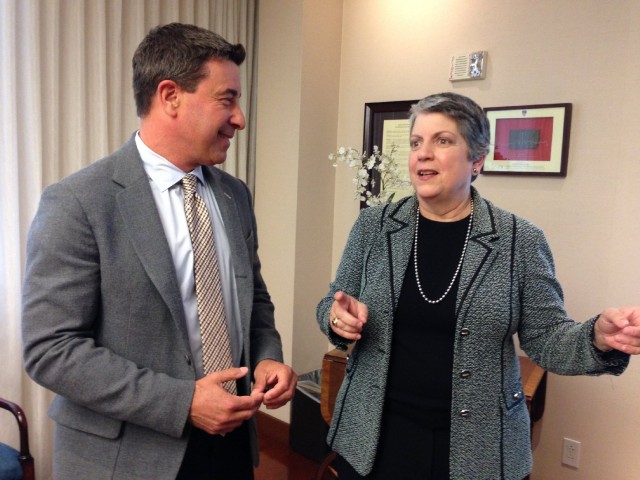
"caption": "KQED'S Scott Shafer and UC President Janet Napolitano. (Monica Lam/KQED)",
"description": null,
"title": "scott and janet",
"credit": null,
"status": "inherit",
"isLoading": false,
"fetchFailed": false
},
"news_10342415": {
"type": "attachments",
"id": "news_10342415",
"meta": {
"index": "attachments_1716263798",
"site": "news",
"id": "10342415",
"found": true
},
"parent": 10342398,
"imgSizes": {
"twentyfourteen-full-width": {
"file": "https://ww2.kqed.org/app/uploads/sites/10/2014/10/UC-1038x576.jpg",
"width": 1038,
"mimeType": "image/jpeg",
"height": 576
},
"thumbnail": {
"file": "https://ww2.kqed.org/app/uploads/sites/10/2014/10/UC-400x270.jpg",
"width": 400,
"mimeType": "image/jpeg",
"height": 270
},
"post-thumbnail": {
"file": "https://ww2.kqed.org/app/uploads/sites/10/2014/10/UC-672x372.jpg",
"width": 672,
"mimeType": "image/jpeg",
"height": 372
},
"kqedFullSize": {
"file": "https://ww2.kqed.org/app/uploads/sites/10/2014/10/UC.jpg",
"width": 1440,
"height": 974
},
"guest-author-96": {
"file": "https://ww2.kqed.org/app/uploads/sites/10/2014/10/UC-96x96.jpg",
"width": 96,
"mimeType": "image/jpeg",
"height": 96
},
"medium": {
"file": "https://ww2.kqed.org/app/uploads/sites/10/2014/10/UC-800x541.jpg",
"width": 800,
"mimeType": "image/jpeg",
"height": 541
},
"guest-author-64": {
"file": "https://ww2.kqed.org/app/uploads/sites/10/2014/10/UC-64x64.jpg",
"width": 64,
"mimeType": "image/jpeg",
"height": 64
},
"detail": {
"file": "https://ww2.kqed.org/app/uploads/sites/10/2014/10/UC-75x75.jpg",
"width": 75,
"mimeType": "image/jpeg",
"height": 75
},
"guest-author-32": {
"file": "https://ww2.kqed.org/app/uploads/sites/10/2014/10/UC-32x32.jpg",
"width": 32,
"mimeType": "image/jpeg",
"height": 32
},
"guest-author-128": {
"file": "https://ww2.kqed.org/app/uploads/sites/10/2014/10/UC-128x128.jpg",
"width": 128,
"mimeType": "image/jpeg",
"height": 128
}
},
"publishDate": 1412378457,
"modified": 1412378457,
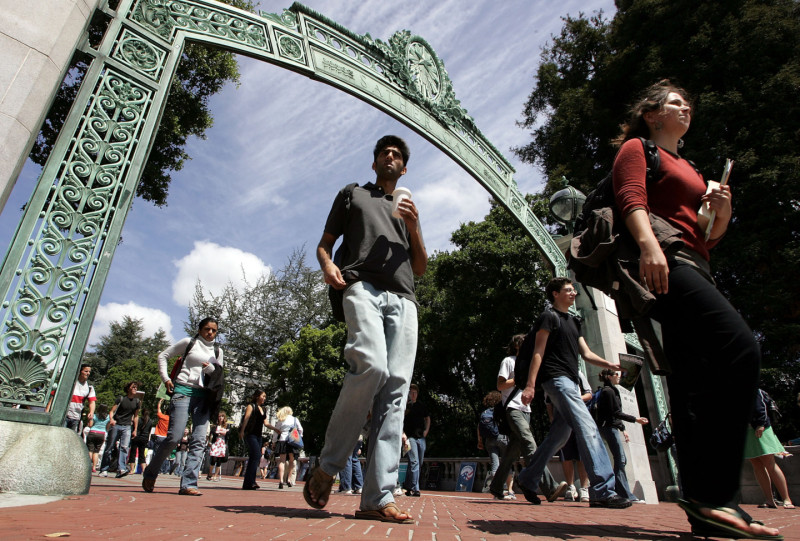
"caption": "Students walk through Sather Gate on the UC Berkeley campus. (Justin Sullivan/Getty Images)",
"description": "Students walk through Sather Gate on the UC Berkeley campus. (Justin Sullivan/Getty Images)",
"title": "U.S. Campus Security Scrutinized In Wake Of Virginia Tech Tragedy",
"credit": null,
"status": "inherit",
"isLoading": false,
"fetchFailed": false
},
"news_118750": {
"type": "attachments",
"id": "news_118750",
"meta": {
"index": "attachments_1716263798",
"site": "news",
"id": "118750",
"found": true
},
"parent": 118618,
"imgSizes": {
"kqedFullSize": {
"file": "https://ww2.kqed.org/app/uploads/sites/10/2013/11/RS7595_DSC_9033-scr-e1384828497814.jpg",
"width": 640,
"height": 425
}
},
"publishDate": 1384828425,
"modified": 1384828425,
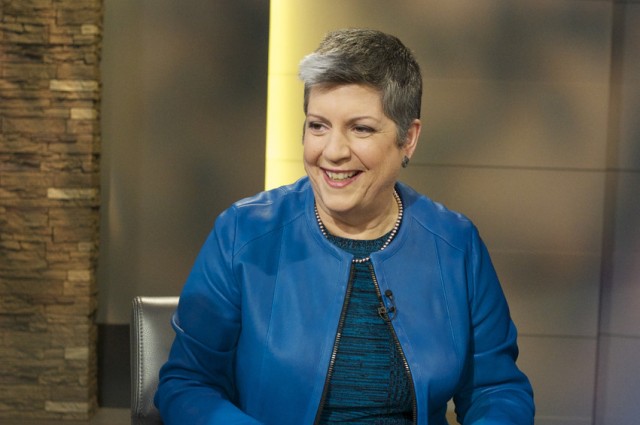
"caption": "UC President Janet Napolitano (Monica Lam / KQED)",
"description": "UC President Janet Napolitano (Monica Lam / KQED)",
"title": "RS7595_DSC_9033-scr",
"credit": null,
"status": "inherit",
"isLoading": false,
"fetchFailed": false
},
"news_118327": {
"type": "attachments",
"id": "news_118327",
"meta": {
"index": "attachments_1716263798",
"site": "news",
"id": "118327",
"found": true
},
"parent": 118321,
"imgSizes": {
"kqedFullSize": {
"file": "https://ww2.kqed.org/app/uploads/sites/10/2013/11/RS5736_028-scr-e1384481363752.jpg",
"width": 640,
"height": 427
}
},
"publishDate": 1384481339,
"modified": 1384481339,
"caption": "Janet Napolitano, head of the University of California. (Deborah Svoboda/KQED)",
"description": null,
"title": "RS5736_028-scr",
"credit": null,
"status": "inherit",
"isLoading": false,
"fetchFailed": false
},
"news_115897": {
"type": "attachments",
"id": "news_115897",
"meta": {
"index": "attachments_1716263798",
"site": "news",
"id": "115897",
"found": true
},
"parent": 115896,
"imgSizes": {
"kqedFullSize": {
"file": "https://ww2.kqed.org/app/uploads/sites/10/2013/10/Screen-Shot-2013-10-24-at-7.40.35-AM-e1382625696672.png",
"width": 640,
"height": 354
}
},
"publishDate": 1382625675,
"modified": 1382625675,
"caption": "Screen shot from video of UC Davis Police Lt. John Pike pepper-spraying students during a campus Occupy protest in 2011. ",
"description": null,
"title": "PIke-Pepper Spray",
"credit": null,
"status": "inherit",
"isLoading": false,
"fetchFailed": false
}
},
"audioPlayerReducer": {
"postId": "stream_live",
"isPaused": true,
"isPlaying": false,
"pfsActive": false,
"pledgeModalIsOpen": true,
"playerDrawerIsOpen": false,
"liveAudioPlayStartedAt": 0,
"liveAudioPlayContext": ""
},
"authorsReducer": {
"anatintocalis": {
"type": "authors",
"id": "211",
"meta": {
"index": "authors_1716337520",
"id": "211",
"found": true
},
"name": "Ana Tintocalis",
"firstName": "Ana",
"lastName": "Tintocalis",
"slug": "anatintocalis",
"email": "atintocalis@kqed.org",
"display_author_email": false,
"staff_mastheads": [],
"title": null,
"bio": null,
"avatar": "https://secure.gravatar.com/avatar/722c50f51f04eff38fa0e5a3f1d29450?s=600&d=blank&r=g",
"twitter": null,
"facebook": null,
"instagram": null,
"linkedin": null,
"sites": [
{
"site": "news",
"roles": [
"subscriber"
]
},
{
"site": "stateofhealth",
"roles": [
"subscriber"
]
}
],
"headData": {
"title": "Ana Tintocalis | KQED",
"description": null,
"ogImgSrc": "https://secure.gravatar.com/avatar/722c50f51f04eff38fa0e5a3f1d29450?s=600&d=blank&r=g",
"twImgSrc": "https://secure.gravatar.com/avatar/722c50f51f04eff38fa0e5a3f1d29450?s=600&d=blank&r=g"
},
"isLoading": false,
"link": "/author/anatintocalis"
},
"danbrekke": {
"type": "authors",
"id": "222",
"meta": {
"index": "authors_1716337520",
"id": "222",
"found": true
},
"name": "Dan Brekke",
"firstName": "Dan",
"lastName": "Brekke",
"slug": "danbrekke",
"email": "dbrekke@kqed.org",
"display_author_email": true,
"staff_mastheads": [
"news",
"science"
],
"title": "KQED Editor and Reporter",
"bio": "Dan Brekke is a reporter and editor for KQED News, responsible for coverage of topics ranging from California water issues to the Bay Area's transportation challenges. In a newsroom career that began in Chicago in 1972, Dan has worked for \u003cem>The San Francisco Examiner,\u003c/em> Wired and TechTV and has been published in The New York Times, The New York Times Magazine, Business 2.0, Salon and elsewhere.\r\n\r\nSince joining KQED in 2007, Dan has reported, edited and produced both radio and online features and breaking news pieces. He has shared as both editor and reporter in four Society of Professional Journalists Norcal Excellence in Journalism awards and one Edward R. Murrow regional award. He was chosen for a spring 2017 residency at the Mesa Refuge to advance his research on California salmon.\r\n\r\nEmail Dan at: \u003ca href=\"mailto:dbrekke@kqed.org\">dbrekke@kqed.org\u003c/a>\r\n\r\n\u003cstrong>Twitter:\u003c/strong> \u003ca href=\"https://twitter.com/danbrekke\" rel=\"noopener noreferrer\">twitter.com/danbrekke\u003c/a>\r\n\u003cstrong>Facebook:\u003c/strong> \u003ca href=\"https://www.facebook.com/danbrekke\" rel=\"noopener noreferrer\">www.facebook.com/danbrekke\u003c/a>\r\n\u003cstrong>LinkedIn:\u003c/strong> \u003ca href=\"https://www.linkedin.com/in/danbrekke\" rel=\"noopener noreferrer\">www.linkedin.com/in/danbrekke\u003c/a>",
"avatar": "https://secure.gravatar.com/avatar/c8126230345efca3f7aa89b1a402be45?s=600&d=mm&r=g",
"twitter": "danbrekke",
"facebook": null,
"instagram": "https://www.instagram.com/dan.brekke/",
"linkedin": "https://www.linkedin.com/in/danbrekke/",
"sites": [
{
"site": "news",
"roles": [
"administrator",
"create_posts"
]
},
{
"site": "stateofhealth",
"roles": [
"editor"
]
},
{
"site": "science",
"roles": [
"editor"
]
},
{
"site": "quest",
"roles": [
"contributor"
]
},
{
"site": "food",
"roles": [
"contributor"
]
},
{
"site": "forum",
"roles": [
"contributor"
]
},
{
"site": "liveblog",
"roles": [
"editor"
]
}
],
"headData": {
"title": "Dan Brekke | KQED",
"description": "KQED Editor and Reporter",
"ogImgSrc": "https://secure.gravatar.com/avatar/c8126230345efca3f7aa89b1a402be45?s=600&d=mm&r=g",
"twImgSrc": "https://secure.gravatar.com/avatar/c8126230345efca3f7aa89b1a402be45?s=600&d=mm&r=g"
},
"isLoading": false,
"link": "/author/danbrekke"
},
"kqed": {
"type": "authors",
"id": "236",
"meta": {
"index": "authors_1716337520",
"id": "236",
"found": true
},
"name": "KQED News Staff",
"firstName": "KQED News Staff",
"lastName": null,
"slug": "kqed",
"email": "faq@kqed.org",
"display_author_email": false,
"staff_mastheads": [],
"title": null,
"bio": null,
"avatar": "https://secure.gravatar.com/avatar/ef0e801a68c4c54afa9180db14084167?s=600&d=blank&r=g",
"twitter": null,
"facebook": null,
"instagram": null,
"linkedin": null,
"sites": [
{
"site": "arts",
"roles": [
"contributor"
]
},
{
"site": "news",
"roles": [
"editor"
]
},
{
"site": "futureofyou",
"roles": [
"author"
]
}
],
"headData": {
"title": "KQED News Staff | KQED",
"description": null,
"ogImgSrc": "https://secure.gravatar.com/avatar/ef0e801a68c4c54afa9180db14084167?s=600&d=blank&r=g",
"twImgSrc": "https://secure.gravatar.com/avatar/ef0e801a68c4c54afa9180db14084167?s=600&d=blank&r=g"
},
"isLoading": false,
"link": "/author/kqed"
},
"kqednewsstaffandwires": {
"type": "authors",
"id": "237",
"meta": {
"index": "authors_1716337520",
"id": "237",
"found": true
},
"name": "KQED News Staff and Wires",
"firstName": "KQED News Staff and Wires",
"lastName": null,
"slug": "kqednewsstaffandwires",
"email": "onlinenewsstaff@kqed.org",
"display_author_email": false,
"staff_mastheads": [],
"title": null,
"bio": null,
"avatar": "https://secure.gravatar.com/avatar/72295af8ebbfbd19a4948f5271285664?s=600&d=blank&r=g",
"twitter": null,
"facebook": null,
"instagram": null,
"linkedin": null,
"sites": [
{
"site": "arts",
"roles": [
"contributor"
]
},
{
"site": "news",
"roles": [
"contributor"
]
},
{
"site": "lowdown",
"roles": [
"author"
]
},
{
"site": "stateofhealth",
"roles": [
"contributor"
]
},
{
"site": "food",
"roles": [
"author"
]
}
],
"headData": {
"title": "KQED News Staff and Wires | KQED",
"description": null,
"ogImgSrc": "https://secure.gravatar.com/avatar/72295af8ebbfbd19a4948f5271285664?s=600&d=blank&r=g",
"twImgSrc": "https://secure.gravatar.com/avatar/72295af8ebbfbd19a4948f5271285664?s=600&d=blank&r=g"
},
"isLoading": false,
"link": "/author/kqednewsstaffandwires"
},
"rachael-myrow": {
"type": "authors",
"id": "251",
"meta": {
"index": "authors_1716337520",
"id": "251",
"found": true
},
"name": "Rachael Myrow",
"firstName": "Rachael",
"lastName": "Myrow",
"slug": "rachael-myrow",
"email": "rmyrow@kqed.org",
"display_author_email": true,
"staff_mastheads": [
"news"
],
"title": "Senior Editor of KQED's Silicon Valley News Desk",
"bio": "• I write and edit stories about how Silicon Valley power and policies shape everyday life in California. I’m also passionate about making Bay Area history and culture more accessible to a broad public. • I’ve been a journalist for most of my life, starting in high school with The Franklin Press in Los Angeles, where I grew up. While earning my first degree in English at UC Berkeley, I got my start in public radio at KALX-FM. After completing a second degree in journalism at Cal, I landed my first professional job at Marketplace, then moved on to KPCC (now LAist), and then KQED, where I hosted The California Report for more than seven years. • My reporting has appeared on NPR, The World, WBUR’s \u003ci>Here & Now\u003c/i>, and the BBC. I also guest host for KQED’s \u003ci>Forum\u003c/i>, as well as the Commonwealth Club in San Francisco. • I speak periodically on media, democracy and technology issues, and do voiceover work for documentaries and educational video projects. • Outside of the studio, you'll find me hiking Bay Area trails and whipping up Insta-ready meals in my kitchen. • I do not accept gifts, money, or favors from anyone connected to my reporting, I don't pay people for information, and I do not support or donate to political causes. • I strive to treat the people I report on with fairness, honesty, and respect. I also recognize there are often multiple sides to a story and work to verify information through multiple sources and documentation. If I get something wrong, I correct it.",
"avatar": "https://secure.gravatar.com/avatar/3ed8a3c5f26025e4a805ba634cda8cd764906b97438a6d9ce216b044e340da4e?s=600&d=blank&r=g",
"twitter": "rachaelmyrow",
"bluesky": null,
"facebook": null,
"instagram": null,
"linkedin": "https://www.linkedin.com/in/rachaelmyrow/",
"sites": [
{
"site": "arts",
"roles": [
"administrator"
]
},
{
"site": "news",
"roles": [
"edit_others_posts",
"editor"
]
},
{
"site": "futureofyou",
"roles": [
"editor"
]
},
{
"site": "bayareabites",
"roles": [
"editor"
]
},
{
"site": "stateofhealth",
"roles": [
"editor"
]
},
{
"site": "science",
"roles": [
"editor"
]
},
{
"site": "food",
"roles": [
"editor"
]
},
{
"site": "forum",
"roles": [
"editor"
]
},
{
"site": "liveblog",
"roles": [
"author"
]
}
],
"headData": {
"title": "Rachael Myrow | KQED",
"description": "Senior Editor of KQED's Silicon Valley News Desk",
"ogImgSrc": "https://secure.gravatar.com/avatar/3ed8a3c5f26025e4a805ba634cda8cd764906b97438a6d9ce216b044e340da4e?s=600&d=blank&r=g",
"twImgSrc": "https://secure.gravatar.com/avatar/3ed8a3c5f26025e4a805ba634cda8cd764906b97438a6d9ce216b044e340da4e?s=600&d=blank&r=g"
},
"isLoading": false,
"link": "/author/rachael-myrow"
},
"scottshafer": {
"type": "authors",
"id": "255",
"meta": {
"index": "authors_1716337520",
"id": "255",
"found": true
},
"name": "Scott Shafer",
"firstName": "Scott",
"lastName": "Shafer",
"slug": "scottshafer",
"email": "sshafer@kqed.org",
"display_author_email": false,
"staff_mastheads": [
"news"
],
"title": "KQED Contributor",
"bio": "Scott Shafer is a senior editor with the KQED Politics and Government desk. He is co-host of Political Breakdown, the award-winning radio show and podcast with a personal take on the world of politics. Scott came to KQED in 1998 to host the statewide\u003cem> California Report\u003c/em>. Prior to that he had extended stints in politics and government\u003cem>.\u003c/em> He uses that inside experience at KQED in his, reporting, hosting and analysis for the politics desk. Scott collaborated \u003cem>Political Breakdown a\u003c/em>nd on \u003cem>The Political Mind of Jerry Brown, \u003c/em>an eight-part series about the life and extraordinary political career of the former governor. For fun, he plays water polo with the San Francisco Tsunami.",
"avatar": "https://secure.gravatar.com/avatar/a62ebae45b79d7aed1a39a0e3bf68104?s=600&d=blank&r=g",
"twitter": "scottshafer",
"bluesky": null,
"facebook": null,
"instagram": null,
"linkedin": null,
"sites": [
{
"site": "news",
"roles": [
"editor"
]
},
{
"site": "stateofhealth",
"roles": [
"author"
]
},
{
"site": "science",
"roles": [
"author"
]
},
{
"site": "forum",
"roles": [
"subscriber"
]
},
{
"site": "liveblog",
"roles": [
"author"
]
}
],
"headData": {
"title": "Scott Shafer | KQED",
"description": "KQED Contributor",
"ogImgSrc": "https://secure.gravatar.com/avatar/a62ebae45b79d7aed1a39a0e3bf68104?s=600&d=blank&r=g",
"twImgSrc": "https://secure.gravatar.com/avatar/a62ebae45b79d7aed1a39a0e3bf68104?s=600&d=blank&r=g"
},
"isLoading": false,
"link": "/author/scottshafer"
},
"lairdharrison": {
"type": "authors",
"id": "1367",
"meta": {
"index": "authors_1716337520",
"id": "1367",
"found": true
},
"name": "Laird Harrison",
"firstName": "Laird",
"lastName": "Harrison",
"slug": "lairdharrison",
"email": "laird_harrison@yahoo.com",
"display_author_email": false,
"staff_mastheads": [],
"title": null,
"bio": null,
"avatar": "https://secure.gravatar.com/avatar/cd1a94b071427a71ecfcbc115c6b0efe?s=600&d=blank&r=g",
"twitter": null,
"facebook": null,
"instagram": null,
"linkedin": null,
"sites": [
{
"site": "news",
"roles": [
"subscriber"
]
}
],
"headData": {
"title": "Laird Harrison | KQED",
"description": null,
"ogImgSrc": "https://secure.gravatar.com/avatar/cd1a94b071427a71ecfcbc115c6b0efe?s=600&d=blank&r=g",
"twImgSrc": "https://secure.gravatar.com/avatar/cd1a94b071427a71ecfcbc115c6b0efe?s=600&d=blank&r=g"
},
"isLoading": false,
"link": "/author/lairdharrison"
},
"rmarcus": {
"type": "authors",
"id": "1430",
"meta": {
"index": "authors_1716337520",
"id": "1430",
"found": true
},
"name": "Rachael Bale",
"firstName": "Rachael",
"lastName": "Bale",
"slug": "rmarcus",
"email": "rmarcus@kqed.org",
"display_author_email": false,
"staff_mastheads": [],
"title": null,
"bio": "\u003cspan style=\"color: #333333;\">Rachael Bale is researcher and reporter for The Center for Investigative Reporting and occasional contributor to KQED News and The California Report. A California native, she has a bachelor's degree in political science from Reed College and a master's degree in journalism from American University.\u003c/span>",
"avatar": "https://secure.gravatar.com/avatar/3e6c242547f6a9d1bc4570e11aea344e?s=600&d=blank&r=g",
"twitter": null,
"facebook": null,
"instagram": null,
"linkedin": null,
"sites": [
{
"site": "news",
"roles": [
"subscriber"
]
}
],
"headData": {
"title": "Rachael Bale | KQED",
"description": null,
"ogImgSrc": "https://secure.gravatar.com/avatar/3e6c242547f6a9d1bc4570e11aea344e?s=600&d=blank&r=g",
"twImgSrc": "https://secure.gravatar.com/avatar/3e6c242547f6a9d1bc4570e11aea344e?s=600&d=blank&r=g"
},
"isLoading": false,
"link": "/author/rmarcus"
},
"clopez": {
"type": "authors",
"id": "1512",
"meta": {
"index": "authors_1716337520",
"id": "1512",
"found": true
},
"name": "Crispin Lopez",
"firstName": "Crispin",
"lastName": "Lopez",
"slug": "clopez",
"email": "clopez@kqed.org",
"display_author_email": false,
"staff_mastheads": [],
"title": null,
"bio": null,
"avatar": "https://secure.gravatar.com/avatar/acd7d8b9819883e8239700e28fe605f3?s=600&d=blank&r=g",
"twitter": null,
"facebook": null,
"instagram": null,
"linkedin": null,
"sites": [
{
"site": "news",
"roles": [
"subscriber"
]
}
],
"headData": {
"title": "Crispin Lopez | KQED",
"description": null,
"ogImgSrc": "https://secure.gravatar.com/avatar/acd7d8b9819883e8239700e28fe605f3?s=600&d=blank&r=g",
"twImgSrc": "https://secure.gravatar.com/avatar/acd7d8b9819883e8239700e28fe605f3?s=600&d=blank&r=g"
},
"isLoading": false,
"link": "/author/clopez"
},
"adembosky": {
"type": "authors",
"id": "3205",
"meta": {
"index": "authors_1716337520",
"id": "3205",
"found": true
},
"name": "April Dembosky",
"firstName": "April",
"lastName": "Dembosky",
"slug": "adembosky",
"email": "adembosky@kqed.org",
"display_author_email": false,
"staff_mastheads": [
"news",
"science"
],
"title": "KQED Health Correspondent",
"bio": "April Dembosky is the health correspondent for KQED News and a regular contributor to NPR. She specializes in covering altered states of mind, from postpartum depression to methamphetamine-induced psychosis to the insanity defense. Her investigative series on insurance companies sidestepping mental health laws won multiple awards, including first place in beat reporting from the national Association of Health Care Journalists. She is the recipient of numerous other prizes and fellowships, including a national Edward R. Murrow award for investigative reporting, a Society of Professional Journalists award for long-form storytelling, and a Carter Center Fellowship for Mental Health Journalism.\r\n\r\nDembosky reported and produced \u003cem>Soundtrack of Silence\u003c/em>, an audio documentary about music and memory that is currently being made into a feature film by Paramount Pictures.\r\n\r\nBefore joining KQED in 2013, Dembosky covered technology and Silicon Valley for \u003cem>The Financial Times of London,\u003c/em> and contributed business and arts stories to \u003cem>Marketplace \u003c/em>and \u003cem>The New York Times.\u003c/em> She got her undergraduate degree in philosophy from Smith College and her master's in journalism from the University of California, Berkeley. She is a classically trained violinist and proud alum of the first symphony orchestra at Burning Man.",
"avatar": "https://secure.gravatar.com/avatar/ef92999be4ceb9ea60701e7dc276f813?s=600&d=blank&r=g",
"twitter": "adembosky",
"facebook": null,
"instagram": null,
"linkedin": null,
"sites": [
{
"site": "arts",
"roles": [
"author"
]
},
{
"site": "news",
"roles": [
"editor"
]
},
{
"site": "futureofyou",
"roles": [
"author"
]
},
{
"site": "stateofhealth",
"roles": [
"editor"
]
},
{
"site": "science",
"roles": [
"editor"
]
},
{
"site": "forum",
"roles": [
"editor"
]
}
],
"headData": {
"title": "April Dembosky | KQED",
"description": "KQED Health Correspondent",
"ogImgSrc": "https://secure.gravatar.com/avatar/ef92999be4ceb9ea60701e7dc276f813?s=600&d=blank&r=g",
"twImgSrc": "https://secure.gravatar.com/avatar/ef92999be4ceb9ea60701e7dc276f813?s=600&d=blank&r=g"
},
"isLoading": false,
"link": "/author/adembosky"
}
},
"pagesReducer": {
"news_tag_university-of-california": {
"type": "terms",
"id": "news_206",
"meta": {
"index": "terms_1716263798",
"site": "news",
"id": "206",
"score": 8.793955
},
"featImg": null,
"name": "University of California",
"description": null,
"taxonomy": "tag",
"headData": {
"twImgId": null,
"twTitle": null,
"ogTitle": null,
"ogImgId": null,
"twDescription": null,
"description": null,
"title": "University of California Archives | KQED News",
"ogDescription": null
},
"ttid": 214,
"slug": "university-of-california",
"isLoading": false,
"title": "University of California",
"pageMeta": {
"site": "news",
"WpPageTemplate": "page-topic-editorial",
"currentPage": 13
},
"blocks": [
{
"blockName": "kqed/post-list",
"attrs": {
"layout": "cardArticle2",
"query": "posts/news?tag=university-of-california",
"seeMore": false,
"paginated": true,
"page": 13
}
},
{
"blockName": "kqed/ad"
}
]
}
},
"pfsSessionReducer": {},
"postsReducer": {
"stream_live": {
"type": "live",
"id": "stream_live",
"audioUrl": "https://streams.kqed.org/kqedradio",
"title": "Live Stream",
"excerpt": "Live Stream information currently unavailable.",
"link": "/radio",
"featImg": "",
"label": {
"name": "KQED Live",
"link": "/"
}
},
"stream_kqedNewscast": {
"type": "posts",
"id": "stream_kqedNewscast",
"audioUrl": "https://www.kqed.org/.stream/anon/radio/RDnews/newscast.mp3?_=1",
"title": "KQED Newscast",
"featImg": "",
"label": {
"name": "88.5 FM",
"link": "/"
}
},
"stateofhealth_21625": {
"type": "posts",
"id": "stateofhealth_21625",
"meta": {
"index": "posts_1716263798",
"site": "stateofhealth",
"id": "21625",
"score": null,
"sort": [
1411110721000
]
},
"parent": 0,
"labelTerm": {
"site": "stateofhealth"
},
"blocks": [],
"publishDate": 1411110721,
"format": "aside",
"disqusTitle": "Students Struggle to Access Mental Health Services on UC Campuses",
"title": "Students Struggle to Access Mental Health Services on UC Campuses",
"headTitle": "State of Health | KQED News",
"content": "\u003cfigure id=\"attachment_21642\" class=\"wp-caption aligncenter\" style=\"max-width: 640px\">\u003ca href=\"https://www.flickr.com/photos/hankzby/2346334452/in/photolist-63LgLe-9x2t1S-63QvZU-hupmxC-4yah92-bCkeua-aF4nGK-5WNAjf-7a4T2e-4zkzuh-xFWZ6-bCkgmF-drmDCx-9wYsLx-9x2sTA-9x2teE-9wYhit-e4cWxN-e47fJi-CPD4-9wYsDB-5bE76S-e4d17U-e47mve-e4cVnQ-e4cYtd-e47iNg-e47hxM-e47jyR-e4cVKy-e47mT6-e47jWB-e47kKP-e47kjn-e4cZHW-moUE-n79pfx-7a5FcV-79Nvk2-79Nva8-79NtVz-79Skgw-79SmcL-79Nvtk-79Nu7x-79Ntxa-7a9r1J-bpqkoj-bCkg1R-drn6pU\">\u003cimg class=\"size-large wp-image-21642\" title=\"\" src=\"http://ww2.kqed.org/stateofhealth/wp-content/uploads/sites/27/2014/09/2346334452_f5e85a3e82_o-copy-640x361.jpg\" alt=\"Students at Sproul Plaza, UC Berkeley. (Henry Zbyszynski/Flickr)\" width=\"640\" height=\"361\">\u003c/a>\u003cfigcaption class=\"wp-caption-text\">Students at Sproul Plaza, UC Berkeley. In the last six years, the number of students seeking health at counseling centers has increased 37 percent across the UC system. (Henry Zbyszynski/Flickr)\u003c/figcaption>\u003c/figure>\n\u003cp>\u003ciframe width=\"100%\" height=\"20\" scrolling=\"no\" frameborder=\"no\" src=\"https://w.soundcloud.com/player/?url=https%3A//api.soundcloud.com/tracks/168470037&color=ff5500&inverse=false&auto_play=false&show_user=true\">\u003c/iframe>\u003c/p>\n\u003cp>Students throughout the University of California system are having trouble accessing mental health care, and health services directors are raising alarms that increased staffing and funding could be warranted to meet demand.\u003c/p>\n\u003cp>“The increased need for mental health services on our campuses is outstripping our ability to provide those services,” said Dr. John Stobo, senior vice president for health sciences and services for the University of California. “It is a major problem. It’s not only a problem for UC, this is a national issue.”\u003c/p>\n\u003cp>In the last six years, the number of students seeking help at university counseling centers has increased 37 percent, according to data presented at UC Regents board meeting on Thursday.\u003c/p>\n\u003cp>“This is real. Students are having difficulty accessing mental health services on campus,” said Dr. Gina Fleming, medical director for the UC Self-Insured Health Plans. “They’re waiting longer to get an appointment. They’re having fewer appointments within the course of therapy, and more are needing to be referred off campus.”\u003c!--more-->\u003c/p>\n\u003cp>[ad fullwidth]\u003c/p>\n\u003cp>Wait times for regular appointments have been four weeks, or more in some cases. A typical student who calls in complaining of mild anxiety and procrastination in the first few weeks of the semester could be waiting until finals for therapy to begin in earnest.\u003c/p>\n\u003cp>“What might have started as a routine procrastination intervention may now be a crisis in full bloom,” said Elizabeth Gong-Guy, executive director of Counseling and Psychological Services at UCLA.\u003c/p>\n\u003cp>“Increasingly, we find that many of the students who make their way to our counseling centers are seasoned perfectionists who’ve driven themselves to unsustainable positions in which their lives lack any semblance of balance or self-compassion. These are students with eating disorders, crippling obsessive-compulsive disorders, cutting histories, addictions, and illicit stimulant abuse.”\u003c/p>\n\u003cp>She says more students are seeking help now because of awareness campaigns that helped reduced stigma around mental health issues. Those campaigns were funded through a $6.8 million grant the university received under Proposition 63, a voter-approved ballot measure that raised taxes on the wealthiest Californians to provide funds for the state’s public mental health system.\u003c/p>\n\u003cp>But that funding to the university ends this year, and health services directors worry they do not have enough money to hire the staff needed to keep up with unabated demand.\u003c/p>\n\u003cp>Gong-Guy said the UCLA counseling center treated 8,500 students last year – that amounts to 21 percent of the student population and a 23 percent increase over the year before.\u003c/p>\n\u003cp>System-wide, 25 percent of students who receive services at campus counseling centers are on psychotropic medications.\u003c/p>\n\u003cp>\u003c/p>\n\u003cp>“This increased utilization is now seriously limiting access to timely treatment that’s needed to support student success,” she said.\u003cbr>\nThe UC Regents asked the health services committee to bring a list of potential solutions to the next board meeting in November.\u003c/p>\n\n",
"disqusIdentifier": "21625 http://blogs.kqed.org/stateofhealth/?p=21625",
"disqusUrl": "https://ww2.kqed.org/stateofhealth/2014/09/19/students-struggle-to-access-mental-health-services-on-uc-campuses/",
"stats": {
"hasVideo": false,
"hasChartOrMap": true,
"hasAudio": true,
"hasPolis": false,
"wordCount": 532,
"hasGoogleForm": false,
"hasGallery": false,
"hasHearkenModule": false,
"iframeSrcs": [
"https://w.soundcloud.com/player/"
],
"paragraphCount": 15
},
"modified": 1411424454,
"excerpt": "In the last six years, the number of students seeking care at UC health centers has increased 37 percent.",
"headData": {
"twImgId": "",
"twTitle": "",
"ogTitle": "",
"ogImgId": "",
"twDescription": "",
"description": "In the last six years, the number of students seeking care at UC health centers has increased 37 percent.",
"title": "Students Struggle to Access Mental Health Services on UC Campuses | KQED",
"ogDescription": "",
"schema": {
"@context": "https://schema.org",
"@type": "Article",
"headline": "Students Struggle to Access Mental Health Services on UC Campuses",
"datePublished": "2014-09-19T00:12:01-07:00",
"dateModified": "2014-09-22T15:20:54-07:00",
"image": "https://cdn.kqed.org/wp-content/uploads/2020/02/KQED-OG-Image@1x.png"
}
},
"guestAuthors": [],
"slug": "students-struggle-to-access-mental-health-services-on-uc-campuses",
"status": "publish",
"path": "/stateofhealth/21625/students-struggle-to-access-mental-health-services-on-uc-campuses",
"audioTrackLength": null,
"parsedContent": [
{
"type": "contentString",
"content": "\u003cdiv class=\"post-body\">\u003cp>\u003cfigure id=\"attachment_21642\" class=\"wp-caption aligncenter\" style=\"max-width: 640px\">\u003ca href=\"https://www.flickr.com/photos/hankzby/2346334452/in/photolist-63LgLe-9x2t1S-63QvZU-hupmxC-4yah92-bCkeua-aF4nGK-5WNAjf-7a4T2e-4zkzuh-xFWZ6-bCkgmF-drmDCx-9wYsLx-9x2sTA-9x2teE-9wYhit-e4cWxN-e47fJi-CPD4-9wYsDB-5bE76S-e4d17U-e47mve-e4cVnQ-e4cYtd-e47iNg-e47hxM-e47jyR-e4cVKy-e47mT6-e47jWB-e47kKP-e47kjn-e4cZHW-moUE-n79pfx-7a5FcV-79Nvk2-79Nva8-79NtVz-79Skgw-79SmcL-79Nvtk-79Nu7x-79Ntxa-7a9r1J-bpqkoj-bCkg1R-drn6pU\">\u003cimg class=\"size-large wp-image-21642\" title=\"\" src=\"http://ww2.kqed.org/stateofhealth/wp-content/uploads/sites/27/2014/09/2346334452_f5e85a3e82_o-copy-640x361.jpg\" alt=\"Students at Sproul Plaza, UC Berkeley. (Henry Zbyszynski/Flickr)\" width=\"640\" height=\"361\">\u003c/a>\u003cfigcaption class=\"wp-caption-text\">Students at Sproul Plaza, UC Berkeley. In the last six years, the number of students seeking health at counseling centers has increased 37 percent across the UC system. (Henry Zbyszynski/Flickr)\u003c/figcaption>\u003c/figure>\n\u003cp>\u003ciframe width=\"100%\" height=\"20\" scrolling=\"no\" frameborder=\"no\" src=\"https://w.soundcloud.com/player/?url=https%3A//api.soundcloud.com/tracks/168470037&color=ff5500&inverse=false&auto_play=false&show_user=true\">\u003c/iframe>\u003c/p>\n\u003cp>Students throughout the University of California system are having trouble accessing mental health care, and health services directors are raising alarms that increased staffing and funding could be warranted to meet demand.\u003c/p>\n\u003cp>“The increased need for mental health services on our campuses is outstripping our ability to provide those services,” said Dr. John Stobo, senior vice president for health sciences and services for the University of California. “It is a major problem. It’s not only a problem for UC, this is a national issue.”\u003c/p>\n\u003cp>In the last six years, the number of students seeking help at university counseling centers has increased 37 percent, according to data presented at UC Regents board meeting on Thursday.\u003c/p>\n\u003cp>“This is real. Students are having difficulty accessing mental health services on campus,” said Dr. Gina Fleming, medical director for the UC Self-Insured Health Plans. “They’re waiting longer to get an appointment. They’re having fewer appointments within the course of therapy, and more are needing to be referred off campus.”\u003c!--more-->\u003c/p>\n\u003cp>\u003c/p>\u003c/div>",
"attributes": {
"named": {},
"numeric": []
}
},
{
"type": "component",
"content": "",
"name": "ad",
"attributes": {
"named": {
"label": "fullwidth"
},
"numeric": [
"fullwidth"
]
}
},
{
"type": "contentString",
"content": "\u003cdiv class=\"post-body\">\u003cp>\u003c/p>\n\u003cp>Wait times for regular appointments have been four weeks, or more in some cases. A typical student who calls in complaining of mild anxiety and procrastination in the first few weeks of the semester could be waiting until finals for therapy to begin in earnest.\u003c/p>\n\u003cp>“What might have started as a routine procrastination intervention may now be a crisis in full bloom,” said Elizabeth Gong-Guy, executive director of Counseling and Psychological Services at UCLA.\u003c/p>\n\u003cp>“Increasingly, we find that many of the students who make their way to our counseling centers are seasoned perfectionists who’ve driven themselves to unsustainable positions in which their lives lack any semblance of balance or self-compassion. These are students with eating disorders, crippling obsessive-compulsive disorders, cutting histories, addictions, and illicit stimulant abuse.”\u003c/p>\n\u003cp>She says more students are seeking help now because of awareness campaigns that helped reduced stigma around mental health issues. Those campaigns were funded through a $6.8 million grant the university received under Proposition 63, a voter-approved ballot measure that raised taxes on the wealthiest Californians to provide funds for the state’s public mental health system.\u003c/p>\n\u003cp>But that funding to the university ends this year, and health services directors worry they do not have enough money to hire the staff needed to keep up with unabated demand.\u003c/p>\n\u003cp>Gong-Guy said the UCLA counseling center treated 8,500 students last year – that amounts to 21 percent of the student population and a 23 percent increase over the year before.\u003c/p>\n\u003cp>System-wide, 25 percent of students who receive services at campus counseling centers are on psychotropic medications.\u003c/p>\n\u003cp>\u003c/p>\n\u003cp>“This increased utilization is now seriously limiting access to timely treatment that’s needed to support student success,” she said.\u003cbr>\nThe UC Regents asked the health services committee to bring a list of potential solutions to the next board meeting in November.\u003c/p>\n\n\u003c/div>\u003c/p>",
"attributes": {
"named": {},
"numeric": []
}
}
],
"link": "/stateofhealth/21625/students-struggle-to-access-mental-health-services-on-uc-campuses",
"authors": [
"3205"
],
"categories": [
"stateofhealth_11",
"stateofhealth_13"
],
"tags": [
"stateofhealth_68"
],
"featImg": "stateofhealth_21642",
"label": "stateofhealth"
},
"news_129500": {
"type": "posts",
"id": "news_129500",
"meta": {
"index": "posts_1716263798",
"site": "news",
"id": "129500",
"score": null,
"sort": [
1394835464000
]
},
"guestAuthors": [],
"slug": "sen-hernandez-wants-to-bring-affirmative-action-back-to-the-voters",
"title": "Affirmative Action for College Admissions Could Be Headed to State's Ballot",
"publishDate": 1394835464,
"format": "aside",
"headTitle": "Affirmative Action for College Admissions Could Be Headed to State’s Ballot | KQED",
"labelTerm": {
"term": 6944,
"site": "news"
},
"content": "\u003cp>\u003cstrong>By Thuy Vu\u003c/strong>\u003c/p>\n\u003cdiv class=\"single-video\">\u003ciframe loading=\"lazy\" src=\"//www.youtube.com/embed/cyDLehxHswA?list=UU0FISFbEaHFc5ccrIgkZ3mg\" frameborder=\"0\" width=\"640\" height=\"360\">\u003c/iframe>\u003c/div>\n\u003cp>If a state senator has his way, Californians may once again be asked to vote on an emotionally charged issue that has divided people for decades — affirmative action in higher education. State lawmakers are considering \u003ca href=\"http://leginfo.legislature.ca.gov/faces/billNavClient.xhtml?bill_id=201320140SCA5\" target=\"_blank\" rel=\"noopener\">SCA5, a proposed constitutional amendment\u003c/a> that would give voters a chance to repeal parts of \u003ca href=\"http://vote96.sos.ca.gov/bp/209.htm\" target=\"_blank\" rel=\"noopener\">Proposition 209\u003c/a> and restore racial and gender preference in college admissions.\u003c/p>\n\u003cp>In 1996, voters approved Prop. 209, which prohibits public institutions from granting preferential treatment to any group or individual in hiring, contracting and college admissions. Since then, admission offers to black students have dropped 49 percent at UC Berkeley and 16 percent at UCLA, two flagship campuses in the UC system.\u003c/p>\n\u003cp>State Sen. Ed Hernandez, D-West Covina, author of the proposed amendment, spoke with KQED “Newsroom” about why he is seeking to reinstate affirmative action.\u003c/p>\n\u003cp>“If you look at the master plan for the state of California, it clearly says that our institutions should reflect the diversity of the state. It is not doing that,” Hernandez said. “If we’re going to get prepared for the next century…we have to make sure we have a diverse population, but more importantly, a diverse workforce.”\u003c/p>\n\u003cp>[ad fullwidth]\u003c/p>\n\u003cp>Hernandez has tried amending Prop. 209 before. When he tried changing the law at the state level, the bills were vetoed by Govs. Jerry Brown and Arnold Schwarzenegger.\u003c/p>\n\u003cp>This year the overall UC system is roughly 36 percent Asian, 28 percent white, 28 percent Latino and 4 percent African-American.\u003c/p>\n\u003cp>\u003cstrong>[contextly_sidebar id=”83ea01e64d93b336e60007fe53f0b1b6″]\u003c/strong>\u003c/p>\n\u003cp>\u003c/p>\n\u003cp>The current proposal by Hernandez has drawn fierce criticism from opponents of affirmative action, and an online petition is circulating to defeat it. Some of the sharpest comments have come from Asian-Americans who fear that, despite getting good grades, Asian students will be denied spots at California’s top colleges to make room for students of other ethnicities.\u003cbr>\n“I think the petition they’re signing on to is based on a lot of misinformation,” said Hernandez. “We’ve been getting calls into our office that their kids won’t get in because now there’s going to be quota systems. That’s not true.”\u003c/p>\n\u003cp>\u003cstrong>A Personal View\u003c/strong>\u003c/p>\n\u003cp>This debate is especially interesting to me because I have personally experienced affirmative action on both sides of the fence. When I applied to UC Berkeley, well before the passage of Prop. 209, I was told by numerous people my Asian race would be a negative since Cal already had “enough Asians.” I was admitted anyway.\u003c/p>\n\u003caside class=\"pullquote alignleft\"> ‘This debate is especially interesting to me because I have personally experienced affirmative action on both sides of the fence.’ \u003c/aside>\n\u003cp>When I graduated, my race would once again be a focal point. I was applying for my first professional job, and my ethnicity made me eligible to apply for a “diversity fellowship” at KQED Radio for a one-year reporting stint. Nearly 100 people applied, and I was offered the job.\u003c/p>\n\u003cp>That was nearly 20 years ago, when there were far fewer Asian-Americans in the media. It was, and still is, a profession that needs to be diverse to effectively serve an increasingly diverse population. My experiences illustrate the complexity of the debate over affirmative action. When does it work? When does it fail? How do we go about creating equal opportunity when the roots of inequality are deep and not necessarily color-blind?\u003c/p>\n\u003cp>The Senate has already passed the constitutional amendment by Sen. Hernandez. Next steps include whether the Assembly will take it up and where voters stand if it gets to the ballot box.\u003c/p>\n\u003cp>\u003c/p>\n\u003cp>\u003cem>Thuy Vu is the host of KQED “NEWSROOM,” a weekly news magazine program on television, radio and online. Watch Fridays at 8 p.m. on KQED Public Television 9, listen on Sundays at 6 p.m. on KQED Public Radio 88.5 FM and watch on demand here.\u003c/em>\u003c/p>\n\n",
"blocks": [],
"excerpt": "Los Angeles-area lawmaker wants to restore racial preferences for students applying to state's colleges. ",
"status": "publish",
"parent": 0,
"modified": 1721149907,
"stats": {
"hasAudio": false,
"hasVideo": true,
"hasChartOrMap": false,
"iframeSrcs": [],
"hasGoogleForm": false,
"hasGallery": false,
"hasHearkenModule": false,
"hasPolis": false,
"paragraphCount": 18,
"wordCount": 672
},
"headData": {
"title": "Affirmative Action for College Admissions Could Be Headed to State's Ballot | KQED",
"description": "Los Angeles-area lawmaker wants to restore racial preferences for students applying to state's colleges. ",
"ogTitle": "",
"ogDescription": "",
"ogImgId": "",
"twTitle": "",
"twDescription": "",
"twImgId": "",
"schema": {
"@context": "https://schema.org",
"@type": "NewsArticle",
"headline": "Affirmative Action for College Admissions Could Be Headed to State's Ballot",
"datePublished": "2014-03-14T15:17:44-07:00",
"dateModified": "2024-07-16T10:11:47-07:00",
"image": "https://cdn.kqed.org/wp-content/uploads/2020/02/KQED-OG-Image@1x.png",
"isAccessibleForFree": "True",
"publisher": {
"@type": "NewsMediaOrganization",
"@id": "https://www.kqed.org/#organization",
"name": "KQED",
"logo": "https://cdn.kqed.org/wp-content/uploads/2020/02/KQED-OG-Image@1x.png",
"url": "https://www.kqed.org",
"sameAs": [
"https://www.facebook.com/KQED",
"https://twitter.com/KQED",
"https://www.instagram.com/kqed/",
"https://www.tiktok.com/@kqedofficial",
"https://www.linkedin.com/company/kqed",
"https://www.youtube.com/channel/UCeC0IOo7i1P_61zVUWbJ4nw"
]
}
}
},
"sticky": false,
"customPermalink": "2014/03/14/129500/hernandez-hopes-to-bring-affirmative-action-back-to-california-voters/",
"path": "/news/129500/sen-hernandez-wants-to-bring-affirmative-action-back-to-the-voters",
"audioTrackLength": null,
"parsedContent": [
{
"type": "contentString",
"content": "\u003cdiv class=\"post-body\">\u003cp>\u003cp>\u003cstrong>By Thuy Vu\u003c/strong>\u003c/p>\n\u003cdiv class=\"single-video\">\u003ciframe loading=\"lazy\" src=\"//www.youtube.com/embed/cyDLehxHswA?list=UU0FISFbEaHFc5ccrIgkZ3mg\" frameborder=\"0\" width=\"640\" height=\"360\">\u003c/iframe>\u003c/div>\n\u003cp>If a state senator has his way, Californians may once again be asked to vote on an emotionally charged issue that has divided people for decades — affirmative action in higher education. State lawmakers are considering \u003ca href=\"http://leginfo.legislature.ca.gov/faces/billNavClient.xhtml?bill_id=201320140SCA5\" target=\"_blank\" rel=\"noopener\">SCA5, a proposed constitutional amendment\u003c/a> that would give voters a chance to repeal parts of \u003ca href=\"http://vote96.sos.ca.gov/bp/209.htm\" target=\"_blank\" rel=\"noopener\">Proposition 209\u003c/a> and restore racial and gender preference in college admissions.\u003c/p>\n\u003cp>In 1996, voters approved Prop. 209, which prohibits public institutions from granting preferential treatment to any group or individual in hiring, contracting and college admissions. Since then, admission offers to black students have dropped 49 percent at UC Berkeley and 16 percent at UCLA, two flagship campuses in the UC system.\u003c/p>\n\u003cp>State Sen. Ed Hernandez, D-West Covina, author of the proposed amendment, spoke with KQED “Newsroom” about why he is seeking to reinstate affirmative action.\u003c/p>\n\u003cp>“If you look at the master plan for the state of California, it clearly says that our institutions should reflect the diversity of the state. It is not doing that,” Hernandez said. “If we’re going to get prepared for the next century…we have to make sure we have a diverse population, but more importantly, a diverse workforce.”\u003c/p>\n\u003cp>\u003c/p>\u003c/div>",
"attributes": {
"named": {},
"numeric": []
}
},
{
"type": "component",
"content": "",
"name": "ad",
"attributes": {
"named": {
"label": "fullwidth"
},
"numeric": [
"fullwidth"
]
}
},
{
"type": "contentString",
"content": "\u003cdiv class=\"post-body\">\u003cp>\u003c/p>\n\u003cp>Hernandez has tried amending Prop. 209 before. When he tried changing the law at the state level, the bills were vetoed by Govs. Jerry Brown and Arnold Schwarzenegger.\u003c/p>\n\u003cp>This year the overall UC system is roughly 36 percent Asian, 28 percent white, 28 percent Latino and 4 percent African-American.\u003c/p>\n\u003cp>\u003cstrong>\u003c/p>\u003cp>\u003c/p>\u003cp>\u003c/strong>\u003c/p>\n\u003cp>\u003c/p>\n\u003cp>The current proposal by Hernandez has drawn fierce criticism from opponents of affirmative action, and an online petition is circulating to defeat it. Some of the sharpest comments have come from Asian-Americans who fear that, despite getting good grades, Asian students will be denied spots at California’s top colleges to make room for students of other ethnicities.\u003cbr>\n“I think the petition they’re signing on to is based on a lot of misinformation,” said Hernandez. “We’ve been getting calls into our office that their kids won’t get in because now there’s going to be quota systems. That’s not true.”\u003c/p>\n\u003cp>\u003cstrong>A Personal View\u003c/strong>\u003c/p>\n\u003cp>This debate is especially interesting to me because I have personally experienced affirmative action on both sides of the fence. When I applied to UC Berkeley, well before the passage of Prop. 209, I was told by numerous people my Asian race would be a negative since Cal already had “enough Asians.” I was admitted anyway.\u003c/p>\n\u003caside class=\"pullquote alignleft\"> ‘This debate is especially interesting to me because I have personally experienced affirmative action on both sides of the fence.’ \u003c/aside>\n\u003cp>When I graduated, my race would once again be a focal point. I was applying for my first professional job, and my ethnicity made me eligible to apply for a “diversity fellowship” at KQED Radio for a one-year reporting stint. Nearly 100 people applied, and I was offered the job.\u003c/p>\n\u003cp>That was nearly 20 years ago, when there were far fewer Asian-Americans in the media. It was, and still is, a profession that needs to be diverse to effectively serve an increasingly diverse population. My experiences illustrate the complexity of the debate over affirmative action. When does it work? When does it fail? How do we go about creating equal opportunity when the roots of inequality are deep and not necessarily color-blind?\u003c/p>\n\u003cp>The Senate has already passed the constitutional amendment by Sen. Hernandez. Next steps include whether the Assembly will take it up and where voters stand if it gets to the ballot box.\u003c/p>\n\u003cp>\u003c/p>\n\u003cp>\u003cem>Thuy Vu is the host of KQED “NEWSROOM,” a weekly news magazine program on television, radio and online. Watch Fridays at 8 p.m. on KQED Public Television 9, listen on Sundays at 6 p.m. on KQED Public Radio 88.5 FM and watch on demand here.\u003c/em>\u003c/p>\n\n\u003c/div>\u003c/p>",
"attributes": {
"named": {},
"numeric": []
}
}
],
"link": "/news/129500/sen-hernandez-wants-to-bring-affirmative-action-back-to-the-voters",
"authors": [
"236"
],
"programs": [
"news_6944"
],
"categories": [
"news_18540",
"news_1169"
],
"tags": [
"news_1895",
"news_17597",
"news_206"
],
"featImg": "news_129503",
"label": "news_6944"
},
"news_124929": {
"type": "posts",
"id": "news_124929",
"meta": {
"index": "posts_1716263798",
"site": "news",
"id": "124929",
"score": null,
"sort": [
1391186284000
]
},
"parent": 0,
"labelTerm": {
"site": "news",
"term": 6944
},
"blocks": [],
"publishDate": 1391186284,
"format": "aside",
"disqusTitle": "Napolitano Taking UC Values to Sochi Olympics",
"title": "Napolitano Taking UC Values to Sochi Olympics",
"headTitle": "News Fix | KQED News",
"content": "\u003cp>\u003ciframe width=\"640\" height=\"360\" src=\"//www.youtube.com/embed/RqXSnX6dXPY\" frameborder=\"0\">\u003c/iframe>\u003c/p>\n\u003cp>Less than a week before she leads the U.S. Olympics delegation to Sochi, Russia, University of California President Janet Napolitano sat down with me Thursday for a wide-ranging discussion. We touched on security at the Games, NSA leaker Edward Snowden, undocumented students at UC, LGBT rights and her youthful memories of Billie Jean King defeating Bobby Riggs in the “Battle of the Sexes.”\u003c/p>\n\u003cp>This is the first time in more than a decade that the U.S. Olympics delegation does not include the U.S. president, vice president or a member of the first family.\u003c/p>\n\u003cp>When President Barack Obama named the 10-member delegation, the White House noted it included two openly gay athletes, tennis icon Billie Jean King and ice hockey player \u003ca href=\"http://espn.go.com/espnw/news-commentary/article/10183168/espnw-caitlin-cahow-talks-us-delegation-post-olympics-equality\">Caitlin Cahow.\u003c/a> (not to excluded from the gaiety, figure skater \u003ca href=\"http://www.npr.org/2014/01/02/259222698/figure-skater-brian-boitano-on-coming-out-and-going-to-sochi\">Brian Boitano\u003c/a> belatedly “came out”).\u003c/p>\n\u003cp>Napolitano, who last year left her job as secretary of Homeland Security to take the UC position, acknowledged she was “a little bit” surprised that Obama asked her to lead the delegation.\u003c/p>\n\u003caside class=\"pullquote alignleft\">'My view is that we’re going there for the athletes and for their performances and I think that’s where the focus ought to be.'\u003c/aside>\n\u003cp>“As the leader of the nation’s largest public research university, where openness and tolerance and intellectual achievement are celebrated and practiced every day,” Napolitano said, “I think that’s a huge set of American values that the university represents (and) that I will be able to represent.\u003c/p>\n\u003cp>[ad fullwidth]\u003c/p>\n\u003cp>“The delegation represents the diversity of America,” she added, “and I think that sends a powerful message, too.”\u003c/p>\n\u003cp>Given Russia’s repressive policies against LGBT people, some are calling on Olympic athletes to stage some kind of symbolic protest. Napolitano, while supportive of gay rights, said she didn’t support that kind of action.\u003c/p>\n\u003cfigure id=\"attachment_124937\" class=\"wp-caption alignright\" style=\"max-width: 300px\">\u003ca href=\"http://ww2.kqed.org/news/wp-content/uploads/sites/10/2014/01/scott-and-janet-e1391132754217.jpg\">\u003cimg class=\"size-thumbnail wp-image-124937 \" src=\"http://ww2.kqed.org/news/wp-content/uploads/sites/10/2014/01/scott-and-janet-300x300.jpg\" alt=\"KQED'S Scott Shafer and UC President Janet Napolitano. (Monica Lam/KQED)\" width=\"300\" height=\"300\">\u003c/a>\u003cfigcaption class=\"wp-caption-text\">KQED'S Scott Shafer and UC President Janet Napolitano. (Monica Lam/KQED)\u003c/figcaption>\u003c/figure>\n\u003cp>“My view is that we’re going there for the athletes and for their performances and I think that’s where the focus ought to be,” she said. “And I’m not sure this is an appropriate place or time for political protests of that sort. Even given that it is so clear that in this area the United States and Russia do not agree.”\u003c/p>\n\u003cp>Napolitano did say she was thrilled to be spending time with \u003ca href=\"http://www.washingtonpost.com/sports/olympics/billie-jean-king-embraces-her-role-as-openly-gay-delegate-to-2014-sochi-olympics/2014/01/09/d5faea84-797f-11e3-af7f-13bf0e9965f6_story.html\">Billie Jean King\u003c/a>. She fondly recalled a raucous celebration through the streets of Albuquerque, N.M., when King trounced Bobby Riggs in their 1973 “Battle of the Sexes” tennis match.\u003c/p>\n\u003cp>I asked the 56-year-old former governor of Arizona which Olympic event she’d choose to participate in if she had to pick one.\u003c/p>\n\u003cp>“Oh, Lord,” she said, while throwing her head back to laugh. “Well, this is gonna sound funny, but I got into curling when I was in Vancouver (for the 2010 Winter Games). “It’s kind of like bocce or shuffleboard on ice with brooms. I’m not particularly athletic myself, so I’m not sure I’d be a good curler but that would be kinda fun.”\u003c/p>\n\u003cp>If Napolitano is concerned about security in Sochi she didn’t let on. She thinks the somewhat remote city will be well-defended from terrorist threats.\u003c/p>\n\u003cp>In any case, she and her delegation members surely won’t be flying coach. In fact, she said she’s hoping to ride in a U.S. military plane to make the journey to Russia faster and no doubt more secure.\u003c/p>\n\u003cp>\u003c/p>\n\u003cp>\u003cem>Scott Shafer reported on this story for “KQED Newsroom,” which is a weekly news magazine program on television, radio and online. Watch Fridays at 8 p.m. on KQED Public Television 9, listen on Sundays at 6 p.m. on KQED Public Radio 88.5 FM and watch on demand \u003ca href=\"http://www.kqed.org/tv/programs/newsroom/\" target=\"_blank\">here\u003c/a>. \u003c/em>\u003c/p>\n\n",
"disqusIdentifier": "124929 http://ww2.kqed.org/news/?p=124929",
"disqusUrl": "https://ww2.kqed.org/news/2014/01/31/napolitano-taking-uc-values-to-sochi-olympics/",
"stats": {
"hasVideo": true,
"hasChartOrMap": false,
"hasAudio": false,
"hasPolis": false,
"wordCount": 676,
"hasGoogleForm": false,
"hasGallery": false,
"hasHearkenModule": false,
"iframeSrcs": [],
"paragraphCount": 17
},
"modified": 1391208359,
"excerpt": "University chief says UC's openness, tolerance, intellectual prowess convey a message to the world.",
"headData": {
"twImgId": "",
"twTitle": "",
"ogTitle": "",
"ogImgId": "",
"twDescription": "",
"description": "University chief says UC's openness, tolerance, intellectual prowess convey a message to the world.",
"title": "Napolitano Taking UC Values to Sochi Olympics | KQED",
"ogDescription": "",
"schema": {
"@context": "https://schema.org",
"@type": "NewsArticle",
"headline": "Napolitano Taking UC Values to Sochi Olympics",
"datePublished": "2014-01-31T08:38:04-08:00",
"dateModified": "2014-01-31T14:45:59-08:00",
"image": "https://cdn.kqed.org/wp-content/uploads/2020/02/KQED-OG-Image@1x.png",
"isAccessibleForFree": "True",
"publisher": {
"@type": "NewsMediaOrganization",
"@id": "https://www.kqed.org/#organization",
"name": "KQED",
"logo": "https://cdn.kqed.org/wp-content/uploads/2020/02/KQED-OG-Image@1x.png",
"url": "https://www.kqed.org",
"sameAs": [
"https://www.facebook.com/KQED",
"https://twitter.com/KQED",
"https://www.instagram.com/kqed/",
"https://www.tiktok.com/@kqedofficial",
"https://www.linkedin.com/company/kqed",
"https://www.youtube.com/channel/UCeC0IOo7i1P_61zVUWbJ4nw"
]
}
}
},
"guestAuthors": [],
"slug": "napolitano-taking-uc-values-to-sochi-olympics",
"status": "publish",
"customPermalink": "2014/01/30/uc-president-janet-napolitano-leading-delegation-to-sochi-olympics/",
"path": "/news/124929/napolitano-taking-uc-values-to-sochi-olympics",
"audioTrackLength": null,
"parsedContent": [
{
"type": "contentString",
"content": "\u003cdiv class=\"post-body\">\u003cp>\u003cp>\u003ciframe width=\"640\" height=\"360\" src=\"//www.youtube.com/embed/RqXSnX6dXPY\" frameborder=\"0\">\u003c/iframe>\u003c/p>\n\u003cp>Less than a week before she leads the U.S. Olympics delegation to Sochi, Russia, University of California President Janet Napolitano sat down with me Thursday for a wide-ranging discussion. We touched on security at the Games, NSA leaker Edward Snowden, undocumented students at UC, LGBT rights and her youthful memories of Billie Jean King defeating Bobby Riggs in the “Battle of the Sexes.”\u003c/p>\n\u003cp>This is the first time in more than a decade that the U.S. Olympics delegation does not include the U.S. president, vice president or a member of the first family.\u003c/p>\n\u003cp>When President Barack Obama named the 10-member delegation, the White House noted it included two openly gay athletes, tennis icon Billie Jean King and ice hockey player \u003ca href=\"http://espn.go.com/espnw/news-commentary/article/10183168/espnw-caitlin-cahow-talks-us-delegation-post-olympics-equality\">Caitlin Cahow.\u003c/a> (not to excluded from the gaiety, figure skater \u003ca href=\"http://www.npr.org/2014/01/02/259222698/figure-skater-brian-boitano-on-coming-out-and-going-to-sochi\">Brian Boitano\u003c/a> belatedly “came out”).\u003c/p>\n\u003cp>Napolitano, who last year left her job as secretary of Homeland Security to take the UC position, acknowledged she was “a little bit” surprised that Obama asked her to lead the delegation.\u003c/p>\n\u003caside class=\"pullquote alignleft\">'My view is that we’re going there for the athletes and for their performances and I think that’s where the focus ought to be.'\u003c/aside>\n\u003cp>“As the leader of the nation’s largest public research university, where openness and tolerance and intellectual achievement are celebrated and practiced every day,” Napolitano said, “I think that’s a huge set of American values that the university represents (and) that I will be able to represent.\u003c/p>\n\u003cp>\u003c/p>\u003c/div>",
"attributes": {
"named": {},
"numeric": []
}
},
{
"type": "component",
"content": "",
"name": "ad",
"attributes": {
"named": {
"label": "fullwidth"
},
"numeric": [
"fullwidth"
]
}
},
{
"type": "contentString",
"content": "\u003cdiv class=\"post-body\">\u003cp>\u003c/p>\n\u003cp>“The delegation represents the diversity of America,” she added, “and I think that sends a powerful message, too.”\u003c/p>\n\u003cp>Given Russia’s repressive policies against LGBT people, some are calling on Olympic athletes to stage some kind of symbolic protest. Napolitano, while supportive of gay rights, said she didn’t support that kind of action.\u003c/p>\n\u003cfigure id=\"attachment_124937\" class=\"wp-caption alignright\" style=\"max-width: 300px\">\u003ca href=\"http://ww2.kqed.org/news/wp-content/uploads/sites/10/2014/01/scott-and-janet-e1391132754217.jpg\">\u003cimg class=\"size-thumbnail wp-image-124937 \" src=\"http://ww2.kqed.org/news/wp-content/uploads/sites/10/2014/01/scott-and-janet-300x300.jpg\" alt=\"KQED'S Scott Shafer and UC President Janet Napolitano. (Monica Lam/KQED)\" width=\"300\" height=\"300\">\u003c/a>\u003cfigcaption class=\"wp-caption-text\">KQED'S Scott Shafer and UC President Janet Napolitano. (Monica Lam/KQED)\u003c/figcaption>\u003c/figure>\n\u003cp>“My view is that we’re going there for the athletes and for their performances and I think that’s where the focus ought to be,” she said. “And I’m not sure this is an appropriate place or time for political protests of that sort. Even given that it is so clear that in this area the United States and Russia do not agree.”\u003c/p>\n\u003cp>Napolitano did say she was thrilled to be spending time with \u003ca href=\"http://www.washingtonpost.com/sports/olympics/billie-jean-king-embraces-her-role-as-openly-gay-delegate-to-2014-sochi-olympics/2014/01/09/d5faea84-797f-11e3-af7f-13bf0e9965f6_story.html\">Billie Jean King\u003c/a>. She fondly recalled a raucous celebration through the streets of Albuquerque, N.M., when King trounced Bobby Riggs in their 1973 “Battle of the Sexes” tennis match.\u003c/p>\n\u003cp>I asked the 56-year-old former governor of Arizona which Olympic event she’d choose to participate in if she had to pick one.\u003c/p>\n\u003cp>“Oh, Lord,” she said, while throwing her head back to laugh. “Well, this is gonna sound funny, but I got into curling when I was in Vancouver (for the 2010 Winter Games). “It’s kind of like bocce or shuffleboard on ice with brooms. I’m not particularly athletic myself, so I’m not sure I’d be a good curler but that would be kinda fun.”\u003c/p>\n\u003cp>If Napolitano is concerned about security in Sochi she didn’t let on. She thinks the somewhat remote city will be well-defended from terrorist threats.\u003c/p>\n\u003cp>In any case, she and her delegation members surely won’t be flying coach. In fact, she said she’s hoping to ride in a U.S. military plane to make the journey to Russia faster and no doubt more secure.\u003c/p>\n\u003cp>\u003c/p>\n\u003cp>\u003cem>Scott Shafer reported on this story for “KQED Newsroom,” which is a weekly news magazine program on television, radio and online. Watch Fridays at 8 p.m. on KQED Public Television 9, listen on Sundays at 6 p.m. on KQED Public Radio 88.5 FM and watch on demand \u003ca href=\"http://www.kqed.org/tv/programs/newsroom/\" target=\"_blank\">here\u003c/a>. \u003c/em>\u003c/p>\n\n\u003c/div>\u003c/p>",
"attributes": {
"named": {},
"numeric": []
}
}
],
"link": "/news/124929/napolitano-taking-uc-values-to-sochi-olympics",
"authors": [
"255"
],
"programs": [
"news_6944"
],
"categories": [
"news_10"
],
"tags": [
"news_1790",
"news_2808",
"news_5636",
"news_379",
"news_206",
"news_5637"
],
"featImg": "news_124937",
"label": "news_6944"
},
"news_10342398": {
"type": "posts",
"id": "news_10342398",
"meta": {
"index": "posts_1716263798",
"site": "news",
"id": "10342398",
"score": null,
"sort": [
1390611988000
]
},
"parent": 0,
"labelTerm": {
"site": "news",
"term": 72
},
"blocks": [],
"publishDate": 1390611988,
"format": "standard",
"disqusTitle": "Higher Ed Leaders Look to Change California's Master Plan ",
"title": "Higher Ed Leaders Look to Change California's Master Plan ",
"headTitle": "The California Report | KQED News",
"content": "\u003cp>http://www.kqed.org/.stream/anon/radio/tcrmag/2014/01/2014-01-24a-tcrmag.mp3\u003c/p>\n\u003cp>This week at the UC Regents' meeting in San Francisco, the leaders of all three of the state's public higher education systems announced plans to reassess and revamp the 1960 Master Plan for Higher Education. What changes may be ahead? Host Rachael Myrow talks with KQED education reporter Ana Tintocalis.\u003c/p>\n\u003cp>\u003cstrong>RACHAEL MYROW:\u003c/strong> A lot of us who came up through public schools in particular have a great deal of affection for the Master Plan. It's a pledge to California schoolkids that -- whatever your economic situation -- the state will offer you some form of higher education, based on your academic qualifications. Is that pledge now up for debate?\u003c/p>\n\u003cp>\u003cstrong>ANA TINTOCALIS:\u003c/strong> It is most certainly up for debate, and some say it has completely unraveled. The plan is 50 years old. It was an attempt to bring all these colleges together under a unified system with particular goals serving students. But the idea was that all students would have access to an affordable education, and as we've seen over the last several years, tuition has increased by double digits at the UC system, students are being turned away at every level, there are enrollment caps, classes are cut, and even community college students are venturing to other community colleges just to stitch together a plan so they can get all the classes that they need.\u003c/p>\n\u003cp>\u003cstrong>MYROW:\u003c/strong> And it's very hard to get all of the classes you need to graduate in four years’ time.\u003c/p>\n\u003cp>[ad fullwidth]\u003c/p>\n\u003cp>\u003cstrong>TINTOCALIS:\u003c/strong> Exactly. So I think when we take a look at the Master Plan. Many people say it's just completely outdated and it really needs to catch up with the times.\u003c/p>\n\u003cp>\u003cstrong>MYROW:\u003c/strong> Jerry Brown, whose father, Pat Brown, helped form the plan more than 50 years ago, appears to be one of the big forces behind this effort. He spoke at the UC regents meeting.\u003c/p>\n\u003cp>\u003cstrong>BROWN:\u003c/strong> It is expensive, and you only have so much money. And so, unless we're just going to engender perpetual and deepening discontent, I think we need a fresher and more imaginative look at how we might equip our citizens and our noncitizens to live better lives.\u003c/p>\n\u003cp>\u003cstrong>MYROW:\u003c/strong> So those are the marching orders the governor is giving education leaders, but what kind of specifics is he asking for?\u003c/p>\n\u003cp>\u003cstrong>TINTOCALIS:\u003c/strong> You know, he himself says he has more questions than answers, but I think he's challenging the UC Board of Regents to think outside of the box. Again, the Master Plan and the way higher education is set up is that you have community colleges, CSU and UC. And he's telling them: Let's blow up this three-tiered system and really think about online education. Maybe we should expand that out a lot more at the UC so we're bringing in a lot more students. Let’s figure out a way for community colleges to offer bachelor's degrees. So these are some of the more radical ideas because when it comes to UC we really see this as this prestigious system that only a certain select amount of students can get into. He's kind of saying no, let's try to figure out a way to accommodate all these students because applications are soaring and there's not enough space.\u003c/p>\n\u003cp>\u003cstrong>MYROW:\u003c/strong> A couple other principles that the education leaders brought out when they were talking about this: One, that the system should serve students better than it does now, and two, that we should look at revamping the transfer process. It's been a hallmark of this system that if you do well in the community college system, you can transfer to a CSU or a UC.\u003c/p>\n\u003cp>\u003cstrong>TINTOCALIS:\u003c/strong> This is something that all three leaders are now really putting this as a top priority, this idea of streamlining the transfer process. The big problem is there's no coherent place of information for them. So what they're looking to do is launch this initiative beginning with the creation of what they call the student-centered Web portal. It sounds very technical, but it's kind of like this Facebook-style Web page tailored to a student's particular case. They will get reminders of the classes that are open, and it will provide more information. So it's a much more transparent way of figuring out your next move in the system.\u003c/p>\n\u003cp>\u003cstrong>MYROW:\u003c/strong> The budget was also big news at the UC regents meeting. Governor Brown is offering more money in his budget plan this year, but it's not enough to make up for years of budget cuts.\u003c/p>\n\u003cp>\u003cstrong>TINTOCALIS:\u003c/strong> That's absolutely correct, and all the UC regents will point that out. In black and white, the governor is proposing an additional $142 million, but that's the base budget. That's a 5 percent increase, but the UC budget overall will remain flat because there's mandatory spending and pension costs are really out of control right now. That said, the UC will probably see its third straight year of no tuition increases, which is great news for students. The Legislative Analyst's Office says revenues could rise by a few billion more come the May revision. So regents are trying to figure out what might we be able to do with some extra funding. I think a big issue, though, as I mentioned, is the pension. The retirement pension for college administrators and faculty and everyone else -- the obligations could very much sink the system.\u003c/p>\n\u003cp>\u003cstrong>MYROW:\u003c/strong> It sounds like that's going to be a politically contentious issue for UC administrators to deal with this year. I thought it was interesting that Napolitano herself is saying, ‘Look, I'm going to hold the line budgetwise with my very own office.’\u003c/p>\n\u003cp>\u003cstrong>TINTOCALIS:\u003c/strong> She's looking to lead by example by cutting back on her own spending in her own office. So what she's declaring is that there will be an immediate cap on her office staffing, so no more hires unless she says so, and travel expenses would be reduced as well. So these are not ground-shaking cuts, but again, a message to everyone that they're trying to tighten their belt, too.\u003c/p>\n\u003cp>[ad floatright]\u003c/p>\n\u003cp>More: \u003ca href=\"http://www.californiareport.org/archive/R201401230850/b\" target=\"_blank\">Initiative Would Ease Transfer Process to UC, Cal State Schools\u003c/a>\u003c/p>\n\n",
"disqusIdentifier": "10342398 http://ww2.kqed.org/news/?p=10342398",
"disqusUrl": "https://ww2.kqed.org/news/2014/01/24/higher-ed-leaders-look-to-change-californias-master-plan/",
"stats": {
"hasVideo": false,
"hasChartOrMap": false,
"hasAudio": true,
"hasPolis": false,
"wordCount": 1071,
"hasGoogleForm": false,
"hasGallery": false,
"hasHearkenModule": false,
"iframeSrcs": [],
"paragraphCount": 18
},
"modified": 1412379737,
"excerpt": "Some say the state's blueprint for accessible public education is outdated and in need of an overhaul.",
"headData": {
"twImgId": "",
"twTitle": "",
"ogTitle": "",
"ogImgId": "",
"twDescription": "",
"description": "Some say the state's blueprint for accessible public education is outdated and in need of an overhaul.",
"title": "Higher Ed Leaders Look to Change California's Master Plan | KQED",
"ogDescription": "",
"schema": {
"@context": "https://schema.org",
"@type": "NewsArticle",
"headline": "Higher Ed Leaders Look to Change California's Master Plan ",
"datePublished": "2014-01-24T17:06:28-08:00",
"dateModified": "2014-10-03T16:42:17-07:00",
"image": "https://cdn.kqed.org/wp-content/uploads/2020/02/KQED-OG-Image@1x.png",
"isAccessibleForFree": "True",
"publisher": {
"@type": "NewsMediaOrganization",
"@id": "https://www.kqed.org/#organization",
"name": "KQED",
"logo": "https://cdn.kqed.org/wp-content/uploads/2020/02/KQED-OG-Image@1x.png",
"url": "https://www.kqed.org",
"sameAs": [
"https://www.facebook.com/KQED",
"https://twitter.com/KQED",
"https://www.instagram.com/kqed/",
"https://www.tiktok.com/@kqedofficial",
"https://www.linkedin.com/company/kqed",
"https://www.youtube.com/channel/UCeC0IOo7i1P_61zVUWbJ4nw"
]
}
}
},
"guestAuthors": [],
"slug": "higher-ed-leaders-look-to-change-californias-master-plan",
"status": "publish",
"path": "/news/10342398/higher-ed-leaders-look-to-change-californias-master-plan",
"audioUrl": "http://www.kqed.org/.stream/anon/radio/tcrmag/2014/01/2014-01-24a-tcrmag.mp3",
"audioDuration": null,
"audioTrackLength": null,
"parsedContent": [
{
"type": "contentString",
"content": "\u003cdiv class=\"post-body\">\u003cp>\u003cp>http://www.kqed.org/.stream/anon/radio/tcrmag/2014/01/2014-01-24a-tcrmag.mp3\u003c/p>\n\u003cp>This week at the UC Regents' meeting in San Francisco, the leaders of all three of the state's public higher education systems announced plans to reassess and revamp the 1960 Master Plan for Higher Education. What changes may be ahead? Host Rachael Myrow talks with KQED education reporter Ana Tintocalis.\u003c/p>\n\u003cp>\u003cstrong>RACHAEL MYROW:\u003c/strong> A lot of us who came up through public schools in particular have a great deal of affection for the Master Plan. It's a pledge to California schoolkids that -- whatever your economic situation -- the state will offer you some form of higher education, based on your academic qualifications. Is that pledge now up for debate?\u003c/p>\n\u003cp>\u003cstrong>ANA TINTOCALIS:\u003c/strong> It is most certainly up for debate, and some say it has completely unraveled. The plan is 50 years old. It was an attempt to bring all these colleges together under a unified system with particular goals serving students. But the idea was that all students would have access to an affordable education, and as we've seen over the last several years, tuition has increased by double digits at the UC system, students are being turned away at every level, there are enrollment caps, classes are cut, and even community college students are venturing to other community colleges just to stitch together a plan so they can get all the classes that they need.\u003c/p>\n\u003cp>\u003cstrong>MYROW:\u003c/strong> And it's very hard to get all of the classes you need to graduate in four years’ time.\u003c/p>\n\u003cp>\u003c/p>\u003c/div>",
"attributes": {
"named": {},
"numeric": []
}
},
{
"type": "component",
"content": "",
"name": "ad",
"attributes": {
"named": {
"label": "fullwidth"
},
"numeric": [
"fullwidth"
]
}
},
{
"type": "contentString",
"content": "\u003cdiv class=\"post-body\">\u003cp>\u003c/p>\n\u003cp>\u003cstrong>TINTOCALIS:\u003c/strong> Exactly. So I think when we take a look at the Master Plan. Many people say it's just completely outdated and it really needs to catch up with the times.\u003c/p>\n\u003cp>\u003cstrong>MYROW:\u003c/strong> Jerry Brown, whose father, Pat Brown, helped form the plan more than 50 years ago, appears to be one of the big forces behind this effort. He spoke at the UC regents meeting.\u003c/p>\n\u003cp>\u003cstrong>BROWN:\u003c/strong> It is expensive, and you only have so much money. And so, unless we're just going to engender perpetual and deepening discontent, I think we need a fresher and more imaginative look at how we might equip our citizens and our noncitizens to live better lives.\u003c/p>\n\u003cp>\u003cstrong>MYROW:\u003c/strong> So those are the marching orders the governor is giving education leaders, but what kind of specifics is he asking for?\u003c/p>\n\u003cp>\u003cstrong>TINTOCALIS:\u003c/strong> You know, he himself says he has more questions than answers, but I think he's challenging the UC Board of Regents to think outside of the box. Again, the Master Plan and the way higher education is set up is that you have community colleges, CSU and UC. And he's telling them: Let's blow up this three-tiered system and really think about online education. Maybe we should expand that out a lot more at the UC so we're bringing in a lot more students. Let’s figure out a way for community colleges to offer bachelor's degrees. So these are some of the more radical ideas because when it comes to UC we really see this as this prestigious system that only a certain select amount of students can get into. He's kind of saying no, let's try to figure out a way to accommodate all these students because applications are soaring and there's not enough space.\u003c/p>\n\u003cp>\u003cstrong>MYROW:\u003c/strong> A couple other principles that the education leaders brought out when they were talking about this: One, that the system should serve students better than it does now, and two, that we should look at revamping the transfer process. It's been a hallmark of this system that if you do well in the community college system, you can transfer to a CSU or a UC.\u003c/p>\n\u003cp>\u003cstrong>TINTOCALIS:\u003c/strong> This is something that all three leaders are now really putting this as a top priority, this idea of streamlining the transfer process. The big problem is there's no coherent place of information for them. So what they're looking to do is launch this initiative beginning with the creation of what they call the student-centered Web portal. It sounds very technical, but it's kind of like this Facebook-style Web page tailored to a student's particular case. They will get reminders of the classes that are open, and it will provide more information. So it's a much more transparent way of figuring out your next move in the system.\u003c/p>\n\u003cp>\u003cstrong>MYROW:\u003c/strong> The budget was also big news at the UC regents meeting. Governor Brown is offering more money in his budget plan this year, but it's not enough to make up for years of budget cuts.\u003c/p>\n\u003cp>\u003cstrong>TINTOCALIS:\u003c/strong> That's absolutely correct, and all the UC regents will point that out. In black and white, the governor is proposing an additional $142 million, but that's the base budget. That's a 5 percent increase, but the UC budget overall will remain flat because there's mandatory spending and pension costs are really out of control right now. That said, the UC will probably see its third straight year of no tuition increases, which is great news for students. The Legislative Analyst's Office says revenues could rise by a few billion more come the May revision. So regents are trying to figure out what might we be able to do with some extra funding. I think a big issue, though, as I mentioned, is the pension. The retirement pension for college administrators and faculty and everyone else -- the obligations could very much sink the system.\u003c/p>\n\u003cp>\u003cstrong>MYROW:\u003c/strong> It sounds like that's going to be a politically contentious issue for UC administrators to deal with this year. I thought it was interesting that Napolitano herself is saying, ‘Look, I'm going to hold the line budgetwise with my very own office.’\u003c/p>\n\u003cp>\u003cstrong>TINTOCALIS:\u003c/strong> She's looking to lead by example by cutting back on her own spending in her own office. So what she's declaring is that there will be an immediate cap on her office staffing, so no more hires unless she says so, and travel expenses would be reduced as well. So these are not ground-shaking cuts, but again, a message to everyone that they're trying to tighten their belt, too.\u003c/p>\n\u003cp>\u003c/p>\u003c/div>",
"attributes": {
"named": {},
"numeric": []
}
},
{
"type": "component",
"content": "",
"name": "ad",
"attributes": {
"named": {
"label": "floatright"
},
"numeric": [
"floatright"
]
}
},
{
"type": "contentString",
"content": "\u003cdiv class=\"post-body\">\u003cp>\u003c/p>\n\u003cp>More: \u003ca href=\"http://www.californiareport.org/archive/R201401230850/b\" target=\"_blank\">Initiative Would Ease Transfer Process to UC, Cal State Schools\u003c/a>\u003c/p>\n\n\u003c/div>\u003c/p>",
"attributes": {
"named": {},
"numeric": []
}
}
],
"link": "/news/10342398/higher-ed-leaders-look-to-change-californias-master-plan",
"authors": [
"251",
"211"
],
"programs": [
"news_72"
],
"categories": [
"news_18540",
"news_8",
"news_13"
],
"tags": [
"news_379",
"news_2100",
"news_206"
],
"featImg": "news_10342415",
"label": "news_72"
},
"news_118618": {
"type": "posts",
"id": "news_118618",
"meta": {
"index": "posts_1716263798",
"site": "news",
"id": "118618",
"score": null,
"sort": [
1384828247000
]
},
"guestAuthors": [],
"slug": "ucla-student-video-decries-lack-of-diversity-napolitano-responds",
"title": "UCLA Video Decries Tiny Number of Black Male Students; Napolitano Responds",
"publishDate": 1384828247,
"format": "aside",
"headTitle": "UCLA Video Decries Tiny Number of Black Male Students; Napolitano Responds | KQED",
"labelTerm": {
"term": 6944,
"site": "news"
},
"content": "\u003cp>http://www.youtube.com/watch?v=BEO3H5BOlFk\u003c/p>\n\u003cp>Two weeks ago, UCLA student Sy Stokes published a video titled “\u003ca href=\"http://www.youtube.com/watch?v=BEO3H5BOlFk\" target=\"_blank\" rel=\"noopener\">The Black Bruins [Spoken Word]\u003c/a>“on his YouTube page. The post went viral almost immediately and has garnered more than 1 million views as of today.\u003c/p>\n\u003cp>In the video, Stokes dramatically lays out the numbers for African-American male enrollment and graduation at the Los Angeles campus:\u003c/p>\n\u003cp>\u003cem>“In fall 2012, the total enrollment, graduate and undergraduate, for African-American males at UCLA was 660 students. That’s 3.3 percent of the 19,838 other males enrolled here. Out of that 660 African-American male students, 65 percent are undergraduate athletes. The number of entering male freshman students was 2,418. Only 48 of them are African-American. The graduation rates for African-American males at UCLA is 74 percent. Which means out of that 48 freshmen last year, only 35 are predicted to graduate.”\u003ca href=\"http://www.kqed.org/tv/programs/newsroom/\" target=\"_blank\" rel=\"noopener\">\u003cimg loading=\"lazy\" decoding=\"async\" class=\"size-full wp-image-117396 alignright\" src=\"http://ww2.kqed.org/news/wp-content/uploads/sites/10/2013/11/newsroom-115x65.jpg\" alt=\"newsroom-115x65\" width=\"115\" height=\"65\">\u003c/a>\u003c/em>\u003c/p>\n\u003cp>Stokes’ goes on to say that most African-American males at UCLA “are dropping out for lack of financial aid.” The video’s message is that the UCLA administration is not supporting the African-American community on campus — and that it goes beyond money. “We’re not asking for a handout,” Stokes says. “We are asking for a level playing field.”\u003c/p>\n\u003cp>[ad fullwidth]\u003c/p>\n\u003cp>UC President Janet Napolitano was asked about the video during an interview with KQED Newsroom’s Scott Shafer:\u003c/p>\n\u003cp>http://www.youtube.com/watch?v=JtLWnCxuWp0&feature=youtu.be\u003c/p>\n\u003cp>“I read about the video. I haven’t actually seen the video,” Napolitano said. “But I think it is a way to illustrate, you know, a real issue which is the percentage of African-American male students at UCLA and I would say at our university generally.”\u003c/p>\n\u003cp>She also said UC needs to do a better of letting students and their families know about what financial aid and other student resources the university makes available.\u003c/p>\n\u003cp>“So that students recognize and their families, their parents recognize, that if they make $80,000 a year or less, they pay no tuition at the University of California,” Napolitano said. “What that means is that when eighth-graders and ninth-graders are beginning to select their courses they’re selecting the right ones that will enable them to gain admission.”\u003c/p>\n\u003cp>As for the “Black Bruins” video, UCLA Vice Chancellor for Student Affairs Janina Montero previously issued a \u003ca href=\"http://newsroom.ucla.edu/portal/ucla/statement-on-video-by-african-249314.aspx\" target=\"_blank\" rel=\"noopener\">statement\u003c/a> saying the school shared the students’ “dissatisfaction and frustration.”\u003c/p>\n\u003cp>Sy Stokes has also launched a \u003ca href=\"https://www.change.org/petitions/ucla-has-less-than-50-black-males-in-the-entire-freshmen-class-this-needs-to-change\" target=\"_blank\" rel=\"noopener\">petition\u003c/a> on the website \u003ca href=\"http://www.change.org/\" target=\"_blank\" rel=\"noopener\">Change.org\u003c/a> calling for “more effective diversity initiatives” at schools across the country.\u003c/p>\n\u003cp>You can watch Janet Napolitano’s full interview with Scott Shafer below.\u003c/p>\n\u003cp>https://www.youtube.com/watch?v=0gvc-v7eoVw\u003c/p>\n\u003cp>\u003c/p>\n\u003cp>\u003cem>\u003ca href=\"http://www.kqed.org/tv/programs/newsroom/\" target=\"_blank\" rel=\"noopener\">KQED NEWSROOM\u003c/a> is a weekly news magazine program on television, radio and online. Watch Fridays at 8 p.m. on KQED Public Television 9, listen on Sundays at 6 p.m. on KQED Public Radio 88.5 FM and watch on demand \u003ca href=\"http://www.kqed.org/tv/programs/newsroom/\" target=\"_blank\" rel=\"noopener\">here\u003c/a>.\u003c/em>\u003c/p>\n\n",
"blocks": [],
"excerpt": "Critique of UCLA admissions policies has gained big web audience. Napolitano says UC needs to ",
"status": "publish",
"parent": 0,
"modified": 1721149364,
"stats": {
"hasAudio": false,
"hasVideo": true,
"hasChartOrMap": false,
"iframeSrcs": [],
"hasGoogleForm": false,
"hasGallery": false,
"hasHearkenModule": false,
"hasPolis": false,
"paragraphCount": 14,
"wordCount": 530
},
"headData": {
"title": "UCLA Video Decries Tiny Number of Black Male Students; Napolitano Responds | KQED",
"description": "Critique of UCLA admissions policies has gained big web audience. Napolitano says UC needs to ",
"ogTitle": "",
"ogDescription": "",
"ogImgId": "",
"twTitle": "",
"twDescription": "",
"twImgId": "",
"schema": {
"@context": "https://schema.org",
"@type": "NewsArticle",
"headline": "UCLA Video Decries Tiny Number of Black Male Students; Napolitano Responds",
"datePublished": "2013-11-18T18:30:47-08:00",
"dateModified": "2024-07-16T10:02:44-07:00",
"image": "https://cdn.kqed.org/wp-content/uploads/2020/02/KQED-OG-Image@1x.png",
"isAccessibleForFree": "True",
"publisher": {
"@type": "NewsMediaOrganization",
"@id": "https://www.kqed.org/#organization",
"name": "KQED",
"logo": "https://cdn.kqed.org/wp-content/uploads/2020/02/KQED-OG-Image@1x.png",
"url": "https://www.kqed.org",
"sameAs": [
"https://www.facebook.com/KQED",
"https://twitter.com/KQED",
"https://www.instagram.com/kqed/",
"https://www.tiktok.com/@kqedofficial",
"https://www.linkedin.com/company/kqed",
"https://www.youtube.com/channel/UCeC0IOo7i1P_61zVUWbJ4nw"
]
}
}
},
"sticky": false,
"customPermalink": "2013/11/18/uc-napolitano-ucla-student-video/",
"path": "/news/118618/ucla-student-video-decries-lack-of-diversity-napolitano-responds",
"audioTrackLength": null,
"parsedContent": [
{
"type": "contentString",
"content": "\u003cdiv class=\"post-body\">\u003cp>\u003c/p>\u003cp>\u003cspan class='utils-parseShortcode-shortcodes-__youtubeShortcode__embedYoutube'>\n \u003cspan class='utils-parseShortcode-shortcodes-__youtubeShortcode__embedYoutubeInside'>\n \u003ciframe\n loading='lazy'\n class='utils-parseShortcode-shortcodes-__youtubeShortcode__youtubePlayer'\n type='text/html'\n src='//www.youtube.com/embed/BEO3H5BOlFk'\n title='//www.youtube.com/embed/BEO3H5BOlFk'\n allowfullscreen='true'\n style='border:0;'>\u003c/iframe>\n \u003c/span>\n \u003c/span>\u003c/p>\u003cp>\u003cp>Two weeks ago, UCLA student Sy Stokes published a video titled “\u003ca href=\"http://www.youtube.com/watch?v=BEO3H5BOlFk\" target=\"_blank\" rel=\"noopener\">The Black Bruins [Spoken Word]\u003c/a>“on his YouTube page. The post went viral almost immediately and has garnered more than 1 million views as of today.\u003c/p>\n\u003cp>In the video, Stokes dramatically lays out the numbers for African-American male enrollment and graduation at the Los Angeles campus:\u003c/p>\n\u003cp>\u003cem>“In fall 2012, the total enrollment, graduate and undergraduate, for African-American males at UCLA was 660 students. That’s 3.3 percent of the 19,838 other males enrolled here. Out of that 660 African-American male students, 65 percent are undergraduate athletes. The number of entering male freshman students was 2,418. Only 48 of them are African-American. The graduation rates for African-American males at UCLA is 74 percent. Which means out of that 48 freshmen last year, only 35 are predicted to graduate.”\u003ca href=\"http://www.kqed.org/tv/programs/newsroom/\" target=\"_blank\" rel=\"noopener\">\u003cimg loading=\"lazy\" decoding=\"async\" class=\"size-full wp-image-117396 alignright\" src=\"http://ww2.kqed.org/news/wp-content/uploads/sites/10/2013/11/newsroom-115x65.jpg\" alt=\"newsroom-115x65\" width=\"115\" height=\"65\">\u003c/a>\u003c/em>\u003c/p>\n\u003cp>Stokes’ goes on to say that most African-American males at UCLA “are dropping out for lack of financial aid.” The video’s message is that the UCLA administration is not supporting the African-American community on campus — and that it goes beyond money. “We’re not asking for a handout,” Stokes says. “We are asking for a level playing field.”\u003c/p>\n\u003cp>\u003c/p>\u003c/div>",
"attributes": {
"named": {},
"numeric": []
}
},
{
"type": "component",
"content": "",
"name": "ad",
"attributes": {
"named": {
"label": "fullwidth"
},
"numeric": [
"fullwidth"
]
}
},
{
"type": "contentString",
"content": "\u003cdiv class=\"post-body\">\u003cp>\u003c/p>\n\u003cp>UC President Janet Napolitano was asked about the video during an interview with KQED Newsroom’s Scott Shafer:\u003c/p>\u003c/p>\u003cp>\u003cspan class='utils-parseShortcode-shortcodes-__youtubeShortcode__embedYoutube'>\n \u003cspan class='utils-parseShortcode-shortcodes-__youtubeShortcode__embedYoutubeInside'>\n \u003ciframe\n loading='lazy'\n class='utils-parseShortcode-shortcodes-__youtubeShortcode__youtubePlayer'\n type='text/html'\n src='//www.youtube.com/embed/JtLWnCxuWp0'\n title='//www.youtube.com/embed/JtLWnCxuWp0'\n allowfullscreen='true'\n style='border:0;'>\u003c/iframe>\n \u003c/span>\n \u003c/span>\u003c/p>\u003cp>\u003cp>“I read about the video. I haven’t actually seen the video,” Napolitano said. “But I think it is a way to illustrate, you know, a real issue which is the percentage of African-American male students at UCLA and I would say at our university generally.”\u003c/p>\n\u003cp>She also said UC needs to do a better of letting students and their families know about what financial aid and other student resources the university makes available.\u003c/p>\n\u003cp>“So that students recognize and their families, their parents recognize, that if they make $80,000 a year or less, they pay no tuition at the University of California,” Napolitano said. “What that means is that when eighth-graders and ninth-graders are beginning to select their courses they’re selecting the right ones that will enable them to gain admission.”\u003c/p>\n\u003cp>As for the “Black Bruins” video, UCLA Vice Chancellor for Student Affairs Janina Montero previously issued a \u003ca href=\"http://newsroom.ucla.edu/portal/ucla/statement-on-video-by-african-249314.aspx\" target=\"_blank\" rel=\"noopener\">statement\u003c/a> saying the school shared the students’ “dissatisfaction and frustration.”\u003c/p>\n\u003cp>Sy Stokes has also launched a \u003ca href=\"https://www.change.org/petitions/ucla-has-less-than-50-black-males-in-the-entire-freshmen-class-this-needs-to-change\" target=\"_blank\" rel=\"noopener\">petition\u003c/a> on the website \u003ca href=\"http://www.change.org/\" target=\"_blank\" rel=\"noopener\">Change.org\u003c/a> calling for “more effective diversity initiatives” at schools across the country.\u003c/p>\n\u003cp>You can watch Janet Napolitano’s full interview with Scott Shafer below.\u003c/p>\u003c/p>\u003cp>\u003cspan class='utils-parseShortcode-shortcodes-__youtubeShortcode__embedYoutube'>\n \u003cspan class='utils-parseShortcode-shortcodes-__youtubeShortcode__embedYoutubeInside'>\n \u003ciframe\n loading='lazy'\n class='utils-parseShortcode-shortcodes-__youtubeShortcode__youtubePlayer'\n type='text/html'\n src='//www.youtube.com/embed/0gvc-v7eoVw'\n title='//www.youtube.com/embed/0gvc-v7eoVw'\n allowfullscreen='true'\n style='border:0;'>\u003c/iframe>\n \u003c/span>\n \u003c/span>\u003c/p>\u003cp>\u003cp>\u003c/p>\n\u003cp>\u003cem>\u003ca href=\"http://www.kqed.org/tv/programs/newsroom/\" target=\"_blank\" rel=\"noopener\">KQED NEWSROOM\u003c/a> is a weekly news magazine program on television, radio and online. Watch Fridays at 8 p.m. on KQED Public Television 9, listen on Sundays at 6 p.m. on KQED Public Radio 88.5 FM and watch on demand \u003ca href=\"http://www.kqed.org/tv/programs/newsroom/\" target=\"_blank\" rel=\"noopener\">here\u003c/a>.\u003c/em>\u003c/p>\n\n\u003c/div>\u003c/p>",
"attributes": {
"named": {},
"numeric": []
}
}
],
"link": "/news/118618/ucla-student-video-decries-lack-of-diversity-napolitano-responds",
"authors": [
"1512"
],
"programs": [
"news_6944"
],
"categories": [
"news_18540",
"news_8"
],
"tags": [
"news_1790",
"news_379",
"news_2792",
"news_206"
],
"featImg": "news_118750",
"label": "news_6944"
},
"news_118321": {
"type": "posts",
"id": "news_118321",
"meta": {
"index": "posts_1716263798",
"site": "news",
"id": "118321",
"score": null,
"sort": [
1384538056000
]
},
"parent": 0,
"labelTerm": {
"site": "news",
"term": 6944
},
"blocks": [],
"publishDate": 1384538056,
"format": "aside",
"disqusTitle": "For Napolitano, UC Could Be a Stepping Stone to California Politics",
"title": "For Napolitano, UC Could Be a Stepping Stone to California Politics",
"headTitle": "News Fix | KQED News",
"content": "\u003cdiv class=\"single-video\">\u003ciframe width=\"640\" height=\"360\" src=\"//www.youtube.com/embed/0gvc-v7eoVw\" frameborder=\"0\">\u003c/iframe>\u003c/div>\n\u003cp>\u003cem>In the above video, UC President Janet Napolitano spoke with Scott Shafer on KQED NEWSROOM about her vision for the 10-campus system and responds to criticism of her record on immigration.\u003c/em>\u003c/p>\n\u003cp>The University of California's new president, Janet Napolitano, has an impressive career trajectory. Appointed by President Bill Clinton to be U.S. attorney in Arizona. Elected Arizona attorney general and governor (and re-elected). Secretary of Homeland Security. Napolitano was also reportedly on President Obama’s short list for the U.S. Supreme Court. And now, she’s the first woman to head one of the nation's premier public universities.\u003c/p>\n\u003cp>Napolitano’s appointment stunned many inside and outside of the UC system. Not only was she the rare outsider chosen to lead UC, she did not even have a background in education.\u003ca href=\"http://www.kqed.org/tv/programs/newsroom/\" target=\"_blank\">\u003cimg class=\"alignright size-full wp-image-117396\" src=\"http://ww2.kqed.org/news/wp-content/uploads/sites/10/2013/11/newsroom-115x65.jpg\" alt=\"newsroom-115x65\" width=\"115\" height=\"65\">\u003c/a>\u003c/p>\n\u003cp>Channeling Hillary Clinton, the first thing Napolitano did when she got here was embark on a listening tour of UC’s campuses. She has not exactly been met with open arms. Student protesters, angry at her role in deportations as Homeland Security Chief, called on her to resign — before she started. And some student governments passed resolutions of “no confidence.”\u003c/p>\n\u003cp>But Napolitano seems not to lack confidence in \u003cem>herself\u003c/em>. And why should she? She has a steep learning curve to be sure, but her call this week for a tuition freeze and creation of a special $5 million fund to help undocumented students indicates a political acumen that should serve her well.\u003c/p>\n\u003cp>[ad fullwidth]\u003c/p>\n\u003cp>Which makes me wonder: Might Janet Napolitano have a future in California politics?\u003c/p>\n\u003cp>Let’s suppose she stays in the job at least a few years. Then what? She’s only 55 now. And she seems to have the public service bug. There are worse places from which to enter politics than California. And Napolitano has roots here. She graduated from Santa Clara University, the first woman to finish first in her class. And her brother lives in the East Bay, where he works at Sandia National Lab.\u003c/p>\n\u003cp>\u003cstrong>Consider the possibilities\u003c/strong>\u003c/p>\n\u003cp>In 2018, Dianne Feinstein will be 85 and may well not run for reelection (she’s currently the oldest member of the U.S. Senate, a distinction she apparently loathes). Of course others have their eyes on that seat — Lt. Gov. Gavin Newsom and state Attorney General Kamala Harris. One of them will likely run for governor. How odd would it be for Napolitano, assuming she’s done a good job at UC, to run for the Senate? Or governor?\u003c/p>\n\u003caside class=\"pullquote alignleft\">Stranger things have happened. Like a body builder/action movie star becoming governor.\u003c/aside>\n\u003cp>Or what about this: Jerry Brown may get to fill another seat on the California Supreme Court. How about a fellow governor? He seems to like “non-judges” and unconventional choices (see former UC Berkeley Law Professor Goodwin Liu). How about Associate Justice Napolitano? (Reality check: There are currently no Latinos or African-Americans on the high court. He’ll surely address that with his next appointment, if he gets one.)\u003c/p>\n\u003cp>Or what about this scenario? Hillary Clinton doesn’t become president for some reason. Napolitano in 2020? She’d be 63 years old. Not a bad V.P. choice either. Come to think of it, Hillary could do worse than to pick her as a running mate — doubling down on gender, like Bill Clinton did in 1992 when he chose another young white Southerner as his running mate.\u003c/p>\n\u003cp>Of course I’m getting \u003cem>way\u003c/em> ahead of myself here. My point though — UC could easily just be a landing place for an ambitious and accomplished public servant. She’ll have to build a lot of bridges in any case, starting with a Latino community very unhappy with her role overseeing deportations of undocumented immigrants as Homeland Security secretary.\u003c/p>\n\u003cp>But stranger things have happened. Like a body builder/action movie star becoming governor.\u003c/p>\n\u003cp>\u003c/p>\n\u003cp>\u003cem>KQED's Scott Shafer spoke with Janet Napolitano for \u003ca href=\"http://www.kqed.org/tv/programs/newsroom/\">KQED NEWSROOM\u003c/a>, a weekly news magazine program on television, radio and online. Tune in to KQED Public Television 9 on Friday, Nov. 15, at 8 p.m. to see the full interview. Listen to a rebroadcast at KQED Public Radio 88.5 FM on Sunday, Nov. 17, at 6 p.m. Watch the full program at \u003ca href=\"http://www.kqed.org/tv/programs/newsroom/\">KQED.org/newsroom\u003c/a> after 8:30 p.m. Friday.\u003c/em>\u003c/p>\n\n",
"disqusIdentifier": "118321 http://ww2.kqed.org/news/?p=118321",
"disqusUrl": "https://ww2.kqed.org/news/2013/11/15/for-napolitano-uc-could-be-a-stepping-stone-to-california-politics/",
"stats": {
"hasVideo": true,
"hasChartOrMap": false,
"hasAudio": false,
"hasPolis": false,
"wordCount": 746,
"hasGoogleForm": false,
"hasGallery": false,
"hasHearkenModule": false,
"iframeSrcs": [],
"paragraphCount": 16
},
"modified": 1384576778,
"excerpt": "Early evidence of her political acumen at UC bodes well for her future in politics in the Golden State.",
"headData": {
"twImgId": "",
"twTitle": "",
"ogTitle": "",
"ogImgId": "",
"twDescription": "",
"description": "Early evidence of her political acumen at UC bodes well for her future in politics in the Golden State.",
"title": "For Napolitano, UC Could Be a Stepping Stone to California Politics | KQED",
"ogDescription": "",
"schema": {
"@context": "https://schema.org",
"@type": "NewsArticle",
"headline": "For Napolitano, UC Could Be a Stepping Stone to California Politics",
"datePublished": "2013-11-15T09:54:16-08:00",
"dateModified": "2013-11-15T20:39:38-08:00",
"image": "https://cdn.kqed.org/wp-content/uploads/2020/02/KQED-OG-Image@1x.png",
"isAccessibleForFree": "True",
"publisher": {
"@type": "NewsMediaOrganization",
"@id": "https://www.kqed.org/#organization",
"name": "KQED",
"logo": "https://cdn.kqed.org/wp-content/uploads/2020/02/KQED-OG-Image@1x.png",
"url": "https://www.kqed.org",
"sameAs": [
"https://www.facebook.com/KQED",
"https://twitter.com/KQED",
"https://www.instagram.com/kqed/",
"https://www.tiktok.com/@kqedofficial",
"https://www.linkedin.com/company/kqed",
"https://www.youtube.com/channel/UCeC0IOo7i1P_61zVUWbJ4nw"
]
}
}
},
"guestAuthors": [],
"slug": "for-napolitano-uc-could-be-a-stepping-stone-to-california-politics",
"status": "publish",
"customPermalink": "2013/11/14/for-napolitano-uc-could-be-a-stepping-stone-to-califorenia-politics/",
"path": "/news/118321/for-napolitano-uc-could-be-a-stepping-stone-to-california-politics",
"audioTrackLength": null,
"parsedContent": [
{
"type": "contentString",
"content": "\u003cdiv class=\"post-body\">\u003cp>\u003cdiv class=\"single-video\">\u003ciframe width=\"640\" height=\"360\" src=\"//www.youtube.com/embed/0gvc-v7eoVw\" frameborder=\"0\">\u003c/iframe>\u003c/div>\n\u003cp>\u003cem>In the above video, UC President Janet Napolitano spoke with Scott Shafer on KQED NEWSROOM about her vision for the 10-campus system and responds to criticism of her record on immigration.\u003c/em>\u003c/p>\n\u003cp>The University of California's new president, Janet Napolitano, has an impressive career trajectory. Appointed by President Bill Clinton to be U.S. attorney in Arizona. Elected Arizona attorney general and governor (and re-elected). Secretary of Homeland Security. Napolitano was also reportedly on President Obama’s short list for the U.S. Supreme Court. And now, she’s the first woman to head one of the nation's premier public universities.\u003c/p>\n\u003cp>Napolitano’s appointment stunned many inside and outside of the UC system. Not only was she the rare outsider chosen to lead UC, she did not even have a background in education.\u003ca href=\"http://www.kqed.org/tv/programs/newsroom/\" target=\"_blank\">\u003cimg class=\"alignright size-full wp-image-117396\" src=\"http://ww2.kqed.org/news/wp-content/uploads/sites/10/2013/11/newsroom-115x65.jpg\" alt=\"newsroom-115x65\" width=\"115\" height=\"65\">\u003c/a>\u003c/p>\n\u003cp>Channeling Hillary Clinton, the first thing Napolitano did when she got here was embark on a listening tour of UC’s campuses. She has not exactly been met with open arms. Student protesters, angry at her role in deportations as Homeland Security Chief, called on her to resign — before she started. And some student governments passed resolutions of “no confidence.”\u003c/p>\n\u003cp>But Napolitano seems not to lack confidence in \u003cem>herself\u003c/em>. And why should she? She has a steep learning curve to be sure, but her call this week for a tuition freeze and creation of a special $5 million fund to help undocumented students indicates a political acumen that should serve her well.\u003c/p>\n\u003cp>\u003c/p>\u003c/div>",
"attributes": {
"named": {},
"numeric": []
}
},
{
"type": "component",
"content": "",
"name": "ad",
"attributes": {
"named": {
"label": "fullwidth"
},
"numeric": [
"fullwidth"
]
}
},
{
"type": "contentString",
"content": "\u003cdiv class=\"post-body\">\u003cp>\u003c/p>\n\u003cp>Which makes me wonder: Might Janet Napolitano have a future in California politics?\u003c/p>\n\u003cp>Let’s suppose she stays in the job at least a few years. Then what? She’s only 55 now. And she seems to have the public service bug. There are worse places from which to enter politics than California. And Napolitano has roots here. She graduated from Santa Clara University, the first woman to finish first in her class. And her brother lives in the East Bay, where he works at Sandia National Lab.\u003c/p>\n\u003cp>\u003cstrong>Consider the possibilities\u003c/strong>\u003c/p>\n\u003cp>In 2018, Dianne Feinstein will be 85 and may well not run for reelection (she’s currently the oldest member of the U.S. Senate, a distinction she apparently loathes). Of course others have their eyes on that seat — Lt. Gov. Gavin Newsom and state Attorney General Kamala Harris. One of them will likely run for governor. How odd would it be for Napolitano, assuming she’s done a good job at UC, to run for the Senate? Or governor?\u003c/p>\n\u003caside class=\"pullquote alignleft\">Stranger things have happened. Like a body builder/action movie star becoming governor.\u003c/aside>\n\u003cp>Or what about this: Jerry Brown may get to fill another seat on the California Supreme Court. How about a fellow governor? He seems to like “non-judges” and unconventional choices (see former UC Berkeley Law Professor Goodwin Liu). How about Associate Justice Napolitano? (Reality check: There are currently no Latinos or African-Americans on the high court. He’ll surely address that with his next appointment, if he gets one.)\u003c/p>\n\u003cp>Or what about this scenario? Hillary Clinton doesn’t become president for some reason. Napolitano in 2020? She’d be 63 years old. Not a bad V.P. choice either. Come to think of it, Hillary could do worse than to pick her as a running mate — doubling down on gender, like Bill Clinton did in 1992 when he chose another young white Southerner as his running mate.\u003c/p>\n\u003cp>Of course I’m getting \u003cem>way\u003c/em> ahead of myself here. My point though — UC could easily just be a landing place for an ambitious and accomplished public servant. She’ll have to build a lot of bridges in any case, starting with a Latino community very unhappy with her role overseeing deportations of undocumented immigrants as Homeland Security secretary.\u003c/p>\n\u003cp>But stranger things have happened. Like a body builder/action movie star becoming governor.\u003c/p>\n\u003cp>\u003c/p>\n\u003cp>\u003cem>KQED's Scott Shafer spoke with Janet Napolitano for \u003ca href=\"http://www.kqed.org/tv/programs/newsroom/\">KQED NEWSROOM\u003c/a>, a weekly news magazine program on television, radio and online. Tune in to KQED Public Television 9 on Friday, Nov. 15, at 8 p.m. to see the full interview. Listen to a rebroadcast at KQED Public Radio 88.5 FM on Sunday, Nov. 17, at 6 p.m. Watch the full program at \u003ca href=\"http://www.kqed.org/tv/programs/newsroom/\">KQED.org/newsroom\u003c/a> after 8:30 p.m. Friday.\u003c/em>\u003c/p>\n\n\u003c/div>\u003c/p>",
"attributes": {
"named": {},
"numeric": []
}
}
],
"link": "/news/118321/for-napolitano-uc-could-be-a-stepping-stone-to-california-politics",
"authors": [
"255"
],
"programs": [
"news_6944"
],
"categories": [
"news_18540",
"news_13"
],
"tags": [
"news_1790",
"news_17597",
"news_206"
],
"featImg": "news_118327",
"label": "news_6944"
},
"news_115896": {
"type": "posts",
"id": "news_115896",
"meta": {
"index": "posts_1716263798",
"site": "news",
"id": "115896",
"score": null,
"sort": [
1382628326000
]
},
"parent": 0,
"labelTerm": {
"site": "news",
"term": 6944
},
"blocks": [],
"publishDate": 1382628326,
"format": "aside",
"disqusTitle": "UC Pays Cop Who Pepper-Sprayed Davis Students",
"title": "UC Pays Cop Who Pepper-Sprayed Davis Students",
"headTitle": "News Fix | KQED News",
"content": "\u003cp>\u003ciframe width=\"640\" height=\"360\" src=\"//www.youtube.com/embed/0AbYHRg3qlw\" frameborder=\"0\">\u003c/iframe>\u003c/p>\n\u003cp>Former UC Davis police Lt. John Pike is back in the news: The university has agreed to pay Pike $38,056 in workers' compensation for psychological injuries suffered after he pepper-sprayed dozens of students during a campus protest in November 2011. \u003c/p>\n\u003cp>Pike went on leave and was eventually fired after the incident, videos of which were distributed widely on the Internet. In filing for compensation, he said he suffered depression and anxiety after he and his family became the targets of death threats and other harassment. \u003c/p>\n\u003cp>\u003ca href=\"http://www.davisenterprise.com/local-news/pepper-spray-cop-reaches-38059-settlement-with-university/\" target=\"_blank\">The Davis Enterprise reports\u003c/a>:\u003c/p>\n\u003cblockquote>\u003cp>The state’s Disability Evaluation Unit determines permanent disability ratings based on doctors’ reports.\u003c/p>\n\u003cp>Richard Lieberman, a Piedmont psychiatrist acting as the agreed-upon expert, rated Pike’s disability as “moderate,” according to a Jan. 5 psychiatric report released by the state Department of Industrial Relations in response to a public records request.\u003c/p>\n\u003cp>Pike faced “continuing and significant internal and external stress with respect to resolving and solving the significant emotional upheavals that have occurred” in his life, and had not shown evidence of substantial improvement, concluded Lieberman, who spoke with Pike twice in 2012.\u003c/p>\n\u003cp>A second psychiatrist, Bernard Bauer of San Francisco, blindly scored Pike’s responses on a battery of psychological tests.\u003c/p>\u003c/blockquote>\n\u003cp>Last year, the University of California \u003ca href=\"http://abcnewsradioonline.com/storage/pdf/092612_UCDavis.pdf\" target=\"_blank\">settled a civil-rights lawsuit\u003c/a> filed on behalf of 21 students whom Pike pepper-sprayed. They received about $30,000 each in the settlement. Fifteen other students who filed for compensation got about $6,000 each. \u003c/p>\n\u003cp>[ad fullwidth]\u003c/p>\n\u003cp>\u003c/p>\n\u003cp>A UC Davis spokesperson said Pike's compensation claim had been resolved in accordance with state law. \u003c/p>\n\n",
"disqusIdentifier": "115896 http://ww2.kqed.org/news/?p=115896",
"disqusUrl": "https://ww2.kqed.org/news/2013/10/24/uc-pays-cop-who-pepper-sprayed-davis-students/",
"stats": {
"hasVideo": true,
"hasChartOrMap": false,
"hasAudio": false,
"hasPolis": false,
"wordCount": 274,
"hasGoogleForm": false,
"hasGallery": false,
"hasHearkenModule": false,
"iframeSrcs": [],
"paragraphCount": 12
},
"modified": 1382649512,
"excerpt": "Former officer gets workers' compensation for psychological injuries suffered after the incident.",
"headData": {
"twImgId": "",
"twTitle": "",
"ogTitle": "",
"ogImgId": "",
"twDescription": "",
"description": "Former officer gets workers' compensation for psychological injuries suffered after the incident.",
"title": "UC Pays Cop Who Pepper-Sprayed Davis Students | KQED",
"ogDescription": "",
"schema": {
"@context": "https://schema.org",
"@type": "NewsArticle",
"headline": "UC Pays Cop Who Pepper-Sprayed Davis Students",
"datePublished": "2013-10-24T08:25:26-07:00",
"dateModified": "2013-10-24T14:18:32-07:00",
"image": "https://cdn.kqed.org/wp-content/uploads/2020/02/KQED-OG-Image@1x.png",
"isAccessibleForFree": "True",
"publisher": {
"@type": "NewsMediaOrganization",
"@id": "https://www.kqed.org/#organization",
"name": "KQED",
"logo": "https://cdn.kqed.org/wp-content/uploads/2020/02/KQED-OG-Image@1x.png",
"url": "https://www.kqed.org",
"sameAs": [
"https://www.facebook.com/KQED",
"https://twitter.com/KQED",
"https://www.instagram.com/kqed/",
"https://www.tiktok.com/@kqedofficial",
"https://www.linkedin.com/company/kqed",
"https://www.youtube.com/channel/UCeC0IOo7i1P_61zVUWbJ4nw"
]
}
}
},
"guestAuthors": [],
"slug": "uc-pays-cop-who-pepper-sprayed-davis-students",
"status": "publish",
"customPermalink": "2013/10/24/uc-davis-pays-cop-who-pepper-sprayed-crowd/",
"path": "/news/115896/uc-pays-cop-who-pepper-sprayed-davis-students",
"audioTrackLength": null,
"parsedContent": [
{
"type": "contentString",
"content": "\u003cdiv class=\"post-body\">\u003cp>\u003cp>\u003ciframe width=\"640\" height=\"360\" src=\"//www.youtube.com/embed/0AbYHRg3qlw\" frameborder=\"0\">\u003c/iframe>\u003c/p>\n\u003cp>Former UC Davis police Lt. John Pike is back in the news: The university has agreed to pay Pike $38,056 in workers' compensation for psychological injuries suffered after he pepper-sprayed dozens of students during a campus protest in November 2011. \u003c/p>\n\u003cp>Pike went on leave and was eventually fired after the incident, videos of which were distributed widely on the Internet. In filing for compensation, he said he suffered depression and anxiety after he and his family became the targets of death threats and other harassment. \u003c/p>\n\u003cp>\u003ca href=\"http://www.davisenterprise.com/local-news/pepper-spray-cop-reaches-38059-settlement-with-university/\" target=\"_blank\">The Davis Enterprise reports\u003c/a>:\u003c/p>\n\u003cblockquote>\u003cp>The state’s Disability Evaluation Unit determines permanent disability ratings based on doctors’ reports.\u003c/p>\n\u003cp>Richard Lieberman, a Piedmont psychiatrist acting as the agreed-upon expert, rated Pike’s disability as “moderate,” according to a Jan. 5 psychiatric report released by the state Department of Industrial Relations in response to a public records request.\u003c/p>\n\u003cp>Pike faced “continuing and significant internal and external stress with respect to resolving and solving the significant emotional upheavals that have occurred” in his life, and had not shown evidence of substantial improvement, concluded Lieberman, who spoke with Pike twice in 2012.\u003c/p>\n\u003cp>A second psychiatrist, Bernard Bauer of San Francisco, blindly scored Pike’s responses on a battery of psychological tests.\u003c/p>\u003c/blockquote>\n\u003cp>Last year, the University of California \u003ca href=\"http://abcnewsradioonline.com/storage/pdf/092612_UCDavis.pdf\" target=\"_blank\">settled a civil-rights lawsuit\u003c/a> filed on behalf of 21 students whom Pike pepper-sprayed. They received about $30,000 each in the settlement. Fifteen other students who filed for compensation got about $6,000 each. \u003c/p>\n\u003cp>\u003c/p>\u003c/div>",
"attributes": {
"named": {},
"numeric": []
}
},
{
"type": "component",
"content": "",
"name": "ad",
"attributes": {
"named": {
"label": "fullwidth"
},
"numeric": [
"fullwidth"
]
}
},
{
"type": "contentString",
"content": "\u003cdiv class=\"post-body\">\u003cp>\u003c/p>\n\u003cp>\u003c/p>\n\u003cp>A UC Davis spokesperson said Pike's compensation claim had been resolved in accordance with state law. \u003c/p>\n\n\u003c/div>\u003c/p>",
"attributes": {
"named": {},
"numeric": []
}
}
],
"link": "/news/115896/uc-pays-cop-who-pepper-sprayed-davis-students",
"authors": [
"222"
],
"programs": [
"news_6944"
],
"categories": [
"news_8"
],
"tags": [
"news_2096",
"news_2091",
"news_697",
"news_206"
],
"featImg": "news_115897",
"label": "news_6944"
},
"news_97709": {
"type": "posts",
"id": "news_97709",
"meta": {
"index": "posts_1716263798",
"site": "news",
"id": "97709",
"score": null,
"sort": [
1369149940000
]
},
"guestAuthors": [],
"slug": "workers-start-2-day-strike-at-uc-hospitals",
"title": "Workers Start 2-Day Strike at UC Hospitals",
"publishDate": 1369149940,
"format": "aside",
"headTitle": "Workers Start 2-Day Strike at UC Hospitals | KQED",
"labelTerm": {
"term": 6944,
"site": "news"
},
"content": "\u003cp>LOS ANGELES (AP) — University of California medical center workers began a two-day strike Tuesday that could involve thousands of employees and prompted postponement of some surgeries.\u003c/p>\n\u003cfigure id=\"attachment_97789\" class=\"wp-caption alignright\" style=\"max-width: 640px\">\u003ca href=\"http://ww2.kqed.org/news/2013/05/21/97709/ucsf-strikers-2/\" rel=\"attachment wp-att-97789\">\u003cimg loading=\"lazy\" decoding=\"async\" class=\"size-large wp-image-97789\" src=\"http://ww2.kqed.org/news/wp-content/uploads/sites/10/2013/05/ucsf-strikers-2-1024x768.jpg\" alt=\"Striking workers whistled on the picket line at UC San Francisco. (Andrew Stelzer/KQED)\" width=\"640\" height=\"480\">\u003c/a>\u003cfigcaption class=\"wp-caption-text\">Striking workers whistled on the picket line at UC San Francisco. (Andrew Stelzer/KQED)\u003c/figcaption>\u003c/figure>\n\u003cp>The union representing some 13,000 hospital pharmacists, nursing assistants, operating room scrubs and other health care workers began the walkout at 4 a.m. Tuesday at medical facilities in cities including San Diego, Orange, Los Angeles, Santa Monica, San Francisco and Sacramento, home to UC Davis Medical Center.\u003c/p>\n\u003cp>Green-shirted picketers were in place at the Los Angeles facility.\u003c/p>\n\u003cp>The union is battling over staffing and pension issues.\u003c/p>\n\u003cp>“We care about our patients and we feel that we’re chronically understaffed and we need additional help,” Ruben Gomez, a radiation therapist in Los Angeles, told KCBS-TV.\u003c!--more-->\u003c/p>\n\u003cp>[ad fullwidth]\u003c/p>\n\u003cp>More than 2,000 workers were expected to walk out at UC facilities in Los Angeles and Santa Monica, but the strikers set up a task force to ensure that critically ill patients receive care, Gomez said.\u003c/p>\n\u003cp>University officials prepared for the strike by postponing nonessential services, including some surgeries and some chemotherapy sessions for children, and by bringing in temporary workers.\u003c/p>\n\u003cp>“There may be delays,” said Dr. Tom Rosenthal, chief medical officer for UCLA Hospitals. “Things are likely to be way slower than on a normal day. But things will be safe.”\u003c/p>\n\u003cp>The workers, represented by the American Federation of State, County and Municipal Employees, contend that UC officials have allowed executive pensions to balloon, diverting money that would otherwise go to alleviate dangerously low staffing levels.\u003c/p>\n\u003cp>System officials said the main issue is the union’s refusal to accept a new pension plan, similar to those of other state workers, that requires more employee contributions and reduces long-term benefits for new hires.\u003c/p>\n\u003cp>They had sought a judge’s injunction to stop the strike for the sake of public safety, but on Monday Sacramento County Superior Court Judge David Brown granted it only partially, ordering 453 workers to remain on the job.\u003c/p>\n\u003cp>“If all respiratory therapists in the UC Burn Centers and all pharmacists working in UCSF’s California Poison Control System were permitted to strike,” the judge wrote in his ruling, “there is reasonable cause to believe that the strike would prevent delivery of an essential public service.”\u003c/p>\n\u003cp>\u003c/p>\n\u003cp>But Brown also said there was no reason that others could not strike as long as staffing remained at weekend levels for critical services.\u003c/p>\n\n",
"blocks": [],
"excerpt": null,
"status": "publish",
"parent": 0,
"modified": 1726009759,
"stats": {
"hasAudio": false,
"hasVideo": false,
"hasChartOrMap": false,
"iframeSrcs": [],
"hasGoogleForm": false,
"hasGallery": false,
"hasHearkenModule": false,
"hasPolis": false,
"paragraphCount": 15,
"wordCount": 431
},
"headData": {
"title": "Workers Start 2-Day Strike at UC Hospitals | KQED",
"description": "LOS ANGELES (AP) — University of California medical center workers began a two-day strike Tuesday that could involve thousands of employees and prompted postponement of some surgeries. The union representing some 13,000 hospital pharmacists, nursing assistants, operating room scrubs and other health care workers began the walkout at 4 a.m. Tuesday at medical facilities in cities including San Diego, Orange, Los Angeles, Santa Monica, San Francisco and Sacramento, home to UC Davis Medical Center. Green-shirted picketers were in place at the Los Angeles facility. The union is battling over staffing and pension issues. "We care about our patients and we",
"ogTitle": "",
"ogDescription": "",
"ogImgId": "",
"twTitle": "",
"twDescription": "",
"twImgId": "",
"schema": {
"@context": "https://schema.org",
"@type": "NewsArticle",
"headline": "Workers Start 2-Day Strike at UC Hospitals",
"datePublished": "2013-05-21T08:25:40-07:00",
"dateModified": "2024-09-10T16:09:19-07:00",
"image": "https://cdn.kqed.org/wp-content/uploads/2020/02/KQED-OG-Image@1x.png",
"isAccessibleForFree": "True",
"publisher": {
"@type": "NewsMediaOrganization",
"@id": "https://www.kqed.org/#organization",
"name": "KQED",
"logo": "https://cdn.kqed.org/wp-content/uploads/2020/02/KQED-OG-Image@1x.png",
"url": "https://www.kqed.org",
"sameAs": [
"https://www.facebook.com/KQED",
"https://twitter.com/KQED",
"https://www.instagram.com/kqed/",
"https://www.tiktok.com/@kqedofficial",
"https://www.linkedin.com/company/kqed",
"https://www.youtube.com/channel/UCeC0IOo7i1P_61zVUWbJ4nw"
]
}
}
},
"sticky": false,
"customPermalink": "2013/05/21/97709/",
"path": "/news/97709/workers-start-2-day-strike-at-uc-hospitals",
"audioTrackLength": null,
"parsedContent": [
{
"type": "contentString",
"content": "\u003cdiv class=\"post-body\">\u003cp>\u003cp>LOS ANGELES (AP) — University of California medical center workers began a two-day strike Tuesday that could involve thousands of employees and prompted postponement of some surgeries.\u003c/p>\n\u003cfigure id=\"attachment_97789\" class=\"wp-caption alignright\" style=\"max-width: 640px\">\u003ca href=\"http://ww2.kqed.org/news/2013/05/21/97709/ucsf-strikers-2/\" rel=\"attachment wp-att-97789\">\u003cimg loading=\"lazy\" decoding=\"async\" class=\"size-large wp-image-97789\" src=\"http://ww2.kqed.org/news/wp-content/uploads/sites/10/2013/05/ucsf-strikers-2-1024x768.jpg\" alt=\"Striking workers whistled on the picket line at UC San Francisco. (Andrew Stelzer/KQED)\" width=\"640\" height=\"480\">\u003c/a>\u003cfigcaption class=\"wp-caption-text\">Striking workers whistled on the picket line at UC San Francisco. (Andrew Stelzer/KQED)\u003c/figcaption>\u003c/figure>\n\u003cp>The union representing some 13,000 hospital pharmacists, nursing assistants, operating room scrubs and other health care workers began the walkout at 4 a.m. Tuesday at medical facilities in cities including San Diego, Orange, Los Angeles, Santa Monica, San Francisco and Sacramento, home to UC Davis Medical Center.\u003c/p>\n\u003cp>Green-shirted picketers were in place at the Los Angeles facility.\u003c/p>\n\u003cp>The union is battling over staffing and pension issues.\u003c/p>\n\u003cp>“We care about our patients and we feel that we’re chronically understaffed and we need additional help,” Ruben Gomez, a radiation therapist in Los Angeles, told KCBS-TV.\u003c!--more-->\u003c/p>\n\u003cp>\u003c/p>\u003c/div>",
"attributes": {
"named": {},
"numeric": []
}
},
{
"type": "component",
"content": "",
"name": "ad",
"attributes": {
"named": {
"label": "fullwidth"
},
"numeric": [
"fullwidth"
]
}
},
{
"type": "contentString",
"content": "\u003cdiv class=\"post-body\">\u003cp>\u003c/p>\n\u003cp>More than 2,000 workers were expected to walk out at UC facilities in Los Angeles and Santa Monica, but the strikers set up a task force to ensure that critically ill patients receive care, Gomez said.\u003c/p>\n\u003cp>University officials prepared for the strike by postponing nonessential services, including some surgeries and some chemotherapy sessions for children, and by bringing in temporary workers.\u003c/p>\n\u003cp>“There may be delays,” said Dr. Tom Rosenthal, chief medical officer for UCLA Hospitals. “Things are likely to be way slower than on a normal day. But things will be safe.”\u003c/p>\n\u003cp>The workers, represented by the American Federation of State, County and Municipal Employees, contend that UC officials have allowed executive pensions to balloon, diverting money that would otherwise go to alleviate dangerously low staffing levels.\u003c/p>\n\u003cp>System officials said the main issue is the union’s refusal to accept a new pension plan, similar to those of other state workers, that requires more employee contributions and reduces long-term benefits for new hires.\u003c/p>\n\u003cp>They had sought a judge’s injunction to stop the strike for the sake of public safety, but on Monday Sacramento County Superior Court Judge David Brown granted it only partially, ordering 453 workers to remain on the job.\u003c/p>\n\u003cp>“If all respiratory therapists in the UC Burn Centers and all pharmacists working in UCSF’s California Poison Control System were permitted to strike,” the judge wrote in his ruling, “there is reasonable cause to believe that the strike would prevent delivery of an essential public service.”\u003c/p>\n\u003cp>\u003c/p>\n\u003cp>But Brown also said there was no reason that others could not strike as long as staffing remained at weekend levels for critical services.\u003c/p>\n\n\u003c/div>\u003c/p>",
"attributes": {
"named": {},
"numeric": []
}
}
],
"link": "/news/97709/workers-start-2-day-strike-at-uc-hospitals",
"authors": [
"237"
],
"programs": [
"news_6944"
],
"categories": [
"news_457",
"news_8"
],
"tags": [
"news_18543",
"news_19904",
"news_2759",
"news_4417",
"news_794",
"news_206"
],
"label": "news_6944"
},
"news_97480": {
"type": "posts",
"id": "news_97480",
"meta": {
"index": "posts_1716263798",
"site": "news",
"id": "97480",
"score": null,
"sort": [
1368815024000
]
},
"guestAuthors": [],
"slug": "uc-seeks-restraining-order-against-striking-medical-workers",
"title": "Big Bay Area Hospital Strikes: Who Will Be Affected and Why",
"publishDate": 1368815024,
"format": "aside",
"headTitle": "Big Bay Area Hospital Strikes: Who Will Be Affected and Why | KQED",
"labelTerm": {
"term": 6944,
"site": "news"
},
"content": "\u003cp>It’s not a great time to get sick in the Bay Area.\u003c/p>\n\u003cp>Workers are planning a strike at University of California San Francisco and the four other UC medical centers up and down the state Tuesday and Wednesday, May 21 and 22.\u003c/p>\n\u003cfigure id=\"attachment_41223\" class=\"wp-caption alignleft\" style=\"max-width: 300px\">\u003ca href=\"http://ww2.kqed.org/news/2011/09/28/are-hospital-patients-at-greater-risk-during-a-nurses-strike/nursesstrikesm/\" rel=\"attachment wp-att-41223\">\u003cimg loading=\"lazy\" decoding=\"async\" class=\"size-full wp-image-41223\" src=\"http://ww2.kqed.org/news/wp-content/uploads/sites/10/2011/09/nursesstrikeSM.jpg\" alt=\"California nurses have returned repeatedly to picket lines in front of Sutter Hospitals since September, 2011 (Justin Sullivan/Getty)\" width=\"300\" height=\"170\">\u003c/a>\u003cfigcaption class=\"wp-caption-text\">California nurses have returned repeatedly to picket lines in front of Sutter Hospitals since September 2011. (Justin Sullivan/Getty Images)\u003c/figcaption>\u003c/figure>\n\u003cp>Meanwhile, nurses in the East Bay are staging a separate strike at Sutter Hospitals for seven days, starting Friday.\u003c/p>\n\u003cp>The East Bay walkout will affect more than 3,100 registered nurses, as well as respiratory, X-ray and other technicians at Alta Bates Summit facilities in Berkeley and Oakland, Eden Medical Center in Castro Valley and Sutter Delta in Antioch, the California Nurses Association \u003ca href=\"http://www.nationalnursesunited.org/pages/cna/\">said\u003c/a>.\u003c/p>\n\u003cp>And a strike May 23 and 24 will affect 1,400 RNs at two HCA-affiliated San Jose hospitals, Good Samaritan and Regional Medical Center, it said.\u003c!--more-->\u003c/p>\n\u003cp>[ad fullwidth]\u003c/p>\n\u003cp>The university is pushing back on the strike at its medical centers. It persuaded the California Public Employment Relations Board (PERB) to seek a temporary restraining order that would “curtail the number of striking employees,” the university announced in a \u003ca href=\"http://www.universityofcalifornia.edu/news/article/29498\">statement\u003c/a> on Friday.\u003c/p>\n\u003cp>On May 10, the American Federation of State, County and Municipal Employees union, which represents more than 12,500 UC patient care employees, announced it is asking members to strike UC medical centers on May 21–22. AFSCME-represented UC service workers also are expected to strike “in sympathy” with patient care employees.\u003c/p>\n\u003cp>The University Professional and Technical Employees union, which represents about 3,300 UC health care professionals, is also asking its members to strike UC medical centers in sympathy with AFSCME for one day on Tuesday.\u003c/p>\n\u003cp>PERB is the state agency that oversees collective bargaining activities for public employers. It announced it would seek a temporary restraining order limiting the number of striking employees in the two unions after UC representatives argued that walkouts by certain essential employees threaten public health.\u003c/p>\n\u003cp>PERB officials told UC they intend to seek the injunction in Sacramento Superior Court on Monday, the university said.\u003c/p>\n\u003cp>UC patient care technical employees include technicians responsible for operating equipment for ultrasounds, X-rays, MRIs, CT scans, mammograms and other tests; radiation therapists who prepare and treat cancer patients; pharmacy technicians who deliver medications to patients; respiratory therapists who help patients with breathing and treatment plans; and technicians who sterilize equipment used in surgeries.\u003c/p>\n\u003cp>The university warned in a press release that diagnoses and treatments for both adults and children might be delayed because laboratory tests, imaging and other work normally performed by patient care employees may not be completed in a timely manner:\u003c/p>\n\u003cblockquote>\u003cp>Some elective surgeries, including pediatric surgery and neurosurgery, may be postponed. Additionally, critical trauma patients may need to be diverted to other non-UC facilities that provide a lower level of care.\u003c/p>\n\u003cp>“It is highly inappropriate to threaten services to patients as a tactic in contract negotiations,” said Dwaine Duckett, vice president for systemwide human resources at UC. “We believe our current offer to AFSCME, which includes wage increases and good benefits, is very fair, and our pension reforms are similar to what has been implemented for state employees, some of whom are represented by AFSCME.”\u003c/p>\u003c/blockquote>\n\u003cp>The union\u003ca href=\"http://www.afscme3299.org/2013/05/16/uc-medical-systems-must-reform-pensions-to-prioritize-patients/\"> says\u003c/a> it has a “patient protection task force that will tend to patients’ emergency needs during the strike.”\u003c/p>\n\u003cp>On Friday a resolution looked distant as the two sides couldn’t even agree about the grounds for their disagreement. Here’s how the university characterizes the issues:\u003c/p>\n\u003cblockquote>\u003cp>The two sides have split over the question of pension reforms.\u003cbr>\nThe university has asked for:\u003c/p>\n\u003cul>\n\u003cli>Increased contributions toward the cost of pension benefits from both UC and employees (currently 10 and 5 percent respectively, increasing to 12 and 6.5 percent respectively July 1, 2013)\u003c/li>\n\u003cli>A new category (“tier”) of pension benefits for employees hired on or after July 1, 2013\u003c/li>\n\u003cli>Revised eligibility rules for retiree health benefits\u003c/li>\n\u003c/ul>\n\u003c/blockquote>\n\u003cp>But in a conversation with KQED’s Francesca Segré, AFSCME Local 3299 president Kathryn Lybarger stressed staffing levels. The union wants the hospital to increase staffing and hire fewer temporary workers.\u003c/p>\n\u003cp>\u003c/p>\n\u003cp>“What we’re looking for are enforceable safe staffing standards,” she said. “We’re looking for an end to contracting out to less experienced workers. We would like to see an end to, honestly, an outrageous difference between what the people at the top of UC are getting compensated and those at the bottom, who can’t even afford to send their own kids to the UC.”\u003c/p>\n\n",
"blocks": [],
"excerpt": null,
"status": "publish",
"parent": 0,
"modified": 1726009766,
"stats": {
"hasAudio": false,
"hasVideo": false,
"hasChartOrMap": false,
"iframeSrcs": [],
"hasGoogleForm": false,
"hasGallery": false,
"hasHearkenModule": false,
"hasPolis": false,
"paragraphCount": 21,
"wordCount": 784
},
"headData": {
"title": "Big Bay Area Hospital Strikes: Who Will Be Affected and Why | KQED",
"description": "It's not a great time to get sick in the Bay Area. Workers are planning a strike at University of California San Francisco and the four other UC medical centers up and down the state Tuesday and Wednesday, May 21 and 22. Meanwhile, nurses in the East Bay are staging a separate strike at Sutter Hospitals for seven days, starting Friday. The East Bay walkout will affect more than 3,100 registered nurses, as well as respiratory, X-ray and other technicians at Alta Bates Summit facilities in Berkeley and Oakland, Eden Medical Center in Castro Valley and Sutter Delta in Antioch,",
"ogTitle": "",
"ogDescription": "",
"ogImgId": "",
"twTitle": "",
"twDescription": "",
"twImgId": "",
"schema": {
"@context": "https://schema.org",
"@type": "NewsArticle",
"headline": "Big Bay Area Hospital Strikes: Who Will Be Affected and Why",
"datePublished": "2013-05-17T11:23:44-07:00",
"dateModified": "2024-09-10T16:09:26-07:00",
"image": "https://cdn.kqed.org/wp-content/uploads/2020/02/KQED-OG-Image@1x.png",
"isAccessibleForFree": "True",
"publisher": {
"@type": "NewsMediaOrganization",
"@id": "https://www.kqed.org/#organization",
"name": "KQED",
"logo": "https://cdn.kqed.org/wp-content/uploads/2020/02/KQED-OG-Image@1x.png",
"url": "https://www.kqed.org",
"sameAs": [
"https://www.facebook.com/KQED",
"https://twitter.com/KQED",
"https://www.instagram.com/kqed/",
"https://www.tiktok.com/@kqedofficial",
"https://www.linkedin.com/company/kqed",
"https://www.youtube.com/channel/UCeC0IOo7i1P_61zVUWbJ4nw"
]
}
}
},
"sticky": false,
"path": "/news/97480/uc-seeks-restraining-order-against-striking-medical-workers",
"audioTrackLength": null,
"parsedContent": [
{
"type": "contentString",
"content": "\u003cdiv class=\"post-body\">\u003cp>\u003cp>It’s not a great time to get sick in the Bay Area.\u003c/p>\n\u003cp>Workers are planning a strike at University of California San Francisco and the four other UC medical centers up and down the state Tuesday and Wednesday, May 21 and 22.\u003c/p>\n\u003cfigure id=\"attachment_41223\" class=\"wp-caption alignleft\" style=\"max-width: 300px\">\u003ca href=\"http://ww2.kqed.org/news/2011/09/28/are-hospital-patients-at-greater-risk-during-a-nurses-strike/nursesstrikesm/\" rel=\"attachment wp-att-41223\">\u003cimg loading=\"lazy\" decoding=\"async\" class=\"size-full wp-image-41223\" src=\"http://ww2.kqed.org/news/wp-content/uploads/sites/10/2011/09/nursesstrikeSM.jpg\" alt=\"California nurses have returned repeatedly to picket lines in front of Sutter Hospitals since September, 2011 (Justin Sullivan/Getty)\" width=\"300\" height=\"170\">\u003c/a>\u003cfigcaption class=\"wp-caption-text\">California nurses have returned repeatedly to picket lines in front of Sutter Hospitals since September 2011. (Justin Sullivan/Getty Images)\u003c/figcaption>\u003c/figure>\n\u003cp>Meanwhile, nurses in the East Bay are staging a separate strike at Sutter Hospitals for seven days, starting Friday.\u003c/p>\n\u003cp>The East Bay walkout will affect more than 3,100 registered nurses, as well as respiratory, X-ray and other technicians at Alta Bates Summit facilities in Berkeley and Oakland, Eden Medical Center in Castro Valley and Sutter Delta in Antioch, the California Nurses Association \u003ca href=\"http://www.nationalnursesunited.org/pages/cna/\">said\u003c/a>.\u003c/p>\n\u003cp>And a strike May 23 and 24 will affect 1,400 RNs at two HCA-affiliated San Jose hospitals, Good Samaritan and Regional Medical Center, it said.\u003c!--more-->\u003c/p>\n\u003cp>\u003c/p>\u003c/div>",
"attributes": {
"named": {},
"numeric": []
}
},
{
"type": "component",
"content": "",
"name": "ad",
"attributes": {
"named": {
"label": "fullwidth"
},
"numeric": [
"fullwidth"
]
}
},
{
"type": "contentString",
"content": "\u003cdiv class=\"post-body\">\u003cp>\u003c/p>\n\u003cp>The university is pushing back on the strike at its medical centers. It persuaded the California Public Employment Relations Board (PERB) to seek a temporary restraining order that would “curtail the number of striking employees,” the university announced in a \u003ca href=\"http://www.universityofcalifornia.edu/news/article/29498\">statement\u003c/a> on Friday.\u003c/p>\n\u003cp>On May 10, the American Federation of State, County and Municipal Employees union, which represents more than 12,500 UC patient care employees, announced it is asking members to strike UC medical centers on May 21–22. AFSCME-represented UC service workers also are expected to strike “in sympathy” with patient care employees.\u003c/p>\n\u003cp>The University Professional and Technical Employees union, which represents about 3,300 UC health care professionals, is also asking its members to strike UC medical centers in sympathy with AFSCME for one day on Tuesday.\u003c/p>\n\u003cp>PERB is the state agency that oversees collective bargaining activities for public employers. It announced it would seek a temporary restraining order limiting the number of striking employees in the two unions after UC representatives argued that walkouts by certain essential employees threaten public health.\u003c/p>\n\u003cp>PERB officials told UC they intend to seek the injunction in Sacramento Superior Court on Monday, the university said.\u003c/p>\n\u003cp>UC patient care technical employees include technicians responsible for operating equipment for ultrasounds, X-rays, MRIs, CT scans, mammograms and other tests; radiation therapists who prepare and treat cancer patients; pharmacy technicians who deliver medications to patients; respiratory therapists who help patients with breathing and treatment plans; and technicians who sterilize equipment used in surgeries.\u003c/p>\n\u003cp>The university warned in a press release that diagnoses and treatments for both adults and children might be delayed because laboratory tests, imaging and other work normally performed by patient care employees may not be completed in a timely manner:\u003c/p>\n\u003cblockquote>\u003cp>Some elective surgeries, including pediatric surgery and neurosurgery, may be postponed. Additionally, critical trauma patients may need to be diverted to other non-UC facilities that provide a lower level of care.\u003c/p>\n\u003cp>“It is highly inappropriate to threaten services to patients as a tactic in contract negotiations,” said Dwaine Duckett, vice president for systemwide human resources at UC. “We believe our current offer to AFSCME, which includes wage increases and good benefits, is very fair, and our pension reforms are similar to what has been implemented for state employees, some of whom are represented by AFSCME.”\u003c/p>\u003c/blockquote>\n\u003cp>The union\u003ca href=\"http://www.afscme3299.org/2013/05/16/uc-medical-systems-must-reform-pensions-to-prioritize-patients/\"> says\u003c/a> it has a “patient protection task force that will tend to patients’ emergency needs during the strike.”\u003c/p>\n\u003cp>On Friday a resolution looked distant as the two sides couldn’t even agree about the grounds for their disagreement. Here’s how the university characterizes the issues:\u003c/p>\n\u003cblockquote>\u003cp>The two sides have split over the question of pension reforms.\u003cbr>\nThe university has asked for:\u003c/p>\n\u003cul>\n\u003cli>Increased contributions toward the cost of pension benefits from both UC and employees (currently 10 and 5 percent respectively, increasing to 12 and 6.5 percent respectively July 1, 2013)\u003c/li>\n\u003cli>A new category (“tier”) of pension benefits for employees hired on or after July 1, 2013\u003c/li>\n\u003cli>Revised eligibility rules for retiree health benefits\u003c/li>\n\u003c/ul>\n\u003c/blockquote>\n\u003cp>But in a conversation with KQED’s Francesca Segré, AFSCME Local 3299 president Kathryn Lybarger stressed staffing levels. The union wants the hospital to increase staffing and hire fewer temporary workers.\u003c/p>\n\u003cp>\u003c/p>\n\u003cp>“What we’re looking for are enforceable safe staffing standards,” she said. “We’re looking for an end to contracting out to less experienced workers. We would like to see an end to, honestly, an outrageous difference between what the people at the top of UC are getting compensated and those at the bottom, who can’t even afford to send their own kids to the UC.”\u003c/p>\n\n\u003c/div>\u003c/p>",
"attributes": {
"named": {},
"numeric": []
}
}
],
"link": "/news/97480/uc-seeks-restraining-order-against-striking-medical-workers",
"authors": [
"1367"
],
"programs": [
"news_6944"
],
"categories": [
"news_457",
"news_8"
],
"tags": [
"news_18543",
"news_19904",
"news_1901",
"news_922",
"news_206"
],
"label": "news_6944"
},
"news_97232": {
"type": "posts",
"id": "news_97232",
"meta": {
"index": "posts_1716263798",
"site": "news",
"id": "97232",
"score": null,
"sort": [
1368648787000
]
},
"guestAuthors": [],
"slug": "uc-president-warns-of-havoc-if-medical-workers-strike",
"title": "UC President Warns of Havoc if Medical Workers Strike",
"publishDate": 1368648787,
"format": "aside",
"headTitle": "UC President Warns of Havoc if Medical Workers Strike | KQED",
"labelTerm": {
"term": 6944,
"site": "news"
},
"content": "\u003cp>University of California President Mark Yudof said patients at the university’s medical centers will be at risk if thousands of union workers make good on their plans to strike.\u003c/p>\n\u003cfigure id=\"attachment_86317\" class=\"wp-caption alignleft\" style=\"max-width: 163px\">\u003ca href=\"http://ww2.kqed.org/news/2013/01/18/uc-president-mark-yudof-retires/mark-yudof-courtesy-of-uc/\" rel=\"attachment wp-att-86317\">\u003cimg loading=\"lazy\" decoding=\"async\" class=\"size-medium wp-image-86317 \" src=\"http://ww2.kqed.org/news/wp-content/uploads/sites/10/2013/01/Mark-Yudof-courtesy-of-UC-199x300.jpg\" alt=\"Mark Yudof (University of California)\" width=\"163\" height=\"246\">\u003c/a>\u003cfigcaption class=\"wp-caption-text\">Mark Yudof (University of California)\u003c/figcaption>\u003c/figure>\n\u003cp>Last week, unions announced that their members had overwhelmingly approved a strike. Both sides are debating a contract, including pension benefits.\u003c/p>\n\u003cp>A strike could be devastating, Yudof said during a meeting of the UC Board of Regents in Sacramento on Wednesday morning. “It would endanger patient safety,” he said. “It would cost the university itself $10 million a day. And of course it would cost the employees money, those who participated.”\u003c/p>\n\u003cp>A strike would affect UC’s medical centers and campus clinics.\u003c/p>\n\u003cp>A union rep said the current pension program enriches top executives at the expense of front-line workers. Yudof said the benefits of current employees will not be touched.\u003c/p>\n\u003cp>[ad fullwidth]\u003c/p>\u003cp>\u003c/p>\n",
"blocks": [],
"excerpt": null,
"status": "publish",
"parent": 0,
"modified": 1726009769,
"stats": {
"hasAudio": false,
"hasVideo": false,
"hasChartOrMap": false,
"iframeSrcs": [],
"hasGoogleForm": false,
"hasGallery": false,
"hasHearkenModule": false,
"hasPolis": false,
"paragraphCount": 7,
"wordCount": 155
},
"headData": {
"title": "UC President Warns of Havoc if Medical Workers Strike | KQED",
"description": "University of California President Mark Yudof said patients at the university's medical centers will be at risk if thousands of union workers make good on their plans to strike. Last week, unions announced that their members had overwhelmingly approved a strike. Both sides are debating a contract, including pension benefits. A strike could be devastating, Yudof said during a meeting of the UC Board of Regents in Sacramento on Wednesday morning. "It would endanger patient safety," he said. "It would cost the university itself $10 million a day. And of course it would cost the employees money, those who participated."",
"ogTitle": "",
"ogDescription": "",
"ogImgId": "",
"twTitle": "",
"twDescription": "",
"twImgId": "",
"schema": {
"@context": "https://schema.org",
"@type": "NewsArticle",
"headline": "UC President Warns of Havoc if Medical Workers Strike",
"datePublished": "2013-05-15T13:13:07-07:00",
"dateModified": "2024-09-10T16:09:29-07:00",
"image": "https://cdn.kqed.org/wp-content/uploads/2020/02/KQED-OG-Image@1x.png",
"isAccessibleForFree": "True",
"publisher": {
"@type": "NewsMediaOrganization",
"@id": "https://www.kqed.org/#organization",
"name": "KQED",
"logo": "https://cdn.kqed.org/wp-content/uploads/2020/02/KQED-OG-Image@1x.png",
"url": "https://www.kqed.org",
"sameAs": [
"https://www.facebook.com/KQED",
"https://twitter.com/KQED",
"https://www.instagram.com/kqed/",
"https://www.tiktok.com/@kqedofficial",
"https://www.linkedin.com/company/kqed",
"https://www.youtube.com/channel/UCeC0IOo7i1P_61zVUWbJ4nw"
]
}
}
},
"sticky": false,
"customPermalink": "2013/05/15/97232/",
"path": "/news/97232/uc-president-warns-of-havoc-if-medical-workers-strike",
"audioTrackLength": null,
"parsedContent": [
{
"type": "contentString",
"content": "\u003cdiv class=\"post-body\">\u003cp>\u003cp>University of California President Mark Yudof said patients at the university’s medical centers will be at risk if thousands of union workers make good on their plans to strike.\u003c/p>\n\u003cfigure id=\"attachment_86317\" class=\"wp-caption alignleft\" style=\"max-width: 163px\">\u003ca href=\"http://ww2.kqed.org/news/2013/01/18/uc-president-mark-yudof-retires/mark-yudof-courtesy-of-uc/\" rel=\"attachment wp-att-86317\">\u003cimg loading=\"lazy\" decoding=\"async\" class=\"size-medium wp-image-86317 \" src=\"http://ww2.kqed.org/news/wp-content/uploads/sites/10/2013/01/Mark-Yudof-courtesy-of-UC-199x300.jpg\" alt=\"Mark Yudof (University of California)\" width=\"163\" height=\"246\">\u003c/a>\u003cfigcaption class=\"wp-caption-text\">Mark Yudof (University of California)\u003c/figcaption>\u003c/figure>\n\u003cp>Last week, unions announced that their members had overwhelmingly approved a strike. Both sides are debating a contract, including pension benefits.\u003c/p>\n\u003cp>A strike could be devastating, Yudof said during a meeting of the UC Board of Regents in Sacramento on Wednesday morning. “It would endanger patient safety,” he said. “It would cost the university itself $10 million a day. And of course it would cost the employees money, those who participated.”\u003c/p>\n\u003cp>A strike would affect UC’s medical centers and campus clinics.\u003c/p>\n\u003cp>A union rep said the current pension program enriches top executives at the expense of front-line workers. Yudof said the benefits of current employees will not be touched.\u003c/p>\n\u003cp>\u003c/p>\u003c/div>",
"attributes": {
"named": {},
"numeric": []
}
},
{
"type": "component",
"content": "",
"name": "ad",
"attributes": {
"named": {
"label": "fullwidth"
},
"numeric": [
"fullwidth"
]
}
},
{
"type": "contentString",
"content": "\u003cdiv class=\"post-body\">\u003cp>\u003c/p>\u003cp>\u003c/p>\n\u003c/div>\u003c/p>",
"attributes": {
"named": {},
"numeric": []
}
}
],
"link": "/news/97232/uc-president-warns-of-havoc-if-medical-workers-strike",
"authors": [
"236"
],
"programs": [
"news_6944"
],
"categories": [
"news_18540",
"news_457",
"news_8"
],
"tags": [
"news_18543",
"news_19904",
"news_208",
"news_2759",
"news_206"
],
"label": "news_6944"
},
"news_93200": {
"type": "posts",
"id": "news_93200",
"meta": {
"index": "posts_1716263798",
"site": "news",
"id": "93200",
"score": null,
"sort": [
1365084034000
]
},
"parent": 0,
"labelTerm": {
"site": "news",
"term": 6944
},
"blocks": [],
"publishDate": 1365084034,
"format": "aside",
"disqusTitle": "UC, CSU, California Community Colleges -- and the New University of California?",
"title": "UC, CSU, California Community Colleges -- and the New University of California?",
"headTitle": "News Fix | KQED News",
"content": "\u003cp>There's the University of California, the California State University and California Community Colleges. Soon, there could be a fourth system of higher education -- the New University of California.\u003c/p>\n\u003cfigure id=\"attachment_93215\" class=\"wp-caption alignright\" style=\"max-width: 300px\">\u003ca href=\"http://ww2.kqed.org/news/?attachment_id=93215\" rel=\"attachment wp-att-93215\">\u003cimg class=\"size-medium wp-image-93215\" src=\"http://ww2.kqed.org/news/wp-content/uploads/sites/10/2013/04/RS4403_111939554-300x200.jpg\" alt=\"A bill in the California State Assembly proposes a fourth state university system. (iStockphoto)\" width=\"300\" height=\"200\">\u003c/a>\u003cfigcaption class=\"wp-caption-text\">A bill in the California State Assembly proposes a fourth state university system. (iStockphoto)\u003c/figcaption>\u003c/figure>\n\u003cp>The catch? It wouldn't offer classes. It wouldn't charge tuition. And it wouldn't hire professors.\u003c/p>\n\u003cp>Instead, it would awards degrees based on mastery of skills and subjects, even if the student has never taken a class.\u003c/p>\n\u003cp>The idea comes from Assemblyman Scott Wilk, R-Santa Clarita, who said he wants to make college more accessible to Californians.\u003c/p>\n\u003cp>So he proposed a bill to the California State Assembly for a new type of higher education institution: Students would earn course credit by passing exams, and once a student had passed enough exams in his field, he would receive a degree.\u003c/p>\n\u003cp>[ad fullwidth]\u003c/p>\n\u003cp>The bill, \u003ca href=\"http://leginfo.ca.gov/pub/13-14/bill/asm/ab_1301-1350/ab_1306_bill_20130222_introduced.html\">AB 1306\u003c/a>, explains the proposed system:\u003c/p>\n\u003cblockquote>\u003cp>The goal of the university is for its students to obtain the requisite knowledge and skills to pass the examinations administered by the university from any source, such as massive open online courses, the student deems appropriate. When the student feels that he or she is ready to take an examination, the student shall pay the examination fee, present acceptable identification at the examination, and, upon passage of the examination, receive academic credit. When a student receives sufficient academic credit in prescribed courses, the university shall issue an appropriate degree to that student.\u003c/p>\u003c/blockquote>\n\u003cp>\"This bill would allow students to use whatever approach works best for them to obtain the knowledge needed to receive a college education, whether that is online courses, paid courses, or self-directed study,\" said a statement from Wilk's office, quoted in the Daily Californian.\u003c/p>\n\u003cp>The assemblyman introduced the bill in February, and on April 23, the Committee on Higher Education will hold hearings.\u003c/p>\n\u003cp>The California State University is studying the potential impact of the proposed system on the CSU, said CSU chancellor spokesman Michael Uhlenkamp, who declined to comment further.\u003c/p>\n\u003cp>For its part, the chancellor's office at the California Community Colleges has not paid close attention to the bill because it's still in the early stages, said Mike McGee, the interim vice chancellor for public affairs.\u003c/p>\n\u003cp>Nonetheless, he said, the chancellor's office has a lot of questions.\u003c/p>\n\u003cp>\"\u003cstrong>\u003c/strong>Bills that creative don't always get all the questions answered right off the bat,\" he said, citing the accreditation process as one of their bigger concerns -- How do you accredit a university that doesn't have classes and faculty?\u003c/p>\n\u003cp>McGee also said there are discussions over how necessary such a system would be, given that California's community colleges already offer course credit by exam -- an option military personnel often take advantage of, he said.\u003c/p>\n\u003cp>Wilk's office did not return calls for comment.\u003c/p>\n\u003cp>\u003c/p>\n\u003cp>The Daily Californian, UC Berkeley's student-run newspaper, \u003ca href=\"http://www.dailycal.org/2013/04/01/bill-proposes-fourth-state-university-system/\">interviewed student leaders\u003c/a>, who expressed mixed reactions:\u003c/p>\n\u003cblockquote>\u003cp>“Part of my feeling towards this bill is to be cautious about modifying our higher education system in ways that would substantially alter it,” said ASUC Senator and CalSERVE external affairs vice president candidate Nolan Pack. “I think the problem is that, while there may be arguments saying that it is cheaper, it circumvents the problem that we are not currently funding our higher education system to where it should be.”\u003c/p>\n\u003cp>UC Student Association Organizing and Communications Director Darius Kemp echoed Pack’s concerns.\u003c/p>\n\u003cp>“We always believe in a progressive conversation to improve higher education and are willing to sit down with any legislators looking to improve the accessibility and affordability of the UC system,” Kemp said. “While we encourage discussion towards any improvement to higher education, we also feel that it’s important that we fix the broken system we have now.”\u003c/p>\n\u003cp>The UC Office of the President has yet to review the bill and at this point has no comment, according to UC spokesperson Dianne Klein.\u003c/p>\u003c/blockquote>\n\n",
"disqusIdentifier": "93200 http://ww2.kqed.org/news/?p=93200",
"disqusUrl": "https://ww2.kqed.org/news/2013/04/04/uc-csu-california-community-colleges-and-the-new-university-of-california/",
"stats": {
"hasVideo": false,
"hasChartOrMap": false,
"hasAudio": false,
"hasPolis": false,
"wordCount": 674,
"hasGoogleForm": false,
"hasGallery": false,
"hasHearkenModule": false,
"iframeSrcs": [],
"paragraphCount": 22
},
"modified": 1365084044,
"excerpt": null,
"headData": {
"twImgId": "",
"twTitle": "",
"ogTitle": "",
"ogImgId": "",
"twDescription": "",
"description": "There's the University of California, the California State University and California Community Colleges. Soon, there could be a fourth system of higher education -- the New University of California. The catch? It wouldn't offer classes. It wouldn't charge tuition. And it wouldn't hire professors. Instead, it would awards degrees based on mastery of skills and subjects,",
"title": "UC, CSU, California Community Colleges -- and the New University of California? | KQED",
"ogDescription": "",
"schema": {
"@context": "https://schema.org",
"@type": "NewsArticle",
"headline": "UC, CSU, California Community Colleges -- and the New University of California?",
"datePublished": "2013-04-04T07:00:34-07:00",
"dateModified": "2013-04-04T07:00:44-07:00",
"image": "https://cdn.kqed.org/wp-content/uploads/2020/02/KQED-OG-Image@1x.png",
"isAccessibleForFree": "True",
"publisher": {
"@type": "NewsMediaOrganization",
"@id": "https://www.kqed.org/#organization",
"name": "KQED",
"logo": "https://cdn.kqed.org/wp-content/uploads/2020/02/KQED-OG-Image@1x.png",
"url": "https://www.kqed.org",
"sameAs": [
"https://www.facebook.com/KQED",
"https://twitter.com/KQED",
"https://www.instagram.com/kqed/",
"https://www.tiktok.com/@kqedofficial",
"https://www.linkedin.com/company/kqed",
"https://www.youtube.com/channel/UCeC0IOo7i1P_61zVUWbJ4nw"
]
}
}
},
"guestAuthors": [],
"slug": "uc-csu-california-community-colleges-and-the-new-university-of-california",
"status": "publish",
"path": "/news/93200/uc-csu-california-community-colleges-and-the-new-university-of-california",
"audioTrackLength": null,
"parsedContent": [
{
"type": "contentString",
"content": "\u003cdiv class=\"post-body\">\u003cp>\u003cp>There's the University of California, the California State University and California Community Colleges. Soon, there could be a fourth system of higher education -- the New University of California.\u003c/p>\n\u003cfigure id=\"attachment_93215\" class=\"wp-caption alignright\" style=\"max-width: 300px\">\u003ca href=\"http://ww2.kqed.org/news/?attachment_id=93215\" rel=\"attachment wp-att-93215\">\u003cimg class=\"size-medium wp-image-93215\" src=\"http://ww2.kqed.org/news/wp-content/uploads/sites/10/2013/04/RS4403_111939554-300x200.jpg\" alt=\"A bill in the California State Assembly proposes a fourth state university system. (iStockphoto)\" width=\"300\" height=\"200\">\u003c/a>\u003cfigcaption class=\"wp-caption-text\">A bill in the California State Assembly proposes a fourth state university system. (iStockphoto)\u003c/figcaption>\u003c/figure>\n\u003cp>The catch? It wouldn't offer classes. It wouldn't charge tuition. And it wouldn't hire professors.\u003c/p>\n\u003cp>Instead, it would awards degrees based on mastery of skills and subjects, even if the student has never taken a class.\u003c/p>\n\u003cp>The idea comes from Assemblyman Scott Wilk, R-Santa Clarita, who said he wants to make college more accessible to Californians.\u003c/p>\n\u003cp>So he proposed a bill to the California State Assembly for a new type of higher education institution: Students would earn course credit by passing exams, and once a student had passed enough exams in his field, he would receive a degree.\u003c/p>\n\u003cp>\u003c/p>\u003c/div>",
"attributes": {
"named": {},
"numeric": []
}
},
{
"type": "component",
"content": "",
"name": "ad",
"attributes": {
"named": {
"label": "fullwidth"
},
"numeric": [
"fullwidth"
]
}
},
{
"type": "contentString",
"content": "\u003cdiv class=\"post-body\">\u003cp>\u003c/p>\n\u003cp>The bill, \u003ca href=\"http://leginfo.ca.gov/pub/13-14/bill/asm/ab_1301-1350/ab_1306_bill_20130222_introduced.html\">AB 1306\u003c/a>, explains the proposed system:\u003c/p>\n\u003cblockquote>\u003cp>The goal of the university is for its students to obtain the requisite knowledge and skills to pass the examinations administered by the university from any source, such as massive open online courses, the student deems appropriate. When the student feels that he or she is ready to take an examination, the student shall pay the examination fee, present acceptable identification at the examination, and, upon passage of the examination, receive academic credit. When a student receives sufficient academic credit in prescribed courses, the university shall issue an appropriate degree to that student.\u003c/p>\u003c/blockquote>\n\u003cp>\"This bill would allow students to use whatever approach works best for them to obtain the knowledge needed to receive a college education, whether that is online courses, paid courses, or self-directed study,\" said a statement from Wilk's office, quoted in the Daily Californian.\u003c/p>\n\u003cp>The assemblyman introduced the bill in February, and on April 23, the Committee on Higher Education will hold hearings.\u003c/p>\n\u003cp>The California State University is studying the potential impact of the proposed system on the CSU, said CSU chancellor spokesman Michael Uhlenkamp, who declined to comment further.\u003c/p>\n\u003cp>For its part, the chancellor's office at the California Community Colleges has not paid close attention to the bill because it's still in the early stages, said Mike McGee, the interim vice chancellor for public affairs.\u003c/p>\n\u003cp>Nonetheless, he said, the chancellor's office has a lot of questions.\u003c/p>\n\u003cp>\"\u003cstrong>\u003c/strong>Bills that creative don't always get all the questions answered right off the bat,\" he said, citing the accreditation process as one of their bigger concerns -- How do you accredit a university that doesn't have classes and faculty?\u003c/p>\n\u003cp>McGee also said there are discussions over how necessary such a system would be, given that California's community colleges already offer course credit by exam -- an option military personnel often take advantage of, he said.\u003c/p>\n\u003cp>Wilk's office did not return calls for comment.\u003c/p>\n\u003cp>\u003c/p>\n\u003cp>The Daily Californian, UC Berkeley's student-run newspaper, \u003ca href=\"http://www.dailycal.org/2013/04/01/bill-proposes-fourth-state-university-system/\">interviewed student leaders\u003c/a>, who expressed mixed reactions:\u003c/p>\n\u003cblockquote>\u003cp>“Part of my feeling towards this bill is to be cautious about modifying our higher education system in ways that would substantially alter it,” said ASUC Senator and CalSERVE external affairs vice president candidate Nolan Pack. “I think the problem is that, while there may be arguments saying that it is cheaper, it circumvents the problem that we are not currently funding our higher education system to where it should be.”\u003c/p>\n\u003cp>UC Student Association Organizing and Communications Director Darius Kemp echoed Pack’s concerns.\u003c/p>\n\u003cp>“We always believe in a progressive conversation to improve higher education and are willing to sit down with any legislators looking to improve the accessibility and affordability of the UC system,” Kemp said. “While we encourage discussion towards any improvement to higher education, we also feel that it’s important that we fix the broken system we have now.”\u003c/p>\n\u003cp>The UC Office of the President has yet to review the bill and at this point has no comment, according to UC spokesperson Dianne Klein.\u003c/p>\u003c/blockquote>\n\n\u003c/div>\u003c/p>",
"attributes": {
"named": {},
"numeric": []
}
}
],
"link": "/news/93200/uc-csu-california-community-colleges-and-the-new-university-of-california",
"authors": [
"1430"
],
"programs": [
"news_6944"
],
"categories": [
"news_18540",
"news_8"
],
"tags": [
"news_2776",
"news_221",
"news_206"
],
"label": "news_6944"
},
"news_88434": {
"type": "posts",
"id": "news_88434",
"meta": {
"index": "posts_1716263798",
"site": "news",
"id": "88434",
"score": null,
"sort": [
1360186254000
]
},
"guestAuthors": [],
"slug": "can-online-courses-save-the-university-of-california",
"title": "Can Online Courses Save the University of California? Mark Yudof Looks Into the Future",
"publishDate": 1360186254,
"format": "aside",
"headTitle": "Can Online Courses Save the University of California? Mark Yudof Looks Into the Future | KQED",
"labelTerm": {
"term": 6944,
"site": "news"
},
"content": "\u003cfigure id=\"attachment_86317\" class=\"wp-caption alignleft\" style=\"max-width: 199px\">\u003ca href=\"http://ww2.kqed.org/news/2013/01/18/uc-president-mark-yudof-retires/mark-yudof-courtesy-of-uc/\" rel=\"attachment wp-att-86317\">\u003cimg loading=\"lazy\" decoding=\"async\" class=\"size-medium wp-image-86317\" src=\"http://ww2.kqed.org/news/wp-content/uploads/sites/10/2013/01/Mark-Yudof-courtesy-of-UC-199x300.jpg\" alt=\"Mark Yudof (University of California)\" width=\"199\" height=\"300\">\u003c/a>\u003cfigcaption class=\"wp-caption-text\">Mark Yudof (University of California)\u003c/figcaption>\u003c/figure>\n\u003cp>The future of the University of California may look a lot like what’s in front of your eyes right now.\u003c/p>\n\u003cp>Speaking to\u003ca href=\"http://www.marketplace.org/topics/life/education/departing-uc-president-state-higher-ed-future-online-learning\"> Marketplace’s\u003c/a> Jeremy Hobson, the school’s departing president, Mark Yudof, said public universities may depend on online courses for their survival.\u003c/p>\n\u003cp>“I think in the case of the University of California, in a few years, probably four, five, or six courses will be taken online on your way to an undergraduate degree,” said Yudof. “We’ll make more use of e-learning.”\u003c/p>\n\u003cp>In January, \u003ca href=\"http://ww2.kqed.org/news/2013/01/18/uc-president-mark-yudof-retires/\">Yudof announced his departure\u003c/a> at the end of this academic year and he has been giving interviews about his experiences there.\u003c/p>\n\u003cp>The university already offers some \u003ca href=\"http://www.cvc.edu/students/courses/?q=engineering&type=search&subject=ALL&segment=ALL&school=ALL&term=ALL\">courses online\u003c/a>. But Yudof said that the university is just beginning to figure out the right way of teaching over the internet.\u003c!--more-->\u003c/p>\n\u003cblockquote>\u003cp>You don’t want a camera in the back of the classroom with a professor droning on in his traditional lecture. You know, you want Pixar or someone like that to really fix it up. As for the MOOC’s (\u003ca href=\"http://blogs.kqed.org/mindshift/tag/massive-open-online-course/\">Massive Open Online Learning\u003c/a>), I think we’re at the ground level on this. I mean, if you give me $20 million and I can offer a course for free and I have no degrees, no certificates, no assessments, and most of the students drop out before we complete it, I don’t consider that a triumph for higher education. It’s good that it’s available and it’s open, but we have to have a business model that works for real people and is self-sustaining.”\u003c/p>\u003c/blockquote>\n\u003cp>More and more people want to attend the university. The number of California students who applied for admission as freshmen grew by 6.2 percent over last year for a total of 99,129, a new record, the \u003ca href=\"http://www.universityofcalifornia.edu/news/article/28952\">school reported in January.\u003c/a>\u003c/p>\n\u003cp>[ad fullwidth]\u003c/p>\n\u003cp>But Yudof doesn’t envision new classrooms for all these students, he told the \u003ca href=\"http://articles.latimes.com/2013/feb/02/local/la-me-yudof-20130203\">Los Angeles Times\u003c/a>:\u003c/p>\n\u003cblockquote>\u003cp>The days of building new brick-and-mortar campuses may well be over. The new avenues to the University of California may be more online, more from community colleges. Actually investing a billion dollars and erecting a campus — I don’t know where the money would come from even if you could justify it.\u003c/p>\u003c/blockquote>\n\u003cp>And he thinks some other kinds of consolidation may be necessary, he told the Times.\u003c/p>\n\u003cblockquote>\u003cp>It’s a very tough issue and we haven’t done nearly enough. I’ve even suggested joint departments where one department can cover two campuses. But it has to be done very carefully. We do need to have a physics department and an English department virtually everywhere and we probably need multiple nursing schools…. Part of the problem is the local effect of people saying we want to be Berkeley or UCLA. We want a big engineering college, we want a law school or we want a medical school. You have to be very circumspect since those are very expensive things.\u003c/p>\u003c/blockquote>\n\u003cp>Tuition went up sharply during Yudof’s tenure, which began in 2008. But it stayed steady for the 2012-2013 academic year, and he’s confident it won’t increase next year either.\u003c/p>\n\u003cp>Asked what is the greatest legacy of his term as president, Yudof said he was happy just to hold the system together at a time when the state significantly cut its support.\u003c/p>\n\u003cblockquote>\u003cp>I think there was a danger given the furloughs and the pension crisis and other things that we could have had a mass exodus of faculty and lost a lot of ground. That didn’t happen. That, I hope is my contribution.\u003c/p>\u003c/blockquote>\n\u003cp>Here is the audio version of the Marketplace interview:\u003cbr>\n\u003ciframe loading=\"lazy\" src=\"http://www.marketplace.org/node/78166/player/storyplayer\" scrolling=\"no\" width=\"600\" height=\"200\">\u003c/iframe>\u003c/p>\n\u003cp>\u003c/p>\n\u003cp>For more about Yudof’s work, visit \u003ca href=\"http://utotherescue.blogspot.com/2013/01/thoughts-and-deeds-of-mark-g-yudof.html\">Remaking the University\u003c/a>.\u003c/p>\n\n",
"blocks": [],
"excerpt": null,
"status": "publish",
"parent": 0,
"modified": 1721104515,
"stats": {
"hasAudio": false,
"hasVideo": false,
"hasChartOrMap": true,
"iframeSrcs": [
"http://www.marketplace.org/node/78166/player/storyplayer"
],
"hasGoogleForm": false,
"hasGallery": false,
"hasHearkenModule": false,
"hasPolis": false,
"paragraphCount": 18,
"wordCount": 655
},
"headData": {
"title": "Can Online Courses Save the University of California? Mark Yudof Looks Into the Future | KQED",
"description": "The future of the University of California may look a lot like what’s in front of your eyes right now. Speaking to Marketplace’s Jeremy Hobson, the school’s departing president, Mark Yudof, said public universities may depend on online courses for their survival. “I think in the case of the University of California, in a few",
"ogTitle": "",
"ogDescription": "",
"ogImgId": "",
"twTitle": "",
"twDescription": "",
"twImgId": "",
"schema": {
"@context": "https://schema.org",
"@type": "NewsArticle",
"headline": "Can Online Courses Save the University of California? Mark Yudof Looks Into the Future",
"datePublished": "2013-02-06T13:30:54-08:00",
"dateModified": "2024-07-15T21:35:15-07:00",
"image": "https://cdn.kqed.org/wp-content/uploads/2020/02/KQED-OG-Image@1x.png",
"isAccessibleForFree": "True",
"publisher": {
"@type": "NewsMediaOrganization",
"@id": "https://www.kqed.org/#organization",
"name": "KQED",
"logo": "https://cdn.kqed.org/wp-content/uploads/2020/02/KQED-OG-Image@1x.png",
"url": "https://www.kqed.org",
"sameAs": [
"https://www.facebook.com/KQED",
"https://twitter.com/KQED",
"https://www.instagram.com/kqed/",
"https://www.tiktok.com/@kqedofficial",
"https://www.linkedin.com/company/kqed",
"https://www.youtube.com/channel/UCeC0IOo7i1P_61zVUWbJ4nw"
]
}
}
},
"sticky": false,
"path": "/news/88434/can-online-courses-save-the-university-of-california",
"audioTrackLength": null,
"parsedContent": [
{
"type": "contentString",
"content": "\u003cdiv class=\"post-body\">\u003cp>\u003cfigure id=\"attachment_86317\" class=\"wp-caption alignleft\" style=\"max-width: 199px\">\u003ca href=\"http://ww2.kqed.org/news/2013/01/18/uc-president-mark-yudof-retires/mark-yudof-courtesy-of-uc/\" rel=\"attachment wp-att-86317\">\u003cimg loading=\"lazy\" decoding=\"async\" class=\"size-medium wp-image-86317\" src=\"http://ww2.kqed.org/news/wp-content/uploads/sites/10/2013/01/Mark-Yudof-courtesy-of-UC-199x300.jpg\" alt=\"Mark Yudof (University of California)\" width=\"199\" height=\"300\">\u003c/a>\u003cfigcaption class=\"wp-caption-text\">Mark Yudof (University of California)\u003c/figcaption>\u003c/figure>\n\u003cp>The future of the University of California may look a lot like what’s in front of your eyes right now.\u003c/p>\n\u003cp>Speaking to\u003ca href=\"http://www.marketplace.org/topics/life/education/departing-uc-president-state-higher-ed-future-online-learning\"> Marketplace’s\u003c/a> Jeremy Hobson, the school’s departing president, Mark Yudof, said public universities may depend on online courses for their survival.\u003c/p>\n\u003cp>“I think in the case of the University of California, in a few years, probably four, five, or six courses will be taken online on your way to an undergraduate degree,” said Yudof. “We’ll make more use of e-learning.”\u003c/p>\n\u003cp>In January, \u003ca href=\"http://ww2.kqed.org/news/2013/01/18/uc-president-mark-yudof-retires/\">Yudof announced his departure\u003c/a> at the end of this academic year and he has been giving interviews about his experiences there.\u003c/p>\n\u003cp>The university already offers some \u003ca href=\"http://www.cvc.edu/students/courses/?q=engineering&type=search&subject=ALL&segment=ALL&school=ALL&term=ALL\">courses online\u003c/a>. But Yudof said that the university is just beginning to figure out the right way of teaching over the internet.\u003c!--more-->\u003c/p>\n\u003cblockquote>\u003cp>You don’t want a camera in the back of the classroom with a professor droning on in his traditional lecture. You know, you want Pixar or someone like that to really fix it up. As for the MOOC’s (\u003ca href=\"http://blogs.kqed.org/mindshift/tag/massive-open-online-course/\">Massive Open Online Learning\u003c/a>), I think we’re at the ground level on this. I mean, if you give me $20 million and I can offer a course for free and I have no degrees, no certificates, no assessments, and most of the students drop out before we complete it, I don’t consider that a triumph for higher education. It’s good that it’s available and it’s open, but we have to have a business model that works for real people and is self-sustaining.”\u003c/p>\u003c/blockquote>\n\u003cp>More and more people want to attend the university. The number of California students who applied for admission as freshmen grew by 6.2 percent over last year for a total of 99,129, a new record, the \u003ca href=\"http://www.universityofcalifornia.edu/news/article/28952\">school reported in January.\u003c/a>\u003c/p>\n\u003cp>\u003c/p>\u003c/div>",
"attributes": {
"named": {},
"numeric": []
}
},
{
"type": "component",
"content": "",
"name": "ad",
"attributes": {
"named": {
"label": "fullwidth"
},
"numeric": [
"fullwidth"
]
}
},
{
"type": "contentString",
"content": "\u003cdiv class=\"post-body\">\u003cp>\u003c/p>\n\u003cp>But Yudof doesn’t envision new classrooms for all these students, he told the \u003ca href=\"http://articles.latimes.com/2013/feb/02/local/la-me-yudof-20130203\">Los Angeles Times\u003c/a>:\u003c/p>\n\u003cblockquote>\u003cp>The days of building new brick-and-mortar campuses may well be over. The new avenues to the University of California may be more online, more from community colleges. Actually investing a billion dollars and erecting a campus — I don’t know where the money would come from even if you could justify it.\u003c/p>\u003c/blockquote>\n\u003cp>And he thinks some other kinds of consolidation may be necessary, he told the Times.\u003c/p>\n\u003cblockquote>\u003cp>It’s a very tough issue and we haven’t done nearly enough. I’ve even suggested joint departments where one department can cover two campuses. But it has to be done very carefully. We do need to have a physics department and an English department virtually everywhere and we probably need multiple nursing schools…. Part of the problem is the local effect of people saying we want to be Berkeley or UCLA. We want a big engineering college, we want a law school or we want a medical school. You have to be very circumspect since those are very expensive things.\u003c/p>\u003c/blockquote>\n\u003cp>Tuition went up sharply during Yudof’s tenure, which began in 2008. But it stayed steady for the 2012-2013 academic year, and he’s confident it won’t increase next year either.\u003c/p>\n\u003cp>Asked what is the greatest legacy of his term as president, Yudof said he was happy just to hold the system together at a time when the state significantly cut its support.\u003c/p>\n\u003cblockquote>\u003cp>I think there was a danger given the furloughs and the pension crisis and other things that we could have had a mass exodus of faculty and lost a lot of ground. That didn’t happen. That, I hope is my contribution.\u003c/p>\u003c/blockquote>\n\u003cp>Here is the audio version of the Marketplace interview:\u003cbr>\n\u003ciframe loading=\"lazy\" src=\"http://www.marketplace.org/node/78166/player/storyplayer\" scrolling=\"no\" width=\"600\" height=\"200\">\u003c/iframe>\u003c/p>\n\u003cp>\u003c/p>\n\u003cp>For more about Yudof’s work, visit \u003ca href=\"http://utotherescue.blogspot.com/2013/01/thoughts-and-deeds-of-mark-g-yudof.html\">Remaking the University\u003c/a>.\u003c/p>\n\n\u003c/div>\u003c/p>",
"attributes": {
"named": {},
"numeric": []
}
}
],
"link": "/news/88434/can-online-courses-save-the-university-of-california",
"authors": [
"1367"
],
"programs": [
"news_6944"
],
"categories": [
"news_18540",
"news_8"
],
"tags": [
"news_208",
"news_3857",
"news_3415",
"news_206"
],
"label": "news_6944"
}
},
"podcastsReducer": {
"isFetching": false,
"fetchFailed": false,
"hasFetched": false,
"podcasts": {}
},
"radioProgramsReducer": {
"isFetching": false,
"fetchFailed": false,
"hasFetched": false,
"radioPrograms": {}
},
"radioSearchSegmentsReducer": {},
"programsReducer": {
"all-things-considered": {
"id": "all-things-considered",
"title": "All Things Considered",
"info": "Every weekday, \u003cem>All Things Considered\u003c/em> hosts Robert Siegel, Audie Cornish, Ari Shapiro, and Kelly McEvers present the program's trademark mix of news, interviews, commentaries, reviews, and offbeat features. Michel Martin hosts on the weekends.",
"airtime": "MON-FRI 1pm-2pm, 4:30pm-6:30pm\u003cbr />SAT-SUN 5pm-6pm",
"imageSrc": "https://cdn.kqed.org/wp-content/uploads/2024/04/All-Things-Considered-Podcast-Tile-360x360-1.jpg",
"officialWebsiteLink": "https://www.npr.org/programs/all-things-considered/",
"meta": {
"site": "news",
"source": "npr"
},
"link": "/radio/program/all-things-considered"
},
"american-suburb-podcast": {
"id": "american-suburb-podcast",
"title": "American Suburb: The Podcast",
"tagline": "The flip side of gentrification, told through one town",
"info": "Gentrification is changing cities across America, forcing people from neighborhoods they have long called home. Call them the displaced. Now those priced out of the Bay Area are looking for a better life in an unlikely place. American Suburb follows this migration to one California town along the Delta, 45 miles from San Francisco. But is this once sleepy suburb ready for them?",
"imageSrc": "https://cdn.kqed.org/wp-content/uploads/2024/04/American-Suburb-Podcast-Tile-703x703-1.jpg",
"officialWebsiteLink": "/news/series/american-suburb-podcast",
"meta": {
"site": "news",
"source": "kqed",
"order": 19
},
"link": "/news/series/american-suburb-podcast/",
"subscribe": {
"npr": "https://rpb3r.app.goo.gl/RBrW",
"apple": "https://itunes.apple.com/WebObjects/MZStore.woa/wa/viewPodcast?mt=2&id=1287748328",
"tuneIn": "https://tunein.com/radio/American-Suburb-p1086805/",
"rss": "https://ww2.kqed.org/news/series/american-suburb-podcast/feed/podcast",
"google": "https://podcasts.google.com/feed/aHR0cHM6Ly9mZWVkcy5tZWdhcGhvbmUuZm0vS1FJTkMzMDExODgxNjA5"
}
},
"baycurious": {
"id": "baycurious",
"title": "Bay Curious",
"tagline": "Exploring the Bay Area, one question at a time",
"info": "KQED’s new podcast, Bay Curious, gets to the bottom of the mysteries — both profound and peculiar — that give the Bay Area its unique identity. And we’ll do it with your help! You ask the questions. You decide what Bay Curious investigates. And you join us on the journey to find the answers.",
"imageSrc": "https://cdn.kqed.org/wp-content/uploads/2024/04/Bay-Curious-Podcast-Tile-703x703-1.jpg",
"imageAlt": "KQED Bay Curious",
"officialWebsiteLink": "/news/series/baycurious",
"meta": {
"site": "news",
"source": "kqed",
"order": 3
},
"link": "/podcasts/baycurious",
"subscribe": {
"apple": "https://podcasts.apple.com/us/podcast/bay-curious/id1172473406",
"npr": "https://www.npr.org/podcasts/500557090/bay-curious",
"rss": "https://ww2.kqed.org/news/category/bay-curious-podcast/feed/podcast",
"amazon": "https://music.amazon.com/podcasts/9a90d476-aa04-455d-9a4c-0871ed6216d4/bay-curious",
"stitcher": "https://www.stitcher.com/podcast/kqed/bay-curious",
"spotify": "https://open.spotify.com/show/6O76IdmhixfijmhTZLIJ8k"
}
},
"bbc-world-service": {
"id": "bbc-world-service",
"title": "BBC World Service",
"info": "The day's top stories from BBC News compiled twice daily in the week, once at weekends.",
"airtime": "MON-FRI 9pm-10pm, TUE-FRI 1am-2am",
"imageSrc": "https://cdn.kqed.org/wp-content/uploads/2024/04/BBC-World-Service-Podcast-Tile-360x360-1.jpg",
"officialWebsiteLink": "https://www.bbc.co.uk/sounds/play/live:bbc_world_service",
"meta": {
"site": "news",
"source": "BBC World Service"
},
"link": "/radio/program/bbc-world-service",
"subscribe": {
"apple": "https://itunes.apple.com/us/podcast/global-news-podcast/id135067274?mt=2",
"tuneIn": "https://tunein.com/radio/BBC-World-Service-p455581/",
"rss": "https://podcasts.files.bbci.co.uk/p02nq0gn.rss"
}
},
"californiareport": {
"id": "californiareport",
"title": "The California Report",
"tagline": "California, day by day",
"info": "KQED’s statewide radio news program providing daily coverage of issues, trends and public policy decisions.",
"imageSrc": "https://cdn.kqed.org/wp-content/uploads/2024/04/The-California-Report-Podcast-Tile-703x703-1.jpg",
"imageAlt": "KQED The California Report",
"officialWebsiteLink": "/californiareport",
"meta": {
"site": "news",
"source": "kqed",
"order": 8
},
"link": "/californiareport",
"subscribe": {
"apple": "https://podcasts.apple.com/us/podcast/kqeds-the-california-report/id79681292",
"amazon": "https://music.amazon.com/podcasts/26099305-72af-4542-9dde-ac1807fe36d5/kqed-s-the-california-report",
"npr": "https://www.npr.org/podcasts/432285393/the-california-report",
"stitcher": "https://www.stitcher.com/podcast/kqedfm-kqeds-the-california-report-podcast-8838",
"rss": "https://ww2.kqed.org/news/tag/tcram/feed/podcast"
}
},
"californiareportmagazine": {
"id": "californiareportmagazine",
"title": "The California Report Magazine",
"tagline": "Your state, your stories",
"info": "Every week, The California Report Magazine takes you on a road trip for the ears: to visit the places and meet the people who make California unique. The in-depth storytelling podcast from the California Report.",
"airtime": "FRI 4:30pm-5pm, 6:30pm-7pm, 11pm-11:30pm",
"imageSrc": "https://cdn.kqed.org/wp-content/uploads/2024/04/The-California-Report-Magazine-Podcast-Tile-703x703-1.jpg",
"imageAlt": "KQED The California Report Magazine",
"officialWebsiteLink": "/californiareportmagazine",
"meta": {
"site": "news",
"source": "kqed",
"order": 10
},
"link": "/californiareportmagazine",
"subscribe": {
"apple": "https://podcasts.apple.com/us/podcast/the-california-report-magazine/id1314750545",
"google": "https://podcasts.google.com/feed/aHR0cHM6Ly9mZWVkcy5tZWdhcGhvbmUuZm0vS1FJTkM3NjkwNjk1OTAz",
"npr": "https://www.npr.org/podcasts/564733126/the-california-report-magazine",
"stitcher": "https://www.stitcher.com/podcast/kqed/the-california-report-magazine",
"rss": "https://ww2.kqed.org/news/tag/tcrmag/feed/podcast"
}
},
"city-arts": {
"id": "city-arts",
"title": "City Arts & Lectures",
"info": "A one-hour radio program to hear celebrated writers, artists and thinkers address contemporary ideas and values, often discussing the creative process. Please note: tapes or transcripts are not available",
"imageSrc": "https://ww2.kqed.org/radio/wp-content/uploads/sites/50/2018/05/cityartsandlecture-300x300.jpg",
"officialWebsiteLink": "https://www.cityarts.net/",
"airtime": "SUN 1pm-2pm, TUE 10pm, WED 1am",
"meta": {
"site": "news",
"source": "City Arts & Lectures"
},
"link": "https://www.cityarts.net",
"subscribe": {
"tuneIn": "https://tunein.com/radio/City-Arts-and-Lectures-p692/",
"rss": "https://www.cityarts.net/feed/"
}
},
"closealltabs": {
"id": "closealltabs",
"title": "Close All Tabs",
"tagline": "Your irreverent guide to the trends redefining our world",
"info": "Close All Tabs breaks down how digital culture shapes our world through thoughtful insights and irreverent humor.",
"imageSrc": "https://cdn.kqed.org/wp-content/uploads/2025/02/CAT_2_Tile-scaled.jpg",
"imageAlt": "KQED Close All Tabs",
"officialWebsiteLink": "/podcasts/closealltabs",
"meta": {
"site": "news",
"source": "kqed",
"order": 1
},
"link": "/podcasts/closealltabs",
"subscribe": {
"apple": "https://podcasts.apple.com/us/podcast/close-all-tabs/id214663465",
"rss": "https://feeds.megaphone.fm/KQINC6993880386",
"amazon": "https://music.amazon.com/podcasts/92d9d4ac-67a3-4eed-b10a-fb45d45b1ef2/close-all-tabs",
"spotify": "https://open.spotify.com/show/6LAJFHnGK1pYXYzv6SIol6?si=deb0cae19813417c"
}
},
"code-switch-life-kit": {
"id": "code-switch-life-kit",
"title": "Code Switch / Life Kit",
"info": "\u003cem>Code Switch\u003c/em>, which listeners will hear in the first part of the hour, has fearless and much-needed conversations about race. Hosted by journalists of color, the show tackles the subject of race head-on, exploring how it impacts every part of society — from politics and pop culture to history, sports and more.\u003cbr />\u003cbr />\u003cem>Life Kit\u003c/em>, which will be in the second part of the hour, guides you through spaces and feelings no one prepares you for — from finances to mental health, from workplace microaggressions to imposter syndrome, from relationships to parenting. The show features experts with real world experience and shares their knowledge. Because everyone needs a little help being human.\u003cbr />\u003cbr />\u003ca href=\"https://www.npr.org/podcasts/510312/codeswitch\">\u003cem>Code Switch\u003c/em> offical site and podcast\u003c/a>\u003cbr />\u003ca href=\"https://www.npr.org/lifekit\">\u003cem>Life Kit\u003c/em> offical site and podcast\u003c/a>\u003cbr />",
"airtime": "SUN 9pm-10pm",
"imageSrc": "https://cdn.kqed.org/wp-content/uploads/2024/04/Code-Switch-Life-Kit-Podcast-Tile-360x360-1.jpg",
"meta": {
"site": "radio",
"source": "npr"
},
"link": "/radio/program/code-switch-life-kit",
"subscribe": {
"apple": "https://podcasts.apple.com/podcast/1112190608?mt=2&at=11l79Y&ct=nprdirectory",
"google": "https://podcasts.google.com/feed/aHR0cHM6Ly93d3cubnByLm9yZy9yc3MvcG9kY2FzdC5waHA_aWQ9NTEwMzEy",
"spotify": "https://open.spotify.com/show/3bExJ9JQpkwNhoHvaIIuyV",
"rss": "https://feeds.npr.org/510312/podcast.xml"
}
},
"commonwealth-club": {
"id": "commonwealth-club",
"title": "Commonwealth Club of California Podcast",
"info": "The Commonwealth Club of California is the nation's oldest and largest public affairs forum. As a non-partisan forum, The Club brings to the public airwaves diverse viewpoints on important topics. The Club's weekly radio broadcast - the oldest in the U.S., dating back to 1924 - is carried across the nation on public radio stations and is now podcasting. Our website archive features audio of our recent programs, as well as selected speeches from our long and distinguished history. This podcast feed is usually updated twice a week and is always un-edited.",
"airtime": "THU 10pm, FRI 1am",
"imageSrc": "https://cdn.kqed.org/wp-content/uploads/2024/04/Commonwealth-Club-Podcast-Tile-360x360-1.jpg",
"officialWebsiteLink": "https://www.commonwealthclub.org/podcasts",
"meta": {
"site": "news",
"source": "Commonwealth Club of California"
},
"link": "/radio/program/commonwealth-club",
"subscribe": {
"apple": "https://itunes.apple.com/us/podcast/commonwealth-club-of-california-podcast/id976334034?mt=2",
"google": "https://podcasts.google.com/feed/aHR0cDovL3d3dy5jb21tb253ZWFsdGhjbHViLm9yZy9hdWRpby9wb2RjYXN0L3dlZWtseS54bWw",
"tuneIn": "https://tunein.com/radio/Commonwealth-Club-of-California-p1060/"
}
},
"forum": {
"id": "forum",
"title": "Forum",
"tagline": "The conversation starts here",
"info": "KQED’s live call-in program discussing local, state, national and international issues, as well as in-depth interviews.",
"airtime": "MON-FRI 9am-11am, 10pm-11pm",
"imageSrc": "https://cdn.kqed.org/wp-content/uploads/2024/04/Forum-Podcast-Tile-703x703-1.jpg",
"imageAlt": "KQED Forum with Mina Kim and Alexis Madrigal",
"officialWebsiteLink": "/forum",
"meta": {
"site": "news",
"source": "kqed",
"order": 9
},
"link": "/forum",
"subscribe": {
"apple": "https://podcasts.apple.com/us/podcast/kqeds-forum/id73329719",
"google": "https://podcasts.google.com/feed/aHR0cHM6Ly9mZWVkcy5tZWdhcGhvbmUuZm0vS1FJTkM5NTU3MzgxNjMz",
"npr": "https://www.npr.org/podcasts/432307980/forum",
"stitcher": "https://www.stitcher.com/podcast/kqedfm-kqeds-forum-podcast",
"rss": "https://feeds.megaphone.fm/KQINC9557381633"
}
},
"freakonomics-radio": {
"id": "freakonomics-radio",
"title": "Freakonomics Radio",
"info": "Freakonomics Radio is a one-hour award-winning podcast and public-radio project hosted by Stephen Dubner, with co-author Steve Levitt as a regular guest. It is produced in partnership with WNYC.",
"imageSrc": "https://ww2.kqed.org/news/wp-content/uploads/sites/10/2018/05/freakonomicsRadio.png",
"officialWebsiteLink": "http://freakonomics.com/",
"airtime": "SUN 1am-2am, SAT 3pm-4pm",
"meta": {
"site": "radio",
"source": "WNYC"
},
"link": "/radio/program/freakonomics-radio",
"subscribe": {
"npr": "https://rpb3r.app.goo.gl/4s8b",
"apple": "https://itunes.apple.com/us/podcast/freakonomics-radio/id354668519",
"tuneIn": "https://tunein.com/podcasts/WNYC-Podcasts/Freakonomics-Radio-p272293/",
"rss": "https://feeds.feedburner.com/freakonomicsradio"
}
},
"fresh-air": {
"id": "fresh-air",
"title": "Fresh Air",
"info": "Hosted by Terry Gross, \u003cem>Fresh Air from WHYY\u003c/em> is the Peabody Award-winning weekday magazine of contemporary arts and issues. One of public radio's most popular programs, Fresh Air features intimate conversations with today's biggest luminaries.",
"airtime": "MON-FRI 7pm-8pm",
"imageSrc": "https://cdn.kqed.org/wp-content/uploads/2024/04/Fresh-Air-Podcast-Tile-360x360-1.jpg",
"officialWebsiteLink": "https://www.npr.org/programs/fresh-air/",
"meta": {
"site": "radio",
"source": "npr"
},
"link": "/radio/program/fresh-air",
"subscribe": {
"npr": "https://rpb3r.app.goo.gl/4s8b",
"apple": "https://itunes.apple.com/WebObjects/MZStore.woa/wa/viewPodcast?s=143441&mt=2&id=214089682&at=11l79Y&ct=nprdirectory",
"tuneIn": "https://tunein.com/radio/Fresh-Air-p17/",
"rss": "https://feeds.npr.org/381444908/podcast.xml"
}
},
"here-and-now": {
"id": "here-and-now",
"title": "Here & Now",
"info": "A live production of NPR and WBUR Boston, in collaboration with stations across the country, Here & Now reflects the fluid world of news as it's happening in the middle of the day, with timely, in-depth news, interviews and conversation. Hosted by Robin Young, Jeremy Hobson and Tonya Mosley.",
"airtime": "MON-THU 11am-12pm",
"imageSrc": "https://cdn.kqed.org/wp-content/uploads/2024/04/Here-And-Now-Podcast-Tile-360x360-1.jpg",
"officialWebsiteLink": "http://www.wbur.org/hereandnow",
"meta": {
"site": "news",
"source": "npr"
},
"link": "/radio/program/here-and-now",
"subsdcribe": {
"apple": "https://itunes.apple.com/WebObjects/MZStore.woa/wa/viewPodcast?mt=2&id=426698661",
"tuneIn": "https://tunein.com/radio/Here--Now-p211/",
"rss": "https://feeds.npr.org/510051/podcast.xml"
}
},
"hidden-brain": {
"id": "hidden-brain",
"title": "Hidden Brain",
"info": "Shankar Vedantam uses science and storytelling to reveal the unconscious patterns that drive human behavior, shape our choices and direct our relationships.",
"imageSrc": "https://ww2.kqed.org/radio/wp-content/uploads/sites/50/2018/05/hiddenbrain.jpg",
"officialWebsiteLink": "https://www.npr.org/series/423302056/hidden-brain",
"airtime": "SUN 7pm-8pm",
"meta": {
"site": "news",
"source": "NPR"
},
"link": "/radio/program/hidden-brain",
"subscribe": {
"apple": "https://itunes.apple.com/us/podcast/hidden-brain/id1028908750?mt=2",
"tuneIn": "https://tunein.com/podcasts/Science-Podcasts/Hidden-Brain-p787503/",
"rss": "https://feeds.npr.org/510308/podcast.xml"
}
},
"how-i-built-this": {
"id": "how-i-built-this",
"title": "How I Built This with Guy Raz",
"info": "Guy Raz dives into the stories behind some of the world's best known companies. How I Built This weaves a narrative journey about innovators, entrepreneurs and idealists—and the movements they built.",
"imageSrc": "https://ww2.kqed.org/news/wp-content/uploads/sites/10/2018/05/howIBuiltThis.png",
"officialWebsiteLink": "https://www.npr.org/podcasts/510313/how-i-built-this",
"airtime": "SUN 7:30pm-8pm",
"meta": {
"site": "news",
"source": "npr"
},
"link": "/radio/program/how-i-built-this",
"subscribe": {
"npr": "https://rpb3r.app.goo.gl/3zxy",
"apple": "https://itunes.apple.com/us/podcast/how-i-built-this-with-guy-raz/id1150510297?mt=2",
"tuneIn": "https://tunein.com/podcasts/Arts--Culture-Podcasts/How-I-Built-This-p910896/",
"rss": "https://feeds.npr.org/510313/podcast.xml"
}
},
"hyphenacion": {
"id": "hyphenacion",
"title": "Hyphenación",
"tagline": "Where conversation and cultura meet",
"info": "What kind of no sabo word is Hyphenación? For us, it’s about living within a hyphenation. Like being a third-gen Mexican-American from the Texas border now living that Bay Area Chicano life. Like Xorje! Each week we bring together a couple of hyphenated Latinos to talk all about personal life choices: family, careers, relationships, belonging … everything is on the table. ",
"imageSrc": "https://cdn.kqed.org/wp-content/uploads/2025/03/Hyphenacion_FinalAssets_PodcastTile.png",
"imageAlt": "KQED Hyphenación",
"officialWebsiteLink": "/podcasts/hyphenacion",
"meta": {
"site": "news",
"source": "kqed",
"order": 15
},
"link": "/podcasts/hyphenacion",
"subscribe": {
"apple": "https://podcasts.apple.com/us/podcast/hyphenaci%C3%B3n/id1191591838",
"spotify": "https://open.spotify.com/show/2p3Fifq96nw9BPcmFdIq0o?si=39209f7b25774f38",
"youtube": "https://www.youtube.com/c/kqedarts",
"amazon": "https://music.amazon.com/podcasts/6c3dd23c-93fb-4aab-97ba-1725fa6315f1/hyphenaci%C3%B3n",
"rss": "https://feeds.megaphone.fm/KQINC2275451163"
}
},
"jerrybrown": {
"id": "jerrybrown",
"title": "The Political Mind of Jerry Brown",
"tagline": "Lessons from a lifetime in politics",
"info": "The Political Mind of Jerry Brown brings listeners the wisdom of the former Governor, Mayor, and presidential candidate. Scott Shafer interviewed Brown for more than 40 hours, covering the former governor's life and half-century in the political game – and Brown has some lessons he'd like to share. ",
"imageSrc": "https://cdn.kqed.org/wp-content/uploads/2024/04/The-Political-Mind-of-Jerry-Brown-Podcast-Tile-703x703-1.jpg",
"imageAlt": "KQED The Political Mind of Jerry Brown",
"officialWebsiteLink": "/podcasts/jerrybrown",
"meta": {
"site": "news",
"source": "kqed",
"order": 18
},
"link": "/podcasts/jerrybrown",
"subscribe": {
"npr": "https://www.npr.org/podcasts/790253322/the-political-mind-of-jerry-brown",
"apple": "https://itunes.apple.com/us/podcast/id1492194549",
"rss": "https://ww2.kqed.org/news/series/jerrybrown/feed/podcast/",
"tuneIn": "http://tun.in/pjGcK",
"stitcher": "https://www.stitcher.com/podcast/kqed/the-political-mind-of-jerry-brown",
"spotify": "https://open.spotify.com/show/54C1dmuyFyKMFttY6X2j6r?si=K8SgRCoISNK6ZbjpXrX5-w",
"amazon": "https://music.amazon.com/podcasts/44420f75-3b0e-4301-ab3b-16da6b09e543/the-political-mind-of-jerry-brown"
}
},
"latino-usa": {
"id": "latino-usa",
"title": "Latino USA",
"airtime": "MON 1am-2am, SUN 6pm-7pm",
"info": "Latino USA, the radio journal of news and culture, is the only national, English-language radio program produced from a Latino perspective.",
"imageSrc": "https://ww2.kqed.org/radio/wp-content/uploads/sites/50/2018/04/latinoUsa.jpg",
"officialWebsiteLink": "http://latinousa.org/",
"meta": {
"site": "news",
"source": "npr"
},
"link": "/radio/program/latino-usa",
"subscribe": {
"npr": "https://rpb3r.app.goo.gl/xtTd",
"apple": "https://itunes.apple.com/WebObjects/MZStore.woa/wa/viewPodcast?s=143441&mt=2&id=79681317&at=11l79Y&ct=nprdirectory",
"tuneIn": "https://tunein.com/radio/Latino-USA-p621/",
"rss": "https://feeds.npr.org/510016/podcast.xml"
}
},
"marketplace": {
"id": "marketplace",
"title": "Marketplace",
"info": "Our flagship program, helmed by Kai Ryssdal, examines what the day in money delivered, through stories, conversations, newsworthy numbers and more. Updated Monday through Friday at about 3:30 p.m. PT.",
"airtime": "MON-FRI 4pm-4:30pm, MON-WED 6:30pm-7pm",
"imageSrc": "https://cdn.kqed.org/wp-content/uploads/2024/04/Marketplace-Podcast-Tile-360x360-1.jpg",
"officialWebsiteLink": "https://www.marketplace.org/",
"meta": {
"site": "news",
"source": "American Public Media"
},
"link": "/radio/program/marketplace",
"subscribe": {
"apple": "https://itunes.apple.com/WebObjects/MZStore.woa/wa/viewPodcast?s=143441&mt=2&id=201853034&at=11l79Y&ct=nprdirectory",
"tuneIn": "https://tunein.com/radio/APM-Marketplace-p88/",
"rss": "https://feeds.publicradio.org/public_feeds/marketplace-pm/rss/rss"
}
},
"masters-of-scale": {
"id": "masters-of-scale",
"title": "Masters of Scale",
"info": "Masters of Scale is an original podcast in which LinkedIn co-founder and Greylock Partner Reid Hoffman sets out to describe and prove theories that explain how great entrepreneurs take their companies from zero to a gazillion in ingenious fashion.",
"airtime": "Every other Wednesday June 12 through October 16 at 8pm (repeats Thursdays at 2am)",
"imageSrc": "https://cdn.kqed.org/wp-content/uploads/2024/04/Masters-of-Scale-Podcast-Tile-360x360-1.jpg",
"officialWebsiteLink": "https://mastersofscale.com/",
"meta": {
"site": "radio",
"source": "WaitWhat"
},
"link": "/radio/program/masters-of-scale",
"subscribe": {
"apple": "http://mastersofscale.app.link/",
"rss": "https://rss.art19.com/masters-of-scale"
}
},
"mindshift": {
"id": "mindshift",
"title": "MindShift",
"tagline": "A podcast about the future of learning and how we raise our kids",
"info": "The MindShift podcast explores the innovations in education that are shaping how kids learn. Hosts Ki Sung and Katrina Schwartz introduce listeners to educators, researchers, parents and students who are developing effective ways to improve how kids learn. We cover topics like how fed-up administrators are developing surprising tactics to deal with classroom disruptions; how listening to podcasts are helping kids develop reading skills; the consequences of overparenting; and why interdisciplinary learning can engage students on all ends of the traditional achievement spectrum. This podcast is part of the MindShift education site, a division of KQED News. KQED is an NPR/PBS member station based in San Francisco. You can also visit the MindShift website for episodes and supplemental blog posts or tweet us \u003ca href=\"https://twitter.com/MindShiftKQED\">@MindShiftKQED\u003c/a> or visit us at \u003ca href=\"/mindshift\">MindShift.KQED.org\u003c/a>",
"imageSrc": "https://cdn.kqed.org/wp-content/uploads/2024/04/Mindshift-Podcast-Tile-703x703-1.jpg",
"imageAlt": "KQED MindShift: How We Will Learn",
"officialWebsiteLink": "/mindshift/",
"meta": {
"site": "news",
"source": "kqed",
"order": 12
},
"link": "/podcasts/mindshift",
"subscribe": {
"apple": "https://podcasts.apple.com/us/podcast/mindshift-podcast/id1078765985",
"google": "https://podcasts.google.com/feed/aHR0cHM6Ly9mZWVkcy5tZWdhcGhvbmUuZm0vS1FJTkM1NzY0NjAwNDI5",
"npr": "https://www.npr.org/podcasts/464615685/mind-shift-podcast",
"stitcher": "https://www.stitcher.com/podcast/kqed/stories-teachers-share",
"spotify": "https://open.spotify.com/show/0MxSpNYZKNprFLCl7eEtyx"
}
},
"morning-edition": {
"id": "morning-edition",
"title": "Morning Edition",
"info": "\u003cem>Morning Edition\u003c/em> takes listeners around the country and the world with multi-faceted stories and commentaries every weekday. Hosts Steve Inskeep, David Greene and Rachel Martin bring you the latest breaking news and features to prepare you for the day.",
"airtime": "MON-FRI 3am-9am",
"imageSrc": "https://cdn.kqed.org/wp-content/uploads/2024/04/Morning-Edition-Podcast-Tile-360x360-1.jpg",
"officialWebsiteLink": "https://www.npr.org/programs/morning-edition/",
"meta": {
"site": "news",
"source": "npr"
},
"link": "/radio/program/morning-edition"
},
"onourwatch": {
"id": "onourwatch",
"title": "On Our Watch",
"tagline": "Deeply-reported investigative journalism",
"info": "For decades, the process for how police police themselves has been inconsistent – if not opaque. In some states, like California, these proceedings were completely hidden. After a new police transparency law unsealed scores of internal affairs files, our reporters set out to examine these cases and the shadow world of police discipline. On Our Watch brings listeners into the rooms where officers are questioned and witnesses are interrogated to find out who this system is really protecting. Is it the officers, or the public they've sworn to serve?",
"imageSrc": "https://cdn.kqed.org/wp-content/uploads/2024/04/On-Our-Watch-Podcast-Tile-703x703-1.jpg",
"imageAlt": "On Our Watch from NPR and KQED",
"officialWebsiteLink": "/podcasts/onourwatch",
"meta": {
"site": "news",
"source": "kqed",
"order": 11
},
"link": "/podcasts/onourwatch",
"subscribe": {
"apple": "https://podcasts.apple.com/podcast/id1567098962",
"google": "https://podcasts.google.com/feed/aHR0cHM6Ly9mZWVkcy5ucHIub3JnLzUxMDM2MC9wb2RjYXN0LnhtbD9zYz1nb29nbGVwb2RjYXN0cw",
"npr": "https://rpb3r.app.goo.gl/onourwatch",
"spotify": "https://open.spotify.com/show/0OLWoyizopu6tY1XiuX70x",
"tuneIn": "https://tunein.com/radio/On-Our-Watch-p1436229/",
"stitcher": "https://www.stitcher.com/show/on-our-watch",
"rss": "https://feeds.npr.org/510360/podcast.xml"
}
},
"on-the-media": {
"id": "on-the-media",
"title": "On The Media",
"info": "Our weekly podcast explores how the media 'sausage' is made, casts an incisive eye on fluctuations in the marketplace of ideas, and examines threats to the freedom of information and expression in America and abroad. For one hour a week, the show tries to lift the veil from the process of \"making media,\" especially news media, because it's through that lens that we see the world and the world sees us",
"airtime": "SUN 2pm-3pm, MON 12am-1am",
"imageSrc": "https://ww2.kqed.org/radio/wp-content/uploads/sites/50/2018/04/onTheMedia.png",
"officialWebsiteLink": "https://www.wnycstudios.org/shows/otm",
"meta": {
"site": "news",
"source": "wnyc"
},
"link": "/radio/program/on-the-media",
"subscribe": {
"apple": "https://itunes.apple.com/us/podcast/on-the-media/id73330715?mt=2",
"tuneIn": "https://tunein.com/radio/On-the-Media-p69/",
"rss": "http://feeds.wnyc.org/onthemedia"
}
},
"pbs-newshour": {
"id": "pbs-newshour",
"title": "PBS NewsHour",
"info": "Analysis, background reports and updates from the PBS NewsHour putting today's news in context.",
"airtime": "MON-FRI 3pm-4pm",
"imageSrc": "https://cdn.kqed.org/wp-content/uploads/2024/04/PBS-News-Hour-Podcast-Tile-360x360-1.jpg",
"officialWebsiteLink": "https://www.pbs.org/newshour/",
"meta": {
"site": "news",
"source": "pbs"
},
"link": "/radio/program/pbs-newshour",
"subscribe": {
"apple": "https://itunes.apple.com/us/podcast/pbs-newshour-full-show/id394432287?mt=2",
"tuneIn": "https://tunein.com/radio/PBS-NewsHour---Full-Show-p425698/",
"rss": "https://www.pbs.org/newshour/feeds/rss/podcasts/show"
}
},
"perspectives": {
"id": "perspectives",
"title": "Perspectives",
"tagline": "KQED's series of daily listener commentaries since 1991",
"info": "KQED's series of daily listener commentaries since 1991.",
"imageSrc": "https://cdn.kqed.org/wp-content/uploads/2025/01/Perspectives_Tile_Final.jpg",
"imageAlt": "KQED Perspectives",
"officialWebsiteLink": "/perspectives/",
"meta": {
"site": "radio",
"source": "kqed",
"order": 14
},
"link": "/perspectives",
"subscribe": {
"apple": "https://podcasts.apple.com/us/podcast/id73801135",
"npr": "https://www.npr.org/podcasts/432309616/perspectives",
"rss": "https://ww2.kqed.org/perspectives/category/perspectives/feed/",
"google": "https://podcasts.google.com/feed/aHR0cHM6Ly93dzIua3FlZC5vcmcvcGVyc3BlY3RpdmVzL2NhdGVnb3J5L3BlcnNwZWN0aXZlcy9mZWVkLw"
}
},
"planet-money": {
"id": "planet-money",
"title": "Planet Money",
"info": "The economy explained. Imagine you could call up a friend and say, Meet me at the bar and tell me what's going on with the economy. Now imagine that's actually a fun evening.",
"airtime": "SUN 3pm-4pm",
"imageSrc": "https://ww2.kqed.org/radio/wp-content/uploads/sites/50/2018/04/planetmoney.jpg",
"officialWebsiteLink": "https://www.npr.org/sections/money/",
"meta": {
"site": "news",
"source": "npr"
},
"link": "/radio/program/planet-money",
"subscribe": {
"npr": "https://rpb3r.app.goo.gl/M4f5",
"apple": "https://itunes.apple.com/us/podcast/planet-money/id290783428?mt=2",
"tuneIn": "https://tunein.com/podcasts/Business--Economics-Podcasts/Planet-Money-p164680/",
"rss": "https://feeds.npr.org/510289/podcast.xml"
}
},
"politicalbreakdown": {
"id": "politicalbreakdown",
"title": "Political Breakdown",
"tagline": "Politics from a personal perspective",
"info": "Political Breakdown is a new series that explores the political intersection of California and the nation. Each week hosts Scott Shafer and Marisa Lagos are joined with a new special guest to unpack politics -- with personality — and offer an insider’s glimpse at how politics happens.",
"airtime": "THU 6:30pm-7pm",
"imageSrc": "https://cdn.kqed.org/wp-content/uploads/2024/04/Political-Breakdown-2024-Podcast-Tile-703x703-1.jpg",
"imageAlt": "KQED Political Breakdown",
"officialWebsiteLink": "/podcasts/politicalbreakdown",
"meta": {
"site": "radio",
"source": "kqed",
"order": 5
},
"link": "/podcasts/politicalbreakdown",
"subscribe": {
"apple": "https://podcasts.apple.com/us/podcast/political-breakdown/id1327641087",
"amazon": "https://music.amazon.com/podcasts/e0c2d153-ad36-4c8d-901d-f1da6a724824/political-breakdown",
"npr": "https://www.npr.org/podcasts/572155894/political-breakdown",
"stitcher": "https://www.stitcher.com/podcast/kqed/political-breakdown",
"spotify": "https://open.spotify.com/show/07RVyIjIdk2WDuVehvBMoN",
"rss": "https://ww2.kqed.org/news/tag/political-breakdown/feed/podcast"
}
},
"possible": {
"id": "possible",
"title": "Possible",
"info": "Possible is hosted by entrepreneur Reid Hoffman and writer Aria Finger. Together in Possible, Hoffman and Finger lead enlightening discussions about building a brighter collective future. The show features interviews with visionary guests like Trevor Noah, Sam Altman and Janette Sadik-Khan. Possible paints an optimistic portrait of the world we can create through science, policy, business, art and our shared humanity. It asks: What if everything goes right for once? How can we get there? Each episode also includes a short fiction story generated by advanced AI GPT-4, serving as a thought-provoking springboard to speculate how humanity could leverage technology for good.",
"airtime": "SUN 2pm",
"imageSrc": "https://cdn.kqed.org/wp-content/uploads/2024/04/Possible-Podcast-Tile-360x360-1.jpg",
"officialWebsiteLink": "https://www.possible.fm/",
"meta": {
"site": "news",
"source": "Possible"
},
"link": "/radio/program/possible",
"subscribe": {
"apple": "https://podcasts.apple.com/us/podcast/possible/id1677184070",
"spotify": "https://open.spotify.com/show/730YpdUSNlMyPQwNnyjp4k"
}
},
"pri-the-world": {
"id": "pri-the-world",
"title": "PRI's The World: Latest Edition",
"info": "Each weekday, host Marco Werman and his team of producers bring you the world's most interesting stories in an hour of radio that reminds us just how small our planet really is.",
"airtime": "MON-FRI 2pm-3pm",
"imageSrc": "https://cdn.kqed.org/wp-content/uploads/2024/04/The-World-Podcast-Tile-360x360-1.jpg",
"officialWebsiteLink": "https://www.pri.org/programs/the-world",
"meta": {
"site": "news",
"source": "PRI"
},
"link": "/radio/program/pri-the-world",
"subscribe": {
"apple": "https://itunes.apple.com/us/podcast/pris-the-world-latest-edition/id278196007?mt=2",
"tuneIn": "https://tunein.com/podcasts/News--Politics-Podcasts/PRIs-The-World-p24/",
"rss": "http://feeds.feedburner.com/pri/theworld"
}
},
"radiolab": {
"id": "radiolab",
"title": "Radiolab",
"info": "A two-time Peabody Award-winner, Radiolab is an investigation told through sounds and stories, and centered around one big idea. In the Radiolab world, information sounds like music and science and culture collide. Hosted by Jad Abumrad and Robert Krulwich, the show is designed for listeners who demand skepticism, but appreciate wonder. WNYC Studios is the producer of other leading podcasts including Freakonomics Radio, Death, Sex & Money, On the Media and many more.",
"airtime": "SUN 12am-1am, SAT 2pm-3pm",
"imageSrc": "https://ww2.kqed.org/radio/wp-content/uploads/sites/50/2018/04/radiolab1400.png",
"officialWebsiteLink": "https://www.wnycstudios.org/shows/radiolab/",
"meta": {
"site": "science",
"source": "WNYC"
},
"link": "/radio/program/radiolab",
"subscribe": {
"apple": "https://itunes.apple.com/us/podcast/radiolab/id152249110?mt=2",
"tuneIn": "https://tunein.com/radio/RadioLab-p68032/",
"rss": "https://feeds.wnyc.org/radiolab"
}
},
"reveal": {
"id": "reveal",
"title": "Reveal",
"info": "Created by The Center for Investigative Reporting and PRX, Reveal is public radios first one-hour weekly radio show and podcast dedicated to investigative reporting. Credible, fact based and without a partisan agenda, Reveal combines the power and artistry of driveway moment storytelling with data-rich reporting on critically important issues. The result is stories that inform and inspire, arming our listeners with information to right injustices, hold the powerful accountable and improve lives.Reveal is hosted by Al Letson and showcases the award-winning work of CIR and newsrooms large and small across the nation. In a radio and podcast market crowded with choices, Reveal focuses on important and often surprising stories that illuminate the world for our listeners.",
"airtime": "SAT 4pm-5pm",
"imageSrc": "https://ww2.kqed.org/radio/wp-content/uploads/sites/50/2018/04/reveal300px.png",
"officialWebsiteLink": "https://www.revealnews.org/episodes/",
"meta": {
"site": "news",
"source": "npr"
},
"link": "/radio/program/reveal",
"subscribe": {
"apple": "https://itunes.apple.com/us/podcast/reveal/id886009669",
"tuneIn": "https://tunein.com/radio/Reveal-p679597/",
"rss": "http://feeds.revealradio.org/revealpodcast"
}
},
"rightnowish": {
"id": "rightnowish",
"title": "Rightnowish",
"tagline": "Art is where you find it",
"info": "Rightnowish digs into life in the Bay Area right now… ish. Journalist Pendarvis Harshaw takes us to galleries painted on the sides of liquor stores in West Oakland. We'll dance in warehouses in the Bayview, make smoothies with kids in South Berkeley, and listen to classical music in a 1984 Cutlass Supreme in Richmond. Every week, Pen talks to movers and shakers about how the Bay Area shapes what they create, and how they shape the place we call home.",
"imageSrc": "https://cdn.kqed.org/wp-content/uploads/2024/04/Rightnowish-Podcast-Tile-500x500-1.jpg",
"imageAlt": "KQED Rightnowish with Pendarvis Harshaw",
"officialWebsiteLink": "/podcasts/rightnowish",
"meta": {
"site": "arts",
"source": "kqed",
"order": 16
},
"link": "/podcasts/rightnowish",
"subscribe": {
"npr": "https://www.npr.org/podcasts/721590300/rightnowish",
"rss": "https://ww2.kqed.org/arts/programs/rightnowish/feed/podcast",
"apple": "https://podcasts.apple.com/us/podcast/rightnowish/id1482187648",
"stitcher": "https://www.stitcher.com/podcast/kqed/rightnowish",
"google": "https://podcasts.google.com/feed/aHR0cHM6Ly9mZWVkcy5tZWdhcGhvbmUuZm0vS1FJTkMxMjU5MTY3NDc4",
"spotify": "https://open.spotify.com/show/7kEJuafTzTVan7B78ttz1I"
}
},
"science-friday": {
"id": "science-friday",
"title": "Science Friday",
"info": "Science Friday is a weekly science talk show, broadcast live over public radio stations nationwide. Each week, the show focuses on science topics that are in the news and tries to bring an educated, balanced discussion to bear on the scientific issues at hand. Panels of expert guests join host Ira Flatow, a veteran science journalist, to discuss science and to take questions from listeners during the call-in portion of the program.",
"airtime": "FRI 11am-1pm",
"imageSrc": "https://cdn.kqed.org/wp-content/uploads/2024/04/Science-Friday-Podcast-Tile-360x360-1.jpg",
"officialWebsiteLink": "https://www.wnycstudios.org/shows/science-friday",
"meta": {
"site": "news",
"source": "npr"
},
"link": "/radio/program/science-friday",
"subscribe": {
"apple": "https://itunes.apple.com/WebObjects/MZStore.woa/wa/viewPodcast?s=143441&mt=2&id=73329284&at=11l79Y&ct=nprdirectory",
"tuneIn": "https://tunein.com/radio/Science-Friday-p394/",
"rss": "http://feeds.wnyc.org/science-friday"
}
},
"snap-judgment": {
"id": "snap-judgment",
"title": "Snap Judgment",
"tagline": "Real stories with killer beats",
"info": "The Snap Judgment radio show and podcast mixes real stories with killer beats to produce cinematic, dramatic radio. Snap's musical brand of storytelling dares listeners to see the world through the eyes of another. This is storytelling... with a BEAT!! Snap first aired on public radio stations nationwide in July 2010. Today, Snap Judgment airs on over 450 public radio stations and is brought to the airwaves by KQED & PRX.",
"airtime": "SAT 1pm-2pm, 9pm-10pm",
"imageSrc": "https://cdn.kqed.org/wp-content/uploads/2024/05/Snap-Judgment-Podcast-Tile-703x703-1.jpg",
"imageAlt": "KQED Snap Judgment",
"officialWebsiteLink": "https://snapjudgment.org",
"meta": {
"site": "arts",
"source": "kqed",
"order": 4
},
"link": "https://snapjudgment.org",
"subscribe": {
"apple": "https://podcasts.apple.com/us/podcast/snap-judgment/id283657561",
"npr": "https://www.npr.org/podcasts/449018144/snap-judgment",
"stitcher": "https://www.pandora.com/podcast/snap-judgment/PC:241?source=stitcher-sunset",
"spotify": "https://open.spotify.com/show/3Cct7ZWmxHNAtLgBTqjC5v",
"rss": "https://snap.feed.snapjudgment.org/"
}
},
"soldout": {
"id": "soldout",
"title": "SOLD OUT: Rethinking Housing in America",
"tagline": "A new future for housing",
"info": "Sold Out: Rethinking Housing in America",
"imageSrc": "https://cdn.kqed.org/wp-content/uploads/2024/04/Sold-Out-Podcast-Tile-703x703-1.jpg",
"imageAlt": "KQED Sold Out: Rethinking Housing in America",
"officialWebsiteLink": "/podcasts/soldout",
"meta": {
"site": "news",
"source": "kqed",
"order": 13
},
"link": "/podcasts/soldout",
"subscribe": {
"npr": "https://www.npr.org/podcasts/911586047/s-o-l-d-o-u-t-a-new-future-for-housing",
"apple": "https://podcasts.apple.com/us/podcast/introducing-sold-out-rethinking-housing-in-america/id1531354937",
"rss": "https://feeds.megaphone.fm/soldout",
"spotify": "https://open.spotify.com/show/38dTBSk2ISFoPiyYNoKn1X",
"stitcher": "https://www.stitcher.com/podcast/kqed/sold-out-rethinking-housing-in-america",
"tunein": "https://tunein.com/radio/SOLD-OUT-Rethinking-Housing-in-America-p1365871/"
}
},
"spooked": {
"id": "spooked",
"title": "Spooked",
"tagline": "True-life supernatural stories",
"info": "",
"imageSrc": "https://cdn.kqed.org/wp-content/uploads/2024/10/Spooked-Podcast-Tile-703x703-1.jpg",
"imageAlt": "KQED Spooked",
"officialWebsiteLink": "https://spookedpodcast.org/",
"meta": {
"site": "news",
"source": "kqed",
"order": 7
},
"link": "https://spookedpodcast.org/",
"subscribe": {
"apple": "https://podcasts.apple.com/us/podcast/spooked/id1279361017",
"npr": "https://www.npr.org/podcasts/549547848/snap-judgment-presents-spooked",
"spotify": "https://open.spotify.com/show/76571Rfl3m7PLJQZKQIGCT",
"rss": "https://feeds.simplecast.com/TBotaapn"
}
},
"tech-nation": {
"id": "tech-nation",
"title": "Tech Nation Radio Podcast",
"info": "Tech Nation is a weekly public radio program, hosted by Dr. Moira Gunn. Founded in 1993, it has grown from a simple interview show to a multi-faceted production, featuring conversations with noted technology and science leaders, and a weekly science and technology-related commentary.",
"airtime": "FRI 10pm",
"imageSrc": "https://cdn.kqed.org/wp-content/uploads/2024/04/Tech-Nation-Radio-Podcast-Tile-360x360-1.jpg",
"officialWebsiteLink": "http://technation.podomatic.com/",
"meta": {
"site": "science",
"source": "Tech Nation Media"
},
"link": "/radio/program/tech-nation",
"subscribe": {
"rss": "https://technation.podomatic.com/rss2.xml"
}
},
"ted-radio-hour": {
"id": "ted-radio-hour",
"title": "TED Radio Hour",
"info": "The TED Radio Hour is a journey through fascinating ideas, astonishing inventions, fresh approaches to old problems, and new ways to think and create.",
"airtime": "SUN 3pm-4pm, SAT 10pm-11pm",
"imageSrc": "https://ww2.kqed.org/radio/wp-content/uploads/sites/50/2018/04/tedRadioHour.jpg",
"officialWebsiteLink": "https://www.npr.org/programs/ted-radio-hour/?showDate=2018-06-22",
"meta": {
"site": "news",
"source": "npr"
},
"link": "/radio/program/ted-radio-hour",
"subscribe": {
"npr": "https://rpb3r.app.goo.gl/8vsS",
"apple": "https://itunes.apple.com/WebObjects/MZStore.woa/wa/viewPodcast?s=143441&mt=2&id=523121474&at=11l79Y&ct=nprdirectory",
"tuneIn": "https://tunein.com/radio/TED-Radio-Hour-p418021/",
"rss": "https://feeds.npr.org/510298/podcast.xml"
}
},
"thebay": {
"id": "thebay",
"title": "The Bay",
"tagline": "Local news to keep you rooted",
"info": "Host Devin Katayama walks you through the biggest story of the day with reporters and newsmakers.",
"imageSrc": "https://cdn.kqed.org/wp-content/uploads/2024/04/The-Bay-Podcast-Tile-703x703-1.jpg",
"imageAlt": "KQED The Bay",
"officialWebsiteLink": "/podcasts/thebay",
"meta": {
"site": "radio",
"source": "kqed",
"order": 2
},
"link": "/podcasts/thebay",
"subscribe": {
"apple": "https://podcasts.apple.com/us/podcast/the-bay/id1350043452",
"amazon": "https://music.amazon.com/podcasts/d800ea4c-7a2c-42f2-b861-edaf78a5db0b/the-bay",
"npr": "https://www.npr.org/podcasts/586725995/the-bay",
"stitcher": "https://www.stitcher.com/podcast/kqed/the-bay",
"spotify": "https://open.spotify.com/show/4BIKBKIujizLHlIlBNaAqQ",
"rss": "https://feeds.megaphone.fm/KQINC8259786327"
}
},
"thelatest": {
"id": "thelatest",
"title": "The Latest",
"tagline": "Trusted local news in real time",
"info": "",
"imageSrc": "https://cdn.kqed.org/wp-content/uploads/2025/05/The-Latest-2025-Podcast-Tile-703x703-1.jpg",
"imageAlt": "KQED The Latest",
"officialWebsiteLink": "/thelatest",
"meta": {
"site": "news",
"source": "kqed",
"order": 6
},
"link": "/thelatest",
"subscribe": {
"apple": "https://podcasts.apple.com/us/podcast/the-latest-from-kqed/id1197721799",
"npr": "https://www.npr.org/podcasts/1257949365/the-latest-from-k-q-e-d",
"spotify": "https://open.spotify.com/show/5KIIXMgM9GTi5AepwOYvIZ?si=bd3053fec7244dba",
"rss": "https://feeds.megaphone.fm/KQINC9137121918"
}
},
"theleap": {
"id": "theleap",
"title": "The Leap",
"tagline": "What if you closed your eyes, and jumped?",
"info": "Stories about people making dramatic, risky changes, told by award-winning public radio reporter Judy Campbell.",
"imageSrc": "https://cdn.kqed.org/wp-content/uploads/2024/04/The-Leap-Podcast-Tile-703x703-1.jpg",
"imageAlt": "KQED The Leap",
"officialWebsiteLink": "/podcasts/theleap",
"meta": {
"site": "news",
"source": "kqed",
"order": 17
},
"link": "/podcasts/theleap",
"subscribe": {
"apple": "https://podcasts.apple.com/us/podcast/the-leap/id1046668171",
"npr": "https://www.npr.org/podcasts/447248267/the-leap",
"stitcher": "https://www.stitcher.com/podcast/kqed/the-leap",
"spotify": "https://open.spotify.com/show/3sSlVHHzU0ytLwuGs1SD1U",
"rss": "https://ww2.kqed.org/news/programs/the-leap/feed/podcast"
}
},
"the-moth-radio-hour": {
"id": "the-moth-radio-hour",
"title": "The Moth Radio Hour",
"info": "Since its launch in 1997, The Moth has presented thousands of true stories, told live and without notes, to standing-room-only crowds worldwide. Moth storytellers stand alone, under a spotlight, with only a microphone and a roomful of strangers. The storyteller and the audience embark on a high-wire act of shared experience which is both terrifying and exhilarating. Since 2008, The Moth podcast has featured many of our favorite stories told live on Moth stages around the country. For information on all of our programs and live events, visit themoth.org.",
"airtime": "SAT 8pm-9pm and SUN 11am-12pm",
"imageSrc": "https://ww2.kqed.org/radio/wp-content/uploads/sites/50/2018/04/theMoth.jpg",
"officialWebsiteLink": "https://themoth.org/",
"meta": {
"site": "arts",
"source": "prx"
},
"link": "/radio/program/the-moth-radio-hour",
"subscribe": {
"apple": "https://itunes.apple.com/us/podcast/the-moth-podcast/id275699983?mt=2",
"tuneIn": "https://tunein.com/radio/The-Moth-p273888/",
"rss": "http://feeds.themoth.org/themothpodcast"
}
},
"the-new-yorker-radio-hour": {
"id": "the-new-yorker-radio-hour",
"title": "The New Yorker Radio Hour",
"info": "The New Yorker Radio Hour is a weekly program presented by the magazine's editor, David Remnick, and produced by WNYC Studios and The New Yorker. Each episode features a diverse mix of interviews, profiles, storytelling, and an occasional burst of humor inspired by the magazine, and shaped by its writers, artists, and editors. This isn't a radio version of a magazine, but something all its own, reflecting the rich possibilities of audio storytelling and conversation. Theme music for the show was composed and performed by Merrill Garbus of tUnE-YArDs.",
"airtime": "SAT 10am-11am",
"imageSrc": "https://cdn.kqed.org/wp-content/uploads/2024/04/The-New-Yorker-Podcast-Tile-360x360-1.jpg",
"officialWebsiteLink": "https://www.wnycstudios.org/shows/tnyradiohour",
"meta": {
"site": "arts",
"source": "WNYC"
},
"link": "/radio/program/the-new-yorker-radio-hour",
"subscribe": {
"apple": "https://itunes.apple.com/us/podcast/id1050430296",
"tuneIn": "https://tunein.com/podcasts/WNYC-Podcasts/New-Yorker-Radio-Hour-p803804/",
"rss": "https://feeds.feedburner.com/newyorkerradiohour"
}
},
"the-sam-sanders-show": {
"id": "the-sam-sanders-show",
"title": "The Sam Sanders Show",
"info": "One of public radio's most dynamic voices, Sam Sanders helped launch The NPR Politics Podcast and hosted NPR's hit show It's Been A Minute. Now, the award-winning host returns with something brand new, The Sam Sanders Show. Every week, Sam Sanders and friends dig into the culture that shapes our lives: what's driving the biggest trends, how artists really think, and even the memes you can't stop scrolling past. Sam is beloved for his way of unpacking the world and bringing you up close to fresh currents and engaging conversations. The Sam Sanders Show is smart, funny and always a good time.",
"airtime": "FRI 12-1pm AND SAT 11am-12pm",
"imageSrc": "https://cdn.kqed.org/wp-content/uploads/2025/11/The-Sam-Sanders-Show-Podcast-Tile-400x400-1.jpg",
"officialWebsiteLink": "https://www.kcrw.com/shows/the-sam-sanders-show/latest",
"meta": {
"site": "arts",
"source": "KCRW"
},
"link": "https://www.kcrw.com/shows/the-sam-sanders-show/latest",
"subscribe": {
"rss": "https://feed.cdnstream1.com/zjb/feed/download/ac/28/59/ac28594c-e1d0-4231-8728-61865cdc80e8.xml"
}
},
"the-splendid-table": {
"id": "the-splendid-table",
"title": "The Splendid Table",
"info": "\u003cem>The Splendid Table\u003c/em> hosts our nation's conversations about cooking, sustainability and food culture.",
"imageSrc": "https://cdn.kqed.org/wp-content/uploads/2024/04/The-Splendid-Table-Podcast-Tile-360x360-1.jpg",
"officialWebsiteLink": "https://www.splendidtable.org/",
"airtime": "SUN 10-11 pm",
"meta": {
"site": "radio",
"source": "npr"
},
"link": "/radio/program/the-splendid-table"
},
"this-american-life": {
"id": "this-american-life",
"title": "This American Life",
"info": "This American Life is a weekly public radio show, heard by 2.2 million people on more than 500 stations. Another 2.5 million people download the weekly podcast. It is hosted by Ira Glass, produced in collaboration with Chicago Public Media, delivered to stations by PRX The Public Radio Exchange, and has won all of the major broadcasting awards.",
"airtime": "SAT 12pm-1pm, 7pm-8pm",
"imageSrc": "https://ww2.kqed.org/radio/wp-content/uploads/sites/50/2018/04/thisAmericanLife.png",
"officialWebsiteLink": "https://www.thisamericanlife.org/",
"meta": {
"site": "news",
"source": "wbez"
},
"link": "/radio/program/this-american-life",
"subscribe": {
"apple": "https://itunes.apple.com/WebObjects/MZStore.woa/wa/viewPodcast?s=143441&mt=2&id=201671138&at=11l79Y&ct=nprdirectory",
"rss": "https://www.thisamericanlife.org/podcast/rss.xml"
}
},
"tinydeskradio": {
"id": "tinydeskradio",
"title": "Tiny Desk Radio",
"info": "We're bringing the best of Tiny Desk to the airwaves, only on public radio.",
"airtime": "SUN 8pm and SAT 9pm",
"imageSrc": "https://cdn.kqed.org/wp-content/uploads/2025/04/300x300-For-Member-Station-Logo-Tiny-Desk-Radio-@2x.png",
"officialWebsiteLink": "https://www.npr.org/series/g-s1-52030/tiny-desk-radio",
"meta": {
"site": "news",
"source": "npr"
},
"link": "/radio/program/tinydeskradio",
"subscribe": {
"rss": "https://feeds.npr.org/g-s1-52030/rss.xml"
}
},
"wait-wait-dont-tell-me": {
"id": "wait-wait-dont-tell-me",
"title": "Wait Wait... Don't Tell Me!",
"info": "Peter Sagal and Bill Kurtis host the weekly NPR News quiz show alongside some of the best and brightest news and entertainment personalities.",
"airtime": "SUN 10am-11am, SAT 11am-12pm, SAT 6pm-7pm",
"imageSrc": "https://cdn.kqed.org/wp-content/uploads/2024/04/Wait-Wait-Podcast-Tile-300x300-1.jpg",
"officialWebsiteLink": "https://www.npr.org/programs/wait-wait-dont-tell-me/",
"meta": {
"site": "news",
"source": "npr"
},
"link": "/radio/program/wait-wait-dont-tell-me",
"subscribe": {
"npr": "https://rpb3r.app.goo.gl/Xogv",
"apple": "https://itunes.apple.com/WebObjects/MZStore.woa/wa/viewPodcast?s=143441&mt=2&id=121493804&at=11l79Y&ct=nprdirectory",
"tuneIn": "https://tunein.com/radio/Wait-Wait-Dont-Tell-Me-p46/",
"rss": "https://feeds.npr.org/344098539/podcast.xml"
}
},
"weekend-edition-saturday": {
"id": "weekend-edition-saturday",
"title": "Weekend Edition Saturday",
"info": "Weekend Edition Saturday wraps up the week's news and offers a mix of analysis and features on a wide range of topics, including arts, sports, entertainment, and human interest stories. The two-hour program is hosted by NPR's Peabody Award-winning Scott Simon.",
"airtime": "SAT 5am-10am",
"imageSrc": "https://cdn.kqed.org/wp-content/uploads/2024/04/Weekend-Edition-Podcast-Tile-360x360-1.jpg",
"officialWebsiteLink": "https://www.npr.org/programs/weekend-edition-saturday/",
"meta": {
"site": "news",
"source": "npr"
},
"link": "/radio/program/weekend-edition-saturday"
},
"weekend-edition-sunday": {
"id": "weekend-edition-sunday",
"title": "Weekend Edition Sunday",
"info": "Weekend Edition Sunday features interviews with newsmakers, artists, scientists, politicians, musicians, writers, theologians and historians. The program has covered news events from Nelson Mandela's 1990 release from a South African prison to the capture of Saddam Hussein.",
"airtime": "SUN 5am-10am",
"imageSrc": "https://cdn.kqed.org/wp-content/uploads/2024/04/Weekend-Edition-Podcast-Tile-360x360-1.jpg",
"officialWebsiteLink": "https://www.npr.org/programs/weekend-edition-sunday/",
"meta": {
"site": "news",
"source": "npr"
},
"link": "/radio/program/weekend-edition-sunday"
}
},
"racesReducer": {},
"racesGenElectionReducer": {},
"racesGenElection2026Reducer": {},
"radioSchedulesReducer": {},
"listsReducer": {
"posts/news?tag=university-of-california": {
"isFetching": false,
"latestQuery": {
"from": 144,
"size": 12
},
"vitalsOnly": false,
"totalRequested": 12,
"isLoading": false,
"isLoadingMore": true,
"total": {
"value": 185,
"relation": "eq"
},
"items": [
"stateofhealth_21625",
"news_129500",
"news_124929",
"news_10342398",
"news_118618",
"news_118321",
"news_115896",
"news_97709",
"news_97480",
"news_97232",
"news_93200",
"news_88434"
],
"complete": true
}
},
"recallGuideReducer": {
"intros": {},
"policy": {},
"candidates": {}
},
"savedArticleReducer": {
"articles": [],
"status": {}
},
"newslettersReducer": {
"isFetching": false,
"fetchFailed": false,
"hasFetched": false,
"newsletters": {},
"isSubscribing": false,
"isUnsubscribing": false,
"subscribedNewsletters": {}
},
"termsReducer": {
"about": {
"name": "About",
"type": "terms",
"id": "about",
"slug": "about",
"link": "/about",
"taxonomy": "site"
},
"arts": {
"name": "Arts & Culture",
"grouping": [
"arts",
"pop",
"trulyca"
],
"description": "KQED Arts provides daily in-depth coverage of the Bay Area's music, art, film, performing arts, literature and arts news, as well as cultural commentary and criticism.",
"type": "terms",
"id": "arts",
"slug": "arts",
"link": "/arts",
"taxonomy": "site"
},
"artschool": {
"name": "Art School",
"parent": "arts",
"type": "terms",
"id": "artschool",
"slug": "artschool",
"link": "/artschool",
"taxonomy": "site"
},
"bayareabites": {
"name": "KQED food",
"grouping": [
"food",
"bayareabites",
"checkplease"
],
"parent": "food",
"type": "terms",
"id": "bayareabites",
"slug": "bayareabites",
"link": "/food",
"taxonomy": "site"
},
"bayareahiphop": {
"name": "Bay Area Hiphop",
"type": "terms",
"id": "bayareahiphop",
"slug": "bayareahiphop",
"link": "/bayareahiphop",
"taxonomy": "site"
},
"campaign21": {
"name": "Campaign 21",
"type": "terms",
"id": "campaign21",
"slug": "campaign21",
"link": "/campaign21",
"taxonomy": "site"
},
"careers": {
"name": "Careers",
"type": "terms",
"id": "careers",
"slug": "careers",
"link": "/careers",
"taxonomy": "site"
},
"checkplease": {
"name": "KQED food",
"grouping": [
"food",
"bayareabites",
"checkplease"
],
"parent": "food",
"type": "terms",
"id": "checkplease",
"slug": "checkplease",
"link": "/food",
"taxonomy": "site"
},
"education": {
"name": "Education",
"grouping": [
"education"
],
"type": "terms",
"id": "education",
"slug": "education",
"link": "/education",
"taxonomy": "site"
},
"elections": {
"name": "Elections",
"type": "terms",
"id": "elections",
"slug": "elections",
"link": "/elections",
"taxonomy": "site"
},
"events": {
"name": "Events",
"type": "terms",
"id": "events",
"slug": "events",
"link": "/events",
"taxonomy": "site"
},
"event": {
"name": "Event",
"alias": "events",
"type": "terms",
"id": "event",
"slug": "event",
"link": "/event",
"taxonomy": "site"
},
"filmschoolshorts": {
"name": "Film School Shorts",
"type": "terms",
"id": "filmschoolshorts",
"slug": "filmschoolshorts",
"link": "/filmschoolshorts",
"taxonomy": "site"
},
"food": {
"name": "KQED food",
"grouping": [
"food",
"bayareabites",
"checkplease"
],
"type": "terms",
"id": "food",
"slug": "food",
"link": "/food",
"taxonomy": "site"
},
"forum": {
"name": "Forum",
"relatedContentQuery": "posts/forum?",
"parent": "news",
"type": "terms",
"id": "forum",
"slug": "forum",
"link": "/forum",
"taxonomy": "site"
},
"futureofyou": {
"name": "Future of You",
"grouping": [
"science",
"futureofyou"
],
"parent": "science",
"type": "terms",
"id": "futureofyou",
"slug": "futureofyou",
"link": "/futureofyou",
"taxonomy": "site"
},
"jpepinheart": {
"name": "KQED food",
"relatedContentQuery": "posts/food,bayareabites,checkplease",
"parent": "food",
"type": "terms",
"id": "jpepinheart",
"slug": "jpepinheart",
"link": "/food",
"taxonomy": "site"
},
"liveblog": {
"name": "Live Blog",
"type": "terms",
"id": "liveblog",
"slug": "liveblog",
"link": "/liveblog",
"taxonomy": "site"
},
"livetv": {
"name": "Live TV",
"parent": "tv",
"type": "terms",
"id": "livetv",
"slug": "livetv",
"link": "/livetv",
"taxonomy": "site"
},
"lowdown": {
"name": "The Lowdown",
"relatedContentQuery": "posts/lowdown?",
"parent": "news",
"type": "terms",
"id": "lowdown",
"slug": "lowdown",
"link": "/lowdown",
"taxonomy": "site"
},
"mindshift": {
"name": "Mindshift",
"parent": "news",
"description": "MindShift explores the future of education by highlighting the innovative – and sometimes counterintuitive – ways educators and parents are helping all children succeed.",
"type": "terms",
"id": "mindshift",
"slug": "mindshift",
"link": "/mindshift",
"taxonomy": "site"
},
"news": {
"name": "News",
"grouping": [
"news",
"forum"
],
"type": "terms",
"id": "news",
"slug": "news",
"link": "/news",
"taxonomy": "site"
},
"newsletters": {
"name": "newsletters",
"type": "terms",
"id": "newsletters",
"slug": "newsletters",
"link": "/newsletters",
"taxonomy": "site"
},
"perspectives": {
"name": "Perspectives",
"parent": "radio",
"type": "terms",
"id": "perspectives",
"slug": "perspectives",
"link": "/perspectives",
"taxonomy": "site"
},
"podcasts": {
"name": "Podcasts",
"type": "terms",
"id": "podcasts",
"slug": "podcasts",
"link": "/podcasts",
"taxonomy": "site"
},
"pop": {
"name": "Pop",
"parent": "arts",
"type": "terms",
"id": "pop",
"slug": "pop",
"link": "/pop",
"taxonomy": "site"
},
"pressroom": {
"name": "Pressroom",
"type": "terms",
"id": "pressroom",
"slug": "pressroom",
"link": "/pressroom",
"taxonomy": "site"
},
"quest": {
"name": "Quest",
"parent": "science",
"type": "terms",
"id": "quest",
"slug": "quest",
"link": "/quest",
"taxonomy": "site"
},
"radio": {
"name": "Radio",
"grouping": [
"forum",
"perspectives"
],
"description": "Listen to KQED Public Radio – home of Forum and The California Report – on 88.5 FM in San Francisco, 89.3 FM in Sacramento, 88.3 FM in Santa Rosa and 88.1 FM in Martinez.",
"type": "terms",
"id": "radio",
"slug": "radio",
"link": "/radio",
"taxonomy": "site"
},
"root": {
"name": "KQED",
"image": "https://ww2.kqed.org/app/uploads/2020/02/KQED-OG-Image@1x.png",
"imageWidth": 1200,
"imageHeight": 630,
"headData": {
"title": "KQED | News, Radio, Podcasts, TV | Public Media for Northern California",
"description": "KQED provides public radio, television, and independent reporting on issues that matter to the Bay Area. We’re the NPR and PBS member station for Northern California."
},
"type": "terms",
"id": "root",
"slug": "root",
"link": "/root",
"taxonomy": "site"
},
"science": {
"name": "Science",
"grouping": [
"science",
"futureofyou"
],
"description": "KQED Science brings you award-winning science and environment coverage from the Bay Area and beyond.",
"type": "terms",
"id": "science",
"slug": "science",
"link": "/science",
"taxonomy": "site"
},
"stateofhealth": {
"name": "State of Health",
"parent": "science",
"type": "terms",
"id": "stateofhealth",
"slug": "stateofhealth",
"link": "/stateofhealth",
"taxonomy": "site"
},
"support": {
"name": "Support",
"type": "terms",
"id": "support",
"slug": "support",
"link": "/support",
"taxonomy": "site"
},
"thedolist": {
"name": "The Do List",
"parent": "arts",
"type": "terms",
"id": "thedolist",
"slug": "thedolist",
"link": "/thedolist",
"taxonomy": "site"
},
"trulyca": {
"name": "Truly CA",
"grouping": [
"arts",
"pop",
"trulyca"
],
"parent": "arts",
"type": "terms",
"id": "trulyca",
"slug": "trulyca",
"link": "/trulyca",
"taxonomy": "site"
},
"tv": {
"name": "TV",
"type": "terms",
"id": "tv",
"slug": "tv",
"link": "/tv",
"taxonomy": "site"
},
"voterguide": {
"name": "Voter Guide",
"parent": "elections",
"alias": "elections",
"type": "terms",
"id": "voterguide",
"slug": "voterguide",
"link": "/voterguide",
"taxonomy": "site"
},
"guiaelectoral": {
"name": "Guia Electoral",
"parent": "elections",
"alias": "elections",
"type": "terms",
"id": "guiaelectoral",
"slug": "guiaelectoral",
"link": "/guiaelectoral",
"taxonomy": "site"
},
"news_tag_university-of-california": {
"isLoading": true
},
"news_206": {
"type": "terms",
"id": "news_206",
"meta": {
"index": "terms_1716263798",
"site": "news",
"id": "206",
"found": true
},
"relationships": {},
"featImg": null,
"name": "University of California",
"description": null,
"taxonomy": "tag",
"headData": {
"twImgId": null,
"twTitle": null,
"ogTitle": null,
"ogImgId": null,
"twDescription": null,
"description": null,
"title": "University of California Archives | KQED News",
"ogDescription": null
},
"ttid": 214,
"slug": "university-of-california",
"isLoading": false,
"link": "/news/tag/university-of-california"
},
"stateofhealth_11": {
"type": "terms",
"id": "stateofhealth_11",
"meta": {
"index": "terms_1716263798",
"site": "stateofhealth",
"id": "11",
"found": true
},
"relationships": {},
"featImg": null,
"name": "Community Health",
"description": "\r\n\r\nFrom rural California to urban neighborhoods, where you live affects your health",
"taxonomy": "category",
"headData": {
"twImgId": null,
"twTitle": null,
"ogTitle": null,
"ogImgId": null,
"twDescription": null,
"description": "From rural California to urban neighborhoods, where you live affects your health",
"title": "Community Health Archives | KQED Arts",
"ogDescription": null
},
"ttid": 11,
"slug": "place-matters",
"isLoading": false,
"link": "/stateofhealth/category/place-matters"
},
"stateofhealth_13": {
"type": "terms",
"id": "stateofhealth_13",
"meta": {
"index": "terms_1716263798",
"site": "stateofhealth",
"id": "13",
"found": true
},
"relationships": {},
"featImg": null,
"name": "Tests & Treatments",
"description": "Information and new research about advances in discovering and treating diseases and conditions.",
"taxonomy": "category",
"headData": {
"twImgId": null,
"twTitle": null,
"ogTitle": null,
"ogImgId": null,
"twDescription": null,
"description": "Information and new research about advances in discovering and treating diseases and conditions.",
"title": "Tests & Treatments Archives | KQED Arts",
"ogDescription": null
},
"ttid": 13,
"slug": "tests-treatments",
"isLoading": false,
"link": "/stateofhealth/category/tests-treatments"
},
"stateofhealth_68": {
"type": "terms",
"id": "stateofhealth_68",
"meta": {
"index": "terms_1716263798",
"site": "stateofhealth",
"id": "68",
"found": true
},
"relationships": {},
"featImg": null,
"name": "Mental Health",
"description": null,
"taxonomy": "tag",
"headData": {
"twImgId": null,
"twTitle": null,
"ogTitle": null,
"ogImgId": null,
"twDescription": null,
"description": null,
"title": "Mental Health Archives | KQED Arts",
"ogDescription": null
},
"ttid": 68,
"slug": "mental-health",
"isLoading": false,
"link": "/stateofhealth/tag/mental-health"
},
"news_6944": {
"type": "terms",
"id": "news_6944",
"meta": {
"index": "terms_1716263798",
"site": "news",
"id": "6944",
"found": true
},
"relationships": {},
"featImg": "https://ww2.kqed.org/app/uploads/sites/10/2014/10/News-Fix-Logo-Web-Banners-04.png",
"name": "News Fix",
"description": null,
"taxonomy": "program",
"headData": {
"twImgId": null,
"twTitle": null,
"ogTitle": null,
"ogImgId": null,
"twDescription": null,
"description": "The News Fix is a daily news podcast from KQED that breaks down the latest headlines and provides in-depth analysis of the stories that matter to the Bay Area.",
"title": "News Fix - Daily Dose of Bay Area News | KQED",
"ogDescription": null
},
"ttid": 6968,
"slug": "news-fix",
"isLoading": false,
"link": "/news/program/news-fix"
},
"news_18540": {
"type": "terms",
"id": "news_18540",
"meta": {
"index": "terms_1716263798",
"site": "news",
"id": "18540",
"found": true
},
"relationships": {},
"featImg": null,
"name": "Education",
"description": null,
"taxonomy": "category",
"headData": {
"twImgId": null,
"twTitle": null,
"ogTitle": null,
"ogImgId": null,
"twDescription": null,
"description": null,
"title": "Education Archives | KQED News",
"ogDescription": null
},
"ttid": 2595,
"slug": "education",
"isLoading": false,
"link": "/news/category/education"
},
"news_1169": {
"type": "terms",
"id": "news_1169",
"meta": {
"index": "terms_1716263798",
"site": "news",
"id": "1169",
"found": true
},
"relationships": {},
"featImg": null,
"name": "Immigration",
"description": null,
"taxonomy": "category",
"headData": {
"twImgId": null,
"twTitle": null,
"ogTitle": null,
"ogImgId": null,
"twDescription": null,
"description": null,
"title": "Immigration Archives | KQED News",
"ogDescription": null
},
"ttid": 1180,
"slug": "immigration",
"isLoading": false,
"link": "/news/category/immigration"
},
"news_1895": {
"type": "terms",
"id": "news_1895",
"meta": {
"index": "terms_1716263798",
"site": "news",
"id": "1895",
"found": true
},
"relationships": {},
"featImg": null,
"name": "affirmative action",
"description": null,
"taxonomy": "tag",
"headData": {
"twImgId": null,
"twTitle": null,
"ogTitle": null,
"ogImgId": null,
"twDescription": null,
"description": null,
"title": "affirmative action Archives | KQED News",
"ogDescription": null
},
"ttid": 1910,
"slug": "affirmative-action",
"isLoading": false,
"link": "/news/tag/affirmative-action"
},
"news_17597": {
"type": "terms",
"id": "news_17597",
"meta": {
"index": "terms_1716263798",
"site": "news",
"id": "17597",
"found": true
},
"relationships": {},
"featImg": null,
"name": "UC Berkeley",
"description": null,
"taxonomy": "tag",
"headData": {
"twImgId": null,
"twTitle": null,
"ogTitle": null,
"ogImgId": null,
"twDescription": null,
"description": null,
"title": "UC Berkeley Archives | KQED News",
"ogDescription": null
},
"ttid": 17631,
"slug": "uc-berkeley",
"isLoading": false,
"link": "/news/tag/uc-berkeley"
},
"news_10": {
"type": "terms",
"id": "news_10",
"meta": {
"index": "terms_1716263798",
"site": "news",
"id": "10",
"found": true
},
"relationships": {},
"featImg": null,
"name": "Sports",
"description": null,
"taxonomy": "category",
"headData": {
"twImgId": null,
"twTitle": null,
"ogTitle": null,
"ogImgId": null,
"twDescription": null,
"description": null,
"title": "Sports Archives | KQED News",
"ogDescription": null
},
"ttid": 10,
"slug": "sports",
"isLoading": false,
"link": "/news/category/sports"
},
"news_1790": {
"type": "terms",
"id": "news_1790",
"meta": {
"index": "terms_1716263798",
"site": "news",
"id": "1790",
"found": true
},
"relationships": {},
"featImg": null,
"name": "Janet Napolitano",
"description": null,
"taxonomy": "tag",
"headData": {
"twImgId": null,
"twTitle": null,
"ogTitle": null,
"ogImgId": null,
"twDescription": null,
"description": null,
"title": "Janet Napolitano Archives | KQED News",
"ogDescription": null
},
"ttid": 1805,
"slug": "janet-napolitano",
"isLoading": false,
"link": "/news/tag/janet-napolitano"
},
"news_2808": {
"type": "terms",
"id": "news_2808",
"meta": {
"index": "terms_1716263798",
"site": "news",
"id": "2808",
"found": true
},
"relationships": {},
"featImg": null,
"name": "Olympics",
"description": null,
"taxonomy": "tag",
"headData": {
"twImgId": null,
"twTitle": null,
"ogTitle": null,
"ogImgId": null,
"twDescription": null,
"description": null,
"title": "Olympics Archives | KQED News",
"ogDescription": null
},
"ttid": 2826,
"slug": "olympics",
"isLoading": false,
"link": "/news/tag/olympics"
},
"news_5636": {
"type": "terms",
"id": "news_5636",
"meta": {
"index": "terms_1716263798",
"site": "news",
"id": "5636",
"found": true
},
"relationships": {},
"name": "Sochi",
"slug": "sochi",
"taxonomy": "tag",
"description": null,
"featImg": null,
"headData": {
"title": "Sochi | KQED News",
"description": null,
"ogTitle": null,
"ogDescription": null,
"ogImgId": null,
"twTitle": null,
"twDescription": null,
"twImgId": null,
"metaRobotsNoIndex": "noindex"
},
"ttid": 5660,
"isLoading": false,
"link": "/news/tag/sochi"
},
"news_379": {
"type": "terms",
"id": "news_379",
"meta": {
"index": "terms_1716263798",
"site": "news",
"id": "379",
"found": true
},
"relationships": {},
"featImg": null,
"name": "UC",
"description": null,
"taxonomy": "tag",
"headData": {
"twImgId": null,
"twTitle": null,
"ogTitle": null,
"ogImgId": null,
"twDescription": null,
"description": null,
"title": "UC Archives | KQED News",
"ogDescription": null
},
"ttid": 387,
"slug": "uc",
"isLoading": false,
"link": "/news/tag/uc"
},
"news_5637": {
"type": "terms",
"id": "news_5637",
"meta": {
"index": "terms_1716263798",
"site": "news",
"id": "5637",
"found": true
},
"relationships": {},
"featImg": null,
"name": "Winter Olympics",
"description": null,
"taxonomy": "tag",
"headData": {
"twImgId": null,
"twTitle": null,
"ogTitle": null,
"ogImgId": null,
"twDescription": null,
"description": null,
"title": "Winter Olympics Archives | KQED News",
"ogDescription": null
},
"ttid": 5661,
"slug": "winter-olympics",
"isLoading": false,
"link": "/news/tag/winter-olympics"
},
"news_72": {
"type": "terms",
"id": "news_72",
"meta": {
"index": "terms_1716263798",
"site": "news",
"id": "72",
"found": true
},
"relationships": {},
"featImg": "https://ww2.kqed.org/app/uploads/sites/10/2014/10/TCR-2-Logo-Web-Banners-03.png",
"name": "The California Report",
"description": null,
"taxonomy": "program",
"headData": {
"twImgId": null,
"twTitle": null,
"ogTitle": null,
"ogImgId": null,
"twDescription": null,
"description": null,
"title": "The California Report Archives | KQED News",
"ogDescription": null
},
"ttid": 6969,
"slug": "the-california-report",
"isLoading": false,
"link": "/news/program/the-california-report"
},
"news_8": {
"type": "terms",
"id": "news_8",
"meta": {
"index": "terms_1716263798",
"site": "news",
"id": "8",
"found": true
},
"relationships": {},
"featImg": null,
"name": "News",
"description": null,
"taxonomy": "category",
"headData": {
"twImgId": null,
"twTitle": null,
"ogTitle": null,
"ogImgId": null,
"twDescription": null,
"description": null,
"title": "News Archives | KQED News",
"ogDescription": null
},
"ttid": 8,
"slug": "news",
"isLoading": false,
"link": "/news/category/news"
},
"news_13": {
"type": "terms",
"id": "news_13",
"meta": {
"index": "terms_1716263798",
"site": "news",
"id": "13",
"found": true
},
"relationships": {},
"name": "Politics",
"slug": "politics",
"taxonomy": "category",
"description": null,
"featImg": null,
"headData": {
"title": "Politics | KQED News",
"description": null,
"ogTitle": null,
"ogDescription": null,
"ogImgId": null,
"twTitle": null,
"twDescription": null,
"twImgId": null
},
"ttid": 13,
"isLoading": false,
"link": "/news/category/politics"
},
"news_2100": {
"type": "terms",
"id": "news_2100",
"meta": {
"index": "terms_1716263798",
"site": "news",
"id": "2100",
"found": true
},
"relationships": {},
"featImg": null,
"name": "UC regents",
"description": null,
"taxonomy": "tag",
"headData": {
"twImgId": null,
"twTitle": null,
"ogTitle": null,
"ogImgId": null,
"twDescription": null,
"description": null,
"title": "UC regents Archives | KQED News",
"ogDescription": null
},
"ttid": 2115,
"slug": "uc-regents",
"isLoading": false,
"link": "/news/tag/uc-regents"
},
"news_2792": {
"type": "terms",
"id": "news_2792",
"meta": {
"index": "terms_1716263798",
"site": "news",
"id": "2792",
"found": true
},
"relationships": {},
"featImg": null,
"name": "UCLA",
"description": null,
"taxonomy": "tag",
"headData": {
"twImgId": null,
"twTitle": null,
"ogTitle": null,
"ogImgId": null,
"twDescription": null,
"description": null,
"title": "UCLA Archives | KQED News",
"ogDescription": null
},
"ttid": 2810,
"slug": "ucla",
"isLoading": false,
"link": "/news/tag/ucla"
},
"news_2096": {
"type": "terms",
"id": "news_2096",
"meta": {
"index": "terms_1716263798",
"site": "news",
"id": "2096",
"found": true
},
"relationships": {},
"featImg": null,
"name": "John Pike",
"description": null,
"taxonomy": "tag",
"headData": {
"twImgId": null,
"twTitle": null,
"ogTitle": null,
"ogImgId": null,
"twDescription": null,
"description": null,
"title": "John Pike Archives | KQED News",
"ogDescription": null
},
"ttid": 2111,
"slug": "john-pike",
"isLoading": false,
"link": "/news/tag/john-pike"
},
"news_2091": {
"type": "terms",
"id": "news_2091",
"meta": {
"index": "terms_1716263798",
"site": "news",
"id": "2091",
"found": true
},
"relationships": {},
"featImg": null,
"name": "pepper spray",
"description": null,
"taxonomy": "tag",
"headData": {
"twImgId": null,
"twTitle": null,
"ogTitle": null,
"ogImgId": null,
"twDescription": null,
"description": null,
"title": "pepper spray Archives | KQED News",
"ogDescription": null
},
"ttid": 2106,
"slug": "pepper-spray",
"isLoading": false,
"link": "/news/tag/pepper-spray"
},
"news_697": {
"type": "terms",
"id": "news_697",
"meta": {
"index": "terms_1716263798",
"site": "news",
"id": "697",
"found": true
},
"relationships": {},
"featImg": null,
"name": "UC Davis",
"description": null,
"taxonomy": "tag",
"headData": {
"twImgId": null,
"twTitle": null,
"ogTitle": null,
"ogImgId": null,
"twDescription": null,
"description": null,
"title": "UC Davis Archives | KQED News",
"ogDescription": null
},
"ttid": 706,
"slug": "uc-davis",
"isLoading": false,
"link": "/news/tag/uc-davis"
},
"news_457": {
"type": "terms",
"id": "news_457",
"meta": {
"index": "terms_1716263798",
"site": "news",
"id": "457",
"found": true
},
"relationships": {},
"featImg": null,
"name": "Health",
"description": null,
"taxonomy": "category",
"headData": {
"twImgId": null,
"twTitle": null,
"ogTitle": null,
"ogImgId": null,
"twDescription": null,
"description": null,
"title": "Health Archives | KQED News",
"ogDescription": null
},
"ttid": 16998,
"slug": "health",
"isLoading": false,
"link": "/news/category/health"
},
"news_18543": {
"type": "terms",
"id": "news_18543",
"meta": {
"index": "terms_1716263798",
"site": "news",
"id": "18543",
"found": true
},
"relationships": {},
"featImg": null,
"name": "Health",
"description": null,
"taxonomy": "tag",
"headData": {
"twImgId": null,
"twTitle": null,
"ogTitle": null,
"ogImgId": null,
"twDescription": null,
"description": null,
"title": "Health Archives | KQED News",
"ogDescription": null
},
"ttid": 466,
"slug": "health",
"isLoading": false,
"link": "/news/tag/health"
},
"news_19904": {
"type": "terms",
"id": "news_19904",
"meta": {
"index": "terms_1716263798",
"site": "news",
"id": "19904",
"found": true
},
"relationships": {},
"name": "Labor",
"slug": "labor",
"taxonomy": "tag",
"description": null,
"featImg": null,
"headData": {
"title": "Labor | KQED News",
"description": null,
"ogTitle": null,
"ogDescription": null,
"ogImgId": null,
"twTitle": null,
"twDescription": null,
"twImgId": null
},
"ttid": 19921,
"isLoading": false,
"link": "/news/tag/labor"
},
"news_2759": {
"type": "terms",
"id": "news_2759",
"meta": {
"index": "terms_1716263798",
"site": "news",
"id": "2759",
"found": true
},
"relationships": {},
"featImg": null,
"name": "Strike",
"description": null,
"taxonomy": "tag",
"headData": {
"twImgId": null,
"twTitle": null,
"ogTitle": null,
"ogImgId": null,
"twDescription": null,
"description": null,
"title": "Strike Archives | KQED News",
"ogDescription": null
},
"ttid": 2777,
"slug": "strike",
"isLoading": false,
"link": "/news/tag/strike"
},
"news_4417": {
"type": "terms",
"id": "news_4417",
"meta": {
"index": "terms_1716263798",
"site": "news",
"id": "4417",
"found": true
},
"relationships": {},
"name": "UC Hospitals",
"slug": "uc-hospitals",
"taxonomy": "tag",
"description": null,
"featImg": null,
"headData": {
"title": "UC Hospitals | KQED News",
"description": null,
"ogTitle": null,
"ogDescription": null,
"ogImgId": null,
"twTitle": null,
"twDescription": null,
"twImgId": null,
"metaRobotsNoIndex": "noindex"
},
"ttid": 4436,
"isLoading": false,
"link": "/news/tag/uc-hospitals"
},
"news_794": {
"type": "terms",
"id": "news_794",
"meta": {
"index": "terms_1716263798",
"site": "news",
"id": "794",
"found": true
},
"relationships": {},
"name": "Unions",
"slug": "unions",
"taxonomy": "tag",
"description": null,
"featImg": null,
"headData": {
"title": "Unions | KQED News",
"description": null,
"ogTitle": null,
"ogDescription": null,
"ogImgId": null,
"twTitle": null,
"twDescription": null,
"twImgId": null
},
"ttid": 804,
"isLoading": false,
"link": "/news/tag/unions"
},
"news_1901": {
"type": "terms",
"id": "news_1901",
"meta": {
"index": "terms_1716263798",
"site": "news",
"id": "1901",
"found": true
},
"relationships": {},
"featImg": null,
"name": "nurses strike",
"description": null,
"taxonomy": "tag",
"headData": {
"twImgId": null,
"twTitle": null,
"ogTitle": null,
"ogImgId": null,
"twDescription": null,
"description": null,
"title": "nurses strike Archives | KQED News",
"ogDescription": null
},
"ttid": 1916,
"slug": "nurses-strike",
"isLoading": false,
"link": "/news/tag/nurses-strike"
},
"news_922": {
"type": "terms",
"id": "news_922",
"meta": {
"index": "terms_1716263798",
"site": "news",
"id": "922",
"found": true
},
"relationships": {},
"featImg": null,
"name": "ucsf",
"description": null,
"taxonomy": "tag",
"headData": {
"twImgId": null,
"twTitle": null,
"ogTitle": null,
"ogImgId": null,
"twDescription": null,
"description": null,
"title": "ucsf Archives | KQED News",
"ogDescription": null
},
"ttid": 932,
"slug": "ucsf",
"isLoading": false,
"link": "/news/tag/ucsf"
},
"news_208": {
"type": "terms",
"id": "news_208",
"meta": {
"index": "terms_1716263798",
"site": "news",
"id": "208",
"found": true
},
"relationships": {},
"featImg": null,
"name": "Mark Yudof",
"description": null,
"taxonomy": "tag",
"headData": {
"twImgId": null,
"twTitle": null,
"ogTitle": null,
"ogImgId": null,
"twDescription": null,
"description": null,
"title": "Mark Yudof Archives | KQED News",
"ogDescription": null
},
"ttid": 216,
"slug": "mark-yudof",
"isLoading": false,
"link": "/news/tag/mark-yudof"
},
"news_2776": {
"type": "terms",
"id": "news_2776",
"meta": {
"index": "terms_1716263798",
"site": "news",
"id": "2776",
"found": true
},
"relationships": {},
"featImg": null,
"name": "Cal State",
"description": null,
"taxonomy": "tag",
"headData": {
"twImgId": null,
"twTitle": null,
"ogTitle": null,
"ogImgId": null,
"twDescription": null,
"description": null,
"title": "Cal State Archives | KQED News",
"ogDescription": null
},
"ttid": 2794,
"slug": "cal-state",
"isLoading": false,
"link": "/news/tag/cal-state"
},
"news_221": {
"type": "terms",
"id": "news_221",
"meta": {
"index": "terms_1716263798",
"site": "news",
"id": "221",
"found": true
},
"relationships": {},
"featImg": null,
"name": "California State University",
"description": null,
"taxonomy": "tag",
"headData": {
"twImgId": null,
"twTitle": null,
"ogTitle": null,
"ogImgId": null,
"twDescription": null,
"description": null,
"title": "California State University Archives | KQED News",
"ogDescription": null
},
"ttid": 229,
"slug": "california-state-university",
"isLoading": false,
"link": "/news/tag/california-state-university"
},
"news_3857": {
"type": "terms",
"id": "news_3857",
"meta": {
"index": "terms_1716263798",
"site": "news",
"id": "3857",
"found": true
},
"relationships": {},
"name": "MOOC",
"slug": "mooc",
"taxonomy": "tag",
"description": null,
"featImg": null,
"headData": {
"title": "MOOC | KQED News",
"description": null,
"ogTitle": null,
"ogDescription": null,
"ogImgId": null,
"twTitle": null,
"twDescription": null,
"twImgId": null,
"metaRobotsNoIndex": "noindex"
},
"ttid": 3876,
"isLoading": false,
"link": "/news/tag/mooc"
},
"news_3415": {
"type": "terms",
"id": "news_3415",
"meta": {
"index": "terms_1716263798",
"site": "news",
"id": "3415",
"found": true
},
"relationships": {},
"name": "online",
"slug": "online",
"taxonomy": "tag",
"description": null,
"featImg": null,
"headData": {
"title": "online | KQED News",
"description": null,
"ogTitle": null,
"ogDescription": null,
"ogImgId": null,
"twTitle": null,
"twDescription": null,
"twImgId": null,
"metaRobotsNoIndex": "noindex"
},
"ttid": 3433,
"isLoading": false,
"link": "/news/tag/online"
}
},
"userPermissionsReducer": {
"wpLoggedIn": false
},
"eventsReducer": {},
"fssReducer": {},
"tvDailyScheduleReducer": {},
"tvWeeklyScheduleReducer": {},
"tvPrimetimeScheduleReducer": {},
"tvMonthlyScheduleReducer": {},
"userAccountReducer": {
"user": {
"email": null,
"emailStatus": "EMAIL_UNVALIDATED",
"loggedStatus": "LOGGED_OUT",
"loggingChecked": false,
"articles": [],
"firstName": null,
"lastName": null,
"phoneNumber": null,
"fetchingMembership": false,
"membershipError": false,
"memberships": [
{
"id": null,
"startDate": null,
"firstName": null,
"lastName": null,
"familyNumber": null,
"memberNumber": null,
"memberSince": null,
"expirationDate": null,
"pfsEligible": false,
"isSustaining": false,
"membershipLevel": "Prospect",
"membershipStatus": "Non Member",
"lastGiftDate": null,
"renewalDate": null,
"lastDonationAmount": null
}
]
},
"authModal": {
"isOpen": false,
"view": "LANDING_VIEW"
},
"error": null
},
"youthMediaReducer": {},
"checkPleaseReducer": {
"filterData": {
"region": {
"key": "Restaurant Region",
"filters": [
"Any Region"
]
},
"cuisine": {
"key": "Restaurant Cuisine",
"filters": [
"Any Cuisine"
]
}
},
"restaurantDataById": {},
"restaurantIdsSorted": [],
"error": null
},
"userAgentReducer": {
"userAgent": "Mozilla/5.0 AppleWebKit/537.36 (KHTML, like Gecko; compatible; ClaudeBot/1.0; +claudebot@anthropic.com)",
"isBot": true
},
"requestOutcomesReducer": {
"notFound": []
}
}