window.__IS_SSR__=true
window.__INITIAL_STATE__={
"attachmentsReducer": {
"audio_0": {
"type": "attachments",
"id": "audio_0",
"imgSizes": {
"kqedFullSize": {
"file": "https://ww2.kqed.org/news/wp-content/themes/KQED-unified/img/audio_bgs/background0.jpg"
}
}
},
"audio_1": {
"type": "attachments",
"id": "audio_1",
"imgSizes": {
"kqedFullSize": {
"file": "https://ww2.kqed.org/news/wp-content/themes/KQED-unified/img/audio_bgs/background1.jpg"
}
}
},
"audio_2": {
"type": "attachments",
"id": "audio_2",
"imgSizes": {
"kqedFullSize": {
"file": "https://ww2.kqed.org/news/wp-content/themes/KQED-unified/img/audio_bgs/background2.jpg"
}
}
},
"audio_3": {
"type": "attachments",
"id": "audio_3",
"imgSizes": {
"kqedFullSize": {
"file": "https://ww2.kqed.org/news/wp-content/themes/KQED-unified/img/audio_bgs/background3.jpg"
}
}
},
"audio_4": {
"type": "attachments",
"id": "audio_4",
"imgSizes": {
"kqedFullSize": {
"file": "https://ww2.kqed.org/news/wp-content/themes/KQED-unified/img/audio_bgs/background4.jpg"
}
}
},
"placeholder": {
"type": "attachments",
"id": "placeholder",
"imgSizes": {
"thumbnail": {
"file": "https://cdn.kqed.org/wp-content/uploads/2024/12/KQED-Default-Image-816638274-2000x1333-1-160x107.jpg",
"width": 160,
"height": 107,
"mimeType": "image/jpeg"
},
"medium": {
"file": "https://cdn.kqed.org/wp-content/uploads/2024/12/KQED-Default-Image-816638274-2000x1333-1-800x533.jpg",
"width": 800,
"height": 533,
"mimeType": "image/jpeg"
},
"medium_large": {
"file": "https://cdn.kqed.org/wp-content/uploads/2024/12/KQED-Default-Image-816638274-2000x1333-1-768x512.jpg",
"width": 768,
"height": 512,
"mimeType": "image/jpeg"
},
"large": {
"file": "https://cdn.kqed.org/wp-content/uploads/2024/12/KQED-Default-Image-816638274-2000x1333-1-1020x680.jpg",
"width": 1020,
"height": 680,
"mimeType": "image/jpeg"
},
"1536x1536": {
"file": "https://cdn.kqed.org/wp-content/uploads/2024/12/KQED-Default-Image-816638274-2000x1333-1-1536x1024.jpg",
"width": 1536,
"height": 1024,
"mimeType": "image/jpeg"
},
"fd-lrg": {
"file": "https://cdn.kqed.org/wp-content/uploads/2024/12/KQED-Default-Image-816638274-2000x1333-1-1536x1024.jpg",
"width": 1536,
"height": 1024,
"mimeType": "image/jpeg"
},
"fd-med": {
"file": "https://cdn.kqed.org/wp-content/uploads/2024/12/KQED-Default-Image-816638274-2000x1333-1-1020x680.jpg",
"width": 1020,
"height": 680,
"mimeType": "image/jpeg"
},
"fd-sm": {
"file": "https://cdn.kqed.org/wp-content/uploads/2024/12/KQED-Default-Image-816638274-2000x1333-1-800x533.jpg",
"width": 800,
"height": 533,
"mimeType": "image/jpeg"
},
"post-thumbnail": {
"file": "https://cdn.kqed.org/wp-content/uploads/2024/12/KQED-Default-Image-816638274-2000x1333-1-672x372.jpg",
"width": 672,
"height": 372,
"mimeType": "image/jpeg"
},
"twentyfourteen-full-width": {
"file": "https://cdn.kqed.org/wp-content/uploads/2024/12/KQED-Default-Image-816638274-2000x1333-1-1038x576.jpg",
"width": 1038,
"height": 576,
"mimeType": "image/jpeg"
},
"xxsmall": {
"file": "https://cdn.kqed.org/wp-content/uploads/2024/12/KQED-Default-Image-816638274-2000x1333-1-160x107.jpg",
"width": 160,
"height": 107,
"mimeType": "image/jpeg"
},
"xsmall": {
"file": "https://cdn.kqed.org/wp-content/uploads/2024/12/KQED-Default-Image-816638274-2000x1333-1-672x372.jpg",
"width": 672,
"height": 372,
"mimeType": "image/jpeg"
},
"small": {
"file": "https://cdn.kqed.org/wp-content/uploads/2024/12/KQED-Default-Image-816638274-2000x1333-1-672x372.jpg",
"width": 672,
"height": 372,
"mimeType": "image/jpeg"
},
"xlarge": {
"file": "https://cdn.kqed.org/wp-content/uploads/2024/12/KQED-Default-Image-816638274-2000x1333-1-1020x680.jpg",
"width": 1020,
"height": 680,
"mimeType": "image/jpeg"
},
"full-width": {
"file": "https://cdn.kqed.org/wp-content/uploads/2024/12/KQED-Default-Image-816638274-2000x1333-1-1920x1280.jpg",
"width": 1920,
"height": 1280,
"mimeType": "image/jpeg"
},
"guest-author-32": {
"file": "https://cdn.kqed.org/wp-content/uploads/2025/01/KQED-Default-Image-816638274-1333x1333-1-160x160.jpg",
"width": 32,
"height": 32,
"mimeType": "image/jpeg"
},
"guest-author-50": {
"file": "https://cdn.kqed.org/wp-content/uploads/2025/01/KQED-Default-Image-816638274-1333x1333-1-160x160.jpg",
"width": 50,
"height": 50,
"mimeType": "image/jpeg"
},
"guest-author-64": {
"file": "https://cdn.kqed.org/wp-content/uploads/2025/01/KQED-Default-Image-816638274-1333x1333-1-160x160.jpg",
"width": 64,
"height": 64,
"mimeType": "image/jpeg"
},
"guest-author-96": {
"file": "https://cdn.kqed.org/wp-content/uploads/2025/01/KQED-Default-Image-816638274-1333x1333-1-160x160.jpg",
"width": 96,
"height": 96,
"mimeType": "image/jpeg"
},
"guest-author-128": {
"file": "https://cdn.kqed.org/wp-content/uploads/2025/01/KQED-Default-Image-816638274-1333x1333-1-160x160.jpg",
"width": 128,
"height": 128,
"mimeType": "image/jpeg"
},
"detail": {
"file": "https://cdn.kqed.org/wp-content/uploads/2025/01/KQED-Default-Image-816638274-1333x1333-1-160x160.jpg",
"width": 160,
"height": 160,
"mimeType": "image/jpeg"
},
"kqedFullSize": {
"file": "https://cdn.kqed.org/wp-content/uploads/2024/12/KQED-Default-Image-816638274-2000x1333-1.jpg",
"width": 2000,
"height": 1333
}
}
},
"news_11221478": {
"type": "attachments",
"id": "news_11221478",
"meta": {
"index": "attachments_1716263798",
"site": "news",
"id": "11221478",
"found": true
},
"parent": 11219853,
"imgSizes": {
"small": {
"file": "https://ww2.kqed.org/app/uploads/sites/10/2016/12/fired_final01-520x301.png",
"width": 520,
"mimeType": "image/png",
"height": 301
},
"twentyfourteen-full-width": {
"file": "https://ww2.kqed.org/app/uploads/sites/10/2016/12/fired_final01-1038x576.png",
"width": 1038,
"mimeType": "image/png",
"height": 576
},
"thumbnail": {
"file": "https://ww2.kqed.org/app/uploads/sites/10/2016/12/fired_final01-160x93.png",
"width": 160,
"mimeType": "image/png",
"height": 93
},
"fd-sm": {
"file": "https://ww2.kqed.org/app/uploads/sites/10/2016/12/fired_final01-960x555.png",
"width": 960,
"mimeType": "image/png",
"height": 555
},
"post-thumbnail": {
"file": "https://ww2.kqed.org/app/uploads/sites/10/2016/12/fired_final01-672x372.png",
"width": 672,
"mimeType": "image/png",
"height": 372
},
"xsmall": {
"file": "https://ww2.kqed.org/app/uploads/sites/10/2016/12/fired_final01-375x217.png",
"width": 375,
"mimeType": "image/png",
"height": 217
},
"kqedFullSize": {
"file": "https://ww2.kqed.org/app/uploads/sites/10/2016/12/fired_final01.png",
"width": 2952,
"height": 1707
},
"large": {
"file": "https://ww2.kqed.org/app/uploads/sites/10/2016/12/fired_final01-1020x590.png",
"width": 1020,
"mimeType": "image/png",
"height": 590
},
"xlarge": {
"file": "https://ww2.kqed.org/app/uploads/sites/10/2016/12/fired_final01-1180x682.png",
"width": 1180,
"mimeType": "image/png",
"height": 682
},
"guest-author-50": {
"file": "https://ww2.kqed.org/app/uploads/sites/10/2016/12/fired_final01-50x50.png",
"width": 50,
"mimeType": "image/png",
"height": 50
},
"guest-author-96": {
"file": "https://ww2.kqed.org/app/uploads/sites/10/2016/12/fired_final01-96x96.png",
"width": 96,
"mimeType": "image/png",
"height": 96
},
"medium": {
"file": "https://ww2.kqed.org/app/uploads/sites/10/2016/12/fired_final01-800x463.png",
"width": 800,
"mimeType": "image/png",
"height": 463
},
"guest-author-64": {
"file": "https://ww2.kqed.org/app/uploads/sites/10/2016/12/fired_final01-64x64.png",
"width": 64,
"mimeType": "image/png",
"height": 64
},
"guest-author-32": {
"file": "https://ww2.kqed.org/app/uploads/sites/10/2016/12/fired_final01-32x32.png",
"width": 32,
"mimeType": "image/png",
"height": 32
},
"jmtc-small-thumb": {
"file": "https://ww2.kqed.org/app/uploads/sites/10/2016/12/fired_final01-280x150.png",
"width": 280,
"mimeType": "image/png",
"height": 150
},
"fd-lrg": {
"file": "https://ww2.kqed.org/app/uploads/sites/10/2016/12/fired_final01-1920x1110.png",
"width": 1920,
"mimeType": "image/png",
"height": 1110
},
"fd-med": {
"file": "https://ww2.kqed.org/app/uploads/sites/10/2016/12/fired_final01-1180x682.png",
"width": 1180,
"mimeType": "image/png",
"height": 682
},
"full-width": {
"file": "https://ww2.kqed.org/app/uploads/sites/10/2016/12/fired_final01-1920x1110.png",
"width": 1920,
"mimeType": "image/png",
"height": 1110
},
"detail": {
"file": "https://ww2.kqed.org/app/uploads/sites/10/2016/12/fired_final01-150x150.png",
"width": 150,
"mimeType": "image/png",
"height": 150
},
"guest-author-128": {
"file": "https://ww2.kqed.org/app/uploads/sites/10/2016/12/fired_final01-128x128.png",
"width": 128,
"mimeType": "image/png",
"height": 128
},
"xxsmall": {
"file": "https://ww2.kqed.org/app/uploads/sites/10/2016/12/fired_final01-240x139.png",
"width": 240,
"mimeType": "image/png",
"height": 139
}
},
"publishDate": 1481829584,
"modified": 1481829627,
"caption": null,
"description": null,
"title": "fired_final01",
"credit": "Mark Fiore",
"status": "inherit",
"isLoading": false,
"fetchFailed": false
},
"futureofyou_274048": {
"type": "attachments",
"id": "futureofyou_274048",
"meta": {
"index": "attachments_1716263798",
"site": "futureofyou",
"id": "274048",
"found": true
},
"parent": 273934,
"imgSizes": {
"small": {
"file": "https://ww2.kqed.org/app/uploads/sites/13/2016/10/iStock_19570406_XXLARGE-520x347.jpg",
"width": 520,
"mimeType": "image/jpeg",
"height": 347
},
"twentyfourteen-full-width": {
"file": "https://ww2.kqed.org/app/uploads/sites/13/2016/10/iStock_19570406_XXLARGE-1038x576.jpg",
"width": 1038,
"mimeType": "image/jpeg",
"height": 576
},
"thumbnail": {
"file": "https://ww2.kqed.org/app/uploads/sites/13/2016/10/iStock_19570406_XXLARGE-160x107.jpg",
"width": 160,
"mimeType": "image/jpeg",
"height": 107
},
"fd-sm": {
"file": "https://ww2.kqed.org/app/uploads/sites/13/2016/10/iStock_19570406_XXLARGE-960x640.jpg",
"width": 960,
"mimeType": "image/jpeg",
"height": 640
},
"post-thumbnail": {
"file": "https://ww2.kqed.org/app/uploads/sites/13/2016/10/iStock_19570406_XXLARGE-672x372.jpg",
"width": 672,
"mimeType": "image/jpeg",
"height": 372
},
"xsmall": {
"file": "https://ww2.kqed.org/app/uploads/sites/13/2016/10/iStock_19570406_XXLARGE-375x250.jpg",
"width": 375,
"mimeType": "image/jpeg",
"height": 250
},
"kqedFullSize": {
"file": "https://ww2.kqed.org/app/uploads/sites/13/2016/10/iStock_19570406_XXLARGE-e1478206597785.jpg",
"width": 1920,
"height": 1280
},
"large": {
"file": "https://ww2.kqed.org/app/uploads/sites/13/2016/10/iStock_19570406_XXLARGE-1020x680.jpg",
"width": 1020,
"mimeType": "image/jpeg",
"height": 680
},
"xlarge": {
"file": "https://ww2.kqed.org/app/uploads/sites/13/2016/10/iStock_19570406_XXLARGE-1180x787.jpg",
"width": 1180,
"mimeType": "image/jpeg",
"height": 787
},
"guest-author-50": {
"file": "https://ww2.kqed.org/app/uploads/sites/13/2016/10/iStock_19570406_XXLARGE-50x50.jpg",
"width": 50,
"mimeType": "image/jpeg",
"height": 50
},
"guest-author-96": {
"file": "https://ww2.kqed.org/app/uploads/sites/13/2016/10/iStock_19570406_XXLARGE-96x96.jpg",
"width": 96,
"mimeType": "image/jpeg",
"height": 96
},
"medium": {
"file": "https://ww2.kqed.org/app/uploads/sites/13/2016/10/iStock_19570406_XXLARGE-800x533.jpg",
"width": 800,
"mimeType": "image/jpeg",
"height": 533
},
"guest-author-64": {
"file": "https://ww2.kqed.org/app/uploads/sites/13/2016/10/iStock_19570406_XXLARGE-64x64.jpg",
"width": 64,
"mimeType": "image/jpeg",
"height": 64
},
"guest-author-32": {
"file": "https://ww2.kqed.org/app/uploads/sites/13/2016/10/iStock_19570406_XXLARGE-32x32.jpg",
"width": 32,
"mimeType": "image/jpeg",
"height": 32
},
"fd-lrg": {
"file": "https://ww2.kqed.org/app/uploads/sites/13/2016/10/iStock_19570406_XXLARGE-1920x1280.jpg",
"width": 1920,
"mimeType": "image/jpeg",
"height": 1280
},
"fd-med": {
"file": "https://ww2.kqed.org/app/uploads/sites/13/2016/10/iStock_19570406_XXLARGE-1180x787.jpg",
"width": 1180,
"mimeType": "image/jpeg",
"height": 787
},
"full-width": {
"file": "https://ww2.kqed.org/app/uploads/sites/13/2016/10/iStock_19570406_XXLARGE-1920x1280.jpg",
"width": 1920,
"mimeType": "image/jpeg",
"height": 1280
},
"detail": {
"file": "https://ww2.kqed.org/app/uploads/sites/13/2016/10/iStock_19570406_XXLARGE-150x150.jpg",
"width": 150,
"mimeType": "image/jpeg",
"height": 150
},
"medium_large": {
"file": "https://ww2.kqed.org/app/uploads/sites/13/2016/10/iStock_19570406_XXLARGE-768x512.jpg",
"width": 768,
"mimeType": "image/jpeg",
"height": 512
},
"guest-author-128": {
"file": "https://ww2.kqed.org/app/uploads/sites/13/2016/10/iStock_19570406_XXLARGE-128x128.jpg",
"width": 128,
"mimeType": "image/jpeg",
"height": 128
},
"xxsmall": {
"file": "https://ww2.kqed.org/app/uploads/sites/13/2016/10/iStock_19570406_XXLARGE-240x160.jpg",
"width": 240,
"mimeType": "image/jpeg",
"height": 160
}
},
"publishDate": 1477957634,
"modified": 1478209351,
"caption": "\"Kiev, Ukraine - January 22, 2012: Man hand holding Apple iPhone with Wikipedia start page on a screen.",
"description": null,
"title": "Wikipedia Page on Apple iPhone",
"credit": "iStock",
"status": "inherit",
"isLoading": false,
"fetchFailed": false
},
"news_11164125": {
"type": "attachments",
"id": "news_11164125",
"meta": {
"index": "attachments_1716263798",
"site": "news",
"id": "11164125",
"found": true
},
"parent": 11163877,
"imgSizes": {
"small": {
"file": "https://ww2.kqed.org/app/uploads/sites/10/2016/11/RS12629_166756038-qut-520x352.jpg",
"width": 520,
"mimeType": "image/jpeg",
"height": 352
},
"twentyfourteen-full-width": {
"file": "https://ww2.kqed.org/app/uploads/sites/10/2016/11/RS12629_166756038-qut-1038x576.jpg",
"width": 1038,
"mimeType": "image/jpeg",
"height": 576
},
"thumbnail": {
"file": "https://ww2.kqed.org/app/uploads/sites/10/2016/11/RS12629_166756038-qut-160x108.jpg",
"width": 160,
"mimeType": "image/jpeg",
"height": 108
},
"fd-sm": {
"file": "https://ww2.kqed.org/app/uploads/sites/10/2016/11/RS12629_166756038-qut-960x651.jpg",
"width": 960,
"mimeType": "image/jpeg",
"height": 651
},
"post-thumbnail": {
"file": "https://ww2.kqed.org/app/uploads/sites/10/2016/11/RS12629_166756038-qut-672x372.jpg",
"width": 672,
"mimeType": "image/jpeg",
"height": 372
},
"xsmall": {
"file": "https://ww2.kqed.org/app/uploads/sites/10/2016/11/RS12629_166756038-qut-375x254.jpg",
"width": 375,
"mimeType": "image/jpeg",
"height": 254
},
"kqedFullSize": {
"file": "https://ww2.kqed.org/app/uploads/sites/10/2016/11/RS12629_166756038-qut.jpg",
"width": 1440,
"height": 976
},
"large": {
"file": "https://ww2.kqed.org/app/uploads/sites/10/2016/11/RS12629_166756038-qut-1020x691.jpg",
"width": 1020,
"mimeType": "image/jpeg",
"height": 691
},
"xlarge": {
"file": "https://ww2.kqed.org/app/uploads/sites/10/2016/11/RS12629_166756038-qut-1180x800.jpg",
"width": 1180,
"mimeType": "image/jpeg",
"height": 800
},
"guest-author-50": {
"file": "https://ww2.kqed.org/app/uploads/sites/10/2016/11/RS12629_166756038-qut-50x50.jpg",
"width": 50,
"mimeType": "image/jpeg",
"height": 50
},
"guest-author-96": {
"file": "https://ww2.kqed.org/app/uploads/sites/10/2016/11/RS12629_166756038-qut-96x96.jpg",
"width": 96,
"mimeType": "image/jpeg",
"height": 96
},
"medium": {
"file": "https://ww2.kqed.org/app/uploads/sites/10/2016/11/RS12629_166756038-qut-800x542.jpg",
"width": 800,
"mimeType": "image/jpeg",
"height": 542
},
"guest-author-64": {
"file": "https://ww2.kqed.org/app/uploads/sites/10/2016/11/RS12629_166756038-qut-64x64.jpg",
"width": 64,
"mimeType": "image/jpeg",
"height": 64
},
"guest-author-32": {
"file": "https://ww2.kqed.org/app/uploads/sites/10/2016/11/RS12629_166756038-qut-32x32.jpg",
"width": 32,
"mimeType": "image/jpeg",
"height": 32
},
"jmtc-small-thumb": {
"file": "https://ww2.kqed.org/app/uploads/sites/10/2016/11/RS12629_166756038-qut-280x150.jpg",
"width": 280,
"mimeType": "image/jpeg",
"height": 150
},
"fd-med": {
"file": "https://ww2.kqed.org/app/uploads/sites/10/2016/11/RS12629_166756038-qut-1180x800.jpg",
"width": 1180,
"mimeType": "image/jpeg",
"height": 800
},
"detail": {
"file": "https://ww2.kqed.org/app/uploads/sites/10/2016/11/RS12629_166756038-qut-150x150.jpg",
"width": 150,
"mimeType": "image/jpeg",
"height": 150
},
"guest-author-128": {
"file": "https://ww2.kqed.org/app/uploads/sites/10/2016/11/RS12629_166756038-qut-128x128.jpg",
"width": 128,
"mimeType": "image/jpeg",
"height": 128
},
"xxsmall": {
"file": "https://ww2.kqed.org/app/uploads/sites/10/2016/11/RS12629_166756038-qut-240x163.jpg",
"width": 240,
"mimeType": "image/jpeg",
"height": 163
}
},
"publishDate": 1478570704,
"modified": 1478571374,
"caption": "UC San Francisco stopped selling sugar-sweetened drinks on campus a year ago. \"Why would a medical center and health science university be selling products that are harmful to our health?\" said Laura Schmidt a UCSF professor who pushed for the sales ban.",
"description": null,
"title": "rs12629_166756038-qut",
"credit": "Justin Sullivan/Getty Images",
"status": "inherit",
"isLoading": false,
"fetchFailed": false
},
"futureofyou_153689": {
"type": "attachments",
"id": "futureofyou_153689",
"meta": {
"index": "attachments_1716263798",
"site": "futureofyou",
"id": "153689",
"found": true
},
"parent": 153628,
"imgSizes": {
"twentyfourteen-full-width": {
"file": "https://ww2.kqed.org/app/uploads/sites/13/2016/04/Robot-Pharm.Manuel.web_.jpg_0-1038x576.jpeg",
"width": 1038,
"mimeType": "image/jpeg",
"height": 576
},
"thumbnail": {
"file": "https://ww2.kqed.org/app/uploads/sites/13/2016/04/Robot-Pharm.Manuel.web_.jpg_0-400x266.jpeg",
"width": 400,
"mimeType": "image/jpeg",
"height": 266
},
"fd-sm": {
"file": "https://ww2.kqed.org/app/uploads/sites/13/2016/04/Robot-Pharm.Manuel.web_.jpg_0-960x639.jpeg",
"width": 960,
"mimeType": "image/jpeg",
"height": 639
},
"post-thumbnail": {
"file": "https://ww2.kqed.org/app/uploads/sites/13/2016/04/Robot-Pharm.Manuel.web_.jpg_0-672x372.jpeg",
"width": 672,
"mimeType": "image/jpeg",
"height": 372
},
"kqedFullSize": {
"file": "https://ww2.kqed.org/app/uploads/sites/13/2016/04/Robot-Pharm.Manuel.web_.jpg_0.jpeg",
"width": 1800,
"height": 1199
},
"large": {
"file": "https://ww2.kqed.org/app/uploads/sites/13/2016/04/Robot-Pharm.Manuel.web_.jpg_0-1180x786.jpeg",
"width": 1180,
"mimeType": "image/jpeg",
"height": 786
},
"guest-author-96": {
"file": "https://ww2.kqed.org/app/uploads/sites/13/2016/04/Robot-Pharm.Manuel.web_.jpg_0-96x96.jpeg",
"width": 96,
"mimeType": "image/jpeg",
"height": 96
},
"medium": {
"file": "https://ww2.kqed.org/app/uploads/sites/13/2016/04/Robot-Pharm.Manuel.web_.jpg_0-800x533.jpeg",
"width": 800,
"mimeType": "image/jpeg",
"height": 533
},
"guest-author-64": {
"file": "https://ww2.kqed.org/app/uploads/sites/13/2016/04/Robot-Pharm.Manuel.web_.jpg_0-64x64.jpeg",
"width": 64,
"mimeType": "image/jpeg",
"height": 64
},
"guest-author-32": {
"file": "https://ww2.kqed.org/app/uploads/sites/13/2016/04/Robot-Pharm.Manuel.web_.jpg_0-32x32.jpeg",
"width": 32,
"mimeType": "image/jpeg",
"height": 32
},
"fd-med": {
"file": "https://ww2.kqed.org/app/uploads/sites/13/2016/04/Robot-Pharm.Manuel.web_.jpg_0-1180x786.jpeg",
"width": 1180,
"mimeType": "image/jpeg",
"height": 786
},
"detail": {
"file": "https://ww2.kqed.org/app/uploads/sites/13/2016/04/Robot-Pharm.Manuel.web_.jpg_0-150x150.jpeg",
"width": 150,
"mimeType": "image/jpeg",
"height": 150
},
"medium_large": {
"file": "https://ww2.kqed.org/app/uploads/sites/13/2016/04/Robot-Pharm.Manuel.web_.jpg_0-768x512.jpeg",
"width": 768,
"mimeType": "image/jpeg",
"height": 512
},
"guest-author-128": {
"file": "https://ww2.kqed.org/app/uploads/sites/13/2016/04/Robot-Pharm.Manuel.web_.jpg_0-128x128.jpeg",
"width": 128,
"mimeType": "image/jpeg",
"height": 128
}
},
"publishDate": 1461801496,
"modified": 1461801602,
"caption": "Manuel Reyes, a technician with Swisslog, monitors the company's Pill Picker, part of a system of robots located at the Robotic Pharmacy at UCSF Mission Bay. The robots distribute medication to patients at UCSF Medical Center.",
"description": null,
"title": "Robot Pharmacist",
"credit": "Susan Merrell/UCSF",
"status": "inherit",
"isLoading": false,
"fetchFailed": false
},
"stateofhealth_138795": {
"type": "attachments",
"id": "stateofhealth_138795",
"meta": {
"index": "attachments_1716263798",
"site": "stateofhealth",
"id": "138795",
"found": true
},
"parent": 138635,
"imgSizes": {
"twentyfourteen-full-width": {
"file": "https://ww2.kqed.org/app/uploads/sites/27/2016/01/iStock_000048013404_Large-1038x576.jpg",
"width": 1038,
"mimeType": "image/jpeg",
"height": 576
},
"thumbnail": {
"file": "https://ww2.kqed.org/app/uploads/sites/27/2016/01/iStock_000048013404_Large-400x320.jpg",
"width": 400,
"mimeType": "image/jpeg",
"height": 320
},
"fd-sm": {
"file": "https://ww2.kqed.org/app/uploads/sites/27/2016/01/iStock_000048013404_Large-960x767.jpg",
"width": 960,
"mimeType": "image/jpeg",
"height": 767
},
"post-thumbnail": {
"file": "https://ww2.kqed.org/app/uploads/sites/27/2016/01/iStock_000048013404_Large-672x372.jpg",
"width": 672,
"mimeType": "image/jpeg",
"height": 372
},
"kqedFullSize": {
"file": "https://ww2.kqed.org/app/uploads/sites/27/2016/01/iStock_000048013404_Large-e1452755697599.jpg",
"width": 1919,
"height": 1534
},
"large": {
"file": "https://ww2.kqed.org/app/uploads/sites/27/2016/01/iStock_000048013404_Large-1440x1151.jpg",
"width": 1440,
"mimeType": "image/jpeg",
"height": 1151
},
"guest-author-96": {
"file": "https://ww2.kqed.org/app/uploads/sites/27/2016/01/iStock_000048013404_Large-96x96.jpg",
"width": 96,
"mimeType": "image/jpeg",
"height": 96
},
"medium": {
"file": "https://ww2.kqed.org/app/uploads/sites/27/2016/01/iStock_000048013404_Large-800x639.jpg",
"width": 800,
"mimeType": "image/jpeg",
"height": 639
},
"guest-author-64": {
"file": "https://ww2.kqed.org/app/uploads/sites/27/2016/01/iStock_000048013404_Large-64x64.jpg",
"width": 64,
"mimeType": "image/jpeg",
"height": 64
},
"guest-author-32": {
"file": "https://ww2.kqed.org/app/uploads/sites/27/2016/01/iStock_000048013404_Large-32x32.jpg",
"width": 32,
"mimeType": "image/jpeg",
"height": 32
},
"jmtc-small-thumb": {
"file": "https://ww2.kqed.org/app/uploads/sites/27/2016/01/iStock_000048013404_Large-280x150.jpg",
"width": 280,
"mimeType": "image/jpeg",
"height": 150
},
"fd-lrg": {
"file": "https://ww2.kqed.org/app/uploads/sites/27/2016/01/iStock_000048013404_Large-1920x1534.jpg",
"width": 1920,
"mimeType": "image/jpeg",
"height": 1534
},
"fd-med": {
"file": "https://ww2.kqed.org/app/uploads/sites/27/2016/01/iStock_000048013404_Large-1180x943.jpg",
"width": 1180,
"mimeType": "image/jpeg",
"height": 943
},
"detail": {
"file": "https://ww2.kqed.org/app/uploads/sites/27/2016/01/iStock_000048013404_Large-75x75.jpg",
"width": 75,
"mimeType": "image/jpeg",
"height": 75
},
"medium_large": {
"file": "https://ww2.kqed.org/app/uploads/sites/27/2016/01/iStock_000048013404_Large-768x614.jpg",
"width": 768,
"mimeType": "image/jpeg",
"height": 614
},
"guest-author-128": {
"file": "https://ww2.kqed.org/app/uploads/sites/27/2016/01/iStock_000048013404_Large-128x128.jpg",
"width": 128,
"mimeType": "image/jpeg",
"height": 128
}
},
"publishDate": 1452755687,
"modified": 1452755727,
"caption": null,
"description": "dollar sign and question mark cube",
"title": "businessman looking white dice",
"credit": "iStockphoto",
"status": "inherit",
"isLoading": false,
"fetchFailed": false
},
"stateofhealth_56246": {
"type": "attachments",
"id": "stateofhealth_56246",
"meta": {
"index": "attachments_1716263798",
"site": "stateofhealth",
"id": "56246",
"found": true
},
"parent": 56245,
"imgSizes": {
"twentyfourteen-full-width": {
"file": "https://ww2.kqed.org/app/uploads/sites/27/2015/08/john-clements-2_enl-ea29728975f50ad7220a05c8aa584faaad6ebf1f-1038x576.jpg",
"width": 1038,
"mimeType": "image/jpeg",
"height": 576
},
"thumbnail": {
"file": "https://ww2.kqed.org/app/uploads/sites/27/2015/08/john-clements-2_enl-ea29728975f50ad7220a05c8aa584faaad6ebf1f-400x267.jpg",
"width": 400,
"mimeType": "image/jpeg",
"height": 267
},
"fd-sm": {
"file": "https://ww2.kqed.org/app/uploads/sites/27/2015/08/john-clements-2_enl-ea29728975f50ad7220a05c8aa584faaad6ebf1f-960x641.jpg",
"width": 960,
"mimeType": "image/jpeg",
"height": 641
},
"post-thumbnail": {
"file": "https://ww2.kqed.org/app/uploads/sites/27/2015/08/john-clements-2_enl-ea29728975f50ad7220a05c8aa584faaad6ebf1f-672x372.jpg",
"width": 672,
"mimeType": "image/jpeg",
"height": 372
},
"kqedFullSize": {
"file": "https://ww2.kqed.org/app/uploads/sites/27/2015/08/john-clements-2_enl-ea29728975f50ad7220a05c8aa584faaad6ebf1f-e1438625730842.jpg",
"width": 1921,
"height": 1283
},
"large": {
"file": "https://ww2.kqed.org/app/uploads/sites/27/2015/08/john-clements-2_enl-ea29728975f50ad7220a05c8aa584faaad6ebf1f-1440x962.jpg",
"width": 1440,
"mimeType": "image/jpeg",
"height": 962
},
"guest-author-96": {
"file": "https://ww2.kqed.org/app/uploads/sites/27/2015/08/john-clements-2_enl-ea29728975f50ad7220a05c8aa584faaad6ebf1f-96x96.jpg",
"width": 96,
"mimeType": "image/jpeg",
"height": 96
},
"medium": {
"file": "https://ww2.kqed.org/app/uploads/sites/27/2015/08/john-clements-2_enl-ea29728975f50ad7220a05c8aa584faaad6ebf1f-800x534.jpg",
"width": 800,
"mimeType": "image/jpeg",
"height": 534
},
"guest-author-64": {
"file": "https://ww2.kqed.org/app/uploads/sites/27/2015/08/john-clements-2_enl-ea29728975f50ad7220a05c8aa584faaad6ebf1f-64x64.jpg",
"width": 64,
"mimeType": "image/jpeg",
"height": 64
},
"guest-author-32": {
"file": "https://ww2.kqed.org/app/uploads/sites/27/2015/08/john-clements-2_enl-ea29728975f50ad7220a05c8aa584faaad6ebf1f-32x32.jpg",
"width": 32,
"mimeType": "image/jpeg",
"height": 32
},
"jmtc-small-thumb": {
"file": "https://ww2.kqed.org/app/uploads/sites/27/2015/08/john-clements-2_enl-ea29728975f50ad7220a05c8aa584faaad6ebf1f-280x150.jpg",
"width": 280,
"mimeType": "image/jpeg",
"height": 150
},
"fd-lrg": {
"file": "https://ww2.kqed.org/app/uploads/sites/27/2015/08/john-clements-2_enl-ea29728975f50ad7220a05c8aa584faaad6ebf1f-1920x1283.jpg",
"width": 1920,
"mimeType": "image/jpeg",
"height": 1283
},
"fd-med": {
"file": "https://ww2.kqed.org/app/uploads/sites/27/2015/08/john-clements-2_enl-ea29728975f50ad7220a05c8aa584faaad6ebf1f-1180x788.jpg",
"width": 1180,
"mimeType": "image/jpeg",
"height": 788
},
"detail": {
"file": "https://ww2.kqed.org/app/uploads/sites/27/2015/08/john-clements-2_enl-ea29728975f50ad7220a05c8aa584faaad6ebf1f-75x75.jpg",
"width": 75,
"mimeType": "image/jpeg",
"height": 75
},
"guest-author-128": {
"file": "https://ww2.kqed.org/app/uploads/sites/27/2015/08/john-clements-2_enl-ea29728975f50ad7220a05c8aa584faaad6ebf1f-128x128.jpg",
"width": 128,
"mimeType": "image/jpeg",
"height": 128
}
},
"publishDate": 1438625045,
"modified": 1438625775,
"caption": "Researcher John Clements seen in the early 1980s at UCSF, after he figured out that lungs need surfactants to breathe.",
"description": "Researcher John Clements in the early 1980s, after he figured out that lungs need surfactants to breathe.",
"title": "Researcher John Clements in the early 1980s, after he figured out that lungs need surfactants to breathe.",
"credit": "David Powers/Courtesy of UCSF",
"status": "inherit",
"isLoading": false,
"fetchFailed": false
},
"stateofhealth_21328": {
"type": "attachments",
"id": "stateofhealth_21328",
"meta": {
"index": "attachments_1716263798",
"site": "stateofhealth",
"id": "21328",
"found": true
},
"parent": 21311,
"imgSizes": {
"twentyfourteen-full-width": {
"file": "https://ww2.kqed.org/app/uploads/sites/27/2014/09/Jirayut_New_Latthivongskorn--e1410207297503-640x576.jpg",
"width": 640,
"mimeType": "image/jpeg",
"height": 576
},
"thumbnail": {
"file": "https://ww2.kqed.org/app/uploads/sites/27/2014/09/Jirayut_New_Latthivongskorn--e1410207297503-400x444.jpg",
"width": 400,
"mimeType": "image/jpeg",
"height": 444
},
"fd-sm": {
"file": "https://ww2.kqed.org/app/uploads/sites/27/2014/09/Jirayut_New_Latthivongskorn--e1410207297503-320x356.jpg",
"width": 320,
"mimeType": "image/jpeg",
"height": 356
},
"post-thumbnail": {
"file": "https://ww2.kqed.org/app/uploads/sites/27/2014/09/Jirayut_New_Latthivongskorn--e1410207297503-640x372.jpg",
"width": 640,
"mimeType": "image/jpeg",
"height": 372
},
"kqedFullSize": {
"file": "https://ww2.kqed.org/app/uploads/sites/27/2014/09/Jirayut_New_Latthivongskorn--e1410207297503.jpg",
"width": 640,
"height": 711
},
"guest-author-96": {
"file": "https://ww2.kqed.org/app/uploads/sites/27/2014/09/Jirayut_New_Latthivongskorn--e1410207297503-96x96.jpg",
"width": 96,
"mimeType": "image/jpeg",
"height": 96
},
"guest-author-64": {
"file": "https://ww2.kqed.org/app/uploads/sites/27/2014/09/Jirayut_New_Latthivongskorn--e1410207297503-64x64.jpg",
"width": 64,
"mimeType": "image/jpeg",
"height": 64
},
"detail": {
"file": "https://ww2.kqed.org/app/uploads/sites/27/2014/09/Jirayut_New_Latthivongskorn--e1410207297503-75x75.jpg",
"width": 75,
"mimeType": "image/jpeg",
"height": 75
},
"guest-author-32": {
"file": "https://ww2.kqed.org/app/uploads/sites/27/2014/09/Jirayut_New_Latthivongskorn--e1410207297503-32x32.jpg",
"width": 32,
"mimeType": "image/jpeg",
"height": 32
},
"guest-author-128": {
"file": "https://ww2.kqed.org/app/uploads/sites/27/2014/09/Jirayut_New_Latthivongskorn--e1410207297503-128x128.jpg",
"width": 128,
"mimeType": "image/jpeg",
"height": 128
}
},
"publishDate": 1410207282,
"modified": 1410207282,
"caption": "Jirayut \"New\" Latthivongskorn, a newly-minted medical student at UCSF. ",
"description": "Jirayut \"New\" Latthivongskorn, DACA, undocumented medical student, ucsf",
"title": "Jirayut_New_Latthivongskorn",
"credit": null,
"status": "inherit",
"isLoading": false,
"fetchFailed": false
},
"news_130998": {
"type": "attachments",
"id": "news_130998",
"meta": {
"index": "attachments_1716263798",
"site": "news",
"id": "130998",
"found": true
},
"parent": 130996,
"imgSizes": {
"kqedFullSize": {
"file": "https://ww2.kqed.org/app/uploads/sites/10/2014/03/desmond-hellmann.jpg",
"width": 640,
"height": 360
}
},
"publishDate": 1396295682,
"modified": 1396295682,
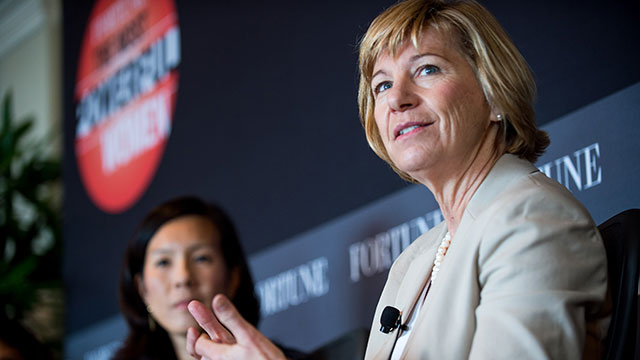
"caption": "Susan Desmond-Hellmann, then-chancellor of UCSF, at a 2012 Fortune Magazine event. (Stuart Isett/Fortune)",
"description": "Susan Desmond-Hellmann, then-chancellor of UCSF, at a 2012 Fortune Magazine event. (Stuart Isett/Fortune)",
"title": "desmond-hellmann",
"credit": null,
"status": "inherit",
"isLoading": false,
"fetchFailed": false
},
"news_10341143": {
"type": "attachments",
"id": "news_10341143",
"meta": {
"index": "attachments_1716263798",
"site": "news",
"id": "10341143",
"found": true
},
"parent": 10141142,
"imgSizes": {
"thumbnail": {
"file": "https://ww2.kqed.org/app/uploads/sites/10/2014/09/desmondhellmanncrop-400x225.jpg",
"width": 400,
"mimeType": "image/jpeg",
"height": 225
},
"kqedFullSize": {
"file": "https://ww2.kqed.org/app/uploads/sites/10/2014/09/desmondhellmanncrop.jpg",
"width": 640,
"height": 360
},
"guest-author-96": {
"file": "https://ww2.kqed.org/app/uploads/sites/10/2014/09/desmondhellmanncrop-96x96.jpg",
"width": 96,
"mimeType": "image/jpeg",
"height": 96
},
"guest-author-64": {
"file": "https://ww2.kqed.org/app/uploads/sites/10/2014/09/desmondhellmanncrop-64x64.jpg",
"width": 64,
"mimeType": "image/jpeg",
"height": 64
},
"detail": {
"file": "https://ww2.kqed.org/app/uploads/sites/10/2014/09/desmondhellmanncrop-75x75.jpg",
"width": 75,
"mimeType": "image/jpeg",
"height": 75
},
"guest-author-32": {
"file": "https://ww2.kqed.org/app/uploads/sites/10/2014/09/desmondhellmanncrop-32x32.jpg",
"width": 32,
"mimeType": "image/jpeg",
"height": 32
},
"guest-author-128": {
"file": "https://ww2.kqed.org/app/uploads/sites/10/2014/09/desmondhellmanncrop-128x128.jpg",
"width": 128,
"mimeType": "image/jpeg",
"height": 128
}
},
"publishDate": 1410554492,
"modified": 1410554492,
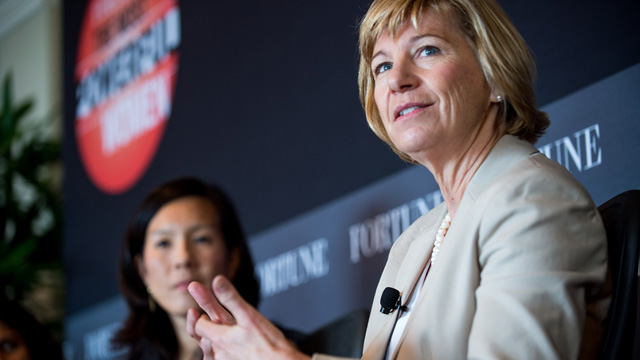
"caption": "Susan Desmond-Hellmann, then-chancellor of UCSF, at a 2012 Fortune Magazine event. (Stuart Isett/Fortune)",
"description": null,
"title": "desmondhellmanncrop",
"credit": null,
"status": "inherit",
"isLoading": false,
"fetchFailed": false
}
},
"audioPlayerReducer": {
"postId": "stream_live",
"isPaused": true,
"isPlaying": false,
"pfsActive": false,
"pledgeModalIsOpen": true,
"playerDrawerIsOpen": false,
"liveAudioPlayStartedAt": 0,
"liveAudioPlayContext": ""
},
"authorsReducer": {
"byline_stateofhealth_56245": {
"type": "authors",
"id": "byline_stateofhealth_56245",
"meta": {
"override": true
},
"slug": "byline_stateofhealth_56245",
"name": "Joe Palca, NPR",
"isLoading": false
},
"jbrooks": {
"type": "authors",
"id": "80",
"meta": {
"index": "authors_1716337520",
"id": "80",
"found": true
},
"name": "Jon Brooks",
"firstName": "Jon",
"lastName": "Brooks",
"slug": "jbrooks",
"email": "jbrooks@kqed.org",
"display_author_email": true,
"staff_mastheads": [
"science"
],
"title": "Digital Editor",
"bio": "Jon Brooks is a former Digital Editor for KQED Science. He is the former editor of KQED’s daily news blog, News Fix. In 2014, he won a California Journalism Award for his coverage of ride services like Uber and Lyft and the taxi industry. A veteran blogger, he previously worked for Yahoo! in various news writing and editing roles. Jon is also a playwright whose work has been produced in San Francisco, New York, Italy, and around the U.S. He has written about film for his own blog and studied film at Boston University.",
"avatar": "https://secure.gravatar.com/avatar/98887f7ed1c876ed414d4c915e969584?s=600&d=blank&r=g",
"twitter": "jbrooksfoy",
"facebook": null,
"instagram": null,
"linkedin": null,
"sites": [
{
"site": "arts",
"roles": [
"Contributor",
"editor"
]
},
{
"site": "news",
"roles": [
"author"
]
},
{
"site": "futureofyou",
"roles": [
"administrator"
]
},
{
"site": "mindshift",
"roles": [
"editor"
]
},
{
"site": "stateofhealth",
"roles": [
"editor"
]
},
{
"site": "science",
"roles": [
"administrator"
]
},
{
"site": "quest",
"roles": [
"editor"
]
}
],
"headData": {
"title": "Jon Brooks | KQED",
"description": "Digital Editor",
"ogImgSrc": "https://secure.gravatar.com/avatar/98887f7ed1c876ed414d4c915e969584?s=600&d=blank&r=g",
"twImgSrc": "https://secure.gravatar.com/avatar/98887f7ed1c876ed414d4c915e969584?s=600&d=blank&r=g"
},
"isLoading": false,
"link": "/author/jbrooks"
},
"agrossberg": {
"type": "authors",
"id": "188",
"meta": {
"index": "authors_1716337520",
"id": "188",
"found": true
},
"name": "Adam Grossberg",
"firstName": "Adam",
"lastName": "Grossberg",
"slug": "agrossberg",
"email": "agrossberg@KQED.org",
"display_author_email": false,
"staff_mastheads": [],
"title": "KQED Contributor",
"bio": "Adam Grossberg is a former video producer at KQED News. Prior to coming to KQED, he produced videos for PBS, The New York Times, Current TV and The Center for Investigative Reporting. His work has received an Excellence in Journalism award from the Society of Professional Journalists, a regional Murrow award and two Northern California Emmy awards. He is a graduate of the UC Berkeley Graduate School of Journalism.",
"avatar": "https://secure.gravatar.com/avatar/8e96dbdaaf98f5959a2c778289e0f9b5?s=600&d=blank&r=g",
"twitter": null,
"facebook": null,
"instagram": null,
"linkedin": null,
"sites": [
{
"site": "arts",
"roles": [
"contributor"
]
},
{
"site": "news",
"roles": [
"subscriber"
]
},
{
"site": "stateofhealth",
"roles": [
"editor"
]
},
{
"site": "science",
"roles": [
"editor"
]
}
],
"headData": {
"title": "Adam Grossberg | KQED",
"description": "KQED Contributor",
"ogImgSrc": "https://secure.gravatar.com/avatar/8e96dbdaaf98f5959a2c778289e0f9b5?s=600&d=blank&r=g",
"twImgSrc": "https://secure.gravatar.com/avatar/8e96dbdaaf98f5959a2c778289e0f9b5?s=600&d=blank&r=g"
},
"isLoading": false,
"link": "/author/agrossberg"
},
"lisaaliferis": {
"type": "authors",
"id": "240",
"meta": {
"index": "authors_1716337520",
"id": "240",
"found": true
},
"name": "Lisa Aliferis",
"firstName": "Lisa",
"lastName": "Aliferis",
"slug": "lisaaliferis",
"email": "laliferis@kqed.org",
"display_author_email": false,
"staff_mastheads": [],
"title": "KQED Contributor",
"bio": "Lisa Aliferis is the founding editor of KQED's \u003cem>State of Health\u003c/em> blog. Since 2011, she's been writing and editing stories for the site. Before taking up blogging, she toiled for many years (more than we can count) producing health stories for television, including\u003cem> Dateline NBC\u003c/em> and San Francisco's CBS affiliate, KPIX-TV. She also wrote up a \u003ca title=\"http://www.kqed.org/news/health/obamacare/obamacare-guide.jsp\" href=\"http://www.kqed.org/news/health/obamacare/obamacare-guide.jsp\">handy guide to the Affordable Care Act\u003c/a>, especially for Californians. Her work has been honored for many awards. Most recently she was a finalist for \"Best Topical Reporting\" from the Online News Association. You can follow her on Twitter: \u003ca title=\"https://twitter.com/laliferis\" href=\"https://twitter.com/laliferis\">@laliferis\u003c/a>",
"avatar": "https://secure.gravatar.com/avatar/86c339d5cdcb0dcd2b6cf5d7c3f5886b?s=600&d=mm&r=g",
"twitter": "laliferis",
"facebook": null,
"instagram": null,
"linkedin": null,
"sites": [
{
"site": "news",
"roles": [
"subscriber"
]
},
{
"site": "futureofyou",
"roles": [
"subscriber"
]
},
{
"site": "stateofhealth",
"roles": [
"subscriber"
]
},
{
"site": "science",
"roles": [
"subscriber"
]
},
{
"site": "food",
"roles": []
}
],
"headData": {
"title": "Lisa Aliferis | KQED",
"description": "KQED Contributor",
"ogImgSrc": "https://secure.gravatar.com/avatar/86c339d5cdcb0dcd2b6cf5d7c3f5886b?s=600&d=mm&r=g",
"twImgSrc": "https://secure.gravatar.com/avatar/86c339d5cdcb0dcd2b6cf5d7c3f5886b?s=600&d=mm&r=g"
},
"isLoading": false,
"link": "/author/lisaaliferis"
},
"samharnett": {
"type": "authors",
"id": "253",
"meta": {
"index": "authors_1716337520",
"id": "253",
"found": true
},
"name": "Sam Harnett",
"firstName": "Sam",
"lastName": "Harnett",
"slug": "samharnett",
"email": "samharnett@gmail.com",
"display_author_email": false,
"staff_mastheads": [],
"title": "KQED Contributor",
"bio": "Sam Harnett covered tech and work at KQED. He is the co-creator of \u003cem>\u003ca href=\"http://www.theworldaccordingtosound.org\">The World According to Sound\u003c/a>,\u003c/em> a 90-second podcast that features different sounds and the stories behind them.\r\n\r\nBefore coming to KQED, Sam worked as an independent reporter who contributed regularly to \u003cem>The California Report, Marketplace,\u003c/em> \u003cem>The World \u003c/em>and NPR.",
"avatar": "https://secure.gravatar.com/avatar/2538b972ac02f2b9546c7a6c59a0f3d0?s=600&d=blank&r=g",
"twitter": "Samwharnett",
"facebook": null,
"instagram": null,
"linkedin": null,
"sites": [
{
"site": "news",
"roles": [
"edit_others_posts",
"subscriber"
]
},
{
"site": "stateofhealth",
"roles": [
"author"
]
},
{
"site": "science",
"roles": [
"editor"
]
},
{
"site": "quest",
"roles": [
"subscriber"
]
}
],
"headData": {
"title": "Sam Harnett | KQED",
"description": "KQED Contributor",
"ogImgSrc": "https://secure.gravatar.com/avatar/2538b972ac02f2b9546c7a6c59a0f3d0?s=600&d=blank&r=g",
"twImgSrc": "https://secure.gravatar.com/avatar/2538b972ac02f2b9546c7a6c59a0f3d0?s=600&d=blank&r=g"
},
"isLoading": false,
"link": "/author/samharnett"
},
"scottshafer": {
"type": "authors",
"id": "255",
"meta": {
"index": "authors_1716337520",
"id": "255",
"found": true
},
"name": "Scott Shafer",
"firstName": "Scott",
"lastName": "Shafer",
"slug": "scottshafer",
"email": "sshafer@kqed.org",
"display_author_email": false,
"staff_mastheads": [
"news"
],
"title": "KQED Contributor",
"bio": "Scott Shafer is a senior editor with the KQED Politics and Government desk. He is co-host of Political Breakdown, the award-winning radio show and podcast with a personal take on the world of politics. Scott came to KQED in 1998 to host the statewide\u003cem> California Report\u003c/em>. Prior to that he had extended stints in politics and government\u003cem>.\u003c/em> He uses that inside experience at KQED in his, reporting, hosting and analysis for the politics desk. Scott collaborated \u003cem>Political Breakdown a\u003c/em>nd on \u003cem>The Political Mind of Jerry Brown, \u003c/em>an eight-part series about the life and extraordinary political career of the former governor. For fun, he plays water polo with the San Francisco Tsunami.",
"avatar": "https://secure.gravatar.com/avatar/a62ebae45b79d7aed1a39a0e3bf68104?s=600&d=blank&r=g",
"twitter": "scottshafer",
"bluesky": null,
"facebook": null,
"instagram": null,
"linkedin": null,
"sites": [
{
"site": "news",
"roles": [
"editor"
]
},
{
"site": "stateofhealth",
"roles": [
"author"
]
},
{
"site": "science",
"roles": [
"author"
]
},
{
"site": "forum",
"roles": [
"subscriber"
]
},
{
"site": "liveblog",
"roles": [
"author"
]
}
],
"headData": {
"title": "Scott Shafer | KQED",
"description": "KQED Contributor",
"ogImgSrc": "https://secure.gravatar.com/avatar/a62ebae45b79d7aed1a39a0e3bf68104?s=600&d=blank&r=g",
"twImgSrc": "https://secure.gravatar.com/avatar/a62ebae45b79d7aed1a39a0e3bf68104?s=600&d=blank&r=g"
},
"isLoading": false,
"link": "/author/scottshafer"
},
"lairdharrison": {
"type": "authors",
"id": "1367",
"meta": {
"index": "authors_1716337520",
"id": "1367",
"found": true
},
"name": "Laird Harrison",
"firstName": "Laird",
"lastName": "Harrison",
"slug": "lairdharrison",
"email": "laird_harrison@yahoo.com",
"display_author_email": false,
"staff_mastheads": [],
"title": null,
"bio": null,
"avatar": "https://secure.gravatar.com/avatar/cd1a94b071427a71ecfcbc115c6b0efe?s=600&d=blank&r=g",
"twitter": null,
"facebook": null,
"instagram": null,
"linkedin": null,
"sites": [
{
"site": "news",
"roles": [
"subscriber"
]
}
],
"headData": {
"title": "Laird Harrison | KQED",
"description": null,
"ogImgSrc": "https://secure.gravatar.com/avatar/cd1a94b071427a71ecfcbc115c6b0efe?s=600&d=blank&r=g",
"twImgSrc": "https://secure.gravatar.com/avatar/cd1a94b071427a71ecfcbc115c6b0efe?s=600&d=blank&r=g"
},
"isLoading": false,
"link": "/author/lairdharrison"
},
"mpickett": {
"type": "authors",
"id": "6616",
"meta": {
"index": "authors_1716337520",
"id": "6616",
"found": true
},
"name": "Mallory Pickett",
"firstName": "Mallory",
"lastName": "Pickett",
"slug": "mpickett",
"email": "mallorypickett@gmail.com",
"display_author_email": false,
"staff_mastheads": [],
"title": null,
"bio": "Mallory Pickett is an intern with KQED Science, where she mostly contributes to Deep Look. Before coming to KQED Mallory was a chemist, studying climate change and ocean acidification in her graduate studies at UC San Diego and Scripps Institution of Oceanography. Now she works as a freelance science and environmental reporter in Berkeley, California, and is also a student at the UC Berkeley Graduate School of Journalism.",
"avatar": "https://secure.gravatar.com/avatar/76041fb6f98596f1792b3673c61c09be?s=600&d=blank&r=g",
"twitter": null,
"facebook": null,
"instagram": null,
"linkedin": null,
"sites": [
{
"site": "futureofyou",
"roles": [
"author"
]
},
{
"site": "science",
"roles": [
"author"
]
}
],
"headData": {
"title": "Mallory Pickett | KQED",
"description": null,
"ogImgSrc": "https://secure.gravatar.com/avatar/76041fb6f98596f1792b3673c61c09be?s=600&d=blank&r=g",
"twImgSrc": "https://secure.gravatar.com/avatar/76041fb6f98596f1792b3673c61c09be?s=600&d=blank&r=g"
},
"isLoading": false,
"link": "/author/mpickett"
},
"state-of-health": {
"type": "authors",
"id": "8344",
"meta": {
"index": "authors_1716337520",
"id": "8344",
"found": true
},
"name": "State of Health",
"firstName": "State of Health",
"lastName": null,
"slug": "state-of-health",
"email": "stateofhealth@kqed.org",
"display_author_email": false,
"staff_mastheads": [],
"title": null,
"bio": null,
"avatar": "https://secure.gravatar.com/avatar/66de4bf6d331fa7402bba1ffe8135e17?s=600&d=blank&r=g",
"twitter": null,
"facebook": null,
"instagram": null,
"linkedin": null,
"sites": [
{
"site": "arts",
"roles": [
"author"
]
},
{
"site": "stateofhealth",
"roles": [
"editor"
]
}
],
"headData": {
"title": "State of Health | KQED",
"description": null,
"ogImgSrc": "https://secure.gravatar.com/avatar/66de4bf6d331fa7402bba1ffe8135e17?s=600&d=blank&r=g",
"twImgSrc": "https://secure.gravatar.com/avatar/66de4bf6d331fa7402bba1ffe8135e17?s=600&d=blank&r=g"
},
"isLoading": false,
"link": "/author/state-of-health"
},
"fjhabvala": {
"type": "authors",
"id": "8659",
"meta": {
"index": "authors_1716337520",
"id": "8659",
"found": true
},
"name": "Farida Jhabvala Romero",
"firstName": "Farida",
"lastName": "Jhabvala Romero",
"slug": "fjhabvala",
"email": "fjhabvala@kqed.org",
"display_author_email": true,
"staff_mastheads": [
"news"
],
"title": "KQED Contributor",
"bio": "\u003cspan style=\"font-weight: 400;\">Farida Jhabvala Romero is a Labor Correspondent for KQED. She previously covered immigration. Farida was \u003ca href=\"https://www.ccnma.org/2022-most-influential-latina-journalists\">named\u003c/a> one of the 10 Most Influential Latina Journalists in California in 2022 by the California Chicano News Media Association. Her work has won awards from the Society of Professional Journalists (Northern California), as well as a national and regional Edward M. Murrow Award for the collaborative reporting projects “Dangerous Air” and “Graying California.” \u003c/span>\u003cspan style=\"font-weight: 400;\">Before joining KQED, Farida worked as a producer at Radio Bilingüe, a national public radio network. Farida earned her master’s degree in journalism from Stanford University.\u003c/span>",
"avatar": "https://secure.gravatar.com/avatar/c3ab27c5554b67b478f80971e515aa02?s=600&d=blank&r=g",
"twitter": "FaridaJhabvala",
"facebook": null,
"instagram": null,
"linkedin": "https://www.linkedin.com/in/faridajhabvala/",
"sites": [
{
"site": "news",
"roles": [
"editor"
]
},
{
"site": "stateofhealth",
"roles": [
"author"
]
}
],
"headData": {
"title": "Farida Jhabvala Romero | KQED",
"description": "KQED Contributor",
"ogImgSrc": "https://secure.gravatar.com/avatar/c3ab27c5554b67b478f80971e515aa02?s=600&d=blank&r=g",
"twImgSrc": "https://secure.gravatar.com/avatar/c3ab27c5554b67b478f80971e515aa02?s=600&d=blank&r=g"
},
"isLoading": false,
"link": "/author/fjhabvala"
},
"lesleymcclurg": {
"type": "authors",
"id": "11229",
"meta": {
"index": "authors_1716337520",
"id": "11229",
"found": true
},
"name": "Lesley McClurg",
"firstName": "Lesley",
"lastName": "McClurg",
"slug": "lesleymcclurg",
"email": "lmcclurg@KQED.org",
"display_author_email": false,
"staff_mastheads": [
"news",
"science"
],
"title": "KQED Health Correspondent",
"bio": "Lesley McClurg is a health correspondent and fill-in host whose work is regularly rebroadcast on NPR and PBS programs. She’s earned multiple regional Emmy awards, a national and a regional Edward R. Murrow award, and was named Best Beat Reporter by the Association of Health Care Journalists. The Society of Professional Journalists has recognized her work several times, and the Society of Environmental Journalists spotlighted her coverage of California’s historic drought.\r\n\r\nBefore joining KQED in 2016, Lesley covered food and sustainability for Capital Public Radio, environmental issues for Colorado Public Radio, and reported for KUOW and KCTS 9 in Seattle. Away from the newsroom, she loves skiing with her daughter, mountain biking with her partner, and playing with Ollie, the family’s goldendoodle. On deadline, she runs almost entirely on chocolate chips.\r\n\r\n ",
"avatar": "https://secure.gravatar.com/avatar/bab49e972ea10c774fe0f5e29dba1722b158f7c0d58a360923d1389d380b2978?s=600&d=blank&r=g",
"twitter": "lesleywmcclurg",
"bluesky": null,
"facebook": null,
"instagram": null,
"linkedin": null,
"sites": [
{
"site": "arts",
"roles": [
"author"
]
},
{
"site": "news",
"roles": [
"editor"
]
},
{
"site": "futureofyou",
"roles": [
"editor"
]
},
{
"site": "stateofhealth",
"roles": [
"author"
]
},
{
"site": "science",
"roles": [
"editor"
]
},
{
"site": "quest",
"roles": [
"subscriber"
]
},
{
"site": "forum",
"roles": [
"administrator"
]
},
{
"site": "liveblog",
"roles": [
"author"
]
}
],
"headData": {
"title": "Lesley McClurg | KQED",
"description": "KQED Health Correspondent",
"ogImgSrc": "https://secure.gravatar.com/avatar/bab49e972ea10c774fe0f5e29dba1722b158f7c0d58a360923d1389d380b2978?s=600&d=blank&r=g",
"twImgSrc": "https://secure.gravatar.com/avatar/bab49e972ea10c774fe0f5e29dba1722b158f7c0d58a360923d1389d380b2978?s=600&d=blank&r=g"
},
"isLoading": false,
"link": "/author/lesleymcclurg"
}
},
"pagesReducer": {
"news_tag_ucsf": {
"type": "terms",
"id": "news_922",
"meta": {
"index": "terms_1716263798",
"site": "news",
"id": "922",
"score": 8.666416
},
"featImg": null,
"name": "ucsf",
"description": null,
"taxonomy": "tag",
"headData": {
"twImgId": null,
"twTitle": null,
"ogTitle": null,
"ogImgId": null,
"twDescription": null,
"description": null,
"title": "ucsf Archives | KQED News",
"ogDescription": null
},
"ttid": 932,
"slug": "ucsf",
"isLoading": false,
"title": "ucsf",
"pageMeta": {
"site": "news",
"WpPageTemplate": "page-topic-editorial",
"currentPage": 7
},
"blocks": [
{
"blockName": "kqed/post-list",
"attrs": {
"layout": "cardArticle2",
"query": "posts/news?tag=ucsf",
"seeMore": false,
"paginated": true,
"page": 7
}
},
{
"blockName": "kqed/ad"
}
]
}
},
"pfsSessionReducer": {},
"postsReducer": {
"stream_live": {
"type": "live",
"id": "stream_live",
"audioUrl": "https://streams.kqed.org/kqedradio",
"title": "Live Stream",
"excerpt": "Live Stream information currently unavailable.",
"link": "/radio",
"featImg": "",
"label": {
"name": "KQED Live",
"link": "/"
}
},
"stream_kqedNewscast": {
"type": "posts",
"id": "stream_kqedNewscast",
"audioUrl": "https://www.kqed.org/.stream/anon/radio/RDnews/newscast.mp3?_=1",
"title": "KQED Newscast",
"featImg": "",
"label": {
"name": "88.5 FM",
"link": "/"
}
},
"news_11219853": {
"type": "posts",
"id": "news_11219853",
"meta": {
"index": "posts_1716263798",
"site": "news",
"id": "11219853",
"score": null,
"sort": [
1481765103000
]
},
"guestAuthors": [],
"slug": "ucsf-losing-some-it-staff-to-outsourcing",
"title": "UCSF Lays Off Tech Workers, Stepping Into Jobs Outsourcing Controversy",
"publishDate": 1481765103,
"format": "image",
"headTitle": "UCSF Lays Off Tech Workers, Stepping Into Jobs Outsourcing Controversy | KQED",
"labelTerm": {
"term": 6944,
"site": "news"
},
"content": "\u003cp>Hank Nguyen is an IT employee at UC San Francisco. Until recently, his daughter wanted to follow in his footsteps and work in information technology. She was accepted at UC Santa Cruz and planned to study computer science.\u003c/p>\n\u003cp>Then, last July, the letters arrived. The first was the tuition bill from Santa Cruz. The second was a layoff notice from UCSF.\u003c/p>\n\u003cp>UCSF has a total of 565 full-time workers focused on core IT services. The research institute and hospital is cutting some 97 IT jobs –– including 49 full-time workers, 30 contractors and 18 unfilled positions. Those jobs are scheduled to end in February. The work is being outsourced to HCL, a multinational information technology firm headquartered in India. This is one of the two firms \u003ca href=\"http://www.nytimes.com/2016/10/14/us/judge-says-disney-didnt-violate-visa-laws-in-layoffs.html?_r=0\" target=\"_blank\" rel=\"noopener noreferrer\">Disney took heat over for partnering with last year\u003c/a> when it outsourced 250 IT jobs.\u003c/p>\n\u003cp>[soundcloud url=”https://api.soundcloud.com/tracks/297913715″ params=”color=ff5500&auto_play=false&hide_related=false&show_comments=true&show_user=true&show_reposts=false” width=”100%” height=”166″ iframe=”true” /]\u003c/p>\n\u003cp>This is just one example of the kind of globalization and job losses President-elect Donald Trump talked about while campaigning.\u003c/p>\n\u003cp>[ad fullwidth]\u003c/p>\n\u003cp>Nguyen cannot believe that this is happening to him, a worker in the tech industry. But it is. He and other IT workers at UCSF are now training their replacements, workers from HCL. “I’m speechless,” he says. “How can they do this to us?”\u003c/p>\n\u003caside class=\"pullquote alignright\">‘I’m speechless. How can they do this to us?’ \u003ccite>Hank Nguyen, laid-off IT Worker\u003c/cite>\u003c/aside>\n\u003cp>Nguyen worries he won’t have money to pay for his daughter’s education. She worries her expensive degree won’t lead to a stable career in IT. “I’m unsure about everything now,” Nguyen says. “She’s unsure as well.”\u003c/p>\n\u003cp>Originally from Vietnam, Nguyen says he escaped to America in 1981 and he restarted his life here from scratch. He taught himself about computers so he could get a job in the tech world. He thought it was the surest way for him to have a stable, middle-class life.\u003c/p>\n\u003cfigure id=\"attachment_11219856\" class=\"wp-caption aligncenter\" style=\"max-width: 800px\">\u003cimg loading=\"lazy\" decoding=\"async\" class=\"wp-image-11219856 size-medium\" src=\"http://ww2.kqed.org/news/wp-content/uploads/sites/10/2016/12/IMG_0925-e1481741203582-800x600.jpg\" alt=\"Hank Nguyen is losing his job because UCSF is working with an outside contractor.\" width=\"800\" height=\"600\" srcset=\"https://cdn.kqed.org/wp-content/uploads/sites/10/2016/12/IMG_0925-e1481741203582-800x600.jpg 800w, https://cdn.kqed.org/wp-content/uploads/sites/10/2016/12/IMG_0925-e1481741203582-160x120.jpg 160w, https://cdn.kqed.org/wp-content/uploads/sites/10/2016/12/IMG_0925-e1481741203582-1020x765.jpg 1020w, https://cdn.kqed.org/wp-content/uploads/sites/10/2016/12/IMG_0925-e1481741203582-1920x1440.jpg 1920w, https://cdn.kqed.org/wp-content/uploads/sites/10/2016/12/IMG_0925-e1481741203582-1180x885.jpg 1180w, https://cdn.kqed.org/wp-content/uploads/sites/10/2016/12/IMG_0925-e1481741203582-960x720.jpg 960w, https://cdn.kqed.org/wp-content/uploads/sites/10/2016/12/IMG_0925-e1481741203582-240x180.jpg 240w, https://cdn.kqed.org/wp-content/uploads/sites/10/2016/12/IMG_0925-e1481741203582-375x281.jpg 375w, https://cdn.kqed.org/wp-content/uploads/sites/10/2016/12/IMG_0925-e1481741203582-520x390.jpg 520w\" sizes=\"(max-width: 800px) 100vw, 800px\">\u003cfigcaption class=\"wp-caption-text\">Hank Nguyen is losing his job because UCSF is working with an outside contractor. \u003ccite>(Sam Harnett/KQED)\u003c/cite>\u003c/figcaption>\u003c/figure>\n\u003cp>Nguyen thought he had job security. He works with servers, the computers that run company software and handle data. It’s part of a range of back-end IT work that keeps our modern computer-driven world running. But now, much of this IT infrastructure has been shipped overseas, says Ron Hira, a professor of public policy at Howard University.\u003c/p>\n\u003cp>“It’s a silent destruction of really important innovation, high-wage, really the knowledge-based economy jobs that we’re supposed to be moving into,” Hira says.\u003c/p>\n\u003cp>He says what’s really scary is that we don’t know how many IT jobs America has lost. The government doesn’t keep track of it, he says. Hira has studied IT offshoring for over a decade, and he has been gathering numbers to try to get a picture of this job loss.\u003c/p>\n\u003cp>By looking at IT employment abroad in countries like India, and the numbers of workers American companies like IBM now employ overseas, Hira has come up with a rough estimate. He thinks as many as 1.5 million foreign workers could now be doing IT jobs for American companies.\u003c/p>\n\u003caside class=\"pullquote alignleft\">‘It’s huge in scale and scope, and it has long-term ramifications’ \u003ccite>Ron Hira, Howard University public policy professor \u003c/cite>\u003c/aside>\n\u003cp>“It’s huge in scale and scope, and it has long-term ramifications in terms of innovation, but also in terms of spillover jobs and career ladders for folks,” Hira says.\u003c/p>\n\u003cp>Changes in technology like cloud computing have contributed to IT job loss, but Hira says outsourcing has greatly accelerated the trend. And he says the main tool paving the way for outsourcing is the H-1B visa. Hira \u003ca href=\"http://www.epi.org/publication/congressional-testimony-the-impact-of-high-skilled-immigration-on-u-s-workers-4/\" target=\"_blank\" rel=\"noopener noreferrer\">gave this testimony\u003c/a> in front of Congress about how the H-1B visa is used to outsource jobs and undercut U.S. workers. HCL is mentioned as a company that depends on the H-1B visa for business operations in the U.S.\u003c/p>\n\u003cp>Controversy over this visa has been escalating in recent years. There have been numerous bipartisan attempts in Congress to \u003ca href=\"http://www.computerworld.com/article/3094126/it-careers/after-12-years-seeking-h-1b-reform-rep-pascrell-tries-again.html\" target=\"_blank\" rel=\"noopener noreferrer\">reform the visa\u003c/a>. They have all failed. Complaints about the visa range from the offshoring of U.S. jobs to how it can be used to drive down wages and create situations where \u003ca href=\"http://www.pri.org/stories/2013-03-07/h-1b-visas-leave-immigrant-workers-disadvantage-while-some-critics-fume\" target=\"_blank\" rel=\"noopener noreferrer\">companies can abuse H-1B workers\u003c/a>. Companies like Southern California Edison have been criticized for effectively replacing U.S. workers with H-1B workers. The move led to a federal investigation, \u003ca href=\"http://www.scpr.org/news/2015/10/22/55178/feds-conclude-investigation-into-firm-that-provide/\" target=\"_blank\" rel=\"noopener noreferrer\">which did not end\u003c/a> in the workers’ favor.\u003c/p>\n\u003cp>This visa cropped up in the presidential race after Disney shipped out 250 of its IT jobs, in part to HCL, the same company UCSF is working with now. Donald Trump at times criticized Disney and the visa. He drew applause at debates by saying the H-1B program should be dismantled, and he championed a laid-off IT worker at Disney who endorsed him. But it is hard to say what he will do in office, since he flip-flopped on the issue several times when pressed about actual policy decisions.\u003c/p>\n\u003cp>[jwplayer mediaid=”11219854″]\u003c/p>\n\u003cp>Here is the back story on the H-1B. The visa is supposed to allow companies to hire the highest-skilled foreign talent. But in reality, outsourcing companies like HCL scoop up the most H-1B visas for lower-level IT workers. These H-1B workers are sent into U.S. companies to see how their IT systems operate, and then they work with large teams abroad, mostly in India, where labor is cheap.\u003c/p>\n\u003cp>At UCSF, eight of the 27 workers in the transition team that HCL sent in to learn the ropes at the school were on H-1B visas, according to UCSF’s Vice Chancellor of University Relations Barbara French. While the transition team had H-1B workers, French says UCSF has a policy not to replace any of the employees losing their jobs with workers on H-1Bs. But now that the transition team has learned the IT needs at UCSF, much of the work can be done offsite and potentially offshore where labor is cheaper. French says HCL will have only 20 workers on the ground at UCSF.\u003c/p>\n\u003cp>Cutting costs is why UCSF is partnering with HCL, French says.\u003c/p>\n\u003cp>“We can save $30 million over five years by outsourcing,” French said. She also anticipates that as IT needs grow in coming years, working with HCL could help save more money.\u003c/p>\n\u003cp>French says UCSF came up with the outsourcing plan after seeing that the competition had already done a similar thing. French says this decision was not taken lightly and that the school held a job fair to find new IT positions within the UC system for employees being laid off.\u003c/p>\n\u003cp>Many hospitals have already outsourced parts of their IT infrastructure to cut costs, and other universities are starting to look into doing the same. Meanwhile, UCSF is facing rising health costs and cuts in state funding. “We’re feeling the squeeze,” French says.\u003c/p>\n\u003caside class=\"pullquote alignright\">‘We’re feeling the squeeze’ \u003ccite>Barbara French, UCSF spokeswoman \u003c/cite>\u003c/aside>\n\u003cp>French says UCSF provides around $130 million in charity care for the poor. She says to continue that kind of service, UCSF has to focus only on its core IT services, things like data analysis for researchers, cybersecurity and organizing electronic health records. French says while it is laying off some IT workers by outsourcing to HCL, the university continues to hire new IT workers to do more specialized work.\u003c/p>\n\u003cp>“Taking care of patient care IT issues, taking care of research IT issues, that belongs to us,” French says. “We need to be on top of it and grow it.”\u003c/p>\n\u003cp>The contract with HCL would allow all 10 UC campuses to similarly outsource portions of their IT work. Other schools are not yet making moves to do that, but IT workers at UCSF think this is the beginning of a trend that could spread throughout UC.\u003c/p>\n\u003cp>IT worker Hank Nguyen says it doesn’t make any sense that a state university system training the STEM workers of tomorrow would lay off the STEM workers of today. He says his work was once considered core and specialized, but it is now being outsourced. He worries the same will soon happen to the new IT workers UCSF is now hiring.\u003c/p>\n\u003cp>[ad floatright]\u003c/p>\n\u003cp>Nancy Pelosi and state lawmakers are \u003ca href=\"http://www.computerworld.com/article/3144449/it-outsourcing/pelosi-says-uc-it-workers-are-in-untenable-position.html\" target=\"_blank\" rel=\"noopener noreferrer\">calling on UC President Janet Napolitano\u003c/a> to halt the layoffs at UCSF, but there’s no indication she will do that. If she doesn’t, the IT workers will lose their jobs at the end of February.\u003c/p>\n\n",
"blocks": [],
"excerpt": "UCSF says it is following what its competitors have already done and has to lay off the workers to cut costs.",
"status": "publish",
"parent": 0,
"modified": 1721151653,
"stats": {
"hasAudio": false,
"hasVideo": false,
"hasChartOrMap": false,
"iframeSrcs": [],
"hasGoogleForm": false,
"hasGallery": false,
"hasHearkenModule": false,
"hasPolis": false,
"paragraphCount": 30,
"wordCount": 1534
},
"headData": {
"title": "UCSF Lays Off Tech Workers, Stepping Into Jobs Outsourcing Controversy | KQED",
"description": "UCSF says it is following what its competitors have already done and has to lay off the workers to cut costs.",
"ogTitle": "",
"ogDescription": "",
"ogImgId": "",
"twTitle": "",
"twDescription": "",
"twImgId": "",
"schema": {
"@context": "https://schema.org",
"@type": "NewsArticle",
"headline": "UCSF Lays Off Tech Workers, Stepping Into Jobs Outsourcing Controversy",
"datePublished": "2016-12-14T17:25:03-08:00",
"dateModified": "2024-07-16T10:40:53-07:00",
"image": "https://cdn.kqed.org/wp-content/uploads/2020/02/KQED-OG-Image@1x.png",
"isAccessibleForFree": "True",
"publisher": {
"@type": "NewsMediaOrganization",
"@id": "https://www.kqed.org/#organization",
"name": "KQED",
"logo": "https://cdn.kqed.org/wp-content/uploads/2020/02/KQED-OG-Image@1x.png",
"url": "https://www.kqed.org",
"sameAs": [
"https://www.facebook.com/KQED",
"https://twitter.com/KQED",
"https://www.instagram.com/kqed/",
"https://www.tiktok.com/@kqedofficial",
"https://www.linkedin.com/company/kqed",
"https://www.youtube.com/channel/UCeC0IOo7i1P_61zVUWbJ4nw"
]
}
}
},
"sticky": false,
"path": "/news/11219853/ucsf-losing-some-it-staff-to-outsourcing",
"audioTrackLength": null,
"parsedContent": [
{
"type": "contentString",
"content": "\u003cdiv class=\"post-body\">\u003cp>\u003cp>Hank Nguyen is an IT employee at UC San Francisco. Until recently, his daughter wanted to follow in his footsteps and work in information technology. She was accepted at UC Santa Cruz and planned to study computer science.\u003c/p>\n\u003cp>Then, last July, the letters arrived. The first was the tuition bill from Santa Cruz. The second was a layoff notice from UCSF.\u003c/p>\n\u003cp>UCSF has a total of 565 full-time workers focused on core IT services. The research institute and hospital is cutting some 97 IT jobs –– including 49 full-time workers, 30 contractors and 18 unfilled positions. Those jobs are scheduled to end in February. The work is being outsourced to HCL, a multinational information technology firm headquartered in India. This is one of the two firms \u003ca href=\"http://www.nytimes.com/2016/10/14/us/judge-says-disney-didnt-violate-visa-laws-in-layoffs.html?_r=0\" target=\"_blank\" rel=\"noopener noreferrer\">Disney took heat over for partnering with last year\u003c/a> when it outsourced 250 IT jobs.\u003c/p>\n\u003cp>\u003c/p>\u003cp>\u003cdiv class='utils-parseShortcode-shortcodes-__shortcodes__shortcodeWrapper'>\n \u003ciframe width='”100%”' height='”166″'\n scrolling='no' frameborder='no'\n src='https://w.soundcloud.com/player/?url=”https://api.soundcloud.com/tracks/297913715″&visual=true&”color=ff5500&auto_play=false&hide_related=false&show_comments=true&show_user=true&show_reposts=false”'\n title='”https://api.soundcloud.com/tracks/297913715″'>\n \u003c/iframe>\n \u003c/div>\u003c/p>\u003cp>\u003c/p>\n\u003cp>This is just one example of the kind of globalization and job losses President-elect Donald Trump talked about while campaigning.\u003c/p>\n\u003cp>\u003c/p>\u003c/div>",
"attributes": {
"named": {},
"numeric": []
}
},
{
"type": "component",
"content": "",
"name": "ad",
"attributes": {
"named": {
"label": "fullwidth"
},
"numeric": [
"fullwidth"
]
}
},
{
"type": "contentString",
"content": "\u003cdiv class=\"post-body\">\u003cp>\u003c/p>\n\u003cp>Nguyen cannot believe that this is happening to him, a worker in the tech industry. But it is. He and other IT workers at UCSF are now training their replacements, workers from HCL. “I’m speechless,” he says. “How can they do this to us?”\u003c/p>\n\u003caside class=\"pullquote alignright\">‘I’m speechless. How can they do this to us?’ \u003ccite>Hank Nguyen, laid-off IT Worker\u003c/cite>\u003c/aside>\n\u003cp>Nguyen worries he won’t have money to pay for his daughter’s education. She worries her expensive degree won’t lead to a stable career in IT. “I’m unsure about everything now,” Nguyen says. “She’s unsure as well.”\u003c/p>\n\u003cp>Originally from Vietnam, Nguyen says he escaped to America in 1981 and he restarted his life here from scratch. He taught himself about computers so he could get a job in the tech world. He thought it was the surest way for him to have a stable, middle-class life.\u003c/p>\n\u003cfigure id=\"attachment_11219856\" class=\"wp-caption aligncenter\" style=\"max-width: 800px\">\u003cimg loading=\"lazy\" decoding=\"async\" class=\"wp-image-11219856 size-medium\" src=\"http://ww2.kqed.org/news/wp-content/uploads/sites/10/2016/12/IMG_0925-e1481741203582-800x600.jpg\" alt=\"Hank Nguyen is losing his job because UCSF is working with an outside contractor.\" width=\"800\" height=\"600\" srcset=\"https://cdn.kqed.org/wp-content/uploads/sites/10/2016/12/IMG_0925-e1481741203582-800x600.jpg 800w, https://cdn.kqed.org/wp-content/uploads/sites/10/2016/12/IMG_0925-e1481741203582-160x120.jpg 160w, https://cdn.kqed.org/wp-content/uploads/sites/10/2016/12/IMG_0925-e1481741203582-1020x765.jpg 1020w, https://cdn.kqed.org/wp-content/uploads/sites/10/2016/12/IMG_0925-e1481741203582-1920x1440.jpg 1920w, https://cdn.kqed.org/wp-content/uploads/sites/10/2016/12/IMG_0925-e1481741203582-1180x885.jpg 1180w, https://cdn.kqed.org/wp-content/uploads/sites/10/2016/12/IMG_0925-e1481741203582-960x720.jpg 960w, https://cdn.kqed.org/wp-content/uploads/sites/10/2016/12/IMG_0925-e1481741203582-240x180.jpg 240w, https://cdn.kqed.org/wp-content/uploads/sites/10/2016/12/IMG_0925-e1481741203582-375x281.jpg 375w, https://cdn.kqed.org/wp-content/uploads/sites/10/2016/12/IMG_0925-e1481741203582-520x390.jpg 520w\" sizes=\"(max-width: 800px) 100vw, 800px\">\u003cfigcaption class=\"wp-caption-text\">Hank Nguyen is losing his job because UCSF is working with an outside contractor. \u003ccite>(Sam Harnett/KQED)\u003c/cite>\u003c/figcaption>\u003c/figure>\n\u003cp>Nguyen thought he had job security. He works with servers, the computers that run company software and handle data. It’s part of a range of back-end IT work that keeps our modern computer-driven world running. But now, much of this IT infrastructure has been shipped overseas, says Ron Hira, a professor of public policy at Howard University.\u003c/p>\n\u003cp>“It’s a silent destruction of really important innovation, high-wage, really the knowledge-based economy jobs that we’re supposed to be moving into,” Hira says.\u003c/p>\n\u003cp>He says what’s really scary is that we don’t know how many IT jobs America has lost. The government doesn’t keep track of it, he says. Hira has studied IT offshoring for over a decade, and he has been gathering numbers to try to get a picture of this job loss.\u003c/p>\n\u003cp>By looking at IT employment abroad in countries like India, and the numbers of workers American companies like IBM now employ overseas, Hira has come up with a rough estimate. He thinks as many as 1.5 million foreign workers could now be doing IT jobs for American companies.\u003c/p>\n\u003caside class=\"pullquote alignleft\">‘It’s huge in scale and scope, and it has long-term ramifications’ \u003ccite>Ron Hira, Howard University public policy professor \u003c/cite>\u003c/aside>\n\u003cp>“It’s huge in scale and scope, and it has long-term ramifications in terms of innovation, but also in terms of spillover jobs and career ladders for folks,” Hira says.\u003c/p>\n\u003cp>Changes in technology like cloud computing have contributed to IT job loss, but Hira says outsourcing has greatly accelerated the trend. And he says the main tool paving the way for outsourcing is the H-1B visa. Hira \u003ca href=\"http://www.epi.org/publication/congressional-testimony-the-impact-of-high-skilled-immigration-on-u-s-workers-4/\" target=\"_blank\" rel=\"noopener noreferrer\">gave this testimony\u003c/a> in front of Congress about how the H-1B visa is used to outsource jobs and undercut U.S. workers. HCL is mentioned as a company that depends on the H-1B visa for business operations in the U.S.\u003c/p>\n\u003cp>Controversy over this visa has been escalating in recent years. There have been numerous bipartisan attempts in Congress to \u003ca href=\"http://www.computerworld.com/article/3094126/it-careers/after-12-years-seeking-h-1b-reform-rep-pascrell-tries-again.html\" target=\"_blank\" rel=\"noopener noreferrer\">reform the visa\u003c/a>. They have all failed. Complaints about the visa range from the offshoring of U.S. jobs to how it can be used to drive down wages and create situations where \u003ca href=\"http://www.pri.org/stories/2013-03-07/h-1b-visas-leave-immigrant-workers-disadvantage-while-some-critics-fume\" target=\"_blank\" rel=\"noopener noreferrer\">companies can abuse H-1B workers\u003c/a>. Companies like Southern California Edison have been criticized for effectively replacing U.S. workers with H-1B workers. The move led to a federal investigation, \u003ca href=\"http://www.scpr.org/news/2015/10/22/55178/feds-conclude-investigation-into-firm-that-provide/\" target=\"_blank\" rel=\"noopener noreferrer\">which did not end\u003c/a> in the workers’ favor.\u003c/p>\n\u003cp>This visa cropped up in the presidential race after Disney shipped out 250 of its IT jobs, in part to HCL, the same company UCSF is working with now. Donald Trump at times criticized Disney and the visa. He drew applause at debates by saying the H-1B program should be dismantled, and he championed a laid-off IT worker at Disney who endorsed him. But it is hard to say what he will do in office, since he flip-flopped on the issue several times when pressed about actual policy decisions.\u003c/p>\n\u003cp>[jwplayer mediaid=”11219854″]\u003c/p>\n\u003cp>Here is the back story on the H-1B. The visa is supposed to allow companies to hire the highest-skilled foreign talent. But in reality, outsourcing companies like HCL scoop up the most H-1B visas for lower-level IT workers. These H-1B workers are sent into U.S. companies to see how their IT systems operate, and then they work with large teams abroad, mostly in India, where labor is cheap.\u003c/p>\n\u003cp>At UCSF, eight of the 27 workers in the transition team that HCL sent in to learn the ropes at the school were on H-1B visas, according to UCSF’s Vice Chancellor of University Relations Barbara French. While the transition team had H-1B workers, French says UCSF has a policy not to replace any of the employees losing their jobs with workers on H-1Bs. But now that the transition team has learned the IT needs at UCSF, much of the work can be done offsite and potentially offshore where labor is cheaper. French says HCL will have only 20 workers on the ground at UCSF.\u003c/p>\n\u003cp>Cutting costs is why UCSF is partnering with HCL, French says.\u003c/p>\n\u003cp>“We can save $30 million over five years by outsourcing,” French said. She also anticipates that as IT needs grow in coming years, working with HCL could help save more money.\u003c/p>\n\u003cp>French says UCSF came up with the outsourcing plan after seeing that the competition had already done a similar thing. French says this decision was not taken lightly and that the school held a job fair to find new IT positions within the UC system for employees being laid off.\u003c/p>\n\u003cp>Many hospitals have already outsourced parts of their IT infrastructure to cut costs, and other universities are starting to look into doing the same. Meanwhile, UCSF is facing rising health costs and cuts in state funding. “We’re feeling the squeeze,” French says.\u003c/p>\n\u003caside class=\"pullquote alignright\">‘We’re feeling the squeeze’ \u003ccite>Barbara French, UCSF spokeswoman \u003c/cite>\u003c/aside>\n\u003cp>French says UCSF provides around $130 million in charity care for the poor. She says to continue that kind of service, UCSF has to focus only on its core IT services, things like data analysis for researchers, cybersecurity and organizing electronic health records. French says while it is laying off some IT workers by outsourcing to HCL, the university continues to hire new IT workers to do more specialized work.\u003c/p>\n\u003cp>“Taking care of patient care IT issues, taking care of research IT issues, that belongs to us,” French says. “We need to be on top of it and grow it.”\u003c/p>\n\u003cp>The contract with HCL would allow all 10 UC campuses to similarly outsource portions of their IT work. Other schools are not yet making moves to do that, but IT workers at UCSF think this is the beginning of a trend that could spread throughout UC.\u003c/p>\n\u003cp>IT worker Hank Nguyen says it doesn’t make any sense that a state university system training the STEM workers of tomorrow would lay off the STEM workers of today. He says his work was once considered core and specialized, but it is now being outsourced. He worries the same will soon happen to the new IT workers UCSF is now hiring.\u003c/p>\n\u003cp>\u003c/p>\u003c/div>",
"attributes": {
"named": {},
"numeric": []
}
},
{
"type": "component",
"content": "",
"name": "ad",
"attributes": {
"named": {
"label": "floatright"
},
"numeric": [
"floatright"
]
}
},
{
"type": "contentString",
"content": "\u003cdiv class=\"post-body\">\u003cp>\u003c/p>\n\u003cp>Nancy Pelosi and state lawmakers are \u003ca href=\"http://www.computerworld.com/article/3144449/it-outsourcing/pelosi-says-uc-it-workers-are-in-untenable-position.html\" target=\"_blank\" rel=\"noopener noreferrer\">calling on UC President Janet Napolitano\u003c/a> to halt the layoffs at UCSF, but there’s no indication she will do that. If she doesn’t, the IT workers will lose their jobs at the end of February.\u003c/p>\n\n\u003c/div>\u003c/p>",
"attributes": {
"named": {},
"numeric": []
}
}
],
"link": "/news/11219853/ucsf-losing-some-it-staff-to-outsourcing",
"authors": [
"253"
],
"programs": [
"news_6944"
],
"categories": [
"news_8",
"news_248"
],
"tags": [
"news_21114",
"news_20292",
"news_922"
],
"featImg": "news_11221478",
"label": "news_6944"
},
"futureofyou_273934": {
"type": "posts",
"id": "futureofyou_273934",
"meta": {
"index": "posts_1716263798",
"site": "futureofyou",
"id": "273934",
"score": null,
"sort": [
1480347049000
]
},
"parent": 0,
"labelTerm": {},
"blocks": [],
"publishDate": 1480347049,
"format": "audio",
"disqusTitle": "How Do You Know Which Medical Information on Wikipedia to Trust?",
"title": "How Do You Know Which Medical Information on Wikipedia to Trust?",
"headTitle": "KQED Future of You | KQED Science",
"content": "\u003cp>James Heilman isn't an easy man to get a hold of; he kept offering us odd, off-hour windows of availability to do a phone interview. When we finally connected, he explained: He works the night shift as an emergency room physician in British Columbia. He also puts in time as a clinical assistant professor in emergency medicine.\u003c/p>\n\u003caside class=\"alignright\">\u003cspan style=\"font-weight: normal\">\u003cstrong>How to check the accuracy of Wikipedia pages\u003c/strong>\u003cbr>\nYou can check how Wikipedians rate the quality and thoroughness of every entry on the encyclopedia by clicking on the \"Talk\" tab near the top left of each page. There you will find the page's rating, which will fall somewhere on this \u003ca href=\"https://en.wikipedia.org/wiki/Wikipedia:WikiProject_Medicine/Assessment#Quality_scale\" target=\"_blank\" rel=\"noopener noreferrer\">scale\u003c/a>. Here are lists of the health articles with the \u003ca href=\"https://tools.wmflabs.org/enwp10/cgi-bin/list2.fcgi?run=yes&projecta=Medicine&quality=FA-Classhttps://tools.wmflabs.org/enwp10/cgi-bin/list2.fcgi?run=yes&projecta=Medicine&quality=FA-Class\" target=\"_blank\" rel=\"noopener noreferrer\">highest\u003c/a> and \u003ca href=\"https://tools.wmflabs.org/enwp10/cgi-bin/list2.fcgi?run=yes&projecta=Medicine&quality=GA-Class\" target=\"_blank\" rel=\"noopener noreferrer\">second-highest ratings\u003c/a>; these are the most trustworthy health entries.\u003c/span>\u003c/aside>\n\u003cp>Then there's the 60 -- count'em, 60 -- hours a week he toils away editing Wikipedia, the massive online encyclopedia written and edited by, well, anyone who wants to give it a whirl.\u003c/p>\n\u003cp>\"My wife likes to joke that Wikipedia's my mistress; I prefer to call it our first child,” he says, chuckling with a tinge of self-awareness that he's gone a bit off the rails in his goal of making the copious health-related pages on the site more accurate.\u003c/p>\n\u003cp>So how does an emergency doc become an obsessive Wikipedian?\u003c/p>\n\u003cp>About 10 years ago, he says, during a quiet night shift, he got to browsing one of the medical articles.\u003c/p>\n\u003cp>[ad fullwidth]\u003c/p>\n\u003cp>\"I thought, 'Oh, my God this is really bad,'\" he says. \"And then I saw the edit button, and I realized, oh, my God, I could fix the internet! I sort of got madly hooked. I’ve been trying to fix the Internet ever since.\"\u003c/p>\n\u003cp>\u003cstrong>Accuracy Questioned\u003c/strong>\u003c/p>\n\u003cp>Part of that quest was creating the \u003ca href=\"https://en.wikipedia.org/wiki/Wikipedia:WikiProject_Medicine\" target=\"_blank\" rel=\"noopener noreferrer\">WikiProject Medicine\u003c/a> group, where 320 like-minded editors work on the site's \u003ca href=\"https://en.wikipedia.org/wiki/Health_information_on_Wikipedia\" target=\"_blank\" rel=\"noopener noreferrer\">health content. \u003c/a>Heilman estimates about half are medical professionals.\u003c/p>\n\u003caside class=\"pullquote alignright\">\"I thought ‘Oh, my God this is really bad.' And then I saw the edit button, and I realized, oh, my God, I could fix the internet!\"\u003c/aside>\n\u003cp>Reworking Wikipedia health entries is not a trivial task. A 2014 study found about 25,000 pages of English-language health-related articles. That number is now up to 32,000, Heilman says. The health pages worldwide attracted almost \u003ca href=\"https://www.ncbi.nlm.nih.gov/pmc/articles/PMC4376174/\" target=\"_blank\" rel=\"noopener noreferrer\">4.9 billion pageviews\u003c/a> in 2013. A 2012 \u003ca href=\"http://www.tandfonline.com/doi/full/10.3109/0142159X.2012.737064?scroll=top&needAccess=true&\" target=\"_blank\" rel=\"noopener noreferrer\">survey\u003c/a> of several hundred medical students found 94 percent use the site for health information.\u003c/p>\n\u003cp>But despite its popularity, the reliability of Wikipedia's medical content has often been questioned. A 2011 \u003ca href=\"https://www.ncbi.nlm.nih.gov/pmc/articles/PMC3241521/\" target=\"_blank\" rel=\"noopener noreferrer\">review \u003c/a>on the accuracy and thoroughness of the site's medical entries found mixed results. Other studies show that the site fell short in \u003ca href=\"https://www.ncbi.nlm.nih.gov/pubmed/24276492\" target=\"_blank\" rel=\"noopener noreferrer\">gastroenterology and hepatology\u003c/a>, \u003ca href=\"http://aop.sagepub.com/content/42/12/1814.abstract\" target=\"_blank\" rel=\"noopener noreferrer\">drug information\u003c/a>, \u003ca href=\"https://www.ncbi.nlm.nih.gov/pmc/articles/PMC3193353/\" target=\"_blank\" rel=\"noopener noreferrer\">statins\u003c/a> (later \u003ca href=\"http://journals.plos.org/plosone/article?id=10.1371/journal.pone.0106930#pone.0106930-Kupferberg1\" target=\"_blank\" rel=\"noopener noreferrer\">improved\u003c/a>), and issues of the \u003ca href=\"http://www.ijporlonline.com/article/S0165-5876(12)00336-9/abstract\" target=\"_blank\" rel=\"noopener noreferrer\">ear, nose and throat\u003c/a>. Other studies found the website provided better information in \u003ca href=\"http://onlinelibrary.wiley.com/doi/10.1111/sdi.12059/epdf?r3_referer=wol&tracking_action=preview_click&show_checkout=1&purchase_referrer=onlinelibrary.wiley.com&purchase_site_license=LICENSE_DENIED_NO_CUSTOMER\" target=\"_blank\" rel=\"noopener noreferrer\">nephrology\u003c/a> and \u003ca href=\"https://www.cambridge.org/core/journals/psychological-medicine/article/quality-of-information-sources-about-mental-disorders-a-comparison-of-wikipedia-with-centrally-controlled-web-and-printed-sources/595CEE672BB7C503101FAF5A9E303673\" target=\"_blank\" rel=\"noopener noreferrer\">depression and schizophrenia\u003c/a>.\u003c/p>\n\u003caside class=\"alignright\">\u003cspan style=\"font-weight: normal\">\u003cspan style=\"font-weight: normal\">To get good health info online:\u003c/span>\u003c/span>\n\u003cul>\n\u003cli>Check multiple, high-quality sources like those from academic and government institutions.\u003c/li>\n\u003cli>Be alert for sites that contain information that conflicts with other sources, a possible indication of low-quality information.\u003c/li>\n\u003cli>Consult \u003ca href=\"http://www.uptodate.com/home\" target=\"_blank\" rel=\"noopener noreferrer\">UpToDate\u003c/a>, \u003ca href=\"https://www.ncbi.nlm.nih.gov/pubmed\" target=\"_blank\" rel=\"noopener noreferrer\">PubMed\u003c/a>, and peer-reviewed journals for primary research on a topic.\u003c/li>\n\u003cli>If using Wikipedia, click the 'Talk' tab at the top of each page to see how the site's editors have rated the quality of the article. Look at the footnotes to check the sources of assertions.\u003c/li>\n\u003c/ul>\n\u003c/aside>\n\u003cp>But just recently, in \u003cem>\u003ca href=\"http://www.thelancet.com/journals/langlo/article/PIIS2214-109X(16)30254-6/fulltext\" target=\"_blank\" rel=\"noopener noreferrer\">The Lancet: Global Health, \u003c/a>\u003c/em>researchers reported that Wikipedia entries on stillbirths were missing critical information.\u003c/p>\n\u003cp>And a 2014 \u003ca href=\"https://www.ncbi.nlm.nih.gov/pubmed/24778001\" target=\"_blank\" rel=\"noopener noreferrer\">study\u003c/a> comparing peer-reviewed literature to the site's articles on 10 different widespread diseases and conditions found a significant number of assertions in the Wikipedia material that were unsupported by the evidence.\u003c/p>\n\u003cp>Heilman doesn't think much of that study; he co-wrote a \u003ca href=\"http://community-archive.cochrane.org/news/blog/wikipedia%E2%80%99s-medical-content-really-90-wrong\" target=\"_blank\" rel=\"noopener noreferrer\">rebuttal\u003c/a> to it with other medical experts/Wikipedians. Still, he acknowledges \"there's a lot of work to do\" to bring health entries up to snuff. The reality of that is borne out by the small number of health articles -- \u003ca href=\"https://tools.wmflabs.org/enwp10/cgi-bin/list2.fcgi?run=yes&projecta=Medicine&quality=FA-Class%20featured%20health%20articles\" target=\"_blank\" rel=\"noopener noreferrer\">63\u003c/a> -- that have received the highest grade by Wikipedia editors. Those articles qualify as featured articles on the encyclopedia's front page. (The next-best level -- \"good\" -- contains a mere \u003ca href=\"https://tools.wmflabs.org/enwp10/cgi-bin/list2.fcgi?run=yes&projecta=Medicine&quality=GA-Class\" target=\"_blank\" rel=\"noopener noreferrer\">200 articles\u003c/a>.) The \u003ca href=\"https://en.wikipedia.org/wiki/Wikipedia:WikiProject_Medicine/Assessment#Quality_scale\" target=\"_blank\" rel=\"noopener noreferrer\">criteria\u003c/a> for a \"featured\" article is comprehensiveness, neutrality and accuracy. That means the information has been verified against high-quality sources.\u003c/p>\n\u003cp>\u003cstrong>Calls to Action\u003c/strong>\u003c/p>\n\u003cp>An \u003ca href=\"https://theconversation.com/wikipedia-is-already-the-worlds-dr-google-its-time-for-doctors-and-researchers-to-make-it-better-66769\" target=\"_blank\" rel=\"noopener noreferrer\">article\u003c/a> last month on the academic publishing site \"The Conversation\" by Thomas Shafee, one of the researchers who wrote about Wikipedia's inadequate \"stillbirth\" entries, is headlined \"Wikipedia is already the world’s ‘Dr Google’ -- it’s time for doctors and researchers to make it better.\"\u003c/p>\n\u003cp>\"Health professionals have a duty to improve the accuracy of medical entries in Wikipedia, because it’s the first port of call for people all over the world seeking medical information,\" Shafee wrote. \"The accuracy of the site is vital, because every medical entry... has the potential for immediate \u003ca href=\"http://www.who.int/bulletin/volumes/87/4/08-056713/en/\">real-world health consequences\u003c/a>.\"\u003c/p>\n\u003cp>Others agree. University of California, San Francisco psychiatrist Amin Azzam recently co-authored a \u003ca href=\"http://journals.lww.com/academicmedicine/Abstract/publishahead/Why_Medical_Schools_Should_Embrace_Wikipedia__.98408.aspx\">report\u003c/a> published in the journal \u003cem>Academic Medicine \u003c/em>titled “Why Medical Schools Should Embrace Wikipedia.”\u003c/p>\n\u003cp>\u003cstrong>Improving Wikipedia\u003c/strong>\u003c/p>\n\u003cp>Efforts to improve the entire site, including the health section, are underway. Hundreds of students in both the U.S. and Canada, for example, are working as editors through the \u003ca href=\"https://wikiedu.org/\" target=\"_blank\" rel=\"noopener noreferrer\">Wiki Education Foundation\u003c/a>, a nonprofit organization based in San Francisco that acts as a bridge between Wikipedia and academia. The organization encourages university faculty to assign students Wikipedia entries as a part of coursework.\u003c/p>\n\u003cp>\"Rather than write a biography of a woman scientist for their class that their instructor would read and throw away and never engage in again,\" says the foundation's LiAnna Davis, \"these students instead have the opportunity to create content for Wikipedia where thousands of people can gain from their work.\"\u003c/p>\n\u003cp>Pharmacology students at the University of California, San Francisco, for example, are \u003ca href=\"https://en.wikipedia.org/wiki/Wikipedia:UCSF_School_of_Medicine\" target=\"_blank\" rel=\"noopener noreferrer\">working to improve entries\u003c/a> on popular drugs like the HIV antiviral drug \u003ca href=\"https://en.wikipedia.org/wiki/Abacavir\" target=\"_blank\" rel=\"noopener noreferrer\">Abacavir\u003c/a>. Students in a voice disorders class at McGill University in Montreal are adding information about \u003ca href=\"https://en.wikipedia.org/wiki/Laryngitis\" target=\"_blank\" rel=\"noopener noreferrer\">laryngitis\u003c/a>. Students fill in missing information, improve gross inadequacies, and rewrite articles using fewer technical terms to appeal to the general public.\u003c/p>\n\u003cp>In 2016, 280 science classes at universities in the U.S. and Canada have added content to 3,650 articles and generated 300 new entries receiving more than 102 million views, says Davis.\u003c/p>\n\u003cp>Heilman points to many efforts to improve articles, and a \u003ca href=\"http://translatorswithoutborders.org/?s=wikipedia\" target=\"_blank\" rel=\"noopener noreferrer\">collaboration\u003c/a> with the group Translators Without Borders to rewrite Wikipedia medical content in as many languages as possible. That \u003ca href=\"https://opensource.com/life/16/11/support-indian-languages\" target=\"_blank\" rel=\"noopener noreferrer\">includes Odia\u003c/a>, spoken by tens of millions of people in India that is not included in\u003ca href=\"https://translate.google.com/\" target=\"_blank\" rel=\"noopener noreferrer\"> Google Translate\u003c/a>. Heilman also cites as a success the Wikipedia entry for dengue fever, which was published in the peer-reviewed open-access journal \u003ca href=\"https://www.ncbi.nlm.nih.gov/pmc/articles/PMC4242787/\" target=\"_blank\" rel=\"noopener noreferrer\">Open Medicine\u003c/a>.\u003c/p>\n\u003cp>Federal agencies are also tapping Wikipedia. The National Institutes of Health is creating an online biomedical \u003ca href=\"https://www.ncbi.nlm.nih.gov/pubmedhealth/topics/health/a/\" target=\"_blank\" rel=\"noopener noreferrer\">dictionary\u003c/a> for PubMed Health. which provides consumer-friendly research information.\u003ca href=\"https://www.ncbi.nlm.nih.gov/pubmedhealth/topics/health/a/\" target=\"_blank\" rel=\"noopener noreferrer\"> \u003c/a>The NIH usually creates the definitions by drawing on material in its own collection, but sometimes It will use Wikipedia as a source. Both organizations benefit, as the NIH will flag Heilman if it comes across something inaccurate in the material.\u003c/p>\n\u003cp>Heilman fervently hopes more health and science academics and professionals will help expand the accuracy of the project.\u003c/p>\n\u003cp>\"I spend a fair amount of time trying to convince my colleagues to come work on Wikipedia,\" he says. \"As a physician I believe all people deserve access to quality health care information.\"\u003c/p>\n\u003cp>\u003cstrong>How to Find Good Health Info\u003c/strong>\u003c/p>\n\u003cp>So ... after all is said and done, how should the average person approach looking for health information on the Web?\u003c/p>\n\u003cp>Azzam, the UCSF psychiatrist who called for medical schools to embrace Wikipedia, would actually first send patients to government sites like the National Institutes of Health, Centers for Disease Control and National Library of Medicine.\u003c/p>\n\u003cp>\"Many of those sites have information targeting 'lay' people,\" he wrote in an email. \"Additionally there are national advocacy organizations for specific disease and/or health conditions. For example, as a psychiatrist I will refer my patients and their families to the National Alliance on Mental Illness (NAMI).\"\u003c/p>\n\u003cp>For those who do use Wikipedia, he recommends using the \"Talk\" tab near the top left of every page. That will take you to a rating of how thorough and accurate Wikipedia editors think the page is. He also looks at the references that each assertion of fact in Wikipedia entries are required to link to. (You can do this by clicking on the superscript numbers at the end of a sentence.)\u003c/p>\n\u003cp>\"That gives me some idea of how much to trust the content,\" Azzam says.\u003c/p>\n\u003cp>He recommends consulting multiple sources to ferret out any outliers, a method that is \"effectively a proxy measure for validity.\"\u003c/p>\n\u003cp>If you want to consult material that health professionals use themselves, he recommends \u003ca href=\"http://www.uptodate.com/home\" target=\"_blank\" rel=\"noopener noreferrer\">UpToDate\u003c/a>, \u003ca href=\"https://www.ncbi.nlm.nih.gov/pubmed\" target=\"_blank\" rel=\"noopener noreferrer\">PubMed\u003c/a>, and peer-reviewed journals.\u003c/p>\n\u003cp>Health information is on a \"continuum,\" he believes, with subscription-only top tier scholarly journals on one end and the user-created Wikipedia on the other.\u003c/p>\n\u003cp>\"We believe [journal] content to be the scientific truth as we know it because content experts have peer-reviewed the manuscripts,\" he says. \"But the challenge at that extreme is gaining access to that knowledge, especially with high-cost subscription charges.\"\u003c/p>\n\u003cp>That is why he's working with students to improve Wikipedia, \"pulling that pole toward the other end of the spectrum.\"\u003c/p>\n\u003cp>\"Since so many consumers of health information online are reading that content, I want to be a part of a movement to make it as high quality as possible!\"\u003c/p>\n\u003cp>As for Heilman, the avid health editor, he also recommends checking multiple, high-quality sources when looking for specific health information, paying attention to what they agree on. But that doesn't mean he's going to give up on improving Wikipedia.\u003c/p>\n\u003cp>[ad floatright]\u003c/p>\n\u003cp>\"As a physician, I can help one person at a time,\" he says. \"But as a Wikipedian, I can make a difference in millions and millions of people’s lives.\"\u003c/p>\n\n",
"disqusIdentifier": "273934 http://ww2.kqed.org/futureofyou/?p=273934",
"disqusUrl": "https://ww2.kqed.org/futureofyou/2016/11/28/how-accurate-is-wikipedias-medical-information/",
"stats": {
"hasVideo": false,
"hasChartOrMap": false,
"hasAudio": false,
"hasPolis": false,
"wordCount": 1752,
"hasGoogleForm": false,
"hasGallery": false,
"hasHearkenModule": false,
"iframeSrcs": [],
"paragraphCount": 42
},
"modified": 1504652839,
"excerpt": "Medical professionals and students are working to improve Wikipedia entries on health and medicine in hopes of providing more reliable information to the public. ",
"headData": {
"twImgId": "",
"twTitle": "",
"ogTitle": "",
"ogImgId": "",
"twDescription": "",
"description": "Medical professionals and students are working to improve Wikipedia entries on health and medicine in hopes of providing more reliable information to the public. ",
"title": "How Do You Know Which Medical Information on Wikipedia to Trust? | KQED",
"ogDescription": "",
"schema": {
"@context": "https://schema.org",
"@type": "Article",
"headline": "How Do You Know Which Medical Information on Wikipedia to Trust?",
"datePublished": "2016-11-28T07:30:49-08:00",
"dateModified": "2017-09-05T16:07:19-07:00",
"image": "https://cdn.kqed.org/wp-content/uploads/2020/02/KQED-OG-Image@1x.png"
}
},
"guestAuthors": [],
"slug": "how-accurate-is-wikipedias-medical-information",
"status": "publish",
"audioUrl": "http://www.kqed.org/.stream/anon/radio/science/2016/11/WEBWikipediaMedicineTwoWay161128.mp3",
"source": "Future of You",
"path": "/futureofyou/273934/how-accurate-is-wikipedias-medical-information",
"audioTrackLength": null,
"parsedContent": [
{
"type": "contentString",
"content": "\u003cdiv class=\"post-body\">\u003cp>\u003cp>James Heilman isn't an easy man to get a hold of; he kept offering us odd, off-hour windows of availability to do a phone interview. When we finally connected, he explained: He works the night shift as an emergency room physician in British Columbia. He also puts in time as a clinical assistant professor in emergency medicine.\u003c/p>\n\u003caside class=\"alignright\">\u003cspan style=\"font-weight: normal\">\u003cstrong>How to check the accuracy of Wikipedia pages\u003c/strong>\u003cbr>\nYou can check how Wikipedians rate the quality and thoroughness of every entry on the encyclopedia by clicking on the \"Talk\" tab near the top left of each page. There you will find the page's rating, which will fall somewhere on this \u003ca href=\"https://en.wikipedia.org/wiki/Wikipedia:WikiProject_Medicine/Assessment#Quality_scale\" target=\"_blank\" rel=\"noopener noreferrer\">scale\u003c/a>. Here are lists of the health articles with the \u003ca href=\"https://tools.wmflabs.org/enwp10/cgi-bin/list2.fcgi?run=yes&projecta=Medicine&quality=FA-Classhttps://tools.wmflabs.org/enwp10/cgi-bin/list2.fcgi?run=yes&projecta=Medicine&quality=FA-Class\" target=\"_blank\" rel=\"noopener noreferrer\">highest\u003c/a> and \u003ca href=\"https://tools.wmflabs.org/enwp10/cgi-bin/list2.fcgi?run=yes&projecta=Medicine&quality=GA-Class\" target=\"_blank\" rel=\"noopener noreferrer\">second-highest ratings\u003c/a>; these are the most trustworthy health entries.\u003c/span>\u003c/aside>\n\u003cp>Then there's the 60 -- count'em, 60 -- hours a week he toils away editing Wikipedia, the massive online encyclopedia written and edited by, well, anyone who wants to give it a whirl.\u003c/p>\n\u003cp>\"My wife likes to joke that Wikipedia's my mistress; I prefer to call it our first child,” he says, chuckling with a tinge of self-awareness that he's gone a bit off the rails in his goal of making the copious health-related pages on the site more accurate.\u003c/p>\n\u003cp>So how does an emergency doc become an obsessive Wikipedian?\u003c/p>\n\u003cp>About 10 years ago, he says, during a quiet night shift, he got to browsing one of the medical articles.\u003c/p>\n\u003cp>\u003c/p>\u003c/div>",
"attributes": {
"named": {},
"numeric": []
}
},
{
"type": "component",
"content": "",
"name": "ad",
"attributes": {
"named": {
"label": "fullwidth"
},
"numeric": [
"fullwidth"
]
}
},
{
"type": "contentString",
"content": "\u003cdiv class=\"post-body\">\u003cp>\u003c/p>\n\u003cp>\"I thought, 'Oh, my God this is really bad,'\" he says. \"And then I saw the edit button, and I realized, oh, my God, I could fix the internet! I sort of got madly hooked. I’ve been trying to fix the Internet ever since.\"\u003c/p>\n\u003cp>\u003cstrong>Accuracy Questioned\u003c/strong>\u003c/p>\n\u003cp>Part of that quest was creating the \u003ca href=\"https://en.wikipedia.org/wiki/Wikipedia:WikiProject_Medicine\" target=\"_blank\" rel=\"noopener noreferrer\">WikiProject Medicine\u003c/a> group, where 320 like-minded editors work on the site's \u003ca href=\"https://en.wikipedia.org/wiki/Health_information_on_Wikipedia\" target=\"_blank\" rel=\"noopener noreferrer\">health content. \u003c/a>Heilman estimates about half are medical professionals.\u003c/p>\n\u003caside class=\"pullquote alignright\">\"I thought ‘Oh, my God this is really bad.' And then I saw the edit button, and I realized, oh, my God, I could fix the internet!\"\u003c/aside>\n\u003cp>Reworking Wikipedia health entries is not a trivial task. A 2014 study found about 25,000 pages of English-language health-related articles. That number is now up to 32,000, Heilman says. The health pages worldwide attracted almost \u003ca href=\"https://www.ncbi.nlm.nih.gov/pmc/articles/PMC4376174/\" target=\"_blank\" rel=\"noopener noreferrer\">4.9 billion pageviews\u003c/a> in 2013. A 2012 \u003ca href=\"http://www.tandfonline.com/doi/full/10.3109/0142159X.2012.737064?scroll=top&needAccess=true&\" target=\"_blank\" rel=\"noopener noreferrer\">survey\u003c/a> of several hundred medical students found 94 percent use the site for health information.\u003c/p>\n\u003cp>But despite its popularity, the reliability of Wikipedia's medical content has often been questioned. A 2011 \u003ca href=\"https://www.ncbi.nlm.nih.gov/pmc/articles/PMC3241521/\" target=\"_blank\" rel=\"noopener noreferrer\">review \u003c/a>on the accuracy and thoroughness of the site's medical entries found mixed results. Other studies show that the site fell short in \u003ca href=\"https://www.ncbi.nlm.nih.gov/pubmed/24276492\" target=\"_blank\" rel=\"noopener noreferrer\">gastroenterology and hepatology\u003c/a>, \u003ca href=\"http://aop.sagepub.com/content/42/12/1814.abstract\" target=\"_blank\" rel=\"noopener noreferrer\">drug information\u003c/a>, \u003ca href=\"https://www.ncbi.nlm.nih.gov/pmc/articles/PMC3193353/\" target=\"_blank\" rel=\"noopener noreferrer\">statins\u003c/a> (later \u003ca href=\"http://journals.plos.org/plosone/article?id=10.1371/journal.pone.0106930#pone.0106930-Kupferberg1\" target=\"_blank\" rel=\"noopener noreferrer\">improved\u003c/a>), and issues of the \u003ca href=\"http://www.ijporlonline.com/article/S0165-5876(12)00336-9/abstract\" target=\"_blank\" rel=\"noopener noreferrer\">ear, nose and throat\u003c/a>. Other studies found the website provided better information in \u003ca href=\"http://onlinelibrary.wiley.com/doi/10.1111/sdi.12059/epdf?r3_referer=wol&tracking_action=preview_click&show_checkout=1&purchase_referrer=onlinelibrary.wiley.com&purchase_site_license=LICENSE_DENIED_NO_CUSTOMER\" target=\"_blank\" rel=\"noopener noreferrer\">nephrology\u003c/a> and \u003ca href=\"https://www.cambridge.org/core/journals/psychological-medicine/article/quality-of-information-sources-about-mental-disorders-a-comparison-of-wikipedia-with-centrally-controlled-web-and-printed-sources/595CEE672BB7C503101FAF5A9E303673\" target=\"_blank\" rel=\"noopener noreferrer\">depression and schizophrenia\u003c/a>.\u003c/p>\n\u003caside class=\"alignright\">\u003cspan style=\"font-weight: normal\">\u003cspan style=\"font-weight: normal\">To get good health info online:\u003c/span>\u003c/span>\n\u003cul>\n\u003cli>Check multiple, high-quality sources like those from academic and government institutions.\u003c/li>\n\u003cli>Be alert for sites that contain information that conflicts with other sources, a possible indication of low-quality information.\u003c/li>\n\u003cli>Consult \u003ca href=\"http://www.uptodate.com/home\" target=\"_blank\" rel=\"noopener noreferrer\">UpToDate\u003c/a>, \u003ca href=\"https://www.ncbi.nlm.nih.gov/pubmed\" target=\"_blank\" rel=\"noopener noreferrer\">PubMed\u003c/a>, and peer-reviewed journals for primary research on a topic.\u003c/li>\n\u003cli>If using Wikipedia, click the 'Talk' tab at the top of each page to see how the site's editors have rated the quality of the article. Look at the footnotes to check the sources of assertions.\u003c/li>\n\u003c/ul>\n\u003c/aside>\n\u003cp>But just recently, in \u003cem>\u003ca href=\"http://www.thelancet.com/journals/langlo/article/PIIS2214-109X(16)30254-6/fulltext\" target=\"_blank\" rel=\"noopener noreferrer\">The Lancet: Global Health, \u003c/a>\u003c/em>researchers reported that Wikipedia entries on stillbirths were missing critical information.\u003c/p>\n\u003cp>And a 2014 \u003ca href=\"https://www.ncbi.nlm.nih.gov/pubmed/24778001\" target=\"_blank\" rel=\"noopener noreferrer\">study\u003c/a> comparing peer-reviewed literature to the site's articles on 10 different widespread diseases and conditions found a significant number of assertions in the Wikipedia material that were unsupported by the evidence.\u003c/p>\n\u003cp>Heilman doesn't think much of that study; he co-wrote a \u003ca href=\"http://community-archive.cochrane.org/news/blog/wikipedia%E2%80%99s-medical-content-really-90-wrong\" target=\"_blank\" rel=\"noopener noreferrer\">rebuttal\u003c/a> to it with other medical experts/Wikipedians. Still, he acknowledges \"there's a lot of work to do\" to bring health entries up to snuff. The reality of that is borne out by the small number of health articles -- \u003ca href=\"https://tools.wmflabs.org/enwp10/cgi-bin/list2.fcgi?run=yes&projecta=Medicine&quality=FA-Class%20featured%20health%20articles\" target=\"_blank\" rel=\"noopener noreferrer\">63\u003c/a> -- that have received the highest grade by Wikipedia editors. Those articles qualify as featured articles on the encyclopedia's front page. (The next-best level -- \"good\" -- contains a mere \u003ca href=\"https://tools.wmflabs.org/enwp10/cgi-bin/list2.fcgi?run=yes&projecta=Medicine&quality=GA-Class\" target=\"_blank\" rel=\"noopener noreferrer\">200 articles\u003c/a>.) The \u003ca href=\"https://en.wikipedia.org/wiki/Wikipedia:WikiProject_Medicine/Assessment#Quality_scale\" target=\"_blank\" rel=\"noopener noreferrer\">criteria\u003c/a> for a \"featured\" article is comprehensiveness, neutrality and accuracy. That means the information has been verified against high-quality sources.\u003c/p>\n\u003cp>\u003cstrong>Calls to Action\u003c/strong>\u003c/p>\n\u003cp>An \u003ca href=\"https://theconversation.com/wikipedia-is-already-the-worlds-dr-google-its-time-for-doctors-and-researchers-to-make-it-better-66769\" target=\"_blank\" rel=\"noopener noreferrer\">article\u003c/a> last month on the academic publishing site \"The Conversation\" by Thomas Shafee, one of the researchers who wrote about Wikipedia's inadequate \"stillbirth\" entries, is headlined \"Wikipedia is already the world’s ‘Dr Google’ -- it’s time for doctors and researchers to make it better.\"\u003c/p>\n\u003cp>\"Health professionals have a duty to improve the accuracy of medical entries in Wikipedia, because it’s the first port of call for people all over the world seeking medical information,\" Shafee wrote. \"The accuracy of the site is vital, because every medical entry... has the potential for immediate \u003ca href=\"http://www.who.int/bulletin/volumes/87/4/08-056713/en/\">real-world health consequences\u003c/a>.\"\u003c/p>\n\u003cp>Others agree. University of California, San Francisco psychiatrist Amin Azzam recently co-authored a \u003ca href=\"http://journals.lww.com/academicmedicine/Abstract/publishahead/Why_Medical_Schools_Should_Embrace_Wikipedia__.98408.aspx\">report\u003c/a> published in the journal \u003cem>Academic Medicine \u003c/em>titled “Why Medical Schools Should Embrace Wikipedia.”\u003c/p>\n\u003cp>\u003cstrong>Improving Wikipedia\u003c/strong>\u003c/p>\n\u003cp>Efforts to improve the entire site, including the health section, are underway. Hundreds of students in both the U.S. and Canada, for example, are working as editors through the \u003ca href=\"https://wikiedu.org/\" target=\"_blank\" rel=\"noopener noreferrer\">Wiki Education Foundation\u003c/a>, a nonprofit organization based in San Francisco that acts as a bridge between Wikipedia and academia. The organization encourages university faculty to assign students Wikipedia entries as a part of coursework.\u003c/p>\n\u003cp>\"Rather than write a biography of a woman scientist for their class that their instructor would read and throw away and never engage in again,\" says the foundation's LiAnna Davis, \"these students instead have the opportunity to create content for Wikipedia where thousands of people can gain from their work.\"\u003c/p>\n\u003cp>Pharmacology students at the University of California, San Francisco, for example, are \u003ca href=\"https://en.wikipedia.org/wiki/Wikipedia:UCSF_School_of_Medicine\" target=\"_blank\" rel=\"noopener noreferrer\">working to improve entries\u003c/a> on popular drugs like the HIV antiviral drug \u003ca href=\"https://en.wikipedia.org/wiki/Abacavir\" target=\"_blank\" rel=\"noopener noreferrer\">Abacavir\u003c/a>. Students in a voice disorders class at McGill University in Montreal are adding information about \u003ca href=\"https://en.wikipedia.org/wiki/Laryngitis\" target=\"_blank\" rel=\"noopener noreferrer\">laryngitis\u003c/a>. Students fill in missing information, improve gross inadequacies, and rewrite articles using fewer technical terms to appeal to the general public.\u003c/p>\n\u003cp>In 2016, 280 science classes at universities in the U.S. and Canada have added content to 3,650 articles and generated 300 new entries receiving more than 102 million views, says Davis.\u003c/p>\n\u003cp>Heilman points to many efforts to improve articles, and a \u003ca href=\"http://translatorswithoutborders.org/?s=wikipedia\" target=\"_blank\" rel=\"noopener noreferrer\">collaboration\u003c/a> with the group Translators Without Borders to rewrite Wikipedia medical content in as many languages as possible. That \u003ca href=\"https://opensource.com/life/16/11/support-indian-languages\" target=\"_blank\" rel=\"noopener noreferrer\">includes Odia\u003c/a>, spoken by tens of millions of people in India that is not included in\u003ca href=\"https://translate.google.com/\" target=\"_blank\" rel=\"noopener noreferrer\"> Google Translate\u003c/a>. Heilman also cites as a success the Wikipedia entry for dengue fever, which was published in the peer-reviewed open-access journal \u003ca href=\"https://www.ncbi.nlm.nih.gov/pmc/articles/PMC4242787/\" target=\"_blank\" rel=\"noopener noreferrer\">Open Medicine\u003c/a>.\u003c/p>\n\u003cp>Federal agencies are also tapping Wikipedia. The National Institutes of Health is creating an online biomedical \u003ca href=\"https://www.ncbi.nlm.nih.gov/pubmedhealth/topics/health/a/\" target=\"_blank\" rel=\"noopener noreferrer\">dictionary\u003c/a> for PubMed Health. which provides consumer-friendly research information.\u003ca href=\"https://www.ncbi.nlm.nih.gov/pubmedhealth/topics/health/a/\" target=\"_blank\" rel=\"noopener noreferrer\"> \u003c/a>The NIH usually creates the definitions by drawing on material in its own collection, but sometimes It will use Wikipedia as a source. Both organizations benefit, as the NIH will flag Heilman if it comes across something inaccurate in the material.\u003c/p>\n\u003cp>Heilman fervently hopes more health and science academics and professionals will help expand the accuracy of the project.\u003c/p>\n\u003cp>\"I spend a fair amount of time trying to convince my colleagues to come work on Wikipedia,\" he says. \"As a physician I believe all people deserve access to quality health care information.\"\u003c/p>\n\u003cp>\u003cstrong>How to Find Good Health Info\u003c/strong>\u003c/p>\n\u003cp>So ... after all is said and done, how should the average person approach looking for health information on the Web?\u003c/p>\n\u003cp>Azzam, the UCSF psychiatrist who called for medical schools to embrace Wikipedia, would actually first send patients to government sites like the National Institutes of Health, Centers for Disease Control and National Library of Medicine.\u003c/p>\n\u003cp>\"Many of those sites have information targeting 'lay' people,\" he wrote in an email. \"Additionally there are national advocacy organizations for specific disease and/or health conditions. For example, as a psychiatrist I will refer my patients and their families to the National Alliance on Mental Illness (NAMI).\"\u003c/p>\n\u003cp>For those who do use Wikipedia, he recommends using the \"Talk\" tab near the top left of every page. That will take you to a rating of how thorough and accurate Wikipedia editors think the page is. He also looks at the references that each assertion of fact in Wikipedia entries are required to link to. (You can do this by clicking on the superscript numbers at the end of a sentence.)\u003c/p>\n\u003cp>\"That gives me some idea of how much to trust the content,\" Azzam says.\u003c/p>\n\u003cp>He recommends consulting multiple sources to ferret out any outliers, a method that is \"effectively a proxy measure for validity.\"\u003c/p>\n\u003cp>If you want to consult material that health professionals use themselves, he recommends \u003ca href=\"http://www.uptodate.com/home\" target=\"_blank\" rel=\"noopener noreferrer\">UpToDate\u003c/a>, \u003ca href=\"https://www.ncbi.nlm.nih.gov/pubmed\" target=\"_blank\" rel=\"noopener noreferrer\">PubMed\u003c/a>, and peer-reviewed journals.\u003c/p>\n\u003cp>Health information is on a \"continuum,\" he believes, with subscription-only top tier scholarly journals on one end and the user-created Wikipedia on the other.\u003c/p>\n\u003cp>\"We believe [journal] content to be the scientific truth as we know it because content experts have peer-reviewed the manuscripts,\" he says. \"But the challenge at that extreme is gaining access to that knowledge, especially with high-cost subscription charges.\"\u003c/p>\n\u003cp>That is why he's working with students to improve Wikipedia, \"pulling that pole toward the other end of the spectrum.\"\u003c/p>\n\u003cp>\"Since so many consumers of health information online are reading that content, I want to be a part of a movement to make it as high quality as possible!\"\u003c/p>\n\u003cp>As for Heilman, the avid health editor, he also recommends checking multiple, high-quality sources when looking for specific health information, paying attention to what they agree on. But that doesn't mean he's going to give up on improving Wikipedia.\u003c/p>\n\u003cp>\u003c/p>\u003c/div>",
"attributes": {
"named": {},
"numeric": []
}
},
{
"type": "component",
"content": "",
"name": "ad",
"attributes": {
"named": {
"label": "floatright"
},
"numeric": [
"floatright"
]
}
},
{
"type": "contentString",
"content": "\u003cdiv class=\"post-body\">\u003cp>\u003c/p>\n\u003cp>\"As a physician, I can help one person at a time,\" he says. \"But as a Wikipedian, I can make a difference in millions and millions of people’s lives.\"\u003c/p>\n\n\u003c/div>\u003c/p>",
"attributes": {
"named": {},
"numeric": []
}
}
],
"link": "/futureofyou/273934/how-accurate-is-wikipedias-medical-information",
"authors": [
"11229",
"80"
],
"categories": [
"futureofyou_1060",
"futureofyou_452",
"futureofyou_1",
"futureofyou_73"
],
"tags": [
"futureofyou_141",
"futureofyou_80",
"futureofyou_113",
"futureofyou_1119"
],
"featImg": "futureofyou_274048",
"label": "source_futureofyou_273934"
},
"news_11163877": {
"type": "posts",
"id": "news_11163877",
"meta": {
"index": "posts_1716263798",
"site": "news",
"id": "11163877",
"score": null,
"sort": [
1478571482000
]
},
"parent": 0,
"labelTerm": {
"site": "news",
"term": 6944
},
"blocks": [],
"publishDate": 1478571482,
"format": "standard",
"disqusTitle": "When You Can't Buy Soda At Work",
"title": "When You Can't Buy Soda At Work",
"headTitle": "News Fix | KQED News",
"content": "\u003cp>If you wanted to buy a soda at work but couldn't, would you drink more or less of the sugary liquid when away from the office?\u003c/p>\n\u003cp>Preliminary results from what researchers are calling a first-of-its-kind study suggest limiting access to sugar-sweetened beverages at the workplace can help heavy soda drinkers reduce their overall daily intake.\u003c/p>\n\u003cp>Six months after UC San Francisco stopped selling sugar-sweetened beverages at its on-site cafeterias, stores and vending machines -- effectively creating a sprawling soda desert -- hundreds of workers opted to consume fewer sugary drinks while off the job, too, according to a survey of 2,500 employees across the university.\u003c/p>\n\u003cp>\u003cspan style=\"font-weight: 400\">\"To our surprise there were equal reductions in both environments. The sales ban was only during the workday but they were still drinking less after they got home,\" said Elissa Epel, associate director at UCSF's Nutrition and Obesity Research Center, and one of the researchers in the study.\u003c/span>\u003c/p>\n\u003cp>The most significant drop in the sugar-sweetened beverage consumption -- about 25 percent -- was among service employees who used to drink an average of three 12-ounce cans before the ban, said Laura Schmidt, a professor of health policy in the School of Medicine at UCSF who is leading the survey of employees and spearheaded the sales ban.\u003c/p>\n\u003cp>[ad fullwidth]\u003c/p>\n\u003cp>Schmidt attributed the significant reduction in part to UCSF's intense public education campaign about why it was phasing out sugary drinks. She says billboards, pamphlets and other communications raised awareness about the consumption of liquid sugar and increased risk for obesity and Type 2 diabetes.\u003c/p>\n\u003cp>\u003cspan style=\"font-weight: 400\">\"People who are lowering consumption are making an effort to do that, using the sales ban as an opportunity to say, 'OK I’m drinking too much,' \" said Schmidt.\u003c/span>\u003c/p>\n\u003cp>The American Beverage Association, a trade group that represents corporations such as Coca-Cola and Pepsi, counters that Americans' soda consumption has actually dropped in recent years, but obesity rates continue to rise.\u003c/p>\n\u003cp>\"Soda is not driving obesity rates,\" said Lauren Kane, a spokeswoman for the American Beverage Association.\u003c/p>\n\u003cp>UCSF's sales ban, affecting about 24,000 employees and thousands of visitors, comes as cities around the Bay Area and elsewhere in the nation debate policies aimed at reducing soda consumption.\u003c/p>\n\u003cp>Voters in San Francisco, Oakland and Albany are about to decide the fate of soda taxes in their cities this election. The costly battle, which has raised over $50 million in campaign contributions, is pitting public health advocates against the soda industry once again.\u003c/p>\n\u003cp>All three ballot measures would tax distributors one penny per ounce of ice teas, sport drinks, sodas and other beverages with added sugar that they bring into city limits.\u003c/p>\n\u003cp>Some UCSF employees, like Anna Rubin, support the soda tax but have mixed feelings about the sales ban on campus. Rubin, a researcher in developmental biology, says sometimes, she just wants to enjoy a soda at work.\u003c/p>\n\u003cp>\"When I do want one, it’s kind of annoying not to be able to get it. I do feel that I should be able to find one within a five-minute walk of my lab,\" said Rubin, while awaiting her lunch at a Mexican restaurant at the Mission Bay campus.\u003c/p>\n\u003cp>\u003c/p>\n\u003cp>UCSF's study is ongoing, with Epel's team collecting blood samples from 214 employees initially identified as heavy drinkers of sugar-sweetened beverages, to analyze impacts on health.\u003c/p>\n\n",
"disqusIdentifier": "11163877 http://ww2.kqed.org/news/?p=11163877",
"disqusUrl": "https://ww2.kqed.org/news/2016/11/07/when-you-cant-buy-soda-at-work/",
"stats": {
"hasVideo": false,
"hasChartOrMap": false,
"hasAudio": false,
"hasPolis": false,
"wordCount": 601,
"hasGoogleForm": false,
"hasGallery": false,
"hasHearkenModule": false,
"iframeSrcs": [],
"paragraphCount": 17
},
"modified": 1478571483,
"excerpt": "A year after UCSF stops selling sodas and other sugary drinks, researchers find employees are reducing consumption at work and home.",
"headData": {
"twImgId": "",
"twTitle": "",
"ogTitle": "",
"ogImgId": "",
"twDescription": "",
"description": "A year after UCSF stops selling sodas and other sugary drinks, researchers find employees are reducing consumption at work and home.",
"title": "When You Can't Buy Soda At Work | KQED",
"ogDescription": "",
"schema": {
"@context": "https://schema.org",
"@type": "NewsArticle",
"headline": "When You Can't Buy Soda At Work",
"datePublished": "2016-11-07T18:18:02-08:00",
"dateModified": "2016-11-07T18:18:03-08:00",
"image": "https://cdn.kqed.org/wp-content/uploads/2020/02/KQED-OG-Image@1x.png",
"isAccessibleForFree": "True",
"publisher": {
"@type": "NewsMediaOrganization",
"@id": "https://www.kqed.org/#organization",
"name": "KQED",
"logo": "https://cdn.kqed.org/wp-content/uploads/2020/02/KQED-OG-Image@1x.png",
"url": "https://www.kqed.org",
"sameAs": [
"https://www.facebook.com/KQED",
"https://twitter.com/KQED",
"https://www.instagram.com/kqed/",
"https://www.tiktok.com/@kqedofficial",
"https://www.linkedin.com/company/kqed",
"https://www.youtube.com/channel/UCeC0IOo7i1P_61zVUWbJ4nw"
]
}
}
},
"guestAuthors": [],
"slug": "when-you-cant-buy-soda-at-work",
"status": "publish",
"path": "/news/11163877/when-you-cant-buy-soda-at-work",
"audioTrackLength": null,
"parsedContent": [
{
"type": "contentString",
"content": "\u003cdiv class=\"post-body\">\u003cp>\u003cp>If you wanted to buy a soda at work but couldn't, would you drink more or less of the sugary liquid when away from the office?\u003c/p>\n\u003cp>Preliminary results from what researchers are calling a first-of-its-kind study suggest limiting access to sugar-sweetened beverages at the workplace can help heavy soda drinkers reduce their overall daily intake.\u003c/p>\n\u003cp>Six months after UC San Francisco stopped selling sugar-sweetened beverages at its on-site cafeterias, stores and vending machines -- effectively creating a sprawling soda desert -- hundreds of workers opted to consume fewer sugary drinks while off the job, too, according to a survey of 2,500 employees across the university.\u003c/p>\n\u003cp>\u003cspan style=\"font-weight: 400\">\"To our surprise there were equal reductions in both environments. The sales ban was only during the workday but they were still drinking less after they got home,\" said Elissa Epel, associate director at UCSF's Nutrition and Obesity Research Center, and one of the researchers in the study.\u003c/span>\u003c/p>\n\u003cp>The most significant drop in the sugar-sweetened beverage consumption -- about 25 percent -- was among service employees who used to drink an average of three 12-ounce cans before the ban, said Laura Schmidt, a professor of health policy in the School of Medicine at UCSF who is leading the survey of employees and spearheaded the sales ban.\u003c/p>\n\u003cp>\u003c/p>\u003c/div>",
"attributes": {
"named": {},
"numeric": []
}
},
{
"type": "component",
"content": "",
"name": "ad",
"attributes": {
"named": {
"label": "fullwidth"
},
"numeric": [
"fullwidth"
]
}
},
{
"type": "contentString",
"content": "\u003cdiv class=\"post-body\">\u003cp>\u003c/p>\n\u003cp>Schmidt attributed the significant reduction in part to UCSF's intense public education campaign about why it was phasing out sugary drinks. She says billboards, pamphlets and other communications raised awareness about the consumption of liquid sugar and increased risk for obesity and Type 2 diabetes.\u003c/p>\n\u003cp>\u003cspan style=\"font-weight: 400\">\"People who are lowering consumption are making an effort to do that, using the sales ban as an opportunity to say, 'OK I’m drinking too much,' \" said Schmidt.\u003c/span>\u003c/p>\n\u003cp>The American Beverage Association, a trade group that represents corporations such as Coca-Cola and Pepsi, counters that Americans' soda consumption has actually dropped in recent years, but obesity rates continue to rise.\u003c/p>\n\u003cp>\"Soda is not driving obesity rates,\" said Lauren Kane, a spokeswoman for the American Beverage Association.\u003c/p>\n\u003cp>UCSF's sales ban, affecting about 24,000 employees and thousands of visitors, comes as cities around the Bay Area and elsewhere in the nation debate policies aimed at reducing soda consumption.\u003c/p>\n\u003cp>Voters in San Francisco, Oakland and Albany are about to decide the fate of soda taxes in their cities this election. The costly battle, which has raised over $50 million in campaign contributions, is pitting public health advocates against the soda industry once again.\u003c/p>\n\u003cp>All three ballot measures would tax distributors one penny per ounce of ice teas, sport drinks, sodas and other beverages with added sugar that they bring into city limits.\u003c/p>\n\u003cp>Some UCSF employees, like Anna Rubin, support the soda tax but have mixed feelings about the sales ban on campus. Rubin, a researcher in developmental biology, says sometimes, she just wants to enjoy a soda at work.\u003c/p>\n\u003cp>\"When I do want one, it’s kind of annoying not to be able to get it. I do feel that I should be able to find one within a five-minute walk of my lab,\" said Rubin, while awaiting her lunch at a Mexican restaurant at the Mission Bay campus.\u003c/p>\n\u003cp>\u003c/p>\n\u003cp>UCSF's study is ongoing, with Epel's team collecting blood samples from 214 employees initially identified as heavy drinkers of sugar-sweetened beverages, to analyze impacts on health.\u003c/p>\n\n\u003c/div>\u003c/p>",
"attributes": {
"named": {},
"numeric": []
}
}
],
"link": "/news/11163877/when-you-cant-buy-soda-at-work",
"authors": [
"8659"
],
"programs": [
"news_6944"
],
"categories": [
"news_457",
"news_8"
],
"tags": [
"news_3448",
"news_922"
],
"featImg": "news_11164125",
"label": "news_6944"
},
"futureofyou_153628": {
"type": "posts",
"id": "futureofyou_153628",
"meta": {
"index": "posts_1716263798",
"site": "futureofyou",
"id": "153628",
"score": null,
"sort": [
1461861032000
]
},
"parent": 0,
"labelTerm": {},
"blocks": [],
"publishDate": 1461861032,
"format": "standard",
"disqusTitle": "Robots Are Now Handling Pills. Will Pharmacists Be Liberated or Out of Work?",
"title": "Robots Are Now Handling Pills. Will Pharmacists Be Liberated or Out of Work?",
"headTitle": "KQED Future of You | KQED Science",
"content": "\u003cp>One of the most important things a pharmacist does after five or six years of training is make sure you get the correct number of pills in the correct dosage.\u003c/p>\n\u003cp>Now, it seems, robots are better at doing that than people. Even trained pharmacist people. Actually, it's a perfect job for a robot: a repetitive and mundane task.\u003c/p>\n\u003caside class=\"pullquote alignright\">'Automation has led to the ability for us to reinvent ourselves as a profession, and we need to take the challenge.'\u003ccite>Dr. Marilyn Stebbins, UCSF\u003c/cite>\u003c/aside>\n\u003cp>And artificial intelligence has finally matured to the point where doctors trust robots (with human supervision) to do it. For five years now, the UCSF Medical Center has relied on an automated “robot pharmacy” to fill prescriptions, and a fleet of thousands of autonomous bots to deliver them.\u003c/p>\n\u003cp>Rita Jew, director of the UCSF program, says the robots have worked for five years with 100% accuracy.\u003c/p>\n\u003cp>Humans are involved only to stock the medications in the canisters that the robots pluck off a rack, and to grab the packaged and labeled medications the robot spits out and send it on its way.\u003c/p>\n\u003cp>[ad fullwidth]\u003c/p>\n\u003cp>And if the meds are going to a patient in the hospital, a human might hand them off to a \u003ca href=\"http://ww2.kqed.org/futureofyou/2016/03/01/hospital-uses-robots-instead-of-people-to-cart-things-around/\" target=\"_blank\">Tug robot\u003c/a> that rolls around the hospital from floor to floor, dropping off prescriptions at each nurse’s station.\u003c/p>\n\u003cp>The job of finding medications and dispensing the right amount for the right patient, is called “pulling” drugs. There used to be seven pharmacy technicians pulling drugs, with three to four pharmacists supervising them. Now, Jew says she needs at most two technicians to interface with the bots, and the other techs were reassigned to work such as collecting medication history\u003c/p>\n\u003cfigure id=\"attachment_121044\" class=\"wp-caption aligncenter\" style=\"max-width: 770px\">\u003ca href=\"http://ww2.kqed.org/futureofyou/wp-content/uploads/sites/13/2016/03/tug.jpg\">\u003cimg class=\"size-full wp-image-121044\" src=\"http://ww2.kqed.org/futureofyou/wp-content/uploads/sites/13/2016/03/tug.jpg\" alt=\"A tug enters the kitchen of the UCSF Benioff Children’s Hospital in San Francisco. \" width=\"770\" height=\"514\" srcset=\"https://ww2.kqed.org/app/uploads/sites/13/2016/03/tug.jpg 770w, https://ww2.kqed.org/app/uploads/sites/13/2016/03/tug-400x267.jpg 400w, https://ww2.kqed.org/app/uploads/sites/13/2016/03/tug-768x513.jpg 768w\" sizes=\"(max-width: 770px) 100vw, 770px\">\u003c/a>\u003cfigcaption class=\"wp-caption-text\">A tug enters the kitchen of the UCSF Benioff Children’s Hospital in San Francisco. \u003ccite>(Heidi de Marco/KHN)\u003c/cite>\u003c/figcaption>\u003c/figure>\n\u003cp>Robots are faster and more accurate than people—a recent \u003ca href=\"http://www.ajhp.org/content/72/17/1471.abstract\">study\u003c/a> from a medical center in Houston found that in one year their pharmacists made an average of almost five medication errors for every 100,000 prescriptions. That’s not a lot, but it’s a lot more than zero.\u003c/p>\n\u003cp>\u003cstrong>Will Robots Replace Pharmacists?\u003c/strong>\u003c/p>\n\u003cp>This bionic competition has some pharmacists worried about whether humans have a role in the future of their profession. A paper published in the American Journal of Pharmacy Education last year warned of a potential glut of more than 40,000 pharmacy school grads by 2022.\u003c/p>\n\u003cp>“Technology and automation are going to do a whole lot of things that the traditional pharmacist has done,” says Dr. Marilyn Stebbins, a pharmacy professor and vice-chair of clinical innovation at UCSF. “If the pharmacists don’t prove their value outside of their existing roles, automation will win because ultimately it will be cheaper.”\u003c/p>\n\u003cp>That means pharmacists need to carve out new niches robots can’t fill.\u003c/p>\n\u003cp>California lawmakers recently \u003ca href=\"http://www.leginfo.ca.gov/pub/13-14/bill/sen/sb_0451-0500/sb_493_bill_20131001_chaptered.html\" target=\"_blank\">authorized pharmacists\u003c/a> who have certain levels of training and experience to prescribe medications, including nicotine replacements and hormonal birth control, and take a more active role in primary care.\u003c/p>\n\u003cp>[contextly_sidebar id=\"bM52RWQkoiFSagHpIhxBjL4WpsA39bOf\"]This means the person behind the counter at Walgreens would be able to help patients quit smoking, or review their full medical record to make sure they’re getting the best medication for their condition.\u003c/p>\n\u003cp>“It’s kind of a pivot in the role of the pharmacist but it’s up to us to take this opportunity,” says Dr. Lisa Kroon, a clinical pharmacy professor at UCSF.\u003c/p>\n\u003cp>But so far this new role doesn’t come with any extra pay for extra services. The new law doesn’t include regulations to allow pharmacists to be paid for their services. Pharmacists are still reimbursed just for the products they provide. So Stebbins says pharmacists' potential to fill gaps in the healthcare system may remain untapped until there's some way to pay them for it.\u003c/p>\n\u003cp>\u003cstrong>Facing a New Future\u003c/strong>\u003c/p>\n\u003cp>Kroon has been practicing for 20 years, and she says pharmacists have been talking about the “threat” of automation for as long as she can remember. But she says this is the wrong way to think about technology.\u003c/p>\n\u003cp>“Our stand here at our school is if [dispensing medication] is all you want to do, don’t come to this school,” Kroon says.\u003c/p>\n\u003cp>One innovation Stebbins is working on is an app that allows patients to track their blood pressure and other vital signs.\u003c/p>\n\u003cp>The data are then shared with both their doctor and pharmacist—but it’s the pharmacist who would be responsible for checking in with patients, tracking their data, making sure they’re taking their medication and monitoring whether the medication is working.\u003c/p>\n\u003cfigure id=\"attachment_153717\" class=\"wp-caption aligncenter\" style=\"max-width: 800px\">\u003ca href=\"http://ww2.kqed.org/futureofyou/wp-content/uploads/sites/13/2016/04/robotic-pharmacy-main_0.jpg\">\u003cimg class=\"size-medium wp-image-153717\" src=\"http://ww2.kqed.org/futureofyou/wp-content/uploads/sites/13/2016/04/robotic-pharmacy-main_0-800x533.jpg\" alt=\"Pharmacy resident Oliver Hsu photographs medication expiration dates.\" width=\"800\" height=\"533\" srcset=\"https://ww2.kqed.org/app/uploads/sites/13/2016/04/robotic-pharmacy-main_0-800x533.jpg 800w, https://ww2.kqed.org/app/uploads/sites/13/2016/04/robotic-pharmacy-main_0-400x267.jpg 400w, https://ww2.kqed.org/app/uploads/sites/13/2016/04/robotic-pharmacy-main_0-768x512.jpg 768w, https://ww2.kqed.org/app/uploads/sites/13/2016/04/robotic-pharmacy-main_0-1180x787.jpg 1180w, https://ww2.kqed.org/app/uploads/sites/13/2016/04/robotic-pharmacy-main_0-1920x1280.jpg 1920w, https://ww2.kqed.org/app/uploads/sites/13/2016/04/robotic-pharmacy-main_0-960x640.jpg 960w\" sizes=\"(max-width: 800px) 100vw, 800px\">\u003c/a>\u003cfigcaption class=\"wp-caption-text\">Pharmacy resident Oliver Hsu photographs medication expiration dates. \u003ccite>(Susan Merrell/UCSF)\u003c/cite>\u003c/figcaption>\u003c/figure>\n\u003cp>“The pharmacist is the ultimate medication manager,” Stebbins says. “That’s what our training is all about.”\u003c/p>\n\u003cp>Stebbins has also helped develop a new automated call service, in which patients get a phone call within the first two days after they leave the hospital, asking if they have questions about their medication. If they do, Stebbins gets a text or email and she or one of her team of pharmacy students can respond to the patient’s concerns.\u003c/p>\n\u003cp>Getting the pharmacist involved sooner through services like this call service, frees up more time for the physician to focus on other aspects of the patient’s recovery.\u003c/p>\n\u003cp>\u003c/p>\n\u003cp>“People have to embrace technology, and not fear it,” she says. “The ultimate thing is that automation has led to the ability for us to reinvent ourselves as a profession, and we need to take the challenge.”\u003c/p>\n\n",
"disqusIdentifier": "153628 http://ww2.kqed.org/futureofyou/?p=153628",
"disqusUrl": "https://ww2.kqed.org/futureofyou/2016/04/28/when-a-robot-counts-out-your-pills-what-will-your-pharmacist-do/",
"stats": {
"hasVideo": false,
"hasChartOrMap": false,
"hasAudio": false,
"hasPolis": false,
"wordCount": 978,
"hasGoogleForm": false,
"hasGallery": false,
"hasHearkenModule": false,
"iframeSrcs": [],
"paragraphCount": 27
},
"modified": 1462053213,
"excerpt": "Robots can fill prescriptions with more accuracy than humans, leaving pharmacists to reimagine their role.\r\n",
"headData": {
"twImgId": "",
"twTitle": "",
"ogTitle": "",
"ogImgId": "",
"twDescription": "",
"description": "Robots can fill prescriptions with more accuracy than humans, leaving pharmacists to reimagine their role.\r\n",
"title": "Robots Are Now Handling Pills. Will Pharmacists Be Liberated or Out of Work? | KQED",
"ogDescription": "",
"schema": {
"@context": "https://schema.org",
"@type": "Article",
"headline": "Robots Are Now Handling Pills. Will Pharmacists Be Liberated or Out of Work?",
"datePublished": "2016-04-28T09:30:32-07:00",
"dateModified": "2016-04-30T14:53:33-07:00",
"image": "https://cdn.kqed.org/wp-content/uploads/2020/02/KQED-OG-Image@1x.png"
}
},
"guestAuthors": [],
"slug": "when-a-robot-counts-out-your-pills-what-will-your-pharmacist-do",
"status": "publish",
"source": "Big Ideas",
"path": "/futureofyou/153628/when-a-robot-counts-out-your-pills-what-will-your-pharmacist-do",
"audioTrackLength": null,
"parsedContent": [
{
"type": "contentString",
"content": "\u003cdiv class=\"post-body\">\u003cp>\u003cp>One of the most important things a pharmacist does after five or six years of training is make sure you get the correct number of pills in the correct dosage.\u003c/p>\n\u003cp>Now, it seems, robots are better at doing that than people. Even trained pharmacist people. Actually, it's a perfect job for a robot: a repetitive and mundane task.\u003c/p>\n\u003caside class=\"pullquote alignright\">'Automation has led to the ability for us to reinvent ourselves as a profession, and we need to take the challenge.'\u003ccite>Dr. Marilyn Stebbins, UCSF\u003c/cite>\u003c/aside>\n\u003cp>And artificial intelligence has finally matured to the point where doctors trust robots (with human supervision) to do it. For five years now, the UCSF Medical Center has relied on an automated “robot pharmacy” to fill prescriptions, and a fleet of thousands of autonomous bots to deliver them.\u003c/p>\n\u003cp>Rita Jew, director of the UCSF program, says the robots have worked for five years with 100% accuracy.\u003c/p>\n\u003cp>Humans are involved only to stock the medications in the canisters that the robots pluck off a rack, and to grab the packaged and labeled medications the robot spits out and send it on its way.\u003c/p>\n\u003cp>\u003c/p>\u003c/div>",
"attributes": {
"named": {},
"numeric": []
}
},
{
"type": "component",
"content": "",
"name": "ad",
"attributes": {
"named": {
"label": "fullwidth"
},
"numeric": [
"fullwidth"
]
}
},
{
"type": "contentString",
"content": "\u003cdiv class=\"post-body\">\u003cp>\u003c/p>\n\u003cp>And if the meds are going to a patient in the hospital, a human might hand them off to a \u003ca href=\"http://ww2.kqed.org/futureofyou/2016/03/01/hospital-uses-robots-instead-of-people-to-cart-things-around/\" target=\"_blank\">Tug robot\u003c/a> that rolls around the hospital from floor to floor, dropping off prescriptions at each nurse’s station.\u003c/p>\n\u003cp>The job of finding medications and dispensing the right amount for the right patient, is called “pulling” drugs. There used to be seven pharmacy technicians pulling drugs, with three to four pharmacists supervising them. Now, Jew says she needs at most two technicians to interface with the bots, and the other techs were reassigned to work such as collecting medication history\u003c/p>\n\u003cfigure id=\"attachment_121044\" class=\"wp-caption aligncenter\" style=\"max-width: 770px\">\u003ca href=\"http://ww2.kqed.org/futureofyou/wp-content/uploads/sites/13/2016/03/tug.jpg\">\u003cimg class=\"size-full wp-image-121044\" src=\"http://ww2.kqed.org/futureofyou/wp-content/uploads/sites/13/2016/03/tug.jpg\" alt=\"A tug enters the kitchen of the UCSF Benioff Children’s Hospital in San Francisco. \" width=\"770\" height=\"514\" srcset=\"https://ww2.kqed.org/app/uploads/sites/13/2016/03/tug.jpg 770w, https://ww2.kqed.org/app/uploads/sites/13/2016/03/tug-400x267.jpg 400w, https://ww2.kqed.org/app/uploads/sites/13/2016/03/tug-768x513.jpg 768w\" sizes=\"(max-width: 770px) 100vw, 770px\">\u003c/a>\u003cfigcaption class=\"wp-caption-text\">A tug enters the kitchen of the UCSF Benioff Children’s Hospital in San Francisco. \u003ccite>(Heidi de Marco/KHN)\u003c/cite>\u003c/figcaption>\u003c/figure>\n\u003cp>Robots are faster and more accurate than people—a recent \u003ca href=\"http://www.ajhp.org/content/72/17/1471.abstract\">study\u003c/a> from a medical center in Houston found that in one year their pharmacists made an average of almost five medication errors for every 100,000 prescriptions. That’s not a lot, but it’s a lot more than zero.\u003c/p>\n\u003cp>\u003cstrong>Will Robots Replace Pharmacists?\u003c/strong>\u003c/p>\n\u003cp>This bionic competition has some pharmacists worried about whether humans have a role in the future of their profession. A paper published in the American Journal of Pharmacy Education last year warned of a potential glut of more than 40,000 pharmacy school grads by 2022.\u003c/p>\n\u003cp>“Technology and automation are going to do a whole lot of things that the traditional pharmacist has done,” says Dr. Marilyn Stebbins, a pharmacy professor and vice-chair of clinical innovation at UCSF. “If the pharmacists don’t prove their value outside of their existing roles, automation will win because ultimately it will be cheaper.”\u003c/p>\n\u003cp>That means pharmacists need to carve out new niches robots can’t fill.\u003c/p>\n\u003cp>California lawmakers recently \u003ca href=\"http://www.leginfo.ca.gov/pub/13-14/bill/sen/sb_0451-0500/sb_493_bill_20131001_chaptered.html\" target=\"_blank\">authorized pharmacists\u003c/a> who have certain levels of training and experience to prescribe medications, including nicotine replacements and hormonal birth control, and take a more active role in primary care.\u003c/p>\n\u003cp>\u003c/p>\u003cp>\u003c/p>\u003cp>This means the person behind the counter at Walgreens would be able to help patients quit smoking, or review their full medical record to make sure they’re getting the best medication for their condition.\u003c/p>\n\u003cp>“It’s kind of a pivot in the role of the pharmacist but it’s up to us to take this opportunity,” says Dr. Lisa Kroon, a clinical pharmacy professor at UCSF.\u003c/p>\n\u003cp>But so far this new role doesn’t come with any extra pay for extra services. The new law doesn’t include regulations to allow pharmacists to be paid for their services. Pharmacists are still reimbursed just for the products they provide. So Stebbins says pharmacists' potential to fill gaps in the healthcare system may remain untapped until there's some way to pay them for it.\u003c/p>\n\u003cp>\u003cstrong>Facing a New Future\u003c/strong>\u003c/p>\n\u003cp>Kroon has been practicing for 20 years, and she says pharmacists have been talking about the “threat” of automation for as long as she can remember. But she says this is the wrong way to think about technology.\u003c/p>\n\u003cp>“Our stand here at our school is if [dispensing medication] is all you want to do, don’t come to this school,” Kroon says.\u003c/p>\n\u003cp>One innovation Stebbins is working on is an app that allows patients to track their blood pressure and other vital signs.\u003c/p>\n\u003cp>The data are then shared with both their doctor and pharmacist—but it’s the pharmacist who would be responsible for checking in with patients, tracking their data, making sure they’re taking their medication and monitoring whether the medication is working.\u003c/p>\n\u003cfigure id=\"attachment_153717\" class=\"wp-caption aligncenter\" style=\"max-width: 800px\">\u003ca href=\"http://ww2.kqed.org/futureofyou/wp-content/uploads/sites/13/2016/04/robotic-pharmacy-main_0.jpg\">\u003cimg class=\"size-medium wp-image-153717\" src=\"http://ww2.kqed.org/futureofyou/wp-content/uploads/sites/13/2016/04/robotic-pharmacy-main_0-800x533.jpg\" alt=\"Pharmacy resident Oliver Hsu photographs medication expiration dates.\" width=\"800\" height=\"533\" srcset=\"https://ww2.kqed.org/app/uploads/sites/13/2016/04/robotic-pharmacy-main_0-800x533.jpg 800w, https://ww2.kqed.org/app/uploads/sites/13/2016/04/robotic-pharmacy-main_0-400x267.jpg 400w, https://ww2.kqed.org/app/uploads/sites/13/2016/04/robotic-pharmacy-main_0-768x512.jpg 768w, https://ww2.kqed.org/app/uploads/sites/13/2016/04/robotic-pharmacy-main_0-1180x787.jpg 1180w, https://ww2.kqed.org/app/uploads/sites/13/2016/04/robotic-pharmacy-main_0-1920x1280.jpg 1920w, https://ww2.kqed.org/app/uploads/sites/13/2016/04/robotic-pharmacy-main_0-960x640.jpg 960w\" sizes=\"(max-width: 800px) 100vw, 800px\">\u003c/a>\u003cfigcaption class=\"wp-caption-text\">Pharmacy resident Oliver Hsu photographs medication expiration dates. \u003ccite>(Susan Merrell/UCSF)\u003c/cite>\u003c/figcaption>\u003c/figure>\n\u003cp>“The pharmacist is the ultimate medication manager,” Stebbins says. “That’s what our training is all about.”\u003c/p>\n\u003cp>Stebbins has also helped develop a new automated call service, in which patients get a phone call within the first two days after they leave the hospital, asking if they have questions about their medication. If they do, Stebbins gets a text or email and she or one of her team of pharmacy students can respond to the patient’s concerns.\u003c/p>\n\u003cp>Getting the pharmacist involved sooner through services like this call service, frees up more time for the physician to focus on other aspects of the patient’s recovery.\u003c/p>\n\u003cp>\u003c/p>\n\u003cp>“People have to embrace technology, and not fear it,” she says. “The ultimate thing is that automation has led to the ability for us to reinvent ourselves as a profession, and we need to take the challenge.”\u003c/p>\n\n\u003c/div>\u003c/p>",
"attributes": {
"named": {},
"numeric": []
}
}
],
"link": "/futureofyou/153628/when-a-robot-counts-out-your-pills-what-will-your-pharmacist-do",
"authors": [
"6616"
],
"categories": [
"futureofyou_452",
"futureofyou_1",
"futureofyou_73"
],
"tags": [
"futureofyou_893",
"futureofyou_365",
"futureofyou_113"
],
"featImg": "futureofyou_153689",
"label": "source_futureofyou_153628"
},
"stateofhealth_138635": {
"type": "posts",
"id": "stateofhealth_138635",
"meta": {
"index": "posts_1716263798",
"site": "stateofhealth",
"id": "138635",
"score": null,
"sort": [
1452758539000
]
},
"parent": 0,
"labelTerm": {
"site": "stateofhealth"
},
"blocks": [],
"publishDate": 1452758539,
"format": "standard",
"disqusTitle": "As Bay Area Hospitals Consolidate, Will Costs Go Up or Down?",
"title": "As Bay Area Hospitals Consolidate, Will Costs Go Up or Down?",
"headTitle": "State of Health | KQED News",
"content": "\u003cp>The Bay Area's health care systems -- think Stanford, Sutter, John Muir and more -- are continuing to align and consolidate in different ways to expand across the region, \u003ca href=\"http://stage.chcf.org/publications/2016/01/regional-market-san-francisco\" target=\"_blank\">a new analysis shows\u003c/a>, and it's unclear if this will lead to lower or higher health care costs.\u003c/p>\n\u003cp>The report, from the Oakland-based California HealthCare Foundation (CHCF), serves as a summary of the transformation in the Bay Area's health care market over the last few years since the foundation's last report on the subject in 2012.\u003c/p>\n\u003cp>Maribeth Shannon, director at CHCF, referred to \"an arms race.\"\u003c/p>\n\u003cp>\"Providers see health plans consolidating and they want to have a similar level of leverage when they negotiate\" with health insurers, she said. \"The idea [is] that you have to be strong to get a good price in this market.\"\u003c/p>\n\u003cp>The analysis, conducted for the foundation by Mathematica Policy Research, called out three specific health system regionalization efforts and the different ways they were achieving their goals:\u003c/p>\n\u003cul>\n\u003cli>\u003cstrong>Stanford Health Care\u003c/strong> reached across San Francisco Bay to acquire ValleyCare, based in Pleasanton. The goal of such an expansion, the report says, is for Stanford \"to support an expansion of its health plan.\"\u003c/li>\n\u003cli>\u003cstrong>UCSF and John Muir Health\u003c/strong> -- also on opposite sides of San Francisco Bay -- formed a partnership aimed at building a \"network large enough to compete with systems like Kaiser and Sutter\" throughout the Bay Area.\u003c/li>\n\u003cli>\u003cstrong>Sutter Health,\u003c/strong> meanwhile, is consolidating its own operations. The foundation's report cites multiple rounds of reorganization over the past few years, and says Sutter now is attempting to merge its three Bay Area foundations with the goal of extending the successful Palo Alto Medical Foundation model to other sites. But the analysts predict that will be a tall order, given the foundations' different \"histories and physician cultures.\"\u003c/li>\n\u003c/ul>\n\u003cp>And what of patients? Ha Tu, senior health researcher of Mathematica Policy Research and lead author of the study, predicts the increasing consolidation, \"at least in the short term, will result in more provider competition and more choices for consumers, but over the longer term, it remains to be seen whether it's a sustainable thing.\"\u003c/p>\n\u003cp>[ad fullwidth]\u003c/p>\n\u003cp>Glenn Melnick, a health economist at USC, flatly rejects that the consolidation will ever benefit consumers.\u003c/p>\n\u003cp>\"What's happening,\" he said, \"is they're getting together to negotiate contracts, and that's it. I'm very cynical.\"\u003c/p>\n\u003cp>\u003ca href=\"http://www.chcf.org/publications/2016/01/regional-market-san-francisco\" target=\"_blank\" rel=\"attachment wp-att-138796\">\u003cimg class=\"alignright wp-image-138796 size-full\" src=\"http://ww2.kqed.org/stateofhealth/wp-content/uploads/sites/27/2016/01/EmpireBuildingByBayTeaser.jpg\" alt=\"\" width=\"291\" height=\"400\">\u003c/a>Northern California as a whole has \u003ca href=\"http://ww2.kqed.org/stateofhealth/2013/12/03/why-health-insurance-in-the-bay-area-costs-more-than-in-southern-california-hospital-prices/\" target=\"_blank\">long had higher health care prices\u003c/a> than Southern California. Melnick described \"monstrous health care enterprises who are just building on existing market power to expand and protect it in the future.\"\u003c/p>\n\u003cp>Both the foundation's Shannon and lead author Tu stressed that future cost savings are unknown. While more consolidation can lead to higher prices, efficiencies can improve, Shannon said, but she added it's not clear now if those efficiencies would be robust enough to offset price hikes.\u003c/p>\n\u003cp>Tu pointed to a desire by many health systems to be more competitive against health giant Kaiser.\u003c/p>\n\u003cp>At both Sutter and UCSF/John Muir \"they are very well aware they need to lower their cost structures significantly and do population health effectively,\" Tu said in reference to the push to move away from fee-for-service medicine, which can lead to unnecessary care and waste. \"Whether they can do that is a big challenge and an open question.\"\u003c/p>\n\u003cp>In the report, analysts also looked at safety net providers and the challenge posed by increased demand as millions more Californians have coverage, in the wake of the full implementation of the Affordable Care Act. Just over \u003ca href=\"http://ww2.kqed.org/stateofhealth/2016/01/07/browns-budget-plan-new-managed-care-tax-increase-ssi-benefits-more-medi-cal-enrollment/\" target=\"_blank\">one-third of Californians are now covered by Medi-Cal\u003c/a>, and primary care providers are in short supply, the report said.\u003c/p>\n\u003cp>\"The primary care physicians that are needed to serve that population just don't exist,\" Shannon said. \"What we need are innovative ways of meeting the health care needs of that population.\"\u003c/p>\n\u003cp>Providing behavioral health care to patients in the face of expanded health insurance access and regulations requiring coverage \"\u003ca href=\"http://www.dol.gov/ebsa/mentalhealthparity/\" target=\"_blank\">parity\u003c/a>\" -- that health insurers \u003ca href=\"https://www.nami.org/Find-Support/Living-with-a-Mental-Health-Condition/Understanding-Health-Insurance/What-is-Mental-Health-Parity\" target=\"_blank\">must provide equal coverage\u003c/a> for mental health conditions -- is an \"enormous problem,\" Shannon said, and many patients are facing long wait times to access care.\u003c/p>\n\u003cp>\u003c/p>\n\u003cp>\"It's a significant problem,\" she said, \"and it's long been simmering, it's been below the surface for a long time, and now parity has brought it up to the top.\"\u003c/p>\n\n",
"disqusIdentifier": "138635 http://ww2.kqed.org/stateofhealth/?p=138635",
"disqusUrl": "https://ww2.kqed.org/stateofhealth/2016/01/14/as-bay-area-hospitals-consolidate-will-costs-go-up-or-down/",
"stats": {
"hasVideo": false,
"hasChartOrMap": false,
"hasAudio": false,
"hasPolis": false,
"wordCount": 738,
"hasGoogleForm": false,
"hasGallery": false,
"hasHearkenModule": false,
"iframeSrcs": [],
"paragraphCount": 18
},
"modified": 1452819481,
"excerpt": "New report shows increasingly regionalization may lead to short-run cost savings. But in the long run, no one knows.",
"headData": {
"twImgId": "",
"twTitle": "",
"ogTitle": "",
"ogImgId": "",
"twDescription": "",
"description": "New report shows increasingly regionalization may lead to short-run cost savings. But in the long run, no one knows.",
"title": "As Bay Area Hospitals Consolidate, Will Costs Go Up or Down? | KQED",
"ogDescription": "",
"schema": {
"@context": "https://schema.org",
"@type": "Article",
"headline": "As Bay Area Hospitals Consolidate, Will Costs Go Up or Down?",
"datePublished": "2016-01-14T00:02:19-08:00",
"dateModified": "2016-01-14T16:58:01-08:00",
"image": "https://cdn.kqed.org/wp-content/uploads/2020/02/KQED-OG-Image@1x.png"
}
},
"guestAuthors": [],
"slug": "as-bay-area-hospitals-consolidate-will-costs-go-up-or-down",
"status": "publish",
"path": "/stateofhealth/138635/as-bay-area-hospitals-consolidate-will-costs-go-up-or-down",
"audioTrackLength": null,
"parsedContent": [
{
"type": "contentString",
"content": "\u003cdiv class=\"post-body\">\u003cp>\u003cp>The Bay Area's health care systems -- think Stanford, Sutter, John Muir and more -- are continuing to align and consolidate in different ways to expand across the region, \u003ca href=\"http://stage.chcf.org/publications/2016/01/regional-market-san-francisco\" target=\"_blank\">a new analysis shows\u003c/a>, and it's unclear if this will lead to lower or higher health care costs.\u003c/p>\n\u003cp>The report, from the Oakland-based California HealthCare Foundation (CHCF), serves as a summary of the transformation in the Bay Area's health care market over the last few years since the foundation's last report on the subject in 2012.\u003c/p>\n\u003cp>Maribeth Shannon, director at CHCF, referred to \"an arms race.\"\u003c/p>\n\u003cp>\"Providers see health plans consolidating and they want to have a similar level of leverage when they negotiate\" with health insurers, she said. \"The idea [is] that you have to be strong to get a good price in this market.\"\u003c/p>\n\u003cp>The analysis, conducted for the foundation by Mathematica Policy Research, called out three specific health system regionalization efforts and the different ways they were achieving their goals:\u003c/p>\n\u003cul>\n\u003cli>\u003cstrong>Stanford Health Care\u003c/strong> reached across San Francisco Bay to acquire ValleyCare, based in Pleasanton. The goal of such an expansion, the report says, is for Stanford \"to support an expansion of its health plan.\"\u003c/li>\n\u003cli>\u003cstrong>UCSF and John Muir Health\u003c/strong> -- also on opposite sides of San Francisco Bay -- formed a partnership aimed at building a \"network large enough to compete with systems like Kaiser and Sutter\" throughout the Bay Area.\u003c/li>\n\u003cli>\u003cstrong>Sutter Health,\u003c/strong> meanwhile, is consolidating its own operations. The foundation's report cites multiple rounds of reorganization over the past few years, and says Sutter now is attempting to merge its three Bay Area foundations with the goal of extending the successful Palo Alto Medical Foundation model to other sites. But the analysts predict that will be a tall order, given the foundations' different \"histories and physician cultures.\"\u003c/li>\n\u003c/ul>\n\u003cp>And what of patients? Ha Tu, senior health researcher of Mathematica Policy Research and lead author of the study, predicts the increasing consolidation, \"at least in the short term, will result in more provider competition and more choices for consumers, but over the longer term, it remains to be seen whether it's a sustainable thing.\"\u003c/p>\n\u003cp>\u003c/p>\u003c/div>",
"attributes": {
"named": {},
"numeric": []
}
},
{
"type": "component",
"content": "",
"name": "ad",
"attributes": {
"named": {
"label": "fullwidth"
},
"numeric": [
"fullwidth"
]
}
},
{
"type": "contentString",
"content": "\u003cdiv class=\"post-body\">\u003cp>\u003c/p>\n\u003cp>Glenn Melnick, a health economist at USC, flatly rejects that the consolidation will ever benefit consumers.\u003c/p>\n\u003cp>\"What's happening,\" he said, \"is they're getting together to negotiate contracts, and that's it. I'm very cynical.\"\u003c/p>\n\u003cp>\u003ca href=\"http://www.chcf.org/publications/2016/01/regional-market-san-francisco\" target=\"_blank\" rel=\"attachment wp-att-138796\">\u003cimg class=\"alignright wp-image-138796 size-full\" src=\"http://ww2.kqed.org/stateofhealth/wp-content/uploads/sites/27/2016/01/EmpireBuildingByBayTeaser.jpg\" alt=\"\" width=\"291\" height=\"400\">\u003c/a>Northern California as a whole has \u003ca href=\"http://ww2.kqed.org/stateofhealth/2013/12/03/why-health-insurance-in-the-bay-area-costs-more-than-in-southern-california-hospital-prices/\" target=\"_blank\">long had higher health care prices\u003c/a> than Southern California. Melnick described \"monstrous health care enterprises who are just building on existing market power to expand and protect it in the future.\"\u003c/p>\n\u003cp>Both the foundation's Shannon and lead author Tu stressed that future cost savings are unknown. While more consolidation can lead to higher prices, efficiencies can improve, Shannon said, but she added it's not clear now if those efficiencies would be robust enough to offset price hikes.\u003c/p>\n\u003cp>Tu pointed to a desire by many health systems to be more competitive against health giant Kaiser.\u003c/p>\n\u003cp>At both Sutter and UCSF/John Muir \"they are very well aware they need to lower their cost structures significantly and do population health effectively,\" Tu said in reference to the push to move away from fee-for-service medicine, which can lead to unnecessary care and waste. \"Whether they can do that is a big challenge and an open question.\"\u003c/p>\n\u003cp>In the report, analysts also looked at safety net providers and the challenge posed by increased demand as millions more Californians have coverage, in the wake of the full implementation of the Affordable Care Act. Just over \u003ca href=\"http://ww2.kqed.org/stateofhealth/2016/01/07/browns-budget-plan-new-managed-care-tax-increase-ssi-benefits-more-medi-cal-enrollment/\" target=\"_blank\">one-third of Californians are now covered by Medi-Cal\u003c/a>, and primary care providers are in short supply, the report said.\u003c/p>\n\u003cp>\"The primary care physicians that are needed to serve that population just don't exist,\" Shannon said. \"What we need are innovative ways of meeting the health care needs of that population.\"\u003c/p>\n\u003cp>Providing behavioral health care to patients in the face of expanded health insurance access and regulations requiring coverage \"\u003ca href=\"http://www.dol.gov/ebsa/mentalhealthparity/\" target=\"_blank\">parity\u003c/a>\" -- that health insurers \u003ca href=\"https://www.nami.org/Find-Support/Living-with-a-Mental-Health-Condition/Understanding-Health-Insurance/What-is-Mental-Health-Parity\" target=\"_blank\">must provide equal coverage\u003c/a> for mental health conditions -- is an \"enormous problem,\" Shannon said, and many patients are facing long wait times to access care.\u003c/p>\n\u003cp>\u003c/p>\n\u003cp>\"It's a significant problem,\" she said, \"and it's long been simmering, it's been below the surface for a long time, and now parity has brought it up to the top.\"\u003c/p>\n\n\u003c/div>\u003c/p>",
"attributes": {
"named": {},
"numeric": []
}
}
],
"link": "/stateofhealth/138635/as-bay-area-hospitals-consolidate-will-costs-go-up-or-down",
"authors": [
"240"
],
"categories": [
"stateofhealth_11"
],
"tags": [
"stateofhealth_482",
"stateofhealth_73",
"stateofhealth_2519"
],
"featImg": "stateofhealth_138795",
"label": "stateofhealth"
},
"stateofhealth_56245": {
"type": "posts",
"id": "stateofhealth_56245",
"meta": {
"index": "posts_1716263798",
"site": "stateofhealth",
"id": "56245",
"score": null,
"sort": [
1438625839000
]
},
"parent": 0,
"labelTerm": {
"site": "stateofhealth"
},
"blocks": [],
"publishDate": 1438625839,
"format": "standard",
"disqusTitle": "Veteran UCSF Scientist Looks Back on Key Discovery That Helped Save Preemies' Lives",
"title": "Veteran UCSF Scientist Looks Back on Key Discovery That Helped Save Preemies' Lives",
"headTitle": "State of Health | KQED News",
"content": "\u003cp>In 1953, Dr. John Clements realized something fundamental about the way the lung functions — an insight that would ultimately save the lives of millions of premature babies.\u003c/p>\n\u003cp>The story begins in 1950, when the U.S. Army sent Clements, a newly graduated physician, to the medical division of what was then called the Army Chemical Center in Edgewood, Md. Clements was interested in doing research in biochemistry. His commanding officer was of a different mind.\u003c/p>\n\u003cp>\" 'We don't need any biochemists,' \" Clements recalls the officer saying. \" 'You're going to be a physiologist.' And I became a physiologist because the Army said so.\"\u003c/p>\n\u003cp>At the time, the Army was worried about the Soviet Union using chemical weapons.\u003c/p>\n\u003cp>\"My assignment was to find out how nerve gases worked on the lungs,\" says Clements. So he set out to learn all he could about human lungs.\u003c/p>\n\u003cp>[ad fullwidth]\u003c/p>\n\u003cp>Lungs are made up of thin, pliable sacs called alveoli. You can think of them as tiny, somewhat permeable balloons. Oxygen enters the bloodstream though the outer membranes of these sacs.\u003c/p>\n\u003cp>When the sacs inflate, there's more surface area for oxygen to cross into the blood.\u003c/p>\n\u003cp>\u003ca href=\"http://ww2.kqed.org/stateofhealth/wp-content/uploads/sites/27/2015/08/alveoli-5174afd0613caa985beba806758415caeaccc0ef.jpg\">\u003cimg class=\"aligncenter wp-image-56247 size-full\" src=\"http://ww2.kqed.org/stateofhealth/wp-content/uploads/sites/27/2015/08/alveoli-5174afd0613caa985beba806758415caeaccc0ef-e1438625823518.jpg\" alt=\"The tiny sacs in the lungs, called alveoli, move oxygen into the blood and carbon dioxide out.\" width=\"1920\" height=\"1440\">\u003c/a>\u003c/p>\n\u003cp>But how much surface area is there in the normal lung? This wasn't an easy question to answer. Researchers who had looked at lung tissue through the microscope said the surface area was huge — maybe the size of a football field if you spread it all out.\u003c/p>\n\u003cp>But physiologists who estimated the energy that's used to inflate the sacs came up with a much, much smaller area.\u003c/p>\n\u003cp>\"That huge discrepancy between two supposedly correct methods bothered me,\" Clements says.\u003c/p>\n\u003cp>In 1953, he suggested \u003ca href=\"http://www.fasebj.org/content/18/13/1624e.full\">an explanation\u003c/a> for the discrepancy. Maybe there was a substance in the lung that made the alveoli easier to inflate and keep inflated. A few years later, Clements and others found it — a slippery substance known as a surfactant that reduces surface tension in the alveolar membranes. Soon scientists showed that a lack of surfactant is involved in human lung disease.\u003c/p>\n\u003cp>\"At that point the research, to use the trite term, exploded,\" Clements says.\u003c/p>\n\u003cp>Clements was doing basic research, not trying to cure a disease. But his work did contribute to a cure. In 1959, a researcher named \u003ca href=\"http://www.nlm.nih.gov/changingthefaceofmedicine/physicians/biography_17.html\">Dr. Mary Ellen Avery,\u003c/a> who was then at Harvard Medical School, showed that the lungs of premature babies can't make that surfactant. In those days, many children born at less than 37 weeks' gestation would die from something called \u003ca href=\"http://www.nlm.nih.gov/medlineplus/ency/article/001563.htm\">respiratory distress syndrome\u003c/a>, or RDS.\u003c/p>\n\u003cp>The FDA has since approved \u003ca href=\"http://www.fda.gov/NewsEvents/Newsroom/PressAnnouncements/ucm294984.htm\">five synthetic surfactants\u003c/a> to prevent respiratory distress syndrome in premature babies. Surfaxin, approved in 2012, is the latest to hit the market. (The first, \u003ca href=\"https://www.pharmamedtechbi.com/publications/the-pink-sheet/52/032/burroughs-wellcomes-exosurf-is-approved\">Exosurf, \u003c/a>is no longer sold.)\u003c/p>\n\u003cp>\"It took 40 years — from the initial discovery in the early '50s to the first approval of the FDA in the 1990s,\" says Dr. Sam Hawgood, a neonatologist who once worked in Clements' lab and is now chancellor at the University of California, San Francisco.\u003c/p>\n\u003cp>\"All of us would like to compress that timeline,\" Hawgood says. \"But if you think that we had no idea that this substance even existed or was needed in the '50s, to an actual drug four decades later — it's pretty remarkable.\"\u003c/p>\n\u003cp>What's also remarkable is John Clements himself. Today he has a lab at UCSF. At 92, he still heads in every day and is proud of what his work has meant for treating premature infants with respiratory distress syndrome.\u003c/p>\n\u003cp>\"When we began this work back in the 1950s, the mortality from RDS was above 90 percent,\" he says. \"Today, that mortality is 5 percent or less.\"\u003c/p>\n\u003cp>I asked Clements why he still works — surely he's achieved enough to rest on his laurels. He says there's always the chance that a new day will bring a new scientific insight.\u003c/p>\n\u003cp>\u003c/p>\n\u003cp>\"The thrill of that is the best thing there is. At my age, I'd put it even higher than sex,\" says Clements with a laugh. Then his tone is more serious. \"It's a big, big thrill when you think you've made a discovery — found an idea — that no one else has had,\" he says. \"That's as good as it gets.\"\u003c/p>\n\u003cdiv class=\"fullattribution\">Copyright 2015 NPR. To see more, visit http://www.npr.org/.\u003cimg src=\"http://www.google-analytics.com/__utm.gif?utmac=UA-5828686-4&utmdt=How+A+Scientist%27s+Slick+Discovery+Helped+Save+Preemies%27+Lives&utme=8(APIKey)9(MDAxOTAwOTE4MDEyMTkxMDAzNjczZDljZA004)\" alt=\"\">\u003c/div>\n\n",
"disqusIdentifier": "56245 http://ww2.kqed.org/stateofhealth/?p=56245",
"disqusUrl": "https://ww2.kqed.org/stateofhealth/2015/08/03/veteran-ucsf-scientist-looks-back-on-key-discovery-that-helped-save-preemies-lives/",
"stats": {
"hasVideo": false,
"hasChartOrMap": false,
"hasAudio": false,
"hasPolis": false,
"wordCount": 726,
"hasGoogleForm": false,
"hasGallery": false,
"hasHearkenModule": false,
"iframeSrcs": [],
"paragraphCount": 23
},
"modified": 1438625839,
"excerpt": " Before John Clements' discovery many babies born before 37 weeks would die -- from respiratory distress syndrome.",
"headData": {
"twImgId": "",
"twTitle": "",
"ogTitle": "",
"ogImgId": "",
"twDescription": "",
"description": " Before John Clements' discovery many babies born before 37 weeks would die -- from respiratory distress syndrome.",
"title": "Veteran UCSF Scientist Looks Back on Key Discovery That Helped Save Preemies' Lives | KQED",
"ogDescription": "",
"schema": {
"@context": "https://schema.org",
"@type": "Article",
"headline": "Veteran UCSF Scientist Looks Back on Key Discovery That Helped Save Preemies' Lives",
"datePublished": "2015-08-03T11:17:19-07:00",
"dateModified": "2015-08-03T11:17:19-07:00",
"image": "https://cdn.kqed.org/wp-content/uploads/2020/02/KQED-OG-Image@1x.png"
}
},
"guestAuthors": [],
"slug": "veteran-ucsf-scientist-looks-back-on-key-discovery-that-helped-save-preemies-lives",
"status": "publish",
"nprApiLink": "http://api.npr.org/query?id=422620170&apiKey=MDAxOTAwOTE4MDEyMTkxMDAzNjczZDljZA004",
"nprByline": "Joe Palca, NPR",
"nprStoryDate": "Mon, 03 Aug 2015 04:57:00 -0400",
"nprLastModifiedDate": "Mon, 03 Aug 2015 13:23:41 -0400",
"nprHtmlLink": "http://www.npr.org/sections/health-shots/2015/08/03/422620170/how-a-scientists-slick-discovery-helped-save-preemies-lives?ft=nprml&f=422620170",
"nprAudio": "http://pd.npr.org/anon.npr-mp3/npr/me/2015/08/20150803_me_how_a_scientists_slick_discovery_helped_save_preemies_lives.mp3?orgId=1&topicId=1128&aggIds=156490415&d=257&p=3&story=422620170&t=progseg&e=428899939&seg=6&ft=nprml&f=422620170",
"nprAudioM3u": "http://api.npr.org/m3u/1428901769-6aed1b.m3u?orgId=1&topicId=1128&aggIds=156490415&d=257&p=3&story=422620170&t=progseg&e=428899939&seg=6&ft=nprml&f=422620170",
"nprStoryId": "422620170",
"nprRetrievedStory": "1",
"nprPubDate": "Mon, 03 Aug 2015 13:23:00 -0400",
"path": "/stateofhealth/56245/veteran-ucsf-scientist-looks-back-on-key-discovery-that-helped-save-preemies-lives",
"audioUrl": "http://pd.npr.org/anon.npr-mp3/npr/me/2015/08/20150803_me_how_a_scientists_slick_discovery_helped_save_preemies_lives.mp3?orgId=1&topicId=1128&aggIds=156490415&d=257&p=3&story=422620170&t=progseg&e=428899939&seg=6&ft=nprml&f=422620170",
"audioTrackLength": null,
"parsedContent": [
{
"type": "contentString",
"content": "\u003cdiv class=\"post-body\">\u003cp>\u003cp>In 1953, Dr. John Clements realized something fundamental about the way the lung functions — an insight that would ultimately save the lives of millions of premature babies.\u003c/p>\n\u003cp>The story begins in 1950, when the U.S. Army sent Clements, a newly graduated physician, to the medical division of what was then called the Army Chemical Center in Edgewood, Md. Clements was interested in doing research in biochemistry. His commanding officer was of a different mind.\u003c/p>\n\u003cp>\" 'We don't need any biochemists,' \" Clements recalls the officer saying. \" 'You're going to be a physiologist.' And I became a physiologist because the Army said so.\"\u003c/p>\n\u003cp>At the time, the Army was worried about the Soviet Union using chemical weapons.\u003c/p>\n\u003cp>\"My assignment was to find out how nerve gases worked on the lungs,\" says Clements. So he set out to learn all he could about human lungs.\u003c/p>\n\u003cp>\u003c/p>\u003c/div>",
"attributes": {
"named": {},
"numeric": []
}
},
{
"type": "component",
"content": "",
"name": "ad",
"attributes": {
"named": {
"label": "fullwidth"
},
"numeric": [
"fullwidth"
]
}
},
{
"type": "contentString",
"content": "\u003cdiv class=\"post-body\">\u003cp>\u003c/p>\n\u003cp>Lungs are made up of thin, pliable sacs called alveoli. You can think of them as tiny, somewhat permeable balloons. Oxygen enters the bloodstream though the outer membranes of these sacs.\u003c/p>\n\u003cp>When the sacs inflate, there's more surface area for oxygen to cross into the blood.\u003c/p>\n\u003cp>\u003ca href=\"http://ww2.kqed.org/stateofhealth/wp-content/uploads/sites/27/2015/08/alveoli-5174afd0613caa985beba806758415caeaccc0ef.jpg\">\u003cimg class=\"aligncenter wp-image-56247 size-full\" src=\"http://ww2.kqed.org/stateofhealth/wp-content/uploads/sites/27/2015/08/alveoli-5174afd0613caa985beba806758415caeaccc0ef-e1438625823518.jpg\" alt=\"The tiny sacs in the lungs, called alveoli, move oxygen into the blood and carbon dioxide out.\" width=\"1920\" height=\"1440\">\u003c/a>\u003c/p>\n\u003cp>But how much surface area is there in the normal lung? This wasn't an easy question to answer. Researchers who had looked at lung tissue through the microscope said the surface area was huge — maybe the size of a football field if you spread it all out.\u003c/p>\n\u003cp>But physiologists who estimated the energy that's used to inflate the sacs came up with a much, much smaller area.\u003c/p>\n\u003cp>\"That huge discrepancy between two supposedly correct methods bothered me,\" Clements says.\u003c/p>\n\u003cp>In 1953, he suggested \u003ca href=\"http://www.fasebj.org/content/18/13/1624e.full\">an explanation\u003c/a> for the discrepancy. Maybe there was a substance in the lung that made the alveoli easier to inflate and keep inflated. A few years later, Clements and others found it — a slippery substance known as a surfactant that reduces surface tension in the alveolar membranes. Soon scientists showed that a lack of surfactant is involved in human lung disease.\u003c/p>\n\u003cp>\"At that point the research, to use the trite term, exploded,\" Clements says.\u003c/p>\n\u003cp>Clements was doing basic research, not trying to cure a disease. But his work did contribute to a cure. In 1959, a researcher named \u003ca href=\"http://www.nlm.nih.gov/changingthefaceofmedicine/physicians/biography_17.html\">Dr. Mary Ellen Avery,\u003c/a> who was then at Harvard Medical School, showed that the lungs of premature babies can't make that surfactant. In those days, many children born at less than 37 weeks' gestation would die from something called \u003ca href=\"http://www.nlm.nih.gov/medlineplus/ency/article/001563.htm\">respiratory distress syndrome\u003c/a>, or RDS.\u003c/p>\n\u003cp>The FDA has since approved \u003ca href=\"http://www.fda.gov/NewsEvents/Newsroom/PressAnnouncements/ucm294984.htm\">five synthetic surfactants\u003c/a> to prevent respiratory distress syndrome in premature babies. Surfaxin, approved in 2012, is the latest to hit the market. (The first, \u003ca href=\"https://www.pharmamedtechbi.com/publications/the-pink-sheet/52/032/burroughs-wellcomes-exosurf-is-approved\">Exosurf, \u003c/a>is no longer sold.)\u003c/p>\n\u003cp>\"It took 40 years — from the initial discovery in the early '50s to the first approval of the FDA in the 1990s,\" says Dr. Sam Hawgood, a neonatologist who once worked in Clements' lab and is now chancellor at the University of California, San Francisco.\u003c/p>\n\u003cp>\"All of us would like to compress that timeline,\" Hawgood says. \"But if you think that we had no idea that this substance even existed or was needed in the '50s, to an actual drug four decades later — it's pretty remarkable.\"\u003c/p>\n\u003cp>What's also remarkable is John Clements himself. Today he has a lab at UCSF. At 92, he still heads in every day and is proud of what his work has meant for treating premature infants with respiratory distress syndrome.\u003c/p>\n\u003cp>\"When we began this work back in the 1950s, the mortality from RDS was above 90 percent,\" he says. \"Today, that mortality is 5 percent or less.\"\u003c/p>\n\u003cp>I asked Clements why he still works — surely he's achieved enough to rest on his laurels. He says there's always the chance that a new day will bring a new scientific insight.\u003c/p>\n\u003cp>\u003c/p>\n\u003cp>\"The thrill of that is the best thing there is. At my age, I'd put it even higher than sex,\" says Clements with a laugh. Then his tone is more serious. \"It's a big, big thrill when you think you've made a discovery — found an idea — that no one else has had,\" he says. \"That's as good as it gets.\"\u003c/p>\n\u003cdiv class=\"fullattribution\">Copyright 2015 NPR. To see more, visit http://www.npr.org/.\u003cimg src=\"http://www.google-analytics.com/__utm.gif?utmac=UA-5828686-4&utmdt=How+A+Scientist%27s+Slick+Discovery+Helped+Save+Preemies%27+Lives&utme=8(APIKey)9(MDAxOTAwOTE4MDEyMTkxMDAzNjczZDljZA004)\" alt=\"\">\u003c/div>\n\n\u003c/div>\u003c/p>",
"attributes": {
"named": {},
"numeric": []
}
}
],
"link": "/stateofhealth/56245/veteran-ucsf-scientist-looks-back-on-key-discovery-that-helped-save-preemies-lives",
"authors": [
"byline_stateofhealth_56245"
],
"categories": [
"stateofhealth_13"
],
"tags": [
"stateofhealth_96",
"stateofhealth_461"
],
"featImg": "stateofhealth_56246",
"label": "stateofhealth"
},
"stateofhealth_21311": {
"type": "posts",
"id": "stateofhealth_21311",
"meta": {
"index": "posts_1716263798",
"site": "stateofhealth",
"id": "21311",
"score": null,
"sort": [
1410212617000
]
},
"parent": 0,
"labelTerm": {
"site": "stateofhealth"
},
"blocks": [],
"publishDate": 1410212617,
"format": "aside",
"disqusTitle": "UCSF's First Undocumented Medical Student Begins Training",
"title": "UCSF's First Undocumented Medical Student Begins Training",
"headTitle": "State of Health | KQED News",
"content": "\u003cfigure id=\"attachment_21328\" class=\"wp-caption aligncenter\" style=\"max-width: 640px\">\u003ca href=\"http://ww2.kqed.org/stateofhealth/wp-content/uploads/sites/27/2014/09/Jirayut_New_Latthivongskorn--e1410207297503.jpg\">\u003cimg class=\"wp-image-21328 size-large\" src=\"http://ww2.kqed.org/stateofhealth/wp-content/uploads/sites/27/2014/09/Jirayut_New_Latthivongskorn--640x711.jpg\" alt='Jirayut \"New\" Latthivongskorn, a newly-minted medical student at UCSF. ' width=\"640\" height=\"711\">\u003c/a>\u003cfigcaption class=\"wp-caption-text\">Jirayut \"New\" Latthivongskorn, a newly minted medical student at UCSF. (Courtesy: Jirayut Latthivongskorn)\u003c/figcaption>\u003c/figure>\n\u003cp>\u003cstrong>By Mina Kim\u003c/strong>\u003c/p>\n\u003cp>I first met Jirayut “New” Latthivongskorn a little over two years ago. He was completing his undergraduate degree at UC Berkeley and had dreams of going to medical school.\u003c/p>\n\u003cp>But he had no idea if he’d ever get there. Latthivongskorn is an undocumented immigrant.\u003c/p>\n\u003cp>His parents brought him to the U.S. from Thailand on a tourist visa when he was 9 years old, and the family never left.\u003c!--more-->\u003c/p>\n\u003cp>Latthivongskorn had good reason to be worried about going to medical school in the U.S. He had already had his admission to a \u003ca title=\"Travelers Summer Research Fellowship Program\" href=\"http://weill.cornell.edu/education/programs/tra_sum_res.html\" target=\"_blank\">research fellowship program\u003c/a> at Weill Cornell Medical College rescinded -- after the school learned of his immigration status.\u003c/p>\n\u003cp>[ad fullwidth]\u003c/p>\n\u003cp>Although Cornell later readmitted him to the program, Latthivongskorn worried that medical schools would not want to admit a student who was living in the country illegally. He feared that schools might balk at a student who would have no guarantee of being able to practice medicine in the future.\u003c/p>\n\u003cp>Speed forward two years to last Friday. UCSF formally admitted its new medical school class, and one of the 149 students is Latthivongskorn. UCSF says he is its first undocumented immigrant student. Along with the other students, he was ceremoniously awarded a physician's white coat.\u003c/p>\n\u003cp>The ceremony marks the official start of a student's medical training. I talked to New about his achievement and the obstacles that lie ahead.\u003c/p>\n\u003cp>\u003ciframe src=\"https://w.soundcloud.com/player/?url=https%3A//api.soundcloud.com/tracks/166437404&color=ff5500&auto_play=false&hide_related=false&show_comments=true&show_user=true&show_reposts=false\" width=\"100%\" height=\"166\" frameborder=\"no\" scrolling=\"no\">\u003c/iframe>\u003c/p>\n\u003cp>\u003cem>(Below are excerpts from our conversation; questions and comments edited for clarity.)\u003c/em>\u003c/p>\n\u003cp>\u003cstrong>Mina Kim: What does it mean to you to reach this milestone?\u003c/strong>\u003c/p>\n\u003cp>\u003cstrong>New Latthivongskorn:\u003c/strong> Definitely surreal, thinking about how much work it took to get here and how many people and family friends and community really supported me.\u003c/p>\n\u003cp>\u003cstrong>MK: Are you guaranteed to do your residency, at which point you’ll need to be employed by a hospital?\u003c/strong>\u003c/p>\n\u003cp>\u003cstrong>NL:\u003c/strong> With Deferred Action for Childhood Arrivals, DACA, I have a work permit so I would be able to. However, there is always uncertainty with immigration and policy, and what would happen to [DACA] two years, five years down the road.\u003c/p>\n\u003cp>\u003cstrong>MK: How are you financing medical school when you're not eligible for federal loans?\u003c/strong>\u003c/p>\n\u003cp>\u003cstrong>NL: \u003c/strong>I am very fortunate that the university is able to provide some form of grant funding, private funding that the university has, donations from alumni or various funding sources that the university has. And that’s only possible because of the California DREAM Act, which is a state law that provides for private funding to be accessible by a person like myself.\u003c/p>\n\u003cp>That helps with a chunk of my tuition. (But) housing and other fees, I essentially have to come up with on my own. I’ve been looking into private loans. I am applying vigorously for private scholarships.\u003c/p>\n\u003cp>\u003cstrong>MK: How do you respond to the issue of fairness? Is it fair to give a spot at a top medical school to an undocumented student, the child of a family that broke the law?\u003c/strong>\u003c/p>\n\u003cp>\u003cstrong>NL: \u003c/strong>Now, DACA means students are able to get a work permit, they're able to get residency, they're able to get licensed, so what are the real practical concerns of admitting an undocumented immigrant. Financial aid is a big issue.\u003c/p>\n\u003cp>The real purpose is being able to train someone who will be able to effect change and improve health for the communities around us. Myself and other folks who are undocumented understand these communities. We have grown up here, we have experienced being at the edge of no access to health care. I think that we bring a really important perspective that can be seen as a positive and as an added perspective, instead of immigration status being seen as a minus.\u003c/p>\n\u003cp>\u003cstrong>MK: Two years ago, after you were re-accepted as the first undocumented student to a Cornell internship, \u003ca title=\"Undocumented Grad Chases Medical Dreams\" href=\"http://www.kqed.org/news/story/2012/06/06/96569/undocumented_grad_chases_medical_dreams?category=education\" target=\"_blank\">you told me\u003c/a>:\u003c/strong>\u003c/p>\n\u003cblockquote>\u003cp>\"It's not just about myself anymore; it's bigger than myself. If I go and I do well and they really see this is what is possible from an undocumented student, it could potentially open up a lot more doors for a lot of other students who right now are in the same boat as me.\"\u003c/p>\u003c/blockquote>\n\u003cp>\u003cstrong>MK: Is that a pressure you continue to feel, and has it intensified by being the first undocumented medical student at UCSF?\u003c/strong>\u003c/p>\n\u003cp>\u003cstrong>NL: \u003c/strong>It definitely is still very much present, and in many ways the stakes have gone up now that I am in medical school. I’ll try to not only do well in school, but I’m always conscious of how it will be for the next undocumented student coming through the door.\u003c/p>\n\u003cp>\u003c/p>\n\u003cp>\u003cem>Jirayut Latthivongskorn helped\u003ca title=\"Pre-Health Dreamers\" href=\"http://www.phdreamers.org\" target=\"_blank\"> create a website that's a resource\u003c/a> for other undocumented immigrants who want to pursue health careers.\u003c/em>\u003c/p>\n\n",
"disqusIdentifier": "21311 http://blogs.kqed.org/stateofhealth/?p=21311",
"disqusUrl": "https://ww2.kqed.org/stateofhealth/2014/09/08/ucsfs-first-undocumented-medical-student-begins-training/",
"stats": {
"hasVideo": false,
"hasChartOrMap": true,
"hasAudio": true,
"hasPolis": false,
"wordCount": 819,
"hasGoogleForm": false,
"hasGallery": false,
"hasHearkenModule": false,
"iframeSrcs": [
"https://w.soundcloud.com/player/"
],
"paragraphCount": 27
},
"modified": 1410298965,
"excerpt": "Jirayut Latthivongskorn's parents brought him to the U.S, from Thailand on a tourist visa when he was 9.",
"headData": {
"twImgId": "",
"twTitle": "",
"ogTitle": "",
"ogImgId": "",
"twDescription": "",
"description": "Jirayut Latthivongskorn's parents brought him to the U.S, from Thailand on a tourist visa when he was 9.",
"title": "UCSF's First Undocumented Medical Student Begins Training | KQED",
"ogDescription": "",
"schema": {
"@context": "https://schema.org",
"@type": "Article",
"headline": "UCSF's First Undocumented Medical Student Begins Training",
"datePublished": "2014-09-08T14:43:37-07:00",
"dateModified": "2014-09-09T14:42:45-07:00",
"image": "https://cdn.kqed.org/wp-content/uploads/2020/02/KQED-OG-Image@1x.png"
}
},
"guestAuthors": [],
"slug": "ucsfs-first-undocumented-medical-student-begins-training",
"status": "publish",
"path": "/stateofhealth/21311/ucsfs-first-undocumented-medical-student-begins-training",
"audioTrackLength": null,
"parsedContent": [
{
"type": "contentString",
"content": "\u003cdiv class=\"post-body\">\u003cp>\u003cfigure id=\"attachment_21328\" class=\"wp-caption aligncenter\" style=\"max-width: 640px\">\u003ca href=\"http://ww2.kqed.org/stateofhealth/wp-content/uploads/sites/27/2014/09/Jirayut_New_Latthivongskorn--e1410207297503.jpg\">\u003cimg class=\"wp-image-21328 size-large\" src=\"http://ww2.kqed.org/stateofhealth/wp-content/uploads/sites/27/2014/09/Jirayut_New_Latthivongskorn--640x711.jpg\" alt='Jirayut \"New\" Latthivongskorn, a newly-minted medical student at UCSF. ' width=\"640\" height=\"711\">\u003c/a>\u003cfigcaption class=\"wp-caption-text\">Jirayut \"New\" Latthivongskorn, a newly minted medical student at UCSF. (Courtesy: Jirayut Latthivongskorn)\u003c/figcaption>\u003c/figure>\n\u003cp>\u003cstrong>By Mina Kim\u003c/strong>\u003c/p>\n\u003cp>I first met Jirayut “New” Latthivongskorn a little over two years ago. He was completing his undergraduate degree at UC Berkeley and had dreams of going to medical school.\u003c/p>\n\u003cp>But he had no idea if he’d ever get there. Latthivongskorn is an undocumented immigrant.\u003c/p>\n\u003cp>His parents brought him to the U.S. from Thailand on a tourist visa when he was 9 years old, and the family never left.\u003c!--more-->\u003c/p>\n\u003cp>Latthivongskorn had good reason to be worried about going to medical school in the U.S. He had already had his admission to a \u003ca title=\"Travelers Summer Research Fellowship Program\" href=\"http://weill.cornell.edu/education/programs/tra_sum_res.html\" target=\"_blank\">research fellowship program\u003c/a> at Weill Cornell Medical College rescinded -- after the school learned of his immigration status.\u003c/p>\n\u003cp>\u003c/p>\u003c/div>",
"attributes": {
"named": {},
"numeric": []
}
},
{
"type": "component",
"content": "",
"name": "ad",
"attributes": {
"named": {
"label": "fullwidth"
},
"numeric": [
"fullwidth"
]
}
},
{
"type": "contentString",
"content": "\u003cdiv class=\"post-body\">\u003cp>\u003c/p>\n\u003cp>Although Cornell later readmitted him to the program, Latthivongskorn worried that medical schools would not want to admit a student who was living in the country illegally. He feared that schools might balk at a student who would have no guarantee of being able to practice medicine in the future.\u003c/p>\n\u003cp>Speed forward two years to last Friday. UCSF formally admitted its new medical school class, and one of the 149 students is Latthivongskorn. UCSF says he is its first undocumented immigrant student. Along with the other students, he was ceremoniously awarded a physician's white coat.\u003c/p>\n\u003cp>The ceremony marks the official start of a student's medical training. I talked to New about his achievement and the obstacles that lie ahead.\u003c/p>\n\u003cp>\u003ciframe src=\"https://w.soundcloud.com/player/?url=https%3A//api.soundcloud.com/tracks/166437404&color=ff5500&auto_play=false&hide_related=false&show_comments=true&show_user=true&show_reposts=false\" width=\"100%\" height=\"166\" frameborder=\"no\" scrolling=\"no\">\u003c/iframe>\u003c/p>\n\u003cp>\u003cem>(Below are excerpts from our conversation; questions and comments edited for clarity.)\u003c/em>\u003c/p>\n\u003cp>\u003cstrong>Mina Kim: What does it mean to you to reach this milestone?\u003c/strong>\u003c/p>\n\u003cp>\u003cstrong>New Latthivongskorn:\u003c/strong> Definitely surreal, thinking about how much work it took to get here and how many people and family friends and community really supported me.\u003c/p>\n\u003cp>\u003cstrong>MK: Are you guaranteed to do your residency, at which point you’ll need to be employed by a hospital?\u003c/strong>\u003c/p>\n\u003cp>\u003cstrong>NL:\u003c/strong> With Deferred Action for Childhood Arrivals, DACA, I have a work permit so I would be able to. However, there is always uncertainty with immigration and policy, and what would happen to [DACA] two years, five years down the road.\u003c/p>\n\u003cp>\u003cstrong>MK: How are you financing medical school when you're not eligible for federal loans?\u003c/strong>\u003c/p>\n\u003cp>\u003cstrong>NL: \u003c/strong>I am very fortunate that the university is able to provide some form of grant funding, private funding that the university has, donations from alumni or various funding sources that the university has. And that’s only possible because of the California DREAM Act, which is a state law that provides for private funding to be accessible by a person like myself.\u003c/p>\n\u003cp>That helps with a chunk of my tuition. (But) housing and other fees, I essentially have to come up with on my own. I’ve been looking into private loans. I am applying vigorously for private scholarships.\u003c/p>\n\u003cp>\u003cstrong>MK: How do you respond to the issue of fairness? Is it fair to give a spot at a top medical school to an undocumented student, the child of a family that broke the law?\u003c/strong>\u003c/p>\n\u003cp>\u003cstrong>NL: \u003c/strong>Now, DACA means students are able to get a work permit, they're able to get residency, they're able to get licensed, so what are the real practical concerns of admitting an undocumented immigrant. Financial aid is a big issue.\u003c/p>\n\u003cp>The real purpose is being able to train someone who will be able to effect change and improve health for the communities around us. Myself and other folks who are undocumented understand these communities. We have grown up here, we have experienced being at the edge of no access to health care. I think that we bring a really important perspective that can be seen as a positive and as an added perspective, instead of immigration status being seen as a minus.\u003c/p>\n\u003cp>\u003cstrong>MK: Two years ago, after you were re-accepted as the first undocumented student to a Cornell internship, \u003ca title=\"Undocumented Grad Chases Medical Dreams\" href=\"http://www.kqed.org/news/story/2012/06/06/96569/undocumented_grad_chases_medical_dreams?category=education\" target=\"_blank\">you told me\u003c/a>:\u003c/strong>\u003c/p>\n\u003cblockquote>\u003cp>\"It's not just about myself anymore; it's bigger than myself. If I go and I do well and they really see this is what is possible from an undocumented student, it could potentially open up a lot more doors for a lot of other students who right now are in the same boat as me.\"\u003c/p>\u003c/blockquote>\n\u003cp>\u003cstrong>MK: Is that a pressure you continue to feel, and has it intensified by being the first undocumented medical student at UCSF?\u003c/strong>\u003c/p>\n\u003cp>\u003cstrong>NL: \u003c/strong>It definitely is still very much present, and in many ways the stakes have gone up now that I am in medical school. I’ll try to not only do well in school, but I’m always conscious of how it will be for the next undocumented student coming through the door.\u003c/p>\n\u003cp>\u003c/p>\n\u003cp>\u003cem>Jirayut Latthivongskorn helped\u003ca title=\"Pre-Health Dreamers\" href=\"http://www.phdreamers.org\" target=\"_blank\"> create a website that's a resource\u003c/a> for other undocumented immigrants who want to pursue health careers.\u003c/em>\u003c/p>\n\n\u003c/div>\u003c/p>",
"attributes": {
"named": {},
"numeric": []
}
}
],
"link": "/stateofhealth/21311/ucsfs-first-undocumented-medical-student-begins-training",
"authors": [
"8344"
],
"categories": [
"stateofhealth_11"
],
"tags": [
"stateofhealth_791",
"stateofhealth_461",
"stateofhealth_489"
],
"featImg": "stateofhealth_21328",
"label": "stateofhealth"
},
"news_130996": {
"type": "posts",
"id": "news_130996",
"meta": {
"index": "posts_1716263798",
"site": "news",
"id": "130996",
"score": null,
"sort": [
1396304824000
]
},
"guestAuthors": [],
"slug": "desmond-hellmann-steps-down-as-ucsf-chancellor-today",
"title": "Desmond-Hellmann Steps Down as UCSF Chancellor Today",
"publishDate": 1396304824,
"format": "aside",
"headTitle": "Desmond-Hellmann Steps Down as UCSF Chancellor Today | KQED",
"labelTerm": {
"term": 6944,
"site": "news"
},
"content": "\u003cdiv class=\"single-video\"> \u003ciframe loading=\"lazy\" width=\"560\" height=\"315\" src=\"//www.youtube.com/embed/TdyEX-c19oI\" frameborder=\"0\" allowfullscreen>\u003c/iframe> \u003c/div>\n\u003cp>Today marks the end of UC San Francisco Chancellor \u003ca href=\"http://profiles.ucsf.edu/susan.desmond-hellmann\" target=\"_blank\" rel=\"noopener\">Susan Desmond-Hellmann\u003c/a>’s five-year tenure. In December, it was \u003ca href=\"http://www.gatesfoundation.org/Media-Center/Press-Releases/2013/12/Susan-Desmond-Hellmann-Named-Chief-Executive-Officer-of-the-Bill-and-Melinda-Gates-Foundation\" target=\"_blank\" rel=\"noopener\">announced\u003c/a> that she would step down from her current position to become CEO of the Bill and Melinda Gates Foundation.\u003c/p>\n\u003cp>Desmond-Hellmann took over at UCSF in 2009, at a time of system-wide budget cuts, tuition increases and layoffs. As tuition continued to rise, she became the target of harsh criticism over high salaries for administrators and faculty.\u003c/p>\n\u003cp>“A 23,000 person, $4 billion university does not run on its own gas. It needs leadership,” she told KQED’s Scott Shafer recently. “The ability to hire people and pay them what they are worth is good for the state, good for the university, and shouldn’t be the subject of pandering.”\u003c/p>\n\u003cp>When she was appointed, Desmond-Hellmann became the first female Chancellor in UCSF’s 150-year history. Prior to joining the university, she directed the development of new drugs at biotech company Genentech, a background she said was more controversial than her gender.\u003c/p>\n\u003cp>“[I] felt no pressure as the first woman Chancellor. I did feel some pressure that individuals looked to me as a drug company lady,” Desmond-Hellmann told Shafer, adding that some in the university were originally “suspicious of my motives, suspicious that I would value private industry over our public mission.”\u003c/p>\n\u003caside class=\"pullquote alignleft\"> ‘A 23,000 person, $4 billion university does not run on its own gas. It needs leadership.’\u003cbr>\n\u003ccite>— Susan Desmond-Hellmann, UCSF Chancellor\u003c/cite>\u003cbr>\n\u003c/aside>\n\u003cp>Despite initial skepticism and continuing budgetary struggles, Desmond-Hellmann helped UCSF become one of the top publicly funded medical schools in the country, boasting prestigious dentistry, medicine, nursing and pharmacy programs. In addition to robust research and clinical operations, Desmond-Hellmann points to the establishment of precision medicine as a distinguishing contribution to the University.\u003c/p>\n\u003cp>[ad fullwidth]\u003c/p>\n\u003cp>“Genomics, electronic health records, self-monitoring. The ability to use algorithms to seek information in data, in what some people call ‘Big Data,’” she explained. “Massive amounts of information about you being pooled with other information in a network of knowledge that can … help care for you.”\u003c/p>\n\u003cp>Desmond-Hellmann points to UCSF’s location “in the heart of high tech” as a reason the school is perfectly positioned at the forefront of this new medical field.\u003c/p>\n\u003cp>University of California President Janet Napolitano praised Desmond-Hellmann’s contributions, saying despite “one of the worst fiscal crises in UC’s history,” she is leaving UCSF “a better, more vibrant institution than when she arrived.”\u003c/p>\n\u003cp>At the Gates Foundation, Desmond-Hellmann will focus on alleviating worldwide poverty, improving healthcare in developing countries and strengthening America’s educational system. In a memo to the UCSF community, she said she hopes “that my leadership can contribute to creating a more equitable world.”\u003c/p>\n\u003cp>UCSF is currently conducting a national search for a new chancellor to lead the university. In the meantime, Napolitano has appointed UCSF School of Medicine Dean Sam Hawgood as interim chancellor.\u003c/p>\n\u003cp>\u003c/p>\n\u003cp>\u003cem>Another version of\u003c/em> \u003cem>this story aired on “KQED Newsroom,” which is a weekly news magazine program on television, radio and online. Watch Fridays at 8 p.m. on KQED Public Television 9, listen on Sundays at 6 p.m. on KQED Public Radio 88.5 FM and watch on demand \u003ca href=\"http://www.kqed.org/tv/programs/newsroom/\" target=\"_blank\" rel=\"noopener\">here\u003c/a>.\u003c/em>\u003c/p>\n\n",
"blocks": [],
"excerpt": "She is leaving her post of five years to become CEO of the Bill and Melinda Gates Foundation.",
"status": "publish",
"parent": 0,
"modified": 1726009584,
"stats": {
"hasAudio": false,
"hasVideo": true,
"hasChartOrMap": false,
"iframeSrcs": [],
"hasGoogleForm": false,
"hasGallery": false,
"hasHearkenModule": false,
"hasPolis": false,
"paragraphCount": 14,
"wordCount": 581
},
"headData": {
"title": "Desmond-Hellmann Steps Down as UCSF Chancellor Today | KQED",
"description": "She is leaving her post of five years to become CEO of the Bill and Melinda Gates Foundation.",
"ogTitle": "",
"ogDescription": "",
"ogImgId": "",
"twTitle": "",
"twDescription": "",
"twImgId": "",
"schema": {
"@context": "https://schema.org",
"@type": "NewsArticle",
"headline": "Desmond-Hellmann Steps Down as UCSF Chancellor Today",
"datePublished": "2014-03-31T15:27:04-07:00",
"dateModified": "2024-09-10T16:06:24-07:00",
"image": "https://cdn.kqed.org/wp-content/uploads/2020/02/KQED-OG-Image@1x.png",
"isAccessibleForFree": "True",
"publisher": {
"@type": "NewsMediaOrganization",
"@id": "https://www.kqed.org/#organization",
"name": "KQED",
"logo": "https://cdn.kqed.org/wp-content/uploads/2020/02/KQED-OG-Image@1x.png",
"url": "https://www.kqed.org",
"sameAs": [
"https://www.facebook.com/KQED",
"https://twitter.com/KQED",
"https://www.instagram.com/kqed/",
"https://www.tiktok.com/@kqedofficial",
"https://www.linkedin.com/company/kqed",
"https://www.youtube.com/channel/UCeC0IOo7i1P_61zVUWbJ4nw"
]
}
}
},
"sticky": false,
"customPermalink": "2014/03/31/susan-desmond-hellmann-steps-down-as-ucsf-chancellor/",
"path": "/news/130996/desmond-hellmann-steps-down-as-ucsf-chancellor-today",
"audioTrackLength": null,
"parsedContent": [
{
"type": "contentString",
"content": "\u003cdiv class=\"post-body\">\u003cp>\u003cdiv class=\"single-video\"> \u003ciframe loading=\"lazy\" width=\"560\" height=\"315\" src=\"//www.youtube.com/embed/TdyEX-c19oI\" frameborder=\"0\" allowfullscreen>\u003c/iframe> \u003c/div>\n\u003cp>Today marks the end of UC San Francisco Chancellor \u003ca href=\"http://profiles.ucsf.edu/susan.desmond-hellmann\" target=\"_blank\" rel=\"noopener\">Susan Desmond-Hellmann\u003c/a>’s five-year tenure. In December, it was \u003ca href=\"http://www.gatesfoundation.org/Media-Center/Press-Releases/2013/12/Susan-Desmond-Hellmann-Named-Chief-Executive-Officer-of-the-Bill-and-Melinda-Gates-Foundation\" target=\"_blank\" rel=\"noopener\">announced\u003c/a> that she would step down from her current position to become CEO of the Bill and Melinda Gates Foundation.\u003c/p>\n\u003cp>Desmond-Hellmann took over at UCSF in 2009, at a time of system-wide budget cuts, tuition increases and layoffs. As tuition continued to rise, she became the target of harsh criticism over high salaries for administrators and faculty.\u003c/p>\n\u003cp>“A 23,000 person, $4 billion university does not run on its own gas. It needs leadership,” she told KQED’s Scott Shafer recently. “The ability to hire people and pay them what they are worth is good for the state, good for the university, and shouldn’t be the subject of pandering.”\u003c/p>\n\u003cp>When she was appointed, Desmond-Hellmann became the first female Chancellor in UCSF’s 150-year history. Prior to joining the university, she directed the development of new drugs at biotech company Genentech, a background she said was more controversial than her gender.\u003c/p>\n\u003cp>“[I] felt no pressure as the first woman Chancellor. I did feel some pressure that individuals looked to me as a drug company lady,” Desmond-Hellmann told Shafer, adding that some in the university were originally “suspicious of my motives, suspicious that I would value private industry over our public mission.”\u003c/p>\n\u003caside class=\"pullquote alignleft\"> ‘A 23,000 person, $4 billion university does not run on its own gas. It needs leadership.’\u003cbr>\n\u003ccite>— Susan Desmond-Hellmann, UCSF Chancellor\u003c/cite>\u003cbr>\n\u003c/aside>\n\u003cp>Despite initial skepticism and continuing budgetary struggles, Desmond-Hellmann helped UCSF become one of the top publicly funded medical schools in the country, boasting prestigious dentistry, medicine, nursing and pharmacy programs. In addition to robust research and clinical operations, Desmond-Hellmann points to the establishment of precision medicine as a distinguishing contribution to the University.\u003c/p>\n\u003cp>\u003c/p>\u003c/div>",
"attributes": {
"named": {},
"numeric": []
}
},
{
"type": "component",
"content": "",
"name": "ad",
"attributes": {
"named": {
"label": "fullwidth"
},
"numeric": [
"fullwidth"
]
}
},
{
"type": "contentString",
"content": "\u003cdiv class=\"post-body\">\u003cp>\u003c/p>\n\u003cp>“Genomics, electronic health records, self-monitoring. The ability to use algorithms to seek information in data, in what some people call ‘Big Data,’” she explained. “Massive amounts of information about you being pooled with other information in a network of knowledge that can … help care for you.”\u003c/p>\n\u003cp>Desmond-Hellmann points to UCSF’s location “in the heart of high tech” as a reason the school is perfectly positioned at the forefront of this new medical field.\u003c/p>\n\u003cp>University of California President Janet Napolitano praised Desmond-Hellmann’s contributions, saying despite “one of the worst fiscal crises in UC’s history,” she is leaving UCSF “a better, more vibrant institution than when she arrived.”\u003c/p>\n\u003cp>At the Gates Foundation, Desmond-Hellmann will focus on alleviating worldwide poverty, improving healthcare in developing countries and strengthening America’s educational system. In a memo to the UCSF community, she said she hopes “that my leadership can contribute to creating a more equitable world.”\u003c/p>\n\u003cp>UCSF is currently conducting a national search for a new chancellor to lead the university. In the meantime, Napolitano has appointed UCSF School of Medicine Dean Sam Hawgood as interim chancellor.\u003c/p>\n\u003cp>\u003c/p>\n\u003cp>\u003cem>Another version of\u003c/em> \u003cem>this story aired on “KQED Newsroom,” which is a weekly news magazine program on television, radio and online. Watch Fridays at 8 p.m. on KQED Public Television 9, listen on Sundays at 6 p.m. on KQED Public Radio 88.5 FM and watch on demand \u003ca href=\"http://www.kqed.org/tv/programs/newsroom/\" target=\"_blank\" rel=\"noopener\">here\u003c/a>.\u003c/em>\u003c/p>\n\n\u003c/div>\u003c/p>",
"attributes": {
"named": {},
"numeric": []
}
}
],
"link": "/news/130996/desmond-hellmann-steps-down-as-ucsf-chancellor-today",
"authors": [
"188"
],
"programs": [
"news_6944"
],
"categories": [
"news_18540",
"news_457",
"news_8"
],
"tags": [
"news_6060",
"news_18543",
"news_38",
"news_6059",
"news_922"
],
"featImg": "news_130998",
"label": "news_6944"
},
"news_10341142": {
"type": "posts",
"id": "news_10341142",
"meta": {
"index": "posts_1716263798",
"site": "news",
"id": "10341142",
"score": null,
"sort": [
1395993632000
]
},
"parent": 0,
"labelTerm": {
"site": "news",
"term": 72
},
"blocks": [],
"publishDate": 1395993632,
"format": "standard",
"disqusTitle": "UCSF Chancellor Looks Back and Looks Ahead Before Leaving for Gates Foundation",
"title": "UCSF Chancellor Looks Back and Looks Ahead Before Leaving for Gates Foundation",
"headTitle": "The California Report | KQED News",
"content": "\u003cp>http://www.kqed.org/.stream/anon/radio/tcrmag/2014/03/20140328dtcrmag.mp3\u003c/p>\n\u003cp>The University of California has six medical schools and one of them -- UC San Francisco -- is about to undergo a major change. At the end of this month UCSF Chancellor Susan Desmond-Hellmann is leaving to become CEO of the Bill and Melinda Gates Foundation, which has a major focus on global health.\u003c/p>\n\u003cp>Desmond-Hellmann was an unconventional choice to head up UCSF -- she came from the biotech company Genentech, where she directed the development of new drugs. \u003c/p>\n\u003cp>Scott Shafer sat down with her this week and began by asking if she felt any particular challenge, being the first female to head the university in its 150-year history.\u003c/p>\n\u003cp>\u003cstrong>SCOTT SHAFER:\u003c/strong> You were the first female chancellor for UCSF in the 150-year history of that institution. No telling if the next chancellor will also be a woman, but did you feel a particular pressure or resistance to you as you came in and how did you overcome that?\u003c/p>\n\u003cp>[ad fullwidth]\u003c/p>\n\u003cp>\u003cstrong>SUSAN DESMOND-HELLMANN:\u003c/strong> On the front of being the first female chancellor, I had zero resistance. And felt no pressure as the first woman chancellor. I felt that it was a much more odd thing for me to be from private industry. And so I did feel some pressure that individuals looked to me as potentially a drug-company lady. Or someone from biotech that they might be suspicious that I would value private industry over our public mission. And so I think (that was) the unusual thing about my chancellorship at the beginning, which I think people quickly saw how I acted and that I’m as passionate about our public mission as anyone. But I think that was more odd than my gender.\u003c/p>\n\u003cp>\u003cstrong>SHAFER:\u003c/strong> UCSF is a nearly $ 4 billion enterprise and it’s one of six medical schools in the University of California system: Davis, UCLA, Irvine, (San Diego), most recently Riverside. What’s the case for having so many medical schools in one state school system?\u003c/p>\n\u003cp>\u003cstrong>DESMOND-HELLMANN:\u003c/strong> Well, it's a huge asset to the state of California and the case for having so many medical schools is that health is largely a local issue. Communities are really important when you’re trying to drive health. Communities have different values; they have different ways of approaching things like exercise, diet, healthy behaviors. And so, a lot of health is local. So having a local medical school that can serve that community and interact with that community is a positive. On the other hand, there is a coalition of all the UC medical centers and the medical schools called UC Health, and increasingly UC Health is trying to drive the health of California.\u003c/p>\n\u003cp>\u003cstrong>SHAFER:\u003c/strong> We’re in the midst of implementing health care reform in this country. Is there a chance that institutions like UCSF are really going to suffer because of the whole model of fee for service and going to an expert to see, to get something checked out … That’s really being squeezed a bit with health care reform, isn’t it?\u003c/p>\n\u003cp>\u003cstrong>DESMOND-HELLMANN:\u003c/strong> Our leadership anticipated that no matter what happened with the Affordable Care Act, we would need to lower our prices, we would need to focus on access and we would need to change the way we operate from that fee for service, to looking at safety, affordability -- very different for an academic medical center. But we need to do that while continuing to innovate, continuing to seek cures for diseases and continuing to be leaders academically.\u003c/p>\n\u003cp>\u003cstrong>SHAFER:\u003c/strong> You're leaving UCSF to become the CEO of the Bill and Melinda Gates Foundation up in Washington. And they focus on global health, among other things. There's been some concern expressed recently about rich guys like Bill Gates, Larry Ellison, Eric Schmidt down at Google ... spending a lot of money, on research and health issues that they find to be important and in some way that could undermine science for the common good. What do you think of that criticism?\u003c/p>\n\u003cp>\u003cstrong>DESMOND-HELLMANN:\u003c/strong> Well, I'm a big fan of public dialogue. I wouldn’t have gone to a public university if I didn’t embrace public dialogue. And as an innovator and somebody whose participated in avenues of, for example, new cancer medicines, I found the engagement by breast cancer advocates frightening at first (laughs) and then ...\u003c/p>\n\u003cp>\u003cstrong>SHAFER:\u003c/strong> Noisy.\u003c/p>\n\u003cp>\u003cstrong>DESMOND-HELLMANN:\u003c/strong> Noisy, frightening, frankly a little annoying, and my evolution as an innovator to embracing that and recognizing that that dialogue led us to better outcomes. I think the same is true with philanthropy. I am thrilled that Bill and Melinda Gates and Warren Buffett have decided to take their wealth and try and have all lives have equal value. I mean, that really resonates with me. I’m thrilled about that. Does that mean that no one should question or challenge the focus of the foundation? Or give input? Absolutely not. I would welcome that, and being in California, I think it's in our DNA, to believe that healthy dialogue and debate brings better outcomes.\u003c/p>\n\u003cp>\u003cstrong>SHAFER:\u003c/strong> Chancellor Susan Desmond Hellman, thank you so much.\u003c/p>\n\u003cp>\u003c/p>\n\u003cp>\u003cstrong>DESMOND-HELLMANN:\u003c/strong> Thank you.\u003c/p>\n\n",
"disqusIdentifier": "10341142 http://ww2.kqed.org/news/?p=10141142",
"disqusUrl": "https://ww2.kqed.org/news/2014/03/28/ucsf-chancellor-looks-back-and-looks-ahead-before-leaving-for-gates-foundation/",
"stats": {
"hasVideo": false,
"hasChartOrMap": false,
"hasAudio": true,
"hasPolis": false,
"wordCount": 884,
"hasGoogleForm": false,
"hasGallery": false,
"hasHearkenModule": false,
"iframeSrcs": [],
"paragraphCount": 17
},
"modified": 1411061205,
"excerpt": "Susan Desmond-Hellmann came from Genentech, where she directed the development of new drugs. ",
"headData": {
"twImgId": "",
"twTitle": "",
"ogTitle": "",
"ogImgId": "",
"twDescription": "",
"description": "Susan Desmond-Hellmann came from Genentech, where she directed the development of new drugs. ",
"title": "UCSF Chancellor Looks Back and Looks Ahead Before Leaving for Gates Foundation | KQED",
"ogDescription": "",
"schema": {
"@context": "https://schema.org",
"@type": "NewsArticle",
"headline": "UCSF Chancellor Looks Back and Looks Ahead Before Leaving for Gates Foundation",
"datePublished": "2014-03-28T01:00:32-07:00",
"dateModified": "2014-09-18T10:26:45-07:00",
"image": "https://cdn.kqed.org/wp-content/uploads/2020/02/KQED-OG-Image@1x.png",
"isAccessibleForFree": "True",
"publisher": {
"@type": "NewsMediaOrganization",
"@id": "https://www.kqed.org/#organization",
"name": "KQED",
"logo": "https://cdn.kqed.org/wp-content/uploads/2020/02/KQED-OG-Image@1x.png",
"url": "https://www.kqed.org",
"sameAs": [
"https://www.facebook.com/KQED",
"https://twitter.com/KQED",
"https://www.instagram.com/kqed/",
"https://www.tiktok.com/@kqedofficial",
"https://www.linkedin.com/company/kqed",
"https://www.youtube.com/channel/UCeC0IOo7i1P_61zVUWbJ4nw"
]
}
}
},
"guestAuthors": [],
"slug": "ucsf-chancellor-looks-back-and-looks-ahead-before-leaving-for-gates-foundation",
"status": "publish",
"path": "/news/10341142/ucsf-chancellor-looks-back-and-looks-ahead-before-leaving-for-gates-foundation",
"audioUrl": "http://www.kqed.org/.stream/anon/radio/tcrmag/2014/03/20140328dtcrmag.mp3",
"audioDuration": null,
"audioTrackLength": null,
"parsedContent": [
{
"type": "contentString",
"content": "\u003cdiv class=\"post-body\">\u003cp>\u003c/p>\u003c/div>",
"attributes": {
"named": {},
"numeric": []
}
},
{
"type": "component",
"content": "",
"name": "audioLink",
"attributes": {
"named": {
"src": "http://www.kqed.org/.stream/anon/radio/tcrmag/2014/03/20140328dtcrmag.mp3"
},
"numeric": []
}
},
{
"type": "contentString",
"content": "\u003cdiv class=\"post-body\">\u003cp>\u003cp>The University of California has six medical schools and one of them -- UC San Francisco -- is about to undergo a major change. At the end of this month UCSF Chancellor Susan Desmond-Hellmann is leaving to become CEO of the Bill and Melinda Gates Foundation, which has a major focus on global health.\u003c/p>\n\u003cp>Desmond-Hellmann was an unconventional choice to head up UCSF -- she came from the biotech company Genentech, where she directed the development of new drugs. \u003c/p>\n\u003cp>Scott Shafer sat down with her this week and began by asking if she felt any particular challenge, being the first female to head the university in its 150-year history.\u003c/p>\n\u003cp>\u003cstrong>SCOTT SHAFER:\u003c/strong> You were the first female chancellor for UCSF in the 150-year history of that institution. No telling if the next chancellor will also be a woman, but did you feel a particular pressure or resistance to you as you came in and how did you overcome that?\u003c/p>\n\u003cp>\u003c/p>\u003c/div>",
"attributes": {
"named": {},
"numeric": []
}
},
{
"type": "component",
"content": "",
"name": "ad",
"attributes": {
"named": {
"label": "fullwidth"
},
"numeric": [
"fullwidth"
]
}
},
{
"type": "contentString",
"content": "\u003cdiv class=\"post-body\">\u003cp>\u003c/p>\n\u003cp>\u003cstrong>SUSAN DESMOND-HELLMANN:\u003c/strong> On the front of being the first female chancellor, I had zero resistance. And felt no pressure as the first woman chancellor. I felt that it was a much more odd thing for me to be from private industry. And so I did feel some pressure that individuals looked to me as potentially a drug-company lady. Or someone from biotech that they might be suspicious that I would value private industry over our public mission. And so I think (that was) the unusual thing about my chancellorship at the beginning, which I think people quickly saw how I acted and that I’m as passionate about our public mission as anyone. But I think that was more odd than my gender.\u003c/p>\n\u003cp>\u003cstrong>SHAFER:\u003c/strong> UCSF is a nearly $ 4 billion enterprise and it’s one of six medical schools in the University of California system: Davis, UCLA, Irvine, (San Diego), most recently Riverside. What’s the case for having so many medical schools in one state school system?\u003c/p>\n\u003cp>\u003cstrong>DESMOND-HELLMANN:\u003c/strong> Well, it's a huge asset to the state of California and the case for having so many medical schools is that health is largely a local issue. Communities are really important when you’re trying to drive health. Communities have different values; they have different ways of approaching things like exercise, diet, healthy behaviors. And so, a lot of health is local. So having a local medical school that can serve that community and interact with that community is a positive. On the other hand, there is a coalition of all the UC medical centers and the medical schools called UC Health, and increasingly UC Health is trying to drive the health of California.\u003c/p>\n\u003cp>\u003cstrong>SHAFER:\u003c/strong> We’re in the midst of implementing health care reform in this country. Is there a chance that institutions like UCSF are really going to suffer because of the whole model of fee for service and going to an expert to see, to get something checked out … That’s really being squeezed a bit with health care reform, isn’t it?\u003c/p>\n\u003cp>\u003cstrong>DESMOND-HELLMANN:\u003c/strong> Our leadership anticipated that no matter what happened with the Affordable Care Act, we would need to lower our prices, we would need to focus on access and we would need to change the way we operate from that fee for service, to looking at safety, affordability -- very different for an academic medical center. But we need to do that while continuing to innovate, continuing to seek cures for diseases and continuing to be leaders academically.\u003c/p>\n\u003cp>\u003cstrong>SHAFER:\u003c/strong> You're leaving UCSF to become the CEO of the Bill and Melinda Gates Foundation up in Washington. And they focus on global health, among other things. There's been some concern expressed recently about rich guys like Bill Gates, Larry Ellison, Eric Schmidt down at Google ... spending a lot of money, on research and health issues that they find to be important and in some way that could undermine science for the common good. What do you think of that criticism?\u003c/p>\n\u003cp>\u003cstrong>DESMOND-HELLMANN:\u003c/strong> Well, I'm a big fan of public dialogue. I wouldn’t have gone to a public university if I didn’t embrace public dialogue. And as an innovator and somebody whose participated in avenues of, for example, new cancer medicines, I found the engagement by breast cancer advocates frightening at first (laughs) and then ...\u003c/p>\n\u003cp>\u003cstrong>SHAFER:\u003c/strong> Noisy.\u003c/p>\n\u003cp>\u003cstrong>DESMOND-HELLMANN:\u003c/strong> Noisy, frightening, frankly a little annoying, and my evolution as an innovator to embracing that and recognizing that that dialogue led us to better outcomes. I think the same is true with philanthropy. I am thrilled that Bill and Melinda Gates and Warren Buffett have decided to take their wealth and try and have all lives have equal value. I mean, that really resonates with me. I’m thrilled about that. Does that mean that no one should question or challenge the focus of the foundation? Or give input? Absolutely not. I would welcome that, and being in California, I think it's in our DNA, to believe that healthy dialogue and debate brings better outcomes.\u003c/p>\n\u003cp>\u003cstrong>SHAFER:\u003c/strong> Chancellor Susan Desmond Hellman, thank you so much.\u003c/p>\n\u003cp>\u003c/p>\n\u003cp>\u003cstrong>DESMOND-HELLMANN:\u003c/strong> Thank you.\u003c/p>\n\n\u003c/div>\u003c/p>",
"attributes": {
"named": {},
"numeric": []
}
}
],
"link": "/news/10341142/ucsf-chancellor-looks-back-and-looks-ahead-before-leaving-for-gates-foundation",
"authors": [
"255"
],
"programs": [
"news_72"
],
"categories": [
"news_18540",
"news_8"
],
"tags": [
"news_6060",
"news_6059",
"news_922"
],
"featImg": "news_10341143",
"label": "news_72"
},
"news_97480": {
"type": "posts",
"id": "news_97480",
"meta": {
"index": "posts_1716263798",
"site": "news",
"id": "97480",
"score": null,
"sort": [
1368815024000
]
},
"guestAuthors": [],
"slug": "uc-seeks-restraining-order-against-striking-medical-workers",
"title": "Big Bay Area Hospital Strikes: Who Will Be Affected and Why",
"publishDate": 1368815024,
"format": "aside",
"headTitle": "Big Bay Area Hospital Strikes: Who Will Be Affected and Why | KQED",
"labelTerm": {
"term": 6944,
"site": "news"
},
"content": "\u003cp>It’s not a great time to get sick in the Bay Area.\u003c/p>\n\u003cp>Workers are planning a strike at University of California San Francisco and the four other UC medical centers up and down the state Tuesday and Wednesday, May 21 and 22.\u003c/p>\n\u003cfigure id=\"attachment_41223\" class=\"wp-caption alignleft\" style=\"max-width: 300px\">\u003ca href=\"http://ww2.kqed.org/news/2011/09/28/are-hospital-patients-at-greater-risk-during-a-nurses-strike/nursesstrikesm/\" rel=\"attachment wp-att-41223\">\u003cimg loading=\"lazy\" decoding=\"async\" class=\"size-full wp-image-41223\" src=\"http://ww2.kqed.org/news/wp-content/uploads/sites/10/2011/09/nursesstrikeSM.jpg\" alt=\"California nurses have returned repeatedly to picket lines in front of Sutter Hospitals since September, 2011 (Justin Sullivan/Getty)\" width=\"300\" height=\"170\">\u003c/a>\u003cfigcaption class=\"wp-caption-text\">California nurses have returned repeatedly to picket lines in front of Sutter Hospitals since September 2011. (Justin Sullivan/Getty Images)\u003c/figcaption>\u003c/figure>\n\u003cp>Meanwhile, nurses in the East Bay are staging a separate strike at Sutter Hospitals for seven days, starting Friday.\u003c/p>\n\u003cp>The East Bay walkout will affect more than 3,100 registered nurses, as well as respiratory, X-ray and other technicians at Alta Bates Summit facilities in Berkeley and Oakland, Eden Medical Center in Castro Valley and Sutter Delta in Antioch, the California Nurses Association \u003ca href=\"http://www.nationalnursesunited.org/pages/cna/\">said\u003c/a>.\u003c/p>\n\u003cp>And a strike May 23 and 24 will affect 1,400 RNs at two HCA-affiliated San Jose hospitals, Good Samaritan and Regional Medical Center, it said.\u003c!--more-->\u003c/p>\n\u003cp>[ad fullwidth]\u003c/p>\n\u003cp>The university is pushing back on the strike at its medical centers. It persuaded the California Public Employment Relations Board (PERB) to seek a temporary restraining order that would “curtail the number of striking employees,” the university announced in a \u003ca href=\"http://www.universityofcalifornia.edu/news/article/29498\">statement\u003c/a> on Friday.\u003c/p>\n\u003cp>On May 10, the American Federation of State, County and Municipal Employees union, which represents more than 12,500 UC patient care employees, announced it is asking members to strike UC medical centers on May 21–22. AFSCME-represented UC service workers also are expected to strike “in sympathy” with patient care employees.\u003c/p>\n\u003cp>The University Professional and Technical Employees union, which represents about 3,300 UC health care professionals, is also asking its members to strike UC medical centers in sympathy with AFSCME for one day on Tuesday.\u003c/p>\n\u003cp>PERB is the state agency that oversees collective bargaining activities for public employers. It announced it would seek a temporary restraining order limiting the number of striking employees in the two unions after UC representatives argued that walkouts by certain essential employees threaten public health.\u003c/p>\n\u003cp>PERB officials told UC they intend to seek the injunction in Sacramento Superior Court on Monday, the university said.\u003c/p>\n\u003cp>UC patient care technical employees include technicians responsible for operating equipment for ultrasounds, X-rays, MRIs, CT scans, mammograms and other tests; radiation therapists who prepare and treat cancer patients; pharmacy technicians who deliver medications to patients; respiratory therapists who help patients with breathing and treatment plans; and technicians who sterilize equipment used in surgeries.\u003c/p>\n\u003cp>The university warned in a press release that diagnoses and treatments for both adults and children might be delayed because laboratory tests, imaging and other work normally performed by patient care employees may not be completed in a timely manner:\u003c/p>\n\u003cblockquote>\u003cp>Some elective surgeries, including pediatric surgery and neurosurgery, may be postponed. Additionally, critical trauma patients may need to be diverted to other non-UC facilities that provide a lower level of care.\u003c/p>\n\u003cp>“It is highly inappropriate to threaten services to patients as a tactic in contract negotiations,” said Dwaine Duckett, vice president for systemwide human resources at UC. “We believe our current offer to AFSCME, which includes wage increases and good benefits, is very fair, and our pension reforms are similar to what has been implemented for state employees, some of whom are represented by AFSCME.”\u003c/p>\u003c/blockquote>\n\u003cp>The union\u003ca href=\"http://www.afscme3299.org/2013/05/16/uc-medical-systems-must-reform-pensions-to-prioritize-patients/\"> says\u003c/a> it has a “patient protection task force that will tend to patients’ emergency needs during the strike.”\u003c/p>\n\u003cp>On Friday a resolution looked distant as the two sides couldn’t even agree about the grounds for their disagreement. Here’s how the university characterizes the issues:\u003c/p>\n\u003cblockquote>\u003cp>The two sides have split over the question of pension reforms.\u003cbr>\nThe university has asked for:\u003c/p>\n\u003cul>\n\u003cli>Increased contributions toward the cost of pension benefits from both UC and employees (currently 10 and 5 percent respectively, increasing to 12 and 6.5 percent respectively July 1, 2013)\u003c/li>\n\u003cli>A new category (“tier”) of pension benefits for employees hired on or after July 1, 2013\u003c/li>\n\u003cli>Revised eligibility rules for retiree health benefits\u003c/li>\n\u003c/ul>\n\u003c/blockquote>\n\u003cp>But in a conversation with KQED’s Francesca Segré, AFSCME Local 3299 president Kathryn Lybarger stressed staffing levels. The union wants the hospital to increase staffing and hire fewer temporary workers.\u003c/p>\n\u003cp>\u003c/p>\n\u003cp>“What we’re looking for are enforceable safe staffing standards,” she said. “We’re looking for an end to contracting out to less experienced workers. We would like to see an end to, honestly, an outrageous difference between what the people at the top of UC are getting compensated and those at the bottom, who can’t even afford to send their own kids to the UC.”\u003c/p>\n\n",
"blocks": [],
"excerpt": null,
"status": "publish",
"parent": 0,
"modified": 1726009766,
"stats": {
"hasAudio": false,
"hasVideo": false,
"hasChartOrMap": false,
"iframeSrcs": [],
"hasGoogleForm": false,
"hasGallery": false,
"hasHearkenModule": false,
"hasPolis": false,
"paragraphCount": 21,
"wordCount": 784
},
"headData": {
"title": "Big Bay Area Hospital Strikes: Who Will Be Affected and Why | KQED",
"description": "It's not a great time to get sick in the Bay Area. Workers are planning a strike at University of California San Francisco and the four other UC medical centers up and down the state Tuesday and Wednesday, May 21 and 22. Meanwhile, nurses in the East Bay are staging a separate strike at Sutter Hospitals for seven days, starting Friday. The East Bay walkout will affect more than 3,100 registered nurses, as well as respiratory, X-ray and other technicians at Alta Bates Summit facilities in Berkeley and Oakland, Eden Medical Center in Castro Valley and Sutter Delta in Antioch,",
"ogTitle": "",
"ogDescription": "",
"ogImgId": "",
"twTitle": "",
"twDescription": "",
"twImgId": "",
"schema": {
"@context": "https://schema.org",
"@type": "NewsArticle",
"headline": "Big Bay Area Hospital Strikes: Who Will Be Affected and Why",
"datePublished": "2013-05-17T11:23:44-07:00",
"dateModified": "2024-09-10T16:09:26-07:00",
"image": "https://cdn.kqed.org/wp-content/uploads/2020/02/KQED-OG-Image@1x.png",
"isAccessibleForFree": "True",
"publisher": {
"@type": "NewsMediaOrganization",
"@id": "https://www.kqed.org/#organization",
"name": "KQED",
"logo": "https://cdn.kqed.org/wp-content/uploads/2020/02/KQED-OG-Image@1x.png",
"url": "https://www.kqed.org",
"sameAs": [
"https://www.facebook.com/KQED",
"https://twitter.com/KQED",
"https://www.instagram.com/kqed/",
"https://www.tiktok.com/@kqedofficial",
"https://www.linkedin.com/company/kqed",
"https://www.youtube.com/channel/UCeC0IOo7i1P_61zVUWbJ4nw"
]
}
}
},
"sticky": false,
"path": "/news/97480/uc-seeks-restraining-order-against-striking-medical-workers",
"audioTrackLength": null,
"parsedContent": [
{
"type": "contentString",
"content": "\u003cdiv class=\"post-body\">\u003cp>\u003cp>It’s not a great time to get sick in the Bay Area.\u003c/p>\n\u003cp>Workers are planning a strike at University of California San Francisco and the four other UC medical centers up and down the state Tuesday and Wednesday, May 21 and 22.\u003c/p>\n\u003cfigure id=\"attachment_41223\" class=\"wp-caption alignleft\" style=\"max-width: 300px\">\u003ca href=\"http://ww2.kqed.org/news/2011/09/28/are-hospital-patients-at-greater-risk-during-a-nurses-strike/nursesstrikesm/\" rel=\"attachment wp-att-41223\">\u003cimg loading=\"lazy\" decoding=\"async\" class=\"size-full wp-image-41223\" src=\"http://ww2.kqed.org/news/wp-content/uploads/sites/10/2011/09/nursesstrikeSM.jpg\" alt=\"California nurses have returned repeatedly to picket lines in front of Sutter Hospitals since September, 2011 (Justin Sullivan/Getty)\" width=\"300\" height=\"170\">\u003c/a>\u003cfigcaption class=\"wp-caption-text\">California nurses have returned repeatedly to picket lines in front of Sutter Hospitals since September 2011. (Justin Sullivan/Getty Images)\u003c/figcaption>\u003c/figure>\n\u003cp>Meanwhile, nurses in the East Bay are staging a separate strike at Sutter Hospitals for seven days, starting Friday.\u003c/p>\n\u003cp>The East Bay walkout will affect more than 3,100 registered nurses, as well as respiratory, X-ray and other technicians at Alta Bates Summit facilities in Berkeley and Oakland, Eden Medical Center in Castro Valley and Sutter Delta in Antioch, the California Nurses Association \u003ca href=\"http://www.nationalnursesunited.org/pages/cna/\">said\u003c/a>.\u003c/p>\n\u003cp>And a strike May 23 and 24 will affect 1,400 RNs at two HCA-affiliated San Jose hospitals, Good Samaritan and Regional Medical Center, it said.\u003c!--more-->\u003c/p>\n\u003cp>\u003c/p>\u003c/div>",
"attributes": {
"named": {},
"numeric": []
}
},
{
"type": "component",
"content": "",
"name": "ad",
"attributes": {
"named": {
"label": "fullwidth"
},
"numeric": [
"fullwidth"
]
}
},
{
"type": "contentString",
"content": "\u003cdiv class=\"post-body\">\u003cp>\u003c/p>\n\u003cp>The university is pushing back on the strike at its medical centers. It persuaded the California Public Employment Relations Board (PERB) to seek a temporary restraining order that would “curtail the number of striking employees,” the university announced in a \u003ca href=\"http://www.universityofcalifornia.edu/news/article/29498\">statement\u003c/a> on Friday.\u003c/p>\n\u003cp>On May 10, the American Federation of State, County and Municipal Employees union, which represents more than 12,500 UC patient care employees, announced it is asking members to strike UC medical centers on May 21–22. AFSCME-represented UC service workers also are expected to strike “in sympathy” with patient care employees.\u003c/p>\n\u003cp>The University Professional and Technical Employees union, which represents about 3,300 UC health care professionals, is also asking its members to strike UC medical centers in sympathy with AFSCME for one day on Tuesday.\u003c/p>\n\u003cp>PERB is the state agency that oversees collective bargaining activities for public employers. It announced it would seek a temporary restraining order limiting the number of striking employees in the two unions after UC representatives argued that walkouts by certain essential employees threaten public health.\u003c/p>\n\u003cp>PERB officials told UC they intend to seek the injunction in Sacramento Superior Court on Monday, the university said.\u003c/p>\n\u003cp>UC patient care technical employees include technicians responsible for operating equipment for ultrasounds, X-rays, MRIs, CT scans, mammograms and other tests; radiation therapists who prepare and treat cancer patients; pharmacy technicians who deliver medications to patients; respiratory therapists who help patients with breathing and treatment plans; and technicians who sterilize equipment used in surgeries.\u003c/p>\n\u003cp>The university warned in a press release that diagnoses and treatments for both adults and children might be delayed because laboratory tests, imaging and other work normally performed by patient care employees may not be completed in a timely manner:\u003c/p>\n\u003cblockquote>\u003cp>Some elective surgeries, including pediatric surgery and neurosurgery, may be postponed. Additionally, critical trauma patients may need to be diverted to other non-UC facilities that provide a lower level of care.\u003c/p>\n\u003cp>“It is highly inappropriate to threaten services to patients as a tactic in contract negotiations,” said Dwaine Duckett, vice president for systemwide human resources at UC. “We believe our current offer to AFSCME, which includes wage increases and good benefits, is very fair, and our pension reforms are similar to what has been implemented for state employees, some of whom are represented by AFSCME.”\u003c/p>\u003c/blockquote>\n\u003cp>The union\u003ca href=\"http://www.afscme3299.org/2013/05/16/uc-medical-systems-must-reform-pensions-to-prioritize-patients/\"> says\u003c/a> it has a “patient protection task force that will tend to patients’ emergency needs during the strike.”\u003c/p>\n\u003cp>On Friday a resolution looked distant as the two sides couldn’t even agree about the grounds for their disagreement. Here’s how the university characterizes the issues:\u003c/p>\n\u003cblockquote>\u003cp>The two sides have split over the question of pension reforms.\u003cbr>\nThe university has asked for:\u003c/p>\n\u003cul>\n\u003cli>Increased contributions toward the cost of pension benefits from both UC and employees (currently 10 and 5 percent respectively, increasing to 12 and 6.5 percent respectively July 1, 2013)\u003c/li>\n\u003cli>A new category (“tier”) of pension benefits for employees hired on or after July 1, 2013\u003c/li>\n\u003cli>Revised eligibility rules for retiree health benefits\u003c/li>\n\u003c/ul>\n\u003c/blockquote>\n\u003cp>But in a conversation with KQED’s Francesca Segré, AFSCME Local 3299 president Kathryn Lybarger stressed staffing levels. The union wants the hospital to increase staffing and hire fewer temporary workers.\u003c/p>\n\u003cp>\u003c/p>\n\u003cp>“What we’re looking for are enforceable safe staffing standards,” she said. “We’re looking for an end to contracting out to less experienced workers. We would like to see an end to, honestly, an outrageous difference between what the people at the top of UC are getting compensated and those at the bottom, who can’t even afford to send their own kids to the UC.”\u003c/p>\n\n\u003c/div>\u003c/p>",
"attributes": {
"named": {},
"numeric": []
}
}
],
"link": "/news/97480/uc-seeks-restraining-order-against-striking-medical-workers",
"authors": [
"1367"
],
"programs": [
"news_6944"
],
"categories": [
"news_457",
"news_8"
],
"tags": [
"news_18543",
"news_19904",
"news_1901",
"news_922",
"news_206"
],
"label": "news_6944"
},
"news_95562": {
"type": "posts",
"id": "news_95562",
"meta": {
"index": "posts_1716263798",
"site": "news",
"id": "95562",
"score": null,
"sort": [
1367328635000
]
},
"guestAuthors": [],
"slug": "biotech-entrepreneurship-and-startup-culture-lure-scientists-away-from-their-labs",
"title": "At UC San Francisco, 'Pure' Research Competes With Lure of Biotech Startups",
"publishDate": 1367328635,
"format": "aside",
"headTitle": "At UC San Francisco, ‘Pure’ Research Competes With Lure of Biotech Startups | KQED",
"labelTerm": {
"term": 6944,
"site": "news"
},
"content": "\u003cp>Matthew Spindler came to UC San Francisco as a doctoral student because he wanted to be a scientist. His plan was to follow a standard academic track: research, publish, teach—and pray for tenure. But after a few classes run by the \u003ca href=\"http://cbe.ucsf.edu/cbe/Home.html\" target=\"_blank\" rel=\"noopener\">Entrepreneurship Center at UCSF\u003c/a>, he has a new goal: launch a biotech startup with an app that will help diabetics track their health and make lifestyle choices.\u003c/p>\n\u003cfigure id=\"attachment_95637\" class=\"wp-caption alignright\" style=\"max-width: 300px\">\u003ca href=\"http://ww2.kqed.org/news/2013/04/29/biotech-entrepreneurship/biotech-photo/\" rel=\"attachment wp-att-95637\">\u003cimg loading=\"lazy\" decoding=\"async\" class=\"size-medium wp-image-95637 \" src=\"http://ww2.kqed.org/news/wp-content/uploads/sites/10/2013/04/Biotech-Photo-300x225.jpg\" alt=\"(Sam Harnett/KQED)\" width=\"300\" height=\"225\">\u003c/a>\u003cfigcaption class=\"wp-caption-text\">Mark Hayes (foreground) is working with Charles Noble (background) at QB3. (Sam Harnett/KQED)\u003c/figcaption>\u003c/figure>\n\u003cp>That means someone else will have to teach college freshmen what to do with pipettes and how to perform titration. Spindler said it was more exciting to try and bring science out of the lab so that his work could actually be used somewhere by real human beings.\u003c/p>\n\u003cp>This focus on entrepreneurship and commercialization has become commonplace at American universities. Stanford, which spawned companies such as Google and Yahoo, has even been criticized as a startup incubator with a football team.\u003c/p>\n\u003cp>\u003ca href=\"http://ww2.kqed.org/news/wp-content/uploads/sites/10/2013/04/harnett_biotech.mp3\" target=\"_blank\" rel=\"noopener\">Listen to the story.\u003c/a>\u003cbr>\n[audio:http://ww2.kqed.org/news/wp-content/uploads/sites/10/2013/04/harnett-biotech.mp3]\u003c/p>\n\u003cp>Those are tech companies. But in the life sciences it’s no different. Schools are scrambling to help students turn their lab work into the next big thing commercially in biotech. While this emphasis on goal-oriented, product-driven research might resonate with investors, it grates on those who advocate for pure research and science for science’s sake.\u003c/p>\n\u003cp>[ad fullwidth]\u003c/p>\n\u003cp>One of those people is Peter Walter, whose cell biology lab is located on UCSF’s Mission Bay campus. His name appears on well over 100 publications. He has co-authored “Molecular Biology of the Cell,” a widely used textbook, has secured dozens of grants, and \u003ca href=\"http://www.news-medical.net/news/20111226/UCSF-professor-receives-2012-Paul-Ehrlich-and-Ludwig-Darmstaedter-Prize.aspx\" target=\"_blank\" rel=\"noopener\">won the 2012 Paul Ehrlich and Ludwig Darmstaedter Prize\u003c/a> for outstanding achievements in the field of cell biology. Pharmaceutical firms have used research from his lab to create products—but those are never his focus, he said.\u003c/p>\n\u003cp>\u003c!--more-->“We’re starting from a basis of discovery,” he said. “I want to understand how cells work. I really love the process of figuring out how the cell is more than a bag of chemicals.” Walter characterizes his approach as “walking along the serendipitous path of discovery.”\u003c/p>\n\u003cp>That’s not exactly the elevator pitch that potential investors would want to hear. Stephanie Marrus, on the other hand, is all business. She directs the entrepreneurship center and plans to expand it with a grant from the National Science Foundation. “The goal,” she said, “is to make us the No. 1 entrepreneurship center for life sciences and health in the United States.”\u003c/p>\n\u003cp>She’ll have plenty of competition. MIT, Purdue and a host of other universities also have entrepreneurship centers. While places such as UC Irvine and Dartmouth offer joint business/medical degrees. UCSF does have one big advantage: location. The Mission Bay campus, just south of the San Francisco Giants’ ballpark, is surrounded by venture capitalists, biotech startups and big pharmaceutical companies.\u003c/p>\n\u003cp>Biotech analyst Scott Morrison is U.S. life sciences director at Ernst&Young. He said the only place that rivals the concentration of biotech players in the Bay Area is Boston, but that it can’t draw on the sheer wealth and long-standing startup culture of Silicon Valley.\u003c/p>\n\u003cp>\u003cstrong>A more “sober” industry\u003c/strong>\u003c/p>\n\u003cp>As a result of UCSF’s Entrepreneurship Center, students interact directly with industry members and venture capitalists. At the lecture I attended with Spindler, life sciences investor Corey Goodman had been brought in to talk about his business successes and failures.\u003c/p>\n\u003cp>He told the students that they’d have to be a lot more organized and business-minded than he was when he started out because the entrepreneurial landscape has changed so greatly.\u003c/p>\n\u003cp>The biotech industry has been through two booms and busts over the last decade and a half. Down years followed the bursting of the dot-com bubble in 2000 and then again after the financial crisis in 2007. Before each crash, investors had sunk millions into unproved, early-stage ideas; both times the losses were monumental.\u003c/p>\n\u003cp>Morrison, the Ernst&Young analyst, said the industry has since sobered up.\u003c/p>\n\u003cp>“The bar today for forming a new company is much higher than it has ever been before,” he said. Funding is doled out in smaller bundles tied to research milestones. And to have a chance at any initial investment, he said, startups need to have a commercial focus and a solid business plan from the very start. Only after they’ve thoroughly proved the viability of the science and the idea will an investor go all in.\u003c/p>\n\u003cp>\u003cstrong>University-business collaborations: The future of biotech?\u003cbr>\n\u003c/strong>\u003c/p>\n\u003cp>Universities make perfect proving grounds for young companies. The science is cutting edge. The academic body can vet ideas. And with the abundance of students and postdocs available, an inexpensive skilled labor force exists. That’s why, Morrison said, companies are investing in schools more than ever.\u003c/p>\n\u003cp>UCSF has more than 15 research collaborations with Genentech and an $85 million partnership with Pfizer. At universities across the country, multiyear partnerships like these are replacing traditional one-time grants for individual labs and research projects. Morrison said this kind of deep, ongoing collaboration between academia and industry is the future of biotech.\u003c/p>\n\u003cp>Once students have created a business plan through UCSF’s Entrepreneurship Center, they can test out the science at the California Institute for Quantitative Biosciences, or \u003ca href=\"http://www.qb3.org/\" target=\"_blank\" rel=\"noopener\">QB3\u003c/a>, a state-sponsored program that provides private incubator lab space for fledgling companies at UC Berkeley, UC Santa Cruz and UCSF. Douglas Crawford is the associate director of QB3. Escorting me into a lab, he said we’re going “from the university sort of public space to now private company space. Any cool wind you feel is the breath of capitalism blowing through the university.”\u003c/p>\n\u003cp>Biotech companies require much more infrastructure than those in the tech space. While some legendary tech giants have started in a trailer or private residence, you’re not going to get very far playing around with test tubes in your parents’ basement.\u003c/p>\n\u003cp>At QB3, UCSF spinoff companies are provided everything they need to get started: industrial refrigerators to store test samples, giant agitators to mix chemical compounds, certified lab space. Even more important, they have access to UCSF’s expensive equipment and skilled technicians. Just a few doors down from the incubator labs, there are half-million-dollar microscopes, a DNA sequencer and a 3D printer that can custom-make objects out of plastic.\u003c/p>\n\u003cp>The startups at QB3 are all trying to develop marketable products. One team is developing a tool for people to analyze the DNA of their own gut bacteria. Charles Noble, a former postdoc at UCSF, is working with his team on a high-tech drug delivery system. It uses nanoparticles to encapsulate drugs and direct them to certain parts of the body. He and his team hope all the connections at UCSF will help them find an industry partner and launch a final product. He says they just don’t have the resources to do all the clinical trials themselves.\u003c/p>\n\u003cp>\u003cstrong>UCSF: A long history with biotech\u003c/strong>\u003c/p>\n\u003cp>UCSF has always had an involved relationship with the biotech industry. The 10-year-old Mission Bay campus owes much of its rapid construction to a $200 million intellectual property lawsuit against Genentech. The company settled with UCSF in 1999 to resolve a dispute over Protropin, a drug to treat dwarfism that helped turned Genentech into a biotech giant. Money from the settlement led to the creation of Genentech Hall, the central building at Mission Bay. Since then, pharmaceutical companies such as Bayer, Celgene, and Fibrogen have set up offices in the neighborhood.\u003c/p>\n\u003cp>You can read the industry connections at UCSF as much in the bios of the administration as on the plaques on the buildings. The current chancellor, Susan Desmond-Hellmann, is the former president of product development at Genentech. (She’s also a board member at Facebook). Desmond-Hellmann has advocated for the push at UCSF toward commercialization and entrepreneurship.\u003c/p>\n\u003cp>This whole focus on product-driven research might resonate with investors but it’s a disturbing trend for Walter, the cell biologist. Walter said the greatest advancements in science have come from basic research. Breakthroughs such as penicillin and X-rays resulted largely from pure scientific discovery, not some postdoc trying to make a buck with a smart phone app.\u003c/p>\n\u003cp>“I think it would be very, very useful for a lot of emphasis to be put on on promoting basic discovery,” he said, “to make sure the postdocs remember why they got into this business in the first place.”\u003c/p>\n\u003cp>[ad floatright]\u003c/p>\n\u003cp>But for many new graduate students now, one of the reasons they are getting into the life science business \u003cem>is\u003c/em> business.\u003c/p>\n\n",
"blocks": [],
"excerpt": null,
"status": "publish",
"parent": 0,
"modified": 1721104904,
"stats": {
"hasAudio": true,
"hasVideo": false,
"hasChartOrMap": false,
"iframeSrcs": [],
"hasGoogleForm": false,
"hasGallery": false,
"hasHearkenModule": false,
"hasPolis": false,
"paragraphCount": 31,
"wordCount": 1514
},
"headData": {
"title": "At UC San Francisco, 'Pure' Research Competes With Lure of Biotech Startups | KQED",
"description": "Matthew Spindler came to UC San Francisco as a doctoral student because he wanted to be a scientist. His plan was to follow a standard academic track: research, publish, teach—and pray for tenure. But after a few classes run by the Entrepreneurship Center at UCSF, he has a new goal: launch a biotech startup with",
"ogTitle": "",
"ogDescription": "",
"ogImgId": "",
"twTitle": "",
"twDescription": "",
"twImgId": "",
"schema": {
"@context": "https://schema.org",
"@type": "NewsArticle",
"headline": "At UC San Francisco, 'Pure' Research Competes With Lure of Biotech Startups",
"datePublished": "2013-04-30T06:30:35-07:00",
"dateModified": "2024-07-15T21:41:44-07:00",
"image": "https://cdn.kqed.org/wp-content/uploads/2020/02/KQED-OG-Image@1x.png",
"isAccessibleForFree": "True",
"publisher": {
"@type": "NewsMediaOrganization",
"@id": "https://www.kqed.org/#organization",
"name": "KQED",
"logo": "https://cdn.kqed.org/wp-content/uploads/2020/02/KQED-OG-Image@1x.png",
"url": "https://www.kqed.org",
"sameAs": [
"https://www.facebook.com/KQED",
"https://twitter.com/KQED",
"https://www.instagram.com/kqed/",
"https://www.tiktok.com/@kqedofficial",
"https://www.linkedin.com/company/kqed",
"https://www.youtube.com/channel/UCeC0IOo7i1P_61zVUWbJ4nw"
]
}
}
},
"sticky": false,
"customPermalink": "2013/04/29/biotech-entrepreneurship/",
"path": "/news/95562/biotech-entrepreneurship-and-startup-culture-lure-scientists-away-from-their-labs",
"audioUrl": "http://ww2.kqed.org/news/wp-content/uploads/sites/10/2013/04/harnett_biotech.mp3",
"audioDuration": null,
"audioTrackLength": null,
"parsedContent": [
{
"type": "contentString",
"content": "\u003cdiv class=\"post-body\">\u003cp>\u003cp>Matthew Spindler came to UC San Francisco as a doctoral student because he wanted to be a scientist. His plan was to follow a standard academic track: research, publish, teach—and pray for tenure. But after a few classes run by the \u003ca href=\"http://cbe.ucsf.edu/cbe/Home.html\" target=\"_blank\" rel=\"noopener\">Entrepreneurship Center at UCSF\u003c/a>, he has a new goal: launch a biotech startup with an app that will help diabetics track their health and make lifestyle choices.\u003c/p>\n\u003cfigure id=\"attachment_95637\" class=\"wp-caption alignright\" style=\"max-width: 300px\">\u003ca href=\"http://ww2.kqed.org/news/2013/04/29/biotech-entrepreneurship/biotech-photo/\" rel=\"attachment wp-att-95637\">\u003cimg loading=\"lazy\" decoding=\"async\" class=\"size-medium wp-image-95637 \" src=\"http://ww2.kqed.org/news/wp-content/uploads/sites/10/2013/04/Biotech-Photo-300x225.jpg\" alt=\"(Sam Harnett/KQED)\" width=\"300\" height=\"225\">\u003c/a>\u003cfigcaption class=\"wp-caption-text\">Mark Hayes (foreground) is working with Charles Noble (background) at QB3. (Sam Harnett/KQED)\u003c/figcaption>\u003c/figure>\n\u003cp>That means someone else will have to teach college freshmen what to do with pipettes and how to perform titration. Spindler said it was more exciting to try and bring science out of the lab so that his work could actually be used somewhere by real human beings.\u003c/p>\n\u003cp>This focus on entrepreneurship and commercialization has become commonplace at American universities. Stanford, which spawned companies such as Google and Yahoo, has even been criticized as a startup incubator with a football team.\u003c/p>\n\u003cp>\u003ca href=\"http://ww2.kqed.org/news/wp-content/uploads/sites/10/2013/04/harnett_biotech.mp3\" target=\"_blank\" rel=\"noopener\">Listen to the story.\u003c/a>\u003cbr>\n\u003c/p>\u003c/div>",
"attributes": {
"named": {},
"numeric": []
}
},
{
"type": "component",
"content": "",
"name": "audio",
"attributes": {
"named": {
"label": ":http://ww2.kqed.org/news/wp-content/uploads/sites/10/2013/04/harnett-biotech.mp3"
},
"numeric": [
":http://ww2.kqed.org/news/wp-content/uploads/sites/10/2013/04/harnett-biotech.mp3"
]
}
},
{
"type": "contentString",
"content": "\u003cdiv class=\"post-body\">\u003cp>\u003c/p>\n\u003cp>Those are tech companies. But in the life sciences it’s no different. Schools are scrambling to help students turn their lab work into the next big thing commercially in biotech. While this emphasis on goal-oriented, product-driven research might resonate with investors, it grates on those who advocate for pure research and science for science’s sake.\u003c/p>\n\u003cp>\u003c/p>\u003c/div>",
"attributes": {
"named": {},
"numeric": []
}
},
{
"type": "component",
"content": "",
"name": "ad",
"attributes": {
"named": {
"label": "fullwidth"
},
"numeric": [
"fullwidth"
]
}
},
{
"type": "contentString",
"content": "\u003cdiv class=\"post-body\">\u003cp>\u003c/p>\n\u003cp>One of those people is Peter Walter, whose cell biology lab is located on UCSF’s Mission Bay campus. His name appears on well over 100 publications. He has co-authored “Molecular Biology of the Cell,” a widely used textbook, has secured dozens of grants, and \u003ca href=\"http://www.news-medical.net/news/20111226/UCSF-professor-receives-2012-Paul-Ehrlich-and-Ludwig-Darmstaedter-Prize.aspx\" target=\"_blank\" rel=\"noopener\">won the 2012 Paul Ehrlich and Ludwig Darmstaedter Prize\u003c/a> for outstanding achievements in the field of cell biology. Pharmaceutical firms have used research from his lab to create products—but those are never his focus, he said.\u003c/p>\n\u003cp>\u003c!--more-->“We’re starting from a basis of discovery,” he said. “I want to understand how cells work. I really love the process of figuring out how the cell is more than a bag of chemicals.” Walter characterizes his approach as “walking along the serendipitous path of discovery.”\u003c/p>\n\u003cp>That’s not exactly the elevator pitch that potential investors would want to hear. Stephanie Marrus, on the other hand, is all business. She directs the entrepreneurship center and plans to expand it with a grant from the National Science Foundation. “The goal,” she said, “is to make us the No. 1 entrepreneurship center for life sciences and health in the United States.”\u003c/p>\n\u003cp>She’ll have plenty of competition. MIT, Purdue and a host of other universities also have entrepreneurship centers. While places such as UC Irvine and Dartmouth offer joint business/medical degrees. UCSF does have one big advantage: location. The Mission Bay campus, just south of the San Francisco Giants’ ballpark, is surrounded by venture capitalists, biotech startups and big pharmaceutical companies.\u003c/p>\n\u003cp>Biotech analyst Scott Morrison is U.S. life sciences director at Ernst&Young. He said the only place that rivals the concentration of biotech players in the Bay Area is Boston, but that it can’t draw on the sheer wealth and long-standing startup culture of Silicon Valley.\u003c/p>\n\u003cp>\u003cstrong>A more “sober” industry\u003c/strong>\u003c/p>\n\u003cp>As a result of UCSF’s Entrepreneurship Center, students interact directly with industry members and venture capitalists. At the lecture I attended with Spindler, life sciences investor Corey Goodman had been brought in to talk about his business successes and failures.\u003c/p>\n\u003cp>He told the students that they’d have to be a lot more organized and business-minded than he was when he started out because the entrepreneurial landscape has changed so greatly.\u003c/p>\n\u003cp>The biotech industry has been through two booms and busts over the last decade and a half. Down years followed the bursting of the dot-com bubble in 2000 and then again after the financial crisis in 2007. Before each crash, investors had sunk millions into unproved, early-stage ideas; both times the losses were monumental.\u003c/p>\n\u003cp>Morrison, the Ernst&Young analyst, said the industry has since sobered up.\u003c/p>\n\u003cp>“The bar today for forming a new company is much higher than it has ever been before,” he said. Funding is doled out in smaller bundles tied to research milestones. And to have a chance at any initial investment, he said, startups need to have a commercial focus and a solid business plan from the very start. Only after they’ve thoroughly proved the viability of the science and the idea will an investor go all in.\u003c/p>\n\u003cp>\u003cstrong>University-business collaborations: The future of biotech?\u003cbr>\n\u003c/strong>\u003c/p>\n\u003cp>Universities make perfect proving grounds for young companies. The science is cutting edge. The academic body can vet ideas. And with the abundance of students and postdocs available, an inexpensive skilled labor force exists. That’s why, Morrison said, companies are investing in schools more than ever.\u003c/p>\n\u003cp>UCSF has more than 15 research collaborations with Genentech and an $85 million partnership with Pfizer. At universities across the country, multiyear partnerships like these are replacing traditional one-time grants for individual labs and research projects. Morrison said this kind of deep, ongoing collaboration between academia and industry is the future of biotech.\u003c/p>\n\u003cp>Once students have created a business plan through UCSF’s Entrepreneurship Center, they can test out the science at the California Institute for Quantitative Biosciences, or \u003ca href=\"http://www.qb3.org/\" target=\"_blank\" rel=\"noopener\">QB3\u003c/a>, a state-sponsored program that provides private incubator lab space for fledgling companies at UC Berkeley, UC Santa Cruz and UCSF. Douglas Crawford is the associate director of QB3. Escorting me into a lab, he said we’re going “from the university sort of public space to now private company space. Any cool wind you feel is the breath of capitalism blowing through the university.”\u003c/p>\n\u003cp>Biotech companies require much more infrastructure than those in the tech space. While some legendary tech giants have started in a trailer or private residence, you’re not going to get very far playing around with test tubes in your parents’ basement.\u003c/p>\n\u003cp>At QB3, UCSF spinoff companies are provided everything they need to get started: industrial refrigerators to store test samples, giant agitators to mix chemical compounds, certified lab space. Even more important, they have access to UCSF’s expensive equipment and skilled technicians. Just a few doors down from the incubator labs, there are half-million-dollar microscopes, a DNA sequencer and a 3D printer that can custom-make objects out of plastic.\u003c/p>\n\u003cp>The startups at QB3 are all trying to develop marketable products. One team is developing a tool for people to analyze the DNA of their own gut bacteria. Charles Noble, a former postdoc at UCSF, is working with his team on a high-tech drug delivery system. It uses nanoparticles to encapsulate drugs and direct them to certain parts of the body. He and his team hope all the connections at UCSF will help them find an industry partner and launch a final product. He says they just don’t have the resources to do all the clinical trials themselves.\u003c/p>\n\u003cp>\u003cstrong>UCSF: A long history with biotech\u003c/strong>\u003c/p>\n\u003cp>UCSF has always had an involved relationship with the biotech industry. The 10-year-old Mission Bay campus owes much of its rapid construction to a $200 million intellectual property lawsuit against Genentech. The company settled with UCSF in 1999 to resolve a dispute over Protropin, a drug to treat dwarfism that helped turned Genentech into a biotech giant. Money from the settlement led to the creation of Genentech Hall, the central building at Mission Bay. Since then, pharmaceutical companies such as Bayer, Celgene, and Fibrogen have set up offices in the neighborhood.\u003c/p>\n\u003cp>You can read the industry connections at UCSF as much in the bios of the administration as on the plaques on the buildings. The current chancellor, Susan Desmond-Hellmann, is the former president of product development at Genentech. (She’s also a board member at Facebook). Desmond-Hellmann has advocated for the push at UCSF toward commercialization and entrepreneurship.\u003c/p>\n\u003cp>This whole focus on product-driven research might resonate with investors but it’s a disturbing trend for Walter, the cell biologist. Walter said the greatest advancements in science have come from basic research. Breakthroughs such as penicillin and X-rays resulted largely from pure scientific discovery, not some postdoc trying to make a buck with a smart phone app.\u003c/p>\n\u003cp>“I think it would be very, very useful for a lot of emphasis to be put on on promoting basic discovery,” he said, “to make sure the postdocs remember why they got into this business in the first place.”\u003c/p>\n\u003cp>\u003c/p>\u003c/div>",
"attributes": {
"named": {},
"numeric": []
}
},
{
"type": "component",
"content": "",
"name": "ad",
"attributes": {
"named": {
"label": "floatright"
},
"numeric": [
"floatright"
]
}
},
{
"type": "contentString",
"content": "\u003cdiv class=\"post-body\">\u003cp>\u003c/p>\n\u003cp>But for many new graduate students now, one of the reasons they are getting into the life science business \u003cem>is\u003c/em> business.\u003c/p>\n\n\u003c/div>\u003c/p>",
"attributes": {
"named": {},
"numeric": []
}
}
],
"link": "/news/95562/biotech-entrepreneurship-and-startup-culture-lure-scientists-away-from-their-labs",
"authors": [
"253"
],
"programs": [
"news_6944"
],
"categories": [
"news_1758",
"news_18540",
"news_356"
],
"tags": [
"news_38",
"news_1631",
"news_922"
],
"label": "news_6944"
},
"news_84770": {
"type": "posts",
"id": "news_84770",
"meta": {
"index": "posts_1716263798",
"site": "news",
"id": "84770",
"score": null,
"sort": [
1357601294000
]
},
"guestAuthors": [],
"slug": "ucsf-professor-sings-his-neurology-lessons",
"title": "Video: UCSF Professor Sings His Neurology Lessons",
"publishDate": 1357601294,
"format": "aside",
"headTitle": "Video: UCSF Professor Sings His Neurology Lessons | KQED",
"labelTerm": {
"term": 6944,
"site": "news"
},
"content": "\u003cp>It’s not exactly \u003ca href=\"http://www.youtube.com/watch?v=9bZkp7q19f0\">Gagnam Style\u003c/a>, but if you want to learn about meningioma or foamy macrophages, Arie Perry may have a musical solution for you.\u003c/p>\n\u003cp>The University of California, San Francisco pathology professor composes and performs his own original songs for his students.\u003c/p>\n\u003cp>\u003ciframe loading=\"lazy\" src=\"http://www.youtube.com/embed/lJnXmy51rEQ?rel=0\" frameborder=\"0\" width=\"560\" height=\"315\">\u003c/iframe>\u003c/p>\n\u003cp>From the UCSF press release:\u003c/p>\n\u003cblockquote>\u003cp>While mastering an extensive command of gross and subtle human biology is more complex than memorizing the A-B-C’s, putting some of the most essential facts to music is a helpful way to learn, said \u003ca href=\"http://profiles.ucsf.edu/ProfileDetails.aspx?From=SE&Person=5100507\">Arie Perry\u003c/a>, MD, a professor of pathology and neurological surgery and the director of neuropathology at UCSF.\u003c/p>\n\u003cp>“People who sit through hundreds of hours of lectures and just go through rote memory over and over again might appreciate something different to help them learn,” Perry said.\u003c/p>\n\u003c/blockquote>\n\u003cp>\u003c!--more-->\u003c/p>\n\u003cp>[ad fullwidth]\u003c/p>\n\u003cp>Perry first began singing about neurology during his medical residency at the University of Texas Southwestern Medical Center in Dallas. “We had a weekly conference where we presented cases to our attending [doctors],” he said. “One of the weeks, one of the attendings said that the residents weren’t entertaining enough.”\u003c/p>\n\u003cp>Perry aimed to correct this in the very next case he presented, pulling out a guitar to accompany himself as he sang about his findings.\u003c/p>\n\u003cp>Here’s a sample of his lyrics:\u003c/p>\n\u003cblockquote>\u003cp>From the surface of the brain and the arachnoidal membrane\u003cbr>\nGrows a dural neoplasm, meningioma is its name\u003c/p>\n\u003cp>As a tumor of adults, with sharp margins and slow growth,\u003cbr>\nIt may require the gamma knife, or surgery alone\u003c/p>\n\u003cp>Though most are low-grade, with a bland histology,\u003cbr>\nThere’s an aggressive subset, with significant morbidity\u003c/p>\n\u003cp>Atypical meningiomas, recur quite frequently\u003cbr>\nAnaplastic cases have a high mortality\u003c/p>\u003c/blockquote>\n\u003cp>A few years ago, Perry recorded a CD with 16 of his favorite songs, and he was recently the subject of a profile in the \u003ca href=\"http://www.sfgate.com/default/article/Doc-s-songs-help-medical-students-recall-4142658.php\">San Francisco Chronicle\u003c/a>.\u003c/p>\n\u003cp>\u003c/p>\n\u003cp>To hear more of Perry’s songs visit \u003ca href=\"http://neuropathsongs.com\">http://neuropathsongs.com\u003c/a>.\u003c/p>\n\n",
"blocks": [],
"excerpt": null,
"status": "publish",
"parent": 0,
"modified": 1726010218,
"stats": {
"hasAudio": false,
"hasVideo": true,
"hasChartOrMap": false,
"iframeSrcs": [],
"hasGoogleForm": false,
"hasGallery": false,
"hasHearkenModule": false,
"hasPolis": false,
"paragraphCount": 18,
"wordCount": 334
},
"headData": {
"title": "Video: UCSF Professor Sings His Neurology Lessons | KQED",
"description": "It's not exactly Gagnam Style, but if you want to learn about meningioma or foamy macrophages, Arie Perry may have a musical solution for you. The University of California, San Francisco pathology professor composes and performs his own original songs for his students. From the UCSF press release: While mastering an extensive command of gross and subtle human biology is more complex than memorizing the A-B-C’s, putting some of the most essential facts to music is a helpful way to learn, said Arie Perry, MD, a professor of pathology and neurological surgery and the director of neuropathology at UCSF. “People",
"ogTitle": "",
"ogDescription": "",
"ogImgId": "",
"twTitle": "",
"twDescription": "",
"twImgId": "",
"schema": {
"@context": "https://schema.org",
"@type": "NewsArticle",
"headline": "Video: UCSF Professor Sings His Neurology Lessons",
"datePublished": "2013-01-07T15:28:14-08:00",
"dateModified": "2024-09-10T16:16:58-07:00",
"image": "https://cdn.kqed.org/wp-content/uploads/2020/02/KQED-OG-Image@1x.png",
"isAccessibleForFree": "True",
"publisher": {
"@type": "NewsMediaOrganization",
"@id": "https://www.kqed.org/#organization",
"name": "KQED",
"logo": "https://cdn.kqed.org/wp-content/uploads/2020/02/KQED-OG-Image@1x.png",
"url": "https://www.kqed.org",
"sameAs": [
"https://www.facebook.com/KQED",
"https://twitter.com/KQED",
"https://www.instagram.com/kqed/",
"https://www.tiktok.com/@kqedofficial",
"https://www.linkedin.com/company/kqed",
"https://www.youtube.com/channel/UCeC0IOo7i1P_61zVUWbJ4nw"
]
}
}
},
"sticky": false,
"path": "/news/84770/ucsf-professor-sings-his-neurology-lessons",
"audioTrackLength": null,
"parsedContent": [
{
"type": "contentString",
"content": "\u003cdiv class=\"post-body\">\u003cp>\u003cp>It’s not exactly \u003ca href=\"http://www.youtube.com/watch?v=9bZkp7q19f0\">Gagnam Style\u003c/a>, but if you want to learn about meningioma or foamy macrophages, Arie Perry may have a musical solution for you.\u003c/p>\n\u003cp>The University of California, San Francisco pathology professor composes and performs his own original songs for his students.\u003c/p>\n\u003cp>\u003ciframe loading=\"lazy\" src=\"http://www.youtube.com/embed/lJnXmy51rEQ?rel=0\" frameborder=\"0\" width=\"560\" height=\"315\">\u003c/iframe>\u003c/p>\n\u003cp>From the UCSF press release:\u003c/p>\n\u003cblockquote>\u003cp>While mastering an extensive command of gross and subtle human biology is more complex than memorizing the A-B-C’s, putting some of the most essential facts to music is a helpful way to learn, said \u003ca href=\"http://profiles.ucsf.edu/ProfileDetails.aspx?From=SE&Person=5100507\">Arie Perry\u003c/a>, MD, a professor of pathology and neurological surgery and the director of neuropathology at UCSF.\u003c/p>\n\u003cp>“People who sit through hundreds of hours of lectures and just go through rote memory over and over again might appreciate something different to help them learn,” Perry said.\u003c/p>\n\u003c/blockquote>\n\u003cp>\u003c!--more-->\u003c/p>\n\u003cp>\u003c/p>\u003c/div>",
"attributes": {
"named": {},
"numeric": []
}
},
{
"type": "component",
"content": "",
"name": "ad",
"attributes": {
"named": {
"label": "fullwidth"
},
"numeric": [
"fullwidth"
]
}
},
{
"type": "contentString",
"content": "\u003cdiv class=\"post-body\">\u003cp>\u003c/p>\n\u003cp>Perry first began singing about neurology during his medical residency at the University of Texas Southwestern Medical Center in Dallas. “We had a weekly conference where we presented cases to our attending [doctors],” he said. “One of the weeks, one of the attendings said that the residents weren’t entertaining enough.”\u003c/p>\n\u003cp>Perry aimed to correct this in the very next case he presented, pulling out a guitar to accompany himself as he sang about his findings.\u003c/p>\n\u003cp>Here’s a sample of his lyrics:\u003c/p>\n\u003cblockquote>\u003cp>From the surface of the brain and the arachnoidal membrane\u003cbr>\nGrows a dural neoplasm, meningioma is its name\u003c/p>\n\u003cp>As a tumor of adults, with sharp margins and slow growth,\u003cbr>\nIt may require the gamma knife, or surgery alone\u003c/p>\n\u003cp>Though most are low-grade, with a bland histology,\u003cbr>\nThere’s an aggressive subset, with significant morbidity\u003c/p>\n\u003cp>Atypical meningiomas, recur quite frequently\u003cbr>\nAnaplastic cases have a high mortality\u003c/p>\u003c/blockquote>\n\u003cp>A few years ago, Perry recorded a CD with 16 of his favorite songs, and he was recently the subject of a profile in the \u003ca href=\"http://www.sfgate.com/default/article/Doc-s-songs-help-medical-students-recall-4142658.php\">San Francisco Chronicle\u003c/a>.\u003c/p>\n\u003cp>\u003c/p>\n\u003cp>To hear more of Perry’s songs visit \u003ca href=\"http://neuropathsongs.com\">http://neuropathsongs.com\u003c/a>.\u003c/p>\n\n\u003c/div>\u003c/p>",
"attributes": {
"named": {},
"numeric": []
}
}
],
"link": "/news/84770/ucsf-professor-sings-his-neurology-lessons",
"authors": [
"1367"
],
"programs": [
"news_6944"
],
"categories": [
"news_18540",
"news_457",
"news_8"
],
"tags": [
"news_3677",
"news_18543",
"news_3679",
"news_922"
],
"label": "news_6944"
}
},
"podcastsReducer": {
"isFetching": false,
"fetchFailed": false,
"hasFetched": false,
"podcasts": {}
},
"radioProgramsReducer": {
"isFetching": false,
"fetchFailed": false,
"hasFetched": false,
"radioPrograms": {}
},
"programsReducer": {
"all-things-considered": {
"id": "all-things-considered",
"title": "All Things Considered",
"info": "Every weekday, \u003cem>All Things Considered\u003c/em> hosts Robert Siegel, Audie Cornish, Ari Shapiro, and Kelly McEvers present the program's trademark mix of news, interviews, commentaries, reviews, and offbeat features. Michel Martin hosts on the weekends.",
"airtime": "MON-FRI 1pm-2pm, 4:30pm-6:30pm\u003cbr />SAT-SUN 5pm-6pm",
"imageSrc": "https://cdn.kqed.org/wp-content/uploads/2024/04/All-Things-Considered-Podcast-Tile-360x360-1.jpg",
"officialWebsiteLink": "https://www.npr.org/programs/all-things-considered/",
"meta": {
"site": "news",
"source": "npr"
},
"link": "/radio/program/all-things-considered"
},
"american-suburb-podcast": {
"id": "american-suburb-podcast",
"title": "American Suburb: The Podcast",
"tagline": "The flip side of gentrification, told through one town",
"info": "Gentrification is changing cities across America, forcing people from neighborhoods they have long called home. Call them the displaced. Now those priced out of the Bay Area are looking for a better life in an unlikely place. American Suburb follows this migration to one California town along the Delta, 45 miles from San Francisco. But is this once sleepy suburb ready for them?",
"imageSrc": "https://cdn.kqed.org/wp-content/uploads/2024/04/American-Suburb-Podcast-Tile-703x703-1.jpg",
"officialWebsiteLink": "/news/series/american-suburb-podcast",
"meta": {
"site": "news",
"source": "kqed",
"order": 19
},
"link": "/news/series/american-suburb-podcast/",
"subscribe": {
"npr": "https://rpb3r.app.goo.gl/RBrW",
"apple": "https://itunes.apple.com/WebObjects/MZStore.woa/wa/viewPodcast?mt=2&id=1287748328",
"tuneIn": "https://tunein.com/radio/American-Suburb-p1086805/",
"rss": "https://ww2.kqed.org/news/series/american-suburb-podcast/feed/podcast",
"google": "https://podcasts.google.com/feed/aHR0cHM6Ly9mZWVkcy5tZWdhcGhvbmUuZm0vS1FJTkMzMDExODgxNjA5"
}
},
"baycurious": {
"id": "baycurious",
"title": "Bay Curious",
"tagline": "Exploring the Bay Area, one question at a time",
"info": "KQED’s new podcast, Bay Curious, gets to the bottom of the mysteries — both profound and peculiar — that give the Bay Area its unique identity. And we’ll do it with your help! You ask the questions. You decide what Bay Curious investigates. And you join us on the journey to find the answers.",
"imageSrc": "https://cdn.kqed.org/wp-content/uploads/2024/04/Bay-Curious-Podcast-Tile-703x703-1.jpg",
"imageAlt": "KQED Bay Curious",
"officialWebsiteLink": "/news/series/baycurious",
"meta": {
"site": "news",
"source": "kqed",
"order": 3
},
"link": "/podcasts/baycurious",
"subscribe": {
"apple": "https://podcasts.apple.com/us/podcast/bay-curious/id1172473406",
"npr": "https://www.npr.org/podcasts/500557090/bay-curious",
"rss": "https://ww2.kqed.org/news/category/bay-curious-podcast/feed/podcast",
"amazon": "https://music.amazon.com/podcasts/9a90d476-aa04-455d-9a4c-0871ed6216d4/bay-curious",
"stitcher": "https://www.stitcher.com/podcast/kqed/bay-curious",
"spotify": "https://open.spotify.com/show/6O76IdmhixfijmhTZLIJ8k"
}
},
"bbc-world-service": {
"id": "bbc-world-service",
"title": "BBC World Service",
"info": "The day's top stories from BBC News compiled twice daily in the week, once at weekends.",
"airtime": "MON-FRI 9pm-10pm, TUE-FRI 1am-2am",
"imageSrc": "https://cdn.kqed.org/wp-content/uploads/2024/04/BBC-World-Service-Podcast-Tile-360x360-1.jpg",
"officialWebsiteLink": "https://www.bbc.co.uk/sounds/play/live:bbc_world_service",
"meta": {
"site": "news",
"source": "BBC World Service"
},
"link": "/radio/program/bbc-world-service",
"subscribe": {
"apple": "https://itunes.apple.com/us/podcast/global-news-podcast/id135067274?mt=2",
"tuneIn": "https://tunein.com/radio/BBC-World-Service-p455581/",
"rss": "https://podcasts.files.bbci.co.uk/p02nq0gn.rss"
}
},
"californiareport": {
"id": "californiareport",
"title": "The California Report",
"tagline": "California, day by day",
"info": "KQED’s statewide radio news program providing daily coverage of issues, trends and public policy decisions.",
"imageSrc": "https://cdn.kqed.org/wp-content/uploads/2024/04/The-California-Report-Podcast-Tile-703x703-1.jpg",
"imageAlt": "KQED The California Report",
"officialWebsiteLink": "/californiareport",
"meta": {
"site": "news",
"source": "kqed",
"order": 8
},
"link": "/californiareport",
"subscribe": {
"apple": "https://podcasts.apple.com/us/podcast/kqeds-the-california-report/id79681292",
"amazon": "https://music.amazon.com/podcasts/26099305-72af-4542-9dde-ac1807fe36d5/kqed-s-the-california-report",
"npr": "https://www.npr.org/podcasts/432285393/the-california-report",
"stitcher": "https://www.stitcher.com/podcast/kqedfm-kqeds-the-california-report-podcast-8838",
"rss": "https://ww2.kqed.org/news/tag/tcram/feed/podcast"
}
},
"californiareportmagazine": {
"id": "californiareportmagazine",
"title": "The California Report Magazine",
"tagline": "Your state, your stories",
"info": "Every week, The California Report Magazine takes you on a road trip for the ears: to visit the places and meet the people who make California unique. The in-depth storytelling podcast from the California Report.",
"airtime": "FRI 4:30pm-5pm, 6:30pm-7pm, 11pm-11:30pm",
"imageSrc": "https://cdn.kqed.org/wp-content/uploads/2024/04/The-California-Report-Magazine-Podcast-Tile-703x703-1.jpg",
"imageAlt": "KQED The California Report Magazine",
"officialWebsiteLink": "/californiareportmagazine",
"meta": {
"site": "news",
"source": "kqed",
"order": 10
},
"link": "/californiareportmagazine",
"subscribe": {
"apple": "https://podcasts.apple.com/us/podcast/the-california-report-magazine/id1314750545",
"google": "https://podcasts.google.com/feed/aHR0cHM6Ly9mZWVkcy5tZWdhcGhvbmUuZm0vS1FJTkM3NjkwNjk1OTAz",
"npr": "https://www.npr.org/podcasts/564733126/the-california-report-magazine",
"stitcher": "https://www.stitcher.com/podcast/kqed/the-california-report-magazine",
"rss": "https://ww2.kqed.org/news/tag/tcrmag/feed/podcast"
}
},
"city-arts": {
"id": "city-arts",
"title": "City Arts & Lectures",
"info": "A one-hour radio program to hear celebrated writers, artists and thinkers address contemporary ideas and values, often discussing the creative process. Please note: tapes or transcripts are not available",
"imageSrc": "https://ww2.kqed.org/radio/wp-content/uploads/sites/50/2018/05/cityartsandlecture-300x300.jpg",
"officialWebsiteLink": "https://www.cityarts.net/",
"airtime": "SUN 1pm-2pm, TUE 10pm, WED 1am",
"meta": {
"site": "news",
"source": "City Arts & Lectures"
},
"link": "https://www.cityarts.net",
"subscribe": {
"tuneIn": "https://tunein.com/radio/City-Arts-and-Lectures-p692/",
"rss": "https://www.cityarts.net/feed/"
}
},
"closealltabs": {
"id": "closealltabs",
"title": "Close All Tabs",
"tagline": "Your irreverent guide to the trends redefining our world",
"info": "Close All Tabs breaks down how digital culture shapes our world through thoughtful insights and irreverent humor.",
"imageSrc": "https://cdn.kqed.org/wp-content/uploads/2025/02/CAT_2_Tile-scaled.jpg",
"imageAlt": "KQED Close All Tabs",
"officialWebsiteLink": "/podcasts/closealltabs",
"meta": {
"site": "news",
"source": "kqed",
"order": 1
},
"link": "/podcasts/closealltabs",
"subscribe": {
"apple": "https://podcasts.apple.com/us/podcast/close-all-tabs/id214663465",
"rss": "https://feeds.megaphone.fm/KQINC6993880386",
"amazon": "https://music.amazon.com/podcasts/92d9d4ac-67a3-4eed-b10a-fb45d45b1ef2/close-all-tabs",
"spotify": "https://open.spotify.com/show/6LAJFHnGK1pYXYzv6SIol6?si=deb0cae19813417c"
}
},
"code-switch-life-kit": {
"id": "code-switch-life-kit",
"title": "Code Switch / Life Kit",
"info": "\u003cem>Code Switch\u003c/em>, which listeners will hear in the first part of the hour, has fearless and much-needed conversations about race. Hosted by journalists of color, the show tackles the subject of race head-on, exploring how it impacts every part of society — from politics and pop culture to history, sports and more.\u003cbr />\u003cbr />\u003cem>Life Kit\u003c/em>, which will be in the second part of the hour, guides you through spaces and feelings no one prepares you for — from finances to mental health, from workplace microaggressions to imposter syndrome, from relationships to parenting. The show features experts with real world experience and shares their knowledge. Because everyone needs a little help being human.\u003cbr />\u003cbr />\u003ca href=\"https://www.npr.org/podcasts/510312/codeswitch\">\u003cem>Code Switch\u003c/em> offical site and podcast\u003c/a>\u003cbr />\u003ca href=\"https://www.npr.org/lifekit\">\u003cem>Life Kit\u003c/em> offical site and podcast\u003c/a>\u003cbr />",
"airtime": "SUN 9pm-10pm",
"imageSrc": "https://cdn.kqed.org/wp-content/uploads/2024/04/Code-Switch-Life-Kit-Podcast-Tile-360x360-1.jpg",
"meta": {
"site": "radio",
"source": "npr"
},
"link": "/radio/program/code-switch-life-kit",
"subscribe": {
"apple": "https://podcasts.apple.com/podcast/1112190608?mt=2&at=11l79Y&ct=nprdirectory",
"google": "https://podcasts.google.com/feed/aHR0cHM6Ly93d3cubnByLm9yZy9yc3MvcG9kY2FzdC5waHA_aWQ9NTEwMzEy",
"spotify": "https://open.spotify.com/show/3bExJ9JQpkwNhoHvaIIuyV",
"rss": "https://feeds.npr.org/510312/podcast.xml"
}
},
"commonwealth-club": {
"id": "commonwealth-club",
"title": "Commonwealth Club of California Podcast",
"info": "The Commonwealth Club of California is the nation's oldest and largest public affairs forum. As a non-partisan forum, The Club brings to the public airwaves diverse viewpoints on important topics. The Club's weekly radio broadcast - the oldest in the U.S., dating back to 1924 - is carried across the nation on public radio stations and is now podcasting. Our website archive features audio of our recent programs, as well as selected speeches from our long and distinguished history. This podcast feed is usually updated twice a week and is always un-edited.",
"airtime": "THU 10pm, FRI 1am",
"imageSrc": "https://cdn.kqed.org/wp-content/uploads/2024/04/Commonwealth-Club-Podcast-Tile-360x360-1.jpg",
"officialWebsiteLink": "https://www.commonwealthclub.org/podcasts",
"meta": {
"site": "news",
"source": "Commonwealth Club of California"
},
"link": "/radio/program/commonwealth-club",
"subscribe": {
"apple": "https://itunes.apple.com/us/podcast/commonwealth-club-of-california-podcast/id976334034?mt=2",
"google": "https://podcasts.google.com/feed/aHR0cDovL3d3dy5jb21tb253ZWFsdGhjbHViLm9yZy9hdWRpby9wb2RjYXN0L3dlZWtseS54bWw",
"tuneIn": "https://tunein.com/radio/Commonwealth-Club-of-California-p1060/"
}
},
"forum": {
"id": "forum",
"title": "Forum",
"tagline": "The conversation starts here",
"info": "KQED’s live call-in program discussing local, state, national and international issues, as well as in-depth interviews.",
"airtime": "MON-FRI 9am-11am, 10pm-11pm",
"imageSrc": "https://cdn.kqed.org/wp-content/uploads/2024/04/Forum-Podcast-Tile-703x703-1.jpg",
"imageAlt": "KQED Forum with Mina Kim and Alexis Madrigal",
"officialWebsiteLink": "/forum",
"meta": {
"site": "news",
"source": "kqed",
"order": 9
},
"link": "/forum",
"subscribe": {
"apple": "https://podcasts.apple.com/us/podcast/kqeds-forum/id73329719",
"google": "https://podcasts.google.com/feed/aHR0cHM6Ly9mZWVkcy5tZWdhcGhvbmUuZm0vS1FJTkM5NTU3MzgxNjMz",
"npr": "https://www.npr.org/podcasts/432307980/forum",
"stitcher": "https://www.stitcher.com/podcast/kqedfm-kqeds-forum-podcast",
"rss": "https://feeds.megaphone.fm/KQINC9557381633"
}
},
"freakonomics-radio": {
"id": "freakonomics-radio",
"title": "Freakonomics Radio",
"info": "Freakonomics Radio is a one-hour award-winning podcast and public-radio project hosted by Stephen Dubner, with co-author Steve Levitt as a regular guest. It is produced in partnership with WNYC.",
"imageSrc": "https://ww2.kqed.org/news/wp-content/uploads/sites/10/2018/05/freakonomicsRadio.png",
"officialWebsiteLink": "http://freakonomics.com/",
"airtime": "SUN 1am-2am, SAT 3pm-4pm",
"meta": {
"site": "radio",
"source": "WNYC"
},
"link": "/radio/program/freakonomics-radio",
"subscribe": {
"npr": "https://rpb3r.app.goo.gl/4s8b",
"apple": "https://itunes.apple.com/us/podcast/freakonomics-radio/id354668519",
"tuneIn": "https://tunein.com/podcasts/WNYC-Podcasts/Freakonomics-Radio-p272293/",
"rss": "https://feeds.feedburner.com/freakonomicsradio"
}
},
"fresh-air": {
"id": "fresh-air",
"title": "Fresh Air",
"info": "Hosted by Terry Gross, \u003cem>Fresh Air from WHYY\u003c/em> is the Peabody Award-winning weekday magazine of contemporary arts and issues. One of public radio's most popular programs, Fresh Air features intimate conversations with today's biggest luminaries.",
"airtime": "MON-FRI 7pm-8pm",
"imageSrc": "https://cdn.kqed.org/wp-content/uploads/2024/04/Fresh-Air-Podcast-Tile-360x360-1.jpg",
"officialWebsiteLink": "https://www.npr.org/programs/fresh-air/",
"meta": {
"site": "radio",
"source": "npr"
},
"link": "/radio/program/fresh-air",
"subscribe": {
"npr": "https://rpb3r.app.goo.gl/4s8b",
"apple": "https://itunes.apple.com/WebObjects/MZStore.woa/wa/viewPodcast?s=143441&mt=2&id=214089682&at=11l79Y&ct=nprdirectory",
"tuneIn": "https://tunein.com/radio/Fresh-Air-p17/",
"rss": "https://feeds.npr.org/381444908/podcast.xml"
}
},
"here-and-now": {
"id": "here-and-now",
"title": "Here & Now",
"info": "A live production of NPR and WBUR Boston, in collaboration with stations across the country, Here & Now reflects the fluid world of news as it's happening in the middle of the day, with timely, in-depth news, interviews and conversation. Hosted by Robin Young, Jeremy Hobson and Tonya Mosley.",
"airtime": "MON-THU 11am-12pm",
"imageSrc": "https://cdn.kqed.org/wp-content/uploads/2024/04/Here-And-Now-Podcast-Tile-360x360-1.jpg",
"officialWebsiteLink": "http://www.wbur.org/hereandnow",
"meta": {
"site": "news",
"source": "npr"
},
"link": "/radio/program/here-and-now",
"subsdcribe": {
"apple": "https://itunes.apple.com/WebObjects/MZStore.woa/wa/viewPodcast?mt=2&id=426698661",
"tuneIn": "https://tunein.com/radio/Here--Now-p211/",
"rss": "https://feeds.npr.org/510051/podcast.xml"
}
},
"hidden-brain": {
"id": "hidden-brain",
"title": "Hidden Brain",
"info": "Shankar Vedantam uses science and storytelling to reveal the unconscious patterns that drive human behavior, shape our choices and direct our relationships.",
"imageSrc": "https://ww2.kqed.org/radio/wp-content/uploads/sites/50/2018/05/hiddenbrain.jpg",
"officialWebsiteLink": "https://www.npr.org/series/423302056/hidden-brain",
"airtime": "SUN 7pm-8pm",
"meta": {
"site": "news",
"source": "NPR"
},
"link": "/radio/program/hidden-brain",
"subscribe": {
"apple": "https://itunes.apple.com/us/podcast/hidden-brain/id1028908750?mt=2",
"tuneIn": "https://tunein.com/podcasts/Science-Podcasts/Hidden-Brain-p787503/",
"rss": "https://feeds.npr.org/510308/podcast.xml"
}
},
"how-i-built-this": {
"id": "how-i-built-this",
"title": "How I Built This with Guy Raz",
"info": "Guy Raz dives into the stories behind some of the world's best known companies. How I Built This weaves a narrative journey about innovators, entrepreneurs and idealists—and the movements they built.",
"imageSrc": "https://ww2.kqed.org/news/wp-content/uploads/sites/10/2018/05/howIBuiltThis.png",
"officialWebsiteLink": "https://www.npr.org/podcasts/510313/how-i-built-this",
"airtime": "SUN 7:30pm-8pm",
"meta": {
"site": "news",
"source": "npr"
},
"link": "/radio/program/how-i-built-this",
"subscribe": {
"npr": "https://rpb3r.app.goo.gl/3zxy",
"apple": "https://itunes.apple.com/us/podcast/how-i-built-this-with-guy-raz/id1150510297?mt=2",
"tuneIn": "https://tunein.com/podcasts/Arts--Culture-Podcasts/How-I-Built-This-p910896/",
"rss": "https://feeds.npr.org/510313/podcast.xml"
}
},
"hyphenacion": {
"id": "hyphenacion",
"title": "Hyphenación",
"tagline": "Where conversation and cultura meet",
"info": "What kind of no sabo word is Hyphenación? For us, it’s about living within a hyphenation. Like being a third-gen Mexican-American from the Texas border now living that Bay Area Chicano life. Like Xorje! Each week we bring together a couple of hyphenated Latinos to talk all about personal life choices: family, careers, relationships, belonging … everything is on the table. ",
"imageSrc": "https://cdn.kqed.org/wp-content/uploads/2025/03/Hyphenacion_FinalAssets_PodcastTile.png",
"imageAlt": "KQED Hyphenación",
"officialWebsiteLink": "/podcasts/hyphenacion",
"meta": {
"site": "news",
"source": "kqed",
"order": 15
},
"link": "/podcasts/hyphenacion",
"subscribe": {
"apple": "https://podcasts.apple.com/us/podcast/hyphenaci%C3%B3n/id1191591838",
"spotify": "https://open.spotify.com/show/2p3Fifq96nw9BPcmFdIq0o?si=39209f7b25774f38",
"youtube": "https://www.youtube.com/c/kqedarts",
"amazon": "https://music.amazon.com/podcasts/6c3dd23c-93fb-4aab-97ba-1725fa6315f1/hyphenaci%C3%B3n",
"rss": "https://feeds.megaphone.fm/KQINC2275451163"
}
},
"jerrybrown": {
"id": "jerrybrown",
"title": "The Political Mind of Jerry Brown",
"tagline": "Lessons from a lifetime in politics",
"info": "The Political Mind of Jerry Brown brings listeners the wisdom of the former Governor, Mayor, and presidential candidate. Scott Shafer interviewed Brown for more than 40 hours, covering the former governor's life and half-century in the political game – and Brown has some lessons he'd like to share. ",
"imageSrc": "https://cdn.kqed.org/wp-content/uploads/2024/04/The-Political-Mind-of-Jerry-Brown-Podcast-Tile-703x703-1.jpg",
"imageAlt": "KQED The Political Mind of Jerry Brown",
"officialWebsiteLink": "/podcasts/jerrybrown",
"meta": {
"site": "news",
"source": "kqed",
"order": 18
},
"link": "/podcasts/jerrybrown",
"subscribe": {
"npr": "https://www.npr.org/podcasts/790253322/the-political-mind-of-jerry-brown",
"apple": "https://itunes.apple.com/us/podcast/id1492194549",
"rss": "https://ww2.kqed.org/news/series/jerrybrown/feed/podcast/",
"tuneIn": "http://tun.in/pjGcK",
"stitcher": "https://www.stitcher.com/podcast/kqed/the-political-mind-of-jerry-brown",
"spotify": "https://open.spotify.com/show/54C1dmuyFyKMFttY6X2j6r?si=K8SgRCoISNK6ZbjpXrX5-w",
"amazon": "https://music.amazon.com/podcasts/44420f75-3b0e-4301-ab3b-16da6b09e543/the-political-mind-of-jerry-brown"
}
},
"latino-usa": {
"id": "latino-usa",
"title": "Latino USA",
"airtime": "MON 1am-2am, SUN 6pm-7pm",
"info": "Latino USA, the radio journal of news and culture, is the only national, English-language radio program produced from a Latino perspective.",
"imageSrc": "https://ww2.kqed.org/radio/wp-content/uploads/sites/50/2018/04/latinoUsa.jpg",
"officialWebsiteLink": "http://latinousa.org/",
"meta": {
"site": "news",
"source": "npr"
},
"link": "/radio/program/latino-usa",
"subscribe": {
"npr": "https://rpb3r.app.goo.gl/xtTd",
"apple": "https://itunes.apple.com/WebObjects/MZStore.woa/wa/viewPodcast?s=143441&mt=2&id=79681317&at=11l79Y&ct=nprdirectory",
"tuneIn": "https://tunein.com/radio/Latino-USA-p621/",
"rss": "https://feeds.npr.org/510016/podcast.xml"
}
},
"marketplace": {
"id": "marketplace",
"title": "Marketplace",
"info": "Our flagship program, helmed by Kai Ryssdal, examines what the day in money delivered, through stories, conversations, newsworthy numbers and more. Updated Monday through Friday at about 3:30 p.m. PT.",
"airtime": "MON-FRI 4pm-4:30pm, MON-WED 6:30pm-7pm",
"imageSrc": "https://cdn.kqed.org/wp-content/uploads/2024/04/Marketplace-Podcast-Tile-360x360-1.jpg",
"officialWebsiteLink": "https://www.marketplace.org/",
"meta": {
"site": "news",
"source": "American Public Media"
},
"link": "/radio/program/marketplace",
"subscribe": {
"apple": "https://itunes.apple.com/WebObjects/MZStore.woa/wa/viewPodcast?s=143441&mt=2&id=201853034&at=11l79Y&ct=nprdirectory",
"tuneIn": "https://tunein.com/radio/APM-Marketplace-p88/",
"rss": "https://feeds.publicradio.org/public_feeds/marketplace-pm/rss/rss"
}
},
"masters-of-scale": {
"id": "masters-of-scale",
"title": "Masters of Scale",
"info": "Masters of Scale is an original podcast in which LinkedIn co-founder and Greylock Partner Reid Hoffman sets out to describe and prove theories that explain how great entrepreneurs take their companies from zero to a gazillion in ingenious fashion.",
"airtime": "Every other Wednesday June 12 through October 16 at 8pm (repeats Thursdays at 2am)",
"imageSrc": "https://cdn.kqed.org/wp-content/uploads/2024/04/Masters-of-Scale-Podcast-Tile-360x360-1.jpg",
"officialWebsiteLink": "https://mastersofscale.com/",
"meta": {
"site": "radio",
"source": "WaitWhat"
},
"link": "/radio/program/masters-of-scale",
"subscribe": {
"apple": "http://mastersofscale.app.link/",
"rss": "https://rss.art19.com/masters-of-scale"
}
},
"mindshift": {
"id": "mindshift",
"title": "MindShift",
"tagline": "A podcast about the future of learning and how we raise our kids",
"info": "The MindShift podcast explores the innovations in education that are shaping how kids learn. Hosts Ki Sung and Katrina Schwartz introduce listeners to educators, researchers, parents and students who are developing effective ways to improve how kids learn. We cover topics like how fed-up administrators are developing surprising tactics to deal with classroom disruptions; how listening to podcasts are helping kids develop reading skills; the consequences of overparenting; and why interdisciplinary learning can engage students on all ends of the traditional achievement spectrum. This podcast is part of the MindShift education site, a division of KQED News. KQED is an NPR/PBS member station based in San Francisco. You can also visit the MindShift website for episodes and supplemental blog posts or tweet us \u003ca href=\"https://twitter.com/MindShiftKQED\">@MindShiftKQED\u003c/a> or visit us at \u003ca href=\"/mindshift\">MindShift.KQED.org\u003c/a>",
"imageSrc": "https://cdn.kqed.org/wp-content/uploads/2024/04/Mindshift-Podcast-Tile-703x703-1.jpg",
"imageAlt": "KQED MindShift: How We Will Learn",
"officialWebsiteLink": "/mindshift/",
"meta": {
"site": "news",
"source": "kqed",
"order": 12
},
"link": "/podcasts/mindshift",
"subscribe": {
"apple": "https://podcasts.apple.com/us/podcast/mindshift-podcast/id1078765985",
"google": "https://podcasts.google.com/feed/aHR0cHM6Ly9mZWVkcy5tZWdhcGhvbmUuZm0vS1FJTkM1NzY0NjAwNDI5",
"npr": "https://www.npr.org/podcasts/464615685/mind-shift-podcast",
"stitcher": "https://www.stitcher.com/podcast/kqed/stories-teachers-share",
"spotify": "https://open.spotify.com/show/0MxSpNYZKNprFLCl7eEtyx"
}
},
"morning-edition": {
"id": "morning-edition",
"title": "Morning Edition",
"info": "\u003cem>Morning Edition\u003c/em> takes listeners around the country and the world with multi-faceted stories and commentaries every weekday. Hosts Steve Inskeep, David Greene and Rachel Martin bring you the latest breaking news and features to prepare you for the day.",
"airtime": "MON-FRI 3am-9am",
"imageSrc": "https://cdn.kqed.org/wp-content/uploads/2024/04/Morning-Edition-Podcast-Tile-360x360-1.jpg",
"officialWebsiteLink": "https://www.npr.org/programs/morning-edition/",
"meta": {
"site": "news",
"source": "npr"
},
"link": "/radio/program/morning-edition"
},
"onourwatch": {
"id": "onourwatch",
"title": "On Our Watch",
"tagline": "Deeply-reported investigative journalism",
"info": "For decades, the process for how police police themselves has been inconsistent – if not opaque. In some states, like California, these proceedings were completely hidden. After a new police transparency law unsealed scores of internal affairs files, our reporters set out to examine these cases and the shadow world of police discipline. On Our Watch brings listeners into the rooms where officers are questioned and witnesses are interrogated to find out who this system is really protecting. Is it the officers, or the public they've sworn to serve?",
"imageSrc": "https://cdn.kqed.org/wp-content/uploads/2024/04/On-Our-Watch-Podcast-Tile-703x703-1.jpg",
"imageAlt": "On Our Watch from NPR and KQED",
"officialWebsiteLink": "/podcasts/onourwatch",
"meta": {
"site": "news",
"source": "kqed",
"order": 11
},
"link": "/podcasts/onourwatch",
"subscribe": {
"apple": "https://podcasts.apple.com/podcast/id1567098962",
"google": "https://podcasts.google.com/feed/aHR0cHM6Ly9mZWVkcy5ucHIub3JnLzUxMDM2MC9wb2RjYXN0LnhtbD9zYz1nb29nbGVwb2RjYXN0cw",
"npr": "https://rpb3r.app.goo.gl/onourwatch",
"spotify": "https://open.spotify.com/show/0OLWoyizopu6tY1XiuX70x",
"tuneIn": "https://tunein.com/radio/On-Our-Watch-p1436229/",
"stitcher": "https://www.stitcher.com/show/on-our-watch",
"rss": "https://feeds.npr.org/510360/podcast.xml"
}
},
"on-the-media": {
"id": "on-the-media",
"title": "On The Media",
"info": "Our weekly podcast explores how the media 'sausage' is made, casts an incisive eye on fluctuations in the marketplace of ideas, and examines threats to the freedom of information and expression in America and abroad. For one hour a week, the show tries to lift the veil from the process of \"making media,\" especially news media, because it's through that lens that we see the world and the world sees us",
"airtime": "SUN 2pm-3pm, MON 12am-1am",
"imageSrc": "https://ww2.kqed.org/radio/wp-content/uploads/sites/50/2018/04/onTheMedia.png",
"officialWebsiteLink": "https://www.wnycstudios.org/shows/otm",
"meta": {
"site": "news",
"source": "wnyc"
},
"link": "/radio/program/on-the-media",
"subscribe": {
"apple": "https://itunes.apple.com/us/podcast/on-the-media/id73330715?mt=2",
"tuneIn": "https://tunein.com/radio/On-the-Media-p69/",
"rss": "http://feeds.wnyc.org/onthemedia"
}
},
"pbs-newshour": {
"id": "pbs-newshour",
"title": "PBS NewsHour",
"info": "Analysis, background reports and updates from the PBS NewsHour putting today's news in context.",
"airtime": "MON-FRI 3pm-4pm",
"imageSrc": "https://cdn.kqed.org/wp-content/uploads/2024/04/PBS-News-Hour-Podcast-Tile-360x360-1.jpg",
"officialWebsiteLink": "https://www.pbs.org/newshour/",
"meta": {
"site": "news",
"source": "pbs"
},
"link": "/radio/program/pbs-newshour",
"subscribe": {
"apple": "https://itunes.apple.com/us/podcast/pbs-newshour-full-show/id394432287?mt=2",
"tuneIn": "https://tunein.com/radio/PBS-NewsHour---Full-Show-p425698/",
"rss": "https://www.pbs.org/newshour/feeds/rss/podcasts/show"
}
},
"perspectives": {
"id": "perspectives",
"title": "Perspectives",
"tagline": "KQED's series of daily listener commentaries since 1991",
"info": "KQED's series of daily listener commentaries since 1991.",
"imageSrc": "https://cdn.kqed.org/wp-content/uploads/2025/01/Perspectives_Tile_Final.jpg",
"imageAlt": "KQED Perspectives",
"officialWebsiteLink": "/perspectives/",
"meta": {
"site": "radio",
"source": "kqed",
"order": 14
},
"link": "/perspectives",
"subscribe": {
"apple": "https://podcasts.apple.com/us/podcast/id73801135",
"npr": "https://www.npr.org/podcasts/432309616/perspectives",
"rss": "https://ww2.kqed.org/perspectives/category/perspectives/feed/",
"google": "https://podcasts.google.com/feed/aHR0cHM6Ly93dzIua3FlZC5vcmcvcGVyc3BlY3RpdmVzL2NhdGVnb3J5L3BlcnNwZWN0aXZlcy9mZWVkLw"
}
},
"planet-money": {
"id": "planet-money",
"title": "Planet Money",
"info": "The economy explained. Imagine you could call up a friend and say, Meet me at the bar and tell me what's going on with the economy. Now imagine that's actually a fun evening.",
"airtime": "SUN 3pm-4pm",
"imageSrc": "https://ww2.kqed.org/radio/wp-content/uploads/sites/50/2018/04/planetmoney.jpg",
"officialWebsiteLink": "https://www.npr.org/sections/money/",
"meta": {
"site": "news",
"source": "npr"
},
"link": "/radio/program/planet-money",
"subscribe": {
"npr": "https://rpb3r.app.goo.gl/M4f5",
"apple": "https://itunes.apple.com/us/podcast/planet-money/id290783428?mt=2",
"tuneIn": "https://tunein.com/podcasts/Business--Economics-Podcasts/Planet-Money-p164680/",
"rss": "https://feeds.npr.org/510289/podcast.xml"
}
},
"politicalbreakdown": {
"id": "politicalbreakdown",
"title": "Political Breakdown",
"tagline": "Politics from a personal perspective",
"info": "Political Breakdown is a new series that explores the political intersection of California and the nation. Each week hosts Scott Shafer and Marisa Lagos are joined with a new special guest to unpack politics -- with personality — and offer an insider’s glimpse at how politics happens.",
"airtime": "THU 6:30pm-7pm",
"imageSrc": "https://cdn.kqed.org/wp-content/uploads/2024/04/Political-Breakdown-2024-Podcast-Tile-703x703-1.jpg",
"imageAlt": "KQED Political Breakdown",
"officialWebsiteLink": "/podcasts/politicalbreakdown",
"meta": {
"site": "radio",
"source": "kqed",
"order": 5
},
"link": "/podcasts/politicalbreakdown",
"subscribe": {
"apple": "https://podcasts.apple.com/us/podcast/political-breakdown/id1327641087",
"amazon": "https://music.amazon.com/podcasts/e0c2d153-ad36-4c8d-901d-f1da6a724824/political-breakdown",
"npr": "https://www.npr.org/podcasts/572155894/political-breakdown",
"stitcher": "https://www.stitcher.com/podcast/kqed/political-breakdown",
"spotify": "https://open.spotify.com/show/07RVyIjIdk2WDuVehvBMoN",
"rss": "https://ww2.kqed.org/news/tag/political-breakdown/feed/podcast"
}
},
"possible": {
"id": "possible",
"title": "Possible",
"info": "Possible is hosted by entrepreneur Reid Hoffman and writer Aria Finger. Together in Possible, Hoffman and Finger lead enlightening discussions about building a brighter collective future. The show features interviews with visionary guests like Trevor Noah, Sam Altman and Janette Sadik-Khan. Possible paints an optimistic portrait of the world we can create through science, policy, business, art and our shared humanity. It asks: What if everything goes right for once? How can we get there? Each episode also includes a short fiction story generated by advanced AI GPT-4, serving as a thought-provoking springboard to speculate how humanity could leverage technology for good.",
"airtime": "SUN 2pm",
"imageSrc": "https://cdn.kqed.org/wp-content/uploads/2024/04/Possible-Podcast-Tile-360x360-1.jpg",
"officialWebsiteLink": "https://www.possible.fm/",
"meta": {
"site": "news",
"source": "Possible"
},
"link": "/radio/program/possible",
"subscribe": {
"apple": "https://podcasts.apple.com/us/podcast/possible/id1677184070",
"spotify": "https://open.spotify.com/show/730YpdUSNlMyPQwNnyjp4k"
}
},
"pri-the-world": {
"id": "pri-the-world",
"title": "PRI's The World: Latest Edition",
"info": "Each weekday, host Marco Werman and his team of producers bring you the world's most interesting stories in an hour of radio that reminds us just how small our planet really is.",
"airtime": "MON-FRI 2pm-3pm",
"imageSrc": "https://cdn.kqed.org/wp-content/uploads/2024/04/The-World-Podcast-Tile-360x360-1.jpg",
"officialWebsiteLink": "https://www.pri.org/programs/the-world",
"meta": {
"site": "news",
"source": "PRI"
},
"link": "/radio/program/pri-the-world",
"subscribe": {
"apple": "https://itunes.apple.com/us/podcast/pris-the-world-latest-edition/id278196007?mt=2",
"tuneIn": "https://tunein.com/podcasts/News--Politics-Podcasts/PRIs-The-World-p24/",
"rss": "http://feeds.feedburner.com/pri/theworld"
}
},
"radiolab": {
"id": "radiolab",
"title": "Radiolab",
"info": "A two-time Peabody Award-winner, Radiolab is an investigation told through sounds and stories, and centered around one big idea. In the Radiolab world, information sounds like music and science and culture collide. Hosted by Jad Abumrad and Robert Krulwich, the show is designed for listeners who demand skepticism, but appreciate wonder. WNYC Studios is the producer of other leading podcasts including Freakonomics Radio, Death, Sex & Money, On the Media and many more.",
"airtime": "SUN 12am-1am, SAT 2pm-3pm",
"imageSrc": "https://ww2.kqed.org/radio/wp-content/uploads/sites/50/2018/04/radiolab1400.png",
"officialWebsiteLink": "https://www.wnycstudios.org/shows/radiolab/",
"meta": {
"site": "science",
"source": "WNYC"
},
"link": "/radio/program/radiolab",
"subscribe": {
"apple": "https://itunes.apple.com/us/podcast/radiolab/id152249110?mt=2",
"tuneIn": "https://tunein.com/radio/RadioLab-p68032/",
"rss": "https://feeds.wnyc.org/radiolab"
}
},
"reveal": {
"id": "reveal",
"title": "Reveal",
"info": "Created by The Center for Investigative Reporting and PRX, Reveal is public radios first one-hour weekly radio show and podcast dedicated to investigative reporting. Credible, fact based and without a partisan agenda, Reveal combines the power and artistry of driveway moment storytelling with data-rich reporting on critically important issues. The result is stories that inform and inspire, arming our listeners with information to right injustices, hold the powerful accountable and improve lives.Reveal is hosted by Al Letson and showcases the award-winning work of CIR and newsrooms large and small across the nation. In a radio and podcast market crowded with choices, Reveal focuses on important and often surprising stories that illuminate the world for our listeners.",
"airtime": "SAT 4pm-5pm",
"imageSrc": "https://ww2.kqed.org/radio/wp-content/uploads/sites/50/2018/04/reveal300px.png",
"officialWebsiteLink": "https://www.revealnews.org/episodes/",
"meta": {
"site": "news",
"source": "npr"
},
"link": "/radio/program/reveal",
"subscribe": {
"apple": "https://itunes.apple.com/us/podcast/reveal/id886009669",
"tuneIn": "https://tunein.com/radio/Reveal-p679597/",
"rss": "http://feeds.revealradio.org/revealpodcast"
}
},
"rightnowish": {
"id": "rightnowish",
"title": "Rightnowish",
"tagline": "Art is where you find it",
"info": "Rightnowish digs into life in the Bay Area right now… ish. Journalist Pendarvis Harshaw takes us to galleries painted on the sides of liquor stores in West Oakland. We'll dance in warehouses in the Bayview, make smoothies with kids in South Berkeley, and listen to classical music in a 1984 Cutlass Supreme in Richmond. Every week, Pen talks to movers and shakers about how the Bay Area shapes what they create, and how they shape the place we call home.",
"imageSrc": "https://cdn.kqed.org/wp-content/uploads/2024/04/Rightnowish-Podcast-Tile-500x500-1.jpg",
"imageAlt": "KQED Rightnowish with Pendarvis Harshaw",
"officialWebsiteLink": "/podcasts/rightnowish",
"meta": {
"site": "arts",
"source": "kqed",
"order": 16
},
"link": "/podcasts/rightnowish",
"subscribe": {
"npr": "https://www.npr.org/podcasts/721590300/rightnowish",
"rss": "https://ww2.kqed.org/arts/programs/rightnowish/feed/podcast",
"apple": "https://podcasts.apple.com/us/podcast/rightnowish/id1482187648",
"stitcher": "https://www.stitcher.com/podcast/kqed/rightnowish",
"google": "https://podcasts.google.com/feed/aHR0cHM6Ly9mZWVkcy5tZWdhcGhvbmUuZm0vS1FJTkMxMjU5MTY3NDc4",
"spotify": "https://open.spotify.com/show/7kEJuafTzTVan7B78ttz1I"
}
},
"science-friday": {
"id": "science-friday",
"title": "Science Friday",
"info": "Science Friday is a weekly science talk show, broadcast live over public radio stations nationwide. Each week, the show focuses on science topics that are in the news and tries to bring an educated, balanced discussion to bear on the scientific issues at hand. Panels of expert guests join host Ira Flatow, a veteran science journalist, to discuss science and to take questions from listeners during the call-in portion of the program.",
"airtime": "FRI 11am-1pm",
"imageSrc": "https://cdn.kqed.org/wp-content/uploads/2024/04/Science-Friday-Podcast-Tile-360x360-1.jpg",
"officialWebsiteLink": "https://www.wnycstudios.org/shows/science-friday",
"meta": {
"site": "news",
"source": "npr"
},
"link": "/radio/program/science-friday",
"subscribe": {
"apple": "https://itunes.apple.com/WebObjects/MZStore.woa/wa/viewPodcast?s=143441&mt=2&id=73329284&at=11l79Y&ct=nprdirectory",
"tuneIn": "https://tunein.com/radio/Science-Friday-p394/",
"rss": "http://feeds.wnyc.org/science-friday"
}
},
"snap-judgment": {
"id": "snap-judgment",
"title": "Snap Judgment",
"tagline": "Real stories with killer beats",
"info": "The Snap Judgment radio show and podcast mixes real stories with killer beats to produce cinematic, dramatic radio. Snap's musical brand of storytelling dares listeners to see the world through the eyes of another. This is storytelling... with a BEAT!! Snap first aired on public radio stations nationwide in July 2010. Today, Snap Judgment airs on over 450 public radio stations and is brought to the airwaves by KQED & PRX.",
"airtime": "SAT 1pm-2pm, 9pm-10pm",
"imageSrc": "https://cdn.kqed.org/wp-content/uploads/2024/05/Snap-Judgment-Podcast-Tile-703x703-1.jpg",
"imageAlt": "KQED Snap Judgment",
"officialWebsiteLink": "https://snapjudgment.org",
"meta": {
"site": "arts",
"source": "kqed",
"order": 4
},
"link": "https://snapjudgment.org",
"subscribe": {
"apple": "https://podcasts.apple.com/us/podcast/snap-judgment/id283657561",
"npr": "https://www.npr.org/podcasts/449018144/snap-judgment",
"stitcher": "https://www.pandora.com/podcast/snap-judgment/PC:241?source=stitcher-sunset",
"spotify": "https://open.spotify.com/show/3Cct7ZWmxHNAtLgBTqjC5v",
"rss": "https://snap.feed.snapjudgment.org/"
}
},
"soldout": {
"id": "soldout",
"title": "SOLD OUT: Rethinking Housing in America",
"tagline": "A new future for housing",
"info": "Sold Out: Rethinking Housing in America",
"imageSrc": "https://cdn.kqed.org/wp-content/uploads/2024/04/Sold-Out-Podcast-Tile-703x703-1.jpg",
"imageAlt": "KQED Sold Out: Rethinking Housing in America",
"officialWebsiteLink": "/podcasts/soldout",
"meta": {
"site": "news",
"source": "kqed",
"order": 13
},
"link": "/podcasts/soldout",
"subscribe": {
"npr": "https://www.npr.org/podcasts/911586047/s-o-l-d-o-u-t-a-new-future-for-housing",
"apple": "https://podcasts.apple.com/us/podcast/introducing-sold-out-rethinking-housing-in-america/id1531354937",
"rss": "https://feeds.megaphone.fm/soldout",
"spotify": "https://open.spotify.com/show/38dTBSk2ISFoPiyYNoKn1X",
"stitcher": "https://www.stitcher.com/podcast/kqed/sold-out-rethinking-housing-in-america",
"tunein": "https://tunein.com/radio/SOLD-OUT-Rethinking-Housing-in-America-p1365871/"
}
},
"spooked": {
"id": "spooked",
"title": "Spooked",
"tagline": "True-life supernatural stories",
"info": "",
"imageSrc": "https://cdn.kqed.org/wp-content/uploads/2024/10/Spooked-Podcast-Tile-703x703-1.jpg",
"imageAlt": "KQED Spooked",
"officialWebsiteLink": "https://spookedpodcast.org/",
"meta": {
"site": "news",
"source": "kqed",
"order": 7
},
"link": "https://spookedpodcast.org/",
"subscribe": {
"apple": "https://podcasts.apple.com/us/podcast/spooked/id1279361017",
"npr": "https://www.npr.org/podcasts/549547848/snap-judgment-presents-spooked",
"spotify": "https://open.spotify.com/show/76571Rfl3m7PLJQZKQIGCT",
"rss": "https://feeds.simplecast.com/TBotaapn"
}
},
"tech-nation": {
"id": "tech-nation",
"title": "Tech Nation Radio Podcast",
"info": "Tech Nation is a weekly public radio program, hosted by Dr. Moira Gunn. Founded in 1993, it has grown from a simple interview show to a multi-faceted production, featuring conversations with noted technology and science leaders, and a weekly science and technology-related commentary.",
"airtime": "FRI 10pm",
"imageSrc": "https://cdn.kqed.org/wp-content/uploads/2024/04/Tech-Nation-Radio-Podcast-Tile-360x360-1.jpg",
"officialWebsiteLink": "http://technation.podomatic.com/",
"meta": {
"site": "science",
"source": "Tech Nation Media"
},
"link": "/radio/program/tech-nation",
"subscribe": {
"rss": "https://technation.podomatic.com/rss2.xml"
}
},
"ted-radio-hour": {
"id": "ted-radio-hour",
"title": "TED Radio Hour",
"info": "The TED Radio Hour is a journey through fascinating ideas, astonishing inventions, fresh approaches to old problems, and new ways to think and create.",
"airtime": "SUN 3pm-4pm, SAT 10pm-11pm",
"imageSrc": "https://ww2.kqed.org/radio/wp-content/uploads/sites/50/2018/04/tedRadioHour.jpg",
"officialWebsiteLink": "https://www.npr.org/programs/ted-radio-hour/?showDate=2018-06-22",
"meta": {
"site": "news",
"source": "npr"
},
"link": "/radio/program/ted-radio-hour",
"subscribe": {
"npr": "https://rpb3r.app.goo.gl/8vsS",
"apple": "https://itunes.apple.com/WebObjects/MZStore.woa/wa/viewPodcast?s=143441&mt=2&id=523121474&at=11l79Y&ct=nprdirectory",
"tuneIn": "https://tunein.com/radio/TED-Radio-Hour-p418021/",
"rss": "https://feeds.npr.org/510298/podcast.xml"
}
},
"thebay": {
"id": "thebay",
"title": "The Bay",
"tagline": "Local news to keep you rooted",
"info": "Host Devin Katayama walks you through the biggest story of the day with reporters and newsmakers.",
"imageSrc": "https://cdn.kqed.org/wp-content/uploads/2024/04/The-Bay-Podcast-Tile-703x703-1.jpg",
"imageAlt": "KQED The Bay",
"officialWebsiteLink": "/podcasts/thebay",
"meta": {
"site": "radio",
"source": "kqed",
"order": 2
},
"link": "/podcasts/thebay",
"subscribe": {
"apple": "https://podcasts.apple.com/us/podcast/the-bay/id1350043452",
"amazon": "https://music.amazon.com/podcasts/d800ea4c-7a2c-42f2-b861-edaf78a5db0b/the-bay",
"npr": "https://www.npr.org/podcasts/586725995/the-bay",
"stitcher": "https://www.stitcher.com/podcast/kqed/the-bay",
"spotify": "https://open.spotify.com/show/4BIKBKIujizLHlIlBNaAqQ",
"rss": "https://feeds.megaphone.fm/KQINC8259786327"
}
},
"thelatest": {
"id": "thelatest",
"title": "The Latest",
"tagline": "Trusted local news in real time",
"info": "",
"imageSrc": "https://cdn.kqed.org/wp-content/uploads/2025/05/The-Latest-2025-Podcast-Tile-703x703-1.jpg",
"imageAlt": "KQED The Latest",
"officialWebsiteLink": "/thelatest",
"meta": {
"site": "news",
"source": "kqed",
"order": 6
},
"link": "/thelatest",
"subscribe": {
"apple": "https://podcasts.apple.com/us/podcast/the-latest-from-kqed/id1197721799",
"npr": "https://www.npr.org/podcasts/1257949365/the-latest-from-k-q-e-d",
"spotify": "https://open.spotify.com/show/5KIIXMgM9GTi5AepwOYvIZ?si=bd3053fec7244dba",
"rss": "https://feeds.megaphone.fm/KQINC9137121918"
}
},
"theleap": {
"id": "theleap",
"title": "The Leap",
"tagline": "What if you closed your eyes, and jumped?",
"info": "Stories about people making dramatic, risky changes, told by award-winning public radio reporter Judy Campbell.",
"imageSrc": "https://cdn.kqed.org/wp-content/uploads/2024/04/The-Leap-Podcast-Tile-703x703-1.jpg",
"imageAlt": "KQED The Leap",
"officialWebsiteLink": "/podcasts/theleap",
"meta": {
"site": "news",
"source": "kqed",
"order": 17
},
"link": "/podcasts/theleap",
"subscribe": {
"apple": "https://podcasts.apple.com/us/podcast/the-leap/id1046668171",
"npr": "https://www.npr.org/podcasts/447248267/the-leap",
"stitcher": "https://www.stitcher.com/podcast/kqed/the-leap",
"spotify": "https://open.spotify.com/show/3sSlVHHzU0ytLwuGs1SD1U",
"rss": "https://ww2.kqed.org/news/programs/the-leap/feed/podcast"
}
},
"the-moth-radio-hour": {
"id": "the-moth-radio-hour",
"title": "The Moth Radio Hour",
"info": "Since its launch in 1997, The Moth has presented thousands of true stories, told live and without notes, to standing-room-only crowds worldwide. Moth storytellers stand alone, under a spotlight, with only a microphone and a roomful of strangers. The storyteller and the audience embark on a high-wire act of shared experience which is both terrifying and exhilarating. Since 2008, The Moth podcast has featured many of our favorite stories told live on Moth stages around the country. For information on all of our programs and live events, visit themoth.org.",
"airtime": "SAT 8pm-9pm and SUN 11am-12pm",
"imageSrc": "https://ww2.kqed.org/radio/wp-content/uploads/sites/50/2018/04/theMoth.jpg",
"officialWebsiteLink": "https://themoth.org/",
"meta": {
"site": "arts",
"source": "prx"
},
"link": "/radio/program/the-moth-radio-hour",
"subscribe": {
"apple": "https://itunes.apple.com/us/podcast/the-moth-podcast/id275699983?mt=2",
"tuneIn": "https://tunein.com/radio/The-Moth-p273888/",
"rss": "http://feeds.themoth.org/themothpodcast"
}
},
"the-new-yorker-radio-hour": {
"id": "the-new-yorker-radio-hour",
"title": "The New Yorker Radio Hour",
"info": "The New Yorker Radio Hour is a weekly program presented by the magazine's editor, David Remnick, and produced by WNYC Studios and The New Yorker. Each episode features a diverse mix of interviews, profiles, storytelling, and an occasional burst of humor inspired by the magazine, and shaped by its writers, artists, and editors. This isn't a radio version of a magazine, but something all its own, reflecting the rich possibilities of audio storytelling and conversation. Theme music for the show was composed and performed by Merrill Garbus of tUnE-YArDs.",
"airtime": "SAT 10am-11am",
"imageSrc": "https://cdn.kqed.org/wp-content/uploads/2024/04/The-New-Yorker-Podcast-Tile-360x360-1.jpg",
"officialWebsiteLink": "https://www.wnycstudios.org/shows/tnyradiohour",
"meta": {
"site": "arts",
"source": "WNYC"
},
"link": "/radio/program/the-new-yorker-radio-hour",
"subscribe": {
"apple": "https://itunes.apple.com/us/podcast/id1050430296",
"tuneIn": "https://tunein.com/podcasts/WNYC-Podcasts/New-Yorker-Radio-Hour-p803804/",
"rss": "https://feeds.feedburner.com/newyorkerradiohour"
}
},
"the-sam-sanders-show": {
"id": "the-sam-sanders-show",
"title": "The Sam Sanders Show",
"info": "One of public radio's most dynamic voices, Sam Sanders helped launch The NPR Politics Podcast and hosted NPR's hit show It's Been A Minute. Now, the award-winning host returns with something brand new, The Sam Sanders Show. Every week, Sam Sanders and friends dig into the culture that shapes our lives: what's driving the biggest trends, how artists really think, and even the memes you can't stop scrolling past. Sam is beloved for his way of unpacking the world and bringing you up close to fresh currents and engaging conversations. The Sam Sanders Show is smart, funny and always a good time.",
"airtime": "FRI 12-1pm AND SAT 11am-12pm",
"imageSrc": "https://cdn.kqed.org/wp-content/uploads/2025/11/The-Sam-Sanders-Show-Podcast-Tile-400x400-1.jpg",
"officialWebsiteLink": "https://www.kcrw.com/shows/the-sam-sanders-show/latest",
"meta": {
"site": "arts",
"source": "KCRW"
},
"link": "https://www.kcrw.com/shows/the-sam-sanders-show/latest",
"subscribe": {
"rss": "https://feed.cdnstream1.com/zjb/feed/download/ac/28/59/ac28594c-e1d0-4231-8728-61865cdc80e8.xml"
}
},
"the-splendid-table": {
"id": "the-splendid-table",
"title": "The Splendid Table",
"info": "\u003cem>The Splendid Table\u003c/em> hosts our nation's conversations about cooking, sustainability and food culture.",
"imageSrc": "https://cdn.kqed.org/wp-content/uploads/2024/04/The-Splendid-Table-Podcast-Tile-360x360-1.jpg",
"officialWebsiteLink": "https://www.splendidtable.org/",
"airtime": "SUN 10-11 pm",
"meta": {
"site": "radio",
"source": "npr"
},
"link": "/radio/program/the-splendid-table"
},
"this-american-life": {
"id": "this-american-life",
"title": "This American Life",
"info": "This American Life is a weekly public radio show, heard by 2.2 million people on more than 500 stations. Another 2.5 million people download the weekly podcast. It is hosted by Ira Glass, produced in collaboration with Chicago Public Media, delivered to stations by PRX The Public Radio Exchange, and has won all of the major broadcasting awards.",
"airtime": "SAT 12pm-1pm, 7pm-8pm",
"imageSrc": "https://ww2.kqed.org/radio/wp-content/uploads/sites/50/2018/04/thisAmericanLife.png",
"officialWebsiteLink": "https://www.thisamericanlife.org/",
"meta": {
"site": "news",
"source": "wbez"
},
"link": "/radio/program/this-american-life",
"subscribe": {
"apple": "https://itunes.apple.com/WebObjects/MZStore.woa/wa/viewPodcast?s=143441&mt=2&id=201671138&at=11l79Y&ct=nprdirectory",
"rss": "https://www.thisamericanlife.org/podcast/rss.xml"
}
},
"tinydeskradio": {
"id": "tinydeskradio",
"title": "Tiny Desk Radio",
"info": "We're bringing the best of Tiny Desk to the airwaves, only on public radio.",
"airtime": "SUN 8pm and SAT 9pm",
"imageSrc": "https://cdn.kqed.org/wp-content/uploads/2025/04/300x300-For-Member-Station-Logo-Tiny-Desk-Radio-@2x.png",
"officialWebsiteLink": "https://www.npr.org/series/g-s1-52030/tiny-desk-radio",
"meta": {
"site": "news",
"source": "npr"
},
"link": "/radio/program/tinydeskradio",
"subscribe": {
"rss": "https://feeds.npr.org/g-s1-52030/rss.xml"
}
},
"wait-wait-dont-tell-me": {
"id": "wait-wait-dont-tell-me",
"title": "Wait Wait... Don't Tell Me!",
"info": "Peter Sagal and Bill Kurtis host the weekly NPR News quiz show alongside some of the best and brightest news and entertainment personalities.",
"airtime": "SUN 10am-11am, SAT 11am-12pm, SAT 6pm-7pm",
"imageSrc": "https://cdn.kqed.org/wp-content/uploads/2024/04/Wait-Wait-Podcast-Tile-300x300-1.jpg",
"officialWebsiteLink": "https://www.npr.org/programs/wait-wait-dont-tell-me/",
"meta": {
"site": "news",
"source": "npr"
},
"link": "/radio/program/wait-wait-dont-tell-me",
"subscribe": {
"npr": "https://rpb3r.app.goo.gl/Xogv",
"apple": "https://itunes.apple.com/WebObjects/MZStore.woa/wa/viewPodcast?s=143441&mt=2&id=121493804&at=11l79Y&ct=nprdirectory",
"tuneIn": "https://tunein.com/radio/Wait-Wait-Dont-Tell-Me-p46/",
"rss": "https://feeds.npr.org/344098539/podcast.xml"
}
},
"weekend-edition-saturday": {
"id": "weekend-edition-saturday",
"title": "Weekend Edition Saturday",
"info": "Weekend Edition Saturday wraps up the week's news and offers a mix of analysis and features on a wide range of topics, including arts, sports, entertainment, and human interest stories. The two-hour program is hosted by NPR's Peabody Award-winning Scott Simon.",
"airtime": "SAT 5am-10am",
"imageSrc": "https://cdn.kqed.org/wp-content/uploads/2024/04/Weekend-Edition-Podcast-Tile-360x360-1.jpg",
"officialWebsiteLink": "https://www.npr.org/programs/weekend-edition-saturday/",
"meta": {
"site": "news",
"source": "npr"
},
"link": "/radio/program/weekend-edition-saturday"
},
"weekend-edition-sunday": {
"id": "weekend-edition-sunday",
"title": "Weekend Edition Sunday",
"info": "Weekend Edition Sunday features interviews with newsmakers, artists, scientists, politicians, musicians, writers, theologians and historians. The program has covered news events from Nelson Mandela's 1990 release from a South African prison to the capture of Saddam Hussein.",
"airtime": "SUN 5am-10am",
"imageSrc": "https://cdn.kqed.org/wp-content/uploads/2024/04/Weekend-Edition-Podcast-Tile-360x360-1.jpg",
"officialWebsiteLink": "https://www.npr.org/programs/weekend-edition-sunday/",
"meta": {
"site": "news",
"source": "npr"
},
"link": "/radio/program/weekend-edition-sunday"
}
},
"racesReducer": {},
"racesGenElectionReducer": {},
"racesGenElection2026Reducer": {},
"radioSchedulesReducer": {},
"listsReducer": {
"posts/news?tag=ucsf": {
"isFetching": false,
"latestQuery": {
"from": 72,
"size": 12
},
"vitalsOnly": false,
"totalRequested": 12,
"isLoading": false,
"isLoadingMore": true,
"total": {
"value": 90,
"relation": "eq"
},
"items": [
"news_11219853",
"futureofyou_273934",
"news_11163877",
"futureofyou_153628",
"stateofhealth_138635",
"stateofhealth_56245",
"stateofhealth_21311",
"news_130996",
"news_10341142",
"news_97480",
"news_95562",
"news_84770"
],
"complete": true
}
},
"recallGuideReducer": {
"intros": {},
"policy": {},
"candidates": {}
},
"savedArticleReducer": {
"articles": [],
"status": {}
},
"newslettersReducer": {
"isFetching": false,
"fetchFailed": false,
"hasFetched": false,
"newsletters": {},
"isSubscribing": false,
"isUnsubscribing": false,
"subscribedNewsletters": {}
},
"termsReducer": {
"about": {
"name": "About",
"type": "terms",
"id": "about",
"slug": "about",
"link": "/about",
"taxonomy": "site"
},
"arts": {
"name": "Arts & Culture",
"grouping": [
"arts",
"pop",
"trulyca"
],
"description": "KQED Arts provides daily in-depth coverage of the Bay Area's music, art, film, performing arts, literature and arts news, as well as cultural commentary and criticism.",
"type": "terms",
"id": "arts",
"slug": "arts",
"link": "/arts",
"taxonomy": "site"
},
"artschool": {
"name": "Art School",
"parent": "arts",
"type": "terms",
"id": "artschool",
"slug": "artschool",
"link": "/artschool",
"taxonomy": "site"
},
"bayareabites": {
"name": "KQED food",
"grouping": [
"food",
"bayareabites",
"checkplease"
],
"parent": "food",
"type": "terms",
"id": "bayareabites",
"slug": "bayareabites",
"link": "/food",
"taxonomy": "site"
},
"bayareahiphop": {
"name": "Bay Area Hiphop",
"type": "terms",
"id": "bayareahiphop",
"slug": "bayareahiphop",
"link": "/bayareahiphop",
"taxonomy": "site"
},
"campaign21": {
"name": "Campaign 21",
"type": "terms",
"id": "campaign21",
"slug": "campaign21",
"link": "/campaign21",
"taxonomy": "site"
},
"careers": {
"name": "Careers",
"type": "terms",
"id": "careers",
"slug": "careers",
"link": "/careers",
"taxonomy": "site"
},
"checkplease": {
"name": "KQED food",
"grouping": [
"food",
"bayareabites",
"checkplease"
],
"parent": "food",
"type": "terms",
"id": "checkplease",
"slug": "checkplease",
"link": "/food",
"taxonomy": "site"
},
"education": {
"name": "Education",
"grouping": [
"education"
],
"type": "terms",
"id": "education",
"slug": "education",
"link": "/education",
"taxonomy": "site"
},
"elections": {
"name": "Elections",
"type": "terms",
"id": "elections",
"slug": "elections",
"link": "/elections",
"taxonomy": "site"
},
"events": {
"name": "Events",
"type": "terms",
"id": "events",
"slug": "events",
"link": "/events",
"taxonomy": "site"
},
"event": {
"name": "Event",
"alias": "events",
"type": "terms",
"id": "event",
"slug": "event",
"link": "/event",
"taxonomy": "site"
},
"filmschoolshorts": {
"name": "Film School Shorts",
"type": "terms",
"id": "filmschoolshorts",
"slug": "filmschoolshorts",
"link": "/filmschoolshorts",
"taxonomy": "site"
},
"food": {
"name": "KQED food",
"grouping": [
"food",
"bayareabites",
"checkplease"
],
"type": "terms",
"id": "food",
"slug": "food",
"link": "/food",
"taxonomy": "site"
},
"forum": {
"name": "Forum",
"relatedContentQuery": "posts/forum?",
"parent": "news",
"type": "terms",
"id": "forum",
"slug": "forum",
"link": "/forum",
"taxonomy": "site"
},
"futureofyou": {
"name": "Future of You",
"grouping": [
"science",
"futureofyou"
],
"parent": "science",
"type": "terms",
"id": "futureofyou",
"slug": "futureofyou",
"link": "/futureofyou",
"taxonomy": "site"
},
"jpepinheart": {
"name": "KQED food",
"relatedContentQuery": "posts/food,bayareabites,checkplease",
"parent": "food",
"type": "terms",
"id": "jpepinheart",
"slug": "jpepinheart",
"link": "/food",
"taxonomy": "site"
},
"liveblog": {
"name": "Live Blog",
"type": "terms",
"id": "liveblog",
"slug": "liveblog",
"link": "/liveblog",
"taxonomy": "site"
},
"livetv": {
"name": "Live TV",
"parent": "tv",
"type": "terms",
"id": "livetv",
"slug": "livetv",
"link": "/livetv",
"taxonomy": "site"
},
"lowdown": {
"name": "The Lowdown",
"relatedContentQuery": "posts/lowdown?",
"parent": "news",
"type": "terms",
"id": "lowdown",
"slug": "lowdown",
"link": "/lowdown",
"taxonomy": "site"
},
"mindshift": {
"name": "Mindshift",
"parent": "news",
"description": "MindShift explores the future of education by highlighting the innovative – and sometimes counterintuitive – ways educators and parents are helping all children succeed.",
"type": "terms",
"id": "mindshift",
"slug": "mindshift",
"link": "/mindshift",
"taxonomy": "site"
},
"news": {
"name": "News",
"grouping": [
"news",
"forum"
],
"type": "terms",
"id": "news",
"slug": "news",
"link": "/news",
"taxonomy": "site"
},
"newsletters": {
"name": "newsletters",
"type": "terms",
"id": "newsletters",
"slug": "newsletters",
"link": "/newsletters",
"taxonomy": "site"
},
"perspectives": {
"name": "Perspectives",
"parent": "radio",
"type": "terms",
"id": "perspectives",
"slug": "perspectives",
"link": "/perspectives",
"taxonomy": "site"
},
"podcasts": {
"name": "Podcasts",
"type": "terms",
"id": "podcasts",
"slug": "podcasts",
"link": "/podcasts",
"taxonomy": "site"
},
"pop": {
"name": "Pop",
"parent": "arts",
"type": "terms",
"id": "pop",
"slug": "pop",
"link": "/pop",
"taxonomy": "site"
},
"pressroom": {
"name": "Pressroom",
"type": "terms",
"id": "pressroom",
"slug": "pressroom",
"link": "/pressroom",
"taxonomy": "site"
},
"quest": {
"name": "Quest",
"parent": "science",
"type": "terms",
"id": "quest",
"slug": "quest",
"link": "/quest",
"taxonomy": "site"
},
"radio": {
"name": "Radio",
"grouping": [
"forum",
"perspectives"
],
"description": "Listen to KQED Public Radio – home of Forum and The California Report – on 88.5 FM in San Francisco, 89.3 FM in Sacramento, 88.3 FM in Santa Rosa and 88.1 FM in Martinez.",
"type": "terms",
"id": "radio",
"slug": "radio",
"link": "/radio",
"taxonomy": "site"
},
"root": {
"name": "KQED",
"image": "https://ww2.kqed.org/app/uploads/2020/02/KQED-OG-Image@1x.png",
"imageWidth": 1200,
"imageHeight": 630,
"headData": {
"title": "KQED | News, Radio, Podcasts, TV | Public Media for Northern California",
"description": "KQED provides public radio, television, and independent reporting on issues that matter to the Bay Area. We’re the NPR and PBS member station for Northern California."
},
"type": "terms",
"id": "root",
"slug": "root",
"link": "/root",
"taxonomy": "site"
},
"science": {
"name": "Science",
"grouping": [
"science",
"futureofyou"
],
"description": "KQED Science brings you award-winning science and environment coverage from the Bay Area and beyond.",
"type": "terms",
"id": "science",
"slug": "science",
"link": "/science",
"taxonomy": "site"
},
"stateofhealth": {
"name": "State of Health",
"parent": "science",
"type": "terms",
"id": "stateofhealth",
"slug": "stateofhealth",
"link": "/stateofhealth",
"taxonomy": "site"
},
"support": {
"name": "Support",
"type": "terms",
"id": "support",
"slug": "support",
"link": "/support",
"taxonomy": "site"
},
"thedolist": {
"name": "The Do List",
"parent": "arts",
"type": "terms",
"id": "thedolist",
"slug": "thedolist",
"link": "/thedolist",
"taxonomy": "site"
},
"trulyca": {
"name": "Truly CA",
"grouping": [
"arts",
"pop",
"trulyca"
],
"parent": "arts",
"type": "terms",
"id": "trulyca",
"slug": "trulyca",
"link": "/trulyca",
"taxonomy": "site"
},
"tv": {
"name": "TV",
"type": "terms",
"id": "tv",
"slug": "tv",
"link": "/tv",
"taxonomy": "site"
},
"voterguide": {
"name": "Voter Guide",
"parent": "elections",
"alias": "elections",
"type": "terms",
"id": "voterguide",
"slug": "voterguide",
"link": "/voterguide",
"taxonomy": "site"
},
"guiaelectoral": {
"name": "Guia Electoral",
"parent": "elections",
"alias": "elections",
"type": "terms",
"id": "guiaelectoral",
"slug": "guiaelectoral",
"link": "/guiaelectoral",
"taxonomy": "site"
},
"news_tag_ucsf": {
"isLoading": true
},
"news_922": {
"type": "terms",
"id": "news_922",
"meta": {
"index": "terms_1716263798",
"site": "news",
"id": "922",
"found": true
},
"relationships": {},
"featImg": null,
"name": "ucsf",
"description": null,
"taxonomy": "tag",
"headData": {
"twImgId": null,
"twTitle": null,
"ogTitle": null,
"ogImgId": null,
"twDescription": null,
"description": null,
"title": "ucsf Archives | KQED News",
"ogDescription": null
},
"ttid": 932,
"slug": "ucsf",
"isLoading": false,
"link": "/news/tag/ucsf"
},
"source_futureofyou_273934": {
"type": "terms",
"id": "source_futureofyou_273934",
"meta": {
"override": true
},
"name": "Future of You",
"isLoading": false
},
"source_futureofyou_153628": {
"type": "terms",
"id": "source_futureofyou_153628",
"meta": {
"override": true
},
"name": "Big Ideas",
"isLoading": false
},
"news_6944": {
"type": "terms",
"id": "news_6944",
"meta": {
"index": "terms_1716263798",
"site": "news",
"id": "6944",
"found": true
},
"relationships": {},
"featImg": "https://ww2.kqed.org/app/uploads/sites/10/2014/10/News-Fix-Logo-Web-Banners-04.png",
"name": "News Fix",
"description": null,
"taxonomy": "program",
"headData": {
"twImgId": null,
"twTitle": null,
"ogTitle": null,
"ogImgId": null,
"twDescription": null,
"description": "The News Fix is a daily news podcast from KQED that breaks down the latest headlines and provides in-depth analysis of the stories that matter to the Bay Area.",
"title": "News Fix - Daily Dose of Bay Area News | KQED",
"ogDescription": null
},
"ttid": 6968,
"slug": "news-fix",
"isLoading": false,
"link": "/news/program/news-fix"
},
"news_8": {
"type": "terms",
"id": "news_8",
"meta": {
"index": "terms_1716263798",
"site": "news",
"id": "8",
"found": true
},
"relationships": {},
"featImg": null,
"name": "News",
"description": null,
"taxonomy": "category",
"headData": {
"twImgId": null,
"twTitle": null,
"ogTitle": null,
"ogImgId": null,
"twDescription": null,
"description": null,
"title": "News Archives | KQED News",
"ogDescription": null
},
"ttid": 8,
"slug": "news",
"isLoading": false,
"link": "/news/category/news"
},
"news_248": {
"type": "terms",
"id": "news_248",
"meta": {
"index": "terms_1716263798",
"site": "news",
"id": "248",
"found": true
},
"relationships": {},
"featImg": null,
"name": "Technology",
"description": null,
"taxonomy": "category",
"headData": {
"twImgId": null,
"twTitle": null,
"ogTitle": null,
"ogImgId": null,
"twDescription": null,
"description": null,
"title": "Technology Archives | KQED News",
"ogDescription": null
},
"ttid": 256,
"slug": "technology",
"isLoading": false,
"link": "/news/category/technology"
},
"news_21114": {
"type": "terms",
"id": "news_21114",
"meta": {
"index": "terms_1716263798",
"site": "news",
"id": "21114",
"found": true
},
"relationships": {},
"featImg": null,
"name": "Changing Workplace",
"description": null,
"taxonomy": "tag",
"headData": {
"twImgId": null,
"twTitle": null,
"ogTitle": null,
"ogImgId": null,
"twDescription": null,
"description": null,
"title": "Changing Workplace Archives | KQED News",
"ogDescription": null
},
"ttid": 21131,
"slug": "changing-workplace",
"isLoading": false,
"link": "/news/tag/changing-workplace"
},
"news_20292": {
"type": "terms",
"id": "news_20292",
"meta": {
"index": "terms_1716263798",
"site": "news",
"id": "20292",
"found": true
},
"relationships": {},
"featImg": null,
"name": "UC San Francisco",
"description": null,
"taxonomy": "tag",
"headData": {
"twImgId": null,
"twTitle": null,
"ogTitle": null,
"ogImgId": null,
"twDescription": null,
"description": null,
"title": "UC San Francisco Archives | KQED News",
"ogDescription": null
},
"ttid": 20309,
"slug": "uc-san-francisco",
"isLoading": false,
"link": "/news/tag/uc-san-francisco"
},
"futureofyou_1060": {
"type": "terms",
"id": "futureofyou_1060",
"meta": {
"index": "terms_1716263798",
"site": "futureofyou",
"id": "1060",
"found": true
},
"relationships": {},
"featImg": null,
"name": "DIY Health",
"description": null,
"taxonomy": "category",
"headData": {
"twImgId": null,
"twTitle": null,
"ogTitle": null,
"ogImgId": null,
"twDescription": null,
"description": null,
"title": "DIY Health Archives | KQED Arts",
"ogDescription": null
},
"ttid": 1060,
"slug": "diy-health",
"isLoading": false,
"link": "/futureofyou/category/diy-health"
},
"futureofyou_452": {
"type": "terms",
"id": "futureofyou_452",
"meta": {
"index": "terms_1716263798",
"site": "futureofyou",
"id": "452",
"found": true
},
"relationships": {},
"featImg": null,
"name": "Health Policy",
"description": null,
"taxonomy": "category",
"headData": {
"twImgId": null,
"twTitle": null,
"ogTitle": null,
"ogImgId": null,
"twDescription": null,
"description": null,
"title": "Health Policy Archives | KQED Arts",
"ogDescription": null
},
"ttid": 452,
"slug": "health-policy",
"isLoading": false,
"link": "/futureofyou/category/health-policy"
},
"futureofyou_1": {
"type": "terms",
"id": "futureofyou_1",
"meta": {
"index": "terms_1716263798",
"site": "futureofyou",
"id": "1",
"found": true
},
"relationships": {},
"featImg": null,
"name": "KQED Future Of You",
"description": null,
"taxonomy": "category",
"headData": {
"twImgId": null,
"twTitle": null,
"ogTitle": null,
"ogImgId": null,
"twDescription": null,
"description": null,
"title": "KQED Future Of You Archives | KQED Arts",
"ogDescription": null
},
"ttid": 1,
"slug": "future-of-you",
"isLoading": false,
"link": "/futureofyou/category/future-of-you"
},
"futureofyou_73": {
"type": "terms",
"id": "futureofyou_73",
"meta": {
"index": "terms_1716263798",
"site": "futureofyou",
"id": "73",
"found": true
},
"relationships": {},
"featImg": null,
"name": "KQED News",
"description": null,
"taxonomy": "category",
"headData": {
"twImgId": null,
"twTitle": null,
"ogTitle": null,
"ogImgId": null,
"twDescription": null,
"description": null,
"title": "KQED News Archives | KQED Arts",
"ogDescription": null
},
"ttid": 73,
"slug": "kqed-news",
"isLoading": false,
"link": "/futureofyou/category/kqed-news"
},
"futureofyou_141": {
"type": "terms",
"id": "futureofyou_141",
"meta": {
"index": "terms_1716263798",
"site": "futureofyou",
"id": "141",
"found": true
},
"relationships": {},
"featImg": null,
"name": "disease",
"description": null,
"taxonomy": "tag",
"headData": {
"twImgId": null,
"twTitle": null,
"ogTitle": null,
"ogImgId": null,
"twDescription": null,
"description": null,
"title": "disease Archives | KQED Arts",
"ogDescription": null
},
"ttid": 141,
"slug": "disease",
"isLoading": false,
"link": "/futureofyou/tag/disease"
},
"futureofyou_80": {
"type": "terms",
"id": "futureofyou_80",
"meta": {
"index": "terms_1716263798",
"site": "futureofyou",
"id": "80",
"found": true
},
"relationships": {},
"featImg": null,
"name": "kqedscience",
"description": null,
"taxonomy": "tag",
"headData": {
"twImgId": null,
"twTitle": null,
"ogTitle": null,
"ogImgId": null,
"twDescription": null,
"description": null,
"title": "kqedscience Archives | KQED Arts",
"ogDescription": null
},
"ttid": 80,
"slug": "kqedscience",
"isLoading": false,
"link": "/futureofyou/tag/kqedscience"
},
"futureofyou_113": {
"type": "terms",
"id": "futureofyou_113",
"meta": {
"index": "terms_1716263798",
"site": "futureofyou",
"id": "113",
"found": true
},
"relationships": {},
"featImg": null,
"name": "ucsf",
"description": null,
"taxonomy": "tag",
"headData": {
"twImgId": null,
"twTitle": null,
"ogTitle": null,
"ogImgId": null,
"twDescription": null,
"description": null,
"title": "ucsf Archives | KQED Arts",
"ogDescription": null
},
"ttid": 113,
"slug": "ucsf",
"isLoading": false,
"link": "/futureofyou/tag/ucsf"
},
"futureofyou_1119": {
"type": "terms",
"id": "futureofyou_1119",
"meta": {
"index": "terms_1716263798",
"site": "futureofyou",
"id": "1119",
"found": true
},
"relationships": {},
"featImg": null,
"name": "Wikipedia",
"description": null,
"taxonomy": "tag",
"headData": {
"twImgId": null,
"twTitle": null,
"ogTitle": null,
"ogImgId": null,
"twDescription": null,
"description": null,
"title": "Wikipedia Archives | KQED Arts",
"ogDescription": null
},
"ttid": 1119,
"slug": "wikipedia",
"isLoading": false,
"link": "/futureofyou/tag/wikipedia"
},
"news_457": {
"type": "terms",
"id": "news_457",
"meta": {
"index": "terms_1716263798",
"site": "news",
"id": "457",
"found": true
},
"relationships": {},
"featImg": null,
"name": "Health",
"description": null,
"taxonomy": "category",
"headData": {
"twImgId": null,
"twTitle": null,
"ogTitle": null,
"ogImgId": null,
"twDescription": null,
"description": null,
"title": "Health Archives | KQED News",
"ogDescription": null
},
"ttid": 16998,
"slug": "health",
"isLoading": false,
"link": "/news/category/health"
},
"news_3448": {
"type": "terms",
"id": "news_3448",
"meta": {
"index": "terms_1716263798",
"site": "news",
"id": "3448",
"found": true
},
"relationships": {},
"featImg": null,
"name": "soda tax",
"description": "Berkeley will became the first city in America to impose a soda tax after the passage of Measure D. A similar measure was defeated in San Francisco. ",
"taxonomy": "tag",
"headData": {
"twImgId": null,
"twTitle": null,
"ogTitle": null,
"ogImgId": null,
"twDescription": null,
"description": "Berkeley will became the first city in America to impose a soda tax after the passage of Measure D. A similar measure was defeated in San Francisco.",
"title": "soda tax Archives | KQED News",
"ogDescription": null
},
"ttid": 3466,
"slug": "soda-tax",
"isLoading": false,
"link": "/news/tag/soda-tax"
},
"futureofyou_893": {
"type": "terms",
"id": "futureofyou_893",
"meta": {
"index": "terms_1716263798",
"site": "futureofyou",
"id": "893",
"found": true
},
"relationships": {},
"featImg": null,
"name": "pharmacist",
"description": null,
"taxonomy": "tag",
"headData": {
"twImgId": null,
"twTitle": null,
"ogTitle": null,
"ogImgId": null,
"twDescription": null,
"description": null,
"title": "pharmacist Archives | KQED Arts",
"ogDescription": null
},
"ttid": 893,
"slug": "pharmacist",
"isLoading": false,
"link": "/futureofyou/tag/pharmacist"
},
"futureofyou_365": {
"type": "terms",
"id": "futureofyou_365",
"meta": {
"index": "terms_1716263798",
"site": "futureofyou",
"id": "365",
"found": true
},
"relationships": {},
"featImg": null,
"name": "robot",
"description": null,
"taxonomy": "tag",
"headData": {
"twImgId": null,
"twTitle": null,
"ogTitle": null,
"ogImgId": null,
"twDescription": null,
"description": null,
"title": "robot Archives | KQED Arts",
"ogDescription": null
},
"ttid": 365,
"slug": "robot",
"isLoading": false,
"link": "/futureofyou/tag/robot"
},
"stateofhealth_11": {
"type": "terms",
"id": "stateofhealth_11",
"meta": {
"index": "terms_1716263798",
"site": "stateofhealth",
"id": "11",
"found": true
},
"relationships": {},
"featImg": null,
"name": "Community Health",
"description": "\r\n\r\nFrom rural California to urban neighborhoods, where you live affects your health",
"taxonomy": "category",
"headData": {
"twImgId": null,
"twTitle": null,
"ogTitle": null,
"ogImgId": null,
"twDescription": null,
"description": "From rural California to urban neighborhoods, where you live affects your health",
"title": "Community Health Archives | KQED Arts",
"ogDescription": null
},
"ttid": 11,
"slug": "place-matters",
"isLoading": false,
"link": "/stateofhealth/category/place-matters"
},
"stateofhealth_482": {
"type": "terms",
"id": "stateofhealth_482",
"meta": {
"index": "terms_1716263798",
"site": "stateofhealth",
"id": "482",
"found": true
},
"relationships": {},
"featImg": null,
"name": "Health Care Costs",
"description": null,
"taxonomy": "tag",
"headData": {
"twImgId": null,
"twTitle": null,
"ogTitle": null,
"ogImgId": null,
"twDescription": null,
"description": null,
"title": "Health Care Costs Archives | KQED Arts",
"ogDescription": null
},
"ttid": 483,
"slug": "health-care-costs",
"isLoading": false,
"link": "/stateofhealth/tag/health-care-costs"
},
"stateofhealth_73": {
"type": "terms",
"id": "stateofhealth_73",
"meta": {
"index": "terms_1716263798",
"site": "stateofhealth",
"id": "73",
"found": true
},
"relationships": {},
"featImg": null,
"name": "Hospitals",
"description": null,
"taxonomy": "tag",
"headData": {
"twImgId": null,
"twTitle": null,
"ogTitle": null,
"ogImgId": null,
"twDescription": null,
"description": null,
"title": "Hospitals Archives | KQED Arts",
"ogDescription": null
},
"ttid": 73,
"slug": "hospitals",
"isLoading": false,
"link": "/stateofhealth/tag/hospitals"
},
"stateofhealth_2519": {
"type": "terms",
"id": "stateofhealth_2519",
"meta": {
"index": "terms_1716263798",
"site": "stateofhealth",
"id": "2519",
"found": true
},
"relationships": {},
"featImg": null,
"name": "News",
"description": null,
"taxonomy": "tag",
"headData": {
"twImgId": null,
"twTitle": null,
"ogTitle": null,
"ogImgId": null,
"twDescription": null,
"description": null,
"title": "News Archives | KQED Arts",
"ogDescription": null
},
"ttid": 2528,
"slug": "news",
"isLoading": false,
"link": "/stateofhealth/tag/news"
},
"stateofhealth_13": {
"type": "terms",
"id": "stateofhealth_13",
"meta": {
"index": "terms_1716263798",
"site": "stateofhealth",
"id": "13",
"found": true
},
"relationships": {},
"featImg": null,
"name": "Tests & Treatments",
"description": "Information and new research about advances in discovering and treating diseases and conditions.",
"taxonomy": "category",
"headData": {
"twImgId": null,
"twTitle": null,
"ogTitle": null,
"ogImgId": null,
"twDescription": null,
"description": "Information and new research about advances in discovering and treating diseases and conditions.",
"title": "Tests & Treatments Archives | KQED Arts",
"ogDescription": null
},
"ttid": 13,
"slug": "tests-treatments",
"isLoading": false,
"link": "/stateofhealth/category/tests-treatments"
},
"stateofhealth_96": {
"type": "terms",
"id": "stateofhealth_96",
"meta": {
"index": "terms_1716263798",
"site": "stateofhealth",
"id": "96",
"found": true
},
"relationships": {},
"featImg": null,
"name": "Children's Health",
"description": null,
"taxonomy": "tag",
"headData": {
"twImgId": null,
"twTitle": null,
"ogTitle": null,
"ogImgId": null,
"twDescription": null,
"description": null,
"title": "Children's Health Archives | KQED Arts",
"ogDescription": null
},
"ttid": 96,
"slug": "childrens-health",
"isLoading": false,
"link": "/stateofhealth/tag/childrens-health"
},
"stateofhealth_461": {
"type": "terms",
"id": "stateofhealth_461",
"meta": {
"index": "terms_1716263798",
"site": "stateofhealth",
"id": "461",
"found": true
},
"relationships": {},
"featImg": null,
"name": "Science",
"description": null,
"taxonomy": "tag",
"headData": {
"twImgId": null,
"twTitle": null,
"ogTitle": null,
"ogImgId": null,
"twDescription": null,
"description": null,
"title": "Science Archives | KQED Arts",
"ogDescription": null
},
"ttid": 462,
"slug": "science",
"isLoading": false,
"link": "/stateofhealth/tag/science"
},
"stateofhealth_791": {
"type": "terms",
"id": "stateofhealth_791",
"meta": {
"index": "terms_1716263798",
"site": "stateofhealth",
"id": "791",
"found": true
},
"relationships": {},
"featImg": null,
"name": "Physician Workforce",
"description": null,
"taxonomy": "tag",
"headData": {
"twImgId": null,
"twTitle": null,
"ogTitle": null,
"ogImgId": null,
"twDescription": null,
"description": null,
"title": "Physician Workforce Archives | KQED Arts",
"ogDescription": null
},
"ttid": 793,
"slug": "physician-workforce",
"isLoading": false,
"link": "/stateofhealth/tag/physician-workforce"
},
"stateofhealth_489": {
"type": "terms",
"id": "stateofhealth_489",
"meta": {
"index": "terms_1716263798",
"site": "stateofhealth",
"id": "489",
"found": true
},
"relationships": {},
"featImg": null,
"name": "Undocumented Immigrants",
"description": null,
"taxonomy": "tag",
"headData": {
"twImgId": null,
"twTitle": null,
"ogTitle": null,
"ogImgId": null,
"twDescription": null,
"description": null,
"title": "Undocumented Immigrants Archives | KQED Arts",
"ogDescription": null
},
"ttid": 490,
"slug": "undocumented-immigrants",
"isLoading": false,
"link": "/stateofhealth/tag/undocumented-immigrants"
},
"news_18540": {
"type": "terms",
"id": "news_18540",
"meta": {
"index": "terms_1716263798",
"site": "news",
"id": "18540",
"found": true
},
"relationships": {},
"featImg": null,
"name": "Education",
"description": null,
"taxonomy": "category",
"headData": {
"twImgId": null,
"twTitle": null,
"ogTitle": null,
"ogImgId": null,
"twDescription": null,
"description": null,
"title": "Education Archives | KQED News",
"ogDescription": null
},
"ttid": 2595,
"slug": "education",
"isLoading": false,
"link": "/news/category/education"
},
"news_6060": {
"type": "terms",
"id": "news_6060",
"meta": {
"index": "terms_1716263798",
"site": "news",
"id": "6060",
"found": true
},
"relationships": {},
"name": "gates foundation",
"slug": "gates-foundation",
"taxonomy": "tag",
"description": null,
"featImg": null,
"headData": {
"title": "gates foundation | KQED News",
"description": null,
"ogTitle": null,
"ogDescription": null,
"ogImgId": null,
"twTitle": null,
"twDescription": null,
"twImgId": null,
"metaRobotsNoIndex": "noindex"
},
"ttid": 6084,
"isLoading": false,
"link": "/news/tag/gates-foundation"
},
"news_18543": {
"type": "terms",
"id": "news_18543",
"meta": {
"index": "terms_1716263798",
"site": "news",
"id": "18543",
"found": true
},
"relationships": {},
"featImg": null,
"name": "Health",
"description": null,
"taxonomy": "tag",
"headData": {
"twImgId": null,
"twTitle": null,
"ogTitle": null,
"ogImgId": null,
"twDescription": null,
"description": null,
"title": "Health Archives | KQED News",
"ogDescription": null
},
"ttid": 466,
"slug": "health",
"isLoading": false,
"link": "/news/tag/health"
},
"news_38": {
"type": "terms",
"id": "news_38",
"meta": {
"index": "terms_1716263798",
"site": "news",
"id": "38",
"found": true
},
"relationships": {},
"featImg": null,
"name": "San Francisco",
"description": null,
"taxonomy": "tag",
"headData": {
"twImgId": null,
"twTitle": null,
"ogTitle": null,
"ogImgId": null,
"twDescription": null,
"description": null,
"title": "San Francisco Archives | KQED News",
"ogDescription": null
},
"ttid": 58,
"slug": "san-francisco",
"isLoading": false,
"link": "/news/tag/san-francisco"
},
"news_6059": {
"type": "terms",
"id": "news_6059",
"meta": {
"index": "terms_1716263798",
"site": "news",
"id": "6059",
"found": true
},
"relationships": {},
"name": "susan desmond-hellmann",
"slug": "susan-desmond-hellmann",
"taxonomy": "tag",
"description": null,
"featImg": null,
"headData": {
"title": "susan desmond-hellmann | KQED News",
"description": null,
"ogTitle": null,
"ogDescription": null,
"ogImgId": null,
"twTitle": null,
"twDescription": null,
"twImgId": null,
"metaRobotsNoIndex": "noindex"
},
"ttid": 6083,
"isLoading": false,
"link": "/news/tag/susan-desmond-hellmann"
},
"news_72": {
"type": "terms",
"id": "news_72",
"meta": {
"index": "terms_1716263798",
"site": "news",
"id": "72",
"found": true
},
"relationships": {},
"featImg": "https://ww2.kqed.org/app/uploads/sites/10/2014/10/TCR-2-Logo-Web-Banners-03.png",
"name": "The California Report",
"description": null,
"taxonomy": "program",
"headData": {
"twImgId": null,
"twTitle": null,
"ogTitle": null,
"ogImgId": null,
"twDescription": null,
"description": null,
"title": "The California Report Archives | KQED News",
"ogDescription": null
},
"ttid": 6969,
"slug": "the-california-report",
"isLoading": false,
"link": "/news/program/the-california-report"
},
"news_19904": {
"type": "terms",
"id": "news_19904",
"meta": {
"index": "terms_1716263798",
"site": "news",
"id": "19904",
"found": true
},
"relationships": {},
"name": "Labor",
"slug": "labor",
"taxonomy": "tag",
"description": null,
"featImg": null,
"headData": {
"title": "Labor | KQED News",
"description": null,
"ogTitle": null,
"ogDescription": null,
"ogImgId": null,
"twTitle": null,
"twDescription": null,
"twImgId": null
},
"ttid": 19921,
"isLoading": false,
"link": "/news/tag/labor"
},
"news_1901": {
"type": "terms",
"id": "news_1901",
"meta": {
"index": "terms_1716263798",
"site": "news",
"id": "1901",
"found": true
},
"relationships": {},
"featImg": null,
"name": "nurses strike",
"description": null,
"taxonomy": "tag",
"headData": {
"twImgId": null,
"twTitle": null,
"ogTitle": null,
"ogImgId": null,
"twDescription": null,
"description": null,
"title": "nurses strike Archives | KQED News",
"ogDescription": null
},
"ttid": 1916,
"slug": "nurses-strike",
"isLoading": false,
"link": "/news/tag/nurses-strike"
},
"news_206": {
"type": "terms",
"id": "news_206",
"meta": {
"index": "terms_1716263798",
"site": "news",
"id": "206",
"found": true
},
"relationships": {},
"featImg": null,
"name": "University of California",
"description": null,
"taxonomy": "tag",
"headData": {
"twImgId": null,
"twTitle": null,
"ogTitle": null,
"ogImgId": null,
"twDescription": null,
"description": null,
"title": "University of California Archives | KQED News",
"ogDescription": null
},
"ttid": 214,
"slug": "university-of-california",
"isLoading": false,
"link": "/news/tag/university-of-california"
},
"news_1758": {
"type": "terms",
"id": "news_1758",
"meta": {
"index": "terms_1716263798",
"site": "news",
"id": "1758",
"found": true
},
"relationships": {},
"featImg": null,
"name": "Economy",
"description": null,
"taxonomy": "category",
"headData": {
"twImgId": null,
"twTitle": null,
"ogTitle": null,
"ogImgId": null,
"twDescription": null,
"description": "Full coverage of the economy",
"title": "Economy Archives | KQED News",
"ogDescription": null
},
"ttid": 2648,
"slug": "economy",
"isLoading": false,
"link": "/news/category/economy"
},
"news_356": {
"type": "terms",
"id": "news_356",
"meta": {
"index": "terms_1716263798",
"site": "news",
"id": "356",
"found": true
},
"relationships": {},
"featImg": null,
"name": "Science",
"description": null,
"taxonomy": "category",
"headData": {
"twImgId": null,
"twTitle": null,
"ogTitle": null,
"ogImgId": null,
"twDescription": null,
"description": null,
"title": "Science Archives | KQED News",
"ogDescription": null
},
"ttid": 364,
"slug": "science",
"isLoading": false,
"link": "/news/category/science"
},
"news_1631": {
"type": "terms",
"id": "news_1631",
"meta": {
"index": "terms_1716263798",
"site": "news",
"id": "1631",
"found": true
},
"relationships": {},
"name": "Technology",
"slug": "technology",
"taxonomy": "tag",
"description": null,
"featImg": null,
"headData": {
"title": "Technology | KQED News",
"description": null,
"ogTitle": null,
"ogDescription": null,
"ogImgId": null,
"twTitle": null,
"twDescription": null,
"twImgId": null
},
"ttid": 1643,
"isLoading": false,
"link": "/news/tag/technology"
},
"news_3677": {
"type": "terms",
"id": "news_3677",
"meta": {
"index": "terms_1716263798",
"site": "news",
"id": "3677",
"found": true
},
"relationships": {},
"name": "Arie Perry",
"slug": "arie-perry",
"taxonomy": "tag",
"description": null,
"featImg": null,
"headData": {
"title": "Arie Perry | KQED News",
"description": null,
"ogTitle": null,
"ogDescription": null,
"ogImgId": null,
"twTitle": null,
"twDescription": null,
"twImgId": null,
"metaRobotsNoIndex": "noindex"
},
"ttid": 3695,
"isLoading": false,
"link": "/news/tag/arie-perry"
},
"news_3679": {
"type": "terms",
"id": "news_3679",
"meta": {
"index": "terms_1716263798",
"site": "news",
"id": "3679",
"found": true
},
"relationships": {},
"name": "singing professor",
"slug": "singing-professor",
"taxonomy": "tag",
"description": null,
"featImg": null,
"headData": {
"title": "singing professor | KQED News",
"description": null,
"ogTitle": null,
"ogDescription": null,
"ogImgId": null,
"twTitle": null,
"twDescription": null,
"twImgId": null,
"metaRobotsNoIndex": "noindex"
},
"ttid": 3697,
"isLoading": false,
"link": "/news/tag/singing-professor"
}
},
"userPermissionsReducer": {
"wpLoggedIn": false
},
"eventsReducer": {},
"fssReducer": {},
"tvDailyScheduleReducer": {},
"tvWeeklyScheduleReducer": {},
"tvPrimetimeScheduleReducer": {},
"tvMonthlyScheduleReducer": {},
"userAccountReducer": {
"user": {
"email": null,
"emailStatus": "EMAIL_UNVALIDATED",
"loggedStatus": "LOGGED_OUT",
"loggingChecked": false,
"articles": [],
"firstName": null,
"lastName": null,
"phoneNumber": null,
"fetchingMembership": false,
"membershipError": false,
"memberships": [
{
"id": null,
"startDate": null,
"firstName": null,
"lastName": null,
"familyNumber": null,
"memberNumber": null,
"memberSince": null,
"expirationDate": null,
"pfsEligible": false,
"isSustaining": false,
"membershipLevel": "Prospect",
"membershipStatus": "Non Member",
"lastGiftDate": null,
"renewalDate": null,
"lastDonationAmount": null
}
]
},
"authModal": {
"isOpen": false,
"view": "LANDING_VIEW"
},
"error": null
},
"youthMediaReducer": {},
"checkPleaseReducer": {
"filterData": {
"region": {
"key": "Restaurant Region",
"filters": [
"Any Region"
]
},
"cuisine": {
"key": "Restaurant Cuisine",
"filters": [
"Any Cuisine"
]
}
},
"restaurantDataById": {},
"restaurantIdsSorted": [],
"error": null
},
"userAgentReducer": {
"userAgent": "Mozilla/5.0 AppleWebKit/537.36 (KHTML, like Gecko; compatible; ClaudeBot/1.0; +claudebot@anthropic.com)",
"isBot": true
}
}