window.__IS_SSR__=true
window.__INITIAL_STATE__={
"attachmentsReducer": {
"audio_0": {
"type": "attachments",
"id": "audio_0",
"imgSizes": {
"kqedFullSize": {
"file": "https://ww2.kqed.org/news/wp-content/themes/KQED-unified/img/audio_bgs/background0.jpg"
}
}
},
"audio_1": {
"type": "attachments",
"id": "audio_1",
"imgSizes": {
"kqedFullSize": {
"file": "https://ww2.kqed.org/news/wp-content/themes/KQED-unified/img/audio_bgs/background1.jpg"
}
}
},
"audio_2": {
"type": "attachments",
"id": "audio_2",
"imgSizes": {
"kqedFullSize": {
"file": "https://ww2.kqed.org/news/wp-content/themes/KQED-unified/img/audio_bgs/background2.jpg"
}
}
},
"audio_3": {
"type": "attachments",
"id": "audio_3",
"imgSizes": {
"kqedFullSize": {
"file": "https://ww2.kqed.org/news/wp-content/themes/KQED-unified/img/audio_bgs/background3.jpg"
}
}
},
"audio_4": {
"type": "attachments",
"id": "audio_4",
"imgSizes": {
"kqedFullSize": {
"file": "https://ww2.kqed.org/news/wp-content/themes/KQED-unified/img/audio_bgs/background4.jpg"
}
}
},
"placeholder": {
"type": "attachments",
"id": "placeholder",
"imgSizes": {
"thumbnail": {
"file": "https://cdn.kqed.org/wp-content/uploads/2024/12/KQED-Default-Image-816638274-2000x1333-1-160x107.jpg",
"width": 160,
"height": 107,
"mimeType": "image/jpeg"
},
"medium": {
"file": "https://cdn.kqed.org/wp-content/uploads/2024/12/KQED-Default-Image-816638274-2000x1333-1-800x533.jpg",
"width": 800,
"height": 533,
"mimeType": "image/jpeg"
},
"medium_large": {
"file": "https://cdn.kqed.org/wp-content/uploads/2024/12/KQED-Default-Image-816638274-2000x1333-1-768x512.jpg",
"width": 768,
"height": 512,
"mimeType": "image/jpeg"
},
"large": {
"file": "https://cdn.kqed.org/wp-content/uploads/2024/12/KQED-Default-Image-816638274-2000x1333-1-1020x680.jpg",
"width": 1020,
"height": 680,
"mimeType": "image/jpeg"
},
"1536x1536": {
"file": "https://cdn.kqed.org/wp-content/uploads/2024/12/KQED-Default-Image-816638274-2000x1333-1-1536x1024.jpg",
"width": 1536,
"height": 1024,
"mimeType": "image/jpeg"
},
"fd-lrg": {
"file": "https://cdn.kqed.org/wp-content/uploads/2024/12/KQED-Default-Image-816638274-2000x1333-1-1536x1024.jpg",
"width": 1536,
"height": 1024,
"mimeType": "image/jpeg"
},
"fd-med": {
"file": "https://cdn.kqed.org/wp-content/uploads/2024/12/KQED-Default-Image-816638274-2000x1333-1-1020x680.jpg",
"width": 1020,
"height": 680,
"mimeType": "image/jpeg"
},
"fd-sm": {
"file": "https://cdn.kqed.org/wp-content/uploads/2024/12/KQED-Default-Image-816638274-2000x1333-1-800x533.jpg",
"width": 800,
"height": 533,
"mimeType": "image/jpeg"
},
"post-thumbnail": {
"file": "https://cdn.kqed.org/wp-content/uploads/2024/12/KQED-Default-Image-816638274-2000x1333-1-672x372.jpg",
"width": 672,
"height": 372,
"mimeType": "image/jpeg"
},
"twentyfourteen-full-width": {
"file": "https://cdn.kqed.org/wp-content/uploads/2024/12/KQED-Default-Image-816638274-2000x1333-1-1038x576.jpg",
"width": 1038,
"height": 576,
"mimeType": "image/jpeg"
},
"xxsmall": {
"file": "https://cdn.kqed.org/wp-content/uploads/2024/12/KQED-Default-Image-816638274-2000x1333-1-160x107.jpg",
"width": 160,
"height": 107,
"mimeType": "image/jpeg"
},
"xsmall": {
"file": "https://cdn.kqed.org/wp-content/uploads/2024/12/KQED-Default-Image-816638274-2000x1333-1-672x372.jpg",
"width": 672,
"height": 372,
"mimeType": "image/jpeg"
},
"small": {
"file": "https://cdn.kqed.org/wp-content/uploads/2024/12/KQED-Default-Image-816638274-2000x1333-1-672x372.jpg",
"width": 672,
"height": 372,
"mimeType": "image/jpeg"
},
"xlarge": {
"file": "https://cdn.kqed.org/wp-content/uploads/2024/12/KQED-Default-Image-816638274-2000x1333-1-1020x680.jpg",
"width": 1020,
"height": 680,
"mimeType": "image/jpeg"
},
"full-width": {
"file": "https://cdn.kqed.org/wp-content/uploads/2024/12/KQED-Default-Image-816638274-2000x1333-1-1920x1280.jpg",
"width": 1920,
"height": 1280,
"mimeType": "image/jpeg"
},
"guest-author-32": {
"file": "https://cdn.kqed.org/wp-content/uploads/2025/01/KQED-Default-Image-816638274-1333x1333-1-160x160.jpg",
"width": 32,
"height": 32,
"mimeType": "image/jpeg"
},
"guest-author-50": {
"file": "https://cdn.kqed.org/wp-content/uploads/2025/01/KQED-Default-Image-816638274-1333x1333-1-160x160.jpg",
"width": 50,
"height": 50,
"mimeType": "image/jpeg"
},
"guest-author-64": {
"file": "https://cdn.kqed.org/wp-content/uploads/2025/01/KQED-Default-Image-816638274-1333x1333-1-160x160.jpg",
"width": 64,
"height": 64,
"mimeType": "image/jpeg"
},
"guest-author-96": {
"file": "https://cdn.kqed.org/wp-content/uploads/2025/01/KQED-Default-Image-816638274-1333x1333-1-160x160.jpg",
"width": 96,
"height": 96,
"mimeType": "image/jpeg"
},
"guest-author-128": {
"file": "https://cdn.kqed.org/wp-content/uploads/2025/01/KQED-Default-Image-816638274-1333x1333-1-160x160.jpg",
"width": 128,
"height": 128,
"mimeType": "image/jpeg"
},
"detail": {
"file": "https://cdn.kqed.org/wp-content/uploads/2025/01/KQED-Default-Image-816638274-1333x1333-1-160x160.jpg",
"width": 160,
"height": 160,
"mimeType": "image/jpeg"
},
"kqedFullSize": {
"file": "https://cdn.kqed.org/wp-content/uploads/2024/12/KQED-Default-Image-816638274-2000x1333-1.jpg",
"width": 2000,
"height": 1333
}
}
},
"news_11218700": {
"type": "attachments",
"id": "news_11218700",
"meta": {
"index": "attachments_1716263798",
"site": "news",
"id": "11218700",
"found": true
},
"parent": 11218691,
"imgSizes": {
"small": {
"file": "https://ww2.kqed.org/app/uploads/sites/10/2016/12/RS16548_IMG_0582-520x347.jpg",
"width": 520,
"mimeType": "image/jpeg",
"height": 347
},
"twentyfourteen-full-width": {
"file": "https://ww2.kqed.org/app/uploads/sites/10/2016/12/RS16548_IMG_0582-1038x576.jpg",
"width": 1038,
"mimeType": "image/jpeg",
"height": 576
},
"thumbnail": {
"file": "https://ww2.kqed.org/app/uploads/sites/10/2016/12/RS16548_IMG_0582-160x107.jpg",
"width": 160,
"mimeType": "image/jpeg",
"height": 107
},
"fd-sm": {
"file": "https://ww2.kqed.org/app/uploads/sites/10/2016/12/RS16548_IMG_0582-960x640.jpg",
"width": 960,
"mimeType": "image/jpeg",
"height": 640
},
"post-thumbnail": {
"file": "https://ww2.kqed.org/app/uploads/sites/10/2016/12/RS16548_IMG_0582-672x372.jpg",
"width": 672,
"mimeType": "image/jpeg",
"height": 372
},
"xsmall": {
"file": "https://ww2.kqed.org/app/uploads/sites/10/2016/12/RS16548_IMG_0582-375x250.jpg",
"width": 375,
"mimeType": "image/jpeg",
"height": 250
},
"kqedFullSize": {
"file": "https://ww2.kqed.org/app/uploads/sites/10/2016/12/RS16548_IMG_0582.jpg",
"width": 5184,
"height": 3456
},
"large": {
"file": "https://ww2.kqed.org/app/uploads/sites/10/2016/12/RS16548_IMG_0582-1020x680.jpg",
"width": 1020,
"mimeType": "image/jpeg",
"height": 680
},
"xlarge": {
"file": "https://ww2.kqed.org/app/uploads/sites/10/2016/12/RS16548_IMG_0582-1180x787.jpg",
"width": 1180,
"mimeType": "image/jpeg",
"height": 787
},
"guest-author-50": {
"file": "https://ww2.kqed.org/app/uploads/sites/10/2016/12/RS16548_IMG_0582-50x50.jpg",
"width": 50,
"mimeType": "image/jpeg",
"height": 50
},
"guest-author-96": {
"file": "https://ww2.kqed.org/app/uploads/sites/10/2016/12/RS16548_IMG_0582-96x96.jpg",
"width": 96,
"mimeType": "image/jpeg",
"height": 96
},
"medium": {
"file": "https://ww2.kqed.org/app/uploads/sites/10/2016/12/RS16548_IMG_0582-800x533.jpg",
"width": 800,
"mimeType": "image/jpeg",
"height": 533
},
"guest-author-64": {
"file": "https://ww2.kqed.org/app/uploads/sites/10/2016/12/RS16548_IMG_0582-64x64.jpg",
"width": 64,
"mimeType": "image/jpeg",
"height": 64
},
"guest-author-32": {
"file": "https://ww2.kqed.org/app/uploads/sites/10/2016/12/RS16548_IMG_0582-32x32.jpg",
"width": 32,
"mimeType": "image/jpeg",
"height": 32
},
"jmtc-small-thumb": {
"file": "https://ww2.kqed.org/app/uploads/sites/10/2016/12/RS16548_IMG_0582-280x150.jpg",
"width": 280,
"mimeType": "image/jpeg",
"height": 150
},
"fd-lrg": {
"file": "https://ww2.kqed.org/app/uploads/sites/10/2016/12/RS16548_IMG_0582-1920x1280.jpg",
"width": 1920,
"mimeType": "image/jpeg",
"height": 1280
},
"fd-med": {
"file": "https://ww2.kqed.org/app/uploads/sites/10/2016/12/RS16548_IMG_0582-1180x787.jpg",
"width": 1180,
"mimeType": "image/jpeg",
"height": 787
},
"full-width": {
"file": "https://ww2.kqed.org/app/uploads/sites/10/2016/12/RS16548_IMG_0582-1920x1280.jpg",
"width": 1920,
"mimeType": "image/jpeg",
"height": 1280
},
"detail": {
"file": "https://ww2.kqed.org/app/uploads/sites/10/2016/12/RS16548_IMG_0582-150x150.jpg",
"width": 150,
"mimeType": "image/jpeg",
"height": 150
},
"guest-author-128": {
"file": "https://ww2.kqed.org/app/uploads/sites/10/2016/12/RS16548_IMG_0582-128x128.jpg",
"width": 128,
"mimeType": "image/jpeg",
"height": 128
},
"xxsmall": {
"file": "https://ww2.kqed.org/app/uploads/sites/10/2016/12/RS16548_IMG_0582-240x160.jpg",
"width": 240,
"mimeType": "image/jpeg",
"height": 160
}
},
"publishDate": 1481668791,
"modified": 1481757741,
"caption": "A Lyft driver in downtown San Francisco on Aug. 31, 2015. ",
"description": null,
"title": "rs16548_img_0582",
"credit": "Ericka Cruz Guevarra/KQED",
"status": "inherit",
"isLoading": false,
"fetchFailed": false
},
"news_11217357": {
"type": "attachments",
"id": "news_11217357",
"meta": {
"index": "attachments_1716263798",
"site": "news",
"id": "11217357",
"found": true
},
"parent": 11217346,
"imgSizes": {
"small": {
"file": "https://ww2.kqed.org/app/uploads/sites/10/2016/12/UberAnimation-520x347.gif",
"width": 520,
"mimeType": "image/gif",
"height": 347
},
"twentyfourteen-full-width": {
"file": "https://ww2.kqed.org/app/uploads/sites/10/2016/12/UberAnimation-900x576.gif",
"width": 900,
"mimeType": "image/gif",
"height": 576
},
"thumbnail": {
"file": "https://ww2.kqed.org/app/uploads/sites/10/2016/12/UberAnimation-160x107.gif",
"width": 160,
"mimeType": "image/gif",
"height": 107
},
"post-thumbnail": {
"file": "https://ww2.kqed.org/app/uploads/sites/10/2016/12/UberAnimation-672x372.gif",
"width": 672,
"mimeType": "image/gif",
"height": 372
},
"xsmall": {
"file": "https://ww2.kqed.org/app/uploads/sites/10/2016/12/UberAnimation-375x250.gif",
"width": 375,
"mimeType": "image/gif",
"height": 250
},
"kqedFullSize": {
"file": "https://ww2.kqed.org/app/uploads/sites/10/2016/12/UberAnimation.gif",
"width": 900,
"height": 600
},
"guest-author-50": {
"file": "https://ww2.kqed.org/app/uploads/sites/10/2016/12/UberAnimation-50x50.gif",
"width": 50,
"mimeType": "image/gif",
"height": 50
},
"guest-author-96": {
"file": "https://ww2.kqed.org/app/uploads/sites/10/2016/12/UberAnimation-96x96.gif",
"width": 96,
"mimeType": "image/gif",
"height": 96
},
"medium": {
"file": "https://ww2.kqed.org/app/uploads/sites/10/2016/12/UberAnimation-800x533.gif",
"width": 800,
"mimeType": "image/gif",
"height": 533
},
"guest-author-64": {
"file": "https://ww2.kqed.org/app/uploads/sites/10/2016/12/UberAnimation-64x64.gif",
"width": 64,
"mimeType": "image/gif",
"height": 64
},
"guest-author-32": {
"file": "https://ww2.kqed.org/app/uploads/sites/10/2016/12/UberAnimation-32x32.gif",
"width": 32,
"mimeType": "image/gif",
"height": 32
},
"jmtc-small-thumb": {
"file": "https://ww2.kqed.org/app/uploads/sites/10/2016/12/UberAnimation-280x150.gif",
"width": 280,
"mimeType": "image/gif",
"height": 150
},
"detail": {
"file": "https://ww2.kqed.org/app/uploads/sites/10/2016/12/UberAnimation-150x150.gif",
"width": 150,
"mimeType": "image/gif",
"height": 150
},
"guest-author-128": {
"file": "https://ww2.kqed.org/app/uploads/sites/10/2016/12/UberAnimation-128x128.gif",
"width": 128,
"mimeType": "image/gif",
"height": 128
},
"xxsmall": {
"file": "https://ww2.kqed.org/app/uploads/sites/10/2016/12/UberAnimation-240x160.gif",
"width": 240,
"mimeType": "image/gif",
"height": 160
}
},
"publishDate": 1481588237,
"modified": 1481588299,
"caption": "Former Uber security professionals told Reveal from The Center for Investigative Reporting that the ride-hailing company continued to allow broad access to users’ information after it assured the public it had strict policies prohibiting access.",
"description": "Former Uber security professionals told Reveal from The Center for Investigative Reporting that the ride-hailing company continued to allow broad access to users’ information after it assured the public it had strict policies prohibiting access.",
"title": "uberanimation",
"credit": "Animation by Morgan Schweitzer",
"status": "inherit",
"isLoading": false,
"fetchFailed": false
},
"news_11200402": {
"type": "attachments",
"id": "news_11200402",
"meta": {
"index": "attachments_1716263798",
"site": "news",
"id": "11200402",
"found": true
},
"parent": 11200401,
"imgSizes": {
"small": {
"file": "https://ww2.kqed.org/app/uploads/sites/10/2016/12/gettyimages-586113584-98f84a2b3b14297f537f782b381c479027dc5261-520x390.jpg",
"width": 520,
"mimeType": "image/jpeg",
"height": 390
},
"twentyfourteen-full-width": {
"file": "https://ww2.kqed.org/app/uploads/sites/10/2016/12/gettyimages-586113584-98f84a2b3b14297f537f782b381c479027dc5261-1038x576.jpg",
"width": 1038,
"mimeType": "image/jpeg",
"height": 576
},
"thumbnail": {
"file": "https://ww2.kqed.org/app/uploads/sites/10/2016/12/gettyimages-586113584-98f84a2b3b14297f537f782b381c479027dc5261-160x120.jpg",
"width": 160,
"mimeType": "image/jpeg",
"height": 120
},
"fd-sm": {
"file": "https://ww2.kqed.org/app/uploads/sites/10/2016/12/gettyimages-586113584-98f84a2b3b14297f537f782b381c479027dc5261-960x719.jpg",
"width": 960,
"mimeType": "image/jpeg",
"height": 719
},
"post-thumbnail": {
"file": "https://ww2.kqed.org/app/uploads/sites/10/2016/12/gettyimages-586113584-98f84a2b3b14297f537f782b381c479027dc5261-672x372.jpg",
"width": 672,
"mimeType": "image/jpeg",
"height": 372
},
"xsmall": {
"file": "https://ww2.kqed.org/app/uploads/sites/10/2016/12/gettyimages-586113584-98f84a2b3b14297f537f782b381c479027dc5261-375x281.jpg",
"width": 375,
"mimeType": "image/jpeg",
"height": 281
},
"kqedFullSize": {
"file": "https://ww2.kqed.org/app/uploads/sites/10/2016/12/gettyimages-586113584-98f84a2b3b14297f537f782b381c479027dc5261.jpg",
"width": 2671,
"height": 2001
},
"large": {
"file": "https://ww2.kqed.org/app/uploads/sites/10/2016/12/gettyimages-586113584-98f84a2b3b14297f537f782b381c479027dc5261-1020x764.jpg",
"width": 1020,
"mimeType": "image/jpeg",
"height": 764
},
"xlarge": {
"file": "https://ww2.kqed.org/app/uploads/sites/10/2016/12/gettyimages-586113584-98f84a2b3b14297f537f782b381c479027dc5261-1180x884.jpg",
"width": 1180,
"mimeType": "image/jpeg",
"height": 884
},
"guest-author-50": {
"file": "https://ww2.kqed.org/app/uploads/sites/10/2016/12/gettyimages-586113584-98f84a2b3b14297f537f782b381c479027dc5261-50x50.jpg",
"width": 50,
"mimeType": "image/jpeg",
"height": 50
},
"guest-author-96": {
"file": "https://ww2.kqed.org/app/uploads/sites/10/2016/12/gettyimages-586113584-98f84a2b3b14297f537f782b381c479027dc5261-96x96.jpg",
"width": 96,
"mimeType": "image/jpeg",
"height": 96
},
"medium": {
"file": "https://ww2.kqed.org/app/uploads/sites/10/2016/12/gettyimages-586113584-98f84a2b3b14297f537f782b381c479027dc5261-800x599.jpg",
"width": 800,
"mimeType": "image/jpeg",
"height": 599
},
"guest-author-64": {
"file": "https://ww2.kqed.org/app/uploads/sites/10/2016/12/gettyimages-586113584-98f84a2b3b14297f537f782b381c479027dc5261-64x64.jpg",
"width": 64,
"mimeType": "image/jpeg",
"height": 64
},
"guest-author-32": {
"file": "https://ww2.kqed.org/app/uploads/sites/10/2016/12/gettyimages-586113584-98f84a2b3b14297f537f782b381c479027dc5261-32x32.jpg",
"width": 32,
"mimeType": "image/jpeg",
"height": 32
},
"jmtc-small-thumb": {
"file": "https://ww2.kqed.org/app/uploads/sites/10/2016/12/gettyimages-586113584-98f84a2b3b14297f537f782b381c479027dc5261-280x150.jpg",
"width": 280,
"mimeType": "image/jpeg",
"height": 150
},
"fd-lrg": {
"file": "https://ww2.kqed.org/app/uploads/sites/10/2016/12/gettyimages-586113584-98f84a2b3b14297f537f782b381c479027dc5261-1920x1438.jpg",
"width": 1920,
"mimeType": "image/jpeg",
"height": 1438
},
"fd-med": {
"file": "https://ww2.kqed.org/app/uploads/sites/10/2016/12/gettyimages-586113584-98f84a2b3b14297f537f782b381c479027dc5261-1180x884.jpg",
"width": 1180,
"mimeType": "image/jpeg",
"height": 884
},
"full-width": {
"file": "https://ww2.kqed.org/app/uploads/sites/10/2016/12/gettyimages-586113584-98f84a2b3b14297f537f782b381c479027dc5261-1920x1438.jpg",
"width": 1920,
"mimeType": "image/jpeg",
"height": 1438
},
"detail": {
"file": "https://ww2.kqed.org/app/uploads/sites/10/2016/12/gettyimages-586113584-98f84a2b3b14297f537f782b381c479027dc5261-150x150.jpg",
"width": 150,
"mimeType": "image/jpeg",
"height": 150
},
"guest-author-128": {
"file": "https://ww2.kqed.org/app/uploads/sites/10/2016/12/gettyimages-586113584-98f84a2b3b14297f537f782b381c479027dc5261-128x128.jpg",
"width": 128,
"mimeType": "image/jpeg",
"height": 128
},
"xxsmall": {
"file": "https://ww2.kqed.org/app/uploads/sites/10/2016/12/gettyimages-586113584-98f84a2b3b14297f537f782b381c479027dc5261-240x180.jpg",
"width": 240,
"mimeType": "image/jpeg",
"height": 180
}
},
"publishDate": 1480639447,
"modified": 1480639586,
"caption": "In its latest update, Uber gathers user location information even when the app is not open during a ride.",
"description": "In its latest update, Uber gathers user location information even when the app is not open during a ride.",
"title": "In its latest update, Uber gathers user location information even when the app is not open during a ride.",
"credit": "Carl Court/Getty Images",
"status": "inherit",
"isLoading": false,
"fetchFailed": false
},
"news_11186285": {
"type": "attachments",
"id": "news_11186285",
"meta": {
"index": "attachments_1716263798",
"site": "news",
"id": "11186285",
"found": true
},
"parent": 11186074,
"imgSizes": {
"small": {
"file": "https://ww2.kqed.org/app/uploads/sites/10/2016/11/Yellow-Cab-520x347.jpg",
"width": 520,
"mimeType": "image/jpeg",
"height": 347
},
"twentyfourteen-full-width": {
"file": "https://ww2.kqed.org/app/uploads/sites/10/2016/11/Yellow-Cab-1038x576.jpg",
"width": 1038,
"mimeType": "image/jpeg",
"height": 576
},
"thumbnail": {
"file": "https://ww2.kqed.org/app/uploads/sites/10/2016/11/Yellow-Cab-160x107.jpg",
"width": 160,
"mimeType": "image/jpeg",
"height": 107
},
"fd-sm": {
"file": "https://ww2.kqed.org/app/uploads/sites/10/2016/11/Yellow-Cab-960x640.jpg",
"width": 960,
"mimeType": "image/jpeg",
"height": 640
},
"post-thumbnail": {
"file": "https://ww2.kqed.org/app/uploads/sites/10/2016/11/Yellow-Cab-672x372.jpg",
"width": 672,
"mimeType": "image/jpeg",
"height": 372
},
"xsmall": {
"file": "https://ww2.kqed.org/app/uploads/sites/10/2016/11/Yellow-Cab-375x250.jpg",
"width": 375,
"mimeType": "image/jpeg",
"height": 250
},
"kqedFullSize": {
"file": "https://ww2.kqed.org/app/uploads/sites/10/2016/11/Yellow-Cab.jpg",
"width": 2000,
"height": 1333
},
"large": {
"file": "https://ww2.kqed.org/app/uploads/sites/10/2016/11/Yellow-Cab-1020x680.jpg",
"width": 1020,
"mimeType": "image/jpeg",
"height": 680
},
"xlarge": {
"file": "https://ww2.kqed.org/app/uploads/sites/10/2016/11/Yellow-Cab-1180x786.jpg",
"width": 1180,
"mimeType": "image/jpeg",
"height": 786
},
"guest-author-50": {
"file": "https://ww2.kqed.org/app/uploads/sites/10/2016/11/Yellow-Cab-50x50.jpg",
"width": 50,
"mimeType": "image/jpeg",
"height": 50
},
"guest-author-96": {
"file": "https://ww2.kqed.org/app/uploads/sites/10/2016/11/Yellow-Cab-96x96.jpg",
"width": 96,
"mimeType": "image/jpeg",
"height": 96
},
"medium": {
"file": "https://ww2.kqed.org/app/uploads/sites/10/2016/11/Yellow-Cab-800x533.jpg",
"width": 800,
"mimeType": "image/jpeg",
"height": 533
},
"guest-author-64": {
"file": "https://ww2.kqed.org/app/uploads/sites/10/2016/11/Yellow-Cab-64x64.jpg",
"width": 64,
"mimeType": "image/jpeg",
"height": 64
},
"guest-author-32": {
"file": "https://ww2.kqed.org/app/uploads/sites/10/2016/11/Yellow-Cab-32x32.jpg",
"width": 32,
"mimeType": "image/jpeg",
"height": 32
},
"jmtc-small-thumb": {
"file": "https://ww2.kqed.org/app/uploads/sites/10/2016/11/Yellow-Cab-280x150.jpg",
"width": 280,
"mimeType": "image/jpeg",
"height": 150
},
"fd-lrg": {
"file": "https://ww2.kqed.org/app/uploads/sites/10/2016/11/Yellow-Cab-1920x1280.jpg",
"width": 1920,
"mimeType": "image/jpeg",
"height": 1280
},
"fd-med": {
"file": "https://ww2.kqed.org/app/uploads/sites/10/2016/11/Yellow-Cab-1180x786.jpg",
"width": 1180,
"mimeType": "image/jpeg",
"height": 786
},
"full-width": {
"file": "https://ww2.kqed.org/app/uploads/sites/10/2016/11/Yellow-Cab-1920x1280.jpg",
"width": 1920,
"mimeType": "image/jpeg",
"height": 1280
},
"detail": {
"file": "https://ww2.kqed.org/app/uploads/sites/10/2016/11/Yellow-Cab-150x150.jpg",
"width": 150,
"mimeType": "image/jpeg",
"height": 150
},
"guest-author-128": {
"file": "https://ww2.kqed.org/app/uploads/sites/10/2016/11/Yellow-Cab-128x128.jpg",
"width": 128,
"mimeType": "image/jpeg",
"height": 128
},
"xxsmall": {
"file": "https://ww2.kqed.org/app/uploads/sites/10/2016/11/Yellow-Cab-240x160.jpg",
"width": 240,
"mimeType": "image/jpeg",
"height": 160
}
},
"publishDate": 1479866340,
"modified": 1479866400,
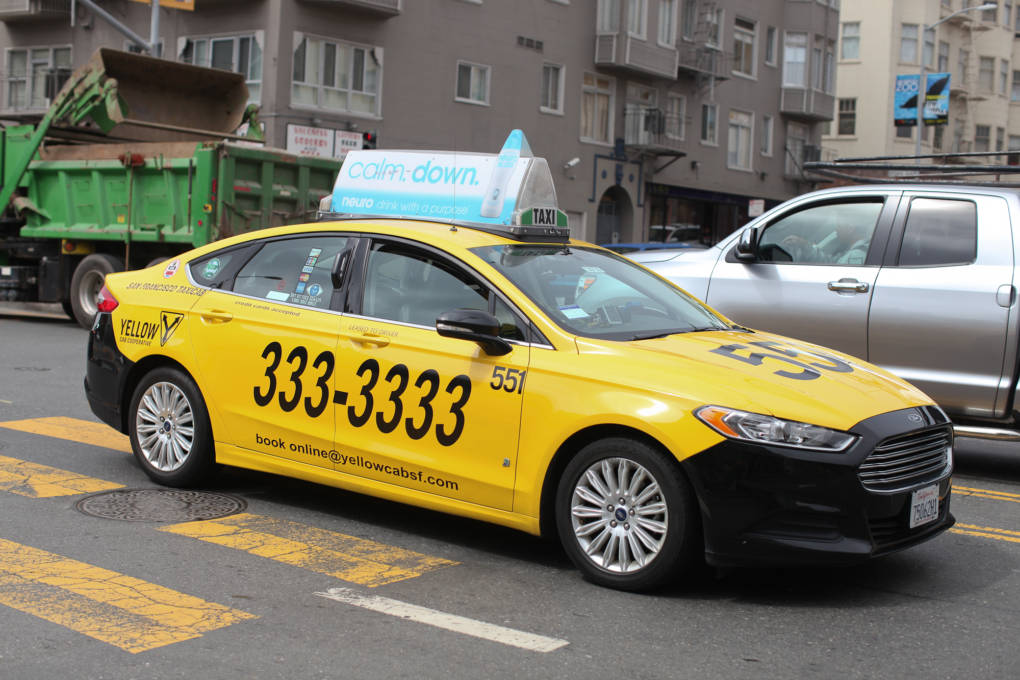
"caption": "Yellow Cab Cooperative is the largest taxi company in San Francisco.",
"description": null,
"title": "yellow-cab",
"credit": "Deborah Svoboda/KQED",
"status": "inherit",
"isLoading": false,
"fetchFailed": false
},
"news_11038735": {
"type": "attachments",
"id": "news_11038735",
"meta": {
"index": "attachments_1716263798",
"site": "news",
"id": "11038735",
"found": true
},
"parent": 11038731,
"imgSizes": {
"twentyfourteen-full-width": {
"file": "https://ww2.kqed.org/app/uploads/sites/10/2016/08/UberHailing-1038x576.jpg",
"width": 1038,
"mimeType": "image/jpeg",
"height": 576
},
"thumbnail": {
"file": "https://ww2.kqed.org/app/uploads/sites/10/2016/08/UberHailing-400x286.jpg",
"width": 400,
"mimeType": "image/jpeg",
"height": 286
},
"fd-sm": {
"file": "https://ww2.kqed.org/app/uploads/sites/10/2016/08/UberHailing-960x686.jpg",
"width": 960,
"mimeType": "image/jpeg",
"height": 686
},
"post-thumbnail": {
"file": "https://ww2.kqed.org/app/uploads/sites/10/2016/08/UberHailing-672x372.jpg",
"width": 672,
"mimeType": "image/jpeg",
"height": 372
},
"kqedFullSize": {
"file": "https://ww2.kqed.org/app/uploads/sites/10/2016/08/UberHailing.jpg",
"width": 1920,
"height": 1372
},
"large": {
"file": "https://ww2.kqed.org/app/uploads/sites/10/2016/08/UberHailing-1920x1372.jpg",
"width": 1920,
"mimeType": "image/jpeg",
"height": 1372
},
"guest-author-50": {
"file": "https://ww2.kqed.org/app/uploads/sites/10/2016/08/UberHailing-50x50.jpg",
"width": 50,
"mimeType": "image/jpeg",
"height": 50
},
"guest-author-96": {
"file": "https://ww2.kqed.org/app/uploads/sites/10/2016/08/UberHailing-96x96.jpg",
"width": 96,
"mimeType": "image/jpeg",
"height": 96
},
"medium": {
"file": "https://ww2.kqed.org/app/uploads/sites/10/2016/08/UberHailing-800x572.jpg",
"width": 800,
"mimeType": "image/jpeg",
"height": 572
},
"guest-author-64": {
"file": "https://ww2.kqed.org/app/uploads/sites/10/2016/08/UberHailing-64x64.jpg",
"width": 64,
"mimeType": "image/jpeg",
"height": 64
},
"guest-author-32": {
"file": "https://ww2.kqed.org/app/uploads/sites/10/2016/08/UberHailing-32x32.jpg",
"width": 32,
"mimeType": "image/jpeg",
"height": 32
},
"jmtc-small-thumb": {
"file": "https://ww2.kqed.org/app/uploads/sites/10/2016/08/UberHailing-280x150.jpg",
"width": 280,
"mimeType": "image/jpeg",
"height": 150
},
"fd-lrg": {
"file": "https://ww2.kqed.org/app/uploads/sites/10/2016/08/UberHailing-1920x1372.jpg",
"width": 1920,
"mimeType": "image/jpeg",
"height": 1372
},
"fd-med": {
"file": "https://ww2.kqed.org/app/uploads/sites/10/2016/08/UberHailing-1180x843.jpg",
"width": 1180,
"mimeType": "image/jpeg",
"height": 843
},
"detail": {
"file": "https://ww2.kqed.org/app/uploads/sites/10/2016/08/UberHailing-150x150.jpg",
"width": 150,
"mimeType": "image/jpeg",
"height": 150
},
"guest-author-128": {
"file": "https://ww2.kqed.org/app/uploads/sites/10/2016/08/UberHailing-128x128.jpg",
"width": 128,
"mimeType": "image/jpeg",
"height": 128
}
},
"publishDate": 1470097545,
"modified": 1476486361,
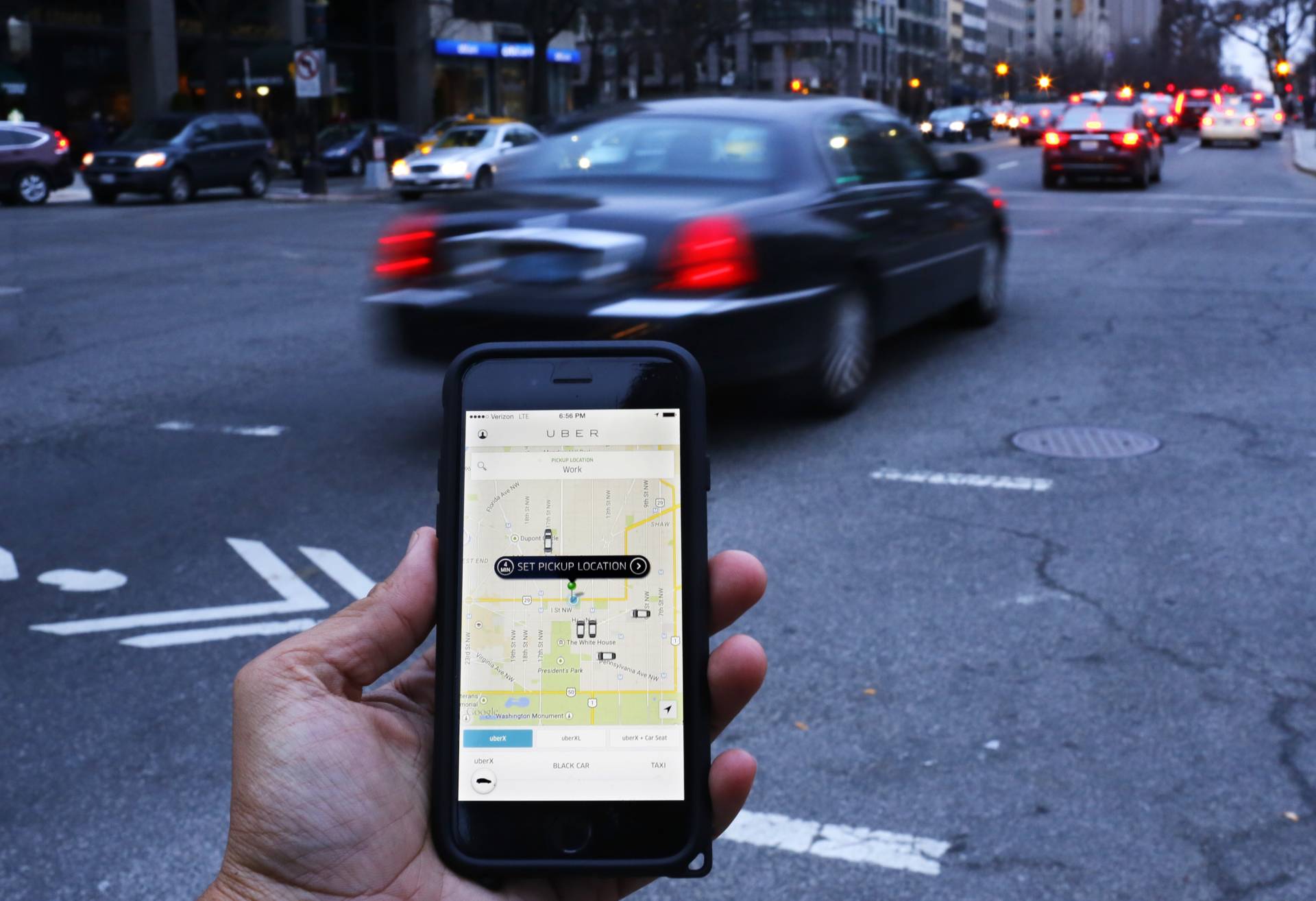
"caption": "The suit seeks an order requiring that Uber comply with the 1990 Americans With Disabilities Act.",
"description": "Uber's ride-hailing app",
"title": "UberHailing",
"credit": "Andrew Caballero-Reynolds/AFP/Getty Images",
"status": "inherit",
"isLoading": false,
"fetchFailed": false
},
"news_11098758": {
"type": "attachments",
"id": "news_11098758",
"meta": {
"index": "attachments_1716263798",
"site": "news",
"id": "11098758",
"found": true
},
"parent": 11098747,
"imgSizes": {
"twentyfourteen-full-width": {
"file": "https://ww2.kqed.org/app/uploads/sites/10/2016/09/image-1-1038x576.jpeg",
"width": 1038,
"mimeType": "image/jpeg",
"height": 576
},
"thumbnail": {
"file": "https://ww2.kqed.org/app/uploads/sites/10/2016/09/image-1-400x223.jpeg",
"width": 400,
"mimeType": "image/jpeg",
"height": 223
},
"fd-sm": {
"file": "https://ww2.kqed.org/app/uploads/sites/10/2016/09/image-1-960x535.jpeg",
"width": 960,
"mimeType": "image/jpeg",
"height": 535
},
"post-thumbnail": {
"file": "https://ww2.kqed.org/app/uploads/sites/10/2016/09/image-1-672x372.jpeg",
"width": 672,
"mimeType": "image/jpeg",
"height": 372
},
"kqedFullSize": {
"file": "https://ww2.kqed.org/app/uploads/sites/10/2016/09/image-1.jpeg",
"width": 2045,
"height": 1139
},
"large": {
"file": "https://ww2.kqed.org/app/uploads/sites/10/2016/09/image-1-1920x1069.jpeg",
"width": 1920,
"mimeType": "image/jpeg",
"height": 1069
},
"guest-author-50": {
"file": "https://ww2.kqed.org/app/uploads/sites/10/2016/09/image-1-50x50.jpeg",
"width": 50,
"mimeType": "image/jpeg",
"height": 50
},
"guest-author-96": {
"file": "https://ww2.kqed.org/app/uploads/sites/10/2016/09/image-1-96x96.jpeg",
"width": 96,
"mimeType": "image/jpeg",
"height": 96
},
"medium": {
"file": "https://ww2.kqed.org/app/uploads/sites/10/2016/09/image-1-800x446.jpeg",
"width": 800,
"mimeType": "image/jpeg",
"height": 446
},
"guest-author-64": {
"file": "https://ww2.kqed.org/app/uploads/sites/10/2016/09/image-1-64x64.jpeg",
"width": 64,
"mimeType": "image/jpeg",
"height": 64
},
"guest-author-32": {
"file": "https://ww2.kqed.org/app/uploads/sites/10/2016/09/image-1-32x32.jpeg",
"width": 32,
"mimeType": "image/jpeg",
"height": 32
},
"jmtc-small-thumb": {
"file": "https://ww2.kqed.org/app/uploads/sites/10/2016/09/image-1-280x150.jpeg",
"width": 280,
"mimeType": "image/jpeg",
"height": 150
},
"fd-lrg": {
"file": "https://ww2.kqed.org/app/uploads/sites/10/2016/09/image-1-1920x1069.jpeg",
"width": 1920,
"mimeType": "image/jpeg",
"height": 1069
},
"fd-med": {
"file": "https://ww2.kqed.org/app/uploads/sites/10/2016/09/image-1-1180x657.jpeg",
"width": 1180,
"mimeType": "image/jpeg",
"height": 657
},
"detail": {
"file": "https://ww2.kqed.org/app/uploads/sites/10/2016/09/image-1-150x150.jpeg",
"width": 150,
"mimeType": "image/jpeg",
"height": 150
},
"guest-author-128": {
"file": "https://ww2.kqed.org/app/uploads/sites/10/2016/09/image-1-128x128.jpeg",
"width": 128,
"mimeType": "image/jpeg",
"height": 128
}
},
"publishDate": 1474570108,
"modified": 1474570181,
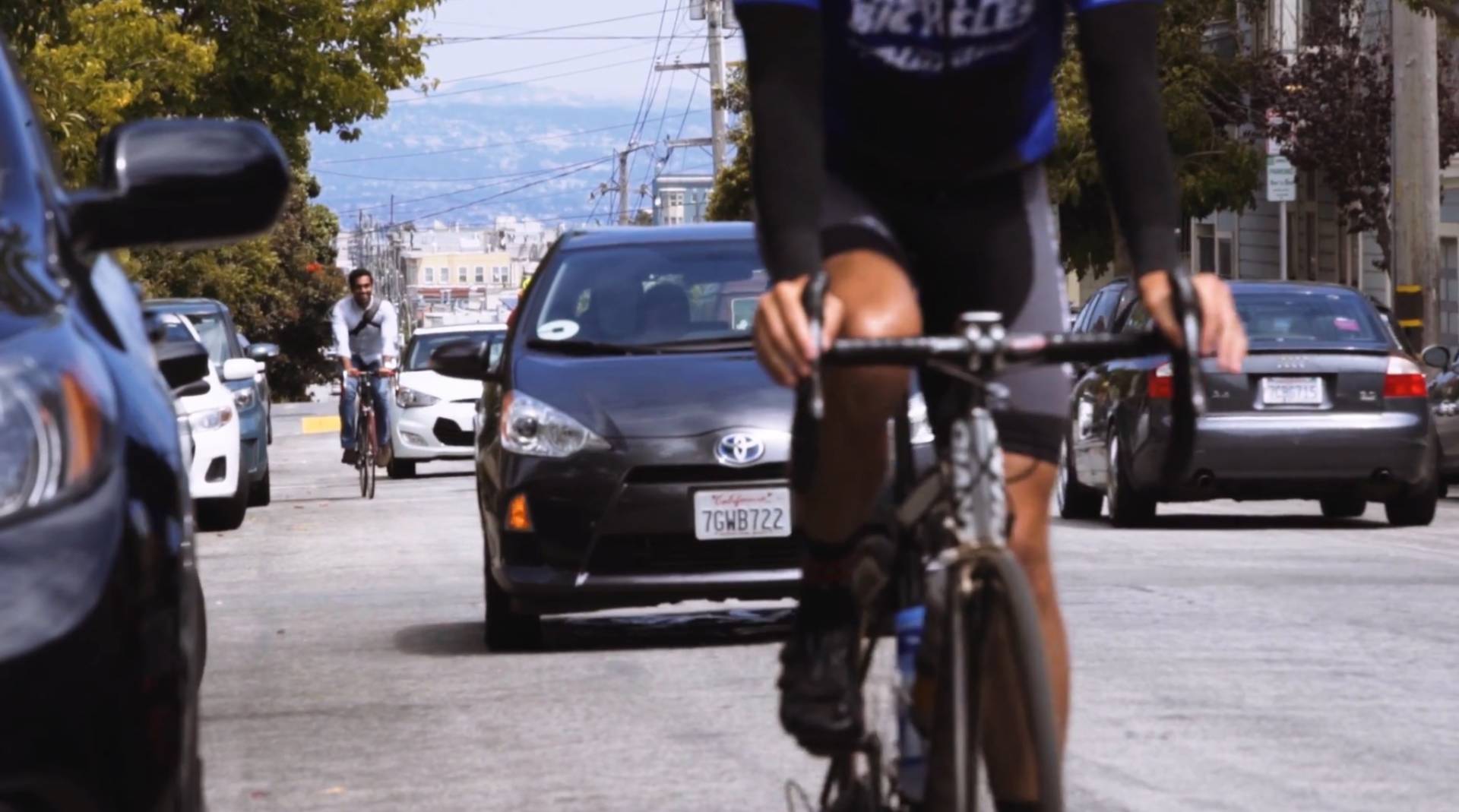
"caption": "Uber and the San Francisco Bicycle Coalition have produced a series of videos instructing drivers how to be safe around people on bikes. ",
"description": null,
"title": "image",
"credit": "Courtesy of Uber ",
"status": "inherit",
"isLoading": false,
"fetchFailed": false
},
"news_11032435": {
"type": "attachments",
"id": "news_11032435",
"meta": {
"index": "attachments_1716263798",
"site": "news",
"id": "11032435",
"found": true
},
"parent": 11032310,
"imgSizes": {
"twentyfourteen-full-width": {
"file": "https://ww2.kqed.org/app/uploads/sites/10/2016/07/DE9A9593-e1469580258337-820x576.jpg",
"width": 820,
"mimeType": "image/jpeg",
"height": 576
},
"jmtc-small-thumb": {
"file": "https://ww2.kqed.org/app/uploads/sites/10/2016/07/DE9A9593-e1469580258337-280x150.jpg",
"width": 280,
"mimeType": "image/jpeg",
"height": 150
},
"thumbnail": {
"file": "https://ww2.kqed.org/app/uploads/sites/10/2016/07/DE9A9593-e1469580258337-400x384.jpg",
"width": 400,
"mimeType": "image/jpeg",
"height": 384
},
"post-thumbnail": {
"file": "https://ww2.kqed.org/app/uploads/sites/10/2016/07/DE9A9593-e1469580258337-672x372.jpg",
"width": 672,
"mimeType": "image/jpeg",
"height": 372
},
"kqedFullSize": {
"file": "https://ww2.kqed.org/app/uploads/sites/10/2016/07/DE9A9593-e1469580258337.jpg",
"width": 820,
"height": 787
},
"guest-author-50": {
"file": "https://ww2.kqed.org/app/uploads/sites/10/2016/07/DE9A9593-e1469580258337-50x50.jpg",
"width": 50,
"mimeType": "image/jpeg",
"height": 50
},
"guest-author-96": {
"file": "https://ww2.kqed.org/app/uploads/sites/10/2016/07/DE9A9593-e1469580258337-96x96.jpg",
"width": 96,
"mimeType": "image/jpeg",
"height": 96
},
"medium": {
"file": "https://ww2.kqed.org/app/uploads/sites/10/2016/07/DE9A9593-e1469580258337-800x768.jpg",
"width": 800,
"mimeType": "image/jpeg",
"height": 768
},
"guest-author-64": {
"file": "https://ww2.kqed.org/app/uploads/sites/10/2016/07/DE9A9593-e1469580258337-64x64.jpg",
"width": 64,
"mimeType": "image/jpeg",
"height": 64
},
"detail": {
"file": "https://ww2.kqed.org/app/uploads/sites/10/2016/07/DE9A9593-e1469580258337-150x150.jpg",
"width": 150,
"mimeType": "image/jpeg",
"height": 150
},
"guest-author-32": {
"file": "https://ww2.kqed.org/app/uploads/sites/10/2016/07/DE9A9593-e1469580258337-32x32.jpg",
"width": 32,
"mimeType": "image/jpeg",
"height": 32
},
"guest-author-128": {
"file": "https://ww2.kqed.org/app/uploads/sites/10/2016/07/DE9A9593-e1469580258337-128x128.jpg",
"width": 128,
"mimeType": "image/jpeg",
"height": 128
}
},
"publishDate": 1469577263,
"modified": 1474397357,
"caption": "Instead of using contractors, Trusted actually hires care providers like Cindy Ngo.",
"description": null,
"title": "Trusted",
"credit": "Courtesy of Trusted",
"status": "inherit",
"isLoading": false,
"fetchFailed": false
},
"news_11069142": {
"type": "attachments",
"id": "news_11069142",
"meta": {
"index": "attachments_1716263798",
"site": "news",
"id": "11069142",
"found": true
},
"parent": 11067634,
"imgSizes": {
"twentyfourteen-full-width": {
"file": "https://ww2.kqed.org/app/uploads/sites/10/2016/09/RS21034_GettyImages-460308567-qut-1038x576.jpg",
"width": 1038,
"mimeType": "image/jpeg",
"height": 576
},
"thumbnail": {
"file": "https://ww2.kqed.org/app/uploads/sites/10/2016/09/RS21034_GettyImages-460308567-qut-400x266.jpg",
"width": 400,
"mimeType": "image/jpeg",
"height": 266
},
"fd-sm": {
"file": "https://ww2.kqed.org/app/uploads/sites/10/2016/09/RS21034_GettyImages-460308567-qut-960x639.jpg",
"width": 960,
"mimeType": "image/jpeg",
"height": 639
},
"post-thumbnail": {
"file": "https://ww2.kqed.org/app/uploads/sites/10/2016/09/RS21034_GettyImages-460308567-qut-672x372.jpg",
"width": 672,
"mimeType": "image/jpeg",
"height": 372
},
"kqedFullSize": {
"file": "https://ww2.kqed.org/app/uploads/sites/10/2016/09/RS21034_GettyImages-460308567-qut.jpg",
"width": 1920,
"height": 1278
},
"large": {
"file": "https://ww2.kqed.org/app/uploads/sites/10/2016/09/RS21034_GettyImages-460308567-qut-1920x1278.jpg",
"width": 1920,
"mimeType": "image/jpeg",
"height": 1278
},
"guest-author-50": {
"file": "https://ww2.kqed.org/app/uploads/sites/10/2016/09/RS21034_GettyImages-460308567-qut-50x50.jpg",
"width": 50,
"mimeType": "image/jpeg",
"height": 50
},
"guest-author-96": {
"file": "https://ww2.kqed.org/app/uploads/sites/10/2016/09/RS21034_GettyImages-460308567-qut-96x96.jpg",
"width": 96,
"mimeType": "image/jpeg",
"height": 96
},
"medium": {
"file": "https://ww2.kqed.org/app/uploads/sites/10/2016/09/RS21034_GettyImages-460308567-qut-800x533.jpg",
"width": 800,
"mimeType": "image/jpeg",
"height": 533
},
"guest-author-64": {
"file": "https://ww2.kqed.org/app/uploads/sites/10/2016/09/RS21034_GettyImages-460308567-qut-64x64.jpg",
"width": 64,
"mimeType": "image/jpeg",
"height": 64
},
"guest-author-32": {
"file": "https://ww2.kqed.org/app/uploads/sites/10/2016/09/RS21034_GettyImages-460308567-qut-32x32.jpg",
"width": 32,
"mimeType": "image/jpeg",
"height": 32
},
"jmtc-small-thumb": {
"file": "https://ww2.kqed.org/app/uploads/sites/10/2016/09/RS21034_GettyImages-460308567-qut-280x150.jpg",
"width": 280,
"mimeType": "image/jpeg",
"height": 150
},
"fd-lrg": {
"file": "https://ww2.kqed.org/app/uploads/sites/10/2016/09/RS21034_GettyImages-460308567-qut-1920x1278.jpg",
"width": 1920,
"mimeType": "image/jpeg",
"height": 1278
},
"fd-med": {
"file": "https://ww2.kqed.org/app/uploads/sites/10/2016/09/RS21034_GettyImages-460308567-qut-1180x785.jpg",
"width": 1180,
"mimeType": "image/jpeg",
"height": 785
},
"detail": {
"file": "https://ww2.kqed.org/app/uploads/sites/10/2016/09/RS21034_GettyImages-460308567-qut-150x150.jpg",
"width": 150,
"mimeType": "image/jpeg",
"height": 150
},
"guest-author-128": {
"file": "https://ww2.kqed.org/app/uploads/sites/10/2016/09/RS21034_GettyImages-460308567-qut-128x128.jpg",
"width": 128,
"mimeType": "image/jpeg",
"height": 128
}
},
"publishDate": 1472765509,
"modified": 1472775971,
"caption": "The logo of mobile app Waze is displayed on a tablet on Jan. 2, 2014, in Paris. Waze is a community-based traffic and navigation app.",
"description": null,
"title": "RS21034_GettyImages-460308567-qut",
"credit": "Lionel Bonaventure/AFP/Getty Images",
"status": "inherit",
"isLoading": false,
"fetchFailed": false
},
"news_11055388": {
"type": "attachments",
"id": "news_11055388",
"meta": {
"index": "attachments_1716263798",
"site": "news",
"id": "11055388",
"found": true
},
"parent": 11055367,
"imgSizes": {
"twentyfourteen-full-width": {
"file": "https://ww2.kqed.org/app/uploads/sites/10/2016/08/RS15592_GettyImages-467522442-1038x576.jpg",
"width": 1038,
"mimeType": "image/jpeg",
"height": 576
},
"thumbnail": {
"file": "https://ww2.kqed.org/app/uploads/sites/10/2016/08/RS15592_GettyImages-467522442-400x274.jpg",
"width": 400,
"mimeType": "image/jpeg",
"height": 274
},
"fd-sm": {
"file": "https://ww2.kqed.org/app/uploads/sites/10/2016/08/RS15592_GettyImages-467522442-960x657.jpg",
"width": 960,
"mimeType": "image/jpeg",
"height": 657
},
"post-thumbnail": {
"file": "https://ww2.kqed.org/app/uploads/sites/10/2016/08/RS15592_GettyImages-467522442-672x372.jpg",
"width": 672,
"mimeType": "image/jpeg",
"height": 372
},
"kqedFullSize": {
"file": "https://ww2.kqed.org/app/uploads/sites/10/2016/08/RS15592_GettyImages-467522442-e1476485343788.jpg",
"width": 1920,
"height": 1314
},
"large": {
"file": "https://ww2.kqed.org/app/uploads/sites/10/2016/08/RS15592_GettyImages-467522442-1920x1314.jpg",
"width": 1920,
"mimeType": "image/jpeg",
"height": 1314
},
"guest-author-50": {
"file": "https://ww2.kqed.org/app/uploads/sites/10/2016/08/RS15592_GettyImages-467522442-50x50.jpg",
"width": 50,
"mimeType": "image/jpeg",
"height": 50
},
"guest-author-96": {
"file": "https://ww2.kqed.org/app/uploads/sites/10/2016/08/RS15592_GettyImages-467522442-96x96.jpg",
"width": 96,
"mimeType": "image/jpeg",
"height": 96
},
"medium": {
"file": "https://ww2.kqed.org/app/uploads/sites/10/2016/08/RS15592_GettyImages-467522442-800x548.jpg",
"width": 800,
"mimeType": "image/jpeg",
"height": 548
},
"guest-author-64": {
"file": "https://ww2.kqed.org/app/uploads/sites/10/2016/08/RS15592_GettyImages-467522442-64x64.jpg",
"width": 64,
"mimeType": "image/jpeg",
"height": 64
},
"guest-author-32": {
"file": "https://ww2.kqed.org/app/uploads/sites/10/2016/08/RS15592_GettyImages-467522442-32x32.jpg",
"width": 32,
"mimeType": "image/jpeg",
"height": 32
},
"jmtc-small-thumb": {
"file": "https://ww2.kqed.org/app/uploads/sites/10/2016/08/RS15592_GettyImages-467522442-280x150.jpg",
"width": 280,
"mimeType": "image/jpeg",
"height": 150
},
"fd-lrg": {
"file": "https://ww2.kqed.org/app/uploads/sites/10/2016/08/RS15592_GettyImages-467522442-1920x1314.jpg",
"width": 1920,
"mimeType": "image/jpeg",
"height": 1314
},
"fd-med": {
"file": "https://ww2.kqed.org/app/uploads/sites/10/2016/08/RS15592_GettyImages-467522442-1180x808.jpg",
"width": 1180,
"mimeType": "image/jpeg",
"height": 808
},
"detail": {
"file": "https://ww2.kqed.org/app/uploads/sites/10/2016/08/RS15592_GettyImages-467522442-150x150.jpg",
"width": 150,
"mimeType": "image/jpeg",
"height": 150
},
"guest-author-128": {
"file": "https://ww2.kqed.org/app/uploads/sites/10/2016/08/RS15592_GettyImages-467522442-128x128.jpg",
"width": 128,
"mimeType": "image/jpeg",
"height": 128
}
},
"publishDate": 1471637998,
"modified": 1471656073,
"caption": "The transit agency covering Dublin plans to partner with Uber and Lyft to connect residents with the public transportation system.",
"description": null,
"title": "US-ECONOMY-TRANSPORT-UBER",
"credit": "Andrew Caballero-Reynolds/AFP/Getty Images",
"status": "inherit",
"isLoading": false,
"fetchFailed": false
},
"news_11055368": {
"type": "attachments",
"id": "news_11055368",
"meta": {
"index": "attachments_1716263798",
"site": "news",
"id": "11055368",
"found": true
},
"parent": 11055361,
"imgSizes": {
"twentyfourteen-full-width": {
"file": "https://ww2.kqed.org/app/uploads/sites/10/2016/08/uber-driverless-1038x576.jpg",
"width": 1038,
"mimeType": "image/jpeg",
"height": 576
},
"thumbnail": {
"file": "https://ww2.kqed.org/app/uploads/sites/10/2016/08/uber-driverless-400x267.jpg",
"width": 400,
"mimeType": "image/jpeg",
"height": 267
},
"fd-sm": {
"file": "https://ww2.kqed.org/app/uploads/sites/10/2016/08/uber-driverless-960x640.jpg",
"width": 960,
"mimeType": "image/jpeg",
"height": 640
},
"post-thumbnail": {
"file": "https://ww2.kqed.org/app/uploads/sites/10/2016/08/uber-driverless-672x372.jpg",
"width": 672,
"mimeType": "image/jpeg",
"height": 372
},
"kqedFullSize": {
"file": "https://ww2.kqed.org/app/uploads/sites/10/2016/08/uber-driverless.jpg",
"width": 1920,
"height": 1280
},
"large": {
"file": "https://ww2.kqed.org/app/uploads/sites/10/2016/08/uber-driverless-1920x1280.jpg",
"width": 1920,
"mimeType": "image/jpeg",
"height": 1280
},
"guest-author-50": {
"file": "https://ww2.kqed.org/app/uploads/sites/10/2016/08/uber-driverless-50x50.jpg",
"width": 50,
"mimeType": "image/jpeg",
"height": 50
},
"guest-author-96": {
"file": "https://ww2.kqed.org/app/uploads/sites/10/2016/08/uber-driverless-96x96.jpg",
"width": 96,
"mimeType": "image/jpeg",
"height": 96
},
"medium": {
"file": "https://ww2.kqed.org/app/uploads/sites/10/2016/08/uber-driverless-800x533.jpg",
"width": 800,
"mimeType": "image/jpeg",
"height": 533
},
"guest-author-64": {
"file": "https://ww2.kqed.org/app/uploads/sites/10/2016/08/uber-driverless-64x64.jpg",
"width": 64,
"mimeType": "image/jpeg",
"height": 64
},
"guest-author-32": {
"file": "https://ww2.kqed.org/app/uploads/sites/10/2016/08/uber-driverless-32x32.jpg",
"width": 32,
"mimeType": "image/jpeg",
"height": 32
},
"jmtc-small-thumb": {
"file": "https://ww2.kqed.org/app/uploads/sites/10/2016/08/uber-driverless-280x150.jpg",
"width": 280,
"mimeType": "image/jpeg",
"height": 150
},
"fd-lrg": {
"file": "https://ww2.kqed.org/app/uploads/sites/10/2016/08/uber-driverless-1920x1280.jpg",
"width": 1920,
"mimeType": "image/jpeg",
"height": 1280
},
"fd-med": {
"file": "https://ww2.kqed.org/app/uploads/sites/10/2016/08/uber-driverless-1180x787.jpg",
"width": 1180,
"mimeType": "image/jpeg",
"height": 787
},
"detail": {
"file": "https://ww2.kqed.org/app/uploads/sites/10/2016/08/uber-driverless-150x150.jpg",
"width": 150,
"mimeType": "image/jpeg",
"height": 150
},
"guest-author-128": {
"file": "https://ww2.kqed.org/app/uploads/sites/10/2016/08/uber-driverless-128x128.jpg",
"width": 128,
"mimeType": "image/jpeg",
"height": 128
}
},
"publishDate": 1471637390,
"modified": 1471637527,
"caption": "An Uber driverless car in Pittsburgh.",
"description": "An Uber driverless car in Pittsburgh.",
"title": "uber-driverless",
"credit": " Foo Conner/\u003ca href=\"https://www.flickr.com/photos/iwasaround/26686156203/in/photolist-GEawvr\">Flickr\u003c/a>",
"status": "inherit",
"isLoading": false,
"fetchFailed": false
},
"news_11054507": {
"type": "attachments",
"id": "news_11054507",
"meta": {
"index": "attachments_1716263798",
"site": "news",
"id": "11054507",
"found": true
},
"parent": 11054505,
"imgSizes": {
"twentyfourteen-full-width": {
"file": "https://ww2.kqed.org/app/uploads/sites/10/2016/08/RS16542_IMG_0527-qut-1038x576.jpg",
"width": 1038,
"mimeType": "image/jpeg",
"height": 576
},
"thumbnail": {
"file": "https://ww2.kqed.org/app/uploads/sites/10/2016/08/RS16542_IMG_0527-qut-400x267.jpg",
"width": 400,
"mimeType": "image/jpeg",
"height": 267
},
"fd-sm": {
"file": "https://ww2.kqed.org/app/uploads/sites/10/2016/08/RS16542_IMG_0527-qut-960x640.jpg",
"width": 960,
"mimeType": "image/jpeg",
"height": 640
},
"post-thumbnail": {
"file": "https://ww2.kqed.org/app/uploads/sites/10/2016/08/RS16542_IMG_0527-qut-672x372.jpg",
"width": 672,
"mimeType": "image/jpeg",
"height": 372
},
"kqedFullSize": {
"file": "https://ww2.kqed.org/app/uploads/sites/10/2016/08/RS16542_IMG_0527-qut.jpg",
"width": 1920,
"height": 1280
},
"large": {
"file": "https://ww2.kqed.org/app/uploads/sites/10/2016/08/RS16542_IMG_0527-qut-1920x1280.jpg",
"width": 1920,
"mimeType": "image/jpeg",
"height": 1280
},
"guest-author-50": {
"file": "https://ww2.kqed.org/app/uploads/sites/10/2016/08/RS16542_IMG_0527-qut-50x50.jpg",
"width": 50,
"mimeType": "image/jpeg",
"height": 50
},
"guest-author-96": {
"file": "https://ww2.kqed.org/app/uploads/sites/10/2016/08/RS16542_IMG_0527-qut-96x96.jpg",
"width": 96,
"mimeType": "image/jpeg",
"height": 96
},
"medium": {
"file": "https://ww2.kqed.org/app/uploads/sites/10/2016/08/RS16542_IMG_0527-qut-800x533.jpg",
"width": 800,
"mimeType": "image/jpeg",
"height": 533
},
"guest-author-64": {
"file": "https://ww2.kqed.org/app/uploads/sites/10/2016/08/RS16542_IMG_0527-qut-64x64.jpg",
"width": 64,
"mimeType": "image/jpeg",
"height": 64
},
"guest-author-32": {
"file": "https://ww2.kqed.org/app/uploads/sites/10/2016/08/RS16542_IMG_0527-qut-32x32.jpg",
"width": 32,
"mimeType": "image/jpeg",
"height": 32
},
"jmtc-small-thumb": {
"file": "https://ww2.kqed.org/app/uploads/sites/10/2016/08/RS16542_IMG_0527-qut-280x150.jpg",
"width": 280,
"mimeType": "image/jpeg",
"height": 150
},
"fd-lrg": {
"file": "https://ww2.kqed.org/app/uploads/sites/10/2016/08/RS16542_IMG_0527-qut-1920x1280.jpg",
"width": 1920,
"mimeType": "image/jpeg",
"height": 1280
},
"fd-med": {
"file": "https://ww2.kqed.org/app/uploads/sites/10/2016/08/RS16542_IMG_0527-qut-1180x787.jpg",
"width": 1180,
"mimeType": "image/jpeg",
"height": 787
},
"detail": {
"file": "https://ww2.kqed.org/app/uploads/sites/10/2016/08/RS16542_IMG_0527-qut-150x150.jpg",
"width": 150,
"mimeType": "image/jpeg",
"height": 150
},
"guest-author-128": {
"file": "https://ww2.kqed.org/app/uploads/sites/10/2016/08/RS16542_IMG_0527-qut-128x128.jpg",
"width": 128,
"mimeType": "image/jpeg",
"height": 128
}
},
"publishDate": 1471560248,
"modified": 1471560347,
"caption": "Adnan Aloudi, a full-time Uber and Lyft driver, drops off a customer in San Francisco's downtown neighborhood on Aug. 31, 2015. A U.S. District Court judge denied a settlement in a sweeping class-action lawsuit against Uber Thursday over the ride-hailing company's classification of drivers as contractors, rather than employees.",
"description": "Adnan Aloudi, a full-time Uber and Lyft driver, drops off a customer in San Francisco's downtown neighborhood on Aug. 31, 2015. A U.S. District Court judge denied a settlement in a sweeping class-action lawsuit against Uber Thursday over the ride-hailing company's classification of drivers as contractors, rather than employees.",
"title": "RS16542_IMG_0527-qut",
"credit": "Ericka Cruz Guevarra/KQED",
"status": "inherit",
"isLoading": false,
"fetchFailed": false
}
},
"audioPlayerReducer": {
"postId": "stream_live",
"isPaused": true,
"isPlaying": false,
"pfsActive": false,
"pledgeModalIsOpen": true,
"playerDrawerIsOpen": false,
"liveAudioPlayStartedAt": 0,
"liveAudioPlayContext": ""
},
"authorsReducer": {
"byline_news_11217346": {
"type": "authors",
"id": "byline_news_11217346",
"meta": {
"override": true
},
"slug": "byline_news_11217346",
"name": "\u003cstrong>\u003ca href=\"https://www.revealnews.org/author/willevans/\">Will Evans\u003c/a>\u003cbr>\u003ca href=\"https://www.revealnews.org/\">Reveal\u003c/a>\u003c/strong>",
"isLoading": false
},
"byline_news_11200401": {
"type": "authors",
"id": "byline_news_11200401",
"meta": {
"override": true
},
"slug": "byline_news_11200401",
"name": "Laura Roman",
"isLoading": false
},
"byline_news_11130046": {
"type": "authors",
"id": "byline_news_11130046",
"meta": {
"override": true
},
"slug": "byline_news_11130046",
"name": "\u003cstrong>Michael Tarm \u003cbr>Associated Press\u003c/strong>",
"isLoading": false
},
"byline_news_11055361": {
"type": "authors",
"id": "byline_news_11055361",
"meta": {
"override": true
},
"slug": "byline_news_11055361",
"name": "\u003cstrong>\u003ca href=\"http://www.npr.org/people/348730771/aarti-shahani\">Aarti Shahani\u003c/a>\u003cbr />\u003cstrong>\u003ca href=\"http://www.npr.org/\">NPR\u003c/a>\u003c/strong>",
"isLoading": false
},
"byline_news_11038731": {
"type": "authors",
"id": "byline_news_11038731",
"meta": {
"override": true
},
"slug": "byline_news_11038731",
"name": "Rebecca Hersher",
"isLoading": false
},
"bgoebel": {
"type": "authors",
"id": "214",
"meta": {
"index": "authors_1716337520",
"id": "214",
"found": true
},
"name": "Bryan Goebel",
"firstName": "Bryan",
"lastName": "Goebel",
"slug": "bgoebel",
"email": "bgoebel@kqed.org",
"display_author_email": false,
"staff_mastheads": [],
"title": null,
"bio": "Bryan Goebel is a reporter focused on transportation and housing issues. He was previously the editor of Streetsblog San Francisco, and an anchor/editor at KCBS Radio. He's a lifelong Californian and has also worked at radio stations in Barstow, Redding and Sacramento.",
"avatar": "https://secure.gravatar.com/avatar/7fdd6b065bfe9a23a71bcfa80848df88?s=600&d=blank&r=g",
"twitter": "velobry",
"facebook": null,
"instagram": null,
"linkedin": null,
"sites": [
{
"site": "news",
"roles": [
"subscriber"
]
},
{
"site": "stateofhealth",
"roles": [
"subscriber"
]
}
],
"headData": {
"title": "Bryan Goebel | KQED",
"description": null,
"ogImgSrc": "https://secure.gravatar.com/avatar/7fdd6b065bfe9a23a71bcfa80848df88?s=600&d=blank&r=g",
"twImgSrc": "https://secure.gravatar.com/avatar/7fdd6b065bfe9a23a71bcfa80848df88?s=600&d=blank&r=g"
},
"isLoading": false,
"link": "/author/bgoebel"
},
"samharnett": {
"type": "authors",
"id": "253",
"meta": {
"index": "authors_1716337520",
"id": "253",
"found": true
},
"name": "Sam Harnett",
"firstName": "Sam",
"lastName": "Harnett",
"slug": "samharnett",
"email": "samharnett@gmail.com",
"display_author_email": false,
"staff_mastheads": [],
"title": "KQED Contributor",
"bio": "Sam Harnett covered tech and work at KQED. He is the co-creator of \u003cem>\u003ca href=\"http://www.theworldaccordingtosound.org\">The World According to Sound\u003c/a>,\u003c/em> a 90-second podcast that features different sounds and the stories behind them.\r\n\r\nBefore coming to KQED, Sam worked as an independent reporter who contributed regularly to \u003cem>The California Report, Marketplace,\u003c/em> \u003cem>The World \u003c/em>and NPR.",
"avatar": "https://secure.gravatar.com/avatar/2538b972ac02f2b9546c7a6c59a0f3d0?s=600&d=blank&r=g",
"twitter": "Samwharnett",
"facebook": null,
"instagram": null,
"linkedin": null,
"sites": [
{
"site": "news",
"roles": [
"edit_others_posts",
"subscriber"
]
},
{
"site": "stateofhealth",
"roles": [
"author"
]
},
{
"site": "science",
"roles": [
"editor"
]
},
{
"site": "quest",
"roles": [
"subscriber"
]
}
],
"headData": {
"title": "Sam Harnett | KQED",
"description": "KQED Contributor",
"ogImgSrc": "https://secure.gravatar.com/avatar/2538b972ac02f2b9546c7a6c59a0f3d0?s=600&d=blank&r=g",
"twImgSrc": "https://secure.gravatar.com/avatar/2538b972ac02f2b9546c7a6c59a0f3d0?s=600&d=blank&r=g"
},
"isLoading": false,
"link": "/author/samharnett"
},
"aemslie": {
"type": "authors",
"id": "3206",
"meta": {
"index": "authors_1716337520",
"id": "3206",
"found": true
},
"name": "Alex Emslie",
"firstName": "Alex",
"lastName": "Emslie",
"slug": "aemslie",
"email": "aemslie@kqed.org",
"display_author_email": true,
"staff_mastheads": [
"news"
],
"title": "KQED Senior Editor",
"bio": "Alex Emslie is senior editor of talent and development at KQED, where he manages dozens of early career journalists and oversees news department internships.\r\n\r\nHe is a former carpenter and proud graduate of City College of San Francisco and San Francisco State University, where he studied journalism and criminal justice before joining KQED in 2013.\r\n\r\nAlex produced investigative journalism focused on \u003ca href=\"https://www.kqed.org/news/11667594/the-trials-of-marvin-mutch-video\">criminal justice\u003c/a> and policing for most of a decade. He has broken major stories about \u003ca href=\"https://www.kqed.org/news/135682/amid-a-series-of-vallejo-police-shootings-one-officers-name-stands-out\">police use of deadly force\u003c/a>, \u003ca href=\"https://www.kqed.org/news/10454955/racist-texts-prompt-sfpd-internal-investigation\">officer misconduct\u003c/a> and \u003ca href=\"https://www.kqed.org/news/11712239/terrorist-or-troll-judge-to-weigh-whether-oakland-man-really-intended-to-attack-bay-area\">other\u003c/a> \u003ca href=\"https://www.kqed.org/news/11221414/hayward-paid-159000-to-husband-of-retired-police-chief-documents-show\">high\u003c/a>-\u003ca href=\"https://www.kqed.org/news/10622762/the-forgotten-tracking-two-homicides-in-san-francisco-public-housing\">profile\u003c/a> \u003ca href=\"https://www.kqed.org/news/11624516/federal-agency-promoted-ranger-just-months-after-his-gun-was-stolen-and-used-in-steinle-killing\">cases\u003c/a>. He co-founded the \u003ca href=\"https://projects.scpr.org/california-reporting-project/\">California Reporting Project\u003c/a> in 2019 to obtain and report on previously confidential police internal investigations. The effort produced well over 100 original stories and changed the course of multiple criminal cases.\r\n\r\nHis work has been recognized with numerous journalism awards, including a national Edward R. Murrow award for several years of \u003ca href=\"https://www.kqed.org/news/11688481/sfpd-officers-in-mario-woods-case-recount-shooting-in-newly-filed-depositions\">reporting\u003c/a> on the San Francisco Police shooting of Mario Woods. His \u003ca href=\"https://www.kqed.org/news/147854/half-of-those-killed-by-san-francisco-police-are-mentally-ill\">reporting\u003c/a> on police killings of people in psychiatric crisis was cited in amicus briefs before the U.S. Supreme Court.\r\n\r\nAlex now enjoys mentoring the next generation of journalists at KQED.",
"avatar": "https://secure.gravatar.com/avatar/e691e65209f20e9da202bd730ead5663?s=600&d=blank&r=g",
"twitter": "SFNewsReporter",
"facebook": null,
"instagram": null,
"linkedin": null,
"sites": [
{
"site": "arts",
"roles": [
"editor"
]
},
{
"site": "news",
"roles": [
"editor"
]
},
{
"site": "mindshift",
"roles": [
"editor"
]
},
{
"site": "stateofhealth",
"roles": [
"editor"
]
},
{
"site": "science",
"roles": [
"administrator"
]
}
],
"headData": {
"title": "Alex Emslie | KQED",
"description": "KQED Senior Editor",
"ogImgSrc": "https://secure.gravatar.com/avatar/e691e65209f20e9da202bd730ead5663?s=600&d=blank&r=g",
"twImgSrc": "https://secure.gravatar.com/avatar/e691e65209f20e9da202bd730ead5663?s=600&d=blank&r=g"
},
"isLoading": false,
"link": "/author/aemslie"
},
"dkatayama": {
"type": "authors",
"id": "7240",
"meta": {
"index": "authors_1716337520",
"id": "7240",
"found": true
},
"name": "Devin Katayama",
"firstName": "Devin",
"lastName": "Katayama",
"slug": "dkatayama",
"email": "dkatayama@kqed.org",
"display_author_email": true,
"staff_mastheads": [
"news"
],
"title": "Editor of Talent and Development",
"bio": "Devin Katayama is former Editor of Talent and Development for KQED. He supported our internship program and on-call staff by looking for equitable opportunities to improve the newsroom.\r\n\r\nHe previously hosted The Bay and American Suburb podcasts from KQED News. Prior to returning to the Bay Area in 2015, Devin was the education reporter for WFPL in Louisville and worked as a producer with radio stations in Chicago and Portland, OR. His work has appeared on NPR’s \u003cem>Morning Edition, All Things Considered, The Takeaway\u003c/em> and \u003cem>Here and Now.\u003c/em>\r\n\r\nDevin earned his MA in Journalism from Columbia College Chicago, where he was a Follett Fellow and the recipient of the 2011 Studs Terkel Community Media Workshop Scholarship for his story on Chicago's homeless youth. He won WBUR's 2014 Daniel Schorr award and a regional RTNDA Edward R. Murrow Award for his documentary \"At Risk\" that looked at issues facing some of Louisville's students. Devin has also received numerous local awards from the Associated Press and the Society of Professional Journalists.",
"avatar": "https://secure.gravatar.com/avatar/d0d2978a31002fb2de107921a8e18405?s=600&d=blank&r=g",
"twitter": "RadioDevin",
"facebook": null,
"instagram": null,
"linkedin": null,
"sites": [
{
"site": "arts",
"roles": []
},
{
"site": "news",
"roles": [
"author"
]
},
{
"site": "stateofhealth",
"roles": [
"author"
]
},
{
"site": "forum",
"roles": [
"editor"
]
},
{
"site": "perspectives",
"roles": [
"editor"
]
}
],
"headData": {
"title": "Devin Katayama | KQED",
"description": "Editor of Talent and Development",
"ogImgSrc": "https://secure.gravatar.com/avatar/d0d2978a31002fb2de107921a8e18405?s=600&d=blank&r=g",
"twImgSrc": "https://secure.gravatar.com/avatar/d0d2978a31002fb2de107921a8e18405?s=600&d=blank&r=g"
},
"isLoading": false,
"link": "/author/dkatayama"
},
"qkim": {
"type": "authors",
"id": "11099",
"meta": {
"index": "authors_1716337520",
"id": "11099",
"found": true
},
"name": "Queena Sook Kim",
"firstName": "Queena",
"lastName": "Kim",
"slug": "qkim",
"email": "qkim@kqed.org",
"display_author_email": false,
"staff_mastheads": [
"news"
],
"title": "Senior Editor",
"bio": "\u003cspan style=\"font-weight: 400;\">Queena Sook Kim is a former senior editor of the weekend desk at KQED. Before taking on that post, she was the Senior Editor of the Silicon Valley Desk and was the \u003c/span>\u003cspan style=\"font-weight: 400;\">host of The California Report. The daily morning show airs on KQED in San Francisco, one of the nation’s largest NPR affiliates, and on 30 stations across the state. In that role, she produces and reports on news, politics and life in the Golden State. Queena likes to take sideways look at the larger trends changing the state. One of her favorite stories asked\u003c/span>\u003ca href=\"https://ww2.kqed.org/news/2015/02/15/why-the-heck-do-mexican-reporters-on-public-radio-say-their-names-that-way\"> \u003cspan style=\"font-weight: 400;\">why Latino journalists “over’pronounce” their Spanish surnames\u003c/span>\u003c/a>\u003cspan style=\"font-weight: 400;\"> as a way of looking at how immigration is creating a culture shift in California.\u003c/span>\r\n\r\n\u003cspan style=\"font-weight: 400;\">Before joining The California Report, Queena was a \u003ca href=\"http://www.marketplace.org/people/queena-kim\">Senior Reporter covering technology for Marketplace\u003c/a>, the daily business show that airs on public radio. Queena covered daily tech business stories and reported on larger technology trends. She did a series of stories looking at role of social engineering in hacking and on a start-up in Silicon Valley that’s trying to use technology, instead of animals, to make meat that bleeds.\u003c/span>\r\n\r\n\u003cspan style=\"font-weight: 400;\">Queena started her career as a business journalist at the Wall Street Journal, where she spent four years covering the paper, home building and toy industries. She wrote A1 stories about the unusually aggressive tactics KB Home took against its home buyers. and the resurgence of “Cracker” architecture in Florida. She also wrote section front stories on marketing trends and\u003c/span>\r\n\r\n\u003cspan style=\"font-weight: 400;\">As a journalist, Queena has spent much of her career helping start-up editorial products. She was on the founding editorial team of The Bay Citizen, an experimental, online news site in San Francisco that was funded by the late hillbilly billionaire Warren Hellman. In 2009, Queena received a grant from the Corporation of Public Broadcasting to start-up a podcast called \u003ca href=\"https://soundcloud.com/cyberfrequencies\">CyberFrequencies\u003c/a>, which reported on the culture of technology. She also helped start-up two radio shows - Off-Ramp and Pacific Drift - for KPCC, the NPR-affiliate in Los Angeles. Off-Ramp was awarded 1st Place for news and Public Affairs programming by the PRINDI and the L.A. Press club. \u003ca href=\"https://soundcloud.com/queena-sook-kim\">Queena’s stories have appeared \u003c/a>on NPR’s Day to Day, Hearing Voices, WNYC’s Studio 360, WBUR’s Here and Now, BBC’s Global Perspectives and New York Times’ multimedia page.\u003c/span>\r\n\r\n\u003cspan style=\"font-weight: 400;\">In 1994, Queena won a Fulbright Grant to teach and study in Seoul, South Korea. She was also selected to be a Teach For America Corps Member in 1991 and taught elementary school in the Inglewood Unified School District in Southern California.\u003c/span>\r\n\r\n\u003cspan style=\"font-weight: 400;\">Queena is a frequent public speaker and has given talks at UC Berkeley, Stanford University, San Francisco State University, PRINDI conference and the Craigslist Foundation Boot Camp. Queena went to UC Berkeley’s Graduate School of Journalism and graduated cum laude from New York University with a B.A. in Politics. She grew up in Southern California and lives in Berkeley, Ca in a big fixer on which she spends most weekends, well, fixing.\u003c/span>",
"avatar": "https://secure.gravatar.com/avatar/b72382fd0db351b99f8a31939f4853fc?s=600&d=blank&r=g",
"twitter": "queenasookkim",
"facebook": null,
"instagram": null,
"linkedin": null,
"sites": [
{
"site": "news",
"roles": [
"subscriber"
]
},
{
"site": "forum",
"roles": [
"author"
]
},
{
"site": "breakingnews",
"roles": [
"editor"
]
}
],
"headData": {
"title": "Queena Sook Kim | KQED",
"description": "Senior Editor",
"ogImgSrc": "https://secure.gravatar.com/avatar/b72382fd0db351b99f8a31939f4853fc?s=600&d=blank&r=g",
"twImgSrc": "https://secure.gravatar.com/avatar/b72382fd0db351b99f8a31939f4853fc?s=600&d=blank&r=g"
},
"isLoading": false,
"link": "/author/qkim"
},
"rlevi": {
"type": "authors",
"id": "11260",
"meta": {
"index": "authors_1716337520",
"id": "11260",
"found": true
},
"name": "Ryan Levi",
"firstName": "Ryan",
"lastName": "Levi",
"slug": "rlevi",
"email": "rlevi@KQED.org",
"display_author_email": false,
"staff_mastheads": [],
"title": "KQED Contributor",
"bio": "Ryan Levi was a reporter and podcast producer at KQED News from 2016-2019. He worked on \u003ca href=\"https://www.kqed.org/news/series/baycurious\">Bay Curious\u003c/a>, \u003ca href=\"https://www.kqed.org/news/tag/the-bay/\">The Bay, \u003c/a>and \u003ca href=\"https://podcasts.apple.com/us/podcast/the-california-report-magazine/id1314750545\">The California Report Magazine\u003c/a>, as well as hosting and producing the weekly \u003ca href=\"https://www.kqed.org/news/program/qedup/\">Q'ed Up podcast. \u003c/a>He also helped inaugurate KQED's weekend news coverage in 2017 as one of two original digital producers. Ryan holds degrees in multimedia journalism and Spanish from the University of Missouri.",
"avatar": "https://secure.gravatar.com/avatar/4cb2ddd028ac8807d1adf09609c5555d?s=600&d=blank&r=g",
"twitter": "ryan_levi",
"facebook": null,
"instagram": null,
"linkedin": null,
"sites": [
{
"site": "arts",
"roles": [
"editor"
]
},
{
"site": "news",
"roles": [
"subscriber"
]
},
{
"site": "stateofhealth",
"roles": [
"editor"
]
},
{
"site": "science",
"roles": [
"editor"
]
},
{
"site": "forum",
"roles": [
"administrator"
]
},
{
"site": "perspectives",
"roles": [
"administrator"
]
}
],
"headData": {
"title": "Ryan Levi | KQED",
"description": "KQED Contributor",
"ogImgSrc": "https://secure.gravatar.com/avatar/4cb2ddd028ac8807d1adf09609c5555d?s=600&d=blank&r=g",
"twImgSrc": "https://secure.gravatar.com/avatar/4cb2ddd028ac8807d1adf09609c5555d?s=600&d=blank&r=g"
},
"isLoading": false,
"link": "/author/rlevi"
}
},
"pagesReducer": {
"news_tag_uber": {
"type": "terms",
"id": "news_4523",
"meta": {
"index": "terms_1716263798",
"site": "news",
"id": "4523",
"score": 9.305206
},
"featImg": null,
"name": "Uber",
"description": null,
"taxonomy": "tag",
"headData": {
"twImgId": null,
"twTitle": null,
"ogTitle": null,
"ogImgId": null,
"twDescription": null,
"description": null,
"title": "Uber Archives | KQED News",
"ogDescription": null
},
"ttid": 4542,
"slug": "uber",
"isLoading": false,
"title": "Uber",
"pageMeta": {
"site": "news",
"WpPageTemplate": "page-topic-editorial",
"currentPage": 15
},
"blocks": [
{
"blockName": "kqed/post-list",
"attrs": {
"layout": "cardArticle2",
"query": "posts/news?tag=uber",
"seeMore": false,
"paginated": true,
"page": 15
}
},
{
"blockName": "kqed/ad"
}
]
}
},
"pfsSessionReducer": {},
"postsReducer": {
"stream_live": {
"type": "live",
"id": "stream_live",
"audioUrl": "https://streams.kqed.org/kqedradio",
"title": "Live Stream",
"excerpt": "Live Stream information currently unavailable.",
"link": "/radio",
"featImg": "",
"label": {
"name": "KQED Live",
"link": "/"
}
},
"stream_kqedNewscast": {
"type": "posts",
"id": "stream_kqedNewscast",
"audioUrl": "https://www.kqed.org/.stream/anon/radio/RDnews/newscast.mp3?_=1",
"title": "KQED Newscast",
"featImg": "",
"label": {
"name": "88.5 FM",
"link": "/"
}
},
"news_11218691": {
"type": "posts",
"id": "news_11218691",
"meta": {
"index": "posts_1716263798",
"site": "news",
"id": "11218691",
"score": null,
"sort": [
1481683538000
]
},
"parent": 0,
"labelTerm": {
"site": "news",
"term": 6944
},
"blocks": [],
"publishDate": 1481683538,
"format": "standard",
"disqusTitle": "S.F. Transportation Officials Blame Uber, Lyft for Traffic Congestion",
"title": "S.F. Transportation Officials Blame Uber, Lyft for Traffic Congestion",
"headTitle": "News Fix | KQED News",
"content": "\u003cp>San Francisco's top taxi regulator says there should be a cap on the number of Uber and Lyft drivers operating on city streets because ride services are to blame for much of the increase in traffic congestion.\u003c/p>\n\u003cp>\"I would say that common sense would tell you: Wow, there's a lot of vehicles acting commercially in San Francisco, and it's having an impact,\" said Kate Toran, the director of taxis and accessible services at the San Francisco Municipal Transportation Agency.\u003c/p>\n\u003cp>Stand on a busy street corner, Toran says, and it's not uncommon to see every third or fourth vehicle with Uber and Lyft insignia, and that doesn't count drivers who don't use signage, which state regulations require.\u003c/p>\n\u003cp>The city treasurer's office says there are up to 45,000 ride-service drivers operating in San Francisco. The city is a magnet for ride-service drivers who come from Sacramento and as far away as San Diego and even out of state, Toran says.\u003c/p>\n\u003cp>As \u003ca href=\"http://www.sfexaminer.com/sf-blasts-uber-lyft-downtown-traffic-congestion/\">the San Francisco Examiner first reported\u003c/a> last week, the SFMTA has \u003ca href=\"http://docs.cpuc.ca.gov/PublishedDocs/Efile/G000/M170/K774/170774103.PDF\">submitted comments\u003c/a> to the California Public Utilities Commission, which regulates Uber and Lyft, calling on the agency to conduct an environmental review of ride services, saying they have had a \"significant environmental impact.\"\u003c/p>\n\u003cp>[ad fullwidth]\u003c/p>\n\u003cp>\"In 2016, San Francisco was rated as having the third worst traffic congestion in the nation,\" the city's submission says. \"Much of the increase San Francisco has experienced in vehicular traffic can be attributed to the huge increase in the number of transportation network company (TNC) vehicles operating on city streets.\"\u003c/p>\n\u003cp>So far, however, the evidence that ride services are the main source of worsening congestion is mostly anecdotal. The increased traffic could also be a symptom of a better economy, job growth and the city's construction boom, says Randy Rentschler, a spokesman for the Metropolitan Transportation Commission.\u003c/p>\n\u003cp>\"There's so many factors to traffic,\" Rentschler said. \"Assigning downtown congestion to Uber and Lyft is probably giving them more credit than they deserve and putting more blame on them than they've earned.\"\u003c/p>\n\u003cp>Tilly Chang, executive director of the San Francisco County Transportation Authority, says she doesn't doubt the impact ride services are having, but agrees the rise in congestion is probably due to many factors.\u003c/p>\n\u003cp>\"It's one of the hardest questions out there,\" she said.\u003c/p>\n\u003cp>A boom in street construction is another consideration, says Chang. The city has been making safety improvements to slow traffic and create better conditions for transit and for people to walk and bike.\u003c/p>\n\u003cp>\"There's more mixed-mode traffic, which is a function of more people wanting to use those modes in a growing city, but it's also a response to policies we have implemented to promote those modes,\" says Chang. \"It's going to add up, where you have a capacity that's finite in terms of road space.\"\u003c/p>\n\u003cp>Uber officials say their data don't support the SFMTA's claim that ride services are to blame for rising congestion, but the company won't make statistics public or share them with local agencies because they say trade secrets would be revealed. However, they point out that a typical Uber driver works less than 10 hours a week, and 45,000 drivers are not on the streets at one time.\u003c/p>\n\u003cp>Toran says she would like to explore a cap on ride-service vehicles in San Francisco. But since the city doesn't have the power to regulate ride services, she says she hasn't studied that possibility in depth.\u003c/p>\n\u003cp>Toran adds that she'd like the CPUC to consider how ride-service vehicles, which have no clean air requirements, are contributing to pollution, and how the impact stacks up with the state's greenhouse gas emission goals and Vision Zero, the city's program to end all traffic deaths by 2024.\u003c/p>\n\u003cp>\"They're using infrastructure, curb space and our city streets, and there's a cost to that,\" she said. \"This is an important conversation we need to be having.\"\u003c/p>\n\u003cp>Harry Campbell, a ride-service driver who writes a blog called \u003ca href=\"http://therideshareguy.com/\">The Rideshare Guy\u003c/a>, also doesn't doubt that Uber and Lyft have increased congestion. And he says he would support a cap. While 1,800 taxicabs in San Francisco aren't enough, 45,000 ride-service drivers are just too much, he says.\u003c/p>\n\u003cp>\u003c/p>\n\u003cp>\"I think drivers would also benefit from a cap, since it would force Uber to care more about providing a positive driving experience,\" he said via email. \"Uber has had a major problem with driver retention, with half of all drivers quitting after just one year, but since they have a near infinite supply of potential drivers, they've always been able to just hire more.\"\u003c/p>\n\n",
"disqusIdentifier": "11218691 http://ww2.kqed.org/news/?p=11218691",
"disqusUrl": "https://ww2.kqed.org/news/2016/12/13/s-f-transportation-officials-blame-uber-lyft-for-traffic-congestion/",
"stats": {
"hasVideo": false,
"hasChartOrMap": false,
"hasAudio": false,
"hasPolis": false,
"wordCount": 797,
"hasGoogleForm": false,
"hasGallery": false,
"hasHearkenModule": false,
"iframeSrcs": [],
"paragraphCount": 20
},
"modified": 1481758124,
"excerpt": "With 45,000 ride-service vehicles on San Francisco streets, city wants state regulators to study industry's environmental impact.",
"headData": {
"twImgId": "",
"twTitle": "",
"ogTitle": "",
"ogImgId": "",
"twDescription": "",
"description": "With 45,000 ride-service vehicles on San Francisco streets, city wants state regulators to study industry's environmental impact.",
"title": "S.F. Transportation Officials Blame Uber, Lyft for Traffic Congestion | KQED",
"ogDescription": "",
"schema": {
"@context": "https://schema.org",
"@type": "NewsArticle",
"headline": "S.F. Transportation Officials Blame Uber, Lyft for Traffic Congestion",
"datePublished": "2016-12-13T18:45:38-08:00",
"dateModified": "2016-12-14T15:28:44-08:00",
"image": "https://cdn.kqed.org/wp-content/uploads/2020/02/KQED-OG-Image@1x.png",
"isAccessibleForFree": "True",
"publisher": {
"@type": "NewsMediaOrganization",
"@id": "https://www.kqed.org/#organization",
"name": "KQED",
"logo": "https://cdn.kqed.org/wp-content/uploads/2020/02/KQED-OG-Image@1x.png",
"url": "https://www.kqed.org",
"sameAs": [
"https://www.facebook.com/KQED",
"https://twitter.com/KQED",
"https://www.instagram.com/kqed/",
"https://www.tiktok.com/@kqedofficial",
"https://www.linkedin.com/company/kqed",
"https://www.youtube.com/channel/UCeC0IOo7i1P_61zVUWbJ4nw"
]
}
}
},
"guestAuthors": [],
"slug": "s-f-transportation-officials-blame-uber-lyft-for-traffic-congestion",
"status": "publish",
"path": "/news/11218691/s-f-transportation-officials-blame-uber-lyft-for-traffic-congestion",
"audioTrackLength": null,
"parsedContent": [
{
"type": "contentString",
"content": "\u003cdiv class=\"post-body\">\u003cp>\u003cp>San Francisco's top taxi regulator says there should be a cap on the number of Uber and Lyft drivers operating on city streets because ride services are to blame for much of the increase in traffic congestion.\u003c/p>\n\u003cp>\"I would say that common sense would tell you: Wow, there's a lot of vehicles acting commercially in San Francisco, and it's having an impact,\" said Kate Toran, the director of taxis and accessible services at the San Francisco Municipal Transportation Agency.\u003c/p>\n\u003cp>Stand on a busy street corner, Toran says, and it's not uncommon to see every third or fourth vehicle with Uber and Lyft insignia, and that doesn't count drivers who don't use signage, which state regulations require.\u003c/p>\n\u003cp>The city treasurer's office says there are up to 45,000 ride-service drivers operating in San Francisco. The city is a magnet for ride-service drivers who come from Sacramento and as far away as San Diego and even out of state, Toran says.\u003c/p>\n\u003cp>As \u003ca href=\"http://www.sfexaminer.com/sf-blasts-uber-lyft-downtown-traffic-congestion/\">the San Francisco Examiner first reported\u003c/a> last week, the SFMTA has \u003ca href=\"http://docs.cpuc.ca.gov/PublishedDocs/Efile/G000/M170/K774/170774103.PDF\">submitted comments\u003c/a> to the California Public Utilities Commission, which regulates Uber and Lyft, calling on the agency to conduct an environmental review of ride services, saying they have had a \"significant environmental impact.\"\u003c/p>\n\u003cp>\u003c/p>\u003c/div>",
"attributes": {
"named": {},
"numeric": []
}
},
{
"type": "component",
"content": "",
"name": "ad",
"attributes": {
"named": {
"label": "fullwidth"
},
"numeric": [
"fullwidth"
]
}
},
{
"type": "contentString",
"content": "\u003cdiv class=\"post-body\">\u003cp>\u003c/p>\n\u003cp>\"In 2016, San Francisco was rated as having the third worst traffic congestion in the nation,\" the city's submission says. \"Much of the increase San Francisco has experienced in vehicular traffic can be attributed to the huge increase in the number of transportation network company (TNC) vehicles operating on city streets.\"\u003c/p>\n\u003cp>So far, however, the evidence that ride services are the main source of worsening congestion is mostly anecdotal. The increased traffic could also be a symptom of a better economy, job growth and the city's construction boom, says Randy Rentschler, a spokesman for the Metropolitan Transportation Commission.\u003c/p>\n\u003cp>\"There's so many factors to traffic,\" Rentschler said. \"Assigning downtown congestion to Uber and Lyft is probably giving them more credit than they deserve and putting more blame on them than they've earned.\"\u003c/p>\n\u003cp>Tilly Chang, executive director of the San Francisco County Transportation Authority, says she doesn't doubt the impact ride services are having, but agrees the rise in congestion is probably due to many factors.\u003c/p>\n\u003cp>\"It's one of the hardest questions out there,\" she said.\u003c/p>\n\u003cp>A boom in street construction is another consideration, says Chang. The city has been making safety improvements to slow traffic and create better conditions for transit and for people to walk and bike.\u003c/p>\n\u003cp>\"There's more mixed-mode traffic, which is a function of more people wanting to use those modes in a growing city, but it's also a response to policies we have implemented to promote those modes,\" says Chang. \"It's going to add up, where you have a capacity that's finite in terms of road space.\"\u003c/p>\n\u003cp>Uber officials say their data don't support the SFMTA's claim that ride services are to blame for rising congestion, but the company won't make statistics public or share them with local agencies because they say trade secrets would be revealed. However, they point out that a typical Uber driver works less than 10 hours a week, and 45,000 drivers are not on the streets at one time.\u003c/p>\n\u003cp>Toran says she would like to explore a cap on ride-service vehicles in San Francisco. But since the city doesn't have the power to regulate ride services, she says she hasn't studied that possibility in depth.\u003c/p>\n\u003cp>Toran adds that she'd like the CPUC to consider how ride-service vehicles, which have no clean air requirements, are contributing to pollution, and how the impact stacks up with the state's greenhouse gas emission goals and Vision Zero, the city's program to end all traffic deaths by 2024.\u003c/p>\n\u003cp>\"They're using infrastructure, curb space and our city streets, and there's a cost to that,\" she said. \"This is an important conversation we need to be having.\"\u003c/p>\n\u003cp>Harry Campbell, a ride-service driver who writes a blog called \u003ca href=\"http://therideshareguy.com/\">The Rideshare Guy\u003c/a>, also doesn't doubt that Uber and Lyft have increased congestion. And he says he would support a cap. While 1,800 taxicabs in San Francisco aren't enough, 45,000 ride-service drivers are just too much, he says.\u003c/p>\n\u003cp>\u003c/p>\n\u003cp>\"I think drivers would also benefit from a cap, since it would force Uber to care more about providing a positive driving experience,\" he said via email. \"Uber has had a major problem with driver retention, with half of all drivers quitting after just one year, but since they have a near infinite supply of potential drivers, they've always been able to just hire more.\"\u003c/p>\n\n\u003c/div>\u003c/p>",
"attributes": {
"named": {},
"numeric": []
}
}
],
"link": "/news/11218691/s-f-transportation-officials-blame-uber-lyft-for-traffic-congestion",
"authors": [
"214"
],
"programs": [
"news_6944"
],
"categories": [
"news_19906",
"news_1397"
],
"tags": [
"news_19179",
"news_4524",
"news_38",
"news_4523"
],
"featImg": "news_11218700",
"label": "news_6944"
},
"news_11217346": {
"type": "posts",
"id": "news_11217346",
"meta": {
"index": "posts_1716263798",
"site": "news",
"id": "11217346",
"score": null,
"sort": [
1481616086000
]
},
"parent": 0,
"labelTerm": {},
"blocks": [],
"publishDate": 1481616086,
"format": "image",
"disqusTitle": "Uber Said It Protects You From Spying, But Security Sources Say Otherwise",
"title": "Uber Said It Protects You From Spying, But Security Sources Say Otherwise",
"headTitle": "The California Report | KQED News",
"content": "\u003cp class=\"p1\">\u003cspan class=\"s1\">\u003ci>This story was produced by Reveal from The Center for Investigative Reporting, a nonprofit news organization based in the San Francisco Bay Area. Learn more at\u003c/i>\u003ca href=\"http://revealnews.org/\">\u003ci> \u003c/i>\u003cspan class=\"s3\">\u003ci>revealnews.org\u003c/i>\u003c/span>\u003c/a>\u003ci> and subscribe to the Reveal podcast, produced with PRX, at\u003c/i>\u003ca href=\"http://revealnews.org/podcast\">\u003ci> \u003c/i>\u003cspan class=\"s3\">\u003ci>revealnews.org/podcast\u003c/i>\u003c/span>\u003c/a>\u003ci>.\u003c/i>\u003c/span>\u003c/p>\n\u003cp>For anyone who’s snagged a ride with Uber, Ward Spangenberg has a warning: Your personal information is not safe.\u003c/p>\n\u003cp>Internal Uber employees helped ex-boyfriends stalk their ex-girlfriends and searched for the trip information of celebrities such as \u003ca href=\"http://www.beyonce.com/\">Beyoncé\u003c/a>, the company’s former forensic investigator said.\u003c/p>\n\u003cp>“Uber’s lack of security regarding its customer data was resulting in Uber employees being able to track high profile politicians, celebrities, and even personal acquaintances of Uber employees, including ex-boyfriends/girlfriends, and ex-spouses,” Spangenberg wrote in a \u003ca href=\"https://www.documentcloud.org/documents/3227535-Spangenberg-Declaration.html\">court declaration\u003c/a>, signed in October under penalty of perjury.\u003c/p>\n\u003cp>After news broke two years ago that executives were using the company’s “God View” feature to track customers in real time without their permission, Uber insisted it had strict policies that prohibited employees from accessing users’ trip information with limited exceptions.\u003c/p>\n\u003cp>[ad fullwidth]\u003c/p>\n\u003cp>But five former Uber security professionals told Reveal from The Center for Investigative Reporting that the company continued to allow broad access even after those assurances.\u003c/p>\n\u003cp>[soundcloud url=\"https://api.soundcloud.com/tracks/297542697\" params=\"auto_play=false&hide_related=false&show_comments=true&show_user=true&show_reposts=false&visual=true\" width=\"100%\" height=\"450\" iframe=\"true\" /]\u003c/p>\n\u003cp>Thousands of employees throughout the company, they said, could get details of where and when each customer travels. Those revelations could be especially relevant now that Uber has begun collecting location information \u003ca href=\"https://techcrunch.com/2016/11/28/uber-background-location-data-collection/\">even after a trip ends\u003c/a>.\u003c/p>\n\u003cp>Spangenberg is suing the San Francisco-based ride-hailing behemoth for age discrimination (he’s 45) and whistleblower retaliation. He has worked information security jobs for a variety of tech companies. Uber \u003ca href=\"https://www.documentcloud.org/documents/3229992-Spangenberg-v-Uber-Wegley-Declaration.html#document/p3/a330016\">tasked\u003c/a> him with helping develop security procedures and responding to problems from around the world.\u003c/p>\n\u003cp>In addition to the security vulnerabilities, Spangenberg said Uber deleted files it was legally obligated to keep. And during government raids of foreign Uber offices, he said the company remotely encrypted its computers to prevent authorities from gathering information.\u003c/p>\n\u003cp>After beginning in March 2015, Spangenberg said he frequently objected to what he believed were reckless and illegal practices, and Uber fired him 11 months later.\u003c/p>\n\u003caside class=\"pullquote alignright\">'When I was at the company, you could stalk an ex or look up anyone’s ride with the flimsiest of justifications... It didn’t require anyone’s approval.'\u003ccite>Ward Spangenberg\u003c/cite>\u003c/aside>\n\u003cp>“I also reported that Uber's lack of security, and allowing all employees to access this information (as opposed to a small security team) was resulting in a violation of governmental regulations regarding data protection and consumer privacy rights,” he stated in the declaration, referring to requirements that companies notify consumers of any breach of personal information.\u003c/p>\n\u003cp>Michael Sierchio, a tech industry veteran who was a senior security engineer at Uber from early 2015 until June of this year, agreed that Uber had particularly weak protections for private information.\u003c/p>\n\u003cp>“When I was at the company, you could stalk an ex or look up anyone’s ride with the flimsiest of justifications,” he said. “It didn’t require anyone’s approval.\"\u003c/p>\n\u003cp>In a statement, Uber said it maintains strict policies to protect customer data and comply with legal proceedings. It acknowledged that it had fired employees for improper access, putting the number at “fewer than 10.”\u003c/p>\n\u003cp>“We have hundreds of security and privacy experts working around the clock to protect our data,” Uber said in a statement.\u003c/p>\n\u003cfigure id=\"attachment_11217352\" class=\"wp-caption alignright\" style=\"max-width: 800px\">\u003cimg class=\"size-medium wp-image-11217352\" src=\"http://ww2.kqed.org/news/wp-content/uploads/sites/10/2016/12/Ward-800x1030.jpg\" alt=\"Ward Spangenberg, who was hired by Uber in March 2015, says he frequently objected to what he believed were reckless and illegal practices. Spangenberg was fired and is now suing the ride-hailing behemoth.\" width=\"800\" height=\"1030\" srcset=\"https://ww2.kqed.org/app/uploads/sites/10/2016/12/Ward-800x1030.jpg 800w, https://ww2.kqed.org/app/uploads/sites/10/2016/12/Ward-160x206.jpg 160w, https://ww2.kqed.org/app/uploads/sites/10/2016/12/Ward-1020x1313.jpg 1020w, https://ww2.kqed.org/app/uploads/sites/10/2016/12/Ward.jpg 1920w, https://ww2.kqed.org/app/uploads/sites/10/2016/12/Ward-1180x1519.jpg 1180w, https://ww2.kqed.org/app/uploads/sites/10/2016/12/Ward-960x1236.jpg 960w, https://ww2.kqed.org/app/uploads/sites/10/2016/12/Ward-240x309.jpg 240w, https://ww2.kqed.org/app/uploads/sites/10/2016/12/Ward-375x483.jpg 375w, https://ww2.kqed.org/app/uploads/sites/10/2016/12/Ward-520x670.jpg 520w\" sizes=\"(max-width: 800px) 100vw, 800px\">\u003cfigcaption class=\"wp-caption-text\">Ward Spangenberg, who was hired by Uber in March 2015, says he frequently objected to what he believed were reckless and illegal practices. Spangenberg was fired and is now suing the ride-hailing behemoth. \u003ccite>(Courtesy of Ward Spangenberg/Reveal)\u003c/cite>\u003c/figcaption>\u003c/figure>\n\u003cp>“This includes enforcing strict policies and technical controls to limit access to user data to authorized employees solely for purposes of their job responsibilities, and all potential violations are quickly and thoroughly investigated,” the company said.\u003c/p>\n\u003cp>Uber would not give more details on its technical controls. In practice, the security sources said, Uber’s policy basically relies on the honor system. Employees must agree not to abuse their access. But the company doesn’t actually prevent employees from getting and misusing the private information in the first place, the security sources said.\u003c/p>\n\u003cp>\u003cstrong>Uber has a history of data problems\u003c/strong>\u003c/p>\n\u003cp>As Uber has rapidly grown to \u003ca href=\"http://fortune.com/2016/10/20/uber-app-riders/\">more than 40 million users\u003c/a> worldwide, the gig-economy giant has also been dogged by leaks, hacks and privacy scandals.\u003c/p>\n\u003cp>In 2014, BuzzFeed \u003ca href=\"https://www.buzzfeed.com/johanabhuiyan/uber-is-investigating-its-top-new-york-executive-for-privacy?utm_term=.li5brZd0wd#.qs5GAa7dV7\">reported\u003c/a> that an Uber official had tracked its reporter’s movements without her permission, around the same time another executive\u003ca href=\"https://www.buzzfeed.com/bensmith/uber-executive-suggests-digging-up-dirt-on-journalists?utm_term=.mr97kE6Ya#.rpn57o41a\"> suggested\u003c/a> digging up dirt on critical journalists. The controversy -- and an entrepreneur’s\u003ca href=\"http://www.forbes.com/sites/kashmirhill/2014/10/03/god-view-uber-allegedly-stalked-users-for-party-goers-viewing-pleasure\"> claim\u003c/a> that he was tracked as well -- drew attention to the company’s internal God View tool, which provided a real-time aerial view of Uber cars in a city and details of who was inside of them.\u003c/p>\n\u003cp>It later came out that a data breach that year exposed the personal information of\u003ca href=\"https://newsroom.uber.com/statement-update/\"> more than 100,000\u003c/a> drivers.\u003c/p>\n\u003cp>After the embarrassments of 2014, Uber hired chief security officer Joe Sullivan, a \u003ca href=\"http://www.recode.net/2016/4/14/11586130/potus-taps-uber-chief-security-officer-to-be-a-part-of-a-cyber\">prominent\u003c/a> tech figure who previously held that post at Facebook and used to be a federal prosecutor. His team drew heavily from Facebook, including chief information security officer John “Four” Flynn.\u003c/p>\n\u003cp>The Federal Trade Commission, the consumer protection agency, is investigating Uber’s information security practices and recently deposed Sullivan, according to security sources.\u003c/p>\n\u003cp>Spangenberg and Sierchio -- as well as three other former Uber security professionals granted anonymity to confirm their accounts -- describe a startup culture that pushed back against security protections in favor of unbridled growth.\u003c/p>\n\u003cp>“Early on, ‘growth at all costs’ was the mantra, so you can imagine that security was an afterthought,” said Sierchio, whose tech career includes designing video games for Atari in the early 1980s.\u003c/p>\n\u003cp>Even after Uber assembled a security team, the pushback continued when employees raised concerns, he said.\u003c/p>\n\u003cp>“One of the things I was told is, ‘It’s not a security company,’ ” Sierchio said. Spangenberg said he was told the same thing.\u003c/p>\n\u003cp>As disclosures about God View sizzled on the internet in 2014, the company posted a\u003ca href=\"https://newsroom.uber.com/ubers-data-privacy-policy/\"> statement\u003c/a> saying that, “Uber has a strict policy prohibiting all employees at every level from accessing a rider or driver’s data. The only exception to this policy is for a limited set of legitimate business purposes.\"\u003c/p>\n\u003cfigure id=\"attachment_11217361\" class=\"wp-caption aligncenter\" style=\"max-width: 800px\">\u003cimg class=\"size-medium wp-image-11217361\" src=\"http://ww2.kqed.org/news/wp-content/uploads/sites/10/2016/12/GodView800-800x528.jpg\" alt=\"Uber came under fire in 2014 for its internal “God View” feature, which provided a real-time aerial view of citywide Uber cars and details of who was inside of them.\" width=\"800\" height=\"528\" srcset=\"https://ww2.kqed.org/app/uploads/sites/10/2016/12/GodView800.jpg 800w, https://ww2.kqed.org/app/uploads/sites/10/2016/12/GodView800-160x106.jpg 160w, https://ww2.kqed.org/app/uploads/sites/10/2016/12/GodView800-240x158.jpg 240w, https://ww2.kqed.org/app/uploads/sites/10/2016/12/GodView800-375x248.jpg 375w, https://ww2.kqed.org/app/uploads/sites/10/2016/12/GodView800-520x343.jpg 520w\" sizes=\"(max-width: 800px) 100vw, 800px\">\u003cfigcaption class=\"wp-caption-text\">Uber came under fire in 2014 for its internal “God View” feature, which provided a real-time aerial view of citywide Uber cars and details of who was inside them. \u003ccite>(Courtesy Uber)\u003c/cite>\u003c/figcaption>\u003c/figure>\n\u003cp>Lawmakers, including Sen. Al Franken, D-Minnesota, \u003ca href=\"https://www.franken.senate.gov/files/letter/141119UberLetter.pdf\">demanded\u003c/a> details about those “legitimate business purposes.” Franken later\u003ca href=\"https://www.franken.senate.gov/?p=press_release&id=3005\"> wrote\u003c/a> he was “concerned about the surprising lack of detail in their response.”\u003c/p>\n\u003cp>Sierchio, who said he was pushed out in June, said the company’s policy limiting access was “never enforced.”\u003c/p>\n\u003cp>After an investigation by New York Attorney General Eric Schneiderman, Uber\u003ca href=\"http://www.ag.ny.gov/press-release/ag-schneiderman-announces-settlement-uber-enhance-rider-privacy\"> settled\u003c/a> in January and \u003ca href=\"https://www.documentcloud.org/documents/3227663-NY-Attorney-General-Uber-AOD.html\">promised\u003c/a> to \u003cstrong>“\u003c/strong>limit access\u003cstrong>” \u003c/strong>to real-time trip data “to designated employees with a legitimate business purpose.”\u003c/p>\n\u003cp>Even after the attorney general settlement, Spangenberg and Sierchio said thousands of employees could still search Uber’s database to get real-time ride information. The company said it complies with the settlement.\u003c/p>\n\u003cp>Uber did adopt some reforms. There was a pop-up message warning employees that their activity was being monitored, but few took it seriously, Spangenberg said. Another change flagged searches for customers considered “MVPs.” But that didn’t protect anyone not labeled an MVP, Spangenberg said.\u003c/p>\n\u003cp>It also changed the name of God View to Heaven View, Spangenberg said.\u003c/p>\n\u003cp>An internal audit team searched for abnormalities in all the database activity to nab employees tracking customer data illicitly, said Spangenberg, who assisted the investigations. Those they caught were referred to HR to be fired, he said\u003c/p>\n\u003cp>“If you knew what you were doing, you could get away with it forever,” Spangenberg said. “The access is always there, so it was a matter of whether you got caught in the noise.”\u003c/p>\n\u003cp>Many employees, Uber said, need access for reasons such as providing customer refunds and investigating traffic accidents. The company added that it blocks some teams of employees from getting the data without approval, though it did not specify which teams or how the approval process works.\u003c/p>\n\u003cp>Drivers’ personal details, including Social Security numbers, were also available to all Uber employees, Spangenberg said in his declaration.\u003c/p>\n\u003cp>[contextly_sidebar id=\"1iKVIb5o3LO7lXA26U50MLETzptTCxXl\"]\u003c/p>\n\u003cp>Spangenberg said he argued for shutting off access to sensitive data for those who didn’t need it.\u003c/p>\n\u003cp>“I would say, ‘We can’t keep this information, you can’t allow this information to be stored like this, you can’t leave it all connected like this,’ ” he said.\u003c/p>\n\u003cp>Uber, in its statement, said, “We have made significant investment in tightening our access controls during the past several years. Allegations that simply acknowledging our policy in a pop-up window would provide access to customer data for unauthorized employees are not correct in our current environment.”\u003c/p>\n\u003cp>According to his \u003ca href=\"https://www.documentcloud.org/documents/3227662-Spangenberg-v-Uber.html\">lawsuit\u003c/a>, Uber told Spangenberg he was fired for violating a code of conduct and reformatting his computer, which erases everything on it. He said he deleted and began rebuilding his laptop because it had crashed, and that it was common practice.\u003c/p>\n\u003cp>He also got in trouble for accessing emails that dealt with his own job performance review. Spangenberg said he was only testing out a program to search company emails. The whole thing was a pretext, he said, to get rid of him.\u003c/p>\n\u003cp>In court \u003ca href=\"https://www.documentcloud.org/documents/3234776-Spangenberg-v-Uber-Response.html\">filings\u003c/a>, Uber responded that it “generally denies each and every allegation” made by Spangenberg.\u003c/p>\n\u003cp>\u003cstrong>Lawsuit says Uber destroyed documents\u003c/strong>\u003c/p>\n\u003cp>Spangenberg accuses Uber of destroying information he believed it was obligated to preserve. “Uber routinely deleted files which were subject to litigation holds, which was another practice I objected to,” his declaration says.\u003c/p>\n\u003cp>A company can face legal penalties or be held in contempt of court for scrubbing evidence it was supposed to keep.\u003c/p>\n\u003cp>Among his duties, Spangenberg said he was also a point person when foreign government agencies raided company offices abroad.\u003c/p>\n\u003cp>“Uber would lock down the office and immediately cut all connectivity so that law enforcement could not access Uber's information,” his declaration states.\u003c/p>\n\u003cp>In May 2015, for example, the tax agency Revenu Quebec raided Uber’s Montreal office to gather evidence of tax evasion. Spangenberg said he worked from San Francisco to encrypt the office’s computers\u003cstrong>.\u003c/strong>\u003c/p>\n\u003cp>“My job was to just make sure that any time a laptop was seized, the protocol locked the laptops up,” he said.\u003c/p>\n\u003cp>Indeed, Quebec investigators -- armed with a warrant to copy information from Uber computers -- went back to a judge to say the computers had been remotely restarted and apparently encrypted, according to \u003ca href=\"https://www.documentcloud.org/documents/3227561-Uber-Montreal-Superior-Court-Judgment.html#document/p4/a330341\">court records\u003c/a>. They got permission to take the computers with them, but the machines are of little value if the information on them stays encrypted.\u003c/p>\n\u003cp>Efforts to encrypt data once a government search is in process “raises red flags and serious concerns,” said Judith Germano, a cybersecurity expert and former federal prosecutor.\u003c/p>\n\u003cp>A company could argue it was protecting sensitive information, she said. But if a judge determined it was a deliberate effort to hide evidence, the judge could impose legal sanctions or fines\u003cstrong>,\u003c/strong> and order the company to decrypt the data.\u003c/p>\n\u003cp>In its statement, Uber said, “We’ve had robust litigation hold procedures in place from our very first lawsuit to prevent deletion of emails relevant to ongoing litigation.” Uber said it has an obligation to protect personal information and that “we cooperate with authorities when they come to us with appropriate legal process.”\u003c/p>\n\u003cp>Uber challenged the Quebec search warrants in court, but in May, a Canadian judge \u003ca href=\"https://www.documentcloud.org/documents/3227561-Uber-Montreal-Superior-Court-Judgment.html#document/p37/a330342\">wrote\u003c/a> in French that Uber’s actions had “all the characteristics of an attempt to obstruct justice,” suggesting that “Uber wanted to shield evidence of its illegal conduct.” Uber is still appealing.\u003c/p>\n\u003cp>Looking back, Spangenberg describes a tangle of questionable practices and gaping vulnerabilities.\u003c/p>\n\u003cp>“The only information, truthfully, that I ever felt was safe inside of Uber is your credit card information,” he said. “Because it’s not stored by Uber.”\u003c/p>\n\u003cp>\u003cem>This story was edited by Andy Donohue and copy edited by Nadia Wynter.\u003c/em>\u003c/p>\n\u003cp>[ad floatright]\u003c/p>\n\u003cp>\u003cem>You can reach Will Evans at \u003c/em>\u003ca href=\"mailto:wevans@revealnews.org\">\u003cem>wevans@revealnews.org\u003c/em>\u003c/a>\u003cem>. Follow him on Twitter: \u003c/em>\u003ca href=\"http://twitter.com/willcir\">\u003cem>@WillCIR\u003c/em>\u003c/a>\u003cem>.\u003c/em>\u003c/p>\n\n",
"disqusIdentifier": "11217346 http://ww2.kqed.org/news/?p=11217346",
"disqusUrl": "https://ww2.kqed.org/news/2016/12/13/uber-said-it-protects-you-from-spying-but-security-sources-say-otherwise/",
"stats": {
"hasVideo": false,
"hasChartOrMap": false,
"hasAudio": false,
"hasPolis": false,
"wordCount": 2174,
"hasGoogleForm": false,
"hasGallery": false,
"hasHearkenModule": false,
"iframeSrcs": [],
"paragraphCount": 63
},
"modified": 1481593513,
"excerpt": "Internal Uber employees helped ex-boyfriends stalk their ex-girlfriends and searched for the trip information of celebrities such as Beyoncé, the company’s former forensic investigator said.",
"headData": {
"twImgId": "",
"twTitle": "",
"ogTitle": "",
"ogImgId": "",
"twDescription": "",
"description": "Internal Uber employees helped ex-boyfriends stalk their ex-girlfriends and searched for the trip information of celebrities such as Beyoncé, the company’s former forensic investigator said.",
"title": "Uber Said It Protects You From Spying, But Security Sources Say Otherwise | KQED",
"ogDescription": "",
"schema": {
"@context": "https://schema.org",
"@type": "NewsArticle",
"headline": "Uber Said It Protects You From Spying, But Security Sources Say Otherwise",
"datePublished": "2016-12-13T00:01:26-08:00",
"dateModified": "2016-12-12T17:45:13-08:00",
"image": "https://cdn.kqed.org/wp-content/uploads/2020/02/KQED-OG-Image@1x.png",
"isAccessibleForFree": "True",
"publisher": {
"@type": "NewsMediaOrganization",
"@id": "https://www.kqed.org/#organization",
"name": "KQED",
"logo": "https://cdn.kqed.org/wp-content/uploads/2020/02/KQED-OG-Image@1x.png",
"url": "https://www.kqed.org",
"sameAs": [
"https://www.facebook.com/KQED",
"https://twitter.com/KQED",
"https://www.instagram.com/kqed/",
"https://www.tiktok.com/@kqedofficial",
"https://www.linkedin.com/company/kqed",
"https://www.youtube.com/channel/UCeC0IOo7i1P_61zVUWbJ4nw"
]
}
}
},
"guestAuthors": [],
"slug": "uber-said-it-protects-you-from-spying-but-security-sources-say-otherwise",
"status": "publish",
"sourceUrl": "https://www.revealnews.org/",
"nprByline": "\u003cstrong>\u003ca href=\"https://www.revealnews.org/author/willevans/\">Will Evans\u003c/a>\u003cbr>\u003ca href=\"https://www.revealnews.org/\">Reveal\u003c/a>\u003c/strong>",
"source": "Reveal From the Center for Investigative Reporting",
"path": "/news/11217346/uber-said-it-protects-you-from-spying-but-security-sources-say-otherwise",
"audioTrackLength": null,
"parsedContent": [
{
"type": "contentString",
"content": "\u003cdiv class=\"post-body\">\u003cp>\u003cp class=\"p1\">\u003cspan class=\"s1\">\u003ci>This story was produced by Reveal from The Center for Investigative Reporting, a nonprofit news organization based in the San Francisco Bay Area. Learn more at\u003c/i>\u003ca href=\"http://revealnews.org/\">\u003ci> \u003c/i>\u003cspan class=\"s3\">\u003ci>revealnews.org\u003c/i>\u003c/span>\u003c/a>\u003ci> and subscribe to the Reveal podcast, produced with PRX, at\u003c/i>\u003ca href=\"http://revealnews.org/podcast\">\u003ci> \u003c/i>\u003cspan class=\"s3\">\u003ci>revealnews.org/podcast\u003c/i>\u003c/span>\u003c/a>\u003ci>.\u003c/i>\u003c/span>\u003c/p>\n\u003cp>For anyone who’s snagged a ride with Uber, Ward Spangenberg has a warning: Your personal information is not safe.\u003c/p>\n\u003cp>Internal Uber employees helped ex-boyfriends stalk their ex-girlfriends and searched for the trip information of celebrities such as \u003ca href=\"http://www.beyonce.com/\">Beyoncé\u003c/a>, the company’s former forensic investigator said.\u003c/p>\n\u003cp>“Uber’s lack of security regarding its customer data was resulting in Uber employees being able to track high profile politicians, celebrities, and even personal acquaintances of Uber employees, including ex-boyfriends/girlfriends, and ex-spouses,” Spangenberg wrote in a \u003ca href=\"https://www.documentcloud.org/documents/3227535-Spangenberg-Declaration.html\">court declaration\u003c/a>, signed in October under penalty of perjury.\u003c/p>\n\u003cp>After news broke two years ago that executives were using the company’s “God View” feature to track customers in real time without their permission, Uber insisted it had strict policies that prohibited employees from accessing users’ trip information with limited exceptions.\u003c/p>\n\u003cp>\u003c/p>\u003c/div>",
"attributes": {
"named": {},
"numeric": []
}
},
{
"type": "component",
"content": "",
"name": "ad",
"attributes": {
"named": {
"label": "fullwidth"
},
"numeric": [
"fullwidth"
]
}
},
{
"type": "contentString",
"content": "\u003cdiv class=\"post-body\">\u003cp>\u003c/p>\n\u003cp>But five former Uber security professionals told Reveal from The Center for Investigative Reporting that the company continued to allow broad access even after those assurances.\u003c/p>\n\u003cp>\u003c/p>\u003cp>\u003cdiv class='utils-parseShortcode-shortcodes-__shortcodes__shortcodeWrapper'>\n \u003ciframe width='100%' height='450'\n scrolling='no' frameborder='no'\n src='https://w.soundcloud.com/player/?url=https://api.soundcloud.com/tracks/297542697&visual=true&auto_play=false&hide_related=false&show_comments=true&show_user=true&show_reposts=false&visual=true'\n title='https://api.soundcloud.com/tracks/297542697'>\n \u003c/iframe>\n \u003c/div>\u003c/p>\u003cp>\u003c/p>\n\u003cp>Thousands of employees throughout the company, they said, could get details of where and when each customer travels. Those revelations could be especially relevant now that Uber has begun collecting location information \u003ca href=\"https://techcrunch.com/2016/11/28/uber-background-location-data-collection/\">even after a trip ends\u003c/a>.\u003c/p>\n\u003cp>Spangenberg is suing the San Francisco-based ride-hailing behemoth for age discrimination (he’s 45) and whistleblower retaliation. He has worked information security jobs for a variety of tech companies. Uber \u003ca href=\"https://www.documentcloud.org/documents/3229992-Spangenberg-v-Uber-Wegley-Declaration.html#document/p3/a330016\">tasked\u003c/a> him with helping develop security procedures and responding to problems from around the world.\u003c/p>\n\u003cp>In addition to the security vulnerabilities, Spangenberg said Uber deleted files it was legally obligated to keep. And during government raids of foreign Uber offices, he said the company remotely encrypted its computers to prevent authorities from gathering information.\u003c/p>\n\u003cp>After beginning in March 2015, Spangenberg said he frequently objected to what he believed were reckless and illegal practices, and Uber fired him 11 months later.\u003c/p>\n\u003caside class=\"pullquote alignright\">'When I was at the company, you could stalk an ex or look up anyone’s ride with the flimsiest of justifications... It didn’t require anyone’s approval.'\u003ccite>Ward Spangenberg\u003c/cite>\u003c/aside>\n\u003cp>“I also reported that Uber's lack of security, and allowing all employees to access this information (as opposed to a small security team) was resulting in a violation of governmental regulations regarding data protection and consumer privacy rights,” he stated in the declaration, referring to requirements that companies notify consumers of any breach of personal information.\u003c/p>\n\u003cp>Michael Sierchio, a tech industry veteran who was a senior security engineer at Uber from early 2015 until June of this year, agreed that Uber had particularly weak protections for private information.\u003c/p>\n\u003cp>“When I was at the company, you could stalk an ex or look up anyone’s ride with the flimsiest of justifications,” he said. “It didn’t require anyone’s approval.\"\u003c/p>\n\u003cp>In a statement, Uber said it maintains strict policies to protect customer data and comply with legal proceedings. It acknowledged that it had fired employees for improper access, putting the number at “fewer than 10.”\u003c/p>\n\u003cp>“We have hundreds of security and privacy experts working around the clock to protect our data,” Uber said in a statement.\u003c/p>\n\u003cfigure id=\"attachment_11217352\" class=\"wp-caption alignright\" style=\"max-width: 800px\">\u003cimg class=\"size-medium wp-image-11217352\" src=\"http://ww2.kqed.org/news/wp-content/uploads/sites/10/2016/12/Ward-800x1030.jpg\" alt=\"Ward Spangenberg, who was hired by Uber in March 2015, says he frequently objected to what he believed were reckless and illegal practices. Spangenberg was fired and is now suing the ride-hailing behemoth.\" width=\"800\" height=\"1030\" srcset=\"https://ww2.kqed.org/app/uploads/sites/10/2016/12/Ward-800x1030.jpg 800w, https://ww2.kqed.org/app/uploads/sites/10/2016/12/Ward-160x206.jpg 160w, https://ww2.kqed.org/app/uploads/sites/10/2016/12/Ward-1020x1313.jpg 1020w, https://ww2.kqed.org/app/uploads/sites/10/2016/12/Ward.jpg 1920w, https://ww2.kqed.org/app/uploads/sites/10/2016/12/Ward-1180x1519.jpg 1180w, https://ww2.kqed.org/app/uploads/sites/10/2016/12/Ward-960x1236.jpg 960w, https://ww2.kqed.org/app/uploads/sites/10/2016/12/Ward-240x309.jpg 240w, https://ww2.kqed.org/app/uploads/sites/10/2016/12/Ward-375x483.jpg 375w, https://ww2.kqed.org/app/uploads/sites/10/2016/12/Ward-520x670.jpg 520w\" sizes=\"(max-width: 800px) 100vw, 800px\">\u003cfigcaption class=\"wp-caption-text\">Ward Spangenberg, who was hired by Uber in March 2015, says he frequently objected to what he believed were reckless and illegal practices. Spangenberg was fired and is now suing the ride-hailing behemoth. \u003ccite>(Courtesy of Ward Spangenberg/Reveal)\u003c/cite>\u003c/figcaption>\u003c/figure>\n\u003cp>“This includes enforcing strict policies and technical controls to limit access to user data to authorized employees solely for purposes of their job responsibilities, and all potential violations are quickly and thoroughly investigated,” the company said.\u003c/p>\n\u003cp>Uber would not give more details on its technical controls. In practice, the security sources said, Uber’s policy basically relies on the honor system. Employees must agree not to abuse their access. But the company doesn’t actually prevent employees from getting and misusing the private information in the first place, the security sources said.\u003c/p>\n\u003cp>\u003cstrong>Uber has a history of data problems\u003c/strong>\u003c/p>\n\u003cp>As Uber has rapidly grown to \u003ca href=\"http://fortune.com/2016/10/20/uber-app-riders/\">more than 40 million users\u003c/a> worldwide, the gig-economy giant has also been dogged by leaks, hacks and privacy scandals.\u003c/p>\n\u003cp>In 2014, BuzzFeed \u003ca href=\"https://www.buzzfeed.com/johanabhuiyan/uber-is-investigating-its-top-new-york-executive-for-privacy?utm_term=.li5brZd0wd#.qs5GAa7dV7\">reported\u003c/a> that an Uber official had tracked its reporter’s movements without her permission, around the same time another executive\u003ca href=\"https://www.buzzfeed.com/bensmith/uber-executive-suggests-digging-up-dirt-on-journalists?utm_term=.mr97kE6Ya#.rpn57o41a\"> suggested\u003c/a> digging up dirt on critical journalists. The controversy -- and an entrepreneur’s\u003ca href=\"http://www.forbes.com/sites/kashmirhill/2014/10/03/god-view-uber-allegedly-stalked-users-for-party-goers-viewing-pleasure\"> claim\u003c/a> that he was tracked as well -- drew attention to the company’s internal God View tool, which provided a real-time aerial view of Uber cars in a city and details of who was inside of them.\u003c/p>\n\u003cp>It later came out that a data breach that year exposed the personal information of\u003ca href=\"https://newsroom.uber.com/statement-update/\"> more than 100,000\u003c/a> drivers.\u003c/p>\n\u003cp>After the embarrassments of 2014, Uber hired chief security officer Joe Sullivan, a \u003ca href=\"http://www.recode.net/2016/4/14/11586130/potus-taps-uber-chief-security-officer-to-be-a-part-of-a-cyber\">prominent\u003c/a> tech figure who previously held that post at Facebook and used to be a federal prosecutor. His team drew heavily from Facebook, including chief information security officer John “Four” Flynn.\u003c/p>\n\u003cp>The Federal Trade Commission, the consumer protection agency, is investigating Uber’s information security practices and recently deposed Sullivan, according to security sources.\u003c/p>\n\u003cp>Spangenberg and Sierchio -- as well as three other former Uber security professionals granted anonymity to confirm their accounts -- describe a startup culture that pushed back against security protections in favor of unbridled growth.\u003c/p>\n\u003cp>“Early on, ‘growth at all costs’ was the mantra, so you can imagine that security was an afterthought,” said Sierchio, whose tech career includes designing video games for Atari in the early 1980s.\u003c/p>\n\u003cp>Even after Uber assembled a security team, the pushback continued when employees raised concerns, he said.\u003c/p>\n\u003cp>“One of the things I was told is, ‘It’s not a security company,’ ” Sierchio said. Spangenberg said he was told the same thing.\u003c/p>\n\u003cp>As disclosures about God View sizzled on the internet in 2014, the company posted a\u003ca href=\"https://newsroom.uber.com/ubers-data-privacy-policy/\"> statement\u003c/a> saying that, “Uber has a strict policy prohibiting all employees at every level from accessing a rider or driver’s data. The only exception to this policy is for a limited set of legitimate business purposes.\"\u003c/p>\n\u003cfigure id=\"attachment_11217361\" class=\"wp-caption aligncenter\" style=\"max-width: 800px\">\u003cimg class=\"size-medium wp-image-11217361\" src=\"http://ww2.kqed.org/news/wp-content/uploads/sites/10/2016/12/GodView800-800x528.jpg\" alt=\"Uber came under fire in 2014 for its internal “God View” feature, which provided a real-time aerial view of citywide Uber cars and details of who was inside of them.\" width=\"800\" height=\"528\" srcset=\"https://ww2.kqed.org/app/uploads/sites/10/2016/12/GodView800.jpg 800w, https://ww2.kqed.org/app/uploads/sites/10/2016/12/GodView800-160x106.jpg 160w, https://ww2.kqed.org/app/uploads/sites/10/2016/12/GodView800-240x158.jpg 240w, https://ww2.kqed.org/app/uploads/sites/10/2016/12/GodView800-375x248.jpg 375w, https://ww2.kqed.org/app/uploads/sites/10/2016/12/GodView800-520x343.jpg 520w\" sizes=\"(max-width: 800px) 100vw, 800px\">\u003cfigcaption class=\"wp-caption-text\">Uber came under fire in 2014 for its internal “God View” feature, which provided a real-time aerial view of citywide Uber cars and details of who was inside them. \u003ccite>(Courtesy Uber)\u003c/cite>\u003c/figcaption>\u003c/figure>\n\u003cp>Lawmakers, including Sen. Al Franken, D-Minnesota, \u003ca href=\"https://www.franken.senate.gov/files/letter/141119UberLetter.pdf\">demanded\u003c/a> details about those “legitimate business purposes.” Franken later\u003ca href=\"https://www.franken.senate.gov/?p=press_release&id=3005\"> wrote\u003c/a> he was “concerned about the surprising lack of detail in their response.”\u003c/p>\n\u003cp>Sierchio, who said he was pushed out in June, said the company’s policy limiting access was “never enforced.”\u003c/p>\n\u003cp>After an investigation by New York Attorney General Eric Schneiderman, Uber\u003ca href=\"http://www.ag.ny.gov/press-release/ag-schneiderman-announces-settlement-uber-enhance-rider-privacy\"> settled\u003c/a> in January and \u003ca href=\"https://www.documentcloud.org/documents/3227663-NY-Attorney-General-Uber-AOD.html\">promised\u003c/a> to \u003cstrong>“\u003c/strong>limit access\u003cstrong>” \u003c/strong>to real-time trip data “to designated employees with a legitimate business purpose.”\u003c/p>\n\u003cp>Even after the attorney general settlement, Spangenberg and Sierchio said thousands of employees could still search Uber’s database to get real-time ride information. The company said it complies with the settlement.\u003c/p>\n\u003cp>Uber did adopt some reforms. There was a pop-up message warning employees that their activity was being monitored, but few took it seriously, Spangenberg said. Another change flagged searches for customers considered “MVPs.” But that didn’t protect anyone not labeled an MVP, Spangenberg said.\u003c/p>\n\u003cp>It also changed the name of God View to Heaven View, Spangenberg said.\u003c/p>\n\u003cp>An internal audit team searched for abnormalities in all the database activity to nab employees tracking customer data illicitly, said Spangenberg, who assisted the investigations. Those they caught were referred to HR to be fired, he said\u003c/p>\n\u003cp>“If you knew what you were doing, you could get away with it forever,” Spangenberg said. “The access is always there, so it was a matter of whether you got caught in the noise.”\u003c/p>\n\u003cp>Many employees, Uber said, need access for reasons such as providing customer refunds and investigating traffic accidents. The company added that it blocks some teams of employees from getting the data without approval, though it did not specify which teams or how the approval process works.\u003c/p>\n\u003cp>Drivers’ personal details, including Social Security numbers, were also available to all Uber employees, Spangenberg said in his declaration.\u003c/p>\n\u003cp>\u003c/p>\u003cp>\u003c/p>\u003cp>\u003c/p>\n\u003cp>Spangenberg said he argued for shutting off access to sensitive data for those who didn’t need it.\u003c/p>\n\u003cp>“I would say, ‘We can’t keep this information, you can’t allow this information to be stored like this, you can’t leave it all connected like this,’ ” he said.\u003c/p>\n\u003cp>Uber, in its statement, said, “We have made significant investment in tightening our access controls during the past several years. Allegations that simply acknowledging our policy in a pop-up window would provide access to customer data for unauthorized employees are not correct in our current environment.”\u003c/p>\n\u003cp>According to his \u003ca href=\"https://www.documentcloud.org/documents/3227662-Spangenberg-v-Uber.html\">lawsuit\u003c/a>, Uber told Spangenberg he was fired for violating a code of conduct and reformatting his computer, which erases everything on it. He said he deleted and began rebuilding his laptop because it had crashed, and that it was common practice.\u003c/p>\n\u003cp>He also got in trouble for accessing emails that dealt with his own job performance review. Spangenberg said he was only testing out a program to search company emails. The whole thing was a pretext, he said, to get rid of him.\u003c/p>\n\u003cp>In court \u003ca href=\"https://www.documentcloud.org/documents/3234776-Spangenberg-v-Uber-Response.html\">filings\u003c/a>, Uber responded that it “generally denies each and every allegation” made by Spangenberg.\u003c/p>\n\u003cp>\u003cstrong>Lawsuit says Uber destroyed documents\u003c/strong>\u003c/p>\n\u003cp>Spangenberg accuses Uber of destroying information he believed it was obligated to preserve. “Uber routinely deleted files which were subject to litigation holds, which was another practice I objected to,” his declaration says.\u003c/p>\n\u003cp>A company can face legal penalties or be held in contempt of court for scrubbing evidence it was supposed to keep.\u003c/p>\n\u003cp>Among his duties, Spangenberg said he was also a point person when foreign government agencies raided company offices abroad.\u003c/p>\n\u003cp>“Uber would lock down the office and immediately cut all connectivity so that law enforcement could not access Uber's information,” his declaration states.\u003c/p>\n\u003cp>In May 2015, for example, the tax agency Revenu Quebec raided Uber’s Montreal office to gather evidence of tax evasion. Spangenberg said he worked from San Francisco to encrypt the office’s computers\u003cstrong>.\u003c/strong>\u003c/p>\n\u003cp>“My job was to just make sure that any time a laptop was seized, the protocol locked the laptops up,” he said.\u003c/p>\n\u003cp>Indeed, Quebec investigators -- armed with a warrant to copy information from Uber computers -- went back to a judge to say the computers had been remotely restarted and apparently encrypted, according to \u003ca href=\"https://www.documentcloud.org/documents/3227561-Uber-Montreal-Superior-Court-Judgment.html#document/p4/a330341\">court records\u003c/a>. They got permission to take the computers with them, but the machines are of little value if the information on them stays encrypted.\u003c/p>\n\u003cp>Efforts to encrypt data once a government search is in process “raises red flags and serious concerns,” said Judith Germano, a cybersecurity expert and former federal prosecutor.\u003c/p>\n\u003cp>A company could argue it was protecting sensitive information, she said. But if a judge determined it was a deliberate effort to hide evidence, the judge could impose legal sanctions or fines\u003cstrong>,\u003c/strong> and order the company to decrypt the data.\u003c/p>\n\u003cp>In its statement, Uber said, “We’ve had robust litigation hold procedures in place from our very first lawsuit to prevent deletion of emails relevant to ongoing litigation.” Uber said it has an obligation to protect personal information and that “we cooperate with authorities when they come to us with appropriate legal process.”\u003c/p>\n\u003cp>Uber challenged the Quebec search warrants in court, but in May, a Canadian judge \u003ca href=\"https://www.documentcloud.org/documents/3227561-Uber-Montreal-Superior-Court-Judgment.html#document/p37/a330342\">wrote\u003c/a> in French that Uber’s actions had “all the characteristics of an attempt to obstruct justice,” suggesting that “Uber wanted to shield evidence of its illegal conduct.” Uber is still appealing.\u003c/p>\n\u003cp>Looking back, Spangenberg describes a tangle of questionable practices and gaping vulnerabilities.\u003c/p>\n\u003cp>“The only information, truthfully, that I ever felt was safe inside of Uber is your credit card information,” he said. “Because it’s not stored by Uber.”\u003c/p>\n\u003cp>\u003cem>This story was edited by Andy Donohue and copy edited by Nadia Wynter.\u003c/em>\u003c/p>\n\u003cp>\u003c/p>\u003c/div>",
"attributes": {
"named": {},
"numeric": []
}
},
{
"type": "component",
"content": "",
"name": "ad",
"attributes": {
"named": {
"label": "floatright"
},
"numeric": [
"floatright"
]
}
},
{
"type": "contentString",
"content": "\u003cdiv class=\"post-body\">\u003cp>\u003c/p>\n\u003cp>\u003cem>You can reach Will Evans at \u003c/em>\u003ca href=\"mailto:wevans@revealnews.org\">\u003cem>wevans@revealnews.org\u003c/em>\u003c/a>\u003cem>. Follow him on Twitter: \u003c/em>\u003ca href=\"http://twitter.com/willcir\">\u003cem>@WillCIR\u003c/em>\u003c/a>\u003cem>.\u003c/em>\u003c/p>\n\n\u003c/div>\u003c/p>",
"attributes": {
"named": {},
"numeric": []
}
}
],
"link": "/news/11217346/uber-said-it-protects-you-from-spying-but-security-sources-say-otherwise",
"authors": [
"byline_news_11217346"
],
"programs": [
"news_6944",
"news_72"
],
"categories": [
"news_8",
"news_248",
"news_1397"
],
"tags": [
"news_1859",
"news_17286",
"news_4523"
],
"affiliates": [
"news_1667"
],
"featImg": "news_11217357",
"label": "source_news_11217346"
},
"news_11200401": {
"type": "posts",
"id": "news_11200401",
"meta": {
"index": "posts_1716263798",
"site": "news",
"id": "11200401",
"score": null,
"sort": [
1480687212000
]
},
"parent": 0,
"labelTerm": {},
"blocks": [],
"publishDate": 1480687212,
"format": "standard",
"disqusTitle": "Uber Now Tracks Passengers' Locations Even After They're Dropped Off",
"title": "Uber Now Tracks Passengers' Locations Even After They're Dropped Off",
"headTitle": "The California Report | KQED News",
"content": "\u003cp>Uber's latest update allows the ride-hailing app to \u003ca href=\"https://help.uber.com/h/ba9dd342-158d-421f-a9ea-0e6c7aaad726\" target=\"_blank\">track user location data\u003c/a> even when the application is running in the background. The change in location data gathering is quite apparent — after the update is completed, Uber prompts users to accept the new policy by enabling their phones to make the change.\u003c/p>\n\u003cp>Previously, Uber collected data from the user only if the rider had the application open. Now, if a rider calls for an Uber and closes the app, Uber says it will continue to collect location data up until five minutes after the ride ends. That means Uber can see where you end up after you leave the car.\u003c/p>\n\u003cp>So your secret rendezvous may not be so secret.\u003c/p>\n\u003cp>Uber now will be focused on collecting rider data, rather than just driver and trip data. \"We do this to improve pickups, drop-offs, customer service, and to enhance safety,\" Uber says on its website.\u003c/p>\n\u003cp>Uber hopes to eliminate the most frustrating part of the experience: the game of phone tag that both the rider and driver play when trying to coordinate the pickup spot. By collecting location data when the ride is called, Uber can use the information gathered to gain a better sense of locations at large venues. Hopefully this will lead to less confusion when dropping a pin, or maybe it will improve the chance that users will be picked up on the correct side of the street.\u003c/p>\n\u003cfigure id=\"attachment_11200403\" class=\"wp-caption alignright\" style=\"max-width: 800px\">\u003cimg class=\"size-medium wp-image-11200403\" src=\"http://ww2.kqed.org/news/wp-content/uploads/sites/10/2016/12/fullsizerender-7b617caf030495e16258bcd3bededb94a1e71b68-800x600.jpg\" alt=\"Uber iOS notification.\" width=\"800\" height=\"600\" srcset=\"https://ww2.kqed.org/app/uploads/sites/10/2016/12/fullsizerender-7b617caf030495e16258bcd3bededb94a1e71b68-800x600.jpg 800w, https://ww2.kqed.org/app/uploads/sites/10/2016/12/fullsizerender-7b617caf030495e16258bcd3bededb94a1e71b68-160x120.jpg 160w, https://ww2.kqed.org/app/uploads/sites/10/2016/12/fullsizerender-7b617caf030495e16258bcd3bededb94a1e71b68-240x180.jpg 240w, https://ww2.kqed.org/app/uploads/sites/10/2016/12/fullsizerender-7b617caf030495e16258bcd3bededb94a1e71b68-375x281.jpg 375w, https://ww2.kqed.org/app/uploads/sites/10/2016/12/fullsizerender-7b617caf030495e16258bcd3bededb94a1e71b68-520x390.jpg 520w, https://ww2.kqed.org/app/uploads/sites/10/2016/12/fullsizerender-7b617caf030495e16258bcd3bededb94a1e71b68.jpg 899w\" sizes=\"(max-width: 800px) 100vw, 800px\">\u003cfigcaption class=\"wp-caption-text\">An Uber iOS notification. \u003ccite>(Uber/Screenshot by NPR)\u003c/cite>\u003c/figcaption>\u003c/figure>\n\u003cp>The update raises worries for privacy advocates. The \u003ca href=\"https://epic.org/2016/12/uber-expands-data-collection-t.html\" target=\"_blank\">Electronic Privacy Information Center\u003c/a> previously filed a \u003ca href=\"https://epic.org/privacy/internet/ftc/uber/Complaint.pdf\" target=\"_blank\">complaint\u003c/a> with the Federal Trade Commission over Uber's plans to collect more user data. \"The FTC failed to act and Uber is now tracking users non-stop,\" EPIC says on its website.\u003c/p>\n\u003cp>[ad fullwidth]\u003c/p>\n\u003cp>Sen. Al Franken of Minnesota, \u003ca href=\"http://www.npr.org/sections/alltechconsidered/2014/12/26/373087290/as-uber-expands-it-asks-cities-for-forgivness-instead-of-permission\" target=\"_blank\">who expressed disappointment\u003c/a> with Uber previously, told NPR in a statement that the update \"raises questions\" that the app is requiring users to \"grant permission to track their location at all times.\" Franken said he plans to look at the issue further.\u003c/p>\n\u003cp>One reason this update could be causing a stir is the change in privacy settings necessary to use the Uber app. iOS users' location-sharing choices changed from \"Never\" share location and share location \"While Using the App\" to \"Never\" and \"Always.\" The \"Always\" setting implies that Uber could access riders' locations when they are not on rides. However, Uber says on its site that location data will be collected only from the inception of the ride through five minutes after the end of the trip. iOS and Android users can choose the \"Never\" option, which will require riders to manually enter pickup information.\u003c/p>\n\u003cp>Uber has previously faced issues with location information collection. In January, Uber paid a \u003ca href=\"https://www.buzzfeed.com/johanabhuiyan/uber-settles-godview?utm_term=.sedGNPrmxY#.cwyPV0AXNM\" target=\"_blank\">$20,000 fine\u003c/a> in New York following an investigation into the company's \"God View\" tool. The tool allowed employees to view and track individual riders in real time.\u003c/p>\n\u003cp>\u003cem>Laura Roman is the social media intern at NPR.\u003c/em>\u003c/p>\n\u003cp>\u003c/p>\n\u003cp>Copyright 2016 NPR. To see more, visit \u003ca href=\"http://www.npr.org/\" target=\"_blank\">NPR.org\u003c/a>.\u003c/p>\n\n",
"disqusIdentifier": "11200401 http://ww2.kqed.org/news/?p=11200401",
"disqusUrl": "https://ww2.kqed.org/news/2016/12/02/uber-now-tracks-passengers-locations-even-after-theyre-dropped-off/",
"stats": {
"hasVideo": false,
"hasChartOrMap": false,
"hasAudio": false,
"hasPolis": false,
"wordCount": 512,
"hasGoogleForm": false,
"hasGallery": false,
"hasHearkenModule": false,
"iframeSrcs": [],
"paragraphCount": 13
},
"modified": 1480643182,
"excerpt": "Its latest update prompts users to allow Uber access to their location, even when the app isn't in use. Uber says it will improve service and safety -- but the move raises worries for privacy advocates.",
"headData": {
"twImgId": "",
"twTitle": "",
"ogTitle": "",
"ogImgId": "",
"twDescription": "",
"description": "Its latest update prompts users to allow Uber access to their location, even when the app isn't in use. Uber says it will improve service and safety -- but the move raises worries for privacy advocates.",
"title": "Uber Now Tracks Passengers' Locations Even After They're Dropped Off | KQED",
"ogDescription": "",
"schema": {
"@context": "https://schema.org",
"@type": "NewsArticle",
"headline": "Uber Now Tracks Passengers' Locations Even After They're Dropped Off",
"datePublished": "2016-12-02T06:00:12-08:00",
"dateModified": "2016-12-01T17:46:22-08:00",
"image": "https://cdn.kqed.org/wp-content/uploads/2020/02/KQED-OG-Image@1x.png",
"isAccessibleForFree": "True",
"publisher": {
"@type": "NewsMediaOrganization",
"@id": "https://www.kqed.org/#organization",
"name": "KQED",
"logo": "https://cdn.kqed.org/wp-content/uploads/2020/02/KQED-OG-Image@1x.png",
"url": "https://www.kqed.org",
"sameAs": [
"https://www.facebook.com/KQED",
"https://twitter.com/KQED",
"https://www.instagram.com/kqed/",
"https://www.tiktok.com/@kqedofficial",
"https://www.linkedin.com/company/kqed",
"https://www.youtube.com/channel/UCeC0IOo7i1P_61zVUWbJ4nw"
]
}
}
},
"guestAuthors": [],
"slug": "uber-now-tracks-passengers-locations-even-after-theyre-dropped-off",
"status": "publish",
"sourceUrl": "http://www.npr.org/",
"nprApiLink": "http://api.npr.org/query?id=503985473&apiKey=MDAxOTAwOTE4MDEyMTkxMDAzNjczZDljZA004",
"nprByline": "Laura Roman",
"nprStoryDate": "Thu, 01 Dec 2016 18:08:00 -0500",
"nprLastModifiedDate": "Thu, 01 Dec 2016 18:51:01 -0500",
"nprHtmlLink": "http://www.npr.org/sections/alltechconsidered/2016/12/01/503985473/uber-now-tracks-passengers-locations-even-after-theyre-dropped-off?ft=nprml&f=503985473",
"nprImageAgency": "Getty Images",
"nprImageCredit": "Carl Court",
"source": "NPR",
"nprStoryId": "503985473",
"nprRetrievedStory": "1",
"nprPubDate": "Thu, 01 Dec 2016 18:51:00 -0500",
"path": "/news/11200401/uber-now-tracks-passengers-locations-even-after-theyre-dropped-off",
"audioTrackLength": null,
"parsedContent": [
{
"type": "contentString",
"content": "\u003cdiv class=\"post-body\">\u003cp>\u003cp>Uber's latest update allows the ride-hailing app to \u003ca href=\"https://help.uber.com/h/ba9dd342-158d-421f-a9ea-0e6c7aaad726\" target=\"_blank\">track user location data\u003c/a> even when the application is running in the background. The change in location data gathering is quite apparent — after the update is completed, Uber prompts users to accept the new policy by enabling their phones to make the change.\u003c/p>\n\u003cp>Previously, Uber collected data from the user only if the rider had the application open. Now, if a rider calls for an Uber and closes the app, Uber says it will continue to collect location data up until five minutes after the ride ends. That means Uber can see where you end up after you leave the car.\u003c/p>\n\u003cp>So your secret rendezvous may not be so secret.\u003c/p>\n\u003cp>Uber now will be focused on collecting rider data, rather than just driver and trip data. \"We do this to improve pickups, drop-offs, customer service, and to enhance safety,\" Uber says on its website.\u003c/p>\n\u003cp>Uber hopes to eliminate the most frustrating part of the experience: the game of phone tag that both the rider and driver play when trying to coordinate the pickup spot. By collecting location data when the ride is called, Uber can use the information gathered to gain a better sense of locations at large venues. Hopefully this will lead to less confusion when dropping a pin, or maybe it will improve the chance that users will be picked up on the correct side of the street.\u003c/p>\n\u003cfigure id=\"attachment_11200403\" class=\"wp-caption alignright\" style=\"max-width: 800px\">\u003cimg class=\"size-medium wp-image-11200403\" src=\"http://ww2.kqed.org/news/wp-content/uploads/sites/10/2016/12/fullsizerender-7b617caf030495e16258bcd3bededb94a1e71b68-800x600.jpg\" alt=\"Uber iOS notification.\" width=\"800\" height=\"600\" srcset=\"https://ww2.kqed.org/app/uploads/sites/10/2016/12/fullsizerender-7b617caf030495e16258bcd3bededb94a1e71b68-800x600.jpg 800w, https://ww2.kqed.org/app/uploads/sites/10/2016/12/fullsizerender-7b617caf030495e16258bcd3bededb94a1e71b68-160x120.jpg 160w, https://ww2.kqed.org/app/uploads/sites/10/2016/12/fullsizerender-7b617caf030495e16258bcd3bededb94a1e71b68-240x180.jpg 240w, https://ww2.kqed.org/app/uploads/sites/10/2016/12/fullsizerender-7b617caf030495e16258bcd3bededb94a1e71b68-375x281.jpg 375w, https://ww2.kqed.org/app/uploads/sites/10/2016/12/fullsizerender-7b617caf030495e16258bcd3bededb94a1e71b68-520x390.jpg 520w, https://ww2.kqed.org/app/uploads/sites/10/2016/12/fullsizerender-7b617caf030495e16258bcd3bededb94a1e71b68.jpg 899w\" sizes=\"(max-width: 800px) 100vw, 800px\">\u003cfigcaption class=\"wp-caption-text\">An Uber iOS notification. \u003ccite>(Uber/Screenshot by NPR)\u003c/cite>\u003c/figcaption>\u003c/figure>\n\u003cp>The update raises worries for privacy advocates. The \u003ca href=\"https://epic.org/2016/12/uber-expands-data-collection-t.html\" target=\"_blank\">Electronic Privacy Information Center\u003c/a> previously filed a \u003ca href=\"https://epic.org/privacy/internet/ftc/uber/Complaint.pdf\" target=\"_blank\">complaint\u003c/a> with the Federal Trade Commission over Uber's plans to collect more user data. \"The FTC failed to act and Uber is now tracking users non-stop,\" EPIC says on its website.\u003c/p>\n\u003cp>\u003c/p>\u003c/div>",
"attributes": {
"named": {},
"numeric": []
}
},
{
"type": "component",
"content": "",
"name": "ad",
"attributes": {
"named": {
"label": "fullwidth"
},
"numeric": [
"fullwidth"
]
}
},
{
"type": "contentString",
"content": "\u003cdiv class=\"post-body\">\u003cp>\u003c/p>\n\u003cp>Sen. Al Franken of Minnesota, \u003ca href=\"http://www.npr.org/sections/alltechconsidered/2014/12/26/373087290/as-uber-expands-it-asks-cities-for-forgivness-instead-of-permission\" target=\"_blank\">who expressed disappointment\u003c/a> with Uber previously, told NPR in a statement that the update \"raises questions\" that the app is requiring users to \"grant permission to track their location at all times.\" Franken said he plans to look at the issue further.\u003c/p>\n\u003cp>One reason this update could be causing a stir is the change in privacy settings necessary to use the Uber app. iOS users' location-sharing choices changed from \"Never\" share location and share location \"While Using the App\" to \"Never\" and \"Always.\" The \"Always\" setting implies that Uber could access riders' locations when they are not on rides. However, Uber says on its site that location data will be collected only from the inception of the ride through five minutes after the end of the trip. iOS and Android users can choose the \"Never\" option, which will require riders to manually enter pickup information.\u003c/p>\n\u003cp>Uber has previously faced issues with location information collection. In January, Uber paid a \u003ca href=\"https://www.buzzfeed.com/johanabhuiyan/uber-settles-godview?utm_term=.sedGNPrmxY#.cwyPV0AXNM\" target=\"_blank\">$20,000 fine\u003c/a> in New York following an investigation into the company's \"God View\" tool. The tool allowed employees to view and track individual riders in real time.\u003c/p>\n\u003cp>\u003cem>Laura Roman is the social media intern at NPR.\u003c/em>\u003c/p>\n\u003cp>\u003c/p>\n\u003cp>Copyright 2016 NPR. To see more, visit \u003ca href=\"http://www.npr.org/\" target=\"_blank\">NPR.org\u003c/a>.\u003c/p>\n\n\u003c/div>\u003c/p>",
"attributes": {
"named": {},
"numeric": []
}
}
],
"link": "/news/11200401/uber-now-tracks-passengers-locations-even-after-theyre-dropped-off",
"authors": [
"byline_news_11200401"
],
"programs": [
"news_6944",
"news_72"
],
"categories": [
"news_8",
"news_248",
"news_1397"
],
"tags": [
"news_2125",
"news_17286",
"news_4523"
],
"affiliates": [
"news_253"
],
"featImg": "news_11200402",
"label": "source_news_11200401"
},
"news_11186074": {
"type": "posts",
"id": "news_11186074",
"meta": {
"index": "posts_1716263798",
"site": "news",
"id": "11186074",
"score": null,
"sort": [
1479922459000
]
},
"parent": 0,
"labelTerm": {
"site": "news",
"term": 6944
},
"blocks": [],
"publishDate": 1479922459,
"format": "standard",
"disqusTitle": "What's Next For S.F. Taxi Industry?",
"title": "What's Next For S.F. Taxi Industry?",
"headTitle": "News Fix | KQED News",
"content": "\u003cp>The blows keep coming for San Francisco's struggling taxi industry. The city's largest taxi company, the bankrupt Yellow Cab Cooperative, is up for sale.\u003c/p>\n\u003cp>A series of large personal injury lawsuits against the company, combined with the growing popularity of \u003ca href=\"https://ww2.kqed.org/news/09/17/2014/taxi_rides_san_francisco/\" target=\"_blank\">ride-hailing companies\u003c/a> like Uber and Lyft, pushed Yellow Cab into financial insolvency.\u003c/p>\n\u003cp>Taxi operator CityWide has already submitted a bid to buy Yellow Cab and its 500 or so cabs. Flywheel, formerly DeSoto Cab, is expected to follow suit.\u003c/p>\n\u003cp>So what does this mean for the state of taxis in San Francisco? Is this a sign of darker days ahead? Or is it just part of the new ride-share reality?\u003c/p>\n\u003cp>Mark Gruberg drives for Green Cab and is a board member of the San Francisco Taxi Worker Alliance. Count him among those who see the Yellow Cab sale as particularly bad news.\u003c/p>\n\u003cp>[ad fullwidth]\u003c/p>\n\u003cp>\"I think it's a very dire warning to everybody else,\" he said. \"The loss of Yellow does not bode well for the rest of the industry.\"\u003c/p>\n\u003cp>He's worried about whether the rest of the city's cabbies will be able to absorb the hundreds of taxi medallions that Yellow Cab is currently operating.\u003c/p>\n\u003cp>Gruberg also says drivers are \"on tenterhooks\" about what this means for them.\u003c/p>\n\u003cp>\"They're concerned for their livelihood,\" he said. \"Drivers have taken an enormous hit since Uber and Lyft have come into play.\"\u003c/p>\n\u003cp>Ashwani Aeri, who has been driving for Yellow Cab for 28 years, agrees and disagrees.\u003c/p>\n\u003cp>He says he's definitely felt the impact of the influx of \u003ca href=\"http://www.sfexaminer.com/45000-uber-lyft-drivers-may-now-operate-san-francisco-drivers-continue-multiply/\" target=\"_blank\">tens of thousands\u003c/a> of Uber and Lyft drivers flooding San Francisco streets, but he's not worried about getting a new boss. He's hopeful that whoever the buyer is, they will take steps to keep the company going.\u003c/p>\n\u003cp>\"If somebody is going to spend millions of dollars to buy Yellow Cab and not care for the business, that would be bad for them,\" he said. He said other drivers are confident that the company's strong foothold in the city will mean little disruption will come with the sale.\u003c/p>\n\u003cp>Carl Macmurdo, the president of the Medallion Holders Association, agrees.\u003c/p>\n\u003cp>\"It really won't change a whole lot,\" he said of the sale. \"All the cabs will still be on the road.\"\u003c/p>\n\u003cp>Macmurdo drove for Yellow Cab for more than a decade before switching over to Flywheel two years ago. He thinks the sale will be wrapped up by the end of the year, with either Citywide or Flywheel taking over the business.\u003c/p>\n\u003cp>\"There is a future for taxis,\" said Susan Shaheen, co-director of the \u003ca href=\"http://tsrc.berkeley.edu/\" target=\"_blank\">Transportation Sustainability Research Center\u003c/a> at UC Berkeley and a leading expert on the evolving ride-share world.\u003c/p>\n\u003cp>Shaheen says taxis play a crucial role by providing transportation to people who don't have credit cards or smartphones and can't access Uber or Lyft.\u003c/p>\n\u003cp>\"These types of services need to be preserved,\" she said. \"It's imperative we provide equitable transportation services to all individuals.\"\u003c/p>\n\u003cp>She's encouraged by moves some in the taxi industry are making toward incorporating new \u003ca href=\"http://www.sfexaminer.com/tale-two-taxis-flywheel-yellow-cab-diverge-strategies/\" target=\"_blank\">app-based technologies\u003c/a> as well as self-driving technology.\u003c/p>\n\u003cp>\"We're still going to need people,\" Shaheen said about the evolving industry, \"but the skills required may change dramatically.\" She said those jobs could include caretakers and monitors who would act as human support staff for automated taxis.\u003c/p>\n\u003cp>\u003c/p>\n\u003cp>\"It could create more opportunities,\" she said.\u003c/p>\n\n",
"disqusIdentifier": "11186074 http://ww2.kqed.org/news/?p=11186074",
"disqusUrl": "https://ww2.kqed.org/news/2016/11/23/whats-next-for-s-f-taxi-industry/",
"stats": {
"hasVideo": false,
"hasChartOrMap": false,
"hasAudio": false,
"hasPolis": false,
"wordCount": 584,
"hasGoogleForm": false,
"hasGallery": false,
"hasHearkenModule": false,
"iframeSrcs": [],
"paragraphCount": 23
},
"modified": 1479952500,
"excerpt": "Yellow Cab Cooperative, the city's biggest taxi company, is up for sale.",
"headData": {
"twImgId": "",
"twTitle": "",
"ogTitle": "",
"ogImgId": "",
"twDescription": "",
"description": "Yellow Cab Cooperative, the city's biggest taxi company, is up for sale.",
"title": "What's Next For S.F. Taxi Industry? | KQED",
"ogDescription": "",
"schema": {
"@context": "https://schema.org",
"@type": "NewsArticle",
"headline": "What's Next For S.F. Taxi Industry?",
"datePublished": "2016-11-23T09:34:19-08:00",
"dateModified": "2016-11-23T17:55:00-08:00",
"image": "https://cdn.kqed.org/wp-content/uploads/2020/02/KQED-OG-Image@1x.png",
"isAccessibleForFree": "True",
"publisher": {
"@type": "NewsMediaOrganization",
"@id": "https://www.kqed.org/#organization",
"name": "KQED",
"logo": "https://cdn.kqed.org/wp-content/uploads/2020/02/KQED-OG-Image@1x.png",
"url": "https://www.kqed.org",
"sameAs": [
"https://www.facebook.com/KQED",
"https://twitter.com/KQED",
"https://www.instagram.com/kqed/",
"https://www.tiktok.com/@kqedofficial",
"https://www.linkedin.com/company/kqed",
"https://www.youtube.com/channel/UCeC0IOo7i1P_61zVUWbJ4nw"
]
}
}
},
"guestAuthors": [],
"slug": "whats-next-for-s-f-taxi-industry",
"status": "publish",
"path": "/news/11186074/whats-next-for-s-f-taxi-industry",
"audioTrackLength": null,
"parsedContent": [
{
"type": "contentString",
"content": "\u003cdiv class=\"post-body\">\u003cp>\u003cp>The blows keep coming for San Francisco's struggling taxi industry. The city's largest taxi company, the bankrupt Yellow Cab Cooperative, is up for sale.\u003c/p>\n\u003cp>A series of large personal injury lawsuits against the company, combined with the growing popularity of \u003ca href=\"https://ww2.kqed.org/news/09/17/2014/taxi_rides_san_francisco/\" target=\"_blank\">ride-hailing companies\u003c/a> like Uber and Lyft, pushed Yellow Cab into financial insolvency.\u003c/p>\n\u003cp>Taxi operator CityWide has already submitted a bid to buy Yellow Cab and its 500 or so cabs. Flywheel, formerly DeSoto Cab, is expected to follow suit.\u003c/p>\n\u003cp>So what does this mean for the state of taxis in San Francisco? Is this a sign of darker days ahead? Or is it just part of the new ride-share reality?\u003c/p>\n\u003cp>Mark Gruberg drives for Green Cab and is a board member of the San Francisco Taxi Worker Alliance. Count him among those who see the Yellow Cab sale as particularly bad news.\u003c/p>\n\u003cp>\u003c/p>\u003c/div>",
"attributes": {
"named": {},
"numeric": []
}
},
{
"type": "component",
"content": "",
"name": "ad",
"attributes": {
"named": {
"label": "fullwidth"
},
"numeric": [
"fullwidth"
]
}
},
{
"type": "contentString",
"content": "\u003cdiv class=\"post-body\">\u003cp>\u003c/p>\n\u003cp>\"I think it's a very dire warning to everybody else,\" he said. \"The loss of Yellow does not bode well for the rest of the industry.\"\u003c/p>\n\u003cp>He's worried about whether the rest of the city's cabbies will be able to absorb the hundreds of taxi medallions that Yellow Cab is currently operating.\u003c/p>\n\u003cp>Gruberg also says drivers are \"on tenterhooks\" about what this means for them.\u003c/p>\n\u003cp>\"They're concerned for their livelihood,\" he said. \"Drivers have taken an enormous hit since Uber and Lyft have come into play.\"\u003c/p>\n\u003cp>Ashwani Aeri, who has been driving for Yellow Cab for 28 years, agrees and disagrees.\u003c/p>\n\u003cp>He says he's definitely felt the impact of the influx of \u003ca href=\"http://www.sfexaminer.com/45000-uber-lyft-drivers-may-now-operate-san-francisco-drivers-continue-multiply/\" target=\"_blank\">tens of thousands\u003c/a> of Uber and Lyft drivers flooding San Francisco streets, but he's not worried about getting a new boss. He's hopeful that whoever the buyer is, they will take steps to keep the company going.\u003c/p>\n\u003cp>\"If somebody is going to spend millions of dollars to buy Yellow Cab and not care for the business, that would be bad for them,\" he said. He said other drivers are confident that the company's strong foothold in the city will mean little disruption will come with the sale.\u003c/p>\n\u003cp>Carl Macmurdo, the president of the Medallion Holders Association, agrees.\u003c/p>\n\u003cp>\"It really won't change a whole lot,\" he said of the sale. \"All the cabs will still be on the road.\"\u003c/p>\n\u003cp>Macmurdo drove for Yellow Cab for more than a decade before switching over to Flywheel two years ago. He thinks the sale will be wrapped up by the end of the year, with either Citywide or Flywheel taking over the business.\u003c/p>\n\u003cp>\"There is a future for taxis,\" said Susan Shaheen, co-director of the \u003ca href=\"http://tsrc.berkeley.edu/\" target=\"_blank\">Transportation Sustainability Research Center\u003c/a> at UC Berkeley and a leading expert on the evolving ride-share world.\u003c/p>\n\u003cp>Shaheen says taxis play a crucial role by providing transportation to people who don't have credit cards or smartphones and can't access Uber or Lyft.\u003c/p>\n\u003cp>\"These types of services need to be preserved,\" she said. \"It's imperative we provide equitable transportation services to all individuals.\"\u003c/p>\n\u003cp>She's encouraged by moves some in the taxi industry are making toward incorporating new \u003ca href=\"http://www.sfexaminer.com/tale-two-taxis-flywheel-yellow-cab-diverge-strategies/\" target=\"_blank\">app-based technologies\u003c/a> as well as self-driving technology.\u003c/p>\n\u003cp>\"We're still going to need people,\" Shaheen said about the evolving industry, \"but the skills required may change dramatically.\" She said those jobs could include caretakers and monitors who would act as human support staff for automated taxis.\u003c/p>\n\u003cp>\u003c/p>\n\u003cp>\"It could create more opportunities,\" she said.\u003c/p>\n\n\u003c/div>\u003c/p>",
"attributes": {
"named": {},
"numeric": []
}
}
],
"link": "/news/11186074/whats-next-for-s-f-taxi-industry",
"authors": [
"11260"
],
"programs": [
"news_6944"
],
"categories": [
"news_8",
"news_248",
"news_1397"
],
"tags": [
"news_4524",
"news_4756",
"news_2024",
"news_4523"
],
"featImg": "news_11186285",
"label": "news_6944"
},
"news_11130046": {
"type": "posts",
"id": "news_11130046",
"meta": {
"index": "posts_1716263798",
"site": "news",
"id": "11130046",
"score": null,
"sort": [
1476543901000
]
},
"parent": 0,
"labelTerm": {
"site": "news",
"term": 6944
},
"blocks": [],
"publishDate": 1476543901,
"format": "standard",
"disqusTitle": "Disability Rights Groups Sue Uber Over Wheelchair Access",
"title": "Disability Rights Groups Sue Uber Over Wheelchair Access",
"headTitle": "News Fix | KQED News",
"content": "\u003cp>A Chicago disability rights group sued Uber Thursday over wheelchair accessibility, arguing the San Francisco-based mobile ride-hailing company's adherence to federal disability laws \"ranges from token to non-existent\" despite its expanding role in the nation's transportation system.\u003c/p>\n\u003cp>The 19-page lawsuit, filed in U.S. District Court in Chicago on behalf of Access Living of Metropolitan Chicago and several individuals, seeks an order requiring that Uber comply with the 1990 Americans With Disabilities Act, or ADA, by making far more wheelchair-accessible vehicles available.\u003c/p>\n\u003cp>\"That position threatens a return to the isolation and segregation that the disability rights movement has fought to overcome,\" the filing says.\u003c/p>\n\u003cp>A Chicago spokeswoman for Uber Technologies Inc. didn't have an immediate comment.\u003c/p>\n\u003cp>The ADA was considered a landmark in bids for equal rights for the disabled. But both Uber and rival Lyft, which allow customers to use a cellphone app to pay drivers who use their own cars, have argued previously that they are technology, rather than transportation, firms and so aren't subject to ADA mandates. The new suit also seeks a definitive ruling that the ADA does apply to Uber and similar companies.\u003c/p>\n\u003cp>[ad fullwidth]\u003c/p>\n\u003cp>Uber does offer a service called UberWAV, which allows would-be customers to locate vehicles with ramps or lifts. But Thursday's suit says Uber's mobile map frequently indicates that no such vehicles are available anywhere in or near Chicago.\u003c/p>\n\u003cp>The suit also alleges that Uber's success in the Chicago market is threatening to reduce the fleet sizes of traditional cab companies, which are subject to stricter accessibility requirements.\u003c/p>\n\u003cp>\u003ca href=\"http://r.search.yahoo.com/_ylt=AwrTcdI6YwFYQocAUe0nnIlQ;_ylu=X3oDMTEyNHZ2djU5BGNvbG8DZ3ExBHBvcwMxBHZ0aWQDQjI3OTVfMQRzZWMDc3I-/RV=2/RE=1476514746/RO=10/RU=https%3a%2f%2fwww.accessliving.org%2f/RK=0/RS=6z8zuqmXiU_7J1GGFgoSqbL3DuY-\">Access Living's\u003c/a> president, Marca Bristo, says the legal action is \"a fight to avoid losing ground, as Uber pushes out existing accessible transportation services, further limiting options for people with disabilities.\"\u003c/p>\n\u003cp>In an attempt to demonstrate how hard it is for disabled people to utilize Uber, the suit cites data that Uber provided nearly 2 million rides in Chicago in June of last year alone. But it says Uber gave just 14 rides to motorized wheelchair users over a four-year period starting in 2011.\u003c/p>\n\u003cp>Rahnee Patrick, a plaintiff in the case who uses a wheelchair, says the lack of suitable Uber vehicles shouldn't force a couple to travel separately.\u003c/p>\n\u003cp>\"Going to dinner with my husband should be the same for me as it is for everyone else,\" she said in a statement released by Access Living.\u003c/p>\n\u003cp>\u003c/p>\n\u003cp>Earlier this year, Uber and advocates for the blind reached a lawsuit settlement in San Francisco in which Uber agreed to require that drivers confirm they understand their legal obligations to transport riders with guide dogs or other service animals. Uber didn't admit any liability and it denied violating any laws.\u003c/p>\n\n",
"disqusIdentifier": "11130046 http://ww2.kqed.org/news/?p=11130046",
"disqusUrl": "https://ww2.kqed.org/news/2016/10/15/disability-rights-groups-sue-uber-over-wheelchair-access/",
"stats": {
"hasVideo": false,
"hasChartOrMap": false,
"hasAudio": false,
"hasPolis": false,
"wordCount": 461,
"hasGoogleForm": false,
"hasGallery": false,
"hasHearkenModule": false,
"iframeSrcs": [],
"paragraphCount": 14
},
"modified": 1476493277,
"excerpt": "The company has argued previously that it is a technology -- not a transportation -- firm and so isn't subject to ADA mandates.",
"headData": {
"twImgId": "",
"twTitle": "",
"ogTitle": "",
"ogImgId": "",
"twDescription": "",
"description": "The company has argued previously that it is a technology -- not a transportation -- firm and so isn't subject to ADA mandates.",
"title": "Disability Rights Groups Sue Uber Over Wheelchair Access | KQED",
"ogDescription": "",
"schema": {
"@context": "https://schema.org",
"@type": "NewsArticle",
"headline": "Disability Rights Groups Sue Uber Over Wheelchair Access",
"datePublished": "2016-10-15T08:05:01-07:00",
"dateModified": "2016-10-14T18:01:17-07:00",
"image": "https://cdn.kqed.org/wp-content/uploads/2020/02/KQED-OG-Image@1x.png",
"isAccessibleForFree": "True",
"publisher": {
"@type": "NewsMediaOrganization",
"@id": "https://www.kqed.org/#organization",
"name": "KQED",
"logo": "https://cdn.kqed.org/wp-content/uploads/2020/02/KQED-OG-Image@1x.png",
"url": "https://www.kqed.org",
"sameAs": [
"https://www.facebook.com/KQED",
"https://twitter.com/KQED",
"https://www.instagram.com/kqed/",
"https://www.tiktok.com/@kqedofficial",
"https://www.linkedin.com/company/kqed",
"https://www.youtube.com/channel/UCeC0IOo7i1P_61zVUWbJ4nw"
]
}
}
},
"guestAuthors": [],
"slug": "disability-rights-groups-sue-uber-over-wheelchair-access",
"status": "publish",
"nprByline": "\u003cstrong>Michael Tarm \u003cbr>Associated Press\u003c/strong>",
"path": "/news/11130046/disability-rights-groups-sue-uber-over-wheelchair-access",
"audioTrackLength": null,
"parsedContent": [
{
"type": "contentString",
"content": "\u003cdiv class=\"post-body\">\u003cp>\u003cp>A Chicago disability rights group sued Uber Thursday over wheelchair accessibility, arguing the San Francisco-based mobile ride-hailing company's adherence to federal disability laws \"ranges from token to non-existent\" despite its expanding role in the nation's transportation system.\u003c/p>\n\u003cp>The 19-page lawsuit, filed in U.S. District Court in Chicago on behalf of Access Living of Metropolitan Chicago and several individuals, seeks an order requiring that Uber comply with the 1990 Americans With Disabilities Act, or ADA, by making far more wheelchair-accessible vehicles available.\u003c/p>\n\u003cp>\"That position threatens a return to the isolation and segregation that the disability rights movement has fought to overcome,\" the filing says.\u003c/p>\n\u003cp>A Chicago spokeswoman for Uber Technologies Inc. didn't have an immediate comment.\u003c/p>\n\u003cp>The ADA was considered a landmark in bids for equal rights for the disabled. But both Uber and rival Lyft, which allow customers to use a cellphone app to pay drivers who use their own cars, have argued previously that they are technology, rather than transportation, firms and so aren't subject to ADA mandates. The new suit also seeks a definitive ruling that the ADA does apply to Uber and similar companies.\u003c/p>\n\u003cp>\u003c/p>\u003c/div>",
"attributes": {
"named": {},
"numeric": []
}
},
{
"type": "component",
"content": "",
"name": "ad",
"attributes": {
"named": {
"label": "fullwidth"
},
"numeric": [
"fullwidth"
]
}
},
{
"type": "contentString",
"content": "\u003cdiv class=\"post-body\">\u003cp>\u003c/p>\n\u003cp>Uber does offer a service called UberWAV, which allows would-be customers to locate vehicles with ramps or lifts. But Thursday's suit says Uber's mobile map frequently indicates that no such vehicles are available anywhere in or near Chicago.\u003c/p>\n\u003cp>The suit also alleges that Uber's success in the Chicago market is threatening to reduce the fleet sizes of traditional cab companies, which are subject to stricter accessibility requirements.\u003c/p>\n\u003cp>\u003ca href=\"http://r.search.yahoo.com/_ylt=AwrTcdI6YwFYQocAUe0nnIlQ;_ylu=X3oDMTEyNHZ2djU5BGNvbG8DZ3ExBHBvcwMxBHZ0aWQDQjI3OTVfMQRzZWMDc3I-/RV=2/RE=1476514746/RO=10/RU=https%3a%2f%2fwww.accessliving.org%2f/RK=0/RS=6z8zuqmXiU_7J1GGFgoSqbL3DuY-\">Access Living's\u003c/a> president, Marca Bristo, says the legal action is \"a fight to avoid losing ground, as Uber pushes out existing accessible transportation services, further limiting options for people with disabilities.\"\u003c/p>\n\u003cp>In an attempt to demonstrate how hard it is for disabled people to utilize Uber, the suit cites data that Uber provided nearly 2 million rides in Chicago in June of last year alone. But it says Uber gave just 14 rides to motorized wheelchair users over a four-year period starting in 2011.\u003c/p>\n\u003cp>Rahnee Patrick, a plaintiff in the case who uses a wheelchair, says the lack of suitable Uber vehicles shouldn't force a couple to travel separately.\u003c/p>\n\u003cp>\"Going to dinner with my husband should be the same for me as it is for everyone else,\" she said in a statement released by Access Living.\u003c/p>\n\u003cp>\u003c/p>\n\u003cp>Earlier this year, Uber and advocates for the blind reached a lawsuit settlement in San Francisco in which Uber agreed to require that drivers confirm they understand their legal obligations to transport riders with guide dogs or other service animals. Uber didn't admit any liability and it denied violating any laws.\u003c/p>\n\n\u003c/div>\u003c/p>",
"attributes": {
"named": {},
"numeric": []
}
}
],
"link": "/news/11130046/disability-rights-groups-sue-uber-over-wheelchair-access",
"authors": [
"byline_news_11130046"
],
"programs": [
"news_6944"
],
"categories": [
"news_6188",
"news_8",
"news_248",
"news_1397"
],
"tags": [
"news_4523"
],
"featImg": "news_11038735",
"label": "news_6944"
},
"news_11098747": {
"type": "posts",
"id": "news_11098747",
"meta": {
"index": "posts_1716263798",
"site": "news",
"id": "11098747",
"score": null,
"sort": [
1474642841000
]
},
"parent": 0,
"labelTerm": {
"site": "news",
"term": 6944
},
"blocks": [],
"publishDate": 1474642841,
"format": "standard",
"disqusTitle": "New Videos School Uber Drivers on How to Drive Safely Around Bicyclists",
"title": "New Videos School Uber Drivers on How to Drive Safely Around Bicyclists",
"headTitle": "News Fix | KQED News",
"content": "\u003cp>Uber has a message for drivers who double-park in the bike lane to pick up and drop off passengers in San Francisco: Don't do it.\u003c/p>\n\u003cp>\"Bike lanes are for the exclusive use of people biking,\" says one of \u003ca href=\"https://www.youtube.com/watch?v=DlQXb5GbfCo&list=PLmVTG4mAK7nxpS-jvoeGub9HQBjZ6Lrd2\" target=\"_blank\">four new bike safety training videos\u003c/a> emailed to Uber drivers and riders Thursday. \"It is illegal and dangerous to drive or park in a bike lane.\"\u003c/p>\n\u003cp>Safe streets advocates say they've gotten lots of complaints about Uber drivers parking in bike lanes on popular bicycle routes, even though it can land them a $123 ticket.\u003c/p>\n\u003cp>It has become so much of a problem on Valencia Street that \u003ca href=\"https://ww2.kqed.org/news/2016/08/08/spurred-by-s-f-cyclist-deaths-guerrilla-safe-streets-activists-take-action/\" target=\"_blank\">a group of guerrilla bike activists\u003c/a> recently coned off a portion of the bike lane, with a sign that directed bikes into the bike lane and Uber vehicles into the driving lane.\u003c/p>\n\u003cblockquote class=\"twitter-tweet\">\n\u003cp dir=\"ltr\" lang=\"en\">We've set up a temporary install on Valencia between 16th and 17th.\u003c/p>\n\u003cp>Enjoy the commute home. \u003ca href=\"https://twitter.com/hashtag/DemandMore?src=hash\">#DemandMore\u003c/a> \u003ca href=\"https://t.co/SREVQxzJCR\">pic.twitter.com/SREVQxzJCR\u003c/a>\u003c/p>\n\u003cp>— SF Transformation (@SFMTrA) \u003ca href=\"https://twitter.com/SFMTrA/status/778023826252627968\">September 20, 2016\u003c/a>\u003c/p>\u003c/blockquote>\n\u003cp>The new videos, produced in consultation with the San Francisco Bicycle Coalition, come more than a year after the company riled safe streets advocates by \u003ca href=\"http://www.bestof.modernluxury.com/san-francisco/story/uber-loses-mid-market-traffic-plan\" target=\"_blank\">opposing\u003c/a> and \u003ca href=\"https://www.sfbike.org/news/stand-up-against-uber-for-a-truly-safer-market-street/\" target=\"_blank\">leading a petition\u003c/a> against safety improvements on Market Street. One advocate had even encouraged people to delete the Uber app from their phones.\u003c/p>\n\u003cp>[ad fullwidth]\u003c/p>\n\u003cp>In \u003ca href=\"https://newsroom.uber.com/us-california/making-our-streets-safe-for-people-on-bikes/\" target=\"_blank\">a blog post\u003c/a>, the company says it's \"committed to making sure the streets of our hometown are as safe as possible for people in cars, on foot and on bicycles alike.\" That includes supporting \u003ca href=\"http://visionzerosf.org/\" target=\"_blank\">Vision Zero\u003c/a>, the city's program to end all traffic deaths by 2024.\u003c/p>\n\u003cp>Uber officials expect the videos will reach \"hundreds of thousands of Uber users.\"\u003c/p>\n\u003cp>\"Consulting on these videos and tips ensures that the most accurate and up-to-date safety information is distributed to an unprecedented number of people driving and riding on San Francisco streets,\" the bike coalition said \u003ca href=\"https://www.sfbike.org/news/driver-education-now-reaching-hundreds-of-thousands/\" target=\"_blank\">in its own blog post\u003c/a>. \"This is groundbreaking for our city as well as the broader Bay Area, and will be a model for safe streets advocates and cities across the country.\"\u003c/p>\n\u003cp>[youtube https://www.youtube.com/watch?v=DlQXb5GbfCo?list=PLmVTG4mAK7nxpS-jvoeGub9HQBjZ6Lrd2&w=560&h=315]\u003c/p>\n\u003cp>Among the safety tips, the videos encourage drivers to slow down, give bike riders 3 feet of space, as required by California law, and to check the road before exiting the vehicles, so that they don't swing their doors into a passing cyclist, or what's known as dooring.\u003c/p>\n\u003cp>An Uber spokeswoman did not directly respond to a request to provide numbers detailing how many collisions have been reported in San Francisco between Uber drivers and people who bike. That information is not available to the general public, although the company is required to report collisions to the California Public Utilities Commission. CPUC officials were not able to provide collision data for San Francisco.\u003c/p>\n\u003cp>The spokeswoman would also not say whether the videos were required watching for drivers or if similar videos were being planned around pedestrian safety. CPUC regulations don't require any training for ride-service drivers on bicycle safety, far short of what's required for taxi drivers in San Francisco.\u003c/p>\n\u003cp>The San Francisco Municipal Transportation Agency requires taxi drivers, Muni operators and truck drivers to take a one-hour safety course taught by an instructor from the San Francisco Bicycle Coalition. Taxi drivers are also \u003ca href=\"https://www.sfmta.com/services/taxi-industry/become-taxi-driver#3\" target=\"_blank\">required to attend\u003c/a> taxi training school.\u003c/p>\n\u003cp>The bike coalition trains about 800 professional drivers a year on how to drive safely around people walking and biking, said coalition spokesman Chris Cassidy.\u003c/p>\n\u003cp>Uber officials say they are working on and have implemented a number of technology improvements to track driver behavior on the Uber app. They include daily reports to drivers \"on how their driving patterns compare to other drivers in their city -- with suggestions on how to provide a smoother safer ride.\"\u003c/p>\n\u003cp>The company also sends reminders to drivers to take breaks and has a speed display in the app.\u003c/p>\n\u003cp>Uber officials won't say how many drivers work in San Francisco, but there are thousands of ride service drivers, according to a spokeswoman for the city treasurer's office. In April, the city sent 37,000 notices to drivers with the news that they are required to get business licenses because they are independent contractors.\u003c/p>\n\u003cp>\u003c/p>\n\u003cp>So far, about 18,000 drivers have registered with the city, while around 12,000 say \"they are no longer driving in SF, already registered, or consider themselves employees (not independent contractors),\" according to the spokeswoman. \u003c/p>\n\n",
"disqusIdentifier": "11098747 http://ww2.kqed.org/news/?p=11098747",
"disqusUrl": "https://ww2.kqed.org/news/2016/09/23/new-videos-school-uber-drivers-on-how-to-drive-safely-around-bicyclists/",
"stats": {
"hasVideo": true,
"hasChartOrMap": false,
"hasAudio": false,
"hasPolis": false,
"wordCount": 760,
"hasGoogleForm": false,
"hasGallery": false,
"hasHearkenModule": false,
"iframeSrcs": [],
"paragraphCount": 22
},
"modified": 1474643140,
"excerpt": "Company hopes new video on bike safety will reach hundreds of thousands of Uber users. ",
"headData": {
"twImgId": "",
"twTitle": "",
"ogTitle": "",
"ogImgId": "",
"twDescription": "",
"description": "Company hopes new video on bike safety will reach hundreds of thousands of Uber users. ",
"title": "New Videos School Uber Drivers on How to Drive Safely Around Bicyclists | KQED",
"ogDescription": "",
"schema": {
"@context": "https://schema.org",
"@type": "NewsArticle",
"headline": "New Videos School Uber Drivers on How to Drive Safely Around Bicyclists",
"datePublished": "2016-09-23T08:00:41-07:00",
"dateModified": "2016-09-23T08:05:40-07:00",
"image": "https://cdn.kqed.org/wp-content/uploads/2020/02/KQED-OG-Image@1x.png",
"isAccessibleForFree": "True",
"publisher": {
"@type": "NewsMediaOrganization",
"@id": "https://www.kqed.org/#organization",
"name": "KQED",
"logo": "https://cdn.kqed.org/wp-content/uploads/2020/02/KQED-OG-Image@1x.png",
"url": "https://www.kqed.org",
"sameAs": [
"https://www.facebook.com/KQED",
"https://twitter.com/KQED",
"https://www.instagram.com/kqed/",
"https://www.tiktok.com/@kqedofficial",
"https://www.linkedin.com/company/kqed",
"https://www.youtube.com/channel/UCeC0IOo7i1P_61zVUWbJ4nw"
]
}
}
},
"guestAuthors": [],
"slug": "new-videos-school-uber-drivers-on-how-to-drive-safely-around-bicyclists",
"status": "publish",
"nprStoryId": "495180577",
"path": "/news/11098747/new-videos-school-uber-drivers-on-how-to-drive-safely-around-bicyclists",
"audioTrackLength": null,
"parsedContent": [
{
"type": "contentString",
"content": "\u003cdiv class=\"post-body\">\u003cp>\u003cp>Uber has a message for drivers who double-park in the bike lane to pick up and drop off passengers in San Francisco: Don't do it.\u003c/p>\n\u003cp>\"Bike lanes are for the exclusive use of people biking,\" says one of \u003ca href=\"https://www.youtube.com/watch?v=DlQXb5GbfCo&list=PLmVTG4mAK7nxpS-jvoeGub9HQBjZ6Lrd2\" target=\"_blank\">four new bike safety training videos\u003c/a> emailed to Uber drivers and riders Thursday. \"It is illegal and dangerous to drive or park in a bike lane.\"\u003c/p>\n\u003cp>Safe streets advocates say they've gotten lots of complaints about Uber drivers parking in bike lanes on popular bicycle routes, even though it can land them a $123 ticket.\u003c/p>\n\u003cp>It has become so much of a problem on Valencia Street that \u003ca href=\"https://ww2.kqed.org/news/2016/08/08/spurred-by-s-f-cyclist-deaths-guerrilla-safe-streets-activists-take-action/\" target=\"_blank\">a group of guerrilla bike activists\u003c/a> recently coned off a portion of the bike lane, with a sign that directed bikes into the bike lane and Uber vehicles into the driving lane.\u003c/p>\n\u003cblockquote class=\"twitter-tweet\">\n\u003cp dir=\"ltr\" lang=\"en\">We've set up a temporary install on Valencia between 16th and 17th.\u003c/p>\n\u003cp>Enjoy the commute home. \u003ca href=\"https://twitter.com/hashtag/DemandMore?src=hash\">#DemandMore\u003c/a> \u003ca href=\"https://t.co/SREVQxzJCR\">pic.twitter.com/SREVQxzJCR\u003c/a>\u003c/p>\n\u003cp>— SF Transformation (@SFMTrA) \u003ca href=\"https://twitter.com/SFMTrA/status/778023826252627968\">September 20, 2016\u003c/a>\u003c/p>\u003c/blockquote>\n\u003cp>The new videos, produced in consultation with the San Francisco Bicycle Coalition, come more than a year after the company riled safe streets advocates by \u003ca href=\"http://www.bestof.modernluxury.com/san-francisco/story/uber-loses-mid-market-traffic-plan\" target=\"_blank\">opposing\u003c/a> and \u003ca href=\"https://www.sfbike.org/news/stand-up-against-uber-for-a-truly-safer-market-street/\" target=\"_blank\">leading a petition\u003c/a> against safety improvements on Market Street. One advocate had even encouraged people to delete the Uber app from their phones.\u003c/p>\n\u003cp>\u003c/p>\u003c/div>",
"attributes": {
"named": {},
"numeric": []
}
},
{
"type": "component",
"content": "",
"name": "ad",
"attributes": {
"named": {
"label": "fullwidth"
},
"numeric": [
"fullwidth"
]
}
},
{
"type": "contentString",
"content": "\u003cdiv class=\"post-body\">\u003cp>\u003c/p>\n\u003cp>In \u003ca href=\"https://newsroom.uber.com/us-california/making-our-streets-safe-for-people-on-bikes/\" target=\"_blank\">a blog post\u003c/a>, the company says it's \"committed to making sure the streets of our hometown are as safe as possible for people in cars, on foot and on bicycles alike.\" That includes supporting \u003ca href=\"http://visionzerosf.org/\" target=\"_blank\">Vision Zero\u003c/a>, the city's program to end all traffic deaths by 2024.\u003c/p>\n\u003cp>Uber officials expect the videos will reach \"hundreds of thousands of Uber users.\"\u003c/p>\n\u003cp>\"Consulting on these videos and tips ensures that the most accurate and up-to-date safety information is distributed to an unprecedented number of people driving and riding on San Francisco streets,\" the bike coalition said \u003ca href=\"https://www.sfbike.org/news/driver-education-now-reaching-hundreds-of-thousands/\" target=\"_blank\">in its own blog post\u003c/a>. \"This is groundbreaking for our city as well as the broader Bay Area, and will be a model for safe streets advocates and cities across the country.\"\u003c/p>\n\u003cp>\u003c/p>\u003cp>\u003cspan class='utils-parseShortcode-shortcodes-__youtubeShortcode__embedYoutube'>\n \u003cspan class='utils-parseShortcode-shortcodes-__youtubeShortcode__embedYoutubeInside'>\n \u003ciframe\n loading='lazy'\n class='utils-parseShortcode-shortcodes-__youtubeShortcode__youtubePlayer'\n type='text/html'\n src='//www.youtube.com/embed/DlQXb5GbfCo?list=PLmVTG4mAK7nxpS-jvoeGub9HQBjZ6Lrd2'\n title='//www.youtube.com/embed/DlQXb5GbfCo?list=PLmVTG4mAK7nxpS-jvoeGub9HQBjZ6Lrd2'\n allowfullscreen='true'\n style='border:0;'>\u003c/iframe>\n \u003c/span>\n \u003c/span>\u003c/p>\u003cp>\u003c/p>\n\u003cp>Among the safety tips, the videos encourage drivers to slow down, give bike riders 3 feet of space, as required by California law, and to check the road before exiting the vehicles, so that they don't swing their doors into a passing cyclist, or what's known as dooring.\u003c/p>\n\u003cp>An Uber spokeswoman did not directly respond to a request to provide numbers detailing how many collisions have been reported in San Francisco between Uber drivers and people who bike. That information is not available to the general public, although the company is required to report collisions to the California Public Utilities Commission. CPUC officials were not able to provide collision data for San Francisco.\u003c/p>\n\u003cp>The spokeswoman would also not say whether the videos were required watching for drivers or if similar videos were being planned around pedestrian safety. CPUC regulations don't require any training for ride-service drivers on bicycle safety, far short of what's required for taxi drivers in San Francisco.\u003c/p>\n\u003cp>The San Francisco Municipal Transportation Agency requires taxi drivers, Muni operators and truck drivers to take a one-hour safety course taught by an instructor from the San Francisco Bicycle Coalition. Taxi drivers are also \u003ca href=\"https://www.sfmta.com/services/taxi-industry/become-taxi-driver#3\" target=\"_blank\">required to attend\u003c/a> taxi training school.\u003c/p>\n\u003cp>The bike coalition trains about 800 professional drivers a year on how to drive safely around people walking and biking, said coalition spokesman Chris Cassidy.\u003c/p>\n\u003cp>Uber officials say they are working on and have implemented a number of technology improvements to track driver behavior on the Uber app. They include daily reports to drivers \"on how their driving patterns compare to other drivers in their city -- with suggestions on how to provide a smoother safer ride.\"\u003c/p>\n\u003cp>The company also sends reminders to drivers to take breaks and has a speed display in the app.\u003c/p>\n\u003cp>Uber officials won't say how many drivers work in San Francisco, but there are thousands of ride service drivers, according to a spokeswoman for the city treasurer's office. In April, the city sent 37,000 notices to drivers with the news that they are required to get business licenses because they are independent contractors.\u003c/p>\n\u003cp>\u003c/p>\n\u003cp>So far, about 18,000 drivers have registered with the city, while around 12,000 say \"they are no longer driving in SF, already registered, or consider themselves employees (not independent contractors),\" according to the spokeswoman. \u003c/p>\n\n\u003c/div>\u003c/p>",
"attributes": {
"named": {},
"numeric": []
}
}
],
"link": "/news/11098747/new-videos-school-uber-drivers-on-how-to-drive-safely-around-bicyclists",
"authors": [
"214"
],
"programs": [
"news_6944"
],
"categories": [
"news_8",
"news_1397"
],
"tags": [
"news_18956",
"news_38",
"news_4523"
],
"featImg": "news_11098758",
"label": "news_6944"
},
"news_11032310": {
"type": "posts",
"id": "news_11032310",
"meta": {
"index": "posts_1716263798",
"site": "news",
"id": "11032310",
"score": null,
"sort": [
1474464623000
]
},
"guestAuthors": [],
"slug": "gig-companies-go-old-school-and-hire-workers",
"title": "Gig Companies Go Old School and Hire Workers",
"publishDate": 1474464623,
"format": "standard",
"headTitle": "Gig Companies Go Old School and Hire Workers | KQED",
"labelTerm": {
"term": 6944,
"site": "news"
},
"content": "\u003cp>Over the last few years, investors have poured money into gig companies like Uber and TaskRabbit that rely on armies of contract workers. Now, some smaller gig companies are changing course and doing what most businesses do. They’re actually hiring their workers.\u003c/p>\n\u003cp>\u003cstrong>Trust Factor\u003c/strong>\u003c/p>\n\u003cp>For some companies ditching the gig model, the decision is about making clients more comfortable with workers. \u003ca href=\"https://www.joinhonor.com/\">Honor\u003c/a>, for instance, provides elder care. You can see why someone might feel better hiring a regular employee rather than a freelancer to take care of an elder loved one.\u003c/p>\n\u003cp>But other companies moving from contractors to employees offer much more standard app-based gig work like on-demand food delivery or help shipping a package. For them, hiring employees boils down to economics. In the long run, these companies believe it will be cheaper to hire workers rather than rely on contractors.\u003c/p>\n\u003cp>We’ve got two audio pieces about the shift some gig companies are making. The first is a story about a company called Trusted, which offers on-demand child care and decided to hire all of its employees from the start. To follow up, we spoke with the CEO of Shyp, an on-demand delivery company that used to have the gig worker model but has now hired its employees. First, the story of Trusted.\u003c/p>\n\u003cp>[ad fullwidth]\u003c/p>\n\u003cp>\u003cstrong>The Economic Argument\u003c/strong>\u003c/p>\n\u003cp>The nugget of the Trusted story is that the decision to hire workers is an economic one. The CEO of Trusted, Anand Iyer, calculated he would actually save money by hiring employees instead of getting gig workers.\u003c/p>\n\u003cp>Here’s the logic. In the short term, employees cost a business more. Companies have to pay higher taxes and offer benefits like workers’ compensation. But Iyer says employees tend to stick around longer and fewer quit. There is less “churn,” or worker turnover, which means less money spent on finding and training contractors to replace the ones who stop working.\u003c/p>\n\u003cp>Iyer ran the numbers and found that employees would save him money in the long run. “The math,” Iyer says, “totally checks out.”\u003c/p>\n\u003caside class=\"pullquote alignright\">‘The math totally checks out.’ \u003ccite>Anand Iyer, CEO of Trusted\u003c/cite>\u003c/aside>\n\u003cp>Gig companies are realizing that employees can save them money. Other new businesses one might assume would go the gig-worker route have come to the same conclusion. There’s \u003ca href=\"http://www.nytimes.com/2016/02/28/magazine/managed-by-qs-good-jobs-gamble.html\" target=\"_blank\" rel=\"noopener noreferrer\">this story about Q\u003c/a>, the office cleaning and management company. And \u003ca href=\"http://www.nytimes.com/2016/07/10/technology/a-start-up-shies-away-from-the-gig-economy.html\" target=\"_blank\" rel=\"noopener noreferrer\">here’s a piece\u003c/a> about a real estate company called Redfin that hires its agents in an industry where they are usually independent and earn commissions.\u003c/p>\n\u003cp>\u003cstrong>Employee Vs. Contractor\u003c/strong>\u003c/p>\n\u003cp>Some gig workers are railing against how little they are paid and the way they are treated by their companies. Lawsuits have\u003ca href=\"https://www.theguardian.com/technology/2016/apr/13/uber-lawsuits-619-million-ride-hailing-app\" target=\"_blank\" rel=\"noopener noreferrer\"> piled up\u003c/a> against companies like Uber, TaskRabbit and others. One of the main issues is that workers believe they are being misclassified as independent contractors when they’re really employees.\u003c/p>\n\u003cp>This is an important distinction. As employees, workers have access to more benefits like workers’ comp and potentially a company health care plan. They also pay less in taxes. Independent contractors face higher tax rates. They can lower how much they pay by working some deduction magic come tax time, but that itself takes time and work. For gig workers, \u003ca href=\"http://ww2.kqed.org/news/2015/04/15/uber-lyft-gig-workers-face-tax-problems/\" target=\"_blank\" rel=\"noopener noreferrer\">it can be especially complex\u003c/a>.\u003c/p>\n\u003cp>Palak Shah is from the National Domestic Workers Alliance and oversees the \u003ca href=\"http://www.goodworkcode.org/\" target=\"_blank\" rel=\"noopener noreferrer\">Good Work Code\u003c/a>. It’s a set of guidelines for treating workers well in the digital age. Shah says employment is generally a better deal for workers than gigs are, but she says handing out W-2s does not automatically fix the generally precarious position of workers in the gig economy.\u003c/p>\n\u003cp>“The W-2 status can serve as a really important floor,” Shah says, “but there’s a lot of other dimensions like safety and shared prosperity and whether the voices of workers are heard.”\u003c/p>\n\u003cp>Shah says workers in the gig economy often aren’t getting a big share of the prosperity, have limited voice and suffer a large amount of instability. The rules can change overnight for gig workers, and they can start taking home less income or have less flexibility. See \u003ca href=\"http://ssl.marketplace.org/2016/05/10/world/instacart-workers-feel-sting-pay-restructure\" target=\"_blank\" rel=\"noopener noreferrer\">this story about Instacart\u003c/a> workers for details. The unpredictability for gig workers is the flip side of doing a job for companies where you can work just by switching on an app.\u003c/p>\n\u003cp>\u003cstrong>Switching Gears\u003c/strong>\u003c/p>\n\u003cp>Now Trusted is no Uber. It’s infinitesimal by comparison. It has a little seed money and is just getting started in the Bay Area. It remains unclear if its model will make it successful or allow the kind of growth that has made other gig companies so attractive to investors. But at the same time, some of those gig companies that drew investment have now ditched the gig model altogether.\u003c/p>\n\u003cp>Shyp and Sprig are two examples of companies that began with an “Uber for X” gig workforce model and now hire their workers. Shyp is an on-demand parcel shipping service and Sprig does food delivery. We talked with Shyp’s CEO, Kevin Gibbon, about why the company made the shift to employees and what that has meant for his business.\u003c/p>\n\u003cp>Gibbon ends the interview by bringing up another economic worry with the contractor model: lawsuits.\u003c/p>\n\u003cp>Gibbon says investors are starting to question whether a new venture can handle the kind of employment lawsuits Uber is battling. Does the new company have the funds to be sued over something like misclassifying workers?\u003c/p>\n\u003cp>Gig companies have to make the argument that the short-term economic return of a flexible, contingent workforce is worth the cost of lawsuits, churn and looming uncertainty over the legality of the gig labor model. Gibbon thinks that is a harder sell to investors than it used to be a few years ago.\u003c/p>\n\u003cp>Gibbon says the employee model works for Shyp in part because it allows for better customer service. Workers can be trained to give clients what they want. Even with something as simple as shipping a package, this is vital.\u003c/p>\n\u003cp>[ad floatright]\u003c/p>\n\u003cp>So, Gibbon has this advice for new companies offering on-demand services: Consider actually hiring your workers. It will cost more in the short term, but it could end up saving you a bunch of money in the long run.\u003c/p>\n\n",
"blocks": [],
"excerpt": "It all comes down to economics. And in the end, hiring workers can save these companies money.",
"status": "publish",
"parent": 0,
"modified": 1729029640,
"stats": {
"hasAudio": false,
"hasVideo": false,
"hasChartOrMap": false,
"iframeSrcs": [],
"hasGoogleForm": false,
"hasGallery": false,
"hasHearkenModule": false,
"hasPolis": false,
"paragraphCount": 26,
"wordCount": 1120
},
"headData": {
"title": "Gig Companies Go Old School and Hire Workers | KQED",
"description": "It all comes down to economics. And in the end, hiring workers can save these companies money.",
"ogTitle": "",
"ogDescription": "",
"ogImgId": "",
"twTitle": "",
"twDescription": "",
"twImgId": "",
"schema": {
"@context": "https://schema.org",
"@type": "NewsArticle",
"headline": "Gig Companies Go Old School and Hire Workers",
"datePublished": "2016-09-21T06:30:23-07:00",
"dateModified": "2024-10-15T15:00:40-07:00",
"image": "https://cdn.kqed.org/wp-content/uploads/2020/02/KQED-OG-Image@1x.png",
"isAccessibleForFree": "True",
"publisher": {
"@type": "NewsMediaOrganization",
"@id": "https://www.kqed.org/#organization",
"name": "KQED",
"logo": "https://cdn.kqed.org/wp-content/uploads/2020/02/KQED-OG-Image@1x.png",
"url": "https://www.kqed.org",
"sameAs": [
"https://www.facebook.com/KQED",
"https://twitter.com/KQED",
"https://www.instagram.com/kqed/",
"https://www.tiktok.com/@kqedofficial",
"https://www.linkedin.com/company/kqed",
"https://www.youtube.com/channel/UCeC0IOo7i1P_61zVUWbJ4nw"
]
}
}
},
"sticky": false,
"nprStoryId": "494861186",
"path": "/news/11032310/gig-companies-go-old-school-and-hire-workers",
"audioTrackLength": null,
"parsedContent": [
{
"type": "contentString",
"content": "\u003cdiv class=\"post-body\">\u003cp>\u003cp>Over the last few years, investors have poured money into gig companies like Uber and TaskRabbit that rely on armies of contract workers. Now, some smaller gig companies are changing course and doing what most businesses do. They’re actually hiring their workers.\u003c/p>\n\u003cp>\u003cstrong>Trust Factor\u003c/strong>\u003c/p>\n\u003cp>For some companies ditching the gig model, the decision is about making clients more comfortable with workers. \u003ca href=\"https://www.joinhonor.com/\">Honor\u003c/a>, for instance, provides elder care. You can see why someone might feel better hiring a regular employee rather than a freelancer to take care of an elder loved one.\u003c/p>\n\u003cp>But other companies moving from contractors to employees offer much more standard app-based gig work like on-demand food delivery or help shipping a package. For them, hiring employees boils down to economics. In the long run, these companies believe it will be cheaper to hire workers rather than rely on contractors.\u003c/p>\n\u003cp>We’ve got two audio pieces about the shift some gig companies are making. The first is a story about a company called Trusted, which offers on-demand child care and decided to hire all of its employees from the start. To follow up, we spoke with the CEO of Shyp, an on-demand delivery company that used to have the gig worker model but has now hired its employees. First, the story of Trusted.\u003c/p>\n\u003cp>\u003c/p>\u003c/div>",
"attributes": {
"named": {},
"numeric": []
}
},
{
"type": "component",
"content": "",
"name": "ad",
"attributes": {
"named": {
"label": "fullwidth"
},
"numeric": [
"fullwidth"
]
}
},
{
"type": "contentString",
"content": "\u003cdiv class=\"post-body\">\u003cp>\u003c/p>\n\u003cp>\u003cstrong>The Economic Argument\u003c/strong>\u003c/p>\n\u003cp>The nugget of the Trusted story is that the decision to hire workers is an economic one. The CEO of Trusted, Anand Iyer, calculated he would actually save money by hiring employees instead of getting gig workers.\u003c/p>\n\u003cp>Here’s the logic. In the short term, employees cost a business more. Companies have to pay higher taxes and offer benefits like workers’ compensation. But Iyer says employees tend to stick around longer and fewer quit. There is less “churn,” or worker turnover, which means less money spent on finding and training contractors to replace the ones who stop working.\u003c/p>\n\u003cp>Iyer ran the numbers and found that employees would save him money in the long run. “The math,” Iyer says, “totally checks out.”\u003c/p>\n\u003caside class=\"pullquote alignright\">‘The math totally checks out.’ \u003ccite>Anand Iyer, CEO of Trusted\u003c/cite>\u003c/aside>\n\u003cp>Gig companies are realizing that employees can save them money. Other new businesses one might assume would go the gig-worker route have come to the same conclusion. There’s \u003ca href=\"http://www.nytimes.com/2016/02/28/magazine/managed-by-qs-good-jobs-gamble.html\" target=\"_blank\" rel=\"noopener noreferrer\">this story about Q\u003c/a>, the office cleaning and management company. And \u003ca href=\"http://www.nytimes.com/2016/07/10/technology/a-start-up-shies-away-from-the-gig-economy.html\" target=\"_blank\" rel=\"noopener noreferrer\">here’s a piece\u003c/a> about a real estate company called Redfin that hires its agents in an industry where they are usually independent and earn commissions.\u003c/p>\n\u003cp>\u003cstrong>Employee Vs. Contractor\u003c/strong>\u003c/p>\n\u003cp>Some gig workers are railing against how little they are paid and the way they are treated by their companies. Lawsuits have\u003ca href=\"https://www.theguardian.com/technology/2016/apr/13/uber-lawsuits-619-million-ride-hailing-app\" target=\"_blank\" rel=\"noopener noreferrer\"> piled up\u003c/a> against companies like Uber, TaskRabbit and others. One of the main issues is that workers believe they are being misclassified as independent contractors when they’re really employees.\u003c/p>\n\u003cp>This is an important distinction. As employees, workers have access to more benefits like workers’ comp and potentially a company health care plan. They also pay less in taxes. Independent contractors face higher tax rates. They can lower how much they pay by working some deduction magic come tax time, but that itself takes time and work. For gig workers, \u003ca href=\"http://ww2.kqed.org/news/2015/04/15/uber-lyft-gig-workers-face-tax-problems/\" target=\"_blank\" rel=\"noopener noreferrer\">it can be especially complex\u003c/a>.\u003c/p>\n\u003cp>Palak Shah is from the National Domestic Workers Alliance and oversees the \u003ca href=\"http://www.goodworkcode.org/\" target=\"_blank\" rel=\"noopener noreferrer\">Good Work Code\u003c/a>. It’s a set of guidelines for treating workers well in the digital age. Shah says employment is generally a better deal for workers than gigs are, but she says handing out W-2s does not automatically fix the generally precarious position of workers in the gig economy.\u003c/p>\n\u003cp>“The W-2 status can serve as a really important floor,” Shah says, “but there’s a lot of other dimensions like safety and shared prosperity and whether the voices of workers are heard.”\u003c/p>\n\u003cp>Shah says workers in the gig economy often aren’t getting a big share of the prosperity, have limited voice and suffer a large amount of instability. The rules can change overnight for gig workers, and they can start taking home less income or have less flexibility. See \u003ca href=\"http://ssl.marketplace.org/2016/05/10/world/instacart-workers-feel-sting-pay-restructure\" target=\"_blank\" rel=\"noopener noreferrer\">this story about Instacart\u003c/a> workers for details. The unpredictability for gig workers is the flip side of doing a job for companies where you can work just by switching on an app.\u003c/p>\n\u003cp>\u003cstrong>Switching Gears\u003c/strong>\u003c/p>\n\u003cp>Now Trusted is no Uber. It’s infinitesimal by comparison. It has a little seed money and is just getting started in the Bay Area. It remains unclear if its model will make it successful or allow the kind of growth that has made other gig companies so attractive to investors. But at the same time, some of those gig companies that drew investment have now ditched the gig model altogether.\u003c/p>\n\u003cp>Shyp and Sprig are two examples of companies that began with an “Uber for X” gig workforce model and now hire their workers. Shyp is an on-demand parcel shipping service and Sprig does food delivery. We talked with Shyp’s CEO, Kevin Gibbon, about why the company made the shift to employees and what that has meant for his business.\u003c/p>\n\u003cp>Gibbon ends the interview by bringing up another economic worry with the contractor model: lawsuits.\u003c/p>\n\u003cp>Gibbon says investors are starting to question whether a new venture can handle the kind of employment lawsuits Uber is battling. Does the new company have the funds to be sued over something like misclassifying workers?\u003c/p>\n\u003cp>Gig companies have to make the argument that the short-term economic return of a flexible, contingent workforce is worth the cost of lawsuits, churn and looming uncertainty over the legality of the gig labor model. Gibbon thinks that is a harder sell to investors than it used to be a few years ago.\u003c/p>\n\u003cp>Gibbon says the employee model works for Shyp in part because it allows for better customer service. Workers can be trained to give clients what they want. Even with something as simple as shipping a package, this is vital.\u003c/p>\n\u003cp>\u003c/p>\u003c/div>",
"attributes": {
"named": {},
"numeric": []
}
},
{
"type": "component",
"content": "",
"name": "ad",
"attributes": {
"named": {
"label": "floatright"
},
"numeric": [
"floatright"
]
}
},
{
"type": "contentString",
"content": "\u003cdiv class=\"post-body\">\u003cp>\u003c/p>\n\u003cp>So, Gibbon has this advice for new companies offering on-demand services: Consider actually hiring your workers. It will cost more in the short term, but it could end up saving you a bunch of money in the long run.\u003c/p>\n\n\u003c/div>\u003c/p>",
"attributes": {
"named": {},
"numeric": []
}
}
],
"link": "/news/11032310/gig-companies-go-old-school-and-hire-workers",
"authors": [
"253"
],
"programs": [
"news_6944"
],
"categories": [
"news_1758",
"news_8",
"news_248"
],
"tags": [
"news_21114",
"news_17994",
"news_22800",
"news_1631",
"news_4523",
"news_6387"
],
"featImg": "news_11032435",
"label": "news_6944"
},
"news_11067634": {
"type": "posts",
"id": "news_11067634",
"meta": {
"index": "posts_1716263798",
"site": "news",
"id": "11067634",
"score": null,
"sort": [
1472840418000
]
},
"guestAuthors": [],
"slug": "google-and-uber-race-to-disrupt-transportation-but-its-not-a-turf-war-yet",
"title": "Google and Uber Race To Disrupt Transportation -- But It's Not a Turf War Yet",
"publishDate": 1472840418,
"format": "standard",
"headTitle": "Google and Uber Race To Disrupt Transportation — But It’s Not a Turf War Yet | KQED",
"labelTerm": {
"term": 72,
"site": "news"
},
"content": "\u003cp>[audio mp3=\"http://ww2.kqed.org/news/wp-content/uploads/sites/10/2016/09/0011b589.mp3\"][/audio]\u003c/p>\n\u003cp>News that Waze, a navigation app owned by Google, is\u003ca href=\"http://www.wsj.com/articles/google-takes-on-uber-with-new-ride-share-service-1472584235\"> rolling out a carpooling service\u003c/a> in San Francisco has been framed as Google’s shot across Uber’s bow.\u003c/p>\n\u003cp>And a \u003ca href=\"http://www.recode.net/2016/8/29/12701626/uber-google-david-drummond-steps-down\">string of recent news\u003c/a> suggests that the two companies, which were once allies, are now becoming adversaries. Google pioneered the self-driving car and now \u003ca href=\"http://www.bloomberg.com/news/features/2016-08-18/uber-s-first-self-driving-fleet-arrives-in-pittsburgh-this-month-is06r7on\">Uber is getting into self-driving cars\u003c/a>. Uber basically created ride hailing and now Google is getting into the practice..\u003c/p>\n\u003cp>So are we seeing an all-out turf war?\u003c/p>\n\u003cp>“Perhaps a baseball analogy is a little bit more peaceful,” said Robert Siegel, a partner at the venture capital firm \u003ca href=\"http://xseedcap.com/team-member/robert-siegel/\">XSeed\u003c/a> and a \u003ca href=\"https://www.gsb.stanford.edu/faculty-research/faculty/robert-e-siegel\">lecturer\u003c/a> at Stanford. “I would say we’re maybe in the bottom of the first inning in a nine-inning game.”\u003c/p>\n\u003cfigure id=\"attachment_11069298\" class=\"wp-caption alignnone\" style=\"max-width: 640px\">\u003cimg loading=\"lazy\" decoding=\"async\" class=\"wp-image-11069298 size-large\" src=\"http://ww2.kqed.org/news/wp-content/uploads/sites/10/2016/09/WAZE-2-1920x778.png\" alt=\"Google and Uber are vying to emerge as leaders in tech transportation \" width=\"640\" height=\"259\">\u003cfigcaption class=\"wp-caption-text\">Google and Uber are vying to emerge as leaders in tech transportation \u003ccite>(Queena Kim)\u003c/cite>\u003c/figcaption>\u003c/figure>\n\u003cp>Siegel said that ultimately these companies are part of a larger effort to redefine the transportation industry. And it’s not just about moving people. Moving goods is a big part of it. Food delivery services like \u003ca href=\"http://www.wsj.com/articles/meal-delivery-company-sprig-goes-lean-1465257256\">Sprig \u003c/a>and Google Express, and self-driving truck start-up \u003ca href=\"http://qz.com/770885/otto-the-self-driving-trucking-startup-bought-by-uber-is-being-sued-for-trademark-infringement/\">Otto\u003c/a>, are experimenting with technologies that could upend the traditional industry of moving goods.\u003c/p>\n\u003cp>[ad fullwidth]\u003c/p>\n\u003cp>These are all pieces in a larger puzzle, the complete picture of which is still to emerge. But the idea goes something like this: On-demand ride companies like Uber are collecting data and developing technology that can make both moving and collecting people (and goods) quicker and more efficient.\u003c/p>\n\u003cp>Right now, Uber and Lyft are also using that technology to create carpooling services, where you can share a ride and bring down costs. Couple that with autonomous cars, and the big idea here is that \u003ca href=\"https://www.buzzfeed.com/johanabhuiyan/lyft-co-founder-the-end-of-car-ownership-is-nigh?utm_term=.bkJ9lkrjk#.aoplqr7Qr\">car ownership may one day be unnecessary\u003c/a> and more costly, which could disrupt the \u003ca href=\"http://www.thedetroitbureau.com/2014/12/u-s-auto-industry-generates-record-1-1-trillion-in-2014-sales/\">trillion-dollar\u003c/a> car industry.\u003c/p>\n\u003cp>Products like Google Maps and Waze will play an essential role in this transportation revolution, helping suss out the fastest routes and traffic patterns. And autonomous cars will be reliant on such maps, which is why you see everybody from \u003ca href=\"http://money.cnn.com/2015/08/03/technology/audi-bmw-daimler-nokia-maps/\">automakers\u003c/a> to \u003ca href=\"http://www.theverge.com/2016/7/31/12338268/uber-maps-investment-500-million\">Uber\u003c/a> racing to develop their own maps.\u003c/p>\n\u003cp>But emerging as a leader in this future transportation market means companies must master all these technologies. Right now, Google has the upper hand in autonomous cars, compared with Uber. However, Uber dominates in ride-hailing technology.\u003c/p>\n\u003cp>“This is actually a very complex long-term game,” Siegel said. That brings us back to his “bottom-of-the-first inning” analogy.\u003c/p>\n\u003cp>\u003c/p>\n\u003cp>Yes, competition is brewing, and we’re starting to see who might emerge as leaders. But these are still early days. When Google and Uber master all these technologies and ones we probably haven’t even thought of yet, then we’ll see a real turf war.\u003c/p>\n\n",
"blocks": [],
"excerpt": "Recent developments suggest that the two companies, which were once allies, are now becoming adversaries. ",
"status": "publish",
"parent": 0,
"modified": 1721105080,
"stats": {
"hasAudio": true,
"hasVideo": false,
"hasChartOrMap": false,
"iframeSrcs": [],
"hasGoogleForm": false,
"hasGallery": false,
"hasHearkenModule": false,
"hasPolis": false,
"paragraphCount": 13,
"wordCount": 523
},
"headData": {
"title": "Google and Uber Race To Disrupt Transportation -- But It's Not a Turf War Yet | KQED",
"description": "Recent developments suggest that the two companies, which were once allies, are now becoming adversaries. ",
"ogTitle": "",
"ogDescription": "",
"ogImgId": "",
"twTitle": "",
"twDescription": "",
"twImgId": "",
"schema": {
"@context": "https://schema.org",
"@type": "NewsArticle",
"headline": "Google and Uber Race To Disrupt Transportation -- But It's Not a Turf War Yet",
"datePublished": "2016-09-02T11:20:18-07:00",
"dateModified": "2024-07-15T21:44:40-07:00",
"image": "https://cdn.kqed.org/wp-content/uploads/2020/02/KQED-OG-Image@1x.png",
"isAccessibleForFree": "True",
"publisher": {
"@type": "NewsMediaOrganization",
"@id": "https://www.kqed.org/#organization",
"name": "KQED",
"logo": "https://cdn.kqed.org/wp-content/uploads/2020/02/KQED-OG-Image@1x.png",
"url": "https://www.kqed.org",
"sameAs": [
"https://www.facebook.com/KQED",
"https://twitter.com/KQED",
"https://www.instagram.com/kqed/",
"https://www.tiktok.com/@kqedofficial",
"https://www.linkedin.com/company/kqed",
"https://www.youtube.com/channel/UCeC0IOo7i1P_61zVUWbJ4nw"
]
}
}
},
"sticky": false,
"nprStoryId": "492426559",
"path": "/news/11067634/google-and-uber-race-to-disrupt-transportation-but-its-not-a-turf-war-yet",
"audioTrackLength": null,
"parsedContent": [
{
"type": "contentString",
"content": "\u003cdiv class=\"post-body\">\u003cp>\u003cp>\u003c/p>\u003c/div>",
"attributes": {
"named": {},
"numeric": []
}
},
{
"type": "component",
"content": "",
"name": "audio",
"attributes": {
"named": {
"mp3": "http://ww2.kqed.org/news/wp-content/uploads/sites/10/2016/09/0011b589.mp3",
"label": ""
},
"numeric": []
}
},
{
"type": "contentString",
"content": "\u003cdiv class=\"post-body\">\u003cp>\u003c/p>\n\u003cp>News that Waze, a navigation app owned by Google, is\u003ca href=\"http://www.wsj.com/articles/google-takes-on-uber-with-new-ride-share-service-1472584235\"> rolling out a carpooling service\u003c/a> in San Francisco has been framed as Google’s shot across Uber’s bow.\u003c/p>\n\u003cp>And a \u003ca href=\"http://www.recode.net/2016/8/29/12701626/uber-google-david-drummond-steps-down\">string of recent news\u003c/a> suggests that the two companies, which were once allies, are now becoming adversaries. Google pioneered the self-driving car and now \u003ca href=\"http://www.bloomberg.com/news/features/2016-08-18/uber-s-first-self-driving-fleet-arrives-in-pittsburgh-this-month-is06r7on\">Uber is getting into self-driving cars\u003c/a>. Uber basically created ride hailing and now Google is getting into the practice..\u003c/p>\n\u003cp>So are we seeing an all-out turf war?\u003c/p>\n\u003cp>“Perhaps a baseball analogy is a little bit more peaceful,” said Robert Siegel, a partner at the venture capital firm \u003ca href=\"http://xseedcap.com/team-member/robert-siegel/\">XSeed\u003c/a> and a \u003ca href=\"https://www.gsb.stanford.edu/faculty-research/faculty/robert-e-siegel\">lecturer\u003c/a> at Stanford. “I would say we’re maybe in the bottom of the first inning in a nine-inning game.”\u003c/p>\n\u003cfigure id=\"attachment_11069298\" class=\"wp-caption alignnone\" style=\"max-width: 640px\">\u003cimg loading=\"lazy\" decoding=\"async\" class=\"wp-image-11069298 size-large\" src=\"http://ww2.kqed.org/news/wp-content/uploads/sites/10/2016/09/WAZE-2-1920x778.png\" alt=\"Google and Uber are vying to emerge as leaders in tech transportation \" width=\"640\" height=\"259\">\u003cfigcaption class=\"wp-caption-text\">Google and Uber are vying to emerge as leaders in tech transportation \u003ccite>(Queena Kim)\u003c/cite>\u003c/figcaption>\u003c/figure>\n\u003cp>Siegel said that ultimately these companies are part of a larger effort to redefine the transportation industry. And it’s not just about moving people. Moving goods is a big part of it. Food delivery services like \u003ca href=\"http://www.wsj.com/articles/meal-delivery-company-sprig-goes-lean-1465257256\">Sprig \u003c/a>and Google Express, and self-driving truck start-up \u003ca href=\"http://qz.com/770885/otto-the-self-driving-trucking-startup-bought-by-uber-is-being-sued-for-trademark-infringement/\">Otto\u003c/a>, are experimenting with technologies that could upend the traditional industry of moving goods.\u003c/p>\n\u003cp>\u003c/p>\u003c/div>",
"attributes": {
"named": {},
"numeric": []
}
},
{
"type": "component",
"content": "",
"name": "ad",
"attributes": {
"named": {
"label": "fullwidth"
},
"numeric": [
"fullwidth"
]
}
},
{
"type": "contentString",
"content": "\u003cdiv class=\"post-body\">\u003cp>\u003c/p>\n\u003cp>These are all pieces in a larger puzzle, the complete picture of which is still to emerge. But the idea goes something like this: On-demand ride companies like Uber are collecting data and developing technology that can make both moving and collecting people (and goods) quicker and more efficient.\u003c/p>\n\u003cp>Right now, Uber and Lyft are also using that technology to create carpooling services, where you can share a ride and bring down costs. Couple that with autonomous cars, and the big idea here is that \u003ca href=\"https://www.buzzfeed.com/johanabhuiyan/lyft-co-founder-the-end-of-car-ownership-is-nigh?utm_term=.bkJ9lkrjk#.aoplqr7Qr\">car ownership may one day be unnecessary\u003c/a> and more costly, which could disrupt the \u003ca href=\"http://www.thedetroitbureau.com/2014/12/u-s-auto-industry-generates-record-1-1-trillion-in-2014-sales/\">trillion-dollar\u003c/a> car industry.\u003c/p>\n\u003cp>Products like Google Maps and Waze will play an essential role in this transportation revolution, helping suss out the fastest routes and traffic patterns. And autonomous cars will be reliant on such maps, which is why you see everybody from \u003ca href=\"http://money.cnn.com/2015/08/03/technology/audi-bmw-daimler-nokia-maps/\">automakers\u003c/a> to \u003ca href=\"http://www.theverge.com/2016/7/31/12338268/uber-maps-investment-500-million\">Uber\u003c/a> racing to develop their own maps.\u003c/p>\n\u003cp>But emerging as a leader in this future transportation market means companies must master all these technologies. Right now, Google has the upper hand in autonomous cars, compared with Uber. However, Uber dominates in ride-hailing technology.\u003c/p>\n\u003cp>“This is actually a very complex long-term game,” Siegel said. That brings us back to his “bottom-of-the-first inning” analogy.\u003c/p>\n\u003cp>\u003c/p>\n\u003cp>Yes, competition is brewing, and we’re starting to see who might emerge as leaders. But these are still early days. When Google and Uber master all these technologies and ones we probably haven’t even thought of yet, then we’ll see a real turf war.\u003c/p>\n\n\u003c/div>\u003c/p>",
"attributes": {
"named": {},
"numeric": []
}
}
],
"link": "/news/11067634/google-and-uber-race-to-disrupt-transportation-but-its-not-a-turf-war-yet",
"authors": [
"11099"
],
"programs": [
"news_6944",
"news_72"
],
"categories": [
"news_8",
"news_1397"
],
"tags": [
"news_93",
"news_20517",
"news_4523"
],
"featImg": "news_11069142",
"label": "news_72"
},
"news_11055367": {
"type": "posts",
"id": "news_11055367",
"meta": {
"index": "posts_1716263798",
"site": "news",
"id": "11055367",
"score": null,
"sort": [
1471888647000
]
},
"parent": 0,
"labelTerm": {
"site": "news",
"term": 6944
},
"blocks": [],
"publishDate": 1471888647,
"format": "standard",
"disqusTitle": "Pilot Program to Help Dublin Commuters Pay for Uber, Lyft, Cabs",
"title": "Pilot Program to Help Dublin Commuters Pay for Uber, Lyft, Cabs",
"headTitle": "News Fix | KQED News",
"content": "\u003cp>The transit agency that operates in Dublin is preparing to partner with ride-hailing services Lyft and Uber, as well as taxicab companies, to help commuters find rides in areas of the suburbs where public transportation is sparse or nonexistent.\u003c/p>\n\u003cp>The Livermore Amador Valley Transit Authority has committed $100,000 for the pilot program in Dublin and has submitted an application for a $100,000 grant from the Alameda County Transportation Commission, said Christy Wegener, director of planning and communications for LAVTA.\u003c/p>\n\u003cp>Dublin will join other \u003ca href=\"http://www.citylab.com/cityfixer/2015/08/uber-and-public-transit-are-trying-to-get-along/400283/\">cities testing out\u003c/a> the partnerships as a way to connect people to larger public transportation systems like BART.\u003c/p>\n\u003cp>[contextly_sidebar id=\"uCykDYS3AbBt3Rxgn5GQrQuqyaauBTbP\"]\u003c/p>\n\u003cp>If the program saves money and provides a better level of service than currently provided by LAVTA, it could be extended to other Bay Area suburbs, Wegener said.\u003c/p>\n\u003cp>[ad fullwidth]\u003c/p>\n\u003cp>Richard Fierro, a spokesman for Teamsters Local 70, said the union is not against finding alternative ways to serve commuters, but said they would have liked to participate in the conversations. Fierro told the \u003ca href=\"http://www.mercurynews.com/bay-area-news/ci_30263318/dublin-uber-lyft-partner-public-transit\">Mercury News\u003c/a>, which first reported the story, \"We object that they are using public funds to subcontract with drivers who are independent contractors working for a company that has a bad reputation for how it treats its workers.\"\u003c/p>\n\u003cp>The agreements with the individual ride services and taxi companies still need to be finalized, Wegener said. It might be that only one or two companies sign an agreement, but the pilot program will continue until the money runs out, which Wegener said could be in a year.\u003c/p>\n\u003cp>KQED's Devin Katayama spoke with Wegener to find out more about the pilot program, called \u003ca href=\"http://www.wheelsforward.com/\">Wheels on Demand\u003c/a>, which will be limited to certain areas in Dublin. She anticipates the program will be running by mid-September.\u003c/p>\n\u003cp>[soundcloud url=\"https://api.soundcloud.com/tracks/279047905\" params=\"color=ff5500&auto_play=false&hide_related=false&show_comments=true&show_user=true&show_reposts=false\" width=\"100%\" height=\"166\" iframe=\"true\" /]\u003c/p>\n\u003cp>\u003cstrong>How will this work?\u003c/strong>\u003c/p>\n\u003cp>We're trying to make it simple to use. So basically a passenger in the pilot project area would request a ride in a participating transportation network company (TNC), and a discount for that trip would automatically be applied.\u003c/p>\n\u003cp>\u003cstrong>Who is your target audience?\u003c/strong>\u003c/p>\n\u003cp>We hope that anyone looking to go to the BART station in Dublin would use our service. We're also working with taxicab companies to accommodate trips for passengers who don't have a smartphone. So any partnering taxicab company would be available to offer the same discount in the same project area. But we're really trying to pull people out of their cars and offer an innovative solution to get to the BART station or to get to the main Wheels [bus] route on Dublin Boulevard.\u003c/p>\n\u003cp>\u003cstrong>Is there anything under these potential agreements with Uber and Lyft that will make these companies operate differently? Surge pricing or additional background checks, for example?\u003c/strong>\u003c/p>\n\u003cp>Not at this time. We're really trying to make this as simple as possible. So we aren't asking the TNCs or the participating transportation companies to do anything really different. We are looking to get as much data as we can. But we really want to get this rolling. We've already made our route changes and we recognize that it's a pilot program and that things may change down the road.\u003c/p>\n\u003cp>\u003cstrong>Dublin's population has been one of the fastest growing in Alameda County. Do you think that these partnerships are a long- term fix or a short-term fix to gaps in the public transportation system in the Bay Area suburbs?\u003c/strong>\u003c/p>\n\u003cp>I think that it has definite long-term potential. We're struggling with how do you provide that connectivity to your main line routes, and this is our first attempt to come up with a creative solution.\u003c/p>\n\u003cp>\u003c/p>\n\u003cp>\u003cem>The conversation has been edited for length.\u003c/em>\u003c/p>\n\n",
"disqusIdentifier": "11055367 http://ww2.kqed.org/news/?p=11055367",
"disqusUrl": "https://ww2.kqed.org/news/2016/08/22/pilot-program-to-help-dublin-commuters-pay-for-uber-lyft-cabs/",
"stats": {
"hasVideo": false,
"hasChartOrMap": false,
"hasAudio": false,
"hasPolis": false,
"wordCount": 661,
"hasGoogleForm": false,
"hasGallery": false,
"hasHearkenModule": false,
"iframeSrcs": [],
"paragraphCount": 20
},
"modified": 1471904166,
"excerpt": "Transportation officials are searching for new ways to serve commuters in the sprawling Bay Area suburbs.",
"headData": {
"twImgId": "",
"twTitle": "",
"ogTitle": "",
"ogImgId": "",
"twDescription": "",
"description": "Transportation officials are searching for new ways to serve commuters in the sprawling Bay Area suburbs.",
"title": "Pilot Program to Help Dublin Commuters Pay for Uber, Lyft, Cabs | KQED",
"ogDescription": "",
"schema": {
"@context": "https://schema.org",
"@type": "NewsArticle",
"headline": "Pilot Program to Help Dublin Commuters Pay for Uber, Lyft, Cabs",
"datePublished": "2016-08-22T10:57:27-07:00",
"dateModified": "2016-08-22T15:16:06-07:00",
"image": "https://cdn.kqed.org/wp-content/uploads/2020/02/KQED-OG-Image@1x.png",
"isAccessibleForFree": "True",
"publisher": {
"@type": "NewsMediaOrganization",
"@id": "https://www.kqed.org/#organization",
"name": "KQED",
"logo": "https://cdn.kqed.org/wp-content/uploads/2020/02/KQED-OG-Image@1x.png",
"url": "https://www.kqed.org",
"sameAs": [
"https://www.facebook.com/KQED",
"https://twitter.com/KQED",
"https://www.instagram.com/kqed/",
"https://www.tiktok.com/@kqedofficial",
"https://www.linkedin.com/company/kqed",
"https://www.youtube.com/channel/UCeC0IOo7i1P_61zVUWbJ4nw"
]
}
}
},
"guestAuthors": [],
"slug": "pilot-program-to-help-dublin-commuters-pay-for-uber-lyft-cabs",
"status": "publish",
"path": "/news/11055367/pilot-program-to-help-dublin-commuters-pay-for-uber-lyft-cabs",
"audioTrackLength": null,
"parsedContent": [
{
"type": "contentString",
"content": "\u003cdiv class=\"post-body\">\u003cp>\u003cp>The transit agency that operates in Dublin is preparing to partner with ride-hailing services Lyft and Uber, as well as taxicab companies, to help commuters find rides in areas of the suburbs where public transportation is sparse or nonexistent.\u003c/p>\n\u003cp>The Livermore Amador Valley Transit Authority has committed $100,000 for the pilot program in Dublin and has submitted an application for a $100,000 grant from the Alameda County Transportation Commission, said Christy Wegener, director of planning and communications for LAVTA.\u003c/p>\n\u003cp>Dublin will join other \u003ca href=\"http://www.citylab.com/cityfixer/2015/08/uber-and-public-transit-are-trying-to-get-along/400283/\">cities testing out\u003c/a> the partnerships as a way to connect people to larger public transportation systems like BART.\u003c/p>\n\u003cp>\u003c/p>\u003cp>\u003c/p>\u003cp>\u003c/p>\n\u003cp>If the program saves money and provides a better level of service than currently provided by LAVTA, it could be extended to other Bay Area suburbs, Wegener said.\u003c/p>\n\u003cp>\u003c/p>\u003c/div>",
"attributes": {
"named": {},
"numeric": []
}
},
{
"type": "component",
"content": "",
"name": "ad",
"attributes": {
"named": {
"label": "fullwidth"
},
"numeric": [
"fullwidth"
]
}
},
{
"type": "contentString",
"content": "\u003cdiv class=\"post-body\">\u003cp>\u003c/p>\n\u003cp>Richard Fierro, a spokesman for Teamsters Local 70, said the union is not against finding alternative ways to serve commuters, but said they would have liked to participate in the conversations. Fierro told the \u003ca href=\"http://www.mercurynews.com/bay-area-news/ci_30263318/dublin-uber-lyft-partner-public-transit\">Mercury News\u003c/a>, which first reported the story, \"We object that they are using public funds to subcontract with drivers who are independent contractors working for a company that has a bad reputation for how it treats its workers.\"\u003c/p>\n\u003cp>The agreements with the individual ride services and taxi companies still need to be finalized, Wegener said. It might be that only one or two companies sign an agreement, but the pilot program will continue until the money runs out, which Wegener said could be in a year.\u003c/p>\n\u003cp>KQED's Devin Katayama spoke with Wegener to find out more about the pilot program, called \u003ca href=\"http://www.wheelsforward.com/\">Wheels on Demand\u003c/a>, which will be limited to certain areas in Dublin. She anticipates the program will be running by mid-September.\u003c/p>\n\u003cp>\u003c/p>\u003cp>\u003cdiv class='utils-parseShortcode-shortcodes-__shortcodes__shortcodeWrapper'>\n \u003ciframe width='100%' height='166'\n scrolling='no' frameborder='no'\n src='https://w.soundcloud.com/player/?url=https://api.soundcloud.com/tracks/279047905&visual=true&color=ff5500&auto_play=false&hide_related=false&show_comments=true&show_user=true&show_reposts=false'\n title='https://api.soundcloud.com/tracks/279047905'>\n \u003c/iframe>\n \u003c/div>\u003c/p>\u003cp>\u003c/p>\n\u003cp>\u003cstrong>How will this work?\u003c/strong>\u003c/p>\n\u003cp>We're trying to make it simple to use. So basically a passenger in the pilot project area would request a ride in a participating transportation network company (TNC), and a discount for that trip would automatically be applied.\u003c/p>\n\u003cp>\u003cstrong>Who is your target audience?\u003c/strong>\u003c/p>\n\u003cp>We hope that anyone looking to go to the BART station in Dublin would use our service. We're also working with taxicab companies to accommodate trips for passengers who don't have a smartphone. So any partnering taxicab company would be available to offer the same discount in the same project area. But we're really trying to pull people out of their cars and offer an innovative solution to get to the BART station or to get to the main Wheels [bus] route on Dublin Boulevard.\u003c/p>\n\u003cp>\u003cstrong>Is there anything under these potential agreements with Uber and Lyft that will make these companies operate differently? Surge pricing or additional background checks, for example?\u003c/strong>\u003c/p>\n\u003cp>Not at this time. We're really trying to make this as simple as possible. So we aren't asking the TNCs or the participating transportation companies to do anything really different. We are looking to get as much data as we can. But we really want to get this rolling. We've already made our route changes and we recognize that it's a pilot program and that things may change down the road.\u003c/p>\n\u003cp>\u003cstrong>Dublin's population has been one of the fastest growing in Alameda County. Do you think that these partnerships are a long- term fix or a short-term fix to gaps in the public transportation system in the Bay Area suburbs?\u003c/strong>\u003c/p>\n\u003cp>I think that it has definite long-term potential. We're struggling with how do you provide that connectivity to your main line routes, and this is our first attempt to come up with a creative solution.\u003c/p>\n\u003cp>\u003c/p>\n\u003cp>\u003cem>The conversation has been edited for length.\u003c/em>\u003c/p>\n\n\u003c/div>\u003c/p>",
"attributes": {
"named": {},
"numeric": []
}
}
],
"link": "/news/11055367/pilot-program-to-help-dublin-commuters-pay-for-uber-lyft-cabs",
"authors": [
"7240"
],
"programs": [
"news_6944"
],
"categories": [
"news_248",
"news_1397"
],
"tags": [
"news_3543",
"news_4524",
"news_4523"
],
"featImg": "news_11055388",
"label": "news_6944"
},
"news_11055361": {
"type": "posts",
"id": "news_11055361",
"meta": {
"index": "posts_1716263798",
"site": "news",
"id": "11055361",
"score": null,
"sort": [
1471705246000
]
},
"parent": 0,
"labelTerm": {},
"blocks": [],
"publishDate": 1471705246,
"format": "standard",
"disqusTitle": "Uber to Roll Out Self-Driving Cars in Pittsburgh",
"title": "Uber to Roll Out Self-Driving Cars in Pittsburgh",
"headTitle": "The California Report | KQED News",
"content": "\u003cp>Uber is plowing ahead with its ambitious plan to make self-driving cars a reality. The company will run an experiment in Pittsburgh, rolling out the first-ever self-driving fleet that's available to everyday customers.\u003c/p>\n\u003cp>\u003cstrong>Self-Driving Car Tourism\u003c/strong>\u003c/p>\n\u003cp>Uber won't specify exactly how many self-driving cars will hit the streets. But in the next few weeks, if you're in Pittsburgh and use your app, you might land in one of them.\u003c/p>\n\u003cp>\"Pittsburgh is going to have some self-driving car tourism. That's exciting for them,\" says Bryant Walker Smith, an assistant professor at the University of South Carolina who monitors law and policy developments in autonomous technology.\u003c/p>\n\u003cp>An Uber staff member (an engineer or specially trained driver) will be inside, as the human co-pilot. So, to be clear, it's not a car without a human. \"If we were putting this in terms of a tightrope walk, there would definitely be a net,\" Smith says.\u003c/p>\n\u003cp>[ad fullwidth]\u003c/p>\n\u003cp>Self-driving cars -- whether Tesla Model S or Google cars -- are easy to spot in the San Francisco Bay Area. In other cities, even though they are on the roads, they're less visible. And to some people, they're scary. Earlier this summer \u003ca href=\"http://www.npr.org/2016/07/01/484284728/after-deadly-crash-safety-officials-will-examine-teslas-autopilot-mode\">a man died\u003c/a> in a Tesla that crashed while on autopilot.\u003c/p>\n\u003cp>The move in Pittsburgh could intensify fears, or assuage them. The mayor is a regular Uber user. Now he and others will experience the technology firsthand, as something less exotic.\u003c/p>\n\u003cp>\"Going to the public, and involving them in that conversation, making a safety case for the technology in a very direct, visceral way, is going to help the broader pubic public perceptions of these systems,\" Smith says.\u003c/p>\n\u003cp>\u003cstrong>Message to Drivers\u003c/strong>\u003c/p>\n\u003cp>While Uber's message to passengers is friendly, the one to the company's drivers is less so, according to Smith. \"It's not every day that a company so publicly and aggressively and openly says 'we want to replace our workforce. We want to put people out of a job. We want to put our people out of a job.'\"\u003c/p>\n\u003cp>Uber has 1.5 million drivers worldwide, 600,000 in the U.S. Asked what the message is to drivers -- people who might hear this news and worry about their livelihood -- Uber says in an email to NPR that: self-driving cars are a ways away; a hybrid vehicle that is self-driving, but also needs a human, will likely win; and that human drivers will probably be necessary for tough routes (e.g., windy country roads) if the technology hasn't evolved.\u003c/p>\n\u003cp>\u003cstrong>How Close Is the Technology?\u003c/strong>\u003c/p>\n\u003cp>The pace of progress is hotly debated. Experts have wildly different projections about when self-driving cars will be ready for prime time without human drivers.\u003c/p>\n\u003cp>Raj Rajkumar, an engineer at Carnegie Mellon University in Pittsburgh, says, \"We are at least 10 years away from technology being reliable enough to replace humans.\"\u003c/p>\n\u003cp>Steve Shladover, an engineering professor at UC Berkeley, puts it at 60 years.\u003c/p>\n\u003cp>Andrew Ng, a leader at the Chinese tech giant Baidu, is far more optimistic. He says they'll have cars that need no human hand-holding by 2018 for commercial purposes (like food delivery), and by 2020 for the mass market. They've just \u003ca href=\"http://www.npr.org/sections/thetwo-way/2016/08/17/490406911/ford-looks-to-a-fleet-of-driverless-cars\" target=\"_blank\">partnered with Ford\u003c/a> to work on autonomous tech.\u003c/p>\n\u003cp>Shladover is skeptical. \"There is a marketing war of words going on right now because each company wants to give the impression they're more advanced than anybody else.\" In a recent essay in \u003ca href=\"http://www.scientificamerican.com/article/what-self-driving-cars-will-really-look-like/\">Scientific American\u003c/a>, he argues the industry is churning out hype and has big hurdles to overcome to get self-driving cars to be as safe as human drivers.\u003c/p>\n\u003cp>Rajkumar says the Uber cars will have a lot to learn about local roads, and quirky customs like the so-called \"Pittsburgh left turn.\"\u003c/p>\n\u003cp>When cars are at a traffic light, the light turns green, and you are the first car in line that wants to turn left, he explains, \"you basically get to first, before vehicles going straight from the opposite direction.\" It's only the first left-turning car -- not the others, just the first.\u003c/p>\n\u003cp>He says the self-driving car will have to program in that fact and maneuver the city's many bridges and snowy winters. \u003c/p>\n\u003cp>\u003c/p>\n\u003cp>Copyright 2016 NPR. To see more, visit http://www.npr.org/.\u003c/p>\n\n",
"disqusIdentifier": "11055361 http://ww2.kqed.org/news/?p=11055361",
"disqusUrl": "https://ww2.kqed.org/news/2016/08/20/uber-to-roll-out-self-driving-cars-in-pittsburgh/",
"stats": {
"hasVideo": false,
"hasChartOrMap": false,
"hasAudio": false,
"hasPolis": false,
"wordCount": 729,
"hasGoogleForm": false,
"hasGallery": false,
"hasHearkenModule": false,
"iframeSrcs": [],
"paragraphCount": 23
},
"modified": 1471664172,
"excerpt": "The ride-hailing company expects to include a human in case something goes wrong, but the driverless vehicles would be the first available for commercial use.",
"headData": {
"twImgId": "",
"twTitle": "",
"ogTitle": "",
"ogImgId": "",
"twDescription": "",
"description": "The ride-hailing company expects to include a human in case something goes wrong, but the driverless vehicles would be the first available for commercial use.",
"title": "Uber to Roll Out Self-Driving Cars in Pittsburgh | KQED",
"ogDescription": "",
"schema": {
"@context": "https://schema.org",
"@type": "NewsArticle",
"headline": "Uber to Roll Out Self-Driving Cars in Pittsburgh",
"datePublished": "2016-08-20T08:00:46-07:00",
"dateModified": "2016-08-19T20:36:12-07:00",
"image": "https://cdn.kqed.org/wp-content/uploads/2020/02/KQED-OG-Image@1x.png",
"isAccessibleForFree": "True",
"publisher": {
"@type": "NewsMediaOrganization",
"@id": "https://www.kqed.org/#organization",
"name": "KQED",
"logo": "https://cdn.kqed.org/wp-content/uploads/2020/02/KQED-OG-Image@1x.png",
"url": "https://www.kqed.org",
"sameAs": [
"https://www.facebook.com/KQED",
"https://twitter.com/KQED",
"https://www.instagram.com/kqed/",
"https://www.tiktok.com/@kqedofficial",
"https://www.linkedin.com/company/kqed",
"https://www.youtube.com/channel/UCeC0IOo7i1P_61zVUWbJ4nw"
]
}
}
},
"guestAuthors": [],
"slug": "uber-to-roll-out-self-driving-cars-in-pittsburgh",
"status": "publish",
"nprApiLink": "http://api.npr.org/query?id=490524020&apiKey=MDAxOTAwOTE4MDEyMTkxMDAzNjczZDljZA004",
"nprStoryDate": "Thu, 18 Aug 2016 16:28:00 -0400",
"nprLastModifiedDate": "Fri, 19 Aug 2016 13:00:11 -0400",
"nprHtmlLink": "http://www.npr.org/sections/thetwo-way/2016/08/18/490524020/uber-to-roll-out-self-driving-cars-in-pittsburgh?ft=nprml&f=490524020",
"nprAudio": "http://pd.npr.org/anon.npr-mp3/npr/atc/2016/08/20160818_atc_uber_to_roll_out_self-driving_cars_in_pittsburgh.mp3?orgId=1&topicId=1019&d=212&p=2&story=490524020&t=progseg&e=490456405&seg=13&ft=nprml&f=490524020",
"nprImageAgency": "AP",
"source": "NPR",
"nprAudioM3u": "http://api.npr.org/m3u/1490524021-357db1.m3u?orgId=1&topicId=1019&d=212&p=2&story=490524020&t=progseg&e=490456405&seg=13&ft=nprml&f=490524020",
"nprStoryId": "490524020",
"sourceUrl": "http://www.npr.org/",
"nprByline": "\u003cstrong>\u003ca href=\"http://www.npr.org/people/348730771/aarti-shahani\">Aarti Shahani\u003c/a>\u003cbr />\u003cstrong>\u003ca href=\"http://www.npr.org/\">NPR\u003c/a>\u003c/strong>",
"nprImageCredit": "Jared Wickerham",
"nprRetrievedStory": "1",
"nprPubDate": "Fri, 19 Aug 2016 07:09:00 -0400",
"path": "/news/11055361/uber-to-roll-out-self-driving-cars-in-pittsburgh",
"audioUrl": "http://pd.npr.org/anon.npr-mp3/npr/atc/2016/08/20160818_atc_uber_to_roll_out_self-driving_cars_in_pittsburgh.mp3?orgId=1&topicId=1019&d=212&p=2&story=490524020&t=progseg&e=490456405&seg=13&ft=nprml&f=490524020",
"audioTrackLength": null,
"parsedContent": [
{
"type": "contentString",
"content": "\u003cdiv class=\"post-body\">\u003cp>\u003cp>Uber is plowing ahead with its ambitious plan to make self-driving cars a reality. The company will run an experiment in Pittsburgh, rolling out the first-ever self-driving fleet that's available to everyday customers.\u003c/p>\n\u003cp>\u003cstrong>Self-Driving Car Tourism\u003c/strong>\u003c/p>\n\u003cp>Uber won't specify exactly how many self-driving cars will hit the streets. But in the next few weeks, if you're in Pittsburgh and use your app, you might land in one of them.\u003c/p>\n\u003cp>\"Pittsburgh is going to have some self-driving car tourism. That's exciting for them,\" says Bryant Walker Smith, an assistant professor at the University of South Carolina who monitors law and policy developments in autonomous technology.\u003c/p>\n\u003cp>An Uber staff member (an engineer or specially trained driver) will be inside, as the human co-pilot. So, to be clear, it's not a car without a human. \"If we were putting this in terms of a tightrope walk, there would definitely be a net,\" Smith says.\u003c/p>\n\u003cp>\u003c/p>\u003c/div>",
"attributes": {
"named": {},
"numeric": []
}
},
{
"type": "component",
"content": "",
"name": "ad",
"attributes": {
"named": {
"label": "fullwidth"
},
"numeric": [
"fullwidth"
]
}
},
{
"type": "contentString",
"content": "\u003cdiv class=\"post-body\">\u003cp>\u003c/p>\n\u003cp>Self-driving cars -- whether Tesla Model S or Google cars -- are easy to spot in the San Francisco Bay Area. In other cities, even though they are on the roads, they're less visible. And to some people, they're scary. Earlier this summer \u003ca href=\"http://www.npr.org/2016/07/01/484284728/after-deadly-crash-safety-officials-will-examine-teslas-autopilot-mode\">a man died\u003c/a> in a Tesla that crashed while on autopilot.\u003c/p>\n\u003cp>The move in Pittsburgh could intensify fears, or assuage them. The mayor is a regular Uber user. Now he and others will experience the technology firsthand, as something less exotic.\u003c/p>\n\u003cp>\"Going to the public, and involving them in that conversation, making a safety case for the technology in a very direct, visceral way, is going to help the broader pubic public perceptions of these systems,\" Smith says.\u003c/p>\n\u003cp>\u003cstrong>Message to Drivers\u003c/strong>\u003c/p>\n\u003cp>While Uber's message to passengers is friendly, the one to the company's drivers is less so, according to Smith. \"It's not every day that a company so publicly and aggressively and openly says 'we want to replace our workforce. We want to put people out of a job. We want to put our people out of a job.'\"\u003c/p>\n\u003cp>Uber has 1.5 million drivers worldwide, 600,000 in the U.S. Asked what the message is to drivers -- people who might hear this news and worry about their livelihood -- Uber says in an email to NPR that: self-driving cars are a ways away; a hybrid vehicle that is self-driving, but also needs a human, will likely win; and that human drivers will probably be necessary for tough routes (e.g., windy country roads) if the technology hasn't evolved.\u003c/p>\n\u003cp>\u003cstrong>How Close Is the Technology?\u003c/strong>\u003c/p>\n\u003cp>The pace of progress is hotly debated. Experts have wildly different projections about when self-driving cars will be ready for prime time without human drivers.\u003c/p>\n\u003cp>Raj Rajkumar, an engineer at Carnegie Mellon University in Pittsburgh, says, \"We are at least 10 years away from technology being reliable enough to replace humans.\"\u003c/p>\n\u003cp>Steve Shladover, an engineering professor at UC Berkeley, puts it at 60 years.\u003c/p>\n\u003cp>Andrew Ng, a leader at the Chinese tech giant Baidu, is far more optimistic. He says they'll have cars that need no human hand-holding by 2018 for commercial purposes (like food delivery), and by 2020 for the mass market. They've just \u003ca href=\"http://www.npr.org/sections/thetwo-way/2016/08/17/490406911/ford-looks-to-a-fleet-of-driverless-cars\" target=\"_blank\">partnered with Ford\u003c/a> to work on autonomous tech.\u003c/p>\n\u003cp>Shladover is skeptical. \"There is a marketing war of words going on right now because each company wants to give the impression they're more advanced than anybody else.\" In a recent essay in \u003ca href=\"http://www.scientificamerican.com/article/what-self-driving-cars-will-really-look-like/\">Scientific American\u003c/a>, he argues the industry is churning out hype and has big hurdles to overcome to get self-driving cars to be as safe as human drivers.\u003c/p>\n\u003cp>Rajkumar says the Uber cars will have a lot to learn about local roads, and quirky customs like the so-called \"Pittsburgh left turn.\"\u003c/p>\n\u003cp>When cars are at a traffic light, the light turns green, and you are the first car in line that wants to turn left, he explains, \"you basically get to first, before vehicles going straight from the opposite direction.\" It's only the first left-turning car -- not the others, just the first.\u003c/p>\n\u003cp>He says the self-driving car will have to program in that fact and maneuver the city's many bridges and snowy winters. \u003c/p>\n\u003cp>\u003c/p>\n\u003cp>Copyright 2016 NPR. To see more, visit http://www.npr.org/.\u003c/p>\n\n\u003c/div>\u003c/p>",
"attributes": {
"named": {},
"numeric": []
}
}
],
"link": "/news/11055361/uber-to-roll-out-self-driving-cars-in-pittsburgh",
"authors": [
"byline_news_11055361"
],
"programs": [
"news_6944",
"news_72"
],
"categories": [
"news_8",
"news_1397"
],
"tags": [
"news_19542",
"news_18078",
"news_4523"
],
"affiliates": [
"news_253"
],
"featImg": "news_11055368",
"label": "source_news_11055361"
},
"news_11054505": {
"type": "posts",
"id": "news_11054505",
"meta": {
"index": "posts_1716263798",
"site": "news",
"id": "11054505",
"score": null,
"sort": [
1471567140000
]
},
"parent": 0,
"labelTerm": {
"site": "news",
"term": 72
},
"blocks": [],
"publishDate": 1471567140,
"format": "standard",
"disqusTitle": "Federal Judge Denies Proposed Settlement in Uber Class-Action Suit",
"title": "Federal Judge Denies Proposed Settlement in Uber Class-Action Suit",
"headTitle": "The California Report | KQED News",
"content": "\u003cp>An up-to $100 million proposed settlement to a lawsuit over whether Uber drivers are employees or contractors is not \"fair, adequate, and reasonable,\" the federal judge presiding over the combined, sprawling class-action litigation ordered Thursday.\u003c/p>\n\u003cp>U.S. District Court Judge Edward Chen denied the settlement agreement \u003ca href=\"https://ww2.kqed.org/news/2016/06/02/s-f-judge-to-decide-labor-settlement-for-uber-drivers/\" target=\"_blank\">proposed\u003c/a> by attorneys for the approximately 380,000 drivers represented in the lawsuit. Uber \u003ca href=\"https://newsroom.uber.com/growing-and-growing-up/\" target=\"_blank\">had agreed\u003c/a> to the settlement.\u003c/p>\n\u003cp>\"We’re disappointed in this decision and are taking a look at our options,\" an Uber spokeswoman wrote in an emailed response. \"The settlement, mutually agreed by both sides, was fair and reasonable.\" \u003c/p>\n\u003cp>Chen disagreed, for multiple reasons. He noted that under the settlement's payment scheme, and even after plaintiffs' attorneys agreed to reduce their fee to $10 million, \"the vast majority of class members are slated to receive less than $100 each.\"\u003c/p>\n\u003cp>Boston-based labor attorney Shannon Liss-Riordan \u003ca href=\"http://ww2.kqed.org/news/2016/04/21/uber-growing-up-agrees-to-settle-class-action-lawsuit-with-california-massachusetts-drivers/\" target=\"_blank\">called the proposed settlement\u003c/a> \"historic\" when she announced it in April, and many Uber drivers appeared to agree to support it.\u003c/p>\n\u003cp>[ad fullwidth]\u003c/p>\n\u003cp>\"I am disappointed the judge did not approve the settlement, but I understand and I have heard him,\" Liss-Riordan wrote in an emailed response. \"We will have to see what happens next.\"\u003c/p>\n\u003cp>Liss-Riordan said Chen agreed with plaintiffs on the majority of objections raised by Uber. Chen noted that numerous Uber drivers continue to criticize the proposed settlement, in and outside his court, and it could potentially impact more than a dozen other lawsuits pending against Uber. The judge noted that just because plaintiffs' attorney agreed with the proposed settlement, that doesn't make it fair.\u003c/p>\n\u003cp>\"[D]eference to the views of counsel must be tempered here where the Settlement Agreement at the eleventh hour folds in new claims and class members at the expense of litigation pending in other courts, while attributing almost no value to those claims, in order to induce Uber to settle,\" Chen wrote.\u003c/p>\n\u003cp>The California lawsuit, filed three years ago and later combined with a similar case in Massachusetts, alleged that Uber drivers act as employees and are thus entitled to protections under state labor law. Those include reimbursing employees for expenses, such as gas and wear on their personal vehicle. Drivers may also be entitled to a larger share of tips than they were paid for after Uber advertised that gratuity was included in fares.\u003c/p>\n\u003cp>The proposed settlement included non-monetary concessions from Uber, including a clarification of its tipping policy, but Chen appears unconvinced that the change would result in more money for drivers.\u003c/p>\n\u003cp>\"While Uber has agreed to 'clarify' its tipping policy to make clear that tips are not included in the fare, it has also actively discouraged tipping, arguing that it is inconsistent with its business model, drivers' interests, and a positive rider experience,\" Chen wrote. \"In other words, Uber may be permitting tipping, but it is also telling riders not to tip, further decreasing the amount of tips that riders are likely to give.\"\u003c/p>\n\u003cp>That alleged unfairness aside, Chen noted substantial risks to both drivers and the company in pursuing the case to trial, and wrote that \"while at the low end of reasonable recovery, the Court would be inclined ... to find the consideration afforded by the settlement to be adequate,\" were it not for a release of claims filed under California's Private Attorneys General Act.\u003c/p>\n\u003cp>The law allows civil actions, like the class-action suit against Uber, to help enforce laws on behalf of the state. Plaintiffs and the state Labor and Workforce Development Agency both estimated the value of claims brought under that law at over $1 billion. Just $1 million of the proposed settlement was slated to address claims brought under the law.\u003c/p>\n\u003cp>\"This $1 billion amount makes up more than half of the total verdict value of the case. Plaintiffs propose settling the PAGA claim for 0.1% of its estimated full worth,\" Chen wrote. \"Given the sweeping consequences of the proposed PAGA waiver, viewed in the context of a relatively modest settlement of the non-PAGA claims, the Settlement Agreement is not as a whole is fair, adequate and reasonable.\"\u003c/p>\n\u003cp>Liss-Riordan said that it's routine in California for claims under the Private Attorneys General Act \"to be settled for a small fraction of their theoretical value, but here the court decided not to approve the settlement largely because of that reduction.\"\u003c/p>\n\u003cp>\"It is possible the parties could reach a revised agreement that satisfies the court’s concerns regarding the PAGA claims,\" she wrote. \"But if not, as I’ve said before, I will take the case to trial.\"\u003c/p>\n\u003cp>She said if a new settlement can't be reached, it's likely that the class would be reduced from about 380,000 to about 8,000 drivers, and the remaining ones would need to levy individual claims.\u003c/p>\n\u003cp>\"We are prepared to start bringing these claims individually, and more than 1,000 drivers in California have already signed up with us to bring individual claims in arbitration if that becomes necessary,\" Liss-Riordan wrote. \"So other drivers who want to be included would need to contact us.\"\u003c/p>\n\u003cp>Read Chen's order below.\u003c/p>\n\u003cp>\u003c/p>\n\u003cp>[scribd id=321629085 key=key-04Ak0pBVlIMgIHC2EKEc mode=scroll]\u003c/p>\n\n",
"disqusIdentifier": "11054505 http://ww2.kqed.org/news/?p=11054505",
"disqusUrl": "https://ww2.kqed.org/news/2016/08/18/federal-judge-denies-proposed-settlement-in-uber-class-action-suit/",
"stats": {
"hasVideo": false,
"hasChartOrMap": false,
"hasAudio": false,
"hasPolis": false,
"wordCount": 871,
"hasGoogleForm": false,
"hasGallery": false,
"hasHearkenModule": false,
"iframeSrcs": [],
"paragraphCount": 22
},
"modified": 1471581981,
"excerpt": "Northern California U.S. District Judge Edward Chen rules proposed $100 million settlement is 'not fair, adequate, reasonable.'",
"headData": {
"twImgId": "",
"twTitle": "",
"ogTitle": "",
"ogImgId": "",
"twDescription": "",
"description": "Northern California U.S. District Judge Edward Chen rules proposed $100 million settlement is 'not fair, adequate, reasonable.'",
"title": "Federal Judge Denies Proposed Settlement in Uber Class-Action Suit | KQED",
"ogDescription": "",
"schema": {
"@context": "https://schema.org",
"@type": "NewsArticle",
"headline": "Federal Judge Denies Proposed Settlement in Uber Class-Action Suit",
"datePublished": "2016-08-18T17:39:00-07:00",
"dateModified": "2016-08-18T21:46:21-07:00",
"image": "https://cdn.kqed.org/wp-content/uploads/2020/02/KQED-OG-Image@1x.png",
"isAccessibleForFree": "True",
"publisher": {
"@type": "NewsMediaOrganization",
"@id": "https://www.kqed.org/#organization",
"name": "KQED",
"logo": "https://cdn.kqed.org/wp-content/uploads/2020/02/KQED-OG-Image@1x.png",
"url": "https://www.kqed.org",
"sameAs": [
"https://www.facebook.com/KQED",
"https://twitter.com/KQED",
"https://www.instagram.com/kqed/",
"https://www.tiktok.com/@kqedofficial",
"https://www.linkedin.com/company/kqed",
"https://www.youtube.com/channel/UCeC0IOo7i1P_61zVUWbJ4nw"
]
}
}
},
"guestAuthors": [],
"slug": "federal-judge-denies-proposed-settlement-in-uber-class-action-suit",
"status": "publish",
"path": "/news/11054505/federal-judge-denies-proposed-settlement-in-uber-class-action-suit",
"audioTrackLength": null,
"parsedContent": [
{
"type": "contentString",
"content": "\u003cdiv class=\"post-body\">\u003cp>\u003cp>An up-to $100 million proposed settlement to a lawsuit over whether Uber drivers are employees or contractors is not \"fair, adequate, and reasonable,\" the federal judge presiding over the combined, sprawling class-action litigation ordered Thursday.\u003c/p>\n\u003cp>U.S. District Court Judge Edward Chen denied the settlement agreement \u003ca href=\"https://ww2.kqed.org/news/2016/06/02/s-f-judge-to-decide-labor-settlement-for-uber-drivers/\" target=\"_blank\">proposed\u003c/a> by attorneys for the approximately 380,000 drivers represented in the lawsuit. Uber \u003ca href=\"https://newsroom.uber.com/growing-and-growing-up/\" target=\"_blank\">had agreed\u003c/a> to the settlement.\u003c/p>\n\u003cp>\"We’re disappointed in this decision and are taking a look at our options,\" an Uber spokeswoman wrote in an emailed response. \"The settlement, mutually agreed by both sides, was fair and reasonable.\" \u003c/p>\n\u003cp>Chen disagreed, for multiple reasons. He noted that under the settlement's payment scheme, and even after plaintiffs' attorneys agreed to reduce their fee to $10 million, \"the vast majority of class members are slated to receive less than $100 each.\"\u003c/p>\n\u003cp>Boston-based labor attorney Shannon Liss-Riordan \u003ca href=\"http://ww2.kqed.org/news/2016/04/21/uber-growing-up-agrees-to-settle-class-action-lawsuit-with-california-massachusetts-drivers/\" target=\"_blank\">called the proposed settlement\u003c/a> \"historic\" when she announced it in April, and many Uber drivers appeared to agree to support it.\u003c/p>\n\u003cp>\u003c/p>\u003c/div>",
"attributes": {
"named": {},
"numeric": []
}
},
{
"type": "component",
"content": "",
"name": "ad",
"attributes": {
"named": {
"label": "fullwidth"
},
"numeric": [
"fullwidth"
]
}
},
{
"type": "contentString",
"content": "\u003cdiv class=\"post-body\">\u003cp>\u003c/p>\n\u003cp>\"I am disappointed the judge did not approve the settlement, but I understand and I have heard him,\" Liss-Riordan wrote in an emailed response. \"We will have to see what happens next.\"\u003c/p>\n\u003cp>Liss-Riordan said Chen agreed with plaintiffs on the majority of objections raised by Uber. Chen noted that numerous Uber drivers continue to criticize the proposed settlement, in and outside his court, and it could potentially impact more than a dozen other lawsuits pending against Uber. The judge noted that just because plaintiffs' attorney agreed with the proposed settlement, that doesn't make it fair.\u003c/p>\n\u003cp>\"[D]eference to the views of counsel must be tempered here where the Settlement Agreement at the eleventh hour folds in new claims and class members at the expense of litigation pending in other courts, while attributing almost no value to those claims, in order to induce Uber to settle,\" Chen wrote.\u003c/p>\n\u003cp>The California lawsuit, filed three years ago and later combined with a similar case in Massachusetts, alleged that Uber drivers act as employees and are thus entitled to protections under state labor law. Those include reimbursing employees for expenses, such as gas and wear on their personal vehicle. Drivers may also be entitled to a larger share of tips than they were paid for after Uber advertised that gratuity was included in fares.\u003c/p>\n\u003cp>The proposed settlement included non-monetary concessions from Uber, including a clarification of its tipping policy, but Chen appears unconvinced that the change would result in more money for drivers.\u003c/p>\n\u003cp>\"While Uber has agreed to 'clarify' its tipping policy to make clear that tips are not included in the fare, it has also actively discouraged tipping, arguing that it is inconsistent with its business model, drivers' interests, and a positive rider experience,\" Chen wrote. \"In other words, Uber may be permitting tipping, but it is also telling riders not to tip, further decreasing the amount of tips that riders are likely to give.\"\u003c/p>\n\u003cp>That alleged unfairness aside, Chen noted substantial risks to both drivers and the company in pursuing the case to trial, and wrote that \"while at the low end of reasonable recovery, the Court would be inclined ... to find the consideration afforded by the settlement to be adequate,\" were it not for a release of claims filed under California's Private Attorneys General Act.\u003c/p>\n\u003cp>The law allows civil actions, like the class-action suit against Uber, to help enforce laws on behalf of the state. Plaintiffs and the state Labor and Workforce Development Agency both estimated the value of claims brought under that law at over $1 billion. Just $1 million of the proposed settlement was slated to address claims brought under the law.\u003c/p>\n\u003cp>\"This $1 billion amount makes up more than half of the total verdict value of the case. Plaintiffs propose settling the PAGA claim for 0.1% of its estimated full worth,\" Chen wrote. \"Given the sweeping consequences of the proposed PAGA waiver, viewed in the context of a relatively modest settlement of the non-PAGA claims, the Settlement Agreement is not as a whole is fair, adequate and reasonable.\"\u003c/p>\n\u003cp>Liss-Riordan said that it's routine in California for claims under the Private Attorneys General Act \"to be settled for a small fraction of their theoretical value, but here the court decided not to approve the settlement largely because of that reduction.\"\u003c/p>\n\u003cp>\"It is possible the parties could reach a revised agreement that satisfies the court’s concerns regarding the PAGA claims,\" she wrote. \"But if not, as I’ve said before, I will take the case to trial.\"\u003c/p>\n\u003cp>She said if a new settlement can't be reached, it's likely that the class would be reduced from about 380,000 to about 8,000 drivers, and the remaining ones would need to levy individual claims.\u003c/p>\n\u003cp>\"We are prepared to start bringing these claims individually, and more than 1,000 drivers in California have already signed up with us to bring individual claims in arbitration if that becomes necessary,\" Liss-Riordan wrote. \"So other drivers who want to be included would need to contact us.\"\u003c/p>\n\u003cp>Read Chen's order below.\u003c/p>\n\u003cp>\u003c/p>\n\u003cp>\u003c/p>\u003cp>\u003ciframe\n class=\"scribd_iframe_embed\"\n src=\"//www.scribd.com/embeds/321629085/content?start_page=1&view_mode=&access_key=key-04Ak0pBVlIMgIHC2EKEc\"\n title=\"http://www.scribd.com/doc/321629085\"\n data-auto-height=\"true\" scrolling=\"no\" id=\"scribd_321629085\"\n width=\"100%\" height=\"500\" frameborder=\"0\">\u003c/iframe>\n \u003ca class=\"utils-parseShortcode-shortcodes-__scribdShortcode__scribd_footer\"\n href=\"http://www.scribd.com/doc/321629085\"\n target=\"_blank\" rel=\"noopener noreferrer\">View this document on Scribd\u003c/a>\u003c/p>\u003cp>\u003c/p>\n\n\u003c/div>\u003c/p>",
"attributes": {
"named": {},
"numeric": []
}
}
],
"link": "/news/11054505/federal-judge-denies-proposed-settlement-in-uber-class-action-suit",
"authors": [
"3206"
],
"programs": [
"news_6944",
"news_72"
],
"categories": [
"news_6188",
"news_8",
"news_1397"
],
"tags": [
"news_19542",
"news_17286",
"news_4523"
],
"featImg": "news_11054507",
"label": "news_72"
},
"news_11038731": {
"type": "posts",
"id": "news_11038731",
"meta": {
"index": "posts_1716263798",
"site": "news",
"id": "11038731",
"score": null,
"sort": [
1470122142000
]
},
"parent": 0,
"labelTerm": {},
"blocks": [],
"publishDate": 1470122142,
"format": "standard",
"disqusTitle": "Uber Hasn't Had an Effect on Drunken-Driving Deaths, Study Finds",
"title": "Uber Hasn't Had an Effect on Drunken-Driving Deaths, Study Finds",
"headTitle": "The California Report | KQED News",
"content": "\u003cp>The introduction of ride-sharing services such as Uber and Lyft hasn't had any impact on the number of fatalities related to drunken driving, a \u003ca href=\"http://aje.oxfordjournals.org/content/early/2016/07/22/aje.kww062.abstract\">newly published study\u003c/a> finds.\u003c/p>\n\u003cp>Researchers at the University of Southern California and Oxford University looked at the 100 most populated metropolitan areas, analyzing data from before and after the introduction of Uber and its competitors, and found that access to ride-sharing apps had no effect on traffic fatalities related to drinking alcohol.\u003c/p>\n\u003cp>Uber has repeatedly pointed to drunken-driving reduction as a benefit of its service. A 2015 \u003ca href=\"https://newsroom.uber.com/making-our-roads-safer-for-everyone-2/\">blog post\u003c/a> on its website, titled \"Making Our Roads Safer For Everyone,\" notes a survey Uber conducted with the group Mothers Against Drunk Driving that found \u003ca href=\"https://ww2.kqed.org/wp-content/uploads/2015/01/UberMADD-Report.pdf\">anecdotal evidence\u003c/a> that people believe their friends are less likely to drive drunk since the introduction of Uber.\u003c/p>\n\u003cp>In June, a \u003ca href=\"http://www.providence.edu/media/press-releases/Pages/pc-study-ride-sharing-saves-lives.aspx\">report\u003c/a> by researchers at Providence College and Stonehill College found a reduction in fatal vehicle crashes associated with ride-sharing app availability.\u003c/p>\n\u003cp>Uber has also \u003ca href=\"https://newsroom.uber.com/us-pennsylvania/temple-research/\">held up\u003c/a> a \u003ca href=\"http://papers.ssrn.com/sol3/papers.cfm?abstract_id=2557612\">2015 study\u003c/a> by data scientists at Temple University that showed a correlation between decreased alcohol-related driving fatalities and the introduction of Uber services in California. The authors of that study, Brad Greenwood and Sunil Wattal, say they examined data from only one state and did not control for other factors that could affect drunken driving, such as changes in legislation.\u003c/p>\n\u003cp>[ad fullwidth]\u003c/p>\n\u003cp>\"Further work is necessary to ensure that there are not confounding factors which also influence the findings,\" they \u003ca href=\"/Users/rhersher/Downloads/SSRN-id2557612.pdf\">wrote\u003c/a> in the paper's conclusion.\u003c/p>\n\u003cp>In the latest study, published in the \u003cem>American Journal of Epidemiology\u003c/em>, the researchers analyzed county-level data from 100 metropolitan areas in dozens of states and controlled for the effects of state laws that could affect drunken driving fatalities, such as bans on texting while driving, marijuana-related legislation and taxes on alcohol.\u003c/p>\n\u003cp>The authors also separated total alcohol-related traffic fatalities from those that occurred on weekends or holidays, and found no reduction in deaths with the introduction of Uber in either case.\u003c/p>\n\u003cp>So, why? The authors of the study speculated that drunken people might not want to shell out for the services:\u003c/p>\n\u003cblockquote>\u003cp>\"The average inebriated individual contemplating drunk\u003cbr>\ndriving may not be sufficiently rational to substitute drinking and driving for a presumably safer Uber ride; it is also possible that many drunk drivers rationally conclude that it is too costly to pay for an Uber ride (or taxi) given that the likelihood of getting arrested for drinking and driving is actually quite low.\"\u003c/p>\u003c/blockquote>\n\u003cp>In response to the latest study, Uber spokeswoman Brooke Anderson \u003ca href=\"https://www.washingtonpost.com/news/tripping/wp/2016/07/27/is-uber-reducing-drunk-driving-new-study-says-no/\">told the Washington Post\u003c/a> in an email:\u003c/p>\n\u003cblockquote>\u003cp>\"We're glad Uber can provide an alternative to drunk driving and help people make more responsible choices. Our ridership numbers show that trips peak at times when people are more likely to be out drinking and 80% of riders says that Uber has helped them personally avoid drinking and driving.\"\u003c/p>\u003c/blockquote>\n\u003cp>The Post quotes one of the study's authors, David Kirk, as saying: \"The takeaway for me is that there's still tons of room for improvement when it comes to reducing drunk driving fatalities.\"\u003c/p>\n\u003cp>\u003c/p>\n\u003cp>Copyright 2016 NPR. To see more, visit http://www.npr.org/.\u003c/p>\n\n",
"disqusIdentifier": "11038731 http://ww2.kqed.org/news/?p=11038731",
"disqusUrl": "https://ww2.kqed.org/news/2016/08/02/uber-hasnt-had-an-effect-on-drunken-driving-deaths-study-finds/",
"stats": {
"hasVideo": false,
"hasChartOrMap": false,
"hasAudio": false,
"hasPolis": false,
"wordCount": 539,
"hasGoogleForm": false,
"hasGallery": false,
"hasHearkenModule": false,
"iframeSrcs": [],
"paragraphCount": 16
},
"modified": 1470099335,
"excerpt": "A new study of data from 100 U.S. cities finds access to apps for ride-sharing services hasn't led to a decrease in alcohol-related traffic fatalities.",
"headData": {
"twImgId": "",
"twTitle": "",
"ogTitle": "",
"ogImgId": "",
"twDescription": "",
"description": "A new study of data from 100 U.S. cities finds access to apps for ride-sharing services hasn't led to a decrease in alcohol-related traffic fatalities.",
"title": "Uber Hasn't Had an Effect on Drunken-Driving Deaths, Study Finds | KQED",
"ogDescription": "",
"schema": {
"@context": "https://schema.org",
"@type": "NewsArticle",
"headline": "Uber Hasn't Had an Effect on Drunken-Driving Deaths, Study Finds",
"datePublished": "2016-08-02T00:15:42-07:00",
"dateModified": "2016-08-01T17:55:35-07:00",
"image": "https://cdn.kqed.org/wp-content/uploads/2020/02/KQED-OG-Image@1x.png",
"isAccessibleForFree": "True",
"publisher": {
"@type": "NewsMediaOrganization",
"@id": "https://www.kqed.org/#organization",
"name": "KQED",
"logo": "https://cdn.kqed.org/wp-content/uploads/2020/02/KQED-OG-Image@1x.png",
"url": "https://www.kqed.org",
"sameAs": [
"https://www.facebook.com/KQED",
"https://twitter.com/KQED",
"https://www.instagram.com/kqed/",
"https://www.tiktok.com/@kqedofficial",
"https://www.linkedin.com/company/kqed",
"https://www.youtube.com/channel/UCeC0IOo7i1P_61zVUWbJ4nw"
]
}
}
},
"guestAuthors": [],
"slug": "uber-hasnt-had-an-effect-on-drunken-driving-deaths-study-finds",
"status": "publish",
"sourceUrl": "http://www.npr.org/",
"nprApiLink": "http://api.npr.org/query?id=487906925&apiKey=MDAxOTAwOTE4MDEyMTkxMDAzNjczZDljZA004",
"nprByline": "Rebecca Hersher",
"nprStoryDate": "Fri, 29 Jul 2016 14:17:00 -0400",
"nprLastModifiedDate": "Fri, 29 Jul 2016 15:53:08 -0400",
"nprHtmlLink": "http://www.npr.org/sections/thetwo-way/2016/07/29/487906925/uber-hasnt-had-an-effect-on-drunken-driving-deaths-study-finds?ft=nprml&f=487906925",
"nprImageAgency": "AP",
"nprImageCredit": "Eric Risberg",
"source": "NPR",
"nprStoryId": "487906925",
"nprRetrievedStory": "1",
"nprPubDate": "Fri, 29 Jul 2016 15:53:00 -0400",
"path": "/news/11038731/uber-hasnt-had-an-effect-on-drunken-driving-deaths-study-finds",
"audioTrackLength": null,
"parsedContent": [
{
"type": "contentString",
"content": "\u003cdiv class=\"post-body\">\u003cp>\u003cp>The introduction of ride-sharing services such as Uber and Lyft hasn't had any impact on the number of fatalities related to drunken driving, a \u003ca href=\"http://aje.oxfordjournals.org/content/early/2016/07/22/aje.kww062.abstract\">newly published study\u003c/a> finds.\u003c/p>\n\u003cp>Researchers at the University of Southern California and Oxford University looked at the 100 most populated metropolitan areas, analyzing data from before and after the introduction of Uber and its competitors, and found that access to ride-sharing apps had no effect on traffic fatalities related to drinking alcohol.\u003c/p>\n\u003cp>Uber has repeatedly pointed to drunken-driving reduction as a benefit of its service. A 2015 \u003ca href=\"https://newsroom.uber.com/making-our-roads-safer-for-everyone-2/\">blog post\u003c/a> on its website, titled \"Making Our Roads Safer For Everyone,\" notes a survey Uber conducted with the group Mothers Against Drunk Driving that found \u003ca href=\"https://ww2.kqed.org/wp-content/uploads/2015/01/UberMADD-Report.pdf\">anecdotal evidence\u003c/a> that people believe their friends are less likely to drive drunk since the introduction of Uber.\u003c/p>\n\u003cp>In June, a \u003ca href=\"http://www.providence.edu/media/press-releases/Pages/pc-study-ride-sharing-saves-lives.aspx\">report\u003c/a> by researchers at Providence College and Stonehill College found a reduction in fatal vehicle crashes associated with ride-sharing app availability.\u003c/p>\n\u003cp>Uber has also \u003ca href=\"https://newsroom.uber.com/us-pennsylvania/temple-research/\">held up\u003c/a> a \u003ca href=\"http://papers.ssrn.com/sol3/papers.cfm?abstract_id=2557612\">2015 study\u003c/a> by data scientists at Temple University that showed a correlation between decreased alcohol-related driving fatalities and the introduction of Uber services in California. The authors of that study, Brad Greenwood and Sunil Wattal, say they examined data from only one state and did not control for other factors that could affect drunken driving, such as changes in legislation.\u003c/p>\n\u003cp>\u003c/p>\u003c/div>",
"attributes": {
"named": {},
"numeric": []
}
},
{
"type": "component",
"content": "",
"name": "ad",
"attributes": {
"named": {
"label": "fullwidth"
},
"numeric": [
"fullwidth"
]
}
},
{
"type": "contentString",
"content": "\u003cdiv class=\"post-body\">\u003cp>\u003c/p>\n\u003cp>\"Further work is necessary to ensure that there are not confounding factors which also influence the findings,\" they \u003ca href=\"/Users/rhersher/Downloads/SSRN-id2557612.pdf\">wrote\u003c/a> in the paper's conclusion.\u003c/p>\n\u003cp>In the latest study, published in the \u003cem>American Journal of Epidemiology\u003c/em>, the researchers analyzed county-level data from 100 metropolitan areas in dozens of states and controlled for the effects of state laws that could affect drunken driving fatalities, such as bans on texting while driving, marijuana-related legislation and taxes on alcohol.\u003c/p>\n\u003cp>The authors also separated total alcohol-related traffic fatalities from those that occurred on weekends or holidays, and found no reduction in deaths with the introduction of Uber in either case.\u003c/p>\n\u003cp>So, why? The authors of the study speculated that drunken people might not want to shell out for the services:\u003c/p>\n\u003cblockquote>\u003cp>\"The average inebriated individual contemplating drunk\u003cbr>\ndriving may not be sufficiently rational to substitute drinking and driving for a presumably safer Uber ride; it is also possible that many drunk drivers rationally conclude that it is too costly to pay for an Uber ride (or taxi) given that the likelihood of getting arrested for drinking and driving is actually quite low.\"\u003c/p>\u003c/blockquote>\n\u003cp>In response to the latest study, Uber spokeswoman Brooke Anderson \u003ca href=\"https://www.washingtonpost.com/news/tripping/wp/2016/07/27/is-uber-reducing-drunk-driving-new-study-says-no/\">told the Washington Post\u003c/a> in an email:\u003c/p>\n\u003cblockquote>\u003cp>\"We're glad Uber can provide an alternative to drunk driving and help people make more responsible choices. Our ridership numbers show that trips peak at times when people are more likely to be out drinking and 80% of riders says that Uber has helped them personally avoid drinking and driving.\"\u003c/p>\u003c/blockquote>\n\u003cp>The Post quotes one of the study's authors, David Kirk, as saying: \"The takeaway for me is that there's still tons of room for improvement when it comes to reducing drunk driving fatalities.\"\u003c/p>\n\u003cp>\u003c/p>\n\u003cp>Copyright 2016 NPR. To see more, visit http://www.npr.org/.\u003c/p>\n\n\u003c/div>\u003c/p>",
"attributes": {
"named": {},
"numeric": []
}
}
],
"link": "/news/11038731/uber-hasnt-had-an-effect-on-drunken-driving-deaths-study-finds",
"authors": [
"byline_news_11038731"
],
"programs": [
"news_72"
],
"categories": [
"news_457",
"news_8",
"news_248",
"news_1397"
],
"tags": [
"news_4524",
"news_18183",
"news_17286",
"news_4523"
],
"affiliates": [
"news_253"
],
"featImg": "news_11038735",
"label": "source_news_11038731"
}
},
"podcastsReducer": {
"isFetching": false,
"fetchFailed": false,
"hasFetched": false,
"podcasts": {}
},
"radioProgramsReducer": {
"isFetching": false,
"fetchFailed": false,
"hasFetched": false,
"radioPrograms": {}
},
"radioSearchSegmentsReducer": {},
"programsReducer": {
"all-things-considered": {
"id": "all-things-considered",
"title": "All Things Considered",
"info": "Every weekday, \u003cem>All Things Considered\u003c/em> hosts Robert Siegel, Audie Cornish, Ari Shapiro, and Kelly McEvers present the program's trademark mix of news, interviews, commentaries, reviews, and offbeat features. Michel Martin hosts on the weekends.",
"airtime": "MON-FRI 1pm-2pm, 4:30pm-6:30pm\u003cbr />SAT-SUN 5pm-6pm",
"imageSrc": "https://cdn.kqed.org/wp-content/uploads/2024/04/All-Things-Considered-Podcast-Tile-360x360-1.jpg",
"officialWebsiteLink": "https://www.npr.org/programs/all-things-considered/",
"meta": {
"site": "news",
"source": "npr"
},
"link": "/radio/program/all-things-considered"
},
"american-suburb-podcast": {
"id": "american-suburb-podcast",
"title": "American Suburb: The Podcast",
"tagline": "The flip side of gentrification, told through one town",
"info": "Gentrification is changing cities across America, forcing people from neighborhoods they have long called home. Call them the displaced. Now those priced out of the Bay Area are looking for a better life in an unlikely place. American Suburb follows this migration to one California town along the Delta, 45 miles from San Francisco. But is this once sleepy suburb ready for them?",
"imageSrc": "https://cdn.kqed.org/wp-content/uploads/2024/04/American-Suburb-Podcast-Tile-703x703-1.jpg",
"officialWebsiteLink": "/news/series/american-suburb-podcast",
"meta": {
"site": "news",
"source": "kqed",
"order": 19
},
"link": "/news/series/american-suburb-podcast/",
"subscribe": {
"npr": "https://rpb3r.app.goo.gl/RBrW",
"apple": "https://itunes.apple.com/WebObjects/MZStore.woa/wa/viewPodcast?mt=2&id=1287748328",
"tuneIn": "https://tunein.com/radio/American-Suburb-p1086805/",
"rss": "https://ww2.kqed.org/news/series/american-suburb-podcast/feed/podcast",
"google": "https://podcasts.google.com/feed/aHR0cHM6Ly9mZWVkcy5tZWdhcGhvbmUuZm0vS1FJTkMzMDExODgxNjA5"
}
},
"baycurious": {
"id": "baycurious",
"title": "Bay Curious",
"tagline": "Exploring the Bay Area, one question at a time",
"info": "KQED’s new podcast, Bay Curious, gets to the bottom of the mysteries — both profound and peculiar — that give the Bay Area its unique identity. And we’ll do it with your help! You ask the questions. You decide what Bay Curious investigates. And you join us on the journey to find the answers.",
"imageSrc": "https://cdn.kqed.org/wp-content/uploads/2024/04/Bay-Curious-Podcast-Tile-703x703-1.jpg",
"imageAlt": "KQED Bay Curious",
"officialWebsiteLink": "/news/series/baycurious",
"meta": {
"site": "news",
"source": "kqed",
"order": 3
},
"link": "/podcasts/baycurious",
"subscribe": {
"apple": "https://podcasts.apple.com/us/podcast/bay-curious/id1172473406",
"npr": "https://www.npr.org/podcasts/500557090/bay-curious",
"rss": "https://ww2.kqed.org/news/category/bay-curious-podcast/feed/podcast",
"amazon": "https://music.amazon.com/podcasts/9a90d476-aa04-455d-9a4c-0871ed6216d4/bay-curious",
"stitcher": "https://www.stitcher.com/podcast/kqed/bay-curious",
"spotify": "https://open.spotify.com/show/6O76IdmhixfijmhTZLIJ8k"
}
},
"bbc-world-service": {
"id": "bbc-world-service",
"title": "BBC World Service",
"info": "The day's top stories from BBC News compiled twice daily in the week, once at weekends.",
"airtime": "MON-FRI 9pm-10pm, TUE-FRI 1am-2am",
"imageSrc": "https://cdn.kqed.org/wp-content/uploads/2024/04/BBC-World-Service-Podcast-Tile-360x360-1.jpg",
"officialWebsiteLink": "https://www.bbc.co.uk/sounds/play/live:bbc_world_service",
"meta": {
"site": "news",
"source": "BBC World Service"
},
"link": "/radio/program/bbc-world-service",
"subscribe": {
"apple": "https://itunes.apple.com/us/podcast/global-news-podcast/id135067274?mt=2",
"tuneIn": "https://tunein.com/radio/BBC-World-Service-p455581/",
"rss": "https://podcasts.files.bbci.co.uk/p02nq0gn.rss"
}
},
"californiareport": {
"id": "californiareport",
"title": "The California Report",
"tagline": "California, day by day",
"info": "KQED’s statewide radio news program providing daily coverage of issues, trends and public policy decisions.",
"imageSrc": "https://cdn.kqed.org/wp-content/uploads/2024/04/The-California-Report-Podcast-Tile-703x703-1.jpg",
"imageAlt": "KQED The California Report",
"officialWebsiteLink": "/californiareport",
"meta": {
"site": "news",
"source": "kqed",
"order": 8
},
"link": "/californiareport",
"subscribe": {
"apple": "https://podcasts.apple.com/us/podcast/kqeds-the-california-report/id79681292",
"amazon": "https://music.amazon.com/podcasts/26099305-72af-4542-9dde-ac1807fe36d5/kqed-s-the-california-report",
"npr": "https://www.npr.org/podcasts/432285393/the-california-report",
"stitcher": "https://www.stitcher.com/podcast/kqedfm-kqeds-the-california-report-podcast-8838",
"rss": "https://ww2.kqed.org/news/tag/tcram/feed/podcast"
}
},
"californiareportmagazine": {
"id": "californiareportmagazine",
"title": "The California Report Magazine",
"tagline": "Your state, your stories",
"info": "Every week, The California Report Magazine takes you on a road trip for the ears: to visit the places and meet the people who make California unique. The in-depth storytelling podcast from the California Report.",
"airtime": "FRI 4:30pm-5pm, 6:30pm-7pm, 11pm-11:30pm",
"imageSrc": "https://cdn.kqed.org/wp-content/uploads/2024/04/The-California-Report-Magazine-Podcast-Tile-703x703-1.jpg",
"imageAlt": "KQED The California Report Magazine",
"officialWebsiteLink": "/californiareportmagazine",
"meta": {
"site": "news",
"source": "kqed",
"order": 10
},
"link": "/californiareportmagazine",
"subscribe": {
"apple": "https://podcasts.apple.com/us/podcast/the-california-report-magazine/id1314750545",
"google": "https://podcasts.google.com/feed/aHR0cHM6Ly9mZWVkcy5tZWdhcGhvbmUuZm0vS1FJTkM3NjkwNjk1OTAz",
"npr": "https://www.npr.org/podcasts/564733126/the-california-report-magazine",
"stitcher": "https://www.stitcher.com/podcast/kqed/the-california-report-magazine",
"rss": "https://ww2.kqed.org/news/tag/tcrmag/feed/podcast"
}
},
"city-arts": {
"id": "city-arts",
"title": "City Arts & Lectures",
"info": "A one-hour radio program to hear celebrated writers, artists and thinkers address contemporary ideas and values, often discussing the creative process. Please note: tapes or transcripts are not available",
"imageSrc": "https://ww2.kqed.org/radio/wp-content/uploads/sites/50/2018/05/cityartsandlecture-300x300.jpg",
"officialWebsiteLink": "https://www.cityarts.net/",
"airtime": "SUN 1pm-2pm, TUE 10pm, WED 1am",
"meta": {
"site": "news",
"source": "City Arts & Lectures"
},
"link": "https://www.cityarts.net",
"subscribe": {
"tuneIn": "https://tunein.com/radio/City-Arts-and-Lectures-p692/",
"rss": "https://www.cityarts.net/feed/"
}
},
"closealltabs": {
"id": "closealltabs",
"title": "Close All Tabs",
"tagline": "Your irreverent guide to the trends redefining our world",
"info": "Close All Tabs breaks down how digital culture shapes our world through thoughtful insights and irreverent humor.",
"imageSrc": "https://cdn.kqed.org/wp-content/uploads/2025/02/CAT_2_Tile-scaled.jpg",
"imageAlt": "KQED Close All Tabs",
"officialWebsiteLink": "/podcasts/closealltabs",
"meta": {
"site": "news",
"source": "kqed",
"order": 1
},
"link": "/podcasts/closealltabs",
"subscribe": {
"apple": "https://podcasts.apple.com/us/podcast/close-all-tabs/id214663465",
"rss": "https://feeds.megaphone.fm/KQINC6993880386",
"amazon": "https://music.amazon.com/podcasts/92d9d4ac-67a3-4eed-b10a-fb45d45b1ef2/close-all-tabs",
"spotify": "https://open.spotify.com/show/6LAJFHnGK1pYXYzv6SIol6?si=deb0cae19813417c"
}
},
"code-switch-life-kit": {
"id": "code-switch-life-kit",
"title": "Code Switch / Life Kit",
"info": "\u003cem>Code Switch\u003c/em>, which listeners will hear in the first part of the hour, has fearless and much-needed conversations about race. Hosted by journalists of color, the show tackles the subject of race head-on, exploring how it impacts every part of society — from politics and pop culture to history, sports and more.\u003cbr />\u003cbr />\u003cem>Life Kit\u003c/em>, which will be in the second part of the hour, guides you through spaces and feelings no one prepares you for — from finances to mental health, from workplace microaggressions to imposter syndrome, from relationships to parenting. The show features experts with real world experience and shares their knowledge. Because everyone needs a little help being human.\u003cbr />\u003cbr />\u003ca href=\"https://www.npr.org/podcasts/510312/codeswitch\">\u003cem>Code Switch\u003c/em> offical site and podcast\u003c/a>\u003cbr />\u003ca href=\"https://www.npr.org/lifekit\">\u003cem>Life Kit\u003c/em> offical site and podcast\u003c/a>\u003cbr />",
"airtime": "SUN 9pm-10pm",
"imageSrc": "https://cdn.kqed.org/wp-content/uploads/2024/04/Code-Switch-Life-Kit-Podcast-Tile-360x360-1.jpg",
"meta": {
"site": "radio",
"source": "npr"
},
"link": "/radio/program/code-switch-life-kit",
"subscribe": {
"apple": "https://podcasts.apple.com/podcast/1112190608?mt=2&at=11l79Y&ct=nprdirectory",
"google": "https://podcasts.google.com/feed/aHR0cHM6Ly93d3cubnByLm9yZy9yc3MvcG9kY2FzdC5waHA_aWQ9NTEwMzEy",
"spotify": "https://open.spotify.com/show/3bExJ9JQpkwNhoHvaIIuyV",
"rss": "https://feeds.npr.org/510312/podcast.xml"
}
},
"commonwealth-club": {
"id": "commonwealth-club",
"title": "Commonwealth Club of California Podcast",
"info": "The Commonwealth Club of California is the nation's oldest and largest public affairs forum. As a non-partisan forum, The Club brings to the public airwaves diverse viewpoints on important topics. The Club's weekly radio broadcast - the oldest in the U.S., dating back to 1924 - is carried across the nation on public radio stations and is now podcasting. Our website archive features audio of our recent programs, as well as selected speeches from our long and distinguished history. This podcast feed is usually updated twice a week and is always un-edited.",
"airtime": "THU 10pm, FRI 1am",
"imageSrc": "https://cdn.kqed.org/wp-content/uploads/2024/04/Commonwealth-Club-Podcast-Tile-360x360-1.jpg",
"officialWebsiteLink": "https://www.commonwealthclub.org/podcasts",
"meta": {
"site": "news",
"source": "Commonwealth Club of California"
},
"link": "/radio/program/commonwealth-club",
"subscribe": {
"apple": "https://itunes.apple.com/us/podcast/commonwealth-club-of-california-podcast/id976334034?mt=2",
"google": "https://podcasts.google.com/feed/aHR0cDovL3d3dy5jb21tb253ZWFsdGhjbHViLm9yZy9hdWRpby9wb2RjYXN0L3dlZWtseS54bWw",
"tuneIn": "https://tunein.com/radio/Commonwealth-Club-of-California-p1060/"
}
},
"forum": {
"id": "forum",
"title": "Forum",
"tagline": "The conversation starts here",
"info": "KQED’s live call-in program discussing local, state, national and international issues, as well as in-depth interviews.",
"airtime": "MON-FRI 9am-11am, 10pm-11pm",
"imageSrc": "https://cdn.kqed.org/wp-content/uploads/2024/04/Forum-Podcast-Tile-703x703-1.jpg",
"imageAlt": "KQED Forum with Mina Kim and Alexis Madrigal",
"officialWebsiteLink": "/forum",
"meta": {
"site": "news",
"source": "kqed",
"order": 9
},
"link": "/forum",
"subscribe": {
"apple": "https://podcasts.apple.com/us/podcast/kqeds-forum/id73329719",
"google": "https://podcasts.google.com/feed/aHR0cHM6Ly9mZWVkcy5tZWdhcGhvbmUuZm0vS1FJTkM5NTU3MzgxNjMz",
"npr": "https://www.npr.org/podcasts/432307980/forum",
"stitcher": "https://www.stitcher.com/podcast/kqedfm-kqeds-forum-podcast",
"rss": "https://feeds.megaphone.fm/KQINC9557381633"
}
},
"freakonomics-radio": {
"id": "freakonomics-radio",
"title": "Freakonomics Radio",
"info": "Freakonomics Radio is a one-hour award-winning podcast and public-radio project hosted by Stephen Dubner, with co-author Steve Levitt as a regular guest. It is produced in partnership with WNYC.",
"imageSrc": "https://ww2.kqed.org/news/wp-content/uploads/sites/10/2018/05/freakonomicsRadio.png",
"officialWebsiteLink": "http://freakonomics.com/",
"airtime": "SUN 1am-2am, SAT 3pm-4pm",
"meta": {
"site": "radio",
"source": "WNYC"
},
"link": "/radio/program/freakonomics-radio",
"subscribe": {
"npr": "https://rpb3r.app.goo.gl/4s8b",
"apple": "https://itunes.apple.com/us/podcast/freakonomics-radio/id354668519",
"tuneIn": "https://tunein.com/podcasts/WNYC-Podcasts/Freakonomics-Radio-p272293/",
"rss": "https://feeds.feedburner.com/freakonomicsradio"
}
},
"fresh-air": {
"id": "fresh-air",
"title": "Fresh Air",
"info": "Hosted by Terry Gross, \u003cem>Fresh Air from WHYY\u003c/em> is the Peabody Award-winning weekday magazine of contemporary arts and issues. One of public radio's most popular programs, Fresh Air features intimate conversations with today's biggest luminaries.",
"airtime": "MON-FRI 7pm-8pm",
"imageSrc": "https://cdn.kqed.org/wp-content/uploads/2024/04/Fresh-Air-Podcast-Tile-360x360-1.jpg",
"officialWebsiteLink": "https://www.npr.org/programs/fresh-air/",
"meta": {
"site": "radio",
"source": "npr"
},
"link": "/radio/program/fresh-air",
"subscribe": {
"npr": "https://rpb3r.app.goo.gl/4s8b",
"apple": "https://itunes.apple.com/WebObjects/MZStore.woa/wa/viewPodcast?s=143441&mt=2&id=214089682&at=11l79Y&ct=nprdirectory",
"tuneIn": "https://tunein.com/radio/Fresh-Air-p17/",
"rss": "https://feeds.npr.org/381444908/podcast.xml"
}
},
"here-and-now": {
"id": "here-and-now",
"title": "Here & Now",
"info": "A live production of NPR and WBUR Boston, in collaboration with stations across the country, Here & Now reflects the fluid world of news as it's happening in the middle of the day, with timely, in-depth news, interviews and conversation. Hosted by Robin Young, Jeremy Hobson and Tonya Mosley.",
"airtime": "MON-THU 11am-12pm",
"imageSrc": "https://cdn.kqed.org/wp-content/uploads/2024/04/Here-And-Now-Podcast-Tile-360x360-1.jpg",
"officialWebsiteLink": "http://www.wbur.org/hereandnow",
"meta": {
"site": "news",
"source": "npr"
},
"link": "/radio/program/here-and-now",
"subsdcribe": {
"apple": "https://itunes.apple.com/WebObjects/MZStore.woa/wa/viewPodcast?mt=2&id=426698661",
"tuneIn": "https://tunein.com/radio/Here--Now-p211/",
"rss": "https://feeds.npr.org/510051/podcast.xml"
}
},
"hidden-brain": {
"id": "hidden-brain",
"title": "Hidden Brain",
"info": "Shankar Vedantam uses science and storytelling to reveal the unconscious patterns that drive human behavior, shape our choices and direct our relationships.",
"imageSrc": "https://ww2.kqed.org/radio/wp-content/uploads/sites/50/2018/05/hiddenbrain.jpg",
"officialWebsiteLink": "https://www.npr.org/series/423302056/hidden-brain",
"airtime": "SUN 7pm-8pm",
"meta": {
"site": "news",
"source": "NPR"
},
"link": "/radio/program/hidden-brain",
"subscribe": {
"apple": "https://itunes.apple.com/us/podcast/hidden-brain/id1028908750?mt=2",
"tuneIn": "https://tunein.com/podcasts/Science-Podcasts/Hidden-Brain-p787503/",
"rss": "https://feeds.npr.org/510308/podcast.xml"
}
},
"how-i-built-this": {
"id": "how-i-built-this",
"title": "How I Built This with Guy Raz",
"info": "Guy Raz dives into the stories behind some of the world's best known companies. How I Built This weaves a narrative journey about innovators, entrepreneurs and idealists—and the movements they built.",
"imageSrc": "https://ww2.kqed.org/news/wp-content/uploads/sites/10/2018/05/howIBuiltThis.png",
"officialWebsiteLink": "https://www.npr.org/podcasts/510313/how-i-built-this",
"airtime": "SUN 7:30pm-8pm",
"meta": {
"site": "news",
"source": "npr"
},
"link": "/radio/program/how-i-built-this",
"subscribe": {
"npr": "https://rpb3r.app.goo.gl/3zxy",
"apple": "https://itunes.apple.com/us/podcast/how-i-built-this-with-guy-raz/id1150510297?mt=2",
"tuneIn": "https://tunein.com/podcasts/Arts--Culture-Podcasts/How-I-Built-This-p910896/",
"rss": "https://feeds.npr.org/510313/podcast.xml"
}
},
"hyphenacion": {
"id": "hyphenacion",
"title": "Hyphenación",
"tagline": "Where conversation and cultura meet",
"info": "What kind of no sabo word is Hyphenación? For us, it’s about living within a hyphenation. Like being a third-gen Mexican-American from the Texas border now living that Bay Area Chicano life. Like Xorje! Each week we bring together a couple of hyphenated Latinos to talk all about personal life choices: family, careers, relationships, belonging … everything is on the table. ",
"imageSrc": "https://cdn.kqed.org/wp-content/uploads/2025/03/Hyphenacion_FinalAssets_PodcastTile.png",
"imageAlt": "KQED Hyphenación",
"officialWebsiteLink": "/podcasts/hyphenacion",
"meta": {
"site": "news",
"source": "kqed",
"order": 15
},
"link": "/podcasts/hyphenacion",
"subscribe": {
"apple": "https://podcasts.apple.com/us/podcast/hyphenaci%C3%B3n/id1191591838",
"spotify": "https://open.spotify.com/show/2p3Fifq96nw9BPcmFdIq0o?si=39209f7b25774f38",
"youtube": "https://www.youtube.com/c/kqedarts",
"amazon": "https://music.amazon.com/podcasts/6c3dd23c-93fb-4aab-97ba-1725fa6315f1/hyphenaci%C3%B3n",
"rss": "https://feeds.megaphone.fm/KQINC2275451163"
}
},
"jerrybrown": {
"id": "jerrybrown",
"title": "The Political Mind of Jerry Brown",
"tagline": "Lessons from a lifetime in politics",
"info": "The Political Mind of Jerry Brown brings listeners the wisdom of the former Governor, Mayor, and presidential candidate. Scott Shafer interviewed Brown for more than 40 hours, covering the former governor's life and half-century in the political game – and Brown has some lessons he'd like to share. ",
"imageSrc": "https://cdn.kqed.org/wp-content/uploads/2024/04/The-Political-Mind-of-Jerry-Brown-Podcast-Tile-703x703-1.jpg",
"imageAlt": "KQED The Political Mind of Jerry Brown",
"officialWebsiteLink": "/podcasts/jerrybrown",
"meta": {
"site": "news",
"source": "kqed",
"order": 18
},
"link": "/podcasts/jerrybrown",
"subscribe": {
"npr": "https://www.npr.org/podcasts/790253322/the-political-mind-of-jerry-brown",
"apple": "https://itunes.apple.com/us/podcast/id1492194549",
"rss": "https://ww2.kqed.org/news/series/jerrybrown/feed/podcast/",
"tuneIn": "http://tun.in/pjGcK",
"stitcher": "https://www.stitcher.com/podcast/kqed/the-political-mind-of-jerry-brown",
"spotify": "https://open.spotify.com/show/54C1dmuyFyKMFttY6X2j6r?si=K8SgRCoISNK6ZbjpXrX5-w",
"amazon": "https://music.amazon.com/podcasts/44420f75-3b0e-4301-ab3b-16da6b09e543/the-political-mind-of-jerry-brown"
}
},
"latino-usa": {
"id": "latino-usa",
"title": "Latino USA",
"airtime": "MON 1am-2am, SUN 6pm-7pm",
"info": "Latino USA, the radio journal of news and culture, is the only national, English-language radio program produced from a Latino perspective.",
"imageSrc": "https://ww2.kqed.org/radio/wp-content/uploads/sites/50/2018/04/latinoUsa.jpg",
"officialWebsiteLink": "http://latinousa.org/",
"meta": {
"site": "news",
"source": "npr"
},
"link": "/radio/program/latino-usa",
"subscribe": {
"npr": "https://rpb3r.app.goo.gl/xtTd",
"apple": "https://itunes.apple.com/WebObjects/MZStore.woa/wa/viewPodcast?s=143441&mt=2&id=79681317&at=11l79Y&ct=nprdirectory",
"tuneIn": "https://tunein.com/radio/Latino-USA-p621/",
"rss": "https://feeds.npr.org/510016/podcast.xml"
}
},
"marketplace": {
"id": "marketplace",
"title": "Marketplace",
"info": "Our flagship program, helmed by Kai Ryssdal, examines what the day in money delivered, through stories, conversations, newsworthy numbers and more. Updated Monday through Friday at about 3:30 p.m. PT.",
"airtime": "MON-FRI 4pm-4:30pm, MON-WED 6:30pm-7pm",
"imageSrc": "https://cdn.kqed.org/wp-content/uploads/2024/04/Marketplace-Podcast-Tile-360x360-1.jpg",
"officialWebsiteLink": "https://www.marketplace.org/",
"meta": {
"site": "news",
"source": "American Public Media"
},
"link": "/radio/program/marketplace",
"subscribe": {
"apple": "https://itunes.apple.com/WebObjects/MZStore.woa/wa/viewPodcast?s=143441&mt=2&id=201853034&at=11l79Y&ct=nprdirectory",
"tuneIn": "https://tunein.com/radio/APM-Marketplace-p88/",
"rss": "https://feeds.publicradio.org/public_feeds/marketplace-pm/rss/rss"
}
},
"masters-of-scale": {
"id": "masters-of-scale",
"title": "Masters of Scale",
"info": "Masters of Scale is an original podcast in which LinkedIn co-founder and Greylock Partner Reid Hoffman sets out to describe and prove theories that explain how great entrepreneurs take their companies from zero to a gazillion in ingenious fashion.",
"airtime": "Every other Wednesday June 12 through October 16 at 8pm (repeats Thursdays at 2am)",
"imageSrc": "https://cdn.kqed.org/wp-content/uploads/2024/04/Masters-of-Scale-Podcast-Tile-360x360-1.jpg",
"officialWebsiteLink": "https://mastersofscale.com/",
"meta": {
"site": "radio",
"source": "WaitWhat"
},
"link": "/radio/program/masters-of-scale",
"subscribe": {
"apple": "http://mastersofscale.app.link/",
"rss": "https://rss.art19.com/masters-of-scale"
}
},
"mindshift": {
"id": "mindshift",
"title": "MindShift",
"tagline": "A podcast about the future of learning and how we raise our kids",
"info": "The MindShift podcast explores the innovations in education that are shaping how kids learn. Hosts Ki Sung and Katrina Schwartz introduce listeners to educators, researchers, parents and students who are developing effective ways to improve how kids learn. We cover topics like how fed-up administrators are developing surprising tactics to deal with classroom disruptions; how listening to podcasts are helping kids develop reading skills; the consequences of overparenting; and why interdisciplinary learning can engage students on all ends of the traditional achievement spectrum. This podcast is part of the MindShift education site, a division of KQED News. KQED is an NPR/PBS member station based in San Francisco. You can also visit the MindShift website for episodes and supplemental blog posts or tweet us \u003ca href=\"https://twitter.com/MindShiftKQED\">@MindShiftKQED\u003c/a> or visit us at \u003ca href=\"/mindshift\">MindShift.KQED.org\u003c/a>",
"imageSrc": "https://cdn.kqed.org/wp-content/uploads/2024/04/Mindshift-Podcast-Tile-703x703-1.jpg",
"imageAlt": "KQED MindShift: How We Will Learn",
"officialWebsiteLink": "/mindshift/",
"meta": {
"site": "news",
"source": "kqed",
"order": 12
},
"link": "/podcasts/mindshift",
"subscribe": {
"apple": "https://podcasts.apple.com/us/podcast/mindshift-podcast/id1078765985",
"google": "https://podcasts.google.com/feed/aHR0cHM6Ly9mZWVkcy5tZWdhcGhvbmUuZm0vS1FJTkM1NzY0NjAwNDI5",
"npr": "https://www.npr.org/podcasts/464615685/mind-shift-podcast",
"stitcher": "https://www.stitcher.com/podcast/kqed/stories-teachers-share",
"spotify": "https://open.spotify.com/show/0MxSpNYZKNprFLCl7eEtyx"
}
},
"morning-edition": {
"id": "morning-edition",
"title": "Morning Edition",
"info": "\u003cem>Morning Edition\u003c/em> takes listeners around the country and the world with multi-faceted stories and commentaries every weekday. Hosts Steve Inskeep, David Greene and Rachel Martin bring you the latest breaking news and features to prepare you for the day.",
"airtime": "MON-FRI 3am-9am",
"imageSrc": "https://cdn.kqed.org/wp-content/uploads/2024/04/Morning-Edition-Podcast-Tile-360x360-1.jpg",
"officialWebsiteLink": "https://www.npr.org/programs/morning-edition/",
"meta": {
"site": "news",
"source": "npr"
},
"link": "/radio/program/morning-edition"
},
"onourwatch": {
"id": "onourwatch",
"title": "On Our Watch",
"tagline": "Deeply-reported investigative journalism",
"info": "For decades, the process for how police police themselves has been inconsistent – if not opaque. In some states, like California, these proceedings were completely hidden. After a new police transparency law unsealed scores of internal affairs files, our reporters set out to examine these cases and the shadow world of police discipline. On Our Watch brings listeners into the rooms where officers are questioned and witnesses are interrogated to find out who this system is really protecting. Is it the officers, or the public they've sworn to serve?",
"imageSrc": "https://cdn.kqed.org/wp-content/uploads/2024/04/On-Our-Watch-Podcast-Tile-703x703-1.jpg",
"imageAlt": "On Our Watch from NPR and KQED",
"officialWebsiteLink": "/podcasts/onourwatch",
"meta": {
"site": "news",
"source": "kqed",
"order": 11
},
"link": "/podcasts/onourwatch",
"subscribe": {
"apple": "https://podcasts.apple.com/podcast/id1567098962",
"google": "https://podcasts.google.com/feed/aHR0cHM6Ly9mZWVkcy5ucHIub3JnLzUxMDM2MC9wb2RjYXN0LnhtbD9zYz1nb29nbGVwb2RjYXN0cw",
"npr": "https://rpb3r.app.goo.gl/onourwatch",
"spotify": "https://open.spotify.com/show/0OLWoyizopu6tY1XiuX70x",
"tuneIn": "https://tunein.com/radio/On-Our-Watch-p1436229/",
"stitcher": "https://www.stitcher.com/show/on-our-watch",
"rss": "https://feeds.npr.org/510360/podcast.xml"
}
},
"on-the-media": {
"id": "on-the-media",
"title": "On The Media",
"info": "Our weekly podcast explores how the media 'sausage' is made, casts an incisive eye on fluctuations in the marketplace of ideas, and examines threats to the freedom of information and expression in America and abroad. For one hour a week, the show tries to lift the veil from the process of \"making media,\" especially news media, because it's through that lens that we see the world and the world sees us",
"airtime": "SUN 2pm-3pm, MON 12am-1am",
"imageSrc": "https://ww2.kqed.org/radio/wp-content/uploads/sites/50/2018/04/onTheMedia.png",
"officialWebsiteLink": "https://www.wnycstudios.org/shows/otm",
"meta": {
"site": "news",
"source": "wnyc"
},
"link": "/radio/program/on-the-media",
"subscribe": {
"apple": "https://itunes.apple.com/us/podcast/on-the-media/id73330715?mt=2",
"tuneIn": "https://tunein.com/radio/On-the-Media-p69/",
"rss": "http://feeds.wnyc.org/onthemedia"
}
},
"pbs-newshour": {
"id": "pbs-newshour",
"title": "PBS NewsHour",
"info": "Analysis, background reports and updates from the PBS NewsHour putting today's news in context.",
"airtime": "MON-FRI 3pm-4pm",
"imageSrc": "https://cdn.kqed.org/wp-content/uploads/2024/04/PBS-News-Hour-Podcast-Tile-360x360-1.jpg",
"officialWebsiteLink": "https://www.pbs.org/newshour/",
"meta": {
"site": "news",
"source": "pbs"
},
"link": "/radio/program/pbs-newshour",
"subscribe": {
"apple": "https://itunes.apple.com/us/podcast/pbs-newshour-full-show/id394432287?mt=2",
"tuneIn": "https://tunein.com/radio/PBS-NewsHour---Full-Show-p425698/",
"rss": "https://www.pbs.org/newshour/feeds/rss/podcasts/show"
}
},
"perspectives": {
"id": "perspectives",
"title": "Perspectives",
"tagline": "KQED's series of daily listener commentaries since 1991",
"info": "KQED's series of daily listener commentaries since 1991.",
"imageSrc": "https://cdn.kqed.org/wp-content/uploads/2025/01/Perspectives_Tile_Final.jpg",
"imageAlt": "KQED Perspectives",
"officialWebsiteLink": "/perspectives/",
"meta": {
"site": "radio",
"source": "kqed",
"order": 14
},
"link": "/perspectives",
"subscribe": {
"apple": "https://podcasts.apple.com/us/podcast/id73801135",
"npr": "https://www.npr.org/podcasts/432309616/perspectives",
"rss": "https://ww2.kqed.org/perspectives/category/perspectives/feed/",
"google": "https://podcasts.google.com/feed/aHR0cHM6Ly93dzIua3FlZC5vcmcvcGVyc3BlY3RpdmVzL2NhdGVnb3J5L3BlcnNwZWN0aXZlcy9mZWVkLw"
}
},
"planet-money": {
"id": "planet-money",
"title": "Planet Money",
"info": "The economy explained. Imagine you could call up a friend and say, Meet me at the bar and tell me what's going on with the economy. Now imagine that's actually a fun evening.",
"airtime": "SUN 3pm-4pm",
"imageSrc": "https://ww2.kqed.org/radio/wp-content/uploads/sites/50/2018/04/planetmoney.jpg",
"officialWebsiteLink": "https://www.npr.org/sections/money/",
"meta": {
"site": "news",
"source": "npr"
},
"link": "/radio/program/planet-money",
"subscribe": {
"npr": "https://rpb3r.app.goo.gl/M4f5",
"apple": "https://itunes.apple.com/us/podcast/planet-money/id290783428?mt=2",
"tuneIn": "https://tunein.com/podcasts/Business--Economics-Podcasts/Planet-Money-p164680/",
"rss": "https://feeds.npr.org/510289/podcast.xml"
}
},
"politicalbreakdown": {
"id": "politicalbreakdown",
"title": "Political Breakdown",
"tagline": "Politics from a personal perspective",
"info": "Political Breakdown is a new series that explores the political intersection of California and the nation. Each week hosts Scott Shafer and Marisa Lagos are joined with a new special guest to unpack politics -- with personality — and offer an insider’s glimpse at how politics happens.",
"airtime": "THU 6:30pm-7pm",
"imageSrc": "https://cdn.kqed.org/wp-content/uploads/2024/04/Political-Breakdown-2024-Podcast-Tile-703x703-1.jpg",
"imageAlt": "KQED Political Breakdown",
"officialWebsiteLink": "/podcasts/politicalbreakdown",
"meta": {
"site": "radio",
"source": "kqed",
"order": 5
},
"link": "/podcasts/politicalbreakdown",
"subscribe": {
"apple": "https://podcasts.apple.com/us/podcast/political-breakdown/id1327641087",
"amazon": "https://music.amazon.com/podcasts/e0c2d153-ad36-4c8d-901d-f1da6a724824/political-breakdown",
"npr": "https://www.npr.org/podcasts/572155894/political-breakdown",
"stitcher": "https://www.stitcher.com/podcast/kqed/political-breakdown",
"spotify": "https://open.spotify.com/show/07RVyIjIdk2WDuVehvBMoN",
"rss": "https://ww2.kqed.org/news/tag/political-breakdown/feed/podcast"
}
},
"possible": {
"id": "possible",
"title": "Possible",
"info": "Possible is hosted by entrepreneur Reid Hoffman and writer Aria Finger. Together in Possible, Hoffman and Finger lead enlightening discussions about building a brighter collective future. The show features interviews with visionary guests like Trevor Noah, Sam Altman and Janette Sadik-Khan. Possible paints an optimistic portrait of the world we can create through science, policy, business, art and our shared humanity. It asks: What if everything goes right for once? How can we get there? Each episode also includes a short fiction story generated by advanced AI GPT-4, serving as a thought-provoking springboard to speculate how humanity could leverage technology for good.",
"airtime": "SUN 2pm",
"imageSrc": "https://cdn.kqed.org/wp-content/uploads/2024/04/Possible-Podcast-Tile-360x360-1.jpg",
"officialWebsiteLink": "https://www.possible.fm/",
"meta": {
"site": "news",
"source": "Possible"
},
"link": "/radio/program/possible",
"subscribe": {
"apple": "https://podcasts.apple.com/us/podcast/possible/id1677184070",
"spotify": "https://open.spotify.com/show/730YpdUSNlMyPQwNnyjp4k"
}
},
"pri-the-world": {
"id": "pri-the-world",
"title": "PRI's The World: Latest Edition",
"info": "Each weekday, host Marco Werman and his team of producers bring you the world's most interesting stories in an hour of radio that reminds us just how small our planet really is.",
"airtime": "MON-FRI 2pm-3pm",
"imageSrc": "https://cdn.kqed.org/wp-content/uploads/2024/04/The-World-Podcast-Tile-360x360-1.jpg",
"officialWebsiteLink": "https://www.pri.org/programs/the-world",
"meta": {
"site": "news",
"source": "PRI"
},
"link": "/radio/program/pri-the-world",
"subscribe": {
"apple": "https://itunes.apple.com/us/podcast/pris-the-world-latest-edition/id278196007?mt=2",
"tuneIn": "https://tunein.com/podcasts/News--Politics-Podcasts/PRIs-The-World-p24/",
"rss": "http://feeds.feedburner.com/pri/theworld"
}
},
"radiolab": {
"id": "radiolab",
"title": "Radiolab",
"info": "A two-time Peabody Award-winner, Radiolab is an investigation told through sounds and stories, and centered around one big idea. In the Radiolab world, information sounds like music and science and culture collide. Hosted by Jad Abumrad and Robert Krulwich, the show is designed for listeners who demand skepticism, but appreciate wonder. WNYC Studios is the producer of other leading podcasts including Freakonomics Radio, Death, Sex & Money, On the Media and many more.",
"airtime": "SUN 12am-1am, SAT 2pm-3pm",
"imageSrc": "https://ww2.kqed.org/radio/wp-content/uploads/sites/50/2018/04/radiolab1400.png",
"officialWebsiteLink": "https://www.wnycstudios.org/shows/radiolab/",
"meta": {
"site": "science",
"source": "WNYC"
},
"link": "/radio/program/radiolab",
"subscribe": {
"apple": "https://itunes.apple.com/us/podcast/radiolab/id152249110?mt=2",
"tuneIn": "https://tunein.com/radio/RadioLab-p68032/",
"rss": "https://feeds.wnyc.org/radiolab"
}
},
"reveal": {
"id": "reveal",
"title": "Reveal",
"info": "Created by The Center for Investigative Reporting and PRX, Reveal is public radios first one-hour weekly radio show and podcast dedicated to investigative reporting. Credible, fact based and without a partisan agenda, Reveal combines the power and artistry of driveway moment storytelling with data-rich reporting on critically important issues. The result is stories that inform and inspire, arming our listeners with information to right injustices, hold the powerful accountable and improve lives.Reveal is hosted by Al Letson and showcases the award-winning work of CIR and newsrooms large and small across the nation. In a radio and podcast market crowded with choices, Reveal focuses on important and often surprising stories that illuminate the world for our listeners.",
"airtime": "SAT 4pm-5pm",
"imageSrc": "https://ww2.kqed.org/radio/wp-content/uploads/sites/50/2018/04/reveal300px.png",
"officialWebsiteLink": "https://www.revealnews.org/episodes/",
"meta": {
"site": "news",
"source": "npr"
},
"link": "/radio/program/reveal",
"subscribe": {
"apple": "https://itunes.apple.com/us/podcast/reveal/id886009669",
"tuneIn": "https://tunein.com/radio/Reveal-p679597/",
"rss": "http://feeds.revealradio.org/revealpodcast"
}
},
"rightnowish": {
"id": "rightnowish",
"title": "Rightnowish",
"tagline": "Art is where you find it",
"info": "Rightnowish digs into life in the Bay Area right now… ish. Journalist Pendarvis Harshaw takes us to galleries painted on the sides of liquor stores in West Oakland. We'll dance in warehouses in the Bayview, make smoothies with kids in South Berkeley, and listen to classical music in a 1984 Cutlass Supreme in Richmond. Every week, Pen talks to movers and shakers about how the Bay Area shapes what they create, and how they shape the place we call home.",
"imageSrc": "https://cdn.kqed.org/wp-content/uploads/2024/04/Rightnowish-Podcast-Tile-500x500-1.jpg",
"imageAlt": "KQED Rightnowish with Pendarvis Harshaw",
"officialWebsiteLink": "/podcasts/rightnowish",
"meta": {
"site": "arts",
"source": "kqed",
"order": 16
},
"link": "/podcasts/rightnowish",
"subscribe": {
"npr": "https://www.npr.org/podcasts/721590300/rightnowish",
"rss": "https://ww2.kqed.org/arts/programs/rightnowish/feed/podcast",
"apple": "https://podcasts.apple.com/us/podcast/rightnowish/id1482187648",
"stitcher": "https://www.stitcher.com/podcast/kqed/rightnowish",
"google": "https://podcasts.google.com/feed/aHR0cHM6Ly9mZWVkcy5tZWdhcGhvbmUuZm0vS1FJTkMxMjU5MTY3NDc4",
"spotify": "https://open.spotify.com/show/7kEJuafTzTVan7B78ttz1I"
}
},
"science-friday": {
"id": "science-friday",
"title": "Science Friday",
"info": "Science Friday is a weekly science talk show, broadcast live over public radio stations nationwide. Each week, the show focuses on science topics that are in the news and tries to bring an educated, balanced discussion to bear on the scientific issues at hand. Panels of expert guests join host Ira Flatow, a veteran science journalist, to discuss science and to take questions from listeners during the call-in portion of the program.",
"airtime": "FRI 11am-1pm",
"imageSrc": "https://cdn.kqed.org/wp-content/uploads/2024/04/Science-Friday-Podcast-Tile-360x360-1.jpg",
"officialWebsiteLink": "https://www.wnycstudios.org/shows/science-friday",
"meta": {
"site": "news",
"source": "npr"
},
"link": "/radio/program/science-friday",
"subscribe": {
"apple": "https://itunes.apple.com/WebObjects/MZStore.woa/wa/viewPodcast?s=143441&mt=2&id=73329284&at=11l79Y&ct=nprdirectory",
"tuneIn": "https://tunein.com/radio/Science-Friday-p394/",
"rss": "http://feeds.wnyc.org/science-friday"
}
},
"snap-judgment": {
"id": "snap-judgment",
"title": "Snap Judgment",
"tagline": "Real stories with killer beats",
"info": "The Snap Judgment radio show and podcast mixes real stories with killer beats to produce cinematic, dramatic radio. Snap's musical brand of storytelling dares listeners to see the world through the eyes of another. This is storytelling... with a BEAT!! Snap first aired on public radio stations nationwide in July 2010. Today, Snap Judgment airs on over 450 public radio stations and is brought to the airwaves by KQED & PRX.",
"airtime": "SAT 1pm-2pm, 9pm-10pm",
"imageSrc": "https://cdn.kqed.org/wp-content/uploads/2024/05/Snap-Judgment-Podcast-Tile-703x703-1.jpg",
"imageAlt": "KQED Snap Judgment",
"officialWebsiteLink": "https://snapjudgment.org",
"meta": {
"site": "arts",
"source": "kqed",
"order": 4
},
"link": "https://snapjudgment.org",
"subscribe": {
"apple": "https://podcasts.apple.com/us/podcast/snap-judgment/id283657561",
"npr": "https://www.npr.org/podcasts/449018144/snap-judgment",
"stitcher": "https://www.pandora.com/podcast/snap-judgment/PC:241?source=stitcher-sunset",
"spotify": "https://open.spotify.com/show/3Cct7ZWmxHNAtLgBTqjC5v",
"rss": "https://snap.feed.snapjudgment.org/"
}
},
"soldout": {
"id": "soldout",
"title": "SOLD OUT: Rethinking Housing in America",
"tagline": "A new future for housing",
"info": "Sold Out: Rethinking Housing in America",
"imageSrc": "https://cdn.kqed.org/wp-content/uploads/2024/04/Sold-Out-Podcast-Tile-703x703-1.jpg",
"imageAlt": "KQED Sold Out: Rethinking Housing in America",
"officialWebsiteLink": "/podcasts/soldout",
"meta": {
"site": "news",
"source": "kqed",
"order": 13
},
"link": "/podcasts/soldout",
"subscribe": {
"npr": "https://www.npr.org/podcasts/911586047/s-o-l-d-o-u-t-a-new-future-for-housing",
"apple": "https://podcasts.apple.com/us/podcast/introducing-sold-out-rethinking-housing-in-america/id1531354937",
"rss": "https://feeds.megaphone.fm/soldout",
"spotify": "https://open.spotify.com/show/38dTBSk2ISFoPiyYNoKn1X",
"stitcher": "https://www.stitcher.com/podcast/kqed/sold-out-rethinking-housing-in-america",
"tunein": "https://tunein.com/radio/SOLD-OUT-Rethinking-Housing-in-America-p1365871/"
}
},
"spooked": {
"id": "spooked",
"title": "Spooked",
"tagline": "True-life supernatural stories",
"info": "",
"imageSrc": "https://cdn.kqed.org/wp-content/uploads/2024/10/Spooked-Podcast-Tile-703x703-1.jpg",
"imageAlt": "KQED Spooked",
"officialWebsiteLink": "https://spookedpodcast.org/",
"meta": {
"site": "news",
"source": "kqed",
"order": 7
},
"link": "https://spookedpodcast.org/",
"subscribe": {
"apple": "https://podcasts.apple.com/us/podcast/spooked/id1279361017",
"npr": "https://www.npr.org/podcasts/549547848/snap-judgment-presents-spooked",
"spotify": "https://open.spotify.com/show/76571Rfl3m7PLJQZKQIGCT",
"rss": "https://feeds.simplecast.com/TBotaapn"
}
},
"tech-nation": {
"id": "tech-nation",
"title": "Tech Nation Radio Podcast",
"info": "Tech Nation is a weekly public radio program, hosted by Dr. Moira Gunn. Founded in 1993, it has grown from a simple interview show to a multi-faceted production, featuring conversations with noted technology and science leaders, and a weekly science and technology-related commentary.",
"airtime": "FRI 10pm",
"imageSrc": "https://cdn.kqed.org/wp-content/uploads/2024/04/Tech-Nation-Radio-Podcast-Tile-360x360-1.jpg",
"officialWebsiteLink": "http://technation.podomatic.com/",
"meta": {
"site": "science",
"source": "Tech Nation Media"
},
"link": "/radio/program/tech-nation",
"subscribe": {
"rss": "https://technation.podomatic.com/rss2.xml"
}
},
"ted-radio-hour": {
"id": "ted-radio-hour",
"title": "TED Radio Hour",
"info": "The TED Radio Hour is a journey through fascinating ideas, astonishing inventions, fresh approaches to old problems, and new ways to think and create.",
"airtime": "SUN 3pm-4pm, SAT 10pm-11pm",
"imageSrc": "https://ww2.kqed.org/radio/wp-content/uploads/sites/50/2018/04/tedRadioHour.jpg",
"officialWebsiteLink": "https://www.npr.org/programs/ted-radio-hour/?showDate=2018-06-22",
"meta": {
"site": "news",
"source": "npr"
},
"link": "/radio/program/ted-radio-hour",
"subscribe": {
"npr": "https://rpb3r.app.goo.gl/8vsS",
"apple": "https://itunes.apple.com/WebObjects/MZStore.woa/wa/viewPodcast?s=143441&mt=2&id=523121474&at=11l79Y&ct=nprdirectory",
"tuneIn": "https://tunein.com/radio/TED-Radio-Hour-p418021/",
"rss": "https://feeds.npr.org/510298/podcast.xml"
}
},
"thebay": {
"id": "thebay",
"title": "The Bay",
"tagline": "Local news to keep you rooted",
"info": "Host Devin Katayama walks you through the biggest story of the day with reporters and newsmakers.",
"imageSrc": "https://cdn.kqed.org/wp-content/uploads/2024/04/The-Bay-Podcast-Tile-703x703-1.jpg",
"imageAlt": "KQED The Bay",
"officialWebsiteLink": "/podcasts/thebay",
"meta": {
"site": "radio",
"source": "kqed",
"order": 2
},
"link": "/podcasts/thebay",
"subscribe": {
"apple": "https://podcasts.apple.com/us/podcast/the-bay/id1350043452",
"amazon": "https://music.amazon.com/podcasts/d800ea4c-7a2c-42f2-b861-edaf78a5db0b/the-bay",
"npr": "https://www.npr.org/podcasts/586725995/the-bay",
"stitcher": "https://www.stitcher.com/podcast/kqed/the-bay",
"spotify": "https://open.spotify.com/show/4BIKBKIujizLHlIlBNaAqQ",
"rss": "https://feeds.megaphone.fm/KQINC8259786327"
}
},
"thelatest": {
"id": "thelatest",
"title": "The Latest",
"tagline": "Trusted local news in real time",
"info": "",
"imageSrc": "https://cdn.kqed.org/wp-content/uploads/2025/05/The-Latest-2025-Podcast-Tile-703x703-1.jpg",
"imageAlt": "KQED The Latest",
"officialWebsiteLink": "/thelatest",
"meta": {
"site": "news",
"source": "kqed",
"order": 6
},
"link": "/thelatest",
"subscribe": {
"apple": "https://podcasts.apple.com/us/podcast/the-latest-from-kqed/id1197721799",
"npr": "https://www.npr.org/podcasts/1257949365/the-latest-from-k-q-e-d",
"spotify": "https://open.spotify.com/show/5KIIXMgM9GTi5AepwOYvIZ?si=bd3053fec7244dba",
"rss": "https://feeds.megaphone.fm/KQINC9137121918"
}
},
"theleap": {
"id": "theleap",
"title": "The Leap",
"tagline": "What if you closed your eyes, and jumped?",
"info": "Stories about people making dramatic, risky changes, told by award-winning public radio reporter Judy Campbell.",
"imageSrc": "https://cdn.kqed.org/wp-content/uploads/2024/04/The-Leap-Podcast-Tile-703x703-1.jpg",
"imageAlt": "KQED The Leap",
"officialWebsiteLink": "/podcasts/theleap",
"meta": {
"site": "news",
"source": "kqed",
"order": 17
},
"link": "/podcasts/theleap",
"subscribe": {
"apple": "https://podcasts.apple.com/us/podcast/the-leap/id1046668171",
"npr": "https://www.npr.org/podcasts/447248267/the-leap",
"stitcher": "https://www.stitcher.com/podcast/kqed/the-leap",
"spotify": "https://open.spotify.com/show/3sSlVHHzU0ytLwuGs1SD1U",
"rss": "https://ww2.kqed.org/news/programs/the-leap/feed/podcast"
}
},
"the-moth-radio-hour": {
"id": "the-moth-radio-hour",
"title": "The Moth Radio Hour",
"info": "Since its launch in 1997, The Moth has presented thousands of true stories, told live and without notes, to standing-room-only crowds worldwide. Moth storytellers stand alone, under a spotlight, with only a microphone and a roomful of strangers. The storyteller and the audience embark on a high-wire act of shared experience which is both terrifying and exhilarating. Since 2008, The Moth podcast has featured many of our favorite stories told live on Moth stages around the country. For information on all of our programs and live events, visit themoth.org.",
"airtime": "SAT 8pm-9pm and SUN 11am-12pm",
"imageSrc": "https://ww2.kqed.org/radio/wp-content/uploads/sites/50/2018/04/theMoth.jpg",
"officialWebsiteLink": "https://themoth.org/",
"meta": {
"site": "arts",
"source": "prx"
},
"link": "/radio/program/the-moth-radio-hour",
"subscribe": {
"apple": "https://itunes.apple.com/us/podcast/the-moth-podcast/id275699983?mt=2",
"tuneIn": "https://tunein.com/radio/The-Moth-p273888/",
"rss": "http://feeds.themoth.org/themothpodcast"
}
},
"the-new-yorker-radio-hour": {
"id": "the-new-yorker-radio-hour",
"title": "The New Yorker Radio Hour",
"info": "The New Yorker Radio Hour is a weekly program presented by the magazine's editor, David Remnick, and produced by WNYC Studios and The New Yorker. Each episode features a diverse mix of interviews, profiles, storytelling, and an occasional burst of humor inspired by the magazine, and shaped by its writers, artists, and editors. This isn't a radio version of a magazine, but something all its own, reflecting the rich possibilities of audio storytelling and conversation. Theme music for the show was composed and performed by Merrill Garbus of tUnE-YArDs.",
"airtime": "SAT 10am-11am",
"imageSrc": "https://cdn.kqed.org/wp-content/uploads/2024/04/The-New-Yorker-Podcast-Tile-360x360-1.jpg",
"officialWebsiteLink": "https://www.wnycstudios.org/shows/tnyradiohour",
"meta": {
"site": "arts",
"source": "WNYC"
},
"link": "/radio/program/the-new-yorker-radio-hour",
"subscribe": {
"apple": "https://itunes.apple.com/us/podcast/id1050430296",
"tuneIn": "https://tunein.com/podcasts/WNYC-Podcasts/New-Yorker-Radio-Hour-p803804/",
"rss": "https://feeds.feedburner.com/newyorkerradiohour"
}
},
"the-sam-sanders-show": {
"id": "the-sam-sanders-show",
"title": "The Sam Sanders Show",
"info": "One of public radio's most dynamic voices, Sam Sanders helped launch The NPR Politics Podcast and hosted NPR's hit show It's Been A Minute. Now, the award-winning host returns with something brand new, The Sam Sanders Show. Every week, Sam Sanders and friends dig into the culture that shapes our lives: what's driving the biggest trends, how artists really think, and even the memes you can't stop scrolling past. Sam is beloved for his way of unpacking the world and bringing you up close to fresh currents and engaging conversations. The Sam Sanders Show is smart, funny and always a good time.",
"airtime": "FRI 12-1pm AND SAT 11am-12pm",
"imageSrc": "https://cdn.kqed.org/wp-content/uploads/2025/11/The-Sam-Sanders-Show-Podcast-Tile-400x400-1.jpg",
"officialWebsiteLink": "https://www.kcrw.com/shows/the-sam-sanders-show/latest",
"meta": {
"site": "arts",
"source": "KCRW"
},
"link": "https://www.kcrw.com/shows/the-sam-sanders-show/latest",
"subscribe": {
"rss": "https://feed.cdnstream1.com/zjb/feed/download/ac/28/59/ac28594c-e1d0-4231-8728-61865cdc80e8.xml"
}
},
"the-splendid-table": {
"id": "the-splendid-table",
"title": "The Splendid Table",
"info": "\u003cem>The Splendid Table\u003c/em> hosts our nation's conversations about cooking, sustainability and food culture.",
"imageSrc": "https://cdn.kqed.org/wp-content/uploads/2024/04/The-Splendid-Table-Podcast-Tile-360x360-1.jpg",
"officialWebsiteLink": "https://www.splendidtable.org/",
"airtime": "SUN 10-11 pm",
"meta": {
"site": "radio",
"source": "npr"
},
"link": "/radio/program/the-splendid-table"
},
"this-american-life": {
"id": "this-american-life",
"title": "This American Life",
"info": "This American Life is a weekly public radio show, heard by 2.2 million people on more than 500 stations. Another 2.5 million people download the weekly podcast. It is hosted by Ira Glass, produced in collaboration with Chicago Public Media, delivered to stations by PRX The Public Radio Exchange, and has won all of the major broadcasting awards.",
"airtime": "SAT 12pm-1pm, 7pm-8pm",
"imageSrc": "https://ww2.kqed.org/radio/wp-content/uploads/sites/50/2018/04/thisAmericanLife.png",
"officialWebsiteLink": "https://www.thisamericanlife.org/",
"meta": {
"site": "news",
"source": "wbez"
},
"link": "/radio/program/this-american-life",
"subscribe": {
"apple": "https://itunes.apple.com/WebObjects/MZStore.woa/wa/viewPodcast?s=143441&mt=2&id=201671138&at=11l79Y&ct=nprdirectory",
"rss": "https://www.thisamericanlife.org/podcast/rss.xml"
}
},
"tinydeskradio": {
"id": "tinydeskradio",
"title": "Tiny Desk Radio",
"info": "We're bringing the best of Tiny Desk to the airwaves, only on public radio.",
"airtime": "SUN 8pm and SAT 9pm",
"imageSrc": "https://cdn.kqed.org/wp-content/uploads/2025/04/300x300-For-Member-Station-Logo-Tiny-Desk-Radio-@2x.png",
"officialWebsiteLink": "https://www.npr.org/series/g-s1-52030/tiny-desk-radio",
"meta": {
"site": "news",
"source": "npr"
},
"link": "/radio/program/tinydeskradio",
"subscribe": {
"rss": "https://feeds.npr.org/g-s1-52030/rss.xml"
}
},
"wait-wait-dont-tell-me": {
"id": "wait-wait-dont-tell-me",
"title": "Wait Wait... Don't Tell Me!",
"info": "Peter Sagal and Bill Kurtis host the weekly NPR News quiz show alongside some of the best and brightest news and entertainment personalities.",
"airtime": "SUN 10am-11am, SAT 11am-12pm, SAT 6pm-7pm",
"imageSrc": "https://cdn.kqed.org/wp-content/uploads/2024/04/Wait-Wait-Podcast-Tile-300x300-1.jpg",
"officialWebsiteLink": "https://www.npr.org/programs/wait-wait-dont-tell-me/",
"meta": {
"site": "news",
"source": "npr"
},
"link": "/radio/program/wait-wait-dont-tell-me",
"subscribe": {
"npr": "https://rpb3r.app.goo.gl/Xogv",
"apple": "https://itunes.apple.com/WebObjects/MZStore.woa/wa/viewPodcast?s=143441&mt=2&id=121493804&at=11l79Y&ct=nprdirectory",
"tuneIn": "https://tunein.com/radio/Wait-Wait-Dont-Tell-Me-p46/",
"rss": "https://feeds.npr.org/344098539/podcast.xml"
}
},
"weekend-edition-saturday": {
"id": "weekend-edition-saturday",
"title": "Weekend Edition Saturday",
"info": "Weekend Edition Saturday wraps up the week's news and offers a mix of analysis and features on a wide range of topics, including arts, sports, entertainment, and human interest stories. The two-hour program is hosted by NPR's Peabody Award-winning Scott Simon.",
"airtime": "SAT 5am-10am",
"imageSrc": "https://cdn.kqed.org/wp-content/uploads/2024/04/Weekend-Edition-Podcast-Tile-360x360-1.jpg",
"officialWebsiteLink": "https://www.npr.org/programs/weekend-edition-saturday/",
"meta": {
"site": "news",
"source": "npr"
},
"link": "/radio/program/weekend-edition-saturday"
},
"weekend-edition-sunday": {
"id": "weekend-edition-sunday",
"title": "Weekend Edition Sunday",
"info": "Weekend Edition Sunday features interviews with newsmakers, artists, scientists, politicians, musicians, writers, theologians and historians. The program has covered news events from Nelson Mandela's 1990 release from a South African prison to the capture of Saddam Hussein.",
"airtime": "SUN 5am-10am",
"imageSrc": "https://cdn.kqed.org/wp-content/uploads/2024/04/Weekend-Edition-Podcast-Tile-360x360-1.jpg",
"officialWebsiteLink": "https://www.npr.org/programs/weekend-edition-sunday/",
"meta": {
"site": "news",
"source": "npr"
},
"link": "/radio/program/weekend-edition-sunday"
}
},
"racesReducer": {},
"racesGenElectionReducer": {},
"racesGenElection2026Reducer": {},
"radioSchedulesReducer": {},
"listsReducer": {
"posts/news?tag=uber": {
"isFetching": false,
"latestQuery": {
"from": 168,
"size": 12
},
"vitalsOnly": false,
"totalRequested": 12,
"isLoading": false,
"isLoadingMore": true,
"total": {
"value": 261,
"relation": "eq"
},
"items": [
"news_11218691",
"news_11217346",
"news_11200401",
"news_11186074",
"news_11130046",
"news_11098747",
"news_11032310",
"news_11067634",
"news_11055367",
"news_11055361",
"news_11054505",
"news_11038731"
],
"complete": true
}
},
"recallGuideReducer": {
"intros": {},
"policy": {},
"candidates": {}
},
"savedArticleReducer": {
"articles": [],
"status": {}
},
"newslettersReducer": {
"isFetching": false,
"fetchFailed": false,
"hasFetched": false,
"newsletters": {},
"isSubscribing": false,
"isUnsubscribing": false,
"subscribedNewsletters": {}
},
"termsReducer": {
"about": {
"name": "About",
"type": "terms",
"id": "about",
"slug": "about",
"link": "/about",
"taxonomy": "site"
},
"arts": {
"name": "Arts & Culture",
"grouping": [
"arts",
"pop",
"trulyca"
],
"description": "KQED Arts provides daily in-depth coverage of the Bay Area's music, art, film, performing arts, literature and arts news, as well as cultural commentary and criticism.",
"type": "terms",
"id": "arts",
"slug": "arts",
"link": "/arts",
"taxonomy": "site"
},
"artschool": {
"name": "Art School",
"parent": "arts",
"type": "terms",
"id": "artschool",
"slug": "artschool",
"link": "/artschool",
"taxonomy": "site"
},
"bayareabites": {
"name": "KQED food",
"grouping": [
"food",
"bayareabites",
"checkplease"
],
"parent": "food",
"type": "terms",
"id": "bayareabites",
"slug": "bayareabites",
"link": "/food",
"taxonomy": "site"
},
"bayareahiphop": {
"name": "Bay Area Hiphop",
"type": "terms",
"id": "bayareahiphop",
"slug": "bayareahiphop",
"link": "/bayareahiphop",
"taxonomy": "site"
},
"campaign21": {
"name": "Campaign 21",
"type": "terms",
"id": "campaign21",
"slug": "campaign21",
"link": "/campaign21",
"taxonomy": "site"
},
"careers": {
"name": "Careers",
"type": "terms",
"id": "careers",
"slug": "careers",
"link": "/careers",
"taxonomy": "site"
},
"checkplease": {
"name": "KQED food",
"grouping": [
"food",
"bayareabites",
"checkplease"
],
"parent": "food",
"type": "terms",
"id": "checkplease",
"slug": "checkplease",
"link": "/food",
"taxonomy": "site"
},
"education": {
"name": "Education",
"grouping": [
"education"
],
"type": "terms",
"id": "education",
"slug": "education",
"link": "/education",
"taxonomy": "site"
},
"elections": {
"name": "Elections",
"type": "terms",
"id": "elections",
"slug": "elections",
"link": "/elections",
"taxonomy": "site"
},
"events": {
"name": "Events",
"type": "terms",
"id": "events",
"slug": "events",
"link": "/events",
"taxonomy": "site"
},
"event": {
"name": "Event",
"alias": "events",
"type": "terms",
"id": "event",
"slug": "event",
"link": "/event",
"taxonomy": "site"
},
"filmschoolshorts": {
"name": "Film School Shorts",
"type": "terms",
"id": "filmschoolshorts",
"slug": "filmschoolshorts",
"link": "/filmschoolshorts",
"taxonomy": "site"
},
"food": {
"name": "KQED food",
"grouping": [
"food",
"bayareabites",
"checkplease"
],
"type": "terms",
"id": "food",
"slug": "food",
"link": "/food",
"taxonomy": "site"
},
"forum": {
"name": "Forum",
"relatedContentQuery": "posts/forum?",
"parent": "news",
"type": "terms",
"id": "forum",
"slug": "forum",
"link": "/forum",
"taxonomy": "site"
},
"futureofyou": {
"name": "Future of You",
"grouping": [
"science",
"futureofyou"
],
"parent": "science",
"type": "terms",
"id": "futureofyou",
"slug": "futureofyou",
"link": "/futureofyou",
"taxonomy": "site"
},
"jpepinheart": {
"name": "KQED food",
"relatedContentQuery": "posts/food,bayareabites,checkplease",
"parent": "food",
"type": "terms",
"id": "jpepinheart",
"slug": "jpepinheart",
"link": "/food",
"taxonomy": "site"
},
"liveblog": {
"name": "Live Blog",
"type": "terms",
"id": "liveblog",
"slug": "liveblog",
"link": "/liveblog",
"taxonomy": "site"
},
"livetv": {
"name": "Live TV",
"parent": "tv",
"type": "terms",
"id": "livetv",
"slug": "livetv",
"link": "/livetv",
"taxonomy": "site"
},
"lowdown": {
"name": "The Lowdown",
"relatedContentQuery": "posts/lowdown?",
"parent": "news",
"type": "terms",
"id": "lowdown",
"slug": "lowdown",
"link": "/lowdown",
"taxonomy": "site"
},
"mindshift": {
"name": "Mindshift",
"parent": "news",
"description": "MindShift explores the future of education by highlighting the innovative – and sometimes counterintuitive – ways educators and parents are helping all children succeed.",
"type": "terms",
"id": "mindshift",
"slug": "mindshift",
"link": "/mindshift",
"taxonomy": "site"
},
"news": {
"name": "News",
"grouping": [
"news",
"forum"
],
"type": "terms",
"id": "news",
"slug": "news",
"link": "/news",
"taxonomy": "site"
},
"newsletters": {
"name": "newsletters",
"type": "terms",
"id": "newsletters",
"slug": "newsletters",
"link": "/newsletters",
"taxonomy": "site"
},
"perspectives": {
"name": "Perspectives",
"parent": "radio",
"type": "terms",
"id": "perspectives",
"slug": "perspectives",
"link": "/perspectives",
"taxonomy": "site"
},
"podcasts": {
"name": "Podcasts",
"type": "terms",
"id": "podcasts",
"slug": "podcasts",
"link": "/podcasts",
"taxonomy": "site"
},
"pop": {
"name": "Pop",
"parent": "arts",
"type": "terms",
"id": "pop",
"slug": "pop",
"link": "/pop",
"taxonomy": "site"
},
"pressroom": {
"name": "Pressroom",
"type": "terms",
"id": "pressroom",
"slug": "pressroom",
"link": "/pressroom",
"taxonomy": "site"
},
"quest": {
"name": "Quest",
"parent": "science",
"type": "terms",
"id": "quest",
"slug": "quest",
"link": "/quest",
"taxonomy": "site"
},
"radio": {
"name": "Radio",
"grouping": [
"forum",
"perspectives"
],
"description": "Listen to KQED Public Radio – home of Forum and The California Report – on 88.5 FM in San Francisco, 89.3 FM in Sacramento, 88.3 FM in Santa Rosa and 88.1 FM in Martinez.",
"type": "terms",
"id": "radio",
"slug": "radio",
"link": "/radio",
"taxonomy": "site"
},
"root": {
"name": "KQED",
"image": "https://ww2.kqed.org/app/uploads/2020/02/KQED-OG-Image@1x.png",
"imageWidth": 1200,
"imageHeight": 630,
"headData": {
"title": "KQED | News, Radio, Podcasts, TV | Public Media for Northern California",
"description": "KQED provides public radio, television, and independent reporting on issues that matter to the Bay Area. We’re the NPR and PBS member station for Northern California."
},
"type": "terms",
"id": "root",
"slug": "root",
"link": "/root",
"taxonomy": "site"
},
"science": {
"name": "Science",
"grouping": [
"science",
"futureofyou"
],
"description": "KQED Science brings you award-winning science and environment coverage from the Bay Area and beyond.",
"type": "terms",
"id": "science",
"slug": "science",
"link": "/science",
"taxonomy": "site"
},
"stateofhealth": {
"name": "State of Health",
"parent": "science",
"type": "terms",
"id": "stateofhealth",
"slug": "stateofhealth",
"link": "/stateofhealth",
"taxonomy": "site"
},
"support": {
"name": "Support",
"type": "terms",
"id": "support",
"slug": "support",
"link": "/support",
"taxonomy": "site"
},
"thedolist": {
"name": "The Do List",
"parent": "arts",
"type": "terms",
"id": "thedolist",
"slug": "thedolist",
"link": "/thedolist",
"taxonomy": "site"
},
"trulyca": {
"name": "Truly CA",
"grouping": [
"arts",
"pop",
"trulyca"
],
"parent": "arts",
"type": "terms",
"id": "trulyca",
"slug": "trulyca",
"link": "/trulyca",
"taxonomy": "site"
},
"tv": {
"name": "TV",
"type": "terms",
"id": "tv",
"slug": "tv",
"link": "/tv",
"taxonomy": "site"
},
"voterguide": {
"name": "Voter Guide",
"parent": "elections",
"alias": "elections",
"type": "terms",
"id": "voterguide",
"slug": "voterguide",
"link": "/voterguide",
"taxonomy": "site"
},
"guiaelectoral": {
"name": "Guia Electoral",
"parent": "elections",
"alias": "elections",
"type": "terms",
"id": "guiaelectoral",
"slug": "guiaelectoral",
"link": "/guiaelectoral",
"taxonomy": "site"
},
"news_tag_uber": {
"isLoading": true
},
"news_4523": {
"type": "terms",
"id": "news_4523",
"meta": {
"index": "terms_1716263798",
"site": "news",
"id": "4523",
"found": true
},
"relationships": {},
"featImg": null,
"name": "Uber",
"description": null,
"taxonomy": "tag",
"headData": {
"twImgId": null,
"twTitle": null,
"ogTitle": null,
"ogImgId": null,
"twDescription": null,
"description": null,
"title": "Uber Archives | KQED News",
"ogDescription": null
},
"ttid": 4542,
"slug": "uber",
"isLoading": false,
"link": "/news/tag/uber"
},
"source_news_11217346": {
"type": "terms",
"id": "source_news_11217346",
"meta": {
"override": true
},
"name": "Reveal From the Center for Investigative Reporting",
"link": "https://www.revealnews.org/",
"isLoading": false
},
"source_news_11200401": {
"type": "terms",
"id": "source_news_11200401",
"meta": {
"override": true
},
"name": "NPR",
"link": "http://www.npr.org/",
"isLoading": false
},
"source_news_11055361": {
"type": "terms",
"id": "source_news_11055361",
"meta": {
"override": true
},
"name": "NPR",
"link": "http://www.npr.org/",
"isLoading": false
},
"source_news_11038731": {
"type": "terms",
"id": "source_news_11038731",
"meta": {
"override": true
},
"name": "NPR",
"link": "http://www.npr.org/",
"isLoading": false
},
"news_6944": {
"type": "terms",
"id": "news_6944",
"meta": {
"index": "terms_1716263798",
"site": "news",
"id": "6944",
"found": true
},
"relationships": {},
"featImg": "https://ww2.kqed.org/app/uploads/sites/10/2014/10/News-Fix-Logo-Web-Banners-04.png",
"name": "News Fix",
"description": null,
"taxonomy": "program",
"headData": {
"twImgId": null,
"twTitle": null,
"ogTitle": null,
"ogImgId": null,
"twDescription": null,
"description": "The News Fix is a daily news podcast from KQED that breaks down the latest headlines and provides in-depth analysis of the stories that matter to the Bay Area.",
"title": "News Fix - Daily Dose of Bay Area News | KQED",
"ogDescription": null
},
"ttid": 6968,
"slug": "news-fix",
"isLoading": false,
"link": "/news/program/news-fix"
},
"news_19906": {
"type": "terms",
"id": "news_19906",
"meta": {
"index": "terms_1716263798",
"site": "news",
"id": "19906",
"found": true
},
"relationships": {},
"featImg": null,
"name": "Environment",
"description": null,
"taxonomy": "category",
"headData": {
"twImgId": null,
"twTitle": null,
"ogTitle": null,
"ogImgId": null,
"twDescription": null,
"description": null,
"title": "Environment Archives | KQED News",
"ogDescription": null
},
"ttid": 19923,
"slug": "environment",
"isLoading": false,
"link": "/news/category/environment"
},
"news_1397": {
"type": "terms",
"id": "news_1397",
"meta": {
"index": "terms_1716263798",
"site": "news",
"id": "1397",
"found": true
},
"relationships": {},
"featImg": null,
"name": "Transportation",
"description": null,
"taxonomy": "category",
"headData": {
"twImgId": null,
"twTitle": null,
"ogTitle": null,
"ogImgId": null,
"twDescription": null,
"description": null,
"title": "Transportation Archives | KQED News",
"ogDescription": null
},
"ttid": 1409,
"slug": "transportation",
"isLoading": false,
"link": "/news/category/transportation"
},
"news_19179": {
"type": "terms",
"id": "news_19179",
"meta": {
"index": "terms_1716263798",
"site": "news",
"id": "19179",
"found": true
},
"relationships": {},
"featImg": null,
"name": "CPUC",
"description": null,
"taxonomy": "tag",
"headData": {
"twImgId": null,
"twTitle": null,
"ogTitle": null,
"ogImgId": null,
"twDescription": null,
"description": null,
"title": "CPUC Archives | KQED News",
"ogDescription": null
},
"ttid": 19196,
"slug": "cpuc",
"isLoading": false,
"link": "/news/tag/cpuc"
},
"news_4524": {
"type": "terms",
"id": "news_4524",
"meta": {
"index": "terms_1716263798",
"site": "news",
"id": "4524",
"found": true
},
"relationships": {},
"featImg": null,
"name": "Lyft",
"description": null,
"taxonomy": "tag",
"headData": {
"twImgId": null,
"twTitle": null,
"ogTitle": null,
"ogImgId": null,
"twDescription": null,
"description": null,
"title": "Lyft Archives | KQED News",
"ogDescription": null
},
"ttid": 4543,
"slug": "lyft",
"isLoading": false,
"link": "/news/tag/lyft"
},
"news_38": {
"type": "terms",
"id": "news_38",
"meta": {
"index": "terms_1716263798",
"site": "news",
"id": "38",
"found": true
},
"relationships": {},
"featImg": null,
"name": "San Francisco",
"description": null,
"taxonomy": "tag",
"headData": {
"twImgId": null,
"twTitle": null,
"ogTitle": null,
"ogImgId": null,
"twDescription": null,
"description": null,
"title": "San Francisco Archives | KQED News",
"ogDescription": null
},
"ttid": 58,
"slug": "san-francisco",
"isLoading": false,
"link": "/news/tag/san-francisco"
},
"news_72": {
"type": "terms",
"id": "news_72",
"meta": {
"index": "terms_1716263798",
"site": "news",
"id": "72",
"found": true
},
"relationships": {},
"featImg": "https://ww2.kqed.org/app/uploads/sites/10/2014/10/TCR-2-Logo-Web-Banners-03.png",
"name": "The California Report",
"description": null,
"taxonomy": "program",
"headData": {
"twImgId": null,
"twTitle": null,
"ogTitle": null,
"ogImgId": null,
"twDescription": null,
"description": null,
"title": "The California Report Archives | KQED News",
"ogDescription": null
},
"ttid": 6969,
"slug": "the-california-report",
"isLoading": false,
"link": "/news/program/the-california-report"
},
"news_8": {
"type": "terms",
"id": "news_8",
"meta": {
"index": "terms_1716263798",
"site": "news",
"id": "8",
"found": true
},
"relationships": {},
"featImg": null,
"name": "News",
"description": null,
"taxonomy": "category",
"headData": {
"twImgId": null,
"twTitle": null,
"ogTitle": null,
"ogImgId": null,
"twDescription": null,
"description": null,
"title": "News Archives | KQED News",
"ogDescription": null
},
"ttid": 8,
"slug": "news",
"isLoading": false,
"link": "/news/category/news"
},
"news_248": {
"type": "terms",
"id": "news_248",
"meta": {
"index": "terms_1716263798",
"site": "news",
"id": "248",
"found": true
},
"relationships": {},
"featImg": null,
"name": "Technology",
"description": null,
"taxonomy": "category",
"headData": {
"twImgId": null,
"twTitle": null,
"ogTitle": null,
"ogImgId": null,
"twDescription": null,
"description": null,
"title": "Technology Archives | KQED News",
"ogDescription": null
},
"ttid": 256,
"slug": "technology",
"isLoading": false,
"link": "/news/category/technology"
},
"news_1859": {
"type": "terms",
"id": "news_1859",
"meta": {
"index": "terms_1716263798",
"site": "news",
"id": "1859",
"found": true
},
"relationships": {},
"featImg": null,
"name": "privacy",
"description": null,
"taxonomy": "tag",
"headData": {
"twImgId": null,
"twTitle": null,
"ogTitle": null,
"ogImgId": null,
"twDescription": null,
"description": null,
"title": "privacy Archives | KQED News",
"ogDescription": null
},
"ttid": 1874,
"slug": "privacy",
"isLoading": false,
"link": "/news/tag/privacy"
},
"news_17286": {
"type": "terms",
"id": "news_17286",
"meta": {
"index": "terms_1716263798",
"site": "news",
"id": "17286",
"found": true
},
"relationships": {},
"featImg": null,
"name": "tcr",
"description": null,
"taxonomy": "tag",
"headData": {
"twImgId": null,
"twTitle": null,
"ogTitle": null,
"ogImgId": null,
"twDescription": null,
"description": null,
"title": "tcr Archives | KQED News",
"ogDescription": null
},
"ttid": 17318,
"slug": "tcr",
"isLoading": false,
"link": "/news/tag/tcr"
},
"news_1667": {
"type": "terms",
"id": "news_1667",
"meta": {
"index": "terms_1716263798",
"site": "news",
"id": "1667",
"found": true
},
"relationships": {},
"featImg": "https://ww2.kqed.org/app/uploads/sites/10/2014/09/cir_large.png",
"name": "Center for Investigative Reporting",
"description": null,
"taxonomy": "affiliate",
"headData": {
"twImgId": null,
"twTitle": null,
"ogTitle": null,
"ogImgId": null,
"twDescription": null,
"description": null,
"title": "Center for Investigative Reporting Archives | KQED Arts",
"ogDescription": null
},
"ttid": 7080,
"slug": "center-for-investigative-reporting",
"isLoading": false,
"link": "/news/affiliate/center-for-investigative-reporting"
},
"news_2125": {
"type": "terms",
"id": "news_2125",
"meta": {
"index": "terms_1716263798",
"site": "news",
"id": "2125",
"found": true
},
"relationships": {},
"featImg": null,
"name": "online privacy",
"description": null,
"taxonomy": "tag",
"headData": {
"twImgId": null,
"twTitle": null,
"ogTitle": null,
"ogImgId": null,
"twDescription": null,
"description": null,
"title": "online privacy Archives | KQED News",
"ogDescription": null
},
"ttid": 2140,
"slug": "online-privacy",
"isLoading": false,
"link": "/news/tag/online-privacy"
},
"news_253": {
"type": "terms",
"id": "news_253",
"meta": {
"index": "terms_1716263798",
"site": "news",
"id": "253",
"found": true
},
"relationships": {},
"featImg": null,
"name": "NPR",
"description": null,
"taxonomy": "affiliate",
"headData": {
"twImgId": null,
"twTitle": null,
"ogTitle": null,
"ogImgId": null,
"twDescription": null,
"description": "KQED is the NPR station for the Bay Area, providing award-winning news, programming, and community engagement.",
"title": "NPR Archives - Get the Latest News and Reports from California | KQED",
"ogDescription": null
},
"ttid": 7083,
"slug": "npr",
"isLoading": false,
"link": "/news/affiliate/npr"
},
"news_4756": {
"type": "terms",
"id": "news_4756",
"meta": {
"index": "terms_1716263798",
"site": "news",
"id": "4756",
"found": true
},
"relationships": {},
"featImg": null,
"name": "ride-sharing",
"description": null,
"taxonomy": "tag",
"headData": {
"twImgId": null,
"twTitle": null,
"ogTitle": null,
"ogImgId": null,
"twDescription": null,
"description": null,
"title": "ride-sharing Archives | KQED News",
"ogDescription": null
},
"ttid": 4775,
"slug": "ride-sharing",
"isLoading": false,
"link": "/news/tag/ride-sharing"
},
"news_2024": {
"type": "terms",
"id": "news_2024",
"meta": {
"index": "terms_1716263798",
"site": "news",
"id": "2024",
"found": true
},
"relationships": {},
"featImg": null,
"name": "taxis",
"description": null,
"taxonomy": "tag",
"headData": {
"twImgId": null,
"twTitle": null,
"ogTitle": null,
"ogImgId": null,
"twDescription": null,
"description": null,
"title": "taxis Archives | KQED News",
"ogDescription": null
},
"ttid": 2039,
"slug": "taxis",
"isLoading": false,
"link": "/news/tag/taxis"
},
"news_6188": {
"type": "terms",
"id": "news_6188",
"meta": {
"index": "terms_1716263798",
"site": "news",
"id": "6188",
"found": true
},
"relationships": {},
"featImg": null,
"name": "Law and Justice",
"description": null,
"taxonomy": "category",
"headData": {
"twImgId": null,
"twTitle": null,
"ogTitle": null,
"ogImgId": null,
"twDescription": null,
"description": null,
"title": "Law and Justice Archives | KQED News",
"ogDescription": null
},
"ttid": 6212,
"slug": "law-and-justice",
"isLoading": false,
"link": "/news/category/law-and-justice"
},
"news_18956": {
"type": "terms",
"id": "news_18956",
"meta": {
"index": "terms_1716263798",
"site": "news",
"id": "18956",
"found": true
},
"relationships": {},
"featImg": null,
"name": "bike safety",
"description": null,
"taxonomy": "tag",
"headData": {
"twImgId": null,
"twTitle": null,
"ogTitle": null,
"ogImgId": null,
"twDescription": null,
"description": null,
"title": "bike safety Archives | KQED News",
"ogDescription": null
},
"ttid": 18973,
"slug": "bike-safety",
"isLoading": false,
"link": "/news/tag/bike-safety"
},
"news_1758": {
"type": "terms",
"id": "news_1758",
"meta": {
"index": "terms_1716263798",
"site": "news",
"id": "1758",
"found": true
},
"relationships": {},
"featImg": null,
"name": "Economy",
"description": null,
"taxonomy": "category",
"headData": {
"twImgId": null,
"twTitle": null,
"ogTitle": null,
"ogImgId": null,
"twDescription": null,
"description": "Full coverage of the economy",
"title": "Economy Archives | KQED News",
"ogDescription": null
},
"ttid": 2648,
"slug": "economy",
"isLoading": false,
"link": "/news/category/economy"
},
"news_21114": {
"type": "terms",
"id": "news_21114",
"meta": {
"index": "terms_1716263798",
"site": "news",
"id": "21114",
"found": true
},
"relationships": {},
"featImg": null,
"name": "Changing Workplace",
"description": null,
"taxonomy": "tag",
"headData": {
"twImgId": null,
"twTitle": null,
"ogTitle": null,
"ogImgId": null,
"twDescription": null,
"description": null,
"title": "Changing Workplace Archives | KQED News",
"ogDescription": null
},
"ttid": 21131,
"slug": "changing-workplace",
"isLoading": false,
"link": "/news/tag/changing-workplace"
},
"news_17994": {
"type": "terms",
"id": "news_17994",
"meta": {
"index": "terms_1716263798",
"site": "news",
"id": "17994",
"found": true
},
"relationships": {},
"featImg": null,
"name": "gig economy",
"description": null,
"taxonomy": "tag",
"headData": {
"twImgId": null,
"twTitle": null,
"ogTitle": null,
"ogImgId": null,
"twDescription": null,
"description": null,
"title": "gig economy Archives | KQED News",
"ogDescription": null
},
"ttid": 18028,
"slug": "gig-economy",
"isLoading": false,
"link": "/news/tag/gig-economy"
},
"news_22800": {
"type": "terms",
"id": "news_22800",
"meta": {
"index": "terms_1716263798",
"site": "news",
"id": "22800",
"found": true
},
"relationships": {},
"featImg": null,
"name": "Sam Harnett",
"description": null,
"taxonomy": "tag",
"headData": {
"twImgId": null,
"twTitle": null,
"ogTitle": null,
"ogImgId": null,
"twDescription": null,
"description": null,
"title": "Sam Harnett Archives | KQED News",
"ogDescription": null
},
"ttid": 22817,
"slug": "sam-harnett",
"isLoading": false,
"link": "/news/tag/sam-harnett"
},
"news_1631": {
"type": "terms",
"id": "news_1631",
"meta": {
"index": "terms_1716263798",
"site": "news",
"id": "1631",
"found": true
},
"relationships": {},
"name": "Technology",
"slug": "technology",
"taxonomy": "tag",
"description": null,
"featImg": null,
"headData": {
"title": "Technology | KQED News",
"description": null,
"ogTitle": null,
"ogDescription": null,
"ogImgId": null,
"twTitle": null,
"twDescription": null,
"twImgId": null
},
"ttid": 1643,
"isLoading": false,
"link": "/news/tag/technology"
},
"news_6387": {
"type": "terms",
"id": "news_6387",
"meta": {
"index": "terms_1716263798",
"site": "news",
"id": "6387",
"found": true
},
"relationships": {},
"featImg": null,
"name": "work",
"description": null,
"taxonomy": "tag",
"headData": {
"twImgId": null,
"twTitle": null,
"ogTitle": null,
"ogImgId": null,
"twDescription": null,
"description": null,
"title": "work Archives | KQED News",
"ogDescription": null
},
"ttid": 6411,
"slug": "work",
"isLoading": false,
"link": "/news/tag/work"
},
"news_93": {
"type": "terms",
"id": "news_93",
"meta": {
"index": "terms_1716263798",
"site": "news",
"id": "93",
"found": true
},
"relationships": {},
"featImg": null,
"name": "Google",
"description": null,
"taxonomy": "tag",
"headData": {
"twImgId": null,
"twTitle": null,
"ogTitle": null,
"ogImgId": null,
"twDescription": null,
"description": null,
"title": "Google Archives | KQED News",
"ogDescription": null
},
"ttid": 96,
"slug": "google",
"isLoading": false,
"link": "/news/tag/google"
},
"news_20517": {
"type": "terms",
"id": "news_20517",
"meta": {
"index": "terms_1716263798",
"site": "news",
"id": "20517",
"found": true
},
"relationships": {},
"featImg": null,
"name": "transportation",
"description": null,
"taxonomy": "tag",
"headData": {
"twImgId": null,
"twTitle": null,
"ogTitle": null,
"ogImgId": null,
"twDescription": null,
"description": null,
"title": "transportation Archives | KQED News",
"ogDescription": null
},
"ttid": 20534,
"slug": "transportation",
"isLoading": false,
"link": "/news/tag/transportation"
},
"news_3543": {
"type": "terms",
"id": "news_3543",
"meta": {
"index": "terms_1716263798",
"site": "news",
"id": "3543",
"found": true
},
"relationships": {},
"featImg": null,
"name": "Dublin",
"description": null,
"taxonomy": "tag",
"headData": {
"twImgId": null,
"twTitle": null,
"ogTitle": null,
"ogImgId": null,
"twDescription": null,
"description": null,
"title": "Dublin Archives | KQED News",
"ogDescription": null
},
"ttid": 3561,
"slug": "dublin",
"isLoading": false,
"link": "/news/tag/dublin"
},
"news_19542": {
"type": "terms",
"id": "news_19542",
"meta": {
"index": "terms_1716263798",
"site": "news",
"id": "19542",
"found": true
},
"relationships": {},
"featImg": null,
"name": "featured",
"description": null,
"taxonomy": "tag",
"headData": {
"twImgId": null,
"twTitle": null,
"ogTitle": null,
"ogImgId": null,
"twDescription": null,
"description": null,
"title": "featured Archives | KQED News",
"ogDescription": null
},
"ttid": 19559,
"slug": "featured",
"isLoading": false,
"link": "/news/tag/featured"
},
"news_18078": {
"type": "terms",
"id": "news_18078",
"meta": {
"index": "terms_1716263798",
"site": "news",
"id": "18078",
"found": true
},
"relationships": {},
"featImg": null,
"name": "self-driving cars",
"description": null,
"taxonomy": "tag",
"headData": {
"twImgId": null,
"twTitle": null,
"ogTitle": null,
"ogImgId": null,
"twDescription": null,
"description": null,
"title": "self-driving cars Archives | KQED News",
"ogDescription": null
},
"ttid": 18112,
"slug": "self-driving-cars",
"isLoading": false,
"link": "/news/tag/self-driving-cars"
},
"news_457": {
"type": "terms",
"id": "news_457",
"meta": {
"index": "terms_1716263798",
"site": "news",
"id": "457",
"found": true
},
"relationships": {},
"featImg": null,
"name": "Health",
"description": null,
"taxonomy": "category",
"headData": {
"twImgId": null,
"twTitle": null,
"ogTitle": null,
"ogImgId": null,
"twDescription": null,
"description": null,
"title": "Health Archives | KQED News",
"ogDescription": null
},
"ttid": 16998,
"slug": "health",
"isLoading": false,
"link": "/news/category/health"
},
"news_18183": {
"type": "terms",
"id": "news_18183",
"meta": {
"index": "terms_1716263798",
"site": "news",
"id": "18183",
"found": true
},
"relationships": {},
"featImg": null,
"name": "ride services",
"description": null,
"taxonomy": "tag",
"headData": {
"twImgId": null,
"twTitle": null,
"ogTitle": null,
"ogImgId": null,
"twDescription": null,
"description": null,
"title": "ride services Archives | KQED News",
"ogDescription": null
},
"ttid": 18217,
"slug": "ride-services",
"isLoading": false,
"link": "/news/tag/ride-services"
}
},
"userPermissionsReducer": {
"wpLoggedIn": false
},
"eventsReducer": {},
"fssReducer": {},
"tvDailyScheduleReducer": {},
"tvWeeklyScheduleReducer": {},
"tvPrimetimeScheduleReducer": {},
"tvMonthlyScheduleReducer": {},
"userAccountReducer": {
"user": {
"email": null,
"emailStatus": "EMAIL_UNVALIDATED",
"loggedStatus": "LOGGED_OUT",
"loggingChecked": false,
"articles": [],
"firstName": null,
"lastName": null,
"phoneNumber": null,
"fetchingMembership": false,
"membershipError": false,
"memberships": [
{
"id": null,
"startDate": null,
"firstName": null,
"lastName": null,
"familyNumber": null,
"memberNumber": null,
"memberSince": null,
"expirationDate": null,
"pfsEligible": false,
"isSustaining": false,
"membershipLevel": "Prospect",
"membershipStatus": "Non Member",
"lastGiftDate": null,
"renewalDate": null,
"lastDonationAmount": null
}
]
},
"authModal": {
"isOpen": false,
"view": "LANDING_VIEW"
},
"error": null
},
"youthMediaReducer": {},
"checkPleaseReducer": {
"filterData": {
"region": {
"key": "Restaurant Region",
"filters": [
"Any Region"
]
},
"cuisine": {
"key": "Restaurant Cuisine",
"filters": [
"Any Cuisine"
]
}
},
"restaurantDataById": {},
"restaurantIdsSorted": [],
"error": null
},
"userAgentReducer": {
"userAgent": "Mozilla/5.0 AppleWebKit/537.36 (KHTML, like Gecko; compatible; ClaudeBot/1.0; +claudebot@anthropic.com)",
"isBot": true
},
"requestOutcomesReducer": {
"notFound": []
}
}