window.__IS_SSR__=true
window.__INITIAL_STATE__={
"attachmentsReducer": {
"audio_0": {
"type": "attachments",
"id": "audio_0",
"imgSizes": {
"kqedFullSize": {
"file": "https://ww2.kqed.org/news/wp-content/themes/KQED-unified/img/audio_bgs/background0.jpg"
}
}
},
"audio_1": {
"type": "attachments",
"id": "audio_1",
"imgSizes": {
"kqedFullSize": {
"file": "https://ww2.kqed.org/news/wp-content/themes/KQED-unified/img/audio_bgs/background1.jpg"
}
}
},
"audio_2": {
"type": "attachments",
"id": "audio_2",
"imgSizes": {
"kqedFullSize": {
"file": "https://ww2.kqed.org/news/wp-content/themes/KQED-unified/img/audio_bgs/background2.jpg"
}
}
},
"audio_3": {
"type": "attachments",
"id": "audio_3",
"imgSizes": {
"kqedFullSize": {
"file": "https://ww2.kqed.org/news/wp-content/themes/KQED-unified/img/audio_bgs/background3.jpg"
}
}
},
"audio_4": {
"type": "attachments",
"id": "audio_4",
"imgSizes": {
"kqedFullSize": {
"file": "https://ww2.kqed.org/news/wp-content/themes/KQED-unified/img/audio_bgs/background4.jpg"
}
}
},
"placeholder": {
"type": "attachments",
"id": "placeholder",
"imgSizes": {
"thumbnail": {
"file": "https://cdn.kqed.org/wp-content/uploads/2024/12/KQED-Default-Image-816638274-2000x1333-1-160x107.jpg",
"width": 160,
"height": 107,
"mimeType": "image/jpeg"
},
"medium": {
"file": "https://cdn.kqed.org/wp-content/uploads/2024/12/KQED-Default-Image-816638274-2000x1333-1-800x533.jpg",
"width": 800,
"height": 533,
"mimeType": "image/jpeg"
},
"medium_large": {
"file": "https://cdn.kqed.org/wp-content/uploads/2024/12/KQED-Default-Image-816638274-2000x1333-1-768x512.jpg",
"width": 768,
"height": 512,
"mimeType": "image/jpeg"
},
"large": {
"file": "https://cdn.kqed.org/wp-content/uploads/2024/12/KQED-Default-Image-816638274-2000x1333-1-1020x680.jpg",
"width": 1020,
"height": 680,
"mimeType": "image/jpeg"
},
"1536x1536": {
"file": "https://cdn.kqed.org/wp-content/uploads/2024/12/KQED-Default-Image-816638274-2000x1333-1-1536x1024.jpg",
"width": 1536,
"height": 1024,
"mimeType": "image/jpeg"
},
"fd-lrg": {
"file": "https://cdn.kqed.org/wp-content/uploads/2024/12/KQED-Default-Image-816638274-2000x1333-1-1536x1024.jpg",
"width": 1536,
"height": 1024,
"mimeType": "image/jpeg"
},
"fd-med": {
"file": "https://cdn.kqed.org/wp-content/uploads/2024/12/KQED-Default-Image-816638274-2000x1333-1-1020x680.jpg",
"width": 1020,
"height": 680,
"mimeType": "image/jpeg"
},
"fd-sm": {
"file": "https://cdn.kqed.org/wp-content/uploads/2024/12/KQED-Default-Image-816638274-2000x1333-1-800x533.jpg",
"width": 800,
"height": 533,
"mimeType": "image/jpeg"
},
"post-thumbnail": {
"file": "https://cdn.kqed.org/wp-content/uploads/2024/12/KQED-Default-Image-816638274-2000x1333-1-672x372.jpg",
"width": 672,
"height": 372,
"mimeType": "image/jpeg"
},
"twentyfourteen-full-width": {
"file": "https://cdn.kqed.org/wp-content/uploads/2024/12/KQED-Default-Image-816638274-2000x1333-1-1038x576.jpg",
"width": 1038,
"height": 576,
"mimeType": "image/jpeg"
},
"xxsmall": {
"file": "https://cdn.kqed.org/wp-content/uploads/2024/12/KQED-Default-Image-816638274-2000x1333-1-160x107.jpg",
"width": 160,
"height": 107,
"mimeType": "image/jpeg"
},
"xsmall": {
"file": "https://cdn.kqed.org/wp-content/uploads/2024/12/KQED-Default-Image-816638274-2000x1333-1-672x372.jpg",
"width": 672,
"height": 372,
"mimeType": "image/jpeg"
},
"small": {
"file": "https://cdn.kqed.org/wp-content/uploads/2024/12/KQED-Default-Image-816638274-2000x1333-1-672x372.jpg",
"width": 672,
"height": 372,
"mimeType": "image/jpeg"
},
"xlarge": {
"file": "https://cdn.kqed.org/wp-content/uploads/2024/12/KQED-Default-Image-816638274-2000x1333-1-1020x680.jpg",
"width": 1020,
"height": 680,
"mimeType": "image/jpeg"
},
"full-width": {
"file": "https://cdn.kqed.org/wp-content/uploads/2024/12/KQED-Default-Image-816638274-2000x1333-1-1920x1280.jpg",
"width": 1920,
"height": 1280,
"mimeType": "image/jpeg"
},
"guest-author-32": {
"file": "https://cdn.kqed.org/wp-content/uploads/2025/01/KQED-Default-Image-816638274-1333x1333-1-160x160.jpg",
"width": 32,
"height": 32,
"mimeType": "image/jpeg"
},
"guest-author-50": {
"file": "https://cdn.kqed.org/wp-content/uploads/2025/01/KQED-Default-Image-816638274-1333x1333-1-160x160.jpg",
"width": 50,
"height": 50,
"mimeType": "image/jpeg"
},
"guest-author-64": {
"file": "https://cdn.kqed.org/wp-content/uploads/2025/01/KQED-Default-Image-816638274-1333x1333-1-160x160.jpg",
"width": 64,
"height": 64,
"mimeType": "image/jpeg"
},
"guest-author-96": {
"file": "https://cdn.kqed.org/wp-content/uploads/2025/01/KQED-Default-Image-816638274-1333x1333-1-160x160.jpg",
"width": 96,
"height": 96,
"mimeType": "image/jpeg"
},
"guest-author-128": {
"file": "https://cdn.kqed.org/wp-content/uploads/2025/01/KQED-Default-Image-816638274-1333x1333-1-160x160.jpg",
"width": 128,
"height": 128,
"mimeType": "image/jpeg"
},
"detail": {
"file": "https://cdn.kqed.org/wp-content/uploads/2025/01/KQED-Default-Image-816638274-1333x1333-1-160x160.jpg",
"width": 160,
"height": 160,
"mimeType": "image/jpeg"
},
"kqedFullSize": {
"file": "https://cdn.kqed.org/wp-content/uploads/2024/12/KQED-Default-Image-816638274-2000x1333-1.jpg",
"width": 2000,
"height": 1333
}
}
},
"news_12032140": {
"type": "attachments",
"id": "news_12032140",
"meta": {
"index": "attachments_1716263798",
"site": "news",
"id": "12032140",
"found": true
},
"title": "Speed cameras on Geary St. in San Francisco on March 19, 2025.",
"publishDate": 1742423081,
"status": "inherit",
"parent": 12032036,
"modified": 1742500032,
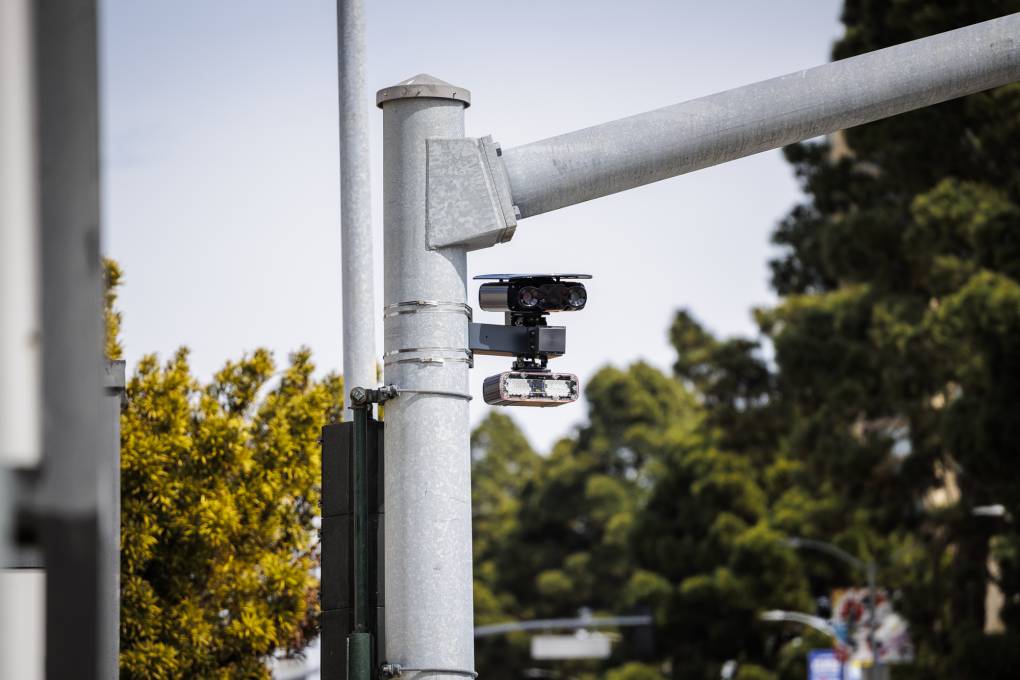
"caption": "A speed camera on Geary Street in San Francisco on March 19, 2025. The cameras will be issuing $0 citations for the foreseeable future, while San Francisco tries to get all the cameras online. ",
"credit": "Martin do Nascimento/KQED",
"altTag": null,
"description": null,
"imgSizes": {
"medium": {
"file": "https://cdn.kqed.org/wp-content/uploads/sites/10/2025/03/250319-SF-SPEED-CAMERAS-MD-03-KQED-800x533.jpg",
"width": 800,
"height": 533,
"mimeType": "image/jpeg"
},
"large": {
"file": "https://cdn.kqed.org/wp-content/uploads/sites/10/2025/03/250319-SF-SPEED-CAMERAS-MD-03-KQED-1020x680.jpg",
"width": 1020,
"height": 680,
"mimeType": "image/jpeg"
},
"thumbnail": {
"file": "https://cdn.kqed.org/wp-content/uploads/sites/10/2025/03/250319-SF-SPEED-CAMERAS-MD-03-KQED-160x107.jpg",
"width": 160,
"height": 107,
"mimeType": "image/jpeg"
},
"1536x1536": {
"file": "https://cdn.kqed.org/wp-content/uploads/sites/10/2025/03/250319-SF-SPEED-CAMERAS-MD-03-KQED-1536x1024.jpg",
"width": 1536,
"height": 1024,
"mimeType": "image/jpeg"
},
"post-thumbnail": {
"file": "https://cdn.kqed.org/wp-content/uploads/sites/10/2025/03/250319-SF-SPEED-CAMERAS-MD-03-KQED-672x372.jpg",
"width": 672,
"height": 372,
"mimeType": "image/jpeg"
},
"twentyfourteen-full-width": {
"file": "https://cdn.kqed.org/wp-content/uploads/sites/10/2025/03/250319-SF-SPEED-CAMERAS-MD-03-KQED-1038x576.jpg",
"width": 1038,
"height": 576,
"mimeType": "image/jpeg"
},
"full-width": {
"file": "https://cdn.kqed.org/wp-content/uploads/sites/10/2025/03/250319-SF-SPEED-CAMERAS-MD-03-KQED-1920x1280.jpg",
"width": 1920,
"height": 1280,
"mimeType": "image/jpeg"
},
"kqedFullSize": {
"file": "https://cdn.kqed.org/wp-content/uploads/sites/10/2025/03/250319-SF-SPEED-CAMERAS-MD-03-KQED.jpg",
"width": 2000,
"height": 1333
}
},
"isLoading": false,
"fetchFailed": false
},
"news_11932694": {
"type": "attachments",
"id": "news_11932694",
"meta": {
"index": "attachments_1716263798",
"site": "news",
"id": "11932694",
"found": true
},
"title": "Rockridge-BART-cropped",
"publishDate": 1668796508,
"status": "inherit",
"parent": 11932690,
"modified": 1746835406,
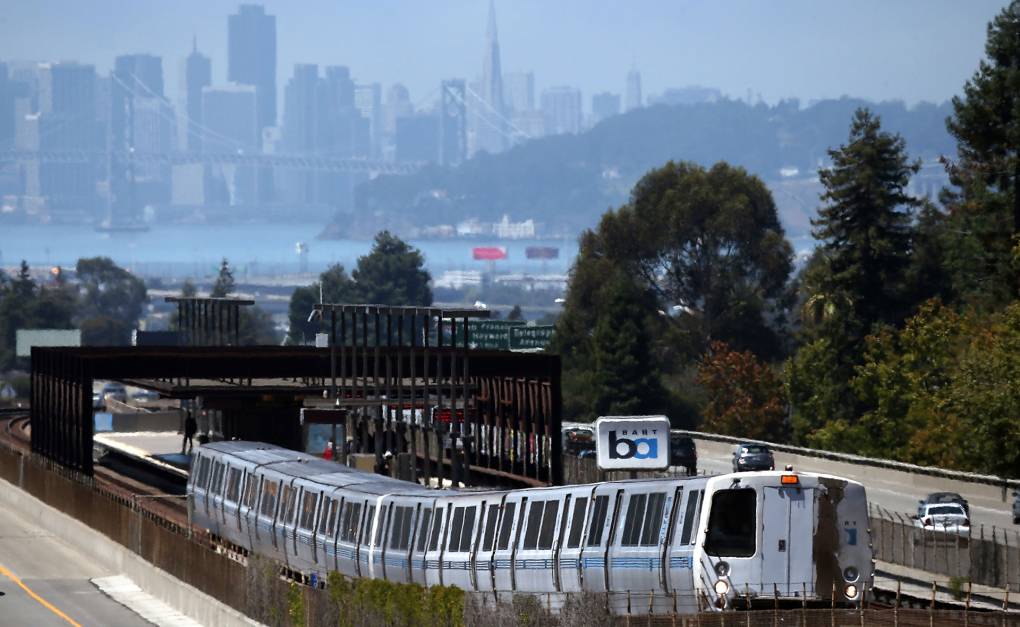
"caption": "A Bay Area Rapid Transit (BART) train pulls away from Oakland's Rockridge station on Aug. 2, 2013.",
"credit": "Justin Sullivan/Getty Images",
"altTag": "A BART train pulls out of an above-ground station. Cars whiz by alongside and the city of San Francisco looms in the background.",
"description": null,
"imgSizes": {
"medium": {
"file": "https://cdn.kqed.org/wp-content/uploads/sites/10/2022/11/Rockridge-BART-cropped-800x492.jpg",
"width": 800,
"height": 492,
"mimeType": "image/jpeg"
},
"large": {
"file": "https://cdn.kqed.org/wp-content/uploads/sites/10/2022/11/Rockridge-BART-cropped-1020x627.jpg",
"width": 1020,
"height": 627,
"mimeType": "image/jpeg"
},
"thumbnail": {
"file": "https://cdn.kqed.org/wp-content/uploads/sites/10/2022/11/Rockridge-BART-cropped-160x98.jpg",
"width": 160,
"height": 98,
"mimeType": "image/jpeg"
},
"1536x1536": {
"file": "https://cdn.kqed.org/wp-content/uploads/sites/10/2022/11/Rockridge-BART-cropped-1536x944.jpg",
"width": 1536,
"height": 944,
"mimeType": "image/jpeg"
},
"post-thumbnail": {
"file": "https://cdn.kqed.org/wp-content/uploads/sites/10/2022/11/Rockridge-BART-cropped-672x372.jpg",
"width": 672,
"height": 372,
"mimeType": "image/jpeg"
},
"twentyfourteen-full-width": {
"file": "https://cdn.kqed.org/wp-content/uploads/sites/10/2022/11/Rockridge-BART-cropped-1038x576.jpg",
"width": 1038,
"height": 576,
"mimeType": "image/jpeg"
},
"kqedFullSize": {
"file": "https://cdn.kqed.org/wp-content/uploads/sites/10/2022/11/Rockridge-BART-cropped.jpg",
"width": 1920,
"height": 1180
}
},
"isLoading": false,
"fetchFailed": false
},
"news_12039557": {
"type": "attachments",
"id": "news_12039557",
"meta": {
"index": "attachments_1716263798",
"site": "news",
"id": "12039557",
"found": true
},
"title": "250509-BARTOUTAGE-03-BL-KQED",
"publishDate": 1746817039,
"status": "inherit",
"parent": 0,
"modified": 1746819606,
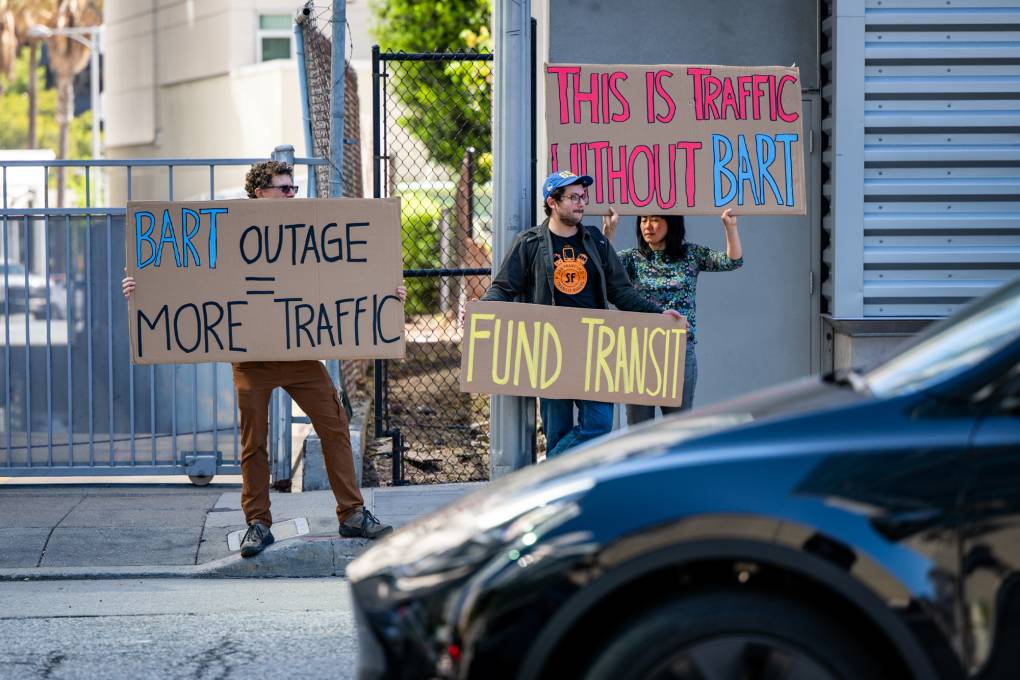
"caption": "Transit advocates hold signs calling for more public transit funding at the Fremont Street off-ramp for westbound I-80 in San Francisco on May 9, 2025.",
"credit": "Beth LaBerge/KQED",
"altTag": null,
"description": null,
"imgSizes": {
"medium": {
"file": "https://cdn.kqed.org/wp-content/uploads/sites/10/2025/05/250509-BARTOUTAGE-03-BL-KQED-800x533.jpg",
"width": 800,
"height": 533,
"mimeType": "image/jpeg"
},
"large": {
"file": "https://cdn.kqed.org/wp-content/uploads/sites/10/2025/05/250509-BARTOUTAGE-03-BL-KQED-1020x680.jpg",
"width": 1020,
"height": 680,
"mimeType": "image/jpeg"
},
"thumbnail": {
"file": "https://cdn.kqed.org/wp-content/uploads/sites/10/2025/05/250509-BARTOUTAGE-03-BL-KQED-160x107.jpg",
"width": 160,
"height": 107,
"mimeType": "image/jpeg"
},
"1536x1536": {
"file": "https://cdn.kqed.org/wp-content/uploads/sites/10/2025/05/250509-BARTOUTAGE-03-BL-KQED-1536x1024.jpg",
"width": 1536,
"height": 1024,
"mimeType": "image/jpeg"
},
"post-thumbnail": {
"file": "https://cdn.kqed.org/wp-content/uploads/sites/10/2025/05/250509-BARTOUTAGE-03-BL-KQED-672x372.jpg",
"width": 672,
"height": 372,
"mimeType": "image/jpeg"
},
"twentyfourteen-full-width": {
"file": "https://cdn.kqed.org/wp-content/uploads/sites/10/2025/05/250509-BARTOUTAGE-03-BL-KQED-1038x576.jpg",
"width": 1038,
"height": 576,
"mimeType": "image/jpeg"
},
"full-width": {
"file": "https://cdn.kqed.org/wp-content/uploads/sites/10/2025/05/250509-BARTOUTAGE-03-BL-KQED-1920x1280.jpg",
"width": 1920,
"height": 1280,
"mimeType": "image/jpeg"
},
"kqedFullSize": {
"file": "https://cdn.kqed.org/wp-content/uploads/sites/10/2025/05/250509-BARTOUTAGE-03-BL-KQED.jpg",
"width": 2000,
"height": 1333
}
},
"isLoading": false,
"fetchFailed": false
},
"news_12040170": {
"type": "attachments",
"id": "news_12040170",
"meta": {
"index": "attachments_1716263798",
"site": "news",
"id": "12040170",
"found": true
},
"title": "Miami, Florida, Miami International Airport, Homeland Security REAL ID message",
"publishDate": 1747261644,
"status": "inherit",
"parent": 12027050,
"modified": 1747261691,
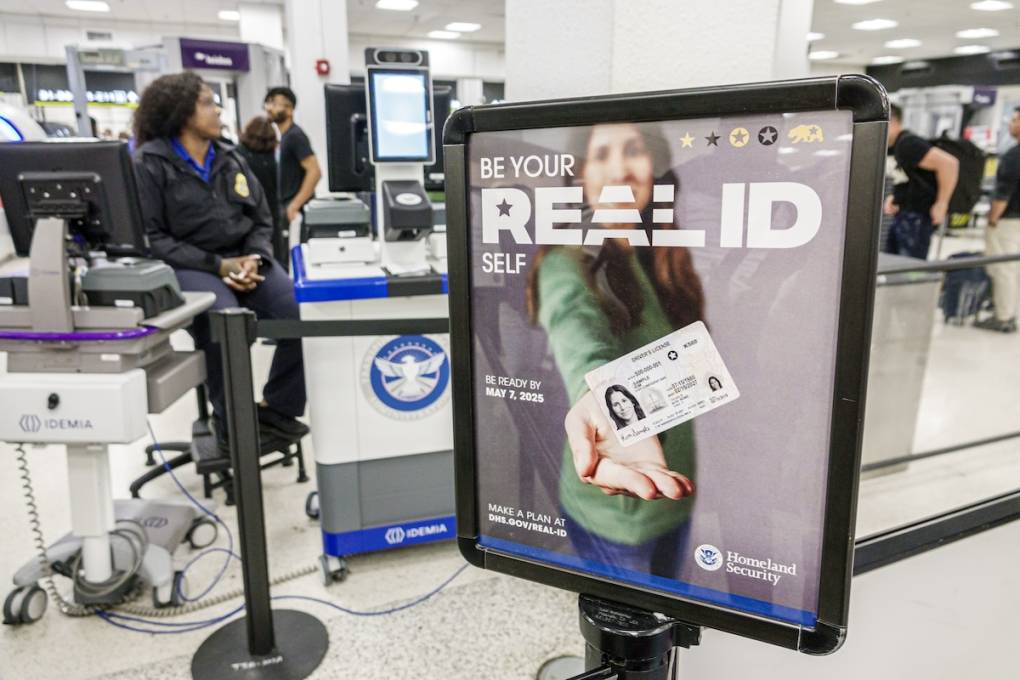
"caption": "Homeland Security REAL ID message at the Miami International Airport on Nov. 13, 2023. ",
"credit": "Jeffrey Greenberg/UCG/Universal Images Group via Getty Images",
"altTag": null,
"description": null,
"imgSizes": {
"medium": {
"file": "https://cdn.kqed.org/wp-content/uploads/sites/10/2025/05/GettyImages-1940010763-1-800x533.jpg",
"width": 800,
"height": 533,
"mimeType": "image/jpeg"
},
"large": {
"file": "https://cdn.kqed.org/wp-content/uploads/sites/10/2025/05/GettyImages-1940010763-1-1020x680.jpg",
"width": 1020,
"height": 680,
"mimeType": "image/jpeg"
},
"thumbnail": {
"file": "https://cdn.kqed.org/wp-content/uploads/sites/10/2025/05/GettyImages-1940010763-1-160x107.jpg",
"width": 160,
"height": 107,
"mimeType": "image/jpeg"
},
"post-thumbnail": {
"file": "https://cdn.kqed.org/wp-content/uploads/sites/10/2025/05/GettyImages-1940010763-1-672x372.jpg",
"width": 672,
"height": 372,
"mimeType": "image/jpeg"
},
"twentyfourteen-full-width": {
"file": "https://cdn.kqed.org/wp-content/uploads/sites/10/2025/05/GettyImages-1940010763-1-1038x576.jpg",
"width": 1038,
"height": 576,
"mimeType": "image/jpeg"
},
"kqedFullSize": {
"file": "https://cdn.kqed.org/wp-content/uploads/sites/10/2025/05/GettyImages-1940010763-1.jpg",
"width": 1200,
"height": 800
}
},
"isLoading": false,
"fetchFailed": false
},
"news_12026145": {
"type": "attachments",
"id": "news_12026145",
"meta": {
"index": "attachments_1716263798",
"site": "news",
"id": "12026145",
"found": true
},
"title": "ICE three agents",
"publishDate": 1738937051,
"status": "inherit",
"parent": 12026143,
"modified": 1746557057,
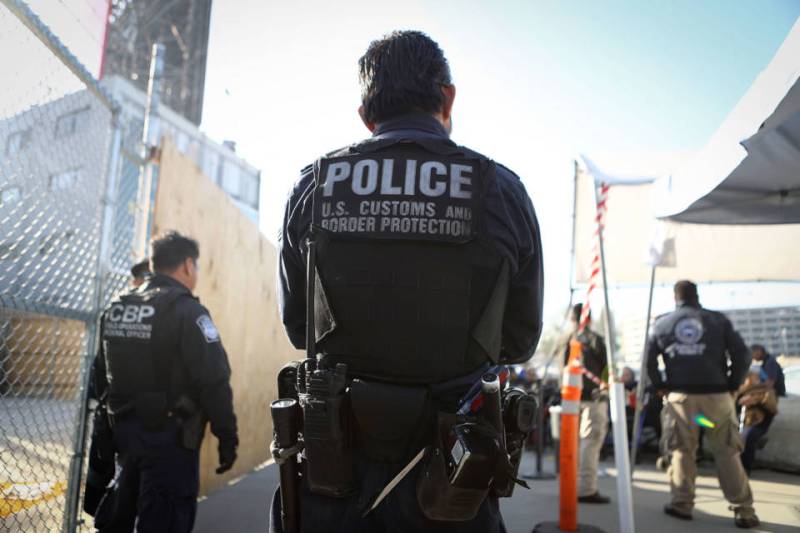
"caption": "An officer from Customs and Border Protection at the San Isidro Port of Entry on the U.S.-Mexico border. ",
"credit": "Mario Tama/Getty Images",
"altTag": null,
"description": null,
"imgSizes": {
"medium": {
"file": "https://cdn.kqed.org/wp-content/uploads/sites/10/2025/02/ICE-three-agents-800x533.jpg",
"width": 800,
"height": 533,
"mimeType": "image/jpeg"
},
"thumbnail": {
"file": "https://cdn.kqed.org/wp-content/uploads/sites/10/2025/02/ICE-three-agents-160x107.jpg",
"width": 160,
"height": 107,
"mimeType": "image/jpeg"
},
"post-thumbnail": {
"file": "https://cdn.kqed.org/wp-content/uploads/sites/10/2025/02/ICE-three-agents-672x372.jpg",
"width": 672,
"height": 372,
"mimeType": "image/jpeg"
},
"twentyfourteen-full-width": {
"file": "https://cdn.kqed.org/wp-content/uploads/sites/10/2025/02/ICE-three-agents-960x576.jpg",
"width": 960,
"height": 576,
"mimeType": "image/jpeg"
},
"kqedFullSize": {
"file": "https://cdn.kqed.org/wp-content/uploads/sites/10/2025/02/ICE-three-agents.jpg",
"width": 960,
"height": 640
}
},
"isLoading": false,
"fetchFailed": false
},
"news_12037658": {
"type": "attachments",
"id": "news_12037658",
"meta": {
"index": "attachments_1716263798",
"site": "news",
"id": "12037658",
"found": true
},
"title": "Muni",
"publishDate": 1745603535,
"status": "inherit",
"parent": 12046678,
"modified": 1751395267,
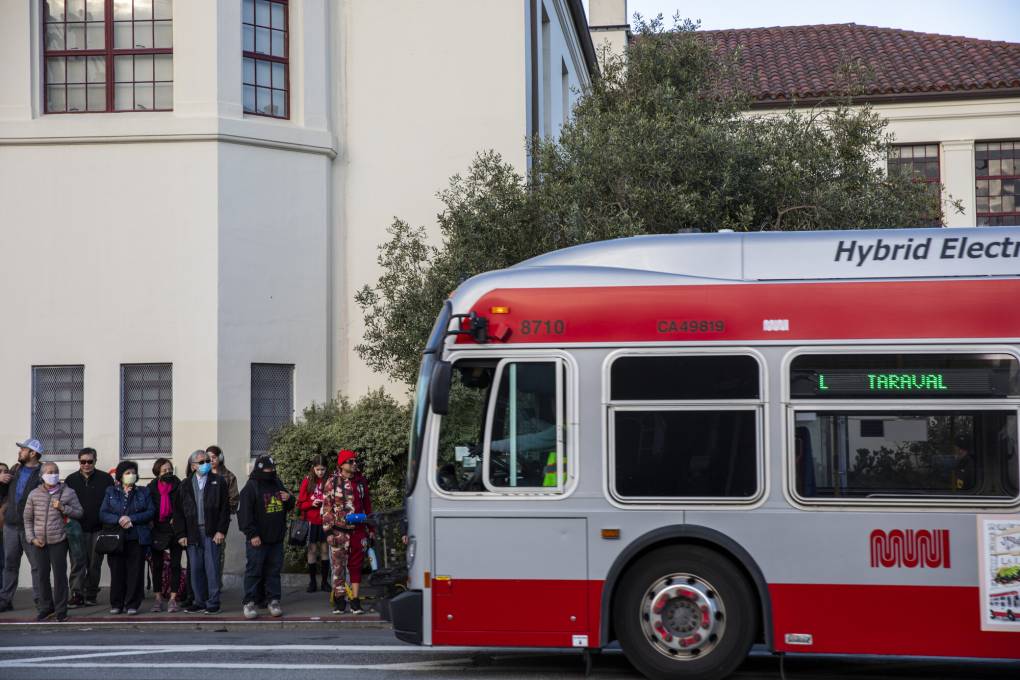
"caption": "Passengers wait to board the L Bus outside of West Portal Station in San Francisco on Tuesday, Nov. 28, 2023.",
"credit": "Juliana Yamada/KQED",
"altTag": null,
"description": null,
"imgSizes": {
"medium": {
"file": "https://cdn.kqed.org/wp-content/uploads/sites/10/2025/04/20231128-Muni-013-JY_qed-1-800x533.jpg",
"width": 800,
"height": 533,
"mimeType": "image/jpeg"
},
"large": {
"file": "https://cdn.kqed.org/wp-content/uploads/sites/10/2025/04/20231128-Muni-013-JY_qed-1-1020x680.jpg",
"width": 1020,
"height": 680,
"mimeType": "image/jpeg"
},
"thumbnail": {
"file": "https://cdn.kqed.org/wp-content/uploads/sites/10/2025/04/20231128-Muni-013-JY_qed-1-160x107.jpg",
"width": 160,
"height": 107,
"mimeType": "image/jpeg"
},
"1536x1536": {
"file": "https://cdn.kqed.org/wp-content/uploads/sites/10/2025/04/20231128-Muni-013-JY_qed-1-1536x1024.jpg",
"width": 1536,
"height": 1024,
"mimeType": "image/jpeg"
},
"post-thumbnail": {
"file": "https://cdn.kqed.org/wp-content/uploads/sites/10/2025/04/20231128-Muni-013-JY_qed-1-672x372.jpg",
"width": 672,
"height": 372,
"mimeType": "image/jpeg"
},
"twentyfourteen-full-width": {
"file": "https://cdn.kqed.org/wp-content/uploads/sites/10/2025/04/20231128-Muni-013-JY_qed-1-1038x576.jpg",
"width": 1038,
"height": 576,
"mimeType": "image/jpeg"
},
"full-width": {
"file": "https://cdn.kqed.org/wp-content/uploads/sites/10/2025/04/20231128-Muni-013-JY_qed-1-1920x1280.jpg",
"width": 1920,
"height": 1280,
"mimeType": "image/jpeg"
},
"kqedFullSize": {
"file": "https://cdn.kqed.org/wp-content/uploads/sites/10/2025/04/20231128-Muni-013-JY_qed-1.jpg",
"width": 2000,
"height": 1333
}
},
"isLoading": false,
"fetchFailed": false
},
"news_12033816": {
"type": "attachments",
"id": "news_12033816",
"meta": {
"index": "attachments_1716263798",
"site": "news",
"id": "12033816",
"found": true
},
"title": "250211-SkyDaddy-08-BL_qed",
"publishDate": 1743441299,
"status": "inherit",
"parent": 12033814,
"modified": 1743441311,
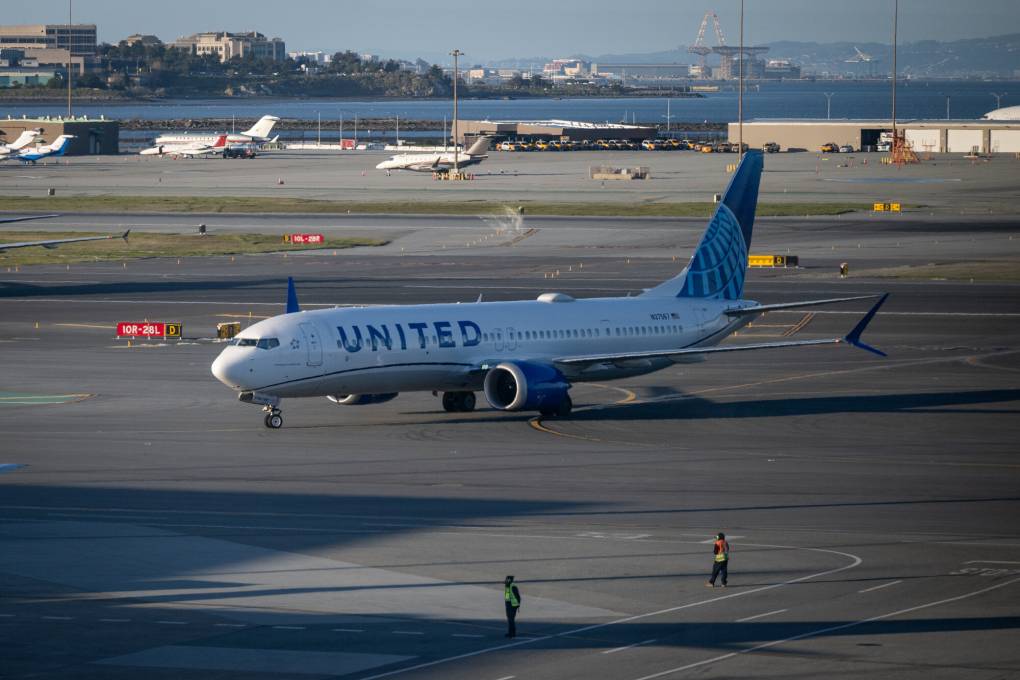
"caption": "A United Airlines plane arrives at the San Francisco International Airport on Feb. 11, 2025.",
"credit": "Beth LaBerge/KQED",
"altTag": null,
"description": null,
"imgSizes": {
"medium": {
"file": "https://cdn.kqed.org/wp-content/uploads/sites/10/2025/03/250211-SkyDaddy-08-BL_qed-800x533.jpg",
"width": 800,
"height": 533,
"mimeType": "image/jpeg"
},
"large": {
"file": "https://cdn.kqed.org/wp-content/uploads/sites/10/2025/03/250211-SkyDaddy-08-BL_qed-1020x680.jpg",
"width": 1020,
"height": 680,
"mimeType": "image/jpeg"
},
"thumbnail": {
"file": "https://cdn.kqed.org/wp-content/uploads/sites/10/2025/03/250211-SkyDaddy-08-BL_qed-160x107.jpg",
"width": 160,
"height": 107,
"mimeType": "image/jpeg"
},
"1536x1536": {
"file": "https://cdn.kqed.org/wp-content/uploads/sites/10/2025/03/250211-SkyDaddy-08-BL_qed-1536x1024.jpg",
"width": 1536,
"height": 1024,
"mimeType": "image/jpeg"
},
"post-thumbnail": {
"file": "https://cdn.kqed.org/wp-content/uploads/sites/10/2025/03/250211-SkyDaddy-08-BL_qed-672x372.jpg",
"width": 672,
"height": 372,
"mimeType": "image/jpeg"
},
"twentyfourteen-full-width": {
"file": "https://cdn.kqed.org/wp-content/uploads/sites/10/2025/03/250211-SkyDaddy-08-BL_qed-1038x576.jpg",
"width": 1038,
"height": 576,
"mimeType": "image/jpeg"
},
"full-width": {
"file": "https://cdn.kqed.org/wp-content/uploads/sites/10/2025/03/250211-SkyDaddy-08-BL_qed-1920x1280.jpg",
"width": 1920,
"height": 1280,
"mimeType": "image/jpeg"
},
"kqedFullSize": {
"file": "https://cdn.kqed.org/wp-content/uploads/sites/10/2025/03/250211-SkyDaddy-08-BL_qed.jpg",
"width": 2000,
"height": 1333
}
},
"isLoading": false,
"fetchFailed": false
},
"news_12033433": {
"type": "attachments",
"id": "news_12033433",
"meta": {
"index": "attachments_1716263798",
"site": "news",
"id": "12033433",
"found": true
},
"title": "Fast food workers at San Francisco International Airport (SFO) plan to protest on Friday",
"publishDate": 1743113525,
"status": "inherit",
"parent": 12033338,
"modified": 1743113591,
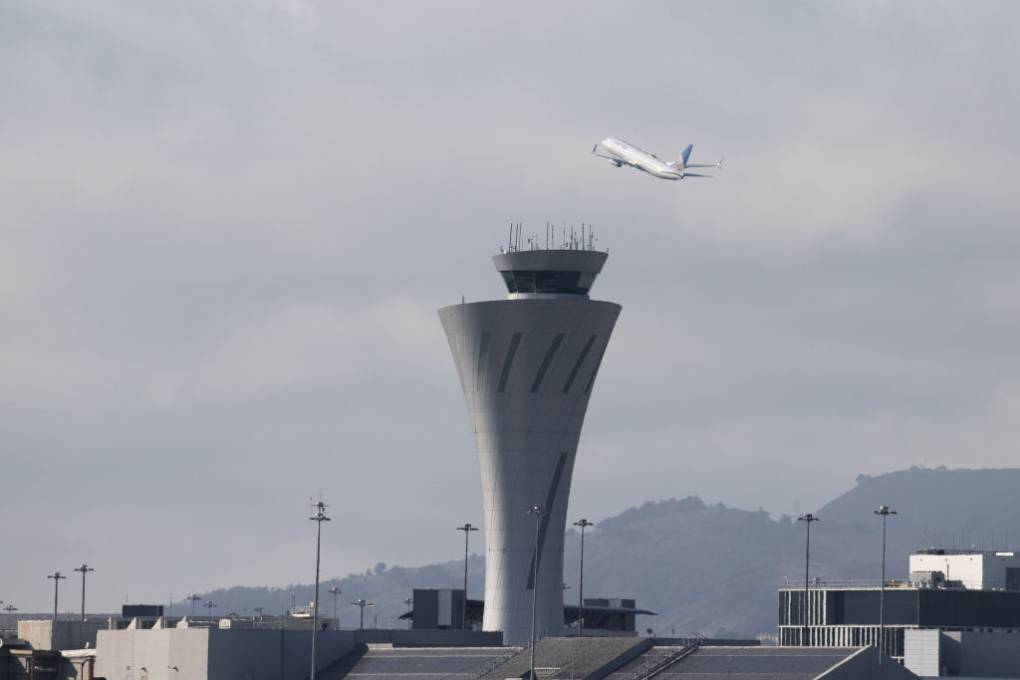
"caption": "Plane takes off behind the air traffic control tower at San Francisco International Airport (SFO) in San Francisco on Sept. 15, 2022. The federal hiring freeze has left a vital Bay Area aviation weather unit with just one meteorologist, risking flight delays and disruptions. The unit oversees a vast airspace, ensuring the safe landing of over a million flights yearly.",
"credit": "Tayfun Coskun/Anadolu Agency via Getty Images",
"altTag": null,
"description": null,
"imgSizes": {
"medium": {
"file": "https://cdn.kqed.org/wp-content/uploads/sites/10/2025/03/GettyImages-1243270396-1-800x534.jpg",
"width": 800,
"height": 534,
"mimeType": "image/jpeg"
},
"large": {
"file": "https://cdn.kqed.org/wp-content/uploads/sites/10/2025/03/GettyImages-1243270396-1-1020x680.jpg",
"width": 1020,
"height": 680,
"mimeType": "image/jpeg"
},
"thumbnail": {
"file": "https://cdn.kqed.org/wp-content/uploads/sites/10/2025/03/GettyImages-1243270396-1-160x107.jpg",
"width": 160,
"height": 107,
"mimeType": "image/jpeg"
},
"post-thumbnail": {
"file": "https://cdn.kqed.org/wp-content/uploads/sites/10/2025/03/GettyImages-1243270396-1-672x372.jpg",
"width": 672,
"height": 372,
"mimeType": "image/jpeg"
},
"twentyfourteen-full-width": {
"file": "https://cdn.kqed.org/wp-content/uploads/sites/10/2025/03/GettyImages-1243270396-1-1024x576.jpg",
"width": 1024,
"height": 576,
"mimeType": "image/jpeg"
},
"kqedFullSize": {
"file": "https://cdn.kqed.org/wp-content/uploads/sites/10/2025/03/GettyImages-1243270396-1.jpg",
"width": 1024,
"height": 683
}
},
"isLoading": false,
"fetchFailed": false
},
"news_12033037": {
"type": "attachments",
"id": "news_12033037",
"meta": {
"index": "attachments_1716263798",
"site": "news",
"id": "12033037",
"found": true
},
"title": "111523-Keyes-School-District-LV_CM_02 copy",
"publishDate": 1742943488,
"status": "inherit",
"parent": 12033035,
"modified": 1742943978,
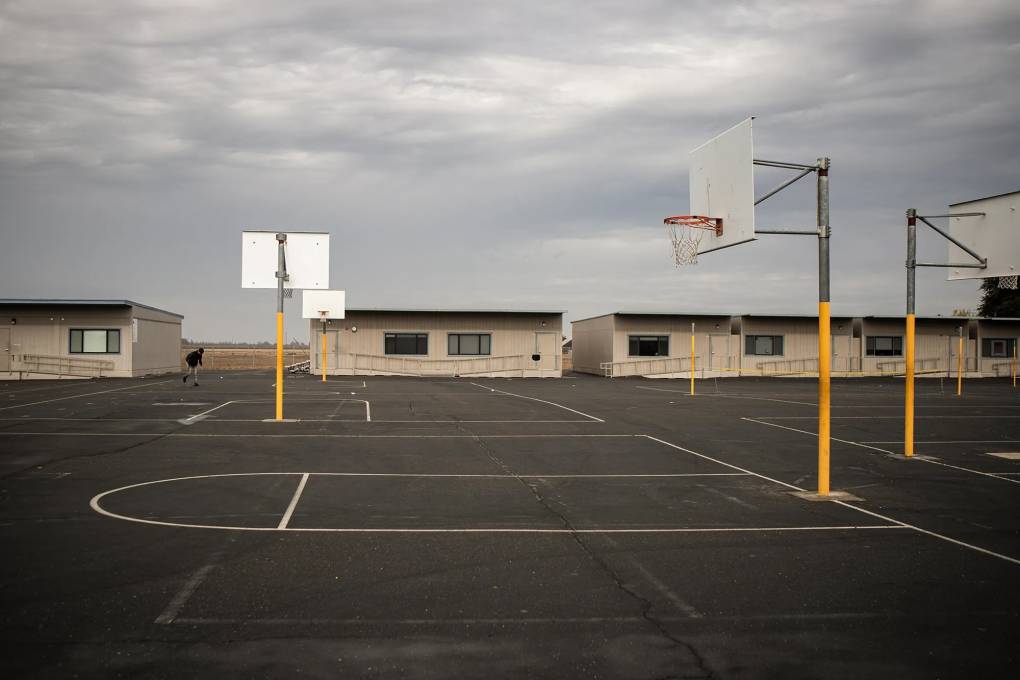
"caption": "The basketball courts and row of trailers where classes are taught at Barbara Spratling Middle School in Keyes on Nov. 15, 2023. ",
"credit": "Larry Valenzuela/CalMatters/CatchLight Local",
"altTag": null,
"description": null,
"imgSizes": {
"medium": {
"file": "https://cdn.kqed.org/wp-content/uploads/sites/10/2025/03/111523-Keyes-School-District-LV_CM_02-copy-800x533.jpg",
"width": 800,
"height": 533,
"mimeType": "image/jpeg"
},
"large": {
"file": "https://cdn.kqed.org/wp-content/uploads/sites/10/2025/03/111523-Keyes-School-District-LV_CM_02-copy-1020x680.jpg",
"width": 1020,
"height": 680,
"mimeType": "image/jpeg"
},
"thumbnail": {
"file": "https://cdn.kqed.org/wp-content/uploads/sites/10/2025/03/111523-Keyes-School-District-LV_CM_02-copy-160x107.jpg",
"width": 160,
"height": 107,
"mimeType": "image/jpeg"
},
"1536x1536": {
"file": "https://cdn.kqed.org/wp-content/uploads/sites/10/2025/03/111523-Keyes-School-District-LV_CM_02-copy-1536x1024.jpg",
"width": 1536,
"height": 1024,
"mimeType": "image/jpeg"
},
"post-thumbnail": {
"file": "https://cdn.kqed.org/wp-content/uploads/sites/10/2025/03/111523-Keyes-School-District-LV_CM_02-copy-672x372.jpg",
"width": 672,
"height": 372,
"mimeType": "image/jpeg"
},
"twentyfourteen-full-width": {
"file": "https://cdn.kqed.org/wp-content/uploads/sites/10/2025/03/111523-Keyes-School-District-LV_CM_02-copy-1038x576.jpg",
"width": 1038,
"height": 576,
"mimeType": "image/jpeg"
},
"full-width": {
"file": "https://cdn.kqed.org/wp-content/uploads/sites/10/2025/03/111523-Keyes-School-District-LV_CM_02-copy-1920x1280.jpg",
"width": 1920,
"height": 1280,
"mimeType": "image/jpeg"
},
"kqedFullSize": {
"file": "https://cdn.kqed.org/wp-content/uploads/sites/10/2025/03/111523-Keyes-School-District-LV_CM_02-copy.jpg",
"width": 2000,
"height": 1333
}
},
"isLoading": false,
"fetchFailed": false
},
"news_12032853": {
"type": "attachments",
"id": "news_12032853",
"meta": {
"index": "attachments_1716263798",
"site": "news",
"id": "12032853",
"found": true
},
"title": "VTA Day 15 Singh_qed",
"publishDate": 1742865306,
"status": "inherit",
"parent": 12032851,
"modified": 1742865399,
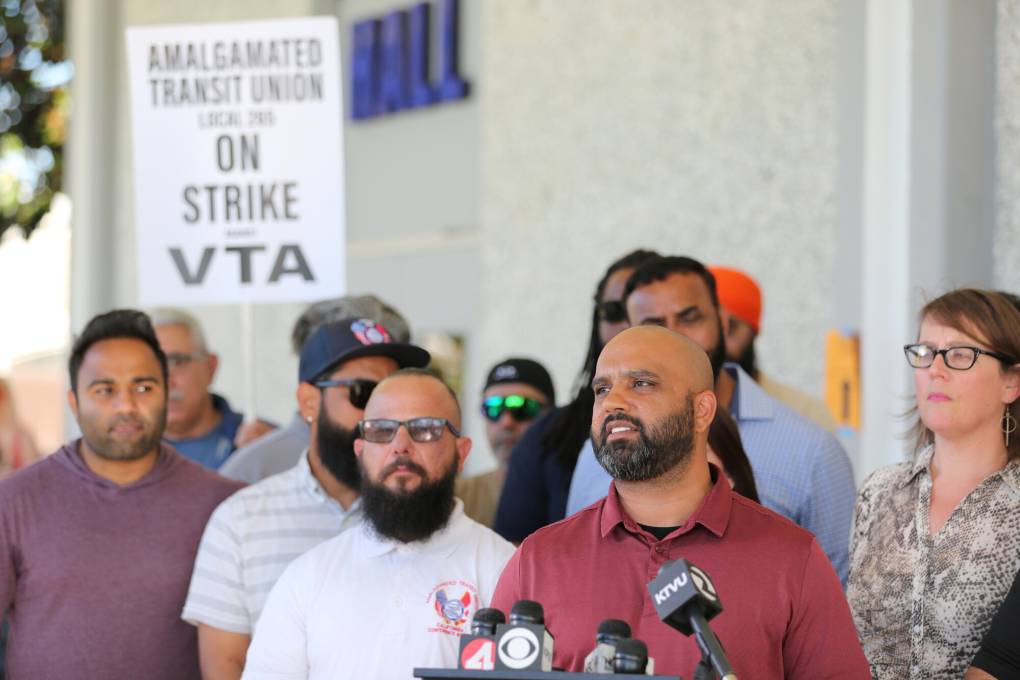
"caption": "Amalgamated Transit Union Local 265 President Raj Singh shares the results of a vote on a contract offer from the Santa Clara Valley Transportation Authority in San José on March 24, 2025.",
"credit": "Joseph Geha/KQED",
"altTag": null,
"description": null,
"imgSizes": {
"medium": {
"file": "https://cdn.kqed.org/wp-content/uploads/sites/10/2025/03/VTA-Day-15-Singh_qed-800x533.jpg",
"width": 800,
"height": 533,
"mimeType": "image/jpeg"
},
"large": {
"file": "https://cdn.kqed.org/wp-content/uploads/sites/10/2025/03/VTA-Day-15-Singh_qed-1020x680.jpg",
"width": 1020,
"height": 680,
"mimeType": "image/jpeg"
},
"thumbnail": {
"file": "https://cdn.kqed.org/wp-content/uploads/sites/10/2025/03/VTA-Day-15-Singh_qed-160x107.jpg",
"width": 160,
"height": 107,
"mimeType": "image/jpeg"
},
"1536x1536": {
"file": "https://cdn.kqed.org/wp-content/uploads/sites/10/2025/03/VTA-Day-15-Singh_qed-1536x1024.jpg",
"width": 1536,
"height": 1024,
"mimeType": "image/jpeg"
},
"post-thumbnail": {
"file": "https://cdn.kqed.org/wp-content/uploads/sites/10/2025/03/VTA-Day-15-Singh_qed-672x372.jpg",
"width": 672,
"height": 372,
"mimeType": "image/jpeg"
},
"twentyfourteen-full-width": {
"file": "https://cdn.kqed.org/wp-content/uploads/sites/10/2025/03/VTA-Day-15-Singh_qed-1038x576.jpg",
"width": 1038,
"height": 576,
"mimeType": "image/jpeg"
},
"full-width": {
"file": "https://cdn.kqed.org/wp-content/uploads/sites/10/2025/03/VTA-Day-15-Singh_qed-1920x1280.jpg",
"width": 1920,
"height": 1280,
"mimeType": "image/jpeg"
},
"kqedFullSize": {
"file": "https://cdn.kqed.org/wp-content/uploads/sites/10/2025/03/VTA-Day-15-Singh_qed.jpg",
"width": 1999,
"height": 1333
}
},
"isLoading": false,
"fetchFailed": false
},
"news_12032416": {
"type": "attachments",
"id": "news_12032416",
"meta": {
"index": "attachments_1716263798",
"site": "news",
"id": "12032416",
"found": true
},
"title": "20250311_VTAStrikeDay2_GC-6_qed",
"publishDate": 1742573597,
"status": "inherit",
"parent": 12032033,
"modified": 1749057788,
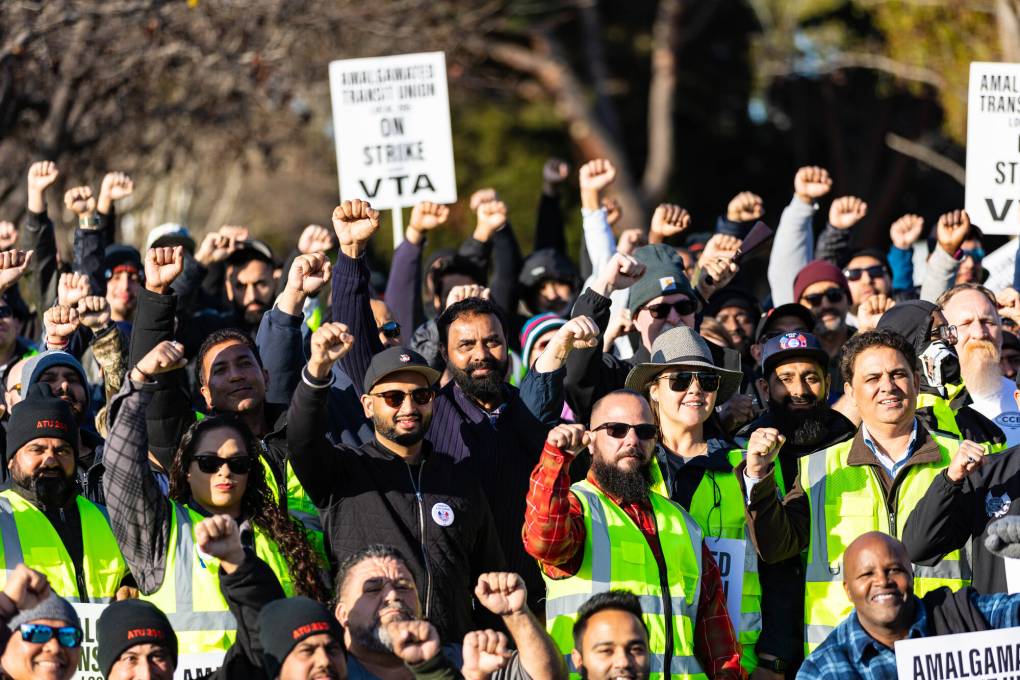
"caption": "Hundreds of Santa Clara Valley Transportation Authority workers, represented by the Amalgamated Transit Union Local 265, raise fists during a second-day strike in front of the VTA headquarters on North First Street in San José, demanding a better contract and an increase in wages on March 11, 2025. ",
"credit": "Gina Castro/KQED",
"altTag": null,
"description": null,
"imgSizes": {
"medium": {
"file": "https://cdn.kqed.org/wp-content/uploads/sites/10/2025/03/20250311_VTAStrikeDay2_GC-6_qed-800x533.jpg",
"width": 800,
"height": 533,
"mimeType": "image/jpeg"
},
"large": {
"file": "https://cdn.kqed.org/wp-content/uploads/sites/10/2025/03/20250311_VTAStrikeDay2_GC-6_qed-1020x680.jpg",
"width": 1020,
"height": 680,
"mimeType": "image/jpeg"
},
"thumbnail": {
"file": "https://cdn.kqed.org/wp-content/uploads/sites/10/2025/03/20250311_VTAStrikeDay2_GC-6_qed-160x107.jpg",
"width": 160,
"height": 107,
"mimeType": "image/jpeg"
},
"1536x1536": {
"file": "https://cdn.kqed.org/wp-content/uploads/sites/10/2025/03/20250311_VTAStrikeDay2_GC-6_qed-1536x1024.jpg",
"width": 1536,
"height": 1024,
"mimeType": "image/jpeg"
},
"post-thumbnail": {
"file": "https://cdn.kqed.org/wp-content/uploads/sites/10/2025/03/20250311_VTAStrikeDay2_GC-6_qed-672x372.jpg",
"width": 672,
"height": 372,
"mimeType": "image/jpeg"
},
"twentyfourteen-full-width": {
"file": "https://cdn.kqed.org/wp-content/uploads/sites/10/2025/03/20250311_VTAStrikeDay2_GC-6_qed-1038x576.jpg",
"width": 1038,
"height": 576,
"mimeType": "image/jpeg"
},
"full-width": {
"file": "https://cdn.kqed.org/wp-content/uploads/sites/10/2025/03/20250311_VTAStrikeDay2_GC-6_qed-1920x1280.jpg",
"width": 1920,
"height": 1280,
"mimeType": "image/jpeg"
},
"kqedFullSize": {
"file": "https://cdn.kqed.org/wp-content/uploads/sites/10/2025/03/20250311_VTAStrikeDay2_GC-6_qed.jpg",
"width": 2000,
"height": 1333
}
},
"isLoading": false,
"fetchFailed": false
},
"news_12032219": {
"type": "attachments",
"id": "news_12032219",
"meta": {
"index": "attachments_1716263798",
"site": "news",
"id": "12032219",
"found": true
},
"title": "SemiTrucksInterstate880",
"publishDate": 1742489152,
"status": "inherit",
"parent": 12032217,
"modified": 1742585667,
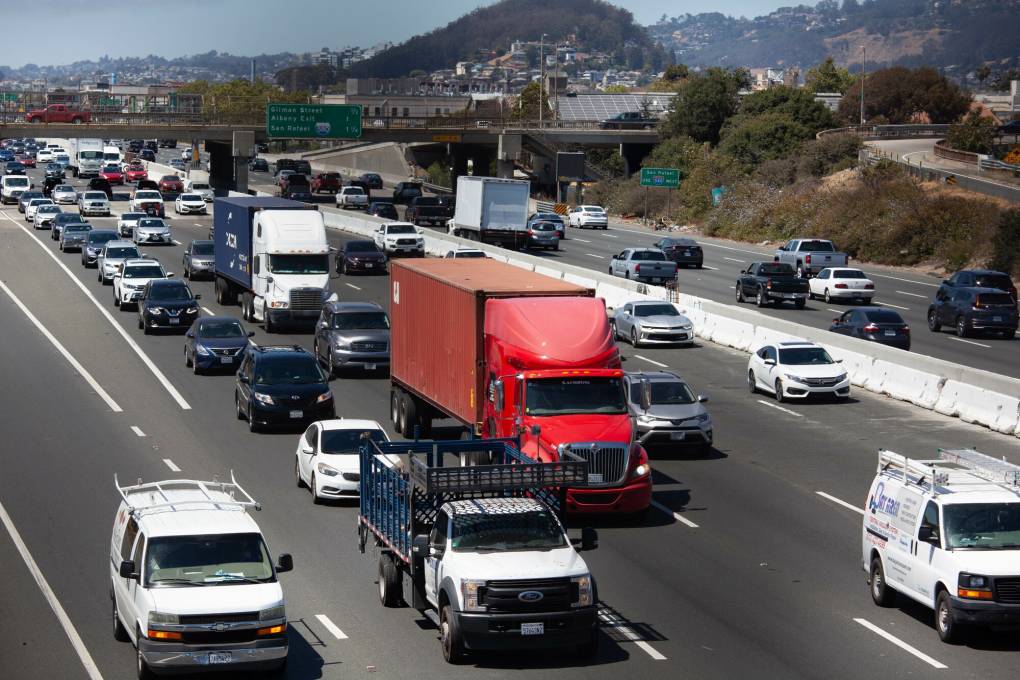
"caption": "Traffic on Interstate 880 toward Oakland was jam-packed with cars and diesel trucks midafternoon on Monday, June 28, 2021.",
"credit": "Joyce Tsai/KQED",
"altTag": null,
"description": null,
"imgSizes": {
"medium": {
"file": "https://cdn.kqed.org/wp-content/uploads/sites/10/2025/03/SemiTrucksInterstate880-800x533.jpg",
"width": 800,
"height": 533,
"mimeType": "image/jpeg"
},
"large": {
"file": "https://cdn.kqed.org/wp-content/uploads/sites/10/2025/03/SemiTrucksInterstate880-1020x680.jpg",
"width": 1020,
"height": 680,
"mimeType": "image/jpeg"
},
"thumbnail": {
"file": "https://cdn.kqed.org/wp-content/uploads/sites/10/2025/03/SemiTrucksInterstate880-160x107.jpg",
"width": 160,
"height": 107,
"mimeType": "image/jpeg"
},
"1536x1536": {
"file": "https://cdn.kqed.org/wp-content/uploads/sites/10/2025/03/SemiTrucksInterstate880-1536x1024.jpg",
"width": 1536,
"height": 1024,
"mimeType": "image/jpeg"
},
"post-thumbnail": {
"file": "https://cdn.kqed.org/wp-content/uploads/sites/10/2025/03/SemiTrucksInterstate880-672x372.jpg",
"width": 672,
"height": 372,
"mimeType": "image/jpeg"
},
"twentyfourteen-full-width": {
"file": "https://cdn.kqed.org/wp-content/uploads/sites/10/2025/03/SemiTrucksInterstate880-1038x576.jpg",
"width": 1038,
"height": 576,
"mimeType": "image/jpeg"
},
"full-width": {
"file": "https://cdn.kqed.org/wp-content/uploads/sites/10/2025/03/SemiTrucksInterstate880-1920x1280.jpg",
"width": 1920,
"height": 1280,
"mimeType": "image/jpeg"
},
"kqedFullSize": {
"file": "https://cdn.kqed.org/wp-content/uploads/sites/10/2025/03/SemiTrucksInterstate880.jpg",
"width": 2000,
"height": 1333
}
},
"isLoading": false,
"fetchFailed": false
}
},
"audioPlayerReducer": {
"postId": "stream_live",
"isPaused": true,
"isPlaying": false,
"pfsActive": false,
"pledgeModalIsOpen": true,
"playerDrawerIsOpen": false,
"liveAudioPlayStartedAt": 0,
"liveAudioPlayContext": ""
},
"authorsReducer": {
"byline_news_12033035": {
"type": "authors",
"id": "byline_news_12033035",
"meta": {
"override": true
},
"slug": "byline_news_12033035",
"name": "\u003ca href=\"https://calmatters.org/author/carolyn-jones/\">Carolyn Jones\u003c/a>, CalMatters",
"isLoading": false
},
"shossaini": {
"type": "authors",
"id": "3214",
"meta": {
"index": "authors_1716337520",
"id": "3214",
"found": true
},
"name": "Sara Hossaini",
"firstName": "Sara",
"lastName": "Hossaini",
"slug": "shossaini",
"email": "shossaini@kqed.org",
"display_author_email": true,
"staff_mastheads": [
"news"
],
"title": "KQED Reporter",
"bio": "Sara Hossaini came to general assignment reporting at KQED in 2013 after two winters reporting at Wyoming Public Radio. She holds a bachelor's degree in broadcast journalism from the University of Nebraska-Lincoln. Her radio romance began after a bitter breakup with documentary film (Ok, maybe it's still complicated). Her first simultaneous jobs in San Francisco were as Associate Producer on a PBS film series through the Center for Asian American Media and as a butler. She likes to trot, plot and make things with her hands.",
"avatar": "https://secure.gravatar.com/avatar/060e9f56b9554e17942e89f413242774?s=600&d=blank&r=g",
"twitter": "mshossaini",
"facebook": null,
"instagram": null,
"linkedin": null,
"sites": [
{
"site": "news",
"roles": [
"author"
]
},
{
"site": "stateofhealth",
"roles": [
"author"
]
}
],
"headData": {
"title": "Sara Hossaini | KQED",
"description": "KQED Reporter",
"ogImgSrc": "https://secure.gravatar.com/avatar/060e9f56b9554e17942e89f413242774?s=600&d=blank&r=g",
"twImgSrc": "https://secure.gravatar.com/avatar/060e9f56b9554e17942e89f413242774?s=600&d=blank&r=g"
},
"isLoading": false,
"link": "/author/shossaini"
},
"carlysevern": {
"type": "authors",
"id": "3243",
"meta": {
"index": "authors_1716337520",
"id": "3243",
"found": true
},
"name": "Carly Severn",
"firstName": "Carly",
"lastName": "Severn",
"slug": "carlysevern",
"email": "csevern@kqed.org",
"display_author_email": false,
"staff_mastheads": [
"news"
],
"title": "Senior Editor, Audience News ",
"bio": "Carly is KQED's Senior Editor of Audience News on the Digital News team, and has reported for the California Report Magazine, Bay Curious and KQED Arts. She's formerly the host of \u003ca href=\"http://ww2.kqed.org/pop/category/the-cooler/\" rel=\"noopener noreferrer\">The Cooler\u003c/a> podcast.",
"avatar": "https://secure.gravatar.com/avatar/2d8d6765f186e64c798cf7f0c8088a41?s=600&d=blank&r=g",
"twitter": "teacupinthebay",
"facebook": null,
"instagram": null,
"linkedin": null,
"sites": [
{
"site": "",
"roles": [
"editor"
]
},
{
"site": "arts",
"roles": [
"editor"
]
},
{
"site": "news",
"roles": [
"administrator"
]
},
{
"site": "pop",
"roles": [
"editor"
]
},
{
"site": "futureofyou",
"roles": [
"editor"
]
},
{
"site": "about",
"roles": [
"administrator"
]
},
{
"site": "mindshift",
"roles": [
"editor"
]
},
{
"site": "bayareabites",
"roles": [
"editor"
]
},
{
"site": "stateofhealth",
"roles": [
"editor"
]
},
{
"site": "science",
"roles": [
"editor"
]
},
{
"site": "food",
"roles": [
"contributor"
]
},
{
"site": "forum",
"roles": [
"editor"
]
},
{
"site": "perspectives",
"roles": [
"administrator"
]
},
{
"site": "liveblog",
"roles": [
"editor"
]
}
],
"headData": {
"title": "Carly Severn | KQED",
"description": "Senior Editor, Audience News ",
"ogImgSrc": "https://secure.gravatar.com/avatar/2d8d6765f186e64c798cf7f0c8088a41?s=600&d=blank&r=g",
"twImgSrc": "https://secure.gravatar.com/avatar/2d8d6765f186e64c798cf7f0c8088a41?s=600&d=blank&r=g"
},
"isLoading": false,
"link": "/author/carlysevern"
},
"lklivans": {
"type": "authors",
"id": "8648",
"meta": {
"index": "authors_1716337520",
"id": "8648",
"found": true
},
"name": "Laura Klivans",
"firstName": "Laura",
"lastName": "Klivans",
"slug": "lklivans",
"email": "lklivans@kqed.org",
"display_author_email": true,
"staff_mastheads": [
"news",
"science"
],
"title": "Reporter",
"bio": "Laura Klivans is an award-winning science reporter for KQED News, where she covers climate change with an eye on both groundbreaking progress and gaps in action. She is the former host of KQED's blockbuster video series about tiny, amazing animals, \u003cem>Deep Look\u003c/em>. Her work reaches national audiences through NPR, \u003cem>Here & Now, \u003c/em>PRI, and other major outlets. \r\n\r\nLaura’s won five Northern California Area Emmy Awards for Deep Look and First Place in the Greater Bay Area Journalism Awards for a podcast exploring how one Oakland neighborhood teamed up to reduce planet-heating pollution.\r\n\r\nBeyond her reporting, she hosts and moderates events. In the past, she taught audio storytelling at the UC Berkeley Graduate School of Journalism, led international education programs, worked with immigrants and refugees along the Thai-Burmese border, taught high schoolers sex ed, and was an actress. \r\n\r\nShe's a former UC Berkeley Human Rights Fellow, USC Center for Health Journalism's California Fellow and Coro Fellow in Public Affairs. Laura has a master’s in journalism from UC Berkeley, a master’s in education from Harvard, and an undergraduate degree from Northwestern University.\r\n\r\nShe loves trying to riddle the meaning out of vanity license plates.",
"avatar": "https://secure.gravatar.com/avatar/af8e757bb8ce7b7fee6160ba66e37327?s=600&d=blank&r=g",
"twitter": "lauraklivans",
"facebook": null,
"instagram": null,
"linkedin": null,
"sites": [
{
"site": "news",
"roles": [
"editor"
]
},
{
"site": "stateofhealth",
"roles": [
"contributor",
"editor"
]
},
{
"site": "science",
"roles": [
"editor"
]
},
{
"site": "forum",
"roles": [
"editor"
]
}
],
"headData": {
"title": "Laura Klivans | KQED",
"description": "Reporter",
"ogImgSrc": "https://secure.gravatar.com/avatar/af8e757bb8ce7b7fee6160ba66e37327?s=600&d=blank&r=g",
"twImgSrc": "https://secure.gravatar.com/avatar/af8e757bb8ce7b7fee6160ba66e37327?s=600&d=blank&r=g"
},
"isLoading": false,
"link": "/author/lklivans"
},
"ccabreralomeli": {
"type": "authors",
"id": "11708",
"meta": {
"index": "authors_1716337520",
"id": "11708",
"found": true
},
"name": "Carlos Cabrera-Lomelí",
"firstName": "Carlos",
"lastName": "Cabrera-Lomelí",
"slug": "ccabreralomeli",
"email": "ccabreralomeli@KQED.org",
"display_author_email": true,
"staff_mastheads": [
"news"
],
"title": "Community Reporter",
"bio": "Carlos Cabrera-Lomelí is a community reporter with KQED's digital engagement team. He also reports and co-produces for KQED's bilingual news hub KQED en Español. He grew up in San Francisco's Mission District and has previously worked with Univision, 48 Hills and REFORMA in Mexico City.",
"avatar": "https://secure.gravatar.com/avatar/e95ff80bb2eaf18a8f2af4dcf7ffb54b?s=600&d=mm&r=g",
"twitter": "@LomeliCabrera",
"facebook": null,
"instagram": null,
"linkedin": null,
"sites": [
{
"site": "arts",
"roles": [
"editor"
]
},
{
"site": "news",
"roles": [
"editor"
]
},
{
"site": "about",
"roles": [
"editor"
]
},
{
"site": "science",
"roles": [
"editor"
]
},
{
"site": "perspectives",
"roles": [
"editor"
]
},
{
"site": "elections",
"roles": [
"editor"
]
},
{
"site": "liveblog",
"roles": [
"contributor"
]
}
],
"headData": {
"title": "Carlos Cabrera-Lomelí | KQED",
"description": "Community Reporter",
"ogImgSrc": "https://secure.gravatar.com/avatar/e95ff80bb2eaf18a8f2af4dcf7ffb54b?s=600&d=mm&r=g",
"twImgSrc": "https://secure.gravatar.com/avatar/e95ff80bb2eaf18a8f2af4dcf7ffb54b?s=600&d=mm&r=g"
},
"isLoading": false,
"link": "/author/ccabreralomeli"
},
"eromero": {
"type": "authors",
"id": "11746",
"meta": {
"index": "authors_1716337520",
"id": "11746",
"found": true
},
"name": "Ezra David Romero",
"firstName": "Ezra David",
"lastName": "Romero",
"slug": "eromero",
"email": "eromero@kqed.org",
"display_author_email": true,
"staff_mastheads": [
"news",
"science"
],
"title": "Climate Reporter",
"bio": "Ezra David Romero is a climate reporter for KQED News. He covers the absence and excess of water in the Bay Area — think sea level rise, flooding and drought. For nearly a decade he’s covered how warming temperatures are altering the lives of Californians. He’s reported on farmers worried their pistachio trees aren’t getting enough sleep, families desperate for water, scientists studying dying giant sequoias, and alongside firefighters containing wildfires. His work has appeared on local stations across California and nationally on public radio shows like Morning Edition, Here and Now, All Things Considered and Science Friday. ",
"avatar": "https://secure.gravatar.com/avatar/9c15bb8bab267e058708a9eeaeef16bf?s=600&d=blank&r=g",
"twitter": "ezraromero",
"bluesky": null,
"facebook": null,
"instagram": null,
"linkedin": null,
"sites": [
{
"site": "arts",
"roles": [
"editor"
]
},
{
"site": "news",
"roles": [
"editor"
]
},
{
"site": "science",
"roles": [
"editor"
]
},
{
"site": "liveblog",
"roles": [
"author"
]
}
],
"headData": {
"title": "Ezra David Romero | KQED",
"description": "Climate Reporter",
"ogImgSrc": "https://secure.gravatar.com/avatar/9c15bb8bab267e058708a9eeaeef16bf?s=600&d=blank&r=g",
"twImgSrc": "https://secure.gravatar.com/avatar/9c15bb8bab267e058708a9eeaeef16bf?s=600&d=blank&r=g"
},
"isLoading": false,
"link": "/author/eromero"
},
"adahlstromeckman": {
"type": "authors",
"id": "11785",
"meta": {
"index": "authors_1716337520",
"id": "11785",
"found": true
},
"name": "Azul Dahlstrom-Eckman",
"firstName": "Azul",
"lastName": "Dahlstrom-Eckman",
"slug": "adahlstromeckman",
"email": "adahlstrom-eckman@kqed.org",
"display_author_email": true,
"staff_mastheads": [],
"title": "Reporter",
"bio": "Azul is a reporter for KQED focusing on transportation and features. He joined KQED in 2021 as an alumna of KALW's Audio Academy radio journalism training program.",
"avatar": "https://secure.gravatar.com/avatar/9cb750298435add7815a777f55bf1f46845c1386bb8452555c60a7b820b5aba3?s=600&d=blank&r=g",
"twitter": "@zuliemann",
"bluesky": "@azul415.bsky.social",
"facebook": null,
"instagram": null,
"linkedin": null,
"sites": [
{
"site": "arts",
"roles": [
"editor"
]
},
{
"site": "news",
"roles": [
"editor"
]
},
{
"site": "science",
"roles": [
"editor"
]
},
{
"site": "liveblog",
"roles": [
"author"
]
}
],
"headData": {
"title": "Azul Dahlstrom-Eckman | KQED",
"description": "Reporter",
"ogImgSrc": "https://secure.gravatar.com/avatar/9cb750298435add7815a777f55bf1f46845c1386bb8452555c60a7b820b5aba3?s=600&d=blank&r=g",
"twImgSrc": "https://secure.gravatar.com/avatar/9cb750298435add7815a777f55bf1f46845c1386bb8452555c60a7b820b5aba3?s=600&d=blank&r=g"
},
"isLoading": false,
"link": "/author/adahlstromeckman"
},
"jgeha": {
"type": "authors",
"id": "11906",
"meta": {
"index": "authors_1716337520",
"id": "11906",
"found": true
},
"name": "Joseph Geha",
"firstName": "Joseph",
"lastName": "Geha",
"slug": "jgeha",
"email": "jgeha@kqed.org",
"display_author_email": false,
"staff_mastheads": [
"news",
"science"
],
"title": "KQED Contributor",
"bio": null,
"avatar": "https://secure.gravatar.com/avatar/ea84d2b6dd93d6369d453edf19dd583f117cd1759d2d9c9c92f9de77017354fe?s=600&d=blank&r=g",
"twitter": null,
"bluesky": null,
"facebook": null,
"instagram": null,
"linkedin": null,
"sites": [
{
"site": "news",
"roles": [
"editor"
]
},
{
"site": "liveblog",
"roles": [
"author"
]
}
],
"headData": {
"title": "Joseph Geha | KQED",
"description": "KQED Contributor",
"ogImgSrc": "https://secure.gravatar.com/avatar/ea84d2b6dd93d6369d453edf19dd583f117cd1759d2d9c9c92f9de77017354fe?s=600&d=blank&r=g",
"twImgSrc": "https://secure.gravatar.com/avatar/ea84d2b6dd93d6369d453edf19dd583f117cd1759d2d9c9c92f9de77017354fe?s=600&d=blank&r=g"
},
"isLoading": false,
"link": "/author/jgeha"
},
"jservantez": {
"type": "authors",
"id": "11909",
"meta": {
"index": "authors_1716337520",
"id": "11909",
"found": true
},
"name": "Jared Servantez",
"firstName": "Jared",
"lastName": "Servantez",
"slug": "jservantez",
"email": "jservantez@kqed.org",
"display_author_email": true,
"staff_mastheads": [
"news"
],
"title": "KQED Contributor",
"bio": "Jared Servantez is the editor of KQED's Express Desk, leading the newsroom's online breaking news operation. He most recently worked for the Los Angeles Times, where he served as a breaking news editor, the Metro Desk's night editor, and a copy editor. Jared is a graduate of the USC Annenberg School for Communication and Journalism.",
"avatar": "https://secure.gravatar.com/avatar/46e9029cd4e3bc3391184e65511d73e6?s=600&d=mm&r=g",
"twitter": "jservantez",
"facebook": null,
"instagram": null,
"linkedin": null,
"sites": [
{
"site": "news",
"roles": [
"editor"
]
},
{
"site": "science",
"roles": [
"editor",
"author"
]
},
{
"site": "liveblog",
"roles": [
"editor"
]
}
],
"headData": {
"title": "Jared Servantez | KQED",
"description": "KQED Contributor",
"ogImgSrc": "https://secure.gravatar.com/avatar/46e9029cd4e3bc3391184e65511d73e6?s=600&d=mm&r=g",
"twImgSrc": "https://secure.gravatar.com/avatar/46e9029cd4e3bc3391184e65511d73e6?s=600&d=mm&r=g"
},
"isLoading": false,
"link": "/author/jservantez"
},
"kdebenedetti": {
"type": "authors",
"id": "11913",
"meta": {
"index": "authors_1716337520",
"id": "11913",
"found": true
},
"name": "Katie DeBenedetti",
"firstName": "Katie",
"lastName": "DeBenedetti",
"slug": "kdebenedetti",
"email": "kdebenedetti@kqed.org",
"display_author_email": false,
"staff_mastheads": [
"news",
"science"
],
"title": "KQED Contributor",
"bio": "Katie DeBenedetti is a digital reporter covering daily news for the Express Desk. Prior to joining KQED as a culture reporting intern in January 2024, she covered education and city government for the Napa Valley Register.",
"avatar": "https://secure.gravatar.com/avatar/6e31073cb8f7e4214ab03f42771d0f45?s=600&d=blank&r=g",
"twitter": null,
"facebook": null,
"instagram": null,
"linkedin": null,
"sites": [
{
"site": "news",
"roles": [
"author"
]
},
{
"site": "science",
"roles": [
"author"
]
},
{
"site": "liveblog",
"roles": [
"author"
]
}
],
"headData": {
"title": "Katie DeBenedetti | KQED",
"description": "KQED Contributor",
"ogImgSrc": "https://secure.gravatar.com/avatar/6e31073cb8f7e4214ab03f42771d0f45?s=600&d=blank&r=g",
"twImgSrc": "https://secure.gravatar.com/avatar/6e31073cb8f7e4214ab03f42771d0f45?s=600&d=blank&r=g"
},
"isLoading": false,
"link": "/author/kdebenedetti"
},
"slim": {
"type": "authors",
"id": "11920",
"meta": {
"index": "authors_1716337520",
"id": "11920",
"found": true
},
"name": "Samantha Lim",
"firstName": "Samantha",
"lastName": "Lim",
"slug": "slim",
"email": "slim@KQED.org",
"display_author_email": false,
"staff_mastheads": [],
"title": "KQED Contributor",
"bio": null,
"avatar": "https://secure.gravatar.com/avatar/82e592e6c15fe1a04d385e8ad0fb0b4e?s=600&d=blank&r=g",
"twitter": null,
"facebook": null,
"instagram": null,
"linkedin": null,
"sites": [
{
"site": "news",
"roles": []
}
],
"headData": {
"title": "Samantha Lim | KQED",
"description": "KQED Contributor",
"ogImgSrc": "https://secure.gravatar.com/avatar/82e592e6c15fe1a04d385e8ad0fb0b4e?s=600&d=blank&r=g",
"twImgSrc": "https://secure.gravatar.com/avatar/82e592e6c15fe1a04d385e8ad0fb0b4e?s=600&d=blank&r=g"
},
"isLoading": false,
"link": "/author/slim"
},
"rcooke": {
"type": "authors",
"id": "11921",
"meta": {
"index": "authors_1716337520",
"id": "11921",
"found": true
},
"name": "Riley Cooke",
"firstName": "Riley",
"lastName": "Cooke",
"slug": "rcooke",
"email": "rcooke@kqed.org",
"display_author_email": true,
"staff_mastheads": [
"news"
],
"title": "KQED Contributor",
"bio": "Riley is a senior at UC Berkeley, where she studies political science and journalism. Her work has appeared in SFGate, NBC Bay Area, Local News Matters and more. She enjoys reporting on politics, housing and homelessness — and using as many em dashes as her editors will allow.",
"avatar": "https://secure.gravatar.com/avatar/792f98c126cc5e270a8a96f77f7224ea?s=600&d=blank&r=g",
"twitter": "rrileycooke",
"facebook": null,
"instagram": null,
"linkedin": null,
"sites": [
{
"site": "arts",
"roles": [
"author"
]
},
{
"site": "news",
"roles": [
"author"
]
}
],
"headData": {
"title": "Riley Cooke | KQED",
"description": "KQED Contributor",
"ogImgSrc": "https://secure.gravatar.com/avatar/792f98c126cc5e270a8a96f77f7224ea?s=600&d=blank&r=g",
"twImgSrc": "https://secure.gravatar.com/avatar/792f98c126cc5e270a8a96f77f7224ea?s=600&d=blank&r=g"
},
"isLoading": false,
"link": "/author/rcooke"
}
},
"pagesReducer": {
"news_tag_transportation": {
"type": "terms",
"id": "news_20517",
"meta": {
"index": "terms_1716263798",
"site": "news",
"id": "20517",
"score": 8.934682
},
"featImg": null,
"name": "transportation",
"description": null,
"taxonomy": "tag",
"headData": {
"twImgId": null,
"twTitle": null,
"ogTitle": null,
"ogImgId": null,
"twDescription": null,
"description": null,
"title": "transportation Archives | KQED News",
"ogDescription": null
},
"ttid": 20534,
"slug": "transportation",
"isLoading": false,
"title": "transportation",
"pageMeta": {
"site": "news",
"WpPageTemplate": "page-topic-editorial",
"currentPage": 14
},
"blocks": [
{
"blockName": "kqed/post-list",
"attrs": {
"layout": "cardArticle2",
"query": "posts/news?tag=transportation",
"seeMore": false,
"paginated": true,
"page": 14
}
},
{
"blockName": "kqed/ad"
}
]
}
},
"pfsSessionReducer": {},
"postsReducer": {
"stream_live": {
"type": "live",
"id": "stream_live",
"audioUrl": "https://streams.kqed.org/kqedradio",
"title": "Live Stream",
"excerpt": "Live Stream information currently unavailable.",
"link": "/radio",
"featImg": "",
"label": {
"name": "KQED Live",
"link": "/"
}
},
"stream_kqedNewscast": {
"type": "posts",
"id": "stream_kqedNewscast",
"audioUrl": "https://www.kqed.org/.stream/anon/radio/RDnews/newscast.mp3?_=1",
"title": "KQED Newscast",
"featImg": "",
"label": {
"name": "88.5 FM",
"link": "/"
}
},
"news_12039914": {
"type": "posts",
"id": "news_12039914",
"meta": {
"index": "posts_1716263798",
"site": "news",
"id": "12039914",
"score": null,
"sort": [
1747265319000
]
},
"guestAuthors": [],
"slug": "just-over-half-sfs-speed-cameras-operational-whats-with-slowdown",
"title": "Just Over Half of SF’s Speed Cameras Are Operational. What’s With the Slowdown?",
"publishDate": 1747265319,
"format": "standard",
"headTitle": "Just Over Half of SF’s Speed Cameras Are Operational. What’s With the Slowdown? | KQED",
"labelTerm": {
"site": "news"
},
"content": "\u003cp>Nearly two months after San Francisco \u003ca href=\"https://www.kqed.org/news/12032036/sf-speed-cameras-first-in-state-turn-on-today-heres-where-they-are\">installed the first\u003c/a> of 33 speed safety cameras throughout the city, city transit officials told KQED there is no expected date for all the cameras to be made fully operational.\u003c/p>\n\u003cp>That means that the cameras will continue to issue $0 warning citations, instead of fines, for the foreseeable future, according to Shannon Hake, the Speed Safety Camera program manager for the San Francisco Municipal Transportation Agency.\u003c/p>\n\u003cp>In a bid to make streets safer, San Francisco is attempting a five-year pilot of \u003ca href=\"https://www.sfmta.com/projects/speed-safety-cameras\">speed safety cameras\u003c/a> after a 2023 bill — AB 645 — authorized six cities in the state to install cameras that automatically ticket drivers for speeding. Transit safety advocates have hailed the program as an effective tool to help reduce collisions on city streets. But delays are frustrating those same advocates who say there’s no time to waste in making streets safer.\u003c/p>\n\u003cp>[ad fullwidth]\u003c/p>\n\u003cp>Hake said the reason for the project’s uncertain completion date is due to a new permit process the city is undertaking with PG&E to hook up the new cameras.\u003c/p>\n\u003cp>“ This is the first time that any city in California is connecting speed cameras to an overall system. We’re excited, but that also means there’s no clear process for how to do this,” Hake said. “We’ve been working with PG&E very closely for months now to develop a process that makes sure that our cameras won’t overload their system.”\u003c/p>\n\u003cfigure id=\"attachment_12022122\" class=\"wp-caption aligncenter\" style=\"max-width: 1999px\">\u003cimg loading=\"lazy\" decoding=\"async\" class=\"size-full wp-image-12022122\" src=\"https://cdn.kqed.org/wp-content/uploads/sites/10/2025/01/006_KQED_CarFreeMarketSt_01222020_8373_qed.jpg\" alt=\"\" width=\"1999\" height=\"1333\" srcset=\"https://cdn.kqed.org/wp-content/uploads/sites/10/2025/01/006_KQED_CarFreeMarketSt_01222020_8373_qed.jpg 1999w, https://cdn.kqed.org/wp-content/uploads/sites/10/2025/01/006_KQED_CarFreeMarketSt_01222020_8373_qed-800x533.jpg 800w, https://cdn.kqed.org/wp-content/uploads/sites/10/2025/01/006_KQED_CarFreeMarketSt_01222020_8373_qed-1020x680.jpg 1020w, https://cdn.kqed.org/wp-content/uploads/sites/10/2025/01/006_KQED_CarFreeMarketSt_01222020_8373_qed-160x107.jpg 160w, https://cdn.kqed.org/wp-content/uploads/sites/10/2025/01/006_KQED_CarFreeMarketSt_01222020_8373_qed-1536x1024.jpg 1536w, https://cdn.kqed.org/wp-content/uploads/sites/10/2025/01/006_KQED_CarFreeMarketSt_01222020_8373_qed-1920x1280.jpg 1920w\" sizes=\"auto, (max-width: 1999px) 100vw, 1999px\">\u003cfigcaption class=\"wp-caption-text\">Starting in March, speed cameras will be installed at different locations around San Francisco. Advocates hope it’ll make San Francisco streets safer. \u003ccite>(Beth LaBerge/KQED)\u003c/cite>\u003c/figcaption>\u003c/figure>\n\u003cp>PG&E spokesperson Megan McFarland said that the San Francisco Public Utilities Commission is requesting to install the cameras under a “\u003ca href=\"https://www.pge.com/assets/pge/docs/about/doing-business-with-pge/wd-tariff.pdf\">wholesale distribution tariff\u003c/a>,” as opposed to under retail service, and that requires extra steps to “ensure community safety.”\u003c/p>\n\u003cp>“These types of connections are not allowed under the wholesale distribution tariff. PG&E agreed to provide SFPUC with an exception to the wholesale tariff and allow SFPUC to apply for wholesale service for the speed cameras — while PG&E negotiates an agreement to expedite this process in the future,” McFarland said.\u003c/p>\n\u003cp>According to McFarland, PG&E has provided the San Francisco Public Utilities Commission with a list of requirements for the safe installation of cameras, including “submitting requests through their online portal and providing a badge number for which speed cameras will be installed on which assets.”[aside postID=news_12032036 hero='https://cdn.kqed.org/wp-content/uploads/sites/10/2025/03/250319-SF-SPEED-CAMERAS-MD-02-KQED-1020x680.jpg']“Once we have this information, PG&E looks forward to proceeding with this project safely and efficiently,” McFarland said.\u003c/p>\n\u003cp>AB 645 mandates that newly installed cameras must give out $0 warning citations for at least 60 days before they begin to issue citations. Currently, just 18 of the system’s total 33 cameras are operational. The system launched on March 20 with 12 cameras.\u003c/p>\n\u003cp>Hake said the agency will wait until all 33 of the cameras pass the 60-day warning period before issuing citations to avoid potential confusion among drivers.\u003c/p>\n\u003cp>“ Our intent from the beginning of the program has always been to have one moment when every camera switches from the warning period to the citation period,” Hake said.\u003c/p>\n\u003cp>SFMTA has said that speed is the\u003ca href=\"https://www.sfmta.com/media/39052/download?inline\"> leading cause of death\u003c/a> and serious injury on San Francisco’s streets, and that speed safety cameras are a “proven tool to address excessive speeding and reduce severe and fatal injury traffic collisions.”\u003c/p>\n\u003cp>Six pedestrians have been killed in San Francisco so far this year. One was fatally struck by a hit-and-run driver in the city’s Bayview neighborhood this week.\u003c/p>\n\u003cfigure id=\"attachment_12022941\" class=\"wp-caption aligncenter\" style=\"max-width: 2000px\">\u003cimg loading=\"lazy\" decoding=\"async\" class=\"size-full wp-image-12022941\" src=\"https://cdn.kqed.org/wp-content/uploads/sites/10/2025/01/250107-PedestrianDeathStepback-15_qed-1.jpg\" alt=\"\" width=\"2000\" height=\"1333\" srcset=\"https://cdn.kqed.org/wp-content/uploads/sites/10/2025/01/250107-PedestrianDeathStepback-15_qed-1.jpg 2000w, https://cdn.kqed.org/wp-content/uploads/sites/10/2025/01/250107-PedestrianDeathStepback-15_qed-1-800x533.jpg 800w, https://cdn.kqed.org/wp-content/uploads/sites/10/2025/01/250107-PedestrianDeathStepback-15_qed-1-1020x680.jpg 1020w, https://cdn.kqed.org/wp-content/uploads/sites/10/2025/01/250107-PedestrianDeathStepback-15_qed-1-160x107.jpg 160w, https://cdn.kqed.org/wp-content/uploads/sites/10/2025/01/250107-PedestrianDeathStepback-15_qed-1-1536x1024.jpg 1536w, https://cdn.kqed.org/wp-content/uploads/sites/10/2025/01/250107-PedestrianDeathStepback-15_qed-1-1920x1280.jpg 1920w\" sizes=\"auto, (max-width: 2000px) 100vw, 2000px\">\u003cfigcaption class=\"wp-caption-text\">A memorial sign hangs at the site of San Francisco’s first pedestrian fatality of 2025 at the intersection of Colby Street and Silver Avenue in the Portola neighborhood of San Francisco on Jan. 7, 2025. \u003ccite>(Beth LaBerge/KQED)\u003c/cite>\u003c/figcaption>\u003c/figure>\n\u003cp>Since 2014, San Francisco has had a goal of \u003ca href=\"https://www.kqed.org/news/12010882/tragic-sf-pedestrian-death-raises-question-vision-zero-failure\">zero traffic deaths\u003c/a> in the city, but 2024 was \u003ca href=\"https://www.kqed.org/news/12020559/can-san-francisco-stop-traffic-violence-so-far-efforts-failing\">the deadliest year on city streets\u003c/a> for nearly 2 decades, with the city recording 42 traffic fatalities that year.\u003c/p>\n\u003cp>“Every day these aren’t fully activated is painful because we know how high the stakes are,” said Jodie Medeiros, the executive director of Walk SF, “Speed kills. We desperately need speed cameras to start doing their job in reducing dangerous driver behavior and saving lives.”\u003c/p>\n\u003cp>Hake said the cameras are currently recording about 1,000 warnings a day.[aside postID=news_12020559 hero='https://cdn.kqed.org/wp-content/uploads/sites/10/2025/01/250107-PedestrianDeathStepback-26-1020x680.jpg']“ The overall goal here is changing behavior. We’re not trying to issue citations,” Hake said. “So we see this warning period as an opportunity to just continue to spread the word,”\u003c/p>\n\u003cp>Once all cameras begin issuing citations, motorists caught driving 11 miles per hour to 15 miles per hour over the posted speed limit will receive a $50 citation.\u003c/p>\n\u003cp>Citations can reach up to $500 if a motorist is caught driving over 100 mph. In October of last year, SFMTA contracted Verra Mobility, a smart transportation company based in Mesa, Arizona, to install and maintain the cameras, as well as process the tickets issued by the cameras.\u003c/p>\n\u003cp>Hake said SFMTA is making progress towards getting all the cameras online. She said over the past week, the agency installed four additional cameras, and that they have preliminary approvals for eight more. Those should be up by the end of May, leaving the remaining cameras left to be installed in the single digits.\u003c/p>\n\u003cp>“ We know that this is life-saving technology and that every time we have a speed camera activated, it’s making the street around it much safer,” Hake said. “So we want all of our cameras to be online as quickly as we can.”\u003c/p>\n\u003cp>\u003c/p>\n",
"blocks": [],
"excerpt": "The cameras will issue $0 citations for the foreseeable future, while San Francisco will try to get all the cameras online. ",
"status": "publish",
"parent": 0,
"modified": 1747329784,
"stats": {
"hasAudio": false,
"hasVideo": false,
"hasChartOrMap": false,
"iframeSrcs": [],
"hasGoogleForm": false,
"hasGallery": false,
"hasHearkenModule": false,
"hasPolis": false,
"paragraphCount": 22,
"wordCount": 1040
},
"headData": {
"title": "Just Over Half of SF’s Speed Cameras Are Operational. What’s With the Slowdown? | KQED",
"description": "The cameras will issue $0 citations for the foreseeable future, while San Francisco will try to get all the cameras online. ",
"ogTitle": "",
"ogDescription": "",
"ogImgId": "",
"twTitle": "",
"twDescription": "",
"twImgId": "",
"schema": {
"@context": "https://schema.org",
"@type": "NewsArticle",
"headline": "Just Over Half of SF’s Speed Cameras Are Operational. What’s With the Slowdown?",
"datePublished": "2025-05-14T16:28:39-07:00",
"dateModified": "2025-05-15T10:23:04-07:00",
"image": "https://cdn.kqed.org/wp-content/uploads/2020/02/KQED-OG-Image@1x.png",
"isAccessibleForFree": "True",
"publisher": {
"@type": "NewsMediaOrganization",
"@id": "https://www.kqed.org/#organization",
"name": "KQED",
"logo": "https://cdn.kqed.org/wp-content/uploads/2020/02/KQED-OG-Image@1x.png",
"url": "https://www.kqed.org",
"sameAs": [
"https://www.facebook.com/KQED",
"https://twitter.com/KQED",
"https://www.instagram.com/kqed/",
"https://www.tiktok.com/@kqedofficial",
"https://www.linkedin.com/company/kqed",
"https://www.youtube.com/channel/UCeC0IOo7i1P_61zVUWbJ4nw"
]
}
}
},
"sticky": false,
"nprStoryId": "kqed-12039914",
"templateType": "standard",
"featuredImageType": "standard",
"excludeFromSiteSearch": "Include",
"articleAge": "0",
"path": "/news/12039914/just-over-half-sfs-speed-cameras-operational-whats-with-slowdown",
"audioTrackLength": null,
"parsedContent": [
{
"type": "contentString",
"content": "\u003cdiv class=\"post-body\">\u003cp>\u003cp>Nearly two months after San Francisco \u003ca href=\"https://www.kqed.org/news/12032036/sf-speed-cameras-first-in-state-turn-on-today-heres-where-they-are\">installed the first\u003c/a> of 33 speed safety cameras throughout the city, city transit officials told KQED there is no expected date for all the cameras to be made fully operational.\u003c/p>\n\u003cp>That means that the cameras will continue to issue $0 warning citations, instead of fines, for the foreseeable future, according to Shannon Hake, the Speed Safety Camera program manager for the San Francisco Municipal Transportation Agency.\u003c/p>\n\u003cp>In a bid to make streets safer, San Francisco is attempting a five-year pilot of \u003ca href=\"https://www.sfmta.com/projects/speed-safety-cameras\">speed safety cameras\u003c/a> after a 2023 bill — AB 645 — authorized six cities in the state to install cameras that automatically ticket drivers for speeding. Transit safety advocates have hailed the program as an effective tool to help reduce collisions on city streets. But delays are frustrating those same advocates who say there’s no time to waste in making streets safer.\u003c/p>\n\u003cp>\u003c/p>\u003c/div>",
"attributes": {
"named": {},
"numeric": []
}
},
{
"type": "component",
"content": "",
"name": "ad",
"attributes": {
"named": {
"label": "fullwidth"
},
"numeric": [
"fullwidth"
]
}
},
{
"type": "contentString",
"content": "\u003cdiv class=\"post-body\">\u003cp>\u003c/p>\n\u003cp>Hake said the reason for the project’s uncertain completion date is due to a new permit process the city is undertaking with PG&E to hook up the new cameras.\u003c/p>\n\u003cp>“ This is the first time that any city in California is connecting speed cameras to an overall system. We’re excited, but that also means there’s no clear process for how to do this,” Hake said. “We’ve been working with PG&E very closely for months now to develop a process that makes sure that our cameras won’t overload their system.”\u003c/p>\n\u003cfigure id=\"attachment_12022122\" class=\"wp-caption aligncenter\" style=\"max-width: 1999px\">\u003cimg loading=\"lazy\" decoding=\"async\" class=\"size-full wp-image-12022122\" src=\"https://cdn.kqed.org/wp-content/uploads/sites/10/2025/01/006_KQED_CarFreeMarketSt_01222020_8373_qed.jpg\" alt=\"\" width=\"1999\" height=\"1333\" srcset=\"https://cdn.kqed.org/wp-content/uploads/sites/10/2025/01/006_KQED_CarFreeMarketSt_01222020_8373_qed.jpg 1999w, https://cdn.kqed.org/wp-content/uploads/sites/10/2025/01/006_KQED_CarFreeMarketSt_01222020_8373_qed-800x533.jpg 800w, https://cdn.kqed.org/wp-content/uploads/sites/10/2025/01/006_KQED_CarFreeMarketSt_01222020_8373_qed-1020x680.jpg 1020w, https://cdn.kqed.org/wp-content/uploads/sites/10/2025/01/006_KQED_CarFreeMarketSt_01222020_8373_qed-160x107.jpg 160w, https://cdn.kqed.org/wp-content/uploads/sites/10/2025/01/006_KQED_CarFreeMarketSt_01222020_8373_qed-1536x1024.jpg 1536w, https://cdn.kqed.org/wp-content/uploads/sites/10/2025/01/006_KQED_CarFreeMarketSt_01222020_8373_qed-1920x1280.jpg 1920w\" sizes=\"auto, (max-width: 1999px) 100vw, 1999px\">\u003cfigcaption class=\"wp-caption-text\">Starting in March, speed cameras will be installed at different locations around San Francisco. Advocates hope it’ll make San Francisco streets safer. \u003ccite>(Beth LaBerge/KQED)\u003c/cite>\u003c/figcaption>\u003c/figure>\n\u003cp>PG&E spokesperson Megan McFarland said that the San Francisco Public Utilities Commission is requesting to install the cameras under a “\u003ca href=\"https://www.pge.com/assets/pge/docs/about/doing-business-with-pge/wd-tariff.pdf\">wholesale distribution tariff\u003c/a>,” as opposed to under retail service, and that requires extra steps to “ensure community safety.”\u003c/p>\n\u003cp>“These types of connections are not allowed under the wholesale distribution tariff. PG&E agreed to provide SFPUC with an exception to the wholesale tariff and allow SFPUC to apply for wholesale service for the speed cameras — while PG&E negotiates an agreement to expedite this process in the future,” McFarland said.\u003c/p>\n\u003cp>According to McFarland, PG&E has provided the San Francisco Public Utilities Commission with a list of requirements for the safe installation of cameras, including “submitting requests through their online portal and providing a badge number for which speed cameras will be installed on which assets.”\u003c/p>\u003c/div>",
"attributes": {
"named": {},
"numeric": []
}
},
{
"type": "component",
"content": "",
"name": "aside",
"attributes": {
"named": {
"postid": "news_12032036",
"hero": "https://cdn.kqed.org/wp-content/uploads/sites/10/2025/03/250319-SF-SPEED-CAMERAS-MD-02-KQED-1020x680.jpg",
"label": ""
},
"numeric": []
}
},
{
"type": "contentString",
"content": "\u003cdiv class=\"post-body\">\u003cp>“Once we have this information, PG&E looks forward to proceeding with this project safely and efficiently,” McFarland said.\u003c/p>\n\u003cp>AB 645 mandates that newly installed cameras must give out $0 warning citations for at least 60 days before they begin to issue citations. Currently, just 18 of the system’s total 33 cameras are operational. The system launched on March 20 with 12 cameras.\u003c/p>\n\u003cp>Hake said the agency will wait until all 33 of the cameras pass the 60-day warning period before issuing citations to avoid potential confusion among drivers.\u003c/p>\n\u003cp>“ Our intent from the beginning of the program has always been to have one moment when every camera switches from the warning period to the citation period,” Hake said.\u003c/p>\n\u003cp>SFMTA has said that speed is the\u003ca href=\"https://www.sfmta.com/media/39052/download?inline\"> leading cause of death\u003c/a> and serious injury on San Francisco’s streets, and that speed safety cameras are a “proven tool to address excessive speeding and reduce severe and fatal injury traffic collisions.”\u003c/p>\n\u003cp>Six pedestrians have been killed in San Francisco so far this year. One was fatally struck by a hit-and-run driver in the city’s Bayview neighborhood this week.\u003c/p>\n\u003cfigure id=\"attachment_12022941\" class=\"wp-caption aligncenter\" style=\"max-width: 2000px\">\u003cimg loading=\"lazy\" decoding=\"async\" class=\"size-full wp-image-12022941\" src=\"https://cdn.kqed.org/wp-content/uploads/sites/10/2025/01/250107-PedestrianDeathStepback-15_qed-1.jpg\" alt=\"\" width=\"2000\" height=\"1333\" srcset=\"https://cdn.kqed.org/wp-content/uploads/sites/10/2025/01/250107-PedestrianDeathStepback-15_qed-1.jpg 2000w, https://cdn.kqed.org/wp-content/uploads/sites/10/2025/01/250107-PedestrianDeathStepback-15_qed-1-800x533.jpg 800w, https://cdn.kqed.org/wp-content/uploads/sites/10/2025/01/250107-PedestrianDeathStepback-15_qed-1-1020x680.jpg 1020w, https://cdn.kqed.org/wp-content/uploads/sites/10/2025/01/250107-PedestrianDeathStepback-15_qed-1-160x107.jpg 160w, https://cdn.kqed.org/wp-content/uploads/sites/10/2025/01/250107-PedestrianDeathStepback-15_qed-1-1536x1024.jpg 1536w, https://cdn.kqed.org/wp-content/uploads/sites/10/2025/01/250107-PedestrianDeathStepback-15_qed-1-1920x1280.jpg 1920w\" sizes=\"auto, (max-width: 2000px) 100vw, 2000px\">\u003cfigcaption class=\"wp-caption-text\">A memorial sign hangs at the site of San Francisco’s first pedestrian fatality of 2025 at the intersection of Colby Street and Silver Avenue in the Portola neighborhood of San Francisco on Jan. 7, 2025. \u003ccite>(Beth LaBerge/KQED)\u003c/cite>\u003c/figcaption>\u003c/figure>\n\u003cp>Since 2014, San Francisco has had a goal of \u003ca href=\"https://www.kqed.org/news/12010882/tragic-sf-pedestrian-death-raises-question-vision-zero-failure\">zero traffic deaths\u003c/a> in the city, but 2024 was \u003ca href=\"https://www.kqed.org/news/12020559/can-san-francisco-stop-traffic-violence-so-far-efforts-failing\">the deadliest year on city streets\u003c/a> for nearly 2 decades, with the city recording 42 traffic fatalities that year.\u003c/p>\n\u003cp>“Every day these aren’t fully activated is painful because we know how high the stakes are,” said Jodie Medeiros, the executive director of Walk SF, “Speed kills. We desperately need speed cameras to start doing their job in reducing dangerous driver behavior and saving lives.”\u003c/p>\n\u003cp>Hake said the cameras are currently recording about 1,000 warnings a day.\u003c/p>\u003c/div>",
"attributes": {
"named": {},
"numeric": []
}
},
{
"type": "component",
"content": "",
"name": "aside",
"attributes": {
"named": {
"postid": "news_12020559",
"hero": "https://cdn.kqed.org/wp-content/uploads/sites/10/2025/01/250107-PedestrianDeathStepback-26-1020x680.jpg",
"label": ""
},
"numeric": []
}
},
{
"type": "contentString",
"content": "\u003cdiv class=\"post-body\">\u003cp>“ The overall goal here is changing behavior. We’re not trying to issue citations,” Hake said. “So we see this warning period as an opportunity to just continue to spread the word,”\u003c/p>\n\u003cp>Once all cameras begin issuing citations, motorists caught driving 11 miles per hour to 15 miles per hour over the posted speed limit will receive a $50 citation.\u003c/p>\n\u003cp>Citations can reach up to $500 if a motorist is caught driving over 100 mph. In October of last year, SFMTA contracted Verra Mobility, a smart transportation company based in Mesa, Arizona, to install and maintain the cameras, as well as process the tickets issued by the cameras.\u003c/p>\n\u003cp>Hake said SFMTA is making progress towards getting all the cameras online. She said over the past week, the agency installed four additional cameras, and that they have preliminary approvals for eight more. Those should be up by the end of May, leaving the remaining cameras left to be installed in the single digits.\u003c/p>\n\u003cp>“ We know that this is life-saving technology and that every time we have a speed camera activated, it’s making the street around it much safer,” Hake said. “So we want all of our cameras to be online as quickly as we can.”\u003c/p>\n\u003cp>\u003c/p>\n\u003c/div>\u003c/p>",
"attributes": {
"named": {},
"numeric": []
}
}
],
"link": "/news/12039914/just-over-half-sfs-speed-cameras-operational-whats-with-slowdown",
"authors": [
"11785"
],
"categories": [
"news_28250",
"news_8",
"news_248",
"news_1397"
],
"tags": [
"news_32939",
"news_17725",
"news_5535",
"news_22456",
"news_38",
"news_4096",
"news_1334",
"news_20517"
],
"featImg": "news_12032140",
"label": "news"
},
"news_12039394": {
"type": "posts",
"id": "news_12039394",
"meta": {
"index": "posts_1716263798",
"site": "news",
"id": "12039394",
"score": null,
"sort": [
1746887414000
]
},
"guestAuthors": [],
"slug": "last-ditch-effort-fund-bay-area-transit-tries-pick-up-support",
"title": "A Last-Ditch Effort to Fund Bay Area Transit Tries to Pick Up Support",
"publishDate": 1746887414,
"format": "standard",
"headTitle": "A Last-Ditch Effort to Fund Bay Area Transit Tries to Pick Up Support | KQED",
"labelTerm": {
"site": "news"
},
"content": "\u003cp>Afternoon rush hour brought the sounds of hundreds, if not thousands, of people \u003ca href=\"https://www.kqed.org/news/11997857/barts-new-evasion-resistant-gates-arrive-in-san-francisco-for-the-first-time\">tagging their Clipper cards\u003c/a> and pushing their way through turnstiles on a recent Thursday at Embarcadero station in downtown San Francisco.\u003c/p>\n\u003cp>Among the crowds was Anna Kondolf, from the town of Fairfax in Marin County, who was on her way to a dinner date in the city.\u003c/p>\n\u003cp>“ I thought, why don’t we do this more? Because it was just so great to take the ferry here and then take BART,” Kondolf said. “It all kind of works.”\u003c/p>\n\u003cp>[ad fullwidth]\u003c/p>\n\u003cp>It works, for now, but that interconnected network of transit could soon be severely reduced. Transit agencies across the Bay Area are forecasting \u003ca href=\"https://www.kqed.org/news/12021178/sf-muni-reducing-bus-light-rail-service-amid-fiscal-crisis-more-cuts-loom\">drastic service cuts\u003c/a> if nothing is done to alleviate multimillion-dollar budget deficits set to begin in 2026.\u003c/p>\n\u003cp>State Sens. Scott Wiener, D-San Francisco, and Jesse Arreguín, D-Berkeley, earlier this year \u003ca href=\"https://www.kqed.org/news/12032607/first-look-at-2026-tax-proposal-to-keep-bay-area-transit-running\">introduced a bill\u003c/a>, set to be heard Monday in the state Senate Appropriations Committee, that would put a sales tax on the ballot in some Bay Area counties next year in order to help fund these agencies and save the region’s public transit network as we know it.\u003c/p>\n\u003cp>“We all need to work together and lock arms and understand that if our transit systems collapse, if we see catastrophic service cuts at Muni, BART, AC Transit and Caltrain, that’s terrible for the entire region,” Wiener told KQED.\u003c/p>\n\u003ch2>A slimmed-down tax proposal\u003c/h2>\n\u003cp>As it is currently written, Wiener and Arreguín’s \u003ca href=\"https://leginfo.legislature.ca.gov/faces/billTextClient.xhtml?bill_id=202520260SB63\">SB 63\u003c/a> would put a measure on the November 2026 ballot to impose a 0.5% sales tax in Alameda and Contra counties, and a 0.5% to 1% sales tax in San Francisco County.\u003c/p>\n\u003cp>Revenue from the tax would primarily go toward funding San Francisco’s Muni, BART, AC Transit and Caltrain. Smaller transit agencies in the East Bay would also be eligible to receive funds.\u003c/p>\n\u003cfigure id=\"attachment_11254007\" class=\"wp-caption aligncenter\" style=\"max-width: 1920px\">\u003cimg loading=\"lazy\" decoding=\"async\" class=\"size-full wp-image-11254007\" src=\"https://cdn.kqed.org/wp-content/uploads/sites/10/2017/01/31909760916_d88814d339_o-e1483581327477.jpg\" alt=\"The side of a Caltrain train as it enters a station.\" width=\"1920\" height=\"1440\">\u003cfigcaption class=\"wp-caption-text\">Caltrain cars at San José’s Diridon Station, December 2016. \u003ccite>(Dan Brekke/KQED)\u003c/cite>\u003c/figcaption>\u003c/figure>\n\u003cp>An analysis by the Metropolitan Transportation Commission found that the tax could generate between roughly $440 million and $550 million a year, depending on the tax rate.\u003c/p>\n\u003cp>Wiener pulled a similar but farther-reaching bill from consideration last year in the face of \u003ca href=\"https://www.kqed.org/news/11988365/a-bill-to-save-bay-area-transit-from-fiscal-disaster-is-dead-at-least-for-now\">widespread opposition\u003c/a>. That effort would have covered all nine Bay Area counties and aimed to raise $1.5 billion for a wide variety of transit, street and highway improvements.\u003c/p>\n\u003cp>This year, the bill was narrowed down to just three counties, though it also includes a provision for San Mateo and Santa Clara counties to opt in by a July 31 deadline.\u003c/p>\n\u003cp>“ I’m cautiously optimistic about the bill’s prospects, but it ain’t over until it’s over,” Wiener said.\u003c/p>\n\u003ch2>Service cuts with deep implications\u003c/h2>\n\u003cp>Of all the Bay Area’s main transit agencies, BART has the biggest deficit and is forecasting the most severe cuts.\u003c/p>\n\u003cp>Beginning in fiscal year 2026, BART said its budget deficit will balloon to around $385 million. If SB 63 fails, the agency is considering cost-saving scenarios, including cutting two lines entirely, closing on weekends and shutting down the system at 9 p.m.\u003c/p>\n\u003cfigure id=\"attachment_12039661\" class=\"wp-caption aligncenter\" style=\"max-width: 1976px\">\u003cimg loading=\"lazy\" decoding=\"async\" class=\"wp-image-12039661 size-full\" src=\"https://cdn.kqed.org/wp-content/uploads/sites/10/2025/05/bart-strike20130804_qed.jpg\" alt=\"\" width=\"1976\" height=\"1333\" srcset=\"https://cdn.kqed.org/wp-content/uploads/sites/10/2025/05/bart-strike20130804_qed.jpg 1976w, https://cdn.kqed.org/wp-content/uploads/sites/10/2025/05/bart-strike20130804_qed-800x540.jpg 800w, https://cdn.kqed.org/wp-content/uploads/sites/10/2025/05/bart-strike20130804_qed-1020x688.jpg 1020w, https://cdn.kqed.org/wp-content/uploads/sites/10/2025/05/bart-strike20130804_qed-160x108.jpg 160w, https://cdn.kqed.org/wp-content/uploads/sites/10/2025/05/bart-strike20130804_qed-1536x1036.jpg 1536w, https://cdn.kqed.org/wp-content/uploads/sites/10/2025/05/bart-strike20130804_qed-1920x1295.jpg 1920w\" sizes=\"auto, (max-width: 1976px) 100vw, 1976px\">\u003cfigcaption class=\"wp-caption-text\">A Bay Area Rapid Transit (BART) train sits idle at the Millbrae station on July 3, 2013, in Millbrae, California. \u003ccite>(Justin Sullivan/Getty Images)\u003c/cite>\u003c/figcaption>\u003c/figure>\n\u003cp>“We’re not talking about their ability to continue to sustain the service that they have today by any stretch,” said Rebecca Long, director of legislation and public affairs at the Metropolitan Transportation Commission.\u003c/p>\n\u003cp>The effects of those cuts would not only be isolated to people who take public transit.\u003c/p>\n\u003cp>“If BART runs out of funding, drivers will sit in traffic for an extra 12 or more hours per week on average,” Laura Tolkoff, transportation policy director at the planning and urban research nonprofit SPUR, said at a media briefing.\u003c/p>\n\u003cp>Shades of that were seen Friday morning when a \u003ca href=\"https://www.kqed.org/news/12039472/bart-shuts-down-entire-train-service-due-to-computer-networking-problem\">computer networking problem\u003c/a> completely shut down BART for hours. Traffic on roads and bridges was snarled, with hundreds more Bay Bridge crossings recorded than the Friday before.\u003c/p>\n\u003cp>A group of activists who support SB 63 took it as an opportunity to remind drivers what’s at stake if transit funding dries up, gathering at the backed-up Interstate 80 westbound off-ramp on Fremont Street in San Francisco with signs in support of BART and Muni.\u003c/p>\n\u003cp>“Without sufficient funding, these kinds of problems are going to get worse,” transportation activist Cyrus Hall said. “BART’s been running on a shoestring for years, and we need to fix that now.”\u003c/p>\n\u003cfigure id=\"attachment_12039665\" class=\"wp-caption aligncenter\" style=\"max-width: 1695px\">\u003cimg loading=\"lazy\" decoding=\"async\" class=\"size-full wp-image-12039665\" src=\"https://cdn.kqed.org/wp-content/uploads/sites/10/2025/05/MUNI-with-GBUS.png\" alt=\"\" width=\"1695\" height=\"1158\" srcset=\"https://cdn.kqed.org/wp-content/uploads/sites/10/2025/05/MUNI-with-GBUS.png 1695w, https://cdn.kqed.org/wp-content/uploads/sites/10/2025/05/MUNI-with-GBUS-800x547.png 800w, https://cdn.kqed.org/wp-content/uploads/sites/10/2025/05/MUNI-with-GBUS-1020x697.png 1020w, https://cdn.kqed.org/wp-content/uploads/sites/10/2025/05/MUNI-with-GBUS-160x109.png 160w, https://cdn.kqed.org/wp-content/uploads/sites/10/2025/05/MUNI-with-GBUS-1536x1049.png 1536w\" sizes=\"auto, (max-width: 1695px) 100vw, 1695px\">\u003cfigcaption class=\"wp-caption-text\">Bay Area lawmakers are pushing for a regional sales tax measure to stave off drastic transit service cuts, as agencies across the region face mounting budget shortfalls starting in 2026. \u003ccite>(Mark Wilson/Getty Images)\u003c/cite>\u003c/figcaption>\u003c/figure>\n\u003cp>Muni, which is facing a deficit of around $320 million beginning July 2026, has discussed the need to cut up to 20 bus lines and reduce service on up to 28 bus and train routes if SB 63 fails, according to a Senate analysis.\u003c/p>\n\u003cp>AC Transit and Caltrain have smaller deficits (around $30 million and $80 million, respectively) but are still forecasting service cuts without help.\u003c/p>\n\u003cp>Together, the four agencies represent around 80% of all Bay Area public transit trips, according to Long.\u003c/p>\n\u003cp>While most transit agencies, but BART and Caltrain in particular, have historically relied on fares to fund operations, these agencies saw ridership plummet by 70% to 98% due to the pandemic, Long said. And although ridership is \u003ca href=\"https://www.bart.gov/news/articles/2025/news20250421#:~:text=Larger%20systems%20also%20saw%20significant,while%20Muni%20increased%20by%204%25.\">slowly recovering\u003c/a>, it still hasn’t returned to pre-pandemic levels.\u003c/p>\n\u003cp>“Essentially, we need to rebuild the business model for transit,” Long said.\u003c/p>\n\u003ch2>‘Different needs, different desires’\u003c/h2>\n\u003cp>Wiener said he is focused on “trying to build as much regional support as possible.”\u003c/p>\n\u003cp>“ It’s complicated because all the different counties have different needs, different desires,” Wiener said.\u003c/p>\n\u003cp>Transit agencies’ boards have been meeting in recent weeks to discuss whether to back the measure. The Peninsula Corridor Joint Powers Board, which oversees Caltrain, voted May 1 to endorse it.\u003c/p>\n\u003cfigure id=\"attachment_12039671\" class=\"wp-caption aligncenter\" style=\"max-width: 2000px\">\u003cimg loading=\"lazy\" decoding=\"async\" class=\"size-full wp-image-12039671\" src=\"https://cdn.kqed.org/wp-content/uploads/sites/10/2025/05/250218-SFDowntown-03-BL_qed.jpg\" alt=\"\" width=\"2000\" height=\"1333\" srcset=\"https://cdn.kqed.org/wp-content/uploads/sites/10/2025/05/250218-SFDowntown-03-BL_qed.jpg 2000w, https://cdn.kqed.org/wp-content/uploads/sites/10/2025/05/250218-SFDowntown-03-BL_qed-800x533.jpg 800w, https://cdn.kqed.org/wp-content/uploads/sites/10/2025/05/250218-SFDowntown-03-BL_qed-1020x680.jpg 1020w, https://cdn.kqed.org/wp-content/uploads/sites/10/2025/05/250218-SFDowntown-03-BL_qed-160x107.jpg 160w, https://cdn.kqed.org/wp-content/uploads/sites/10/2025/05/250218-SFDowntown-03-BL_qed-1536x1024.jpg 1536w, https://cdn.kqed.org/wp-content/uploads/sites/10/2025/05/250218-SFDowntown-03-BL_qed-1920x1280.jpg 1920w\" sizes=\"auto, (max-width: 2000px) 100vw, 2000px\">\u003cfigcaption class=\"wp-caption-text\">Sen. Scott Wiener speaks during a press conference in Union Square, San Francisco, on Feb. 18, 2025. \u003ccite>(Beth LaBerge/KQED)\u003c/cite>\u003c/figcaption>\u003c/figure>\n\u003cp>The board that oversees the Santa Clara Valley Transportation Authority, or VTA, is still weighing whether to endorse Santa Clara County joining the regional sales tax measure.\u003c/p>\n\u003cp>At a May 1 board meeting, some members expressed concern that Santa Clara County will not get a fair amount of revenue.\u003c/p>\n\u003cp>Meanwhile, polling commissioned by AC Transit showed that 54% of voters surveyed support a possible future parcel tax, separate from SB 63, to fund operations in the East Bay agency’s district alone.[aside postID=news_12039472 hero='https://cdn.kqed.org/wp-content/uploads/sites/10/2025/05/250509-BARTOUTAGE-03-BL-KQED-1020x680.jpg']The bill must be approved by the Senate by June 6 to make it to the Assembly floor. If it survives the Legislature and makes it onto the November 2026 ballot, it would need a simple majority from voters to pass.\u003c/p>\n\u003cp>A \u003ca href=\"https://mtc.ca.gov/news/new-poll-indicates-majority-support-transit-revenue-and-reform-measure\">poll of voters\u003c/a> in Alameda, Contra Costa, San Francisco and San Mateo counties, commissioned by the Metropolitan Transportation Commission and released in February, found that 54% of voters would vote yes on a half-cent sales tax to avoid major transit cuts.\u003c/p>\n\u003cp>Wiener said he is working with other lawmakers on a budget request worth $2 billion to fund public transit statewide in the meantime.\u003c/p>\n\u003cp>“If the regional measure is successful, the cash will start coming in in 2027,” Wiener said, “The idea is to make sure that we don’t have to have service cuts before then.”\u003c/p>\n\u003cp>Advocates are stressing the importance of public transit for the overall health of the Bay Area economy, as the region continues to struggle to recover from the economic devastation wrought by the pandemic.\u003c/p>\n\u003cp>“It’s the scaffolding for our economy,” said Tolkoff of SPUR. “When we think of how many organizations are trying to mandate people coming back into the office four or five days a week, we’re hearing that just won’t be possible if people can’t get to work on transit.”\u003c/p>\n\u003cp>[ad floatright]\u003c/p>\n",
"blocks": [],
"excerpt": "With Bay Area transit agencies facing future budget shortfalls in the hundreds of millions of dollars, lawmakers are looking to a sales tax measure to prevent drastic service cuts. ",
"status": "publish",
"parent": 0,
"modified": 1746836864,
"stats": {
"hasAudio": false,
"hasVideo": false,
"hasChartOrMap": false,
"iframeSrcs": [],
"hasGoogleForm": false,
"hasGallery": false,
"hasHearkenModule": false,
"hasPolis": false,
"paragraphCount": 38,
"wordCount": 1412
},
"headData": {
"title": "A Last-Ditch Effort to Fund Bay Area Transit Tries to Pick Up Support | KQED",
"description": "With Bay Area transit agencies facing future budget shortfalls in the hundreds of millions of dollars, lawmakers are looking to a sales tax measure to prevent drastic service cuts. ",
"ogTitle": "",
"ogDescription": "",
"ogImgId": "",
"twTitle": "",
"twDescription": "",
"twImgId": "",
"schema": {
"@context": "https://schema.org",
"@type": "NewsArticle",
"headline": "A Last-Ditch Effort to Fund Bay Area Transit Tries to Pick Up Support",
"datePublished": "2025-05-10T07:30:14-07:00",
"dateModified": "2025-05-09T17:27:44-07:00",
"image": "https://cdn.kqed.org/wp-content/uploads/2020/02/KQED-OG-Image@1x.png",
"isAccessibleForFree": "True",
"publisher": {
"@type": "NewsMediaOrganization",
"@id": "https://www.kqed.org/#organization",
"name": "KQED",
"logo": "https://cdn.kqed.org/wp-content/uploads/2020/02/KQED-OG-Image@1x.png",
"url": "https://www.kqed.org",
"sameAs": [
"https://www.facebook.com/KQED",
"https://twitter.com/KQED",
"https://www.instagram.com/kqed/",
"https://www.tiktok.com/@kqedofficial",
"https://www.linkedin.com/company/kqed",
"https://www.youtube.com/channel/UCeC0IOo7i1P_61zVUWbJ4nw"
]
}
}
},
"audioUrl": "https://traffic.omny.fm/d/clips/0af137ef-751e-4b19-a055-aaef00d2d578/ffca7e9f-6831-41c5-bcaf-aaef00f5a073/a6517768-1b8e-4337-a231-b2d501025dfb/audio.mp3",
"sticky": false,
"templateType": "standard",
"featuredImageType": "standard",
"excludeFromSiteSearch": "Include",
"articleAge": "0",
"path": "/news/12039394/last-ditch-effort-fund-bay-area-transit-tries-pick-up-support",
"audioTrackLength": null,
"parsedContent": [
{
"type": "contentString",
"content": "\u003cdiv class=\"post-body\">\u003cp>\u003cp>Afternoon rush hour brought the sounds of hundreds, if not thousands, of people \u003ca href=\"https://www.kqed.org/news/11997857/barts-new-evasion-resistant-gates-arrive-in-san-francisco-for-the-first-time\">tagging their Clipper cards\u003c/a> and pushing their way through turnstiles on a recent Thursday at Embarcadero station in downtown San Francisco.\u003c/p>\n\u003cp>Among the crowds was Anna Kondolf, from the town of Fairfax in Marin County, who was on her way to a dinner date in the city.\u003c/p>\n\u003cp>“ I thought, why don’t we do this more? Because it was just so great to take the ferry here and then take BART,” Kondolf said. “It all kind of works.”\u003c/p>\n\u003cp>\u003c/p>\u003c/div>",
"attributes": {
"named": {},
"numeric": []
}
},
{
"type": "component",
"content": "",
"name": "ad",
"attributes": {
"named": {
"label": "fullwidth"
},
"numeric": [
"fullwidth"
]
}
},
{
"type": "contentString",
"content": "\u003cdiv class=\"post-body\">\u003cp>\u003c/p>\n\u003cp>It works, for now, but that interconnected network of transit could soon be severely reduced. Transit agencies across the Bay Area are forecasting \u003ca href=\"https://www.kqed.org/news/12021178/sf-muni-reducing-bus-light-rail-service-amid-fiscal-crisis-more-cuts-loom\">drastic service cuts\u003c/a> if nothing is done to alleviate multimillion-dollar budget deficits set to begin in 2026.\u003c/p>\n\u003cp>State Sens. Scott Wiener, D-San Francisco, and Jesse Arreguín, D-Berkeley, earlier this year \u003ca href=\"https://www.kqed.org/news/12032607/first-look-at-2026-tax-proposal-to-keep-bay-area-transit-running\">introduced a bill\u003c/a>, set to be heard Monday in the state Senate Appropriations Committee, that would put a sales tax on the ballot in some Bay Area counties next year in order to help fund these agencies and save the region’s public transit network as we know it.\u003c/p>\n\u003cp>“We all need to work together and lock arms and understand that if our transit systems collapse, if we see catastrophic service cuts at Muni, BART, AC Transit and Caltrain, that’s terrible for the entire region,” Wiener told KQED.\u003c/p>\n\u003ch2>A slimmed-down tax proposal\u003c/h2>\n\u003cp>As it is currently written, Wiener and Arreguín’s \u003ca href=\"https://leginfo.legislature.ca.gov/faces/billTextClient.xhtml?bill_id=202520260SB63\">SB 63\u003c/a> would put a measure on the November 2026 ballot to impose a 0.5% sales tax in Alameda and Contra counties, and a 0.5% to 1% sales tax in San Francisco County.\u003c/p>\n\u003cp>Revenue from the tax would primarily go toward funding San Francisco’s Muni, BART, AC Transit and Caltrain. Smaller transit agencies in the East Bay would also be eligible to receive funds.\u003c/p>\n\u003cfigure id=\"attachment_11254007\" class=\"wp-caption aligncenter\" style=\"max-width: 1920px\">\u003cimg loading=\"lazy\" decoding=\"async\" class=\"size-full wp-image-11254007\" src=\"https://cdn.kqed.org/wp-content/uploads/sites/10/2017/01/31909760916_d88814d339_o-e1483581327477.jpg\" alt=\"The side of a Caltrain train as it enters a station.\" width=\"1920\" height=\"1440\">\u003cfigcaption class=\"wp-caption-text\">Caltrain cars at San José’s Diridon Station, December 2016. \u003ccite>(Dan Brekke/KQED)\u003c/cite>\u003c/figcaption>\u003c/figure>\n\u003cp>An analysis by the Metropolitan Transportation Commission found that the tax could generate between roughly $440 million and $550 million a year, depending on the tax rate.\u003c/p>\n\u003cp>Wiener pulled a similar but farther-reaching bill from consideration last year in the face of \u003ca href=\"https://www.kqed.org/news/11988365/a-bill-to-save-bay-area-transit-from-fiscal-disaster-is-dead-at-least-for-now\">widespread opposition\u003c/a>. That effort would have covered all nine Bay Area counties and aimed to raise $1.5 billion for a wide variety of transit, street and highway improvements.\u003c/p>\n\u003cp>This year, the bill was narrowed down to just three counties, though it also includes a provision for San Mateo and Santa Clara counties to opt in by a July 31 deadline.\u003c/p>\n\u003cp>“ I’m cautiously optimistic about the bill’s prospects, but it ain’t over until it’s over,” Wiener said.\u003c/p>\n\u003ch2>Service cuts with deep implications\u003c/h2>\n\u003cp>Of all the Bay Area’s main transit agencies, BART has the biggest deficit and is forecasting the most severe cuts.\u003c/p>\n\u003cp>Beginning in fiscal year 2026, BART said its budget deficit will balloon to around $385 million. If SB 63 fails, the agency is considering cost-saving scenarios, including cutting two lines entirely, closing on weekends and shutting down the system at 9 p.m.\u003c/p>\n\u003cfigure id=\"attachment_12039661\" class=\"wp-caption aligncenter\" style=\"max-width: 1976px\">\u003cimg loading=\"lazy\" decoding=\"async\" class=\"wp-image-12039661 size-full\" src=\"https://cdn.kqed.org/wp-content/uploads/sites/10/2025/05/bart-strike20130804_qed.jpg\" alt=\"\" width=\"1976\" height=\"1333\" srcset=\"https://cdn.kqed.org/wp-content/uploads/sites/10/2025/05/bart-strike20130804_qed.jpg 1976w, https://cdn.kqed.org/wp-content/uploads/sites/10/2025/05/bart-strike20130804_qed-800x540.jpg 800w, https://cdn.kqed.org/wp-content/uploads/sites/10/2025/05/bart-strike20130804_qed-1020x688.jpg 1020w, https://cdn.kqed.org/wp-content/uploads/sites/10/2025/05/bart-strike20130804_qed-160x108.jpg 160w, https://cdn.kqed.org/wp-content/uploads/sites/10/2025/05/bart-strike20130804_qed-1536x1036.jpg 1536w, https://cdn.kqed.org/wp-content/uploads/sites/10/2025/05/bart-strike20130804_qed-1920x1295.jpg 1920w\" sizes=\"auto, (max-width: 1976px) 100vw, 1976px\">\u003cfigcaption class=\"wp-caption-text\">A Bay Area Rapid Transit (BART) train sits idle at the Millbrae station on July 3, 2013, in Millbrae, California. \u003ccite>(Justin Sullivan/Getty Images)\u003c/cite>\u003c/figcaption>\u003c/figure>\n\u003cp>“We’re not talking about their ability to continue to sustain the service that they have today by any stretch,” said Rebecca Long, director of legislation and public affairs at the Metropolitan Transportation Commission.\u003c/p>\n\u003cp>The effects of those cuts would not only be isolated to people who take public transit.\u003c/p>\n\u003cp>“If BART runs out of funding, drivers will sit in traffic for an extra 12 or more hours per week on average,” Laura Tolkoff, transportation policy director at the planning and urban research nonprofit SPUR, said at a media briefing.\u003c/p>\n\u003cp>Shades of that were seen Friday morning when a \u003ca href=\"https://www.kqed.org/news/12039472/bart-shuts-down-entire-train-service-due-to-computer-networking-problem\">computer networking problem\u003c/a> completely shut down BART for hours. Traffic on roads and bridges was snarled, with hundreds more Bay Bridge crossings recorded than the Friday before.\u003c/p>\n\u003cp>A group of activists who support SB 63 took it as an opportunity to remind drivers what’s at stake if transit funding dries up, gathering at the backed-up Interstate 80 westbound off-ramp on Fremont Street in San Francisco with signs in support of BART and Muni.\u003c/p>\n\u003cp>“Without sufficient funding, these kinds of problems are going to get worse,” transportation activist Cyrus Hall said. “BART’s been running on a shoestring for years, and we need to fix that now.”\u003c/p>\n\u003cfigure id=\"attachment_12039665\" class=\"wp-caption aligncenter\" style=\"max-width: 1695px\">\u003cimg loading=\"lazy\" decoding=\"async\" class=\"size-full wp-image-12039665\" src=\"https://cdn.kqed.org/wp-content/uploads/sites/10/2025/05/MUNI-with-GBUS.png\" alt=\"\" width=\"1695\" height=\"1158\" srcset=\"https://cdn.kqed.org/wp-content/uploads/sites/10/2025/05/MUNI-with-GBUS.png 1695w, https://cdn.kqed.org/wp-content/uploads/sites/10/2025/05/MUNI-with-GBUS-800x547.png 800w, https://cdn.kqed.org/wp-content/uploads/sites/10/2025/05/MUNI-with-GBUS-1020x697.png 1020w, https://cdn.kqed.org/wp-content/uploads/sites/10/2025/05/MUNI-with-GBUS-160x109.png 160w, https://cdn.kqed.org/wp-content/uploads/sites/10/2025/05/MUNI-with-GBUS-1536x1049.png 1536w\" sizes=\"auto, (max-width: 1695px) 100vw, 1695px\">\u003cfigcaption class=\"wp-caption-text\">Bay Area lawmakers are pushing for a regional sales tax measure to stave off drastic transit service cuts, as agencies across the region face mounting budget shortfalls starting in 2026. \u003ccite>(Mark Wilson/Getty Images)\u003c/cite>\u003c/figcaption>\u003c/figure>\n\u003cp>Muni, which is facing a deficit of around $320 million beginning July 2026, has discussed the need to cut up to 20 bus lines and reduce service on up to 28 bus and train routes if SB 63 fails, according to a Senate analysis.\u003c/p>\n\u003cp>AC Transit and Caltrain have smaller deficits (around $30 million and $80 million, respectively) but are still forecasting service cuts without help.\u003c/p>\n\u003cp>Together, the four agencies represent around 80% of all Bay Area public transit trips, according to Long.\u003c/p>\n\u003cp>While most transit agencies, but BART and Caltrain in particular, have historically relied on fares to fund operations, these agencies saw ridership plummet by 70% to 98% due to the pandemic, Long said. And although ridership is \u003ca href=\"https://www.bart.gov/news/articles/2025/news20250421#:~:text=Larger%20systems%20also%20saw%20significant,while%20Muni%20increased%20by%204%25.\">slowly recovering\u003c/a>, it still hasn’t returned to pre-pandemic levels.\u003c/p>\n\u003cp>“Essentially, we need to rebuild the business model for transit,” Long said.\u003c/p>\n\u003ch2>‘Different needs, different desires’\u003c/h2>\n\u003cp>Wiener said he is focused on “trying to build as much regional support as possible.”\u003c/p>\n\u003cp>“ It’s complicated because all the different counties have different needs, different desires,” Wiener said.\u003c/p>\n\u003cp>Transit agencies’ boards have been meeting in recent weeks to discuss whether to back the measure. The Peninsula Corridor Joint Powers Board, which oversees Caltrain, voted May 1 to endorse it.\u003c/p>\n\u003cfigure id=\"attachment_12039671\" class=\"wp-caption aligncenter\" style=\"max-width: 2000px\">\u003cimg loading=\"lazy\" decoding=\"async\" class=\"size-full wp-image-12039671\" src=\"https://cdn.kqed.org/wp-content/uploads/sites/10/2025/05/250218-SFDowntown-03-BL_qed.jpg\" alt=\"\" width=\"2000\" height=\"1333\" srcset=\"https://cdn.kqed.org/wp-content/uploads/sites/10/2025/05/250218-SFDowntown-03-BL_qed.jpg 2000w, https://cdn.kqed.org/wp-content/uploads/sites/10/2025/05/250218-SFDowntown-03-BL_qed-800x533.jpg 800w, https://cdn.kqed.org/wp-content/uploads/sites/10/2025/05/250218-SFDowntown-03-BL_qed-1020x680.jpg 1020w, https://cdn.kqed.org/wp-content/uploads/sites/10/2025/05/250218-SFDowntown-03-BL_qed-160x107.jpg 160w, https://cdn.kqed.org/wp-content/uploads/sites/10/2025/05/250218-SFDowntown-03-BL_qed-1536x1024.jpg 1536w, https://cdn.kqed.org/wp-content/uploads/sites/10/2025/05/250218-SFDowntown-03-BL_qed-1920x1280.jpg 1920w\" sizes=\"auto, (max-width: 2000px) 100vw, 2000px\">\u003cfigcaption class=\"wp-caption-text\">Sen. Scott Wiener speaks during a press conference in Union Square, San Francisco, on Feb. 18, 2025. \u003ccite>(Beth LaBerge/KQED)\u003c/cite>\u003c/figcaption>\u003c/figure>\n\u003cp>The board that oversees the Santa Clara Valley Transportation Authority, or VTA, is still weighing whether to endorse Santa Clara County joining the regional sales tax measure.\u003c/p>\n\u003cp>At a May 1 board meeting, some members expressed concern that Santa Clara County will not get a fair amount of revenue.\u003c/p>\n\u003cp>Meanwhile, polling commissioned by AC Transit showed that 54% of voters surveyed support a possible future parcel tax, separate from SB 63, to fund operations in the East Bay agency’s district alone.\u003c/p>\u003c/div>",
"attributes": {
"named": {},
"numeric": []
}
},
{
"type": "component",
"content": "",
"name": "aside",
"attributes": {
"named": {
"postid": "news_12039472",
"hero": "https://cdn.kqed.org/wp-content/uploads/sites/10/2025/05/250509-BARTOUTAGE-03-BL-KQED-1020x680.jpg",
"label": ""
},
"numeric": []
}
},
{
"type": "contentString",
"content": "\u003cdiv class=\"post-body\">\u003cp>The bill must be approved by the Senate by June 6 to make it to the Assembly floor. If it survives the Legislature and makes it onto the November 2026 ballot, it would need a simple majority from voters to pass.\u003c/p>\n\u003cp>A \u003ca href=\"https://mtc.ca.gov/news/new-poll-indicates-majority-support-transit-revenue-and-reform-measure\">poll of voters\u003c/a> in Alameda, Contra Costa, San Francisco and San Mateo counties, commissioned by the Metropolitan Transportation Commission and released in February, found that 54% of voters would vote yes on a half-cent sales tax to avoid major transit cuts.\u003c/p>\n\u003cp>Wiener said he is working with other lawmakers on a budget request worth $2 billion to fund public transit statewide in the meantime.\u003c/p>\n\u003cp>“If the regional measure is successful, the cash will start coming in in 2027,” Wiener said, “The idea is to make sure that we don’t have to have service cuts before then.”\u003c/p>\n\u003cp>Advocates are stressing the importance of public transit for the overall health of the Bay Area economy, as the region continues to struggle to recover from the economic devastation wrought by the pandemic.\u003c/p>\n\u003cp>“It’s the scaffolding for our economy,” said Tolkoff of SPUR. “When we think of how many organizations are trying to mandate people coming back into the office four or five days a week, we’re hearing that just won’t be possible if people can’t get to work on transit.”\u003c/p>\n\u003cp>\u003c/p>\u003c/div>",
"attributes": {
"named": {},
"numeric": []
}
},
{
"type": "component",
"content": "",
"name": "ad",
"attributes": {
"named": {
"label": "floatright"
},
"numeric": [
"floatright"
]
}
},
{
"type": "contentString",
"content": "\u003cdiv class=\"post-body\">\u003cp>\u003c/p>\n\u003c/div>\u003c/p>",
"attributes": {
"named": {},
"numeric": []
}
}
],
"link": "/news/12039394/last-ditch-effort-fund-bay-area-transit-tries-pick-up-support",
"authors": [
"11785"
],
"categories": [
"news_28250",
"news_8",
"news_1397"
],
"tags": [
"news_269",
"news_1386",
"news_510",
"news_17768",
"news_27626",
"news_35063",
"news_6243",
"news_320",
"news_17968",
"news_1764",
"news_1533",
"news_38",
"news_1217",
"news_1334",
"news_20517"
],
"featImg": "news_11932694",
"label": "news"
},
"news_12039472": {
"type": "posts",
"id": "news_12039472",
"meta": {
"index": "posts_1716263798",
"site": "news",
"id": "12039472",
"score": null,
"sort": [
1746824731000
]
},
"guestAuthors": [],
"slug": "bart-shuts-down-entire-train-service-due-to-computer-networking-problem",
"title": "Massive BART Outage Not Related to Old Train Control System, Agency Says",
"publishDate": 1746824731,
"format": "standard",
"headTitle": "Massive BART Outage Not Related to Old Train Control System, Agency Says | KQED",
"labelTerm": {
"site": "news"
},
"content": "\u003cp>\u003cem>Updated 3:10 p.m. Friday\u003c/em>\u003c/p>\n\u003cp>An hourslong outage of the entire \u003ca href=\"https://www.kqed.org/news/tag/bart\">BART\u003c/a> system on Friday morning, which forced tens of thousands of riders to find other ways to get around the Bay Area, was not a result of aging equipment, the agency said.\u003c/p>\n\u003cp>Trains on the Bay Area’s largest transit system did not start running early Friday, suspended until about 9:30 a.m. because of what the agency called a computer networking problem. In an email midday, BART spokesperson Alicia Trost said the issue was caused by two network devices that were part of a system redundancy not having proper connectivity.\u003c/p>\n\u003cp>“Once the crews isolated that exact section that had the devices that were not properly communicating to each other, they were able to just simply disconnect them,” she told KQED. “That is what allowed us to finally get service back up and running.”\u003c/p>\n\u003cp>[ad fullwidth]\u003c/p>\n\u003cp>It was the largest systemwide BART outage \u003ca href=\"https://www.kqed.org/news/11732217/bart-cisco-hunting-for-root-cause-of-network-trouble-that-shut-down-service\">since 2019\u003c/a>, when a weekend service meltdown highlighted the need to replace the agency’s decades-old central train control system.\u003c/p>\n\u003cp>That shutdown, caused by a networking switch failure that made it impossible for BART to dispatch any trains, came as the agency was in the initial stages of a 10-year train control system replacement supported by funds from a 2016 bond measure.\u003c/p>\n\u003cp>The project, contracted to railway company Hitachi, is ongoing, and implementation is underway, according to Trost. Still, she said the train control system was not a factor in Friday’s outage.\u003c/p>\n\u003cfigure id=\"attachment_12039604\" class=\"wp-caption aligncenter\" style=\"max-width: 2000px\">\u003cimg loading=\"lazy\" decoding=\"async\" class=\"wp-image-12039604 size-full\" src=\"https://cdn.kqed.org/wp-content/uploads/sites/10/2025/05/241213-PortFlood-59_qed.jpg\" alt=\"\" width=\"2000\" height=\"1333\" srcset=\"https://cdn.kqed.org/wp-content/uploads/sites/10/2025/05/241213-PortFlood-59_qed.jpg 2000w, https://cdn.kqed.org/wp-content/uploads/sites/10/2025/05/241213-PortFlood-59_qed-800x533.jpg 800w, https://cdn.kqed.org/wp-content/uploads/sites/10/2025/05/241213-PortFlood-59_qed-1020x680.jpg 1020w, https://cdn.kqed.org/wp-content/uploads/sites/10/2025/05/241213-PortFlood-59_qed-160x107.jpg 160w, https://cdn.kqed.org/wp-content/uploads/sites/10/2025/05/241213-PortFlood-59_qed-1536x1024.jpg 1536w, https://cdn.kqed.org/wp-content/uploads/sites/10/2025/05/241213-PortFlood-59_qed-1920x1280.jpg 1920w\" sizes=\"auto, (max-width: 2000px) 100vw, 2000px\">\u003cfigcaption class=\"wp-caption-text\">A San Francisco Bay Ferry pulls into the Golden Gate Ferry Terminal in San Francisco on Dec. 13, 2024. \u003ccite>(Beth LaBerge/KQED)\u003c/cite>\u003c/figcaption>\u003c/figure>\n\u003cp>The shutdown forced Muni and AC Transit to step in to help relieve pressure, and the San Francisco Bay Ferry \u003ca href=\"https://x.com/SFBayFerry/status/1920835232711733692\">ran larger boats\u003c/a> where it could. Traffic on the Bay Bridge backed up for miles during the morning commute.\u003c/p>\n\u003cp>About 800 more cars crossed the bridge between 6 a.m. and 7 a.m. than during the same hour last week, and about 1,000 more made the trip across the bay in the following two commute hours, according to toll plaza data from the Metropolitan Transportation Commission.\u003c/p>\n\u003cp>Hundreds more people also used the San Mateo-Hayward and Dumbarton bridges during the same period.\u003c/p>\n\u003cp>BART announced the shutdown shortly after 5 a.m., right as the agency was to set its service in motion for the day.[aside postID=news_12037653 hero='https://cdn.kqed.org/wp-content/uploads/sites/10/2025/04/20231128-Muni-013-JY_qed-1-1020x680.jpg']At the 16th Street–Mission station, a worker announcing the shutdown to riders said the computer failure had even disrupted communications from the agency and left employees unable to clock in.\u003c/p>\n\u003cp>Across the Mission District, Ian Rice arrived at the 24th Street station shortly after 7 a.m. to take BART to his office downtown.\u003c/p>\n\u003cp>“This is the first I’m hearing about this,” he told a KQED reporter after finding the fare gates at the station’s underground entrance closed. Above ground, no signage warned that the trains below were halted. “I was planning on going upstairs and seeing if I could maybe take the 22 [Fillmore], take the bus. We’ll see what’s available, but this is going to be an issue.”\u003c/p>\n\u003cp>He was among the throng of commuters shuffling in — and quickly out — of the station during the busy morning commute.\u003c/p>\n\u003cp>Luna Pantera arrived at the same station around 7:15 to catch a train to the car she was supposed to pick up before work. She said the closure meant a 20-minute delay and a more expensive commute.\u003c/p>\n\u003cfigure id=\"attachment_12023482\" class=\"wp-caption aligncenter\" style=\"max-width: 2000px\">\u003cimg loading=\"lazy\" decoding=\"async\" class=\"size-full wp-image-12023482\" src=\"https://cdn.kqed.org/wp-content/uploads/sites/10/2025/01/PowellStationSanFranciscoGetty.jpg\" alt=\"\" width=\"2000\" height=\"1334\" srcset=\"https://cdn.kqed.org/wp-content/uploads/sites/10/2025/01/PowellStationSanFranciscoGetty.jpg 2000w, https://cdn.kqed.org/wp-content/uploads/sites/10/2025/01/PowellStationSanFranciscoGetty-800x534.jpg 800w, https://cdn.kqed.org/wp-content/uploads/sites/10/2025/01/PowellStationSanFranciscoGetty-1020x680.jpg 1020w, https://cdn.kqed.org/wp-content/uploads/sites/10/2025/01/PowellStationSanFranciscoGetty-160x107.jpg 160w, https://cdn.kqed.org/wp-content/uploads/sites/10/2025/01/PowellStationSanFranciscoGetty-1536x1025.jpg 1536w, https://cdn.kqed.org/wp-content/uploads/sites/10/2025/01/PowellStationSanFranciscoGetty-1920x1281.jpg 1920w\" sizes=\"auto, (max-width: 2000px) 100vw, 2000px\">\u003cfigcaption class=\"wp-caption-text\">Two people wait for a train at BART Powell Street station in San Francisco, California, on Tuesday, Feb. 11, 2020. \u003ccite>(Scott Strazzante/San Francisco Chronicle via Getty Images)\u003c/cite>\u003c/figcaption>\u003c/figure>\n\u003cp>“I’m going to have to take an Uber that I really can’t afford, so I’m not very happy right now,” she said.\u003c/p>\n\u003cp>Pantera told KQED that this isn’t the first time BART has frustrated her.\u003c/p>\n\u003cp>“It’s either the escalators are out or the trains are filthy, and we’re still raising prices,” she said. “It would have been nice to get a systemwide alert. I didn’t get one, and I do have BART on my [phone], so I could have made other arrangements.\u003c/p>\n\u003cp>“This is just not convenient, and I think BART needs to do a lot better.”\u003c/p>\n\u003cp>The agency has \u003ca href=\"https://www.kqed.org/news/12016154/bart-fare-increase-january-second-year-in-a-row\">raised fares twice\u003c/a> in the last two years, increasing the price of an average ride by 11% since 2023, as it faces a “fiscal cliff.”\u003c/p>\n\u003cfigure id=\"attachment_12008879\" class=\"wp-caption aligncenter\" style=\"max-width: 2000px\">\u003cimg loading=\"lazy\" decoding=\"async\" class=\"size-full wp-image-12008879\" src=\"https://cdn.kqed.org/wp-content/uploads/sites/10/2024/10/240111-TransitFile-19-BL_qed.jpg\" alt=\"\" width=\"2000\" height=\"1333\" srcset=\"https://cdn.kqed.org/wp-content/uploads/sites/10/2024/10/240111-TransitFile-19-BL_qed.jpg 2000w, https://cdn.kqed.org/wp-content/uploads/sites/10/2024/10/240111-TransitFile-19-BL_qed-800x533.jpg 800w, https://cdn.kqed.org/wp-content/uploads/sites/10/2024/10/240111-TransitFile-19-BL_qed-1020x680.jpg 1020w, https://cdn.kqed.org/wp-content/uploads/sites/10/2024/10/240111-TransitFile-19-BL_qed-160x107.jpg 160w, https://cdn.kqed.org/wp-content/uploads/sites/10/2024/10/240111-TransitFile-19-BL_qed-1536x1024.jpg 1536w, https://cdn.kqed.org/wp-content/uploads/sites/10/2024/10/240111-TransitFile-19-BL_qed-1920x1280.jpg 1920w\" sizes=\"auto, (max-width: 2000px) 100vw, 2000px\">\u003cfigcaption class=\"wp-caption-text\">BART fare gates at the 24th Street Mission station in San Francisco on Jan. 11, 2024. \u003ccite>(Beth LaBerge/KQED)\u003c/cite>\u003c/figcaption>\u003c/figure>\n\u003cp>Like other Bay Area transit systems, BART has struggled to bounce back after the COVID-19 pandemic as more commuters shifted to remote work. The agency recently announced $35 million in budget cuts and cost controls to balance its books for 2025, but its deficit is expected to balloon to $400 million by 2027.\u003c/p>\n\u003cp>“The Bay Area has the highest work-from-home rates in the nation and the slowest downtown recoveries,” the agency said in a statement on its website. “This has created an ongoing structural financial deficit, severely impacting BART’s long-term ability to deliver the high-quality transit service the Bay Area relies on.”\u003c/p>\n\u003cp>It’s warned that without changes in its funding, there could be dire consequences, like cutting lines, closing stations earlier at night, and even ending weekend service.\u003c/p>\n\u003cp>In March, state Sens. Scott Wiener, D-San Francisco, and Jesse Arreguín, D-Berkeley, \u003ca href=\"https://www.kqed.org/news/12032607/first-look-at-2026-tax-proposal-to-keep-bay-area-transit-running\">introduced a bill\u003c/a> that would put a sales tax measure on the 2026 ballot in some Bay Area counties meant to fund day-to-day transit operations.\u003c/p>\n\u003cp>The Metropolitan Transportation Commission has estimated that the tax could raise about $440 million to $550 million a year, depending on the tax rate and which counties are included.\u003c/p>\n\u003cfigure id=\"attachment_11999606\" class=\"wp-caption aligncenter\" style=\"max-width: 1920px\">\u003cimg loading=\"lazy\" decoding=\"async\" class=\"size-full wp-image-11999606\" src=\"https://cdn.kqed.org/wp-content/uploads/sites/10/2024/08/240313-BART-Train-arrives.jpg\" alt=\"\" width=\"1920\" height=\"1280\" srcset=\"https://cdn.kqed.org/wp-content/uploads/sites/10/2024/08/240313-BART-Train-arrives.jpg 1920w, https://cdn.kqed.org/wp-content/uploads/sites/10/2024/08/240313-BART-Train-arrives-800x533.jpg 800w, https://cdn.kqed.org/wp-content/uploads/sites/10/2024/08/240313-BART-Train-arrives-1020x680.jpg 1020w, https://cdn.kqed.org/wp-content/uploads/sites/10/2024/08/240313-BART-Train-arrives-160x107.jpg 160w, https://cdn.kqed.org/wp-content/uploads/sites/10/2024/08/240313-BART-Train-arrives-1536x1024.jpg 1536w\" sizes=\"auto, (max-width: 1920px) 100vw, 1920px\">\u003cfigcaption class=\"wp-caption-text\">A BART train approaches a station on March 13, 2024. \u003ccite>(Martin do Nascimento/KQED)\u003c/cite>\u003c/figcaption>\u003c/figure>\n\u003cp>Supporters of that measure took Friday’s major disruption as an opportunity to remind Bay Area residents what’s at stake if BART and other transit agencies buckle under the financial strain.\u003c/p>\n\u003cp>“Without sufficient funding, these kinds of problems are going to get worse,” transportation activist Cyrus Hall said, standing with a crowd holding pro-BART and Muni signs at the Interstate 80 westbound off-ramp on Fremont Street around 10:30 a.m. “BART’s been running on a shoestring for years, and we need to fix that now.”\u003c/p>\n\u003cp>Hall said that even if lawmakers put the ballot measure to voters in 2026, BART will need funding to patch gaps until then. Arreguín has also asked Gov. Gavin Newsom to allocate $2 billion in state funds to transit systems across the state over the next two years. The governor’s revised budget proposal is expected this month.\u003c/p>\n\u003cp>Without both a ballot measure and stopgap money, Hall said the system could be at risk.\u003c/p>\n\u003cp>“We’re looking at service cuts before we even get to the ballot,” Hall told KQED. “And that would really be devastating from a public support perspective.”\u003c/p>\n\u003cp>Slashing late-night or weekend hours and running fewer trains would mean longer commute times and more road traffic for drivers.\u003c/p>\n\u003cp>“Traffic was horrible,” one driver yelled out the window of his car, idling in the traffic crawling off the Bay Bridge.\u003c/p>\n\u003cp>“This is really our last moment where we can really save public transit and not see a decade of decline before we can start to rebuild,” Hall said.\u003c/p>\n\u003cp>\u003cem>KQED’s \u003ca href=\"https://www.kqed.org/author/bwatt\">Brian Watt\u003c/a>, \u003ca href=\"https://www.kqed.org/author/elindsey\">Ethan Toven-Lindsey\u003c/a>, \u003ca href=\"https://www.kqed.org/author/adahlstromeckman\">Azul Dahlstrom-Eckman\u003c/a> and \u003ca href=\"https://www.kqed.org/author/jlara\">Juan Carlos Lara\u003c/a> contributed to this report. \u003c/em>\u003c/p>\n\u003cp>[ad floatright]\u003c/p>\n",
"blocks": [],
"excerpt": "The Bay Area transit system is in the midst of replacing its train control system, but Friday’s outage was caused by network devices not connecting properly, a BART spokesperson said. ",
"status": "publish",
"parent": 0,
"modified": 1746829874,
"stats": {
"hasAudio": false,
"hasVideo": false,
"hasChartOrMap": false,
"iframeSrcs": [],
"hasGoogleForm": false,
"hasGallery": false,
"hasHearkenModule": false,
"hasPolis": false,
"paragraphCount": 36,
"wordCount": 1348
},
"headData": {
"title": "Massive BART Outage Not Related to Old Train Control System, Agency Says | KQED",
"description": "The Bay Area transit system is in the midst of replacing its train control system, but Friday’s outage was caused by network devices not connecting properly, a BART spokesperson said. ",
"ogTitle": "",
"ogDescription": "",
"ogImgId": "",
"twTitle": "",
"twDescription": "",
"twImgId": "",
"schema": {
"@context": "https://schema.org",
"@type": "NewsArticle",
"headline": "Massive BART Outage Not Related to Old Train Control System, Agency Says",
"datePublished": "2025-05-09T14:05:31-07:00",
"dateModified": "2025-05-09T15:31:14-07:00",
"image": "https://cdn.kqed.org/wp-content/uploads/2020/02/KQED-OG-Image@1x.png",
"isAccessibleForFree": "True",
"publisher": {
"@type": "NewsMediaOrganization",
"@id": "https://www.kqed.org/#organization",
"name": "KQED",
"logo": "https://cdn.kqed.org/wp-content/uploads/2020/02/KQED-OG-Image@1x.png",
"url": "https://www.kqed.org",
"sameAs": [
"https://www.facebook.com/KQED",
"https://twitter.com/KQED",
"https://www.instagram.com/kqed/",
"https://www.tiktok.com/@kqedofficial",
"https://www.linkedin.com/company/kqed",
"https://www.youtube.com/channel/UCeC0IOo7i1P_61zVUWbJ4nw"
]
}
}
},
"sticky": false,
"nprStoryId": "kqed-12039472",
"templateType": "standard",
"featuredImageType": "standard",
"excludeFromSiteSearch": "Include",
"articleAge": "0",
"path": "/news/12039472/bart-shuts-down-entire-train-service-due-to-computer-networking-problem",
"audioTrackLength": null,
"parsedContent": [
{
"type": "contentString",
"content": "\u003cdiv class=\"post-body\">\u003cp>\u003cp>\u003cem>Updated 3:10 p.m. Friday\u003c/em>\u003c/p>\n\u003cp>An hourslong outage of the entire \u003ca href=\"https://www.kqed.org/news/tag/bart\">BART\u003c/a> system on Friday morning, which forced tens of thousands of riders to find other ways to get around the Bay Area, was not a result of aging equipment, the agency said.\u003c/p>\n\u003cp>Trains on the Bay Area’s largest transit system did not start running early Friday, suspended until about 9:30 a.m. because of what the agency called a computer networking problem. In an email midday, BART spokesperson Alicia Trost said the issue was caused by two network devices that were part of a system redundancy not having proper connectivity.\u003c/p>\n\u003cp>“Once the crews isolated that exact section that had the devices that were not properly communicating to each other, they were able to just simply disconnect them,” she told KQED. “That is what allowed us to finally get service back up and running.”\u003c/p>\n\u003cp>\u003c/p>\u003c/div>",
"attributes": {
"named": {},
"numeric": []
}
},
{
"type": "component",
"content": "",
"name": "ad",
"attributes": {
"named": {
"label": "fullwidth"
},
"numeric": [
"fullwidth"
]
}
},
{
"type": "contentString",
"content": "\u003cdiv class=\"post-body\">\u003cp>\u003c/p>\n\u003cp>It was the largest systemwide BART outage \u003ca href=\"https://www.kqed.org/news/11732217/bart-cisco-hunting-for-root-cause-of-network-trouble-that-shut-down-service\">since 2019\u003c/a>, when a weekend service meltdown highlighted the need to replace the agency’s decades-old central train control system.\u003c/p>\n\u003cp>That shutdown, caused by a networking switch failure that made it impossible for BART to dispatch any trains, came as the agency was in the initial stages of a 10-year train control system replacement supported by funds from a 2016 bond measure.\u003c/p>\n\u003cp>The project, contracted to railway company Hitachi, is ongoing, and implementation is underway, according to Trost. Still, she said the train control system was not a factor in Friday’s outage.\u003c/p>\n\u003cfigure id=\"attachment_12039604\" class=\"wp-caption aligncenter\" style=\"max-width: 2000px\">\u003cimg loading=\"lazy\" decoding=\"async\" class=\"wp-image-12039604 size-full\" src=\"https://cdn.kqed.org/wp-content/uploads/sites/10/2025/05/241213-PortFlood-59_qed.jpg\" alt=\"\" width=\"2000\" height=\"1333\" srcset=\"https://cdn.kqed.org/wp-content/uploads/sites/10/2025/05/241213-PortFlood-59_qed.jpg 2000w, https://cdn.kqed.org/wp-content/uploads/sites/10/2025/05/241213-PortFlood-59_qed-800x533.jpg 800w, https://cdn.kqed.org/wp-content/uploads/sites/10/2025/05/241213-PortFlood-59_qed-1020x680.jpg 1020w, https://cdn.kqed.org/wp-content/uploads/sites/10/2025/05/241213-PortFlood-59_qed-160x107.jpg 160w, https://cdn.kqed.org/wp-content/uploads/sites/10/2025/05/241213-PortFlood-59_qed-1536x1024.jpg 1536w, https://cdn.kqed.org/wp-content/uploads/sites/10/2025/05/241213-PortFlood-59_qed-1920x1280.jpg 1920w\" sizes=\"auto, (max-width: 2000px) 100vw, 2000px\">\u003cfigcaption class=\"wp-caption-text\">A San Francisco Bay Ferry pulls into the Golden Gate Ferry Terminal in San Francisco on Dec. 13, 2024. \u003ccite>(Beth LaBerge/KQED)\u003c/cite>\u003c/figcaption>\u003c/figure>\n\u003cp>The shutdown forced Muni and AC Transit to step in to help relieve pressure, and the San Francisco Bay Ferry \u003ca href=\"https://x.com/SFBayFerry/status/1920835232711733692\">ran larger boats\u003c/a> where it could. Traffic on the Bay Bridge backed up for miles during the morning commute.\u003c/p>\n\u003cp>About 800 more cars crossed the bridge between 6 a.m. and 7 a.m. than during the same hour last week, and about 1,000 more made the trip across the bay in the following two commute hours, according to toll plaza data from the Metropolitan Transportation Commission.\u003c/p>\n\u003cp>Hundreds more people also used the San Mateo-Hayward and Dumbarton bridges during the same period.\u003c/p>\n\u003cp>BART announced the shutdown shortly after 5 a.m., right as the agency was to set its service in motion for the day.\u003c/p>\u003c/div>",
"attributes": {
"named": {},
"numeric": []
}
},
{
"type": "component",
"content": "",
"name": "aside",
"attributes": {
"named": {
"postid": "news_12037653",
"hero": "https://cdn.kqed.org/wp-content/uploads/sites/10/2025/04/20231128-Muni-013-JY_qed-1-1020x680.jpg",
"label": ""
},
"numeric": []
}
},
{
"type": "contentString",
"content": "\u003cdiv class=\"post-body\">\u003cp>At the 16th Street–Mission station, a worker announcing the shutdown to riders said the computer failure had even disrupted communications from the agency and left employees unable to clock in.\u003c/p>\n\u003cp>Across the Mission District, Ian Rice arrived at the 24th Street station shortly after 7 a.m. to take BART to his office downtown.\u003c/p>\n\u003cp>“This is the first I’m hearing about this,” he told a KQED reporter after finding the fare gates at the station’s underground entrance closed. Above ground, no signage warned that the trains below were halted. “I was planning on going upstairs and seeing if I could maybe take the 22 [Fillmore], take the bus. We’ll see what’s available, but this is going to be an issue.”\u003c/p>\n\u003cp>He was among the throng of commuters shuffling in — and quickly out — of the station during the busy morning commute.\u003c/p>\n\u003cp>Luna Pantera arrived at the same station around 7:15 to catch a train to the car she was supposed to pick up before work. She said the closure meant a 20-minute delay and a more expensive commute.\u003c/p>\n\u003cfigure id=\"attachment_12023482\" class=\"wp-caption aligncenter\" style=\"max-width: 2000px\">\u003cimg loading=\"lazy\" decoding=\"async\" class=\"size-full wp-image-12023482\" src=\"https://cdn.kqed.org/wp-content/uploads/sites/10/2025/01/PowellStationSanFranciscoGetty.jpg\" alt=\"\" width=\"2000\" height=\"1334\" srcset=\"https://cdn.kqed.org/wp-content/uploads/sites/10/2025/01/PowellStationSanFranciscoGetty.jpg 2000w, https://cdn.kqed.org/wp-content/uploads/sites/10/2025/01/PowellStationSanFranciscoGetty-800x534.jpg 800w, https://cdn.kqed.org/wp-content/uploads/sites/10/2025/01/PowellStationSanFranciscoGetty-1020x680.jpg 1020w, https://cdn.kqed.org/wp-content/uploads/sites/10/2025/01/PowellStationSanFranciscoGetty-160x107.jpg 160w, https://cdn.kqed.org/wp-content/uploads/sites/10/2025/01/PowellStationSanFranciscoGetty-1536x1025.jpg 1536w, https://cdn.kqed.org/wp-content/uploads/sites/10/2025/01/PowellStationSanFranciscoGetty-1920x1281.jpg 1920w\" sizes=\"auto, (max-width: 2000px) 100vw, 2000px\">\u003cfigcaption class=\"wp-caption-text\">Two people wait for a train at BART Powell Street station in San Francisco, California, on Tuesday, Feb. 11, 2020. \u003ccite>(Scott Strazzante/San Francisco Chronicle via Getty Images)\u003c/cite>\u003c/figcaption>\u003c/figure>\n\u003cp>“I’m going to have to take an Uber that I really can’t afford, so I’m not very happy right now,” she said.\u003c/p>\n\u003cp>Pantera told KQED that this isn’t the first time BART has frustrated her.\u003c/p>\n\u003cp>“It’s either the escalators are out or the trains are filthy, and we’re still raising prices,” she said. “It would have been nice to get a systemwide alert. I didn’t get one, and I do have BART on my [phone], so I could have made other arrangements.\u003c/p>\n\u003cp>“This is just not convenient, and I think BART needs to do a lot better.”\u003c/p>\n\u003cp>The agency has \u003ca href=\"https://www.kqed.org/news/12016154/bart-fare-increase-january-second-year-in-a-row\">raised fares twice\u003c/a> in the last two years, increasing the price of an average ride by 11% since 2023, as it faces a “fiscal cliff.”\u003c/p>\n\u003cfigure id=\"attachment_12008879\" class=\"wp-caption aligncenter\" style=\"max-width: 2000px\">\u003cimg loading=\"lazy\" decoding=\"async\" class=\"size-full wp-image-12008879\" src=\"https://cdn.kqed.org/wp-content/uploads/sites/10/2024/10/240111-TransitFile-19-BL_qed.jpg\" alt=\"\" width=\"2000\" height=\"1333\" srcset=\"https://cdn.kqed.org/wp-content/uploads/sites/10/2024/10/240111-TransitFile-19-BL_qed.jpg 2000w, https://cdn.kqed.org/wp-content/uploads/sites/10/2024/10/240111-TransitFile-19-BL_qed-800x533.jpg 800w, https://cdn.kqed.org/wp-content/uploads/sites/10/2024/10/240111-TransitFile-19-BL_qed-1020x680.jpg 1020w, https://cdn.kqed.org/wp-content/uploads/sites/10/2024/10/240111-TransitFile-19-BL_qed-160x107.jpg 160w, https://cdn.kqed.org/wp-content/uploads/sites/10/2024/10/240111-TransitFile-19-BL_qed-1536x1024.jpg 1536w, https://cdn.kqed.org/wp-content/uploads/sites/10/2024/10/240111-TransitFile-19-BL_qed-1920x1280.jpg 1920w\" sizes=\"auto, (max-width: 2000px) 100vw, 2000px\">\u003cfigcaption class=\"wp-caption-text\">BART fare gates at the 24th Street Mission station in San Francisco on Jan. 11, 2024. \u003ccite>(Beth LaBerge/KQED)\u003c/cite>\u003c/figcaption>\u003c/figure>\n\u003cp>Like other Bay Area transit systems, BART has struggled to bounce back after the COVID-19 pandemic as more commuters shifted to remote work. The agency recently announced $35 million in budget cuts and cost controls to balance its books for 2025, but its deficit is expected to balloon to $400 million by 2027.\u003c/p>\n\u003cp>“The Bay Area has the highest work-from-home rates in the nation and the slowest downtown recoveries,” the agency said in a statement on its website. “This has created an ongoing structural financial deficit, severely impacting BART’s long-term ability to deliver the high-quality transit service the Bay Area relies on.”\u003c/p>\n\u003cp>It’s warned that without changes in its funding, there could be dire consequences, like cutting lines, closing stations earlier at night, and even ending weekend service.\u003c/p>\n\u003cp>In March, state Sens. Scott Wiener, D-San Francisco, and Jesse Arreguín, D-Berkeley, \u003ca href=\"https://www.kqed.org/news/12032607/first-look-at-2026-tax-proposal-to-keep-bay-area-transit-running\">introduced a bill\u003c/a> that would put a sales tax measure on the 2026 ballot in some Bay Area counties meant to fund day-to-day transit operations.\u003c/p>\n\u003cp>The Metropolitan Transportation Commission has estimated that the tax could raise about $440 million to $550 million a year, depending on the tax rate and which counties are included.\u003c/p>\n\u003cfigure id=\"attachment_11999606\" class=\"wp-caption aligncenter\" style=\"max-width: 1920px\">\u003cimg loading=\"lazy\" decoding=\"async\" class=\"size-full wp-image-11999606\" src=\"https://cdn.kqed.org/wp-content/uploads/sites/10/2024/08/240313-BART-Train-arrives.jpg\" alt=\"\" width=\"1920\" height=\"1280\" srcset=\"https://cdn.kqed.org/wp-content/uploads/sites/10/2024/08/240313-BART-Train-arrives.jpg 1920w, https://cdn.kqed.org/wp-content/uploads/sites/10/2024/08/240313-BART-Train-arrives-800x533.jpg 800w, https://cdn.kqed.org/wp-content/uploads/sites/10/2024/08/240313-BART-Train-arrives-1020x680.jpg 1020w, https://cdn.kqed.org/wp-content/uploads/sites/10/2024/08/240313-BART-Train-arrives-160x107.jpg 160w, https://cdn.kqed.org/wp-content/uploads/sites/10/2024/08/240313-BART-Train-arrives-1536x1024.jpg 1536w\" sizes=\"auto, (max-width: 1920px) 100vw, 1920px\">\u003cfigcaption class=\"wp-caption-text\">A BART train approaches a station on March 13, 2024. \u003ccite>(Martin do Nascimento/KQED)\u003c/cite>\u003c/figcaption>\u003c/figure>\n\u003cp>Supporters of that measure took Friday’s major disruption as an opportunity to remind Bay Area residents what’s at stake if BART and other transit agencies buckle under the financial strain.\u003c/p>\n\u003cp>“Without sufficient funding, these kinds of problems are going to get worse,” transportation activist Cyrus Hall said, standing with a crowd holding pro-BART and Muni signs at the Interstate 80 westbound off-ramp on Fremont Street around 10:30 a.m. “BART’s been running on a shoestring for years, and we need to fix that now.”\u003c/p>\n\u003cp>Hall said that even if lawmakers put the ballot measure to voters in 2026, BART will need funding to patch gaps until then. Arreguín has also asked Gov. Gavin Newsom to allocate $2 billion in state funds to transit systems across the state over the next two years. The governor’s revised budget proposal is expected this month.\u003c/p>\n\u003cp>Without both a ballot measure and stopgap money, Hall said the system could be at risk.\u003c/p>\n\u003cp>“We’re looking at service cuts before we even get to the ballot,” Hall told KQED. “And that would really be devastating from a public support perspective.”\u003c/p>\n\u003cp>Slashing late-night or weekend hours and running fewer trains would mean longer commute times and more road traffic for drivers.\u003c/p>\n\u003cp>“Traffic was horrible,” one driver yelled out the window of his car, idling in the traffic crawling off the Bay Bridge.\u003c/p>\n\u003cp>“This is really our last moment where we can really save public transit and not see a decade of decline before we can start to rebuild,” Hall said.\u003c/p>\n\u003cp>\u003cem>KQED’s \u003ca href=\"https://www.kqed.org/author/bwatt\">Brian Watt\u003c/a>, \u003ca href=\"https://www.kqed.org/author/elindsey\">Ethan Toven-Lindsey\u003c/a>, \u003ca href=\"https://www.kqed.org/author/adahlstromeckman\">Azul Dahlstrom-Eckman\u003c/a> and \u003ca href=\"https://www.kqed.org/author/jlara\">Juan Carlos Lara\u003c/a> contributed to this report. \u003c/em>\u003c/p>\n\u003cp>\u003c/p>\u003c/div>",
"attributes": {
"named": {},
"numeric": []
}
},
{
"type": "component",
"content": "",
"name": "ad",
"attributes": {
"named": {
"label": "floatright"
},
"numeric": [
"floatright"
]
}
},
{
"type": "contentString",
"content": "\u003cdiv class=\"post-body\">\u003cp>\u003c/p>\n\u003c/div>\u003c/p>",
"attributes": {
"named": {},
"numeric": []
}
}
],
"link": "/news/12039472/bart-shuts-down-entire-train-service-due-to-computer-networking-problem",
"authors": [
"11909",
"11913"
],
"categories": [
"news_28250",
"news_8",
"news_1397"
],
"tags": [
"news_2505",
"news_269",
"news_5226",
"news_1386",
"news_17768",
"news_18352",
"news_27626",
"news_320",
"news_34054",
"news_1764",
"news_38",
"news_20517"
],
"featImg": "news_12039557",
"label": "news"
},
"news_12027050": {
"type": "posts",
"id": "news_12027050",
"meta": {
"index": "posts_1716263798",
"site": "news",
"id": "12027050",
"score": null,
"sort": [
1746657938000
]
},
"guestAuthors": [],
"slug": "apply-for-real-id-deadline-may-7-can-i-fly-without",
"title": "What You Need to Know About REAL ID for Air Travel",
"publishDate": 1746657938,
"format": "standard",
"headTitle": "What You Need to Know About REAL ID for Air Travel | KQED",
"labelTerm": {
"site": "news"
},
"content": "\u003cp>Starting May 7, every person 18 or older boarding a domestic flight now needs to present identification that meets \u003ca href=\"https://www.kqed.org/news/11643609/what-you-need-to-know-about-california-real-id-drivers-licenses\">federal REAL ID standards\u003c/a>: \u003ca href=\"https://www.dmv.ca.gov/portal/driver-licenses-identification-cards/real-id/\">a REAL ID driver’s license\u003c/a> or state identification card, a passport or another federally approved document.\u003c/p>\n\u003cp>\u003cstrong>Jump straight to: \u003c/strong>\u003c/p>\n\u003cul>\n\u003cli style=\"list-style-type: none;\">\n\u003cul>\n\u003cli>\u003cstrong>\u003ca href=\"#tsa-without-real-id\">I’m flying soon: What should I do if I don’t have time to get a REAL ID? \u003c/a>\u003c/strong>\u003c/li>\n\u003c/ul>\n\u003c/li>\n\u003c/ul>\n\u003cp>But if you have a domestic flight coming up, don’t panic. Travelers without a REAL ID or \u003ca href=\"#tsa-without-real-id\">another federally compliant document \u003c/a>are \u003ca href=\"https://apnews.com/article/real-id-travelers-security-deadline-homeland-289d84d3c10d96546270ff0e8ca80436\">still being allowed to fly domestically — for now\u003c/a>.\u003c/p>\n\u003cp>And if you’ve applied for or renewed your driver’s license in the past few years, there’s also a good chance you already \u003cem>have\u003c/em> a REAL ID (\u003ca href=\"#do-i-already-have-real-id\">here’s how to tell.) \u003c/a>If not, there are \u003ca href=\"#may\">several other documents you can show TSA \u003c/a>\u003ca href=\"#may\">i\u003c/a>\u003ca href=\"#may\">nstead of a REAL ID\u003c/a>, including a U.S. or foreign passport.\u003c/p>\n\u003ch2>Day 1 of the REAL ID rollout\u003c/h2>\n\u003cp>Despite concerns from travelers that anyone without REAL ID would be denied boarding outright starting May 7, this group is instead being “given a pamphlet that says that they’re not REAL ID compliant with some information on what they need to do next,” said Lorie Dankers, a spokesperson with TSA’s Strategic Communications and Public Affairs team.\u003c/p>\n\u003cp>Some of those individuals “will also receive unpredictable screening,” said Dankers — but “they will still be allowed to fly\u003ci>.” \u003c/i>Dankers said she did not have an end date for this grace period around REAL ID enforcement.\u003c/p>\n\u003cp>TSA had also warned of potential delays in security lines amid the introduction of REAL ID requirements, but travelers and staff who spoke to KQED at San Francisco International Airport on Wednesday morning said they had not personally encountered or witnessed any additional delays at security checkpoints on their domestic flights.\u003c/p>\n\u003cp>“It appears to be business as usual at our security checkpoints, and that was really the goal,” said Doug Yakel, public information officer at SFO on Wednesday. “For those individuals that are flying today that do not have a Real ID or passport, we recommend allowing extra time to get through that process. But we have not seen any impact thus far on line waits our security checkpoints.”\u003c/p>\n\u003cp>That said, “Wednesday is one of our lowest passenger volume days of the week,” said Dankers. “It’s not by accident that we’re enforcing REAL ID starting today.”\u003c/p>\n\u003cp>Keep reading for everything you need to know about REAL ID requirements and what you can expect at the airport ahead of your next domestic flight. Or jump straight to:\u003c/p>\n\u003cul>\n\u003cli>\u003cstrong>\u003ca href=\"#tsa-without-real-id\">What will happen at the airport if I show up without a REAL ID on May 7?\u003c/a>\u003c/strong>\u003c/li>\n\u003cli>\u003cstrong>\u003ca href=\"#where\">How can I get a REAL ID?\u003c/a>\u003c/strong>\u003c/li>\n\u003cli>\u003cstrong>\u003ca href=\"#transgender\">How can transgender or nonbinary people mark their identity on a REAL ID?\u003c/a>\u003c/strong>\u003c/li>\n\u003cli>\u003cstrong>\u003ca href=\"#undocumented\">Can undocumented people request a REAL ID?\u003c/a>\u003c/strong>\u003c/li>\n\u003c/ul>\n\u003ch2>Who needs to apply for a REAL ID?\u003c/h2>\n\u003cp>According to the law, now that REAL ID deadline has arrived, a federal agency won’t accept any state-issued driver’s license or identification card that does not follow REAL ID standards. This applies when you are entering:\u003c/p>\n\u003cul>\n\u003cli>A Transportation Security Administration (TSA) or security checkpoint at a U.S. airport\u003c/li>\n\u003cli>A federal building\u003c/li>\n\u003cli>A military base\u003c/li>\n\u003cli>A nuclear power plant.\u003c/li>\n\u003c/ul>\n\u003cp>In California, the Department of Motor Vehicles is the agency responsible for processing REAL ID applications. \u003cstrong>Jump straight to: \u003ca href=\"#where\">How can I get a REAL ID?\u003c/a>\u003c/strong>\u003c/p>\n\u003cp>You can still \u003ca href=\"#where\">\u003cem>apply\u003c/em> for a REAL ID after May 7\u003c/a> — and of course, “not everybody in the country will be flying on [that date],” said Dankers.\u003c/p>\n\u003cp>[ad fullwidth]\u003c/p>\n\u003ch2>\u003ca id=\"do-i-already-have-real-id\">\u003c/a>How do I know if I already have a REAL ID?\u003c/h2>\n\u003cp>When you look at your current California driver’s license or identification card, what do you see in the upper right corner?\u003c/p>\n\u003cfigure id=\"attachment_12027114\" class=\"wp-caption alignnone\" style=\"max-width: 1920px\">\u003cimg loading=\"lazy\" decoding=\"async\" class=\"size-full wp-image-12027114\" src=\"https://cdn.kqed.org/wp-content/uploads/sites/10/2025/02/DL-real-id-768x986-1.png\" alt=\"\" width=\"1920\" height=\"1185\" srcset=\"https://cdn.kqed.org/wp-content/uploads/sites/10/2025/02/DL-real-id-768x986-1.png 1920w, https://cdn.kqed.org/wp-content/uploads/sites/10/2025/02/DL-real-id-768x986-1-800x494.png 800w, https://cdn.kqed.org/wp-content/uploads/sites/10/2025/02/DL-real-id-768x986-1-1020x630.png 1020w, https://cdn.kqed.org/wp-content/uploads/sites/10/2025/02/DL-real-id-768x986-1-160x99.png 160w, https://cdn.kqed.org/wp-content/uploads/sites/10/2025/02/DL-real-id-768x986-1-1536x948.png 1536w\" sizes=\"auto, (max-width: 1920px) 100vw, 1920px\">\u003cfigcaption class=\"wp-caption-text\">A side-by-side comparison of a REAL ID driver’s license (left) with a non-REAL ID driver’s license. \u003ccite>(California DMV)\u003c/cite>\u003c/figcaption>\u003c/figure>\n\u003cp>If there is a golden bear with a white star in the middle of it, your driver’s license or identification card already meets REAL ID standards and can be used when passing through TSA airport checkpoints or entering federal buildings.\u003c/p>\n\u003cp>[aside label=\"more on air travel\" tag=\"air-travel\"]But if you only see text instead that reads “FEDERAL LIMITS APPLY,” your driver’s license or identification card is not a REAL ID and will not be accepted by TSA agents or security at federal buildings starting May 7.\u003c/p>\n\u003cp>If this is you, remember that there \u003cem>are\u003c/em> \u003ca href=\"#tsa-without-real-id\">several other documents you can provide at an airport security checkpoint instead of a REAL ID\u003c/a>, including your U.S. or foreign passport.\u003c/p>\n\u003ch2>\u003ca id=\"tsa-without-real-id\">\u003c/a>What will happen at the airport now if I don’t have a REAL ID?\u003c/h2>\n\u003cp>Remember, \u003ca href=\"https://www.tsa.gov/news/press/releases/2025/04/11/tsa-begins-real-id-full-enforcement-may-7\">TSA has moved to “full enforcement” of REAL ID standards starting May 7\u003c/a> —and because it’s a federal agency, these rules will be “applied evenly across the country, across all the airports” starting Wednesday, confirmed Dankers.\u003c/p>\n\u003cp>But don’t panic: If you need to travel on or after May 7 but still don’t have a REAL ID by then, you can instead use:\u003c/p>\n\u003cul>\n\u003cli>A U.S. or foreign passport\u003c/li>\n\u003cli>A green card (permanent resident card)\u003c/li>\n\u003cli>A Department of Homeland Security (DHS) trusted traveler card like Global Entry\u003c/li>\n\u003cli>A military ID\u003c/li>\n\u003cli>A Tribal Nation ID.\u003c/li>\n\u003c/ul>\n\u003cp>See \u003ca href=\"https://www.tsa.gov/travel/security-screening/identification\">other federally recognized documents\u003c/a> that TSA says are an “acceptable alternative” to a REAL ID.\u003c/p>\n\u003cp>What if you don’t bring any of these other documents? You’ll still be allowed to fly, says TSA. You’ll just run the risk of “delays, additional screening and the possibility of not being permitted into the security checkpoint if we can’t verify your identity,” said Dankers.\u003c/p>\n\u003cp>As for what these extra checks might look like, \u003ca href=\"https://www.tsa.gov/travel/security-screening/identification\">TSA’s online guidance\u003c/a> says people lacking acceptable identification may be asked to “complete an identity verification process which includes collecting information such as your name and current address to confirm your identity.” If TSA is able to confirm your identity this way, you’ll then be allowed into the screening checkpoint, but you may still “be subject to additional screening.”\u003c/p>\n\u003ch2>If I can still fly without a REAL ID, what’s the problem?\u003c/h2>\n\u003cp>If you don’t have a REAL ID-compliant form of ID, the chances of missing your domestic flight on May 7 or after could still be higher because of these extra steps, and the delays they might cause at peak times.\u003c/p>\n\u003cp>TSA estimates that around \u003ca href=\"https://www.tsa.gov/news/press/releases/2025/04/11/tsa-begins-real-id-full-enforcement-may-7\">81% of travelers nationwide are ready to present acceptable identification, including REAL ID\u003c/a>. The California DMV says that about 58% of all driver’s license and ID cardholders in the state are REAL ID-compliant.\u003c/p>\n\u003cp>Dankers warned that since an average 2.5-2.6 million people travel through U.S. airports at this time of year, this still leaves 19% of national travelers — up to 500,000 people — “that may not be prepared for this.”\u003c/p>\n\u003cp>“It’s not a risk you want to take,” said Dankers. “Now is the time to make a plan” and either apply for a REAL ID or make sure you have another compliant document.\u003c/p>\n\u003cp>It’s also not clear how long this grace period for folks without a REAL ID might last.\u003c/p>\n\u003ch2>\u003ca id=\"where\">\u003c/a>How do I get a REAL ID?\u003c/h2>\n\u003cp>“We recommend that if you already have a valid U.S. passport or don’t need to fly within the U.S. in the next few months to wait to get your REAL ID when you renew your California driver’s license or ID card,” said DMV Director Steve Gordon.\u003c/p>\n\u003cp>A message on the \u003ca href=\"https://www.dmv.ca.gov/portal/\">California DMV’s homepage similarly reminds state residents \u003c/a>that anyone whose driver’s license isn’t due for renewal but who holds a valid passport right now “can comfortably wait to convert to a REAL ID when their driver’s license is due for renewal.”\u003c/p>\n\u003cp>But if you’ve applied for a driver’s license or state identification card in the past, the process to eventually get your REAL ID is quite similar. You’ll just need to present a few more documents this time.\u003c/p>\n\u003cp>You will still need to plan for a visit to the DMV — sorry. And amid \u003ca href=\"https://www.sfgate.com/travel/article/havent-gotten-california-real-id-yet-20263325.php\">reports of long lines and scarce appointments\u003c/a>, the California DMV announced earlier this month that \u003ca href=\"https://www.dmv.ca.gov/portal/select-dmv-offices-opening-early-for-real-id-appointments-from-april-14-to-june-27/\">select offices would open an hour early by appointment through June 27\u003c/a> for REAL ID applications only. In the Bay Area, this includes\u003ca href=\"https://www.dmv.ca.gov/portal/select-dmv-offices-opening-early-for-real-id-appointments-from-april-14-to-june-27/\"> the Fremont and Pleasanton DMV offices. \u003c/a>The Concord, Oakland and San Jose DMV offices are also offering \u003ca href=\"https://www.dmv.ca.gov/portal/driver-licenses-identification-cards/real-id/extended-hours/\">extra REAL ID appointments on Saturday.\u003c/a>\u003c/p>\n\u003cp>If you want to speed up the process, agency officials recommend first starting the application online at \u003ca href=\"http://realid.dmv.ca.gov\">realid.dmv.ca.gov\u003c/a>, where you can choose between a REAL ID driver’s license or a REAL ID state identification card.\u003c/p>\n\u003cp>The application will ask you to upload:\u003c/p>\n\u003cul>\n\u003cli>\u003ca href=\"https://www.dmv.ca.gov/portal/driver-licenses-identification-cards/real-id/real-id-checklist/\">A document recognized by the federal government that confirms your identity\u003c/a>, which could include: a U.S. passport, a birth certificate, a permanent resident card (a.k.a., a green card) or foreign passport with a valid U.S. visa.\u003c/li>\n\u003cli>\u003ca href=\"https://www.dmv.ca.gov/portal/driver-licenses-identification-cards/real-id/real-id-checklist/#gf_6\">Two printed documents that confirm your California mailing address\u003c/a>, which could include: a bill from PG&E or another utility company, bank statements, tax returns, medical documents, a lease agreement or a mortgage statement.\u003c/li>\n\u003c/ul>\n\u003cp>As you’re drawing together your paperwork, make sure that the first and last name printed on these documents exactly matches the first and last name you are using in your REAL ID application.\u003c/p>\n\u003cp>Once your application is complete, the online portal will give you the option to book an appointment at the DMV office of your choice, to have your documents verified. When the day of your appointment arrives, make sure to bring with you all the original documents you uploaded to your application. “It needs to be the actual passport or a certified copy of the birth certificate,” said California DMV spokesperson Chris Orrock.\u003c/p>\n\u003cp>“We don’t have to scan [the documents] and upload them again,” he added. “You’re just showing them, and we’re looking at the screen of what you uploaded. We verify that they match, and then you’re on your way.”\u003c/p>\n\u003cp>Something else to remember: At the DMV office, you will need to provide your Social Security Number. And if you are applying for a driver’s license for the very first time, you will still need to meet all the other requirements to confirm your driving ability, in addition to providing the required REAL ID documentation.\u003c/p>\n\u003cp>It’s also worth noting that California still offers driver’s licenses and identification cards that are not REAL ID-compliant — an option for those who are unable to provide the documentation required for a REAL ID. Although these IDs include the “FEDERAL LIMITS APPLY” text and won’t get you past TSA checkpoints, you can still use them to prove your identity and in the case of a license, confirm at a traffic stop that you meet the state’s requirements to drive a car.\u003c/p>\n\u003ch2>\u003ca id=\"deadline\">\u003c/a>Why has the REAL ID enforcement deadline been extended so many times?\u003c/h2>\n\u003cp>Twenty years ago — before the first iPhone went on sale — \u003ca href=\"https://www.govinfo.gov/content/pkg/PLAW-109publ13/pdf/PLAW-109publ13.pdf#page=72\">Congress passed the Real ID Act of 2005\u003c/a>, establishing national standards for driver’s licenses and identification cards provided by individual states. At the time, with the United States still in shock from the terrorist attacks of Sept. 11, 2001, lawmakers behind this bill argued that REAL ID standards \u003ca href=\"https://www.nbcnews.com/id/wbna7822308\">would help prevent future such attacks\u003c/a> by making it harder for terrorists to travel.\u003c/p>\n\u003cp>When Congress originally passed the Real ID Act, the enforcement date was set three years into the future — 2008. However, due to complicated legal battles between the federal government and the states over this law — along with the COVID-19 pandemic — DHS \u003ca href=\"https://www.dhs.gov/archive/news/2022/12/05/dhs-announces-extension-real-id-full-enforcement-deadline\">kept pushing back the deadline\u003c/a>, resulting in a 17-year delay.\u003c/p>\n\u003cfigure id=\"attachment_12027122\" class=\"wp-caption aligncenter\" style=\"max-width: 2400px\">\u003cimg loading=\"lazy\" decoding=\"async\" class=\"size-full wp-image-12027122\" src=\"https://cdn.kqed.org/wp-content/uploads/sites/10/2025/02/GettyImages-1915738573.jpg\" alt=\"A woman walks next to TSA agents at an airport security checkpoint.\" width=\"2400\" height=\"1600\" srcset=\"https://cdn.kqed.org/wp-content/uploads/sites/10/2025/02/GettyImages-1915738573.jpg 2400w, https://cdn.kqed.org/wp-content/uploads/sites/10/2025/02/GettyImages-1915738573-800x533.jpg 800w, https://cdn.kqed.org/wp-content/uploads/sites/10/2025/02/GettyImages-1915738573-1020x680.jpg 1020w, https://cdn.kqed.org/wp-content/uploads/sites/10/2025/02/GettyImages-1915738573-160x107.jpg 160w, https://cdn.kqed.org/wp-content/uploads/sites/10/2025/02/GettyImages-1915738573-1536x1024.jpg 1536w, https://cdn.kqed.org/wp-content/uploads/sites/10/2025/02/GettyImages-1915738573-2048x1365.jpg 2048w, https://cdn.kqed.org/wp-content/uploads/sites/10/2025/02/GettyImages-1915738573-1920x1280.jpg 1920w\" sizes=\"auto, (max-width: 2400px) 100vw, 2400px\">\u003cfigcaption class=\"wp-caption-text\">Passengers go through a security check by TSA at Los Angeles International Airport on Wednesday, Jan. 10, 2024, in Los Angeles. If you show up to a TSA checkpoint after May 7 with a driver’s license or state identification card that is not REAL ID-compliant, you may not pass TSA’s security screening. \u003ccite>(Irfan Khan / Los Angeles Times via Getty Images)\u003c/cite>\u003c/figcaption>\u003c/figure>\n\u003ch2>\u003ca id=\"transgender\">\u003c/a>What options do transgender or nonbinary people have when applying for a REAL ID?\u003c/h2>\n\u003cp>On his first day back in the White House, Trump \u003ca href=\"https://www.whitehouse.gov/presidential-actions/2025/01/defending-women-from-gender-ideology-extremism-and-restoring-biological-truth-to-the-federal-government/\">signed an executive order\u003c/a> that declared the federal government will only “recognize two sexes, male and female” — and his administration directed the State Department to \u003ca href=\"https://www.nbcnews.com/nbc-out/out-politics-and-policy/rubio-passport-sex-marker-changes-paused-trump-order-rcna189222\">suspend all U.S. passport applications requesting an “X” marker\u003c/a> or change a current sex marker.\u003c/p>\n\u003cp>So what about REAL IDs? While they must include a person’s gender, \u003ca href=\"https://www.congress.gov/bill/109th-congress/house-bill/1268/text\">the text of the Real ID Act\u003c/a> does not specify or define gender categories.\u003c/p>\n\u003cp>A driver’s license is a state document and in 2017, California passed the \u003ca href=\"https://leginfo.legislature.ca.gov/faces/billTextClient.xhtml?bill_id=201720180SB179\">Gender Recognition Act\u003c/a> to “ensure that intersex, transgender, and nonbinary people have state-issued identification documents that provide full legal recognition of their accurate gender identity.”\u003c/p>\n\u003cp>This law gives Californians three gender options when completing an application for a driver’s license or identification card: female, male and nonbinary — the last option represented by an “X” on documents. \u003ca href=\"https://www.lgbtmap.org/equality-maps/identity_documents\">California is one of 22 other states (plus Washington, D.C.) that offer this option.\u003c/a>\u003c/p>\n\u003cp>As for the Trump administration’s \u003ca href=\"https://www.whitehouse.gov/presidential-actions/2025/01/defending-women-from-gender-ideology-extremism-and-restoring-biological-truth-to-the-federal-government/\">“two sexes” executive order\u003c/a>, Orrock said that it still does not affect gender designations on California-issued REAL IDs, driver’s licenses or identification cards.\u003c/p>\n\u003cp>“[The Gender Recognition Act] ensures that Californians have the ability to have their true gender identity legally recognized on all their official documents,” he said. “California’s legislation allows for the three gender options … that will stay in the future.”\u003c/p>\n\u003cp>DHS, which oversees TSA checkpoints at airports, has not announced if it will change its policy around REAL IDs with an “x” in the gender category.\u003c/p>\n\u003ch2>\u003ca id=\"undocumented\">\u003c/a>Can undocumented people request a REAL ID?\u003c/h2>\n\u003cp>According to the Real ID Act, states must require individuals to prove that they are either U.S. citizens or are in the country “lawfully.”\u003c/p>\n\u003cp>If you are not a U.S. citizen, you can apply for a REAL ID if you:\u003c/p>\n\u003cul>\n\u003cli>Are permanent resident\u003c/li>\n\u003cli>Have been approved for asylum status or have a pending application\u003c/li>\n\u003cli>Entered the U.S. with refugee status\u003c/li>\n\u003cli>Have a foreign passport that includes a valid, unexpired U.S. visa\u003c/li>\n\u003cli>Have been approved for temporary protected status (TPS) or have a pending application\u003c/li>\n\u003cli>Have an approved deferred action status.\u003c/li>\n\u003c/ul>\n\u003cp>If you don’t have any type of legal status, like the ones above, then you will not be able to request a REAL ID.\u003c/p>\n\u003cp>However, undocumented Californians \u003cem>are \u003c/em>eligible for \u003ca href=\"https://www.dmv.ca.gov/portal/driver-licenses-identification-cards/assembly-bill-ab-60-driver-licenses/\">AB 60 driver’s licenses\u003c/a> — named after the 2013 law that allows the DMV to issue a driver’s license to any resident who is eligible for one, \u003ca href=\"https://www.ilrc.org/sites/default/files/resources/ab_60_4_27_15.pdf\">regardless of immigration status\u003c/a>. But they can’t use it as REAL ID, Orrock confirmed, and it won’t be accepted by TSA agents or security at federal buildings after Wednesday.\u003c/p>\n\u003cp>\u003cem>This story contains reporting from KQED’s Juan Carlos Lara. A version of this story originally published on February 13.\u003c/em>\u003c/p>\n\u003cp>[ad floatright]\u003c/p>\n",
"blocks": [],
"excerpt": "Starting Wednesday, any traveler 18 or older boarding a domestic flight will need to present a REAL ID driver’s license or another federally approved document. Here's what to know about REAL ID enforcement and how to use a document like your U.S. or foreign passport instead.",
"status": "publish",
"parent": 0,
"modified": 1749135768,
"stats": {
"hasAudio": false,
"hasVideo": false,
"hasChartOrMap": false,
"iframeSrcs": [],
"hasGoogleForm": false,
"hasGallery": false,
"hasHearkenModule": false,
"hasPolis": false,
"paragraphCount": 54,
"wordCount": 2696
},
"headData": {
"title": "What You Need to Know About REAL ID for Flying | KQED",
"description": "Unsure if you need a REAL ID to board a flight? Learn what documents are required for U.S. air travel and how to prepare if you don't have one.",
"ogTitle": "",
"ogDescription": "",
"ogImgId": "",
"twTitle": "",
"twDescription": "",
"twImgId": "",
"socialTitle": "What You Need to Know About REAL ID for Flying | KQED",
"socialDescription": "Unsure if you need a REAL ID to board a flight? Learn what documents are required for U.S. air travel and how to prepare if you don't have one.",
"schema": {
"@context": "https://schema.org",
"@type": "NewsArticle",
"headline": "What You Need to Know About REAL ID for Air Travel",
"datePublished": "2025-05-07T15:45:38-07:00",
"dateModified": "2025-06-05T08:02:48-07:00",
"image": "https://cdn.kqed.org/wp-content/uploads/2020/02/KQED-OG-Image@1x.png",
"isAccessibleForFree": "True",
"publisher": {
"@type": "NewsMediaOrganization",
"@id": "https://www.kqed.org/#organization",
"name": "KQED",
"logo": "https://cdn.kqed.org/wp-content/uploads/2020/02/KQED-OG-Image@1x.png",
"url": "https://www.kqed.org",
"sameAs": [
"https://www.facebook.com/KQED",
"https://twitter.com/KQED",
"https://www.instagram.com/kqed/",
"https://www.tiktok.com/@kqedofficial",
"https://www.linkedin.com/company/kqed",
"https://www.youtube.com/channel/UCeC0IOo7i1P_61zVUWbJ4nw"
]
}
}
},
"sticky": false,
"nprStoryId": "kqed-12027050",
"templateType": "standard",
"featuredImageType": "standard",
"excludeFromSiteSearch": "Include",
"articleAge": "0",
"path": "/news/12027050/apply-for-real-id-deadline-may-7-can-i-fly-without",
"audioTrackLength": null,
"parsedContent": [
{
"type": "contentString",
"content": "\u003cdiv class=\"post-body\">\u003cp>\u003cp>Starting May 7, every person 18 or older boarding a domestic flight now needs to present identification that meets \u003ca href=\"https://www.kqed.org/news/11643609/what-you-need-to-know-about-california-real-id-drivers-licenses\">federal REAL ID standards\u003c/a>: \u003ca href=\"https://www.dmv.ca.gov/portal/driver-licenses-identification-cards/real-id/\">a REAL ID driver’s license\u003c/a> or state identification card, a passport or another federally approved document.\u003c/p>\n\u003cp>\u003cstrong>Jump straight to: \u003c/strong>\u003c/p>\n\u003cul>\n\u003cli style=\"list-style-type: none;\">\n\u003cul>\n\u003cli>\u003cstrong>\u003ca href=\"#tsa-without-real-id\">I’m flying soon: What should I do if I don’t have time to get a REAL ID? \u003c/a>\u003c/strong>\u003c/li>\n\u003c/ul>\n\u003c/li>\n\u003c/ul>\n\u003cp>But if you have a domestic flight coming up, don’t panic. Travelers without a REAL ID or \u003ca href=\"#tsa-without-real-id\">another federally compliant document \u003c/a>are \u003ca href=\"https://apnews.com/article/real-id-travelers-security-deadline-homeland-289d84d3c10d96546270ff0e8ca80436\">still being allowed to fly domestically — for now\u003c/a>.\u003c/p>\n\u003cp>And if you’ve applied for or renewed your driver’s license in the past few years, there’s also a good chance you already \u003cem>have\u003c/em> a REAL ID (\u003ca href=\"#do-i-already-have-real-id\">here’s how to tell.) \u003c/a>If not, there are \u003ca href=\"#may\">several other documents you can show TSA \u003c/a>\u003ca href=\"#may\">i\u003c/a>\u003ca href=\"#may\">nstead of a REAL ID\u003c/a>, including a U.S. or foreign passport.\u003c/p>\n\u003ch2>Day 1 of the REAL ID rollout\u003c/h2>\n\u003cp>Despite concerns from travelers that anyone without REAL ID would be denied boarding outright starting May 7, this group is instead being “given a pamphlet that says that they’re not REAL ID compliant with some information on what they need to do next,” said Lorie Dankers, a spokesperson with TSA’s Strategic Communications and Public Affairs team.\u003c/p>\n\u003cp>Some of those individuals “will also receive unpredictable screening,” said Dankers — but “they will still be allowed to fly\u003ci>.” \u003c/i>Dankers said she did not have an end date for this grace period around REAL ID enforcement.\u003c/p>\n\u003cp>TSA had also warned of potential delays in security lines amid the introduction of REAL ID requirements, but travelers and staff who spoke to KQED at San Francisco International Airport on Wednesday morning said they had not personally encountered or witnessed any additional delays at security checkpoints on their domestic flights.\u003c/p>\n\u003cp>“It appears to be business as usual at our security checkpoints, and that was really the goal,” said Doug Yakel, public information officer at SFO on Wednesday. “For those individuals that are flying today that do not have a Real ID or passport, we recommend allowing extra time to get through that process. But we have not seen any impact thus far on line waits our security checkpoints.”\u003c/p>\n\u003cp>That said, “Wednesday is one of our lowest passenger volume days of the week,” said Dankers. “It’s not by accident that we’re enforcing REAL ID starting today.”\u003c/p>\n\u003cp>Keep reading for everything you need to know about REAL ID requirements and what you can expect at the airport ahead of your next domestic flight. Or jump straight to:\u003c/p>\n\u003cul>\n\u003cli>\u003cstrong>\u003ca href=\"#tsa-without-real-id\">What will happen at the airport if I show up without a REAL ID on May 7?\u003c/a>\u003c/strong>\u003c/li>\n\u003cli>\u003cstrong>\u003ca href=\"#where\">How can I get a REAL ID?\u003c/a>\u003c/strong>\u003c/li>\n\u003cli>\u003cstrong>\u003ca href=\"#transgender\">How can transgender or nonbinary people mark their identity on a REAL ID?\u003c/a>\u003c/strong>\u003c/li>\n\u003cli>\u003cstrong>\u003ca href=\"#undocumented\">Can undocumented people request a REAL ID?\u003c/a>\u003c/strong>\u003c/li>\n\u003c/ul>\n\u003ch2>Who needs to apply for a REAL ID?\u003c/h2>\n\u003cp>According to the law, now that REAL ID deadline has arrived, a federal agency won’t accept any state-issued driver’s license or identification card that does not follow REAL ID standards. This applies when you are entering:\u003c/p>\n\u003cul>\n\u003cli>A Transportation Security Administration (TSA) or security checkpoint at a U.S. airport\u003c/li>\n\u003cli>A federal building\u003c/li>\n\u003cli>A military base\u003c/li>\n\u003cli>A nuclear power plant.\u003c/li>\n\u003c/ul>\n\u003cp>In California, the Department of Motor Vehicles is the agency responsible for processing REAL ID applications. \u003cstrong>Jump straight to: \u003ca href=\"#where\">How can I get a REAL ID?\u003c/a>\u003c/strong>\u003c/p>\n\u003cp>You can still \u003ca href=\"#where\">\u003cem>apply\u003c/em> for a REAL ID after May 7\u003c/a> — and of course, “not everybody in the country will be flying on [that date],” said Dankers.\u003c/p>\n\u003cp>\u003c/p>\u003c/div>",
"attributes": {
"named": {},
"numeric": []
}
},
{
"type": "component",
"content": "",
"name": "ad",
"attributes": {
"named": {
"label": "fullwidth"
},
"numeric": [
"fullwidth"
]
}
},
{
"type": "contentString",
"content": "\u003cdiv class=\"post-body\">\u003cp>\u003c/p>\n\u003ch2>\u003ca id=\"do-i-already-have-real-id\">\u003c/a>How do I know if I already have a REAL ID?\u003c/h2>\n\u003cp>When you look at your current California driver’s license or identification card, what do you see in the upper right corner?\u003c/p>\n\u003cfigure id=\"attachment_12027114\" class=\"wp-caption alignnone\" style=\"max-width: 1920px\">\u003cimg loading=\"lazy\" decoding=\"async\" class=\"size-full wp-image-12027114\" src=\"https://cdn.kqed.org/wp-content/uploads/sites/10/2025/02/DL-real-id-768x986-1.png\" alt=\"\" width=\"1920\" height=\"1185\" srcset=\"https://cdn.kqed.org/wp-content/uploads/sites/10/2025/02/DL-real-id-768x986-1.png 1920w, https://cdn.kqed.org/wp-content/uploads/sites/10/2025/02/DL-real-id-768x986-1-800x494.png 800w, https://cdn.kqed.org/wp-content/uploads/sites/10/2025/02/DL-real-id-768x986-1-1020x630.png 1020w, https://cdn.kqed.org/wp-content/uploads/sites/10/2025/02/DL-real-id-768x986-1-160x99.png 160w, https://cdn.kqed.org/wp-content/uploads/sites/10/2025/02/DL-real-id-768x986-1-1536x948.png 1536w\" sizes=\"auto, (max-width: 1920px) 100vw, 1920px\">\u003cfigcaption class=\"wp-caption-text\">A side-by-side comparison of a REAL ID driver’s license (left) with a non-REAL ID driver’s license. \u003ccite>(California DMV)\u003c/cite>\u003c/figcaption>\u003c/figure>\n\u003cp>If there is a golden bear with a white star in the middle of it, your driver’s license or identification card already meets REAL ID standards and can be used when passing through TSA airport checkpoints or entering federal buildings.\u003c/p>\n\u003cp>\u003c/p>\u003c/div>",
"attributes": {
"named": {},
"numeric": []
}
},
{
"type": "component",
"content": "",
"name": "aside",
"attributes": {
"named": {
"label": "more on air travel ",
"tag": "air-travel"
},
"numeric": []
}
},
{
"type": "contentString",
"content": "\u003cdiv class=\"post-body\">\u003cp>But if you only see text instead that reads “FEDERAL LIMITS APPLY,” your driver’s license or identification card is not a REAL ID and will not be accepted by TSA agents or security at federal buildings starting May 7.\u003c/p>\n\u003cp>If this is you, remember that there \u003cem>are\u003c/em> \u003ca href=\"#tsa-without-real-id\">several other documents you can provide at an airport security checkpoint instead of a REAL ID\u003c/a>, including your U.S. or foreign passport.\u003c/p>\n\u003ch2>\u003ca id=\"tsa-without-real-id\">\u003c/a>What will happen at the airport now if I don’t have a REAL ID?\u003c/h2>\n\u003cp>Remember, \u003ca href=\"https://www.tsa.gov/news/press/releases/2025/04/11/tsa-begins-real-id-full-enforcement-may-7\">TSA has moved to “full enforcement” of REAL ID standards starting May 7\u003c/a> —and because it’s a federal agency, these rules will be “applied evenly across the country, across all the airports” starting Wednesday, confirmed Dankers.\u003c/p>\n\u003cp>But don’t panic: If you need to travel on or after May 7 but still don’t have a REAL ID by then, you can instead use:\u003c/p>\n\u003cul>\n\u003cli>A U.S. or foreign passport\u003c/li>\n\u003cli>A green card (permanent resident card)\u003c/li>\n\u003cli>A Department of Homeland Security (DHS) trusted traveler card like Global Entry\u003c/li>\n\u003cli>A military ID\u003c/li>\n\u003cli>A Tribal Nation ID.\u003c/li>\n\u003c/ul>\n\u003cp>See \u003ca href=\"https://www.tsa.gov/travel/security-screening/identification\">other federally recognized documents\u003c/a> that TSA says are an “acceptable alternative” to a REAL ID.\u003c/p>\n\u003cp>What if you don’t bring any of these other documents? You’ll still be allowed to fly, says TSA. You’ll just run the risk of “delays, additional screening and the possibility of not being permitted into the security checkpoint if we can’t verify your identity,” said Dankers.\u003c/p>\n\u003cp>As for what these extra checks might look like, \u003ca href=\"https://www.tsa.gov/travel/security-screening/identification\">TSA’s online guidance\u003c/a> says people lacking acceptable identification may be asked to “complete an identity verification process which includes collecting information such as your name and current address to confirm your identity.” If TSA is able to confirm your identity this way, you’ll then be allowed into the screening checkpoint, but you may still “be subject to additional screening.”\u003c/p>\n\u003ch2>If I can still fly without a REAL ID, what’s the problem?\u003c/h2>\n\u003cp>If you don’t have a REAL ID-compliant form of ID, the chances of missing your domestic flight on May 7 or after could still be higher because of these extra steps, and the delays they might cause at peak times.\u003c/p>\n\u003cp>TSA estimates that around \u003ca href=\"https://www.tsa.gov/news/press/releases/2025/04/11/tsa-begins-real-id-full-enforcement-may-7\">81% of travelers nationwide are ready to present acceptable identification, including REAL ID\u003c/a>. The California DMV says that about 58% of all driver’s license and ID cardholders in the state are REAL ID-compliant.\u003c/p>\n\u003cp>Dankers warned that since an average 2.5-2.6 million people travel through U.S. airports at this time of year, this still leaves 19% of national travelers — up to 500,000 people — “that may not be prepared for this.”\u003c/p>\n\u003cp>“It’s not a risk you want to take,” said Dankers. “Now is the time to make a plan” and either apply for a REAL ID or make sure you have another compliant document.\u003c/p>\n\u003cp>It’s also not clear how long this grace period for folks without a REAL ID might last.\u003c/p>\n\u003ch2>\u003ca id=\"where\">\u003c/a>How do I get a REAL ID?\u003c/h2>\n\u003cp>“We recommend that if you already have a valid U.S. passport or don’t need to fly within the U.S. in the next few months to wait to get your REAL ID when you renew your California driver’s license or ID card,” said DMV Director Steve Gordon.\u003c/p>\n\u003cp>A message on the \u003ca href=\"https://www.dmv.ca.gov/portal/\">California DMV’s homepage similarly reminds state residents \u003c/a>that anyone whose driver’s license isn’t due for renewal but who holds a valid passport right now “can comfortably wait to convert to a REAL ID when their driver’s license is due for renewal.”\u003c/p>\n\u003cp>But if you’ve applied for a driver’s license or state identification card in the past, the process to eventually get your REAL ID is quite similar. You’ll just need to present a few more documents this time.\u003c/p>\n\u003cp>You will still need to plan for a visit to the DMV — sorry. And amid \u003ca href=\"https://www.sfgate.com/travel/article/havent-gotten-california-real-id-yet-20263325.php\">reports of long lines and scarce appointments\u003c/a>, the California DMV announced earlier this month that \u003ca href=\"https://www.dmv.ca.gov/portal/select-dmv-offices-opening-early-for-real-id-appointments-from-april-14-to-june-27/\">select offices would open an hour early by appointment through June 27\u003c/a> for REAL ID applications only. In the Bay Area, this includes\u003ca href=\"https://www.dmv.ca.gov/portal/select-dmv-offices-opening-early-for-real-id-appointments-from-april-14-to-june-27/\"> the Fremont and Pleasanton DMV offices. \u003c/a>The Concord, Oakland and San Jose DMV offices are also offering \u003ca href=\"https://www.dmv.ca.gov/portal/driver-licenses-identification-cards/real-id/extended-hours/\">extra REAL ID appointments on Saturday.\u003c/a>\u003c/p>\n\u003cp>If you want to speed up the process, agency officials recommend first starting the application online at \u003ca href=\"http://realid.dmv.ca.gov\">realid.dmv.ca.gov\u003c/a>, where you can choose between a REAL ID driver’s license or a REAL ID state identification card.\u003c/p>\n\u003cp>The application will ask you to upload:\u003c/p>\n\u003cul>\n\u003cli>\u003ca href=\"https://www.dmv.ca.gov/portal/driver-licenses-identification-cards/real-id/real-id-checklist/\">A document recognized by the federal government that confirms your identity\u003c/a>, which could include: a U.S. passport, a birth certificate, a permanent resident card (a.k.a., a green card) or foreign passport with a valid U.S. visa.\u003c/li>\n\u003cli>\u003ca href=\"https://www.dmv.ca.gov/portal/driver-licenses-identification-cards/real-id/real-id-checklist/#gf_6\">Two printed documents that confirm your California mailing address\u003c/a>, which could include: a bill from PG&E or another utility company, bank statements, tax returns, medical documents, a lease agreement or a mortgage statement.\u003c/li>\n\u003c/ul>\n\u003cp>As you’re drawing together your paperwork, make sure that the first and last name printed on these documents exactly matches the first and last name you are using in your REAL ID application.\u003c/p>\n\u003cp>Once your application is complete, the online portal will give you the option to book an appointment at the DMV office of your choice, to have your documents verified. When the day of your appointment arrives, make sure to bring with you all the original documents you uploaded to your application. “It needs to be the actual passport or a certified copy of the birth certificate,” said California DMV spokesperson Chris Orrock.\u003c/p>\n\u003cp>“We don’t have to scan [the documents] and upload them again,” he added. “You’re just showing them, and we’re looking at the screen of what you uploaded. We verify that they match, and then you’re on your way.”\u003c/p>\n\u003cp>Something else to remember: At the DMV office, you will need to provide your Social Security Number. And if you are applying for a driver’s license for the very first time, you will still need to meet all the other requirements to confirm your driving ability, in addition to providing the required REAL ID documentation.\u003c/p>\n\u003cp>It’s also worth noting that California still offers driver’s licenses and identification cards that are not REAL ID-compliant — an option for those who are unable to provide the documentation required for a REAL ID. Although these IDs include the “FEDERAL LIMITS APPLY” text and won’t get you past TSA checkpoints, you can still use them to prove your identity and in the case of a license, confirm at a traffic stop that you meet the state’s requirements to drive a car.\u003c/p>\n\u003ch2>\u003ca id=\"deadline\">\u003c/a>Why has the REAL ID enforcement deadline been extended so many times?\u003c/h2>\n\u003cp>Twenty years ago — before the first iPhone went on sale — \u003ca href=\"https://www.govinfo.gov/content/pkg/PLAW-109publ13/pdf/PLAW-109publ13.pdf#page=72\">Congress passed the Real ID Act of 2005\u003c/a>, establishing national standards for driver’s licenses and identification cards provided by individual states. At the time, with the United States still in shock from the terrorist attacks of Sept. 11, 2001, lawmakers behind this bill argued that REAL ID standards \u003ca href=\"https://www.nbcnews.com/id/wbna7822308\">would help prevent future such attacks\u003c/a> by making it harder for terrorists to travel.\u003c/p>\n\u003cp>When Congress originally passed the Real ID Act, the enforcement date was set three years into the future — 2008. However, due to complicated legal battles between the federal government and the states over this law — along with the COVID-19 pandemic — DHS \u003ca href=\"https://www.dhs.gov/archive/news/2022/12/05/dhs-announces-extension-real-id-full-enforcement-deadline\">kept pushing back the deadline\u003c/a>, resulting in a 17-year delay.\u003c/p>\n\u003cfigure id=\"attachment_12027122\" class=\"wp-caption aligncenter\" style=\"max-width: 2400px\">\u003cimg loading=\"lazy\" decoding=\"async\" class=\"size-full wp-image-12027122\" src=\"https://cdn.kqed.org/wp-content/uploads/sites/10/2025/02/GettyImages-1915738573.jpg\" alt=\"A woman walks next to TSA agents at an airport security checkpoint.\" width=\"2400\" height=\"1600\" srcset=\"https://cdn.kqed.org/wp-content/uploads/sites/10/2025/02/GettyImages-1915738573.jpg 2400w, https://cdn.kqed.org/wp-content/uploads/sites/10/2025/02/GettyImages-1915738573-800x533.jpg 800w, https://cdn.kqed.org/wp-content/uploads/sites/10/2025/02/GettyImages-1915738573-1020x680.jpg 1020w, https://cdn.kqed.org/wp-content/uploads/sites/10/2025/02/GettyImages-1915738573-160x107.jpg 160w, https://cdn.kqed.org/wp-content/uploads/sites/10/2025/02/GettyImages-1915738573-1536x1024.jpg 1536w, https://cdn.kqed.org/wp-content/uploads/sites/10/2025/02/GettyImages-1915738573-2048x1365.jpg 2048w, https://cdn.kqed.org/wp-content/uploads/sites/10/2025/02/GettyImages-1915738573-1920x1280.jpg 1920w\" sizes=\"auto, (max-width: 2400px) 100vw, 2400px\">\u003cfigcaption class=\"wp-caption-text\">Passengers go through a security check by TSA at Los Angeles International Airport on Wednesday, Jan. 10, 2024, in Los Angeles. If you show up to a TSA checkpoint after May 7 with a driver’s license or state identification card that is not REAL ID-compliant, you may not pass TSA’s security screening. \u003ccite>(Irfan Khan / Los Angeles Times via Getty Images)\u003c/cite>\u003c/figcaption>\u003c/figure>\n\u003ch2>\u003ca id=\"transgender\">\u003c/a>What options do transgender or nonbinary people have when applying for a REAL ID?\u003c/h2>\n\u003cp>On his first day back in the White House, Trump \u003ca href=\"https://www.whitehouse.gov/presidential-actions/2025/01/defending-women-from-gender-ideology-extremism-and-restoring-biological-truth-to-the-federal-government/\">signed an executive order\u003c/a> that declared the federal government will only “recognize two sexes, male and female” — and his administration directed the State Department to \u003ca href=\"https://www.nbcnews.com/nbc-out/out-politics-and-policy/rubio-passport-sex-marker-changes-paused-trump-order-rcna189222\">suspend all U.S. passport applications requesting an “X” marker\u003c/a> or change a current sex marker.\u003c/p>\n\u003cp>So what about REAL IDs? While they must include a person’s gender, \u003ca href=\"https://www.congress.gov/bill/109th-congress/house-bill/1268/text\">the text of the Real ID Act\u003c/a> does not specify or define gender categories.\u003c/p>\n\u003cp>A driver’s license is a state document and in 2017, California passed the \u003ca href=\"https://leginfo.legislature.ca.gov/faces/billTextClient.xhtml?bill_id=201720180SB179\">Gender Recognition Act\u003c/a> to “ensure that intersex, transgender, and nonbinary people have state-issued identification documents that provide full legal recognition of their accurate gender identity.”\u003c/p>\n\u003cp>This law gives Californians three gender options when completing an application for a driver’s license or identification card: female, male and nonbinary — the last option represented by an “X” on documents. \u003ca href=\"https://www.lgbtmap.org/equality-maps/identity_documents\">California is one of 22 other states (plus Washington, D.C.) that offer this option.\u003c/a>\u003c/p>\n\u003cp>As for the Trump administration’s \u003ca href=\"https://www.whitehouse.gov/presidential-actions/2025/01/defending-women-from-gender-ideology-extremism-and-restoring-biological-truth-to-the-federal-government/\">“two sexes” executive order\u003c/a>, Orrock said that it still does not affect gender designations on California-issued REAL IDs, driver’s licenses or identification cards.\u003c/p>\n\u003cp>“[The Gender Recognition Act] ensures that Californians have the ability to have their true gender identity legally recognized on all their official documents,” he said. “California’s legislation allows for the three gender options … that will stay in the future.”\u003c/p>\n\u003cp>DHS, which oversees TSA checkpoints at airports, has not announced if it will change its policy around REAL IDs with an “x” in the gender category.\u003c/p>\n\u003ch2>\u003ca id=\"undocumented\">\u003c/a>Can undocumented people request a REAL ID?\u003c/h2>\n\u003cp>According to the Real ID Act, states must require individuals to prove that they are either U.S. citizens or are in the country “lawfully.”\u003c/p>\n\u003cp>If you are not a U.S. citizen, you can apply for a REAL ID if you:\u003c/p>\n\u003cul>\n\u003cli>Are permanent resident\u003c/li>\n\u003cli>Have been approved for asylum status or have a pending application\u003c/li>\n\u003cli>Entered the U.S. with refugee status\u003c/li>\n\u003cli>Have a foreign passport that includes a valid, unexpired U.S. visa\u003c/li>\n\u003cli>Have been approved for temporary protected status (TPS) or have a pending application\u003c/li>\n\u003cli>Have an approved deferred action status.\u003c/li>\n\u003c/ul>\n\u003cp>If you don’t have any type of legal status, like the ones above, then you will not be able to request a REAL ID.\u003c/p>\n\u003cp>However, undocumented Californians \u003cem>are \u003c/em>eligible for \u003ca href=\"https://www.dmv.ca.gov/portal/driver-licenses-identification-cards/assembly-bill-ab-60-driver-licenses/\">AB 60 driver’s licenses\u003c/a> — named after the 2013 law that allows the DMV to issue a driver’s license to any resident who is eligible for one, \u003ca href=\"https://www.ilrc.org/sites/default/files/resources/ab_60_4_27_15.pdf\">regardless of immigration status\u003c/a>. But they can’t use it as REAL ID, Orrock confirmed, and it won’t be accepted by TSA agents or security at federal buildings after Wednesday.\u003c/p>\n\u003cp>\u003cem>This story contains reporting from KQED’s Juan Carlos Lara. A version of this story originally published on February 13.\u003c/em>\u003c/p>\n\u003cp>\u003c/p>\u003c/div>",
"attributes": {
"named": {},
"numeric": []
}
},
{
"type": "component",
"content": "",
"name": "ad",
"attributes": {
"named": {
"label": "floatright"
},
"numeric": [
"floatright"
]
}
},
{
"type": "contentString",
"content": "\u003cdiv class=\"post-body\">\u003cp>\u003c/p>\n\u003c/div>\u003c/p>",
"attributes": {
"named": {},
"numeric": []
}
}
],
"link": "/news/12027050/apply-for-real-id-deadline-may-7-can-i-fly-without",
"authors": [
"11708",
"3243"
],
"categories": [
"news_8",
"news_1397"
],
"tags": [
"news_20281",
"news_1366",
"news_32707",
"news_17636",
"news_20517"
],
"featImg": "news_12040170",
"label": "news"
},
"news_12038914": {
"type": "posts",
"id": "news_12038914",
"meta": {
"index": "posts_1716263798",
"site": "news",
"id": "12038914",
"score": null,
"sort": [
1746626458000
]
},
"guestAuthors": [],
"slug": "what-can-you-do-if-cbp-asks-to-see-your-phone",
"title": "Traveling Internationally? What to Know About Airport Phone Searches at the US Border",
"publishDate": 1746626458,
"format": "standard",
"headTitle": "Traveling Internationally? What to Know About Airport Phone Searches at the US Border | KQED",
"labelTerm": {
"site": "news"
},
"content": "\u003cp>In the past few weeks, several U.S. citizens have shared their experiences being detained by \u003ca href=\"https://www.kqed.org/news/tag/customs-and-border-protection\">Customs and Border Protection\u003c/a> when reentering the country — and of having their cell phones searched in the process.\u003c/p>\n\u003cp>Attorney Amir Makled \u003ca href=\"https://www.npr.org/2025/04/09/nx-s1-5357455/attorney-detained-by-immigration-authorities\">was held by CBP for hours\u003c/a> when he landed at Detroit Metro Airport in Michigan after a family vacation in the Dominican Republic. Bachir Atallah, also a lawyer, told journalists that officials \u003ca href=\"https://www.nhpr.org/nh-news/2025-04-18/a-new-england-attorney-is-pursuing-legal-action-after-being-held-at-the-vermont-canadian-border\">detained him and his wife\u003c/a> without any explanation at the Vermont-Canadian border. In both accounts, the men said they reluctantly allowed CBP agents to look through their phones.\u003c/p>\n\u003cp>In another high-profile incident, the government of France said that \u003ca href=\"https://www.newsweek.com/french-scientist-banned-us-entry-messages-trump-2047549\">a French scientist trying to enter the U.S. to attend a conference was denied entry\u003c/a> after a CBP agent searched the man’s phone and found messages with colleagues and friends in which he expressed opinions on President Donald Trump’s administration and its research policy. In a post on X, \u003ca href=\"https://x.com/TriciaOhio/status/1902881013220385220\">the U.S. Department of Homeland Security denied the\u003c/a> claim that his removal was based on political beliefs.\u003c/p>\n\u003cp>[ad fullwidth]\u003c/p>\n\u003cp>CBP officials have long \u003ca href=\"https://www.cbp.gov/travel/cbp-search-authority/border-search-electronic-devices\">searched the personal electronic devices\u003c/a> — including phones, computers and cameras — of people at the U.S. border, which includes ports of entry like airports, land borders and sea ports. According to the agency, officials \u003ca href=\"https://www.cbp.gov/sites/default/files/2024-11/Border%20Search%20of%20Electronics%20at%20Ports%20of%20Entry%20FY%2024%20Statistics%20%28508%29.pdf\">searched through more than 47,000 devices\u003c/a> in 2024 alone. Although CBP characterizes the practice as rare, the agency’s own data shows that searches \u003ca href=\"https://apnews.com/article/717f33b1ee244594950ee39731d9fcea\">have increased consistently over the years\u003c/a>.\u003c/p>\n\u003cp>There’s no data publicly available yet for searches during the second Trump administration, although CBP spokesperson Hilton Beckham rejected the idea that “CBP is searching more electronic media due to the administration change,” and insisted that “allegations that political beliefs trigger inspections or removals are baseless and irresponsible.”\u003c/p>\n\u003cfigure id=\"attachment_11970474\" class=\"wp-caption aligncenter\" style=\"max-width: 1920px\">\u003ca href=\"https://cdn.kqed.org/wp-content/uploads/sites/10/2023/12/230925-TaxiDriver-001-BL-qut.jpg\">\u003cimg loading=\"lazy\" decoding=\"async\" class=\"size-full wp-image-11970474\" src=\"https://cdn.kqed.org/wp-content/uploads/sites/10/2023/12/230925-TaxiDriver-001-BL-qut.jpg\" alt=\"A driver's view of cars on a road moving towards a large building that says "San Francisco International."\" width=\"1920\" height=\"1280\" srcset=\"https://cdn.kqed.org/wp-content/uploads/sites/10/2023/12/230925-TaxiDriver-001-BL-qut.jpg 1920w, https://cdn.kqed.org/wp-content/uploads/sites/10/2023/12/230925-TaxiDriver-001-BL-qut-800x533.jpg 800w, https://cdn.kqed.org/wp-content/uploads/sites/10/2023/12/230925-TaxiDriver-001-BL-qut-1020x680.jpg 1020w, https://cdn.kqed.org/wp-content/uploads/sites/10/2023/12/230925-TaxiDriver-001-BL-qut-160x107.jpg 160w, https://cdn.kqed.org/wp-content/uploads/sites/10/2023/12/230925-TaxiDriver-001-BL-qut-1536x1024.jpg 1536w\" sizes=\"auto, (max-width: 1920px) 100vw, 1920px\">\u003c/a>\u003cfigcaption class=\"wp-caption-text\">Ali Asghar drives to a second waiting area for taxi drivers before being dispatched to the terminals to pick up passengers at San Francisco International Airport on Sept. 25, 2023. \u003ccite>(Beth LaBerge/KQED)\u003c/cite>\u003c/figcaption>\u003c/figure>\n\u003cp>But amid large-scale \u003ca href=\"https://www.kqed.org/news/12034742/california-students-visa-cancellations-sue-trump-administration\">denials of visas to international students\u003c/a>, \u003ca href=\"https://www.the-independent.com/travel/news-and-advice/usa-travel-advice-visa-ice-b2737431.html\">detention of tourists to the U.S.\u003c/a> and \u003ca href=\"https://www.cbsnews.com/news/what-records-show-about-migrants-sent-to-salvadoran-prison-60-minutes-transcript/\">deportations of immigrants\u003c/a> — and even \u003ca href=\"https://www.bbc.com/news/articles/c4g8yj2n33yo\">some U.S. citizens\u003c/a> — more people are feeling anxious about crossing into the United States in 2025.\u003c/p>\n\u003cp>Keep reading to learn more about how phone searches at the U.S. border work, what legal protections you have — and don’t have — when CBP officials ask to see your phone during international travel, and the possible consequences of refusing to comply with a search, especially for noncitizens.\u003c/p>\n\u003cp>Please bear in mind that the following is not legal advice, and advocates emphasize that you should \u003ca href=\"https://www.kqed.org/news/12013522/free-legal-aid-in-the-bay-area-how-it-works-where-to-find-it\">always seek legal advice about your individual situation\u003c/a>.\u003c/p>\n\u003ch2>What gives CBP the power to look through my phone?\u003c/h2>\n\u003cp>The \u003ca href=\"https://constitution.congress.gov/constitution/amendment-4/\">Fourth Amendment\u003c/a> of the U.S. Constitution establishes that all individuals have the right to be secure “from unreasonable searches and seizure” in their person, homes, documentation, and belongings.\u003c/p>\n\u003cp>This means that if government officials — like your local police department or a federal agency — want to search your home as part of an investigation, \u003ca href=\"https://constitutioncenter.org/the-constitution/amendments/amendment-iv/interpretations/121\">they would need a warrant\u003c/a>, usually provided by a judge. “But at the border, that changes,” said Tom McBrien, counsel at the nonprofit \u003ca href=\"https://epic.org/about/\">Electronic Privacy Information Center (EPIC)\u003c/a>.\u003c/p>\n\u003cp>[aside postID=news_12034742 hero='https://cdn.kqed.org/wp-content/uploads/sites/10/2025/04/20250129_UCBerkeleyRally_GC-72_qed-1020x680.jpg']\u003c/p>\n\u003cp>For decades, the federal government \u003ca href=\"https://scholarship.law.vanderbilt.edu/vlr/vol66/iss5/1/\">has argued that certain privacy protections\u003c/a> should be waived in situations where national security may be at risk — and many courts have been receptive to this argument, McBrien said.\u003c/p>\n\u003cp>In circumstances away from the border, “the courts recognize that the interest in enforcing the laws is strong, but so are people’s rights to privacy,” he said. But at the border and other points of entry, like an airport, the courts have “accepted the idea that national security is so important that it’s kind of a thumb on the scale in favor of being able to search people.”\u003c/p>\n\u003cp>This national security exception is what lets officials at the border search through your personal belongings — but groups that advocate for privacy and civil liberties insist that this exception gives the government too much power.\u003c/p>\n\u003cp>“The traditional justification for letting government agents freely access people’s luggage isn’t really appropriate for looking at digital data,” said Sophia Cope, senior staff attorney at the \u003ca href=\"https://www.eff.org/\">Electronic Frontier Foundation\u003c/a>. “But the courts haven’t been fully convinced of that argument.”\u003c/p>\n\u003ch2>What are the risks of refusing to comply with a CBP phone search?\u003c/h2>\n\u003cp>If CBP wants to search your device, \u003ca href=\"https://constitution.congress.gov/constitution/amendment-5/\">the Fifth Amendment\u003c/a> allows citizens and noncitizens alike to “refuse to give them the password to unlock the phone or an account,” McBrien said. “And they can’t force you to do that until they get a warrant.”\u003c/p>\n\u003cp>But there are risks to this.\u003c/p>\n\u003cp>“U.S. citizens have the most leverage — not a ton — but the most to not comply” with a search, Cope said. While CBP agents can detain you for several hours or \u003ca href=\"#takeyourphone\">take your phone\u003c/a> for an extended period of time, at some point, they have to let you back into the country as a citizen, she said.\u003c/p>\n\u003cp>But if you are in the U.S. with a green card or short-term visa — like a student or tourist visa — and you refuse to unlock your phone during a secondary inspection, CBP can \u003ca href=\"https://www.eff.org/wp/digital-privacy-us-border-2017#footnote1_y2jgkbj\">block you from entering the U.S.\u003c/a>, even if you live here.\u003c/p>\n\u003cp>But even if you \u003cem>do\u003c/em> comply with law enforcement, if CBP agents don’t like what they see on your phone — for whatever reason — they “can detain you, or just turn you around and force you to exit the country” if you’re a green card or visa holder, McBrien said.\u003c/p>\n\u003cp>He also noted that \u003ca href=\"https://www.kqed.org/news/12035483/trump-administration-lays-out-its-evidence-for-deporting-activist-mahmoud-khalil\">the March arrest of student activist and green card holder Mahmoud Khalil\u003c/a> by USCIS has raised serious concerns among immigration advocates and legal scholars about how the federal government is attempting to deport permanent residents.\u003c/p>\n\u003ch2>What kind of phone searches can CBP carry out — with or without a warrant?\u003c/h2>\n\u003cp>\u003cstrong>‘Manual’ or ‘basic’ media searches\u003c/strong>\u003c/p>\n\u003cp>In a manual or basic media search, officials could be “grabbing your device, thumbing through it and looking for whatever they can find,” McBrien said. It can also include looking through your social media accounts.\u003c/p>\n\u003cp>According to CBP data, this is \u003ca href=\"https://www.cbp.gov/sites/default/files/2024-11/Border%20Search%20of%20Electronics%20at%20Ports%20of%20Entry%20FY%2024%20Statistics%20%28508%29.pdf\">the most common type of search\u003c/a>, representing over 90% of the searches registered in 2024.\u003c/p>\n\u003cp>A warrant is not required for this type of search, but CBP agents expect you to unlock your phone if this search takes place.\u003c/p>\n\u003cp>\u003cstrong>‘Forensic’ or ‘advanced’ media searches\u003c/strong>\u003c/p>\n\u003cp>In this instance, an officer will usually connect your phone to another device. “That essentially allows them to either download all the content to look through it, or directly type in search terms to more powerfully screen through the phone,” McBrien said.\u003c/p>\n\u003cp>In some instances, agents can perform a forensic or advanced media search without needing you to unlock your device.\u003c/p>\n\u003cp>[aside postID=news_12027050 hero='https://cdn.kqed.org/wp-content/uploads/sites/10/2025/02/GettyImages-1808440413-1020x680.jpg']\u003c/p>\n\u003cp>CBP is also expected to follow certain rules around searches depending on \u003cem>where \u003c/em>the port of entry, like an airport, is located. Travelers arriving at the U.S. border in California have additional protections because of a 2019 ruling by the U.S. Court of Appeals for the Ninth Circuit — which presides over California, along with eight other western states — that agents can’t look in a device for anything other than “digital contraband.” (According to CBP, this could include \u003ca href=\"https://www.cbp.gov/travel/cbp-search-authority/border-search-electronic-devices\">child pornography, classified materials or export-controlled information\u003c/a>).\u003c/p>\n\u003cp>This means that a CBP agent in California can “look in the photos app of a phone, emails, email or text message \u003cem>attachments\u003c/em>,” said Cope, attorney with the Electronic Frontier Foundation. “But they can’t read the text messages. They can’t read emails. They can’t look at call logs, because call logs don’t have attachments.”\u003c/p>\n\u003cp>The Ninth Circuit court has also ruled that an advanced search “requires reasonable suspicion that the traveler is involved in some kind of illegal activity,” Cope said. And if officials don’t have \u003ca href=\"https://www.law.cornell.edu/wex/reasonable_suspicion\">reasonable suspicion\u003c/a> to conduct an advanced search, “they’re going to have to get a warrant,” Cope said.\u003c/p>\n\u003ch2>What about my social media activity?\u003c/h2>\n\u003cp>In many instances, CBP agents can look at your public social media accounts if they gain access to your phone, which has \u003ca href=\"https://x.com/DrewPavlou/status/1912380116321358274\">led many online to worry they could face consequences for having posted social media content \u003c/a>that is critical of the Trump administration.\u003c/p>\n\u003cp>It’s unclear if CBP is sharing the data its agents retrieve with other immigration agencies like U.S. Citizenship and Immigration Services, which has publicly stated that it will begin \u003ca href=\"https://www.uscis.gov/newsroom/news-releases/dhs-to-begin-screening-aliens-social-media-activity-for-antisemitism\">screening the social media activity of noncitizens\u003c/a> applying for an immigration status for “antisemitic activity.”\u003c/p>\n\u003cp>The Trump administration has already asked other government offices, \u003ca href=\"https://www.kqed.org/news/12035735/what-we-now-know-about-the-irs-ice-tax-data-deal\">like the Internal Revenue Service\u003c/a>, for data to enforce its immigration agenda. “Searching or gathering information for one purpose and then using it for another … we see that as being very dangerous and inappropriate,” McBrien said.\u003c/p>\n\u003ch2>When can CBP seize my device?\u003c/h2>\n\u003cp>Device seizures can happen in a variety of situations, but one situation that McBrien has seen before is when CBP agents confiscate a locked phone from someone who has refused to share their password.\u003c/p>\n\u003cp>Even though citizens and noncitizens alike technically have \u003ca href=\"https://constitution.congress.gov/constitution/amendment-5/\">the constitutional right to refuse to unlock their phones for CBP\u003c/a>, agents could then seize your phone “and hold onto that for days, weeks, even months at that point,” he said.\u003c/p>\n\u003cp>McBrien added that you could be more vulnerable if you use facial recognition (like an iPhone’s Face ID) to unlock your phone, as legal precedent allows law enforcement \u003ca href=\"https://idtechwire.com/fifth-amendment-does-not-protect-against-biometric-phone-unlock-says-9th-circuit-appeals-court/\">to wave your phone in front of your face to unlock it\u003c/a>.\u003c/p>\n\u003cp>If your device \u003cem>is \u003c/em>seized, McBrien recommends asking officials for a receipt that includes the name and contact information of the federal agent you can call to keep up with the status of your device – essentially, “a paper trail so that you can prove that they have your device.” The American Civil Liberties Union also recommends you \u003ca href=\"https://www.aclunc.org/our-work/know-your-rights/know-your-rights-us-airports-and-ports-entry\">document the names of any officers you interact with\u003c/a>, as well as their badge numbers and the name of the agency they work for.\u003c/p>\n\u003ch2>What will \u003cem>you \u003c/em>do if CBP asks to search your phone?\u003c/h2>\n\u003cp>EFF’s \u003ca href=\"https://www.eff.org/wp/digital-privacy-us-border-2017#footnote1_y2jgkbj\">comprehensive ‘Digital Privacy at the U.S. Border’ guide\u003c/a> explains how to best protect your personal electronic data before, during and after passing through the U.S. border. But “everyone should have a plan \u003cem>before \u003c/em>they leave on their trip,” Cope said.\u003c/p>\n\u003cp>Part of making that plan, she said, is knowing exactly what you will do and say if you are pulled into a \u003ca href=\"https://ois.usc.edu/students/travel/u-s-customs-and-border-protection-cbp-inspection-process/\">secondary inspection\u003c/a> — that is, if you are asked to step aside at the CBP checkpoint and follow another agent to a separate area, where you may be asked to unlock your phone. This is a key decision point, Cope said, “because there are consequences” depending on whether you choose to comply or not.\u003c/p>\n\u003cp>[aside postID=news_12035489 hero='https://cdn.kqed.org/wp-content/uploads/sites/10/2025/03/250319-UCBerkeleyProtest-03-BL-1020x680.jpg']\u003c/p>\n\u003cp>For many, their decision will depend on their immigration status in the U.S. and the very real risks of refusing to unlock their phone as a noncitizen.\u003c/p>\n\u003cp>You could also be steered by the type of data you have on your phone. Is it a work phone? Are you in a position to share it with law enforcement? And if CBP confiscates your phone, can you continue your job or daily functions without it?\u003c/p>\n\u003cp>If you plan to comply, remember that at that moment, it may be unclear how much of your personal information officers will try to access on your phone. This could be especially tricky if your phone contains sensitive or confidential information. For example, a doctor may have data about their patients or a lawyer about their clients, as was the case with attorneys \u003ca href=\"https://www.npr.org/2025/04/09/nx-s1-5357455/attorney-detained-by-immigration-authorities\">Amir Makled\u003c/a> and \u003ca href=\"https://www.nhpr.org/nh-news/2025-04-18/a-new-england-attorney-is-pursuing-legal-action-after-being-held-at-the-vermont-canadian-border\">Bachir Atallah\u003c/a>, whose phones contained privileged client information when CBP searched them.\u003c/p>\n\u003cp>And if you refuse to provide your password, remember that officials can still \u003ca id=\"takeyourphone\">\u003c/a>seize your phone.\u003c/p>\n\u003ch2>What do experts and advocates recommend for travelers entering the U.S. right now?\u003c/h2>\n\u003cp>Being detained, denied entry to the U.S., or having confidential information on your phone seized: If these worst-case scenarios are “something that you’re unwilling to risk, then you should think about mitigation measures,” McBrien said.\u003c/p>\n\u003cp>Leaving personal devices at home is one way to avoid these interactions with law enforcement altogether. But if bringing your cell phone or laptop is essential, McBrien said — as it is for many travelers — you can also “look into ways to protect the data that is on those devices, both by taking sensitive information off the device or storing it somewhere else,” McBrien said. If you plan to travel with a device provided to you by your employer, EFF recommends \u003ca href=\"https://www.eff.org/wp/digital-privacy-us-border-2017#talk-employer\">talking to your employer about data security before traveling\u003c/a>.\u003c/p>\n\u003cp>Cope has seen people travel with a “burner phone” — a phone you only use when travelling that doesn’t carry any personal or significant information. “But that also might raise questions,” she said. “‘What are you trying to hide?’ ‘Why isn’t this your real phone?’ So people need to be ready for that conversation.”\u003c/p>\n\u003cp>Regardless of whether you choose to comply with a phone search, Cope recommended backing up your data — to the cloud or another way — before you encounter CBP.\u003c/p>\n\u003cp>“If you do comply, the data might get corrupted if they try to do a forensic search,” she said. “If you \u003cem>don’t \u003c/em>comply, then maybe you will lose that data if your device is confiscated.”\u003c/p>\n\u003cp>If you’re worried about losing your phone at the border to a seizure, consider bringing several emergency contact numbers written in a notebook or similar, so that you can contact loved ones — or \u003ca href=\"https://www.kqed.org/news/12034703/what-should-international-students-on-visas-and-green-cards-know-right-now\">an immigration lawyer\u003c/a> — without having access to your phone’s contact list.\u003c/p>\n\u003cp>[aside postID=news_12038094 hero='https://cdn.kqed.org/wp-content/uploads/sites/10/2025/03/GettyImages-2204718967-1020x680.jpg']\u003c/p>\n\u003cp>McBrien also said it’s “a really good idea for people to have friends and family know when they are planning on crossing a border or coming into an airport — so that if they’re not heard from quickly, people in their lives are aware and can reach out to someone for help.”\u003c/p>\n\u003cp>Ultimately, any plan you make has to address concerns specific to your specific legal status and what type of information you carry with you, Cope said. “What’s important to understand is that one size doesn’t fit all.”\u003c/p>\n\u003ch2>More reading and resources\u003c/h2>\n\u003cp>\u003ca href=\"https://www.eff.org/wp/digital-privacy-us-border-2017#footnote1_y2jgkbj\">Read more about digital privacy protections at the border in EFF’s guide.\u003c/a>\u003c/p>\n\u003cp>KQED has \u003ca href=\"https://www.kqed.org/news/12013522/free-legal-aid-in-the-bay-area-how-it-works-where-to-find-it\">a guide on how to find free or low-cost legal aid in the Bay Area\u003c/a>, including those who provide immigration services. Keep in mind that many of these groups have limited resources and may not be able to provide assistance immediately.\u003c/p>\n\u003cp>The Bar Association in San Francisco \u003ca href=\"https://www.sfbar.org/lris/immigration-lawyers/\">keeps a database of private immigration lawyers\u003c/a> in San Francisco and Marin counties and \u003ca href=\"https://lrsconnect.org/\">refers those living elsewhere to LRS Connect, a nonprofit search tool\u003c/a> set up to connect individuals with lawyers specific to their needs.\u003c/p>\n\u003cp>[ad floatright]\u003c/p>\n",
"blocks": [],
"excerpt": "Amid large-scale denials of visas to international students and the detention of tourists to the U.S., as well as the deportation of U.S. citizens, more immigrants and citizens alike are feeling anxious about passing over the U.S. border.",
"status": "publish",
"parent": 0,
"modified": 1746634621,
"stats": {
"hasAudio": false,
"hasVideo": false,
"hasChartOrMap": false,
"iframeSrcs": [],
"hasGoogleForm": false,
"hasGallery": false,
"hasHearkenModule": false,
"hasPolis": false,
"paragraphCount": 60,
"wordCount": 2710
},
"headData": {
"title": "Traveling Internationally? What to Know About Airport Phone Searches at the US Border | KQED",
"description": "Amid large-scale denials of visas to international students and the detention of tourists to the U.S., as well as the deportation of U.S. citizens, more immigrants and citizens alike are feeling anxious about passing over the U.S. border.",
"ogTitle": "",
"ogDescription": "",
"ogImgId": "",
"twTitle": "",
"twDescription": "",
"twImgId": "",
"schema": {
"@context": "https://schema.org",
"@type": "NewsArticle",
"headline": "Traveling Internationally? What to Know About Airport Phone Searches at the US Border",
"datePublished": "2025-05-07T07:00:58-07:00",
"dateModified": "2025-05-07T09:17:01-07:00",
"image": "https://cdn.kqed.org/wp-content/uploads/2020/02/KQED-OG-Image@1x.png",
"isAccessibleForFree": "True",
"publisher": {
"@type": "NewsMediaOrganization",
"@id": "https://www.kqed.org/#organization",
"name": "KQED",
"logo": "https://cdn.kqed.org/wp-content/uploads/2020/02/KQED-OG-Image@1x.png",
"url": "https://www.kqed.org",
"sameAs": [
"https://www.facebook.com/KQED",
"https://twitter.com/KQED",
"https://www.instagram.com/kqed/",
"https://www.tiktok.com/@kqedofficial",
"https://www.linkedin.com/company/kqed",
"https://www.youtube.com/channel/UCeC0IOo7i1P_61zVUWbJ4nw"
]
}
}
},
"sticky": false,
"nprStoryId": "kqed-12038914",
"templateType": "standard",
"featuredImageType": "standard",
"excludeFromSiteSearch": "Include",
"articleAge": "0",
"path": "/news/12038914/what-can-you-do-if-cbp-asks-to-see-your-phone",
"audioTrackLength": null,
"parsedContent": [
{
"type": "contentString",
"content": "\u003cdiv class=\"post-body\">\u003cp>\u003cp>In the past few weeks, several U.S. citizens have shared their experiences being detained by \u003ca href=\"https://www.kqed.org/news/tag/customs-and-border-protection\">Customs and Border Protection\u003c/a> when reentering the country — and of having their cell phones searched in the process.\u003c/p>\n\u003cp>Attorney Amir Makled \u003ca href=\"https://www.npr.org/2025/04/09/nx-s1-5357455/attorney-detained-by-immigration-authorities\">was held by CBP for hours\u003c/a> when he landed at Detroit Metro Airport in Michigan after a family vacation in the Dominican Republic. Bachir Atallah, also a lawyer, told journalists that officials \u003ca href=\"https://www.nhpr.org/nh-news/2025-04-18/a-new-england-attorney-is-pursuing-legal-action-after-being-held-at-the-vermont-canadian-border\">detained him and his wife\u003c/a> without any explanation at the Vermont-Canadian border. In both accounts, the men said they reluctantly allowed CBP agents to look through their phones.\u003c/p>\n\u003cp>In another high-profile incident, the government of France said that \u003ca href=\"https://www.newsweek.com/french-scientist-banned-us-entry-messages-trump-2047549\">a French scientist trying to enter the U.S. to attend a conference was denied entry\u003c/a> after a CBP agent searched the man’s phone and found messages with colleagues and friends in which he expressed opinions on President Donald Trump’s administration and its research policy. In a post on X, \u003ca href=\"https://x.com/TriciaOhio/status/1902881013220385220\">the U.S. Department of Homeland Security denied the\u003c/a> claim that his removal was based on political beliefs.\u003c/p>\n\u003cp>\u003c/p>\u003c/div>",
"attributes": {
"named": {},
"numeric": []
}
},
{
"type": "component",
"content": "",
"name": "ad",
"attributes": {
"named": {
"label": "fullwidth"
},
"numeric": [
"fullwidth"
]
}
},
{
"type": "contentString",
"content": "\u003cdiv class=\"post-body\">\u003cp>\u003c/p>\n\u003cp>CBP officials have long \u003ca href=\"https://www.cbp.gov/travel/cbp-search-authority/border-search-electronic-devices\">searched the personal electronic devices\u003c/a> — including phones, computers and cameras — of people at the U.S. border, which includes ports of entry like airports, land borders and sea ports. According to the agency, officials \u003ca href=\"https://www.cbp.gov/sites/default/files/2024-11/Border%20Search%20of%20Electronics%20at%20Ports%20of%20Entry%20FY%2024%20Statistics%20%28508%29.pdf\">searched through more than 47,000 devices\u003c/a> in 2024 alone. Although CBP characterizes the practice as rare, the agency’s own data shows that searches \u003ca href=\"https://apnews.com/article/717f33b1ee244594950ee39731d9fcea\">have increased consistently over the years\u003c/a>.\u003c/p>\n\u003cp>There’s no data publicly available yet for searches during the second Trump administration, although CBP spokesperson Hilton Beckham rejected the idea that “CBP is searching more electronic media due to the administration change,” and insisted that “allegations that political beliefs trigger inspections or removals are baseless and irresponsible.”\u003c/p>\n\u003cfigure id=\"attachment_11970474\" class=\"wp-caption aligncenter\" style=\"max-width: 1920px\">\u003ca href=\"https://cdn.kqed.org/wp-content/uploads/sites/10/2023/12/230925-TaxiDriver-001-BL-qut.jpg\">\u003cimg loading=\"lazy\" decoding=\"async\" class=\"size-full wp-image-11970474\" src=\"https://cdn.kqed.org/wp-content/uploads/sites/10/2023/12/230925-TaxiDriver-001-BL-qut.jpg\" alt=\"A driver's view of cars on a road moving towards a large building that says "San Francisco International."\" width=\"1920\" height=\"1280\" srcset=\"https://cdn.kqed.org/wp-content/uploads/sites/10/2023/12/230925-TaxiDriver-001-BL-qut.jpg 1920w, https://cdn.kqed.org/wp-content/uploads/sites/10/2023/12/230925-TaxiDriver-001-BL-qut-800x533.jpg 800w, https://cdn.kqed.org/wp-content/uploads/sites/10/2023/12/230925-TaxiDriver-001-BL-qut-1020x680.jpg 1020w, https://cdn.kqed.org/wp-content/uploads/sites/10/2023/12/230925-TaxiDriver-001-BL-qut-160x107.jpg 160w, https://cdn.kqed.org/wp-content/uploads/sites/10/2023/12/230925-TaxiDriver-001-BL-qut-1536x1024.jpg 1536w\" sizes=\"auto, (max-width: 1920px) 100vw, 1920px\">\u003c/a>\u003cfigcaption class=\"wp-caption-text\">Ali Asghar drives to a second waiting area for taxi drivers before being dispatched to the terminals to pick up passengers at San Francisco International Airport on Sept. 25, 2023. \u003ccite>(Beth LaBerge/KQED)\u003c/cite>\u003c/figcaption>\u003c/figure>\n\u003cp>But amid large-scale \u003ca href=\"https://www.kqed.org/news/12034742/california-students-visa-cancellations-sue-trump-administration\">denials of visas to international students\u003c/a>, \u003ca href=\"https://www.the-independent.com/travel/news-and-advice/usa-travel-advice-visa-ice-b2737431.html\">detention of tourists to the U.S.\u003c/a> and \u003ca href=\"https://www.cbsnews.com/news/what-records-show-about-migrants-sent-to-salvadoran-prison-60-minutes-transcript/\">deportations of immigrants\u003c/a> — and even \u003ca href=\"https://www.bbc.com/news/articles/c4g8yj2n33yo\">some U.S. citizens\u003c/a> — more people are feeling anxious about crossing into the United States in 2025.\u003c/p>\n\u003cp>Keep reading to learn more about how phone searches at the U.S. border work, what legal protections you have — and don’t have — when CBP officials ask to see your phone during international travel, and the possible consequences of refusing to comply with a search, especially for noncitizens.\u003c/p>\n\u003cp>Please bear in mind that the following is not legal advice, and advocates emphasize that you should \u003ca href=\"https://www.kqed.org/news/12013522/free-legal-aid-in-the-bay-area-how-it-works-where-to-find-it\">always seek legal advice about your individual situation\u003c/a>.\u003c/p>\n\u003ch2>What gives CBP the power to look through my phone?\u003c/h2>\n\u003cp>The \u003ca href=\"https://constitution.congress.gov/constitution/amendment-4/\">Fourth Amendment\u003c/a> of the U.S. Constitution establishes that all individuals have the right to be secure “from unreasonable searches and seizure” in their person, homes, documentation, and belongings.\u003c/p>\n\u003cp>This means that if government officials — like your local police department or a federal agency — want to search your home as part of an investigation, \u003ca href=\"https://constitutioncenter.org/the-constitution/amendments/amendment-iv/interpretations/121\">they would need a warrant\u003c/a>, usually provided by a judge. “But at the border, that changes,” said Tom McBrien, counsel at the nonprofit \u003ca href=\"https://epic.org/about/\">Electronic Privacy Information Center (EPIC)\u003c/a>.\u003c/p>\n\u003cp>\u003c/p>\u003c/div>",
"attributes": {
"named": {},
"numeric": []
}
},
{
"type": "component",
"content": "",
"name": "aside",
"attributes": {
"named": {
"postid": "news_12034742",
"hero": "https://cdn.kqed.org/wp-content/uploads/sites/10/2025/04/20250129_UCBerkeleyRally_GC-72_qed-1020x680.jpg",
"label": ""
},
"numeric": []
}
},
{
"type": "contentString",
"content": "\u003cdiv class=\"post-body\">\u003cp>\u003c/p>\n\u003cp>For decades, the federal government \u003ca href=\"https://scholarship.law.vanderbilt.edu/vlr/vol66/iss5/1/\">has argued that certain privacy protections\u003c/a> should be waived in situations where national security may be at risk — and many courts have been receptive to this argument, McBrien said.\u003c/p>\n\u003cp>In circumstances away from the border, “the courts recognize that the interest in enforcing the laws is strong, but so are people’s rights to privacy,” he said. But at the border and other points of entry, like an airport, the courts have “accepted the idea that national security is so important that it’s kind of a thumb on the scale in favor of being able to search people.”\u003c/p>\n\u003cp>This national security exception is what lets officials at the border search through your personal belongings — but groups that advocate for privacy and civil liberties insist that this exception gives the government too much power.\u003c/p>\n\u003cp>“The traditional justification for letting government agents freely access people’s luggage isn’t really appropriate for looking at digital data,” said Sophia Cope, senior staff attorney at the \u003ca href=\"https://www.eff.org/\">Electronic Frontier Foundation\u003c/a>. “But the courts haven’t been fully convinced of that argument.”\u003c/p>\n\u003ch2>What are the risks of refusing to comply with a CBP phone search?\u003c/h2>\n\u003cp>If CBP wants to search your device, \u003ca href=\"https://constitution.congress.gov/constitution/amendment-5/\">the Fifth Amendment\u003c/a> allows citizens and noncitizens alike to “refuse to give them the password to unlock the phone or an account,” McBrien said. “And they can’t force you to do that until they get a warrant.”\u003c/p>\n\u003cp>But there are risks to this.\u003c/p>\n\u003cp>“U.S. citizens have the most leverage — not a ton — but the most to not comply” with a search, Cope said. While CBP agents can detain you for several hours or \u003ca href=\"#takeyourphone\">take your phone\u003c/a> for an extended period of time, at some point, they have to let you back into the country as a citizen, she said.\u003c/p>\n\u003cp>But if you are in the U.S. with a green card or short-term visa — like a student or tourist visa — and you refuse to unlock your phone during a secondary inspection, CBP can \u003ca href=\"https://www.eff.org/wp/digital-privacy-us-border-2017#footnote1_y2jgkbj\">block you from entering the U.S.\u003c/a>, even if you live here.\u003c/p>\n\u003cp>But even if you \u003cem>do\u003c/em> comply with law enforcement, if CBP agents don’t like what they see on your phone — for whatever reason — they “can detain you, or just turn you around and force you to exit the country” if you’re a green card or visa holder, McBrien said.\u003c/p>\n\u003cp>He also noted that \u003ca href=\"https://www.kqed.org/news/12035483/trump-administration-lays-out-its-evidence-for-deporting-activist-mahmoud-khalil\">the March arrest of student activist and green card holder Mahmoud Khalil\u003c/a> by USCIS has raised serious concerns among immigration advocates and legal scholars about how the federal government is attempting to deport permanent residents.\u003c/p>\n\u003ch2>What kind of phone searches can CBP carry out — with or without a warrant?\u003c/h2>\n\u003cp>\u003cstrong>‘Manual’ or ‘basic’ media searches\u003c/strong>\u003c/p>\n\u003cp>In a manual or basic media search, officials could be “grabbing your device, thumbing through it and looking for whatever they can find,” McBrien said. It can also include looking through your social media accounts.\u003c/p>\n\u003cp>According to CBP data, this is \u003ca href=\"https://www.cbp.gov/sites/default/files/2024-11/Border%20Search%20of%20Electronics%20at%20Ports%20of%20Entry%20FY%2024%20Statistics%20%28508%29.pdf\">the most common type of search\u003c/a>, representing over 90% of the searches registered in 2024.\u003c/p>\n\u003cp>A warrant is not required for this type of search, but CBP agents expect you to unlock your phone if this search takes place.\u003c/p>\n\u003cp>\u003cstrong>‘Forensic’ or ‘advanced’ media searches\u003c/strong>\u003c/p>\n\u003cp>In this instance, an officer will usually connect your phone to another device. “That essentially allows them to either download all the content to look through it, or directly type in search terms to more powerfully screen through the phone,” McBrien said.\u003c/p>\n\u003cp>In some instances, agents can perform a forensic or advanced media search without needing you to unlock your device.\u003c/p>\n\u003cp>\u003c/p>\u003c/div>",
"attributes": {
"named": {},
"numeric": []
}
},
{
"type": "component",
"content": "",
"name": "aside",
"attributes": {
"named": {
"postid": "news_12027050",
"hero": "https://cdn.kqed.org/wp-content/uploads/sites/10/2025/02/GettyImages-1808440413-1020x680.jpg",
"label": ""
},
"numeric": []
}
},
{
"type": "contentString",
"content": "\u003cdiv class=\"post-body\">\u003cp>\u003c/p>\n\u003cp>CBP is also expected to follow certain rules around searches depending on \u003cem>where \u003c/em>the port of entry, like an airport, is located. Travelers arriving at the U.S. border in California have additional protections because of a 2019 ruling by the U.S. Court of Appeals for the Ninth Circuit — which presides over California, along with eight other western states — that agents can’t look in a device for anything other than “digital contraband.” (According to CBP, this could include \u003ca href=\"https://www.cbp.gov/travel/cbp-search-authority/border-search-electronic-devices\">child pornography, classified materials or export-controlled information\u003c/a>).\u003c/p>\n\u003cp>This means that a CBP agent in California can “look in the photos app of a phone, emails, email or text message \u003cem>attachments\u003c/em>,” said Cope, attorney with the Electronic Frontier Foundation. “But they can’t read the text messages. They can’t read emails. They can’t look at call logs, because call logs don’t have attachments.”\u003c/p>\n\u003cp>The Ninth Circuit court has also ruled that an advanced search “requires reasonable suspicion that the traveler is involved in some kind of illegal activity,” Cope said. And if officials don’t have \u003ca href=\"https://www.law.cornell.edu/wex/reasonable_suspicion\">reasonable suspicion\u003c/a> to conduct an advanced search, “they’re going to have to get a warrant,” Cope said.\u003c/p>\n\u003ch2>What about my social media activity?\u003c/h2>\n\u003cp>In many instances, CBP agents can look at your public social media accounts if they gain access to your phone, which has \u003ca href=\"https://x.com/DrewPavlou/status/1912380116321358274\">led many online to worry they could face consequences for having posted social media content \u003c/a>that is critical of the Trump administration.\u003c/p>\n\u003cp>It’s unclear if CBP is sharing the data its agents retrieve with other immigration agencies like U.S. Citizenship and Immigration Services, which has publicly stated that it will begin \u003ca href=\"https://www.uscis.gov/newsroom/news-releases/dhs-to-begin-screening-aliens-social-media-activity-for-antisemitism\">screening the social media activity of noncitizens\u003c/a> applying for an immigration status for “antisemitic activity.”\u003c/p>\n\u003cp>The Trump administration has already asked other government offices, \u003ca href=\"https://www.kqed.org/news/12035735/what-we-now-know-about-the-irs-ice-tax-data-deal\">like the Internal Revenue Service\u003c/a>, for data to enforce its immigration agenda. “Searching or gathering information for one purpose and then using it for another … we see that as being very dangerous and inappropriate,” McBrien said.\u003c/p>\n\u003ch2>When can CBP seize my device?\u003c/h2>\n\u003cp>Device seizures can happen in a variety of situations, but one situation that McBrien has seen before is when CBP agents confiscate a locked phone from someone who has refused to share their password.\u003c/p>\n\u003cp>Even though citizens and noncitizens alike technically have \u003ca href=\"https://constitution.congress.gov/constitution/amendment-5/\">the constitutional right to refuse to unlock their phones for CBP\u003c/a>, agents could then seize your phone “and hold onto that for days, weeks, even months at that point,” he said.\u003c/p>\n\u003cp>McBrien added that you could be more vulnerable if you use facial recognition (like an iPhone’s Face ID) to unlock your phone, as legal precedent allows law enforcement \u003ca href=\"https://idtechwire.com/fifth-amendment-does-not-protect-against-biometric-phone-unlock-says-9th-circuit-appeals-court/\">to wave your phone in front of your face to unlock it\u003c/a>.\u003c/p>\n\u003cp>If your device \u003cem>is \u003c/em>seized, McBrien recommends asking officials for a receipt that includes the name and contact information of the federal agent you can call to keep up with the status of your device – essentially, “a paper trail so that you can prove that they have your device.” The American Civil Liberties Union also recommends you \u003ca href=\"https://www.aclunc.org/our-work/know-your-rights/know-your-rights-us-airports-and-ports-entry\">document the names of any officers you interact with\u003c/a>, as well as their badge numbers and the name of the agency they work for.\u003c/p>\n\u003ch2>What will \u003cem>you \u003c/em>do if CBP asks to search your phone?\u003c/h2>\n\u003cp>EFF’s \u003ca href=\"https://www.eff.org/wp/digital-privacy-us-border-2017#footnote1_y2jgkbj\">comprehensive ‘Digital Privacy at the U.S. Border’ guide\u003c/a> explains how to best protect your personal electronic data before, during and after passing through the U.S. border. But “everyone should have a plan \u003cem>before \u003c/em>they leave on their trip,” Cope said.\u003c/p>\n\u003cp>Part of making that plan, she said, is knowing exactly what you will do and say if you are pulled into a \u003ca href=\"https://ois.usc.edu/students/travel/u-s-customs-and-border-protection-cbp-inspection-process/\">secondary inspection\u003c/a> — that is, if you are asked to step aside at the CBP checkpoint and follow another agent to a separate area, where you may be asked to unlock your phone. This is a key decision point, Cope said, “because there are consequences” depending on whether you choose to comply or not.\u003c/p>\n\u003cp>\u003c/p>\u003c/div>",
"attributes": {
"named": {},
"numeric": []
}
},
{
"type": "component",
"content": "",
"name": "aside",
"attributes": {
"named": {
"postid": "news_12035489",
"hero": "https://cdn.kqed.org/wp-content/uploads/sites/10/2025/03/250319-UCBerkeleyProtest-03-BL-1020x680.jpg",
"label": ""
},
"numeric": []
}
},
{
"type": "contentString",
"content": "\u003cdiv class=\"post-body\">\u003cp>\u003c/p>\n\u003cp>For many, their decision will depend on their immigration status in the U.S. and the very real risks of refusing to unlock their phone as a noncitizen.\u003c/p>\n\u003cp>You could also be steered by the type of data you have on your phone. Is it a work phone? Are you in a position to share it with law enforcement? And if CBP confiscates your phone, can you continue your job or daily functions without it?\u003c/p>\n\u003cp>If you plan to comply, remember that at that moment, it may be unclear how much of your personal information officers will try to access on your phone. This could be especially tricky if your phone contains sensitive or confidential information. For example, a doctor may have data about their patients or a lawyer about their clients, as was the case with attorneys \u003ca href=\"https://www.npr.org/2025/04/09/nx-s1-5357455/attorney-detained-by-immigration-authorities\">Amir Makled\u003c/a> and \u003ca href=\"https://www.nhpr.org/nh-news/2025-04-18/a-new-england-attorney-is-pursuing-legal-action-after-being-held-at-the-vermont-canadian-border\">Bachir Atallah\u003c/a>, whose phones contained privileged client information when CBP searched them.\u003c/p>\n\u003cp>And if you refuse to provide your password, remember that officials can still \u003ca id=\"takeyourphone\">\u003c/a>seize your phone.\u003c/p>\n\u003ch2>What do experts and advocates recommend for travelers entering the U.S. right now?\u003c/h2>\n\u003cp>Being detained, denied entry to the U.S., or having confidential information on your phone seized: If these worst-case scenarios are “something that you’re unwilling to risk, then you should think about mitigation measures,” McBrien said.\u003c/p>\n\u003cp>Leaving personal devices at home is one way to avoid these interactions with law enforcement altogether. But if bringing your cell phone or laptop is essential, McBrien said — as it is for many travelers — you can also “look into ways to protect the data that is on those devices, both by taking sensitive information off the device or storing it somewhere else,” McBrien said. If you plan to travel with a device provided to you by your employer, EFF recommends \u003ca href=\"https://www.eff.org/wp/digital-privacy-us-border-2017#talk-employer\">talking to your employer about data security before traveling\u003c/a>.\u003c/p>\n\u003cp>Cope has seen people travel with a “burner phone” — a phone you only use when travelling that doesn’t carry any personal or significant information. “But that also might raise questions,” she said. “‘What are you trying to hide?’ ‘Why isn’t this your real phone?’ So people need to be ready for that conversation.”\u003c/p>\n\u003cp>Regardless of whether you choose to comply with a phone search, Cope recommended backing up your data — to the cloud or another way — before you encounter CBP.\u003c/p>\n\u003cp>“If you do comply, the data might get corrupted if they try to do a forensic search,” she said. “If you \u003cem>don’t \u003c/em>comply, then maybe you will lose that data if your device is confiscated.”\u003c/p>\n\u003cp>If you’re worried about losing your phone at the border to a seizure, consider bringing several emergency contact numbers written in a notebook or similar, so that you can contact loved ones — or \u003ca href=\"https://www.kqed.org/news/12034703/what-should-international-students-on-visas-and-green-cards-know-right-now\">an immigration lawyer\u003c/a> — without having access to your phone’s contact list.\u003c/p>\n\u003cp>\u003c/p>\u003c/div>",
"attributes": {
"named": {},
"numeric": []
}
},
{
"type": "component",
"content": "",
"name": "aside",
"attributes": {
"named": {
"postid": "news_12038094",
"hero": "https://cdn.kqed.org/wp-content/uploads/sites/10/2025/03/GettyImages-2204718967-1020x680.jpg",
"label": ""
},
"numeric": []
}
},
{
"type": "contentString",
"content": "\u003cdiv class=\"post-body\">\u003cp>\u003c/p>\n\u003cp>McBrien also said it’s “a really good idea for people to have friends and family know when they are planning on crossing a border or coming into an airport — so that if they’re not heard from quickly, people in their lives are aware and can reach out to someone for help.”\u003c/p>\n\u003cp>Ultimately, any plan you make has to address concerns specific to your specific legal status and what type of information you carry with you, Cope said. “What’s important to understand is that one size doesn’t fit all.”\u003c/p>\n\u003ch2>More reading and resources\u003c/h2>\n\u003cp>\u003ca href=\"https://www.eff.org/wp/digital-privacy-us-border-2017#footnote1_y2jgkbj\">Read more about digital privacy protections at the border in EFF’s guide.\u003c/a>\u003c/p>\n\u003cp>KQED has \u003ca href=\"https://www.kqed.org/news/12013522/free-legal-aid-in-the-bay-area-how-it-works-where-to-find-it\">a guide on how to find free or low-cost legal aid in the Bay Area\u003c/a>, including those who provide immigration services. Keep in mind that many of these groups have limited resources and may not be able to provide assistance immediately.\u003c/p>\n\u003cp>The Bar Association in San Francisco \u003ca href=\"https://www.sfbar.org/lris/immigration-lawyers/\">keeps a database of private immigration lawyers\u003c/a> in San Francisco and Marin counties and \u003ca href=\"https://lrsconnect.org/\">refers those living elsewhere to LRS Connect, a nonprofit search tool\u003c/a> set up to connect individuals with lawyers specific to their needs.\u003c/p>\n\u003cp>\u003c/p>\u003c/div>",
"attributes": {
"named": {},
"numeric": []
}
},
{
"type": "component",
"content": "",
"name": "ad",
"attributes": {
"named": {
"label": "floatright"
},
"numeric": [
"floatright"
]
}
},
{
"type": "contentString",
"content": "\u003cdiv class=\"post-body\">\u003cp>\u003c/p>\n\u003c/div>\u003c/p>",
"attributes": {
"named": {},
"numeric": []
}
}
],
"link": "/news/12038914/what-can-you-do-if-cbp-asks-to-see-your-phone",
"authors": [
"11708"
],
"categories": [
"news_8",
"news_1397"
],
"tags": [
"news_20281",
"news_1366",
"news_32707",
"news_24736",
"news_17636",
"news_1323",
"news_20202",
"news_20517"
],
"featImg": "news_12026145",
"label": "news"
},
"news_12037653": {
"type": "posts",
"id": "news_12037653",
"meta": {
"index": "posts_1716263798",
"site": "news",
"id": "12037653",
"score": null,
"sort": [
1745622203000
]
},
"guestAuthors": [],
"slug": "sfmta-launches-major-reorganization-to-address-mounting-budget-shortfall",
"title": "SFMTA Launches Major Reorganization to Address Mounting Budget Shortfall",
"publishDate": 1745622203,
"format": "standard",
"headTitle": "SFMTA Launches Major Reorganization to Address Mounting Budget Shortfall | KQED",
"labelTerm": {
"site": "news"
},
"content": "\u003cp>After laying off 12 managers on Wednesday, \u003ca href=\"https://www.kqed.org/news/tag/sfmta\">the San Francisco Municipal Transportation Agency\u003c/a> is consolidating divisions as part of a restructuring effort amid a looming \u003ca href=\"https://www.kqed.org/news/12014573/sf-muni-dire-need-funding-without-cuts-could-be-devastating\">$322 million budget deficit\u003c/a>.\u003c/p>\n\u003cp>In a memo sent to staff on Friday, Director of Transportation Julie Kirschbaum said that the reorganization reduces the number of her direct reports from 10 to six.\u003c/p>\n\u003cp>“We do not have the luxury of time,” Kirschbaum wrote. “We faced immense challenges in the pandemic and navigated them with creativity and innovation. Now, San Francisco’s recovery depends on a financially stable SFMTA and a reliable, safe and clean Muni system.”\u003c/p>\n\u003cp>[ad fullwidth]\u003c/p>\n\u003cp>The\u003ca href=\"https://cdn.kqed.org/wp-content/uploads/sites/10/2025/04/SFMTA-Agency-Divisional-Overview-April-2025-Copy.pdf\" target=\"_blank\" rel=\"noopener\"> restructuring\u003c/a> involves the creation of a new administration division led by Virginia Harmon, who is currently the interim director of SFMTA’s Office of Civil Rights.\u003c/p>\n\u003cp>Kirschbaum collapsed multiple communications offices — including the Office of the Chief Strategy Officer and the Communications, Marketing, & Outreach Division — into the Chief of Staff & External Affairs Division. Judson True will lead the new division, replacing acting Chief of Staff Kamini Lall, who will now serve as deputy chief of staff.\u003c/p>\n\u003cp>“By bringing those teams together along with our Chief of Staff office, we now have a single group focusing on how to continue to build trust with community stakeholders as well as to make sure everybody within the agency knows about all of the great work that we’re doing,” Kirschbaum told KQED.\u003c/p>\n\u003cfigure id=\"attachment_12037785\" class=\"wp-caption aligncenter\" style=\"max-width: 1200px\">\u003cimg loading=\"lazy\" decoding=\"async\" class=\"wp-image-12037785 size-full\" src=\"https://cdn.kqed.org/wp-content/uploads/sites/10/2025/04/image-1.png\" alt=\"\" width=\"1200\" height=\"686\" srcset=\"https://cdn.kqed.org/wp-content/uploads/sites/10/2025/04/image-1.png 1200w, https://cdn.kqed.org/wp-content/uploads/sites/10/2025/04/image-1-800x457.png 800w, https://cdn.kqed.org/wp-content/uploads/sites/10/2025/04/image-1-1020x583.png 1020w, https://cdn.kqed.org/wp-content/uploads/sites/10/2025/04/image-1-160x91.png 160w\" sizes=\"auto, (max-width: 1200px) 100vw, 1200px\">\u003cfigcaption class=\"wp-caption-text\">The San Francisco Municipal Transportation Agency’s organizational chart as of Jan. 14, 2025. \u003ccite>(SFMTA)\u003c/cite>\u003c/figcaption>\u003c/figure>\n\u003cp> \u003c/p>\n\u003cfigure id=\"attachment_12037784\" class=\"wp-caption aligncenter\" style=\"max-width: 2000px\">\u003cimg loading=\"lazy\" decoding=\"async\" class=\"size-full wp-image-12037784\" src=\"https://cdn.kqed.org/wp-content/uploads/sites/10/2025/04/Untitled-design-5.jpg\" alt=\"\" width=\"2000\" height=\"1333\" srcset=\"https://cdn.kqed.org/wp-content/uploads/sites/10/2025/04/Untitled-design-5.jpg 2000w, https://cdn.kqed.org/wp-content/uploads/sites/10/2025/04/Untitled-design-5-800x533.jpg 800w, https://cdn.kqed.org/wp-content/uploads/sites/10/2025/04/Untitled-design-5-1020x680.jpg 1020w, https://cdn.kqed.org/wp-content/uploads/sites/10/2025/04/Untitled-design-5-160x107.jpg 160w, https://cdn.kqed.org/wp-content/uploads/sites/10/2025/04/Untitled-design-5-1536x1024.jpg 1536w, https://cdn.kqed.org/wp-content/uploads/sites/10/2025/04/Untitled-design-5-1920x1280.jpg 1920w\" sizes=\"auto, (max-width: 2000px) 100vw, 2000px\">\u003cfigcaption class=\"wp-caption-text\">The San Francisco Municipal Transportation Agency’s organizational chart as of April 28, 2025. \u003ccite>(SFMTA Staff Memo April 25, 2025)\u003c/cite>\u003c/figcaption>\u003c/figure>\n\u003cp>In a Wednesday staff memo announcing the release of 12 managers, Kirschbaum said the main goal of the restructuring was to reduce redundancies within the agency.\u003c/p>\n\u003cp>“These changes are necessary to reduce duplicative roles and the confusion that comes from overlapping and unclear responsibilities,” she wrote.[aside postID=news_12035348 hero='https://cdn.kqed.org/wp-content/uploads/sites/10/2023/11/230921-TaxiDriver-10-BL-1020x680.jpg']Other divisions that have been absorbed or consolidated include Human Resources, which is moving under the new Administration Division; Finance & IT, which will become the Finance Division; and Taxis, Access & Mobility Services, which will now be under the Streets Division.\u003c/p>\n\u003cp>The restructuring announcement comes just after Kirschbaum’s term hit the 100-day mark. She previously served as acting director of transportation until Mayor Daniel Lurie appointed her to the position permanently in February.\u003c/p>\n\u003cp>Her biggest challenge is the $50 million deficit for the 2025–26 fiscal year, which she described in the Friday staff memo as the agency’s “most formidable task.” The deficit could balloon to $322 million by the 2026–27 fiscal year, which could force SFMTA to make major cuts and hike service fees, in addition to those already approved earlier this month.\u003c/p>\n\u003cp>The consolidated Finance Division will have a new unit focused on revenue growth, Kirschbaum said in the Friday staff memo. She said the team will “build strong partnerships and drive the complex analytical work required to pick up where the Muni Funding Working Group left off to work toward a balanced budget.”\u003c/p>\n\u003cp>“The safety of everyone using our streets depends on our delivery of multimodal improvements across the city. We need to organize our work to meet these goals,” she wrote.\u003c/p>\n\u003cp>\u003c/p>\n",
"blocks": [],
"excerpt": "Director of Transportation Julie Kirschbaum told staff that the main goal of the restructuring was to reduce redundancies within the agency.",
"status": "publish",
"parent": 0,
"modified": 1745624902,
"stats": {
"hasAudio": false,
"hasVideo": false,
"hasChartOrMap": false,
"iframeSrcs": [],
"hasGoogleForm": false,
"hasGallery": false,
"hasHearkenModule": false,
"hasPolis": false,
"paragraphCount": 14,
"wordCount": 583
},
"headData": {
"title": "SFMTA Launches Major Reorganization to Address Mounting Budget Shortfall | KQED",
"description": "Director of Transportation Julie Kirschbaum told staff that the main goal of the restructuring was to reduce redundancies within the agency.",
"ogTitle": "",
"ogDescription": "",
"ogImgId": "",
"twTitle": "",
"twDescription": "",
"twImgId": "",
"schema": {
"@context": "https://schema.org",
"@type": "NewsArticle",
"headline": "SFMTA Launches Major Reorganization to Address Mounting Budget Shortfall",
"datePublished": "2025-04-25T16:03:23-07:00",
"dateModified": "2025-04-25T16:48:22-07:00",
"image": "https://cdn.kqed.org/wp-content/uploads/2020/02/KQED-OG-Image@1x.png",
"isAccessibleForFree": "True",
"publisher": {
"@type": "NewsMediaOrganization",
"@id": "https://www.kqed.org/#organization",
"name": "KQED",
"logo": "https://cdn.kqed.org/wp-content/uploads/2020/02/KQED-OG-Image@1x.png",
"url": "https://www.kqed.org",
"sameAs": [
"https://www.facebook.com/KQED",
"https://twitter.com/KQED",
"https://www.instagram.com/kqed/",
"https://www.tiktok.com/@kqedofficial",
"https://www.linkedin.com/company/kqed",
"https://www.youtube.com/channel/UCeC0IOo7i1P_61zVUWbJ4nw"
]
}
}
},
"sticky": false,
"nprStoryId": "kqed-12037653",
"templateType": "standard",
"featuredImageType": "standard",
"excludeFromSiteSearch": "Include",
"articleAge": "0",
"path": "/news/12037653/sfmta-launches-major-reorganization-to-address-mounting-budget-shortfall",
"audioTrackLength": null,
"parsedContent": [
{
"type": "contentString",
"content": "\u003cdiv class=\"post-body\">\u003cp>\u003cp>After laying off 12 managers on Wednesday, \u003ca href=\"https://www.kqed.org/news/tag/sfmta\">the San Francisco Municipal Transportation Agency\u003c/a> is consolidating divisions as part of a restructuring effort amid a looming \u003ca href=\"https://www.kqed.org/news/12014573/sf-muni-dire-need-funding-without-cuts-could-be-devastating\">$322 million budget deficit\u003c/a>.\u003c/p>\n\u003cp>In a memo sent to staff on Friday, Director of Transportation Julie Kirschbaum said that the reorganization reduces the number of her direct reports from 10 to six.\u003c/p>\n\u003cp>“We do not have the luxury of time,” Kirschbaum wrote. “We faced immense challenges in the pandemic and navigated them with creativity and innovation. Now, San Francisco’s recovery depends on a financially stable SFMTA and a reliable, safe and clean Muni system.”\u003c/p>\n\u003cp>\u003c/p>\u003c/div>",
"attributes": {
"named": {},
"numeric": []
}
},
{
"type": "component",
"content": "",
"name": "ad",
"attributes": {
"named": {
"label": "fullwidth"
},
"numeric": [
"fullwidth"
]
}
},
{
"type": "contentString",
"content": "\u003cdiv class=\"post-body\">\u003cp>\u003c/p>\n\u003cp>The\u003ca href=\"https://cdn.kqed.org/wp-content/uploads/sites/10/2025/04/SFMTA-Agency-Divisional-Overview-April-2025-Copy.pdf\" target=\"_blank\" rel=\"noopener\"> restructuring\u003c/a> involves the creation of a new administration division led by Virginia Harmon, who is currently the interim director of SFMTA’s Office of Civil Rights.\u003c/p>\n\u003cp>Kirschbaum collapsed multiple communications offices — including the Office of the Chief Strategy Officer and the Communications, Marketing, & Outreach Division — into the Chief of Staff & External Affairs Division. Judson True will lead the new division, replacing acting Chief of Staff Kamini Lall, who will now serve as deputy chief of staff.\u003c/p>\n\u003cp>“By bringing those teams together along with our Chief of Staff office, we now have a single group focusing on how to continue to build trust with community stakeholders as well as to make sure everybody within the agency knows about all of the great work that we’re doing,” Kirschbaum told KQED.\u003c/p>\n\u003cfigure id=\"attachment_12037785\" class=\"wp-caption aligncenter\" style=\"max-width: 1200px\">\u003cimg loading=\"lazy\" decoding=\"async\" class=\"wp-image-12037785 size-full\" src=\"https://cdn.kqed.org/wp-content/uploads/sites/10/2025/04/image-1.png\" alt=\"\" width=\"1200\" height=\"686\" srcset=\"https://cdn.kqed.org/wp-content/uploads/sites/10/2025/04/image-1.png 1200w, https://cdn.kqed.org/wp-content/uploads/sites/10/2025/04/image-1-800x457.png 800w, https://cdn.kqed.org/wp-content/uploads/sites/10/2025/04/image-1-1020x583.png 1020w, https://cdn.kqed.org/wp-content/uploads/sites/10/2025/04/image-1-160x91.png 160w\" sizes=\"auto, (max-width: 1200px) 100vw, 1200px\">\u003cfigcaption class=\"wp-caption-text\">The San Francisco Municipal Transportation Agency’s organizational chart as of Jan. 14, 2025. \u003ccite>(SFMTA)\u003c/cite>\u003c/figcaption>\u003c/figure>\n\u003cp> \u003c/p>\n\u003cfigure id=\"attachment_12037784\" class=\"wp-caption aligncenter\" style=\"max-width: 2000px\">\u003cimg loading=\"lazy\" decoding=\"async\" class=\"size-full wp-image-12037784\" src=\"https://cdn.kqed.org/wp-content/uploads/sites/10/2025/04/Untitled-design-5.jpg\" alt=\"\" width=\"2000\" height=\"1333\" srcset=\"https://cdn.kqed.org/wp-content/uploads/sites/10/2025/04/Untitled-design-5.jpg 2000w, https://cdn.kqed.org/wp-content/uploads/sites/10/2025/04/Untitled-design-5-800x533.jpg 800w, https://cdn.kqed.org/wp-content/uploads/sites/10/2025/04/Untitled-design-5-1020x680.jpg 1020w, https://cdn.kqed.org/wp-content/uploads/sites/10/2025/04/Untitled-design-5-160x107.jpg 160w, https://cdn.kqed.org/wp-content/uploads/sites/10/2025/04/Untitled-design-5-1536x1024.jpg 1536w, https://cdn.kqed.org/wp-content/uploads/sites/10/2025/04/Untitled-design-5-1920x1280.jpg 1920w\" sizes=\"auto, (max-width: 2000px) 100vw, 2000px\">\u003cfigcaption class=\"wp-caption-text\">The San Francisco Municipal Transportation Agency’s organizational chart as of April 28, 2025. \u003ccite>(SFMTA Staff Memo April 25, 2025)\u003c/cite>\u003c/figcaption>\u003c/figure>\n\u003cp>In a Wednesday staff memo announcing the release of 12 managers, Kirschbaum said the main goal of the restructuring was to reduce redundancies within the agency.\u003c/p>\n\u003cp>“These changes are necessary to reduce duplicative roles and the confusion that comes from overlapping and unclear responsibilities,” she wrote.\u003c/p>\u003c/div>",
"attributes": {
"named": {},
"numeric": []
}
},
{
"type": "component",
"content": "",
"name": "aside",
"attributes": {
"named": {
"postid": "news_12035348",
"hero": "https://cdn.kqed.org/wp-content/uploads/sites/10/2023/11/230921-TaxiDriver-10-BL-1020x680.jpg",
"label": ""
},
"numeric": []
}
},
{
"type": "contentString",
"content": "\u003cdiv class=\"post-body\">\u003cp>Other divisions that have been absorbed or consolidated include Human Resources, which is moving under the new Administration Division; Finance & IT, which will become the Finance Division; and Taxis, Access & Mobility Services, which will now be under the Streets Division.\u003c/p>\n\u003cp>The restructuring announcement comes just after Kirschbaum’s term hit the 100-day mark. She previously served as acting director of transportation until Mayor Daniel Lurie appointed her to the position permanently in February.\u003c/p>\n\u003cp>Her biggest challenge is the $50 million deficit for the 2025–26 fiscal year, which she described in the Friday staff memo as the agency’s “most formidable task.” The deficit could balloon to $322 million by the 2026–27 fiscal year, which could force SFMTA to make major cuts and hike service fees, in addition to those already approved earlier this month.\u003c/p>\n\u003cp>The consolidated Finance Division will have a new unit focused on revenue growth, Kirschbaum said in the Friday staff memo. She said the team will “build strong partnerships and drive the complex analytical work required to pick up where the Muni Funding Working Group left off to work toward a balanced budget.”\u003c/p>\n\u003cp>“The safety of everyone using our streets depends on our delivery of multimodal improvements across the city. We need to organize our work to meet these goals,” she wrote.\u003c/p>\n\u003cp>\u003c/p>\n\u003c/div>\u003c/p>",
"attributes": {
"named": {},
"numeric": []
}
}
],
"link": "/news/12037653/sfmta-launches-major-reorganization-to-address-mounting-budget-shortfall",
"authors": [
"11921"
],
"categories": [
"news_34551",
"news_28250",
"news_8",
"news_1397"
],
"tags": [
"news_1386",
"news_19904",
"news_1533",
"news_38",
"news_4096",
"news_1334",
"news_20517"
],
"featImg": "news_12037658",
"label": "news"
},
"news_12033814": {
"type": "posts",
"id": "news_12033814",
"meta": {
"index": "posts_1716263798",
"site": "news",
"id": "12033814",
"score": null,
"sort": [
1743461281000
]
},
"guestAuthors": [],
"slug": "sfo-bound-flights-sudden-move-avoid-potential-collision-left-4-injured",
"title": "SFO-Bound Flight’s Sudden Move to Avoid Potential Collision Left 4 Injured, Report Says",
"publishDate": 1743461281,
"format": "standard",
"headTitle": "SFO-Bound Flight’s Sudden Move to Avoid Potential Collision Left 4 Injured, Report Says | KQED",
"labelTerm": {
"site": "news"
},
"content": "\u003cp>An incident that injured four people on a United Airlines flight headed for \u003ca href=\"https://www.kqed.org/news/tag/san-francisco-international-airport\">San Francisco International Airport\u003c/a> last year was caused by the pilots pulling up suddenly to avoid a midair collision with another plane, according to the final report released by the National Transportation Safety Board.\u003c/p>\n\u003cp>After Flight 2428 from New Jersey was cleared by \u003ca href=\"https://www.kqed.org/news/12033338/bay-area-air-traffic-control-is-down-to-1-meteorologist-after-trumps-hiring-freeze\">air traffic control\u003c/a> to begin its descent into SFO on Sept. 19, 2024, pilots on the Boeing 757 received a traffic collision avoidance system (TCAS) alert warning them of another aircraft crossing 1,500 feet below.\u003c/p>\n\u003cp>The pilots responded to the alert by engaging in an abrupt emergency maneuver as the first officer reduced the plane’s vertical speed and disengaged the autopilot before pitching the plane upward, following TCAS guidance, according to the NTSB report released last week.\u003c/p>\n\u003cp>[ad fullwidth]\u003c/p>\n\u003cp>Although the sudden maneuver avoided a potential collision, it took passengers and crew members by surprise.\u003c/p>\n\u003cp>“Two flight attendants were in the forward galley cleaning in preparation for the initial descent announcement. These two flight attendants fell to the floor during the maneuver and sustained minor injuries,” the NTSB report read. “There were two passengers in the aft lavatories at the time of the maneuver. One passenger flew upwards and landed forward, fracturing the L2 spinal vertebrae. The other passenger was exiting the lavatory when he flew upwards and landed on his leg, resulting in a fractured ankle.”\u003c/p>\n\u003cfigure id=\"attachment_12033817\" class=\"wp-caption aligncenter\" style=\"max-width: 2000px\">\u003cimg loading=\"lazy\" decoding=\"async\" class=\"size-full wp-image-12033817\" src=\"https://cdn.kqed.org/wp-content/uploads/sites/10/2025/03/250211-SkyDaddy-06-BL_qed.jpg\" alt=\"\" width=\"2000\" height=\"1333\" srcset=\"https://cdn.kqed.org/wp-content/uploads/sites/10/2025/03/250211-SkyDaddy-06-BL_qed.jpg 2000w, https://cdn.kqed.org/wp-content/uploads/sites/10/2025/03/250211-SkyDaddy-06-BL_qed-800x533.jpg 800w, https://cdn.kqed.org/wp-content/uploads/sites/10/2025/03/250211-SkyDaddy-06-BL_qed-1020x680.jpg 1020w, https://cdn.kqed.org/wp-content/uploads/sites/10/2025/03/250211-SkyDaddy-06-BL_qed-160x107.jpg 160w, https://cdn.kqed.org/wp-content/uploads/sites/10/2025/03/250211-SkyDaddy-06-BL_qed-1536x1024.jpg 1536w, https://cdn.kqed.org/wp-content/uploads/sites/10/2025/03/250211-SkyDaddy-06-BL_qed-1920x1280.jpg 1920w\" sizes=\"auto, (max-width: 2000px) 100vw, 2000px\">\u003cfigcaption class=\"wp-caption-text\">A United Airlines plane is parked at the gate at San Francisco International Airport on Feb. 11, 2025. \u003ccite>(Beth LaBerge/KQED)\u003c/cite>\u003c/figcaption>\u003c/figure>\n\u003cp>Paramedics met the aircraft at SFO upon its landing, and the injured passengers were taken to a hospital. United Airlines declined to comment on the incident.\u003c/p>\n\u003cp>\u003ca href=\"https://www.kqed.org/forum/2010101909018/faa-firings-recent-crashes-spark-airline-safety-fears\">Concern over air travel safety\u003c/a> has intensified since a Jan. 29 collision between an American Airlines passenger jet and a U.S. Army Black Hawk helicopter in Washington, D.C., killed 67 people.\u003c/p>\n\u003cp>But midair collisions are quite rare, said John Cox, a retired airline pilot and aviation safety consultant. Air travel safety systems such as TCAS have been very effective at preventing serious accidents, he said, adding that a lot of the anxieties around air travel now are a result of increased focus on minor incidents that do not typically gain a lot of attention.[aside postID=news_12033338 hero='https://cdn.kqed.org/wp-content/uploads/sites/10/2025/03/GettyImages-1243270396-1-1020x680.jpg']The safety of the aviation system is very much intact, Cox said. Any increase in the number of near midair collisions can likely be attributed to an increase in air travel and congestion more broadly, he said.\u003c/p>\n\u003cp>“The likelihood of an actual midair collision has dropped dramatically to near zero,” Cox said. “I recognize the tragic midair collision in Washington … but the TCAS system as a redundancy to a very good and professional air traffic control system has really lowered the possibility of midair collision.”\u003c/p>\n\u003cp>In February, the Trump administration began firing several hundred \u003ca href=\"https://www.kqed.org/news/12027453/trump-fires-hundreds-of-air-traffic-control-staff-ahead-of-busy-travel-weekend\">Federal Aviation Administration employees\u003c/a>, including those responsible for managing the FAA radar and maintaining landing and navigational aid. While air traffic controllers were exempted from the probationary firings, the FAA has also struggled with an understaffed air control system for years.\u003c/p>\n\u003cp>According to Cox, the difficulty in hiring air traffic controllers is partly due to decreases in congressional funding for the FAA, which plays a critical role in maintaining air travel safety. As the demand for air travel grows, funding and support for the aviation administration needs to grow as well, Cox said.\u003c/p>\n\u003cp>“We have an increasing demand in air travel, and we have an increase in demand for improved aviation safety,” Cox said. “But to do that, we need a highly effective regulator. … We need all the components of the FAA. We need them fully staffed by highly qualified people, and it needs to be a good career for people coming into the industry.”\u003c/p>\n\u003cp>\u003c/p>\n",
"blocks": [],
"excerpt": "Pilots on the Boeing 757 operated by United Airlines received a traffic collision avoidance system alert warning them of another aircraft below.",
"status": "publish",
"parent": 0,
"modified": 1743462800,
"stats": {
"hasAudio": false,
"hasVideo": false,
"hasChartOrMap": false,
"iframeSrcs": [],
"hasGoogleForm": false,
"hasGallery": false,
"hasHearkenModule": false,
"hasPolis": false,
"paragraphCount": 14,
"wordCount": 662
},
"headData": {
"title": "SFO-Bound Flight’s Sudden Move to Avoid Potential Collision Left 4 Injured, Report Says | KQED",
"description": "Pilots on the Boeing 757 operated by United Airlines received a traffic collision avoidance system alert warning them of another aircraft below.",
"ogTitle": "",
"ogDescription": "",
"ogImgId": "",
"twTitle": "",
"twDescription": "",
"twImgId": "",
"schema": {
"@context": "https://schema.org",
"@type": "NewsArticle",
"headline": "SFO-Bound Flight’s Sudden Move to Avoid Potential Collision Left 4 Injured, Report Says",
"datePublished": "2025-03-31T15:48:01-07:00",
"dateModified": "2025-03-31T16:13:20-07:00",
"image": "https://cdn.kqed.org/wp-content/uploads/2020/02/KQED-OG-Image@1x.png",
"isAccessibleForFree": "True",
"publisher": {
"@type": "NewsMediaOrganization",
"@id": "https://www.kqed.org/#organization",
"name": "KQED",
"logo": "https://cdn.kqed.org/wp-content/uploads/2020/02/KQED-OG-Image@1x.png",
"url": "https://www.kqed.org",
"sameAs": [
"https://www.facebook.com/KQED",
"https://twitter.com/KQED",
"https://www.instagram.com/kqed/",
"https://www.tiktok.com/@kqedofficial",
"https://www.linkedin.com/company/kqed",
"https://www.youtube.com/channel/UCeC0IOo7i1P_61zVUWbJ4nw"
]
}
}
},
"sticky": false,
"nprStoryId": "kqed-12033814",
"templateType": "standard",
"featuredImageType": "standard",
"excludeFromSiteSearch": "Include",
"articleAge": "0",
"path": "/news/12033814/sfo-bound-flights-sudden-move-avoid-potential-collision-left-4-injured",
"audioTrackLength": null,
"parsedContent": [
{
"type": "contentString",
"content": "\u003cdiv class=\"post-body\">\u003cp>\u003cp>An incident that injured four people on a United Airlines flight headed for \u003ca href=\"https://www.kqed.org/news/tag/san-francisco-international-airport\">San Francisco International Airport\u003c/a> last year was caused by the pilots pulling up suddenly to avoid a midair collision with another plane, according to the final report released by the National Transportation Safety Board.\u003c/p>\n\u003cp>After Flight 2428 from New Jersey was cleared by \u003ca href=\"https://www.kqed.org/news/12033338/bay-area-air-traffic-control-is-down-to-1-meteorologist-after-trumps-hiring-freeze\">air traffic control\u003c/a> to begin its descent into SFO on Sept. 19, 2024, pilots on the Boeing 757 received a traffic collision avoidance system (TCAS) alert warning them of another aircraft crossing 1,500 feet below.\u003c/p>\n\u003cp>The pilots responded to the alert by engaging in an abrupt emergency maneuver as the first officer reduced the plane’s vertical speed and disengaged the autopilot before pitching the plane upward, following TCAS guidance, according to the NTSB report released last week.\u003c/p>\n\u003cp>\u003c/p>\u003c/div>",
"attributes": {
"named": {},
"numeric": []
}
},
{
"type": "component",
"content": "",
"name": "ad",
"attributes": {
"named": {
"label": "fullwidth"
},
"numeric": [
"fullwidth"
]
}
},
{
"type": "contentString",
"content": "\u003cdiv class=\"post-body\">\u003cp>\u003c/p>\n\u003cp>Although the sudden maneuver avoided a potential collision, it took passengers and crew members by surprise.\u003c/p>\n\u003cp>“Two flight attendants were in the forward galley cleaning in preparation for the initial descent announcement. These two flight attendants fell to the floor during the maneuver and sustained minor injuries,” the NTSB report read. “There were two passengers in the aft lavatories at the time of the maneuver. One passenger flew upwards and landed forward, fracturing the L2 spinal vertebrae. The other passenger was exiting the lavatory when he flew upwards and landed on his leg, resulting in a fractured ankle.”\u003c/p>\n\u003cfigure id=\"attachment_12033817\" class=\"wp-caption aligncenter\" style=\"max-width: 2000px\">\u003cimg loading=\"lazy\" decoding=\"async\" class=\"size-full wp-image-12033817\" src=\"https://cdn.kqed.org/wp-content/uploads/sites/10/2025/03/250211-SkyDaddy-06-BL_qed.jpg\" alt=\"\" width=\"2000\" height=\"1333\" srcset=\"https://cdn.kqed.org/wp-content/uploads/sites/10/2025/03/250211-SkyDaddy-06-BL_qed.jpg 2000w, https://cdn.kqed.org/wp-content/uploads/sites/10/2025/03/250211-SkyDaddy-06-BL_qed-800x533.jpg 800w, https://cdn.kqed.org/wp-content/uploads/sites/10/2025/03/250211-SkyDaddy-06-BL_qed-1020x680.jpg 1020w, https://cdn.kqed.org/wp-content/uploads/sites/10/2025/03/250211-SkyDaddy-06-BL_qed-160x107.jpg 160w, https://cdn.kqed.org/wp-content/uploads/sites/10/2025/03/250211-SkyDaddy-06-BL_qed-1536x1024.jpg 1536w, https://cdn.kqed.org/wp-content/uploads/sites/10/2025/03/250211-SkyDaddy-06-BL_qed-1920x1280.jpg 1920w\" sizes=\"auto, (max-width: 2000px) 100vw, 2000px\">\u003cfigcaption class=\"wp-caption-text\">A United Airlines plane is parked at the gate at San Francisco International Airport on Feb. 11, 2025. \u003ccite>(Beth LaBerge/KQED)\u003c/cite>\u003c/figcaption>\u003c/figure>\n\u003cp>Paramedics met the aircraft at SFO upon its landing, and the injured passengers were taken to a hospital. United Airlines declined to comment on the incident.\u003c/p>\n\u003cp>\u003ca href=\"https://www.kqed.org/forum/2010101909018/faa-firings-recent-crashes-spark-airline-safety-fears\">Concern over air travel safety\u003c/a> has intensified since a Jan. 29 collision between an American Airlines passenger jet and a U.S. Army Black Hawk helicopter in Washington, D.C., killed 67 people.\u003c/p>\n\u003cp>But midair collisions are quite rare, said John Cox, a retired airline pilot and aviation safety consultant. Air travel safety systems such as TCAS have been very effective at preventing serious accidents, he said, adding that a lot of the anxieties around air travel now are a result of increased focus on minor incidents that do not typically gain a lot of attention.\u003c/p>\u003c/div>",
"attributes": {
"named": {},
"numeric": []
}
},
{
"type": "component",
"content": "",
"name": "aside",
"attributes": {
"named": {
"postid": "news_12033338",
"hero": "https://cdn.kqed.org/wp-content/uploads/sites/10/2025/03/GettyImages-1243270396-1-1020x680.jpg",
"label": ""
},
"numeric": []
}
},
{
"type": "contentString",
"content": "\u003cdiv class=\"post-body\">\u003cp>The safety of the aviation system is very much intact, Cox said. Any increase in the number of near midair collisions can likely be attributed to an increase in air travel and congestion more broadly, he said.\u003c/p>\n\u003cp>“The likelihood of an actual midair collision has dropped dramatically to near zero,” Cox said. “I recognize the tragic midair collision in Washington … but the TCAS system as a redundancy to a very good and professional air traffic control system has really lowered the possibility of midair collision.”\u003c/p>\n\u003cp>In February, the Trump administration began firing several hundred \u003ca href=\"https://www.kqed.org/news/12027453/trump-fires-hundreds-of-air-traffic-control-staff-ahead-of-busy-travel-weekend\">Federal Aviation Administration employees\u003c/a>, including those responsible for managing the FAA radar and maintaining landing and navigational aid. While air traffic controllers were exempted from the probationary firings, the FAA has also struggled with an understaffed air control system for years.\u003c/p>\n\u003cp>According to Cox, the difficulty in hiring air traffic controllers is partly due to decreases in congressional funding for the FAA, which plays a critical role in maintaining air travel safety. As the demand for air travel grows, funding and support for the aviation administration needs to grow as well, Cox said.\u003c/p>\n\u003cp>“We have an increasing demand in air travel, and we have an increase in demand for improved aviation safety,” Cox said. “But to do that, we need a highly effective regulator. … We need all the components of the FAA. We need them fully staffed by highly qualified people, and it needs to be a good career for people coming into the industry.”\u003c/p>\n\u003cp>\u003c/p>\n\u003c/div>\u003c/p>",
"attributes": {
"named": {},
"numeric": []
}
}
],
"link": "/news/12033814/sfo-bound-flights-sudden-move-avoid-potential-collision-left-4-injured",
"authors": [
"11920"
],
"categories": [
"news_31795",
"news_8",
"news_1397"
],
"tags": [
"news_18538",
"news_949",
"news_22456",
"news_1533",
"news_38",
"news_508",
"news_2767",
"news_451",
"news_20517",
"news_1561"
],
"featImg": "news_12033816",
"label": "news"
},
"news_12033338": {
"type": "posts",
"id": "news_12033338",
"meta": {
"index": "posts_1716263798",
"site": "news",
"id": "12033338",
"score": null,
"sort": [
1743112845000
]
},
"guestAuthors": [],
"slug": "bay-area-air-traffic-control-is-down-to-1-meteorologist-after-trumps-hiring-freeze",
"title": "Bay Area Air Traffic Control Is Down to 1 Meteorologist After Trump's Hiring Freeze",
"publishDate": 1743112845,
"format": "standard",
"headTitle": "Bay Area Air Traffic Control Is Down to 1 Meteorologist After Trump’s Hiring Freeze | KQED",
"labelTerm": {
"site": "news"
},
"content": "\u003cp>The Trump administration’s federal hiring freeze is squeezing the team of \u003ca href=\"https://www.kqed.org/news/12029178/trumps-mass-layoffs-noaa-cut-into-bay-area-weather-service\">meteorologists\u003c/a> who help air traffic controllers inform pilots about the weather minute-by-minute as they steer airplanes in and out of the Bay Area’s three major airports.\u003c/p>\n\u003cp>For several weeks, a single \u003ca href=\"https://www.kqed.org/news/12029178/trumps-mass-layoffs-noaa-cut-into-bay-area-weather-service\">meteorologist\u003c/a> has staffed the National Weather Service’s Fremont-based \u003ca href=\"https://www.weather.gov/zoa\">Center Weather Service Unit Oakland\u003c/a> after a forecaster there retired. The unit already had two vacant positions when President Trump ordered a federal hiring freeze on Jan. 20, which have not been filled.\u003c/p>\n\u003cp>“This person’s doing the job by themselves, and our hands are kind of tied because of the hiring freeze,” said Dalton Behringer, the Bay Area office’s union steward for the National Weather Service Employees Organization. “There’s definitely a possibility of a degradation of service.”\u003c/p>\n\u003cp>[ad fullwidth]\u003c/p>\n\u003cp>“A lot of people don’t even realize this job exists,” said Behringer, who is a meteorologist with the weather service’s Bay Area office but spoke to KQED after hours in his union capacity. “Ninety-five percent of the delays at San Francisco International Airport are actually due to the weather.”\u003c/p>\n\u003cp>Meteorologists located at the weather service offices in Seattle, Washington, and Palmdale, California, are helping, but those teams are also short-staffed, Behringer said.\u003c/p>\n\u003cp>Trump’s order included a non-specific exemption for public safety jobs, which the White House has said includes air traffic controllers. However, it is not clear if the meteorologists who support them are also exempt. Behringer said he is not sure if the administration will fill the vacancies and is unsure who could authorize a hire; typically, regional managers would do so, but it would require approval from the U.S. Department of Commerce.\u003c/p>\n\u003cp>The meteorologist works with the air traffic controllers at a command center in Fremont. Their role is to provide real-time weather updates seven days a week, forecasting any turbulence from around 40,000 feet in the air down to the runway.\u003c/p>\n\u003cp>[aside postID=news_12029178 hero='https://cdn.kqed.org/wp-content/uploads/sites/10/2025/02/NOAAGetty-1020x680.jpg']\u003c/p>\n\u003cp>This includes issuing pre-shift briefings, weather advisories and coordinating with the weather service’s Aviation Weather Center. The work is similar to the National Oceanic and Atmospheric Administration’s public-facing weather service located in Monterey. But the center’s forecasters are looking for threats to airplanes, thunderstorms, strong wind, volcanic ash and anything else that could affect flights.\u003c/p>\n\u003cp>This information, compiled by looking at local weather observations and satellite imagery, is vital for safely landing the around 1.2 million passenger flights and 140,000 cargo flights that travel to the region each year.\u003c/p>\n\u003cp>The meteorologists from this office provide guidance to jets flying west from places like Nevada, north from Southern California, east as they approach from Asia and south as they draw near from Alaska, Behringer said.\u003c/p>\n\u003cp>“Aspects of the job are quite hidden,” Behringer said. “If you’re on a flight and everything went smoothly, you can thank the air traffic controllers, but a meteorologist was feeding them the information, and in this case, the sole meteorologist there at the Oakland Center.”\u003c/p>\n\u003cp>San José Mineta International Airport officials said they “aren’t in a position to provide feedback” on the situation. San Francisco International Airport press officers did not respond to KQED’s interview request.\u003c/p>\n\u003cp>Officials with the Oakland International Airport said in a statement that it “relies upon its partners for flight traffic direction and weather data” and referred KQED to the Federal Aviation Administration for further comment. The FAA directed questions to NOAA.[aside postID=forum_2010101909160 hero='https://cdn.kqed.org/wp-content/uploads/sites/43/2025/03/GettyImages-2203084546-noaa-1020x574.jpg']Scott Smullen, NOAA’s deputy director of communications, would not speculate if the hiring freeze could impact its service to the region. “Per long-standing practice, we are not discussing internal personnel and management matters,” Smullen said.\u003c/p>\n\u003cp>He said the agency remains dedicated to its mission of “providing timely information, research, and resources that serve the American public and ensure our nation’s environmental and economic resilience.” He added agency staff will “continue to provide weather information, forecasts and warnings pursuant to our public safety mission.”\u003c/p>\n\u003cp>There are \u003ca href=\"https://www.weather.gov/aviation/cwsu\">21 of these weather service units nationwide\u003c/a> who work alongside air traffic controllers. NOAA and the FAA founded the program after a Southern Airways flight flew into a thunderstorm and crashed while en route to Atlanta in 1977. An investigation found that air traffic controllers needed timely weather information.\u003c/p>\n\u003cp>While Behringer said the safety of passengers is not in jeopardy, a single sick day could create problems.\u003c/p>\n\u003cp>The meteorologists are employees of the weather service, which pays for their time off. The FAA funds their salaries.\u003c/p>\n\u003cp>“Safety and efficiency are really the top issues,” Behringer said. “If you have a weather surprise on your hands and suddenly you have to change the traffic pattern, then the controllers may have a little more urgency.”\u003c/p>\n\u003cp>\u003c/p>\n",
"blocks": [],
"excerpt": "The federal hiring freeze has left a vital Bay Area aviation weather unit with just one meteorologist, risking flight delays and disruptions. The unit oversees a vast airspace, ensuring the safe landing of over a million flights yearly.",
"status": "publish",
"parent": 0,
"modified": 1743454773,
"stats": {
"hasAudio": false,
"hasVideo": false,
"hasChartOrMap": false,
"iframeSrcs": [],
"hasGoogleForm": false,
"hasGallery": false,
"hasHearkenModule": false,
"hasPolis": false,
"paragraphCount": 21,
"wordCount": 874
},
"headData": {
"title": "Bay Area Air Traffic Control Is Down to 1 Meteorologist After Trump's Hiring Freeze | KQED",
"description": "The federal hiring freeze has left a vital Bay Area aviation weather unit with just one meteorologist, risking flight delays and disruptions. The unit oversees a vast airspace, ensuring the safe landing of over a million flights yearly.",
"ogTitle": "",
"ogDescription": "",
"ogImgId": "",
"twTitle": "",
"twDescription": "",
"twImgId": "",
"schema": {
"@context": "https://schema.org",
"@type": "NewsArticle",
"headline": "Bay Area Air Traffic Control Is Down to 1 Meteorologist After Trump's Hiring Freeze",
"datePublished": "2025-03-27T15:00:45-07:00",
"dateModified": "2025-03-31T13:59:33-07:00",
"image": "https://cdn.kqed.org/wp-content/uploads/2020/02/KQED-OG-Image@1x.png",
"isAccessibleForFree": "True",
"publisher": {
"@type": "NewsMediaOrganization",
"@id": "https://www.kqed.org/#organization",
"name": "KQED",
"logo": "https://cdn.kqed.org/wp-content/uploads/2020/02/KQED-OG-Image@1x.png",
"url": "https://www.kqed.org",
"sameAs": [
"https://www.facebook.com/KQED",
"https://twitter.com/KQED",
"https://www.instagram.com/kqed/",
"https://www.tiktok.com/@kqedofficial",
"https://www.linkedin.com/company/kqed",
"https://www.youtube.com/channel/UCeC0IOo7i1P_61zVUWbJ4nw"
]
}
}
},
"audioUrl": "https://traffic.omny.fm/d/clips/0af137ef-751e-4b19-a055-aaef00d2d578/ffca7e9f-6831-41c5-bcaf-aaef00f5a073/46c6de69-45e3-44d9-977d-b2ae010bd3e8/audio.mp3",
"sticky": false,
"nprStoryId": "kqed-12033338",
"templateType": "standard",
"featuredImageType": "standard",
"excludeFromSiteSearch": "Include",
"articleAge": "0",
"path": "/news/12033338/bay-area-air-traffic-control-is-down-to-1-meteorologist-after-trumps-hiring-freeze",
"audioTrackLength": null,
"parsedContent": [
{
"type": "contentString",
"content": "\u003cdiv class=\"post-body\">\u003cp>\u003cp>The Trump administration’s federal hiring freeze is squeezing the team of \u003ca href=\"https://www.kqed.org/news/12029178/trumps-mass-layoffs-noaa-cut-into-bay-area-weather-service\">meteorologists\u003c/a> who help air traffic controllers inform pilots about the weather minute-by-minute as they steer airplanes in and out of the Bay Area’s three major airports.\u003c/p>\n\u003cp>For several weeks, a single \u003ca href=\"https://www.kqed.org/news/12029178/trumps-mass-layoffs-noaa-cut-into-bay-area-weather-service\">meteorologist\u003c/a> has staffed the National Weather Service’s Fremont-based \u003ca href=\"https://www.weather.gov/zoa\">Center Weather Service Unit Oakland\u003c/a> after a forecaster there retired. The unit already had two vacant positions when President Trump ordered a federal hiring freeze on Jan. 20, which have not been filled.\u003c/p>\n\u003cp>“This person’s doing the job by themselves, and our hands are kind of tied because of the hiring freeze,” said Dalton Behringer, the Bay Area office’s union steward for the National Weather Service Employees Organization. “There’s definitely a possibility of a degradation of service.”\u003c/p>\n\u003cp>\u003c/p>\u003c/div>",
"attributes": {
"named": {},
"numeric": []
}
},
{
"type": "component",
"content": "",
"name": "ad",
"attributes": {
"named": {
"label": "fullwidth"
},
"numeric": [
"fullwidth"
]
}
},
{
"type": "contentString",
"content": "\u003cdiv class=\"post-body\">\u003cp>\u003c/p>\n\u003cp>“A lot of people don’t even realize this job exists,” said Behringer, who is a meteorologist with the weather service’s Bay Area office but spoke to KQED after hours in his union capacity. “Ninety-five percent of the delays at San Francisco International Airport are actually due to the weather.”\u003c/p>\n\u003cp>Meteorologists located at the weather service offices in Seattle, Washington, and Palmdale, California, are helping, but those teams are also short-staffed, Behringer said.\u003c/p>\n\u003cp>Trump’s order included a non-specific exemption for public safety jobs, which the White House has said includes air traffic controllers. However, it is not clear if the meteorologists who support them are also exempt. Behringer said he is not sure if the administration will fill the vacancies and is unsure who could authorize a hire; typically, regional managers would do so, but it would require approval from the U.S. Department of Commerce.\u003c/p>\n\u003cp>The meteorologist works with the air traffic controllers at a command center in Fremont. Their role is to provide real-time weather updates seven days a week, forecasting any turbulence from around 40,000 feet in the air down to the runway.\u003c/p>\n\u003cp>\u003c/p>\u003c/div>",
"attributes": {
"named": {},
"numeric": []
}
},
{
"type": "component",
"content": "",
"name": "aside",
"attributes": {
"named": {
"postid": "news_12029178",
"hero": "https://cdn.kqed.org/wp-content/uploads/sites/10/2025/02/NOAAGetty-1020x680.jpg",
"label": ""
},
"numeric": []
}
},
{
"type": "contentString",
"content": "\u003cdiv class=\"post-body\">\u003cp>\u003c/p>\n\u003cp>This includes issuing pre-shift briefings, weather advisories and coordinating with the weather service’s Aviation Weather Center. The work is similar to the National Oceanic and Atmospheric Administration’s public-facing weather service located in Monterey. But the center’s forecasters are looking for threats to airplanes, thunderstorms, strong wind, volcanic ash and anything else that could affect flights.\u003c/p>\n\u003cp>This information, compiled by looking at local weather observations and satellite imagery, is vital for safely landing the around 1.2 million passenger flights and 140,000 cargo flights that travel to the region each year.\u003c/p>\n\u003cp>The meteorologists from this office provide guidance to jets flying west from places like Nevada, north from Southern California, east as they approach from Asia and south as they draw near from Alaska, Behringer said.\u003c/p>\n\u003cp>“Aspects of the job are quite hidden,” Behringer said. “If you’re on a flight and everything went smoothly, you can thank the air traffic controllers, but a meteorologist was feeding them the information, and in this case, the sole meteorologist there at the Oakland Center.”\u003c/p>\n\u003cp>San José Mineta International Airport officials said they “aren’t in a position to provide feedback” on the situation. San Francisco International Airport press officers did not respond to KQED’s interview request.\u003c/p>\n\u003cp>Officials with the Oakland International Airport said in a statement that it “relies upon its partners for flight traffic direction and weather data” and referred KQED to the Federal Aviation Administration for further comment. The FAA directed questions to NOAA.\u003c/p>\u003c/div>",
"attributes": {
"named": {},
"numeric": []
}
},
{
"type": "component",
"content": "",
"name": "aside",
"attributes": {
"named": {
"postid": "forum_2010101909160",
"hero": "https://cdn.kqed.org/wp-content/uploads/sites/43/2025/03/GettyImages-2203084546-noaa-1020x574.jpg",
"label": ""
},
"numeric": []
}
},
{
"type": "contentString",
"content": "\u003cdiv class=\"post-body\">\u003cp>Scott Smullen, NOAA’s deputy director of communications, would not speculate if the hiring freeze could impact its service to the region. “Per long-standing practice, we are not discussing internal personnel and management matters,” Smullen said.\u003c/p>\n\u003cp>He said the agency remains dedicated to its mission of “providing timely information, research, and resources that serve the American public and ensure our nation’s environmental and economic resilience.” He added agency staff will “continue to provide weather information, forecasts and warnings pursuant to our public safety mission.”\u003c/p>\n\u003cp>There are \u003ca href=\"https://www.weather.gov/aviation/cwsu\">21 of these weather service units nationwide\u003c/a> who work alongside air traffic controllers. NOAA and the FAA founded the program after a Southern Airways flight flew into a thunderstorm and crashed while en route to Atlanta in 1977. An investigation found that air traffic controllers needed timely weather information.\u003c/p>\n\u003cp>While Behringer said the safety of passengers is not in jeopardy, a single sick day could create problems.\u003c/p>\n\u003cp>The meteorologists are employees of the weather service, which pays for their time off. The FAA funds their salaries.\u003c/p>\n\u003cp>“Safety and efficiency are really the top issues,” Behringer said. “If you have a weather surprise on your hands and suddenly you have to change the traffic pattern, then the controllers may have a little more urgency.”\u003c/p>\n\u003cp>\u003c/p>\n\u003c/div>\u003c/p>",
"attributes": {
"named": {},
"numeric": []
}
}
],
"link": "/news/12033338/bay-area-air-traffic-control-is-down-to-1-meteorologist-after-trumps-hiring-freeze",
"authors": [
"11746"
],
"categories": [
"news_8",
"news_13",
"news_356",
"news_1397"
],
"tags": [
"news_20281",
"news_1323",
"news_34377",
"news_17968",
"news_22456",
"news_20517"
],
"featImg": "news_12033433",
"label": "news"
},
"news_12033035": {
"type": "posts",
"id": "news_12033035",
"meta": {
"index": "posts_1716263798",
"site": "news",
"id": "12033035",
"score": null,
"sort": [
1743001227000
]
},
"guestAuthors": [],
"slug": "rural-california-schools-and-roads-lose-millions-in-federal-funding-after-latest-cuts",
"title": "Rural California Schools and Roads Lose Millions in Federal Funding After Latest Cuts",
"publishDate": 1743001227,
"format": "standard",
"headTitle": "Rural California Schools and Roads Lose Millions in Federal Funding After Latest Cuts | KQED",
"labelTerm": {
"term": 18481,
"site": "news"
},
"content": "\u003cp>\u003c!-- Creative Commons Attribution-NonCommercial-NoDerivatives https://creativecommons.org/licenses/by-nc-nd/4.0/ -->\u003c/p>\n\u003cp>\u003cem>This story was originally published by \u003ca href=\"https://calmatters.org/\">CalMatters\u003c/a>. \u003ca href=\"https://calmatters.org/subscribe-to-calmatters/\">Sign up\u003c/a> for their newsletters.\u003c/em>\u003c/p>\n\u003cp>For more than a century, Congress has given extra money to counties with large tracts of federal land to help pay for schools, roads and other critical services. Now that financial lifeline appears to be dead after Congress didn’t include it in the budget passed this month — a victim of the Trump administration’s cost-cutting measures.\u003c/p>\n\u003cp>The \u003ca href=\"https://www.congress.gov/bill/119th-congress/senate-bill/356/text\">Secure Rural Schools Act\u003c/a> would have brought in at least $33 million to California counties that have land owned by the federal government, such as the U.S. Forest Service. The money is intended to compensate counties for tax revenue they can’t collect on federally-owned land.\u003c/p>\n\u003cp>“This loss (is) nothing short of catastrophic,” Liam Gogan, head of the Trinity County Board of Supervisors, wrote to Congress. “This is not just a funding shortfall; it is an existential crisis. Our schools will suffer irreversible damage, emergency response will be paralyzed, and our economy — already fragile — will be pushed past the point of recovery.”\u003c/p>\n\u003cp>[ad fullwidth]\u003c/p>\n\u003cp>California counties from Imperial to Del Norte use Secure Rural Schools funds for schools and roads, but some money also goes toward emergency services, wildfire safety and other needs. Last year the nationwide total was $253 million, barely a blip in the overall federal budget, but a crucial funding source for rural communities that have limited options for raising revenue.\u003c/p>\n\u003cp>“It’s a nonpartisan issue — we thought it would be a slam-dunk,” said Patricia Gunderson, superintendent of schools for Lassen County. “But it wasn’t a priority for Congress. It’s budget dust, a pebble in the big picture, and it just wasn’t on their radar.”\u003c/p>\n\u003cp>[aside postID=forum_2010101909180 hero='https://cdn.kqed.org/wp-content/uploads/sites/43/2025/03/GettyImages-2203640514-1-1020x574.jpg']\u003c/p>\n\u003cp>In the fall, Secure Rural Schools passed unanimously in the Senate but never received a hearing in the House and was \u003ca href=\"https://calmatters.org/education/k-12-education/2025/01/rural-schools-2/\">not included in the temporary budget\u003c/a> passed in December. Advocates tried again in February, with a new bill they hoped would make it into the most recent budget.\u003c/p>\n\u003cp>But the bill wasn’t included and isn’t likely to pass on its own, as Congress seeks to shrink federal spending amid President Donald Trump’s orders to reduce government bureaucracy. Rep. Doug LaMalfa, a Republican who co-sponsored the bill, is “pursuing every avenue” to get it passed, his staff said. Many of the counties in LaMalfa’s district voted for Trump, but school officials have said they view Secure Rural Schools as a nonpartisan issue.\u003c/p>\n\u003cp>Advocates are also holding out hope, however slim.\u003c/p>\n\u003cp>“We’ll keep pushing, but the time for Congress to do what’s right for rural schools was yesterday,” said Tara Thomas, government affairs manager for the School Superintendents Association, a nationwide professional advocacy group. “It’s such a miniscule program, but it’s a lifeline for districts that rely on this funding.”\u003c/p>\n\u003ch2>Layoffs and cutbacks\u003c/h2>\n\u003cp>Counties’ funding varies depending on how much U.S. Forest Service acreage they have. Siskiyou County, for example, got $4.3 million in 2023. Trinity got $3.5 million. Los Angeles County, home to the Angeles National Forest, got $1.4 million. Counties typically give half the money to schools and half to public works.\u003c/p>\n\u003cp>In many school districts, the loss of funding will mean staff layoffs, cuts to after-school programs, fewer field trips, delayed building repairs and other adjustments. On the public works side, road repairs will take longer and residents will have less assistance making their homes safe from wildfires.\u003c/p>\n\u003cp>In Trinity County, the cuts mean that the county will have fewer crews to repair its 620 miles of roads — 120 of which are gravel. In the rugged, remote mountains west of Mt. Shasta, this will affect residents’ ability to get to work and school, and emergency crews’ ability to reach many parts of the 3,200-square-mile county, said Panos Kokkas, the county’s transportation director.\u003c/p>\n\u003cfigure id=\"attachment_12033040\" class=\"wp-caption aligncenter\" style=\"max-width: 1540px\">\u003cimg loading=\"lazy\" decoding=\"async\" class=\"size-full wp-image-12033040\" src=\"https://cdn.kqed.org/wp-content/uploads/sites/10/2025/03/032425-Trinity-County-Rural-Road-CM-copy-e1742943734589.jpg\" alt=\"\" width=\"1540\" height=\"1066\" srcset=\"https://cdn.kqed.org/wp-content/uploads/sites/10/2025/03/032425-Trinity-County-Rural-Road-CM-copy-e1742943734589.jpg 1540w, https://cdn.kqed.org/wp-content/uploads/sites/10/2025/03/032425-Trinity-County-Rural-Road-CM-copy-e1742943734589-800x554.jpg 800w, https://cdn.kqed.org/wp-content/uploads/sites/10/2025/03/032425-Trinity-County-Rural-Road-CM-copy-e1742943734589-1020x706.jpg 1020w, https://cdn.kqed.org/wp-content/uploads/sites/10/2025/03/032425-Trinity-County-Rural-Road-CM-copy-e1742943734589-160x111.jpg 160w, https://cdn.kqed.org/wp-content/uploads/sites/10/2025/03/032425-Trinity-County-Rural-Road-CM-copy-e1742943734589-1536x1063.jpg 1536w\" sizes=\"auto, (max-width: 1540px) 100vw, 1540px\">\u003cfigcaption class=\"wp-caption-text\">A rural road with debris blocking the road in Trinity County. \u003ccite>(County of Trinity Department of Transportation)\u003c/cite>\u003c/figcaption>\u003c/figure>\n\u003cp>Many of the roads are already in bad shape due to storms, mudslides, wildfires and erosion, he said. In the heavily forested region, it’s not uncommon for fallen trees to block roads or for whole sections of road to wash away.\u003c/p>\n\u003cp>“People potentially could get stranded, or fire and emergency crews won’t be able to get through,” Kokkas said. “It could be a very unsafe situation.”\u003c/p>\n\u003cp>In counties that are already beset by poverty and high unemployment, the cuts may have a ripple effect, especially in light of the Trump administration’s other cuts, said Siskiyou County Supervisor Ed Valenzuela. \u003ca href=\"https://www.nytimes.com/2025/03/13/travel/trump-cuts-national-parks-summer-travel.html\">Reductions at the U.S. Forest Service,\u003c/a> for example, will mean fewer seasonal employees patronizing local businesses and fewer people to maintain Forest Service amenities — a major tourist draw in the summer, he said.\u003c/p>\n\u003cp>Siskiyou and other rural counties have limited options for raising the money elsewhere. Rural school districts are rarely able to pass bonds because voters tend to be more fiscally conservative, retired or low-income. Bonds that do pass don’t raise much money because property values are lower overall.\u003c/p>\n\u003cp>“It’s not like we have the money sitting there in another pot,” Valenzuela said. “When we talk about making cuts … there’s nowhere to cut.”\u003c/p>\n\u003cp>In Alpine County, where 96% of the land is owned by the state and federal government and there’s only 1,100 residents, Secure Rural Schools provides about 20% of the road repair budget and a significant portion of the school funding.\u003c/p>\n\u003cp>“The longer you let the roads go, the worse they get,” said Nichole Williamson, county administrative officer. “Our roads already aren’t in the best condition. We always worry about losing Secure Rural Schools, but still, I was surprised it didn’t pass.”\u003c/p>\n\u003cp>The last Secure Rural Schools payments to counties will be in April.\u003c/p>\n\u003cp>\u003cem>This article was \u003ca href=\"https://calmatters.org/education/k-12-education/2025/03/rural-counties/\">originally published on CalMatters\u003c/a> and was republished under the \u003ca href=\"https://creativecommons.org/licenses/by-nc-nd/4.0/\">Creative Commons Attribution-NonCommercial-NoDerivatives\u003c/a> license.\u003c/em>\u003c/p>\n\u003cp>\u003c/p>\n",
"blocks": [],
"excerpt": "For the last century, the money has gone to counties with large amounts of federal land that can’t be taxed. Congress failed to include it in the upcoming budget.",
"status": "publish",
"parent": 0,
"modified": 1742944984,
"stats": {
"hasAudio": false,
"hasVideo": false,
"hasChartOrMap": false,
"iframeSrcs": [],
"hasGoogleForm": false,
"hasGallery": false,
"hasHearkenModule": false,
"hasPolis": false,
"paragraphCount": 26,
"wordCount": 1071
},
"headData": {
"title": "Rural California Schools and Roads Lose Millions in Federal Funding After Latest Cuts | KQED",
"description": "For the last century, the money has gone to counties with large amounts of federal land that can’t be taxed. Congress failed to include it in the upcoming budget.",
"ogTitle": "",
"ogDescription": "",
"ogImgId": "",
"twTitle": "",
"twDescription": "",
"twImgId": "",
"schema": {
"@context": "https://schema.org",
"@type": "NewsArticle",
"headline": "Rural California Schools and Roads Lose Millions in Federal Funding After Latest Cuts",
"datePublished": "2025-03-26T08:00:27-07:00",
"dateModified": "2025-03-25T16:23:04-07:00",
"image": "https://cdn.kqed.org/wp-content/uploads/2020/02/KQED-OG-Image@1x.png",
"isAccessibleForFree": "True",
"publisher": {
"@type": "NewsMediaOrganization",
"@id": "https://www.kqed.org/#organization",
"name": "KQED",
"logo": "https://cdn.kqed.org/wp-content/uploads/2020/02/KQED-OG-Image@1x.png",
"url": "https://www.kqed.org",
"sameAs": [
"https://www.facebook.com/KQED",
"https://twitter.com/KQED",
"https://www.instagram.com/kqed/",
"https://www.tiktok.com/@kqedofficial",
"https://www.linkedin.com/company/kqed",
"https://www.youtube.com/channel/UCeC0IOo7i1P_61zVUWbJ4nw"
]
}
}
},
"sticky": false,
"nprByline": "\u003ca href=\"https://calmatters.org/author/carolyn-jones/\">Carolyn Jones\u003c/a>, CalMatters",
"templateType": "standard",
"featuredImageType": "standard",
"excludeFromSiteSearch": "Include",
"showOnAuthorArchivePages": "No",
"articleAge": "0",
"path": "/news/12033035/rural-california-schools-and-roads-lose-millions-in-federal-funding-after-latest-cuts",
"audioTrackLength": null,
"parsedContent": [
{
"type": "contentString",
"content": "\u003cdiv class=\"post-body\">\u003cp>\u003cp>\u003c!-- Creative Commons Attribution-NonCommercial-NoDerivatives https://creativecommons.org/licenses/by-nc-nd/4.0/ -->\u003c/p>\n\u003cp>\u003cem>This story was originally published by \u003ca href=\"https://calmatters.org/\">CalMatters\u003c/a>. \u003ca href=\"https://calmatters.org/subscribe-to-calmatters/\">Sign up\u003c/a> for their newsletters.\u003c/em>\u003c/p>\n\u003cp>For more than a century, Congress has given extra money to counties with large tracts of federal land to help pay for schools, roads and other critical services. Now that financial lifeline appears to be dead after Congress didn’t include it in the budget passed this month — a victim of the Trump administration’s cost-cutting measures.\u003c/p>\n\u003cp>The \u003ca href=\"https://www.congress.gov/bill/119th-congress/senate-bill/356/text\">Secure Rural Schools Act\u003c/a> would have brought in at least $33 million to California counties that have land owned by the federal government, such as the U.S. Forest Service. The money is intended to compensate counties for tax revenue they can’t collect on federally-owned land.\u003c/p>\n\u003cp>“This loss (is) nothing short of catastrophic,” Liam Gogan, head of the Trinity County Board of Supervisors, wrote to Congress. “This is not just a funding shortfall; it is an existential crisis. Our schools will suffer irreversible damage, emergency response will be paralyzed, and our economy — already fragile — will be pushed past the point of recovery.”\u003c/p>\n\u003cp>\u003c/p>\u003c/div>",
"attributes": {
"named": {},
"numeric": []
}
},
{
"type": "component",
"content": "",
"name": "ad",
"attributes": {
"named": {
"label": "fullwidth"
},
"numeric": [
"fullwidth"
]
}
},
{
"type": "contentString",
"content": "\u003cdiv class=\"post-body\">\u003cp>\u003c/p>\n\u003cp>California counties from Imperial to Del Norte use Secure Rural Schools funds for schools and roads, but some money also goes toward emergency services, wildfire safety and other needs. Last year the nationwide total was $253 million, barely a blip in the overall federal budget, but a crucial funding source for rural communities that have limited options for raising revenue.\u003c/p>\n\u003cp>“It’s a nonpartisan issue — we thought it would be a slam-dunk,” said Patricia Gunderson, superintendent of schools for Lassen County. “But it wasn’t a priority for Congress. It’s budget dust, a pebble in the big picture, and it just wasn’t on their radar.”\u003c/p>\n\u003cp>\u003c/p>\u003c/div>",
"attributes": {
"named": {},
"numeric": []
}
},
{
"type": "component",
"content": "",
"name": "aside",
"attributes": {
"named": {
"postid": "forum_2010101909180",
"hero": "https://cdn.kqed.org/wp-content/uploads/sites/43/2025/03/GettyImages-2203640514-1-1020x574.jpg",
"label": ""
},
"numeric": []
}
},
{
"type": "contentString",
"content": "\u003cdiv class=\"post-body\">\u003cp>\u003c/p>\n\u003cp>In the fall, Secure Rural Schools passed unanimously in the Senate but never received a hearing in the House and was \u003ca href=\"https://calmatters.org/education/k-12-education/2025/01/rural-schools-2/\">not included in the temporary budget\u003c/a> passed in December. Advocates tried again in February, with a new bill they hoped would make it into the most recent budget.\u003c/p>\n\u003cp>But the bill wasn’t included and isn’t likely to pass on its own, as Congress seeks to shrink federal spending amid President Donald Trump’s orders to reduce government bureaucracy. Rep. Doug LaMalfa, a Republican who co-sponsored the bill, is “pursuing every avenue” to get it passed, his staff said. Many of the counties in LaMalfa’s district voted for Trump, but school officials have said they view Secure Rural Schools as a nonpartisan issue.\u003c/p>\n\u003cp>Advocates are also holding out hope, however slim.\u003c/p>\n\u003cp>“We’ll keep pushing, but the time for Congress to do what’s right for rural schools was yesterday,” said Tara Thomas, government affairs manager for the School Superintendents Association, a nationwide professional advocacy group. “It’s such a miniscule program, but it’s a lifeline for districts that rely on this funding.”\u003c/p>\n\u003ch2>Layoffs and cutbacks\u003c/h2>\n\u003cp>Counties’ funding varies depending on how much U.S. Forest Service acreage they have. Siskiyou County, for example, got $4.3 million in 2023. Trinity got $3.5 million. Los Angeles County, home to the Angeles National Forest, got $1.4 million. Counties typically give half the money to schools and half to public works.\u003c/p>\n\u003cp>In many school districts, the loss of funding will mean staff layoffs, cuts to after-school programs, fewer field trips, delayed building repairs and other adjustments. On the public works side, road repairs will take longer and residents will have less assistance making their homes safe from wildfires.\u003c/p>\n\u003cp>In Trinity County, the cuts mean that the county will have fewer crews to repair its 620 miles of roads — 120 of which are gravel. In the rugged, remote mountains west of Mt. Shasta, this will affect residents’ ability to get to work and school, and emergency crews’ ability to reach many parts of the 3,200-square-mile county, said Panos Kokkas, the county’s transportation director.\u003c/p>\n\u003cfigure id=\"attachment_12033040\" class=\"wp-caption aligncenter\" style=\"max-width: 1540px\">\u003cimg loading=\"lazy\" decoding=\"async\" class=\"size-full wp-image-12033040\" src=\"https://cdn.kqed.org/wp-content/uploads/sites/10/2025/03/032425-Trinity-County-Rural-Road-CM-copy-e1742943734589.jpg\" alt=\"\" width=\"1540\" height=\"1066\" srcset=\"https://cdn.kqed.org/wp-content/uploads/sites/10/2025/03/032425-Trinity-County-Rural-Road-CM-copy-e1742943734589.jpg 1540w, https://cdn.kqed.org/wp-content/uploads/sites/10/2025/03/032425-Trinity-County-Rural-Road-CM-copy-e1742943734589-800x554.jpg 800w, https://cdn.kqed.org/wp-content/uploads/sites/10/2025/03/032425-Trinity-County-Rural-Road-CM-copy-e1742943734589-1020x706.jpg 1020w, https://cdn.kqed.org/wp-content/uploads/sites/10/2025/03/032425-Trinity-County-Rural-Road-CM-copy-e1742943734589-160x111.jpg 160w, https://cdn.kqed.org/wp-content/uploads/sites/10/2025/03/032425-Trinity-County-Rural-Road-CM-copy-e1742943734589-1536x1063.jpg 1536w\" sizes=\"auto, (max-width: 1540px) 100vw, 1540px\">\u003cfigcaption class=\"wp-caption-text\">A rural road with debris blocking the road in Trinity County. \u003ccite>(County of Trinity Department of Transportation)\u003c/cite>\u003c/figcaption>\u003c/figure>\n\u003cp>Many of the roads are already in bad shape due to storms, mudslides, wildfires and erosion, he said. In the heavily forested region, it’s not uncommon for fallen trees to block roads or for whole sections of road to wash away.\u003c/p>\n\u003cp>“People potentially could get stranded, or fire and emergency crews won’t be able to get through,” Kokkas said. “It could be a very unsafe situation.”\u003c/p>\n\u003cp>In counties that are already beset by poverty and high unemployment, the cuts may have a ripple effect, especially in light of the Trump administration’s other cuts, said Siskiyou County Supervisor Ed Valenzuela. \u003ca href=\"https://www.nytimes.com/2025/03/13/travel/trump-cuts-national-parks-summer-travel.html\">Reductions at the U.S. Forest Service,\u003c/a> for example, will mean fewer seasonal employees patronizing local businesses and fewer people to maintain Forest Service amenities — a major tourist draw in the summer, he said.\u003c/p>\n\u003cp>Siskiyou and other rural counties have limited options for raising the money elsewhere. Rural school districts are rarely able to pass bonds because voters tend to be more fiscally conservative, retired or low-income. Bonds that do pass don’t raise much money because property values are lower overall.\u003c/p>\n\u003cp>“It’s not like we have the money sitting there in another pot,” Valenzuela said. “When we talk about making cuts … there’s nowhere to cut.”\u003c/p>\n\u003cp>In Alpine County, where 96% of the land is owned by the state and federal government and there’s only 1,100 residents, Secure Rural Schools provides about 20% of the road repair budget and a significant portion of the school funding.\u003c/p>\n\u003cp>“The longer you let the roads go, the worse they get,” said Nichole Williamson, county administrative officer. “Our roads already aren’t in the best condition. We always worry about losing Secure Rural Schools, but still, I was surprised it didn’t pass.”\u003c/p>\n\u003cp>The last Secure Rural Schools payments to counties will be in April.\u003c/p>\n\u003cp>\u003cem>This article was \u003ca href=\"https://calmatters.org/education/k-12-education/2025/03/rural-counties/\">originally published on CalMatters\u003c/a> and was republished under the \u003ca href=\"https://creativecommons.org/licenses/by-nc-nd/4.0/\">Creative Commons Attribution-NonCommercial-NoDerivatives\u003c/a> license.\u003c/em>\u003c/p>\n\u003cp>\u003c/p>\n\u003c/div>\u003c/p>",
"attributes": {
"named": {},
"numeric": []
}
}
],
"link": "/news/12033035/rural-california-schools-and-roads-lose-millions-in-federal-funding-after-latest-cuts",
"authors": [
"byline_news_12033035"
],
"categories": [
"news_18540",
"news_8",
"news_1397"
],
"tags": [
"news_30911",
"news_1323",
"news_20013",
"news_78",
"news_21603",
"news_20517"
],
"affiliates": [
"news_18481"
],
"featImg": "news_12033037",
"label": "news_18481"
},
"news_12032851": {
"type": "posts",
"id": "news_12032851",
"meta": {
"index": "posts_1716263798",
"site": "news",
"id": "12032851",
"score": null,
"sort": [
1742866395000
]
},
"guestAuthors": [],
"slug": "transit-standoff-continues-union-vta-blame-each-other-as-riders-struggle",
"title": "Transit Standoff Continues: Union, VTA Blame Each Other as Riders Struggle",
"publishDate": 1742866395,
"format": "standard",
"headTitle": "Transit Standoff Continues: Union, VTA Blame Each Other as Riders Struggle | KQED",
"labelTerm": {
"site": "news"
},
"content": "\u003cp>The strike by South Bay transit workers will continue for a 16th consecutive day on Tuesday, after Amalgamated Transit Union Local 265 members voted down the latest contract offer from the \u003ca href=\"https://www.kqed.org/news/tag/santa-clara-valley-transportation-authority\">Santa Clara Valley Transportation Authority\u003c/a>.\u003c/p>\n\u003cp>The contract proposal, which included an 11 percent wage increase over three years, was rejected by more than 80%, according to union officials who said 1,117 votes were cast with 919 members turning it down.\u003c/p>\n\u003cp>“Our members want to get back to work. The service our members provide this community is invaluable, and our customers have suffered greatly these past two weeks,” Raj Singh, president of the union, said Monday afternoon outside the Santa Clara County Fairgrounds building where ATU members cast their votes. “Our members will only return to work with a fair contract, one that guarantees their rights, their dignity and their safety.\u003c/p>\n\u003cp>“This has been a difficult time and a difficult vote.”\u003c/p>\n\u003cp>[ad fullwidth]\u003c/p>\n\u003cp>The historic strike by more than 1,500 bus drivers, light rail train operators, maintenance workers and dispatchers represented by ATU has halted transit for tens of thousands of daily riders in Santa Clara County, forcing many to \u003ca href=\"https://www.kqed.org/news/12030951/vta-strike-underscores-silicon-valleys-widening-income-inequality\">find alternate transportation\u003c/a>, sometimes at an increased cost.\u003c/p>\n\u003cp>The rejection comes one day after VTA’s Board of Directors held a special meeting to \u003ca href=\"https://www.kqed.org/news/12032652/vta-slightly-boosts-raise-offer-union-says-it-falls-far-short\">up their wage offer\u003c/a> to the union members while also including some concessions, such as potential restrictions on overtime pay.\u003c/p>\n\u003cp>“This is a more than fair proposal for employees and we at this point are very concerned about the tens of thousands of riders who are not getting to their minimum wage jobs and we need people to come back to work,” Stacey Hendler Ross, a VTA spokesperson, said Monday after the results of the vote were announced.\u003c/p>\n\u003cp>Singh said the offer was likely rejected, in part, because of what he called the agency’s “aggressive bargaining,” including that the VTA declined to guarantee workers wouldn’t be disciplined for striking after returning to work, refused to drop its lawsuit to \u003ca href=\"https://www.kqed.org/news/12031632/vtas-legal-challenge-ongoing-transit-strike-hits-snag\">stop the strike\u003c/a>, as well as overtime restrictions.\u003c/p>\n\u003cp>“Had they not done that, we might have had a different outcome,” Singh said.\u003c/p>\n\u003cfigure id=\"attachment_12030671\" class=\"wp-caption aligncenter\" style=\"max-width: 2000px\">\u003cimg loading=\"lazy\" decoding=\"async\" class=\"size-full wp-image-12030671\" src=\"https://cdn.kqed.org/wp-content/uploads/sites/10/2025/03/250220-VTASTRIKED1.-JG-3.jpg\" alt=\"\" width=\"2000\" height=\"1333\" srcset=\"https://cdn.kqed.org/wp-content/uploads/sites/10/2025/03/250220-VTASTRIKED1.-JG-3.jpg 2000w, https://cdn.kqed.org/wp-content/uploads/sites/10/2025/03/250220-VTASTRIKED1.-JG-3-800x533.jpg 800w, https://cdn.kqed.org/wp-content/uploads/sites/10/2025/03/250220-VTASTRIKED1.-JG-3-1020x680.jpg 1020w, https://cdn.kqed.org/wp-content/uploads/sites/10/2025/03/250220-VTASTRIKED1.-JG-3-160x107.jpg 160w, https://cdn.kqed.org/wp-content/uploads/sites/10/2025/03/250220-VTASTRIKED1.-JG-3-1536x1024.jpg 1536w, https://cdn.kqed.org/wp-content/uploads/sites/10/2025/03/250220-VTASTRIKED1.-JG-3-1920x1280.jpg 1920w\" sizes=\"auto, (max-width: 2000px) 100vw, 2000px\">\u003cfigcaption class=\"wp-caption-text\">The Baypointe light rail platform in San José has been vacant since March 10, 2025, the first day of a strike by the union representing VTA’s bus drivers and light rail train operators. \u003ccite>(Joseph Geha/KQED)\u003c/cite>\u003c/figcaption>\u003c/figure>\n\u003cp>The two sides continued to blame one another for the lack of a resolution and said new offers could be made to help resume negotiations. When asked about his message to riders who have been struggling without transit for more than two weeks, Singh pointed the finger at VTA.\u003c/p>\n\u003cp>“The agency has continued to play games and not put forth a serious effort in resolving things,” he said. “They are the ones that continue to stall these conversations instead of trying to come to an agreement and get service restored as soon as possible.”\u003c/p>\n\u003cp>Hendler Ross said the agency is “not interested in negotiating the contract in the media,” and added that “negotiations remain open for ATU to come to the table.”[aside postID=news_12031632 hero='https://cdn.kqed.org/wp-content/uploads/sites/10/2025/03/250220-VTASTRIKED1.-JG-4.jpg']\u003c/p>\n\u003cp>Before the vote, the agency said in a statement that its most recent offer provides “stability and opportunity” to its workers in an uncertain time across many industries.\u003c/p>\n\u003cp>“VTA’s latest proposal reflects our commitment to our workforce, and we urge our employees to embrace this chance to secure their future and return to work,” the statement said.\u003c/p>\n\u003cp>The agency said about 100,000 riders use bus and light rail services every weekday, a large proportion of whom earn lower incomes and are students.\u003c/p>\n\u003cp>VTA sued the union on the first day of the strike, alleging that the work stoppage violated a no-strike clause in the bargaining agreement between the agency and ATU.\u003c/p>\n\u003cp>A county judge rejected VTA’s request for a temporary restraining order to halt the strike on March 17, but asked ATU to come back to court on Wednesday to argue why the strike is not a violation of the agreement.\u003c/p>\n\u003cp>\u003c/p>\n",
"blocks": [],
"excerpt": "Tens of thousands of transit riders will remain without bus and light rail service as unionized workers rejected the latest contract offer from the VTA, vowing to continue their strike. ",
"status": "publish",
"parent": 0,
"modified": 1742923440,
"stats": {
"hasAudio": false,
"hasVideo": false,
"hasChartOrMap": false,
"iframeSrcs": [],
"hasGoogleForm": false,
"hasGallery": false,
"hasHearkenModule": false,
"hasPolis": false,
"paragraphCount": 19,
"wordCount": 723
},
"headData": {
"title": "Transit Standoff Continues: Union, VTA Blame Each Other as Riders Struggle | KQED",
"description": "Tens of thousands of transit riders will remain without bus and light rail service as unionized workers rejected the latest contract offer from the VTA, vowing to continue their strike. ",
"ogTitle": "",
"ogDescription": "",
"ogImgId": "",
"twTitle": "",
"twDescription": "",
"twImgId": "",
"schema": {
"@context": "https://schema.org",
"@type": "NewsArticle",
"headline": "Transit Standoff Continues: Union, VTA Blame Each Other as Riders Struggle",
"datePublished": "2025-03-24T18:33:15-07:00",
"dateModified": "2025-03-25T10:24:00-07:00",
"image": "https://cdn.kqed.org/wp-content/uploads/2020/02/KQED-OG-Image@1x.png",
"isAccessibleForFree": "True",
"publisher": {
"@type": "NewsMediaOrganization",
"@id": "https://www.kqed.org/#organization",
"name": "KQED",
"logo": "https://cdn.kqed.org/wp-content/uploads/2020/02/KQED-OG-Image@1x.png",
"url": "https://www.kqed.org",
"sameAs": [
"https://www.facebook.com/KQED",
"https://twitter.com/KQED",
"https://www.instagram.com/kqed/",
"https://www.tiktok.com/@kqedofficial",
"https://www.linkedin.com/company/kqed",
"https://www.youtube.com/channel/UCeC0IOo7i1P_61zVUWbJ4nw"
]
}
}
},
"sticky": false,
"nprStoryId": "kqed-12032851",
"templateType": "standard",
"featuredImageType": "standard",
"excludeFromSiteSearch": "Include",
"articleAge": "0",
"path": "/news/12032851/transit-standoff-continues-union-vta-blame-each-other-as-riders-struggle",
"audioTrackLength": null,
"parsedContent": [
{
"type": "contentString",
"content": "\u003cdiv class=\"post-body\">\u003cp>\u003cp>The strike by South Bay transit workers will continue for a 16th consecutive day on Tuesday, after Amalgamated Transit Union Local 265 members voted down the latest contract offer from the \u003ca href=\"https://www.kqed.org/news/tag/santa-clara-valley-transportation-authority\">Santa Clara Valley Transportation Authority\u003c/a>.\u003c/p>\n\u003cp>The contract proposal, which included an 11 percent wage increase over three years, was rejected by more than 80%, according to union officials who said 1,117 votes were cast with 919 members turning it down.\u003c/p>\n\u003cp>“Our members want to get back to work. The service our members provide this community is invaluable, and our customers have suffered greatly these past two weeks,” Raj Singh, president of the union, said Monday afternoon outside the Santa Clara County Fairgrounds building where ATU members cast their votes. “Our members will only return to work with a fair contract, one that guarantees their rights, their dignity and their safety.\u003c/p>\n\u003cp>“This has been a difficult time and a difficult vote.”\u003c/p>\n\u003cp>\u003c/p>\u003c/div>",
"attributes": {
"named": {},
"numeric": []
}
},
{
"type": "component",
"content": "",
"name": "ad",
"attributes": {
"named": {
"label": "fullwidth"
},
"numeric": [
"fullwidth"
]
}
},
{
"type": "contentString",
"content": "\u003cdiv class=\"post-body\">\u003cp>\u003c/p>\n\u003cp>The historic strike by more than 1,500 bus drivers, light rail train operators, maintenance workers and dispatchers represented by ATU has halted transit for tens of thousands of daily riders in Santa Clara County, forcing many to \u003ca href=\"https://www.kqed.org/news/12030951/vta-strike-underscores-silicon-valleys-widening-income-inequality\">find alternate transportation\u003c/a>, sometimes at an increased cost.\u003c/p>\n\u003cp>The rejection comes one day after VTA’s Board of Directors held a special meeting to \u003ca href=\"https://www.kqed.org/news/12032652/vta-slightly-boosts-raise-offer-union-says-it-falls-far-short\">up their wage offer\u003c/a> to the union members while also including some concessions, such as potential restrictions on overtime pay.\u003c/p>\n\u003cp>“This is a more than fair proposal for employees and we at this point are very concerned about the tens of thousands of riders who are not getting to their minimum wage jobs and we need people to come back to work,” Stacey Hendler Ross, a VTA spokesperson, said Monday after the results of the vote were announced.\u003c/p>\n\u003cp>Singh said the offer was likely rejected, in part, because of what he called the agency’s “aggressive bargaining,” including that the VTA declined to guarantee workers wouldn’t be disciplined for striking after returning to work, refused to drop its lawsuit to \u003ca href=\"https://www.kqed.org/news/12031632/vtas-legal-challenge-ongoing-transit-strike-hits-snag\">stop the strike\u003c/a>, as well as overtime restrictions.\u003c/p>\n\u003cp>“Had they not done that, we might have had a different outcome,” Singh said.\u003c/p>\n\u003cfigure id=\"attachment_12030671\" class=\"wp-caption aligncenter\" style=\"max-width: 2000px\">\u003cimg loading=\"lazy\" decoding=\"async\" class=\"size-full wp-image-12030671\" src=\"https://cdn.kqed.org/wp-content/uploads/sites/10/2025/03/250220-VTASTRIKED1.-JG-3.jpg\" alt=\"\" width=\"2000\" height=\"1333\" srcset=\"https://cdn.kqed.org/wp-content/uploads/sites/10/2025/03/250220-VTASTRIKED1.-JG-3.jpg 2000w, https://cdn.kqed.org/wp-content/uploads/sites/10/2025/03/250220-VTASTRIKED1.-JG-3-800x533.jpg 800w, https://cdn.kqed.org/wp-content/uploads/sites/10/2025/03/250220-VTASTRIKED1.-JG-3-1020x680.jpg 1020w, https://cdn.kqed.org/wp-content/uploads/sites/10/2025/03/250220-VTASTRIKED1.-JG-3-160x107.jpg 160w, https://cdn.kqed.org/wp-content/uploads/sites/10/2025/03/250220-VTASTRIKED1.-JG-3-1536x1024.jpg 1536w, https://cdn.kqed.org/wp-content/uploads/sites/10/2025/03/250220-VTASTRIKED1.-JG-3-1920x1280.jpg 1920w\" sizes=\"auto, (max-width: 2000px) 100vw, 2000px\">\u003cfigcaption class=\"wp-caption-text\">The Baypointe light rail platform in San José has been vacant since March 10, 2025, the first day of a strike by the union representing VTA’s bus drivers and light rail train operators. \u003ccite>(Joseph Geha/KQED)\u003c/cite>\u003c/figcaption>\u003c/figure>\n\u003cp>The two sides continued to blame one another for the lack of a resolution and said new offers could be made to help resume negotiations. When asked about his message to riders who have been struggling without transit for more than two weeks, Singh pointed the finger at VTA.\u003c/p>\n\u003cp>“The agency has continued to play games and not put forth a serious effort in resolving things,” he said. “They are the ones that continue to stall these conversations instead of trying to come to an agreement and get service restored as soon as possible.”\u003c/p>\n\u003cp>Hendler Ross said the agency is “not interested in negotiating the contract in the media,” and added that “negotiations remain open for ATU to come to the table.”\u003c/p>\u003c/div>",
"attributes": {
"named": {},
"numeric": []
}
},
{
"type": "component",
"content": "",
"name": "aside",
"attributes": {
"named": {
"postid": "news_12031632",
"hero": "https://cdn.kqed.org/wp-content/uploads/sites/10/2025/03/250220-VTASTRIKED1.-JG-4.jpg",
"label": ""
},
"numeric": []
}
},
{
"type": "contentString",
"content": "\u003cdiv class=\"post-body\">\u003cp>\u003c/p>\n\u003cp>Before the vote, the agency said in a statement that its most recent offer provides “stability and opportunity” to its workers in an uncertain time across many industries.\u003c/p>\n\u003cp>“VTA’s latest proposal reflects our commitment to our workforce, and we urge our employees to embrace this chance to secure their future and return to work,” the statement said.\u003c/p>\n\u003cp>The agency said about 100,000 riders use bus and light rail services every weekday, a large proportion of whom earn lower incomes and are students.\u003c/p>\n\u003cp>VTA sued the union on the first day of the strike, alleging that the work stoppage violated a no-strike clause in the bargaining agreement between the agency and ATU.\u003c/p>\n\u003cp>A county judge rejected VTA’s request for a temporary restraining order to halt the strike on March 17, but asked ATU to come back to court on Wednesday to argue why the strike is not a violation of the agreement.\u003c/p>\n\u003cp>\u003c/p>\n\u003c/div>\u003c/p>",
"attributes": {
"named": {},
"numeric": []
}
}
],
"link": "/news/12032851/transit-standoff-continues-union-vta-blame-each-other-as-riders-struggle",
"authors": [
"11906"
],
"categories": [
"news_31795",
"news_34551",
"news_8",
"news_1397"
],
"tags": [
"news_27626",
"news_19904",
"news_24590",
"news_34052",
"news_29087",
"news_2684",
"news_20517",
"news_20675"
],
"featImg": "news_12032853",
"label": "news"
},
"news_12032652": {
"type": "posts",
"id": "news_12032652",
"meta": {
"index": "posts_1716263798",
"site": "news",
"id": "12032652",
"score": null,
"sort": [
1742777483000
]
},
"guestAuthors": [],
"slug": "vta-slightly-boosts-raise-offer-union-says-it-falls-far-short",
"title": "VTA Slightly Boosts Raise Offer, Union Says It Falls Far Short",
"publishDate": 1742777483,
"format": "standard",
"headTitle": "VTA Slightly Boosts Raise Offer, Union Says It Falls Far Short | KQED",
"labelTerm": {
"site": "news"
},
"content": "\u003cp>The Santa Clara Valley Transportation Authority is offering striking transit workers 11% raises over three years, a half a percentage point increase from the agency’s prior bid.\u003c/p>\n\u003cp>At a press conference Sunday following a special-closed session meeting, VTA Board Chair and Campbell Mayor Sergio Lopez said the offer would not include overtime pay for sick and injury time.\u003c/p>\n\u003cp>“It is, as I shared, a significant stretch of our resources,” said Lopez. “But we are committed to our riders and to the public, to getting to resolution, to ending the strike, and getting riders back on the road.”\u003c/p>\n\u003cp>[ad fullwidth]\u003c/p>\n\u003cp>Raj Singh, president of Amalgamated Transit Union Local 265, was pessimistic about the offer’s chance with workers, describing it as a meager wage increase accompanied by several steps backward in others areas — including overtime, as well as what he called a verbal promise from VTA leadership to include a memo containing assurances that the agency will not discipline or sue striking workers.\u003c/p>\n\u003cp>A VTA spokesperson confirmed to KQED that the memo was not included in the Sunday offer.\u003c/p>\n\u003cp>“The agency has been saying that the ATU leadership is the one that’s holding … negotiations hostage,” Singh said. “So we were going to remove ourselves from the conversation and let the members decide.”[aside postID=news_12031623 hero='https://cdn.kqed.org/wp-content/uploads/sites/10/2025/03/20250311_VTAStrikeDay2_GC-7_qed-1020x680.jpg']The more than 1,500 transit workers were originally slated to vote on the VTA’s previous offer — 10.5% raises over three years — on Sunday, but Singh said the agency asked them to hold off after it decided to hold the special meeting.\u003c/p>\n\u003cp>He criticized the fairness of wages at VTA, saying supervisors and upper management are “essentially making double what our employees are making.”\u003c/p>\n\u003cp>But VTA officials said their latest offer could cause financial pain for the agency.\u003c/p>\n\u003cp>“Whichever number, whether a previous offer or now at 11 [percent], there’s going to have to be difficult conversations about our fiscal responsibility to maintain service and protect that for our riders while also making sure that we’re offering a fair package,” Lopez said.\u003c/p>\n\u003cp>Singh said the union last offered to accept 15% wage increases over three years, but said “the agency would not budge.”\u003c/p>\n\u003cp> \u003c/p>\n\u003cp>\u003c/p>\n",
"blocks": [],
"excerpt": "The transit union's response means the historic strike will continue into its third week.",
"status": "publish",
"parent": 0,
"modified": 1742780030,
"stats": {
"hasAudio": false,
"hasVideo": false,
"hasChartOrMap": false,
"iframeSrcs": [],
"hasGoogleForm": false,
"hasGallery": false,
"hasHearkenModule": false,
"hasPolis": false,
"paragraphCount": 12,
"wordCount": 405
},
"headData": {
"title": "VTA Slightly Boosts Raise Offer, Union Says It Falls Far Short | KQED",
"description": "The transit union's response means the historic strike will continue into its third week.",
"ogTitle": "",
"ogDescription": "",
"ogImgId": "",
"twTitle": "",
"twDescription": "",
"twImgId": "",
"schema": {
"@context": "https://schema.org",
"@type": "NewsArticle",
"headline": "VTA Slightly Boosts Raise Offer, Union Says It Falls Far Short",
"datePublished": "2025-03-23T17:51:23-07:00",
"dateModified": "2025-03-23T18:33:50-07:00",
"image": "https://cdn.kqed.org/wp-content/uploads/2020/02/KQED-OG-Image@1x.png",
"isAccessibleForFree": "True",
"publisher": {
"@type": "NewsMediaOrganization",
"@id": "https://www.kqed.org/#organization",
"name": "KQED",
"logo": "https://cdn.kqed.org/wp-content/uploads/2020/02/KQED-OG-Image@1x.png",
"url": "https://www.kqed.org",
"sameAs": [
"https://www.facebook.com/KQED",
"https://twitter.com/KQED",
"https://www.instagram.com/kqed/",
"https://www.tiktok.com/@kqedofficial",
"https://www.linkedin.com/company/kqed",
"https://www.youtube.com/channel/UCeC0IOo7i1P_61zVUWbJ4nw"
]
}
}
},
"sticky": false,
"nprStoryId": "kqed-12032652",
"templateType": "standard",
"featuredImageType": "standard",
"excludeFromSiteSearch": "Include",
"articleAge": "0",
"path": "/news/12032652/vta-slightly-boosts-raise-offer-union-says-it-falls-far-short",
"audioTrackLength": null,
"parsedContent": [
{
"type": "contentString",
"content": "\u003cdiv class=\"post-body\">\u003cp>\u003cp>The Santa Clara Valley Transportation Authority is offering striking transit workers 11% raises over three years, a half a percentage point increase from the agency’s prior bid.\u003c/p>\n\u003cp>At a press conference Sunday following a special-closed session meeting, VTA Board Chair and Campbell Mayor Sergio Lopez said the offer would not include overtime pay for sick and injury time.\u003c/p>\n\u003cp>“It is, as I shared, a significant stretch of our resources,” said Lopez. “But we are committed to our riders and to the public, to getting to resolution, to ending the strike, and getting riders back on the road.”\u003c/p>\n\u003cp>\u003c/p>\u003c/div>",
"attributes": {
"named": {},
"numeric": []
}
},
{
"type": "component",
"content": "",
"name": "ad",
"attributes": {
"named": {
"label": "fullwidth"
},
"numeric": [
"fullwidth"
]
}
},
{
"type": "contentString",
"content": "\u003cdiv class=\"post-body\">\u003cp>\u003c/p>\n\u003cp>Raj Singh, president of Amalgamated Transit Union Local 265, was pessimistic about the offer’s chance with workers, describing it as a meager wage increase accompanied by several steps backward in others areas — including overtime, as well as what he called a verbal promise from VTA leadership to include a memo containing assurances that the agency will not discipline or sue striking workers.\u003c/p>\n\u003cp>A VTA spokesperson confirmed to KQED that the memo was not included in the Sunday offer.\u003c/p>\n\u003cp>“The agency has been saying that the ATU leadership is the one that’s holding … negotiations hostage,” Singh said. “So we were going to remove ourselves from the conversation and let the members decide.”\u003c/p>\u003c/div>",
"attributes": {
"named": {},
"numeric": []
}
},
{
"type": "component",
"content": "",
"name": "aside",
"attributes": {
"named": {
"postid": "news_12031623",
"hero": "https://cdn.kqed.org/wp-content/uploads/sites/10/2025/03/20250311_VTAStrikeDay2_GC-7_qed-1020x680.jpg",
"label": ""
},
"numeric": []
}
},
{
"type": "contentString",
"content": "\u003cdiv class=\"post-body\">\u003cp>The more than 1,500 transit workers were originally slated to vote on the VTA’s previous offer — 10.5% raises over three years — on Sunday, but Singh said the agency asked them to hold off after it decided to hold the special meeting.\u003c/p>\n\u003cp>He criticized the fairness of wages at VTA, saying supervisors and upper management are “essentially making double what our employees are making.”\u003c/p>\n\u003cp>But VTA officials said their latest offer could cause financial pain for the agency.\u003c/p>\n\u003cp>“Whichever number, whether a previous offer or now at 11 [percent], there’s going to have to be difficult conversations about our fiscal responsibility to maintain service and protect that for our riders while also making sure that we’re offering a fair package,” Lopez said.\u003c/p>\n\u003cp>Singh said the union last offered to accept 15% wage increases over three years, but said “the agency would not budge.”\u003c/p>\n\u003cp> \u003c/p>\n\u003cp>\u003c/p>\n\u003c/div>\u003c/p>",
"attributes": {
"named": {},
"numeric": []
}
}
],
"link": "/news/12032652/vta-slightly-boosts-raise-offer-union-says-it-falls-far-short",
"authors": [
"3214"
],
"categories": [
"news_34551",
"news_8",
"news_1397"
],
"tags": [
"news_27626",
"news_19904",
"news_24590",
"news_34052",
"news_29087",
"news_2684",
"news_20517",
"news_20675"
],
"featImg": "news_12032416",
"label": "news"
},
"news_12032217": {
"type": "posts",
"id": "news_12032217",
"meta": {
"index": "posts_1716263798",
"site": "news",
"id": "12032217",
"score": null,
"sort": [
1742738443000
]
},
"guestAuthors": [],
"slug": "caltrans-launches-long-awaited-study-on-i-580-truck-ban-and-pollution-impact",
"title": "Caltrans Launches Long-Awaited Study on I-580 Truck Ban and Pollution Impact",
"publishDate": 1742738443,
"format": "standard",
"headTitle": "Caltrans Launches Long-Awaited Study on I-580 Truck Ban and Pollution Impact | KQED",
"labelTerm": {
"site": "news"
},
"content": "\u003cp>After years of controversy surrounding a \u003ca href=\"https://www.kqed.org/news/11879641/trucks-are-banned-on-oaklands-i-580-these-sixth-graders-wondered-why\">large truck ban on Interstate 580\u003c/a>, a long-awaited Caltrans study on the ban’s impacts is finally underway.\u003c/p>\n\u003cp>For more than 70 years, trucks weighing more than 9,000 pounds, with the exception of passenger buses and paratransit vehicles, have not been permitted on a section of I-580 that runs along the base of the East Bay Hills in Oakland and San Leandro.\u003c/p>\n\u003cp>As a result, large trucks nearly exclusively drive through — and pollute — neighborhoods along Interstate 880, a parallel highway running through Oakland and San Leandro’s flatlands.\u003c/p>\n\u003cp>[ad fullwidth]\u003c/p>\n\u003cp>Residents along the I-880 corridor in East Oakland experience some of the highest \u003ca href=\"https://acphd-web-media.s3-us-west-2.amazonaws.com/media/data-reports/city-county-regional/docs/maps2016.pdf\">rates (PDF)\u003c/a> of asthma hospitalizations in Alameda County, according to the county’s public health department. In addition to the diesel exhaust, the communities are also near several stationary sources of pollution, such as the Port of Oakland.\u003c/p>\n\u003cp>Caltrans told KQED there is no structural safety reason preventing trucks from using I-580 and that “the freeway was designed to be safe for all vehicular traffic.”\u003c/p>\n\u003cfigure id=\"attachment_12032220\" class=\"wp-caption aligncenter\" style=\"max-width: 1999px\">\u003ca href=\"https://cdn.kqed.org/wp-content/uploads/sites/10/2025/03/IMG_6476-2_qed.jpg\">\u003cimg loading=\"lazy\" decoding=\"async\" class=\"size-full wp-image-12032220\" src=\"https://cdn.kqed.org/wp-content/uploads/sites/10/2025/03/IMG_6476-2_qed.jpg\" alt=\"\" width=\"1999\" height=\"1333\" srcset=\"https://cdn.kqed.org/wp-content/uploads/sites/10/2025/03/IMG_6476-2_qed.jpg 1999w, https://cdn.kqed.org/wp-content/uploads/sites/10/2025/03/IMG_6476-2_qed-800x533.jpg 800w, https://cdn.kqed.org/wp-content/uploads/sites/10/2025/03/IMG_6476-2_qed-1020x680.jpg 1020w, https://cdn.kqed.org/wp-content/uploads/sites/10/2025/03/IMG_6476-2_qed-160x107.jpg 160w, https://cdn.kqed.org/wp-content/uploads/sites/10/2025/03/IMG_6476-2_qed-1536x1024.jpg 1536w, https://cdn.kqed.org/wp-content/uploads/sites/10/2025/03/IMG_6476-2_qed-1920x1280.jpg 1920w\" sizes=\"auto, (max-width: 1999px) 100vw, 1999px\">\u003c/a>\u003cfigcaption class=\"wp-caption-text\">Traffic on Interstate 880 toward Oakland flowing with cars and diesel trucks midafternoon on Monday, June 28, 2021. Big trucks like this one are banned on the I-580 freeway. \u003ccite>(Joyce Tsai/KQED)\u003c/cite>\u003c/figcaption>\u003c/figure>\n\u003cp>According to Caltrans’ website, \u003ca href=\"https://dot.ca.gov/caltrans-near-me/district-4/d4-projects/d4-580-truck-access-study\">the goal of the study\u003c/a> is to understand how allowing trucks like big rigs on I-580 would impact “safety, efficiency, reliability and traffic speed along the I-880 and I-580 corridors” and how such a change would impact health equity.\u003c/p>\n\u003cp>Depending on the results of the study, the agency might “find common ground for its potential repeal” and “alleviate disproportionate health impacts for underserved communities of color within the study area.”\u003c/p>\n\u003cp>Caltrans presented the study plan to the Bay Area Air District this week.\u003c/p>\n\u003cp>“When I first even learned of this disparity — this truck ban on 580 — I was surprised,” said Vicki Veenker, an air district board member and vice mayor of Palo Alto. “I did not know it existed, and it just seems to create such an imbalanced situation.”\u003c/p>\n\u003cp>[aside postID=news_11879641 hero='https://ww2.kqed.org/app/uploads/sites/10/2021/07/trucks-1020x574.jpg']\u003c/p>\n\u003cp>Board member and San Leandro Mayor Juan Gonzalez III cautioned the group not to have blinders on while considering the study.\u003c/p>\n\u003cp>“I don’t want to see us … try to attribute all variations due to air quality on the highway when there are many other factors that go into that,” he said, noting that employment and diet are also linked to health.\u003c/p>\n\u003cp>He also said there is more infrastructure for large trucks, such as warehouses, around I-880 in San Leandro.\u003c/p>\n\u003cp>Former Oakland teacher Patrick Messac called into the meeting. In 2021, his sixth-grade class helped reignite the debate over the ban.\u003c/p>\n\u003cp>“My students were in sixth grade when district staff said that there was going to be a study, and now they are in high school,” he said during public comment. “I just really want to encourage the district to move forward with haste and intention.”\u003c/p>\n\u003cfigure id=\"attachment_11879652\" class=\"wp-caption aligncenter\" style=\"max-width: 1920px\">\u003ca href=\"https://cdn.kqed.org/wp-content/uploads/sites/10/2021/06/Messac-w-student-1920.jpg\">\u003cimg loading=\"lazy\" decoding=\"async\" class=\"size-full wp-image-11879652\" src=\"https://cdn.kqed.org/wp-content/uploads/sites/10/2021/06/Messac-w-student-1920.jpg\" alt=\"Sixth grade science teacher Patrick Messac helps a student with his microscope.\" width=\"1920\" height=\"1080\" srcset=\"https://cdn.kqed.org/wp-content/uploads/sites/10/2021/06/Messac-w-student-1920.jpg 1920w, https://cdn.kqed.org/wp-content/uploads/sites/10/2021/06/Messac-w-student-1920-800x450.jpg 800w, https://cdn.kqed.org/wp-content/uploads/sites/10/2021/06/Messac-w-student-1920-1020x574.jpg 1020w, https://cdn.kqed.org/wp-content/uploads/sites/10/2021/06/Messac-w-student-1920-160x90.jpg 160w, https://cdn.kqed.org/wp-content/uploads/sites/10/2021/06/Messac-w-student-1920-1536x864.jpg 1536w\" sizes=\"auto, (max-width: 1920px) 100vw, 1920px\">\u003c/a>\u003cfigcaption class=\"wp-caption-text\">Former 6th-grade science teacher Patrick Messac helps a student with his microscope at Life Academy of Health and Bioscience in East Oakland. In 2021, Messac and his 6th-grade class helped reignite the debate over the large truck ban. \u003ccite>(Laura Klivans/KQED)\u003c/cite>\u003c/figcaption>\u003c/figure>\n\u003cp>In 2021, Caltrans told KQED it would seek to undertake this study by 2023. At the Bay Area Air District meeting, the agency said the study would be complete by 2026.\u003c/p>\n\u003cp>Proponents of the ban cite the higher number of people and sensitive sites, such as schools, along I-580 and argue the restriction should remain in place. Removing it, they say, will simply spread more pollution throughout the East Bay.\u003c/p>\n\u003cp>Opponents argue the ban, which became state law in 2000 and would require action by the state Legislature to be overturned, is a clear example of environmental racism and overburdens lower-income communities of color that live along I-880.\u003c/p>\n\u003cp>The public can follow the study and weigh in on the \u003ca href=\"https://dot.ca.gov/caltrans-near-me/district-4/d4-projects/d4-580-truck-access-study\">Caltrans website\u003c/a>.\u003c/p>\n\u003cp>\u003c/p>\n",
"blocks": [],
"excerpt": "The study on the decades-old ban on trucks on Interstate 580 in Oakland and San Leandro is expected to be completed next year.",
"status": "publish",
"parent": 0,
"modified": 1742695568,
"stats": {
"hasAudio": false,
"hasVideo": false,
"hasChartOrMap": false,
"iframeSrcs": [],
"hasGoogleForm": false,
"hasGallery": false,
"hasHearkenModule": false,
"hasPolis": false,
"paragraphCount": 21,
"wordCount": 708
},
"headData": {
"title": "Caltrans Launches Long-Awaited Study on I-580 Truck Ban and Pollution Impact | KQED",
"description": "The study on the decades-old ban on trucks on Interstate 580 in Oakland and San Leandro is expected to be completed next year.",
"ogTitle": "",
"ogDescription": "",
"ogImgId": "",
"twTitle": "",
"twDescription": "",
"twImgId": "",
"schema": {
"@context": "https://schema.org",
"@type": "NewsArticle",
"headline": "Caltrans Launches Long-Awaited Study on I-580 Truck Ban and Pollution Impact",
"datePublished": "2025-03-23T07:00:43-07:00",
"dateModified": "2025-03-22T19:06:08-07:00",
"image": "https://cdn.kqed.org/wp-content/uploads/2020/02/KQED-OG-Image@1x.png",
"isAccessibleForFree": "True",
"publisher": {
"@type": "NewsMediaOrganization",
"@id": "https://www.kqed.org/#organization",
"name": "KQED",
"logo": "https://cdn.kqed.org/wp-content/uploads/2020/02/KQED-OG-Image@1x.png",
"url": "https://www.kqed.org",
"sameAs": [
"https://www.facebook.com/KQED",
"https://twitter.com/KQED",
"https://www.instagram.com/kqed/",
"https://www.tiktok.com/@kqedofficial",
"https://www.linkedin.com/company/kqed",
"https://www.youtube.com/channel/UCeC0IOo7i1P_61zVUWbJ4nw"
]
}
}
},
"sticky": false,
"templateType": "standard",
"featuredImageType": "standard",
"excludeFromSiteSearch": "Include",
"articleAge": "0",
"path": "/news/12032217/caltrans-launches-long-awaited-study-on-i-580-truck-ban-and-pollution-impact",
"audioTrackLength": null,
"parsedContent": [
{
"type": "contentString",
"content": "\u003cdiv class=\"post-body\">\u003cp>\u003cp>After years of controversy surrounding a \u003ca href=\"https://www.kqed.org/news/11879641/trucks-are-banned-on-oaklands-i-580-these-sixth-graders-wondered-why\">large truck ban on Interstate 580\u003c/a>, a long-awaited Caltrans study on the ban’s impacts is finally underway.\u003c/p>\n\u003cp>For more than 70 years, trucks weighing more than 9,000 pounds, with the exception of passenger buses and paratransit vehicles, have not been permitted on a section of I-580 that runs along the base of the East Bay Hills in Oakland and San Leandro.\u003c/p>\n\u003cp>As a result, large trucks nearly exclusively drive through — and pollute — neighborhoods along Interstate 880, a parallel highway running through Oakland and San Leandro’s flatlands.\u003c/p>\n\u003cp>\u003c/p>\u003c/div>",
"attributes": {
"named": {},
"numeric": []
}
},
{
"type": "component",
"content": "",
"name": "ad",
"attributes": {
"named": {
"label": "fullwidth"
},
"numeric": [
"fullwidth"
]
}
},
{
"type": "contentString",
"content": "\u003cdiv class=\"post-body\">\u003cp>\u003c/p>\n\u003cp>Residents along the I-880 corridor in East Oakland experience some of the highest \u003ca href=\"https://acphd-web-media.s3-us-west-2.amazonaws.com/media/data-reports/city-county-regional/docs/maps2016.pdf\">rates (PDF)\u003c/a> of asthma hospitalizations in Alameda County, according to the county’s public health department. In addition to the diesel exhaust, the communities are also near several stationary sources of pollution, such as the Port of Oakland.\u003c/p>\n\u003cp>Caltrans told KQED there is no structural safety reason preventing trucks from using I-580 and that “the freeway was designed to be safe for all vehicular traffic.”\u003c/p>\n\u003cfigure id=\"attachment_12032220\" class=\"wp-caption aligncenter\" style=\"max-width: 1999px\">\u003ca href=\"https://cdn.kqed.org/wp-content/uploads/sites/10/2025/03/IMG_6476-2_qed.jpg\">\u003cimg loading=\"lazy\" decoding=\"async\" class=\"size-full wp-image-12032220\" src=\"https://cdn.kqed.org/wp-content/uploads/sites/10/2025/03/IMG_6476-2_qed.jpg\" alt=\"\" width=\"1999\" height=\"1333\" srcset=\"https://cdn.kqed.org/wp-content/uploads/sites/10/2025/03/IMG_6476-2_qed.jpg 1999w, https://cdn.kqed.org/wp-content/uploads/sites/10/2025/03/IMG_6476-2_qed-800x533.jpg 800w, https://cdn.kqed.org/wp-content/uploads/sites/10/2025/03/IMG_6476-2_qed-1020x680.jpg 1020w, https://cdn.kqed.org/wp-content/uploads/sites/10/2025/03/IMG_6476-2_qed-160x107.jpg 160w, https://cdn.kqed.org/wp-content/uploads/sites/10/2025/03/IMG_6476-2_qed-1536x1024.jpg 1536w, https://cdn.kqed.org/wp-content/uploads/sites/10/2025/03/IMG_6476-2_qed-1920x1280.jpg 1920w\" sizes=\"auto, (max-width: 1999px) 100vw, 1999px\">\u003c/a>\u003cfigcaption class=\"wp-caption-text\">Traffic on Interstate 880 toward Oakland flowing with cars and diesel trucks midafternoon on Monday, June 28, 2021. Big trucks like this one are banned on the I-580 freeway. \u003ccite>(Joyce Tsai/KQED)\u003c/cite>\u003c/figcaption>\u003c/figure>\n\u003cp>According to Caltrans’ website, \u003ca href=\"https://dot.ca.gov/caltrans-near-me/district-4/d4-projects/d4-580-truck-access-study\">the goal of the study\u003c/a> is to understand how allowing trucks like big rigs on I-580 would impact “safety, efficiency, reliability and traffic speed along the I-880 and I-580 corridors” and how such a change would impact health equity.\u003c/p>\n\u003cp>Depending on the results of the study, the agency might “find common ground for its potential repeal” and “alleviate disproportionate health impacts for underserved communities of color within the study area.”\u003c/p>\n\u003cp>Caltrans presented the study plan to the Bay Area Air District this week.\u003c/p>\n\u003cp>“When I first even learned of this disparity — this truck ban on 580 — I was surprised,” said Vicki Veenker, an air district board member and vice mayor of Palo Alto. “I did not know it existed, and it just seems to create such an imbalanced situation.”\u003c/p>\n\u003cp>\u003c/p>\u003c/div>",
"attributes": {
"named": {},
"numeric": []
}
},
{
"type": "component",
"content": "",
"name": "aside",
"attributes": {
"named": {
"postid": "news_11879641",
"hero": "https://ww2.kqed.org/app/uploads/sites/10/2021/07/trucks-1020x574.jpg",
"label": ""
},
"numeric": []
}
},
{
"type": "contentString",
"content": "\u003cdiv class=\"post-body\">\u003cp>\u003c/p>\n\u003cp>Board member and San Leandro Mayor Juan Gonzalez III cautioned the group not to have blinders on while considering the study.\u003c/p>\n\u003cp>“I don’t want to see us … try to attribute all variations due to air quality on the highway when there are many other factors that go into that,” he said, noting that employment and diet are also linked to health.\u003c/p>\n\u003cp>He also said there is more infrastructure for large trucks, such as warehouses, around I-880 in San Leandro.\u003c/p>\n\u003cp>Former Oakland teacher Patrick Messac called into the meeting. In 2021, his sixth-grade class helped reignite the debate over the ban.\u003c/p>\n\u003cp>“My students were in sixth grade when district staff said that there was going to be a study, and now they are in high school,” he said during public comment. “I just really want to encourage the district to move forward with haste and intention.”\u003c/p>\n\u003cfigure id=\"attachment_11879652\" class=\"wp-caption aligncenter\" style=\"max-width: 1920px\">\u003ca href=\"https://cdn.kqed.org/wp-content/uploads/sites/10/2021/06/Messac-w-student-1920.jpg\">\u003cimg loading=\"lazy\" decoding=\"async\" class=\"size-full wp-image-11879652\" src=\"https://cdn.kqed.org/wp-content/uploads/sites/10/2021/06/Messac-w-student-1920.jpg\" alt=\"Sixth grade science teacher Patrick Messac helps a student with his microscope.\" width=\"1920\" height=\"1080\" srcset=\"https://cdn.kqed.org/wp-content/uploads/sites/10/2021/06/Messac-w-student-1920.jpg 1920w, https://cdn.kqed.org/wp-content/uploads/sites/10/2021/06/Messac-w-student-1920-800x450.jpg 800w, https://cdn.kqed.org/wp-content/uploads/sites/10/2021/06/Messac-w-student-1920-1020x574.jpg 1020w, https://cdn.kqed.org/wp-content/uploads/sites/10/2021/06/Messac-w-student-1920-160x90.jpg 160w, https://cdn.kqed.org/wp-content/uploads/sites/10/2021/06/Messac-w-student-1920-1536x864.jpg 1536w\" sizes=\"auto, (max-width: 1920px) 100vw, 1920px\">\u003c/a>\u003cfigcaption class=\"wp-caption-text\">Former 6th-grade science teacher Patrick Messac helps a student with his microscope at Life Academy of Health and Bioscience in East Oakland. In 2021, Messac and his 6th-grade class helped reignite the debate over the large truck ban. \u003ccite>(Laura Klivans/KQED)\u003c/cite>\u003c/figcaption>\u003c/figure>\n\u003cp>In 2021, Caltrans told KQED it would seek to undertake this study by 2023. At the Bay Area Air District meeting, the agency said the study would be complete by 2026.\u003c/p>\n\u003cp>Proponents of the ban cite the higher number of people and sensitive sites, such as schools, along I-580 and argue the restriction should remain in place. Removing it, they say, will simply spread more pollution throughout the East Bay.\u003c/p>\n\u003cp>Opponents argue the ban, which became state law in 2000 and would require action by the state Legislature to be overturned, is a clear example of environmental racism and overburdens lower-income communities of color that live along I-880.\u003c/p>\n\u003cp>The public can follow the study and weigh in on the \u003ca href=\"https://dot.ca.gov/caltrans-near-me/district-4/d4-projects/d4-580-truck-access-study\">Caltrans website\u003c/a>.\u003c/p>\n\u003cp>\u003c/p>\n\u003c/div>\u003c/p>",
"attributes": {
"named": {},
"numeric": []
}
}
],
"link": "/news/12032217/caltrans-launches-long-awaited-study-on-i-580-truck-ban-and-pollution-impact",
"authors": [
"8648"
],
"categories": [
"news_457",
"news_8",
"news_1397"
],
"tags": [
"news_2036",
"news_1386",
"news_18538",
"news_943",
"news_27626",
"news_28199",
"news_3807",
"news_20517"
],
"featImg": "news_12032219",
"label": "news"
}
},
"podcastsReducer": {
"isFetching": false,
"fetchFailed": false,
"hasFetched": false,
"podcasts": {}
},
"radioProgramsReducer": {
"isFetching": false,
"fetchFailed": false,
"hasFetched": false,
"radioPrograms": {}
},
"programsReducer": {
"all-things-considered": {
"id": "all-things-considered",
"title": "All Things Considered",
"info": "Every weekday, \u003cem>All Things Considered\u003c/em> hosts Robert Siegel, Audie Cornish, Ari Shapiro, and Kelly McEvers present the program's trademark mix of news, interviews, commentaries, reviews, and offbeat features. Michel Martin hosts on the weekends.",
"airtime": "MON-FRI 1pm-2pm, 4:30pm-6:30pm\u003cbr />SAT-SUN 5pm-6pm",
"imageSrc": "https://cdn.kqed.org/wp-content/uploads/2024/04/All-Things-Considered-Podcast-Tile-360x360-1.jpg",
"officialWebsiteLink": "https://www.npr.org/programs/all-things-considered/",
"meta": {
"site": "news",
"source": "npr"
},
"link": "/radio/program/all-things-considered"
},
"american-suburb-podcast": {
"id": "american-suburb-podcast",
"title": "American Suburb: The Podcast",
"tagline": "The flip side of gentrification, told through one town",
"info": "Gentrification is changing cities across America, forcing people from neighborhoods they have long called home. Call them the displaced. Now those priced out of the Bay Area are looking for a better life in an unlikely place. American Suburb follows this migration to one California town along the Delta, 45 miles from San Francisco. But is this once sleepy suburb ready for them?",
"imageSrc": "https://cdn.kqed.org/wp-content/uploads/2024/04/American-Suburb-Podcast-Tile-703x703-1.jpg",
"officialWebsiteLink": "/news/series/american-suburb-podcast",
"meta": {
"site": "news",
"source": "kqed",
"order": 19
},
"link": "/news/series/american-suburb-podcast/",
"subscribe": {
"npr": "https://rpb3r.app.goo.gl/RBrW",
"apple": "https://itunes.apple.com/WebObjects/MZStore.woa/wa/viewPodcast?mt=2&id=1287748328",
"tuneIn": "https://tunein.com/radio/American-Suburb-p1086805/",
"rss": "https://ww2.kqed.org/news/series/american-suburb-podcast/feed/podcast",
"google": "https://podcasts.google.com/feed/aHR0cHM6Ly9mZWVkcy5tZWdhcGhvbmUuZm0vS1FJTkMzMDExODgxNjA5"
}
},
"baycurious": {
"id": "baycurious",
"title": "Bay Curious",
"tagline": "Exploring the Bay Area, one question at a time",
"info": "KQED’s new podcast, Bay Curious, gets to the bottom of the mysteries — both profound and peculiar — that give the Bay Area its unique identity. And we’ll do it with your help! You ask the questions. You decide what Bay Curious investigates. And you join us on the journey to find the answers.",
"imageSrc": "https://cdn.kqed.org/wp-content/uploads/2024/04/Bay-Curious-Podcast-Tile-703x703-1.jpg",
"imageAlt": "KQED Bay Curious",
"officialWebsiteLink": "/news/series/baycurious",
"meta": {
"site": "news",
"source": "kqed",
"order": 3
},
"link": "/podcasts/baycurious",
"subscribe": {
"apple": "https://podcasts.apple.com/us/podcast/bay-curious/id1172473406",
"npr": "https://www.npr.org/podcasts/500557090/bay-curious",
"rss": "https://ww2.kqed.org/news/category/bay-curious-podcast/feed/podcast",
"amazon": "https://music.amazon.com/podcasts/9a90d476-aa04-455d-9a4c-0871ed6216d4/bay-curious",
"stitcher": "https://www.stitcher.com/podcast/kqed/bay-curious",
"spotify": "https://open.spotify.com/show/6O76IdmhixfijmhTZLIJ8k"
}
},
"bbc-world-service": {
"id": "bbc-world-service",
"title": "BBC World Service",
"info": "The day's top stories from BBC News compiled twice daily in the week, once at weekends.",
"airtime": "MON-FRI 9pm-10pm, TUE-FRI 1am-2am",
"imageSrc": "https://cdn.kqed.org/wp-content/uploads/2024/04/BBC-World-Service-Podcast-Tile-360x360-1.jpg",
"officialWebsiteLink": "https://www.bbc.co.uk/sounds/play/live:bbc_world_service",
"meta": {
"site": "news",
"source": "BBC World Service"
},
"link": "/radio/program/bbc-world-service",
"subscribe": {
"apple": "https://itunes.apple.com/us/podcast/global-news-podcast/id135067274?mt=2",
"tuneIn": "https://tunein.com/radio/BBC-World-Service-p455581/",
"rss": "https://podcasts.files.bbci.co.uk/p02nq0gn.rss"
}
},
"californiareport": {
"id": "californiareport",
"title": "The California Report",
"tagline": "California, day by day",
"info": "KQED’s statewide radio news program providing daily coverage of issues, trends and public policy decisions.",
"imageSrc": "https://cdn.kqed.org/wp-content/uploads/2024/04/The-California-Report-Podcast-Tile-703x703-1.jpg",
"imageAlt": "KQED The California Report",
"officialWebsiteLink": "/californiareport",
"meta": {
"site": "news",
"source": "kqed",
"order": 8
},
"link": "/californiareport",
"subscribe": {
"apple": "https://podcasts.apple.com/us/podcast/kqeds-the-california-report/id79681292",
"amazon": "https://music.amazon.com/podcasts/26099305-72af-4542-9dde-ac1807fe36d5/kqed-s-the-california-report",
"npr": "https://www.npr.org/podcasts/432285393/the-california-report",
"stitcher": "https://www.stitcher.com/podcast/kqedfm-kqeds-the-california-report-podcast-8838",
"rss": "https://ww2.kqed.org/news/tag/tcram/feed/podcast"
}
},
"californiareportmagazine": {
"id": "californiareportmagazine",
"title": "The California Report Magazine",
"tagline": "Your state, your stories",
"info": "Every week, The California Report Magazine takes you on a road trip for the ears: to visit the places and meet the people who make California unique. The in-depth storytelling podcast from the California Report.",
"airtime": "FRI 4:30pm-5pm, 6:30pm-7pm, 11pm-11:30pm",
"imageSrc": "https://cdn.kqed.org/wp-content/uploads/2024/04/The-California-Report-Magazine-Podcast-Tile-703x703-1.jpg",
"imageAlt": "KQED The California Report Magazine",
"officialWebsiteLink": "/californiareportmagazine",
"meta": {
"site": "news",
"source": "kqed",
"order": 10
},
"link": "/californiareportmagazine",
"subscribe": {
"apple": "https://podcasts.apple.com/us/podcast/the-california-report-magazine/id1314750545",
"google": "https://podcasts.google.com/feed/aHR0cHM6Ly9mZWVkcy5tZWdhcGhvbmUuZm0vS1FJTkM3NjkwNjk1OTAz",
"npr": "https://www.npr.org/podcasts/564733126/the-california-report-magazine",
"stitcher": "https://www.stitcher.com/podcast/kqed/the-california-report-magazine",
"rss": "https://ww2.kqed.org/news/tag/tcrmag/feed/podcast"
}
},
"city-arts": {
"id": "city-arts",
"title": "City Arts & Lectures",
"info": "A one-hour radio program to hear celebrated writers, artists and thinkers address contemporary ideas and values, often discussing the creative process. Please note: tapes or transcripts are not available",
"imageSrc": "https://ww2.kqed.org/radio/wp-content/uploads/sites/50/2018/05/cityartsandlecture-300x300.jpg",
"officialWebsiteLink": "https://www.cityarts.net/",
"airtime": "SUN 1pm-2pm, TUE 10pm, WED 1am",
"meta": {
"site": "news",
"source": "City Arts & Lectures"
},
"link": "https://www.cityarts.net",
"subscribe": {
"tuneIn": "https://tunein.com/radio/City-Arts-and-Lectures-p692/",
"rss": "https://www.cityarts.net/feed/"
}
},
"closealltabs": {
"id": "closealltabs",
"title": "Close All Tabs",
"tagline": "Your irreverent guide to the trends redefining our world",
"info": "Close All Tabs breaks down how digital culture shapes our world through thoughtful insights and irreverent humor.",
"imageSrc": "https://cdn.kqed.org/wp-content/uploads/2025/02/CAT_2_Tile-scaled.jpg",
"imageAlt": "KQED Close All Tabs",
"officialWebsiteLink": "/podcasts/closealltabs",
"meta": {
"site": "news",
"source": "kqed",
"order": 1
},
"link": "/podcasts/closealltabs",
"subscribe": {
"apple": "https://podcasts.apple.com/us/podcast/close-all-tabs/id214663465",
"rss": "https://feeds.megaphone.fm/KQINC6993880386",
"amazon": "https://music.amazon.com/podcasts/92d9d4ac-67a3-4eed-b10a-fb45d45b1ef2/close-all-tabs",
"spotify": "https://open.spotify.com/show/6LAJFHnGK1pYXYzv6SIol6?si=deb0cae19813417c"
}
},
"code-switch-life-kit": {
"id": "code-switch-life-kit",
"title": "Code Switch / Life Kit",
"info": "\u003cem>Code Switch\u003c/em>, which listeners will hear in the first part of the hour, has fearless and much-needed conversations about race. Hosted by journalists of color, the show tackles the subject of race head-on, exploring how it impacts every part of society — from politics and pop culture to history, sports and more.\u003cbr />\u003cbr />\u003cem>Life Kit\u003c/em>, which will be in the second part of the hour, guides you through spaces and feelings no one prepares you for — from finances to mental health, from workplace microaggressions to imposter syndrome, from relationships to parenting. The show features experts with real world experience and shares their knowledge. Because everyone needs a little help being human.\u003cbr />\u003cbr />\u003ca href=\"https://www.npr.org/podcasts/510312/codeswitch\">\u003cem>Code Switch\u003c/em> offical site and podcast\u003c/a>\u003cbr />\u003ca href=\"https://www.npr.org/lifekit\">\u003cem>Life Kit\u003c/em> offical site and podcast\u003c/a>\u003cbr />",
"airtime": "SUN 9pm-10pm",
"imageSrc": "https://cdn.kqed.org/wp-content/uploads/2024/04/Code-Switch-Life-Kit-Podcast-Tile-360x360-1.jpg",
"meta": {
"site": "radio",
"source": "npr"
},
"link": "/radio/program/code-switch-life-kit",
"subscribe": {
"apple": "https://podcasts.apple.com/podcast/1112190608?mt=2&at=11l79Y&ct=nprdirectory",
"google": "https://podcasts.google.com/feed/aHR0cHM6Ly93d3cubnByLm9yZy9yc3MvcG9kY2FzdC5waHA_aWQ9NTEwMzEy",
"spotify": "https://open.spotify.com/show/3bExJ9JQpkwNhoHvaIIuyV",
"rss": "https://feeds.npr.org/510312/podcast.xml"
}
},
"commonwealth-club": {
"id": "commonwealth-club",
"title": "Commonwealth Club of California Podcast",
"info": "The Commonwealth Club of California is the nation's oldest and largest public affairs forum. As a non-partisan forum, The Club brings to the public airwaves diverse viewpoints on important topics. The Club's weekly radio broadcast - the oldest in the U.S., dating back to 1924 - is carried across the nation on public radio stations and is now podcasting. Our website archive features audio of our recent programs, as well as selected speeches from our long and distinguished history. This podcast feed is usually updated twice a week and is always un-edited.",
"airtime": "THU 10pm, FRI 1am",
"imageSrc": "https://cdn.kqed.org/wp-content/uploads/2024/04/Commonwealth-Club-Podcast-Tile-360x360-1.jpg",
"officialWebsiteLink": "https://www.commonwealthclub.org/podcasts",
"meta": {
"site": "news",
"source": "Commonwealth Club of California"
},
"link": "/radio/program/commonwealth-club",
"subscribe": {
"apple": "https://itunes.apple.com/us/podcast/commonwealth-club-of-california-podcast/id976334034?mt=2",
"google": "https://podcasts.google.com/feed/aHR0cDovL3d3dy5jb21tb253ZWFsdGhjbHViLm9yZy9hdWRpby9wb2RjYXN0L3dlZWtseS54bWw",
"tuneIn": "https://tunein.com/radio/Commonwealth-Club-of-California-p1060/"
}
},
"forum": {
"id": "forum",
"title": "Forum",
"tagline": "The conversation starts here",
"info": "KQED’s live call-in program discussing local, state, national and international issues, as well as in-depth interviews.",
"airtime": "MON-FRI 9am-11am, 10pm-11pm",
"imageSrc": "https://cdn.kqed.org/wp-content/uploads/2024/04/Forum-Podcast-Tile-703x703-1.jpg",
"imageAlt": "KQED Forum with Mina Kim and Alexis Madrigal",
"officialWebsiteLink": "/forum",
"meta": {
"site": "news",
"source": "kqed",
"order": 9
},
"link": "/forum",
"subscribe": {
"apple": "https://podcasts.apple.com/us/podcast/kqeds-forum/id73329719",
"google": "https://podcasts.google.com/feed/aHR0cHM6Ly9mZWVkcy5tZWdhcGhvbmUuZm0vS1FJTkM5NTU3MzgxNjMz",
"npr": "https://www.npr.org/podcasts/432307980/forum",
"stitcher": "https://www.stitcher.com/podcast/kqedfm-kqeds-forum-podcast",
"rss": "https://feeds.megaphone.fm/KQINC9557381633"
}
},
"freakonomics-radio": {
"id": "freakonomics-radio",
"title": "Freakonomics Radio",
"info": "Freakonomics Radio is a one-hour award-winning podcast and public-radio project hosted by Stephen Dubner, with co-author Steve Levitt as a regular guest. It is produced in partnership with WNYC.",
"imageSrc": "https://ww2.kqed.org/news/wp-content/uploads/sites/10/2018/05/freakonomicsRadio.png",
"officialWebsiteLink": "http://freakonomics.com/",
"airtime": "SUN 1am-2am, SAT 3pm-4pm",
"meta": {
"site": "radio",
"source": "WNYC"
},
"link": "/radio/program/freakonomics-radio",
"subscribe": {
"npr": "https://rpb3r.app.goo.gl/4s8b",
"apple": "https://itunes.apple.com/us/podcast/freakonomics-radio/id354668519",
"tuneIn": "https://tunein.com/podcasts/WNYC-Podcasts/Freakonomics-Radio-p272293/",
"rss": "https://feeds.feedburner.com/freakonomicsradio"
}
},
"fresh-air": {
"id": "fresh-air",
"title": "Fresh Air",
"info": "Hosted by Terry Gross, \u003cem>Fresh Air from WHYY\u003c/em> is the Peabody Award-winning weekday magazine of contemporary arts and issues. One of public radio's most popular programs, Fresh Air features intimate conversations with today's biggest luminaries.",
"airtime": "MON-FRI 7pm-8pm",
"imageSrc": "https://cdn.kqed.org/wp-content/uploads/2024/04/Fresh-Air-Podcast-Tile-360x360-1.jpg",
"officialWebsiteLink": "https://www.npr.org/programs/fresh-air/",
"meta": {
"site": "radio",
"source": "npr"
},
"link": "/radio/program/fresh-air",
"subscribe": {
"npr": "https://rpb3r.app.goo.gl/4s8b",
"apple": "https://itunes.apple.com/WebObjects/MZStore.woa/wa/viewPodcast?s=143441&mt=2&id=214089682&at=11l79Y&ct=nprdirectory",
"tuneIn": "https://tunein.com/radio/Fresh-Air-p17/",
"rss": "https://feeds.npr.org/381444908/podcast.xml"
}
},
"here-and-now": {
"id": "here-and-now",
"title": "Here & Now",
"info": "A live production of NPR and WBUR Boston, in collaboration with stations across the country, Here & Now reflects the fluid world of news as it's happening in the middle of the day, with timely, in-depth news, interviews and conversation. Hosted by Robin Young, Jeremy Hobson and Tonya Mosley.",
"airtime": "MON-THU 11am-12pm",
"imageSrc": "https://cdn.kqed.org/wp-content/uploads/2024/04/Here-And-Now-Podcast-Tile-360x360-1.jpg",
"officialWebsiteLink": "http://www.wbur.org/hereandnow",
"meta": {
"site": "news",
"source": "npr"
},
"link": "/radio/program/here-and-now",
"subsdcribe": {
"apple": "https://itunes.apple.com/WebObjects/MZStore.woa/wa/viewPodcast?mt=2&id=426698661",
"tuneIn": "https://tunein.com/radio/Here--Now-p211/",
"rss": "https://feeds.npr.org/510051/podcast.xml"
}
},
"hidden-brain": {
"id": "hidden-brain",
"title": "Hidden Brain",
"info": "Shankar Vedantam uses science and storytelling to reveal the unconscious patterns that drive human behavior, shape our choices and direct our relationships.",
"imageSrc": "https://ww2.kqed.org/radio/wp-content/uploads/sites/50/2018/05/hiddenbrain.jpg",
"officialWebsiteLink": "https://www.npr.org/series/423302056/hidden-brain",
"airtime": "SUN 7pm-8pm",
"meta": {
"site": "news",
"source": "NPR"
},
"link": "/radio/program/hidden-brain",
"subscribe": {
"apple": "https://itunes.apple.com/us/podcast/hidden-brain/id1028908750?mt=2",
"tuneIn": "https://tunein.com/podcasts/Science-Podcasts/Hidden-Brain-p787503/",
"rss": "https://feeds.npr.org/510308/podcast.xml"
}
},
"how-i-built-this": {
"id": "how-i-built-this",
"title": "How I Built This with Guy Raz",
"info": "Guy Raz dives into the stories behind some of the world's best known companies. How I Built This weaves a narrative journey about innovators, entrepreneurs and idealists—and the movements they built.",
"imageSrc": "https://ww2.kqed.org/news/wp-content/uploads/sites/10/2018/05/howIBuiltThis.png",
"officialWebsiteLink": "https://www.npr.org/podcasts/510313/how-i-built-this",
"airtime": "SUN 7:30pm-8pm",
"meta": {
"site": "news",
"source": "npr"
},
"link": "/radio/program/how-i-built-this",
"subscribe": {
"npr": "https://rpb3r.app.goo.gl/3zxy",
"apple": "https://itunes.apple.com/us/podcast/how-i-built-this-with-guy-raz/id1150510297?mt=2",
"tuneIn": "https://tunein.com/podcasts/Arts--Culture-Podcasts/How-I-Built-This-p910896/",
"rss": "https://feeds.npr.org/510313/podcast.xml"
}
},
"hyphenacion": {
"id": "hyphenacion",
"title": "Hyphenación",
"tagline": "Where conversation and cultura meet",
"info": "What kind of no sabo word is Hyphenación? For us, it’s about living within a hyphenation. Like being a third-gen Mexican-American from the Texas border now living that Bay Area Chicano life. Like Xorje! Each week we bring together a couple of hyphenated Latinos to talk all about personal life choices: family, careers, relationships, belonging … everything is on the table. ",
"imageSrc": "https://cdn.kqed.org/wp-content/uploads/2025/03/Hyphenacion_FinalAssets_PodcastTile.png",
"imageAlt": "KQED Hyphenación",
"officialWebsiteLink": "/podcasts/hyphenacion",
"meta": {
"site": "news",
"source": "kqed",
"order": 15
},
"link": "/podcasts/hyphenacion",
"subscribe": {
"apple": "https://podcasts.apple.com/us/podcast/hyphenaci%C3%B3n/id1191591838",
"spotify": "https://open.spotify.com/show/2p3Fifq96nw9BPcmFdIq0o?si=39209f7b25774f38",
"youtube": "https://www.youtube.com/c/kqedarts",
"amazon": "https://music.amazon.com/podcasts/6c3dd23c-93fb-4aab-97ba-1725fa6315f1/hyphenaci%C3%B3n",
"rss": "https://feeds.megaphone.fm/KQINC2275451163"
}
},
"jerrybrown": {
"id": "jerrybrown",
"title": "The Political Mind of Jerry Brown",
"tagline": "Lessons from a lifetime in politics",
"info": "The Political Mind of Jerry Brown brings listeners the wisdom of the former Governor, Mayor, and presidential candidate. Scott Shafer interviewed Brown for more than 40 hours, covering the former governor's life and half-century in the political game – and Brown has some lessons he'd like to share. ",
"imageSrc": "https://cdn.kqed.org/wp-content/uploads/2024/04/The-Political-Mind-of-Jerry-Brown-Podcast-Tile-703x703-1.jpg",
"imageAlt": "KQED The Political Mind of Jerry Brown",
"officialWebsiteLink": "/podcasts/jerrybrown",
"meta": {
"site": "news",
"source": "kqed",
"order": 18
},
"link": "/podcasts/jerrybrown",
"subscribe": {
"npr": "https://www.npr.org/podcasts/790253322/the-political-mind-of-jerry-brown",
"apple": "https://itunes.apple.com/us/podcast/id1492194549",
"rss": "https://ww2.kqed.org/news/series/jerrybrown/feed/podcast/",
"tuneIn": "http://tun.in/pjGcK",
"stitcher": "https://www.stitcher.com/podcast/kqed/the-political-mind-of-jerry-brown",
"spotify": "https://open.spotify.com/show/54C1dmuyFyKMFttY6X2j6r?si=K8SgRCoISNK6ZbjpXrX5-w",
"amazon": "https://music.amazon.com/podcasts/44420f75-3b0e-4301-ab3b-16da6b09e543/the-political-mind-of-jerry-brown"
}
},
"latino-usa": {
"id": "latino-usa",
"title": "Latino USA",
"airtime": "MON 1am-2am, SUN 6pm-7pm",
"info": "Latino USA, the radio journal of news and culture, is the only national, English-language radio program produced from a Latino perspective.",
"imageSrc": "https://ww2.kqed.org/radio/wp-content/uploads/sites/50/2018/04/latinoUsa.jpg",
"officialWebsiteLink": "http://latinousa.org/",
"meta": {
"site": "news",
"source": "npr"
},
"link": "/radio/program/latino-usa",
"subscribe": {
"npr": "https://rpb3r.app.goo.gl/xtTd",
"apple": "https://itunes.apple.com/WebObjects/MZStore.woa/wa/viewPodcast?s=143441&mt=2&id=79681317&at=11l79Y&ct=nprdirectory",
"tuneIn": "https://tunein.com/radio/Latino-USA-p621/",
"rss": "https://feeds.npr.org/510016/podcast.xml"
}
},
"marketplace": {
"id": "marketplace",
"title": "Marketplace",
"info": "Our flagship program, helmed by Kai Ryssdal, examines what the day in money delivered, through stories, conversations, newsworthy numbers and more. Updated Monday through Friday at about 3:30 p.m. PT.",
"airtime": "MON-FRI 4pm-4:30pm, MON-WED 6:30pm-7pm",
"imageSrc": "https://cdn.kqed.org/wp-content/uploads/2024/04/Marketplace-Podcast-Tile-360x360-1.jpg",
"officialWebsiteLink": "https://www.marketplace.org/",
"meta": {
"site": "news",
"source": "American Public Media"
},
"link": "/radio/program/marketplace",
"subscribe": {
"apple": "https://itunes.apple.com/WebObjects/MZStore.woa/wa/viewPodcast?s=143441&mt=2&id=201853034&at=11l79Y&ct=nprdirectory",
"tuneIn": "https://tunein.com/radio/APM-Marketplace-p88/",
"rss": "https://feeds.publicradio.org/public_feeds/marketplace-pm/rss/rss"
}
},
"masters-of-scale": {
"id": "masters-of-scale",
"title": "Masters of Scale",
"info": "Masters of Scale is an original podcast in which LinkedIn co-founder and Greylock Partner Reid Hoffman sets out to describe and prove theories that explain how great entrepreneurs take their companies from zero to a gazillion in ingenious fashion.",
"airtime": "Every other Wednesday June 12 through October 16 at 8pm (repeats Thursdays at 2am)",
"imageSrc": "https://cdn.kqed.org/wp-content/uploads/2024/04/Masters-of-Scale-Podcast-Tile-360x360-1.jpg",
"officialWebsiteLink": "https://mastersofscale.com/",
"meta": {
"site": "radio",
"source": "WaitWhat"
},
"link": "/radio/program/masters-of-scale",
"subscribe": {
"apple": "http://mastersofscale.app.link/",
"rss": "https://rss.art19.com/masters-of-scale"
}
},
"mindshift": {
"id": "mindshift",
"title": "MindShift",
"tagline": "A podcast about the future of learning and how we raise our kids",
"info": "The MindShift podcast explores the innovations in education that are shaping how kids learn. Hosts Ki Sung and Katrina Schwartz introduce listeners to educators, researchers, parents and students who are developing effective ways to improve how kids learn. We cover topics like how fed-up administrators are developing surprising tactics to deal with classroom disruptions; how listening to podcasts are helping kids develop reading skills; the consequences of overparenting; and why interdisciplinary learning can engage students on all ends of the traditional achievement spectrum. This podcast is part of the MindShift education site, a division of KQED News. KQED is an NPR/PBS member station based in San Francisco. You can also visit the MindShift website for episodes and supplemental blog posts or tweet us \u003ca href=\"https://twitter.com/MindShiftKQED\">@MindShiftKQED\u003c/a> or visit us at \u003ca href=\"/mindshift\">MindShift.KQED.org\u003c/a>",
"imageSrc": "https://cdn.kqed.org/wp-content/uploads/2024/04/Mindshift-Podcast-Tile-703x703-1.jpg",
"imageAlt": "KQED MindShift: How We Will Learn",
"officialWebsiteLink": "/mindshift/",
"meta": {
"site": "news",
"source": "kqed",
"order": 12
},
"link": "/podcasts/mindshift",
"subscribe": {
"apple": "https://podcasts.apple.com/us/podcast/mindshift-podcast/id1078765985",
"google": "https://podcasts.google.com/feed/aHR0cHM6Ly9mZWVkcy5tZWdhcGhvbmUuZm0vS1FJTkM1NzY0NjAwNDI5",
"npr": "https://www.npr.org/podcasts/464615685/mind-shift-podcast",
"stitcher": "https://www.stitcher.com/podcast/kqed/stories-teachers-share",
"spotify": "https://open.spotify.com/show/0MxSpNYZKNprFLCl7eEtyx"
}
},
"morning-edition": {
"id": "morning-edition",
"title": "Morning Edition",
"info": "\u003cem>Morning Edition\u003c/em> takes listeners around the country and the world with multi-faceted stories and commentaries every weekday. Hosts Steve Inskeep, David Greene and Rachel Martin bring you the latest breaking news and features to prepare you for the day.",
"airtime": "MON-FRI 3am-9am",
"imageSrc": "https://cdn.kqed.org/wp-content/uploads/2024/04/Morning-Edition-Podcast-Tile-360x360-1.jpg",
"officialWebsiteLink": "https://www.npr.org/programs/morning-edition/",
"meta": {
"site": "news",
"source": "npr"
},
"link": "/radio/program/morning-edition"
},
"onourwatch": {
"id": "onourwatch",
"title": "On Our Watch",
"tagline": "Deeply-reported investigative journalism",
"info": "For decades, the process for how police police themselves has been inconsistent – if not opaque. In some states, like California, these proceedings were completely hidden. After a new police transparency law unsealed scores of internal affairs files, our reporters set out to examine these cases and the shadow world of police discipline. On Our Watch brings listeners into the rooms where officers are questioned and witnesses are interrogated to find out who this system is really protecting. Is it the officers, or the public they've sworn to serve?",
"imageSrc": "https://cdn.kqed.org/wp-content/uploads/2024/04/On-Our-Watch-Podcast-Tile-703x703-1.jpg",
"imageAlt": "On Our Watch from NPR and KQED",
"officialWebsiteLink": "/podcasts/onourwatch",
"meta": {
"site": "news",
"source": "kqed",
"order": 11
},
"link": "/podcasts/onourwatch",
"subscribe": {
"apple": "https://podcasts.apple.com/podcast/id1567098962",
"google": "https://podcasts.google.com/feed/aHR0cHM6Ly9mZWVkcy5ucHIub3JnLzUxMDM2MC9wb2RjYXN0LnhtbD9zYz1nb29nbGVwb2RjYXN0cw",
"npr": "https://rpb3r.app.goo.gl/onourwatch",
"spotify": "https://open.spotify.com/show/0OLWoyizopu6tY1XiuX70x",
"tuneIn": "https://tunein.com/radio/On-Our-Watch-p1436229/",
"stitcher": "https://www.stitcher.com/show/on-our-watch",
"rss": "https://feeds.npr.org/510360/podcast.xml"
}
},
"on-the-media": {
"id": "on-the-media",
"title": "On The Media",
"info": "Our weekly podcast explores how the media 'sausage' is made, casts an incisive eye on fluctuations in the marketplace of ideas, and examines threats to the freedom of information and expression in America and abroad. For one hour a week, the show tries to lift the veil from the process of \"making media,\" especially news media, because it's through that lens that we see the world and the world sees us",
"airtime": "SUN 2pm-3pm, MON 12am-1am",
"imageSrc": "https://ww2.kqed.org/radio/wp-content/uploads/sites/50/2018/04/onTheMedia.png",
"officialWebsiteLink": "https://www.wnycstudios.org/shows/otm",
"meta": {
"site": "news",
"source": "wnyc"
},
"link": "/radio/program/on-the-media",
"subscribe": {
"apple": "https://itunes.apple.com/us/podcast/on-the-media/id73330715?mt=2",
"tuneIn": "https://tunein.com/radio/On-the-Media-p69/",
"rss": "http://feeds.wnyc.org/onthemedia"
}
},
"pbs-newshour": {
"id": "pbs-newshour",
"title": "PBS NewsHour",
"info": "Analysis, background reports and updates from the PBS NewsHour putting today's news in context.",
"airtime": "MON-FRI 3pm-4pm",
"imageSrc": "https://cdn.kqed.org/wp-content/uploads/2024/04/PBS-News-Hour-Podcast-Tile-360x360-1.jpg",
"officialWebsiteLink": "https://www.pbs.org/newshour/",
"meta": {
"site": "news",
"source": "pbs"
},
"link": "/radio/program/pbs-newshour",
"subscribe": {
"apple": "https://itunes.apple.com/us/podcast/pbs-newshour-full-show/id394432287?mt=2",
"tuneIn": "https://tunein.com/radio/PBS-NewsHour---Full-Show-p425698/",
"rss": "https://www.pbs.org/newshour/feeds/rss/podcasts/show"
}
},
"perspectives": {
"id": "perspectives",
"title": "Perspectives",
"tagline": "KQED's series of daily listener commentaries since 1991",
"info": "KQED's series of daily listener commentaries since 1991.",
"imageSrc": "https://cdn.kqed.org/wp-content/uploads/2025/01/Perspectives_Tile_Final.jpg",
"imageAlt": "KQED Perspectives",
"officialWebsiteLink": "/perspectives/",
"meta": {
"site": "radio",
"source": "kqed",
"order": 14
},
"link": "/perspectives",
"subscribe": {
"apple": "https://podcasts.apple.com/us/podcast/id73801135",
"npr": "https://www.npr.org/podcasts/432309616/perspectives",
"rss": "https://ww2.kqed.org/perspectives/category/perspectives/feed/",
"google": "https://podcasts.google.com/feed/aHR0cHM6Ly93dzIua3FlZC5vcmcvcGVyc3BlY3RpdmVzL2NhdGVnb3J5L3BlcnNwZWN0aXZlcy9mZWVkLw"
}
},
"planet-money": {
"id": "planet-money",
"title": "Planet Money",
"info": "The economy explained. Imagine you could call up a friend and say, Meet me at the bar and tell me what's going on with the economy. Now imagine that's actually a fun evening.",
"airtime": "SUN 3pm-4pm",
"imageSrc": "https://ww2.kqed.org/radio/wp-content/uploads/sites/50/2018/04/planetmoney.jpg",
"officialWebsiteLink": "https://www.npr.org/sections/money/",
"meta": {
"site": "news",
"source": "npr"
},
"link": "/radio/program/planet-money",
"subscribe": {
"npr": "https://rpb3r.app.goo.gl/M4f5",
"apple": "https://itunes.apple.com/us/podcast/planet-money/id290783428?mt=2",
"tuneIn": "https://tunein.com/podcasts/Business--Economics-Podcasts/Planet-Money-p164680/",
"rss": "https://feeds.npr.org/510289/podcast.xml"
}
},
"politicalbreakdown": {
"id": "politicalbreakdown",
"title": "Political Breakdown",
"tagline": "Politics from a personal perspective",
"info": "Political Breakdown is a new series that explores the political intersection of California and the nation. Each week hosts Scott Shafer and Marisa Lagos are joined with a new special guest to unpack politics -- with personality — and offer an insider’s glimpse at how politics happens.",
"airtime": "THU 6:30pm-7pm",
"imageSrc": "https://cdn.kqed.org/wp-content/uploads/2024/04/Political-Breakdown-2024-Podcast-Tile-703x703-1.jpg",
"imageAlt": "KQED Political Breakdown",
"officialWebsiteLink": "/podcasts/politicalbreakdown",
"meta": {
"site": "radio",
"source": "kqed",
"order": 5
},
"link": "/podcasts/politicalbreakdown",
"subscribe": {
"apple": "https://podcasts.apple.com/us/podcast/political-breakdown/id1327641087",
"amazon": "https://music.amazon.com/podcasts/e0c2d153-ad36-4c8d-901d-f1da6a724824/political-breakdown",
"npr": "https://www.npr.org/podcasts/572155894/political-breakdown",
"stitcher": "https://www.stitcher.com/podcast/kqed/political-breakdown",
"spotify": "https://open.spotify.com/show/07RVyIjIdk2WDuVehvBMoN",
"rss": "https://ww2.kqed.org/news/tag/political-breakdown/feed/podcast"
}
},
"possible": {
"id": "possible",
"title": "Possible",
"info": "Possible is hosted by entrepreneur Reid Hoffman and writer Aria Finger. Together in Possible, Hoffman and Finger lead enlightening discussions about building a brighter collective future. The show features interviews with visionary guests like Trevor Noah, Sam Altman and Janette Sadik-Khan. Possible paints an optimistic portrait of the world we can create through science, policy, business, art and our shared humanity. It asks: What if everything goes right for once? How can we get there? Each episode also includes a short fiction story generated by advanced AI GPT-4, serving as a thought-provoking springboard to speculate how humanity could leverage technology for good.",
"airtime": "SUN 2pm",
"imageSrc": "https://cdn.kqed.org/wp-content/uploads/2024/04/Possible-Podcast-Tile-360x360-1.jpg",
"officialWebsiteLink": "https://www.possible.fm/",
"meta": {
"site": "news",
"source": "Possible"
},
"link": "/radio/program/possible",
"subscribe": {
"apple": "https://podcasts.apple.com/us/podcast/possible/id1677184070",
"spotify": "https://open.spotify.com/show/730YpdUSNlMyPQwNnyjp4k"
}
},
"pri-the-world": {
"id": "pri-the-world",
"title": "PRI's The World: Latest Edition",
"info": "Each weekday, host Marco Werman and his team of producers bring you the world's most interesting stories in an hour of radio that reminds us just how small our planet really is.",
"airtime": "MON-FRI 2pm-3pm",
"imageSrc": "https://cdn.kqed.org/wp-content/uploads/2024/04/The-World-Podcast-Tile-360x360-1.jpg",
"officialWebsiteLink": "https://www.pri.org/programs/the-world",
"meta": {
"site": "news",
"source": "PRI"
},
"link": "/radio/program/pri-the-world",
"subscribe": {
"apple": "https://itunes.apple.com/us/podcast/pris-the-world-latest-edition/id278196007?mt=2",
"tuneIn": "https://tunein.com/podcasts/News--Politics-Podcasts/PRIs-The-World-p24/",
"rss": "http://feeds.feedburner.com/pri/theworld"
}
},
"radiolab": {
"id": "radiolab",
"title": "Radiolab",
"info": "A two-time Peabody Award-winner, Radiolab is an investigation told through sounds and stories, and centered around one big idea. In the Radiolab world, information sounds like music and science and culture collide. Hosted by Jad Abumrad and Robert Krulwich, the show is designed for listeners who demand skepticism, but appreciate wonder. WNYC Studios is the producer of other leading podcasts including Freakonomics Radio, Death, Sex & Money, On the Media and many more.",
"airtime": "SUN 12am-1am, SAT 2pm-3pm",
"imageSrc": "https://ww2.kqed.org/radio/wp-content/uploads/sites/50/2018/04/radiolab1400.png",
"officialWebsiteLink": "https://www.wnycstudios.org/shows/radiolab/",
"meta": {
"site": "science",
"source": "WNYC"
},
"link": "/radio/program/radiolab",
"subscribe": {
"apple": "https://itunes.apple.com/us/podcast/radiolab/id152249110?mt=2",
"tuneIn": "https://tunein.com/radio/RadioLab-p68032/",
"rss": "https://feeds.wnyc.org/radiolab"
}
},
"reveal": {
"id": "reveal",
"title": "Reveal",
"info": "Created by The Center for Investigative Reporting and PRX, Reveal is public radios first one-hour weekly radio show and podcast dedicated to investigative reporting. Credible, fact based and without a partisan agenda, Reveal combines the power and artistry of driveway moment storytelling with data-rich reporting on critically important issues. The result is stories that inform and inspire, arming our listeners with information to right injustices, hold the powerful accountable and improve lives.Reveal is hosted by Al Letson and showcases the award-winning work of CIR and newsrooms large and small across the nation. In a radio and podcast market crowded with choices, Reveal focuses on important and often surprising stories that illuminate the world for our listeners.",
"airtime": "SAT 4pm-5pm",
"imageSrc": "https://ww2.kqed.org/radio/wp-content/uploads/sites/50/2018/04/reveal300px.png",
"officialWebsiteLink": "https://www.revealnews.org/episodes/",
"meta": {
"site": "news",
"source": "npr"
},
"link": "/radio/program/reveal",
"subscribe": {
"apple": "https://itunes.apple.com/us/podcast/reveal/id886009669",
"tuneIn": "https://tunein.com/radio/Reveal-p679597/",
"rss": "http://feeds.revealradio.org/revealpodcast"
}
},
"rightnowish": {
"id": "rightnowish",
"title": "Rightnowish",
"tagline": "Art is where you find it",
"info": "Rightnowish digs into life in the Bay Area right now… ish. Journalist Pendarvis Harshaw takes us to galleries painted on the sides of liquor stores in West Oakland. We'll dance in warehouses in the Bayview, make smoothies with kids in South Berkeley, and listen to classical music in a 1984 Cutlass Supreme in Richmond. Every week, Pen talks to movers and shakers about how the Bay Area shapes what they create, and how they shape the place we call home.",
"imageSrc": "https://cdn.kqed.org/wp-content/uploads/2024/04/Rightnowish-Podcast-Tile-500x500-1.jpg",
"imageAlt": "KQED Rightnowish with Pendarvis Harshaw",
"officialWebsiteLink": "/podcasts/rightnowish",
"meta": {
"site": "arts",
"source": "kqed",
"order": 16
},
"link": "/podcasts/rightnowish",
"subscribe": {
"npr": "https://www.npr.org/podcasts/721590300/rightnowish",
"rss": "https://ww2.kqed.org/arts/programs/rightnowish/feed/podcast",
"apple": "https://podcasts.apple.com/us/podcast/rightnowish/id1482187648",
"stitcher": "https://www.stitcher.com/podcast/kqed/rightnowish",
"google": "https://podcasts.google.com/feed/aHR0cHM6Ly9mZWVkcy5tZWdhcGhvbmUuZm0vS1FJTkMxMjU5MTY3NDc4",
"spotify": "https://open.spotify.com/show/7kEJuafTzTVan7B78ttz1I"
}
},
"science-friday": {
"id": "science-friday",
"title": "Science Friday",
"info": "Science Friday is a weekly science talk show, broadcast live over public radio stations nationwide. Each week, the show focuses on science topics that are in the news and tries to bring an educated, balanced discussion to bear on the scientific issues at hand. Panels of expert guests join host Ira Flatow, a veteran science journalist, to discuss science and to take questions from listeners during the call-in portion of the program.",
"airtime": "FRI 11am-1pm",
"imageSrc": "https://cdn.kqed.org/wp-content/uploads/2024/04/Science-Friday-Podcast-Tile-360x360-1.jpg",
"officialWebsiteLink": "https://www.wnycstudios.org/shows/science-friday",
"meta": {
"site": "news",
"source": "npr"
},
"link": "/radio/program/science-friday",
"subscribe": {
"apple": "https://itunes.apple.com/WebObjects/MZStore.woa/wa/viewPodcast?s=143441&mt=2&id=73329284&at=11l79Y&ct=nprdirectory",
"tuneIn": "https://tunein.com/radio/Science-Friday-p394/",
"rss": "http://feeds.wnyc.org/science-friday"
}
},
"snap-judgment": {
"id": "snap-judgment",
"title": "Snap Judgment",
"tagline": "Real stories with killer beats",
"info": "The Snap Judgment radio show and podcast mixes real stories with killer beats to produce cinematic, dramatic radio. Snap's musical brand of storytelling dares listeners to see the world through the eyes of another. This is storytelling... with a BEAT!! Snap first aired on public radio stations nationwide in July 2010. Today, Snap Judgment airs on over 450 public radio stations and is brought to the airwaves by KQED & PRX.",
"airtime": "SAT 1pm-2pm, 9pm-10pm",
"imageSrc": "https://cdn.kqed.org/wp-content/uploads/2024/05/Snap-Judgment-Podcast-Tile-703x703-1.jpg",
"imageAlt": "KQED Snap Judgment",
"officialWebsiteLink": "https://snapjudgment.org",
"meta": {
"site": "arts",
"source": "kqed",
"order": 4
},
"link": "https://snapjudgment.org",
"subscribe": {
"apple": "https://podcasts.apple.com/us/podcast/snap-judgment/id283657561",
"npr": "https://www.npr.org/podcasts/449018144/snap-judgment",
"stitcher": "https://www.pandora.com/podcast/snap-judgment/PC:241?source=stitcher-sunset",
"spotify": "https://open.spotify.com/show/3Cct7ZWmxHNAtLgBTqjC5v",
"rss": "https://snap.feed.snapjudgment.org/"
}
},
"soldout": {
"id": "soldout",
"title": "SOLD OUT: Rethinking Housing in America",
"tagline": "A new future for housing",
"info": "Sold Out: Rethinking Housing in America",
"imageSrc": "https://cdn.kqed.org/wp-content/uploads/2024/04/Sold-Out-Podcast-Tile-703x703-1.jpg",
"imageAlt": "KQED Sold Out: Rethinking Housing in America",
"officialWebsiteLink": "/podcasts/soldout",
"meta": {
"site": "news",
"source": "kqed",
"order": 13
},
"link": "/podcasts/soldout",
"subscribe": {
"npr": "https://www.npr.org/podcasts/911586047/s-o-l-d-o-u-t-a-new-future-for-housing",
"apple": "https://podcasts.apple.com/us/podcast/introducing-sold-out-rethinking-housing-in-america/id1531354937",
"rss": "https://feeds.megaphone.fm/soldout",
"spotify": "https://open.spotify.com/show/38dTBSk2ISFoPiyYNoKn1X",
"stitcher": "https://www.stitcher.com/podcast/kqed/sold-out-rethinking-housing-in-america",
"tunein": "https://tunein.com/radio/SOLD-OUT-Rethinking-Housing-in-America-p1365871/"
}
},
"spooked": {
"id": "spooked",
"title": "Spooked",
"tagline": "True-life supernatural stories",
"info": "",
"imageSrc": "https://cdn.kqed.org/wp-content/uploads/2024/10/Spooked-Podcast-Tile-703x703-1.jpg",
"imageAlt": "KQED Spooked",
"officialWebsiteLink": "https://spookedpodcast.org/",
"meta": {
"site": "news",
"source": "kqed",
"order": 7
},
"link": "https://spookedpodcast.org/",
"subscribe": {
"apple": "https://podcasts.apple.com/us/podcast/spooked/id1279361017",
"npr": "https://www.npr.org/podcasts/549547848/snap-judgment-presents-spooked",
"spotify": "https://open.spotify.com/show/76571Rfl3m7PLJQZKQIGCT",
"rss": "https://feeds.simplecast.com/TBotaapn"
}
},
"tech-nation": {
"id": "tech-nation",
"title": "Tech Nation Radio Podcast",
"info": "Tech Nation is a weekly public radio program, hosted by Dr. Moira Gunn. Founded in 1993, it has grown from a simple interview show to a multi-faceted production, featuring conversations with noted technology and science leaders, and a weekly science and technology-related commentary.",
"airtime": "FRI 10pm",
"imageSrc": "https://cdn.kqed.org/wp-content/uploads/2024/04/Tech-Nation-Radio-Podcast-Tile-360x360-1.jpg",
"officialWebsiteLink": "http://technation.podomatic.com/",
"meta": {
"site": "science",
"source": "Tech Nation Media"
},
"link": "/radio/program/tech-nation",
"subscribe": {
"rss": "https://technation.podomatic.com/rss2.xml"
}
},
"ted-radio-hour": {
"id": "ted-radio-hour",
"title": "TED Radio Hour",
"info": "The TED Radio Hour is a journey through fascinating ideas, astonishing inventions, fresh approaches to old problems, and new ways to think and create.",
"airtime": "SUN 3pm-4pm, SAT 10pm-11pm",
"imageSrc": "https://ww2.kqed.org/radio/wp-content/uploads/sites/50/2018/04/tedRadioHour.jpg",
"officialWebsiteLink": "https://www.npr.org/programs/ted-radio-hour/?showDate=2018-06-22",
"meta": {
"site": "news",
"source": "npr"
},
"link": "/radio/program/ted-radio-hour",
"subscribe": {
"npr": "https://rpb3r.app.goo.gl/8vsS",
"apple": "https://itunes.apple.com/WebObjects/MZStore.woa/wa/viewPodcast?s=143441&mt=2&id=523121474&at=11l79Y&ct=nprdirectory",
"tuneIn": "https://tunein.com/radio/TED-Radio-Hour-p418021/",
"rss": "https://feeds.npr.org/510298/podcast.xml"
}
},
"thebay": {
"id": "thebay",
"title": "The Bay",
"tagline": "Local news to keep you rooted",
"info": "Host Devin Katayama walks you through the biggest story of the day with reporters and newsmakers.",
"imageSrc": "https://cdn.kqed.org/wp-content/uploads/2024/04/The-Bay-Podcast-Tile-703x703-1.jpg",
"imageAlt": "KQED The Bay",
"officialWebsiteLink": "/podcasts/thebay",
"meta": {
"site": "radio",
"source": "kqed",
"order": 2
},
"link": "/podcasts/thebay",
"subscribe": {
"apple": "https://podcasts.apple.com/us/podcast/the-bay/id1350043452",
"amazon": "https://music.amazon.com/podcasts/d800ea4c-7a2c-42f2-b861-edaf78a5db0b/the-bay",
"npr": "https://www.npr.org/podcasts/586725995/the-bay",
"stitcher": "https://www.stitcher.com/podcast/kqed/the-bay",
"spotify": "https://open.spotify.com/show/4BIKBKIujizLHlIlBNaAqQ",
"rss": "https://feeds.megaphone.fm/KQINC8259786327"
}
},
"thelatest": {
"id": "thelatest",
"title": "The Latest",
"tagline": "Trusted local news in real time",
"info": "",
"imageSrc": "https://cdn.kqed.org/wp-content/uploads/2025/05/The-Latest-2025-Podcast-Tile-703x703-1.jpg",
"imageAlt": "KQED The Latest",
"officialWebsiteLink": "/thelatest",
"meta": {
"site": "news",
"source": "kqed",
"order": 6
},
"link": "/thelatest",
"subscribe": {
"apple": "https://podcasts.apple.com/us/podcast/the-latest-from-kqed/id1197721799",
"npr": "https://www.npr.org/podcasts/1257949365/the-latest-from-k-q-e-d",
"spotify": "https://open.spotify.com/show/5KIIXMgM9GTi5AepwOYvIZ?si=bd3053fec7244dba",
"rss": "https://feeds.megaphone.fm/KQINC9137121918"
}
},
"theleap": {
"id": "theleap",
"title": "The Leap",
"tagline": "What if you closed your eyes, and jumped?",
"info": "Stories about people making dramatic, risky changes, told by award-winning public radio reporter Judy Campbell.",
"imageSrc": "https://cdn.kqed.org/wp-content/uploads/2024/04/The-Leap-Podcast-Tile-703x703-1.jpg",
"imageAlt": "KQED The Leap",
"officialWebsiteLink": "/podcasts/theleap",
"meta": {
"site": "news",
"source": "kqed",
"order": 17
},
"link": "/podcasts/theleap",
"subscribe": {
"apple": "https://podcasts.apple.com/us/podcast/the-leap/id1046668171",
"npr": "https://www.npr.org/podcasts/447248267/the-leap",
"stitcher": "https://www.stitcher.com/podcast/kqed/the-leap",
"spotify": "https://open.spotify.com/show/3sSlVHHzU0ytLwuGs1SD1U",
"rss": "https://ww2.kqed.org/news/programs/the-leap/feed/podcast"
}
},
"the-moth-radio-hour": {
"id": "the-moth-radio-hour",
"title": "The Moth Radio Hour",
"info": "Since its launch in 1997, The Moth has presented thousands of true stories, told live and without notes, to standing-room-only crowds worldwide. Moth storytellers stand alone, under a spotlight, with only a microphone and a roomful of strangers. The storyteller and the audience embark on a high-wire act of shared experience which is both terrifying and exhilarating. Since 2008, The Moth podcast has featured many of our favorite stories told live on Moth stages around the country. For information on all of our programs and live events, visit themoth.org.",
"airtime": "SAT 8pm-9pm and SUN 11am-12pm",
"imageSrc": "https://ww2.kqed.org/radio/wp-content/uploads/sites/50/2018/04/theMoth.jpg",
"officialWebsiteLink": "https://themoth.org/",
"meta": {
"site": "arts",
"source": "prx"
},
"link": "/radio/program/the-moth-radio-hour",
"subscribe": {
"apple": "https://itunes.apple.com/us/podcast/the-moth-podcast/id275699983?mt=2",
"tuneIn": "https://tunein.com/radio/The-Moth-p273888/",
"rss": "http://feeds.themoth.org/themothpodcast"
}
},
"the-new-yorker-radio-hour": {
"id": "the-new-yorker-radio-hour",
"title": "The New Yorker Radio Hour",
"info": "The New Yorker Radio Hour is a weekly program presented by the magazine's editor, David Remnick, and produced by WNYC Studios and The New Yorker. Each episode features a diverse mix of interviews, profiles, storytelling, and an occasional burst of humor inspired by the magazine, and shaped by its writers, artists, and editors. This isn't a radio version of a magazine, but something all its own, reflecting the rich possibilities of audio storytelling and conversation. Theme music for the show was composed and performed by Merrill Garbus of tUnE-YArDs.",
"airtime": "SAT 10am-11am",
"imageSrc": "https://cdn.kqed.org/wp-content/uploads/2024/04/The-New-Yorker-Podcast-Tile-360x360-1.jpg",
"officialWebsiteLink": "https://www.wnycstudios.org/shows/tnyradiohour",
"meta": {
"site": "arts",
"source": "WNYC"
},
"link": "/radio/program/the-new-yorker-radio-hour",
"subscribe": {
"apple": "https://itunes.apple.com/us/podcast/id1050430296",
"tuneIn": "https://tunein.com/podcasts/WNYC-Podcasts/New-Yorker-Radio-Hour-p803804/",
"rss": "https://feeds.feedburner.com/newyorkerradiohour"
}
},
"the-sam-sanders-show": {
"id": "the-sam-sanders-show",
"title": "The Sam Sanders Show",
"info": "One of public radio's most dynamic voices, Sam Sanders helped launch The NPR Politics Podcast and hosted NPR's hit show It's Been A Minute. Now, the award-winning host returns with something brand new, The Sam Sanders Show. Every week, Sam Sanders and friends dig into the culture that shapes our lives: what's driving the biggest trends, how artists really think, and even the memes you can't stop scrolling past. Sam is beloved for his way of unpacking the world and bringing you up close to fresh currents and engaging conversations. The Sam Sanders Show is smart, funny and always a good time.",
"airtime": "FRI 12-1pm AND SAT 11am-12pm",
"imageSrc": "https://cdn.kqed.org/wp-content/uploads/2025/11/The-Sam-Sanders-Show-Podcast-Tile-400x400-1.jpg",
"officialWebsiteLink": "https://www.kcrw.com/shows/the-sam-sanders-show/latest",
"meta": {
"site": "arts",
"source": "KCRW"
},
"link": "https://www.kcrw.com/shows/the-sam-sanders-show/latest",
"subscribe": {
"rss": "https://feed.cdnstream1.com/zjb/feed/download/ac/28/59/ac28594c-e1d0-4231-8728-61865cdc80e8.xml"
}
},
"the-splendid-table": {
"id": "the-splendid-table",
"title": "The Splendid Table",
"info": "\u003cem>The Splendid Table\u003c/em> hosts our nation's conversations about cooking, sustainability and food culture.",
"imageSrc": "https://cdn.kqed.org/wp-content/uploads/2024/04/The-Splendid-Table-Podcast-Tile-360x360-1.jpg",
"officialWebsiteLink": "https://www.splendidtable.org/",
"airtime": "SUN 10-11 pm",
"meta": {
"site": "radio",
"source": "npr"
},
"link": "/radio/program/the-splendid-table"
},
"this-american-life": {
"id": "this-american-life",
"title": "This American Life",
"info": "This American Life is a weekly public radio show, heard by 2.2 million people on more than 500 stations. Another 2.5 million people download the weekly podcast. It is hosted by Ira Glass, produced in collaboration with Chicago Public Media, delivered to stations by PRX The Public Radio Exchange, and has won all of the major broadcasting awards.",
"airtime": "SAT 12pm-1pm, 7pm-8pm",
"imageSrc": "https://ww2.kqed.org/radio/wp-content/uploads/sites/50/2018/04/thisAmericanLife.png",
"officialWebsiteLink": "https://www.thisamericanlife.org/",
"meta": {
"site": "news",
"source": "wbez"
},
"link": "/radio/program/this-american-life",
"subscribe": {
"apple": "https://itunes.apple.com/WebObjects/MZStore.woa/wa/viewPodcast?s=143441&mt=2&id=201671138&at=11l79Y&ct=nprdirectory",
"rss": "https://www.thisamericanlife.org/podcast/rss.xml"
}
},
"tinydeskradio": {
"id": "tinydeskradio",
"title": "Tiny Desk Radio",
"info": "We're bringing the best of Tiny Desk to the airwaves, only on public radio.",
"airtime": "SUN 8pm and SAT 9pm",
"imageSrc": "https://cdn.kqed.org/wp-content/uploads/2025/04/300x300-For-Member-Station-Logo-Tiny-Desk-Radio-@2x.png",
"officialWebsiteLink": "https://www.npr.org/series/g-s1-52030/tiny-desk-radio",
"meta": {
"site": "news",
"source": "npr"
},
"link": "/radio/program/tinydeskradio",
"subscribe": {
"rss": "https://feeds.npr.org/g-s1-52030/rss.xml"
}
},
"wait-wait-dont-tell-me": {
"id": "wait-wait-dont-tell-me",
"title": "Wait Wait... Don't Tell Me!",
"info": "Peter Sagal and Bill Kurtis host the weekly NPR News quiz show alongside some of the best and brightest news and entertainment personalities.",
"airtime": "SUN 10am-11am, SAT 11am-12pm, SAT 6pm-7pm",
"imageSrc": "https://cdn.kqed.org/wp-content/uploads/2024/04/Wait-Wait-Podcast-Tile-300x300-1.jpg",
"officialWebsiteLink": "https://www.npr.org/programs/wait-wait-dont-tell-me/",
"meta": {
"site": "news",
"source": "npr"
},
"link": "/radio/program/wait-wait-dont-tell-me",
"subscribe": {
"npr": "https://rpb3r.app.goo.gl/Xogv",
"apple": "https://itunes.apple.com/WebObjects/MZStore.woa/wa/viewPodcast?s=143441&mt=2&id=121493804&at=11l79Y&ct=nprdirectory",
"tuneIn": "https://tunein.com/radio/Wait-Wait-Dont-Tell-Me-p46/",
"rss": "https://feeds.npr.org/344098539/podcast.xml"
}
},
"weekend-edition-saturday": {
"id": "weekend-edition-saturday",
"title": "Weekend Edition Saturday",
"info": "Weekend Edition Saturday wraps up the week's news and offers a mix of analysis and features on a wide range of topics, including arts, sports, entertainment, and human interest stories. The two-hour program is hosted by NPR's Peabody Award-winning Scott Simon.",
"airtime": "SAT 5am-10am",
"imageSrc": "https://cdn.kqed.org/wp-content/uploads/2024/04/Weekend-Edition-Podcast-Tile-360x360-1.jpg",
"officialWebsiteLink": "https://www.npr.org/programs/weekend-edition-saturday/",
"meta": {
"site": "news",
"source": "npr"
},
"link": "/radio/program/weekend-edition-saturday"
},
"weekend-edition-sunday": {
"id": "weekend-edition-sunday",
"title": "Weekend Edition Sunday",
"info": "Weekend Edition Sunday features interviews with newsmakers, artists, scientists, politicians, musicians, writers, theologians and historians. The program has covered news events from Nelson Mandela's 1990 release from a South African prison to the capture of Saddam Hussein.",
"airtime": "SUN 5am-10am",
"imageSrc": "https://cdn.kqed.org/wp-content/uploads/2024/04/Weekend-Edition-Podcast-Tile-360x360-1.jpg",
"officialWebsiteLink": "https://www.npr.org/programs/weekend-edition-sunday/",
"meta": {
"site": "news",
"source": "npr"
},
"link": "/radio/program/weekend-edition-sunday"
}
},
"racesReducer": {},
"racesGenElectionReducer": {},
"racesGenElection2026Reducer": {},
"radioSchedulesReducer": {},
"listsReducer": {
"posts/news?tag=transportation": {
"isFetching": false,
"latestQuery": {
"from": 156,
"size": 12
},
"vitalsOnly": false,
"totalRequested": 12,
"isLoading": false,
"isLoadingMore": true,
"total": {
"value": 497,
"relation": "eq"
},
"items": [
"news_12039914",
"news_12039394",
"news_12039472",
"news_12027050",
"news_12038914",
"news_12037653",
"news_12033814",
"news_12033338",
"news_12033035",
"news_12032851",
"news_12032652",
"news_12032217"
],
"complete": true
}
},
"recallGuideReducer": {
"intros": {},
"policy": {},
"candidates": {}
},
"savedArticleReducer": {
"articles": [],
"status": {}
},
"newslettersReducer": {
"isFetching": false,
"fetchFailed": false,
"hasFetched": false,
"newsletters": {},
"isSubscribing": false,
"isUnsubscribing": false,
"subscribedNewsletters": {}
},
"termsReducer": {
"about": {
"name": "About",
"type": "terms",
"id": "about",
"slug": "about",
"link": "/about",
"taxonomy": "site"
},
"arts": {
"name": "Arts & Culture",
"grouping": [
"arts",
"pop",
"trulyca"
],
"description": "KQED Arts provides daily in-depth coverage of the Bay Area's music, art, film, performing arts, literature and arts news, as well as cultural commentary and criticism.",
"type": "terms",
"id": "arts",
"slug": "arts",
"link": "/arts",
"taxonomy": "site"
},
"artschool": {
"name": "Art School",
"parent": "arts",
"type": "terms",
"id": "artschool",
"slug": "artschool",
"link": "/artschool",
"taxonomy": "site"
},
"bayareabites": {
"name": "KQED food",
"grouping": [
"food",
"bayareabites",
"checkplease"
],
"parent": "food",
"type": "terms",
"id": "bayareabites",
"slug": "bayareabites",
"link": "/food",
"taxonomy": "site"
},
"bayareahiphop": {
"name": "Bay Area Hiphop",
"type": "terms",
"id": "bayareahiphop",
"slug": "bayareahiphop",
"link": "/bayareahiphop",
"taxonomy": "site"
},
"campaign21": {
"name": "Campaign 21",
"type": "terms",
"id": "campaign21",
"slug": "campaign21",
"link": "/campaign21",
"taxonomy": "site"
},
"careers": {
"name": "Careers",
"type": "terms",
"id": "careers",
"slug": "careers",
"link": "/careers",
"taxonomy": "site"
},
"checkplease": {
"name": "KQED food",
"grouping": [
"food",
"bayareabites",
"checkplease"
],
"parent": "food",
"type": "terms",
"id": "checkplease",
"slug": "checkplease",
"link": "/food",
"taxonomy": "site"
},
"education": {
"name": "Education",
"grouping": [
"education"
],
"type": "terms",
"id": "education",
"slug": "education",
"link": "/education",
"taxonomy": "site"
},
"elections": {
"name": "Elections",
"type": "terms",
"id": "elections",
"slug": "elections",
"link": "/elections",
"taxonomy": "site"
},
"events": {
"name": "Events",
"type": "terms",
"id": "events",
"slug": "events",
"link": "/events",
"taxonomy": "site"
},
"event": {
"name": "Event",
"alias": "events",
"type": "terms",
"id": "event",
"slug": "event",
"link": "/event",
"taxonomy": "site"
},
"filmschoolshorts": {
"name": "Film School Shorts",
"type": "terms",
"id": "filmschoolshorts",
"slug": "filmschoolshorts",
"link": "/filmschoolshorts",
"taxonomy": "site"
},
"food": {
"name": "KQED food",
"grouping": [
"food",
"bayareabites",
"checkplease"
],
"type": "terms",
"id": "food",
"slug": "food",
"link": "/food",
"taxonomy": "site"
},
"forum": {
"name": "Forum",
"relatedContentQuery": "posts/forum?",
"parent": "news",
"type": "terms",
"id": "forum",
"slug": "forum",
"link": "/forum",
"taxonomy": "site"
},
"futureofyou": {
"name": "Future of You",
"grouping": [
"science",
"futureofyou"
],
"parent": "science",
"type": "terms",
"id": "futureofyou",
"slug": "futureofyou",
"link": "/futureofyou",
"taxonomy": "site"
},
"jpepinheart": {
"name": "KQED food",
"relatedContentQuery": "posts/food,bayareabites,checkplease",
"parent": "food",
"type": "terms",
"id": "jpepinheart",
"slug": "jpepinheart",
"link": "/food",
"taxonomy": "site"
},
"liveblog": {
"name": "Live Blog",
"type": "terms",
"id": "liveblog",
"slug": "liveblog",
"link": "/liveblog",
"taxonomy": "site"
},
"livetv": {
"name": "Live TV",
"parent": "tv",
"type": "terms",
"id": "livetv",
"slug": "livetv",
"link": "/livetv",
"taxonomy": "site"
},
"lowdown": {
"name": "The Lowdown",
"relatedContentQuery": "posts/lowdown?",
"parent": "news",
"type": "terms",
"id": "lowdown",
"slug": "lowdown",
"link": "/lowdown",
"taxonomy": "site"
},
"mindshift": {
"name": "Mindshift",
"parent": "news",
"description": "MindShift explores the future of education by highlighting the innovative – and sometimes counterintuitive – ways educators and parents are helping all children succeed.",
"type": "terms",
"id": "mindshift",
"slug": "mindshift",
"link": "/mindshift",
"taxonomy": "site"
},
"news": {
"name": "News",
"grouping": [
"news",
"forum"
],
"type": "terms",
"id": "news",
"slug": "news",
"link": "/news",
"taxonomy": "site"
},
"newsletters": {
"name": "newsletters",
"type": "terms",
"id": "newsletters",
"slug": "newsletters",
"link": "/newsletters",
"taxonomy": "site"
},
"perspectives": {
"name": "Perspectives",
"parent": "radio",
"type": "terms",
"id": "perspectives",
"slug": "perspectives",
"link": "/perspectives",
"taxonomy": "site"
},
"podcasts": {
"name": "Podcasts",
"type": "terms",
"id": "podcasts",
"slug": "podcasts",
"link": "/podcasts",
"taxonomy": "site"
},
"pop": {
"name": "Pop",
"parent": "arts",
"type": "terms",
"id": "pop",
"slug": "pop",
"link": "/pop",
"taxonomy": "site"
},
"pressroom": {
"name": "Pressroom",
"type": "terms",
"id": "pressroom",
"slug": "pressroom",
"link": "/pressroom",
"taxonomy": "site"
},
"quest": {
"name": "Quest",
"parent": "science",
"type": "terms",
"id": "quest",
"slug": "quest",
"link": "/quest",
"taxonomy": "site"
},
"radio": {
"name": "Radio",
"grouping": [
"forum",
"perspectives"
],
"description": "Listen to KQED Public Radio – home of Forum and The California Report – on 88.5 FM in San Francisco, 89.3 FM in Sacramento, 88.3 FM in Santa Rosa and 88.1 FM in Martinez.",
"type": "terms",
"id": "radio",
"slug": "radio",
"link": "/radio",
"taxonomy": "site"
},
"root": {
"name": "KQED",
"image": "https://ww2.kqed.org/app/uploads/2020/02/KQED-OG-Image@1x.png",
"imageWidth": 1200,
"imageHeight": 630,
"headData": {
"title": "KQED | News, Radio, Podcasts, TV | Public Media for Northern California",
"description": "KQED provides public radio, television, and independent reporting on issues that matter to the Bay Area. We’re the NPR and PBS member station for Northern California."
},
"type": "terms",
"id": "root",
"slug": "root",
"link": "/root",
"taxonomy": "site"
},
"science": {
"name": "Science",
"grouping": [
"science",
"futureofyou"
],
"description": "KQED Science brings you award-winning science and environment coverage from the Bay Area and beyond.",
"type": "terms",
"id": "science",
"slug": "science",
"link": "/science",
"taxonomy": "site"
},
"stateofhealth": {
"name": "State of Health",
"parent": "science",
"type": "terms",
"id": "stateofhealth",
"slug": "stateofhealth",
"link": "/stateofhealth",
"taxonomy": "site"
},
"support": {
"name": "Support",
"type": "terms",
"id": "support",
"slug": "support",
"link": "/support",
"taxonomy": "site"
},
"thedolist": {
"name": "The Do List",
"parent": "arts",
"type": "terms",
"id": "thedolist",
"slug": "thedolist",
"link": "/thedolist",
"taxonomy": "site"
},
"trulyca": {
"name": "Truly CA",
"grouping": [
"arts",
"pop",
"trulyca"
],
"parent": "arts",
"type": "terms",
"id": "trulyca",
"slug": "trulyca",
"link": "/trulyca",
"taxonomy": "site"
},
"tv": {
"name": "TV",
"type": "terms",
"id": "tv",
"slug": "tv",
"link": "/tv",
"taxonomy": "site"
},
"voterguide": {
"name": "Voter Guide",
"parent": "elections",
"alias": "elections",
"type": "terms",
"id": "voterguide",
"slug": "voterguide",
"link": "/voterguide",
"taxonomy": "site"
},
"guiaelectoral": {
"name": "Guia Electoral",
"parent": "elections",
"alias": "elections",
"type": "terms",
"id": "guiaelectoral",
"slug": "guiaelectoral",
"link": "/guiaelectoral",
"taxonomy": "site"
},
"news_tag_transportation": {
"isLoading": true
},
"news_20517": {
"type": "terms",
"id": "news_20517",
"meta": {
"index": "terms_1716263798",
"site": "news",
"id": "20517",
"found": true
},
"relationships": {},
"featImg": null,
"name": "transportation",
"description": null,
"taxonomy": "tag",
"headData": {
"twImgId": null,
"twTitle": null,
"ogTitle": null,
"ogImgId": null,
"twDescription": null,
"description": null,
"title": "transportation Archives | KQED News",
"ogDescription": null
},
"ttid": 20534,
"slug": "transportation",
"isLoading": false,
"link": "/news/tag/transportation"
},
"news_28250": {
"type": "terms",
"id": "news_28250",
"meta": {
"index": "terms_1716263798",
"site": "news",
"id": "28250",
"found": true
},
"relationships": {},
"featImg": null,
"name": "Local",
"description": null,
"taxonomy": "category",
"headData": {
"twImgId": null,
"twTitle": null,
"ogTitle": null,
"ogImgId": null,
"twDescription": null,
"description": null,
"title": "Local Archives | KQED News",
"ogDescription": null
},
"ttid": 28267,
"slug": "local",
"isLoading": false,
"link": "/news/category/local"
},
"news_8": {
"type": "terms",
"id": "news_8",
"meta": {
"index": "terms_1716263798",
"site": "news",
"id": "8",
"found": true
},
"relationships": {},
"featImg": null,
"name": "News",
"description": null,
"taxonomy": "category",
"headData": {
"twImgId": null,
"twTitle": null,
"ogTitle": null,
"ogImgId": null,
"twDescription": null,
"description": null,
"title": "News Archives | KQED News",
"ogDescription": null
},
"ttid": 8,
"slug": "news",
"isLoading": false,
"link": "/news/category/news"
},
"news_248": {
"type": "terms",
"id": "news_248",
"meta": {
"index": "terms_1716263798",
"site": "news",
"id": "248",
"found": true
},
"relationships": {},
"featImg": null,
"name": "Technology",
"description": null,
"taxonomy": "category",
"headData": {
"twImgId": null,
"twTitle": null,
"ogTitle": null,
"ogImgId": null,
"twDescription": null,
"description": null,
"title": "Technology Archives | KQED News",
"ogDescription": null
},
"ttid": 256,
"slug": "technology",
"isLoading": false,
"link": "/news/category/technology"
},
"news_1397": {
"type": "terms",
"id": "news_1397",
"meta": {
"index": "terms_1716263798",
"site": "news",
"id": "1397",
"found": true
},
"relationships": {},
"featImg": null,
"name": "Transportation",
"description": null,
"taxonomy": "category",
"headData": {
"twImgId": null,
"twTitle": null,
"ogTitle": null,
"ogImgId": null,
"twDescription": null,
"description": null,
"title": "Transportation Archives | KQED News",
"ogDescription": null
},
"ttid": 1409,
"slug": "transportation",
"isLoading": false,
"link": "/news/category/transportation"
},
"news_32939": {
"type": "terms",
"id": "news_32939",
"meta": {
"index": "terms_1716263798",
"site": "news",
"id": "32939",
"found": true
},
"relationships": {},
"featImg": null,
"name": "automated speeding tickets",
"description": null,
"taxonomy": "tag",
"headData": {
"twImgId": null,
"twTitle": null,
"ogTitle": null,
"ogImgId": null,
"twDescription": null,
"description": null,
"title": "automated speeding tickets Archives | KQED News",
"ogDescription": null
},
"ttid": 32956,
"slug": "automated-speeding-tickets",
"isLoading": false,
"link": "/news/tag/automated-speeding-tickets"
},
"news_17725": {
"type": "terms",
"id": "news_17725",
"meta": {
"index": "terms_1716263798",
"site": "news",
"id": "17725",
"found": true
},
"relationships": {},
"featImg": null,
"name": "criminal justice",
"description": null,
"taxonomy": "tag",
"headData": {
"twImgId": null,
"twTitle": null,
"ogTitle": null,
"ogImgId": null,
"twDescription": null,
"description": null,
"title": "criminal justice Archives | KQED News",
"ogDescription": null
},
"ttid": 17759,
"slug": "criminal-justice",
"isLoading": false,
"link": "/news/tag/criminal-justice"
},
"news_5535": {
"type": "terms",
"id": "news_5535",
"meta": {
"index": "terms_1716263798",
"site": "news",
"id": "5535",
"found": true
},
"relationships": {},
"featImg": null,
"name": "pedestrian safety",
"description": null,
"taxonomy": "tag",
"headData": {
"twImgId": null,
"twTitle": null,
"ogTitle": null,
"ogImgId": null,
"twDescription": null,
"description": null,
"title": "pedestrian safety Archives | KQED News",
"ogDescription": null
},
"ttid": 5558,
"slug": "pedestrian-safety",
"isLoading": false,
"link": "/news/tag/pedestrian-safety"
},
"news_22456": {
"type": "terms",
"id": "news_22456",
"meta": {
"index": "terms_1716263798",
"site": "news",
"id": "22456",
"found": true
},
"relationships": {},
"featImg": null,
"name": "public safety",
"description": null,
"taxonomy": "tag",
"headData": {
"twImgId": null,
"twTitle": null,
"ogTitle": null,
"ogImgId": null,
"twDescription": null,
"description": null,
"title": "public safety Archives | KQED News",
"ogDescription": null
},
"ttid": 22473,
"slug": "public-safety",
"isLoading": false,
"link": "/news/tag/public-safety"
},
"news_38": {
"type": "terms",
"id": "news_38",
"meta": {
"index": "terms_1716263798",
"site": "news",
"id": "38",
"found": true
},
"relationships": {},
"featImg": null,
"name": "San Francisco",
"description": null,
"taxonomy": "tag",
"headData": {
"twImgId": null,
"twTitle": null,
"ogTitle": null,
"ogImgId": null,
"twDescription": null,
"description": null,
"title": "San Francisco Archives | KQED News",
"ogDescription": null
},
"ttid": 58,
"slug": "san-francisco",
"isLoading": false,
"link": "/news/tag/san-francisco"
},
"news_4096": {
"type": "terms",
"id": "news_4096",
"meta": {
"index": "terms_1716263798",
"site": "news",
"id": "4096",
"found": true
},
"relationships": {},
"featImg": null,
"name": "San Francisco Municipal Transportation Agency",
"description": null,
"taxonomy": "tag",
"headData": {
"twImgId": null,
"twTitle": null,
"ogTitle": null,
"ogImgId": null,
"twDescription": null,
"description": null,
"title": "San Francisco Municipal Transportation Agency Archives | KQED News",
"ogDescription": null
},
"ttid": 4115,
"slug": "san-francisco-municipal-transportation-agency",
"isLoading": false,
"link": "/news/tag/san-francisco-municipal-transportation-agency"
},
"news_1334": {
"type": "terms",
"id": "news_1334",
"meta": {
"index": "terms_1716263798",
"site": "news",
"id": "1334",
"found": true
},
"relationships": {},
"featImg": null,
"name": "SFMTA",
"description": null,
"taxonomy": "tag",
"headData": {
"twImgId": null,
"twTitle": null,
"ogTitle": null,
"ogImgId": null,
"twDescription": null,
"description": null,
"title": "SFMTA Archives | KQED News",
"ogDescription": null
},
"ttid": 1346,
"slug": "sfmta",
"isLoading": false,
"link": "/news/tag/sfmta"
},
"news_33745": {
"type": "terms",
"id": "news_33745",
"meta": {
"index": "terms_1716263798",
"site": "news",
"id": "33745",
"found": true
},
"relationships": {},
"featImg": null,
"name": "Criminal Justice",
"description": null,
"taxonomy": "interest",
"headData": {
"twImgId": null,
"twTitle": null,
"ogTitle": null,
"ogImgId": null,
"twDescription": null,
"description": null,
"title": "Criminal Justice Archives | KQED News",
"ogDescription": null
},
"ttid": 33762,
"slug": "criminal-justice",
"isLoading": false,
"link": "/news/interest/criminal-justice"
},
"news_33733": {
"type": "terms",
"id": "news_33733",
"meta": {
"index": "terms_1716263798",
"site": "news",
"id": "33733",
"found": true
},
"relationships": {},
"featImg": null,
"name": "News",
"description": null,
"taxonomy": "interest",
"headData": {
"twImgId": null,
"twTitle": null,
"ogTitle": null,
"ogImgId": null,
"twDescription": null,
"description": null,
"title": "News Archives | KQED News",
"ogDescription": null
},
"ttid": 33750,
"slug": "news",
"isLoading": false,
"link": "/news/interest/news"
},
"news_33729": {
"type": "terms",
"id": "news_33729",
"meta": {
"index": "terms_1716263798",
"site": "news",
"id": "33729",
"found": true
},
"relationships": {},
"featImg": null,
"name": "San Francisco",
"description": null,
"taxonomy": "interest",
"headData": {
"twImgId": null,
"twTitle": null,
"ogTitle": null,
"ogImgId": null,
"twDescription": null,
"description": null,
"title": "San Francisco Archives | KQED News",
"ogDescription": null
},
"ttid": 33746,
"slug": "san-francisco",
"isLoading": false,
"link": "/news/interest/san-francisco"
},
"news_269": {
"type": "terms",
"id": "news_269",
"meta": {
"index": "terms_1716263798",
"site": "news",
"id": "269",
"found": true
},
"relationships": {},
"featImg": null,
"name": "BART",
"description": null,
"taxonomy": "tag",
"headData": {
"twImgId": null,
"twTitle": null,
"ogTitle": null,
"ogImgId": null,
"twDescription": null,
"description": null,
"title": "BART Archives | KQED News",
"ogDescription": null
},
"ttid": 277,
"slug": "bart",
"isLoading": false,
"link": "/news/tag/bart"
},
"news_1386": {
"type": "terms",
"id": "news_1386",
"meta": {
"index": "terms_1716263798",
"site": "news",
"id": "1386",
"found": true
},
"relationships": {},
"featImg": null,
"name": "Bay Area",
"description": null,
"taxonomy": "tag",
"headData": {
"twImgId": null,
"twTitle": null,
"ogTitle": null,
"ogImgId": null,
"twDescription": null,
"description": null,
"title": "Bay Area Archives | KQED News",
"ogDescription": null
},
"ttid": 1398,
"slug": "bay-area",
"isLoading": false,
"link": "/news/tag/bay-area"
},
"news_510": {
"type": "terms",
"id": "news_510",
"meta": {
"index": "terms_1716263798",
"site": "news",
"id": "510",
"found": true
},
"relationships": {},
"featImg": null,
"name": "Caltrain",
"description": null,
"taxonomy": "tag",
"headData": {
"twImgId": null,
"twTitle": null,
"ogTitle": null,
"ogImgId": null,
"twDescription": null,
"description": null,
"title": "Caltrain Archives | KQED News",
"ogDescription": null
},
"ttid": 519,
"slug": "caltrain",
"isLoading": false,
"link": "/news/tag/caltrain"
},
"news_17768": {
"type": "terms",
"id": "news_17768",
"meta": {
"index": "terms_1716263798",
"site": "news",
"id": "17768",
"found": true
},
"relationships": {},
"featImg": null,
"name": "commuting",
"description": null,
"taxonomy": "tag",
"headData": {
"twImgId": null,
"twTitle": null,
"ogTitle": null,
"ogImgId": null,
"twDescription": null,
"description": null,
"title": "commuting Archives | KQED News",
"ogDescription": null
},
"ttid": 17802,
"slug": "commuting",
"isLoading": false,
"link": "/news/tag/commuting"
},
"news_27626": {
"type": "terms",
"id": "news_27626",
"meta": {
"index": "terms_1716263798",
"site": "news",
"id": "27626",
"found": true
},
"relationships": {},
"featImg": null,
"name": "featured-news",
"description": null,
"taxonomy": "tag",
"headData": {
"twImgId": null,
"twTitle": null,
"ogTitle": null,
"ogImgId": null,
"twDescription": null,
"description": null,
"title": "featured-news Archives | KQED News",
"ogDescription": null
},
"ttid": 27643,
"slug": "featured-news",
"isLoading": false,
"link": "/news/tag/featured-news"
},
"news_35063": {
"type": "terms",
"id": "news_35063",
"meta": {
"index": "terms_1716263798",
"site": "news",
"id": "35063",
"found": true
},
"relationships": {},
"name": "federal funding",
"slug": "federal-funding",
"taxonomy": "tag",
"description": null,
"featImg": null,
"headData": {
"title": "federal funding | KQED News",
"description": null,
"ogTitle": null,
"ogDescription": null,
"ogImgId": null,
"twTitle": null,
"twDescription": null,
"twImgId": null
},
"ttid": 35080,
"isLoading": false,
"link": "/news/tag/federal-funding"
},
"news_6243": {
"type": "terms",
"id": "news_6243",
"meta": {
"index": "terms_1716263798",
"site": "news",
"id": "6243",
"found": true
},
"relationships": {},
"featImg": null,
"name": "Jesse Arreguin",
"description": null,
"taxonomy": "tag",
"headData": {
"twImgId": null,
"twTitle": null,
"ogTitle": null,
"ogImgId": null,
"twDescription": null,
"description": null,
"title": "Jesse Arreguin Archives | KQED News",
"ogDescription": null
},
"ttid": 6267,
"slug": "jesse-arreguin",
"isLoading": false,
"link": "/news/tag/jesse-arreguin"
},
"news_320": {
"type": "terms",
"id": "news_320",
"meta": {
"index": "terms_1716263798",
"site": "news",
"id": "320",
"found": true
},
"relationships": {},
"featImg": null,
"name": "Muni",
"description": null,
"taxonomy": "tag",
"headData": {
"twImgId": null,
"twTitle": null,
"ogTitle": null,
"ogImgId": null,
"twDescription": null,
"description": null,
"title": "Muni Archives | KQED News",
"ogDescription": null
},
"ttid": 328,
"slug": "muni",
"isLoading": false,
"link": "/news/tag/muni"
},
"news_17968": {
"type": "terms",
"id": "news_17968",
"meta": {
"index": "terms_1716263798",
"site": "news",
"id": "17968",
"found": true
},
"relationships": {},
"name": "Politics",
"slug": "politics",
"taxonomy": "tag",
"description": null,
"featImg": null,
"headData": {
"title": "Politics | KQED News",
"description": null,
"ogTitle": null,
"ogDescription": null,
"ogImgId": null,
"twTitle": null,
"twDescription": null,
"twImgId": null
},
"ttid": 18002,
"isLoading": false,
"link": "/news/tag/politics"
},
"news_1764": {
"type": "terms",
"id": "news_1764",
"meta": {
"index": "terms_1716263798",
"site": "news",
"id": "1764",
"found": true
},
"relationships": {},
"featImg": null,
"name": "public transit",
"description": null,
"taxonomy": "tag",
"headData": {
"twImgId": null,
"twTitle": null,
"ogTitle": null,
"ogImgId": null,
"twDescription": null,
"description": null,
"title": "public transit Archives | KQED News",
"ogDescription": null
},
"ttid": 1777,
"slug": "public-transit",
"isLoading": false,
"link": "/news/tag/public-transit"
},
"news_1533": {
"type": "terms",
"id": "news_1533",
"meta": {
"index": "terms_1716263798",
"site": "news",
"id": "1533",
"found": true
},
"relationships": {},
"featImg": null,
"name": "public transportation",
"description": null,
"taxonomy": "tag",
"headData": {
"twImgId": null,
"twTitle": null,
"ogTitle": null,
"ogImgId": null,
"twDescription": null,
"description": null,
"title": "public transportation Archives | KQED News",
"ogDescription": null
},
"ttid": 1545,
"slug": "public-transportation",
"isLoading": false,
"link": "/news/tag/public-transportation"
},
"news_1217": {
"type": "terms",
"id": "news_1217",
"meta": {
"index": "terms_1716263798",
"site": "news",
"id": "1217",
"found": true
},
"relationships": {},
"featImg": null,
"name": "Scott Wiener",
"description": null,
"taxonomy": "tag",
"headData": {
"twImgId": null,
"twTitle": null,
"ogTitle": null,
"ogImgId": null,
"twDescription": null,
"description": null,
"title": "Scott Wiener Archives | KQED News",
"ogDescription": null
},
"ttid": 1229,
"slug": "scott-wiener",
"isLoading": false,
"link": "/news/tag/scott-wiener"
},
"news_33738": {
"type": "terms",
"id": "news_33738",
"meta": {
"index": "terms_1716263798",
"site": "news",
"id": "33738",
"found": true
},
"relationships": {},
"featImg": null,
"name": "California",
"description": null,
"taxonomy": "interest",
"headData": {
"twImgId": null,
"twTitle": null,
"ogTitle": null,
"ogImgId": null,
"twDescription": null,
"description": null,
"title": "California Archives | KQED News",
"ogDescription": null
},
"ttid": 33755,
"slug": "california",
"isLoading": false,
"link": "/news/interest/california"
},
"news_2505": {
"type": "terms",
"id": "news_2505",
"meta": {
"index": "terms_1716263798",
"site": "news",
"id": "2505",
"found": true
},
"relationships": {},
"featImg": null,
"name": "AC Transit",
"description": null,
"taxonomy": "tag",
"headData": {
"twImgId": null,
"twTitle": null,
"ogTitle": null,
"ogImgId": null,
"twDescription": null,
"description": null,
"title": "AC Transit Archives | KQED News",
"ogDescription": null
},
"ttid": 2520,
"slug": "ac-transit",
"isLoading": false,
"link": "/news/tag/ac-transit"
},
"news_5226": {
"type": "terms",
"id": "news_5226",
"meta": {
"index": "terms_1716263798",
"site": "news",
"id": "5226",
"found": true
},
"relationships": {},
"featImg": null,
"name": "BART delays",
"description": null,
"taxonomy": "tag",
"headData": {
"twImgId": null,
"twTitle": null,
"ogTitle": null,
"ogImgId": null,
"twDescription": null,
"description": null,
"title": "BART delays Archives | KQED News",
"ogDescription": null
},
"ttid": 5247,
"slug": "bart-delays",
"isLoading": false,
"link": "/news/tag/bart-delays"
},
"news_18352": {
"type": "terms",
"id": "news_18352",
"meta": {
"index": "terms_1716263798",
"site": "news",
"id": "18352",
"found": true
},
"relationships": {},
"featImg": null,
"name": "East Bay",
"description": null,
"taxonomy": "tag",
"headData": {
"twImgId": null,
"twTitle": null,
"ogTitle": null,
"ogImgId": null,
"twDescription": null,
"description": null,
"title": "East Bay Archives | KQED News",
"ogDescription": null
},
"ttid": 18386,
"slug": "east-bay",
"isLoading": false,
"link": "/news/tag/east-bay"
},
"news_34054": {
"type": "terms",
"id": "news_34054",
"meta": {
"index": "terms_1716263798",
"site": "news",
"id": "34054",
"found": true
},
"relationships": {},
"featImg": null,
"name": "oakland",
"description": null,
"taxonomy": "tag",
"headData": {
"twImgId": null,
"twTitle": null,
"ogTitle": null,
"ogImgId": null,
"twDescription": null,
"description": null,
"title": "oakland Archives | KQED News",
"ogDescription": null
},
"ttid": 34071,
"slug": "oakland",
"isLoading": false,
"link": "/news/tag/oakland"
},
"news_33742": {
"type": "terms",
"id": "news_33742",
"meta": {
"index": "terms_1716263798",
"site": "news",
"id": "33742",
"found": true
},
"relationships": {},
"featImg": null,
"name": "Berkeley",
"description": null,
"taxonomy": "interest",
"headData": {
"twImgId": null,
"twTitle": null,
"ogTitle": null,
"ogImgId": null,
"twDescription": null,
"description": null,
"title": "Berkeley Archives | KQED News",
"ogDescription": null
},
"ttid": 33759,
"slug": "berkeley",
"isLoading": false,
"link": "/news/interest/berkeley"
},
"news_33741": {
"type": "terms",
"id": "news_33741",
"meta": {
"index": "terms_1716263798",
"site": "news",
"id": "33741",
"found": true
},
"relationships": {},
"featImg": null,
"name": "East Bay",
"description": null,
"taxonomy": "interest",
"headData": {
"twImgId": null,
"twTitle": null,
"ogTitle": null,
"ogImgId": null,
"twDescription": null,
"description": null,
"title": "East Bay Archives | KQED News",
"ogDescription": null
},
"ttid": 33758,
"slug": "east-bay",
"isLoading": false,
"link": "/news/interest/east-bay"
},
"news_33743": {
"type": "terms",
"id": "news_33743",
"meta": {
"index": "terms_1716263798",
"site": "news",
"id": "33743",
"found": true
},
"relationships": {},
"featImg": null,
"name": "North Bay",
"description": null,
"taxonomy": "interest",
"headData": {
"twImgId": null,
"twTitle": null,
"ogTitle": null,
"ogImgId": null,
"twDescription": null,
"description": null,
"title": "North Bay Archives | KQED News",
"ogDescription": null
},
"ttid": 33760,
"slug": "north-bay",
"isLoading": false,
"link": "/news/interest/north-bay"
},
"news_33730": {
"type": "terms",
"id": "news_33730",
"meta": {
"index": "terms_1716263798",
"site": "news",
"id": "33730",
"found": true
},
"relationships": {},
"featImg": null,
"name": "Oakland",
"description": null,
"taxonomy": "interest",
"headData": {
"twImgId": null,
"twTitle": null,
"ogTitle": null,
"ogImgId": null,
"twDescription": null,
"description": null,
"title": "Oakland Archives | KQED News",
"ogDescription": null
},
"ttid": 33747,
"slug": "oakland",
"isLoading": false,
"link": "/news/interest/oakland"
},
"news_33744": {
"type": "terms",
"id": "news_33744",
"meta": {
"index": "terms_1716263798",
"site": "news",
"id": "33744",
"found": true
},
"relationships": {},
"featImg": null,
"name": "Peninsula",
"description": null,
"taxonomy": "interest",
"headData": {
"twImgId": null,
"twTitle": null,
"ogTitle": null,
"ogImgId": null,
"twDescription": null,
"description": null,
"title": "Peninsula Archives | KQED News",
"ogDescription": null
},
"ttid": 33761,
"slug": "peninsula",
"isLoading": false,
"link": "/news/interest/peninsula"
},
"news_33731": {
"type": "terms",
"id": "news_33731",
"meta": {
"index": "terms_1716263798",
"site": "news",
"id": "33731",
"found": true
},
"relationships": {},
"featImg": null,
"name": "South Bay",
"description": null,
"taxonomy": "interest",
"headData": {
"twImgId": null,
"twTitle": null,
"ogTitle": null,
"ogImgId": null,
"twDescription": null,
"description": null,
"title": "South Bay Archives | KQED News",
"ogDescription": null
},
"ttid": 33748,
"slug": "south-bay",
"isLoading": false,
"link": "/news/interest/south-bay"
},
"news_20281": {
"type": "terms",
"id": "news_20281",
"meta": {
"index": "terms_1716263798",
"site": "news",
"id": "20281",
"found": true
},
"relationships": {},
"featImg": null,
"name": "air travel",
"description": null,
"taxonomy": "tag",
"headData": {
"twImgId": null,
"twTitle": null,
"ogTitle": null,
"ogImgId": null,
"twDescription": null,
"description": null,
"title": "air travel Archives | KQED News",
"ogDescription": null
},
"ttid": 20298,
"slug": "air-travel",
"isLoading": false,
"link": "/news/tag/air-travel"
},
"news_1366": {
"type": "terms",
"id": "news_1366",
"meta": {
"index": "terms_1716263798",
"site": "news",
"id": "1366",
"found": true
},
"relationships": {},
"name": "airline security",
"slug": "airline-security",
"taxonomy": "tag",
"description": null,
"featImg": null,
"headData": {
"title": "airline security | KQED News",
"description": null,
"ogTitle": null,
"ogDescription": null,
"ogImgId": null,
"twTitle": null,
"twDescription": null,
"twImgId": null,
"metaRobotsNoIndex": "noindex"
},
"ttid": 1378,
"isLoading": false,
"link": "/news/tag/airline-security"
},
"news_32707": {
"type": "terms",
"id": "news_32707",
"meta": {
"index": "terms_1716263798",
"site": "news",
"id": "32707",
"found": true
},
"relationships": {},
"featImg": null,
"name": "audience-news",
"description": null,
"taxonomy": "tag",
"headData": {
"twImgId": null,
"twTitle": null,
"ogTitle": null,
"ogImgId": null,
"twDescription": null,
"description": null,
"title": "audience-news Archives | KQED News",
"ogDescription": null
},
"ttid": 32724,
"slug": "audience-news",
"isLoading": false,
"link": "/news/tag/audience-news"
},
"news_17636": {
"type": "terms",
"id": "news_17636",
"meta": {
"index": "terms_1716263798",
"site": "news",
"id": "17636",
"found": true
},
"relationships": {},
"featImg": null,
"name": "DMV",
"description": null,
"taxonomy": "tag",
"headData": {
"twImgId": null,
"twTitle": null,
"ogTitle": null,
"ogImgId": null,
"twDescription": null,
"description": null,
"title": "DMV Archives | KQED News",
"ogDescription": null
},
"ttid": 17670,
"slug": "dmv",
"isLoading": false,
"link": "/news/tag/dmv"
},
"news_24736": {
"type": "terms",
"id": "news_24736",
"meta": {
"index": "terms_1716263798",
"site": "news",
"id": "24736",
"found": true
},
"relationships": {},
"featImg": null,
"name": "CBP",
"description": null,
"taxonomy": "tag",
"headData": {
"twImgId": null,
"twTitle": null,
"ogTitle": null,
"ogImgId": null,
"twDescription": null,
"description": null,
"title": "CBP Archives | KQED News",
"ogDescription": null
},
"ttid": 24753,
"slug": "cbp",
"isLoading": false,
"link": "/news/tag/cbp"
},
"news_1323": {
"type": "terms",
"id": "news_1323",
"meta": {
"index": "terms_1716263798",
"site": "news",
"id": "1323",
"found": true
},
"relationships": {},
"featImg": null,
"name": "Donald Trump",
"description": null,
"taxonomy": "tag",
"headData": {
"twImgId": null,
"twTitle": null,
"ogTitle": null,
"ogImgId": null,
"twDescription": null,
"description": null,
"title": "Donald Trump Archives | KQED News",
"ogDescription": null
},
"ttid": 1335,
"slug": "donald-trump",
"isLoading": false,
"link": "/news/tag/donald-trump"
},
"news_20202": {
"type": "terms",
"id": "news_20202",
"meta": {
"index": "terms_1716263798",
"site": "news",
"id": "20202",
"found": true
},
"relationships": {},
"featImg": null,
"name": "immigration",
"description": null,
"taxonomy": "tag",
"headData": {
"twImgId": null,
"twTitle": null,
"ogTitle": null,
"ogImgId": null,
"twDescription": null,
"description": null,
"title": "immigration Archives | KQED News",
"ogDescription": null
},
"ttid": 20219,
"slug": "immigration",
"isLoading": false,
"link": "/news/tag/immigration"
},
"news_34551": {
"type": "terms",
"id": "news_34551",
"meta": {
"index": "terms_1716263798",
"site": "news",
"id": "34551",
"found": true
},
"relationships": {},
"name": "Labor",
"slug": "labor",
"taxonomy": "category",
"description": "We examine worker safety, workplace regulation, employment trends and union organizing.",
"featImg": null,
"headData": {
"title": "Labor | KQED News",
"description": "We examine worker safety, workplace regulation, employment trends and union organizing.",
"ogTitle": null,
"ogDescription": null,
"ogImgId": null,
"twTitle": null,
"twDescription": null,
"twImgId": null
},
"ttid": 34568,
"isLoading": false,
"link": "/news/category/labor"
},
"news_19904": {
"type": "terms",
"id": "news_19904",
"meta": {
"index": "terms_1716263798",
"site": "news",
"id": "19904",
"found": true
},
"relationships": {},
"name": "Labor",
"slug": "labor",
"taxonomy": "tag",
"description": null,
"featImg": null,
"headData": {
"title": "Labor | KQED News",
"description": null,
"ogTitle": null,
"ogDescription": null,
"ogImgId": null,
"twTitle": null,
"twDescription": null,
"twImgId": null
},
"ttid": 19921,
"isLoading": false,
"link": "/news/tag/labor"
},
"news_31795": {
"type": "terms",
"id": "news_31795",
"meta": {
"index": "terms_1716263798",
"site": "news",
"id": "31795",
"found": true
},
"relationships": {},
"featImg": null,
"name": "California",
"description": null,
"taxonomy": "category",
"headData": {
"twImgId": null,
"twTitle": null,
"ogTitle": null,
"ogImgId": null,
"twDescription": null,
"description": null,
"title": "California Archives | KQED News",
"ogDescription": null
},
"ttid": 31812,
"slug": "california",
"isLoading": false,
"link": "/news/category/california"
},
"news_18538": {
"type": "terms",
"id": "news_18538",
"meta": {
"index": "terms_1716263798",
"site": "news",
"id": "18538",
"found": true
},
"relationships": {},
"featImg": null,
"name": "California",
"description": null,
"taxonomy": "tag",
"headData": {
"twImgId": null,
"twTitle": null,
"ogTitle": null,
"ogImgId": null,
"twDescription": null,
"description": null,
"title": "California Archives | KQED News",
"ogDescription": null
},
"ttid": 31,
"slug": "california",
"isLoading": false,
"link": "/news/tag/california"
},
"news_949": {
"type": "terms",
"id": "news_949",
"meta": {
"index": "terms_1716263798",
"site": "news",
"id": "949",
"found": true
},
"relationships": {},
"featImg": null,
"name": "National Transportation Safety Board",
"description": null,
"taxonomy": "tag",
"headData": {
"twImgId": null,
"twTitle": null,
"ogTitle": null,
"ogImgId": null,
"twDescription": null,
"description": null,
"title": "National Transportation Safety Board Archives | KQED News",
"ogDescription": null
},
"ttid": 959,
"slug": "national-transportation-safety-board",
"isLoading": false,
"link": "/news/tag/national-transportation-safety-board"
},
"news_508": {
"type": "terms",
"id": "news_508",
"meta": {
"index": "terms_1716263798",
"site": "news",
"id": "508",
"found": true
},
"relationships": {},
"featImg": null,
"name": "San Francisco Airport",
"description": null,
"taxonomy": "tag",
"headData": {
"twImgId": null,
"twTitle": null,
"ogTitle": null,
"ogImgId": null,
"twDescription": null,
"description": null,
"title": "San Francisco Airport Archives | KQED News",
"ogDescription": null
},
"ttid": 517,
"slug": "san-francisco-airport",
"isLoading": false,
"link": "/news/tag/san-francisco-airport"
},
"news_2767": {
"type": "terms",
"id": "news_2767",
"meta": {
"index": "terms_1716263798",
"site": "news",
"id": "2767",
"found": true
},
"relationships": {},
"featImg": null,
"name": "San Francisco international Airport",
"description": null,
"taxonomy": "tag",
"headData": {
"twImgId": null,
"twTitle": null,
"ogTitle": null,
"ogImgId": null,
"twDescription": null,
"description": null,
"title": "San Francisco international Airport Archives | KQED News",
"ogDescription": null
},
"ttid": 2785,
"slug": "san-francisco-international-airport",
"isLoading": false,
"link": "/news/tag/san-francisco-international-airport"
},
"news_451": {
"type": "terms",
"id": "news_451",
"meta": {
"index": "terms_1716263798",
"site": "news",
"id": "451",
"found": true
},
"relationships": {},
"featImg": null,
"name": "SFO",
"description": null,
"taxonomy": "tag",
"headData": {
"twImgId": null,
"twTitle": null,
"ogTitle": null,
"ogImgId": null,
"twDescription": null,
"description": null,
"title": "SFO Archives | KQED News",
"ogDescription": null
},
"ttid": 460,
"slug": "sfo",
"isLoading": false,
"link": "/news/tag/sfo"
},
"news_1561": {
"type": "terms",
"id": "news_1561",
"meta": {
"index": "terms_1716263798",
"site": "news",
"id": "1561",
"found": true
},
"relationships": {},
"featImg": null,
"name": "United Airlines",
"description": null,
"taxonomy": "tag",
"headData": {
"twImgId": null,
"twTitle": null,
"ogTitle": null,
"ogImgId": null,
"twDescription": null,
"description": null,
"title": "United Airlines Archives | KQED News",
"ogDescription": null
},
"ttid": 1573,
"slug": "united-airlines",
"isLoading": false,
"link": "/news/tag/united-airlines"
},
"news_13": {
"type": "terms",
"id": "news_13",
"meta": {
"index": "terms_1716263798",
"site": "news",
"id": "13",
"found": true
},
"relationships": {},
"name": "Politics",
"slug": "politics",
"taxonomy": "category",
"description": null,
"featImg": null,
"headData": {
"title": "Politics | KQED News",
"description": null,
"ogTitle": null,
"ogDescription": null,
"ogImgId": null,
"twTitle": null,
"twDescription": null,
"twImgId": null
},
"ttid": 13,
"isLoading": false,
"link": "/news/category/politics"
},
"news_356": {
"type": "terms",
"id": "news_356",
"meta": {
"index": "terms_1716263798",
"site": "news",
"id": "356",
"found": true
},
"relationships": {},
"featImg": null,
"name": "Science",
"description": null,
"taxonomy": "category",
"headData": {
"twImgId": null,
"twTitle": null,
"ogTitle": null,
"ogImgId": null,
"twDescription": null,
"description": null,
"title": "Science Archives | KQED News",
"ogDescription": null
},
"ttid": 364,
"slug": "science",
"isLoading": false,
"link": "/news/category/science"
},
"news_34377": {
"type": "terms",
"id": "news_34377",
"meta": {
"index": "terms_1716263798",
"site": "news",
"id": "34377",
"found": true
},
"relationships": {},
"name": "featured-politics",
"slug": "featured-politics",
"taxonomy": "tag",
"description": null,
"featImg": null,
"headData": {
"title": "featured-politics Archives | KQED News",
"description": null,
"ogTitle": null,
"ogDescription": null,
"ogImgId": null,
"twTitle": null,
"twDescription": null,
"twImgId": null
},
"ttid": 34394,
"isLoading": false,
"link": "/news/tag/featured-politics"
},
"news_33734": {
"type": "terms",
"id": "news_33734",
"meta": {
"index": "terms_1716263798",
"site": "news",
"id": "33734",
"found": true
},
"relationships": {},
"featImg": null,
"name": "Local Politics",
"description": null,
"taxonomy": "interest",
"headData": {
"twImgId": null,
"twTitle": null,
"ogTitle": null,
"ogImgId": null,
"twDescription": null,
"description": null,
"title": "Local Politics Archives | KQED News",
"ogDescription": null
},
"ttid": 33751,
"slug": "local-politics",
"isLoading": false,
"link": "/news/interest/local-politics"
},
"news_18540": {
"type": "terms",
"id": "news_18540",
"meta": {
"index": "terms_1716263798",
"site": "news",
"id": "18540",
"found": true
},
"relationships": {},
"featImg": null,
"name": "Education",
"description": null,
"taxonomy": "category",
"headData": {
"twImgId": null,
"twTitle": null,
"ogTitle": null,
"ogImgId": null,
"twDescription": null,
"description": null,
"title": "Education Archives | KQED News",
"ogDescription": null
},
"ttid": 2595,
"slug": "education",
"isLoading": false,
"link": "/news/category/education"
},
"news_30911": {
"type": "terms",
"id": "news_30911",
"meta": {
"index": "terms_1716263798",
"site": "news",
"id": "30911",
"found": true
},
"relationships": {},
"featImg": null,
"name": "california schools",
"description": null,
"taxonomy": "tag",
"headData": {
"twImgId": null,
"twTitle": null,
"ogTitle": null,
"ogImgId": null,
"twDescription": null,
"description": null,
"title": "california schools Archives | KQED News",
"ogDescription": null
},
"ttid": 30928,
"slug": "california-schools",
"isLoading": false,
"link": "/news/tag/california-schools"
},
"news_20013": {
"type": "terms",
"id": "news_20013",
"meta": {
"index": "terms_1716263798",
"site": "news",
"id": "20013",
"found": true
},
"relationships": {},
"featImg": null,
"name": "education",
"description": null,
"taxonomy": "tag",
"headData": {
"twImgId": null,
"twTitle": null,
"ogTitle": null,
"ogImgId": null,
"twDescription": null,
"description": null,
"title": "education Archives | KQED News",
"ogDescription": null
},
"ttid": 20030,
"slug": "education",
"isLoading": false,
"link": "/news/tag/education"
},
"news_78": {
"type": "terms",
"id": "news_78",
"meta": {
"index": "terms_1716263798",
"site": "news",
"id": "78",
"found": true
},
"relationships": {},
"featImg": null,
"name": "roads",
"description": null,
"taxonomy": "tag",
"headData": {
"twImgId": null,
"twTitle": null,
"ogTitle": null,
"ogImgId": null,
"twDescription": null,
"description": null,
"title": "roads Archives | KQED News",
"ogDescription": null
},
"ttid": 79,
"slug": "roads",
"isLoading": false,
"link": "/news/tag/roads"
},
"news_21603": {
"type": "terms",
"id": "news_21603",
"meta": {
"index": "terms_1716263798",
"site": "news",
"id": "21603",
"found": true
},
"relationships": {},
"featImg": null,
"name": "rural California",
"description": null,
"taxonomy": "tag",
"headData": {
"twImgId": null,
"twTitle": null,
"ogTitle": null,
"ogImgId": null,
"twDescription": null,
"description": null,
"title": "rural California Archives | KQED News",
"ogDescription": null
},
"ttid": 21620,
"slug": "rural-california",
"isLoading": false,
"link": "/news/tag/rural-california"
},
"news_18481": {
"type": "terms",
"id": "news_18481",
"meta": {
"index": "terms_1716263798",
"site": "news",
"id": "18481",
"found": true
},
"relationships": {},
"featImg": null,
"name": "CALmatters",
"description": null,
"taxonomy": "affiliate",
"headData": {
"twImgId": null,
"twTitle": null,
"ogTitle": null,
"ogImgId": null,
"twDescription": null,
"description": null,
"title": "CALmatters Archives | KQED Arts",
"ogDescription": null
},
"ttid": 18515,
"slug": "calmatters",
"isLoading": false,
"link": "/news/affiliate/calmatters"
},
"news_33746": {
"type": "terms",
"id": "news_33746",
"meta": {
"index": "terms_1716263798",
"site": "news",
"id": "33746",
"found": true
},
"relationships": {},
"featImg": null,
"name": "Education",
"description": null,
"taxonomy": "interest",
"headData": {
"twImgId": null,
"twTitle": null,
"ogTitle": null,
"ogImgId": null,
"twDescription": null,
"description": null,
"title": "Education Archives | KQED News",
"ogDescription": null
},
"ttid": 33763,
"slug": "education",
"isLoading": false,
"link": "/news/interest/education"
},
"news_24590": {
"type": "terms",
"id": "news_24590",
"meta": {
"index": "terms_1716263798",
"site": "news",
"id": "24590",
"found": true
},
"relationships": {},
"featImg": null,
"name": "labor strikes",
"description": null,
"taxonomy": "tag",
"headData": {
"twImgId": null,
"twTitle": null,
"ogTitle": null,
"ogImgId": null,
"twDescription": null,
"description": null,
"title": "labor strikes Archives | KQED News",
"ogDescription": null
},
"ttid": 24607,
"slug": "labor-strikes",
"isLoading": false,
"link": "/news/tag/labor-strikes"
},
"news_34052": {
"type": "terms",
"id": "news_34052",
"meta": {
"index": "terms_1716263798",
"site": "news",
"id": "34052",
"found": true
},
"relationships": {},
"featImg": null,
"name": "labor union",
"description": null,
"taxonomy": "tag",
"headData": {
"twImgId": null,
"twTitle": null,
"ogTitle": null,
"ogImgId": null,
"twDescription": null,
"description": null,
"title": "labor union Archives | KQED News",
"ogDescription": null
},
"ttid": 34069,
"slug": "labor-union",
"isLoading": false,
"link": "/news/tag/labor-union"
},
"news_29087": {
"type": "terms",
"id": "news_29087",
"meta": {
"index": "terms_1716263798",
"site": "news",
"id": "29087",
"found": true
},
"relationships": {},
"featImg": null,
"name": "Santa Clara Valley Transportation Authority",
"description": null,
"taxonomy": "tag",
"headData": {
"twImgId": null,
"twTitle": null,
"ogTitle": null,
"ogImgId": null,
"twDescription": null,
"description": null,
"title": "Santa Clara Valley Transportation Authority Archives | KQED News",
"ogDescription": null
},
"ttid": 29104,
"slug": "santa-clara-valley-transportation-authority",
"isLoading": false,
"link": "/news/tag/santa-clara-valley-transportation-authority"
},
"news_2684": {
"type": "terms",
"id": "news_2684",
"meta": {
"index": "terms_1716263798",
"site": "news",
"id": "2684",
"found": true
},
"relationships": {},
"featImg": null,
"name": "transit",
"description": null,
"taxonomy": "tag",
"headData": {
"twImgId": null,
"twTitle": null,
"ogTitle": null,
"ogImgId": null,
"twDescription": null,
"description": null,
"title": "transit Archives | KQED News",
"ogDescription": null
},
"ttid": 2701,
"slug": "transit",
"isLoading": false,
"link": "/news/tag/transit"
},
"news_20675": {
"type": "terms",
"id": "news_20675",
"meta": {
"index": "terms_1716263798",
"site": "news",
"id": "20675",
"found": true
},
"relationships": {},
"featImg": null,
"name": "VTA",
"description": null,
"taxonomy": "tag",
"headData": {
"twImgId": null,
"twTitle": null,
"ogTitle": null,
"ogImgId": null,
"twDescription": null,
"description": null,
"title": "VTA Archives | KQED News",
"ogDescription": null
},
"ttid": 20692,
"slug": "vta",
"isLoading": false,
"link": "/news/tag/vta"
},
"news_457": {
"type": "terms",
"id": "news_457",
"meta": {
"index": "terms_1716263798",
"site": "news",
"id": "457",
"found": true
},
"relationships": {},
"featImg": null,
"name": "Health",
"description": null,
"taxonomy": "category",
"headData": {
"twImgId": null,
"twTitle": null,
"ogTitle": null,
"ogImgId": null,
"twDescription": null,
"description": null,
"title": "Health Archives | KQED News",
"ogDescription": null
},
"ttid": 16998,
"slug": "health",
"isLoading": false,
"link": "/news/category/health"
},
"news_2036": {
"type": "terms",
"id": "news_2036",
"meta": {
"index": "terms_1716263798",
"site": "news",
"id": "2036",
"found": true
},
"relationships": {},
"featImg": null,
"name": "air pollution",
"description": null,
"taxonomy": "tag",
"headData": {
"twImgId": null,
"twTitle": null,
"ogTitle": null,
"ogImgId": null,
"twDescription": null,
"description": null,
"title": "air pollution Archives | KQED News",
"ogDescription": null
},
"ttid": 2051,
"slug": "air-pollution",
"isLoading": false,
"link": "/news/tag/air-pollution"
},
"news_943": {
"type": "terms",
"id": "news_943",
"meta": {
"index": "terms_1716263798",
"site": "news",
"id": "943",
"found": true
},
"relationships": {},
"featImg": null,
"name": "Caltrans",
"description": null,
"taxonomy": "tag",
"headData": {
"twImgId": null,
"twTitle": null,
"ogTitle": null,
"ogImgId": null,
"twDescription": null,
"description": null,
"title": "Caltrans Archives | KQED News",
"ogDescription": null
},
"ttid": 953,
"slug": "caltrans",
"isLoading": false,
"link": "/news/tag/caltrans"
},
"news_28199": {
"type": "terms",
"id": "news_28199",
"meta": {
"index": "terms_1716263798",
"site": "news",
"id": "28199",
"found": true
},
"relationships": {},
"featImg": null,
"name": "featured-science",
"description": null,
"taxonomy": "tag",
"headData": {
"twImgId": null,
"twTitle": null,
"ogTitle": null,
"ogImgId": null,
"twDescription": null,
"description": null,
"title": "featured-science Archives | KQED News",
"ogDescription": null
},
"ttid": 28216,
"slug": "featured-science",
"isLoading": false,
"link": "/news/tag/featured-science"
},
"news_3807": {
"type": "terms",
"id": "news_3807",
"meta": {
"index": "terms_1716263798",
"site": "news",
"id": "3807",
"found": true
},
"relationships": {},
"featImg": null,
"name": "Interstate 880",
"description": null,
"taxonomy": "tag",
"headData": {
"twImgId": null,
"twTitle": null,
"ogTitle": null,
"ogImgId": null,
"twDescription": null,
"description": null,
"title": "Interstate 880 Archives | KQED News",
"ogDescription": null
},
"ttid": 3826,
"slug": "interstate-880",
"isLoading": false,
"link": "/news/tag/interstate-880"
},
"news_33747": {
"type": "terms",
"id": "news_33747",
"meta": {
"index": "terms_1716263798",
"site": "news",
"id": "33747",
"found": true
},
"relationships": {},
"featImg": null,
"name": "Health",
"description": null,
"taxonomy": "interest",
"headData": {
"twImgId": null,
"twTitle": null,
"ogTitle": null,
"ogImgId": null,
"twDescription": null,
"description": null,
"title": "Health Archives | KQED News",
"ogDescription": null
},
"ttid": 33764,
"slug": "health",
"isLoading": false,
"link": "/news/interest/health"
}
},
"userPermissionsReducer": {
"wpLoggedIn": false
},
"eventsReducer": {},
"fssReducer": {},
"tvDailyScheduleReducer": {},
"tvWeeklyScheduleReducer": {},
"tvPrimetimeScheduleReducer": {},
"tvMonthlyScheduleReducer": {},
"userAccountReducer": {
"user": {
"email": null,
"emailStatus": "EMAIL_UNVALIDATED",
"loggedStatus": "LOGGED_OUT",
"loggingChecked": false,
"articles": [],
"firstName": null,
"lastName": null,
"phoneNumber": null,
"fetchingMembership": false,
"membershipError": false,
"memberships": [
{
"id": null,
"startDate": null,
"firstName": null,
"lastName": null,
"familyNumber": null,
"memberNumber": null,
"memberSince": null,
"expirationDate": null,
"pfsEligible": false,
"isSustaining": false,
"membershipLevel": "Prospect",
"membershipStatus": "Non Member",
"lastGiftDate": null,
"renewalDate": null,
"lastDonationAmount": null
}
]
},
"authModal": {
"isOpen": false,
"view": "LANDING_VIEW"
},
"error": null
},
"youthMediaReducer": {},
"checkPleaseReducer": {
"filterData": {
"region": {
"key": "Restaurant Region",
"filters": [
"Any Region"
]
},
"cuisine": {
"key": "Restaurant Cuisine",
"filters": [
"Any Cuisine"
]
}
},
"restaurantDataById": {},
"restaurantIdsSorted": [],
"error": null
},
"userAgentReducer": {
"userAgent": "Mozilla/5.0 AppleWebKit/537.36 (KHTML, like Gecko; compatible; ClaudeBot/1.0; +claudebot@anthropic.com)",
"isBot": true
}
}