window.__IS_SSR__=true
window.__INITIAL_STATE__={
"attachmentsReducer": {
"audio_0": {
"type": "attachments",
"id": "audio_0",
"imgSizes": {
"kqedFullSize": {
"file": "https://ww2.kqed.org/news/wp-content/themes/KQED-unified/img/audio_bgs/background0.jpg"
}
}
},
"audio_1": {
"type": "attachments",
"id": "audio_1",
"imgSizes": {
"kqedFullSize": {
"file": "https://ww2.kqed.org/news/wp-content/themes/KQED-unified/img/audio_bgs/background1.jpg"
}
}
},
"audio_2": {
"type": "attachments",
"id": "audio_2",
"imgSizes": {
"kqedFullSize": {
"file": "https://ww2.kqed.org/news/wp-content/themes/KQED-unified/img/audio_bgs/background2.jpg"
}
}
},
"audio_3": {
"type": "attachments",
"id": "audio_3",
"imgSizes": {
"kqedFullSize": {
"file": "https://ww2.kqed.org/news/wp-content/themes/KQED-unified/img/audio_bgs/background3.jpg"
}
}
},
"audio_4": {
"type": "attachments",
"id": "audio_4",
"imgSizes": {
"kqedFullSize": {
"file": "https://ww2.kqed.org/news/wp-content/themes/KQED-unified/img/audio_bgs/background4.jpg"
}
}
},
"placeholder": {
"type": "attachments",
"id": "placeholder",
"imgSizes": {
"thumbnail": {
"file": "https://cdn.kqed.org/wp-content/uploads/2024/12/KQED-Default-Image-816638274-2000x1333-1-160x107.jpg",
"width": 160,
"height": 107,
"mimeType": "image/jpeg"
},
"medium": {
"file": "https://cdn.kqed.org/wp-content/uploads/2024/12/KQED-Default-Image-816638274-2000x1333-1-800x533.jpg",
"width": 800,
"height": 533,
"mimeType": "image/jpeg"
},
"medium_large": {
"file": "https://cdn.kqed.org/wp-content/uploads/2024/12/KQED-Default-Image-816638274-2000x1333-1-768x512.jpg",
"width": 768,
"height": 512,
"mimeType": "image/jpeg"
},
"large": {
"file": "https://cdn.kqed.org/wp-content/uploads/2024/12/KQED-Default-Image-816638274-2000x1333-1-1020x680.jpg",
"width": 1020,
"height": 680,
"mimeType": "image/jpeg"
},
"1536x1536": {
"file": "https://cdn.kqed.org/wp-content/uploads/2024/12/KQED-Default-Image-816638274-2000x1333-1-1536x1024.jpg",
"width": 1536,
"height": 1024,
"mimeType": "image/jpeg"
},
"fd-lrg": {
"file": "https://cdn.kqed.org/wp-content/uploads/2024/12/KQED-Default-Image-816638274-2000x1333-1-1536x1024.jpg",
"width": 1536,
"height": 1024,
"mimeType": "image/jpeg"
},
"fd-med": {
"file": "https://cdn.kqed.org/wp-content/uploads/2024/12/KQED-Default-Image-816638274-2000x1333-1-1020x680.jpg",
"width": 1020,
"height": 680,
"mimeType": "image/jpeg"
},
"fd-sm": {
"file": "https://cdn.kqed.org/wp-content/uploads/2024/12/KQED-Default-Image-816638274-2000x1333-1-800x533.jpg",
"width": 800,
"height": 533,
"mimeType": "image/jpeg"
},
"post-thumbnail": {
"file": "https://cdn.kqed.org/wp-content/uploads/2024/12/KQED-Default-Image-816638274-2000x1333-1-672x372.jpg",
"width": 672,
"height": 372,
"mimeType": "image/jpeg"
},
"twentyfourteen-full-width": {
"file": "https://cdn.kqed.org/wp-content/uploads/2024/12/KQED-Default-Image-816638274-2000x1333-1-1038x576.jpg",
"width": 1038,
"height": 576,
"mimeType": "image/jpeg"
},
"xxsmall": {
"file": "https://cdn.kqed.org/wp-content/uploads/2024/12/KQED-Default-Image-816638274-2000x1333-1-160x107.jpg",
"width": 160,
"height": 107,
"mimeType": "image/jpeg"
},
"xsmall": {
"file": "https://cdn.kqed.org/wp-content/uploads/2024/12/KQED-Default-Image-816638274-2000x1333-1-672x372.jpg",
"width": 672,
"height": 372,
"mimeType": "image/jpeg"
},
"small": {
"file": "https://cdn.kqed.org/wp-content/uploads/2024/12/KQED-Default-Image-816638274-2000x1333-1-672x372.jpg",
"width": 672,
"height": 372,
"mimeType": "image/jpeg"
},
"xlarge": {
"file": "https://cdn.kqed.org/wp-content/uploads/2024/12/KQED-Default-Image-816638274-2000x1333-1-1020x680.jpg",
"width": 1020,
"height": 680,
"mimeType": "image/jpeg"
},
"full-width": {
"file": "https://cdn.kqed.org/wp-content/uploads/2024/12/KQED-Default-Image-816638274-2000x1333-1-1920x1280.jpg",
"width": 1920,
"height": 1280,
"mimeType": "image/jpeg"
},
"guest-author-32": {
"file": "https://cdn.kqed.org/wp-content/uploads/2025/01/KQED-Default-Image-816638274-1333x1333-1-160x160.jpg",
"width": 32,
"height": 32,
"mimeType": "image/jpeg"
},
"guest-author-50": {
"file": "https://cdn.kqed.org/wp-content/uploads/2025/01/KQED-Default-Image-816638274-1333x1333-1-160x160.jpg",
"width": 50,
"height": 50,
"mimeType": "image/jpeg"
},
"guest-author-64": {
"file": "https://cdn.kqed.org/wp-content/uploads/2025/01/KQED-Default-Image-816638274-1333x1333-1-160x160.jpg",
"width": 64,
"height": 64,
"mimeType": "image/jpeg"
},
"guest-author-96": {
"file": "https://cdn.kqed.org/wp-content/uploads/2025/01/KQED-Default-Image-816638274-1333x1333-1-160x160.jpg",
"width": 96,
"height": 96,
"mimeType": "image/jpeg"
},
"guest-author-128": {
"file": "https://cdn.kqed.org/wp-content/uploads/2025/01/KQED-Default-Image-816638274-1333x1333-1-160x160.jpg",
"width": 128,
"height": 128,
"mimeType": "image/jpeg"
},
"detail": {
"file": "https://cdn.kqed.org/wp-content/uploads/2025/01/KQED-Default-Image-816638274-1333x1333-1-160x160.jpg",
"width": 160,
"height": 160,
"mimeType": "image/jpeg"
},
"kqedFullSize": {
"file": "https://cdn.kqed.org/wp-content/uploads/2024/12/KQED-Default-Image-816638274-2000x1333-1.jpg",
"width": 2000,
"height": 1333
}
}
},
"futureofyou_441819": {
"type": "attachments",
"id": "futureofyou_441819",
"meta": {
"index": "attachments_1716263798",
"site": "futureofyou",
"id": "441819",
"found": true
},
"parent": 440851,
"imgSizes": {
"small": {
"file": "https://ww2.kqed.org/app/uploads/sites/13/2020/04/Gracie-520x347.jpg",
"width": 520,
"mimeType": "image/jpeg",
"height": 347
},
"twentyfourteen-full-width": {
"file": "https://ww2.kqed.org/app/uploads/sites/13/2020/04/Gracie-1038x576.jpg",
"width": 1038,
"mimeType": "image/jpeg",
"height": 576
},
"thumbnail": {
"file": "https://ww2.kqed.org/app/uploads/sites/13/2020/04/Gracie-160x107.jpg",
"width": 160,
"mimeType": "image/jpeg",
"height": 107
},
"fd-sm": {
"file": "https://ww2.kqed.org/app/uploads/sites/13/2020/04/Gracie-960x641.jpg",
"width": 960,
"mimeType": "image/jpeg",
"height": 641
},
"post-thumbnail": {
"file": "https://ww2.kqed.org/app/uploads/sites/13/2020/04/Gracie-672x372.jpg",
"width": 672,
"mimeType": "image/jpeg",
"height": 372
},
"xsmall": {
"file": "https://ww2.kqed.org/app/uploads/sites/13/2020/04/Gracie-375x250.jpg",
"width": 375,
"mimeType": "image/jpeg",
"height": 250
},
"kqedFullSize": {
"file": "https://ww2.kqed.org/app/uploads/sites/13/2020/04/Gracie.jpg",
"width": 1920,
"height": 1282
},
"large": {
"file": "https://ww2.kqed.org/app/uploads/sites/13/2020/04/Gracie-1020x681.jpg",
"width": 1020,
"mimeType": "image/jpeg",
"height": 681
},
"xlarge": {
"file": "https://ww2.kqed.org/app/uploads/sites/13/2020/04/Gracie-1180x788.jpg",
"width": 1180,
"mimeType": "image/jpeg",
"height": 788
},
"complete_open_graph": {
"file": "https://ww2.kqed.org/app/uploads/sites/13/2020/04/Gracie-1200x801.jpg",
"width": 1200,
"mimeType": "image/jpeg",
"height": 801
},
"guest-author-50": {
"file": "https://ww2.kqed.org/app/uploads/sites/13/2020/04/Gracie-50x50.jpg",
"width": 50,
"mimeType": "image/jpeg",
"height": 50
},
"guest-author-96": {
"file": "https://ww2.kqed.org/app/uploads/sites/13/2020/04/Gracie-96x96.jpg",
"width": 96,
"mimeType": "image/jpeg",
"height": 96
},
"medium": {
"file": "https://ww2.kqed.org/app/uploads/sites/13/2020/04/Gracie-800x534.jpg",
"width": 800,
"mimeType": "image/jpeg",
"height": 534
},
"guest-author-64": {
"file": "https://ww2.kqed.org/app/uploads/sites/13/2020/04/Gracie-64x64.jpg",
"width": 64,
"mimeType": "image/jpeg",
"height": 64
},
"guest-author-32": {
"file": "https://ww2.kqed.org/app/uploads/sites/13/2020/04/Gracie-32x32.jpg",
"width": 32,
"mimeType": "image/jpeg",
"height": 32
},
"fd-lrg": {
"file": "https://ww2.kqed.org/app/uploads/sites/13/2020/04/Gracie-1920x1282.jpg",
"width": 1920,
"mimeType": "image/jpeg",
"height": 1282
},
"fd-med": {
"file": "https://ww2.kqed.org/app/uploads/sites/13/2020/04/Gracie-1180x788.jpg",
"width": 1180,
"mimeType": "image/jpeg",
"height": 788
},
"full-width": {
"file": "https://ww2.kqed.org/app/uploads/sites/13/2020/04/Gracie-1920x1282.jpg",
"width": 1920,
"mimeType": "image/jpeg",
"height": 1282
},
"detail": {
"file": "https://ww2.kqed.org/app/uploads/sites/13/2020/04/Gracie-150x150.jpg",
"width": 150,
"mimeType": "image/jpeg",
"height": 150
},
"medium_large": {
"file": "https://ww2.kqed.org/app/uploads/sites/13/2020/04/Gracie-768x513.jpg",
"width": 768,
"mimeType": "image/jpeg",
"height": 513
},
"guest-author-128": {
"file": "https://ww2.kqed.org/app/uploads/sites/13/2020/04/Gracie-128x128.jpg",
"width": 128,
"mimeType": "image/jpeg",
"height": 128
},
"xxsmall": {
"file": "https://ww2.kqed.org/app/uploads/sites/13/2020/04/Gracie-240x160.jpg",
"width": 240,
"mimeType": "image/jpeg",
"height": 160
}
},
"publishDate": 1527009028,
"modified": 1527091311,
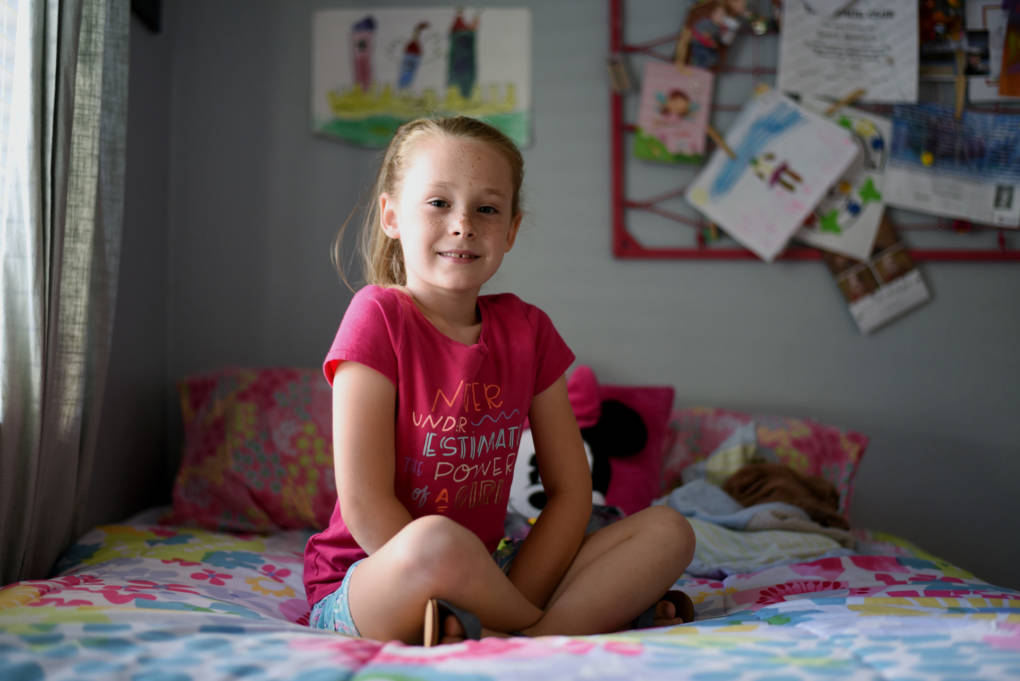
"caption": "Gracie, 7, poses for a picture in her room. Gracie is transgender; she socially transitioned to a girl at the age of 4. (Lauren Hanussak/KQED)",
"description": null,
"title": "TRANS",
"credit": null,
"status": "inherit",
"isLoading": false,
"fetchFailed": false
},
"news_11677749": {
"type": "attachments",
"id": "news_11677749",
"meta": {
"index": "attachments_1716263798",
"site": "news",
"id": "11677749",
"found": true
},
"parent": 11676014,
"imgSizes": {
"small": {
"file": "https://ww2.kqed.org/app/uploads/sites/10/2018/06/RS31631_alt_759-520x701.jpg",
"width": 520,
"mimeType": "image/jpeg",
"height": 701
},
"twentyfourteen-full-width": {
"file": "https://ww2.kqed.org/app/uploads/sites/10/2018/06/RS31631_alt_759-1038x576.jpg",
"width": 1038,
"mimeType": "image/jpeg",
"height": 576
},
"thumbnail": {
"file": "https://ww2.kqed.org/app/uploads/sites/10/2018/06/RS31631_alt_759-160x216.jpg",
"width": 160,
"mimeType": "image/jpeg",
"height": 216
},
"fd-sm": {
"file": "https://ww2.kqed.org/app/uploads/sites/10/2018/06/RS31631_alt_759-960x1294.jpg",
"width": 960,
"mimeType": "image/jpeg",
"height": 1294
},
"post-thumbnail": {
"file": "https://ww2.kqed.org/app/uploads/sites/10/2018/06/RS31631_alt_759-672x372.jpg",
"width": 672,
"mimeType": "image/jpeg",
"height": 372
},
"xsmall": {
"file": "https://ww2.kqed.org/app/uploads/sites/10/2018/06/RS31631_alt_759-375x505.jpg",
"width": 375,
"mimeType": "image/jpeg",
"height": 505
},
"kqedFullSize": {
"file": "https://ww2.kqed.org/app/uploads/sites/10/2018/06/RS31631_alt_759-e1530220647532.jpg",
"width": 1920,
"height": 2588
},
"large": {
"file": "https://ww2.kqed.org/app/uploads/sites/10/2018/06/RS31631_alt_759-1020x1375.jpg",
"width": 1020,
"mimeType": "image/jpeg",
"height": 1375
},
"xlarge": {
"file": "https://ww2.kqed.org/app/uploads/sites/10/2018/06/RS31631_alt_759-1180x1590.jpg",
"width": 1180,
"mimeType": "image/jpeg",
"height": 1590
},
"complete_open_graph": {
"file": "https://ww2.kqed.org/app/uploads/sites/10/2018/06/RS31631_alt_759-890x1200.jpg",
"width": 890,
"mimeType": "image/jpeg",
"height": 1200
},
"guest-author-50": {
"file": "https://ww2.kqed.org/app/uploads/sites/10/2018/06/RS31631_alt_759-50x50.jpg",
"width": 50,
"mimeType": "image/jpeg",
"height": 50
},
"guest-author-96": {
"file": "https://ww2.kqed.org/app/uploads/sites/10/2018/06/RS31631_alt_759-96x96.jpg",
"width": 96,
"mimeType": "image/jpeg",
"height": 96
},
"medium": {
"file": "https://ww2.kqed.org/app/uploads/sites/10/2018/06/RS31631_alt_759-800x1078.jpg",
"width": 800,
"mimeType": "image/jpeg",
"height": 1078
},
"guest-author-64": {
"file": "https://ww2.kqed.org/app/uploads/sites/10/2018/06/RS31631_alt_759-64x64.jpg",
"width": 64,
"mimeType": "image/jpeg",
"height": 64
},
"guest-author-32": {
"file": "https://ww2.kqed.org/app/uploads/sites/10/2018/06/RS31631_alt_759-32x32.jpg",
"width": 32,
"mimeType": "image/jpeg",
"height": 32
},
"fd-lrg": {
"file": "https://ww2.kqed.org/app/uploads/sites/10/2018/06/RS31631_alt_759-1920x2588.jpg",
"width": 1920,
"mimeType": "image/jpeg",
"height": 2588
},
"fd-med": {
"file": "https://ww2.kqed.org/app/uploads/sites/10/2018/06/RS31631_alt_759-1180x1590.jpg",
"width": 1180,
"mimeType": "image/jpeg",
"height": 1590
},
"full-width": {
"file": "https://ww2.kqed.org/app/uploads/sites/10/2018/06/RS31631_alt_759-1920x2588.jpg",
"width": 1920,
"mimeType": "image/jpeg",
"height": 2588
},
"detail": {
"file": "https://ww2.kqed.org/app/uploads/sites/10/2018/06/RS31631_alt_759-150x150.jpg",
"width": 150,
"mimeType": "image/jpeg",
"height": 150
},
"guest-author-128": {
"file": "https://ww2.kqed.org/app/uploads/sites/10/2018/06/RS31631_alt_759-128x128.jpg",
"width": 128,
"mimeType": "image/jpeg",
"height": 128
},
"xxsmall": {
"file": "https://ww2.kqed.org/app/uploads/sites/10/2018/06/RS31631_alt_759-240x323.jpg",
"width": 240,
"mimeType": "image/jpeg",
"height": 323
}
},
"publishDate": 1530138685,
"modified": 1530220634,
"caption": "Felicia A. Elizondo at a hotel in Chicago in 1969.",
"description": null,
"title": "RS31631_alt_759",
"credit": "Courtesy of Felicia A. Elizondo",
"status": "inherit",
"isLoading": false,
"fetchFailed": false
},
"news_11670996": {
"type": "attachments",
"id": "news_11670996",
"meta": {
"index": "attachments_1716263798",
"site": "news",
"id": "11670996",
"found": true
},
"parent": 11670652,
"imgSizes": {
"small": {
"file": "https://ww2.kqed.org/app/uploads/sites/10/2018/05/RS31098_TRANS_020-qut-520x347.jpg",
"width": 520,
"mimeType": "image/jpeg",
"height": 347
},
"twentyfourteen-full-width": {
"file": "https://ww2.kqed.org/app/uploads/sites/10/2018/05/RS31098_TRANS_020-qut-1038x576.jpg",
"width": 1038,
"mimeType": "image/jpeg",
"height": 576
},
"thumbnail": {
"file": "https://ww2.kqed.org/app/uploads/sites/10/2018/05/RS31098_TRANS_020-qut-160x107.jpg",
"width": 160,
"mimeType": "image/jpeg",
"height": 107
},
"fd-sm": {
"file": "https://ww2.kqed.org/app/uploads/sites/10/2018/05/RS31098_TRANS_020-qut-960x641.jpg",
"width": 960,
"mimeType": "image/jpeg",
"height": 641
},
"post-thumbnail": {
"file": "https://ww2.kqed.org/app/uploads/sites/10/2018/05/RS31098_TRANS_020-qut-672x372.jpg",
"width": 672,
"mimeType": "image/jpeg",
"height": 372
},
"xsmall": {
"file": "https://ww2.kqed.org/app/uploads/sites/10/2018/05/RS31098_TRANS_020-qut-375x250.jpg",
"width": 375,
"mimeType": "image/jpeg",
"height": 250
},
"kqedFullSize": {
"file": "https://ww2.kqed.org/app/uploads/sites/10/2018/05/RS31098_TRANS_020-qut.jpg",
"width": 1920,
"height": 1282
},
"large": {
"file": "https://ww2.kqed.org/app/uploads/sites/10/2018/05/RS31098_TRANS_020-qut-1020x681.jpg",
"width": 1020,
"mimeType": "image/jpeg",
"height": 681
},
"xlarge": {
"file": "https://ww2.kqed.org/app/uploads/sites/10/2018/05/RS31098_TRANS_020-qut-1180x788.jpg",
"width": 1180,
"mimeType": "image/jpeg",
"height": 788
},
"complete_open_graph": {
"file": "https://ww2.kqed.org/app/uploads/sites/10/2018/05/RS31098_TRANS_020-qut-1200x801.jpg",
"width": 1200,
"mimeType": "image/jpeg",
"height": 801
},
"guest-author-50": {
"file": "https://ww2.kqed.org/app/uploads/sites/10/2018/05/RS31098_TRANS_020-qut-50x50.jpg",
"width": 50,
"mimeType": "image/jpeg",
"height": 50
},
"guest-author-96": {
"file": "https://ww2.kqed.org/app/uploads/sites/10/2018/05/RS31098_TRANS_020-qut-96x96.jpg",
"width": 96,
"mimeType": "image/jpeg",
"height": 96
},
"medium": {
"file": "https://ww2.kqed.org/app/uploads/sites/10/2018/05/RS31098_TRANS_020-qut-800x534.jpg",
"width": 800,
"mimeType": "image/jpeg",
"height": 534
},
"guest-author-64": {
"file": "https://ww2.kqed.org/app/uploads/sites/10/2018/05/RS31098_TRANS_020-qut-64x64.jpg",
"width": 64,
"mimeType": "image/jpeg",
"height": 64
},
"guest-author-32": {
"file": "https://ww2.kqed.org/app/uploads/sites/10/2018/05/RS31098_TRANS_020-qut-32x32.jpg",
"width": 32,
"mimeType": "image/jpeg",
"height": 32
},
"fd-lrg": {
"file": "https://ww2.kqed.org/app/uploads/sites/10/2018/05/RS31098_TRANS_020-qut-1920x1282.jpg",
"width": 1920,
"mimeType": "image/jpeg",
"height": 1282
},
"fd-med": {
"file": "https://ww2.kqed.org/app/uploads/sites/10/2018/05/RS31098_TRANS_020-qut-1180x788.jpg",
"width": 1180,
"mimeType": "image/jpeg",
"height": 788
},
"full-width": {
"file": "https://ww2.kqed.org/app/uploads/sites/10/2018/05/RS31098_TRANS_020-qut-1920x1282.jpg",
"width": 1920,
"mimeType": "image/jpeg",
"height": 1282
},
"detail": {
"file": "https://ww2.kqed.org/app/uploads/sites/10/2018/05/RS31098_TRANS_020-qut-150x150.jpg",
"width": 150,
"mimeType": "image/jpeg",
"height": 150
},
"guest-author-128": {
"file": "https://ww2.kqed.org/app/uploads/sites/10/2018/05/RS31098_TRANS_020-qut-128x128.jpg",
"width": 128,
"mimeType": "image/jpeg",
"height": 128
},
"xxsmall": {
"file": "https://ww2.kqed.org/app/uploads/sites/10/2018/05/RS31098_TRANS_020-qut-240x160.jpg",
"width": 240,
"mimeType": "image/jpeg",
"height": 160
}
},
"publishDate": 1527382455,
"modified": 1527382637,
"caption": "Gracie (7) shows off her favorite dresses from her closet, which is her self-proclaimed favorite part of her room. She's transgender, and she started socially transitioning to a girl when she was four.",
"description": "Gracie (7) shows off her favorite dresses from her closet, which is her self-proclaimed favorite part of her room. She's transgender, and she started socially transitioning to a girl when she was four.",
"title": "Gracie",
"credit": "Lauren Hanussak/KQED",
"status": "inherit",
"isLoading": false,
"fetchFailed": false
},
"futureofyou_440815": {
"type": "attachments",
"id": "futureofyou_440815",
"meta": {
"index": "attachments_1716263798",
"site": "futureofyou",
"id": "440815",
"found": true
},
"parent": 440806,
"imgSizes": {
"small": {
"file": "https://ww2.kqed.org/app/uploads/sites/13/2018/04/Kristina-Olson-UW-750x500-520x278.gif",
"width": 520,
"mimeType": "image/gif",
"height": 278
},
"thumbnail": {
"file": "https://ww2.kqed.org/app/uploads/sites/13/2018/04/Kristina-Olson-UW-750x500-160x85.gif",
"width": 160,
"mimeType": "image/gif",
"height": 85
},
"post-thumbnail": {
"file": "https://ww2.kqed.org/app/uploads/sites/13/2018/04/Kristina-Olson-UW-750x500-672x372.gif",
"width": 672,
"mimeType": "image/gif",
"height": 372
},
"xsmall": {
"file": "https://ww2.kqed.org/app/uploads/sites/13/2018/04/Kristina-Olson-UW-750x500-375x200.gif",
"width": 375,
"mimeType": "image/gif",
"height": 200
},
"kqedFullSize": {
"file": "https://ww2.kqed.org/app/uploads/sites/13/2018/04/Kristina-Olson-UW-750x500.gif",
"width": 742,
"height": 396
},
"guest-author-50": {
"file": "https://ww2.kqed.org/app/uploads/sites/13/2018/04/Kristina-Olson-UW-750x500-50x50.gif",
"width": 50,
"mimeType": "image/gif",
"height": 50
},
"guest-author-96": {
"file": "https://ww2.kqed.org/app/uploads/sites/13/2018/04/Kristina-Olson-UW-750x500-96x96.gif",
"width": 96,
"mimeType": "image/gif",
"height": 96
},
"guest-author-64": {
"file": "https://ww2.kqed.org/app/uploads/sites/13/2018/04/Kristina-Olson-UW-750x500-64x64.gif",
"width": 64,
"mimeType": "image/gif",
"height": 64
},
"detail": {
"file": "https://ww2.kqed.org/app/uploads/sites/13/2018/04/Kristina-Olson-UW-750x500-150x150.gif",
"width": 150,
"mimeType": "image/gif",
"height": 150
},
"guest-author-32": {
"file": "https://ww2.kqed.org/app/uploads/sites/13/2018/04/Kristina-Olson-UW-750x500-32x32.gif",
"width": 32,
"mimeType": "image/gif",
"height": 32
},
"guest-author-128": {
"file": "https://ww2.kqed.org/app/uploads/sites/13/2018/04/Kristina-Olson-UW-750x500-128x128.gif",
"width": 128,
"mimeType": "image/gif",
"height": 128
},
"xxsmall": {
"file": "https://ww2.kqed.org/app/uploads/sites/13/2018/04/Kristina-Olson-UW-750x500-240x128.gif",
"width": 240,
"mimeType": "image/gif",
"height": 128
}
},
"publishDate": 1523664912,
"modified": 1523664934,
"caption": "Kristina Olson, associate professor of psychology at the University of Washington, has won the National Science Foundation’s Alan T. Waterman Award, given to one outstanding scientist under age 40.",
"description": null,
"title": "Kristina-Olson-UW-750x500",
"credit": "Dennis Wise/University of Washington",
"status": "inherit",
"isLoading": false,
"fetchFailed": false
},
"news_11657798": {
"type": "attachments",
"id": "news_11657798",
"meta": {
"index": "attachments_1716263798",
"site": "news",
"id": "11657798",
"found": true
},
"parent": 11657795,
"imgSizes": {
"small": {
"file": "https://ww2.kqed.org/app/uploads/sites/10/2018/03/RS26084_IMG_1361-qut-520x390.jpg",
"width": 520,
"mimeType": "image/jpeg",
"height": 390
},
"twentyfourteen-full-width": {
"file": "https://ww2.kqed.org/app/uploads/sites/10/2018/03/RS26084_IMG_1361-qut-1038x576.jpg",
"width": 1038,
"mimeType": "image/jpeg",
"height": 576
},
"thumbnail": {
"file": "https://ww2.kqed.org/app/uploads/sites/10/2018/03/RS26084_IMG_1361-qut-160x120.jpg",
"width": 160,
"mimeType": "image/jpeg",
"height": 120
},
"fd-sm": {
"file": "https://ww2.kqed.org/app/uploads/sites/10/2018/03/RS26084_IMG_1361-qut-960x720.jpg",
"width": 960,
"mimeType": "image/jpeg",
"height": 720
},
"post-thumbnail": {
"file": "https://ww2.kqed.org/app/uploads/sites/10/2018/03/RS26084_IMG_1361-qut-672x372.jpg",
"width": 672,
"mimeType": "image/jpeg",
"height": 372
},
"xsmall": {
"file": "https://ww2.kqed.org/app/uploads/sites/10/2018/03/RS26084_IMG_1361-qut-375x281.jpg",
"width": 375,
"mimeType": "image/jpeg",
"height": 281
},
"kqedFullSize": {
"file": "https://ww2.kqed.org/app/uploads/sites/10/2018/03/RS26084_IMG_1361-qut.jpg",
"width": 1920,
"height": 1440
},
"large": {
"file": "https://ww2.kqed.org/app/uploads/sites/10/2018/03/RS26084_IMG_1361-qut-1020x765.jpg",
"width": 1020,
"mimeType": "image/jpeg",
"height": 765
},
"xlarge": {
"file": "https://ww2.kqed.org/app/uploads/sites/10/2018/03/RS26084_IMG_1361-qut-1180x885.jpg",
"width": 1180,
"mimeType": "image/jpeg",
"height": 885
},
"guest-author-50": {
"file": "https://ww2.kqed.org/app/uploads/sites/10/2018/03/RS26084_IMG_1361-qut-50x50.jpg",
"width": 50,
"mimeType": "image/jpeg",
"height": 50
},
"guest-author-96": {
"file": "https://ww2.kqed.org/app/uploads/sites/10/2018/03/RS26084_IMG_1361-qut-96x96.jpg",
"width": 96,
"mimeType": "image/jpeg",
"height": 96
},
"medium": {
"file": "https://ww2.kqed.org/app/uploads/sites/10/2018/03/RS26084_IMG_1361-qut-800x600.jpg",
"width": 800,
"mimeType": "image/jpeg",
"height": 600
},
"guest-author-64": {
"file": "https://ww2.kqed.org/app/uploads/sites/10/2018/03/RS26084_IMG_1361-qut-64x64.jpg",
"width": 64,
"mimeType": "image/jpeg",
"height": 64
},
"guest-author-32": {
"file": "https://ww2.kqed.org/app/uploads/sites/10/2018/03/RS26084_IMG_1361-qut-32x32.jpg",
"width": 32,
"mimeType": "image/jpeg",
"height": 32
},
"fd-lrg": {
"file": "https://ww2.kqed.org/app/uploads/sites/10/2018/03/RS26084_IMG_1361-qut-1920x1440.jpg",
"width": 1920,
"mimeType": "image/jpeg",
"height": 1440
},
"fd-med": {
"file": "https://ww2.kqed.org/app/uploads/sites/10/2018/03/RS26084_IMG_1361-qut-1180x885.jpg",
"width": 1180,
"mimeType": "image/jpeg",
"height": 885
},
"full-width": {
"file": "https://ww2.kqed.org/app/uploads/sites/10/2018/03/RS26084_IMG_1361-qut-1920x1440.jpg",
"width": 1920,
"mimeType": "image/jpeg",
"height": 1440
},
"detail": {
"file": "https://ww2.kqed.org/app/uploads/sites/10/2018/03/RS26084_IMG_1361-qut-150x150.jpg",
"width": 150,
"mimeType": "image/jpeg",
"height": 150
},
"guest-author-128": {
"file": "https://ww2.kqed.org/app/uploads/sites/10/2018/03/RS26084_IMG_1361-qut-128x128.jpg",
"width": 128,
"mimeType": "image/jpeg",
"height": 128
},
"xxsmall": {
"file": "https://ww2.kqed.org/app/uploads/sites/10/2018/03/RS26084_IMG_1361-qut-240x180.jpg",
"width": 240,
"mimeType": "image/jpeg",
"height": 180
}
},
"publishDate": 1521909142,
"modified": 1521911128,
"caption": "People protest against President Donald Trump's decision to bar transgender people from serving in the military in a march through San Francisco's Castro neighborhood.",
"description": "People protest against President Donald Trump's decision to bar transgender people from serving in the military in a march through San Francisco's Castro neighborhood.",
"title": "RS26084_IMG_1361-qut",
"credit": "Polly Stryker/KQED",
"status": "inherit",
"isLoading": false,
"fetchFailed": false
},
"news_11653485": {
"type": "attachments",
"id": "news_11653485",
"meta": {
"index": "attachments_1716263798",
"site": "news",
"id": "11653485",
"found": true
},
"parent": 11653010,
"imgSizes": {
"small": {
"file": "https://ww2.kqed.org/app/uploads/sites/10/2018/03/UnitySkateFounders-520x369.jpg",
"width": 520,
"mimeType": "image/jpeg",
"height": 369
},
"twentyfourteen-full-width": {
"file": "https://ww2.kqed.org/app/uploads/sites/10/2018/03/UnitySkateFounders-1038x576.jpg",
"width": 1038,
"mimeType": "image/jpeg",
"height": 576
},
"thumbnail": {
"file": "https://ww2.kqed.org/app/uploads/sites/10/2018/03/UnitySkateFounders-160x113.jpg",
"width": 160,
"mimeType": "image/jpeg",
"height": 113
},
"fd-sm": {
"file": "https://ww2.kqed.org/app/uploads/sites/10/2018/03/UnitySkateFounders-960x681.jpg",
"width": 960,
"mimeType": "image/jpeg",
"height": 681
},
"post-thumbnail": {
"file": "https://ww2.kqed.org/app/uploads/sites/10/2018/03/UnitySkateFounders-672x372.jpg",
"width": 672,
"mimeType": "image/jpeg",
"height": 372
},
"xsmall": {
"file": "https://ww2.kqed.org/app/uploads/sites/10/2018/03/UnitySkateFounders-375x266.jpg",
"width": 375,
"mimeType": "image/jpeg",
"height": 266
},
"kqedFullSize": {
"file": "https://ww2.kqed.org/app/uploads/sites/10/2018/03/UnitySkateFounders.jpg",
"width": 1920,
"height": 1361
},
"large": {
"file": "https://ww2.kqed.org/app/uploads/sites/10/2018/03/UnitySkateFounders-1020x723.jpg",
"width": 1020,
"mimeType": "image/jpeg",
"height": 723
},
"xlarge": {
"file": "https://ww2.kqed.org/app/uploads/sites/10/2018/03/UnitySkateFounders-1180x836.jpg",
"width": 1180,
"mimeType": "image/jpeg",
"height": 836
},
"guest-author-50": {
"file": "https://ww2.kqed.org/app/uploads/sites/10/2018/03/UnitySkateFounders-50x50.jpg",
"width": 50,
"mimeType": "image/jpeg",
"height": 50
},
"guest-author-96": {
"file": "https://ww2.kqed.org/app/uploads/sites/10/2018/03/UnitySkateFounders-96x96.jpg",
"width": 96,
"mimeType": "image/jpeg",
"height": 96
},
"medium": {
"file": "https://ww2.kqed.org/app/uploads/sites/10/2018/03/UnitySkateFounders-800x567.jpg",
"width": 800,
"mimeType": "image/jpeg",
"height": 567
},
"guest-author-64": {
"file": "https://ww2.kqed.org/app/uploads/sites/10/2018/03/UnitySkateFounders-64x64.jpg",
"width": 64,
"mimeType": "image/jpeg",
"height": 64
},
"guest-author-32": {
"file": "https://ww2.kqed.org/app/uploads/sites/10/2018/03/UnitySkateFounders-32x32.jpg",
"width": 32,
"mimeType": "image/jpeg",
"height": 32
},
"fd-lrg": {
"file": "https://ww2.kqed.org/app/uploads/sites/10/2018/03/UnitySkateFounders-1920x1361.jpg",
"width": 1920,
"mimeType": "image/jpeg",
"height": 1361
},
"fd-med": {
"file": "https://ww2.kqed.org/app/uploads/sites/10/2018/03/UnitySkateFounders-1180x836.jpg",
"width": 1180,
"mimeType": "image/jpeg",
"height": 836
},
"full-width": {
"file": "https://ww2.kqed.org/app/uploads/sites/10/2018/03/UnitySkateFounders-1920x1361.jpg",
"width": 1920,
"mimeType": "image/jpeg",
"height": 1361
},
"detail": {
"file": "https://ww2.kqed.org/app/uploads/sites/10/2018/03/UnitySkateFounders-150x150.jpg",
"width": 150,
"mimeType": "image/jpeg",
"height": 150
},
"guest-author-128": {
"file": "https://ww2.kqed.org/app/uploads/sites/10/2018/03/UnitySkateFounders-128x128.jpg",
"width": 128,
"mimeType": "image/jpeg",
"height": 128
},
"xxsmall": {
"file": "https://ww2.kqed.org/app/uploads/sites/10/2018/03/UnitySkateFounders-240x170.jpg",
"width": 240,
"mimeType": "image/jpeg",
"height": 170
}
},
"publishDate": 1520034543,
"modified": 1520034614,
"caption": "Unity founder Jeffrey Cheung (L) and Gabriel Ramirez (R) at Unity Skateboards' shop in downtown Oakland. ",
"description": "Unity founder Jeffrey Cheung (L) and Gabriel Ramirez (R) at Unity Skateboards' shop in downtown Oakland. ",
"title": "UnitySkateFounders",
"credit": "Nadine Sebai/KQED",
"status": "inherit",
"isLoading": false,
"fetchFailed": false
},
"news_11639571": {
"type": "attachments",
"id": "news_11639571",
"meta": {
"index": "attachments_1716263798",
"site": "news",
"id": "11639571",
"found": true
},
"parent": 11639568,
"imgSizes": {
"small": {
"file": "https://ww2.kqed.org/app/uploads/sites/10/2017/12/RS28727_GettyImages-823239128-qut-520x347.jpg",
"width": 520,
"mimeType": "image/jpeg",
"height": 347
},
"twentyfourteen-full-width": {
"file": "https://ww2.kqed.org/app/uploads/sites/10/2017/12/RS28727_GettyImages-823239128-qut-1038x576.jpg",
"width": 1038,
"mimeType": "image/jpeg",
"height": 576
},
"thumbnail": {
"file": "https://ww2.kqed.org/app/uploads/sites/10/2017/12/RS28727_GettyImages-823239128-qut-160x107.jpg",
"width": 160,
"mimeType": "image/jpeg",
"height": 107
},
"fd-sm": {
"file": "https://ww2.kqed.org/app/uploads/sites/10/2017/12/RS28727_GettyImages-823239128-qut-960x640.jpg",
"width": 960,
"mimeType": "image/jpeg",
"height": 640
},
"post-thumbnail": {
"file": "https://ww2.kqed.org/app/uploads/sites/10/2017/12/RS28727_GettyImages-823239128-qut-672x372.jpg",
"width": 672,
"mimeType": "image/jpeg",
"height": 372
},
"xsmall": {
"file": "https://ww2.kqed.org/app/uploads/sites/10/2017/12/RS28727_GettyImages-823239128-qut-375x250.jpg",
"width": 375,
"mimeType": "image/jpeg",
"height": 250
},
"kqedFullSize": {
"file": "https://ww2.kqed.org/app/uploads/sites/10/2017/12/RS28727_GettyImages-823239128-qut.jpg",
"width": 1920,
"height": 1280
},
"large": {
"file": "https://ww2.kqed.org/app/uploads/sites/10/2017/12/RS28727_GettyImages-823239128-qut-1020x680.jpg",
"width": 1020,
"mimeType": "image/jpeg",
"height": 680
},
"xlarge": {
"file": "https://ww2.kqed.org/app/uploads/sites/10/2017/12/RS28727_GettyImages-823239128-qut-1180x787.jpg",
"width": 1180,
"mimeType": "image/jpeg",
"height": 787
},
"guest-author-50": {
"file": "https://ww2.kqed.org/app/uploads/sites/10/2017/12/RS28727_GettyImages-823239128-qut-50x50.jpg",
"width": 50,
"mimeType": "image/jpeg",
"height": 50
},
"guest-author-96": {
"file": "https://ww2.kqed.org/app/uploads/sites/10/2017/12/RS28727_GettyImages-823239128-qut-96x96.jpg",
"width": 96,
"mimeType": "image/jpeg",
"height": 96
},
"medium": {
"file": "https://ww2.kqed.org/app/uploads/sites/10/2017/12/RS28727_GettyImages-823239128-qut-800x533.jpg",
"width": 800,
"mimeType": "image/jpeg",
"height": 533
},
"guest-author-64": {
"file": "https://ww2.kqed.org/app/uploads/sites/10/2017/12/RS28727_GettyImages-823239128-qut-64x64.jpg",
"width": 64,
"mimeType": "image/jpeg",
"height": 64
},
"guest-author-32": {
"file": "https://ww2.kqed.org/app/uploads/sites/10/2017/12/RS28727_GettyImages-823239128-qut-32x32.jpg",
"width": 32,
"mimeType": "image/jpeg",
"height": 32
},
"fd-lrg": {
"file": "https://ww2.kqed.org/app/uploads/sites/10/2017/12/RS28727_GettyImages-823239128-qut-1920x1280.jpg",
"width": 1920,
"mimeType": "image/jpeg",
"height": 1280
},
"fd-med": {
"file": "https://ww2.kqed.org/app/uploads/sites/10/2017/12/RS28727_GettyImages-823239128-qut-1180x787.jpg",
"width": 1180,
"mimeType": "image/jpeg",
"height": 787
},
"full-width": {
"file": "https://ww2.kqed.org/app/uploads/sites/10/2017/12/RS28727_GettyImages-823239128-qut-1920x1280.jpg",
"width": 1920,
"mimeType": "image/jpeg",
"height": 1280
},
"detail": {
"file": "https://ww2.kqed.org/app/uploads/sites/10/2017/12/RS28727_GettyImages-823239128-qut-150x150.jpg",
"width": 150,
"mimeType": "image/jpeg",
"height": 150
},
"guest-author-128": {
"file": "https://ww2.kqed.org/app/uploads/sites/10/2017/12/RS28727_GettyImages-823239128-qut-128x128.jpg",
"width": 128,
"mimeType": "image/jpeg",
"height": 128
},
"xxsmall": {
"file": "https://ww2.kqed.org/app/uploads/sites/10/2017/12/RS28727_GettyImages-823239128-qut-240x160.jpg",
"width": 240,
"mimeType": "image/jpeg",
"height": 160
}
},
"publishDate": 1514662303,
"modified": 1514662367,
"caption": "Protesters display placards against President Donald Trump during a demonstration in front of the U.S. Army career center in Times Square, New York, on July 26, 2017.\nTrump announced on July 26 that transgender people may not serve \"in any capacity\" in the US military, citing the \"tremendous medical costs and disruption\" their presence would cause.",
"description": "Protesters display placards against President Donald Trump during a demonstration in front of the U.S. Army career center in Times Square, New York, on July 26, 2017.\nTrump announced on July 26 that transgender people may not serve \"in any capacity\" in the US military, citing the \"tremendous medical costs and disruption\" their presence would cause.",
"title": "US-POLITICS-MILITARY-TRANSGENDER-TRUMP-PROTEST",
"credit": "JEWEL SAMAD/AFP/Getty Images",
"status": "inherit",
"isLoading": false,
"fetchFailed": false
},
"news_11636228": {
"type": "attachments",
"id": "news_11636228",
"meta": {
"index": "attachments_1716263798",
"site": "news",
"id": "11636228",
"found": true
},
"parent": 11636227,
"imgSizes": {
"small": {
"file": "https://ww2.kqed.org/app/uploads/sites/10/2017/12/GettyImages-823246288-520x422.jpg",
"width": 520,
"mimeType": "image/jpeg",
"height": 422
},
"twentyfourteen-full-width": {
"file": "https://ww2.kqed.org/app/uploads/sites/10/2017/12/GettyImages-823246288-1038x576.jpg",
"width": 1038,
"mimeType": "image/jpeg",
"height": 576
},
"thumbnail": {
"file": "https://ww2.kqed.org/app/uploads/sites/10/2017/12/GettyImages-823246288-160x130.jpg",
"width": 160,
"mimeType": "image/jpeg",
"height": 130
},
"fd-sm": {
"file": "https://ww2.kqed.org/app/uploads/sites/10/2017/12/GettyImages-823246288-960x779.jpg",
"width": 960,
"mimeType": "image/jpeg",
"height": 779
},
"post-thumbnail": {
"file": "https://ww2.kqed.org/app/uploads/sites/10/2017/12/GettyImages-823246288-672x372.jpg",
"width": 672,
"mimeType": "image/jpeg",
"height": 372
},
"xsmall": {
"file": "https://ww2.kqed.org/app/uploads/sites/10/2017/12/GettyImages-823246288-375x304.jpg",
"width": 375,
"mimeType": "image/jpeg",
"height": 304
},
"kqedFullSize": {
"file": "https://ww2.kqed.org/app/uploads/sites/10/2017/12/GettyImages-823246288-e1513018459504.jpg",
"width": 1920,
"height": 1559
},
"large": {
"file": "https://ww2.kqed.org/app/uploads/sites/10/2017/12/GettyImages-823246288-1020x828.jpg",
"width": 1020,
"mimeType": "image/jpeg",
"height": 828
},
"xlarge": {
"file": "https://ww2.kqed.org/app/uploads/sites/10/2017/12/GettyImages-823246288-1180x958.jpg",
"width": 1180,
"mimeType": "image/jpeg",
"height": 958
},
"guest-author-50": {
"file": "https://ww2.kqed.org/app/uploads/sites/10/2017/12/GettyImages-823246288-50x50.jpg",
"width": 50,
"mimeType": "image/jpeg",
"height": 50
},
"guest-author-96": {
"file": "https://ww2.kqed.org/app/uploads/sites/10/2017/12/GettyImages-823246288-96x96.jpg",
"width": 96,
"mimeType": "image/jpeg",
"height": 96
},
"medium": {
"file": "https://ww2.kqed.org/app/uploads/sites/10/2017/12/GettyImages-823246288-800x650.jpg",
"width": 800,
"mimeType": "image/jpeg",
"height": 650
},
"guest-author-64": {
"file": "https://ww2.kqed.org/app/uploads/sites/10/2017/12/GettyImages-823246288-64x64.jpg",
"width": 64,
"mimeType": "image/jpeg",
"height": 64
},
"guest-author-32": {
"file": "https://ww2.kqed.org/app/uploads/sites/10/2017/12/GettyImages-823246288-32x32.jpg",
"width": 32,
"mimeType": "image/jpeg",
"height": 32
},
"fd-lrg": {
"file": "https://ww2.kqed.org/app/uploads/sites/10/2017/12/GettyImages-823246288-1920x1559.jpg",
"width": 1920,
"mimeType": "image/jpeg",
"height": 1559
},
"fd-med": {
"file": "https://ww2.kqed.org/app/uploads/sites/10/2017/12/GettyImages-823246288-1180x958.jpg",
"width": 1180,
"mimeType": "image/jpeg",
"height": 958
},
"full-width": {
"file": "https://ww2.kqed.org/app/uploads/sites/10/2017/12/GettyImages-823246288-1920x1559.jpg",
"width": 1920,
"mimeType": "image/jpeg",
"height": 1559
},
"detail": {
"file": "https://ww2.kqed.org/app/uploads/sites/10/2017/12/GettyImages-823246288-150x150.jpg",
"width": 150,
"mimeType": "image/jpeg",
"height": 150
},
"guest-author-128": {
"file": "https://ww2.kqed.org/app/uploads/sites/10/2017/12/GettyImages-823246288-128x128.jpg",
"width": 128,
"mimeType": "image/jpeg",
"height": 128
},
"xxsmall": {
"file": "https://ww2.kqed.org/app/uploads/sites/10/2017/12/GettyImages-823246288-240x195.jpg",
"width": 240,
"mimeType": "image/jpeg",
"height": 195
}
},
"publishDate": 1513018216,
"modified": 1513034917,
"caption": "Protesters gather in front of the White House after President Trump said that transgender people may not serve \"in any capacity\" in the U.S. military. ",
"description": null,
"title": "US-POLITICS-MILITARY-TRANSGENDER-TRUMP-PROTEST",
"credit": "PAUL J. RICHARDS/AFP/Getty Images",
"status": "inherit",
"isLoading": false,
"fetchFailed": false
},
"news_11595665": {
"type": "attachments",
"id": "news_11595665",
"meta": {
"index": "attachments_1716263798",
"site": "news",
"id": "11595665",
"found": true
},
"parent": 11595066,
"imgSizes": {
"small": {
"file": "https://ww2.kqed.org/app/uploads/sites/10/2017/07/Transgender_SF__IMG_1331-qut-520x390.jpg",
"width": 520,
"mimeType": "image/jpeg",
"height": 390
},
"twentyfourteen-full-width": {
"file": "https://ww2.kqed.org/app/uploads/sites/10/2017/07/Transgender_SF__IMG_1331-qut-1038x576.jpg",
"width": 1038,
"mimeType": "image/jpeg",
"height": 576
},
"thumbnail": {
"file": "https://ww2.kqed.org/app/uploads/sites/10/2017/07/Transgender_SF__IMG_1331-qut-160x120.jpg",
"width": 160,
"mimeType": "image/jpeg",
"height": 120
},
"fd-sm": {
"file": "https://ww2.kqed.org/app/uploads/sites/10/2017/07/Transgender_SF__IMG_1331-qut-960x720.jpg",
"width": 960,
"mimeType": "image/jpeg",
"height": 720
},
"post-thumbnail": {
"file": "https://ww2.kqed.org/app/uploads/sites/10/2017/07/Transgender_SF__IMG_1331-qut-672x372.jpg",
"width": 672,
"mimeType": "image/jpeg",
"height": 372
},
"xsmall": {
"file": "https://ww2.kqed.org/app/uploads/sites/10/2017/07/Transgender_SF__IMG_1331-qut-375x281.jpg",
"width": 375,
"mimeType": "image/jpeg",
"height": 281
},
"kqedFullSize": {
"file": "https://ww2.kqed.org/app/uploads/sites/10/2017/07/Transgender_SF__IMG_1331-qut.jpg",
"width": 1920,
"height": 1440
},
"large": {
"file": "https://ww2.kqed.org/app/uploads/sites/10/2017/07/Transgender_SF__IMG_1331-qut-1020x765.jpg",
"width": 1020,
"mimeType": "image/jpeg",
"height": 765
},
"xlarge": {
"file": "https://ww2.kqed.org/app/uploads/sites/10/2017/07/Transgender_SF__IMG_1331-qut-1180x885.jpg",
"width": 1180,
"mimeType": "image/jpeg",
"height": 885
},
"guest-author-50": {
"file": "https://ww2.kqed.org/app/uploads/sites/10/2017/07/Transgender_SF__IMG_1331-qut-50x50.jpg",
"width": 50,
"mimeType": "image/jpeg",
"height": 50
},
"guest-author-96": {
"file": "https://ww2.kqed.org/app/uploads/sites/10/2017/07/Transgender_SF__IMG_1331-qut-96x96.jpg",
"width": 96,
"mimeType": "image/jpeg",
"height": 96
},
"medium": {
"file": "https://ww2.kqed.org/app/uploads/sites/10/2017/07/Transgender_SF__IMG_1331-qut-800x600.jpg",
"width": 800,
"mimeType": "image/jpeg",
"height": 600
},
"guest-author-64": {
"file": "https://ww2.kqed.org/app/uploads/sites/10/2017/07/Transgender_SF__IMG_1331-qut-64x64.jpg",
"width": 64,
"mimeType": "image/jpeg",
"height": 64
},
"guest-author-32": {
"file": "https://ww2.kqed.org/app/uploads/sites/10/2017/07/Transgender_SF__IMG_1331-qut-32x32.jpg",
"width": 32,
"mimeType": "image/jpeg",
"height": 32
},
"fd-lrg": {
"file": "https://ww2.kqed.org/app/uploads/sites/10/2017/07/Transgender_SF__IMG_1331-qut-1920x1440.jpg",
"width": 1920,
"mimeType": "image/jpeg",
"height": 1440
},
"fd-med": {
"file": "https://ww2.kqed.org/app/uploads/sites/10/2017/07/Transgender_SF__IMG_1331-qut-1180x885.jpg",
"width": 1180,
"mimeType": "image/jpeg",
"height": 885
},
"full-width": {
"file": "https://ww2.kqed.org/app/uploads/sites/10/2017/07/Transgender_SF__IMG_1331-qut-1920x1440.jpg",
"width": 1920,
"mimeType": "image/jpeg",
"height": 1440
},
"detail": {
"file": "https://ww2.kqed.org/app/uploads/sites/10/2017/07/Transgender_SF__IMG_1331-qut-150x150.jpg",
"width": 150,
"mimeType": "image/jpeg",
"height": 150
},
"guest-author-128": {
"file": "https://ww2.kqed.org/app/uploads/sites/10/2017/07/Transgender_SF__IMG_1331-qut-128x128.jpg",
"width": 128,
"mimeType": "image/jpeg",
"height": 128
},
"xxsmall": {
"file": "https://ww2.kqed.org/app/uploads/sites/10/2017/07/Transgender_SF__IMG_1331-qut-240x180.jpg",
"width": 240,
"mimeType": "image/jpeg",
"height": 180
}
},
"publishDate": 1501121473,
"modified": 1509386660,
"caption": "People protest President Donald Trump's decision to bar transgender people from serving in the military, in a march through San Francisco's Castro neighborhood on July 26, 2017.",
"description": null,
"title": "Transgender_SF__IMG_1331-qut",
"credit": "Polly Stryker/KQED",
"status": "inherit",
"isLoading": false,
"fetchFailed": false
},
"news_11618115": {
"type": "attachments",
"id": "news_11618115",
"meta": {
"index": "attachments_1716263798",
"site": "news",
"id": "11618115",
"found": true
},
"parent": 11618110,
"imgSizes": {
"small": {
"file": "https://ww2.kqed.org/app/uploads/sites/10/2017/09/RS26642_DSC_7153-1-qut-520x347.jpg",
"width": 520,
"mimeType": "image/jpeg",
"height": 347
},
"twentyfourteen-full-width": {
"file": "https://ww2.kqed.org/app/uploads/sites/10/2017/09/RS26642_DSC_7153-1-qut-1038x576.jpg",
"width": 1038,
"mimeType": "image/jpeg",
"height": 576
},
"thumbnail": {
"file": "https://ww2.kqed.org/app/uploads/sites/10/2017/09/RS26642_DSC_7153-1-qut-160x107.jpg",
"width": 160,
"mimeType": "image/jpeg",
"height": 107
},
"fd-sm": {
"file": "https://ww2.kqed.org/app/uploads/sites/10/2017/09/RS26642_DSC_7153-1-qut-960x641.jpg",
"width": 960,
"mimeType": "image/jpeg",
"height": 641
},
"post-thumbnail": {
"file": "https://ww2.kqed.org/app/uploads/sites/10/2017/09/RS26642_DSC_7153-1-qut-672x372.jpg",
"width": 672,
"mimeType": "image/jpeg",
"height": 372
},
"xsmall": {
"file": "https://ww2.kqed.org/app/uploads/sites/10/2017/09/RS26642_DSC_7153-1-qut-375x250.jpg",
"width": 375,
"mimeType": "image/jpeg",
"height": 250
},
"kqedFullSize": {
"file": "https://ww2.kqed.org/app/uploads/sites/10/2017/09/RS26642_DSC_7153-1-qut.jpg",
"width": 1920,
"height": 1281
},
"large": {
"file": "https://ww2.kqed.org/app/uploads/sites/10/2017/09/RS26642_DSC_7153-1-qut-1020x681.jpg",
"width": 1020,
"mimeType": "image/jpeg",
"height": 681
},
"xlarge": {
"file": "https://ww2.kqed.org/app/uploads/sites/10/2017/09/RS26642_DSC_7153-1-qut-1180x787.jpg",
"width": 1180,
"mimeType": "image/jpeg",
"height": 787
},
"guest-author-50": {
"file": "https://ww2.kqed.org/app/uploads/sites/10/2017/09/RS26642_DSC_7153-1-qut-50x50.jpg",
"width": 50,
"mimeType": "image/jpeg",
"height": 50
},
"guest-author-96": {
"file": "https://ww2.kqed.org/app/uploads/sites/10/2017/09/RS26642_DSC_7153-1-qut-96x96.jpg",
"width": 96,
"mimeType": "image/jpeg",
"height": 96
},
"medium": {
"file": "https://ww2.kqed.org/app/uploads/sites/10/2017/09/RS26642_DSC_7153-1-qut-800x534.jpg",
"width": 800,
"mimeType": "image/jpeg",
"height": 534
},
"guest-author-64": {
"file": "https://ww2.kqed.org/app/uploads/sites/10/2017/09/RS26642_DSC_7153-1-qut-64x64.jpg",
"width": 64,
"mimeType": "image/jpeg",
"height": 64
},
"guest-author-32": {
"file": "https://ww2.kqed.org/app/uploads/sites/10/2017/09/RS26642_DSC_7153-1-qut-32x32.jpg",
"width": 32,
"mimeType": "image/jpeg",
"height": 32
},
"fd-lrg": {
"file": "https://ww2.kqed.org/app/uploads/sites/10/2017/09/RS26642_DSC_7153-1-qut-1920x1281.jpg",
"width": 1920,
"mimeType": "image/jpeg",
"height": 1281
},
"fd-med": {
"file": "https://ww2.kqed.org/app/uploads/sites/10/2017/09/RS26642_DSC_7153-1-qut-1180x787.jpg",
"width": 1180,
"mimeType": "image/jpeg",
"height": 787
},
"full-width": {
"file": "https://ww2.kqed.org/app/uploads/sites/10/2017/09/RS26642_DSC_7153-1-qut-1920x1281.jpg",
"width": 1920,
"mimeType": "image/jpeg",
"height": 1281
},
"detail": {
"file": "https://ww2.kqed.org/app/uploads/sites/10/2017/09/RS26642_DSC_7153-1-qut-150x150.jpg",
"width": 150,
"mimeType": "image/jpeg",
"height": 150
},
"guest-author-128": {
"file": "https://ww2.kqed.org/app/uploads/sites/10/2017/09/RS26642_DSC_7153-1-qut-128x128.jpg",
"width": 128,
"mimeType": "image/jpeg",
"height": 128
},
"xxsmall": {
"file": "https://ww2.kqed.org/app/uploads/sites/10/2017/09/RS26642_DSC_7153-1-qut-240x160.jpg",
"width": 240,
"mimeType": "image/jpeg",
"height": 160
}
},
"publishDate": 1505947808,
"modified": 1506129358,
"caption": "Min Matson, a transgender, liberal, Korean adoptee talks with Walt Shjeflo, a conservative who voted for President Trump, at Make America Dinner Again.",
"description": "Min Matson, a transgender, liberal, Korean adoptee talks with Walt Shjeflo, a conservative who voted for President Trump, at Make America Dinner Again.",
"title": "RS26642_DSC_7153 (1)-qut",
"credit": "Maykel Loomans ",
"status": "inherit",
"isLoading": false,
"fetchFailed": false
},
"news_11613797": {
"type": "attachments",
"id": "news_11613797",
"meta": {
"index": "attachments_1716263798",
"site": "news",
"id": "11613797",
"found": true
},
"parent": 11613708,
"imgSizes": {
"thumbnail": {
"file": "https://ww2.kqed.org/app/uploads/sites/10/2017/08/RS11511_IMG_0157-sfi-160x120.jpg",
"width": 160,
"mimeType": "image/jpeg",
"height": 120
},
"xsmall": {
"file": "https://ww2.kqed.org/app/uploads/sites/10/2017/08/RS11511_IMG_0157-sfi-375x281.jpg",
"width": 375,
"mimeType": "image/jpeg",
"height": 281
},
"kqedFullSize": {
"file": "https://ww2.kqed.org/app/uploads/sites/10/2017/08/RS11511_IMG_0157-sfi.jpg",
"width": 480,
"height": 360
},
"guest-author-50": {
"file": "https://ww2.kqed.org/app/uploads/sites/10/2017/08/RS11511_IMG_0157-sfi-50x50.jpg",
"width": 50,
"mimeType": "image/jpeg",
"height": 50
},
"guest-author-96": {
"file": "https://ww2.kqed.org/app/uploads/sites/10/2017/08/RS11511_IMG_0157-sfi-96x96.jpg",
"width": 96,
"mimeType": "image/jpeg",
"height": 96
},
"guest-author-64": {
"file": "https://ww2.kqed.org/app/uploads/sites/10/2017/08/RS11511_IMG_0157-sfi-64x64.jpg",
"width": 64,
"mimeType": "image/jpeg",
"height": 64
},
"detail": {
"file": "https://ww2.kqed.org/app/uploads/sites/10/2017/08/RS11511_IMG_0157-sfi-150x150.jpg",
"width": 150,
"mimeType": "image/jpeg",
"height": 150
},
"guest-author-32": {
"file": "https://ww2.kqed.org/app/uploads/sites/10/2017/08/RS11511_IMG_0157-sfi-32x32.jpg",
"width": 32,
"mimeType": "image/jpeg",
"height": 32
},
"guest-author-128": {
"file": "https://ww2.kqed.org/app/uploads/sites/10/2017/08/RS11511_IMG_0157-sfi-128x128.jpg",
"width": 128,
"mimeType": "image/jpeg",
"height": 128
},
"xxsmall": {
"file": "https://ww2.kqed.org/app/uploads/sites/10/2017/08/RS11511_IMG_0157-sfi-240x180.jpg",
"width": 240,
"mimeType": "image/jpeg",
"height": 180
}
},
"publishDate": 1503618035,
"modified": 1503618090,
"caption": "Inmate's view from inside a therapeutic module used for group therapy at the California State Prison-Sacramento.",
"description": null,
"title": "RS11511_IMG_0157-sfi",
"credit": "Julie Small/KQED",
"status": "inherit",
"isLoading": false,
"fetchFailed": false
},
"news_11594718": {
"type": "attachments",
"id": "news_11594718",
"meta": {
"index": "attachments_1716263798",
"site": "news",
"id": "11594718",
"found": true
},
"parent": 11594717,
"imgSizes": {
"small": {
"file": "https://ww2.kqed.org/app/uploads/sites/10/2017/07/gettyimages-822681896_custom-e8b648f25a6255ec61449c77acef79caf6132498-520x347.jpg",
"width": 520,
"mimeType": "image/jpeg",
"height": 347
},
"twentyfourteen-full-width": {
"file": "https://ww2.kqed.org/app/uploads/sites/10/2017/07/gettyimages-822681896_custom-e8b648f25a6255ec61449c77acef79caf6132498-1038x576.jpg",
"width": 1038,
"mimeType": "image/jpeg",
"height": 576
},
"thumbnail": {
"file": "https://ww2.kqed.org/app/uploads/sites/10/2017/07/gettyimages-822681896_custom-e8b648f25a6255ec61449c77acef79caf6132498-160x107.jpg",
"width": 160,
"mimeType": "image/jpeg",
"height": 107
},
"fd-sm": {
"file": "https://ww2.kqed.org/app/uploads/sites/10/2017/07/gettyimages-822681896_custom-e8b648f25a6255ec61449c77acef79caf6132498-960x641.jpg",
"width": 960,
"mimeType": "image/jpeg",
"height": 641
},
"post-thumbnail": {
"file": "https://ww2.kqed.org/app/uploads/sites/10/2017/07/gettyimages-822681896_custom-e8b648f25a6255ec61449c77acef79caf6132498-672x372.jpg",
"width": 672,
"mimeType": "image/jpeg",
"height": 372
},
"xsmall": {
"file": "https://ww2.kqed.org/app/uploads/sites/10/2017/07/gettyimages-822681896_custom-e8b648f25a6255ec61449c77acef79caf6132498-375x250.jpg",
"width": 375,
"mimeType": "image/jpeg",
"height": 250
},
"kqedFullSize": {
"file": "https://ww2.kqed.org/app/uploads/sites/10/2017/07/gettyimages-822681896_custom-e8b648f25a6255ec61449c77acef79caf6132498-e1501093048141.jpg",
"width": 1920,
"height": 1282
},
"large": {
"file": "https://ww2.kqed.org/app/uploads/sites/10/2017/07/gettyimages-822681896_custom-e8b648f25a6255ec61449c77acef79caf6132498-1020x681.jpg",
"width": 1020,
"mimeType": "image/jpeg",
"height": 681
},
"xlarge": {
"file": "https://ww2.kqed.org/app/uploads/sites/10/2017/07/gettyimages-822681896_custom-e8b648f25a6255ec61449c77acef79caf6132498-1180x788.jpg",
"width": 1180,
"mimeType": "image/jpeg",
"height": 788
},
"guest-author-50": {
"file": "https://ww2.kqed.org/app/uploads/sites/10/2017/07/gettyimages-822681896_custom-e8b648f25a6255ec61449c77acef79caf6132498-50x50.jpg",
"width": 50,
"mimeType": "image/jpeg",
"height": 50
},
"guest-author-96": {
"file": "https://ww2.kqed.org/app/uploads/sites/10/2017/07/gettyimages-822681896_custom-e8b648f25a6255ec61449c77acef79caf6132498-96x96.jpg",
"width": 96,
"mimeType": "image/jpeg",
"height": 96
},
"medium": {
"file": "https://ww2.kqed.org/app/uploads/sites/10/2017/07/gettyimages-822681896_custom-e8b648f25a6255ec61449c77acef79caf6132498-800x534.jpg",
"width": 800,
"mimeType": "image/jpeg",
"height": 534
},
"guest-author-64": {
"file": "https://ww2.kqed.org/app/uploads/sites/10/2017/07/gettyimages-822681896_custom-e8b648f25a6255ec61449c77acef79caf6132498-64x64.jpg",
"width": 64,
"mimeType": "image/jpeg",
"height": 64
},
"guest-author-32": {
"file": "https://ww2.kqed.org/app/uploads/sites/10/2017/07/gettyimages-822681896_custom-e8b648f25a6255ec61449c77acef79caf6132498-32x32.jpg",
"width": 32,
"mimeType": "image/jpeg",
"height": 32
},
"fd-lrg": {
"file": "https://ww2.kqed.org/app/uploads/sites/10/2017/07/gettyimages-822681896_custom-e8b648f25a6255ec61449c77acef79caf6132498-1920x1282.jpg",
"width": 1920,
"mimeType": "image/jpeg",
"height": 1282
},
"fd-med": {
"file": "https://ww2.kqed.org/app/uploads/sites/10/2017/07/gettyimages-822681896_custom-e8b648f25a6255ec61449c77acef79caf6132498-1180x788.jpg",
"width": 1180,
"mimeType": "image/jpeg",
"height": 788
},
"full-width": {
"file": "https://ww2.kqed.org/app/uploads/sites/10/2017/07/gettyimages-822681896_custom-e8b648f25a6255ec61449c77acef79caf6132498-1920x1282.jpg",
"width": 1920,
"mimeType": "image/jpeg",
"height": 1282
},
"detail": {
"file": "https://ww2.kqed.org/app/uploads/sites/10/2017/07/gettyimages-822681896_custom-e8b648f25a6255ec61449c77acef79caf6132498-150x150.jpg",
"width": 150,
"mimeType": "image/jpeg",
"height": 150
},
"guest-author-128": {
"file": "https://ww2.kqed.org/app/uploads/sites/10/2017/07/gettyimages-822681896_custom-e8b648f25a6255ec61449c77acef79caf6132498-128x128.jpg",
"width": 128,
"mimeType": "image/jpeg",
"height": 128
},
"xxsmall": {
"file": "https://ww2.kqed.org/app/uploads/sites/10/2017/07/gettyimages-822681896_custom-e8b648f25a6255ec61449c77acef79caf6132498-240x160.jpg",
"width": 240,
"mimeType": "image/jpeg",
"height": 160
}
},
"publishDate": 1501078816,
"modified": 1503709551,
"caption": "In a tweet in July, President Trump reversed a policy set under the Obama administration allowing transgender people to serve.",
"description": "President Trump's tweets reverse a year-old policy set under the Obama administration.",
"title": "President Trump's tweets reverse a year-old policy set under the Obama administration.",
"credit": "Justin Merriman/Getty Images",
"status": "inherit",
"isLoading": false,
"fetchFailed": false
}
},
"audioPlayerReducer": {
"postId": "stream_live",
"isPaused": true,
"isPlaying": false,
"pfsActive": false,
"pledgeModalIsOpen": true,
"playerDrawerIsOpen": false,
"liveAudioPlayStartedAt": 0,
"liveAudioPlayContext": ""
},
"authorsReducer": {
"byline_news_11676014": {
"type": "authors",
"id": "byline_news_11676014",
"meta": {
"override": true
},
"slug": "byline_news_11676014",
"name": "\u003cstrong>Felicia A. Elizondo\u003c/strong>",
"isLoading": false
},
"byline_futureofyou_440806": {
"type": "authors",
"id": "byline_futureofyou_440806",
"meta": {
"override": true
},
"slug": "byline_futureofyou_440806",
"name": "David Crary\u003cbr />Associated Press",
"isLoading": false
},
"byline_news_11657795": {
"type": "authors",
"id": "byline_news_11657795",
"meta": {
"override": true
},
"slug": "byline_news_11657795",
"name": "\u003cstrong>\u003ca href=\"https://www.npr.org/people/2100569/richard-gonzales\">Richard Gonzales\u003c/a>\u003c/strong> and \u003cstrong>\u003ca href=\"https://www.npr.org/people/530801486/samantha-raphelson\">Samantha Raphelson\u003c/a>\u003c/strong>",
"isLoading": false
},
"byline_news_11639568": {
"type": "authors",
"id": "byline_news_11639568",
"meta": {
"override": true
},
"slug": "byline_news_11639568",
"name": "\u003cstrong>\u003ca href=”https://www.npr.org/people/2100569/richard-gonzales”>Richard Gonzales\u003c/a>\u003cbr />\u003ca href=”http://npr.org/”>NPR\u003c/a>\u003c/strong>",
"isLoading": false
},
"byline_news_11636227": {
"type": "authors",
"id": "byline_news_11636227",
"meta": {
"override": true
},
"slug": "byline_news_11636227",
"name": "Lolita C. Baldor\u003cbr>\u003cstrong>Associated Press\u003c/strong>",
"isLoading": false
},
"byline_news_11626803": {
"type": "authors",
"id": "byline_news_11626803",
"meta": {
"override": true
},
"slug": "byline_news_11626803",
"name": "Camila Domonoske",
"isLoading": false
},
"byline_news_11614013": {
"type": "authors",
"id": "byline_news_11614013",
"meta": {
"override": true
},
"slug": "byline_news_11614013",
"name": "Jim Kane",
"isLoading": false
},
"jbrooks": {
"type": "authors",
"id": "80",
"meta": {
"index": "authors_1716337520",
"id": "80",
"found": true
},
"name": "Jon Brooks",
"firstName": "Jon",
"lastName": "Brooks",
"slug": "jbrooks",
"email": "jbrooks@kqed.org",
"display_author_email": true,
"staff_mastheads": [
"science"
],
"title": "Digital Editor",
"bio": "Jon Brooks is a former Digital Editor for KQED Science. He is the former editor of KQED’s daily news blog, News Fix. In 2014, he won a California Journalism Award for his coverage of ride services like Uber and Lyft and the taxi industry. A veteran blogger, he previously worked for Yahoo! in various news writing and editing roles. Jon is also a playwright whose work has been produced in San Francisco, New York, Italy, and around the U.S. He has written about film for his own blog and studied film at Boston University.",
"avatar": "https://secure.gravatar.com/avatar/98887f7ed1c876ed414d4c915e969584?s=600&d=blank&r=g",
"twitter": "jbrooksfoy",
"facebook": null,
"instagram": null,
"linkedin": null,
"sites": [
{
"site": "arts",
"roles": [
"Contributor",
"editor"
]
},
{
"site": "news",
"roles": [
"author"
]
},
{
"site": "futureofyou",
"roles": [
"administrator"
]
},
{
"site": "mindshift",
"roles": [
"editor"
]
},
{
"site": "stateofhealth",
"roles": [
"editor"
]
},
{
"site": "science",
"roles": [
"administrator"
]
},
{
"site": "quest",
"roles": [
"editor"
]
}
],
"headData": {
"title": "Jon Brooks | KQED",
"description": "Digital Editor",
"ogImgSrc": "https://secure.gravatar.com/avatar/98887f7ed1c876ed414d4c915e969584?s=600&d=blank&r=g",
"twImgSrc": "https://secure.gravatar.com/avatar/98887f7ed1c876ed414d4c915e969584?s=600&d=blank&r=g"
},
"isLoading": false,
"link": "/author/jbrooks"
},
"slewis": {
"type": "authors",
"id": "8676",
"meta": {
"index": "authors_1716337520",
"id": "8676",
"found": true
},
"name": "Sukey Lewis",
"firstName": "Sukey",
"lastName": "Lewis",
"slug": "slewis",
"email": "slewis@kqed.org",
"display_author_email": true,
"staff_mastheads": [
"news"
],
"title": "KQED Contributor",
"bio": "Sukey Lewis is a criminal justice reporter and host of \u003cem>On Our Watch\u003c/em>, a new podcast from NPR and KQED about the shadow world of police discipline. In 2018, she co-founded the California Reporting Project, a coalition of newsrooms across the state focused on obtaining previously sealed internal affairs records from law enforcement. In addition to her reporting on police accountability, Sukey has investigated the bail bonds industry, California's wildfires and the high cost of prison phone calls. Sukey earned a master's degree in journalism from the University of California at Berkeley. Send news tips to slewis@kqed.org.",
"avatar": "https://secure.gravatar.com/avatar/03fd6b21024f99d8b0a1966654586de7?s=600&d=blank&r=g",
"twitter": "SukeyLewis",
"facebook": null,
"instagram": null,
"linkedin": null,
"sites": [
{
"site": "news",
"roles": [
"author",
"edit_others_posts"
]
}
],
"headData": {
"title": "Sukey Lewis | KQED",
"description": "KQED Contributor",
"ogImgSrc": "https://secure.gravatar.com/avatar/03fd6b21024f99d8b0a1966654586de7?s=600&d=blank&r=g",
"twImgSrc": "https://secure.gravatar.com/avatar/03fd6b21024f99d8b0a1966654586de7?s=600&d=blank&r=g"
},
"isLoading": false,
"link": "/author/slewis"
},
"rlevi": {
"type": "authors",
"id": "11260",
"meta": {
"index": "authors_1716337520",
"id": "11260",
"found": true
},
"name": "Ryan Levi",
"firstName": "Ryan",
"lastName": "Levi",
"slug": "rlevi",
"email": "rlevi@KQED.org",
"display_author_email": false,
"staff_mastheads": [],
"title": "KQED Contributor",
"bio": "Ryan Levi was a reporter and podcast producer at KQED News from 2016-2019. He worked on \u003ca href=\"https://www.kqed.org/news/series/baycurious\">Bay Curious\u003c/a>, \u003ca href=\"https://www.kqed.org/news/tag/the-bay/\">The Bay, \u003c/a>and \u003ca href=\"https://podcasts.apple.com/us/podcast/the-california-report-magazine/id1314750545\">The California Report Magazine\u003c/a>, as well as hosting and producing the weekly \u003ca href=\"https://www.kqed.org/news/program/qedup/\">Q'ed Up podcast. \u003c/a>He also helped inaugurate KQED's weekend news coverage in 2017 as one of two original digital producers. Ryan holds degrees in multimedia journalism and Spanish from the University of Missouri.",
"avatar": "https://secure.gravatar.com/avatar/4cb2ddd028ac8807d1adf09609c5555d?s=600&d=blank&r=g",
"twitter": "ryan_levi",
"facebook": null,
"instagram": null,
"linkedin": null,
"sites": [
{
"site": "arts",
"roles": [
"editor"
]
},
{
"site": "news",
"roles": [
"subscriber"
]
},
{
"site": "stateofhealth",
"roles": [
"editor"
]
},
{
"site": "science",
"roles": [
"editor"
]
},
{
"site": "forum",
"roles": [
"administrator"
]
},
{
"site": "perspectives",
"roles": [
"administrator"
]
}
],
"headData": {
"title": "Ryan Levi | KQED",
"description": "KQED Contributor",
"ogImgSrc": "https://secure.gravatar.com/avatar/4cb2ddd028ac8807d1adf09609c5555d?s=600&d=blank&r=g",
"twImgSrc": "https://secure.gravatar.com/avatar/4cb2ddd028ac8807d1adf09609c5555d?s=600&d=blank&r=g"
},
"isLoading": false,
"link": "/author/rlevi"
},
"btaylor": {
"type": "authors",
"id": "11365",
"meta": {
"index": "authors_1716337520",
"id": "11365",
"found": true
},
"name": "Bianca Taylor",
"firstName": "Bianca",
"lastName": "Taylor",
"slug": "btaylor",
"email": "btaylor@KQED.org",
"display_author_email": false,
"staff_mastheads": [
"news"
],
"title": "Host and Producer ",
"bio": "Bianca Taylor is a news producer and host of KQED's The Latest podcast.\r\n\r\nHer work with KQED has been honored by the Society of Professional Journalists NorCal, the Webby's, the Regional Murrow Awards, and ONA. She has also worked with NPR, the BBC World Service, and the Washington Post Creative Group.\r\n\r\nBianca is represented by SAG-AFTRA.",
"avatar": "https://secure.gravatar.com/avatar/6b9d3f6552dd10470c5d1c2e58cfe717?s=600&d=blank&r=g",
"twitter": "SoundsLkeBianca",
"facebook": null,
"instagram": null,
"linkedin": null,
"sites": [
{
"site": "arts",
"roles": [
"editor"
]
},
{
"site": "news",
"roles": [
"edit_others_posts",
"editor"
]
},
{
"site": "pop",
"roles": [
"editor"
]
},
{
"site": "bayareabites",
"roles": [
"author"
]
},
{
"site": "science",
"roles": [
"editor"
]
},
{
"site": "forum",
"roles": [
"editor"
]
},
{
"site": "radio",
"roles": [
"editor"
]
},
{
"site": "podcasts",
"roles": [
"editor"
]
}
],
"headData": {
"title": "Bianca Taylor | KQED",
"description": "Host and Producer ",
"ogImgSrc": "https://secure.gravatar.com/avatar/6b9d3f6552dd10470c5d1c2e58cfe717?s=600&d=blank&r=g",
"twImgSrc": "https://secure.gravatar.com/avatar/6b9d3f6552dd10470c5d1c2e58cfe717?s=600&d=blank&r=g"
},
"isLoading": false,
"link": "/author/btaylor"
}
},
"pagesReducer": {
"news_tag_transgender": {
"type": "terms",
"id": "news_2486",
"meta": {
"index": "terms_1716263798",
"site": "news",
"id": "2486",
"score": 8.672976
},
"featImg": null,
"name": "transgender",
"description": null,
"taxonomy": "tag",
"headData": {
"twImgId": null,
"twTitle": null,
"ogTitle": null,
"ogImgId": null,
"twDescription": null,
"description": null,
"title": "transgender Archives | KQED News",
"ogDescription": null
},
"ttid": 2501,
"slug": "transgender",
"isLoading": false,
"title": "transgender",
"pageMeta": {
"site": "news",
"WpPageTemplate": "page-topic-editorial",
"currentPage": 13
},
"blocks": [
{
"blockName": "kqed/post-list",
"attrs": {
"layout": "cardArticle2",
"query": "posts/news?tag=transgender",
"seeMore": false,
"paginated": true,
"page": 13
}
},
{
"blockName": "kqed/ad"
}
]
}
},
"pfsSessionReducer": {},
"postsReducer": {
"stream_live": {
"type": "live",
"id": "stream_live",
"audioUrl": "https://hls.kqed.org/hls/kqed_app/playlist.m3u8",
"title": "Live Stream",
"excerpt": "Live Stream information currently unavailable.",
"link": "/radio",
"featImg": "",
"label": {
"name": "KQED Live",
"link": "/"
}
},
"stream_kqedNewscast": {
"type": "posts",
"id": "stream_kqedNewscast",
"audioUrl": "https://www.kqed.org/.stream/anon/radio/RDnews/newscast.mp3?_=1",
"title": "KQED Newscast",
"featImg": "",
"label": {
"name": "88.5 FM",
"link": "/"
}
},
"futureofyou_440851": {
"type": "posts",
"id": "futureofyou_440851",
"meta": {
"index": "posts_1716263798",
"site": "futureofyou",
"id": "440851",
"score": null,
"sort": [
1535312820000
]
},
"parent": 0,
"labelTerm": {},
"blocks": [],
"publishDate": 1535312820,
"format": "audio",
"disqusTitle": "Is Three Too Young for Children to Know They're a Different Gender? Transgender Researchers Disagree",
"title": "Is Three Too Young for Children to Know They're a Different Gender? Transgender Researchers Disagree",
"headTitle": "KQED Future of You | KQED Science",
"content": "\u003caside>\n\u003cul>\n\u003cli>Many gender clinicians now recommend parents 'socially transition' kids who persistently express a transgender identity.\u003c/li>\n\u003cli>But research has shown most children will give up their transgender identity by the time they are adolescents.\u003c/li>\n\u003cli>Not all researchers agree, though, that this research is valid.\u003c/li>\n\u003c/ul>\n\u003c/aside>\n\u003cp>Gracie is the youngest transgender person I've ever met. She's so young, she still likes to tack on \"and-a-half\" when giving her age, which is six. One day last summer, bouncing all over the grounds at day camp, she looked as delighted as you'd expect any kid would on \"Water Day.”\u003c/p>\n\u003caside class=\"alignright\">\u003ca href=\"https://www.kqed.org/futureofyou/441784/the-controversial-research-on-desistance-in-transgender-youth\">The Controversial Research on 'Desistance' in Transgender Youth\u003c/a>\u003c/aside>\n\u003cp>This is Rainbow Day Camp, in the East Bay town of El Cerrito. It was created specifically to be a safe place for transgender kids, and in fact, being transgender is so unremarkable here, when I asked Gracie what makes it “special,\" she shrugged and said:\u003c/p>\n\u003cp>“You get to do fun stuff.”\u003c/p>\n\u003cp>Her mother, Molly, tried to coax a reporter-friendly answer out of her.\u003c/p>\n\u003cp>“What is special about you, and the same as everybody else in the camp?” she prompted.\u003c/p>\n\u003cp>[ad fullwidth]\u003c/p>\n\u003cp>“I don’t know,” Gracie said.\u003c/p>\n\u003caside class=\"pullquote alignright\">'What if we let our son walk into the world in a dress with fairy wings, and crowns, and high heels, and even just in regular girl clothes … and then he changes his mind?'\u003ccite>Molly, whose 6-year-old daughter, Gracie, socially transitioned at age four\u003c/cite>\u003c/aside>\n\u003cp>“You’re transgender and there’s other kids that are transgender, too...”\u003c/p>\n\u003cp>“I’m transgender and there’s other kids that are transgender, too.”\u003c/p>\n\u003cp>Ah, kids. ... But when I asked Gracie how she \u003cem>used\u003c/em> to feel, when other people thought she was a boy, she got straight to the point.\u003c/p>\n\u003cp>“It was not right to me, and I didn’t want people to say that, but they said it,” she said. “It hurted my feelings a lot.\"\u003c/p>\n\u003cp>Did it make her angry?\u003c/p>\n\u003cp>“No, it just made me sad.”\u003c/p>\n\u003caside class=\"alignright\">\u003ca href=\"mailto:jbrooks@kqed.org\">Email the reporter\u003c/a>\u003c/aside>\n\u003cp>How about now?\u003c/p>\n\u003cp>“It feels happy to me.”\u003c/p>\n\u003cp>And that, in a child’s nutshell, sums up one side of a contentious debate about the right age for transgender children to begin what gender clinicians call “social transitioning.”\u003c/p>\n\u003cp>https://www.youtube.com/watch?v=IS5Yankf1GY\u003c/p>\n\u003cp>\u003cstrong>Even Three-Year-Olds\u003c/strong>\u003c/p>\n\u003cp>When I met Gracie, she was a few months out of kindergarten — pretty young for a transgender kid, I thought. Gracie lives with her parents and younger brother in a small city in the East Bay. She is already two years into her transition, having started her public life as a girl at four. The family began by discarding her boy name and referring to Gracie as “she” and “her.” She was also allowed to wear girl clothes outside the home, and her parents changed the gender on her birth certificate to avoid confusion at school.\u003c/p>\n\u003caside class=\"alignright noborder\">\u003cstrong>How young is too young?\u003c/strong>\u003cbr>\nUCSF’s Diane Ehrensaft, one of the leading proponents of socially transitioning transgender children, believes there is no minimum age, really, to pursue such a change.'For all of these interventions, our model is stages not ages,” she said. 'When a child is at the place in their life that they can get themselves in focus, help us see them, and are clear, consistent, and stable in both their representation of themselves, and also can express their desires of how they want to live their gender, that's the age.'We have seen some kids as young as two whose parents are bringing them in because they're beginning to say, ‘Me not boy. Me girl.’ Social transition can happen as soon as a child has language or the ability to communicate to us who they are.'\u003c/aside>\n\u003cp>Steps like these make up the “social” aspects of social, not medical, transitioning. The distinction is important: According to Endocrine Society \u003ca href=\"https://academic.oup.com/jcem/article/102/11/3869/4157558\" target=\"_blank\" rel=\"noopener\">guidelines\u003c/a>, patients who want to begin medical treatment like puberty blockers, hormones or surgery should be old enough to give “informed consent,” which the organization says is usually attained by 16.\u003c/p>\n\u003cp>Therapists at \u003ca href=\"https://www.ucsfbenioffchildrens.org/clinics/child_and_adolescent_gender_center/\" target=\"_blank\" rel=\"noopener\">UCSF’s Child and Adolescent Gender Center Clinic\u003c/a> in San Francisco told me they’ve socially transitioned kids as young as three.\u003c/p>\n\u003cp>Diane Ehrensaft, the San Francisco Center’s mental health director and a leading proponent of early social transitioning, acknowledges this approach has been controversial.\u003c/p>\n\u003cp>“There are some people that think folks like myself, and the people at our clinic, have fallen off the deep end,” she told me. She wasn’t just talking about the religious right, either. She was referring to other mental health professionals.\u003c/p>\n\u003cp>I myself experienced a fair bit of surprise when Ehrensaft told me how young these kids are. My first, reflexive comment was a simple, \"Wow.\" This was not an uncommon reaction when I discussed this story with people in my own life, even in the progressive Bay Area.\u003c/p>\n\u003cp>Yet, when I spoke with Gracie’s mom, Molly (the family didn't want their last name used for reasons of privacy), nothing about the decision to allow her then-son to publicly make the switch to a girl, at an age when many kids are still sucking their thumbs, sounded in the slightest bit rash.\u003c/p>\n\u003cp>We spoke at Rainbow Day Camp, in a classroom set aside for interviews. The children’s art adorning the walls, the shrimpy seats — it felt like a place to talk about kickball, not the gender identity of first graders.\u003c/p>\n\u003cp>Yet here we were.\u003c/p>\n\u003caside class=\"alignright\">\u003cstrong>The Biological Roots of Gender Identity\u003c/strong>\u003cbr>\nMolly is the mother of two children, a 3-year-old boy and a 7-year-old transgender girl. The younger child is the “stereotype of what I thought having a son would be like,” she said. “He loves trucks, cars, construction, superheroes and destroying the house.”Her first child, also born male, just did not develop in the same way. Rather, from the time he acquired language on, he protested that he was really a girl. (\u003ca href=\"https://www.kqed.org/futureofyou/the-biological-roots-of-gender-identity\" target=\"_blank\" rel=\"noopener\">Continue reading)\u003c/a>\u003c/aside>\n\u003cp>“What if we do this?” Molly recalled asking a gender therapist, back when they were debating the pros and cons of letting Gracie transition. “What if we let our son walk into the world in a dress with fairy wings, and crowns, and high heels, and even just in regular girl clothes … and then he changes his mind?”\u003c/p>\n\u003cp>\"That's not the question,” the therapist told Molly. “The question is, what if you don't do it?”\u003c/p>\n\u003cp>It was only semi-rhetorical. Some gender therapists say there are serious potential dangers if adults suppress a child’s desired transition. On surveys, American transgender adults have reported attempting suicide at the startling \u003ca href=\"https://williamsinstitute.law.ucla.edu/wp-content/uploads/AFSP-Williams-Suicide-Report-Final.pdf\" target=\"_blank\" rel=\"noopener\">rate\u003c/a> of around 40 percent.\u003c/p>\n\u003cp>The stakes couldn’t have been higher, Molly knew.\u003c/p>\n\u003cp>At Rainbow Day Camp, recalling that time, she started to cry.\u003c/p>\n\u003cp>“As soon as I knew there was even a chance that my kid could feel ashamed of who they are, there was no way … ” Her voice cracked into a higher register. “I had to support, I had to listen, and I had to let her steer, a little bit, the ship. Period. No matter what.”\u003c/p>\n\u003cfigure id=\"attachment_441862\" class=\"wp-caption aligncenter\" style=\"max-width: 640px\">\u003ca href=\"https://ww2.kqed.org/futureofyou/wp-content/uploads/sites/13/2020/04/gracie-sliding-water-1.jpg\">\u003cimg class=\"wp-image-441862 size-large\" src=\"https://ww2.kqed.org/futureofyou/wp-content/uploads/sites/13/2020/04/gracie-sliding-water-1-1020x527.jpg\" alt=\"\" width=\"640\" height=\"331\" srcset=\"https://ww2.kqed.org/app/uploads/sites/13/2020/04/gracie-sliding-water-1-1020x527.jpg 1020w, https://ww2.kqed.org/app/uploads/sites/13/2020/04/gracie-sliding-water-1-160x83.jpg 160w, https://ww2.kqed.org/app/uploads/sites/13/2020/04/gracie-sliding-water-1-800x414.jpg 800w, https://ww2.kqed.org/app/uploads/sites/13/2020/04/gracie-sliding-water-1-768x397.jpg 768w, https://ww2.kqed.org/app/uploads/sites/13/2020/04/gracie-sliding-water-1-1200x620.jpg 1200w, https://ww2.kqed.org/app/uploads/sites/13/2020/04/gracie-sliding-water-1-1180x610.jpg 1180w, https://ww2.kqed.org/app/uploads/sites/13/2020/04/gracie-sliding-water-1-960x496.jpg 960w, https://ww2.kqed.org/app/uploads/sites/13/2020/04/gracie-sliding-water-1-240x124.jpg 240w, https://ww2.kqed.org/app/uploads/sites/13/2020/04/gracie-sliding-water-1-375x194.jpg 375w, https://ww2.kqed.org/app/uploads/sites/13/2020/04/gracie-sliding-water-1-520x269.jpg 520w, https://ww2.kqed.org/app/uploads/sites/13/2020/04/gracie-sliding-water-1.jpg 1209w\" sizes=\"(max-width: 640px) 100vw, 640px\">\u003c/a>\u003cfigcaption class=\"wp-caption-text\">Gracie, six, on Water Day at Rainbow Day Camp, which was created as a safe space for transgender kids. \u003ccite>(KQED)\u003c/cite>\u003c/figcaption>\u003c/figure>\n\u003cp>\u003cstrong>‘I’m a Girl’\u003c/strong>\u003c/p>\n\u003cp>Ehrensaft calls children like Gracie “persistent, consistent, and insistent” in their declarations of cross-gender identity. For Gracie, this manifested through words, wishes, and, well, practically everything.\u003c/p>\n\u003caside class=\"pullquote alignright\">'Why would we deny for the vast majority of kids something that is basically suicide prevention?'\u003ccite>Diane Ehrensaft, UCSF\u003c/cite>\u003c/aside>\n\u003cp>Gracie was her parents' first child. From toddlerhood on, Molly said, their son had displayed a “constant obsession and fixation on all things girl. As soon as she could tell us, it was, ‘I'm a girl. I'm a sister. I'm a daughter. I'm that girl on that show. I'm that girl in that book.’”\u003c/p>\n\u003cp>Gracie's parents weren’t on board at first.\u003c/p>\n\u003cp>“We filled her world with trucks, and dinosaurs, and superheroes, and we refused girl things,” Molly said. “Like, ‘No, you can't be Elsa for Halloween. You have to be Superman. No, you can't have the dolls for Christmas. We're going to get you a pirate ship.’”\u003c/p>\n\u003cp>They also made a rule: No girl clothing outside the house.\u003c/p>\n\u003cp>Molly tells me: “That’s the part I’m ashamed of now.”\u003c/p>\n\u003cp>\u003cstrong>'These Kids Do Come Forward'\u003c/strong>\u003c/p>\n\u003cp>Molly and her husband finally relented — they just could not deny how much happier their child felt when recognized as a girl.\u003c/p>\n\u003cfigure id=\"attachment_441832\" class=\"wp-caption alignright\" style=\"max-width: 640px\">\u003ca href=\"https://ww2.kqed.org/futureofyou/wp-content/uploads/sites/13/2020/04/Phoenix5-e1527011026777.jpg\">\u003cimg class=\"size-large wp-image-441832\" src=\"https://ww2.kqed.org/futureofyou/wp-content/uploads/sites/13/2020/04/Phoenix5-1020x1530.jpg\" alt=\"\" width=\"640\" height=\"960\">\u003c/a>\u003cfigcaption class=\"wp-caption-text\">Phoenix, a transgender girl who began wearing dresses to school at age 5. She began made a complete social transition at the start of second grade. \u003ccite>(Courtesy of family)\u003c/cite>\u003c/figcaption>\u003c/figure>\n\u003cp>I asked: Has Gracie ever looked back?\u003c/p>\n\u003cp>Molly chuckled.\u003c/p>\n\u003cp>“If you think of gender as a spectrum, she is like a full, all-the-way girl.”\u003c/p>\n\u003cp>It’s not rocket science, Ehrensaft explained, if you really listen to the children. “A child will say: ‘Stop calling me Jane. Let me wear my dresses. Please call me she.’ That's a child making a clear statement.”\u003c/p>\n\u003cp>Kristina Olson, a University of Washington gender researcher, said parents do not always listen to what their kids are telling them.\u003c/p>\n\u003cp>“The ones that are most likely to transition are kids who for many years are very consistently saying this is who they are,” she said. ”We often see this happen for years before parents socially transition their kids.”\u003c/p>\n\u003cp>UCSF gender specialist Erica Anderson recently treated a five-year-old who had reached a point of desperation.\u003c/p>\n\u003cp>“In the bathtub, he would compare himself to his younger sister, and really start getting upset. At one point he went in the bathroom with a pair of shears — he was going to cut his penis off.”\u003c/p>\n\u003cp>“This child has been so clear for a couple of years,” Anderson said. “These kids do come forward.”\u003c/p>\n\u003cp>\u003cstrong>Changing Approaches\u003c/strong>\u003c/p>\n\u003cp>Gender clinicians who recommend social transition at such an early age call their model “gender affirmative,” and they believe their approach is now ascendant. Historically, clinicians more commonly treated transgender kids by discouraging cross-gender identity. The method was most famously practiced by longtime gender researcher Ken Zucker.\u003c/p>\n\u003cp>Zucker is now an extraordinarily controversial figure in the transgender community. He believed that an outcome in which a child becomes transgender should be avoided, if possible. You can get a glimpse of his methods in this \u003ca href=\"https://www.npr.org/2008/05/07/90247842/two-families-grapple-with-sons-gender-preferences\" target=\"_blank\" rel=\"noopener\">NPR story\u003c/a> from 2008. Zucker is counseling the family of a young boy he’d diagnosed with gender identity disorder, the term used for gender dysphoria before 2013.\u003c/p>\n\u003cblockquote>\u003cp>Zucker explained to Carol that she and her husband would have to radically change their parenting. Bradley would no longer be allowed to spend time with girls. He would no longer be allowed to play with girlish toys or pretend that he was a female character. Zucker said that all of these activities were dangerous to a kid with gender identity disorder. He explained that unless Carol and her husband helped the child to change his behavior, as Bradley grew older, he likely would be rejected by both peer groups.\u003c/p>\u003c/blockquote>\n\u003cp>Other researchers and transgender activists have criticized this approach as too close to the “conversion therapy” inflicted on gay and lesbian youth, a practice that is now illegal in a number of states, including \u003ca href=\"https://www.sfgate.com/news/article/State-bans-gay-repair-therapy-for-minors-3906032.php\" target=\"_blank\" rel=\"noopener\">California\u003c/a>.\u003c/p>\n\u003cp>[emailsignup newslettername='science' align='right']The World Professional Association for Transgender Health's guidelines for clinicians, called the \u003ca href=\"https://www.wpath.org/publications/soc\" target=\"_blank\" rel=\"noopener\">Standards of Care\u003c/a>, states that “treatment aimed at trying to change a person’s gender identity and expression to become more congruent with sex assigned at birth” is “no longer considered ethical.”\u003c/p>\n\u003cp>Zucker was the psychologist-in-chief and head of the gender identity clinic at a Toronto mental health hospital before administrators shut down the clinic in 2015, after a review of his practices. That was also \u003ca href=\"https://www.theglobeandmail.com/life/health-and-fitness/health/alleged-exchange-with-gender-identity-doctor-didnt-happen-camh-says/article28471923/\" target=\"_blank\" rel=\"noopener\">controversial\u003c/a>, and Zucker is suing his former employer for defamation. (Zucker declined to comment for this article. For a defense of his work, you can read Jesse Singal’s \u003ca href=\"https://www.thecut.com/2016/02/fight-over-trans-kids-got-a-researcher-fired.html\" target=\"_blank\" rel=\"noopener\">reporting\u003c/a> from 2016.)\u003c/p>\n\u003cp>\u003cstrong>Watchful Waiting\u003c/strong>\u003c/p>\n\u003cp>Zucker’s approach aside, there is another alternative to gender affirmative therapy. It’s the approach taken by the \u003ca href=\"https://www.vumc.com/branch/gender-dysphoria/\" target=\"_blank\" rel=\"noopener\">Center of Expertise on Gender Dysphoria\u003c/a> in Amsterdam, and gender specialists commonly refer to it as the “Dutch Model.”\u003c/p>\n\u003cp>This treatment sometimes involves the social transition of young children, according to Thomas Steensma, a researcher and clinician at the center. But for the most part, its counseling incorporates the idea that the vast majority of gender dysphoric children will eventually stop identifying as transgender.\u003c/p>\n\u003cp>The research literature calls these individuals “desistant.” The kids who retain their transgender identity as they grow up are dubbed “persistent.”\u003c/p>\n\u003cp>\u003cstrong>The Desistance Controversy\u003c/strong>\u003c/p>\n\u003cp>Nothing roils the world of transgender research like the topic of \u003ca href=\"https://www.kqed.org/futureofyou/441784/the-controversial-research-on-desistance-in-transgender-youth\" target=\"_blank\" rel=\"noopener\">desistance\u003c/a>. Brynn Tannehill, a transgender activist who follows the research closely, said the concept is often used by anti-LGBT groups to make the case that rejecting children’s transgender identity is in their best interests.\u003c/p>\n\u003caside class=\"pullquote alignright\">'[Desistance research] is used primarily as an attack on the validity of transgender identities, which usually quickly disintegrates into a debate on whether we should exist.' \u003ccite>Brynn Tannehill, transgender activist\u003c/cite>.\u003c/aside>\n\u003cp>“It is used primarily as an attack on the validity of transgender identities, which usually quickly disintegrates into a debate on whether we should exist,” Tannehill said.\u003c/p>\n\u003cp>And yet, the fact is that just about every published study on the topic to date has found that a majority of children who once reported various degrees of gender dysphoria ended up eventually giving up their transgender identity.\u003c/p>\n\u003cp>To grasp the implications of this, remember Molly’s anxious questioning of the gender therapist: What if we go through all this, and it turns out to be just a phase? Shouldn’t we wait?\u003c/p>\n\u003cp>The gender affirmative camp says no. That’s because it doesn’t believe that the body of research on desistance, some of it conducted by Zucker and his associates, is valid.\u003c/p>\n\u003cp>Many gender researchers maintain that the current criteria for diagnosing gender dysphoria are much more stringent than in the past. Therefore, many of the studies that found so many kids had \"grown out\" of their transgender identity were actually measuring children who were \u003cem>never really transgender\u003c/em> in the first place.\u003c/p>\n\u003cp>“Some of those studies are decades old,” said gender researcher Kristina Olson. “So if you had a son in the early 1980s who liked playing with dolls and wanted to occasionally wear a dress, even today maybe you would think to bring that child to talk to a doctor about it. But that child wouldn't necessarily be transgender, because that kid doesn't necessarily think of himself as a girl.\"\u003c/p>\n\u003cp>Ehrensaft said that her San Francisco clinic sees “a tiny, tiny proportion” of clients who stop identifying as transgender after transitioning.\u003c/p>\n\u003cp>Even the Amsterdam clinic’s Thomas Steensma, who firmly believes most gender dysphoric kids will \u003cem>not\u003c/em> grow up to be transgender, acknowledged the earlier studies probably included “milder cases” that are “hard to compare with the clinical samples we see now in our clinics.”\u003c/p>\n\u003cfigure id=\"attachment_441834\" class=\"wp-caption alignright\" style=\"max-width: 720px\">\u003ca href=\"https://ww2.kqed.org/futureofyou/wp-content/uploads/sites/13/2020/04/James.jpeg\">\u003cimg class=\"size-full wp-image-441834\" src=\"https://ww2.kqed.org/futureofyou/wp-content/uploads/sites/13/2020/04/James.jpeg\" alt=\"\" width=\"720\" height=\"960\" srcset=\"https://ww2.kqed.org/app/uploads/sites/13/2020/04/James.jpeg 720w, https://ww2.kqed.org/app/uploads/sites/13/2020/04/James-160x213.jpeg 160w, https://ww2.kqed.org/app/uploads/sites/13/2020/04/James-240x320.jpeg 240w, https://ww2.kqed.org/app/uploads/sites/13/2020/04/James-375x500.jpeg 375w, https://ww2.kqed.org/app/uploads/sites/13/2020/04/James-520x693.jpeg 520w\" sizes=\"(max-width: 720px) 100vw, 720px\">\u003c/a>\u003cfigcaption class=\"wp-caption-text\">Olivia, a transgender girl who socially transitioned when she was four, and her brother, James, who transitioned when he was eight. \u003ccite>(Courtesy of family)\u003c/cite>\u003c/figcaption>\u003c/figure>\n\u003cp>Nevertheless, he said, “The only evidence I have from studies and reports in the literature ... is that children who struggle with gender incongruence … will not all persist into adolescence.\"\u003c/p>\n\u003cp>Talking to Steensma over Skype, he seemed bemused by the fact that the “Dutch model” is now considered conservative compared to what has taken hold in America. After all, his Amsterdam clinic had been a pioneer in the medical treatment of transgender youth, especially in the use of puberty blockers, which delay the onset of secondary sex characteristics.\u003c/p>\n\u003cp>But what about the \u003cem>social transitioning\u003c/em> of young kids?\u003c/p>\n\u003cp>\"It's not a 'yes' or a 'no' in our opinion, but a 'maybe,' Steensma told me.\u003c/p>\n\u003cp>I wondered if there was any real argument between him and Ehrensaft, after all. So I described to him the case of persistent, insistent, consistent Gracie.\u003c/p>\n\u003cp>A slam dunk for social transition?\u003c/p>\n\u003cp>Steensma said no.\u003c/p>\n\u003cp>“We would counsel them ... that it's okay to express your feelings, your interests, to show your behaviors. But with certain steps like a name change, or a pronoun change, with a result that maybe others will only perceive you as a girl — that's somewhere where we say, ‘Okay, maybe you should explore things without taking steps that are hard to reverse.’”\u003c/p>\n\u003cp>There are mental health professionals in the U.S. who agree. Dr. Jack Drescher is a clinical professor of psychiatry at Columbia University; he served on the American Psychiatric Association's committee that revised the diagnosis of gender identity disorder in 2013. He said gender affirmative therapists have never proven they can successfully identify those kids who will stick with transgender identity.\u003c/p>\n\u003caside class=\"pullquote alignright\">'There are some people that think folks like myself, and the people at our clinic, have fallen off the deep end.”\u003ccite>Diane Ehrensaft, UCSF\u003c/cite>\u003c/aside>\n\u003cp>He also says there’s no evidence to back a corollary belief, that kids who might later need to “detransition” back to their original gender will not suffer any long-lasting psychological effects.\u003c/p>\n\u003cp>“This is what they believe, but it's not based on research,” he said of gender affirmative clinicians. “This is a meme, not really a piece of scientific finding.”\u003c/p>\n\u003cp>Steensma concurred: “If a child transitions, it is not just, ‘Oh, we do the transition and we go on with our life.’ It has a huge impact on the child, on the family and their environment.’”\u003c/p>\n\u003cp>The current Standards of Care, issued by the World Professional Association of Transgender Health in 2011, are more or less in accordance with this view, as even Ehrensaft acknowledges. The guidelines describe “relatively low persistence rates” as “relevant” to helping parents weigh the decision to socially transition. The standards also state that “a change back to the original gender role can be highly distressing.”\u003c/p>\n\u003cp>The one thing everyone in the field agrees on is more research is needed. Almost every gender specialist I spoke with cited Kristina Olson’s longitudinal study at the University of Washington as critical to answering some of these hotly debated unknowns. Olson recently received a $1 million grant from the National Science Foundation, which she's using to expand the study.\u003c/p>\n\u003cp>Preliminary research coming out of the project has already provided good news for the families of transgender kids. In a pair of studies published over the last several years, Olson and her colleagues found that socially transitioned children and adolescents between the ages of 3 and 14 did \u003ca href=\"https://www.kqed.org/stateofhealth/153172/transgender-children-living-openly-are-doing-well-study-shows\" target=\"_blank\" rel=\"noopener\">not experience\u003c/a> any more depression than separate control groups of peers and siblings, as well as the general population.\u003c/p>\n\u003cp>The transgender health association is now gearing up to revise the Standards of Care. Both Steensma, known for “watchful waiting,” and Ehrensaft, of the gender affirmative school, are on the committee in charge of the section about children. The jockeying to influence the direction of the committee has already begun, as evidenced by the critical \u003ca href=\"https://www.tandfonline.com/doi/full/10.1080/15532739.2018.1456390\" target=\"_blank\" rel=\"noopener\">commentaries\u003c/a> now appearing in academic \u003ca href=\"https://www.tandfonline.com/doi/abs/10.1080/15532739.2017.1414649\" target=\"_blank\" rel=\"noopener\">journals\u003c/a>.\u003c/p>\n\u003cp>“My prediction is that there will be more endorsement of social transitions at earlier ages, without the cautionary tales,” Ehrensaft said of the upcoming revision.\u003c/p>\n\u003cp>\u003cb>Not Just Numbers\u003c/b>\u003c/p>\n\u003cp>When it comes down to it, when we talk about the controversy over socially transitioning young kids, we are talking about risk analysis. Which is more disruptive and potentially harmful: to deny children their genuinely felt gender identity in the present moment, until the adults are \u003cem>absolutely sure\u003c/em> it will stick? Or to validate a child’s persistent, consistent and insistent protestations that ‘\u003cem>Hey, someone has made a terrible mistake here,\u003c/em>’ even if they eventually decide they no longer feel that way?\u003c/p>\n\u003cp>Ehrensaft, at least, is clear on the answer:\u003c/p>\n\u003cp>“Why would we deny for the vast majority of kids something that is basically suicide prevention?”\u003c/p>\n\u003cp>As a parent, I wonder: If my daughter became incandescently happy when allowed to change her name and take on other aspects of being transgender — as happy as Molly describes Gracie becoming when recognized as a girl — what would I do? If some statistics indicated my child might one day switch back, but my deepest parental instincts told me to trust her joyfulness, could I ignore the latter?\u003c/p>\n\u003cp>At Rainbow Day Camp, I spoke to James, a 9-year-old transgender boy who’d transitioned during second grade. He told me matter-of-factly that he’d been bullied by older kids, who’d called him an “It.”\u003c/p>\n\u003cp>After he transitioned, his mother said, “There was just this comfort that came about him, and comfort's something that you can't really fake. He’s [just] a happier kid.”\u003c/p>\n\u003cp>Similarly, before Gracie’s transition, family life was “lackluster,” Molly recalled. The constant tension drained the joy out of childhood for everybody.\u003c/p>\n\u003cp>“You never got to see that sort of sparkle, or that sort of magic of, like, a Christmas morning, or a Halloween, or just regular day-to-day happiness,” Molly said.\u003c/p>\n\u003cp>[ad floatright]\u003c/p>\n\u003cp>“Now she gets to really live.”\u003c/p>\n\n",
"disqusIdentifier": "440851 https://ww2.kqed.org/futureofyou/?p=440851",
"disqusUrl": "https://ww2.kqed.org/futureofyou/2018/08/26/can-you-really-know-that-a-3-year-old-is-transgender/",
"stats": {
"hasVideo": true,
"hasChartOrMap": false,
"hasAudio": false,
"hasPolis": false,
"wordCount": 3721,
"hasGoogleForm": false,
"hasGallery": false,
"hasHearkenModule": false,
"iframeSrcs": [],
"paragraphCount": 99
},
"modified": 1554749296,
"excerpt": "Many gender clinicians now recommend transgender kids as young as three be allowed to live publicly as the gender they identity with, even though studies have shown most kids won't stay transgender as they grow older. ",
"headData": {
"twImgId": "",
"twTitle": "",
"ogTitle": "",
"ogImgId": "",
"twDescription": "",
"description": "Many gender clinicians now recommend transgender kids as young as three be allowed to live publicly as the gender they identity with, even though studies have shown most kids won't stay transgender as they grow older. ",
"title": "Is Three Too Young for Children to Know They're a Different Gender? Transgender Researchers Disagree | KQED",
"ogDescription": "",
"schema": {
"@context": "https://schema.org",
"@type": "Article",
"headline": "Is Three Too Young for Children to Know They're a Different Gender? Transgender Researchers Disagree",
"datePublished": "2018-08-26T12:47:00-07:00",
"dateModified": "2019-04-08T11:48:16-07:00",
"image": "https://cdn.kqed.org/wp-content/uploads/2020/02/KQED-OG-Image@1x.png"
}
},
"guestAuthors": [],
"slug": "can-you-really-know-that-a-3-year-old-is-transgender",
"status": "publish",
"audioUrl": "https://www.kqed.org/.stream/anon/radio/RDnews/2018/08/brooks20180827.mp3",
"audioTrackLength": 423,
"source": "Transgender Issues",
"path": "/futureofyou/440851/can-you-really-know-that-a-3-year-old-is-transgender",
"parsedContent": [
{
"type": "contentString",
"content": "\u003cdiv class=\"post-body\">\u003cp>\u003caside>\n\u003cul>\n\u003cli>Many gender clinicians now recommend parents 'socially transition' kids who persistently express a transgender identity.\u003c/li>\n\u003cli>But research has shown most children will give up their transgender identity by the time they are adolescents.\u003c/li>\n\u003cli>Not all researchers agree, though, that this research is valid.\u003c/li>\n\u003c/ul>\n\u003c/aside>\n\u003cp>Gracie is the youngest transgender person I've ever met. She's so young, she still likes to tack on \"and-a-half\" when giving her age, which is six. One day last summer, bouncing all over the grounds at day camp, she looked as delighted as you'd expect any kid would on \"Water Day.”\u003c/p>\n\u003caside class=\"alignright\">\u003ca href=\"https://www.kqed.org/futureofyou/441784/the-controversial-research-on-desistance-in-transgender-youth\">The Controversial Research on 'Desistance' in Transgender Youth\u003c/a>\u003c/aside>\n\u003cp>This is Rainbow Day Camp, in the East Bay town of El Cerrito. It was created specifically to be a safe place for transgender kids, and in fact, being transgender is so unremarkable here, when I asked Gracie what makes it “special,\" she shrugged and said:\u003c/p>\n\u003cp>“You get to do fun stuff.”\u003c/p>\n\u003cp>Her mother, Molly, tried to coax a reporter-friendly answer out of her.\u003c/p>\n\u003cp>“What is special about you, and the same as everybody else in the camp?” she prompted.\u003c/p>\n\u003cp>\u003c/p>\u003c/div>",
"attributes": {
"named": {},
"numeric": []
}
},
{
"type": "component",
"content": "",
"name": "ad",
"attributes": {
"named": {
"label": "fullwidth"
},
"numeric": [
"fullwidth"
]
}
},
{
"type": "contentString",
"content": "\u003cdiv class=\"post-body\">\u003cp>\u003c/p>\n\u003cp>“I don’t know,” Gracie said.\u003c/p>\n\u003caside class=\"pullquote alignright\">'What if we let our son walk into the world in a dress with fairy wings, and crowns, and high heels, and even just in regular girl clothes … and then he changes his mind?'\u003ccite>Molly, whose 6-year-old daughter, Gracie, socially transitioned at age four\u003c/cite>\u003c/aside>\n\u003cp>“You’re transgender and there’s other kids that are transgender, too...”\u003c/p>\n\u003cp>“I’m transgender and there’s other kids that are transgender, too.”\u003c/p>\n\u003cp>Ah, kids. ... But when I asked Gracie how she \u003cem>used\u003c/em> to feel, when other people thought she was a boy, she got straight to the point.\u003c/p>\n\u003cp>“It was not right to me, and I didn’t want people to say that, but they said it,” she said. “It hurted my feelings a lot.\"\u003c/p>\n\u003cp>Did it make her angry?\u003c/p>\n\u003cp>“No, it just made me sad.”\u003c/p>\n\u003caside class=\"alignright\">\u003ca href=\"mailto:jbrooks@kqed.org\">Email the reporter\u003c/a>\u003c/aside>\n\u003cp>How about now?\u003c/p>\n\u003cp>“It feels happy to me.”\u003c/p>\n\u003cp>And that, in a child’s nutshell, sums up one side of a contentious debate about the right age for transgender children to begin what gender clinicians call “social transitioning.”\u003c/p>\u003c/p>\u003cp>\u003cspan class='utils-parseShortcode-shortcodes-__youtubeShortcode__embedYoutube'>\n \u003cspan class='utils-parseShortcode-shortcodes-__youtubeShortcode__embedYoutubeInside'>\n \u003ciframe\n loading='lazy'\n class='utils-parseShortcode-shortcodes-__youtubeShortcode__youtubePlayer'\n type='text/html'\n src='//www.youtube.com/embed/IS5Yankf1GY'\n title='//www.youtube.com/embed/IS5Yankf1GY'\n allowfullscreen='true'\n style='border:0;'>\u003c/iframe>\n \u003c/span>\n \u003c/span>\u003c/p>\u003cp>\u003cp>\u003cstrong>Even Three-Year-Olds\u003c/strong>\u003c/p>\n\u003cp>When I met Gracie, she was a few months out of kindergarten — pretty young for a transgender kid, I thought. Gracie lives with her parents and younger brother in a small city in the East Bay. She is already two years into her transition, having started her public life as a girl at four. The family began by discarding her boy name and referring to Gracie as “she” and “her.” She was also allowed to wear girl clothes outside the home, and her parents changed the gender on her birth certificate to avoid confusion at school.\u003c/p>\n\u003caside class=\"alignright noborder\">\u003cstrong>How young is too young?\u003c/strong>\u003cbr>\nUCSF’s Diane Ehrensaft, one of the leading proponents of socially transitioning transgender children, believes there is no minimum age, really, to pursue such a change.'For all of these interventions, our model is stages not ages,” she said. 'When a child is at the place in their life that they can get themselves in focus, help us see them, and are clear, consistent, and stable in both their representation of themselves, and also can express their desires of how they want to live their gender, that's the age.'We have seen some kids as young as two whose parents are bringing them in because they're beginning to say, ‘Me not boy. Me girl.’ Social transition can happen as soon as a child has language or the ability to communicate to us who they are.'\u003c/aside>\n\u003cp>Steps like these make up the “social” aspects of social, not medical, transitioning. The distinction is important: According to Endocrine Society \u003ca href=\"https://academic.oup.com/jcem/article/102/11/3869/4157558\" target=\"_blank\" rel=\"noopener\">guidelines\u003c/a>, patients who want to begin medical treatment like puberty blockers, hormones or surgery should be old enough to give “informed consent,” which the organization says is usually attained by 16.\u003c/p>\n\u003cp>Therapists at \u003ca href=\"https://www.ucsfbenioffchildrens.org/clinics/child_and_adolescent_gender_center/\" target=\"_blank\" rel=\"noopener\">UCSF’s Child and Adolescent Gender Center Clinic\u003c/a> in San Francisco told me they’ve socially transitioned kids as young as three.\u003c/p>\n\u003cp>Diane Ehrensaft, the San Francisco Center’s mental health director and a leading proponent of early social transitioning, acknowledges this approach has been controversial.\u003c/p>\n\u003cp>“There are some people that think folks like myself, and the people at our clinic, have fallen off the deep end,” she told me. She wasn’t just talking about the religious right, either. She was referring to other mental health professionals.\u003c/p>\n\u003cp>I myself experienced a fair bit of surprise when Ehrensaft told me how young these kids are. My first, reflexive comment was a simple, \"Wow.\" This was not an uncommon reaction when I discussed this story with people in my own life, even in the progressive Bay Area.\u003c/p>\n\u003cp>Yet, when I spoke with Gracie’s mom, Molly (the family didn't want their last name used for reasons of privacy), nothing about the decision to allow her then-son to publicly make the switch to a girl, at an age when many kids are still sucking their thumbs, sounded in the slightest bit rash.\u003c/p>\n\u003cp>We spoke at Rainbow Day Camp, in a classroom set aside for interviews. The children’s art adorning the walls, the shrimpy seats — it felt like a place to talk about kickball, not the gender identity of first graders.\u003c/p>\n\u003cp>Yet here we were.\u003c/p>\n\u003caside class=\"alignright\">\u003cstrong>The Biological Roots of Gender Identity\u003c/strong>\u003cbr>\nMolly is the mother of two children, a 3-year-old boy and a 7-year-old transgender girl. The younger child is the “stereotype of what I thought having a son would be like,” she said. “He loves trucks, cars, construction, superheroes and destroying the house.”Her first child, also born male, just did not develop in the same way. Rather, from the time he acquired language on, he protested that he was really a girl. (\u003ca href=\"https://www.kqed.org/futureofyou/the-biological-roots-of-gender-identity\" target=\"_blank\" rel=\"noopener\">Continue reading)\u003c/a>\u003c/aside>\n\u003cp>“What if we do this?” Molly recalled asking a gender therapist, back when they were debating the pros and cons of letting Gracie transition. “What if we let our son walk into the world in a dress with fairy wings, and crowns, and high heels, and even just in regular girl clothes … and then he changes his mind?”\u003c/p>\n\u003cp>\"That's not the question,” the therapist told Molly. “The question is, what if you don't do it?”\u003c/p>\n\u003cp>It was only semi-rhetorical. Some gender therapists say there are serious potential dangers if adults suppress a child’s desired transition. On surveys, American transgender adults have reported attempting suicide at the startling \u003ca href=\"https://williamsinstitute.law.ucla.edu/wp-content/uploads/AFSP-Williams-Suicide-Report-Final.pdf\" target=\"_blank\" rel=\"noopener\">rate\u003c/a> of around 40 percent.\u003c/p>\n\u003cp>The stakes couldn’t have been higher, Molly knew.\u003c/p>\n\u003cp>At Rainbow Day Camp, recalling that time, she started to cry.\u003c/p>\n\u003cp>“As soon as I knew there was even a chance that my kid could feel ashamed of who they are, there was no way … ” Her voice cracked into a higher register. “I had to support, I had to listen, and I had to let her steer, a little bit, the ship. Period. No matter what.”\u003c/p>\n\u003cfigure id=\"attachment_441862\" class=\"wp-caption aligncenter\" style=\"max-width: 640px\">\u003ca href=\"https://ww2.kqed.org/futureofyou/wp-content/uploads/sites/13/2020/04/gracie-sliding-water-1.jpg\">\u003cimg class=\"wp-image-441862 size-large\" src=\"https://ww2.kqed.org/futureofyou/wp-content/uploads/sites/13/2020/04/gracie-sliding-water-1-1020x527.jpg\" alt=\"\" width=\"640\" height=\"331\" srcset=\"https://ww2.kqed.org/app/uploads/sites/13/2020/04/gracie-sliding-water-1-1020x527.jpg 1020w, https://ww2.kqed.org/app/uploads/sites/13/2020/04/gracie-sliding-water-1-160x83.jpg 160w, https://ww2.kqed.org/app/uploads/sites/13/2020/04/gracie-sliding-water-1-800x414.jpg 800w, https://ww2.kqed.org/app/uploads/sites/13/2020/04/gracie-sliding-water-1-768x397.jpg 768w, https://ww2.kqed.org/app/uploads/sites/13/2020/04/gracie-sliding-water-1-1200x620.jpg 1200w, https://ww2.kqed.org/app/uploads/sites/13/2020/04/gracie-sliding-water-1-1180x610.jpg 1180w, https://ww2.kqed.org/app/uploads/sites/13/2020/04/gracie-sliding-water-1-960x496.jpg 960w, https://ww2.kqed.org/app/uploads/sites/13/2020/04/gracie-sliding-water-1-240x124.jpg 240w, https://ww2.kqed.org/app/uploads/sites/13/2020/04/gracie-sliding-water-1-375x194.jpg 375w, https://ww2.kqed.org/app/uploads/sites/13/2020/04/gracie-sliding-water-1-520x269.jpg 520w, https://ww2.kqed.org/app/uploads/sites/13/2020/04/gracie-sliding-water-1.jpg 1209w\" sizes=\"(max-width: 640px) 100vw, 640px\">\u003c/a>\u003cfigcaption class=\"wp-caption-text\">Gracie, six, on Water Day at Rainbow Day Camp, which was created as a safe space for transgender kids. \u003ccite>(KQED)\u003c/cite>\u003c/figcaption>\u003c/figure>\n\u003cp>\u003cstrong>‘I’m a Girl’\u003c/strong>\u003c/p>\n\u003cp>Ehrensaft calls children like Gracie “persistent, consistent, and insistent” in their declarations of cross-gender identity. For Gracie, this manifested through words, wishes, and, well, practically everything.\u003c/p>\n\u003caside class=\"pullquote alignright\">'Why would we deny for the vast majority of kids something that is basically suicide prevention?'\u003ccite>Diane Ehrensaft, UCSF\u003c/cite>\u003c/aside>\n\u003cp>Gracie was her parents' first child. From toddlerhood on, Molly said, their son had displayed a “constant obsession and fixation on all things girl. As soon as she could tell us, it was, ‘I'm a girl. I'm a sister. I'm a daughter. I'm that girl on that show. I'm that girl in that book.’”\u003c/p>\n\u003cp>Gracie's parents weren’t on board at first.\u003c/p>\n\u003cp>“We filled her world with trucks, and dinosaurs, and superheroes, and we refused girl things,” Molly said. “Like, ‘No, you can't be Elsa for Halloween. You have to be Superman. No, you can't have the dolls for Christmas. We're going to get you a pirate ship.’”\u003c/p>\n\u003cp>They also made a rule: No girl clothing outside the house.\u003c/p>\n\u003cp>Molly tells me: “That’s the part I’m ashamed of now.”\u003c/p>\n\u003cp>\u003cstrong>'These Kids Do Come Forward'\u003c/strong>\u003c/p>\n\u003cp>Molly and her husband finally relented — they just could not deny how much happier their child felt when recognized as a girl.\u003c/p>\n\u003cfigure id=\"attachment_441832\" class=\"wp-caption alignright\" style=\"max-width: 640px\">\u003ca href=\"https://ww2.kqed.org/futureofyou/wp-content/uploads/sites/13/2020/04/Phoenix5-e1527011026777.jpg\">\u003cimg class=\"size-large wp-image-441832\" src=\"https://ww2.kqed.org/futureofyou/wp-content/uploads/sites/13/2020/04/Phoenix5-1020x1530.jpg\" alt=\"\" width=\"640\" height=\"960\">\u003c/a>\u003cfigcaption class=\"wp-caption-text\">Phoenix, a transgender girl who began wearing dresses to school at age 5. She began made a complete social transition at the start of second grade. \u003ccite>(Courtesy of family)\u003c/cite>\u003c/figcaption>\u003c/figure>\n\u003cp>I asked: Has Gracie ever looked back?\u003c/p>\n\u003cp>Molly chuckled.\u003c/p>\n\u003cp>“If you think of gender as a spectrum, she is like a full, all-the-way girl.”\u003c/p>\n\u003cp>It’s not rocket science, Ehrensaft explained, if you really listen to the children. “A child will say: ‘Stop calling me Jane. Let me wear my dresses. Please call me she.’ That's a child making a clear statement.”\u003c/p>\n\u003cp>Kristina Olson, a University of Washington gender researcher, said parents do not always listen to what their kids are telling them.\u003c/p>\n\u003cp>“The ones that are most likely to transition are kids who for many years are very consistently saying this is who they are,” she said. ”We often see this happen for years before parents socially transition their kids.”\u003c/p>\n\u003cp>UCSF gender specialist Erica Anderson recently treated a five-year-old who had reached a point of desperation.\u003c/p>\n\u003cp>“In the bathtub, he would compare himself to his younger sister, and really start getting upset. At one point he went in the bathroom with a pair of shears — he was going to cut his penis off.”\u003c/p>\n\u003cp>“This child has been so clear for a couple of years,” Anderson said. “These kids do come forward.”\u003c/p>\n\u003cp>\u003cstrong>Changing Approaches\u003c/strong>\u003c/p>\n\u003cp>Gender clinicians who recommend social transition at such an early age call their model “gender affirmative,” and they believe their approach is now ascendant. Historically, clinicians more commonly treated transgender kids by discouraging cross-gender identity. The method was most famously practiced by longtime gender researcher Ken Zucker.\u003c/p>\n\u003cp>Zucker is now an extraordinarily controversial figure in the transgender community. He believed that an outcome in which a child becomes transgender should be avoided, if possible. You can get a glimpse of his methods in this \u003ca href=\"https://www.npr.org/2008/05/07/90247842/two-families-grapple-with-sons-gender-preferences\" target=\"_blank\" rel=\"noopener\">NPR story\u003c/a> from 2008. Zucker is counseling the family of a young boy he’d diagnosed with gender identity disorder, the term used for gender dysphoria before 2013.\u003c/p>\n\u003cblockquote>\u003cp>Zucker explained to Carol that she and her husband would have to radically change their parenting. Bradley would no longer be allowed to spend time with girls. He would no longer be allowed to play with girlish toys or pretend that he was a female character. Zucker said that all of these activities were dangerous to a kid with gender identity disorder. He explained that unless Carol and her husband helped the child to change his behavior, as Bradley grew older, he likely would be rejected by both peer groups.\u003c/p>\u003c/blockquote>\n\u003cp>Other researchers and transgender activists have criticized this approach as too close to the “conversion therapy” inflicted on gay and lesbian youth, a practice that is now illegal in a number of states, including \u003ca href=\"https://www.sfgate.com/news/article/State-bans-gay-repair-therapy-for-minors-3906032.php\" target=\"_blank\" rel=\"noopener\">California\u003c/a>.\u003c/p>\n\u003cp>\u003c/p>\u003c/div>",
"attributes": {
"named": {},
"numeric": []
}
},
{
"type": "component",
"content": "",
"name": "emailsignup",
"attributes": {
"named": {
"newslettername": "science",
"align": "right",
"label": ""
},
"numeric": []
}
},
{
"type": "contentString",
"content": "\u003cdiv class=\"post-body\">\u003cp>The World Professional Association for Transgender Health's guidelines for clinicians, called the \u003ca href=\"https://www.wpath.org/publications/soc\" target=\"_blank\" rel=\"noopener\">Standards of Care\u003c/a>, states that “treatment aimed at trying to change a person’s gender identity and expression to become more congruent with sex assigned at birth” is “no longer considered ethical.”\u003c/p>\n\u003cp>Zucker was the psychologist-in-chief and head of the gender identity clinic at a Toronto mental health hospital before administrators shut down the clinic in 2015, after a review of his practices. That was also \u003ca href=\"https://www.theglobeandmail.com/life/health-and-fitness/health/alleged-exchange-with-gender-identity-doctor-didnt-happen-camh-says/article28471923/\" target=\"_blank\" rel=\"noopener\">controversial\u003c/a>, and Zucker is suing his former employer for defamation. (Zucker declined to comment for this article. For a defense of his work, you can read Jesse Singal’s \u003ca href=\"https://www.thecut.com/2016/02/fight-over-trans-kids-got-a-researcher-fired.html\" target=\"_blank\" rel=\"noopener\">reporting\u003c/a> from 2016.)\u003c/p>\n\u003cp>\u003cstrong>Watchful Waiting\u003c/strong>\u003c/p>\n\u003cp>Zucker’s approach aside, there is another alternative to gender affirmative therapy. It’s the approach taken by the \u003ca href=\"https://www.vumc.com/branch/gender-dysphoria/\" target=\"_blank\" rel=\"noopener\">Center of Expertise on Gender Dysphoria\u003c/a> in Amsterdam, and gender specialists commonly refer to it as the “Dutch Model.”\u003c/p>\n\u003cp>This treatment sometimes involves the social transition of young children, according to Thomas Steensma, a researcher and clinician at the center. But for the most part, its counseling incorporates the idea that the vast majority of gender dysphoric children will eventually stop identifying as transgender.\u003c/p>\n\u003cp>The research literature calls these individuals “desistant.” The kids who retain their transgender identity as they grow up are dubbed “persistent.”\u003c/p>\n\u003cp>\u003cstrong>The Desistance Controversy\u003c/strong>\u003c/p>\n\u003cp>Nothing roils the world of transgender research like the topic of \u003ca href=\"https://www.kqed.org/futureofyou/441784/the-controversial-research-on-desistance-in-transgender-youth\" target=\"_blank\" rel=\"noopener\">desistance\u003c/a>. Brynn Tannehill, a transgender activist who follows the research closely, said the concept is often used by anti-LGBT groups to make the case that rejecting children’s transgender identity is in their best interests.\u003c/p>\n\u003caside class=\"pullquote alignright\">'[Desistance research] is used primarily as an attack on the validity of transgender identities, which usually quickly disintegrates into a debate on whether we should exist.' \u003ccite>Brynn Tannehill, transgender activist\u003c/cite>.\u003c/aside>\n\u003cp>“It is used primarily as an attack on the validity of transgender identities, which usually quickly disintegrates into a debate on whether we should exist,” Tannehill said.\u003c/p>\n\u003cp>And yet, the fact is that just about every published study on the topic to date has found that a majority of children who once reported various degrees of gender dysphoria ended up eventually giving up their transgender identity.\u003c/p>\n\u003cp>To grasp the implications of this, remember Molly’s anxious questioning of the gender therapist: What if we go through all this, and it turns out to be just a phase? Shouldn’t we wait?\u003c/p>\n\u003cp>The gender affirmative camp says no. That’s because it doesn’t believe that the body of research on desistance, some of it conducted by Zucker and his associates, is valid.\u003c/p>\n\u003cp>Many gender researchers maintain that the current criteria for diagnosing gender dysphoria are much more stringent than in the past. Therefore, many of the studies that found so many kids had \"grown out\" of their transgender identity were actually measuring children who were \u003cem>never really transgender\u003c/em> in the first place.\u003c/p>\n\u003cp>“Some of those studies are decades old,” said gender researcher Kristina Olson. “So if you had a son in the early 1980s who liked playing with dolls and wanted to occasionally wear a dress, even today maybe you would think to bring that child to talk to a doctor about it. But that child wouldn't necessarily be transgender, because that kid doesn't necessarily think of himself as a girl.\"\u003c/p>\n\u003cp>Ehrensaft said that her San Francisco clinic sees “a tiny, tiny proportion” of clients who stop identifying as transgender after transitioning.\u003c/p>\n\u003cp>Even the Amsterdam clinic’s Thomas Steensma, who firmly believes most gender dysphoric kids will \u003cem>not\u003c/em> grow up to be transgender, acknowledged the earlier studies probably included “milder cases” that are “hard to compare with the clinical samples we see now in our clinics.”\u003c/p>\n\u003cfigure id=\"attachment_441834\" class=\"wp-caption alignright\" style=\"max-width: 720px\">\u003ca href=\"https://ww2.kqed.org/futureofyou/wp-content/uploads/sites/13/2020/04/James.jpeg\">\u003cimg class=\"size-full wp-image-441834\" src=\"https://ww2.kqed.org/futureofyou/wp-content/uploads/sites/13/2020/04/James.jpeg\" alt=\"\" width=\"720\" height=\"960\" srcset=\"https://ww2.kqed.org/app/uploads/sites/13/2020/04/James.jpeg 720w, https://ww2.kqed.org/app/uploads/sites/13/2020/04/James-160x213.jpeg 160w, https://ww2.kqed.org/app/uploads/sites/13/2020/04/James-240x320.jpeg 240w, https://ww2.kqed.org/app/uploads/sites/13/2020/04/James-375x500.jpeg 375w, https://ww2.kqed.org/app/uploads/sites/13/2020/04/James-520x693.jpeg 520w\" sizes=\"(max-width: 720px) 100vw, 720px\">\u003c/a>\u003cfigcaption class=\"wp-caption-text\">Olivia, a transgender girl who socially transitioned when she was four, and her brother, James, who transitioned when he was eight. \u003ccite>(Courtesy of family)\u003c/cite>\u003c/figcaption>\u003c/figure>\n\u003cp>Nevertheless, he said, “The only evidence I have from studies and reports in the literature ... is that children who struggle with gender incongruence … will not all persist into adolescence.\"\u003c/p>\n\u003cp>Talking to Steensma over Skype, he seemed bemused by the fact that the “Dutch model” is now considered conservative compared to what has taken hold in America. After all, his Amsterdam clinic had been a pioneer in the medical treatment of transgender youth, especially in the use of puberty blockers, which delay the onset of secondary sex characteristics.\u003c/p>\n\u003cp>But what about the \u003cem>social transitioning\u003c/em> of young kids?\u003c/p>\n\u003cp>\"It's not a 'yes' or a 'no' in our opinion, but a 'maybe,' Steensma told me.\u003c/p>\n\u003cp>I wondered if there was any real argument between him and Ehrensaft, after all. So I described to him the case of persistent, insistent, consistent Gracie.\u003c/p>\n\u003cp>A slam dunk for social transition?\u003c/p>\n\u003cp>Steensma said no.\u003c/p>\n\u003cp>“We would counsel them ... that it's okay to express your feelings, your interests, to show your behaviors. But with certain steps like a name change, or a pronoun change, with a result that maybe others will only perceive you as a girl — that's somewhere where we say, ‘Okay, maybe you should explore things without taking steps that are hard to reverse.’”\u003c/p>\n\u003cp>There are mental health professionals in the U.S. who agree. Dr. Jack Drescher is a clinical professor of psychiatry at Columbia University; he served on the American Psychiatric Association's committee that revised the diagnosis of gender identity disorder in 2013. He said gender affirmative therapists have never proven they can successfully identify those kids who will stick with transgender identity.\u003c/p>\n\u003caside class=\"pullquote alignright\">'There are some people that think folks like myself, and the people at our clinic, have fallen off the deep end.”\u003ccite>Diane Ehrensaft, UCSF\u003c/cite>\u003c/aside>\n\u003cp>He also says there’s no evidence to back a corollary belief, that kids who might later need to “detransition” back to their original gender will not suffer any long-lasting psychological effects.\u003c/p>\n\u003cp>“This is what they believe, but it's not based on research,” he said of gender affirmative clinicians. “This is a meme, not really a piece of scientific finding.”\u003c/p>\n\u003cp>Steensma concurred: “If a child transitions, it is not just, ‘Oh, we do the transition and we go on with our life.’ It has a huge impact on the child, on the family and their environment.’”\u003c/p>\n\u003cp>The current Standards of Care, issued by the World Professional Association of Transgender Health in 2011, are more or less in accordance with this view, as even Ehrensaft acknowledges. The guidelines describe “relatively low persistence rates” as “relevant” to helping parents weigh the decision to socially transition. The standards also state that “a change back to the original gender role can be highly distressing.”\u003c/p>\n\u003cp>The one thing everyone in the field agrees on is more research is needed. Almost every gender specialist I spoke with cited Kristina Olson’s longitudinal study at the University of Washington as critical to answering some of these hotly debated unknowns. Olson recently received a $1 million grant from the National Science Foundation, which she's using to expand the study.\u003c/p>\n\u003cp>Preliminary research coming out of the project has already provided good news for the families of transgender kids. In a pair of studies published over the last several years, Olson and her colleagues found that socially transitioned children and adolescents between the ages of 3 and 14 did \u003ca href=\"https://www.kqed.org/stateofhealth/153172/transgender-children-living-openly-are-doing-well-study-shows\" target=\"_blank\" rel=\"noopener\">not experience\u003c/a> any more depression than separate control groups of peers and siblings, as well as the general population.\u003c/p>\n\u003cp>The transgender health association is now gearing up to revise the Standards of Care. Both Steensma, known for “watchful waiting,” and Ehrensaft, of the gender affirmative school, are on the committee in charge of the section about children. The jockeying to influence the direction of the committee has already begun, as evidenced by the critical \u003ca href=\"https://www.tandfonline.com/doi/full/10.1080/15532739.2018.1456390\" target=\"_blank\" rel=\"noopener\">commentaries\u003c/a> now appearing in academic \u003ca href=\"https://www.tandfonline.com/doi/abs/10.1080/15532739.2017.1414649\" target=\"_blank\" rel=\"noopener\">journals\u003c/a>.\u003c/p>\n\u003cp>“My prediction is that there will be more endorsement of social transitions at earlier ages, without the cautionary tales,” Ehrensaft said of the upcoming revision.\u003c/p>\n\u003cp>\u003cb>Not Just Numbers\u003c/b>\u003c/p>\n\u003cp>When it comes down to it, when we talk about the controversy over socially transitioning young kids, we are talking about risk analysis. Which is more disruptive and potentially harmful: to deny children their genuinely felt gender identity in the present moment, until the adults are \u003cem>absolutely sure\u003c/em> it will stick? Or to validate a child’s persistent, consistent and insistent protestations that ‘\u003cem>Hey, someone has made a terrible mistake here,\u003c/em>’ even if they eventually decide they no longer feel that way?\u003c/p>\n\u003cp>Ehrensaft, at least, is clear on the answer:\u003c/p>\n\u003cp>“Why would we deny for the vast majority of kids something that is basically suicide prevention?”\u003c/p>\n\u003cp>As a parent, I wonder: If my daughter became incandescently happy when allowed to change her name and take on other aspects of being transgender — as happy as Molly describes Gracie becoming when recognized as a girl — what would I do? If some statistics indicated my child might one day switch back, but my deepest parental instincts told me to trust her joyfulness, could I ignore the latter?\u003c/p>\n\u003cp>At Rainbow Day Camp, I spoke to James, a 9-year-old transgender boy who’d transitioned during second grade. He told me matter-of-factly that he’d been bullied by older kids, who’d called him an “It.”\u003c/p>\n\u003cp>After he transitioned, his mother said, “There was just this comfort that came about him, and comfort's something that you can't really fake. He’s [just] a happier kid.”\u003c/p>\n\u003cp>Similarly, before Gracie’s transition, family life was “lackluster,” Molly recalled. The constant tension drained the joy out of childhood for everybody.\u003c/p>\n\u003cp>“You never got to see that sort of sparkle, or that sort of magic of, like, a Christmas morning, or a Halloween, or just regular day-to-day happiness,” Molly said.\u003c/p>\n\u003cp>\u003c/p>\u003c/div>",
"attributes": {
"named": {},
"numeric": []
}
},
{
"type": "component",
"content": "",
"name": "ad",
"attributes": {
"named": {
"label": "floatright"
},
"numeric": [
"floatright"
]
}
},
{
"type": "contentString",
"content": "\u003cdiv class=\"post-body\">\u003cp>\u003c/p>\n\u003cp>“Now she gets to really live.”\u003c/p>\n\n\u003c/div>\u003c/p>",
"attributes": {
"named": {},
"numeric": []
}
}
],
"link": "/futureofyou/440851/can-you-really-know-that-a-3-year-old-is-transgender",
"authors": [
"80"
],
"categories": [
"futureofyou_452",
"futureofyou_1",
"futureofyou_73"
],
"tags": [
"futureofyou_491",
"futureofyou_1605",
"futureofyou_1275",
"futureofyou_80",
"futureofyou_1504",
"futureofyou_1018"
],
"featImg": "futureofyou_441819",
"label": "source_futureofyou_440851"
},
"news_11676014": {
"type": "posts",
"id": "news_11676014",
"meta": {
"index": "posts_1716263798",
"site": "news",
"id": "11676014",
"score": null,
"sort": [
1530311438000
]
},
"guestAuthors": [],
"slug": "letter-to-my-california-dreamer-finding-the-gay-mecca",
"title": "Letter to My California Dreamer: Finding the Gay Mecca",
"publishDate": 1530311438,
"format": "audio",
"headTitle": "Letter to My California Dreamer: Finding the Gay Mecca | KQED",
"labelTerm": {
"term": 72,
"site": "news"
},
"content": "\u003cp>\u003cem>\u003ca href=\"http://itunes.apple.com/us/podcast/the-california-report-magazine/id1314750545?mt=2\" target=\"_blank\" rel=\"noopener\">Listen to this and more in-depth storytelling by subscribing to The California Report Magazine podcast.\u003c/a>\u003c/em>\u003c/p>\n\u003cp>\u003cem>For a series we’re calling “\u003ca href=\"https://www.kqed.org/news/tag/letters-to-my-california-dreamer\" target=\"_blank\" rel=\"noopener\">Letter To My California Dreamer\u003c/a>,” we’re asking Californians from all walks of life to \u003ca href=\"https://docs.google.com/forms/d/e/1FAIpQLScVZ3sM0H_4keRP1D28mX4gSSd3IAYjzRgpMZ5xyQhF-5mxvA/viewform\" target=\"_blank\" rel=\"noopener\">write a short letter\u003c/a> to one of the first people in their family who came to the Golden State. The letter should explain:\u003c/em>\u003c/p>\n\u003cp>\u003cstrong>What was their California Dream?\u003c/strong>\u003cbr>\n\u003cstrong>What happened to it?\u003c/strong>\u003cbr>\n\u003cstrong>Is that California Dream still alive for you?\u003c/strong>\u003c/p>\n\u003cp>Here’s a letter from Felicia A. Elizondo to the LGBT Community of the World:\u003c/p>\n\u003cp style=\"font-family: courier\">Dear LGBT Community of the World,\u003c/p>\n\u003cp style=\"font-family: courier\">My California dream came true when I found out that I wasn’t the only queer in the world.\u003c/p>\n\u003cfigure id=\"attachment_11677752\" class=\"wp-caption alignnone\" style=\"max-width: 800px\">\u003cimg loading=\"lazy\" decoding=\"async\" class=\"size-medium wp-image-11677752\" src=\"https://ww2.kqed.org/news/wp-content/uploads/sites/10/2018/06/RS31628_alt_761-1-800x1078.jpg\" alt=\"\" width=\"800\" height=\"1078\" srcset=\"https://cdn.kqed.org/wp-content/uploads/sites/10/2018/06/RS31628_alt_761-1-800x1078.jpg 800w, https://cdn.kqed.org/wp-content/uploads/sites/10/2018/06/RS31628_alt_761-1-160x216.jpg 160w, https://cdn.kqed.org/wp-content/uploads/sites/10/2018/06/RS31628_alt_761-1-1020x1375.jpg 1020w, https://cdn.kqed.org/wp-content/uploads/sites/10/2018/06/RS31628_alt_761-1-890x1200.jpg 890w, https://cdn.kqed.org/wp-content/uploads/sites/10/2018/06/RS31628_alt_761-1-1920x2588.jpg 1920w, https://cdn.kqed.org/wp-content/uploads/sites/10/2018/06/RS31628_alt_761-1-1180x1591.jpg 1180w, https://cdn.kqed.org/wp-content/uploads/sites/10/2018/06/RS31628_alt_761-1-960x1294.jpg 960w, https://cdn.kqed.org/wp-content/uploads/sites/10/2018/06/RS31628_alt_761-1-240x324.jpg 240w, https://cdn.kqed.org/wp-content/uploads/sites/10/2018/06/RS31628_alt_761-1-375x506.jpg 375w, https://cdn.kqed.org/wp-content/uploads/sites/10/2018/06/RS31628_alt_761-1-520x701.jpg 520w\" sizes=\"(max-width: 800px) 100vw, 800px\">\u003cfigcaption class=\"wp-caption-text\">Felicia (then Felipe) Elizondo at 6 years old in San Angelo, Texas. \u003ccite>(Courtesy of Felicia Elizondo)\u003c/cite>\u003c/figcaption>\u003c/figure>\n\u003cp style=\"font-family: courier\">I came to the Tenderloin in San Francisco when I was in high school in 1962-1963. I found a world that I never knew existed growing up in San Angelo, Texas.\u003c/p>\n\u003cp style=\"font-family: courier\">The Tenderloin was the Gay Mecca in the 1960s. People came here to start a new life, a new identity.\u003c/p>\n\u003cp style=\"font-family: courier\">We were \u003cem>jotos\u003c/em>, sissies, queens, queers, lesbians, male hustlers, female impersonators, intersex. We were lost souls trying to understand what future was in store for us. We were out when being queer was against the law.\u003c/p>\n\u003cp style=\"font-family: courier\">To survive we had to turn to prostitution, sell drugs, clip tricks (robbing them) when we were desperate — to buy food and pay rent. If we didn’t have money, then we were on the streets.\u003c/p>\n\u003cp style=\"font-family: courier\">Compton’s Cafeteria was the center of the universe for us. It was the place to unite with each other. To make sure some of us had made it through the night.\u003c/p>\n\u003cfigure id=\"attachment_11677754\" class=\"wp-caption alignnone\" style=\"max-width: 800px\">\u003cimg loading=\"lazy\" decoding=\"async\" class=\"size-medium wp-image-11677754\" src=\"https://ww2.kqed.org/news/wp-content/uploads/sites/10/2018/06/RS31632_alt_758-800x894.jpg\" alt=\"\" width=\"800\" height=\"894\" srcset=\"https://cdn.kqed.org/wp-content/uploads/sites/10/2018/06/RS31632_alt_758-800x894.jpg 800w, https://cdn.kqed.org/wp-content/uploads/sites/10/2018/06/RS31632_alt_758-160x179.jpg 160w, https://cdn.kqed.org/wp-content/uploads/sites/10/2018/06/RS31632_alt_758-1020x1140.jpg 1020w, https://cdn.kqed.org/wp-content/uploads/sites/10/2018/06/RS31632_alt_758-1074x1200.jpg 1074w, https://cdn.kqed.org/wp-content/uploads/sites/10/2018/06/RS31632_alt_758-1920x2145.jpg 1920w, https://cdn.kqed.org/wp-content/uploads/sites/10/2018/06/RS31632_alt_758-1180x1319.jpg 1180w, https://cdn.kqed.org/wp-content/uploads/sites/10/2018/06/RS31632_alt_758-960x1073.jpg 960w, https://cdn.kqed.org/wp-content/uploads/sites/10/2018/06/RS31632_alt_758-240x268.jpg 240w, https://cdn.kqed.org/wp-content/uploads/sites/10/2018/06/RS31632_alt_758-375x419.jpg 375w, https://cdn.kqed.org/wp-content/uploads/sites/10/2018/06/RS31632_alt_758-520x581.jpg 520w\" sizes=\"(max-width: 800px) 100vw, 800px\">\u003cfigcaption class=\"wp-caption-text\">Felicia (then Felipe) Elizondo on the Coronado Naval Base, 1965. \u003ccite>(Courtesy of Felicia Elizondo)\u003c/cite>\u003c/figcaption>\u003c/figure>\n\u003cp style=\"font-family: courier\">What changed my life was when I went to see the movie, \u003ca href=\"https://www.imdb.com/title/tt0065549/\" target=\"_blank\" rel=\"noopener\">“The Christine Jorgensen Story” \u003c/a>about\u003ca href=\"https://www.imdb.com/title/tt0065549/\" target=\"_blank\" rel=\"noopener\"> \u003c/a>\u003ca href=\"https://en.wikipedia.org/wiki/Christine_Jorgensen\" target=\"_blank\" rel=\"noopener\">Christine Jorgensen. \u003c/a>She had been in the Army, and had the first sex change in 1951.\u003c/p>\n\u003cp style=\"font-family: courier\">I finally realized that this is who I am. I didn’t know how I was going to get there, but where there is a will, there is a way.\u003c/p>\n\u003cp style=\"font-family: courier\">I went from a little boy to transforming myself to the woman I am today.\u003c/p>\n\u003cfigure id=\"attachment_11677755\" class=\"wp-caption alignnone\" style=\"max-width: 800px\">\u003cimg loading=\"lazy\" decoding=\"async\" class=\"size-medium wp-image-11677755\" src=\"https://ww2.kqed.org/news/wp-content/uploads/sites/10/2018/06/RS31633_felicia_en-qut-800x1200.jpg\" alt=\"\" width=\"800\" height=\"1200\" srcset=\"https://cdn.kqed.org/wp-content/uploads/sites/10/2018/06/RS31633_felicia_en-qut-800x1200.jpg 800w, https://cdn.kqed.org/wp-content/uploads/sites/10/2018/06/RS31633_felicia_en-qut-160x240.jpg 160w, https://cdn.kqed.org/wp-content/uploads/sites/10/2018/06/RS31633_felicia_en-qut-960x1440.jpg 960w, https://cdn.kqed.org/wp-content/uploads/sites/10/2018/06/RS31633_felicia_en-qut-240x360.jpg 240w, https://cdn.kqed.org/wp-content/uploads/sites/10/2018/06/RS31633_felicia_en-qut-375x563.jpg 375w, https://cdn.kqed.org/wp-content/uploads/sites/10/2018/06/RS31633_felicia_en-qut-520x780.jpg 520w, https://cdn.kqed.org/wp-content/uploads/sites/10/2018/06/RS31633_felicia_en-qut.jpg 1000w\" sizes=\"(max-width: 800px) 100vw, 800px\">\u003cfigcaption class=\"wp-caption-text\">Felicia’s portrait was used on promotional materials for the 2013 Trans March in San Francisco. \u003ccite>(Courtesy of TransMarch)\u003c/cite>\u003c/figcaption>\u003c/figure>\n\u003cp style=\"font-family: courier\">I am now one of the organizers of a group of community members that started to make sure our gay history would never be forgotten. We got a plaque put up on Taylor Street to commemorate the \u003ca href=\"https://www.kqed.org/arts/13835520/a-new-generation-gathers-strength-from-the-courageous-queens-of-the-comptons-cafeteria-riot%20\" target=\"_blank\" rel=\"noopener\">Compton’s Cafeteria Riot\u003c/a>, which happened three years before Stonewall.\u003c/p>\n\u003cfigure id=\"attachment_11676023\" class=\"wp-caption alignnone\" style=\"max-width: 800px\">\u003cimg loading=\"lazy\" decoding=\"async\" class=\"size-medium wp-image-11676023\" src=\"https://ww2.kqed.org/news/wp-content/uploads/sites/10/2018/06/RS31519_Plaque_commemorating_Comptons_Cafeteria_riot-qut-800x704.jpg\" alt=\"\" width=\"800\" height=\"704\" srcset=\"https://cdn.kqed.org/wp-content/uploads/sites/10/2018/06/RS31519_Plaque_commemorating_Comptons_Cafeteria_riot-qut-800x704.jpg 800w, https://cdn.kqed.org/wp-content/uploads/sites/10/2018/06/RS31519_Plaque_commemorating_Comptons_Cafeteria_riot-qut-160x141.jpg 160w, https://cdn.kqed.org/wp-content/uploads/sites/10/2018/06/RS31519_Plaque_commemorating_Comptons_Cafeteria_riot-qut-1020x898.jpg 1020w, https://cdn.kqed.org/wp-content/uploads/sites/10/2018/06/RS31519_Plaque_commemorating_Comptons_Cafeteria_riot-qut-1200x1056.jpg 1200w, https://cdn.kqed.org/wp-content/uploads/sites/10/2018/06/RS31519_Plaque_commemorating_Comptons_Cafeteria_riot-qut-1180x1038.jpg 1180w, https://cdn.kqed.org/wp-content/uploads/sites/10/2018/06/RS31519_Plaque_commemorating_Comptons_Cafeteria_riot-qut-960x845.jpg 960w, https://cdn.kqed.org/wp-content/uploads/sites/10/2018/06/RS31519_Plaque_commemorating_Comptons_Cafeteria_riot-qut-240x211.jpg 240w, https://cdn.kqed.org/wp-content/uploads/sites/10/2018/06/RS31519_Plaque_commemorating_Comptons_Cafeteria_riot-qut-375x330.jpg 375w, https://cdn.kqed.org/wp-content/uploads/sites/10/2018/06/RS31519_Plaque_commemorating_Comptons_Cafeteria_riot-qut-520x458.jpg 520w, https://cdn.kqed.org/wp-content/uploads/sites/10/2018/06/RS31519_Plaque_commemorating_Comptons_Cafeteria_riot-qut.jpg 1384w\" sizes=\"(max-width: 800px) 100vw, 800px\">\u003cfigcaption class=\"wp-caption-text\">This plaque commemorates the 1966 Compton’s Cafeteria Riot, in which transgender women and gay men fought against police brutality. \u003ccite>(Wikimedia Commons: Gaylesf)\u003c/cite>\u003c/figcaption>\u003c/figure>\n\u003cp style=\"font-family: courier\">Please don’t forget all who came before you. You have to know where you have been to know where you are going.\u003c/p>\n\u003cp style=\"font-family: courier\">Sincerely,\u003c/p>\n\u003cp style=\"font-family: courier\">Felicia A. Elizondo, aka Felicia Flames\u003c/p>\n\u003cp style=\"font-family: courier\">Trailblazer, Historian, Activist, Tenderloin Queen, Pioneer, Legend, Icon, Diva, 31 years survivor of AIDS, Vietnam War Veteran.\u003c/p>\n\u003cp>\u003cem>We’d love to see your letter to your family’s California Dreamer. Maybe it was a parent, a great-great grandparent or maybe even you were the first in your family to come to California with a dream. \u003ca href=\"http://bit.ly/californiadreamletter\" target=\"_blank\" rel=\"noopener\">Fill out the form here\u003c/a> and share your story with us!\u003c/em>\u003c/p>\n\u003cp>[ad fullwidth]\u003c/p>\n\u003cp>\u003c/p>\n",
"blocks": [],
"excerpt": "\"I went from a little boy to transforming myself to the woman I am today.\"",
"status": "publish",
"parent": 0,
"modified": 1721116964,
"stats": {
"hasAudio": false,
"hasVideo": false,
"hasChartOrMap": false,
"iframeSrcs": [],
"hasGoogleForm": false,
"hasGallery": false,
"hasHearkenModule": false,
"hasPolis": false,
"paragraphCount": 7,
"wordCount": 594
},
"headData": {
"title": "Letter to My California Dreamer: Finding the Gay Mecca | KQED",
"description": ""I went from a little boy to transforming myself to the woman I am today."",
"ogTitle": "",
"ogDescription": "",
"ogImgId": "",
"twTitle": "",
"twDescription": "",
"twImgId": "",
"schema": {
"@context": "https://schema.org",
"@type": "NewsArticle",
"headline": "Letter to My California Dreamer: Finding the Gay Mecca",
"datePublished": "2018-06-29T15:30:38-07:00",
"dateModified": "2024-07-16T01:02:44-07:00",
"image": "https://cdn.kqed.org/wp-content/uploads/2020/02/KQED-OG-Image@1x.png",
"isAccessibleForFree": "True",
"publisher": {
"@type": "NewsMediaOrganization",
"@id": "https://www.kqed.org/#organization",
"name": "KQED",
"logo": "https://cdn.kqed.org/wp-content/uploads/2020/02/KQED-OG-Image@1x.png",
"url": "https://www.kqed.org",
"sameAs": [
"https://www.facebook.com/KQED",
"https://twitter.com/KQED",
"https://www.instagram.com/kqed/",
"https://www.tiktok.com/@kqedofficial",
"https://www.linkedin.com/company/kqed",
"https://www.youtube.com/channel/UCeC0IOo7i1P_61zVUWbJ4nw"
]
}
}
},
"audioUrl": "https://www.kqed.org/.stream/anon/radio/tcrmag/2018/06/TCRMag20180629c.mp3",
"sticky": false,
"nprByline": "\u003cstrong>Felicia A. Elizondo\u003c/strong>",
"audioTrackLength": 231,
"excludeFromSiteSearch": "Include",
"showOnAuthorArchivePages": "No",
"articleAge": "0",
"path": "/news/11676014/letter-to-my-california-dreamer-finding-the-gay-mecca",
"parsedContent": [
{
"type": "contentString",
"content": "\u003cdiv class=\"post-body\">\u003cp>\u003cp>\u003cem>\u003ca href=\"http://itunes.apple.com/us/podcast/the-california-report-magazine/id1314750545?mt=2\" target=\"_blank\" rel=\"noopener\">Listen to this and more in-depth storytelling by subscribing to The California Report Magazine podcast.\u003c/a>\u003c/em>\u003c/p>\n\u003cp>\u003cem>For a series we’re calling “\u003ca href=\"https://www.kqed.org/news/tag/letters-to-my-california-dreamer\" target=\"_blank\" rel=\"noopener\">Letter To My California Dreamer\u003c/a>,” we’re asking Californians from all walks of life to \u003ca href=\"https://docs.google.com/forms/d/e/1FAIpQLScVZ3sM0H_4keRP1D28mX4gSSd3IAYjzRgpMZ5xyQhF-5mxvA/viewform\" target=\"_blank\" rel=\"noopener\">write a short letter\u003c/a> to one of the first people in their family who came to the Golden State. The letter should explain:\u003c/em>\u003c/p>\n\u003cp>\u003cstrong>What was their California Dream?\u003c/strong>\u003cbr>\n\u003cstrong>What happened to it?\u003c/strong>\u003cbr>\n\u003cstrong>Is that California Dream still alive for you?\u003c/strong>\u003c/p>\n\u003cp>Here’s a letter from Felicia A. Elizondo to the LGBT Community of the World:\u003c/p>\n\u003cp style=\"font-family: courier\">Dear LGBT Community of the World,\u003c/p>\n\u003cp style=\"font-family: courier\">My California dream came true when I found out that I wasn’t the only queer in the world.\u003c/p>\n\u003cfigure id=\"attachment_11677752\" class=\"wp-caption alignnone\" style=\"max-width: 800px\">\u003cimg loading=\"lazy\" decoding=\"async\" class=\"size-medium wp-image-11677752\" src=\"https://ww2.kqed.org/news/wp-content/uploads/sites/10/2018/06/RS31628_alt_761-1-800x1078.jpg\" alt=\"\" width=\"800\" height=\"1078\" srcset=\"https://cdn.kqed.org/wp-content/uploads/sites/10/2018/06/RS31628_alt_761-1-800x1078.jpg 800w, https://cdn.kqed.org/wp-content/uploads/sites/10/2018/06/RS31628_alt_761-1-160x216.jpg 160w, https://cdn.kqed.org/wp-content/uploads/sites/10/2018/06/RS31628_alt_761-1-1020x1375.jpg 1020w, https://cdn.kqed.org/wp-content/uploads/sites/10/2018/06/RS31628_alt_761-1-890x1200.jpg 890w, https://cdn.kqed.org/wp-content/uploads/sites/10/2018/06/RS31628_alt_761-1-1920x2588.jpg 1920w, https://cdn.kqed.org/wp-content/uploads/sites/10/2018/06/RS31628_alt_761-1-1180x1591.jpg 1180w, https://cdn.kqed.org/wp-content/uploads/sites/10/2018/06/RS31628_alt_761-1-960x1294.jpg 960w, https://cdn.kqed.org/wp-content/uploads/sites/10/2018/06/RS31628_alt_761-1-240x324.jpg 240w, https://cdn.kqed.org/wp-content/uploads/sites/10/2018/06/RS31628_alt_761-1-375x506.jpg 375w, https://cdn.kqed.org/wp-content/uploads/sites/10/2018/06/RS31628_alt_761-1-520x701.jpg 520w\" sizes=\"(max-width: 800px) 100vw, 800px\">\u003cfigcaption class=\"wp-caption-text\">Felicia (then Felipe) Elizondo at 6 years old in San Angelo, Texas. \u003ccite>(Courtesy of Felicia Elizondo)\u003c/cite>\u003c/figcaption>\u003c/figure>\n\u003cp style=\"font-family: courier\">I came to the Tenderloin in San Francisco when I was in high school in 1962-1963. I found a world that I never knew existed growing up in San Angelo, Texas.\u003c/p>\n\u003cp style=\"font-family: courier\">The Tenderloin was the Gay Mecca in the 1960s. People came here to start a new life, a new identity.\u003c/p>\n\u003cp style=\"font-family: courier\">We were \u003cem>jotos\u003c/em>, sissies, queens, queers, lesbians, male hustlers, female impersonators, intersex. We were lost souls trying to understand what future was in store for us. We were out when being queer was against the law.\u003c/p>\n\u003cp style=\"font-family: courier\">To survive we had to turn to prostitution, sell drugs, clip tricks (robbing them) when we were desperate — to buy food and pay rent. If we didn’t have money, then we were on the streets.\u003c/p>\n\u003cp style=\"font-family: courier\">Compton’s Cafeteria was the center of the universe for us. It was the place to unite with each other. To make sure some of us had made it through the night.\u003c/p>\n\u003cfigure id=\"attachment_11677754\" class=\"wp-caption alignnone\" style=\"max-width: 800px\">\u003cimg loading=\"lazy\" decoding=\"async\" class=\"size-medium wp-image-11677754\" src=\"https://ww2.kqed.org/news/wp-content/uploads/sites/10/2018/06/RS31632_alt_758-800x894.jpg\" alt=\"\" width=\"800\" height=\"894\" srcset=\"https://cdn.kqed.org/wp-content/uploads/sites/10/2018/06/RS31632_alt_758-800x894.jpg 800w, https://cdn.kqed.org/wp-content/uploads/sites/10/2018/06/RS31632_alt_758-160x179.jpg 160w, https://cdn.kqed.org/wp-content/uploads/sites/10/2018/06/RS31632_alt_758-1020x1140.jpg 1020w, https://cdn.kqed.org/wp-content/uploads/sites/10/2018/06/RS31632_alt_758-1074x1200.jpg 1074w, https://cdn.kqed.org/wp-content/uploads/sites/10/2018/06/RS31632_alt_758-1920x2145.jpg 1920w, https://cdn.kqed.org/wp-content/uploads/sites/10/2018/06/RS31632_alt_758-1180x1319.jpg 1180w, https://cdn.kqed.org/wp-content/uploads/sites/10/2018/06/RS31632_alt_758-960x1073.jpg 960w, https://cdn.kqed.org/wp-content/uploads/sites/10/2018/06/RS31632_alt_758-240x268.jpg 240w, https://cdn.kqed.org/wp-content/uploads/sites/10/2018/06/RS31632_alt_758-375x419.jpg 375w, https://cdn.kqed.org/wp-content/uploads/sites/10/2018/06/RS31632_alt_758-520x581.jpg 520w\" sizes=\"(max-width: 800px) 100vw, 800px\">\u003cfigcaption class=\"wp-caption-text\">Felicia (then Felipe) Elizondo on the Coronado Naval Base, 1965. \u003ccite>(Courtesy of Felicia Elizondo)\u003c/cite>\u003c/figcaption>\u003c/figure>\n\u003cp style=\"font-family: courier\">What changed my life was when I went to see the movie, \u003ca href=\"https://www.imdb.com/title/tt0065549/\" target=\"_blank\" rel=\"noopener\">“The Christine Jorgensen Story” \u003c/a>about\u003ca href=\"https://www.imdb.com/title/tt0065549/\" target=\"_blank\" rel=\"noopener\"> \u003c/a>\u003ca href=\"https://en.wikipedia.org/wiki/Christine_Jorgensen\" target=\"_blank\" rel=\"noopener\">Christine Jorgensen. \u003c/a>She had been in the Army, and had the first sex change in 1951.\u003c/p>\n\u003cp style=\"font-family: courier\">I finally realized that this is who I am. I didn’t know how I was going to get there, but where there is a will, there is a way.\u003c/p>\n\u003cp style=\"font-family: courier\">I went from a little boy to transforming myself to the woman I am today.\u003c/p>\n\u003cfigure id=\"attachment_11677755\" class=\"wp-caption alignnone\" style=\"max-width: 800px\">\u003cimg loading=\"lazy\" decoding=\"async\" class=\"size-medium wp-image-11677755\" src=\"https://ww2.kqed.org/news/wp-content/uploads/sites/10/2018/06/RS31633_felicia_en-qut-800x1200.jpg\" alt=\"\" width=\"800\" height=\"1200\" srcset=\"https://cdn.kqed.org/wp-content/uploads/sites/10/2018/06/RS31633_felicia_en-qut-800x1200.jpg 800w, https://cdn.kqed.org/wp-content/uploads/sites/10/2018/06/RS31633_felicia_en-qut-160x240.jpg 160w, https://cdn.kqed.org/wp-content/uploads/sites/10/2018/06/RS31633_felicia_en-qut-960x1440.jpg 960w, https://cdn.kqed.org/wp-content/uploads/sites/10/2018/06/RS31633_felicia_en-qut-240x360.jpg 240w, https://cdn.kqed.org/wp-content/uploads/sites/10/2018/06/RS31633_felicia_en-qut-375x563.jpg 375w, https://cdn.kqed.org/wp-content/uploads/sites/10/2018/06/RS31633_felicia_en-qut-520x780.jpg 520w, https://cdn.kqed.org/wp-content/uploads/sites/10/2018/06/RS31633_felicia_en-qut.jpg 1000w\" sizes=\"(max-width: 800px) 100vw, 800px\">\u003cfigcaption class=\"wp-caption-text\">Felicia’s portrait was used on promotional materials for the 2013 Trans March in San Francisco. \u003ccite>(Courtesy of TransMarch)\u003c/cite>\u003c/figcaption>\u003c/figure>\n\u003cp style=\"font-family: courier\">I am now one of the organizers of a group of community members that started to make sure our gay history would never be forgotten. We got a plaque put up on Taylor Street to commemorate the \u003ca href=\"https://www.kqed.org/arts/13835520/a-new-generation-gathers-strength-from-the-courageous-queens-of-the-comptons-cafeteria-riot%20\" target=\"_blank\" rel=\"noopener\">Compton’s Cafeteria Riot\u003c/a>, which happened three years before Stonewall.\u003c/p>\n\u003cfigure id=\"attachment_11676023\" class=\"wp-caption alignnone\" style=\"max-width: 800px\">\u003cimg loading=\"lazy\" decoding=\"async\" class=\"size-medium wp-image-11676023\" src=\"https://ww2.kqed.org/news/wp-content/uploads/sites/10/2018/06/RS31519_Plaque_commemorating_Comptons_Cafeteria_riot-qut-800x704.jpg\" alt=\"\" width=\"800\" height=\"704\" srcset=\"https://cdn.kqed.org/wp-content/uploads/sites/10/2018/06/RS31519_Plaque_commemorating_Comptons_Cafeteria_riot-qut-800x704.jpg 800w, https://cdn.kqed.org/wp-content/uploads/sites/10/2018/06/RS31519_Plaque_commemorating_Comptons_Cafeteria_riot-qut-160x141.jpg 160w, https://cdn.kqed.org/wp-content/uploads/sites/10/2018/06/RS31519_Plaque_commemorating_Comptons_Cafeteria_riot-qut-1020x898.jpg 1020w, https://cdn.kqed.org/wp-content/uploads/sites/10/2018/06/RS31519_Plaque_commemorating_Comptons_Cafeteria_riot-qut-1200x1056.jpg 1200w, https://cdn.kqed.org/wp-content/uploads/sites/10/2018/06/RS31519_Plaque_commemorating_Comptons_Cafeteria_riot-qut-1180x1038.jpg 1180w, https://cdn.kqed.org/wp-content/uploads/sites/10/2018/06/RS31519_Plaque_commemorating_Comptons_Cafeteria_riot-qut-960x845.jpg 960w, https://cdn.kqed.org/wp-content/uploads/sites/10/2018/06/RS31519_Plaque_commemorating_Comptons_Cafeteria_riot-qut-240x211.jpg 240w, https://cdn.kqed.org/wp-content/uploads/sites/10/2018/06/RS31519_Plaque_commemorating_Comptons_Cafeteria_riot-qut-375x330.jpg 375w, https://cdn.kqed.org/wp-content/uploads/sites/10/2018/06/RS31519_Plaque_commemorating_Comptons_Cafeteria_riot-qut-520x458.jpg 520w, https://cdn.kqed.org/wp-content/uploads/sites/10/2018/06/RS31519_Plaque_commemorating_Comptons_Cafeteria_riot-qut.jpg 1384w\" sizes=\"(max-width: 800px) 100vw, 800px\">\u003cfigcaption class=\"wp-caption-text\">This plaque commemorates the 1966 Compton’s Cafeteria Riot, in which transgender women and gay men fought against police brutality. \u003ccite>(Wikimedia Commons: Gaylesf)\u003c/cite>\u003c/figcaption>\u003c/figure>\n\u003cp style=\"font-family: courier\">Please don’t forget all who came before you. You have to know where you have been to know where you are going.\u003c/p>\n\u003cp style=\"font-family: courier\">Sincerely,\u003c/p>\n\u003cp style=\"font-family: courier\">Felicia A. Elizondo, aka Felicia Flames\u003c/p>\n\u003cp style=\"font-family: courier\">Trailblazer, Historian, Activist, Tenderloin Queen, Pioneer, Legend, Icon, Diva, 31 years survivor of AIDS, Vietnam War Veteran.\u003c/p>\n\u003cp>\u003cem>We’d love to see your letter to your family’s California Dreamer. Maybe it was a parent, a great-great grandparent or maybe even you were the first in your family to come to California with a dream. \u003ca href=\"http://bit.ly/californiadreamletter\" target=\"_blank\" rel=\"noopener\">Fill out the form here\u003c/a> and share your story with us!\u003c/em>\u003c/p>\n\u003cp>\u003c/p>\u003c/div>",
"attributes": {
"named": {},
"numeric": []
}
},
{
"type": "component",
"content": "",
"name": "ad",
"attributes": {
"named": {
"label": "fullwidth"
},
"numeric": [
"fullwidth"
]
}
},
{
"type": "contentString",
"content": "\u003cdiv class=\"post-body\">\u003cp>\u003c/p>\n\u003cp>\u003c/p>\n\u003c/div>\u003c/p>",
"attributes": {
"named": {},
"numeric": []
}
}
],
"link": "/news/11676014/letter-to-my-california-dreamer-finding-the-gay-mecca",
"authors": [
"byline_news_11676014"
],
"programs": [
"news_72"
],
"series": [
"news_21879"
],
"categories": [
"news_8"
],
"tags": [
"news_23544",
"news_23351",
"news_19345",
"news_34161",
"news_38",
"news_3181",
"news_2486"
],
"featImg": "news_11677749",
"label": "news_72"
},
"news_11670652": {
"type": "posts",
"id": "news_11670652",
"meta": {
"index": "posts_1716263798",
"site": "news",
"id": "11670652",
"score": null,
"sort": [
1527476037000
]
},
"parent": 0,
"labelTerm": {},
"blocks": [],
"publishDate": 1527476037,
"format": "audio",
"disqusTitle": "How Young is 'Too Young' to Know You're Transgender?",
"title": "How Young is 'Too Young' to Know You're Transgender?",
"headTitle": "The California Report | KQED News",
"content": "\u003cp>\u003cem>Stay caught up with the best of KQED's reporting each week by subscribing to the \u003ca href=\"https://itunes.apple.com/us/podcast/qed-up/id1197721799?mt=2\" target=\"_blank\" rel=\"noopener\">Q'ed Up podcast\u003c/a>.\u003c/em>\u003c/p>\n\u003cp>Unlike the North Korea summit, all of this stuff definitely happened.\u003c/p>\n\u003ch2>1. \u003ca href=\"https://www.kqed.org/futureofyou/440851/can-you-really-know-that-a-3-year-old-is-transgender\" target=\"_blank\" rel=\"noopener\">Are 3-year-olds too young to socially transition? Transgender researchers disagree\u003c/a>\u003c/h2>\n\u003cfigure id=\"attachment_11670998\" class=\"wp-caption aligncenter\" style=\"max-width: 800px\">\u003cimg class=\"wp-image-11670998 size-medium\" src=\"https://ww2.kqed.org/news/wp-content/uploads/sites/10/2018/05/RS31096_TRANS_014-qut-800x534.jpg\" alt=\"Gracie (7) poses for a picture in her room surrounded by princess and Minnie Mouse imagery.\" width=\"800\" height=\"534\" srcset=\"https://ww2.kqed.org/app/uploads/sites/10/2018/05/RS31096_TRANS_014-qut-800x534.jpg 800w, https://ww2.kqed.org/app/uploads/sites/10/2018/05/RS31096_TRANS_014-qut-160x107.jpg 160w, https://ww2.kqed.org/app/uploads/sites/10/2018/05/RS31096_TRANS_014-qut-1020x681.jpg 1020w, https://ww2.kqed.org/app/uploads/sites/10/2018/05/RS31096_TRANS_014-qut-1200x801.jpg 1200w, https://ww2.kqed.org/app/uploads/sites/10/2018/05/RS31096_TRANS_014-qut.jpg 1920w, https://ww2.kqed.org/app/uploads/sites/10/2018/05/RS31096_TRANS_014-qut-1180x788.jpg 1180w, https://ww2.kqed.org/app/uploads/sites/10/2018/05/RS31096_TRANS_014-qut-960x641.jpg 960w, https://ww2.kqed.org/app/uploads/sites/10/2018/05/RS31096_TRANS_014-qut-240x160.jpg 240w, https://ww2.kqed.org/app/uploads/sites/10/2018/05/RS31096_TRANS_014-qut-375x250.jpg 375w, https://ww2.kqed.org/app/uploads/sites/10/2018/05/RS31096_TRANS_014-qut-520x347.jpg 520w\" sizes=\"(max-width: 800px) 100vw, 800px\">\u003cfigcaption class=\"wp-caption-text\">Gracie (7) poses for a picture in her room surrounded by princess and Minnie Mouse imagery. \u003ccite>(Lauren Hanussak/KQED)\u003c/cite>\u003c/figcaption>\u003c/figure>\n\u003cp>Gracie is like a lot of seven-year-old girls: She likes pink, dresses and Frozen. She's also transgender.\u003c/p>\n\u003cp>She started socially transitioning at age four -- her family started calling her Gracie, changed her pronouns, let her wear girl clothes outside of the house and changed the gender on her birth certificate.\u003c/p>\n\u003cp>KQED's Jon Brooks spent some time with Gracie and her mom as part of a \u003ca href=\"https://www.kqed.org/futureofyou/440851/can-you-really-know-that-a-3-year-old-is-transgender\" target=\"_blank\" rel=\"noopener\">deeper dive\u003c/a> into a controversial issue in the transgender and medical communities: When should kids be allowed to start socially transitioning?\u003c/p>\n\u003cp>[ad fullwidth]\u003c/p>\n\u003cp>One group follows what they call the \"gender affirmative\" model. Basically, if a kid is insistent that they're not the gender everyone says they are, adults should listen to them and support them.\u003c/p>\n\u003cp>On the other side are researchers who cite disputed research that shows the majority of young kids who say they're transgender don't stick with that identity through adolescence. They advocate supporting a kid's ability to express themselves how they wish, while avoiding more lasting changes like pronoun or name changes.\u003c/p>\n\u003cp>At the center of this debate are kids like Gracie. Her mom says that since she's started transitioning, she has become much happier.\u003c/p>\n\u003cp>“Now she gets to really live,\" she says.\u003c/p>\n\u003ch2>2. \u003ca href=\"https://www.kqed.org/news/11670165/art-of-peace-confiscated-guns-transformed-in-oakland-art-exhibition\" target=\"_blank\" rel=\"noopener\">When guns become art in Oakland\u003c/a>\u003c/h2>\n\u003cfigure id=\"attachment_11670100\" class=\"wp-caption aligncenter\" style=\"max-width: 800px\">\u003cimg class=\"size-medium wp-image-11670100\" src=\"https://ww2.kqed.org/news/wp-content/uploads/sites/10/2018/05/IMG_6523-800x533.jpg\" alt=\"Artists Natasha McCray-Zolp and Shameel Ali stand with '300 Shots Fired,' as part of the 'Art of Peace' exhibit.\" width=\"800\" height=\"533\">\u003cfigcaption class=\"wp-caption-text\">Artists Natasha McCray-Zolp and Shameel Ali stand with '300 Shots Fired,' as part of the 'Art of Peace' exhibit.\u003c/figcaption>\u003c/figure>\n\u003cp>Art is regularly used as way to make a statement on social issues like gun violence, but I've never seen an exhibit quite like \"Art of Peace.\"\u003c/p>\n\u003cp>It features art made out of hundreds of \u003ca href=\"https://www.kqed.org/news/11670165/art-of-peace-confiscated-guns-transformed-in-oakland-art-exhibition\" target=\"_blank\" rel=\"noopener\">confiscated and dismantled guns\u003c/a> provided by the Alameda County District Attorney's office to local artists like Natasha McCray-Zolp who, along with her husband, created a bicycle with handgun pedals and a shell-casing seat.\u003c/p>\n\u003cp>\"It dawned on me that I was looking down two double barrel shotguns,\" McCray-Zolp said about the process of making her piece. \"And I thought, you know, these quite possibly could have been pointed at somebody in this way before.\"\u003c/p>\n\u003ch2>3. \u003ca href=\"https://www.kqed.org/news/11669643/sheep-shearing-101-why-aspiring-shavers-flock-to-this-california-school\" target=\"_blank\" rel=\"noopener\">No baaaaaaaad haircuts here\u003c/a>\u003c/h2>\n\u003cfigure id=\"attachment_11669646\" class=\"wp-caption aligncenter\" style=\"max-width: 800px\">\u003cimg class=\"size-medium wp-image-11669646\" src=\"https://ww2.kqed.org/news/wp-content/uploads/sites/10/2018/05/RS31075_IMG_0793-qut-800x600.jpg\" alt=\"These sheep are next in line for a buzz from first-time shearers at the UC Cooperative Extension Sheep Shearing School in Hopland.\" width=\"800\" height=\"600\" srcset=\"https://ww2.kqed.org/app/uploads/sites/10/2018/05/RS31075_IMG_0793-qut-800x600.jpg 800w, https://ww2.kqed.org/app/uploads/sites/10/2018/05/RS31075_IMG_0793-qut-160x120.jpg 160w, https://ww2.kqed.org/app/uploads/sites/10/2018/05/RS31075_IMG_0793-qut-1020x765.jpg 1020w, https://ww2.kqed.org/app/uploads/sites/10/2018/05/RS31075_IMG_0793-qut-1200x900.jpg 1200w, https://ww2.kqed.org/app/uploads/sites/10/2018/05/RS31075_IMG_0793-qut.jpg 1920w, https://ww2.kqed.org/app/uploads/sites/10/2018/05/RS31075_IMG_0793-qut-1180x885.jpg 1180w, https://ww2.kqed.org/app/uploads/sites/10/2018/05/RS31075_IMG_0793-qut-960x720.jpg 960w, https://ww2.kqed.org/app/uploads/sites/10/2018/05/RS31075_IMG_0793-qut-240x180.jpg 240w, https://ww2.kqed.org/app/uploads/sites/10/2018/05/RS31075_IMG_0793-qut-375x281.jpg 375w, https://ww2.kqed.org/app/uploads/sites/10/2018/05/RS31075_IMG_0793-qut-520x390.jpg 520w\" sizes=\"(max-width: 800px) 100vw, 800px\">\u003cfigcaption class=\"wp-caption-text\">These sheep are next in line for a buzz from first-time shearers at the UC Cooperative Extension Sheep Shearing School in Hopland. \u003ccite>(Tiffany Camhi/KQED)\u003c/cite>\u003c/figcaption>\u003c/figure>\n\u003cp>It turns out that \u003ca href=\"https://www.kqed.org/news/11669643/sheep-shearing-101-why-aspiring-shavers-flock-to-this-california-school\" target=\"_blank\" rel=\"noopener\">giving a sheep a haircut\u003c/a> is a lot like dancing.\u003c/p>\n\u003cp>“We're dancing instructors,” says John Harper, head of the \u003ca href=\"http://cemendocino.ucanr.edu/Sheep_Shearing_School_/\" target=\"_blank\" rel=\"noopener\">UC Cooperative Extension Sheep Shearing School\u003c/a> in the Mendocino County town of Hopland. “It’s like 'Dancing With The Stars' on steroids, but with sheep.”\u003c/p>\n\u003cp>Apparently there's a worldwide shortage of sheep shearers and hundreds of thousands of sheep just in California that need their wool shaved off. Enter Harper's sheep shearing school, which has been training new baaaaaarbers for about 25 years.\u003c/p>\n\u003ch2>4. \u003ca href=\"https://www.kqed.org/news/11670565/deported-nurse-is-now-raising-her-oakland-kids-from-mexico\" target=\"_blank\" rel=\"noopener\">How do you keep parenting your kids after you've been deported?\u003c/a>\u003c/h2>\n\u003cfigure id=\"attachment_11670736\" class=\"wp-caption aligncenter\" style=\"max-width: 800px\">\u003cimg class=\"size-medium wp-image-11670736\" src=\"https://ww2.kqed.org/news/wp-content/uploads/sites/10/2018/05/WPR_RS26261__MG_3197-qut-800x533.jpg\" alt=\"Maria Mendoza-Sanchez sits on a couch in her Oakland home on Aug. 16, 2017, hours before she, her husband and son leave Oakland for Mexico City. Her daughter, Melin Sanchez, 21, cries as she watches her mother with concern.\" width=\"800\" height=\"533\" srcset=\"https://ww2.kqed.org/app/uploads/sites/10/2018/05/WPR_RS26261__MG_3197-qut-800x533.jpg 800w, https://ww2.kqed.org/app/uploads/sites/10/2018/05/WPR_RS26261__MG_3197-qut-160x107.jpg 160w, https://ww2.kqed.org/app/uploads/sites/10/2018/05/WPR_RS26261__MG_3197-qut-1020x680.jpg 1020w, https://ww2.kqed.org/app/uploads/sites/10/2018/05/WPR_RS26261__MG_3197-qut-1200x800.jpg 1200w, https://ww2.kqed.org/app/uploads/sites/10/2018/05/WPR_RS26261__MG_3197-qut.jpg 1920w, https://ww2.kqed.org/app/uploads/sites/10/2018/05/WPR_RS26261__MG_3197-qut-1180x787.jpg 1180w, https://ww2.kqed.org/app/uploads/sites/10/2018/05/WPR_RS26261__MG_3197-qut-960x640.jpg 960w, https://ww2.kqed.org/app/uploads/sites/10/2018/05/WPR_RS26261__MG_3197-qut-240x160.jpg 240w, https://ww2.kqed.org/app/uploads/sites/10/2018/05/WPR_RS26261__MG_3197-qut-375x250.jpg 375w, https://ww2.kqed.org/app/uploads/sites/10/2018/05/WPR_RS26261__MG_3197-qut-520x347.jpg 520w\" sizes=\"(max-width: 800px) 100vw, 800px\">\u003cfigcaption class=\"wp-caption-text\">Maria Mendoza-Sanchez sits on a couch in her Oakland home on Aug. 16, 2017, hours before she, her husband and son leave Oakland for Mexico City. Her daughter, Melin Sanchez, 21, cries as she watches her mother with concern. \u003ccite>(Deborah Svoboda/KQED)\u003c/cite>\u003c/figcaption>\u003c/figure>\n\u003cp>Being a working parent of four kids in the Bay Area is hard enough. Now imagine that your kids live in Oakland, while you and your spouse live in Mexico, legally barred from reconnecting with them in the United States.\u003c/p>\n\u003cp>That's the life Maria Mendoza and her husband Eusebio have been living for the last nine months since \u003ca href=\"https://www.kqed.org/news/11670565/deported-nurse-is-now-raising-her-oakland-kids-from-mexico\" target=\"_blank\" rel=\"noopener\">they were deported\u003c/a> as part of the Trump administration's crackdown on undocumented immigrants.\u003c/p>\n\u003cp>Their two oldest daughters are putting their educational ambitions aside to take care of their younger siblings, while Maria and Eusebio try to send what little money they can and do their parenting over daily video chats.\u003c/p>\n\u003ch2>5. \u003ca href=\"https://www.kqed.org/arts/13832672/remembering-a-warriors-superhero-on-and-off-the-court\" target=\"_blank\" rel=\"noopener\">Remembering a Warriors superhero\u003c/a>\u003c/h2>\n\u003cp>https://twitter.com/warriors/status/997193788882866178\u003c/p>\n\u003cp>I've always had a soft spot for professional sports mascots and the people who make them come alive.\u003c/p>\n\u003cp>We have a strong mascot culture in Minnesota where I grew up including the home run hitting TC Bear, the do-it-all Goldy the Gopher and the high-flying, slam-dunking Crunch.\u003c/p>\n\u003cp>\u003c/p>\n\u003cp>So even though I had never seen Sadiki Fuller perform as the Warriors' mascot Thunder in the late 90s and early 2000s, I felt an immediate respect and admiration for the man while reading Pendarvis Harshaw's \u003ca href=\"https://www.kqed.org/arts/13832672/remembering-a-warriors-superhero-on-and-off-the-court\" target=\"_blank\" rel=\"noopener\">heartfelt tribute.\u003c/a> Like many mascots, his presence wasn't just felt on the court or field hyping up the fans, but in the community where he brought joy and mentorship to so many.\u003c/p>\n\n",
"disqusIdentifier": "11670652 https://ww2.kqed.org/news/?p=11670652",
"disqusUrl": "https://ww2.kqed.org/news/2018/05/27/how-young-is-too-young-to-change-genders/",
"stats": {
"hasVideo": false,
"hasChartOrMap": false,
"hasAudio": false,
"hasPolis": false,
"wordCount": 839,
"hasGoogleForm": false,
"hasGallery": false,
"hasHearkenModule": false,
"iframeSrcs": [],
"paragraphCount": 23
},
"modified": 1530072890,
"excerpt": "Transgender kids as young as three are changing their public gender expression, but there's no consensus on whether that's a good idea.",
"headData": {
"twImgId": "",
"twTitle": "",
"ogTitle": "",
"ogImgId": "",
"twDescription": "",
"description": "Transgender kids as young as three are changing their public gender expression, but there's no consensus on whether that's a good idea.",
"title": "How Young is 'Too Young' to Know You're Transgender? | KQED",
"ogDescription": "",
"schema": {
"@context": "https://schema.org",
"@type": "NewsArticle",
"headline": "How Young is 'Too Young' to Know You're Transgender?",
"datePublished": "2018-05-27T19:53:57-07:00",
"dateModified": "2018-06-26T21:14:50-07:00",
"image": "https://cdn.kqed.org/wp-content/uploads/2020/02/KQED-OG-Image@1x.png",
"isAccessibleForFree": "True",
"publisher": {
"@type": "NewsMediaOrganization",
"@id": "https://www.kqed.org/#organization",
"name": "KQED",
"logo": "https://cdn.kqed.org/wp-content/uploads/2020/02/KQED-OG-Image@1x.png",
"url": "https://www.kqed.org",
"sameAs": [
"https://www.facebook.com/KQED",
"https://twitter.com/KQED",
"https://www.instagram.com/kqed/",
"https://www.tiktok.com/@kqedofficial",
"https://www.linkedin.com/company/kqed",
"https://www.youtube.com/channel/UCeC0IOo7i1P_61zVUWbJ4nw"
]
}
}
},
"guestAuthors": [],
"slug": "how-young-is-too-young-to-change-genders",
"status": "publish",
"sourceUrl": "https://www.kqed.org/news/program/qedup/",
"audioUrl": "https://www.kqed.org/.stream/anon/radio/qed-up/2018/05/QEDUP180527FINAL.mp3",
"source": "Q'ed Up",
"path": "/news/11670652/how-young-is-too-young-to-change-genders",
"audioDuration": 615000,
"audioTrackLength": null,
"parsedContent": [
{
"type": "contentString",
"content": "\u003cdiv class=\"post-body\">\u003cp>\u003cp>\u003cem>Stay caught up with the best of KQED's reporting each week by subscribing to the \u003ca href=\"https://itunes.apple.com/us/podcast/qed-up/id1197721799?mt=2\" target=\"_blank\" rel=\"noopener\">Q'ed Up podcast\u003c/a>.\u003c/em>\u003c/p>\n\u003cp>Unlike the North Korea summit, all of this stuff definitely happened.\u003c/p>\n\u003ch2>1. \u003ca href=\"https://www.kqed.org/futureofyou/440851/can-you-really-know-that-a-3-year-old-is-transgender\" target=\"_blank\" rel=\"noopener\">Are 3-year-olds too young to socially transition? Transgender researchers disagree\u003c/a>\u003c/h2>\n\u003cfigure id=\"attachment_11670998\" class=\"wp-caption aligncenter\" style=\"max-width: 800px\">\u003cimg class=\"wp-image-11670998 size-medium\" src=\"https://ww2.kqed.org/news/wp-content/uploads/sites/10/2018/05/RS31096_TRANS_014-qut-800x534.jpg\" alt=\"Gracie (7) poses for a picture in her room surrounded by princess and Minnie Mouse imagery.\" width=\"800\" height=\"534\" srcset=\"https://ww2.kqed.org/app/uploads/sites/10/2018/05/RS31096_TRANS_014-qut-800x534.jpg 800w, https://ww2.kqed.org/app/uploads/sites/10/2018/05/RS31096_TRANS_014-qut-160x107.jpg 160w, https://ww2.kqed.org/app/uploads/sites/10/2018/05/RS31096_TRANS_014-qut-1020x681.jpg 1020w, https://ww2.kqed.org/app/uploads/sites/10/2018/05/RS31096_TRANS_014-qut-1200x801.jpg 1200w, https://ww2.kqed.org/app/uploads/sites/10/2018/05/RS31096_TRANS_014-qut.jpg 1920w, https://ww2.kqed.org/app/uploads/sites/10/2018/05/RS31096_TRANS_014-qut-1180x788.jpg 1180w, https://ww2.kqed.org/app/uploads/sites/10/2018/05/RS31096_TRANS_014-qut-960x641.jpg 960w, https://ww2.kqed.org/app/uploads/sites/10/2018/05/RS31096_TRANS_014-qut-240x160.jpg 240w, https://ww2.kqed.org/app/uploads/sites/10/2018/05/RS31096_TRANS_014-qut-375x250.jpg 375w, https://ww2.kqed.org/app/uploads/sites/10/2018/05/RS31096_TRANS_014-qut-520x347.jpg 520w\" sizes=\"(max-width: 800px) 100vw, 800px\">\u003cfigcaption class=\"wp-caption-text\">Gracie (7) poses for a picture in her room surrounded by princess and Minnie Mouse imagery. \u003ccite>(Lauren Hanussak/KQED)\u003c/cite>\u003c/figcaption>\u003c/figure>\n\u003cp>Gracie is like a lot of seven-year-old girls: She likes pink, dresses and Frozen. She's also transgender.\u003c/p>\n\u003cp>She started socially transitioning at age four -- her family started calling her Gracie, changed her pronouns, let her wear girl clothes outside of the house and changed the gender on her birth certificate.\u003c/p>\n\u003cp>KQED's Jon Brooks spent some time with Gracie and her mom as part of a \u003ca href=\"https://www.kqed.org/futureofyou/440851/can-you-really-know-that-a-3-year-old-is-transgender\" target=\"_blank\" rel=\"noopener\">deeper dive\u003c/a> into a controversial issue in the transgender and medical communities: When should kids be allowed to start socially transitioning?\u003c/p>\n\u003cp>\u003c/p>\u003c/div>",
"attributes": {
"named": {},
"numeric": []
}
},
{
"type": "component",
"content": "",
"name": "ad",
"attributes": {
"named": {
"label": "fullwidth"
},
"numeric": [
"fullwidth"
]
}
},
{
"type": "contentString",
"content": "\u003cdiv class=\"post-body\">\u003cp>\u003c/p>\n\u003cp>One group follows what they call the \"gender affirmative\" model. Basically, if a kid is insistent that they're not the gender everyone says they are, adults should listen to them and support them.\u003c/p>\n\u003cp>On the other side are researchers who cite disputed research that shows the majority of young kids who say they're transgender don't stick with that identity through adolescence. They advocate supporting a kid's ability to express themselves how they wish, while avoiding more lasting changes like pronoun or name changes.\u003c/p>\n\u003cp>At the center of this debate are kids like Gracie. Her mom says that since she's started transitioning, she has become much happier.\u003c/p>\n\u003cp>“Now she gets to really live,\" she says.\u003c/p>\n\u003ch2>2. \u003ca href=\"https://www.kqed.org/news/11670165/art-of-peace-confiscated-guns-transformed-in-oakland-art-exhibition\" target=\"_blank\" rel=\"noopener\">When guns become art in Oakland\u003c/a>\u003c/h2>\n\u003cfigure id=\"attachment_11670100\" class=\"wp-caption aligncenter\" style=\"max-width: 800px\">\u003cimg class=\"size-medium wp-image-11670100\" src=\"https://ww2.kqed.org/news/wp-content/uploads/sites/10/2018/05/IMG_6523-800x533.jpg\" alt=\"Artists Natasha McCray-Zolp and Shameel Ali stand with '300 Shots Fired,' as part of the 'Art of Peace' exhibit.\" width=\"800\" height=\"533\">\u003cfigcaption class=\"wp-caption-text\">Artists Natasha McCray-Zolp and Shameel Ali stand with '300 Shots Fired,' as part of the 'Art of Peace' exhibit.\u003c/figcaption>\u003c/figure>\n\u003cp>Art is regularly used as way to make a statement on social issues like gun violence, but I've never seen an exhibit quite like \"Art of Peace.\"\u003c/p>\n\u003cp>It features art made out of hundreds of \u003ca href=\"https://www.kqed.org/news/11670165/art-of-peace-confiscated-guns-transformed-in-oakland-art-exhibition\" target=\"_blank\" rel=\"noopener\">confiscated and dismantled guns\u003c/a> provided by the Alameda County District Attorney's office to local artists like Natasha McCray-Zolp who, along with her husband, created a bicycle with handgun pedals and a shell-casing seat.\u003c/p>\n\u003cp>\"It dawned on me that I was looking down two double barrel shotguns,\" McCray-Zolp said about the process of making her piece. \"And I thought, you know, these quite possibly could have been pointed at somebody in this way before.\"\u003c/p>\n\u003ch2>3. \u003ca href=\"https://www.kqed.org/news/11669643/sheep-shearing-101-why-aspiring-shavers-flock-to-this-california-school\" target=\"_blank\" rel=\"noopener\">No baaaaaaaad haircuts here\u003c/a>\u003c/h2>\n\u003cfigure id=\"attachment_11669646\" class=\"wp-caption aligncenter\" style=\"max-width: 800px\">\u003cimg class=\"size-medium wp-image-11669646\" src=\"https://ww2.kqed.org/news/wp-content/uploads/sites/10/2018/05/RS31075_IMG_0793-qut-800x600.jpg\" alt=\"These sheep are next in line for a buzz from first-time shearers at the UC Cooperative Extension Sheep Shearing School in Hopland.\" width=\"800\" height=\"600\" srcset=\"https://ww2.kqed.org/app/uploads/sites/10/2018/05/RS31075_IMG_0793-qut-800x600.jpg 800w, https://ww2.kqed.org/app/uploads/sites/10/2018/05/RS31075_IMG_0793-qut-160x120.jpg 160w, https://ww2.kqed.org/app/uploads/sites/10/2018/05/RS31075_IMG_0793-qut-1020x765.jpg 1020w, https://ww2.kqed.org/app/uploads/sites/10/2018/05/RS31075_IMG_0793-qut-1200x900.jpg 1200w, https://ww2.kqed.org/app/uploads/sites/10/2018/05/RS31075_IMG_0793-qut.jpg 1920w, https://ww2.kqed.org/app/uploads/sites/10/2018/05/RS31075_IMG_0793-qut-1180x885.jpg 1180w, https://ww2.kqed.org/app/uploads/sites/10/2018/05/RS31075_IMG_0793-qut-960x720.jpg 960w, https://ww2.kqed.org/app/uploads/sites/10/2018/05/RS31075_IMG_0793-qut-240x180.jpg 240w, https://ww2.kqed.org/app/uploads/sites/10/2018/05/RS31075_IMG_0793-qut-375x281.jpg 375w, https://ww2.kqed.org/app/uploads/sites/10/2018/05/RS31075_IMG_0793-qut-520x390.jpg 520w\" sizes=\"(max-width: 800px) 100vw, 800px\">\u003cfigcaption class=\"wp-caption-text\">These sheep are next in line for a buzz from first-time shearers at the UC Cooperative Extension Sheep Shearing School in Hopland. \u003ccite>(Tiffany Camhi/KQED)\u003c/cite>\u003c/figcaption>\u003c/figure>\n\u003cp>It turns out that \u003ca href=\"https://www.kqed.org/news/11669643/sheep-shearing-101-why-aspiring-shavers-flock-to-this-california-school\" target=\"_blank\" rel=\"noopener\">giving a sheep a haircut\u003c/a> is a lot like dancing.\u003c/p>\n\u003cp>“We're dancing instructors,” says John Harper, head of the \u003ca href=\"http://cemendocino.ucanr.edu/Sheep_Shearing_School_/\" target=\"_blank\" rel=\"noopener\">UC Cooperative Extension Sheep Shearing School\u003c/a> in the Mendocino County town of Hopland. “It’s like 'Dancing With The Stars' on steroids, but with sheep.”\u003c/p>\n\u003cp>Apparently there's a worldwide shortage of sheep shearers and hundreds of thousands of sheep just in California that need their wool shaved off. Enter Harper's sheep shearing school, which has been training new baaaaaarbers for about 25 years.\u003c/p>\n\u003ch2>4. \u003ca href=\"https://www.kqed.org/news/11670565/deported-nurse-is-now-raising-her-oakland-kids-from-mexico\" target=\"_blank\" rel=\"noopener\">How do you keep parenting your kids after you've been deported?\u003c/a>\u003c/h2>\n\u003cfigure id=\"attachment_11670736\" class=\"wp-caption aligncenter\" style=\"max-width: 800px\">\u003cimg class=\"size-medium wp-image-11670736\" src=\"https://ww2.kqed.org/news/wp-content/uploads/sites/10/2018/05/WPR_RS26261__MG_3197-qut-800x533.jpg\" alt=\"Maria Mendoza-Sanchez sits on a couch in her Oakland home on Aug. 16, 2017, hours before she, her husband and son leave Oakland for Mexico City. Her daughter, Melin Sanchez, 21, cries as she watches her mother with concern.\" width=\"800\" height=\"533\" srcset=\"https://ww2.kqed.org/app/uploads/sites/10/2018/05/WPR_RS26261__MG_3197-qut-800x533.jpg 800w, https://ww2.kqed.org/app/uploads/sites/10/2018/05/WPR_RS26261__MG_3197-qut-160x107.jpg 160w, https://ww2.kqed.org/app/uploads/sites/10/2018/05/WPR_RS26261__MG_3197-qut-1020x680.jpg 1020w, https://ww2.kqed.org/app/uploads/sites/10/2018/05/WPR_RS26261__MG_3197-qut-1200x800.jpg 1200w, https://ww2.kqed.org/app/uploads/sites/10/2018/05/WPR_RS26261__MG_3197-qut.jpg 1920w, https://ww2.kqed.org/app/uploads/sites/10/2018/05/WPR_RS26261__MG_3197-qut-1180x787.jpg 1180w, https://ww2.kqed.org/app/uploads/sites/10/2018/05/WPR_RS26261__MG_3197-qut-960x640.jpg 960w, https://ww2.kqed.org/app/uploads/sites/10/2018/05/WPR_RS26261__MG_3197-qut-240x160.jpg 240w, https://ww2.kqed.org/app/uploads/sites/10/2018/05/WPR_RS26261__MG_3197-qut-375x250.jpg 375w, https://ww2.kqed.org/app/uploads/sites/10/2018/05/WPR_RS26261__MG_3197-qut-520x347.jpg 520w\" sizes=\"(max-width: 800px) 100vw, 800px\">\u003cfigcaption class=\"wp-caption-text\">Maria Mendoza-Sanchez sits on a couch in her Oakland home on Aug. 16, 2017, hours before she, her husband and son leave Oakland for Mexico City. Her daughter, Melin Sanchez, 21, cries as she watches her mother with concern. \u003ccite>(Deborah Svoboda/KQED)\u003c/cite>\u003c/figcaption>\u003c/figure>\n\u003cp>Being a working parent of four kids in the Bay Area is hard enough. Now imagine that your kids live in Oakland, while you and your spouse live in Mexico, legally barred from reconnecting with them in the United States.\u003c/p>\n\u003cp>That's the life Maria Mendoza and her husband Eusebio have been living for the last nine months since \u003ca href=\"https://www.kqed.org/news/11670565/deported-nurse-is-now-raising-her-oakland-kids-from-mexico\" target=\"_blank\" rel=\"noopener\">they were deported\u003c/a> as part of the Trump administration's crackdown on undocumented immigrants.\u003c/p>\n\u003cp>Their two oldest daughters are putting their educational ambitions aside to take care of their younger siblings, while Maria and Eusebio try to send what little money they can and do their parenting over daily video chats.\u003c/p>\n\u003ch2>5. \u003ca href=\"https://www.kqed.org/arts/13832672/remembering-a-warriors-superhero-on-and-off-the-court\" target=\"_blank\" rel=\"noopener\">Remembering a Warriors superhero\u003c/a>\u003c/h2>\u003c/p>\u003c/div>",
"attributes": {
"named": {},
"numeric": []
}
},
{
"type": "component",
"content": "",
"name": "singleTwitterStatus",
"attributes": {
"named": {
"id": "997193788882866178"
},
"numeric": []
}
},
{
"type": "contentString",
"content": "\u003cdiv class=\"post-body\">\u003cp>\n\u003cp>I've always had a soft spot for professional sports mascots and the people who make them come alive.\u003c/p>\n\u003cp>We have a strong mascot culture in Minnesota where I grew up including the home run hitting TC Bear, the do-it-all Goldy the Gopher and the high-flying, slam-dunking Crunch.\u003c/p>\n\u003cp>\u003c/p>\n\u003cp>So even though I had never seen Sadiki Fuller perform as the Warriors' mascot Thunder in the late 90s and early 2000s, I felt an immediate respect and admiration for the man while reading Pendarvis Harshaw's \u003ca href=\"https://www.kqed.org/arts/13832672/remembering-a-warriors-superhero-on-and-off-the-court\" target=\"_blank\" rel=\"noopener\">heartfelt tribute.\u003c/a> Like many mascots, his presence wasn't just felt on the court or field hyping up the fans, but in the community where he brought joy and mentorship to so many.\u003c/p>\n\n\u003c/div>\u003c/p>",
"attributes": {
"named": {},
"numeric": []
}
}
],
"link": "/news/11670652/how-young-is-too-young-to-change-genders",
"authors": [
"11260"
],
"programs": [
"news_20407",
"news_72"
],
"categories": [
"news_457",
"news_8",
"news_356"
],
"tags": [
"news_20564",
"news_2486"
],
"featImg": "news_11670996",
"label": "source_news_11670652"
},
"futureofyou_440806": {
"type": "posts",
"id": "futureofyou_440806",
"meta": {
"index": "posts_1716263798",
"site": "futureofyou",
"id": "440806",
"score": null,
"sort": [
1523656607000
]
},
"parent": 0,
"labelTerm": {},
"blocks": [],
"publishDate": 1523656607,
"format": "standard",
"disqusTitle": "Federal Government Awards $1 Million for Study of Transgender Children",
"title": "Federal Government Awards $1 Million for Study of Transgender Children",
"headTitle": "KQED Future of You | KQED Science",
"content": "\u003cp>The first large-scale, national study of transgender children, including some as young as 3, is poised to expand thanks to a five-year, $1 million grant awarded Thursday by the National Science Foundation to the professor leading the project.\u003c/p>\n\u003cp>University of Washington psychologist Kristina Olson, 36, was named winner of the NSF's annual Alan T. Waterman Award, the government's highest honor for scientists still in the early phases of their careers. The NSF said the choice was unanimous, and noted that pediatricians are already using her findings to raise awareness about gender diversity.\u003c/p>\n\u003cp>While the award citation honors Olson for a broad range of her research on children's perceptions, she has become best known as creator and leader of the TransYouth Project, which is widely considered the most ambitious long-term study of transgender children being conducted in the U.S.\u003c/p>\n\u003cp>Launched in 2013, the project has recruited more than 300 children ages 3-12 from 45 states, with the goal of tracking their development over 20 years. The NSF grant will help Olson maintain the study as many of the children go through adolescence; she hopes to continue it into their adulthood.\u003c/p>\n\u003cp>\"'Transgender children' is a category we have so little scientific knowledge about,\" says Olson. \"I'm interested in their experience of feeling you are in a social category that other people don't think you're a part of.\"\u003c/p>\n\u003cp>[ad fullwidth]\u003c/p>\n\u003cp>Some of the study's early findings were reported two years ago in the journal Pediatrics — notably that the 73 children being tracked at that time had rates of depression and anxiety no higher than non-transgender children in control groups. The trans children were supported by their families and allowed to live openly as the gender they identify with — suggesting to Olson that family support was a key to avoiding the mental health problems identified in studies of other transgender youths.\u003c/p>\n\u003cp>\"In a very scientific way, our study shows that this group of kids is doing really, really well,\" she said in a telephone interview.\u003c/p>\n\u003cp>She hopes the NSF grant will enable her to expand the study to encompass youths who are in the process of gender transition but haven't completed it. Some of the funds will be used for Olson's work on other topics, including race and inequality, and also to support research opportunities for undergraduates.\u003c/p>\n\u003cp>The TransYouth Project received positive coverage following the Pediatrics article, but Olson's research also has been the target of criticism. An article last year in The Federalist, a conservative online magazine, asserted that it was \"utterly ridiculous\" to open a study on gender identity to a 3-year-old child \"who is just learning to use the bathroom, spell his name, and the days of the week.\"\u003c/p>\n\u003cp>However, Olson said children of that age, whether transgender or not, show awareness of gender identity in many ways, through their self-descriptions, what they wear, who they prefer to play with.\u003c/p>\n\u003cp>\"People frequently compare early-identifying trans children with those who go through phases of believing they are cats or dinosaurs or who have imaginary friends,\" Olson wrote recently. \"Yet decades of work on gender development suggests these are precisely the ages at which nearly all kids are coming to understand their own and others' gender identities.\"\u003c/p>\n\u003cp>Olson said some critics incorrectly concluded that gender-altering surgery is being performed on the prepubescent children in her study.\u003c/p>\n\u003cp>She also stresses that the parents of the children already had decided to help them make a gender-identity transition — she's not the one advocating for that. Even before she met the children, they were identifying with a gender different from the one they were born with — often adopting a new name, and different clothing, toys, activities and friends.\u003c/p>\n\u003cp>Among those skeptical of the study is Andrew Walker, a parent of two small children who is director of policy studies for the Southern Baptist Convention's Ethics & Religious Liberty Commission.\u003c/p>\n\u003cp>\"I am highly suspect of allowing children to be mature agents in determining this level of self-understanding,\" he said. \"That seems to be highly problematic and borderline reckless... putting drastically catastrophic decisions about a child's life in the child's hands.\"\u003c/p>\n\u003cp>He also questioned the appropriateness of investing federal funds in \"what is ultimately an ideological, contestable issue — the notion of gender fluidity.\"\u003c/p>\n\u003cp>Olson said the vitriol directed at her, via email and social media, became so extreme that she avoided talking to the media for about eight months.\u003c/p>\n\u003cp>\"It doesn't feel good to have people saying negative things about you,\" she said. \"You just have to keep going.\"\u003c/p>\n\u003cp>Cheryl Kaiser, chair of the UW psychology department, described Olson's foray into the project as a \"striking act of bravery.\"\u003c/p>\n\u003cp>\u003c/p>\n\u003cp>Olson is the first psychologist to receive the Waterman Award, which was established by Congress in 1975.\u003c/p>\n\n",
"disqusIdentifier": "440806 https://ww2.kqed.org/futureofyou/?p=440806",
"disqusUrl": "https://ww2.kqed.org/futureofyou/2018/04/13/federal-government-awards-1-million-for-study-of-transgender-children/",
"stats": {
"hasVideo": false,
"hasChartOrMap": false,
"hasAudio": false,
"hasPolis": false,
"wordCount": 821,
"hasGoogleForm": false,
"hasGallery": false,
"hasHearkenModule": false,
"iframeSrcs": [],
"paragraphCount": 22
},
"modified": 1535389209,
"excerpt": "The first large-scale, national study of transgender children, including some as young as 3, is poised to expand thanks to a five-year, $1 million grant awarded Thursday by the National Science Foundation.",
"headData": {
"twImgId": "",
"twTitle": "",
"ogTitle": "",
"ogImgId": "",
"twDescription": "",
"description": "The first large-scale, national study of transgender children, including some as young as 3, is poised to expand thanks to a five-year, $1 million grant awarded Thursday by the National Science Foundation.",
"title": "Federal Government Awards $1 Million for Study of Transgender Children | KQED",
"ogDescription": "",
"schema": {
"@context": "https://schema.org",
"@type": "Article",
"headline": "Federal Government Awards $1 Million for Study of Transgender Children",
"datePublished": "2018-04-13T14:56:47-07:00",
"dateModified": "2018-08-27T10:00:09-07:00",
"image": "https://cdn.kqed.org/wp-content/uploads/2020/02/KQED-OG-Image@1x.png"
}
},
"guestAuthors": [],
"slug": "federal-government-awards-1-million-for-study-of-transgender-children",
"status": "publish",
"nprByline": "David Crary\u003cbr />Associated Press",
"source": "Health",
"path": "/futureofyou/440806/federal-government-awards-1-million-for-study-of-transgender-children",
"audioTrackLength": null,
"parsedContent": [
{
"type": "contentString",
"content": "\u003cdiv class=\"post-body\">\u003cp>\u003cp>The first large-scale, national study of transgender children, including some as young as 3, is poised to expand thanks to a five-year, $1 million grant awarded Thursday by the National Science Foundation to the professor leading the project.\u003c/p>\n\u003cp>University of Washington psychologist Kristina Olson, 36, was named winner of the NSF's annual Alan T. Waterman Award, the government's highest honor for scientists still in the early phases of their careers. The NSF said the choice was unanimous, and noted that pediatricians are already using her findings to raise awareness about gender diversity.\u003c/p>\n\u003cp>While the award citation honors Olson for a broad range of her research on children's perceptions, she has become best known as creator and leader of the TransYouth Project, which is widely considered the most ambitious long-term study of transgender children being conducted in the U.S.\u003c/p>\n\u003cp>Launched in 2013, the project has recruited more than 300 children ages 3-12 from 45 states, with the goal of tracking their development over 20 years. The NSF grant will help Olson maintain the study as many of the children go through adolescence; she hopes to continue it into their adulthood.\u003c/p>\n\u003cp>\"'Transgender children' is a category we have so little scientific knowledge about,\" says Olson. \"I'm interested in their experience of feeling you are in a social category that other people don't think you're a part of.\"\u003c/p>\n\u003cp>\u003c/p>\u003c/div>",
"attributes": {
"named": {},
"numeric": []
}
},
{
"type": "component",
"content": "",
"name": "ad",
"attributes": {
"named": {
"label": "fullwidth"
},
"numeric": [
"fullwidth"
]
}
},
{
"type": "contentString",
"content": "\u003cdiv class=\"post-body\">\u003cp>\u003c/p>\n\u003cp>Some of the study's early findings were reported two years ago in the journal Pediatrics — notably that the 73 children being tracked at that time had rates of depression and anxiety no higher than non-transgender children in control groups. The trans children were supported by their families and allowed to live openly as the gender they identify with — suggesting to Olson that family support was a key to avoiding the mental health problems identified in studies of other transgender youths.\u003c/p>\n\u003cp>\"In a very scientific way, our study shows that this group of kids is doing really, really well,\" she said in a telephone interview.\u003c/p>\n\u003cp>She hopes the NSF grant will enable her to expand the study to encompass youths who are in the process of gender transition but haven't completed it. Some of the funds will be used for Olson's work on other topics, including race and inequality, and also to support research opportunities for undergraduates.\u003c/p>\n\u003cp>The TransYouth Project received positive coverage following the Pediatrics article, but Olson's research also has been the target of criticism. An article last year in The Federalist, a conservative online magazine, asserted that it was \"utterly ridiculous\" to open a study on gender identity to a 3-year-old child \"who is just learning to use the bathroom, spell his name, and the days of the week.\"\u003c/p>\n\u003cp>However, Olson said children of that age, whether transgender or not, show awareness of gender identity in many ways, through their self-descriptions, what they wear, who they prefer to play with.\u003c/p>\n\u003cp>\"People frequently compare early-identifying trans children with those who go through phases of believing they are cats or dinosaurs or who have imaginary friends,\" Olson wrote recently. \"Yet decades of work on gender development suggests these are precisely the ages at which nearly all kids are coming to understand their own and others' gender identities.\"\u003c/p>\n\u003cp>Olson said some critics incorrectly concluded that gender-altering surgery is being performed on the prepubescent children in her study.\u003c/p>\n\u003cp>She also stresses that the parents of the children already had decided to help them make a gender-identity transition — she's not the one advocating for that. Even before she met the children, they were identifying with a gender different from the one they were born with — often adopting a new name, and different clothing, toys, activities and friends.\u003c/p>\n\u003cp>Among those skeptical of the study is Andrew Walker, a parent of two small children who is director of policy studies for the Southern Baptist Convention's Ethics & Religious Liberty Commission.\u003c/p>\n\u003cp>\"I am highly suspect of allowing children to be mature agents in determining this level of self-understanding,\" he said. \"That seems to be highly problematic and borderline reckless... putting drastically catastrophic decisions about a child's life in the child's hands.\"\u003c/p>\n\u003cp>He also questioned the appropriateness of investing federal funds in \"what is ultimately an ideological, contestable issue — the notion of gender fluidity.\"\u003c/p>\n\u003cp>Olson said the vitriol directed at her, via email and social media, became so extreme that she avoided talking to the media for about eight months.\u003c/p>\n\u003cp>\"It doesn't feel good to have people saying negative things about you,\" she said. \"You just have to keep going.\"\u003c/p>\n\u003cp>Cheryl Kaiser, chair of the UW psychology department, described Olson's foray into the project as a \"striking act of bravery.\"\u003c/p>\n\u003cp>\u003c/p>\n\u003cp>Olson is the first psychologist to receive the Waterman Award, which was established by Congress in 1975.\u003c/p>\n\n\u003c/div>\u003c/p>",
"attributes": {
"named": {},
"numeric": []
}
}
],
"link": "/futureofyou/440806/federal-government-awards-1-million-for-study-of-transgender-children",
"authors": [
"byline_futureofyou_440806"
],
"categories": [
"futureofyou_452",
"futureofyou_73"
],
"tags": [
"futureofyou_80",
"futureofyou_1482",
"futureofyou_1018"
],
"featImg": "futureofyou_440815",
"label": "source_futureofyou_440806"
},
"news_11657795": {
"type": "posts",
"id": "news_11657795",
"meta": {
"index": "posts_1716263798",
"site": "news",
"id": "11657795",
"score": null,
"sort": [
1521909947000
]
},
"guestAuthors": [],
"slug": "trump-memo-disqualifies-certain-transgender-people-from-military-service",
"title": "Trump Memo Disqualifies Certain Transgender People From Military Service",
"publishDate": 1521909947,
"format": "standard",
"headTitle": "Trump Memo Disqualifies Certain Transgender People From Military Service | KQED",
"labelTerm": {},
"content": "\u003cp>The Trump administration released an order on Friday night that would disqualify most transgender people from serving in the military.\u003c/p>\n\u003cp>The new rules follow President Trump’s calls last year for a complete ban on transgender military service. The White House said persons with a history or diagnosis of gender dysphoria — the medical diagnosis for those who receive treatment, often during their transition — are disqualified from serving except under “certain limited circumstances.”\u003c/p>\n\u003cp>A statement issued from the White House said the president rescinded his \u003ca href=\"https://www.whitehouse.gov/presidential-actions/presidential-memorandum-secretary-defense-secretary-homeland-security/\" target=\"_blank\" rel=\"noopener\">previous memo\u003c/a> on transgender military service and allowed Defense Secretary Jim Mattis to implement a new policy. But the somewhat contradictory plan has left many experts and transgender advocates confused over who would be allowed in and who would be kicked out.\u003c/p>\n\u003cp>“They could really discharge anyone who is transgender in the military. This is a categorical ban,” \u003ca href=\"https://www.npr.org/2018/03/24/596656712/trump-swaps-complete-ban-for-qualified-ban-on-transgender-military-service\" target=\"_blank\" rel=\"noopener\">said Matthew Thorn\u003c/a>, president of the LGBT military association OutServe.\u003c/p>\n\u003cp>Trump shocked Pentagon leaders last year when he tweeted that he would reverse the Obama-era policy allowing transgender people to serve openly, \u003ca href=\"https://www.apnews.com/b4118e7b46444e8dad199839389dfe2b/Trump-order-would-ban-most-transgender-troops-from-serving\" target=\"_blank\" rel=\"noopener\">the Associated Press reported.\u003c/a> Many top generals said the order was too vague to implement, and the military started accepting new transgender enlistees on Jan. 1. Four federal courts have also blocked the ban.\u003c/p>\n\u003cp>[ad fullwidth]\u003c/p>\n\u003cp>“This new policy will enable the military to apply well-established mental and physical health standards — including those regarding the use of medical drugs — equally to all individuals who want to join and fight for the best military force the world has ever seen,” White House Press Secretary Sarah Huckabee Sanders said Friday.\u003c/p>\n\u003caside class=\"alignright\">\n\u003ch3>Read More of KQED’s Coverage\u003c/h3>\n\u003cp>\u003c/p>\n\u003cul>\n\u003cli>\n\u003ca href=\"https://www.kqed.org/news/11639568/u-s-military-to-allow-transgender-recruits-after-trump-administration-drops-appeal\" target=\"_blank\">U.S. Military to Allow Transgender Recruits After Trump Administration Drops Appeal\u003c/a>\n\u003c/li>\n\u003cli>\n\u003ca href=\"https://www.kqed.org/news/11614334/two-lawsuits-challenge-trumps-ban-on-transgender-military-service\" target=\"_blank\">Two Lawsuits Challenge Trump’s Ban on Transgender Military Service\u003c/a>\n\u003c/li>\n\u003c/ul>\n\u003c/aside>\n\u003cp>A Pentagon spokesman said early Friday that the new rules would have no immediate impact on recruiting policies because the military is still required to accept transgender individuals under the current law, the AP reported.\u003c/p>\n\u003cp>In a statement issued Friday, the Justice Department vowed to support the Pentagon’s “lawful authority to create and implement personnel policies they have determined are necessary to best defend our nation,” according the AP. But at the same time, the agency urged the courts to “lift all related preliminary injunctions” imposed after Trump tried to implement a complete ban last year.\u003c/p>\n\u003cp>Mattis outlined the new policy in a filing Friday in U.S. District Court in Maryland in a motion to dissolve a preliminary injunction blocking Trump’s initial order banning transgender service.\u003c/p>\n\u003cblockquote>\u003cp>“Transgender persons with a history or diagnosis of gender dysphoria are disqualified from military service with three exceptions:\u003cbr>\n \u003cbr>\n1) those stable in their biological sex for 36 months prior to accession\u003cbr>\n \u003cbr>\n2) those in service diagnosed with gender dysphoria who do not require a change of gender and remain deployable\u003cbr>\n \u003cbr>\n3) those in service who received a diagnosis before this policy took effect may continue in service in their preferred gender and receive appropriate medical treatment\u003cbr>\n \u003cbr>\n“Transgender persons who require or have undergone gender transition are disqualified from service.\u003cbr>\n \u003cbr>\n“Transgender persons without a history or diagnosis of gender dysphoria may serve in their biological sex.”\u003c/p>\u003c/blockquote>\n\u003cp>In a statement, Lambda Legal Senior Attorney Peter Renn said administration’s new plan “solves nothing.”\u003c/p>\n\u003cblockquote>\u003cp>“The ‘plan’ unveiled today is nothing more than a transparent ruse cobbled together with spittle and duct tape designed solely to try to mask discrimination. A plan to implement an unconstitutional decree is an unconstitutional plan.\u003cbr>\n \u003cbr>\n“In 2016, after careful and deliberate study, the Pentagon determined that the prohibition on open service by transgender people lacked any foundation and lifted the ban. Since then, transgender troops had been serving openly and successfully — until President Trump unleashed his incendiary barrage of uninformed tweets.\u003cbr>\n \u003cbr>\n“We, along with our sibling organizations, moved quickly to block implementation of the plan, and every single federal court to look at this policy – six to date – has found that it reeks of undisguised and unlawful discrimination against qualified transgender people willing and able to serve our country, and blocked its implementation. That block remains in effect, notwithstanding the release of the plan today.”\u003c/p>\u003c/blockquote>\n\u003cp>\u003c/p>\n\u003cp>Renn said that his group and another, Out-Serve-SLDN, will be in \u003ca href=\"https://www.lambdalegal.org/in-court/cases/karnoski-v-trump\" target=\"_blank\" rel=\"noopener\">court \u003c/a>early next week seeking a permanent injunction to block implementation of the plan.\u003c/p>\n\u003cdiv class=\"fullattribution\">Copyright 2018 NPR. To see more, visit http://www.npr.org/.\u003cimg decoding=\"async\" src=\"https://www.google-analytics.com/__utm.gif?utmac=UA-5828686-4&utmdt=Trump+Memo+Disqualifies+Certain+Transgender+People+From+Military+Service&utme=8(APIKey)9(MDAxOTAwOTE4MDEyMTkxMDAzNjczZDljZA004)\">\u003c/div>\n\n",
"blocks": [],
"excerpt": "Opponents of the administration's ban on transgender troops say they will be back in court early next week seeking a permanent injunction to block implementation of the plan.",
"status": "publish",
"parent": 0,
"modified": 1738777791,
"stats": {
"hasAudio": false,
"hasVideo": false,
"hasChartOrMap": false,
"iframeSrcs": [],
"hasGoogleForm": false,
"hasGallery": false,
"hasHearkenModule": false,
"hasPolis": false,
"paragraphCount": 16,
"wordCount": 768
},
"headData": {
"title": "Trump Memo Disqualifies Certain Transgender People From Military Service | KQED",
"description": "Opponents of the administration's ban on transgender troops say they will be back in court early next week seeking a permanent injunction to block implementation of the plan.",
"ogTitle": "",
"ogDescription": "",
"ogImgId": "",
"twTitle": "",
"twDescription": "",
"twImgId": "",
"schema": {
"@context": "https://schema.org",
"@type": "NewsArticle",
"headline": "Trump Memo Disqualifies Certain Transgender People From Military Service",
"datePublished": "2018-03-24T09:45:47-07:00",
"dateModified": "2025-02-05T09:49:51-08:00",
"image": "https://cdn.kqed.org/wp-content/uploads/2020/02/KQED-OG-Image@1x.png",
"isAccessibleForFree": "True",
"publisher": {
"@type": "NewsMediaOrganization",
"@id": "https://www.kqed.org/#organization",
"name": "KQED",
"logo": "https://cdn.kqed.org/wp-content/uploads/2020/02/KQED-OG-Image@1x.png",
"url": "https://www.kqed.org",
"sameAs": [
"https://www.facebook.com/KQED",
"https://twitter.com/KQED",
"https://www.instagram.com/kqed/",
"https://www.tiktok.com/@kqedofficial",
"https://www.linkedin.com/company/kqed",
"https://www.youtube.com/channel/UCeC0IOo7i1P_61zVUWbJ4nw"
]
}
}
},
"source": "NPR",
"sourceUrl": "www.npr.org",
"sticky": false,
"nprImageCredit": "Jacquelyn Martin",
"nprByline": "\u003cstrong>\u003ca href=\"https://www.npr.org/people/2100569/richard-gonzales\">Richard Gonzales\u003c/a>\u003c/strong> and \u003cstrong>\u003ca href=\"https://www.npr.org/people/530801486/samantha-raphelson\">Samantha Raphelson\u003c/a>\u003c/strong>",
"nprImageAgency": "AP",
"nprStoryId": "596594346",
"nprApiLink": "http://api.npr.org/query?id=596594346&apiKey=MDAxOTAwOTE4MDEyMTkxMDAzNjczZDljZA004",
"nprHtmlLink": "https://www.npr.org/sections/thetwo-way/2018/03/23/596594346/trump-memo-disqualifies-certain-transgender-people-from-military-service?ft=nprml&f=596594346",
"nprRetrievedStory": "1",
"nprPubDate": "Sat, 24 Mar 2018 10:20:00 -0400",
"nprStoryDate": "Fri, 23 Mar 2018 21:33:00 -0400",
"nprLastModifiedDate": "Sat, 24 Mar 2018 10:20:36 -0400",
"path": "/news/11657795/trump-memo-disqualifies-certain-transgender-people-from-military-service",
"audioTrackLength": null,
"parsedContent": [
{
"type": "contentString",
"content": "\u003cdiv class=\"post-body\">\u003cp>\u003cp>The Trump administration released an order on Friday night that would disqualify most transgender people from serving in the military.\u003c/p>\n\u003cp>The new rules follow President Trump’s calls last year for a complete ban on transgender military service. The White House said persons with a history or diagnosis of gender dysphoria — the medical diagnosis for those who receive treatment, often during their transition — are disqualified from serving except under “certain limited circumstances.”\u003c/p>\n\u003cp>A statement issued from the White House said the president rescinded his \u003ca href=\"https://www.whitehouse.gov/presidential-actions/presidential-memorandum-secretary-defense-secretary-homeland-security/\" target=\"_blank\" rel=\"noopener\">previous memo\u003c/a> on transgender military service and allowed Defense Secretary Jim Mattis to implement a new policy. But the somewhat contradictory plan has left many experts and transgender advocates confused over who would be allowed in and who would be kicked out.\u003c/p>\n\u003cp>“They could really discharge anyone who is transgender in the military. This is a categorical ban,” \u003ca href=\"https://www.npr.org/2018/03/24/596656712/trump-swaps-complete-ban-for-qualified-ban-on-transgender-military-service\" target=\"_blank\" rel=\"noopener\">said Matthew Thorn\u003c/a>, president of the LGBT military association OutServe.\u003c/p>\n\u003cp>Trump shocked Pentagon leaders last year when he tweeted that he would reverse the Obama-era policy allowing transgender people to serve openly, \u003ca href=\"https://www.apnews.com/b4118e7b46444e8dad199839389dfe2b/Trump-order-would-ban-most-transgender-troops-from-serving\" target=\"_blank\" rel=\"noopener\">the Associated Press reported.\u003c/a> Many top generals said the order was too vague to implement, and the military started accepting new transgender enlistees on Jan. 1. Four federal courts have also blocked the ban.\u003c/p>\n\u003cp>\u003c/p>\u003c/div>",
"attributes": {
"named": {},
"numeric": []
}
},
{
"type": "component",
"content": "",
"name": "ad",
"attributes": {
"named": {
"label": "fullwidth"
},
"numeric": [
"fullwidth"
]
}
},
{
"type": "contentString",
"content": "\u003cdiv class=\"post-body\">\u003cp>\u003c/p>\n\u003cp>“This new policy will enable the military to apply well-established mental and physical health standards — including those regarding the use of medical drugs — equally to all individuals who want to join and fight for the best military force the world has ever seen,” White House Press Secretary Sarah Huckabee Sanders said Friday.\u003c/p>\n\u003caside class=\"alignright\">\n\u003ch3>Read More of KQED’s Coverage\u003c/h3>\n\u003cp>\u003c/p>\n\u003cul>\n\u003cli>\n\u003ca href=\"https://www.kqed.org/news/11639568/u-s-military-to-allow-transgender-recruits-after-trump-administration-drops-appeal\" target=\"_blank\">U.S. Military to Allow Transgender Recruits After Trump Administration Drops Appeal\u003c/a>\n\u003c/li>\n\u003cli>\n\u003ca href=\"https://www.kqed.org/news/11614334/two-lawsuits-challenge-trumps-ban-on-transgender-military-service\" target=\"_blank\">Two Lawsuits Challenge Trump’s Ban on Transgender Military Service\u003c/a>\n\u003c/li>\n\u003c/ul>\n\u003c/aside>\n\u003cp>A Pentagon spokesman said early Friday that the new rules would have no immediate impact on recruiting policies because the military is still required to accept transgender individuals under the current law, the AP reported.\u003c/p>\n\u003cp>In a statement issued Friday, the Justice Department vowed to support the Pentagon’s “lawful authority to create and implement personnel policies they have determined are necessary to best defend our nation,” according the AP. But at the same time, the agency urged the courts to “lift all related preliminary injunctions” imposed after Trump tried to implement a complete ban last year.\u003c/p>\n\u003cp>Mattis outlined the new policy in a filing Friday in U.S. District Court in Maryland in a motion to dissolve a preliminary injunction blocking Trump’s initial order banning transgender service.\u003c/p>\n\u003cblockquote>\u003cp>“Transgender persons with a history or diagnosis of gender dysphoria are disqualified from military service with three exceptions:\u003cbr>\n \u003cbr>\n1) those stable in their biological sex for 36 months prior to accession\u003cbr>\n \u003cbr>\n2) those in service diagnosed with gender dysphoria who do not require a change of gender and remain deployable\u003cbr>\n \u003cbr>\n3) those in service who received a diagnosis before this policy took effect may continue in service in their preferred gender and receive appropriate medical treatment\u003cbr>\n \u003cbr>\n“Transgender persons who require or have undergone gender transition are disqualified from service.\u003cbr>\n \u003cbr>\n“Transgender persons without a history or diagnosis of gender dysphoria may serve in their biological sex.”\u003c/p>\u003c/blockquote>\n\u003cp>In a statement, Lambda Legal Senior Attorney Peter Renn said administration’s new plan “solves nothing.”\u003c/p>\n\u003cblockquote>\u003cp>“The ‘plan’ unveiled today is nothing more than a transparent ruse cobbled together with spittle and duct tape designed solely to try to mask discrimination. A plan to implement an unconstitutional decree is an unconstitutional plan.\u003cbr>\n \u003cbr>\n“In 2016, after careful and deliberate study, the Pentagon determined that the prohibition on open service by transgender people lacked any foundation and lifted the ban. Since then, transgender troops had been serving openly and successfully — until President Trump unleashed his incendiary barrage of uninformed tweets.\u003cbr>\n \u003cbr>\n“We, along with our sibling organizations, moved quickly to block implementation of the plan, and every single federal court to look at this policy – six to date – has found that it reeks of undisguised and unlawful discrimination against qualified transgender people willing and able to serve our country, and blocked its implementation. That block remains in effect, notwithstanding the release of the plan today.”\u003c/p>\u003c/blockquote>\n\u003cp>\u003c/p>\n\u003cp>Renn said that his group and another, Out-Serve-SLDN, will be in \u003ca href=\"https://www.lambdalegal.org/in-court/cases/karnoski-v-trump\" target=\"_blank\" rel=\"noopener\">court \u003c/a>early next week seeking a permanent injunction to block implementation of the plan.\u003c/p>\n\u003cdiv class=\"fullattribution\">Copyright 2018 NPR. To see more, visit http://www.npr.org/.\u003cimg decoding=\"async\" src=\"https://www.google-analytics.com/__utm.gif?utmac=UA-5828686-4&utmdt=Trump+Memo+Disqualifies+Certain+Transgender+People+From+Military+Service&utme=8(APIKey)9(MDAxOTAwOTE4MDEyMTkxMDAzNjczZDljZA004)\">\u003c/div>\n\n\u003c/div>\u003c/p>",
"attributes": {
"named": {},
"numeric": []
}
}
],
"link": "/news/11657795/trump-memo-disqualifies-certain-transgender-people-from-military-service",
"authors": [
"byline_news_11657795"
],
"programs": [
"news_6944",
"news_72"
],
"categories": [
"news_8",
"news_33520",
"news_13"
],
"tags": [
"news_80",
"news_2486"
],
"featImg": "news_11657798",
"label": "source_news_11657795"
},
"news_11653010": {
"type": "posts",
"id": "news_11653010",
"meta": {
"index": "posts_1716263798",
"site": "news",
"id": "11653010",
"score": null,
"sort": [
1520038105000
]
},
"guestAuthors": [],
"slug": "at-oaklands-queer-skateboarding-meet-ups-everybody-can-shred",
"title": "At Oakland's Queer Skateboarding Meet-Ups, Everybody Can Shred",
"publishDate": 1520038105,
"format": "audio",
"headTitle": "At Oakland’s Queer Skateboarding Meet-Ups, Everybody Can Shred | KQED",
"labelTerm": {
"term": 72,
"site": "news"
},
"content": "\u003cp>Growing up in Oakland, Jeffrey Cheung felt like he lived in two different worlds: in one, he was gay, and in the other, he was a skateboarder. It was clear to him that the two didn’t mix. Nobody else knew he was gay, but when he went to the skatepark, other skaters threw around the word ‘gay’ as an insult.\u003c/p>\n\u003cp>“I would get called like ‘faggot’ a lot, or like ‘that’s so gay’ and like ‘you’re gay’,” Cheung tells me. “It’s very homophobic. And not very welcoming. And I remember feeling very ashamed about myself and sexuality.”\u003c/p>\n\u003cp>So when Cheung was 18, he decided to stop skating. It was just too hard to live in both worlds.\u003c/p>\n\u003cfigure id=\"attachment_11653059\" class=\"wp-caption aligncenter\" style=\"max-width: 600px\">\u003cimg loading=\"lazy\" decoding=\"async\" class=\"size-full wp-image-11653059\" src=\"https://ww2.kqed.org/news/wp-content/uploads/sites/10/2018/03/RS29716_skateboards-qut.jpg\" alt=\"\" width=\"600\" height=\"598\" srcset=\"https://cdn.kqed.org/wp-content/uploads/sites/10/2018/03/RS29716_skateboards-qut.jpg 600w, https://cdn.kqed.org/wp-content/uploads/sites/10/2018/03/RS29716_skateboards-qut-160x159.jpg 160w, https://cdn.kqed.org/wp-content/uploads/sites/10/2018/03/RS29716_skateboards-qut-240x239.jpg 240w, https://cdn.kqed.org/wp-content/uploads/sites/10/2018/03/RS29716_skateboards-qut-375x374.jpg 375w, https://cdn.kqed.org/wp-content/uploads/sites/10/2018/03/RS29716_skateboards-qut-520x518.jpg 520w, https://cdn.kqed.org/wp-content/uploads/sites/10/2018/03/RS29716_skateboards-qut-32x32.jpg 32w, https://cdn.kqed.org/wp-content/uploads/sites/10/2018/03/RS29716_skateboards-qut-50x50.jpg 50w, https://cdn.kqed.org/wp-content/uploads/sites/10/2018/03/RS29716_skateboards-qut-64x64.jpg 64w, https://cdn.kqed.org/wp-content/uploads/sites/10/2018/03/RS29716_skateboards-qut-96x96.jpg 96w, https://cdn.kqed.org/wp-content/uploads/sites/10/2018/03/RS29716_skateboards-qut-128x128.jpg 128w, https://cdn.kqed.org/wp-content/uploads/sites/10/2018/03/RS29716_skateboards-qut-150x150.jpg 150w\" sizes=\"(max-width: 600px) 100vw, 600px\">\u003cfigcaption class=\"wp-caption-text\">Unity founder Jeffrey Cheung is also an artist. He paints skateboard decks with inclusive images of genders and sexualities. \u003ccite>(Courtesy of Unity Skateboard)\u003c/cite>\u003c/figcaption>\u003c/figure>\n\u003cp>Gabriel Ramirez grew up in Southern California, but he also lived in those two worlds. In high school he \u003ci>wanted\u003c/i> to try skateboarding, but says he was “too afraid to experience what would happen” if anyone found out he was gay.\u003c/p>\n\u003cp>Ramirez remembers the day he met Cheung at UC Santa Cruz.\u003c/p>\n\u003cp>[ad fullwidth]\u003c/p>\n\u003cp>“Finding out that he was gay and skateboarded, my mind was blown!” Ramirez laughs.\u003c/p>\n\u003cp>Ramirez and Cheung started dating. They moved to Oakland, where they skated, played music and made ‘zines. At the end of 2016, their worlds were rocked: first by the presidential election. And then they lost a friend in the Ghost Ship warehouse fire. As their queer and artist communities grieved, they felt pushed to act.\u003c/p>\n\u003cp>Cheung pulled out a sharpie and made a flyer for a queer skateboarding meetup at a parking lot. It was low-tech and low-expectations, just bring your board and show up.\u003c/p>\n\u003cfigure id=\"attachment_11653056\" class=\"wp-caption aligncenter\" style=\"max-width: 586px\">\u003cimg loading=\"lazy\" decoding=\"async\" class=\"size-full wp-image-11653056\" src=\"https://ww2.kqed.org/news/wp-content/uploads/sites/10/2018/03/queer-skate-day-flyer.png\" alt=\"\" width=\"586\" height=\"600\" srcset=\"https://cdn.kqed.org/wp-content/uploads/sites/10/2018/03/queer-skate-day-flyer.png 586w, https://cdn.kqed.org/wp-content/uploads/sites/10/2018/03/queer-skate-day-flyer-160x164.png 160w, https://cdn.kqed.org/wp-content/uploads/sites/10/2018/03/queer-skate-day-flyer-240x246.png 240w, https://cdn.kqed.org/wp-content/uploads/sites/10/2018/03/queer-skate-day-flyer-375x384.png 375w, https://cdn.kqed.org/wp-content/uploads/sites/10/2018/03/queer-skate-day-flyer-520x532.png 520w, https://cdn.kqed.org/wp-content/uploads/sites/10/2018/03/queer-skate-day-flyer-32x32.png 32w, https://cdn.kqed.org/wp-content/uploads/sites/10/2018/03/queer-skate-day-flyer-50x50.png 50w\" sizes=\"(max-width: 586px) 100vw, 586px\">\u003cfigcaption class=\"wp-caption-text\">A flyer for one of Unity’s queer skate days. \u003ccite>(Courtesy of Unity Skateboards)\u003c/cite>\u003c/figcaption>\u003c/figure>\n\u003cp>“The first one was just amazing, so many people came,” Cheung recalls. “And it was just a space where everyone could just feel welcome.”\u003c/p>\n\u003cp>It went so well, they decided to do them monthly.\u003c/p>\n\u003cp>Now, a year later, this monthly meetup has a name: Unity Skateboards. Ramirez and Cheung continue to organize queer skate days in the Bay Area and up to 60 people show up each month.\u003c/p>\n\u003cfigure id=\"attachment_11653042\" class=\"wp-caption aligncenter\" style=\"max-width: 599px\">\u003cimg loading=\"lazy\" decoding=\"async\" class=\"wp-image-11653042 size-full\" src=\"https://ww2.kqed.org/news/wp-content/uploads/sites/10/2018/03/RS29715_Unity-qut.jpg\" alt=\"\" width=\"599\" height=\"545\" srcset=\"https://cdn.kqed.org/wp-content/uploads/sites/10/2018/03/RS29715_Unity-qut.jpg 599w, https://cdn.kqed.org/wp-content/uploads/sites/10/2018/03/RS29715_Unity-qut-160x146.jpg 160w, https://cdn.kqed.org/wp-content/uploads/sites/10/2018/03/RS29715_Unity-qut-240x218.jpg 240w, https://cdn.kqed.org/wp-content/uploads/sites/10/2018/03/RS29715_Unity-qut-375x341.jpg 375w, https://cdn.kqed.org/wp-content/uploads/sites/10/2018/03/RS29715_Unity-qut-520x473.jpg 520w\" sizes=\"(max-width: 599px) 100vw, 599px\">\u003cfigcaption class=\"wp-caption-text\">Unity’s queer skate days draw up to 60 people each month. \u003ccite>(Courtesy of Unity Skateboards)\u003c/cite>\u003c/figcaption>\u003c/figure>\n\u003cp>Cheung stresses how unique the Unity atmosphere is compared to other places he has skated. \u003c/p>\n\u003cp>“Sometimes it’s just like ridiculous how positive and supporting it is. I’ve never been in a place where everyone is just so happy and just supportive. People are like bringing food, like ‘here’s water’, and…it’s unbelievable.”\u003c/p>\n\u003cp>What started as a casual meetup in a parking lot is now a community of people — skaters and non-skaters, queer and straight — who all want to shred.\u003c/p>\n\u003cp>https://www.instagram.com/p/BWqPkXYDwUp/?taken-by=unityskateboarding\u003c/p>\n\u003cp>And now, they actually have a place to come together indoors. \u003c/p>\n\u003cp>With money earned from their full-time jobs, Jeffrey and Gabriel are renting the top floor of a bookstore downtown Oakland. Jeffrey says it’s important to have a permanent safe space for their community. The walls of the wooden loft are covered with skateboards and artwork. There’s a printing press in one corner, a couch in the other. It reminds me of a clubhouse.\u003c/p>\n\u003cfigure id=\"attachment_11653052\" class=\"wp-caption aligncenter\" style=\"max-width: 800px\">\u003cimg loading=\"lazy\" decoding=\"async\" class=\"size-medium wp-image-11653052\" src=\"https://ww2.kqed.org/news/wp-content/uploads/sites/10/2018/03/RS29192_P1022357-qut-800x533.jpg\" alt=\"\" width=\"800\" height=\"533\" srcset=\"https://cdn.kqed.org/wp-content/uploads/sites/10/2018/03/RS29192_P1022357-qut-800x533.jpg 800w, https://cdn.kqed.org/wp-content/uploads/sites/10/2018/03/RS29192_P1022357-qut-160x107.jpg 160w, https://cdn.kqed.org/wp-content/uploads/sites/10/2018/03/RS29192_P1022357-qut-1020x680.jpg 1020w, https://cdn.kqed.org/wp-content/uploads/sites/10/2018/03/RS29192_P1022357-qut.jpg 1920w, https://cdn.kqed.org/wp-content/uploads/sites/10/2018/03/RS29192_P1022357-qut-1180x787.jpg 1180w, https://cdn.kqed.org/wp-content/uploads/sites/10/2018/03/RS29192_P1022357-qut-960x640.jpg 960w, https://cdn.kqed.org/wp-content/uploads/sites/10/2018/03/RS29192_P1022357-qut-240x160.jpg 240w, https://cdn.kqed.org/wp-content/uploads/sites/10/2018/03/RS29192_P1022357-qut-375x250.jpg 375w, https://cdn.kqed.org/wp-content/uploads/sites/10/2018/03/RS29192_P1022357-qut-520x347.jpg 520w\" sizes=\"(max-width: 800px) 100vw, 800px\">\u003cfigcaption class=\"wp-caption-text\">People crowd into Unity Skateboards’ new loft space for the opening party. \u003ccite>(Nadine Sebai/KQED)\u003c/cite>\u003c/figcaption>\u003c/figure>\n\u003cp>The tiny shop is packed for the opening party. Louise Alban has been skating with Unity for almost two years, and she says it has helped her learn to love all of her identities: “I’m a skateboarder and I’m a queer, and then I’m also female and… I can do all of those things and there’s other people like me.”\u003c/p>\n\u003cp>Alban started skating when she was 11.\u003c/p>\n\u003cp>“My mom like hated it,” she says. “She thought girls shouldn’t be skating and I was like that young defiant little kid, and I was like ‘I’m going to skate anyway.’ So I did.”\u003c/p>\n\u003cfigure id=\"attachment_11653053\" class=\"wp-caption aligncenter\" style=\"max-width: 800px\">\u003cimg loading=\"lazy\" decoding=\"async\" class=\"size-medium wp-image-11653053\" src=\"https://ww2.kqed.org/news/wp-content/uploads/sites/10/2018/03/RS29166_P1022327-qut-800x533.jpg\" alt=\"\" width=\"800\" height=\"533\" srcset=\"https://cdn.kqed.org/wp-content/uploads/sites/10/2018/03/RS29166_P1022327-qut-800x533.jpg 800w, https://cdn.kqed.org/wp-content/uploads/sites/10/2018/03/RS29166_P1022327-qut-160x107.jpg 160w, https://cdn.kqed.org/wp-content/uploads/sites/10/2018/03/RS29166_P1022327-qut-1020x680.jpg 1020w, https://cdn.kqed.org/wp-content/uploads/sites/10/2018/03/RS29166_P1022327-qut.jpg 1920w, https://cdn.kqed.org/wp-content/uploads/sites/10/2018/03/RS29166_P1022327-qut-1180x787.jpg 1180w, https://cdn.kqed.org/wp-content/uploads/sites/10/2018/03/RS29166_P1022327-qut-960x640.jpg 960w, https://cdn.kqed.org/wp-content/uploads/sites/10/2018/03/RS29166_P1022327-qut-240x160.jpg 240w, https://cdn.kqed.org/wp-content/uploads/sites/10/2018/03/RS29166_P1022327-qut-375x250.jpg 375w, https://cdn.kqed.org/wp-content/uploads/sites/10/2018/03/RS29166_P1022327-qut-520x347.jpg 520w\" sizes=\"(max-width: 800px) 100vw, 800px\">\u003cfigcaption class=\"wp-caption-text\">Louise Alban started skating she was 11. Her mom didn’t think that girls should skate. \u003ccite>(Nadine Sebai/KQED)\u003c/cite>\u003c/figcaption>\u003c/figure>\n\u003cp>Alban found out about Unity Skateboards on Instagram. She sent Cheung a video of herself skating. He mailed her back a skateboard, an invitation to come skate with them. Louise moved from her home in Yucaipa a few months later to attend her first queer skate day, and she’s been in Oakland ever since.\u003c/p>\n\u003cp>Unity’s founder, Jeffrey Cheung, says now, he has the most queer friends he’s ever had.\u003c/p>\n\u003cp>He also says that if there was something like this when he was younger, it would have changed his life entirely. He wouldn’t have felt so alone and ashamed of being gay.\u003c/p>\n\u003cp>But now, with Unity Skateboards, Cheung says he hopes he’s making it a little easier for the next generation of young people to find acceptance — at school, at home, and at the skatepark.\u003c/p>\n\u003cp>\u003c/p>\n\u003cp>\u003ci>On March 4, 2017 Jeffrey Cheung and Unity Press will be hosting a \u003ca href=\"https://bampfa.org/event/riso-printing-unity-press\" target=\"_blank\" rel=\"noopener\">zine making workshop\u003c/a> at the Berkeley Art Museum and Pacific Film Archive.\u003c/i>\u003c/p>\n\n",
"blocks": [],
"excerpt": "A queer skateboarding collective called Unity is changing the sport's homophobic culture -- one skate session at a time.",
"status": "publish",
"parent": 0,
"modified": 1721104861,
"stats": {
"hasAudio": false,
"hasVideo": false,
"hasChartOrMap": false,
"iframeSrcs": [],
"hasGoogleForm": false,
"hasGallery": false,
"hasHearkenModule": false,
"hasPolis": false,
"paragraphCount": 26,
"wordCount": 939
},
"headData": {
"title": "At Oakland's Queer Skateboarding Meet-Ups, Everybody Can Shred | KQED",
"description": "A queer skateboarding collective called Unity is changing the sport's homophobic culture -- one skate session at a time.",
"ogTitle": "",
"ogDescription": "",
"ogImgId": "",
"twTitle": "",
"twDescription": "",
"twImgId": "",
"schema": {
"@context": "https://schema.org",
"@type": "NewsArticle",
"headline": "At Oakland's Queer Skateboarding Meet-Ups, Everybody Can Shred",
"datePublished": "2018-03-02T16:48:25-08:00",
"dateModified": "2024-07-15T21:41:01-07:00",
"image": "https://cdn.kqed.org/wp-content/uploads/2020/02/KQED-OG-Image@1x.png",
"isAccessibleForFree": "True",
"publisher": {
"@type": "NewsMediaOrganization",
"@id": "https://www.kqed.org/#organization",
"name": "KQED",
"logo": "https://cdn.kqed.org/wp-content/uploads/2020/02/KQED-OG-Image@1x.png",
"url": "https://www.kqed.org",
"sameAs": [
"https://www.facebook.com/KQED",
"https://twitter.com/KQED",
"https://www.instagram.com/kqed/",
"https://www.tiktok.com/@kqedofficial",
"https://www.linkedin.com/company/kqed",
"https://www.youtube.com/channel/UCeC0IOo7i1P_61zVUWbJ4nw"
]
}
}
},
"audioUrl": "https://www.kqed.org/.stream/anon/radio/tcrmag/2018/03/QueerSkateboarding.mp3",
"sticky": false,
"path": "/news/11653010/at-oaklands-queer-skateboarding-meet-ups-everybody-can-shred",
"audioDuration": 336000,
"audioTrackLength": null,
"parsedContent": [
{
"type": "contentString",
"content": "\u003cdiv class=\"post-body\">\u003cp>\u003cp>Growing up in Oakland, Jeffrey Cheung felt like he lived in two different worlds: in one, he was gay, and in the other, he was a skateboarder. It was clear to him that the two didn’t mix. Nobody else knew he was gay, but when he went to the skatepark, other skaters threw around the word ‘gay’ as an insult.\u003c/p>\n\u003cp>“I would get called like ‘faggot’ a lot, or like ‘that’s so gay’ and like ‘you’re gay’,” Cheung tells me. “It’s very homophobic. And not very welcoming. And I remember feeling very ashamed about myself and sexuality.”\u003c/p>\n\u003cp>So when Cheung was 18, he decided to stop skating. It was just too hard to live in both worlds.\u003c/p>\n\u003cfigure id=\"attachment_11653059\" class=\"wp-caption aligncenter\" style=\"max-width: 600px\">\u003cimg loading=\"lazy\" decoding=\"async\" class=\"size-full wp-image-11653059\" src=\"https://ww2.kqed.org/news/wp-content/uploads/sites/10/2018/03/RS29716_skateboards-qut.jpg\" alt=\"\" width=\"600\" height=\"598\" srcset=\"https://cdn.kqed.org/wp-content/uploads/sites/10/2018/03/RS29716_skateboards-qut.jpg 600w, https://cdn.kqed.org/wp-content/uploads/sites/10/2018/03/RS29716_skateboards-qut-160x159.jpg 160w, https://cdn.kqed.org/wp-content/uploads/sites/10/2018/03/RS29716_skateboards-qut-240x239.jpg 240w, https://cdn.kqed.org/wp-content/uploads/sites/10/2018/03/RS29716_skateboards-qut-375x374.jpg 375w, https://cdn.kqed.org/wp-content/uploads/sites/10/2018/03/RS29716_skateboards-qut-520x518.jpg 520w, https://cdn.kqed.org/wp-content/uploads/sites/10/2018/03/RS29716_skateboards-qut-32x32.jpg 32w, https://cdn.kqed.org/wp-content/uploads/sites/10/2018/03/RS29716_skateboards-qut-50x50.jpg 50w, https://cdn.kqed.org/wp-content/uploads/sites/10/2018/03/RS29716_skateboards-qut-64x64.jpg 64w, https://cdn.kqed.org/wp-content/uploads/sites/10/2018/03/RS29716_skateboards-qut-96x96.jpg 96w, https://cdn.kqed.org/wp-content/uploads/sites/10/2018/03/RS29716_skateboards-qut-128x128.jpg 128w, https://cdn.kqed.org/wp-content/uploads/sites/10/2018/03/RS29716_skateboards-qut-150x150.jpg 150w\" sizes=\"(max-width: 600px) 100vw, 600px\">\u003cfigcaption class=\"wp-caption-text\">Unity founder Jeffrey Cheung is also an artist. He paints skateboard decks with inclusive images of genders and sexualities. \u003ccite>(Courtesy of Unity Skateboard)\u003c/cite>\u003c/figcaption>\u003c/figure>\n\u003cp>Gabriel Ramirez grew up in Southern California, but he also lived in those two worlds. In high school he \u003ci>wanted\u003c/i> to try skateboarding, but says he was “too afraid to experience what would happen” if anyone found out he was gay.\u003c/p>\n\u003cp>Ramirez remembers the day he met Cheung at UC Santa Cruz.\u003c/p>\n\u003cp>\u003c/p>\u003c/div>",
"attributes": {
"named": {},
"numeric": []
}
},
{
"type": "component",
"content": "",
"name": "ad",
"attributes": {
"named": {
"label": "fullwidth"
},
"numeric": [
"fullwidth"
]
}
},
{
"type": "contentString",
"content": "\u003cdiv class=\"post-body\">\u003cp>\u003c/p>\n\u003cp>“Finding out that he was gay and skateboarded, my mind was blown!” Ramirez laughs.\u003c/p>\n\u003cp>Ramirez and Cheung started dating. They moved to Oakland, where they skated, played music and made ‘zines. At the end of 2016, their worlds were rocked: first by the presidential election. And then they lost a friend in the Ghost Ship warehouse fire. As their queer and artist communities grieved, they felt pushed to act.\u003c/p>\n\u003cp>Cheung pulled out a sharpie and made a flyer for a queer skateboarding meetup at a parking lot. It was low-tech and low-expectations, just bring your board and show up.\u003c/p>\n\u003cfigure id=\"attachment_11653056\" class=\"wp-caption aligncenter\" style=\"max-width: 586px\">\u003cimg loading=\"lazy\" decoding=\"async\" class=\"size-full wp-image-11653056\" src=\"https://ww2.kqed.org/news/wp-content/uploads/sites/10/2018/03/queer-skate-day-flyer.png\" alt=\"\" width=\"586\" height=\"600\" srcset=\"https://cdn.kqed.org/wp-content/uploads/sites/10/2018/03/queer-skate-day-flyer.png 586w, https://cdn.kqed.org/wp-content/uploads/sites/10/2018/03/queer-skate-day-flyer-160x164.png 160w, https://cdn.kqed.org/wp-content/uploads/sites/10/2018/03/queer-skate-day-flyer-240x246.png 240w, https://cdn.kqed.org/wp-content/uploads/sites/10/2018/03/queer-skate-day-flyer-375x384.png 375w, https://cdn.kqed.org/wp-content/uploads/sites/10/2018/03/queer-skate-day-flyer-520x532.png 520w, https://cdn.kqed.org/wp-content/uploads/sites/10/2018/03/queer-skate-day-flyer-32x32.png 32w, https://cdn.kqed.org/wp-content/uploads/sites/10/2018/03/queer-skate-day-flyer-50x50.png 50w\" sizes=\"(max-width: 586px) 100vw, 586px\">\u003cfigcaption class=\"wp-caption-text\">A flyer for one of Unity’s queer skate days. \u003ccite>(Courtesy of Unity Skateboards)\u003c/cite>\u003c/figcaption>\u003c/figure>\n\u003cp>“The first one was just amazing, so many people came,” Cheung recalls. “And it was just a space where everyone could just feel welcome.”\u003c/p>\n\u003cp>It went so well, they decided to do them monthly.\u003c/p>\n\u003cp>Now, a year later, this monthly meetup has a name: Unity Skateboards. Ramirez and Cheung continue to organize queer skate days in the Bay Area and up to 60 people show up each month.\u003c/p>\n\u003cfigure id=\"attachment_11653042\" class=\"wp-caption aligncenter\" style=\"max-width: 599px\">\u003cimg loading=\"lazy\" decoding=\"async\" class=\"wp-image-11653042 size-full\" src=\"https://ww2.kqed.org/news/wp-content/uploads/sites/10/2018/03/RS29715_Unity-qut.jpg\" alt=\"\" width=\"599\" height=\"545\" srcset=\"https://cdn.kqed.org/wp-content/uploads/sites/10/2018/03/RS29715_Unity-qut.jpg 599w, https://cdn.kqed.org/wp-content/uploads/sites/10/2018/03/RS29715_Unity-qut-160x146.jpg 160w, https://cdn.kqed.org/wp-content/uploads/sites/10/2018/03/RS29715_Unity-qut-240x218.jpg 240w, https://cdn.kqed.org/wp-content/uploads/sites/10/2018/03/RS29715_Unity-qut-375x341.jpg 375w, https://cdn.kqed.org/wp-content/uploads/sites/10/2018/03/RS29715_Unity-qut-520x473.jpg 520w\" sizes=\"(max-width: 599px) 100vw, 599px\">\u003cfigcaption class=\"wp-caption-text\">Unity’s queer skate days draw up to 60 people each month. \u003ccite>(Courtesy of Unity Skateboards)\u003c/cite>\u003c/figcaption>\u003c/figure>\n\u003cp>Cheung stresses how unique the Unity atmosphere is compared to other places he has skated. \u003c/p>\n\u003cp>“Sometimes it’s just like ridiculous how positive and supporting it is. I’ve never been in a place where everyone is just so happy and just supportive. People are like bringing food, like ‘here’s water’, and…it’s unbelievable.”\u003c/p>\n\u003cp>What started as a casual meetup in a parking lot is now a community of people — skaters and non-skaters, queer and straight — who all want to shred.\u003c/p>\u003c/p>\u003c/div>",
"attributes": {
"named": {},
"numeric": []
}
},
{
"type": "component",
"content": "",
"name": "instagramLink",
"attributes": {
"named": {
"instagramUrl": "https://www.instagram.com/p/BWqPkXYDwUp/?taken-by=unityskateboarding"
},
"numeric": []
}
},
{
"type": "contentString",
"content": "\u003cdiv class=\"post-body\">\u003cp>\u003cp>And now, they actually have a place to come together indoors. \u003c/p>\n\u003cp>With money earned from their full-time jobs, Jeffrey and Gabriel are renting the top floor of a bookstore downtown Oakland. Jeffrey says it’s important to have a permanent safe space for their community. The walls of the wooden loft are covered with skateboards and artwork. There’s a printing press in one corner, a couch in the other. It reminds me of a clubhouse.\u003c/p>\n\u003cfigure id=\"attachment_11653052\" class=\"wp-caption aligncenter\" style=\"max-width: 800px\">\u003cimg loading=\"lazy\" decoding=\"async\" class=\"size-medium wp-image-11653052\" src=\"https://ww2.kqed.org/news/wp-content/uploads/sites/10/2018/03/RS29192_P1022357-qut-800x533.jpg\" alt=\"\" width=\"800\" height=\"533\" srcset=\"https://cdn.kqed.org/wp-content/uploads/sites/10/2018/03/RS29192_P1022357-qut-800x533.jpg 800w, https://cdn.kqed.org/wp-content/uploads/sites/10/2018/03/RS29192_P1022357-qut-160x107.jpg 160w, https://cdn.kqed.org/wp-content/uploads/sites/10/2018/03/RS29192_P1022357-qut-1020x680.jpg 1020w, https://cdn.kqed.org/wp-content/uploads/sites/10/2018/03/RS29192_P1022357-qut.jpg 1920w, https://cdn.kqed.org/wp-content/uploads/sites/10/2018/03/RS29192_P1022357-qut-1180x787.jpg 1180w, https://cdn.kqed.org/wp-content/uploads/sites/10/2018/03/RS29192_P1022357-qut-960x640.jpg 960w, https://cdn.kqed.org/wp-content/uploads/sites/10/2018/03/RS29192_P1022357-qut-240x160.jpg 240w, https://cdn.kqed.org/wp-content/uploads/sites/10/2018/03/RS29192_P1022357-qut-375x250.jpg 375w, https://cdn.kqed.org/wp-content/uploads/sites/10/2018/03/RS29192_P1022357-qut-520x347.jpg 520w\" sizes=\"(max-width: 800px) 100vw, 800px\">\u003cfigcaption class=\"wp-caption-text\">People crowd into Unity Skateboards’ new loft space for the opening party. \u003ccite>(Nadine Sebai/KQED)\u003c/cite>\u003c/figcaption>\u003c/figure>\n\u003cp>The tiny shop is packed for the opening party. Louise Alban has been skating with Unity for almost two years, and she says it has helped her learn to love all of her identities: “I’m a skateboarder and I’m a queer, and then I’m also female and… I can do all of those things and there’s other people like me.”\u003c/p>\n\u003cp>Alban started skating when she was 11.\u003c/p>\n\u003cp>“My mom like hated it,” she says. “She thought girls shouldn’t be skating and I was like that young defiant little kid, and I was like ‘I’m going to skate anyway.’ So I did.”\u003c/p>\n\u003cfigure id=\"attachment_11653053\" class=\"wp-caption aligncenter\" style=\"max-width: 800px\">\u003cimg loading=\"lazy\" decoding=\"async\" class=\"size-medium wp-image-11653053\" src=\"https://ww2.kqed.org/news/wp-content/uploads/sites/10/2018/03/RS29166_P1022327-qut-800x533.jpg\" alt=\"\" width=\"800\" height=\"533\" srcset=\"https://cdn.kqed.org/wp-content/uploads/sites/10/2018/03/RS29166_P1022327-qut-800x533.jpg 800w, https://cdn.kqed.org/wp-content/uploads/sites/10/2018/03/RS29166_P1022327-qut-160x107.jpg 160w, https://cdn.kqed.org/wp-content/uploads/sites/10/2018/03/RS29166_P1022327-qut-1020x680.jpg 1020w, https://cdn.kqed.org/wp-content/uploads/sites/10/2018/03/RS29166_P1022327-qut.jpg 1920w, https://cdn.kqed.org/wp-content/uploads/sites/10/2018/03/RS29166_P1022327-qut-1180x787.jpg 1180w, https://cdn.kqed.org/wp-content/uploads/sites/10/2018/03/RS29166_P1022327-qut-960x640.jpg 960w, https://cdn.kqed.org/wp-content/uploads/sites/10/2018/03/RS29166_P1022327-qut-240x160.jpg 240w, https://cdn.kqed.org/wp-content/uploads/sites/10/2018/03/RS29166_P1022327-qut-375x250.jpg 375w, https://cdn.kqed.org/wp-content/uploads/sites/10/2018/03/RS29166_P1022327-qut-520x347.jpg 520w\" sizes=\"(max-width: 800px) 100vw, 800px\">\u003cfigcaption class=\"wp-caption-text\">Louise Alban started skating she was 11. Her mom didn’t think that girls should skate. \u003ccite>(Nadine Sebai/KQED)\u003c/cite>\u003c/figcaption>\u003c/figure>\n\u003cp>Alban found out about Unity Skateboards on Instagram. She sent Cheung a video of herself skating. He mailed her back a skateboard, an invitation to come skate with them. Louise moved from her home in Yucaipa a few months later to attend her first queer skate day, and she’s been in Oakland ever since.\u003c/p>\n\u003cp>Unity’s founder, Jeffrey Cheung, says now, he has the most queer friends he’s ever had.\u003c/p>\n\u003cp>He also says that if there was something like this when he was younger, it would have changed his life entirely. He wouldn’t have felt so alone and ashamed of being gay.\u003c/p>\n\u003cp>But now, with Unity Skateboards, Cheung says he hopes he’s making it a little easier for the next generation of young people to find acceptance — at school, at home, and at the skatepark.\u003c/p>\n\u003cp>\u003c/p>\n\u003cp>\u003ci>On March 4, 2017 Jeffrey Cheung and Unity Press will be hosting a \u003ca href=\"https://bampfa.org/event/riso-printing-unity-press\" target=\"_blank\" rel=\"noopener\">zine making workshop\u003c/a> at the Berkeley Art Museum and Pacific Film Archive.\u003c/i>\u003c/p>\n\n\u003c/div>\u003c/p>",
"attributes": {
"named": {},
"numeric": []
}
}
],
"link": "/news/11653010/at-oaklands-queer-skateboarding-meet-ups-everybody-can-shred",
"authors": [
"11365"
],
"programs": [
"news_6944",
"news_72"
],
"categories": [
"news_223",
"news_8",
"news_10"
],
"tags": [
"news_20013",
"news_20258",
"news_22681",
"news_20004",
"news_6131",
"news_6576",
"news_17286",
"news_2486"
],
"featImg": "news_11653485",
"label": "news_72"
},
"news_11639568": {
"type": "posts",
"id": "news_11639568",
"meta": {
"index": "posts_1716263798",
"site": "news",
"id": "11639568",
"score": null,
"sort": [
1514662849000
]
},
"guestAuthors": [],
"slug": "u-s-military-to-allow-transgender-recruits-after-trump-administration-drops-appeal",
"title": "U.S. Military to Allow Transgender Recruits After Trump Administration Drops Appeal",
"publishDate": 1514662849,
"format": "standard",
"headTitle": "U.S. Military to Allow Transgender Recruits After Trump Administration Drops Appeal | KQED",
"labelTerm": {},
"content": "\u003cp>In deciding not to appeal court rulings, the Trump administration has paved the way for transgender people to enlist in the U.S. military starting Monday.\u003c/p>\n\u003cp>The Department of Justice withdrew its legal challenge to several federal court rulings that blocked President Trump from banning transgender people from enlisting in the U.S. armed services.\u003c/p>\n\u003cp>Pentagon spokeswoman Heather Babb said in a statement quoted by \u003ca href=\"https://www.reuters.com/article/us-usa-military-transgender/u-s-military-to-accept-transgender-recruits-on-monday-pentagon-idUSKBN1EN1LV?il=0\">Reuters\u003c/a>: “As mandated by court order, the Department of Defense is prepared to begin accessing transgender applicants for military service Jan. 1. All applicants must meet all accession standards.”\u003c/p>\n\u003cp>In July, \u003ca href=\"https://twitter.com/realdonaldtrump/status/890193981585444864\">President Trump tweeted\u003c/a> that the United States “will not accept or allow … \u003ca href=\"https://twitter.com/realdonaldtrump/status/890196164313833472\">Transgender individuals\u003c/a> to serve in any capacity” in the U.S. military.\u003c/p>\n\u003cp>[contextly_sidebar id=”pRbb5C78WfqJGek5xCRr93VF0tNKxQ7T”]\u003c/p>\n\u003cp>Trump \u003ca href=\"https://twitter.com/realdonaldtrump/status/890197095151546369\">also cited\u003c/a> “tremendous medical costs and disruption that transgender in the military would entail.”\u003c/p>\n\u003cp>[ad fullwidth]\u003c/p>\n\u003cp>That announcement was designed to upend an Obama administration policy that would have allowed transgender enlistees.\u003c/p>\n\u003cp>In response, LGBTQ legal advocates filed suit. Four federal judges ruled that the president couldn’t enforce the ban, and two federal appeals courts upheld the lower court rulings.\u003c/p>\n\u003cp>The Pentagon’s announcement means that as of Jan. 1, openly transgender persons will be allowed to serve in the U.S. armed forces.\u003c/p>\n\u003cp>\u003ca href=\"https://www.lambdalegal.org/blog/20171229_trans-military-ban-stay-denied-doj-withdraw\">In a statement,\u003c/a> attorney Peter Renn of the LGBT civil rights advocacy group Lambda Legal said advocates “are relieved that we don’t have to hit pause on the constitutional rights of transgender people who are willing and able to serve our country.”\u003c/p>\n\u003cp>He added:\u003c/p>\n\u003cblockquote>\u003cp>Federal district courts in DC, Maryland, Seattle and Los Angeles have seen through the administration’s hollow arguments in support of discrimination and rejected them, as have the federal appeals courts. The war isn’t over, but the government has waived [sic] the white flag before this battle even got started. The administration clearly saw the writing on the wall and withdrew its desperate effort, for now, to block transgender people from openly enlisting in the armed services and serving their country.\u003c/p>\u003c/blockquote>\n\u003cp>According to a RAND Corp. study cited by the\u003ca href=\"http://www.latimes.com/politics/la-na-pol-transgender-military-20171226-story.html\"> Los Angeles Times\u003c/a>, there are between 1,320 and 6,630 transgender troops currently in uniform.\u003c/p>\n\u003cp>\u003c/p>\n\u003cp>Copyright 2017 NPR. To see more, visit http://www.npr.org/.\u003c/p>\n\n",
"blocks": [],
"excerpt": "An LGBT activist says the Trump administration has waved \"the white flag,\" dropping an appeal of court rulings blocking a ban on transgender troops.",
"status": "publish",
"parent": 0,
"modified": 1738777796,
"stats": {
"hasAudio": false,
"hasVideo": false,
"hasChartOrMap": false,
"iframeSrcs": [],
"hasGoogleForm": false,
"hasGallery": false,
"hasHearkenModule": false,
"hasPolis": false,
"paragraphCount": 16,
"wordCount": 388
},
"headData": {
"title": "U.S. Military to Allow Transgender Recruits After Trump Administration Drops Appeal | KQED",
"description": "An LGBT activist says the Trump administration has waved "the white flag," dropping an appeal of court rulings blocking a ban on transgender troops.",
"ogTitle": "",
"ogDescription": "",
"ogImgId": "",
"twTitle": "",
"twDescription": "",
"twImgId": "",
"schema": {
"@context": "https://schema.org",
"@type": "NewsArticle",
"headline": "U.S. Military to Allow Transgender Recruits After Trump Administration Drops Appeal",
"datePublished": "2017-12-30T11:40:49-08:00",
"dateModified": "2025-02-05T09:49:56-08:00",
"image": "https://cdn.kqed.org/wp-content/uploads/2020/02/KQED-OG-Image@1x.png",
"isAccessibleForFree": "True",
"publisher": {
"@type": "NewsMediaOrganization",
"@id": "https://www.kqed.org/#organization",
"name": "KQED",
"logo": "https://cdn.kqed.org/wp-content/uploads/2020/02/KQED-OG-Image@1x.png",
"url": "https://www.kqed.org",
"sameAs": [
"https://www.facebook.com/KQED",
"https://twitter.com/KQED",
"https://www.instagram.com/kqed/",
"https://www.tiktok.com/@kqedofficial",
"https://www.linkedin.com/company/kqed",
"https://www.youtube.com/channel/UCeC0IOo7i1P_61zVUWbJ4nw"
]
}
}
},
"source": "NPR",
"sourceUrl": "http://npr.org/",
"sticky": false,
"nprImageCredit": "Carlos Barria",
"nprByline": "\u003cstrong>\u003ca href=”https://www.npr.org/people/2100569/richard-gonzales”>Richard Gonzales\u003c/a>\u003cbr />\u003ca href=”http://npr.org/”>NPR\u003c/a>\u003c/strong>",
"nprImageAgency": "Reuters",
"nprStoryId": "574729504",
"nprApiLink": "http://api.npr.org/query?id=574729504&apiKey=MDAxOTAwOTE4MDEyMTkxMDAzNjczZDljZA004",
"nprHtmlLink": "https://www.npr.org/sections/thetwo-way/2017/12/30/574729504/u-s-military-to-allow-transgender-recruits-after-trump-administration-drops-appe?ft=nprml&f=574729504",
"nprRetrievedStory": "1",
"nprPubDate": "Sat, 30 Dec 2017 11:24:00 -0500",
"nprStoryDate": "Sat, 30 Dec 2017 01:43:36 -0500",
"nprLastModifiedDate": "Sat, 30 Dec 2017 11:24:22 -0500",
"path": "/news/11639568/u-s-military-to-allow-transgender-recruits-after-trump-administration-drops-appeal",
"audioTrackLength": null,
"parsedContent": [
{
"type": "contentString",
"content": "\u003cdiv class=\"post-body\">\u003cp>\u003cp>In deciding not to appeal court rulings, the Trump administration has paved the way for transgender people to enlist in the U.S. military starting Monday.\u003c/p>\n\u003cp>The Department of Justice withdrew its legal challenge to several federal court rulings that blocked President Trump from banning transgender people from enlisting in the U.S. armed services.\u003c/p>\n\u003cp>Pentagon spokeswoman Heather Babb said in a statement quoted by \u003ca href=\"https://www.reuters.com/article/us-usa-military-transgender/u-s-military-to-accept-transgender-recruits-on-monday-pentagon-idUSKBN1EN1LV?il=0\">Reuters\u003c/a>: “As mandated by court order, the Department of Defense is prepared to begin accessing transgender applicants for military service Jan. 1. All applicants must meet all accession standards.”\u003c/p>\n\u003cp>In July, \u003ca href=\"https://twitter.com/realdonaldtrump/status/890193981585444864\">President Trump tweeted\u003c/a> that the United States “will not accept or allow … \u003ca href=\"https://twitter.com/realdonaldtrump/status/890196164313833472\">Transgender individuals\u003c/a> to serve in any capacity” in the U.S. military.\u003c/p>\n\u003cp>\u003c/p>\u003cp>\u003c/p>\u003cp>\u003c/p>\n\u003cp>Trump \u003ca href=\"https://twitter.com/realdonaldtrump/status/890197095151546369\">also cited\u003c/a> “tremendous medical costs and disruption that transgender in the military would entail.”\u003c/p>\n\u003cp>\u003c/p>\u003c/div>",
"attributes": {
"named": {},
"numeric": []
}
},
{
"type": "component",
"content": "",
"name": "ad",
"attributes": {
"named": {
"label": "fullwidth"
},
"numeric": [
"fullwidth"
]
}
},
{
"type": "contentString",
"content": "\u003cdiv class=\"post-body\">\u003cp>\u003c/p>\n\u003cp>That announcement was designed to upend an Obama administration policy that would have allowed transgender enlistees.\u003c/p>\n\u003cp>In response, LGBTQ legal advocates filed suit. Four federal judges ruled that the president couldn’t enforce the ban, and two federal appeals courts upheld the lower court rulings.\u003c/p>\n\u003cp>The Pentagon’s announcement means that as of Jan. 1, openly transgender persons will be allowed to serve in the U.S. armed forces.\u003c/p>\n\u003cp>\u003ca href=\"https://www.lambdalegal.org/blog/20171229_trans-military-ban-stay-denied-doj-withdraw\">In a statement,\u003c/a> attorney Peter Renn of the LGBT civil rights advocacy group Lambda Legal said advocates “are relieved that we don’t have to hit pause on the constitutional rights of transgender people who are willing and able to serve our country.”\u003c/p>\n\u003cp>He added:\u003c/p>\n\u003cblockquote>\u003cp>Federal district courts in DC, Maryland, Seattle and Los Angeles have seen through the administration’s hollow arguments in support of discrimination and rejected them, as have the federal appeals courts. The war isn’t over, but the government has waived [sic] the white flag before this battle even got started. The administration clearly saw the writing on the wall and withdrew its desperate effort, for now, to block transgender people from openly enlisting in the armed services and serving their country.\u003c/p>\u003c/blockquote>\n\u003cp>According to a RAND Corp. study cited by the\u003ca href=\"http://www.latimes.com/politics/la-na-pol-transgender-military-20171226-story.html\"> Los Angeles Times\u003c/a>, there are between 1,320 and 6,630 transgender troops currently in uniform.\u003c/p>\n\u003cp>\u003c/p>\n\u003cp>Copyright 2017 NPR. To see more, visit http://www.npr.org/.\u003c/p>\n\n\u003c/div>\u003c/p>",
"attributes": {
"named": {},
"numeric": []
}
}
],
"link": "/news/11639568/u-s-military-to-allow-transgender-recruits-after-trump-administration-drops-appeal",
"authors": [
"byline_news_11639568"
],
"programs": [
"news_6944",
"news_72"
],
"categories": [
"news_6188",
"news_8",
"news_33520"
],
"tags": [
"news_1323",
"news_19542",
"news_20004",
"news_2486"
],
"featImg": "news_11639571",
"label": "source_news_11639568"
},
"news_11636227": {
"type": "posts",
"id": "news_11636227",
"meta": {
"index": "posts_1716263798",
"site": "news",
"id": "11636227",
"score": null,
"sort": [
1513018507000
]
},
"guestAuthors": [],
"slug": "pentagon-says-transgender-people-can-enlist-starting-jan-1",
"title": "Pentagon Says Transgender People Can Enlist Starting Jan. 1",
"publishDate": 1513018507,
"format": "standard",
"headTitle": "Pentagon Says Transgender People Can Enlist Starting Jan. 1 | KQED",
"labelTerm": {
"term": 72,
"site": "news"
},
"content": "\u003cp>Despite \u003ca href=\"https://ww2.kqed.org/news/2017/08/25/trump-signs-memo-enacting-ban-on-transgender-people-enlisting-in-military/\" target=\"_blank\" rel=\"noopener\">President Trump’s opposition\u003c/a>, the Pentagon is allowing transgender people to enlist in the military beginning Jan. 1.\u003c/p>\n\u003cp>The new policy reflects growing \u003ca href=\"https://ww2.kqed.org/news/2017/08/28/two-lawsuits-challenge-trumps-ban-on-transgender-military-service/\" target=\"_blank\" rel=\"noopener\">legal pressure on the issue\u003c/a>, and the difficult hurdles the federal government would have to cross to enforce Trump’s demand to ban transgender individuals from the military. Two \u003ca href=\"https://ww2.kqed.org/news/2017/10/30/judge-blocks-trumps-ban-on-transgender-service-members/\" target=\"_blank\" rel=\"noopener\">federal courts already have ruled against the ban\u003c/a>.\u003c/p>\n\u003cp>Maj. David Eastburn, a Pentagon spokesman, said the enlistment of transgender recruits will start Jan. 1 and go on amid the legal battles. The Defense Department is also studying the issue.\u003c/p>\n\u003cp>Potential transgender recruits will have to overcome a lengthy and strict set of physical, medical and mental conditions that make it possible, though difficult, for them to join the armed services.\u003c/p>\n\u003cp>[contextly_sidebar id=”3Nu8yk0gExXzI1NrB6vFvpHmZyfMSm3X”]Eastburn said on Monday that the new guidelines mean the Pentagon can disqualify potential recruits with gender dysphoria, a history of medical treatments associated with gender transition and those who have undergone reconstruction. But such recruits are allowed in if a medical provider certifies they’ve been clinically stable in the preferred sex for 18 months and are free of significant distress or impairment in social, occupational or other important areas.\u003c/p>\n\u003cp>[ad fullwidth]\u003c/p>\n\u003cp>Transgender individuals receiving hormone therapy also must be stable on their medication for 18 months.\u003c/p>\n\u003cp>The requirements make it challenging for a transgender recruit to enlist, but they mirror concerns President Barack Obama’s administration laid out when the Pentagon initially lifted its ban on transgender service last year.\u003c/p>\n\u003cp>The Pentagon has similar restrictions for recruits with a variety of medical or mental conditions, such as bipolar disorder.\u003c/p>\n\u003cp>“Due to the complexity of this new medical standard, trained medical officers will perform a medical prescreen of transgender applicants for military service who otherwise meet all applicable applicant standards,” said Eastburn.\u003c/p>\n\u003cp>Last year, then-Defense Secretary Ash Carter ended the ban on transgender service members, allowing them to serve openly in the military. He said that within 12 months — or by July 2017 — transgender people also would be able to enlist.\u003c/p>\n\u003cp>Trump, however, tweeted in July that the federal government “will not accept or allow” transgender troops to serve “in any capacity” in the military. A month later, he issued a formal order telling the Pentagon to extend the ban. He gave the department six months to determine what to do about those currently serving.\u003c/p>\n\u003cp>Trump’s decision was quickly challenged in court, and two U.S. district court judges have already ruled against the ban. Part of one ruling required the government to allow transgender individuals to enlist beginning Jan. 1.\u003c/p>\n\u003cp>The government had asked that the Jan. 1 requirement be put on hold while the appeal proceeds. The Pentagon move, however, signals the growing sense within the government that authorities are likely to lose the legal fight.\u003c/p>\n\u003cp>“The controversy will not be about whether you allow transgender enlistees, it’s going to be on what terms,” said Brad Carson, who was deeply involved in the last administration’s decisions. “That’s really where the controversy will lie.”\u003c/p>\n\u003cp>Carson worried, however, that the Defense Department could opt to comply with a deadline on allowing transgender recruits, but “under such onerous terms that practically there will be none.” Carson, who worked for Carter as the acting undersecretary of defense for personnel, said requiring 18 months of stability in the preferred sex is a reasonable time.\u003c/p>\n\u003cp>\u003c/p>\n\u003cp>“It doesn’t have any basis in science,” he said, noting that experts have suggested six months is enough. “But as a compromise among competing interests and perhaps to err on the side of caution, 18 months was what people came around to. And that’s a reasonable position and defensible.”\u003c/p>\n\n",
"blocks": [],
"excerpt": "Potential transgender recruits will have to overcome a lengthy and strict set of physical, medical and mental requirements.",
"status": "publish",
"parent": 0,
"modified": 1738777802,
"stats": {
"hasAudio": false,
"hasVideo": false,
"hasChartOrMap": false,
"iframeSrcs": [],
"hasGoogleForm": false,
"hasGallery": false,
"hasHearkenModule": false,
"hasPolis": false,
"paragraphCount": 18,
"wordCount": 644
},
"headData": {
"title": "Pentagon Says Transgender People Can Enlist Starting Jan. 1 | KQED",
"description": "Potential transgender recruits will have to overcome a lengthy and strict set of physical, medical and mental requirements.",
"ogTitle": "",
"ogDescription": "",
"ogImgId": "",
"twTitle": "",
"twDescription": "",
"twImgId": "",
"schema": {
"@context": "https://schema.org",
"@type": "NewsArticle",
"headline": "Pentagon Says Transgender People Can Enlist Starting Jan. 1",
"datePublished": "2017-12-11T10:55:07-08:00",
"dateModified": "2025-02-05T09:50:02-08:00",
"image": "https://cdn.kqed.org/wp-content/uploads/2020/02/KQED-OG-Image@1x.png",
"isAccessibleForFree": "True",
"publisher": {
"@type": "NewsMediaOrganization",
"@id": "https://www.kqed.org/#organization",
"name": "KQED",
"logo": "https://cdn.kqed.org/wp-content/uploads/2020/02/KQED-OG-Image@1x.png",
"url": "https://www.kqed.org",
"sameAs": [
"https://www.facebook.com/KQED",
"https://twitter.com/KQED",
"https://www.instagram.com/kqed/",
"https://www.tiktok.com/@kqedofficial",
"https://www.linkedin.com/company/kqed",
"https://www.youtube.com/channel/UCeC0IOo7i1P_61zVUWbJ4nw"
]
}
}
},
"sourceUrl": "Associated Press",
"sticky": false,
"nprByline": "Lolita C. Baldor\u003cbr>\u003cstrong>Associated Press\u003c/strong>",
"path": "/news/11636227/pentagon-says-transgender-people-can-enlist-starting-jan-1",
"audioTrackLength": null,
"parsedContent": [
{
"type": "contentString",
"content": "\u003cdiv class=\"post-body\">\u003cp>\u003cp>Despite \u003ca href=\"https://ww2.kqed.org/news/2017/08/25/trump-signs-memo-enacting-ban-on-transgender-people-enlisting-in-military/\" target=\"_blank\" rel=\"noopener\">President Trump’s opposition\u003c/a>, the Pentagon is allowing transgender people to enlist in the military beginning Jan. 1.\u003c/p>\n\u003cp>The new policy reflects growing \u003ca href=\"https://ww2.kqed.org/news/2017/08/28/two-lawsuits-challenge-trumps-ban-on-transgender-military-service/\" target=\"_blank\" rel=\"noopener\">legal pressure on the issue\u003c/a>, and the difficult hurdles the federal government would have to cross to enforce Trump’s demand to ban transgender individuals from the military. Two \u003ca href=\"https://ww2.kqed.org/news/2017/10/30/judge-blocks-trumps-ban-on-transgender-service-members/\" target=\"_blank\" rel=\"noopener\">federal courts already have ruled against the ban\u003c/a>.\u003c/p>\n\u003cp>Maj. David Eastburn, a Pentagon spokesman, said the enlistment of transgender recruits will start Jan. 1 and go on amid the legal battles. The Defense Department is also studying the issue.\u003c/p>\n\u003cp>Potential transgender recruits will have to overcome a lengthy and strict set of physical, medical and mental conditions that make it possible, though difficult, for them to join the armed services.\u003c/p>\n\u003cp>\u003c/p>\u003cp>\u003c/p>\u003cp>Eastburn said on Monday that the new guidelines mean the Pentagon can disqualify potential recruits with gender dysphoria, a history of medical treatments associated with gender transition and those who have undergone reconstruction. But such recruits are allowed in if a medical provider certifies they’ve been clinically stable in the preferred sex for 18 months and are free of significant distress or impairment in social, occupational or other important areas.\u003c/p>\n\u003cp>\u003c/p>\u003c/div>",
"attributes": {
"named": {},
"numeric": []
}
},
{
"type": "component",
"content": "",
"name": "ad",
"attributes": {
"named": {
"label": "fullwidth"
},
"numeric": [
"fullwidth"
]
}
},
{
"type": "contentString",
"content": "\u003cdiv class=\"post-body\">\u003cp>\u003c/p>\n\u003cp>Transgender individuals receiving hormone therapy also must be stable on their medication for 18 months.\u003c/p>\n\u003cp>The requirements make it challenging for a transgender recruit to enlist, but they mirror concerns President Barack Obama’s administration laid out when the Pentagon initially lifted its ban on transgender service last year.\u003c/p>\n\u003cp>The Pentagon has similar restrictions for recruits with a variety of medical or mental conditions, such as bipolar disorder.\u003c/p>\n\u003cp>“Due to the complexity of this new medical standard, trained medical officers will perform a medical prescreen of transgender applicants for military service who otherwise meet all applicable applicant standards,” said Eastburn.\u003c/p>\n\u003cp>Last year, then-Defense Secretary Ash Carter ended the ban on transgender service members, allowing them to serve openly in the military. He said that within 12 months — or by July 2017 — transgender people also would be able to enlist.\u003c/p>\n\u003cp>Trump, however, tweeted in July that the federal government “will not accept or allow” transgender troops to serve “in any capacity” in the military. A month later, he issued a formal order telling the Pentagon to extend the ban. He gave the department six months to determine what to do about those currently serving.\u003c/p>\n\u003cp>Trump’s decision was quickly challenged in court, and two U.S. district court judges have already ruled against the ban. Part of one ruling required the government to allow transgender individuals to enlist beginning Jan. 1.\u003c/p>\n\u003cp>The government had asked that the Jan. 1 requirement be put on hold while the appeal proceeds. The Pentagon move, however, signals the growing sense within the government that authorities are likely to lose the legal fight.\u003c/p>\n\u003cp>“The controversy will not be about whether you allow transgender enlistees, it’s going to be on what terms,” said Brad Carson, who was deeply involved in the last administration’s decisions. “That’s really where the controversy will lie.”\u003c/p>\n\u003cp>Carson worried, however, that the Defense Department could opt to comply with a deadline on allowing transgender recruits, but “under such onerous terms that practically there will be none.” Carson, who worked for Carter as the acting undersecretary of defense for personnel, said requiring 18 months of stability in the preferred sex is a reasonable time.\u003c/p>\n\u003cp>\u003c/p>\n\u003cp>“It doesn’t have any basis in science,” he said, noting that experts have suggested six months is enough. “But as a compromise among competing interests and perhaps to err on the side of caution, 18 months was what people came around to. And that’s a reasonable position and defensible.”\u003c/p>\n\n\u003c/div>\u003c/p>",
"attributes": {
"named": {},
"numeric": []
}
}
],
"link": "/news/11636227/pentagon-says-transgender-people-can-enlist-starting-jan-1",
"authors": [
"byline_news_11636227"
],
"programs": [
"news_6944",
"news_72"
],
"categories": [
"news_6188",
"news_8",
"news_33520",
"news_13"
],
"tags": [
"news_1323",
"news_19542",
"news_20100",
"news_17286",
"news_2486"
],
"affiliates": [
"news_253"
],
"featImg": "news_11636228",
"label": "news_72"
},
"news_11626803": {
"type": "posts",
"id": "news_11626803",
"meta": {
"index": "posts_1716263798",
"site": "news",
"id": "11626803",
"score": null,
"sort": [
1509393600000
]
},
"parent": 0,
"labelTerm": {},
"blocks": [],
"publishDate": 1509393600,
"format": "standard",
"disqusTitle": "Federal Judge Blocks Trump's Ban on Transgender Service Members",
"title": "Federal Judge Blocks Trump's Ban on Transgender Service Members",
"headTitle": "The California Report | KQED News",
"content": "\u003cp>\u003cstrong>Updated at 2:30 p.m. ET\u003c/strong>\u003c/p>\n\u003cp>President Trump's would-be ban on transgender service members in the military has been blocked from going into effect for the foreseeable future.\u003c/p>\n\u003cp>A U.S. district judge in Washington, D.C., decided on Monday that trans members of the military have a strong case that the president's ban would violate their Fifth Amendment rights. Judge Colleen Kollar-Kotelly granted a preliminary injunction to keep the policy from going into effect while the court case moves forward.\u003c/p>\n\u003cp>As a result of her injunction, the military policy on transgender service members will \"revert to the status quo,\" Kollar-Kotelly writes — that is, \u003ca href=\"http://www.npr.org/sections/thetwo-way/2016/06/30/484192442/pentagon-says-transgender-troops-can-now-serve-openly\">the policy that was in place\u003c/a> before Trump's announcement. That policy allowed trans members currently in the military to serve openly, and for openly trans people to be admitted to serve in the future.\u003c/p>\n\u003cp>Kollar-Kotelly did not block the portion of the presidential memorandum that blocked military resources from being used to fund \"sex reassignment surgical procedures,\" saying her court does not have jurisdiction over that policy.\u003c/p>\n\u003cp>[ad fullwidth]\u003c/p>\n\u003cp>Before 2016, service members who came out as trans were \"caught in limbo,\" as NPR has \u003ca href=\"http://www.npr.org/sections/thetwo-way/2016/06/30/484192442/pentagon-says-transgender-troops-can-now-serve-openly\">previously reported\u003c/a>. They weren't eligible for promotion, and were treated according to their gender assigned at birth. Troops who came out as trans could be discharged purely on the basis of their gender identity. Aspiring soldiers who were openly trans were considered unfit for duty.\u003c/p>\n\u003cp>[contextly_sidebar id=\"afiaLYWGFXakoUOoXCnKxgi1yXnTAkmj\"]\u003c/p>\n\u003cp>In June 2016, after lengthy deliberation, the Pentagon announced a policy change. \"Effective immediately, transgender Americans may serve openly,\" then-Secretary of Defense Ash Carter said. And within a year, he said, the military would no longer turn away recruits on the basis of trans identity. (The deadline was later extended by six months.)\u003c/p>\n\u003cp>Then, this July, Trump \u003ca href=\"http://www.npr.org/sections/thetwo-way/2017/07/26/539470211/trump-says-transgender-people-cant-serve-in-military\">tweeted\u003c/a> that \"the United States Government will not accept or allow transgender individuals to serve in any capacity in the U.S. Military,\" an announcement that caught many people (including leaders at the Defense Department) \u003ca href=\"http://www.npr.org/2017/07/27/539559582/5-unanswered-questions-about-trumps-ban-on-transgender-troops\">by surprise\u003c/a>.\u003c/p>\n\u003cp>The tweet was followed by an official \u003ca href=\"https://www.whitehouse.gov/the-press-office/2017/08/25/presidential-memorandum-secretary-defense-and-secretary-homeland\">presidential memo\u003c/a> in August. The memo called for trans members of the military to, once again, be eligible for discharge based on their gender identity, and for would-be service members who are openly trans to be prohibited from joining the military, effective on Jan. 1, 2018.\u003c/p>\n\u003cp>The memo did not go as far as Trump's tweets. For instance, whether or not individuals currently serving \u003cem>would \u003c/em>be discharged, among other elements of implementing the ban, would be up to Secretary of Defense Jim Mattis, according to the memo. Any steps taken should be \"appropriate and consistent with military effectiveness and lethality, budgetary constraints and applicable law,\" the instructions stated.\u003c/p>\n\u003cp>[contextly_sidebar id=\"0OAdV6xJ7hfhPyVKbrm32s9Q4ugW2YFF\"]\u003c/p>\n\u003cp>Under the new preliminary injunction, this portion of the memo is unenforceable and the Pentagon policy is once again in effect. That means, unless the policy changes again, openly trans people could begin joining the military on Jan. 1.\u003c/p>\n\u003cp>The lawsuit against the Trump administration was initially filed by five anonymous service members, \"Jane Doe\" 1-5, from different branches, with decades of collective service and multiple overseas deployments between them. The \"Jane Doe\" plaintiffs were later joined by a \"John Doe.\"\u003c/p>\n\u003cp>Two named plaintiffs, one at the Naval Academy and another in the Army ROTC, also joined the lawsuit as aspiring service members who, as openly transgender individuals, would be blocked from their career path by the president's memorandum.\u003c/p>\n\u003cp>The judge ruled that the plaintiffs have persuasive claims that their Fifth Amendment rights are being violated, and have a good chance of succeeding in their court case. She noted, among other things, that the president's policy was announced with little apparent deliberation, \"disfavors a class of historically persecuted and politically powerless individuals\" and contradicts the conclusions of military leaders.\u003c/p>\n\u003cp>She also wrote \"the reasons given for [the directives] do not appear to be supported by any facts\" — for instance, there is \"practically no explanation at all\" about how trans service members would harm \"unit cohesion,\" she wrote.\u003c/p>\n\u003cp>The memo released by the president also prohibits the military from spending any resources on surgeries related to a service member's gender transition. Covering transition-related health needs was one of the policy changes the Pentagon announced in 2016.\u003c/p>\n\u003cp>Kollar-Kotelly said she could not issue a preliminary injunction on that element of the memo, because none of the plaintiffs in this case had proven that they would personally be harmed by that clause.\u003c/p>\n\u003cp>The Human Rights Campaign called the injunction \"an important step in the ongoing efforts to protect transgender service members.\"\u003c/p>\n\u003cp>This case is not the only challenge to Trump's trans service member ban. The ACLU has a separate challenge pending in Maryland, on behalf of several named active service members.\u003c/p>\n\u003cp>\u003c/p>\n\u003cp>\"As all of these cases move forward, we will continue to work to ensure that transgender service members are treated with the equal treatment they deserve,\"ACLU senior staff attorney Joshua Block said in a statement. \u003c/p>\n\u003cdiv class=\"fullattribution\">Copyright 2017 NPR. To see more, visit http://www.npr.org/.\u003cimg src=\"https://www.google-analytics.com/__utm.gif?utmac=UA-5828686-4&utmdt=Federal+Judge+Blocks+Trump%27s+Ban+On+Transgender+Service+Members&utme=8(APIKey)9(MDAxOTAwOTE4MDEyMTkxMDAzNjczZDljZA004)\">\u003c/div>\n\n",
"disqusIdentifier": "11626803 https://ww2.kqed.org/news/?p=11626803",
"disqusUrl": "https://ww2.kqed.org/news/2017/10/30/judge-blocks-trumps-ban-on-transgender-service-members/",
"stats": {
"hasVideo": false,
"hasChartOrMap": false,
"hasAudio": false,
"hasPolis": false,
"wordCount": 855,
"hasGoogleForm": false,
"hasGallery": false,
"hasHearkenModule": false,
"iframeSrcs": [],
"paragraphCount": 24
},
"modified": 1509395114,
"excerpt": "A judge in Washington, D.C., has issued a temporary injunction to prevent President Trump' prohibition on transgender members of the military from being enforced for the foreseeable future.",
"headData": {
"twImgId": "",
"twTitle": "",
"ogTitle": "",
"ogImgId": "",
"twDescription": "",
"description": "A judge in Washington, D.C., has issued a temporary injunction to prevent President Trump' prohibition on transgender members of the military from being enforced for the foreseeable future.",
"title": "Federal Judge Blocks Trump's Ban on Transgender Service Members | KQED",
"ogDescription": "",
"schema": {
"@context": "https://schema.org",
"@type": "NewsArticle",
"headline": "Federal Judge Blocks Trump's Ban on Transgender Service Members",
"datePublished": "2017-10-30T13:00:00-07:00",
"dateModified": "2017-10-30T13:25:14-07:00",
"image": "https://cdn.kqed.org/wp-content/uploads/2020/02/KQED-OG-Image@1x.png",
"isAccessibleForFree": "True",
"publisher": {
"@type": "NewsMediaOrganization",
"@id": "https://www.kqed.org/#organization",
"name": "KQED",
"logo": "https://cdn.kqed.org/wp-content/uploads/2020/02/KQED-OG-Image@1x.png",
"url": "https://www.kqed.org",
"sameAs": [
"https://www.facebook.com/KQED",
"https://twitter.com/KQED",
"https://www.instagram.com/kqed/",
"https://www.tiktok.com/@kqedofficial",
"https://www.linkedin.com/company/kqed",
"https://www.youtube.com/channel/UCeC0IOo7i1P_61zVUWbJ4nw"
]
}
}
},
"guestAuthors": [],
"slug": "judge-blocks-trumps-ban-on-transgender-service-members",
"status": "publish",
"sourceUrl": "www.npr.org",
"nprApiLink": "http://api.npr.org/query?id=560847850&apiKey=MDAxOTAwOTE4MDEyMTkxMDAzNjczZDljZA004",
"nprByline": "Camila Domonoske",
"nprStoryDate": "Mon, 30 Oct 2017 13:49:00 -0400",
"nprLastModifiedDate": "Mon, 30 Oct 2017 14:35:04 -0400",
"nprHtmlLink": "http://www.npr.org/sections/thetwo-way/2017/10/30/560847850/federal-judge-blocks-trumps-ban-on-transgender-service-members?ft=nprml&f=560847850",
"source": "NPR",
"nprStoryId": "560847850",
"nprRetrievedStory": "1",
"nprPubDate": "Mon, 30 Oct 2017 14:35:00 -0400",
"path": "/news/11626803/judge-blocks-trumps-ban-on-transgender-service-members",
"audioTrackLength": null,
"parsedContent": [
{
"type": "contentString",
"content": "\u003cdiv class=\"post-body\">\u003cp>\u003cp>\u003cstrong>Updated at 2:30 p.m. ET\u003c/strong>\u003c/p>\n\u003cp>President Trump's would-be ban on transgender service members in the military has been blocked from going into effect for the foreseeable future.\u003c/p>\n\u003cp>A U.S. district judge in Washington, D.C., decided on Monday that trans members of the military have a strong case that the president's ban would violate their Fifth Amendment rights. Judge Colleen Kollar-Kotelly granted a preliminary injunction to keep the policy from going into effect while the court case moves forward.\u003c/p>\n\u003cp>As a result of her injunction, the military policy on transgender service members will \"revert to the status quo,\" Kollar-Kotelly writes — that is, \u003ca href=\"http://www.npr.org/sections/thetwo-way/2016/06/30/484192442/pentagon-says-transgender-troops-can-now-serve-openly\">the policy that was in place\u003c/a> before Trump's announcement. That policy allowed trans members currently in the military to serve openly, and for openly trans people to be admitted to serve in the future.\u003c/p>\n\u003cp>Kollar-Kotelly did not block the portion of the presidential memorandum that blocked military resources from being used to fund \"sex reassignment surgical procedures,\" saying her court does not have jurisdiction over that policy.\u003c/p>\n\u003cp>\u003c/p>\u003c/div>",
"attributes": {
"named": {},
"numeric": []
}
},
{
"type": "component",
"content": "",
"name": "ad",
"attributes": {
"named": {
"label": "fullwidth"
},
"numeric": [
"fullwidth"
]
}
},
{
"type": "contentString",
"content": "\u003cdiv class=\"post-body\">\u003cp>\u003c/p>\n\u003cp>Before 2016, service members who came out as trans were \"caught in limbo,\" as NPR has \u003ca href=\"http://www.npr.org/sections/thetwo-way/2016/06/30/484192442/pentagon-says-transgender-troops-can-now-serve-openly\">previously reported\u003c/a>. They weren't eligible for promotion, and were treated according to their gender assigned at birth. Troops who came out as trans could be discharged purely on the basis of their gender identity. Aspiring soldiers who were openly trans were considered unfit for duty.\u003c/p>\n\u003cp>\u003c/p>\u003cp>\u003c/p>\u003cp>\u003c/p>\n\u003cp>In June 2016, after lengthy deliberation, the Pentagon announced a policy change. \"Effective immediately, transgender Americans may serve openly,\" then-Secretary of Defense Ash Carter said. And within a year, he said, the military would no longer turn away recruits on the basis of trans identity. (The deadline was later extended by six months.)\u003c/p>\n\u003cp>Then, this July, Trump \u003ca href=\"http://www.npr.org/sections/thetwo-way/2017/07/26/539470211/trump-says-transgender-people-cant-serve-in-military\">tweeted\u003c/a> that \"the United States Government will not accept or allow transgender individuals to serve in any capacity in the U.S. Military,\" an announcement that caught many people (including leaders at the Defense Department) \u003ca href=\"http://www.npr.org/2017/07/27/539559582/5-unanswered-questions-about-trumps-ban-on-transgender-troops\">by surprise\u003c/a>.\u003c/p>\n\u003cp>The tweet was followed by an official \u003ca href=\"https://www.whitehouse.gov/the-press-office/2017/08/25/presidential-memorandum-secretary-defense-and-secretary-homeland\">presidential memo\u003c/a> in August. The memo called for trans members of the military to, once again, be eligible for discharge based on their gender identity, and for would-be service members who are openly trans to be prohibited from joining the military, effective on Jan. 1, 2018.\u003c/p>\n\u003cp>The memo did not go as far as Trump's tweets. For instance, whether or not individuals currently serving \u003cem>would \u003c/em>be discharged, among other elements of implementing the ban, would be up to Secretary of Defense Jim Mattis, according to the memo. Any steps taken should be \"appropriate and consistent with military effectiveness and lethality, budgetary constraints and applicable law,\" the instructions stated.\u003c/p>\n\u003cp>\u003c/p>\u003cp>\u003c/p>\u003cp>\u003c/p>\n\u003cp>Under the new preliminary injunction, this portion of the memo is unenforceable and the Pentagon policy is once again in effect. That means, unless the policy changes again, openly trans people could begin joining the military on Jan. 1.\u003c/p>\n\u003cp>The lawsuit against the Trump administration was initially filed by five anonymous service members, \"Jane Doe\" 1-5, from different branches, with decades of collective service and multiple overseas deployments between them. The \"Jane Doe\" plaintiffs were later joined by a \"John Doe.\"\u003c/p>\n\u003cp>Two named plaintiffs, one at the Naval Academy and another in the Army ROTC, also joined the lawsuit as aspiring service members who, as openly transgender individuals, would be blocked from their career path by the president's memorandum.\u003c/p>\n\u003cp>The judge ruled that the plaintiffs have persuasive claims that their Fifth Amendment rights are being violated, and have a good chance of succeeding in their court case. She noted, among other things, that the president's policy was announced with little apparent deliberation, \"disfavors a class of historically persecuted and politically powerless individuals\" and contradicts the conclusions of military leaders.\u003c/p>\n\u003cp>She also wrote \"the reasons given for [the directives] do not appear to be supported by any facts\" — for instance, there is \"practically no explanation at all\" about how trans service members would harm \"unit cohesion,\" she wrote.\u003c/p>\n\u003cp>The memo released by the president also prohibits the military from spending any resources on surgeries related to a service member's gender transition. Covering transition-related health needs was one of the policy changes the Pentagon announced in 2016.\u003c/p>\n\u003cp>Kollar-Kotelly said she could not issue a preliminary injunction on that element of the memo, because none of the plaintiffs in this case had proven that they would personally be harmed by that clause.\u003c/p>\n\u003cp>The Human Rights Campaign called the injunction \"an important step in the ongoing efforts to protect transgender service members.\"\u003c/p>\n\u003cp>This case is not the only challenge to Trump's trans service member ban. The ACLU has a separate challenge pending in Maryland, on behalf of several named active service members.\u003c/p>\n\u003cp>\u003c/p>\n\u003cp>\"As all of these cases move forward, we will continue to work to ensure that transgender service members are treated with the equal treatment they deserve,\"ACLU senior staff attorney Joshua Block said in a statement. \u003c/p>\n\u003cdiv class=\"fullattribution\">Copyright 2017 NPR. To see more, visit http://www.npr.org/.\u003cimg src=\"https://www.google-analytics.com/__utm.gif?utmac=UA-5828686-4&utmdt=Federal+Judge+Blocks+Trump%27s+Ban+On+Transgender+Service+Members&utme=8(APIKey)9(MDAxOTAwOTE4MDEyMTkxMDAzNjczZDljZA004)\">\u003c/div>\n\n\u003c/div>\u003c/p>",
"attributes": {
"named": {},
"numeric": []
}
}
],
"link": "/news/11626803/judge-blocks-trumps-ban-on-transgender-service-members",
"authors": [
"byline_news_11626803"
],
"programs": [
"news_6944",
"news_72"
],
"categories": [
"news_6188",
"news_8",
"news_13"
],
"tags": [
"news_1323",
"news_20004",
"news_17286",
"news_2486"
],
"featImg": "news_11595665",
"label": "source_news_11626803"
},
"news_11618110": {
"type": "posts",
"id": "news_11618110",
"meta": {
"index": "posts_1716263798",
"site": "news",
"id": "11618110",
"score": null,
"sort": [
1506171645000
]
},
"parent": 0,
"labelTerm": {
"site": "news",
"term": 72
},
"blocks": [],
"publishDate": 1506171645,
"format": "standard",
"disqusTitle": "At ‘Make America Dinner Again,’ Bridging Political and Racial Divides",
"title": "At ‘Make America Dinner Again,’ Bridging Political and Racial Divides",
"headTitle": "Start the Conversation | The California Report | KQED News",
"content": "\u003cp>\u003cem>For our series \u003ca href=\"https://ww2.kqed.org/news/series/start-the-conversation/\">Start the Conversation\u003c/a>, we’ve been bringing people together who sit on different sides of a political or cultural divide, to talk about the issues that are important to them.\u003c/em>\u003c/p>\n\u003cp>\u003cem>They’re civil dialogues, not debates -- and we hope they’re a way to try to bridge some of the divisions between us in this politically charged time.\u003c/em>\u003c/p>\n\u003cp>A lot of us are taught never to talk politics at the dinner table. Especially if your guests fall on different sides of the political spectrum. But \u003ca href=\"http://www.makeamericadinneragain.com/\" target=\"_blank\" rel=\"noopener noreferrer\">Make America Dinner Again\u003c/a> breaks this rule, in a big way.\u003c/p>\n\u003cp>Justine Lee co-founded Make America Dinner Again one day after the presidential election. She says she wanted to put her energy into something productive to heal what she saw as a huge national divide. Dinner felt right.\u003c/p>\n\u003cp>\"We think of food and a warm meal as sort of a nice conduit to conversation and understanding,\" Lee explains.\u003c/p>\n\u003cp>[ad fullwidth]\u003c/p>\n\u003cp>Tonight’s dinner is being held at a loft in downtown San Francisco. All the guests have applied online to be here.\u003c/p>\n\u003cp>There’s a young Bolivian woman who works at Facebook; a bar owner who describes himself as the trifecta: boy scout, frat boy, and Marine; a UC Berkeley graduate student whose family voted for President Trump; a conservative lawyer; and a transgender adoptee.\u003c/p>\n\u003cp>They’ve never met each other, until now.\u003c/p>\n\u003cp>[audio src=\"https://www.kqed.org/.stream/anon/radio/tcrmag/2017/09/2017-09-22a-tcrmag.mp3\" Image=\"https://ww2.kqed.org/news/wp-content/uploads/sites/10/2017/09/RS26537_MADA_08-qut-800x534.jpg\" Title=\"Bridging the Political Divide, One Dinner at a Time\" program=\"The California Report\"]\u003c/p>\n\u003cp>After small talk over a meal of gourmet salads and pizzas, the guests are ushered to a big round table by the facilitators, Sahana Kumar and Hailey Stewart. Stewart lays down some ground rules.\u003c/p>\n\u003cp>“Try not to make judgement statements,” she emphasizes. “Don’t say ‘you’re bad,' ‘you’re wrong,' ‘you’re crazy.' Try to put this into ‘I’ statements, so ‘this made me feel...’”\u003c/p>\n\u003cp>In the first exercise, Stewart pairs the guests up and asks them to find one thing they have in common. After a few minutes of talking, Walt Shjeflo and Min Matson discover that they’re both from the Dakotas (Min grew up in South Dakota, and Walt is from North Dakota).\u003c/p>\n\u003cfigure id=\"attachment_11618130\" class=\"wp-caption aligncenter\" style=\"max-width: 800px\">\u003cimg class=\"wp-image-11618130 size-medium\" src=\"https://ww2.kqed.org/news/wp-content/uploads/sites/10/2017/09/RS26530_MADA_12-qut-800x533.jpg\" alt=\"\" width=\"800\" height=\"533\" srcset=\"https://ww2.kqed.org/app/uploads/sites/10/2017/09/RS26530_MADA_12-qut-800x533.jpg 800w, https://ww2.kqed.org/app/uploads/sites/10/2017/09/RS26530_MADA_12-qut-160x107.jpg 160w, https://ww2.kqed.org/app/uploads/sites/10/2017/09/RS26530_MADA_12-qut-1020x680.jpg 1020w, https://ww2.kqed.org/app/uploads/sites/10/2017/09/RS26530_MADA_12-qut.jpg 1920w, https://ww2.kqed.org/app/uploads/sites/10/2017/09/RS26530_MADA_12-qut-1180x787.jpg 1180w, https://ww2.kqed.org/app/uploads/sites/10/2017/09/RS26530_MADA_12-qut-960x640.jpg 960w, https://ww2.kqed.org/app/uploads/sites/10/2017/09/RS26530_MADA_12-qut-240x160.jpg 240w, https://ww2.kqed.org/app/uploads/sites/10/2017/09/RS26530_MADA_12-qut-375x250.jpg 375w, https://ww2.kqed.org/app/uploads/sites/10/2017/09/RS26530_MADA_12-qut-520x347.jpg 520w\" sizes=\"(max-width: 800px) 100vw, 800px\">\u003cfigcaption class=\"wp-caption-text\">Walt Shjeflo (L) and Min Matson interview one another. \u003ccite>(Maykel Loomans)\u003c/cite>\u003c/figcaption>\u003c/figure>\n\u003cp>Other than that, these men are very different. Min is transgender, liberal, and was adopted from Korea as a child. A few years ago he adopted a son of his own, Aidan. Min's arms are decorated with colorful tattoos, and he wears a purple checkered shirt (his favorite color). Walt is a white conservative who voted for Trump. He’s a father of four and works as a lawyer in San Mateo.\u003c/p>\n\u003cp>Then the pairs are given a new set of instructions. They must ask each other two questions: What has shaped your identity? And what has shaken it in the last year?\u003c/p>\n\u003cp>Walt starts by telling Min he has been upset by how hostile the Bay Area felt to conservatives after the 2016 election.\u003c/p>\n\u003cp>[contextly_sidebar id=\"9xvlortiw9KCq0JhZ5TrC0vUahWg7EMS\"]\u003c/p>\n\u003cp>“It was very disappointing to me to hear the things that were said to me in particular and to my friends,” he says. “Meanest things I can possibly imagine. And it really pissed me off.”\u003c/p>\n\u003cp>Then it’s Walt’s turn to interview Min. Min tells him that as a transgender person of color, he sees a lot of divisive racism and transpeople targeted in the media. And he adds that, because of how the media portrays immigrants, his Latino son’s identity “is under attack, and he doesn’t even know it yet.”\u003c/p>\n\u003cp>But then, there’s a connection. Walt asks Min if he would identify himself first and foremost as transgender. Without hesitation, Min responds, “I would say I’m a father first,” which seems to catch Walt by surprise. Walt chuckles and nods his head. “I say 'way to go,' because that’s how I identify too,” he tells Min.\u003c/p>\n\u003cp>It seems like Walt and Min could have talked about fatherhood all night. But Stewart, the facilitator, interrupts the group to take them one step further, into something she calls radical empathy.\u003c/p>\n\u003cfigure id=\"attachment_11618131\" class=\"wp-caption aligncenter\" style=\"max-width: 800px\">\u003cimg class=\"wp-image-11618131 size-medium\" src=\"https://ww2.kqed.org/news/wp-content/uploads/sites/10/2017/09/RS26534_MADA_20-qut-800x1199.jpg\" alt=\"\" width=\"800\" height=\"1199\" srcset=\"https://ww2.kqed.org/app/uploads/sites/10/2017/09/RS26534_MADA_20-qut-800x1199.jpg 800w, https://ww2.kqed.org/app/uploads/sites/10/2017/09/RS26534_MADA_20-qut-160x240.jpg 160w, https://ww2.kqed.org/app/uploads/sites/10/2017/09/RS26534_MADA_20-qut-1020x1528.jpg 1020w, https://ww2.kqed.org/app/uploads/sites/10/2017/09/RS26534_MADA_20-qut.jpg 1920w, https://ww2.kqed.org/app/uploads/sites/10/2017/09/RS26534_MADA_20-qut-1180x1768.jpg 1180w, https://ww2.kqed.org/app/uploads/sites/10/2017/09/RS26534_MADA_20-qut-960x1439.jpg 960w, https://ww2.kqed.org/app/uploads/sites/10/2017/09/RS26534_MADA_20-qut-240x360.jpg 240w, https://ww2.kqed.org/app/uploads/sites/10/2017/09/RS26534_MADA_20-qut-375x562.jpg 375w, https://ww2.kqed.org/app/uploads/sites/10/2017/09/RS26534_MADA_20-qut-520x779.jpg 520w\" sizes=\"(max-width: 800px) 100vw, 800px\">\u003cfigcaption class=\"wp-caption-text\">Facilitator Hailey Stewart explains the radical empathy exercise. \u003ccite>(Maykel Loomans)\u003c/cite>\u003c/figcaption>\u003c/figure>\n\u003cp>When they regroup, each person will share their partner’s story, but in the first person. The idea is, if you can listen and then share out someone else’s story as your own, you can internalize it and create deeper empathy.\u003c/p>\n\u003cp>Walt volunteers to go first.\u003c/p>\n\u003cp>“I am Min Matson,” he begins. “I was adopted in Seoul, South Korea. I grew up a young woman and am transgender. Transgender seem to be targets and since I am transgender I think that is a difficult thing to do. I am proudest of being a father and a son.”\u003c/p>\n\u003cp>The group claps when Walt finishes. Then it’s Min’s turn to tell Walt’s story in the first person.\u003c/p>\n\u003cfigure id=\"attachment_11618116\" class=\"wp-caption aligncenter\" style=\"max-width: 800px\">\u003cimg class=\"size-medium wp-image-11618116\" src=\"https://ww2.kqed.org/news/wp-content/uploads/sites/10/2017/09/RS26640_L1090438-1-qut-800x533.jpg\" alt=\"\" width=\"800\" height=\"533\" srcset=\"https://ww2.kqed.org/app/uploads/sites/10/2017/09/RS26640_L1090438-1-qut-800x533.jpg 800w, https://ww2.kqed.org/app/uploads/sites/10/2017/09/RS26640_L1090438-1-qut-160x107.jpg 160w, https://ww2.kqed.org/app/uploads/sites/10/2017/09/RS26640_L1090438-1-qut-1020x680.jpg 1020w, https://ww2.kqed.org/app/uploads/sites/10/2017/09/RS26640_L1090438-1-qut.jpg 1920w, https://ww2.kqed.org/app/uploads/sites/10/2017/09/RS26640_L1090438-1-qut-1180x787.jpg 1180w, https://ww2.kqed.org/app/uploads/sites/10/2017/09/RS26640_L1090438-1-qut-960x640.jpg 960w, https://ww2.kqed.org/app/uploads/sites/10/2017/09/RS26640_L1090438-1-qut-240x160.jpg 240w, https://ww2.kqed.org/app/uploads/sites/10/2017/09/RS26640_L1090438-1-qut-375x250.jpg 375w, https://ww2.kqed.org/app/uploads/sites/10/2017/09/RS26640_L1090438-1-qut-520x347.jpg 520w\" sizes=\"(max-width: 800px) 100vw, 800px\">\u003cfigcaption class=\"wp-caption-text\">Min Matson shares Walt Shjeflo's story in the first person. \u003ccite>(Maykel Loomans )\u003c/cite>\u003c/figcaption>\u003c/figure>\n\u003cp>“I’m Walt Shjeflo. Many of my family members are small business owners and a lot of them work in agriculture,” Min says. “People talk about the South as being really racist. I really think that the Bay Area is very racist. You know, there's a lot of things that feel like they were done and now they're back again.\"\u003c/p>\n\u003cp>The group goes around the table, each sharing their partner’s story in the first person. It’s powerful to hear. After the dinner, I pull Walt and Min aside to ask them what they learned about themselves, and their partner.\u003c/p>\n\u003cp>Min tells me, “I think that Walt and I would be two of the least likely people to connect. I very much appreciate him. I think he is a very, very good-hearted person who has felt hurt and has felt left out in some spaces.”\u003c/p>\n\u003cp>I ask Walt the same question. “Min and I definitely disagree politically on issues,” he says. “But the thing I like about him is he's facing life's challenges in a positive way. He's trying to make things better for himself and his family.”\u003c/p>\n\u003cp>He pauses, then adds, “He told me tonight the two most significant things in his life were the first time he heard his adopted parents call him son, and he heard his little boy call him father.” His voice cracks ever so slightly when he says the word \"son.\"\u003c/p>\n\u003cp>In just a few hours, a white, conservative Trump voter and a transgender, Korean adoptee broke bread and shared their stories -- and they came away with something that seems to be lacking these days: respect.\u003c/p>\n\u003cfigure id=\"attachment_11618134\" class=\"wp-caption aligncenter\" style=\"max-width: 800px\">\u003cimg class=\"size-medium wp-image-11618134\" src=\"https://ww2.kqed.org/news/wp-content/uploads/sites/10/2017/09/RS26648_MADA_21-qut-800x533.jpg\" alt=\"\" width=\"800\" height=\"533\" srcset=\"https://ww2.kqed.org/app/uploads/sites/10/2017/09/RS26648_MADA_21-qut-800x533.jpg 800w, https://ww2.kqed.org/app/uploads/sites/10/2017/09/RS26648_MADA_21-qut-160x107.jpg 160w, https://ww2.kqed.org/app/uploads/sites/10/2017/09/RS26648_MADA_21-qut-1020x680.jpg 1020w, https://ww2.kqed.org/app/uploads/sites/10/2017/09/RS26648_MADA_21-qut.jpg 1920w, https://ww2.kqed.org/app/uploads/sites/10/2017/09/RS26648_MADA_21-qut-1180x787.jpg 1180w, https://ww2.kqed.org/app/uploads/sites/10/2017/09/RS26648_MADA_21-qut-960x640.jpg 960w, https://ww2.kqed.org/app/uploads/sites/10/2017/09/RS26648_MADA_21-qut-240x160.jpg 240w, https://ww2.kqed.org/app/uploads/sites/10/2017/09/RS26648_MADA_21-qut-375x250.jpg 375w, https://ww2.kqed.org/app/uploads/sites/10/2017/09/RS26648_MADA_21-qut-520x347.jpg 520w\" sizes=\"(max-width: 800px) 100vw, 800px\">\u003cfigcaption class=\"wp-caption-text\">The eight dinner guests pose for a group photo after several hours of eating, talking, and sharing. \u003ccite>(Maykel Loomans)\u003c/cite>\u003c/figcaption>\u003c/figure>\n\u003cp>But the guests here tonight raised some questions. Once we find out what we have in common, what would it take to do the difficult work of hashing out our differences? How do you scale this kind of experiment beyond just eight people in San Francisco?\u003c/p>\n\u003cp>[ad floatright]\u003c/p>\n\u003cp>The Make America Dinner Again organizers have created an \u003ca href=\"http://www.makeamericadinneragain.com/\" target=\"_blank\" rel=\"noopener noreferrer\">online toolkit\u003c/a> to help people host their own dinners. Their hope is that people continue to meet, eat, and that the radical empathy keeps growing.\u003c/p>\n\n",
"disqusIdentifier": "11618110 https://ww2.kqed.org/news/?p=11618110",
"disqusUrl": "https://ww2.kqed.org/news/2017/09/23/at-make-america-dinner-again-bridging-political-and-racial-divides/",
"stats": {
"hasVideo": false,
"hasChartOrMap": false,
"hasAudio": true,
"hasPolis": false,
"wordCount": 1309,
"hasGoogleForm": false,
"hasGallery": false,
"hasHearkenModule": false,
"iframeSrcs": [],
"paragraphCount": 33
},
"modified": 1506620314,
"excerpt": "In a few short hours, a white Trump voter and a transgender Korean adoptee broke bread, shared stories and came away with something lacking these days: respect.",
"headData": {
"twImgId": "",
"twTitle": "",
"ogTitle": "",
"ogImgId": "",
"twDescription": "",
"description": "In a few short hours, a white Trump voter and a transgender Korean adoptee broke bread, shared stories and came away with something lacking these days: respect.",
"title": "At ‘Make America Dinner Again,’ Bridging Political and Racial Divides | KQED",
"ogDescription": "",
"schema": {
"@context": "https://schema.org",
"@type": "NewsArticle",
"headline": "At ‘Make America Dinner Again,’ Bridging Political and Racial Divides",
"datePublished": "2017-09-23T06:00:45-07:00",
"dateModified": "2017-09-28T10:38:34-07:00",
"image": "https://cdn.kqed.org/wp-content/uploads/2020/02/KQED-OG-Image@1x.png",
"isAccessibleForFree": "True",
"publisher": {
"@type": "NewsMediaOrganization",
"@id": "https://www.kqed.org/#organization",
"name": "KQED",
"logo": "https://cdn.kqed.org/wp-content/uploads/2020/02/KQED-OG-Image@1x.png",
"url": "https://www.kqed.org",
"sameAs": [
"https://www.facebook.com/KQED",
"https://twitter.com/KQED",
"https://www.instagram.com/kqed/",
"https://www.tiktok.com/@kqedofficial",
"https://www.linkedin.com/company/kqed",
"https://www.youtube.com/channel/UCeC0IOo7i1P_61zVUWbJ4nw"
]
}
}
},
"guestAuthors": [],
"slug": "at-make-america-dinner-again-bridging-political-and-racial-divides",
"status": "publish",
"path": "/news/11618110/at-make-america-dinner-again-bridging-political-and-racial-divides",
"audioTrackLength": null,
"parsedContent": [
{
"type": "contentString",
"content": "\u003cdiv class=\"post-body\">\u003cp>\u003cp>\u003cem>For our series \u003ca href=\"https://ww2.kqed.org/news/series/start-the-conversation/\">Start the Conversation\u003c/a>, we’ve been bringing people together who sit on different sides of a political or cultural divide, to talk about the issues that are important to them.\u003c/em>\u003c/p>\n\u003cp>\u003cem>They’re civil dialogues, not debates -- and we hope they’re a way to try to bridge some of the divisions between us in this politically charged time.\u003c/em>\u003c/p>\n\u003cp>A lot of us are taught never to talk politics at the dinner table. Especially if your guests fall on different sides of the political spectrum. But \u003ca href=\"http://www.makeamericadinneragain.com/\" target=\"_blank\" rel=\"noopener noreferrer\">Make America Dinner Again\u003c/a> breaks this rule, in a big way.\u003c/p>\n\u003cp>Justine Lee co-founded Make America Dinner Again one day after the presidential election. She says she wanted to put her energy into something productive to heal what she saw as a huge national divide. Dinner felt right.\u003c/p>\n\u003cp>\"We think of food and a warm meal as sort of a nice conduit to conversation and understanding,\" Lee explains.\u003c/p>\n\u003cp>\u003c/p>\u003c/div>",
"attributes": {
"named": {},
"numeric": []
}
},
{
"type": "component",
"content": "",
"name": "ad",
"attributes": {
"named": {
"label": "fullwidth"
},
"numeric": [
"fullwidth"
]
}
},
{
"type": "contentString",
"content": "\u003cdiv class=\"post-body\">\u003cp>\u003c/p>\n\u003cp>Tonight’s dinner is being held at a loft in downtown San Francisco. All the guests have applied online to be here.\u003c/p>\n\u003cp>There’s a young Bolivian woman who works at Facebook; a bar owner who describes himself as the trifecta: boy scout, frat boy, and Marine; a UC Berkeley graduate student whose family voted for President Trump; a conservative lawyer; and a transgender adoptee.\u003c/p>\n\u003cp>They’ve never met each other, until now.\u003c/p>\n\u003cp>\u003c/p>\u003c/div>",
"attributes": {
"named": {},
"numeric": []
}
},
{
"type": "component",
"content": "",
"name": "audio",
"attributes": {
"named": {
"src": "https://www.kqed.org/.stream/anon/radio/tcrmag/2017/09/2017-09-22a-tcrmag.mp3",
"image": "https://ww2.kqed.org/news/wp-content/uploads/sites/10/2017/09/RS26537_MADA_08-qut-800x534.jpg",
"title": "Bridging the Political Divide, One Dinner at a Time",
"program": "The California Report",
"label": ""
},
"numeric": []
}
},
{
"type": "contentString",
"content": "\u003cdiv class=\"post-body\">\u003cp>\u003c/p>\n\u003cp>After small talk over a meal of gourmet salads and pizzas, the guests are ushered to a big round table by the facilitators, Sahana Kumar and Hailey Stewart. Stewart lays down some ground rules.\u003c/p>\n\u003cp>“Try not to make judgement statements,” she emphasizes. “Don’t say ‘you’re bad,' ‘you’re wrong,' ‘you’re crazy.' Try to put this into ‘I’ statements, so ‘this made me feel...’”\u003c/p>\n\u003cp>In the first exercise, Stewart pairs the guests up and asks them to find one thing they have in common. After a few minutes of talking, Walt Shjeflo and Min Matson discover that they’re both from the Dakotas (Min grew up in South Dakota, and Walt is from North Dakota).\u003c/p>\n\u003cfigure id=\"attachment_11618130\" class=\"wp-caption aligncenter\" style=\"max-width: 800px\">\u003cimg class=\"wp-image-11618130 size-medium\" src=\"https://ww2.kqed.org/news/wp-content/uploads/sites/10/2017/09/RS26530_MADA_12-qut-800x533.jpg\" alt=\"\" width=\"800\" height=\"533\" srcset=\"https://ww2.kqed.org/app/uploads/sites/10/2017/09/RS26530_MADA_12-qut-800x533.jpg 800w, https://ww2.kqed.org/app/uploads/sites/10/2017/09/RS26530_MADA_12-qut-160x107.jpg 160w, https://ww2.kqed.org/app/uploads/sites/10/2017/09/RS26530_MADA_12-qut-1020x680.jpg 1020w, https://ww2.kqed.org/app/uploads/sites/10/2017/09/RS26530_MADA_12-qut.jpg 1920w, https://ww2.kqed.org/app/uploads/sites/10/2017/09/RS26530_MADA_12-qut-1180x787.jpg 1180w, https://ww2.kqed.org/app/uploads/sites/10/2017/09/RS26530_MADA_12-qut-960x640.jpg 960w, https://ww2.kqed.org/app/uploads/sites/10/2017/09/RS26530_MADA_12-qut-240x160.jpg 240w, https://ww2.kqed.org/app/uploads/sites/10/2017/09/RS26530_MADA_12-qut-375x250.jpg 375w, https://ww2.kqed.org/app/uploads/sites/10/2017/09/RS26530_MADA_12-qut-520x347.jpg 520w\" sizes=\"(max-width: 800px) 100vw, 800px\">\u003cfigcaption class=\"wp-caption-text\">Walt Shjeflo (L) and Min Matson interview one another. \u003ccite>(Maykel Loomans)\u003c/cite>\u003c/figcaption>\u003c/figure>\n\u003cp>Other than that, these men are very different. Min is transgender, liberal, and was adopted from Korea as a child. A few years ago he adopted a son of his own, Aidan. Min's arms are decorated with colorful tattoos, and he wears a purple checkered shirt (his favorite color). Walt is a white conservative who voted for Trump. He’s a father of four and works as a lawyer in San Mateo.\u003c/p>\n\u003cp>Then the pairs are given a new set of instructions. They must ask each other two questions: What has shaped your identity? And what has shaken it in the last year?\u003c/p>\n\u003cp>Walt starts by telling Min he has been upset by how hostile the Bay Area felt to conservatives after the 2016 election.\u003c/p>\n\u003cp>\u003c/p>\u003cp>\u003c/p>\u003cp>\u003c/p>\n\u003cp>“It was very disappointing to me to hear the things that were said to me in particular and to my friends,” he says. “Meanest things I can possibly imagine. And it really pissed me off.”\u003c/p>\n\u003cp>Then it’s Walt’s turn to interview Min. Min tells him that as a transgender person of color, he sees a lot of divisive racism and transpeople targeted in the media. And he adds that, because of how the media portrays immigrants, his Latino son’s identity “is under attack, and he doesn’t even know it yet.”\u003c/p>\n\u003cp>But then, there’s a connection. Walt asks Min if he would identify himself first and foremost as transgender. Without hesitation, Min responds, “I would say I’m a father first,” which seems to catch Walt by surprise. Walt chuckles and nods his head. “I say 'way to go,' because that’s how I identify too,” he tells Min.\u003c/p>\n\u003cp>It seems like Walt and Min could have talked about fatherhood all night. But Stewart, the facilitator, interrupts the group to take them one step further, into something she calls radical empathy.\u003c/p>\n\u003cfigure id=\"attachment_11618131\" class=\"wp-caption aligncenter\" style=\"max-width: 800px\">\u003cimg class=\"wp-image-11618131 size-medium\" src=\"https://ww2.kqed.org/news/wp-content/uploads/sites/10/2017/09/RS26534_MADA_20-qut-800x1199.jpg\" alt=\"\" width=\"800\" height=\"1199\" srcset=\"https://ww2.kqed.org/app/uploads/sites/10/2017/09/RS26534_MADA_20-qut-800x1199.jpg 800w, https://ww2.kqed.org/app/uploads/sites/10/2017/09/RS26534_MADA_20-qut-160x240.jpg 160w, https://ww2.kqed.org/app/uploads/sites/10/2017/09/RS26534_MADA_20-qut-1020x1528.jpg 1020w, https://ww2.kqed.org/app/uploads/sites/10/2017/09/RS26534_MADA_20-qut.jpg 1920w, https://ww2.kqed.org/app/uploads/sites/10/2017/09/RS26534_MADA_20-qut-1180x1768.jpg 1180w, https://ww2.kqed.org/app/uploads/sites/10/2017/09/RS26534_MADA_20-qut-960x1439.jpg 960w, https://ww2.kqed.org/app/uploads/sites/10/2017/09/RS26534_MADA_20-qut-240x360.jpg 240w, https://ww2.kqed.org/app/uploads/sites/10/2017/09/RS26534_MADA_20-qut-375x562.jpg 375w, https://ww2.kqed.org/app/uploads/sites/10/2017/09/RS26534_MADA_20-qut-520x779.jpg 520w\" sizes=\"(max-width: 800px) 100vw, 800px\">\u003cfigcaption class=\"wp-caption-text\">Facilitator Hailey Stewart explains the radical empathy exercise. \u003ccite>(Maykel Loomans)\u003c/cite>\u003c/figcaption>\u003c/figure>\n\u003cp>When they regroup, each person will share their partner’s story, but in the first person. The idea is, if you can listen and then share out someone else’s story as your own, you can internalize it and create deeper empathy.\u003c/p>\n\u003cp>Walt volunteers to go first.\u003c/p>\n\u003cp>“I am Min Matson,” he begins. “I was adopted in Seoul, South Korea. I grew up a young woman and am transgender. Transgender seem to be targets and since I am transgender I think that is a difficult thing to do. I am proudest of being a father and a son.”\u003c/p>\n\u003cp>The group claps when Walt finishes. Then it’s Min’s turn to tell Walt’s story in the first person.\u003c/p>\n\u003cfigure id=\"attachment_11618116\" class=\"wp-caption aligncenter\" style=\"max-width: 800px\">\u003cimg class=\"size-medium wp-image-11618116\" src=\"https://ww2.kqed.org/news/wp-content/uploads/sites/10/2017/09/RS26640_L1090438-1-qut-800x533.jpg\" alt=\"\" width=\"800\" height=\"533\" srcset=\"https://ww2.kqed.org/app/uploads/sites/10/2017/09/RS26640_L1090438-1-qut-800x533.jpg 800w, https://ww2.kqed.org/app/uploads/sites/10/2017/09/RS26640_L1090438-1-qut-160x107.jpg 160w, https://ww2.kqed.org/app/uploads/sites/10/2017/09/RS26640_L1090438-1-qut-1020x680.jpg 1020w, https://ww2.kqed.org/app/uploads/sites/10/2017/09/RS26640_L1090438-1-qut.jpg 1920w, https://ww2.kqed.org/app/uploads/sites/10/2017/09/RS26640_L1090438-1-qut-1180x787.jpg 1180w, https://ww2.kqed.org/app/uploads/sites/10/2017/09/RS26640_L1090438-1-qut-960x640.jpg 960w, https://ww2.kqed.org/app/uploads/sites/10/2017/09/RS26640_L1090438-1-qut-240x160.jpg 240w, https://ww2.kqed.org/app/uploads/sites/10/2017/09/RS26640_L1090438-1-qut-375x250.jpg 375w, https://ww2.kqed.org/app/uploads/sites/10/2017/09/RS26640_L1090438-1-qut-520x347.jpg 520w\" sizes=\"(max-width: 800px) 100vw, 800px\">\u003cfigcaption class=\"wp-caption-text\">Min Matson shares Walt Shjeflo's story in the first person. \u003ccite>(Maykel Loomans )\u003c/cite>\u003c/figcaption>\u003c/figure>\n\u003cp>“I’m Walt Shjeflo. Many of my family members are small business owners and a lot of them work in agriculture,” Min says. “People talk about the South as being really racist. I really think that the Bay Area is very racist. You know, there's a lot of things that feel like they were done and now they're back again.\"\u003c/p>\n\u003cp>The group goes around the table, each sharing their partner’s story in the first person. It’s powerful to hear. After the dinner, I pull Walt and Min aside to ask them what they learned about themselves, and their partner.\u003c/p>\n\u003cp>Min tells me, “I think that Walt and I would be two of the least likely people to connect. I very much appreciate him. I think he is a very, very good-hearted person who has felt hurt and has felt left out in some spaces.”\u003c/p>\n\u003cp>I ask Walt the same question. “Min and I definitely disagree politically on issues,” he says. “But the thing I like about him is he's facing life's challenges in a positive way. He's trying to make things better for himself and his family.”\u003c/p>\n\u003cp>He pauses, then adds, “He told me tonight the two most significant things in his life were the first time he heard his adopted parents call him son, and he heard his little boy call him father.” His voice cracks ever so slightly when he says the word \"son.\"\u003c/p>\n\u003cp>In just a few hours, a white, conservative Trump voter and a transgender, Korean adoptee broke bread and shared their stories -- and they came away with something that seems to be lacking these days: respect.\u003c/p>\n\u003cfigure id=\"attachment_11618134\" class=\"wp-caption aligncenter\" style=\"max-width: 800px\">\u003cimg class=\"size-medium wp-image-11618134\" src=\"https://ww2.kqed.org/news/wp-content/uploads/sites/10/2017/09/RS26648_MADA_21-qut-800x533.jpg\" alt=\"\" width=\"800\" height=\"533\" srcset=\"https://ww2.kqed.org/app/uploads/sites/10/2017/09/RS26648_MADA_21-qut-800x533.jpg 800w, https://ww2.kqed.org/app/uploads/sites/10/2017/09/RS26648_MADA_21-qut-160x107.jpg 160w, https://ww2.kqed.org/app/uploads/sites/10/2017/09/RS26648_MADA_21-qut-1020x680.jpg 1020w, https://ww2.kqed.org/app/uploads/sites/10/2017/09/RS26648_MADA_21-qut.jpg 1920w, https://ww2.kqed.org/app/uploads/sites/10/2017/09/RS26648_MADA_21-qut-1180x787.jpg 1180w, https://ww2.kqed.org/app/uploads/sites/10/2017/09/RS26648_MADA_21-qut-960x640.jpg 960w, https://ww2.kqed.org/app/uploads/sites/10/2017/09/RS26648_MADA_21-qut-240x160.jpg 240w, https://ww2.kqed.org/app/uploads/sites/10/2017/09/RS26648_MADA_21-qut-375x250.jpg 375w, https://ww2.kqed.org/app/uploads/sites/10/2017/09/RS26648_MADA_21-qut-520x347.jpg 520w\" sizes=\"(max-width: 800px) 100vw, 800px\">\u003cfigcaption class=\"wp-caption-text\">The eight dinner guests pose for a group photo after several hours of eating, talking, and sharing. \u003ccite>(Maykel Loomans)\u003c/cite>\u003c/figcaption>\u003c/figure>\n\u003cp>But the guests here tonight raised some questions. Once we find out what we have in common, what would it take to do the difficult work of hashing out our differences? How do you scale this kind of experiment beyond just eight people in San Francisco?\u003c/p>\n\u003cp>\u003c/p>\u003c/div>",
"attributes": {
"named": {},
"numeric": []
}
},
{
"type": "component",
"content": "",
"name": "ad",
"attributes": {
"named": {
"label": "floatright"
},
"numeric": [
"floatright"
]
}
},
{
"type": "contentString",
"content": "\u003cdiv class=\"post-body\">\u003cp>\u003c/p>\n\u003cp>The Make America Dinner Again organizers have created an \u003ca href=\"http://www.makeamericadinneragain.com/\" target=\"_blank\" rel=\"noopener noreferrer\">online toolkit\u003c/a> to help people host their own dinners. Their hope is that people continue to meet, eat, and that the radical empathy keeps growing.\u003c/p>\n\n\u003c/div>\u003c/p>",
"attributes": {
"named": {},
"numeric": []
}
}
],
"link": "/news/11618110/at-make-america-dinner-again-bridging-political-and-racial-divides",
"authors": [
"11365"
],
"programs": [
"news_6944",
"news_72"
],
"series": [
"news_20558"
],
"categories": [
"news_8",
"news_13"
],
"tags": [
"news_20004",
"news_17286",
"news_17041",
"news_2486"
],
"featImg": "news_11618115",
"label": "news_72"
},
"news_11613708": {
"type": "posts",
"id": "news_11613708",
"meta": {
"index": "posts_1716263798",
"site": "news",
"id": "11613708",
"score": null,
"sort": [
1504046519000
]
},
"guestAuthors": [],
"slug": "transgender-guard-sues-state-prison-system-officials-deny-allegations-of-harassment",
"title": "Transgender Guard Sues State Prison System, Officials Deny Allegations of Harassment",
"publishDate": 1504046519,
"format": "standard",
"headTitle": "Transgender Guard Sues State Prison System, Officials Deny Allegations of Harassment | KQED",
"labelTerm": {
"term": 72,
"site": "news"
},
"content": "\u003cp>Meghan Frederick says that after she began a process of gender reassignment five years ago, colleagues at the state prison where she works called her “freak” and “tranny” and locked her in a stairwell. The correctional officer \u003ca href=\"http://www.sacbee.com/news/politics-government/the-state-worker/article168993672.html\" target=\"_blank\" rel=\"noopener noreferrer\">is suing\u003c/a> the California Department of Corrections and Rehabilitation for creating a hostile work environment.\u003c/p>\n\u003cp>“I am isolated by my peers and that is quite scary,” Frederick said. “Within a maximum-security prison we need and depend upon each other, my fellow officers, for support and camaraderie. And I seem to have lost that because of the transphobic environment that’s endemic within this institution and in this department overall.”\u003c/p>\n\u003cp>Frederick, 53, started working in the California State Prison, Sacramento in 2002. Then in 2012, when she began transitioning from male to female, she says the intimidation and abuse started.\u003c/p>\n\u003cp>“Each day going to work for Plaintiff became torture,” says Frederick’s complaint, filed in Sacramento County Superior Court on May 30. It charges harassment and discrimination.\u003c/p>\n\u003cp>Prison officials denied all of Frederick’s allegations in a \u003ca href=\"https://www.documentcloud.org/documents/3983246-Answer-Frederick-v-CDCR.html\" target=\"_blank\" rel=\"noopener noreferrer\">response\u003c/a> filed on Friday. The department is asking the court to dismiss Frederick’s lawsuit.\u003c/p>\n\u003cp>[ad fullwidth]\u003c/p>\n\u003cp>Along with verbal abuse, Frederick says both officers and supervisors fail to address her by the correct gender pronoun.\u003c/p>\n\u003cp>“I am constantly mis-gendered by individuals that have known me for quite some time or whom I’ve corrected on a number of occasions,” she said. “They delegitimatize my female gender. They don’t recognize it. They don’t respect it and I’m not treated like the other female officers. I’m constantly called sir.”\u003c/p>\n\u003cfigure id=\"attachment_11613794\" class=\"wp-caption alignright\" style=\"max-width: 514px\">\u003cimg loading=\"lazy\" decoding=\"async\" class=\"size-full wp-image-11613794\" src=\"https://ww2.kqed.org/news/wp-content/uploads/sites/10/2017/08/IMG_0923-2.jpg\" alt=\"Correctional Officer Meghan Frederick in her uniform.\" width=\"514\" height=\"700\" srcset=\"https://cdn.kqed.org/wp-content/uploads/sites/10/2017/08/IMG_0923-2.jpg 514w, https://cdn.kqed.org/wp-content/uploads/sites/10/2017/08/IMG_0923-2-160x218.jpg 160w, https://cdn.kqed.org/wp-content/uploads/sites/10/2017/08/IMG_0923-2-240x327.jpg 240w, https://cdn.kqed.org/wp-content/uploads/sites/10/2017/08/IMG_0923-2-375x511.jpg 375w\" sizes=\"auto, (max-width: 514px) 100vw, 514px\">\u003cfigcaption class=\"wp-caption-text\">Correctional Officer Meghan Frederick in her uniform. \u003ccite>(Courtesy of Meghan Frederick)\u003c/cite>\u003c/figcaption>\u003c/figure>\n\u003cp>Frederick’s complaint says officers locked her in a sally port and stairwells on several occasions. She says she tried to get higher-ups at the prison to address the hostile work environment many times.\u003c/p>\n\u003cp>“I had a direct supervisor that told me that I was being overly sensitive,” she said. “And I find that very difficult to take because here’s my direct supervisor who’s charged with making sure the other officers adhere to our zero-tolerance policy stating that Officer Frederick is overly sensitive. It sort of gives a green light to the other officers to continue with their hateful discriminatory behavior.”\u003c/p>\n\u003cp>Frederick’s lawyer, Robert Boucher, said issues like this point to a failure of culture within the department.\u003c/p>\n\u003cp>The California Department of Corrections and Rehabilitation is also facing a \u003ca href=\"https://ww2.kqed.org/news/2017/08/17/prison-psychologist-sues-state-for-retaliation-after-reporting-mistreatment-of-lgbtq-prisoners/\" target=\"_blank\" rel=\"noopener noreferrer\">federal lawsuit\u003c/a> from a prison psychologist who said she faced retaliation after reporting mistreatment of gay and transgender inmates.\u003c/p>\n\u003cp>Jeffrey Callison, a spokesman for the California Department of Corrections, wrote in an email that he cannot comment on pending litigation. But he pointed out the code of conduct for staff and inmates.\u003c/p>\n\u003cblockquote>\u003cp>3005. Conduct. (a) Inmates and parolees shall obey all laws, regulations, and local procedures, and refrain from behavior which might lead to violence or disorder, or otherwise endangers facility, outside community or another person. (b) Obeying Orders. Inmates and parolees must promptly and courteously obey written and verbal orders and instructions from department staff, and from employees of other agencies with authorized responsibility for the custody and supervision of inmates and parolees.\u003cbr>\n3391. Employee Conduct. (a) Employees shall be alert, courteous, and professional in their dealings with inmates, parolees, fellow employees, visitors and members of the public. Inmates and parolees shall be addressed by their proper names, and never by derogatory or slang reference.\u003c/p>\u003c/blockquote>\n\u003cp>While the California Department of Corrections has a workplace conduct policy that should have protected Frederick from harassment, Boucher said, some inmates and staff simply disregard it.\u003c/p>\n\u003cfigure id=\"attachment_11613813\" class=\"wp-caption aligncenter\" style=\"max-width: 800px\">\u003cimg loading=\"lazy\" decoding=\"async\" class=\"size-medium wp-image-11613813\" src=\"https://ww2.kqed.org/news/wp-content/uploads/sites/10/2017/08/fullsizeoutput_4cc-1-800x1067.jpeg\" alt=\"Correctional Officer Meghan Frederick in hiking gear.\" width=\"800\" height=\"1067\" srcset=\"https://cdn.kqed.org/wp-content/uploads/sites/10/2017/08/fullsizeoutput_4cc-1-800x1067.jpeg 800w, https://cdn.kqed.org/wp-content/uploads/sites/10/2017/08/fullsizeoutput_4cc-1-160x213.jpeg 160w, https://cdn.kqed.org/wp-content/uploads/sites/10/2017/08/fullsizeoutput_4cc-1-1020x1361.jpeg 1020w, https://cdn.kqed.org/wp-content/uploads/sites/10/2017/08/fullsizeoutput_4cc-1-960x1281.jpeg 960w, https://cdn.kqed.org/wp-content/uploads/sites/10/2017/08/fullsizeoutput_4cc-1-240x320.jpeg 240w, https://cdn.kqed.org/wp-content/uploads/sites/10/2017/08/fullsizeoutput_4cc-1-375x500.jpeg 375w, https://cdn.kqed.org/wp-content/uploads/sites/10/2017/08/fullsizeoutput_4cc-1-520x694.jpeg 520w, https://cdn.kqed.org/wp-content/uploads/sites/10/2017/08/fullsizeoutput_4cc-1.jpeg 1084w\" sizes=\"auto, (max-width: 800px) 100vw, 800px\">\u003cfigcaption class=\"wp-caption-text\">Correctional Officer Meghan Frederick in hiking gear. \u003ccite>(Courtesy of Meghan Frederick)\u003c/cite>\u003c/figcaption>\u003c/figure>\n\u003cp>“In her [Frederick’s] case, all CDCR’s management, all the way up to the warden of that prison, their response to why didn’t you do anything to help my client was, ‘It’s not my job,’ ” Boucher said.\u003c/p>\n\u003cp>Management failed to discipline officers who mocked Frederick, according to the complaint, and in 2014 prison management failed to inform Frederick about threats to her life from inmates.\u003c/p>\n\u003cp>From the complaint:\u003c/p>\n\u003cblockquote>\u003cp>The kite [note] expressly named Plaintiff and stated that Plaintiff was to be killed on the yard. Defendant’s protocol was to immediately notify the subject of such a threat in order that they could protect themselves, then to conduct an immediate investigation to ensure that the threat was not carried out. Such threats are supposed to be taken seriously because they often occur quickly, leaving little or no time for defense. However, Plaintiff did not learn about the threat for many weeks after it was made.\u003c/p>\u003c/blockquote>\n\u003cp>“Her safety is in jeopardy,” Boucher said.\u003c/p>\n\u003cp>Frederick said she is good at her job running a maximum-security housing unit and that she enjoys doing it.\u003c/p>\n\u003cp>“I’m not one to back down or run away because individuals want to bully me,” she said. “I do a great job. I do it professionally. This is what I enjoy doing. And for the time being this is what I’m going to continue to do.”\u003c/p>\n\u003cp>But Frederick said the bullying has taken both a psychological and financial toll. She is seeking damages for lost wages and emotional distress.\u003c/p>\n\u003cp>\u003cem>Read Frederick’s complaint below.\u003c/em>\u003c/p>\n\u003cp>\u003c/p>\n\u003cp>[documentcloud url=\"https://www.documentcloud.org/documents/3983208-Meghan-Frederick-v-California-Department-of\" notes=\"true\" text=\"true\" search=\"true\" sidebar=\"true\" pdf=\"true\" responsive=\"true\" page=\"1\"]\u003c/p>\n\n",
"blocks": [],
"excerpt": "Correctional officer Meghan Frederick is seeking damages for lost wages and emotional distress. ",
"status": "publish",
"parent": 0,
"modified": 1738778399,
"stats": {
"hasAudio": false,
"hasVideo": false,
"hasChartOrMap": false,
"iframeSrcs": [],
"hasGoogleForm": false,
"hasGallery": false,
"hasHearkenModule": false,
"hasPolis": false,
"paragraphCount": 26,
"wordCount": 972
},
"headData": {
"title": "Transgender Guard Sues State Prison System, Officials Deny Allegations of Harassment | KQED",
"description": "Correctional officer Meghan Frederick is seeking damages for lost wages and emotional distress. ",
"ogTitle": "",
"ogDescription": "",
"ogImgId": "",
"twTitle": "",
"twDescription": "",
"twImgId": "",
"schema": {
"@context": "https://schema.org",
"@type": "NewsArticle",
"headline": "Transgender Guard Sues State Prison System, Officials Deny Allegations of Harassment",
"datePublished": "2017-08-29T15:41:59-07:00",
"dateModified": "2025-02-05T09:59:59-08:00",
"image": "https://cdn.kqed.org/wp-content/uploads/2020/02/KQED-OG-Image@1x.png",
"isAccessibleForFree": "True",
"publisher": {
"@type": "NewsMediaOrganization",
"@id": "https://www.kqed.org/#organization",
"name": "KQED",
"logo": "https://cdn.kqed.org/wp-content/uploads/2020/02/KQED-OG-Image@1x.png",
"url": "https://www.kqed.org",
"sameAs": [
"https://www.facebook.com/KQED",
"https://twitter.com/KQED",
"https://www.instagram.com/kqed/",
"https://www.tiktok.com/@kqedofficial",
"https://www.linkedin.com/company/kqed",
"https://www.youtube.com/channel/UCeC0IOo7i1P_61zVUWbJ4nw"
]
}
}
},
"sticky": false,
"templateType": "standard",
"featuredImageType": "standard",
"path": "/news/11613708/transgender-guard-sues-state-prison-system-officials-deny-allegations-of-harassment",
"audioTrackLength": null,
"parsedContent": [
{
"type": "contentString",
"content": "\u003cdiv class=\"post-body\">\u003cp>\u003cp>Meghan Frederick says that after she began a process of gender reassignment five years ago, colleagues at the state prison where she works called her “freak” and “tranny” and locked her in a stairwell. The correctional officer \u003ca href=\"http://www.sacbee.com/news/politics-government/the-state-worker/article168993672.html\" target=\"_blank\" rel=\"noopener noreferrer\">is suing\u003c/a> the California Department of Corrections and Rehabilitation for creating a hostile work environment.\u003c/p>\n\u003cp>“I am isolated by my peers and that is quite scary,” Frederick said. “Within a maximum-security prison we need and depend upon each other, my fellow officers, for support and camaraderie. And I seem to have lost that because of the transphobic environment that’s endemic within this institution and in this department overall.”\u003c/p>\n\u003cp>Frederick, 53, started working in the California State Prison, Sacramento in 2002. Then in 2012, when she began transitioning from male to female, she says the intimidation and abuse started.\u003c/p>\n\u003cp>“Each day going to work for Plaintiff became torture,” says Frederick’s complaint, filed in Sacramento County Superior Court on May 30. It charges harassment and discrimination.\u003c/p>\n\u003cp>Prison officials denied all of Frederick’s allegations in a \u003ca href=\"https://www.documentcloud.org/documents/3983246-Answer-Frederick-v-CDCR.html\" target=\"_blank\" rel=\"noopener noreferrer\">response\u003c/a> filed on Friday. The department is asking the court to dismiss Frederick’s lawsuit.\u003c/p>\n\u003cp>\u003c/p>\u003c/div>",
"attributes": {
"named": {},
"numeric": []
}
},
{
"type": "component",
"content": "",
"name": "ad",
"attributes": {
"named": {
"label": "fullwidth"
},
"numeric": [
"fullwidth"
]
}
},
{
"type": "contentString",
"content": "\u003cdiv class=\"post-body\">\u003cp>\u003c/p>\n\u003cp>Along with verbal abuse, Frederick says both officers and supervisors fail to address her by the correct gender pronoun.\u003c/p>\n\u003cp>“I am constantly mis-gendered by individuals that have known me for quite some time or whom I’ve corrected on a number of occasions,” she said. “They delegitimatize my female gender. They don’t recognize it. They don’t respect it and I’m not treated like the other female officers. I’m constantly called sir.”\u003c/p>\n\u003cfigure id=\"attachment_11613794\" class=\"wp-caption alignright\" style=\"max-width: 514px\">\u003cimg loading=\"lazy\" decoding=\"async\" class=\"size-full wp-image-11613794\" src=\"https://ww2.kqed.org/news/wp-content/uploads/sites/10/2017/08/IMG_0923-2.jpg\" alt=\"Correctional Officer Meghan Frederick in her uniform.\" width=\"514\" height=\"700\" srcset=\"https://cdn.kqed.org/wp-content/uploads/sites/10/2017/08/IMG_0923-2.jpg 514w, https://cdn.kqed.org/wp-content/uploads/sites/10/2017/08/IMG_0923-2-160x218.jpg 160w, https://cdn.kqed.org/wp-content/uploads/sites/10/2017/08/IMG_0923-2-240x327.jpg 240w, https://cdn.kqed.org/wp-content/uploads/sites/10/2017/08/IMG_0923-2-375x511.jpg 375w\" sizes=\"auto, (max-width: 514px) 100vw, 514px\">\u003cfigcaption class=\"wp-caption-text\">Correctional Officer Meghan Frederick in her uniform. \u003ccite>(Courtesy of Meghan Frederick)\u003c/cite>\u003c/figcaption>\u003c/figure>\n\u003cp>Frederick’s complaint says officers locked her in a sally port and stairwells on several occasions. She says she tried to get higher-ups at the prison to address the hostile work environment many times.\u003c/p>\n\u003cp>“I had a direct supervisor that told me that I was being overly sensitive,” she said. “And I find that very difficult to take because here’s my direct supervisor who’s charged with making sure the other officers adhere to our zero-tolerance policy stating that Officer Frederick is overly sensitive. It sort of gives a green light to the other officers to continue with their hateful discriminatory behavior.”\u003c/p>\n\u003cp>Frederick’s lawyer, Robert Boucher, said issues like this point to a failure of culture within the department.\u003c/p>\n\u003cp>The California Department of Corrections and Rehabilitation is also facing a \u003ca href=\"https://ww2.kqed.org/news/2017/08/17/prison-psychologist-sues-state-for-retaliation-after-reporting-mistreatment-of-lgbtq-prisoners/\" target=\"_blank\" rel=\"noopener noreferrer\">federal lawsuit\u003c/a> from a prison psychologist who said she faced retaliation after reporting mistreatment of gay and transgender inmates.\u003c/p>\n\u003cp>Jeffrey Callison, a spokesman for the California Department of Corrections, wrote in an email that he cannot comment on pending litigation. But he pointed out the code of conduct for staff and inmates.\u003c/p>\n\u003cblockquote>\u003cp>3005. Conduct. (a) Inmates and parolees shall obey all laws, regulations, and local procedures, and refrain from behavior which might lead to violence or disorder, or otherwise endangers facility, outside community or another person. (b) Obeying Orders. Inmates and parolees must promptly and courteously obey written and verbal orders and instructions from department staff, and from employees of other agencies with authorized responsibility for the custody and supervision of inmates and parolees.\u003cbr>\n3391. Employee Conduct. (a) Employees shall be alert, courteous, and professional in their dealings with inmates, parolees, fellow employees, visitors and members of the public. Inmates and parolees shall be addressed by their proper names, and never by derogatory or slang reference.\u003c/p>\u003c/blockquote>\n\u003cp>While the California Department of Corrections has a workplace conduct policy that should have protected Frederick from harassment, Boucher said, some inmates and staff simply disregard it.\u003c/p>\n\u003cfigure id=\"attachment_11613813\" class=\"wp-caption aligncenter\" style=\"max-width: 800px\">\u003cimg loading=\"lazy\" decoding=\"async\" class=\"size-medium wp-image-11613813\" src=\"https://ww2.kqed.org/news/wp-content/uploads/sites/10/2017/08/fullsizeoutput_4cc-1-800x1067.jpeg\" alt=\"Correctional Officer Meghan Frederick in hiking gear.\" width=\"800\" height=\"1067\" srcset=\"https://cdn.kqed.org/wp-content/uploads/sites/10/2017/08/fullsizeoutput_4cc-1-800x1067.jpeg 800w, https://cdn.kqed.org/wp-content/uploads/sites/10/2017/08/fullsizeoutput_4cc-1-160x213.jpeg 160w, https://cdn.kqed.org/wp-content/uploads/sites/10/2017/08/fullsizeoutput_4cc-1-1020x1361.jpeg 1020w, https://cdn.kqed.org/wp-content/uploads/sites/10/2017/08/fullsizeoutput_4cc-1-960x1281.jpeg 960w, https://cdn.kqed.org/wp-content/uploads/sites/10/2017/08/fullsizeoutput_4cc-1-240x320.jpeg 240w, https://cdn.kqed.org/wp-content/uploads/sites/10/2017/08/fullsizeoutput_4cc-1-375x500.jpeg 375w, https://cdn.kqed.org/wp-content/uploads/sites/10/2017/08/fullsizeoutput_4cc-1-520x694.jpeg 520w, https://cdn.kqed.org/wp-content/uploads/sites/10/2017/08/fullsizeoutput_4cc-1.jpeg 1084w\" sizes=\"auto, (max-width: 800px) 100vw, 800px\">\u003cfigcaption class=\"wp-caption-text\">Correctional Officer Meghan Frederick in hiking gear. \u003ccite>(Courtesy of Meghan Frederick)\u003c/cite>\u003c/figcaption>\u003c/figure>\n\u003cp>“In her [Frederick’s] case, all CDCR’s management, all the way up to the warden of that prison, their response to why didn’t you do anything to help my client was, ‘It’s not my job,’ ” Boucher said.\u003c/p>\n\u003cp>Management failed to discipline officers who mocked Frederick, according to the complaint, and in 2014 prison management failed to inform Frederick about threats to her life from inmates.\u003c/p>\n\u003cp>From the complaint:\u003c/p>\n\u003cblockquote>\u003cp>The kite [note] expressly named Plaintiff and stated that Plaintiff was to be killed on the yard. Defendant’s protocol was to immediately notify the subject of such a threat in order that they could protect themselves, then to conduct an immediate investigation to ensure that the threat was not carried out. Such threats are supposed to be taken seriously because they often occur quickly, leaving little or no time for defense. However, Plaintiff did not learn about the threat for many weeks after it was made.\u003c/p>\u003c/blockquote>\n\u003cp>“Her safety is in jeopardy,” Boucher said.\u003c/p>\n\u003cp>Frederick said she is good at her job running a maximum-security housing unit and that she enjoys doing it.\u003c/p>\n\u003cp>“I’m not one to back down or run away because individuals want to bully me,” she said. “I do a great job. I do it professionally. This is what I enjoy doing. And for the time being this is what I’m going to continue to do.”\u003c/p>\n\u003cp>But Frederick said the bullying has taken both a psychological and financial toll. She is seeking damages for lost wages and emotional distress.\u003c/p>\n\u003cp>\u003cem>Read Frederick’s complaint below.\u003c/em>\u003c/p>\n\u003cp>\u003c/p>\n\u003cp>\u003c/p>\u003c/div>",
"attributes": {
"named": {},
"numeric": []
}
},
{
"type": "component",
"content": "",
"name": "documentcloud",
"attributes": {
"named": {
"url": "https://www.documentcloud.org/documents/3983208-Meghan-Frederick-v-California-Department-of",
"notes": "true",
"text": "true",
"search": "true",
"sidebar": "true",
"pdf": "true",
"responsive": "true",
"page": "1",
"label": ""
},
"numeric": []
}
},
{
"type": "contentString",
"content": "\u003cdiv class=\"post-body\">\u003cp>\u003c/p>\n\n\u003c/div>\u003c/p>",
"attributes": {
"named": {},
"numeric": []
}
}
],
"link": "/news/11613708/transgender-guard-sues-state-prison-system-officials-deny-allegations-of-harassment",
"authors": [
"8676"
],
"programs": [
"news_6944",
"news_72"
],
"categories": [
"news_6188",
"news_8",
"news_33520"
],
"tags": [
"news_1628",
"news_1471",
"news_17286",
"news_2486"
],
"featImg": "news_11613797",
"label": "news_72"
},
"news_11614013": {
"type": "posts",
"id": "news_11614013",
"meta": {
"index": "posts_1716263798",
"site": "news",
"id": "11614013",
"score": null,
"sort": [
1503707045000
]
},
"parent": 0,
"labelTerm": {},
"blocks": [],
"publishDate": 1503707045,
"format": "standard",
"disqusTitle": "Trump Signs Memo Enacting Ban on Transgender People Enlisting in Military",
"title": "Trump Signs Memo Enacting Ban on Transgender People Enlisting in Military",
"headTitle": "The California Report | KQED News",
"content": "\u003cp>President Trump \u003ca href=\"https://www.whitehouse.gov/the-press-office/2017/08/25/presidential-memorandum-secretary-defense-and-secretary-homeland\">has signed a memo\u003c/a> implementing his new policy on transgender people serving in the armed forces.\u003c/p>\n\u003cp>A senior White House official told reporters that no transgender individuals will be allowed to join the armed services unless and until the secretary of Defense and secretary of Homeland Security recommend otherwise.\u003c/p>\n\u003cp>The Army, Navy, Air Force and Marine Corps are part of the Department of Defense. The Coast Guard, also covered by the new policy, is part of the Department of Homeland Security.\u003c/p>\n\u003cp>The memo halts use of all Defense and Homeland Security resources for sex change surgery for those now serving. The only exception is for transgender service members already in treatment. This will become effective March 23, 2018, to give time for officials to develop an implementation policy.\u003c/p>\n\u003cp>The change in policy that would have allowed transgender people to join the military had been announced by former Secretary of Defense Ash Carter but never implemented, unlike the policy change that allowed current transgender military personnel to serve openly.\u003c/p>\n\u003cp>[ad fullwidth]\u003c/p>\n\u003cp>\u003c/p>\n\u003cp>The policy prohibiting transgender individuals serving in the military is restored by the memo. For transgender service members already serving, the memo directs the departments of Defense and Homeland Security to determine what to do with them based on how their continued service affects military effectiveness, lethality, resources and unit cohesion.\u003c/p>\n\n",
"disqusIdentifier": "11614013 https://ww2.kqed.org/news/?p=11614013",
"disqusUrl": "https://ww2.kqed.org/news/2017/08/25/trump-signs-memo-enacting-ban-on-transgender-people-enlisting-in-military/",
"stats": {
"hasVideo": false,
"hasChartOrMap": false,
"hasAudio": false,
"hasPolis": false,
"wordCount": 223,
"hasGoogleForm": false,
"hasGallery": false,
"hasHearkenModule": false,
"iframeSrcs": [],
"paragraphCount": 8
},
"modified": 1503709607,
"excerpt": "A White House official says transgender people will not be allowed to join the armed services. The Trump administration will determine what to do with those already serving.",
"headData": {
"twImgId": "",
"twTitle": "",
"ogTitle": "",
"ogImgId": "",
"twDescription": "",
"description": "A White House official says transgender people will not be allowed to join the armed services. The Trump administration will determine what to do with those already serving.",
"title": "Trump Signs Memo Enacting Ban on Transgender People Enlisting in Military | KQED",
"ogDescription": "",
"schema": {
"@context": "https://schema.org",
"@type": "NewsArticle",
"headline": "Trump Signs Memo Enacting Ban on Transgender People Enlisting in Military",
"datePublished": "2017-08-25T17:24:05-07:00",
"dateModified": "2017-08-25T18:06:47-07:00",
"image": "https://cdn.kqed.org/wp-content/uploads/2020/02/KQED-OG-Image@1x.png",
"isAccessibleForFree": "True",
"publisher": {
"@type": "NewsMediaOrganization",
"@id": "https://www.kqed.org/#organization",
"name": "KQED",
"logo": "https://cdn.kqed.org/wp-content/uploads/2020/02/KQED-OG-Image@1x.png",
"url": "https://www.kqed.org",
"sameAs": [
"https://www.facebook.com/KQED",
"https://twitter.com/KQED",
"https://www.instagram.com/kqed/",
"https://www.tiktok.com/@kqedofficial",
"https://www.linkedin.com/company/kqed",
"https://www.youtube.com/channel/UCeC0IOo7i1P_61zVUWbJ4nw"
]
}
}
},
"guestAuthors": [],
"slug": "trump-signs-memo-enacting-ban-on-transgender-people-enlisting-in-military",
"status": "publish",
"sourceUrl": "www.npr.org",
"nprApiLink": "http://api.npr.org/query?id=546216624&apiKey=MDAxOTAwOTE4MDEyMTkxMDAzNjczZDljZA004",
"nprByline": "Jim Kane",
"nprStoryDate": "Fri, 25 Aug 2017 18:20:00 -0400",
"nprLastModifiedDate": "Fri, 25 Aug 2017 19:28:19 -0400",
"nprHtmlLink": "http://www.npr.org/sections/thetwo-way/2017/08/25/546216624/trump-signs-memo-implementing-ban-on-transgender-people-in-the-military?ft=nprml&f=546216624",
"source": "NPR",
"nprStoryId": "546216624",
"nprRetrievedStory": "1",
"nprPubDate": "Fri, 25 Aug 2017 19:28:00 -0400",
"path": "/news/11614013/trump-signs-memo-enacting-ban-on-transgender-people-enlisting-in-military",
"audioTrackLength": null,
"parsedContent": [
{
"type": "contentString",
"content": "\u003cdiv class=\"post-body\">\u003cp>\u003cp>President Trump \u003ca href=\"https://www.whitehouse.gov/the-press-office/2017/08/25/presidential-memorandum-secretary-defense-and-secretary-homeland\">has signed a memo\u003c/a> implementing his new policy on transgender people serving in the armed forces.\u003c/p>\n\u003cp>A senior White House official told reporters that no transgender individuals will be allowed to join the armed services unless and until the secretary of Defense and secretary of Homeland Security recommend otherwise.\u003c/p>\n\u003cp>The Army, Navy, Air Force and Marine Corps are part of the Department of Defense. The Coast Guard, also covered by the new policy, is part of the Department of Homeland Security.\u003c/p>\n\u003cp>The memo halts use of all Defense and Homeland Security resources for sex change surgery for those now serving. The only exception is for transgender service members already in treatment. This will become effective March 23, 2018, to give time for officials to develop an implementation policy.\u003c/p>\n\u003cp>The change in policy that would have allowed transgender people to join the military had been announced by former Secretary of Defense Ash Carter but never implemented, unlike the policy change that allowed current transgender military personnel to serve openly.\u003c/p>\n\u003cp>\u003c/p>\u003c/div>",
"attributes": {
"named": {},
"numeric": []
}
},
{
"type": "component",
"content": "",
"name": "ad",
"attributes": {
"named": {
"label": "fullwidth"
},
"numeric": [
"fullwidth"
]
}
},
{
"type": "contentString",
"content": "\u003cdiv class=\"post-body\">\u003cp>\u003c/p>\n\u003cp>\u003c/p>\n\u003cp>The policy prohibiting transgender individuals serving in the military is restored by the memo. For transgender service members already serving, the memo directs the departments of Defense and Homeland Security to determine what to do with them based on how their continued service affects military effectiveness, lethality, resources and unit cohesion.\u003c/p>\n\n\u003c/div>\u003c/p>",
"attributes": {
"named": {},
"numeric": []
}
}
],
"link": "/news/11614013/trump-signs-memo-enacting-ban-on-transgender-people-enlisting-in-military",
"authors": [
"byline_news_11614013"
],
"programs": [
"news_6944",
"news_72"
],
"categories": [
"news_8"
],
"tags": [
"news_80",
"news_2486"
],
"featImg": "news_11594718",
"label": "source_news_11614013"
}
},
"podcastsReducer": {
"isFetching": false,
"fetchFailed": false,
"hasFetched": false,
"podcasts": {}
},
"radioProgramsReducer": {
"isFetching": false,
"fetchFailed": false,
"hasFetched": false,
"radioPrograms": {}
},
"radioSearchSegmentsReducer": {},
"programsReducer": {
"all-things-considered": {
"id": "all-things-considered",
"title": "All Things Considered",
"info": "Every weekday, \u003cem>All Things Considered\u003c/em> hosts Robert Siegel, Audie Cornish, Ari Shapiro, and Kelly McEvers present the program's trademark mix of news, interviews, commentaries, reviews, and offbeat features. Michel Martin hosts on the weekends.",
"airtime": "MON-FRI 1pm-2pm, 4:30pm-6:30pm\u003cbr />SAT-SUN 5pm-6pm",
"imageSrc": "https://cdn.kqed.org/wp-content/uploads/2024/04/All-Things-Considered-Podcast-Tile-360x360-1.jpg",
"officialWebsiteLink": "https://www.npr.org/programs/all-things-considered/",
"meta": {
"site": "news",
"source": "npr"
},
"link": "/radio/program/all-things-considered"
},
"american-suburb-podcast": {
"id": "american-suburb-podcast",
"title": "American Suburb: The Podcast",
"tagline": "The flip side of gentrification, told through one town",
"info": "Gentrification is changing cities across America, forcing people from neighborhoods they have long called home. Call them the displaced. Now those priced out of the Bay Area are looking for a better life in an unlikely place. American Suburb follows this migration to one California town along the Delta, 45 miles from San Francisco. But is this once sleepy suburb ready for them?",
"imageSrc": "https://cdn.kqed.org/wp-content/uploads/2024/04/American-Suburb-Podcast-Tile-703x703-1.jpg",
"officialWebsiteLink": "/news/series/american-suburb-podcast",
"meta": {
"site": "news",
"source": "kqed",
"order": 19
},
"link": "/news/series/american-suburb-podcast/",
"subscribe": {
"npr": "https://rpb3r.app.goo.gl/RBrW",
"apple": "https://itunes.apple.com/WebObjects/MZStore.woa/wa/viewPodcast?mt=2&id=1287748328",
"tuneIn": "https://tunein.com/radio/American-Suburb-p1086805/",
"rss": "https://ww2.kqed.org/news/series/american-suburb-podcast/feed/podcast",
"google": "https://podcasts.google.com/feed/aHR0cHM6Ly9mZWVkcy5tZWdhcGhvbmUuZm0vS1FJTkMzMDExODgxNjA5"
}
},
"baycurious": {
"id": "baycurious",
"title": "Bay Curious",
"tagline": "Exploring the Bay Area, one question at a time",
"info": "KQED’s new podcast, Bay Curious, gets to the bottom of the mysteries — both profound and peculiar — that give the Bay Area its unique identity. And we’ll do it with your help! You ask the questions. You decide what Bay Curious investigates. And you join us on the journey to find the answers.",
"imageSrc": "https://cdn.kqed.org/wp-content/uploads/2024/04/Bay-Curious-Podcast-Tile-703x703-1.jpg",
"imageAlt": "KQED Bay Curious",
"officialWebsiteLink": "/news/series/baycurious",
"meta": {
"site": "news",
"source": "kqed",
"order": 3
},
"link": "/podcasts/baycurious",
"subscribe": {
"apple": "https://podcasts.apple.com/us/podcast/bay-curious/id1172473406",
"npr": "https://www.npr.org/podcasts/500557090/bay-curious",
"rss": "https://ww2.kqed.org/news/category/bay-curious-podcast/feed/podcast",
"amazon": "https://music.amazon.com/podcasts/9a90d476-aa04-455d-9a4c-0871ed6216d4/bay-curious",
"stitcher": "https://www.stitcher.com/podcast/kqed/bay-curious",
"spotify": "https://open.spotify.com/show/6O76IdmhixfijmhTZLIJ8k"
}
},
"bbc-world-service": {
"id": "bbc-world-service",
"title": "BBC World Service",
"info": "The day's top stories from BBC News compiled twice daily in the week, once at weekends.",
"airtime": "MON-FRI 9pm-10pm, TUE-FRI 1am-2am",
"imageSrc": "https://cdn.kqed.org/wp-content/uploads/2024/04/BBC-World-Service-Podcast-Tile-360x360-1.jpg",
"officialWebsiteLink": "https://www.bbc.co.uk/sounds/play/live:bbc_world_service",
"meta": {
"site": "news",
"source": "BBC World Service"
},
"link": "/radio/program/bbc-world-service",
"subscribe": {
"apple": "https://itunes.apple.com/us/podcast/global-news-podcast/id135067274?mt=2",
"tuneIn": "https://tunein.com/radio/BBC-World-Service-p455581/",
"rss": "https://podcasts.files.bbci.co.uk/p02nq0gn.rss"
}
},
"californiareport": {
"id": "californiareport",
"title": "The California Report",
"tagline": "California, day by day",
"info": "KQED’s statewide radio news program providing daily coverage of issues, trends and public policy decisions.",
"imageSrc": "https://cdn.kqed.org/wp-content/uploads/2024/04/The-California-Report-Podcast-Tile-703x703-1.jpg",
"imageAlt": "KQED The California Report",
"officialWebsiteLink": "/californiareport",
"meta": {
"site": "news",
"source": "kqed",
"order": 8
},
"link": "/californiareport",
"subscribe": {
"apple": "https://podcasts.apple.com/us/podcast/kqeds-the-california-report/id79681292",
"amazon": "https://music.amazon.com/podcasts/26099305-72af-4542-9dde-ac1807fe36d5/kqed-s-the-california-report",
"npr": "https://www.npr.org/podcasts/432285393/the-california-report",
"stitcher": "https://www.stitcher.com/podcast/kqedfm-kqeds-the-california-report-podcast-8838",
"rss": "https://ww2.kqed.org/news/tag/tcram/feed/podcast"
}
},
"californiareportmagazine": {
"id": "californiareportmagazine",
"title": "The California Report Magazine",
"tagline": "Your state, your stories",
"info": "Every week, The California Report Magazine takes you on a road trip for the ears: to visit the places and meet the people who make California unique. The in-depth storytelling podcast from the California Report.",
"airtime": "FRI 4:30pm-5pm, 6:30pm-7pm, 11pm-11:30pm",
"imageSrc": "https://cdn.kqed.org/wp-content/uploads/2024/04/The-California-Report-Magazine-Podcast-Tile-703x703-1.jpg",
"imageAlt": "KQED The California Report Magazine",
"officialWebsiteLink": "/californiareportmagazine",
"meta": {
"site": "news",
"source": "kqed",
"order": 10
},
"link": "/californiareportmagazine",
"subscribe": {
"apple": "https://podcasts.apple.com/us/podcast/the-california-report-magazine/id1314750545",
"google": "https://podcasts.google.com/feed/aHR0cHM6Ly9mZWVkcy5tZWdhcGhvbmUuZm0vS1FJTkM3NjkwNjk1OTAz",
"npr": "https://www.npr.org/podcasts/564733126/the-california-report-magazine",
"stitcher": "https://www.stitcher.com/podcast/kqed/the-california-report-magazine",
"rss": "https://ww2.kqed.org/news/tag/tcrmag/feed/podcast"
}
},
"city-arts": {
"id": "city-arts",
"title": "City Arts & Lectures",
"info": "A one-hour radio program to hear celebrated writers, artists and thinkers address contemporary ideas and values, often discussing the creative process. Please note: tapes or transcripts are not available",
"imageSrc": "https://ww2.kqed.org/radio/wp-content/uploads/sites/50/2018/05/cityartsandlecture-300x300.jpg",
"officialWebsiteLink": "https://www.cityarts.net/",
"airtime": "SUN 1pm-2pm, TUE 10pm, WED 1am",
"meta": {
"site": "news",
"source": "City Arts & Lectures"
},
"link": "https://www.cityarts.net",
"subscribe": {
"tuneIn": "https://tunein.com/radio/City-Arts-and-Lectures-p692/",
"rss": "https://www.cityarts.net/feed/"
}
},
"closealltabs": {
"id": "closealltabs",
"title": "Close All Tabs",
"tagline": "Your irreverent guide to the trends redefining our world",
"info": "Close All Tabs breaks down how digital culture shapes our world through thoughtful insights and irreverent humor.",
"imageSrc": "https://cdn.kqed.org/wp-content/uploads/2025/02/CAT_2_Tile-scaled.jpg",
"imageAlt": "KQED Close All Tabs",
"officialWebsiteLink": "/podcasts/closealltabs",
"meta": {
"site": "news",
"source": "kqed",
"order": 1
},
"link": "/podcasts/closealltabs",
"subscribe": {
"apple": "https://podcasts.apple.com/us/podcast/close-all-tabs/id214663465",
"rss": "https://feeds.megaphone.fm/KQINC6993880386",
"amazon": "https://music.amazon.com/podcasts/92d9d4ac-67a3-4eed-b10a-fb45d45b1ef2/close-all-tabs",
"spotify": "https://open.spotify.com/show/6LAJFHnGK1pYXYzv6SIol6?si=deb0cae19813417c"
}
},
"code-switch-life-kit": {
"id": "code-switch-life-kit",
"title": "Code Switch / Life Kit",
"info": "\u003cem>Code Switch\u003c/em>, which listeners will hear in the first part of the hour, has fearless and much-needed conversations about race. Hosted by journalists of color, the show tackles the subject of race head-on, exploring how it impacts every part of society — from politics and pop culture to history, sports and more.\u003cbr />\u003cbr />\u003cem>Life Kit\u003c/em>, which will be in the second part of the hour, guides you through spaces and feelings no one prepares you for — from finances to mental health, from workplace microaggressions to imposter syndrome, from relationships to parenting. The show features experts with real world experience and shares their knowledge. Because everyone needs a little help being human.\u003cbr />\u003cbr />\u003ca href=\"https://www.npr.org/podcasts/510312/codeswitch\">\u003cem>Code Switch\u003c/em> offical site and podcast\u003c/a>\u003cbr />\u003ca href=\"https://www.npr.org/lifekit\">\u003cem>Life Kit\u003c/em> offical site and podcast\u003c/a>\u003cbr />",
"airtime": "SUN 9pm-10pm",
"imageSrc": "https://cdn.kqed.org/wp-content/uploads/2024/04/Code-Switch-Life-Kit-Podcast-Tile-360x360-1.jpg",
"meta": {
"site": "radio",
"source": "npr"
},
"link": "/radio/program/code-switch-life-kit",
"subscribe": {
"apple": "https://podcasts.apple.com/podcast/1112190608?mt=2&at=11l79Y&ct=nprdirectory",
"google": "https://podcasts.google.com/feed/aHR0cHM6Ly93d3cubnByLm9yZy9yc3MvcG9kY2FzdC5waHA_aWQ9NTEwMzEy",
"spotify": "https://open.spotify.com/show/3bExJ9JQpkwNhoHvaIIuyV",
"rss": "https://feeds.npr.org/510312/podcast.xml"
}
},
"commonwealth-club": {
"id": "commonwealth-club",
"title": "Commonwealth Club of California Podcast",
"info": "The Commonwealth Club of California is the nation's oldest and largest public affairs forum. As a non-partisan forum, The Club brings to the public airwaves diverse viewpoints on important topics. The Club's weekly radio broadcast - the oldest in the U.S., dating back to 1924 - is carried across the nation on public radio stations and is now podcasting. Our website archive features audio of our recent programs, as well as selected speeches from our long and distinguished history. This podcast feed is usually updated twice a week and is always un-edited.",
"airtime": "THU 10pm, FRI 1am",
"imageSrc": "https://cdn.kqed.org/wp-content/uploads/2024/04/Commonwealth-Club-Podcast-Tile-360x360-1.jpg",
"officialWebsiteLink": "https://www.commonwealthclub.org/podcasts",
"meta": {
"site": "news",
"source": "Commonwealth Club of California"
},
"link": "/radio/program/commonwealth-club",
"subscribe": {
"apple": "https://itunes.apple.com/us/podcast/commonwealth-club-of-california-podcast/id976334034?mt=2",
"google": "https://podcasts.google.com/feed/aHR0cDovL3d3dy5jb21tb253ZWFsdGhjbHViLm9yZy9hdWRpby9wb2RjYXN0L3dlZWtseS54bWw",
"tuneIn": "https://tunein.com/radio/Commonwealth-Club-of-California-p1060/"
}
},
"forum": {
"id": "forum",
"title": "Forum",
"tagline": "The conversation starts here",
"info": "KQED’s live call-in program discussing local, state, national and international issues, as well as in-depth interviews.",
"airtime": "MON-FRI 9am-11am, 10pm-11pm",
"imageSrc": "https://cdn.kqed.org/wp-content/uploads/2024/04/Forum-Podcast-Tile-703x703-1.jpg",
"imageAlt": "KQED Forum with Mina Kim and Alexis Madrigal",
"officialWebsiteLink": "/forum",
"meta": {
"site": "news",
"source": "kqed",
"order": 9
},
"link": "/forum",
"subscribe": {
"apple": "https://podcasts.apple.com/us/podcast/kqeds-forum/id73329719",
"google": "https://podcasts.google.com/feed/aHR0cHM6Ly9mZWVkcy5tZWdhcGhvbmUuZm0vS1FJTkM5NTU3MzgxNjMz",
"npr": "https://www.npr.org/podcasts/432307980/forum",
"stitcher": "https://www.stitcher.com/podcast/kqedfm-kqeds-forum-podcast",
"rss": "https://feeds.megaphone.fm/KQINC9557381633"
}
},
"freakonomics-radio": {
"id": "freakonomics-radio",
"title": "Freakonomics Radio",
"info": "Freakonomics Radio is a one-hour award-winning podcast and public-radio project hosted by Stephen Dubner, with co-author Steve Levitt as a regular guest. It is produced in partnership with WNYC.",
"imageSrc": "https://ww2.kqed.org/news/wp-content/uploads/sites/10/2018/05/freakonomicsRadio.png",
"officialWebsiteLink": "http://freakonomics.com/",
"airtime": "SUN 1am-2am, SAT 3pm-4pm",
"meta": {
"site": "radio",
"source": "WNYC"
},
"link": "/radio/program/freakonomics-radio",
"subscribe": {
"npr": "https://rpb3r.app.goo.gl/4s8b",
"apple": "https://itunes.apple.com/us/podcast/freakonomics-radio/id354668519",
"tuneIn": "https://tunein.com/podcasts/WNYC-Podcasts/Freakonomics-Radio-p272293/",
"rss": "https://feeds.feedburner.com/freakonomicsradio"
}
},
"fresh-air": {
"id": "fresh-air",
"title": "Fresh Air",
"info": "Hosted by Terry Gross, \u003cem>Fresh Air from WHYY\u003c/em> is the Peabody Award-winning weekday magazine of contemporary arts and issues. One of public radio's most popular programs, Fresh Air features intimate conversations with today's biggest luminaries.",
"airtime": "MON-FRI 7pm-8pm",
"imageSrc": "https://cdn.kqed.org/wp-content/uploads/2024/04/Fresh-Air-Podcast-Tile-360x360-1.jpg",
"officialWebsiteLink": "https://www.npr.org/programs/fresh-air/",
"meta": {
"site": "radio",
"source": "npr"
},
"link": "/radio/program/fresh-air",
"subscribe": {
"npr": "https://rpb3r.app.goo.gl/4s8b",
"apple": "https://itunes.apple.com/WebObjects/MZStore.woa/wa/viewPodcast?s=143441&mt=2&id=214089682&at=11l79Y&ct=nprdirectory",
"tuneIn": "https://tunein.com/radio/Fresh-Air-p17/",
"rss": "https://feeds.npr.org/381444908/podcast.xml"
}
},
"here-and-now": {
"id": "here-and-now",
"title": "Here & Now",
"info": "A live production of NPR and WBUR Boston, in collaboration with stations across the country, Here & Now reflects the fluid world of news as it's happening in the middle of the day, with timely, in-depth news, interviews and conversation. Hosted by Robin Young, Jeremy Hobson and Tonya Mosley.",
"airtime": "MON-THU 11am-12pm",
"imageSrc": "https://cdn.kqed.org/wp-content/uploads/2024/04/Here-And-Now-Podcast-Tile-360x360-1.jpg",
"officialWebsiteLink": "http://www.wbur.org/hereandnow",
"meta": {
"site": "news",
"source": "npr"
},
"link": "/radio/program/here-and-now",
"subsdcribe": {
"apple": "https://itunes.apple.com/WebObjects/MZStore.woa/wa/viewPodcast?mt=2&id=426698661",
"tuneIn": "https://tunein.com/radio/Here--Now-p211/",
"rss": "https://feeds.npr.org/510051/podcast.xml"
}
},
"hidden-brain": {
"id": "hidden-brain",
"title": "Hidden Brain",
"info": "Shankar Vedantam uses science and storytelling to reveal the unconscious patterns that drive human behavior, shape our choices and direct our relationships.",
"imageSrc": "https://ww2.kqed.org/radio/wp-content/uploads/sites/50/2018/05/hiddenbrain.jpg",
"officialWebsiteLink": "https://www.npr.org/series/423302056/hidden-brain",
"airtime": "SUN 7pm-8pm",
"meta": {
"site": "news",
"source": "NPR"
},
"link": "/radio/program/hidden-brain",
"subscribe": {
"apple": "https://itunes.apple.com/us/podcast/hidden-brain/id1028908750?mt=2",
"tuneIn": "https://tunein.com/podcasts/Science-Podcasts/Hidden-Brain-p787503/",
"rss": "https://feeds.npr.org/510308/podcast.xml"
}
},
"how-i-built-this": {
"id": "how-i-built-this",
"title": "How I Built This with Guy Raz",
"info": "Guy Raz dives into the stories behind some of the world's best known companies. How I Built This weaves a narrative journey about innovators, entrepreneurs and idealists—and the movements they built.",
"imageSrc": "https://ww2.kqed.org/news/wp-content/uploads/sites/10/2018/05/howIBuiltThis.png",
"officialWebsiteLink": "https://www.npr.org/podcasts/510313/how-i-built-this",
"airtime": "SUN 7:30pm-8pm",
"meta": {
"site": "news",
"source": "npr"
},
"link": "/radio/program/how-i-built-this",
"subscribe": {
"npr": "https://rpb3r.app.goo.gl/3zxy",
"apple": "https://itunes.apple.com/us/podcast/how-i-built-this-with-guy-raz/id1150510297?mt=2",
"tuneIn": "https://tunein.com/podcasts/Arts--Culture-Podcasts/How-I-Built-This-p910896/",
"rss": "https://feeds.npr.org/510313/podcast.xml"
}
},
"hyphenacion": {
"id": "hyphenacion",
"title": "Hyphenación",
"tagline": "Where conversation and cultura meet",
"info": "What kind of no sabo word is Hyphenación? For us, it’s about living within a hyphenation. Like being a third-gen Mexican-American from the Texas border now living that Bay Area Chicano life. Like Xorje! Each week we bring together a couple of hyphenated Latinos to talk all about personal life choices: family, careers, relationships, belonging … everything is on the table. ",
"imageSrc": "https://cdn.kqed.org/wp-content/uploads/2025/03/Hyphenacion_FinalAssets_PodcastTile.png",
"imageAlt": "KQED Hyphenación",
"officialWebsiteLink": "/podcasts/hyphenacion",
"meta": {
"site": "news",
"source": "kqed",
"order": 15
},
"link": "/podcasts/hyphenacion",
"subscribe": {
"apple": "https://podcasts.apple.com/us/podcast/hyphenaci%C3%B3n/id1191591838",
"spotify": "https://open.spotify.com/show/2p3Fifq96nw9BPcmFdIq0o?si=39209f7b25774f38",
"youtube": "https://www.youtube.com/c/kqedarts",
"amazon": "https://music.amazon.com/podcasts/6c3dd23c-93fb-4aab-97ba-1725fa6315f1/hyphenaci%C3%B3n",
"rss": "https://feeds.megaphone.fm/KQINC2275451163"
}
},
"jerrybrown": {
"id": "jerrybrown",
"title": "The Political Mind of Jerry Brown",
"tagline": "Lessons from a lifetime in politics",
"info": "The Political Mind of Jerry Brown brings listeners the wisdom of the former Governor, Mayor, and presidential candidate. Scott Shafer interviewed Brown for more than 40 hours, covering the former governor's life and half-century in the political game – and Brown has some lessons he'd like to share. ",
"imageSrc": "https://cdn.kqed.org/wp-content/uploads/2024/04/The-Political-Mind-of-Jerry-Brown-Podcast-Tile-703x703-1.jpg",
"imageAlt": "KQED The Political Mind of Jerry Brown",
"officialWebsiteLink": "/podcasts/jerrybrown",
"meta": {
"site": "news",
"source": "kqed",
"order": 18
},
"link": "/podcasts/jerrybrown",
"subscribe": {
"npr": "https://www.npr.org/podcasts/790253322/the-political-mind-of-jerry-brown",
"apple": "https://itunes.apple.com/us/podcast/id1492194549",
"rss": "https://ww2.kqed.org/news/series/jerrybrown/feed/podcast/",
"tuneIn": "http://tun.in/pjGcK",
"stitcher": "https://www.stitcher.com/podcast/kqed/the-political-mind-of-jerry-brown",
"spotify": "https://open.spotify.com/show/54C1dmuyFyKMFttY6X2j6r?si=K8SgRCoISNK6ZbjpXrX5-w",
"amazon": "https://music.amazon.com/podcasts/44420f75-3b0e-4301-ab3b-16da6b09e543/the-political-mind-of-jerry-brown"
}
},
"latino-usa": {
"id": "latino-usa",
"title": "Latino USA",
"airtime": "MON 1am-2am, SUN 6pm-7pm",
"info": "Latino USA, the radio journal of news and culture, is the only national, English-language radio program produced from a Latino perspective.",
"imageSrc": "https://ww2.kqed.org/radio/wp-content/uploads/sites/50/2018/04/latinoUsa.jpg",
"officialWebsiteLink": "http://latinousa.org/",
"meta": {
"site": "news",
"source": "npr"
},
"link": "/radio/program/latino-usa",
"subscribe": {
"npr": "https://rpb3r.app.goo.gl/xtTd",
"apple": "https://itunes.apple.com/WebObjects/MZStore.woa/wa/viewPodcast?s=143441&mt=2&id=79681317&at=11l79Y&ct=nprdirectory",
"tuneIn": "https://tunein.com/radio/Latino-USA-p621/",
"rss": "https://feeds.npr.org/510016/podcast.xml"
}
},
"marketplace": {
"id": "marketplace",
"title": "Marketplace",
"info": "Our flagship program, helmed by Kai Ryssdal, examines what the day in money delivered, through stories, conversations, newsworthy numbers and more. Updated Monday through Friday at about 3:30 p.m. PT.",
"airtime": "MON-FRI 4pm-4:30pm, MON-WED 6:30pm-7pm",
"imageSrc": "https://cdn.kqed.org/wp-content/uploads/2024/04/Marketplace-Podcast-Tile-360x360-1.jpg",
"officialWebsiteLink": "https://www.marketplace.org/",
"meta": {
"site": "news",
"source": "American Public Media"
},
"link": "/radio/program/marketplace",
"subscribe": {
"apple": "https://itunes.apple.com/WebObjects/MZStore.woa/wa/viewPodcast?s=143441&mt=2&id=201853034&at=11l79Y&ct=nprdirectory",
"tuneIn": "https://tunein.com/radio/APM-Marketplace-p88/",
"rss": "https://feeds.publicradio.org/public_feeds/marketplace-pm/rss/rss"
}
},
"masters-of-scale": {
"id": "masters-of-scale",
"title": "Masters of Scale",
"info": "Masters of Scale is an original podcast in which LinkedIn co-founder and Greylock Partner Reid Hoffman sets out to describe and prove theories that explain how great entrepreneurs take their companies from zero to a gazillion in ingenious fashion.",
"airtime": "Every other Wednesday June 12 through October 16 at 8pm (repeats Thursdays at 2am)",
"imageSrc": "https://cdn.kqed.org/wp-content/uploads/2024/04/Masters-of-Scale-Podcast-Tile-360x360-1.jpg",
"officialWebsiteLink": "https://mastersofscale.com/",
"meta": {
"site": "radio",
"source": "WaitWhat"
},
"link": "/radio/program/masters-of-scale",
"subscribe": {
"apple": "http://mastersofscale.app.link/",
"rss": "https://rss.art19.com/masters-of-scale"
}
},
"mindshift": {
"id": "mindshift",
"title": "MindShift",
"tagline": "A podcast about the future of learning and how we raise our kids",
"info": "The MindShift podcast explores the innovations in education that are shaping how kids learn. Hosts Ki Sung and Katrina Schwartz introduce listeners to educators, researchers, parents and students who are developing effective ways to improve how kids learn. We cover topics like how fed-up administrators are developing surprising tactics to deal with classroom disruptions; how listening to podcasts are helping kids develop reading skills; the consequences of overparenting; and why interdisciplinary learning can engage students on all ends of the traditional achievement spectrum. This podcast is part of the MindShift education site, a division of KQED News. KQED is an NPR/PBS member station based in San Francisco. You can also visit the MindShift website for episodes and supplemental blog posts or tweet us \u003ca href=\"https://twitter.com/MindShiftKQED\">@MindShiftKQED\u003c/a> or visit us at \u003ca href=\"/mindshift\">MindShift.KQED.org\u003c/a>",
"imageSrc": "https://cdn.kqed.org/wp-content/uploads/2024/04/Mindshift-Podcast-Tile-703x703-1.jpg",
"imageAlt": "KQED MindShift: How We Will Learn",
"officialWebsiteLink": "/mindshift/",
"meta": {
"site": "news",
"source": "kqed",
"order": 12
},
"link": "/podcasts/mindshift",
"subscribe": {
"apple": "https://podcasts.apple.com/us/podcast/mindshift-podcast/id1078765985",
"google": "https://podcasts.google.com/feed/aHR0cHM6Ly9mZWVkcy5tZWdhcGhvbmUuZm0vS1FJTkM1NzY0NjAwNDI5",
"npr": "https://www.npr.org/podcasts/464615685/mind-shift-podcast",
"stitcher": "https://www.stitcher.com/podcast/kqed/stories-teachers-share",
"spotify": "https://open.spotify.com/show/0MxSpNYZKNprFLCl7eEtyx"
}
},
"morning-edition": {
"id": "morning-edition",
"title": "Morning Edition",
"info": "\u003cem>Morning Edition\u003c/em> takes listeners around the country and the world with multi-faceted stories and commentaries every weekday. Hosts Steve Inskeep, David Greene and Rachel Martin bring you the latest breaking news and features to prepare you for the day.",
"airtime": "MON-FRI 3am-9am",
"imageSrc": "https://cdn.kqed.org/wp-content/uploads/2024/04/Morning-Edition-Podcast-Tile-360x360-1.jpg",
"officialWebsiteLink": "https://www.npr.org/programs/morning-edition/",
"meta": {
"site": "news",
"source": "npr"
},
"link": "/radio/program/morning-edition"
},
"onourwatch": {
"id": "onourwatch",
"title": "On Our Watch",
"tagline": "Deeply-reported investigative journalism",
"info": "For decades, the process for how police police themselves has been inconsistent – if not opaque. In some states, like California, these proceedings were completely hidden. After a new police transparency law unsealed scores of internal affairs files, our reporters set out to examine these cases and the shadow world of police discipline. On Our Watch brings listeners into the rooms where officers are questioned and witnesses are interrogated to find out who this system is really protecting. Is it the officers, or the public they've sworn to serve?",
"imageSrc": "https://cdn.kqed.org/wp-content/uploads/2024/04/On-Our-Watch-Podcast-Tile-703x703-1.jpg",
"imageAlt": "On Our Watch from NPR and KQED",
"officialWebsiteLink": "/podcasts/onourwatch",
"meta": {
"site": "news",
"source": "kqed",
"order": 11
},
"link": "/podcasts/onourwatch",
"subscribe": {
"apple": "https://podcasts.apple.com/podcast/id1567098962",
"google": "https://podcasts.google.com/feed/aHR0cHM6Ly9mZWVkcy5ucHIub3JnLzUxMDM2MC9wb2RjYXN0LnhtbD9zYz1nb29nbGVwb2RjYXN0cw",
"npr": "https://rpb3r.app.goo.gl/onourwatch",
"spotify": "https://open.spotify.com/show/0OLWoyizopu6tY1XiuX70x",
"tuneIn": "https://tunein.com/radio/On-Our-Watch-p1436229/",
"stitcher": "https://www.stitcher.com/show/on-our-watch",
"rss": "https://feeds.npr.org/510360/podcast.xml"
}
},
"on-the-media": {
"id": "on-the-media",
"title": "On The Media",
"info": "Our weekly podcast explores how the media 'sausage' is made, casts an incisive eye on fluctuations in the marketplace of ideas, and examines threats to the freedom of information and expression in America and abroad. For one hour a week, the show tries to lift the veil from the process of \"making media,\" especially news media, because it's through that lens that we see the world and the world sees us",
"airtime": "SUN 2pm-3pm, MON 12am-1am",
"imageSrc": "https://ww2.kqed.org/radio/wp-content/uploads/sites/50/2018/04/onTheMedia.png",
"officialWebsiteLink": "https://www.wnycstudios.org/shows/otm",
"meta": {
"site": "news",
"source": "wnyc"
},
"link": "/radio/program/on-the-media",
"subscribe": {
"apple": "https://itunes.apple.com/us/podcast/on-the-media/id73330715?mt=2",
"tuneIn": "https://tunein.com/radio/On-the-Media-p69/",
"rss": "http://feeds.wnyc.org/onthemedia"
}
},
"pbs-newshour": {
"id": "pbs-newshour",
"title": "PBS NewsHour",
"info": "Analysis, background reports and updates from the PBS NewsHour putting today's news in context.",
"airtime": "MON-FRI 3pm-4pm",
"imageSrc": "https://cdn.kqed.org/wp-content/uploads/2024/04/PBS-News-Hour-Podcast-Tile-360x360-1.jpg",
"officialWebsiteLink": "https://www.pbs.org/newshour/",
"meta": {
"site": "news",
"source": "pbs"
},
"link": "/radio/program/pbs-newshour",
"subscribe": {
"apple": "https://itunes.apple.com/us/podcast/pbs-newshour-full-show/id394432287?mt=2",
"tuneIn": "https://tunein.com/radio/PBS-NewsHour---Full-Show-p425698/",
"rss": "https://www.pbs.org/newshour/feeds/rss/podcasts/show"
}
},
"perspectives": {
"id": "perspectives",
"title": "Perspectives",
"tagline": "KQED's series of daily listener commentaries since 1991",
"info": "KQED's series of daily listener commentaries since 1991.",
"imageSrc": "https://cdn.kqed.org/wp-content/uploads/2025/01/Perspectives_Tile_Final.jpg",
"imageAlt": "KQED Perspectives",
"officialWebsiteLink": "/perspectives/",
"meta": {
"site": "radio",
"source": "kqed",
"order": 14
},
"link": "/perspectives",
"subscribe": {
"apple": "https://podcasts.apple.com/us/podcast/id73801135",
"npr": "https://www.npr.org/podcasts/432309616/perspectives",
"rss": "https://ww2.kqed.org/perspectives/category/perspectives/feed/",
"google": "https://podcasts.google.com/feed/aHR0cHM6Ly93dzIua3FlZC5vcmcvcGVyc3BlY3RpdmVzL2NhdGVnb3J5L3BlcnNwZWN0aXZlcy9mZWVkLw"
}
},
"planet-money": {
"id": "planet-money",
"title": "Planet Money",
"info": "The economy explained. Imagine you could call up a friend and say, Meet me at the bar and tell me what's going on with the economy. Now imagine that's actually a fun evening.",
"airtime": "SUN 3pm-4pm",
"imageSrc": "https://ww2.kqed.org/radio/wp-content/uploads/sites/50/2018/04/planetmoney.jpg",
"officialWebsiteLink": "https://www.npr.org/sections/money/",
"meta": {
"site": "news",
"source": "npr"
},
"link": "/radio/program/planet-money",
"subscribe": {
"npr": "https://rpb3r.app.goo.gl/M4f5",
"apple": "https://itunes.apple.com/us/podcast/planet-money/id290783428?mt=2",
"tuneIn": "https://tunein.com/podcasts/Business--Economics-Podcasts/Planet-Money-p164680/",
"rss": "https://feeds.npr.org/510289/podcast.xml"
}
},
"politicalbreakdown": {
"id": "politicalbreakdown",
"title": "Political Breakdown",
"tagline": "Politics from a personal perspective",
"info": "Political Breakdown is a new series that explores the political intersection of California and the nation. Each week hosts Scott Shafer and Marisa Lagos are joined with a new special guest to unpack politics -- with personality — and offer an insider’s glimpse at how politics happens.",
"airtime": "THU 6:30pm-7pm",
"imageSrc": "https://cdn.kqed.org/wp-content/uploads/2024/04/Political-Breakdown-2024-Podcast-Tile-703x703-1.jpg",
"imageAlt": "KQED Political Breakdown",
"officialWebsiteLink": "/podcasts/politicalbreakdown",
"meta": {
"site": "radio",
"source": "kqed",
"order": 5
},
"link": "/podcasts/politicalbreakdown",
"subscribe": {
"apple": "https://podcasts.apple.com/us/podcast/political-breakdown/id1327641087",
"amazon": "https://music.amazon.com/podcasts/e0c2d153-ad36-4c8d-901d-f1da6a724824/political-breakdown",
"npr": "https://www.npr.org/podcasts/572155894/political-breakdown",
"stitcher": "https://www.stitcher.com/podcast/kqed/political-breakdown",
"spotify": "https://open.spotify.com/show/07RVyIjIdk2WDuVehvBMoN",
"rss": "https://ww2.kqed.org/news/tag/political-breakdown/feed/podcast"
}
},
"possible": {
"id": "possible",
"title": "Possible",
"info": "Possible is hosted by entrepreneur Reid Hoffman and writer Aria Finger. Together in Possible, Hoffman and Finger lead enlightening discussions about building a brighter collective future. The show features interviews with visionary guests like Trevor Noah, Sam Altman and Janette Sadik-Khan. Possible paints an optimistic portrait of the world we can create through science, policy, business, art and our shared humanity. It asks: What if everything goes right for once? How can we get there? Each episode also includes a short fiction story generated by advanced AI GPT-4, serving as a thought-provoking springboard to speculate how humanity could leverage technology for good.",
"airtime": "SUN 2pm",
"imageSrc": "https://cdn.kqed.org/wp-content/uploads/2024/04/Possible-Podcast-Tile-360x360-1.jpg",
"officialWebsiteLink": "https://www.possible.fm/",
"meta": {
"site": "news",
"source": "Possible"
},
"link": "/radio/program/possible",
"subscribe": {
"apple": "https://podcasts.apple.com/us/podcast/possible/id1677184070",
"spotify": "https://open.spotify.com/show/730YpdUSNlMyPQwNnyjp4k"
}
},
"pri-the-world": {
"id": "pri-the-world",
"title": "PRI's The World: Latest Edition",
"info": "Each weekday, host Marco Werman and his team of producers bring you the world's most interesting stories in an hour of radio that reminds us just how small our planet really is.",
"airtime": "MON-FRI 2pm-3pm",
"imageSrc": "https://cdn.kqed.org/wp-content/uploads/2024/04/The-World-Podcast-Tile-360x360-1.jpg",
"officialWebsiteLink": "https://www.pri.org/programs/the-world",
"meta": {
"site": "news",
"source": "PRI"
},
"link": "/radio/program/pri-the-world",
"subscribe": {
"apple": "https://itunes.apple.com/us/podcast/pris-the-world-latest-edition/id278196007?mt=2",
"tuneIn": "https://tunein.com/podcasts/News--Politics-Podcasts/PRIs-The-World-p24/",
"rss": "http://feeds.feedburner.com/pri/theworld"
}
},
"radiolab": {
"id": "radiolab",
"title": "Radiolab",
"info": "A two-time Peabody Award-winner, Radiolab is an investigation told through sounds and stories, and centered around one big idea. In the Radiolab world, information sounds like music and science and culture collide. Hosted by Jad Abumrad and Robert Krulwich, the show is designed for listeners who demand skepticism, but appreciate wonder. WNYC Studios is the producer of other leading podcasts including Freakonomics Radio, Death, Sex & Money, On the Media and many more.",
"airtime": "SUN 12am-1am, SAT 2pm-3pm",
"imageSrc": "https://ww2.kqed.org/radio/wp-content/uploads/sites/50/2018/04/radiolab1400.png",
"officialWebsiteLink": "https://www.wnycstudios.org/shows/radiolab/",
"meta": {
"site": "science",
"source": "WNYC"
},
"link": "/radio/program/radiolab",
"subscribe": {
"apple": "https://itunes.apple.com/us/podcast/radiolab/id152249110?mt=2",
"tuneIn": "https://tunein.com/radio/RadioLab-p68032/",
"rss": "https://feeds.wnyc.org/radiolab"
}
},
"reveal": {
"id": "reveal",
"title": "Reveal",
"info": "Created by The Center for Investigative Reporting and PRX, Reveal is public radios first one-hour weekly radio show and podcast dedicated to investigative reporting. Credible, fact based and without a partisan agenda, Reveal combines the power and artistry of driveway moment storytelling with data-rich reporting on critically important issues. The result is stories that inform and inspire, arming our listeners with information to right injustices, hold the powerful accountable and improve lives.Reveal is hosted by Al Letson and showcases the award-winning work of CIR and newsrooms large and small across the nation. In a radio and podcast market crowded with choices, Reveal focuses on important and often surprising stories that illuminate the world for our listeners.",
"airtime": "SAT 4pm-5pm",
"imageSrc": "https://ww2.kqed.org/radio/wp-content/uploads/sites/50/2018/04/reveal300px.png",
"officialWebsiteLink": "https://www.revealnews.org/episodes/",
"meta": {
"site": "news",
"source": "npr"
},
"link": "/radio/program/reveal",
"subscribe": {
"apple": "https://itunes.apple.com/us/podcast/reveal/id886009669",
"tuneIn": "https://tunein.com/radio/Reveal-p679597/",
"rss": "http://feeds.revealradio.org/revealpodcast"
}
},
"rightnowish": {
"id": "rightnowish",
"title": "Rightnowish",
"tagline": "Art is where you find it",
"info": "Rightnowish digs into life in the Bay Area right now… ish. Journalist Pendarvis Harshaw takes us to galleries painted on the sides of liquor stores in West Oakland. We'll dance in warehouses in the Bayview, make smoothies with kids in South Berkeley, and listen to classical music in a 1984 Cutlass Supreme in Richmond. Every week, Pen talks to movers and shakers about how the Bay Area shapes what they create, and how they shape the place we call home.",
"imageSrc": "https://cdn.kqed.org/wp-content/uploads/2024/04/Rightnowish-Podcast-Tile-500x500-1.jpg",
"imageAlt": "KQED Rightnowish with Pendarvis Harshaw",
"officialWebsiteLink": "/podcasts/rightnowish",
"meta": {
"site": "arts",
"source": "kqed",
"order": 16
},
"link": "/podcasts/rightnowish",
"subscribe": {
"npr": "https://www.npr.org/podcasts/721590300/rightnowish",
"rss": "https://ww2.kqed.org/arts/programs/rightnowish/feed/podcast",
"apple": "https://podcasts.apple.com/us/podcast/rightnowish/id1482187648",
"stitcher": "https://www.stitcher.com/podcast/kqed/rightnowish",
"google": "https://podcasts.google.com/feed/aHR0cHM6Ly9mZWVkcy5tZWdhcGhvbmUuZm0vS1FJTkMxMjU5MTY3NDc4",
"spotify": "https://open.spotify.com/show/7kEJuafTzTVan7B78ttz1I"
}
},
"science-friday": {
"id": "science-friday",
"title": "Science Friday",
"info": "Science Friday is a weekly science talk show, broadcast live over public radio stations nationwide. Each week, the show focuses on science topics that are in the news and tries to bring an educated, balanced discussion to bear on the scientific issues at hand. Panels of expert guests join host Ira Flatow, a veteran science journalist, to discuss science and to take questions from listeners during the call-in portion of the program.",
"airtime": "FRI 11am-1pm",
"imageSrc": "https://cdn.kqed.org/wp-content/uploads/2024/04/Science-Friday-Podcast-Tile-360x360-1.jpg",
"officialWebsiteLink": "https://www.wnycstudios.org/shows/science-friday",
"meta": {
"site": "news",
"source": "npr"
},
"link": "/radio/program/science-friday",
"subscribe": {
"apple": "https://itunes.apple.com/WebObjects/MZStore.woa/wa/viewPodcast?s=143441&mt=2&id=73329284&at=11l79Y&ct=nprdirectory",
"tuneIn": "https://tunein.com/radio/Science-Friday-p394/",
"rss": "http://feeds.wnyc.org/science-friday"
}
},
"snap-judgment": {
"id": "snap-judgment",
"title": "Snap Judgment",
"tagline": "Real stories with killer beats",
"info": "The Snap Judgment radio show and podcast mixes real stories with killer beats to produce cinematic, dramatic radio. Snap's musical brand of storytelling dares listeners to see the world through the eyes of another. This is storytelling... with a BEAT!! Snap first aired on public radio stations nationwide in July 2010. Today, Snap Judgment airs on over 450 public radio stations and is brought to the airwaves by KQED & PRX.",
"airtime": "SAT 1pm-2pm, 9pm-10pm",
"imageSrc": "https://cdn.kqed.org/wp-content/uploads/2024/05/Snap-Judgment-Podcast-Tile-703x703-1.jpg",
"imageAlt": "KQED Snap Judgment",
"officialWebsiteLink": "https://snapjudgment.org",
"meta": {
"site": "arts",
"source": "kqed",
"order": 4
},
"link": "https://snapjudgment.org",
"subscribe": {
"apple": "https://podcasts.apple.com/us/podcast/snap-judgment/id283657561",
"npr": "https://www.npr.org/podcasts/449018144/snap-judgment",
"stitcher": "https://www.pandora.com/podcast/snap-judgment/PC:241?source=stitcher-sunset",
"spotify": "https://open.spotify.com/show/3Cct7ZWmxHNAtLgBTqjC5v",
"rss": "https://snap.feed.snapjudgment.org/"
}
},
"soldout": {
"id": "soldout",
"title": "SOLD OUT: Rethinking Housing in America",
"tagline": "A new future for housing",
"info": "Sold Out: Rethinking Housing in America",
"imageSrc": "https://cdn.kqed.org/wp-content/uploads/2024/04/Sold-Out-Podcast-Tile-703x703-1.jpg",
"imageAlt": "KQED Sold Out: Rethinking Housing in America",
"officialWebsiteLink": "/podcasts/soldout",
"meta": {
"site": "news",
"source": "kqed",
"order": 13
},
"link": "/podcasts/soldout",
"subscribe": {
"npr": "https://www.npr.org/podcasts/911586047/s-o-l-d-o-u-t-a-new-future-for-housing",
"apple": "https://podcasts.apple.com/us/podcast/introducing-sold-out-rethinking-housing-in-america/id1531354937",
"rss": "https://feeds.megaphone.fm/soldout",
"spotify": "https://open.spotify.com/show/38dTBSk2ISFoPiyYNoKn1X",
"stitcher": "https://www.stitcher.com/podcast/kqed/sold-out-rethinking-housing-in-america",
"tunein": "https://tunein.com/radio/SOLD-OUT-Rethinking-Housing-in-America-p1365871/"
}
},
"spooked": {
"id": "spooked",
"title": "Spooked",
"tagline": "True-life supernatural stories",
"info": "",
"imageSrc": "https://cdn.kqed.org/wp-content/uploads/2024/10/Spooked-Podcast-Tile-703x703-1.jpg",
"imageAlt": "KQED Spooked",
"officialWebsiteLink": "https://spookedpodcast.org/",
"meta": {
"site": "news",
"source": "kqed",
"order": 7
},
"link": "https://spookedpodcast.org/",
"subscribe": {
"apple": "https://podcasts.apple.com/us/podcast/spooked/id1279361017",
"npr": "https://www.npr.org/podcasts/549547848/snap-judgment-presents-spooked",
"spotify": "https://open.spotify.com/show/76571Rfl3m7PLJQZKQIGCT",
"rss": "https://feeds.simplecast.com/TBotaapn"
}
},
"tech-nation": {
"id": "tech-nation",
"title": "Tech Nation Radio Podcast",
"info": "Tech Nation is a weekly public radio program, hosted by Dr. Moira Gunn. Founded in 1993, it has grown from a simple interview show to a multi-faceted production, featuring conversations with noted technology and science leaders, and a weekly science and technology-related commentary.",
"airtime": "FRI 10pm",
"imageSrc": "https://cdn.kqed.org/wp-content/uploads/2024/04/Tech-Nation-Radio-Podcast-Tile-360x360-1.jpg",
"officialWebsiteLink": "http://technation.podomatic.com/",
"meta": {
"site": "science",
"source": "Tech Nation Media"
},
"link": "/radio/program/tech-nation",
"subscribe": {
"rss": "https://technation.podomatic.com/rss2.xml"
}
},
"ted-radio-hour": {
"id": "ted-radio-hour",
"title": "TED Radio Hour",
"info": "The TED Radio Hour is a journey through fascinating ideas, astonishing inventions, fresh approaches to old problems, and new ways to think and create.",
"airtime": "SUN 3pm-4pm, SAT 10pm-11pm",
"imageSrc": "https://ww2.kqed.org/radio/wp-content/uploads/sites/50/2018/04/tedRadioHour.jpg",
"officialWebsiteLink": "https://www.npr.org/programs/ted-radio-hour/?showDate=2018-06-22",
"meta": {
"site": "news",
"source": "npr"
},
"link": "/radio/program/ted-radio-hour",
"subscribe": {
"npr": "https://rpb3r.app.goo.gl/8vsS",
"apple": "https://itunes.apple.com/WebObjects/MZStore.woa/wa/viewPodcast?s=143441&mt=2&id=523121474&at=11l79Y&ct=nprdirectory",
"tuneIn": "https://tunein.com/radio/TED-Radio-Hour-p418021/",
"rss": "https://feeds.npr.org/510298/podcast.xml"
}
},
"thebay": {
"id": "thebay",
"title": "The Bay",
"tagline": "Local news to keep you rooted",
"info": "Host Devin Katayama walks you through the biggest story of the day with reporters and newsmakers.",
"imageSrc": "https://cdn.kqed.org/wp-content/uploads/2024/04/The-Bay-Podcast-Tile-703x703-1.jpg",
"imageAlt": "KQED The Bay",
"officialWebsiteLink": "/podcasts/thebay",
"meta": {
"site": "radio",
"source": "kqed",
"order": 2
},
"link": "/podcasts/thebay",
"subscribe": {
"apple": "https://podcasts.apple.com/us/podcast/the-bay/id1350043452",
"amazon": "https://music.amazon.com/podcasts/d800ea4c-7a2c-42f2-b861-edaf78a5db0b/the-bay",
"npr": "https://www.npr.org/podcasts/586725995/the-bay",
"stitcher": "https://www.stitcher.com/podcast/kqed/the-bay",
"spotify": "https://open.spotify.com/show/4BIKBKIujizLHlIlBNaAqQ",
"rss": "https://feeds.megaphone.fm/KQINC8259786327"
}
},
"thelatest": {
"id": "thelatest",
"title": "The Latest",
"tagline": "Trusted local news in real time",
"info": "",
"imageSrc": "https://cdn.kqed.org/wp-content/uploads/2025/05/The-Latest-2025-Podcast-Tile-703x703-1.jpg",
"imageAlt": "KQED The Latest",
"officialWebsiteLink": "/thelatest",
"meta": {
"site": "news",
"source": "kqed",
"order": 6
},
"link": "/thelatest",
"subscribe": {
"apple": "https://podcasts.apple.com/us/podcast/the-latest-from-kqed/id1197721799",
"npr": "https://www.npr.org/podcasts/1257949365/the-latest-from-k-q-e-d",
"spotify": "https://open.spotify.com/show/5KIIXMgM9GTi5AepwOYvIZ?si=bd3053fec7244dba",
"rss": "https://feeds.megaphone.fm/KQINC9137121918"
}
},
"theleap": {
"id": "theleap",
"title": "The Leap",
"tagline": "What if you closed your eyes, and jumped?",
"info": "Stories about people making dramatic, risky changes, told by award-winning public radio reporter Judy Campbell.",
"imageSrc": "https://cdn.kqed.org/wp-content/uploads/2024/04/The-Leap-Podcast-Tile-703x703-1.jpg",
"imageAlt": "KQED The Leap",
"officialWebsiteLink": "/podcasts/theleap",
"meta": {
"site": "news",
"source": "kqed",
"order": 17
},
"link": "/podcasts/theleap",
"subscribe": {
"apple": "https://podcasts.apple.com/us/podcast/the-leap/id1046668171",
"npr": "https://www.npr.org/podcasts/447248267/the-leap",
"stitcher": "https://www.stitcher.com/podcast/kqed/the-leap",
"spotify": "https://open.spotify.com/show/3sSlVHHzU0ytLwuGs1SD1U",
"rss": "https://ww2.kqed.org/news/programs/the-leap/feed/podcast"
}
},
"the-moth-radio-hour": {
"id": "the-moth-radio-hour",
"title": "The Moth Radio Hour",
"info": "Since its launch in 1997, The Moth has presented thousands of true stories, told live and without notes, to standing-room-only crowds worldwide. Moth storytellers stand alone, under a spotlight, with only a microphone and a roomful of strangers. The storyteller and the audience embark on a high-wire act of shared experience which is both terrifying and exhilarating. Since 2008, The Moth podcast has featured many of our favorite stories told live on Moth stages around the country. For information on all of our programs and live events, visit themoth.org.",
"airtime": "SAT 8pm-9pm and SUN 11am-12pm",
"imageSrc": "https://ww2.kqed.org/radio/wp-content/uploads/sites/50/2018/04/theMoth.jpg",
"officialWebsiteLink": "https://themoth.org/",
"meta": {
"site": "arts",
"source": "prx"
},
"link": "/radio/program/the-moth-radio-hour",
"subscribe": {
"apple": "https://itunes.apple.com/us/podcast/the-moth-podcast/id275699983?mt=2",
"tuneIn": "https://tunein.com/radio/The-Moth-p273888/",
"rss": "http://feeds.themoth.org/themothpodcast"
}
},
"the-new-yorker-radio-hour": {
"id": "the-new-yorker-radio-hour",
"title": "The New Yorker Radio Hour",
"info": "The New Yorker Radio Hour is a weekly program presented by the magazine's editor, David Remnick, and produced by WNYC Studios and The New Yorker. Each episode features a diverse mix of interviews, profiles, storytelling, and an occasional burst of humor inspired by the magazine, and shaped by its writers, artists, and editors. This isn't a radio version of a magazine, but something all its own, reflecting the rich possibilities of audio storytelling and conversation. Theme music for the show was composed and performed by Merrill Garbus of tUnE-YArDs.",
"airtime": "SAT 10am-11am",
"imageSrc": "https://cdn.kqed.org/wp-content/uploads/2024/04/The-New-Yorker-Podcast-Tile-360x360-1.jpg",
"officialWebsiteLink": "https://www.wnycstudios.org/shows/tnyradiohour",
"meta": {
"site": "arts",
"source": "WNYC"
},
"link": "/radio/program/the-new-yorker-radio-hour",
"subscribe": {
"apple": "https://itunes.apple.com/us/podcast/id1050430296",
"tuneIn": "https://tunein.com/podcasts/WNYC-Podcasts/New-Yorker-Radio-Hour-p803804/",
"rss": "https://feeds.feedburner.com/newyorkerradiohour"
}
},
"the-sam-sanders-show": {
"id": "the-sam-sanders-show",
"title": "The Sam Sanders Show",
"info": "One of public radio's most dynamic voices, Sam Sanders helped launch The NPR Politics Podcast and hosted NPR's hit show It's Been A Minute. Now, the award-winning host returns with something brand new, The Sam Sanders Show. Every week, Sam Sanders and friends dig into the culture that shapes our lives: what's driving the biggest trends, how artists really think, and even the memes you can't stop scrolling past. Sam is beloved for his way of unpacking the world and bringing you up close to fresh currents and engaging conversations. The Sam Sanders Show is smart, funny and always a good time.",
"airtime": "FRI 12-1pm AND SAT 11am-12pm",
"imageSrc": "https://cdn.kqed.org/wp-content/uploads/2025/11/The-Sam-Sanders-Show-Podcast-Tile-400x400-1.jpg",
"officialWebsiteLink": "https://www.kcrw.com/shows/the-sam-sanders-show/latest",
"meta": {
"site": "arts",
"source": "KCRW"
},
"link": "https://www.kcrw.com/shows/the-sam-sanders-show/latest",
"subscribe": {
"rss": "https://feed.cdnstream1.com/zjb/feed/download/ac/28/59/ac28594c-e1d0-4231-8728-61865cdc80e8.xml"
}
},
"the-splendid-table": {
"id": "the-splendid-table",
"title": "The Splendid Table",
"info": "\u003cem>The Splendid Table\u003c/em> hosts our nation's conversations about cooking, sustainability and food culture.",
"imageSrc": "https://cdn.kqed.org/wp-content/uploads/2024/04/The-Splendid-Table-Podcast-Tile-360x360-1.jpg",
"officialWebsiteLink": "https://www.splendidtable.org/",
"airtime": "SUN 10-11 pm",
"meta": {
"site": "radio",
"source": "npr"
},
"link": "/radio/program/the-splendid-table"
},
"this-american-life": {
"id": "this-american-life",
"title": "This American Life",
"info": "This American Life is a weekly public radio show, heard by 2.2 million people on more than 500 stations. Another 2.5 million people download the weekly podcast. It is hosted by Ira Glass, produced in collaboration with Chicago Public Media, delivered to stations by PRX The Public Radio Exchange, and has won all of the major broadcasting awards.",
"airtime": "SAT 12pm-1pm, 7pm-8pm",
"imageSrc": "https://ww2.kqed.org/radio/wp-content/uploads/sites/50/2018/04/thisAmericanLife.png",
"officialWebsiteLink": "https://www.thisamericanlife.org/",
"meta": {
"site": "news",
"source": "wbez"
},
"link": "/radio/program/this-american-life",
"subscribe": {
"apple": "https://itunes.apple.com/WebObjects/MZStore.woa/wa/viewPodcast?s=143441&mt=2&id=201671138&at=11l79Y&ct=nprdirectory",
"rss": "https://www.thisamericanlife.org/podcast/rss.xml"
}
},
"tinydeskradio": {
"id": "tinydeskradio",
"title": "Tiny Desk Radio",
"info": "We're bringing the best of Tiny Desk to the airwaves, only on public radio.",
"airtime": "SUN 8pm and SAT 9pm",
"imageSrc": "https://cdn.kqed.org/wp-content/uploads/2025/04/300x300-For-Member-Station-Logo-Tiny-Desk-Radio-@2x.png",
"officialWebsiteLink": "https://www.npr.org/series/g-s1-52030/tiny-desk-radio",
"meta": {
"site": "news",
"source": "npr"
},
"link": "/radio/program/tinydeskradio",
"subscribe": {
"rss": "https://feeds.npr.org/g-s1-52030/rss.xml"
}
},
"wait-wait-dont-tell-me": {
"id": "wait-wait-dont-tell-me",
"title": "Wait Wait... Don't Tell Me!",
"info": "Peter Sagal and Bill Kurtis host the weekly NPR News quiz show alongside some of the best and brightest news and entertainment personalities.",
"airtime": "SUN 10am-11am, SAT 11am-12pm, SAT 6pm-7pm",
"imageSrc": "https://cdn.kqed.org/wp-content/uploads/2024/04/Wait-Wait-Podcast-Tile-300x300-1.jpg",
"officialWebsiteLink": "https://www.npr.org/programs/wait-wait-dont-tell-me/",
"meta": {
"site": "news",
"source": "npr"
},
"link": "/radio/program/wait-wait-dont-tell-me",
"subscribe": {
"npr": "https://rpb3r.app.goo.gl/Xogv",
"apple": "https://itunes.apple.com/WebObjects/MZStore.woa/wa/viewPodcast?s=143441&mt=2&id=121493804&at=11l79Y&ct=nprdirectory",
"tuneIn": "https://tunein.com/radio/Wait-Wait-Dont-Tell-Me-p46/",
"rss": "https://feeds.npr.org/344098539/podcast.xml"
}
},
"weekend-edition-saturday": {
"id": "weekend-edition-saturday",
"title": "Weekend Edition Saturday",
"info": "Weekend Edition Saturday wraps up the week's news and offers a mix of analysis and features on a wide range of topics, including arts, sports, entertainment, and human interest stories. The two-hour program is hosted by NPR's Peabody Award-winning Scott Simon.",
"airtime": "SAT 5am-10am",
"imageSrc": "https://cdn.kqed.org/wp-content/uploads/2024/04/Weekend-Edition-Podcast-Tile-360x360-1.jpg",
"officialWebsiteLink": "https://www.npr.org/programs/weekend-edition-saturday/",
"meta": {
"site": "news",
"source": "npr"
},
"link": "/radio/program/weekend-edition-saturday"
},
"weekend-edition-sunday": {
"id": "weekend-edition-sunday",
"title": "Weekend Edition Sunday",
"info": "Weekend Edition Sunday features interviews with newsmakers, artists, scientists, politicians, musicians, writers, theologians and historians. The program has covered news events from Nelson Mandela's 1990 release from a South African prison to the capture of Saddam Hussein.",
"airtime": "SUN 5am-10am",
"imageSrc": "https://cdn.kqed.org/wp-content/uploads/2024/04/Weekend-Edition-Podcast-Tile-360x360-1.jpg",
"officialWebsiteLink": "https://www.npr.org/programs/weekend-edition-sunday/",
"meta": {
"site": "news",
"source": "npr"
},
"link": "/radio/program/weekend-edition-sunday"
}
},
"racesReducer": {},
"racesGenElectionReducer": {},
"racesGenElection2026Reducer": {},
"racesGeneralEl2026Reducer": {},
"radioSchedulesReducer": {},
"listsReducer": {
"posts/news?tag=transgender": {
"isFetching": false,
"latestQuery": {
"from": 144,
"size": 12
},
"vitalsOnly": false,
"totalRequested": 12,
"isLoading": false,
"isLoadingMore": true,
"total": {
"value": 185,
"relation": "eq"
},
"items": [
"futureofyou_440851",
"news_11676014",
"news_11670652",
"futureofyou_440806",
"news_11657795",
"news_11653010",
"news_11639568",
"news_11636227",
"news_11626803",
"news_11618110",
"news_11613708",
"news_11614013"
],
"complete": true
}
},
"recallGuideReducer": {
"intros": {},
"policy": {},
"candidates": {}
},
"savedArticleReducer": {
"articles": [],
"status": {}
},
"newslettersReducer": {
"isFetching": false,
"fetchFailed": false,
"hasFetched": false,
"newsletters": {},
"isSubscribing": false,
"isUnsubscribing": false,
"subscribedNewsletters": {}
},
"termsReducer": {
"about": {
"name": "About",
"type": "terms",
"id": "about",
"slug": "about",
"link": "/about",
"taxonomy": "site"
},
"arts": {
"name": "Arts & Culture",
"grouping": [
"arts",
"pop",
"trulyca"
],
"description": "KQED Arts provides daily in-depth coverage of the Bay Area's music, art, film, performing arts, literature and arts news, as well as cultural commentary and criticism.",
"type": "terms",
"id": "arts",
"slug": "arts",
"link": "/arts",
"taxonomy": "site"
},
"artschool": {
"name": "Art School",
"parent": "arts",
"type": "terms",
"id": "artschool",
"slug": "artschool",
"link": "/artschool",
"taxonomy": "site"
},
"bayareabites": {
"name": "KQED food",
"grouping": [
"food",
"bayareabites",
"checkplease"
],
"parent": "food",
"type": "terms",
"id": "bayareabites",
"slug": "bayareabites",
"link": "/food",
"taxonomy": "site"
},
"bayareahiphop": {
"name": "Bay Area Hiphop",
"type": "terms",
"id": "bayareahiphop",
"slug": "bayareahiphop",
"link": "/bayareahiphop",
"taxonomy": "site"
},
"campaign21": {
"name": "Campaign 21",
"type": "terms",
"id": "campaign21",
"slug": "campaign21",
"link": "/campaign21",
"taxonomy": "site"
},
"careers": {
"name": "Careers",
"type": "terms",
"id": "careers",
"slug": "careers",
"link": "/careers",
"taxonomy": "site"
},
"checkplease": {
"name": "KQED food",
"grouping": [
"food",
"bayareabites",
"checkplease"
],
"parent": "food",
"type": "terms",
"id": "checkplease",
"slug": "checkplease",
"link": "/food",
"taxonomy": "site"
},
"education": {
"name": "Education",
"grouping": [
"education"
],
"type": "terms",
"id": "education",
"slug": "education",
"link": "/education",
"taxonomy": "site"
},
"elections": {
"name": "Elections",
"type": "terms",
"id": "elections",
"slug": "elections",
"link": "/elections",
"taxonomy": "site"
},
"events": {
"name": "Events",
"type": "terms",
"id": "events",
"slug": "events",
"link": "/events",
"taxonomy": "site"
},
"event": {
"name": "Event",
"alias": "events",
"type": "terms",
"id": "event",
"slug": "event",
"link": "/event",
"taxonomy": "site"
},
"filmschoolshorts": {
"name": "Film School Shorts",
"type": "terms",
"id": "filmschoolshorts",
"slug": "filmschoolshorts",
"link": "/filmschoolshorts",
"taxonomy": "site"
},
"food": {
"name": "KQED food",
"grouping": [
"food",
"bayareabites",
"checkplease"
],
"type": "terms",
"id": "food",
"slug": "food",
"link": "/food",
"taxonomy": "site"
},
"forum": {
"name": "Forum",
"relatedContentQuery": "posts/forum?",
"parent": "news",
"type": "terms",
"id": "forum",
"slug": "forum",
"link": "/forum",
"taxonomy": "site"
},
"futureofyou": {
"name": "Future of You",
"grouping": [
"science",
"futureofyou"
],
"parent": "science",
"type": "terms",
"id": "futureofyou",
"slug": "futureofyou",
"link": "/futureofyou",
"taxonomy": "site"
},
"jpepinheart": {
"name": "KQED food",
"relatedContentQuery": "posts/food,bayareabites,checkplease",
"parent": "food",
"type": "terms",
"id": "jpepinheart",
"slug": "jpepinheart",
"link": "/food",
"taxonomy": "site"
},
"liveblog": {
"name": "Live Blog",
"type": "terms",
"id": "liveblog",
"slug": "liveblog",
"link": "/liveblog",
"taxonomy": "site"
},
"livetv": {
"name": "Live TV",
"parent": "tv",
"type": "terms",
"id": "livetv",
"slug": "livetv",
"link": "/livetv",
"taxonomy": "site"
},
"lowdown": {
"name": "The Lowdown",
"relatedContentQuery": "posts/lowdown?",
"parent": "news",
"type": "terms",
"id": "lowdown",
"slug": "lowdown",
"link": "/lowdown",
"taxonomy": "site"
},
"mindshift": {
"name": "Mindshift",
"parent": "news",
"description": "MindShift explores the future of education by highlighting the innovative – and sometimes counterintuitive – ways educators and parents are helping all children succeed.",
"type": "terms",
"id": "mindshift",
"slug": "mindshift",
"link": "/mindshift",
"taxonomy": "site"
},
"news": {
"name": "News",
"grouping": [
"news",
"forum"
],
"type": "terms",
"id": "news",
"slug": "news",
"link": "/news",
"taxonomy": "site"
},
"newsletters": {
"name": "newsletters",
"type": "terms",
"id": "newsletters",
"slug": "newsletters",
"link": "/newsletters",
"taxonomy": "site"
},
"perspectives": {
"name": "Perspectives",
"parent": "radio",
"type": "terms",
"id": "perspectives",
"slug": "perspectives",
"link": "/perspectives",
"taxonomy": "site"
},
"podcasts": {
"name": "Podcasts",
"type": "terms",
"id": "podcasts",
"slug": "podcasts",
"link": "/podcasts",
"taxonomy": "site"
},
"pop": {
"name": "Pop",
"parent": "arts",
"type": "terms",
"id": "pop",
"slug": "pop",
"link": "/pop",
"taxonomy": "site"
},
"pressroom": {
"name": "Pressroom",
"type": "terms",
"id": "pressroom",
"slug": "pressroom",
"link": "/pressroom",
"taxonomy": "site"
},
"quest": {
"name": "Quest",
"parent": "science",
"type": "terms",
"id": "quest",
"slug": "quest",
"link": "/quest",
"taxonomy": "site"
},
"radio": {
"name": "Radio",
"grouping": [
"forum",
"perspectives"
],
"description": "Listen to KQED Public Radio – home of Forum and The California Report – on 88.5 FM in San Francisco, 89.3 FM in Sacramento, 88.3 FM in Santa Rosa and 88.1 FM in Martinez.",
"type": "terms",
"id": "radio",
"slug": "radio",
"link": "/radio",
"taxonomy": "site"
},
"root": {
"name": "KQED",
"image": "https://ww2.kqed.org/app/uploads/2020/02/KQED-OG-Image@1x.png",
"imageWidth": 1200,
"imageHeight": 630,
"headData": {
"title": "KQED | News, Radio, Podcasts, TV | Public Media for Northern California",
"description": "KQED provides public radio, television, and independent reporting on issues that matter to the Bay Area. We’re the NPR and PBS member station for Northern California."
},
"type": "terms",
"id": "root",
"slug": "root",
"link": "/root",
"taxonomy": "site"
},
"science": {
"name": "Science",
"grouping": [
"science",
"futureofyou"
],
"description": "KQED Science brings you award-winning science and environment coverage from the Bay Area and beyond.",
"type": "terms",
"id": "science",
"slug": "science",
"link": "/science",
"taxonomy": "site"
},
"stateofhealth": {
"name": "State of Health",
"parent": "science",
"type": "terms",
"id": "stateofhealth",
"slug": "stateofhealth",
"link": "/stateofhealth",
"taxonomy": "site"
},
"support": {
"name": "Support",
"type": "terms",
"id": "support",
"slug": "support",
"link": "/support",
"taxonomy": "site"
},
"thedolist": {
"name": "The Do List",
"parent": "arts",
"type": "terms",
"id": "thedolist",
"slug": "thedolist",
"link": "/thedolist",
"taxonomy": "site"
},
"trulyca": {
"name": "Truly CA",
"grouping": [
"arts",
"pop",
"trulyca"
],
"parent": "arts",
"type": "terms",
"id": "trulyca",
"slug": "trulyca",
"link": "/trulyca",
"taxonomy": "site"
},
"tv": {
"name": "TV",
"type": "terms",
"id": "tv",
"slug": "tv",
"link": "/tv",
"taxonomy": "site"
},
"voterguide": {
"name": "Voter Guide",
"parent": "elections",
"alias": "elections",
"type": "terms",
"id": "voterguide",
"slug": "voterguide",
"link": "/voterguide",
"taxonomy": "site"
},
"guiaelectoral": {
"name": "Guia Electoral",
"parent": "elections",
"alias": "elections",
"type": "terms",
"id": "guiaelectoral",
"slug": "guiaelectoral",
"link": "/guiaelectoral",
"taxonomy": "site"
},
"news_tag_transgender": {
"isLoading": true
},
"news_2486": {
"type": "terms",
"id": "news_2486",
"meta": {
"index": "terms_1716263798",
"site": "news",
"id": "2486",
"found": true
},
"relationships": {},
"featImg": null,
"name": "transgender",
"description": null,
"taxonomy": "tag",
"headData": {
"twImgId": null,
"twTitle": null,
"ogTitle": null,
"ogImgId": null,
"twDescription": null,
"description": null,
"title": "transgender Archives | KQED News",
"ogDescription": null
},
"ttid": 2501,
"slug": "transgender",
"isLoading": false,
"link": "/news/tag/transgender"
},
"source_futureofyou_440851": {
"type": "terms",
"id": "source_futureofyou_440851",
"meta": {
"override": true
},
"name": "Transgender Issues",
"isLoading": false
},
"source_news_11670652": {
"type": "terms",
"id": "source_news_11670652",
"meta": {
"override": true
},
"name": "Q'ed Up",
"link": "https://www.kqed.org/news/program/qedup/",
"isLoading": false
},
"source_futureofyou_440806": {
"type": "terms",
"id": "source_futureofyou_440806",
"meta": {
"override": true
},
"name": "Health",
"isLoading": false
},
"source_news_11657795": {
"type": "terms",
"id": "source_news_11657795",
"meta": {
"override": true
},
"name": "NPR",
"link": "www.npr.org",
"isLoading": false
},
"source_news_11639568": {
"type": "terms",
"id": "source_news_11639568",
"meta": {
"override": true
},
"name": "NPR",
"link": "http://npr.org/",
"isLoading": false
},
"source_news_11626803": {
"type": "terms",
"id": "source_news_11626803",
"meta": {
"override": true
},
"name": "NPR",
"link": "www.npr.org",
"isLoading": false
},
"source_news_11614013": {
"type": "terms",
"id": "source_news_11614013",
"meta": {
"override": true
},
"name": "NPR",
"link": "www.npr.org",
"isLoading": false
},
"futureofyou_452": {
"type": "terms",
"id": "futureofyou_452",
"meta": {
"index": "terms_1716263798",
"site": "futureofyou",
"id": "452",
"found": true
},
"relationships": {},
"featImg": null,
"name": "Health Policy",
"description": null,
"taxonomy": "category",
"headData": {
"twImgId": null,
"twTitle": null,
"ogTitle": null,
"ogImgId": null,
"twDescription": null,
"description": null,
"title": "Health Policy Archives | KQED Arts",
"ogDescription": null
},
"ttid": 452,
"slug": "health-policy",
"isLoading": false,
"link": "/futureofyou/category/health-policy"
},
"futureofyou_1": {
"type": "terms",
"id": "futureofyou_1",
"meta": {
"index": "terms_1716263798",
"site": "futureofyou",
"id": "1",
"found": true
},
"relationships": {},
"featImg": null,
"name": "KQED Future Of You",
"description": null,
"taxonomy": "category",
"headData": {
"twImgId": null,
"twTitle": null,
"ogTitle": null,
"ogImgId": null,
"twDescription": null,
"description": null,
"title": "KQED Future Of You Archives | KQED Arts",
"ogDescription": null
},
"ttid": 1,
"slug": "future-of-you",
"isLoading": false,
"link": "/futureofyou/category/future-of-you"
},
"futureofyou_73": {
"type": "terms",
"id": "futureofyou_73",
"meta": {
"index": "terms_1716263798",
"site": "futureofyou",
"id": "73",
"found": true
},
"relationships": {},
"featImg": null,
"name": "KQED News",
"description": null,
"taxonomy": "category",
"headData": {
"twImgId": null,
"twTitle": null,
"ogTitle": null,
"ogImgId": null,
"twDescription": null,
"description": null,
"title": "KQED News Archives | KQED Arts",
"ogDescription": null
},
"ttid": 73,
"slug": "kqed-news",
"isLoading": false,
"link": "/futureofyou/category/kqed-news"
},
"futureofyou_491": {
"type": "terms",
"id": "futureofyou_491",
"meta": {
"index": "terms_1716263798",
"site": "futureofyou",
"id": "491",
"found": true
},
"relationships": {},
"featImg": null,
"name": "children",
"description": null,
"taxonomy": "tag",
"headData": {
"twImgId": null,
"twTitle": null,
"ogTitle": null,
"ogImgId": null,
"twDescription": null,
"description": null,
"title": "children Archives | KQED Arts",
"ogDescription": null
},
"ttid": 491,
"slug": "children",
"isLoading": false,
"link": "/futureofyou/tag/children"
},
"futureofyou_1605": {
"type": "terms",
"id": "futureofyou_1605",
"meta": {
"index": "terms_1716263798",
"site": "futureofyou",
"id": "1605",
"found": true
},
"relationships": {},
"featImg": null,
"name": "exclude",
"description": null,
"taxonomy": "tag",
"headData": {
"twImgId": null,
"twTitle": null,
"ogTitle": null,
"ogImgId": null,
"twDescription": null,
"description": null,
"title": "exclude Archives | KQED Arts",
"ogDescription": null
},
"ttid": 1605,
"slug": "exclude",
"isLoading": false,
"link": "/futureofyou/tag/exclude"
},
"futureofyou_1275": {
"type": "terms",
"id": "futureofyou_1275",
"meta": {
"index": "terms_1716263798",
"site": "futureofyou",
"id": "1275",
"found": true
},
"relationships": {},
"featImg": null,
"name": "featured",
"description": null,
"taxonomy": "tag",
"headData": {
"twImgId": null,
"twTitle": null,
"ogTitle": null,
"ogImgId": null,
"twDescription": null,
"description": null,
"title": "featured Archives | KQED Arts",
"ogDescription": null
},
"ttid": 1275,
"slug": "featured",
"isLoading": false,
"link": "/futureofyou/tag/featured"
},
"futureofyou_80": {
"type": "terms",
"id": "futureofyou_80",
"meta": {
"index": "terms_1716263798",
"site": "futureofyou",
"id": "80",
"found": true
},
"relationships": {},
"featImg": null,
"name": "kqedscience",
"description": null,
"taxonomy": "tag",
"headData": {
"twImgId": null,
"twTitle": null,
"ogTitle": null,
"ogImgId": null,
"twDescription": null,
"description": null,
"title": "kqedscience Archives | KQED Arts",
"ogDescription": null
},
"ttid": 80,
"slug": "kqedscience",
"isLoading": false,
"link": "/futureofyou/tag/kqedscience"
},
"futureofyou_1504": {
"type": "terms",
"id": "futureofyou_1504",
"meta": {
"index": "terms_1716263798",
"site": "futureofyou",
"id": "1504",
"found": true
},
"relationships": {},
"featImg": null,
"name": "social transitioning",
"description": null,
"taxonomy": "tag",
"headData": {
"twImgId": null,
"twTitle": null,
"ogTitle": null,
"ogImgId": null,
"twDescription": null,
"description": null,
"title": "social transitioning Archives | KQED Arts",
"ogDescription": null
},
"ttid": 1504,
"slug": "social-transitioning",
"isLoading": false,
"link": "/futureofyou/tag/social-transitioning"
},
"futureofyou_1018": {
"type": "terms",
"id": "futureofyou_1018",
"meta": {
"index": "terms_1716263798",
"site": "futureofyou",
"id": "1018",
"found": true
},
"relationships": {},
"featImg": null,
"name": "transgender",
"description": null,
"taxonomy": "tag",
"headData": {
"twImgId": null,
"twTitle": null,
"ogTitle": null,
"ogImgId": null,
"twDescription": null,
"description": null,
"title": "transgender Archives | KQED Arts",
"ogDescription": null
},
"ttid": 1018,
"slug": "transgender",
"isLoading": false,
"link": "/futureofyou/tag/transgender"
},
"news_72": {
"type": "terms",
"id": "news_72",
"meta": {
"index": "terms_1716263798",
"site": "news",
"id": "72",
"found": true
},
"relationships": {},
"featImg": "https://ww2.kqed.org/app/uploads/sites/10/2014/10/TCR-2-Logo-Web-Banners-03.png",
"name": "The California Report",
"description": null,
"taxonomy": "program",
"headData": {
"twImgId": null,
"twTitle": null,
"ogTitle": null,
"ogImgId": null,
"twDescription": null,
"description": null,
"title": "The California Report Archives | KQED News",
"ogDescription": null
},
"ttid": 6969,
"slug": "the-california-report",
"isLoading": false,
"link": "/news/program/the-california-report"
},
"news_21879": {
"type": "terms",
"id": "news_21879",
"meta": {
"index": "terms_1716263798",
"site": "news",
"id": "21879",
"found": true
},
"relationships": {},
"featImg": "https://ww2.kqed.org/app/uploads/sites/10/2017/10/interstate-1920x1080-tight-crop.jpg",
"name": "The California Dream",
"description": "\u003ch1>The California Dream\u003c/h1>\r\nYou became a Californian because someone in your family believed in a dream. A strong public education. The promise of a job. The weather. (Ahhh, the weather.) In its long history, the California Dream has meant different things to different people. Today, the state’s identity is in marked contrast to the rest of the country. The dream may still be alive, but it’s challenged at every corner.\r\n\r\nWhat does it mean today?\r\n\r\nKQED and mission-driven media organizations around the state will explore the California Dream starting this year. Reporters and producers will tell the personal stories and discuss the ideas that make up the history, future and current state of the California Dream.\r\n\r\nIs the dream still attainable for most people who live here? \u003ca href=\"https://www.kqed.org/news/11671006/what-was-your-familys-california-dream\">\u003cstrong>Tell us your California Dream story\u003c/strong>\u003c/a>.\r\n\r\n\u003ca href=\"https://www.kqed.org/news/11671006/what-was-your-familys-california-dream\">\u003cimg class=\"aligncenter size-medium wp-image-11660152\" src=\"https://ww2.kqed.org/news/wp-content/uploads/sites/10/2018/04/CADreamBanner-1-800x219.jpg\" alt=\"\" width=\"800\" height=\"219\" />\u003c/a>",
"taxonomy": "series",
"headData": {
"twImgId": null,
"twTitle": null,
"ogTitle": null,
"ogImgId": null,
"twDescription": null,
"description": "The California Dream You became a Californian because someone in your family believed in a dream. A strong public education. The promise of a job. The weather. (Ahhh, the weather.) In its long history, the California Dream has meant different things to different people. Today, the state’s identity is in marked contrast to the rest of the country. The dream may still be alive, but it’s challenged at every corner. What does it mean today? KQED and mission-driven media organizations around the state will explore the California Dream starting this year. Reporters and producers will tell the personal stories and discuss the ideas that make up the history, future and current state of the California Dream. Is the dream still attainable for most people who live here? Tell us your California Dream story.",
"title": "The California Dream Archives | KQED News",
"ogDescription": null
},
"ttid": 21896,
"slug": "californiadream",
"isLoading": false,
"link": "/news/series/californiadream"
},
"news_8": {
"type": "terms",
"id": "news_8",
"meta": {
"index": "terms_1716263798",
"site": "news",
"id": "8",
"found": true
},
"relationships": {},
"featImg": null,
"name": "News",
"description": null,
"taxonomy": "category",
"headData": {
"twImgId": null,
"twTitle": null,
"ogTitle": null,
"ogImgId": null,
"twDescription": null,
"description": null,
"title": "News Archives | KQED News",
"ogDescription": null
},
"ttid": 8,
"slug": "news",
"isLoading": false,
"link": "/news/category/news"
},
"news_23544": {
"type": "terms",
"id": "news_23544",
"meta": {
"index": "terms_1716263798",
"site": "news",
"id": "23544",
"found": true
},
"relationships": {},
"featImg": null,
"name": "Compton's Cafeteria Riot",
"description": null,
"taxonomy": "tag",
"headData": {
"twImgId": null,
"twTitle": null,
"ogTitle": null,
"ogImgId": null,
"twDescription": null,
"description": null,
"title": "Compton's Cafeteria Riot Archives | KQED News",
"ogDescription": null
},
"ttid": 23561,
"slug": "comptons-cafeteria-riot",
"isLoading": false,
"link": "/news/tag/comptons-cafeteria-riot"
},
"news_23351": {
"type": "terms",
"id": "news_23351",
"meta": {
"index": "terms_1716263798",
"site": "news",
"id": "23351",
"found": true
},
"relationships": {},
"featImg": null,
"name": "Letters to My California Dreamer",
"description": null,
"taxonomy": "tag",
"headData": {
"twImgId": null,
"twTitle": null,
"ogTitle": null,
"ogImgId": null,
"twDescription": null,
"description": null,
"title": "Letters to My California Dreamer Archives | KQED News",
"ogDescription": null
},
"ttid": 23368,
"slug": "letters-to-my-california-dreamer",
"isLoading": false,
"link": "/news/tag/letters-to-my-california-dreamer"
},
"news_19345": {
"type": "terms",
"id": "news_19345",
"meta": {
"index": "terms_1716263798",
"site": "news",
"id": "19345",
"found": true
},
"relationships": {},
"featImg": null,
"name": "LGBTQ rights",
"description": null,
"taxonomy": "tag",
"headData": {
"twImgId": null,
"twTitle": null,
"ogTitle": null,
"ogImgId": null,
"twDescription": null,
"description": null,
"title": "LGBTQ rights Archives | KQED News",
"ogDescription": null
},
"ttid": 19362,
"slug": "lgbtq-rights",
"isLoading": false,
"link": "/news/tag/lgbtq-rights"
},
"news_34161": {
"type": "terms",
"id": "news_34161",
"meta": {
"index": "terms_1716263798",
"site": "news",
"id": "34161",
"found": true
},
"relationships": {},
"name": "pride resources",
"slug": "pride-resources",
"taxonomy": "tag",
"description": null,
"featImg": null,
"headData": {
"title": "pride resources | KQED News",
"description": null,
"ogTitle": null,
"ogDescription": null,
"ogImgId": null,
"twTitle": null,
"twDescription": null,
"twImgId": null,
"metaRobotsNoIndex": "noindex"
},
"ttid": 34178,
"isLoading": false,
"link": "/news/tag/pride-resources"
},
"news_38": {
"type": "terms",
"id": "news_38",
"meta": {
"index": "terms_1716263798",
"site": "news",
"id": "38",
"found": true
},
"relationships": {},
"featImg": null,
"name": "San Francisco",
"description": null,
"taxonomy": "tag",
"headData": {
"twImgId": null,
"twTitle": null,
"ogTitle": null,
"ogImgId": null,
"twDescription": null,
"description": null,
"title": "San Francisco Archives | KQED News",
"ogDescription": null
},
"ttid": 58,
"slug": "san-francisco",
"isLoading": false,
"link": "/news/tag/san-francisco"
},
"news_3181": {
"type": "terms",
"id": "news_3181",
"meta": {
"index": "terms_1716263798",
"site": "news",
"id": "3181",
"found": true
},
"relationships": {},
"featImg": null,
"name": "Tenderloin",
"description": null,
"taxonomy": "tag",
"headData": {
"twImgId": null,
"twTitle": null,
"ogTitle": null,
"ogImgId": null,
"twDescription": null,
"description": null,
"title": "Tenderloin Archives | KQED News",
"ogDescription": null
},
"ttid": 3199,
"slug": "tenderloin",
"isLoading": false,
"link": "/news/tag/tenderloin"
},
"news_20407": {
"type": "terms",
"id": "news_20407",
"meta": {
"index": "terms_1716263798",
"site": "news",
"id": "20407",
"found": true
},
"relationships": {},
"featImg": "https://ww2.kqed.org/app/uploads/sites/10/2017/01/QedUp_HorizontalEdit_014.png",
"name": "Q'ed Up",
"description": "\u003caside>\r\n\u003cdiv style=\"width: 100%;padding-right: 20px\">\r\n\r\nQ’ed Up is a weekly podcast that delivers the best local news stories from KQED News directly to your ears. There’s a lot of news happening, and it can be easy to tune out or miss what’s going on outside of Washington D.C. Make sure you don’t miss the voices and stories that are important to your community by listening to Q’ed Up every week.\r\n\r\n\u003cspan class=\"alignleft\">\u003ca href=\"https://itunes.apple.com/us/podcast/id1197721799\">\u003cimg src=\"https://ww2.kqed.org/news/wp-content/uploads/sites/10/2016/11/DownloadOniTunes_100x100.png\" width=\"75px\" />\u003c/a> \u003ca href=\"https://play.google.com/music/m/Izrkn6uu75zcpstnzechu2pnqzu?t=Qed_Up\">\u003cimg src=\"https://ww2.kqed.org/news/wp-content/uploads/sites/10/2016/11/Google_Play_100x100.png\" width=\"75px\" />\u003c/a>\u003c/span>\r\n\r\n\u003c/div>\r\n\u003c/aside>",
"taxonomy": "program",
"headData": {
"twImgId": null,
"twTitle": null,
"ogTitle": null,
"ogImgId": null,
"twDescription": null,
"description": "Q'ed Up is a weekly podcast that delivers a comprehensive look at the week's local news and provides insights to break down what's happening in your community.",
"title": "Q'ed Up - Bay Area's Most Important Issues | KQED",
"ogDescription": null
},
"ttid": 20424,
"slug": "qedup",
"isLoading": false,
"link": "/news/program/qedup"
},
"news_457": {
"type": "terms",
"id": "news_457",
"meta": {
"index": "terms_1716263798",
"site": "news",
"id": "457",
"found": true
},
"relationships": {},
"featImg": null,
"name": "Health",
"description": null,
"taxonomy": "category",
"headData": {
"twImgId": null,
"twTitle": null,
"ogTitle": null,
"ogImgId": null,
"twDescription": null,
"description": null,
"title": "Health Archives | KQED News",
"ogDescription": null
},
"ttid": 16998,
"slug": "health",
"isLoading": false,
"link": "/news/category/health"
},
"news_356": {
"type": "terms",
"id": "news_356",
"meta": {
"index": "terms_1716263798",
"site": "news",
"id": "356",
"found": true
},
"relationships": {},
"featImg": null,
"name": "Science",
"description": null,
"taxonomy": "category",
"headData": {
"twImgId": null,
"twTitle": null,
"ogTitle": null,
"ogImgId": null,
"twDescription": null,
"description": null,
"title": "Science Archives | KQED News",
"ogDescription": null
},
"ttid": 364,
"slug": "science",
"isLoading": false,
"link": "/news/category/science"
},
"news_20564": {
"type": "terms",
"id": "news_20564",
"meta": {
"index": "terms_1716263798",
"site": "news",
"id": "20564",
"found": true
},
"relationships": {},
"featImg": null,
"name": "Q'ed Up",
"description": null,
"taxonomy": "tag",
"headData": {
"twImgId": null,
"twTitle": null,
"ogTitle": null,
"ogImgId": null,
"twDescription": null,
"description": null,
"title": "Q'ed Up Archives | KQED News",
"ogDescription": null
},
"ttid": 20581,
"slug": "qed-up",
"isLoading": false,
"link": "/news/tag/qed-up"
},
"futureofyou_1482": {
"type": "terms",
"id": "futureofyou_1482",
"meta": {
"index": "terms_1716263798",
"site": "futureofyou",
"id": "1482",
"found": true
},
"relationships": {},
"featImg": null,
"name": "Kristina Olson",
"description": null,
"taxonomy": "tag",
"headData": {
"twImgId": null,
"twTitle": null,
"ogTitle": null,
"ogImgId": null,
"twDescription": null,
"description": null,
"title": "Kristina Olson Archives | KQED Arts",
"ogDescription": null
},
"ttid": 1482,
"slug": "kristina-olson",
"isLoading": false,
"link": "/futureofyou/tag/kristina-olson"
},
"news_6944": {
"type": "terms",
"id": "news_6944",
"meta": {
"index": "terms_1716263798",
"site": "news",
"id": "6944",
"found": true
},
"relationships": {},
"featImg": "https://ww2.kqed.org/app/uploads/sites/10/2014/10/News-Fix-Logo-Web-Banners-04.png",
"name": "News Fix",
"description": null,
"taxonomy": "program",
"headData": {
"twImgId": null,
"twTitle": null,
"ogTitle": null,
"ogImgId": null,
"twDescription": null,
"description": "The News Fix is a daily news podcast from KQED that breaks down the latest headlines and provides in-depth analysis of the stories that matter to the Bay Area.",
"title": "News Fix - Daily Dose of Bay Area News | KQED",
"ogDescription": null
},
"ttid": 6968,
"slug": "news-fix",
"isLoading": false,
"link": "/news/program/news-fix"
},
"news_33520": {
"type": "terms",
"id": "news_33520",
"meta": {
"index": "terms_1716263798",
"site": "news",
"id": "33520",
"found": true
},
"relationships": {},
"featImg": null,
"name": "Podcast",
"description": null,
"taxonomy": "category",
"headData": {
"twImgId": null,
"twTitle": null,
"ogTitle": null,
"ogImgId": null,
"twDescription": null,
"description": null,
"title": "Podcast Archives | KQED News",
"ogDescription": null
},
"ttid": 33537,
"slug": "podcast",
"isLoading": false,
"link": "/news/category/podcast"
},
"news_13": {
"type": "terms",
"id": "news_13",
"meta": {
"index": "terms_1716263798",
"site": "news",
"id": "13",
"found": true
},
"relationships": {},
"name": "Politics",
"slug": "politics",
"taxonomy": "category",
"description": null,
"featImg": null,
"headData": {
"title": "Politics | KQED News",
"description": null,
"ogTitle": null,
"ogDescription": null,
"ogImgId": null,
"twTitle": null,
"twDescription": null,
"twImgId": null
},
"ttid": 13,
"isLoading": false,
"link": "/news/category/politics"
},
"news_80": {
"type": "terms",
"id": "news_80",
"meta": {
"index": "terms_1716263798",
"site": "news",
"id": "80",
"found": true
},
"relationships": {},
"featImg": null,
"name": "Military",
"description": null,
"taxonomy": "tag",
"headData": {
"twImgId": null,
"twTitle": null,
"ogTitle": null,
"ogImgId": null,
"twDescription": null,
"description": null,
"title": "Military Archives | KQED News",
"ogDescription": null
},
"ttid": 81,
"slug": "military",
"isLoading": false,
"link": "/news/tag/military"
},
"news_223": {
"type": "terms",
"id": "news_223",
"meta": {
"index": "terms_1716263798",
"site": "news",
"id": "223",
"found": true
},
"relationships": {},
"featImg": null,
"name": "Arts and Culture",
"description": null,
"taxonomy": "category",
"headData": {
"twImgId": null,
"twTitle": null,
"ogTitle": null,
"ogImgId": null,
"twDescription": null,
"description": null,
"title": "Arts and Culture Archives | KQED News",
"ogDescription": null
},
"ttid": 231,
"slug": "arts-and-culture",
"isLoading": false,
"link": "/news/category/arts-and-culture"
},
"news_10": {
"type": "terms",
"id": "news_10",
"meta": {
"index": "terms_1716263798",
"site": "news",
"id": "10",
"found": true
},
"relationships": {},
"featImg": null,
"name": "Sports",
"description": null,
"taxonomy": "category",
"headData": {
"twImgId": null,
"twTitle": null,
"ogTitle": null,
"ogImgId": null,
"twDescription": null,
"description": null,
"title": "Sports Archives | KQED News",
"ogDescription": null
},
"ttid": 10,
"slug": "sports",
"isLoading": false,
"link": "/news/category/sports"
},
"news_20013": {
"type": "terms",
"id": "news_20013",
"meta": {
"index": "terms_1716263798",
"site": "news",
"id": "20013",
"found": true
},
"relationships": {},
"featImg": null,
"name": "education",
"description": null,
"taxonomy": "tag",
"headData": {
"twImgId": null,
"twTitle": null,
"ogTitle": null,
"ogImgId": null,
"twDescription": null,
"description": null,
"title": "education Archives | KQED News",
"ogDescription": null
},
"ttid": 20030,
"slug": "education",
"isLoading": false,
"link": "/news/tag/education"
},
"news_20258": {
"type": "terms",
"id": "news_20258",
"meta": {
"index": "terms_1716263798",
"site": "news",
"id": "20258",
"found": true
},
"relationships": {},
"featImg": null,
"name": "Ghost Ship Fire",
"description": null,
"taxonomy": "tag",
"headData": {
"twImgId": null,
"twTitle": null,
"ogTitle": null,
"ogImgId": null,
"twDescription": null,
"description": null,
"title": "Ghost Ship Fire Archives | KQED News",
"ogDescription": null
},
"ttid": 20275,
"slug": "ghost-ship-fire",
"isLoading": false,
"link": "/news/tag/ghost-ship-fire"
},
"news_22681": {
"type": "terms",
"id": "news_22681",
"meta": {
"index": "terms_1716263798",
"site": "news",
"id": "22681",
"found": true
},
"relationships": {},
"featImg": null,
"name": "homophobia",
"description": null,
"taxonomy": "tag",
"headData": {
"twImgId": null,
"twTitle": null,
"ogTitle": null,
"ogImgId": null,
"twDescription": null,
"description": null,
"title": "homophobia Archives | KQED News",
"ogDescription": null
},
"ttid": 22698,
"slug": "homophobia",
"isLoading": false,
"link": "/news/tag/homophobia"
},
"news_20004": {
"type": "terms",
"id": "news_20004",
"meta": {
"index": "terms_1716263798",
"site": "news",
"id": "20004",
"found": true
},
"relationships": {},
"featImg": null,
"name": "LGBTQ",
"description": null,
"taxonomy": "tag",
"headData": {
"twImgId": null,
"twTitle": null,
"ogTitle": null,
"ogImgId": null,
"twDescription": null,
"description": null,
"title": "LGBTQ Archives | KQED News",
"ogDescription": null
},
"ttid": 20021,
"slug": "lgbtq",
"isLoading": false,
"link": "/news/tag/lgbtq"
},
"news_6131": {
"type": "terms",
"id": "news_6131",
"meta": {
"index": "terms_1716263798",
"site": "news",
"id": "6131",
"found": true
},
"relationships": {},
"featImg": null,
"name": "skate park",
"description": null,
"taxonomy": "tag",
"headData": {
"twImgId": null,
"twTitle": null,
"ogTitle": null,
"ogImgId": null,
"twDescription": null,
"description": null,
"title": "skate park Archives | KQED News",
"ogDescription": null
},
"ttid": 6155,
"slug": "skate-park",
"isLoading": false,
"link": "/news/tag/skate-park"
},
"news_6576": {
"type": "terms",
"id": "news_6576",
"meta": {
"index": "terms_1716263798",
"site": "news",
"id": "6576",
"found": true
},
"relationships": {},
"featImg": null,
"name": "skateboarding",
"description": null,
"taxonomy": "tag",
"headData": {
"twImgId": null,
"twTitle": null,
"ogTitle": null,
"ogImgId": null,
"twDescription": null,
"description": null,
"title": "skateboarding Archives | KQED News",
"ogDescription": null
},
"ttid": 6600,
"slug": "skateboarding",
"isLoading": false,
"link": "/news/tag/skateboarding"
},
"news_17286": {
"type": "terms",
"id": "news_17286",
"meta": {
"index": "terms_1716263798",
"site": "news",
"id": "17286",
"found": true
},
"relationships": {},
"featImg": null,
"name": "tcr",
"description": null,
"taxonomy": "tag",
"headData": {
"twImgId": null,
"twTitle": null,
"ogTitle": null,
"ogImgId": null,
"twDescription": null,
"description": null,
"title": "tcr Archives | KQED News",
"ogDescription": null
},
"ttid": 17318,
"slug": "tcr",
"isLoading": false,
"link": "/news/tag/tcr"
},
"news_6188": {
"type": "terms",
"id": "news_6188",
"meta": {
"index": "terms_1716263798",
"site": "news",
"id": "6188",
"found": true
},
"relationships": {},
"featImg": null,
"name": "Law and Justice",
"description": null,
"taxonomy": "category",
"headData": {
"twImgId": null,
"twTitle": null,
"ogTitle": null,
"ogImgId": null,
"twDescription": null,
"description": null,
"title": "Law and Justice Archives | KQED News",
"ogDescription": null
},
"ttid": 6212,
"slug": "law-and-justice",
"isLoading": false,
"link": "/news/category/law-and-justice"
},
"news_1323": {
"type": "terms",
"id": "news_1323",
"meta": {
"index": "terms_1716263798",
"site": "news",
"id": "1323",
"found": true
},
"relationships": {},
"featImg": null,
"name": "Donald Trump",
"description": null,
"taxonomy": "tag",
"headData": {
"twImgId": null,
"twTitle": null,
"ogTitle": null,
"ogImgId": null,
"twDescription": null,
"description": null,
"title": "Donald Trump Archives | KQED News",
"ogDescription": null
},
"ttid": 1335,
"slug": "donald-trump",
"isLoading": false,
"link": "/news/tag/donald-trump"
},
"news_19542": {
"type": "terms",
"id": "news_19542",
"meta": {
"index": "terms_1716263798",
"site": "news",
"id": "19542",
"found": true
},
"relationships": {},
"featImg": null,
"name": "featured",
"description": null,
"taxonomy": "tag",
"headData": {
"twImgId": null,
"twTitle": null,
"ogTitle": null,
"ogImgId": null,
"twDescription": null,
"description": null,
"title": "featured Archives | KQED News",
"ogDescription": null
},
"ttid": 19559,
"slug": "featured",
"isLoading": false,
"link": "/news/tag/featured"
},
"news_20100": {
"type": "terms",
"id": "news_20100",
"meta": {
"index": "terms_1716263798",
"site": "news",
"id": "20100",
"found": true
},
"relationships": {},
"featImg": null,
"name": "Pentagon",
"description": null,
"taxonomy": "tag",
"headData": {
"twImgId": null,
"twTitle": null,
"ogTitle": null,
"ogImgId": null,
"twDescription": null,
"description": null,
"title": "Pentagon Archives | KQED News",
"ogDescription": null
},
"ttid": 20117,
"slug": "pentagon",
"isLoading": false,
"link": "/news/tag/pentagon"
},
"news_253": {
"type": "terms",
"id": "news_253",
"meta": {
"index": "terms_1716263798",
"site": "news",
"id": "253",
"found": true
},
"relationships": {},
"featImg": null,
"name": "NPR",
"description": null,
"taxonomy": "affiliate",
"headData": {
"twImgId": null,
"twTitle": null,
"ogTitle": null,
"ogImgId": null,
"twDescription": null,
"description": "KQED is the NPR station for the Bay Area, providing award-winning news, programming, and community engagement.",
"title": "NPR Archives - Get the Latest News and Reports from California | KQED",
"ogDescription": null
},
"ttid": 7083,
"slug": "npr",
"isLoading": false,
"link": "/news/affiliate/npr"
},
"news_20558": {
"type": "terms",
"id": "news_20558",
"meta": {
"index": "terms_1716263798",
"site": "news",
"id": "20558",
"found": true
},
"relationships": {},
"featImg": null,
"name": "Start the Conversation",
"description": null,
"taxonomy": "series",
"headData": {
"twImgId": null,
"twTitle": null,
"ogTitle": null,
"ogImgId": null,
"twDescription": null,
"description": null,
"title": "Start the Conversation Archives | KQED News",
"ogDescription": null
},
"ttid": 20575,
"slug": "start-the-conversation",
"isLoading": false,
"link": "/news/series/start-the-conversation"
},
"news_17041": {
"type": "terms",
"id": "news_17041",
"meta": {
"index": "terms_1716263798",
"site": "news",
"id": "17041",
"found": true
},
"relationships": {},
"featImg": null,
"name": "the-california-report-featured",
"description": null,
"taxonomy": "tag",
"headData": {
"twImgId": null,
"twTitle": null,
"ogTitle": null,
"ogImgId": null,
"twDescription": null,
"description": null,
"title": "the-california-report-featured Archives | KQED News",
"ogDescription": null
},
"ttid": 17067,
"slug": "the-california-report-featured",
"isLoading": false,
"link": "/news/tag/the-california-report-featured"
},
"news_1628": {
"type": "terms",
"id": "news_1628",
"meta": {
"index": "terms_1716263798",
"site": "news",
"id": "1628",
"found": true
},
"relationships": {},
"featImg": null,
"name": "California Department of Corrections and Rehabilitation",
"description": null,
"taxonomy": "tag",
"headData": {
"twImgId": null,
"twTitle": null,
"ogTitle": null,
"ogImgId": null,
"twDescription": null,
"description": null,
"title": "California Department of Corrections and Rehabilitation Archives | KQED News",
"ogDescription": null
},
"ttid": 1640,
"slug": "california-department-of-corrections-and-rehabilitation",
"isLoading": false,
"link": "/news/tag/california-department-of-corrections-and-rehabilitation"
},
"news_1471": {
"type": "terms",
"id": "news_1471",
"meta": {
"index": "terms_1716263798",
"site": "news",
"id": "1471",
"found": true
},
"relationships": {},
"featImg": null,
"name": "prisons",
"description": null,
"taxonomy": "tag",
"headData": {
"twImgId": null,
"twTitle": null,
"ogTitle": null,
"ogImgId": null,
"twDescription": null,
"description": null,
"title": "prisons Archives | KQED News",
"ogDescription": null
},
"ttid": 1483,
"slug": "prisons",
"isLoading": false,
"link": "/news/tag/prisons"
}
},
"userPermissionsReducer": {
"wpLoggedIn": false
},
"eventsReducer": {},
"fssReducer": {},
"tvDailyScheduleReducer": {},
"tvWeeklyScheduleReducer": {},
"tvPrimetimeScheduleReducer": {},
"tvMonthlyScheduleReducer": {},
"userAccountReducer": {
"user": {
"email": null,
"emailStatus": "EMAIL_UNVALIDATED",
"loggedStatus": "LOGGED_OUT",
"loggingChecked": false,
"articles": [],
"firstName": null,
"lastName": null,
"phoneNumber": null,
"fetchingMembership": false,
"membershipError": false,
"memberships": [
{
"id": null,
"startDate": null,
"firstName": null,
"lastName": null,
"familyNumber": null,
"memberNumber": null,
"memberSince": null,
"expirationDate": null,
"pfsEligible": false,
"isSustaining": false,
"membershipLevel": "Prospect",
"membershipStatus": "Non Member",
"lastGiftDate": null,
"renewalDate": null,
"lastDonationAmount": null
}
]
},
"authModal": {
"isOpen": false,
"view": "LANDING_VIEW"
},
"error": null
},
"youthMediaReducer": {},
"checkPleaseReducer": {
"filterData": {
"region": {
"key": "Restaurant Region",
"filters": [
"Any Region"
]
},
"cuisine": {
"key": "Restaurant Cuisine",
"filters": [
"Any Cuisine"
]
}
},
"restaurantDataById": {},
"restaurantIdsSorted": [],
"error": null
},
"userAgentReducer": {
"userAgent": "Mozilla/5.0 AppleWebKit/537.36 (KHTML, like Gecko; compatible; ClaudeBot/1.0; +claudebot@anthropic.com)",
"isBot": true
},
"requestOutcomesReducer": {
"notFound": []
},
"navPromosReducer": {
"isFetching": false,
"fetchFailed": false,
"hasFetched": true,
"promos": {
"news": {},
"podcasts-radio": {},
"video-tv": {},
"events": {},
"support": {
"name": "Shop exclusive Bay Area offers",
"link": "https://shop.kqed.org/",
"imageURL": "https://cdn.kqed.org/wp-content/uploads/2026/11/Nav-Support-KQED-Marketplace@2x-e29b8111.png",
"description": "100% of net proceeds go to support KQED’s mission."
}
}
}
}