window.__IS_SSR__=true
window.__INITIAL_STATE__={
"attachmentsReducer": {
"audio_0": {
"type": "attachments",
"id": "audio_0",
"imgSizes": {
"kqedFullSize": {
"file": "https://ww2.kqed.org/news/wp-content/themes/KQED-unified/img/audio_bgs/background0.jpg"
}
}
},
"audio_1": {
"type": "attachments",
"id": "audio_1",
"imgSizes": {
"kqedFullSize": {
"file": "https://ww2.kqed.org/news/wp-content/themes/KQED-unified/img/audio_bgs/background1.jpg"
}
}
},
"audio_2": {
"type": "attachments",
"id": "audio_2",
"imgSizes": {
"kqedFullSize": {
"file": "https://ww2.kqed.org/news/wp-content/themes/KQED-unified/img/audio_bgs/background2.jpg"
}
}
},
"audio_3": {
"type": "attachments",
"id": "audio_3",
"imgSizes": {
"kqedFullSize": {
"file": "https://ww2.kqed.org/news/wp-content/themes/KQED-unified/img/audio_bgs/background3.jpg"
}
}
},
"audio_4": {
"type": "attachments",
"id": "audio_4",
"imgSizes": {
"kqedFullSize": {
"file": "https://ww2.kqed.org/news/wp-content/themes/KQED-unified/img/audio_bgs/background4.jpg"
}
}
},
"placeholder": {
"type": "attachments",
"id": "placeholder",
"imgSizes": {
"thumbnail": {
"file": "https://cdn.kqed.org/wp-content/uploads/2024/12/KQED-Default-Image-816638274-2000x1333-1-160x107.jpg",
"width": 160,
"height": 107,
"mimeType": "image/jpeg"
},
"medium": {
"file": "https://cdn.kqed.org/wp-content/uploads/2024/12/KQED-Default-Image-816638274-2000x1333-1-800x533.jpg",
"width": 800,
"height": 533,
"mimeType": "image/jpeg"
},
"medium_large": {
"file": "https://cdn.kqed.org/wp-content/uploads/2024/12/KQED-Default-Image-816638274-2000x1333-1-768x512.jpg",
"width": 768,
"height": 512,
"mimeType": "image/jpeg"
},
"large": {
"file": "https://cdn.kqed.org/wp-content/uploads/2024/12/KQED-Default-Image-816638274-2000x1333-1-1020x680.jpg",
"width": 1020,
"height": 680,
"mimeType": "image/jpeg"
},
"1536x1536": {
"file": "https://cdn.kqed.org/wp-content/uploads/2024/12/KQED-Default-Image-816638274-2000x1333-1-1536x1024.jpg",
"width": 1536,
"height": 1024,
"mimeType": "image/jpeg"
},
"fd-lrg": {
"file": "https://cdn.kqed.org/wp-content/uploads/2024/12/KQED-Default-Image-816638274-2000x1333-1-1536x1024.jpg",
"width": 1536,
"height": 1024,
"mimeType": "image/jpeg"
},
"fd-med": {
"file": "https://cdn.kqed.org/wp-content/uploads/2024/12/KQED-Default-Image-816638274-2000x1333-1-1020x680.jpg",
"width": 1020,
"height": 680,
"mimeType": "image/jpeg"
},
"fd-sm": {
"file": "https://cdn.kqed.org/wp-content/uploads/2024/12/KQED-Default-Image-816638274-2000x1333-1-800x533.jpg",
"width": 800,
"height": 533,
"mimeType": "image/jpeg"
},
"post-thumbnail": {
"file": "https://cdn.kqed.org/wp-content/uploads/2024/12/KQED-Default-Image-816638274-2000x1333-1-672x372.jpg",
"width": 672,
"height": 372,
"mimeType": "image/jpeg"
},
"twentyfourteen-full-width": {
"file": "https://cdn.kqed.org/wp-content/uploads/2024/12/KQED-Default-Image-816638274-2000x1333-1-1038x576.jpg",
"width": 1038,
"height": 576,
"mimeType": "image/jpeg"
},
"xxsmall": {
"file": "https://cdn.kqed.org/wp-content/uploads/2024/12/KQED-Default-Image-816638274-2000x1333-1-160x107.jpg",
"width": 160,
"height": 107,
"mimeType": "image/jpeg"
},
"xsmall": {
"file": "https://cdn.kqed.org/wp-content/uploads/2024/12/KQED-Default-Image-816638274-2000x1333-1-672x372.jpg",
"width": 672,
"height": 372,
"mimeType": "image/jpeg"
},
"small": {
"file": "https://cdn.kqed.org/wp-content/uploads/2024/12/KQED-Default-Image-816638274-2000x1333-1-672x372.jpg",
"width": 672,
"height": 372,
"mimeType": "image/jpeg"
},
"xlarge": {
"file": "https://cdn.kqed.org/wp-content/uploads/2024/12/KQED-Default-Image-816638274-2000x1333-1-1020x680.jpg",
"width": 1020,
"height": 680,
"mimeType": "image/jpeg"
},
"full-width": {
"file": "https://cdn.kqed.org/wp-content/uploads/2024/12/KQED-Default-Image-816638274-2000x1333-1-1920x1280.jpg",
"width": 1920,
"height": 1280,
"mimeType": "image/jpeg"
},
"guest-author-32": {
"file": "https://cdn.kqed.org/wp-content/uploads/2025/01/KQED-Default-Image-816638274-1333x1333-1-160x160.jpg",
"width": 32,
"height": 32,
"mimeType": "image/jpeg"
},
"guest-author-50": {
"file": "https://cdn.kqed.org/wp-content/uploads/2025/01/KQED-Default-Image-816638274-1333x1333-1-160x160.jpg",
"width": 50,
"height": 50,
"mimeType": "image/jpeg"
},
"guest-author-64": {
"file": "https://cdn.kqed.org/wp-content/uploads/2025/01/KQED-Default-Image-816638274-1333x1333-1-160x160.jpg",
"width": 64,
"height": 64,
"mimeType": "image/jpeg"
},
"guest-author-96": {
"file": "https://cdn.kqed.org/wp-content/uploads/2025/01/KQED-Default-Image-816638274-1333x1333-1-160x160.jpg",
"width": 96,
"height": 96,
"mimeType": "image/jpeg"
},
"guest-author-128": {
"file": "https://cdn.kqed.org/wp-content/uploads/2025/01/KQED-Default-Image-816638274-1333x1333-1-160x160.jpg",
"width": 128,
"height": 128,
"mimeType": "image/jpeg"
},
"detail": {
"file": "https://cdn.kqed.org/wp-content/uploads/2025/01/KQED-Default-Image-816638274-1333x1333-1-160x160.jpg",
"width": 160,
"height": 160,
"mimeType": "image/jpeg"
},
"kqedFullSize": {
"file": "https://cdn.kqed.org/wp-content/uploads/2024/12/KQED-Default-Image-816638274-2000x1333-1.jpg",
"width": 2000,
"height": 1333
}
}
},
"news_11634291": {
"type": "attachments",
"id": "news_11634291",
"meta": {
"index": "attachments_1716263798",
"site": "news",
"id": "11634291",
"found": true
},
"parent": 11634287,
"imgSizes": {
"small": {
"file": "https://ww2.kqed.org/app/uploads/sites/10/2017/12/MitchM-520x346.jpg",
"width": 520,
"mimeType": "image/jpeg",
"height": 346
},
"twentyfourteen-full-width": {
"file": "https://ww2.kqed.org/app/uploads/sites/10/2017/12/MitchM-1038x576.jpg",
"width": 1038,
"mimeType": "image/jpeg",
"height": 576
},
"thumbnail": {
"file": "https://ww2.kqed.org/app/uploads/sites/10/2017/12/MitchM-160x107.jpg",
"width": 160,
"mimeType": "image/jpeg",
"height": 107
},
"fd-sm": {
"file": "https://ww2.kqed.org/app/uploads/sites/10/2017/12/MitchM-960x639.jpg",
"width": 960,
"mimeType": "image/jpeg",
"height": 639
},
"post-thumbnail": {
"file": "https://ww2.kqed.org/app/uploads/sites/10/2017/12/MitchM-672x372.jpg",
"width": 672,
"mimeType": "image/jpeg",
"height": 372
},
"xsmall": {
"file": "https://ww2.kqed.org/app/uploads/sites/10/2017/12/MitchM-375x250.jpg",
"width": 375,
"mimeType": "image/jpeg",
"height": 250
},
"kqedFullSize": {
"file": "https://ww2.kqed.org/app/uploads/sites/10/2017/12/MitchM.jpg",
"width": 1920,
"height": 1278
},
"large": {
"file": "https://ww2.kqed.org/app/uploads/sites/10/2017/12/MitchM-1020x679.jpg",
"width": 1020,
"mimeType": "image/jpeg",
"height": 679
},
"xlarge": {
"file": "https://ww2.kqed.org/app/uploads/sites/10/2017/12/MitchM-1180x785.jpg",
"width": 1180,
"mimeType": "image/jpeg",
"height": 785
},
"guest-author-50": {
"file": "https://ww2.kqed.org/app/uploads/sites/10/2017/12/MitchM-50x50.jpg",
"width": 50,
"mimeType": "image/jpeg",
"height": 50
},
"guest-author-96": {
"file": "https://ww2.kqed.org/app/uploads/sites/10/2017/12/MitchM-96x96.jpg",
"width": 96,
"mimeType": "image/jpeg",
"height": 96
},
"medium": {
"file": "https://ww2.kqed.org/app/uploads/sites/10/2017/12/MitchM-800x533.jpg",
"width": 800,
"mimeType": "image/jpeg",
"height": 533
},
"guest-author-64": {
"file": "https://ww2.kqed.org/app/uploads/sites/10/2017/12/MitchM-64x64.jpg",
"width": 64,
"mimeType": "image/jpeg",
"height": 64
},
"guest-author-32": {
"file": "https://ww2.kqed.org/app/uploads/sites/10/2017/12/MitchM-32x32.jpg",
"width": 32,
"mimeType": "image/jpeg",
"height": 32
},
"fd-lrg": {
"file": "https://ww2.kqed.org/app/uploads/sites/10/2017/12/MitchM-1920x1278.jpg",
"width": 1920,
"mimeType": "image/jpeg",
"height": 1278
},
"fd-med": {
"file": "https://ww2.kqed.org/app/uploads/sites/10/2017/12/MitchM-1180x785.jpg",
"width": 1180,
"mimeType": "image/jpeg",
"height": 785
},
"full-width": {
"file": "https://ww2.kqed.org/app/uploads/sites/10/2017/12/MitchM-1920x1278.jpg",
"width": 1920,
"mimeType": "image/jpeg",
"height": 1278
},
"detail": {
"file": "https://ww2.kqed.org/app/uploads/sites/10/2017/12/MitchM-150x150.jpg",
"width": 150,
"mimeType": "image/jpeg",
"height": 150
},
"guest-author-128": {
"file": "https://ww2.kqed.org/app/uploads/sites/10/2017/12/MitchM-128x128.jpg",
"width": 128,
"mimeType": "image/jpeg",
"height": 128
},
"xxsmall": {
"file": "https://ww2.kqed.org/app/uploads/sites/10/2017/12/MitchM-240x160.jpg",
"width": 240,
"mimeType": "image/jpeg",
"height": 160
}
},
"publishDate": 1512157635,
"modified": 1512171688,
"caption": "Senate Majority Leader Mitch McConnell (R-KY) walks to the floor of the Senate on Capitol Hill on Dec. 1, 2017.",
"description": "Senate Majority Leader Mitch McConnell (R-KY) walks to the floor of the Senate on Capitol Hill on December 1, 2017.",
"title": "MitchM",
"credit": "BRENDAN SMIALOWSKI/AFP/Getty Images",
"status": "inherit",
"isLoading": false,
"fetchFailed": false
},
"news_11338176": {
"type": "attachments",
"id": "news_11338176",
"meta": {
"index": "attachments_1716263798",
"site": "news",
"id": "11338176",
"found": true
},
"parent": 11338167,
"imgSizes": {
"small": {
"file": "https://ww2.kqed.org/app/uploads/sites/10/2017/02/Capitol-1-520x330.jpg",
"width": 520,
"mimeType": "image/jpeg",
"height": 330
},
"twentyfourteen-full-width": {
"file": "https://ww2.kqed.org/app/uploads/sites/10/2017/02/Capitol-1-1038x576.jpg",
"width": 1038,
"mimeType": "image/jpeg",
"height": 576
},
"thumbnail": {
"file": "https://ww2.kqed.org/app/uploads/sites/10/2017/02/Capitol-1-160x102.jpg",
"width": 160,
"mimeType": "image/jpeg",
"height": 102
},
"fd-sm": {
"file": "https://ww2.kqed.org/app/uploads/sites/10/2017/02/Capitol-1-960x609.jpg",
"width": 960,
"mimeType": "image/jpeg",
"height": 609
},
"post-thumbnail": {
"file": "https://ww2.kqed.org/app/uploads/sites/10/2017/02/Capitol-1-672x372.jpg",
"width": 672,
"mimeType": "image/jpeg",
"height": 372
},
"xsmall": {
"file": "https://ww2.kqed.org/app/uploads/sites/10/2017/02/Capitol-1-375x238.jpg",
"width": 375,
"mimeType": "image/jpeg",
"height": 238
},
"kqedFullSize": {
"file": "https://ww2.kqed.org/app/uploads/sites/10/2017/02/Capitol-1.jpg",
"width": 1920,
"height": 1218
},
"large": {
"file": "https://ww2.kqed.org/app/uploads/sites/10/2017/02/Capitol-1-1020x647.jpg",
"width": 1020,
"mimeType": "image/jpeg",
"height": 647
},
"xlarge": {
"file": "https://ww2.kqed.org/app/uploads/sites/10/2017/02/Capitol-1-1180x749.jpg",
"width": 1180,
"mimeType": "image/jpeg",
"height": 749
},
"guest-author-50": {
"file": "https://ww2.kqed.org/app/uploads/sites/10/2017/02/Capitol-1-50x50.jpg",
"width": 50,
"mimeType": "image/jpeg",
"height": 50
},
"guest-author-96": {
"file": "https://ww2.kqed.org/app/uploads/sites/10/2017/02/Capitol-1-96x96.jpg",
"width": 96,
"mimeType": "image/jpeg",
"height": 96
},
"medium": {
"file": "https://ww2.kqed.org/app/uploads/sites/10/2017/02/Capitol-1-800x508.jpg",
"width": 800,
"mimeType": "image/jpeg",
"height": 508
},
"guest-author-64": {
"file": "https://ww2.kqed.org/app/uploads/sites/10/2017/02/Capitol-1-64x64.jpg",
"width": 64,
"mimeType": "image/jpeg",
"height": 64
},
"guest-author-32": {
"file": "https://ww2.kqed.org/app/uploads/sites/10/2017/02/Capitol-1-32x32.jpg",
"width": 32,
"mimeType": "image/jpeg",
"height": 32
},
"fd-lrg": {
"file": "https://ww2.kqed.org/app/uploads/sites/10/2017/02/Capitol-1-1920x1218.jpg",
"width": 1920,
"mimeType": "image/jpeg",
"height": 1218
},
"fd-med": {
"file": "https://ww2.kqed.org/app/uploads/sites/10/2017/02/Capitol-1-1180x749.jpg",
"width": 1180,
"mimeType": "image/jpeg",
"height": 749
},
"full-width": {
"file": "https://ww2.kqed.org/app/uploads/sites/10/2017/02/Capitol-1-1920x1218.jpg",
"width": 1920,
"mimeType": "image/jpeg",
"height": 1218
},
"detail": {
"file": "https://ww2.kqed.org/app/uploads/sites/10/2017/02/Capitol-1-150x150.jpg",
"width": 150,
"mimeType": "image/jpeg",
"height": 150
},
"guest-author-128": {
"file": "https://ww2.kqed.org/app/uploads/sites/10/2017/02/Capitol-1-128x128.jpg",
"width": 128,
"mimeType": "image/jpeg",
"height": 128
},
"xxsmall": {
"file": "https://ww2.kqed.org/app/uploads/sites/10/2017/02/Capitol-1-240x152.jpg",
"width": 240,
"mimeType": "image/jpeg",
"height": 152
}
},
"publishDate": 1488318880,
"modified": 1512060621,
"caption": "The Senate began debate on a sweeping GOP tax bill on Thursday.",
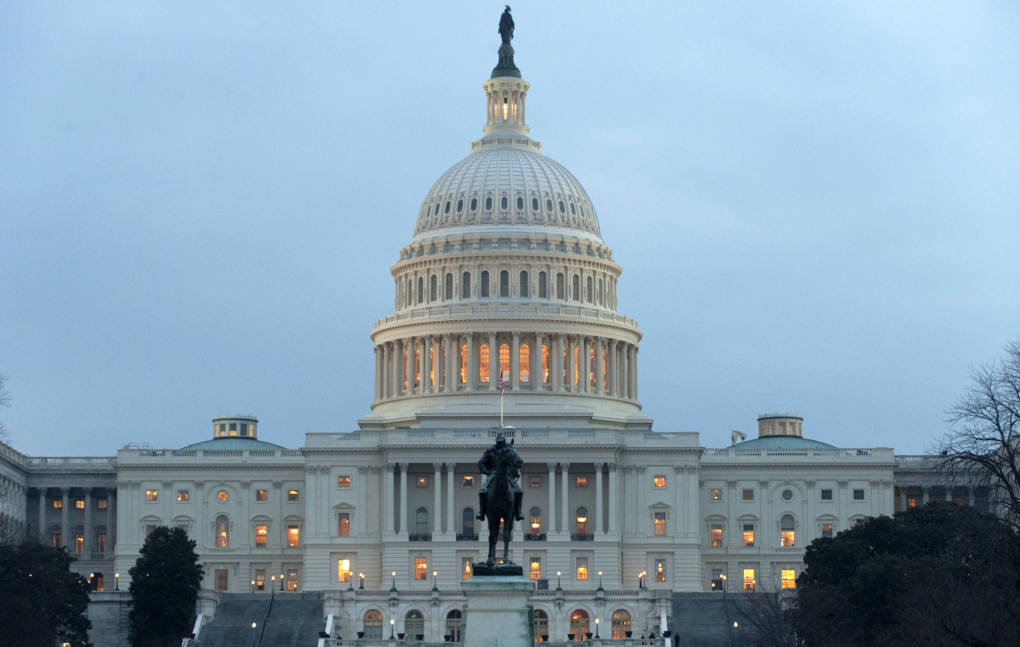
"description": "The Senate began debate on a sweeping GOP tax bill on Thursday.",
"title": "Capitol",
"credit": "SAUL LOEB/AFP/Getty Images",
"status": "inherit",
"isLoading": false,
"fetchFailed": false
},
"news_11633403": {
"type": "attachments",
"id": "news_11633403",
"meta": {
"index": "attachments_1716263798",
"site": "news",
"id": "11633403",
"found": true
},
"parent": 11633371,
"imgSizes": {
"small": {
"file": "https://ww2.kqed.org/app/uploads/sites/10/2017/11/RO-KHANNA_WEB-520x293.jpg",
"width": 520,
"mimeType": "image/jpeg",
"height": 293
},
"twentyfourteen-full-width": {
"file": "https://ww2.kqed.org/app/uploads/sites/10/2017/11/RO-KHANNA_WEB-1038x576.jpg",
"width": 1038,
"mimeType": "image/jpeg",
"height": 576
},
"thumbnail": {
"file": "https://ww2.kqed.org/app/uploads/sites/10/2017/11/RO-KHANNA_WEB-160x90.jpg",
"width": 160,
"mimeType": "image/jpeg",
"height": 90
},
"fd-sm": {
"file": "https://ww2.kqed.org/app/uploads/sites/10/2017/11/RO-KHANNA_WEB-960x540.jpg",
"width": 960,
"mimeType": "image/jpeg",
"height": 540
},
"post-thumbnail": {
"file": "https://ww2.kqed.org/app/uploads/sites/10/2017/11/RO-KHANNA_WEB-672x372.jpg",
"width": 672,
"mimeType": "image/jpeg",
"height": 372
},
"xsmall": {
"file": "https://ww2.kqed.org/app/uploads/sites/10/2017/11/RO-KHANNA_WEB-375x211.jpg",
"width": 375,
"mimeType": "image/jpeg",
"height": 211
},
"kqedFullSize": {
"file": "https://ww2.kqed.org/app/uploads/sites/10/2017/11/RO-KHANNA_WEB.jpg",
"width": 1280,
"height": 720
},
"large": {
"file": "https://ww2.kqed.org/app/uploads/sites/10/2017/11/RO-KHANNA_WEB-1020x574.jpg",
"width": 1020,
"mimeType": "image/jpeg",
"height": 574
},
"xlarge": {
"file": "https://ww2.kqed.org/app/uploads/sites/10/2017/11/RO-KHANNA_WEB-1180x664.jpg",
"width": 1180,
"mimeType": "image/jpeg",
"height": 664
},
"guest-author-50": {
"file": "https://ww2.kqed.org/app/uploads/sites/10/2017/11/RO-KHANNA_WEB-50x50.jpg",
"width": 50,
"mimeType": "image/jpeg",
"height": 50
},
"guest-author-96": {
"file": "https://ww2.kqed.org/app/uploads/sites/10/2017/11/RO-KHANNA_WEB-96x96.jpg",
"width": 96,
"mimeType": "image/jpeg",
"height": 96
},
"medium": {
"file": "https://ww2.kqed.org/app/uploads/sites/10/2017/11/RO-KHANNA_WEB-800x450.jpg",
"width": 800,
"mimeType": "image/jpeg",
"height": 450
},
"guest-author-64": {
"file": "https://ww2.kqed.org/app/uploads/sites/10/2017/11/RO-KHANNA_WEB-64x64.jpg",
"width": 64,
"mimeType": "image/jpeg",
"height": 64
},
"guest-author-32": {
"file": "https://ww2.kqed.org/app/uploads/sites/10/2017/11/RO-KHANNA_WEB-32x32.jpg",
"width": 32,
"mimeType": "image/jpeg",
"height": 32
},
"fd-med": {
"file": "https://ww2.kqed.org/app/uploads/sites/10/2017/11/RO-KHANNA_WEB-1180x664.jpg",
"width": 1180,
"mimeType": "image/jpeg",
"height": 664
},
"detail": {
"file": "https://ww2.kqed.org/app/uploads/sites/10/2017/11/RO-KHANNA_WEB-150x150.jpg",
"width": 150,
"mimeType": "image/jpeg",
"height": 150
},
"guest-author-128": {
"file": "https://ww2.kqed.org/app/uploads/sites/10/2017/11/RO-KHANNA_WEB-128x128.jpg",
"width": 128,
"mimeType": "image/jpeg",
"height": 128
},
"xxsmall": {
"file": "https://ww2.kqed.org/app/uploads/sites/10/2017/11/RO-KHANNA_WEB-240x135.jpg",
"width": 240,
"mimeType": "image/jpeg",
"height": 135
}
},
"publishDate": 1511820718,
"modified": 1539277015,
"caption": null,
"description": null,
"title": "RO KHANNA_WEB",
"credit": "KQED Newsroom",
"status": "inherit",
"isLoading": false,
"fetchFailed": false
},
"news_11631344": {
"type": "attachments",
"id": "news_11631344",
"meta": {
"index": "attachments_1716263798",
"site": "news",
"id": "11631344",
"found": true
},
"parent": 11631340,
"imgSizes": {
"small": {
"file": "https://ww2.kqed.org/app/uploads/sites/10/2017/11/PaulRyan-520x350.jpg",
"width": 520,
"mimeType": "image/jpeg",
"height": 350
},
"twentyfourteen-full-width": {
"file": "https://ww2.kqed.org/app/uploads/sites/10/2017/11/PaulRyan-1038x576.jpg",
"width": 1038,
"mimeType": "image/jpeg",
"height": 576
},
"thumbnail": {
"file": "https://ww2.kqed.org/app/uploads/sites/10/2017/11/PaulRyan-160x108.jpg",
"width": 160,
"mimeType": "image/jpeg",
"height": 108
},
"fd-sm": {
"file": "https://ww2.kqed.org/app/uploads/sites/10/2017/11/PaulRyan-960x646.jpg",
"width": 960,
"mimeType": "image/jpeg",
"height": 646
},
"post-thumbnail": {
"file": "https://ww2.kqed.org/app/uploads/sites/10/2017/11/PaulRyan-672x372.jpg",
"width": 672,
"mimeType": "image/jpeg",
"height": 372
},
"xsmall": {
"file": "https://ww2.kqed.org/app/uploads/sites/10/2017/11/PaulRyan-375x252.jpg",
"width": 375,
"mimeType": "image/jpeg",
"height": 252
},
"kqedFullSize": {
"file": "https://ww2.kqed.org/app/uploads/sites/10/2017/11/PaulRyan.jpg",
"width": 1920,
"height": 1291
},
"large": {
"file": "https://ww2.kqed.org/app/uploads/sites/10/2017/11/PaulRyan-1020x686.jpg",
"width": 1020,
"mimeType": "image/jpeg",
"height": 686
},
"xlarge": {
"file": "https://ww2.kqed.org/app/uploads/sites/10/2017/11/PaulRyan-1180x793.jpg",
"width": 1180,
"mimeType": "image/jpeg",
"height": 793
},
"guest-author-50": {
"file": "https://ww2.kqed.org/app/uploads/sites/10/2017/11/PaulRyan-50x50.jpg",
"width": 50,
"mimeType": "image/jpeg",
"height": 50
},
"guest-author-96": {
"file": "https://ww2.kqed.org/app/uploads/sites/10/2017/11/PaulRyan-96x96.jpg",
"width": 96,
"mimeType": "image/jpeg",
"height": 96
},
"medium": {
"file": "https://ww2.kqed.org/app/uploads/sites/10/2017/11/PaulRyan-800x538.jpg",
"width": 800,
"mimeType": "image/jpeg",
"height": 538
},
"guest-author-64": {
"file": "https://ww2.kqed.org/app/uploads/sites/10/2017/11/PaulRyan-64x64.jpg",
"width": 64,
"mimeType": "image/jpeg",
"height": 64
},
"guest-author-32": {
"file": "https://ww2.kqed.org/app/uploads/sites/10/2017/11/PaulRyan-32x32.jpg",
"width": 32,
"mimeType": "image/jpeg",
"height": 32
},
"fd-lrg": {
"file": "https://ww2.kqed.org/app/uploads/sites/10/2017/11/PaulRyan-1920x1291.jpg",
"width": 1920,
"mimeType": "image/jpeg",
"height": 1291
},
"fd-med": {
"file": "https://ww2.kqed.org/app/uploads/sites/10/2017/11/PaulRyan-1180x793.jpg",
"width": 1180,
"mimeType": "image/jpeg",
"height": 793
},
"full-width": {
"file": "https://ww2.kqed.org/app/uploads/sites/10/2017/11/PaulRyan-1920x1291.jpg",
"width": 1920,
"mimeType": "image/jpeg",
"height": 1291
},
"detail": {
"file": "https://ww2.kqed.org/app/uploads/sites/10/2017/11/PaulRyan-150x150.jpg",
"width": 150,
"mimeType": "image/jpeg",
"height": 150
},
"guest-author-128": {
"file": "https://ww2.kqed.org/app/uploads/sites/10/2017/11/PaulRyan-128x128.jpg",
"width": 128,
"mimeType": "image/jpeg",
"height": 128
},
"xxsmall": {
"file": "https://ww2.kqed.org/app/uploads/sites/10/2017/11/PaulRyan-240x161.jpg",
"width": 240,
"mimeType": "image/jpeg",
"height": 161
}
},
"publishDate": 1510860706,
"modified": 1510860768,
"caption": "House Speaker Paul Ryan speaks after the House passed its version of the Republican tax overhaul at the U.S. Capitol on November 16, 2017.",
"description": "House Speaker Paul Ryan speaks after the House passed its version of the Republican tax overhaul at the U.S. Capitol on November 16, 2017.",
"title": "PaulRyan",
"credit": "MANDEL NGAN/AFP/Getty Images",
"status": "inherit",
"isLoading": false,
"fetchFailed": false
},
"news_11630995": {
"type": "attachments",
"id": "news_11630995",
"meta": {
"index": "attachments_1716263798",
"site": "news",
"id": "11630995",
"found": true
},
"parent": 11630989,
"imgSizes": {
"small": {
"file": "https://ww2.kqed.org/app/uploads/sites/10/2017/11/MitchM-520x380.jpg",
"width": 520,
"mimeType": "image/jpeg",
"height": 380
},
"twentyfourteen-full-width": {
"file": "https://ww2.kqed.org/app/uploads/sites/10/2017/11/MitchM-1038x576.jpg",
"width": 1038,
"mimeType": "image/jpeg",
"height": 576
},
"thumbnail": {
"file": "https://ww2.kqed.org/app/uploads/sites/10/2017/11/MitchM-160x117.jpg",
"width": 160,
"mimeType": "image/jpeg",
"height": 117
},
"fd-sm": {
"file": "https://ww2.kqed.org/app/uploads/sites/10/2017/11/MitchM-960x702.jpg",
"width": 960,
"mimeType": "image/jpeg",
"height": 702
},
"post-thumbnail": {
"file": "https://ww2.kqed.org/app/uploads/sites/10/2017/11/MitchM-672x372.jpg",
"width": 672,
"mimeType": "image/jpeg",
"height": 372
},
"xsmall": {
"file": "https://ww2.kqed.org/app/uploads/sites/10/2017/11/MitchM-375x274.jpg",
"width": 375,
"mimeType": "image/jpeg",
"height": 274
},
"kqedFullSize": {
"file": "https://ww2.kqed.org/app/uploads/sites/10/2017/11/MitchM.jpg",
"width": 1920,
"height": 1404
},
"large": {
"file": "https://ww2.kqed.org/app/uploads/sites/10/2017/11/MitchM-1020x746.jpg",
"width": 1020,
"mimeType": "image/jpeg",
"height": 746
},
"xlarge": {
"file": "https://ww2.kqed.org/app/uploads/sites/10/2017/11/MitchM-1180x863.jpg",
"width": 1180,
"mimeType": "image/jpeg",
"height": 863
},
"guest-author-50": {
"file": "https://ww2.kqed.org/app/uploads/sites/10/2017/11/MitchM-50x50.jpg",
"width": 50,
"mimeType": "image/jpeg",
"height": 50
},
"guest-author-96": {
"file": "https://ww2.kqed.org/app/uploads/sites/10/2017/11/MitchM-96x96.jpg",
"width": 96,
"mimeType": "image/jpeg",
"height": 96
},
"medium": {
"file": "https://ww2.kqed.org/app/uploads/sites/10/2017/11/MitchM-800x585.jpg",
"width": 800,
"mimeType": "image/jpeg",
"height": 585
},
"guest-author-64": {
"file": "https://ww2.kqed.org/app/uploads/sites/10/2017/11/MitchM-64x64.jpg",
"width": 64,
"mimeType": "image/jpeg",
"height": 64
},
"guest-author-32": {
"file": "https://ww2.kqed.org/app/uploads/sites/10/2017/11/MitchM-32x32.jpg",
"width": 32,
"mimeType": "image/jpeg",
"height": 32
},
"fd-lrg": {
"file": "https://ww2.kqed.org/app/uploads/sites/10/2017/11/MitchM-1920x1404.jpg",
"width": 1920,
"mimeType": "image/jpeg",
"height": 1404
},
"fd-med": {
"file": "https://ww2.kqed.org/app/uploads/sites/10/2017/11/MitchM-1180x863.jpg",
"width": 1180,
"mimeType": "image/jpeg",
"height": 863
},
"full-width": {
"file": "https://ww2.kqed.org/app/uploads/sites/10/2017/11/MitchM-1920x1404.jpg",
"width": 1920,
"mimeType": "image/jpeg",
"height": 1404
},
"detail": {
"file": "https://ww2.kqed.org/app/uploads/sites/10/2017/11/MitchM-150x150.jpg",
"width": 150,
"mimeType": "image/jpeg",
"height": 150
},
"guest-author-128": {
"file": "https://ww2.kqed.org/app/uploads/sites/10/2017/11/MitchM-128x128.jpg",
"width": 128,
"mimeType": "image/jpeg",
"height": 128
},
"xxsmall": {
"file": "https://ww2.kqed.org/app/uploads/sites/10/2017/11/MitchM-240x176.jpg",
"width": 240,
"mimeType": "image/jpeg",
"height": 176
}
},
"publishDate": 1510712420,
"modified": 1510712517,
"caption": "Senate Majority Leader Mitch McConnell, R-Ky., speaks to reporters about the proposed Senate Republican tax bill on Tuesday, Nov. 14.",
"description": "Senate Majority Leader Mitch McConnell, R-Ky., speaks to reporters about the proposed Senate Republican tax bill on Tuesday, Nov. 14.",
"title": "MitchM",
"credit": "Mark Wilson/Getty Images",
"status": "inherit",
"isLoading": false,
"fetchFailed": false
},
"news_11629936": {
"type": "attachments",
"id": "news_11629936",
"meta": {
"index": "attachments_1716263798",
"site": "news",
"id": "11629936",
"found": true
},
"parent": 11628847,
"imgSizes": {
"small": {
"file": "https://ww2.kqed.org/app/uploads/sites/10/2017/11/TaxPlanFinal-520x278.jpg",
"width": 520,
"mimeType": "image/jpeg",
"height": 278
},
"twentyfourteen-full-width": {
"file": "https://ww2.kqed.org/app/uploads/sites/10/2017/11/TaxPlanFinal-1038x576.jpg",
"width": 1038,
"mimeType": "image/jpeg",
"height": 576
},
"thumbnail": {
"file": "https://ww2.kqed.org/app/uploads/sites/10/2017/11/TaxPlanFinal-160x86.jpg",
"width": 160,
"mimeType": "image/jpeg",
"height": 86
},
"fd-sm": {
"file": "https://ww2.kqed.org/app/uploads/sites/10/2017/11/TaxPlanFinal-960x514.jpg",
"width": 960,
"mimeType": "image/jpeg",
"height": 514
},
"post-thumbnail": {
"file": "https://ww2.kqed.org/app/uploads/sites/10/2017/11/TaxPlanFinal-672x372.jpg",
"width": 672,
"mimeType": "image/jpeg",
"height": 372
},
"xsmall": {
"file": "https://ww2.kqed.org/app/uploads/sites/10/2017/11/TaxPlanFinal-375x201.jpg",
"width": 375,
"mimeType": "image/jpeg",
"height": 201
},
"kqedFullSize": {
"file": "https://ww2.kqed.org/app/uploads/sites/10/2017/11/TaxPlanFinal.jpg",
"width": 1920,
"height": 1028
},
"large": {
"file": "https://ww2.kqed.org/app/uploads/sites/10/2017/11/TaxPlanFinal-1020x546.jpg",
"width": 1020,
"mimeType": "image/jpeg",
"height": 546
},
"xlarge": {
"file": "https://ww2.kqed.org/app/uploads/sites/10/2017/11/TaxPlanFinal-1180x632.jpg",
"width": 1180,
"mimeType": "image/jpeg",
"height": 632
},
"guest-author-50": {
"file": "https://ww2.kqed.org/app/uploads/sites/10/2017/11/TaxPlanFinal-50x50.jpg",
"width": 50,
"mimeType": "image/jpeg",
"height": 50
},
"guest-author-96": {
"file": "https://ww2.kqed.org/app/uploads/sites/10/2017/11/TaxPlanFinal-96x96.jpg",
"width": 96,
"mimeType": "image/jpeg",
"height": 96
},
"medium": {
"file": "https://ww2.kqed.org/app/uploads/sites/10/2017/11/TaxPlanFinal-800x428.jpg",
"width": 800,
"mimeType": "image/jpeg",
"height": 428
},
"guest-author-64": {
"file": "https://ww2.kqed.org/app/uploads/sites/10/2017/11/TaxPlanFinal-64x64.jpg",
"width": 64,
"mimeType": "image/jpeg",
"height": 64
},
"guest-author-32": {
"file": "https://ww2.kqed.org/app/uploads/sites/10/2017/11/TaxPlanFinal-32x32.jpg",
"width": 32,
"mimeType": "image/jpeg",
"height": 32
},
"fd-lrg": {
"file": "https://ww2.kqed.org/app/uploads/sites/10/2017/11/TaxPlanFinal-1920x1028.jpg",
"width": 1920,
"mimeType": "image/jpeg",
"height": 1028
},
"fd-med": {
"file": "https://ww2.kqed.org/app/uploads/sites/10/2017/11/TaxPlanFinal-1180x632.jpg",
"width": 1180,
"mimeType": "image/jpeg",
"height": 632
},
"full-width": {
"file": "https://ww2.kqed.org/app/uploads/sites/10/2017/11/TaxPlanFinal-1920x1028.jpg",
"width": 1920,
"mimeType": "image/jpeg",
"height": 1028
},
"detail": {
"file": "https://ww2.kqed.org/app/uploads/sites/10/2017/11/TaxPlanFinal-150x150.jpg",
"width": 150,
"mimeType": "image/jpeg",
"height": 150
},
"guest-author-128": {
"file": "https://ww2.kqed.org/app/uploads/sites/10/2017/11/TaxPlanFinal-128x128.jpg",
"width": 128,
"mimeType": "image/jpeg",
"height": 128
},
"xxsmall": {
"file": "https://ww2.kqed.org/app/uploads/sites/10/2017/11/TaxPlanFinal-240x129.jpg",
"width": 240,
"mimeType": "image/jpeg",
"height": 129
}
},
"publishDate": 1510280328,
"modified": 1510280357,
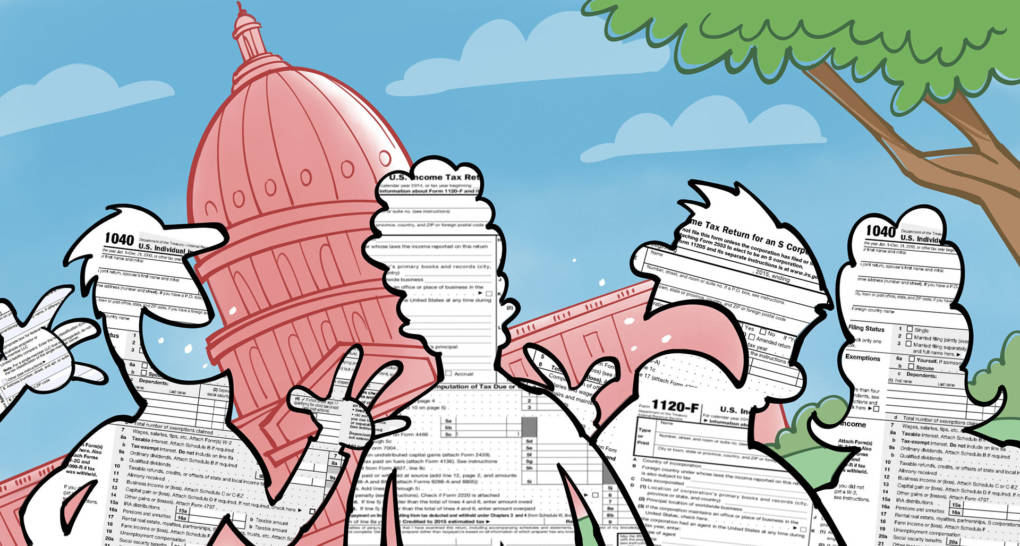
"caption": "Some California Republicans have split from their party over a provision that would eliminate the state and local tax deduction.",
"description": "Some California Republicans have split from their party over a provision that would eliminate the state and local tax deduction.",
"title": "TaxPlanFinal",
"credit": "Mark Fiore/KQED",
"status": "inherit",
"isLoading": false,
"fetchFailed": false
},
"news_11629612": {
"type": "attachments",
"id": "news_11629612",
"meta": {
"index": "attachments_1716263798",
"site": "news",
"id": "11629612",
"found": true
},
"parent": 11629608,
"imgSizes": {
"small": {
"file": "https://ww2.kqed.org/app/uploads/sites/10/2017/11/OHatch-520x328.jpg",
"width": 520,
"mimeType": "image/jpeg",
"height": 328
},
"twentyfourteen-full-width": {
"file": "https://ww2.kqed.org/app/uploads/sites/10/2017/11/OHatch-1038x576.jpg",
"width": 1038,
"mimeType": "image/jpeg",
"height": 576
},
"thumbnail": {
"file": "https://ww2.kqed.org/app/uploads/sites/10/2017/11/OHatch-160x101.jpg",
"width": 160,
"mimeType": "image/jpeg",
"height": 101
},
"fd-sm": {
"file": "https://ww2.kqed.org/app/uploads/sites/10/2017/11/OHatch-960x605.jpg",
"width": 960,
"mimeType": "image/jpeg",
"height": 605
},
"post-thumbnail": {
"file": "https://ww2.kqed.org/app/uploads/sites/10/2017/11/OHatch-672x372.jpg",
"width": 672,
"mimeType": "image/jpeg",
"height": 372
},
"xsmall": {
"file": "https://ww2.kqed.org/app/uploads/sites/10/2017/11/OHatch-375x236.jpg",
"width": 375,
"mimeType": "image/jpeg",
"height": 236
},
"kqedFullSize": {
"file": "https://ww2.kqed.org/app/uploads/sites/10/2017/11/OHatch.jpg",
"width": 1920,
"height": 1210
},
"large": {
"file": "https://ww2.kqed.org/app/uploads/sites/10/2017/11/OHatch-1020x643.jpg",
"width": 1020,
"mimeType": "image/jpeg",
"height": 643
},
"xlarge": {
"file": "https://ww2.kqed.org/app/uploads/sites/10/2017/11/OHatch-1180x744.jpg",
"width": 1180,
"mimeType": "image/jpeg",
"height": 744
},
"guest-author-50": {
"file": "https://ww2.kqed.org/app/uploads/sites/10/2017/11/OHatch-50x50.jpg",
"width": 50,
"mimeType": "image/jpeg",
"height": 50
},
"guest-author-96": {
"file": "https://ww2.kqed.org/app/uploads/sites/10/2017/11/OHatch-96x96.jpg",
"width": 96,
"mimeType": "image/jpeg",
"height": 96
},
"medium": {
"file": "https://ww2.kqed.org/app/uploads/sites/10/2017/11/OHatch-800x504.jpg",
"width": 800,
"mimeType": "image/jpeg",
"height": 504
},
"guest-author-64": {
"file": "https://ww2.kqed.org/app/uploads/sites/10/2017/11/OHatch-64x64.jpg",
"width": 64,
"mimeType": "image/jpeg",
"height": 64
},
"guest-author-32": {
"file": "https://ww2.kqed.org/app/uploads/sites/10/2017/11/OHatch-32x32.jpg",
"width": 32,
"mimeType": "image/jpeg",
"height": 32
},
"fd-lrg": {
"file": "https://ww2.kqed.org/app/uploads/sites/10/2017/11/OHatch-1920x1210.jpg",
"width": 1920,
"mimeType": "image/jpeg",
"height": 1210
},
"fd-med": {
"file": "https://ww2.kqed.org/app/uploads/sites/10/2017/11/OHatch-1180x744.jpg",
"width": 1180,
"mimeType": "image/jpeg",
"height": 744
},
"full-width": {
"file": "https://ww2.kqed.org/app/uploads/sites/10/2017/11/OHatch-1920x1210.jpg",
"width": 1920,
"mimeType": "image/jpeg",
"height": 1210
},
"detail": {
"file": "https://ww2.kqed.org/app/uploads/sites/10/2017/11/OHatch-150x150.jpg",
"width": 150,
"mimeType": "image/jpeg",
"height": 150
},
"guest-author-128": {
"file": "https://ww2.kqed.org/app/uploads/sites/10/2017/11/OHatch-128x128.jpg",
"width": 128,
"mimeType": "image/jpeg",
"height": 128
},
"xxsmall": {
"file": "https://ww2.kqed.org/app/uploads/sites/10/2017/11/OHatch-240x151.jpg",
"width": 240,
"mimeType": "image/jpeg",
"height": 151
}
},
"publishDate": 1510261587,
"modified": 1510261627,
"caption": "Senate Finance Committee Chairman Orrin Hatch, R-Utah, talks with reporters at the Capitol.",
"description": "Senate Finance Committee Chairman Orrin Hatch, R-Utah, talks with reporters at the Capitol.",
"title": "OHatch",
"credit": "Chip Somodevilla/Getty Images",
"status": "inherit",
"isLoading": false,
"fetchFailed": false
},
"news_11627630": {
"type": "attachments",
"id": "news_11627630",
"meta": {
"index": "attachments_1716263798",
"site": "news",
"id": "11627630",
"found": true
},
"parent": 11627628,
"imgSizes": {
"small": {
"file": "https://ww2.kqed.org/app/uploads/sites/10/2017/11/ap_17270682767803_wide-1616399dfcae83706fa650629a8e276dcaeef889-1-520x293.jpg",
"width": 520,
"mimeType": "image/jpeg",
"height": 293
},
"twentyfourteen-full-width": {
"file": "https://ww2.kqed.org/app/uploads/sites/10/2017/11/ap_17270682767803_wide-1616399dfcae83706fa650629a8e276dcaeef889-1-1038x576.jpg",
"width": 1038,
"mimeType": "image/jpeg",
"height": 576
},
"thumbnail": {
"file": "https://ww2.kqed.org/app/uploads/sites/10/2017/11/ap_17270682767803_wide-1616399dfcae83706fa650629a8e276dcaeef889-1-160x90.jpg",
"width": 160,
"mimeType": "image/jpeg",
"height": 90
},
"fd-sm": {
"file": "https://ww2.kqed.org/app/uploads/sites/10/2017/11/ap_17270682767803_wide-1616399dfcae83706fa650629a8e276dcaeef889-1-960x540.jpg",
"width": 960,
"mimeType": "image/jpeg",
"height": 540
},
"post-thumbnail": {
"file": "https://ww2.kqed.org/app/uploads/sites/10/2017/11/ap_17270682767803_wide-1616399dfcae83706fa650629a8e276dcaeef889-1-672x372.jpg",
"width": 672,
"mimeType": "image/jpeg",
"height": 372
},
"xsmall": {
"file": "https://ww2.kqed.org/app/uploads/sites/10/2017/11/ap_17270682767803_wide-1616399dfcae83706fa650629a8e276dcaeef889-1-375x211.jpg",
"width": 375,
"mimeType": "image/jpeg",
"height": 211
},
"kqedFullSize": {
"file": "https://ww2.kqed.org/app/uploads/sites/10/2017/11/ap_17270682767803_wide-1616399dfcae83706fa650629a8e276dcaeef889-1-e1509647895138.jpg",
"width": 1920,
"height": 1080
},
"large": {
"file": "https://ww2.kqed.org/app/uploads/sites/10/2017/11/ap_17270682767803_wide-1616399dfcae83706fa650629a8e276dcaeef889-1-1020x574.jpg",
"width": 1020,
"mimeType": "image/jpeg",
"height": 574
},
"xlarge": {
"file": "https://ww2.kqed.org/app/uploads/sites/10/2017/11/ap_17270682767803_wide-1616399dfcae83706fa650629a8e276dcaeef889-1-1180x664.jpg",
"width": 1180,
"mimeType": "image/jpeg",
"height": 664
},
"guest-author-50": {
"file": "https://ww2.kqed.org/app/uploads/sites/10/2017/11/ap_17270682767803_wide-1616399dfcae83706fa650629a8e276dcaeef889-1-50x50.jpg",
"width": 50,
"mimeType": "image/jpeg",
"height": 50
},
"guest-author-96": {
"file": "https://ww2.kqed.org/app/uploads/sites/10/2017/11/ap_17270682767803_wide-1616399dfcae83706fa650629a8e276dcaeef889-1-96x96.jpg",
"width": 96,
"mimeType": "image/jpeg",
"height": 96
},
"medium": {
"file": "https://ww2.kqed.org/app/uploads/sites/10/2017/11/ap_17270682767803_wide-1616399dfcae83706fa650629a8e276dcaeef889-1-800x450.jpg",
"width": 800,
"mimeType": "image/jpeg",
"height": 450
},
"guest-author-64": {
"file": "https://ww2.kqed.org/app/uploads/sites/10/2017/11/ap_17270682767803_wide-1616399dfcae83706fa650629a8e276dcaeef889-1-64x64.jpg",
"width": 64,
"mimeType": "image/jpeg",
"height": 64
},
"guest-author-32": {
"file": "https://ww2.kqed.org/app/uploads/sites/10/2017/11/ap_17270682767803_wide-1616399dfcae83706fa650629a8e276dcaeef889-1-32x32.jpg",
"width": 32,
"mimeType": "image/jpeg",
"height": 32
},
"fd-lrg": {
"file": "https://ww2.kqed.org/app/uploads/sites/10/2017/11/ap_17270682767803_wide-1616399dfcae83706fa650629a8e276dcaeef889-1-1920x1080.jpg",
"width": 1920,
"mimeType": "image/jpeg",
"height": 1080
},
"fd-med": {
"file": "https://ww2.kqed.org/app/uploads/sites/10/2017/11/ap_17270682767803_wide-1616399dfcae83706fa650629a8e276dcaeef889-1-1180x664.jpg",
"width": 1180,
"mimeType": "image/jpeg",
"height": 664
},
"full-width": {
"file": "https://ww2.kqed.org/app/uploads/sites/10/2017/11/ap_17270682767803_wide-1616399dfcae83706fa650629a8e276dcaeef889-1-1920x1080.jpg",
"width": 1920,
"mimeType": "image/jpeg",
"height": 1080
},
"detail": {
"file": "https://ww2.kqed.org/app/uploads/sites/10/2017/11/ap_17270682767803_wide-1616399dfcae83706fa650629a8e276dcaeef889-1-150x150.jpg",
"width": 150,
"mimeType": "image/jpeg",
"height": 150
},
"guest-author-128": {
"file": "https://ww2.kqed.org/app/uploads/sites/10/2017/11/ap_17270682767803_wide-1616399dfcae83706fa650629a8e276dcaeef889-1-128x128.jpg",
"width": 128,
"mimeType": "image/jpeg",
"height": 128
},
"xxsmall": {
"file": "https://ww2.kqed.org/app/uploads/sites/10/2017/11/ap_17270682767803_wide-1616399dfcae83706fa650629a8e276dcaeef889-1-240x135.jpg",
"width": 240,
"mimeType": "image/jpeg",
"height": 135
}
},
"publishDate": 1509646847,
"modified": 1509647917,
"caption": "House Speaker Paul Ryan, R-Wis., talks about Republicans' proposed rewrite of the tax code at the Capitol on Sept. 27. The text of a tax bill is to be released Thursday.",
"description": "House Speaker Paul Ryan, R-Wis., talks about Republicans' proposed rewrite of the tax code at the Capitol on Sept. 27. The text of a tax bill is to be released Thursday.",
"title": "House Speaker Paul Ryan, R-Wis., talks about Republicans' proposed rewrite of the tax code at the Capitol on Sept. 27. The text of a tax bill is to be released Thursday.",
"credit": "Win McNamee/Getty Images",
"status": "inherit",
"isLoading": false,
"fetchFailed": false
},
"news_11627340": {
"type": "attachments",
"id": "news_11627340",
"meta": {
"index": "attachments_1716263798",
"site": "news",
"id": "11627340",
"found": true
},
"parent": 11624431,
"imgSizes": {
"small": {
"file": "https://ww2.kqed.org/app/uploads/sites/10/2017/10/JarvisFist-520x298.jpg",
"width": 520,
"mimeType": "image/jpeg",
"height": 298
},
"twentyfourteen-full-width": {
"file": "https://ww2.kqed.org/app/uploads/sites/10/2017/10/JarvisFist-1038x576.jpg",
"width": 1038,
"mimeType": "image/jpeg",
"height": 576
},
"thumbnail": {
"file": "https://ww2.kqed.org/app/uploads/sites/10/2017/10/JarvisFist-160x92.jpg",
"width": 160,
"mimeType": "image/jpeg",
"height": 92
},
"fd-sm": {
"file": "https://ww2.kqed.org/app/uploads/sites/10/2017/10/JarvisFist-960x550.jpg",
"width": 960,
"mimeType": "image/jpeg",
"height": 550
},
"post-thumbnail": {
"file": "https://ww2.kqed.org/app/uploads/sites/10/2017/10/JarvisFist-672x372.jpg",
"width": 672,
"mimeType": "image/jpeg",
"height": 372
},
"xsmall": {
"file": "https://ww2.kqed.org/app/uploads/sites/10/2017/10/JarvisFist-375x215.jpg",
"width": 375,
"mimeType": "image/jpeg",
"height": 215
},
"kqedFullSize": {
"file": "https://ww2.kqed.org/app/uploads/sites/10/2017/10/JarvisFist.jpg",
"width": 1920,
"height": 1100
},
"large": {
"file": "https://ww2.kqed.org/app/uploads/sites/10/2017/10/JarvisFist-1020x584.jpg",
"width": 1020,
"mimeType": "image/jpeg",
"height": 584
},
"xlarge": {
"file": "https://ww2.kqed.org/app/uploads/sites/10/2017/10/JarvisFist-1180x676.jpg",
"width": 1180,
"mimeType": "image/jpeg",
"height": 676
},
"guest-author-50": {
"file": "https://ww2.kqed.org/app/uploads/sites/10/2017/10/JarvisFist-50x50.jpg",
"width": 50,
"mimeType": "image/jpeg",
"height": 50
},
"guest-author-96": {
"file": "https://ww2.kqed.org/app/uploads/sites/10/2017/10/JarvisFist-96x96.jpg",
"width": 96,
"mimeType": "image/jpeg",
"height": 96
},
"medium": {
"file": "https://ww2.kqed.org/app/uploads/sites/10/2017/10/JarvisFist-800x458.jpg",
"width": 800,
"mimeType": "image/jpeg",
"height": 458
},
"guest-author-64": {
"file": "https://ww2.kqed.org/app/uploads/sites/10/2017/10/JarvisFist-64x64.jpg",
"width": 64,
"mimeType": "image/jpeg",
"height": 64
},
"guest-author-32": {
"file": "https://ww2.kqed.org/app/uploads/sites/10/2017/10/JarvisFist-32x32.jpg",
"width": 32,
"mimeType": "image/jpeg",
"height": 32
},
"fd-lrg": {
"file": "https://ww2.kqed.org/app/uploads/sites/10/2017/10/JarvisFist-1920x1100.jpg",
"width": 1920,
"mimeType": "image/jpeg",
"height": 1100
},
"fd-med": {
"file": "https://ww2.kqed.org/app/uploads/sites/10/2017/10/JarvisFist-1180x676.jpg",
"width": 1180,
"mimeType": "image/jpeg",
"height": 676
},
"full-width": {
"file": "https://ww2.kqed.org/app/uploads/sites/10/2017/10/JarvisFist-1920x1100.jpg",
"width": 1920,
"mimeType": "image/jpeg",
"height": 1100
},
"detail": {
"file": "https://ww2.kqed.org/app/uploads/sites/10/2017/10/JarvisFist-150x150.jpg",
"width": 150,
"mimeType": "image/jpeg",
"height": 150
},
"guest-author-128": {
"file": "https://ww2.kqed.org/app/uploads/sites/10/2017/10/JarvisFist-128x128.jpg",
"width": 128,
"mimeType": "image/jpeg",
"height": 128
},
"xxsmall": {
"file": "https://ww2.kqed.org/app/uploads/sites/10/2017/10/JarvisFist-240x138.jpg",
"width": 240,
"mimeType": "image/jpeg",
"height": 138
}
},
"publishDate": 1509499283,
"modified": 1509499353,
"caption": "Orange County businessman Howard Jarvis, the architect of Proposition 13.",
"description": "Orange County businessman Howard Jarvis, the architect of Proposition 13.",
"title": "JarvisFist",
"credit": "RetroReport/YouTube",
"status": "inherit",
"isLoading": false,
"fetchFailed": false
},
"news_11620965": {
"type": "attachments",
"id": "news_11620965",
"meta": {
"index": "attachments_1716263798",
"site": "news",
"id": "11620965",
"found": true
},
"parent": 11620964,
"imgSizes": {
"small": {
"file": "https://ww2.kqed.org/app/uploads/sites/10/2017/10/gettyimages-450753659_slide-4084fcb4fe4d3ff5cb8d8bf0c9344d3d29bc6658-520x347.jpg",
"width": 520,
"mimeType": "image/jpeg",
"height": 347
},
"twentyfourteen-full-width": {
"file": "https://ww2.kqed.org/app/uploads/sites/10/2017/10/gettyimages-450753659_slide-4084fcb4fe4d3ff5cb8d8bf0c9344d3d29bc6658-1038x576.jpg",
"width": 1038,
"mimeType": "image/jpeg",
"height": 576
},
"thumbnail": {
"file": "https://ww2.kqed.org/app/uploads/sites/10/2017/10/gettyimages-450753659_slide-4084fcb4fe4d3ff5cb8d8bf0c9344d3d29bc6658-160x107.jpg",
"width": 160,
"mimeType": "image/jpeg",
"height": 107
},
"fd-sm": {
"file": "https://ww2.kqed.org/app/uploads/sites/10/2017/10/gettyimages-450753659_slide-4084fcb4fe4d3ff5cb8d8bf0c9344d3d29bc6658-960x640.jpg",
"width": 960,
"mimeType": "image/jpeg",
"height": 640
},
"post-thumbnail": {
"file": "https://ww2.kqed.org/app/uploads/sites/10/2017/10/gettyimages-450753659_slide-4084fcb4fe4d3ff5cb8d8bf0c9344d3d29bc6658-672x372.jpg",
"width": 672,
"mimeType": "image/jpeg",
"height": 372
},
"xsmall": {
"file": "https://ww2.kqed.org/app/uploads/sites/10/2017/10/gettyimages-450753659_slide-4084fcb4fe4d3ff5cb8d8bf0c9344d3d29bc6658-375x250.jpg",
"width": 375,
"mimeType": "image/jpeg",
"height": 250
},
"kqedFullSize": {
"file": "https://ww2.kqed.org/app/uploads/sites/10/2017/10/gettyimages-450753659_slide-4084fcb4fe4d3ff5cb8d8bf0c9344d3d29bc6658.jpg",
"width": 3000,
"height": 2000
},
"large": {
"file": "https://ww2.kqed.org/app/uploads/sites/10/2017/10/gettyimages-450753659_slide-4084fcb4fe4d3ff5cb8d8bf0c9344d3d29bc6658-1020x680.jpg",
"width": 1020,
"mimeType": "image/jpeg",
"height": 680
},
"xlarge": {
"file": "https://ww2.kqed.org/app/uploads/sites/10/2017/10/gettyimages-450753659_slide-4084fcb4fe4d3ff5cb8d8bf0c9344d3d29bc6658-1180x787.jpg",
"width": 1180,
"mimeType": "image/jpeg",
"height": 787
},
"guest-author-50": {
"file": "https://ww2.kqed.org/app/uploads/sites/10/2017/10/gettyimages-450753659_slide-4084fcb4fe4d3ff5cb8d8bf0c9344d3d29bc6658-50x50.jpg",
"width": 50,
"mimeType": "image/jpeg",
"height": 50
},
"guest-author-96": {
"file": "https://ww2.kqed.org/app/uploads/sites/10/2017/10/gettyimages-450753659_slide-4084fcb4fe4d3ff5cb8d8bf0c9344d3d29bc6658-96x96.jpg",
"width": 96,
"mimeType": "image/jpeg",
"height": 96
},
"medium": {
"file": "https://ww2.kqed.org/app/uploads/sites/10/2017/10/gettyimages-450753659_slide-4084fcb4fe4d3ff5cb8d8bf0c9344d3d29bc6658-800x533.jpg",
"width": 800,
"mimeType": "image/jpeg",
"height": 533
},
"guest-author-64": {
"file": "https://ww2.kqed.org/app/uploads/sites/10/2017/10/gettyimages-450753659_slide-4084fcb4fe4d3ff5cb8d8bf0c9344d3d29bc6658-64x64.jpg",
"width": 64,
"mimeType": "image/jpeg",
"height": 64
},
"guest-author-32": {
"file": "https://ww2.kqed.org/app/uploads/sites/10/2017/10/gettyimages-450753659_slide-4084fcb4fe4d3ff5cb8d8bf0c9344d3d29bc6658-32x32.jpg",
"width": 32,
"mimeType": "image/jpeg",
"height": 32
},
"fd-lrg": {
"file": "https://ww2.kqed.org/app/uploads/sites/10/2017/10/gettyimages-450753659_slide-4084fcb4fe4d3ff5cb8d8bf0c9344d3d29bc6658-1920x1280.jpg",
"width": 1920,
"mimeType": "image/jpeg",
"height": 1280
},
"fd-med": {
"file": "https://ww2.kqed.org/app/uploads/sites/10/2017/10/gettyimages-450753659_slide-4084fcb4fe4d3ff5cb8d8bf0c9344d3d29bc6658-1180x787.jpg",
"width": 1180,
"mimeType": "image/jpeg",
"height": 787
},
"full-width": {
"file": "https://ww2.kqed.org/app/uploads/sites/10/2017/10/gettyimages-450753659_slide-4084fcb4fe4d3ff5cb8d8bf0c9344d3d29bc6658-1920x1280.jpg",
"width": 1920,
"mimeType": "image/jpeg",
"height": 1280
},
"detail": {
"file": "https://ww2.kqed.org/app/uploads/sites/10/2017/10/gettyimages-450753659_slide-4084fcb4fe4d3ff5cb8d8bf0c9344d3d29bc6658-150x150.jpg",
"width": 150,
"mimeType": "image/jpeg",
"height": 150
},
"guest-author-128": {
"file": "https://ww2.kqed.org/app/uploads/sites/10/2017/10/gettyimages-450753659_slide-4084fcb4fe4d3ff5cb8d8bf0c9344d3d29bc6658-128x128.jpg",
"width": 128,
"mimeType": "image/jpeg",
"height": 128
},
"xxsmall": {
"file": "https://ww2.kqed.org/app/uploads/sites/10/2017/10/gettyimages-450753659_slide-4084fcb4fe4d3ff5cb8d8bf0c9344d3d29bc6658-240x160.jpg",
"width": 240,
"mimeType": "image/jpeg",
"height": 160
}
},
"publishDate": 1507146607,
"modified": 1507146789,
"caption": "Analysts at the nonpartisan Tax Policy Center predict that nearly three-quarters of the savings from the GOP tax overhaul would go to the top 20 percent of earners.",
"description": "Analysts at the nonpartisan Tax Policy Center predict that nearly three-quarters of the savings from the GOP tax overhaul would go to the top 20 percent of earners.",
"title": "Analysts at the nonpartisan Tax Policy Center predict that nearly three-quarters of the savings from the GOP tax overhaul would go to the top 20 percent of earners.",
"credit": "Roy Scott/Getty Images",
"status": "inherit",
"isLoading": false,
"fetchFailed": false
},
"news_11614799": {
"type": "attachments",
"id": "news_11614799",
"meta": {
"index": "attachments_1716263798",
"site": "news",
"id": "11614799",
"found": true
},
"parent": 11614759,
"imgSizes": {
"small": {
"file": "https://ww2.kqed.org/app/uploads/sites/10/2017/08/Mayes-Taxes-e1504133213884-520x390.jpg",
"width": 520,
"mimeType": "image/jpeg",
"height": 390
},
"twentyfourteen-full-width": {
"file": "https://ww2.kqed.org/app/uploads/sites/10/2017/08/Mayes-Taxes-e1504133213884-1038x576.jpg",
"width": 1038,
"mimeType": "image/jpeg",
"height": 576
},
"thumbnail": {
"file": "https://ww2.kqed.org/app/uploads/sites/10/2017/08/Mayes-Taxes-e1504133213884-160x120.jpg",
"width": 160,
"mimeType": "image/jpeg",
"height": 120
},
"fd-sm": {
"file": "https://ww2.kqed.org/app/uploads/sites/10/2017/08/Mayes-Taxes-e1504133213884-960x720.jpg",
"width": 960,
"mimeType": "image/jpeg",
"height": 720
},
"post-thumbnail": {
"file": "https://ww2.kqed.org/app/uploads/sites/10/2017/08/Mayes-Taxes-e1504133213884-672x372.jpg",
"width": 672,
"mimeType": "image/jpeg",
"height": 372
},
"xsmall": {
"file": "https://ww2.kqed.org/app/uploads/sites/10/2017/08/Mayes-Taxes-e1504133213884-375x281.jpg",
"width": 375,
"mimeType": "image/jpeg",
"height": 281
},
"kqedFullSize": {
"file": "https://ww2.kqed.org/app/uploads/sites/10/2017/08/Mayes-Taxes-e1504133213884.jpg",
"width": 4032,
"height": 3024
},
"large": {
"file": "https://ww2.kqed.org/app/uploads/sites/10/2017/08/Mayes-Taxes-e1504133213884-1020x765.jpg",
"width": 1020,
"mimeType": "image/jpeg",
"height": 765
},
"xlarge": {
"file": "https://ww2.kqed.org/app/uploads/sites/10/2017/08/Mayes-Taxes-e1504133213884-1180x885.jpg",
"width": 1180,
"mimeType": "image/jpeg",
"height": 885
},
"guest-author-50": {
"file": "https://ww2.kqed.org/app/uploads/sites/10/2017/08/Mayes-Taxes-e1504133213884-50x50.jpg",
"width": 50,
"mimeType": "image/jpeg",
"height": 50
},
"guest-author-96": {
"file": "https://ww2.kqed.org/app/uploads/sites/10/2017/08/Mayes-Taxes-e1504133213884-96x96.jpg",
"width": 96,
"mimeType": "image/jpeg",
"height": 96
},
"medium": {
"file": "https://ww2.kqed.org/app/uploads/sites/10/2017/08/Mayes-Taxes-e1504133213884-800x600.jpg",
"width": 800,
"mimeType": "image/jpeg",
"height": 600
},
"guest-author-64": {
"file": "https://ww2.kqed.org/app/uploads/sites/10/2017/08/Mayes-Taxes-e1504133213884-64x64.jpg",
"width": 64,
"mimeType": "image/jpeg",
"height": 64
},
"guest-author-32": {
"file": "https://ww2.kqed.org/app/uploads/sites/10/2017/08/Mayes-Taxes-e1504133213884-32x32.jpg",
"width": 32,
"mimeType": "image/jpeg",
"height": 32
},
"fd-lrg": {
"file": "https://ww2.kqed.org/app/uploads/sites/10/2017/08/Mayes-Taxes-e1504133213884-1920x1440.jpg",
"width": 1920,
"mimeType": "image/jpeg",
"height": 1440
},
"fd-med": {
"file": "https://ww2.kqed.org/app/uploads/sites/10/2017/08/Mayes-Taxes-e1504133213884-1180x885.jpg",
"width": 1180,
"mimeType": "image/jpeg",
"height": 885
},
"full-width": {
"file": "https://ww2.kqed.org/app/uploads/sites/10/2017/08/Mayes-Taxes-e1504133213884-1920x1440.jpg",
"width": 1920,
"mimeType": "image/jpeg",
"height": 1440
},
"detail": {
"file": "https://ww2.kqed.org/app/uploads/sites/10/2017/08/Mayes-Taxes-e1504133213884-150x150.jpg",
"width": 150,
"mimeType": "image/jpeg",
"height": 150
},
"guest-author-128": {
"file": "https://ww2.kqed.org/app/uploads/sites/10/2017/08/Mayes-Taxes-e1504133213884-128x128.jpg",
"width": 128,
"mimeType": "image/jpeg",
"height": 128
},
"xxsmall": {
"file": "https://ww2.kqed.org/app/uploads/sites/10/2017/08/Mayes-Taxes-e1504133213884-240x180.jpg",
"width": 240,
"mimeType": "image/jpeg",
"height": 180
}
},
"publishDate": 1504133139,
"modified": 1504133201,
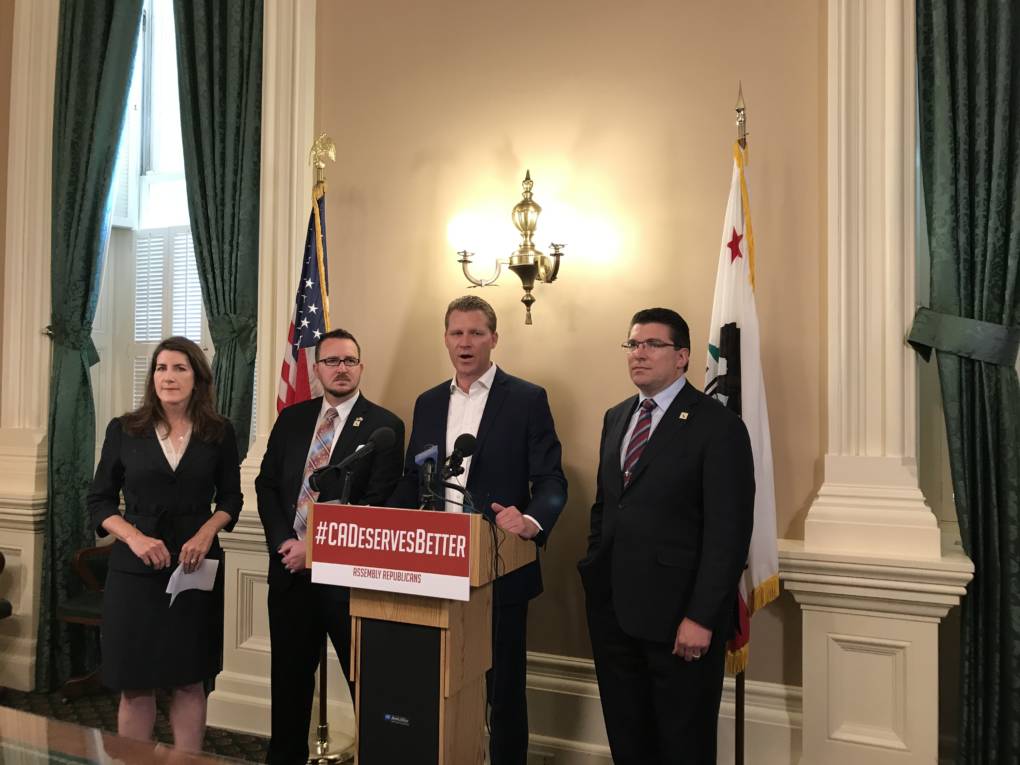
"caption": "Assembly Republican Leader Chad Mayes announces a constitutional amendment to keep higher thresholds for some local taxes. ",
"description": null,
"title": "Mayes Taxes",
"credit": "Guy Marzorati/KQED",
"status": "inherit",
"isLoading": false,
"fetchFailed": false
},
"news_11574589": {
"type": "attachments",
"id": "news_11574589",
"meta": {
"index": "attachments_1716263798",
"site": "news",
"id": "11574589",
"found": true
},
"parent": 11574585,
"imgSizes": {
"small": {
"file": "https://ww2.kqed.org/app/uploads/sites/10/2017/07/SFHouses-520x316.jpg",
"width": 520,
"mimeType": "image/jpeg",
"height": 316
},
"twentyfourteen-full-width": {
"file": "https://ww2.kqed.org/app/uploads/sites/10/2017/07/SFHouses-1038x576.jpg",
"width": 1038,
"mimeType": "image/jpeg",
"height": 576
},
"thumbnail": {
"file": "https://ww2.kqed.org/app/uploads/sites/10/2017/07/SFHouses-160x97.jpg",
"width": 160,
"mimeType": "image/jpeg",
"height": 97
},
"fd-sm": {
"file": "https://ww2.kqed.org/app/uploads/sites/10/2017/07/SFHouses-960x584.jpg",
"width": 960,
"mimeType": "image/jpeg",
"height": 584
},
"post-thumbnail": {
"file": "https://ww2.kqed.org/app/uploads/sites/10/2017/07/SFHouses-672x372.jpg",
"width": 672,
"mimeType": "image/jpeg",
"height": 372
},
"xsmall": {
"file": "https://ww2.kqed.org/app/uploads/sites/10/2017/07/SFHouses-375x228.jpg",
"width": 375,
"mimeType": "image/jpeg",
"height": 228
},
"kqedFullSize": {
"file": "https://ww2.kqed.org/app/uploads/sites/10/2017/07/SFHouses.jpg",
"width": 1920,
"height": 1167
},
"large": {
"file": "https://ww2.kqed.org/app/uploads/sites/10/2017/07/SFHouses-1020x620.jpg",
"width": 1020,
"mimeType": "image/jpeg",
"height": 620
},
"xlarge": {
"file": "https://ww2.kqed.org/app/uploads/sites/10/2017/07/SFHouses-1180x717.jpg",
"width": 1180,
"mimeType": "image/jpeg",
"height": 717
},
"guest-author-50": {
"file": "https://ww2.kqed.org/app/uploads/sites/10/2017/07/SFHouses-50x50.jpg",
"width": 50,
"mimeType": "image/jpeg",
"height": 50
},
"guest-author-96": {
"file": "https://ww2.kqed.org/app/uploads/sites/10/2017/07/SFHouses-96x96.jpg",
"width": 96,
"mimeType": "image/jpeg",
"height": 96
},
"medium": {
"file": "https://ww2.kqed.org/app/uploads/sites/10/2017/07/SFHouses-800x486.jpg",
"width": 800,
"mimeType": "image/jpeg",
"height": 486
},
"guest-author-64": {
"file": "https://ww2.kqed.org/app/uploads/sites/10/2017/07/SFHouses-64x64.jpg",
"width": 64,
"mimeType": "image/jpeg",
"height": 64
},
"guest-author-32": {
"file": "https://ww2.kqed.org/app/uploads/sites/10/2017/07/SFHouses-32x32.jpg",
"width": 32,
"mimeType": "image/jpeg",
"height": 32
},
"fd-lrg": {
"file": "https://ww2.kqed.org/app/uploads/sites/10/2017/07/SFHouses-1920x1167.jpg",
"width": 1920,
"mimeType": "image/jpeg",
"height": 1167
},
"fd-med": {
"file": "https://ww2.kqed.org/app/uploads/sites/10/2017/07/SFHouses-1180x717.jpg",
"width": 1180,
"mimeType": "image/jpeg",
"height": 717
},
"full-width": {
"file": "https://ww2.kqed.org/app/uploads/sites/10/2017/07/SFHouses-1920x1167.jpg",
"width": 1920,
"mimeType": "image/jpeg",
"height": 1167
},
"detail": {
"file": "https://ww2.kqed.org/app/uploads/sites/10/2017/07/SFHouses-150x150.jpg",
"width": 150,
"mimeType": "image/jpeg",
"height": 150
},
"guest-author-128": {
"file": "https://ww2.kqed.org/app/uploads/sites/10/2017/07/SFHouses-128x128.jpg",
"width": 128,
"mimeType": "image/jpeg",
"height": 128
},
"xxsmall": {
"file": "https://ww2.kqed.org/app/uploads/sites/10/2017/07/SFHouses-240x146.jpg",
"width": 240,
"mimeType": "image/jpeg",
"height": 146
}
},
"publishDate": 1500411153,
"modified": 1505846063,
"caption": "Houses line a street in San Francisco's Mission District. ",
"description": "Houses line a street in San Francisco's Mission District. The highest property tax gains are being recorded in the Bay Area, thanks to its red-hot economy and property markets.",
"title": "SFHouses",
"credit": "Sean Gallup/Getty Images",
"status": "inherit",
"isLoading": false,
"fetchFailed": false
}
},
"audioPlayerReducer": {
"postId": "stream_live",
"isPaused": true,
"isPlaying": false,
"pfsActive": false,
"pledgeModalIsOpen": true,
"playerDrawerIsOpen": false,
"liveAudioPlayStartedAt": 0,
"liveAudioPlayContext": ""
},
"authorsReducer": {
"byline_news_11634287": {
"type": "authors",
"id": "byline_news_11634287",
"meta": {
"override": true
},
"slug": "byline_news_11634287",
"name": "\u003cstrong>Arnie Seipel\u003c/strong>",
"isLoading": false
},
"byline_news_11634026": {
"type": "authors",
"id": "byline_news_11634026",
"meta": {
"override": true
},
"slug": "byline_news_11634026",
"name": "Arnie Seipel",
"isLoading": false
},
"byline_news_11631340": {
"type": "authors",
"id": "byline_news_11631340",
"meta": {
"override": true
},
"slug": "byline_news_11631340",
"name": "Brian Naylor",
"isLoading": false
},
"byline_news_11630989": {
"type": "authors",
"id": "byline_news_11630989",
"meta": {
"override": true
},
"slug": "byline_news_11630989",
"name": "Kelsey Snell",
"isLoading": false
},
"byline_news_11629608": {
"type": "authors",
"id": "byline_news_11629608",
"meta": {
"override": true
},
"slug": "byline_news_11629608",
"name": "Susan Davis",
"isLoading": false
},
"byline_news_11627628": {
"type": "authors",
"id": "byline_news_11627628",
"meta": {
"override": true
},
"slug": "byline_news_11627628",
"name": "Scott Horsley",
"isLoading": false
},
"byline_news_11624431": {
"type": "authors",
"id": "byline_news_11624431",
"meta": {
"override": true
},
"slug": "byline_news_11624431",
"name": "Manuel Pastor, University of Southern California – Dornsife College, for The Conversation",
"isLoading": false
},
"byline_news_11620964": {
"type": "authors",
"id": "byline_news_11620964",
"meta": {
"override": true
},
"slug": "byline_news_11620964",
"name": "\u003cstrong>Scott Horsley\u003c/strong>",
"isLoading": false
},
"byline_news_11574585": {
"type": "authors",
"id": "byline_news_11574585",
"meta": {
"override": true
},
"slug": "byline_news_11574585",
"name": "\u003cstrong>\u003ca href=\"https://calmatters.org/articles/author/dan-walters/\">Dan Walters\u003c/a>\u003cbr>\u003ca href=\"https://calmatters.org/articles/category/commentary/\">CALmatters Commentary\u003c/a>\u003c/strong>",
"isLoading": false
},
"gmarzorati": {
"type": "authors",
"id": "227",
"meta": {
"index": "authors_1716337520",
"id": "227",
"found": true
},
"name": "Guy Marzorati",
"firstName": "Guy",
"lastName": "Marzorati",
"slug": "gmarzorati",
"email": "gmarzorati@KQED.org",
"display_author_email": true,
"staff_mastheads": [
"news"
],
"title": "Correspondent",
"bio": "Guy Marzorati is a correspondent on KQED's California Politics and Government Desk, based in San Jose. A graduate of Santa Clara University, Guy joined KQED in 2013. He reports on state and local politics and produces KQED's digital voter guide.",
"avatar": "https://secure.gravatar.com/avatar/e7038b8dbfd55b104369b76b1cd0b9de?s=600&d=blank&r=g",
"twitter": "guymarzorati",
"facebook": null,
"instagram": null,
"linkedin": null,
"sites": [
{
"site": "",
"roles": [
"editor"
]
},
{
"site": "news",
"roles": [
"editor"
]
},
{
"site": "science",
"roles": [
"editor"
]
},
{
"site": "forum",
"roles": [
"editor"
]
},
{
"site": "elections",
"roles": [
"editor"
]
},
{
"site": "liveblog",
"roles": [
"editor"
]
}
],
"headData": {
"title": "Guy Marzorati | KQED",
"description": "Correspondent",
"ogImgSrc": "https://secure.gravatar.com/avatar/e7038b8dbfd55b104369b76b1cd0b9de?s=600&d=blank&r=g",
"twImgSrc": "https://secure.gravatar.com/avatar/e7038b8dbfd55b104369b76b1cd0b9de?s=600&d=blank&r=g"
},
"isLoading": false,
"link": "/author/gmarzorati"
},
"kqed": {
"type": "authors",
"id": "236",
"meta": {
"index": "authors_1716337520",
"id": "236",
"found": true
},
"name": "KQED News Staff",
"firstName": "KQED News Staff",
"lastName": null,
"slug": "kqed",
"email": "faq@kqed.org",
"display_author_email": false,
"staff_mastheads": [],
"title": null,
"bio": null,
"avatar": "https://secure.gravatar.com/avatar/ef0e801a68c4c54afa9180db14084167?s=600&d=blank&r=g",
"twitter": null,
"facebook": null,
"instagram": null,
"linkedin": null,
"sites": [
{
"site": "arts",
"roles": [
"contributor"
]
},
{
"site": "news",
"roles": [
"editor"
]
},
{
"site": "futureofyou",
"roles": [
"author"
]
}
],
"headData": {
"title": "KQED News Staff | KQED",
"description": null,
"ogImgSrc": "https://secure.gravatar.com/avatar/ef0e801a68c4c54afa9180db14084167?s=600&d=blank&r=g",
"twImgSrc": "https://secure.gravatar.com/avatar/ef0e801a68c4c54afa9180db14084167?s=600&d=blank&r=g"
},
"isLoading": false,
"link": "/author/kqed"
}
},
"pagesReducer": {
"news_tag_taxes": {
"type": "terms",
"id": "news_423",
"meta": {
"index": "terms_1716263798",
"site": "news",
"id": "423",
"score": 8.79519
},
"featImg": null,
"name": "taxes",
"description": null,
"taxonomy": "tag",
"headData": {
"twImgId": null,
"twTitle": null,
"ogTitle": null,
"ogImgId": null,
"twDescription": null,
"description": null,
"title": "taxes Archives | KQED News",
"ogDescription": null
},
"ttid": 432,
"slug": "taxes",
"isLoading": false,
"title": "taxes",
"pageMeta": {
"site": "news",
"WpPageTemplate": "page-topic-editorial",
"currentPage": 9
},
"blocks": [
{
"blockName": "kqed/post-list",
"attrs": {
"layout": "cardArticle2",
"query": "posts/news?tag=taxes",
"seeMore": false,
"paginated": true,
"page": 9
}
},
{
"blockName": "kqed/ad"
}
]
}
},
"pfsSessionReducer": {},
"postsReducer": {
"stream_live": {
"type": "live",
"id": "stream_live",
"audioUrl": "https://streams.kqed.org/kqedradio",
"title": "Live Stream",
"excerpt": "Live Stream information currently unavailable.",
"link": "/radio",
"featImg": "",
"label": {
"name": "KQED Live",
"link": "/"
}
},
"stream_kqedNewscast": {
"type": "posts",
"id": "stream_kqedNewscast",
"audioUrl": "https://www.kqed.org/.stream/anon/radio/RDnews/newscast.mp3?_=1",
"title": "KQED Newscast",
"featImg": "",
"label": {
"name": "88.5 FM",
"link": "/"
}
},
"news_11634287": {
"type": "posts",
"id": "news_11634287",
"meta": {
"index": "posts_1716263798",
"site": "news",
"id": "11634287",
"score": null,
"sort": [
1512159352000
]
},
"parent": 0,
"labelTerm": {},
"blocks": [],
"publishDate": 1512159352,
"format": "standard",
"disqusTitle": "Senate Republicans Pass Massive Tax Overhaul",
"title": "Senate Republicans Pass Massive Tax Overhaul",
"headTitle": "The California Report | KQED News",
"content": "\u003cp>\u003cstrong>Updated at 1:49 a.m. ET \u003c/strong>\u003c/p>\n\u003cp>The Senate narrowly approved a $1.4 trillion tax overhaul early Saturday morning following a day of procedural delays and frustration.\u003c/p>\n\u003cp>The legislation, which would cut the top corporate tax rate to 20 percent and lower taxes for most individuals, narrowly passed in a vote of 51-49. Tennessee Republican Bob Corker was the only Republican to vote against the legislation, joining all 48 Democrats in opposing the sweeping overhaul of the nation's tax laws.\u003c/p>\n\u003cp>Passage of the tax bill is a significant victory for Republicans who have struggled to fulfill many key legislative promises.\u003c/p>\n\u003cp>The success followed a dramatic day as lawmakers anxiously awaited a final version of the bill. Senate Majority Leader Mitch McConnell told reporters early in the day Friday that he believed that there were enough votes to pass the tax bill, but it took Republicans until late in the evening to make sure the bill conformed to strict Senate budget rules. \u003c/p>\n\u003cp>[ad fullwidth]\u003c/p>\n\u003cp>McConnell's sudden certainty marked a dramatic shift after a number of Republicans on Thursday threatened to oppose the bill over fears that the steep tax cuts could add trillions to the deficit over time.\u003c/p>\n\u003cp>McConnell worked around the clock to satisfy their demands, and a number of high-profile holdouts on the legislation said they expected a new version of the bill would satisfy a wide range of GOP demands.\u003c/p>\n\u003cp>Arizona Sen. Jeff Flake, once one of the firm holdouts because of concerns over the deficit, tweeted he would support the bill after getting assurances from the White House and Senate GOP leaders that they would work on legislation related to the Deferred Action for Childhood Arrivals, which President Trump ordered to be rescinded earlier this year. \u003c/p>\n\u003cp>Maine Republican Susan Collins also announced that she would vote yes after extracting several concessions. The new bill will include her request to allow taxpayers to write off up to $10,000 in property taxes paid to state and local governments. \u003c/p>\n\u003cp>Collins also says McConnell pledged to support legislation to fund subsidies to insurance companies to help defray costs for low-income consumers. The Trump administration stopped paying those cost-sharing reductions this year. \u003c/p>\n\u003cp>Leaders also expanded deductions for some small businesses that file their taxes on the individual side of the tax code to appease Wisconsin Sen. Ron Johnson and Montana Sen. Steve Daines, both former small business owners.\u003c/p>\n\u003cp>Johnson said those changes, in addition to a promise that he will have a say in the process of combining the House and Senate tax bills, won his support.\u003c/p>\n\u003cp>\"What I expect is I will have a seat at the table,\" Johnson said. \"I'm not anticipating offering any amendments.\"\u003c/p>\n\u003cp>To help pay for the pass-through cut, senators plan to increase the proposed tax rate on corporate profits that are earned overseas and brought back into the U.S. The new level in the Senate bill will match the level in the House bill passed before Thanksgiving.\u003c/p>\n\u003cp>Democrats spent hours objecting to the opaque process Friday as they waited for Republicans to finalize the bill. As the night dragged on, very few lawmakers had seen the legislative text, aside from sections that were being leaked or otherwise shared. \u003c/p>\n\u003cp>Early in the evening, Hawaii Democrat Brian Schatz posted on Twitter to ask, \"Does anyone know a Republican lobbyist so I can get my hands on a copy of this bill?\"\u003c/p>\n\u003cp>Other Democrats complained that the hastily complied bill included amendments that were hand written into the margin of earlier versions of the tax overhaul.\u003c/p>\n\u003cp>The bill is projected to add $1.4 trillion to the deficit over 10 years. The Joint Committee on Taxation reported on Thursday that the economic stimulus from the bill would only make up $400 billion of that. \u003c/p>\n\u003cp>That figure raised concerns with some Republicans, including Flake and Corker, who wanted the legislation to include a trigger mechanism that would force tax increases or spending cuts if the overhaul failed to grow the economy.\u003c/p>\n\u003cp>That idea was rejected Thursday after the Senate parliamentarian told lawmakers that doing so would likely violate complex Senate budget rules. A number of other GOP lawmakers say they believe the JCT figure underestimates the positive impact of the tax bill.\u003c/p>\n\u003cp>\"This bill will end up reducing the deficit, because there will be economic growth,\" Ohio Sen. Rob Portman contended. \"I feel very good about the fiscal situation.\"\u003c/p>\n\u003cp>\u003c/p>\n\u003cp>Senators must now go into conference with House members next week to work out differences in the two bills. If they can come to an agreement, both chambers would have to pass the version worked out in conference before it could go to Trump to be signed into law. \u003c/p>\n\u003cdiv class=\"fullattribution\">Copyright 2017 NPR. To see more, visit http://www.npr.org/.\u003cimg src=\"https://www.google-analytics.com/__utm.gif?utmac=UA-5828686-4&utmdt=Senate+Republicans+Pass+Massive+Tax+Overhaul+&utme=8(APIKey)9(MDAxOTAwOTE4MDEyMTkxMDAzNjczZDljZA004)\">\u003c/div>\n\n",
"disqusIdentifier": "11634287 https://ww2.kqed.org/news/?p=11634287",
"disqusUrl": "https://ww2.kqed.org/news/2017/12/01/mcconnell-on-tax-bill-we-have-the-votes/",
"stats": {
"hasVideo": false,
"hasChartOrMap": false,
"hasAudio": false,
"hasPolis": false,
"wordCount": 800,
"hasGoogleForm": false,
"hasGallery": false,
"hasHearkenModule": false,
"iframeSrcs": [],
"paragraphCount": 24
},
"modified": 1512229651,
"excerpt": "If the GOP can reconcile differences in the tax bills passed by the House and Senate, President Trump could have his wish for signing the $1.4 trillion tax overhaul into law by Christmas.",
"headData": {
"twImgId": "",
"twTitle": "",
"ogTitle": "",
"ogImgId": "",
"twDescription": "",
"description": "If the GOP can reconcile differences in the tax bills passed by the House and Senate, President Trump could have his wish for signing the $1.4 trillion tax overhaul into law by Christmas.",
"title": "Senate Republicans Pass Massive Tax Overhaul | KQED",
"ogDescription": "",
"schema": {
"@context": "https://schema.org",
"@type": "NewsArticle",
"headline": "Senate Republicans Pass Massive Tax Overhaul",
"datePublished": "2017-12-01T12:15:52-08:00",
"dateModified": "2017-12-02T07:47:31-08:00",
"image": "https://cdn.kqed.org/wp-content/uploads/2020/02/KQED-OG-Image@1x.png",
"isAccessibleForFree": "True",
"publisher": {
"@type": "NewsMediaOrganization",
"@id": "https://www.kqed.org/#organization",
"name": "KQED",
"logo": "https://cdn.kqed.org/wp-content/uploads/2020/02/KQED-OG-Image@1x.png",
"url": "https://www.kqed.org",
"sameAs": [
"https://www.facebook.com/KQED",
"https://twitter.com/KQED",
"https://www.instagram.com/kqed/",
"https://www.tiktok.com/@kqedofficial",
"https://www.linkedin.com/company/kqed",
"https://www.youtube.com/channel/UCeC0IOo7i1P_61zVUWbJ4nw"
]
}
}
},
"guestAuthors": [],
"slug": "mcconnell-on-tax-bill-we-have-the-votes",
"status": "publish",
"sourceUrl": "https://www.npr.org/",
"nprApiLink": "http://api.npr.org/query?id=567758536&apiKey=MDAxOTAwOTE4MDEyMTkxMDAzNjczZDljZA004",
"nprByline": "\u003cstrong>Arnie Seipel\u003c/strong>",
"nprStoryDate": "Fri, 01 Dec 2017 12:15:52 -0500",
"nprLastModifiedDate": "Sat, 02 Dec 2017 02:12:05 -0500",
"nprHtmlLink": "https://www.npr.org/2017/12/01/567758536/mcconnell-says-gop-has-enough-votes-to-pass-tax-bill-friday?ft=nprml&f=567758536",
"nprImageAgency": "AP",
"nprImageCredit": "J. Scott Applewhite",
"source": "NPR",
"nprStoryId": "567758536",
"nprRetrievedStory": "1",
"nprPubDate": "Sat, 02 Dec 2017 02:12:00 -0500",
"path": "/news/11634287/mcconnell-on-tax-bill-we-have-the-votes",
"audioTrackLength": null,
"parsedContent": [
{
"type": "contentString",
"content": "\u003cdiv class=\"post-body\">\u003cp>\u003cp>\u003cstrong>Updated at 1:49 a.m. ET \u003c/strong>\u003c/p>\n\u003cp>The Senate narrowly approved a $1.4 trillion tax overhaul early Saturday morning following a day of procedural delays and frustration.\u003c/p>\n\u003cp>The legislation, which would cut the top corporate tax rate to 20 percent and lower taxes for most individuals, narrowly passed in a vote of 51-49. Tennessee Republican Bob Corker was the only Republican to vote against the legislation, joining all 48 Democrats in opposing the sweeping overhaul of the nation's tax laws.\u003c/p>\n\u003cp>Passage of the tax bill is a significant victory for Republicans who have struggled to fulfill many key legislative promises.\u003c/p>\n\u003cp>The success followed a dramatic day as lawmakers anxiously awaited a final version of the bill. Senate Majority Leader Mitch McConnell told reporters early in the day Friday that he believed that there were enough votes to pass the tax bill, but it took Republicans until late in the evening to make sure the bill conformed to strict Senate budget rules. \u003c/p>\n\u003cp>\u003c/p>\u003c/div>",
"attributes": {
"named": {},
"numeric": []
}
},
{
"type": "component",
"content": "",
"name": "ad",
"attributes": {
"named": {
"label": "fullwidth"
},
"numeric": [
"fullwidth"
]
}
},
{
"type": "contentString",
"content": "\u003cdiv class=\"post-body\">\u003cp>\u003c/p>\n\u003cp>McConnell's sudden certainty marked a dramatic shift after a number of Republicans on Thursday threatened to oppose the bill over fears that the steep tax cuts could add trillions to the deficit over time.\u003c/p>\n\u003cp>McConnell worked around the clock to satisfy their demands, and a number of high-profile holdouts on the legislation said they expected a new version of the bill would satisfy a wide range of GOP demands.\u003c/p>\n\u003cp>Arizona Sen. Jeff Flake, once one of the firm holdouts because of concerns over the deficit, tweeted he would support the bill after getting assurances from the White House and Senate GOP leaders that they would work on legislation related to the Deferred Action for Childhood Arrivals, which President Trump ordered to be rescinded earlier this year. \u003c/p>\n\u003cp>Maine Republican Susan Collins also announced that she would vote yes after extracting several concessions. The new bill will include her request to allow taxpayers to write off up to $10,000 in property taxes paid to state and local governments. \u003c/p>\n\u003cp>Collins also says McConnell pledged to support legislation to fund subsidies to insurance companies to help defray costs for low-income consumers. The Trump administration stopped paying those cost-sharing reductions this year. \u003c/p>\n\u003cp>Leaders also expanded deductions for some small businesses that file their taxes on the individual side of the tax code to appease Wisconsin Sen. Ron Johnson and Montana Sen. Steve Daines, both former small business owners.\u003c/p>\n\u003cp>Johnson said those changes, in addition to a promise that he will have a say in the process of combining the House and Senate tax bills, won his support.\u003c/p>\n\u003cp>\"What I expect is I will have a seat at the table,\" Johnson said. \"I'm not anticipating offering any amendments.\"\u003c/p>\n\u003cp>To help pay for the pass-through cut, senators plan to increase the proposed tax rate on corporate profits that are earned overseas and brought back into the U.S. The new level in the Senate bill will match the level in the House bill passed before Thanksgiving.\u003c/p>\n\u003cp>Democrats spent hours objecting to the opaque process Friday as they waited for Republicans to finalize the bill. As the night dragged on, very few lawmakers had seen the legislative text, aside from sections that were being leaked or otherwise shared. \u003c/p>\n\u003cp>Early in the evening, Hawaii Democrat Brian Schatz posted on Twitter to ask, \"Does anyone know a Republican lobbyist so I can get my hands on a copy of this bill?\"\u003c/p>\n\u003cp>Other Democrats complained that the hastily complied bill included amendments that were hand written into the margin of earlier versions of the tax overhaul.\u003c/p>\n\u003cp>The bill is projected to add $1.4 trillion to the deficit over 10 years. The Joint Committee on Taxation reported on Thursday that the economic stimulus from the bill would only make up $400 billion of that. \u003c/p>\n\u003cp>That figure raised concerns with some Republicans, including Flake and Corker, who wanted the legislation to include a trigger mechanism that would force tax increases or spending cuts if the overhaul failed to grow the economy.\u003c/p>\n\u003cp>That idea was rejected Thursday after the Senate parliamentarian told lawmakers that doing so would likely violate complex Senate budget rules. A number of other GOP lawmakers say they believe the JCT figure underestimates the positive impact of the tax bill.\u003c/p>\n\u003cp>\"This bill will end up reducing the deficit, because there will be economic growth,\" Ohio Sen. Rob Portman contended. \"I feel very good about the fiscal situation.\"\u003c/p>\n\u003cp>\u003c/p>\n\u003cp>Senators must now go into conference with House members next week to work out differences in the two bills. If they can come to an agreement, both chambers would have to pass the version worked out in conference before it could go to Trump to be signed into law. \u003c/p>\n\u003cdiv class=\"fullattribution\">Copyright 2017 NPR. To see more, visit http://www.npr.org/.\u003cimg src=\"https://www.google-analytics.com/__utm.gif?utmac=UA-5828686-4&utmdt=Senate+Republicans+Pass+Massive+Tax+Overhaul+&utme=8(APIKey)9(MDAxOTAwOTE4MDEyMTkxMDAzNjczZDljZA004)\">\u003c/div>\n\n\u003c/div>\u003c/p>",
"attributes": {
"named": {},
"numeric": []
}
}
],
"link": "/news/11634287/mcconnell-on-tax-bill-we-have-the-votes",
"authors": [
"byline_news_11634287"
],
"programs": [
"news_6944",
"news_72"
],
"categories": [
"news_8",
"news_13"
],
"tags": [
"news_19542",
"news_21171",
"news_423"
],
"affiliates": [
"news_253"
],
"featImg": "news_11634291",
"label": "source_news_11634287"
},
"news_11634026": {
"type": "posts",
"id": "news_11634026",
"meta": {
"index": "posts_1716263798",
"site": "news",
"id": "11634026",
"score": null,
"sort": [
1512061088000
]
},
"parent": 0,
"labelTerm": {},
"blocks": [],
"publishDate": 1512061088,
"format": "standard",
"disqusTitle": "Senate Debates GOP Tax Bill: What To Watch For",
"title": "Senate Debates GOP Tax Bill: What To Watch For",
"headTitle": "The California Report | KQED News",
"content": "\u003cp>Senate Republicans have begun debate on their bill to overhaul the nation's tax code. Many GOP members \u003ca href=\"https://www.npr.org/2017/11/28/567053587/senate-tax-bill-gaining-momentum-with-some-gop-holdouts\">sound hopeful about passing their tax bill\u003c/a>, possibly in a matter of hours. But they aren't there yet. To pass, 50 of the 52 GOP senators need to support the legislation. As the bill is debated on the Senate floor Thursday, several amendments are expected to try to get their support.\u003c/p>\n\u003cp>\u003c!-- iframe plugin v.4.3 wordpress.org/plugins/iframe/ -->\u003cbr>\n\u003ciframe width=\"800\" height=\"400\" src=\"https://www.npr.org/templates/event/embeddedVideo.php?storyId=567430679&mediaId=567453166\" frameborder=\"0\" scrolling=\"no\" class=\"iframe-class\">\u003c/iframe>\u003c/p>\n\u003cp>Here's what to watch for:\u003c/p>\n\u003cp>\u003cstrong>ANWR Drilling \u003c/strong>\u003c/p>\n\u003cp>Sen. Lisa Murkowski, R-Alaska, says she plans to support the tax legislation. One of the elements that is bringing her on board is \u003ca href=\"https://www.npr.org/2017/11/18/564909626/senate-may-approve-drilling-in-alaskan-wilderness-with-tax-bill\">a provision to open part of the Arctic National Wildlife Refuge to oil and gas exploration.\u003c/a> It's been a goal of Alaska Republicans for a long time, and is estimated to bring in over $1 billion in revenue to help pay for a small fraction of the tax cuts being proposed.\u003c/p>\n\u003cp>[ad fullwidth]\u003c/p>\n\u003cp>The Senate parliamentarian also has to weigh in on whether this provision can fit with the tax package.\u003c/p>\n\u003cp>\u003cstrong>Triggers\u003c/strong>\u003c/p>\n\u003cp>Deficit hawks like Sens. Bob Corker, R-Tenn., and Jeff Flake, R-Ariz., are worried about the fact that the tax bill would add to the deficit — \u003ca href=\"https://www.npr.org/2017/11/20/565297639/how-republicans-can-shoehorn-temporary-tax-cuts-in-for-good\">possibly beyond the $1.4 trillion price tag\u003c/a> the Congressional Budget Office has put on the bill. GOP leaders say economic growth spurred by the tax bill would offset its costs, so there is\u003ca href=\"https://www.npr.org/2017/11/29/567278766/congress-considers-a-tax-revenue-trigger-to-shoot-down-budget-deficits\"> a compromise in the works to include a provision to raise taxes or cut spending\u003c/a> if the promised growth isn't achieved. But it's being questioned because that would mean imposing a tax increase at a time when the economy would not be doing particularly well.\u003c/p>\n\u003cp>\u003cstrong>Another Run At Obamacare \u003c/strong>\u003c/p>\n\u003cp>The Senate bill would cancel out the penalty imposed by the Affordable Care Act on individuals who do not have health insurance. Sen. Susan Collins, R-Maine, is seeking further legislation be taken up to shore up insurance markets in exchange for this measure, which would give Republicans a small victory in their failed struggle to repeal large parts of the law.\u003c/p>\n\u003cp>\u003cstrong>Keeping Score \u003c/strong>\u003c/p>\n\u003cp>Republican leaders want to speed the tax bill to passage by taking advantage of a quirk in Senate Budget rules that allow some tax and spending measures to pass with just 51 votes (including a tie-breaker from Vice President Pence, if needed) rather than the 60 votes needed for most other legislation.\u003c/p>\n\u003cp>That means Republicans can pass the bill on their own. But it also means they have to stick to strict rules that say the legislation can't increase the deficit by more than $1.5 trillion over the next ten years. They also have to make sure the tax cuts don't add to the deficit at all after that.\u003c/p>\n\u003cp>The Congressional Budget Office has produced scores estimating that the tax bill in its original form would add $1.4 trillion to the federal deficit over 10 years. It has also said the provision to cancel out the Affordable Care Act's mandate for individuals to have health insurance would reduce deficits by $318 billion, as millions fewer people are enrolled in Medicaid and the individual market, where the federal government offers subsidies for lower-income consumers.\u003c/p>\n\u003cp>But under Senate rules, an official score of the bill in its current form is needed in order to vote.\u003c/p>\n\u003cp>\u003cstrong>Child Tax Credit \u003c/strong>\u003c/p>\n\u003cp>Sens. Marco Rubio, R-Fla., and Mike Lee, R-Utah, want to make it easier for low and middle-income families to get a refund under the child tax credit. The pair introduced an amendment that would make the whole credit refundable—that means working parents who don't owe taxes at the end of the year could get a refund of up to $2,000 for every child in their family.\u003c/p>\n\u003cp>Rubio and Lee want to pay for that change by increasing the proposed corporate tax rate from 20 percent to 22 percent. That idea has met with some resistance among Republicans who want to keep the corporate rate as low as possible.\u003c/p>\n\u003cp>\u003c/p>\n\u003cp>\u003cem>NPR Congressional Reporter Kelsey Snell contributed to this report. \u003c/em>\u003cimg src=\"https://www.google-analytics.com/__utm.gif?utmac=UA-5828686-4&utmdt=Senate+Debates+GOP+Tax+Bill%3A+What+To+Watch+For&utme=8(APIKey)9(MDAxOTAwOTE4MDEyMTkxMDAzNjczZDljZA004)\">\u003c/p>\n\n",
"disqusIdentifier": "11634026 https://ww2.kqed.org/news/?p=11634026",
"disqusUrl": "https://ww2.kqed.org/news/2017/11/30/senate-debates-gop-tax-bill-what-to-watch-for/",
"stats": {
"hasVideo": false,
"hasChartOrMap": false,
"hasAudio": false,
"hasPolis": false,
"wordCount": 689,
"hasGoogleForm": false,
"hasGallery": false,
"hasHearkenModule": false,
"iframeSrcs": [],
"paragraphCount": 21
},
"modified": 1512070741,
"excerpt": "GOP leaders are scrambling to lock down enough votes to pass their overhaul of the nation's tax code. ",
"headData": {
"twImgId": "",
"twTitle": "",
"ogTitle": "",
"ogImgId": "",
"twDescription": "",
"description": "GOP leaders are scrambling to lock down enough votes to pass their overhaul of the nation's tax code. ",
"title": "Senate Debates GOP Tax Bill: What To Watch For | KQED",
"ogDescription": "",
"schema": {
"@context": "https://schema.org",
"@type": "NewsArticle",
"headline": "Senate Debates GOP Tax Bill: What To Watch For",
"datePublished": "2017-11-30T08:58:08-08:00",
"dateModified": "2017-11-30T11:39:01-08:00",
"image": "https://cdn.kqed.org/wp-content/uploads/2020/02/KQED-OG-Image@1x.png",
"isAccessibleForFree": "True",
"publisher": {
"@type": "NewsMediaOrganization",
"@id": "https://www.kqed.org/#organization",
"name": "KQED",
"logo": "https://cdn.kqed.org/wp-content/uploads/2020/02/KQED-OG-Image@1x.png",
"url": "https://www.kqed.org",
"sameAs": [
"https://www.facebook.com/KQED",
"https://twitter.com/KQED",
"https://www.instagram.com/kqed/",
"https://www.tiktok.com/@kqedofficial",
"https://www.linkedin.com/company/kqed",
"https://www.youtube.com/channel/UCeC0IOo7i1P_61zVUWbJ4nw"
]
}
}
},
"guestAuthors": [],
"slug": "senate-debates-gop-tax-bill-what-to-watch-for",
"status": "publish",
"sourceUrl": "http://www.npr.org/",
"nprApiLink": "http://api.npr.org/query?id=567430679&apiKey=MDAxOTAwOTE4MDEyMTkxMDAzNjczZDljZA004",
"nprByline": "Arnie Seipel",
"nprStoryDate": "Thu, 30 Nov 2017 10:41:00 -0500",
"nprLastModifiedDate": "Thu, 30 Nov 2017 11:14:32 -0500",
"nprHtmlLink": "https://www.npr.org/2017/11/30/567430679/watch-live-senate-debates-gop-tax-bill?ft=nprml&f=567430679",
"nprImageAgency": "AP",
"nprImageCredit": "J. Scott Applewhite",
"source": "NPR",
"nprStoryId": "567430679",
"nprRetrievedStory": "1",
"nprPubDate": "Thu, 30 Nov 2017 11:14:00 -0500",
"path": "/news/11634026/senate-debates-gop-tax-bill-what-to-watch-for",
"audioTrackLength": null,
"parsedContent": [
{
"type": "contentString",
"content": "\u003cdiv class=\"post-body\">\u003cp>\u003cp>Senate Republicans have begun debate on their bill to overhaul the nation's tax code. Many GOP members \u003ca href=\"https://www.npr.org/2017/11/28/567053587/senate-tax-bill-gaining-momentum-with-some-gop-holdouts\">sound hopeful about passing their tax bill\u003c/a>, possibly in a matter of hours. But they aren't there yet. To pass, 50 of the 52 GOP senators need to support the legislation. As the bill is debated on the Senate floor Thursday, several amendments are expected to try to get their support.\u003c/p>\n\u003cp>\u003c!-- iframe plugin v.4.3 wordpress.org/plugins/iframe/ -->\u003cbr>\n\u003ciframe width=\"800\" height=\"400\" src=\"https://www.npr.org/templates/event/embeddedVideo.php?storyId=567430679&mediaId=567453166\" frameborder=\"0\" scrolling=\"no\" class=\"iframe-class\">\u003c/iframe>\u003c/p>\n\u003cp>Here's what to watch for:\u003c/p>\n\u003cp>\u003cstrong>ANWR Drilling \u003c/strong>\u003c/p>\n\u003cp>Sen. Lisa Murkowski, R-Alaska, says she plans to support the tax legislation. One of the elements that is bringing her on board is \u003ca href=\"https://www.npr.org/2017/11/18/564909626/senate-may-approve-drilling-in-alaskan-wilderness-with-tax-bill\">a provision to open part of the Arctic National Wildlife Refuge to oil and gas exploration.\u003c/a> It's been a goal of Alaska Republicans for a long time, and is estimated to bring in over $1 billion in revenue to help pay for a small fraction of the tax cuts being proposed.\u003c/p>\n\u003cp>\u003c/p>\u003c/div>",
"attributes": {
"named": {},
"numeric": []
}
},
{
"type": "component",
"content": "",
"name": "ad",
"attributes": {
"named": {
"label": "fullwidth"
},
"numeric": [
"fullwidth"
]
}
},
{
"type": "contentString",
"content": "\u003cdiv class=\"post-body\">\u003cp>\u003c/p>\n\u003cp>The Senate parliamentarian also has to weigh in on whether this provision can fit with the tax package.\u003c/p>\n\u003cp>\u003cstrong>Triggers\u003c/strong>\u003c/p>\n\u003cp>Deficit hawks like Sens. Bob Corker, R-Tenn., and Jeff Flake, R-Ariz., are worried about the fact that the tax bill would add to the deficit — \u003ca href=\"https://www.npr.org/2017/11/20/565297639/how-republicans-can-shoehorn-temporary-tax-cuts-in-for-good\">possibly beyond the $1.4 trillion price tag\u003c/a> the Congressional Budget Office has put on the bill. GOP leaders say economic growth spurred by the tax bill would offset its costs, so there is\u003ca href=\"https://www.npr.org/2017/11/29/567278766/congress-considers-a-tax-revenue-trigger-to-shoot-down-budget-deficits\"> a compromise in the works to include a provision to raise taxes or cut spending\u003c/a> if the promised growth isn't achieved. But it's being questioned because that would mean imposing a tax increase at a time when the economy would not be doing particularly well.\u003c/p>\n\u003cp>\u003cstrong>Another Run At Obamacare \u003c/strong>\u003c/p>\n\u003cp>The Senate bill would cancel out the penalty imposed by the Affordable Care Act on individuals who do not have health insurance. Sen. Susan Collins, R-Maine, is seeking further legislation be taken up to shore up insurance markets in exchange for this measure, which would give Republicans a small victory in their failed struggle to repeal large parts of the law.\u003c/p>\n\u003cp>\u003cstrong>Keeping Score \u003c/strong>\u003c/p>\n\u003cp>Republican leaders want to speed the tax bill to passage by taking advantage of a quirk in Senate Budget rules that allow some tax and spending measures to pass with just 51 votes (including a tie-breaker from Vice President Pence, if needed) rather than the 60 votes needed for most other legislation.\u003c/p>\n\u003cp>That means Republicans can pass the bill on their own. But it also means they have to stick to strict rules that say the legislation can't increase the deficit by more than $1.5 trillion over the next ten years. They also have to make sure the tax cuts don't add to the deficit at all after that.\u003c/p>\n\u003cp>The Congressional Budget Office has produced scores estimating that the tax bill in its original form would add $1.4 trillion to the federal deficit over 10 years. It has also said the provision to cancel out the Affordable Care Act's mandate for individuals to have health insurance would reduce deficits by $318 billion, as millions fewer people are enrolled in Medicaid and the individual market, where the federal government offers subsidies for lower-income consumers.\u003c/p>\n\u003cp>But under Senate rules, an official score of the bill in its current form is needed in order to vote.\u003c/p>\n\u003cp>\u003cstrong>Child Tax Credit \u003c/strong>\u003c/p>\n\u003cp>Sens. Marco Rubio, R-Fla., and Mike Lee, R-Utah, want to make it easier for low and middle-income families to get a refund under the child tax credit. The pair introduced an amendment that would make the whole credit refundable—that means working parents who don't owe taxes at the end of the year could get a refund of up to $2,000 for every child in their family.\u003c/p>\n\u003cp>Rubio and Lee want to pay for that change by increasing the proposed corporate tax rate from 20 percent to 22 percent. That idea has met with some resistance among Republicans who want to keep the corporate rate as low as possible.\u003c/p>\n\u003cp>\u003c/p>\n\u003cp>\u003cem>NPR Congressional Reporter Kelsey Snell contributed to this report. \u003c/em>\u003cimg src=\"https://www.google-analytics.com/__utm.gif?utmac=UA-5828686-4&utmdt=Senate+Debates+GOP+Tax+Bill%3A+What+To+Watch+For&utme=8(APIKey)9(MDAxOTAwOTE4MDEyMTkxMDAzNjczZDljZA004)\">\u003c/p>\n\n\u003c/div>\u003c/p>",
"attributes": {
"named": {},
"numeric": []
}
}
],
"link": "/news/11634026/senate-debates-gop-tax-bill-what-to-watch-for",
"authors": [
"byline_news_11634026"
],
"programs": [
"news_6944",
"news_72"
],
"categories": [
"news_8",
"news_13"
],
"tags": [
"news_19542",
"news_22036",
"news_3890",
"news_423",
"news_17041",
"news_17628"
],
"affiliates": [
"news_253"
],
"featImg": "news_11338176",
"label": "source_news_11634026"
},
"news_11633371": {
"type": "posts",
"id": "news_11633371",
"meta": {
"index": "posts_1716263798",
"site": "news",
"id": "11633371",
"score": null,
"sort": [
1510956986000
]
},
"guestAuthors": [],
"slug": "congressman-ro-khanna-interview",
"title": "Congressman Ro Khanna Interview",
"publishDate": 1510956986,
"format": "video",
"headTitle": "Congressman Ro Khanna Interview | KQED",
"labelTerm": {
"term": 7052,
"site": "news"
},
"content": "\u003cp>A conversation with Rep. Ro Khanna of California’s 17th District on GOP tax reform efforts, why he wants to see a challenger enter the ring against longtime incumbent Sen. Dianne Feinstein, and the role of social media in influencing presidential elections.\u003c/p>\n\u003cp>[ad fullwidth]\u003c/p>\u003cp>\u003c/p>\n",
"blocks": [],
"excerpt": "A conversation with Rep. Ro Khanna of California’s 17th District on GOP tax reform efforts",
"status": "publish",
"parent": 0,
"modified": 1729029448,
"stats": {
"hasAudio": false,
"hasVideo": false,
"hasChartOrMap": false,
"iframeSrcs": [],
"hasGoogleForm": false,
"hasGallery": false,
"hasHearkenModule": false,
"hasPolis": false,
"paragraphCount": 3,
"wordCount": 45
},
"headData": {
"title": "Congressman Ro Khanna Interview | KQED",
"description": "A conversation with Rep. Ro Khanna of California’s 17th District on GOP tax reform efforts",
"ogTitle": "",
"ogDescription": "",
"ogImgId": "",
"twTitle": "",
"twDescription": "",
"twImgId": "",
"schema": {
"@context": "https://schema.org",
"@type": "NewsArticle",
"headline": "Congressman Ro Khanna Interview",
"datePublished": "2017-11-17T14:16:26-08:00",
"dateModified": "2024-10-15T14:57:28-07:00",
"image": "https://cdn.kqed.org/wp-content/uploads/2020/02/KQED-OG-Image@1x.png",
"isAccessibleForFree": "True",
"publisher": {
"@type": "NewsMediaOrganization",
"@id": "https://www.kqed.org/#organization",
"name": "KQED",
"logo": "https://cdn.kqed.org/wp-content/uploads/2020/02/KQED-OG-Image@1x.png",
"url": "https://www.kqed.org",
"sameAs": [
"https://www.facebook.com/KQED",
"https://twitter.com/KQED",
"https://www.instagram.com/kqed/",
"https://www.tiktok.com/@kqedofficial",
"https://www.linkedin.com/company/kqed",
"https://www.youtube.com/channel/UCeC0IOo7i1P_61zVUWbJ4nw"
]
}
}
},
"videoEmbed": "https://youtu.be/aXhE23YPP4M",
"sticky": false,
"path": "/news/11633371/congressman-ro-khanna-interview",
"audioTrackLength": null,
"parsedContent": [
{
"type": "contentString",
"content": "\u003cdiv class=\"post-body\">\u003cp>\u003cp>A conversation with Rep. Ro Khanna of California’s 17th District on GOP tax reform efforts, why he wants to see a challenger enter the ring against longtime incumbent Sen. Dianne Feinstein, and the role of social media in influencing presidential elections.\u003c/p>\n\u003cp>\u003c/p>\u003c/div>",
"attributes": {
"named": {},
"numeric": []
}
},
{
"type": "component",
"content": "",
"name": "ad",
"attributes": {
"named": {
"label": "fullwidth"
},
"numeric": [
"fullwidth"
]
}
},
{
"type": "contentString",
"content": "\u003cdiv class=\"post-body\">\u003cp>\u003c/p>\u003cp>\u003c/p>\n\u003c/div>\u003c/p>",
"attributes": {
"named": {},
"numeric": []
}
}
],
"link": "/news/11633371/congressman-ro-khanna-interview",
"authors": [
"236"
],
"programs": [
"news_7052"
],
"categories": [
"news_13",
"news_248"
],
"tags": [
"news_18538",
"news_274",
"news_6238",
"news_20614",
"news_423",
"news_1631"
],
"featImg": "news_11633403",
"label": "news_7052"
},
"news_11631340": {
"type": "posts",
"id": "news_11631340",
"meta": {
"index": "posts_1716263798",
"site": "news",
"id": "11631340",
"score": null,
"sort": [
1510861031000
]
},
"parent": 0,
"labelTerm": {},
"blocks": [],
"publishDate": 1510861031,
"format": "standard",
"disqusTitle": "House Approves GOP Tax Overhaul, With Senate Outlook Uncertain",
"title": "House Approves GOP Tax Overhaul, With Senate Outlook Uncertain",
"headTitle": "The California Report | KQED News",
"content": "\u003cp>The House has narrowly approved a $1.4 trillion tax overhaul, clearing the first major hurdle in Republican attempts to cut taxes and rewrite the tax code.\u003c/p>\n\u003cp>The vote was almost along party lines, with no Democrats voting in support of the bill and some GOP defections over provisions in the measure that would eliminate important tax deductions taken by constituents in some high tax states.\u003c/p>\n\u003cp>[contextly_sidebar id=\"NBdGEQ5oaJ7cya8VNCS5BLDd3ECzov0t\"]\u003c/p>\n\u003cp>\"It has been 31 years since we last did this, and it is finally time that we get the general interest of this country to prevail over the special interests in Washington,\" House Speaker Paul Ryan said on the House floor, pledging that the bill would leader to faster economic growth and bigger paychecks for American workers. \u003c/p>\n\u003cp>The last major tax overhaul took place in 1986 under President Ronald Reagan, with a Republican-controlled Senate and Democratic-controlled House. \u003c/p>\n\u003cp>[ad fullwidth]\u003c/p>\n\u003cp>President Trump made a rare appearance at the Capitol to rally GOP lawmakers in advance of the vote. \"It was a good meeting. Taxes are going really well,\" Trump told reporters. \u003c/p>\n\u003cp>[contextly_sidebar id=\"kHOwXXT9xG0Eu86yygrllq5GfkjULZik\"]\u003c/p>\n\u003cp>The 440-page legislation would reduce the corporate tax rate from 35 percent to 20 percent, winning support from outside groups such as the U.S. Chamber of Commerce and the National Federation of Independent Businesses.\u003c/p>\n\u003cp>But it's effect on individuals is less dramatic. It reduces from seven to four the number of tax brackets, and doubles the standard deduction, while eliminating many other deductions and credits. \u003ca href=\"https://www.npr.org/2017/11/14/562884070/charts-heres-how-gop-s-tax-breaks-would-shift-money-to-rich-poor-americans\">NPR's Danielle Kurtzleben has an extensive breakdown of the of the measure here.\u003c/a>\u003c/p>\n\u003cp>The Senate is considering its own, different tax overhaul, which is still in committee. In recent days, \u003ca href=\"https://www.npr.org/2017/11/14/564154614/republican-senators-add-repeal-of-individual-health-care-mandate-to-tax-bill\">it has been altered\u003c/a> so that tax rates for individuals would be reduced only temporarily, while corporate tax rates would be cut permanently. Wisconsin Sen. Ron Johnson said \u003ca href=\"https://www.npr.org/2017/11/15/564323858/senate-plan-now-makes-individual-tax-cuts-temporary-keeps-corporate-cuts-permane\">he's against the bill in its current form\u003c/a> because the cuts that would be temporary would also impact small businesses that pay their taxes through individual rates. \u003c/p>\n\u003cp>[contextly_sidebar id=\"bnYiF7VFLqKCzQ54s33HT4MHyWUMTEQB\"]\u003c/p>\n\u003cp>The Senate bill would also now include a provision to zero-out the individual mandate penalty, one of the pillars of the Affordable Care Act. Sen. Susan Collins, R-Maine, expressed reservations over this move. She is one of the Republicans who blocked efforts to repeal Obamacare this year.\u003c/p>\n\u003cp>\u003c/p>\n\u003cp>GOP leaders, prodded by the president, hope to agree on and approve a final tax bill by the end of the year, and show voters a major accomplishment in the first year of their majority since they failed repeatedly on health care. \u003c/p>\n\u003cdiv class=\"fullattribution\">Copyright 2017 NPR. To see more, visit http://www.npr.org/.\u003cimg src=\"https://www.google-analytics.com/__utm.gif?utmac=UA-5828686-4&utmdt=House+Approves+GOP+Tax+Overhaul%2C+With+Senate+Outlook+Uncertain&utme=8(APIKey)9(MDAxOTAwOTE4MDEyMTkxMDAzNjczZDljZA004)\">\u003c/div>\n\n",
"disqusIdentifier": "11631340 https://ww2.kqed.org/news/?p=11631340",
"disqusUrl": "https://ww2.kqed.org/news/2017/11/16/house-approves-gop-tax-overhaul-with-senate-outlook-uncertain/",
"stats": {
"hasVideo": false,
"hasChartOrMap": false,
"hasAudio": false,
"hasPolis": false,
"wordCount": 444,
"hasGoogleForm": false,
"hasGallery": false,
"hasHearkenModule": false,
"iframeSrcs": [],
"paragraphCount": 15
},
"modified": 1510861057,
"excerpt": "The GOP measure would sharply reduce corporate tax rates and double the standard deduction many individuals take. Senate Republicans have their own bill, which could pass a committee vote on Friday.",
"headData": {
"twImgId": "",
"twTitle": "",
"ogTitle": "",
"ogImgId": "",
"twDescription": "",
"description": "The GOP measure would sharply reduce corporate tax rates and double the standard deduction many individuals take. Senate Republicans have their own bill, which could pass a committee vote on Friday.",
"title": "House Approves GOP Tax Overhaul, With Senate Outlook Uncertain | KQED",
"ogDescription": "",
"schema": {
"@context": "https://schema.org",
"@type": "NewsArticle",
"headline": "House Approves GOP Tax Overhaul, With Senate Outlook Uncertain",
"datePublished": "2017-11-16T11:37:11-08:00",
"dateModified": "2017-11-16T11:37:37-08:00",
"image": "https://cdn.kqed.org/wp-content/uploads/2020/02/KQED-OG-Image@1x.png",
"isAccessibleForFree": "True",
"publisher": {
"@type": "NewsMediaOrganization",
"@id": "https://www.kqed.org/#organization",
"name": "KQED",
"logo": "https://cdn.kqed.org/wp-content/uploads/2020/02/KQED-OG-Image@1x.png",
"url": "https://www.kqed.org",
"sameAs": [
"https://www.facebook.com/KQED",
"https://twitter.com/KQED",
"https://www.instagram.com/kqed/",
"https://www.tiktok.com/@kqedofficial",
"https://www.linkedin.com/company/kqed",
"https://www.youtube.com/channel/UCeC0IOo7i1P_61zVUWbJ4nw"
]
}
}
},
"guestAuthors": [],
"slug": "house-approves-gop-tax-overhaul-with-senate-outlook-uncertain",
"status": "publish",
"sourceUrl": "https://www.npr.org/",
"nprApiLink": "http://api.npr.org/query?id=564615897&apiKey=MDAxOTAwOTE4MDEyMTkxMDAzNjczZDljZA004",
"nprByline": "Brian Naylor",
"nprStoryDate": "Thu, 16 Nov 2017 13:49:55 -0500",
"nprLastModifiedDate": "Thu, 16 Nov 2017 14:05:07 -0500",
"nprHtmlLink": "https://www.npr.org/2017/11/16/564615897/house-approves-gop-tax-overhaul-with-senate-outlook-uncertain?ft=nprml&f=564615897",
"nprImageAgency": "AP",
"nprImageCredit": "Jacquelyn Martin",
"source": "NPR",
"nprStoryId": "564615897",
"nprRetrievedStory": "1",
"nprPubDate": "Thu, 16 Nov 2017 14:05:00 -0500",
"path": "/news/11631340/house-approves-gop-tax-overhaul-with-senate-outlook-uncertain",
"audioTrackLength": null,
"parsedContent": [
{
"type": "contentString",
"content": "\u003cdiv class=\"post-body\">\u003cp>\u003cp>The House has narrowly approved a $1.4 trillion tax overhaul, clearing the first major hurdle in Republican attempts to cut taxes and rewrite the tax code.\u003c/p>\n\u003cp>The vote was almost along party lines, with no Democrats voting in support of the bill and some GOP defections over provisions in the measure that would eliminate important tax deductions taken by constituents in some high tax states.\u003c/p>\n\u003cp>\u003c/p>\u003cp>\u003c/p>\u003cp>\u003c/p>\n\u003cp>\"It has been 31 years since we last did this, and it is finally time that we get the general interest of this country to prevail over the special interests in Washington,\" House Speaker Paul Ryan said on the House floor, pledging that the bill would leader to faster economic growth and bigger paychecks for American workers. \u003c/p>\n\u003cp>The last major tax overhaul took place in 1986 under President Ronald Reagan, with a Republican-controlled Senate and Democratic-controlled House. \u003c/p>\n\u003cp>\u003c/p>\u003c/div>",
"attributes": {
"named": {},
"numeric": []
}
},
{
"type": "component",
"content": "",
"name": "ad",
"attributes": {
"named": {
"label": "fullwidth"
},
"numeric": [
"fullwidth"
]
}
},
{
"type": "contentString",
"content": "\u003cdiv class=\"post-body\">\u003cp>\u003c/p>\n\u003cp>President Trump made a rare appearance at the Capitol to rally GOP lawmakers in advance of the vote. \"It was a good meeting. Taxes are going really well,\" Trump told reporters. \u003c/p>\n\u003cp>\u003c/p>\u003cp>\u003c/p>\u003cp>\u003c/p>\n\u003cp>The 440-page legislation would reduce the corporate tax rate from 35 percent to 20 percent, winning support from outside groups such as the U.S. Chamber of Commerce and the National Federation of Independent Businesses.\u003c/p>\n\u003cp>But it's effect on individuals is less dramatic. It reduces from seven to four the number of tax brackets, and doubles the standard deduction, while eliminating many other deductions and credits. \u003ca href=\"https://www.npr.org/2017/11/14/562884070/charts-heres-how-gop-s-tax-breaks-would-shift-money-to-rich-poor-americans\">NPR's Danielle Kurtzleben has an extensive breakdown of the of the measure here.\u003c/a>\u003c/p>\n\u003cp>The Senate is considering its own, different tax overhaul, which is still in committee. In recent days, \u003ca href=\"https://www.npr.org/2017/11/14/564154614/republican-senators-add-repeal-of-individual-health-care-mandate-to-tax-bill\">it has been altered\u003c/a> so that tax rates for individuals would be reduced only temporarily, while corporate tax rates would be cut permanently. Wisconsin Sen. Ron Johnson said \u003ca href=\"https://www.npr.org/2017/11/15/564323858/senate-plan-now-makes-individual-tax-cuts-temporary-keeps-corporate-cuts-permane\">he's against the bill in its current form\u003c/a> because the cuts that would be temporary would also impact small businesses that pay their taxes through individual rates. \u003c/p>\n\u003cp>\u003c/p>\u003cp>\u003c/p>\u003cp>\u003c/p>\n\u003cp>The Senate bill would also now include a provision to zero-out the individual mandate penalty, one of the pillars of the Affordable Care Act. Sen. Susan Collins, R-Maine, expressed reservations over this move. She is one of the Republicans who blocked efforts to repeal Obamacare this year.\u003c/p>\n\u003cp>\u003c/p>\n\u003cp>GOP leaders, prodded by the president, hope to agree on and approve a final tax bill by the end of the year, and show voters a major accomplishment in the first year of their majority since they failed repeatedly on health care. \u003c/p>\n\u003cdiv class=\"fullattribution\">Copyright 2017 NPR. To see more, visit http://www.npr.org/.\u003cimg src=\"https://www.google-analytics.com/__utm.gif?utmac=UA-5828686-4&utmdt=House+Approves+GOP+Tax+Overhaul%2C+With+Senate+Outlook+Uncertain&utme=8(APIKey)9(MDAxOTAwOTE4MDEyMTkxMDAzNjczZDljZA004)\">\u003c/div>\n\n\u003c/div>\u003c/p>",
"attributes": {
"named": {},
"numeric": []
}
}
],
"link": "/news/11631340/house-approves-gop-tax-overhaul-with-senate-outlook-uncertain",
"authors": [
"byline_news_11631340"
],
"programs": [
"news_6944",
"news_72"
],
"categories": [
"news_1758",
"news_8",
"news_13"
],
"tags": [
"news_19542",
"news_423",
"news_17041",
"news_387"
],
"featImg": "news_11631344",
"label": "source_news_11631340"
},
"news_11630989": {
"type": "posts",
"id": "news_11630989",
"meta": {
"index": "posts_1716263798",
"site": "news",
"id": "11630989",
"score": null,
"sort": [
1510712897000
]
},
"parent": 0,
"labelTerm": {},
"blocks": [],
"publishDate": 1510712897,
"format": "standard",
"disqusTitle": "Republican Senators Add Repeal of Individual Health Care Mandate to Tax Bill",
"title": "Republican Senators Add Repeal of Individual Health Care Mandate to Tax Bill",
"headTitle": "The California Report | KQED News",
"content": "\u003cp>Senate Republicans now plan to try to repeal the Affordable Care Act's individual mandate as part of a tax overhaul bill.\u003c/p>\n\u003cp>Several Senate Republicans said Tuesday that including the repeal in tax legislation, currently making its way through a key Senate committee, would allow them to further reduce tax rates for individuals without adding more to the deficit.\u003c/p>\n\u003cp>The decision was a rapid change of direction for Republicans, who previously believed it would be politically dangerous to add any health care measure to the tax legislation.\u003c/p>\n\u003cp>Senate Majority Leader Mitch McConnell told reporters Tuesday that members of the Senate Finance Committee believe tacking on the repeal will ensure the bill has sufficient votes to pass when it comes up for a vote in the Senate.\u003c/p>\n\u003cp>\"We're optimistic that inserting the individual mandate repeal would be helpful,\" McConnell said, \"and that's obviously the view of the Senate Finance Committee Republicans as well.\"\u003c/p>\n\u003cp>[ad fullwidth]\u003c/p>\n\u003cp>The Congressional Budget Office \u003ca href=\"https://www.npr.org/sections/health-shots/2017/11/08/562923470/cbo-repealing-health-coverage-mandate-would-save-338-billion\" rel=\"noopener\" target=\"_blank\">said last week\u003c/a> that such a repeal would reduce federal deficits by $338 billion over the next 10 years, which would help the GOP avoid exceeding a $1.5 trillion cap on how much the tax bill can add to the deficit over the same time period. The repeal would also increase the number of uninsured by 13 million by 2027, according to the CBO.\u003c/p>\n\u003cp>[contextly_sidebar id=\"04ucsE5GgtEb0b5Wf35Vxo0QEQDhI1Ch\"]\u003c/p>\n\u003cp>Sen. John Thune, R-S.D., a top McConnell deputy, said the savings from the repeal would give Republicans more room to cut taxes for the middle class.\u003c/p>\n\u003cp>\"It will be distributed in the form of middle-income tax relief,\" Thune said. \"It will probably mean adjusting the rate structure as we have today. We'll probably still have seven brackets, but they would be at different rates.\"\u003c/p>\n\u003cp>Asked if he was confident such a bill could pass, Thune said yes, adding that leaders had already \"whipped\" the bill, meaning they already know how their colleagues will vote.\u003c/p>\n\u003cp>Not all Republicans agree with the decision. Moderate Sen. Susan Collins, R-Maine, said she had not decided how she will vote on the tax bill, but she worries that ending the individual mandate could increase health care premiums.\u003c/p>\n\u003cp>\"I personally think it complicates tax reform to put the repeal of the individual mandate in there,\" Collins said. \"I'm going to wait and see what the bill says.\"\u003c/p>\n\u003cp>But adding it in could appeal to other skeptics of the legislation, including Sen. Rand Paul, R-Ky., who supports the individual mandate repeal.\u003c/p>\n\u003cp>[contextly_sidebar id=\"rg5m3H5c8ZBmAdRX9PvAZsbak2rIBHp6\"]\u003c/p>\n\u003cp>The Senate Finance Committee is expected to release an updated version of the legislation Tuesday evening. The committee plans to approve the bill later this week in hopes of holding a vote in the full Senate before Thanksgiving.\u003c/p>\n\u003cp>Republicans on the Finance Committee worked around the clock in recent days to try to bring down the long-term cost of their tax bill. Republicans want to take advantage of complicated Senate budget rules, known as reconciliation, that would allow them to pass the tax bill with 51 votes rather than the 60 needed for most other legislation. That would allow the 52 Senate Republicans to pass the bill without the help of any Democrats.\u003c/p>\n\u003cp>But those same budget rules require that the tax overhaul not add to the deficit after 10 years. The Senate bill appeared to violate those regulations as recently as Tuesday morning. Repealing the individual mandate could help ease the fiscal pressure.\u003c/p>\n\u003cp>Democrats, enraged over McConnell's announcement, said adding the individual mandate to the legislation effectively ended any chance for bipartisan agreement on taxes. Sen. Ron Wyden, D-Ore., the top Democrat on the Finance Committee, said repealing the mandate would hurt the middle class. \u003c/p>\n\u003cp>\"In their desperation to secure an ideological trophy, no matter the consequences,\" Wyden said, \"Republicans are choosing to pay for corporate tax cuts by raising premiums for middle class families and ripping away health care altogether from millions more. \u003c/p>\n\u003cp>\u003c/p>\n\u003cp>\"This is a con job on the American people.\" \u003c/p>\n\u003cdiv class=\"fullattribution\">Copyright 2017 NPR. To see more, visit http://www.npr.org/.\u003cimg src=\"https://www.google-analytics.com/__utm.gif?utmac=UA-5828686-4&utmdt=Republican+Senators+Add+Repeal+Of+Individual+Health+Care+Mandate+To+Tax+Bill&utme=8(APIKey)9(MDAxOTAwOTE4MDEyMTkxMDAzNjczZDljZA004)\">\u003c/div>\n\n",
"disqusIdentifier": "11630989 https://ww2.kqed.org/news/?p=11630989",
"disqusUrl": "https://ww2.kqed.org/news/2017/11/14/republican-senators-add-repeal-of-individual-health-care-mandate-to-tax-bill/",
"stats": {
"hasVideo": false,
"hasChartOrMap": false,
"hasAudio": false,
"hasPolis": false,
"wordCount": 680,
"hasGoogleForm": false,
"hasGallery": false,
"hasHearkenModule": false,
"iframeSrcs": [],
"paragraphCount": 22
},
"modified": 1510712897,
"excerpt": "Republican leaders expressed confidence that the measure could pass the Senate. It is likely to face even fewer hurdles in the House, as the GOP aims to pass a tax bill by Christmas.",
"headData": {
"twImgId": "",
"twTitle": "",
"ogTitle": "",
"ogImgId": "",
"twDescription": "",
"description": "Republican leaders expressed confidence that the measure could pass the Senate. It is likely to face even fewer hurdles in the House, as the GOP aims to pass a tax bill by Christmas.",
"title": "Republican Senators Add Repeal of Individual Health Care Mandate to Tax Bill | KQED",
"ogDescription": "",
"schema": {
"@context": "https://schema.org",
"@type": "NewsArticle",
"headline": "Republican Senators Add Repeal of Individual Health Care Mandate to Tax Bill",
"datePublished": "2017-11-14T18:28:17-08:00",
"dateModified": "2017-11-14T18:28:17-08:00",
"image": "https://cdn.kqed.org/wp-content/uploads/2020/02/KQED-OG-Image@1x.png",
"isAccessibleForFree": "True",
"publisher": {
"@type": "NewsMediaOrganization",
"@id": "https://www.kqed.org/#organization",
"name": "KQED",
"logo": "https://cdn.kqed.org/wp-content/uploads/2020/02/KQED-OG-Image@1x.png",
"url": "https://www.kqed.org",
"sameAs": [
"https://www.facebook.com/KQED",
"https://twitter.com/KQED",
"https://www.instagram.com/kqed/",
"https://www.tiktok.com/@kqedofficial",
"https://www.linkedin.com/company/kqed",
"https://www.youtube.com/channel/UCeC0IOo7i1P_61zVUWbJ4nw"
]
}
}
},
"guestAuthors": [],
"slug": "republican-senators-add-repeal-of-individual-health-care-mandate-to-tax-bill",
"status": "publish",
"sourceUrl": "https://www.npr.org/",
"nprApiLink": "http://api.npr.org/query?id=564154614&apiKey=MDAxOTAwOTE4MDEyMTkxMDAzNjczZDljZA004",
"nprByline": "Kelsey Snell",
"nprStoryDate": "Tue, 14 Nov 2017 16:37:00 -0500",
"nprLastModifiedDate": "Tue, 14 Nov 2017 17:59:26 -0500",
"nprHtmlLink": "https://www.npr.org/2017/11/14/564154614/republican-senators-add-repeal-of-individual-health-care-mandate-to-tax-bill?ft=nprml&f=564154614",
"nprImageAgency": "AP",
"nprImageCredit": "J. Scott Applewhite",
"source": "NPR",
"nprStoryId": "564154614",
"nprRetrievedStory": "1",
"nprPubDate": "Tue, 14 Nov 2017 17:59:00 -0500",
"path": "/news/11630989/republican-senators-add-repeal-of-individual-health-care-mandate-to-tax-bill",
"audioTrackLength": null,
"parsedContent": [
{
"type": "contentString",
"content": "\u003cdiv class=\"post-body\">\u003cp>\u003cp>Senate Republicans now plan to try to repeal the Affordable Care Act's individual mandate as part of a tax overhaul bill.\u003c/p>\n\u003cp>Several Senate Republicans said Tuesday that including the repeal in tax legislation, currently making its way through a key Senate committee, would allow them to further reduce tax rates for individuals without adding more to the deficit.\u003c/p>\n\u003cp>The decision was a rapid change of direction for Republicans, who previously believed it would be politically dangerous to add any health care measure to the tax legislation.\u003c/p>\n\u003cp>Senate Majority Leader Mitch McConnell told reporters Tuesday that members of the Senate Finance Committee believe tacking on the repeal will ensure the bill has sufficient votes to pass when it comes up for a vote in the Senate.\u003c/p>\n\u003cp>\"We're optimistic that inserting the individual mandate repeal would be helpful,\" McConnell said, \"and that's obviously the view of the Senate Finance Committee Republicans as well.\"\u003c/p>\n\u003cp>\u003c/p>\u003c/div>",
"attributes": {
"named": {},
"numeric": []
}
},
{
"type": "component",
"content": "",
"name": "ad",
"attributes": {
"named": {
"label": "fullwidth"
},
"numeric": [
"fullwidth"
]
}
},
{
"type": "contentString",
"content": "\u003cdiv class=\"post-body\">\u003cp>\u003c/p>\n\u003cp>The Congressional Budget Office \u003ca href=\"https://www.npr.org/sections/health-shots/2017/11/08/562923470/cbo-repealing-health-coverage-mandate-would-save-338-billion\" rel=\"noopener\" target=\"_blank\">said last week\u003c/a> that such a repeal would reduce federal deficits by $338 billion over the next 10 years, which would help the GOP avoid exceeding a $1.5 trillion cap on how much the tax bill can add to the deficit over the same time period. The repeal would also increase the number of uninsured by 13 million by 2027, according to the CBO.\u003c/p>\n\u003cp>\u003c/p>\u003cp>\u003c/p>\u003cp>\u003c/p>\n\u003cp>Sen. John Thune, R-S.D., a top McConnell deputy, said the savings from the repeal would give Republicans more room to cut taxes for the middle class.\u003c/p>\n\u003cp>\"It will be distributed in the form of middle-income tax relief,\" Thune said. \"It will probably mean adjusting the rate structure as we have today. We'll probably still have seven brackets, but they would be at different rates.\"\u003c/p>\n\u003cp>Asked if he was confident such a bill could pass, Thune said yes, adding that leaders had already \"whipped\" the bill, meaning they already know how their colleagues will vote.\u003c/p>\n\u003cp>Not all Republicans agree with the decision. Moderate Sen. Susan Collins, R-Maine, said she had not decided how she will vote on the tax bill, but she worries that ending the individual mandate could increase health care premiums.\u003c/p>\n\u003cp>\"I personally think it complicates tax reform to put the repeal of the individual mandate in there,\" Collins said. \"I'm going to wait and see what the bill says.\"\u003c/p>\n\u003cp>But adding it in could appeal to other skeptics of the legislation, including Sen. Rand Paul, R-Ky., who supports the individual mandate repeal.\u003c/p>\n\u003cp>\u003c/p>\u003cp>\u003c/p>\u003cp>\u003c/p>\n\u003cp>The Senate Finance Committee is expected to release an updated version of the legislation Tuesday evening. The committee plans to approve the bill later this week in hopes of holding a vote in the full Senate before Thanksgiving.\u003c/p>\n\u003cp>Republicans on the Finance Committee worked around the clock in recent days to try to bring down the long-term cost of their tax bill. Republicans want to take advantage of complicated Senate budget rules, known as reconciliation, that would allow them to pass the tax bill with 51 votes rather than the 60 needed for most other legislation. That would allow the 52 Senate Republicans to pass the bill without the help of any Democrats.\u003c/p>\n\u003cp>But those same budget rules require that the tax overhaul not add to the deficit after 10 years. The Senate bill appeared to violate those regulations as recently as Tuesday morning. Repealing the individual mandate could help ease the fiscal pressure.\u003c/p>\n\u003cp>Democrats, enraged over McConnell's announcement, said adding the individual mandate to the legislation effectively ended any chance for bipartisan agreement on taxes. Sen. Ron Wyden, D-Ore., the top Democrat on the Finance Committee, said repealing the mandate would hurt the middle class. \u003c/p>\n\u003cp>\"In their desperation to secure an ideological trophy, no matter the consequences,\" Wyden said, \"Republicans are choosing to pay for corporate tax cuts by raising premiums for middle class families and ripping away health care altogether from millions more. \u003c/p>\n\u003cp>\u003c/p>\n\u003cp>\"This is a con job on the American people.\" \u003c/p>\n\u003cdiv class=\"fullattribution\">Copyright 2017 NPR. To see more, visit http://www.npr.org/.\u003cimg src=\"https://www.google-analytics.com/__utm.gif?utmac=UA-5828686-4&utmdt=Republican+Senators+Add+Repeal+Of+Individual+Health+Care+Mandate+To+Tax+Bill&utme=8(APIKey)9(MDAxOTAwOTE4MDEyMTkxMDAzNjczZDljZA004)\">\u003c/div>\n\n\u003c/div>\u003c/p>",
"attributes": {
"named": {},
"numeric": []
}
}
],
"link": "/news/11630989/republican-senators-add-repeal-of-individual-health-care-mandate-to-tax-bill",
"authors": [
"byline_news_11630989"
],
"programs": [
"news_6944",
"news_72"
],
"categories": [
"news_457",
"news_8",
"news_13"
],
"tags": [
"news_2409",
"news_21171",
"news_3890",
"news_423",
"news_17286"
],
"affiliates": [
"news_253"
],
"featImg": "news_11630995",
"label": "source_news_11630989"
},
"news_11628847": {
"type": "posts",
"id": "news_11628847",
"meta": {
"index": "posts_1716263798",
"site": "news",
"id": "11628847",
"score": null,
"sort": [
1510322429000
]
},
"guestAuthors": [],
"slug": "what-does-your-congress-member-think-of-the-house-gop-tax-reform-plan",
"title": "What Does Your Congress Member Think of the House GOP Tax Reform Plan?",
"publishDate": 1510322429,
"format": "image",
"headTitle": "What Does Your Congress Member Think of the House GOP Tax Reform Plan? | KQED",
"labelTerm": {
"term": 72,
"site": "news"
},
"content": "\u003cp>Republicans in the House of Representatives are pushing for a floor vote next week on a historic reform of the tax code.\u003c/p>\n\u003cp>The Tax Cuts and Jobs Act aims to lower rates for corporations and individuals, although its benefits for middle-income Americans are less certain.\u003c/p>\n\u003cp>The bill would end the ability of taxpayers to deduct state and local taxes from their federal tax burden, a change that could have an outsize impact in a high-tax state like California.\u003c/p>\n\u003cp>On Thursday, the Senate released its own tax reform plan, which could ultimately be reconciled with the House version.\u003c/p>\n\u003cp>We gathered comments on the proposal made via social media, comments from hearings, interviews and statements sent out by each member’s office. We will continue to add responses as they come in or change.\u003c/p>\n\u003ch3>\u003cstrong>Doug LaMalfa (R-Richvale, District 1)\u003c/strong>\u003c/h3>\n\u003cp>“I welcome all input on ways to further improve this legislation, but I support this bill and I look forward to its timely passage through committee and a vote on the House floor.”\u003c/p>\n\u003cblockquote>\u003cp>\u003ca href=\"https://lamalfa.house.gov/media-center/press-releases/lamalfa-issues-statement-after-release-of-new-tax-reform-legislation\">Statement\u003c/a>\u003c/p>\u003c/blockquote>\n\u003ch3>\u003cstrong>Jared Huffman (D-San Rafael, District 2)\u003c/strong>\u003c/h3>\n\u003cp>“The Republican tax plan is bad news. It’s bad news for the country because it slashes taxes on the wealthiest one percent and passes the burden to middle class families. But it’s especially bad news for Californians, because the bill would repeal the deduction for state and local income and sales taxes.”\u003c/p>\n\u003cblockquote>\u003cp>\u003ca href=\"https://www.facebook.com/RepHuffman/\">Facebook\u003c/a>\u003c/p>\u003c/blockquote>\n\u003ch3>\u003cstrong>John Garamendi (D-Walnut Grove, District 3)\u003c/strong>\u003c/h3>\n\u003cp>“When you look at the numbers behind this plan, it’s an obvious giveaway to the super-rich. But it especially punishes residents of states like California, which have an income tax, some local taxes and high median home values.”\u003c/p>\n\u003cblockquote>\u003cp>\u003ca href=\"http://www.davisenterprise.com/forum/opinion-columns/gop-tax-cut-plan-hits-california-particularly-hard/\" target=\"_blank\" rel=\"noopener\">Op-ed\u003c/a>\u003c/p>\u003c/blockquote>\n\u003ch3>\u003cstrong>Tom McClintock (R-Elk Grove, District 4)\u003c/strong>\u003c/h3>\n\u003cp>“As desirable as tax simplification is, I wonder if it is simply a bridge too far given the timetable we’re on, the political environment we’re in and the complexities of the tax code that are certain to continue to yield unpleasant and unintended consequences. I urge us to consider leaving the personal income tax structure intact, but using the budget authority instead to provide a permanent uniform across-the-board reduction in the rates for ALL tax brackets.”\u003c/p>\n\u003cblockquote>\u003cp>\u003ca href=\"https://mcclintock.house.gov/newsroom/press-releases/leave-no-taxpayer-behind\" target=\"_blank\" rel=\"noopener\">Letter \u003c/a>\u003c/p>\u003c/blockquote>\n\u003ch3>\u003cstrong>Mike Thompson (D-Napa, District 5)\u003c/strong>\u003c/h3>\n\u003cp>“Let’s be clear about what this bill is: it’s a plan that adds $1.5 trillion to our national debt to give tax breaks to wealthy and corporate interests. This is wildly irresponsible. Instead of building a tax plan from the middle class out, Republicans want to slash taxes for corporations and the wealthy at the expense of middle class families, and, in some cases, raising effective tax rates on middle class families.”\u003c/p>\n\u003cblockquote>\u003cp>\u003ca href=\"https://mikethompson.house.gov/newsroom/press-releases/rep-thompson-s-statement-on-republicans-irresponsible-tax-bill\" target=\"_blank\" rel=\"noopener\">Statement\u003c/a>\u003c/p>\u003c/blockquote>\n\u003ch3>Doris Matsui (D-Sacramento, District 6)\u003c/h3>\n\u003cp>“Families in Sacramento can’t afford this plan. It gives tax cuts to billionaires and corporations at the expense of the middle class. It drains our budget, just so Republicans can turn around and rip away benefits from middle class families, seniors, people with disabilities, and children who rely on Medicare and Medicaid for their health and economic security.”\u003c/p>\n\u003cblockquote>\u003cp>\u003ca href=\"https://matsui.house.gov/news/documentsingle.aspx?DocumentID=1710\" target=\"_blank\" rel=\"noopener\">Statement\u003c/a>\u003c/p>\u003c/blockquote>\n\u003ch3>\u003cstrong>Ami Bera (D-Elk Grove, District 7)\u003c/strong>\u003c/h3>\n\u003cp class=\"p1\">\u003cspan class=\"s1\">“Sacramento County families pay their fair share of taxes and are counting on us to put politics aside and work in their best interests – this bill falls short. Californians deserve better from Washington.”\u003c/span>\u003c/p>\n\u003cblockquote>\u003cp>Emailed statement\u003c/p>\u003c/blockquote>\n\u003ch3>\u003cstrong>Paul Cook (R-Yucca Valley, District 8)\u003c/strong>\u003c/h3>\n\u003cp>“It looks pretty good. I wanted to make sure that we took care of the middle-class. I know they’re going to say this just helps the rich. I that’s a false argument.”\u003c/p>\n\u003cblockquote>\u003cp>\u003ca href=\"https://twitter.com/RepPaulCook/status/926302040896294912\" target=\"_blank\" rel=\"noopener\">Twitter\u003c/a>\u003c/p>\u003c/blockquote>\n\u003ch3>\u003cstrong>Jerry McNerney (D-Stockton, District 9)\u003c/strong>\u003c/h3>\n\u003cp>“With nearly 40% of taxpayers who make $50K-75K a year benefiting from the State & Local Tax deduction, it’s hard to understand why the \u003cs>@\u003c/s>\u003cb>HouseGOP\u003c/b> wants to eliminate it. This plan puts \u003cs>#\u003c/s>\u003cb>BillionairesFirst\u003c/b>.”\u003c/p>\n\u003cblockquote>\u003cp>\u003ca href=\"https://twitter.com/RepMcNerney/status/926131037004017665\" target=\"_blank\" rel=\"noopener\">Twitter\u003c/a>\u003c/p>\u003c/blockquote>\n\u003ch3>\u003cstrong>Jeff Denham (R-Modesto, District 10)\u003c/strong>\u003c/h3>\n\u003cp>“This is something that will create jobs in the Valley, something that lowers the business rates to make us more competitive. I think the biggest thing that people will see is starting January 1, they’re going to see it in their paycheck that their taxes have gone down, and that they have more money to put back into their family’s budget.”\u003c/p>\n\u003cblockquote>\u003cp>KQED Interview\u003c/p>\u003c/blockquote>\n\u003ch3>\u003cstrong>Mark DeSaulnier (D-Concord, District 11)\u003c/strong>\u003c/h3>\n\u003cp>“Capping the mortgage interest deduction & eliminating SALT is bad for the Bay Area, CA & hundreds of thousands of hardworking families.”\u003c/p>\n\u003cblockquote>\u003cp>\u003ca href=\"https://twitter.com/RepDeSaulnier/status/926584448249946114\" target=\"_blank\" rel=\"noopener\">Twitter\u003c/a>\u003c/p>\u003c/blockquote>\n\u003ch3>\u003cstrong>Nancy Pelosi (D-San Francisco, District 12) \u003c/strong>\u003c/h3>\n\u003cp>“Hidden in the pages of the Ryan-McConnell bill are plans to raise taxes on working families by dismantling state and local tax deductions. Encouraging companies to ship jobs overseas, this is very important, shipping jobs overseas costs you less than creating jobs in America, offshoring jobs at the expense of the American worker.”\u003c/p>\n\u003cblockquote>\u003cp>\u003ca href=\"https://www.youtube.com/watch?v=dTkZR6MxWKo\" target=\"_blank\" rel=\"noopener\">Press briefing \u003c/a>\u003c/p>\u003c/blockquote>\n\u003ch3>\u003cstrong>Barbara Lee (D-Oakland, District 13)\u003c/strong>\u003c/h3>\n\u003cp>Who loses under the \u003cs>#\u003c/s>\u003cb>GOPTaxScam\u003c/b>? Working families, teachers, young people paying off student loans, small business owners & homeowners. This “plan” is a disgrace.\u003c/p>\n\u003cblockquote>\u003cp>\u003ca href=\"https://twitter.com/RepBarbaraLee/status/928301159009411077\" target=\"_blank\" rel=\"noopener\">Twitter\u003c/a>\u003c/p>\u003c/blockquote>\n\u003ch3>\u003cstrong>Jackie Speier (D-San Mateo, District 14) \u003c/strong>\u003c/h3>\n\u003cp>Rep. Speier is against the proposed Tax Cuts and Jobs Act.\u003c/p>\n\u003cblockquote>\u003cp>Emailed statement\u003c/p>\u003c/blockquote>\n\u003ch3>\u003cstrong>Eric Swalwell (D-Dublin, District 15)\u003c/strong>\u003c/h3>\n\u003cp>“Americans carry about $1.3 trillion in student loan debt — and \u003ca class=\"twitter-atreply pretty-link js-nav\" href=\"https://twitter.com/realDonaldTrump\">\u003cs>@\u003c/s>\u003cb>realDonaldTrump\u003c/b>\u003c/a>’s tax “reform” plan would make this crisis worse. Many student loan borrowers can’t afford to start family, buy home, launch biz. Now \u003ca class=\"twitter-atreply pretty-link js-nav\" href=\"https://twitter.com/realDonaldTrump\">\u003cs>@\u003c/s>\u003cb>realDonaldTrump\u003c/b>\u003c/a> wants to abolish their tax deduction.”\u003c/p>\n\u003cblockquote>\u003cp>\u003ca href=\"https://twitter.com/RepSwalwell/status/926517221249159169\">Twitter\u003c/a>\u003c/p>\u003c/blockquote>\n\u003ch3>\u003cstrong>Jim Costa (D-Fresno, District 16)\u003c/strong>\u003c/h3>\n\u003cp>“Over the next few days, I will carefully review the \u003cem>Tax Cuts and Jobs Act\u003c/em> and evaluate the policy based on how it would likely affect our national debt, and how it plans to incentive intelligent investment in the American economy and our American future.”\u003c/p>\n\u003cblockquote>\u003cp>\u003ca href=\"https://costa.house.gov/media-center/press-releases/costa-statement-house-republican-tax-bill\" target=\"_blank\" rel=\"noopener\">Statement\u003c/a>\u003c/p>\u003c/blockquote>\n\u003ch3>\u003cstrong>Ro Khanna (D-Fremont, District 17)\u003c/strong>\u003c/h3>\n\u003cp>“The Republican plan is a disservice to a third of the middle class Americans who would have to pay higher taxes. I am disappointed that it limits the traditional state and local tax (SALT) deduction to property taxes, placing an even greater burden on the residents of California in particular.”\u003c/p>\n\u003cblockquote>\u003cp>\u003ca href=\"https://khanna.house.gov/media/press-releases/statement-rep-khanna-responds-republican-tax-reform-plan\" target=\"_blank\" rel=\"noopener\">Statement\u003c/a>\u003c/p>\u003c/blockquote>\n\u003ch3>\u003cstrong>Anna Eshoo (D-Silicon Valley, District 18)\u003c/strong>\u003c/h3>\n\u003cp>“By \u003cem>eliminating\u003c/em> the deductibility of key items and \u003cem>raising\u003c/em> taxes, the middle class bears the brunt of this tax plan. It should be the reverse. The middle class should be relieved of some of its burdens.”\u003c/p>\n\u003cblockquote>\u003cp>\u003ca href=\"https://eshoo.house.gov/news-stories/e-newsletters/an-open-letter-to-my-constituents-on-the-gop-tax-plan/\" target=\"_blank\" rel=\"noopener\">Letter\u003c/a>\u003c/p>\u003c/blockquote>\n\u003ch3>\u003cstrong>Zoe Lofgren (D-San Jose, District 19)\u003c/strong>\u003c/h3>\n\u003cp>“Calif’s GOP members of Congress shouldn’t raise taxes on middle-class constituents just to put \u003ca class=\"twitter-hashtag pretty-link js-nav\" href=\"https://twitter.com/hashtag/BillionairesFirst?src=hash\">\u003cs>#\u003c/s>\u003cb>BillionairesFirst\u003c/b>\u003c/a>”\u003c/p>\n\u003cblockquote>\u003cp>\u003ca href=\"https://twitter.com/RepZoeLofgren/status/926509322242330624\" target=\"_blank\" rel=\"noopener\">Twitter\u003c/a>\u003c/p>\u003c/blockquote>\n\u003ch3>\u003cstrong>Jimmy Panetta (D-Carmel Valley, District 20)\u003c/strong>\u003c/h3>\n\u003cp>“Congressman Panetta does not support [the plan] in its current form.”\u003c/p>\n\u003cblockquote>\u003cp>Emailed statement\u003c/p>\u003c/blockquote>\n\u003ch3>\u003cstrong>David Valadao (R-Hanford, District 21)\u003c/strong>\u003c/h3>\n\u003cp>“This tax plan will create more jobs, increase the amount of money workers take home, and strengthen our economy.”\u003c/p>\n\u003cblockquote>\u003cp>\u003ca href=\"https://valadao.house.gov/news/documentsingle.aspx?DocumentID=398463\" target=\"_blank\" rel=\"noopener\">Statement\u003c/a>\u003c/p>\u003c/blockquote>\n\u003ch3>\u003cstrong>Devin Nunes (R- Tulare, District 22)\u003c/strong>\u003c/h3>\n\u003cp>“This is as close to fixing the tax code as we can possibly get. This is going to simplify the tax code for nearly every American. All Americans will get a tax cut.”\u003c/p>\n\u003cblockquote>\u003cp>\u003ca href=\"https://www.c-span.org/video/?436990-101/house-ways-means-committee-approves-gop-tax-reform-bill-2416\" target=\"_blank\" rel=\"noopener\">Committee on Ways and Means hearing\u003c/a>\u003c/p>\u003c/blockquote>\n\u003ch3>\u003cstrong>Kevin McCarthy (R-Bakersfield, District 23)\u003c/strong>\u003c/h3>\n\u003cp>“This tax legislation will produce a simple system, good jobs, a growing economy, and bigger paychecks. That makes life better for everyone.”\u003c/p>\n\u003cblockquote>\u003cp>\u003ca href=\"https://www.majorityleader.gov/2017/11/02/mccarthy-tax-cuts-and-jobs-act/\" target=\"_blank\" rel=\"noopener\">Statement\u003c/a>\u003c/p>\u003c/blockquote>\n\u003ch3>\u003cstrong>Salud Carbajal (D-Santa Barbara, District 24)\u003c/strong>\u003c/h3>\n\u003cp>“Who are the Americans paying more under the rigged GOP tax plan? Middle-class families, teachers, Americans paying off student loans, small businesses, & homeowners.”\u003c/p>\n\u003cblockquote>\u003cp>\u003ca href=\"https://twitter.com/RepCarbajal/status/928284024388366337\" target=\"_blank\" rel=\"noopener\">Twitter\u003c/a>\u003c/p>\u003c/blockquote>\n\u003ch3>\u003cstrong>Steve Knight (R-Santa Clarita, District 25)\u003c/strong>\u003c/h3>\n\u003cp>“While a good start, the tax reform package is still a work in progress and there are several issues my colleagues and I are working on. One of these issues is restoring the Adoption Tax Credit to make it easier for families to provide stable homes for adopted children.”\u003c/p>\n\u003cblockquote>\u003cp>\u003ca href=\"https://www.facebook.com/RepresentativeSteveKnight/\">Facebook\u003c/a>\u003c/p>\u003c/blockquote>\n\u003ch3>\u003cstrong>Julia Brownley (D-Westlake Village, District 26)\u003c/strong>\u003c/h3>\n\u003cp>“Their giveaway to the rich eliminates deductions that are critical for middle-class families in California, including the state and local income tax deduction, the medical expense deduction, the student loan interest deduction, and the dependent care credit. They also limit the property tax deduction and the mortgage interest deduction for future homebuyers.”\u003c/p>\n\u003cblockquote>\u003cp>\u003ca href=\"https://juliabrownley.house.gov/media-center/press-releases/gop-tax-cut-bill-puts-billionaires-ahead-of-middle-class-families-says\" target=\"_blank\" rel=\"noopener\">Statement\u003c/a>\u003c/p>\u003c/blockquote>\n\u003ch3>\u003cstrong>Judy Chu\u003c/strong>\u003cstrong> (D-Monterey Park, District 27)\u003c/strong>\u003c/h3>\n\u003cp>“Corporations have seen record profits while family incomes stagnated. Why are corporations, not workers, getting the most from GOP tax plan?”\u003c/p>\n\u003cblockquote>\u003cp>\u003ca href=\"https://twitter.com/RepJudyChu/status/926162069430390784\" target=\"_blank\" rel=\"noopener\">Twitter\u003c/a>\u003c/p>\u003c/blockquote>\n\u003ch3>\u003cstrong>Adam Schiff (D-Burbank, District 28) \u003c/strong>\u003c/h3>\n\u003cp>“GOP tax plan promises hundreds of millions in tax relief for families. Well, actually, for just one family. The Trumps.”\u003c/p>\n\u003cblockquote>\u003cp>\u003ca href=\"https://twitter.com/RepAdamSchiff/status/926493348315230208\" target=\"_blank\" rel=\"noopener\">Twitter\u003c/a>\u003c/p>\u003c/blockquote>\n\u003ch3>\u003cstrong>Tony Cardenas (D-San Fernando Valley, District 29)\u003c/strong>\u003c/h3>\n\u003cp>“I completely oppose the \u003ca class=\"twitter-hashtag pretty-link js-nav\" href=\"https://twitter.com/hashtag/GOPtaxbill?src=hash\">\u003cs>#\u003c/s>\u003cb>GOPtaxbill\u003c/b>\u003c/a> — it cuts taxes for the wealthiest Americans while leaving working families with less.”\u003c/p>\n\u003cblockquote>\u003cp>\u003ca href=\"https://twitter.com/RepCardenas/status/927611550608715776\" target=\"_blank\" rel=\"noopener\">Twitter\u003c/a>\u003c/p>\u003c/blockquote>\n\u003ch3>\u003cstrong>Brad Sherman\u003c/strong>\u003cstrong> (D-Sherman Oaks, District 30)\u003c/strong>\u003c/h3>\n\u003cp>“Deficit exploding, job killing \u003ca class=\"twitter-atreply pretty-link js-nav\" href=\"https://twitter.com/GOP\">\u003cs>@\u003c/s>\u003cb>GOP\u003c/b>\u003c/a> \u003ca class=\"twitter-hashtag pretty-link js-nav\" href=\"https://twitter.com/hashtag/tax?src=hash\">\u003cs>#\u003c/s>\u003cb>tax\u003c/b>\u003c/a> plan to enrich billionaires will devastate California families.”\u003c/p>\n\u003cblockquote>\u003cp>\u003ca href=\"https://twitter.com/BradSherman/status/926147777285025792\" target=\"_blank\" rel=\"noopener\">Twitter\u003c/a>\u003c/p>\u003c/blockquote>\n\u003ch3>Pete Aguilar (D-San Bernadino, District 31)\u003c/h3>\n\u003cp>“The \u003ca class=\"twitter-hashtag pretty-link js-nav\" href=\"https://twitter.com/hashtag/GOPTaxBill?src=hash\">\u003cs>#\u003c/s>\u003cb>GOPTaxBill\u003c/b>\u003c/a> sells out students to pay for tax cuts for millionaires and billionaires. This is not the bipartisan \u003ca class=\"twitter-hashtag pretty-link js-nav\" href=\"https://twitter.com/hashtag/TaxReform?src=hash\">\u003cs>#\u003c/s>\u003cb>TaxReform\u003c/b>\u003c/a> we need.”\u003c/p>\n\u003cblockquote>\u003cp>\u003ca href=\"https://twitter.com/RepPeteAguilar/status/927601231236870144\" target=\"_blank\" rel=\"noopener\">Twitter\u003c/a>\u003cstrong>\u003cbr>\n\u003c/strong>\u003c/p>\u003c/blockquote>\n\u003ch3>\u003cstrong>Grace Napolitano (D-El Monte, District 32)\u003c/strong>\u003c/h3>\n\u003cp>“The Republican bill is a tax hike on San Gabriel Valley residents and all of California’s hardworking families. It cripples the State and Local Tax (SALT) deduction and bars new homebuyers from receiving mortgage interest tax breaks above $500,000, devastating those particularly in LA County.”\u003c/p>\n\u003cblockquote>\u003cp>\u003ca href=\"https://napolitano.house.gov/media/press-releases/napolitano-s-statement-gop-tax-bill\" target=\"_blank\" rel=\"noopener\">Statement\u003c/a>\u003c/p>\u003c/blockquote>\n\u003ch3>\u003cstrong>Ted Lieu (D-Torrance, District 33)\u003c/strong>\u003c/h3>\n\u003cp>“How stupid is the \u003ca class=\"twitter-hashtag pretty-link js-nav\" href=\"https://twitter.com/hashtag/GOP?src=hash\">\u003cs>#\u003c/s>\u003cb>GOP\u003c/b>\u003c/a> tax plan? It RAISES TAXES on nearly half of middle class families. To benefit the rich. That’s S. T. U. P. I. D.”\u003c/p>\n\u003cblockquote>\u003cp>\u003ca href=\"https://twitter.com/tedlieu/status/927908335864680448\" target=\"_blank\" rel=\"noopener\">Twitter\u003c/a>\u003c/p>\u003c/blockquote>\n\u003ch3>Jimmy Gomez (D-Los Angeles, District 34)\u003c/h3>\n\u003cp>“The Republican tax plan is a reckless scheme that puts corporations before working families and does nothing to create jobs, grow the economy, or raise wages. It would blow a $1.5 trillion hole into our deficit and fuel future Republican demands for substantial cuts to vital public services to compensate for the dramatic shortfall.”\u003c/p>\n\u003cblockquote>\u003cp>\u003ca href=\"https://gomez.house.gov/news/documentsingle.aspx?DocumentID=88\" target=\"_blank\" rel=\"noopener\">Statement\u003c/a>\u003c/p>\u003c/blockquote>\n\u003ch3>\u003cstrong>Norma Torres (D-Pomona, District 35)\u003c/strong>\u003c/h3>\n\u003cp>“Last year 8.8 million Americans used a tax dedication to help afford health care expenses. The \u003ca class=\"twitter-hashtag pretty-link js-nav\" href=\"https://twitter.com/hashtag/GOPTaxScam?src=hash\">\u003cs>#\u003c/s>\u003cb>GOPTaxScam\u003c/b>\u003c/a> eliminates it.”\u003c/p>\n\u003cblockquote>\u003cp>\u003ca href=\"https://twitter.com/NormaJTorres/status/928285292695519232\" target=\"_blank\" rel=\"noopener\">Twitter\u003c/a>\u003c/p>\u003c/blockquote>\n\u003ch3>\u003cstrong>Raul Ruiz (D-Palm Desert, District 36)\u003c/strong>\u003c/h3>\n\u003cblockquote>\u003cp>Did not respond with comment\u003c/p>\u003c/blockquote>\n\u003ch3>\u003cstrong>Karen Bass (D-Los Angeles, District 37)\u003c/strong>\u003c/h3>\n\u003cp>“This plan is a sorry response to millions of Americans demanding tax relief. In place of what should’ve been fair reform designed to benefit families across the country, House leadership has proposed to further rig our tax system to entrap families in lower income brackets while protecting wealthy filers with the empty promise and false economic principle of trickledown economics.”\u003c/p>\n\u003cblockquote>\u003cp>Statement\u003c/p>\u003c/blockquote>\n\u003ch3>\u003cstrong>Linda Sanchez (D-Orange, District 38)\u003c/strong>\u003c/h3>\n\u003cp>“Just as expected, it is another fiscally irresponsible tax giveaway to wealthy Americans and corporations. But massive corporate tax cuts does not guarantee job growth or increased wages for working families. It only guarantees adding at least $1.5 trillion to the deficit.”\u003c/p>\n\u003cblockquote>\u003cp>\u003ca href=\"https://lindasanchez.house.gov/media-center/press-releases/linda-s-nchez-statement-ryan-mcconnell-tax-fiasco\" target=\"_blank\" rel=\"noopener\">Statement\u003c/a>\u003c/p>\u003c/blockquote>\n\u003ch3>\u003cstrong>Ed Royce (R-Fullerton, District 39)\u003c/strong>\u003c/h3>\n\u003cblockquote>\u003cp>Did not respond with comment\u003c/p>\u003c/blockquote>\n\u003ch3>\u003cstrong>Lucille Roybal-Allard (D-Los Angel\u003c/strong>\u003cstrong>es, District 40)\u003c/strong>\u003c/h3>\n\u003cp>Do you or your friends and relatives have \u003ca class=\"twitter-hashtag pretty-link js-nav\" href=\"https://twitter.com/hashtag/CollegeDebt?src=hash\">\u003cs>#\u003c/s>\u003cb>CollegeDebt\u003c/b>\u003c/a>? The \u003ca class=\"twitter-hashtag pretty-link js-nav\" href=\"https://twitter.com/hashtag/GOPTaxScam?src=hash\">\u003cs>#\u003c/s>\u003cb>GOPTaxScam\u003c/b>\u003c/a> makes it harder for Americans to afford \u003ca class=\"twitter-hashtag pretty-link js-nav\" href=\"https://twitter.com/hashtag/HigherEducation?src=hash\">\u003cs>#\u003c/s>\u003cb>HigherEducation\u003c/b>\u003c/a>.\u003c/p>\n\u003cblockquote>\u003cp>\u003ca href=\"https://twitter.com/RepRoybalAllard/status/928284144060239874\">Twitter\u003c/a>\u003c/p>\u003c/blockquote>\n\u003ch3>\u003cstrong>Mark Takano (D-Riverside, District 41)\u003c/strong>\u003c/h3>\n\u003cp>“Limiting deductions for state and local taxes, capping the mortgage interest deduction, and eliminating the student-loan-interest and medical-expense deductions are all policies that are specifically designed to hit Californians, who already contribute more to the federal government than they receive.”\u003c/p>\n\u003cblockquote>\u003cp>\u003ca href=\"https://takano.house.gov/newsroom/press-releases/rep-takano-gop-tax-plan-transfers-wealth-from-middle-class-californians-to-large-corporations\" target=\"_blank\" rel=\"noopener\">Statement\u003c/a>\u003c/p>\u003c/blockquote>\n\u003ch3>\u003cstrong>Ken Calvert (R-Corona, District 42)\u003c/strong>\u003c/h3>\n\u003cp>“I am very encouraged that the Tax Cuts and Jobs Act will help us deliver the tax reform and relief that middle-income taxpayers and our job creators so desperately need. Lowering rates, doubling the standard deduction, and increasing the child tax credit are great steps that will allow working families to keep more of the money they earn.”\u003c/p>\n\u003cblockquote>\u003cp>\u003ca href=\"https://calvert.house.gov/news/documentsingle.aspx?DocumentID=397612\" target=\"_blank\" rel=\"noopener\">Statement\u003c/a>\u003c/p>\u003c/blockquote>\n\u003ch3>\u003cstrong>Maxine Waters (D-Inglewood, District 43)\u003c/strong>\u003c/h3>\n\u003cp>“For Californians, and residents of my district in particular, the Republican tax plan is devastating. It eliminates the state and local income tax deduction, a deduction almost one third of people living in my district use. Without this deduction, they’d be double taxed: once on a state and local level, and again by the federal government.”\u003c/p>\n\u003cblockquote>\u003cp>\u003ca href=\"https://waters.house.gov/media-center/press-releases/rep-waters-slams-gop-s-shameful-pro-billionaire-tax-scam\" target=\"_blank\" rel=\"noopener\">Statement\u003c/a>\u003c/p>\u003c/blockquote>\n\u003ch3>\u003cstrong>Nanette Barragan (D-San Pedro, District 44)\u003c/strong>\u003c/h3>\n\u003cp>“Adding $1.5 *trillion* to the deficit while cutting taxes for the 1% is simply a \u003ca class=\"twitter-hashtag pretty-link js-nav\" href=\"https://twitter.com/hashtag/GOPTaxScam?src=hash\">\u003cs>#\u003c/s>\u003cb>GOPTaxScam\u003c/b>\u003c/a>.”\u003c/p>\n\u003cblockquote>\u003cp>\u003ca href=\"https://twitter.com/RepBarragan/status/927906367742140416\" target=\"_blank\" rel=\"noopener\">Twitter\u003c/a>\u003c/p>\u003c/blockquote>\n\u003ch3>\u003cstrong>Mimi Walters (R-Laguna Niguel, District 45)\u003c/strong>\u003c/h3>\n\u003cp>“The Tax Cuts and Jobs Act will provide much needed tax relief for hard-working taxpayers across the country squeezed by a federal tax code that is outdated, complex and unfair.\u003c/p>\n\u003cp>[ad fullwidth]\u003c/p>\n\u003cp>“Under our plan, tax rates will fall, the standard federal deduction will double, and middle class workers will benefit. This means Americans will get to keep more of their hard-earned paychecks.”\u003c/p>\n\u003cblockquote>\u003cp>\u003ca href=\"https://walters.house.gov/media-center/press-releases/tax-cuts-and-jobs-act-win-middle-class-and-american-enterprise\" target=\"_blank\" rel=\"noopener\">Statement\u003c/a>\u003c/p>\u003c/blockquote>\n\u003ch3>Lou Correa (D-Santa Ana, District 46)\u003c/h3>\n\u003cblockquote>\u003cp>Did not respond with comment.\u003c/p>\u003c/blockquote>\n\u003ch3>\u003cstrong>Alan Lowenthal (D-Long Beach, District 47)\u003c/strong>\u003c/h3>\n\u003cp>“It explodes the deficit by $1.5 trillion. \u003ca class=\"twitter-atreply pretty-link js-nav\" href=\"https://twitter.com/GOP\">\u003cs>@\u003c/s>\u003cb>GOP\u003c/b>\u003c/a> argues that growth will create enough revenue, but this has never occurred. Idea is widely debunked.”\u003c/p>\n\u003cblockquote>\u003cp>\u003ca href=\"https://twitter.com/RepLowenthal/status/928005827679670272\" target=\"_blank\" rel=\"noopener\">Twitter\u003c/a>\u003c/p>\u003c/blockquote>\n\u003ch3>\u003cstrong>Dana Rohrabacher (R-Costa Mesa, District 48)\u003c/strong>\u003c/h3>\n\u003cp>“I am studying the various provisions of the House tax bill and I am participating in serious discussions with my fellow Republican colleagues about its contents. My goal is passing a tax reform bill that does not increase the taxes being paid by any of my constituents.”\u003c/p>\n\u003cblockquote>\u003cp>\u003ca href=\"http://www.rohrabacher.com/news/rep-rohrabachers-statement-on-the-tax-reform-bill-now-being-considered-by-the-house\" target=\"_blank\" rel=\"noopener\">Statement\u003c/a>\u003c/p>\u003c/blockquote>\n\u003ch3>\u003cstrong>Darrell Issa (R-Vista, District 49)\u003c/strong>\u003c/h3>\n\u003cp>“My overriding concern with the current House tax reform proposal is that many Californians who need and deserve tax relief won’t benefit from the current framework, or at worse, may see their tax burden rise as a consequence of certain changes including, but not limited to, the elimination of the state and local income tax deduction.”\u003c/p>\n\u003cblockquote>\u003cp>\u003ca href=\"https://issa.house.gov/news-room/press-releases/issa-im-no-tax-reform-without-changes-ca-families\" target=\"_blank\" rel=\"noopener\">Statement\u003c/a>\u003c/p>\u003c/blockquote>\n\u003ch3>\u003cstrong>Duncan D. Hunter (R-Lakeside, District 50)\u003c/strong>\u003c/h3>\n\u003cp>“Very excited about the \u003ca class=\"twitter-hashtag pretty-link js-nav\" href=\"https://twitter.com/hashtag/TaxCutsAndJobsAct?src=hash\">\u003cs>#\u003c/s>\u003cb>TaxCutsAndJobsAct\u003c/b>\u003c/a>, a once-in-a-generation opportunity.”\u003c/p>\n\u003cblockquote>\u003cp>\u003ca href=\"https://twitter.com/Rep_Hunter/status/926236332497793030\" target=\"_blank\" rel=\"noopener\">Twitter\u003c/a>\u003c/p>\u003c/blockquote>\n\u003ch3>\u003cstrong>Juan Vargas (D-San Diego, District 51)\u003c/strong>\u003c/h3>\n\u003cp>“The \u003ca class=\"twitter-hashtag pretty-link js-nav\" href=\"https://twitter.com/hashtag/GOPTaxScam?src=hash\">\u003cs>#\u003c/s>\u003cb>GOPTaxScam\u003c/b>\u003c/a> benefits the wealthy at the expense of hardworking Americans and middle-class families.”\u003c/p>\n\u003cblockquote>\u003cp>\u003ca href=\"https://twitter.com/RepJuanVargas/status/928034932248719362\" target=\"_blank\" rel=\"noopener\">Twitter\u003c/a>\u003c/p>\u003c/blockquote>\n\u003ch3>\u003cstrong>Scott Peters (D-La Jolla, District 52)\u003c/strong>\u003c/h3>\n\u003cp>“The \u003ca class=\"twitter-hashtag pretty-link js-nav\" href=\"https://twitter.com/hashtag/GOPTaxBill?src=hash\">\u003cs>#\u003c/s>\u003cb>GOPTaxBill\u003c/b>\u003c/a> would hurt: -American families -Students -Homeowners -Teachers -People Recovering from Disasters.”\u003c/p>\n\u003cblockquote>\u003cp>\u003ca href=\"https://twitter.com/RepScottPeters/status/928702732931801089\" target=\"_blank\" rel=\"noopener\">Twitter\u003c/a>\u003c/p>\u003c/blockquote>\n\u003ch3>\u003cstrong>Susan Davis (D-San Diego, District 53)\u003c/strong>\u003c/h3>\n\u003cp>[ad floatright]\u003c/p>\n\u003cp>“The \u003ca class=\"twitter-hashtag pretty-link js-nav\" href=\"https://twitter.com/hashtag/GOPtaxbill?src=hash\">\u003cs>#\u003c/s>\u003cb>GOPtaxbill\u003c/b>\u003c/a> will no longer let teachers deduct the money they spend on pencils, pens, and paper for their students. However, a large corporation will still be able to deduct the money it spends on its office supplies.”\u003c/p>\n\u003cblockquote>\u003cp>\u003ca href=\"https://twitter.com/RepSusanDavis/status/928669413871669248\" target=\"_blank\" rel=\"noopener\">Twitter\u003c/a>\u003c/p>\u003c/blockquote>\n\n",
"blocks": [],
"excerpt": "Californians could see a drastic change in their taxes, as a result of a plan expected to be voted on in Congress next week.",
"status": "publish",
"parent": 0,
"modified": 1721112435,
"stats": {
"hasAudio": false,
"hasVideo": false,
"hasChartOrMap": false,
"iframeSrcs": [],
"hasGoogleForm": false,
"hasGallery": false,
"hasHearkenModule": false,
"hasPolis": false,
"paragraphCount": 110,
"wordCount": 2552
},
"headData": {
"title": "What Does Your Congress Member Think of the House GOP Tax Reform Plan? | KQED",
"description": "Californians could see a drastic change in their taxes, as a result of a plan expected to be voted on in Congress next week.",
"ogTitle": "",
"ogDescription": "",
"ogImgId": "",
"twTitle": "",
"twDescription": "",
"twImgId": "",
"schema": {
"@context": "https://schema.org",
"@type": "NewsArticle",
"headline": "What Does Your Congress Member Think of the House GOP Tax Reform Plan?",
"datePublished": "2017-11-10T06:00:29-08:00",
"dateModified": "2024-07-15T23:47:15-07:00",
"image": "https://cdn.kqed.org/wp-content/uploads/2020/02/KQED-OG-Image@1x.png",
"isAccessibleForFree": "True",
"publisher": {
"@type": "NewsMediaOrganization",
"@id": "https://www.kqed.org/#organization",
"name": "KQED",
"logo": "https://cdn.kqed.org/wp-content/uploads/2020/02/KQED-OG-Image@1x.png",
"url": "https://www.kqed.org",
"sameAs": [
"https://www.facebook.com/KQED",
"https://twitter.com/KQED",
"https://www.instagram.com/kqed/",
"https://www.tiktok.com/@kqedofficial",
"https://www.linkedin.com/company/kqed",
"https://www.youtube.com/channel/UCeC0IOo7i1P_61zVUWbJ4nw"
]
}
}
},
"sticky": false,
"path": "/news/11628847/what-does-your-congress-member-think-of-the-house-gop-tax-reform-plan",
"audioTrackLength": null,
"parsedContent": [
{
"type": "contentString",
"content": "\u003cdiv class=\"post-body\">\u003cp>\u003cp>Republicans in the House of Representatives are pushing for a floor vote next week on a historic reform of the tax code.\u003c/p>\n\u003cp>The Tax Cuts and Jobs Act aims to lower rates for corporations and individuals, although its benefits for middle-income Americans are less certain.\u003c/p>\n\u003cp>The bill would end the ability of taxpayers to deduct state and local taxes from their federal tax burden, a change that could have an outsize impact in a high-tax state like California.\u003c/p>\n\u003cp>On Thursday, the Senate released its own tax reform plan, which could ultimately be reconciled with the House version.\u003c/p>\n\u003cp>We gathered comments on the proposal made via social media, comments from hearings, interviews and statements sent out by each member’s office. We will continue to add responses as they come in or change.\u003c/p>\n\u003ch3>\u003cstrong>Doug LaMalfa (R-Richvale, District 1)\u003c/strong>\u003c/h3>\n\u003cp>“I welcome all input on ways to further improve this legislation, but I support this bill and I look forward to its timely passage through committee and a vote on the House floor.”\u003c/p>\n\u003cblockquote>\u003cp>\u003ca href=\"https://lamalfa.house.gov/media-center/press-releases/lamalfa-issues-statement-after-release-of-new-tax-reform-legislation\">Statement\u003c/a>\u003c/p>\u003c/blockquote>\n\u003ch3>\u003cstrong>Jared Huffman (D-San Rafael, District 2)\u003c/strong>\u003c/h3>\n\u003cp>“The Republican tax plan is bad news. It’s bad news for the country because it slashes taxes on the wealthiest one percent and passes the burden to middle class families. But it’s especially bad news for Californians, because the bill would repeal the deduction for state and local income and sales taxes.”\u003c/p>\n\u003cblockquote>\u003cp>\u003ca href=\"https://www.facebook.com/RepHuffman/\">Facebook\u003c/a>\u003c/p>\u003c/blockquote>\n\u003ch3>\u003cstrong>John Garamendi (D-Walnut Grove, District 3)\u003c/strong>\u003c/h3>\n\u003cp>“When you look at the numbers behind this plan, it’s an obvious giveaway to the super-rich. But it especially punishes residents of states like California, which have an income tax, some local taxes and high median home values.”\u003c/p>\n\u003cblockquote>\u003cp>\u003ca href=\"http://www.davisenterprise.com/forum/opinion-columns/gop-tax-cut-plan-hits-california-particularly-hard/\" target=\"_blank\" rel=\"noopener\">Op-ed\u003c/a>\u003c/p>\u003c/blockquote>\n\u003ch3>\u003cstrong>Tom McClintock (R-Elk Grove, District 4)\u003c/strong>\u003c/h3>\n\u003cp>“As desirable as tax simplification is, I wonder if it is simply a bridge too far given the timetable we’re on, the political environment we’re in and the complexities of the tax code that are certain to continue to yield unpleasant and unintended consequences. I urge us to consider leaving the personal income tax structure intact, but using the budget authority instead to provide a permanent uniform across-the-board reduction in the rates for ALL tax brackets.”\u003c/p>\n\u003cblockquote>\u003cp>\u003ca href=\"https://mcclintock.house.gov/newsroom/press-releases/leave-no-taxpayer-behind\" target=\"_blank\" rel=\"noopener\">Letter \u003c/a>\u003c/p>\u003c/blockquote>\n\u003ch3>\u003cstrong>Mike Thompson (D-Napa, District 5)\u003c/strong>\u003c/h3>\n\u003cp>“Let’s be clear about what this bill is: it’s a plan that adds $1.5 trillion to our national debt to give tax breaks to wealthy and corporate interests. This is wildly irresponsible. Instead of building a tax plan from the middle class out, Republicans want to slash taxes for corporations and the wealthy at the expense of middle class families, and, in some cases, raising effective tax rates on middle class families.”\u003c/p>\n\u003cblockquote>\u003cp>\u003ca href=\"https://mikethompson.house.gov/newsroom/press-releases/rep-thompson-s-statement-on-republicans-irresponsible-tax-bill\" target=\"_blank\" rel=\"noopener\">Statement\u003c/a>\u003c/p>\u003c/blockquote>\n\u003ch3>Doris Matsui (D-Sacramento, District 6)\u003c/h3>\n\u003cp>“Families in Sacramento can’t afford this plan. It gives tax cuts to billionaires and corporations at the expense of the middle class. It drains our budget, just so Republicans can turn around and rip away benefits from middle class families, seniors, people with disabilities, and children who rely on Medicare and Medicaid for their health and economic security.”\u003c/p>\n\u003cblockquote>\u003cp>\u003ca href=\"https://matsui.house.gov/news/documentsingle.aspx?DocumentID=1710\" target=\"_blank\" rel=\"noopener\">Statement\u003c/a>\u003c/p>\u003c/blockquote>\n\u003ch3>\u003cstrong>Ami Bera (D-Elk Grove, District 7)\u003c/strong>\u003c/h3>\n\u003cp class=\"p1\">\u003cspan class=\"s1\">“Sacramento County families pay their fair share of taxes and are counting on us to put politics aside and work in their best interests – this bill falls short. Californians deserve better from Washington.”\u003c/span>\u003c/p>\n\u003cblockquote>\u003cp>Emailed statement\u003c/p>\u003c/blockquote>\n\u003ch3>\u003cstrong>Paul Cook (R-Yucca Valley, District 8)\u003c/strong>\u003c/h3>\n\u003cp>“It looks pretty good. I wanted to make sure that we took care of the middle-class. I know they’re going to say this just helps the rich. I that’s a false argument.”\u003c/p>\n\u003cblockquote>\u003cp>\u003ca href=\"https://twitter.com/RepPaulCook/status/926302040896294912\" target=\"_blank\" rel=\"noopener\">Twitter\u003c/a>\u003c/p>\u003c/blockquote>\n\u003ch3>\u003cstrong>Jerry McNerney (D-Stockton, District 9)\u003c/strong>\u003c/h3>\n\u003cp>“With nearly 40% of taxpayers who make $50K-75K a year benefiting from the State & Local Tax deduction, it’s hard to understand why the \u003cs>@\u003c/s>\u003cb>HouseGOP\u003c/b> wants to eliminate it. This plan puts \u003cs>#\u003c/s>\u003cb>BillionairesFirst\u003c/b>.”\u003c/p>\n\u003cblockquote>\u003cp>\u003ca href=\"https://twitter.com/RepMcNerney/status/926131037004017665\" target=\"_blank\" rel=\"noopener\">Twitter\u003c/a>\u003c/p>\u003c/blockquote>\n\u003ch3>\u003cstrong>Jeff Denham (R-Modesto, District 10)\u003c/strong>\u003c/h3>\n\u003cp>“This is something that will create jobs in the Valley, something that lowers the business rates to make us more competitive. I think the biggest thing that people will see is starting January 1, they’re going to see it in their paycheck that their taxes have gone down, and that they have more money to put back into their family’s budget.”\u003c/p>\n\u003cblockquote>\u003cp>KQED Interview\u003c/p>\u003c/blockquote>\n\u003ch3>\u003cstrong>Mark DeSaulnier (D-Concord, District 11)\u003c/strong>\u003c/h3>\n\u003cp>“Capping the mortgage interest deduction & eliminating SALT is bad for the Bay Area, CA & hundreds of thousands of hardworking families.”\u003c/p>\n\u003cblockquote>\u003cp>\u003ca href=\"https://twitter.com/RepDeSaulnier/status/926584448249946114\" target=\"_blank\" rel=\"noopener\">Twitter\u003c/a>\u003c/p>\u003c/blockquote>\n\u003ch3>\u003cstrong>Nancy Pelosi (D-San Francisco, District 12) \u003c/strong>\u003c/h3>\n\u003cp>“Hidden in the pages of the Ryan-McConnell bill are plans to raise taxes on working families by dismantling state and local tax deductions. Encouraging companies to ship jobs overseas, this is very important, shipping jobs overseas costs you less than creating jobs in America, offshoring jobs at the expense of the American worker.”\u003c/p>\n\u003cblockquote>\u003cp>\u003ca href=\"https://www.youtube.com/watch?v=dTkZR6MxWKo\" target=\"_blank\" rel=\"noopener\">Press briefing \u003c/a>\u003c/p>\u003c/blockquote>\n\u003ch3>\u003cstrong>Barbara Lee (D-Oakland, District 13)\u003c/strong>\u003c/h3>\n\u003cp>Who loses under the \u003cs>#\u003c/s>\u003cb>GOPTaxScam\u003c/b>? Working families, teachers, young people paying off student loans, small business owners & homeowners. This “plan” is a disgrace.\u003c/p>\n\u003cblockquote>\u003cp>\u003ca href=\"https://twitter.com/RepBarbaraLee/status/928301159009411077\" target=\"_blank\" rel=\"noopener\">Twitter\u003c/a>\u003c/p>\u003c/blockquote>\n\u003ch3>\u003cstrong>Jackie Speier (D-San Mateo, District 14) \u003c/strong>\u003c/h3>\n\u003cp>Rep. Speier is against the proposed Tax Cuts and Jobs Act.\u003c/p>\n\u003cblockquote>\u003cp>Emailed statement\u003c/p>\u003c/blockquote>\n\u003ch3>\u003cstrong>Eric Swalwell (D-Dublin, District 15)\u003c/strong>\u003c/h3>\n\u003cp>“Americans carry about $1.3 trillion in student loan debt — and \u003ca class=\"twitter-atreply pretty-link js-nav\" href=\"https://twitter.com/realDonaldTrump\">\u003cs>@\u003c/s>\u003cb>realDonaldTrump\u003c/b>\u003c/a>’s tax “reform” plan would make this crisis worse. Many student loan borrowers can’t afford to start family, buy home, launch biz. Now \u003ca class=\"twitter-atreply pretty-link js-nav\" href=\"https://twitter.com/realDonaldTrump\">\u003cs>@\u003c/s>\u003cb>realDonaldTrump\u003c/b>\u003c/a> wants to abolish their tax deduction.”\u003c/p>\n\u003cblockquote>\u003cp>\u003ca href=\"https://twitter.com/RepSwalwell/status/926517221249159169\">Twitter\u003c/a>\u003c/p>\u003c/blockquote>\n\u003ch3>\u003cstrong>Jim Costa (D-Fresno, District 16)\u003c/strong>\u003c/h3>\n\u003cp>“Over the next few days, I will carefully review the \u003cem>Tax Cuts and Jobs Act\u003c/em> and evaluate the policy based on how it would likely affect our national debt, and how it plans to incentive intelligent investment in the American economy and our American future.”\u003c/p>\n\u003cblockquote>\u003cp>\u003ca href=\"https://costa.house.gov/media-center/press-releases/costa-statement-house-republican-tax-bill\" target=\"_blank\" rel=\"noopener\">Statement\u003c/a>\u003c/p>\u003c/blockquote>\n\u003ch3>\u003cstrong>Ro Khanna (D-Fremont, District 17)\u003c/strong>\u003c/h3>\n\u003cp>“The Republican plan is a disservice to a third of the middle class Americans who would have to pay higher taxes. I am disappointed that it limits the traditional state and local tax (SALT) deduction to property taxes, placing an even greater burden on the residents of California in particular.”\u003c/p>\n\u003cblockquote>\u003cp>\u003ca href=\"https://khanna.house.gov/media/press-releases/statement-rep-khanna-responds-republican-tax-reform-plan\" target=\"_blank\" rel=\"noopener\">Statement\u003c/a>\u003c/p>\u003c/blockquote>\n\u003ch3>\u003cstrong>Anna Eshoo (D-Silicon Valley, District 18)\u003c/strong>\u003c/h3>\n\u003cp>“By \u003cem>eliminating\u003c/em> the deductibility of key items and \u003cem>raising\u003c/em> taxes, the middle class bears the brunt of this tax plan. It should be the reverse. The middle class should be relieved of some of its burdens.”\u003c/p>\n\u003cblockquote>\u003cp>\u003ca href=\"https://eshoo.house.gov/news-stories/e-newsletters/an-open-letter-to-my-constituents-on-the-gop-tax-plan/\" target=\"_blank\" rel=\"noopener\">Letter\u003c/a>\u003c/p>\u003c/blockquote>\n\u003ch3>\u003cstrong>Zoe Lofgren (D-San Jose, District 19)\u003c/strong>\u003c/h3>\n\u003cp>“Calif’s GOP members of Congress shouldn’t raise taxes on middle-class constituents just to put \u003ca class=\"twitter-hashtag pretty-link js-nav\" href=\"https://twitter.com/hashtag/BillionairesFirst?src=hash\">\u003cs>#\u003c/s>\u003cb>BillionairesFirst\u003c/b>\u003c/a>”\u003c/p>\n\u003cblockquote>\u003cp>\u003ca href=\"https://twitter.com/RepZoeLofgren/status/926509322242330624\" target=\"_blank\" rel=\"noopener\">Twitter\u003c/a>\u003c/p>\u003c/blockquote>\n\u003ch3>\u003cstrong>Jimmy Panetta (D-Carmel Valley, District 20)\u003c/strong>\u003c/h3>\n\u003cp>“Congressman Panetta does not support [the plan] in its current form.”\u003c/p>\n\u003cblockquote>\u003cp>Emailed statement\u003c/p>\u003c/blockquote>\n\u003ch3>\u003cstrong>David Valadao (R-Hanford, District 21)\u003c/strong>\u003c/h3>\n\u003cp>“This tax plan will create more jobs, increase the amount of money workers take home, and strengthen our economy.”\u003c/p>\n\u003cblockquote>\u003cp>\u003ca href=\"https://valadao.house.gov/news/documentsingle.aspx?DocumentID=398463\" target=\"_blank\" rel=\"noopener\">Statement\u003c/a>\u003c/p>\u003c/blockquote>\n\u003ch3>\u003cstrong>Devin Nunes (R- Tulare, District 22)\u003c/strong>\u003c/h3>\n\u003cp>“This is as close to fixing the tax code as we can possibly get. This is going to simplify the tax code for nearly every American. All Americans will get a tax cut.”\u003c/p>\n\u003cblockquote>\u003cp>\u003ca href=\"https://www.c-span.org/video/?436990-101/house-ways-means-committee-approves-gop-tax-reform-bill-2416\" target=\"_blank\" rel=\"noopener\">Committee on Ways and Means hearing\u003c/a>\u003c/p>\u003c/blockquote>\n\u003ch3>\u003cstrong>Kevin McCarthy (R-Bakersfield, District 23)\u003c/strong>\u003c/h3>\n\u003cp>“This tax legislation will produce a simple system, good jobs, a growing economy, and bigger paychecks. That makes life better for everyone.”\u003c/p>\n\u003cblockquote>\u003cp>\u003ca href=\"https://www.majorityleader.gov/2017/11/02/mccarthy-tax-cuts-and-jobs-act/\" target=\"_blank\" rel=\"noopener\">Statement\u003c/a>\u003c/p>\u003c/blockquote>\n\u003ch3>\u003cstrong>Salud Carbajal (D-Santa Barbara, District 24)\u003c/strong>\u003c/h3>\n\u003cp>“Who are the Americans paying more under the rigged GOP tax plan? Middle-class families, teachers, Americans paying off student loans, small businesses, & homeowners.”\u003c/p>\n\u003cblockquote>\u003cp>\u003ca href=\"https://twitter.com/RepCarbajal/status/928284024388366337\" target=\"_blank\" rel=\"noopener\">Twitter\u003c/a>\u003c/p>\u003c/blockquote>\n\u003ch3>\u003cstrong>Steve Knight (R-Santa Clarita, District 25)\u003c/strong>\u003c/h3>\n\u003cp>“While a good start, the tax reform package is still a work in progress and there are several issues my colleagues and I are working on. One of these issues is restoring the Adoption Tax Credit to make it easier for families to provide stable homes for adopted children.”\u003c/p>\n\u003cblockquote>\u003cp>\u003ca href=\"https://www.facebook.com/RepresentativeSteveKnight/\">Facebook\u003c/a>\u003c/p>\u003c/blockquote>\n\u003ch3>\u003cstrong>Julia Brownley (D-Westlake Village, District 26)\u003c/strong>\u003c/h3>\n\u003cp>“Their giveaway to the rich eliminates deductions that are critical for middle-class families in California, including the state and local income tax deduction, the medical expense deduction, the student loan interest deduction, and the dependent care credit. They also limit the property tax deduction and the mortgage interest deduction for future homebuyers.”\u003c/p>\n\u003cblockquote>\u003cp>\u003ca href=\"https://juliabrownley.house.gov/media-center/press-releases/gop-tax-cut-bill-puts-billionaires-ahead-of-middle-class-families-says\" target=\"_blank\" rel=\"noopener\">Statement\u003c/a>\u003c/p>\u003c/blockquote>\n\u003ch3>\u003cstrong>Judy Chu\u003c/strong>\u003cstrong> (D-Monterey Park, District 27)\u003c/strong>\u003c/h3>\n\u003cp>“Corporations have seen record profits while family incomes stagnated. Why are corporations, not workers, getting the most from GOP tax plan?”\u003c/p>\n\u003cblockquote>\u003cp>\u003ca href=\"https://twitter.com/RepJudyChu/status/926162069430390784\" target=\"_blank\" rel=\"noopener\">Twitter\u003c/a>\u003c/p>\u003c/blockquote>\n\u003ch3>\u003cstrong>Adam Schiff (D-Burbank, District 28) \u003c/strong>\u003c/h3>\n\u003cp>“GOP tax plan promises hundreds of millions in tax relief for families. Well, actually, for just one family. The Trumps.”\u003c/p>\n\u003cblockquote>\u003cp>\u003ca href=\"https://twitter.com/RepAdamSchiff/status/926493348315230208\" target=\"_blank\" rel=\"noopener\">Twitter\u003c/a>\u003c/p>\u003c/blockquote>\n\u003ch3>\u003cstrong>Tony Cardenas (D-San Fernando Valley, District 29)\u003c/strong>\u003c/h3>\n\u003cp>“I completely oppose the \u003ca class=\"twitter-hashtag pretty-link js-nav\" href=\"https://twitter.com/hashtag/GOPtaxbill?src=hash\">\u003cs>#\u003c/s>\u003cb>GOPtaxbill\u003c/b>\u003c/a> — it cuts taxes for the wealthiest Americans while leaving working families with less.”\u003c/p>\n\u003cblockquote>\u003cp>\u003ca href=\"https://twitter.com/RepCardenas/status/927611550608715776\" target=\"_blank\" rel=\"noopener\">Twitter\u003c/a>\u003c/p>\u003c/blockquote>\n\u003ch3>\u003cstrong>Brad Sherman\u003c/strong>\u003cstrong> (D-Sherman Oaks, District 30)\u003c/strong>\u003c/h3>\n\u003cp>“Deficit exploding, job killing \u003ca class=\"twitter-atreply pretty-link js-nav\" href=\"https://twitter.com/GOP\">\u003cs>@\u003c/s>\u003cb>GOP\u003c/b>\u003c/a> \u003ca class=\"twitter-hashtag pretty-link js-nav\" href=\"https://twitter.com/hashtag/tax?src=hash\">\u003cs>#\u003c/s>\u003cb>tax\u003c/b>\u003c/a> plan to enrich billionaires will devastate California families.”\u003c/p>\n\u003cblockquote>\u003cp>\u003ca href=\"https://twitter.com/BradSherman/status/926147777285025792\" target=\"_blank\" rel=\"noopener\">Twitter\u003c/a>\u003c/p>\u003c/blockquote>\n\u003ch3>Pete Aguilar (D-San Bernadino, District 31)\u003c/h3>\n\u003cp>“The \u003ca class=\"twitter-hashtag pretty-link js-nav\" href=\"https://twitter.com/hashtag/GOPTaxBill?src=hash\">\u003cs>#\u003c/s>\u003cb>GOPTaxBill\u003c/b>\u003c/a> sells out students to pay for tax cuts for millionaires and billionaires. This is not the bipartisan \u003ca class=\"twitter-hashtag pretty-link js-nav\" href=\"https://twitter.com/hashtag/TaxReform?src=hash\">\u003cs>#\u003c/s>\u003cb>TaxReform\u003c/b>\u003c/a> we need.”\u003c/p>\n\u003cblockquote>\u003cp>\u003ca href=\"https://twitter.com/RepPeteAguilar/status/927601231236870144\" target=\"_blank\" rel=\"noopener\">Twitter\u003c/a>\u003cstrong>\u003cbr>\n\u003c/strong>\u003c/p>\u003c/blockquote>\n\u003ch3>\u003cstrong>Grace Napolitano (D-El Monte, District 32)\u003c/strong>\u003c/h3>\n\u003cp>“The Republican bill is a tax hike on San Gabriel Valley residents and all of California’s hardworking families. It cripples the State and Local Tax (SALT) deduction and bars new homebuyers from receiving mortgage interest tax breaks above $500,000, devastating those particularly in LA County.”\u003c/p>\n\u003cblockquote>\u003cp>\u003ca href=\"https://napolitano.house.gov/media/press-releases/napolitano-s-statement-gop-tax-bill\" target=\"_blank\" rel=\"noopener\">Statement\u003c/a>\u003c/p>\u003c/blockquote>\n\u003ch3>\u003cstrong>Ted Lieu (D-Torrance, District 33)\u003c/strong>\u003c/h3>\n\u003cp>“How stupid is the \u003ca class=\"twitter-hashtag pretty-link js-nav\" href=\"https://twitter.com/hashtag/GOP?src=hash\">\u003cs>#\u003c/s>\u003cb>GOP\u003c/b>\u003c/a> tax plan? It RAISES TAXES on nearly half of middle class families. To benefit the rich. That’s S. T. U. P. I. D.”\u003c/p>\n\u003cblockquote>\u003cp>\u003ca href=\"https://twitter.com/tedlieu/status/927908335864680448\" target=\"_blank\" rel=\"noopener\">Twitter\u003c/a>\u003c/p>\u003c/blockquote>\n\u003ch3>Jimmy Gomez (D-Los Angeles, District 34)\u003c/h3>\n\u003cp>“The Republican tax plan is a reckless scheme that puts corporations before working families and does nothing to create jobs, grow the economy, or raise wages. It would blow a $1.5 trillion hole into our deficit and fuel future Republican demands for substantial cuts to vital public services to compensate for the dramatic shortfall.”\u003c/p>\n\u003cblockquote>\u003cp>\u003ca href=\"https://gomez.house.gov/news/documentsingle.aspx?DocumentID=88\" target=\"_blank\" rel=\"noopener\">Statement\u003c/a>\u003c/p>\u003c/blockquote>\n\u003ch3>\u003cstrong>Norma Torres (D-Pomona, District 35)\u003c/strong>\u003c/h3>\n\u003cp>“Last year 8.8 million Americans used a tax dedication to help afford health care expenses. The \u003ca class=\"twitter-hashtag pretty-link js-nav\" href=\"https://twitter.com/hashtag/GOPTaxScam?src=hash\">\u003cs>#\u003c/s>\u003cb>GOPTaxScam\u003c/b>\u003c/a> eliminates it.”\u003c/p>\n\u003cblockquote>\u003cp>\u003ca href=\"https://twitter.com/NormaJTorres/status/928285292695519232\" target=\"_blank\" rel=\"noopener\">Twitter\u003c/a>\u003c/p>\u003c/blockquote>\n\u003ch3>\u003cstrong>Raul Ruiz (D-Palm Desert, District 36)\u003c/strong>\u003c/h3>\n\u003cblockquote>\u003cp>Did not respond with comment\u003c/p>\u003c/blockquote>\n\u003ch3>\u003cstrong>Karen Bass (D-Los Angeles, District 37)\u003c/strong>\u003c/h3>\n\u003cp>“This plan is a sorry response to millions of Americans demanding tax relief. In place of what should’ve been fair reform designed to benefit families across the country, House leadership has proposed to further rig our tax system to entrap families in lower income brackets while protecting wealthy filers with the empty promise and false economic principle of trickledown economics.”\u003c/p>\n\u003cblockquote>\u003cp>Statement\u003c/p>\u003c/blockquote>\n\u003ch3>\u003cstrong>Linda Sanchez (D-Orange, District 38)\u003c/strong>\u003c/h3>\n\u003cp>“Just as expected, it is another fiscally irresponsible tax giveaway to wealthy Americans and corporations. But massive corporate tax cuts does not guarantee job growth or increased wages for working families. It only guarantees adding at least $1.5 trillion to the deficit.”\u003c/p>\n\u003cblockquote>\u003cp>\u003ca href=\"https://lindasanchez.house.gov/media-center/press-releases/linda-s-nchez-statement-ryan-mcconnell-tax-fiasco\" target=\"_blank\" rel=\"noopener\">Statement\u003c/a>\u003c/p>\u003c/blockquote>\n\u003ch3>\u003cstrong>Ed Royce (R-Fullerton, District 39)\u003c/strong>\u003c/h3>\n\u003cblockquote>\u003cp>Did not respond with comment\u003c/p>\u003c/blockquote>\n\u003ch3>\u003cstrong>Lucille Roybal-Allard (D-Los Angel\u003c/strong>\u003cstrong>es, District 40)\u003c/strong>\u003c/h3>\n\u003cp>Do you or your friends and relatives have \u003ca class=\"twitter-hashtag pretty-link js-nav\" href=\"https://twitter.com/hashtag/CollegeDebt?src=hash\">\u003cs>#\u003c/s>\u003cb>CollegeDebt\u003c/b>\u003c/a>? The \u003ca class=\"twitter-hashtag pretty-link js-nav\" href=\"https://twitter.com/hashtag/GOPTaxScam?src=hash\">\u003cs>#\u003c/s>\u003cb>GOPTaxScam\u003c/b>\u003c/a> makes it harder for Americans to afford \u003ca class=\"twitter-hashtag pretty-link js-nav\" href=\"https://twitter.com/hashtag/HigherEducation?src=hash\">\u003cs>#\u003c/s>\u003cb>HigherEducation\u003c/b>\u003c/a>.\u003c/p>\n\u003cblockquote>\u003cp>\u003ca href=\"https://twitter.com/RepRoybalAllard/status/928284144060239874\">Twitter\u003c/a>\u003c/p>\u003c/blockquote>\n\u003ch3>\u003cstrong>Mark Takano (D-Riverside, District 41)\u003c/strong>\u003c/h3>\n\u003cp>“Limiting deductions for state and local taxes, capping the mortgage interest deduction, and eliminating the student-loan-interest and medical-expense deductions are all policies that are specifically designed to hit Californians, who already contribute more to the federal government than they receive.”\u003c/p>\n\u003cblockquote>\u003cp>\u003ca href=\"https://takano.house.gov/newsroom/press-releases/rep-takano-gop-tax-plan-transfers-wealth-from-middle-class-californians-to-large-corporations\" target=\"_blank\" rel=\"noopener\">Statement\u003c/a>\u003c/p>\u003c/blockquote>\n\u003ch3>\u003cstrong>Ken Calvert (R-Corona, District 42)\u003c/strong>\u003c/h3>\n\u003cp>“I am very encouraged that the Tax Cuts and Jobs Act will help us deliver the tax reform and relief that middle-income taxpayers and our job creators so desperately need. Lowering rates, doubling the standard deduction, and increasing the child tax credit are great steps that will allow working families to keep more of the money they earn.”\u003c/p>\n\u003cblockquote>\u003cp>\u003ca href=\"https://calvert.house.gov/news/documentsingle.aspx?DocumentID=397612\" target=\"_blank\" rel=\"noopener\">Statement\u003c/a>\u003c/p>\u003c/blockquote>\n\u003ch3>\u003cstrong>Maxine Waters (D-Inglewood, District 43)\u003c/strong>\u003c/h3>\n\u003cp>“For Californians, and residents of my district in particular, the Republican tax plan is devastating. It eliminates the state and local income tax deduction, a deduction almost one third of people living in my district use. Without this deduction, they’d be double taxed: once on a state and local level, and again by the federal government.”\u003c/p>\n\u003cblockquote>\u003cp>\u003ca href=\"https://waters.house.gov/media-center/press-releases/rep-waters-slams-gop-s-shameful-pro-billionaire-tax-scam\" target=\"_blank\" rel=\"noopener\">Statement\u003c/a>\u003c/p>\u003c/blockquote>\n\u003ch3>\u003cstrong>Nanette Barragan (D-San Pedro, District 44)\u003c/strong>\u003c/h3>\n\u003cp>“Adding $1.5 *trillion* to the deficit while cutting taxes for the 1% is simply a \u003ca class=\"twitter-hashtag pretty-link js-nav\" href=\"https://twitter.com/hashtag/GOPTaxScam?src=hash\">\u003cs>#\u003c/s>\u003cb>GOPTaxScam\u003c/b>\u003c/a>.”\u003c/p>\n\u003cblockquote>\u003cp>\u003ca href=\"https://twitter.com/RepBarragan/status/927906367742140416\" target=\"_blank\" rel=\"noopener\">Twitter\u003c/a>\u003c/p>\u003c/blockquote>\n\u003ch3>\u003cstrong>Mimi Walters (R-Laguna Niguel, District 45)\u003c/strong>\u003c/h3>\n\u003cp>“The Tax Cuts and Jobs Act will provide much needed tax relief for hard-working taxpayers across the country squeezed by a federal tax code that is outdated, complex and unfair.\u003c/p>\n\u003cp>\u003c/p>\u003c/div>",
"attributes": {
"named": {},
"numeric": []
}
},
{
"type": "component",
"content": "",
"name": "ad",
"attributes": {
"named": {
"label": "fullwidth"
},
"numeric": [
"fullwidth"
]
}
},
{
"type": "contentString",
"content": "\u003cdiv class=\"post-body\">\u003cp>\u003c/p>\n\u003cp>“Under our plan, tax rates will fall, the standard federal deduction will double, and middle class workers will benefit. This means Americans will get to keep more of their hard-earned paychecks.”\u003c/p>\n\u003cblockquote>\u003cp>\u003ca href=\"https://walters.house.gov/media-center/press-releases/tax-cuts-and-jobs-act-win-middle-class-and-american-enterprise\" target=\"_blank\" rel=\"noopener\">Statement\u003c/a>\u003c/p>\u003c/blockquote>\n\u003ch3>Lou Correa (D-Santa Ana, District 46)\u003c/h3>\n\u003cblockquote>\u003cp>Did not respond with comment.\u003c/p>\u003c/blockquote>\n\u003ch3>\u003cstrong>Alan Lowenthal (D-Long Beach, District 47)\u003c/strong>\u003c/h3>\n\u003cp>“It explodes the deficit by $1.5 trillion. \u003ca class=\"twitter-atreply pretty-link js-nav\" href=\"https://twitter.com/GOP\">\u003cs>@\u003c/s>\u003cb>GOP\u003c/b>\u003c/a> argues that growth will create enough revenue, but this has never occurred. Idea is widely debunked.”\u003c/p>\n\u003cblockquote>\u003cp>\u003ca href=\"https://twitter.com/RepLowenthal/status/928005827679670272\" target=\"_blank\" rel=\"noopener\">Twitter\u003c/a>\u003c/p>\u003c/blockquote>\n\u003ch3>\u003cstrong>Dana Rohrabacher (R-Costa Mesa, District 48)\u003c/strong>\u003c/h3>\n\u003cp>“I am studying the various provisions of the House tax bill and I am participating in serious discussions with my fellow Republican colleagues about its contents. My goal is passing a tax reform bill that does not increase the taxes being paid by any of my constituents.”\u003c/p>\n\u003cblockquote>\u003cp>\u003ca href=\"http://www.rohrabacher.com/news/rep-rohrabachers-statement-on-the-tax-reform-bill-now-being-considered-by-the-house\" target=\"_blank\" rel=\"noopener\">Statement\u003c/a>\u003c/p>\u003c/blockquote>\n\u003ch3>\u003cstrong>Darrell Issa (R-Vista, District 49)\u003c/strong>\u003c/h3>\n\u003cp>“My overriding concern with the current House tax reform proposal is that many Californians who need and deserve tax relief won’t benefit from the current framework, or at worse, may see their tax burden rise as a consequence of certain changes including, but not limited to, the elimination of the state and local income tax deduction.”\u003c/p>\n\u003cblockquote>\u003cp>\u003ca href=\"https://issa.house.gov/news-room/press-releases/issa-im-no-tax-reform-without-changes-ca-families\" target=\"_blank\" rel=\"noopener\">Statement\u003c/a>\u003c/p>\u003c/blockquote>\n\u003ch3>\u003cstrong>Duncan D. Hunter (R-Lakeside, District 50)\u003c/strong>\u003c/h3>\n\u003cp>“Very excited about the \u003ca class=\"twitter-hashtag pretty-link js-nav\" href=\"https://twitter.com/hashtag/TaxCutsAndJobsAct?src=hash\">\u003cs>#\u003c/s>\u003cb>TaxCutsAndJobsAct\u003c/b>\u003c/a>, a once-in-a-generation opportunity.”\u003c/p>\n\u003cblockquote>\u003cp>\u003ca href=\"https://twitter.com/Rep_Hunter/status/926236332497793030\" target=\"_blank\" rel=\"noopener\">Twitter\u003c/a>\u003c/p>\u003c/blockquote>\n\u003ch3>\u003cstrong>Juan Vargas (D-San Diego, District 51)\u003c/strong>\u003c/h3>\n\u003cp>“The \u003ca class=\"twitter-hashtag pretty-link js-nav\" href=\"https://twitter.com/hashtag/GOPTaxScam?src=hash\">\u003cs>#\u003c/s>\u003cb>GOPTaxScam\u003c/b>\u003c/a> benefits the wealthy at the expense of hardworking Americans and middle-class families.”\u003c/p>\n\u003cblockquote>\u003cp>\u003ca href=\"https://twitter.com/RepJuanVargas/status/928034932248719362\" target=\"_blank\" rel=\"noopener\">Twitter\u003c/a>\u003c/p>\u003c/blockquote>\n\u003ch3>\u003cstrong>Scott Peters (D-La Jolla, District 52)\u003c/strong>\u003c/h3>\n\u003cp>“The \u003ca class=\"twitter-hashtag pretty-link js-nav\" href=\"https://twitter.com/hashtag/GOPTaxBill?src=hash\">\u003cs>#\u003c/s>\u003cb>GOPTaxBill\u003c/b>\u003c/a> would hurt: -American families -Students -Homeowners -Teachers -People Recovering from Disasters.”\u003c/p>\n\u003cblockquote>\u003cp>\u003ca href=\"https://twitter.com/RepScottPeters/status/928702732931801089\" target=\"_blank\" rel=\"noopener\">Twitter\u003c/a>\u003c/p>\u003c/blockquote>\n\u003ch3>\u003cstrong>Susan Davis (D-San Diego, District 53)\u003c/strong>\u003c/h3>\n\u003cp>\u003c/p>\u003c/div>",
"attributes": {
"named": {},
"numeric": []
}
},
{
"type": "component",
"content": "",
"name": "ad",
"attributes": {
"named": {
"label": "floatright"
},
"numeric": [
"floatright"
]
}
},
{
"type": "contentString",
"content": "\u003cdiv class=\"post-body\">\u003cp>\u003c/p>\n\u003cp>“The \u003ca class=\"twitter-hashtag pretty-link js-nav\" href=\"https://twitter.com/hashtag/GOPtaxbill?src=hash\">\u003cs>#\u003c/s>\u003cb>GOPtaxbill\u003c/b>\u003c/a> will no longer let teachers deduct the money they spend on pencils, pens, and paper for their students. However, a large corporation will still be able to deduct the money it spends on its office supplies.”\u003c/p>\n\u003cblockquote>\u003cp>\u003ca href=\"https://twitter.com/RepSusanDavis/status/928669413871669248\" target=\"_blank\" rel=\"noopener\">Twitter\u003c/a>\u003c/p>\u003c/blockquote>\n\n\u003c/div>\u003c/p>",
"attributes": {
"named": {},
"numeric": []
}
}
],
"link": "/news/11628847/what-does-your-congress-member-think-of-the-house-gop-tax-reform-plan",
"authors": [
"227"
],
"programs": [
"news_6944",
"news_72"
],
"categories": [
"news_8",
"news_13"
],
"tags": [
"news_20149",
"news_423",
"news_17286",
"news_17041",
"news_387"
],
"featImg": "news_11629936",
"label": "news_72"
},
"news_11629608": {
"type": "posts",
"id": "news_11629608",
"meta": {
"index": "posts_1716263798",
"site": "news",
"id": "11629608",
"score": null,
"sort": [
1510264800000
]
},
"parent": 0,
"labelTerm": {},
"blocks": [],
"publishDate": 1510264800,
"format": "standard",
"disqusTitle": "GOP Senators Unveil Competing Tax Overhaul",
"title": "GOP Senators Unveil Competing Tax Overhaul",
"headTitle": "The California Report | KQED News",
"content": "\u003cp>\u003cstrong>Updated at 4:20 p.m. ET\u003c/strong>\u003c/p>\n\u003cp>The Senate Finance Committee unveiled its version of a sweeping overhaul of the federal tax code on Thursday, as the House Ways and Means Committee was preparing to pass its own bill. The differing proposals forecast clashes between the two chambers that will make it difficult for Congress to enact the legislation by the end of the year as promised.\u003c/p>\n\u003cp>The two bills share a name, The Tax Cut and Jobs Act, but diverge on tax policy that affects both the business and individual sides of the tax code.\u003c/p>\n\u003cp>The Senate bill maintains the current seven tax brackets but adjusts the qualifying income levels and doubles the standard deduction for individuals, married couples and single parents.\u003c/p>\n\u003cp>The bill also protects popular tax breaks the House bill wants to eliminate, including deductions for medical expenses and interest on student loans to pay for college.\u003c/p>\n\u003cp>[ad fullwidth]\u003c/p>\n\u003cp>[contextly_sidebar id=\"QgUSkf9k19RaPj1bWgDKBNwe0PTownME\"]\u003c/p>\n\u003cp>It maintains popular deductions for charitable giving and protects the mortgage interest deduction for current homeowners. It would maintain the threshold for deductions for future home purchases at $1 million, instead of lowering it to $500,000 as the House bill does.\u003c/p>\n\u003cp>The proposal does not touch current tax protections for 401(k) retirement investments, and it does not repeal the individual mandate under the Affordable Care Act, although some conservatives and President Trump have indicated they would like to see that in the final bill.\u003c/p>\n\u003cp>Like the House bill, the Senate version also bumps up the child tax credit from $1,000 to $1,650.\u003c/p>\n\u003cp>The Senate version is also notably less generous to multimillionaires in at least one respect: While the House bill repeals the estate gift tax entirely, the Senate version doubles the amount that is exempt from taxation to $11 million. Both would eliminate the alternative minimum tax.\u003c/p>\n\u003cp>Under current law, the left-leaning Tax Policy Center estimates that about 11,310 individuals in 2017 will leave estates large enough to be affected by the estate tax, and that of those estates about 5,460 will ultimately owe taxes.\u003c/p>\n\u003cp>[contextly_sidebar id=\"3ktmM5AhvTJ9KLJzWAwpGfIunEM5EBlc\"]\u003c/p>\n\u003cp>On the business side, the House and Senate bills share a goal of lowering the corporate tax rate from 35 percent to 20 percent and grants a more generous system of deductions for smaller businesses, although the Senate version would delay the cut in the corporate rate for one year--against the wishes of President Trump. The overarching goal is to lower tax rates for U.S. multinational companies and make it harder to shelter profits overseas.\u003c/p>\n\u003cp>Senate Democrats derided the bill as a reckless proposal that will add to the federal deficit and disproportionately benefit the wealthy.\u003c/p>\n\u003cp>\"How many million Americans will have to face a tax hike before Republicans give up their crusade to shower multinational corporations with multitrillion-dollar tax cuts?\" said Sen. Ron Wyden, D-Ore., the top Democrat on the Senate Finance Committee. Democrats like Wyden, and some House Republicans, are particularly incensed by the elimination of the federal tax deduction for state and local taxes, a benefit that helps taxpayers in high cost-of-living areas like suburban New York and New Jersey.\u003c/p>\n\u003cp>The White House continues to try to woo some Senate Democrats to support the bill, particularly those running for re-election next year in states Trump won in 2016. Top White House aides huddled this week with a group of Senate Democrats — and President Trump called in while traveling in Asia — but there is little public indication Democrats are warming to a tax plan crafted by Republicans.\u003c/p>\n\u003cp>[contextly_sidebar id=\"7KlrvWS0CWmNfYtpx20SAUErpD6y8hO7\"]\u003c/p>\n\u003cp>The Senate Finance Committee will hold its hearing on the bill next week. Senators are aiming to pass it out of committee before the Thanksgiving holiday. \u003c/p>\n\u003cp>Across the Capitol, House Republicans were on track to pass their bill out of the Ways and Means Committee on Thursday. House Majority Leader Kevin McCarthy, R-Calif., said the bill will be on the House floor by late next week.\u003c/p>\n\u003cp>Republicans have committed to getting a bill to President Trump's desk by the end of the year. The political pressure is mounting significantly on Republicans to produce at least one major legislative win in their first year as a governing majority in Washington. Republicans will have to navigate competing ideological, regional and corporate interests unlike anything their majority has faced to date. Their previous major legislative push, to repeal and replace the Affordable Care Act, ended in failure.\u003c/p>\n\u003cp>\u003c/p>\n\u003cp>Senate Minority Leader Chuck Schumer, D-N.Y., argued the tax bill would be a political loser for Republicans no matter what. \"This bill is a lose-lose for them. They lose if they pass it. They lose if they don't pass it,\" Schumer said. \u003c/p>\n\u003cdiv class=\"fullattribution\">Copyright 2017 NPR. To see more, visit http://www.npr.org/.\u003cimg src=\"https://www.google-analytics.com/__utm.gif?utmac=UA-5828686-4&utmdt=GOP+Senators+Unveil+Competing+Tax+Overhaul&utme=8(APIKey)9(MDAxOTAwOTE4MDEyMTkxMDAzNjczZDljZA004)\">\u003c/div>\n\n",
"disqusIdentifier": "11629608 https://ww2.kqed.org/news/?p=11629608",
"disqusUrl": "https://ww2.kqed.org/news/2017/11/09/gop-senators-unveil-competing-tax-overhaul/",
"stats": {
"hasVideo": false,
"hasChartOrMap": false,
"hasAudio": false,
"hasPolis": false,
"wordCount": 805,
"hasGoogleForm": false,
"hasGallery": false,
"hasHearkenModule": false,
"iframeSrcs": [],
"paragraphCount": 23
},
"modified": 1510265276,
"excerpt": "The House and Senate bills are structurally similar, but they diverge on some major policies that could be hard to reconcile before the end of the year.",
"headData": {
"twImgId": "",
"twTitle": "",
"ogTitle": "",
"ogImgId": "",
"twDescription": "",
"description": "The House and Senate bills are structurally similar, but they diverge on some major policies that could be hard to reconcile before the end of the year.",
"title": "GOP Senators Unveil Competing Tax Overhaul | KQED",
"ogDescription": "",
"schema": {
"@context": "https://schema.org",
"@type": "NewsArticle",
"headline": "GOP Senators Unveil Competing Tax Overhaul",
"datePublished": "2017-11-09T14:00:00-08:00",
"dateModified": "2017-11-09T14:07:56-08:00",
"image": "https://cdn.kqed.org/wp-content/uploads/2020/02/KQED-OG-Image@1x.png",
"isAccessibleForFree": "True",
"publisher": {
"@type": "NewsMediaOrganization",
"@id": "https://www.kqed.org/#organization",
"name": "KQED",
"logo": "https://cdn.kqed.org/wp-content/uploads/2020/02/KQED-OG-Image@1x.png",
"url": "https://www.kqed.org",
"sameAs": [
"https://www.facebook.com/KQED",
"https://twitter.com/KQED",
"https://www.instagram.com/kqed/",
"https://www.tiktok.com/@kqedofficial",
"https://www.linkedin.com/company/kqed",
"https://www.youtube.com/channel/UCeC0IOo7i1P_61zVUWbJ4nw"
]
}
}
},
"guestAuthors": [],
"slug": "gop-senators-unveil-competing-tax-overhaul",
"status": "publish",
"sourceUrl": "https://www.npr.org/",
"nprApiLink": "http://api.npr.org/query?id=563095268&apiKey=MDAxOTAwOTE4MDEyMTkxMDAzNjczZDljZA004",
"nprByline": "Susan Davis",
"nprStoryDate": "Thu, 09 Nov 2017 15:00:00 -0500",
"nprLastModifiedDate": "Thu, 09 Nov 2017 17:03:06 -0500",
"nprHtmlLink": "https://www.npr.org/2017/11/09/563095268/gop-senators-unveil-competing-tax-overhaul?ft=nprml&f=563095268",
"nprImageAgency": "AP",
"nprImageCredit": "J. Scott Applewhite",
"source": "NPR",
"nprStoryId": "563095268",
"nprRetrievedStory": "1",
"nprPubDate": "Thu, 09 Nov 2017 17:03:00 -0500",
"path": "/news/11629608/gop-senators-unveil-competing-tax-overhaul",
"audioTrackLength": null,
"parsedContent": [
{
"type": "contentString",
"content": "\u003cdiv class=\"post-body\">\u003cp>\u003cp>\u003cstrong>Updated at 4:20 p.m. ET\u003c/strong>\u003c/p>\n\u003cp>The Senate Finance Committee unveiled its version of a sweeping overhaul of the federal tax code on Thursday, as the House Ways and Means Committee was preparing to pass its own bill. The differing proposals forecast clashes between the two chambers that will make it difficult for Congress to enact the legislation by the end of the year as promised.\u003c/p>\n\u003cp>The two bills share a name, The Tax Cut and Jobs Act, but diverge on tax policy that affects both the business and individual sides of the tax code.\u003c/p>\n\u003cp>The Senate bill maintains the current seven tax brackets but adjusts the qualifying income levels and doubles the standard deduction for individuals, married couples and single parents.\u003c/p>\n\u003cp>The bill also protects popular tax breaks the House bill wants to eliminate, including deductions for medical expenses and interest on student loans to pay for college.\u003c/p>\n\u003cp>\u003c/p>\u003c/div>",
"attributes": {
"named": {},
"numeric": []
}
},
{
"type": "component",
"content": "",
"name": "ad",
"attributes": {
"named": {
"label": "fullwidth"
},
"numeric": [
"fullwidth"
]
}
},
{
"type": "contentString",
"content": "\u003cdiv class=\"post-body\">\u003cp>\u003c/p>\n\u003cp>\u003c/p>\u003cp>\u003c/p>\u003cp>\u003c/p>\n\u003cp>It maintains popular deductions for charitable giving and protects the mortgage interest deduction for current homeowners. It would maintain the threshold for deductions for future home purchases at $1 million, instead of lowering it to $500,000 as the House bill does.\u003c/p>\n\u003cp>The proposal does not touch current tax protections for 401(k) retirement investments, and it does not repeal the individual mandate under the Affordable Care Act, although some conservatives and President Trump have indicated they would like to see that in the final bill.\u003c/p>\n\u003cp>Like the House bill, the Senate version also bumps up the child tax credit from $1,000 to $1,650.\u003c/p>\n\u003cp>The Senate version is also notably less generous to multimillionaires in at least one respect: While the House bill repeals the estate gift tax entirely, the Senate version doubles the amount that is exempt from taxation to $11 million. Both would eliminate the alternative minimum tax.\u003c/p>\n\u003cp>Under current law, the left-leaning Tax Policy Center estimates that about 11,310 individuals in 2017 will leave estates large enough to be affected by the estate tax, and that of those estates about 5,460 will ultimately owe taxes.\u003c/p>\n\u003cp>\u003c/p>\u003cp>\u003c/p>\u003cp>\u003c/p>\n\u003cp>On the business side, the House and Senate bills share a goal of lowering the corporate tax rate from 35 percent to 20 percent and grants a more generous system of deductions for smaller businesses, although the Senate version would delay the cut in the corporate rate for one year--against the wishes of President Trump. The overarching goal is to lower tax rates for U.S. multinational companies and make it harder to shelter profits overseas.\u003c/p>\n\u003cp>Senate Democrats derided the bill as a reckless proposal that will add to the federal deficit and disproportionately benefit the wealthy.\u003c/p>\n\u003cp>\"How many million Americans will have to face a tax hike before Republicans give up their crusade to shower multinational corporations with multitrillion-dollar tax cuts?\" said Sen. Ron Wyden, D-Ore., the top Democrat on the Senate Finance Committee. Democrats like Wyden, and some House Republicans, are particularly incensed by the elimination of the federal tax deduction for state and local taxes, a benefit that helps taxpayers in high cost-of-living areas like suburban New York and New Jersey.\u003c/p>\n\u003cp>The White House continues to try to woo some Senate Democrats to support the bill, particularly those running for re-election next year in states Trump won in 2016. Top White House aides huddled this week with a group of Senate Democrats — and President Trump called in while traveling in Asia — but there is little public indication Democrats are warming to a tax plan crafted by Republicans.\u003c/p>\n\u003cp>\u003c/p>\u003cp>\u003c/p>\u003cp>\u003c/p>\n\u003cp>The Senate Finance Committee will hold its hearing on the bill next week. Senators are aiming to pass it out of committee before the Thanksgiving holiday. \u003c/p>\n\u003cp>Across the Capitol, House Republicans were on track to pass their bill out of the Ways and Means Committee on Thursday. House Majority Leader Kevin McCarthy, R-Calif., said the bill will be on the House floor by late next week.\u003c/p>\n\u003cp>Republicans have committed to getting a bill to President Trump's desk by the end of the year. The political pressure is mounting significantly on Republicans to produce at least one major legislative win in their first year as a governing majority in Washington. Republicans will have to navigate competing ideological, regional and corporate interests unlike anything their majority has faced to date. Their previous major legislative push, to repeal and replace the Affordable Care Act, ended in failure.\u003c/p>\n\u003cp>\u003c/p>\n\u003cp>Senate Minority Leader Chuck Schumer, D-N.Y., argued the tax bill would be a political loser for Republicans no matter what. \"This bill is a lose-lose for them. They lose if they pass it. They lose if they don't pass it,\" Schumer said. \u003c/p>\n\u003cdiv class=\"fullattribution\">Copyright 2017 NPR. To see more, visit http://www.npr.org/.\u003cimg src=\"https://www.google-analytics.com/__utm.gif?utmac=UA-5828686-4&utmdt=GOP+Senators+Unveil+Competing+Tax+Overhaul&utme=8(APIKey)9(MDAxOTAwOTE4MDEyMTkxMDAzNjczZDljZA004)\">\u003c/div>\n\n\u003c/div>\u003c/p>",
"attributes": {
"named": {},
"numeric": []
}
}
],
"link": "/news/11629608/gop-senators-unveil-competing-tax-overhaul",
"authors": [
"byline_news_11629608"
],
"programs": [
"news_6944",
"news_72"
],
"categories": [
"news_1758",
"news_8",
"news_13"
],
"tags": [
"news_19542",
"news_423",
"news_17286",
"news_17628"
],
"affiliates": [
"news_253"
],
"featImg": "news_11629612",
"label": "source_news_11629608"
},
"news_11627628": {
"type": "posts",
"id": "news_11627628",
"meta": {
"index": "posts_1716263798",
"site": "news",
"id": "11627628",
"score": null,
"sort": [
1509644520000
]
},
"parent": 0,
"labelTerm": {},
"blocks": [],
"publishDate": 1509644520,
"format": "standard",
"disqusTitle": "Republicans Propose Big Tax Cuts, But Target Popular Deductions",
"title": "Republicans Propose Big Tax Cuts, But Target Popular Deductions",
"headTitle": "The California Report | KQED News",
"content": "\u003cp>\u003cstrong>Updated at 3:10 p.m. ET \u003c/strong>\u003c/p>\n\u003cp>House Republicans unveiled a draft tax bill on Thursday, calling for deep cuts in both individual and corporate tax rates.\u003c/p>\n\u003cp>\"With this bill, we will grow our economy by delivering more jobs, fairer taxes and bigger paychecks to Americans of all walks of life,\" said Rep. Kevin Brady, R-Texas, chairman of the House Ways and Means Committee.\u003c/p>\n\u003cp>The rollout, originally scheduled for Wednesday, was postponed to give bill drafters more time. They're still struggling to find sufficient revenue to avoid a budget-busting score. As a result, some of the tax changes have been made temporary or phased in over time.\u003c/p>\n\u003cp>Here are some of the highlights of the bill (\u003ca href=\"https://apps.npr.org/documents/document.html?id=4172077-Tax-Bill-Text\">you can read the full text here\u003c/a>):\u003c/p>\n\u003cul>\n\u003cli>Four individual tax brackets would be introduced at 12 percent, 25 percent, 35 percent, with the top rate of 39.6 percent remaining in place for the very wealthy.\u003c/li>\n\u003cli>Corporate taxes would drop from 35 percent to 20 percent permanently.\u003c/li>\n\u003cli>Standard deduction increases from $6,350 to $12,000 for individuals and $12,700 to $24,000 for married couples.\u003c/li>\n\u003cli>Child tax credit would expand from $1,000 to $1,600.\u003c/li>\n\u003cli>Federal deductions for state and local income and sales taxes to be eliminated, but local property taxes can be deducted up to $10,000.\u003c/li>\n\u003cli>No changes to limits on 401(k) pretax contributions.\u003c/li>\n\u003cli>Alternative minimum tax to be repealed.\u003c/li>\n\u003cli>Estate tax would kick in at $11.2 million, up from $5.49 million, but it would be fully repealed as of 2024.\u003c/li>\n\u003cli>Corporate profits from overseas would no longer be taxed, but there would be a minimum 10 percent tax on foreign subsidiaries.\u003c/li>\n\u003c/ul>\n\u003cp>The plan leaves intact a top individual tax rate of 39.6 percent to address charges that the cuts are unduly favorable to the rich. The bill would raise the income threshold at which the top tax rate would apply to $500,000 or a million dollars for couples. In a boost for the wealthy, the plan also eliminates the alternative minimum tax and phases out the estate tax over a period of six years.\u003c/p>\n\u003cp>[ad fullwidth]\u003c/p>\n\u003cp>Broadly speaking, the GOP bill would sharply reduce taxes on both individuals and corporations, potentially draining trillions of dollars from federal coffers over the next decade. The Republican budget, however, makes room for only $1.5 trillion in revenue reduction over that period. And fast-track Senate rules, designed to avoid a Democratic filibuster, say the bill can't add to the deficit beyond 10 years.\u003c/p>\n\u003cp>Republicans hope to offset some of the lost revenue from lower tax rates by eliminating tax breaks elsewhere in the code.\u003c/p>\n\u003cp>[contextly_sidebar id=\"7Z5MSb8qSCkd3FrXDL2262W5PnIV9Z4A\"]\u003c/p>\n\u003cp>\"With this plan, we are getting rid of loopholes for special interests and we are leveling the playing field,\" said House Speaker Paul Ryan, R-Wis.\u003c/p>\n\u003cp>But that's politically challenging. Two of the costliest tax breaks — for mortgage interest and gifts to charity — were declared off-limits at the outset, although the draft plan limits the mortgage deduction on future home purchases to loans of $500,000, down from the current $1 million. Efforts to curtail other popular breaks — for retirement savings and state and local taxes — have faced pushback from the White House and Republicans in high-tax states.\u003c/p>\n\u003cp>The draft bill released by the House Ways and Means Committee would reduce the number of individual tax rates from seven to four: 12 percent, 25 percent, 35 percent and 39.6 percent. The bill nearly doubles the standard deduction, which will make tax filing easier for some people. However, it eliminates personal exemptions, which could adversely affect larger families.\u003c/p>\n\u003cp>As expected, the corporate tax rate would drop from 35 percent to 20 percent. And the bill would establish a lower tax rate of 25 percent for so-called \"pass through\" businesses such as partnerships that currently pay taxes at their owners' individual rate.\u003c/p>\n\u003cp>President Trump suggested the reduced corporate tax rate would help to spur economic growth.\u003c/p>\n\u003cp>\"At 20 percent, we're very, very competitive with the rest of the world,\" Trump said during a White House meeting to celebrate the bill's release. \"You're going to see growth and you're going to see jobs and you're going to see really wages going up.\"\u003c/p>\n\u003cp>[contextly_sidebar id=\"jhakk7Q4TuUoJFASA4QA4sksu3AzpKYa\"]\u003c/p>\n\u003cp>The bill also aims to encourage business investment by allowing companies to deduct those costs immediately, rather than spreading the deduction over a period of years. However, this provision is scheduled to sunset after five years.\u003c/p>\n\u003cp>Multinational corporations would no longer be taxed on profits earned overseas, although the plan would establish a minimum tax rate of 10 percent on foreign subsidiaries.\u003c/p>\n\u003cp>Democrats blasted the GOP plan as a giveaway to corporations and the wealthy.\u003c/p>\n\u003cp>\"The American people deserve real, bipartisan tax reform that puts the middle class first, [creates] good-paying jobs and lowers the deficit,\" said House Democratic leader Nancy Pelosi of California. \"This Republican plan doesn't do any of that.\"\u003c/p>\n\u003cp>Although House lawmakers floated the idea of limiting tax breaks for retirement savings, the draft bill unveiled today would preserve the deduction for 401(k)-style savings.\u003c/p>\n\u003cp>The bill would eliminate the deduction for state and local income taxes, a move that's particularly costly in high-tax states such as New York, New Jersey, and California. In an effort to mollify House Republicans from those states, drafters included a provision to allow taxpayers to deduct up to $10,000 in local property taxes.\u003c/p>\n\u003cp>But Democratic Senate leader Chuck Schumer of New York warned that the GOP push to limit tax breaks would leave some families paying more.\u003c/p>\n\u003cp>\"Republicans are trying to argue that the middle class gets a tax break,\" Schumer said. \"But what they won't tell you is that many, many, many middle-class families will see their taxes go up under this plan.\"\u003c/p>\n\u003cp>The lower limit on mortgage interest that's tax deductible is sure to invite opposition from the housing industry, a powerful player in Washington.\u003c/p>\n\u003cp>\"Eliminating or nullifying the tax incentives for homeownership puts home values and middle-class homeowners at risk,\" said William E. Brown, president of the National Association of Realtors.\u003c/p>\n\u003cp>The Ways and Means Committee plans to take up the draft tax bill next week, with an eye toward a House vote before Thanksgiving. Trump is eager to sign a tax overhaul by December.\u003c/p>\n\u003cp>[ad floatright]\u003c/p>\n\u003cp>\"We're working to give the American people a giant tax cut for Christmas,\" Trump said. \"It will also be tax reform and it will create jobs.\"\u003c/p>\n\u003cdiv class=\"fullattribution\">Copyright 2017 NPR. To see more, visit http://www.npr.org/.\u003cimg src=\"https://www.google-analytics.com/__utm.gif?utmac=UA-5828686-4&utmdt=Republicans+Propose+Big+Tax+Cuts%2C+But+Target+Popular+Deductions&utme=8(APIKey)9(MDAxOTAwOTE4MDEyMTkxMDAzNjczZDljZA004)\">\u003c/div>\n\n",
"disqusIdentifier": "11627628 https://ww2.kqed.org/news/?p=11627628",
"disqusUrl": "https://ww2.kqed.org/news/2017/11/02/republicans-propose-big-tax-cuts-but-target-popular-deductions/",
"stats": {
"hasVideo": false,
"hasChartOrMap": false,
"hasAudio": false,
"hasPolis": false,
"wordCount": 1110,
"hasGoogleForm": false,
"hasGallery": false,
"hasHearkenModule": false,
"iframeSrcs": [],
"paragraphCount": 30
},
"modified": 1509661771,
"excerpt": "A proposal being unveiled Thursday seeks to permanently cut corporate taxes to 20 percent. It would reduce the number of tax brackets and cap deductions on mortgage interest and local taxes.",
"headData": {
"twImgId": "",
"twTitle": "",
"ogTitle": "",
"ogImgId": "",
"twDescription": "",
"description": "A proposal being unveiled Thursday seeks to permanently cut corporate taxes to 20 percent. It would reduce the number of tax brackets and cap deductions on mortgage interest and local taxes.",
"title": "Republicans Propose Big Tax Cuts, But Target Popular Deductions | KQED",
"ogDescription": "",
"schema": {
"@context": "https://schema.org",
"@type": "NewsArticle",
"headline": "Republicans Propose Big Tax Cuts, But Target Popular Deductions",
"datePublished": "2017-11-02T10:42:00-07:00",
"dateModified": "2017-11-02T15:29:31-07:00",
"image": "https://cdn.kqed.org/wp-content/uploads/2020/02/KQED-OG-Image@1x.png",
"isAccessibleForFree": "True",
"publisher": {
"@type": "NewsMediaOrganization",
"@id": "https://www.kqed.org/#organization",
"name": "KQED",
"logo": "https://cdn.kqed.org/wp-content/uploads/2020/02/KQED-OG-Image@1x.png",
"url": "https://www.kqed.org",
"sameAs": [
"https://www.facebook.com/KQED",
"https://twitter.com/KQED",
"https://www.instagram.com/kqed/",
"https://www.tiktok.com/@kqedofficial",
"https://www.linkedin.com/company/kqed",
"https://www.youtube.com/channel/UCeC0IOo7i1P_61zVUWbJ4nw"
]
}
}
},
"guestAuthors": [],
"slug": "republicans-propose-big-tax-cuts-but-target-popular-deductions",
"status": "publish",
"sourceUrl": "www.npr.org",
"nprApiLink": "http://api.npr.org/query?id=561555257&apiKey=MDAxOTAwOTE4MDEyMTkxMDAzNjczZDljZA004",
"nprByline": "Scott Horsley",
"nprStoryDate": "Thu, 02 Nov 2017 10:42:00 -0400",
"nprLastModifiedDate": "Thu, 02 Nov 2017 15:27:06 -0400",
"nprHtmlLink": "http://www.npr.org/2017/11/02/561555257/republican-tax-plan-would-slash-corporate-taxes-cap-some-popular-breaks?ft=nprml&f=561555257",
"nprImageAgency": "AP",
"nprImageCredit": "J. Scott Applewhite",
"source": "NPR",
"nprStoryId": "561555257",
"nprRetrievedStory": "1",
"nprPubDate": "Thu, 02 Nov 2017 15:27:00 -0400",
"path": "/news/11627628/republicans-propose-big-tax-cuts-but-target-popular-deductions",
"audioTrackLength": null,
"parsedContent": [
{
"type": "contentString",
"content": "\u003cdiv class=\"post-body\">\u003cp>\u003cp>\u003cstrong>Updated at 3:10 p.m. ET \u003c/strong>\u003c/p>\n\u003cp>House Republicans unveiled a draft tax bill on Thursday, calling for deep cuts in both individual and corporate tax rates.\u003c/p>\n\u003cp>\"With this bill, we will grow our economy by delivering more jobs, fairer taxes and bigger paychecks to Americans of all walks of life,\" said Rep. Kevin Brady, R-Texas, chairman of the House Ways and Means Committee.\u003c/p>\n\u003cp>The rollout, originally scheduled for Wednesday, was postponed to give bill drafters more time. They're still struggling to find sufficient revenue to avoid a budget-busting score. As a result, some of the tax changes have been made temporary or phased in over time.\u003c/p>\n\u003cp>Here are some of the highlights of the bill (\u003ca href=\"https://apps.npr.org/documents/document.html?id=4172077-Tax-Bill-Text\">you can read the full text here\u003c/a>):\u003c/p>\n\u003cul>\n\u003cli>Four individual tax brackets would be introduced at 12 percent, 25 percent, 35 percent, with the top rate of 39.6 percent remaining in place for the very wealthy.\u003c/li>\n\u003cli>Corporate taxes would drop from 35 percent to 20 percent permanently.\u003c/li>\n\u003cli>Standard deduction increases from $6,350 to $12,000 for individuals and $12,700 to $24,000 for married couples.\u003c/li>\n\u003cli>Child tax credit would expand from $1,000 to $1,600.\u003c/li>\n\u003cli>Federal deductions for state and local income and sales taxes to be eliminated, but local property taxes can be deducted up to $10,000.\u003c/li>\n\u003cli>No changes to limits on 401(k) pretax contributions.\u003c/li>\n\u003cli>Alternative minimum tax to be repealed.\u003c/li>\n\u003cli>Estate tax would kick in at $11.2 million, up from $5.49 million, but it would be fully repealed as of 2024.\u003c/li>\n\u003cli>Corporate profits from overseas would no longer be taxed, but there would be a minimum 10 percent tax on foreign subsidiaries.\u003c/li>\n\u003c/ul>\n\u003cp>The plan leaves intact a top individual tax rate of 39.6 percent to address charges that the cuts are unduly favorable to the rich. The bill would raise the income threshold at which the top tax rate would apply to $500,000 or a million dollars for couples. In a boost for the wealthy, the plan also eliminates the alternative minimum tax and phases out the estate tax over a period of six years.\u003c/p>\n\u003cp>\u003c/p>\u003c/div>",
"attributes": {
"named": {},
"numeric": []
}
},
{
"type": "component",
"content": "",
"name": "ad",
"attributes": {
"named": {
"label": "fullwidth"
},
"numeric": [
"fullwidth"
]
}
},
{
"type": "contentString",
"content": "\u003cdiv class=\"post-body\">\u003cp>\u003c/p>\n\u003cp>Broadly speaking, the GOP bill would sharply reduce taxes on both individuals and corporations, potentially draining trillions of dollars from federal coffers over the next decade. The Republican budget, however, makes room for only $1.5 trillion in revenue reduction over that period. And fast-track Senate rules, designed to avoid a Democratic filibuster, say the bill can't add to the deficit beyond 10 years.\u003c/p>\n\u003cp>Republicans hope to offset some of the lost revenue from lower tax rates by eliminating tax breaks elsewhere in the code.\u003c/p>\n\u003cp>\u003c/p>\u003cp>\u003c/p>\u003cp>\u003c/p>\n\u003cp>\"With this plan, we are getting rid of loopholes for special interests and we are leveling the playing field,\" said House Speaker Paul Ryan, R-Wis.\u003c/p>\n\u003cp>But that's politically challenging. Two of the costliest tax breaks — for mortgage interest and gifts to charity — were declared off-limits at the outset, although the draft plan limits the mortgage deduction on future home purchases to loans of $500,000, down from the current $1 million. Efforts to curtail other popular breaks — for retirement savings and state and local taxes — have faced pushback from the White House and Republicans in high-tax states.\u003c/p>\n\u003cp>The draft bill released by the House Ways and Means Committee would reduce the number of individual tax rates from seven to four: 12 percent, 25 percent, 35 percent and 39.6 percent. The bill nearly doubles the standard deduction, which will make tax filing easier for some people. However, it eliminates personal exemptions, which could adversely affect larger families.\u003c/p>\n\u003cp>As expected, the corporate tax rate would drop from 35 percent to 20 percent. And the bill would establish a lower tax rate of 25 percent for so-called \"pass through\" businesses such as partnerships that currently pay taxes at their owners' individual rate.\u003c/p>\n\u003cp>President Trump suggested the reduced corporate tax rate would help to spur economic growth.\u003c/p>\n\u003cp>\"At 20 percent, we're very, very competitive with the rest of the world,\" Trump said during a White House meeting to celebrate the bill's release. \"You're going to see growth and you're going to see jobs and you're going to see really wages going up.\"\u003c/p>\n\u003cp>\u003c/p>\u003cp>\u003c/p>\u003cp>\u003c/p>\n\u003cp>The bill also aims to encourage business investment by allowing companies to deduct those costs immediately, rather than spreading the deduction over a period of years. However, this provision is scheduled to sunset after five years.\u003c/p>\n\u003cp>Multinational corporations would no longer be taxed on profits earned overseas, although the plan would establish a minimum tax rate of 10 percent on foreign subsidiaries.\u003c/p>\n\u003cp>Democrats blasted the GOP plan as a giveaway to corporations and the wealthy.\u003c/p>\n\u003cp>\"The American people deserve real, bipartisan tax reform that puts the middle class first, [creates] good-paying jobs and lowers the deficit,\" said House Democratic leader Nancy Pelosi of California. \"This Republican plan doesn't do any of that.\"\u003c/p>\n\u003cp>Although House lawmakers floated the idea of limiting tax breaks for retirement savings, the draft bill unveiled today would preserve the deduction for 401(k)-style savings.\u003c/p>\n\u003cp>The bill would eliminate the deduction for state and local income taxes, a move that's particularly costly in high-tax states such as New York, New Jersey, and California. In an effort to mollify House Republicans from those states, drafters included a provision to allow taxpayers to deduct up to $10,000 in local property taxes.\u003c/p>\n\u003cp>But Democratic Senate leader Chuck Schumer of New York warned that the GOP push to limit tax breaks would leave some families paying more.\u003c/p>\n\u003cp>\"Republicans are trying to argue that the middle class gets a tax break,\" Schumer said. \"But what they won't tell you is that many, many, many middle-class families will see their taxes go up under this plan.\"\u003c/p>\n\u003cp>The lower limit on mortgage interest that's tax deductible is sure to invite opposition from the housing industry, a powerful player in Washington.\u003c/p>\n\u003cp>\"Eliminating or nullifying the tax incentives for homeownership puts home values and middle-class homeowners at risk,\" said William E. Brown, president of the National Association of Realtors.\u003c/p>\n\u003cp>The Ways and Means Committee plans to take up the draft tax bill next week, with an eye toward a House vote before Thanksgiving. Trump is eager to sign a tax overhaul by December.\u003c/p>\n\u003cp>\u003c/p>\u003c/div>",
"attributes": {
"named": {},
"numeric": []
}
},
{
"type": "component",
"content": "",
"name": "ad",
"attributes": {
"named": {
"label": "floatright"
},
"numeric": [
"floatright"
]
}
},
{
"type": "contentString",
"content": "\u003cdiv class=\"post-body\">\u003cp>\u003c/p>\n\u003cp>\"We're working to give the American people a giant tax cut for Christmas,\" Trump said. \"It will also be tax reform and it will create jobs.\"\u003c/p>\n\u003cdiv class=\"fullattribution\">Copyright 2017 NPR. To see more, visit http://www.npr.org/.\u003cimg src=\"https://www.google-analytics.com/__utm.gif?utmac=UA-5828686-4&utmdt=Republicans+Propose+Big+Tax+Cuts%2C+But+Target+Popular+Deductions&utme=8(APIKey)9(MDAxOTAwOTE4MDEyMTkxMDAzNjczZDljZA004)\">\u003c/div>\n\n\u003c/div>\u003c/p>",
"attributes": {
"named": {},
"numeric": []
}
}
],
"link": "/news/11627628/republicans-propose-big-tax-cuts-but-target-popular-deductions",
"authors": [
"byline_news_11627628"
],
"programs": [
"news_6944",
"news_72"
],
"categories": [
"news_1758",
"news_8",
"news_13"
],
"tags": [
"news_19542",
"news_386",
"news_423"
],
"featImg": "news_11627630",
"label": "source_news_11627628"
},
"news_11624431": {
"type": "posts",
"id": "news_11624431",
"meta": {
"index": "posts_1716263798",
"site": "news",
"id": "11624431",
"score": null,
"sort": [
1509559236000
]
},
"parent": 0,
"labelTerm": {
"site": "news",
"term": 72
},
"blocks": [],
"publishDate": 1509559236,
"format": "standard",
"disqusTitle": "After Tax Cuts Derailed the 'California Dream,' Can the State Get Back on Track?",
"title": "After Tax Cuts Derailed the 'California Dream,' Can the State Get Back on Track?",
"headTitle": "The California Dream | The California Report | KQED News",
"content": "\u003cp>\u003cem>\u003ca href=\"https://theconversation.com/profiles/manuel-pastor-378283\">Manuel Pastor\u003c/a> is Professor of Sociology at \u003ca href=\"http://theconversation.com/institutions/university-of-southern-california-dornsife-college-of-letters-arts-and-sciences-2669\">University of Southern California – Dornsife College of Letters, Arts and Sciences. \u003c/a>\u003c/em>\u003cem>This article was originally published on \u003ca href=\"http://theconversation.com\">The Conversation\u003c/a>. Read the \u003ca href=\"https://theconversation.com/after-tax-cuts-derailed-the-california-dream-can-the-state-get-back-on-track-77919\">original article\u003c/a>.\u003c/em>\u003c/p>\n\u003cp>In 1978, the year I graduated from college with a degree in economics, most voters in my state chose to turn their backs on the “California dream.”\u003c/p>\n\u003cp>Not unlike the American dream, California’s iteration focused on the limitless possibilities awaiting anyone who moved to the state. It was the state’s basic philosophic footing, a \u003ca href=\"https://www.russellsage.org/publications/immigrants-and-boomers-0\">social compact\u003c/a> that connected generations, geographies and economic classes in a common destiny.\u003c/p>\n\u003cp>Proposition 13, which Californians approved in a referendum in June 1978, marked a turning point away from the kind of public investment in education, infrastructure and social services – as well as a shift in an attitude that welcomed all comers – that made the California dream a reality for so many.\u003c/p>\n\u003cp>[contextly_sidebar id=\"AgEvOMGuTdBnpmOt37Y2DzDNTZCWwsxc\"]\u003c/p>\n\u003cp>The \u003ca href=\"http://www.sfgate.com/politics/article/Prop-13-remains-controversial-after-a-quarter-of-2595918.php\">highly controversial measure\u003c/a> slashed property taxes, impoverished local governments and made it very hard for the state to raise new revenues. Besides ushering in an era of underinvestment, it spread the fantasy – since gone national – that governments can cut taxes without reducing services.\u003c/p>\n\u003cp>[ad fullwidth]\u003c/p>\n\u003cp>Almost 40 years later, California \u003ca href=\"https://www.thenation.com/article/have-california-voters-finally-had-enough-of-prop-13/\">is at a crossroads\u003c/a> and may finally be ready to begin to reverse Prop 13’s damage. As \u003ca href=\"https://stateofresistancebook.com/\">I explore in a forthcoming book\u003c/a>, the state is pushing against the national grain by protecting immigrants, tackling climate change and raising the minimum wage. And most significantly for the legacy of Proposition 13, more residents are coming to see how replenishing the state’s coffers is key to restoring prosperity.\u003c/p>\n\u003ch2>Pulling Up the Drawbridge\u003c/h2>\n\u003cp>Just days after Proposition 13 passed, I stood in front of my fellow graduates at the University of California, Santa Cruz, to give the student address. I chose to talk about the result of the vote – not because it had anything to do with my chosen field of study but because of the sharp rift with the past it represented.\u003c/p>\n\u003cp>California had invested in me, like millions of others, by funding quality public schools, a world-class university system and economic growth. Now, a majority of voters were seeking to selfishly pull up the drawbridge on future generations. So I spent my 15 minutes of fame in front of classmates, professors and parents explaining why I thought Prop 13 would shipwreck the state.\u003c/p>\n\u003cp>I wish I had been wrong – and that I’d spent more of my allotted time thanking my parents, neither of whom had finished high school and were beaming with pride because the California dream had come true for their son. Sadly, Prop 13 meant that dream would be much less likely to come true for others.\u003c/p>\n\u003cfigure id=\"attachment_11627344\" class=\"wp-caption aligncenter\" style=\"max-width: 800px\">\u003cimg class=\"size-medium wp-image-11627344\" src=\"https://ww2.kqed.org/news/wp-content/uploads/sites/10/2017/11/Prop13Celebrants-800x410.jpg\" alt=\"Proposition 13 backers celebrate the measure's passage in 1978.\" width=\"800\" height=\"410\" srcset=\"https://ww2.kqed.org/app/uploads/sites/10/2017/11/Prop13Celebrants-800x410.jpg 800w, https://ww2.kqed.org/app/uploads/sites/10/2017/11/Prop13Celebrants-160x82.jpg 160w, https://ww2.kqed.org/app/uploads/sites/10/2017/11/Prop13Celebrants-1020x523.jpg 1020w, https://ww2.kqed.org/app/uploads/sites/10/2017/11/Prop13Celebrants.jpg 1920w, https://ww2.kqed.org/app/uploads/sites/10/2017/11/Prop13Celebrants-1180x605.jpg 1180w, https://ww2.kqed.org/app/uploads/sites/10/2017/11/Prop13Celebrants-960x493.jpg 960w, https://ww2.kqed.org/app/uploads/sites/10/2017/11/Prop13Celebrants-240x123.jpg 240w, https://ww2.kqed.org/app/uploads/sites/10/2017/11/Prop13Celebrants-375x192.jpg 375w, https://ww2.kqed.org/app/uploads/sites/10/2017/11/Prop13Celebrants-520x267.jpg 520w\" sizes=\"(max-width: 800px) 100vw, 800px\">\u003cfigcaption class=\"wp-caption-text\">Proposition 13 backers celebrate the measure's passage in 1978. \u003ccite>(RetroReport/YouTube)\u003c/cite>\u003c/figcaption>\u003c/figure>\n\u003cp>At its core, Proposition 13 was written as an amendment to the state’s constitution with \u003ca href=\"https://www.nationalaffairs.com/public_interest/detail/on-understanding-proposition-13\">three key elements\u003c/a> and affected all types of property, from residential to commercial:\u003c/p>\n\u003cul>\n\u003cli>It rolled back assessed property values to their estimated market value in 1975 and limited annual increases to no more than 2 percent as long as the property wasn’t sold. With any new sale, the assessed value could climb to the actual sale price, essentially locking in the property tax for long-time homeowners and shifting the burden to newcomers.\u003c/li>\n\u003cli>It capped the property tax rate at 1 percent of the assessed value for city, county, school and other local governments, down from an \u003ca href=\"https://www.nationalaffairs.com/public_interest/detail/on-understanding-proposition-13\">average of 2.6 percent\u003c/a> before the measure, draining local coffers.\u003c/li>\n\u003cli>It mandated that any change in state taxes that would increase the tax take would require a two-thirds vote in the Legislature (while tax cuts required only a majority vote) and that any increase in designated or special purpose taxes by local governments would require two-thirds voter approval. This effectively staightjacketed the ability of a changing electorate to raise new revenues.\u003c/li>\n\u003c/ul>\n\u003ch2>Prop 13 and its Racial Undertones\u003c/h2>\n\u003cp>One reason for Prop 13’s popularity was that the median value of a house in California rose by over \u003ca href=\"http://www.census.gov/hhes/www/housing/census/histcensushsg.html\">250 percent\u003c/a> from 1970 to 1980, more than twice as fast as \u003ca href=\"http://www.fiscalpolicy.org/Databank/Income/state1.xls\">median household income\u003c/a> in the state. With reassessments triggering property tax hikes that outpaced family finances, the die was cast for a taxpayer rebellion.\u003c/p>\n\u003cp>But the roots of this \u003ca href=\"http://press.princeton.edu/titles/7634.html\">suburban-based revolt\u003c/a> were far deeper than a fight over taxes. The forces behind it were the same ones that fought against fair housing in the 1960s and busing to promote \u003ca href=\"https://www.ucpress.edu/book.php?isbn=9780520266568\">school integration\u003c/a> throughout the 1970s. And they were goaded by a series of court decisions that mandated the \u003ca href=\"https://heydaybooks.com/book/game-changers/\">equalization of school spending\u003c/a> across districts, stirring white resentment that local property tax dollars were not being spent on “our kids.”\u003c/p>\n\u003cp>Indeed, at the same time that property rates were soaring, the \u003ca href=\"https://usa.ipums.org/usa\">share of youths who were minorities\u003c/a> rose from 30 percent in 1970 to 44 percent by 1980 – the largest decadal change in California’s history. And while these racial undertones were, well, undertones, the resentment of the changing demography was clear when Prop 13’s main architect, Orange County businessman \u003ca href=\"https://www.hjta.org\">Howard Jarvis\u003c/a>, wrote after it passed that immigrants “\u003ca href=\"https://web.stanford.edu/%7Emrosenfe/Hanono_Thesis_California_Dreamin.pdf\">just come over here to get on the taxpayers’ gravy train\u003c/a>.”\u003c/p>\n\u003cfigure id=\"attachment_11627346\" class=\"wp-caption aligncenter\" style=\"max-width: 800px\">\u003cimg class=\"size-medium wp-image-11627346\" src=\"https://ww2.kqed.org/news/wp-content/uploads/sites/10/2017/11/HowardJarvis2-800x398.jpg\" alt=\"Howard Jarvis\" width=\"800\" height=\"398\" srcset=\"https://ww2.kqed.org/app/uploads/sites/10/2017/11/HowardJarvis2-800x398.jpg 800w, https://ww2.kqed.org/app/uploads/sites/10/2017/11/HowardJarvis2-160x80.jpg 160w, https://ww2.kqed.org/app/uploads/sites/10/2017/11/HowardJarvis2-1020x507.jpg 1020w, https://ww2.kqed.org/app/uploads/sites/10/2017/11/HowardJarvis2.jpg 1920w, https://ww2.kqed.org/app/uploads/sites/10/2017/11/HowardJarvis2-1180x586.jpg 1180w, https://ww2.kqed.org/app/uploads/sites/10/2017/11/HowardJarvis2-960x477.jpg 960w, https://ww2.kqed.org/app/uploads/sites/10/2017/11/HowardJarvis2-240x119.jpg 240w, https://ww2.kqed.org/app/uploads/sites/10/2017/11/HowardJarvis2-375x186.jpg 375w, https://ww2.kqed.org/app/uploads/sites/10/2017/11/HowardJarvis2-520x258.jpg 520w\" sizes=\"(max-width: 800px) 100vw, 800px\">\u003cfigcaption class=\"wp-caption-text\">Howard Jarvis \u003ccite>(RetroReport/YouTube)\u003c/cite>\u003c/figcaption>\u003c/figure>\n\u003cp>In essence, Proposition 13 became the first shot across the bow in a series of referendums some dubbed “\u003ca href=\"https://www.ucpress.edu/book.php?isbn=9780520266643\">racial propositions\u003c/a>” that reached their apogee with \u003ca href=\"https://ballotpedia.org/California_Proposition_187,_Illegal_Aliens_Ineligible_for_Public_Benefits_(1994)\">Proposition 187\u003c/a>, the famous 1994 measure that sought to cut off nearly all public services, including education, to undocumented immigrants.\u003c/p>\n\u003cp>That was followed by voter-approved measures to ban affirmative action, eliminate bilingual education and expand a prison system \u003ca href=\"https://www.ucpress.edu/book.php?isbn=9780520266643\">marred by racial disproportionality\u003c/a> in its sentencing and rates of incarceration.\u003c/p>\n\u003cp>That Prop 13 itself was a sort of generational warfare with overtones of race was clear in its structure. Since the assessment didn’t increase more than 2 percent unless property changed hands, incumbent homeowners (\u003ca href=\"https://www.census.gov/prod/www/decennial.html\">who were older and whiter\u003c/a>) wouldn’t see their tax burden change much as long as they didn’t sell. Meanwhile, \u003ca href=\"http://popdynamics.usc.edu/pdf/2009_Myers_Demographics-Prop-13.pdf\">new homeowners\u003c/a> (more likely to be younger, minority and eventually immigrant) would have to pay higher tax rates and thus bear a disproportionate share of the costs of local services.\u003c/p>\n\u003cp>And that wasn’t the only bias against the future. The requirement for a supermajority to pass legislation to raise taxes effectively constrained the ability of future state governments to pour in the sort of money that had built the state’s \u003ca href=\"http://www.penguinrandomhouse.com/books/171974/california-by-kevin-starr/9780812977530/\">famed transportation, water and university systems\u003c/a>.\u003c/p>\n\u003ch2>The Consequences\u003c/h2>\n\u003cp>The immediate damage from Prop 13, however, was masked. When local property tax revenues quickly fell by about 60 percent, the \u003ca href=\"https://www.nationalaffairs.com/public_interest/detail/on-understanding-proposition-13\">state government stepped in\u003c/a> to fill the gaps.\u003c/p>\n\u003cp>But over time, the damaging effects of Proposition 13 in terms of education spending and income inequality became increasingly apparent. In the 1960s, California \u003ca href=\"http://www.dailybreeze.com/article/zz/20130727/NEWS/130728685\">ranked among the top 10 states\u003c/a> in terms of per-pupil spending. By 2014, its ranking \u003ca href=\"http://www.edweek.org/media/2016/12/29/school-finance-education-week-quality-counts-2017.pdf\">had plunged to as low as 46\u003c/a>. And while California’s level of income inequality was in the middle of the pack nationally in 1969, it is now the \u003ca href=\"https://stateofresistancebook.com/\">fourth most unequal state in the country\u003c/a>.\u003c/p>\n\u003cp>[contextly_sidebar id=\"ht7XVyAenz69bBdQY7t08y60z8JPdqyo\"]\u003c/p>\n\u003cp>While Proposition 13 was the not the only culprit behind these trends, it didn’t help. About \u003ca href=\"http://lao.ca.gov/Publications/Report/3497\">half of the total residential property tax relief\u003c/a> provided by Prop 13 went to homeowners with incomes in excess of US$120,000 a year – or about 15 percent of all households.\u003c/p>\n\u003cp>And because the property tax was no longer a growing source of revenue for local governments, cities and counties had more reason to chase sales taxes with retail development and less incentive to promote housing, helping to set in motion the \u003ca href=\"http://www.ocregister.com/2017/03/29/amending-prop-13-by-raising-property-taxes-could-help-solve-housing-affordability-crisis-expert-says/\">severe housing shortage that wracks the state today\u003c/a>.\u003c/p>\n\u003cp>The final irony is that Prop 13 – a measure promoted by those in favor of smaller government – \u003ca href=\"https://www.ucpress.edu/book.php?isbn=9780520266568\">pushed authority and decision-making to the state capitol\u003c/a>, which became the main source to bail out local municipalities.\u003c/p>\n\u003ch2>Efforts to Change It\u003c/h2>\n\u003cp>So why has Proposition 13 not been overturned?\u003c/p>\n\u003cp>Its political appeal remains, particularly to older residents who vote and to businesses worried about any increase in taxes. Efforts to keep the protections for residential homeowners but allow commercial and industrial property to be assessed at market rates – a so-called “split roll” – have \u003ca href=\"https://www.boe.ca.gov/meetings/pdf/3a_101911_Split_Roll.pdf\">failed or stalled\u003c/a> and currently command the \u003ca href=\"http://www.ppic.org/content/pubs/survey/S_515MBS.pdf\">thinnest possible majority in public polling\u003c/a>.\u003c/p>\n\u003cp>So while the split role remains \u003ca href=\"http://makeitfairca.com/\">a goal for some reformers\u003c/a>, many concerned about the effects of Prop 13 have simply tried to raise taxes elsewhere to offset the lost revenue. California voters approved a \u003ca href=\"https://ballotpedia.org/California_Proposition_30,_Sales_and_Income_Tax_Increase_(2012)\">temporary “millionaire’s tax”\u003c/a> in 2012 and its \u003ca href=\"https://ballotpedia.org/California_Proposition_55,_Extension_of_the_Proposition_30_Income_Tax_Increase_(2016)\">long-term extension\u003c/a> in 2016. And more than two-thirds of voting taxpayers in Los Angeles County approved sales tax hikes in 2008 and 2016 that will generate \u003ca href=\"http://prospect.org/article/great-los-angeles-revolt-against-cars\">$160 billion over the next 40 years\u003c/a> for transportation investments ranging from rail expansion to highway improvement to new bike paths.\u003c/p>\n\u003cp>But such tinkering does not solve the fundamental problems with Prop 13 that I’ve noted above. Addressing those will require a new set of conversations about optimal tax policy and how to address legitimate concerns such as how to protect older homeowners with a fixed income from the potential end of Prop 13.\u003c/p>\n\u003ch2>California – and the Country – at a Crossroads\u003c/h2>\n\u003cp>Unfortunately, the same demographic shifts, economic anxieties and political polarization that spurred Prop 13 have since gone national. The president’s plan to “Make America Great Again” similarly involves slashing taxes while underinvesting in \u003ca href=\"http://www.npr.org/sections/ed/2017/05/22/529534031/president-trumps-budget-proposal-calls-for-deep-cuts-to-education\">education\u003c/a> and social services – the kinds of investments that actually made America great in the 20th century.\u003c/p>\n\u003cp>California has the opportunity to show the nation how to get this right and invest in our future and our collective dreams rather than shortchange them. And a \u003ca href=\"http://makeitfairca.com/endorsements/\">growing number of voices\u003c/a>, including local governments, unions and political groups, are calling for reform.\u003c/p>\n\u003cp>\u003cimg src=\"https://counter.theconversation.com/content/77919/count.gif\" alt=\"The Conversation\" width=\"1\" height=\"1\">So while the discussion about Prop 13 might seem to be about a few obscure tax rules, it is highly symbolic: At stake is the future of the state and, indeed, the nation. A day of reckoning for a measure that seems increasingly out of date may soon be upon us.\u003c/p>\n\u003cp>\u003cem>\u003ca href=\"https://theconversation.com/profiles/manuel-pastor-378283\">Manuel Pastor\u003c/a> is Professor of Sociology at \u003ca href=\"http://theconversation.com/institutions/university-of-southern-california-dornsife-college-of-letters-arts-and-sciences-2669\">University of Southern California – Dornsife College of Letters, Arts and Sciences. \u003c/a>\u003c/em>\u003cem>This article was originally published on \u003ca href=\"http://theconversation.com\">The Conversation\u003c/a>. Read the \u003ca href=\"https://theconversation.com/after-tax-cuts-derailed-the-california-dream-can-the-state-get-back-on-track-77919\">original article\u003c/a>.\u003c/em>\u003c/p>\n\u003cp>\u003cem>\u003ca href=\"https://www.kqed.org/news/series/californiadream/\" target=\"_blank\" rel=\"noopener\">The California Dream series\u003c/a> is a statewide media collaboration of CALmatters, KPBS, KPCC, KQED and Capital Public Radio with support from the Corporation for Public Broadcasting, the James Irvine Foundation and the College Futures Foundation.\u003c/em>\u003c/p>\n\u003cp>\u003cimg class=\"aligncenter size-medium wp-image-11660142\" src=\"https://ww2.kqed.org/news/wp-content/uploads/sites/10/2018/04/CADreamBanner-800x219.jpg\" alt=\"\" width=\"800\" height=\"219\" srcset=\"https://ww2.kqed.org/app/uploads/sites/10/2018/04/CADreamBanner-800x219.jpg 800w, https://ww2.kqed.org/app/uploads/sites/10/2018/04/CADreamBanner-160x44.jpg 160w, https://ww2.kqed.org/app/uploads/sites/10/2018/04/CADreamBanner-1020x280.jpg 1020w, https://ww2.kqed.org/app/uploads/sites/10/2018/04/CADreamBanner-1180x324.jpg 1180w, https://ww2.kqed.org/app/uploads/sites/10/2018/04/CADreamBanner-960x263.jpg 960w, https://ww2.kqed.org/app/uploads/sites/10/2018/04/CADreamBanner-240x66.jpg 240w, https://ww2.kqed.org/app/uploads/sites/10/2018/04/CADreamBanner-375x103.jpg 375w, https://ww2.kqed.org/app/uploads/sites/10/2018/04/CADreamBanner-520x143.jpg 520w, https://ww2.kqed.org/app/uploads/sites/10/2018/04/CADreamBanner.jpg 1867w\" sizes=\"(max-width: 800px) 100vw, 800px\">\u003c/p>\n\u003cp>http://bit.ly/kqedcadream\u003c/p>\n\u003cp>[ad floatright]\u003c/p>\n\u003cp> \u003c/p>\n\n",
"disqusIdentifier": "11624431 https://ww2.kqed.org/news/?p=11624431",
"disqusUrl": "https://ww2.kqed.org/news/2017/11/01/after-tax-cuts-derailed-the-california-dream-can-the-state-get-back-on-track/",
"stats": {
"hasVideo": false,
"hasChartOrMap": false,
"hasAudio": false,
"hasPolis": false,
"wordCount": 1828,
"hasGoogleForm": false,
"hasGallery": false,
"hasHearkenModule": false,
"iframeSrcs": [],
"paragraphCount": 36
},
"modified": 1523647558,
"excerpt": "USC's Manuel Pastor argues Prop. 13, approved in '78, marked a turning away from the kind of public investment in education, infrastructure and social services that made the California dream a reality for so many.",
"headData": {
"twImgId": "",
"twTitle": "",
"ogTitle": "",
"ogImgId": "",
"twDescription": "",
"description": "USC's Manuel Pastor argues Prop. 13, approved in '78, marked a turning away from the kind of public investment in education, infrastructure and social services that made the California dream a reality for so many.",
"title": "After Tax Cuts Derailed the 'California Dream,' Can the State Get Back on Track? | KQED",
"ogDescription": "",
"schema": {
"@context": "https://schema.org",
"@type": "NewsArticle",
"headline": "After Tax Cuts Derailed the 'California Dream,' Can the State Get Back on Track?",
"datePublished": "2017-11-01T11:00:36-07:00",
"dateModified": "2018-04-13T12:25:58-07:00",
"image": "https://cdn.kqed.org/wp-content/uploads/2020/02/KQED-OG-Image@1x.png",
"isAccessibleForFree": "True",
"publisher": {
"@type": "NewsMediaOrganization",
"@id": "https://www.kqed.org/#organization",
"name": "KQED",
"logo": "https://cdn.kqed.org/wp-content/uploads/2020/02/KQED-OG-Image@1x.png",
"url": "https://www.kqed.org",
"sameAs": [
"https://www.facebook.com/KQED",
"https://twitter.com/KQED",
"https://www.instagram.com/kqed/",
"https://www.tiktok.com/@kqedofficial",
"https://www.linkedin.com/company/kqed",
"https://www.youtube.com/channel/UCeC0IOo7i1P_61zVUWbJ4nw"
]
}
}
},
"guestAuthors": [],
"slug": "after-tax-cuts-derailed-the-california-dream-can-the-state-get-back-on-track",
"status": "publish",
"nprByline": "Manuel Pastor, University of Southern California – Dornsife College, for The Conversation",
"path": "/news/11624431/after-tax-cuts-derailed-the-california-dream-can-the-state-get-back-on-track",
"audioTrackLength": null,
"parsedContent": [
{
"type": "contentString",
"content": "\u003cdiv class=\"post-body\">\u003cp>\u003cp>\u003cem>\u003ca href=\"https://theconversation.com/profiles/manuel-pastor-378283\">Manuel Pastor\u003c/a> is Professor of Sociology at \u003ca href=\"http://theconversation.com/institutions/university-of-southern-california-dornsife-college-of-letters-arts-and-sciences-2669\">University of Southern California – Dornsife College of Letters, Arts and Sciences. \u003c/a>\u003c/em>\u003cem>This article was originally published on \u003ca href=\"http://theconversation.com\">The Conversation\u003c/a>. Read the \u003ca href=\"https://theconversation.com/after-tax-cuts-derailed-the-california-dream-can-the-state-get-back-on-track-77919\">original article\u003c/a>.\u003c/em>\u003c/p>\n\u003cp>In 1978, the year I graduated from college with a degree in economics, most voters in my state chose to turn their backs on the “California dream.”\u003c/p>\n\u003cp>Not unlike the American dream, California’s iteration focused on the limitless possibilities awaiting anyone who moved to the state. It was the state’s basic philosophic footing, a \u003ca href=\"https://www.russellsage.org/publications/immigrants-and-boomers-0\">social compact\u003c/a> that connected generations, geographies and economic classes in a common destiny.\u003c/p>\n\u003cp>Proposition 13, which Californians approved in a referendum in June 1978, marked a turning point away from the kind of public investment in education, infrastructure and social services – as well as a shift in an attitude that welcomed all comers – that made the California dream a reality for so many.\u003c/p>\n\u003cp>\u003c/p>\u003cp>\u003c/p>\u003cp>\u003c/p>\n\u003cp>The \u003ca href=\"http://www.sfgate.com/politics/article/Prop-13-remains-controversial-after-a-quarter-of-2595918.php\">highly controversial measure\u003c/a> slashed property taxes, impoverished local governments and made it very hard for the state to raise new revenues. Besides ushering in an era of underinvestment, it spread the fantasy – since gone national – that governments can cut taxes without reducing services.\u003c/p>\n\u003cp>\u003c/p>\u003c/div>",
"attributes": {
"named": {},
"numeric": []
}
},
{
"type": "component",
"content": "",
"name": "ad",
"attributes": {
"named": {
"label": "fullwidth"
},
"numeric": [
"fullwidth"
]
}
},
{
"type": "contentString",
"content": "\u003cdiv class=\"post-body\">\u003cp>\u003c/p>\n\u003cp>Almost 40 years later, California \u003ca href=\"https://www.thenation.com/article/have-california-voters-finally-had-enough-of-prop-13/\">is at a crossroads\u003c/a> and may finally be ready to begin to reverse Prop 13’s damage. As \u003ca href=\"https://stateofresistancebook.com/\">I explore in a forthcoming book\u003c/a>, the state is pushing against the national grain by protecting immigrants, tackling climate change and raising the minimum wage. And most significantly for the legacy of Proposition 13, more residents are coming to see how replenishing the state’s coffers is key to restoring prosperity.\u003c/p>\n\u003ch2>Pulling Up the Drawbridge\u003c/h2>\n\u003cp>Just days after Proposition 13 passed, I stood in front of my fellow graduates at the University of California, Santa Cruz, to give the student address. I chose to talk about the result of the vote – not because it had anything to do with my chosen field of study but because of the sharp rift with the past it represented.\u003c/p>\n\u003cp>California had invested in me, like millions of others, by funding quality public schools, a world-class university system and economic growth. Now, a majority of voters were seeking to selfishly pull up the drawbridge on future generations. So I spent my 15 minutes of fame in front of classmates, professors and parents explaining why I thought Prop 13 would shipwreck the state.\u003c/p>\n\u003cp>I wish I had been wrong – and that I’d spent more of my allotted time thanking my parents, neither of whom had finished high school and were beaming with pride because the California dream had come true for their son. Sadly, Prop 13 meant that dream would be much less likely to come true for others.\u003c/p>\n\u003cfigure id=\"attachment_11627344\" class=\"wp-caption aligncenter\" style=\"max-width: 800px\">\u003cimg class=\"size-medium wp-image-11627344\" src=\"https://ww2.kqed.org/news/wp-content/uploads/sites/10/2017/11/Prop13Celebrants-800x410.jpg\" alt=\"Proposition 13 backers celebrate the measure's passage in 1978.\" width=\"800\" height=\"410\" srcset=\"https://ww2.kqed.org/app/uploads/sites/10/2017/11/Prop13Celebrants-800x410.jpg 800w, https://ww2.kqed.org/app/uploads/sites/10/2017/11/Prop13Celebrants-160x82.jpg 160w, https://ww2.kqed.org/app/uploads/sites/10/2017/11/Prop13Celebrants-1020x523.jpg 1020w, https://ww2.kqed.org/app/uploads/sites/10/2017/11/Prop13Celebrants.jpg 1920w, https://ww2.kqed.org/app/uploads/sites/10/2017/11/Prop13Celebrants-1180x605.jpg 1180w, https://ww2.kqed.org/app/uploads/sites/10/2017/11/Prop13Celebrants-960x493.jpg 960w, https://ww2.kqed.org/app/uploads/sites/10/2017/11/Prop13Celebrants-240x123.jpg 240w, https://ww2.kqed.org/app/uploads/sites/10/2017/11/Prop13Celebrants-375x192.jpg 375w, https://ww2.kqed.org/app/uploads/sites/10/2017/11/Prop13Celebrants-520x267.jpg 520w\" sizes=\"(max-width: 800px) 100vw, 800px\">\u003cfigcaption class=\"wp-caption-text\">Proposition 13 backers celebrate the measure's passage in 1978. \u003ccite>(RetroReport/YouTube)\u003c/cite>\u003c/figcaption>\u003c/figure>\n\u003cp>At its core, Proposition 13 was written as an amendment to the state’s constitution with \u003ca href=\"https://www.nationalaffairs.com/public_interest/detail/on-understanding-proposition-13\">three key elements\u003c/a> and affected all types of property, from residential to commercial:\u003c/p>\n\u003cul>\n\u003cli>It rolled back assessed property values to their estimated market value in 1975 and limited annual increases to no more than 2 percent as long as the property wasn’t sold. With any new sale, the assessed value could climb to the actual sale price, essentially locking in the property tax for long-time homeowners and shifting the burden to newcomers.\u003c/li>\n\u003cli>It capped the property tax rate at 1 percent of the assessed value for city, county, school and other local governments, down from an \u003ca href=\"https://www.nationalaffairs.com/public_interest/detail/on-understanding-proposition-13\">average of 2.6 percent\u003c/a> before the measure, draining local coffers.\u003c/li>\n\u003cli>It mandated that any change in state taxes that would increase the tax take would require a two-thirds vote in the Legislature (while tax cuts required only a majority vote) and that any increase in designated or special purpose taxes by local governments would require two-thirds voter approval. This effectively staightjacketed the ability of a changing electorate to raise new revenues.\u003c/li>\n\u003c/ul>\n\u003ch2>Prop 13 and its Racial Undertones\u003c/h2>\n\u003cp>One reason for Prop 13’s popularity was that the median value of a house in California rose by over \u003ca href=\"http://www.census.gov/hhes/www/housing/census/histcensushsg.html\">250 percent\u003c/a> from 1970 to 1980, more than twice as fast as \u003ca href=\"http://www.fiscalpolicy.org/Databank/Income/state1.xls\">median household income\u003c/a> in the state. With reassessments triggering property tax hikes that outpaced family finances, the die was cast for a taxpayer rebellion.\u003c/p>\n\u003cp>But the roots of this \u003ca href=\"http://press.princeton.edu/titles/7634.html\">suburban-based revolt\u003c/a> were far deeper than a fight over taxes. The forces behind it were the same ones that fought against fair housing in the 1960s and busing to promote \u003ca href=\"https://www.ucpress.edu/book.php?isbn=9780520266568\">school integration\u003c/a> throughout the 1970s. And they were goaded by a series of court decisions that mandated the \u003ca href=\"https://heydaybooks.com/book/game-changers/\">equalization of school spending\u003c/a> across districts, stirring white resentment that local property tax dollars were not being spent on “our kids.”\u003c/p>\n\u003cp>Indeed, at the same time that property rates were soaring, the \u003ca href=\"https://usa.ipums.org/usa\">share of youths who were minorities\u003c/a> rose from 30 percent in 1970 to 44 percent by 1980 – the largest decadal change in California’s history. And while these racial undertones were, well, undertones, the resentment of the changing demography was clear when Prop 13’s main architect, Orange County businessman \u003ca href=\"https://www.hjta.org\">Howard Jarvis\u003c/a>, wrote after it passed that immigrants “\u003ca href=\"https://web.stanford.edu/%7Emrosenfe/Hanono_Thesis_California_Dreamin.pdf\">just come over here to get on the taxpayers’ gravy train\u003c/a>.”\u003c/p>\n\u003cfigure id=\"attachment_11627346\" class=\"wp-caption aligncenter\" style=\"max-width: 800px\">\u003cimg class=\"size-medium wp-image-11627346\" src=\"https://ww2.kqed.org/news/wp-content/uploads/sites/10/2017/11/HowardJarvis2-800x398.jpg\" alt=\"Howard Jarvis\" width=\"800\" height=\"398\" srcset=\"https://ww2.kqed.org/app/uploads/sites/10/2017/11/HowardJarvis2-800x398.jpg 800w, https://ww2.kqed.org/app/uploads/sites/10/2017/11/HowardJarvis2-160x80.jpg 160w, https://ww2.kqed.org/app/uploads/sites/10/2017/11/HowardJarvis2-1020x507.jpg 1020w, https://ww2.kqed.org/app/uploads/sites/10/2017/11/HowardJarvis2.jpg 1920w, https://ww2.kqed.org/app/uploads/sites/10/2017/11/HowardJarvis2-1180x586.jpg 1180w, https://ww2.kqed.org/app/uploads/sites/10/2017/11/HowardJarvis2-960x477.jpg 960w, https://ww2.kqed.org/app/uploads/sites/10/2017/11/HowardJarvis2-240x119.jpg 240w, https://ww2.kqed.org/app/uploads/sites/10/2017/11/HowardJarvis2-375x186.jpg 375w, https://ww2.kqed.org/app/uploads/sites/10/2017/11/HowardJarvis2-520x258.jpg 520w\" sizes=\"(max-width: 800px) 100vw, 800px\">\u003cfigcaption class=\"wp-caption-text\">Howard Jarvis \u003ccite>(RetroReport/YouTube)\u003c/cite>\u003c/figcaption>\u003c/figure>\n\u003cp>In essence, Proposition 13 became the first shot across the bow in a series of referendums some dubbed “\u003ca href=\"https://www.ucpress.edu/book.php?isbn=9780520266643\">racial propositions\u003c/a>” that reached their apogee with \u003ca href=\"https://ballotpedia.org/California_Proposition_187,_Illegal_Aliens_Ineligible_for_Public_Benefits_(1994)\">Proposition 187\u003c/a>, the famous 1994 measure that sought to cut off nearly all public services, including education, to undocumented immigrants.\u003c/p>\n\u003cp>That was followed by voter-approved measures to ban affirmative action, eliminate bilingual education and expand a prison system \u003ca href=\"https://www.ucpress.edu/book.php?isbn=9780520266643\">marred by racial disproportionality\u003c/a> in its sentencing and rates of incarceration.\u003c/p>\n\u003cp>That Prop 13 itself was a sort of generational warfare with overtones of race was clear in its structure. Since the assessment didn’t increase more than 2 percent unless property changed hands, incumbent homeowners (\u003ca href=\"https://www.census.gov/prod/www/decennial.html\">who were older and whiter\u003c/a>) wouldn’t see their tax burden change much as long as they didn’t sell. Meanwhile, \u003ca href=\"http://popdynamics.usc.edu/pdf/2009_Myers_Demographics-Prop-13.pdf\">new homeowners\u003c/a> (more likely to be younger, minority and eventually immigrant) would have to pay higher tax rates and thus bear a disproportionate share of the costs of local services.\u003c/p>\n\u003cp>And that wasn’t the only bias against the future. The requirement for a supermajority to pass legislation to raise taxes effectively constrained the ability of future state governments to pour in the sort of money that had built the state’s \u003ca href=\"http://www.penguinrandomhouse.com/books/171974/california-by-kevin-starr/9780812977530/\">famed transportation, water and university systems\u003c/a>.\u003c/p>\n\u003ch2>The Consequences\u003c/h2>\n\u003cp>The immediate damage from Prop 13, however, was masked. When local property tax revenues quickly fell by about 60 percent, the \u003ca href=\"https://www.nationalaffairs.com/public_interest/detail/on-understanding-proposition-13\">state government stepped in\u003c/a> to fill the gaps.\u003c/p>\n\u003cp>But over time, the damaging effects of Proposition 13 in terms of education spending and income inequality became increasingly apparent. In the 1960s, California \u003ca href=\"http://www.dailybreeze.com/article/zz/20130727/NEWS/130728685\">ranked among the top 10 states\u003c/a> in terms of per-pupil spending. By 2014, its ranking \u003ca href=\"http://www.edweek.org/media/2016/12/29/school-finance-education-week-quality-counts-2017.pdf\">had plunged to as low as 46\u003c/a>. And while California’s level of income inequality was in the middle of the pack nationally in 1969, it is now the \u003ca href=\"https://stateofresistancebook.com/\">fourth most unequal state in the country\u003c/a>.\u003c/p>\n\u003cp>\u003c/p>\u003cp>\u003c/p>\u003cp>\u003c/p>\n\u003cp>While Proposition 13 was the not the only culprit behind these trends, it didn’t help. About \u003ca href=\"http://lao.ca.gov/Publications/Report/3497\">half of the total residential property tax relief\u003c/a> provided by Prop 13 went to homeowners with incomes in excess of US$120,000 a year – or about 15 percent of all households.\u003c/p>\n\u003cp>And because the property tax was no longer a growing source of revenue for local governments, cities and counties had more reason to chase sales taxes with retail development and less incentive to promote housing, helping to set in motion the \u003ca href=\"http://www.ocregister.com/2017/03/29/amending-prop-13-by-raising-property-taxes-could-help-solve-housing-affordability-crisis-expert-says/\">severe housing shortage that wracks the state today\u003c/a>.\u003c/p>\n\u003cp>The final irony is that Prop 13 – a measure promoted by those in favor of smaller government – \u003ca href=\"https://www.ucpress.edu/book.php?isbn=9780520266568\">pushed authority and decision-making to the state capitol\u003c/a>, which became the main source to bail out local municipalities.\u003c/p>\n\u003ch2>Efforts to Change It\u003c/h2>\n\u003cp>So why has Proposition 13 not been overturned?\u003c/p>\n\u003cp>Its political appeal remains, particularly to older residents who vote and to businesses worried about any increase in taxes. Efforts to keep the protections for residential homeowners but allow commercial and industrial property to be assessed at market rates – a so-called “split roll” – have \u003ca href=\"https://www.boe.ca.gov/meetings/pdf/3a_101911_Split_Roll.pdf\">failed or stalled\u003c/a> and currently command the \u003ca href=\"http://www.ppic.org/content/pubs/survey/S_515MBS.pdf\">thinnest possible majority in public polling\u003c/a>.\u003c/p>\n\u003cp>So while the split role remains \u003ca href=\"http://makeitfairca.com/\">a goal for some reformers\u003c/a>, many concerned about the effects of Prop 13 have simply tried to raise taxes elsewhere to offset the lost revenue. California voters approved a \u003ca href=\"https://ballotpedia.org/California_Proposition_30,_Sales_and_Income_Tax_Increase_(2012)\">temporary “millionaire’s tax”\u003c/a> in 2012 and its \u003ca href=\"https://ballotpedia.org/California_Proposition_55,_Extension_of_the_Proposition_30_Income_Tax_Increase_(2016)\">long-term extension\u003c/a> in 2016. And more than two-thirds of voting taxpayers in Los Angeles County approved sales tax hikes in 2008 and 2016 that will generate \u003ca href=\"http://prospect.org/article/great-los-angeles-revolt-against-cars\">$160 billion over the next 40 years\u003c/a> for transportation investments ranging from rail expansion to highway improvement to new bike paths.\u003c/p>\n\u003cp>But such tinkering does not solve the fundamental problems with Prop 13 that I’ve noted above. Addressing those will require a new set of conversations about optimal tax policy and how to address legitimate concerns such as how to protect older homeowners with a fixed income from the potential end of Prop 13.\u003c/p>\n\u003ch2>California – and the Country – at a Crossroads\u003c/h2>\n\u003cp>Unfortunately, the same demographic shifts, economic anxieties and political polarization that spurred Prop 13 have since gone national. The president’s plan to “Make America Great Again” similarly involves slashing taxes while underinvesting in \u003ca href=\"http://www.npr.org/sections/ed/2017/05/22/529534031/president-trumps-budget-proposal-calls-for-deep-cuts-to-education\">education\u003c/a> and social services – the kinds of investments that actually made America great in the 20th century.\u003c/p>\n\u003cp>California has the opportunity to show the nation how to get this right and invest in our future and our collective dreams rather than shortchange them. And a \u003ca href=\"http://makeitfairca.com/endorsements/\">growing number of voices\u003c/a>, including local governments, unions and political groups, are calling for reform.\u003c/p>\n\u003cp>\u003cimg src=\"https://counter.theconversation.com/content/77919/count.gif\" alt=\"The Conversation\" width=\"1\" height=\"1\">So while the discussion about Prop 13 might seem to be about a few obscure tax rules, it is highly symbolic: At stake is the future of the state and, indeed, the nation. A day of reckoning for a measure that seems increasingly out of date may soon be upon us.\u003c/p>\n\u003cp>\u003cem>\u003ca href=\"https://theconversation.com/profiles/manuel-pastor-378283\">Manuel Pastor\u003c/a> is Professor of Sociology at \u003ca href=\"http://theconversation.com/institutions/university-of-southern-california-dornsife-college-of-letters-arts-and-sciences-2669\">University of Southern California – Dornsife College of Letters, Arts and Sciences. \u003c/a>\u003c/em>\u003cem>This article was originally published on \u003ca href=\"http://theconversation.com\">The Conversation\u003c/a>. Read the \u003ca href=\"https://theconversation.com/after-tax-cuts-derailed-the-california-dream-can-the-state-get-back-on-track-77919\">original article\u003c/a>.\u003c/em>\u003c/p>\n\u003cp>\u003cem>\u003ca href=\"https://www.kqed.org/news/series/californiadream/\" target=\"_blank\" rel=\"noopener\">The California Dream series\u003c/a> is a statewide media collaboration of CALmatters, KPBS, KPCC, KQED and Capital Public Radio with support from the Corporation for Public Broadcasting, the James Irvine Foundation and the College Futures Foundation.\u003c/em>\u003c/p>\n\u003cp>\u003cimg class=\"aligncenter size-medium wp-image-11660142\" src=\"https://ww2.kqed.org/news/wp-content/uploads/sites/10/2018/04/CADreamBanner-800x219.jpg\" alt=\"\" width=\"800\" height=\"219\" srcset=\"https://ww2.kqed.org/app/uploads/sites/10/2018/04/CADreamBanner-800x219.jpg 800w, https://ww2.kqed.org/app/uploads/sites/10/2018/04/CADreamBanner-160x44.jpg 160w, https://ww2.kqed.org/app/uploads/sites/10/2018/04/CADreamBanner-1020x280.jpg 1020w, https://ww2.kqed.org/app/uploads/sites/10/2018/04/CADreamBanner-1180x324.jpg 1180w, https://ww2.kqed.org/app/uploads/sites/10/2018/04/CADreamBanner-960x263.jpg 960w, https://ww2.kqed.org/app/uploads/sites/10/2018/04/CADreamBanner-240x66.jpg 240w, https://ww2.kqed.org/app/uploads/sites/10/2018/04/CADreamBanner-375x103.jpg 375w, https://ww2.kqed.org/app/uploads/sites/10/2018/04/CADreamBanner-520x143.jpg 520w, https://ww2.kqed.org/app/uploads/sites/10/2018/04/CADreamBanner.jpg 1867w\" sizes=\"(max-width: 800px) 100vw, 800px\">\u003c/p>\n\u003cp>http://bit.ly/kqedcadream\u003c/p>\n\u003cp>\u003c/p>\u003c/div>",
"attributes": {
"named": {},
"numeric": []
}
},
{
"type": "component",
"content": "",
"name": "ad",
"attributes": {
"named": {
"label": "floatright"
},
"numeric": [
"floatright"
]
}
},
{
"type": "contentString",
"content": "\u003cdiv class=\"post-body\">\u003cp>\u003c/p>\n\u003cp> \u003c/p>\n\n\u003c/div>\u003c/p>",
"attributes": {
"named": {},
"numeric": []
}
}
],
"link": "/news/11624431/after-tax-cuts-derailed-the-california-dream-can-the-state-get-back-on-track",
"authors": [
"byline_news_11624431"
],
"programs": [
"news_6944",
"news_72"
],
"series": [
"news_21879"
],
"categories": [
"news_1758",
"news_8",
"news_13"
],
"tags": [
"news_21840",
"news_20397",
"news_725",
"news_423",
"news_17286"
],
"featImg": "news_11627340",
"label": "news_72"
},
"news_11620964": {
"type": "posts",
"id": "news_11620964",
"meta": {
"index": "posts_1716263798",
"site": "news",
"id": "11620964",
"score": null,
"sort": [
1507149767000
]
},
"guestAuthors": [],
"slug": "who-will-benefit-most-from-gop-tax-plan-early-report-suggests-the-wealthy",
"title": "Who Will Benefit Most From GOP Tax Plan? Early Report Suggests the Wealthy",
"publishDate": 1507149767,
"format": "image",
"headTitle": "Who Will Benefit Most From GOP Tax Plan? Early Report Suggests the Wealthy | KQED",
"labelTerm": {},
"content": "\u003cp>President Trump and congressional Republicans have pitched their tax plan as a boost for the middle class.\u003c/p>\n\u003cp>“The rich will not be gaining at all with this plan,” Trump \u003ca href=\"http://www.politico.com/story/2017/09/13/trump-rich-people-tax-plan-242671\">told reporters\u003c/a> during a meeting with lawmakers in mid-September.\u003c/p>\n\u003cp>But analysts at the nonpartisan \u003ca href=\"http://www.taxpolicycenter.org/publications/preliminary-analysis-unified-framework\">Tax Policy Center\u003c/a> who studied the proposal reached a very different conclusion. They predict that nearly three-quarters of the savings from the tax overhaul would go to the top 20 percent of earners — those making more than $149,000. More than half the savings would go to the top 1 percent — people who earn more than $732,800. The tax breaks are even more tilted to the wealthy by the 10th year of the overhaul, when the Tax Policy Center projects nearly 80 percent of the savings would go to the top 1 percent of earners.\u003c/p>\n\u003cp>Administration officials have tried to discredit the center’s analysis, noting the tax plan is so far just a framework with many of the details still to be filled in by Congress.\u003c/p>\n\u003cp>“All I can tell you is that no one can make real detailed analysis of the plan yet, because it’s not finished,” White House budget director Mick Mulvaney said Sunday on CNN’s “State of the Union.”\u003c/p>\n\u003cp>[ad fullwidth]\u003c/p>\n\u003cp>The Tax Policy Center analysts acknowledge having to make some assumptions as they did their review. They based those assumptions on reasonable sources, including past Republican tax blueprints and the administration’s own April outline. [contextly_sidebar id=”tbMQxje1qZePfC3FUyqtynUOW4nPGvpQ”]\u003c/p>\n\u003cp>The center has promised to revise its forecast as lawmakers fill in the blanks of the tax plan. But the big picture is not likely to change.\u003c/p>\n\u003cp>“It’s going to be hard to mold this into something where the middle class is the big winner. And the reason for that, or course, is that the upper-income earners are those that pay the most in taxes,” said Maya MacGuineas, president of the Committee for a Responsible Federal Budget. “If you’re going to reform the tax code, a lot of times it’s going to be the people who pay the most taxes who end up with those bigger breaks.”\u003c/p>\n\u003cp>\u003cstrong>Wins for middle class appear largely indirect\u003c/strong>\u003c/p>\n\u003cp>The tax benefits for the rich in the GOP plan are direct, obvious and easily quantified. Many of the promised benefits for the middle class, on the other hand, are indirect, speculative and uncertain.\u003c/p>\n\u003cp>For the wealthy, the government is promising to cut their tax bill directly, by offering a lower-income tax rate and by doing away with targeted levies such as the alternative minimum tax and the estate tax. The AMT hits only upper-income taxpayers and the estate tax hits only people with nearly $5.5 million in assets (or nearly $11 million for married couples). The Tax Policy Center says eliminating those taxes provides a direct $678 billion benefit to top earners over the next decade.\u003c/p>\n\u003cp>Many middle-class families would also benefit from a lower-income tax rate, but their savings would be dwarfed by those the wealthy enjoy. The Tax Policy Center estimates the average middle-class taxpayer would get a break of $940 from the GOP plan next year, while a taxpayer in the top 1 percent would save $146,470. For those on the lower rungs of the income ladder, the Republican plan actually boosts the tax rate from 10 to 12 percent.\u003c/p>\n\u003cp>“This is a GOP tax plan?” tweeted an incredulous Sen. Rand Paul, R-Ky., on Monday, noting the Tax Policy Center’s projection that nearly 30 percent of middle-class families could see their tax bills rise by decade’s end. “I hope the final details are better than this.”\u003c/p>\n\u003cblockquote class=\"twitter-tweet\">\n\u003cp dir=\"ltr\" lang=\"en\">This is a GOP tax plan? Possibly 30% of middle class gets a tax hike? I hope the final details are better than this. \u003ca href=\"https://t.co/lcjkI4YRz8\">https://t.co/lcjkI4YRz8\u003c/a>\u003c/p>\n\u003cp>— Senator Rand Paul (@RandPaul) \u003ca href=\"https://twitter.com/RandPaul/status/914928161498046464?ref_src=twsrc%5Etfw\">October 2, 2017\u003c/a>\u003c/p>\u003c/blockquote>\n\u003cp>So how do the tax plan’s supporters claim that it’s focused on the middle class? By highlighting speculative, indirect gains that are supposed to result from economic growth.\u003c/p>\n\u003cp>“This is a revolutionary change,” Trump said in announcing the plan in Indiana last week. “The biggest winners will be the everyday American workers as jobs start pouring into our country, as companies start competing for American labor, and as wages start going up at levels that you haven’t seen in many years.”\u003c/p>\n\u003cp>House Speaker Paul Ryan, R-Wis., makes a similar claim. “This is a once in a lifetime opportunity that is all about more jobs, fairer taxes and bigger paychecks for American families,” Ryan told reporters.\u003c/p>\n\u003cp>Rather than simply promise that the government will cut the tax bill for working families — many of whom pay little income tax already — the GOP is arguing that its tax plan will promote growth, which in turn will boost employment, and over time result in higher wages. Break any link of that chain and the middle-class “winnings” end up in someone else’s pocket.\u003c/p>\n\u003cp>\u003cstrong>Cut to corporate tax rate\u003c/strong>\u003c/p>\n\u003cp>A centerpiece of the GOP plan is a deep cut in the corporate tax rate, from 35 percent to 20 percent. The Tax Policy Center estimates that provision, along with repeal of the corporate AMT, would save corporations nearly $2 trillion over the next decade. Where would that money go? Traditionally, it’s been assumed that most of the savings of a corporate tax cut go to business owners or shareholders, who tend to be upper income. But some portion also goes to workers in the form of higher wages. How those spoils are divided determines the big winner when corporate taxes are reduced. [contextly_sidebar id=”RaSpIKeNoRVD0kyTMDeGfcxR5ofphrMU”]\u003c/p>\n\u003cp>Forecasters at the Congressional Budget Office and the Joint Committee on Taxation, for example, assume that about three-quarters of the savings from a corporate tax cut goes to shareholders, while the remaining one-quarter goes to workers. Until recently, the Treasury Department assumed a similar breakdown, with owners taking the lion’s share and workers receiving about 18 percent.\u003c/p>\n\u003cp>The Trump administration argues that a much larger share of corporate tax cuts — 70 percent or more — will ultimately flow to workers. That’s \u003ca href=\"http://www.factcheck.org/2017/09/benefits-corporate-tax-cut/\">far from a consensus view\u003c/a>, but it’s the position advocated by \u003ca href=\"http://www.aei.org/publication/a-spatial-model-of-corporate-tax-incidence/\">Kevin Hassett\u003c/a>, an economist formerly with the conservative American Enterprise Institute who now chairs Trump’s Council of Economic Advisers. If Hassett is correct, that would shift more of the $2 trillion in savings from the corporate tax cut down the income ladder, from wealthy shareholders to middle-class employees.\u003c/p>\n\u003cp>\u003cstrong>Standard deduction vs. personal exemptions\u003c/strong>\u003c/p>\n\u003cp>Backers of the GOP plan say many middle- and working-class families would benefit from the near doubling of the standard deduction. That would exempt the first $12,000 of earnings for individuals and $24,000 for couples from income tax. The higher standard deduction would also free many taxpayers from having to itemize, making tax filing simpler. But while Republicans want to expand this tax break, they’re planning to take away many others, including personal and dependent exemptions, which reduce taxable income by $4,050 for each taxpayer, spouse and dependent in a household.\u003c/p>\n\u003cp>This combination could leave a couple with two children worse off. Their standard deduction would increase by $11,300 (from $12,700 to $24,000). But their four exemptions, totaling $16,200, would disappear, leaving them with more taxable income and a higher tax bill. For couples with three or more children, the situation is potentially worse. This might be offset by a larger child tax credit Republicans have promised, but that depends on details that have not yet been worked out. In addition, taxpayers who continue to itemize would lose their personal exemptions without the offsetting benefit of a larger standard deduction.\u003c/p>\n\u003cp>The Tax Policy Center estimates that boosting the standard deduction will leave an extra $830 billion in taxpayers’ pockets over the next decade, while eliminating personal and dependent exemptions will increase taxes by $1.6 trillion.\u003c/p>\n\u003cp>\u003cstrong>State and local tax deduction\u003c/strong>\u003c/p>\n\u003cp>Republicans have promised to preserve the tax deductions for mortgage interest and charitable giving, along with unspecified tax incentives for retirement savings, work and higher education. Most other tax breaks are on the chopping block, but the only one that lawmakers and the administration have singled out for elimination is the deduction for state and local taxes.\u003c/p>\n\u003caside class=\"pullquote alignleft\">‘One of the things we’re trying to do is eliminate lots and lots of deductions.’\u003ccite>Steven Mnuchin, Treasury Secretary\u003c/cite>\u003c/aside>\n\u003cp>“One of the things we’re trying to do is eliminate lots and lots of deductions,” Treasury Secretary Steven Mnuchin told NBC’s “Meet the Press.” “One of those deductions is about getting the federal government out of the business of subsidizing the states.”\u003c/p>\n\u003cp>If state and local taxes were no longer deductible, the federal government would collect an extra $1.3 trillion over the next decade, according to Tax Policy Center. The move would particularly hurt taxpayers in relatively high-tax states, many of which lean Democratic. According to the \u003ca href=\"https://taxfoundation.org/state-and-local-tax-deduction-primer/\">Tax Foundation\u003c/a>, more than half the total value of the deduction is claimed by taxpayers in just six states — California, New York, New Jersey, Illinois, Texas and Pennsylvania.\u003c/p>\n\u003cp>With the exception of Texas, all of those are blue states. But as Senate Minority Leader Chuck Schumer, D-N.Y., points out, there are many taxpayers in GOP districts who would be unhappy to see the deduction for state and local taxes taken away.\u003c/p>\n\u003cp>“My guess is you’re going to have 30, 40, 50 Congress members — Republican — who say, ‘I can’t vote for this because it raises taxes on my core constituency,’ ” Schumer said on Sept. 27, the day the plan was released.\u003c/p>\n\u003cp>\u003cstrong>The role of economic growth \u003c/strong>\u003c/p>\n\u003cp>The administration and congressional Republicans describe their tax plan as a key ingredient in the recipe for faster economic growth. They’re counting on that to boost federal revenues.\u003c/p>\n\u003cp>“We believe there will be $2 trillion of additional growth” over the next decade, Mnuchin told ABC’s “This Week.”\u003c/p>\n\u003cp>Many independent observers think that’s overly optimistic, especially with the economy near full employment, an aging workforce and an administration determined to limit immigration.\u003c/p>\n\u003caside class=\"pullquote alignright\">‘We shouldn’t try to pay for things with wishful thinking.’\u003ccite>Maya MacGuineas, President, Committee for a Responsible Federal Budget\u003c/cite>\u003c/aside>\n\u003cp>“We’ve seen a lot of modeling of tax plans before and we’ve seen what’s happened when we’ve reformed the tax code before,” said MacGuineas. “You can grow the economy by — perhaps if it’s done well — a couple of additional tenths-of-a percent of GDP. And that would be great. We should celebrate getting that done. But we should also be realistic and we shouldn’t try to pay for things with wishful thinking.”\u003c/p>\n\u003cp>The Tax Policy Center says it expects the GOP plan would have “little macroeconomic feedback effect on revenues over the first decade.”\u003c/p>\n\u003cp>\u003cstrong>Effect on deficits and debt\u003c/strong>\u003c/p>\n\u003cp>The tax cuts in the GOP proposal would reduce government revenues by trillions of dollars. Some of that would be offset by closing (mostly unspecified) loopholes. But the Tax Policy Center still predicts an extra $2.4 trillion in red ink over the next decade. If Republicans’ promised level of economic growth fails to materialize, all of that would be added to the federal debt.\u003c/p>\n\u003cp>That worries deficit hawks like Sen. Bob Corker, R-Tenn. He expects to raise some revenue by eliminating tax breaks and through economic growth. But Corker told NBC’s Chuck Todd that he’s not willing to put the balance on the government’s credit card.\u003c/p>\n\u003cp>“If it looks like to me, Chuck, we’re adding one penny to the deficit, I am not going to be for it, OK?” said Corker, \u003ca href=\"http://www.npr.org/2017/09/26/553798939/tennessee-republican-sen-bob-corker-wont-seek-reelection-in-2018\">who is not planning to run for re-election\u003c/a>.\u003c/p>\n\u003cp>[ad floatright]\u003c/p>\n\u003cp>With a narrow two-vote majority in the Senate, Republicans can ill afford further defections.\u003c/p>\n\n",
"blocks": [],
"excerpt": "A nonpartisan analysis of Republicans' tax proposal finds the richest Americans would see the most immediate gains.",
"status": "publish",
"parent": 0,
"modified": 1738180266,
"stats": {
"hasAudio": false,
"hasVideo": false,
"hasChartOrMap": false,
"iframeSrcs": [],
"hasGoogleForm": false,
"hasGallery": false,
"hasHearkenModule": false,
"hasPolis": false,
"paragraphCount": 45,
"wordCount": 2099
},
"headData": {
"title": "Who Will Benefit Most From GOP Tax Plan? Early Report Suggests the Wealthy | KQED",
"description": "A nonpartisan analysis of Republicans' tax proposal finds the richest Americans would see the most immediate gains.",
"ogTitle": "",
"ogDescription": "",
"ogImgId": "",
"twTitle": "",
"twDescription": "",
"twImgId": "",
"schema": {
"@context": "https://schema.org",
"@type": "NewsArticle",
"headline": "Who Will Benefit Most From GOP Tax Plan? Early Report Suggests the Wealthy",
"datePublished": "2017-10-04T13:42:47-07:00",
"dateModified": "2025-01-29T11:51:06-08:00",
"image": "https://cdn.kqed.org/wp-content/uploads/2020/02/KQED-OG-Image@1x.png",
"isAccessibleForFree": "True",
"publisher": {
"@type": "NewsMediaOrganization",
"@id": "https://www.kqed.org/#organization",
"name": "KQED",
"logo": "https://cdn.kqed.org/wp-content/uploads/2020/02/KQED-OG-Image@1x.png",
"url": "https://www.kqed.org",
"sameAs": [
"https://www.facebook.com/KQED",
"https://twitter.com/KQED",
"https://www.instagram.com/kqed/",
"https://www.tiktok.com/@kqedofficial",
"https://www.linkedin.com/company/kqed",
"https://www.youtube.com/channel/UCeC0IOo7i1P_61zVUWbJ4nw"
]
}
}
},
"source": "NPR",
"sourceUrl": "http://www.npr.org/sections/news/",
"sticky": false,
"nprImageCredit": "Roy Scott",
"nprByline": "\u003cstrong>Scott Horsley\u003c/strong>",
"nprImageAgency": "Getty Images",
"nprStoryId": "555433641",
"nprApiLink": "http://api.npr.org/query?id=555433641&apiKey=MDAxOTAwOTE4MDEyMTkxMDAzNjczZDljZA004",
"nprHtmlLink": "http://www.npr.org/2017/10/04/555433641/who-will-benefit-most-from-gop-tax-plan-early-report-suggests-the-wealthy?ft=nprml&f=555433641",
"nprRetrievedStory": "1",
"nprPubDate": "Wed, 04 Oct 2017 11:44:00 -0400",
"nprStoryDate": "Wed, 04 Oct 2017 05:00:46 -0400",
"nprLastModifiedDate": "Wed, 04 Oct 2017 11:44:37 -0400",
"path": "/news/11620964/who-will-benefit-most-from-gop-tax-plan-early-report-suggests-the-wealthy",
"audioTrackLength": null,
"parsedContent": [
{
"type": "contentString",
"content": "\u003cdiv class=\"post-body\">\u003cp>\u003cp>President Trump and congressional Republicans have pitched their tax plan as a boost for the middle class.\u003c/p>\n\u003cp>“The rich will not be gaining at all with this plan,” Trump \u003ca href=\"http://www.politico.com/story/2017/09/13/trump-rich-people-tax-plan-242671\">told reporters\u003c/a> during a meeting with lawmakers in mid-September.\u003c/p>\n\u003cp>But analysts at the nonpartisan \u003ca href=\"http://www.taxpolicycenter.org/publications/preliminary-analysis-unified-framework\">Tax Policy Center\u003c/a> who studied the proposal reached a very different conclusion. They predict that nearly three-quarters of the savings from the tax overhaul would go to the top 20 percent of earners — those making more than $149,000. More than half the savings would go to the top 1 percent — people who earn more than $732,800. The tax breaks are even more tilted to the wealthy by the 10th year of the overhaul, when the Tax Policy Center projects nearly 80 percent of the savings would go to the top 1 percent of earners.\u003c/p>\n\u003cp>Administration officials have tried to discredit the center’s analysis, noting the tax plan is so far just a framework with many of the details still to be filled in by Congress.\u003c/p>\n\u003cp>“All I can tell you is that no one can make real detailed analysis of the plan yet, because it’s not finished,” White House budget director Mick Mulvaney said Sunday on CNN’s “State of the Union.”\u003c/p>\n\u003cp>\u003c/p>\u003c/div>",
"attributes": {
"named": {},
"numeric": []
}
},
{
"type": "component",
"content": "",
"name": "ad",
"attributes": {
"named": {
"label": "fullwidth"
},
"numeric": [
"fullwidth"
]
}
},
{
"type": "contentString",
"content": "\u003cdiv class=\"post-body\">\u003cp>\u003c/p>\n\u003cp>The Tax Policy Center analysts acknowledge having to make some assumptions as they did their review. They based those assumptions on reasonable sources, including past Republican tax blueprints and the administration’s own April outline. \u003c/p>\u003cp>\u003c/p>\u003cp>\u003c/p>\n\u003cp>The center has promised to revise its forecast as lawmakers fill in the blanks of the tax plan. But the big picture is not likely to change.\u003c/p>\n\u003cp>“It’s going to be hard to mold this into something where the middle class is the big winner. And the reason for that, or course, is that the upper-income earners are those that pay the most in taxes,” said Maya MacGuineas, president of the Committee for a Responsible Federal Budget. “If you’re going to reform the tax code, a lot of times it’s going to be the people who pay the most taxes who end up with those bigger breaks.”\u003c/p>\n\u003cp>\u003cstrong>Wins for middle class appear largely indirect\u003c/strong>\u003c/p>\n\u003cp>The tax benefits for the rich in the GOP plan are direct, obvious and easily quantified. Many of the promised benefits for the middle class, on the other hand, are indirect, speculative and uncertain.\u003c/p>\n\u003cp>For the wealthy, the government is promising to cut their tax bill directly, by offering a lower-income tax rate and by doing away with targeted levies such as the alternative minimum tax and the estate tax. The AMT hits only upper-income taxpayers and the estate tax hits only people with nearly $5.5 million in assets (or nearly $11 million for married couples). The Tax Policy Center says eliminating those taxes provides a direct $678 billion benefit to top earners over the next decade.\u003c/p>\n\u003cp>Many middle-class families would also benefit from a lower-income tax rate, but their savings would be dwarfed by those the wealthy enjoy. The Tax Policy Center estimates the average middle-class taxpayer would get a break of $940 from the GOP plan next year, while a taxpayer in the top 1 percent would save $146,470. For those on the lower rungs of the income ladder, the Republican plan actually boosts the tax rate from 10 to 12 percent.\u003c/p>\n\u003cp>“This is a GOP tax plan?” tweeted an incredulous Sen. Rand Paul, R-Ky., on Monday, noting the Tax Policy Center’s projection that nearly 30 percent of middle-class families could see their tax bills rise by decade’s end. “I hope the final details are better than this.”\u003c/p>\n\u003cblockquote class=\"twitter-tweet\">\n\u003cp dir=\"ltr\" lang=\"en\">This is a GOP tax plan? Possibly 30% of middle class gets a tax hike? I hope the final details are better than this. \u003ca href=\"https://t.co/lcjkI4YRz8\">https://t.co/lcjkI4YRz8\u003c/a>\u003c/p>\n\u003cp>— Senator Rand Paul (@RandPaul) \u003ca href=\"https://twitter.com/RandPaul/status/914928161498046464?ref_src=twsrc%5Etfw\">October 2, 2017\u003c/a>\u003c/p>\u003c/blockquote>\n\u003cp>So how do the tax plan’s supporters claim that it’s focused on the middle class? By highlighting speculative, indirect gains that are supposed to result from economic growth.\u003c/p>\n\u003cp>“This is a revolutionary change,” Trump said in announcing the plan in Indiana last week. “The biggest winners will be the everyday American workers as jobs start pouring into our country, as companies start competing for American labor, and as wages start going up at levels that you haven’t seen in many years.”\u003c/p>\n\u003cp>House Speaker Paul Ryan, R-Wis., makes a similar claim. “This is a once in a lifetime opportunity that is all about more jobs, fairer taxes and bigger paychecks for American families,” Ryan told reporters.\u003c/p>\n\u003cp>Rather than simply promise that the government will cut the tax bill for working families — many of whom pay little income tax already — the GOP is arguing that its tax plan will promote growth, which in turn will boost employment, and over time result in higher wages. Break any link of that chain and the middle-class “winnings” end up in someone else’s pocket.\u003c/p>\n\u003cp>\u003cstrong>Cut to corporate tax rate\u003c/strong>\u003c/p>\n\u003cp>A centerpiece of the GOP plan is a deep cut in the corporate tax rate, from 35 percent to 20 percent. The Tax Policy Center estimates that provision, along with repeal of the corporate AMT, would save corporations nearly $2 trillion over the next decade. Where would that money go? Traditionally, it’s been assumed that most of the savings of a corporate tax cut go to business owners or shareholders, who tend to be upper income. But some portion also goes to workers in the form of higher wages. How those spoils are divided determines the big winner when corporate taxes are reduced. \u003c/p>\u003cp>\u003c/p>\u003cp>\u003c/p>\n\u003cp>Forecasters at the Congressional Budget Office and the Joint Committee on Taxation, for example, assume that about three-quarters of the savings from a corporate tax cut goes to shareholders, while the remaining one-quarter goes to workers. Until recently, the Treasury Department assumed a similar breakdown, with owners taking the lion’s share and workers receiving about 18 percent.\u003c/p>\n\u003cp>The Trump administration argues that a much larger share of corporate tax cuts — 70 percent or more — will ultimately flow to workers. That’s \u003ca href=\"http://www.factcheck.org/2017/09/benefits-corporate-tax-cut/\">far from a consensus view\u003c/a>, but it’s the position advocated by \u003ca href=\"http://www.aei.org/publication/a-spatial-model-of-corporate-tax-incidence/\">Kevin Hassett\u003c/a>, an economist formerly with the conservative American Enterprise Institute who now chairs Trump’s Council of Economic Advisers. If Hassett is correct, that would shift more of the $2 trillion in savings from the corporate tax cut down the income ladder, from wealthy shareholders to middle-class employees.\u003c/p>\n\u003cp>\u003cstrong>Standard deduction vs. personal exemptions\u003c/strong>\u003c/p>\n\u003cp>Backers of the GOP plan say many middle- and working-class families would benefit from the near doubling of the standard deduction. That would exempt the first $12,000 of earnings for individuals and $24,000 for couples from income tax. The higher standard deduction would also free many taxpayers from having to itemize, making tax filing simpler. But while Republicans want to expand this tax break, they’re planning to take away many others, including personal and dependent exemptions, which reduce taxable income by $4,050 for each taxpayer, spouse and dependent in a household.\u003c/p>\n\u003cp>This combination could leave a couple with two children worse off. Their standard deduction would increase by $11,300 (from $12,700 to $24,000). But their four exemptions, totaling $16,200, would disappear, leaving them with more taxable income and a higher tax bill. For couples with three or more children, the situation is potentially worse. This might be offset by a larger child tax credit Republicans have promised, but that depends on details that have not yet been worked out. In addition, taxpayers who continue to itemize would lose their personal exemptions without the offsetting benefit of a larger standard deduction.\u003c/p>\n\u003cp>The Tax Policy Center estimates that boosting the standard deduction will leave an extra $830 billion in taxpayers’ pockets over the next decade, while eliminating personal and dependent exemptions will increase taxes by $1.6 trillion.\u003c/p>\n\u003cp>\u003cstrong>State and local tax deduction\u003c/strong>\u003c/p>\n\u003cp>Republicans have promised to preserve the tax deductions for mortgage interest and charitable giving, along with unspecified tax incentives for retirement savings, work and higher education. Most other tax breaks are on the chopping block, but the only one that lawmakers and the administration have singled out for elimination is the deduction for state and local taxes.\u003c/p>\n\u003caside class=\"pullquote alignleft\">‘One of the things we’re trying to do is eliminate lots and lots of deductions.’\u003ccite>Steven Mnuchin, Treasury Secretary\u003c/cite>\u003c/aside>\n\u003cp>“One of the things we’re trying to do is eliminate lots and lots of deductions,” Treasury Secretary Steven Mnuchin told NBC’s “Meet the Press.” “One of those deductions is about getting the federal government out of the business of subsidizing the states.”\u003c/p>\n\u003cp>If state and local taxes were no longer deductible, the federal government would collect an extra $1.3 trillion over the next decade, according to Tax Policy Center. The move would particularly hurt taxpayers in relatively high-tax states, many of which lean Democratic. According to the \u003ca href=\"https://taxfoundation.org/state-and-local-tax-deduction-primer/\">Tax Foundation\u003c/a>, more than half the total value of the deduction is claimed by taxpayers in just six states — California, New York, New Jersey, Illinois, Texas and Pennsylvania.\u003c/p>\n\u003cp>With the exception of Texas, all of those are blue states. But as Senate Minority Leader Chuck Schumer, D-N.Y., points out, there are many taxpayers in GOP districts who would be unhappy to see the deduction for state and local taxes taken away.\u003c/p>\n\u003cp>“My guess is you’re going to have 30, 40, 50 Congress members — Republican — who say, ‘I can’t vote for this because it raises taxes on my core constituency,’ ” Schumer said on Sept. 27, the day the plan was released.\u003c/p>\n\u003cp>\u003cstrong>The role of economic growth \u003c/strong>\u003c/p>\n\u003cp>The administration and congressional Republicans describe their tax plan as a key ingredient in the recipe for faster economic growth. They’re counting on that to boost federal revenues.\u003c/p>\n\u003cp>“We believe there will be $2 trillion of additional growth” over the next decade, Mnuchin told ABC’s “This Week.”\u003c/p>\n\u003cp>Many independent observers think that’s overly optimistic, especially with the economy near full employment, an aging workforce and an administration determined to limit immigration.\u003c/p>\n\u003caside class=\"pullquote alignright\">‘We shouldn’t try to pay for things with wishful thinking.’\u003ccite>Maya MacGuineas, President, Committee for a Responsible Federal Budget\u003c/cite>\u003c/aside>\n\u003cp>“We’ve seen a lot of modeling of tax plans before and we’ve seen what’s happened when we’ve reformed the tax code before,” said MacGuineas. “You can grow the economy by — perhaps if it’s done well — a couple of additional tenths-of-a percent of GDP. And that would be great. We should celebrate getting that done. But we should also be realistic and we shouldn’t try to pay for things with wishful thinking.”\u003c/p>\n\u003cp>The Tax Policy Center says it expects the GOP plan would have “little macroeconomic feedback effect on revenues over the first decade.”\u003c/p>\n\u003cp>\u003cstrong>Effect on deficits and debt\u003c/strong>\u003c/p>\n\u003cp>The tax cuts in the GOP proposal would reduce government revenues by trillions of dollars. Some of that would be offset by closing (mostly unspecified) loopholes. But the Tax Policy Center still predicts an extra $2.4 trillion in red ink over the next decade. If Republicans’ promised level of economic growth fails to materialize, all of that would be added to the federal debt.\u003c/p>\n\u003cp>That worries deficit hawks like Sen. Bob Corker, R-Tenn. He expects to raise some revenue by eliminating tax breaks and through economic growth. But Corker told NBC’s Chuck Todd that he’s not willing to put the balance on the government’s credit card.\u003c/p>\n\u003cp>“If it looks like to me, Chuck, we’re adding one penny to the deficit, I am not going to be for it, OK?” said Corker, \u003ca href=\"http://www.npr.org/2017/09/26/553798939/tennessee-republican-sen-bob-corker-wont-seek-reelection-in-2018\">who is not planning to run for re-election\u003c/a>.\u003c/p>\n\u003cp>\u003c/p>\u003c/div>",
"attributes": {
"named": {},
"numeric": []
}
},
{
"type": "component",
"content": "",
"name": "ad",
"attributes": {
"named": {
"label": "floatright"
},
"numeric": [
"floatright"
]
}
},
{
"type": "contentString",
"content": "\u003cdiv class=\"post-body\">\u003cp>\u003c/p>\n\u003cp>With a narrow two-vote majority in the Senate, Republicans can ill afford further defections.\u003c/p>\n\n\u003c/div>\u003c/p>",
"attributes": {
"named": {},
"numeric": []
}
}
],
"link": "/news/11620964/who-will-benefit-most-from-gop-tax-plan-early-report-suggests-the-wealthy",
"authors": [
"byline_news_11620964"
],
"programs": [
"news_6944",
"news_72"
],
"categories": [
"news_1758",
"news_8",
"news_33520",
"news_13"
],
"tags": [
"news_1323",
"news_3037",
"news_21447",
"news_423"
],
"affiliates": [
"news_253"
],
"featImg": "news_11620965",
"label": "source_news_11620964"
},
"news_11614759": {
"type": "posts",
"id": "news_11614759",
"meta": {
"index": "posts_1716263798",
"site": "news",
"id": "11614759",
"score": null,
"sort": [
1504135604000
]
},
"parent": 0,
"labelTerm": {
"site": "news",
"term": 72
},
"blocks": [],
"publishDate": 1504135604,
"format": "audio",
"disqusTitle": "Republicans Push to Close 'Loophole' in Local Tax Law",
"title": "Republicans Push to Close 'Loophole' in Local Tax Law",
"headTitle": "The California Report | KQED News",
"content": "\u003cp>Republicans in the California State Assembly proposed a constitutional amendment on Wednesday that would reinforce higher voter thresholds for some local tax measures placed on the ballot by citizens.\u003c/p>\n\u003cp>The constitutional amendment is a response to a state Supreme Court \u003ca href=\"http://www.courts.ca.gov/opinions/documents/S234148.PDF\">decision this week\u003c/a> that opened the possibility of passing some local tax measures by a simple majority vote.\u003c/p>\n\u003cp>\u003cspan style=\"font-weight: 400\">\"The court’s decision opens up a loophole for special interests to pass taxes and subverts these taxpayers' protections,\" said Assembly Republican Leader Chad Mayes, R-Yucca Valley. \u003c/span>\u003c/p>\n\u003cp>The court's ruling questioned the reach of \u003ca href=\"http://www.lao.ca.gov/1996/120196_prop_218/understanding_prop218_1296.html\">Proposition 218\u003c/a>, passed by voters in 1996. The ballot measure placed certain restrictions on local initiatives that seek to raise taxes for specific purposes, such as funding a new train line or park.\u003c/p>\n\u003cp>Those requirements include the need for the approval of two-thirds of local voters.\u003c/p>\n\u003cp>[ad fullwidth]\u003c/p>\n\u003cp>A majority on the court found that measures brought directly by citizens shouldn't be held to the same standard as those placed on the ballot by elected officials.\u003c/p>\n\u003cp>\"We agree with the Court of Appeal that [Proposition 218] does not limit voters' 'power to raise taxes by statutory initiative,' \" the majority opinion stated.\u003c/p>\n\u003cp>Some Democratic lawmakers have celebrated the ruling, arguing that Proposition 218's requirements have made it difficult for local governments to raise vital revenue.\u003c/p>\n\u003cp>\u003cspan style=\"font-weight: 400\">\"This two-thirds vote requirement for dedicated, earmarked taxes has really harmed the ability of local communities to pave their streets, to keep their libraries open,\" said San Francisco state Sen. Scott Wiener. \"It’s had broad negative impacts and we need to make it easier for our local communities to fund basic services.”\u003c/span>\u003c/p>\n\u003cp>Because Monday's decision in \u003cem>California Cannabis Coalition v. City of Upland\u003c/em> dealt with Proposition 218's requirement that taxes appear on a general election ballot, and not with the issue of the supermajority threshold, another court ruling may be needed to provide greater clarity.\u003c/p>\n\u003cp>Republicans hope to get ahead of further rulings by enshrining the higher voter thresholds into law.\u003c/p>\n\u003cp>\u003cspan style=\"font-weight: 400\">\"That two-thirds threshold is difficult to reach, but it works,\" said Assemblywoman Catharine Baker, R-San Ramon. \"Not only because it protects taxpayers from trigger-finger reactions to try and raise taxes at every chance, but it builds consensus.\" \u003c/span>\u003c/p>\n\u003cp>\u003c/p>\n\u003cp>Mayes said he hopes the constitutional amendment will pass both houses this year (a Herculean task given the supermajority vote needed for constitutional amendments) before appearing on the June 2018 ballot.\u003c/p>\n\n",
"disqusIdentifier": "11614759 https://ww2.kqed.org/news/?p=11614759",
"disqusUrl": "https://ww2.kqed.org/news/2017/08/30/republicans-push-to-close-loophole-in-local-tax-law/",
"stats": {
"hasVideo": false,
"hasChartOrMap": false,
"hasAudio": false,
"hasPolis": false,
"wordCount": 415,
"hasGoogleForm": false,
"hasGallery": false,
"hasHearkenModule": false,
"iframeSrcs": [],
"paragraphCount": 15
},
"modified": 1504203847,
"excerpt": "Assembly Republicans want to uphold requirement that all local tax measures need a two-thirds vote. ",
"headData": {
"twImgId": "",
"twTitle": "",
"ogTitle": "",
"ogImgId": "",
"twDescription": "",
"description": "Assembly Republicans want to uphold requirement that all local tax measures need a two-thirds vote. ",
"title": "Republicans Push to Close 'Loophole' in Local Tax Law | KQED",
"ogDescription": "",
"schema": {
"@context": "https://schema.org",
"@type": "NewsArticle",
"headline": "Republicans Push to Close 'Loophole' in Local Tax Law",
"datePublished": "2017-08-30T16:26:44-07:00",
"dateModified": "2017-08-31T11:24:07-07:00",
"image": "https://cdn.kqed.org/wp-content/uploads/2020/02/KQED-OG-Image@1x.png",
"isAccessibleForFree": "True",
"publisher": {
"@type": "NewsMediaOrganization",
"@id": "https://www.kqed.org/#organization",
"name": "KQED",
"logo": "https://cdn.kqed.org/wp-content/uploads/2020/02/KQED-OG-Image@1x.png",
"url": "https://www.kqed.org",
"sameAs": [
"https://www.facebook.com/KQED",
"https://twitter.com/KQED",
"https://www.instagram.com/kqed/",
"https://www.tiktok.com/@kqedofficial",
"https://www.linkedin.com/company/kqed",
"https://www.youtube.com/channel/UCeC0IOo7i1P_61zVUWbJ4nw"
]
}
}
},
"guestAuthors": [],
"slug": "republicans-push-to-close-loophole-in-local-tax-law",
"status": "publish",
"audioUrl": "http://www.kqed.org/.stream/anon/radio/tcr/2017/08/InitiativeTaxationMarzoratiFINAL.mp3",
"path": "/news/11614759/republicans-push-to-close-loophole-in-local-tax-law",
"audioTrackLength": null,
"parsedContent": [
{
"type": "contentString",
"content": "\u003cdiv class=\"post-body\">\u003cp>\u003cp>Republicans in the California State Assembly proposed a constitutional amendment on Wednesday that would reinforce higher voter thresholds for some local tax measures placed on the ballot by citizens.\u003c/p>\n\u003cp>The constitutional amendment is a response to a state Supreme Court \u003ca href=\"http://www.courts.ca.gov/opinions/documents/S234148.PDF\">decision this week\u003c/a> that opened the possibility of passing some local tax measures by a simple majority vote.\u003c/p>\n\u003cp>\u003cspan style=\"font-weight: 400\">\"The court’s decision opens up a loophole for special interests to pass taxes and subverts these taxpayers' protections,\" said Assembly Republican Leader Chad Mayes, R-Yucca Valley. \u003c/span>\u003c/p>\n\u003cp>The court's ruling questioned the reach of \u003ca href=\"http://www.lao.ca.gov/1996/120196_prop_218/understanding_prop218_1296.html\">Proposition 218\u003c/a>, passed by voters in 1996. The ballot measure placed certain restrictions on local initiatives that seek to raise taxes for specific purposes, such as funding a new train line or park.\u003c/p>\n\u003cp>Those requirements include the need for the approval of two-thirds of local voters.\u003c/p>\n\u003cp>\u003c/p>\u003c/div>",
"attributes": {
"named": {},
"numeric": []
}
},
{
"type": "component",
"content": "",
"name": "ad",
"attributes": {
"named": {
"label": "fullwidth"
},
"numeric": [
"fullwidth"
]
}
},
{
"type": "contentString",
"content": "\u003cdiv class=\"post-body\">\u003cp>\u003c/p>\n\u003cp>A majority on the court found that measures brought directly by citizens shouldn't be held to the same standard as those placed on the ballot by elected officials.\u003c/p>\n\u003cp>\"We agree with the Court of Appeal that [Proposition 218] does not limit voters' 'power to raise taxes by statutory initiative,' \" the majority opinion stated.\u003c/p>\n\u003cp>Some Democratic lawmakers have celebrated the ruling, arguing that Proposition 218's requirements have made it difficult for local governments to raise vital revenue.\u003c/p>\n\u003cp>\u003cspan style=\"font-weight: 400\">\"This two-thirds vote requirement for dedicated, earmarked taxes has really harmed the ability of local communities to pave their streets, to keep their libraries open,\" said San Francisco state Sen. Scott Wiener. \"It’s had broad negative impacts and we need to make it easier for our local communities to fund basic services.”\u003c/span>\u003c/p>\n\u003cp>Because Monday's decision in \u003cem>California Cannabis Coalition v. City of Upland\u003c/em> dealt with Proposition 218's requirement that taxes appear on a general election ballot, and not with the issue of the supermajority threshold, another court ruling may be needed to provide greater clarity.\u003c/p>\n\u003cp>Republicans hope to get ahead of further rulings by enshrining the higher voter thresholds into law.\u003c/p>\n\u003cp>\u003cspan style=\"font-weight: 400\">\"That two-thirds threshold is difficult to reach, but it works,\" said Assemblywoman Catharine Baker, R-San Ramon. \"Not only because it protects taxpayers from trigger-finger reactions to try and raise taxes at every chance, but it builds consensus.\" \u003c/span>\u003c/p>\n\u003cp>\u003c/p>\n\u003cp>Mayes said he hopes the constitutional amendment will pass both houses this year (a Herculean task given the supermajority vote needed for constitutional amendments) before appearing on the June 2018 ballot.\u003c/p>\n\n\u003c/div>\u003c/p>",
"attributes": {
"named": {},
"numeric": []
}
}
],
"link": "/news/11614759/republicans-push-to-close-loophole-in-local-tax-law",
"authors": [
"227"
],
"programs": [
"news_72"
],
"categories": [
"news_8",
"news_13"
],
"tags": [
"news_18538",
"news_20615",
"news_423",
"news_17286"
],
"featImg": "news_11614799",
"label": "news_72"
},
"news_11574585": {
"type": "posts",
"id": "news_11574585",
"meta": {
"index": "posts_1716263798",
"site": "news",
"id": "11574585",
"score": null,
"sort": [
1500413429000
]
},
"parent": 0,
"labelTerm": {},
"blocks": [],
"publishDate": 1500413429,
"format": "audio",
"disqusTitle": "Despite Proposition 13, California Property Tax Revenue Has Soared",
"title": "Despite Proposition 13, California Property Tax Revenue Has Soared",
"headTitle": "The California Report | KQED News",
"content": "\u003cp>Much has been said and written -- mostly negatively -- about the effects of Proposition 13, California’s iconic law limiting property taxes.\u003c/p>\n\u003cp>Its critics say that Proposition 13, which restricts taxes to 1 percent of property values and caps increases in those values at 2 percent a year, has starved schools and local governments of vital revenue.\u003c/p>\n\u003cp>However, the latest data on homes, farms and commercial and industrial property, compiled by county property assessors, tell a much different story.\u003c/p>\n\u003cp>Assessors completed their 2017-18 rolls of taxable property this month and are reporting about a 5 percent statewide gain to approximately $5.75 trillion -- yes, that’s trillion with a “t” -- in taxable value. That huge figure will translate into at least $65 billion in property taxes, including levies to repay bonds, which are exempt from the 1 percent limit.\u003c/p>\n\u003cp>Not surprisingly, the highest gains are being recorded in the San Francisco Bay Area, thanks to its red-hot economy and property markets, topped by a nearly 11 percent gain in San Francisco itself.\u003c/p>\n\u003cp>[ad fullwidth]\u003c/p>\n\u003cp>The most eye-popping number, however, is the immense growth in property tax revenue -- well over 50 percent during the last decade alone and about 1,000 percent since 1978, when Proposition 13 was overwhelmingly passed by voters.\u003c/p>\n\u003cp>The Legislature’s budget analyst, Mac Taylor, points out that “the property tax has grown faster than the economy” since then.\u003c/p>\n\u003cp>[contextly_sidebar id=\"tCV094YdHG05Mk2hqHUICiYRAEfxZTZT\"]\u003c/p>\n\u003cp>“Personal income in California -- an approximate measure of the size of the state’s economy -- has grown at an average annual rate of 6.3 percent since 1979,” Taylor’s 2012 report says. “Over the same period, revenue from the 1 percent property tax rate has grown at an average annual rate of 7.3 percent.”\u003c/p>\n\u003cp>How is that possible?\u003c/p>\n\u003cp>While Proposition 13 limits taxes on any particular piece of property as long as it remains under the same ownership, taxable values are upgraded when it changes hands. That, along with ever-rising market values, accounts for much of the steady increase.\u003c/p>\n\u003cp>Another big factor is new construction, both residential and commercial, added to the tax rolls as population increases. However it happens, property tax revenue keeps growing, currently by about $3 billion each year.\u003c/p>\n\u003cp>Proposition 13’s critics -- public employee unions and their political allies mostly -- have yearned for decades to repeal or modify it.\u003c/p>\n\u003cp>Repeal would be a political impossibility; it remains very popular with voters, most of whom are homeowners and benefit from its limits. Critics, therefore, have tried to gain traction for a “split roll” that would eliminate the limits for commercial property, arguing that it changes hands less often than homes and its owners are getting an undeserved tax break.\u003c/p>\n\u003cp>They’ve also sought to change laws governing change of ownership, claiming -- with some justification -- that they allow property owners to manipulate the system and avoid tax value upgrades by creative structuring of deals.\u003c/p>\n\u003cp>One could argue, however, that Proposition 13 staved off what could have been a much larger tax revolt.\u003c/p>\n\u003cp>Had it not been enacted, and were local officials today using the same uncapped assessment practices and still taxing at the same rate as they did before 1978, property taxes would be three times as high, or about $200 billion a year.\u003c/p>\n\u003cp>That would have been politically unsustainable, so some limit on property tax growth was inevitable. The Legislature had plenty of warning in the 1970s that a tax revolt was coming and ignored it, thus giving Howard Jarvis and other Proposition 13 proponents an opening.\u003c/p>\n\u003cp>\u003c/p>\n\u003cp>The Proposition 13 debate will continue, but arguing that it has undermined vital tax revenue is disingenuous, as the latest data prove.\u003c/p>\n\n",
"disqusIdentifier": "11574585 https://ww2.kqed.org/news/?p=11574585",
"disqusUrl": "https://ww2.kqed.org/news/2017/07/18/despite-proposition-13-california-property-tax-revenue-has-soared/",
"stats": {
"hasVideo": false,
"hasChartOrMap": false,
"hasAudio": false,
"hasPolis": false,
"wordCount": 632,
"hasGoogleForm": false,
"hasGallery": false,
"hasHearkenModule": false,
"iframeSrcs": [],
"paragraphCount": 21
},
"modified": 1500589730,
"excerpt": "Not surprisingly, the highest gains are being recorded in the Bay Area, thanks to its red-hot economy and property markets.",
"headData": {
"twImgId": "",
"twTitle": "",
"ogTitle": "",
"ogImgId": "",
"twDescription": "",
"description": "Not surprisingly, the highest gains are being recorded in the Bay Area, thanks to its red-hot economy and property markets.",
"title": "Despite Proposition 13, California Property Tax Revenue Has Soared | KQED",
"ogDescription": "",
"schema": {
"@context": "https://schema.org",
"@type": "NewsArticle",
"headline": "Despite Proposition 13, California Property Tax Revenue Has Soared",
"datePublished": "2017-07-18T14:30:29-07:00",
"dateModified": "2017-07-20T15:28:50-07:00",
"image": "https://cdn.kqed.org/wp-content/uploads/2020/02/KQED-OG-Image@1x.png",
"isAccessibleForFree": "True",
"publisher": {
"@type": "NewsMediaOrganization",
"@id": "https://www.kqed.org/#organization",
"name": "KQED",
"logo": "https://cdn.kqed.org/wp-content/uploads/2020/02/KQED-OG-Image@1x.png",
"url": "https://www.kqed.org",
"sameAs": [
"https://www.facebook.com/KQED",
"https://twitter.com/KQED",
"https://www.instagram.com/kqed/",
"https://www.tiktok.com/@kqedofficial",
"https://www.linkedin.com/company/kqed",
"https://www.youtube.com/channel/UCeC0IOo7i1P_61zVUWbJ4nw"
]
}
}
},
"guestAuthors": [],
"slug": "despite-proposition-13-california-property-tax-revenue-has-soared",
"status": "publish",
"sourceUrl": "https://calmatters.org/",
"audioUrl": "http://www.kqed.org/.stream/anon/radio/tcr/2017/07/2017-07-18f-tcr.mp3",
"nprByline": "\u003cstrong>\u003ca href=\"https://calmatters.org/articles/author/dan-walters/\">Dan Walters\u003c/a>\u003cbr>\u003ca href=\"https://calmatters.org/articles/category/commentary/\">CALmatters Commentary\u003c/a>\u003c/strong>",
"guestFields": "0",
"source": "CALmatters",
"path": "/news/11574585/despite-proposition-13-california-property-tax-revenue-has-soared",
"audioTrackLength": null,
"parsedContent": [
{
"type": "contentString",
"content": "\u003cdiv class=\"post-body\">\u003cp>\u003cp>Much has been said and written -- mostly negatively -- about the effects of Proposition 13, California’s iconic law limiting property taxes.\u003c/p>\n\u003cp>Its critics say that Proposition 13, which restricts taxes to 1 percent of property values and caps increases in those values at 2 percent a year, has starved schools and local governments of vital revenue.\u003c/p>\n\u003cp>However, the latest data on homes, farms and commercial and industrial property, compiled by county property assessors, tell a much different story.\u003c/p>\n\u003cp>Assessors completed their 2017-18 rolls of taxable property this month and are reporting about a 5 percent statewide gain to approximately $5.75 trillion -- yes, that’s trillion with a “t” -- in taxable value. That huge figure will translate into at least $65 billion in property taxes, including levies to repay bonds, which are exempt from the 1 percent limit.\u003c/p>\n\u003cp>Not surprisingly, the highest gains are being recorded in the San Francisco Bay Area, thanks to its red-hot economy and property markets, topped by a nearly 11 percent gain in San Francisco itself.\u003c/p>\n\u003cp>\u003c/p>\u003c/div>",
"attributes": {
"named": {},
"numeric": []
}
},
{
"type": "component",
"content": "",
"name": "ad",
"attributes": {
"named": {
"label": "fullwidth"
},
"numeric": [
"fullwidth"
]
}
},
{
"type": "contentString",
"content": "\u003cdiv class=\"post-body\">\u003cp>\u003c/p>\n\u003cp>The most eye-popping number, however, is the immense growth in property tax revenue -- well over 50 percent during the last decade alone and about 1,000 percent since 1978, when Proposition 13 was overwhelmingly passed by voters.\u003c/p>\n\u003cp>The Legislature’s budget analyst, Mac Taylor, points out that “the property tax has grown faster than the economy” since then.\u003c/p>\n\u003cp>\u003c/p>\u003cp>\u003c/p>\u003cp>\u003c/p>\n\u003cp>“Personal income in California -- an approximate measure of the size of the state’s economy -- has grown at an average annual rate of 6.3 percent since 1979,” Taylor’s 2012 report says. “Over the same period, revenue from the 1 percent property tax rate has grown at an average annual rate of 7.3 percent.”\u003c/p>\n\u003cp>How is that possible?\u003c/p>\n\u003cp>While Proposition 13 limits taxes on any particular piece of property as long as it remains under the same ownership, taxable values are upgraded when it changes hands. That, along with ever-rising market values, accounts for much of the steady increase.\u003c/p>\n\u003cp>Another big factor is new construction, both residential and commercial, added to the tax rolls as population increases. However it happens, property tax revenue keeps growing, currently by about $3 billion each year.\u003c/p>\n\u003cp>Proposition 13’s critics -- public employee unions and their political allies mostly -- have yearned for decades to repeal or modify it.\u003c/p>\n\u003cp>Repeal would be a political impossibility; it remains very popular with voters, most of whom are homeowners and benefit from its limits. Critics, therefore, have tried to gain traction for a “split roll” that would eliminate the limits for commercial property, arguing that it changes hands less often than homes and its owners are getting an undeserved tax break.\u003c/p>\n\u003cp>They’ve also sought to change laws governing change of ownership, claiming -- with some justification -- that they allow property owners to manipulate the system and avoid tax value upgrades by creative structuring of deals.\u003c/p>\n\u003cp>One could argue, however, that Proposition 13 staved off what could have been a much larger tax revolt.\u003c/p>\n\u003cp>Had it not been enacted, and were local officials today using the same uncapped assessment practices and still taxing at the same rate as they did before 1978, property taxes would be three times as high, or about $200 billion a year.\u003c/p>\n\u003cp>That would have been politically unsustainable, so some limit on property tax growth was inevitable. The Legislature had plenty of warning in the 1970s that a tax revolt was coming and ignored it, thus giving Howard Jarvis and other Proposition 13 proponents an opening.\u003c/p>\n\u003cp>\u003c/p>\n\u003cp>The Proposition 13 debate will continue, but arguing that it has undermined vital tax revenue is disingenuous, as the latest data prove.\u003c/p>\n\n\u003c/div>\u003c/p>",
"attributes": {
"named": {},
"numeric": []
}
}
],
"link": "/news/11574585/despite-proposition-13-california-property-tax-revenue-has-soared",
"authors": [
"byline_news_11574585"
],
"programs": [
"news_6944",
"news_72"
],
"categories": [
"news_1758",
"news_8",
"news_13"
],
"tags": [
"news_725",
"news_423",
"news_17286"
],
"affiliates": [
"news_18481"
],
"featImg": "news_11574589",
"label": "source_news_11574585"
}
},
"podcastsReducer": {
"isFetching": false,
"fetchFailed": false,
"hasFetched": false,
"podcasts": {}
},
"radioProgramsReducer": {
"isFetching": false,
"fetchFailed": false,
"hasFetched": false,
"radioPrograms": {}
},
"radioSearchSegmentsReducer": {},
"programsReducer": {
"all-things-considered": {
"id": "all-things-considered",
"title": "All Things Considered",
"info": "Every weekday, \u003cem>All Things Considered\u003c/em> hosts Robert Siegel, Audie Cornish, Ari Shapiro, and Kelly McEvers present the program's trademark mix of news, interviews, commentaries, reviews, and offbeat features. Michel Martin hosts on the weekends.",
"airtime": "MON-FRI 1pm-2pm, 4:30pm-6:30pm\u003cbr />SAT-SUN 5pm-6pm",
"imageSrc": "https://cdn.kqed.org/wp-content/uploads/2024/04/All-Things-Considered-Podcast-Tile-360x360-1.jpg",
"officialWebsiteLink": "https://www.npr.org/programs/all-things-considered/",
"meta": {
"site": "news",
"source": "npr"
},
"link": "/radio/program/all-things-considered"
},
"american-suburb-podcast": {
"id": "american-suburb-podcast",
"title": "American Suburb: The Podcast",
"tagline": "The flip side of gentrification, told through one town",
"info": "Gentrification is changing cities across America, forcing people from neighborhoods they have long called home. Call them the displaced. Now those priced out of the Bay Area are looking for a better life in an unlikely place. American Suburb follows this migration to one California town along the Delta, 45 miles from San Francisco. But is this once sleepy suburb ready for them?",
"imageSrc": "https://cdn.kqed.org/wp-content/uploads/2024/04/American-Suburb-Podcast-Tile-703x703-1.jpg",
"officialWebsiteLink": "/news/series/american-suburb-podcast",
"meta": {
"site": "news",
"source": "kqed",
"order": 19
},
"link": "/news/series/american-suburb-podcast/",
"subscribe": {
"npr": "https://rpb3r.app.goo.gl/RBrW",
"apple": "https://itunes.apple.com/WebObjects/MZStore.woa/wa/viewPodcast?mt=2&id=1287748328",
"tuneIn": "https://tunein.com/radio/American-Suburb-p1086805/",
"rss": "https://ww2.kqed.org/news/series/american-suburb-podcast/feed/podcast",
"google": "https://podcasts.google.com/feed/aHR0cHM6Ly9mZWVkcy5tZWdhcGhvbmUuZm0vS1FJTkMzMDExODgxNjA5"
}
},
"baycurious": {
"id": "baycurious",
"title": "Bay Curious",
"tagline": "Exploring the Bay Area, one question at a time",
"info": "KQED’s new podcast, Bay Curious, gets to the bottom of the mysteries — both profound and peculiar — that give the Bay Area its unique identity. And we’ll do it with your help! You ask the questions. You decide what Bay Curious investigates. And you join us on the journey to find the answers.",
"imageSrc": "https://cdn.kqed.org/wp-content/uploads/2024/04/Bay-Curious-Podcast-Tile-703x703-1.jpg",
"imageAlt": "KQED Bay Curious",
"officialWebsiteLink": "/news/series/baycurious",
"meta": {
"site": "news",
"source": "kqed",
"order": 3
},
"link": "/podcasts/baycurious",
"subscribe": {
"apple": "https://podcasts.apple.com/us/podcast/bay-curious/id1172473406",
"npr": "https://www.npr.org/podcasts/500557090/bay-curious",
"rss": "https://ww2.kqed.org/news/category/bay-curious-podcast/feed/podcast",
"amazon": "https://music.amazon.com/podcasts/9a90d476-aa04-455d-9a4c-0871ed6216d4/bay-curious",
"stitcher": "https://www.stitcher.com/podcast/kqed/bay-curious",
"spotify": "https://open.spotify.com/show/6O76IdmhixfijmhTZLIJ8k"
}
},
"bbc-world-service": {
"id": "bbc-world-service",
"title": "BBC World Service",
"info": "The day's top stories from BBC News compiled twice daily in the week, once at weekends.",
"airtime": "MON-FRI 9pm-10pm, TUE-FRI 1am-2am",
"imageSrc": "https://cdn.kqed.org/wp-content/uploads/2024/04/BBC-World-Service-Podcast-Tile-360x360-1.jpg",
"officialWebsiteLink": "https://www.bbc.co.uk/sounds/play/live:bbc_world_service",
"meta": {
"site": "news",
"source": "BBC World Service"
},
"link": "/radio/program/bbc-world-service",
"subscribe": {
"apple": "https://itunes.apple.com/us/podcast/global-news-podcast/id135067274?mt=2",
"tuneIn": "https://tunein.com/radio/BBC-World-Service-p455581/",
"rss": "https://podcasts.files.bbci.co.uk/p02nq0gn.rss"
}
},
"californiareport": {
"id": "californiareport",
"title": "The California Report",
"tagline": "California, day by day",
"info": "KQED’s statewide radio news program providing daily coverage of issues, trends and public policy decisions.",
"imageSrc": "https://cdn.kqed.org/wp-content/uploads/2024/04/The-California-Report-Podcast-Tile-703x703-1.jpg",
"imageAlt": "KQED The California Report",
"officialWebsiteLink": "/californiareport",
"meta": {
"site": "news",
"source": "kqed",
"order": 8
},
"link": "/californiareport",
"subscribe": {
"apple": "https://podcasts.apple.com/us/podcast/kqeds-the-california-report/id79681292",
"amazon": "https://music.amazon.com/podcasts/26099305-72af-4542-9dde-ac1807fe36d5/kqed-s-the-california-report",
"npr": "https://www.npr.org/podcasts/432285393/the-california-report",
"stitcher": "https://www.stitcher.com/podcast/kqedfm-kqeds-the-california-report-podcast-8838",
"rss": "https://ww2.kqed.org/news/tag/tcram/feed/podcast"
}
},
"californiareportmagazine": {
"id": "californiareportmagazine",
"title": "The California Report Magazine",
"tagline": "Your state, your stories",
"info": "Every week, The California Report Magazine takes you on a road trip for the ears: to visit the places and meet the people who make California unique. The in-depth storytelling podcast from the California Report.",
"airtime": "FRI 4:30pm-5pm, 6:30pm-7pm, 11pm-11:30pm",
"imageSrc": "https://cdn.kqed.org/wp-content/uploads/2024/04/The-California-Report-Magazine-Podcast-Tile-703x703-1.jpg",
"imageAlt": "KQED The California Report Magazine",
"officialWebsiteLink": "/californiareportmagazine",
"meta": {
"site": "news",
"source": "kqed",
"order": 10
},
"link": "/californiareportmagazine",
"subscribe": {
"apple": "https://podcasts.apple.com/us/podcast/the-california-report-magazine/id1314750545",
"google": "https://podcasts.google.com/feed/aHR0cHM6Ly9mZWVkcy5tZWdhcGhvbmUuZm0vS1FJTkM3NjkwNjk1OTAz",
"npr": "https://www.npr.org/podcasts/564733126/the-california-report-magazine",
"stitcher": "https://www.stitcher.com/podcast/kqed/the-california-report-magazine",
"rss": "https://ww2.kqed.org/news/tag/tcrmag/feed/podcast"
}
},
"city-arts": {
"id": "city-arts",
"title": "City Arts & Lectures",
"info": "A one-hour radio program to hear celebrated writers, artists and thinkers address contemporary ideas and values, often discussing the creative process. Please note: tapes or transcripts are not available",
"imageSrc": "https://ww2.kqed.org/radio/wp-content/uploads/sites/50/2018/05/cityartsandlecture-300x300.jpg",
"officialWebsiteLink": "https://www.cityarts.net/",
"airtime": "SUN 1pm-2pm, TUE 10pm, WED 1am",
"meta": {
"site": "news",
"source": "City Arts & Lectures"
},
"link": "https://www.cityarts.net",
"subscribe": {
"tuneIn": "https://tunein.com/radio/City-Arts-and-Lectures-p692/",
"rss": "https://www.cityarts.net/feed/"
}
},
"closealltabs": {
"id": "closealltabs",
"title": "Close All Tabs",
"tagline": "Your irreverent guide to the trends redefining our world",
"info": "Close All Tabs breaks down how digital culture shapes our world through thoughtful insights and irreverent humor.",
"imageSrc": "https://cdn.kqed.org/wp-content/uploads/2025/02/CAT_2_Tile-scaled.jpg",
"imageAlt": "KQED Close All Tabs",
"officialWebsiteLink": "/podcasts/closealltabs",
"meta": {
"site": "news",
"source": "kqed",
"order": 1
},
"link": "/podcasts/closealltabs",
"subscribe": {
"apple": "https://podcasts.apple.com/us/podcast/close-all-tabs/id214663465",
"rss": "https://feeds.megaphone.fm/KQINC6993880386",
"amazon": "https://music.amazon.com/podcasts/92d9d4ac-67a3-4eed-b10a-fb45d45b1ef2/close-all-tabs",
"spotify": "https://open.spotify.com/show/6LAJFHnGK1pYXYzv6SIol6?si=deb0cae19813417c"
}
},
"code-switch-life-kit": {
"id": "code-switch-life-kit",
"title": "Code Switch / Life Kit",
"info": "\u003cem>Code Switch\u003c/em>, which listeners will hear in the first part of the hour, has fearless and much-needed conversations about race. Hosted by journalists of color, the show tackles the subject of race head-on, exploring how it impacts every part of society — from politics and pop culture to history, sports and more.\u003cbr />\u003cbr />\u003cem>Life Kit\u003c/em>, which will be in the second part of the hour, guides you through spaces and feelings no one prepares you for — from finances to mental health, from workplace microaggressions to imposter syndrome, from relationships to parenting. The show features experts with real world experience and shares their knowledge. Because everyone needs a little help being human.\u003cbr />\u003cbr />\u003ca href=\"https://www.npr.org/podcasts/510312/codeswitch\">\u003cem>Code Switch\u003c/em> offical site and podcast\u003c/a>\u003cbr />\u003ca href=\"https://www.npr.org/lifekit\">\u003cem>Life Kit\u003c/em> offical site and podcast\u003c/a>\u003cbr />",
"airtime": "SUN 9pm-10pm",
"imageSrc": "https://cdn.kqed.org/wp-content/uploads/2024/04/Code-Switch-Life-Kit-Podcast-Tile-360x360-1.jpg",
"meta": {
"site": "radio",
"source": "npr"
},
"link": "/radio/program/code-switch-life-kit",
"subscribe": {
"apple": "https://podcasts.apple.com/podcast/1112190608?mt=2&at=11l79Y&ct=nprdirectory",
"google": "https://podcasts.google.com/feed/aHR0cHM6Ly93d3cubnByLm9yZy9yc3MvcG9kY2FzdC5waHA_aWQ9NTEwMzEy",
"spotify": "https://open.spotify.com/show/3bExJ9JQpkwNhoHvaIIuyV",
"rss": "https://feeds.npr.org/510312/podcast.xml"
}
},
"commonwealth-club": {
"id": "commonwealth-club",
"title": "Commonwealth Club of California Podcast",
"info": "The Commonwealth Club of California is the nation's oldest and largest public affairs forum. As a non-partisan forum, The Club brings to the public airwaves diverse viewpoints on important topics. The Club's weekly radio broadcast - the oldest in the U.S., dating back to 1924 - is carried across the nation on public radio stations and is now podcasting. Our website archive features audio of our recent programs, as well as selected speeches from our long and distinguished history. This podcast feed is usually updated twice a week and is always un-edited.",
"airtime": "THU 10pm, FRI 1am",
"imageSrc": "https://cdn.kqed.org/wp-content/uploads/2024/04/Commonwealth-Club-Podcast-Tile-360x360-1.jpg",
"officialWebsiteLink": "https://www.commonwealthclub.org/podcasts",
"meta": {
"site": "news",
"source": "Commonwealth Club of California"
},
"link": "/radio/program/commonwealth-club",
"subscribe": {
"apple": "https://itunes.apple.com/us/podcast/commonwealth-club-of-california-podcast/id976334034?mt=2",
"google": "https://podcasts.google.com/feed/aHR0cDovL3d3dy5jb21tb253ZWFsdGhjbHViLm9yZy9hdWRpby9wb2RjYXN0L3dlZWtseS54bWw",
"tuneIn": "https://tunein.com/radio/Commonwealth-Club-of-California-p1060/"
}
},
"forum": {
"id": "forum",
"title": "Forum",
"tagline": "The conversation starts here",
"info": "KQED’s live call-in program discussing local, state, national and international issues, as well as in-depth interviews.",
"airtime": "MON-FRI 9am-11am, 10pm-11pm",
"imageSrc": "https://cdn.kqed.org/wp-content/uploads/2024/04/Forum-Podcast-Tile-703x703-1.jpg",
"imageAlt": "KQED Forum with Mina Kim and Alexis Madrigal",
"officialWebsiteLink": "/forum",
"meta": {
"site": "news",
"source": "kqed",
"order": 9
},
"link": "/forum",
"subscribe": {
"apple": "https://podcasts.apple.com/us/podcast/kqeds-forum/id73329719",
"google": "https://podcasts.google.com/feed/aHR0cHM6Ly9mZWVkcy5tZWdhcGhvbmUuZm0vS1FJTkM5NTU3MzgxNjMz",
"npr": "https://www.npr.org/podcasts/432307980/forum",
"stitcher": "https://www.stitcher.com/podcast/kqedfm-kqeds-forum-podcast",
"rss": "https://feeds.megaphone.fm/KQINC9557381633"
}
},
"freakonomics-radio": {
"id": "freakonomics-radio",
"title": "Freakonomics Radio",
"info": "Freakonomics Radio is a one-hour award-winning podcast and public-radio project hosted by Stephen Dubner, with co-author Steve Levitt as a regular guest. It is produced in partnership with WNYC.",
"imageSrc": "https://ww2.kqed.org/news/wp-content/uploads/sites/10/2018/05/freakonomicsRadio.png",
"officialWebsiteLink": "http://freakonomics.com/",
"airtime": "SUN 1am-2am, SAT 3pm-4pm",
"meta": {
"site": "radio",
"source": "WNYC"
},
"link": "/radio/program/freakonomics-radio",
"subscribe": {
"npr": "https://rpb3r.app.goo.gl/4s8b",
"apple": "https://itunes.apple.com/us/podcast/freakonomics-radio/id354668519",
"tuneIn": "https://tunein.com/podcasts/WNYC-Podcasts/Freakonomics-Radio-p272293/",
"rss": "https://feeds.feedburner.com/freakonomicsradio"
}
},
"fresh-air": {
"id": "fresh-air",
"title": "Fresh Air",
"info": "Hosted by Terry Gross, \u003cem>Fresh Air from WHYY\u003c/em> is the Peabody Award-winning weekday magazine of contemporary arts and issues. One of public radio's most popular programs, Fresh Air features intimate conversations with today's biggest luminaries.",
"airtime": "MON-FRI 7pm-8pm",
"imageSrc": "https://cdn.kqed.org/wp-content/uploads/2024/04/Fresh-Air-Podcast-Tile-360x360-1.jpg",
"officialWebsiteLink": "https://www.npr.org/programs/fresh-air/",
"meta": {
"site": "radio",
"source": "npr"
},
"link": "/radio/program/fresh-air",
"subscribe": {
"npr": "https://rpb3r.app.goo.gl/4s8b",
"apple": "https://itunes.apple.com/WebObjects/MZStore.woa/wa/viewPodcast?s=143441&mt=2&id=214089682&at=11l79Y&ct=nprdirectory",
"tuneIn": "https://tunein.com/radio/Fresh-Air-p17/",
"rss": "https://feeds.npr.org/381444908/podcast.xml"
}
},
"here-and-now": {
"id": "here-and-now",
"title": "Here & Now",
"info": "A live production of NPR and WBUR Boston, in collaboration with stations across the country, Here & Now reflects the fluid world of news as it's happening in the middle of the day, with timely, in-depth news, interviews and conversation. Hosted by Robin Young, Jeremy Hobson and Tonya Mosley.",
"airtime": "MON-THU 11am-12pm",
"imageSrc": "https://cdn.kqed.org/wp-content/uploads/2024/04/Here-And-Now-Podcast-Tile-360x360-1.jpg",
"officialWebsiteLink": "http://www.wbur.org/hereandnow",
"meta": {
"site": "news",
"source": "npr"
},
"link": "/radio/program/here-and-now",
"subsdcribe": {
"apple": "https://itunes.apple.com/WebObjects/MZStore.woa/wa/viewPodcast?mt=2&id=426698661",
"tuneIn": "https://tunein.com/radio/Here--Now-p211/",
"rss": "https://feeds.npr.org/510051/podcast.xml"
}
},
"hidden-brain": {
"id": "hidden-brain",
"title": "Hidden Brain",
"info": "Shankar Vedantam uses science and storytelling to reveal the unconscious patterns that drive human behavior, shape our choices and direct our relationships.",
"imageSrc": "https://ww2.kqed.org/radio/wp-content/uploads/sites/50/2018/05/hiddenbrain.jpg",
"officialWebsiteLink": "https://www.npr.org/series/423302056/hidden-brain",
"airtime": "SUN 7pm-8pm",
"meta": {
"site": "news",
"source": "NPR"
},
"link": "/radio/program/hidden-brain",
"subscribe": {
"apple": "https://itunes.apple.com/us/podcast/hidden-brain/id1028908750?mt=2",
"tuneIn": "https://tunein.com/podcasts/Science-Podcasts/Hidden-Brain-p787503/",
"rss": "https://feeds.npr.org/510308/podcast.xml"
}
},
"how-i-built-this": {
"id": "how-i-built-this",
"title": "How I Built This with Guy Raz",
"info": "Guy Raz dives into the stories behind some of the world's best known companies. How I Built This weaves a narrative journey about innovators, entrepreneurs and idealists—and the movements they built.",
"imageSrc": "https://ww2.kqed.org/news/wp-content/uploads/sites/10/2018/05/howIBuiltThis.png",
"officialWebsiteLink": "https://www.npr.org/podcasts/510313/how-i-built-this",
"airtime": "SUN 7:30pm-8pm",
"meta": {
"site": "news",
"source": "npr"
},
"link": "/radio/program/how-i-built-this",
"subscribe": {
"npr": "https://rpb3r.app.goo.gl/3zxy",
"apple": "https://itunes.apple.com/us/podcast/how-i-built-this-with-guy-raz/id1150510297?mt=2",
"tuneIn": "https://tunein.com/podcasts/Arts--Culture-Podcasts/How-I-Built-This-p910896/",
"rss": "https://feeds.npr.org/510313/podcast.xml"
}
},
"hyphenacion": {
"id": "hyphenacion",
"title": "Hyphenación",
"tagline": "Where conversation and cultura meet",
"info": "What kind of no sabo word is Hyphenación? For us, it’s about living within a hyphenation. Like being a third-gen Mexican-American from the Texas border now living that Bay Area Chicano life. Like Xorje! Each week we bring together a couple of hyphenated Latinos to talk all about personal life choices: family, careers, relationships, belonging … everything is on the table. ",
"imageSrc": "https://cdn.kqed.org/wp-content/uploads/2025/03/Hyphenacion_FinalAssets_PodcastTile.png",
"imageAlt": "KQED Hyphenación",
"officialWebsiteLink": "/podcasts/hyphenacion",
"meta": {
"site": "news",
"source": "kqed",
"order": 15
},
"link": "/podcasts/hyphenacion",
"subscribe": {
"apple": "https://podcasts.apple.com/us/podcast/hyphenaci%C3%B3n/id1191591838",
"spotify": "https://open.spotify.com/show/2p3Fifq96nw9BPcmFdIq0o?si=39209f7b25774f38",
"youtube": "https://www.youtube.com/c/kqedarts",
"amazon": "https://music.amazon.com/podcasts/6c3dd23c-93fb-4aab-97ba-1725fa6315f1/hyphenaci%C3%B3n",
"rss": "https://feeds.megaphone.fm/KQINC2275451163"
}
},
"jerrybrown": {
"id": "jerrybrown",
"title": "The Political Mind of Jerry Brown",
"tagline": "Lessons from a lifetime in politics",
"info": "The Political Mind of Jerry Brown brings listeners the wisdom of the former Governor, Mayor, and presidential candidate. Scott Shafer interviewed Brown for more than 40 hours, covering the former governor's life and half-century in the political game – and Brown has some lessons he'd like to share. ",
"imageSrc": "https://cdn.kqed.org/wp-content/uploads/2024/04/The-Political-Mind-of-Jerry-Brown-Podcast-Tile-703x703-1.jpg",
"imageAlt": "KQED The Political Mind of Jerry Brown",
"officialWebsiteLink": "/podcasts/jerrybrown",
"meta": {
"site": "news",
"source": "kqed",
"order": 18
},
"link": "/podcasts/jerrybrown",
"subscribe": {
"npr": "https://www.npr.org/podcasts/790253322/the-political-mind-of-jerry-brown",
"apple": "https://itunes.apple.com/us/podcast/id1492194549",
"rss": "https://ww2.kqed.org/news/series/jerrybrown/feed/podcast/",
"tuneIn": "http://tun.in/pjGcK",
"stitcher": "https://www.stitcher.com/podcast/kqed/the-political-mind-of-jerry-brown",
"spotify": "https://open.spotify.com/show/54C1dmuyFyKMFttY6X2j6r?si=K8SgRCoISNK6ZbjpXrX5-w",
"amazon": "https://music.amazon.com/podcasts/44420f75-3b0e-4301-ab3b-16da6b09e543/the-political-mind-of-jerry-brown"
}
},
"latino-usa": {
"id": "latino-usa",
"title": "Latino USA",
"airtime": "MON 1am-2am, SUN 6pm-7pm",
"info": "Latino USA, the radio journal of news and culture, is the only national, English-language radio program produced from a Latino perspective.",
"imageSrc": "https://ww2.kqed.org/radio/wp-content/uploads/sites/50/2018/04/latinoUsa.jpg",
"officialWebsiteLink": "http://latinousa.org/",
"meta": {
"site": "news",
"source": "npr"
},
"link": "/radio/program/latino-usa",
"subscribe": {
"npr": "https://rpb3r.app.goo.gl/xtTd",
"apple": "https://itunes.apple.com/WebObjects/MZStore.woa/wa/viewPodcast?s=143441&mt=2&id=79681317&at=11l79Y&ct=nprdirectory",
"tuneIn": "https://tunein.com/radio/Latino-USA-p621/",
"rss": "https://feeds.npr.org/510016/podcast.xml"
}
},
"marketplace": {
"id": "marketplace",
"title": "Marketplace",
"info": "Our flagship program, helmed by Kai Ryssdal, examines what the day in money delivered, through stories, conversations, newsworthy numbers and more. Updated Monday through Friday at about 3:30 p.m. PT.",
"airtime": "MON-FRI 4pm-4:30pm, MON-WED 6:30pm-7pm",
"imageSrc": "https://cdn.kqed.org/wp-content/uploads/2024/04/Marketplace-Podcast-Tile-360x360-1.jpg",
"officialWebsiteLink": "https://www.marketplace.org/",
"meta": {
"site": "news",
"source": "American Public Media"
},
"link": "/radio/program/marketplace",
"subscribe": {
"apple": "https://itunes.apple.com/WebObjects/MZStore.woa/wa/viewPodcast?s=143441&mt=2&id=201853034&at=11l79Y&ct=nprdirectory",
"tuneIn": "https://tunein.com/radio/APM-Marketplace-p88/",
"rss": "https://feeds.publicradio.org/public_feeds/marketplace-pm/rss/rss"
}
},
"masters-of-scale": {
"id": "masters-of-scale",
"title": "Masters of Scale",
"info": "Masters of Scale is an original podcast in which LinkedIn co-founder and Greylock Partner Reid Hoffman sets out to describe and prove theories that explain how great entrepreneurs take their companies from zero to a gazillion in ingenious fashion.",
"airtime": "Every other Wednesday June 12 through October 16 at 8pm (repeats Thursdays at 2am)",
"imageSrc": "https://cdn.kqed.org/wp-content/uploads/2024/04/Masters-of-Scale-Podcast-Tile-360x360-1.jpg",
"officialWebsiteLink": "https://mastersofscale.com/",
"meta": {
"site": "radio",
"source": "WaitWhat"
},
"link": "/radio/program/masters-of-scale",
"subscribe": {
"apple": "http://mastersofscale.app.link/",
"rss": "https://rss.art19.com/masters-of-scale"
}
},
"mindshift": {
"id": "mindshift",
"title": "MindShift",
"tagline": "A podcast about the future of learning and how we raise our kids",
"info": "The MindShift podcast explores the innovations in education that are shaping how kids learn. Hosts Ki Sung and Katrina Schwartz introduce listeners to educators, researchers, parents and students who are developing effective ways to improve how kids learn. We cover topics like how fed-up administrators are developing surprising tactics to deal with classroom disruptions; how listening to podcasts are helping kids develop reading skills; the consequences of overparenting; and why interdisciplinary learning can engage students on all ends of the traditional achievement spectrum. This podcast is part of the MindShift education site, a division of KQED News. KQED is an NPR/PBS member station based in San Francisco. You can also visit the MindShift website for episodes and supplemental blog posts or tweet us \u003ca href=\"https://twitter.com/MindShiftKQED\">@MindShiftKQED\u003c/a> or visit us at \u003ca href=\"/mindshift\">MindShift.KQED.org\u003c/a>",
"imageSrc": "https://cdn.kqed.org/wp-content/uploads/2024/04/Mindshift-Podcast-Tile-703x703-1.jpg",
"imageAlt": "KQED MindShift: How We Will Learn",
"officialWebsiteLink": "/mindshift/",
"meta": {
"site": "news",
"source": "kqed",
"order": 12
},
"link": "/podcasts/mindshift",
"subscribe": {
"apple": "https://podcasts.apple.com/us/podcast/mindshift-podcast/id1078765985",
"google": "https://podcasts.google.com/feed/aHR0cHM6Ly9mZWVkcy5tZWdhcGhvbmUuZm0vS1FJTkM1NzY0NjAwNDI5",
"npr": "https://www.npr.org/podcasts/464615685/mind-shift-podcast",
"stitcher": "https://www.stitcher.com/podcast/kqed/stories-teachers-share",
"spotify": "https://open.spotify.com/show/0MxSpNYZKNprFLCl7eEtyx"
}
},
"morning-edition": {
"id": "morning-edition",
"title": "Morning Edition",
"info": "\u003cem>Morning Edition\u003c/em> takes listeners around the country and the world with multi-faceted stories and commentaries every weekday. Hosts Steve Inskeep, David Greene and Rachel Martin bring you the latest breaking news and features to prepare you for the day.",
"airtime": "MON-FRI 3am-9am",
"imageSrc": "https://cdn.kqed.org/wp-content/uploads/2024/04/Morning-Edition-Podcast-Tile-360x360-1.jpg",
"officialWebsiteLink": "https://www.npr.org/programs/morning-edition/",
"meta": {
"site": "news",
"source": "npr"
},
"link": "/radio/program/morning-edition"
},
"onourwatch": {
"id": "onourwatch",
"title": "On Our Watch",
"tagline": "Deeply-reported investigative journalism",
"info": "For decades, the process for how police police themselves has been inconsistent – if not opaque. In some states, like California, these proceedings were completely hidden. After a new police transparency law unsealed scores of internal affairs files, our reporters set out to examine these cases and the shadow world of police discipline. On Our Watch brings listeners into the rooms where officers are questioned and witnesses are interrogated to find out who this system is really protecting. Is it the officers, or the public they've sworn to serve?",
"imageSrc": "https://cdn.kqed.org/wp-content/uploads/2024/04/On-Our-Watch-Podcast-Tile-703x703-1.jpg",
"imageAlt": "On Our Watch from NPR and KQED",
"officialWebsiteLink": "/podcasts/onourwatch",
"meta": {
"site": "news",
"source": "kqed",
"order": 11
},
"link": "/podcasts/onourwatch",
"subscribe": {
"apple": "https://podcasts.apple.com/podcast/id1567098962",
"google": "https://podcasts.google.com/feed/aHR0cHM6Ly9mZWVkcy5ucHIub3JnLzUxMDM2MC9wb2RjYXN0LnhtbD9zYz1nb29nbGVwb2RjYXN0cw",
"npr": "https://rpb3r.app.goo.gl/onourwatch",
"spotify": "https://open.spotify.com/show/0OLWoyizopu6tY1XiuX70x",
"tuneIn": "https://tunein.com/radio/On-Our-Watch-p1436229/",
"stitcher": "https://www.stitcher.com/show/on-our-watch",
"rss": "https://feeds.npr.org/510360/podcast.xml"
}
},
"on-the-media": {
"id": "on-the-media",
"title": "On The Media",
"info": "Our weekly podcast explores how the media 'sausage' is made, casts an incisive eye on fluctuations in the marketplace of ideas, and examines threats to the freedom of information and expression in America and abroad. For one hour a week, the show tries to lift the veil from the process of \"making media,\" especially news media, because it's through that lens that we see the world and the world sees us",
"airtime": "SUN 2pm-3pm, MON 12am-1am",
"imageSrc": "https://ww2.kqed.org/radio/wp-content/uploads/sites/50/2018/04/onTheMedia.png",
"officialWebsiteLink": "https://www.wnycstudios.org/shows/otm",
"meta": {
"site": "news",
"source": "wnyc"
},
"link": "/radio/program/on-the-media",
"subscribe": {
"apple": "https://itunes.apple.com/us/podcast/on-the-media/id73330715?mt=2",
"tuneIn": "https://tunein.com/radio/On-the-Media-p69/",
"rss": "http://feeds.wnyc.org/onthemedia"
}
},
"pbs-newshour": {
"id": "pbs-newshour",
"title": "PBS NewsHour",
"info": "Analysis, background reports and updates from the PBS NewsHour putting today's news in context.",
"airtime": "MON-FRI 3pm-4pm",
"imageSrc": "https://cdn.kqed.org/wp-content/uploads/2024/04/PBS-News-Hour-Podcast-Tile-360x360-1.jpg",
"officialWebsiteLink": "https://www.pbs.org/newshour/",
"meta": {
"site": "news",
"source": "pbs"
},
"link": "/radio/program/pbs-newshour",
"subscribe": {
"apple": "https://itunes.apple.com/us/podcast/pbs-newshour-full-show/id394432287?mt=2",
"tuneIn": "https://tunein.com/radio/PBS-NewsHour---Full-Show-p425698/",
"rss": "https://www.pbs.org/newshour/feeds/rss/podcasts/show"
}
},
"perspectives": {
"id": "perspectives",
"title": "Perspectives",
"tagline": "KQED's series of daily listener commentaries since 1991",
"info": "KQED's series of daily listener commentaries since 1991.",
"imageSrc": "https://cdn.kqed.org/wp-content/uploads/2025/01/Perspectives_Tile_Final.jpg",
"imageAlt": "KQED Perspectives",
"officialWebsiteLink": "/perspectives/",
"meta": {
"site": "radio",
"source": "kqed",
"order": 14
},
"link": "/perspectives",
"subscribe": {
"apple": "https://podcasts.apple.com/us/podcast/id73801135",
"npr": "https://www.npr.org/podcasts/432309616/perspectives",
"rss": "https://ww2.kqed.org/perspectives/category/perspectives/feed/",
"google": "https://podcasts.google.com/feed/aHR0cHM6Ly93dzIua3FlZC5vcmcvcGVyc3BlY3RpdmVzL2NhdGVnb3J5L3BlcnNwZWN0aXZlcy9mZWVkLw"
}
},
"planet-money": {
"id": "planet-money",
"title": "Planet Money",
"info": "The economy explained. Imagine you could call up a friend and say, Meet me at the bar and tell me what's going on with the economy. Now imagine that's actually a fun evening.",
"airtime": "SUN 3pm-4pm",
"imageSrc": "https://ww2.kqed.org/radio/wp-content/uploads/sites/50/2018/04/planetmoney.jpg",
"officialWebsiteLink": "https://www.npr.org/sections/money/",
"meta": {
"site": "news",
"source": "npr"
},
"link": "/radio/program/planet-money",
"subscribe": {
"npr": "https://rpb3r.app.goo.gl/M4f5",
"apple": "https://itunes.apple.com/us/podcast/planet-money/id290783428?mt=2",
"tuneIn": "https://tunein.com/podcasts/Business--Economics-Podcasts/Planet-Money-p164680/",
"rss": "https://feeds.npr.org/510289/podcast.xml"
}
},
"politicalbreakdown": {
"id": "politicalbreakdown",
"title": "Political Breakdown",
"tagline": "Politics from a personal perspective",
"info": "Political Breakdown is a new series that explores the political intersection of California and the nation. Each week hosts Scott Shafer and Marisa Lagos are joined with a new special guest to unpack politics -- with personality — and offer an insider’s glimpse at how politics happens.",
"airtime": "THU 6:30pm-7pm",
"imageSrc": "https://cdn.kqed.org/wp-content/uploads/2024/04/Political-Breakdown-2024-Podcast-Tile-703x703-1.jpg",
"imageAlt": "KQED Political Breakdown",
"officialWebsiteLink": "/podcasts/politicalbreakdown",
"meta": {
"site": "radio",
"source": "kqed",
"order": 5
},
"link": "/podcasts/politicalbreakdown",
"subscribe": {
"apple": "https://podcasts.apple.com/us/podcast/political-breakdown/id1327641087",
"amazon": "https://music.amazon.com/podcasts/e0c2d153-ad36-4c8d-901d-f1da6a724824/political-breakdown",
"npr": "https://www.npr.org/podcasts/572155894/political-breakdown",
"stitcher": "https://www.stitcher.com/podcast/kqed/political-breakdown",
"spotify": "https://open.spotify.com/show/07RVyIjIdk2WDuVehvBMoN",
"rss": "https://ww2.kqed.org/news/tag/political-breakdown/feed/podcast"
}
},
"possible": {
"id": "possible",
"title": "Possible",
"info": "Possible is hosted by entrepreneur Reid Hoffman and writer Aria Finger. Together in Possible, Hoffman and Finger lead enlightening discussions about building a brighter collective future. The show features interviews with visionary guests like Trevor Noah, Sam Altman and Janette Sadik-Khan. Possible paints an optimistic portrait of the world we can create through science, policy, business, art and our shared humanity. It asks: What if everything goes right for once? How can we get there? Each episode also includes a short fiction story generated by advanced AI GPT-4, serving as a thought-provoking springboard to speculate how humanity could leverage technology for good.",
"airtime": "SUN 2pm",
"imageSrc": "https://cdn.kqed.org/wp-content/uploads/2024/04/Possible-Podcast-Tile-360x360-1.jpg",
"officialWebsiteLink": "https://www.possible.fm/",
"meta": {
"site": "news",
"source": "Possible"
},
"link": "/radio/program/possible",
"subscribe": {
"apple": "https://podcasts.apple.com/us/podcast/possible/id1677184070",
"spotify": "https://open.spotify.com/show/730YpdUSNlMyPQwNnyjp4k"
}
},
"pri-the-world": {
"id": "pri-the-world",
"title": "PRI's The World: Latest Edition",
"info": "Each weekday, host Marco Werman and his team of producers bring you the world's most interesting stories in an hour of radio that reminds us just how small our planet really is.",
"airtime": "MON-FRI 2pm-3pm",
"imageSrc": "https://cdn.kqed.org/wp-content/uploads/2024/04/The-World-Podcast-Tile-360x360-1.jpg",
"officialWebsiteLink": "https://www.pri.org/programs/the-world",
"meta": {
"site": "news",
"source": "PRI"
},
"link": "/radio/program/pri-the-world",
"subscribe": {
"apple": "https://itunes.apple.com/us/podcast/pris-the-world-latest-edition/id278196007?mt=2",
"tuneIn": "https://tunein.com/podcasts/News--Politics-Podcasts/PRIs-The-World-p24/",
"rss": "http://feeds.feedburner.com/pri/theworld"
}
},
"radiolab": {
"id": "radiolab",
"title": "Radiolab",
"info": "A two-time Peabody Award-winner, Radiolab is an investigation told through sounds and stories, and centered around one big idea. In the Radiolab world, information sounds like music and science and culture collide. Hosted by Jad Abumrad and Robert Krulwich, the show is designed for listeners who demand skepticism, but appreciate wonder. WNYC Studios is the producer of other leading podcasts including Freakonomics Radio, Death, Sex & Money, On the Media and many more.",
"airtime": "SUN 12am-1am, SAT 2pm-3pm",
"imageSrc": "https://ww2.kqed.org/radio/wp-content/uploads/sites/50/2018/04/radiolab1400.png",
"officialWebsiteLink": "https://www.wnycstudios.org/shows/radiolab/",
"meta": {
"site": "science",
"source": "WNYC"
},
"link": "/radio/program/radiolab",
"subscribe": {
"apple": "https://itunes.apple.com/us/podcast/radiolab/id152249110?mt=2",
"tuneIn": "https://tunein.com/radio/RadioLab-p68032/",
"rss": "https://feeds.wnyc.org/radiolab"
}
},
"reveal": {
"id": "reveal",
"title": "Reveal",
"info": "Created by The Center for Investigative Reporting and PRX, Reveal is public radios first one-hour weekly radio show and podcast dedicated to investigative reporting. Credible, fact based and without a partisan agenda, Reveal combines the power and artistry of driveway moment storytelling with data-rich reporting on critically important issues. The result is stories that inform and inspire, arming our listeners with information to right injustices, hold the powerful accountable and improve lives.Reveal is hosted by Al Letson and showcases the award-winning work of CIR and newsrooms large and small across the nation. In a radio and podcast market crowded with choices, Reveal focuses on important and often surprising stories that illuminate the world for our listeners.",
"airtime": "SAT 4pm-5pm",
"imageSrc": "https://ww2.kqed.org/radio/wp-content/uploads/sites/50/2018/04/reveal300px.png",
"officialWebsiteLink": "https://www.revealnews.org/episodes/",
"meta": {
"site": "news",
"source": "npr"
},
"link": "/radio/program/reveal",
"subscribe": {
"apple": "https://itunes.apple.com/us/podcast/reveal/id886009669",
"tuneIn": "https://tunein.com/radio/Reveal-p679597/",
"rss": "http://feeds.revealradio.org/revealpodcast"
}
},
"rightnowish": {
"id": "rightnowish",
"title": "Rightnowish",
"tagline": "Art is where you find it",
"info": "Rightnowish digs into life in the Bay Area right now… ish. Journalist Pendarvis Harshaw takes us to galleries painted on the sides of liquor stores in West Oakland. We'll dance in warehouses in the Bayview, make smoothies with kids in South Berkeley, and listen to classical music in a 1984 Cutlass Supreme in Richmond. Every week, Pen talks to movers and shakers about how the Bay Area shapes what they create, and how they shape the place we call home.",
"imageSrc": "https://cdn.kqed.org/wp-content/uploads/2024/04/Rightnowish-Podcast-Tile-500x500-1.jpg",
"imageAlt": "KQED Rightnowish with Pendarvis Harshaw",
"officialWebsiteLink": "/podcasts/rightnowish",
"meta": {
"site": "arts",
"source": "kqed",
"order": 16
},
"link": "/podcasts/rightnowish",
"subscribe": {
"npr": "https://www.npr.org/podcasts/721590300/rightnowish",
"rss": "https://ww2.kqed.org/arts/programs/rightnowish/feed/podcast",
"apple": "https://podcasts.apple.com/us/podcast/rightnowish/id1482187648",
"stitcher": "https://www.stitcher.com/podcast/kqed/rightnowish",
"google": "https://podcasts.google.com/feed/aHR0cHM6Ly9mZWVkcy5tZWdhcGhvbmUuZm0vS1FJTkMxMjU5MTY3NDc4",
"spotify": "https://open.spotify.com/show/7kEJuafTzTVan7B78ttz1I"
}
},
"science-friday": {
"id": "science-friday",
"title": "Science Friday",
"info": "Science Friday is a weekly science talk show, broadcast live over public radio stations nationwide. Each week, the show focuses on science topics that are in the news and tries to bring an educated, balanced discussion to bear on the scientific issues at hand. Panels of expert guests join host Ira Flatow, a veteran science journalist, to discuss science and to take questions from listeners during the call-in portion of the program.",
"airtime": "FRI 11am-1pm",
"imageSrc": "https://cdn.kqed.org/wp-content/uploads/2024/04/Science-Friday-Podcast-Tile-360x360-1.jpg",
"officialWebsiteLink": "https://www.wnycstudios.org/shows/science-friday",
"meta": {
"site": "news",
"source": "npr"
},
"link": "/radio/program/science-friday",
"subscribe": {
"apple": "https://itunes.apple.com/WebObjects/MZStore.woa/wa/viewPodcast?s=143441&mt=2&id=73329284&at=11l79Y&ct=nprdirectory",
"tuneIn": "https://tunein.com/radio/Science-Friday-p394/",
"rss": "http://feeds.wnyc.org/science-friday"
}
},
"snap-judgment": {
"id": "snap-judgment",
"title": "Snap Judgment",
"tagline": "Real stories with killer beats",
"info": "The Snap Judgment radio show and podcast mixes real stories with killer beats to produce cinematic, dramatic radio. Snap's musical brand of storytelling dares listeners to see the world through the eyes of another. This is storytelling... with a BEAT!! Snap first aired on public radio stations nationwide in July 2010. Today, Snap Judgment airs on over 450 public radio stations and is brought to the airwaves by KQED & PRX.",
"airtime": "SAT 1pm-2pm, 9pm-10pm",
"imageSrc": "https://cdn.kqed.org/wp-content/uploads/2024/05/Snap-Judgment-Podcast-Tile-703x703-1.jpg",
"imageAlt": "KQED Snap Judgment",
"officialWebsiteLink": "https://snapjudgment.org",
"meta": {
"site": "arts",
"source": "kqed",
"order": 4
},
"link": "https://snapjudgment.org",
"subscribe": {
"apple": "https://podcasts.apple.com/us/podcast/snap-judgment/id283657561",
"npr": "https://www.npr.org/podcasts/449018144/snap-judgment",
"stitcher": "https://www.pandora.com/podcast/snap-judgment/PC:241?source=stitcher-sunset",
"spotify": "https://open.spotify.com/show/3Cct7ZWmxHNAtLgBTqjC5v",
"rss": "https://snap.feed.snapjudgment.org/"
}
},
"soldout": {
"id": "soldout",
"title": "SOLD OUT: Rethinking Housing in America",
"tagline": "A new future for housing",
"info": "Sold Out: Rethinking Housing in America",
"imageSrc": "https://cdn.kqed.org/wp-content/uploads/2024/04/Sold-Out-Podcast-Tile-703x703-1.jpg",
"imageAlt": "KQED Sold Out: Rethinking Housing in America",
"officialWebsiteLink": "/podcasts/soldout",
"meta": {
"site": "news",
"source": "kqed",
"order": 13
},
"link": "/podcasts/soldout",
"subscribe": {
"npr": "https://www.npr.org/podcasts/911586047/s-o-l-d-o-u-t-a-new-future-for-housing",
"apple": "https://podcasts.apple.com/us/podcast/introducing-sold-out-rethinking-housing-in-america/id1531354937",
"rss": "https://feeds.megaphone.fm/soldout",
"spotify": "https://open.spotify.com/show/38dTBSk2ISFoPiyYNoKn1X",
"stitcher": "https://www.stitcher.com/podcast/kqed/sold-out-rethinking-housing-in-america",
"tunein": "https://tunein.com/radio/SOLD-OUT-Rethinking-Housing-in-America-p1365871/"
}
},
"spooked": {
"id": "spooked",
"title": "Spooked",
"tagline": "True-life supernatural stories",
"info": "",
"imageSrc": "https://cdn.kqed.org/wp-content/uploads/2024/10/Spooked-Podcast-Tile-703x703-1.jpg",
"imageAlt": "KQED Spooked",
"officialWebsiteLink": "https://spookedpodcast.org/",
"meta": {
"site": "news",
"source": "kqed",
"order": 7
},
"link": "https://spookedpodcast.org/",
"subscribe": {
"apple": "https://podcasts.apple.com/us/podcast/spooked/id1279361017",
"npr": "https://www.npr.org/podcasts/549547848/snap-judgment-presents-spooked",
"spotify": "https://open.spotify.com/show/76571Rfl3m7PLJQZKQIGCT",
"rss": "https://feeds.simplecast.com/TBotaapn"
}
},
"tech-nation": {
"id": "tech-nation",
"title": "Tech Nation Radio Podcast",
"info": "Tech Nation is a weekly public radio program, hosted by Dr. Moira Gunn. Founded in 1993, it has grown from a simple interview show to a multi-faceted production, featuring conversations with noted technology and science leaders, and a weekly science and technology-related commentary.",
"airtime": "FRI 10pm",
"imageSrc": "https://cdn.kqed.org/wp-content/uploads/2024/04/Tech-Nation-Radio-Podcast-Tile-360x360-1.jpg",
"officialWebsiteLink": "http://technation.podomatic.com/",
"meta": {
"site": "science",
"source": "Tech Nation Media"
},
"link": "/radio/program/tech-nation",
"subscribe": {
"rss": "https://technation.podomatic.com/rss2.xml"
}
},
"ted-radio-hour": {
"id": "ted-radio-hour",
"title": "TED Radio Hour",
"info": "The TED Radio Hour is a journey through fascinating ideas, astonishing inventions, fresh approaches to old problems, and new ways to think and create.",
"airtime": "SUN 3pm-4pm, SAT 10pm-11pm",
"imageSrc": "https://ww2.kqed.org/radio/wp-content/uploads/sites/50/2018/04/tedRadioHour.jpg",
"officialWebsiteLink": "https://www.npr.org/programs/ted-radio-hour/?showDate=2018-06-22",
"meta": {
"site": "news",
"source": "npr"
},
"link": "/radio/program/ted-radio-hour",
"subscribe": {
"npr": "https://rpb3r.app.goo.gl/8vsS",
"apple": "https://itunes.apple.com/WebObjects/MZStore.woa/wa/viewPodcast?s=143441&mt=2&id=523121474&at=11l79Y&ct=nprdirectory",
"tuneIn": "https://tunein.com/radio/TED-Radio-Hour-p418021/",
"rss": "https://feeds.npr.org/510298/podcast.xml"
}
},
"thebay": {
"id": "thebay",
"title": "The Bay",
"tagline": "Local news to keep you rooted",
"info": "Host Devin Katayama walks you through the biggest story of the day with reporters and newsmakers.",
"imageSrc": "https://cdn.kqed.org/wp-content/uploads/2024/04/The-Bay-Podcast-Tile-703x703-1.jpg",
"imageAlt": "KQED The Bay",
"officialWebsiteLink": "/podcasts/thebay",
"meta": {
"site": "radio",
"source": "kqed",
"order": 2
},
"link": "/podcasts/thebay",
"subscribe": {
"apple": "https://podcasts.apple.com/us/podcast/the-bay/id1350043452",
"amazon": "https://music.amazon.com/podcasts/d800ea4c-7a2c-42f2-b861-edaf78a5db0b/the-bay",
"npr": "https://www.npr.org/podcasts/586725995/the-bay",
"stitcher": "https://www.stitcher.com/podcast/kqed/the-bay",
"spotify": "https://open.spotify.com/show/4BIKBKIujizLHlIlBNaAqQ",
"rss": "https://feeds.megaphone.fm/KQINC8259786327"
}
},
"thelatest": {
"id": "thelatest",
"title": "The Latest",
"tagline": "Trusted local news in real time",
"info": "",
"imageSrc": "https://cdn.kqed.org/wp-content/uploads/2025/05/The-Latest-2025-Podcast-Tile-703x703-1.jpg",
"imageAlt": "KQED The Latest",
"officialWebsiteLink": "/thelatest",
"meta": {
"site": "news",
"source": "kqed",
"order": 6
},
"link": "/thelatest",
"subscribe": {
"apple": "https://podcasts.apple.com/us/podcast/the-latest-from-kqed/id1197721799",
"npr": "https://www.npr.org/podcasts/1257949365/the-latest-from-k-q-e-d",
"spotify": "https://open.spotify.com/show/5KIIXMgM9GTi5AepwOYvIZ?si=bd3053fec7244dba",
"rss": "https://feeds.megaphone.fm/KQINC9137121918"
}
},
"theleap": {
"id": "theleap",
"title": "The Leap",
"tagline": "What if you closed your eyes, and jumped?",
"info": "Stories about people making dramatic, risky changes, told by award-winning public radio reporter Judy Campbell.",
"imageSrc": "https://cdn.kqed.org/wp-content/uploads/2024/04/The-Leap-Podcast-Tile-703x703-1.jpg",
"imageAlt": "KQED The Leap",
"officialWebsiteLink": "/podcasts/theleap",
"meta": {
"site": "news",
"source": "kqed",
"order": 17
},
"link": "/podcasts/theleap",
"subscribe": {
"apple": "https://podcasts.apple.com/us/podcast/the-leap/id1046668171",
"npr": "https://www.npr.org/podcasts/447248267/the-leap",
"stitcher": "https://www.stitcher.com/podcast/kqed/the-leap",
"spotify": "https://open.spotify.com/show/3sSlVHHzU0ytLwuGs1SD1U",
"rss": "https://ww2.kqed.org/news/programs/the-leap/feed/podcast"
}
},
"the-moth-radio-hour": {
"id": "the-moth-radio-hour",
"title": "The Moth Radio Hour",
"info": "Since its launch in 1997, The Moth has presented thousands of true stories, told live and without notes, to standing-room-only crowds worldwide. Moth storytellers stand alone, under a spotlight, with only a microphone and a roomful of strangers. The storyteller and the audience embark on a high-wire act of shared experience which is both terrifying and exhilarating. Since 2008, The Moth podcast has featured many of our favorite stories told live on Moth stages around the country. For information on all of our programs and live events, visit themoth.org.",
"airtime": "SAT 8pm-9pm and SUN 11am-12pm",
"imageSrc": "https://ww2.kqed.org/radio/wp-content/uploads/sites/50/2018/04/theMoth.jpg",
"officialWebsiteLink": "https://themoth.org/",
"meta": {
"site": "arts",
"source": "prx"
},
"link": "/radio/program/the-moth-radio-hour",
"subscribe": {
"apple": "https://itunes.apple.com/us/podcast/the-moth-podcast/id275699983?mt=2",
"tuneIn": "https://tunein.com/radio/The-Moth-p273888/",
"rss": "http://feeds.themoth.org/themothpodcast"
}
},
"the-new-yorker-radio-hour": {
"id": "the-new-yorker-radio-hour",
"title": "The New Yorker Radio Hour",
"info": "The New Yorker Radio Hour is a weekly program presented by the magazine's editor, David Remnick, and produced by WNYC Studios and The New Yorker. Each episode features a diverse mix of interviews, profiles, storytelling, and an occasional burst of humor inspired by the magazine, and shaped by its writers, artists, and editors. This isn't a radio version of a magazine, but something all its own, reflecting the rich possibilities of audio storytelling and conversation. Theme music for the show was composed and performed by Merrill Garbus of tUnE-YArDs.",
"airtime": "SAT 10am-11am",
"imageSrc": "https://cdn.kqed.org/wp-content/uploads/2024/04/The-New-Yorker-Podcast-Tile-360x360-1.jpg",
"officialWebsiteLink": "https://www.wnycstudios.org/shows/tnyradiohour",
"meta": {
"site": "arts",
"source": "WNYC"
},
"link": "/radio/program/the-new-yorker-radio-hour",
"subscribe": {
"apple": "https://itunes.apple.com/us/podcast/id1050430296",
"tuneIn": "https://tunein.com/podcasts/WNYC-Podcasts/New-Yorker-Radio-Hour-p803804/",
"rss": "https://feeds.feedburner.com/newyorkerradiohour"
}
},
"the-sam-sanders-show": {
"id": "the-sam-sanders-show",
"title": "The Sam Sanders Show",
"info": "One of public radio's most dynamic voices, Sam Sanders helped launch The NPR Politics Podcast and hosted NPR's hit show It's Been A Minute. Now, the award-winning host returns with something brand new, The Sam Sanders Show. Every week, Sam Sanders and friends dig into the culture that shapes our lives: what's driving the biggest trends, how artists really think, and even the memes you can't stop scrolling past. Sam is beloved for his way of unpacking the world and bringing you up close to fresh currents and engaging conversations. The Sam Sanders Show is smart, funny and always a good time.",
"airtime": "FRI 12-1pm AND SAT 11am-12pm",
"imageSrc": "https://cdn.kqed.org/wp-content/uploads/2025/11/The-Sam-Sanders-Show-Podcast-Tile-400x400-1.jpg",
"officialWebsiteLink": "https://www.kcrw.com/shows/the-sam-sanders-show/latest",
"meta": {
"site": "arts",
"source": "KCRW"
},
"link": "https://www.kcrw.com/shows/the-sam-sanders-show/latest",
"subscribe": {
"rss": "https://feed.cdnstream1.com/zjb/feed/download/ac/28/59/ac28594c-e1d0-4231-8728-61865cdc80e8.xml"
}
},
"the-splendid-table": {
"id": "the-splendid-table",
"title": "The Splendid Table",
"info": "\u003cem>The Splendid Table\u003c/em> hosts our nation's conversations about cooking, sustainability and food culture.",
"imageSrc": "https://cdn.kqed.org/wp-content/uploads/2024/04/The-Splendid-Table-Podcast-Tile-360x360-1.jpg",
"officialWebsiteLink": "https://www.splendidtable.org/",
"airtime": "SUN 10-11 pm",
"meta": {
"site": "radio",
"source": "npr"
},
"link": "/radio/program/the-splendid-table"
},
"this-american-life": {
"id": "this-american-life",
"title": "This American Life",
"info": "This American Life is a weekly public radio show, heard by 2.2 million people on more than 500 stations. Another 2.5 million people download the weekly podcast. It is hosted by Ira Glass, produced in collaboration with Chicago Public Media, delivered to stations by PRX The Public Radio Exchange, and has won all of the major broadcasting awards.",
"airtime": "SAT 12pm-1pm, 7pm-8pm",
"imageSrc": "https://ww2.kqed.org/radio/wp-content/uploads/sites/50/2018/04/thisAmericanLife.png",
"officialWebsiteLink": "https://www.thisamericanlife.org/",
"meta": {
"site": "news",
"source": "wbez"
},
"link": "/radio/program/this-american-life",
"subscribe": {
"apple": "https://itunes.apple.com/WebObjects/MZStore.woa/wa/viewPodcast?s=143441&mt=2&id=201671138&at=11l79Y&ct=nprdirectory",
"rss": "https://www.thisamericanlife.org/podcast/rss.xml"
}
},
"tinydeskradio": {
"id": "tinydeskradio",
"title": "Tiny Desk Radio",
"info": "We're bringing the best of Tiny Desk to the airwaves, only on public radio.",
"airtime": "SUN 8pm and SAT 9pm",
"imageSrc": "https://cdn.kqed.org/wp-content/uploads/2025/04/300x300-For-Member-Station-Logo-Tiny-Desk-Radio-@2x.png",
"officialWebsiteLink": "https://www.npr.org/series/g-s1-52030/tiny-desk-radio",
"meta": {
"site": "news",
"source": "npr"
},
"link": "/radio/program/tinydeskradio",
"subscribe": {
"rss": "https://feeds.npr.org/g-s1-52030/rss.xml"
}
},
"wait-wait-dont-tell-me": {
"id": "wait-wait-dont-tell-me",
"title": "Wait Wait... Don't Tell Me!",
"info": "Peter Sagal and Bill Kurtis host the weekly NPR News quiz show alongside some of the best and brightest news and entertainment personalities.",
"airtime": "SUN 10am-11am, SAT 11am-12pm, SAT 6pm-7pm",
"imageSrc": "https://cdn.kqed.org/wp-content/uploads/2024/04/Wait-Wait-Podcast-Tile-300x300-1.jpg",
"officialWebsiteLink": "https://www.npr.org/programs/wait-wait-dont-tell-me/",
"meta": {
"site": "news",
"source": "npr"
},
"link": "/radio/program/wait-wait-dont-tell-me",
"subscribe": {
"npr": "https://rpb3r.app.goo.gl/Xogv",
"apple": "https://itunes.apple.com/WebObjects/MZStore.woa/wa/viewPodcast?s=143441&mt=2&id=121493804&at=11l79Y&ct=nprdirectory",
"tuneIn": "https://tunein.com/radio/Wait-Wait-Dont-Tell-Me-p46/",
"rss": "https://feeds.npr.org/344098539/podcast.xml"
}
},
"weekend-edition-saturday": {
"id": "weekend-edition-saturday",
"title": "Weekend Edition Saturday",
"info": "Weekend Edition Saturday wraps up the week's news and offers a mix of analysis and features on a wide range of topics, including arts, sports, entertainment, and human interest stories. The two-hour program is hosted by NPR's Peabody Award-winning Scott Simon.",
"airtime": "SAT 5am-10am",
"imageSrc": "https://cdn.kqed.org/wp-content/uploads/2024/04/Weekend-Edition-Podcast-Tile-360x360-1.jpg",
"officialWebsiteLink": "https://www.npr.org/programs/weekend-edition-saturday/",
"meta": {
"site": "news",
"source": "npr"
},
"link": "/radio/program/weekend-edition-saturday"
},
"weekend-edition-sunday": {
"id": "weekend-edition-sunday",
"title": "Weekend Edition Sunday",
"info": "Weekend Edition Sunday features interviews with newsmakers, artists, scientists, politicians, musicians, writers, theologians and historians. The program has covered news events from Nelson Mandela's 1990 release from a South African prison to the capture of Saddam Hussein.",
"airtime": "SUN 5am-10am",
"imageSrc": "https://cdn.kqed.org/wp-content/uploads/2024/04/Weekend-Edition-Podcast-Tile-360x360-1.jpg",
"officialWebsiteLink": "https://www.npr.org/programs/weekend-edition-sunday/",
"meta": {
"site": "news",
"source": "npr"
},
"link": "/radio/program/weekend-edition-sunday"
}
},
"racesReducer": {},
"racesGenElectionReducer": {},
"racesGenElection2026Reducer": {},
"racesGenElection2026PresidentialReducer": {},
"radioSchedulesReducer": {},
"listsReducer": {
"posts/news?tag=taxes": {
"isFetching": false,
"latestQuery": {
"from": 96,
"size": 12
},
"vitalsOnly": false,
"totalRequested": 12,
"isLoading": false,
"isLoadingMore": true,
"total": {
"value": 181,
"relation": "eq"
},
"items": [
"news_11634287",
"news_11634026",
"news_11633371",
"news_11631340",
"news_11630989",
"news_11628847",
"news_11629608",
"news_11627628",
"news_11624431",
"news_11620964",
"news_11614759",
"news_11574585"
],
"complete": true
}
},
"recallGuideReducer": {
"intros": {},
"policy": {},
"candidates": {}
},
"savedArticleReducer": {
"articles": [],
"status": {}
},
"newslettersReducer": {
"isFetching": false,
"fetchFailed": false,
"hasFetched": false,
"newsletters": {},
"isSubscribing": false,
"isUnsubscribing": false,
"subscribedNewsletters": {}
},
"termsReducer": {
"about": {
"name": "About",
"type": "terms",
"id": "about",
"slug": "about",
"link": "/about",
"taxonomy": "site"
},
"arts": {
"name": "Arts & Culture",
"grouping": [
"arts",
"pop",
"trulyca"
],
"description": "KQED Arts provides daily in-depth coverage of the Bay Area's music, art, film, performing arts, literature and arts news, as well as cultural commentary and criticism.",
"type": "terms",
"id": "arts",
"slug": "arts",
"link": "/arts",
"taxonomy": "site"
},
"artschool": {
"name": "Art School",
"parent": "arts",
"type": "terms",
"id": "artschool",
"slug": "artschool",
"link": "/artschool",
"taxonomy": "site"
},
"bayareabites": {
"name": "KQED food",
"grouping": [
"food",
"bayareabites",
"checkplease"
],
"parent": "food",
"type": "terms",
"id": "bayareabites",
"slug": "bayareabites",
"link": "/food",
"taxonomy": "site"
},
"bayareahiphop": {
"name": "Bay Area Hiphop",
"type": "terms",
"id": "bayareahiphop",
"slug": "bayareahiphop",
"link": "/bayareahiphop",
"taxonomy": "site"
},
"campaign21": {
"name": "Campaign 21",
"type": "terms",
"id": "campaign21",
"slug": "campaign21",
"link": "/campaign21",
"taxonomy": "site"
},
"careers": {
"name": "Careers",
"type": "terms",
"id": "careers",
"slug": "careers",
"link": "/careers",
"taxonomy": "site"
},
"checkplease": {
"name": "KQED food",
"grouping": [
"food",
"bayareabites",
"checkplease"
],
"parent": "food",
"type": "terms",
"id": "checkplease",
"slug": "checkplease",
"link": "/food",
"taxonomy": "site"
},
"education": {
"name": "Education",
"grouping": [
"education"
],
"type": "terms",
"id": "education",
"slug": "education",
"link": "/education",
"taxonomy": "site"
},
"elections": {
"name": "Elections",
"type": "terms",
"id": "elections",
"slug": "elections",
"link": "/elections",
"taxonomy": "site"
},
"events": {
"name": "Events",
"type": "terms",
"id": "events",
"slug": "events",
"link": "/events",
"taxonomy": "site"
},
"event": {
"name": "Event",
"alias": "events",
"type": "terms",
"id": "event",
"slug": "event",
"link": "/event",
"taxonomy": "site"
},
"filmschoolshorts": {
"name": "Film School Shorts",
"type": "terms",
"id": "filmschoolshorts",
"slug": "filmschoolshorts",
"link": "/filmschoolshorts",
"taxonomy": "site"
},
"food": {
"name": "KQED food",
"grouping": [
"food",
"bayareabites",
"checkplease"
],
"type": "terms",
"id": "food",
"slug": "food",
"link": "/food",
"taxonomy": "site"
},
"forum": {
"name": "Forum",
"relatedContentQuery": "posts/forum?",
"parent": "news",
"type": "terms",
"id": "forum",
"slug": "forum",
"link": "/forum",
"taxonomy": "site"
},
"futureofyou": {
"name": "Future of You",
"grouping": [
"science",
"futureofyou"
],
"parent": "science",
"type": "terms",
"id": "futureofyou",
"slug": "futureofyou",
"link": "/futureofyou",
"taxonomy": "site"
},
"jpepinheart": {
"name": "KQED food",
"relatedContentQuery": "posts/food,bayareabites,checkplease",
"parent": "food",
"type": "terms",
"id": "jpepinheart",
"slug": "jpepinheart",
"link": "/food",
"taxonomy": "site"
},
"liveblog": {
"name": "Live Blog",
"type": "terms",
"id": "liveblog",
"slug": "liveblog",
"link": "/liveblog",
"taxonomy": "site"
},
"livetv": {
"name": "Live TV",
"parent": "tv",
"type": "terms",
"id": "livetv",
"slug": "livetv",
"link": "/livetv",
"taxonomy": "site"
},
"lowdown": {
"name": "The Lowdown",
"relatedContentQuery": "posts/lowdown?",
"parent": "news",
"type": "terms",
"id": "lowdown",
"slug": "lowdown",
"link": "/lowdown",
"taxonomy": "site"
},
"mindshift": {
"name": "Mindshift",
"parent": "news",
"description": "MindShift explores the future of education by highlighting the innovative – and sometimes counterintuitive – ways educators and parents are helping all children succeed.",
"type": "terms",
"id": "mindshift",
"slug": "mindshift",
"link": "/mindshift",
"taxonomy": "site"
},
"news": {
"name": "News",
"grouping": [
"news",
"forum"
],
"type": "terms",
"id": "news",
"slug": "news",
"link": "/news",
"taxonomy": "site"
},
"newsletters": {
"name": "newsletters",
"type": "terms",
"id": "newsletters",
"slug": "newsletters",
"link": "/newsletters",
"taxonomy": "site"
},
"perspectives": {
"name": "Perspectives",
"parent": "radio",
"type": "terms",
"id": "perspectives",
"slug": "perspectives",
"link": "/perspectives",
"taxonomy": "site"
},
"podcasts": {
"name": "Podcasts",
"type": "terms",
"id": "podcasts",
"slug": "podcasts",
"link": "/podcasts",
"taxonomy": "site"
},
"pop": {
"name": "Pop",
"parent": "arts",
"type": "terms",
"id": "pop",
"slug": "pop",
"link": "/pop",
"taxonomy": "site"
},
"pressroom": {
"name": "Pressroom",
"type": "terms",
"id": "pressroom",
"slug": "pressroom",
"link": "/pressroom",
"taxonomy": "site"
},
"quest": {
"name": "Quest",
"parent": "science",
"type": "terms",
"id": "quest",
"slug": "quest",
"link": "/quest",
"taxonomy": "site"
},
"radio": {
"name": "Radio",
"grouping": [
"forum",
"perspectives"
],
"description": "Listen to KQED Public Radio – home of Forum and The California Report – on 88.5 FM in San Francisco, 89.3 FM in Sacramento, 88.3 FM in Santa Rosa and 88.1 FM in Martinez.",
"type": "terms",
"id": "radio",
"slug": "radio",
"link": "/radio",
"taxonomy": "site"
},
"root": {
"name": "KQED",
"image": "https://ww2.kqed.org/app/uploads/2020/02/KQED-OG-Image@1x.png",
"imageWidth": 1200,
"imageHeight": 630,
"headData": {
"title": "KQED | News, Radio, Podcasts, TV | Public Media for Northern California",
"description": "KQED provides public radio, television, and independent reporting on issues that matter to the Bay Area. We’re the NPR and PBS member station for Northern California."
},
"type": "terms",
"id": "root",
"slug": "root",
"link": "/root",
"taxonomy": "site"
},
"science": {
"name": "Science",
"grouping": [
"science",
"futureofyou"
],
"description": "KQED Science brings you award-winning science and environment coverage from the Bay Area and beyond.",
"type": "terms",
"id": "science",
"slug": "science",
"link": "/science",
"taxonomy": "site"
},
"stateofhealth": {
"name": "State of Health",
"parent": "science",
"type": "terms",
"id": "stateofhealth",
"slug": "stateofhealth",
"link": "/stateofhealth",
"taxonomy": "site"
},
"support": {
"name": "Support",
"type": "terms",
"id": "support",
"slug": "support",
"link": "/support",
"taxonomy": "site"
},
"thedolist": {
"name": "The Do List",
"parent": "arts",
"type": "terms",
"id": "thedolist",
"slug": "thedolist",
"link": "/thedolist",
"taxonomy": "site"
},
"trulyca": {
"name": "Truly CA",
"grouping": [
"arts",
"pop",
"trulyca"
],
"parent": "arts",
"type": "terms",
"id": "trulyca",
"slug": "trulyca",
"link": "/trulyca",
"taxonomy": "site"
},
"tv": {
"name": "TV",
"type": "terms",
"id": "tv",
"slug": "tv",
"link": "/tv",
"taxonomy": "site"
},
"voterguide": {
"name": "Voter Guide",
"parent": "elections",
"alias": "elections",
"type": "terms",
"id": "voterguide",
"slug": "voterguide",
"link": "/voterguide",
"taxonomy": "site"
},
"guiaelectoral": {
"name": "Guia Electoral",
"parent": "elections",
"alias": "elections",
"type": "terms",
"id": "guiaelectoral",
"slug": "guiaelectoral",
"link": "/guiaelectoral",
"taxonomy": "site"
},
"news_tag_taxes": {
"isLoading": true
},
"news_423": {
"type": "terms",
"id": "news_423",
"meta": {
"index": "terms_1716263798",
"site": "news",
"id": "423",
"found": true
},
"relationships": {},
"featImg": null,
"name": "taxes",
"description": null,
"taxonomy": "tag",
"headData": {
"twImgId": null,
"twTitle": null,
"ogTitle": null,
"ogImgId": null,
"twDescription": null,
"description": null,
"title": "taxes Archives | KQED News",
"ogDescription": null
},
"ttid": 432,
"slug": "taxes",
"isLoading": false,
"link": "/news/tag/taxes"
},
"source_news_11634287": {
"type": "terms",
"id": "source_news_11634287",
"meta": {
"override": true
},
"name": "NPR",
"link": "https://www.npr.org/",
"isLoading": false
},
"source_news_11634026": {
"type": "terms",
"id": "source_news_11634026",
"meta": {
"override": true
},
"name": "NPR",
"link": "http://www.npr.org/",
"isLoading": false
},
"source_news_11631340": {
"type": "terms",
"id": "source_news_11631340",
"meta": {
"override": true
},
"name": "NPR",
"link": "https://www.npr.org/",
"isLoading": false
},
"source_news_11630989": {
"type": "terms",
"id": "source_news_11630989",
"meta": {
"override": true
},
"name": "NPR",
"link": "https://www.npr.org/",
"isLoading": false
},
"source_news_11629608": {
"type": "terms",
"id": "source_news_11629608",
"meta": {
"override": true
},
"name": "NPR",
"link": "https://www.npr.org/",
"isLoading": false
},
"source_news_11627628": {
"type": "terms",
"id": "source_news_11627628",
"meta": {
"override": true
},
"name": "NPR",
"link": "www.npr.org",
"isLoading": false
},
"source_news_11620964": {
"type": "terms",
"id": "source_news_11620964",
"meta": {
"override": true
},
"name": "NPR",
"link": "http://www.npr.org/sections/news/",
"isLoading": false
},
"source_news_11574585": {
"type": "terms",
"id": "source_news_11574585",
"meta": {
"override": true
},
"name": "CALmatters",
"link": "https://calmatters.org/",
"isLoading": false
},
"news_6944": {
"type": "terms",
"id": "news_6944",
"meta": {
"index": "terms_1716263798",
"site": "news",
"id": "6944",
"found": true
},
"relationships": {},
"featImg": "https://ww2.kqed.org/app/uploads/sites/10/2014/10/News-Fix-Logo-Web-Banners-04.png",
"name": "News Fix",
"description": null,
"taxonomy": "program",
"headData": {
"twImgId": null,
"twTitle": null,
"ogTitle": null,
"ogImgId": null,
"twDescription": null,
"description": "The News Fix is a daily news podcast from KQED that breaks down the latest headlines and provides in-depth analysis of the stories that matter to the Bay Area.",
"title": "News Fix - Daily Dose of Bay Area News | KQED",
"ogDescription": null
},
"ttid": 6968,
"slug": "news-fix",
"isLoading": false,
"link": "/news/program/news-fix"
},
"news_72": {
"type": "terms",
"id": "news_72",
"meta": {
"index": "terms_1716263798",
"site": "news",
"id": "72",
"found": true
},
"relationships": {},
"featImg": "https://ww2.kqed.org/app/uploads/sites/10/2014/10/TCR-2-Logo-Web-Banners-03.png",
"name": "The California Report",
"description": null,
"taxonomy": "program",
"headData": {
"twImgId": null,
"twTitle": null,
"ogTitle": null,
"ogImgId": null,
"twDescription": null,
"description": null,
"title": "The California Report Archives | KQED News",
"ogDescription": null
},
"ttid": 6969,
"slug": "the-california-report",
"isLoading": false,
"link": "/news/program/the-california-report"
},
"news_8": {
"type": "terms",
"id": "news_8",
"meta": {
"index": "terms_1716263798",
"site": "news",
"id": "8",
"found": true
},
"relationships": {},
"featImg": null,
"name": "News",
"description": null,
"taxonomy": "category",
"headData": {
"twImgId": null,
"twTitle": null,
"ogTitle": null,
"ogImgId": null,
"twDescription": null,
"description": null,
"title": "News Archives | KQED News",
"ogDescription": null
},
"ttid": 8,
"slug": "news",
"isLoading": false,
"link": "/news/category/news"
},
"news_13": {
"type": "terms",
"id": "news_13",
"meta": {
"index": "terms_1716263798",
"site": "news",
"id": "13",
"found": true
},
"relationships": {},
"name": "Politics",
"slug": "politics",
"taxonomy": "category",
"description": null,
"featImg": null,
"headData": {
"title": "Politics | KQED News",
"description": null,
"ogTitle": null,
"ogDescription": null,
"ogImgId": null,
"twTitle": null,
"twDescription": null,
"twImgId": null
},
"ttid": 13,
"isLoading": false,
"link": "/news/category/politics"
},
"news_19542": {
"type": "terms",
"id": "news_19542",
"meta": {
"index": "terms_1716263798",
"site": "news",
"id": "19542",
"found": true
},
"relationships": {},
"featImg": null,
"name": "featured",
"description": null,
"taxonomy": "tag",
"headData": {
"twImgId": null,
"twTitle": null,
"ogTitle": null,
"ogImgId": null,
"twDescription": null,
"description": null,
"title": "featured Archives | KQED News",
"ogDescription": null
},
"ttid": 19559,
"slug": "featured",
"isLoading": false,
"link": "/news/tag/featured"
},
"news_21171": {
"type": "terms",
"id": "news_21171",
"meta": {
"index": "terms_1716263798",
"site": "news",
"id": "21171",
"found": true
},
"relationships": {},
"featImg": null,
"name": "Mitch McConnell",
"description": null,
"taxonomy": "tag",
"headData": {
"twImgId": null,
"twTitle": null,
"ogTitle": null,
"ogImgId": null,
"twDescription": null,
"description": null,
"title": "Mitch McConnell Archives | KQED News",
"ogDescription": null
},
"ttid": 21188,
"slug": "mitch-mcconnell",
"isLoading": false,
"link": "/news/tag/mitch-mcconnell"
},
"news_253": {
"type": "terms",
"id": "news_253",
"meta": {
"index": "terms_1716263798",
"site": "news",
"id": "253",
"found": true
},
"relationships": {},
"featImg": null,
"name": "NPR",
"description": null,
"taxonomy": "affiliate",
"headData": {
"twImgId": null,
"twTitle": null,
"ogTitle": null,
"ogImgId": null,
"twDescription": null,
"description": "KQED is the NPR station for the Bay Area, providing award-winning news, programming, and community engagement.",
"title": "NPR Archives - Get the Latest News and Reports from California | KQED",
"ogDescription": null
},
"ttid": 7083,
"slug": "npr",
"isLoading": false,
"link": "/news/affiliate/npr"
},
"news_22036": {
"type": "terms",
"id": "news_22036",
"meta": {
"index": "terms_1716263798",
"site": "news",
"id": "22036",
"found": true
},
"relationships": {},
"featImg": null,
"name": "GOP tax bill",
"description": null,
"taxonomy": "tag",
"headData": {
"twImgId": null,
"twTitle": null,
"ogTitle": null,
"ogImgId": null,
"twDescription": null,
"description": null,
"title": "GOP tax bill Archives | KQED News",
"ogDescription": null
},
"ttid": 22053,
"slug": "gop-tax-bill",
"isLoading": false,
"link": "/news/tag/gop-tax-bill"
},
"news_3890": {
"type": "terms",
"id": "news_3890",
"meta": {
"index": "terms_1716263798",
"site": "news",
"id": "3890",
"found": true
},
"relationships": {},
"featImg": null,
"name": "Obamacare",
"description": null,
"taxonomy": "tag",
"headData": {
"twImgId": null,
"twTitle": null,
"ogTitle": null,
"ogImgId": null,
"twDescription": null,
"description": null,
"title": "Obamacare Archives | KQED News",
"ogDescription": null
},
"ttid": 3909,
"slug": "obamacare",
"isLoading": false,
"link": "/news/tag/obamacare"
},
"news_17041": {
"type": "terms",
"id": "news_17041",
"meta": {
"index": "terms_1716263798",
"site": "news",
"id": "17041",
"found": true
},
"relationships": {},
"featImg": null,
"name": "the-california-report-featured",
"description": null,
"taxonomy": "tag",
"headData": {
"twImgId": null,
"twTitle": null,
"ogTitle": null,
"ogImgId": null,
"twDescription": null,
"description": null,
"title": "the-california-report-featured Archives | KQED News",
"ogDescription": null
},
"ttid": 17067,
"slug": "the-california-report-featured",
"isLoading": false,
"link": "/news/tag/the-california-report-featured"
},
"news_17628": {
"type": "terms",
"id": "news_17628",
"meta": {
"index": "terms_1716263798",
"site": "news",
"id": "17628",
"found": true
},
"relationships": {},
"featImg": null,
"name": "U.S. Senate",
"description": null,
"taxonomy": "tag",
"headData": {
"twImgId": null,
"twTitle": null,
"ogTitle": null,
"ogImgId": null,
"twDescription": null,
"description": null,
"title": "U.S. Senate Archives | KQED News",
"ogDescription": null
},
"ttid": 17662,
"slug": "u-s-senate",
"isLoading": false,
"link": "/news/tag/u-s-senate"
},
"news_7052": {
"type": "terms",
"id": "news_7052",
"meta": {
"index": "terms_1716263798",
"site": "news",
"id": "7052",
"found": true
},
"relationships": {
"ogImgId": {
"data": {
"type": "attachments",
"id": "news_117396"
}
}
},
"featImg": "https://ww2.kqed.org/app/uploads/sites/10/2014/10/KQED-Newsroom-Logo-Web-Banners-051.png",
"name": "KQED Newsroom",
"description": null,
"taxonomy": "program",
"headData": {
"twImgId": null,
"twTitle": null,
"ogTitle": "KQED Newsroom",
"ogImgId": "news_117396",
"twDescription": null,
"description": "KQED Newsroom airs every Friday on KQED-9",
"title": "KQED Newsroom | KQED Arts",
"ogDescription": "KQED Newsroom is our weekly show highlighting the issues that matter most to the people of Northern California."
},
"ttid": 7078,
"slug": "kqed-newsroom",
"isLoading": false,
"link": "/news/program/kqed-newsroom"
},
"news_248": {
"type": "terms",
"id": "news_248",
"meta": {
"index": "terms_1716263798",
"site": "news",
"id": "248",
"found": true
},
"relationships": {},
"featImg": null,
"name": "Technology",
"description": null,
"taxonomy": "category",
"headData": {
"twImgId": null,
"twTitle": null,
"ogTitle": null,
"ogImgId": null,
"twDescription": null,
"description": null,
"title": "Technology Archives | KQED News",
"ogDescription": null
},
"ttid": 256,
"slug": "technology",
"isLoading": false,
"link": "/news/category/technology"
},
"news_18538": {
"type": "terms",
"id": "news_18538",
"meta": {
"index": "terms_1716263798",
"site": "news",
"id": "18538",
"found": true
},
"relationships": {},
"featImg": null,
"name": "California",
"description": null,
"taxonomy": "tag",
"headData": {
"twImgId": null,
"twTitle": null,
"ogTitle": null,
"ogImgId": null,
"twDescription": null,
"description": null,
"title": "California Archives | KQED News",
"ogDescription": null
},
"ttid": 31,
"slug": "california",
"isLoading": false,
"link": "/news/tag/california"
},
"news_274": {
"type": "terms",
"id": "news_274",
"meta": {
"index": "terms_1716263798",
"site": "news",
"id": "274",
"found": true
},
"relationships": {},
"featImg": null,
"name": "Dianne Feinstein",
"description": null,
"taxonomy": "tag",
"headData": {
"twImgId": null,
"twTitle": null,
"ogTitle": null,
"ogImgId": null,
"twDescription": null,
"description": null,
"title": "Dianne Feinstein Archives | KQED News",
"ogDescription": null
},
"ttid": 282,
"slug": "dianne-feinstein",
"isLoading": false,
"link": "/news/tag/dianne-feinstein"
},
"news_6238": {
"type": "terms",
"id": "news_6238",
"meta": {
"index": "terms_1716263798",
"site": "news",
"id": "6238",
"found": true
},
"relationships": {},
"featImg": null,
"name": "Ro Khanna",
"description": null,
"taxonomy": "tag",
"headData": {
"twImgId": null,
"twTitle": null,
"ogTitle": null,
"ogImgId": null,
"twDescription": null,
"description": null,
"title": "Ro Khanna Archives | KQED News",
"ogDescription": null
},
"ttid": 6262,
"slug": "ro-khanna",
"isLoading": false,
"link": "/news/tag/ro-khanna"
},
"news_20614": {
"type": "terms",
"id": "news_20614",
"meta": {
"index": "terms_1716263798",
"site": "news",
"id": "20614",
"found": true
},
"relationships": {},
"featImg": null,
"name": "sexual harrassment",
"description": null,
"taxonomy": "tag",
"headData": {
"twImgId": null,
"twTitle": null,
"ogTitle": null,
"ogImgId": null,
"twDescription": null,
"description": null,
"title": "sexual harrassment Archives | KQED News",
"ogDescription": null
},
"ttid": 20631,
"slug": "sexual-harrassment",
"isLoading": false,
"link": "/news/tag/sexual-harrassment"
},
"news_1631": {
"type": "terms",
"id": "news_1631",
"meta": {
"index": "terms_1716263798",
"site": "news",
"id": "1631",
"found": true
},
"relationships": {},
"name": "Technology",
"slug": "technology",
"taxonomy": "tag",
"description": null,
"featImg": null,
"headData": {
"title": "Technology | KQED News",
"description": null,
"ogTitle": null,
"ogDescription": null,
"ogImgId": null,
"twTitle": null,
"twDescription": null,
"twImgId": null
},
"ttid": 1643,
"isLoading": false,
"link": "/news/tag/technology"
},
"news_1758": {
"type": "terms",
"id": "news_1758",
"meta": {
"index": "terms_1716263798",
"site": "news",
"id": "1758",
"found": true
},
"relationships": {},
"featImg": null,
"name": "Economy",
"description": null,
"taxonomy": "category",
"headData": {
"twImgId": null,
"twTitle": null,
"ogTitle": null,
"ogImgId": null,
"twDescription": null,
"description": "Full coverage of the economy",
"title": "Economy Archives | KQED News",
"ogDescription": null
},
"ttid": 2648,
"slug": "economy",
"isLoading": false,
"link": "/news/category/economy"
},
"news_387": {
"type": "terms",
"id": "news_387",
"meta": {
"index": "terms_1716263798",
"site": "news",
"id": "387",
"found": true
},
"relationships": {},
"featImg": null,
"name": "U.S. House of Representatives",
"description": null,
"taxonomy": "tag",
"headData": {
"twImgId": null,
"twTitle": null,
"ogTitle": null,
"ogImgId": null,
"twDescription": null,
"description": null,
"title": "U.S. House of Representatives Archives | KQED News",
"ogDescription": null
},
"ttid": 395,
"slug": "u-s-house-of-representatives",
"isLoading": false,
"link": "/news/tag/u-s-house-of-representatives"
},
"news_457": {
"type": "terms",
"id": "news_457",
"meta": {
"index": "terms_1716263798",
"site": "news",
"id": "457",
"found": true
},
"relationships": {},
"featImg": null,
"name": "Health",
"description": null,
"taxonomy": "category",
"headData": {
"twImgId": null,
"twTitle": null,
"ogTitle": null,
"ogImgId": null,
"twDescription": null,
"description": null,
"title": "Health Archives | KQED News",
"ogDescription": null
},
"ttid": 16998,
"slug": "health",
"isLoading": false,
"link": "/news/category/health"
},
"news_2409": {
"type": "terms",
"id": "news_2409",
"meta": {
"index": "terms_1716263798",
"site": "news",
"id": "2409",
"found": true
},
"relationships": {},
"featImg": null,
"name": "Affordable Care Act",
"description": null,
"taxonomy": "tag",
"headData": {
"twImgId": null,
"twTitle": null,
"ogTitle": null,
"ogImgId": null,
"twDescription": null,
"description": null,
"title": "Affordable Care Act Archives | KQED News",
"ogDescription": null
},
"ttid": 2424,
"slug": "affordable-care-act",
"isLoading": false,
"link": "/news/tag/affordable-care-act"
},
"news_17286": {
"type": "terms",
"id": "news_17286",
"meta": {
"index": "terms_1716263798",
"site": "news",
"id": "17286",
"found": true
},
"relationships": {},
"featImg": null,
"name": "tcr",
"description": null,
"taxonomy": "tag",
"headData": {
"twImgId": null,
"twTitle": null,
"ogTitle": null,
"ogImgId": null,
"twDescription": null,
"description": null,
"title": "tcr Archives | KQED News",
"ogDescription": null
},
"ttid": 17318,
"slug": "tcr",
"isLoading": false,
"link": "/news/tag/tcr"
},
"news_20149": {
"type": "terms",
"id": "news_20149",
"meta": {
"index": "terms_1716263798",
"site": "news",
"id": "20149",
"found": true
},
"relationships": {},
"featImg": null,
"name": "Congress",
"description": null,
"taxonomy": "tag",
"headData": {
"twImgId": null,
"twTitle": null,
"ogTitle": null,
"ogImgId": null,
"twDescription": null,
"description": null,
"title": "Congress Archives | KQED News",
"ogDescription": null
},
"ttid": 20166,
"slug": "congress",
"isLoading": false,
"link": "/news/tag/congress"
},
"news_386": {
"type": "terms",
"id": "news_386",
"meta": {
"index": "terms_1716263798",
"site": "news",
"id": "386",
"found": true
},
"relationships": {},
"featImg": null,
"name": "Republicans",
"description": null,
"taxonomy": "tag",
"headData": {
"twImgId": null,
"twTitle": null,
"ogTitle": null,
"ogImgId": null,
"twDescription": null,
"description": null,
"title": "Republicans Archives | KQED News",
"ogDescription": null
},
"ttid": 394,
"slug": "republicans",
"isLoading": false,
"link": "/news/tag/republicans"
},
"news_21879": {
"type": "terms",
"id": "news_21879",
"meta": {
"index": "terms_1716263798",
"site": "news",
"id": "21879",
"found": true
},
"relationships": {},
"featImg": "https://ww2.kqed.org/app/uploads/sites/10/2017/10/interstate-1920x1080-tight-crop.jpg",
"name": "The California Dream",
"description": "\u003ch1>The California Dream\u003c/h1>\r\nYou became a Californian because someone in your family believed in a dream. A strong public education. The promise of a job. The weather. (Ahhh, the weather.) In its long history, the California Dream has meant different things to different people. Today, the state’s identity is in marked contrast to the rest of the country. The dream may still be alive, but it’s challenged at every corner.\r\n\r\nWhat does it mean today?\r\n\r\nKQED and mission-driven media organizations around the state will explore the California Dream starting this year. Reporters and producers will tell the personal stories and discuss the ideas that make up the history, future and current state of the California Dream.\r\n\r\nIs the dream still attainable for most people who live here? \u003ca href=\"https://www.kqed.org/news/11671006/what-was-your-familys-california-dream\">\u003cstrong>Tell us your California Dream story\u003c/strong>\u003c/a>.\r\n\r\n\u003ca href=\"https://www.kqed.org/news/11671006/what-was-your-familys-california-dream\">\u003cimg class=\"aligncenter size-medium wp-image-11660152\" src=\"https://ww2.kqed.org/news/wp-content/uploads/sites/10/2018/04/CADreamBanner-1-800x219.jpg\" alt=\"\" width=\"800\" height=\"219\" />\u003c/a>",
"taxonomy": "series",
"headData": {
"twImgId": null,
"twTitle": null,
"ogTitle": null,
"ogImgId": null,
"twDescription": null,
"description": "The California Dream You became a Californian because someone in your family believed in a dream. A strong public education. The promise of a job. The weather. (Ahhh, the weather.) In its long history, the California Dream has meant different things to different people. Today, the state’s identity is in marked contrast to the rest of the country. The dream may still be alive, but it’s challenged at every corner. What does it mean today? KQED and mission-driven media organizations around the state will explore the California Dream starting this year. Reporters and producers will tell the personal stories and discuss the ideas that make up the history, future and current state of the California Dream. Is the dream still attainable for most people who live here? Tell us your California Dream story.",
"title": "The California Dream Archives | KQED News",
"ogDescription": null
},
"ttid": 21896,
"slug": "californiadream",
"isLoading": false,
"link": "/news/series/californiadream"
},
"news_21840": {
"type": "terms",
"id": "news_21840",
"meta": {
"index": "terms_1716263798",
"site": "news",
"id": "21840",
"found": true
},
"relationships": {},
"featImg": null,
"name": "California Dream",
"description": null,
"taxonomy": "tag",
"headData": {
"twImgId": null,
"twTitle": null,
"ogTitle": null,
"ogImgId": null,
"twDescription": null,
"description": null,
"title": "California Dream Archives | KQED News",
"ogDescription": null
},
"ttid": 21857,
"slug": "california-dream",
"isLoading": false,
"link": "/news/tag/california-dream"
},
"news_20397": {
"type": "terms",
"id": "news_20397",
"meta": {
"index": "terms_1716263798",
"site": "news",
"id": "20397",
"found": true
},
"relationships": {},
"featImg": null,
"name": "California history",
"description": null,
"taxonomy": "tag",
"headData": {
"twImgId": null,
"twTitle": null,
"ogTitle": null,
"ogImgId": null,
"twDescription": null,
"description": null,
"title": "California history Archives | KQED News",
"ogDescription": null
},
"ttid": 20414,
"slug": "california-history",
"isLoading": false,
"link": "/news/tag/california-history"
},
"news_725": {
"type": "terms",
"id": "news_725",
"meta": {
"index": "terms_1716263798",
"site": "news",
"id": "725",
"found": true
},
"relationships": {},
"featImg": null,
"name": "Proposition 13",
"description": null,
"taxonomy": "tag",
"headData": {
"twImgId": null,
"twTitle": null,
"ogTitle": null,
"ogImgId": null,
"twDescription": null,
"description": null,
"title": "Proposition 13 Archives | KQED News",
"ogDescription": null
},
"ttid": 734,
"slug": "proposition-13",
"isLoading": false,
"link": "/news/tag/proposition-13"
},
"news_33520": {
"type": "terms",
"id": "news_33520",
"meta": {
"index": "terms_1716263798",
"site": "news",
"id": "33520",
"found": true
},
"relationships": {},
"featImg": null,
"name": "Podcast",
"description": null,
"taxonomy": "category",
"headData": {
"twImgId": null,
"twTitle": null,
"ogTitle": null,
"ogImgId": null,
"twDescription": null,
"description": null,
"title": "Podcast Archives | KQED News",
"ogDescription": null
},
"ttid": 33537,
"slug": "podcast",
"isLoading": false,
"link": "/news/category/podcast"
},
"news_1323": {
"type": "terms",
"id": "news_1323",
"meta": {
"index": "terms_1716263798",
"site": "news",
"id": "1323",
"found": true
},
"relationships": {},
"featImg": null,
"name": "Donald Trump",
"description": null,
"taxonomy": "tag",
"headData": {
"twImgId": null,
"twTitle": null,
"ogTitle": null,
"ogImgId": null,
"twDescription": null,
"description": null,
"title": "Donald Trump Archives | KQED News",
"ogDescription": null
},
"ttid": 1335,
"slug": "donald-trump",
"isLoading": false,
"link": "/news/tag/donald-trump"
},
"news_3037": {
"type": "terms",
"id": "news_3037",
"meta": {
"index": "terms_1716263798",
"site": "news",
"id": "3037",
"found": true
},
"relationships": {},
"featImg": null,
"name": "GOP",
"description": null,
"taxonomy": "tag",
"headData": {
"twImgId": null,
"twTitle": null,
"ogTitle": null,
"ogImgId": null,
"twDescription": null,
"description": null,
"title": "GOP Archives | KQED News",
"ogDescription": null
},
"ttid": 3055,
"slug": "gop",
"isLoading": false,
"link": "/news/tag/gop"
},
"news_21447": {
"type": "terms",
"id": "news_21447",
"meta": {
"index": "terms_1716263798",
"site": "news",
"id": "21447",
"found": true
},
"relationships": {},
"featImg": null,
"name": "Republican Party",
"description": null,
"taxonomy": "tag",
"headData": {
"twImgId": null,
"twTitle": null,
"ogTitle": null,
"ogImgId": null,
"twDescription": null,
"description": null,
"title": "Republican Party Archives | KQED News",
"ogDescription": null
},
"ttid": 21464,
"slug": "republican-party",
"isLoading": false,
"link": "/news/tag/republican-party"
},
"news_20615": {
"type": "terms",
"id": "news_20615",
"meta": {
"index": "terms_1716263798",
"site": "news",
"id": "20615",
"found": true
},
"relationships": {},
"featImg": null,
"name": "Chad Mayes",
"description": null,
"taxonomy": "tag",
"headData": {
"twImgId": null,
"twTitle": null,
"ogTitle": null,
"ogImgId": null,
"twDescription": null,
"description": null,
"title": "Chad Mayes Archives | KQED News",
"ogDescription": null
},
"ttid": 20632,
"slug": "chad-mayes",
"isLoading": false,
"link": "/news/tag/chad-mayes"
},
"news_18481": {
"type": "terms",
"id": "news_18481",
"meta": {
"index": "terms_1716263798",
"site": "news",
"id": "18481",
"found": true
},
"relationships": {},
"featImg": null,
"name": "CALmatters",
"description": null,
"taxonomy": "affiliate",
"headData": {
"twImgId": null,
"twTitle": null,
"ogTitle": null,
"ogImgId": null,
"twDescription": null,
"description": null,
"title": "CALmatters Archives | KQED Arts",
"ogDescription": null
},
"ttid": 18515,
"slug": "calmatters",
"isLoading": false,
"link": "/news/affiliate/calmatters"
}
},
"userPermissionsReducer": {
"wpLoggedIn": false
},
"eventsReducer": {},
"fssReducer": {},
"tvDailyScheduleReducer": {},
"tvWeeklyScheduleReducer": {},
"tvPrimetimeScheduleReducer": {},
"tvMonthlyScheduleReducer": {},
"userAccountReducer": {
"user": {
"email": null,
"emailStatus": "EMAIL_UNVALIDATED",
"loggedStatus": "LOGGED_OUT",
"loggingChecked": false,
"articles": [],
"firstName": null,
"lastName": null,
"phoneNumber": null,
"fetchingMembership": false,
"membershipError": false,
"memberships": [
{
"id": null,
"startDate": null,
"firstName": null,
"lastName": null,
"familyNumber": null,
"memberNumber": null,
"memberSince": null,
"expirationDate": null,
"pfsEligible": false,
"isSustaining": false,
"membershipLevel": "Prospect",
"membershipStatus": "Non Member",
"lastGiftDate": null,
"renewalDate": null,
"lastDonationAmount": null
}
]
},
"authModal": {
"isOpen": false,
"view": "LANDING_VIEW"
},
"error": null
},
"youthMediaReducer": {},
"checkPleaseReducer": {
"filterData": {
"region": {
"key": "Restaurant Region",
"filters": [
"Any Region"
]
},
"cuisine": {
"key": "Restaurant Cuisine",
"filters": [
"Any Cuisine"
]
}
},
"restaurantDataById": {},
"restaurantIdsSorted": [],
"error": null
},
"userAgentReducer": {
"userAgent": "Mozilla/5.0 AppleWebKit/537.36 (KHTML, like Gecko; compatible; ClaudeBot/1.0; +claudebot@anthropic.com)",
"isBot": true
},
"requestOutcomesReducer": {
"notFound": []
}
}