window.__IS_SSR__=true
window.__INITIAL_STATE__={
"attachmentsReducer": {
"audio_0": {
"type": "attachments",
"id": "audio_0",
"imgSizes": {
"kqedFullSize": {
"file": "https://ww2.kqed.org/news/wp-content/themes/KQED-unified/img/audio_bgs/background0.jpg"
}
}
},
"audio_1": {
"type": "attachments",
"id": "audio_1",
"imgSizes": {
"kqedFullSize": {
"file": "https://ww2.kqed.org/news/wp-content/themes/KQED-unified/img/audio_bgs/background1.jpg"
}
}
},
"audio_2": {
"type": "attachments",
"id": "audio_2",
"imgSizes": {
"kqedFullSize": {
"file": "https://ww2.kqed.org/news/wp-content/themes/KQED-unified/img/audio_bgs/background2.jpg"
}
}
},
"audio_3": {
"type": "attachments",
"id": "audio_3",
"imgSizes": {
"kqedFullSize": {
"file": "https://ww2.kqed.org/news/wp-content/themes/KQED-unified/img/audio_bgs/background3.jpg"
}
}
},
"audio_4": {
"type": "attachments",
"id": "audio_4",
"imgSizes": {
"kqedFullSize": {
"file": "https://ww2.kqed.org/news/wp-content/themes/KQED-unified/img/audio_bgs/background4.jpg"
}
}
},
"placeholder": {
"type": "attachments",
"id": "placeholder",
"imgSizes": {
"thumbnail": {
"file": "https://cdn.kqed.org/wp-content/uploads/2024/12/KQED-Default-Image-816638274-2000x1333-1-160x107.jpg",
"width": 160,
"height": 107,
"mimeType": "image/jpeg"
},
"medium": {
"file": "https://cdn.kqed.org/wp-content/uploads/2024/12/KQED-Default-Image-816638274-2000x1333-1-800x533.jpg",
"width": 800,
"height": 533,
"mimeType": "image/jpeg"
},
"medium_large": {
"file": "https://cdn.kqed.org/wp-content/uploads/2024/12/KQED-Default-Image-816638274-2000x1333-1-768x512.jpg",
"width": 768,
"height": 512,
"mimeType": "image/jpeg"
},
"large": {
"file": "https://cdn.kqed.org/wp-content/uploads/2024/12/KQED-Default-Image-816638274-2000x1333-1-1020x680.jpg",
"width": 1020,
"height": 680,
"mimeType": "image/jpeg"
},
"1536x1536": {
"file": "https://cdn.kqed.org/wp-content/uploads/2024/12/KQED-Default-Image-816638274-2000x1333-1-1536x1024.jpg",
"width": 1536,
"height": 1024,
"mimeType": "image/jpeg"
},
"fd-lrg": {
"file": "https://cdn.kqed.org/wp-content/uploads/2024/12/KQED-Default-Image-816638274-2000x1333-1-1536x1024.jpg",
"width": 1536,
"height": 1024,
"mimeType": "image/jpeg"
},
"fd-med": {
"file": "https://cdn.kqed.org/wp-content/uploads/2024/12/KQED-Default-Image-816638274-2000x1333-1-1020x680.jpg",
"width": 1020,
"height": 680,
"mimeType": "image/jpeg"
},
"fd-sm": {
"file": "https://cdn.kqed.org/wp-content/uploads/2024/12/KQED-Default-Image-816638274-2000x1333-1-800x533.jpg",
"width": 800,
"height": 533,
"mimeType": "image/jpeg"
},
"post-thumbnail": {
"file": "https://cdn.kqed.org/wp-content/uploads/2024/12/KQED-Default-Image-816638274-2000x1333-1-672x372.jpg",
"width": 672,
"height": 372,
"mimeType": "image/jpeg"
},
"twentyfourteen-full-width": {
"file": "https://cdn.kqed.org/wp-content/uploads/2024/12/KQED-Default-Image-816638274-2000x1333-1-1038x576.jpg",
"width": 1038,
"height": 576,
"mimeType": "image/jpeg"
},
"xxsmall": {
"file": "https://cdn.kqed.org/wp-content/uploads/2024/12/KQED-Default-Image-816638274-2000x1333-1-160x107.jpg",
"width": 160,
"height": 107,
"mimeType": "image/jpeg"
},
"xsmall": {
"file": "https://cdn.kqed.org/wp-content/uploads/2024/12/KQED-Default-Image-816638274-2000x1333-1-672x372.jpg",
"width": 672,
"height": 372,
"mimeType": "image/jpeg"
},
"small": {
"file": "https://cdn.kqed.org/wp-content/uploads/2024/12/KQED-Default-Image-816638274-2000x1333-1-672x372.jpg",
"width": 672,
"height": 372,
"mimeType": "image/jpeg"
},
"xlarge": {
"file": "https://cdn.kqed.org/wp-content/uploads/2024/12/KQED-Default-Image-816638274-2000x1333-1-1020x680.jpg",
"width": 1020,
"height": 680,
"mimeType": "image/jpeg"
},
"full-width": {
"file": "https://cdn.kqed.org/wp-content/uploads/2024/12/KQED-Default-Image-816638274-2000x1333-1-1920x1280.jpg",
"width": 1920,
"height": 1280,
"mimeType": "image/jpeg"
},
"guest-author-32": {
"file": "https://cdn.kqed.org/wp-content/uploads/2025/01/KQED-Default-Image-816638274-1333x1333-1-160x160.jpg",
"width": 32,
"height": 32,
"mimeType": "image/jpeg"
},
"guest-author-50": {
"file": "https://cdn.kqed.org/wp-content/uploads/2025/01/KQED-Default-Image-816638274-1333x1333-1-160x160.jpg",
"width": 50,
"height": 50,
"mimeType": "image/jpeg"
},
"guest-author-64": {
"file": "https://cdn.kqed.org/wp-content/uploads/2025/01/KQED-Default-Image-816638274-1333x1333-1-160x160.jpg",
"width": 64,
"height": 64,
"mimeType": "image/jpeg"
},
"guest-author-96": {
"file": "https://cdn.kqed.org/wp-content/uploads/2025/01/KQED-Default-Image-816638274-1333x1333-1-160x160.jpg",
"width": 96,
"height": 96,
"mimeType": "image/jpeg"
},
"guest-author-128": {
"file": "https://cdn.kqed.org/wp-content/uploads/2025/01/KQED-Default-Image-816638274-1333x1333-1-160x160.jpg",
"width": 128,
"height": 128,
"mimeType": "image/jpeg"
},
"detail": {
"file": "https://cdn.kqed.org/wp-content/uploads/2025/01/KQED-Default-Image-816638274-1333x1333-1-160x160.jpg",
"width": 160,
"height": 160,
"mimeType": "image/jpeg"
},
"kqedFullSize": {
"file": "https://cdn.kqed.org/wp-content/uploads/2024/12/KQED-Default-Image-816638274-2000x1333-1.jpg",
"width": 2000,
"height": 1333
}
}
},
"news_147516": {
"type": "attachments",
"id": "news_147516",
"meta": {
"index": "attachments_1716263798",
"site": "news",
"id": "147516",
"found": true
},
"parent": 147514,
"imgSizes": {
"wide-featured-image": {
"file": "https://ww2.kqed.org/app/uploads/sites/10/2014/09/soda-600x300.jpg",
"width": 600,
"mimeType": "image/jpeg",
"height": 300
},
"featured-page": {
"file": "https://ww2.kqed.org/app/uploads/sites/10/2014/09/soda-315x145.jpg",
"width": 315,
"mimeType": "image/jpeg",
"height": 145
},
"thumbnail": {
"file": "https://ww2.kqed.org/app/uploads/sites/10/2014/09/soda-300x300.jpg",
"width": 300,
"mimeType": "image/jpeg",
"height": 300
},
"kqedFullSize": {
"file": "https://ww2.kqed.org/app/uploads/sites/10/2014/09/soda-e1550862773292.jpg",
"width": 1920,
"height": 1440
},
"large": {
"file": "https://ww2.kqed.org/app/uploads/sites/10/2014/09/soda-1028x771.jpg",
"width": 1028,
"mimeType": "image/jpeg",
"height": 771
},
"wide-featured-image-full": {
"file": "https://ww2.kqed.org/app/uploads/sites/10/2014/09/soda-960x300.jpg",
"width": 960,
"mimeType": "image/jpeg",
"height": 300
},
"guest-author-96": {
"file": "https://ww2.kqed.org/app/uploads/sites/10/2014/09/soda-96x96.jpg",
"width": 96,
"mimeType": "image/jpeg",
"height": 96
},
"medium": {
"file": "https://ww2.kqed.org/app/uploads/sites/10/2014/09/soda-640x480.jpg",
"width": 640,
"mimeType": "image/jpeg",
"height": 480
},
"guest-author-64": {
"file": "https://ww2.kqed.org/app/uploads/sites/10/2014/09/soda-64x64.jpg",
"width": 64,
"mimeType": "image/jpeg",
"height": 64
},
"guest-author-32": {
"file": "https://ww2.kqed.org/app/uploads/sites/10/2014/09/soda-32x32.jpg",
"width": 32,
"mimeType": "image/jpeg",
"height": 32
},
"narrow-featured-image": {
"file": "https://ww2.kqed.org/app/uploads/sites/10/2014/09/soda-400x300.jpg",
"width": 400,
"mimeType": "image/jpeg",
"height": 300
},
"narrow-featured-image-full": {
"file": "https://ww2.kqed.org/app/uploads/sites/10/2014/09/soda-640x360.jpg",
"width": 640,
"mimeType": "image/jpeg",
"height": 360
},
"detail": {
"file": "https://ww2.kqed.org/app/uploads/sites/10/2014/09/soda-75x75.jpg",
"width": 75,
"mimeType": "image/jpeg",
"height": 75
},
"guest-author-128": {
"file": "https://ww2.kqed.org/app/uploads/sites/10/2014/09/soda-128x128.jpg",
"width": 128,
"mimeType": "image/jpeg",
"height": 128
}
},
"publishDate": 1410547664,
"modified": 1550874813,
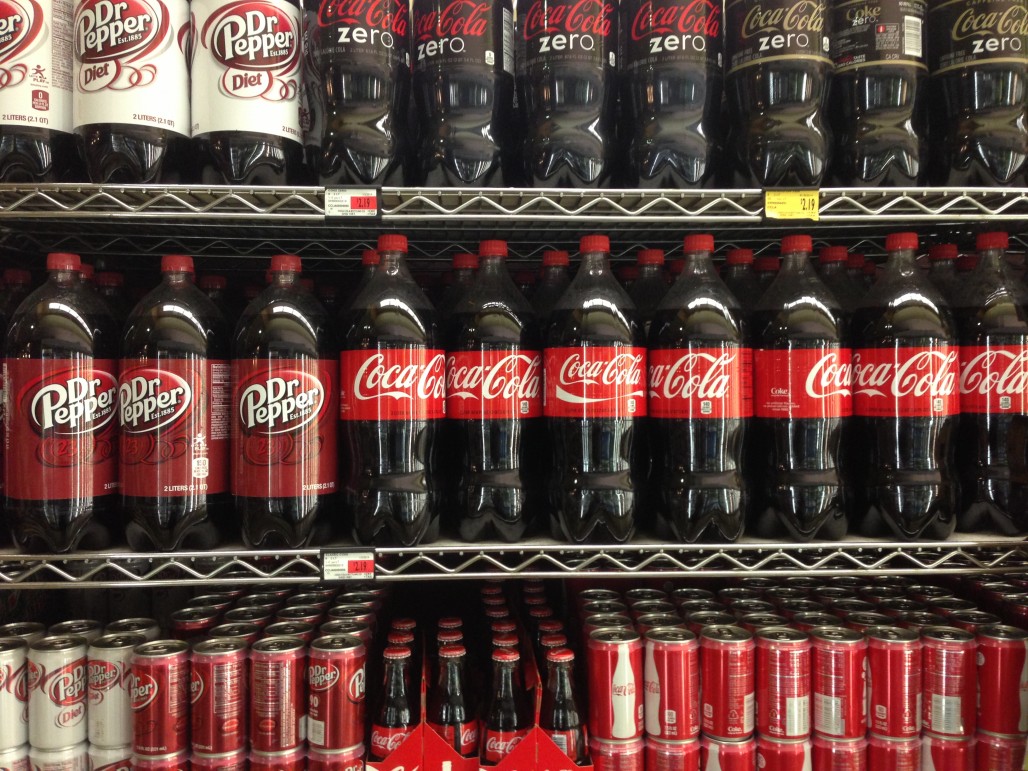
"caption": "Soft drinks were a substantial presence at most markets in 2014, including this one on Shattuck Avenue in Berkeley.",
"description": null,
"title": "soda",
"credit": "Patricia Yollin/KQED",
"status": "inherit",
"isLoading": false,
"fetchFailed": false
},
"stateofhealth_17715": {
"type": "attachments",
"id": "stateofhealth_17715",
"meta": {
"index": "attachments_1716263798",
"site": "stateofhealth",
"id": "17715",
"found": true
},
"parent": 17708,
"imgSizes": {
"thumbnail": {
"file": "https://ww2.kqed.org/app/uploads/sites/27/2014/02/RS7242_136799870-1-hpf-400x250.jpg",
"width": 400,
"mimeType": "image/jpeg",
"height": 250
},
"fd-sm": {
"file": "https://ww2.kqed.org/app/uploads/sites/27/2014/02/RS7242_136799870-1-hpf-320x200.jpg",
"width": 320,
"mimeType": "image/jpeg",
"height": 200
},
"post-thumbnail": {
"file": "https://ww2.kqed.org/app/uploads/sites/27/2014/02/RS7242_136799870-1-hpf-640x372.jpg",
"width": 640,
"mimeType": "image/jpeg",
"height": 372
},
"kqedFullSize": {
"file": "https://ww2.kqed.org/app/uploads/sites/27/2014/02/RS7242_136799870-1-hpf.jpg",
"width": 640,
"height": 400
},
"guest-author-96": {
"file": "https://ww2.kqed.org/app/uploads/sites/27/2014/02/RS7242_136799870-1-hpf-96x96.jpg",
"width": 96,
"mimeType": "image/jpeg",
"height": 96
},
"guest-author-64": {
"file": "https://ww2.kqed.org/app/uploads/sites/27/2014/02/RS7242_136799870-1-hpf-64x64.jpg",
"width": 64,
"mimeType": "image/jpeg",
"height": 64
},
"detail": {
"file": "https://ww2.kqed.org/app/uploads/sites/27/2014/02/RS7242_136799870-1-hpf-75x75.jpg",
"width": 75,
"mimeType": "image/jpeg",
"height": 75
},
"guest-author-32": {
"file": "https://ww2.kqed.org/app/uploads/sites/27/2014/02/RS7242_136799870-1-hpf-32x32.jpg",
"width": 32,
"mimeType": "image/jpeg",
"height": 32
},
"guest-author-128": {
"file": "https://ww2.kqed.org/app/uploads/sites/27/2014/02/RS7242_136799870-1-hpf-128x128.jpg",
"width": 128,
"mimeType": "image/jpeg",
"height": 128
}
},
"publishDate": 1392408392,
"modified": 1392408392,
"caption": "(Getty Images)",
"description": "soda, cans, soda tax",
"title": "RS7242_136799870-1-hpf",
"credit": null,
"status": "inherit",
"isLoading": false,
"fetchFailed": false
},
"stateofhealth_20311": {
"type": "attachments",
"id": "stateofhealth_20311",
"meta": {
"index": "attachments_1716263798",
"site": "stateofhealth",
"id": "20311",
"found": true
},
"parent": 20309,
"imgSizes": {
"twentyfourteen-full-width": {
"file": "https://ww2.kqed.org/app/uploads/sites/27/2014/07/177844339-1038x576.jpg",
"width": 1038,
"mimeType": "image/jpeg",
"height": 576
},
"thumbnail": {
"file": "https://ww2.kqed.org/app/uploads/sites/27/2014/07/177844339-400x309.jpg",
"width": 400,
"mimeType": "image/jpeg",
"height": 309
},
"fd-sm": {
"file": "https://ww2.kqed.org/app/uploads/sites/27/2014/07/177844339-320x248.jpg",
"width": 320,
"mimeType": "image/jpeg",
"height": 248
},
"post-thumbnail": {
"file": "https://ww2.kqed.org/app/uploads/sites/27/2014/07/177844339-672x372.jpg",
"width": 672,
"mimeType": "image/jpeg",
"height": 372
},
"kqedFullSize": {
"file": "https://ww2.kqed.org/app/uploads/sites/27/2014/07/177844339-e1466119499852.jpg",
"width": 1920,
"height": 1485
},
"large": {
"file": "https://ww2.kqed.org/app/uploads/sites/27/2014/07/177844339-1440x1114.jpg",
"width": 1440,
"mimeType": "image/jpeg",
"height": 1114
},
"guest-author-96": {
"file": "https://ww2.kqed.org/app/uploads/sites/27/2014/07/177844339-96x96.jpg",
"width": 96,
"mimeType": "image/jpeg",
"height": 96
},
"medium": {
"file": "https://ww2.kqed.org/app/uploads/sites/27/2014/07/177844339-800x619.jpg",
"width": 800,
"mimeType": "image/jpeg",
"height": 619
},
"guest-author-64": {
"file": "https://ww2.kqed.org/app/uploads/sites/27/2014/07/177844339-64x64.jpg",
"width": 64,
"mimeType": "image/jpeg",
"height": 64
},
"guest-author-32": {
"file": "https://ww2.kqed.org/app/uploads/sites/27/2014/07/177844339-32x32.jpg",
"width": 32,
"mimeType": "image/jpeg",
"height": 32
},
"fd-lrg": {
"file": "https://ww2.kqed.org/app/uploads/sites/27/2014/07/177844339-1180x913.jpg",
"width": 1180,
"mimeType": "image/jpeg",
"height": 913
},
"fd-med": {
"file": "https://ww2.kqed.org/app/uploads/sites/27/2014/07/177844339-768x594.jpg",
"width": 768,
"mimeType": "image/jpeg",
"height": 594
},
"detail": {
"file": "https://ww2.kqed.org/app/uploads/sites/27/2014/07/177844339-75x75.jpg",
"width": 75,
"mimeType": "image/jpeg",
"height": 75
},
"guest-author-128": {
"file": "https://ww2.kqed.org/app/uploads/sites/27/2014/07/177844339-128x128.jpg",
"width": 128,
"mimeType": "image/jpeg",
"height": 128
}
},
"publishDate": 1406131985,
"modified": 1466119533,
"caption": null,
"description": "Cans of sweet drinks, soda, soda tax",
"title": "177844339",
"credit": "Getty Images",
"status": "inherit",
"isLoading": false,
"fetchFailed": false
},
"news_140976": {
"type": "attachments",
"id": "news_140976",
"meta": {
"index": "attachments_1716263798",
"site": "news",
"id": "140976",
"found": true
},
"parent": 140940,
"imgSizes": {
"kqedFullSize": {
"file": "https://ww2.kqed.org/app/uploads/sites/10/2014/07/450828518.jpg",
"width": 4500,
"height": 2780
}
},
"publishDate": 1404347776,
"modified": 1404347776,
"caption": "Both San Francisco and Berkeley will have soda taxes on the ballot this November. ( Frederic J. Brown/AFP/Getty Images)",
"description": "A woman shops for food items near a display of bottes of soda at a superrmarket in Rosemead, California on June 18, 2014, a day after a bill in California that would require soft drinks to have health warning labels failed to clear a key committee. Under the measure, sugary drinks sold in the most populous US state would have had to carry a label with a warning that sugar contributes to obesity, diabetes and tooth decay and the legislation, which would have been the first of its kind in the United States, passed the state Senate in May, but on it failed to win enough votes in the health commission of the California State Assembly on June 17, the Los Angeles Times reported. AFP PHOTO/Frederic J. BROWN (Photo credit should read FREDERIC J. BROWN/AFP/Getty Images)",
"title": "US-FOOD-BEVERAGE-HEALTH",
"credit": null,
"status": "inherit",
"isLoading": false,
"fetchFailed": false
},
"news_135326": {
"type": "attachments",
"id": "news_135326",
"meta": {
"index": "attachments_1716263798",
"site": "news",
"id": "135326",
"found": true
},
"parent": 135324,
"imgSizes": {
"kqedFullSize": {
"file": "https://ww2.kqed.org/app/uploads/sites/10/2014/05/Big-Soda-council.jpg",
"width": 720,
"height": 421
}
},
"publishDate": 1399483791,
"modified": 1399483791,
"caption": "Proponents of a soda tax were out in force in neon green at Berkeley City Council in March. (Lance Knobel/Berkeleyside)",
"description": null,
"title": "Big-Soda-council",
"credit": null,
"status": "inherit",
"isLoading": false,
"fetchFailed": false
},
"news_123982": {
"type": "attachments",
"id": "news_123982",
"meta": {
"index": "attachments_1716263798",
"site": "news",
"id": "123982",
"found": true
},
"parent": 123964,
"imgSizes": {
"kqedFullSize": {
"file": "https://ww2.kqed.org/app/uploads/sites/10/2014/01/airbnbsf-e1396370252786.jpg",
"width": 640,
"height": 360
}
},
"publishDate": 1390262574,
"modified": 1446737613,
"caption": "An Airbnb guide in San Francisco. ",
"description": "An Airbnb guide in San Francisco. Photo: Effie Yang/Flickr",
"title": "airbnbsf",
"credit": "Effie Yang/Flickr",
"status": "inherit",
"isLoading": false,
"fetchFailed": false
},
"news_129641": {
"type": "attachments",
"id": "news_129641",
"meta": {
"index": "attachments_1716263798",
"site": "news",
"id": "129641",
"found": true
},
"parent": 129640,
"imgSizes": {
"kqedFullSize": {
"file": "https://ww2.kqed.org/app/uploads/sites/10/2014/03/Big-Soda-council.jpg",
"width": 720,
"height": 421
}
},
"publishDate": 1395083688,
"modified": 1395083688,
"caption": "Proponents of a soda tax were out in force when Berkeley City Council first considered the measure last month. (Lance Knobel/Berkeleyside)",
"description": null,
"title": "Big-Soda-council",
"credit": null,
"status": "inherit",
"isLoading": false,
"fetchFailed": false
},
"news_126848": {
"type": "attachments",
"id": "news_126848",
"meta": {
"index": "attachments_1716263798",
"site": "news",
"id": "126848",
"found": true
},
"parent": 126834,
"imgSizes": {
"kqedFullSize": {
"file": "https://ww2.kqed.org/app/uploads/sites/10/2014/02/RS8856_064-hpf.jpg",
"width": 640,
"height": 480
}
},
"publishDate": 1392773024,
"modified": 1392773024,
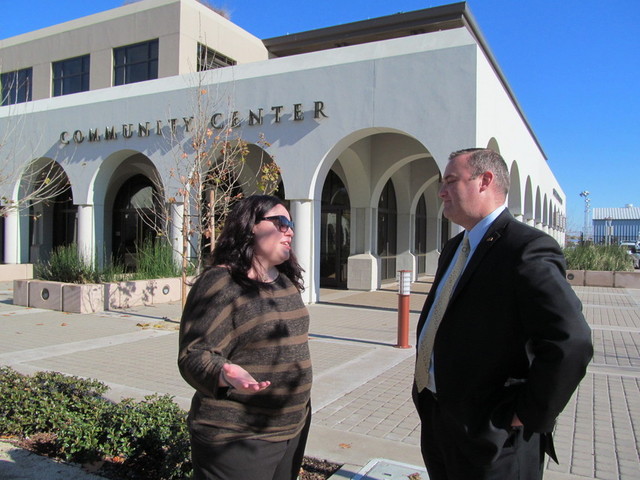
"caption": "Attorney Leah Castella and Brentwood City Manager Paul Eldredge chat in front of Brentwood's Community Center. (Cyrus Musiker/KQED)",
"description": null,
"title": "Brentwood ",
"credit": null,
"status": "inherit",
"isLoading": false,
"fetchFailed": false
},
"news_126114": {
"type": "attachments",
"id": "news_126114",
"meta": {
"index": "attachments_1716263798",
"site": "news",
"id": "126114",
"found": true
},
"parent": 126106,
"imgSizes": {
"kqedFullSize": {
"file": "https://ww2.kqed.org/app/uploads/sites/10/2014/02/soda.png",
"width": 720,
"height": 448
}
},
"publishDate": 1392237022,
"modified": 1392237022,
"caption": "No Bay Area city has yet been successful in passing a sugar-sweetened beverages tax. Will Berkeley be first? (Vox Efx/Berkeleyside)",
"description": null,
"title": "soda",
"credit": null,
"status": "inherit",
"isLoading": false,
"fetchFailed": false
},
"news_115292": {
"type": "attachments",
"id": "news_115292",
"meta": {
"index": "attachments_1716263798",
"site": "news",
"id": "115292",
"found": true
},
"parent": 115263,
"imgSizes": {
"kqedFullSize": {
"file": "https://ww2.kqed.org/app/uploads/sites/10/2013/10/RS6975_172765550-hpf.jpg",
"width": 640,
"height": 425
}
},
"publishDate": 1382046586,
"modified": 1382046586,
"caption": null,
"description": null,
"title": "Dollars ",
"credit": null,
"status": "inherit",
"isLoading": false,
"fetchFailed": false
},
"news_117195": {
"type": "attachments",
"id": "news_117195",
"meta": {
"index": "attachments_1716263798",
"site": "news",
"id": "117195",
"found": true
},
"parent": 117105,
"imgSizes": {
"kqedFullSize": {
"file": "https://ww2.kqed.org/app/uploads/sites/10/2013/11/3527_transform.jpg",
"width": 640,
"height": 360
}
},
"publishDate": 1383617207,
"modified": 1383617207,
"caption": "File photo. (David McNew/Getty Images)",
"description": "LOS ANGELES, CA - FEBRUARY 05: A sign reading, \"Se habla Espanol\", identifies a bilingual election official as voters go to the polls for Super Tuesday primaries in the predominantly Latino neighborhood of Boyle Heights on February 5, 2008 in Los Angeles, California. Latinos are an increasingly important factor in California where they are expected to account for 14 percent of the vote and tend to favor presidential hopeful Sen. Hillary Clinton (D-NY) over rival Sen. Barack Obama (D-IL). At 44 million, Latinos make up15 percent of the US population, the nation's largest minority group according to the latest Census Bureau estimates. (Photo by David McNew/Getty Images)",
"title": "California Voters Participate In The State's Pivotal Primary",
"credit": null,
"status": "inherit",
"isLoading": false,
"fetchFailed": false
}
},
"audioPlayerReducer": {
"postId": "stream_live",
"isPaused": true,
"isPlaying": false,
"pfsActive": false,
"pledgeModalIsOpen": true,
"playerDrawerIsOpen": false,
"liveAudioPlayStartedAt": 0,
"liveAudioPlayContext": ""
},
"authorsReducer": {
"cmusiker": {
"type": "authors",
"id": "32",
"meta": {
"index": "authors_1716337520",
"id": "32",
"found": true
},
"name": "Cy Musiker",
"firstName": "Cy",
"lastName": "Musiker",
"slug": "cmusiker",
"email": "cmusiker@kqed.org",
"display_author_email": false,
"staff_mastheads": [],
"title": "KQED Contributor",
"bio": "Cy Musiker is a former co-host of The Do List and a former reporter covering the arts for KQED News and The California Report. He loves live performance, especially great theater, jazz, roots music, anything by Mahler. Cy has an MJ from UC Berkeley's School of Journalism, and got his BA from Hampshire College. His work has been recognized by the Society for Professional Journalists with their Sigma Delta Chi Award for Public Service in Journalism. When he can, Cy likes to swim in Tomales Bay, run with his dog in the East Bay Hills, and hike the Sierra.",
"avatar": "https://secure.gravatar.com/avatar/05eaba5c5696ce8f062e4ea2df428a43?s=600&d=blank&r=g",
"twitter": null,
"facebook": null,
"instagram": null,
"linkedin": null,
"sites": [
{
"site": "arts",
"roles": [
"Contributor",
"subscriber"
]
},
{
"site": "news",
"roles": [
"author"
]
},
{
"site": "bayareabites",
"roles": [
"contributor"
]
}
],
"headData": {
"title": "Cy Musiker | KQED",
"description": "KQED Contributor",
"ogImgSrc": "https://secure.gravatar.com/avatar/05eaba5c5696ce8f062e4ea2df428a43?s=600&d=blank&r=g",
"twImgSrc": "https://secure.gravatar.com/avatar/05eaba5c5696ce8f062e4ea2df428a43?s=600&d=blank&r=g"
},
"isLoading": false,
"link": "/author/cmusiker"
},
"astupi": {
"type": "authors",
"id": "70",
"meta": {
"index": "authors_1716337520",
"id": "70",
"found": true
},
"name": "Amanda Stupi",
"firstName": "Amanda",
"lastName": "Stupi",
"slug": "astupi",
"email": "astupi@kqed.org",
"display_author_email": false,
"staff_mastheads": [],
"title": "Senior Engagement Producer",
"bio": "Amanda joined KQED Science’s engagement team as a Senior Audience Engagement Strategist in the spring of 2019. She has helped craft messaging around wildfires, the coronavirus pandemic, climate change and many other stories. She has also brought KQED Science to new platforms such as Reddit’s Ask Me Anything series. Prior to joining KQED Science, Amanda spent seven years as an engagement producer with Forum, KQED’s daily live call-in show. She got her start in radio at KALW's weekly call in show, City Visions, before going on to an internship and stint at NPR's Talk of the Nation.\r\n\r\nPrior to journalism, Amanda taught English at Lowell High School. She's a native of Petaluma and currently lives under the \"South San Francisco the Industrial City\" sign in South City. She believes that engagement is vital to news’s future and that good journalism listens as much as it asks questions.",
"avatar": "https://secure.gravatar.com/avatar/e981c503e5c162da701dcaccfbf87e35?s=600&d=blank&r=g",
"twitter": null,
"facebook": null,
"instagram": null,
"linkedin": null,
"sites": [
{
"site": "arts",
"roles": [
"Contributor"
]
},
{
"site": "news",
"roles": [
"editor"
]
},
{
"site": "pop",
"roles": [
"contributor"
]
},
{
"site": "stateofhealth",
"roles": [
"editor"
]
},
{
"site": "science",
"roles": []
},
{
"site": "perspectives",
"roles": [
"editor"
]
}
],
"headData": {
"title": "Amanda Stupi | KQED",
"description": "Senior Engagement Producer",
"ogImgSrc": "https://secure.gravatar.com/avatar/e981c503e5c162da701dcaccfbf87e35?s=600&d=blank&r=g",
"twImgSrc": "https://secure.gravatar.com/avatar/e981c503e5c162da701dcaccfbf87e35?s=600&d=blank&r=g"
},
"isLoading": false,
"link": "/author/astupi"
},
"lisapickoffwhite-2": {
"type": "authors",
"id": "199",
"meta": {
"index": "authors_1716337520",
"id": "199",
"found": true
},
"name": "Lisa Pickoff-White",
"firstName": "Lisa",
"lastName": "Pickoff-White",
"slug": "lisapickoffwhite-2",
"email": "lpickoffwhite@kqed.org",
"display_author_email": false,
"staff_mastheads": [
"news"
],
"title": "Data Journalist, Senior Producer",
"bio": "Lisa Pickoff-White is KQED's data reporter. Lisa specializes in simplifying complex topics and bringing them to life through compelling visuals, including photography and data visualizations. She previously has worked at the Center for Investigative Reporting and other national outlets. Her work has been honored with awards from the Online News Association, Investigative Reporters and Editors, the Society of Professional Journalists and SXSW Interactive. \u003cstrong> \u003c/strong>",
"avatar": "https://secure.gravatar.com/avatar/5513c5f3967df792aa65bee2501e84d6?s=600&d=blank&r=g",
"twitter": "pickoffwhite",
"facebook": null,
"instagram": null,
"linkedin": null,
"sites": [
{
"site": "",
"roles": [
"editor"
]
},
{
"site": "arts",
"roles": []
},
{
"site": "news",
"roles": [
"administrator"
]
},
{
"site": "about",
"roles": [
"editor"
]
},
{
"site": "stateofhealth",
"roles": [
"administrator"
]
},
{
"site": "science",
"roles": [
"editor"
]
},
{
"site": "quest",
"roles": [
"editor"
]
},
{
"site": "forum",
"roles": [
"editor"
]
}
],
"headData": {
"title": "Lisa Pickoff-White | KQED",
"description": "Data Journalist, Senior Producer",
"ogImgSrc": "https://secure.gravatar.com/avatar/5513c5f3967df792aa65bee2501e84d6?s=600&d=blank&r=g",
"twImgSrc": "https://secure.gravatar.com/avatar/5513c5f3967df792aa65bee2501e84d6?s=600&d=blank&r=g"
},
"isLoading": false,
"link": "/author/lisapickoffwhite-2"
},
"danbrekke": {
"type": "authors",
"id": "222",
"meta": {
"index": "authors_1716337520",
"id": "222",
"found": true
},
"name": "Dan Brekke",
"firstName": "Dan",
"lastName": "Brekke",
"slug": "danbrekke",
"email": "dbrekke@kqed.org",
"display_author_email": true,
"staff_mastheads": [
"news",
"science"
],
"title": "KQED Editor and Reporter",
"bio": "Dan Brekke is a reporter and editor for KQED News, responsible for coverage of topics ranging from California water issues to the Bay Area's transportation challenges. In a newsroom career that began in Chicago in 1972, Dan has worked for \u003cem>The San Francisco Examiner,\u003c/em> Wired and TechTV and has been published in The New York Times, The New York Times Magazine, Business 2.0, Salon and elsewhere.\r\n\r\nSince joining KQED in 2007, Dan has reported, edited and produced both radio and online features and breaking news pieces. He has shared as both editor and reporter in four Society of Professional Journalists Norcal Excellence in Journalism awards and one Edward R. Murrow regional award. He was chosen for a spring 2017 residency at the Mesa Refuge to advance his research on California salmon.\r\n\r\nEmail Dan at: \u003ca href=\"mailto:dbrekke@kqed.org\">dbrekke@kqed.org\u003c/a>\r\n\r\n\u003cstrong>Twitter:\u003c/strong> \u003ca href=\"https://twitter.com/danbrekke\" rel=\"noopener noreferrer\">twitter.com/danbrekke\u003c/a>\r\n\u003cstrong>Facebook:\u003c/strong> \u003ca href=\"https://www.facebook.com/danbrekke\" rel=\"noopener noreferrer\">www.facebook.com/danbrekke\u003c/a>\r\n\u003cstrong>LinkedIn:\u003c/strong> \u003ca href=\"https://www.linkedin.com/in/danbrekke\" rel=\"noopener noreferrer\">www.linkedin.com/in/danbrekke\u003c/a>",
"avatar": "https://secure.gravatar.com/avatar/8f1f0d2a978fb3b23426c922c7e2af558fa36905b49c4ce76a97dc3c72d27226?s=600&d=mm&r=g",
"twitter": "danbrekke",
"bluesky": null,
"facebook": null,
"instagram": "https://www.instagram.com/dan.brekke/",
"linkedin": "https://www.linkedin.com/in/danbrekke/",
"sites": [
{
"site": "news",
"roles": [
"administrator",
"create_posts"
]
},
{
"site": "stateofhealth",
"roles": [
"editor"
]
},
{
"site": "science",
"roles": [
"editor"
]
},
{
"site": "quest",
"roles": [
"contributor"
]
},
{
"site": "food",
"roles": [
"contributor"
]
},
{
"site": "forum",
"roles": [
"contributor"
]
},
{
"site": "elections",
"roles": [
"editor"
]
},
{
"site": "liveblog",
"roles": [
"editor"
]
}
],
"headData": {
"title": "Dan Brekke | KQED",
"description": "KQED Editor and Reporter",
"ogImgSrc": "https://secure.gravatar.com/avatar/8f1f0d2a978fb3b23426c922c7e2af558fa36905b49c4ce76a97dc3c72d27226?s=600&d=mm&r=g",
"twImgSrc": "https://secure.gravatar.com/avatar/8f1f0d2a978fb3b23426c922c7e2af558fa36905b49c4ce76a97dc3c72d27226?s=600&d=mm&r=g"
},
"isLoading": false,
"link": "/author/danbrekke"
},
"kqed": {
"type": "authors",
"id": "236",
"meta": {
"index": "authors_1716337520",
"id": "236",
"found": true
},
"name": "KQED News Staff",
"firstName": "KQED News Staff",
"lastName": null,
"slug": "kqed",
"email": "faq@kqed.org",
"display_author_email": false,
"staff_mastheads": [],
"title": null,
"bio": null,
"avatar": "https://secure.gravatar.com/avatar/ef0e801a68c4c54afa9180db14084167?s=600&d=blank&r=g",
"twitter": null,
"facebook": null,
"instagram": null,
"linkedin": null,
"sites": [
{
"site": "arts",
"roles": [
"contributor"
]
},
{
"site": "news",
"roles": [
"editor"
]
},
{
"site": "futureofyou",
"roles": [
"author"
]
}
],
"headData": {
"title": "KQED News Staff | KQED",
"description": null,
"ogImgSrc": "https://secure.gravatar.com/avatar/ef0e801a68c4c54afa9180db14084167?s=600&d=blank&r=g",
"twImgSrc": "https://secure.gravatar.com/avatar/ef0e801a68c4c54afa9180db14084167?s=600&d=blank&r=g"
},
"isLoading": false,
"link": "/author/kqed"
},
"kqednewsstaffandwires": {
"type": "authors",
"id": "237",
"meta": {
"index": "authors_1716337520",
"id": "237",
"found": true
},
"name": "KQED News Staff and Wires",
"firstName": "KQED News Staff and Wires",
"lastName": null,
"slug": "kqednewsstaffandwires",
"email": "onlinenewsstaff@kqed.org",
"display_author_email": false,
"staff_mastheads": [],
"title": null,
"bio": null,
"avatar": "https://secure.gravatar.com/avatar/72295af8ebbfbd19a4948f5271285664?s=600&d=blank&r=g",
"twitter": null,
"facebook": null,
"instagram": null,
"linkedin": null,
"sites": [
{
"site": "arts",
"roles": [
"contributor"
]
},
{
"site": "news",
"roles": [
"contributor"
]
},
{
"site": "lowdown",
"roles": [
"author"
]
},
{
"site": "stateofhealth",
"roles": [
"contributor"
]
},
{
"site": "food",
"roles": [
"author"
]
}
],
"headData": {
"title": "KQED News Staff and Wires | KQED",
"description": null,
"ogImgSrc": "https://secure.gravatar.com/avatar/72295af8ebbfbd19a4948f5271285664?s=600&d=blank&r=g",
"twImgSrc": "https://secure.gravatar.com/avatar/72295af8ebbfbd19a4948f5271285664?s=600&d=blank&r=g"
},
"isLoading": false,
"link": "/author/kqednewsstaffandwires"
},
"lisaaliferis": {
"type": "authors",
"id": "240",
"meta": {
"index": "authors_1716337520",
"id": "240",
"found": true
},
"name": "Lisa Aliferis",
"firstName": "Lisa",
"lastName": "Aliferis",
"slug": "lisaaliferis",
"email": "laliferis@kqed.org",
"display_author_email": false,
"staff_mastheads": [],
"title": "KQED Contributor",
"bio": "Lisa Aliferis is the founding editor of KQED's \u003cem>State of Health\u003c/em> blog. Since 2011, she's been writing and editing stories for the site. Before taking up blogging, she toiled for many years (more than we can count) producing health stories for television, including\u003cem> Dateline NBC\u003c/em> and San Francisco's CBS affiliate, KPIX-TV. She also wrote up a \u003ca title=\"http://www.kqed.org/news/health/obamacare/obamacare-guide.jsp\" href=\"http://www.kqed.org/news/health/obamacare/obamacare-guide.jsp\">handy guide to the Affordable Care Act\u003c/a>, especially for Californians. Her work has been honored for many awards. Most recently she was a finalist for \"Best Topical Reporting\" from the Online News Association. You can follow her on Twitter: \u003ca title=\"https://twitter.com/laliferis\" href=\"https://twitter.com/laliferis\">@laliferis\u003c/a>",
"avatar": "https://secure.gravatar.com/avatar/86c339d5cdcb0dcd2b6cf5d7c3f5886b?s=600&d=mm&r=g",
"twitter": "laliferis",
"facebook": null,
"instagram": null,
"linkedin": null,
"sites": [
{
"site": "news",
"roles": [
"subscriber"
]
},
{
"site": "futureofyou",
"roles": [
"subscriber"
]
},
{
"site": "stateofhealth",
"roles": [
"subscriber"
]
},
{
"site": "science",
"roles": [
"subscriber"
]
},
{
"site": "food",
"roles": []
}
],
"headData": {
"title": "Lisa Aliferis | KQED",
"description": "KQED Contributor",
"ogImgSrc": "https://secure.gravatar.com/avatar/86c339d5cdcb0dcd2b6cf5d7c3f5886b?s=600&d=mm&r=g",
"twImgSrc": "https://secure.gravatar.com/avatar/86c339d5cdcb0dcd2b6cf5d7c3f5886b?s=600&d=mm&r=g"
},
"isLoading": false,
"link": "/author/lisaaliferis"
},
"patyollin": {
"type": "authors",
"id": "247",
"meta": {
"index": "authors_1716337520",
"id": "247",
"found": true
},
"name": "Patricia Yollin",
"firstName": "Patricia",
"lastName": "Yollin",
"slug": "patyollin",
"email": "pyollin@kqed.org",
"display_author_email": false,
"staff_mastheads": [],
"title": "KQED Contributor",
"bio": "Pat Yollin has written about lots of stuff, including organ transplants, wayward penguins at the San Francisco Zoo, the comeback of the cream puff, New York on the fifth anniversary of 9/11, a Slow Food gathering in Italy, and the microcredit movement in Northern California. Among her favorite stories: an interview with George Lucas at Skywalker Ranch that broke the story about his plan to build a cultural museum, and a pirate Trader Joe's operation in Vancouver that prompted the grocery chain to sue -- and lose. She joined KQED in 2013 and was previously a reporter and editor at the San Francisco Chronicle, the Hearst-owned San Francisco Examiner and the Hayward Daily Review.",
"avatar": "https://secure.gravatar.com/avatar/0a18ac41a263665c04b25b2c7d6b817c?s=600&d=blank&r=g",
"twitter": null,
"facebook": null,
"instagram": null,
"linkedin": null,
"sites": [
{
"site": "arts",
"roles": [
"subscriber"
]
},
{
"site": "news",
"roles": [
"subscriber"
]
},
{
"site": "futureofyou",
"roles": [
"editor"
]
},
{
"site": "lowdown",
"roles": [
"editor"
]
},
{
"site": "stateofhealth",
"roles": [
"editor"
]
}
],
"headData": {
"title": "Patricia Yollin | KQED",
"description": "KQED Contributor",
"ogImgSrc": "https://secure.gravatar.com/avatar/0a18ac41a263665c04b25b2c7d6b817c?s=600&d=blank&r=g",
"twImgSrc": "https://secure.gravatar.com/avatar/0a18ac41a263665c04b25b2c7d6b817c?s=600&d=blank&r=g"
},
"isLoading": false,
"link": "/author/patyollin"
},
"state-of-health": {
"type": "authors",
"id": "8344",
"meta": {
"index": "authors_1716337520",
"id": "8344",
"found": true
},
"name": "State of Health",
"firstName": "State of Health",
"lastName": null,
"slug": "state-of-health",
"email": "stateofhealth@kqed.org",
"display_author_email": false,
"staff_mastheads": [],
"title": null,
"bio": null,
"avatar": "https://secure.gravatar.com/avatar/66de4bf6d331fa7402bba1ffe8135e17?s=600&d=blank&r=g",
"twitter": null,
"facebook": null,
"instagram": null,
"linkedin": null,
"sites": [
{
"site": "arts",
"roles": [
"author"
]
},
{
"site": "stateofhealth",
"roles": [
"editor"
]
}
],
"headData": {
"title": "State of Health | KQED",
"description": null,
"ogImgSrc": "https://secure.gravatar.com/avatar/66de4bf6d331fa7402bba1ffe8135e17?s=600&d=blank&r=g",
"twImgSrc": "https://secure.gravatar.com/avatar/66de4bf6d331fa7402bba1ffe8135e17?s=600&d=blank&r=g"
},
"isLoading": false,
"link": "/author/state-of-health"
}
},
"pagesReducer": {
"news_tag_taxes": {
"type": "terms",
"id": "news_423",
"meta": {
"index": "terms_1716263798",
"site": "news",
"id": "423",
"score": 8.795169
},
"featImg": null,
"name": "taxes",
"description": null,
"taxonomy": "tag",
"headData": {
"twImgId": null,
"twTitle": null,
"ogTitle": null,
"ogImgId": null,
"twDescription": null,
"description": null,
"title": "taxes Archives | KQED News",
"ogDescription": null
},
"ttid": 432,
"slug": "taxes",
"isLoading": false,
"title": "taxes",
"pageMeta": {
"site": "news",
"WpPageTemplate": "page-topic-editorial",
"currentPage": 13
},
"blocks": [
{
"blockName": "kqed/post-list",
"attrs": {
"layout": "cardArticle2",
"query": "posts/news?tag=taxes",
"seeMore": false,
"paginated": true,
"page": 13
}
},
{
"blockName": "kqed/ad"
}
]
}
},
"pfsSessionReducer": {},
"postsReducer": {
"stream_live": {
"type": "live",
"id": "stream_live",
"audioUrl": "https://streams.kqed.org/kqedradio",
"title": "Live Stream",
"excerpt": "Live Stream information currently unavailable.",
"link": "/radio",
"featImg": "",
"label": {
"name": "KQED Live",
"link": "/"
}
},
"stream_kqedNewscast": {
"type": "posts",
"id": "stream_kqedNewscast",
"audioUrl": "https://www.kqed.org/.stream/anon/radio/RDnews/newscast.mp3?_=1",
"title": "KQED Newscast",
"featImg": "",
"label": {
"name": "88.5 FM",
"link": "/"
}
},
"news_147514": {
"type": "posts",
"id": "news_147514",
"meta": {
"index": "posts_1716263798",
"site": "news",
"id": "147514",
"score": null,
"sort": [
1410549625000
]
},
"guestAuthors": [],
"slug": "berkeleys-talking-about-sugar-and-the-conversation-isnt-sweet",
"title": "Berkeley's Talking About Sugar -- And the Conversation Isn't Sweet",
"publishDate": 1410549625,
"format": "aside",
"headTitle": "Berkeley’s Talking About Sugar — And the Conversation Isn’t Sweet | KQED",
"labelTerm": {
"term": 6944,
"site": "news"
},
"content": "\u003cfigure id=\"attachment_147516\" class=\"wp-caption aligncenter\" style=\"max-width: 640px\">\u003ca href=\"http://ww2.kqed.org/news/wp-content/uploads/sites/10/2014/09/soda.jpg\">\u003cimg loading=\"lazy\" decoding=\"async\" class=\"size-medium wp-image-147516\" src=\"http://ww2.kqed.org/news/wp-content/uploads/sites/10/2014/09/soda-640x480.jpg\" alt=\"Soft drinks are a substantial presence at most markets, including this one on Shattuck Avenue in Berkeley. (Patricia Yollin/KQED)\" width=\"640\" height=\"480\">\u003c/a>\u003cfigcaption class=\"wp-caption-text\">Soft drinks are a substantial presence at most markets, including this one on Shattuck Avenue in Berkeley. (Patricia Yollin/KQED) \u003ccite>(Patricia Yollin/KQED)\u003c/cite>\u003c/figcaption>\u003c/figure>\n\u003cp>In Berkeley, a place where politics is rarely sweet, sugar is an especially bitter topic.\u003c/p>\n\u003cp>Right now it’s the talk of the town – in the form of six conversations leading up to the vote on \u003ca style=\"color: #607890\" href=\"http://www.berkeleyvsbigsoda.com\" target=\"_blank\" rel=\"noopener\">Measure D,\u003c/a> a tax on sugary drinks on the November ballot. \u003ca style=\"color: #607890\" href=\"http://www.sodaseries.org\" target=\"_blank\" rel=\"noopener\">“Soda: the Series”\u003c/a> is taking a look at the impact of sugar-sweetened beverages on people’s health and the environment.\u003c/p>\n\u003cp>The first conversation, which occurred on the evening of Sept. 4, featured four Bay Area health professionals who brought passion, anger and plenty of science to the Hillside Club in North Berkeley.\u003c/p>\n\u003cp>\u003ca style=\"color: #607890\" href=\"http://profiles.ucsf.edu/robert.lustig\" target=\"_blank\" rel=\"noopener\">Dr. Robert Lustig,\u003c/a> a pediatric endocrinologist at UCSF, started off his presentation by saying he had no opinion on Measure D because \u003ca style=\"color: #607890\" href=\"http://www.ucop.edu/state-governmental-relations/advocacy/legal-guidelines-ballot-campaigns.html\" target=\"_blank\" rel=\"noopener\">university policy\u003c/a> doesn’t allow it.\u003c/p>\n\u003cp>“But you can’t understand the referendum unless you understand the science,” Lustig said. “And that’s my job.”\u003c/p>\n\u003cp>[ad fullwidth]\u003c/p>\n\u003cp>With prosecutorial zeal, he picked apart the sugar industry’s contention that its product is harmless.\u003c/p>\n\u003cp>Lustig quoted Paul van der Velpen, head of Amsterdam’s health service, who \u003ca style=\"color: #607890\" href=\"http://www.telegraph.co.uk/news/worldnews/europe/netherlands/10314705/Sugar-is-addictive-and-the-most-dangerous-drug-of-the-times.html\" target=\"_blank\" rel=\"noopener\">wants to see sugar closely regulated\u003c/a> and has said that sugar is addictive and the most dangerous drug of the times.\u003c/p>\n\u003cp>“That’s a public health official in the Netherlands,” Lustig said. “And \u003cem>they\u003c/em> know something about drugs.”\u003c/p>\n\u003cp>He criticized the \u003ca style=\"color: #607890\" href=\"http://www.coca-colacompany.com/stories/what-is-weighing-us-down-new-infographic-shows-how-calorie-imbalance-impacts-us-all\" target=\"_blank\" rel=\"noopener\">“Coming Together” campaign\u003c/a> by the Coca-Cola Co., which was launched last year to fight obesity. It maintains that all calories count and that they’re interchangeable.\u003c/p>\n\u003cp>“(But) what the data say is that some calories cause disease more than others because different calories are metabolized differently in our bodies,” Lustig said. “Where they come from has everything to do with where they go. It’s called nutritional biochemistry.”\u003c/p>\n\u003cp>In other words, a calorie is not a calorie, he said. It’s true that a calorie burned is a calorie burned. But a calorie eaten is not a calorie eaten.\u003c/p>\n\u003cp>“Does sugar cause weight gain? Yes. Is sugar a cause of obesity in some? Likely. Is sugar \u003cem>the\u003c/em> cause of obesity? Not even close,” said Lustig, who mentioned a study showing it comes in third behind French fries and potato chips.\u003c/p>\n\u003cp>Then why pick on sugar, he asked, if it’s just another source of empty calories? “That’s the question,” he said. “And I’ll tell you: Who cares? Because obesity is not the problem. It never was. It’s what the food industry wants you to believe is the problem.”\u003c/p>\n\u003cp>People don’t die of obesity, Lustig said. Instead, they die of the diseases associated with metabolic syndrome, a cluster of factors elevating the risk of cardiovascular ailments and other health problems, especially \u003ca style=\"color: #607890\" href=\"http://www.diabetes.org\" target=\"_blank\" rel=\"noopener\">diabetes.\u003c/a>\u003c/p>\n\u003cp>“That’s where the money goes: $2.7 trillion spent on health care in America last year, 75 percent for chronic metabolic diseases – and 75 percent of (those) are preventable,” he said.\u003c/p>\n\u003cp>Lustig, director of the Weight Assessment for Teen and Child Health (WATCH) program at UCSF, said diabetes is increasing worldwide by 4 percent a year while obesity is rising 1 percent. They are not the same, he emphasized. Iceland and Mongolia, for example, have high obesity rates but not much diabetes, while India and China are the reverse.\u003c/p>\n\u003cp>\u003ca style=\"color: #607890\" href=\"http://www.plosone.org/article/info%3Adoi%2F10.1371%2Fjournal.pone.0057873\" target=\"_blank\" rel=\"noopener\">A study he co-authored\u003c/a> that was published last year asked a central question: What about the world’s diet is making diabetes increase over time? The researchers found that only changes in sugar availability predicted changes in the prevalence of diabetes. Total calories did not. For every 150 extra calories eaten worldwide, diabetes prevalence went up 0.1 percent – but it jumped eleven-fold if those calories happened to be in a can of soda.\u003c/p>\n\u003cp>“Sugar is not bad because it’s calories,” Lustig said. “Sugar is bad because it’s sugar.”\u003c/p>\n\u003cp>Whenever a country changed its sugar consumption, the rate of diabetes changed three years later. Cross-sectional studies don’t see that because it takes three years. “But it happens – in both directions. Proof positive: Causation,” said Lustig, author of “Fat Chance: Beating the Odds Against Suger, Processed Food, Obesity, and Disease,” a New York Times best-seller.\u003c/p>\n\u003cp>Sugar and alcohol are metabolized in the same way, he said, and now children are getting the diseases associated with alcoholism. According to the \u003ca style=\"color: #607890\" href=\"http://www.heart.org/HEARTORG/\" target=\"_blank\" rel=\"noopener\">American Heart Association,\u003c/a> people in the United States are consuming on average 22 teaspoons of added sugar a day.\u003c/p>\n\u003cp>“We’re supposed to reduce that to nine for males, six for females and four teaspoons for children,” Lustig said. But there are more than nine teaspoons in a 12-ounce bottle of Coke.\u003c/p>\n\u003cp>“Can our toxic food environment be changed without some sort of societal intervention, especially if there are potentially addictive substances involved?” Lustig asked. “… And can we afford to wait to enact those public health measures when health care will be bankrupt due to chronic metabolic disease? Medicare will be broke by the year 2026 if we do nothing.”\u003c/p>\n\u003cp>He said public health prevention is the best approach. “It’s radical, it’s powerful and it always works,” Lustig said. “And the reason it works is because it changes the environment, not the behavior.”\u003c/p>\n\u003cp>There are three ways to do it: taxation, restriction of access or interdiction, which he said is just not feasible.\u003c/p>\n\u003cp>“It didn’t work for alcohol,” Lustig said. “We’re not going to have ice cream soda speakeasies.”\u003c/p>\n\u003cp>What to do and how to do it is a question that will be debated in the coming weeks both in Berkeley and San Francisco, \u003ca style=\"color: #607890\" href=\"http://ballotpedia.org/City_of_San_Francisco_Sugary_Drink_Tax_(November_2014)\" target=\"_blank\" rel=\"noopener\">where Measure E, a soda tax\u003c/a>, is also on the ballot.\u003c/p>\n\u003cp>Lustig rested his case with a reference to Credit Suisse, an international financial services company that published a research report for its investors in September 2013. It’s called \u003ca style=\"color: #607890\" href=\"https://publications.credit-suisse.com/tasks/render/file/index.cfm?fileid=780BF4A8-B3D1-13A0-D2514E21EFFB0479\" target=\"_blank\" rel=\"noopener\">“Sugar: Consumption at a crossroads.”\u003c/a>\u003c/p>\n\u003cp>“We believe higher taxation on ‘sugary’ food and drinks would be the best option to reduce sugar intake and help fund the fast-growing healthcare costs associated with diabetes Type II and obesity,” the report said on Page 26.\u003c/p>\n\u003cp>“A global investment bank calling for taxation,” Lustig concluded. “Because that’s how big and bad this problem has gotten.”\u003c/p>\n\u003cp>\u003ca style=\"color: #607890\" href=\"http://ucbphn.com/faculty/pat-crawford/\" target=\"_blank\" rel=\"noopener\">Pat Crawford,\u003c/a> director of the \u003ca style=\"color: #607890\" href=\"http://cwh.berkeley.edu\" target=\"_blank\" rel=\"noopener\">Atkins Center for Weight & Health at UC Berkeley,\u003c/a> mentioned one successful public health approach. In September 2005, Gov. Arnold Schwarzenegger signed legislation banning the sale of junk food and soft drinks in the state’s public schools.\u003c/p>\n\u003cp>“We’ve been measuring kids’ diets and we can see the changes in the diets,” Crawford said, speaking of the center’s work. “… But the fact is it’s not enough. … We need other kinds of approaches that will do the same thing.”\u003c/p>\n\u003cp>Half of all added sugar in the nation’s food supply comes from sugar-sweetened beverages, she said, and that doesn’t include fruit juice.\u003c/p>\n\u003cp>\u003ca style=\"color: #607890\" href=\"http://sph.berkeley.edu/john-swartzberg\" target=\"_blank\" rel=\"noopener\">Dr. John Swartzberg,\u003c/a> chair of the editorial board of the \u003ca style=\"color: #607890\" href=\"http://www.berkeleywellness.com\" target=\"_blank\" rel=\"noopener\">UC Berkeley Wellness Letter,\u003c/a> said cigarette smoking was the big problem in this country during the 25 years he practiced internal medicine in Berkeley. If trends continue, he said, deaths related to obesity will soon overtake those caused by smoking as the No. 1 preventable cause of death. Currently, 34 percent of adults in the United States are obese.\u003c/p>\n\u003cp>He said American adults get about 13 percent of their daily calories from added sugar — and sugar-sweetened beverages are by far the biggest source. These SSBs account for about 16 percent of the total caloric intake nationwide of children and adolescents — consumption among young people has skyrocketed 300 percent in the past two decades.\u003c/p>\n\u003cp>In Alameda County, more than half of all adults and one-third of all school-age children are overweight or obese, Swartzberg said. About a third of children ages 2 to 11, and almost two-thirds of adolescents in the county, drink more than one sugar-sweetened beverage a day.\u003c/p>\n\u003cp>The statistics were grim and, by the end of his talk, Swartzberg had broadened the bad news from the local and national level to beyond.\u003c/p>\n\u003cp>“Worldwide today there are an estimated 382 million people with diabetes,” he said. “We’ve essentially exported our diet to other countries,” including those where the prevalence of the disease was low.\u003c/p>\n\u003cp>In the United States, as many as one in three Americans could have diabetes by 2050 — “an amazing number of people,” Swartzberg said.\u003c/p>\n\u003cp>Another speaker, \u003ca style=\"color: #607890\" href=\"http://www.chori.org/Principal_Investigators/Tester_June/tester_overview.html\" target=\"_blank\" rel=\"noopener\">Dr. June Tester,\u003c/a> co-director of the \u003ca style=\"color: #607890\" href=\"http://www.childrenshospitaloakland.org/main/departments-services/healthy-hearts-program-30.aspx\" target=\"_blank\" rel=\"noopener\">Healthy Hearts program at Children’s Hospital Oakland,\u003c/a> said she went into pediatrics because she didn’t want to nag people to take their blood pressure medications or watch their blood sugar levels.\u003c/p>\n\u003cp>“Oddly, that’s actually what I do,” Tester said.\u003c/p>\n\u003cp>She said parents are frequently shocked at how much of a jump-start their children have on adult diseases.\u003c/p>\n\u003cp>“If I had only 30 seconds of your time, the one thing I would talk to you about is what your child drinks,” said Tester, who stressed that sugar-sweetened beverages and sodas are the most important things to cut out.\u003c/p>\n\u003cp>She mentioned one success story: a boy from Tracy named \u003ca style=\"color: #607890\" href=\"http://blogs.kqed.org/election2012/2012/10/12/can-a-penny-an-ounce-soda-tax-curb-obesity/\" target=\"_blank\" rel=\"noopener\">Jorge Cota, who was interviewed\u003c/a> by KQED’s Mina Kim two years ago when he was 17. The year before, his blood pressure was so high that Tester had sent him home with blood pressure medication the very day she’d met him. During that visit, when he weighed 321 pounds, he learned that he was a pre-diabetic and that there might be something wrong with his heart or kidneys.\u003c/p>\n\u003cp>He loved Dr. Pepper and drank two or three cans or bottles of soda a day, equivalent to as many as 50 teaspoons of sugar. After eliminating sugar-sweetened beverages and junk food, he lost 70 pounds.\u003c/p>\n\u003cp>Tester said most kids who are overweight or obese have heard the message that sugary drinks are problematic, but it’s a way of daily life for so many of them — and it’s hard to compete with advertising, which taps into the social aspect of soda consumption.\u003c/p>\n\u003cp>She showed a Coke ad that featured dogs and dancing. “It’s pretty hard to be a do-gooder when you’re battling fun and love and friendship,” she said.\u003c/p>\n\u003cp>Unintentional sabotage also plays a role. Even children whose parents never buy soda get it at parties or friends’ houses or while visiting relatives.\u003c/p>\n\u003cp>“In a way, this is kind of like secondhand soda exposure,” Tester said, as the audience laughed.\u003c/p>\n\u003cp>She also mentioned that some of her patients put sugar on Fruit Loops cereal because they don’t think it’s sweet enough.\u003c/p>\n\u003cp>Measure D calls for soda distributors to pay a tax of a penny per ounce. They should be so lucky, Tester said. “Why does Coke get to fund feel-good stuff?” she asked. Instead, she suggested the company pay for the next 45-year-old man who has a liver transplant.\u003c/p>\n\u003cp>\u003ca style=\"color: #607890\" href=\"http://noberkeleybeveragetax.com\" target=\"_blank\" rel=\"noopener\">No on D\u003c/a> proponents disagree with the sugar tax for several reasons. They say that there are too many arbitrary exemptions, that there’s no accountability for how the money would be spent, that it’s inconsistent and that it would make all of our food more expensive.\u003c/p>\n\u003cp>The next conversation in “Soda: the Series” takes place this Saturday. It’s titled \u003ca style=\"color: #607890\" href=\"http://www.sodaseries.org/soda_and_kids\" target=\"_blank\" rel=\"noopener\">“Soda & Kids: A Predatory Relationship & How We Can Fight Back.”\u003c/a> Judging by the inaugural event, it will draw a big crowd and plenty of questions.\u003c/p>\n\u003cp>[ad floatright]\u003c/p>\n\u003cp>Among the questions asked on Sept. 4:\u003c/p>\n\u003cul>\n\u003cli>\u003cstrong>Are diet sodas safe?\u003c/strong>\u003cbr>\nSwartzberg said there’s a dearth of data. Lustig elaborated on why: The Food and Drug Administration doesn’t ask for information, the food industry doesn’t provide it and the National Institutes of Health won’t pay for it.\u003c/li>\n\u003cli>\u003cstrong>Do all these kids who are getting diabetes do any exercise?\u003c/strong>\u003cbr>\nTester said exercise can’t compensate for a shoddy diet. And Lustig described Sami Inkinen, a triathlete who couldn’t exercise his way out of his pre-diabetes because of all the Gatorade he drank. Finally, he cut out soda and sports drinks, and rowed with his wife from California to Hawaii. Inkinen’s story is featured on the \u003ca style=\"color: #607890\" href=\"http://www.responsiblefoods.org\" target=\"_blank\" rel=\"noopener\">website of the Institute for Responsible Nutrition\u003c/a>, which Lustig co-founded.\u003c/li>\n\u003cli>\u003cstrong>If soda and juice are the same, couldn’t the soda industry say, “What are you going to do next, tax juice?”\u003c/strong>\u003cbr>\nBerkeley City Councilman Laurie Capitelli, who hosted the event, said Measure D is a baby step, not a silver bullet, and that it can’t cover everything. “As a culture, we’re allowing our kids to poison themselves. We need to incrementally begin to back off on that. And Measure D is a start.”\u003c/li>\n\u003c/ul>\n\n",
"blocks": [],
"excerpt": "\"Soda: the Series\" is built around six events leading up to November vote on Measure D, a sugar tax.",
"status": "publish",
"parent": 0,
"modified": 1721107294,
"stats": {
"hasAudio": false,
"hasVideo": false,
"hasChartOrMap": false,
"iframeSrcs": [],
"hasGoogleForm": false,
"hasGallery": false,
"hasHearkenModule": false,
"hasPolis": false,
"paragraphCount": 55,
"wordCount": 2325
},
"headData": {
"title": "Berkeley's Talking About Sugar -- And the Conversation Isn't Sweet | KQED",
"description": ""Soda: the Series" is built around six events leading up to November vote on Measure D, a sugar tax.",
"ogTitle": "",
"ogDescription": "",
"ogImgId": "",
"twTitle": "",
"twDescription": "",
"twImgId": "",
"schema": {
"@context": "https://schema.org",
"@type": "NewsArticle",
"headline": "Berkeley's Talking About Sugar -- And the Conversation Isn't Sweet",
"datePublished": "2014-09-12T12:20:25-07:00",
"dateModified": "2024-07-15T22:21:34-07:00",
"image": "https://cdn.kqed.org/wp-content/uploads/2020/02/KQED-OG-Image@1x.png",
"isAccessibleForFree": "True",
"publisher": {
"@type": "NewsMediaOrganization",
"@id": "https://www.kqed.org/#organization",
"name": "KQED",
"logo": "https://cdn.kqed.org/wp-content/uploads/2020/02/KQED-OG-Image@1x.png",
"url": "https://www.kqed.org",
"sameAs": [
"https://www.facebook.com/KQED",
"https://twitter.com/KQED",
"https://www.instagram.com/kqed/",
"https://www.tiktok.com/@kqedofficial",
"https://www.linkedin.com/company/kqed",
"https://www.youtube.com/channel/UCeC0IOo7i1P_61zVUWbJ4nw"
]
}
}
},
"sticky": false,
"customPermalink": "2014/09/12/berkeley-is-talking-about-sugar-and-the-conversation-isnt-sweet/",
"path": "/news/147514/berkeleys-talking-about-sugar-and-the-conversation-isnt-sweet",
"audioTrackLength": null,
"parsedContent": [
{
"type": "contentString",
"content": "\u003cdiv class=\"post-body\">\u003cp>\u003cfigure id=\"attachment_147516\" class=\"wp-caption aligncenter\" style=\"max-width: 640px\">\u003ca href=\"http://ww2.kqed.org/news/wp-content/uploads/sites/10/2014/09/soda.jpg\">\u003cimg loading=\"lazy\" decoding=\"async\" class=\"size-medium wp-image-147516\" src=\"http://ww2.kqed.org/news/wp-content/uploads/sites/10/2014/09/soda-640x480.jpg\" alt=\"Soft drinks are a substantial presence at most markets, including this one on Shattuck Avenue in Berkeley. (Patricia Yollin/KQED)\" width=\"640\" height=\"480\">\u003c/a>\u003cfigcaption class=\"wp-caption-text\">Soft drinks are a substantial presence at most markets, including this one on Shattuck Avenue in Berkeley. (Patricia Yollin/KQED) \u003ccite>(Patricia Yollin/KQED)\u003c/cite>\u003c/figcaption>\u003c/figure>\n\u003cp>In Berkeley, a place where politics is rarely sweet, sugar is an especially bitter topic.\u003c/p>\n\u003cp>Right now it’s the talk of the town – in the form of six conversations leading up to the vote on \u003ca style=\"color: #607890\" href=\"http://www.berkeleyvsbigsoda.com\" target=\"_blank\" rel=\"noopener\">Measure D,\u003c/a> a tax on sugary drinks on the November ballot. \u003ca style=\"color: #607890\" href=\"http://www.sodaseries.org\" target=\"_blank\" rel=\"noopener\">“Soda: the Series”\u003c/a> is taking a look at the impact of sugar-sweetened beverages on people’s health and the environment.\u003c/p>\n\u003cp>The first conversation, which occurred on the evening of Sept. 4, featured four Bay Area health professionals who brought passion, anger and plenty of science to the Hillside Club in North Berkeley.\u003c/p>\n\u003cp>\u003ca style=\"color: #607890\" href=\"http://profiles.ucsf.edu/robert.lustig\" target=\"_blank\" rel=\"noopener\">Dr. Robert Lustig,\u003c/a> a pediatric endocrinologist at UCSF, started off his presentation by saying he had no opinion on Measure D because \u003ca style=\"color: #607890\" href=\"http://www.ucop.edu/state-governmental-relations/advocacy/legal-guidelines-ballot-campaigns.html\" target=\"_blank\" rel=\"noopener\">university policy\u003c/a> doesn’t allow it.\u003c/p>\n\u003cp>“But you can’t understand the referendum unless you understand the science,” Lustig said. “And that’s my job.”\u003c/p>\n\u003cp>\u003c/p>\u003c/div>",
"attributes": {
"named": {},
"numeric": []
}
},
{
"type": "component",
"content": "",
"name": "ad",
"attributes": {
"named": {
"label": "fullwidth"
},
"numeric": [
"fullwidth"
]
}
},
{
"type": "contentString",
"content": "\u003cdiv class=\"post-body\">\u003cp>\u003c/p>\n\u003cp>With prosecutorial zeal, he picked apart the sugar industry’s contention that its product is harmless.\u003c/p>\n\u003cp>Lustig quoted Paul van der Velpen, head of Amsterdam’s health service, who \u003ca style=\"color: #607890\" href=\"http://www.telegraph.co.uk/news/worldnews/europe/netherlands/10314705/Sugar-is-addictive-and-the-most-dangerous-drug-of-the-times.html\" target=\"_blank\" rel=\"noopener\">wants to see sugar closely regulated\u003c/a> and has said that sugar is addictive and the most dangerous drug of the times.\u003c/p>\n\u003cp>“That’s a public health official in the Netherlands,” Lustig said. “And \u003cem>they\u003c/em> know something about drugs.”\u003c/p>\n\u003cp>He criticized the \u003ca style=\"color: #607890\" href=\"http://www.coca-colacompany.com/stories/what-is-weighing-us-down-new-infographic-shows-how-calorie-imbalance-impacts-us-all\" target=\"_blank\" rel=\"noopener\">“Coming Together” campaign\u003c/a> by the Coca-Cola Co., which was launched last year to fight obesity. It maintains that all calories count and that they’re interchangeable.\u003c/p>\n\u003cp>“(But) what the data say is that some calories cause disease more than others because different calories are metabolized differently in our bodies,” Lustig said. “Where they come from has everything to do with where they go. It’s called nutritional biochemistry.”\u003c/p>\n\u003cp>In other words, a calorie is not a calorie, he said. It’s true that a calorie burned is a calorie burned. But a calorie eaten is not a calorie eaten.\u003c/p>\n\u003cp>“Does sugar cause weight gain? Yes. Is sugar a cause of obesity in some? Likely. Is sugar \u003cem>the\u003c/em> cause of obesity? Not even close,” said Lustig, who mentioned a study showing it comes in third behind French fries and potato chips.\u003c/p>\n\u003cp>Then why pick on sugar, he asked, if it’s just another source of empty calories? “That’s the question,” he said. “And I’ll tell you: Who cares? Because obesity is not the problem. It never was. It’s what the food industry wants you to believe is the problem.”\u003c/p>\n\u003cp>People don’t die of obesity, Lustig said. Instead, they die of the diseases associated with metabolic syndrome, a cluster of factors elevating the risk of cardiovascular ailments and other health problems, especially \u003ca style=\"color: #607890\" href=\"http://www.diabetes.org\" target=\"_blank\" rel=\"noopener\">diabetes.\u003c/a>\u003c/p>\n\u003cp>“That’s where the money goes: $2.7 trillion spent on health care in America last year, 75 percent for chronic metabolic diseases – and 75 percent of (those) are preventable,” he said.\u003c/p>\n\u003cp>Lustig, director of the Weight Assessment for Teen and Child Health (WATCH) program at UCSF, said diabetes is increasing worldwide by 4 percent a year while obesity is rising 1 percent. They are not the same, he emphasized. Iceland and Mongolia, for example, have high obesity rates but not much diabetes, while India and China are the reverse.\u003c/p>\n\u003cp>\u003ca style=\"color: #607890\" href=\"http://www.plosone.org/article/info%3Adoi%2F10.1371%2Fjournal.pone.0057873\" target=\"_blank\" rel=\"noopener\">A study he co-authored\u003c/a> that was published last year asked a central question: What about the world’s diet is making diabetes increase over time? The researchers found that only changes in sugar availability predicted changes in the prevalence of diabetes. Total calories did not. For every 150 extra calories eaten worldwide, diabetes prevalence went up 0.1 percent – but it jumped eleven-fold if those calories happened to be in a can of soda.\u003c/p>\n\u003cp>“Sugar is not bad because it’s calories,” Lustig said. “Sugar is bad because it’s sugar.”\u003c/p>\n\u003cp>Whenever a country changed its sugar consumption, the rate of diabetes changed three years later. Cross-sectional studies don’t see that because it takes three years. “But it happens – in both directions. Proof positive: Causation,” said Lustig, author of “Fat Chance: Beating the Odds Against Suger, Processed Food, Obesity, and Disease,” a New York Times best-seller.\u003c/p>\n\u003cp>Sugar and alcohol are metabolized in the same way, he said, and now children are getting the diseases associated with alcoholism. According to the \u003ca style=\"color: #607890\" href=\"http://www.heart.org/HEARTORG/\" target=\"_blank\" rel=\"noopener\">American Heart Association,\u003c/a> people in the United States are consuming on average 22 teaspoons of added sugar a day.\u003c/p>\n\u003cp>“We’re supposed to reduce that to nine for males, six for females and four teaspoons for children,” Lustig said. But there are more than nine teaspoons in a 12-ounce bottle of Coke.\u003c/p>\n\u003cp>“Can our toxic food environment be changed without some sort of societal intervention, especially if there are potentially addictive substances involved?” Lustig asked. “… And can we afford to wait to enact those public health measures when health care will be bankrupt due to chronic metabolic disease? Medicare will be broke by the year 2026 if we do nothing.”\u003c/p>\n\u003cp>He said public health prevention is the best approach. “It’s radical, it’s powerful and it always works,” Lustig said. “And the reason it works is because it changes the environment, not the behavior.”\u003c/p>\n\u003cp>There are three ways to do it: taxation, restriction of access or interdiction, which he said is just not feasible.\u003c/p>\n\u003cp>“It didn’t work for alcohol,” Lustig said. “We’re not going to have ice cream soda speakeasies.”\u003c/p>\n\u003cp>What to do and how to do it is a question that will be debated in the coming weeks both in Berkeley and San Francisco, \u003ca style=\"color: #607890\" href=\"http://ballotpedia.org/City_of_San_Francisco_Sugary_Drink_Tax_(November_2014)\" target=\"_blank\" rel=\"noopener\">where Measure E, a soda tax\u003c/a>, is also on the ballot.\u003c/p>\n\u003cp>Lustig rested his case with a reference to Credit Suisse, an international financial services company that published a research report for its investors in September 2013. It’s called \u003ca style=\"color: #607890\" href=\"https://publications.credit-suisse.com/tasks/render/file/index.cfm?fileid=780BF4A8-B3D1-13A0-D2514E21EFFB0479\" target=\"_blank\" rel=\"noopener\">“Sugar: Consumption at a crossroads.”\u003c/a>\u003c/p>\n\u003cp>“We believe higher taxation on ‘sugary’ food and drinks would be the best option to reduce sugar intake and help fund the fast-growing healthcare costs associated with diabetes Type II and obesity,” the report said on Page 26.\u003c/p>\n\u003cp>“A global investment bank calling for taxation,” Lustig concluded. “Because that’s how big and bad this problem has gotten.”\u003c/p>\n\u003cp>\u003ca style=\"color: #607890\" href=\"http://ucbphn.com/faculty/pat-crawford/\" target=\"_blank\" rel=\"noopener\">Pat Crawford,\u003c/a> director of the \u003ca style=\"color: #607890\" href=\"http://cwh.berkeley.edu\" target=\"_blank\" rel=\"noopener\">Atkins Center for Weight & Health at UC Berkeley,\u003c/a> mentioned one successful public health approach. In September 2005, Gov. Arnold Schwarzenegger signed legislation banning the sale of junk food and soft drinks in the state’s public schools.\u003c/p>\n\u003cp>“We’ve been measuring kids’ diets and we can see the changes in the diets,” Crawford said, speaking of the center’s work. “… But the fact is it’s not enough. … We need other kinds of approaches that will do the same thing.”\u003c/p>\n\u003cp>Half of all added sugar in the nation’s food supply comes from sugar-sweetened beverages, she said, and that doesn’t include fruit juice.\u003c/p>\n\u003cp>\u003ca style=\"color: #607890\" href=\"http://sph.berkeley.edu/john-swartzberg\" target=\"_blank\" rel=\"noopener\">Dr. John Swartzberg,\u003c/a> chair of the editorial board of the \u003ca style=\"color: #607890\" href=\"http://www.berkeleywellness.com\" target=\"_blank\" rel=\"noopener\">UC Berkeley Wellness Letter,\u003c/a> said cigarette smoking was the big problem in this country during the 25 years he practiced internal medicine in Berkeley. If trends continue, he said, deaths related to obesity will soon overtake those caused by smoking as the No. 1 preventable cause of death. Currently, 34 percent of adults in the United States are obese.\u003c/p>\n\u003cp>He said American adults get about 13 percent of their daily calories from added sugar — and sugar-sweetened beverages are by far the biggest source. These SSBs account for about 16 percent of the total caloric intake nationwide of children and adolescents — consumption among young people has skyrocketed 300 percent in the past two decades.\u003c/p>\n\u003cp>In Alameda County, more than half of all adults and one-third of all school-age children are overweight or obese, Swartzberg said. About a third of children ages 2 to 11, and almost two-thirds of adolescents in the county, drink more than one sugar-sweetened beverage a day.\u003c/p>\n\u003cp>The statistics were grim and, by the end of his talk, Swartzberg had broadened the bad news from the local and national level to beyond.\u003c/p>\n\u003cp>“Worldwide today there are an estimated 382 million people with diabetes,” he said. “We’ve essentially exported our diet to other countries,” including those where the prevalence of the disease was low.\u003c/p>\n\u003cp>In the United States, as many as one in three Americans could have diabetes by 2050 — “an amazing number of people,” Swartzberg said.\u003c/p>\n\u003cp>Another speaker, \u003ca style=\"color: #607890\" href=\"http://www.chori.org/Principal_Investigators/Tester_June/tester_overview.html\" target=\"_blank\" rel=\"noopener\">Dr. June Tester,\u003c/a> co-director of the \u003ca style=\"color: #607890\" href=\"http://www.childrenshospitaloakland.org/main/departments-services/healthy-hearts-program-30.aspx\" target=\"_blank\" rel=\"noopener\">Healthy Hearts program at Children’s Hospital Oakland,\u003c/a> said she went into pediatrics because she didn’t want to nag people to take their blood pressure medications or watch their blood sugar levels.\u003c/p>\n\u003cp>“Oddly, that’s actually what I do,” Tester said.\u003c/p>\n\u003cp>She said parents are frequently shocked at how much of a jump-start their children have on adult diseases.\u003c/p>\n\u003cp>“If I had only 30 seconds of your time, the one thing I would talk to you about is what your child drinks,” said Tester, who stressed that sugar-sweetened beverages and sodas are the most important things to cut out.\u003c/p>\n\u003cp>She mentioned one success story: a boy from Tracy named \u003ca style=\"color: #607890\" href=\"http://blogs.kqed.org/election2012/2012/10/12/can-a-penny-an-ounce-soda-tax-curb-obesity/\" target=\"_blank\" rel=\"noopener\">Jorge Cota, who was interviewed\u003c/a> by KQED’s Mina Kim two years ago when he was 17. The year before, his blood pressure was so high that Tester had sent him home with blood pressure medication the very day she’d met him. During that visit, when he weighed 321 pounds, he learned that he was a pre-diabetic and that there might be something wrong with his heart or kidneys.\u003c/p>\n\u003cp>He loved Dr. Pepper and drank two or three cans or bottles of soda a day, equivalent to as many as 50 teaspoons of sugar. After eliminating sugar-sweetened beverages and junk food, he lost 70 pounds.\u003c/p>\n\u003cp>Tester said most kids who are overweight or obese have heard the message that sugary drinks are problematic, but it’s a way of daily life for so many of them — and it’s hard to compete with advertising, which taps into the social aspect of soda consumption.\u003c/p>\n\u003cp>She showed a Coke ad that featured dogs and dancing. “It’s pretty hard to be a do-gooder when you’re battling fun and love and friendship,” she said.\u003c/p>\n\u003cp>Unintentional sabotage also plays a role. Even children whose parents never buy soda get it at parties or friends’ houses or while visiting relatives.\u003c/p>\n\u003cp>“In a way, this is kind of like secondhand soda exposure,” Tester said, as the audience laughed.\u003c/p>\n\u003cp>She also mentioned that some of her patients put sugar on Fruit Loops cereal because they don’t think it’s sweet enough.\u003c/p>\n\u003cp>Measure D calls for soda distributors to pay a tax of a penny per ounce. They should be so lucky, Tester said. “Why does Coke get to fund feel-good stuff?” she asked. Instead, she suggested the company pay for the next 45-year-old man who has a liver transplant.\u003c/p>\n\u003cp>\u003ca style=\"color: #607890\" href=\"http://noberkeleybeveragetax.com\" target=\"_blank\" rel=\"noopener\">No on D\u003c/a> proponents disagree with the sugar tax for several reasons. They say that there are too many arbitrary exemptions, that there’s no accountability for how the money would be spent, that it’s inconsistent and that it would make all of our food more expensive.\u003c/p>\n\u003cp>The next conversation in “Soda: the Series” takes place this Saturday. It’s titled \u003ca style=\"color: #607890\" href=\"http://www.sodaseries.org/soda_and_kids\" target=\"_blank\" rel=\"noopener\">“Soda & Kids: A Predatory Relationship & How We Can Fight Back.”\u003c/a> Judging by the inaugural event, it will draw a big crowd and plenty of questions.\u003c/p>\n\u003cp>\u003c/p>\u003c/div>",
"attributes": {
"named": {},
"numeric": []
}
},
{
"type": "component",
"content": "",
"name": "ad",
"attributes": {
"named": {
"label": "floatright"
},
"numeric": [
"floatright"
]
}
},
{
"type": "contentString",
"content": "\u003cdiv class=\"post-body\">\u003cp>\u003c/p>\n\u003cp>Among the questions asked on Sept. 4:\u003c/p>\n\u003cul>\n\u003cli>\u003cstrong>Are diet sodas safe?\u003c/strong>\u003cbr>\nSwartzberg said there’s a dearth of data. Lustig elaborated on why: The Food and Drug Administration doesn’t ask for information, the food industry doesn’t provide it and the National Institutes of Health won’t pay for it.\u003c/li>\n\u003cli>\u003cstrong>Do all these kids who are getting diabetes do any exercise?\u003c/strong>\u003cbr>\nTester said exercise can’t compensate for a shoddy diet. And Lustig described Sami Inkinen, a triathlete who couldn’t exercise his way out of his pre-diabetes because of all the Gatorade he drank. Finally, he cut out soda and sports drinks, and rowed with his wife from California to Hawaii. Inkinen’s story is featured on the \u003ca style=\"color: #607890\" href=\"http://www.responsiblefoods.org\" target=\"_blank\" rel=\"noopener\">website of the Institute for Responsible Nutrition\u003c/a>, which Lustig co-founded.\u003c/li>\n\u003cli>\u003cstrong>If soda and juice are the same, couldn’t the soda industry say, “What are you going to do next, tax juice?”\u003c/strong>\u003cbr>\nBerkeley City Councilman Laurie Capitelli, who hosted the event, said Measure D is a baby step, not a silver bullet, and that it can’t cover everything. “As a culture, we’re allowing our kids to poison themselves. We need to incrementally begin to back off on that. And Measure D is a start.”\u003c/li>\n\u003c/ul>\n\n\u003c/div>\u003c/p>",
"attributes": {
"named": {},
"numeric": []
}
}
],
"link": "/news/147514/berkeleys-talking-about-sugar-and-the-conversation-isnt-sweet",
"authors": [
"247"
],
"programs": [
"news_6944"
],
"categories": [
"news_8"
],
"tags": [
"news_16947",
"news_6948",
"news_19960",
"news_16949",
"news_3448",
"news_16950",
"news_423"
],
"featImg": "news_147516",
"label": "news_6944"
},
"stateofhealth_19980": {
"type": "posts",
"id": "stateofhealth_19980",
"meta": {
"index": "posts_1716263798",
"site": "stateofhealth",
"id": "19980",
"score": null,
"sort": [
1409706885000
]
},
"parent": 0,
"labelTerm": {
"site": "stateofhealth"
},
"blocks": [],
"publishDate": 1409706885,
"format": "aside",
"disqusTitle": "Judge Rules Berkeley Must Change Soda Tax Language",
"title": "Judge Rules Berkeley Must Change Soda Tax Language",
"headTitle": "State of Health | KQED News",
"content": "\u003cfigure id=\"attachment_17715\" class=\"wp-caption aligncenter\" style=\"max-width: 640px\">\u003ca href=\"http://ww2.kqed.org/stateofhealth/wp-content/uploads/sites/27/2014/02/RS7242_136799870-1-hpf.jpg\">\u003cimg class=\"size-full wp-image-17715\" title=\"\" src=\"http://ww2.kqed.org/stateofhealth/wp-content/uploads/sites/27/2014/02/RS7242_136799870-1-hpf.jpg\" alt=\"(Getty Images)\" width=\"640\" height=\"400\" srcset=\"https://ww2.kqed.org/app/uploads/sites/27/2014/02/RS7242_136799870-1-hpf.jpg 640w, https://ww2.kqed.org/app/uploads/sites/27/2014/02/RS7242_136799870-1-hpf-400x250.jpg 400w, https://ww2.kqed.org/app/uploads/sites/27/2014/02/RS7242_136799870-1-hpf-320x200.jpg 320w\" sizes=\"(max-width: 640px) 100vw, 640px\">\u003c/a>\u003cfigcaption class=\"wp-caption-text\">(Getty Images)\u003c/figcaption>\u003c/figure>\n\u003cp>\u003cstrong>Update September 2, 6:05 p.m.:\u003c/strong> A judge ruled Tuesday that Berkeley officials must change the soda tax measure language because it is currently misleading.\u003c/p>\n\u003caside class=\"pullquote alignleft\">Soda tax advocates say this change \"doesn't concern us at all.\" \u003c/aside>\n\u003cp>Alameda County Superior Court Judge Evelio Grillo said the city's statement that the tax would only be imposed on \"high-calorie, sugary drinks\" is \"a form of advocacy and therefore not impartial.\"\u003c/p>\n\u003cp>Grillo ordered the city to change the summary to say that the tax would apply to \"sugar-sweetened beverages,\" which he said is more neutral and less likely to create prejudice for or against Measure D.\u003c/p>\n\u003cp>Anthony Johnson and Leon Cain \u003ca href=\"http://www.berkeleyside.com/2014/08/15/lawsuit-filed-over-berkeley-soda-tax-ballot-language/\" target=\"_blank\">filed the lawsuit in August\u003c/a>. Cain has previously attended Berkeley council meetings on behalf of the No Berkeley Beverage Tax campaign.\u003c!--more-->\u003c/p>\n\u003cp>Tax opponents had also argued that ballot language that says the tax would be paid by distributors, not by consumers, is misleading because they believe distributors would pass on the extra cost to consumers.\u003c/p>\n\u003cp>[ad fullwidth]\u003c/p>\n\u003cp>But Grillo ruled against tax opponents on that issue, saying they failed to provide clear and convincing evidence based on the ballot statement that the tax won't be paid by consumers is misleading or partial.\u003c/p>\n\u003cp>The judge said tax opponents \"only speculate that it is like that such cost will be passed down to consumers, but it is unknown at this point whether or not any of the tax will eventually be passed down to consumers.\"\u003c/p>\n\u003cp>Grillo said the city correctly pointed out that distributors and retailers could choose to absorb the cost of the tax in order to better compete with other businesses.\u003c/p>\n\u003cp>Berkeley school board member Joshua Daniels, who is co-chair of the campaign in favor of Measure D, said Grillo's order that the ballot language be changed is only a \"relatively minor\" development and \"doesn't concern us at all\" because \"everyone knows that the measure is focused on preventing diabetes,\" and he thinks it will still be approved.\u003c/p>\n\u003cp>Daniels said that overall Grillo's ruling is \"a victory\" for Measure D supporters.\u003c/p>\n\u003cp>Grillo's ruling came one day before the deadline on Wednesday for the Alameda County Registrar of Voters Office to send ballot arguments to the printer so that voters can receive them well in advance of the election on Nov. 4.\u003c/p>\n\u003cp>\u003cstrong>Original Post July 2, 2014 \u003c/strong>\u003c/p>\n\u003cp>\u003cstrong>By Charles Siler\u003c/strong>, \u003ca href=\"http://www.berkeleyside.com/2014/07/02/berkeley-puts-sugar-tax-on-november-ballot-could-be-first-in-country-to-take-on-big-soda/\" target=\"_blank\">Berkeleyside\u003c/a>\u003c/p>\n\u003cp>Berkeley City Council voted unanimously Tuesday night to include a proposal that would tax distributors of sugar-sweetened beverages on the November ballot.\u003c/p>\n\u003caside class=\"pullquote alignleft\">Voters will decide on penny-per-ounce tax on soda and other sugar-sweetened beverages.\u003c/aside>\n\u003cp>The measure, which proposes a one-cent-per-ounce charge at the distributor level, would be the first such tax passed in the country. Richmond tried to pass a similar tax in 2012, but it was voted down after a $2.7 million campaign by the soda industry.\u003c/p>\n\u003cp>Supporters of the tax point to studies linking sugary drinks to childhood obesity and diabetes. Members of community organization Berkeley vs. Big Soda gathered on the steps of city hall before the Tuesday night meeting to voice their support of the tax.\u003c/p>\n\u003cp>“We want to support our kids. We don’t want our kids to be sick with diabetes,” said Dr. Vicki Alexander, co-chair of the Berkeley Healthy Child Foundation, at the council meeting. “We know that we can change that trend.”\u003c/p>\n\u003cp>Opponents of the tax said the measure would prove ineffective.\u003c/p>\n\u003cp>“I agree that diabetes and childhood obesity are big issues. I just don’t necessarily agree that taxation on sweetened beverages or soda is the best way to deal with that,” said Jennifer Skidmore of J&J Vending. “Statistics show that purchasing of sweetened beverages is already on the decline, without taxation.”\u003c/p>\n\u003cp>Supporters also say the tax is a social justice issue, pointing to the higher rates of obesity in black and Latino communities.\u003c/p>\n\u003cp>“Research shows diabetes rates in Latino, African-American communities have reached epidemic proportions,” said Xavier Morales, executive director of the Latino Coalition for a Healthy California. “That’s not an exaggeration.”\u003c/p>\n\u003cp>“Big Soda will claim that we are attacking a product that is beloved by low-income folks,” said Councilmember Laurie Capitelli, “but those are the people who are coming to us and asking us to put this on the ballot.”\u003c/p>\n\u003cp>Ted Mundorff, CEO and president of Landmark Theaters, which owns both the Shattuck Cinemas and the California Theater, said revenue from the tax would not be earmarked for any healthy initiatives.\u003c/p>\n\u003cp>“If we could solve obesity and diabetes with a one-cent tax I’d say bring it on, let’s do two cents,” Mundorff said. “But the reality is that this cent is going into the general fund, and it is not earmarked to do anything, except to hurt business.”\u003c/p>\n\u003cp>Because the measure proposes a general tax, as opposed to a special tax, revenue from the tax would go into the general fund and cannot be reserved for any special purpose. With a special tax, the money could be designated for anti-obesity initiatives, such as nutrition programs in schools — but a special tax requires a two-thirds majority vote, while a general tax requires only 50 percent plus one.\u003c/p>\n\u003cp>The sugar tax on San Francisco’s November ballot is a special tax, and so will require a two-thirds majority to pass, unlike the Berkeley proposal. The San Francisco measure also proposes a tax of two cents per ounce, rather than Berkeley’s one.\u003c/p>\n\u003cp>Berkeley’s November ballot will read: “Shall an ordinance imposing a 1¢ per ounce general tax on the distribution of high-calorie, sugary drinks (e.g., sodas, energy drinks, presweetened teas) and sweeteners used to sweeten such drinks, but exempting: (1) sweeteners (e.g., sugar, honey,syrups) typically used by consumers and distributed to grocery stores; (2) drinks and sweeteners distributed to very small retailers; (3) diet drinks, milk products, 100% juice, baby formula, alcohol, or drinks taken for medical reasons, be adopted?” Councilmember Linda Maio proposed the new, slightly different language at the Tuesday meeting.\u003c/p>\n\u003cp>Supporters of the tax acknowledged that in the coming months, the soda industry will likely campaign heavily against the tax measure in Berkeley and in San Francisco.\u003c/p>\n\u003cp>“I don’t think even if they spent a million dollars they could confuse the people of Berkeley. So I’m not really worried about how much money they spend,” said Councilmember Kriss Worthington. “The people of Berkeley are too smart to be confused.”\u003c/p>\n\u003cp>“There’s going to be a lot of opposition, there’s going to be lot of lies,” said Mayor Tom Bates. “They’re going to be sending people door to door with distortions, with misinformation, and it’s going to be tough. So we all need to work. This is the beginning, this is not the end.”\u003c/p>\n\u003cp>\u003cem style=\"color: #4d4d4d\">KQED News Associate \u003ca style=\"color: #336699\" href=\"http://www.berkeleyside.com/\" target=\"_blank\">Berkeleyside\u003c/a> is an independently owned news website based in Berkeley, Calif. \u003ca style=\"color: #336699\" href=\"http://berkeleyside.us2.list-manage.com/subscribe?u=4851428a10883a05193b1dd6c&id=aad4b5ee64\" target=\"_blank\">Click here\u003c/a> if you would you like to receive the latest Berkeley news in your inbox once a day for free with Berkeleyside’s Daily Briefing email.\u003c/em>\u003c/p>\n\u003cp>[ad floatright]\u003c/p>\n\u003cp> \u003c/p>\n\n",
"disqusIdentifier": "19980 http://blogs.kqed.org/stateofhealth/?p=19980",
"disqusUrl": "https://ww2.kqed.org/stateofhealth/2014/09/02/berkeley-city-council-puts-soda-tax-on-november-ballot/",
"stats": {
"hasVideo": false,
"hasChartOrMap": false,
"hasAudio": false,
"hasPolis": false,
"wordCount": 1241,
"hasGoogleForm": false,
"hasGallery": false,
"hasHearkenModule": false,
"iframeSrcs": [],
"paragraphCount": 33
},
"modified": 1475177910,
"excerpt": "Voters will decide on penny-per-ounce tax on sodas and other sugar-sweetened beverages.",
"headData": {
"twImgId": "",
"twTitle": "",
"ogTitle": "",
"ogImgId": "",
"twDescription": "",
"description": "Voters will decide on penny-per-ounce tax on sodas and other sugar-sweetened beverages.",
"title": "Judge Rules Berkeley Must Change Soda Tax Language | KQED",
"ogDescription": "",
"schema": {
"@context": "https://schema.org",
"@type": "Article",
"headline": "Judge Rules Berkeley Must Change Soda Tax Language",
"datePublished": "2014-09-02T18:14:45-07:00",
"dateModified": "2016-09-29T12:38:30-07:00",
"image": "https://cdn.kqed.org/wp-content/uploads/2020/02/KQED-OG-Image@1x.png"
}
},
"guestAuthors": [],
"slug": "berkeley-city-council-puts-soda-tax-on-november-ballot",
"status": "publish",
"path": "/stateofhealth/19980/berkeley-city-council-puts-soda-tax-on-november-ballot",
"audioTrackLength": null,
"parsedContent": [
{
"type": "contentString",
"content": "\u003cdiv class=\"post-body\">\u003cp>\u003cfigure id=\"attachment_17715\" class=\"wp-caption aligncenter\" style=\"max-width: 640px\">\u003ca href=\"http://ww2.kqed.org/stateofhealth/wp-content/uploads/sites/27/2014/02/RS7242_136799870-1-hpf.jpg\">\u003cimg class=\"size-full wp-image-17715\" title=\"\" src=\"http://ww2.kqed.org/stateofhealth/wp-content/uploads/sites/27/2014/02/RS7242_136799870-1-hpf.jpg\" alt=\"(Getty Images)\" width=\"640\" height=\"400\" srcset=\"https://ww2.kqed.org/app/uploads/sites/27/2014/02/RS7242_136799870-1-hpf.jpg 640w, https://ww2.kqed.org/app/uploads/sites/27/2014/02/RS7242_136799870-1-hpf-400x250.jpg 400w, https://ww2.kqed.org/app/uploads/sites/27/2014/02/RS7242_136799870-1-hpf-320x200.jpg 320w\" sizes=\"(max-width: 640px) 100vw, 640px\">\u003c/a>\u003cfigcaption class=\"wp-caption-text\">(Getty Images)\u003c/figcaption>\u003c/figure>\n\u003cp>\u003cstrong>Update September 2, 6:05 p.m.:\u003c/strong> A judge ruled Tuesday that Berkeley officials must change the soda tax measure language because it is currently misleading.\u003c/p>\n\u003caside class=\"pullquote alignleft\">Soda tax advocates say this change \"doesn't concern us at all.\" \u003c/aside>\n\u003cp>Alameda County Superior Court Judge Evelio Grillo said the city's statement that the tax would only be imposed on \"high-calorie, sugary drinks\" is \"a form of advocacy and therefore not impartial.\"\u003c/p>\n\u003cp>Grillo ordered the city to change the summary to say that the tax would apply to \"sugar-sweetened beverages,\" which he said is more neutral and less likely to create prejudice for or against Measure D.\u003c/p>\n\u003cp>Anthony Johnson and Leon Cain \u003ca href=\"http://www.berkeleyside.com/2014/08/15/lawsuit-filed-over-berkeley-soda-tax-ballot-language/\" target=\"_blank\">filed the lawsuit in August\u003c/a>. Cain has previously attended Berkeley council meetings on behalf of the No Berkeley Beverage Tax campaign.\u003c!--more-->\u003c/p>\n\u003cp>Tax opponents had also argued that ballot language that says the tax would be paid by distributors, not by consumers, is misleading because they believe distributors would pass on the extra cost to consumers.\u003c/p>\n\u003cp>\u003c/p>\u003c/div>",
"attributes": {
"named": {},
"numeric": []
}
},
{
"type": "component",
"content": "",
"name": "ad",
"attributes": {
"named": {
"label": "fullwidth"
},
"numeric": [
"fullwidth"
]
}
},
{
"type": "contentString",
"content": "\u003cdiv class=\"post-body\">\u003cp>\u003c/p>\n\u003cp>But Grillo ruled against tax opponents on that issue, saying they failed to provide clear and convincing evidence based on the ballot statement that the tax won't be paid by consumers is misleading or partial.\u003c/p>\n\u003cp>The judge said tax opponents \"only speculate that it is like that such cost will be passed down to consumers, but it is unknown at this point whether or not any of the tax will eventually be passed down to consumers.\"\u003c/p>\n\u003cp>Grillo said the city correctly pointed out that distributors and retailers could choose to absorb the cost of the tax in order to better compete with other businesses.\u003c/p>\n\u003cp>Berkeley school board member Joshua Daniels, who is co-chair of the campaign in favor of Measure D, said Grillo's order that the ballot language be changed is only a \"relatively minor\" development and \"doesn't concern us at all\" because \"everyone knows that the measure is focused on preventing diabetes,\" and he thinks it will still be approved.\u003c/p>\n\u003cp>Daniels said that overall Grillo's ruling is \"a victory\" for Measure D supporters.\u003c/p>\n\u003cp>Grillo's ruling came one day before the deadline on Wednesday for the Alameda County Registrar of Voters Office to send ballot arguments to the printer so that voters can receive them well in advance of the election on Nov. 4.\u003c/p>\n\u003cp>\u003cstrong>Original Post July 2, 2014 \u003c/strong>\u003c/p>\n\u003cp>\u003cstrong>By Charles Siler\u003c/strong>, \u003ca href=\"http://www.berkeleyside.com/2014/07/02/berkeley-puts-sugar-tax-on-november-ballot-could-be-first-in-country-to-take-on-big-soda/\" target=\"_blank\">Berkeleyside\u003c/a>\u003c/p>\n\u003cp>Berkeley City Council voted unanimously Tuesday night to include a proposal that would tax distributors of sugar-sweetened beverages on the November ballot.\u003c/p>\n\u003caside class=\"pullquote alignleft\">Voters will decide on penny-per-ounce tax on soda and other sugar-sweetened beverages.\u003c/aside>\n\u003cp>The measure, which proposes a one-cent-per-ounce charge at the distributor level, would be the first such tax passed in the country. Richmond tried to pass a similar tax in 2012, but it was voted down after a $2.7 million campaign by the soda industry.\u003c/p>\n\u003cp>Supporters of the tax point to studies linking sugary drinks to childhood obesity and diabetes. Members of community organization Berkeley vs. Big Soda gathered on the steps of city hall before the Tuesday night meeting to voice their support of the tax.\u003c/p>\n\u003cp>“We want to support our kids. We don’t want our kids to be sick with diabetes,” said Dr. Vicki Alexander, co-chair of the Berkeley Healthy Child Foundation, at the council meeting. “We know that we can change that trend.”\u003c/p>\n\u003cp>Opponents of the tax said the measure would prove ineffective.\u003c/p>\n\u003cp>“I agree that diabetes and childhood obesity are big issues. I just don’t necessarily agree that taxation on sweetened beverages or soda is the best way to deal with that,” said Jennifer Skidmore of J&J Vending. “Statistics show that purchasing of sweetened beverages is already on the decline, without taxation.”\u003c/p>\n\u003cp>Supporters also say the tax is a social justice issue, pointing to the higher rates of obesity in black and Latino communities.\u003c/p>\n\u003cp>“Research shows diabetes rates in Latino, African-American communities have reached epidemic proportions,” said Xavier Morales, executive director of the Latino Coalition for a Healthy California. “That’s not an exaggeration.”\u003c/p>\n\u003cp>“Big Soda will claim that we are attacking a product that is beloved by low-income folks,” said Councilmember Laurie Capitelli, “but those are the people who are coming to us and asking us to put this on the ballot.”\u003c/p>\n\u003cp>Ted Mundorff, CEO and president of Landmark Theaters, which owns both the Shattuck Cinemas and the California Theater, said revenue from the tax would not be earmarked for any healthy initiatives.\u003c/p>\n\u003cp>“If we could solve obesity and diabetes with a one-cent tax I’d say bring it on, let’s do two cents,” Mundorff said. “But the reality is that this cent is going into the general fund, and it is not earmarked to do anything, except to hurt business.”\u003c/p>\n\u003cp>Because the measure proposes a general tax, as opposed to a special tax, revenue from the tax would go into the general fund and cannot be reserved for any special purpose. With a special tax, the money could be designated for anti-obesity initiatives, such as nutrition programs in schools — but a special tax requires a two-thirds majority vote, while a general tax requires only 50 percent plus one.\u003c/p>\n\u003cp>The sugar tax on San Francisco’s November ballot is a special tax, and so will require a two-thirds majority to pass, unlike the Berkeley proposal. The San Francisco measure also proposes a tax of two cents per ounce, rather than Berkeley’s one.\u003c/p>\n\u003cp>Berkeley’s November ballot will read: “Shall an ordinance imposing a 1¢ per ounce general tax on the distribution of high-calorie, sugary drinks (e.g., sodas, energy drinks, presweetened teas) and sweeteners used to sweeten such drinks, but exempting: (1) sweeteners (e.g., sugar, honey,syrups) typically used by consumers and distributed to grocery stores; (2) drinks and sweeteners distributed to very small retailers; (3) diet drinks, milk products, 100% juice, baby formula, alcohol, or drinks taken for medical reasons, be adopted?” Councilmember Linda Maio proposed the new, slightly different language at the Tuesday meeting.\u003c/p>\n\u003cp>Supporters of the tax acknowledged that in the coming months, the soda industry will likely campaign heavily against the tax measure in Berkeley and in San Francisco.\u003c/p>\n\u003cp>“I don’t think even if they spent a million dollars they could confuse the people of Berkeley. So I’m not really worried about how much money they spend,” said Councilmember Kriss Worthington. “The people of Berkeley are too smart to be confused.”\u003c/p>\n\u003cp>“There’s going to be a lot of opposition, there’s going to be lot of lies,” said Mayor Tom Bates. “They’re going to be sending people door to door with distortions, with misinformation, and it’s going to be tough. So we all need to work. This is the beginning, this is not the end.”\u003c/p>\n\u003cp>\u003cem style=\"color: #4d4d4d\">KQED News Associate \u003ca style=\"color: #336699\" href=\"http://www.berkeleyside.com/\" target=\"_blank\">Berkeleyside\u003c/a> is an independently owned news website based in Berkeley, Calif. \u003ca style=\"color: #336699\" href=\"http://berkeleyside.us2.list-manage.com/subscribe?u=4851428a10883a05193b1dd6c&id=aad4b5ee64\" target=\"_blank\">Click here\u003c/a> if you would you like to receive the latest Berkeley news in your inbox once a day for free with Berkeleyside’s Daily Briefing email.\u003c/em>\u003c/p>\n\u003cp>\u003c/p>\u003c/div>",
"attributes": {
"named": {},
"numeric": []
}
},
{
"type": "component",
"content": "",
"name": "ad",
"attributes": {
"named": {
"label": "floatright"
},
"numeric": [
"floatright"
]
}
},
{
"type": "contentString",
"content": "\u003cdiv class=\"post-body\">\u003cp>\u003c/p>\n\u003cp> \u003c/p>\n\n\u003c/div>\u003c/p>",
"attributes": {
"named": {},
"numeric": []
}
}
],
"link": "/stateofhealth/19980/berkeley-city-council-puts-soda-tax-on-november-ballot",
"authors": [
"8344"
],
"categories": [
"stateofhealth_14",
"stateofhealth_2746"
],
"tags": [
"stateofhealth_2925",
"stateofhealth_461",
"stateofhealth_75"
],
"featImg": "stateofhealth_17715",
"label": "stateofhealth"
},
"stateofhealth_20309": {
"type": "posts",
"id": "stateofhealth_20309",
"meta": {
"index": "posts_1716263798",
"site": "stateofhealth",
"id": "20309",
"score": null,
"sort": [
1406132042000
]
},
"parent": 0,
"labelTerm": {
"site": "stateofhealth"
},
"blocks": [],
"publishDate": 1406132042,
"format": "aside",
"disqusTitle": "San Francisco Supervisors Put Soda Tax on Ballot",
"title": "San Francisco Supervisors Put Soda Tax on Ballot",
"headTitle": "State of Health | KQED News",
"content": "\u003cfigure id=\"attachment_20311\" class=\"wp-caption aligncenter\" style=\"max-width: 640px\">\u003ca href=\"http://ww2.kqed.org/stateofhealth/wp-content/uploads/sites/27/2014/07/177844339.jpg\">\u003cimg class=\"size-large wp-image-20311\" title=\"\" src=\"http://ww2.kqed.org/stateofhealth/wp-content/uploads/sites/27/2014/07/177844339-640x495.jpg\" alt=\"(Getty Images)\" width=\"640\" height=\"495\">\u003c/a>\u003cfigcaption class=\"wp-caption-text\">(Getty Images) \u003ccite>(Getty Images)\u003c/cite>\u003c/figcaption>\u003c/figure>\n\u003cp>The San Francisco Board of Supervisors approved a November ballot measure to tax soda and sugary drinks Tuesday afternoon, but not with the unanimous vote they were looking for.\u003c/p>\n\u003cp>If passed by a two-thirds majority of San Francisco voters, the new legislation will tax soda and other sugar-sweetened beverages at two cents per ounce and direct the revenue to the city's public health and recreation and parks departments and the school district.\u003c/p>\n\u003cp>The board voted 6-4 this afternoon to place the initiative by supervisors Scott Wiener and Eric Mar before voters, with supervisors Jane Kim, Katy Tang, Norman Yee and London Breed voting against it.\u003c!--more-->\u003c/p>\n\u003cp>Supervisor John Avalos, who has publicly supported the measure, was absent for today's meeting.\u003c/p>\n\u003cp>At a rally prior to the meeting, Mar said he thinks the tax will be an effective deterrent to selling sugary drinks, and that city economists have estimated it could reduce consumption 30 to 40 percent.\u003c/p>\n\u003cp>[ad fullwidth]\u003c/p>\n\u003cp>\"It is a common sense measure that can put San Francisco on the map as the first city to fight for the health of our youth,\" Mar said.\u003c/p>\n\u003cp>Those health impacts, Mar argued, are huge. He said that of children today, one-third of them will develop type 2 diabetes, and for minorities that number is even higher, with as many as one-half likely to develop type 2 diabetes.\u003c/p>\n\u003cp>The disproportionate effect on minorities is one reason that Supervisor Malia Cohen called the measure \"crucial\" during the meeting.\u003c/p>\n\u003cp>\"Bullets are not the only thing that are killing African American males,\" Cohen said. \"You also have sugary beverages.\"\u003c/p>\n\u003cp>But Kim said today that she objected to the measure because of the disproportionate effect the tax will have on those same communities.\u003c/p>\n\u003cp>Calling it a regressive flat tax, Kim said that it \"unfairly burdens low-income communities\" similar to other sin taxes such as high taxes on cigarettes.\u003c/p>\n\u003cp>While agreeing with the policy goals of attempting to curb unhealthy habits, Kim suggested alternatives such as education, subsidizing healthier foods, policies to put healthier foods in corner liquor stores, and restricting sales with licenses like liquor licenses.\u003c/p>\n\u003cp>Mar sternly objected to Kim's objections, saying, \"Maybe you weren't listening.\"\u003c/p>\n\u003cp>\"It's very clear education isn't enough\" to improve health, he said.\u003c/p>\n\u003cp>Cohen called it \"disingenuous\" to argue that the tax was regressive because the diseases caused by a high sugar diet so disproportionately affect low-income communities that the deterrent is most crucial there.\u003c/p>\n\u003cp>\"These diseases we are looking to solve are also regressive,\" she said.\u003c/p>\n\u003cp>Wiener said the comparison to a cigarette tax was apt, and that tobacco taxes are something he strongly supported. He said that he was disheartened that a recent statewide ballot measure to tax cigarettes failed but heartened that it received 73 percent support in San Francisco.\u003c/p>\n\u003cp>\"Tax policy is a critical part,\" he said. \"The cigarette tax is a great model.\"\u003c/p>\n\u003cp>Opponents who have formed a \"Stop Unfair Beverage Taxes\" coalition said today that singling out sugary drinks for taxation is unfair as sugar-sweetened beverage consumption is down while rates of diabetes and obesity have continued to rise.\u003c/p>\n\u003cp>But Campos and Mar argued that sugary beverages are a big part of the problem because it was easier to consume large quantities of sugar in a drink and metabolize larger quantities of sugar.\u003c/p>\n\u003cp>The Hispanic Chambers of Commerce of San Francisco also released a statement objecting to the initiative -- arguing that the new tax and increased prices will impact many already struggling businesses.\u003c/p>\n\u003cp>Supervisor David Campos, who ultimately voted yes today, echoed the comments that the measure would level a regressive tax on low-income communities.\u003c/p>\n\u003cp>\"I do believe in something like this I'm going to err on the side of giving voters a choice,\" he said, but said that he thought there was \"something Big Brother about this.\"\u003c/p>\n\u003cp>\u003c/p>\n\u003cp>He and Kim said that the citywide conversation about it leading to the November election will at least improve education about the health effects of sugary drinks.\u003c/p>\n\n",
"disqusIdentifier": "20309 http://blogs.kqed.org/stateofhealth/?p=20309",
"disqusUrl": "https://ww2.kqed.org/stateofhealth/2014/07/23/san-francisco-supervisors-put-soda-tax-on-ballot/",
"stats": {
"hasVideo": false,
"hasChartOrMap": false,
"hasAudio": false,
"hasPolis": false,
"wordCount": 679,
"hasGoogleForm": false,
"hasGallery": false,
"hasHearkenModule": false,
"iframeSrcs": [],
"paragraphCount": 26
},
"modified": 1475178221,
"excerpt": "San Francisco voters will decide in November whether to tax sugary beverages at two cents per ounce.",
"headData": {
"twImgId": "",
"twTitle": "",
"ogTitle": "",
"ogImgId": "",
"twDescription": "",
"description": "San Francisco voters will decide in November whether to tax sugary beverages at two cents per ounce.",
"title": "San Francisco Supervisors Put Soda Tax on Ballot | KQED",
"ogDescription": "",
"schema": {
"@context": "https://schema.org",
"@type": "Article",
"headline": "San Francisco Supervisors Put Soda Tax on Ballot",
"datePublished": "2014-07-23T09:14:02-07:00",
"dateModified": "2016-09-29T12:43:41-07:00",
"image": "https://cdn.kqed.org/wp-content/uploads/2020/02/KQED-OG-Image@1x.png"
}
},
"guestAuthors": [],
"slug": "san-francisco-supervisors-put-soda-tax-on-ballot",
"status": "publish",
"path": "/stateofhealth/20309/san-francisco-supervisors-put-soda-tax-on-ballot",
"audioTrackLength": null,
"parsedContent": [
{
"type": "contentString",
"content": "\u003cdiv class=\"post-body\">\u003cp>\u003cfigure id=\"attachment_20311\" class=\"wp-caption aligncenter\" style=\"max-width: 640px\">\u003ca href=\"http://ww2.kqed.org/stateofhealth/wp-content/uploads/sites/27/2014/07/177844339.jpg\">\u003cimg class=\"size-large wp-image-20311\" title=\"\" src=\"http://ww2.kqed.org/stateofhealth/wp-content/uploads/sites/27/2014/07/177844339-640x495.jpg\" alt=\"(Getty Images)\" width=\"640\" height=\"495\">\u003c/a>\u003cfigcaption class=\"wp-caption-text\">(Getty Images) \u003ccite>(Getty Images)\u003c/cite>\u003c/figcaption>\u003c/figure>\n\u003cp>The San Francisco Board of Supervisors approved a November ballot measure to tax soda and sugary drinks Tuesday afternoon, but not with the unanimous vote they were looking for.\u003c/p>\n\u003cp>If passed by a two-thirds majority of San Francisco voters, the new legislation will tax soda and other sugar-sweetened beverages at two cents per ounce and direct the revenue to the city's public health and recreation and parks departments and the school district.\u003c/p>\n\u003cp>The board voted 6-4 this afternoon to place the initiative by supervisors Scott Wiener and Eric Mar before voters, with supervisors Jane Kim, Katy Tang, Norman Yee and London Breed voting against it.\u003c!--more-->\u003c/p>\n\u003cp>Supervisor John Avalos, who has publicly supported the measure, was absent for today's meeting.\u003c/p>\n\u003cp>At a rally prior to the meeting, Mar said he thinks the tax will be an effective deterrent to selling sugary drinks, and that city economists have estimated it could reduce consumption 30 to 40 percent.\u003c/p>\n\u003cp>\u003c/p>\u003c/div>",
"attributes": {
"named": {},
"numeric": []
}
},
{
"type": "component",
"content": "",
"name": "ad",
"attributes": {
"named": {
"label": "fullwidth"
},
"numeric": [
"fullwidth"
]
}
},
{
"type": "contentString",
"content": "\u003cdiv class=\"post-body\">\u003cp>\u003c/p>\n\u003cp>\"It is a common sense measure that can put San Francisco on the map as the first city to fight for the health of our youth,\" Mar said.\u003c/p>\n\u003cp>Those health impacts, Mar argued, are huge. He said that of children today, one-third of them will develop type 2 diabetes, and for minorities that number is even higher, with as many as one-half likely to develop type 2 diabetes.\u003c/p>\n\u003cp>The disproportionate effect on minorities is one reason that Supervisor Malia Cohen called the measure \"crucial\" during the meeting.\u003c/p>\n\u003cp>\"Bullets are not the only thing that are killing African American males,\" Cohen said. \"You also have sugary beverages.\"\u003c/p>\n\u003cp>But Kim said today that she objected to the measure because of the disproportionate effect the tax will have on those same communities.\u003c/p>\n\u003cp>Calling it a regressive flat tax, Kim said that it \"unfairly burdens low-income communities\" similar to other sin taxes such as high taxes on cigarettes.\u003c/p>\n\u003cp>While agreeing with the policy goals of attempting to curb unhealthy habits, Kim suggested alternatives such as education, subsidizing healthier foods, policies to put healthier foods in corner liquor stores, and restricting sales with licenses like liquor licenses.\u003c/p>\n\u003cp>Mar sternly objected to Kim's objections, saying, \"Maybe you weren't listening.\"\u003c/p>\n\u003cp>\"It's very clear education isn't enough\" to improve health, he said.\u003c/p>\n\u003cp>Cohen called it \"disingenuous\" to argue that the tax was regressive because the diseases caused by a high sugar diet so disproportionately affect low-income communities that the deterrent is most crucial there.\u003c/p>\n\u003cp>\"These diseases we are looking to solve are also regressive,\" she said.\u003c/p>\n\u003cp>Wiener said the comparison to a cigarette tax was apt, and that tobacco taxes are something he strongly supported. He said that he was disheartened that a recent statewide ballot measure to tax cigarettes failed but heartened that it received 73 percent support in San Francisco.\u003c/p>\n\u003cp>\"Tax policy is a critical part,\" he said. \"The cigarette tax is a great model.\"\u003c/p>\n\u003cp>Opponents who have formed a \"Stop Unfair Beverage Taxes\" coalition said today that singling out sugary drinks for taxation is unfair as sugar-sweetened beverage consumption is down while rates of diabetes and obesity have continued to rise.\u003c/p>\n\u003cp>But Campos and Mar argued that sugary beverages are a big part of the problem because it was easier to consume large quantities of sugar in a drink and metabolize larger quantities of sugar.\u003c/p>\n\u003cp>The Hispanic Chambers of Commerce of San Francisco also released a statement objecting to the initiative -- arguing that the new tax and increased prices will impact many already struggling businesses.\u003c/p>\n\u003cp>Supervisor David Campos, who ultimately voted yes today, echoed the comments that the measure would level a regressive tax on low-income communities.\u003c/p>\n\u003cp>\"I do believe in something like this I'm going to err on the side of giving voters a choice,\" he said, but said that he thought there was \"something Big Brother about this.\"\u003c/p>\n\u003cp>\u003c/p>\n\u003cp>He and Kim said that the citywide conversation about it leading to the November election will at least improve education about the health effects of sugary drinks.\u003c/p>\n\n\u003c/div>\u003c/p>",
"attributes": {
"named": {},
"numeric": []
}
}
],
"link": "/stateofhealth/20309/san-francisco-supervisors-put-soda-tax-on-ballot",
"authors": [
"237"
],
"categories": [
"stateofhealth_14",
"stateofhealth_2746"
],
"tags": [
"stateofhealth_2925",
"stateofhealth_461",
"stateofhealth_75"
],
"featImg": "stateofhealth_20311",
"label": "stateofhealth"
},
"news_140940": {
"type": "posts",
"id": "news_140940",
"meta": {
"index": "posts_1716263798",
"site": "news",
"id": "140940",
"score": null,
"sort": [
1404396017000
]
},
"parent": 0,
"labelTerm": {
"site": "news",
"term": 6944
},
"blocks": [],
"publishDate": 1404396017,
"format": "aside",
"disqusTitle": "Can Berkeley and San Francisco Pass a Soda Tax in November?",
"title": "Can Berkeley and San Francisco Pass a Soda Tax in November?",
"headTitle": "California Election Watch 2014 | News Fix | KQED News",
"content": "\u003cp>\u003cstrong>By Mina Kim and Lisa Pickoff-White\u003c/strong>\u003c/p>\n\u003cfigure id=\"attachment_140976\" class=\"wp-caption aligncenter\" style=\"max-width: 640px\">\u003ca href=\"http://ww2.kqed.org/news/wp-content/uploads/sites/10/2014/07/450828518.jpg\">\u003cimg class=\"size-medium wp-image-140976\" src=\"http://ww2.kqed.org/news/wp-content/uploads/sites/10/2014/07/450828518-640x395.jpg\" alt=\"Both San Francisco and Berkeley will have soda taxes on the ballot this November. ( Frederic J. Brown/AFP/Getty Images)\" width=\"640\" height=\"395\">\u003c/a>\u003cfigcaption class=\"wp-caption-text\">Both San Francisco and Berkeley will have soda taxes on the ballot this November. ( Frederic J. Brown/AFP/Getty Images)\u003c/figcaption>\u003c/figure>\n\u003cp>Berkeley residents will have a chance to tax sugar-sweetened beverages a penny per ounce this fall. The Berkeley City Council voted unanimously on Monday to add the initiative to the November ballot. San Francisco will put a 2-cent-per-ounce tax before voters.\u003c/p>\n\u003cp>But unlike San Francisco, which designated tax revenues to nutrition programs, Berkeley will direct revenues to the general fund. Berkeley's measure would require only a simple majority to pass because it's a general tax. A special tax, like San Francisco's, requires a two-thirds majority to pass.\u003c/p>\n\u003cp>\"We wanted to be certain that our measure would pass,\" said Linda Maio, vice president of the Berkeley City Council. \"We know that even though we've done very good polling and we have good numbers on support for taxing the industry, that once the industry gets rolling and pours its millions of dollars into a campaign it will have an effect of some kind.\"\u003c/p>\n\u003caside class=\"pullquote alignleft\">UCSF study: A penny-per-ounce tax on sweetened beverages would prevent nearly 100,000 cases of heart disease, 8,000 strokes and 26,000 deaths over the next decade\u003c/aside>\n\u003cp>The city of Richmond's initiative in 2012 \u003ca href=\"http://www.kqed.org/news/story/2012/11/07/110752/richmond_soda_tax_unpalatable_to_voters?category=politics\" target=\"_blank\">went down\u003c/a> with 67 percent of voters rejecting it. Some voters specifically called out the general fund as the reason.\u003c/p>\n\u003cp>[ad fullwidth]\u003c/p>\n\u003cp>\"These lobbies are extremely powerful,\" Maio said. \"We know our residents, we know our residents are very devoted to kids, and I think that's what sets us apart.\"\u003c/p>\n\u003cp>The Community Coalition Against the Beverage Tax, funded mostly by the soda industry, spent more than \u003ca href=\"http://blogs.kqed.org/election2012/2012/10/25/locals-react-to-anti-soda-tax-campaign-in-richmond/#more-4655\" target=\"_blank\">$2 million\u003c/a> in 2012 to defeat Measure N in Richmond.\u003c/p>\n\u003cp>Maio says she feels confident that Berkeley residents will vote for the measure regardless of where the funding goes — 66 percent of residents said they would support the current measure in a poll.\u003c/p>\n\u003cp>Lawmakers have let proposals die in committee for a statewide penny-per-ounce tax and warning labels on sugary drinks.\u003c/p>\n\u003cp>Both taxes are on the distributors of sugary beverages and not on consumers. However, consumers are likely to pay the cost, said Roger Salazar with Californians for Food and Beverage Choice, an organization spearheaded by a beverage industry trade group.\u003c/p>\n\u003cp>\"We believe this is a regressive tax on grocery items like sugar-sweetened beverages and it won't make people in Berkeley any healthier,\" Salazar said.\u003c/p>\n\u003cp>A \u003ca href=\"http://www.ucsf.edu/news/2012/01/11267/how-many-lives-could-soda-tax-save\" target=\"_blank\">UCSF study\u003c/a> estimated that slapping a penny-per-ounce tax on sweetened beverages would prevent nearly 100,000 cases of heart disease, 8,000 strokes and 26,000 deaths over the next decade.\u003c/p>\n\u003cp>\"The consumption of sugar-sweetened beverages is down nationally at the same time diabetes is up and obesity is up, so we feel it is misleading to single out sugar-sweetened beverages as a unique or significant contributor to health issues,\" Salazar said.\u003c/p>\n\u003cp>\u003c/p>\n\u003cp>Residents of San Francisco and Berkeley can expect a heated campaign from both sides this fall.\u003c/p>\n\n",
"disqusIdentifier": "140940 http://ww2.kqed.org/news/?p=140940",
"disqusUrl": "https://ww2.kqed.org/news/2014/07/03/can-berkeley-and-san-francisco-pass-a-soda-tax-in-november/",
"stats": {
"hasVideo": false,
"hasChartOrMap": false,
"hasAudio": false,
"hasPolis": false,
"wordCount": 515,
"hasGoogleForm": false,
"hasGallery": false,
"hasHearkenModule": false,
"iframeSrcs": [],
"paragraphCount": 16
},
"modified": 1413325025,
"excerpt": "Berkeley's sugar tax funds would go to the general fund, and San Francisco's to health programs.",
"headData": {
"twImgId": "",
"twTitle": "",
"ogTitle": "",
"ogImgId": "",
"twDescription": "",
"description": "Berkeley's sugar tax funds would go to the general fund, and San Francisco's to health programs.",
"title": "Can Berkeley and San Francisco Pass a Soda Tax in November? | KQED",
"ogDescription": "",
"schema": {
"@context": "https://schema.org",
"@type": "NewsArticle",
"headline": "Can Berkeley and San Francisco Pass a Soda Tax in November?",
"datePublished": "2014-07-03T07:00:17-07:00",
"dateModified": "2014-10-14T15:17:05-07:00",
"image": "https://cdn.kqed.org/wp-content/uploads/2020/02/KQED-OG-Image@1x.png",
"isAccessibleForFree": "True",
"publisher": {
"@type": "NewsMediaOrganization",
"@id": "https://www.kqed.org/#organization",
"name": "KQED",
"logo": "https://cdn.kqed.org/wp-content/uploads/2020/02/KQED-OG-Image@1x.png",
"url": "https://www.kqed.org",
"sameAs": [
"https://www.facebook.com/KQED",
"https://twitter.com/KQED",
"https://www.instagram.com/kqed/",
"https://www.tiktok.com/@kqedofficial",
"https://www.linkedin.com/company/kqed",
"https://www.youtube.com/channel/UCeC0IOo7i1P_61zVUWbJ4nw"
]
}
}
},
"guestAuthors": [],
"slug": "can-berkeley-and-san-francisco-pass-a-soda-tax-in-november",
"status": "publish",
"customPermalink": "2014/07/03/berkeley-san-francisco-soda-tax/",
"path": "/news/140940/can-berkeley-and-san-francisco-pass-a-soda-tax-in-november",
"audioTrackLength": null,
"parsedContent": [
{
"type": "contentString",
"content": "\u003cdiv class=\"post-body\">\u003cp>\u003cp>\u003cstrong>By Mina Kim and Lisa Pickoff-White\u003c/strong>\u003c/p>\n\u003cfigure id=\"attachment_140976\" class=\"wp-caption aligncenter\" style=\"max-width: 640px\">\u003ca href=\"http://ww2.kqed.org/news/wp-content/uploads/sites/10/2014/07/450828518.jpg\">\u003cimg class=\"size-medium wp-image-140976\" src=\"http://ww2.kqed.org/news/wp-content/uploads/sites/10/2014/07/450828518-640x395.jpg\" alt=\"Both San Francisco and Berkeley will have soda taxes on the ballot this November. ( Frederic J. Brown/AFP/Getty Images)\" width=\"640\" height=\"395\">\u003c/a>\u003cfigcaption class=\"wp-caption-text\">Both San Francisco and Berkeley will have soda taxes on the ballot this November. ( Frederic J. Brown/AFP/Getty Images)\u003c/figcaption>\u003c/figure>\n\u003cp>Berkeley residents will have a chance to tax sugar-sweetened beverages a penny per ounce this fall. The Berkeley City Council voted unanimously on Monday to add the initiative to the November ballot. San Francisco will put a 2-cent-per-ounce tax before voters.\u003c/p>\n\u003cp>But unlike San Francisco, which designated tax revenues to nutrition programs, Berkeley will direct revenues to the general fund. Berkeley's measure would require only a simple majority to pass because it's a general tax. A special tax, like San Francisco's, requires a two-thirds majority to pass.\u003c/p>\n\u003cp>\"We wanted to be certain that our measure would pass,\" said Linda Maio, vice president of the Berkeley City Council. \"We know that even though we've done very good polling and we have good numbers on support for taxing the industry, that once the industry gets rolling and pours its millions of dollars into a campaign it will have an effect of some kind.\"\u003c/p>\n\u003caside class=\"pullquote alignleft\">UCSF study: A penny-per-ounce tax on sweetened beverages would prevent nearly 100,000 cases of heart disease, 8,000 strokes and 26,000 deaths over the next decade\u003c/aside>\n\u003cp>The city of Richmond's initiative in 2012 \u003ca href=\"http://www.kqed.org/news/story/2012/11/07/110752/richmond_soda_tax_unpalatable_to_voters?category=politics\" target=\"_blank\">went down\u003c/a> with 67 percent of voters rejecting it. Some voters specifically called out the general fund as the reason.\u003c/p>\n\u003cp>\u003c/p>\u003c/div>",
"attributes": {
"named": {},
"numeric": []
}
},
{
"type": "component",
"content": "",
"name": "ad",
"attributes": {
"named": {
"label": "fullwidth"
},
"numeric": [
"fullwidth"
]
}
},
{
"type": "contentString",
"content": "\u003cdiv class=\"post-body\">\u003cp>\u003c/p>\n\u003cp>\"These lobbies are extremely powerful,\" Maio said. \"We know our residents, we know our residents are very devoted to kids, and I think that's what sets us apart.\"\u003c/p>\n\u003cp>The Community Coalition Against the Beverage Tax, funded mostly by the soda industry, spent more than \u003ca href=\"http://blogs.kqed.org/election2012/2012/10/25/locals-react-to-anti-soda-tax-campaign-in-richmond/#more-4655\" target=\"_blank\">$2 million\u003c/a> in 2012 to defeat Measure N in Richmond.\u003c/p>\n\u003cp>Maio says she feels confident that Berkeley residents will vote for the measure regardless of where the funding goes — 66 percent of residents said they would support the current measure in a poll.\u003c/p>\n\u003cp>Lawmakers have let proposals die in committee for a statewide penny-per-ounce tax and warning labels on sugary drinks.\u003c/p>\n\u003cp>Both taxes are on the distributors of sugary beverages and not on consumers. However, consumers are likely to pay the cost, said Roger Salazar with Californians for Food and Beverage Choice, an organization spearheaded by a beverage industry trade group.\u003c/p>\n\u003cp>\"We believe this is a regressive tax on grocery items like sugar-sweetened beverages and it won't make people in Berkeley any healthier,\" Salazar said.\u003c/p>\n\u003cp>A \u003ca href=\"http://www.ucsf.edu/news/2012/01/11267/how-many-lives-could-soda-tax-save\" target=\"_blank\">UCSF study\u003c/a> estimated that slapping a penny-per-ounce tax on sweetened beverages would prevent nearly 100,000 cases of heart disease, 8,000 strokes and 26,000 deaths over the next decade.\u003c/p>\n\u003cp>\"The consumption of sugar-sweetened beverages is down nationally at the same time diabetes is up and obesity is up, so we feel it is misleading to single out sugar-sweetened beverages as a unique or significant contributor to health issues,\" Salazar said.\u003c/p>\n\u003cp>\u003c/p>\n\u003cp>Residents of San Francisco and Berkeley can expect a heated campaign from both sides this fall.\u003c/p>\n\n\u003c/div>\u003c/p>",
"attributes": {
"named": {},
"numeric": []
}
}
],
"link": "/news/140940/can-berkeley-and-san-francisco-pass-a-soda-tax-in-november",
"authors": [
"236"
],
"programs": [
"news_6944"
],
"series": [
"news_6304"
],
"categories": [
"news_8",
"news_13"
],
"tags": [
"news_129",
"news_6310",
"news_19960",
"news_38",
"news_3448",
"news_423"
],
"featImg": "news_140976",
"label": "news_6944"
},
"news_135324": {
"type": "posts",
"id": "news_135324",
"meta": {
"index": "posts_1716263798",
"site": "news",
"id": "135324",
"score": null,
"sort": [
1399491248000
]
},
"parent": 0,
"labelTerm": {
"site": "news",
"term": 6944
},
"blocks": [],
"publishDate": 1399491248,
"format": "aside",
"disqusTitle": "Berkeley Community Survey Shows Tepid Support For Ballot Measures",
"title": "Berkeley Community Survey Shows Tepid Support For Ballot Measures",
"headTitle": "California Election Watch 2014 | News Fix | KQED News",
"content": "\u003cp>\u003cstrong>By Lance Knobel\u003cbr>\n\u003ca href=\"http://www.berkeleyside.com/2014/05/06/community-survey-shows-difficulties-for-ballot-measures/\" target=\"_blank\">Berkeleyside\u003c/a>\u003c/strong>\u003c/p>\n\u003cfigure id=\"attachment_135326\" class=\"wp-caption aligncenter\" style=\"max-width: 640px\">\u003ca href=\"http://ww2.kqed.org/news/wp-content/uploads/sites/10/2014/05/Big-Soda-council.jpg\">\u003cimg class=\"size-medium wp-image-135326\" src=\"http://ww2.kqed.org/news/wp-content/uploads/sites/10/2014/05/Big-Soda-council-640x374.jpg\" alt=\"Proponents of a soda tax were out in force in neon green at Berkeley City Council in March. (Lance Knobel/Berkeleyside)\" width=\"640\" height=\"374\">\u003c/a>\u003cfigcaption class=\"wp-caption-text\">Proponents of a soda tax were out in force in neon green at the Berkeley City Council in March. (Lance Knobel/Berkeleyside)\u003c/figcaption>\u003c/figure>\n\u003cp>A second-round survey of likely voters in Berkeley reveals the difficulty some likely ballot measures will face for passage in November.\u003c/p>\n\u003cp>The City Council commissioned the survey to test the waters for potential ballot measures. The first c\u003ca href=\"http://www.berkeleyside.com/2014/03/14/berkeley-likes-taxing-soda-but-support-for-parks-pools-lags/\" target=\"_blank\">ouncil-directed survey done in early March\u003c/a> showed good support for a potential tax on sugar-sweetened beverages. Other measures, including a parks parcel tax, commercial vacancy tax and a pools bond, received tepid support. The latest survey, conducted in the second week of April, showed diminished support for the sugar tax, some hope for supporters of the commercial vacancy tax and a continuing struggle for parks funds.\u003c/p>\n\u003cp>The beverage industry has already begun campaigning against the potential Berkeley sugar-sweetened beverage tax, with promoted tweets on Twitter and a concerted effort to enlist merchants in opposition to the tax. In the March survey of 500 likely voters in Berkeley, 66 percent said they would support a 1-cent-per-ounce tax going to the general fund. Such a tax would require only a simple majority — 50 percent plus one vote — to pass in November. The April survey, however, showed only 53 percent support on the same question.\u003c/p>\n\u003cp>[contextly_sidebar id=\"af0227467f9e8bfef08a77164dc89792\"]\u003c/p>\n\u003cp>Results improved when the survey asked about a special tax, which requires a two-thirds majority to pass. A straightforward question on a dedicated tax with revenues devoted to a variety of health education programs received 67 percent support. When more information is provided about both the general tax and the special tax, support grows — to a potential yes vote of 68 percent for the general tax and a potential yes vote of 70 percent for the special tax.\u003c/p>\n\u003cp>[ad fullwidth]\u003c/p>\n\u003cp>Based on the history of ballot measures in Berkeley, campaigners believe support generally declines as anti-measure information is spread. On that basis, the sugar-sweetened beverage tax — whether posed as a general or special tax — could face a rough battle for passage, according to the survey.\u003c/p>\n\u003cp>A tax of $1 per square foot for ground floors of commercial properties vacant for two years received an unprompted 48 percent support in the survey. When respondents were provided further details — outlining the economic incentive to fill vacant shopfronts — support increased to a potential yes vote of 67 percent.\u003c/p>\n\u003cp>Park funding measures, according to the survey, will struggle to get two-thirds voter support. A 16 percent increase in the existing parks parcel tax — an average household increase of $43 per year — received only 54 percent support in the survey. A question on issuing $15 million in bonds with a $1 million special tax received only 51 percent support. Supporters of parks measures could find some consolation in the improvement in the tallies when further information was provided: The parcel tax increase rose to 70 percent potential yes, while the bond measure rose to 68 percent potential yes.\u003c/p>\n\u003cp>\u003c/p>\n\u003cp>The survey results were presented and analyzed at \u003ca href=\"http://www.ci.berkeley.ca.us/Clerk/City_Council/2014/05_May/City_Council__05-06-2014_-_Regular_Meeting_Agenda.aspx\" target=\"_blank\">Tuesday night’s Berkeley City Council meeting\u003c/a>.\u003c/p>\n\n",
"disqusIdentifier": "135324 http://ww2.kqed.org/news/?p=135324",
"disqusUrl": "https://ww2.kqed.org/news/2014/05/07/berkeley-community-survey-shows-tepid-support-for-ballot-measures/",
"stats": {
"hasVideo": false,
"hasChartOrMap": false,
"hasAudio": false,
"hasPolis": false,
"wordCount": 527,
"hasGoogleForm": false,
"hasGallery": false,
"hasHearkenModule": false,
"iframeSrcs": [],
"paragraphCount": 12
},
"modified": 1400023537,
"excerpt": "Backing for new 'soda tax' appears to decline, and parks levy could have trouble winning supermajority.",
"headData": {
"twImgId": "",
"twTitle": "",
"ogTitle": "",
"ogImgId": "",
"twDescription": "",
"description": "Backing for new 'soda tax' appears to decline, and parks levy could have trouble winning supermajority.",
"title": "Berkeley Community Survey Shows Tepid Support For Ballot Measures | KQED",
"ogDescription": "",
"schema": {
"@context": "https://schema.org",
"@type": "NewsArticle",
"headline": "Berkeley Community Survey Shows Tepid Support For Ballot Measures",
"datePublished": "2014-05-07T12:34:08-07:00",
"dateModified": "2014-05-13T16:25:37-07:00",
"image": "https://cdn.kqed.org/wp-content/uploads/2020/02/KQED-OG-Image@1x.png",
"isAccessibleForFree": "True",
"publisher": {
"@type": "NewsMediaOrganization",
"@id": "https://www.kqed.org/#organization",
"name": "KQED",
"logo": "https://cdn.kqed.org/wp-content/uploads/2020/02/KQED-OG-Image@1x.png",
"url": "https://www.kqed.org",
"sameAs": [
"https://www.facebook.com/KQED",
"https://twitter.com/KQED",
"https://www.instagram.com/kqed/",
"https://www.tiktok.com/@kqedofficial",
"https://www.linkedin.com/company/kqed",
"https://www.youtube.com/channel/UCeC0IOo7i1P_61zVUWbJ4nw"
]
}
}
},
"guestAuthors": [],
"slug": "berkeley-community-survey-shows-tepid-support-for-ballot-measures",
"status": "publish",
"path": "/news/135324/berkeley-community-survey-shows-tepid-support-for-ballot-measures",
"audioTrackLength": null,
"parsedContent": [
{
"type": "contentString",
"content": "\u003cdiv class=\"post-body\">\u003cp>\u003cp>\u003cstrong>By Lance Knobel\u003cbr>\n\u003ca href=\"http://www.berkeleyside.com/2014/05/06/community-survey-shows-difficulties-for-ballot-measures/\" target=\"_blank\">Berkeleyside\u003c/a>\u003c/strong>\u003c/p>\n\u003cfigure id=\"attachment_135326\" class=\"wp-caption aligncenter\" style=\"max-width: 640px\">\u003ca href=\"http://ww2.kqed.org/news/wp-content/uploads/sites/10/2014/05/Big-Soda-council.jpg\">\u003cimg class=\"size-medium wp-image-135326\" src=\"http://ww2.kqed.org/news/wp-content/uploads/sites/10/2014/05/Big-Soda-council-640x374.jpg\" alt=\"Proponents of a soda tax were out in force in neon green at Berkeley City Council in March. (Lance Knobel/Berkeleyside)\" width=\"640\" height=\"374\">\u003c/a>\u003cfigcaption class=\"wp-caption-text\">Proponents of a soda tax were out in force in neon green at the Berkeley City Council in March. (Lance Knobel/Berkeleyside)\u003c/figcaption>\u003c/figure>\n\u003cp>A second-round survey of likely voters in Berkeley reveals the difficulty some likely ballot measures will face for passage in November.\u003c/p>\n\u003cp>The City Council commissioned the survey to test the waters for potential ballot measures. The first c\u003ca href=\"http://www.berkeleyside.com/2014/03/14/berkeley-likes-taxing-soda-but-support-for-parks-pools-lags/\" target=\"_blank\">ouncil-directed survey done in early March\u003c/a> showed good support for a potential tax on sugar-sweetened beverages. Other measures, including a parks parcel tax, commercial vacancy tax and a pools bond, received tepid support. The latest survey, conducted in the second week of April, showed diminished support for the sugar tax, some hope for supporters of the commercial vacancy tax and a continuing struggle for parks funds.\u003c/p>\n\u003cp>The beverage industry has already begun campaigning against the potential Berkeley sugar-sweetened beverage tax, with promoted tweets on Twitter and a concerted effort to enlist merchants in opposition to the tax. In the March survey of 500 likely voters in Berkeley, 66 percent said they would support a 1-cent-per-ounce tax going to the general fund. Such a tax would require only a simple majority — 50 percent plus one vote — to pass in November. The April survey, however, showed only 53 percent support on the same question.\u003c/p>\n\u003cp>\u003c/p>\u003cp>\u003c/p>\u003cp>\u003c/p>\n\u003cp>Results improved when the survey asked about a special tax, which requires a two-thirds majority to pass. A straightforward question on a dedicated tax with revenues devoted to a variety of health education programs received 67 percent support. When more information is provided about both the general tax and the special tax, support grows — to a potential yes vote of 68 percent for the general tax and a potential yes vote of 70 percent for the special tax.\u003c/p>\n\u003cp>\u003c/p>\u003c/div>",
"attributes": {
"named": {},
"numeric": []
}
},
{
"type": "component",
"content": "",
"name": "ad",
"attributes": {
"named": {
"label": "fullwidth"
},
"numeric": [
"fullwidth"
]
}
},
{
"type": "contentString",
"content": "\u003cdiv class=\"post-body\">\u003cp>\u003c/p>\n\u003cp>Based on the history of ballot measures in Berkeley, campaigners believe support generally declines as anti-measure information is spread. On that basis, the sugar-sweetened beverage tax — whether posed as a general or special tax — could face a rough battle for passage, according to the survey.\u003c/p>\n\u003cp>A tax of $1 per square foot for ground floors of commercial properties vacant for two years received an unprompted 48 percent support in the survey. When respondents were provided further details — outlining the economic incentive to fill vacant shopfronts — support increased to a potential yes vote of 67 percent.\u003c/p>\n\u003cp>Park funding measures, according to the survey, will struggle to get two-thirds voter support. A 16 percent increase in the existing parks parcel tax — an average household increase of $43 per year — received only 54 percent support in the survey. A question on issuing $15 million in bonds with a $1 million special tax received only 51 percent support. Supporters of parks measures could find some consolation in the improvement in the tallies when further information was provided: The parcel tax increase rose to 70 percent potential yes, while the bond measure rose to 68 percent potential yes.\u003c/p>\n\u003cp>\u003c/p>\n\u003cp>The survey results were presented and analyzed at \u003ca href=\"http://www.ci.berkeley.ca.us/Clerk/City_Council/2014/05_May/City_Council__05-06-2014_-_Regular_Meeting_Agenda.aspx\" target=\"_blank\">Tuesday night’s Berkeley City Council meeting\u003c/a>.\u003c/p>\n\n\u003c/div>\u003c/p>",
"attributes": {
"named": {},
"numeric": []
}
}
],
"link": "/news/135324/berkeley-community-survey-shows-tepid-support-for-ballot-measures",
"authors": [
"236"
],
"programs": [
"news_6944"
],
"series": [
"news_6304"
],
"categories": [
"news_13"
],
"tags": [
"news_129",
"news_423"
],
"affiliates": [
"news_5078"
],
"featImg": "news_135326",
"label": "news_6944"
},
"news_132195": {
"type": "posts",
"id": "news_132195",
"meta": {
"index": "posts_1716263798",
"site": "news",
"id": "132195",
"score": null,
"sort": [
1397171830000
]
},
"parent": 0,
"labelTerm": {
"site": "news",
"term": 6944
},
"blocks": [],
"publishDate": 1397171830,
"format": "aside",
"disqusTitle": "San Francisco Hotel Tax May Be Just the Beginning of Regulation for Airbnb",
"title": "San Francisco Hotel Tax May Be Just the Beginning of Regulation for Airbnb",
"headTitle": "News Fix | KQED News",
"content": "\u003cfigure id=\"attachment_123982\" class=\"wp-caption alignleft\" style=\"max-width: 384px\">\u003ca href=\"http://ww2.kqed.org/news/2014/01/20/airbnb-struggles-with-tax-questions/airbnbsf/\" rel=\"attachment wp-att-123982\">\u003cimg class=\"wp-image-123982 \" src=\"http://ww2.kqed.org/news/wp-content/uploads/sites/10/2014/01/airbnbsf-e1396370252786.jpg\" alt=\"An Airbnb guide in San Francisco. Photo: Effie Yang/Flickr\" width=\"384\" height=\"216\">\u003c/a>\u003cfigcaption class=\"wp-caption-text\">An Airbnb guide in San Francisco. (Effie Yang/Flickr) \u003ccite>(Effie Yang/Flickr)\u003c/cite>\u003c/figcaption>\u003c/figure>\n\u003cp>The short-term rental company \u003ca href=\"https://www.airbnb.com/\" target=\"_blank\">Air\u003c/a>bnb made waves \u003ca href=\"http://publicpolicy.airbnb.com/san-francisco-taxes-airbnb-community/\" target=\"_blank\">when it announced\u003c/a> that it will start collecting San Francisco's 14 percent hotel tax from its guests in the city. And while this may be a first step in assuaging critics, it probably won't be the last. It's no secret that \u003ca href=\"http://www.sfbos.org/index.aspx?page=2105\" target=\"_blank\">San Francisco Board of Supervisors President David Chiu\u003c/a> is working on regulations for short-term rental companies like Airbnb, but on Wednesday a representative from Chiu's office offered more specifics about what those regulations will likely include.\u003c/p>\n\u003cp>During an appearance on \u003ca href=\"http://www.kqed.org/a/forum/R201404090900\" target=\"_blank\">KQED's \"Forum\u003c/a>,\" Judson True, a legislative aide to Chiu, said that while details are still being worked out, \"the general principles are getting close.\"\u003c/p>\n\u003cp>One of those general principles is protecting the city's housing stock. To that end, True hinted that regulations will aim to keep housing units primarily housing city residents, not tourists.\u003c/p>\n\u003cp>\"Permanent residency is really, really important,\" said True. \"For a short-term rental to be legal, it should have to be a permanent residence for someone. That’s really a core concept.\"\u003c/p>\n\u003cp>True also said that a cap on the number of days a unit could be let as a short-term rental is \"crucial.\"\u003c/p>\n\u003cp>[ad fullwidth]\u003c/p>\n\u003cp>\"If it's truly a case of renting out a room when you are on vacation or to supplement income a little bit, then really it should not be a unit that has permanently become an 'Airbnb unit.' That's really not serving San Franciscans.\"\u003c/p>\n\u003cp>According to True, a registration system for people renting with the short-term rental services is also being considered.\u003c/p>\n\u003cp>The regulations have been about a year in the making and will likely be announced in the next few weeks, said True. But, he warned, they will be far from a done deal.\u003c/p>\n\u003cp>\"It's going to be a conversation that lasts a number of months,\" True said.\u003c/p>\n\u003cp>After the legislation is proposed, in addition to the usual process of approval by the Board of Supervisors, he said, it will also have to go to the Planning Commission \u003cem>and\u003c/em> to the Department of Building Inspection.\u003c/p>\n\u003cp>Improved enforcement of short-term rental laws will also be part of the conversation.\u003c/p>\n\u003cp>\"When you have the city’s housing stock being taken off the market to become short-term rentals, you have an enforcement issue,\" said True. \"(Enforcement) shouldn’t merely be complaint-driven.\"\u003c/p>\n\u003cp>True said that Airbnb collecting the city's hotel tax was \"a prerequisite for us moving forward on legislation.\"\u003c/p>\n\u003cp>You can listen to the full discussion on \"\u003ca href=\"http://www.kqed.org/a/forum/R201404090900\" target=\"_blank\">Forum\u003c/a>\" below:\u003c/p>\n\u003cp>\u003c/p>\n\u003cp>\u003ciframe src=\"https://w.soundcloud.com/player/?url=https%3A//api.soundcloud.com/tracks/143923190&color=ff5500&auto_play=false&hide_related=false&show_artwork=true\" frameborder=\"no\" scrolling=\"no\" width=\"100%\" height=\"166\">\u003c/iframe>\u003c/p>\n\n",
"disqusIdentifier": "132195 http://ww2.kqed.org/news/?p=132195",
"disqusUrl": "https://ww2.kqed.org/news/2014/04/10/san-francisco-hotel-tax-may-be-just-the-beginning-of-regulation-for-airbnb/",
"stats": {
"hasVideo": false,
"hasChartOrMap": false,
"hasAudio": true,
"hasPolis": false,
"wordCount": 447,
"hasGoogleForm": false,
"hasGallery": false,
"hasHearkenModule": false,
"iframeSrcs": [],
"paragraphCount": 17
},
"modified": 1397502362,
"excerpt": "Supervisor David Chiu proposes measure to ensure city's housing serves residents rather than tourists. ",
"headData": {
"twImgId": "",
"twTitle": "",
"ogTitle": "",
"ogImgId": "",
"twDescription": "",
"description": "Supervisor David Chiu proposes measure to ensure city's housing serves residents rather than tourists. ",
"title": "San Francisco Hotel Tax May Be Just the Beginning of Regulation for Airbnb | KQED",
"ogDescription": "",
"schema": {
"@context": "https://schema.org",
"@type": "NewsArticle",
"headline": "San Francisco Hotel Tax May Be Just the Beginning of Regulation for Airbnb",
"datePublished": "2014-04-10T16:17:10-07:00",
"dateModified": "2014-04-14T12:06:02-07:00",
"image": "https://cdn.kqed.org/wp-content/uploads/2020/02/KQED-OG-Image@1x.png",
"isAccessibleForFree": "True",
"publisher": {
"@type": "NewsMediaOrganization",
"@id": "https://www.kqed.org/#organization",
"name": "KQED",
"logo": "https://cdn.kqed.org/wp-content/uploads/2020/02/KQED-OG-Image@1x.png",
"url": "https://www.kqed.org",
"sameAs": [
"https://www.facebook.com/KQED",
"https://twitter.com/KQED",
"https://www.instagram.com/kqed/",
"https://www.tiktok.com/@kqedofficial",
"https://www.linkedin.com/company/kqed",
"https://www.youtube.com/channel/UCeC0IOo7i1P_61zVUWbJ4nw"
]
}
}
},
"guestAuthors": [],
"slug": "san-francisco-hotel-tax-may-be-just-the-beginning-of-regulation-for-airbnb",
"status": "publish",
"customPermalink": "2014/04/09/hotel-tax-may-be-just-the-beginning-of-regulations-on-airbnb/",
"path": "/news/132195/san-francisco-hotel-tax-may-be-just-the-beginning-of-regulation-for-airbnb",
"audioTrackLength": null,
"parsedContent": [
{
"type": "contentString",
"content": "\u003cdiv class=\"post-body\">\u003cp>\u003cfigure id=\"attachment_123982\" class=\"wp-caption alignleft\" style=\"max-width: 384px\">\u003ca href=\"http://ww2.kqed.org/news/2014/01/20/airbnb-struggles-with-tax-questions/airbnbsf/\" rel=\"attachment wp-att-123982\">\u003cimg class=\"wp-image-123982 \" src=\"http://ww2.kqed.org/news/wp-content/uploads/sites/10/2014/01/airbnbsf-e1396370252786.jpg\" alt=\"An Airbnb guide in San Francisco. Photo: Effie Yang/Flickr\" width=\"384\" height=\"216\">\u003c/a>\u003cfigcaption class=\"wp-caption-text\">An Airbnb guide in San Francisco. (Effie Yang/Flickr) \u003ccite>(Effie Yang/Flickr)\u003c/cite>\u003c/figcaption>\u003c/figure>\n\u003cp>The short-term rental company \u003ca href=\"https://www.airbnb.com/\" target=\"_blank\">Air\u003c/a>bnb made waves \u003ca href=\"http://publicpolicy.airbnb.com/san-francisco-taxes-airbnb-community/\" target=\"_blank\">when it announced\u003c/a> that it will start collecting San Francisco's 14 percent hotel tax from its guests in the city. And while this may be a first step in assuaging critics, it probably won't be the last. It's no secret that \u003ca href=\"http://www.sfbos.org/index.aspx?page=2105\" target=\"_blank\">San Francisco Board of Supervisors President David Chiu\u003c/a> is working on regulations for short-term rental companies like Airbnb, but on Wednesday a representative from Chiu's office offered more specifics about what those regulations will likely include.\u003c/p>\n\u003cp>During an appearance on \u003ca href=\"http://www.kqed.org/a/forum/R201404090900\" target=\"_blank\">KQED's \"Forum\u003c/a>,\" Judson True, a legislative aide to Chiu, said that while details are still being worked out, \"the general principles are getting close.\"\u003c/p>\n\u003cp>One of those general principles is protecting the city's housing stock. To that end, True hinted that regulations will aim to keep housing units primarily housing city residents, not tourists.\u003c/p>\n\u003cp>\"Permanent residency is really, really important,\" said True. \"For a short-term rental to be legal, it should have to be a permanent residence for someone. That’s really a core concept.\"\u003c/p>\n\u003cp>True also said that a cap on the number of days a unit could be let as a short-term rental is \"crucial.\"\u003c/p>\n\u003cp>\u003c/p>\u003c/div>",
"attributes": {
"named": {},
"numeric": []
}
},
{
"type": "component",
"content": "",
"name": "ad",
"attributes": {
"named": {
"label": "fullwidth"
},
"numeric": [
"fullwidth"
]
}
},
{
"type": "contentString",
"content": "\u003cdiv class=\"post-body\">\u003cp>\u003c/p>\n\u003cp>\"If it's truly a case of renting out a room when you are on vacation or to supplement income a little bit, then really it should not be a unit that has permanently become an 'Airbnb unit.' That's really not serving San Franciscans.\"\u003c/p>\n\u003cp>According to True, a registration system for people renting with the short-term rental services is also being considered.\u003c/p>\n\u003cp>The regulations have been about a year in the making and will likely be announced in the next few weeks, said True. But, he warned, they will be far from a done deal.\u003c/p>\n\u003cp>\"It's going to be a conversation that lasts a number of months,\" True said.\u003c/p>\n\u003cp>After the legislation is proposed, in addition to the usual process of approval by the Board of Supervisors, he said, it will also have to go to the Planning Commission \u003cem>and\u003c/em> to the Department of Building Inspection.\u003c/p>\n\u003cp>Improved enforcement of short-term rental laws will also be part of the conversation.\u003c/p>\n\u003cp>\"When you have the city’s housing stock being taken off the market to become short-term rentals, you have an enforcement issue,\" said True. \"(Enforcement) shouldn’t merely be complaint-driven.\"\u003c/p>\n\u003cp>True said that Airbnb collecting the city's hotel tax was \"a prerequisite for us moving forward on legislation.\"\u003c/p>\n\u003cp>You can listen to the full discussion on \"\u003ca href=\"http://www.kqed.org/a/forum/R201404090900\" target=\"_blank\">Forum\u003c/a>\" below:\u003c/p>\n\u003cp>\u003c/p>\n\u003cp>\u003ciframe src=\"https://w.soundcloud.com/player/?url=https%3A//api.soundcloud.com/tracks/143923190&color=ff5500&auto_play=false&hide_related=false&show_artwork=true\" frameborder=\"no\" scrolling=\"no\" width=\"100%\" height=\"166\">\u003c/iframe>\u003c/p>\n\n\u003c/div>\u003c/p>",
"attributes": {
"named": {},
"numeric": []
}
}
],
"link": "/news/132195/san-francisco-hotel-tax-may-be-just-the-beginning-of-regulation-for-airbnb",
"authors": [
"70"
],
"programs": [
"news_6944"
],
"categories": [
"news_1758",
"news_6266"
],
"tags": [
"news_1735",
"news_167",
"news_15",
"news_6114",
"news_1775",
"news_6111",
"news_423",
"news_566",
"news_2207"
],
"featImg": "news_123982",
"label": "news_6944"
},
"news_129640": {
"type": "posts",
"id": "news_129640",
"meta": {
"index": "posts_1716263798",
"site": "news",
"id": "129640",
"score": null,
"sort": [
1395151251000
]
},
"guestAuthors": [],
"slug": "berkeley-residents-approve-of-soda-tax-on-november-ballot",
"title": "Berkeley Residents Approve of Soda Tax on November Ballot",
"publishDate": 1395151251,
"format": "aside",
"headTitle": "Berkeley Residents Approve of Soda Tax on November Ballot | KQED",
"labelTerm": {
"term": 6944,
"site": "news"
},
"content": "\u003cp>\u003cstrong>Lance Knobel\u003cbr>\n\u003ca href=\"http://www.berkeleyside.com/2014/03/14/berkeley-likes-taxing-soda-but-support-for-parks-pools-lags/\" target=\"_blank\" rel=\"noopener\">Berkeleyside\u003c/a>\u003c/strong>\u003c/p>\n\u003cfigure id=\"attachment_129641\" class=\"wp-caption aligncenter\" style=\"max-width: 640px\">\u003ca href=\"http://ww2.kqed.org/news/wp-content/uploads/sites/10/2014/03/Big-Soda-council.jpg\">\u003cimg loading=\"lazy\" decoding=\"async\" class=\"size-medium wp-image-129641\" src=\"http://ww2.kqed.org/news/wp-content/uploads/sites/10/2014/03/Big-Soda-council-640x374.jpg\" alt=\"Proponents of a soda tax were out in force when Berkeley City Council first considered the measure last month. (Lance Knobel/Berkeleyside)\" width=\"640\" height=\"374\">\u003c/a>\u003cfigcaption class=\"wp-caption-text\">Proponents of a soda tax were out in force when Berkeley City Council first considered the measure last month. (Lance Knobel/Berkeleyside)\u003c/figcaption>\u003c/figure>\n\u003cp>Berkeleyans seem eager to enact a new tax on sugar-sweetened drinks, but less likely to support other potential ballot measures being considered by the City Council.\u003c/p>\n\u003cp>A community survey of just over 500 voters taken last week showed healthy majorities for the so-called soda tax, whether it was for a new general tax or a special tax. In contrast, measures to increase the business license tax for landlords, establish a commercial vacancy tax, increase the parks parcel tax, and issue a pools bond failed to reach majorities or just crossed 50 percent support. City Council members said that support for measures often declines from levels indicated in community surveys.\u003c/p>\n\u003cp>“The sugar tax hit the sweet spot,” said Councilman Laurie Capitelli, who is on the community committee pushing for the tax. “For me, it’s disappointing that the parks question in particular fared so poorly.”\u003c/p>\n\u003caside class=\"pullquote alignleft\">Sixty-six percent of survey respondents approve of a tax with money directed toward the general fund.\u003c/aside>\n\u003cp>Four of the questions on the survey focused on the sugar-sweetened drinks tax, which is expected to face a well-funded opposition from the beverages industry. When respondents were asked whether they would support a tax of 1 cent per ounce going to the general fund, 66 percent said yes. Asked about a special tax, with revenues dedicated to health and nutrition programs, 64 percent said yes. A general tax requires a simple majority vote, while a special tax requires two-thirds support.\u003c/p>\n\u003cp>[ad fullwidth]\u003c/p>\n\u003cp>Raising the tax to 2 cents per ounce reduced support to 55 percent for the general tax and 59 percent for the special tax. Reading respondents arguments for and against, before posing the question, produced very little change in the results.\u003c/p>\n\u003cp>A similar ballot measure is likely in San Francisco this November. San Francisco supporters are planning to focus on a special tax, despite the two-thirds hurdle. The measures on both sides of the bay are likely to attract a particular barrage of opposition from the beverage industry.\u003c/p>\n\u003cp>“Both of us having it on the ballot will work against us,” admitted Capitelli. He said the well-funded opponents will buy regional media.\u003c/p>\n\u003cp>In contrast, raising the parks parcel tax by 10 percent ($29 per year for an average 1,900 square foot house) attracted only 54 percent support. A parcel tax measure requires two-thirds support to pass. A proposal for a $25 million bond issue for pools and parks, including reopening Willard Pool, was supported by only 52 percent. For the measure to pass, it would need two-thirds majority in favor.\u003c/p>\n\u003cp>Survey respondents were also asked some general questions about Berkeley. Sixty-three percent said “things in the city of Berkeley are going in the right direction.” Only 13 percent said “things are on the wrong track” (24 percent responded “don’t know”).\u003c/p>\n\u003cp>When asked to rate the job Berkeley is doing providing city services, 14 percent responded excellent, 55 percent responded good. Slightly less than a quarter, 23 percent, said fair and 5 percent said poor.\u003c/p>\n\u003cp>When asked about areas where Berkeley might need to invest, 31 percent said providing affordable housing was extremely important, and 31 percent rated improving children’s health as extremely important. Only 7 percent said renovating swimming pools or improving parks and playgrounds was extremely important.\u003c/p>\n\u003cp>Forty-six percent of the respondents were men and 54 percent were women; 67 percent of respondents were white and 10 percent were black; 39 percent were over 60 and 20 percent were under 30. All respondents were required to be likely voters in the November 2014 election.\u003c/p>\n\u003cp>\u003c/p>\n\u003cp>\u003cem>KQED News Associate \u003ca href=\"http://www.berkeleyside.com/\" target=\"_blank\" rel=\"noopener\">Berkeleyside\u003c/a> is an independently owned news website based in Berkeley, Calif. \u003ca href=\"http://eepurl.com/lh_3b\" target=\"_blank\" rel=\"noopener\">Click here\u003c/a> if you would you like to receive the latest Berkeley news in your inbox once a day for free with Berkeleyside’s Daily Briefing email.\u003c/em>\u003c/p>\n\n",
"blocks": [],
"excerpt": "A tax on sugar-sweetened beverages has a good chance of making Berkeley's November ballot.",
"status": "publish",
"parent": 0,
"modified": 1726009605,
"stats": {
"hasAudio": false,
"hasVideo": false,
"hasChartOrMap": false,
"iframeSrcs": [],
"hasGoogleForm": false,
"hasGallery": false,
"hasHearkenModule": false,
"hasPolis": false,
"paragraphCount": 16,
"wordCount": 684
},
"headData": {
"title": "Berkeley Residents Approve of Soda Tax on November Ballot | KQED",
"description": "A tax on sugar-sweetened beverages has a good chance of making Berkeley's November ballot.",
"ogTitle": "",
"ogDescription": "",
"ogImgId": "",
"twTitle": "",
"twDescription": "",
"twImgId": "",
"schema": {
"@context": "https://schema.org",
"@type": "NewsArticle",
"headline": "Berkeley Residents Approve of Soda Tax on November Ballot",
"datePublished": "2014-03-18T07:00:51-07:00",
"dateModified": "2024-09-10T16:06:45-07:00",
"image": "https://cdn.kqed.org/wp-content/uploads/2020/02/KQED-OG-Image@1x.png",
"isAccessibleForFree": "True",
"publisher": {
"@type": "NewsMediaOrganization",
"@id": "https://www.kqed.org/#organization",
"name": "KQED",
"logo": "https://cdn.kqed.org/wp-content/uploads/2020/02/KQED-OG-Image@1x.png",
"url": "https://www.kqed.org",
"sameAs": [
"https://www.facebook.com/KQED",
"https://twitter.com/KQED",
"https://www.instagram.com/kqed/",
"https://www.tiktok.com/@kqedofficial",
"https://www.linkedin.com/company/kqed",
"https://www.youtube.com/channel/UCeC0IOo7i1P_61zVUWbJ4nw"
]
}
}
},
"sticky": false,
"customPermalink": "2014/03/17/large-majority-of-berkeley-residents-surveyed-favor-sugar-tax/",
"path": "/news/129640/berkeley-residents-approve-of-soda-tax-on-november-ballot",
"audioTrackLength": null,
"parsedContent": [
{
"type": "contentString",
"content": "\u003cdiv class=\"post-body\">\u003cp>\u003cp>\u003cstrong>Lance Knobel\u003cbr>\n\u003ca href=\"http://www.berkeleyside.com/2014/03/14/berkeley-likes-taxing-soda-but-support-for-parks-pools-lags/\" target=\"_blank\" rel=\"noopener\">Berkeleyside\u003c/a>\u003c/strong>\u003c/p>\n\u003cfigure id=\"attachment_129641\" class=\"wp-caption aligncenter\" style=\"max-width: 640px\">\u003ca href=\"http://ww2.kqed.org/news/wp-content/uploads/sites/10/2014/03/Big-Soda-council.jpg\">\u003cimg loading=\"lazy\" decoding=\"async\" class=\"size-medium wp-image-129641\" src=\"http://ww2.kqed.org/news/wp-content/uploads/sites/10/2014/03/Big-Soda-council-640x374.jpg\" alt=\"Proponents of a soda tax were out in force when Berkeley City Council first considered the measure last month. (Lance Knobel/Berkeleyside)\" width=\"640\" height=\"374\">\u003c/a>\u003cfigcaption class=\"wp-caption-text\">Proponents of a soda tax were out in force when Berkeley City Council first considered the measure last month. (Lance Knobel/Berkeleyside)\u003c/figcaption>\u003c/figure>\n\u003cp>Berkeleyans seem eager to enact a new tax on sugar-sweetened drinks, but less likely to support other potential ballot measures being considered by the City Council.\u003c/p>\n\u003cp>A community survey of just over 500 voters taken last week showed healthy majorities for the so-called soda tax, whether it was for a new general tax or a special tax. In contrast, measures to increase the business license tax for landlords, establish a commercial vacancy tax, increase the parks parcel tax, and issue a pools bond failed to reach majorities or just crossed 50 percent support. City Council members said that support for measures often declines from levels indicated in community surveys.\u003c/p>\n\u003cp>“The sugar tax hit the sweet spot,” said Councilman Laurie Capitelli, who is on the community committee pushing for the tax. “For me, it’s disappointing that the parks question in particular fared so poorly.”\u003c/p>\n\u003caside class=\"pullquote alignleft\">Sixty-six percent of survey respondents approve of a tax with money directed toward the general fund.\u003c/aside>\n\u003cp>Four of the questions on the survey focused on the sugar-sweetened drinks tax, which is expected to face a well-funded opposition from the beverages industry. When respondents were asked whether they would support a tax of 1 cent per ounce going to the general fund, 66 percent said yes. Asked about a special tax, with revenues dedicated to health and nutrition programs, 64 percent said yes. A general tax requires a simple majority vote, while a special tax requires two-thirds support.\u003c/p>\n\u003cp>\u003c/p>\u003c/div>",
"attributes": {
"named": {},
"numeric": []
}
},
{
"type": "component",
"content": "",
"name": "ad",
"attributes": {
"named": {
"label": "fullwidth"
},
"numeric": [
"fullwidth"
]
}
},
{
"type": "contentString",
"content": "\u003cdiv class=\"post-body\">\u003cp>\u003c/p>\n\u003cp>Raising the tax to 2 cents per ounce reduced support to 55 percent for the general tax and 59 percent for the special tax. Reading respondents arguments for and against, before posing the question, produced very little change in the results.\u003c/p>\n\u003cp>A similar ballot measure is likely in San Francisco this November. San Francisco supporters are planning to focus on a special tax, despite the two-thirds hurdle. The measures on both sides of the bay are likely to attract a particular barrage of opposition from the beverage industry.\u003c/p>\n\u003cp>“Both of us having it on the ballot will work against us,” admitted Capitelli. He said the well-funded opponents will buy regional media.\u003c/p>\n\u003cp>In contrast, raising the parks parcel tax by 10 percent ($29 per year for an average 1,900 square foot house) attracted only 54 percent support. A parcel tax measure requires two-thirds support to pass. A proposal for a $25 million bond issue for pools and parks, including reopening Willard Pool, was supported by only 52 percent. For the measure to pass, it would need two-thirds majority in favor.\u003c/p>\n\u003cp>Survey respondents were also asked some general questions about Berkeley. Sixty-three percent said “things in the city of Berkeley are going in the right direction.” Only 13 percent said “things are on the wrong track” (24 percent responded “don’t know”).\u003c/p>\n\u003cp>When asked to rate the job Berkeley is doing providing city services, 14 percent responded excellent, 55 percent responded good. Slightly less than a quarter, 23 percent, said fair and 5 percent said poor.\u003c/p>\n\u003cp>When asked about areas where Berkeley might need to invest, 31 percent said providing affordable housing was extremely important, and 31 percent rated improving children’s health as extremely important. Only 7 percent said renovating swimming pools or improving parks and playgrounds was extremely important.\u003c/p>\n\u003cp>Forty-six percent of the respondents were men and 54 percent were women; 67 percent of respondents were white and 10 percent were black; 39 percent were over 60 and 20 percent were under 30. All respondents were required to be likely voters in the November 2014 election.\u003c/p>\n\u003cp>\u003c/p>\n\u003cp>\u003cem>KQED News Associate \u003ca href=\"http://www.berkeleyside.com/\" target=\"_blank\" rel=\"noopener\">Berkeleyside\u003c/a> is an independently owned news website based in Berkeley, Calif. \u003ca href=\"http://eepurl.com/lh_3b\" target=\"_blank\" rel=\"noopener\">Click here\u003c/a> if you would you like to receive the latest Berkeley news in your inbox once a day for free with Berkeleyside’s Daily Briefing email.\u003c/em>\u003c/p>\n\n\u003c/div>\u003c/p>",
"attributes": {
"named": {},
"numeric": []
}
}
],
"link": "/news/129640/berkeley-residents-approve-of-soda-tax-on-november-ballot",
"authors": [
"236"
],
"programs": [
"news_6944"
],
"categories": [
"news_457"
],
"tags": [
"news_18543",
"news_19960",
"news_3448",
"news_423"
],
"affiliates": [
"news_5078"
],
"featImg": "news_129641",
"label": "news_6944"
},
"news_126834": {
"type": "posts",
"id": "news_126834",
"meta": {
"index": "posts_1716263798",
"site": "news",
"id": "126834",
"score": null,
"sort": [
1392820214000
]
},
"guestAuthors": [],
"slug": "brentwood-like-many-towns-in-california-caught-up-in-legal-fight-over-redevelopment-funds",
"title": "State, Cities Still Wrangling Over Billions in Redevelopment Money",
"publishDate": 1392820214,
"format": "aside",
"headTitle": "State, Cities Still Wrangling Over Billions in Redevelopment Money | KQED",
"labelTerm": {
"term": 6944,
"site": "news"
},
"content": "\u003cfigure id=\"attachment_126848\" class=\"wp-caption aligncenter\" style=\"max-width: 640px\">\u003ca href=\"http://ww2.kqed.org/news/wp-content/uploads/sites/10/2014/02/RS8856_064-hpf.jpg\">\u003cimg loading=\"lazy\" decoding=\"async\" class=\"size-full wp-image-126848\" src=\"http://ww2.kqed.org/news/wp-content/uploads/sites/10/2014/02/RS8856_064-hpf.jpg\" alt=\"Attorney Leah Castella and Brentwood City Manager Paul Eldredge chat in front of Brentwood's Community Center. (Cyrus Musiker/KQED)\" width=\"640\" height=\"480\">\u003c/a>\u003cfigcaption class=\"wp-caption-text\">Attorney Leah Castella and Brentwood City Manager Paul Eldredge chat in front of Brentwood’s Community Center. (Cyrus Musiker/KQED)\u003c/figcaption>\u003c/figure>\n\u003cp>Walk down First Street in Brentwood, a farm and bedroom community 55 long road miles east of San Francisco, and you can see a model example of what local redevelopment agencies once could accomplish in a commercial district.\u003c/p>\n\u003cp>“Our vacancy rate prior to the project was basically 40 percent, and now we’re around 5 percent,” says City Manager Paul Eldredge.\u003c/p>\n\u003cp>Small businesses have flocked back to this downtown since the city put power lines underground, redid the sidewalks and planted trees. A block away, redevelopment and city funds paid for a new community center and park. This was all legitimate redevelopment spending, a project finished in the spring of 2012.\u003c/p>\n\u003cp>“We’ve always played by the rules,” Eldredge says. “And I would go as far to say Brentwood has been the Boy Scout of redevelopment.”\u003c/p>\n\u003cp>That may be, but Brentwood is also an example of what a messy process it’s been for California to shut down redevelopment agencies and redistribute their funds.\u003c/p>\n\u003cp>[ad fullwidth]\u003c/p>\n\u003cp>Redevelopment agencies were a hugely popular way for cities to fix up so-called blighted neighborhoods, by capturing the neighborhood’s current and future property tax revenue and using it to finance new commercial and residential development.\u003c/p>\n\u003cp>However, Gov. Jerry Brown and the Legislature voted to abolish the agencies in 2011 to help close the state’s budget deficit, because the agencies also shortchanged county and school funding, leaving the state to make up the difference. But agencies in dozens of cities, Brentwood included, transferred billions of dollars to city accounts to protect them from redistribution by the state.\u003c/p>\n\u003caside class=\"pullquote alignleft\">‘We’ve always played by the rules. Brentwood has been the Boy Scout of redevelopment.’\u003ccite>Paul Eldredge,\u003cbr>\nBrentwood city manager\u003c/cite>\u003c/aside>\n\u003cp>In Brentwood the figure was $19 million to cover services and contracts the city managed for the redevelopment agency. “A lot of times the city would front the money,” says attorney Leah Castella, “based on funding commitments made by the redevelopment agency.”\u003c/p>\n\u003cp>Those transfers came after the governor proposed killing the agencies, but before they were dissolved.\u003c/p>\n\u003cp>“And the state is claiming,” Castella says, “that those repayments are invalid. That they are entitled to claw that money back, therefore leaving Brentwood, the city, on the hook for making up the difference for the cost of the improvements.”\u003c/p>\n\u003cp>So, Brentwood sued the California Department of Finance, which is handling the redevelopment audits, in Sacramento Superior Court. The city argued the state is violating Proposition 22, the 2010 voter-approved measure that prohibits the state from raiding local sales and property taxes, just like those transferred in Brentwood.\u003c/p>\n\u003cp>“The purpose of Prop. 22,” Castella says, “was to prohibit exactly what the state is trying to do here. Which is to disrupt the fiscal planning of local agencies.”\u003c/p>\n\u003cp>Judge Allen Sumner agreed with that aspect of Brentwood’s argument in a tentative ruling issued late last year.\u003c/p>\n\u003cp>Brentwood is just one of about 150 cities that made similar transfers before their redevelopment agencies were dissolved, so Sumner’s ruling raises the question of who controls more than $3 billion in redevelopment funds.\u003c/p>\n\u003cp>\u003ciframe loading=\"lazy\" src=\"https://w.soundcloud.com/player/?url=https%3A//api.soundcloud.com/tracks/135693965&color=ff5500&auto_play=false&hide_related=false&show_artwork=true\" frameborder=\"no\" scrolling=\"no\" width=\"100%\" height=\"166\">\u003c/iframe>\u003c/p>\n\u003cp>Attorney William Ihrke is handling a number of similar lawsuits. “In most of those cases, the funds had actually been spent, and in some of the cases I worked on, the projects had been completely built,” he said.\u003c/p>\n\u003cp>Ihrke and other attorneys involved in these cases say the law was sloppily drafted. And Ihrke has filed an even more radical court challenge for a group of cities, including Cerritos (Los Angeles County), arguing that the Legislature needed a two-thirds majority to kill redevelopment because the dissolution process creates a mechanism for redistributing property tax revenues.\u003c/p>\n\u003cp>But H.D. Palmer, a spokesman for the state Department of Finance, defends the law and the dissolution process — and he says not all judges are siding with cities.\u003c/p>\n\u003cp>“We have situations where two different judges are looking at the same body of law, and coming down on two very different positions,” he said.\u003c/p>\n\u003cp>And sometimes even the same judge will issue seemingly conflicting rulings. Judge Sumner ruled in January that Redwood City can’t claim $10 million it had committed to give, in 1990, to the Legal Aid Society of San Mateo County for affordable housing.\u003c/p>\n\u003cp>Sumner ruled the agreement did not qualify as an “enforceable obligation” for the redevelopment agency.\u003c/p>\n\u003cp>If you’re wondering where the funds are going, Palmer says, they’re not flowing into some bank account in Sacramento. “That money is allocated to schools, and cities, and counties, and special districts. So the money does not come to Sacramento, it stays locally, and it comes with no strings attached.”\u003c/p>\n\u003cp>By June of next year, schools could get up to $4 billion in redirected redevelopment funds.\u003c/p>\n\u003cp>But Palmer warns that court challenges are threatening those payments and the state’s carefully balanced budget.\u003c/p>\n\u003cp>“There is a potential risk of about $3 billion, depending upon which way the courts end up going on this.”\u003c/p>\n\u003cp>Back in Brentwood, Eldredge, the city manager, stands by a playground built with redevelopment funds. And, like Palmer, he says he worries about what comes next. “You know you have this black cloud hanging over your head. And it really precludes you from doing some long-range forecasting and planning, because you have to take into account that you might lose this fight.”\u003c/p>\n\u003cp>\u003c/p>\n\u003cp>That black cloud might linger over California cities and state finances for years, as the cases work their way through the courts.\u003c/p>\n\n",
"blocks": [],
"excerpt": "Brentwood, 150 other cities wage court fight to hold on to cash that state seeks to divert to schools. ",
"status": "publish",
"parent": 0,
"modified": 1721101338,
"stats": {
"hasAudio": true,
"hasVideo": false,
"hasChartOrMap": false,
"iframeSrcs": [],
"hasGoogleForm": false,
"hasGallery": false,
"hasHearkenModule": false,
"hasPolis": false,
"paragraphCount": 29,
"wordCount": 982
},
"headData": {
"title": "State, Cities Still Wrangling Over Billions in Redevelopment Money | KQED",
"description": "Brentwood, 150 other cities wage court fight to hold on to cash that state seeks to divert to schools. ",
"ogTitle": "",
"ogDescription": "",
"ogImgId": "",
"twTitle": "",
"twDescription": "",
"twImgId": "",
"schema": {
"@context": "https://schema.org",
"@type": "NewsArticle",
"headline": "State, Cities Still Wrangling Over Billions in Redevelopment Money",
"datePublished": "2014-02-19T06:30:14-08:00",
"dateModified": "2024-07-15T20:42:18-07:00",
"image": "https://cdn.kqed.org/wp-content/uploads/2020/02/KQED-OG-Image@1x.png",
"isAccessibleForFree": "True",
"publisher": {
"@type": "NewsMediaOrganization",
"@id": "https://www.kqed.org/#organization",
"name": "KQED",
"logo": "https://cdn.kqed.org/wp-content/uploads/2020/02/KQED-OG-Image@1x.png",
"url": "https://www.kqed.org",
"sameAs": [
"https://www.facebook.com/KQED",
"https://twitter.com/KQED",
"https://www.instagram.com/kqed/",
"https://www.tiktok.com/@kqedofficial",
"https://www.linkedin.com/company/kqed",
"https://www.youtube.com/channel/UCeC0IOo7i1P_61zVUWbJ4nw"
]
}
}
},
"sticky": false,
"customPermalink": "2014/02/18/126834/brentwood-redevelopment-funds-courts-redistribution/",
"path": "/news/126834/brentwood-like-many-towns-in-california-caught-up-in-legal-fight-over-redevelopment-funds",
"audioTrackLength": null,
"parsedContent": [
{
"type": "contentString",
"content": "\u003cdiv class=\"post-body\">\u003cp>\u003cfigure id=\"attachment_126848\" class=\"wp-caption aligncenter\" style=\"max-width: 640px\">\u003ca href=\"http://ww2.kqed.org/news/wp-content/uploads/sites/10/2014/02/RS8856_064-hpf.jpg\">\u003cimg loading=\"lazy\" decoding=\"async\" class=\"size-full wp-image-126848\" src=\"http://ww2.kqed.org/news/wp-content/uploads/sites/10/2014/02/RS8856_064-hpf.jpg\" alt=\"Attorney Leah Castella and Brentwood City Manager Paul Eldredge chat in front of Brentwood's Community Center. (Cyrus Musiker/KQED)\" width=\"640\" height=\"480\">\u003c/a>\u003cfigcaption class=\"wp-caption-text\">Attorney Leah Castella and Brentwood City Manager Paul Eldredge chat in front of Brentwood’s Community Center. (Cyrus Musiker/KQED)\u003c/figcaption>\u003c/figure>\n\u003cp>Walk down First Street in Brentwood, a farm and bedroom community 55 long road miles east of San Francisco, and you can see a model example of what local redevelopment agencies once could accomplish in a commercial district.\u003c/p>\n\u003cp>“Our vacancy rate prior to the project was basically 40 percent, and now we’re around 5 percent,” says City Manager Paul Eldredge.\u003c/p>\n\u003cp>Small businesses have flocked back to this downtown since the city put power lines underground, redid the sidewalks and planted trees. A block away, redevelopment and city funds paid for a new community center and park. This was all legitimate redevelopment spending, a project finished in the spring of 2012.\u003c/p>\n\u003cp>“We’ve always played by the rules,” Eldredge says. “And I would go as far to say Brentwood has been the Boy Scout of redevelopment.”\u003c/p>\n\u003cp>That may be, but Brentwood is also an example of what a messy process it’s been for California to shut down redevelopment agencies and redistribute their funds.\u003c/p>\n\u003cp>\u003c/p>\u003c/div>",
"attributes": {
"named": {},
"numeric": []
}
},
{
"type": "component",
"content": "",
"name": "ad",
"attributes": {
"named": {
"label": "fullwidth"
},
"numeric": [
"fullwidth"
]
}
},
{
"type": "contentString",
"content": "\u003cdiv class=\"post-body\">\u003cp>\u003c/p>\n\u003cp>Redevelopment agencies were a hugely popular way for cities to fix up so-called blighted neighborhoods, by capturing the neighborhood’s current and future property tax revenue and using it to finance new commercial and residential development.\u003c/p>\n\u003cp>However, Gov. Jerry Brown and the Legislature voted to abolish the agencies in 2011 to help close the state’s budget deficit, because the agencies also shortchanged county and school funding, leaving the state to make up the difference. But agencies in dozens of cities, Brentwood included, transferred billions of dollars to city accounts to protect them from redistribution by the state.\u003c/p>\n\u003caside class=\"pullquote alignleft\">‘We’ve always played by the rules. Brentwood has been the Boy Scout of redevelopment.’\u003ccite>Paul Eldredge,\u003cbr>\nBrentwood city manager\u003c/cite>\u003c/aside>\n\u003cp>In Brentwood the figure was $19 million to cover services and contracts the city managed for the redevelopment agency. “A lot of times the city would front the money,” says attorney Leah Castella, “based on funding commitments made by the redevelopment agency.”\u003c/p>\n\u003cp>Those transfers came after the governor proposed killing the agencies, but before they were dissolved.\u003c/p>\n\u003cp>“And the state is claiming,” Castella says, “that those repayments are invalid. That they are entitled to claw that money back, therefore leaving Brentwood, the city, on the hook for making up the difference for the cost of the improvements.”\u003c/p>\n\u003cp>So, Brentwood sued the California Department of Finance, which is handling the redevelopment audits, in Sacramento Superior Court. The city argued the state is violating Proposition 22, the 2010 voter-approved measure that prohibits the state from raiding local sales and property taxes, just like those transferred in Brentwood.\u003c/p>\n\u003cp>“The purpose of Prop. 22,” Castella says, “was to prohibit exactly what the state is trying to do here. Which is to disrupt the fiscal planning of local agencies.”\u003c/p>\n\u003cp>Judge Allen Sumner agreed with that aspect of Brentwood’s argument in a tentative ruling issued late last year.\u003c/p>\n\u003cp>Brentwood is just one of about 150 cities that made similar transfers before their redevelopment agencies were dissolved, so Sumner’s ruling raises the question of who controls more than $3 billion in redevelopment funds.\u003c/p>\n\u003cp>\u003ciframe loading=\"lazy\" src=\"https://w.soundcloud.com/player/?url=https%3A//api.soundcloud.com/tracks/135693965&color=ff5500&auto_play=false&hide_related=false&show_artwork=true\" frameborder=\"no\" scrolling=\"no\" width=\"100%\" height=\"166\">\u003c/iframe>\u003c/p>\n\u003cp>Attorney William Ihrke is handling a number of similar lawsuits. “In most of those cases, the funds had actually been spent, and in some of the cases I worked on, the projects had been completely built,” he said.\u003c/p>\n\u003cp>Ihrke and other attorneys involved in these cases say the law was sloppily drafted. And Ihrke has filed an even more radical court challenge for a group of cities, including Cerritos (Los Angeles County), arguing that the Legislature needed a two-thirds majority to kill redevelopment because the dissolution process creates a mechanism for redistributing property tax revenues.\u003c/p>\n\u003cp>But H.D. Palmer, a spokesman for the state Department of Finance, defends the law and the dissolution process — and he says not all judges are siding with cities.\u003c/p>\n\u003cp>“We have situations where two different judges are looking at the same body of law, and coming down on two very different positions,” he said.\u003c/p>\n\u003cp>And sometimes even the same judge will issue seemingly conflicting rulings. Judge Sumner ruled in January that Redwood City can’t claim $10 million it had committed to give, in 1990, to the Legal Aid Society of San Mateo County for affordable housing.\u003c/p>\n\u003cp>Sumner ruled the agreement did not qualify as an “enforceable obligation” for the redevelopment agency.\u003c/p>\n\u003cp>If you’re wondering where the funds are going, Palmer says, they’re not flowing into some bank account in Sacramento. “That money is allocated to schools, and cities, and counties, and special districts. So the money does not come to Sacramento, it stays locally, and it comes with no strings attached.”\u003c/p>\n\u003cp>By June of next year, schools could get up to $4 billion in redirected redevelopment funds.\u003c/p>\n\u003cp>But Palmer warns that court challenges are threatening those payments and the state’s carefully balanced budget.\u003c/p>\n\u003cp>“There is a potential risk of about $3 billion, depending upon which way the courts end up going on this.”\u003c/p>\n\u003cp>Back in Brentwood, Eldredge, the city manager, stands by a playground built with redevelopment funds. And, like Palmer, he says he worries about what comes next. “You know you have this black cloud hanging over your head. And it really precludes you from doing some long-range forecasting and planning, because you have to take into account that you might lose this fight.”\u003c/p>\n\u003cp>\u003c/p>\n\u003cp>That black cloud might linger over California cities and state finances for years, as the cases work their way through the courts.\u003c/p>\n\n\u003c/div>\u003c/p>",
"attributes": {
"named": {},
"numeric": []
}
}
],
"link": "/news/126834/brentwood-like-many-towns-in-california-caught-up-in-legal-fight-over-redevelopment-funds",
"authors": [
"32"
],
"programs": [
"news_6944"
],
"categories": [
"news_8"
],
"tags": [
"news_70",
"news_423"
],
"featImg": "news_126848",
"label": "news_6944"
},
"stateofhealth_17708": {
"type": "posts",
"id": "stateofhealth_17708",
"meta": {
"index": "posts_1716263798",
"site": "stateofhealth",
"id": "17708",
"score": null,
"sort": [
1392408243000
]
},
"parent": 0,
"labelTerm": {
"site": "stateofhealth"
},
"blocks": [],
"publishDate": 1392408243,
"format": "aside",
"disqusTitle": "Study: No Job Loss from Soda Tax",
"title": "Study: No Job Loss from Soda Tax",
"headTitle": "State of Health | KQED News",
"content": "\u003cfigure id=\"attachment_17715\" class=\"wp-caption aligncenter\" style=\"max-width: 640px\">\u003ca href=\"http://ww2.kqed.org/stateofhealth/wp-content/uploads/sites/27/2014/02/RS7242_136799870-1-hpf.jpg\">\u003cimg class=\"size-full wp-image-17715\" title=\"\" src=\"http://ww2.kqed.org/stateofhealth/wp-content/uploads/sites/27/2014/02/RS7242_136799870-1-hpf.jpg\" alt=\"(Getty Images)\" width=\"640\" height=\"400\" srcset=\"https://ww2.kqed.org/app/uploads/sites/27/2014/02/RS7242_136799870-1-hpf.jpg 640w, https://ww2.kqed.org/app/uploads/sites/27/2014/02/RS7242_136799870-1-hpf-400x250.jpg 400w, https://ww2.kqed.org/app/uploads/sites/27/2014/02/RS7242_136799870-1-hpf-320x200.jpg 320w\" sizes=\"(max-width: 640px) 100vw, 640px\">\u003c/a>\u003cfigcaption class=\"wp-caption-text\">(Getty Images)\u003c/figcaption>\u003c/figure>\n\u003cp>Taxing sugar-sweetened beverages, such as soda, would have no negative effect on jobs, a \u003ca href=\"http://ajph.aphapublications.org/doi/abs/10.2105/AJPH.2013.301630\" target=\"_blank\">new study \u003c/a>shows. In fact, there would be a small increase, researchers estimate.\u003c/p>\n\u003cp>A team led by Lisa Powell, an economist at the University of Illinois at Chicago, analyzed the effect of a 20 percent tax on sugar-swettened beverages. That works out to a little more than a penny-per-ounce. They looked at the impact in two states: Illinois and California.\u003c/p>\n\u003cp>\"Effectively we found that there was pretty much zero change in jobs, zero net effect,\" Powell told me in an interview. \u003c!--more-->\u003c/p>\n\u003cp>These findings are counter to what the beverage industry has long held as a jobs-killer. But Powell says this analysis looked beyond just the effects of less sugary-beverage consumption and to the broader economy. Powell says that while some jobs would indeed be lost, those losses would be offset by gains in other areas. In particular, she noted that consumers who reduced consumption of sugary-drinks would likely switch to other drinks, such as 100 percent fruit juice or diet sodas.\u003c/p>\n\u003cp>\"A truck driver may no longer be driving around sugar-sweetened beverages,\" she said, \"but he may be driving other goods.\"\u003c/p>\n\u003cp>[ad fullwidth]\u003c/p>\n\u003cp>The authors called the results of their study \"conservative\" in part because they did not estimate reduced health costs that would result from reduced consumption of sugary-beverages.\u003c/p>\n\u003cp>In a statement, the American Beverage Assocation disputed the findings. \"Americans have made it clear they don't support taxes and other restrictions on common grocery items, like soft drinks,\" the statement says. \"Soda taxes have unintended consequences on middle-class jobs and small businesses.\"\u003c/p>\n\u003cp>In 2012, voters in two California cities, Richmond and El Monte, turned down proposed soda taxes.\u003c/p>\n\u003cp>\u003cstrong>Warning Label Proposed\u003c/strong>\u003c/p>\n\u003cp>In other soda news, state Senator Bill Monning (D-Carmel) has introduced a bill that would make California the first state to require warning labels on sugary beverages. From the Associated Press:\u003c/p>\n\u003cblockquote>\u003cp>SB1000 would require the warning on the front of all beverage containers with added sweeteners that have 75 or more calories in every 12 ounces. The label would read: \"STATE OF CALIFORNIA SAFETY WARNING: Drinking beverages with added sugar(s) contributes to obesity, diabetes, and tooth decay.\"\u003c/p>\u003c/blockquote>\n\u003cp>The measure is backed by the Latino Coalition for a Healthy California, the California Black Health Network and the \u003ca href=\"http://www.bizjournals.com/sanfrancisco/blog/2014/02/health-warnings-sugary-drinks-soda-cma.html?ana=RSS&s=article_search\" target=\"_blank\">California Medical Association\u003c/a>.\u003c/p>\n\u003cp>\u003c/p>\n\u003cp>[contextly_auto_sidebar id=\"UTH78Q0tewpoxz1pE8rCs2YR4dqDNf4x\"]\u003c/p>\n\n",
"disqusIdentifier": "17708 http://blogs.kqed.org/stateofhealth/?p=17708",
"disqusUrl": "https://ww2.kqed.org/stateofhealth/2014/02/14/study-no-job-loss-from-soda-tax/",
"stats": {
"hasVideo": false,
"hasChartOrMap": false,
"hasAudio": false,
"hasPolis": false,
"wordCount": 405,
"hasGoogleForm": false,
"hasGallery": false,
"hasHearkenModule": false,
"iframeSrcs": [],
"paragraphCount": 15
},
"modified": 1475178242,
"excerpt": "A team led by Lisa Powell, an economist at the University of Illinois at Chicago, analyzed the effect of a 20 percent tax on sugar-swettened beverages. That works out to a little more than a penny-per-ounce. They looked at the impact in two states: Illinois and California.",
"headData": {
"twImgId": "",
"twTitle": "",
"ogTitle": "",
"ogImgId": "",
"twDescription": "",
"description": "A team led by Lisa Powell, an economist at the University of Illinois at Chicago, analyzed the effect of a 20 percent tax on sugar-swettened beverages. That works out to a little more than a penny-per-ounce. They looked at the impact in two states: Illinois and California.",
"title": "Study: No Job Loss from Soda Tax | KQED",
"ogDescription": "",
"schema": {
"@context": "https://schema.org",
"@type": "Article",
"headline": "Study: No Job Loss from Soda Tax",
"datePublished": "2014-02-14T12:04:03-08:00",
"dateModified": "2016-09-29T12:44:02-07:00",
"image": "https://cdn.kqed.org/wp-content/uploads/2020/02/KQED-OG-Image@1x.png"
}
},
"guestAuthors": [],
"slug": "study-no-job-loss-from-soda-tax",
"status": "publish",
"path": "/stateofhealth/17708/study-no-job-loss-from-soda-tax",
"audioTrackLength": null,
"parsedContent": [
{
"type": "contentString",
"content": "\u003cdiv class=\"post-body\">\u003cp>\u003cfigure id=\"attachment_17715\" class=\"wp-caption aligncenter\" style=\"max-width: 640px\">\u003ca href=\"http://ww2.kqed.org/stateofhealth/wp-content/uploads/sites/27/2014/02/RS7242_136799870-1-hpf.jpg\">\u003cimg class=\"size-full wp-image-17715\" title=\"\" src=\"http://ww2.kqed.org/stateofhealth/wp-content/uploads/sites/27/2014/02/RS7242_136799870-1-hpf.jpg\" alt=\"(Getty Images)\" width=\"640\" height=\"400\" srcset=\"https://ww2.kqed.org/app/uploads/sites/27/2014/02/RS7242_136799870-1-hpf.jpg 640w, https://ww2.kqed.org/app/uploads/sites/27/2014/02/RS7242_136799870-1-hpf-400x250.jpg 400w, https://ww2.kqed.org/app/uploads/sites/27/2014/02/RS7242_136799870-1-hpf-320x200.jpg 320w\" sizes=\"(max-width: 640px) 100vw, 640px\">\u003c/a>\u003cfigcaption class=\"wp-caption-text\">(Getty Images)\u003c/figcaption>\u003c/figure>\n\u003cp>Taxing sugar-sweetened beverages, such as soda, would have no negative effect on jobs, a \u003ca href=\"http://ajph.aphapublications.org/doi/abs/10.2105/AJPH.2013.301630\" target=\"_blank\">new study \u003c/a>shows. In fact, there would be a small increase, researchers estimate.\u003c/p>\n\u003cp>A team led by Lisa Powell, an economist at the University of Illinois at Chicago, analyzed the effect of a 20 percent tax on sugar-swettened beverages. That works out to a little more than a penny-per-ounce. They looked at the impact in two states: Illinois and California.\u003c/p>\n\u003cp>\"Effectively we found that there was pretty much zero change in jobs, zero net effect,\" Powell told me in an interview. \u003c!--more-->\u003c/p>\n\u003cp>These findings are counter to what the beverage industry has long held as a jobs-killer. But Powell says this analysis looked beyond just the effects of less sugary-beverage consumption and to the broader economy. Powell says that while some jobs would indeed be lost, those losses would be offset by gains in other areas. In particular, she noted that consumers who reduced consumption of sugary-drinks would likely switch to other drinks, such as 100 percent fruit juice or diet sodas.\u003c/p>\n\u003cp>\"A truck driver may no longer be driving around sugar-sweetened beverages,\" she said, \"but he may be driving other goods.\"\u003c/p>\n\u003cp>\u003c/p>\u003c/div>",
"attributes": {
"named": {},
"numeric": []
}
},
{
"type": "component",
"content": "",
"name": "ad",
"attributes": {
"named": {
"label": "fullwidth"
},
"numeric": [
"fullwidth"
]
}
},
{
"type": "contentString",
"content": "\u003cdiv class=\"post-body\">\u003cp>\u003c/p>\n\u003cp>The authors called the results of their study \"conservative\" in part because they did not estimate reduced health costs that would result from reduced consumption of sugary-beverages.\u003c/p>\n\u003cp>In a statement, the American Beverage Assocation disputed the findings. \"Americans have made it clear they don't support taxes and other restrictions on common grocery items, like soft drinks,\" the statement says. \"Soda taxes have unintended consequences on middle-class jobs and small businesses.\"\u003c/p>\n\u003cp>In 2012, voters in two California cities, Richmond and El Monte, turned down proposed soda taxes.\u003c/p>\n\u003cp>\u003cstrong>Warning Label Proposed\u003c/strong>\u003c/p>\n\u003cp>In other soda news, state Senator Bill Monning (D-Carmel) has introduced a bill that would make California the first state to require warning labels on sugary beverages. From the Associated Press:\u003c/p>\n\u003cblockquote>\u003cp>SB1000 would require the warning on the front of all beverage containers with added sweeteners that have 75 or more calories in every 12 ounces. The label would read: \"STATE OF CALIFORNIA SAFETY WARNING: Drinking beverages with added sugar(s) contributes to obesity, diabetes, and tooth decay.\"\u003c/p>\u003c/blockquote>\n\u003cp>The measure is backed by the Latino Coalition for a Healthy California, the California Black Health Network and the \u003ca href=\"http://www.bizjournals.com/sanfrancisco/blog/2014/02/health-warnings-sugary-drinks-soda-cma.html?ana=RSS&s=article_search\" target=\"_blank\">California Medical Association\u003c/a>.\u003c/p>\n\u003cp>\u003c/p>\n\u003cp>[contextly_auto_sidebar id=\"UTH78Q0tewpoxz1pE8rCs2YR4dqDNf4x\"]\u003c/p>\n\n\u003c/div>\u003c/p>",
"attributes": {
"named": {},
"numeric": []
}
}
],
"link": "/stateofhealth/17708/study-no-job-loss-from-soda-tax",
"authors": [
"240"
],
"categories": [
"stateofhealth_14",
"stateofhealth_2746"
],
"tags": [
"stateofhealth_2925",
"stateofhealth_75"
],
"featImg": "stateofhealth_17715",
"label": "stateofhealth"
},
"news_126106": {
"type": "posts",
"id": "news_126106",
"meta": {
"index": "posts_1716263798",
"site": "news",
"id": "126106",
"score": null,
"sort": [
1392242032000
]
},
"guestAuthors": [],
"slug": "berkeley-considers-a-soda-tax-for-november-ballot",
"title": "Berkeley Considers a Soda Tax for November Ballot",
"publishDate": 1392242032,
"format": "aside",
"headTitle": "Berkeley Considers a Soda Tax for November Ballot | KQED",
"labelTerm": {
"term": 6944,
"site": "news"
},
"content": "\u003cp>\u003cstrong>By Lance Knobel\u003cbr>\n\u003ca href=\"http://www.berkeleyside.com/2014/02/12/will-berkeley-be-first-in-nation-to-impose-sugar-tax/\" target=\"_blank\" rel=\"noopener\">Berkeleyside\u003c/a>\u003c/strong>\u003c/p>\n\u003cfigure id=\"attachment_126114\" class=\"wp-caption aligncenter\" style=\"max-width: 640px\">\u003ca href=\"http://ww2.kqed.org/news/wp-content/uploads/sites/10/2014/02/soda.png\">\u003cimg loading=\"lazy\" decoding=\"async\" class=\"size-medium wp-image-126114\" src=\"http://ww2.kqed.org/news/wp-content/uploads/sites/10/2014/02/soda-640x398.png\" alt=\"No U.S. city has yet been successful in passing a sugar-sweetened beverages tax. Will Berkeley be first? (Vox Efx/Berkeleyside)\" width=\"640\" height=\"398\">\u003c/a>\u003cfigcaption class=\"wp-caption-text\">No U.S. city has yet been successful in passing a sugar-sweetened beverage tax. Will Berkeley be first? (Vox Efx/Berkeleyside)\u003c/figcaption>\u003c/figure>\n\u003cp>Berkeley has embarked on a path that could lead it to becoming the first city in the nation to tax sugar-sweetened beverages.\u003c/p>\n\u003cp>On Tuesday night the City Council agreed to put a sugar tax on a community poll assessing possible ballot measures for the November 2014 election (the poll will also test opinions on a commercial vacancies tax, a business license tax on rental housing, and a bond and tax measure for parks). A broad coalition of local groups, rallying under the banner of \u003ca href=\"http://berkeleyvsbigsoda.com/\" target=\"_blank\" rel=\"noopener\">Berkeley vs Big Soda\u003c/a>, turned out a crowd of vocal advocates for a 1 cent-per-ounce tax on sugar-sweetened beverages.\u003c/p>\n\u003cp>“No city has been able to successfully pass a sugar-sweetened beverages tax. But it will happen here in Berkeley,” said City Councilman Darryl Moore.\u003c/p>\n\u003cp>Moore, usually measured in his remarks at council meetings, delivered an emotive call to support the tax: “We’re the first community to divest. The first community for same-sex partner benefits. The first community to do curb cuts for our disabled citizens. We’re not going to let Big Soda and Big Sugar tell us that we’re going to continue to pollute our young people. We’re prepared for the battle, we’re prepared for the fight.”\u003c/p>\n\u003cp>[ad fullwidth]\u003c/p>\n\u003cp>Community survey results will be available for the City Council meeting on April 1. Final approval on ballot language is scheduled for the July 1 meeting of the council.\u003c/p>\n\u003cp>Nearby Richmond had a similar ballot measure in 2012, which was defeated. According to Councilman Laurie Capitelli, tax opponents, led by beverage manufacturers, spent $3.5 million to defeat the Richmond measure. San Francisco also is likely to have a so-called soda tax on the ballot in November.\u003c/p>\n\u003caside class=\"pullquote alignleft\">‘The sugar industry … will throw millions and millions of dollars at this. They will try to divide us by race, they will try to divide us by class. They will accuse Berkeley of being a nanny state.’\u003ccite>Laurie Capitelli,\u003cbr>\nBerkeley City Councilman\u003c/cite>\u003c/aside>\n\u003cp>“It will be a daunting task, because the sugar industry if we proceed with this, will throw millions and millions of dollars at this,” Capitelli said. “They will try to divide us by race, they will try to divide us by class. They will accuse Berkeley of being a nanny state. You can count on a piece of mail in your mailbox every three or four days. It scares the pants off me to think about what they’re going to do when they come after us. They will try to buy people. They will accuse Berkeley and the council of trying to dictate what you can buy. We’re going to get all of that, and we’re going to get it in an avalanche. But we’re letting people poison us and we’re letting them get off scot-free.”\u003c/p>\n\u003cp>“The reason for such a tax is clear,” said Vicki Alexander, co-chair, Berkeley Health Child Coalition. “Forty percent of Berkeley Unified ninth-graders are overweight. An African-American resident is four times more likely than a white resident to have been diagnosed with diabetes. It is unconscionable to stand by and do nothing. Please be for Berkeley and against Big Soda. The health of our children and our families is at stake.”\u003c/p>\n\u003cfigure id=\"attachment_126117\" class=\"wp-caption alignleft\" style=\"max-width: 300px\">\u003ca href=\"http://ww2.kqed.org/news/wp-content/uploads/sites/10/2014/02/Big-Soda-council.jpg\">\u003cimg loading=\"lazy\" decoding=\"async\" class=\"size-thumbnail wp-image-126117\" src=\"http://ww2.kqed.org/news/wp-content/uploads/sites/10/2014/02/Big-Soda-council-300x300.jpg\" alt=\"Proponents of a soda tax were out in force in neon green at Berkeley City Council. (Lance Knobel/Berkeleyside)\" width=\"300\" height=\"300\">\u003c/a>\u003cfigcaption class=\"wp-caption-text\">Proponents of a soda tax were out in force in neon green at Berkeley City Council. (Lance Knobel/Berkeleyside)\u003c/figcaption>\u003c/figure>\n\u003cp>Alexander explained that the tax would be on distributors of drinks that have added caloric sweeteners, including sodas, sports drinks, energy drinks and sweetened iced teas. It would not apply to diet drinks, alcohol, milk products, infant formula or drinks taken for medical reasons. Small businesses would be exempt.\u003c/p>\n\u003cp>According to materials distributed by the Healthy Child Coalition, economists have estimated that a penny-per-ounce tax on sugary drinks would reduce consumption by 10 to 15 percent over a decade. Research by UC San Francisco Professor Kirsten Bibbins-Domingo concluded that over a 10-year span, passage of such a tax nationally would prevent an estimated 95,000 coronary heart events, 8,000 strokes and 26,000 premature deaths, while avoiding more than $17 billion in medical costs.\u003c/p>\n\u003cp>\u003cstrong>‘Berkeley Voters Are Too Smart’\u003c/strong>\u003c/p>\n\u003cp>“The power that’s here is huge,” said Xavier Morales, executive director of the Latino Coalition for a Healthy California. “Berkeley has been a national leader in improving the quality of nutrition in schools. We know that our presence here makes Berkeley a target for Big Soda. But we know that these tactics won’t work here. Berkeley voters are too smart. We have a campaign manager and we are actively fundraising. Together we’re going to win.”\u003c/p>\n\u003cp>Several councilmembers said there is a difficult choice between placing a special tax — the funds of which could go for a specific purpose, such as nutrition programs in schools — or a general tax — where funds go into the city’s general fund — on the ballot. A special tax requires a two-thirds majority vote, while a general tax requires only 50 percent plus one. Alexander said the campaign estimates a 1-cent tax per ounce in Berkeley would produce $1.5 million annually.\u003c/p>\n\u003cp>Lizzie Velten, state and national policy coordinator for the California Center for Public Health Advocacy, said statewide polling showed two-thirds support for a special tax on sugary drinks. When the tax was posed as a general tax, however, support dropped to one-third.\u003c/p>\n\u003cp>Councilwoman Susan Wengraf, who said she was diagnosed as pre-diabetic two years ago, urged consideration of a higher tax rate.\u003c/p>\n\u003cp>“How did you guys come up with 1 cent per ounce, because I want to make sure this deters people from buying sugared drinks,” Wengraf said. “It doesn’t just cost more, but it helps people make the decision not to buy it at all. I don’t want it to just be making people pay more for the poison. I want people to stop buying the poison.”\u003c/p>\n\u003cp>[ad floatright]\u003c/p>\n\u003cp>\u003cem>KQED News Associate \u003ca href=\"http://www.berkeleyside.com/\" target=\"_blank\" rel=\"noopener\">Berkeleyside\u003c/a> is an independently owned news website based in Berkeley, Calif. \u003ca href=\"http://eepurl.com/lh_3b\" target=\"_blank\" rel=\"noopener\">Click here\u003c/a> if you would you like to receive the latest Berkeley news in your inbox once a day for free with Berkeleyside’s Daily Briefing email.\u003c/em>\u003c/p>\n\n",
"blocks": [],
"excerpt": "City will poll residents before going ahead with measure, which is likely to provoke industry backlash.",
"status": "publish",
"parent": 0,
"modified": 1726009642,
"stats": {
"hasAudio": false,
"hasVideo": false,
"hasChartOrMap": false,
"iframeSrcs": [],
"hasGoogleForm": false,
"hasGallery": false,
"hasHearkenModule": false,
"hasPolis": false,
"paragraphCount": 20,
"wordCount": 1110
},
"headData": {
"title": "Berkeley Considers a Soda Tax for November Ballot | KQED",
"description": "City will poll residents before going ahead with measure, which is likely to provoke industry backlash.",
"ogTitle": "",
"ogDescription": "",
"ogImgId": "",
"twTitle": "",
"twDescription": "",
"twImgId": "",
"schema": {
"@context": "https://schema.org",
"@type": "NewsArticle",
"headline": "Berkeley Considers a Soda Tax for November Ballot",
"datePublished": "2014-02-12T13:53:52-08:00",
"dateModified": "2024-09-10T16:07:22-07:00",
"image": "https://cdn.kqed.org/wp-content/uploads/2020/02/KQED-OG-Image@1x.png",
"isAccessibleForFree": "True",
"publisher": {
"@type": "NewsMediaOrganization",
"@id": "https://www.kqed.org/#organization",
"name": "KQED",
"logo": "https://cdn.kqed.org/wp-content/uploads/2020/02/KQED-OG-Image@1x.png",
"url": "https://www.kqed.org",
"sameAs": [
"https://www.facebook.com/KQED",
"https://twitter.com/KQED",
"https://www.instagram.com/kqed/",
"https://www.tiktok.com/@kqedofficial",
"https://www.linkedin.com/company/kqed",
"https://www.youtube.com/channel/UCeC0IOo7i1P_61zVUWbJ4nw"
]
}
}
},
"sticky": false,
"customPermalink": "2014/02/12/berkeley-considers-putting-soda-tax-on-november-ballot/",
"path": "/news/126106/berkeley-considers-a-soda-tax-for-november-ballot",
"audioTrackLength": null,
"parsedContent": [
{
"type": "contentString",
"content": "\u003cdiv class=\"post-body\">\u003cp>\u003cp>\u003cstrong>By Lance Knobel\u003cbr>\n\u003ca href=\"http://www.berkeleyside.com/2014/02/12/will-berkeley-be-first-in-nation-to-impose-sugar-tax/\" target=\"_blank\" rel=\"noopener\">Berkeleyside\u003c/a>\u003c/strong>\u003c/p>\n\u003cfigure id=\"attachment_126114\" class=\"wp-caption aligncenter\" style=\"max-width: 640px\">\u003ca href=\"http://ww2.kqed.org/news/wp-content/uploads/sites/10/2014/02/soda.png\">\u003cimg loading=\"lazy\" decoding=\"async\" class=\"size-medium wp-image-126114\" src=\"http://ww2.kqed.org/news/wp-content/uploads/sites/10/2014/02/soda-640x398.png\" alt=\"No U.S. city has yet been successful in passing a sugar-sweetened beverages tax. Will Berkeley be first? (Vox Efx/Berkeleyside)\" width=\"640\" height=\"398\">\u003c/a>\u003cfigcaption class=\"wp-caption-text\">No U.S. city has yet been successful in passing a sugar-sweetened beverage tax. Will Berkeley be first? (Vox Efx/Berkeleyside)\u003c/figcaption>\u003c/figure>\n\u003cp>Berkeley has embarked on a path that could lead it to becoming the first city in the nation to tax sugar-sweetened beverages.\u003c/p>\n\u003cp>On Tuesday night the City Council agreed to put a sugar tax on a community poll assessing possible ballot measures for the November 2014 election (the poll will also test opinions on a commercial vacancies tax, a business license tax on rental housing, and a bond and tax measure for parks). A broad coalition of local groups, rallying under the banner of \u003ca href=\"http://berkeleyvsbigsoda.com/\" target=\"_blank\" rel=\"noopener\">Berkeley vs Big Soda\u003c/a>, turned out a crowd of vocal advocates for a 1 cent-per-ounce tax on sugar-sweetened beverages.\u003c/p>\n\u003cp>“No city has been able to successfully pass a sugar-sweetened beverages tax. But it will happen here in Berkeley,” said City Councilman Darryl Moore.\u003c/p>\n\u003cp>Moore, usually measured in his remarks at council meetings, delivered an emotive call to support the tax: “We’re the first community to divest. The first community for same-sex partner benefits. The first community to do curb cuts for our disabled citizens. We’re not going to let Big Soda and Big Sugar tell us that we’re going to continue to pollute our young people. We’re prepared for the battle, we’re prepared for the fight.”\u003c/p>\n\u003cp>\u003c/p>\u003c/div>",
"attributes": {
"named": {},
"numeric": []
}
},
{
"type": "component",
"content": "",
"name": "ad",
"attributes": {
"named": {
"label": "fullwidth"
},
"numeric": [
"fullwidth"
]
}
},
{
"type": "contentString",
"content": "\u003cdiv class=\"post-body\">\u003cp>\u003c/p>\n\u003cp>Community survey results will be available for the City Council meeting on April 1. Final approval on ballot language is scheduled for the July 1 meeting of the council.\u003c/p>\n\u003cp>Nearby Richmond had a similar ballot measure in 2012, which was defeated. According to Councilman Laurie Capitelli, tax opponents, led by beverage manufacturers, spent $3.5 million to defeat the Richmond measure. San Francisco also is likely to have a so-called soda tax on the ballot in November.\u003c/p>\n\u003caside class=\"pullquote alignleft\">‘The sugar industry … will throw millions and millions of dollars at this. They will try to divide us by race, they will try to divide us by class. They will accuse Berkeley of being a nanny state.’\u003ccite>Laurie Capitelli,\u003cbr>\nBerkeley City Councilman\u003c/cite>\u003c/aside>\n\u003cp>“It will be a daunting task, because the sugar industry if we proceed with this, will throw millions and millions of dollars at this,” Capitelli said. “They will try to divide us by race, they will try to divide us by class. They will accuse Berkeley of being a nanny state. You can count on a piece of mail in your mailbox every three or four days. It scares the pants off me to think about what they’re going to do when they come after us. They will try to buy people. They will accuse Berkeley and the council of trying to dictate what you can buy. We’re going to get all of that, and we’re going to get it in an avalanche. But we’re letting people poison us and we’re letting them get off scot-free.”\u003c/p>\n\u003cp>“The reason for such a tax is clear,” said Vicki Alexander, co-chair, Berkeley Health Child Coalition. “Forty percent of Berkeley Unified ninth-graders are overweight. An African-American resident is four times more likely than a white resident to have been diagnosed with diabetes. It is unconscionable to stand by and do nothing. Please be for Berkeley and against Big Soda. The health of our children and our families is at stake.”\u003c/p>\n\u003cfigure id=\"attachment_126117\" class=\"wp-caption alignleft\" style=\"max-width: 300px\">\u003ca href=\"http://ww2.kqed.org/news/wp-content/uploads/sites/10/2014/02/Big-Soda-council.jpg\">\u003cimg loading=\"lazy\" decoding=\"async\" class=\"size-thumbnail wp-image-126117\" src=\"http://ww2.kqed.org/news/wp-content/uploads/sites/10/2014/02/Big-Soda-council-300x300.jpg\" alt=\"Proponents of a soda tax were out in force in neon green at Berkeley City Council. (Lance Knobel/Berkeleyside)\" width=\"300\" height=\"300\">\u003c/a>\u003cfigcaption class=\"wp-caption-text\">Proponents of a soda tax were out in force in neon green at Berkeley City Council. (Lance Knobel/Berkeleyside)\u003c/figcaption>\u003c/figure>\n\u003cp>Alexander explained that the tax would be on distributors of drinks that have added caloric sweeteners, including sodas, sports drinks, energy drinks and sweetened iced teas. It would not apply to diet drinks, alcohol, milk products, infant formula or drinks taken for medical reasons. Small businesses would be exempt.\u003c/p>\n\u003cp>According to materials distributed by the Healthy Child Coalition, economists have estimated that a penny-per-ounce tax on sugary drinks would reduce consumption by 10 to 15 percent over a decade. Research by UC San Francisco Professor Kirsten Bibbins-Domingo concluded that over a 10-year span, passage of such a tax nationally would prevent an estimated 95,000 coronary heart events, 8,000 strokes and 26,000 premature deaths, while avoiding more than $17 billion in medical costs.\u003c/p>\n\u003cp>\u003cstrong>‘Berkeley Voters Are Too Smart’\u003c/strong>\u003c/p>\n\u003cp>“The power that’s here is huge,” said Xavier Morales, executive director of the Latino Coalition for a Healthy California. “Berkeley has been a national leader in improving the quality of nutrition in schools. We know that our presence here makes Berkeley a target for Big Soda. But we know that these tactics won’t work here. Berkeley voters are too smart. We have a campaign manager and we are actively fundraising. Together we’re going to win.”\u003c/p>\n\u003cp>Several councilmembers said there is a difficult choice between placing a special tax — the funds of which could go for a specific purpose, such as nutrition programs in schools — or a general tax — where funds go into the city’s general fund — on the ballot. A special tax requires a two-thirds majority vote, while a general tax requires only 50 percent plus one. Alexander said the campaign estimates a 1-cent tax per ounce in Berkeley would produce $1.5 million annually.\u003c/p>\n\u003cp>Lizzie Velten, state and national policy coordinator for the California Center for Public Health Advocacy, said statewide polling showed two-thirds support for a special tax on sugary drinks. When the tax was posed as a general tax, however, support dropped to one-third.\u003c/p>\n\u003cp>Councilwoman Susan Wengraf, who said she was diagnosed as pre-diabetic two years ago, urged consideration of a higher tax rate.\u003c/p>\n\u003cp>“How did you guys come up with 1 cent per ounce, because I want to make sure this deters people from buying sugared drinks,” Wengraf said. “It doesn’t just cost more, but it helps people make the decision not to buy it at all. I don’t want it to just be making people pay more for the poison. I want people to stop buying the poison.”\u003c/p>\n\u003cp>\u003c/p>\u003c/div>",
"attributes": {
"named": {},
"numeric": []
}
},
{
"type": "component",
"content": "",
"name": "ad",
"attributes": {
"named": {
"label": "floatright"
},
"numeric": [
"floatright"
]
}
},
{
"type": "contentString",
"content": "\u003cdiv class=\"post-body\">\u003cp>\u003c/p>\n\u003cp>\u003cem>KQED News Associate \u003ca href=\"http://www.berkeleyside.com/\" target=\"_blank\" rel=\"noopener\">Berkeleyside\u003c/a> is an independently owned news website based in Berkeley, Calif. \u003ca href=\"http://eepurl.com/lh_3b\" target=\"_blank\" rel=\"noopener\">Click here\u003c/a> if you would you like to receive the latest Berkeley news in your inbox once a day for free with Berkeleyside’s Daily Briefing email.\u003c/em>\u003c/p>\n\n\u003c/div>\u003c/p>",
"attributes": {
"named": {},
"numeric": []
}
}
],
"link": "/news/126106/berkeley-considers-a-soda-tax-for-november-ballot",
"authors": [
"236"
],
"programs": [
"news_6944"
],
"categories": [
"news_457"
],
"tags": [
"news_129",
"news_18543",
"news_5738",
"news_19960",
"news_3448",
"news_423"
],
"affiliates": [
"news_5078"
],
"featImg": "news_126114",
"label": "news_6944"
},
"news_119751": {
"type": "posts",
"id": "news_119751",
"meta": {
"index": "posts_1716263798",
"site": "news",
"id": "119751",
"score": null,
"sort": [
1386018984000
]
},
"parent": 0,
"labelTerm": {
"site": "news",
"term": 6944
},
"blocks": [],
"publishDate": 1386018984,
"format": "aside",
"disqusTitle": "U.S. Supreme Court Refuses to Hear Internet Sales Tax Case ",
"title": "U.S. Supreme Court Refuses to Hear Internet Sales Tax Case ",
"headTitle": "News Fix | KQED News",
"content": "\u003cp>\u003ca href=\"http://ww2.kqed.org/news/2013/10/17/115263/rs6975_172765550-hpf/\" rel=\"attachment wp-att-115292\">\u003cimg src=\"http://ww2.kqed.org/news/wp-content/uploads/sites/10/2013/10/RS6975_172765550-hpf.jpg\" alt=\"Dollars \" width=\"640\" height=\"425\" class=\"aligncenter size-full wp-image-115292\">\u003c/a>Last year, Cyber Monday had a distinctly different feel for Californians: Under \u003ca href=\"http://www.leginfo.ca.gov/pub/11-12/bill/asm/ab_0151-0200/ab_155_bill_20110923_chaptered.pdf\" target=\"_blank\">a state law\u003c/a> passed in 2011, \u003ca href=\"http://www.npr.org/2012/09/14/161083090/california-online-sales-tax-faces-enforcement-hurdle\" target=\"_blank\">they were paying sales tax\u003c/a> for the first time on purchases they made on Amazon and many other online sites. \u003c/p>\n\u003cp>Amazon had resisted collecting the sales tax for years. The company argued that under U.S. Supreme Court precedents, it wasn't required to charge tax because it had no physical presence in the state. But a 2011 California law, drafted to level the playing field for local brick-and-mortar businesses and capture lost sales tax revenue, declared that online merchants with affiliate sellers in the state did indeed have a taxable presence here. (Affiliate sellers are usually independent merchants who earn a commission from a larger company by referring customers there.)\u003c/p>\n\u003cp>Amazon and some other major retailers fought the law. But in the end, Amazon cut a deal with the state to delay the requirement to collect the tax in return for an agreement to locate new fulfillment centers (and thousands of jobs) here. Amazon started collecting the tax in September 2012 while another big retailer, Overstock.com, decided to cut ties with thousands of affiliates based in the state so that it wouldn't be obligated to collect the sales tax.\u003c/p>\n\u003caside class=\"pullquote alignleft\">'The world has changed dramatically in the last two decades, and it may be that the physical presence test is outdated.'\u003c/aside>\n\u003cp>Of course, the California action didn't settle the issue for the rest of the country. Other states, also watching sales tax proceeds decline as more people buy merchandise online, have passed similar laws. And Congress has gotten involved, too. The Senate has passed \u003ca href=\"http://www.washingtonpost.com/blogs/wonkblog/wp/2013/04/22/everything-you-need-to-know-about-the-senates-online-sales-tax-bill/\" target=\"_blank\">an online sales tax measure\u003c/a> ; it's unclear whether the House will go along, even as \u003ca href=\"http://www.washingtonpost.com/blogs/govbeat/wp/2013/11/14/state-republicans-making-the-case-for-internet-sales-tax-to-congress/\" target=\"_blank\">Republican state officials say\u003c/a> they need a national measure to help deal with a loss of revenue due to growing online sales. \u003c/p>\n\u003cp>All of which brings us to the state of New York's online sales tax and today's non-decision by the U.S. Supreme Court.\u003c/p>\n\u003cp>[ad fullwidth]\u003c/p>\n\u003cp>Amazon and Overstock have been fighting the New York law, which like California's statute says that affiliate sellers create a taxable business presence. The companies lost a March decision in the New York Court of Appeals. \u003ca href=\"http://www.nytimes.com/2013/12/03/business/new-york-ruling-on-sales-tax-collection-by-online-retailers-will-stand.html?_r=0#h%5BIasTMF,3,FnAAti,1,3%5D\" target=\"_blank\">According to The New York Times\u003c/a>: \u003c/p>\n\u003cblockquote>\u003cp>[The court] ruled that the companies had a sufficient presence in the state because of affiliated independent sites that linked to the retailers in return for a commission. “The bottom line,” Chief Judge Jonathan Lippman wrote for the majority, “is that if a vendor is paying New York residents to actively solicit business in this state, there is no reason why that vendor should not shoulder the appropriate tax burden.”\u003c/p>\n\u003cp>The chief judge added that it might be time to reconsider the basic rule that states may not collect taxes from out-of-state companies without some physical presence in the state, a principle recognized by the United States Supreme Court in its 1992 decision in Quill Corp. v. North Dakota.\u003c/p>\n\u003cp>“The world has changed dramatically in the last two decades,” Chief Judge Lippman wrote, “and it may be that the physical presence test is outdated. An entity may now have a profound impact upon a foreign jurisdiction solely through its virtual projection via the Internet. That question, however, would be for the United States Supreme Court to consider.”\u003c/p>\u003c/blockquote>\n\u003cp>The next stop for Amazon and Overstock was the U.S. Supreme Court. Today, without comment, the high court declined to take the case. The bottom line for shoppers: state online sales tax laws in California, New York and elsewhere will stand. Maybe, somewhere down the road, Congress will act to make the tax collections universal for larger businesses. \u003c/p>\n\u003cp>And until then, remember: If you buy taxable goods online, \u003ca href=\"http://www.boe.ca.gov/taxprograms/usetax/\" target=\"_blank\">you owe the tax\u003c/a> whether it's collected or not. But that's another story. \u003c/p>\n\u003cp>Below: The latest writeup on the New York case from the Associated Press:\u003c/p>\n\u003cp>\u003cstrong>By \u003ca href=\"http://www.twitter.com/jessejholland\">Jesse J. Holland\u003c/a>\u003cbr>\nAssociated Press\u003c/strong>\u003c/p>\n\u003cp>WASHINGTON — On perhaps the busiest online shopping day of the year, the Supreme Court refused on Monday to wade into a dispute over New York state's taxes on purchases on websites like Amazon.com. The move likely will prompt more states to attempt to collect taxes on Internet sales — and ignite a furious battle in Congress involving Internet sellers, brick-and-mortar stores and states hungry for extra tax revenue.\u003c/p>\n\u003cp>The high court without comment turned away appeals from Amazon and Overstock.com Inc., in their fights against a New York court decision forcing them to remit sales tax the same way in-state businesses do. This could affect online shopping in that state, since for many shoppers one of the attractions of Internet purchasing is the lack of a state sales tax, which makes some items a little cheaper than they would be inside a brick-and-mortar store.\u003c/p>\n\u003cp>The National Council of State Legislatures estimated that states lost an estimated $23.3 billion in 2012 as a result of being prohibited from collecting sales tax on online and catalog purchases.\u003c/p>\n\u003cp>Web retailers generally have not had to charge sales taxes in states where they lack a store or some other physical presence. But New York and other states say that a retailer has a physical presence when it uses affiliates — people and businesses that refer customers to the retailer's website and collect a commission on sales. These affiliates range from one-person blogs promoting the latest gadgets to companies that run coupon and deal sites.\u003c/p>\n\u003cp>Amazon and Overstock both use affiliate programs. Amazon has been collecting sales tax in New York as it fights the state over a 2008 law that was the first to consider local affiliates enough of an in-state presence to require sales tax collection. Overstock ended its affiliate program in 2008 after the law passed.\u003c/p>\n\u003cp>But each state has its own rules on Internet sales taxes. While this settles the issue for New York state, other states like Illinois have come to different conclusions — meaning that some Americans will still get state-tax free Internet purchases from certain websites, while others won't simply because of where they live.\u003c/p>\n\u003cp>And the big Internet sellers aren't giving up. After the decision, both Amazon and Overstock said they plan to take their case to Congress in hopes of getting a federal decision on state-level Internet sales taxes that would apply to every state uniformly.\u003c/p>\n\u003cp>\"States might take courage from this non-decision but they shouldn't,\" said Jonathan Johnson, executive vice chairman of Overstock.com. Johnson pointed out that they pulled their New York affiliate operations in 2008 after that state passed its law, and that other companies fled Illinois after that state passed a similar law.\u003c/p>\n\u003cp>Internet companies will simply operate in states that have laws advantageous to their businesses, Johnson said. \"Unless all the states choose to do this, I think there will be a strong affiliate market\" somewhere, he said.\u003c/p>\n\u003cp>[ad floatright]\u003c/p>\n\u003cp>For example, the Illinois state Supreme Court in October threw out that state's taxes on certain Internet sales, saying the so-called \"Amazon tax\" violated federal rules against \"discriminatory taxes\" on digital transactions. State officials are considering whether to appeal their case to the Supreme Court.\u003c/p>\n\n",
"disqusIdentifier": "119751 http://ww2.kqed.org/news/?p=119751",
"disqusUrl": "https://ww2.kqed.org/news/2013/12/02/u-s-supreme-court-refuses-to-hear-internet-sales-tax-case/",
"stats": {
"hasVideo": false,
"hasChartOrMap": false,
"hasAudio": false,
"hasPolis": false,
"wordCount": 1231,
"hasGoogleForm": false,
"hasGallery": false,
"hasHearkenModule": false,
"iframeSrcs": [],
"paragraphCount": 25
},
"modified": 1399488740,
"excerpt": "Bottom line: Online sales tax collections in California, New York and elsewhere will continue. ",
"headData": {
"twImgId": "",
"twTitle": "",
"ogTitle": "",
"ogImgId": "",
"twDescription": "",
"description": "Bottom line: Online sales tax collections in California, New York and elsewhere will continue. ",
"title": "U.S. Supreme Court Refuses to Hear Internet Sales Tax Case | KQED",
"ogDescription": "",
"schema": {
"@context": "https://schema.org",
"@type": "NewsArticle",
"headline": "U.S. Supreme Court Refuses to Hear Internet Sales Tax Case ",
"datePublished": "2013-12-02T13:16:24-08:00",
"dateModified": "2014-05-07T11:52:20-07:00",
"image": "https://cdn.kqed.org/wp-content/uploads/2020/02/KQED-OG-Image@1x.png",
"isAccessibleForFree": "True",
"publisher": {
"@type": "NewsMediaOrganization",
"@id": "https://www.kqed.org/#organization",
"name": "KQED",
"logo": "https://cdn.kqed.org/wp-content/uploads/2020/02/KQED-OG-Image@1x.png",
"url": "https://www.kqed.org",
"sameAs": [
"https://www.facebook.com/KQED",
"https://twitter.com/KQED",
"https://www.instagram.com/kqed/",
"https://www.tiktok.com/@kqedofficial",
"https://www.linkedin.com/company/kqed",
"https://www.youtube.com/channel/UCeC0IOo7i1P_61zVUWbJ4nw"
]
}
}
},
"guestAuthors": [],
"slug": "u-s-supreme-court-refuses-to-hear-internet-sales-tax-case",
"status": "publish",
"customPermalink": "2013/12/02/us-supreme-court-online-sales-tax/",
"path": "/news/119751/u-s-supreme-court-refuses-to-hear-internet-sales-tax-case",
"audioTrackLength": null,
"parsedContent": [
{
"type": "contentString",
"content": "\u003cdiv class=\"post-body\">\u003cp>\u003cp>\u003ca href=\"http://ww2.kqed.org/news/2013/10/17/115263/rs6975_172765550-hpf/\" rel=\"attachment wp-att-115292\">\u003cimg src=\"http://ww2.kqed.org/news/wp-content/uploads/sites/10/2013/10/RS6975_172765550-hpf.jpg\" alt=\"Dollars \" width=\"640\" height=\"425\" class=\"aligncenter size-full wp-image-115292\">\u003c/a>Last year, Cyber Monday had a distinctly different feel for Californians: Under \u003ca href=\"http://www.leginfo.ca.gov/pub/11-12/bill/asm/ab_0151-0200/ab_155_bill_20110923_chaptered.pdf\" target=\"_blank\">a state law\u003c/a> passed in 2011, \u003ca href=\"http://www.npr.org/2012/09/14/161083090/california-online-sales-tax-faces-enforcement-hurdle\" target=\"_blank\">they were paying sales tax\u003c/a> for the first time on purchases they made on Amazon and many other online sites. \u003c/p>\n\u003cp>Amazon had resisted collecting the sales tax for years. The company argued that under U.S. Supreme Court precedents, it wasn't required to charge tax because it had no physical presence in the state. But a 2011 California law, drafted to level the playing field for local brick-and-mortar businesses and capture lost sales tax revenue, declared that online merchants with affiliate sellers in the state did indeed have a taxable presence here. (Affiliate sellers are usually independent merchants who earn a commission from a larger company by referring customers there.)\u003c/p>\n\u003cp>Amazon and some other major retailers fought the law. But in the end, Amazon cut a deal with the state to delay the requirement to collect the tax in return for an agreement to locate new fulfillment centers (and thousands of jobs) here. Amazon started collecting the tax in September 2012 while another big retailer, Overstock.com, decided to cut ties with thousands of affiliates based in the state so that it wouldn't be obligated to collect the sales tax.\u003c/p>\n\u003caside class=\"pullquote alignleft\">'The world has changed dramatically in the last two decades, and it may be that the physical presence test is outdated.'\u003c/aside>\n\u003cp>Of course, the California action didn't settle the issue for the rest of the country. Other states, also watching sales tax proceeds decline as more people buy merchandise online, have passed similar laws. And Congress has gotten involved, too. The Senate has passed \u003ca href=\"http://www.washingtonpost.com/blogs/wonkblog/wp/2013/04/22/everything-you-need-to-know-about-the-senates-online-sales-tax-bill/\" target=\"_blank\">an online sales tax measure\u003c/a> ; it's unclear whether the House will go along, even as \u003ca href=\"http://www.washingtonpost.com/blogs/govbeat/wp/2013/11/14/state-republicans-making-the-case-for-internet-sales-tax-to-congress/\" target=\"_blank\">Republican state officials say\u003c/a> they need a national measure to help deal with a loss of revenue due to growing online sales. \u003c/p>\n\u003cp>All of which brings us to the state of New York's online sales tax and today's non-decision by the U.S. Supreme Court.\u003c/p>\n\u003cp>\u003c/p>\u003c/div>",
"attributes": {
"named": {},
"numeric": []
}
},
{
"type": "component",
"content": "",
"name": "ad",
"attributes": {
"named": {
"label": "fullwidth"
},
"numeric": [
"fullwidth"
]
}
},
{
"type": "contentString",
"content": "\u003cdiv class=\"post-body\">\u003cp>\u003c/p>\n\u003cp>Amazon and Overstock have been fighting the New York law, which like California's statute says that affiliate sellers create a taxable business presence. The companies lost a March decision in the New York Court of Appeals. \u003ca href=\"http://www.nytimes.com/2013/12/03/business/new-york-ruling-on-sales-tax-collection-by-online-retailers-will-stand.html?_r=0#h%5BIasTMF,3,FnAAti,1,3%5D\" target=\"_blank\">According to The New York Times\u003c/a>: \u003c/p>\n\u003cblockquote>\u003cp>[The court] ruled that the companies had a sufficient presence in the state because of affiliated independent sites that linked to the retailers in return for a commission. “The bottom line,” Chief Judge Jonathan Lippman wrote for the majority, “is that if a vendor is paying New York residents to actively solicit business in this state, there is no reason why that vendor should not shoulder the appropriate tax burden.”\u003c/p>\n\u003cp>The chief judge added that it might be time to reconsider the basic rule that states may not collect taxes from out-of-state companies without some physical presence in the state, a principle recognized by the United States Supreme Court in its 1992 decision in Quill Corp. v. North Dakota.\u003c/p>\n\u003cp>“The world has changed dramatically in the last two decades,” Chief Judge Lippman wrote, “and it may be that the physical presence test is outdated. An entity may now have a profound impact upon a foreign jurisdiction solely through its virtual projection via the Internet. That question, however, would be for the United States Supreme Court to consider.”\u003c/p>\u003c/blockquote>\n\u003cp>The next stop for Amazon and Overstock was the U.S. Supreme Court. Today, without comment, the high court declined to take the case. The bottom line for shoppers: state online sales tax laws in California, New York and elsewhere will stand. Maybe, somewhere down the road, Congress will act to make the tax collections universal for larger businesses. \u003c/p>\n\u003cp>And until then, remember: If you buy taxable goods online, \u003ca href=\"http://www.boe.ca.gov/taxprograms/usetax/\" target=\"_blank\">you owe the tax\u003c/a> whether it's collected or not. But that's another story. \u003c/p>\n\u003cp>Below: The latest writeup on the New York case from the Associated Press:\u003c/p>\n\u003cp>\u003cstrong>By \u003ca href=\"http://www.twitter.com/jessejholland\">Jesse J. Holland\u003c/a>\u003cbr>\nAssociated Press\u003c/strong>\u003c/p>\n\u003cp>WASHINGTON — On perhaps the busiest online shopping day of the year, the Supreme Court refused on Monday to wade into a dispute over New York state's taxes on purchases on websites like Amazon.com. The move likely will prompt more states to attempt to collect taxes on Internet sales — and ignite a furious battle in Congress involving Internet sellers, brick-and-mortar stores and states hungry for extra tax revenue.\u003c/p>\n\u003cp>The high court without comment turned away appeals from Amazon and Overstock.com Inc., in their fights against a New York court decision forcing them to remit sales tax the same way in-state businesses do. This could affect online shopping in that state, since for many shoppers one of the attractions of Internet purchasing is the lack of a state sales tax, which makes some items a little cheaper than they would be inside a brick-and-mortar store.\u003c/p>\n\u003cp>The National Council of State Legislatures estimated that states lost an estimated $23.3 billion in 2012 as a result of being prohibited from collecting sales tax on online and catalog purchases.\u003c/p>\n\u003cp>Web retailers generally have not had to charge sales taxes in states where they lack a store or some other physical presence. But New York and other states say that a retailer has a physical presence when it uses affiliates — people and businesses that refer customers to the retailer's website and collect a commission on sales. These affiliates range from one-person blogs promoting the latest gadgets to companies that run coupon and deal sites.\u003c/p>\n\u003cp>Amazon and Overstock both use affiliate programs. Amazon has been collecting sales tax in New York as it fights the state over a 2008 law that was the first to consider local affiliates enough of an in-state presence to require sales tax collection. Overstock ended its affiliate program in 2008 after the law passed.\u003c/p>\n\u003cp>But each state has its own rules on Internet sales taxes. While this settles the issue for New York state, other states like Illinois have come to different conclusions — meaning that some Americans will still get state-tax free Internet purchases from certain websites, while others won't simply because of where they live.\u003c/p>\n\u003cp>And the big Internet sellers aren't giving up. After the decision, both Amazon and Overstock said they plan to take their case to Congress in hopes of getting a federal decision on state-level Internet sales taxes that would apply to every state uniformly.\u003c/p>\n\u003cp>\"States might take courage from this non-decision but they shouldn't,\" said Jonathan Johnson, executive vice chairman of Overstock.com. Johnson pointed out that they pulled their New York affiliate operations in 2008 after that state passed its law, and that other companies fled Illinois after that state passed a similar law.\u003c/p>\n\u003cp>Internet companies will simply operate in states that have laws advantageous to their businesses, Johnson said. \"Unless all the states choose to do this, I think there will be a strong affiliate market\" somewhere, he said.\u003c/p>\n\u003cp>\u003c/p>\u003c/div>",
"attributes": {
"named": {},
"numeric": []
}
},
{
"type": "component",
"content": "",
"name": "ad",
"attributes": {
"named": {
"label": "floatright"
},
"numeric": [
"floatright"
]
}
},
{
"type": "contentString",
"content": "\u003cdiv class=\"post-body\">\u003cp>\u003c/p>\n\u003cp>For example, the Illinois state Supreme Court in October threw out that state's taxes on certain Internet sales, saying the so-called \"Amazon tax\" violated federal rules against \"discriminatory taxes\" on digital transactions. State officials are considering whether to appeal their case to the Supreme Court.\u003c/p>\n\n\u003c/div>\u003c/p>",
"attributes": {
"named": {},
"numeric": []
}
}
],
"link": "/news/119751/u-s-supreme-court-refuses-to-hear-internet-sales-tax-case",
"authors": [
"222"
],
"programs": [
"news_6944"
],
"categories": [
"news_1758"
],
"tags": [
"news_1611",
"news_152",
"news_1612",
"news_423"
],
"featImg": "news_115292",
"label": "news_6944"
},
"news_117105": {
"type": "posts",
"id": "news_117105",
"meta": {
"index": "posts_1716263798",
"site": "news",
"id": "117105",
"score": null,
"sort": [
1383656445000
]
},
"parent": 0,
"labelTerm": {
"site": "news",
"term": 6944
},
"blocks": [],
"publishDate": 1383656445,
"format": "aside",
"disqusTitle": "Election 2013: Guide to San Mateo County Measures P to X",
"title": "Election 2013: Guide to San Mateo County Measures P to X",
"headTitle": "News Fix | KQED News",
"content": "\u003cfigure id=\"attachment_117195\" class=\"wp-caption aligncenter\" style=\"max-width: 640px\">\u003ca href=\"http://ww2.kqed.org/news/wp-content/uploads/sites/10/2013/11/3527_transform.jpg\">\u003cimg class=\"size-full wp-image-117195\" src=\"http://ww2.kqed.org/news/wp-content/uploads/sites/10/2013/11/3527_transform.jpg\" alt=\"File photo. (David McNew/Getty Images)\" width=\"640\" height=\"360\">\u003c/a>\u003cfigcaption class=\"wp-caption-text\">File photo. (David McNew/Getty Images)\u003c/figcaption>\u003c/figure>\n\u003cp>It's all about public funding in San Mateo County. Residents will decide whether to reopen several schools, pass a parcel tax and expand the utility bill. Find your \u003ca href=\"https://www.shapethefuture.org/MyElectionMaterials/\" target=\"_blank\">polling place\u003c/a> in San Mateo County.\u003c/p>\n\u003cp>\u003cstrong>School Measures\u003c/strong>\u003c/p>\n\u003cp>\u003cspan style=\"text-decoration: underline\">\u003cstrong>PROP P – SAN MATEO-FOSTER CITY ELEMENTARY SCHOOL DISTRICT\u003c/strong>\u003c/span>\u003c/p>\n\u003caside class=\"pullquote alignleft\">\n\u003cp>\u003cstrong>Look up your polling place\u003c/strong>\u003c/p>\n\u003cul>\n\u003cli>\u003ca href=\"https://www.acgov.org/alco_ssl_app/rov/voter_info/voter_profile.jsp?formLanguage=E\" target=\"_blank\">Alameda Co.\u003c/a>\u003c/li>\n\u003cli>\u003ca href=\"http://www.cocovote.us/current-election/where-do-i-vote/#Search\" target=\"_blank\">Contra Costa Co.\u003c/a>\u003c/li>\n\u003cli>\u003ca href=\"http://www.marincounty.org/depts/rv/voting-information/polling-places/find-your-polling-place/find-your-polling-place-app\" target=\"_blank\">Marin Co.\u003c/a>\u003c/li>\n\u003cli>\u003ca href=\"https://secure.countyofnapa.org/VoterInfo/\" target=\"_blank\">Napa Co.\u003c/a>\u003c/li>\n\u003cli>\u003ca href=\"http://www.sfelections.org/tools/pollsite/\" target=\"_blank\">San Francisco Co.\u003c/a>\u003c/li>\n\u003cli>\u003ca href=\"https://www.shapethefuture.org/apps/voterlookup/Default.aspx\" target=\"_blank\">San Mateo Co.\u003c/a>\u003c/li>\n\u003cli>\u003ca href=\"http://eservices.sccgov.org/rov/\" target=\"_blank\">Santa Clara Co.\u003c/a>\u003c/li>\n\u003cli>\u003ca href=\"http://www.solanocounty.com/depts/rov/november_6th_2012_general_election/pollinglookup.asp\" target=\"_blank\">Solano Co.\u003c/a>\u003c/li>\n\u003cli>\u003ca href=\"http://www.smartvoter.org/ca/sn/\" target=\"_blank\">Sonoma Co.\u003c/a>\u003c/li>\n\u003c/ul>\n\u003c/aside>\n\u003cp>\u003cstrong>How the ballot reads:\u003c/strong> \u003cem>To improve local schools and protect high quality math, science, reading and writing instruction with funding that cannot be taken by the State, shall San Mateo-Foster City Elementary School District upgrade classrooms, science labs, and libraries, relieve school overcrowding, update classroom technology for higher 21st- century academic standards, and repair, construct, or acquire equipment, classrooms, sites and facilities by issuing $130,000,000 in bonds at legal rates, with citizen oversight, no money for administrators, and all funds staying local?\u003c/em>\u003c/p>\n\u003cp>\u003cstrong>In a nutshell:\u003c/strong> This $130 million bond measure would reopen and renovate several schools. It would spend $62 million to rebuild Bowditch Middle School for fifth graders, thus easing the populations in local elementary schools. It would also spend $18 million to reopen Knolls Elementary School in San Mateo. Another $50 million would go to installing solar panels and other technologies in Foster and San Mateo cities. Opponents of the measure argue the measure disproportionately benefits Foster City.\u003c/p>\n\u003cp>[ad fullwidth]\u003c/p>\n\u003cp>\u003cstrong>Arguments for and against\u003c/strong>\u003c/p>\n\u003cul>\n\u003cli>\u003ca href=\"https://www.shapethefuture.org/elections/2013/nov/documents/measures/17_ENG_MP_SanMateo_FosterCity_Elem_SD.pdf\" target=\"_blank\">Official Ballot (pdf)\u003c/a>\u003c/li>\n\u003c/ul>\n\u003cp>\u003cspan style=\"text-decoration: underline\">\u003cstrong>PROP R – BELMONT-REDWOOD SHORES SCHOOL DISTRICT\u003c/strong>\u003c/span>\u003c/p>\n\u003cp>\u003cstrong>How the ballot reads:\u003c/strong> \u003cem>Without increasing the current tax rate and to maintain excellent student achievement by protecting math, science, reading and writing programs, supporting school libraries, attracting and retaining qualified teachers, and maintaining a well-rounded curriculum, including music and art, shall Belmont-Redwood Shores Elementary School District renew its existing parcel taxes for ten years, with no funds for administrators’ salaries, exempting senior citizens and requiring independent citizen oversight, generating funds that cannot be taken by the State to benefit local schools?\u003c/em>\u003c/p>\n\u003cp>\u003cstrong>In a nutshell:\u003c/strong> Do you want to renew two education parcel taxes for 10 years? The combined tax would continue to levy $174 per parcel, with an exemption for senior citizens, to fund schools.\u003c/p>\n\u003cp>\u003cstrong>Arguments for and against\u003c/strong>\u003c/p>\n\u003cul>\n\u003cli>\u003ca href=\"https://www.shapethefuture.org/elections/2013/nov/documents/measures/17_ENG_MR_Belmont-RedwoodShore_SchoolDist.pdf\" target=\"_blank\">Official Ballot (pdf)\u003c/a>\u003c/li>\n\u003c/ul>\n\u003cp> \u003c/p>\n\u003cp>\u003cspan style=\"text-decoration: underline\">\u003cstrong>PROP S - LAS LOMITAS SCHOOL DISTRICT\u003c/strong>\u003c/span>\u003cbr>\n\u003c!--more-->\u003cbr>\n\u003cstrong>How the ballot reads:\u003c/strong> \u003cem>To repair and improve aging schools to protect quality academic instruction with funding that cannot be taken by Sacramento, shall Las Lomitas Elementary School District build classrooms for increased student enrollment, update/replace aging classrooms to meet current health/safety codes, renovate heating/electrical systems to save money, support 21st century instructional technology, acquire, repair, construct sites, facilities, equipment by issuing $60,000,000 in bonds at legal rates, with citizens’ oversight, no money for administrators, and all funds staying local?\u003c/em>\u003c/p>\n\u003cp>\u003cstrong>In a nutshell:\u003c/strong> The bond measure would give Las Lomitas (K-3) in Atherton and La Entrada (4-8) in Menlo Park a $60 million bond to create new two-story buildings, eliminate 18 portable classrooms and renovate existing facilities. The district estimates that property owners would pay $30 per $100,000 of taxable property.\u003c/p>\n\u003cp>\u003cstrong>Arguments for and against\u003c/strong>\u003c/p>\n\u003cul>\n\u003cli>\u003ca href=\"https://www.shapethefuture.org/elections/2013/nov/documents/measures/17_ENG_MS_LasLomitas_SchoolDist.pdf\" target=\"_blank\">Official Ballot (pdf)\u003c/a>\u003c/li>\n\u003c/ul>\n\u003cp> \u003c/p>\n\u003cp>\u003cstrong>\u003cspan style=\"text-decoration: underline;color: #000000\">PROP W – MENLO PARK CITY SCHOOL DISTRICT\u003c/span>\u003cbr>\n\u003c/strong>\u003c/p>\n\u003cp>\u003cstrong> How the ballot reads:\u003c/strong> \u003cem>To support high quality education, avoid student overcrowding at our existing schools as enrollment continues to increase, and renovate and expand educational facilities at the O’Connor Elementary School site planned to reopen in Menlo Park’s Willows neighborhood, all as described in the Bond Project List, shall the Menlo Park City School District issue $23 million of bonds at legal interest rates, establish an independent citizens’ oversight committee, perform annual audits, and use no bond money for teacher or administrator salaries?”\u003c/em>\u003c/p>\n\u003cp>\u003cstrong>In a nutshell:\u003c/strong> This measure would approve a $23 million bond to rebuild the O'Connor Elementary School in Menlo Park. The district estimates that the bond would cost property owners an average of $8.70 per $100,000 of taxable property for 15 years.\u003c/p>\n\u003cp>\u003cstrong>Arguments for and against\u003c/strong>\u003c/p>\n\u003cul>\n\u003cli>\u003ca href=\"https://www.shapethefuture.org/elections/2013/nov/documents/measures/17_ENG_MW_MenloParkCity_SchoolDist.pdf\" target=\"_blank\">Official Ballot (pdf)\u003c/a>\u003c/li>\n\u003c/ul>\n\u003cp> \u003c/p>\n\u003cp>\u003cstrong>City Measures\u003c/strong>\u003c/p>\n\u003cp>\u003cstrong>\u003cspan style=\"text-decoration: underline;color: #000000\">PROP Q – REDUCE THE PORTOLA VALLEY UTILITY TAX\u003c/span>\u003cbr>\n\u003c/strong>\u003c/p>\n\u003cp>\u003cstrong> How the ballot reads:\u003c/strong> \u003cem>Do the People of the Town of Portola Valley adopt an ordinance that continues the reduction of the general purpose Utility Users Tax levied on telephone, gas, water and electricity, set forth in Chapter 3.32 of the Portola Valley Municipal Code, from 5.5% to 4.5% on the charges made for such utility services for a period of four years from July 1, 2014 through June 30, 2018?\u003c/em>\u003c/p>\n\u003cp>\u003cstrong>In a nutshell:\u003c/strong> Do you want to reduce the utility tax from 5.5 percent to 4.5 percent for four years?\u003c/p>\n\u003cp>\u003cstrong>Arguments for and against\u003c/strong>\u003c/p>\n\u003cul>\n\u003cli>\u003ca href=\"https://www.shapethefuture.org/elections/2013/nov/documents/measures/17_ENG_MQ_PortolaValley.pdf\" target=\"_blank\">Official Ballot (pdf)\u003c/a>\u003c/li>\n\u003c/ul>\n\u003cp> \u003c/p>\n\u003cp>\u003cstrong>\u003cspan style=\"text-decoration: underline;color: #000000\">PROP T – INCREASE THE BUSINESS LIQUID STORAGE TAX IN BRISBANE\u003c/span>\u003cbr>\n\u003c/strong>\u003c/p>\n\u003cp>\u003cstrong> How the ballot reads:\u003c/strong> \u003cem>To pay for general municipal expenses, shall the City increase the annual business license tax for liquid storage facilities up to $115.28 per one thousand cubic feet of liquid storage capacity, and provide for an offset for sales tax revenue received ?\u003c/em>\u003c/p>\n\u003cp>\u003cstrong>In a nutshell:\u003c/strong> Do you want to increase the a business license tax of $115.28 per 1,000 cubic feet of liquid storage capacity? The city attorney estimates the tax would raise $400,000 based on the capacity of current liquid storage facilities in the City of Brisbane.\u003c/p>\n\u003cp>\u003cstrong>Arguments for and against\u003c/strong>\u003c/p>\n\u003cul>\n\u003cli>\u003ca href=\"https://www.shapethefuture.org/elections/2013/nov/documents/measures/17_ENG_MT_Brisbane.pdf\" target=\"_blank\">Official Ballot (pdf)\u003c/a>\u003c/li>\n\u003c/ul>\n\u003cp> \u003c/p>\n\u003cp>\u003cstrong>\u003cspan style=\"text-decoration: underline;color: #000000\">PROP U – INCREASE FOSTER CITY'S BUSINESS LICENSE TAX\u003c/span>\u003cbr>\n\u003c/strong>\u003c/p>\n\u003cp>\u003cstrong> How the ballot reads:\u003c/strong> \u003cem>To pay for general city services enjoyed by all residents and businesses in Foster City, including services such as police, fire, parks, recreation, and repairing and maintaining the levee, lagoon, streets and other infrastructure, shall an ordinance be adopted to increase the City’s business license tax effective January 1, 2014?\u003c/em>\u003c/p>\n\u003cp>\u003cstrong>In a nutshell:\u003c/strong> Do you want to increase the a business license tax over time? The money from the tax would go into the city's general fund.\u003c/p>\n\u003ctable>\n\u003ctbody>\n\u003ctr>\n\u003ctd>Effective Date\u003c/td>\n\u003ctd>General Contractor\u003c/td>\n\u003ctd>Specialty Contractor\u003c/td>\n\u003ctd>Solicitor\u003c/td>\n\u003ctd>All Other Businesses\u003c/td>\n\u003c/tr>\n\u003ctr>\n\u003ctd>Current Rate\u003c/td>\n\u003ctd>$50\u003c/td>\n\u003ctd>$25\u003c/td>\n\u003ctd>$25\u003c/td>\n\u003ctd>$25\u003c/td>\n\u003c/tr>\n\u003ctr>\n\u003ctd>Jan. 1, 2014\u003c/td>\n\u003ctd>$100\u003c/td>\n\u003ctd>$50\u003c/td>\n\u003ctd>$50\u003c/td>\n\u003ctd>$50\u003c/td>\n\u003c/tr>\n\u003ctr>\n\u003ctd>Jan. 1, 2015\u003c/td>\n\u003ctd>$150\u003c/td>\n\u003ctd>$75\u003c/td>\n\u003ctd>$75\u003c/td>\n\u003ctd>$75\u003c/td>\n\u003c/tr>\n\u003ctr>\n\u003ctd>Jan. 1, 2016\u003c/td>\n\u003ctd>$200\u003c/td>\n\u003ctd>$100\u003c/td>\n\u003ctd>$100\u003c/td>\n\u003ctd>$100\u003c/td>\n\u003c/tr>\n\u003c/tbody>\n\u003c/table>\n\u003cp>\u003cstrong>Arguments for and against\u003c/strong>\u003c/p>\n\u003cul>\n\u003cli>\u003ca href=\"https://www.shapethefuture.org/elections/2013/nov/documents/measures/17_ENG_MU_FosterCity.pdf\" target=\"_blank\">Official Ballot (pdf)\u003c/a>\u003c/li>\n\u003c/ul>\n\u003cp> \u003c/p>\n\u003cp>\u003cstrong>\u003cspan style=\"text-decoration: underline;color: #000000\">PROP V – EXPAND PACIFICA'S UTILITY TAX TO TELECOMMUNICATIONS\u003c/span>\u003cbr>\n\u003c/strong>\u003c/p>\n\u003cp>\u003cstrong> How the ballot reads:\u003c/strong> \u003cem>Without raising the current 6.5% rate, and to fund fire protection; emergency services; police protection; Meals on Wheels and other senior citizen services; street, sidewalk and pothole repair; and other essential services, shall an ordinance be adopted to amend the City of Pacifica’s Utility Users Tax adding telecommunications services, requiring equal treatment regardless of technology used, maintaining senior exemptions and adding independent citizens oversight, with all funds staying in Pacifica and no funds for Sacramento?\u003c/em>\u003c/p>\n\u003cp>\u003cstrong>In a nutshell:\u003c/strong> The measure would expand Pacifica's 6.5 percent utility tax to include telecommunication services, including: video communication, text messaging, and paging services, along with telephone, cellphone and voice over Internet protocol, or VOIP, services. There is a $500 maximum cap for businesses and exemptions for senior citizens. The tax would not apply to cable and Internet access and digital downloads. Money from the tax would go to Pacifica's general fund. The tax would expire after eight years.\u003c/p>\n\u003cp>\u003cstrong>Arguments for and against\u003c/strong>\u003c/p>\n\u003cul>\n\u003cli>\u003ca href=\"https://www.shapethefuture.org/elections/2013/nov/documents/measures/17_ENG_MV_Pacifica.pdf\" target=\"_blank\">Official Ballot (pdf)\u003c/a>\u003c/li>\n\u003c/ul>\n\u003cp> \u003c/p>\n\u003cp>\u003cstrong>\u003cspan style=\"text-decoration: underline;color: #000000\">PROP X – RENEW ATHERTON'S PARCEL TAX\u003c/span>\u003cbr>\n\u003c/strong>\u003c/p>\n\u003cp>\u003cstrong> How the ballot reads:\u003c/strong> \u003cem>To continue providing funding to maintain neighborhood police patrols and the Town’s ability to respond to emergencies, repairing and maintaining streets, and repairing and constructing storm drains, shall an ordinance be adopted to continue a Special Parcel Tax for four years and allowing for the expenditure of funds derived from such tax?\u003c/em>\u003c/p>\n\u003cp>\u003cstrong>In a nutshell:\u003c/strong> This tax would renew Atherton's parcel tax to fund police patrols, street repairs and drainage facility maintenance. Atherton's city council would have to set the tax rate every year, up to a maximum rate (see \u003ca href=\"https://www.shapethefuture.org/elections/2013/nov/documents/measures/17_ENG_MX_Atherton.pdf\" target=\"_blank\">this pdf\u003c/a> for maximum rates). The city estimates the tax raises $1.8 million annually.\u003c/p>\n\u003cp>\u003cstrong>Arguments for and against\u003c/strong>\u003c/p>\n\u003cul>\n\u003cli>\u003ca href=\"https://www.shapethefuture.org/elections/2013/nov/documents/measures/17_ENG_MX_Atherton.pdf\" target=\"_blank\">Official Ballot (pdf)\u003c/a>\u003c/li>\n\u003c/ul>\n\u003cp>[ad floatright]\u003c/p>\n\u003cp> \u003c/p>\n\n",
"disqusIdentifier": "117105 http://ww2.kqed.org/news/?p=117105",
"disqusUrl": "https://ww2.kqed.org/news/2013/11/05/election-2013-guide-to-san-mateo-countys-props-p-r-s-w-q-t-u-v-and-x/",
"stats": {
"hasVideo": false,
"hasChartOrMap": false,
"hasAudio": false,
"hasPolis": false,
"wordCount": 1381,
"hasGoogleForm": false,
"hasGallery": false,
"hasHearkenModule": false,
"iframeSrcs": [],
"paragraphCount": 41
},
"modified": 1398475374,
"excerpt": "It's all about public funding in San Mateo County. Residents will decide whether to reopen schools, pass a parcel tax and expand a utility bill.",
"headData": {
"twImgId": "",
"twTitle": "",
"ogTitle": "",
"ogImgId": "",
"twDescription": "",
"description": "It's all about public funding in San Mateo County. Residents will decide whether to reopen schools, pass a parcel tax and expand a utility bill.",
"title": "Election 2013: Guide to San Mateo County Measures P to X | KQED",
"ogDescription": "",
"schema": {
"@context": "https://schema.org",
"@type": "NewsArticle",
"headline": "Election 2013: Guide to San Mateo County Measures P to X",
"datePublished": "2013-11-05T05:00:45-08:00",
"dateModified": "2014-04-25T18:22:54-07:00",
"image": "https://cdn.kqed.org/wp-content/uploads/2020/02/KQED-OG-Image@1x.png",
"isAccessibleForFree": "True",
"publisher": {
"@type": "NewsMediaOrganization",
"@id": "https://www.kqed.org/#organization",
"name": "KQED",
"logo": "https://cdn.kqed.org/wp-content/uploads/2020/02/KQED-OG-Image@1x.png",
"url": "https://www.kqed.org",
"sameAs": [
"https://www.facebook.com/KQED",
"https://twitter.com/KQED",
"https://www.instagram.com/kqed/",
"https://www.tiktok.com/@kqedofficial",
"https://www.linkedin.com/company/kqed",
"https://www.youtube.com/channel/UCeC0IOo7i1P_61zVUWbJ4nw"
]
}
}
},
"guestAuthors": [],
"slug": "election-2013-guide-to-san-mateo-countys-props-p-r-s-w-q-t-u-v-and-x",
"status": "publish",
"customPermalink": "2013/11/04/election-2013/",
"path": "/news/117105/election-2013-guide-to-san-mateo-countys-props-p-r-s-w-q-t-u-v-and-x",
"audioTrackLength": null,
"parsedContent": [
{
"type": "contentString",
"content": "\u003cdiv class=\"post-body\">\u003cp>\u003cfigure id=\"attachment_117195\" class=\"wp-caption aligncenter\" style=\"max-width: 640px\">\u003ca href=\"http://ww2.kqed.org/news/wp-content/uploads/sites/10/2013/11/3527_transform.jpg\">\u003cimg class=\"size-full wp-image-117195\" src=\"http://ww2.kqed.org/news/wp-content/uploads/sites/10/2013/11/3527_transform.jpg\" alt=\"File photo. (David McNew/Getty Images)\" width=\"640\" height=\"360\">\u003c/a>\u003cfigcaption class=\"wp-caption-text\">File photo. (David McNew/Getty Images)\u003c/figcaption>\u003c/figure>\n\u003cp>It's all about public funding in San Mateo County. Residents will decide whether to reopen several schools, pass a parcel tax and expand the utility bill. Find your \u003ca href=\"https://www.shapethefuture.org/MyElectionMaterials/\" target=\"_blank\">polling place\u003c/a> in San Mateo County.\u003c/p>\n\u003cp>\u003cstrong>School Measures\u003c/strong>\u003c/p>\n\u003cp>\u003cspan style=\"text-decoration: underline\">\u003cstrong>PROP P – SAN MATEO-FOSTER CITY ELEMENTARY SCHOOL DISTRICT\u003c/strong>\u003c/span>\u003c/p>\n\u003caside class=\"pullquote alignleft\">\n\u003cp>\u003cstrong>Look up your polling place\u003c/strong>\u003c/p>\n\u003cul>\n\u003cli>\u003ca href=\"https://www.acgov.org/alco_ssl_app/rov/voter_info/voter_profile.jsp?formLanguage=E\" target=\"_blank\">Alameda Co.\u003c/a>\u003c/li>\n\u003cli>\u003ca href=\"http://www.cocovote.us/current-election/where-do-i-vote/#Search\" target=\"_blank\">Contra Costa Co.\u003c/a>\u003c/li>\n\u003cli>\u003ca href=\"http://www.marincounty.org/depts/rv/voting-information/polling-places/find-your-polling-place/find-your-polling-place-app\" target=\"_blank\">Marin Co.\u003c/a>\u003c/li>\n\u003cli>\u003ca href=\"https://secure.countyofnapa.org/VoterInfo/\" target=\"_blank\">Napa Co.\u003c/a>\u003c/li>\n\u003cli>\u003ca href=\"http://www.sfelections.org/tools/pollsite/\" target=\"_blank\">San Francisco Co.\u003c/a>\u003c/li>\n\u003cli>\u003ca href=\"https://www.shapethefuture.org/apps/voterlookup/Default.aspx\" target=\"_blank\">San Mateo Co.\u003c/a>\u003c/li>\n\u003cli>\u003ca href=\"http://eservices.sccgov.org/rov/\" target=\"_blank\">Santa Clara Co.\u003c/a>\u003c/li>\n\u003cli>\u003ca href=\"http://www.solanocounty.com/depts/rov/november_6th_2012_general_election/pollinglookup.asp\" target=\"_blank\">Solano Co.\u003c/a>\u003c/li>\n\u003cli>\u003ca href=\"http://www.smartvoter.org/ca/sn/\" target=\"_blank\">Sonoma Co.\u003c/a>\u003c/li>\n\u003c/ul>\n\u003c/aside>\n\u003cp>\u003cstrong>How the ballot reads:\u003c/strong> \u003cem>To improve local schools and protect high quality math, science, reading and writing instruction with funding that cannot be taken by the State, shall San Mateo-Foster City Elementary School District upgrade classrooms, science labs, and libraries, relieve school overcrowding, update classroom technology for higher 21st- century academic standards, and repair, construct, or acquire equipment, classrooms, sites and facilities by issuing $130,000,000 in bonds at legal rates, with citizen oversight, no money for administrators, and all funds staying local?\u003c/em>\u003c/p>\n\u003cp>\u003cstrong>In a nutshell:\u003c/strong> This $130 million bond measure would reopen and renovate several schools. It would spend $62 million to rebuild Bowditch Middle School for fifth graders, thus easing the populations in local elementary schools. It would also spend $18 million to reopen Knolls Elementary School in San Mateo. Another $50 million would go to installing solar panels and other technologies in Foster and San Mateo cities. Opponents of the measure argue the measure disproportionately benefits Foster City.\u003c/p>\n\u003cp>\u003c/p>\u003c/div>",
"attributes": {
"named": {},
"numeric": []
}
},
{
"type": "component",
"content": "",
"name": "ad",
"attributes": {
"named": {
"label": "fullwidth"
},
"numeric": [
"fullwidth"
]
}
},
{
"type": "contentString",
"content": "\u003cdiv class=\"post-body\">\u003cp>\u003c/p>\n\u003cp>\u003cstrong>Arguments for and against\u003c/strong>\u003c/p>\n\u003cul>\n\u003cli>\u003ca href=\"https://www.shapethefuture.org/elections/2013/nov/documents/measures/17_ENG_MP_SanMateo_FosterCity_Elem_SD.pdf\" target=\"_blank\">Official Ballot (pdf)\u003c/a>\u003c/li>\n\u003c/ul>\n\u003cp>\u003cspan style=\"text-decoration: underline\">\u003cstrong>PROP R – BELMONT-REDWOOD SHORES SCHOOL DISTRICT\u003c/strong>\u003c/span>\u003c/p>\n\u003cp>\u003cstrong>How the ballot reads:\u003c/strong> \u003cem>Without increasing the current tax rate and to maintain excellent student achievement by protecting math, science, reading and writing programs, supporting school libraries, attracting and retaining qualified teachers, and maintaining a well-rounded curriculum, including music and art, shall Belmont-Redwood Shores Elementary School District renew its existing parcel taxes for ten years, with no funds for administrators’ salaries, exempting senior citizens and requiring independent citizen oversight, generating funds that cannot be taken by the State to benefit local schools?\u003c/em>\u003c/p>\n\u003cp>\u003cstrong>In a nutshell:\u003c/strong> Do you want to renew two education parcel taxes for 10 years? The combined tax would continue to levy $174 per parcel, with an exemption for senior citizens, to fund schools.\u003c/p>\n\u003cp>\u003cstrong>Arguments for and against\u003c/strong>\u003c/p>\n\u003cul>\n\u003cli>\u003ca href=\"https://www.shapethefuture.org/elections/2013/nov/documents/measures/17_ENG_MR_Belmont-RedwoodShore_SchoolDist.pdf\" target=\"_blank\">Official Ballot (pdf)\u003c/a>\u003c/li>\n\u003c/ul>\n\u003cp> \u003c/p>\n\u003cp>\u003cspan style=\"text-decoration: underline\">\u003cstrong>PROP S - LAS LOMITAS SCHOOL DISTRICT\u003c/strong>\u003c/span>\u003cbr>\n\u003c!--more-->\u003cbr>\n\u003cstrong>How the ballot reads:\u003c/strong> \u003cem>To repair and improve aging schools to protect quality academic instruction with funding that cannot be taken by Sacramento, shall Las Lomitas Elementary School District build classrooms for increased student enrollment, update/replace aging classrooms to meet current health/safety codes, renovate heating/electrical systems to save money, support 21st century instructional technology, acquire, repair, construct sites, facilities, equipment by issuing $60,000,000 in bonds at legal rates, with citizens’ oversight, no money for administrators, and all funds staying local?\u003c/em>\u003c/p>\n\u003cp>\u003cstrong>In a nutshell:\u003c/strong> The bond measure would give Las Lomitas (K-3) in Atherton and La Entrada (4-8) in Menlo Park a $60 million bond to create new two-story buildings, eliminate 18 portable classrooms and renovate existing facilities. The district estimates that property owners would pay $30 per $100,000 of taxable property.\u003c/p>\n\u003cp>\u003cstrong>Arguments for and against\u003c/strong>\u003c/p>\n\u003cul>\n\u003cli>\u003ca href=\"https://www.shapethefuture.org/elections/2013/nov/documents/measures/17_ENG_MS_LasLomitas_SchoolDist.pdf\" target=\"_blank\">Official Ballot (pdf)\u003c/a>\u003c/li>\n\u003c/ul>\n\u003cp> \u003c/p>\n\u003cp>\u003cstrong>\u003cspan style=\"text-decoration: underline;color: #000000\">PROP W – MENLO PARK CITY SCHOOL DISTRICT\u003c/span>\u003cbr>\n\u003c/strong>\u003c/p>\n\u003cp>\u003cstrong> How the ballot reads:\u003c/strong> \u003cem>To support high quality education, avoid student overcrowding at our existing schools as enrollment continues to increase, and renovate and expand educational facilities at the O’Connor Elementary School site planned to reopen in Menlo Park’s Willows neighborhood, all as described in the Bond Project List, shall the Menlo Park City School District issue $23 million of bonds at legal interest rates, establish an independent citizens’ oversight committee, perform annual audits, and use no bond money for teacher or administrator salaries?”\u003c/em>\u003c/p>\n\u003cp>\u003cstrong>In a nutshell:\u003c/strong> This measure would approve a $23 million bond to rebuild the O'Connor Elementary School in Menlo Park. The district estimates that the bond would cost property owners an average of $8.70 per $100,000 of taxable property for 15 years.\u003c/p>\n\u003cp>\u003cstrong>Arguments for and against\u003c/strong>\u003c/p>\n\u003cul>\n\u003cli>\u003ca href=\"https://www.shapethefuture.org/elections/2013/nov/documents/measures/17_ENG_MW_MenloParkCity_SchoolDist.pdf\" target=\"_blank\">Official Ballot (pdf)\u003c/a>\u003c/li>\n\u003c/ul>\n\u003cp> \u003c/p>\n\u003cp>\u003cstrong>City Measures\u003c/strong>\u003c/p>\n\u003cp>\u003cstrong>\u003cspan style=\"text-decoration: underline;color: #000000\">PROP Q – REDUCE THE PORTOLA VALLEY UTILITY TAX\u003c/span>\u003cbr>\n\u003c/strong>\u003c/p>\n\u003cp>\u003cstrong> How the ballot reads:\u003c/strong> \u003cem>Do the People of the Town of Portola Valley adopt an ordinance that continues the reduction of the general purpose Utility Users Tax levied on telephone, gas, water and electricity, set forth in Chapter 3.32 of the Portola Valley Municipal Code, from 5.5% to 4.5% on the charges made for such utility services for a period of four years from July 1, 2014 through June 30, 2018?\u003c/em>\u003c/p>\n\u003cp>\u003cstrong>In a nutshell:\u003c/strong> Do you want to reduce the utility tax from 5.5 percent to 4.5 percent for four years?\u003c/p>\n\u003cp>\u003cstrong>Arguments for and against\u003c/strong>\u003c/p>\n\u003cul>\n\u003cli>\u003ca href=\"https://www.shapethefuture.org/elections/2013/nov/documents/measures/17_ENG_MQ_PortolaValley.pdf\" target=\"_blank\">Official Ballot (pdf)\u003c/a>\u003c/li>\n\u003c/ul>\n\u003cp> \u003c/p>\n\u003cp>\u003cstrong>\u003cspan style=\"text-decoration: underline;color: #000000\">PROP T – INCREASE THE BUSINESS LIQUID STORAGE TAX IN BRISBANE\u003c/span>\u003cbr>\n\u003c/strong>\u003c/p>\n\u003cp>\u003cstrong> How the ballot reads:\u003c/strong> \u003cem>To pay for general municipal expenses, shall the City increase the annual business license tax for liquid storage facilities up to $115.28 per one thousand cubic feet of liquid storage capacity, and provide for an offset for sales tax revenue received ?\u003c/em>\u003c/p>\n\u003cp>\u003cstrong>In a nutshell:\u003c/strong> Do you want to increase the a business license tax of $115.28 per 1,000 cubic feet of liquid storage capacity? The city attorney estimates the tax would raise $400,000 based on the capacity of current liquid storage facilities in the City of Brisbane.\u003c/p>\n\u003cp>\u003cstrong>Arguments for and against\u003c/strong>\u003c/p>\n\u003cul>\n\u003cli>\u003ca href=\"https://www.shapethefuture.org/elections/2013/nov/documents/measures/17_ENG_MT_Brisbane.pdf\" target=\"_blank\">Official Ballot (pdf)\u003c/a>\u003c/li>\n\u003c/ul>\n\u003cp> \u003c/p>\n\u003cp>\u003cstrong>\u003cspan style=\"text-decoration: underline;color: #000000\">PROP U – INCREASE FOSTER CITY'S BUSINESS LICENSE TAX\u003c/span>\u003cbr>\n\u003c/strong>\u003c/p>\n\u003cp>\u003cstrong> How the ballot reads:\u003c/strong> \u003cem>To pay for general city services enjoyed by all residents and businesses in Foster City, including services such as police, fire, parks, recreation, and repairing and maintaining the levee, lagoon, streets and other infrastructure, shall an ordinance be adopted to increase the City’s business license tax effective January 1, 2014?\u003c/em>\u003c/p>\n\u003cp>\u003cstrong>In a nutshell:\u003c/strong> Do you want to increase the a business license tax over time? The money from the tax would go into the city's general fund.\u003c/p>\n\u003ctable>\n\u003ctbody>\n\u003ctr>\n\u003ctd>Effective Date\u003c/td>\n\u003ctd>General Contractor\u003c/td>\n\u003ctd>Specialty Contractor\u003c/td>\n\u003ctd>Solicitor\u003c/td>\n\u003ctd>All Other Businesses\u003c/td>\n\u003c/tr>\n\u003ctr>\n\u003ctd>Current Rate\u003c/td>\n\u003ctd>$50\u003c/td>\n\u003ctd>$25\u003c/td>\n\u003ctd>$25\u003c/td>\n\u003ctd>$25\u003c/td>\n\u003c/tr>\n\u003ctr>\n\u003ctd>Jan. 1, 2014\u003c/td>\n\u003ctd>$100\u003c/td>\n\u003ctd>$50\u003c/td>\n\u003ctd>$50\u003c/td>\n\u003ctd>$50\u003c/td>\n\u003c/tr>\n\u003ctr>\n\u003ctd>Jan. 1, 2015\u003c/td>\n\u003ctd>$150\u003c/td>\n\u003ctd>$75\u003c/td>\n\u003ctd>$75\u003c/td>\n\u003ctd>$75\u003c/td>\n\u003c/tr>\n\u003ctr>\n\u003ctd>Jan. 1, 2016\u003c/td>\n\u003ctd>$200\u003c/td>\n\u003ctd>$100\u003c/td>\n\u003ctd>$100\u003c/td>\n\u003ctd>$100\u003c/td>\n\u003c/tr>\n\u003c/tbody>\n\u003c/table>\n\u003cp>\u003cstrong>Arguments for and against\u003c/strong>\u003c/p>\n\u003cul>\n\u003cli>\u003ca href=\"https://www.shapethefuture.org/elections/2013/nov/documents/measures/17_ENG_MU_FosterCity.pdf\" target=\"_blank\">Official Ballot (pdf)\u003c/a>\u003c/li>\n\u003c/ul>\n\u003cp> \u003c/p>\n\u003cp>\u003cstrong>\u003cspan style=\"text-decoration: underline;color: #000000\">PROP V – EXPAND PACIFICA'S UTILITY TAX TO TELECOMMUNICATIONS\u003c/span>\u003cbr>\n\u003c/strong>\u003c/p>\n\u003cp>\u003cstrong> How the ballot reads:\u003c/strong> \u003cem>Without raising the current 6.5% rate, and to fund fire protection; emergency services; police protection; Meals on Wheels and other senior citizen services; street, sidewalk and pothole repair; and other essential services, shall an ordinance be adopted to amend the City of Pacifica’s Utility Users Tax adding telecommunications services, requiring equal treatment regardless of technology used, maintaining senior exemptions and adding independent citizens oversight, with all funds staying in Pacifica and no funds for Sacramento?\u003c/em>\u003c/p>\n\u003cp>\u003cstrong>In a nutshell:\u003c/strong> The measure would expand Pacifica's 6.5 percent utility tax to include telecommunication services, including: video communication, text messaging, and paging services, along with telephone, cellphone and voice over Internet protocol, or VOIP, services. There is a $500 maximum cap for businesses and exemptions for senior citizens. The tax would not apply to cable and Internet access and digital downloads. Money from the tax would go to Pacifica's general fund. The tax would expire after eight years.\u003c/p>\n\u003cp>\u003cstrong>Arguments for and against\u003c/strong>\u003c/p>\n\u003cul>\n\u003cli>\u003ca href=\"https://www.shapethefuture.org/elections/2013/nov/documents/measures/17_ENG_MV_Pacifica.pdf\" target=\"_blank\">Official Ballot (pdf)\u003c/a>\u003c/li>\n\u003c/ul>\n\u003cp> \u003c/p>\n\u003cp>\u003cstrong>\u003cspan style=\"text-decoration: underline;color: #000000\">PROP X – RENEW ATHERTON'S PARCEL TAX\u003c/span>\u003cbr>\n\u003c/strong>\u003c/p>\n\u003cp>\u003cstrong> How the ballot reads:\u003c/strong> \u003cem>To continue providing funding to maintain neighborhood police patrols and the Town’s ability to respond to emergencies, repairing and maintaining streets, and repairing and constructing storm drains, shall an ordinance be adopted to continue a Special Parcel Tax for four years and allowing for the expenditure of funds derived from such tax?\u003c/em>\u003c/p>\n\u003cp>\u003cstrong>In a nutshell:\u003c/strong> This tax would renew Atherton's parcel tax to fund police patrols, street repairs and drainage facility maintenance. Atherton's city council would have to set the tax rate every year, up to a maximum rate (see \u003ca href=\"https://www.shapethefuture.org/elections/2013/nov/documents/measures/17_ENG_MX_Atherton.pdf\" target=\"_blank\">this pdf\u003c/a> for maximum rates). The city estimates the tax raises $1.8 million annually.\u003c/p>\n\u003cp>\u003cstrong>Arguments for and against\u003c/strong>\u003c/p>\n\u003cul>\n\u003cli>\u003ca href=\"https://www.shapethefuture.org/elections/2013/nov/documents/measures/17_ENG_MX_Atherton.pdf\" target=\"_blank\">Official Ballot (pdf)\u003c/a>\u003c/li>\n\u003c/ul>\n\u003cp>\u003c/p>\u003c/div>",
"attributes": {
"named": {},
"numeric": []
}
},
{
"type": "component",
"content": "",
"name": "ad",
"attributes": {
"named": {
"label": "floatright"
},
"numeric": [
"floatright"
]
}
},
{
"type": "contentString",
"content": "\u003cdiv class=\"post-body\">\u003cp>\u003c/p>\n\u003cp> \u003c/p>\n\n\u003c/div>\u003c/p>",
"attributes": {
"named": {},
"numeric": []
}
}
],
"link": "/news/117105/election-2013-guide-to-san-mateo-countys-props-p-r-s-w-q-t-u-v-and-x",
"authors": [
"199"
],
"programs": [
"news_6944"
],
"categories": [
"news_13"
],
"tags": [
"news_4979",
"news_423"
],
"featImg": "news_117195",
"label": "news_6944"
}
},
"podcastsReducer": {
"isFetching": false,
"fetchFailed": false,
"hasFetched": false,
"podcasts": {}
},
"radioProgramsReducer": {
"isFetching": false,
"fetchFailed": false,
"hasFetched": false,
"radioPrograms": {}
},
"radioSearchSegmentsReducer": {},
"programsReducer": {
"all-things-considered": {
"id": "all-things-considered",
"title": "All Things Considered",
"info": "Every weekday, \u003cem>All Things Considered\u003c/em> hosts Robert Siegel, Audie Cornish, Ari Shapiro, and Kelly McEvers present the program's trademark mix of news, interviews, commentaries, reviews, and offbeat features. Michel Martin hosts on the weekends.",
"airtime": "MON-FRI 1pm-2pm, 4:30pm-6:30pm\u003cbr />SAT-SUN 5pm-6pm",
"imageSrc": "https://cdn.kqed.org/wp-content/uploads/2024/04/All-Things-Considered-Podcast-Tile-360x360-1.jpg",
"officialWebsiteLink": "https://www.npr.org/programs/all-things-considered/",
"meta": {
"site": "news",
"source": "npr"
},
"link": "/radio/program/all-things-considered"
},
"american-suburb-podcast": {
"id": "american-suburb-podcast",
"title": "American Suburb: The Podcast",
"tagline": "The flip side of gentrification, told through one town",
"info": "Gentrification is changing cities across America, forcing people from neighborhoods they have long called home. Call them the displaced. Now those priced out of the Bay Area are looking for a better life in an unlikely place. American Suburb follows this migration to one California town along the Delta, 45 miles from San Francisco. But is this once sleepy suburb ready for them?",
"imageSrc": "https://cdn.kqed.org/wp-content/uploads/2024/04/American-Suburb-Podcast-Tile-703x703-1.jpg",
"officialWebsiteLink": "/news/series/american-suburb-podcast",
"meta": {
"site": "news",
"source": "kqed",
"order": 19
},
"link": "/news/series/american-suburb-podcast/",
"subscribe": {
"npr": "https://rpb3r.app.goo.gl/RBrW",
"apple": "https://itunes.apple.com/WebObjects/MZStore.woa/wa/viewPodcast?mt=2&id=1287748328",
"tuneIn": "https://tunein.com/radio/American-Suburb-p1086805/",
"rss": "https://ww2.kqed.org/news/series/american-suburb-podcast/feed/podcast",
"google": "https://podcasts.google.com/feed/aHR0cHM6Ly9mZWVkcy5tZWdhcGhvbmUuZm0vS1FJTkMzMDExODgxNjA5"
}
},
"baycurious": {
"id": "baycurious",
"title": "Bay Curious",
"tagline": "Exploring the Bay Area, one question at a time",
"info": "KQED’s new podcast, Bay Curious, gets to the bottom of the mysteries — both profound and peculiar — that give the Bay Area its unique identity. And we’ll do it with your help! You ask the questions. You decide what Bay Curious investigates. And you join us on the journey to find the answers.",
"imageSrc": "https://cdn.kqed.org/wp-content/uploads/2024/04/Bay-Curious-Podcast-Tile-703x703-1.jpg",
"imageAlt": "KQED Bay Curious",
"officialWebsiteLink": "/news/series/baycurious",
"meta": {
"site": "news",
"source": "kqed",
"order": 3
},
"link": "/podcasts/baycurious",
"subscribe": {
"apple": "https://podcasts.apple.com/us/podcast/bay-curious/id1172473406",
"npr": "https://www.npr.org/podcasts/500557090/bay-curious",
"rss": "https://ww2.kqed.org/news/category/bay-curious-podcast/feed/podcast",
"amazon": "https://music.amazon.com/podcasts/9a90d476-aa04-455d-9a4c-0871ed6216d4/bay-curious",
"stitcher": "https://www.stitcher.com/podcast/kqed/bay-curious",
"spotify": "https://open.spotify.com/show/6O76IdmhixfijmhTZLIJ8k"
}
},
"bbc-world-service": {
"id": "bbc-world-service",
"title": "BBC World Service",
"info": "The day's top stories from BBC News compiled twice daily in the week, once at weekends.",
"airtime": "MON-FRI 9pm-10pm, TUE-FRI 1am-2am",
"imageSrc": "https://cdn.kqed.org/wp-content/uploads/2024/04/BBC-World-Service-Podcast-Tile-360x360-1.jpg",
"officialWebsiteLink": "https://www.bbc.co.uk/sounds/play/live:bbc_world_service",
"meta": {
"site": "news",
"source": "BBC World Service"
},
"link": "/radio/program/bbc-world-service",
"subscribe": {
"apple": "https://itunes.apple.com/us/podcast/global-news-podcast/id135067274?mt=2",
"tuneIn": "https://tunein.com/radio/BBC-World-Service-p455581/",
"rss": "https://podcasts.files.bbci.co.uk/p02nq0gn.rss"
}
},
"californiareport": {
"id": "californiareport",
"title": "The California Report",
"tagline": "California, day by day",
"info": "KQED’s statewide radio news program providing daily coverage of issues, trends and public policy decisions.",
"imageSrc": "https://cdn.kqed.org/wp-content/uploads/2024/04/The-California-Report-Podcast-Tile-703x703-1.jpg",
"imageAlt": "KQED The California Report",
"officialWebsiteLink": "/californiareport",
"meta": {
"site": "news",
"source": "kqed",
"order": 8
},
"link": "/californiareport",
"subscribe": {
"apple": "https://podcasts.apple.com/us/podcast/kqeds-the-california-report/id79681292",
"amazon": "https://music.amazon.com/podcasts/26099305-72af-4542-9dde-ac1807fe36d5/kqed-s-the-california-report",
"npr": "https://www.npr.org/podcasts/432285393/the-california-report",
"stitcher": "https://www.stitcher.com/podcast/kqedfm-kqeds-the-california-report-podcast-8838",
"rss": "https://ww2.kqed.org/news/tag/tcram/feed/podcast"
}
},
"californiareportmagazine": {
"id": "californiareportmagazine",
"title": "The California Report Magazine",
"tagline": "Your state, your stories",
"info": "Every week, The California Report Magazine takes you on a road trip for the ears: to visit the places and meet the people who make California unique. The in-depth storytelling podcast from the California Report.",
"airtime": "FRI 4:30pm-5pm, 6:30pm-7pm, 11pm-11:30pm",
"imageSrc": "https://cdn.kqed.org/wp-content/uploads/2024/04/The-California-Report-Magazine-Podcast-Tile-703x703-1.jpg",
"imageAlt": "KQED The California Report Magazine",
"officialWebsiteLink": "/californiareportmagazine",
"meta": {
"site": "news",
"source": "kqed",
"order": 10
},
"link": "/californiareportmagazine",
"subscribe": {
"apple": "https://podcasts.apple.com/us/podcast/the-california-report-magazine/id1314750545",
"google": "https://podcasts.google.com/feed/aHR0cHM6Ly9mZWVkcy5tZWdhcGhvbmUuZm0vS1FJTkM3NjkwNjk1OTAz",
"npr": "https://www.npr.org/podcasts/564733126/the-california-report-magazine",
"stitcher": "https://www.stitcher.com/podcast/kqed/the-california-report-magazine",
"rss": "https://ww2.kqed.org/news/tag/tcrmag/feed/podcast"
}
},
"city-arts": {
"id": "city-arts",
"title": "City Arts & Lectures",
"info": "A one-hour radio program to hear celebrated writers, artists and thinkers address contemporary ideas and values, often discussing the creative process. Please note: tapes or transcripts are not available",
"imageSrc": "https://ww2.kqed.org/radio/wp-content/uploads/sites/50/2018/05/cityartsandlecture-300x300.jpg",
"officialWebsiteLink": "https://www.cityarts.net/",
"airtime": "SUN 1pm-2pm, TUE 10pm, WED 1am",
"meta": {
"site": "news",
"source": "City Arts & Lectures"
},
"link": "https://www.cityarts.net",
"subscribe": {
"tuneIn": "https://tunein.com/radio/City-Arts-and-Lectures-p692/",
"rss": "https://www.cityarts.net/feed/"
}
},
"closealltabs": {
"id": "closealltabs",
"title": "Close All Tabs",
"tagline": "Your irreverent guide to the trends redefining our world",
"info": "Close All Tabs breaks down how digital culture shapes our world through thoughtful insights and irreverent humor.",
"imageSrc": "https://cdn.kqed.org/wp-content/uploads/2025/02/CAT_2_Tile-scaled.jpg",
"imageAlt": "KQED Close All Tabs",
"officialWebsiteLink": "/podcasts/closealltabs",
"meta": {
"site": "news",
"source": "kqed",
"order": 1
},
"link": "/podcasts/closealltabs",
"subscribe": {
"apple": "https://podcasts.apple.com/us/podcast/close-all-tabs/id214663465",
"rss": "https://feeds.megaphone.fm/KQINC6993880386",
"amazon": "https://music.amazon.com/podcasts/92d9d4ac-67a3-4eed-b10a-fb45d45b1ef2/close-all-tabs",
"spotify": "https://open.spotify.com/show/6LAJFHnGK1pYXYzv6SIol6?si=deb0cae19813417c"
}
},
"code-switch-life-kit": {
"id": "code-switch-life-kit",
"title": "Code Switch / Life Kit",
"info": "\u003cem>Code Switch\u003c/em>, which listeners will hear in the first part of the hour, has fearless and much-needed conversations about race. Hosted by journalists of color, the show tackles the subject of race head-on, exploring how it impacts every part of society — from politics and pop culture to history, sports and more.\u003cbr />\u003cbr />\u003cem>Life Kit\u003c/em>, which will be in the second part of the hour, guides you through spaces and feelings no one prepares you for — from finances to mental health, from workplace microaggressions to imposter syndrome, from relationships to parenting. The show features experts with real world experience and shares their knowledge. Because everyone needs a little help being human.\u003cbr />\u003cbr />\u003ca href=\"https://www.npr.org/podcasts/510312/codeswitch\">\u003cem>Code Switch\u003c/em> offical site and podcast\u003c/a>\u003cbr />\u003ca href=\"https://www.npr.org/lifekit\">\u003cem>Life Kit\u003c/em> offical site and podcast\u003c/a>\u003cbr />",
"airtime": "SUN 9pm-10pm",
"imageSrc": "https://cdn.kqed.org/wp-content/uploads/2024/04/Code-Switch-Life-Kit-Podcast-Tile-360x360-1.jpg",
"meta": {
"site": "radio",
"source": "npr"
},
"link": "/radio/program/code-switch-life-kit",
"subscribe": {
"apple": "https://podcasts.apple.com/podcast/1112190608?mt=2&at=11l79Y&ct=nprdirectory",
"google": "https://podcasts.google.com/feed/aHR0cHM6Ly93d3cubnByLm9yZy9yc3MvcG9kY2FzdC5waHA_aWQ9NTEwMzEy",
"spotify": "https://open.spotify.com/show/3bExJ9JQpkwNhoHvaIIuyV",
"rss": "https://feeds.npr.org/510312/podcast.xml"
}
},
"commonwealth-club": {
"id": "commonwealth-club",
"title": "Commonwealth Club of California Podcast",
"info": "The Commonwealth Club of California is the nation's oldest and largest public affairs forum. As a non-partisan forum, The Club brings to the public airwaves diverse viewpoints on important topics. The Club's weekly radio broadcast - the oldest in the U.S., dating back to 1924 - is carried across the nation on public radio stations and is now podcasting. Our website archive features audio of our recent programs, as well as selected speeches from our long and distinguished history. This podcast feed is usually updated twice a week and is always un-edited.",
"airtime": "THU 10pm, FRI 1am",
"imageSrc": "https://cdn.kqed.org/wp-content/uploads/2024/04/Commonwealth-Club-Podcast-Tile-360x360-1.jpg",
"officialWebsiteLink": "https://www.commonwealthclub.org/podcasts",
"meta": {
"site": "news",
"source": "Commonwealth Club of California"
},
"link": "/radio/program/commonwealth-club",
"subscribe": {
"apple": "https://itunes.apple.com/us/podcast/commonwealth-club-of-california-podcast/id976334034?mt=2",
"google": "https://podcasts.google.com/feed/aHR0cDovL3d3dy5jb21tb253ZWFsdGhjbHViLm9yZy9hdWRpby9wb2RjYXN0L3dlZWtseS54bWw",
"tuneIn": "https://tunein.com/radio/Commonwealth-Club-of-California-p1060/"
}
},
"forum": {
"id": "forum",
"title": "Forum",
"tagline": "The conversation starts here",
"info": "KQED’s live call-in program discussing local, state, national and international issues, as well as in-depth interviews.",
"airtime": "MON-FRI 9am-11am, 10pm-11pm",
"imageSrc": "https://cdn.kqed.org/wp-content/uploads/2024/04/Forum-Podcast-Tile-703x703-1.jpg",
"imageAlt": "KQED Forum with Mina Kim and Alexis Madrigal",
"officialWebsiteLink": "/forum",
"meta": {
"site": "news",
"source": "kqed",
"order": 9
},
"link": "/forum",
"subscribe": {
"apple": "https://podcasts.apple.com/us/podcast/kqeds-forum/id73329719",
"google": "https://podcasts.google.com/feed/aHR0cHM6Ly9mZWVkcy5tZWdhcGhvbmUuZm0vS1FJTkM5NTU3MzgxNjMz",
"npr": "https://www.npr.org/podcasts/432307980/forum",
"stitcher": "https://www.stitcher.com/podcast/kqedfm-kqeds-forum-podcast",
"rss": "https://feeds.megaphone.fm/KQINC9557381633"
}
},
"freakonomics-radio": {
"id": "freakonomics-radio",
"title": "Freakonomics Radio",
"info": "Freakonomics Radio is a one-hour award-winning podcast and public-radio project hosted by Stephen Dubner, with co-author Steve Levitt as a regular guest. It is produced in partnership with WNYC.",
"imageSrc": "https://ww2.kqed.org/news/wp-content/uploads/sites/10/2018/05/freakonomicsRadio.png",
"officialWebsiteLink": "http://freakonomics.com/",
"airtime": "SUN 1am-2am, SAT 3pm-4pm",
"meta": {
"site": "radio",
"source": "WNYC"
},
"link": "/radio/program/freakonomics-radio",
"subscribe": {
"npr": "https://rpb3r.app.goo.gl/4s8b",
"apple": "https://itunes.apple.com/us/podcast/freakonomics-radio/id354668519",
"tuneIn": "https://tunein.com/podcasts/WNYC-Podcasts/Freakonomics-Radio-p272293/",
"rss": "https://feeds.feedburner.com/freakonomicsradio"
}
},
"fresh-air": {
"id": "fresh-air",
"title": "Fresh Air",
"info": "Hosted by Terry Gross, \u003cem>Fresh Air from WHYY\u003c/em> is the Peabody Award-winning weekday magazine of contemporary arts and issues. One of public radio's most popular programs, Fresh Air features intimate conversations with today's biggest luminaries.",
"airtime": "MON-FRI 7pm-8pm",
"imageSrc": "https://cdn.kqed.org/wp-content/uploads/2024/04/Fresh-Air-Podcast-Tile-360x360-1.jpg",
"officialWebsiteLink": "https://www.npr.org/programs/fresh-air/",
"meta": {
"site": "radio",
"source": "npr"
},
"link": "/radio/program/fresh-air",
"subscribe": {
"npr": "https://rpb3r.app.goo.gl/4s8b",
"apple": "https://itunes.apple.com/WebObjects/MZStore.woa/wa/viewPodcast?s=143441&mt=2&id=214089682&at=11l79Y&ct=nprdirectory",
"tuneIn": "https://tunein.com/radio/Fresh-Air-p17/",
"rss": "https://feeds.npr.org/381444908/podcast.xml"
}
},
"here-and-now": {
"id": "here-and-now",
"title": "Here & Now",
"info": "A live production of NPR and WBUR Boston, in collaboration with stations across the country, Here & Now reflects the fluid world of news as it's happening in the middle of the day, with timely, in-depth news, interviews and conversation. Hosted by Robin Young, Jeremy Hobson and Tonya Mosley.",
"airtime": "MON-THU 11am-12pm",
"imageSrc": "https://cdn.kqed.org/wp-content/uploads/2024/04/Here-And-Now-Podcast-Tile-360x360-1.jpg",
"officialWebsiteLink": "http://www.wbur.org/hereandnow",
"meta": {
"site": "news",
"source": "npr"
},
"link": "/radio/program/here-and-now",
"subsdcribe": {
"apple": "https://itunes.apple.com/WebObjects/MZStore.woa/wa/viewPodcast?mt=2&id=426698661",
"tuneIn": "https://tunein.com/radio/Here--Now-p211/",
"rss": "https://feeds.npr.org/510051/podcast.xml"
}
},
"hidden-brain": {
"id": "hidden-brain",
"title": "Hidden Brain",
"info": "Shankar Vedantam uses science and storytelling to reveal the unconscious patterns that drive human behavior, shape our choices and direct our relationships.",
"imageSrc": "https://ww2.kqed.org/radio/wp-content/uploads/sites/50/2018/05/hiddenbrain.jpg",
"officialWebsiteLink": "https://www.npr.org/series/423302056/hidden-brain",
"airtime": "SUN 7pm-8pm",
"meta": {
"site": "news",
"source": "NPR"
},
"link": "/radio/program/hidden-brain",
"subscribe": {
"apple": "https://itunes.apple.com/us/podcast/hidden-brain/id1028908750?mt=2",
"tuneIn": "https://tunein.com/podcasts/Science-Podcasts/Hidden-Brain-p787503/",
"rss": "https://feeds.npr.org/510308/podcast.xml"
}
},
"how-i-built-this": {
"id": "how-i-built-this",
"title": "How I Built This with Guy Raz",
"info": "Guy Raz dives into the stories behind some of the world's best known companies. How I Built This weaves a narrative journey about innovators, entrepreneurs and idealists—and the movements they built.",
"imageSrc": "https://ww2.kqed.org/news/wp-content/uploads/sites/10/2018/05/howIBuiltThis.png",
"officialWebsiteLink": "https://www.npr.org/podcasts/510313/how-i-built-this",
"airtime": "SUN 7:30pm-8pm",
"meta": {
"site": "news",
"source": "npr"
},
"link": "/radio/program/how-i-built-this",
"subscribe": {
"npr": "https://rpb3r.app.goo.gl/3zxy",
"apple": "https://itunes.apple.com/us/podcast/how-i-built-this-with-guy-raz/id1150510297?mt=2",
"tuneIn": "https://tunein.com/podcasts/Arts--Culture-Podcasts/How-I-Built-This-p910896/",
"rss": "https://feeds.npr.org/510313/podcast.xml"
}
},
"hyphenacion": {
"id": "hyphenacion",
"title": "Hyphenación",
"tagline": "Where conversation and cultura meet",
"info": "What kind of no sabo word is Hyphenación? For us, it’s about living within a hyphenation. Like being a third-gen Mexican-American from the Texas border now living that Bay Area Chicano life. Like Xorje! Each week we bring together a couple of hyphenated Latinos to talk all about personal life choices: family, careers, relationships, belonging … everything is on the table. ",
"imageSrc": "https://cdn.kqed.org/wp-content/uploads/2025/03/Hyphenacion_FinalAssets_PodcastTile.png",
"imageAlt": "KQED Hyphenación",
"officialWebsiteLink": "/podcasts/hyphenacion",
"meta": {
"site": "news",
"source": "kqed",
"order": 15
},
"link": "/podcasts/hyphenacion",
"subscribe": {
"apple": "https://podcasts.apple.com/us/podcast/hyphenaci%C3%B3n/id1191591838",
"spotify": "https://open.spotify.com/show/2p3Fifq96nw9BPcmFdIq0o?si=39209f7b25774f38",
"youtube": "https://www.youtube.com/c/kqedarts",
"amazon": "https://music.amazon.com/podcasts/6c3dd23c-93fb-4aab-97ba-1725fa6315f1/hyphenaci%C3%B3n",
"rss": "https://feeds.megaphone.fm/KQINC2275451163"
}
},
"jerrybrown": {
"id": "jerrybrown",
"title": "The Political Mind of Jerry Brown",
"tagline": "Lessons from a lifetime in politics",
"info": "The Political Mind of Jerry Brown brings listeners the wisdom of the former Governor, Mayor, and presidential candidate. Scott Shafer interviewed Brown for more than 40 hours, covering the former governor's life and half-century in the political game – and Brown has some lessons he'd like to share. ",
"imageSrc": "https://cdn.kqed.org/wp-content/uploads/2024/04/The-Political-Mind-of-Jerry-Brown-Podcast-Tile-703x703-1.jpg",
"imageAlt": "KQED The Political Mind of Jerry Brown",
"officialWebsiteLink": "/podcasts/jerrybrown",
"meta": {
"site": "news",
"source": "kqed",
"order": 18
},
"link": "/podcasts/jerrybrown",
"subscribe": {
"npr": "https://www.npr.org/podcasts/790253322/the-political-mind-of-jerry-brown",
"apple": "https://itunes.apple.com/us/podcast/id1492194549",
"rss": "https://ww2.kqed.org/news/series/jerrybrown/feed/podcast/",
"tuneIn": "http://tun.in/pjGcK",
"stitcher": "https://www.stitcher.com/podcast/kqed/the-political-mind-of-jerry-brown",
"spotify": "https://open.spotify.com/show/54C1dmuyFyKMFttY6X2j6r?si=K8SgRCoISNK6ZbjpXrX5-w",
"amazon": "https://music.amazon.com/podcasts/44420f75-3b0e-4301-ab3b-16da6b09e543/the-political-mind-of-jerry-brown"
}
},
"latino-usa": {
"id": "latino-usa",
"title": "Latino USA",
"airtime": "MON 1am-2am, SUN 6pm-7pm",
"info": "Latino USA, the radio journal of news and culture, is the only national, English-language radio program produced from a Latino perspective.",
"imageSrc": "https://ww2.kqed.org/radio/wp-content/uploads/sites/50/2018/04/latinoUsa.jpg",
"officialWebsiteLink": "http://latinousa.org/",
"meta": {
"site": "news",
"source": "npr"
},
"link": "/radio/program/latino-usa",
"subscribe": {
"npr": "https://rpb3r.app.goo.gl/xtTd",
"apple": "https://itunes.apple.com/WebObjects/MZStore.woa/wa/viewPodcast?s=143441&mt=2&id=79681317&at=11l79Y&ct=nprdirectory",
"tuneIn": "https://tunein.com/radio/Latino-USA-p621/",
"rss": "https://feeds.npr.org/510016/podcast.xml"
}
},
"marketplace": {
"id": "marketplace",
"title": "Marketplace",
"info": "Our flagship program, helmed by Kai Ryssdal, examines what the day in money delivered, through stories, conversations, newsworthy numbers and more. Updated Monday through Friday at about 3:30 p.m. PT.",
"airtime": "MON-FRI 4pm-4:30pm, MON-WED 6:30pm-7pm",
"imageSrc": "https://cdn.kqed.org/wp-content/uploads/2024/04/Marketplace-Podcast-Tile-360x360-1.jpg",
"officialWebsiteLink": "https://www.marketplace.org/",
"meta": {
"site": "news",
"source": "American Public Media"
},
"link": "/radio/program/marketplace",
"subscribe": {
"apple": "https://itunes.apple.com/WebObjects/MZStore.woa/wa/viewPodcast?s=143441&mt=2&id=201853034&at=11l79Y&ct=nprdirectory",
"tuneIn": "https://tunein.com/radio/APM-Marketplace-p88/",
"rss": "https://feeds.publicradio.org/public_feeds/marketplace-pm/rss/rss"
}
},
"masters-of-scale": {
"id": "masters-of-scale",
"title": "Masters of Scale",
"info": "Masters of Scale is an original podcast in which LinkedIn co-founder and Greylock Partner Reid Hoffman sets out to describe and prove theories that explain how great entrepreneurs take their companies from zero to a gazillion in ingenious fashion.",
"airtime": "Every other Wednesday June 12 through October 16 at 8pm (repeats Thursdays at 2am)",
"imageSrc": "https://cdn.kqed.org/wp-content/uploads/2024/04/Masters-of-Scale-Podcast-Tile-360x360-1.jpg",
"officialWebsiteLink": "https://mastersofscale.com/",
"meta": {
"site": "radio",
"source": "WaitWhat"
},
"link": "/radio/program/masters-of-scale",
"subscribe": {
"apple": "http://mastersofscale.app.link/",
"rss": "https://rss.art19.com/masters-of-scale"
}
},
"mindshift": {
"id": "mindshift",
"title": "MindShift",
"tagline": "A podcast about the future of learning and how we raise our kids",
"info": "The MindShift podcast explores the innovations in education that are shaping how kids learn. Hosts Ki Sung and Katrina Schwartz introduce listeners to educators, researchers, parents and students who are developing effective ways to improve how kids learn. We cover topics like how fed-up administrators are developing surprising tactics to deal with classroom disruptions; how listening to podcasts are helping kids develop reading skills; the consequences of overparenting; and why interdisciplinary learning can engage students on all ends of the traditional achievement spectrum. This podcast is part of the MindShift education site, a division of KQED News. KQED is an NPR/PBS member station based in San Francisco. You can also visit the MindShift website for episodes and supplemental blog posts or tweet us \u003ca href=\"https://twitter.com/MindShiftKQED\">@MindShiftKQED\u003c/a> or visit us at \u003ca href=\"/mindshift\">MindShift.KQED.org\u003c/a>",
"imageSrc": "https://cdn.kqed.org/wp-content/uploads/2024/04/Mindshift-Podcast-Tile-703x703-1.jpg",
"imageAlt": "KQED MindShift: How We Will Learn",
"officialWebsiteLink": "/mindshift/",
"meta": {
"site": "news",
"source": "kqed",
"order": 12
},
"link": "/podcasts/mindshift",
"subscribe": {
"apple": "https://podcasts.apple.com/us/podcast/mindshift-podcast/id1078765985",
"google": "https://podcasts.google.com/feed/aHR0cHM6Ly9mZWVkcy5tZWdhcGhvbmUuZm0vS1FJTkM1NzY0NjAwNDI5",
"npr": "https://www.npr.org/podcasts/464615685/mind-shift-podcast",
"stitcher": "https://www.stitcher.com/podcast/kqed/stories-teachers-share",
"spotify": "https://open.spotify.com/show/0MxSpNYZKNprFLCl7eEtyx"
}
},
"morning-edition": {
"id": "morning-edition",
"title": "Morning Edition",
"info": "\u003cem>Morning Edition\u003c/em> takes listeners around the country and the world with multi-faceted stories and commentaries every weekday. Hosts Steve Inskeep, David Greene and Rachel Martin bring you the latest breaking news and features to prepare you for the day.",
"airtime": "MON-FRI 3am-9am",
"imageSrc": "https://cdn.kqed.org/wp-content/uploads/2024/04/Morning-Edition-Podcast-Tile-360x360-1.jpg",
"officialWebsiteLink": "https://www.npr.org/programs/morning-edition/",
"meta": {
"site": "news",
"source": "npr"
},
"link": "/radio/program/morning-edition"
},
"onourwatch": {
"id": "onourwatch",
"title": "On Our Watch",
"tagline": "Deeply-reported investigative journalism",
"info": "For decades, the process for how police police themselves has been inconsistent – if not opaque. In some states, like California, these proceedings were completely hidden. After a new police transparency law unsealed scores of internal affairs files, our reporters set out to examine these cases and the shadow world of police discipline. On Our Watch brings listeners into the rooms where officers are questioned and witnesses are interrogated to find out who this system is really protecting. Is it the officers, or the public they've sworn to serve?",
"imageSrc": "https://cdn.kqed.org/wp-content/uploads/2024/04/On-Our-Watch-Podcast-Tile-703x703-1.jpg",
"imageAlt": "On Our Watch from NPR and KQED",
"officialWebsiteLink": "/podcasts/onourwatch",
"meta": {
"site": "news",
"source": "kqed",
"order": 11
},
"link": "/podcasts/onourwatch",
"subscribe": {
"apple": "https://podcasts.apple.com/podcast/id1567098962",
"google": "https://podcasts.google.com/feed/aHR0cHM6Ly9mZWVkcy5ucHIub3JnLzUxMDM2MC9wb2RjYXN0LnhtbD9zYz1nb29nbGVwb2RjYXN0cw",
"npr": "https://rpb3r.app.goo.gl/onourwatch",
"spotify": "https://open.spotify.com/show/0OLWoyizopu6tY1XiuX70x",
"tuneIn": "https://tunein.com/radio/On-Our-Watch-p1436229/",
"stitcher": "https://www.stitcher.com/show/on-our-watch",
"rss": "https://feeds.npr.org/510360/podcast.xml"
}
},
"on-the-media": {
"id": "on-the-media",
"title": "On The Media",
"info": "Our weekly podcast explores how the media 'sausage' is made, casts an incisive eye on fluctuations in the marketplace of ideas, and examines threats to the freedom of information and expression in America and abroad. For one hour a week, the show tries to lift the veil from the process of \"making media,\" especially news media, because it's through that lens that we see the world and the world sees us",
"airtime": "SUN 2pm-3pm, MON 12am-1am",
"imageSrc": "https://ww2.kqed.org/radio/wp-content/uploads/sites/50/2018/04/onTheMedia.png",
"officialWebsiteLink": "https://www.wnycstudios.org/shows/otm",
"meta": {
"site": "news",
"source": "wnyc"
},
"link": "/radio/program/on-the-media",
"subscribe": {
"apple": "https://itunes.apple.com/us/podcast/on-the-media/id73330715?mt=2",
"tuneIn": "https://tunein.com/radio/On-the-Media-p69/",
"rss": "http://feeds.wnyc.org/onthemedia"
}
},
"pbs-newshour": {
"id": "pbs-newshour",
"title": "PBS NewsHour",
"info": "Analysis, background reports and updates from the PBS NewsHour putting today's news in context.",
"airtime": "MON-FRI 3pm-4pm",
"imageSrc": "https://cdn.kqed.org/wp-content/uploads/2024/04/PBS-News-Hour-Podcast-Tile-360x360-1.jpg",
"officialWebsiteLink": "https://www.pbs.org/newshour/",
"meta": {
"site": "news",
"source": "pbs"
},
"link": "/radio/program/pbs-newshour",
"subscribe": {
"apple": "https://itunes.apple.com/us/podcast/pbs-newshour-full-show/id394432287?mt=2",
"tuneIn": "https://tunein.com/radio/PBS-NewsHour---Full-Show-p425698/",
"rss": "https://www.pbs.org/newshour/feeds/rss/podcasts/show"
}
},
"perspectives": {
"id": "perspectives",
"title": "Perspectives",
"tagline": "KQED's series of daily listener commentaries since 1991",
"info": "KQED's series of daily listener commentaries since 1991.",
"imageSrc": "https://cdn.kqed.org/wp-content/uploads/2025/01/Perspectives_Tile_Final.jpg",
"imageAlt": "KQED Perspectives",
"officialWebsiteLink": "/perspectives/",
"meta": {
"site": "radio",
"source": "kqed",
"order": 14
},
"link": "/perspectives",
"subscribe": {
"apple": "https://podcasts.apple.com/us/podcast/id73801135",
"npr": "https://www.npr.org/podcasts/432309616/perspectives",
"rss": "https://ww2.kqed.org/perspectives/category/perspectives/feed/",
"google": "https://podcasts.google.com/feed/aHR0cHM6Ly93dzIua3FlZC5vcmcvcGVyc3BlY3RpdmVzL2NhdGVnb3J5L3BlcnNwZWN0aXZlcy9mZWVkLw"
}
},
"planet-money": {
"id": "planet-money",
"title": "Planet Money",
"info": "The economy explained. Imagine you could call up a friend and say, Meet me at the bar and tell me what's going on with the economy. Now imagine that's actually a fun evening.",
"airtime": "SUN 3pm-4pm",
"imageSrc": "https://ww2.kqed.org/radio/wp-content/uploads/sites/50/2018/04/planetmoney.jpg",
"officialWebsiteLink": "https://www.npr.org/sections/money/",
"meta": {
"site": "news",
"source": "npr"
},
"link": "/radio/program/planet-money",
"subscribe": {
"npr": "https://rpb3r.app.goo.gl/M4f5",
"apple": "https://itunes.apple.com/us/podcast/planet-money/id290783428?mt=2",
"tuneIn": "https://tunein.com/podcasts/Business--Economics-Podcasts/Planet-Money-p164680/",
"rss": "https://feeds.npr.org/510289/podcast.xml"
}
},
"politicalbreakdown": {
"id": "politicalbreakdown",
"title": "Political Breakdown",
"tagline": "Politics from a personal perspective",
"info": "Political Breakdown is a new series that explores the political intersection of California and the nation. Each week hosts Scott Shafer and Marisa Lagos are joined with a new special guest to unpack politics -- with personality — and offer an insider’s glimpse at how politics happens.",
"airtime": "THU 6:30pm-7pm",
"imageSrc": "https://cdn.kqed.org/wp-content/uploads/2024/04/Political-Breakdown-2024-Podcast-Tile-703x703-1.jpg",
"imageAlt": "KQED Political Breakdown",
"officialWebsiteLink": "/podcasts/politicalbreakdown",
"meta": {
"site": "radio",
"source": "kqed",
"order": 5
},
"link": "/podcasts/politicalbreakdown",
"subscribe": {
"apple": "https://podcasts.apple.com/us/podcast/political-breakdown/id1327641087",
"amazon": "https://music.amazon.com/podcasts/e0c2d153-ad36-4c8d-901d-f1da6a724824/political-breakdown",
"npr": "https://www.npr.org/podcasts/572155894/political-breakdown",
"stitcher": "https://www.stitcher.com/podcast/kqed/political-breakdown",
"spotify": "https://open.spotify.com/show/07RVyIjIdk2WDuVehvBMoN",
"rss": "https://ww2.kqed.org/news/tag/political-breakdown/feed/podcast"
}
},
"possible": {
"id": "possible",
"title": "Possible",
"info": "Possible is hosted by entrepreneur Reid Hoffman and writer Aria Finger. Together in Possible, Hoffman and Finger lead enlightening discussions about building a brighter collective future. The show features interviews with visionary guests like Trevor Noah, Sam Altman and Janette Sadik-Khan. Possible paints an optimistic portrait of the world we can create through science, policy, business, art and our shared humanity. It asks: What if everything goes right for once? How can we get there? Each episode also includes a short fiction story generated by advanced AI GPT-4, serving as a thought-provoking springboard to speculate how humanity could leverage technology for good.",
"airtime": "SUN 2pm",
"imageSrc": "https://cdn.kqed.org/wp-content/uploads/2024/04/Possible-Podcast-Tile-360x360-1.jpg",
"officialWebsiteLink": "https://www.possible.fm/",
"meta": {
"site": "news",
"source": "Possible"
},
"link": "/radio/program/possible",
"subscribe": {
"apple": "https://podcasts.apple.com/us/podcast/possible/id1677184070",
"spotify": "https://open.spotify.com/show/730YpdUSNlMyPQwNnyjp4k"
}
},
"pri-the-world": {
"id": "pri-the-world",
"title": "PRI's The World: Latest Edition",
"info": "Each weekday, host Marco Werman and his team of producers bring you the world's most interesting stories in an hour of radio that reminds us just how small our planet really is.",
"airtime": "MON-FRI 2pm-3pm",
"imageSrc": "https://cdn.kqed.org/wp-content/uploads/2024/04/The-World-Podcast-Tile-360x360-1.jpg",
"officialWebsiteLink": "https://www.pri.org/programs/the-world",
"meta": {
"site": "news",
"source": "PRI"
},
"link": "/radio/program/pri-the-world",
"subscribe": {
"apple": "https://itunes.apple.com/us/podcast/pris-the-world-latest-edition/id278196007?mt=2",
"tuneIn": "https://tunein.com/podcasts/News--Politics-Podcasts/PRIs-The-World-p24/",
"rss": "http://feeds.feedburner.com/pri/theworld"
}
},
"radiolab": {
"id": "radiolab",
"title": "Radiolab",
"info": "A two-time Peabody Award-winner, Radiolab is an investigation told through sounds and stories, and centered around one big idea. In the Radiolab world, information sounds like music and science and culture collide. Hosted by Jad Abumrad and Robert Krulwich, the show is designed for listeners who demand skepticism, but appreciate wonder. WNYC Studios is the producer of other leading podcasts including Freakonomics Radio, Death, Sex & Money, On the Media and many more.",
"airtime": "SUN 12am-1am, SAT 2pm-3pm",
"imageSrc": "https://ww2.kqed.org/radio/wp-content/uploads/sites/50/2018/04/radiolab1400.png",
"officialWebsiteLink": "https://www.wnycstudios.org/shows/radiolab/",
"meta": {
"site": "science",
"source": "WNYC"
},
"link": "/radio/program/radiolab",
"subscribe": {
"apple": "https://itunes.apple.com/us/podcast/radiolab/id152249110?mt=2",
"tuneIn": "https://tunein.com/radio/RadioLab-p68032/",
"rss": "https://feeds.wnyc.org/radiolab"
}
},
"reveal": {
"id": "reveal",
"title": "Reveal",
"info": "Created by The Center for Investigative Reporting and PRX, Reveal is public radios first one-hour weekly radio show and podcast dedicated to investigative reporting. Credible, fact based and without a partisan agenda, Reveal combines the power and artistry of driveway moment storytelling with data-rich reporting on critically important issues. The result is stories that inform and inspire, arming our listeners with information to right injustices, hold the powerful accountable and improve lives.Reveal is hosted by Al Letson and showcases the award-winning work of CIR and newsrooms large and small across the nation. In a radio and podcast market crowded with choices, Reveal focuses on important and often surprising stories that illuminate the world for our listeners.",
"airtime": "SAT 4pm-5pm",
"imageSrc": "https://ww2.kqed.org/radio/wp-content/uploads/sites/50/2018/04/reveal300px.png",
"officialWebsiteLink": "https://www.revealnews.org/episodes/",
"meta": {
"site": "news",
"source": "npr"
},
"link": "/radio/program/reveal",
"subscribe": {
"apple": "https://itunes.apple.com/us/podcast/reveal/id886009669",
"tuneIn": "https://tunein.com/radio/Reveal-p679597/",
"rss": "http://feeds.revealradio.org/revealpodcast"
}
},
"rightnowish": {
"id": "rightnowish",
"title": "Rightnowish",
"tagline": "Art is where you find it",
"info": "Rightnowish digs into life in the Bay Area right now… ish. Journalist Pendarvis Harshaw takes us to galleries painted on the sides of liquor stores in West Oakland. We'll dance in warehouses in the Bayview, make smoothies with kids in South Berkeley, and listen to classical music in a 1984 Cutlass Supreme in Richmond. Every week, Pen talks to movers and shakers about how the Bay Area shapes what they create, and how they shape the place we call home.",
"imageSrc": "https://cdn.kqed.org/wp-content/uploads/2024/04/Rightnowish-Podcast-Tile-500x500-1.jpg",
"imageAlt": "KQED Rightnowish with Pendarvis Harshaw",
"officialWebsiteLink": "/podcasts/rightnowish",
"meta": {
"site": "arts",
"source": "kqed",
"order": 16
},
"link": "/podcasts/rightnowish",
"subscribe": {
"npr": "https://www.npr.org/podcasts/721590300/rightnowish",
"rss": "https://ww2.kqed.org/arts/programs/rightnowish/feed/podcast",
"apple": "https://podcasts.apple.com/us/podcast/rightnowish/id1482187648",
"stitcher": "https://www.stitcher.com/podcast/kqed/rightnowish",
"google": "https://podcasts.google.com/feed/aHR0cHM6Ly9mZWVkcy5tZWdhcGhvbmUuZm0vS1FJTkMxMjU5MTY3NDc4",
"spotify": "https://open.spotify.com/show/7kEJuafTzTVan7B78ttz1I"
}
},
"science-friday": {
"id": "science-friday",
"title": "Science Friday",
"info": "Science Friday is a weekly science talk show, broadcast live over public radio stations nationwide. Each week, the show focuses on science topics that are in the news and tries to bring an educated, balanced discussion to bear on the scientific issues at hand. Panels of expert guests join host Ira Flatow, a veteran science journalist, to discuss science and to take questions from listeners during the call-in portion of the program.",
"airtime": "FRI 11am-1pm",
"imageSrc": "https://cdn.kqed.org/wp-content/uploads/2024/04/Science-Friday-Podcast-Tile-360x360-1.jpg",
"officialWebsiteLink": "https://www.wnycstudios.org/shows/science-friday",
"meta": {
"site": "news",
"source": "npr"
},
"link": "/radio/program/science-friday",
"subscribe": {
"apple": "https://itunes.apple.com/WebObjects/MZStore.woa/wa/viewPodcast?s=143441&mt=2&id=73329284&at=11l79Y&ct=nprdirectory",
"tuneIn": "https://tunein.com/radio/Science-Friday-p394/",
"rss": "http://feeds.wnyc.org/science-friday"
}
},
"snap-judgment": {
"id": "snap-judgment",
"title": "Snap Judgment",
"tagline": "Real stories with killer beats",
"info": "The Snap Judgment radio show and podcast mixes real stories with killer beats to produce cinematic, dramatic radio. Snap's musical brand of storytelling dares listeners to see the world through the eyes of another. This is storytelling... with a BEAT!! Snap first aired on public radio stations nationwide in July 2010. Today, Snap Judgment airs on over 450 public radio stations and is brought to the airwaves by KQED & PRX.",
"airtime": "SAT 1pm-2pm, 9pm-10pm",
"imageSrc": "https://cdn.kqed.org/wp-content/uploads/2024/05/Snap-Judgment-Podcast-Tile-703x703-1.jpg",
"imageAlt": "KQED Snap Judgment",
"officialWebsiteLink": "https://snapjudgment.org",
"meta": {
"site": "arts",
"source": "kqed",
"order": 4
},
"link": "https://snapjudgment.org",
"subscribe": {
"apple": "https://podcasts.apple.com/us/podcast/snap-judgment/id283657561",
"npr": "https://www.npr.org/podcasts/449018144/snap-judgment",
"stitcher": "https://www.pandora.com/podcast/snap-judgment/PC:241?source=stitcher-sunset",
"spotify": "https://open.spotify.com/show/3Cct7ZWmxHNAtLgBTqjC5v",
"rss": "https://snap.feed.snapjudgment.org/"
}
},
"soldout": {
"id": "soldout",
"title": "SOLD OUT: Rethinking Housing in America",
"tagline": "A new future for housing",
"info": "Sold Out: Rethinking Housing in America",
"imageSrc": "https://cdn.kqed.org/wp-content/uploads/2024/04/Sold-Out-Podcast-Tile-703x703-1.jpg",
"imageAlt": "KQED Sold Out: Rethinking Housing in America",
"officialWebsiteLink": "/podcasts/soldout",
"meta": {
"site": "news",
"source": "kqed",
"order": 13
},
"link": "/podcasts/soldout",
"subscribe": {
"npr": "https://www.npr.org/podcasts/911586047/s-o-l-d-o-u-t-a-new-future-for-housing",
"apple": "https://podcasts.apple.com/us/podcast/introducing-sold-out-rethinking-housing-in-america/id1531354937",
"rss": "https://feeds.megaphone.fm/soldout",
"spotify": "https://open.spotify.com/show/38dTBSk2ISFoPiyYNoKn1X",
"stitcher": "https://www.stitcher.com/podcast/kqed/sold-out-rethinking-housing-in-america",
"tunein": "https://tunein.com/radio/SOLD-OUT-Rethinking-Housing-in-America-p1365871/"
}
},
"spooked": {
"id": "spooked",
"title": "Spooked",
"tagline": "True-life supernatural stories",
"info": "",
"imageSrc": "https://cdn.kqed.org/wp-content/uploads/2024/10/Spooked-Podcast-Tile-703x703-1.jpg",
"imageAlt": "KQED Spooked",
"officialWebsiteLink": "https://spookedpodcast.org/",
"meta": {
"site": "news",
"source": "kqed",
"order": 7
},
"link": "https://spookedpodcast.org/",
"subscribe": {
"apple": "https://podcasts.apple.com/us/podcast/spooked/id1279361017",
"npr": "https://www.npr.org/podcasts/549547848/snap-judgment-presents-spooked",
"spotify": "https://open.spotify.com/show/76571Rfl3m7PLJQZKQIGCT",
"rss": "https://feeds.simplecast.com/TBotaapn"
}
},
"tech-nation": {
"id": "tech-nation",
"title": "Tech Nation Radio Podcast",
"info": "Tech Nation is a weekly public radio program, hosted by Dr. Moira Gunn. Founded in 1993, it has grown from a simple interview show to a multi-faceted production, featuring conversations with noted technology and science leaders, and a weekly science and technology-related commentary.",
"airtime": "FRI 10pm",
"imageSrc": "https://cdn.kqed.org/wp-content/uploads/2024/04/Tech-Nation-Radio-Podcast-Tile-360x360-1.jpg",
"officialWebsiteLink": "http://technation.podomatic.com/",
"meta": {
"site": "science",
"source": "Tech Nation Media"
},
"link": "/radio/program/tech-nation",
"subscribe": {
"rss": "https://technation.podomatic.com/rss2.xml"
}
},
"ted-radio-hour": {
"id": "ted-radio-hour",
"title": "TED Radio Hour",
"info": "The TED Radio Hour is a journey through fascinating ideas, astonishing inventions, fresh approaches to old problems, and new ways to think and create.",
"airtime": "SUN 3pm-4pm, SAT 10pm-11pm",
"imageSrc": "https://ww2.kqed.org/radio/wp-content/uploads/sites/50/2018/04/tedRadioHour.jpg",
"officialWebsiteLink": "https://www.npr.org/programs/ted-radio-hour/?showDate=2018-06-22",
"meta": {
"site": "news",
"source": "npr"
},
"link": "/radio/program/ted-radio-hour",
"subscribe": {
"npr": "https://rpb3r.app.goo.gl/8vsS",
"apple": "https://itunes.apple.com/WebObjects/MZStore.woa/wa/viewPodcast?s=143441&mt=2&id=523121474&at=11l79Y&ct=nprdirectory",
"tuneIn": "https://tunein.com/radio/TED-Radio-Hour-p418021/",
"rss": "https://feeds.npr.org/510298/podcast.xml"
}
},
"thebay": {
"id": "thebay",
"title": "The Bay",
"tagline": "Local news to keep you rooted",
"info": "Host Devin Katayama walks you through the biggest story of the day with reporters and newsmakers.",
"imageSrc": "https://cdn.kqed.org/wp-content/uploads/2024/04/The-Bay-Podcast-Tile-703x703-1.jpg",
"imageAlt": "KQED The Bay",
"officialWebsiteLink": "/podcasts/thebay",
"meta": {
"site": "radio",
"source": "kqed",
"order": 2
},
"link": "/podcasts/thebay",
"subscribe": {
"apple": "https://podcasts.apple.com/us/podcast/the-bay/id1350043452",
"amazon": "https://music.amazon.com/podcasts/d800ea4c-7a2c-42f2-b861-edaf78a5db0b/the-bay",
"npr": "https://www.npr.org/podcasts/586725995/the-bay",
"stitcher": "https://www.stitcher.com/podcast/kqed/the-bay",
"spotify": "https://open.spotify.com/show/4BIKBKIujizLHlIlBNaAqQ",
"rss": "https://feeds.megaphone.fm/KQINC8259786327"
}
},
"thelatest": {
"id": "thelatest",
"title": "The Latest",
"tagline": "Trusted local news in real time",
"info": "",
"imageSrc": "https://cdn.kqed.org/wp-content/uploads/2025/05/The-Latest-2025-Podcast-Tile-703x703-1.jpg",
"imageAlt": "KQED The Latest",
"officialWebsiteLink": "/thelatest",
"meta": {
"site": "news",
"source": "kqed",
"order": 6
},
"link": "/thelatest",
"subscribe": {
"apple": "https://podcasts.apple.com/us/podcast/the-latest-from-kqed/id1197721799",
"npr": "https://www.npr.org/podcasts/1257949365/the-latest-from-k-q-e-d",
"spotify": "https://open.spotify.com/show/5KIIXMgM9GTi5AepwOYvIZ?si=bd3053fec7244dba",
"rss": "https://feeds.megaphone.fm/KQINC9137121918"
}
},
"theleap": {
"id": "theleap",
"title": "The Leap",
"tagline": "What if you closed your eyes, and jumped?",
"info": "Stories about people making dramatic, risky changes, told by award-winning public radio reporter Judy Campbell.",
"imageSrc": "https://cdn.kqed.org/wp-content/uploads/2024/04/The-Leap-Podcast-Tile-703x703-1.jpg",
"imageAlt": "KQED The Leap",
"officialWebsiteLink": "/podcasts/theleap",
"meta": {
"site": "news",
"source": "kqed",
"order": 17
},
"link": "/podcasts/theleap",
"subscribe": {
"apple": "https://podcasts.apple.com/us/podcast/the-leap/id1046668171",
"npr": "https://www.npr.org/podcasts/447248267/the-leap",
"stitcher": "https://www.stitcher.com/podcast/kqed/the-leap",
"spotify": "https://open.spotify.com/show/3sSlVHHzU0ytLwuGs1SD1U",
"rss": "https://ww2.kqed.org/news/programs/the-leap/feed/podcast"
}
},
"the-moth-radio-hour": {
"id": "the-moth-radio-hour",
"title": "The Moth Radio Hour",
"info": "Since its launch in 1997, The Moth has presented thousands of true stories, told live and without notes, to standing-room-only crowds worldwide. Moth storytellers stand alone, under a spotlight, with only a microphone and a roomful of strangers. The storyteller and the audience embark on a high-wire act of shared experience which is both terrifying and exhilarating. Since 2008, The Moth podcast has featured many of our favorite stories told live on Moth stages around the country. For information on all of our programs and live events, visit themoth.org.",
"airtime": "SAT 8pm-9pm and SUN 11am-12pm",
"imageSrc": "https://ww2.kqed.org/radio/wp-content/uploads/sites/50/2018/04/theMoth.jpg",
"officialWebsiteLink": "https://themoth.org/",
"meta": {
"site": "arts",
"source": "prx"
},
"link": "/radio/program/the-moth-radio-hour",
"subscribe": {
"apple": "https://itunes.apple.com/us/podcast/the-moth-podcast/id275699983?mt=2",
"tuneIn": "https://tunein.com/radio/The-Moth-p273888/",
"rss": "http://feeds.themoth.org/themothpodcast"
}
},
"the-new-yorker-radio-hour": {
"id": "the-new-yorker-radio-hour",
"title": "The New Yorker Radio Hour",
"info": "The New Yorker Radio Hour is a weekly program presented by the magazine's editor, David Remnick, and produced by WNYC Studios and The New Yorker. Each episode features a diverse mix of interviews, profiles, storytelling, and an occasional burst of humor inspired by the magazine, and shaped by its writers, artists, and editors. This isn't a radio version of a magazine, but something all its own, reflecting the rich possibilities of audio storytelling and conversation. Theme music for the show was composed and performed by Merrill Garbus of tUnE-YArDs.",
"airtime": "SAT 10am-11am",
"imageSrc": "https://cdn.kqed.org/wp-content/uploads/2024/04/The-New-Yorker-Podcast-Tile-360x360-1.jpg",
"officialWebsiteLink": "https://www.wnycstudios.org/shows/tnyradiohour",
"meta": {
"site": "arts",
"source": "WNYC"
},
"link": "/radio/program/the-new-yorker-radio-hour",
"subscribe": {
"apple": "https://itunes.apple.com/us/podcast/id1050430296",
"tuneIn": "https://tunein.com/podcasts/WNYC-Podcasts/New-Yorker-Radio-Hour-p803804/",
"rss": "https://feeds.feedburner.com/newyorkerradiohour"
}
},
"the-sam-sanders-show": {
"id": "the-sam-sanders-show",
"title": "The Sam Sanders Show",
"info": "One of public radio's most dynamic voices, Sam Sanders helped launch The NPR Politics Podcast and hosted NPR's hit show It's Been A Minute. Now, the award-winning host returns with something brand new, The Sam Sanders Show. Every week, Sam Sanders and friends dig into the culture that shapes our lives: what's driving the biggest trends, how artists really think, and even the memes you can't stop scrolling past. Sam is beloved for his way of unpacking the world and bringing you up close to fresh currents and engaging conversations. The Sam Sanders Show is smart, funny and always a good time.",
"airtime": "FRI 12-1pm AND SAT 11am-12pm",
"imageSrc": "https://cdn.kqed.org/wp-content/uploads/2025/11/The-Sam-Sanders-Show-Podcast-Tile-400x400-1.jpg",
"officialWebsiteLink": "https://www.kcrw.com/shows/the-sam-sanders-show/latest",
"meta": {
"site": "arts",
"source": "KCRW"
},
"link": "https://www.kcrw.com/shows/the-sam-sanders-show/latest",
"subscribe": {
"rss": "https://feed.cdnstream1.com/zjb/feed/download/ac/28/59/ac28594c-e1d0-4231-8728-61865cdc80e8.xml"
}
},
"the-splendid-table": {
"id": "the-splendid-table",
"title": "The Splendid Table",
"info": "\u003cem>The Splendid Table\u003c/em> hosts our nation's conversations about cooking, sustainability and food culture.",
"imageSrc": "https://cdn.kqed.org/wp-content/uploads/2024/04/The-Splendid-Table-Podcast-Tile-360x360-1.jpg",
"officialWebsiteLink": "https://www.splendidtable.org/",
"airtime": "SUN 10-11 pm",
"meta": {
"site": "radio",
"source": "npr"
},
"link": "/radio/program/the-splendid-table"
},
"this-american-life": {
"id": "this-american-life",
"title": "This American Life",
"info": "This American Life is a weekly public radio show, heard by 2.2 million people on more than 500 stations. Another 2.5 million people download the weekly podcast. It is hosted by Ira Glass, produced in collaboration with Chicago Public Media, delivered to stations by PRX The Public Radio Exchange, and has won all of the major broadcasting awards.",
"airtime": "SAT 12pm-1pm, 7pm-8pm",
"imageSrc": "https://ww2.kqed.org/radio/wp-content/uploads/sites/50/2018/04/thisAmericanLife.png",
"officialWebsiteLink": "https://www.thisamericanlife.org/",
"meta": {
"site": "news",
"source": "wbez"
},
"link": "/radio/program/this-american-life",
"subscribe": {
"apple": "https://itunes.apple.com/WebObjects/MZStore.woa/wa/viewPodcast?s=143441&mt=2&id=201671138&at=11l79Y&ct=nprdirectory",
"rss": "https://www.thisamericanlife.org/podcast/rss.xml"
}
},
"tinydeskradio": {
"id": "tinydeskradio",
"title": "Tiny Desk Radio",
"info": "We're bringing the best of Tiny Desk to the airwaves, only on public radio.",
"airtime": "SUN 8pm and SAT 9pm",
"imageSrc": "https://cdn.kqed.org/wp-content/uploads/2025/04/300x300-For-Member-Station-Logo-Tiny-Desk-Radio-@2x.png",
"officialWebsiteLink": "https://www.npr.org/series/g-s1-52030/tiny-desk-radio",
"meta": {
"site": "news",
"source": "npr"
},
"link": "/radio/program/tinydeskradio",
"subscribe": {
"rss": "https://feeds.npr.org/g-s1-52030/rss.xml"
}
},
"wait-wait-dont-tell-me": {
"id": "wait-wait-dont-tell-me",
"title": "Wait Wait... Don't Tell Me!",
"info": "Peter Sagal and Bill Kurtis host the weekly NPR News quiz show alongside some of the best and brightest news and entertainment personalities.",
"airtime": "SUN 10am-11am, SAT 11am-12pm, SAT 6pm-7pm",
"imageSrc": "https://cdn.kqed.org/wp-content/uploads/2024/04/Wait-Wait-Podcast-Tile-300x300-1.jpg",
"officialWebsiteLink": "https://www.npr.org/programs/wait-wait-dont-tell-me/",
"meta": {
"site": "news",
"source": "npr"
},
"link": "/radio/program/wait-wait-dont-tell-me",
"subscribe": {
"npr": "https://rpb3r.app.goo.gl/Xogv",
"apple": "https://itunes.apple.com/WebObjects/MZStore.woa/wa/viewPodcast?s=143441&mt=2&id=121493804&at=11l79Y&ct=nprdirectory",
"tuneIn": "https://tunein.com/radio/Wait-Wait-Dont-Tell-Me-p46/",
"rss": "https://feeds.npr.org/344098539/podcast.xml"
}
},
"weekend-edition-saturday": {
"id": "weekend-edition-saturday",
"title": "Weekend Edition Saturday",
"info": "Weekend Edition Saturday wraps up the week's news and offers a mix of analysis and features on a wide range of topics, including arts, sports, entertainment, and human interest stories. The two-hour program is hosted by NPR's Peabody Award-winning Scott Simon.",
"airtime": "SAT 5am-10am",
"imageSrc": "https://cdn.kqed.org/wp-content/uploads/2024/04/Weekend-Edition-Podcast-Tile-360x360-1.jpg",
"officialWebsiteLink": "https://www.npr.org/programs/weekend-edition-saturday/",
"meta": {
"site": "news",
"source": "npr"
},
"link": "/radio/program/weekend-edition-saturday"
},
"weekend-edition-sunday": {
"id": "weekend-edition-sunday",
"title": "Weekend Edition Sunday",
"info": "Weekend Edition Sunday features interviews with newsmakers, artists, scientists, politicians, musicians, writers, theologians and historians. The program has covered news events from Nelson Mandela's 1990 release from a South African prison to the capture of Saddam Hussein.",
"airtime": "SUN 5am-10am",
"imageSrc": "https://cdn.kqed.org/wp-content/uploads/2024/04/Weekend-Edition-Podcast-Tile-360x360-1.jpg",
"officialWebsiteLink": "https://www.npr.org/programs/weekend-edition-sunday/",
"meta": {
"site": "news",
"source": "npr"
},
"link": "/radio/program/weekend-edition-sunday"
}
},
"racesReducer": {},
"racesGenElectionReducer": {},
"racesGenElection2026Reducer": {},
"racesGenElection2026PresidentialReducer": {},
"radioSchedulesReducer": {},
"listsReducer": {
"posts/news?tag=taxes": {
"isFetching": false,
"latestQuery": {
"from": 144,
"size": 12
},
"vitalsOnly": false,
"totalRequested": 12,
"isLoading": false,
"isLoadingMore": true,
"total": {
"value": 181,
"relation": "eq"
},
"items": [
"news_147514",
"stateofhealth_19980",
"stateofhealth_20309",
"news_140940",
"news_135324",
"news_132195",
"news_129640",
"news_126834",
"stateofhealth_17708",
"news_126106",
"news_119751",
"news_117105"
],
"complete": true
}
},
"recallGuideReducer": {
"intros": {},
"policy": {},
"candidates": {}
},
"savedArticleReducer": {
"articles": [],
"status": {}
},
"newslettersReducer": {
"isFetching": false,
"fetchFailed": false,
"hasFetched": false,
"newsletters": {},
"isSubscribing": false,
"isUnsubscribing": false,
"subscribedNewsletters": {}
},
"termsReducer": {
"about": {
"name": "About",
"type": "terms",
"id": "about",
"slug": "about",
"link": "/about",
"taxonomy": "site"
},
"arts": {
"name": "Arts & Culture",
"grouping": [
"arts",
"pop",
"trulyca"
],
"description": "KQED Arts provides daily in-depth coverage of the Bay Area's music, art, film, performing arts, literature and arts news, as well as cultural commentary and criticism.",
"type": "terms",
"id": "arts",
"slug": "arts",
"link": "/arts",
"taxonomy": "site"
},
"artschool": {
"name": "Art School",
"parent": "arts",
"type": "terms",
"id": "artschool",
"slug": "artschool",
"link": "/artschool",
"taxonomy": "site"
},
"bayareabites": {
"name": "KQED food",
"grouping": [
"food",
"bayareabites",
"checkplease"
],
"parent": "food",
"type": "terms",
"id": "bayareabites",
"slug": "bayareabites",
"link": "/food",
"taxonomy": "site"
},
"bayareahiphop": {
"name": "Bay Area Hiphop",
"type": "terms",
"id": "bayareahiphop",
"slug": "bayareahiphop",
"link": "/bayareahiphop",
"taxonomy": "site"
},
"campaign21": {
"name": "Campaign 21",
"type": "terms",
"id": "campaign21",
"slug": "campaign21",
"link": "/campaign21",
"taxonomy": "site"
},
"careers": {
"name": "Careers",
"type": "terms",
"id": "careers",
"slug": "careers",
"link": "/careers",
"taxonomy": "site"
},
"checkplease": {
"name": "KQED food",
"grouping": [
"food",
"bayareabites",
"checkplease"
],
"parent": "food",
"type": "terms",
"id": "checkplease",
"slug": "checkplease",
"link": "/food",
"taxonomy": "site"
},
"education": {
"name": "Education",
"grouping": [
"education"
],
"type": "terms",
"id": "education",
"slug": "education",
"link": "/education",
"taxonomy": "site"
},
"elections": {
"name": "Elections",
"type": "terms",
"id": "elections",
"slug": "elections",
"link": "/elections",
"taxonomy": "site"
},
"events": {
"name": "Events",
"type": "terms",
"id": "events",
"slug": "events",
"link": "/events",
"taxonomy": "site"
},
"event": {
"name": "Event",
"alias": "events",
"type": "terms",
"id": "event",
"slug": "event",
"link": "/event",
"taxonomy": "site"
},
"filmschoolshorts": {
"name": "Film School Shorts",
"type": "terms",
"id": "filmschoolshorts",
"slug": "filmschoolshorts",
"link": "/filmschoolshorts",
"taxonomy": "site"
},
"food": {
"name": "KQED food",
"grouping": [
"food",
"bayareabites",
"checkplease"
],
"type": "terms",
"id": "food",
"slug": "food",
"link": "/food",
"taxonomy": "site"
},
"forum": {
"name": "Forum",
"relatedContentQuery": "posts/forum?",
"parent": "news",
"type": "terms",
"id": "forum",
"slug": "forum",
"link": "/forum",
"taxonomy": "site"
},
"futureofyou": {
"name": "Future of You",
"grouping": [
"science",
"futureofyou"
],
"parent": "science",
"type": "terms",
"id": "futureofyou",
"slug": "futureofyou",
"link": "/futureofyou",
"taxonomy": "site"
},
"jpepinheart": {
"name": "KQED food",
"relatedContentQuery": "posts/food,bayareabites,checkplease",
"parent": "food",
"type": "terms",
"id": "jpepinheart",
"slug": "jpepinheart",
"link": "/food",
"taxonomy": "site"
},
"liveblog": {
"name": "Live Blog",
"type": "terms",
"id": "liveblog",
"slug": "liveblog",
"link": "/liveblog",
"taxonomy": "site"
},
"livetv": {
"name": "Live TV",
"parent": "tv",
"type": "terms",
"id": "livetv",
"slug": "livetv",
"link": "/livetv",
"taxonomy": "site"
},
"lowdown": {
"name": "The Lowdown",
"relatedContentQuery": "posts/lowdown?",
"parent": "news",
"type": "terms",
"id": "lowdown",
"slug": "lowdown",
"link": "/lowdown",
"taxonomy": "site"
},
"mindshift": {
"name": "Mindshift",
"parent": "news",
"description": "MindShift explores the future of education by highlighting the innovative – and sometimes counterintuitive – ways educators and parents are helping all children succeed.",
"type": "terms",
"id": "mindshift",
"slug": "mindshift",
"link": "/mindshift",
"taxonomy": "site"
},
"news": {
"name": "News",
"grouping": [
"news",
"forum"
],
"type": "terms",
"id": "news",
"slug": "news",
"link": "/news",
"taxonomy": "site"
},
"newsletters": {
"name": "newsletters",
"type": "terms",
"id": "newsletters",
"slug": "newsletters",
"link": "/newsletters",
"taxonomy": "site"
},
"perspectives": {
"name": "Perspectives",
"parent": "radio",
"type": "terms",
"id": "perspectives",
"slug": "perspectives",
"link": "/perspectives",
"taxonomy": "site"
},
"podcasts": {
"name": "Podcasts",
"type": "terms",
"id": "podcasts",
"slug": "podcasts",
"link": "/podcasts",
"taxonomy": "site"
},
"pop": {
"name": "Pop",
"parent": "arts",
"type": "terms",
"id": "pop",
"slug": "pop",
"link": "/pop",
"taxonomy": "site"
},
"pressroom": {
"name": "Pressroom",
"type": "terms",
"id": "pressroom",
"slug": "pressroom",
"link": "/pressroom",
"taxonomy": "site"
},
"quest": {
"name": "Quest",
"parent": "science",
"type": "terms",
"id": "quest",
"slug": "quest",
"link": "/quest",
"taxonomy": "site"
},
"radio": {
"name": "Radio",
"grouping": [
"forum",
"perspectives"
],
"description": "Listen to KQED Public Radio – home of Forum and The California Report – on 88.5 FM in San Francisco, 89.3 FM in Sacramento, 88.3 FM in Santa Rosa and 88.1 FM in Martinez.",
"type": "terms",
"id": "radio",
"slug": "radio",
"link": "/radio",
"taxonomy": "site"
},
"root": {
"name": "KQED",
"image": "https://ww2.kqed.org/app/uploads/2020/02/KQED-OG-Image@1x.png",
"imageWidth": 1200,
"imageHeight": 630,
"headData": {
"title": "KQED | News, Radio, Podcasts, TV | Public Media for Northern California",
"description": "KQED provides public radio, television, and independent reporting on issues that matter to the Bay Area. We’re the NPR and PBS member station for Northern California."
},
"type": "terms",
"id": "root",
"slug": "root",
"link": "/root",
"taxonomy": "site"
},
"science": {
"name": "Science",
"grouping": [
"science",
"futureofyou"
],
"description": "KQED Science brings you award-winning science and environment coverage from the Bay Area and beyond.",
"type": "terms",
"id": "science",
"slug": "science",
"link": "/science",
"taxonomy": "site"
},
"stateofhealth": {
"name": "State of Health",
"parent": "science",
"type": "terms",
"id": "stateofhealth",
"slug": "stateofhealth",
"link": "/stateofhealth",
"taxonomy": "site"
},
"support": {
"name": "Support",
"type": "terms",
"id": "support",
"slug": "support",
"link": "/support",
"taxonomy": "site"
},
"thedolist": {
"name": "The Do List",
"parent": "arts",
"type": "terms",
"id": "thedolist",
"slug": "thedolist",
"link": "/thedolist",
"taxonomy": "site"
},
"trulyca": {
"name": "Truly CA",
"grouping": [
"arts",
"pop",
"trulyca"
],
"parent": "arts",
"type": "terms",
"id": "trulyca",
"slug": "trulyca",
"link": "/trulyca",
"taxonomy": "site"
},
"tv": {
"name": "TV",
"type": "terms",
"id": "tv",
"slug": "tv",
"link": "/tv",
"taxonomy": "site"
},
"voterguide": {
"name": "Voter Guide",
"parent": "elections",
"alias": "elections",
"type": "terms",
"id": "voterguide",
"slug": "voterguide",
"link": "/voterguide",
"taxonomy": "site"
},
"guiaelectoral": {
"name": "Guia Electoral",
"parent": "elections",
"alias": "elections",
"type": "terms",
"id": "guiaelectoral",
"slug": "guiaelectoral",
"link": "/guiaelectoral",
"taxonomy": "site"
},
"news_tag_taxes": {
"isLoading": true
},
"news_423": {
"type": "terms",
"id": "news_423",
"meta": {
"index": "terms_1716263798",
"site": "news",
"id": "423",
"found": true
},
"relationships": {},
"featImg": null,
"name": "taxes",
"description": null,
"taxonomy": "tag",
"headData": {
"twImgId": null,
"twTitle": null,
"ogTitle": null,
"ogImgId": null,
"twDescription": null,
"description": null,
"title": "taxes Archives | KQED News",
"ogDescription": null
},
"ttid": 432,
"slug": "taxes",
"isLoading": false,
"link": "/news/tag/taxes"
},
"news_6944": {
"type": "terms",
"id": "news_6944",
"meta": {
"index": "terms_1716263798",
"site": "news",
"id": "6944",
"found": true
},
"relationships": {},
"featImg": "https://ww2.kqed.org/app/uploads/sites/10/2014/10/News-Fix-Logo-Web-Banners-04.png",
"name": "News Fix",
"description": null,
"taxonomy": "program",
"headData": {
"twImgId": null,
"twTitle": null,
"ogTitle": null,
"ogImgId": null,
"twDescription": null,
"description": "The News Fix is a daily news podcast from KQED that breaks down the latest headlines and provides in-depth analysis of the stories that matter to the Bay Area.",
"title": "News Fix - Daily Dose of Bay Area News | KQED",
"ogDescription": null
},
"ttid": 6968,
"slug": "news-fix",
"isLoading": false,
"link": "/news/program/news-fix"
},
"news_8": {
"type": "terms",
"id": "news_8",
"meta": {
"index": "terms_1716263798",
"site": "news",
"id": "8",
"found": true
},
"relationships": {},
"featImg": null,
"name": "News",
"description": null,
"taxonomy": "category",
"headData": {
"twImgId": null,
"twTitle": null,
"ogTitle": null,
"ogImgId": null,
"twDescription": null,
"description": null,
"title": "News Archives | KQED News",
"ogDescription": null
},
"ttid": 8,
"slug": "news",
"isLoading": false,
"link": "/news/category/news"
},
"news_16947": {
"type": "terms",
"id": "news_16947",
"meta": {
"index": "terms_1716263798",
"site": "news",
"id": "16947",
"found": true
},
"relationships": {},
"featImg": null,
"name": "Berkeley soda tax",
"description": null,
"taxonomy": "tag",
"headData": {
"twImgId": null,
"twTitle": null,
"ogTitle": null,
"ogImgId": null,
"twDescription": null,
"description": null,
"title": "Berkeley soda tax Archives | KQED News",
"ogDescription": null
},
"ttid": 16971,
"slug": "berkeley-soda-tax",
"isLoading": false,
"link": "/news/tag/berkeley-soda-tax"
},
"news_6948": {
"type": "terms",
"id": "news_6948",
"meta": {
"index": "terms_1716263798",
"site": "news",
"id": "6948",
"found": true
},
"relationships": {},
"name": "George Takei",
"slug": "george-takei",
"taxonomy": "tag",
"description": null,
"featImg": null,
"headData": {
"title": "George Takei | KQED News",
"description": null,
"ogTitle": null,
"ogDescription": null,
"ogImgId": null,
"twTitle": null,
"twDescription": null,
"twImgId": null,
"metaRobotsNoIndex": "noindex"
},
"ttid": 6973,
"isLoading": false,
"link": "/news/tag/george-takei"
},
"news_19960": {
"type": "terms",
"id": "news_19960",
"meta": {
"index": "terms_1716263798",
"site": "news",
"id": "19960",
"found": true
},
"relationships": {},
"featImg": null,
"name": "public health",
"description": null,
"taxonomy": "tag",
"headData": {
"twImgId": null,
"twTitle": null,
"ogTitle": null,
"ogImgId": null,
"twDescription": null,
"description": null,
"title": "public health Archives | KQED News",
"ogDescription": null
},
"ttid": 19977,
"slug": "public-health",
"isLoading": false,
"link": "/news/tag/public-health"
},
"news_16949": {
"type": "terms",
"id": "news_16949",
"meta": {
"index": "terms_1716263798",
"site": "news",
"id": "16949",
"found": true
},
"relationships": {},
"name": "Robert Lustig",
"slug": "robert-lustig",
"taxonomy": "tag",
"description": null,
"featImg": null,
"headData": {
"title": "Robert Lustig | KQED News",
"description": null,
"ogTitle": null,
"ogDescription": null,
"ogImgId": null,
"twTitle": null,
"twDescription": null,
"twImgId": null,
"metaRobotsNoIndex": "noindex"
},
"ttid": 16974,
"isLoading": false,
"link": "/news/tag/robert-lustig"
},
"news_3448": {
"type": "terms",
"id": "news_3448",
"meta": {
"index": "terms_1716263798",
"site": "news",
"id": "3448",
"found": true
},
"relationships": {},
"featImg": null,
"name": "soda tax",
"description": "Berkeley will became the first city in America to impose a soda tax after the passage of Measure D. A similar measure was defeated in San Francisco. ",
"taxonomy": "tag",
"headData": {
"twImgId": null,
"twTitle": null,
"ogTitle": null,
"ogImgId": null,
"twDescription": null,
"description": "Berkeley will became the first city in America to impose a soda tax after the passage of Measure D. A similar measure was defeated in San Francisco.",
"title": "soda tax Archives | KQED News",
"ogDescription": null
},
"ttid": 3466,
"slug": "soda-tax",
"isLoading": false,
"link": "/news/tag/soda-tax"
},
"news_16950": {
"type": "terms",
"id": "news_16950",
"meta": {
"index": "terms_1716263798",
"site": "news",
"id": "16950",
"found": true
},
"relationships": {},
"name": "Soda: the Series",
"slug": "soda-the-series",
"taxonomy": "tag",
"description": null,
"featImg": null,
"headData": {
"title": "Soda: the Series | KQED News",
"description": null,
"ogTitle": null,
"ogDescription": null,
"ogImgId": null,
"twTitle": null,
"twDescription": null,
"twImgId": null,
"metaRobotsNoIndex": "noindex"
},
"ttid": 16975,
"isLoading": false,
"link": "/news/tag/soda-the-series"
},
"stateofhealth_14": {
"type": "terms",
"id": "stateofhealth_14",
"meta": {
"index": "terms_1716263798",
"site": "stateofhealth",
"id": "14",
"found": true
},
"relationships": {},
"featImg": null,
"name": "Policy",
"description": "Actions by people in power – lawmakers, regulators and the like – can make a difference to your health, for better or for worse. We keep you informed",
"taxonomy": "category",
"headData": {
"twImgId": null,
"twTitle": null,
"ogTitle": null,
"ogImgId": null,
"twDescription": null,
"description": "Actions by people in power – lawmakers, regulators and the like – can make a difference to your health, for better or for worse. We keep you informed",
"title": "Policy Archives | KQED Arts",
"ogDescription": null
},
"ttid": 14,
"slug": "policy",
"isLoading": false,
"link": "/stateofhealth/category/policy"
},
"stateofhealth_2746": {
"type": "terms",
"id": "stateofhealth_2746",
"meta": {
"index": "terms_1716263798",
"site": "stateofhealth",
"id": "2746",
"found": true
},
"relationships": {},
"featImg": null,
"name": "Public Health",
"description": null,
"taxonomy": "category",
"headData": {
"twImgId": null,
"twTitle": null,
"ogTitle": null,
"ogImgId": null,
"twDescription": null,
"description": null,
"title": "Public Health Archives | KQED Arts",
"ogDescription": null
},
"ttid": 2755,
"slug": "public-health",
"isLoading": false,
"link": "/stateofhealth/category/public-health"
},
"stateofhealth_2925": {
"type": "terms",
"id": "stateofhealth_2925",
"meta": {
"index": "terms_1716263798",
"site": "stateofhealth",
"id": "2925",
"found": true
},
"relationships": {},
"featImg": null,
"name": "Election 2016",
"description": null,
"taxonomy": "tag",
"headData": {
"twImgId": null,
"twTitle": null,
"ogTitle": null,
"ogImgId": null,
"twDescription": null,
"description": null,
"title": "Election 2016 Archives | KQED Arts",
"ogDescription": null
},
"ttid": 2934,
"slug": "election-2016",
"isLoading": false,
"link": "/stateofhealth/tag/election-2016"
},
"stateofhealth_461": {
"type": "terms",
"id": "stateofhealth_461",
"meta": {
"index": "terms_1716263798",
"site": "stateofhealth",
"id": "461",
"found": true
},
"relationships": {},
"featImg": null,
"name": "Science",
"description": null,
"taxonomy": "tag",
"headData": {
"twImgId": null,
"twTitle": null,
"ogTitle": null,
"ogImgId": null,
"twDescription": null,
"description": null,
"title": "Science Archives | KQED Arts",
"ogDescription": null
},
"ttid": 462,
"slug": "science",
"isLoading": false,
"link": "/stateofhealth/tag/science"
},
"stateofhealth_75": {
"type": "terms",
"id": "stateofhealth_75",
"meta": {
"index": "terms_1716263798",
"site": "stateofhealth",
"id": "75",
"found": true
},
"relationships": {},
"featImg": null,
"name": "Soda Tax",
"description": null,
"taxonomy": "tag",
"headData": {
"twImgId": null,
"twTitle": null,
"ogTitle": null,
"ogImgId": null,
"twDescription": null,
"description": null,
"title": "Soda Tax Archives | KQED Arts",
"ogDescription": null
},
"ttid": 75,
"slug": "soda-tax",
"isLoading": false,
"link": "/stateofhealth/tag/soda-tax"
},
"news_6304": {
"type": "terms",
"id": "news_6304",
"meta": {
"index": "terms_1716263798",
"site": "news",
"id": "6304",
"found": true
},
"relationships": {},
"featImg": null,
"name": "California Election Watch 2014",
"description": "\u003cstyle>\r\n.column-left{ float: left; width: 33%; }\r\n.column-right{ float: right; width: 33%; }\r\n.column-center{ display: inline-block; width: 33%; }\r\n.archive-title{display:none;}\r\n@media screen and (max-width: 680px) {\r\n.column-left, .column-right, .column-center { float: none; width: auto; }\r\n}\r\n\u003c/style>\r\n\u003cimg class=\"aligncenter size-medium wp-image-10343791\" src=\"http://u.s.kqed.net/2014/10/14/cewseries.png\" alt=\"\" width=\"500px\" />\r\n\u003cdiv class=\"column-left\">\r\n\u003ch3>Get The Latest\u003c/h3>\r\n\u003cul>\r\n\u003cli>\u003ca href=\"https://twitter.com/kqednews\" target=\"_blank\">Follow @KQEDNews\u003c/a>\u003c/li>\r\n\u003c/ul>\r\n\u003ch3>Propositions\u003c/h3>\r\n\u003cul>\r\n\u003cli>\u003ca href=\"http://ww2.kqed.org/news/tag/proposition-1/\" target=\"_blank\">Prop 1\u003c/a>\u003c/li>\r\n\u003cli>\u003ca href=\"http://ww2.kqed.org/news/tag/proposition-2/\" target=\"_blank\">Prop 2\u003c/a>\u003c/li>\r\n\u003cli>\u003ca href=\"http://ww2.kqed.org/news/tag/proposition-45/\" target=\"_blank\">Prop 45\u003c/a>\u003c/li>\r\n\u003cli>\u003ca href=\"http://ww2.kqed.org/news/tag/proposition-46/\" target=\"_blank\">Prop 46\u003c/a>\u003c/li>\r\n\u003cli>\u003ca href=\"http://ww2.kqed.org/news/tag/proposition-47/\" target=\"_blank\">Prop 47\u003c/a>\u003c/li>\r\n\u003cli>\u003ca href=\"http://ww2.kqed.org/news/tag/proposition-48/\" target=\"_blank\">Prop 48\u003c/a>\u003c/li>\r\n\u003c/ul>\r\n\u003c/div>\r\n\u003cdiv class=\"column-center\">\r\n\u003ch3>Statewide Races\u003c/h3>\r\n\u003cul>\r\n\u003cli>\u003ca href=\"http://ww2.kqed.org/news/tag/governor/\" target=\"_blank\">Governor\u003c/a>\u003c/li>\r\n\u003cli>\u003ca href=\"http://ww2.kqed.org/news/tag/lieutenant-governor/\" target=\"_blank\">Lieutenant Governor\u003c/a>\u003c/li>\r\n\u003cli>\u003ca href=\"http://ww2.kqed.org/news/tag/attorney-general/\" target=\"_blank\">Attorney General\u003c/a>\u003c/li>\r\n\u003cli>\u003ca href=\"http://ww2.kqed.org/news/tag/secretary-of-state\" target=\"_blank\">Secretary of State\u003c/a>\u003c/li>\r\n\u003cli>\u003ca href=\"http://ww2.kqed.org/news/tag/controller\" target=\"_blank\">Controller\u003c/a>\u003c/li>\r\n\u003cli>\u003ca href=\"http://ww2.kqed.org/news/tag/treasurer\" target=\"_blank\">Treasurer\u003c/a>\u003c/li>\r\n\u003cli>\u003ca href=\"http://ww2.kqed.org/news/tag/insurance-commissioner\" target=\"_blank\">Insurance Commissioner\u003c/a>\u003c/li>\r\n\u003cli>\u003ca href=\"http://ww2.kqed.org/news/tag/Superintendent-of-Public-Instruction\" target=\"_blank\">Superintendent of Public Instruction\u003c/a>\u003c/li>\r\n\u003c/ul>\r\n\u003c/div>\r\n\u003cdiv class=\"column-right\">\r\n\u003ch3>Local Measures & Races\u003c/h3>\r\n\u003cul>\r\n\u003cli>\u003ca href=\"http://ww2.kqed.org/news/tag/soda-tax\" target=\"_blank\">Soda Tax\u003c/a>\u003c/li>\r\n\u003cli>\u003ca href=\"http://ww2.kqed.org/news/tag/17th-congressional-district\" target=\"_blank\">Congressional District 17\u003c/a>\u003c/li>\r\n\u003cli>\u003ca href=\"http://ww2.kqed.org/news/tag/district-17\" target=\"_blank\">Assembly District 17\u003c/a>\u003c/li>\r\n\u003cli>\u003ca href=\"http://ww2.kqed.org/news/tag/oakland-mayor\" target=\"_blank\">Oakland Mayoral\u003c/a>\u003c/li>\r\n\u003cli>\u003ca href=\"http://ww2.kqed.org/news/tag/san-jose-mayor\" target=\"_blank\">San Jose Mayoral\u003c/a>\u003c/li>\r\n\u003c/ul>\r\n\u003ch3>Guides\u003c/h3>\r\n\u003cul>\r\n\u003cli>\u003ca href=\"http://ww2.kqed.org/news/2014/10/03/california-watch-2014-election-guide\" target=\"_blank\">KQED Election Guide\u003c/a>\u003c/li>\r\n\u003cbr />\r\n\u003c/ul>\r\n\u003c/div>\r\n\u003ch2>Latest Coverage\u003c/h2>",
"taxonomy": "series",
"headData": {
"twImgId": null,
"twTitle": null,
"ogTitle": null,
"ogImgId": null,
"twDescription": null,
"description": "Get The Latest Follow @KQEDNews Propositions Prop 1 Prop 2 Prop 45 Prop 46 Prop 47 Prop 48 Statewide Races Governor Lieutenant Governor Attorney General Secretary of State Controller Treasurer Insurance Commissioner Superintendent of Public Instruction Local Measures & Races Soda Tax Congressional District 17 Assembly District 17 Oakland Mayoral San Jose Mayoral Guides KQED Election Guide Latest Coverage",
"title": "California Election Watch 2014 Archives | KQED News",
"ogDescription": null
},
"ttid": 6328,
"slug": "election-watch-2014",
"isLoading": false,
"link": "/news/series/election-watch-2014"
},
"news_13": {
"type": "terms",
"id": "news_13",
"meta": {
"index": "terms_1716263798",
"site": "news",
"id": "13",
"found": true
},
"relationships": {},
"name": "Politics",
"slug": "politics",
"taxonomy": "category",
"description": null,
"featImg": null,
"headData": {
"title": "Politics | KQED News",
"description": null,
"ogTitle": null,
"ogDescription": null,
"ogImgId": null,
"twTitle": null,
"twDescription": null,
"twImgId": null
},
"ttid": 13,
"isLoading": false,
"link": "/news/category/politics"
},
"news_129": {
"type": "terms",
"id": "news_129",
"meta": {
"index": "terms_1716263798",
"site": "news",
"id": "129",
"found": true
},
"relationships": {},
"featImg": null,
"name": "Berkeley",
"description": null,
"taxonomy": "tag",
"headData": {
"twImgId": null,
"twTitle": null,
"ogTitle": null,
"ogImgId": null,
"twDescription": null,
"description": null,
"title": "Berkeley Archives | KQED News",
"ogDescription": null
},
"ttid": 133,
"slug": "berkeley",
"isLoading": false,
"link": "/news/tag/berkeley"
},
"news_6310": {
"type": "terms",
"id": "news_6310",
"meta": {
"index": "terms_1716263798",
"site": "news",
"id": "6310",
"found": true
},
"relationships": {},
"featImg": null,
"name": "Election Watch 2014",
"description": null,
"taxonomy": "tag",
"headData": {
"twImgId": null,
"twTitle": null,
"ogTitle": null,
"ogImgId": null,
"twDescription": null,
"description": null,
"title": "Election Watch 2014 Archives | KQED News",
"ogDescription": null
},
"ttid": 6334,
"slug": "election-watch-2014-2",
"isLoading": false,
"link": "/news/tag/election-watch-2014-2"
},
"news_38": {
"type": "terms",
"id": "news_38",
"meta": {
"index": "terms_1716263798",
"site": "news",
"id": "38",
"found": true
},
"relationships": {},
"featImg": null,
"name": "San Francisco",
"description": null,
"taxonomy": "tag",
"headData": {
"twImgId": null,
"twTitle": null,
"ogTitle": null,
"ogImgId": null,
"twDescription": null,
"description": null,
"title": "San Francisco Archives | KQED News",
"ogDescription": null
},
"ttid": 58,
"slug": "san-francisco",
"isLoading": false,
"link": "/news/tag/san-francisco"
},
"news_5078": {
"type": "terms",
"id": "news_5078",
"meta": {
"index": "terms_1716263798",
"site": "news",
"id": "5078",
"found": true
},
"relationships": {},
"featImg": null,
"name": "Berkeleyside",
"description": "Berkeleyside is Berkeley, California’s independently owned local news site. We report on the extraordinary diversity of people, issues, events, food and environment in our city on the Bay.",
"taxonomy": "affiliate",
"headData": {
"twImgId": null,
"twTitle": null,
"ogTitle": null,
"ogImgId": null,
"twDescription": null,
"description": "Berkeleyside is Berkeley, California’s independently owned local news site. We report on the extraordinary diversity of people, issues, events, food and environment in our city on the Bay.",
"title": "Berkeleyside Archives | KQED Arts",
"ogDescription": null
},
"ttid": 5099,
"slug": "berkeleyside-2",
"isLoading": false,
"link": "/news/affiliate/berkeleyside-2"
},
"news_1758": {
"type": "terms",
"id": "news_1758",
"meta": {
"index": "terms_1716263798",
"site": "news",
"id": "1758",
"found": true
},
"relationships": {},
"featImg": null,
"name": "Economy",
"description": null,
"taxonomy": "category",
"headData": {
"twImgId": null,
"twTitle": null,
"ogTitle": null,
"ogImgId": null,
"twDescription": null,
"description": "Full coverage of the economy",
"title": "Economy Archives | KQED News",
"ogDescription": null
},
"ttid": 2648,
"slug": "economy",
"isLoading": false,
"link": "/news/category/economy"
},
"news_6266": {
"type": "terms",
"id": "news_6266",
"meta": {
"index": "terms_1716263798",
"site": "news",
"id": "6266",
"found": true
},
"relationships": {},
"featImg": null,
"name": "Housing",
"description": null,
"taxonomy": "category",
"headData": {
"twImgId": null,
"twTitle": null,
"ogTitle": null,
"ogImgId": null,
"twDescription": null,
"description": null,
"title": "Housing Archives | KQED News",
"ogDescription": null
},
"ttid": 6290,
"slug": "housing",
"isLoading": false,
"link": "/news/category/housing"
},
"news_1735": {
"type": "terms",
"id": "news_1735",
"meta": {
"index": "terms_1716263798",
"site": "news",
"id": "1735",
"found": true
},
"relationships": {},
"featImg": null,
"name": "Airbnb",
"description": null,
"taxonomy": "tag",
"headData": {
"twImgId": null,
"twTitle": null,
"ogTitle": null,
"ogImgId": null,
"twDescription": null,
"description": null,
"title": "Airbnb Archives | KQED News",
"ogDescription": null
},
"ttid": 1747,
"slug": "airbnb",
"isLoading": false,
"link": "/news/tag/airbnb"
},
"news_167": {
"type": "terms",
"id": "news_167",
"meta": {
"index": "terms_1716263798",
"site": "news",
"id": "167",
"found": true
},
"relationships": {},
"featImg": null,
"name": "David Chiu",
"description": null,
"taxonomy": "tag",
"headData": {
"twImgId": null,
"twTitle": null,
"ogTitle": null,
"ogImgId": null,
"twDescription": null,
"description": null,
"title": "David Chiu Archives | KQED News",
"ogDescription": null
},
"ttid": 174,
"slug": "david-chiu",
"isLoading": false,
"link": "/news/tag/david-chiu"
},
"news_15": {
"type": "terms",
"id": "news_15",
"meta": {
"index": "terms_1716263798",
"site": "news",
"id": "15",
"found": true
},
"relationships": {},
"featImg": null,
"name": "Forum",
"description": null,
"taxonomy": "tag",
"headData": {
"twImgId": null,
"twTitle": null,
"ogTitle": null,
"ogImgId": null,
"twDescription": null,
"description": null,
"title": "Forum Archives | KQED News",
"ogDescription": null
},
"ttid": 15,
"slug": "forum",
"isLoading": false,
"link": "/news/tag/forum"
},
"news_6114": {
"type": "terms",
"id": "news_6114",
"meta": {
"index": "terms_1716263798",
"site": "news",
"id": "6114",
"found": true
},
"relationships": {},
"featImg": null,
"name": "hotels",
"description": null,
"taxonomy": "tag",
"headData": {
"twImgId": null,
"twTitle": null,
"ogTitle": null,
"ogImgId": null,
"twDescription": null,
"description": null,
"title": "hotels Archives | KQED News",
"ogDescription": null
},
"ttid": 6138,
"slug": "hotels",
"isLoading": false,
"link": "/news/tag/hotels"
},
"news_1775": {
"type": "terms",
"id": "news_1775",
"meta": {
"index": "terms_1716263798",
"site": "news",
"id": "1775",
"found": true
},
"relationships": {},
"featImg": null,
"name": "housing",
"description": null,
"taxonomy": "tag",
"headData": {
"twImgId": null,
"twTitle": null,
"ogTitle": null,
"ogImgId": null,
"twDescription": null,
"description": null,
"title": "housing Archives | KQED News",
"ogDescription": null
},
"ttid": 1790,
"slug": "housing",
"isLoading": false,
"link": "/news/tag/housing"
},
"news_6111": {
"type": "terms",
"id": "news_6111",
"meta": {
"index": "terms_1716263798",
"site": "news",
"id": "6111",
"found": true
},
"relationships": {},
"featImg": null,
"name": "short term rentals",
"description": null,
"taxonomy": "tag",
"headData": {
"twImgId": null,
"twTitle": null,
"ogTitle": null,
"ogImgId": null,
"twDescription": null,
"description": null,
"title": "short term rentals Archives | KQED News",
"ogDescription": null
},
"ttid": 6135,
"slug": "short-term-rentals",
"isLoading": false,
"link": "/news/tag/short-term-rentals"
},
"news_566": {
"type": "terms",
"id": "news_566",
"meta": {
"index": "terms_1716263798",
"site": "news",
"id": "566",
"found": true
},
"relationships": {},
"featImg": null,
"name": "Tourism",
"description": null,
"taxonomy": "tag",
"headData": {
"twImgId": null,
"twTitle": null,
"ogTitle": null,
"ogImgId": null,
"twDescription": null,
"description": null,
"title": "Tourism Archives | KQED News",
"ogDescription": null
},
"ttid": 575,
"slug": "tourism",
"isLoading": false,
"link": "/news/tag/tourism"
},
"news_2207": {
"type": "terms",
"id": "news_2207",
"meta": {
"index": "terms_1716263798",
"site": "news",
"id": "2207",
"found": true
},
"relationships": {},
"name": "tourism",
"slug": "tourism-2",
"taxonomy": "tag",
"description": null,
"featImg": null,
"headData": {
"title": "tourism | KQED News",
"description": null,
"ogTitle": null,
"ogDescription": null,
"ogImgId": null,
"twTitle": null,
"twDescription": null,
"twImgId": null,
"metaRobotsNoIndex": "noindex"
},
"ttid": 2222,
"isLoading": false,
"link": "/news/tag/tourism-2"
},
"news_457": {
"type": "terms",
"id": "news_457",
"meta": {
"index": "terms_1716263798",
"site": "news",
"id": "457",
"found": true
},
"relationships": {},
"featImg": null,
"name": "Health",
"description": null,
"taxonomy": "category",
"headData": {
"twImgId": null,
"twTitle": null,
"ogTitle": null,
"ogImgId": null,
"twDescription": null,
"description": null,
"title": "Health Archives | KQED News",
"ogDescription": null
},
"ttid": 16998,
"slug": "health",
"isLoading": false,
"link": "/news/category/health"
},
"news_18543": {
"type": "terms",
"id": "news_18543",
"meta": {
"index": "terms_1716263798",
"site": "news",
"id": "18543",
"found": true
},
"relationships": {},
"featImg": null,
"name": "Health",
"description": null,
"taxonomy": "tag",
"headData": {
"twImgId": null,
"twTitle": null,
"ogTitle": null,
"ogImgId": null,
"twDescription": null,
"description": null,
"title": "Health Archives | KQED News",
"ogDescription": null
},
"ttid": 466,
"slug": "health",
"isLoading": false,
"link": "/news/tag/health"
},
"news_70": {
"type": "terms",
"id": "news_70",
"meta": {
"index": "terms_1716263798",
"site": "news",
"id": "70",
"found": true
},
"relationships": {},
"featImg": null,
"name": "state budget",
"description": null,
"taxonomy": "tag",
"headData": {
"twImgId": null,
"twTitle": null,
"ogTitle": null,
"ogImgId": null,
"twDescription": null,
"description": null,
"title": "state budget Archives | KQED News",
"ogDescription": null
},
"ttid": 71,
"slug": "state-budget",
"isLoading": false,
"link": "/news/tag/state-budget"
},
"news_5738": {
"type": "terms",
"id": "news_5738",
"meta": {
"index": "terms_1716263798",
"site": "news",
"id": "5738",
"found": true
},
"relationships": {},
"featImg": null,
"name": "obesity",
"description": null,
"taxonomy": "tag",
"headData": {
"twImgId": null,
"twTitle": null,
"ogTitle": null,
"ogImgId": null,
"twDescription": null,
"description": null,
"title": "obesity Archives | KQED News",
"ogDescription": null
},
"ttid": 5762,
"slug": "obesity",
"isLoading": false,
"link": "/news/tag/obesity"
},
"news_1611": {
"type": "terms",
"id": "news_1611",
"meta": {
"index": "terms_1716263798",
"site": "news",
"id": "1611",
"found": true
},
"relationships": {},
"featImg": null,
"name": "Amazon",
"description": null,
"taxonomy": "tag",
"headData": {
"twImgId": null,
"twTitle": null,
"ogTitle": null,
"ogImgId": null,
"twDescription": null,
"description": null,
"title": "Amazon Archives | KQED News",
"ogDescription": null
},
"ttid": 1623,
"slug": "amazon",
"isLoading": false,
"link": "/news/tag/amazon"
},
"news_152": {
"type": "terms",
"id": "news_152",
"meta": {
"index": "terms_1716263798",
"site": "news",
"id": "152",
"found": true
},
"relationships": {},
"featImg": null,
"name": "Government",
"description": null,
"taxonomy": "tag",
"headData": {
"twImgId": null,
"twTitle": null,
"ogTitle": null,
"ogImgId": null,
"twDescription": null,
"description": null,
"title": "Government Archives | KQED News",
"ogDescription": null
},
"ttid": 159,
"slug": "government",
"isLoading": false,
"link": "/news/tag/government"
},
"news_1612": {
"type": "terms",
"id": "news_1612",
"meta": {
"index": "terms_1716263798",
"site": "news",
"id": "1612",
"found": true
},
"relationships": {},
"featImg": null,
"name": "online sales tax",
"description": null,
"taxonomy": "tag",
"headData": {
"twImgId": null,
"twTitle": null,
"ogTitle": null,
"ogImgId": null,
"twDescription": null,
"description": null,
"title": "online sales tax Archives | KQED News",
"ogDescription": null
},
"ttid": 1624,
"slug": "online-sales-tax",
"isLoading": false,
"link": "/news/tag/online-sales-tax"
}
},
"userPermissionsReducer": {
"wpLoggedIn": false
},
"eventsReducer": {},
"fssReducer": {},
"tvDailyScheduleReducer": {},
"tvWeeklyScheduleReducer": {},
"tvPrimetimeScheduleReducer": {},
"tvMonthlyScheduleReducer": {},
"userAccountReducer": {
"user": {
"email": null,
"emailStatus": "EMAIL_UNVALIDATED",
"loggedStatus": "LOGGED_OUT",
"loggingChecked": false,
"articles": [],
"firstName": null,
"lastName": null,
"phoneNumber": null,
"fetchingMembership": false,
"membershipError": false,
"memberships": [
{
"id": null,
"startDate": null,
"firstName": null,
"lastName": null,
"familyNumber": null,
"memberNumber": null,
"memberSince": null,
"expirationDate": null,
"pfsEligible": false,
"isSustaining": false,
"membershipLevel": "Prospect",
"membershipStatus": "Non Member",
"lastGiftDate": null,
"renewalDate": null,
"lastDonationAmount": null
}
]
},
"authModal": {
"isOpen": false,
"view": "LANDING_VIEW"
},
"error": null
},
"youthMediaReducer": {},
"checkPleaseReducer": {
"filterData": {
"region": {
"key": "Restaurant Region",
"filters": [
"Any Region"
]
},
"cuisine": {
"key": "Restaurant Cuisine",
"filters": [
"Any Cuisine"
]
}
},
"restaurantDataById": {},
"restaurantIdsSorted": [],
"error": null
},
"userAgentReducer": {
"userAgent": "Mozilla/5.0 AppleWebKit/537.36 (KHTML, like Gecko; compatible; ClaudeBot/1.0; +claudebot@anthropic.com)",
"isBot": true
},
"requestOutcomesReducer": {
"notFound": []
}
}