window.__IS_SSR__=true
window.__INITIAL_STATE__={
"attachmentsReducer": {
"audio_0": {
"type": "attachments",
"id": "audio_0",
"imgSizes": {
"kqedFullSize": {
"file": "https://ww2.kqed.org/news/wp-content/themes/KQED-unified/img/audio_bgs/background0.jpg"
}
}
},
"audio_1": {
"type": "attachments",
"id": "audio_1",
"imgSizes": {
"kqedFullSize": {
"file": "https://ww2.kqed.org/news/wp-content/themes/KQED-unified/img/audio_bgs/background1.jpg"
}
}
},
"audio_2": {
"type": "attachments",
"id": "audio_2",
"imgSizes": {
"kqedFullSize": {
"file": "https://ww2.kqed.org/news/wp-content/themes/KQED-unified/img/audio_bgs/background2.jpg"
}
}
},
"audio_3": {
"type": "attachments",
"id": "audio_3",
"imgSizes": {
"kqedFullSize": {
"file": "https://ww2.kqed.org/news/wp-content/themes/KQED-unified/img/audio_bgs/background3.jpg"
}
}
},
"audio_4": {
"type": "attachments",
"id": "audio_4",
"imgSizes": {
"kqedFullSize": {
"file": "https://ww2.kqed.org/news/wp-content/themes/KQED-unified/img/audio_bgs/background4.jpg"
}
}
},
"placeholder": {
"type": "attachments",
"id": "placeholder",
"imgSizes": {
"thumbnail": {
"file": "https://cdn.kqed.org/wp-content/uploads/2024/12/KQED-Default-Image-816638274-2000x1333-1-160x107.jpg",
"width": 160,
"height": 107,
"mimeType": "image/jpeg"
},
"medium": {
"file": "https://cdn.kqed.org/wp-content/uploads/2024/12/KQED-Default-Image-816638274-2000x1333-1-800x533.jpg",
"width": 800,
"height": 533,
"mimeType": "image/jpeg"
},
"medium_large": {
"file": "https://cdn.kqed.org/wp-content/uploads/2024/12/KQED-Default-Image-816638274-2000x1333-1-768x512.jpg",
"width": 768,
"height": 512,
"mimeType": "image/jpeg"
},
"large": {
"file": "https://cdn.kqed.org/wp-content/uploads/2024/12/KQED-Default-Image-816638274-2000x1333-1-1020x680.jpg",
"width": 1020,
"height": 680,
"mimeType": "image/jpeg"
},
"1536x1536": {
"file": "https://cdn.kqed.org/wp-content/uploads/2024/12/KQED-Default-Image-816638274-2000x1333-1-1536x1024.jpg",
"width": 1536,
"height": 1024,
"mimeType": "image/jpeg"
},
"fd-lrg": {
"file": "https://cdn.kqed.org/wp-content/uploads/2024/12/KQED-Default-Image-816638274-2000x1333-1-1536x1024.jpg",
"width": 1536,
"height": 1024,
"mimeType": "image/jpeg"
},
"fd-med": {
"file": "https://cdn.kqed.org/wp-content/uploads/2024/12/KQED-Default-Image-816638274-2000x1333-1-1020x680.jpg",
"width": 1020,
"height": 680,
"mimeType": "image/jpeg"
},
"fd-sm": {
"file": "https://cdn.kqed.org/wp-content/uploads/2024/12/KQED-Default-Image-816638274-2000x1333-1-800x533.jpg",
"width": 800,
"height": 533,
"mimeType": "image/jpeg"
},
"post-thumbnail": {
"file": "https://cdn.kqed.org/wp-content/uploads/2024/12/KQED-Default-Image-816638274-2000x1333-1-672x372.jpg",
"width": 672,
"height": 372,
"mimeType": "image/jpeg"
},
"twentyfourteen-full-width": {
"file": "https://cdn.kqed.org/wp-content/uploads/2024/12/KQED-Default-Image-816638274-2000x1333-1-1038x576.jpg",
"width": 1038,
"height": 576,
"mimeType": "image/jpeg"
},
"xxsmall": {
"file": "https://cdn.kqed.org/wp-content/uploads/2024/12/KQED-Default-Image-816638274-2000x1333-1-160x107.jpg",
"width": 160,
"height": 107,
"mimeType": "image/jpeg"
},
"xsmall": {
"file": "https://cdn.kqed.org/wp-content/uploads/2024/12/KQED-Default-Image-816638274-2000x1333-1-672x372.jpg",
"width": 672,
"height": 372,
"mimeType": "image/jpeg"
},
"small": {
"file": "https://cdn.kqed.org/wp-content/uploads/2024/12/KQED-Default-Image-816638274-2000x1333-1-672x372.jpg",
"width": 672,
"height": 372,
"mimeType": "image/jpeg"
},
"xlarge": {
"file": "https://cdn.kqed.org/wp-content/uploads/2024/12/KQED-Default-Image-816638274-2000x1333-1-1020x680.jpg",
"width": 1020,
"height": 680,
"mimeType": "image/jpeg"
},
"full-width": {
"file": "https://cdn.kqed.org/wp-content/uploads/2024/12/KQED-Default-Image-816638274-2000x1333-1-1920x1280.jpg",
"width": 1920,
"height": 1280,
"mimeType": "image/jpeg"
},
"guest-author-32": {
"file": "https://cdn.kqed.org/wp-content/uploads/2025/01/KQED-Default-Image-816638274-1333x1333-1-160x160.jpg",
"width": 32,
"height": 32,
"mimeType": "image/jpeg"
},
"guest-author-50": {
"file": "https://cdn.kqed.org/wp-content/uploads/2025/01/KQED-Default-Image-816638274-1333x1333-1-160x160.jpg",
"width": 50,
"height": 50,
"mimeType": "image/jpeg"
},
"guest-author-64": {
"file": "https://cdn.kqed.org/wp-content/uploads/2025/01/KQED-Default-Image-816638274-1333x1333-1-160x160.jpg",
"width": 64,
"height": 64,
"mimeType": "image/jpeg"
},
"guest-author-96": {
"file": "https://cdn.kqed.org/wp-content/uploads/2025/01/KQED-Default-Image-816638274-1333x1333-1-160x160.jpg",
"width": 96,
"height": 96,
"mimeType": "image/jpeg"
},
"guest-author-128": {
"file": "https://cdn.kqed.org/wp-content/uploads/2025/01/KQED-Default-Image-816638274-1333x1333-1-160x160.jpg",
"width": 128,
"height": 128,
"mimeType": "image/jpeg"
},
"detail": {
"file": "https://cdn.kqed.org/wp-content/uploads/2025/01/KQED-Default-Image-816638274-1333x1333-1-160x160.jpg",
"width": 160,
"height": 160,
"mimeType": "image/jpeg"
},
"kqedFullSize": {
"file": "https://cdn.kqed.org/wp-content/uploads/2024/12/KQED-Default-Image-816638274-2000x1333-1.jpg",
"width": 2000,
"height": 1333
}
}
},
"news_12000524": {
"type": "attachments",
"id": "news_12000524",
"meta": {
"index": "attachments_1716263798",
"site": "news",
"id": "12000524",
"found": true
},
"title": "California-Homeless",
"publishDate": 1723830664,
"status": "inherit",
"parent": 12000513,
"modified": 1723833367,
"caption": "Gov. Gavin Newsom signed bills targeting shoplifting and organized theft rings as Californians consider a tough-on-crime ballot measure, Proposition 36.",
"credit": "Steven Senne/AP Photo",
"altTag": null,
"description": null,
"imgSizes": {
"medium": {
"file": "https://cdn.kqed.org/wp-content/uploads/sites/10/2024/08/AP24207558088069-800x533.jpg",
"width": 800,
"height": 533,
"mimeType": "image/jpeg"
},
"large": {
"file": "https://cdn.kqed.org/wp-content/uploads/sites/10/2024/08/AP24207558088069-1020x680.jpg",
"width": 1020,
"height": 680,
"mimeType": "image/jpeg"
},
"thumbnail": {
"file": "https://cdn.kqed.org/wp-content/uploads/sites/10/2024/08/AP24207558088069-160x107.jpg",
"width": 160,
"height": 107,
"mimeType": "image/jpeg"
},
"1536x1536": {
"file": "https://cdn.kqed.org/wp-content/uploads/sites/10/2024/08/AP24207558088069-1536x1024.jpg",
"width": 1536,
"height": 1024,
"mimeType": "image/jpeg"
},
"post-thumbnail": {
"file": "https://cdn.kqed.org/wp-content/uploads/sites/10/2024/08/AP24207558088069-672x372.jpg",
"width": 672,
"height": 372,
"mimeType": "image/jpeg"
},
"twentyfourteen-full-width": {
"file": "https://cdn.kqed.org/wp-content/uploads/sites/10/2024/08/AP24207558088069-1038x576.jpg",
"width": 1038,
"height": 576,
"mimeType": "image/jpeg"
},
"full-width": {
"file": "https://cdn.kqed.org/wp-content/uploads/sites/10/2024/08/AP24207558088069-1920x1280.jpg",
"width": 1920,
"height": 1280,
"mimeType": "image/jpeg"
},
"kqedFullSize": {
"file": "https://cdn.kqed.org/wp-content/uploads/sites/10/2024/08/AP24207558088069.jpg",
"width": 2000,
"height": 1333
}
},
"isLoading": false,
"fetchFailed": false
},
"news_12000262": {
"type": "attachments",
"id": "news_12000262",
"meta": {
"index": "attachments_1716263798",
"site": "news",
"id": "12000262",
"found": true
},
"title": "Owners Of The Hilton San Francisco And The Parc 55 Hotel To Default On Their Payments",
"publishDate": 1723675934,
"status": "inherit",
"parent": 12000247,
"modified": 1723677094,
"caption": "The Hilton San Francisco Union Square stands in front of the Parc 55 by Hilton Hotel on June 6, 2023, in San Francisco, California. On Wednesday, San José workers at five hotels voted to authorize their union’s bargaining team to call a work stoppage, joining colleagues in San Francisco and other cities in approving potential strikes.",
"credit": "Justin Sullivan/Getty Images",
"altTag": null,
"description": null,
"imgSizes": {
"medium": {
"file": "https://cdn.kqed.org/wp-content/uploads/sites/10/2024/08/HiltonSF-800x522.jpg",
"width": 800,
"height": 522,
"mimeType": "image/jpeg"
},
"large": {
"file": "https://cdn.kqed.org/wp-content/uploads/sites/10/2024/08/HiltonSF-1020x665.jpg",
"width": 1020,
"height": 665,
"mimeType": "image/jpeg"
},
"thumbnail": {
"file": "https://cdn.kqed.org/wp-content/uploads/sites/10/2024/08/HiltonSF-160x104.jpg",
"width": 160,
"height": 104,
"mimeType": "image/jpeg"
},
"1536x1536": {
"file": "https://cdn.kqed.org/wp-content/uploads/sites/10/2024/08/HiltonSF-1536x1001.jpg",
"width": 1536,
"height": 1001,
"mimeType": "image/jpeg"
},
"post-thumbnail": {
"file": "https://cdn.kqed.org/wp-content/uploads/sites/10/2024/08/HiltonSF-672x372.jpg",
"width": 672,
"height": 372,
"mimeType": "image/jpeg"
},
"twentyfourteen-full-width": {
"file": "https://cdn.kqed.org/wp-content/uploads/sites/10/2024/08/HiltonSF-1038x576.jpg",
"width": 1038,
"height": 576,
"mimeType": "image/jpeg"
},
"full-width": {
"file": "https://cdn.kqed.org/wp-content/uploads/sites/10/2024/08/HiltonSF-1920x1252.jpg",
"width": 1920,
"height": 1252,
"mimeType": "image/jpeg"
},
"kqedFullSize": {
"file": "https://cdn.kqed.org/wp-content/uploads/sites/10/2024/08/HiltonSF.jpg",
"width": 2000,
"height": 1304
}
},
"isLoading": false,
"fetchFailed": false
},
"news_12000242": {
"type": "attachments",
"id": "news_12000242",
"meta": {
"index": "attachments_1716263798",
"site": "news",
"id": "12000242",
"found": true
},
"title": "California Health Officials Warn Of Increase West Nile Activity This Season As Drought And Heat Could Spread Disease",
"publishDate": 1723673428,
"status": "inherit",
"parent": 12000233,
"modified": 1723673565,
"caption": "Contra Costa County Mosquito and Vector Control District technician Josefa Cabada holds a container with mosquito larvae that were found in a retention pond on July 21, 2015, in Bay Point, California. On Wednesday, Santa Clara County reported its first West Nile virus cases, including one death, after another death in Contra Costa County.",
"credit": "Justin Sullivan/Getty Images",
"altTag": null,
"description": null,
"imgSizes": {
"medium": {
"file": "https://cdn.kqed.org/wp-content/uploads/sites/10/2024/08/WestNileGetty-800x536.jpg",
"width": 800,
"height": 536,
"mimeType": "image/jpeg"
},
"large": {
"file": "https://cdn.kqed.org/wp-content/uploads/sites/10/2024/08/WestNileGetty-1020x683.jpg",
"width": 1020,
"height": 683,
"mimeType": "image/jpeg"
},
"thumbnail": {
"file": "https://cdn.kqed.org/wp-content/uploads/sites/10/2024/08/WestNileGetty-160x107.jpg",
"width": 160,
"height": 107,
"mimeType": "image/jpeg"
},
"1536x1536": {
"file": "https://cdn.kqed.org/wp-content/uploads/sites/10/2024/08/WestNileGetty-1536x1029.jpg",
"width": 1536,
"height": 1029,
"mimeType": "image/jpeg"
},
"post-thumbnail": {
"file": "https://cdn.kqed.org/wp-content/uploads/sites/10/2024/08/WestNileGetty-672x372.jpg",
"width": 672,
"height": 372,
"mimeType": "image/jpeg"
},
"twentyfourteen-full-width": {
"file": "https://cdn.kqed.org/wp-content/uploads/sites/10/2024/08/WestNileGetty-1038x576.jpg",
"width": 1038,
"height": 576,
"mimeType": "image/jpeg"
},
"full-width": {
"file": "https://cdn.kqed.org/wp-content/uploads/sites/10/2024/08/WestNileGetty-1920x1286.jpg",
"width": 1920,
"height": 1286,
"mimeType": "image/jpeg"
},
"kqedFullSize": {
"file": "https://cdn.kqed.org/wp-content/uploads/sites/10/2024/08/WestNileGetty.jpg",
"width": 2000,
"height": 1340
}
},
"isLoading": false,
"fetchFailed": false
},
"news_11996250": {
"type": "attachments",
"id": "news_11996250",
"meta": {
"index": "attachments_1716263798",
"site": "news",
"id": "11996250",
"found": true
},
"title": "240703-JAPANESE AMERICAN FAMILY FARM-MD-28-KQED",
"publishDate": 1721326833,
"status": "inherit",
"parent": 11999500,
"modified": 1723156522,
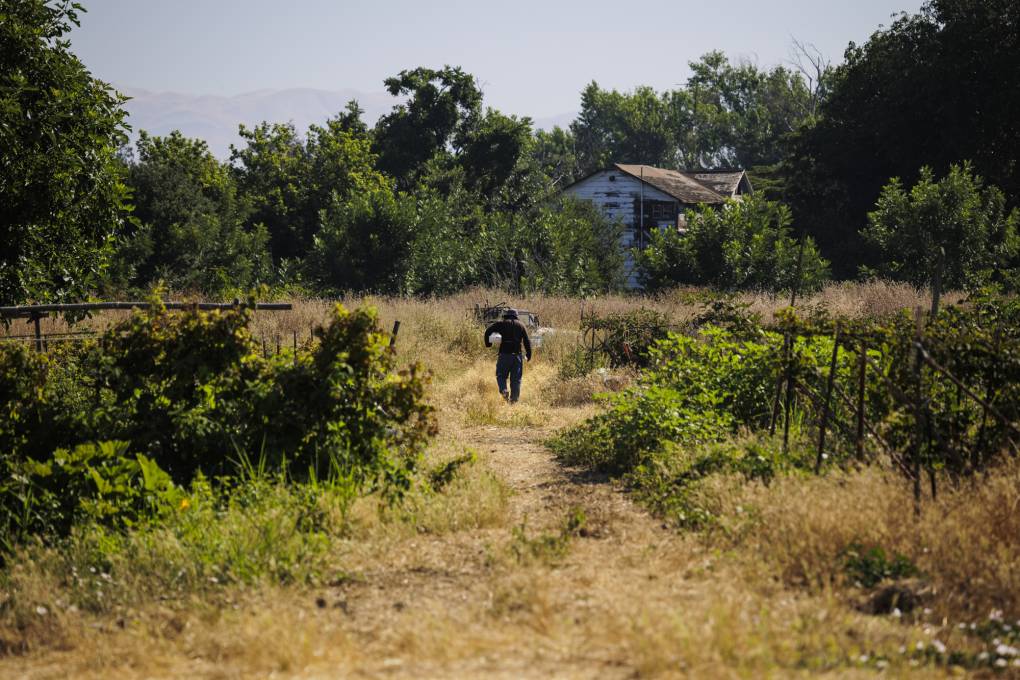
"caption": "James Tsukuda works on the farm owned by the Sakauye family in San José on July 10, 2024.",
"credit": "Martin do Nascimento/KQED",
"altTag": null,
"description": null,
"imgSizes": {
"medium": {
"file": "https://cdn.kqed.org/wp-content/uploads/sites/10/2024/07/240703-JAPANESE-AMERICAN-FAMILY-FARM-MD-28-KQED-800x533.jpg",
"width": 800,
"height": 533,
"mimeType": "image/jpeg"
},
"large": {
"file": "https://cdn.kqed.org/wp-content/uploads/sites/10/2024/07/240703-JAPANESE-AMERICAN-FAMILY-FARM-MD-28-KQED-1020x680.jpg",
"width": 1020,
"height": 680,
"mimeType": "image/jpeg"
},
"thumbnail": {
"file": "https://cdn.kqed.org/wp-content/uploads/sites/10/2024/07/240703-JAPANESE-AMERICAN-FAMILY-FARM-MD-28-KQED-160x107.jpg",
"width": 160,
"height": 107,
"mimeType": "image/jpeg"
},
"1536x1536": {
"file": "https://cdn.kqed.org/wp-content/uploads/sites/10/2024/07/240703-JAPANESE-AMERICAN-FAMILY-FARM-MD-28-KQED-1536x1024.jpg",
"width": 1536,
"height": 1024,
"mimeType": "image/jpeg"
},
"post-thumbnail": {
"file": "https://cdn.kqed.org/wp-content/uploads/sites/10/2024/07/240703-JAPANESE-AMERICAN-FAMILY-FARM-MD-28-KQED-672x372.jpg",
"width": 672,
"height": 372,
"mimeType": "image/jpeg"
},
"twentyfourteen-full-width": {
"file": "https://cdn.kqed.org/wp-content/uploads/sites/10/2024/07/240703-JAPANESE-AMERICAN-FAMILY-FARM-MD-28-KQED-1038x576.jpg",
"width": 1038,
"height": 576,
"mimeType": "image/jpeg"
},
"full-width": {
"file": "https://cdn.kqed.org/wp-content/uploads/sites/10/2024/07/240703-JAPANESE-AMERICAN-FAMILY-FARM-MD-28-KQED-1920x1280.jpg",
"width": 1920,
"height": 1280,
"mimeType": "image/jpeg"
},
"kqedFullSize": {
"file": "https://cdn.kqed.org/wp-content/uploads/sites/10/2024/07/240703-JAPANESE-AMERICAN-FAMILY-FARM-MD-28-KQED.jpg",
"width": 2000,
"height": 1333
}
},
"isLoading": false,
"fetchFailed": false
},
"news_11999962": {
"type": "attachments",
"id": "news_11999962",
"meta": {
"index": "attachments_1716263798",
"site": "news",
"id": "11999962",
"found": true
},
"title": "240812-HCAVIGIL-JG-3",
"publishDate": 1723567616,
"status": "inherit",
"parent": 0,
"modified": 1723569725,
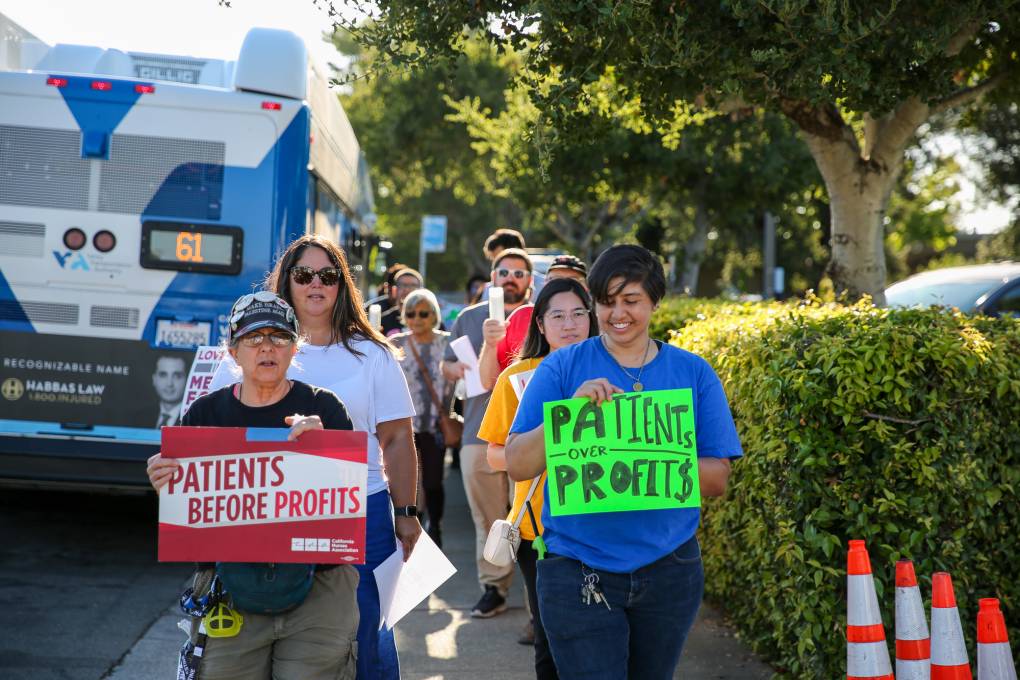
"caption": "Residents and advocates rally outside Good Samaritan Hospital, owned by HCA Healthcare, in West San José on Monday. The group is trying to bring attention to cuts to the trauma center and other critical health services at another HCA hospital, Regional Medical Center in East San José.",
"credit": "Joseph Geha/KQED",
"altTag": null,
"description": null,
"imgSizes": {
"medium": {
"file": "https://cdn.kqed.org/wp-content/uploads/sites/10/2024/08/240812-HCAVIGIL-JG-3-800x533.jpg",
"width": 800,
"height": 533,
"mimeType": "image/jpeg"
},
"large": {
"file": "https://cdn.kqed.org/wp-content/uploads/sites/10/2024/08/240812-HCAVIGIL-JG-3-1020x680.jpg",
"width": 1020,
"height": 680,
"mimeType": "image/jpeg"
},
"thumbnail": {
"file": "https://cdn.kqed.org/wp-content/uploads/sites/10/2024/08/240812-HCAVIGIL-JG-3-160x107.jpg",
"width": 160,
"height": 107,
"mimeType": "image/jpeg"
},
"1536x1536": {
"file": "https://cdn.kqed.org/wp-content/uploads/sites/10/2024/08/240812-HCAVIGIL-JG-3-1536x1024.jpg",
"width": 1536,
"height": 1024,
"mimeType": "image/jpeg"
},
"post-thumbnail": {
"file": "https://cdn.kqed.org/wp-content/uploads/sites/10/2024/08/240812-HCAVIGIL-JG-3-672x372.jpg",
"width": 672,
"height": 372,
"mimeType": "image/jpeg"
},
"twentyfourteen-full-width": {
"file": "https://cdn.kqed.org/wp-content/uploads/sites/10/2024/08/240812-HCAVIGIL-JG-3-1038x576.jpg",
"width": 1038,
"height": 576,
"mimeType": "image/jpeg"
},
"full-width": {
"file": "https://cdn.kqed.org/wp-content/uploads/sites/10/2024/08/240812-HCAVIGIL-JG-3-1920x1280.jpg",
"width": 1920,
"height": 1280,
"mimeType": "image/jpeg"
},
"kqedFullSize": {
"file": "https://cdn.kqed.org/wp-content/uploads/sites/10/2024/08/240812-HCAVIGIL-JG-3.jpg",
"width": 2000,
"height": 1333
}
},
"isLoading": false,
"fetchFailed": false
},
"news_11996242": {
"type": "attachments",
"id": "news_11996242",
"meta": {
"index": "attachments_1716263798",
"site": "news",
"id": "11996242",
"found": true
},
"title": "240703-JAPANESE AMERICAN FAMILY FARM-MD-15-KQED",
"publishDate": 1721326800,
"status": "inherit",
"parent": 0,
"modified": 1721326971,
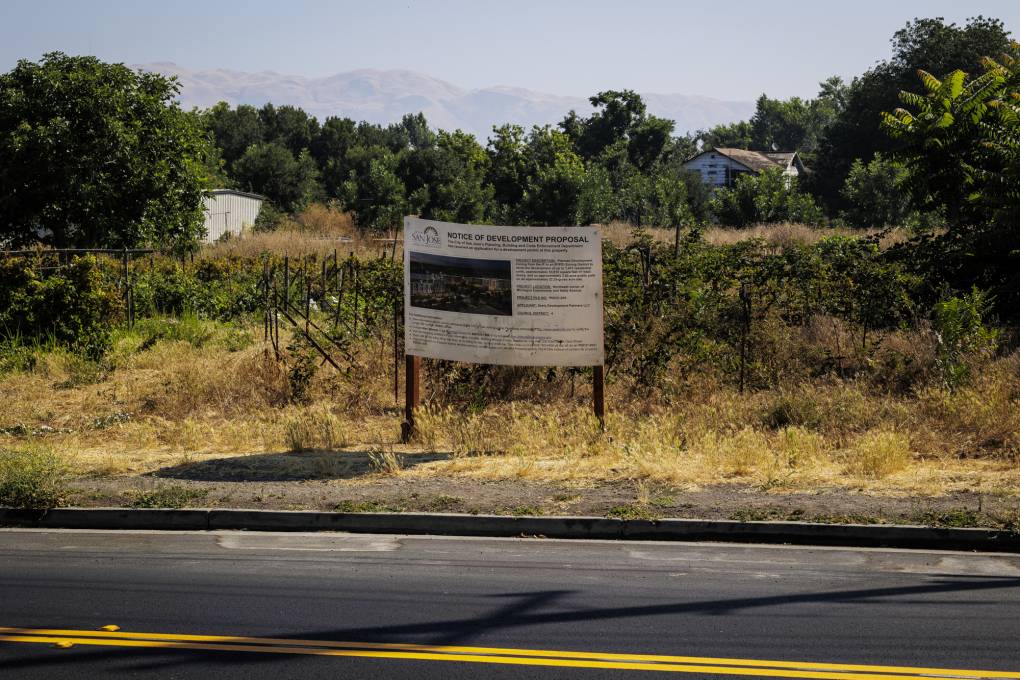
"caption": "A sign announces the proposed development of the Sakauye family farm in San José on July 10, 2024.",
"credit": "Martin do Nascimento/KQED",
"altTag": null,
"description": null,
"imgSizes": {
"medium": {
"file": "https://cdn.kqed.org/wp-content/uploads/sites/10/2024/07/240703-JAPANESE-AMERICAN-FAMILY-FARM-MD-15-KQED-800x533.jpg",
"width": 800,
"height": 533,
"mimeType": "image/jpeg"
},
"large": {
"file": "https://cdn.kqed.org/wp-content/uploads/sites/10/2024/07/240703-JAPANESE-AMERICAN-FAMILY-FARM-MD-15-KQED-1020x680.jpg",
"width": 1020,
"height": 680,
"mimeType": "image/jpeg"
},
"thumbnail": {
"file": "https://cdn.kqed.org/wp-content/uploads/sites/10/2024/07/240703-JAPANESE-AMERICAN-FAMILY-FARM-MD-15-KQED-160x107.jpg",
"width": 160,
"height": 107,
"mimeType": "image/jpeg"
},
"1536x1536": {
"file": "https://cdn.kqed.org/wp-content/uploads/sites/10/2024/07/240703-JAPANESE-AMERICAN-FAMILY-FARM-MD-15-KQED-1536x1024.jpg",
"width": 1536,
"height": 1024,
"mimeType": "image/jpeg"
},
"post-thumbnail": {
"file": "https://cdn.kqed.org/wp-content/uploads/sites/10/2024/07/240703-JAPANESE-AMERICAN-FAMILY-FARM-MD-15-KQED-672x372.jpg",
"width": 672,
"height": 372,
"mimeType": "image/jpeg"
},
"twentyfourteen-full-width": {
"file": "https://cdn.kqed.org/wp-content/uploads/sites/10/2024/07/240703-JAPANESE-AMERICAN-FAMILY-FARM-MD-15-KQED-1038x576.jpg",
"width": 1038,
"height": 576,
"mimeType": "image/jpeg"
},
"full-width": {
"file": "https://cdn.kqed.org/wp-content/uploads/sites/10/2024/07/240703-JAPANESE-AMERICAN-FAMILY-FARM-MD-15-KQED-1920x1280.jpg",
"width": 1920,
"height": 1280,
"mimeType": "image/jpeg"
},
"kqedFullSize": {
"file": "https://cdn.kqed.org/wp-content/uploads/sites/10/2024/07/240703-JAPANESE-AMERICAN-FAMILY-FARM-MD-15-KQED.jpg",
"width": 2000,
"height": 1333
}
},
"isLoading": false,
"fetchFailed": false
},
"news_11999206": {
"type": "attachments",
"id": "news_11999206",
"meta": {
"index": "attachments_1716263798",
"site": "news",
"id": "11999206",
"found": true
},
"title": "A view from Guadalupe River Park in San José on April 9, 2024.",
"publishDate": 1723056116,
"status": "inherit",
"parent": 11999166,
"modified": 1723056129,
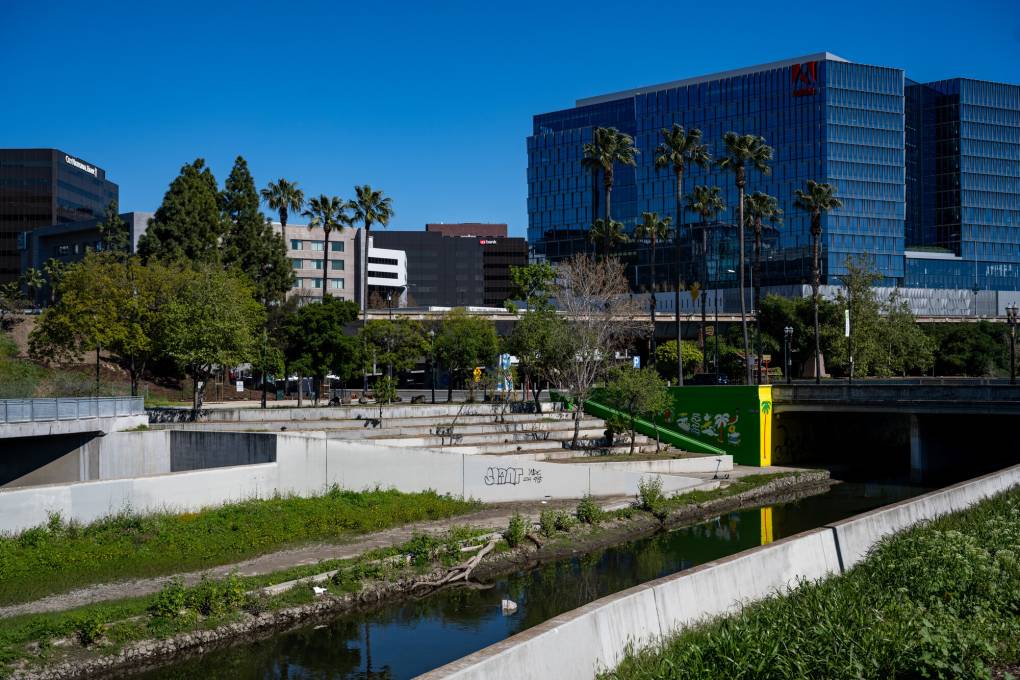
"caption": "A view from Guadalupe River Park in San José on April 9, 2024.",
"credit": "Beth LaBerge/KQED",
"altTag": null,
"description": null,
"imgSizes": {
"medium": {
"file": "https://cdn.kqed.org/wp-content/uploads/sites/10/2024/08/240409-SJEncampmentBan-051-BL_qed-800x533.jpg",
"width": 800,
"height": 533,
"mimeType": "image/jpeg"
},
"large": {
"file": "https://cdn.kqed.org/wp-content/uploads/sites/10/2024/08/240409-SJEncampmentBan-051-BL_qed-1020x680.jpg",
"width": 1020,
"height": 680,
"mimeType": "image/jpeg"
},
"thumbnail": {
"file": "https://cdn.kqed.org/wp-content/uploads/sites/10/2024/08/240409-SJEncampmentBan-051-BL_qed-160x107.jpg",
"width": 160,
"height": 107,
"mimeType": "image/jpeg"
},
"1536x1536": {
"file": "https://cdn.kqed.org/wp-content/uploads/sites/10/2024/08/240409-SJEncampmentBan-051-BL_qed-1536x1024.jpg",
"width": 1536,
"height": 1024,
"mimeType": "image/jpeg"
},
"post-thumbnail": {
"file": "https://cdn.kqed.org/wp-content/uploads/sites/10/2024/08/240409-SJEncampmentBan-051-BL_qed-672x372.jpg",
"width": 672,
"height": 372,
"mimeType": "image/jpeg"
},
"twentyfourteen-full-width": {
"file": "https://cdn.kqed.org/wp-content/uploads/sites/10/2024/08/240409-SJEncampmentBan-051-BL_qed-1038x576.jpg",
"width": 1038,
"height": 576,
"mimeType": "image/jpeg"
},
"full-width": {
"file": "https://cdn.kqed.org/wp-content/uploads/sites/10/2024/08/240409-SJEncampmentBan-051-BL_qed-1920x1280.jpg",
"width": 1920,
"height": 1280,
"mimeType": "image/jpeg"
},
"kqedFullSize": {
"file": "https://cdn.kqed.org/wp-content/uploads/sites/10/2024/08/240409-SJEncampmentBan-051-BL_qed.jpg",
"width": 2000,
"height": 1333
}
},
"isLoading": false,
"fetchFailed": false
},
"news_11997226": {
"type": "attachments",
"id": "news_11997226",
"meta": {
"index": "attachments_1716263798",
"site": "news",
"id": "11997226",
"found": true
},
"title": "Millbrae City Hall in Millbrae on July 10, 2024.",
"publishDate": 1721859702,
"status": "inherit",
"parent": 11997219,
"modified": 1721859793,
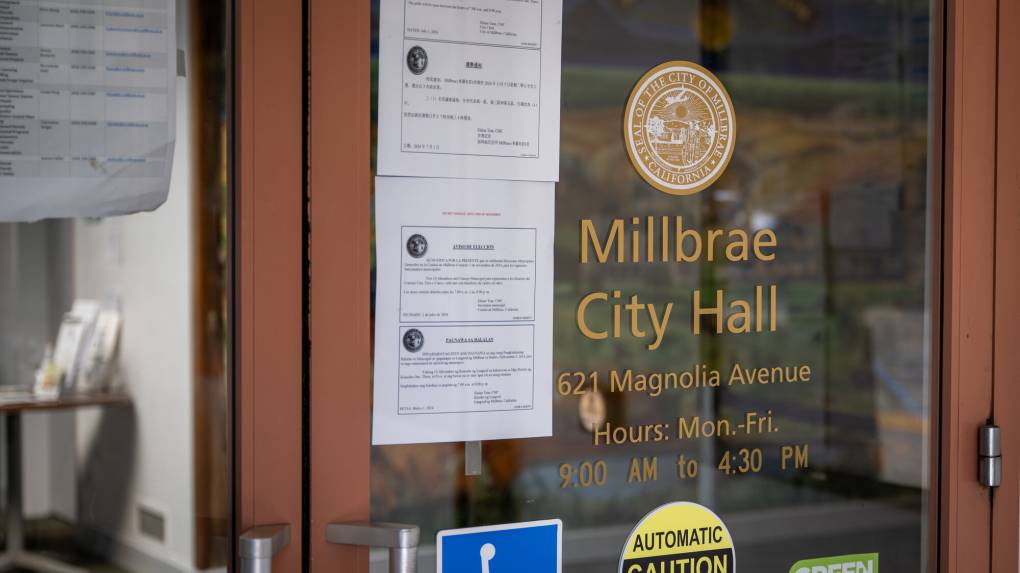
"caption": "Millbrae City Hall in Millbrae on July 10, 2024. Stemming from a bitter debate over plans to turn a hotel into supportive housing, the recall effort against two Millbrae City Council members appears to have passed.",
"credit": "Beth LaBerge/KQED",
"altTag": null,
"description": null,
"imgSizes": {
"medium": {
"file": "https://cdn.kqed.org/wp-content/uploads/sites/10/2024/07/240710-MillbraeCityHall-01-BL_qed-800x450.jpg",
"width": 800,
"height": 450,
"mimeType": "image/jpeg"
},
"large": {
"file": "https://cdn.kqed.org/wp-content/uploads/sites/10/2024/07/240710-MillbraeCityHall-01-BL_qed-1020x573.jpg",
"width": 1020,
"height": 573,
"mimeType": "image/jpeg"
},
"thumbnail": {
"file": "https://cdn.kqed.org/wp-content/uploads/sites/10/2024/07/240710-MillbraeCityHall-01-BL_qed-160x90.jpg",
"width": 160,
"height": 90,
"mimeType": "image/jpeg"
},
"1536x1536": {
"file": "https://cdn.kqed.org/wp-content/uploads/sites/10/2024/07/240710-MillbraeCityHall-01-BL_qed-1536x863.jpg",
"width": 1536,
"height": 863,
"mimeType": "image/jpeg"
},
"post-thumbnail": {
"file": "https://cdn.kqed.org/wp-content/uploads/sites/10/2024/07/240710-MillbraeCityHall-01-BL_qed-672x372.jpg",
"width": 672,
"height": 372,
"mimeType": "image/jpeg"
},
"twentyfourteen-full-width": {
"file": "https://cdn.kqed.org/wp-content/uploads/sites/10/2024/07/240710-MillbraeCityHall-01-BL_qed-1038x576.jpg",
"width": 1038,
"height": 576,
"mimeType": "image/jpeg"
},
"full-width": {
"file": "https://cdn.kqed.org/wp-content/uploads/sites/10/2024/07/240710-MillbraeCityHall-01-BL_qed-1920x1079.jpg",
"width": 1920,
"height": 1079,
"mimeType": "image/jpeg"
},
"kqedFullSize": {
"file": "https://cdn.kqed.org/wp-content/uploads/sites/10/2024/07/240710-MillbraeCityHall-01-BL_qed.jpg",
"width": 2000,
"height": 1124
}
},
"isLoading": false,
"fetchFailed": false
},
"news_11991678": {
"type": "attachments",
"id": "news_11991678",
"meta": {
"index": "attachments_1716263798",
"site": "news",
"id": "11991678",
"found": true
},
"title": "SanJoseRegionalMedCenter",
"publishDate": 1719251522,
"status": "inherit",
"parent": 11991654,
"modified": 1719251592,
"caption": "Regional Medical Center in East San José on May 24, 2024.",
"credit": "Joseph Geha/KQED",
"altTag": null,
"description": null,
"imgSizes": {
"medium": {
"file": "https://cdn.kqed.org/wp-content/uploads/sites/10/2024/06/SanJoseRegionalMedCenter-800x533.jpg",
"width": 800,
"height": 533,
"mimeType": "image/jpeg"
},
"large": {
"file": "https://cdn.kqed.org/wp-content/uploads/sites/10/2024/06/SanJoseRegionalMedCenter-1020x679.jpg",
"width": 1020,
"height": 679,
"mimeType": "image/jpeg"
},
"thumbnail": {
"file": "https://cdn.kqed.org/wp-content/uploads/sites/10/2024/06/SanJoseRegionalMedCenter-160x107.jpg",
"width": 160,
"height": 107,
"mimeType": "image/jpeg"
},
"1536x1536": {
"file": "https://cdn.kqed.org/wp-content/uploads/sites/10/2024/06/SanJoseRegionalMedCenter-1536x1023.jpg",
"width": 1536,
"height": 1023,
"mimeType": "image/jpeg"
},
"post-thumbnail": {
"file": "https://cdn.kqed.org/wp-content/uploads/sites/10/2024/06/SanJoseRegionalMedCenter-672x372.jpg",
"width": 672,
"height": 372,
"mimeType": "image/jpeg"
},
"twentyfourteen-full-width": {
"file": "https://cdn.kqed.org/wp-content/uploads/sites/10/2024/06/SanJoseRegionalMedCenter-1038x576.jpg",
"width": 1038,
"height": 576,
"mimeType": "image/jpeg"
},
"kqedFullSize": {
"file": "https://cdn.kqed.org/wp-content/uploads/sites/10/2024/06/SanJoseRegionalMedCenter.jpg",
"width": 1920,
"height": 1279
}
},
"isLoading": false,
"fetchFailed": false
},
"news_11995823": {
"type": "attachments",
"id": "news_11995823",
"meta": {
"index": "attachments_1716263798",
"site": "news",
"id": "11995823",
"found": true
},
"title": "240716-LICCARDO-LOW-MD-KQED",
"publishDate": 1721155273,
"status": "inherit",
"parent": 0,
"modified": 1721155352,
"caption": "Former mayor of San José, Sam Liccardo (left), and California Assemblymember Evan Low.",
"credit": "Beth LaBerge/KQED; Rodin Eckenroth/Getty Images",
"altTag": null,
"description": null,
"imgSizes": {
"medium": {
"file": "https://cdn.kqed.org/wp-content/uploads/sites/10/2024/07/240716-LICCARDO-LOW-MD-KQED-800x533.jpg",
"width": 800,
"height": 533,
"mimeType": "image/jpeg"
},
"large": {
"file": "https://cdn.kqed.org/wp-content/uploads/sites/10/2024/07/240716-LICCARDO-LOW-MD-KQED-1020x680.jpg",
"width": 1020,
"height": 680,
"mimeType": "image/jpeg"
},
"thumbnail": {
"file": "https://cdn.kqed.org/wp-content/uploads/sites/10/2024/07/240716-LICCARDO-LOW-MD-KQED-160x107.jpg",
"width": 160,
"height": 107,
"mimeType": "image/jpeg"
},
"1536x1536": {
"file": "https://cdn.kqed.org/wp-content/uploads/sites/10/2024/07/240716-LICCARDO-LOW-MD-KQED-1536x1024.jpg",
"width": 1536,
"height": 1024,
"mimeType": "image/jpeg"
},
"post-thumbnail": {
"file": "https://cdn.kqed.org/wp-content/uploads/sites/10/2024/07/240716-LICCARDO-LOW-MD-KQED-672x372.jpg",
"width": 672,
"height": 372,
"mimeType": "image/jpeg"
},
"twentyfourteen-full-width": {
"file": "https://cdn.kqed.org/wp-content/uploads/sites/10/2024/07/240716-LICCARDO-LOW-MD-KQED-1038x576.jpg",
"width": 1038,
"height": 576,
"mimeType": "image/jpeg"
},
"full-width": {
"file": "https://cdn.kqed.org/wp-content/uploads/sites/10/2024/07/240716-LICCARDO-LOW-MD-KQED-1920x1280.jpg",
"width": 1920,
"height": 1280,
"mimeType": "image/jpeg"
},
"kqedFullSize": {
"file": "https://cdn.kqed.org/wp-content/uploads/sites/10/2024/07/240716-LICCARDO-LOW-MD-KQED.jpg",
"width": 2000,
"height": 1333
}
},
"isLoading": false,
"fetchFailed": false
},
"news_11992040": {
"type": "attachments",
"id": "news_11992040",
"meta": {
"index": "attachments_1716263798",
"site": "news",
"id": "11992040",
"found": true
},
"title": "019_KQED_CindyChavezSanJose_11082022",
"publishDate": 1719423645,
"status": "inherit",
"parent": 11992038,
"modified": 1719431345,
"caption": "Longtime Santa Clara County Supervisor Cindy Chavez has been selected as the next manager of Bernalillo County, New Mexico, pending contract negotiations and a background check. The Bernalillo County Board of Commissioners approved her by a 3–2 vote.",
"credit": "Beth LaBerge/KQED",
"altTag": null,
"description": null,
"imgSizes": {
"medium": {
"file": "https://cdn.kqed.org/wp-content/uploads/sites/10/2024/06/019_KQED_CindyChavezSanJose_11082022-800x533.jpg",
"width": 800,
"height": 533,
"mimeType": "image/jpeg"
},
"large": {
"file": "https://cdn.kqed.org/wp-content/uploads/sites/10/2024/06/019_KQED_CindyChavezSanJose_11082022-1020x680.jpg",
"width": 1020,
"height": 680,
"mimeType": "image/jpeg"
},
"thumbnail": {
"file": "https://cdn.kqed.org/wp-content/uploads/sites/10/2024/06/019_KQED_CindyChavezSanJose_11082022-160x107.jpg",
"width": 160,
"height": 107,
"mimeType": "image/jpeg"
},
"1536x1536": {
"file": "https://cdn.kqed.org/wp-content/uploads/sites/10/2024/06/019_KQED_CindyChavezSanJose_11082022-1536x1024.jpg",
"width": 1536,
"height": 1024,
"mimeType": "image/jpeg"
},
"post-thumbnail": {
"file": "https://cdn.kqed.org/wp-content/uploads/sites/10/2024/06/019_KQED_CindyChavezSanJose_11082022-672x372.jpg",
"width": 672,
"height": 372,
"mimeType": "image/jpeg"
},
"twentyfourteen-full-width": {
"file": "https://cdn.kqed.org/wp-content/uploads/sites/10/2024/06/019_KQED_CindyChavezSanJose_11082022-1038x576.jpg",
"width": 1038,
"height": 576,
"mimeType": "image/jpeg"
},
"kqedFullSize": {
"file": "https://cdn.kqed.org/wp-content/uploads/sites/10/2024/06/019_KQED_CindyChavezSanJose_11082022.jpg",
"width": 1920,
"height": 1280
}
},
"isLoading": false,
"fetchFailed": false
},
"news_11991941": {
"type": "attachments",
"id": "news_11991941",
"meta": {
"index": "attachments_1716263798",
"site": "news",
"id": "11991941",
"found": true
},
"title": "240625-UBERSANJOSE-JG-3",
"publishDate": 1719356445,
"status": "inherit",
"parent": 11991922,
"modified": 1719356481,
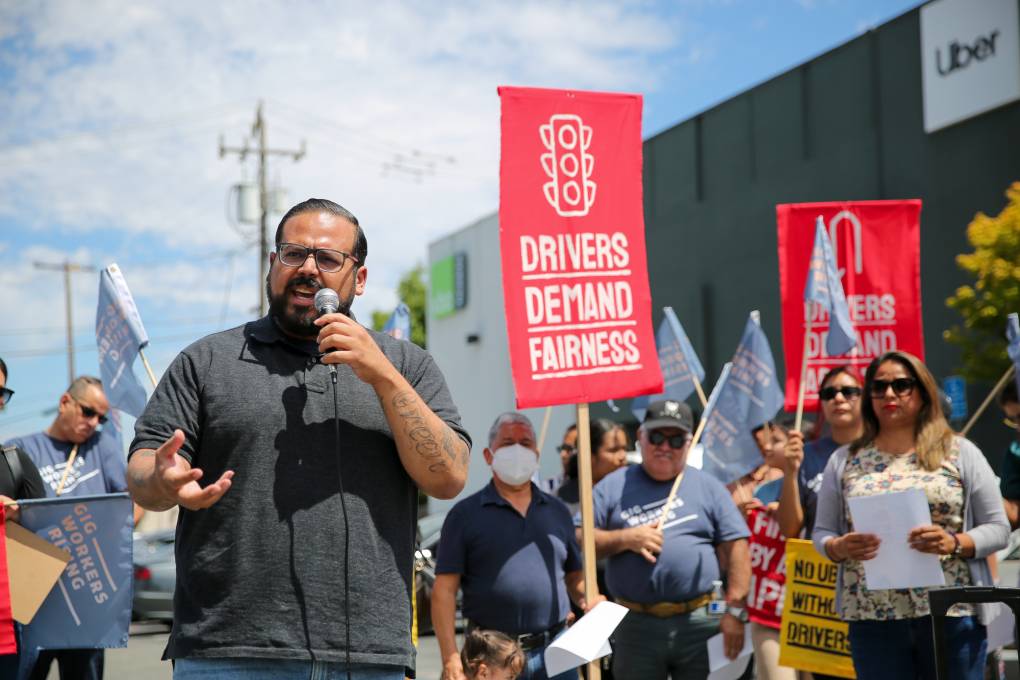
"caption": "San José City Councilmember Peter Ortiz speaks during a rally of Uber drivers and advocates outside the company's driver support center in South San José on June 25, 2024.",
"credit": "Joseph Geha/KQED",
"altTag": null,
"description": null,
"imgSizes": {
"medium": {
"file": "https://cdn.kqed.org/wp-content/uploads/sites/10/2024/06/240625-UBERSANJOSE-JG-3-800x533.jpg",
"width": 800,
"height": 533,
"mimeType": "image/jpeg"
},
"large": {
"file": "https://cdn.kqed.org/wp-content/uploads/sites/10/2024/06/240625-UBERSANJOSE-JG-3-1020x680.jpg",
"width": 1020,
"height": 680,
"mimeType": "image/jpeg"
},
"thumbnail": {
"file": "https://cdn.kqed.org/wp-content/uploads/sites/10/2024/06/240625-UBERSANJOSE-JG-3-160x107.jpg",
"width": 160,
"height": 107,
"mimeType": "image/jpeg"
},
"1536x1536": {
"file": "https://cdn.kqed.org/wp-content/uploads/sites/10/2024/06/240625-UBERSANJOSE-JG-3-1536x1024.jpg",
"width": 1536,
"height": 1024,
"mimeType": "image/jpeg"
},
"post-thumbnail": {
"file": "https://cdn.kqed.org/wp-content/uploads/sites/10/2024/06/240625-UBERSANJOSE-JG-3-672x372.jpg",
"width": 672,
"height": 372,
"mimeType": "image/jpeg"
},
"twentyfourteen-full-width": {
"file": "https://cdn.kqed.org/wp-content/uploads/sites/10/2024/06/240625-UBERSANJOSE-JG-3-1038x576.jpg",
"width": 1038,
"height": 576,
"mimeType": "image/jpeg"
},
"full-width": {
"file": "https://cdn.kqed.org/wp-content/uploads/sites/10/2024/06/240625-UBERSANJOSE-JG-3-1920x1280.jpg",
"width": 1920,
"height": 1280,
"mimeType": "image/jpeg"
},
"kqedFullSize": {
"file": "https://cdn.kqed.org/wp-content/uploads/sites/10/2024/06/240625-UBERSANJOSE-JG-3.jpg",
"width": 2000,
"height": 1333
}
},
"isLoading": false,
"fetchFailed": false
}
},
"audioPlayerReducer": {
"postId": "stream_live",
"isPaused": true,
"isPlaying": false,
"pfsActive": false,
"pledgeModalIsOpen": true,
"playerDrawerIsOpen": false,
"liveAudioPlayStartedAt": 0,
"liveAudioPlayContext": ""
},
"authorsReducer": {
"gmarzorati": {
"type": "authors",
"id": "227",
"meta": {
"index": "authors_1716337520",
"id": "227",
"found": true
},
"name": "Guy Marzorati",
"firstName": "Guy",
"lastName": "Marzorati",
"slug": "gmarzorati",
"email": "gmarzorati@KQED.org",
"display_author_email": true,
"staff_mastheads": [
"news"
],
"title": "Correspondent",
"bio": "Guy Marzorati is a correspondent on KQED's California Politics and Government Desk, based in San Jose. A graduate of Santa Clara University, Guy joined KQED in 2013. He reports on state and local politics and produces KQED's digital voter guide.",
"avatar": "https://secure.gravatar.com/avatar/e7038b8dbfd55b104369b76b1cd0b9de?s=600&d=blank&r=g",
"twitter": "guymarzorati",
"facebook": null,
"instagram": null,
"linkedin": null,
"sites": [
{
"site": "",
"roles": [
"editor"
]
},
{
"site": "news",
"roles": [
"editor"
]
},
{
"site": "science",
"roles": [
"editor"
]
},
{
"site": "forum",
"roles": [
"editor"
]
},
{
"site": "elections",
"roles": [
"editor"
]
},
{
"site": "liveblog",
"roles": [
"editor"
]
}
],
"headData": {
"title": "Guy Marzorati | KQED",
"description": "Correspondent",
"ogImgSrc": "https://secure.gravatar.com/avatar/e7038b8dbfd55b104369b76b1cd0b9de?s=600&d=blank&r=g",
"twImgSrc": "https://secure.gravatar.com/avatar/e7038b8dbfd55b104369b76b1cd0b9de?s=600&d=blank&r=g"
},
"isLoading": false,
"link": "/author/gmarzorati"
},
"fjhabvala": {
"type": "authors",
"id": "8659",
"meta": {
"index": "authors_1716337520",
"id": "8659",
"found": true
},
"name": "Farida Jhabvala Romero",
"firstName": "Farida",
"lastName": "Jhabvala Romero",
"slug": "fjhabvala",
"email": "fjhabvala@kqed.org",
"display_author_email": true,
"staff_mastheads": [
"news"
],
"title": "KQED Contributor",
"bio": "Farida Jhabvala Romero is a Labor Correspondent for KQED. She previously covered immigration. Farida was \u003ca href=\"https://www.ccnma.org/2022-most-influential-latina-journalists\">named\u003c/a> one of the 10 Most Influential Latina Journalists in California in 2022 by the California Chicano News Media Association. Her work has won awards from the Society of Professional Journalists (Northern California), as well as a national and regional Edward M. Murrow Award for the collaborative reporting projects “Dangerous Air” and “Graying California.” Before joining KQED, Farida worked as a producer at Radio Bilingüe, a national public radio network. Farida earned her master’s degree in journalism from Stanford University.",
"avatar": "https://secure.gravatar.com/avatar/f9f022d4e2609741874222a1e9d41f48fea74011aa7c615eef91d9a50c944ebe?s=600&d=blank&r=g",
"twitter": "FaridaJhabvala",
"bluesky": null,
"facebook": null,
"instagram": null,
"linkedin": "https://www.linkedin.com/in/faridajhabvala/",
"sites": [
{
"site": "news",
"roles": [
"editor"
]
},
{
"site": "stateofhealth",
"roles": [
"author"
]
},
{
"site": "liveblog",
"roles": [
"author"
]
}
],
"headData": {
"title": "Farida Jhabvala Romero | KQED",
"description": "KQED Contributor",
"ogImgSrc": "https://secure.gravatar.com/avatar/f9f022d4e2609741874222a1e9d41f48fea74011aa7c615eef91d9a50c944ebe?s=600&d=blank&r=g",
"twImgSrc": "https://secure.gravatar.com/avatar/f9f022d4e2609741874222a1e9d41f48fea74011aa7c615eef91d9a50c944ebe?s=600&d=blank&r=g"
},
"isLoading": false,
"link": "/author/fjhabvala"
},
"abandlamudi": {
"type": "authors",
"id": "11672",
"meta": {
"index": "authors_1716337520",
"id": "11672",
"found": true
},
"name": "Adhiti Bandlamudi",
"firstName": "Adhiti",
"lastName": "Bandlamudi",
"slug": "abandlamudi",
"email": "abandlamudi@kqed.org",
"display_author_email": false,
"staff_mastheads": [
"news"
],
"title": "KQED Housing Reporter",
"bio": "Adhiti Bandlamudi reports for KQED's Housing desk. She focuses on how housing gets built across the Bay Area. Before joining KQED in 2020, she reported for WUNC in Durham, North Carolina, WABE in Atlanta, Georgia and Capital Public Radio in Sacramento. In 2017, she was awarded a Kroc Fellowship at NPR where she reported on everything from sprinkles to the Golden State Killer's arrest. When she's not reporting, she's baking new recipes in her kitchen or watching movies with friends and family. She's originally from Georgia and has strong opinions about Great British Bake Off.",
"avatar": "https://secure.gravatar.com/avatar/868129c8b257bb99a3500e2c86a65400?s=600&d=mm&r=g",
"twitter": "oddity_adhiti",
"facebook": null,
"instagram": null,
"linkedin": null,
"sites": [
{
"site": "arts",
"roles": [
"author"
]
},
{
"site": "news",
"roles": [
"editor"
]
},
{
"site": "liveblog",
"roles": [
"author"
]
}
],
"headData": {
"title": "Adhiti Bandlamudi | KQED",
"description": "KQED Housing Reporter",
"ogImgSrc": "https://secure.gravatar.com/avatar/868129c8b257bb99a3500e2c86a65400?s=600&d=mm&r=g",
"twImgSrc": "https://secure.gravatar.com/avatar/868129c8b257bb99a3500e2c86a65400?s=600&d=mm&r=g"
},
"isLoading": false,
"link": "/author/abandlamudi"
},
"jgeha": {
"type": "authors",
"id": "11906",
"meta": {
"index": "authors_1716337520",
"id": "11906",
"found": true
},
"name": "Joseph Geha",
"firstName": "Joseph",
"lastName": "Geha",
"slug": "jgeha",
"email": "jgeha@kqed.org",
"display_author_email": false,
"staff_mastheads": [
"news",
"science"
],
"title": "KQED Contributor",
"bio": null,
"avatar": "https://secure.gravatar.com/avatar/ea84d2b6dd93d6369d453edf19dd583f117cd1759d2d9c9c92f9de77017354fe?s=600&d=blank&r=g",
"twitter": null,
"bluesky": null,
"facebook": null,
"instagram": null,
"linkedin": null,
"sites": [
{
"site": "news",
"roles": [
"editor"
]
},
{
"site": "liveblog",
"roles": [
"author"
]
}
],
"headData": {
"title": "Joseph Geha | KQED",
"description": "KQED Contributor",
"ogImgSrc": "https://secure.gravatar.com/avatar/ea84d2b6dd93d6369d453edf19dd583f117cd1759d2d9c9c92f9de77017354fe?s=600&d=blank&r=g",
"twImgSrc": "https://secure.gravatar.com/avatar/ea84d2b6dd93d6369d453edf19dd583f117cd1759d2d9c9c92f9de77017354fe?s=600&d=blank&r=g"
},
"isLoading": false,
"link": "/author/jgeha"
},
"kdebenedetti": {
"type": "authors",
"id": "11913",
"meta": {
"index": "authors_1716337520",
"id": "11913",
"found": true
},
"name": "Katie DeBenedetti",
"firstName": "Katie",
"lastName": "DeBenedetti",
"slug": "kdebenedetti",
"email": "kdebenedetti@kqed.org",
"display_author_email": false,
"staff_mastheads": [
"news",
"science"
],
"title": "KQED Contributor",
"bio": "Katie DeBenedetti is a digital reporter covering daily news for the Express Desk. Prior to joining KQED as a culture reporting intern in January 2024, she covered education and city government for the Napa Valley Register.",
"avatar": "https://secure.gravatar.com/avatar/6e31073cb8f7e4214ab03f42771d0f45?s=600&d=blank&r=g",
"twitter": null,
"facebook": null,
"instagram": null,
"linkedin": null,
"sites": [
{
"site": "news",
"roles": [
"author"
]
},
{
"site": "science",
"roles": [
"author"
]
},
{
"site": "liveblog",
"roles": [
"author"
]
}
],
"headData": {
"title": "Katie DeBenedetti | KQED",
"description": "KQED Contributor",
"ogImgSrc": "https://secure.gravatar.com/avatar/6e31073cb8f7e4214ab03f42771d0f45?s=600&d=blank&r=g",
"twImgSrc": "https://secure.gravatar.com/avatar/6e31073cb8f7e4214ab03f42771d0f45?s=600&d=blank&r=g"
},
"isLoading": false,
"link": "/author/kdebenedetti"
}
},
"pagesReducer": {
"news_tag_south-bay": {
"type": "terms",
"id": "news_21285",
"meta": {
"index": "terms_1716263798",
"site": "news",
"id": "21285",
"score": 7.083429
},
"featImg": null,
"name": "South Bay",
"description": null,
"taxonomy": "tag",
"headData": {
"twImgId": null,
"twTitle": null,
"ogTitle": null,
"ogImgId": null,
"twDescription": null,
"description": null,
"title": "South Bay Archives | KQED News",
"ogDescription": null
},
"ttid": 21302,
"slug": "south-bay",
"isLoading": false,
"title": "South Bay",
"pageMeta": {
"site": "news",
"WpPageTemplate": "page-topic-editorial",
"currentPage": 24
},
"blocks": [
{
"blockName": "kqed/post-list",
"attrs": {
"layout": "cardArticle2",
"query": "posts/news?tag=south-bay",
"seeMore": false,
"paginated": true,
"page": 24
}
},
{
"blockName": "kqed/ad"
}
]
}
},
"pfsSessionReducer": {},
"postsReducer": {
"stream_live": {
"type": "live",
"id": "stream_live",
"audioUrl": "https://streams.kqed.org/kqedradio",
"title": "Live Stream",
"excerpt": "Live Stream information currently unavailable.",
"link": "/radio",
"featImg": "",
"label": {
"name": "KQED Live",
"link": "/"
}
},
"stream_kqedNewscast": {
"type": "posts",
"id": "stream_kqedNewscast",
"audioUrl": "https://www.kqed.org/.stream/anon/radio/RDnews/newscast.mp3?_=1",
"title": "KQED Newscast",
"featImg": "",
"label": {
"name": "88.5 FM",
"link": "/"
}
},
"news_12000513": {
"type": "posts",
"id": "news_12000513",
"meta": {
"index": "posts_1716263798",
"site": "news",
"id": "12000513",
"score": null,
"sort": [
1723832273000
]
},
"guestAuthors": [],
"slug": "new-california-laws-aim-to-crack-down-on-retail-theft-voters-could-decide-to-go-further",
"title": "New California Laws Aim to Crack Down on Retail Theft. Voters Could Decide to Go Further",
"publishDate": 1723832273,
"format": "standard",
"headTitle": "New California Laws Aim to Crack Down on Retail Theft. Voters Could Decide to Go Further | KQED",
"labelTerm": {
"site": "news"
},
"content": "\u003cp>\u003cem>Updated 2:50 p.m. Friday\u003c/em>\u003c/p>\n\u003cp>Gov. Gavin Newsom on Friday signed a package of bills \u003ca href=\"https://www.kqed.org/news/11982393/california-assembly-bills-seek-to-curb-retail-theft-maintain-proposition-47\">aimed at cracking down on shoplifting and organized retail theft\u003c/a>, while taking aim at a tough-on-crime measure on the November ballot that the governor said is unfairly punitive in pursuing the same goals.\u003c/p>\n\u003cp>Newsom called organized retail theft and serial theft “the issue that is front and center in the consciousness of so many Californians.”\u003c/p>\n\u003cp>“You see it online, social media, you see it on the nightly news,” Newsom said. “This goes to the heart of the issue and it does it in a thoughtful and judicious way.”\u003c/p>\n\u003cp>Newsom argued the bills are a measured approach that will make it easier for police to arrest shoplifters and disrupt larger retail crime rings. But it’s unclear whether the governor’s action will deter voters from going further and passing Proposition 36, which would increase sentences for theft and drug crimes by rolling back pieces of Proposition 47, a criminal justice reform measure passed by voters a decade ago.\u003c/p>\n\u003cp>[ad fullwidth]\u003c/p>\n\u003cp>On Friday, Newsom launched the opening salvo in the campaign, arguing that Proposition 36 “takes us back to the 1980s, the war on drugs, mass incarceration. It promotes a promise that can’t be delivered.”\u003c/p>\n\u003cp>“Those that support Prop 36, they’ll be accountable for it. I wouldn’t want to be on their side of this,” Newsom added. “It’s such a devastating setback in this state; the impact on poor folks, the impact on Black and brown communities, it’s next level — and it doesn’t address what they’re saying.”\u003c/p>\n\u003cp>Newsom signed 10 bills inside a Home Depot in San José, where he criticized the city’s mayor, Matt Mahan, who has emerged as a leading supporter of Proposition 36.\u003c/p>\n\u003cp>Proposition 36 has gained recent momentum, with a new poll from UC Berkeley’s Institute for Governmental Studies showing that 56% of likely voters support the measure. The proposal, which Republicans and district attorneys have long backed, also drew support from Democratic mayors like Mahan and London Breed in San Francisco. This week, nearly a dozen Democrats in the Legislature threw their support behind the idea.\u003c/p>\n\u003cfigure id=\"attachment_12000577\" class=\"wp-caption aligncenter\" style=\"max-width: 1999px\">\u003cimg loading=\"lazy\" decoding=\"async\" class=\"size-full wp-image-12000577\" src=\"https://cdn.kqed.org/wp-content/uploads/sites/10/2024/08/240409-MAHAN-HOMELESS-JG-01_qed.jpg\" alt=\"\" width=\"1999\" height=\"1333\" srcset=\"https://cdn.kqed.org/wp-content/uploads/sites/10/2024/08/240409-MAHAN-HOMELESS-JG-01_qed.jpg 1999w, https://cdn.kqed.org/wp-content/uploads/sites/10/2024/08/240409-MAHAN-HOMELESS-JG-01_qed-800x533.jpg 800w, https://cdn.kqed.org/wp-content/uploads/sites/10/2024/08/240409-MAHAN-HOMELESS-JG-01_qed-1020x680.jpg 1020w, https://cdn.kqed.org/wp-content/uploads/sites/10/2024/08/240409-MAHAN-HOMELESS-JG-01_qed-160x107.jpg 160w, https://cdn.kqed.org/wp-content/uploads/sites/10/2024/08/240409-MAHAN-HOMELESS-JG-01_qed-1536x1024.jpg 1536w, https://cdn.kqed.org/wp-content/uploads/sites/10/2024/08/240409-MAHAN-HOMELESS-JG-01_qed-1920x1280.jpg 1920w\" sizes=\"(max-width: 1999px) 100vw, 1999px\">\u003cfigcaption class=\"wp-caption-text\">San José Mayor Matt Mahan speaking outside City Hall on April 9, 2024. On Friday, Mahan said, “The criminal penalties that [Newsom] signed into law today that will incarcerate more people, they’re needed, they’re a step in the right direction, but they’re only a first step.” \u003ccite>(Joseph Geha/KQED)\u003c/cite>\u003c/figcaption>\u003c/figure>\n\u003cp>Following Newsom’s comments at the bill signing, Mahan held a press conference in front of San José City Hall, where he argued the new felonies created by Proposition 36 are necessary to compel Californians convicted of theft and drug possession to accept court-ordered treatment.\u003c/p>\n\u003cp>“The criminal penalties that [Newsom] signed into law today that will incarcerate more people, they’re needed, they’re a step in the right direction, but they’re only a first step,” Mahan said. “What we really need is mass treatment.”\u003c/p>\n\u003cp>Many of the bills Newsom signed Friday are based on research suggesting that the \u003ca href=\"https://www.kqed.org/news/11975692/prop-47s-impact-on-californias-criminal-justice-system\">certainty of arrest is a more effective deterrent\u003c/a> to shoplifting than longer sentences.\u003c/p>\n\u003cp>\u003ca href=\"https://leginfo.legislature.ca.gov/faces/billNavClient.xhtml?bill_id=202320240AB2943\">Assembly Bill 2943\u003c/a> would allow police to arrest a suspected shoplifter without directly witnessing the crime, relying instead on sworn statements or video footage. It would also allow law enforcement to bundle related thefts into a grand theft charge if the items’ value surpasses the felony threshold of $950 set by Proposition 47.\u003c/p>\n\u003cp>Another bill in the package, \u003ca href=\"https://leginfo.legislature.ca.gov/faces/billNavClient.xhtml?bill_id=202320240SB905\">Senate Bill 905\u003c/a>, would remove the requirement that prosecutors prove a car was locked to get an auto burglary conviction.\u003c/p>\n\u003cp>Other proposals signed Friday are more directly aimed at large-scale organized retail theft. Newsom signed bills to place sentencing enhancements on large theft operations and extend the life of a regional property crimes task force.\u003c/p>\n\u003cp>\u003cspan style=\"font-weight: 400;\">[aside postID=news_11990587 hero='https://cdn.kqed.org/wp-content/uploads/sites/10/2024/06/GettyImages-1498501086-1020x679.jpg']\u003c/span>\u003c/p>\n\u003cp>“All of these things in this package [are] going to help retailers, law enforcement and district attorneys be able to provide the consequences for the behaviors that we need to make sure that people don’t continue doing this behavior,” said Rachel Michelin, president and CEO of the California Retailers Association.\u003c/p>\n\u003cp>Supporters of Proposition 36 argue that stricter punishments are necessary to prevent shoplifting and drug crimes — and to compel drug users into treatment. Participation in drug courts, which require treatment in exchange for reduced punishment, has dropped significantly since the \u003ca href=\"https://www.kqed.org/news/11975692/prop-47s-impact-on-californias-criminal-justice-system\">passage of Proposition 47\u003c/a>.\u003c/p>\n\u003cp>Proposition 36 would require Californians convicted multiple times of drug possession to complete treatment to potentially avoid prison time. It would also punish shoplifting based on the frequency of the crime, rather than the value of the stolen goods. Under the measure, a third theft offense could be punishable with a felony, regardless of what was stolen.\u003c/p>\n\u003cp>“State leaders have had years to address California’s crime and drug crises, yet little has been done to tackle the root causes,” a spokesperson for the Yes on Proposition 36 campaign said in a statement. “These newly passed legislative bills are half measures, failing to address the fundamental issues of habitual repeat theft, the fentanyl epidemic, and the ongoing homelessness crisis, which remains unaddressed due to the lack of strong incentives for drug treatment.”\u003c/p>\n\u003cp>Many of the high-profile proposals signed by Newsom won bipartisan support in the state Legislature. But the path to the governor’s desk wasn’t simple. In an attempt to blunt support for Proposition 36 and keep it off the ballot, Newsom and legislative leaders inserted language into the retail theft bills that would have nullified them if the ballot measure passed. The governor also worked to craft a competing public safety ballot measure, but could not secure legislative support before the ballot deadline.\u003c/p>\n\u003cp>When the architects of Proposition 36 held firm in their push to place the initiative on the ballot, the poison pill language was removed from the legislative package.\u003c/p>\n\u003cp>\u003c/p>\n",
"blocks": [],
"excerpt": "Gov. Gavin Newsom signed bills targeting shoplifting and organized theft rings as Californians consider a tough-on-crime ballot measure, Proposition 36.",
"status": "publish",
"parent": 0,
"modified": 1730493694,
"stats": {
"hasAudio": false,
"hasVideo": false,
"hasChartOrMap": false,
"iframeSrcs": [],
"hasGoogleForm": false,
"hasGallery": false,
"hasHearkenModule": false,
"hasPolis": false,
"paragraphCount": 24,
"wordCount": 1059
},
"headData": {
"title": "New California Laws Aim to Crack Down on Retail Theft. Voters Could Decide to Go Further | KQED",
"description": "Gov. Gavin Newsom signed bills targeting shoplifting and organized theft rings as Californians consider a tough-on-crime ballot measure, Proposition 36.",
"ogTitle": "",
"ogDescription": "",
"ogImgId": "",
"twTitle": "",
"twDescription": "",
"twImgId": "",
"schema": {
"@context": "https://schema.org",
"@type": "NewsArticle",
"headline": "New California Laws Aim to Crack Down on Retail Theft. Voters Could Decide to Go Further",
"datePublished": "2024-08-16T11:17:53-07:00",
"dateModified": "2024-11-01T13:41:34-07:00",
"image": "https://cdn.kqed.org/wp-content/uploads/2020/02/KQED-OG-Image@1x.png",
"isAccessibleForFree": "True",
"publisher": {
"@type": "NewsMediaOrganization",
"@id": "https://www.kqed.org/#organization",
"name": "KQED",
"logo": "https://cdn.kqed.org/wp-content/uploads/2020/02/KQED-OG-Image@1x.png",
"url": "https://www.kqed.org",
"sameAs": [
"https://www.facebook.com/KQED",
"https://twitter.com/KQED",
"https://www.instagram.com/kqed/",
"https://www.tiktok.com/@kqedofficial",
"https://www.linkedin.com/company/kqed",
"https://www.youtube.com/channel/UCeC0IOo7i1P_61zVUWbJ4nw"
]
}
}
},
"sticky": false,
"nprStoryId": "kqed-12000513",
"excludeFromSiteSearch": "Include",
"articleAge": "0",
"path": "/news/12000513/new-california-laws-aim-to-crack-down-on-retail-theft-voters-could-decide-to-go-further",
"audioTrackLength": null,
"parsedContent": [
{
"type": "contentString",
"content": "\u003cdiv class=\"post-body\">\u003cp>\u003cp>\u003cem>Updated 2:50 p.m. Friday\u003c/em>\u003c/p>\n\u003cp>Gov. Gavin Newsom on Friday signed a package of bills \u003ca href=\"https://www.kqed.org/news/11982393/california-assembly-bills-seek-to-curb-retail-theft-maintain-proposition-47\">aimed at cracking down on shoplifting and organized retail theft\u003c/a>, while taking aim at a tough-on-crime measure on the November ballot that the governor said is unfairly punitive in pursuing the same goals.\u003c/p>\n\u003cp>Newsom called organized retail theft and serial theft “the issue that is front and center in the consciousness of so many Californians.”\u003c/p>\n\u003cp>“You see it online, social media, you see it on the nightly news,” Newsom said. “This goes to the heart of the issue and it does it in a thoughtful and judicious way.”\u003c/p>\n\u003cp>Newsom argued the bills are a measured approach that will make it easier for police to arrest shoplifters and disrupt larger retail crime rings. But it’s unclear whether the governor’s action will deter voters from going further and passing Proposition 36, which would increase sentences for theft and drug crimes by rolling back pieces of Proposition 47, a criminal justice reform measure passed by voters a decade ago.\u003c/p>\n\u003cp>\u003c/p>\u003c/div>",
"attributes": {
"named": {},
"numeric": []
}
},
{
"type": "component",
"content": "",
"name": "ad",
"attributes": {
"named": {
"label": "fullwidth"
},
"numeric": [
"fullwidth"
]
}
},
{
"type": "contentString",
"content": "\u003cdiv class=\"post-body\">\u003cp>\u003c/p>\n\u003cp>On Friday, Newsom launched the opening salvo in the campaign, arguing that Proposition 36 “takes us back to the 1980s, the war on drugs, mass incarceration. It promotes a promise that can’t be delivered.”\u003c/p>\n\u003cp>“Those that support Prop 36, they’ll be accountable for it. I wouldn’t want to be on their side of this,” Newsom added. “It’s such a devastating setback in this state; the impact on poor folks, the impact on Black and brown communities, it’s next level — and it doesn’t address what they’re saying.”\u003c/p>\n\u003cp>Newsom signed 10 bills inside a Home Depot in San José, where he criticized the city’s mayor, Matt Mahan, who has emerged as a leading supporter of Proposition 36.\u003c/p>\n\u003cp>Proposition 36 has gained recent momentum, with a new poll from UC Berkeley’s Institute for Governmental Studies showing that 56% of likely voters support the measure. The proposal, which Republicans and district attorneys have long backed, also drew support from Democratic mayors like Mahan and London Breed in San Francisco. This week, nearly a dozen Democrats in the Legislature threw their support behind the idea.\u003c/p>\n\u003cfigure id=\"attachment_12000577\" class=\"wp-caption aligncenter\" style=\"max-width: 1999px\">\u003cimg loading=\"lazy\" decoding=\"async\" class=\"size-full wp-image-12000577\" src=\"https://cdn.kqed.org/wp-content/uploads/sites/10/2024/08/240409-MAHAN-HOMELESS-JG-01_qed.jpg\" alt=\"\" width=\"1999\" height=\"1333\" srcset=\"https://cdn.kqed.org/wp-content/uploads/sites/10/2024/08/240409-MAHAN-HOMELESS-JG-01_qed.jpg 1999w, https://cdn.kqed.org/wp-content/uploads/sites/10/2024/08/240409-MAHAN-HOMELESS-JG-01_qed-800x533.jpg 800w, https://cdn.kqed.org/wp-content/uploads/sites/10/2024/08/240409-MAHAN-HOMELESS-JG-01_qed-1020x680.jpg 1020w, https://cdn.kqed.org/wp-content/uploads/sites/10/2024/08/240409-MAHAN-HOMELESS-JG-01_qed-160x107.jpg 160w, https://cdn.kqed.org/wp-content/uploads/sites/10/2024/08/240409-MAHAN-HOMELESS-JG-01_qed-1536x1024.jpg 1536w, https://cdn.kqed.org/wp-content/uploads/sites/10/2024/08/240409-MAHAN-HOMELESS-JG-01_qed-1920x1280.jpg 1920w\" sizes=\"(max-width: 1999px) 100vw, 1999px\">\u003cfigcaption class=\"wp-caption-text\">San José Mayor Matt Mahan speaking outside City Hall on April 9, 2024. On Friday, Mahan said, “The criminal penalties that [Newsom] signed into law today that will incarcerate more people, they’re needed, they’re a step in the right direction, but they’re only a first step.” \u003ccite>(Joseph Geha/KQED)\u003c/cite>\u003c/figcaption>\u003c/figure>\n\u003cp>Following Newsom’s comments at the bill signing, Mahan held a press conference in front of San José City Hall, where he argued the new felonies created by Proposition 36 are necessary to compel Californians convicted of theft and drug possession to accept court-ordered treatment.\u003c/p>\n\u003cp>“The criminal penalties that [Newsom] signed into law today that will incarcerate more people, they’re needed, they’re a step in the right direction, but they’re only a first step,” Mahan said. “What we really need is mass treatment.”\u003c/p>\n\u003cp>Many of the bills Newsom signed Friday are based on research suggesting that the \u003ca href=\"https://www.kqed.org/news/11975692/prop-47s-impact-on-californias-criminal-justice-system\">certainty of arrest is a more effective deterrent\u003c/a> to shoplifting than longer sentences.\u003c/p>\n\u003cp>\u003ca href=\"https://leginfo.legislature.ca.gov/faces/billNavClient.xhtml?bill_id=202320240AB2943\">Assembly Bill 2943\u003c/a> would allow police to arrest a suspected shoplifter without directly witnessing the crime, relying instead on sworn statements or video footage. It would also allow law enforcement to bundle related thefts into a grand theft charge if the items’ value surpasses the felony threshold of $950 set by Proposition 47.\u003c/p>\n\u003cp>Another bill in the package, \u003ca href=\"https://leginfo.legislature.ca.gov/faces/billNavClient.xhtml?bill_id=202320240SB905\">Senate Bill 905\u003c/a>, would remove the requirement that prosecutors prove a car was locked to get an auto burglary conviction.\u003c/p>\n\u003cp>Other proposals signed Friday are more directly aimed at large-scale organized retail theft. Newsom signed bills to place sentencing enhancements on large theft operations and extend the life of a regional property crimes task force.\u003c/p>\n\u003cp>\u003cspan style=\"font-weight: 400;\">\u003c/p>\u003c/div>",
"attributes": {
"named": {},
"numeric": []
}
},
{
"type": "component",
"content": "",
"name": "aside",
"attributes": {
"named": {
"postid": "news_11990587",
"hero": "https://cdn.kqed.org/wp-content/uploads/sites/10/2024/06/GettyImages-1498501086-1020x679.jpg",
"label": ""
},
"numeric": []
}
},
{
"type": "contentString",
"content": "\u003cdiv class=\"post-body\">\u003cp>\u003c/span>\u003c/p>\n\u003cp>“All of these things in this package [are] going to help retailers, law enforcement and district attorneys be able to provide the consequences for the behaviors that we need to make sure that people don’t continue doing this behavior,” said Rachel Michelin, president and CEO of the California Retailers Association.\u003c/p>\n\u003cp>Supporters of Proposition 36 argue that stricter punishments are necessary to prevent shoplifting and drug crimes — and to compel drug users into treatment. Participation in drug courts, which require treatment in exchange for reduced punishment, has dropped significantly since the \u003ca href=\"https://www.kqed.org/news/11975692/prop-47s-impact-on-californias-criminal-justice-system\">passage of Proposition 47\u003c/a>.\u003c/p>\n\u003cp>Proposition 36 would require Californians convicted multiple times of drug possession to complete treatment to potentially avoid prison time. It would also punish shoplifting based on the frequency of the crime, rather than the value of the stolen goods. Under the measure, a third theft offense could be punishable with a felony, regardless of what was stolen.\u003c/p>\n\u003cp>“State leaders have had years to address California’s crime and drug crises, yet little has been done to tackle the root causes,” a spokesperson for the Yes on Proposition 36 campaign said in a statement. “These newly passed legislative bills are half measures, failing to address the fundamental issues of habitual repeat theft, the fentanyl epidemic, and the ongoing homelessness crisis, which remains unaddressed due to the lack of strong incentives for drug treatment.”\u003c/p>\n\u003cp>Many of the high-profile proposals signed by Newsom won bipartisan support in the state Legislature. But the path to the governor’s desk wasn’t simple. In an attempt to blunt support for Proposition 36 and keep it off the ballot, Newsom and legislative leaders inserted language into the retail theft bills that would have nullified them if the ballot measure passed. The governor also worked to craft a competing public safety ballot measure, but could not secure legislative support before the ballot deadline.\u003c/p>\n\u003cp>When the architects of Proposition 36 held firm in their push to place the initiative on the ballot, the poison pill language was removed from the legislative package.\u003c/p>\n\u003cp>\u003c/p>\n\u003c/div>\u003c/p>",
"attributes": {
"named": {},
"numeric": []
}
}
],
"link": "/news/12000513/new-california-laws-aim-to-crack-down-on-retail-theft-voters-could-decide-to-go-further",
"authors": [
"227"
],
"categories": [
"news_8"
],
"tags": [
"news_1386",
"news_18538",
"news_17626",
"news_34377",
"news_16",
"news_17968",
"news_3611",
"news_34195",
"news_38",
"news_18541",
"news_21285"
],
"featImg": "news_12000524",
"label": "news"
},
"news_12000247": {
"type": "posts",
"id": "news_12000247",
"meta": {
"index": "posts_1716263798",
"site": "news",
"id": "12000247",
"score": null,
"sort": [
1723676759000
]
},
"guestAuthors": [],
"slug": "hundreds-of-san-jose-hotel-workers-set-to-walk-out-over-contract-disputes",
"title": "Hundreds of San José Hotel Workers Set to Walk Out Over Contract Disputes",
"publishDate": 1723676759,
"format": "standard",
"headTitle": "Hundreds of San José Hotel Workers Set to Walk Out Over Contract Disputes | KQED",
"labelTerm": {
"site": "news"
},
"content": "\u003cp>Hundreds of hotel staffers in \u003ca href=\"https://www.kqed.org/news/tag/san-jose\">San José\u003c/a> are prepared to walk off the job over wages and staffing levels as their union negotiates contracts with some of the industry’s largest companies.\u003c/p>\n\u003cp>Hilton, Hyatt and Marriott employees in San José could start picketing as early as this week. The strike authorization vote on Monday passed with 98% support, according to Unite Here Local 19. On Friday, \u003ca href=\"https://www.kqed.org/news/11999702/san-francisco-hotel-workers-vote-yes-to-potential-strike\">thousands of San Francisco hotel workers approved a potential strike\u003c/a>.\u003c/p>\n\u003cp>Contracts covering 650 cooks, room attendants, bartenders, bellmen and other employees at the five San José hotels expired on June 30. The union said it began negotiating with management at the three companies last month.\u003c/p>\n\u003cp>[ad fullwidth]\u003c/p>\n\u003cp>Thousands of hotel workers in Honolulu, Boston and other cities have also supported potential walkouts, which are part of a Unite Here campaign for substantially higher wages and reversing what they call pandemic-era staffing cuts.\u003c/p>\n\u003cp>Ana Maria Rodriguez, a room attendant at the Hilton San José for 23 years, said she would walk off the job if needed because she doesn’t want her family to keep living paycheck to paycheck.\u003c/p>\n\u003cp>\u003cspan style=\"font-weight: 400\">[aside postID=news_11999978 hero='https://cdn.kqed.org/wp-content/uploads/sites/10/2024/08/10Sandra-fields9_qed-1020x680.jpg']\u003c/span>\u003c/p>\n\u003cp>“After giving the company so many years of my life, I should be able to afford my groceries and my PG&E bills,” Rodriguez said in a statement. “It’s the bare minimum.”\u003c/p>\n\u003cp>Hilton, Hyatt and Marriott did not immediately respond to requests for comment. Last week, a Hyatt executive told KQED that the company offers competitive wages and benefits and considers the well-being of employees a top priority.\u003c/p>\n\u003cp>The Bay Area hotel industry is still recovering from the pandemic, though there are glimmers of improvement. In San José, demand for hotel rooms is at 95% of pre-pandemic levels, but revenue continues to be lower as some downtown hotels shuttered even as others opened in less expensive areas, according to Team San José, a nonprofit tourism bureau for the city.\u003c/p>\n\u003cp>According to the San José Office of Economic Development and Cultural Affairs, the city estimates it will collect $54.6 million in hotel tax revenue this fiscal year, which is 25% less than in fiscal year 2018-2019.\u003c/p>\n\u003cp>\u003c/p>\n",
"blocks": [],
"excerpt": "San José workers at five hotels voted to authorize their union’s bargaining team to call a work stoppage, joining colleagues in San Francisco and other cities in approving potential strikes.",
"status": "publish",
"parent": 0,
"modified": 1723681601,
"stats": {
"hasAudio": false,
"hasVideo": false,
"hasChartOrMap": false,
"iframeSrcs": [],
"hasGoogleForm": false,
"hasGallery": false,
"hasHearkenModule": false,
"hasPolis": false,
"paragraphCount": 12,
"wordCount": 389
},
"headData": {
"title": "Hundreds of San José Hotel Workers Set to Walk Out Over Contract Disputes | KQED",
"description": "San José workers at five hotels voted to authorize their union’s bargaining team to call a work stoppage, joining colleagues in San Francisco and other cities in approving potential strikes.",
"ogTitle": "",
"ogDescription": "",
"ogImgId": "",
"twTitle": "",
"twDescription": "",
"twImgId": "",
"schema": {
"@context": "https://schema.org",
"@type": "NewsArticle",
"headline": "Hundreds of San José Hotel Workers Set to Walk Out Over Contract Disputes",
"datePublished": "2024-08-14T16:05:59-07:00",
"dateModified": "2024-08-14T17:26:41-07:00",
"image": "https://cdn.kqed.org/wp-content/uploads/2020/02/KQED-OG-Image@1x.png",
"isAccessibleForFree": "True",
"publisher": {
"@type": "NewsMediaOrganization",
"@id": "https://www.kqed.org/#organization",
"name": "KQED",
"logo": "https://cdn.kqed.org/wp-content/uploads/2020/02/KQED-OG-Image@1x.png",
"url": "https://www.kqed.org",
"sameAs": [
"https://www.facebook.com/KQED",
"https://twitter.com/KQED",
"https://www.instagram.com/kqed/",
"https://www.tiktok.com/@kqedofficial",
"https://www.linkedin.com/company/kqed",
"https://www.youtube.com/channel/UCeC0IOo7i1P_61zVUWbJ4nw"
]
}
}
},
"sticky": false,
"nprStoryId": "kqed-12000247",
"excludeFromSiteSearch": "Include",
"articleAge": "0",
"path": "/news/12000247/hundreds-of-san-jose-hotel-workers-set-to-walk-out-over-contract-disputes",
"audioTrackLength": null,
"parsedContent": [
{
"type": "contentString",
"content": "\u003cdiv class=\"post-body\">\u003cp>\u003cp>Hundreds of hotel staffers in \u003ca href=\"https://www.kqed.org/news/tag/san-jose\">San José\u003c/a> are prepared to walk off the job over wages and staffing levels as their union negotiates contracts with some of the industry’s largest companies.\u003c/p>\n\u003cp>Hilton, Hyatt and Marriott employees in San José could start picketing as early as this week. The strike authorization vote on Monday passed with 98% support, according to Unite Here Local 19. On Friday, \u003ca href=\"https://www.kqed.org/news/11999702/san-francisco-hotel-workers-vote-yes-to-potential-strike\">thousands of San Francisco hotel workers approved a potential strike\u003c/a>.\u003c/p>\n\u003cp>Contracts covering 650 cooks, room attendants, bartenders, bellmen and other employees at the five San José hotels expired on June 30. The union said it began negotiating with management at the three companies last month.\u003c/p>\n\u003cp>\u003c/p>\u003c/div>",
"attributes": {
"named": {},
"numeric": []
}
},
{
"type": "component",
"content": "",
"name": "ad",
"attributes": {
"named": {
"label": "fullwidth"
},
"numeric": [
"fullwidth"
]
}
},
{
"type": "contentString",
"content": "\u003cdiv class=\"post-body\">\u003cp>\u003c/p>\n\u003cp>Thousands of hotel workers in Honolulu, Boston and other cities have also supported potential walkouts, which are part of a Unite Here campaign for substantially higher wages and reversing what they call pandemic-era staffing cuts.\u003c/p>\n\u003cp>Ana Maria Rodriguez, a room attendant at the Hilton San José for 23 years, said she would walk off the job if needed because she doesn’t want her family to keep living paycheck to paycheck.\u003c/p>\n\u003cp>\u003cspan style=\"font-weight: 400\">\u003c/p>\u003c/div>",
"attributes": {
"named": {},
"numeric": []
}
},
{
"type": "component",
"content": "",
"name": "aside",
"attributes": {
"named": {
"postid": "news_11999978",
"hero": "https://cdn.kqed.org/wp-content/uploads/sites/10/2024/08/10Sandra-fields9_qed-1020x680.jpg",
"label": ""
},
"numeric": []
}
},
{
"type": "contentString",
"content": "\u003cdiv class=\"post-body\">\u003cp>\u003c/span>\u003c/p>\n\u003cp>“After giving the company so many years of my life, I should be able to afford my groceries and my PG&E bills,” Rodriguez said in a statement. “It’s the bare minimum.”\u003c/p>\n\u003cp>Hilton, Hyatt and Marriott did not immediately respond to requests for comment. Last week, a Hyatt executive told KQED that the company offers competitive wages and benefits and considers the well-being of employees a top priority.\u003c/p>\n\u003cp>The Bay Area hotel industry is still recovering from the pandemic, though there are glimmers of improvement. In San José, demand for hotel rooms is at 95% of pre-pandemic levels, but revenue continues to be lower as some downtown hotels shuttered even as others opened in less expensive areas, according to Team San José, a nonprofit tourism bureau for the city.\u003c/p>\n\u003cp>According to the San José Office of Economic Development and Cultural Affairs, the city estimates it will collect $54.6 million in hotel tax revenue this fiscal year, which is 25% less than in fiscal year 2018-2019.\u003c/p>\n\u003cp>\u003c/p>\n\u003c/div>\u003c/p>",
"attributes": {
"named": {},
"numeric": []
}
}
],
"link": "/news/12000247/hundreds-of-san-jose-hotel-workers-set-to-walk-out-over-contract-disputes",
"authors": [
"8659"
],
"categories": [
"news_8"
],
"tags": [
"news_32885",
"news_6114",
"news_19904",
"news_24590",
"news_20482",
"news_18541",
"news_21285",
"news_3733"
],
"featImg": "news_12000262",
"label": "news"
},
"news_12000233": {
"type": "posts",
"id": "news_12000233",
"meta": {
"index": "posts_1716263798",
"site": "news",
"id": "12000233",
"score": null,
"sort": [
1723673838000
]
},
"guestAuthors": [],
"slug": "1-dead-in-santa-clara-countys-first-human-west-nile-cases-of-the-year",
"title": "1 Dead in Santa Clara County’s 1st Human West Nile Cases of the Year",
"publishDate": 1723673838,
"format": "standard",
"headTitle": "1 Dead in Santa Clara County’s 1st Human West Nile Cases of the Year | KQED",
"labelTerm": {
"site": "news"
},
"content": "\u003cp>Santa Clara County reported its first \u003ca href=\"https://www.kqed.org/news/tag/west-nile-virus\">West Nile virus\u003c/a> death of the year on Wednesday, coming after mosquitos with the disease were found last month.\u003c/p>\n\u003cp>Two human cases of West Nile virus have been reported in the county so far in August, including one immunocompromised person who died at a hospital after experiencing symptoms. The other person is recovering at home after being hospitalized, according to a statement from the Department of Public Health.\u003c/p>\n\u003cp>“The risk of serious illness from West Nile virus is low for most people,” the statement reads. “However, people over 60 years of age and those with certain medical conditions have a higher chance of getting sick and are more likely to develop complications.”\u003c/p>\n\u003cp>[ad fullwidth]\u003c/p>\n\u003cp>There is no known connection between the two individuals, and the department said it is undetermined if the infections were contracted in the county.\u003c/p>\n\u003cp>The last West Nile virus death in Santa Clara County was in 2022, a county spokesperson told KQED.\u003c/p>\n\u003cp>\u003cspan style=\"font-weight: 400\">[aside postID=news_12000161 hero='https://cdn.kqed.org/wp-content/uploads/sites/10/2024/08/021_SanFrancisco_StFrancisER_08262021_qed-1020x680.jpg']\u003c/span>\u003c/p>\n\u003cp>Mosquitoes testing positive for West Nile were reported in parts of San José and unincorporated Santa Clara County on July 19. Since then, the county has found positive mosquitos in 13 zip codes, including in Milpitas.\u003c/p>\n\u003cp>Santa Clara has completed five treatments to reduce mosquito populations in these areas — most recently on Tuesday night, just hours before the announcement of the human cases. Its next treatment is scheduled for Thursday near the Plato Arroyo neighborhood in northeast San José.\u003c/p>\n\u003cp>In the East Bay, Contra Costa County reported its first case and death from the virus this year on July 16.\u003c/p>\n\u003cp>The mosquito-borne disease causes flu-like symptoms in about one in five people it infects. Most people who contract the virus have mild or no symptoms, including fever, headache and body aches, but severe cases can result in neurological effects and death.\u003c/p>\n\u003cp>\u003c/p>\n",
"blocks": [],
"excerpt": "Santa Clara County reported its first West Nile virus cases, including one death after another death in Contra Costa County.",
"status": "publish",
"parent": 0,
"modified": 1726004319,
"stats": {
"hasAudio": false,
"hasVideo": false,
"hasChartOrMap": false,
"iframeSrcs": [],
"hasGoogleForm": false,
"hasGallery": false,
"hasHearkenModule": false,
"hasPolis": false,
"paragraphCount": 12,
"wordCount": 330
},
"headData": {
"title": "1 Dead in Santa Clara County’s 1st Human West Nile Cases of the Year | KQED",
"description": "Santa Clara County reported its first West Nile virus cases, including one death after another death in Contra Costa County.",
"ogTitle": "",
"ogDescription": "",
"ogImgId": "",
"twTitle": "",
"twDescription": "",
"twImgId": "",
"schema": {
"@context": "https://schema.org",
"@type": "NewsArticle",
"headline": "1 Dead in Santa Clara County’s 1st Human West Nile Cases of the Year",
"datePublished": "2024-08-14T15:17:18-07:00",
"dateModified": "2024-09-10T14:38:39-07:00",
"image": "https://cdn.kqed.org/wp-content/uploads/2020/02/KQED-OG-Image@1x.png",
"isAccessibleForFree": "True",
"publisher": {
"@type": "NewsMediaOrganization",
"@id": "https://www.kqed.org/#organization",
"name": "KQED",
"logo": "https://cdn.kqed.org/wp-content/uploads/2020/02/KQED-OG-Image@1x.png",
"url": "https://www.kqed.org",
"sameAs": [
"https://www.facebook.com/KQED",
"https://twitter.com/KQED",
"https://www.instagram.com/kqed/",
"https://www.tiktok.com/@kqedofficial",
"https://www.linkedin.com/company/kqed",
"https://www.youtube.com/channel/UCeC0IOo7i1P_61zVUWbJ4nw"
]
}
}
},
"sticky": false,
"nprStoryId": "kqed-12000233",
"excludeFromSiteSearch": "Include",
"articleAge": "0",
"path": "/news/12000233/1-dead-in-santa-clara-countys-first-human-west-nile-cases-of-the-year",
"audioTrackLength": null,
"parsedContent": [
{
"type": "contentString",
"content": "\u003cdiv class=\"post-body\">\u003cp>\u003cp>Santa Clara County reported its first \u003ca href=\"https://www.kqed.org/news/tag/west-nile-virus\">West Nile virus\u003c/a> death of the year on Wednesday, coming after mosquitos with the disease were found last month.\u003c/p>\n\u003cp>Two human cases of West Nile virus have been reported in the county so far in August, including one immunocompromised person who died at a hospital after experiencing symptoms. The other person is recovering at home after being hospitalized, according to a statement from the Department of Public Health.\u003c/p>\n\u003cp>“The risk of serious illness from West Nile virus is low for most people,” the statement reads. “However, people over 60 years of age and those with certain medical conditions have a higher chance of getting sick and are more likely to develop complications.”\u003c/p>\n\u003cp>\u003c/p>\u003c/div>",
"attributes": {
"named": {},
"numeric": []
}
},
{
"type": "component",
"content": "",
"name": "ad",
"attributes": {
"named": {
"label": "fullwidth"
},
"numeric": [
"fullwidth"
]
}
},
{
"type": "contentString",
"content": "\u003cdiv class=\"post-body\">\u003cp>\u003c/p>\n\u003cp>There is no known connection between the two individuals, and the department said it is undetermined if the infections were contracted in the county.\u003c/p>\n\u003cp>The last West Nile virus death in Santa Clara County was in 2022, a county spokesperson told KQED.\u003c/p>\n\u003cp>\u003cspan style=\"font-weight: 400\">\u003c/p>\u003c/div>",
"attributes": {
"named": {},
"numeric": []
}
},
{
"type": "component",
"content": "",
"name": "aside",
"attributes": {
"named": {
"postid": "news_12000161",
"hero": "https://cdn.kqed.org/wp-content/uploads/sites/10/2024/08/021_SanFrancisco_StFrancisER_08262021_qed-1020x680.jpg",
"label": ""
},
"numeric": []
}
},
{
"type": "contentString",
"content": "\u003cdiv class=\"post-body\">\u003cp>\u003c/span>\u003c/p>\n\u003cp>Mosquitoes testing positive for West Nile were reported in parts of San José and unincorporated Santa Clara County on July 19. Since then, the county has found positive mosquitos in 13 zip codes, including in Milpitas.\u003c/p>\n\u003cp>Santa Clara has completed five treatments to reduce mosquito populations in these areas — most recently on Tuesday night, just hours before the announcement of the human cases. Its next treatment is scheduled for Thursday near the Plato Arroyo neighborhood in northeast San José.\u003c/p>\n\u003cp>In the East Bay, Contra Costa County reported its first case and death from the virus this year on July 16.\u003c/p>\n\u003cp>The mosquito-borne disease causes flu-like symptoms in about one in five people it infects. Most people who contract the virus have mild or no symptoms, including fever, headache and body aches, but severe cases can result in neurological effects and death.\u003c/p>\n\u003cp>\u003c/p>\n\u003c/div>\u003c/p>",
"attributes": {
"named": {},
"numeric": []
}
}
],
"link": "/news/12000233/1-dead-in-santa-clara-countys-first-human-west-nile-cases-of-the-year",
"authors": [
"11913"
],
"categories": [
"news_457",
"news_8"
],
"tags": [
"news_18538",
"news_1153",
"news_1467",
"news_22434",
"news_18543",
"news_19960",
"news_1749",
"news_18188",
"news_21285",
"news_3109"
],
"featImg": "news_12000242",
"label": "news"
},
"news_12000118": {
"type": "posts",
"id": "news_12000118",
"meta": {
"index": "posts_1716263798",
"site": "news",
"id": "12000118",
"score": null,
"sort": [
1723655353000
]
},
"guestAuthors": [],
"slug": "san-jose-council-oks-development-of-historic-japanese-american-farm-for-housing",
"title": "San José Council OKs Development of Historic Japanese American Farm for Housing",
"publishDate": 1723655353,
"format": "standard",
"headTitle": "San José Council OKs Development of Historic Japanese American Farm for Housing | KQED",
"labelTerm": {
"site": "news"
},
"content": "\u003cp>A patch of farmland \u003ca href=\"https://www.kqed.org/news/11999500/historic-japanese-american-family-farm-is-about-to-fade-into-much-needed-housing-in-san-jose\">deeply linked to the history of Japanese Americans in Santa Clara County\u003c/a> will be torn up to make way for nearly 1,500 apartments and townhomes, retail spaces and a public park after the San José City Council approved a development proposal on Tuesday night.\u003c/p>\n\u003cp>The 22.8-acre parcel has been owned by the Sakauyes — a Japanese American family with a long farming legacy — for roughly 120 continuous years. It survived through racist laws limiting Asian Americans’ rights and immigration, two World Wars and decades of redevelopment following the region’s tech boom.\u003c/p>\n\u003cp>Members of the Sakauye family, like 120,000 other Japanese Americans, were forcibly interned at concentration camps during World War II. They were only able to keep their land by having a white neighbor safeguard it for them until they returned.\u003c/p>\n\u003cp>The family now plans to sell the property to Hanover Company, a Houston-based developer, whose representatives said grading of the site could begin as soon as February 2025.\u003c/p>\n\u003cp>[ad fullwidth]\u003c/p>\n\u003cp>The crops are not the only thing that will be uprooted. A fruit stand business will be forced to shutter when development gets underway. The stand has been run for the last four decades by the Tsukudas, another Japanese American farming family, who lease and farm a portion of the land.\u003c/p>\n\u003cp>And while a host of historic structures such as barns and pump houses — including some dating back to the late 19th century and early 20th century — will be leveled to prepare for the development, a century-old home on the site may be spared from the wrecking ball.\u003c/p>\n\u003cp>[aside postID=news_11999500 hero='https://cdn.kqed.org/wp-content/uploads/sites/10/2024/07/240703-JAPANESE-AMERICAN-FAMILY-FARM-MD-15-KQED-1020x680.jpg']\u003c/p>\n\u003cp>In a victory for preservationists and history advocates, the city council asked city staff to seriously explore ways to preserve the 1920 home where prominent farmer, civic figure and booster of Japanese American history, Eiichi Edward Sakauye, lived almost his entire life.\u003c/p>\n\u003cp>Hanover previously proffered a plan to include historic plaques or storyboards on the park site to tell the story of Eiichi Sakauye, but some preservationists, history advocates and councilmembers said more should be done.\u003c/p>\n\u003cp>Thanks in part to an impassioned plea by Vice Mayor Rosemary Kamei, the council’s directions issued Tuesday night include a “preference” to preserve the home near where it currently sits by relocating it into the boundaries of the future public park.\u003c/p>\n\u003cp>“At the end of the day, it’s not just about the house, it’s not just about creating a few plaques to tell the Sakauye story. It’s about our San José story and an American story,” Kamei said from the dais, speaking through tears about the internment orders decades ago.\u003c/p>\n\u003cp>“I really tried not to get emotional, but this is hard because we have many (Asian American and Pacific Islander) communities that have been erased, and we have a chance to do something about this,” Kamei said. “It’s about having the will to preserve a vital piece of history that we can share with future generations …there will be something there, for what was once there.”\u003c/p>\n\u003cp>The other path the council asked staff to explore would see the home relocated about 10 miles south to History Park, a local nonprofit-run space with a growing collection of original and replica homes, businesses, and once prominent landmarks laid out across a miniature city-like grid to reflect the region’s past.\u003c/p>\n\u003cp>Neither option is guaranteed to result in the home being saved, and would depend on hundreds of thousands of dollars of funding that could come from the city, nonprofits, residents or other sources to help pay for the relocation and restoration of the home.\u003c/p>\n\u003cp>City parks officials will come back to the council in the coming months with an evaluation of the two options, officials said.\u003c/p>\n\u003cp>[aside label='More South Bay Coverage' tag='south-bay']\u003c/p>\n\u003cp>The possibility of relocating the home to History Park gained support from Carolyn Sakauye and Jane May, who are the daughters of Eiichi Sakauye and own the land. The sisters’ attorney, Sam Farb, previously wrote to city officials to say they didn’t feel their father’s home was worth saving, but that view has apparently shifted.\u003c/p>\n\u003cp>Farb, at the meeting on Tuesday, said the sisters “would strongly be in favor of trying to preserve the family farmhouse offsite,” such as History Park. Carolyn Sakauye and Jane May previously declined to be interviewed by KQED for a story about the land, citing advice from their attorney.\u003c/p>\n\u003cp>City parks officials also raised concerns about the ongoing funding needed to maintain another historical home in a public park, which the city already struggles to do at some other sites. The council just last week \u003ca href=\"https://www.kqed.org/news/11999166/tax-to-fix-san-joses-dilapidated-parks-wont-appear-on-november-ballot\">scrapped plans\u003c/a> to put a tax measure on the ballot to address a parks maintenance backlog of over $450 million.\u003c/p>\n\u003cp>Hanover, for its part, has said it will pay $100,000 to help cover some relocation costs if the city or other organizations can secure a place for the home.\u003c/p>\n\u003cp>Councilmember Bien Doan suggested that Hanover should consider offering “at least double” that amount to help with the preservation effort.\u003c/p>\n\u003cp>“I think it’s a minimal investment for the history of the Japanese Americans right here in the city of San José,” Doan said.\u003c/p>\n\u003cp>Other council members suggested that more should be done than putting up plaques or storyboards, but the council did not go as far as to require the developer to preserve the home on the site where it currently sits. No part of the council’s approval of the development is contingent on the ultimate outcome for the historic home.\u003c/p>\n\u003cp>Councilmember Peter Ortiz questioned Scott Youdall, a development partner at Hanover, about how much engagement and outreach the company did to the Japanese American community when the development process began. Youdall said the company only consulted with the Sakauye family.\u003c/p>\n\u003cp>“Which does to me send a message that wasn’t front and center of your guys’ minds,” Ortiz said.\u003c/p>\n\u003cp>Rod Diridon Sr., a longtime former city council member, county supervisor and member of regional boards for transportation, told the council on Tuesday that he supports preserving the home.\u003c/p>\n\u003cp>“It is a beautiful project, and I hope you do approve it. But you’ve got to save the house,” Diridon said. He mentioned that History Park had recent success taking on a \u003ca href=\"https://www.mercurynews.com/2024/05/21/155-year-old-coyote-train-depot-takes-a-road-trip-to-san-jose/\">historic train depot building\u003c/a>, which was donated to the park, and a county grant helped cover relocation costs.\u003c/p>\n\u003cp>“There’s got to be a way to protect that house and to do all the things necessary to remind the world what this family went through and what they provided — after they went through it — to society,” Diridon said.\u003c/p>\n\u003cp>Speaking about the generosity of Eiichi Sakauye, Diridon said, “It makes me have goose pimples thinking about how wonderful that quiet, quiet gentleman was.”\u003c/p>\n\u003cp>[ad floatright]\u003c/p>\n",
"blocks": [],
"excerpt": "The Council unanimously approved a development proposal to build nearly 1,500 homes on a historic patch of farmland but encouraged the preservation of a century-old home on the site.",
"status": "publish",
"parent": 0,
"modified": 1723658240,
"stats": {
"hasAudio": false,
"hasVideo": false,
"hasChartOrMap": false,
"iframeSrcs": [],
"hasGoogleForm": false,
"hasGallery": false,
"hasHearkenModule": false,
"hasPolis": false,
"paragraphCount": 31,
"wordCount": 1209
},
"headData": {
"title": "San José Council OKs Development of Historic Japanese American Farm for Housing | KQED",
"description": "The Council unanimously approved a development proposal to build nearly 1,500 homes on a historic patch of farmland but encouraged the preservation of a century-old home on the site.",
"ogTitle": "",
"ogDescription": "",
"ogImgId": "",
"twTitle": "",
"twDescription": "",
"twImgId": "",
"schema": {
"@context": "https://schema.org",
"@type": "NewsArticle",
"headline": "San José Council OKs Development of Historic Japanese American Farm for Housing",
"datePublished": "2024-08-14T10:09:13-07:00",
"dateModified": "2024-08-14T10:57:20-07:00",
"image": "https://cdn.kqed.org/wp-content/uploads/2020/02/KQED-OG-Image@1x.png",
"isAccessibleForFree": "True",
"publisher": {
"@type": "NewsMediaOrganization",
"@id": "https://www.kqed.org/#organization",
"name": "KQED",
"logo": "https://cdn.kqed.org/wp-content/uploads/2020/02/KQED-OG-Image@1x.png",
"url": "https://www.kqed.org",
"sameAs": [
"https://www.facebook.com/KQED",
"https://twitter.com/KQED",
"https://www.instagram.com/kqed/",
"https://www.tiktok.com/@kqedofficial",
"https://www.linkedin.com/company/kqed",
"https://www.youtube.com/channel/UCeC0IOo7i1P_61zVUWbJ4nw"
]
}
}
},
"sticky": false,
"nprStoryId": "kqed-12000118",
"excludeFromSiteSearch": "Include",
"articleAge": "0",
"path": "/news/12000118/san-jose-council-oks-development-of-historic-japanese-american-farm-for-housing",
"audioTrackLength": null,
"parsedContent": [
{
"type": "contentString",
"content": "\u003cdiv class=\"post-body\">\u003cp>\u003cp>A patch of farmland \u003ca href=\"https://www.kqed.org/news/11999500/historic-japanese-american-family-farm-is-about-to-fade-into-much-needed-housing-in-san-jose\">deeply linked to the history of Japanese Americans in Santa Clara County\u003c/a> will be torn up to make way for nearly 1,500 apartments and townhomes, retail spaces and a public park after the San José City Council approved a development proposal on Tuesday night.\u003c/p>\n\u003cp>The 22.8-acre parcel has been owned by the Sakauyes — a Japanese American family with a long farming legacy — for roughly 120 continuous years. It survived through racist laws limiting Asian Americans’ rights and immigration, two World Wars and decades of redevelopment following the region’s tech boom.\u003c/p>\n\u003cp>Members of the Sakauye family, like 120,000 other Japanese Americans, were forcibly interned at concentration camps during World War II. They were only able to keep their land by having a white neighbor safeguard it for them until they returned.\u003c/p>\n\u003cp>The family now plans to sell the property to Hanover Company, a Houston-based developer, whose representatives said grading of the site could begin as soon as February 2025.\u003c/p>\n\u003cp>\u003c/p>\u003c/div>",
"attributes": {
"named": {},
"numeric": []
}
},
{
"type": "component",
"content": "",
"name": "ad",
"attributes": {
"named": {
"label": "fullwidth"
},
"numeric": [
"fullwidth"
]
}
},
{
"type": "contentString",
"content": "\u003cdiv class=\"post-body\">\u003cp>\u003c/p>\n\u003cp>The crops are not the only thing that will be uprooted. A fruit stand business will be forced to shutter when development gets underway. The stand has been run for the last four decades by the Tsukudas, another Japanese American farming family, who lease and farm a portion of the land.\u003c/p>\n\u003cp>And while a host of historic structures such as barns and pump houses — including some dating back to the late 19th century and early 20th century — will be leveled to prepare for the development, a century-old home on the site may be spared from the wrecking ball.\u003c/p>\n\u003cp>\u003c/p>\u003c/div>",
"attributes": {
"named": {},
"numeric": []
}
},
{
"type": "component",
"content": "",
"name": "aside",
"attributes": {
"named": {
"postid": "news_11999500",
"hero": "https://cdn.kqed.org/wp-content/uploads/sites/10/2024/07/240703-JAPANESE-AMERICAN-FAMILY-FARM-MD-15-KQED-1020x680.jpg",
"label": ""
},
"numeric": []
}
},
{
"type": "contentString",
"content": "\u003cdiv class=\"post-body\">\u003cp>\u003c/p>\n\u003cp>In a victory for preservationists and history advocates, the city council asked city staff to seriously explore ways to preserve the 1920 home where prominent farmer, civic figure and booster of Japanese American history, Eiichi Edward Sakauye, lived almost his entire life.\u003c/p>\n\u003cp>Hanover previously proffered a plan to include historic plaques or storyboards on the park site to tell the story of Eiichi Sakauye, but some preservationists, history advocates and councilmembers said more should be done.\u003c/p>\n\u003cp>Thanks in part to an impassioned plea by Vice Mayor Rosemary Kamei, the council’s directions issued Tuesday night include a “preference” to preserve the home near where it currently sits by relocating it into the boundaries of the future public park.\u003c/p>\n\u003cp>“At the end of the day, it’s not just about the house, it’s not just about creating a few plaques to tell the Sakauye story. It’s about our San José story and an American story,” Kamei said from the dais, speaking through tears about the internment orders decades ago.\u003c/p>\n\u003cp>“I really tried not to get emotional, but this is hard because we have many (Asian American and Pacific Islander) communities that have been erased, and we have a chance to do something about this,” Kamei said. “It’s about having the will to preserve a vital piece of history that we can share with future generations …there will be something there, for what was once there.”\u003c/p>\n\u003cp>The other path the council asked staff to explore would see the home relocated about 10 miles south to History Park, a local nonprofit-run space with a growing collection of original and replica homes, businesses, and once prominent landmarks laid out across a miniature city-like grid to reflect the region’s past.\u003c/p>\n\u003cp>Neither option is guaranteed to result in the home being saved, and would depend on hundreds of thousands of dollars of funding that could come from the city, nonprofits, residents or other sources to help pay for the relocation and restoration of the home.\u003c/p>\n\u003cp>City parks officials will come back to the council in the coming months with an evaluation of the two options, officials said.\u003c/p>\n\u003cp>\u003c/p>\u003c/div>",
"attributes": {
"named": {},
"numeric": []
}
},
{
"type": "component",
"content": "",
"name": "aside",
"attributes": {
"named": {
"label": "More South Bay Coverage ",
"tag": "south-bay"
},
"numeric": []
}
},
{
"type": "contentString",
"content": "\u003cdiv class=\"post-body\">\u003cp>\u003c/p>\n\u003cp>The possibility of relocating the home to History Park gained support from Carolyn Sakauye and Jane May, who are the daughters of Eiichi Sakauye and own the land. The sisters’ attorney, Sam Farb, previously wrote to city officials to say they didn’t feel their father’s home was worth saving, but that view has apparently shifted.\u003c/p>\n\u003cp>Farb, at the meeting on Tuesday, said the sisters “would strongly be in favor of trying to preserve the family farmhouse offsite,” such as History Park. Carolyn Sakauye and Jane May previously declined to be interviewed by KQED for a story about the land, citing advice from their attorney.\u003c/p>\n\u003cp>City parks officials also raised concerns about the ongoing funding needed to maintain another historical home in a public park, which the city already struggles to do at some other sites. The council just last week \u003ca href=\"https://www.kqed.org/news/11999166/tax-to-fix-san-joses-dilapidated-parks-wont-appear-on-november-ballot\">scrapped plans\u003c/a> to put a tax measure on the ballot to address a parks maintenance backlog of over $450 million.\u003c/p>\n\u003cp>Hanover, for its part, has said it will pay $100,000 to help cover some relocation costs if the city or other organizations can secure a place for the home.\u003c/p>\n\u003cp>Councilmember Bien Doan suggested that Hanover should consider offering “at least double” that amount to help with the preservation effort.\u003c/p>\n\u003cp>“I think it’s a minimal investment for the history of the Japanese Americans right here in the city of San José,” Doan said.\u003c/p>\n\u003cp>Other council members suggested that more should be done than putting up plaques or storyboards, but the council did not go as far as to require the developer to preserve the home on the site where it currently sits. No part of the council’s approval of the development is contingent on the ultimate outcome for the historic home.\u003c/p>\n\u003cp>Councilmember Peter Ortiz questioned Scott Youdall, a development partner at Hanover, about how much engagement and outreach the company did to the Japanese American community when the development process began. Youdall said the company only consulted with the Sakauye family.\u003c/p>\n\u003cp>“Which does to me send a message that wasn’t front and center of your guys’ minds,” Ortiz said.\u003c/p>\n\u003cp>Rod Diridon Sr., a longtime former city council member, county supervisor and member of regional boards for transportation, told the council on Tuesday that he supports preserving the home.\u003c/p>\n\u003cp>“It is a beautiful project, and I hope you do approve it. But you’ve got to save the house,” Diridon said. He mentioned that History Park had recent success taking on a \u003ca href=\"https://www.mercurynews.com/2024/05/21/155-year-old-coyote-train-depot-takes-a-road-trip-to-san-jose/\">historic train depot building\u003c/a>, which was donated to the park, and a county grant helped cover relocation costs.\u003c/p>\n\u003cp>“There’s got to be a way to protect that house and to do all the things necessary to remind the world what this family went through and what they provided — after they went through it — to society,” Diridon said.\u003c/p>\n\u003cp>Speaking about the generosity of Eiichi Sakauye, Diridon said, “It makes me have goose pimples thinking about how wonderful that quiet, quiet gentleman was.”\u003c/p>\n\u003cp>\u003c/p>\u003c/div>",
"attributes": {
"named": {},
"numeric": []
}
},
{
"type": "component",
"content": "",
"name": "ad",
"attributes": {
"named": {
"label": "floatright"
},
"numeric": [
"floatright"
]
}
},
{
"type": "contentString",
"content": "\u003cdiv class=\"post-body\">\u003cp>\u003c/p>\n\u003c/div>\u003c/p>",
"attributes": {
"named": {},
"numeric": []
}
}
],
"link": "/news/12000118/san-jose-council-oks-development-of-historic-japanese-american-farm-for-housing",
"authors": [
"11906"
],
"categories": [
"news_6266",
"news_8",
"news_13"
],
"tags": [
"news_27626",
"news_1775",
"news_17856",
"news_18541",
"news_21285"
],
"featImg": "news_11996250",
"label": "news"
},
"news_11999936": {
"type": "posts",
"id": "news_11999936",
"meta": {
"index": "posts_1716263798",
"site": "news",
"id": "11999936",
"score": null,
"sort": [
1723570247000
]
},
"guestAuthors": [],
"slug": "cuts-at-east-san-jose-hospital-will-harm-vulnerable-residents-advocates-say",
"title": "Cuts at East San José Hospital Will Harm Vulnerable Residents, Advocates Say",
"publishDate": 1723570247,
"format": "standard",
"headTitle": "Cuts at East San José Hospital Will Harm Vulnerable Residents, Advocates Say | KQED",
"labelTerm": {
"site": "news"
},
"content": "\u003cp>Late Monday afternoon — on the same day \u003ca href=\"https://www.kqed.org/news/11996422/hospital-operator-backs-off-closure-of-east-san-jose-trauma-center-after-public-outcry\">Regional Medical Center in East San José planned to downgrade its trauma center\u003c/a> and cut back other critical health care services — residents and advocates held a vigil to mourn what they called an irresponsible divestment from a largely working-class community.\u003c/p>\n\u003cp>The action was the latest in a \u003ca href=\"https://www.kqed.org/news/11990284/doctors-community-leaders-ramp-up-efforts-to-halt-closure-of-east-san-jose-trauma-center\">series of rallies and protests\u003c/a> since May by a coalition of medical workers, community members and patient advocates who were angered by cutbacks enacted by HCA Healthcare — the parent company of Regional Medical Center.\u003c/p>\n\u003cp>“We’re here mourning their disregard for our lives,” said Darcie Green, the executive director of health nonprofit Latinas Contra Cancer, who joined about a dozen other members of the coalition at the vigil.\u003c/p>\n\u003cp>They held their vigil outside Good Samaritan Hospital in the more affluent West San José area, another facility owned by HCA Healthcare — where the company is pursuing a major expansion.\u003c/p>\n\u003cp>The group shared stories of their experiences with Regional Medical Center and their concerns, marched and chanted in front of Good Samaritan, and lit candles, leaving them on the edge of the facility’s east entrance driveway.\u003c/p>\n\u003cp>[ad fullwidth]\u003c/p>\n\u003cp>“As these candles are lit, they are a reminder that this fire is still burning. We’re not stopping today,” Green said. “We’re going to continue on this fight because all communities deserve to have full access to health care.”\u003c/p>\n\u003cp>In February, HCA announced it planned to close the Regional Medical Center’s trauma center, eliminate its severe heart attack services and reduce stroke services on Aug. 12.\u003c/p>\n\u003cp>However, following months of protests by the coalition, the company \u003ca href=\"https://www.kqed.org/news/11996422/hospital-operator-backs-off-closure-of-east-san-jose-trauma-center-after-public-outcry\">backed off the closures in mid-July\u003c/a>.\u003c/p>\n\u003cp>Instead, hospital officials said the company plans to downgrade its trauma center from a Level II to a Level III, which offers lower levels of care, doesn’t require specialists to be on-site around the clock, and leans more on transferring patients with serious needs to other facilities after stabilizing them.\u003c/p>\n\u003cp>The company said that instead of eliminating its ST-elevation myocardial infarction (STEMI) program, which handles severe heart attacks, it will reduce services. For example, the hospital’s around-the-clock catheterization laboratory, where cardiologists insert catheters to help diagnose heart issues, will now only be staffed in the daytime.\u003c/p>\n\u003cp>Stroke services will also be reduced from “comprehensive” to just above “primary” levels, which the company said will still be able to serve 97% of patients.\u003c/p>\n\u003cfigure id=\"attachment_11999961\" class=\"wp-caption aligncenter\" style=\"max-width: 2000px\">\u003cimg loading=\"lazy\" decoding=\"async\" class=\"size-full wp-image-11999961\" src=\"https://cdn.kqed.org/wp-content/uploads/sites/10/2024/08/240812-HCAVIGIL-JG-7.jpg\" alt=\"\" width=\"2000\" height=\"1333\" srcset=\"https://cdn.kqed.org/wp-content/uploads/sites/10/2024/08/240812-HCAVIGIL-JG-7.jpg 2000w, https://cdn.kqed.org/wp-content/uploads/sites/10/2024/08/240812-HCAVIGIL-JG-7-800x533.jpg 800w, https://cdn.kqed.org/wp-content/uploads/sites/10/2024/08/240812-HCAVIGIL-JG-7-1020x680.jpg 1020w, https://cdn.kqed.org/wp-content/uploads/sites/10/2024/08/240812-HCAVIGIL-JG-7-160x107.jpg 160w, https://cdn.kqed.org/wp-content/uploads/sites/10/2024/08/240812-HCAVIGIL-JG-7-1536x1024.jpg 1536w, https://cdn.kqed.org/wp-content/uploads/sites/10/2024/08/240812-HCAVIGIL-JG-7-1920x1280.jpg 1920w\" sizes=\"(max-width: 2000px) 100vw, 2000px\">\u003cfigcaption class=\"wp-caption-text\">Darcie Green, executive director of the health nonprofit Latinas Contra Cancer, speaks during a vigil held outside of Good Samaritan Hospital in West San José on Monday. \u003ccite>(Joseph Geha/KQED)\u003c/cite>\u003c/figcaption>\u003c/figure>\n\u003cp>Until the changes, Regional Medical Center was the only comprehensive stroke center on the entire eastern side of Santa Clara County — a \u003ca href=\"https://files.santaclaracounty.gov/2024-05/impact-assessment-final.pdf?VersionId=76kKMmMNBS.DDrTkkIa.TB08YZkvCUqI\">previous report\u003c/a> released in April said 20% of the county’s stroke patients arrive there.\u003c/p>\n\u003cp>Coalition members said they plan to continue pushing back against the changes.\u003c/p>\n\u003cp>“So HCA would have you believe that the move from downgrading to a Level II to a Level III is a big win for us because at least our trauma center is still open,” Green said at the vigil. “But in reality, there is a very, very, very large gap between a Level II and a Level III trauma center, and in that gap will fall the lives of patients.”\u003c/p>\n\u003cp>Advocates said the cuts will disproportionately affect people who already face challenges accessing health care, including people of color, older people, and those who are uninsured or underinsured.\u003c/p>\n\u003cp>The group is trying to bring attention to what they call an inequitable investment strategy by HCA, which is the largest for-profit hospital operator in the nation.\u003c/p>\n\u003cp>As cutbacks are being made at Regional Medical Center in the city’s East Side, the company is in the midst of a multi-year effort to get major expansion plans approved for Good Samaritan, which includes two new hospital wings and a medical office building.\u003c/p>\n\u003cp>While the primary reason for the new construction at Good Samaritan is due to state seismic safety requirements, the hospital company is also adding more beds and more space to upgrade technology and add private rooms, as well as keep up with accessibility requirements.\u003c/p>\n\u003cp>\u003cspan style=\"font-weight: 400\">[aside postID=news_11996422 hero='https://cdn.kqed.org/wp-content/uploads/sites/10/2024/06/SanJoseRegionalMedCenter-1020x679.jpg']\u003c/span>\u003c/p>\n\u003cp>A spokesperson for HCA said claims of inequity are false, noting that HCA invested hundreds of millions of dollars in seismically upgrading Regional Medical Center facilities and buildings in 2014 and nearly $200 million since in ongoing equipment and facilities upgrades.\u003c/p>\n\u003cp>The company also plans to expand the Regional Medical Center emergency department from 43 beds to 63 beds in the coming year, costing about $10 million.\u003c/p>\n\u003cp>The spokesperson said the company is making decisions based on the long-term financial viability of the hospital, balanced with the health care needs of the community.\u003c/p>\n\u003cp>Some of the company’s critics have questioned the decision to pull back on services on the East Side when the Nashville-based conglomerate is earning significant profits, with its stock price around an all-time high.\u003c/p>\n\u003cp>In its second-quarter \u003ca href=\"https://investor.hcahealthcare.com/news/news-details/2024/HCA-Healthcare-Reports-Second-Quarter-2024-Results/default.aspx#:~:text=Revenues%20in%20the%20second%20quarter,the%20second%20quarter%20of%202023.\">earnings report\u003c/a> for 2024, HCA said its net income totaled $1.461 billion, and it expects to earn nearly $6 billion over the course of the year.\u003c/p>\n\u003cp>“In terms of the care, we’re trying to provide that but also do that in a sustainable way so that the institution itself doesn’t start going down a slippery slope because we haven’t managed the finances required to provide that care,” the spokesperson said.\u003c/p>\n\u003cp>“For the most part, not much will change in terms of what the public will experience,” the spokesperson said.\u003c/p>\n\u003cfigure id=\"attachment_11987728\" class=\"wp-caption aligncenter\" style=\"max-width: 1920px\">\u003cimg loading=\"lazy\" decoding=\"async\" class=\"size-full wp-image-11987728\" src=\"https://cdn.kqed.org/wp-content/uploads/sites/10/2024/05/240524-REGIONALMEDICAL-JG-6_qut.jpg\" alt=\"\" width=\"1920\" height=\"1280\" srcset=\"https://cdn.kqed.org/wp-content/uploads/sites/10/2024/05/240524-REGIONALMEDICAL-JG-6_qut.jpg 1920w, https://cdn.kqed.org/wp-content/uploads/sites/10/2024/05/240524-REGIONALMEDICAL-JG-6_qut-800x533.jpg 800w, https://cdn.kqed.org/wp-content/uploads/sites/10/2024/05/240524-REGIONALMEDICAL-JG-6_qut-1020x680.jpg 1020w, https://cdn.kqed.org/wp-content/uploads/sites/10/2024/05/240524-REGIONALMEDICAL-JG-6_qut-160x107.jpg 160w, https://cdn.kqed.org/wp-content/uploads/sites/10/2024/05/240524-REGIONALMEDICAL-JG-6_qut-1536x1024.jpg 1536w\" sizes=\"(max-width: 1920px) 100vw, 1920px\">\u003cfigcaption class=\"wp-caption-text\">Santa Clara County Supervisor Cindy Chavez speaks during a rally outside of Regional Medical Center in East San José on May 24. Chavez and others called on Attorney General Rob Bonta to halt service cuts planned by the hospital’s ownership. \u003ccite>(Joseph Geha/KQED)\u003c/cite>\u003c/figcaption>\u003c/figure>\n\u003cp>Santa Clara County Supervisor Cindy Chavez said it’s “ridiculous” and “dishonest” to suggest that cuts won’t be impactful.\u003c/p>\n\u003cp>“They’re not looking out for patient care. They’re looking out for their business interests,” Chavez said.\u003c/p>\n\u003cp>“What they’re saying is they’re looking out for their bottom line. And our obligation is to look out for the people who live, work, play, learn and worship here,” Chavez said.\u003c/p>\n\u003cp>[ad floatright]\u003c/p>\n\u003cp>“My expectation is that corporations that care deeply about the community try to share in that responsibility. I’m not seeing HCA do that,” she said.\u003c/p>\n\n",
"blocks": [],
"excerpt": "East San José residents and advocates held a vigil on Monday evening to mourn Regional Medical Center's reduction in services — something they called an irresponsible divestment from a largely working-class community.",
"status": "publish",
"parent": 0,
"modified": 1729027031,
"stats": {
"hasAudio": false,
"hasVideo": false,
"hasChartOrMap": false,
"iframeSrcs": [],
"hasGoogleForm": false,
"hasGallery": false,
"hasHearkenModule": false,
"hasPolis": false,
"paragraphCount": 32,
"wordCount": 1148
},
"headData": {
"title": "Cuts at East San José Hospital Will Harm Vulnerable Residents, Advocates Say | KQED",
"description": "East San José residents and advocates held a vigil on Monday evening to mourn Regional Medical Center's reduction in services — something they called an irresponsible divestment from a largely working-class community.",
"ogTitle": "",
"ogDescription": "",
"ogImgId": "",
"twTitle": "",
"twDescription": "",
"twImgId": "",
"schema": {
"@context": "https://schema.org",
"@type": "NewsArticle",
"headline": "Cuts at East San José Hospital Will Harm Vulnerable Residents, Advocates Say",
"datePublished": "2024-08-13T10:30:47-07:00",
"dateModified": "2024-10-15T14:17:11-07:00",
"image": "https://cdn.kqed.org/wp-content/uploads/2020/02/KQED-OG-Image@1x.png",
"isAccessibleForFree": "True",
"publisher": {
"@type": "NewsMediaOrganization",
"@id": "https://www.kqed.org/#organization",
"name": "KQED",
"logo": "https://cdn.kqed.org/wp-content/uploads/2020/02/KQED-OG-Image@1x.png",
"url": "https://www.kqed.org",
"sameAs": [
"https://www.facebook.com/KQED",
"https://twitter.com/KQED",
"https://www.instagram.com/kqed/",
"https://www.tiktok.com/@kqedofficial",
"https://www.linkedin.com/company/kqed",
"https://www.youtube.com/channel/UCeC0IOo7i1P_61zVUWbJ4nw"
]
}
}
},
"sticky": false,
"nprStoryId": "kqed-11999936",
"excludeFromSiteSearch": "Include",
"articleAge": "0",
"path": "/news/11999936/cuts-at-east-san-jose-hospital-will-harm-vulnerable-residents-advocates-say",
"audioTrackLength": null,
"parsedContent": [
{
"type": "contentString",
"content": "\u003cdiv class=\"post-body\">\u003cp>\u003cp>Late Monday afternoon — on the same day \u003ca href=\"https://www.kqed.org/news/11996422/hospital-operator-backs-off-closure-of-east-san-jose-trauma-center-after-public-outcry\">Regional Medical Center in East San José planned to downgrade its trauma center\u003c/a> and cut back other critical health care services — residents and advocates held a vigil to mourn what they called an irresponsible divestment from a largely working-class community.\u003c/p>\n\u003cp>The action was the latest in a \u003ca href=\"https://www.kqed.org/news/11990284/doctors-community-leaders-ramp-up-efforts-to-halt-closure-of-east-san-jose-trauma-center\">series of rallies and protests\u003c/a> since May by a coalition of medical workers, community members and patient advocates who were angered by cutbacks enacted by HCA Healthcare — the parent company of Regional Medical Center.\u003c/p>\n\u003cp>“We’re here mourning their disregard for our lives,” said Darcie Green, the executive director of health nonprofit Latinas Contra Cancer, who joined about a dozen other members of the coalition at the vigil.\u003c/p>\n\u003cp>They held their vigil outside Good Samaritan Hospital in the more affluent West San José area, another facility owned by HCA Healthcare — where the company is pursuing a major expansion.\u003c/p>\n\u003cp>The group shared stories of their experiences with Regional Medical Center and their concerns, marched and chanted in front of Good Samaritan, and lit candles, leaving them on the edge of the facility’s east entrance driveway.\u003c/p>\n\u003cp>\u003c/p>\u003c/div>",
"attributes": {
"named": {},
"numeric": []
}
},
{
"type": "component",
"content": "",
"name": "ad",
"attributes": {
"named": {
"label": "fullwidth"
},
"numeric": [
"fullwidth"
]
}
},
{
"type": "contentString",
"content": "\u003cdiv class=\"post-body\">\u003cp>\u003c/p>\n\u003cp>“As these candles are lit, they are a reminder that this fire is still burning. We’re not stopping today,” Green said. “We’re going to continue on this fight because all communities deserve to have full access to health care.”\u003c/p>\n\u003cp>In February, HCA announced it planned to close the Regional Medical Center’s trauma center, eliminate its severe heart attack services and reduce stroke services on Aug. 12.\u003c/p>\n\u003cp>However, following months of protests by the coalition, the company \u003ca href=\"https://www.kqed.org/news/11996422/hospital-operator-backs-off-closure-of-east-san-jose-trauma-center-after-public-outcry\">backed off the closures in mid-July\u003c/a>.\u003c/p>\n\u003cp>Instead, hospital officials said the company plans to downgrade its trauma center from a Level II to a Level III, which offers lower levels of care, doesn’t require specialists to be on-site around the clock, and leans more on transferring patients with serious needs to other facilities after stabilizing them.\u003c/p>\n\u003cp>The company said that instead of eliminating its ST-elevation myocardial infarction (STEMI) program, which handles severe heart attacks, it will reduce services. For example, the hospital’s around-the-clock catheterization laboratory, where cardiologists insert catheters to help diagnose heart issues, will now only be staffed in the daytime.\u003c/p>\n\u003cp>Stroke services will also be reduced from “comprehensive” to just above “primary” levels, which the company said will still be able to serve 97% of patients.\u003c/p>\n\u003cfigure id=\"attachment_11999961\" class=\"wp-caption aligncenter\" style=\"max-width: 2000px\">\u003cimg loading=\"lazy\" decoding=\"async\" class=\"size-full wp-image-11999961\" src=\"https://cdn.kqed.org/wp-content/uploads/sites/10/2024/08/240812-HCAVIGIL-JG-7.jpg\" alt=\"\" width=\"2000\" height=\"1333\" srcset=\"https://cdn.kqed.org/wp-content/uploads/sites/10/2024/08/240812-HCAVIGIL-JG-7.jpg 2000w, https://cdn.kqed.org/wp-content/uploads/sites/10/2024/08/240812-HCAVIGIL-JG-7-800x533.jpg 800w, https://cdn.kqed.org/wp-content/uploads/sites/10/2024/08/240812-HCAVIGIL-JG-7-1020x680.jpg 1020w, https://cdn.kqed.org/wp-content/uploads/sites/10/2024/08/240812-HCAVIGIL-JG-7-160x107.jpg 160w, https://cdn.kqed.org/wp-content/uploads/sites/10/2024/08/240812-HCAVIGIL-JG-7-1536x1024.jpg 1536w, https://cdn.kqed.org/wp-content/uploads/sites/10/2024/08/240812-HCAVIGIL-JG-7-1920x1280.jpg 1920w\" sizes=\"(max-width: 2000px) 100vw, 2000px\">\u003cfigcaption class=\"wp-caption-text\">Darcie Green, executive director of the health nonprofit Latinas Contra Cancer, speaks during a vigil held outside of Good Samaritan Hospital in West San José on Monday. \u003ccite>(Joseph Geha/KQED)\u003c/cite>\u003c/figcaption>\u003c/figure>\n\u003cp>Until the changes, Regional Medical Center was the only comprehensive stroke center on the entire eastern side of Santa Clara County — a \u003ca href=\"https://files.santaclaracounty.gov/2024-05/impact-assessment-final.pdf?VersionId=76kKMmMNBS.DDrTkkIa.TB08YZkvCUqI\">previous report\u003c/a> released in April said 20% of the county’s stroke patients arrive there.\u003c/p>\n\u003cp>Coalition members said they plan to continue pushing back against the changes.\u003c/p>\n\u003cp>“So HCA would have you believe that the move from downgrading to a Level II to a Level III is a big win for us because at least our trauma center is still open,” Green said at the vigil. “But in reality, there is a very, very, very large gap between a Level II and a Level III trauma center, and in that gap will fall the lives of patients.”\u003c/p>\n\u003cp>Advocates said the cuts will disproportionately affect people who already face challenges accessing health care, including people of color, older people, and those who are uninsured or underinsured.\u003c/p>\n\u003cp>The group is trying to bring attention to what they call an inequitable investment strategy by HCA, which is the largest for-profit hospital operator in the nation.\u003c/p>\n\u003cp>As cutbacks are being made at Regional Medical Center in the city’s East Side, the company is in the midst of a multi-year effort to get major expansion plans approved for Good Samaritan, which includes two new hospital wings and a medical office building.\u003c/p>\n\u003cp>While the primary reason for the new construction at Good Samaritan is due to state seismic safety requirements, the hospital company is also adding more beds and more space to upgrade technology and add private rooms, as well as keep up with accessibility requirements.\u003c/p>\n\u003cp>\u003cspan style=\"font-weight: 400\">\u003c/p>\u003c/div>",
"attributes": {
"named": {},
"numeric": []
}
},
{
"type": "component",
"content": "",
"name": "aside",
"attributes": {
"named": {
"postid": "news_11996422",
"hero": "https://cdn.kqed.org/wp-content/uploads/sites/10/2024/06/SanJoseRegionalMedCenter-1020x679.jpg",
"label": ""
},
"numeric": []
}
},
{
"type": "contentString",
"content": "\u003cdiv class=\"post-body\">\u003cp>\u003c/span>\u003c/p>\n\u003cp>A spokesperson for HCA said claims of inequity are false, noting that HCA invested hundreds of millions of dollars in seismically upgrading Regional Medical Center facilities and buildings in 2014 and nearly $200 million since in ongoing equipment and facilities upgrades.\u003c/p>\n\u003cp>The company also plans to expand the Regional Medical Center emergency department from 43 beds to 63 beds in the coming year, costing about $10 million.\u003c/p>\n\u003cp>The spokesperson said the company is making decisions based on the long-term financial viability of the hospital, balanced with the health care needs of the community.\u003c/p>\n\u003cp>Some of the company’s critics have questioned the decision to pull back on services on the East Side when the Nashville-based conglomerate is earning significant profits, with its stock price around an all-time high.\u003c/p>\n\u003cp>In its second-quarter \u003ca href=\"https://investor.hcahealthcare.com/news/news-details/2024/HCA-Healthcare-Reports-Second-Quarter-2024-Results/default.aspx#:~:text=Revenues%20in%20the%20second%20quarter,the%20second%20quarter%20of%202023.\">earnings report\u003c/a> for 2024, HCA said its net income totaled $1.461 billion, and it expects to earn nearly $6 billion over the course of the year.\u003c/p>\n\u003cp>“In terms of the care, we’re trying to provide that but also do that in a sustainable way so that the institution itself doesn’t start going down a slippery slope because we haven’t managed the finances required to provide that care,” the spokesperson said.\u003c/p>\n\u003cp>“For the most part, not much will change in terms of what the public will experience,” the spokesperson said.\u003c/p>\n\u003cfigure id=\"attachment_11987728\" class=\"wp-caption aligncenter\" style=\"max-width: 1920px\">\u003cimg loading=\"lazy\" decoding=\"async\" class=\"size-full wp-image-11987728\" src=\"https://cdn.kqed.org/wp-content/uploads/sites/10/2024/05/240524-REGIONALMEDICAL-JG-6_qut.jpg\" alt=\"\" width=\"1920\" height=\"1280\" srcset=\"https://cdn.kqed.org/wp-content/uploads/sites/10/2024/05/240524-REGIONALMEDICAL-JG-6_qut.jpg 1920w, https://cdn.kqed.org/wp-content/uploads/sites/10/2024/05/240524-REGIONALMEDICAL-JG-6_qut-800x533.jpg 800w, https://cdn.kqed.org/wp-content/uploads/sites/10/2024/05/240524-REGIONALMEDICAL-JG-6_qut-1020x680.jpg 1020w, https://cdn.kqed.org/wp-content/uploads/sites/10/2024/05/240524-REGIONALMEDICAL-JG-6_qut-160x107.jpg 160w, https://cdn.kqed.org/wp-content/uploads/sites/10/2024/05/240524-REGIONALMEDICAL-JG-6_qut-1536x1024.jpg 1536w\" sizes=\"(max-width: 1920px) 100vw, 1920px\">\u003cfigcaption class=\"wp-caption-text\">Santa Clara County Supervisor Cindy Chavez speaks during a rally outside of Regional Medical Center in East San José on May 24. Chavez and others called on Attorney General Rob Bonta to halt service cuts planned by the hospital’s ownership. \u003ccite>(Joseph Geha/KQED)\u003c/cite>\u003c/figcaption>\u003c/figure>\n\u003cp>Santa Clara County Supervisor Cindy Chavez said it’s “ridiculous” and “dishonest” to suggest that cuts won’t be impactful.\u003c/p>\n\u003cp>“They’re not looking out for patient care. They’re looking out for their business interests,” Chavez said.\u003c/p>\n\u003cp>“What they’re saying is they’re looking out for their bottom line. And our obligation is to look out for the people who live, work, play, learn and worship here,” Chavez said.\u003c/p>\n\u003cp>\u003c/p>\u003c/div>",
"attributes": {
"named": {},
"numeric": []
}
},
{
"type": "component",
"content": "",
"name": "ad",
"attributes": {
"named": {
"label": "floatright"
},
"numeric": [
"floatright"
]
}
},
{
"type": "contentString",
"content": "\u003cdiv class=\"post-body\">\u003cp>\u003c/p>\n\u003cp>“My expectation is that corporations that care deeply about the community try to share in that responsibility. I’m not seeing HCA do that,” she said.\u003c/p>\n\n\u003c/div>\u003c/p>",
"attributes": {
"named": {},
"numeric": []
}
}
],
"link": "/news/11999936/cuts-at-east-san-jose-hospital-will-harm-vulnerable-residents-advocates-say",
"authors": [
"11906"
],
"categories": [
"news_457",
"news_8",
"news_248"
],
"tags": [
"news_31196",
"news_18543",
"news_18541",
"news_21285"
],
"featImg": "news_11999962",
"label": "news"
},
"news_11999500": {
"type": "posts",
"id": "news_11999500",
"meta": {
"index": "posts_1716263798",
"site": "news",
"id": "11999500",
"score": null,
"sort": [
1723201232000
]
},
"guestAuthors": [],
"slug": "historic-japanese-american-family-farm-is-about-to-fade-into-much-needed-housing-in-san-jose",
"title": "Historic Japanese American Family Farm Is About to Fade Into Much-Needed Housing in San José",
"publishDate": 1723201232,
"format": "standard",
"headTitle": "Historic Japanese American Family Farm Is About to Fade Into Much-Needed Housing in San José | KQED",
"labelTerm": {
"site": "news"
},
"content": "\u003cp>[dropcap]W[/dropcap]hile James Tsukuda doesn’t say too much about his farm work, his attention to detail makes his care for the craft apparent.\u003c/p>\n\u003cp>For harvesting raspberries — some so deeply red in color they appear purple in the right light — he keeps a small metal coffee can tied around his midsection where he collects them.\u003c/p>\n\u003cp>For growing heirloom tomatoes, he ties the branches to stakes to help support the weight of the fruit. It’s extra work, but the twine is more effective than tomato cages, he said.\u003c/p>\n\u003cp>“If the tomatoes sit on the ground, the slugs will put a lot of holes in them,” he said.\u003c/p>\n\u003cp>The farm and the Tsukuda’s stand — located on a plot of land bordered by the busy Montague Expressway near the corner of Seely Avenue — are an unusual sight in San José. Surrounded by tech company office buildings, Tsukuda harvests fruits and vegetables for the day starting at dawn.\u003c/p>\n\u003cfigure id=\"attachment_11996299\" class=\"wp-caption alignnone\" style=\"max-width: 1999px\">\u003cimg loading=\"lazy\" decoding=\"async\" class=\"size-full wp-image-11996299\" src=\"https://cdn.kqed.org/wp-content/uploads/sites/10/2024/07/240703-JAPANESE-AMERICAN-FAMILY-FARM-MD-26_qed.jpg\" alt=\"\" width=\"1999\" height=\"1333\" srcset=\"https://cdn.kqed.org/wp-content/uploads/sites/10/2024/07/240703-JAPANESE-AMERICAN-FAMILY-FARM-MD-26_qed.jpg 1999w, https://cdn.kqed.org/wp-content/uploads/sites/10/2024/07/240703-JAPANESE-AMERICAN-FAMILY-FARM-MD-26_qed-800x533.jpg 800w, https://cdn.kqed.org/wp-content/uploads/sites/10/2024/07/240703-JAPANESE-AMERICAN-FAMILY-FARM-MD-26_qed-1020x680.jpg 1020w, https://cdn.kqed.org/wp-content/uploads/sites/10/2024/07/240703-JAPANESE-AMERICAN-FAMILY-FARM-MD-26_qed-160x107.jpg 160w, https://cdn.kqed.org/wp-content/uploads/sites/10/2024/07/240703-JAPANESE-AMERICAN-FAMILY-FARM-MD-26_qed-1536x1024.jpg 1536w, https://cdn.kqed.org/wp-content/uploads/sites/10/2024/07/240703-JAPANESE-AMERICAN-FAMILY-FARM-MD-26_qed-1920x1280.jpg 1920w\" sizes=\"(max-width: 1999px) 100vw, 1999px\">\u003cfigcaption class=\"wp-caption-text\">James Tsukuda harvests zucchini in front of the Tsukuda Fruit Stand in San José on July 10, 2024. \u003ccite>(Martin do Nascimento/KQED)\u003c/cite>\u003c/figcaption>\u003c/figure>\n\u003cp>The Tsukudas started leasing the farmland after James’ father, Eiji Tsukuda, and his family lost some of their own farmland off Oakland Road four decades ago through the eminent domain process. The forced sale allowed the Orchard School District to purchase the land and build its facilities there.\u003c/p>\n\u003cp>James Tsukuda took over the lion’s share of the planting and harvesting work nearly 20 years ago after his father was diagnosed with cancer and died. His mother, Miyo, might be an octogenarian but said her age is “a secret.” She helps at the stand — which is not much more than a set of bright yellow tables under wooden arbors.\u003c/p>\n\u003cp>As active Japanese American farmers, the Tsukudas are a rarity in the South Bay. But after the fall season’s popular persimmon harvest, they will close up shop.\u003c/p>\n\u003cp>Why?\u003c/p>\n\u003cp>The family that owns the land under the stand, the Sakauyes, is preparing to sell it to a developer. And with the sale, a significant piece of Japanese American history is at risk of disappearing. A decision on the fate of the land is expected to be made Tuesday by the San José City Council.\u003c/p>\n\u003cp>“I feel sad. I’m going to miss this work,” Miyo Tsukuda said while working the stand, tossing extra raspberries into a basket for a customer. “What am I going to do now? I’m going to miss all these people coming here.”\u003c/p>\n\u003cfigure id=\"attachment_11996241\" class=\"wp-caption alignnone\" style=\"max-width: 2000px\">\u003cimg loading=\"lazy\" decoding=\"async\" class=\"size-full wp-image-11996241\" src=\"https://cdn.kqed.org/wp-content/uploads/sites/10/2024/07/240703-JAPANESE-AMERICAN-FAMILY-FARM-MD-14-KQED.jpg\" alt=\"\" width=\"2000\" height=\"1333\" srcset=\"https://cdn.kqed.org/wp-content/uploads/sites/10/2024/07/240703-JAPANESE-AMERICAN-FAMILY-FARM-MD-14-KQED.jpg 2000w, https://cdn.kqed.org/wp-content/uploads/sites/10/2024/07/240703-JAPANESE-AMERICAN-FAMILY-FARM-MD-14-KQED-800x533.jpg 800w, https://cdn.kqed.org/wp-content/uploads/sites/10/2024/07/240703-JAPANESE-AMERICAN-FAMILY-FARM-MD-14-KQED-1020x680.jpg 1020w, https://cdn.kqed.org/wp-content/uploads/sites/10/2024/07/240703-JAPANESE-AMERICAN-FAMILY-FARM-MD-14-KQED-160x107.jpg 160w, https://cdn.kqed.org/wp-content/uploads/sites/10/2024/07/240703-JAPANESE-AMERICAN-FAMILY-FARM-MD-14-KQED-1536x1024.jpg 1536w, https://cdn.kqed.org/wp-content/uploads/sites/10/2024/07/240703-JAPANESE-AMERICAN-FAMILY-FARM-MD-14-KQED-1920x1280.jpg 1920w\" sizes=\"(max-width: 2000px) 100vw, 2000px\">\u003cfigcaption class=\"wp-caption-text\">Miyo Tsukuda (center) chats with a customer at the Tsukuda family fruit stand in San José on July 3, 2024. \u003ccite>(Martin do Nascimento/KQED)\u003c/cite>\u003c/figcaption>\u003c/figure>\n\u003ch2>\u003cstrong>Japanese American family history \u003c/strong>\u003c/h2>\n\u003cp>The 22.8-acre plot of land is steeped in history and has been owned by the Sakauyes — a Japanese American family with a long farming legacy — for roughly 120 continuous years. While many Japanese American families \u003ca href=\"https://www.kqed.org/news/10459596/hard-row-to-hoe-japanese-farming-in-the-santa-clara-valley\">lost their property during World War II\u003c/a>, the Sakauyes were able to retain their land due to the stewardship of a white neighbor. (A fire broke out Thursday, burning 3–5 acres and a barn not considered historically significant before San José Fire Department crews stopped it.)\u003c/p>\n\u003cp>The land was first brought into the family after Japanese immigrant Yuwakichi Sakauye bought the initial plots in 1907, only several years before the Alien Land Act would have prevented an Asian immigrant from owning such property. It was later managed by his eldest son, Eiichi Edward Sakauye.\u003c/p>\n\u003cp>[ad fullwidth]\u003c/p>\n\u003cp>Eiichi Sakauye became a prominent farmer and civic figure serving on local boards and commissions. He was also a steadfast booster and advocate for the preservation of Japanese American history in the region.\u003c/p>\n\u003cp>The farm is one of only a handful of remaining active farming and orchard sites in the city’s boundaries and represents the last patch of agricultural land owned in the immediate area by the Sakauyes.\u003c/p>\n\u003cfigure id=\"attachment_11999082\" class=\"wp-caption alignright\" style=\"max-width: 800px\">\u003cimg loading=\"lazy\" decoding=\"async\" class=\"wp-image-11999082 size-medium\" src=\"https://cdn.kqed.org/wp-content/uploads/sites/10/2024/08/JAPANESE-AMERICAN-FAMILY-FARM-ARCHIVAL-03-KQED-800x800.jpg\" alt=\"\" width=\"800\" height=\"800\" srcset=\"https://cdn.kqed.org/wp-content/uploads/sites/10/2024/08/JAPANESE-AMERICAN-FAMILY-FARM-ARCHIVAL-03-KQED-800x800.jpg 800w, https://cdn.kqed.org/wp-content/uploads/sites/10/2024/08/JAPANESE-AMERICAN-FAMILY-FARM-ARCHIVAL-03-KQED-160x160.jpg 160w, https://cdn.kqed.org/wp-content/uploads/sites/10/2024/08/JAPANESE-AMERICAN-FAMILY-FARM-ARCHIVAL-03-KQED.jpg 944w\" sizes=\"(max-width: 800px) 100vw, 800px\">\u003cfigcaption class=\"wp-caption-text\">Eiichi Sakauye is photographed with a pear tree following his return to his farm in San José from the Heart Mountain Relocation Center in Wyoming on July 9, 1945. \u003ccite>(Hikaru Iwasaki courtesy of Calisphere)\u003c/cite>\u003c/figcaption>\u003c/figure>\n\u003cp>The family once grew the plots under their control into a veritable farming empire of around 200 acres in the region, despite facing severe hurdles, including entrenched racism against Asian immigrants; government-sanctioned discrimination such as the Alien Land Act and Asian Exclusion Act; two World Wars, including four years during WWII when the family was sent to a concentration camp at \u003ca href=\"https://www.kqed.org/news/10459596/hard-row-to-hoe-japanese-farming-in-the-santa-clara-valley\">Heart Mountain, Wyoming\u003c/a>; and a technological revolution that collapsed the agriculture and canning industry here.\u003c/p>\n\u003cp>The Sakauyes, led by Eiichi Sakauye’s son Ron, planned to develop or sell off much of the acreage they once owned beginning in the 1980s, and indeed, a pair of large commercial offices sit today on nearby land owned by some of the family members.\u003c/p>\n\u003cp>However, Eiichi Sakauye painted a more complicated picture of what happened to the rest of their farmland in a \u003ca href=\"https://ddr.densho.org/interviews/ddr-jamsj-2-7-1/?tableft=segments\">February 2005 interview\u003c/a> with the Japanese American Museum of San Jose, alluding to disagreements with in-laws.\u003c/p>\n\u003cp>“It’s a sad story. We had family disputes, so gradually, we got in debt and lost it,” he said. He died later that year at the age of 93.\u003c/p>\n\u003cp>But over the decades, the family has held onto this cleaver-shaped parcel the longest, part of the original farmland worked by the patriarch, Yuwakichi Sakauye in the early 1900s, and now farmed largely by James and Miyo Tsukuda.\u003c/p>\n\u003ch2>\u003cstrong>Historical Sites into housing\u003c/strong>\u003c/h2>\n\u003cp>About half of the site is eligible to be listed as an entire historic district in the state’s Register of Historic Resources, according to a consultant report commissioned by the developer. On the site are several buildings — such as barns and pump houses — in addition to the rows of crops, dirt roads and fruit trees.\u003c/p>\n\u003cp>One of those buildings is an adobe home with a red clay tile roof built around 1920. This home is where Eiichi Sakauye lived his entire life, save for the years he was interned during World War II. It is eligible on its own for listing in the register.\u003c/p>\n\u003cfigure id=\"attachment_11996245\" class=\"wp-caption aligncenter\" style=\"max-width: 2000px\">\u003cimg loading=\"lazy\" decoding=\"async\" class=\"wp-image-11996245 size-full\" src=\"https://cdn.kqed.org/wp-content/uploads/sites/10/2024/07/240703-JAPANESE-AMERICAN-FAMILY-FARM-MD-22-KQED.jpg\" alt=\"\" width=\"2000\" height=\"1333\" srcset=\"https://cdn.kqed.org/wp-content/uploads/sites/10/2024/07/240703-JAPANESE-AMERICAN-FAMILY-FARM-MD-22-KQED.jpg 2000w, https://cdn.kqed.org/wp-content/uploads/sites/10/2024/07/240703-JAPANESE-AMERICAN-FAMILY-FARM-MD-22-KQED-800x533.jpg 800w, https://cdn.kqed.org/wp-content/uploads/sites/10/2024/07/240703-JAPANESE-AMERICAN-FAMILY-FARM-MD-22-KQED-1020x680.jpg 1020w, https://cdn.kqed.org/wp-content/uploads/sites/10/2024/07/240703-JAPANESE-AMERICAN-FAMILY-FARM-MD-22-KQED-160x107.jpg 160w, https://cdn.kqed.org/wp-content/uploads/sites/10/2024/07/240703-JAPANESE-AMERICAN-FAMILY-FARM-MD-22-KQED-1536x1024.jpg 1536w, https://cdn.kqed.org/wp-content/uploads/sites/10/2024/07/240703-JAPANESE-AMERICAN-FAMILY-FARM-MD-22-KQED-1920x1280.jpg 1920w\" sizes=\"(max-width: 2000px) 100vw, 2000px\">\u003cfigcaption class=\"wp-caption-text\">James Tsukuda picks cucumbers in front of an old building on the Sakauye family farm in San José on July 10, 2024. \u003ccite>(Martin do Nascimento/KQED)\u003c/cite>\u003c/figcaption>\u003c/figure>\n\u003cp>Now, a contract is in place for the Sakauyes to sell the land to the Hanover Company, a Houston-based developer that has mapped out plans to level the entire site to build nearly 1,500 apartments and townhomes, as well as a 2.5-acre public park.\u003c/p>\n\u003cp>The San José City Council will consider the proposal at its Aug. 13 meeting.\u003c/p>\n\u003ch2>\u003cstrong>Not worth preservation, according to family\u003c/strong>\u003c/h2>\n\u003cp>While no one disagrees that housing is sorely needed in the region, some in the city are concerned about the apparent ease with which city officials, the Sakauye family and the developer are willing to allow the historic structures to be leveled.\u003c/p>\n\u003cp>In letters to the city, family members said they are proud of their father’s accomplishments and contributions in the community but don’t care about saving his former home.\u003c/p>\n\u003cfigure id=\"attachment_11999081\" class=\"wp-caption alignright\" style=\"max-width: 800px\">\u003cimg loading=\"lazy\" decoding=\"async\" class=\"wp-image-11999081 size-medium\" src=\"https://cdn.kqed.org/wp-content/uploads/sites/10/2024/08/JAPANESE-AMERICAN-FAMILY-FARM-ARCHIVAL-02-KQED-800x800.jpg\" alt=\"\" width=\"800\" height=\"800\" srcset=\"https://cdn.kqed.org/wp-content/uploads/sites/10/2024/08/JAPANESE-AMERICAN-FAMILY-FARM-ARCHIVAL-02-KQED-800x800.jpg 800w, https://cdn.kqed.org/wp-content/uploads/sites/10/2024/08/JAPANESE-AMERICAN-FAMILY-FARM-ARCHIVAL-02-KQED-160x160.jpg 160w, https://cdn.kqed.org/wp-content/uploads/sites/10/2024/08/JAPANESE-AMERICAN-FAMILY-FARM-ARCHIVAL-02-KQED.jpg 940w\" sizes=\"(max-width: 800px) 100vw, 800px\">\u003cfigcaption class=\"wp-caption-text\">The Sakauye family outside their home in San José following their return from the Heart Mountain Relocation Center in Wyoming on July 9, 1945. \u003ccite>(Hikaru Iwasaki courtesy of Calisphere)\u003c/cite>\u003c/figcaption>\u003c/figure>\n\u003cp>“While Carolyn Sakauye and Jane May, the children of Eiichi Edward Sakauye, have very fond memories of growing up and spending their childhoods in that family farmhouse, they do not think it is worth trying to preserve it,” their attorney, Sam Farb, wrote to the city in June. The sisters declined to be interviewed for this story, citing advice from their attorney.\u003c/p>\n\u003cp>Scott Youdall, a development partner at Hanover, told city officials the public park will include a prominently featured historic interpretation area with embedded storyboards that would tell the story of Eiichi Sakauye’s life in San José, his internment, and his contributions to agriculture. Youdall did not respond to requests for comment for this story.\u003c/p>\n\u003cp>“It’s hard to see this last patch of the farm and orchard land be converted into apartment buildings. It’s very difficult to see,” said Vanessa Hatakeyama, the acting director of the \u003ca href=\"https://www.jamsj.org/\">Japanese American Museum of San José\u003c/a>.\u003c/p>\n\u003cp>“There are very few Japanese American farms. And so I think to see one of the last ones in this area go, it is a little bit painful,” she said, citing the once large cultural influence on farming by Japanese Americans.\u003c/p>\n\u003cp>Hatakeyama said the museum is in a tough spot. The organization is dedicated to preserving and perpetuating the stories of Japanese Americans in the South Bay but also wants to respect the wishes of the family members who have decided to sell the land.\u003c/p>\n\u003cp>Eiichi Sakauye seemed resigned to the fate of farms like his even decades ago. In a 1982 feature story in the San José \u003cem>Mercury News\u003c/em> about the changing of the guard in his family, he described his farming in the area at the time as a hobby.\u003c/p>\n\u003cp>“I hate to see it going like this, but there’s no way you can save the valley. It’s too far gone already. All the canners and packers have moved out, all the equipment people have moved out, all the cold storage people have moved out,” he said at the time.\u003c/p>\n\u003cfigure id=\"attachment_11996249\" class=\"wp-caption aligncenter\" style=\"max-width: 2000px\">\u003cimg loading=\"lazy\" decoding=\"async\" class=\"wp-image-11996249 size-full\" src=\"https://cdn.kqed.org/wp-content/uploads/sites/10/2024/07/240703-JAPANESE-AMERICAN-FAMILY-FARM-MD-27-KQED.jpg\" alt=\"\" width=\"2000\" height=\"1333\" srcset=\"https://cdn.kqed.org/wp-content/uploads/sites/10/2024/07/240703-JAPANESE-AMERICAN-FAMILY-FARM-MD-27-KQED.jpg 2000w, https://cdn.kqed.org/wp-content/uploads/sites/10/2024/07/240703-JAPANESE-AMERICAN-FAMILY-FARM-MD-27-KQED-800x533.jpg 800w, https://cdn.kqed.org/wp-content/uploads/sites/10/2024/07/240703-JAPANESE-AMERICAN-FAMILY-FARM-MD-27-KQED-1020x680.jpg 1020w, https://cdn.kqed.org/wp-content/uploads/sites/10/2024/07/240703-JAPANESE-AMERICAN-FAMILY-FARM-MD-27-KQED-160x107.jpg 160w, https://cdn.kqed.org/wp-content/uploads/sites/10/2024/07/240703-JAPANESE-AMERICAN-FAMILY-FARM-MD-27-KQED-1536x1024.jpg 1536w, https://cdn.kqed.org/wp-content/uploads/sites/10/2024/07/240703-JAPANESE-AMERICAN-FAMILY-FARM-MD-27-KQED-1920x1280.jpg 1920w\" sizes=\"(max-width: 2000px) 100vw, 2000px\">\u003cfigcaption class=\"wp-caption-text\">A modern office park for Cadence Design Systems is located across the street from the Tsukuda Fruit Stand and the farm owned by the Sakauye family in San José on July 10, 2024. \u003ccite>(Martin do Nascimento/KQED)\u003c/cite>\u003c/figcaption>\u003c/figure>\n\u003cp>Then, in the 2005 videotaped interview with the local museum, Eiichi was asked what he thought of the future for Japanese Americans in agriculture in Santa Clara Valley.\u003c/p>\n\u003cp>“I believe there’s none,” he said. “Because there’s very few of us in agriculture, and those very few are not producing as much.”\u003c/p>\n\u003ch2>\u003cstrong>Eiichi Sakauye’s legacy \u003c/strong>\u003c/h2>\n\u003cp>Hatakeyama noted that Eiichi Sakauye purchased a home on Fifth Street in San José and generously donated it to the Japanese American Resource Center in 1998, an organization he helped found, which later became the first iteration of the museum.\u003c/p>\n\u003cp>[aside label=\"Related Stories\" postID=\"news_11979430,news_11857895,news_11969746\"]\u003c/p>\n\u003cp>The family also donated many other farm tools, equipment and artifacts that support the museum’s exhibit on Japanese American agriculture in the valley, including a pear sorting machine that Eiichi and his brothers engineered. Carolyn Sakauye and Jane May are also members of the museum’s advisory board.\u003c/p>\n\u003cp>“Their contributions were really huge already as a family. So even though it’s difficult, and even though we always like to preserve things … sometimes you have to remember that these are people’s personal stories and their personal lives,” Hatakeyama said. “It is their story to tell, and it is their property to control.”\u003c/p>\n\u003cp>The museum has advocated for the public park to be named after Eiichi Sakauye, not just the family name, Hatakeyama said, so people will remember his unique story and contributions, including his force of spirit while incarcerated.\u003c/p>\n\u003cp>Eiichi, while with his family at Heart Mountain, took on a variety of roles, such as block manager and activities coordinator, and he was assigned to be the assistant superintendent of agriculture because of his depth of farming knowledge.\u003c/p>\n\u003cp>He recruited other farmers interned there and together they helped produce bounties for thousands of people forcibly living at the camp, according to city and museum records. He led the construction of a \u003ca href=\"https://www.powelltribune.com/stories/heart-mountain-miracle,134795\">root cellar\u003c/a>, which was preserved and \u003ca href=\"https://www.powelltribune.com/stories/annual-heart-mountain-pilgrimage-highlights-lessons-from-the-past,3125\">dedicated\u003c/a> there in 2015.\u003c/p>\n\u003cfigure id=\"attachment_11999518\" class=\"wp-caption aligncenter\" style=\"max-width: 2249px\">\u003cimg loading=\"lazy\" decoding=\"async\" class=\"wp-image-11999518 size-full\" src=\"https://cdn.kqed.org/wp-content/uploads/sites/10/2024/08/Japanese-American-Family-Farm-Diptych-2.jpg\" alt=\"\" width=\"2249\" height=\"997\" srcset=\"https://cdn.kqed.org/wp-content/uploads/sites/10/2024/08/Japanese-American-Family-Farm-Diptych-2.jpg 2249w, https://cdn.kqed.org/wp-content/uploads/sites/10/2024/08/Japanese-American-Family-Farm-Diptych-2-800x355.jpg 800w, https://cdn.kqed.org/wp-content/uploads/sites/10/2024/08/Japanese-American-Family-Farm-Diptych-2-1020x452.jpg 1020w, https://cdn.kqed.org/wp-content/uploads/sites/10/2024/08/Japanese-American-Family-Farm-Diptych-2-160x71.jpg 160w, https://cdn.kqed.org/wp-content/uploads/sites/10/2024/08/Japanese-American-Family-Farm-Diptych-2-1536x681.jpg 1536w, https://cdn.kqed.org/wp-content/uploads/sites/10/2024/08/Japanese-American-Family-Farm-Diptych-2-2048x908.jpg 2048w, https://cdn.kqed.org/wp-content/uploads/sites/10/2024/08/Japanese-American-Family-Farm-Diptych-2-1920x851.jpg 1920w\" sizes=\"(max-width: 2249px) 100vw, 2249px\">\u003cfigcaption class=\"wp-caption-text\">Left: Eiichi Sakauye operates a bean thrasher on the farm at the Heart Mountain Relocation Center in Wyoming on Nov. 22, 1943. Right: Eiichi Sakauye checks the moisture of the soil on the farm at the Heart Mountain Relocation Center in Wyoming on March 10, 1944. \u003ccite>(Hikaru Iwasaki courtesy of Calisphere)\u003c/cite>\u003c/figcaption>\u003c/figure>\n\u003cp>With a camera he managed to bring into the camp, Eiichi documented life at Heart Mountain in photographs and \u003ca href=\"https://ddr.densho.org/interviews/ddr-densho-1005-1-1/\">video footage\u003c/a>, which were used in a national television documentary in the 1960s. In 2000, he published a \u003ca href=\"https://asianamericanbooks.com/books/2892.htm\">photo book\u003c/a> called \u003cem>Heart Mountain: A Reflection of the Heart Mountain Relocation Center\u003c/em>.\u003c/p>\n\u003cp>Hatakeyama said the property in North San José is visible evidence of not only Japanese American lineage and the journey of an entire community but also of allyship and of \u003cem>gaman\u003c/em>, a Japanese term meaning to persevere and endure through difficult times.\u003c/p>\n\u003cp>Eiichi and his father were able to preserve the land in part because of a close friendship with their neighbors, the Seely family, from whom Yuwakichi first bought the land. During World War I, which lasted from 1914–18, the Sakauyes helped take care of the Seely farm and Edward Seely’s ill mother while Edward Seely served in the military, according to city reports and museum accounts.\u003c/p>\n\u003cp>During WWII, when the Sakauye family was incarcerated, the Seelys took ownership of the Sakauye family’s land and protected it for them until they returned, then handed it back, while many other Japanese Americans lost their land, homes and possessions during that time.\u003c/p>\n\u003cp>“They persevered, and they endured, and they managed to hold on to that farm and make it thrive even after resettling in the area,” Hatakeyama said.\u003c/p>\n\u003ch2>\u003cstrong>Losing history for good?\u003c/strong>\u003c/h2>\n\u003cp>Members of Preservation Action Council San Jose are hoping city officials will push for a rejiggering of the plans to allow at least the home that Eiichi Sakauye grew up in to be preserved on the site and incorporated into the development, and possibly some of the remaining orchard trees.\u003c/p>\n\u003cp>“We don’t have a lot of sites that really tell such a compelling story,” Ben Leech, the president of the action council, told KQED.\u003c/p>\n\u003cp>“Here’s a major preservationist [Eiichi Sakauye] telling a major San José story, and his own house is now threatened,” Leech said. “That just seemed like we needed to speak up and say, there’s got to be a better way to treat this as a development site.”\u003c/p>\n\u003cp>Leech said his organization has had conversations with the developer and the city, but overall, his organization’s requests are being met with apathy, with no one yet willing to take responsibility for the home.\u003c/p>\n\u003cp>“I like plaques as much as the next person, but this still exists. And it is being proposed as if this was a blank slate, and it’s not a blank slate. It’s actually an incredible site,” Leech said.\u003c/p>\n\u003cfigure id=\"attachment_11996244\" class=\"wp-caption aligncenter\" style=\"max-width: 2000px\">\u003cimg loading=\"lazy\" decoding=\"async\" class=\"wp-image-11996244 size-full\" src=\"https://cdn.kqed.org/wp-content/uploads/sites/10/2024/07/240703-JAPANESE-AMERICAN-FAMILY-FARM-MD-19-KQED.jpg\" alt=\"\" width=\"2000\" height=\"1333\" srcset=\"https://cdn.kqed.org/wp-content/uploads/sites/10/2024/07/240703-JAPANESE-AMERICAN-FAMILY-FARM-MD-19-KQED.jpg 2000w, https://cdn.kqed.org/wp-content/uploads/sites/10/2024/07/240703-JAPANESE-AMERICAN-FAMILY-FARM-MD-19-KQED-800x533.jpg 800w, https://cdn.kqed.org/wp-content/uploads/sites/10/2024/07/240703-JAPANESE-AMERICAN-FAMILY-FARM-MD-19-KQED-1020x680.jpg 1020w, https://cdn.kqed.org/wp-content/uploads/sites/10/2024/07/240703-JAPANESE-AMERICAN-FAMILY-FARM-MD-19-KQED-160x107.jpg 160w, https://cdn.kqed.org/wp-content/uploads/sites/10/2024/07/240703-JAPANESE-AMERICAN-FAMILY-FARM-MD-19-KQED-1536x1024.jpg 1536w, https://cdn.kqed.org/wp-content/uploads/sites/10/2024/07/240703-JAPANESE-AMERICAN-FAMILY-FARM-MD-19-KQED-1920x1280.jpg 1920w\" sizes=\"(max-width: 2000px) 100vw, 2000px\">\u003cfigcaption class=\"wp-caption-text\">James Tsukuda harvests produce for the Tsukuda Fruit Stand beside the Montague Expressway in San José on July 10, 2024. \u003ccite>(Martin do Nascimento/KQED)\u003c/cite>\u003c/figcaption>\u003c/figure>\n\u003cp>While Carolyn Sakauye and Jane May’s attorney said they don’t believe the developer nor the city should have to bear the costs of preserving their father’s home, Leech thinks it can be done without affecting the bottom line of the deal for the family and developer.\u003c/p>\n\u003cp>“Sometimes the site and the story transcend the personal interests of the people involved in a positive way,” Leech said.\u003c/p>\n\u003cp>“As much as it is significant that two of the daughters aren’t championing preservation, it doesn’t mean that preservation isn’t important to the larger community. In the future, 50 years from now, 100 years from now, people will forget who was for and who was against saving this thing. They’ll just be glad that it’s still around.”\u003c/p>\n\u003cp>Hatakeyama also worries about what else is lost when something is gone.\u003c/p>\n\u003cp>“I think the loss that might come with this transformation of the property, it might be one that we don’t realize immediately off the bat,” she said. “There is something that can be very, very magical about being able to actually stand in a space that is still full of generations of history.”\u003c/p>\n\u003ch2>\u003cstrong>The future of San José family farming\u003c/strong>\u003c/h2>\n\u003cp>Some customers of the Tsukuda fruit stand share a similar sentiment.\u003c/p>\n\u003cp>“Before my time here, I heard there were orchards everywhere,” said Rich Buttrey, a customer for the last two years, as he loaded his haul from the fruit stand into his car. “And this is one of the last remaining ones, and we’re very fortunate to have it.”\u003c/p>\n\u003cp>“They’re wonderful people, really make you feel at home, and they have really good food,” Buttrey said of James Tsukuda and his mother.\u003c/p>\n\u003cfigure id=\"attachment_11999524\" class=\"wp-caption aligncenter\" style=\"max-width: 2500px\">\u003cimg loading=\"lazy\" decoding=\"async\" class=\"wp-image-11999524 size-full\" src=\"https://cdn.kqed.org/wp-content/uploads/sites/10/2024/08/Japanese-American-Family-Farm-Diptych-3-1.jpg\" alt=\"\" width=\"2500\" height=\"855\" srcset=\"https://cdn.kqed.org/wp-content/uploads/sites/10/2024/08/Japanese-American-Family-Farm-Diptych-3-1.jpg 2500w, https://cdn.kqed.org/wp-content/uploads/sites/10/2024/08/Japanese-American-Family-Farm-Diptych-3-1-800x274.jpg 800w, https://cdn.kqed.org/wp-content/uploads/sites/10/2024/08/Japanese-American-Family-Farm-Diptych-3-1-1020x349.jpg 1020w, https://cdn.kqed.org/wp-content/uploads/sites/10/2024/08/Japanese-American-Family-Farm-Diptych-3-1-160x55.jpg 160w, https://cdn.kqed.org/wp-content/uploads/sites/10/2024/08/Japanese-American-Family-Farm-Diptych-3-1-1536x525.jpg 1536w, https://cdn.kqed.org/wp-content/uploads/sites/10/2024/08/Japanese-American-Family-Farm-Diptych-3-1-2048x700.jpg 2048w, https://cdn.kqed.org/wp-content/uploads/sites/10/2024/08/Japanese-American-Family-Farm-Diptych-3-1-1920x657.jpg 1920w\" sizes=\"(max-width: 2500px) 100vw, 2500px\">\u003cfigcaption class=\"wp-caption-text\">Left: Inez Lismonde (left) and Rich Buttrey (right) chat at the Tsukuda fruit stand. Right: Produce for sale at the Tsukuda fruit stand. \u003ccite>(Martin do Nascimento/KQED)\u003c/cite>\u003c/figcaption>\u003c/figure>\n\u003cp>Another grower in the region, Phil Cosentino, along with his daughters, still maintains the 2-acre \u003ca href=\"https://cosentinofamilyfarm.com/\">J&P Cosentino Family Farm\u003c/a> near Highway 85 in South San José that was started in the 1940s by his father, Dominic Cosentino.\u003c/p>\n\u003cp>Phil Cosentino said he’s saddened but not surprised to see the paving over of another patch of what he calls the “most fertile fruit-producing region” in the state.\u003c/p>\n\u003cp>“But what are you going to do? Money talks. Nothing else seems to matter anymore,” he said. “History and all that, what there was here in the valley, is meaningless. Money is the only thing that means anything, and nothing else matters.”\u003c/p>\n\u003cp>James Tsukuda said he doesn’t know what he’s going to do next after his time working the farmland here comes to an end. The Tsukudas say they likely won’t continue their business elsewhere after they close, especially given the exorbitant prices for land in the area.\u003c/p>\n\u003cfigure id=\"attachment_11996250\" class=\"wp-caption alignnone\" style=\"max-width: 2000px\">\u003cimg loading=\"lazy\" decoding=\"async\" class=\"size-full wp-image-11996250\" src=\"https://cdn.kqed.org/wp-content/uploads/sites/10/2024/07/240703-JAPANESE-AMERICAN-FAMILY-FARM-MD-28-KQED.jpg\" alt=\"\" width=\"2000\" height=\"1333\" srcset=\"https://cdn.kqed.org/wp-content/uploads/sites/10/2024/07/240703-JAPANESE-AMERICAN-FAMILY-FARM-MD-28-KQED.jpg 2000w, https://cdn.kqed.org/wp-content/uploads/sites/10/2024/07/240703-JAPANESE-AMERICAN-FAMILY-FARM-MD-28-KQED-800x533.jpg 800w, https://cdn.kqed.org/wp-content/uploads/sites/10/2024/07/240703-JAPANESE-AMERICAN-FAMILY-FARM-MD-28-KQED-1020x680.jpg 1020w, https://cdn.kqed.org/wp-content/uploads/sites/10/2024/07/240703-JAPANESE-AMERICAN-FAMILY-FARM-MD-28-KQED-160x107.jpg 160w, https://cdn.kqed.org/wp-content/uploads/sites/10/2024/07/240703-JAPANESE-AMERICAN-FAMILY-FARM-MD-28-KQED-1536x1024.jpg 1536w, https://cdn.kqed.org/wp-content/uploads/sites/10/2024/07/240703-JAPANESE-AMERICAN-FAMILY-FARM-MD-28-KQED-1920x1280.jpg 1920w\" sizes=\"(max-width: 2000px) 100vw, 2000px\">\u003cfigcaption class=\"wp-caption-text\">James Tsukuda on the Sakauye family farm in San José on July 10, 2024. \u003ccite>(Martin do Nascimento/KQED)\u003c/cite>\u003c/figcaption>\u003c/figure>\n\u003cp>“We’ve gone through this before. So for me, this is roughly the same experience or a similar experience,” he said. “Once we’re done, I think I’ll miss it.”\u003c/p>\n\u003cp>One thing he’s sure of: he won’t be visiting the area to gaze at the multi-story apartment buildings about to replace the rows of crops he’s worked in for years.\u003c/p>\n\u003cp>“It’s not for me. I might come and take a look at the development once after they finish,” James Tsukuda said. “And I’ll probably never come back here again.”\u003c/p>\n\u003cp>[ad floatright]\u003c/p>\n",
"blocks": [],
"excerpt": "After surviving through wars, racist laws and a tech boom, a piece of San José farmland held by one Japanese American family is set to be sold and developed with nearly 1,500 apartments and homes.",
"status": "publish",
"parent": 0,
"modified": 1725111682,
"stats": {
"hasAudio": false,
"hasVideo": false,
"hasChartOrMap": false,
"iframeSrcs": [],
"hasGoogleForm": false,
"hasGallery": false,
"hasHearkenModule": false,
"hasPolis": false,
"paragraphCount": 69,
"wordCount": 3173
},
"headData": {
"title": "Historic Japanese American Family Farm Is About to Fade Into Much-Needed Housing in San José | KQED",
"description": "After surviving through wars, racist laws and a tech boom, a piece of San José farmland held by one Japanese American family is set to be sold and developed with nearly 1,500 apartments and homes.",
"ogTitle": "",
"ogDescription": "",
"ogImgId": "",
"twTitle": "",
"twDescription": "",
"twImgId": "",
"schema": {
"@context": "https://schema.org",
"@type": "NewsArticle",
"headline": "Historic Japanese American Family Farm Is About to Fade Into Much-Needed Housing in San José",
"datePublished": "2024-08-09T04:00:32-07:00",
"dateModified": "2024-08-31T06:41:22-07:00",
"image": "https://cdn.kqed.org/wp-content/uploads/2020/02/KQED-OG-Image@1x.png",
"isAccessibleForFree": "True",
"publisher": {
"@type": "NewsMediaOrganization",
"@id": "https://www.kqed.org/#organization",
"name": "KQED",
"logo": "https://cdn.kqed.org/wp-content/uploads/2020/02/KQED-OG-Image@1x.png",
"url": "https://www.kqed.org",
"sameAs": [
"https://www.facebook.com/KQED",
"https://twitter.com/KQED",
"https://www.instagram.com/kqed/",
"https://www.tiktok.com/@kqedofficial",
"https://www.linkedin.com/company/kqed",
"https://www.youtube.com/channel/UCeC0IOo7i1P_61zVUWbJ4nw"
]
}
}
},
"audioUrl": "https://traffic.omny.fm/d/clips/0af137ef-751e-4b19-a055-aaef00d2d578/ffca7e9f-6831-41c5-bcaf-aaef00f5a073/9e6b7cb0-e619-4c03-879f-b1cb0105947d/audio.mp3",
"sticky": false,
"nprStoryId": "kqed-11999500",
"excludeFromSiteSearch": "Include",
"articleAge": "0",
"path": "/news/11999500/historic-japanese-american-family-farm-is-about-to-fade-into-much-needed-housing-in-san-jose",
"audioTrackLength": null,
"parsedContent": [
{
"type": "contentString",
"content": "\u003cdiv class=\"post-body\">\u003cp>\u003cp>\u003c/p>\u003cp>\u003cspan class=\"utils-parseShortcode-shortcodes-__dropcapShortcode__dropcap\">W\u003c/span>\u003c/p>\u003cp>hile James Tsukuda doesn’t say too much about his farm work, his attention to detail makes his care for the craft apparent.\u003c/p>\n\u003cp>For harvesting raspberries — some so deeply red in color they appear purple in the right light — he keeps a small metal coffee can tied around his midsection where he collects them.\u003c/p>\n\u003cp>For growing heirloom tomatoes, he ties the branches to stakes to help support the weight of the fruit. It’s extra work, but the twine is more effective than tomato cages, he said.\u003c/p>\n\u003cp>“If the tomatoes sit on the ground, the slugs will put a lot of holes in them,” he said.\u003c/p>\n\u003cp>The farm and the Tsukuda’s stand — located on a plot of land bordered by the busy Montague Expressway near the corner of Seely Avenue — are an unusual sight in San José. Surrounded by tech company office buildings, Tsukuda harvests fruits and vegetables for the day starting at dawn.\u003c/p>\n\u003cfigure id=\"attachment_11996299\" class=\"wp-caption alignnone\" style=\"max-width: 1999px\">\u003cimg loading=\"lazy\" decoding=\"async\" class=\"size-full wp-image-11996299\" src=\"https://cdn.kqed.org/wp-content/uploads/sites/10/2024/07/240703-JAPANESE-AMERICAN-FAMILY-FARM-MD-26_qed.jpg\" alt=\"\" width=\"1999\" height=\"1333\" srcset=\"https://cdn.kqed.org/wp-content/uploads/sites/10/2024/07/240703-JAPANESE-AMERICAN-FAMILY-FARM-MD-26_qed.jpg 1999w, https://cdn.kqed.org/wp-content/uploads/sites/10/2024/07/240703-JAPANESE-AMERICAN-FAMILY-FARM-MD-26_qed-800x533.jpg 800w, https://cdn.kqed.org/wp-content/uploads/sites/10/2024/07/240703-JAPANESE-AMERICAN-FAMILY-FARM-MD-26_qed-1020x680.jpg 1020w, https://cdn.kqed.org/wp-content/uploads/sites/10/2024/07/240703-JAPANESE-AMERICAN-FAMILY-FARM-MD-26_qed-160x107.jpg 160w, https://cdn.kqed.org/wp-content/uploads/sites/10/2024/07/240703-JAPANESE-AMERICAN-FAMILY-FARM-MD-26_qed-1536x1024.jpg 1536w, https://cdn.kqed.org/wp-content/uploads/sites/10/2024/07/240703-JAPANESE-AMERICAN-FAMILY-FARM-MD-26_qed-1920x1280.jpg 1920w\" sizes=\"(max-width: 1999px) 100vw, 1999px\">\u003cfigcaption class=\"wp-caption-text\">James Tsukuda harvests zucchini in front of the Tsukuda Fruit Stand in San José on July 10, 2024. \u003ccite>(Martin do Nascimento/KQED)\u003c/cite>\u003c/figcaption>\u003c/figure>\n\u003cp>The Tsukudas started leasing the farmland after James’ father, Eiji Tsukuda, and his family lost some of their own farmland off Oakland Road four decades ago through the eminent domain process. The forced sale allowed the Orchard School District to purchase the land and build its facilities there.\u003c/p>\n\u003cp>James Tsukuda took over the lion’s share of the planting and harvesting work nearly 20 years ago after his father was diagnosed with cancer and died. His mother, Miyo, might be an octogenarian but said her age is “a secret.” She helps at the stand — which is not much more than a set of bright yellow tables under wooden arbors.\u003c/p>\n\u003cp>As active Japanese American farmers, the Tsukudas are a rarity in the South Bay. But after the fall season’s popular persimmon harvest, they will close up shop.\u003c/p>\n\u003cp>Why?\u003c/p>\n\u003cp>The family that owns the land under the stand, the Sakauyes, is preparing to sell it to a developer. And with the sale, a significant piece of Japanese American history is at risk of disappearing. A decision on the fate of the land is expected to be made Tuesday by the San José City Council.\u003c/p>\n\u003cp>“I feel sad. I’m going to miss this work,” Miyo Tsukuda said while working the stand, tossing extra raspberries into a basket for a customer. “What am I going to do now? I’m going to miss all these people coming here.”\u003c/p>\n\u003cfigure id=\"attachment_11996241\" class=\"wp-caption alignnone\" style=\"max-width: 2000px\">\u003cimg loading=\"lazy\" decoding=\"async\" class=\"size-full wp-image-11996241\" src=\"https://cdn.kqed.org/wp-content/uploads/sites/10/2024/07/240703-JAPANESE-AMERICAN-FAMILY-FARM-MD-14-KQED.jpg\" alt=\"\" width=\"2000\" height=\"1333\" srcset=\"https://cdn.kqed.org/wp-content/uploads/sites/10/2024/07/240703-JAPANESE-AMERICAN-FAMILY-FARM-MD-14-KQED.jpg 2000w, https://cdn.kqed.org/wp-content/uploads/sites/10/2024/07/240703-JAPANESE-AMERICAN-FAMILY-FARM-MD-14-KQED-800x533.jpg 800w, https://cdn.kqed.org/wp-content/uploads/sites/10/2024/07/240703-JAPANESE-AMERICAN-FAMILY-FARM-MD-14-KQED-1020x680.jpg 1020w, https://cdn.kqed.org/wp-content/uploads/sites/10/2024/07/240703-JAPANESE-AMERICAN-FAMILY-FARM-MD-14-KQED-160x107.jpg 160w, https://cdn.kqed.org/wp-content/uploads/sites/10/2024/07/240703-JAPANESE-AMERICAN-FAMILY-FARM-MD-14-KQED-1536x1024.jpg 1536w, https://cdn.kqed.org/wp-content/uploads/sites/10/2024/07/240703-JAPANESE-AMERICAN-FAMILY-FARM-MD-14-KQED-1920x1280.jpg 1920w\" sizes=\"(max-width: 2000px) 100vw, 2000px\">\u003cfigcaption class=\"wp-caption-text\">Miyo Tsukuda (center) chats with a customer at the Tsukuda family fruit stand in San José on July 3, 2024. \u003ccite>(Martin do Nascimento/KQED)\u003c/cite>\u003c/figcaption>\u003c/figure>\n\u003ch2>\u003cstrong>Japanese American family history \u003c/strong>\u003c/h2>\n\u003cp>The 22.8-acre plot of land is steeped in history and has been owned by the Sakauyes — a Japanese American family with a long farming legacy — for roughly 120 continuous years. While many Japanese American families \u003ca href=\"https://www.kqed.org/news/10459596/hard-row-to-hoe-japanese-farming-in-the-santa-clara-valley\">lost their property during World War II\u003c/a>, the Sakauyes were able to retain their land due to the stewardship of a white neighbor. (A fire broke out Thursday, burning 3–5 acres and a barn not considered historically significant before San José Fire Department crews stopped it.)\u003c/p>\n\u003cp>The land was first brought into the family after Japanese immigrant Yuwakichi Sakauye bought the initial plots in 1907, only several years before the Alien Land Act would have prevented an Asian immigrant from owning such property. It was later managed by his eldest son, Eiichi Edward Sakauye.\u003c/p>\n\u003cp>\u003c/p>\u003c/div>",
"attributes": {
"named": {},
"numeric": []
}
},
{
"type": "component",
"content": "",
"name": "ad",
"attributes": {
"named": {
"label": "fullwidth"
},
"numeric": [
"fullwidth"
]
}
},
{
"type": "contentString",
"content": "\u003cdiv class=\"post-body\">\u003cp>\u003c/p>\n\u003cp>Eiichi Sakauye became a prominent farmer and civic figure serving on local boards and commissions. He was also a steadfast booster and advocate for the preservation of Japanese American history in the region.\u003c/p>\n\u003cp>The farm is one of only a handful of remaining active farming and orchard sites in the city’s boundaries and represents the last patch of agricultural land owned in the immediate area by the Sakauyes.\u003c/p>\n\u003cfigure id=\"attachment_11999082\" class=\"wp-caption alignright\" style=\"max-width: 800px\">\u003cimg loading=\"lazy\" decoding=\"async\" class=\"wp-image-11999082 size-medium\" src=\"https://cdn.kqed.org/wp-content/uploads/sites/10/2024/08/JAPANESE-AMERICAN-FAMILY-FARM-ARCHIVAL-03-KQED-800x800.jpg\" alt=\"\" width=\"800\" height=\"800\" srcset=\"https://cdn.kqed.org/wp-content/uploads/sites/10/2024/08/JAPANESE-AMERICAN-FAMILY-FARM-ARCHIVAL-03-KQED-800x800.jpg 800w, https://cdn.kqed.org/wp-content/uploads/sites/10/2024/08/JAPANESE-AMERICAN-FAMILY-FARM-ARCHIVAL-03-KQED-160x160.jpg 160w, https://cdn.kqed.org/wp-content/uploads/sites/10/2024/08/JAPANESE-AMERICAN-FAMILY-FARM-ARCHIVAL-03-KQED.jpg 944w\" sizes=\"(max-width: 800px) 100vw, 800px\">\u003cfigcaption class=\"wp-caption-text\">Eiichi Sakauye is photographed with a pear tree following his return to his farm in San José from the Heart Mountain Relocation Center in Wyoming on July 9, 1945. \u003ccite>(Hikaru Iwasaki courtesy of Calisphere)\u003c/cite>\u003c/figcaption>\u003c/figure>\n\u003cp>The family once grew the plots under their control into a veritable farming empire of around 200 acres in the region, despite facing severe hurdles, including entrenched racism against Asian immigrants; government-sanctioned discrimination such as the Alien Land Act and Asian Exclusion Act; two World Wars, including four years during WWII when the family was sent to a concentration camp at \u003ca href=\"https://www.kqed.org/news/10459596/hard-row-to-hoe-japanese-farming-in-the-santa-clara-valley\">Heart Mountain, Wyoming\u003c/a>; and a technological revolution that collapsed the agriculture and canning industry here.\u003c/p>\n\u003cp>The Sakauyes, led by Eiichi Sakauye’s son Ron, planned to develop or sell off much of the acreage they once owned beginning in the 1980s, and indeed, a pair of large commercial offices sit today on nearby land owned by some of the family members.\u003c/p>\n\u003cp>However, Eiichi Sakauye painted a more complicated picture of what happened to the rest of their farmland in a \u003ca href=\"https://ddr.densho.org/interviews/ddr-jamsj-2-7-1/?tableft=segments\">February 2005 interview\u003c/a> with the Japanese American Museum of San Jose, alluding to disagreements with in-laws.\u003c/p>\n\u003cp>“It’s a sad story. We had family disputes, so gradually, we got in debt and lost it,” he said. He died later that year at the age of 93.\u003c/p>\n\u003cp>But over the decades, the family has held onto this cleaver-shaped parcel the longest, part of the original farmland worked by the patriarch, Yuwakichi Sakauye in the early 1900s, and now farmed largely by James and Miyo Tsukuda.\u003c/p>\n\u003ch2>\u003cstrong>Historical Sites into housing\u003c/strong>\u003c/h2>\n\u003cp>About half of the site is eligible to be listed as an entire historic district in the state’s Register of Historic Resources, according to a consultant report commissioned by the developer. On the site are several buildings — such as barns and pump houses — in addition to the rows of crops, dirt roads and fruit trees.\u003c/p>\n\u003cp>One of those buildings is an adobe home with a red clay tile roof built around 1920. This home is where Eiichi Sakauye lived his entire life, save for the years he was interned during World War II. It is eligible on its own for listing in the register.\u003c/p>\n\u003cfigure id=\"attachment_11996245\" class=\"wp-caption aligncenter\" style=\"max-width: 2000px\">\u003cimg loading=\"lazy\" decoding=\"async\" class=\"wp-image-11996245 size-full\" src=\"https://cdn.kqed.org/wp-content/uploads/sites/10/2024/07/240703-JAPANESE-AMERICAN-FAMILY-FARM-MD-22-KQED.jpg\" alt=\"\" width=\"2000\" height=\"1333\" srcset=\"https://cdn.kqed.org/wp-content/uploads/sites/10/2024/07/240703-JAPANESE-AMERICAN-FAMILY-FARM-MD-22-KQED.jpg 2000w, https://cdn.kqed.org/wp-content/uploads/sites/10/2024/07/240703-JAPANESE-AMERICAN-FAMILY-FARM-MD-22-KQED-800x533.jpg 800w, https://cdn.kqed.org/wp-content/uploads/sites/10/2024/07/240703-JAPANESE-AMERICAN-FAMILY-FARM-MD-22-KQED-1020x680.jpg 1020w, https://cdn.kqed.org/wp-content/uploads/sites/10/2024/07/240703-JAPANESE-AMERICAN-FAMILY-FARM-MD-22-KQED-160x107.jpg 160w, https://cdn.kqed.org/wp-content/uploads/sites/10/2024/07/240703-JAPANESE-AMERICAN-FAMILY-FARM-MD-22-KQED-1536x1024.jpg 1536w, https://cdn.kqed.org/wp-content/uploads/sites/10/2024/07/240703-JAPANESE-AMERICAN-FAMILY-FARM-MD-22-KQED-1920x1280.jpg 1920w\" sizes=\"(max-width: 2000px) 100vw, 2000px\">\u003cfigcaption class=\"wp-caption-text\">James Tsukuda picks cucumbers in front of an old building on the Sakauye family farm in San José on July 10, 2024. \u003ccite>(Martin do Nascimento/KQED)\u003c/cite>\u003c/figcaption>\u003c/figure>\n\u003cp>Now, a contract is in place for the Sakauyes to sell the land to the Hanover Company, a Houston-based developer that has mapped out plans to level the entire site to build nearly 1,500 apartments and townhomes, as well as a 2.5-acre public park.\u003c/p>\n\u003cp>The San José City Council will consider the proposal at its Aug. 13 meeting.\u003c/p>\n\u003ch2>\u003cstrong>Not worth preservation, according to family\u003c/strong>\u003c/h2>\n\u003cp>While no one disagrees that housing is sorely needed in the region, some in the city are concerned about the apparent ease with which city officials, the Sakauye family and the developer are willing to allow the historic structures to be leveled.\u003c/p>\n\u003cp>In letters to the city, family members said they are proud of their father’s accomplishments and contributions in the community but don’t care about saving his former home.\u003c/p>\n\u003cfigure id=\"attachment_11999081\" class=\"wp-caption alignright\" style=\"max-width: 800px\">\u003cimg loading=\"lazy\" decoding=\"async\" class=\"wp-image-11999081 size-medium\" src=\"https://cdn.kqed.org/wp-content/uploads/sites/10/2024/08/JAPANESE-AMERICAN-FAMILY-FARM-ARCHIVAL-02-KQED-800x800.jpg\" alt=\"\" width=\"800\" height=\"800\" srcset=\"https://cdn.kqed.org/wp-content/uploads/sites/10/2024/08/JAPANESE-AMERICAN-FAMILY-FARM-ARCHIVAL-02-KQED-800x800.jpg 800w, https://cdn.kqed.org/wp-content/uploads/sites/10/2024/08/JAPANESE-AMERICAN-FAMILY-FARM-ARCHIVAL-02-KQED-160x160.jpg 160w, https://cdn.kqed.org/wp-content/uploads/sites/10/2024/08/JAPANESE-AMERICAN-FAMILY-FARM-ARCHIVAL-02-KQED.jpg 940w\" sizes=\"(max-width: 800px) 100vw, 800px\">\u003cfigcaption class=\"wp-caption-text\">The Sakauye family outside their home in San José following their return from the Heart Mountain Relocation Center in Wyoming on July 9, 1945. \u003ccite>(Hikaru Iwasaki courtesy of Calisphere)\u003c/cite>\u003c/figcaption>\u003c/figure>\n\u003cp>“While Carolyn Sakauye and Jane May, the children of Eiichi Edward Sakauye, have very fond memories of growing up and spending their childhoods in that family farmhouse, they do not think it is worth trying to preserve it,” their attorney, Sam Farb, wrote to the city in June. The sisters declined to be interviewed for this story, citing advice from their attorney.\u003c/p>\n\u003cp>Scott Youdall, a development partner at Hanover, told city officials the public park will include a prominently featured historic interpretation area with embedded storyboards that would tell the story of Eiichi Sakauye’s life in San José, his internment, and his contributions to agriculture. Youdall did not respond to requests for comment for this story.\u003c/p>\n\u003cp>“It’s hard to see this last patch of the farm and orchard land be converted into apartment buildings. It’s very difficult to see,” said Vanessa Hatakeyama, the acting director of the \u003ca href=\"https://www.jamsj.org/\">Japanese American Museum of San José\u003c/a>.\u003c/p>\n\u003cp>“There are very few Japanese American farms. And so I think to see one of the last ones in this area go, it is a little bit painful,” she said, citing the once large cultural influence on farming by Japanese Americans.\u003c/p>\n\u003cp>Hatakeyama said the museum is in a tough spot. The organization is dedicated to preserving and perpetuating the stories of Japanese Americans in the South Bay but also wants to respect the wishes of the family members who have decided to sell the land.\u003c/p>\n\u003cp>Eiichi Sakauye seemed resigned to the fate of farms like his even decades ago. In a 1982 feature story in the San José \u003cem>Mercury News\u003c/em> about the changing of the guard in his family, he described his farming in the area at the time as a hobby.\u003c/p>\n\u003cp>“I hate to see it going like this, but there’s no way you can save the valley. It’s too far gone already. All the canners and packers have moved out, all the equipment people have moved out, all the cold storage people have moved out,” he said at the time.\u003c/p>\n\u003cfigure id=\"attachment_11996249\" class=\"wp-caption aligncenter\" style=\"max-width: 2000px\">\u003cimg loading=\"lazy\" decoding=\"async\" class=\"wp-image-11996249 size-full\" src=\"https://cdn.kqed.org/wp-content/uploads/sites/10/2024/07/240703-JAPANESE-AMERICAN-FAMILY-FARM-MD-27-KQED.jpg\" alt=\"\" width=\"2000\" height=\"1333\" srcset=\"https://cdn.kqed.org/wp-content/uploads/sites/10/2024/07/240703-JAPANESE-AMERICAN-FAMILY-FARM-MD-27-KQED.jpg 2000w, https://cdn.kqed.org/wp-content/uploads/sites/10/2024/07/240703-JAPANESE-AMERICAN-FAMILY-FARM-MD-27-KQED-800x533.jpg 800w, https://cdn.kqed.org/wp-content/uploads/sites/10/2024/07/240703-JAPANESE-AMERICAN-FAMILY-FARM-MD-27-KQED-1020x680.jpg 1020w, https://cdn.kqed.org/wp-content/uploads/sites/10/2024/07/240703-JAPANESE-AMERICAN-FAMILY-FARM-MD-27-KQED-160x107.jpg 160w, https://cdn.kqed.org/wp-content/uploads/sites/10/2024/07/240703-JAPANESE-AMERICAN-FAMILY-FARM-MD-27-KQED-1536x1024.jpg 1536w, https://cdn.kqed.org/wp-content/uploads/sites/10/2024/07/240703-JAPANESE-AMERICAN-FAMILY-FARM-MD-27-KQED-1920x1280.jpg 1920w\" sizes=\"(max-width: 2000px) 100vw, 2000px\">\u003cfigcaption class=\"wp-caption-text\">A modern office park for Cadence Design Systems is located across the street from the Tsukuda Fruit Stand and the farm owned by the Sakauye family in San José on July 10, 2024. \u003ccite>(Martin do Nascimento/KQED)\u003c/cite>\u003c/figcaption>\u003c/figure>\n\u003cp>Then, in the 2005 videotaped interview with the local museum, Eiichi was asked what he thought of the future for Japanese Americans in agriculture in Santa Clara Valley.\u003c/p>\n\u003cp>“I believe there’s none,” he said. “Because there’s very few of us in agriculture, and those very few are not producing as much.”\u003c/p>\n\u003ch2>\u003cstrong>Eiichi Sakauye’s legacy \u003c/strong>\u003c/h2>\n\u003cp>Hatakeyama noted that Eiichi Sakauye purchased a home on Fifth Street in San José and generously donated it to the Japanese American Resource Center in 1998, an organization he helped found, which later became the first iteration of the museum.\u003c/p>\n\u003cp>\u003c/p>\u003c/div>",
"attributes": {
"named": {},
"numeric": []
}
},
{
"type": "component",
"content": "",
"name": "aside",
"attributes": {
"named": {
"label": "Related Stories ",
"postid": "news_11979430,news_11857895,news_11969746"
},
"numeric": []
}
},
{
"type": "contentString",
"content": "\u003cdiv class=\"post-body\">\u003cp>\u003c/p>\n\u003cp>The family also donated many other farm tools, equipment and artifacts that support the museum’s exhibit on Japanese American agriculture in the valley, including a pear sorting machine that Eiichi and his brothers engineered. Carolyn Sakauye and Jane May are also members of the museum’s advisory board.\u003c/p>\n\u003cp>“Their contributions were really huge already as a family. So even though it’s difficult, and even though we always like to preserve things … sometimes you have to remember that these are people’s personal stories and their personal lives,” Hatakeyama said. “It is their story to tell, and it is their property to control.”\u003c/p>\n\u003cp>The museum has advocated for the public park to be named after Eiichi Sakauye, not just the family name, Hatakeyama said, so people will remember his unique story and contributions, including his force of spirit while incarcerated.\u003c/p>\n\u003cp>Eiichi, while with his family at Heart Mountain, took on a variety of roles, such as block manager and activities coordinator, and he was assigned to be the assistant superintendent of agriculture because of his depth of farming knowledge.\u003c/p>\n\u003cp>He recruited other farmers interned there and together they helped produce bounties for thousands of people forcibly living at the camp, according to city and museum records. He led the construction of a \u003ca href=\"https://www.powelltribune.com/stories/heart-mountain-miracle,134795\">root cellar\u003c/a>, which was preserved and \u003ca href=\"https://www.powelltribune.com/stories/annual-heart-mountain-pilgrimage-highlights-lessons-from-the-past,3125\">dedicated\u003c/a> there in 2015.\u003c/p>\n\u003cfigure id=\"attachment_11999518\" class=\"wp-caption aligncenter\" style=\"max-width: 2249px\">\u003cimg loading=\"lazy\" decoding=\"async\" class=\"wp-image-11999518 size-full\" src=\"https://cdn.kqed.org/wp-content/uploads/sites/10/2024/08/Japanese-American-Family-Farm-Diptych-2.jpg\" alt=\"\" width=\"2249\" height=\"997\" srcset=\"https://cdn.kqed.org/wp-content/uploads/sites/10/2024/08/Japanese-American-Family-Farm-Diptych-2.jpg 2249w, https://cdn.kqed.org/wp-content/uploads/sites/10/2024/08/Japanese-American-Family-Farm-Diptych-2-800x355.jpg 800w, https://cdn.kqed.org/wp-content/uploads/sites/10/2024/08/Japanese-American-Family-Farm-Diptych-2-1020x452.jpg 1020w, https://cdn.kqed.org/wp-content/uploads/sites/10/2024/08/Japanese-American-Family-Farm-Diptych-2-160x71.jpg 160w, https://cdn.kqed.org/wp-content/uploads/sites/10/2024/08/Japanese-American-Family-Farm-Diptych-2-1536x681.jpg 1536w, https://cdn.kqed.org/wp-content/uploads/sites/10/2024/08/Japanese-American-Family-Farm-Diptych-2-2048x908.jpg 2048w, https://cdn.kqed.org/wp-content/uploads/sites/10/2024/08/Japanese-American-Family-Farm-Diptych-2-1920x851.jpg 1920w\" sizes=\"(max-width: 2249px) 100vw, 2249px\">\u003cfigcaption class=\"wp-caption-text\">Left: Eiichi Sakauye operates a bean thrasher on the farm at the Heart Mountain Relocation Center in Wyoming on Nov. 22, 1943. Right: Eiichi Sakauye checks the moisture of the soil on the farm at the Heart Mountain Relocation Center in Wyoming on March 10, 1944. \u003ccite>(Hikaru Iwasaki courtesy of Calisphere)\u003c/cite>\u003c/figcaption>\u003c/figure>\n\u003cp>With a camera he managed to bring into the camp, Eiichi documented life at Heart Mountain in photographs and \u003ca href=\"https://ddr.densho.org/interviews/ddr-densho-1005-1-1/\">video footage\u003c/a>, which were used in a national television documentary in the 1960s. In 2000, he published a \u003ca href=\"https://asianamericanbooks.com/books/2892.htm\">photo book\u003c/a> called \u003cem>Heart Mountain: A Reflection of the Heart Mountain Relocation Center\u003c/em>.\u003c/p>\n\u003cp>Hatakeyama said the property in North San José is visible evidence of not only Japanese American lineage and the journey of an entire community but also of allyship and of \u003cem>gaman\u003c/em>, a Japanese term meaning to persevere and endure through difficult times.\u003c/p>\n\u003cp>Eiichi and his father were able to preserve the land in part because of a close friendship with their neighbors, the Seely family, from whom Yuwakichi first bought the land. During World War I, which lasted from 1914–18, the Sakauyes helped take care of the Seely farm and Edward Seely’s ill mother while Edward Seely served in the military, according to city reports and museum accounts.\u003c/p>\n\u003cp>During WWII, when the Sakauye family was incarcerated, the Seelys took ownership of the Sakauye family’s land and protected it for them until they returned, then handed it back, while many other Japanese Americans lost their land, homes and possessions during that time.\u003c/p>\n\u003cp>“They persevered, and they endured, and they managed to hold on to that farm and make it thrive even after resettling in the area,” Hatakeyama said.\u003c/p>\n\u003ch2>\u003cstrong>Losing history for good?\u003c/strong>\u003c/h2>\n\u003cp>Members of Preservation Action Council San Jose are hoping city officials will push for a rejiggering of the plans to allow at least the home that Eiichi Sakauye grew up in to be preserved on the site and incorporated into the development, and possibly some of the remaining orchard trees.\u003c/p>\n\u003cp>“We don’t have a lot of sites that really tell such a compelling story,” Ben Leech, the president of the action council, told KQED.\u003c/p>\n\u003cp>“Here’s a major preservationist [Eiichi Sakauye] telling a major San José story, and his own house is now threatened,” Leech said. “That just seemed like we needed to speak up and say, there’s got to be a better way to treat this as a development site.”\u003c/p>\n\u003cp>Leech said his organization has had conversations with the developer and the city, but overall, his organization’s requests are being met with apathy, with no one yet willing to take responsibility for the home.\u003c/p>\n\u003cp>“I like plaques as much as the next person, but this still exists. And it is being proposed as if this was a blank slate, and it’s not a blank slate. It’s actually an incredible site,” Leech said.\u003c/p>\n\u003cfigure id=\"attachment_11996244\" class=\"wp-caption aligncenter\" style=\"max-width: 2000px\">\u003cimg loading=\"lazy\" decoding=\"async\" class=\"wp-image-11996244 size-full\" src=\"https://cdn.kqed.org/wp-content/uploads/sites/10/2024/07/240703-JAPANESE-AMERICAN-FAMILY-FARM-MD-19-KQED.jpg\" alt=\"\" width=\"2000\" height=\"1333\" srcset=\"https://cdn.kqed.org/wp-content/uploads/sites/10/2024/07/240703-JAPANESE-AMERICAN-FAMILY-FARM-MD-19-KQED.jpg 2000w, https://cdn.kqed.org/wp-content/uploads/sites/10/2024/07/240703-JAPANESE-AMERICAN-FAMILY-FARM-MD-19-KQED-800x533.jpg 800w, https://cdn.kqed.org/wp-content/uploads/sites/10/2024/07/240703-JAPANESE-AMERICAN-FAMILY-FARM-MD-19-KQED-1020x680.jpg 1020w, https://cdn.kqed.org/wp-content/uploads/sites/10/2024/07/240703-JAPANESE-AMERICAN-FAMILY-FARM-MD-19-KQED-160x107.jpg 160w, https://cdn.kqed.org/wp-content/uploads/sites/10/2024/07/240703-JAPANESE-AMERICAN-FAMILY-FARM-MD-19-KQED-1536x1024.jpg 1536w, https://cdn.kqed.org/wp-content/uploads/sites/10/2024/07/240703-JAPANESE-AMERICAN-FAMILY-FARM-MD-19-KQED-1920x1280.jpg 1920w\" sizes=\"(max-width: 2000px) 100vw, 2000px\">\u003cfigcaption class=\"wp-caption-text\">James Tsukuda harvests produce for the Tsukuda Fruit Stand beside the Montague Expressway in San José on July 10, 2024. \u003ccite>(Martin do Nascimento/KQED)\u003c/cite>\u003c/figcaption>\u003c/figure>\n\u003cp>While Carolyn Sakauye and Jane May’s attorney said they don’t believe the developer nor the city should have to bear the costs of preserving their father’s home, Leech thinks it can be done without affecting the bottom line of the deal for the family and developer.\u003c/p>\n\u003cp>“Sometimes the site and the story transcend the personal interests of the people involved in a positive way,” Leech said.\u003c/p>\n\u003cp>“As much as it is significant that two of the daughters aren’t championing preservation, it doesn’t mean that preservation isn’t important to the larger community. In the future, 50 years from now, 100 years from now, people will forget who was for and who was against saving this thing. They’ll just be glad that it’s still around.”\u003c/p>\n\u003cp>Hatakeyama also worries about what else is lost when something is gone.\u003c/p>\n\u003cp>“I think the loss that might come with this transformation of the property, it might be one that we don’t realize immediately off the bat,” she said. “There is something that can be very, very magical about being able to actually stand in a space that is still full of generations of history.”\u003c/p>\n\u003ch2>\u003cstrong>The future of San José family farming\u003c/strong>\u003c/h2>\n\u003cp>Some customers of the Tsukuda fruit stand share a similar sentiment.\u003c/p>\n\u003cp>“Before my time here, I heard there were orchards everywhere,” said Rich Buttrey, a customer for the last two years, as he loaded his haul from the fruit stand into his car. “And this is one of the last remaining ones, and we’re very fortunate to have it.”\u003c/p>\n\u003cp>“They’re wonderful people, really make you feel at home, and they have really good food,” Buttrey said of James Tsukuda and his mother.\u003c/p>\n\u003cfigure id=\"attachment_11999524\" class=\"wp-caption aligncenter\" style=\"max-width: 2500px\">\u003cimg loading=\"lazy\" decoding=\"async\" class=\"wp-image-11999524 size-full\" src=\"https://cdn.kqed.org/wp-content/uploads/sites/10/2024/08/Japanese-American-Family-Farm-Diptych-3-1.jpg\" alt=\"\" width=\"2500\" height=\"855\" srcset=\"https://cdn.kqed.org/wp-content/uploads/sites/10/2024/08/Japanese-American-Family-Farm-Diptych-3-1.jpg 2500w, https://cdn.kqed.org/wp-content/uploads/sites/10/2024/08/Japanese-American-Family-Farm-Diptych-3-1-800x274.jpg 800w, https://cdn.kqed.org/wp-content/uploads/sites/10/2024/08/Japanese-American-Family-Farm-Diptych-3-1-1020x349.jpg 1020w, https://cdn.kqed.org/wp-content/uploads/sites/10/2024/08/Japanese-American-Family-Farm-Diptych-3-1-160x55.jpg 160w, https://cdn.kqed.org/wp-content/uploads/sites/10/2024/08/Japanese-American-Family-Farm-Diptych-3-1-1536x525.jpg 1536w, https://cdn.kqed.org/wp-content/uploads/sites/10/2024/08/Japanese-American-Family-Farm-Diptych-3-1-2048x700.jpg 2048w, https://cdn.kqed.org/wp-content/uploads/sites/10/2024/08/Japanese-American-Family-Farm-Diptych-3-1-1920x657.jpg 1920w\" sizes=\"(max-width: 2500px) 100vw, 2500px\">\u003cfigcaption class=\"wp-caption-text\">Left: Inez Lismonde (left) and Rich Buttrey (right) chat at the Tsukuda fruit stand. Right: Produce for sale at the Tsukuda fruit stand. \u003ccite>(Martin do Nascimento/KQED)\u003c/cite>\u003c/figcaption>\u003c/figure>\n\u003cp>Another grower in the region, Phil Cosentino, along with his daughters, still maintains the 2-acre \u003ca href=\"https://cosentinofamilyfarm.com/\">J&P Cosentino Family Farm\u003c/a> near Highway 85 in South San José that was started in the 1940s by his father, Dominic Cosentino.\u003c/p>\n\u003cp>Phil Cosentino said he’s saddened but not surprised to see the paving over of another patch of what he calls the “most fertile fruit-producing region” in the state.\u003c/p>\n\u003cp>“But what are you going to do? Money talks. Nothing else seems to matter anymore,” he said. “History and all that, what there was here in the valley, is meaningless. Money is the only thing that means anything, and nothing else matters.”\u003c/p>\n\u003cp>James Tsukuda said he doesn’t know what he’s going to do next after his time working the farmland here comes to an end. The Tsukudas say they likely won’t continue their business elsewhere after they close, especially given the exorbitant prices for land in the area.\u003c/p>\n\u003cfigure id=\"attachment_11996250\" class=\"wp-caption alignnone\" style=\"max-width: 2000px\">\u003cimg loading=\"lazy\" decoding=\"async\" class=\"size-full wp-image-11996250\" src=\"https://cdn.kqed.org/wp-content/uploads/sites/10/2024/07/240703-JAPANESE-AMERICAN-FAMILY-FARM-MD-28-KQED.jpg\" alt=\"\" width=\"2000\" height=\"1333\" srcset=\"https://cdn.kqed.org/wp-content/uploads/sites/10/2024/07/240703-JAPANESE-AMERICAN-FAMILY-FARM-MD-28-KQED.jpg 2000w, https://cdn.kqed.org/wp-content/uploads/sites/10/2024/07/240703-JAPANESE-AMERICAN-FAMILY-FARM-MD-28-KQED-800x533.jpg 800w, https://cdn.kqed.org/wp-content/uploads/sites/10/2024/07/240703-JAPANESE-AMERICAN-FAMILY-FARM-MD-28-KQED-1020x680.jpg 1020w, https://cdn.kqed.org/wp-content/uploads/sites/10/2024/07/240703-JAPANESE-AMERICAN-FAMILY-FARM-MD-28-KQED-160x107.jpg 160w, https://cdn.kqed.org/wp-content/uploads/sites/10/2024/07/240703-JAPANESE-AMERICAN-FAMILY-FARM-MD-28-KQED-1536x1024.jpg 1536w, https://cdn.kqed.org/wp-content/uploads/sites/10/2024/07/240703-JAPANESE-AMERICAN-FAMILY-FARM-MD-28-KQED-1920x1280.jpg 1920w\" sizes=\"(max-width: 2000px) 100vw, 2000px\">\u003cfigcaption class=\"wp-caption-text\">James Tsukuda on the Sakauye family farm in San José on July 10, 2024. \u003ccite>(Martin do Nascimento/KQED)\u003c/cite>\u003c/figcaption>\u003c/figure>\n\u003cp>“We’ve gone through this before. So for me, this is roughly the same experience or a similar experience,” he said. “Once we’re done, I think I’ll miss it.”\u003c/p>\n\u003cp>One thing he’s sure of: he won’t be visiting the area to gaze at the multi-story apartment buildings about to replace the rows of crops he’s worked in for years.\u003c/p>\n\u003cp>“It’s not for me. I might come and take a look at the development once after they finish,” James Tsukuda said. “And I’ll probably never come back here again.”\u003c/p>\n\u003cp>\u003c/p>\u003c/div>",
"attributes": {
"named": {},
"numeric": []
}
},
{
"type": "component",
"content": "",
"name": "ad",
"attributes": {
"named": {
"label": "floatright"
},
"numeric": [
"floatright"
]
}
},
{
"type": "contentString",
"content": "\u003cdiv class=\"post-body\">\u003cp>\u003c/p>\n\u003c/div>\u003c/p>",
"attributes": {
"named": {},
"numeric": []
}
}
],
"link": "/news/11999500/historic-japanese-american-family-farm-is-about-to-fade-into-much-needed-housing-in-san-jose",
"authors": [
"11906"
],
"categories": [
"news_31795",
"news_6266",
"news_1169",
"news_8",
"news_34199"
],
"tags": [
"news_3921",
"news_27626",
"news_1775",
"news_17856",
"news_2672",
"news_21285"
],
"featImg": "news_11996242",
"label": "news"
},
"news_11999166": {
"type": "posts",
"id": "news_11999166",
"meta": {
"index": "posts_1716263798",
"site": "news",
"id": "11999166",
"score": null,
"sort": [
1723056482000
]
},
"guestAuthors": [],
"slug": "tax-to-fix-san-joses-dilapidated-parks-wont-appear-on-november-ballot",
"title": "Tax to Fix San José's Dilapidated Parks Won't Appear on November Ballot",
"publishDate": 1723056482,
"format": "standard",
"headTitle": "Tax to Fix San José’s Dilapidated Parks Won’t Appear on November Ballot | KQED",
"labelTerm": {
"site": "news"
},
"content": "\u003cp>Despite months of discussion, the San José City Council on Tuesday scrapped plans for a tax measure on the November ballot to fund park maintenance after city polling showed it was unlikely to muster the necessary support from voters.\u003c/p>\n\u003cp>With the city facing a parks maintenance backlog of over $450 million, council members instead opted to reevaluate the idea ahead of the 2026 election.\u003c/p>\n\u003cp>“In underfunded park districts like mine in Eastside San José, the quality of the park is the difference between it being a gang hotspot or it being used by families and young children,” Councilmember Peter Ortiz said. “That being said, I can see the writing on the wall and recognize that today or this election cycle may not be the best time to put this on the ballot.”\u003c/p>\n\u003cp>Council members acknowledged hearing a steady stream of complaints from residents about dilapidated playgrounds, patchy grass turf and graffitied structures. Still, they voted unanimously to delay consideration of a plan to pay for the fixes, citing the difficulty of securing the required support from two-thirds of voters to pass a new parcel tax on property owners.\u003c/p>\n\u003cp>[ad fullwidth]\u003c/p>\n\u003cp>Early polling proved discouraging: In July, 1,200 likely voters in the city were asked about tax ideas, including a $35 flat tax per property and a 1/2 cent levy per square foot levy. The measure would have raised roughly $21 million annually to clean trails and recreational facilities and clear homeless encampments in parks.\u003c/p>\n\u003cp>Fifty-nine percent of likely voters said they would support the tax. When voters were read arguments for and against the measure, support slipped to 52%. Typically, support for tax measures declines over the course of an election — rendering the parks tax idea dead on arrival.\u003c/p>\n\u003cfigure id=\"attachment_11999204\" class=\"wp-caption aligncenter\" style=\"max-width: 2000px\">\u003cimg loading=\"lazy\" decoding=\"async\" class=\"size-full wp-image-11999204\" src=\"https://cdn.kqed.org/wp-content/uploads/sites/10/2024/08/3459312372_50a97f1138_o_qed.jpg\" alt=\"\" width=\"2000\" height=\"1328\" srcset=\"https://cdn.kqed.org/wp-content/uploads/sites/10/2024/08/3459312372_50a97f1138_o_qed.jpg 2000w, https://cdn.kqed.org/wp-content/uploads/sites/10/2024/08/3459312372_50a97f1138_o_qed-800x531.jpg 800w, https://cdn.kqed.org/wp-content/uploads/sites/10/2024/08/3459312372_50a97f1138_o_qed-1020x677.jpg 1020w, https://cdn.kqed.org/wp-content/uploads/sites/10/2024/08/3459312372_50a97f1138_o_qed-160x106.jpg 160w, https://cdn.kqed.org/wp-content/uploads/sites/10/2024/08/3459312372_50a97f1138_o_qed-1536x1020.jpg 1536w, https://cdn.kqed.org/wp-content/uploads/sites/10/2024/08/3459312372_50a97f1138_o_qed-1920x1275.jpg 1920w\" sizes=\"(max-width: 2000px) 100vw, 2000px\">\u003cfigcaption class=\"wp-caption-text\">A man walks his dogs past the Veterans Memorial near Guadalupe River Park in downtown San José. \u003ccite>(Don DeBold/Flickr)\u003c/cite>\u003c/figcaption>\u003c/figure>\n\u003cp>“It doesn’t appear that there is a whole lot of room for arguments in support to make progress with voters,” said Peter Hamilton, assistant to the city manager.\u003c/p>\n\u003cp>The parks tax would have appeared on a November ballot already crowded with spending measures. Voters \u003ca href=\"https://www.kqed.org/news/11992997/here-are-the-state-ballot-measures-californians-will-vote-on-in-november\">will be asked to approve two statewide bonds\u003c/a> for school construction and climate infrastructure, \u003ca href=\"https://www.kqed.org/news/11992046/20-billion-affordable-housing-bond-heads-to-bay-area-voters\">along with a regional bond to fund affordable housing\u003c/a>.\u003c/p>\n\u003cp>\u003cspan style=\"font-weight: 400\">[aside postID=news_11998646 hero='https://cdn.kqed.org/wp-content/uploads/sites/10/2024/08/240802-VTAFEDFUND-JG-1-1020x680.jpg']\u003c/span>\u003c/p>\n\u003cp>Local agencies have recently added their own borrowing requests to the ballot — such as a $1.15 billion bond for the San José Unified School District.\u003c/p>\n\u003cp>Opponents of the council’s decision to delay the parks measure warned that passing a tax may not be any easier in a future election.\u003c/p>\n\u003cp>Pierluigi Oliverio, a former City Council member, told the council that a vote in 2026 could come amid worse economic conditions — and with a more conservative midterm electorate less likely to support new spending.\u003c/p>\n\u003cp>“I can assure you that there will be no organized opposition to this tax in this year,” Oliverio said. “In a future year, I can’t guarantee that.”\u003c/p>\n\u003cp>Parks advocate Jean Dresden challenged council members to spend the next two years building public support for a parks measure.\u003c/p>\n\u003cp>“A successful campaign is built over time by educating the population, by having a clear spending plan, by doing message development and then finally boots on the ground,” Dresden told the council. “Who among you will step up?”\u003c/p>\n\u003cp>\u003c/p>\n",
"blocks": [],
"excerpt": "San José voters will have to wait until at least 2026 to weigh in on a parcel tax to fund a park maintenance backlog in the city.",
"status": "publish",
"parent": 0,
"modified": 1729884125,
"stats": {
"hasAudio": false,
"hasVideo": false,
"hasChartOrMap": false,
"iframeSrcs": [],
"hasGoogleForm": false,
"hasGallery": false,
"hasHearkenModule": false,
"hasPolis": false,
"paragraphCount": 17,
"wordCount": 598
},
"headData": {
"title": "Tax to Fix San José's Dilapidated Parks Won't Appear on November Ballot | KQED",
"description": "San José voters will have to wait until at least 2026 to weigh in on a parcel tax to fund a park maintenance backlog in the city.",
"ogTitle": "",
"ogDescription": "",
"ogImgId": "",
"twTitle": "",
"twDescription": "",
"twImgId": "",
"schema": {
"@context": "https://schema.org",
"@type": "NewsArticle",
"headline": "Tax to Fix San José's Dilapidated Parks Won't Appear on November Ballot",
"datePublished": "2024-08-07T11:48:02-07:00",
"dateModified": "2024-10-25T12:22:05-07:00",
"image": "https://cdn.kqed.org/wp-content/uploads/2020/02/KQED-OG-Image@1x.png",
"isAccessibleForFree": "True",
"publisher": {
"@type": "NewsMediaOrganization",
"@id": "https://www.kqed.org/#organization",
"name": "KQED",
"logo": "https://cdn.kqed.org/wp-content/uploads/2020/02/KQED-OG-Image@1x.png",
"url": "https://www.kqed.org",
"sameAs": [
"https://www.facebook.com/KQED",
"https://twitter.com/KQED",
"https://www.instagram.com/kqed/",
"https://www.tiktok.com/@kqedofficial",
"https://www.linkedin.com/company/kqed",
"https://www.youtube.com/channel/UCeC0IOo7i1P_61zVUWbJ4nw"
]
}
}
},
"sticky": false,
"nprStoryId": "kqed-11999166",
"excludeFromSiteSearch": "Include",
"articleAge": "0",
"path": "/news/11999166/tax-to-fix-san-joses-dilapidated-parks-wont-appear-on-november-ballot",
"audioTrackLength": null,
"parsedContent": [
{
"type": "contentString",
"content": "\u003cdiv class=\"post-body\">\u003cp>\u003cp>Despite months of discussion, the San José City Council on Tuesday scrapped plans for a tax measure on the November ballot to fund park maintenance after city polling showed it was unlikely to muster the necessary support from voters.\u003c/p>\n\u003cp>With the city facing a parks maintenance backlog of over $450 million, council members instead opted to reevaluate the idea ahead of the 2026 election.\u003c/p>\n\u003cp>“In underfunded park districts like mine in Eastside San José, the quality of the park is the difference between it being a gang hotspot or it being used by families and young children,” Councilmember Peter Ortiz said. “That being said, I can see the writing on the wall and recognize that today or this election cycle may not be the best time to put this on the ballot.”\u003c/p>\n\u003cp>Council members acknowledged hearing a steady stream of complaints from residents about dilapidated playgrounds, patchy grass turf and graffitied structures. Still, they voted unanimously to delay consideration of a plan to pay for the fixes, citing the difficulty of securing the required support from two-thirds of voters to pass a new parcel tax on property owners.\u003c/p>\n\u003cp>\u003c/p>\u003c/div>",
"attributes": {
"named": {},
"numeric": []
}
},
{
"type": "component",
"content": "",
"name": "ad",
"attributes": {
"named": {
"label": "fullwidth"
},
"numeric": [
"fullwidth"
]
}
},
{
"type": "contentString",
"content": "\u003cdiv class=\"post-body\">\u003cp>\u003c/p>\n\u003cp>Early polling proved discouraging: In July, 1,200 likely voters in the city were asked about tax ideas, including a $35 flat tax per property and a 1/2 cent levy per square foot levy. The measure would have raised roughly $21 million annually to clean trails and recreational facilities and clear homeless encampments in parks.\u003c/p>\n\u003cp>Fifty-nine percent of likely voters said they would support the tax. When voters were read arguments for and against the measure, support slipped to 52%. Typically, support for tax measures declines over the course of an election — rendering the parks tax idea dead on arrival.\u003c/p>\n\u003cfigure id=\"attachment_11999204\" class=\"wp-caption aligncenter\" style=\"max-width: 2000px\">\u003cimg loading=\"lazy\" decoding=\"async\" class=\"size-full wp-image-11999204\" src=\"https://cdn.kqed.org/wp-content/uploads/sites/10/2024/08/3459312372_50a97f1138_o_qed.jpg\" alt=\"\" width=\"2000\" height=\"1328\" srcset=\"https://cdn.kqed.org/wp-content/uploads/sites/10/2024/08/3459312372_50a97f1138_o_qed.jpg 2000w, https://cdn.kqed.org/wp-content/uploads/sites/10/2024/08/3459312372_50a97f1138_o_qed-800x531.jpg 800w, https://cdn.kqed.org/wp-content/uploads/sites/10/2024/08/3459312372_50a97f1138_o_qed-1020x677.jpg 1020w, https://cdn.kqed.org/wp-content/uploads/sites/10/2024/08/3459312372_50a97f1138_o_qed-160x106.jpg 160w, https://cdn.kqed.org/wp-content/uploads/sites/10/2024/08/3459312372_50a97f1138_o_qed-1536x1020.jpg 1536w, https://cdn.kqed.org/wp-content/uploads/sites/10/2024/08/3459312372_50a97f1138_o_qed-1920x1275.jpg 1920w\" sizes=\"(max-width: 2000px) 100vw, 2000px\">\u003cfigcaption class=\"wp-caption-text\">A man walks his dogs past the Veterans Memorial near Guadalupe River Park in downtown San José. \u003ccite>(Don DeBold/Flickr)\u003c/cite>\u003c/figcaption>\u003c/figure>\n\u003cp>“It doesn’t appear that there is a whole lot of room for arguments in support to make progress with voters,” said Peter Hamilton, assistant to the city manager.\u003c/p>\n\u003cp>The parks tax would have appeared on a November ballot already crowded with spending measures. Voters \u003ca href=\"https://www.kqed.org/news/11992997/here-are-the-state-ballot-measures-californians-will-vote-on-in-november\">will be asked to approve two statewide bonds\u003c/a> for school construction and climate infrastructure, \u003ca href=\"https://www.kqed.org/news/11992046/20-billion-affordable-housing-bond-heads-to-bay-area-voters\">along with a regional bond to fund affordable housing\u003c/a>.\u003c/p>\n\u003cp>\u003cspan style=\"font-weight: 400\">\u003c/p>\u003c/div>",
"attributes": {
"named": {},
"numeric": []
}
},
{
"type": "component",
"content": "",
"name": "aside",
"attributes": {
"named": {
"postid": "news_11998646",
"hero": "https://cdn.kqed.org/wp-content/uploads/sites/10/2024/08/240802-VTAFEDFUND-JG-1-1020x680.jpg",
"label": ""
},
"numeric": []
}
},
{
"type": "contentString",
"content": "\u003cdiv class=\"post-body\">\u003cp>\u003c/span>\u003c/p>\n\u003cp>Local agencies have recently added their own borrowing requests to the ballot — such as a $1.15 billion bond for the San José Unified School District.\u003c/p>\n\u003cp>Opponents of the council’s decision to delay the parks measure warned that passing a tax may not be any easier in a future election.\u003c/p>\n\u003cp>Pierluigi Oliverio, a former City Council member, told the council that a vote in 2026 could come amid worse economic conditions — and with a more conservative midterm electorate less likely to support new spending.\u003c/p>\n\u003cp>“I can assure you that there will be no organized opposition to this tax in this year,” Oliverio said. “In a future year, I can’t guarantee that.”\u003c/p>\n\u003cp>Parks advocate Jean Dresden challenged council members to spend the next two years building public support for a parks measure.\u003c/p>\n\u003cp>“A successful campaign is built over time by educating the population, by having a clear spending plan, by doing message development and then finally boots on the ground,” Dresden told the council. “Who among you will step up?”\u003c/p>\n\u003cp>\u003c/p>\n\u003c/div>\u003c/p>",
"attributes": {
"named": {},
"numeric": []
}
}
],
"link": "/news/11999166/tax-to-fix-san-joses-dilapidated-parks-wont-appear-on-november-ballot",
"authors": [
"227"
],
"categories": [
"news_8"
],
"tags": [
"news_27166",
"news_2905",
"news_17968",
"news_18541",
"news_21285"
],
"featImg": "news_11999206",
"label": "news"
},
"news_11997219": {
"type": "posts",
"id": "news_11997219",
"meta": {
"index": "posts_1716263798",
"site": "news",
"id": "11997219",
"score": null,
"sort": [
1721859922000
]
},
"guestAuthors": [],
"slug": "millbrae-voters-recall-council-members-who-didnt-oppose-affordable-housing",
"title": "Millbrae Voters Recall Council Members Who Didn’t Oppose Affordable Housing",
"publishDate": 1721859922,
"format": "standard",
"headTitle": "Millbrae Voters Recall Council Members Who Didn’t Oppose Affordable Housing | KQED",
"labelTerm": {
"site": "news"
},
"content": "\u003cp>Millbrae voters appear to have recalled \u003ca href=\"https://www.kqed.org/news/11993528/millbrae-recall-targets-council-members-who-didnt-oppose-affordable-housing-project\">two City Council members\u003c/a> who did not oppose a controversial supportive housing project, according to preliminary election results.\u003c/p>\n\u003cp>More than 70% of voters approved removing Angelina Cahalan and Maurice Goodman from office. Only about 40% of registered Millbrae voters participated in the special election; ballots were due Tuesday.\u003c/p>\n\u003cp>The recall effort began after Cahalan and Goodman did not sign a letter opposing the San Mateo County Board of Supervisors’ decision to purchase the La Quinta Inn and Suites in Millbrae and convert it into housing for formerly unhoused people. Cahalan abstained from the City Council vote on the letter, and Goodman voted against it, but other council members sent \u003ca href=\"https://www.ci.millbrae.ca.us/DocumentCenter/View/1432/Letter-to-BOS-re-La-Quinta-Fact-Sheet-2023-09-06-PDF?bidId=&fbclid=IwAR0lHI4kTGR7xmK-zB3E4ZiQpxi5yvnr4Xaeah9bpPC-HIPPIWVLXWKZx00\">the letter (PDF)\u003c/a> without their signatures, citing concerns about revenue and job losses from the hotel conversion.\u003c/p>\n\u003cp>[ad fullwidth]\u003c/p>\n\u003cp>Kalimah Salahuddin, a former volunteer for Goodman’s campaign, said the recall results were “heartbreaking.” As someone who has previously experienced homelessness, she said the backlash against the supportive housing project from recall organizers was hurtful.\u003c/p>\n\u003cp>“The hardest part about being homeless is the stigma,” she said. “How people think about you and what people say — and so to hear the rhetoric that was used in this campaign against homeless people was hard.”\u003c/p>\n\u003cp>Residents who opposed the project said the development could cause an uptick in 911 calls and pose a danger to the nearby parks and Lomita Park Elementary School, which sits across the street from the hotel.[aside postID=news_11993528 hero='https://cdn.kqed.org/wp-content/uploads/sites/10/2024/07/240710-LAQUINTAINN-05-BL-KQED-1020x680.jpg']Albert Yam, the leader of the recall campaign, said he was exhausted but ultimately happy that the results showed many other residents shared his concerns.\u003c/p>\n\u003cp>“Ultimately, the campaign was about accountability,” he said. “They did not sign that letter, but that was just one action. For the months leading to the signing of the letter, we had pleaded repeatedly to both council members about the concerns we had.”\u003c/p>\n\u003cp>Now, both council seats will remain vacant until the remaining City Council members appoint someone to fill them for the remaining term, which expires at the end of this year.\u003c/p>\n\u003cp>As for the La Quinta Inn, a lawsuit against the Board of Supervisors’ decision was dismissed in June by a San Mateo County Superior Court judge who said it was “unripe” for a decision because the county hadn’t specified whether the funding would come from the state’s Project Homekey or other affordable housing subsidy programs.\u003c/p>\n\u003cp>City leaders say they are still considering options to respond.\u003c/p>\n\u003cp>\u003c/p>\n",
"blocks": [],
"excerpt": "Stemming from a bitter debate over plans to turn a hotel into supportive housing, the recall effort against two Millbrae City Council members appears to have passed.",
"status": "publish",
"parent": 0,
"modified": 1725921778,
"stats": {
"hasAudio": false,
"hasVideo": false,
"hasChartOrMap": false,
"iframeSrcs": [],
"hasGoogleForm": false,
"hasGallery": false,
"hasHearkenModule": false,
"hasPolis": false,
"paragraphCount": 12,
"wordCount": 448
},
"headData": {
"title": "Millbrae Voters Recall Council Members Who Didn’t Oppose Affordable Housing | KQED",
"description": "Stemming from a bitter debate over plans to turn a hotel into supportive housing, the recall effort against two Millbrae City Council members appears to have passed.",
"ogTitle": "",
"ogDescription": "",
"ogImgId": "",
"twTitle": "",
"twDescription": "",
"twImgId": "",
"schema": {
"@context": "https://schema.org",
"@type": "NewsArticle",
"headline": "Millbrae Voters Recall Council Members Who Didn’t Oppose Affordable Housing",
"datePublished": "2024-07-24T15:25:22-07:00",
"dateModified": "2024-09-09T15:42:58-07:00",
"image": "https://cdn.kqed.org/wp-content/uploads/2020/02/KQED-OG-Image@1x.png",
"isAccessibleForFree": "True",
"publisher": {
"@type": "NewsMediaOrganization",
"@id": "https://www.kqed.org/#organization",
"name": "KQED",
"logo": "https://cdn.kqed.org/wp-content/uploads/2020/02/KQED-OG-Image@1x.png",
"url": "https://www.kqed.org",
"sameAs": [
"https://www.facebook.com/KQED",
"https://twitter.com/KQED",
"https://www.instagram.com/kqed/",
"https://www.tiktok.com/@kqedofficial",
"https://www.linkedin.com/company/kqed",
"https://www.youtube.com/channel/UCeC0IOo7i1P_61zVUWbJ4nw"
]
}
}
},
"sticky": false,
"nprStoryId": "kqed-11997219",
"excludeFromSiteSearch": "Include",
"articleAge": "0",
"path": "/news/11997219/millbrae-voters-recall-council-members-who-didnt-oppose-affordable-housing",
"audioTrackLength": null,
"parsedContent": [
{
"type": "contentString",
"content": "\u003cdiv class=\"post-body\">\u003cp>\u003cp>Millbrae voters appear to have recalled \u003ca href=\"https://www.kqed.org/news/11993528/millbrae-recall-targets-council-members-who-didnt-oppose-affordable-housing-project\">two City Council members\u003c/a> who did not oppose a controversial supportive housing project, according to preliminary election results.\u003c/p>\n\u003cp>More than 70% of voters approved removing Angelina Cahalan and Maurice Goodman from office. Only about 40% of registered Millbrae voters participated in the special election; ballots were due Tuesday.\u003c/p>\n\u003cp>The recall effort began after Cahalan and Goodman did not sign a letter opposing the San Mateo County Board of Supervisors’ decision to purchase the La Quinta Inn and Suites in Millbrae and convert it into housing for formerly unhoused people. Cahalan abstained from the City Council vote on the letter, and Goodman voted against it, but other council members sent \u003ca href=\"https://www.ci.millbrae.ca.us/DocumentCenter/View/1432/Letter-to-BOS-re-La-Quinta-Fact-Sheet-2023-09-06-PDF?bidId=&fbclid=IwAR0lHI4kTGR7xmK-zB3E4ZiQpxi5yvnr4Xaeah9bpPC-HIPPIWVLXWKZx00\">the letter (PDF)\u003c/a> without their signatures, citing concerns about revenue and job losses from the hotel conversion.\u003c/p>\n\u003cp>\u003c/p>\u003c/div>",
"attributes": {
"named": {},
"numeric": []
}
},
{
"type": "component",
"content": "",
"name": "ad",
"attributes": {
"named": {
"label": "fullwidth"
},
"numeric": [
"fullwidth"
]
}
},
{
"type": "contentString",
"content": "\u003cdiv class=\"post-body\">\u003cp>\u003c/p>\n\u003cp>Kalimah Salahuddin, a former volunteer for Goodman’s campaign, said the recall results were “heartbreaking.” As someone who has previously experienced homelessness, she said the backlash against the supportive housing project from recall organizers was hurtful.\u003c/p>\n\u003cp>“The hardest part about being homeless is the stigma,” she said. “How people think about you and what people say — and so to hear the rhetoric that was used in this campaign against homeless people was hard.”\u003c/p>\n\u003cp>Residents who opposed the project said the development could cause an uptick in 911 calls and pose a danger to the nearby parks and Lomita Park Elementary School, which sits across the street from the hotel.\u003c/p>\u003c/div>",
"attributes": {
"named": {},
"numeric": []
}
},
{
"type": "component",
"content": "",
"name": "aside",
"attributes": {
"named": {
"postid": "news_11993528",
"hero": "https://cdn.kqed.org/wp-content/uploads/sites/10/2024/07/240710-LAQUINTAINN-05-BL-KQED-1020x680.jpg",
"label": ""
},
"numeric": []
}
},
{
"type": "contentString",
"content": "\u003cdiv class=\"post-body\">\u003cp>Albert Yam, the leader of the recall campaign, said he was exhausted but ultimately happy that the results showed many other residents shared his concerns.\u003c/p>\n\u003cp>“Ultimately, the campaign was about accountability,” he said. “They did not sign that letter, but that was just one action. For the months leading to the signing of the letter, we had pleaded repeatedly to both council members about the concerns we had.”\u003c/p>\n\u003cp>Now, both council seats will remain vacant until the remaining City Council members appoint someone to fill them for the remaining term, which expires at the end of this year.\u003c/p>\n\u003cp>As for the La Quinta Inn, a lawsuit against the Board of Supervisors’ decision was dismissed in June by a San Mateo County Superior Court judge who said it was “unripe” for a decision because the county hadn’t specified whether the funding would come from the state’s Project Homekey or other affordable housing subsidy programs.\u003c/p>\n\u003cp>City leaders say they are still considering options to respond.\u003c/p>\n\u003cp>\u003c/p>\n\u003c/div>\u003c/p>",
"attributes": {
"named": {},
"numeric": []
}
}
],
"link": "/news/11997219/millbrae-voters-recall-council-members-who-didnt-oppose-affordable-housing",
"authors": [
"11672"
],
"categories": [
"news_6266",
"news_8"
],
"tags": [
"news_3921",
"news_27626",
"news_1775",
"news_17968",
"news_21285"
],
"featImg": "news_11997226",
"label": "news"
},
"news_11996422": {
"type": "posts",
"id": "news_11996422",
"meta": {
"index": "posts_1716263798",
"site": "news",
"id": "11996422",
"score": null,
"sort": [
1721418156000
]
},
"guestAuthors": [],
"slug": "hospital-operator-backs-off-closure-of-east-san-jose-trauma-center-after-public-outcry",
"title": "Hospital Operator Backs Off Closure of East San José Trauma Center After Public Outcry",
"publishDate": 1721418156,
"format": "standard",
"headTitle": "Hospital Operator Backs Off Closure of East San José Trauma Center After Public Outcry | KQED",
"labelTerm": {
"site": "news"
},
"content": "\u003cp>\u003cem>Updated 5:15 p.m. Friday\u003c/em>\u003c/p>\n\u003cp>Following months of outcry from residents and county officials, leaders of the Regional Medical Center in East San José are backing off plans to shutter the hospital’s trauma center and cut other services.\u003c/p>\n\u003cp>Although the hospital announced Friday morning that it would preserve its trauma center, severe heart attack treatment program and stroke services, they will be downgraded to less comprehensive levels.\u003c/p>\n\u003cp>The changes were announced with little notice to local officials and advocates, who expressed frustration on Friday and said the course change doesn’t address their concerns and instead raises more questions.\u003c/p>\n\u003cp>[ad fullwidth]\u003c/p>\n\u003cp>The hospital’s trauma center is one of three in Santa Clara County and the only such facility on the east side of the county. The Level II trauma center had been scheduled to close on Aug. 12. Hospital officials said it would be reinstated that day as a Level III facility that “provides prompt assessment, resuscitation, surgery, intensive care and stabilization of injured patients and emergency operations.”\u003c/p>\n\u003cp>“We worked closely with our emergency services partners to ensure we will meet the evolving medical needs of our patients and the East San Jose Community,” Matt Cova, CEO of Regional Medical Center, said in a press release. “We’re pleased to have found a path that supports the revisions we’re announcing today.”\u003c/p>\n\u003cp>Regional Medical Center, which is owned by the Hospital Corporation of America, or HCA Healthcare, also previously planned to eliminate its ST-elevation myocardial infarction (STEMI) program, which handles severe heart attacks, and downgrade its stroke services from the “comprehensive” level — which can care for all types of stroke patients and has 24/7 availability for complex neurosurgery — to “primary.”\u003c/p>\n\u003cp>County Executive James Williams said Friday that with the new announcement, “HCA has finally acknowledged the severe impacts of its previously announced closure of trauma services and downgrading of STEMI and stroke care at Regional Medical Center.”\u003c/p>\n\u003cp>But even with the closures avoided in the new proposal, the downgrading of services “would have a very negative and permanent impact on healthcare access in our most vulnerable communities,” Williams said in a statement.\u003c/p>\n\u003cp>Residents, doctors and nurses, patient advocates and elected officials had earlier decried the planned cuts as discriminatory and likely to cause more deaths and poorer health outcomes for potentially thousands of vulnerable residents in the largely working-class area. The closures could also have “cascading negative effects” on the broader county health system, a county report said.\u003c/p>\n\u003cp>Advocates called on state officials, including Attorney General Rob Bonta, to intervene, though Bonta’s office has declined to comment on the situation other than to say it is reviewing the matter.\u003c/p>\n\u003cp>The hospital company said Friday that instead of eliminating its serious heart attack services, it is “revamping” its acute heart attack program “to feature around-the-clock cardiologist availability and a daytime catheterization laboratory.” The hospital currently has a full-time catheterization laboratory, where cardiologists insert catheters to help diagnose heart issues.\u003c/p>\n\u003cp>The hospital will also operate a stroke center with “enhanced interventional capabilities to address the needs of 97% of stroke patients,” with the remaining patients expected to be transferred to other health care facilities.\u003c/p>\n\u003cp>The hospital statement didn’t clarify what specific level of service would ultimately be offered in the stroke center. A source familiar with the planned changes confirmed the stroke center would be downgraded to less than the current “comprehensive” level but noted details are still being worked out.\u003c/p>\n\u003cp>It also will stick to a previous plan to increase its emergency department capacity from 43 to 63 beds by 2025.\u003c/p>\n\u003cfigure id=\"attachment_11996447\" class=\"wp-caption alignnone\" style=\"max-width: 1770px\">\u003cimg loading=\"lazy\" decoding=\"async\" class=\"size-full wp-image-11996447\" src=\"https://cdn.kqed.org/wp-content/uploads/sites/10/2024/07/PXL_20240524_182334712_qed.jpg\" alt=\"\" width=\"1770\" height=\"1333\" srcset=\"https://cdn.kqed.org/wp-content/uploads/sites/10/2024/07/PXL_20240524_182334712_qed.jpg 1770w, https://cdn.kqed.org/wp-content/uploads/sites/10/2024/07/PXL_20240524_182334712_qed-800x602.jpg 800w, https://cdn.kqed.org/wp-content/uploads/sites/10/2024/07/PXL_20240524_182334712_qed-1020x768.jpg 1020w, https://cdn.kqed.org/wp-content/uploads/sites/10/2024/07/PXL_20240524_182334712_qed-160x120.jpg 160w, https://cdn.kqed.org/wp-content/uploads/sites/10/2024/07/PXL_20240524_182334712_qed-1536x1157.jpg 1536w\" sizes=\"(max-width: 1770px) 100vw, 1770px\">\u003cfigcaption class=\"wp-caption-text\">Darcie Green, executive director of Latinas Contra Cancer, speaks at a rally urging California Attorney General Rob Bonta to intervene in planned cuts to trauma services at Regional Medical Center in San José on May 24, 2024. \u003ccite>(Joseph Geha/KQED)\u003c/cite>\u003c/figcaption>\u003c/figure>\n\u003cp>Dr. Raj Gupta, the head of neurology and stroke services at the hospital, who has spoken out previously against the cuts, criticized the changes Friday, including the reduction in catheterization lab hours.\u003c/p>\n\u003cp>“Between nine to five, there may be some cath lab, but at 5 p.m., if a patient shows up, they have no cath lab. They have to transfer all the patients (who arrive) at off times, as well as on weekends,” Gupta said. “Without real, modern cardiology services, this is just lip service.”\u003c/p>\n\u003cp>He also raised concerns about the lessening of trauma services.\u003c/p>\n\u003cp>“I don’t think this community’s needs are met by a Level III,” Gupta said during a press conference outside the hospital. “This is a big downgrade.”\u003c/p>\n\u003cp>While Regional’s statement said the decision to make these changes came “after extensive coordination with local agencies, internal discussions, community outreach and analysis of the county’s impact report of the initial changes,” county officials and advocates countered that narrative.\u003c/p>\n\u003cp>Williams, the county executive, noted in his statement Friday that Santa Clara County “has not received any formal proposal from Regional related to these changes, and there is a process it must first follow to propose, obtain approval, and then implement these service changes.”\u003c/p>\n\u003cp>Santa Clara County Supervisor Cindy Chavez, who has been one of the leading critics of Regional Medical Center, said the company did not submit a formal request about the changes to the Santa Clara County emergency medical services agency.\u003c/p>\n\u003cp>“Not even a letter saying, ‘Here’s the things we’d like to work on, here’s how we’d like to work on them with you.’ So the idea that they are collaborating with the county is just untrue; they are having conversations, but that is absolutely not the same thing,” Chavez said.\u003c/p>\n\u003cp>The changes announced by Regional “feel like a good press move” but don’t help with “moving our communities forward in terms of their health,” Chavez added.\u003c/p>\n\u003cp>“I take big issue with the fact that in their release today, they claim to be working with community,” Darcie Green, head of health nonprofit Latinas Contra Cancer, said. “I can find nobody that HCA and Regional Medical Center have been working within the community.”\u003c/p>\n\u003cp>Green said the community’s fight with the hospital chain is not over.\u003c/p>\n\u003cp>“We will continue organizing community and patients to hold HCA Healthcare accountable to being responsive to the community, to being present in the community and to not divesting from East San José.”\u003c/p>\n\u003cp>[ad floatright]\u003c/p>\n",
"blocks": [],
"excerpt": "Regional Medical Center will preserve its trauma center but downgrade its services, frustrating residents and officials who say the changes will have a negative impact on the community.",
"status": "publish",
"parent": 0,
"modified": 1726004335,
"stats": {
"hasAudio": false,
"hasVideo": false,
"hasChartOrMap": false,
"iframeSrcs": [],
"hasGoogleForm": false,
"hasGallery": false,
"hasHearkenModule": false,
"hasPolis": false,
"paragraphCount": 29,
"wordCount": 1134
},
"headData": {
"title": "Hospital Operator Backs Off Closure of East San José Trauma Center After Public Outcry | KQED",
"description": "Regional Medical Center will preserve its trauma center but downgrade its services, frustrating residents and officials who say the changes will have a negative impact on the community.",
"ogTitle": "",
"ogDescription": "",
"ogImgId": "",
"twTitle": "",
"twDescription": "",
"twImgId": "",
"schema": {
"@context": "https://schema.org",
"@type": "NewsArticle",
"headline": "Hospital Operator Backs Off Closure of East San José Trauma Center After Public Outcry",
"datePublished": "2024-07-19T12:42:36-07:00",
"dateModified": "2024-09-10T14:38:55-07:00",
"image": "https://cdn.kqed.org/wp-content/uploads/2020/02/KQED-OG-Image@1x.png",
"isAccessibleForFree": "True",
"publisher": {
"@type": "NewsMediaOrganization",
"@id": "https://www.kqed.org/#organization",
"name": "KQED",
"logo": "https://cdn.kqed.org/wp-content/uploads/2020/02/KQED-OG-Image@1x.png",
"url": "https://www.kqed.org",
"sameAs": [
"https://www.facebook.com/KQED",
"https://twitter.com/KQED",
"https://www.instagram.com/kqed/",
"https://www.tiktok.com/@kqedofficial",
"https://www.linkedin.com/company/kqed",
"https://www.youtube.com/channel/UCeC0IOo7i1P_61zVUWbJ4nw"
]
}
}
},
"sticky": false,
"nprStoryId": "kqed-11996422",
"excludeFromSiteSearch": "Include",
"articleAge": "0",
"path": "/news/11996422/hospital-operator-backs-off-closure-of-east-san-jose-trauma-center-after-public-outcry",
"audioTrackLength": null,
"parsedContent": [
{
"type": "contentString",
"content": "\u003cdiv class=\"post-body\">\u003cp>\u003cp>\u003cem>Updated 5:15 p.m. Friday\u003c/em>\u003c/p>\n\u003cp>Following months of outcry from residents and county officials, leaders of the Regional Medical Center in East San José are backing off plans to shutter the hospital’s trauma center and cut other services.\u003c/p>\n\u003cp>Although the hospital announced Friday morning that it would preserve its trauma center, severe heart attack treatment program and stroke services, they will be downgraded to less comprehensive levels.\u003c/p>\n\u003cp>The changes were announced with little notice to local officials and advocates, who expressed frustration on Friday and said the course change doesn’t address their concerns and instead raises more questions.\u003c/p>\n\u003cp>\u003c/p>\u003c/div>",
"attributes": {
"named": {},
"numeric": []
}
},
{
"type": "component",
"content": "",
"name": "ad",
"attributes": {
"named": {
"label": "fullwidth"
},
"numeric": [
"fullwidth"
]
}
},
{
"type": "contentString",
"content": "\u003cdiv class=\"post-body\">\u003cp>\u003c/p>\n\u003cp>The hospital’s trauma center is one of three in Santa Clara County and the only such facility on the east side of the county. The Level II trauma center had been scheduled to close on Aug. 12. Hospital officials said it would be reinstated that day as a Level III facility that “provides prompt assessment, resuscitation, surgery, intensive care and stabilization of injured patients and emergency operations.”\u003c/p>\n\u003cp>“We worked closely with our emergency services partners to ensure we will meet the evolving medical needs of our patients and the East San Jose Community,” Matt Cova, CEO of Regional Medical Center, said in a press release. “We’re pleased to have found a path that supports the revisions we’re announcing today.”\u003c/p>\n\u003cp>Regional Medical Center, which is owned by the Hospital Corporation of America, or HCA Healthcare, also previously planned to eliminate its ST-elevation myocardial infarction (STEMI) program, which handles severe heart attacks, and downgrade its stroke services from the “comprehensive” level — which can care for all types of stroke patients and has 24/7 availability for complex neurosurgery — to “primary.”\u003c/p>\n\u003cp>County Executive James Williams said Friday that with the new announcement, “HCA has finally acknowledged the severe impacts of its previously announced closure of trauma services and downgrading of STEMI and stroke care at Regional Medical Center.”\u003c/p>\n\u003cp>But even with the closures avoided in the new proposal, the downgrading of services “would have a very negative and permanent impact on healthcare access in our most vulnerable communities,” Williams said in a statement.\u003c/p>\n\u003cp>Residents, doctors and nurses, patient advocates and elected officials had earlier decried the planned cuts as discriminatory and likely to cause more deaths and poorer health outcomes for potentially thousands of vulnerable residents in the largely working-class area. The closures could also have “cascading negative effects” on the broader county health system, a county report said.\u003c/p>\n\u003cp>Advocates called on state officials, including Attorney General Rob Bonta, to intervene, though Bonta’s office has declined to comment on the situation other than to say it is reviewing the matter.\u003c/p>\n\u003cp>The hospital company said Friday that instead of eliminating its serious heart attack services, it is “revamping” its acute heart attack program “to feature around-the-clock cardiologist availability and a daytime catheterization laboratory.” The hospital currently has a full-time catheterization laboratory, where cardiologists insert catheters to help diagnose heart issues.\u003c/p>\n\u003cp>The hospital will also operate a stroke center with “enhanced interventional capabilities to address the needs of 97% of stroke patients,” with the remaining patients expected to be transferred to other health care facilities.\u003c/p>\n\u003cp>The hospital statement didn’t clarify what specific level of service would ultimately be offered in the stroke center. A source familiar with the planned changes confirmed the stroke center would be downgraded to less than the current “comprehensive” level but noted details are still being worked out.\u003c/p>\n\u003cp>It also will stick to a previous plan to increase its emergency department capacity from 43 to 63 beds by 2025.\u003c/p>\n\u003cfigure id=\"attachment_11996447\" class=\"wp-caption alignnone\" style=\"max-width: 1770px\">\u003cimg loading=\"lazy\" decoding=\"async\" class=\"size-full wp-image-11996447\" src=\"https://cdn.kqed.org/wp-content/uploads/sites/10/2024/07/PXL_20240524_182334712_qed.jpg\" alt=\"\" width=\"1770\" height=\"1333\" srcset=\"https://cdn.kqed.org/wp-content/uploads/sites/10/2024/07/PXL_20240524_182334712_qed.jpg 1770w, https://cdn.kqed.org/wp-content/uploads/sites/10/2024/07/PXL_20240524_182334712_qed-800x602.jpg 800w, https://cdn.kqed.org/wp-content/uploads/sites/10/2024/07/PXL_20240524_182334712_qed-1020x768.jpg 1020w, https://cdn.kqed.org/wp-content/uploads/sites/10/2024/07/PXL_20240524_182334712_qed-160x120.jpg 160w, https://cdn.kqed.org/wp-content/uploads/sites/10/2024/07/PXL_20240524_182334712_qed-1536x1157.jpg 1536w\" sizes=\"(max-width: 1770px) 100vw, 1770px\">\u003cfigcaption class=\"wp-caption-text\">Darcie Green, executive director of Latinas Contra Cancer, speaks at a rally urging California Attorney General Rob Bonta to intervene in planned cuts to trauma services at Regional Medical Center in San José on May 24, 2024. \u003ccite>(Joseph Geha/KQED)\u003c/cite>\u003c/figcaption>\u003c/figure>\n\u003cp>Dr. Raj Gupta, the head of neurology and stroke services at the hospital, who has spoken out previously against the cuts, criticized the changes Friday, including the reduction in catheterization lab hours.\u003c/p>\n\u003cp>“Between nine to five, there may be some cath lab, but at 5 p.m., if a patient shows up, they have no cath lab. They have to transfer all the patients (who arrive) at off times, as well as on weekends,” Gupta said. “Without real, modern cardiology services, this is just lip service.”\u003c/p>\n\u003cp>He also raised concerns about the lessening of trauma services.\u003c/p>\n\u003cp>“I don’t think this community’s needs are met by a Level III,” Gupta said during a press conference outside the hospital. “This is a big downgrade.”\u003c/p>\n\u003cp>While Regional’s statement said the decision to make these changes came “after extensive coordination with local agencies, internal discussions, community outreach and analysis of the county’s impact report of the initial changes,” county officials and advocates countered that narrative.\u003c/p>\n\u003cp>Williams, the county executive, noted in his statement Friday that Santa Clara County “has not received any formal proposal from Regional related to these changes, and there is a process it must first follow to propose, obtain approval, and then implement these service changes.”\u003c/p>\n\u003cp>Santa Clara County Supervisor Cindy Chavez, who has been one of the leading critics of Regional Medical Center, said the company did not submit a formal request about the changes to the Santa Clara County emergency medical services agency.\u003c/p>\n\u003cp>“Not even a letter saying, ‘Here’s the things we’d like to work on, here’s how we’d like to work on them with you.’ So the idea that they are collaborating with the county is just untrue; they are having conversations, but that is absolutely not the same thing,” Chavez said.\u003c/p>\n\u003cp>The changes announced by Regional “feel like a good press move” but don’t help with “moving our communities forward in terms of their health,” Chavez added.\u003c/p>\n\u003cp>“I take big issue with the fact that in their release today, they claim to be working with community,” Darcie Green, head of health nonprofit Latinas Contra Cancer, said. “I can find nobody that HCA and Regional Medical Center have been working within the community.”\u003c/p>\n\u003cp>Green said the community’s fight with the hospital chain is not over.\u003c/p>\n\u003cp>“We will continue organizing community and patients to hold HCA Healthcare accountable to being responsive to the community, to being present in the community and to not divesting from East San José.”\u003c/p>\n\u003cp>\u003c/p>\u003c/div>",
"attributes": {
"named": {},
"numeric": []
}
},
{
"type": "component",
"content": "",
"name": "ad",
"attributes": {
"named": {
"label": "floatright"
},
"numeric": [
"floatright"
]
}
},
{
"type": "contentString",
"content": "\u003cdiv class=\"post-body\">\u003cp>\u003c/p>\n\u003c/div>\u003c/p>",
"attributes": {
"named": {},
"numeric": []
}
}
],
"link": "/news/11996422/hospital-operator-backs-off-closure-of-east-san-jose-trauma-center-after-public-outcry",
"authors": [
"11906"
],
"categories": [
"news_457",
"news_8"
],
"tags": [
"news_27626",
"news_18543",
"news_18541",
"news_21285"
],
"featImg": "news_11991678",
"label": "news"
},
"news_11995771": {
"type": "posts",
"id": "news_11995771",
"meta": {
"index": "posts_1716263798",
"site": "news",
"id": "11995771",
"score": null,
"sort": [
1721163077000
]
},
"guestAuthors": [],
"slug": "heres-who-funded-the-controversial-recount-for-congress-in-silicon-valley",
"title": "Here's Who Funded the Controversial Recount for Congress in Silicon Valley",
"publishDate": 1721163077,
"format": "standard",
"headTitle": "Here’s Who Funded the Controversial Recount for Congress in Silicon Valley | KQED",
"labelTerm": {
"site": "news"
},
"content": "\u003cp>A high-profile recount \u003ca href=\"https://www.kqed.org/news/11984495/evan-low-takes-second-place-in-silicon-valley-congressional-race-after-recount-breaks-historic-tie\">that broke a tie in a Silicon Valley congressional election\u003c/a> was paid for by allies of former San José Mayor Sam Liccardo, according to new fundraising reports made public late Monday.\u003c/p>\n\u003cp>Liccardo will face Assemblymember Evan Low in a head-to-head general election matchup after the recount broke \u003ca href=\"https://www.kqed.org/news/11981809/in-extraordinary-tie-evan-low-and-joe-simitian-both-advance-in-race-for-silicon-valley-house-seat\">a deadlock for second place\u003c/a> in the primary between Low and Santa Clara County Supervisor Joe Simitian.\u003c/p>\n\u003cp>Recount organizers have denied any collaboration with Liccardo, stating they initiated the new count to ensure a proper tally and prevent a three-candidate general election in which only a plurality of votes would be needed to win the seat. But the latest filings show that only Liccardo supporters rallied to the recount fundraising cause — suggesting that they may have seen a political advantage for their candidate if the recount narrowed the field to two.\u003c/p>\n\u003cp>[ad fullwidth]\u003c/p>\n\u003cp>\u003cstrong>Catch up fast:\u003c/strong> The reports are the first fundraising disclosures from Count the Vote, the political committee that financed the recount. The recount occurred over 13 days in parts of San Mateo and Santa Clara counties, requiring election workers to rescan ballots. During the process, officials added ballots that were erroneously left out of the initial count and removed ballots that were counted twice by mistake. As a result of the recount, Low moved ahead of Simitian by five votes.\u003c/p>\n\u003cp>\u003cstrong>Driving the story: \u003c/strong>The recount was marked with intrigue and recriminations between the Low campaign and the backers of the recount. It was requested by Jonathan Padilla, a former Liccardo staffer, leading to accusations and ethics complaints that the campaign and recount group were illegally coordinating, which both have denied. Low, meanwhile, opposed the recount, and his lawyers pushed to stop it from taking place. California does not have a law triggering automatic recounts, but any voter in the district can request one – and must place a daily deposit to cover the costs of the work.\u003c/p>\n\u003cp>\u003cstrong>By the numbers: \u003c/strong>Count the Vote reported raising $271,500 through June 30 and spending $268,000 on recount costs and legal fees. A pro-Liccardo super PAC called Neighbors for Results gave $102,000 to the recount effort. Neighbors for Results received significant funding from former New York Mayor Michael Bloomberg, whom Liccardo endorsed in his 2020 run for president. Chris Larsen, the former CEO of Ripple Labs who has endorsed Liccardo’s congressional run, contributed $100,000 to the recount. Other backers include Padilla, along with Nick Josefowitz, a former BART director, and Daniel J. Warmenhoven, the former CEO of NetApp. All three had previously donated to Liccardo’s campaign.\u003c/p>\n\u003cp>\u003cstrong>What they’re saying: \u003c/strong>The Low campaign blasted the recount on Tuesday as “nothing more than a dirty trick.”\u003c/p>\n\u003cp>“It’s now clear Liccardo’s billionaire donors funded it, which hamstrung our fundraising and gave Trump Republicans a playbook to continue to undermine our democracy,” the campaign said in a statement.\u003c/p>\n\u003cp>Asked about the recount committee’s goals and the donors being Liccardo supporters, Padilla said, “Counting votes matters, and Evan tried to stop it.”\u003c/p>\n\u003cp>“Evan’s a hypocrite because he wants immediate disclosure of donors to recount committees but not to special interest IE [independent expenditure] committees that spent $750K on him,” Padilla added. “We need people of substance and not glib showmen to ensure the promise of our democracy endures.”\u003c/p>\n\u003cp>\u003cstrong>What’s next:\u003c/strong> The race between Liccardo and Low will be one of the most closely watched elections in the Bay Area this November. The winner will hold a reliably blue seat with no term limits — and could instantly become a sought-after voice in Congress on issues related to Silicon Valley. Before Monday’s disclosure deadline, Liccardo reported bringing in more than $1.6 million in the second quarter, while Low raised $751,279.\u003c/p>\n\u003cp>“Sam’s strong support from the people of this district is a testament to his record as an effective independent leader and to our community’s demands for Congress to get moving,” said Gil Rubinstein, spokesperson for the Liccardo campaign, in a statement. “In contrast, Evan Low does what all establishment, insider-funded candidates do: fundraising in Washington D.C., Sacramento and L.A. because he cannot generate meaningful support from the people he’s represented for a decade.”\u003c/p>\n\u003cp>The latest round of fundraising left Liccardo with $1.9 million and Low with $846,497 on hand.\u003c/p>\n\u003cp>\u003c/p>\n",
"blocks": [],
"excerpt": "Allies of former San José Mayor Sam Liccardo chipped in $271,500 to pay for the new count.",
"status": "publish",
"parent": 0,
"modified": 1729027132,
"stats": {
"hasAudio": false,
"hasVideo": false,
"hasChartOrMap": false,
"iframeSrcs": [],
"hasGoogleForm": false,
"hasGallery": false,
"hasHearkenModule": false,
"hasPolis": false,
"paragraphCount": 15,
"wordCount": 759
},
"headData": {
"title": "Here's Who Funded the Controversial Recount for Congress in Silicon Valley | KQED",
"description": "Allies of former San José Mayor Sam Liccardo chipped in $271,500 to pay for the new count.",
"ogTitle": "",
"ogDescription": "",
"ogImgId": "",
"twTitle": "",
"twDescription": "",
"twImgId": "",
"schema": {
"@context": "https://schema.org",
"@type": "NewsArticle",
"headline": "Here's Who Funded the Controversial Recount for Congress in Silicon Valley",
"datePublished": "2024-07-16T13:51:17-07:00",
"dateModified": "2024-10-15T14:18:52-07:00",
"image": "https://cdn.kqed.org/wp-content/uploads/2020/02/KQED-OG-Image@1x.png",
"isAccessibleForFree": "True",
"publisher": {
"@type": "NewsMediaOrganization",
"@id": "https://www.kqed.org/#organization",
"name": "KQED",
"logo": "https://cdn.kqed.org/wp-content/uploads/2020/02/KQED-OG-Image@1x.png",
"url": "https://www.kqed.org",
"sameAs": [
"https://www.facebook.com/KQED",
"https://twitter.com/KQED",
"https://www.instagram.com/kqed/",
"https://www.tiktok.com/@kqedofficial",
"https://www.linkedin.com/company/kqed",
"https://www.youtube.com/channel/UCeC0IOo7i1P_61zVUWbJ4nw"
]
}
}
},
"sticky": false,
"nprStoryId": "kqed-11995771",
"excludeFromSiteSearch": "Include",
"articleAge": "0",
"path": "/news/11995771/heres-who-funded-the-controversial-recount-for-congress-in-silicon-valley",
"audioTrackLength": null,
"parsedContent": [
{
"type": "contentString",
"content": "\u003cdiv class=\"post-body\">\u003cp>\u003cp>A high-profile recount \u003ca href=\"https://www.kqed.org/news/11984495/evan-low-takes-second-place-in-silicon-valley-congressional-race-after-recount-breaks-historic-tie\">that broke a tie in a Silicon Valley congressional election\u003c/a> was paid for by allies of former San José Mayor Sam Liccardo, according to new fundraising reports made public late Monday.\u003c/p>\n\u003cp>Liccardo will face Assemblymember Evan Low in a head-to-head general election matchup after the recount broke \u003ca href=\"https://www.kqed.org/news/11981809/in-extraordinary-tie-evan-low-and-joe-simitian-both-advance-in-race-for-silicon-valley-house-seat\">a deadlock for second place\u003c/a> in the primary between Low and Santa Clara County Supervisor Joe Simitian.\u003c/p>\n\u003cp>Recount organizers have denied any collaboration with Liccardo, stating they initiated the new count to ensure a proper tally and prevent a three-candidate general election in which only a plurality of votes would be needed to win the seat. But the latest filings show that only Liccardo supporters rallied to the recount fundraising cause — suggesting that they may have seen a political advantage for their candidate if the recount narrowed the field to two.\u003c/p>\n\u003cp>\u003c/p>\u003c/div>",
"attributes": {
"named": {},
"numeric": []
}
},
{
"type": "component",
"content": "",
"name": "ad",
"attributes": {
"named": {
"label": "fullwidth"
},
"numeric": [
"fullwidth"
]
}
},
{
"type": "contentString",
"content": "\u003cdiv class=\"post-body\">\u003cp>\u003c/p>\n\u003cp>\u003cstrong>Catch up fast:\u003c/strong> The reports are the first fundraising disclosures from Count the Vote, the political committee that financed the recount. The recount occurred over 13 days in parts of San Mateo and Santa Clara counties, requiring election workers to rescan ballots. During the process, officials added ballots that were erroneously left out of the initial count and removed ballots that were counted twice by mistake. As a result of the recount, Low moved ahead of Simitian by five votes.\u003c/p>\n\u003cp>\u003cstrong>Driving the story: \u003c/strong>The recount was marked with intrigue and recriminations between the Low campaign and the backers of the recount. It was requested by Jonathan Padilla, a former Liccardo staffer, leading to accusations and ethics complaints that the campaign and recount group were illegally coordinating, which both have denied. Low, meanwhile, opposed the recount, and his lawyers pushed to stop it from taking place. California does not have a law triggering automatic recounts, but any voter in the district can request one – and must place a daily deposit to cover the costs of the work.\u003c/p>\n\u003cp>\u003cstrong>By the numbers: \u003c/strong>Count the Vote reported raising $271,500 through June 30 and spending $268,000 on recount costs and legal fees. A pro-Liccardo super PAC called Neighbors for Results gave $102,000 to the recount effort. Neighbors for Results received significant funding from former New York Mayor Michael Bloomberg, whom Liccardo endorsed in his 2020 run for president. Chris Larsen, the former CEO of Ripple Labs who has endorsed Liccardo’s congressional run, contributed $100,000 to the recount. Other backers include Padilla, along with Nick Josefowitz, a former BART director, and Daniel J. Warmenhoven, the former CEO of NetApp. All three had previously donated to Liccardo’s campaign.\u003c/p>\n\u003cp>\u003cstrong>What they’re saying: \u003c/strong>The Low campaign blasted the recount on Tuesday as “nothing more than a dirty trick.”\u003c/p>\n\u003cp>“It’s now clear Liccardo’s billionaire donors funded it, which hamstrung our fundraising and gave Trump Republicans a playbook to continue to undermine our democracy,” the campaign said in a statement.\u003c/p>\n\u003cp>Asked about the recount committee’s goals and the donors being Liccardo supporters, Padilla said, “Counting votes matters, and Evan tried to stop it.”\u003c/p>\n\u003cp>“Evan’s a hypocrite because he wants immediate disclosure of donors to recount committees but not to special interest IE [independent expenditure] committees that spent $750K on him,” Padilla added. “We need people of substance and not glib showmen to ensure the promise of our democracy endures.”\u003c/p>\n\u003cp>\u003cstrong>What’s next:\u003c/strong> The race between Liccardo and Low will be one of the most closely watched elections in the Bay Area this November. The winner will hold a reliably blue seat with no term limits — and could instantly become a sought-after voice in Congress on issues related to Silicon Valley. Before Monday’s disclosure deadline, Liccardo reported bringing in more than $1.6 million in the second quarter, while Low raised $751,279.\u003c/p>\n\u003cp>“Sam’s strong support from the people of this district is a testament to his record as an effective independent leader and to our community’s demands for Congress to get moving,” said Gil Rubinstein, spokesperson for the Liccardo campaign, in a statement. “In contrast, Evan Low does what all establishment, insider-funded candidates do: fundraising in Washington D.C., Sacramento and L.A. because he cannot generate meaningful support from the people he’s represented for a decade.”\u003c/p>\n\u003cp>The latest round of fundraising left Liccardo with $1.9 million and Low with $846,497 on hand.\u003c/p>\n\u003cp>\u003c/p>\n\u003c/div>\u003c/p>",
"attributes": {
"named": {},
"numeric": []
}
}
],
"link": "/news/11995771/heres-who-funded-the-controversial-recount-for-congress-in-silicon-valley",
"authors": [
"227"
],
"categories": [
"news_8",
"news_248"
],
"tags": [
"news_33959",
"news_17968",
"news_33982",
"news_6413",
"news_18541",
"news_21285",
"news_1631"
],
"featImg": "news_11995823",
"label": "news"
},
"news_11992038": {
"type": "posts",
"id": "news_11992038",
"meta": {
"index": "posts_1716263798",
"site": "news",
"id": "11992038",
"score": null,
"sort": [
1719428031000
]
},
"guestAuthors": [],
"slug": "longtime-south-bay-leader-cindy-chavez-could-be-leaving-for-new-mexico",
"title": "Longtime South Bay Leader Cindy Chavez Could be Leaving for New Mexico",
"publishDate": 1719428031,
"format": "standard",
"headTitle": "Longtime South Bay Leader Cindy Chavez Could be Leaving for New Mexico | KQED",
"labelTerm": {
"site": "news"
},
"content": "\u003cp>A political era could be coming to an end in the \u003ca href=\"https://www.kqed.org/news/tag/south-bay\">South Bay\u003c/a>.\u003c/p>\n\u003cp>Longtime Santa Clara County Supervisor \u003ca href=\"https://www.kqed.org/news/tag/cindy-chavez\">Cindy Chavez\u003c/a> has been selected to be the next manager of Bernalillo County in New Mexico.\u003c/p>\n\u003cp>The Bernalillo County Board of Commissioners approved Chavez, originally from New Mexico, by a 3–2 vote from a list of three finalists. She would still have to accept the offer, which is contingent on contract negotiations and a background check, according to the county.\u003c/p>\n\u003cp>Chavez, who is set to be termed out of her seat on the Santa Clara County Board of Supervisors at the end of this year, is “not in a position” to discuss what she will do next and will not be commenting Wednesday, a spokesperson for the supervisor told KQED.\u003c/p>\n\u003cp>[ad fullwidth]\u003c/p>\n\u003cp>Eric C. Olivas, vice chair of the Bernalillo County Board of Commissioners, said during the meeting that Chavez has shown incredible leadership in San José and Santa Clara County, a “complicated” area with a significant economy.\u003c/p>\n\u003cp>“Ms. Chavez represents one of the most diverse districts in her county, if not the most diverse district, [and] knows how to work with a variety of communities,” Olivas said. “[She] knows how to work with labor, knows how to work with the business community, knows how to work with employees.”\u003c/p>\n\u003cp>Chavez has served more than a decade on the Santa Clara County Board of Supervisors after first winning a special election in 2013 and being reelected twice.\u003c/p>\n\u003cp>She also served eight years on the San José City Council from 1998 to 2006, including a stint as vice mayor, before going on to head up the South Bay Labor Council in 2009 and later the progressive policy group Working Partnerships USA.\u003c/p>\n\u003cp>Chavez ran unsuccessfully for mayor of San José twice — in 2006 against her then-council colleague Chuck Reed and in 2022 in a \u003ca href=\"https://www.kqed.org/news/11932432/cindy-chavez-concedes-race-for-san-jose-mayor-to-matt-mahan\">close race against Matt Mahan\u003c/a>.\u003c/p>\n\u003cp>She is currently the chair of the Santa Clara Valley Transportation Authority’s Board of Directors and a member of the Metropolitan Transportation Commission.\u003c/p>\n\u003cp>Just months after the 2022 mayoral election defeat, Chavez was reported to have received a conditional offer for the county administrator role in San Diego.\u003c/p>\n\u003cp>But the appointment process was upended by allegations of sexual assault against San Diego County Supervisor Nathan Fletcher, one of Chavez’s backers, who later resigned, and the board restarted the search.\u003c/p>\n\u003cp>The \u003cem>San Diego Union-Tribune\u003c/em> reported that Chavez apparently didn’t make the final cut for the top job, and Ebony Shelton was recently appointed.\u003c/p>\n\u003cp>In Bernalillo County, Olivas, Board Chair Barbara Baca, and Commissioner Adriann Barboa backed Chavez. Commissioners Walt Benson and Steven Michael Quezada preferred Marcos Gonzales, the county’s current executive development officer.\u003c/p>\n\u003cp>“She is a servant leader and a senior executive offering a 25-year tenure in the public sector, crucial for transformative change amongst donors, corporations, government and community partners,” Baca said at the meeting. “I think we have a stellar candidate in Ms. Chavez.”\u003c/p>\n\u003cp>The current Bernalillo County manager, Julie Morgas Baca, will retire on June 30. The board approved appointing Deputy County Manager of Finance Shirley Ragin as an interim Bernalillo County manager until contractual negotiations are completed, the county said.\u003c/p>\n\u003cp>\u003c/p>\n",
"blocks": [],
"excerpt": "Santa Clara County Supervisor Cindy Chavez has been picked to be the next manager of Bernalillo County in New Mexico, which could end her long political career in the South Bay.",
"status": "publish",
"parent": 0,
"modified": 1725490792,
"stats": {
"hasAudio": false,
"hasVideo": false,
"hasChartOrMap": false,
"iframeSrcs": [],
"hasGoogleForm": false,
"hasGallery": false,
"hasHearkenModule": false,
"hasPolis": false,
"paragraphCount": 18,
"wordCount": 556
},
"headData": {
"title": "Longtime South Bay Leader Cindy Chavez Could be Leaving for New Mexico | KQED",
"description": "Santa Clara County Supervisor Cindy Chavez has been picked to be the next manager of Bernalillo County in New Mexico, which could end her long political career in the South Bay.",
"ogTitle": "",
"ogDescription": "",
"ogImgId": "",
"twTitle": "",
"twDescription": "",
"twImgId": "",
"schema": {
"@context": "https://schema.org",
"@type": "NewsArticle",
"headline": "Longtime South Bay Leader Cindy Chavez Could be Leaving for New Mexico",
"datePublished": "2024-06-26T11:53:51-07:00",
"dateModified": "2024-09-04T15:59:52-07:00",
"image": "https://cdn.kqed.org/wp-content/uploads/2020/02/KQED-OG-Image@1x.png",
"isAccessibleForFree": "True",
"publisher": {
"@type": "NewsMediaOrganization",
"@id": "https://www.kqed.org/#organization",
"name": "KQED",
"logo": "https://cdn.kqed.org/wp-content/uploads/2020/02/KQED-OG-Image@1x.png",
"url": "https://www.kqed.org",
"sameAs": [
"https://www.facebook.com/KQED",
"https://twitter.com/KQED",
"https://www.instagram.com/kqed/",
"https://www.tiktok.com/@kqedofficial",
"https://www.linkedin.com/company/kqed",
"https://www.youtube.com/channel/UCeC0IOo7i1P_61zVUWbJ4nw"
]
}
}
},
"sticky": false,
"nprStoryId": "kqed-11992038",
"excludeFromSiteSearch": "Include",
"articleAge": "0",
"path": "/news/11992038/longtime-south-bay-leader-cindy-chavez-could-be-leaving-for-new-mexico",
"audioTrackLength": null,
"parsedContent": [
{
"type": "contentString",
"content": "\u003cdiv class=\"post-body\">\u003cp>\u003cp>A political era could be coming to an end in the \u003ca href=\"https://www.kqed.org/news/tag/south-bay\">South Bay\u003c/a>.\u003c/p>\n\u003cp>Longtime Santa Clara County Supervisor \u003ca href=\"https://www.kqed.org/news/tag/cindy-chavez\">Cindy Chavez\u003c/a> has been selected to be the next manager of Bernalillo County in New Mexico.\u003c/p>\n\u003cp>The Bernalillo County Board of Commissioners approved Chavez, originally from New Mexico, by a 3–2 vote from a list of three finalists. She would still have to accept the offer, which is contingent on contract negotiations and a background check, according to the county.\u003c/p>\n\u003cp>Chavez, who is set to be termed out of her seat on the Santa Clara County Board of Supervisors at the end of this year, is “not in a position” to discuss what she will do next and will not be commenting Wednesday, a spokesperson for the supervisor told KQED.\u003c/p>\n\u003cp>\u003c/p>\u003c/div>",
"attributes": {
"named": {},
"numeric": []
}
},
{
"type": "component",
"content": "",
"name": "ad",
"attributes": {
"named": {
"label": "fullwidth"
},
"numeric": [
"fullwidth"
]
}
},
{
"type": "contentString",
"content": "\u003cdiv class=\"post-body\">\u003cp>\u003c/p>\n\u003cp>Eric C. Olivas, vice chair of the Bernalillo County Board of Commissioners, said during the meeting that Chavez has shown incredible leadership in San José and Santa Clara County, a “complicated” area with a significant economy.\u003c/p>\n\u003cp>“Ms. Chavez represents one of the most diverse districts in her county, if not the most diverse district, [and] knows how to work with a variety of communities,” Olivas said. “[She] knows how to work with labor, knows how to work with the business community, knows how to work with employees.”\u003c/p>\n\u003cp>Chavez has served more than a decade on the Santa Clara County Board of Supervisors after first winning a special election in 2013 and being reelected twice.\u003c/p>\n\u003cp>She also served eight years on the San José City Council from 1998 to 2006, including a stint as vice mayor, before going on to head up the South Bay Labor Council in 2009 and later the progressive policy group Working Partnerships USA.\u003c/p>\n\u003cp>Chavez ran unsuccessfully for mayor of San José twice — in 2006 against her then-council colleague Chuck Reed and in 2022 in a \u003ca href=\"https://www.kqed.org/news/11932432/cindy-chavez-concedes-race-for-san-jose-mayor-to-matt-mahan\">close race against Matt Mahan\u003c/a>.\u003c/p>\n\u003cp>She is currently the chair of the Santa Clara Valley Transportation Authority’s Board of Directors and a member of the Metropolitan Transportation Commission.\u003c/p>\n\u003cp>Just months after the 2022 mayoral election defeat, Chavez was reported to have received a conditional offer for the county administrator role in San Diego.\u003c/p>\n\u003cp>But the appointment process was upended by allegations of sexual assault against San Diego County Supervisor Nathan Fletcher, one of Chavez’s backers, who later resigned, and the board restarted the search.\u003c/p>\n\u003cp>The \u003cem>San Diego Union-Tribune\u003c/em> reported that Chavez apparently didn’t make the final cut for the top job, and Ebony Shelton was recently appointed.\u003c/p>\n\u003cp>In Bernalillo County, Olivas, Board Chair Barbara Baca, and Commissioner Adriann Barboa backed Chavez. Commissioners Walt Benson and Steven Michael Quezada preferred Marcos Gonzales, the county’s current executive development officer.\u003c/p>\n\u003cp>“She is a servant leader and a senior executive offering a 25-year tenure in the public sector, crucial for transformative change amongst donors, corporations, government and community partners,” Baca said at the meeting. “I think we have a stellar candidate in Ms. Chavez.”\u003c/p>\n\u003cp>The current Bernalillo County manager, Julie Morgas Baca, will retire on June 30. The board approved appointing Deputy County Manager of Finance Shirley Ragin as an interim Bernalillo County manager until contractual negotiations are completed, the county said.\u003c/p>\n\u003cp>\u003c/p>\n\u003c/div>\u003c/p>",
"attributes": {
"named": {},
"numeric": []
}
}
],
"link": "/news/11992038/longtime-south-bay-leader-cindy-chavez-could-be-leaving-for-new-mexico",
"authors": [
"11906"
],
"categories": [
"news_8",
"news_13"
],
"tags": [
"news_31196",
"news_34209",
"news_17968",
"news_18541",
"news_18188",
"news_21285"
],
"featImg": "news_11992040",
"label": "news"
},
"news_11991922": {
"type": "posts",
"id": "news_11991922",
"meta": {
"index": "posts_1716263798",
"site": "news",
"id": "11991922",
"score": null,
"sort": [
1719357395000
]
},
"guestAuthors": [],
"slug": "uber-drivers-rally-outside-companys-san-jose-facility-to-protest-unfair-deactivations",
"title": "Uber Drivers Rally Outside Company's San José Facility to Protest 'Unfair' Deactivations",
"publishDate": 1719357395,
"format": "standard",
"headTitle": "Uber Drivers Rally Outside Company’s San José Facility to Protest ‘Unfair’ Deactivations | KQED",
"labelTerm": {
"site": "news"
},
"content": "\u003cp>People who drive for Uber are demanding the popular ride-hailing app company increase transparency and support over what they call unfair driver “deactivations.”\u003c/p>\n\u003cp>About three dozen people, including drivers as well as advocates and organizers from Gig Workers Rising, rallied outside the Uber Greenlight driver support center in South San José on Tuesday.\u003c/p>\n\u003cp>“You get up, you get ready for work, you go to turn on your app, and you’re completely deactivated from the application,” Marianna Porras, a driver and organizer with Gig Workers Rising, told KQED. “You’re not able to use the platform, and you can’t speak to anybody about it.”\u003c/p>\n\u003cp>[ad fullwidth]\u003c/p>\n\u003cp>Porras and other drivers said being deactivated costs them their livelihoods for days, weeks or months at a time, putting further financial and emotional strain on workers already feeling exploited by the gig economy.\u003c/p>\n\u003cp>The rally on Tuesday was part of a multi-city effort launching a new campaign called \u003ca href=\"https://activaterespect.com/\">Activate Respect\u003c/a>, calling out the company for processes the group wants revamped and rebalanced so drivers are prioritized more equally with customers.\u003c/p>\n\u003cp>It’s one of the latest campaigns by gig workers to demand better treatment, benefits, pay and protections from the giant companies running these markets, as the companies have pushed \u003ca href=\"https://www.kqed.org/news/11987299/california-supreme-court-appears-hesitant-to-overrule-voters-on-controversial-gig-worker-law\">controversial legislation\u003c/a> to avoid spending more on employee overhead.\u003c/p>\n\u003cp>The deactivations occur for a wide variety of reasons, drivers say, including minor customer complaints, which can sometimes be falsely filed by a rider seeking a discount or free ride from the company.\u003c/p>\n\u003cp>A driver could also be deactivated if the application’s facial recognition software isn’t able to match the driver’s face on a given day to their identification document on file.\u003c/p>\n\u003cp>Drivers said one of the biggest issues they face is not being able to get clear information about why they are being deactivated. They often say they receive boilerplate or vague notices.\u003c/p>\n\u003cp>Once deactivated, “it’s next to impossible to speak to a human being who can fix it,” the campaign’s website says.\u003c/p>\n\u003cp>San José City Councilmember Peter Ortiz, who spoke at the rally in support of the drivers, said workers at most jobs have more rights and clearer processes when mistakes are made.\u003c/p>\n\u003cp>“Your boss has a conversation with you. There’s an opportunity to correct performance, there’s an opportunity to provide feedback, right? You’re not just fired out of nowhere,” Ortiz said. “You don’t just wake up, getting ready to make money for your family, to put food on the table, and find out that your job was stolen from you.”\u003c/p>\n\u003cp>He said Uber is “essentially taking advantage of communities of color and immigrants,” including South Americans who often fill driver roles.\u003c/p>\n\u003cp>Uber declined an interview request from KQED on Tuesday, but in an emailed statement, a spokesperson said the company is “fully committed” to improving how it serves drivers and creating a safe and equitable platform.\u003c/p>\n\u003cp>“Over the years, we’ve implemented significant improvements based on driver feedback, including establishing an appeals process for deactivations and safeguarding drivers from false allegations,” the statement said.\u003c/p>\n\u003cp>On a \u003ca href=\"https://www.uber.com/us/en/drive/driver-app/deactivation-review/\">company webpage\u003c/a>, Uber said when deactivations occur, it “will make every effort to be clear, empathetic, and consistent in our communications and specific and transparent about the reasons behind our decision, except where doing so poses a risk to other users.”\u003c/p>\n\u003cp>It also notes that the company endeavors to give advance notice to drivers but that it’s not always possible, and drivers “should have the ability to request a review of any decision that removes access for more than 7 days and can’t be resolved by the driver or delivery person on their own.”\u003c/p>\n\u003cp>[aside label=\"Related Stories\" postID=\"news_11990750,news_11986533,forum_2010101905828\"]Activate Respect’s website said when customers experience problems with the app, Uber prioritizes addressing it, but that’s not always the case for drivers.\u003c/p>\n\u003cp>“While we struggle to get back into our accounts, Uber’s appeal process is confusing and ineffective for most of us,” the site said.\u003c/p>\n\u003cp>Porras said the problems around deactivations are another form of exploitation by Uber and other gig economy companies that, when taken together, make workers who create the company’s wealth feel like they have little control or job security.\u003c/p>\n\u003cp>“We want investigations to be done before the drivers are deactivated,” Porras said. “Give a fair investigation without taking them off the platform before knowing the details of everything that is about the situation.”\u003c/p>\n\u003cp>Dora Manriquez, a driver and leader with Gig Workers Rising, said she came to the rally to stand up for fellow drivers who are afraid to speak up against the company.\u003c/p>\n\u003cp>“Uber has made them believe that they don’t have rights,” Manriquez said. “We do have the rights even though they make us feel powerless. We do have power together, we have power by being united.”\u003c/p>\n\u003cp>\u003c/p>\n",
"blocks": [],
"excerpt": "Uber Drivers rallied in San José on Tuesday, demanding the company change its 'deactivation' process to be more transparent and fair to drivers.",
"status": "publish",
"parent": 0,
"modified": 1729027153,
"stats": {
"hasAudio": false,
"hasVideo": false,
"hasChartOrMap": false,
"iframeSrcs": [],
"hasGoogleForm": false,
"hasGallery": false,
"hasHearkenModule": false,
"hasPolis": false,
"paragraphCount": 25,
"wordCount": 865
},
"headData": {
"title": "Uber Drivers Rally Outside Company's San José Facility to Protest 'Unfair' Deactivations | KQED",
"description": "Uber Drivers rallied in San José on Tuesday, demanding the company change its 'deactivation' process to be more transparent and fair to drivers.",
"ogTitle": "",
"ogDescription": "",
"ogImgId": "",
"twTitle": "",
"twDescription": "",
"twImgId": "",
"schema": {
"@context": "https://schema.org",
"@type": "NewsArticle",
"headline": "Uber Drivers Rally Outside Company's San José Facility to Protest 'Unfair' Deactivations",
"datePublished": "2024-06-25T16:16:35-07:00",
"dateModified": "2024-10-15T14:19:13-07:00",
"image": "https://cdn.kqed.org/wp-content/uploads/2020/02/KQED-OG-Image@1x.png",
"isAccessibleForFree": "True",
"publisher": {
"@type": "NewsMediaOrganization",
"@id": "https://www.kqed.org/#organization",
"name": "KQED",
"logo": "https://cdn.kqed.org/wp-content/uploads/2020/02/KQED-OG-Image@1x.png",
"url": "https://www.kqed.org",
"sameAs": [
"https://www.facebook.com/KQED",
"https://twitter.com/KQED",
"https://www.instagram.com/kqed/",
"https://www.tiktok.com/@kqedofficial",
"https://www.linkedin.com/company/kqed",
"https://www.youtube.com/channel/UCeC0IOo7i1P_61zVUWbJ4nw"
]
}
}
},
"sticky": false,
"nprStoryId": "kqed-11991922",
"excludeFromSiteSearch": "Include",
"articleAge": "0",
"path": "/news/11991922/uber-drivers-rally-outside-companys-san-jose-facility-to-protest-unfair-deactivations",
"audioTrackLength": null,
"parsedContent": [
{
"type": "contentString",
"content": "\u003cdiv class=\"post-body\">\u003cp>\u003cp>People who drive for Uber are demanding the popular ride-hailing app company increase transparency and support over what they call unfair driver “deactivations.”\u003c/p>\n\u003cp>About three dozen people, including drivers as well as advocates and organizers from Gig Workers Rising, rallied outside the Uber Greenlight driver support center in South San José on Tuesday.\u003c/p>\n\u003cp>“You get up, you get ready for work, you go to turn on your app, and you’re completely deactivated from the application,” Marianna Porras, a driver and organizer with Gig Workers Rising, told KQED. “You’re not able to use the platform, and you can’t speak to anybody about it.”\u003c/p>\n\u003cp>\u003c/p>\u003c/div>",
"attributes": {
"named": {},
"numeric": []
}
},
{
"type": "component",
"content": "",
"name": "ad",
"attributes": {
"named": {
"label": "fullwidth"
},
"numeric": [
"fullwidth"
]
}
},
{
"type": "contentString",
"content": "\u003cdiv class=\"post-body\">\u003cp>\u003c/p>\n\u003cp>Porras and other drivers said being deactivated costs them their livelihoods for days, weeks or months at a time, putting further financial and emotional strain on workers already feeling exploited by the gig economy.\u003c/p>\n\u003cp>The rally on Tuesday was part of a multi-city effort launching a new campaign called \u003ca href=\"https://activaterespect.com/\">Activate Respect\u003c/a>, calling out the company for processes the group wants revamped and rebalanced so drivers are prioritized more equally with customers.\u003c/p>\n\u003cp>It’s one of the latest campaigns by gig workers to demand better treatment, benefits, pay and protections from the giant companies running these markets, as the companies have pushed \u003ca href=\"https://www.kqed.org/news/11987299/california-supreme-court-appears-hesitant-to-overrule-voters-on-controversial-gig-worker-law\">controversial legislation\u003c/a> to avoid spending more on employee overhead.\u003c/p>\n\u003cp>The deactivations occur for a wide variety of reasons, drivers say, including minor customer complaints, which can sometimes be falsely filed by a rider seeking a discount or free ride from the company.\u003c/p>\n\u003cp>A driver could also be deactivated if the application’s facial recognition software isn’t able to match the driver’s face on a given day to their identification document on file.\u003c/p>\n\u003cp>Drivers said one of the biggest issues they face is not being able to get clear information about why they are being deactivated. They often say they receive boilerplate or vague notices.\u003c/p>\n\u003cp>Once deactivated, “it’s next to impossible to speak to a human being who can fix it,” the campaign’s website says.\u003c/p>\n\u003cp>San José City Councilmember Peter Ortiz, who spoke at the rally in support of the drivers, said workers at most jobs have more rights and clearer processes when mistakes are made.\u003c/p>\n\u003cp>“Your boss has a conversation with you. There’s an opportunity to correct performance, there’s an opportunity to provide feedback, right? You’re not just fired out of nowhere,” Ortiz said. “You don’t just wake up, getting ready to make money for your family, to put food on the table, and find out that your job was stolen from you.”\u003c/p>\n\u003cp>He said Uber is “essentially taking advantage of communities of color and immigrants,” including South Americans who often fill driver roles.\u003c/p>\n\u003cp>Uber declined an interview request from KQED on Tuesday, but in an emailed statement, a spokesperson said the company is “fully committed” to improving how it serves drivers and creating a safe and equitable platform.\u003c/p>\n\u003cp>“Over the years, we’ve implemented significant improvements based on driver feedback, including establishing an appeals process for deactivations and safeguarding drivers from false allegations,” the statement said.\u003c/p>\n\u003cp>On a \u003ca href=\"https://www.uber.com/us/en/drive/driver-app/deactivation-review/\">company webpage\u003c/a>, Uber said when deactivations occur, it “will make every effort to be clear, empathetic, and consistent in our communications and specific and transparent about the reasons behind our decision, except where doing so poses a risk to other users.”\u003c/p>\n\u003cp>It also notes that the company endeavors to give advance notice to drivers but that it’s not always possible, and drivers “should have the ability to request a review of any decision that removes access for more than 7 days and can’t be resolved by the driver or delivery person on their own.”\u003c/p>\n\u003cp>\u003c/p>\u003c/div>",
"attributes": {
"named": {},
"numeric": []
}
},
{
"type": "component",
"content": "",
"name": "aside",
"attributes": {
"named": {
"label": "Related Stories ",
"postid": "news_11990750,news_11986533,forum_2010101905828"
},
"numeric": []
}
},
{
"type": "contentString",
"content": "\u003cdiv class=\"post-body\">\u003cp>Activate Respect’s website said when customers experience problems with the app, Uber prioritizes addressing it, but that’s not always the case for drivers.\u003c/p>\n\u003cp>“While we struggle to get back into our accounts, Uber’s appeal process is confusing and ineffective for most of us,” the site said.\u003c/p>\n\u003cp>Porras said the problems around deactivations are another form of exploitation by Uber and other gig economy companies that, when taken together, make workers who create the company’s wealth feel like they have little control or job security.\u003c/p>\n\u003cp>“We want investigations to be done before the drivers are deactivated,” Porras said. “Give a fair investigation without taking them off the platform before knowing the details of everything that is about the situation.”\u003c/p>\n\u003cp>Dora Manriquez, a driver and leader with Gig Workers Rising, said she came to the rally to stand up for fellow drivers who are afraid to speak up against the company.\u003c/p>\n\u003cp>“Uber has made them believe that they don’t have rights,” Manriquez said. “We do have the rights even though they make us feel powerless. We do have power together, we have power by being united.”\u003c/p>\n\u003cp>\u003c/p>\n\u003c/div>\u003c/p>",
"attributes": {
"named": {},
"numeric": []
}
}
],
"link": "/news/11991922/uber-drivers-rally-outside-companys-san-jose-facility-to-protest-unfair-deactivations",
"authors": [
"11906"
],
"categories": [
"news_8",
"news_248",
"news_1397"
],
"tags": [
"news_27626",
"news_26585",
"news_4524",
"news_21285",
"news_1631",
"news_4523"
],
"featImg": "news_11991941",
"label": "news"
}
},
"podcastsReducer": {
"isFetching": false,
"fetchFailed": false,
"hasFetched": false,
"podcasts": {}
},
"radioProgramsReducer": {
"isFetching": false,
"fetchFailed": false,
"hasFetched": false,
"radioPrograms": {}
},
"radioSearchSegmentsReducer": {},
"programsReducer": {
"all-things-considered": {
"id": "all-things-considered",
"title": "All Things Considered",
"info": "Every weekday, \u003cem>All Things Considered\u003c/em> hosts Robert Siegel, Audie Cornish, Ari Shapiro, and Kelly McEvers present the program's trademark mix of news, interviews, commentaries, reviews, and offbeat features. Michel Martin hosts on the weekends.",
"airtime": "MON-FRI 1pm-2pm, 4:30pm-6:30pm\u003cbr />SAT-SUN 5pm-6pm",
"imageSrc": "https://cdn.kqed.org/wp-content/uploads/2024/04/All-Things-Considered-Podcast-Tile-360x360-1.jpg",
"officialWebsiteLink": "https://www.npr.org/programs/all-things-considered/",
"meta": {
"site": "news",
"source": "npr"
},
"link": "/radio/program/all-things-considered"
},
"american-suburb-podcast": {
"id": "american-suburb-podcast",
"title": "American Suburb: The Podcast",
"tagline": "The flip side of gentrification, told through one town",
"info": "Gentrification is changing cities across America, forcing people from neighborhoods they have long called home. Call them the displaced. Now those priced out of the Bay Area are looking for a better life in an unlikely place. American Suburb follows this migration to one California town along the Delta, 45 miles from San Francisco. But is this once sleepy suburb ready for them?",
"imageSrc": "https://cdn.kqed.org/wp-content/uploads/2024/04/American-Suburb-Podcast-Tile-703x703-1.jpg",
"officialWebsiteLink": "/news/series/american-suburb-podcast",
"meta": {
"site": "news",
"source": "kqed",
"order": 19
},
"link": "/news/series/american-suburb-podcast/",
"subscribe": {
"npr": "https://rpb3r.app.goo.gl/RBrW",
"apple": "https://itunes.apple.com/WebObjects/MZStore.woa/wa/viewPodcast?mt=2&id=1287748328",
"tuneIn": "https://tunein.com/radio/American-Suburb-p1086805/",
"rss": "https://ww2.kqed.org/news/series/american-suburb-podcast/feed/podcast",
"google": "https://podcasts.google.com/feed/aHR0cHM6Ly9mZWVkcy5tZWdhcGhvbmUuZm0vS1FJTkMzMDExODgxNjA5"
}
},
"baycurious": {
"id": "baycurious",
"title": "Bay Curious",
"tagline": "Exploring the Bay Area, one question at a time",
"info": "KQED’s new podcast, Bay Curious, gets to the bottom of the mysteries — both profound and peculiar — that give the Bay Area its unique identity. And we’ll do it with your help! You ask the questions. You decide what Bay Curious investigates. And you join us on the journey to find the answers.",
"imageSrc": "https://cdn.kqed.org/wp-content/uploads/2024/04/Bay-Curious-Podcast-Tile-703x703-1.jpg",
"imageAlt": "KQED Bay Curious",
"officialWebsiteLink": "/news/series/baycurious",
"meta": {
"site": "news",
"source": "kqed",
"order": 3
},
"link": "/podcasts/baycurious",
"subscribe": {
"apple": "https://podcasts.apple.com/us/podcast/bay-curious/id1172473406",
"npr": "https://www.npr.org/podcasts/500557090/bay-curious",
"rss": "https://ww2.kqed.org/news/category/bay-curious-podcast/feed/podcast",
"amazon": "https://music.amazon.com/podcasts/9a90d476-aa04-455d-9a4c-0871ed6216d4/bay-curious",
"stitcher": "https://www.stitcher.com/podcast/kqed/bay-curious",
"spotify": "https://open.spotify.com/show/6O76IdmhixfijmhTZLIJ8k"
}
},
"bbc-world-service": {
"id": "bbc-world-service",
"title": "BBC World Service",
"info": "The day's top stories from BBC News compiled twice daily in the week, once at weekends.",
"airtime": "MON-FRI 9pm-10pm, TUE-FRI 1am-2am",
"imageSrc": "https://cdn.kqed.org/wp-content/uploads/2024/04/BBC-World-Service-Podcast-Tile-360x360-1.jpg",
"officialWebsiteLink": "https://www.bbc.co.uk/sounds/play/live:bbc_world_service",
"meta": {
"site": "news",
"source": "BBC World Service"
},
"link": "/radio/program/bbc-world-service",
"subscribe": {
"apple": "https://itunes.apple.com/us/podcast/global-news-podcast/id135067274?mt=2",
"tuneIn": "https://tunein.com/radio/BBC-World-Service-p455581/",
"rss": "https://podcasts.files.bbci.co.uk/p02nq0gn.rss"
}
},
"californiareport": {
"id": "californiareport",
"title": "The California Report",
"tagline": "California, day by day",
"info": "KQED’s statewide radio news program providing daily coverage of issues, trends and public policy decisions.",
"imageSrc": "https://cdn.kqed.org/wp-content/uploads/2024/04/The-California-Report-Podcast-Tile-703x703-1.jpg",
"imageAlt": "KQED The California Report",
"officialWebsiteLink": "/californiareport",
"meta": {
"site": "news",
"source": "kqed",
"order": 8
},
"link": "/californiareport",
"subscribe": {
"apple": "https://podcasts.apple.com/us/podcast/kqeds-the-california-report/id79681292",
"amazon": "https://music.amazon.com/podcasts/26099305-72af-4542-9dde-ac1807fe36d5/kqed-s-the-california-report",
"npr": "https://www.npr.org/podcasts/432285393/the-california-report",
"stitcher": "https://www.stitcher.com/podcast/kqedfm-kqeds-the-california-report-podcast-8838",
"rss": "https://ww2.kqed.org/news/tag/tcram/feed/podcast"
}
},
"californiareportmagazine": {
"id": "californiareportmagazine",
"title": "The California Report Magazine",
"tagline": "Your state, your stories",
"info": "Every week, The California Report Magazine takes you on a road trip for the ears: to visit the places and meet the people who make California unique. The in-depth storytelling podcast from the California Report.",
"airtime": "FRI 4:30pm-5pm, 6:30pm-7pm, 11pm-11:30pm",
"imageSrc": "https://cdn.kqed.org/wp-content/uploads/2024/04/The-California-Report-Magazine-Podcast-Tile-703x703-1.jpg",
"imageAlt": "KQED The California Report Magazine",
"officialWebsiteLink": "/californiareportmagazine",
"meta": {
"site": "news",
"source": "kqed",
"order": 10
},
"link": "/californiareportmagazine",
"subscribe": {
"apple": "https://podcasts.apple.com/us/podcast/the-california-report-magazine/id1314750545",
"google": "https://podcasts.google.com/feed/aHR0cHM6Ly9mZWVkcy5tZWdhcGhvbmUuZm0vS1FJTkM3NjkwNjk1OTAz",
"npr": "https://www.npr.org/podcasts/564733126/the-california-report-magazine",
"stitcher": "https://www.stitcher.com/podcast/kqed/the-california-report-magazine",
"rss": "https://ww2.kqed.org/news/tag/tcrmag/feed/podcast"
}
},
"city-arts": {
"id": "city-arts",
"title": "City Arts & Lectures",
"info": "A one-hour radio program to hear celebrated writers, artists and thinkers address contemporary ideas and values, often discussing the creative process. Please note: tapes or transcripts are not available",
"imageSrc": "https://ww2.kqed.org/radio/wp-content/uploads/sites/50/2018/05/cityartsandlecture-300x300.jpg",
"officialWebsiteLink": "https://www.cityarts.net/",
"airtime": "SUN 1pm-2pm, TUE 10pm, WED 1am",
"meta": {
"site": "news",
"source": "City Arts & Lectures"
},
"link": "https://www.cityarts.net",
"subscribe": {
"tuneIn": "https://tunein.com/radio/City-Arts-and-Lectures-p692/",
"rss": "https://www.cityarts.net/feed/"
}
},
"closealltabs": {
"id": "closealltabs",
"title": "Close All Tabs",
"tagline": "Your irreverent guide to the trends redefining our world",
"info": "Close All Tabs breaks down how digital culture shapes our world through thoughtful insights and irreverent humor.",
"imageSrc": "https://cdn.kqed.org/wp-content/uploads/2025/02/CAT_2_Tile-scaled.jpg",
"imageAlt": "KQED Close All Tabs",
"officialWebsiteLink": "/podcasts/closealltabs",
"meta": {
"site": "news",
"source": "kqed",
"order": 1
},
"link": "/podcasts/closealltabs",
"subscribe": {
"apple": "https://podcasts.apple.com/us/podcast/close-all-tabs/id214663465",
"rss": "https://feeds.megaphone.fm/KQINC6993880386",
"amazon": "https://music.amazon.com/podcasts/92d9d4ac-67a3-4eed-b10a-fb45d45b1ef2/close-all-tabs",
"spotify": "https://open.spotify.com/show/6LAJFHnGK1pYXYzv6SIol6?si=deb0cae19813417c"
}
},
"code-switch-life-kit": {
"id": "code-switch-life-kit",
"title": "Code Switch / Life Kit",
"info": "\u003cem>Code Switch\u003c/em>, which listeners will hear in the first part of the hour, has fearless and much-needed conversations about race. Hosted by journalists of color, the show tackles the subject of race head-on, exploring how it impacts every part of society — from politics and pop culture to history, sports and more.\u003cbr />\u003cbr />\u003cem>Life Kit\u003c/em>, which will be in the second part of the hour, guides you through spaces and feelings no one prepares you for — from finances to mental health, from workplace microaggressions to imposter syndrome, from relationships to parenting. The show features experts with real world experience and shares their knowledge. Because everyone needs a little help being human.\u003cbr />\u003cbr />\u003ca href=\"https://www.npr.org/podcasts/510312/codeswitch\">\u003cem>Code Switch\u003c/em> offical site and podcast\u003c/a>\u003cbr />\u003ca href=\"https://www.npr.org/lifekit\">\u003cem>Life Kit\u003c/em> offical site and podcast\u003c/a>\u003cbr />",
"airtime": "SUN 9pm-10pm",
"imageSrc": "https://cdn.kqed.org/wp-content/uploads/2024/04/Code-Switch-Life-Kit-Podcast-Tile-360x360-1.jpg",
"meta": {
"site": "radio",
"source": "npr"
},
"link": "/radio/program/code-switch-life-kit",
"subscribe": {
"apple": "https://podcasts.apple.com/podcast/1112190608?mt=2&at=11l79Y&ct=nprdirectory",
"google": "https://podcasts.google.com/feed/aHR0cHM6Ly93d3cubnByLm9yZy9yc3MvcG9kY2FzdC5waHA_aWQ9NTEwMzEy",
"spotify": "https://open.spotify.com/show/3bExJ9JQpkwNhoHvaIIuyV",
"rss": "https://feeds.npr.org/510312/podcast.xml"
}
},
"commonwealth-club": {
"id": "commonwealth-club",
"title": "Commonwealth Club of California Podcast",
"info": "The Commonwealth Club of California is the nation's oldest and largest public affairs forum. As a non-partisan forum, The Club brings to the public airwaves diverse viewpoints on important topics. The Club's weekly radio broadcast - the oldest in the U.S., dating back to 1924 - is carried across the nation on public radio stations and is now podcasting. Our website archive features audio of our recent programs, as well as selected speeches from our long and distinguished history. This podcast feed is usually updated twice a week and is always un-edited.",
"airtime": "THU 10pm, FRI 1am",
"imageSrc": "https://cdn.kqed.org/wp-content/uploads/2024/04/Commonwealth-Club-Podcast-Tile-360x360-1.jpg",
"officialWebsiteLink": "https://www.commonwealthclub.org/podcasts",
"meta": {
"site": "news",
"source": "Commonwealth Club of California"
},
"link": "/radio/program/commonwealth-club",
"subscribe": {
"apple": "https://itunes.apple.com/us/podcast/commonwealth-club-of-california-podcast/id976334034?mt=2",
"google": "https://podcasts.google.com/feed/aHR0cDovL3d3dy5jb21tb253ZWFsdGhjbHViLm9yZy9hdWRpby9wb2RjYXN0L3dlZWtseS54bWw",
"tuneIn": "https://tunein.com/radio/Commonwealth-Club-of-California-p1060/"
}
},
"forum": {
"id": "forum",
"title": "Forum",
"tagline": "The conversation starts here",
"info": "KQED’s live call-in program discussing local, state, national and international issues, as well as in-depth interviews.",
"airtime": "MON-FRI 9am-11am, 10pm-11pm",
"imageSrc": "https://cdn.kqed.org/wp-content/uploads/2024/04/Forum-Podcast-Tile-703x703-1.jpg",
"imageAlt": "KQED Forum with Mina Kim and Alexis Madrigal",
"officialWebsiteLink": "/forum",
"meta": {
"site": "news",
"source": "kqed",
"order": 9
},
"link": "/forum",
"subscribe": {
"apple": "https://podcasts.apple.com/us/podcast/kqeds-forum/id73329719",
"google": "https://podcasts.google.com/feed/aHR0cHM6Ly9mZWVkcy5tZWdhcGhvbmUuZm0vS1FJTkM5NTU3MzgxNjMz",
"npr": "https://www.npr.org/podcasts/432307980/forum",
"stitcher": "https://www.stitcher.com/podcast/kqedfm-kqeds-forum-podcast",
"rss": "https://feeds.megaphone.fm/KQINC9557381633"
}
},
"freakonomics-radio": {
"id": "freakonomics-radio",
"title": "Freakonomics Radio",
"info": "Freakonomics Radio is a one-hour award-winning podcast and public-radio project hosted by Stephen Dubner, with co-author Steve Levitt as a regular guest. It is produced in partnership with WNYC.",
"imageSrc": "https://ww2.kqed.org/news/wp-content/uploads/sites/10/2018/05/freakonomicsRadio.png",
"officialWebsiteLink": "http://freakonomics.com/",
"airtime": "SUN 1am-2am, SAT 3pm-4pm",
"meta": {
"site": "radio",
"source": "WNYC"
},
"link": "/radio/program/freakonomics-radio",
"subscribe": {
"npr": "https://rpb3r.app.goo.gl/4s8b",
"apple": "https://itunes.apple.com/us/podcast/freakonomics-radio/id354668519",
"tuneIn": "https://tunein.com/podcasts/WNYC-Podcasts/Freakonomics-Radio-p272293/",
"rss": "https://feeds.feedburner.com/freakonomicsradio"
}
},
"fresh-air": {
"id": "fresh-air",
"title": "Fresh Air",
"info": "Hosted by Terry Gross, \u003cem>Fresh Air from WHYY\u003c/em> is the Peabody Award-winning weekday magazine of contemporary arts and issues. One of public radio's most popular programs, Fresh Air features intimate conversations with today's biggest luminaries.",
"airtime": "MON-FRI 7pm-8pm",
"imageSrc": "https://cdn.kqed.org/wp-content/uploads/2024/04/Fresh-Air-Podcast-Tile-360x360-1.jpg",
"officialWebsiteLink": "https://www.npr.org/programs/fresh-air/",
"meta": {
"site": "radio",
"source": "npr"
},
"link": "/radio/program/fresh-air",
"subscribe": {
"npr": "https://rpb3r.app.goo.gl/4s8b",
"apple": "https://itunes.apple.com/WebObjects/MZStore.woa/wa/viewPodcast?s=143441&mt=2&id=214089682&at=11l79Y&ct=nprdirectory",
"tuneIn": "https://tunein.com/radio/Fresh-Air-p17/",
"rss": "https://feeds.npr.org/381444908/podcast.xml"
}
},
"here-and-now": {
"id": "here-and-now",
"title": "Here & Now",
"info": "A live production of NPR and WBUR Boston, in collaboration with stations across the country, Here & Now reflects the fluid world of news as it's happening in the middle of the day, with timely, in-depth news, interviews and conversation. Hosted by Robin Young, Jeremy Hobson and Tonya Mosley.",
"airtime": "MON-THU 11am-12pm",
"imageSrc": "https://cdn.kqed.org/wp-content/uploads/2024/04/Here-And-Now-Podcast-Tile-360x360-1.jpg",
"officialWebsiteLink": "http://www.wbur.org/hereandnow",
"meta": {
"site": "news",
"source": "npr"
},
"link": "/radio/program/here-and-now",
"subsdcribe": {
"apple": "https://itunes.apple.com/WebObjects/MZStore.woa/wa/viewPodcast?mt=2&id=426698661",
"tuneIn": "https://tunein.com/radio/Here--Now-p211/",
"rss": "https://feeds.npr.org/510051/podcast.xml"
}
},
"hidden-brain": {
"id": "hidden-brain",
"title": "Hidden Brain",
"info": "Shankar Vedantam uses science and storytelling to reveal the unconscious patterns that drive human behavior, shape our choices and direct our relationships.",
"imageSrc": "https://ww2.kqed.org/radio/wp-content/uploads/sites/50/2018/05/hiddenbrain.jpg",
"officialWebsiteLink": "https://www.npr.org/series/423302056/hidden-brain",
"airtime": "SUN 7pm-8pm",
"meta": {
"site": "news",
"source": "NPR"
},
"link": "/radio/program/hidden-brain",
"subscribe": {
"apple": "https://itunes.apple.com/us/podcast/hidden-brain/id1028908750?mt=2",
"tuneIn": "https://tunein.com/podcasts/Science-Podcasts/Hidden-Brain-p787503/",
"rss": "https://feeds.npr.org/510308/podcast.xml"
}
},
"how-i-built-this": {
"id": "how-i-built-this",
"title": "How I Built This with Guy Raz",
"info": "Guy Raz dives into the stories behind some of the world's best known companies. How I Built This weaves a narrative journey about innovators, entrepreneurs and idealists—and the movements they built.",
"imageSrc": "https://ww2.kqed.org/news/wp-content/uploads/sites/10/2018/05/howIBuiltThis.png",
"officialWebsiteLink": "https://www.npr.org/podcasts/510313/how-i-built-this",
"airtime": "SUN 7:30pm-8pm",
"meta": {
"site": "news",
"source": "npr"
},
"link": "/radio/program/how-i-built-this",
"subscribe": {
"npr": "https://rpb3r.app.goo.gl/3zxy",
"apple": "https://itunes.apple.com/us/podcast/how-i-built-this-with-guy-raz/id1150510297?mt=2",
"tuneIn": "https://tunein.com/podcasts/Arts--Culture-Podcasts/How-I-Built-This-p910896/",
"rss": "https://feeds.npr.org/510313/podcast.xml"
}
},
"hyphenacion": {
"id": "hyphenacion",
"title": "Hyphenación",
"tagline": "Where conversation and cultura meet",
"info": "What kind of no sabo word is Hyphenación? For us, it’s about living within a hyphenation. Like being a third-gen Mexican-American from the Texas border now living that Bay Area Chicano life. Like Xorje! Each week we bring together a couple of hyphenated Latinos to talk all about personal life choices: family, careers, relationships, belonging … everything is on the table. ",
"imageSrc": "https://cdn.kqed.org/wp-content/uploads/2025/03/Hyphenacion_FinalAssets_PodcastTile.png",
"imageAlt": "KQED Hyphenación",
"officialWebsiteLink": "/podcasts/hyphenacion",
"meta": {
"site": "news",
"source": "kqed",
"order": 15
},
"link": "/podcasts/hyphenacion",
"subscribe": {
"apple": "https://podcasts.apple.com/us/podcast/hyphenaci%C3%B3n/id1191591838",
"spotify": "https://open.spotify.com/show/2p3Fifq96nw9BPcmFdIq0o?si=39209f7b25774f38",
"youtube": "https://www.youtube.com/c/kqedarts",
"amazon": "https://music.amazon.com/podcasts/6c3dd23c-93fb-4aab-97ba-1725fa6315f1/hyphenaci%C3%B3n",
"rss": "https://feeds.megaphone.fm/KQINC2275451163"
}
},
"jerrybrown": {
"id": "jerrybrown",
"title": "The Political Mind of Jerry Brown",
"tagline": "Lessons from a lifetime in politics",
"info": "The Political Mind of Jerry Brown brings listeners the wisdom of the former Governor, Mayor, and presidential candidate. Scott Shafer interviewed Brown for more than 40 hours, covering the former governor's life and half-century in the political game – and Brown has some lessons he'd like to share. ",
"imageSrc": "https://cdn.kqed.org/wp-content/uploads/2024/04/The-Political-Mind-of-Jerry-Brown-Podcast-Tile-703x703-1.jpg",
"imageAlt": "KQED The Political Mind of Jerry Brown",
"officialWebsiteLink": "/podcasts/jerrybrown",
"meta": {
"site": "news",
"source": "kqed",
"order": 18
},
"link": "/podcasts/jerrybrown",
"subscribe": {
"npr": "https://www.npr.org/podcasts/790253322/the-political-mind-of-jerry-brown",
"apple": "https://itunes.apple.com/us/podcast/id1492194549",
"rss": "https://ww2.kqed.org/news/series/jerrybrown/feed/podcast/",
"tuneIn": "http://tun.in/pjGcK",
"stitcher": "https://www.stitcher.com/podcast/kqed/the-political-mind-of-jerry-brown",
"spotify": "https://open.spotify.com/show/54C1dmuyFyKMFttY6X2j6r?si=K8SgRCoISNK6ZbjpXrX5-w",
"amazon": "https://music.amazon.com/podcasts/44420f75-3b0e-4301-ab3b-16da6b09e543/the-political-mind-of-jerry-brown"
}
},
"latino-usa": {
"id": "latino-usa",
"title": "Latino USA",
"airtime": "MON 1am-2am, SUN 6pm-7pm",
"info": "Latino USA, the radio journal of news and culture, is the only national, English-language radio program produced from a Latino perspective.",
"imageSrc": "https://ww2.kqed.org/radio/wp-content/uploads/sites/50/2018/04/latinoUsa.jpg",
"officialWebsiteLink": "http://latinousa.org/",
"meta": {
"site": "news",
"source": "npr"
},
"link": "/radio/program/latino-usa",
"subscribe": {
"npr": "https://rpb3r.app.goo.gl/xtTd",
"apple": "https://itunes.apple.com/WebObjects/MZStore.woa/wa/viewPodcast?s=143441&mt=2&id=79681317&at=11l79Y&ct=nprdirectory",
"tuneIn": "https://tunein.com/radio/Latino-USA-p621/",
"rss": "https://feeds.npr.org/510016/podcast.xml"
}
},
"marketplace": {
"id": "marketplace",
"title": "Marketplace",
"info": "Our flagship program, helmed by Kai Ryssdal, examines what the day in money delivered, through stories, conversations, newsworthy numbers and more. Updated Monday through Friday at about 3:30 p.m. PT.",
"airtime": "MON-FRI 4pm-4:30pm, MON-WED 6:30pm-7pm",
"imageSrc": "https://cdn.kqed.org/wp-content/uploads/2024/04/Marketplace-Podcast-Tile-360x360-1.jpg",
"officialWebsiteLink": "https://www.marketplace.org/",
"meta": {
"site": "news",
"source": "American Public Media"
},
"link": "/radio/program/marketplace",
"subscribe": {
"apple": "https://itunes.apple.com/WebObjects/MZStore.woa/wa/viewPodcast?s=143441&mt=2&id=201853034&at=11l79Y&ct=nprdirectory",
"tuneIn": "https://tunein.com/radio/APM-Marketplace-p88/",
"rss": "https://feeds.publicradio.org/public_feeds/marketplace-pm/rss/rss"
}
},
"masters-of-scale": {
"id": "masters-of-scale",
"title": "Masters of Scale",
"info": "Masters of Scale is an original podcast in which LinkedIn co-founder and Greylock Partner Reid Hoffman sets out to describe and prove theories that explain how great entrepreneurs take their companies from zero to a gazillion in ingenious fashion.",
"airtime": "Every other Wednesday June 12 through October 16 at 8pm (repeats Thursdays at 2am)",
"imageSrc": "https://cdn.kqed.org/wp-content/uploads/2024/04/Masters-of-Scale-Podcast-Tile-360x360-1.jpg",
"officialWebsiteLink": "https://mastersofscale.com/",
"meta": {
"site": "radio",
"source": "WaitWhat"
},
"link": "/radio/program/masters-of-scale",
"subscribe": {
"apple": "http://mastersofscale.app.link/",
"rss": "https://rss.art19.com/masters-of-scale"
}
},
"mindshift": {
"id": "mindshift",
"title": "MindShift",
"tagline": "A podcast about the future of learning and how we raise our kids",
"info": "The MindShift podcast explores the innovations in education that are shaping how kids learn. Hosts Ki Sung and Katrina Schwartz introduce listeners to educators, researchers, parents and students who are developing effective ways to improve how kids learn. We cover topics like how fed-up administrators are developing surprising tactics to deal with classroom disruptions; how listening to podcasts are helping kids develop reading skills; the consequences of overparenting; and why interdisciplinary learning can engage students on all ends of the traditional achievement spectrum. This podcast is part of the MindShift education site, a division of KQED News. KQED is an NPR/PBS member station based in San Francisco. You can also visit the MindShift website for episodes and supplemental blog posts or tweet us \u003ca href=\"https://twitter.com/MindShiftKQED\">@MindShiftKQED\u003c/a> or visit us at \u003ca href=\"/mindshift\">MindShift.KQED.org\u003c/a>",
"imageSrc": "https://cdn.kqed.org/wp-content/uploads/2024/04/Mindshift-Podcast-Tile-703x703-1.jpg",
"imageAlt": "KQED MindShift: How We Will Learn",
"officialWebsiteLink": "/mindshift/",
"meta": {
"site": "news",
"source": "kqed",
"order": 12
},
"link": "/podcasts/mindshift",
"subscribe": {
"apple": "https://podcasts.apple.com/us/podcast/mindshift-podcast/id1078765985",
"google": "https://podcasts.google.com/feed/aHR0cHM6Ly9mZWVkcy5tZWdhcGhvbmUuZm0vS1FJTkM1NzY0NjAwNDI5",
"npr": "https://www.npr.org/podcasts/464615685/mind-shift-podcast",
"stitcher": "https://www.stitcher.com/podcast/kqed/stories-teachers-share",
"spotify": "https://open.spotify.com/show/0MxSpNYZKNprFLCl7eEtyx"
}
},
"morning-edition": {
"id": "morning-edition",
"title": "Morning Edition",
"info": "\u003cem>Morning Edition\u003c/em> takes listeners around the country and the world with multi-faceted stories and commentaries every weekday. Hosts Steve Inskeep, David Greene and Rachel Martin bring you the latest breaking news and features to prepare you for the day.",
"airtime": "MON-FRI 3am-9am",
"imageSrc": "https://cdn.kqed.org/wp-content/uploads/2024/04/Morning-Edition-Podcast-Tile-360x360-1.jpg",
"officialWebsiteLink": "https://www.npr.org/programs/morning-edition/",
"meta": {
"site": "news",
"source": "npr"
},
"link": "/radio/program/morning-edition"
},
"onourwatch": {
"id": "onourwatch",
"title": "On Our Watch",
"tagline": "Deeply-reported investigative journalism",
"info": "For decades, the process for how police police themselves has been inconsistent – if not opaque. In some states, like California, these proceedings were completely hidden. After a new police transparency law unsealed scores of internal affairs files, our reporters set out to examine these cases and the shadow world of police discipline. On Our Watch brings listeners into the rooms where officers are questioned and witnesses are interrogated to find out who this system is really protecting. Is it the officers, or the public they've sworn to serve?",
"imageSrc": "https://cdn.kqed.org/wp-content/uploads/2024/04/On-Our-Watch-Podcast-Tile-703x703-1.jpg",
"imageAlt": "On Our Watch from NPR and KQED",
"officialWebsiteLink": "/podcasts/onourwatch",
"meta": {
"site": "news",
"source": "kqed",
"order": 11
},
"link": "/podcasts/onourwatch",
"subscribe": {
"apple": "https://podcasts.apple.com/podcast/id1567098962",
"google": "https://podcasts.google.com/feed/aHR0cHM6Ly9mZWVkcy5ucHIub3JnLzUxMDM2MC9wb2RjYXN0LnhtbD9zYz1nb29nbGVwb2RjYXN0cw",
"npr": "https://rpb3r.app.goo.gl/onourwatch",
"spotify": "https://open.spotify.com/show/0OLWoyizopu6tY1XiuX70x",
"tuneIn": "https://tunein.com/radio/On-Our-Watch-p1436229/",
"stitcher": "https://www.stitcher.com/show/on-our-watch",
"rss": "https://feeds.npr.org/510360/podcast.xml"
}
},
"on-the-media": {
"id": "on-the-media",
"title": "On The Media",
"info": "Our weekly podcast explores how the media 'sausage' is made, casts an incisive eye on fluctuations in the marketplace of ideas, and examines threats to the freedom of information and expression in America and abroad. For one hour a week, the show tries to lift the veil from the process of \"making media,\" especially news media, because it's through that lens that we see the world and the world sees us",
"airtime": "SUN 2pm-3pm, MON 12am-1am",
"imageSrc": "https://ww2.kqed.org/radio/wp-content/uploads/sites/50/2018/04/onTheMedia.png",
"officialWebsiteLink": "https://www.wnycstudios.org/shows/otm",
"meta": {
"site": "news",
"source": "wnyc"
},
"link": "/radio/program/on-the-media",
"subscribe": {
"apple": "https://itunes.apple.com/us/podcast/on-the-media/id73330715?mt=2",
"tuneIn": "https://tunein.com/radio/On-the-Media-p69/",
"rss": "http://feeds.wnyc.org/onthemedia"
}
},
"pbs-newshour": {
"id": "pbs-newshour",
"title": "PBS NewsHour",
"info": "Analysis, background reports and updates from the PBS NewsHour putting today's news in context.",
"airtime": "MON-FRI 3pm-4pm",
"imageSrc": "https://cdn.kqed.org/wp-content/uploads/2024/04/PBS-News-Hour-Podcast-Tile-360x360-1.jpg",
"officialWebsiteLink": "https://www.pbs.org/newshour/",
"meta": {
"site": "news",
"source": "pbs"
},
"link": "/radio/program/pbs-newshour",
"subscribe": {
"apple": "https://itunes.apple.com/us/podcast/pbs-newshour-full-show/id394432287?mt=2",
"tuneIn": "https://tunein.com/radio/PBS-NewsHour---Full-Show-p425698/",
"rss": "https://www.pbs.org/newshour/feeds/rss/podcasts/show"
}
},
"perspectives": {
"id": "perspectives",
"title": "Perspectives",
"tagline": "KQED's series of daily listener commentaries since 1991",
"info": "KQED's series of daily listener commentaries since 1991.",
"imageSrc": "https://cdn.kqed.org/wp-content/uploads/2025/01/Perspectives_Tile_Final.jpg",
"imageAlt": "KQED Perspectives",
"officialWebsiteLink": "/perspectives/",
"meta": {
"site": "radio",
"source": "kqed",
"order": 14
},
"link": "/perspectives",
"subscribe": {
"apple": "https://podcasts.apple.com/us/podcast/id73801135",
"npr": "https://www.npr.org/podcasts/432309616/perspectives",
"rss": "https://ww2.kqed.org/perspectives/category/perspectives/feed/",
"google": "https://podcasts.google.com/feed/aHR0cHM6Ly93dzIua3FlZC5vcmcvcGVyc3BlY3RpdmVzL2NhdGVnb3J5L3BlcnNwZWN0aXZlcy9mZWVkLw"
}
},
"planet-money": {
"id": "planet-money",
"title": "Planet Money",
"info": "The economy explained. Imagine you could call up a friend and say, Meet me at the bar and tell me what's going on with the economy. Now imagine that's actually a fun evening.",
"airtime": "SUN 3pm-4pm",
"imageSrc": "https://ww2.kqed.org/radio/wp-content/uploads/sites/50/2018/04/planetmoney.jpg",
"officialWebsiteLink": "https://www.npr.org/sections/money/",
"meta": {
"site": "news",
"source": "npr"
},
"link": "/radio/program/planet-money",
"subscribe": {
"npr": "https://rpb3r.app.goo.gl/M4f5",
"apple": "https://itunes.apple.com/us/podcast/planet-money/id290783428?mt=2",
"tuneIn": "https://tunein.com/podcasts/Business--Economics-Podcasts/Planet-Money-p164680/",
"rss": "https://feeds.npr.org/510289/podcast.xml"
}
},
"politicalbreakdown": {
"id": "politicalbreakdown",
"title": "Political Breakdown",
"tagline": "Politics from a personal perspective",
"info": "Political Breakdown is a new series that explores the political intersection of California and the nation. Each week hosts Scott Shafer and Marisa Lagos are joined with a new special guest to unpack politics -- with personality — and offer an insider’s glimpse at how politics happens.",
"airtime": "THU 6:30pm-7pm",
"imageSrc": "https://cdn.kqed.org/wp-content/uploads/2024/04/Political-Breakdown-2024-Podcast-Tile-703x703-1.jpg",
"imageAlt": "KQED Political Breakdown",
"officialWebsiteLink": "/podcasts/politicalbreakdown",
"meta": {
"site": "radio",
"source": "kqed",
"order": 5
},
"link": "/podcasts/politicalbreakdown",
"subscribe": {
"apple": "https://podcasts.apple.com/us/podcast/political-breakdown/id1327641087",
"amazon": "https://music.amazon.com/podcasts/e0c2d153-ad36-4c8d-901d-f1da6a724824/political-breakdown",
"npr": "https://www.npr.org/podcasts/572155894/political-breakdown",
"stitcher": "https://www.stitcher.com/podcast/kqed/political-breakdown",
"spotify": "https://open.spotify.com/show/07RVyIjIdk2WDuVehvBMoN",
"rss": "https://ww2.kqed.org/news/tag/political-breakdown/feed/podcast"
}
},
"possible": {
"id": "possible",
"title": "Possible",
"info": "Possible is hosted by entrepreneur Reid Hoffman and writer Aria Finger. Together in Possible, Hoffman and Finger lead enlightening discussions about building a brighter collective future. The show features interviews with visionary guests like Trevor Noah, Sam Altman and Janette Sadik-Khan. Possible paints an optimistic portrait of the world we can create through science, policy, business, art and our shared humanity. It asks: What if everything goes right for once? How can we get there? Each episode also includes a short fiction story generated by advanced AI GPT-4, serving as a thought-provoking springboard to speculate how humanity could leverage technology for good.",
"airtime": "SUN 2pm",
"imageSrc": "https://cdn.kqed.org/wp-content/uploads/2024/04/Possible-Podcast-Tile-360x360-1.jpg",
"officialWebsiteLink": "https://www.possible.fm/",
"meta": {
"site": "news",
"source": "Possible"
},
"link": "/radio/program/possible",
"subscribe": {
"apple": "https://podcasts.apple.com/us/podcast/possible/id1677184070",
"spotify": "https://open.spotify.com/show/730YpdUSNlMyPQwNnyjp4k"
}
},
"pri-the-world": {
"id": "pri-the-world",
"title": "PRI's The World: Latest Edition",
"info": "Each weekday, host Marco Werman and his team of producers bring you the world's most interesting stories in an hour of radio that reminds us just how small our planet really is.",
"airtime": "MON-FRI 2pm-3pm",
"imageSrc": "https://cdn.kqed.org/wp-content/uploads/2024/04/The-World-Podcast-Tile-360x360-1.jpg",
"officialWebsiteLink": "https://www.pri.org/programs/the-world",
"meta": {
"site": "news",
"source": "PRI"
},
"link": "/radio/program/pri-the-world",
"subscribe": {
"apple": "https://itunes.apple.com/us/podcast/pris-the-world-latest-edition/id278196007?mt=2",
"tuneIn": "https://tunein.com/podcasts/News--Politics-Podcasts/PRIs-The-World-p24/",
"rss": "http://feeds.feedburner.com/pri/theworld"
}
},
"radiolab": {
"id": "radiolab",
"title": "Radiolab",
"info": "A two-time Peabody Award-winner, Radiolab is an investigation told through sounds and stories, and centered around one big idea. In the Radiolab world, information sounds like music and science and culture collide. Hosted by Jad Abumrad and Robert Krulwich, the show is designed for listeners who demand skepticism, but appreciate wonder. WNYC Studios is the producer of other leading podcasts including Freakonomics Radio, Death, Sex & Money, On the Media and many more.",
"airtime": "SUN 12am-1am, SAT 2pm-3pm",
"imageSrc": "https://ww2.kqed.org/radio/wp-content/uploads/sites/50/2018/04/radiolab1400.png",
"officialWebsiteLink": "https://www.wnycstudios.org/shows/radiolab/",
"meta": {
"site": "science",
"source": "WNYC"
},
"link": "/radio/program/radiolab",
"subscribe": {
"apple": "https://itunes.apple.com/us/podcast/radiolab/id152249110?mt=2",
"tuneIn": "https://tunein.com/radio/RadioLab-p68032/",
"rss": "https://feeds.wnyc.org/radiolab"
}
},
"reveal": {
"id": "reveal",
"title": "Reveal",
"info": "Created by The Center for Investigative Reporting and PRX, Reveal is public radios first one-hour weekly radio show and podcast dedicated to investigative reporting. Credible, fact based and without a partisan agenda, Reveal combines the power and artistry of driveway moment storytelling with data-rich reporting on critically important issues. The result is stories that inform and inspire, arming our listeners with information to right injustices, hold the powerful accountable and improve lives.Reveal is hosted by Al Letson and showcases the award-winning work of CIR and newsrooms large and small across the nation. In a radio and podcast market crowded with choices, Reveal focuses on important and often surprising stories that illuminate the world for our listeners.",
"airtime": "SAT 4pm-5pm",
"imageSrc": "https://ww2.kqed.org/radio/wp-content/uploads/sites/50/2018/04/reveal300px.png",
"officialWebsiteLink": "https://www.revealnews.org/episodes/",
"meta": {
"site": "news",
"source": "npr"
},
"link": "/radio/program/reveal",
"subscribe": {
"apple": "https://itunes.apple.com/us/podcast/reveal/id886009669",
"tuneIn": "https://tunein.com/radio/Reveal-p679597/",
"rss": "http://feeds.revealradio.org/revealpodcast"
}
},
"rightnowish": {
"id": "rightnowish",
"title": "Rightnowish",
"tagline": "Art is where you find it",
"info": "Rightnowish digs into life in the Bay Area right now… ish. Journalist Pendarvis Harshaw takes us to galleries painted on the sides of liquor stores in West Oakland. We'll dance in warehouses in the Bayview, make smoothies with kids in South Berkeley, and listen to classical music in a 1984 Cutlass Supreme in Richmond. Every week, Pen talks to movers and shakers about how the Bay Area shapes what they create, and how they shape the place we call home.",
"imageSrc": "https://cdn.kqed.org/wp-content/uploads/2024/04/Rightnowish-Podcast-Tile-500x500-1.jpg",
"imageAlt": "KQED Rightnowish with Pendarvis Harshaw",
"officialWebsiteLink": "/podcasts/rightnowish",
"meta": {
"site": "arts",
"source": "kqed",
"order": 16
},
"link": "/podcasts/rightnowish",
"subscribe": {
"npr": "https://www.npr.org/podcasts/721590300/rightnowish",
"rss": "https://ww2.kqed.org/arts/programs/rightnowish/feed/podcast",
"apple": "https://podcasts.apple.com/us/podcast/rightnowish/id1482187648",
"stitcher": "https://www.stitcher.com/podcast/kqed/rightnowish",
"google": "https://podcasts.google.com/feed/aHR0cHM6Ly9mZWVkcy5tZWdhcGhvbmUuZm0vS1FJTkMxMjU5MTY3NDc4",
"spotify": "https://open.spotify.com/show/7kEJuafTzTVan7B78ttz1I"
}
},
"science-friday": {
"id": "science-friday",
"title": "Science Friday",
"info": "Science Friday is a weekly science talk show, broadcast live over public radio stations nationwide. Each week, the show focuses on science topics that are in the news and tries to bring an educated, balanced discussion to bear on the scientific issues at hand. Panels of expert guests join host Ira Flatow, a veteran science journalist, to discuss science and to take questions from listeners during the call-in portion of the program.",
"airtime": "FRI 11am-1pm",
"imageSrc": "https://cdn.kqed.org/wp-content/uploads/2024/04/Science-Friday-Podcast-Tile-360x360-1.jpg",
"officialWebsiteLink": "https://www.wnycstudios.org/shows/science-friday",
"meta": {
"site": "news",
"source": "npr"
},
"link": "/radio/program/science-friday",
"subscribe": {
"apple": "https://itunes.apple.com/WebObjects/MZStore.woa/wa/viewPodcast?s=143441&mt=2&id=73329284&at=11l79Y&ct=nprdirectory",
"tuneIn": "https://tunein.com/radio/Science-Friday-p394/",
"rss": "http://feeds.wnyc.org/science-friday"
}
},
"snap-judgment": {
"id": "snap-judgment",
"title": "Snap Judgment",
"tagline": "Real stories with killer beats",
"info": "The Snap Judgment radio show and podcast mixes real stories with killer beats to produce cinematic, dramatic radio. Snap's musical brand of storytelling dares listeners to see the world through the eyes of another. This is storytelling... with a BEAT!! Snap first aired on public radio stations nationwide in July 2010. Today, Snap Judgment airs on over 450 public radio stations and is brought to the airwaves by KQED & PRX.",
"airtime": "SAT 1pm-2pm, 9pm-10pm",
"imageSrc": "https://cdn.kqed.org/wp-content/uploads/2024/05/Snap-Judgment-Podcast-Tile-703x703-1.jpg",
"imageAlt": "KQED Snap Judgment",
"officialWebsiteLink": "https://snapjudgment.org",
"meta": {
"site": "arts",
"source": "kqed",
"order": 4
},
"link": "https://snapjudgment.org",
"subscribe": {
"apple": "https://podcasts.apple.com/us/podcast/snap-judgment/id283657561",
"npr": "https://www.npr.org/podcasts/449018144/snap-judgment",
"stitcher": "https://www.pandora.com/podcast/snap-judgment/PC:241?source=stitcher-sunset",
"spotify": "https://open.spotify.com/show/3Cct7ZWmxHNAtLgBTqjC5v",
"rss": "https://snap.feed.snapjudgment.org/"
}
},
"soldout": {
"id": "soldout",
"title": "SOLD OUT: Rethinking Housing in America",
"tagline": "A new future for housing",
"info": "Sold Out: Rethinking Housing in America",
"imageSrc": "https://cdn.kqed.org/wp-content/uploads/2024/04/Sold-Out-Podcast-Tile-703x703-1.jpg",
"imageAlt": "KQED Sold Out: Rethinking Housing in America",
"officialWebsiteLink": "/podcasts/soldout",
"meta": {
"site": "news",
"source": "kqed",
"order": 13
},
"link": "/podcasts/soldout",
"subscribe": {
"npr": "https://www.npr.org/podcasts/911586047/s-o-l-d-o-u-t-a-new-future-for-housing",
"apple": "https://podcasts.apple.com/us/podcast/introducing-sold-out-rethinking-housing-in-america/id1531354937",
"rss": "https://feeds.megaphone.fm/soldout",
"spotify": "https://open.spotify.com/show/38dTBSk2ISFoPiyYNoKn1X",
"stitcher": "https://www.stitcher.com/podcast/kqed/sold-out-rethinking-housing-in-america",
"tunein": "https://tunein.com/radio/SOLD-OUT-Rethinking-Housing-in-America-p1365871/"
}
},
"spooked": {
"id": "spooked",
"title": "Spooked",
"tagline": "True-life supernatural stories",
"info": "",
"imageSrc": "https://cdn.kqed.org/wp-content/uploads/2024/10/Spooked-Podcast-Tile-703x703-1.jpg",
"imageAlt": "KQED Spooked",
"officialWebsiteLink": "https://spookedpodcast.org/",
"meta": {
"site": "news",
"source": "kqed",
"order": 7
},
"link": "https://spookedpodcast.org/",
"subscribe": {
"apple": "https://podcasts.apple.com/us/podcast/spooked/id1279361017",
"npr": "https://www.npr.org/podcasts/549547848/snap-judgment-presents-spooked",
"spotify": "https://open.spotify.com/show/76571Rfl3m7PLJQZKQIGCT",
"rss": "https://feeds.simplecast.com/TBotaapn"
}
},
"tech-nation": {
"id": "tech-nation",
"title": "Tech Nation Radio Podcast",
"info": "Tech Nation is a weekly public radio program, hosted by Dr. Moira Gunn. Founded in 1993, it has grown from a simple interview show to a multi-faceted production, featuring conversations with noted technology and science leaders, and a weekly science and technology-related commentary.",
"airtime": "FRI 10pm",
"imageSrc": "https://cdn.kqed.org/wp-content/uploads/2024/04/Tech-Nation-Radio-Podcast-Tile-360x360-1.jpg",
"officialWebsiteLink": "http://technation.podomatic.com/",
"meta": {
"site": "science",
"source": "Tech Nation Media"
},
"link": "/radio/program/tech-nation",
"subscribe": {
"rss": "https://technation.podomatic.com/rss2.xml"
}
},
"ted-radio-hour": {
"id": "ted-radio-hour",
"title": "TED Radio Hour",
"info": "The TED Radio Hour is a journey through fascinating ideas, astonishing inventions, fresh approaches to old problems, and new ways to think and create.",
"airtime": "SUN 3pm-4pm, SAT 10pm-11pm",
"imageSrc": "https://ww2.kqed.org/radio/wp-content/uploads/sites/50/2018/04/tedRadioHour.jpg",
"officialWebsiteLink": "https://www.npr.org/programs/ted-radio-hour/?showDate=2018-06-22",
"meta": {
"site": "news",
"source": "npr"
},
"link": "/radio/program/ted-radio-hour",
"subscribe": {
"npr": "https://rpb3r.app.goo.gl/8vsS",
"apple": "https://itunes.apple.com/WebObjects/MZStore.woa/wa/viewPodcast?s=143441&mt=2&id=523121474&at=11l79Y&ct=nprdirectory",
"tuneIn": "https://tunein.com/radio/TED-Radio-Hour-p418021/",
"rss": "https://feeds.npr.org/510298/podcast.xml"
}
},
"thebay": {
"id": "thebay",
"title": "The Bay",
"tagline": "Local news to keep you rooted",
"info": "Host Devin Katayama walks you through the biggest story of the day with reporters and newsmakers.",
"imageSrc": "https://cdn.kqed.org/wp-content/uploads/2024/04/The-Bay-Podcast-Tile-703x703-1.jpg",
"imageAlt": "KQED The Bay",
"officialWebsiteLink": "/podcasts/thebay",
"meta": {
"site": "radio",
"source": "kqed",
"order": 2
},
"link": "/podcasts/thebay",
"subscribe": {
"apple": "https://podcasts.apple.com/us/podcast/the-bay/id1350043452",
"amazon": "https://music.amazon.com/podcasts/d800ea4c-7a2c-42f2-b861-edaf78a5db0b/the-bay",
"npr": "https://www.npr.org/podcasts/586725995/the-bay",
"stitcher": "https://www.stitcher.com/podcast/kqed/the-bay",
"spotify": "https://open.spotify.com/show/4BIKBKIujizLHlIlBNaAqQ",
"rss": "https://feeds.megaphone.fm/KQINC8259786327"
}
},
"thelatest": {
"id": "thelatest",
"title": "The Latest",
"tagline": "Trusted local news in real time",
"info": "",
"imageSrc": "https://cdn.kqed.org/wp-content/uploads/2025/05/The-Latest-2025-Podcast-Tile-703x703-1.jpg",
"imageAlt": "KQED The Latest",
"officialWebsiteLink": "/thelatest",
"meta": {
"site": "news",
"source": "kqed",
"order": 6
},
"link": "/thelatest",
"subscribe": {
"apple": "https://podcasts.apple.com/us/podcast/the-latest-from-kqed/id1197721799",
"npr": "https://www.npr.org/podcasts/1257949365/the-latest-from-k-q-e-d",
"spotify": "https://open.spotify.com/show/5KIIXMgM9GTi5AepwOYvIZ?si=bd3053fec7244dba",
"rss": "https://feeds.megaphone.fm/KQINC9137121918"
}
},
"theleap": {
"id": "theleap",
"title": "The Leap",
"tagline": "What if you closed your eyes, and jumped?",
"info": "Stories about people making dramatic, risky changes, told by award-winning public radio reporter Judy Campbell.",
"imageSrc": "https://cdn.kqed.org/wp-content/uploads/2024/04/The-Leap-Podcast-Tile-703x703-1.jpg",
"imageAlt": "KQED The Leap",
"officialWebsiteLink": "/podcasts/theleap",
"meta": {
"site": "news",
"source": "kqed",
"order": 17
},
"link": "/podcasts/theleap",
"subscribe": {
"apple": "https://podcasts.apple.com/us/podcast/the-leap/id1046668171",
"npr": "https://www.npr.org/podcasts/447248267/the-leap",
"stitcher": "https://www.stitcher.com/podcast/kqed/the-leap",
"spotify": "https://open.spotify.com/show/3sSlVHHzU0ytLwuGs1SD1U",
"rss": "https://ww2.kqed.org/news/programs/the-leap/feed/podcast"
}
},
"the-moth-radio-hour": {
"id": "the-moth-radio-hour",
"title": "The Moth Radio Hour",
"info": "Since its launch in 1997, The Moth has presented thousands of true stories, told live and without notes, to standing-room-only crowds worldwide. Moth storytellers stand alone, under a spotlight, with only a microphone and a roomful of strangers. The storyteller and the audience embark on a high-wire act of shared experience which is both terrifying and exhilarating. Since 2008, The Moth podcast has featured many of our favorite stories told live on Moth stages around the country. For information on all of our programs and live events, visit themoth.org.",
"airtime": "SAT 8pm-9pm and SUN 11am-12pm",
"imageSrc": "https://ww2.kqed.org/radio/wp-content/uploads/sites/50/2018/04/theMoth.jpg",
"officialWebsiteLink": "https://themoth.org/",
"meta": {
"site": "arts",
"source": "prx"
},
"link": "/radio/program/the-moth-radio-hour",
"subscribe": {
"apple": "https://itunes.apple.com/us/podcast/the-moth-podcast/id275699983?mt=2",
"tuneIn": "https://tunein.com/radio/The-Moth-p273888/",
"rss": "http://feeds.themoth.org/themothpodcast"
}
},
"the-new-yorker-radio-hour": {
"id": "the-new-yorker-radio-hour",
"title": "The New Yorker Radio Hour",
"info": "The New Yorker Radio Hour is a weekly program presented by the magazine's editor, David Remnick, and produced by WNYC Studios and The New Yorker. Each episode features a diverse mix of interviews, profiles, storytelling, and an occasional burst of humor inspired by the magazine, and shaped by its writers, artists, and editors. This isn't a radio version of a magazine, but something all its own, reflecting the rich possibilities of audio storytelling and conversation. Theme music for the show was composed and performed by Merrill Garbus of tUnE-YArDs.",
"airtime": "SAT 10am-11am",
"imageSrc": "https://cdn.kqed.org/wp-content/uploads/2024/04/The-New-Yorker-Podcast-Tile-360x360-1.jpg",
"officialWebsiteLink": "https://www.wnycstudios.org/shows/tnyradiohour",
"meta": {
"site": "arts",
"source": "WNYC"
},
"link": "/radio/program/the-new-yorker-radio-hour",
"subscribe": {
"apple": "https://itunes.apple.com/us/podcast/id1050430296",
"tuneIn": "https://tunein.com/podcasts/WNYC-Podcasts/New-Yorker-Radio-Hour-p803804/",
"rss": "https://feeds.feedburner.com/newyorkerradiohour"
}
},
"the-sam-sanders-show": {
"id": "the-sam-sanders-show",
"title": "The Sam Sanders Show",
"info": "One of public radio's most dynamic voices, Sam Sanders helped launch The NPR Politics Podcast and hosted NPR's hit show It's Been A Minute. Now, the award-winning host returns with something brand new, The Sam Sanders Show. Every week, Sam Sanders and friends dig into the culture that shapes our lives: what's driving the biggest trends, how artists really think, and even the memes you can't stop scrolling past. Sam is beloved for his way of unpacking the world and bringing you up close to fresh currents and engaging conversations. The Sam Sanders Show is smart, funny and always a good time.",
"airtime": "FRI 12-1pm AND SAT 11am-12pm",
"imageSrc": "https://cdn.kqed.org/wp-content/uploads/2025/11/The-Sam-Sanders-Show-Podcast-Tile-400x400-1.jpg",
"officialWebsiteLink": "https://www.kcrw.com/shows/the-sam-sanders-show/latest",
"meta": {
"site": "arts",
"source": "KCRW"
},
"link": "https://www.kcrw.com/shows/the-sam-sanders-show/latest",
"subscribe": {
"rss": "https://feed.cdnstream1.com/zjb/feed/download/ac/28/59/ac28594c-e1d0-4231-8728-61865cdc80e8.xml"
}
},
"the-splendid-table": {
"id": "the-splendid-table",
"title": "The Splendid Table",
"info": "\u003cem>The Splendid Table\u003c/em> hosts our nation's conversations about cooking, sustainability and food culture.",
"imageSrc": "https://cdn.kqed.org/wp-content/uploads/2024/04/The-Splendid-Table-Podcast-Tile-360x360-1.jpg",
"officialWebsiteLink": "https://www.splendidtable.org/",
"airtime": "SUN 10-11 pm",
"meta": {
"site": "radio",
"source": "npr"
},
"link": "/radio/program/the-splendid-table"
},
"this-american-life": {
"id": "this-american-life",
"title": "This American Life",
"info": "This American Life is a weekly public radio show, heard by 2.2 million people on more than 500 stations. Another 2.5 million people download the weekly podcast. It is hosted by Ira Glass, produced in collaboration with Chicago Public Media, delivered to stations by PRX The Public Radio Exchange, and has won all of the major broadcasting awards.",
"airtime": "SAT 12pm-1pm, 7pm-8pm",
"imageSrc": "https://ww2.kqed.org/radio/wp-content/uploads/sites/50/2018/04/thisAmericanLife.png",
"officialWebsiteLink": "https://www.thisamericanlife.org/",
"meta": {
"site": "news",
"source": "wbez"
},
"link": "/radio/program/this-american-life",
"subscribe": {
"apple": "https://itunes.apple.com/WebObjects/MZStore.woa/wa/viewPodcast?s=143441&mt=2&id=201671138&at=11l79Y&ct=nprdirectory",
"rss": "https://www.thisamericanlife.org/podcast/rss.xml"
}
},
"tinydeskradio": {
"id": "tinydeskradio",
"title": "Tiny Desk Radio",
"info": "We're bringing the best of Tiny Desk to the airwaves, only on public radio.",
"airtime": "SUN 8pm and SAT 9pm",
"imageSrc": "https://cdn.kqed.org/wp-content/uploads/2025/04/300x300-For-Member-Station-Logo-Tiny-Desk-Radio-@2x.png",
"officialWebsiteLink": "https://www.npr.org/series/g-s1-52030/tiny-desk-radio",
"meta": {
"site": "news",
"source": "npr"
},
"link": "/radio/program/tinydeskradio",
"subscribe": {
"rss": "https://feeds.npr.org/g-s1-52030/rss.xml"
}
},
"wait-wait-dont-tell-me": {
"id": "wait-wait-dont-tell-me",
"title": "Wait Wait... Don't Tell Me!",
"info": "Peter Sagal and Bill Kurtis host the weekly NPR News quiz show alongside some of the best and brightest news and entertainment personalities.",
"airtime": "SUN 10am-11am, SAT 11am-12pm, SAT 6pm-7pm",
"imageSrc": "https://cdn.kqed.org/wp-content/uploads/2024/04/Wait-Wait-Podcast-Tile-300x300-1.jpg",
"officialWebsiteLink": "https://www.npr.org/programs/wait-wait-dont-tell-me/",
"meta": {
"site": "news",
"source": "npr"
},
"link": "/radio/program/wait-wait-dont-tell-me",
"subscribe": {
"npr": "https://rpb3r.app.goo.gl/Xogv",
"apple": "https://itunes.apple.com/WebObjects/MZStore.woa/wa/viewPodcast?s=143441&mt=2&id=121493804&at=11l79Y&ct=nprdirectory",
"tuneIn": "https://tunein.com/radio/Wait-Wait-Dont-Tell-Me-p46/",
"rss": "https://feeds.npr.org/344098539/podcast.xml"
}
},
"weekend-edition-saturday": {
"id": "weekend-edition-saturday",
"title": "Weekend Edition Saturday",
"info": "Weekend Edition Saturday wraps up the week's news and offers a mix of analysis and features on a wide range of topics, including arts, sports, entertainment, and human interest stories. The two-hour program is hosted by NPR's Peabody Award-winning Scott Simon.",
"airtime": "SAT 5am-10am",
"imageSrc": "https://cdn.kqed.org/wp-content/uploads/2024/04/Weekend-Edition-Podcast-Tile-360x360-1.jpg",
"officialWebsiteLink": "https://www.npr.org/programs/weekend-edition-saturday/",
"meta": {
"site": "news",
"source": "npr"
},
"link": "/radio/program/weekend-edition-saturday"
},
"weekend-edition-sunday": {
"id": "weekend-edition-sunday",
"title": "Weekend Edition Sunday",
"info": "Weekend Edition Sunday features interviews with newsmakers, artists, scientists, politicians, musicians, writers, theologians and historians. The program has covered news events from Nelson Mandela's 1990 release from a South African prison to the capture of Saddam Hussein.",
"airtime": "SUN 5am-10am",
"imageSrc": "https://cdn.kqed.org/wp-content/uploads/2024/04/Weekend-Edition-Podcast-Tile-360x360-1.jpg",
"officialWebsiteLink": "https://www.npr.org/programs/weekend-edition-sunday/",
"meta": {
"site": "news",
"source": "npr"
},
"link": "/radio/program/weekend-edition-sunday"
}
},
"racesReducer": {},
"racesGenElectionReducer": {},
"racesGenElection2026Reducer": {},
"radioSchedulesReducer": {},
"listsReducer": {
"posts/news?tag=south-bay": {
"isFetching": false,
"latestQuery": {
"from": 276,
"size": 12
},
"vitalsOnly": false,
"totalRequested": 12,
"isLoading": false,
"isLoadingMore": true,
"total": {
"value": 319,
"relation": "eq"
},
"items": [
"news_12000513",
"news_12000247",
"news_12000233",
"news_12000118",
"news_11999936",
"news_11999500",
"news_11999166",
"news_11997219",
"news_11996422",
"news_11995771",
"news_11992038",
"news_11991922"
],
"complete": true
}
},
"recallGuideReducer": {
"intros": {},
"policy": {},
"candidates": {}
},
"savedArticleReducer": {
"articles": [],
"status": {}
},
"newslettersReducer": {
"isFetching": false,
"fetchFailed": false,
"hasFetched": false,
"newsletters": {},
"isSubscribing": false,
"isUnsubscribing": false,
"subscribedNewsletters": {}
},
"termsReducer": {
"about": {
"name": "About",
"type": "terms",
"id": "about",
"slug": "about",
"link": "/about",
"taxonomy": "site"
},
"arts": {
"name": "Arts & Culture",
"grouping": [
"arts",
"pop",
"trulyca"
],
"description": "KQED Arts provides daily in-depth coverage of the Bay Area's music, art, film, performing arts, literature and arts news, as well as cultural commentary and criticism.",
"type": "terms",
"id": "arts",
"slug": "arts",
"link": "/arts",
"taxonomy": "site"
},
"artschool": {
"name": "Art School",
"parent": "arts",
"type": "terms",
"id": "artschool",
"slug": "artschool",
"link": "/artschool",
"taxonomy": "site"
},
"bayareabites": {
"name": "KQED food",
"grouping": [
"food",
"bayareabites",
"checkplease"
],
"parent": "food",
"type": "terms",
"id": "bayareabites",
"slug": "bayareabites",
"link": "/food",
"taxonomy": "site"
},
"bayareahiphop": {
"name": "Bay Area Hiphop",
"type": "terms",
"id": "bayareahiphop",
"slug": "bayareahiphop",
"link": "/bayareahiphop",
"taxonomy": "site"
},
"campaign21": {
"name": "Campaign 21",
"type": "terms",
"id": "campaign21",
"slug": "campaign21",
"link": "/campaign21",
"taxonomy": "site"
},
"careers": {
"name": "Careers",
"type": "terms",
"id": "careers",
"slug": "careers",
"link": "/careers",
"taxonomy": "site"
},
"checkplease": {
"name": "KQED food",
"grouping": [
"food",
"bayareabites",
"checkplease"
],
"parent": "food",
"type": "terms",
"id": "checkplease",
"slug": "checkplease",
"link": "/food",
"taxonomy": "site"
},
"education": {
"name": "Education",
"grouping": [
"education"
],
"type": "terms",
"id": "education",
"slug": "education",
"link": "/education",
"taxonomy": "site"
},
"elections": {
"name": "Elections",
"type": "terms",
"id": "elections",
"slug": "elections",
"link": "/elections",
"taxonomy": "site"
},
"events": {
"name": "Events",
"type": "terms",
"id": "events",
"slug": "events",
"link": "/events",
"taxonomy": "site"
},
"event": {
"name": "Event",
"alias": "events",
"type": "terms",
"id": "event",
"slug": "event",
"link": "/event",
"taxonomy": "site"
},
"filmschoolshorts": {
"name": "Film School Shorts",
"type": "terms",
"id": "filmschoolshorts",
"slug": "filmschoolshorts",
"link": "/filmschoolshorts",
"taxonomy": "site"
},
"food": {
"name": "KQED food",
"grouping": [
"food",
"bayareabites",
"checkplease"
],
"type": "terms",
"id": "food",
"slug": "food",
"link": "/food",
"taxonomy": "site"
},
"forum": {
"name": "Forum",
"relatedContentQuery": "posts/forum?",
"parent": "news",
"type": "terms",
"id": "forum",
"slug": "forum",
"link": "/forum",
"taxonomy": "site"
},
"futureofyou": {
"name": "Future of You",
"grouping": [
"science",
"futureofyou"
],
"parent": "science",
"type": "terms",
"id": "futureofyou",
"slug": "futureofyou",
"link": "/futureofyou",
"taxonomy": "site"
},
"jpepinheart": {
"name": "KQED food",
"relatedContentQuery": "posts/food,bayareabites,checkplease",
"parent": "food",
"type": "terms",
"id": "jpepinheart",
"slug": "jpepinheart",
"link": "/food",
"taxonomy": "site"
},
"liveblog": {
"name": "Live Blog",
"type": "terms",
"id": "liveblog",
"slug": "liveblog",
"link": "/liveblog",
"taxonomy": "site"
},
"livetv": {
"name": "Live TV",
"parent": "tv",
"type": "terms",
"id": "livetv",
"slug": "livetv",
"link": "/livetv",
"taxonomy": "site"
},
"lowdown": {
"name": "The Lowdown",
"relatedContentQuery": "posts/lowdown?",
"parent": "news",
"type": "terms",
"id": "lowdown",
"slug": "lowdown",
"link": "/lowdown",
"taxonomy": "site"
},
"mindshift": {
"name": "Mindshift",
"parent": "news",
"description": "MindShift explores the future of education by highlighting the innovative – and sometimes counterintuitive – ways educators and parents are helping all children succeed.",
"type": "terms",
"id": "mindshift",
"slug": "mindshift",
"link": "/mindshift",
"taxonomy": "site"
},
"news": {
"name": "News",
"grouping": [
"news",
"forum"
],
"type": "terms",
"id": "news",
"slug": "news",
"link": "/news",
"taxonomy": "site"
},
"newsletters": {
"name": "newsletters",
"type": "terms",
"id": "newsletters",
"slug": "newsletters",
"link": "/newsletters",
"taxonomy": "site"
},
"perspectives": {
"name": "Perspectives",
"parent": "radio",
"type": "terms",
"id": "perspectives",
"slug": "perspectives",
"link": "/perspectives",
"taxonomy": "site"
},
"podcasts": {
"name": "Podcasts",
"type": "terms",
"id": "podcasts",
"slug": "podcasts",
"link": "/podcasts",
"taxonomy": "site"
},
"pop": {
"name": "Pop",
"parent": "arts",
"type": "terms",
"id": "pop",
"slug": "pop",
"link": "/pop",
"taxonomy": "site"
},
"pressroom": {
"name": "Pressroom",
"type": "terms",
"id": "pressroom",
"slug": "pressroom",
"link": "/pressroom",
"taxonomy": "site"
},
"quest": {
"name": "Quest",
"parent": "science",
"type": "terms",
"id": "quest",
"slug": "quest",
"link": "/quest",
"taxonomy": "site"
},
"radio": {
"name": "Radio",
"grouping": [
"forum",
"perspectives"
],
"description": "Listen to KQED Public Radio – home of Forum and The California Report – on 88.5 FM in San Francisco, 89.3 FM in Sacramento, 88.3 FM in Santa Rosa and 88.1 FM in Martinez.",
"type": "terms",
"id": "radio",
"slug": "radio",
"link": "/radio",
"taxonomy": "site"
},
"root": {
"name": "KQED",
"image": "https://ww2.kqed.org/app/uploads/2020/02/KQED-OG-Image@1x.png",
"imageWidth": 1200,
"imageHeight": 630,
"headData": {
"title": "KQED | News, Radio, Podcasts, TV | Public Media for Northern California",
"description": "KQED provides public radio, television, and independent reporting on issues that matter to the Bay Area. We’re the NPR and PBS member station for Northern California."
},
"type": "terms",
"id": "root",
"slug": "root",
"link": "/root",
"taxonomy": "site"
},
"science": {
"name": "Science",
"grouping": [
"science",
"futureofyou"
],
"description": "KQED Science brings you award-winning science and environment coverage from the Bay Area and beyond.",
"type": "terms",
"id": "science",
"slug": "science",
"link": "/science",
"taxonomy": "site"
},
"stateofhealth": {
"name": "State of Health",
"parent": "science",
"type": "terms",
"id": "stateofhealth",
"slug": "stateofhealth",
"link": "/stateofhealth",
"taxonomy": "site"
},
"support": {
"name": "Support",
"type": "terms",
"id": "support",
"slug": "support",
"link": "/support",
"taxonomy": "site"
},
"thedolist": {
"name": "The Do List",
"parent": "arts",
"type": "terms",
"id": "thedolist",
"slug": "thedolist",
"link": "/thedolist",
"taxonomy": "site"
},
"trulyca": {
"name": "Truly CA",
"grouping": [
"arts",
"pop",
"trulyca"
],
"parent": "arts",
"type": "terms",
"id": "trulyca",
"slug": "trulyca",
"link": "/trulyca",
"taxonomy": "site"
},
"tv": {
"name": "TV",
"type": "terms",
"id": "tv",
"slug": "tv",
"link": "/tv",
"taxonomy": "site"
},
"voterguide": {
"name": "Voter Guide",
"parent": "elections",
"alias": "elections",
"type": "terms",
"id": "voterguide",
"slug": "voterguide",
"link": "/voterguide",
"taxonomy": "site"
},
"guiaelectoral": {
"name": "Guia Electoral",
"parent": "elections",
"alias": "elections",
"type": "terms",
"id": "guiaelectoral",
"slug": "guiaelectoral",
"link": "/guiaelectoral",
"taxonomy": "site"
},
"news_tag_south-bay": {
"isLoading": true
},
"news_21285": {
"type": "terms",
"id": "news_21285",
"meta": {
"index": "terms_1716263798",
"site": "news",
"id": "21285",
"found": true
},
"relationships": {},
"featImg": null,
"name": "South Bay",
"description": null,
"taxonomy": "tag",
"headData": {
"twImgId": null,
"twTitle": null,
"ogTitle": null,
"ogImgId": null,
"twDescription": null,
"description": null,
"title": "South Bay Archives | KQED News",
"ogDescription": null
},
"ttid": 21302,
"slug": "south-bay",
"isLoading": false,
"link": "/news/tag/south-bay"
},
"news_8": {
"type": "terms",
"id": "news_8",
"meta": {
"index": "terms_1716263798",
"site": "news",
"id": "8",
"found": true
},
"relationships": {},
"featImg": null,
"name": "News",
"description": null,
"taxonomy": "category",
"headData": {
"twImgId": null,
"twTitle": null,
"ogTitle": null,
"ogImgId": null,
"twDescription": null,
"description": null,
"title": "News Archives | KQED News",
"ogDescription": null
},
"ttid": 8,
"slug": "news",
"isLoading": false,
"link": "/news/category/news"
},
"news_1386": {
"type": "terms",
"id": "news_1386",
"meta": {
"index": "terms_1716263798",
"site": "news",
"id": "1386",
"found": true
},
"relationships": {},
"featImg": null,
"name": "Bay Area",
"description": null,
"taxonomy": "tag",
"headData": {
"twImgId": null,
"twTitle": null,
"ogTitle": null,
"ogImgId": null,
"twDescription": null,
"description": null,
"title": "Bay Area Archives | KQED News",
"ogDescription": null
},
"ttid": 1398,
"slug": "bay-area",
"isLoading": false,
"link": "/news/tag/bay-area"
},
"news_18538": {
"type": "terms",
"id": "news_18538",
"meta": {
"index": "terms_1716263798",
"site": "news",
"id": "18538",
"found": true
},
"relationships": {},
"featImg": null,
"name": "California",
"description": null,
"taxonomy": "tag",
"headData": {
"twImgId": null,
"twTitle": null,
"ogTitle": null,
"ogImgId": null,
"twDescription": null,
"description": null,
"title": "California Archives | KQED News",
"ogDescription": null
},
"ttid": 31,
"slug": "california",
"isLoading": false,
"link": "/news/tag/california"
},
"news_17626": {
"type": "terms",
"id": "news_17626",
"meta": {
"index": "terms_1716263798",
"site": "news",
"id": "17626",
"found": true
},
"relationships": {},
"featImg": null,
"name": "crime",
"description": null,
"taxonomy": "tag",
"headData": {
"twImgId": null,
"twTitle": null,
"ogTitle": null,
"ogImgId": null,
"twDescription": null,
"description": null,
"title": "crime Archives | KQED News",
"ogDescription": null
},
"ttid": 17660,
"slug": "crime",
"isLoading": false,
"link": "/news/tag/crime"
},
"news_34377": {
"type": "terms",
"id": "news_34377",
"meta": {
"index": "terms_1716263798",
"site": "news",
"id": "34377",
"found": true
},
"relationships": {},
"name": "featured-politics",
"slug": "featured-politics",
"taxonomy": "tag",
"description": null,
"featImg": null,
"headData": {
"title": "featured-politics Archives | KQED News",
"description": null,
"ogTitle": null,
"ogDescription": null,
"ogImgId": null,
"twTitle": null,
"twDescription": null,
"twImgId": null
},
"ttid": 34394,
"isLoading": false,
"link": "/news/tag/featured-politics"
},
"news_16": {
"type": "terms",
"id": "news_16",
"meta": {
"index": "terms_1716263798",
"site": "news",
"id": "16",
"found": true
},
"relationships": {},
"featImg": null,
"name": "Gavin Newsom",
"description": null,
"taxonomy": "tag",
"headData": {
"twImgId": null,
"twTitle": null,
"ogTitle": null,
"ogImgId": null,
"twDescription": null,
"description": null,
"title": "Gavin Newsom Archives | KQED News",
"ogDescription": null
},
"ttid": 16,
"slug": "gavin-newsom",
"isLoading": false,
"link": "/news/tag/gavin-newsom"
},
"news_17968": {
"type": "terms",
"id": "news_17968",
"meta": {
"index": "terms_1716263798",
"site": "news",
"id": "17968",
"found": true
},
"relationships": {},
"name": "Politics",
"slug": "politics",
"taxonomy": "tag",
"description": null,
"featImg": null,
"headData": {
"title": "Politics | KQED News",
"description": null,
"ogTitle": null,
"ogDescription": null,
"ogImgId": null,
"twTitle": null,
"twDescription": null,
"twImgId": null
},
"ttid": 18002,
"isLoading": false,
"link": "/news/tag/politics"
},
"news_3611": {
"type": "terms",
"id": "news_3611",
"meta": {
"index": "terms_1716263798",
"site": "news",
"id": "3611",
"found": true
},
"relationships": {},
"featImg": null,
"name": "Proposition 36",
"description": null,
"taxonomy": "tag",
"headData": {
"twImgId": null,
"twTitle": null,
"ogTitle": null,
"ogImgId": null,
"twDescription": null,
"description": null,
"title": "Proposition 36 Archives | KQED News",
"ogDescription": null
},
"ttid": 3629,
"slug": "proposition-36",
"isLoading": false,
"link": "/news/tag/proposition-36"
},
"news_34195": {
"type": "terms",
"id": "news_34195",
"meta": {
"index": "terms_1716263798",
"site": "news",
"id": "34195",
"found": true
},
"relationships": {},
"name": "retail theft",
"slug": "retail-theft",
"taxonomy": "tag",
"description": null,
"featImg": null,
"headData": {
"title": "retail theft Archives | KQED News",
"description": null,
"ogTitle": null,
"ogDescription": null,
"ogImgId": null,
"twTitle": null,
"twDescription": null,
"twImgId": null
},
"ttid": 34212,
"isLoading": false,
"link": "/news/tag/retail-theft"
},
"news_38": {
"type": "terms",
"id": "news_38",
"meta": {
"index": "terms_1716263798",
"site": "news",
"id": "38",
"found": true
},
"relationships": {},
"featImg": null,
"name": "San Francisco",
"description": null,
"taxonomy": "tag",
"headData": {
"twImgId": null,
"twTitle": null,
"ogTitle": null,
"ogImgId": null,
"twDescription": null,
"description": null,
"title": "San Francisco Archives | KQED News",
"ogDescription": null
},
"ttid": 58,
"slug": "san-francisco",
"isLoading": false,
"link": "/news/tag/san-francisco"
},
"news_18541": {
"type": "terms",
"id": "news_18541",
"meta": {
"index": "terms_1716263798",
"site": "news",
"id": "18541",
"found": true
},
"relationships": {},
"featImg": null,
"name": "San Jose",
"description": null,
"taxonomy": "tag",
"headData": {
"twImgId": null,
"twTitle": null,
"ogTitle": null,
"ogImgId": null,
"twDescription": null,
"description": null,
"title": "San Jose Archives | KQED News",
"ogDescription": null
},
"ttid": 91,
"slug": "san-jose",
"isLoading": false,
"link": "/news/tag/san-jose"
},
"news_33738": {
"type": "terms",
"id": "news_33738",
"meta": {
"index": "terms_1716263798",
"site": "news",
"id": "33738",
"found": true
},
"relationships": {},
"featImg": null,
"name": "California",
"description": null,
"taxonomy": "interest",
"headData": {
"twImgId": null,
"twTitle": null,
"ogTitle": null,
"ogImgId": null,
"twDescription": null,
"description": null,
"title": "California Archives | KQED News",
"ogDescription": null
},
"ttid": 33755,
"slug": "california",
"isLoading": false,
"link": "/news/interest/california"
},
"news_33734": {
"type": "terms",
"id": "news_33734",
"meta": {
"index": "terms_1716263798",
"site": "news",
"id": "33734",
"found": true
},
"relationships": {},
"featImg": null,
"name": "Local Politics",
"description": null,
"taxonomy": "interest",
"headData": {
"twImgId": null,
"twTitle": null,
"ogTitle": null,
"ogImgId": null,
"twDescription": null,
"description": null,
"title": "Local Politics Archives | KQED News",
"ogDescription": null
},
"ttid": 33751,
"slug": "local-politics",
"isLoading": false,
"link": "/news/interest/local-politics"
},
"news_33733": {
"type": "terms",
"id": "news_33733",
"meta": {
"index": "terms_1716263798",
"site": "news",
"id": "33733",
"found": true
},
"relationships": {},
"featImg": null,
"name": "News",
"description": null,
"taxonomy": "interest",
"headData": {
"twImgId": null,
"twTitle": null,
"ogTitle": null,
"ogImgId": null,
"twDescription": null,
"description": null,
"title": "News Archives | KQED News",
"ogDescription": null
},
"ttid": 33750,
"slug": "news",
"isLoading": false,
"link": "/news/interest/news"
},
"news_32885": {
"type": "terms",
"id": "news_32885",
"meta": {
"index": "terms_1716263798",
"site": "news",
"id": "32885",
"found": true
},
"relationships": {},
"featImg": null,
"name": "higher wages",
"description": null,
"taxonomy": "tag",
"headData": {
"twImgId": null,
"twTitle": null,
"ogTitle": null,
"ogImgId": null,
"twDescription": null,
"description": null,
"title": "higher wages Archives | KQED News",
"ogDescription": null
},
"ttid": 32902,
"slug": "higher-wages",
"isLoading": false,
"link": "/news/tag/higher-wages"
},
"news_6114": {
"type": "terms",
"id": "news_6114",
"meta": {
"index": "terms_1716263798",
"site": "news",
"id": "6114",
"found": true
},
"relationships": {},
"featImg": null,
"name": "hotels",
"description": null,
"taxonomy": "tag",
"headData": {
"twImgId": null,
"twTitle": null,
"ogTitle": null,
"ogImgId": null,
"twDescription": null,
"description": null,
"title": "hotels Archives | KQED News",
"ogDescription": null
},
"ttid": 6138,
"slug": "hotels",
"isLoading": false,
"link": "/news/tag/hotels"
},
"news_19904": {
"type": "terms",
"id": "news_19904",
"meta": {
"index": "terms_1716263798",
"site": "news",
"id": "19904",
"found": true
},
"relationships": {},
"name": "Labor",
"slug": "labor",
"taxonomy": "tag",
"description": null,
"featImg": null,
"headData": {
"title": "Labor | KQED News",
"description": null,
"ogTitle": null,
"ogDescription": null,
"ogImgId": null,
"twTitle": null,
"twDescription": null,
"twImgId": null
},
"ttid": 19921,
"isLoading": false,
"link": "/news/tag/labor"
},
"news_24590": {
"type": "terms",
"id": "news_24590",
"meta": {
"index": "terms_1716263798",
"site": "news",
"id": "24590",
"found": true
},
"relationships": {},
"featImg": null,
"name": "labor strikes",
"description": null,
"taxonomy": "tag",
"headData": {
"twImgId": null,
"twTitle": null,
"ogTitle": null,
"ogImgId": null,
"twDescription": null,
"description": null,
"title": "labor strikes Archives | KQED News",
"ogDescription": null
},
"ttid": 24607,
"slug": "labor-strikes",
"isLoading": false,
"link": "/news/tag/labor-strikes"
},
"news_20482": {
"type": "terms",
"id": "news_20482",
"meta": {
"index": "terms_1716263798",
"site": "news",
"id": "20482",
"found": true
},
"relationships": {},
"featImg": null,
"name": "labor unions",
"description": null,
"taxonomy": "tag",
"headData": {
"twImgId": null,
"twTitle": null,
"ogTitle": null,
"ogImgId": null,
"twDescription": null,
"description": null,
"title": "labor unions Archives | KQED News",
"ogDescription": null
},
"ttid": 20499,
"slug": "labor-unions",
"isLoading": false,
"link": "/news/tag/labor-unions"
},
"news_3733": {
"type": "terms",
"id": "news_3733",
"meta": {
"index": "terms_1716263798",
"site": "news",
"id": "3733",
"found": true
},
"relationships": {},
"featImg": null,
"name": "wages",
"description": null,
"taxonomy": "tag",
"headData": {
"twImgId": null,
"twTitle": null,
"ogTitle": null,
"ogImgId": null,
"twDescription": null,
"description": null,
"title": "wages Archives | KQED News",
"ogDescription": null
},
"ttid": 3751,
"slug": "wages",
"isLoading": false,
"link": "/news/tag/wages"
},
"news_33731": {
"type": "terms",
"id": "news_33731",
"meta": {
"index": "terms_1716263798",
"site": "news",
"id": "33731",
"found": true
},
"relationships": {},
"featImg": null,
"name": "South Bay",
"description": null,
"taxonomy": "interest",
"headData": {
"twImgId": null,
"twTitle": null,
"ogTitle": null,
"ogImgId": null,
"twDescription": null,
"description": null,
"title": "South Bay Archives | KQED News",
"ogDescription": null
},
"ttid": 33748,
"slug": "south-bay",
"isLoading": false,
"link": "/news/interest/south-bay"
},
"news_457": {
"type": "terms",
"id": "news_457",
"meta": {
"index": "terms_1716263798",
"site": "news",
"id": "457",
"found": true
},
"relationships": {},
"featImg": null,
"name": "Health",
"description": null,
"taxonomy": "category",
"headData": {
"twImgId": null,
"twTitle": null,
"ogTitle": null,
"ogImgId": null,
"twDescription": null,
"description": null,
"title": "Health Archives | KQED News",
"ogDescription": null
},
"ttid": 16998,
"slug": "health",
"isLoading": false,
"link": "/news/category/health"
},
"news_1153": {
"type": "terms",
"id": "news_1153",
"meta": {
"index": "terms_1716263798",
"site": "news",
"id": "1153",
"found": true
},
"relationships": {},
"featImg": null,
"name": "California Department of Public Health",
"description": null,
"taxonomy": "tag",
"headData": {
"twImgId": null,
"twTitle": null,
"ogTitle": null,
"ogImgId": null,
"twDescription": null,
"description": null,
"title": "California Department of Public Health Archives | KQED News",
"ogDescription": null
},
"ttid": 1164,
"slug": "california-department-of-public-health",
"isLoading": false,
"link": "/news/tag/california-department-of-public-health"
},
"news_1467": {
"type": "terms",
"id": "news_1467",
"meta": {
"index": "terms_1716263798",
"site": "news",
"id": "1467",
"found": true
},
"relationships": {},
"featImg": null,
"name": "Contra Costa County",
"description": null,
"taxonomy": "tag",
"headData": {
"twImgId": null,
"twTitle": null,
"ogTitle": null,
"ogImgId": null,
"twDescription": null,
"description": null,
"title": "Contra Costa County Archives | KQED News",
"ogDescription": null
},
"ttid": 1479,
"slug": "contra-costa-county",
"isLoading": false,
"link": "/news/tag/contra-costa-county"
},
"news_22434": {
"type": "terms",
"id": "news_22434",
"meta": {
"index": "terms_1716263798",
"site": "news",
"id": "22434",
"found": true
},
"relationships": {},
"featImg": null,
"name": "death",
"description": null,
"taxonomy": "tag",
"headData": {
"twImgId": null,
"twTitle": null,
"ogTitle": null,
"ogImgId": null,
"twDescription": null,
"description": null,
"title": "death Archives | KQED News",
"ogDescription": null
},
"ttid": 22451,
"slug": "death",
"isLoading": false,
"link": "/news/tag/death"
},
"news_18543": {
"type": "terms",
"id": "news_18543",
"meta": {
"index": "terms_1716263798",
"site": "news",
"id": "18543",
"found": true
},
"relationships": {},
"featImg": null,
"name": "Health",
"description": null,
"taxonomy": "tag",
"headData": {
"twImgId": null,
"twTitle": null,
"ogTitle": null,
"ogImgId": null,
"twDescription": null,
"description": null,
"title": "Health Archives | KQED News",
"ogDescription": null
},
"ttid": 466,
"slug": "health",
"isLoading": false,
"link": "/news/tag/health"
},
"news_19960": {
"type": "terms",
"id": "news_19960",
"meta": {
"index": "terms_1716263798",
"site": "news",
"id": "19960",
"found": true
},
"relationships": {},
"featImg": null,
"name": "public health",
"description": null,
"taxonomy": "tag",
"headData": {
"twImgId": null,
"twTitle": null,
"ogTitle": null,
"ogImgId": null,
"twDescription": null,
"description": null,
"title": "public health Archives | KQED News",
"ogDescription": null
},
"ttid": 19977,
"slug": "public-health",
"isLoading": false,
"link": "/news/tag/public-health"
},
"news_1749": {
"type": "terms",
"id": "news_1749",
"meta": {
"index": "terms_1716263798",
"site": "news",
"id": "1749",
"found": true
},
"relationships": {},
"featImg": null,
"name": "Santa Clara",
"description": null,
"taxonomy": "tag",
"headData": {
"twImgId": null,
"twTitle": null,
"ogTitle": null,
"ogImgId": null,
"twDescription": null,
"description": null,
"title": "Santa Clara Archives | KQED News",
"ogDescription": null
},
"ttid": 1761,
"slug": "santa-clara",
"isLoading": false,
"link": "/news/tag/santa-clara"
},
"news_18188": {
"type": "terms",
"id": "news_18188",
"meta": {
"index": "terms_1716263798",
"site": "news",
"id": "18188",
"found": true
},
"relationships": {},
"featImg": null,
"name": "Santa Clara County",
"description": null,
"taxonomy": "tag",
"headData": {
"twImgId": null,
"twTitle": null,
"ogTitle": null,
"ogImgId": null,
"twDescription": null,
"description": null,
"title": "Santa Clara County Archives | KQED News",
"ogDescription": null
},
"ttid": 18222,
"slug": "santa-clara-county",
"isLoading": false,
"link": "/news/tag/santa-clara-county"
},
"news_3109": {
"type": "terms",
"id": "news_3109",
"meta": {
"index": "terms_1716263798",
"site": "news",
"id": "3109",
"found": true
},
"relationships": {},
"name": "West Nile",
"slug": "west-nile",
"taxonomy": "tag",
"description": null,
"featImg": null,
"headData": {
"title": "West Nile | KQED News",
"description": null,
"ogTitle": null,
"ogDescription": null,
"ogImgId": null,
"twTitle": null,
"twDescription": null,
"twImgId": null,
"metaRobotsNoIndex": "noindex"
},
"ttid": 3127,
"isLoading": false,
"link": "/news/tag/west-nile"
},
"news_33747": {
"type": "terms",
"id": "news_33747",
"meta": {
"index": "terms_1716263798",
"site": "news",
"id": "33747",
"found": true
},
"relationships": {},
"featImg": null,
"name": "Health",
"description": null,
"taxonomy": "interest",
"headData": {
"twImgId": null,
"twTitle": null,
"ogTitle": null,
"ogImgId": null,
"twDescription": null,
"description": null,
"title": "Health Archives | KQED News",
"ogDescription": null
},
"ttid": 33764,
"slug": "health",
"isLoading": false,
"link": "/news/interest/health"
},
"news_6266": {
"type": "terms",
"id": "news_6266",
"meta": {
"index": "terms_1716263798",
"site": "news",
"id": "6266",
"found": true
},
"relationships": {},
"featImg": null,
"name": "Housing",
"description": null,
"taxonomy": "category",
"headData": {
"twImgId": null,
"twTitle": null,
"ogTitle": null,
"ogImgId": null,
"twDescription": null,
"description": null,
"title": "Housing Archives | KQED News",
"ogDescription": null
},
"ttid": 6290,
"slug": "housing",
"isLoading": false,
"link": "/news/category/housing"
},
"news_13": {
"type": "terms",
"id": "news_13",
"meta": {
"index": "terms_1716263798",
"site": "news",
"id": "13",
"found": true
},
"relationships": {},
"name": "Politics",
"slug": "politics",
"taxonomy": "category",
"description": null,
"featImg": null,
"headData": {
"title": "Politics | KQED News",
"description": null,
"ogTitle": null,
"ogDescription": null,
"ogImgId": null,
"twTitle": null,
"twDescription": null,
"twImgId": null
},
"ttid": 13,
"isLoading": false,
"link": "/news/category/politics"
},
"news_27626": {
"type": "terms",
"id": "news_27626",
"meta": {
"index": "terms_1716263798",
"site": "news",
"id": "27626",
"found": true
},
"relationships": {},
"featImg": null,
"name": "featured-news",
"description": null,
"taxonomy": "tag",
"headData": {
"twImgId": null,
"twTitle": null,
"ogTitle": null,
"ogImgId": null,
"twDescription": null,
"description": null,
"title": "featured-news Archives | KQED News",
"ogDescription": null
},
"ttid": 27643,
"slug": "featured-news",
"isLoading": false,
"link": "/news/tag/featured-news"
},
"news_1775": {
"type": "terms",
"id": "news_1775",
"meta": {
"index": "terms_1716263798",
"site": "news",
"id": "1775",
"found": true
},
"relationships": {},
"featImg": null,
"name": "housing",
"description": null,
"taxonomy": "tag",
"headData": {
"twImgId": null,
"twTitle": null,
"ogTitle": null,
"ogImgId": null,
"twDescription": null,
"description": null,
"title": "housing Archives | KQED News",
"ogDescription": null
},
"ttid": 1790,
"slug": "housing",
"isLoading": false,
"link": "/news/tag/housing"
},
"news_17856": {
"type": "terms",
"id": "news_17856",
"meta": {
"index": "terms_1716263798",
"site": "news",
"id": "17856",
"found": true
},
"relationships": {},
"featImg": null,
"name": "Japanese Americans",
"description": null,
"taxonomy": "tag",
"headData": {
"twImgId": null,
"twTitle": null,
"ogTitle": null,
"ogImgId": null,
"twDescription": null,
"description": null,
"title": "Japanese Americans Archives | KQED News",
"ogDescription": null
},
"ttid": 17890,
"slug": "japanese-americans",
"isLoading": false,
"link": "/news/tag/japanese-americans"
},
"news_33736": {
"type": "terms",
"id": "news_33736",
"meta": {
"index": "terms_1716263798",
"site": "news",
"id": "33736",
"found": true
},
"relationships": {},
"featImg": null,
"name": "Arts and Culture",
"description": null,
"taxonomy": "interest",
"headData": {
"twImgId": null,
"twTitle": null,
"ogTitle": null,
"ogImgId": null,
"twDescription": null,
"description": null,
"title": "Arts and Culture Archives | KQED News",
"ogDescription": null
},
"ttid": 33753,
"slug": "arts-and-culture",
"isLoading": false,
"link": "/news/interest/arts-and-culture"
},
"news_33739": {
"type": "terms",
"id": "news_33739",
"meta": {
"index": "terms_1716263798",
"site": "news",
"id": "33739",
"found": true
},
"relationships": {},
"featImg": null,
"name": "Housing",
"description": null,
"taxonomy": "interest",
"headData": {
"twImgId": null,
"twTitle": null,
"ogTitle": null,
"ogImgId": null,
"twDescription": null,
"description": null,
"title": "Housing Archives | KQED News",
"ogDescription": null
},
"ttid": 33756,
"slug": "housing",
"isLoading": false,
"link": "/news/interest/housing"
},
"news_248": {
"type": "terms",
"id": "news_248",
"meta": {
"index": "terms_1716263798",
"site": "news",
"id": "248",
"found": true
},
"relationships": {},
"featImg": null,
"name": "Technology",
"description": null,
"taxonomy": "category",
"headData": {
"twImgId": null,
"twTitle": null,
"ogTitle": null,
"ogImgId": null,
"twDescription": null,
"description": null,
"title": "Technology Archives | KQED News",
"ogDescription": null
},
"ttid": 256,
"slug": "technology",
"isLoading": false,
"link": "/news/category/technology"
},
"news_31196": {
"type": "terms",
"id": "news_31196",
"meta": {
"index": "terms_1716263798",
"site": "news",
"id": "31196",
"found": true
},
"relationships": {},
"featImg": null,
"name": "cindy chavez",
"description": null,
"taxonomy": "tag",
"headData": {
"twImgId": null,
"twTitle": null,
"ogTitle": null,
"ogImgId": null,
"twDescription": null,
"description": null,
"title": "cindy chavez Archives | KQED News",
"ogDescription": null
},
"ttid": 31213,
"slug": "cindy-chavez",
"isLoading": false,
"link": "/news/tag/cindy-chavez"
},
"news_31795": {
"type": "terms",
"id": "news_31795",
"meta": {
"index": "terms_1716263798",
"site": "news",
"id": "31795",
"found": true
},
"relationships": {},
"featImg": null,
"name": "California",
"description": null,
"taxonomy": "category",
"headData": {
"twImgId": null,
"twTitle": null,
"ogTitle": null,
"ogImgId": null,
"twDescription": null,
"description": null,
"title": "California Archives | KQED News",
"ogDescription": null
},
"ttid": 31812,
"slug": "california",
"isLoading": false,
"link": "/news/category/california"
},
"news_1169": {
"type": "terms",
"id": "news_1169",
"meta": {
"index": "terms_1716263798",
"site": "news",
"id": "1169",
"found": true
},
"relationships": {},
"featImg": null,
"name": "Immigration",
"description": null,
"taxonomy": "category",
"headData": {
"twImgId": null,
"twTitle": null,
"ogTitle": null,
"ogImgId": null,
"twDescription": null,
"description": null,
"title": "Immigration Archives | KQED News",
"ogDescription": null
},
"ttid": 1180,
"slug": "immigration",
"isLoading": false,
"link": "/news/category/immigration"
},
"news_34199": {
"type": "terms",
"id": "news_34199",
"meta": {
"index": "terms_1716263798",
"site": "news",
"id": "34199",
"found": true
},
"relationships": {},
"name": "Reparations",
"slug": "reparations",
"taxonomy": "category",
"description": null,
"featImg": null,
"headData": {
"title": "Reparations Archives | KQED News",
"description": null,
"ogTitle": null,
"ogDescription": null,
"ogImgId": null,
"twTitle": null,
"twDescription": null,
"twImgId": null
},
"ttid": 34216,
"isLoading": false,
"link": "/news/category/reparations"
},
"news_3921": {
"type": "terms",
"id": "news_3921",
"meta": {
"index": "terms_1716263798",
"site": "news",
"id": "3921",
"found": true
},
"relationships": {},
"featImg": null,
"name": "affordable housing",
"description": null,
"taxonomy": "tag",
"headData": {
"twImgId": null,
"twTitle": null,
"ogTitle": null,
"ogImgId": null,
"twDescription": null,
"description": null,
"title": "affordable housing Archives | KQED News",
"ogDescription": null
},
"ttid": 3940,
"slug": "affordable-housing",
"isLoading": false,
"link": "/news/tag/affordable-housing"
},
"news_2672": {
"type": "terms",
"id": "news_2672",
"meta": {
"index": "terms_1716263798",
"site": "news",
"id": "2672",
"found": true
},
"relationships": {},
"featImg": null,
"name": "Photography",
"description": "Witness the Bay Area through captivating images and compelling narratives. Explore the latest visually-driven storytelling by KQED and immerse yourself in the heart of our community.",
"taxonomy": "tag",
"headData": {
"twImgId": null,
"twTitle": null,
"ogTitle": null,
"ogImgId": null,
"twDescription": null,
"description": "Witness the Bay Area through captivating images and compelling narratives. Explore the latest visually-driven storytelling by KQED and immerse yourself in the heart of our community.",
"title": "Photography Archives | KQED News",
"ogDescription": null
},
"ttid": 2689,
"slug": "photography",
"isLoading": false,
"link": "/news/tag/photography"
},
"news_33745": {
"type": "terms",
"id": "news_33745",
"meta": {
"index": "terms_1716263798",
"site": "news",
"id": "33745",
"found": true
},
"relationships": {},
"featImg": null,
"name": "Criminal Justice",
"description": null,
"taxonomy": "interest",
"headData": {
"twImgId": null,
"twTitle": null,
"ogTitle": null,
"ogImgId": null,
"twDescription": null,
"description": null,
"title": "Criminal Justice Archives | KQED News",
"ogDescription": null
},
"ttid": 33762,
"slug": "criminal-justice",
"isLoading": false,
"link": "/news/interest/criminal-justice"
},
"news_27166": {
"type": "terms",
"id": "news_27166",
"meta": {
"index": "terms_1716263798",
"site": "news",
"id": "27166",
"found": true
},
"relationships": {},
"featImg": null,
"name": "california voters",
"description": null,
"taxonomy": "tag",
"headData": {
"twImgId": null,
"twTitle": null,
"ogTitle": null,
"ogImgId": null,
"twDescription": null,
"description": null,
"title": "california voters Archives | KQED News",
"ogDescription": null
},
"ttid": 27183,
"slug": "california-voters",
"isLoading": false,
"link": "/news/tag/california-voters"
},
"news_2905": {
"type": "terms",
"id": "news_2905",
"meta": {
"index": "terms_1716263798",
"site": "news",
"id": "2905",
"found": true
},
"relationships": {},
"featImg": null,
"name": "parks",
"description": null,
"taxonomy": "tag",
"headData": {
"twImgId": null,
"twTitle": null,
"ogTitle": null,
"ogImgId": null,
"twDescription": null,
"description": null,
"title": "parks Archives | KQED News",
"ogDescription": null
},
"ttid": 2923,
"slug": "parks",
"isLoading": false,
"link": "/news/tag/parks"
},
"news_33959": {
"type": "terms",
"id": "news_33959",
"meta": {
"index": "terms_1716263798",
"site": "news",
"id": "33959",
"found": true
},
"relationships": {},
"name": "Congressional District 16",
"slug": "congressional-district-16",
"taxonomy": "tag",
"description": null,
"featImg": null,
"headData": {
"title": "Congressional District 16 | KQED News",
"description": null,
"ogTitle": null,
"ogDescription": null,
"ogImgId": null,
"twTitle": null,
"twDescription": null,
"twImgId": null
},
"ttid": 33976,
"isLoading": false,
"link": "/news/tag/congressional-district-16"
},
"news_33982": {
"type": "terms",
"id": "news_33982",
"meta": {
"index": "terms_1716263798",
"site": "news",
"id": "33982",
"found": true
},
"relationships": {},
"featImg": null,
"name": "recount",
"description": null,
"taxonomy": "tag",
"headData": {
"twImgId": null,
"twTitle": null,
"ogTitle": null,
"ogImgId": null,
"twDescription": null,
"description": null,
"title": "recount Archives | KQED News",
"ogDescription": null
},
"ttid": 33999,
"slug": "recount",
"isLoading": false,
"link": "/news/tag/recount"
},
"news_6413": {
"type": "terms",
"id": "news_6413",
"meta": {
"index": "terms_1716263798",
"site": "news",
"id": "6413",
"found": true
},
"relationships": {},
"featImg": null,
"name": "Sam Liccardo",
"description": null,
"taxonomy": "tag",
"headData": {
"twImgId": null,
"twTitle": null,
"ogTitle": null,
"ogImgId": null,
"twDescription": null,
"description": null,
"title": "Sam Liccardo Archives | KQED News",
"ogDescription": null
},
"ttid": 6437,
"slug": "sam-liccardo",
"isLoading": false,
"link": "/news/tag/sam-liccardo"
},
"news_1631": {
"type": "terms",
"id": "news_1631",
"meta": {
"index": "terms_1716263798",
"site": "news",
"id": "1631",
"found": true
},
"relationships": {},
"name": "Technology",
"slug": "technology",
"taxonomy": "tag",
"description": null,
"featImg": null,
"headData": {
"title": "Technology | KQED News",
"description": null,
"ogTitle": null,
"ogDescription": null,
"ogImgId": null,
"twTitle": null,
"twDescription": null,
"twImgId": null
},
"ttid": 1643,
"isLoading": false,
"link": "/news/tag/technology"
},
"news_34209": {
"type": "terms",
"id": "news_34209",
"meta": {
"index": "terms_1716263798",
"site": "news",
"id": "34209",
"found": true
},
"relationships": {},
"name": "New Mexico",
"slug": "new-mexico",
"taxonomy": "tag",
"description": null,
"featImg": null,
"headData": {
"title": "New Mexico | KQED News",
"description": null,
"ogTitle": null,
"ogDescription": null,
"ogImgId": null,
"twTitle": null,
"twDescription": null,
"twImgId": null,
"metaRobotsNoIndex": "noindex"
},
"ttid": 34226,
"isLoading": false,
"link": "/news/tag/new-mexico"
},
"news_1397": {
"type": "terms",
"id": "news_1397",
"meta": {
"index": "terms_1716263798",
"site": "news",
"id": "1397",
"found": true
},
"relationships": {},
"featImg": null,
"name": "Transportation",
"description": null,
"taxonomy": "category",
"headData": {
"twImgId": null,
"twTitle": null,
"ogTitle": null,
"ogImgId": null,
"twDescription": null,
"description": null,
"title": "Transportation Archives | KQED News",
"ogDescription": null
},
"ttid": 1409,
"slug": "transportation",
"isLoading": false,
"link": "/news/category/transportation"
},
"news_26585": {
"type": "terms",
"id": "news_26585",
"meta": {
"index": "terms_1716263798",
"site": "news",
"id": "26585",
"found": true
},
"relationships": {},
"featImg": null,
"name": "gig workers",
"description": null,
"taxonomy": "tag",
"headData": {
"twImgId": null,
"twTitle": null,
"ogTitle": null,
"ogImgId": null,
"twDescription": null,
"description": null,
"title": "gig workers Archives | KQED News",
"ogDescription": null
},
"ttid": 26602,
"slug": "gig-workers",
"isLoading": false,
"link": "/news/tag/gig-workers"
},
"news_4524": {
"type": "terms",
"id": "news_4524",
"meta": {
"index": "terms_1716263798",
"site": "news",
"id": "4524",
"found": true
},
"relationships": {},
"featImg": null,
"name": "Lyft",
"description": null,
"taxonomy": "tag",
"headData": {
"twImgId": null,
"twTitle": null,
"ogTitle": null,
"ogImgId": null,
"twDescription": null,
"description": null,
"title": "Lyft Archives | KQED News",
"ogDescription": null
},
"ttid": 4543,
"slug": "lyft",
"isLoading": false,
"link": "/news/tag/lyft"
},
"news_4523": {
"type": "terms",
"id": "news_4523",
"meta": {
"index": "terms_1716263798",
"site": "news",
"id": "4523",
"found": true
},
"relationships": {},
"featImg": null,
"name": "Uber",
"description": null,
"taxonomy": "tag",
"headData": {
"twImgId": null,
"twTitle": null,
"ogTitle": null,
"ogImgId": null,
"twDescription": null,
"description": null,
"title": "Uber Archives | KQED News",
"ogDescription": null
},
"ttid": 4542,
"slug": "uber",
"isLoading": false,
"link": "/news/tag/uber"
}
},
"userPermissionsReducer": {
"wpLoggedIn": false
},
"eventsReducer": {},
"fssReducer": {},
"tvDailyScheduleReducer": {},
"tvWeeklyScheduleReducer": {},
"tvPrimetimeScheduleReducer": {},
"tvMonthlyScheduleReducer": {},
"userAccountReducer": {
"user": {
"email": null,
"emailStatus": "EMAIL_UNVALIDATED",
"loggedStatus": "LOGGED_OUT",
"loggingChecked": false,
"articles": [],
"firstName": null,
"lastName": null,
"phoneNumber": null,
"fetchingMembership": false,
"membershipError": false,
"memberships": [
{
"id": null,
"startDate": null,
"firstName": null,
"lastName": null,
"familyNumber": null,
"memberNumber": null,
"memberSince": null,
"expirationDate": null,
"pfsEligible": false,
"isSustaining": false,
"membershipLevel": "Prospect",
"membershipStatus": "Non Member",
"lastGiftDate": null,
"renewalDate": null,
"lastDonationAmount": null
}
]
},
"authModal": {
"isOpen": false,
"view": "LANDING_VIEW"
},
"error": null
},
"youthMediaReducer": {},
"checkPleaseReducer": {
"filterData": {
"region": {
"key": "Restaurant Region",
"filters": [
"Any Region"
]
},
"cuisine": {
"key": "Restaurant Cuisine",
"filters": [
"Any Cuisine"
]
}
},
"restaurantDataById": {},
"restaurantIdsSorted": [],
"error": null
},
"userAgentReducer": {
"userAgent": "Mozilla/5.0 AppleWebKit/537.36 (KHTML, like Gecko; compatible; ClaudeBot/1.0; +claudebot@anthropic.com)",
"isBot": true
},
"requestOutcomesReducer": {
"notFound": []
}
}