window.__IS_SSR__=true
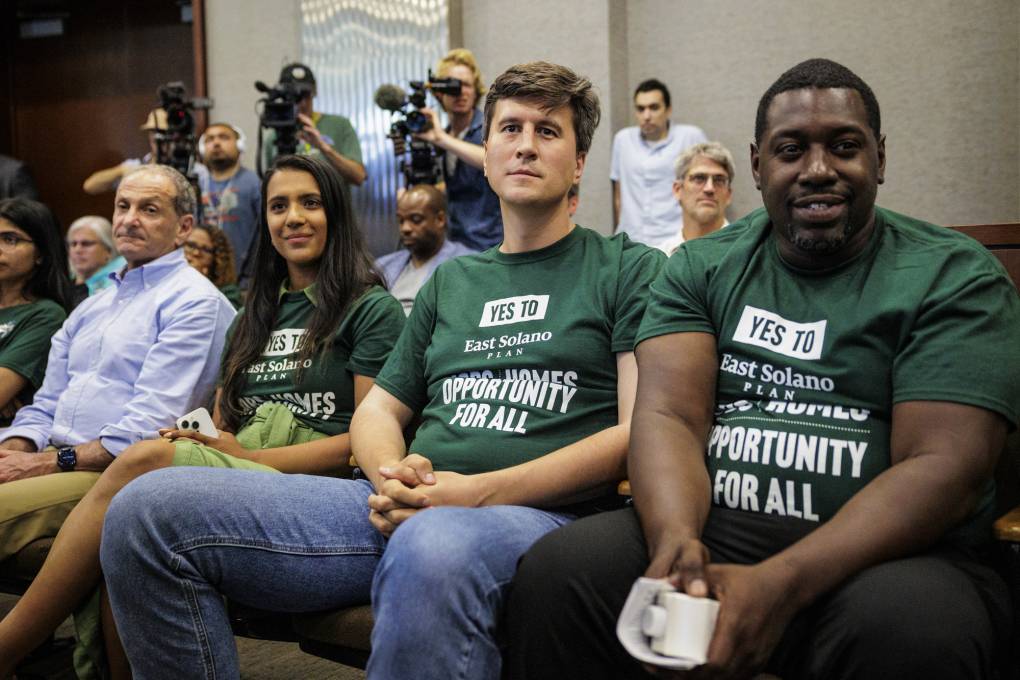
window.__INITIAL_STATE__={
"attachmentsReducer": {
"audio_0": {
"type": "attachments",
"id": "audio_0",
"imgSizes": {
"kqedFullSize": {
"file": "https://ww2.kqed.org/news/wp-content/themes/KQED-unified/img/audio_bgs/background0.jpg"
}
}
},
"audio_1": {
"type": "attachments",
"id": "audio_1",
"imgSizes": {
"kqedFullSize": {
"file": "https://ww2.kqed.org/news/wp-content/themes/KQED-unified/img/audio_bgs/background1.jpg"
}
}
},
"audio_2": {
"type": "attachments",
"id": "audio_2",
"imgSizes": {
"kqedFullSize": {
"file": "https://ww2.kqed.org/news/wp-content/themes/KQED-unified/img/audio_bgs/background2.jpg"
}
}
},
"audio_3": {
"type": "attachments",
"id": "audio_3",
"imgSizes": {
"kqedFullSize": {
"file": "https://ww2.kqed.org/news/wp-content/themes/KQED-unified/img/audio_bgs/background3.jpg"
}
}
},
"audio_4": {
"type": "attachments",
"id": "audio_4",
"imgSizes": {
"kqedFullSize": {
"file": "https://ww2.kqed.org/news/wp-content/themes/KQED-unified/img/audio_bgs/background4.jpg"
}
}
},
"placeholder": {
"type": "attachments",
"id": "placeholder",
"imgSizes": {
"thumbnail": {
"file": "https://cdn.kqed.org/wp-content/uploads/2024/12/KQED-Default-Image-816638274-2000x1333-1-160x107.jpg",
"width": 160,
"height": 107,
"mimeType": "image/jpeg"
},
"medium": {
"file": "https://cdn.kqed.org/wp-content/uploads/2024/12/KQED-Default-Image-816638274-2000x1333-1-800x533.jpg",
"width": 800,
"height": 533,
"mimeType": "image/jpeg"
},
"medium_large": {
"file": "https://cdn.kqed.org/wp-content/uploads/2024/12/KQED-Default-Image-816638274-2000x1333-1-768x512.jpg",
"width": 768,
"height": 512,
"mimeType": "image/jpeg"
},
"large": {
"file": "https://cdn.kqed.org/wp-content/uploads/2024/12/KQED-Default-Image-816638274-2000x1333-1-1020x680.jpg",
"width": 1020,
"height": 680,
"mimeType": "image/jpeg"
},
"1536x1536": {
"file": "https://cdn.kqed.org/wp-content/uploads/2024/12/KQED-Default-Image-816638274-2000x1333-1-1536x1024.jpg",
"width": 1536,
"height": 1024,
"mimeType": "image/jpeg"
},
"fd-lrg": {
"file": "https://cdn.kqed.org/wp-content/uploads/2024/12/KQED-Default-Image-816638274-2000x1333-1-1536x1024.jpg",
"width": 1536,
"height": 1024,
"mimeType": "image/jpeg"
},
"fd-med": {
"file": "https://cdn.kqed.org/wp-content/uploads/2024/12/KQED-Default-Image-816638274-2000x1333-1-1020x680.jpg",
"width": 1020,
"height": 680,
"mimeType": "image/jpeg"
},
"fd-sm": {
"file": "https://cdn.kqed.org/wp-content/uploads/2024/12/KQED-Default-Image-816638274-2000x1333-1-800x533.jpg",
"width": 800,
"height": 533,
"mimeType": "image/jpeg"
},
"post-thumbnail": {
"file": "https://cdn.kqed.org/wp-content/uploads/2024/12/KQED-Default-Image-816638274-2000x1333-1-672x372.jpg",
"width": 672,
"height": 372,
"mimeType": "image/jpeg"
},
"twentyfourteen-full-width": {
"file": "https://cdn.kqed.org/wp-content/uploads/2024/12/KQED-Default-Image-816638274-2000x1333-1-1038x576.jpg",
"width": 1038,
"height": 576,
"mimeType": "image/jpeg"
},
"xxsmall": {
"file": "https://cdn.kqed.org/wp-content/uploads/2024/12/KQED-Default-Image-816638274-2000x1333-1-160x107.jpg",
"width": 160,
"height": 107,
"mimeType": "image/jpeg"
},
"xsmall": {
"file": "https://cdn.kqed.org/wp-content/uploads/2024/12/KQED-Default-Image-816638274-2000x1333-1-672x372.jpg",
"width": 672,
"height": 372,
"mimeType": "image/jpeg"
},
"small": {
"file": "https://cdn.kqed.org/wp-content/uploads/2024/12/KQED-Default-Image-816638274-2000x1333-1-672x372.jpg",
"width": 672,
"height": 372,
"mimeType": "image/jpeg"
},
"xlarge": {
"file": "https://cdn.kqed.org/wp-content/uploads/2024/12/KQED-Default-Image-816638274-2000x1333-1-1020x680.jpg",
"width": 1020,
"height": 680,
"mimeType": "image/jpeg"
},
"full-width": {
"file": "https://cdn.kqed.org/wp-content/uploads/2024/12/KQED-Default-Image-816638274-2000x1333-1-1920x1280.jpg",
"width": 1920,
"height": 1280,
"mimeType": "image/jpeg"
},
"guest-author-32": {
"file": "https://cdn.kqed.org/wp-content/uploads/2025/01/KQED-Default-Image-816638274-1333x1333-1-160x160.jpg",
"width": 32,
"height": 32,
"mimeType": "image/jpeg"
},
"guest-author-50": {
"file": "https://cdn.kqed.org/wp-content/uploads/2025/01/KQED-Default-Image-816638274-1333x1333-1-160x160.jpg",
"width": 50,
"height": 50,
"mimeType": "image/jpeg"
},
"guest-author-64": {
"file": "https://cdn.kqed.org/wp-content/uploads/2025/01/KQED-Default-Image-816638274-1333x1333-1-160x160.jpg",
"width": 64,
"height": 64,
"mimeType": "image/jpeg"
},
"guest-author-96": {
"file": "https://cdn.kqed.org/wp-content/uploads/2025/01/KQED-Default-Image-816638274-1333x1333-1-160x160.jpg",
"width": 96,
"height": 96,
"mimeType": "image/jpeg"
},
"guest-author-128": {
"file": "https://cdn.kqed.org/wp-content/uploads/2025/01/KQED-Default-Image-816638274-1333x1333-1-160x160.jpg",
"width": 128,
"height": 128,
"mimeType": "image/jpeg"
},
"detail": {
"file": "https://cdn.kqed.org/wp-content/uploads/2025/01/KQED-Default-Image-816638274-1333x1333-1-160x160.jpg",
"width": 160,
"height": 160,
"mimeType": "image/jpeg"
},
"kqedFullSize": {
"file": "https://cdn.kqed.org/wp-content/uploads/2024/12/KQED-Default-Image-816638274-2000x1333-1.jpg",
"width": 2000,
"height": 1333
}
}
},
"news_12062724": {
"type": "attachments",
"id": "news_12062724",
"meta": {
"index": "attachments_1716263798",
"site": "news",
"id": "12062724",
"found": true
},
"title": "251103-SOLANO FREE FOOD-10-KQED",
"publishDate": 1762227167,
"status": "inherit",
"parent": 0,
"modified": 1762281599,
"caption": "Heather Pierini at the Food is Free Solano facility at the Solano County Fairgrounds in Vallejo on Nov. 3, 2025.",
"credit": "Martin do Nascimento/KQED",
"altTag": null,
"description": null,
"imgSizes": {
"thumbnail": {
"file": "https://cdn.kqed.org/wp-content/uploads/sites/10/2025/11/251103-SOLANO-FREE-FOOD-10-KQED-160x107.jpg",
"width": 160,
"height": 107,
"mimeType": "image/jpeg"
},
"1536x1536": {
"file": "https://cdn.kqed.org/wp-content/uploads/sites/10/2025/11/251103-SOLANO-FREE-FOOD-10-KQED-1536x1025.jpg",
"width": 1536,
"height": 1025,
"mimeType": "image/jpeg"
},
"post-thumbnail": {
"file": "https://cdn.kqed.org/wp-content/uploads/sites/10/2025/11/251103-SOLANO-FREE-FOOD-10-KQED-672x372.jpg",
"width": 672,
"height": 372,
"mimeType": "image/jpeg"
},
"twentyfourteen-full-width": {
"file": "https://cdn.kqed.org/wp-content/uploads/sites/10/2025/11/251103-SOLANO-FREE-FOOD-10-KQED-1038x576.jpg",
"width": 1038,
"height": 576,
"mimeType": "image/jpeg"
},
"npr-cds-wide": {
"file": "https://cdn.kqed.org/wp-content/uploads/sites/10/2025/11/251103-SOLANO-FREE-FOOD-10-KQED-1200x675.jpg",
"width": 1200,
"height": 675,
"mimeType": "image/jpeg"
},
"kqedFullSize": {
"file": "https://cdn.kqed.org/wp-content/uploads/sites/10/2025/11/251103-SOLANO-FREE-FOOD-10-KQED.jpg",
"width": 2000,
"height": 1334
}
},
"isLoading": false,
"fetchFailed": false
},
"news_12048452": {
"type": "attachments",
"id": "news_12048452",
"meta": {
"index": "attachments_1716263798",
"site": "news",
"id": "12048452",
"found": true
},
"title": "CAForever",
"publishDate": 1752709628,
"status": "inherit",
"parent": 12048321,
"modified": 1752709654,
"caption": "The Solano Foundry would be built next to homes within California Forever's proposed mega-development and would provide space for defense tech, transportation, energy and other advanced manufacturing companies. The company's announcement comes just a year after it pulled a ballot initiative to build a city from scratch in southeast Solano County.",
"credit": "Courtesy of California Forever",
"altTag": null,
"description": null,
"imgSizes": {
"thumbnail": {
"file": "https://cdn.kqed.org/wp-content/uploads/sites/10/2025/07/CAForever-160x90.jpg",
"width": 160,
"height": 90,
"mimeType": "image/jpeg"
},
"1536x1536": {
"file": "https://cdn.kqed.org/wp-content/uploads/sites/10/2025/07/CAForever-1536x864.jpg",
"width": 1536,
"height": 864,
"mimeType": "image/jpeg"
},
"post-thumbnail": {
"file": "https://cdn.kqed.org/wp-content/uploads/sites/10/2025/07/CAForever-672x372.jpg",
"width": 672,
"height": 372,
"mimeType": "image/jpeg"
},
"twentyfourteen-full-width": {
"file": "https://cdn.kqed.org/wp-content/uploads/sites/10/2025/07/CAForever-1038x576.jpg",
"width": 1038,
"height": 576,
"mimeType": "image/jpeg"
},
"kqedFullSize": {
"file": "https://cdn.kqed.org/wp-content/uploads/sites/10/2025/07/CAForever.jpg",
"width": 2000,
"height": 1125
}
},
"isLoading": false,
"fetchFailed": false
},
"news_12043300": {
"type": "attachments",
"id": "news_12043300",
"meta": {
"index": "attachments_1716263798",
"site": "news",
"id": "12043300",
"found": true
},
"title": "250513-CaliforniaForeverAnnexExplainer-02-BL_qed",
"publishDate": 1749487650,
"status": "inherit",
"parent": 12043295,
"modified": 1749487738,
"caption": "A sign says, 'Welcome to Suisun City' on Highway 12 in Suisun City on May 13, 2025.",
"credit": "Beth LaBerge/KQED",
"altTag": null,
"description": null,
"imgSizes": {
"thumbnail": {
"file": "https://cdn.kqed.org/wp-content/uploads/sites/10/2025/06/250513-CaliforniaForeverAnnexExplainer-02-BL_qed-160x107.jpg",
"width": 160,
"height": 107,
"mimeType": "image/jpeg"
},
"1536x1536": {
"file": "https://cdn.kqed.org/wp-content/uploads/sites/10/2025/06/250513-CaliforniaForeverAnnexExplainer-02-BL_qed-1536x1024.jpg",
"width": 1536,
"height": 1024,
"mimeType": "image/jpeg"
},
"post-thumbnail": {
"file": "https://cdn.kqed.org/wp-content/uploads/sites/10/2025/06/250513-CaliforniaForeverAnnexExplainer-02-BL_qed-672x372.jpg",
"width": 672,
"height": 372,
"mimeType": "image/jpeg"
},
"twentyfourteen-full-width": {
"file": "https://cdn.kqed.org/wp-content/uploads/sites/10/2025/06/250513-CaliforniaForeverAnnexExplainer-02-BL_qed-1038x576.jpg",
"width": 1038,
"height": 576,
"mimeType": "image/jpeg"
},
"kqedFullSize": {
"file": "https://cdn.kqed.org/wp-content/uploads/sites/10/2025/06/250513-CaliforniaForeverAnnexExplainer-02-BL_qed.jpg",
"width": 2000,
"height": 1333
}
},
"isLoading": false,
"fetchFailed": false
},
"news_12040008": {
"type": "attachments",
"id": "news_12040008",
"meta": {
"index": "attachments_1716263798",
"site": "news",
"id": "12040008",
"found": true
},
"title": "250513-CALIFORNIAFOREVERANNEXEXPLAINER-17-BL-KQED",
"publishDate": 1747228522,
"status": "inherit",
"parent": 0,
"modified": 1747228666,
"caption": "The intersection of Highway 12 and Highway 113 in Solano County outside of Suisun City on May 13, 2025.",
"credit": "Beth LaBerge/KQED",
"altTag": null,
"description": null,
"imgSizes": {
"medium": {
"file": "https://cdn.kqed.org/wp-content/uploads/sites/10/2025/05/250513-CALIFORNIAFOREVERANNEXEXPLAINER-17-BL-KQED-800x533.jpg",
"width": 800,
"height": 533,
"mimeType": "image/jpeg"
},
"large": {
"file": "https://cdn.kqed.org/wp-content/uploads/sites/10/2025/05/250513-CALIFORNIAFOREVERANNEXEXPLAINER-17-BL-KQED-1020x680.jpg",
"width": 1020,
"height": 680,
"mimeType": "image/jpeg"
},
"thumbnail": {
"file": "https://cdn.kqed.org/wp-content/uploads/sites/10/2025/05/250513-CALIFORNIAFOREVERANNEXEXPLAINER-17-BL-KQED-160x107.jpg",
"width": 160,
"height": 107,
"mimeType": "image/jpeg"
},
"1536x1536": {
"file": "https://cdn.kqed.org/wp-content/uploads/sites/10/2025/05/250513-CALIFORNIAFOREVERANNEXEXPLAINER-17-BL-KQED-1536x1024.jpg",
"width": 1536,
"height": 1024,
"mimeType": "image/jpeg"
},
"post-thumbnail": {
"file": "https://cdn.kqed.org/wp-content/uploads/sites/10/2025/05/250513-CALIFORNIAFOREVERANNEXEXPLAINER-17-BL-KQED-672x372.jpg",
"width": 672,
"height": 372,
"mimeType": "image/jpeg"
},
"twentyfourteen-full-width": {
"file": "https://cdn.kqed.org/wp-content/uploads/sites/10/2025/05/250513-CALIFORNIAFOREVERANNEXEXPLAINER-17-BL-KQED-1038x576.jpg",
"width": 1038,
"height": 576,
"mimeType": "image/jpeg"
},
"full-width": {
"file": "https://cdn.kqed.org/wp-content/uploads/sites/10/2025/05/250513-CALIFORNIAFOREVERANNEXEXPLAINER-17-BL-KQED-1920x1280.jpg",
"width": 1920,
"height": 1280,
"mimeType": "image/jpeg"
},
"kqedFullSize": {
"file": "https://cdn.kqed.org/wp-content/uploads/sites/10/2025/05/250513-CALIFORNIAFOREVERANNEXEXPLAINER-17-BL-KQED.jpg",
"width": 2000,
"height": 1333
}
},
"isLoading": false,
"fetchFailed": false
},
"news_12039715": {
"type": "attachments",
"id": "news_12039715",
"meta": {
"index": "attachments_1716263798",
"site": "news",
"id": "12039715",
"found": true
},
"title": "041125_Therapy-Training_FG_CM_10",
"publishDate": 1746996416,
"status": "inherit",
"parent": 12039714,
"modified": 1746996702,
"caption": "Eboni Moen in the outdoor meditation garden of Sierra Wind Wellness and Recovery Center in Jackson on April 11, 2025. Moen is interning at the center while she prepares to become a therapist. ",
"credit": "Fred Greaves/CalMatters",
"altTag": "A Black woman wearing a white shirt and black and white skirt sits on a rock outside.",
"description": null,
"imgSizes": {
"medium": {
"file": "https://cdn.kqed.org/wp-content/uploads/sites/10/2025/05/041125_Therapy-Training_FG_CM_10-800x533.jpg",
"width": 800,
"height": 533,
"mimeType": "image/jpeg"
},
"large": {
"file": "https://cdn.kqed.org/wp-content/uploads/sites/10/2025/05/041125_Therapy-Training_FG_CM_10-1020x680.jpg",
"width": 1020,
"height": 680,
"mimeType": "image/jpeg"
},
"thumbnail": {
"file": "https://cdn.kqed.org/wp-content/uploads/sites/10/2025/05/041125_Therapy-Training_FG_CM_10-160x107.jpg",
"width": 160,
"height": 107,
"mimeType": "image/jpeg"
},
"1536x1536": {
"file": "https://cdn.kqed.org/wp-content/uploads/sites/10/2025/05/041125_Therapy-Training_FG_CM_10-1536x1024.jpg",
"width": 1536,
"height": 1024,
"mimeType": "image/jpeg"
},
"post-thumbnail": {
"file": "https://cdn.kqed.org/wp-content/uploads/sites/10/2025/05/041125_Therapy-Training_FG_CM_10-672x372.jpg",
"width": 672,
"height": 372,
"mimeType": "image/jpeg"
},
"twentyfourteen-full-width": {
"file": "https://cdn.kqed.org/wp-content/uploads/sites/10/2025/05/041125_Therapy-Training_FG_CM_10-1038x576.jpg",
"width": 1038,
"height": 576,
"mimeType": "image/jpeg"
},
"full-width": {
"file": "https://cdn.kqed.org/wp-content/uploads/sites/10/2025/05/041125_Therapy-Training_FG_CM_10-1920x1280.jpg",
"width": 1920,
"height": 1280,
"mimeType": "image/jpeg"
},
"kqedFullSize": {
"file": "https://cdn.kqed.org/wp-content/uploads/sites/10/2025/05/041125_Therapy-Training_FG_CM_10.jpg",
"width": 2000,
"height": 1333
}
},
"isLoading": false,
"fetchFailed": false
},
"news_11985735": {
"type": "attachments",
"id": "news_11985735",
"meta": {
"index": "attachments_1716263798",
"site": "news",
"id": "11985735",
"found": true
},
"parent": 0,
"imgSizes": {
"twentyfourteen-full-width": {
"file": "https://cdn.kqed.org/wp-content/uploads/sites/10/2024/05/NO-TECH-FOR-APARTHEID-01-KQED-1-1-1038x576.jpg",
"width": 1038,
"mimeType": "image/jpeg",
"height": 576
},
"thumbnail": {
"file": "https://cdn.kqed.org/wp-content/uploads/sites/10/2024/05/NO-TECH-FOR-APARTHEID-01-KQED-1-1-160x107.jpg",
"width": 160,
"mimeType": "image/jpeg",
"height": 107
},
"post-thumbnail": {
"file": "https://cdn.kqed.org/wp-content/uploads/sites/10/2024/05/NO-TECH-FOR-APARTHEID-01-KQED-1-1-672x372.jpg",
"width": 672,
"mimeType": "image/jpeg",
"height": 372
},
"kqedFullSize": {
"file": "https://cdn.kqed.org/wp-content/uploads/sites/10/2024/05/NO-TECH-FOR-APARTHEID-01-KQED-1-1.jpg",
"width": 2000,
"height": 1333
},
"large": {
"file": "https://cdn.kqed.org/wp-content/uploads/sites/10/2024/05/NO-TECH-FOR-APARTHEID-01-KQED-1-1-1020x680.jpg",
"width": 1020,
"mimeType": "image/jpeg",
"height": 680
},
"1536x1536": {
"file": "https://cdn.kqed.org/wp-content/uploads/sites/10/2024/05/NO-TECH-FOR-APARTHEID-01-KQED-1-1-1536x1024.jpg",
"width": 1536,
"mimeType": "image/jpeg",
"height": 1024
},
"full-width": {
"file": "https://cdn.kqed.org/wp-content/uploads/sites/10/2024/05/NO-TECH-FOR-APARTHEID-01-KQED-1-1-1920x1280.jpg",
"width": 1920,
"mimeType": "image/jpeg",
"height": 1280
},
"medium": {
"file": "https://cdn.kqed.org/wp-content/uploads/sites/10/2024/05/NO-TECH-FOR-APARTHEID-01-KQED-1-1-800x533.jpg",
"width": 800,
"mimeType": "image/jpeg",
"height": 533
}
},
"publishDate": 1715368146,
"modified": 1715368254,
"caption": "Posters for California Forever are displayed in the lobby of the Vista Theatre in Rio Vista on May 2, 2024.",
"description": null,
"title": "NO TECH FOR APARTHEID-01-KQED-1",
"credit": "Beth LaBerge/KQED",
"status": "inherit",
"altTag": null,
"isLoading": false,
"fetchFailed": false
},
"news_12036286": {
"type": "attachments",
"id": "news_12036286",
"meta": {
"index": "attachments_1716263798",
"site": "news",
"id": "12036286",
"found": true
},
"title": "A sign says, 'Rio Vista Welcomes You' in Rio Vista on May 2, 2024.",
"publishDate": 1744828714,
"status": "inherit",
"parent": 12035971,
"modified": 1744828778,
"caption": "A sign says, 'Rio Vista Welcomes You' in Rio Vista on May 2, 2024.",
"credit": "Beth LaBerge/KQED",
"altTag": null,
"description": null,
"imgSizes": {
"medium": {
"file": "https://cdn.kqed.org/wp-content/uploads/sites/10/2025/04/240502-CaliforniaForever-96-BL_qed-800x533.jpg",
"width": 800,
"height": 533,
"mimeType": "image/jpeg"
},
"large": {
"file": "https://cdn.kqed.org/wp-content/uploads/sites/10/2025/04/240502-CaliforniaForever-96-BL_qed-1020x680.jpg",
"width": 1020,
"height": 680,
"mimeType": "image/jpeg"
},
"thumbnail": {
"file": "https://cdn.kqed.org/wp-content/uploads/sites/10/2025/04/240502-CaliforniaForever-96-BL_qed-160x107.jpg",
"width": 160,
"height": 107,
"mimeType": "image/jpeg"
},
"1536x1536": {
"file": "https://cdn.kqed.org/wp-content/uploads/sites/10/2025/04/240502-CaliforniaForever-96-BL_qed-1536x1024.jpg",
"width": 1536,
"height": 1024,
"mimeType": "image/jpeg"
},
"post-thumbnail": {
"file": "https://cdn.kqed.org/wp-content/uploads/sites/10/2025/04/240502-CaliforniaForever-96-BL_qed-672x372.jpg",
"width": 672,
"height": 372,
"mimeType": "image/jpeg"
},
"twentyfourteen-full-width": {
"file": "https://cdn.kqed.org/wp-content/uploads/sites/10/2025/04/240502-CaliforniaForever-96-BL_qed-1038x576.jpg",
"width": 1038,
"height": 576,
"mimeType": "image/jpeg"
},
"full-width": {
"file": "https://cdn.kqed.org/wp-content/uploads/sites/10/2025/04/240502-CaliforniaForever-96-BL_qed-1920x1280.jpg",
"width": 1920,
"height": 1280,
"mimeType": "image/jpeg"
},
"kqedFullSize": {
"file": "https://cdn.kqed.org/wp-content/uploads/sites/10/2025/04/240502-CaliforniaForever-96-BL_qed.jpg",
"width": 2000,
"height": 1333
}
},
"isLoading": false,
"fetchFailed": false
},
"news_12029847": {
"type": "attachments",
"id": "news_12029847",
"meta": {
"index": "attachments_1716263798",
"site": "news",
"id": "12029847",
"found": true
},
"title": "ValeroBenicia",
"publishDate": 1741204189,
"status": "inherit",
"parent": 12029845,
"modified": 1741204226,
"caption": "San Antonio-based Valero Corp. is the nation's biggest refiner. The Benicia refinery is one of two the company operates in California.",
"credit": "Craig Miller/KQED",
"altTag": null,
"description": null,
"imgSizes": {
"medium": {
"file": "https://cdn.kqed.org/wp-content/uploads/sites/10/2025/03/ValeroBenicia-800x600.jpg",
"width": 800,
"height": 600,
"mimeType": "image/jpeg"
},
"large": {
"file": "https://cdn.kqed.org/wp-content/uploads/sites/10/2025/03/ValeroBenicia-1020x765.jpg",
"width": 1020,
"height": 765,
"mimeType": "image/jpeg"
},
"thumbnail": {
"file": "https://cdn.kqed.org/wp-content/uploads/sites/10/2025/03/ValeroBenicia-160x120.jpg",
"width": 160,
"height": 120,
"mimeType": "image/jpeg"
},
"1536x1536": {
"file": "https://cdn.kqed.org/wp-content/uploads/sites/10/2025/03/ValeroBenicia-1536x1152.jpg",
"width": 1536,
"height": 1152,
"mimeType": "image/jpeg"
},
"post-thumbnail": {
"file": "https://cdn.kqed.org/wp-content/uploads/sites/10/2025/03/ValeroBenicia-672x372.jpg",
"width": 672,
"height": 372,
"mimeType": "image/jpeg"
},
"twentyfourteen-full-width": {
"file": "https://cdn.kqed.org/wp-content/uploads/sites/10/2025/03/ValeroBenicia-1038x576.jpg",
"width": 1038,
"height": 576,
"mimeType": "image/jpeg"
},
"full-width": {
"file": "https://cdn.kqed.org/wp-content/uploads/sites/10/2025/03/ValeroBenicia-1920x1440.jpg",
"width": 1920,
"height": 1440,
"mimeType": "image/jpeg"
},
"kqedFullSize": {
"file": "https://cdn.kqed.org/wp-content/uploads/sites/10/2025/03/ValeroBenicia.jpg",
"width": 2000,
"height": 1500
}
},
"isLoading": false,
"fetchFailed": false
},
"news_12031922": {
"type": "attachments",
"id": "news_12031922",
"meta": {
"index": "attachments_1716263798",
"site": "news",
"id": "12031922",
"found": true
},
"title": "240502-CaliforniaForever-43-BL_qed",
"publishDate": 1742335813,
"status": "inherit",
"parent": 12031818,
"modified": 1742335832,
"caption": "Maps show California Forever's potential location at the California Forever office in Rio Vista on May 2, 2024.",
"credit": "Beth LaBerge/KQED",
"altTag": null,
"description": null,
"imgSizes": {
"medium": {
"file": "https://cdn.kqed.org/wp-content/uploads/sites/10/2025/03/240502-CaliforniaForever-43-BL_qed-800x533.jpg",
"width": 800,
"height": 533,
"mimeType": "image/jpeg"
},
"large": {
"file": "https://cdn.kqed.org/wp-content/uploads/sites/10/2025/03/240502-CaliforniaForever-43-BL_qed-1020x680.jpg",
"width": 1020,
"height": 680,
"mimeType": "image/jpeg"
},
"thumbnail": {
"file": "https://cdn.kqed.org/wp-content/uploads/sites/10/2025/03/240502-CaliforniaForever-43-BL_qed-160x107.jpg",
"width": 160,
"height": 107,
"mimeType": "image/jpeg"
},
"1536x1536": {
"file": "https://cdn.kqed.org/wp-content/uploads/sites/10/2025/03/240502-CaliforniaForever-43-BL_qed-1536x1024.jpg",
"width": 1536,
"height": 1024,
"mimeType": "image/jpeg"
},
"post-thumbnail": {
"file": "https://cdn.kqed.org/wp-content/uploads/sites/10/2025/03/240502-CaliforniaForever-43-BL_qed-672x372.jpg",
"width": 672,
"height": 372,
"mimeType": "image/jpeg"
},
"twentyfourteen-full-width": {
"file": "https://cdn.kqed.org/wp-content/uploads/sites/10/2025/03/240502-CaliforniaForever-43-BL_qed-1038x576.jpg",
"width": 1038,
"height": 576,
"mimeType": "image/jpeg"
},
"full-width": {
"file": "https://cdn.kqed.org/wp-content/uploads/sites/10/2025/03/240502-CaliforniaForever-43-BL_qed-1920x1280.jpg",
"width": 1920,
"height": 1280,
"mimeType": "image/jpeg"
},
"kqedFullSize": {
"file": "https://cdn.kqed.org/wp-content/uploads/sites/10/2025/03/240502-CaliforniaForever-43-BL_qed.jpg",
"width": 2000,
"height": 1333
}
},
"isLoading": false,
"fetchFailed": false
},
"news_12011335": {
"type": "attachments",
"id": "news_12011335",
"meta": {
"index": "attachments_1716263798",
"site": "news",
"id": "12011335",
"found": true
},
"title": "241023-POLLWORKERS-17-BL-KQED",
"publishDate": 1730135042,
"status": "inherit",
"parent": 0,
"modified": 1730135157,
"caption": "Kevin Ashley (left) leads a training session for election workers at the San Mateo County voter registration office on Oct. 23, 2024.",
"credit": "Beth LaBerge/KQED",
"altTag": null,
"description": null,
"imgSizes": {
"medium": {
"file": "https://cdn.kqed.org/wp-content/uploads/sites/10/2024/10/241023-POLLWORKERS-17-BL-KQED-800x533.jpg",
"width": 800,
"height": 533,
"mimeType": "image/jpeg"
},
"large": {
"file": "https://cdn.kqed.org/wp-content/uploads/sites/10/2024/10/241023-POLLWORKERS-17-BL-KQED-1020x680.jpg",
"width": 1020,
"height": 680,
"mimeType": "image/jpeg"
},
"thumbnail": {
"file": "https://cdn.kqed.org/wp-content/uploads/sites/10/2024/10/241023-POLLWORKERS-17-BL-KQED-160x107.jpg",
"width": 160,
"height": 107,
"mimeType": "image/jpeg"
},
"1536x1536": {
"file": "https://cdn.kqed.org/wp-content/uploads/sites/10/2024/10/241023-POLLWORKERS-17-BL-KQED-1536x1024.jpg",
"width": 1536,
"height": 1024,
"mimeType": "image/jpeg"
},
"post-thumbnail": {
"file": "https://cdn.kqed.org/wp-content/uploads/sites/10/2024/10/241023-POLLWORKERS-17-BL-KQED-672x372.jpg",
"width": 672,
"height": 372,
"mimeType": "image/jpeg"
},
"twentyfourteen-full-width": {
"file": "https://cdn.kqed.org/wp-content/uploads/sites/10/2024/10/241023-POLLWORKERS-17-BL-KQED-1038x576.jpg",
"width": 1038,
"height": 576,
"mimeType": "image/jpeg"
},
"full-width": {
"file": "https://cdn.kqed.org/wp-content/uploads/sites/10/2024/10/241023-POLLWORKERS-17-BL-KQED-1920x1280.jpg",
"width": 1920,
"height": 1280,
"mimeType": "image/jpeg"
},
"kqedFullSize": {
"file": "https://cdn.kqed.org/wp-content/uploads/sites/10/2024/10/241023-POLLWORKERS-17-BL-KQED.jpg",
"width": 2000,
"height": 1333
}
},
"isLoading": false,
"fetchFailed": false
},
"news_11991978": {
"type": "attachments",
"id": "news_11991978",
"meta": {
"index": "attachments_1716263798",
"site": "news",
"id": "11991978",
"found": true
},
"title": "240625-SOLANO COUNTY BOARD OF SUPES-MD-09-KQED",
"publishDate": 1719363419,
"status": "inherit",
"parent": 11991788,
"modified": 1723669182,
"caption": "Jan Sramek (second from right), CEO of California Forever listens to public comments during a Solano County Board of Supervisors meeting in Fairfield on June 25, 2024.",
"credit": "Martin do Nascimento/KQED",
"altTag": "Men and women wearing green shirts sit inside a building facing the camera with several people in the background.",
"description": null,
"imgSizes": {
"medium": {
"file": "https://cdn.kqed.org/wp-content/uploads/sites/10/2024/06/240625-SOLANO-COUNTY-BOARD-OF-SUPES-MD-09-KQED-800x533.jpg",
"width": 800,
"height": 533,
"mimeType": "image/jpeg"
},
"large": {
"file": "https://cdn.kqed.org/wp-content/uploads/sites/10/2024/06/240625-SOLANO-COUNTY-BOARD-OF-SUPES-MD-09-KQED-1020x680.jpg",
"width": 1020,
"height": 680,
"mimeType": "image/jpeg"
},
"thumbnail": {
"file": "https://cdn.kqed.org/wp-content/uploads/sites/10/2024/06/240625-SOLANO-COUNTY-BOARD-OF-SUPES-MD-09-KQED-160x107.jpg",
"width": 160,
"height": 107,
"mimeType": "image/jpeg"
},
"1536x1536": {
"file": "https://cdn.kqed.org/wp-content/uploads/sites/10/2024/06/240625-SOLANO-COUNTY-BOARD-OF-SUPES-MD-09-KQED-1536x1024.jpg",
"width": 1536,
"height": 1024,
"mimeType": "image/jpeg"
},
"post-thumbnail": {
"file": "https://cdn.kqed.org/wp-content/uploads/sites/10/2024/06/240625-SOLANO-COUNTY-BOARD-OF-SUPES-MD-09-KQED-672x372.jpg",
"width": 672,
"height": 372,
"mimeType": "image/jpeg"
},
"twentyfourteen-full-width": {
"file": "https://cdn.kqed.org/wp-content/uploads/sites/10/2024/06/240625-SOLANO-COUNTY-BOARD-OF-SUPES-MD-09-KQED-1038x576.jpg",
"width": 1038,
"height": 576,
"mimeType": "image/jpeg"
},
"full-width": {
"file": "https://cdn.kqed.org/wp-content/uploads/sites/10/2024/06/240625-SOLANO-COUNTY-BOARD-OF-SUPES-MD-09-KQED-1920x1280.jpg",
"width": 1920,
"height": 1280,
"mimeType": "image/jpeg"
},
"kqedFullSize": {
"file": "https://cdn.kqed.org/wp-content/uploads/sites/10/2024/06/240625-SOLANO-COUNTY-BOARD-OF-SUPES-MD-09-KQED.jpg",
"width": 2000,
"height": 1333
}
},
"isLoading": false,
"fetchFailed": false
},
"news_11991973": {
"type": "attachments",
"id": "news_11991973",
"meta": {
"index": "attachments_1716263798",
"site": "news",
"id": "11991973",
"found": true
},
"title": "240625-SOLANO COUNTY BOARD OF SUPES-MD-01-KQED",
"publishDate": 1719363381,
"status": "inherit",
"parent": 11991788,
"modified": 1723677654,
"caption": "Areanna Deloney holds a sign advocating against the California Forever/East Solano Plan outside a Solano County Board of Supervisors meeting in Fairfield on June 25, 2024.",
"credit": "Martin do Nascimento/KQED",
"altTag": "A woman wearing a black shirt stands next to another woman outside. She holds a sign in one hand that says \"Solano Says No!\" and a poster of a plant and owl in the other hand.",
"description": null,
"imgSizes": {
"medium": {
"file": "https://cdn.kqed.org/wp-content/uploads/sites/10/2024/06/240625-SOLANO-COUNTY-BOARD-OF-SUPES-MD-01-KQED-800x533.jpg",
"width": 800,
"height": 533,
"mimeType": "image/jpeg"
},
"large": {
"file": "https://cdn.kqed.org/wp-content/uploads/sites/10/2024/06/240625-SOLANO-COUNTY-BOARD-OF-SUPES-MD-01-KQED-1020x680.jpg",
"width": 1020,
"height": 680,
"mimeType": "image/jpeg"
},
"thumbnail": {
"file": "https://cdn.kqed.org/wp-content/uploads/sites/10/2024/06/240625-SOLANO-COUNTY-BOARD-OF-SUPES-MD-01-KQED-160x107.jpg",
"width": 160,
"height": 107,
"mimeType": "image/jpeg"
},
"1536x1536": {
"file": "https://cdn.kqed.org/wp-content/uploads/sites/10/2024/06/240625-SOLANO-COUNTY-BOARD-OF-SUPES-MD-01-KQED-1536x1024.jpg",
"width": 1536,
"height": 1024,
"mimeType": "image/jpeg"
},
"post-thumbnail": {
"file": "https://cdn.kqed.org/wp-content/uploads/sites/10/2024/06/240625-SOLANO-COUNTY-BOARD-OF-SUPES-MD-01-KQED-672x372.jpg",
"width": 672,
"height": 372,
"mimeType": "image/jpeg"
},
"twentyfourteen-full-width": {
"file": "https://cdn.kqed.org/wp-content/uploads/sites/10/2024/06/240625-SOLANO-COUNTY-BOARD-OF-SUPES-MD-01-KQED-1038x576.jpg",
"width": 1038,
"height": 576,
"mimeType": "image/jpeg"
},
"full-width": {
"file": "https://cdn.kqed.org/wp-content/uploads/sites/10/2024/06/240625-SOLANO-COUNTY-BOARD-OF-SUPES-MD-01-KQED-1920x1280.jpg",
"width": 1920,
"height": 1280,
"mimeType": "image/jpeg"
},
"kqedFullSize": {
"file": "https://cdn.kqed.org/wp-content/uploads/sites/10/2024/06/240625-SOLANO-COUNTY-BOARD-OF-SUPES-MD-01-KQED.jpg",
"width": 2000,
"height": 1333
}
},
"isLoading": false,
"fetchFailed": false
}
},
"audioPlayerReducer": {
"postId": "stream_live",
"isPaused": true,
"isPlaying": false,
"pfsActive": false,
"pledgeModalIsOpen": true,
"playerDrawerIsOpen": false,
"liveAudioPlayStartedAt": 0,
"liveAudioPlayContext": ""
},
"authorsReducer": {
"byline_news_12039714": {
"type": "authors",
"id": "byline_news_12039714",
"meta": {
"override": true
},
"slug": "byline_news_12039714",
"name": "\u003ca href=\"https://calmatters.org/author/adam-echelman/\">Adam Echelman, \u003c/a>CalMatters",
"isLoading": false
},
"matthewgreen": {
"type": "authors",
"id": "1263",
"meta": {
"index": "authors_1716337520",
"id": "1263",
"found": true
},
"name": "Matthew Green",
"firstName": "Matthew",
"lastName": "Green",
"slug": "matthewgreen",
"email": "mgreen@kqed.org",
"display_author_email": false,
"staff_mastheads": [],
"title": "KQED Editor/Reporter",
"bio": "Matthew Green is a digital media producer for KQED News. He previously produced \u003ca href=\"http://www.kqed.org/lowdown\">The Lowdown\u003c/a>, KQED’s multimedia news education blog. Matthew's written for numerous Bay Area publications, including the Oakland Tribune and San Francisco Chronicle. He also taught journalism classes at Fremont High School in East Oakland.\r\n\r\nEmail: mgreen@kqed.org; Twitter: @MGreenKQED",
"avatar": "https://secure.gravatar.com/avatar/3bf498d1267ca02c8494f33d8cfc575e?s=600&d=blank&r=g",
"twitter": "MGreenKQED",
"facebook": null,
"instagram": null,
"linkedin": null,
"sites": [
{
"site": "news",
"roles": []
},
{
"site": "lowdown",
"roles": []
},
{
"site": "science",
"roles": []
},
{
"site": "education",
"roles": []
},
{
"site": "quest",
"roles": []
},
{
"site": "liveblog",
"roles": []
}
],
"headData": {
"title": "Matthew Green | KQED",
"description": "KQED Editor/Reporter",
"ogImgSrc": "https://secure.gravatar.com/avatar/3bf498d1267ca02c8494f33d8cfc575e?s=600&d=blank&r=g",
"twImgSrc": "https://secure.gravatar.com/avatar/3bf498d1267ca02c8494f33d8cfc575e?s=600&d=blank&r=g"
},
"isLoading": false,
"link": "/author/matthewgreen"
},
"ecruzguevarra": {
"type": "authors",
"id": "8654",
"meta": {
"index": "authors_1716337520",
"id": "8654",
"found": true
},
"name": "Ericka Cruz Guevarra",
"firstName": "Ericka",
"lastName": "Cruz Guevarra",
"slug": "ecruzguevarra",
"email": "ecruzguevarra@kqed.org",
"display_author_email": true,
"staff_mastheads": [
"news"
],
"title": "Producer, The Bay Podcast",
"bio": "Ericka Cruz Guevarra is host of \u003ca href=\"https://www.kqed.org/podcasts/thebay\">\u003cem>The Bay\u003c/em>\u003c/a> podcast at KQED. Before host, she was the show’s producer. Her work in that capacity includes a three-part reported series on policing in Vallejo, which won a 2020 excellence in journalism award from the Society of Professional Journalists. Ericka has worked as a breaking news reporter at Oregon Public Broadcasting, helped produce the Code Switch podcast, and was KQED’s inaugural Raul Ramirez Diversity Fund intern. She’s also an alumna of NPR’s Next Generation Radio program. Send her an email if you have strong feelings about whether Fairfield and Suisun City are the Bay. Ericka is represented by SAG-AFTRA.",
"avatar": "https://secure.gravatar.com/avatar/accefc1de4bafc7e234b69bcb9b6f6536c130fd84709bc3069ef11a78787e1bb?s=600&d=blank&r=g",
"twitter": "NotoriousECG",
"bluesky": null,
"facebook": null,
"instagram": null,
"linkedin": null,
"sites": [
{
"site": "arts",
"roles": [
"subscriber"
]
},
{
"site": "news",
"roles": [
"editor",
"manage_categories"
]
},
{
"site": "futureofyou",
"roles": [
"subscriber"
]
},
{
"site": "stateofhealth",
"roles": [
"subscriber"
]
},
{
"site": "science",
"roles": [
"editor"
]
},
{
"site": "forum",
"roles": [
"subscriber"
]
}
],
"headData": {
"title": "Ericka Cruz Guevarra | KQED",
"description": "Producer, The Bay Podcast",
"ogImgSrc": "https://secure.gravatar.com/avatar/accefc1de4bafc7e234b69bcb9b6f6536c130fd84709bc3069ef11a78787e1bb?s=600&d=blank&r=g",
"twImgSrc": "https://secure.gravatar.com/avatar/accefc1de4bafc7e234b69bcb9b6f6536c130fd84709bc3069ef11a78787e1bb?s=600&d=blank&r=g"
},
"isLoading": false,
"link": "/author/ecruzguevarra"
},
"amontecillo": {
"type": "authors",
"id": "11649",
"meta": {
"index": "authors_1716337520",
"id": "11649",
"found": true
},
"name": "Alan Montecillo",
"firstName": "Alan",
"lastName": "Montecillo",
"slug": "amontecillo",
"email": "amontecillo@kqed.org",
"display_author_email": false,
"staff_mastheads": [
"news"
],
"title": "KQED Contributor",
"bio": "Alan Montecillo is the senior editor of \u003cem>\u003ca href=\"http://kqed.org/thebay\">The Bay\u003c/a>, \u003c/em> KQED's local news podcast. Before moving to the Bay Area, he worked as a senior talk show producer for WILL in Champaign-Urbana, Illinois and at Oregon Public Broadcasting in Portland, Oregon. He has won journalism awards from the Society of Professional Journalists Northern California, the Public Media Journalists Association, The Signal Awards, and has also received a regional Edward R. Murrow award. Alan is a Filipino American from Hong Kong and a graduate of Reed College.",
"avatar": "https://secure.gravatar.com/avatar/268f53a2066899ea9efdd8a5900218b17c822d9862cbc9326cccec53ef41d349?s=600&d=blank&r=g",
"twitter": "alanmontecillo",
"bluesky": null,
"facebook": null,
"instagram": null,
"linkedin": null,
"sites": [
{
"site": "",
"roles": [
"editor"
]
},
{
"site": "news",
"roles": [
"editor",
"manage_categories"
]
}
],
"headData": {
"title": "Alan Montecillo | KQED",
"description": "KQED Contributor",
"ogImgSrc": "https://secure.gravatar.com/avatar/268f53a2066899ea9efdd8a5900218b17c822d9862cbc9326cccec53ef41d349?s=600&d=blank&r=g",
"twImgSrc": "https://secure.gravatar.com/avatar/268f53a2066899ea9efdd8a5900218b17c822d9862cbc9326cccec53ef41d349?s=600&d=blank&r=g"
},
"isLoading": false,
"link": "/author/amontecillo"
},
"abandlamudi": {
"type": "authors",
"id": "11672",
"meta": {
"index": "authors_1716337520",
"id": "11672",
"found": true
},
"name": "Adhiti Bandlamudi",
"firstName": "Adhiti",
"lastName": "Bandlamudi",
"slug": "abandlamudi",
"email": "abandlamudi@kqed.org",
"display_author_email": false,
"staff_mastheads": [
"news"
],
"title": "KQED Housing Reporter",
"bio": "Adhiti Bandlamudi reports for KQED's Housing desk. She focuses on how housing gets built across the Bay Area. Before joining KQED in 2020, she reported for WUNC in Durham, North Carolina, WABE in Atlanta, Georgia and Capital Public Radio in Sacramento. In 2017, she was awarded a Kroc Fellowship at NPR where she reported on everything from sprinkles to the Golden State Killer's arrest. When she's not reporting, she's baking new recipes in her kitchen or watching movies with friends and family. She's originally from Georgia and has strong opinions about Great British Bake Off.",
"avatar": "https://secure.gravatar.com/avatar/868129c8b257bb99a3500e2c86a65400?s=600&d=mm&r=g",
"twitter": "oddity_adhiti",
"facebook": null,
"instagram": null,
"linkedin": null,
"sites": [
{
"site": "arts",
"roles": [
"author"
]
},
{
"site": "news",
"roles": [
"editor"
]
},
{
"site": "liveblog",
"roles": [
"author"
]
}
],
"headData": {
"title": "Adhiti Bandlamudi | KQED",
"description": "KQED Housing Reporter",
"ogImgSrc": "https://secure.gravatar.com/avatar/868129c8b257bb99a3500e2c86a65400?s=600&d=mm&r=g",
"twImgSrc": "https://secure.gravatar.com/avatar/868129c8b257bb99a3500e2c86a65400?s=600&d=mm&r=g"
},
"isLoading": false,
"link": "/author/abandlamudi"
},
"adahlstromeckman": {
"type": "authors",
"id": "11785",
"meta": {
"index": "authors_1716337520",
"id": "11785",
"found": true
},
"name": "Azul Dahlstrom-Eckman",
"firstName": "Azul",
"lastName": "Dahlstrom-Eckman",
"slug": "adahlstromeckman",
"email": "adahlstrom-eckman@kqed.org",
"display_author_email": true,
"staff_mastheads": [],
"title": "Reporter",
"bio": "Azul is a reporter for KQED focusing on transportation and features. He joined KQED in 2021 as an alumna of KALW's Audio Academy radio journalism training program.",
"avatar": "https://secure.gravatar.com/avatar/9cb750298435add7815a777f55bf1f46845c1386bb8452555c60a7b820b5aba3?s=600&d=blank&r=g",
"twitter": "@zuliemann",
"bluesky": "@azul415.bsky.social",
"facebook": null,
"instagram": null,
"linkedin": null,
"sites": [
{
"site": "arts",
"roles": [
"editor"
]
},
{
"site": "news",
"roles": [
"editor"
]
},
{
"site": "science",
"roles": [
"editor"
]
},
{
"site": "liveblog",
"roles": [
"author"
]
}
],
"headData": {
"title": "Azul Dahlstrom-Eckman | KQED",
"description": "Reporter",
"ogImgSrc": "https://secure.gravatar.com/avatar/9cb750298435add7815a777f55bf1f46845c1386bb8452555c60a7b820b5aba3?s=600&d=blank&r=g",
"twImgSrc": "https://secure.gravatar.com/avatar/9cb750298435add7815a777f55bf1f46845c1386bb8452555c60a7b820b5aba3?s=600&d=blank&r=g"
},
"isLoading": false,
"link": "/author/adahlstromeckman"
},
"jessicakariisa": {
"type": "authors",
"id": "11831",
"meta": {
"index": "authors_1716337520",
"id": "11831",
"found": true
},
"name": "Jessica Kariisa",
"firstName": "Jessica",
"lastName": "Kariisa",
"slug": "jessicakariisa",
"email": "jkariisa@kqed.org",
"display_author_email": false,
"staff_mastheads": [],
"title": "Producer, The Bay",
"bio": "Jessica Kariisa is the producer of The Bay. She first joined KQED as an intern for The California Report Magazine, after which she became an on-call producer. She reported a Bay Curious episode on the use of rap lyrics in criminal trials which won a Society of Professional Journalists award in 2023 for Excellence in Features Journalism and the 2023 Signal Award for Best Conversation Starter. She’s worked on podcasts for Snap Judgment and American Public Media. Before embarking on her audio career, she was a music journalist.\r\n\r\nJessica Kariisa is represented by SAG-AFTRA.",
"avatar": "https://secure.gravatar.com/avatar/522e97b28ac0b3d411621c0fde8f3419c7b71ea2c5c262c57c4bb600963f328c?s=600&d=blank&r=g",
"twitter": null,
"bluesky": null,
"facebook": null,
"instagram": null,
"linkedin": null,
"sites": [
{
"site": "arts",
"roles": [
"author"
]
},
{
"site": "news",
"roles": [
"editor",
"manage_categories"
]
}
],
"headData": {
"title": "Jessica Kariisa | KQED",
"description": "Producer, The Bay",
"ogImgSrc": "https://secure.gravatar.com/avatar/522e97b28ac0b3d411621c0fde8f3419c7b71ea2c5c262c57c4bb600963f328c?s=600&d=blank&r=g",
"twImgSrc": "https://secure.gravatar.com/avatar/522e97b28ac0b3d411621c0fde8f3419c7b71ea2c5c262c57c4bb600963f328c?s=600&d=blank&r=g"
},
"isLoading": false,
"link": "/author/jessicakariisa"
},
"mvelasquez": {
"type": "authors",
"id": "11939",
"meta": {
"index": "authors_1716337520",
"id": "11939",
"found": true
},
"name": "Mel Velasquez",
"firstName": "Mel",
"lastName": "Velasquez",
"slug": "mvelasquez",
"email": "mvelasquez@kqed.org",
"display_author_email": false,
"staff_mastheads": [],
"title": "KQED Contributor",
"bio": null,
"avatar": "https://secure.gravatar.com/avatar/409094312d56fab09fef4251e949ffa6?s=600&d=blank&r=g",
"twitter": null,
"facebook": null,
"instagram": null,
"linkedin": "www.linkedin.com/in/melanievelasquezz",
"sites": [
{
"site": "news",
"roles": [
"editor"
]
}
],
"headData": {
"title": "Mel Velasquez | KQED",
"description": "KQED Contributor",
"ogImgSrc": "https://secure.gravatar.com/avatar/409094312d56fab09fef4251e949ffa6?s=600&d=blank&r=g",
"twImgSrc": "https://secure.gravatar.com/avatar/409094312d56fab09fef4251e949ffa6?s=600&d=blank&r=g"
},
"isLoading": false,
"link": "/author/mvelasquez"
}
},
"pagesReducer": {
"news_tag_solano-county": {
"type": "terms",
"id": "news_23938",
"meta": {
"index": "terms_1716263798",
"site": "news",
"id": "23938",
"score": 9.55733
},
"featImg": null,
"name": "Solano County",
"description": null,
"taxonomy": "tag",
"headData": {
"twImgId": null,
"twTitle": null,
"ogTitle": null,
"ogImgId": null,
"twDescription": null,
"description": null,
"title": "Solano County Archives | KQED News",
"ogDescription": null
},
"ttid": 23955,
"slug": "solano-county",
"isLoading": false,
"title": "Solano County",
"pageMeta": {
"site": "news",
"WpPageTemplate": "page-topic-editorial",
"currentPage": 2
},
"blocks": [
{
"blockName": "kqed/post-list",
"attrs": {
"layout": "cardArticle2",
"query": "posts/news?tag=solano-county",
"seeMore": false,
"paginated": true,
"page": 2
}
},
{
"blockName": "kqed/ad"
}
]
}
},
"pfsSessionReducer": {},
"postsReducer": {
"stream_live": {
"type": "live",
"id": "stream_live",
"audioUrl": "https://streams.kqed.org/kqedradio",
"title": "Live Stream",
"excerpt": "Live Stream information currently unavailable.",
"link": "/radio",
"featImg": "",
"label": {
"name": "KQED Live",
"link": "/"
}
},
"stream_kqedNewscast": {
"type": "posts",
"id": "stream_kqedNewscast",
"audioUrl": "https://www.kqed.org/.stream/anon/radio/RDnews/newscast.mp3?_=1",
"title": "KQED Newscast",
"featImg": "",
"label": {
"name": "88.5 FM",
"link": "/"
}
},
"news_12062779": {
"type": "posts",
"id": "news_12062779",
"meta": {
"index": "posts_1716263798",
"site": "news",
"id": "12062779",
"score": null,
"sort": [
1762340415000
]
},
"guestAuthors": [],
"slug": "everybody-needs-food-how-a-solano-county-food-bank-is-dealing-with-snap-delays",
"title": "‘Everybody Needs Food’: How a Solano County Food Pantry Is Dealing with SNAP Delays",
"publishDate": 1762340415,
"format": "audio",
"headTitle": "‘Everybody Needs Food’: How a Solano County Food Pantry Is Dealing with SNAP Delays | KQED",
"labelTerm": {},
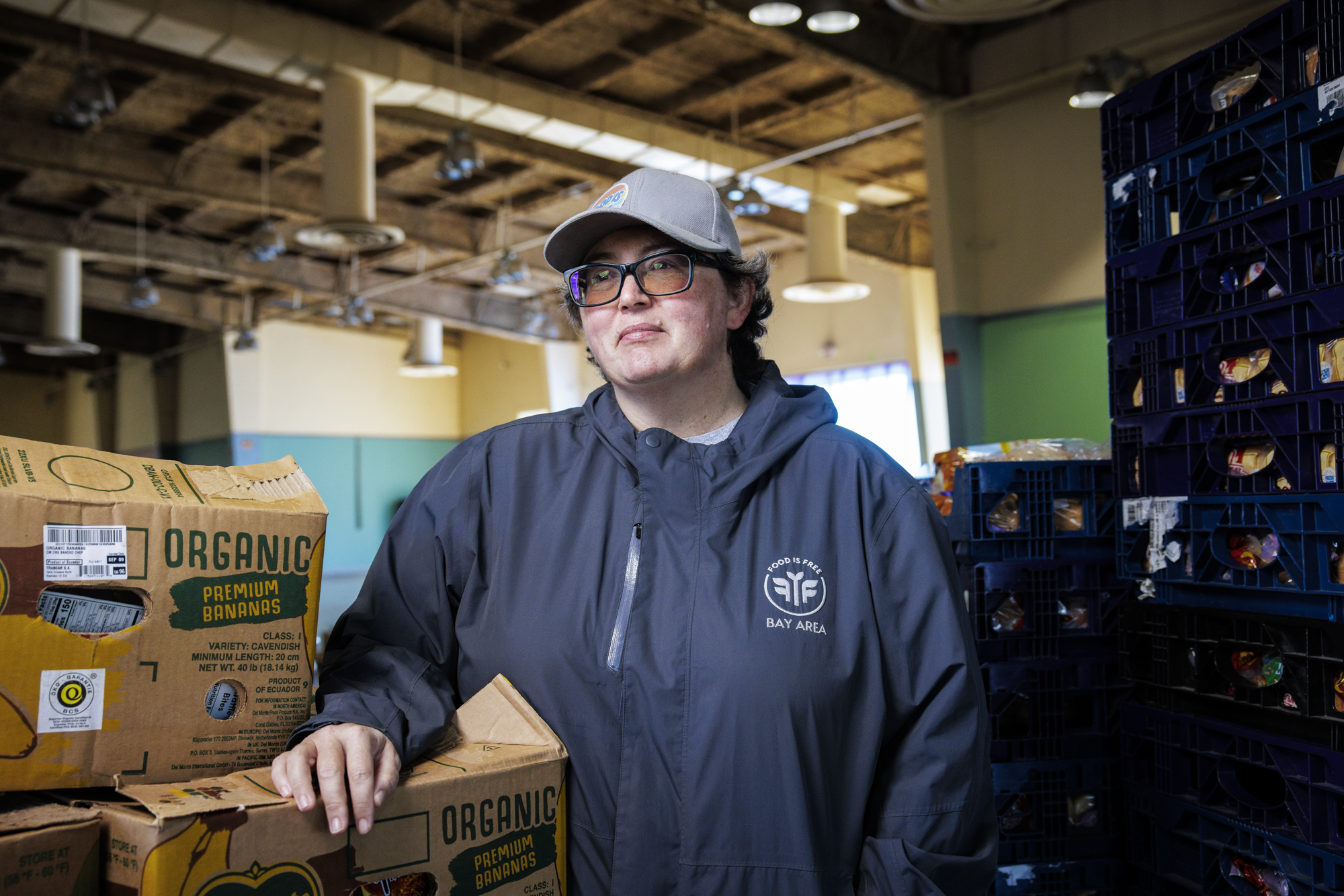
"content": "\u003cp>\u003cspan data-slate-node=\"text\">\u003cspan class=\"sc-brPLxw gubhrO\" data-slate-leaf=\"true\">The ongoing federal government shutdown has reduced and delayed SNAP benefits this month. As a result, food banks in the Bay Area are bracing for an even greater surge in demand. We join Heather Pierini, the executive director of \u003c/span>\u003c/span>\u003ca class=\"e-91036-text-link e-91036-baseline e-91036-overflow-wrap-anywhere encore-internal-color-text-announcement e-91036-text-link--use-focus sc-ihgnxF fGbrTd\" href=\"https://fifbayarea.org/\" data-encore-id=\"textLink\" data-slate-node=\"element\" data-slate-inline=\"true\">\u003cspan data-slate-node=\"text\">\u003cspan class=\"sc-brPLxw gubhrO\" data-slate-leaf=\"true\">Food Is Free Bay Area\u003c/span>\u003c/span>\u003c/a>\u003cspan data-slate-node=\"text\" data-slate-fragment=\"JTVCJTdCJTIydHlwZSUyMiUzQSUyMnBhcmFncmFwaCUyMiUyQyUyMmNoaWxkcmVuJTIyJTNBJTVCJTdCJTIydGV4dCUyMiUzQSUyMlRoZSUyMG9uZ29pbmclMjBmZWRlcmFsJTIwZ292ZXJubWVudCUyMHNodXRkb3duJTIwaGFzJTIwcmVkdWNlZCUyMGFuZCUyMGRlbGF5ZWQlMjBTTkFQJTIwYmVuZWZpdHMlMjB0aGlzJTIwbW9udGguJTIwQXMlMjBhJTIwcmVzdWx0JTJDJTIwZm9vZCUyMGJhbmtzJTIwaW4lMjB0aGUlMjBCYXklMjBBcmVhJTIwYXJlJTIwYnJhY2luZyUyMGZvciUyMGFuJTIwZXZlbiUyMGdyZWF0ZXIlMjBzdXJnZSUyMGluJTIwZGVtYW5kLiUyMFdlJTIwc2l0JTIwZG93biUyMHdpdGglMjBIZWF0aGVyJTIwUGllcmluaSUyQyUyMHRoZSUyMGV4ZWN1dGl2ZSUyMGRpcmVjdG9yJTIwb2YlMjAlMjIlN0QlMkMlN0IlMjJ0eXBlJTIyJTNBJTIybGluayUyMiUyQyUyMnVybCUyMiUzQSUyMmh0dHBzJTNBJTJGJTJGZmlmYmF5YXJlYS5vcmclMkYlMjIlMkMlMjJjaGlsZHJlbiUyMiUzQSU1QiU3QiUyMnRleHQlMjIlM0ElMjJGb29kJTIwSXMlMjBGcmVlJTIwQmF5JTIwQXJlYSUyMiU3RCU1RCUyQyUyMnRhcmdldCUyMiUzQSUyMl9ibGFuayUyMiUyQyUyMnJlbCUyMiUzQSUyMm5vb3BlbmVyJTIwbm9yZWZlcmVyJTIyJTdEJTJDJTdCJTIydGV4dCUyMiUzQSUyMiUyQyUyMG9uJTIwYSUyMGRvbmF0aW9uJTIwZGF5JTIwYXQlMjB0aGUlMjBTb2xhbm8lMjBDb3VudHklMjBGYWlyZ3JvdW5kcyUyQyUyMHRvJTIwZmluZCUyMG91dCUyMGhvdyUyMEJheSUyMEFyZWElMjBmb29kJTIwYmFua3MlMjBhcmUlMjBjb3BpbmclMjB3aXRoJTIwbG9uZ2VyJTIwbGluZXMlMjBhbmQlMjBsZXNzJTIwZnVuZGluZy4lQzIlQTAlQzIlQTAlMjIlN0QlNUQlN0QlNUQ=\">\u003cspan class=\"sc-brPLxw gubhrO\" data-slate-leaf=\"true\">, on a donation day at the Solano County Fairgrounds. \u003c/span>\u003c/span>\u003c/p>\n\u003cp>\u003cstrong>Links:\u003c/strong>\u003c/p>\n\u003cul>\n\u003cli style=\"font-weight: 400\">\u003ca href=\"https://www.kqed.org/arts/13982957/snap-calfresh-ebt-november-shutdown-meals-food-assistance-san-francisco-bay-area#calfresh-snap-ebt-free-meals\">\u003cspan style=\"font-weight: 400\">The Bay Area restaurants offering free meals to families using CalFresh\u003c/span>\u003c/a>\u003c/li>\n\u003c/ul>\n\u003cp>\u003ci>\u003cspan style=\"font-weight: 400\">Some members of the KQED podcast team are represented by The Screen Actors Guild, American Federation of Television and Radio Artists, San Francisco-Northern California Local.\u003c/span>\u003c/i>\u003c/p>\n\u003cp>\u003c!-- iframe plugin v.4.3 wordpress.org/plugins/iframe/ -->\u003cbr>\n\u003ciframe loading=\"lazy\" frameborder=\"0\" height=\"200\" scrolling=\"no\" src=\"https://playlist.megaphone.fm?e=KQINC5704201846&light=true\" width=\"100%\" class=\"iframe-class\">\u003c/iframe>\u003c/p>\n\u003cp>\u003cem>This is a computer-generated transcript. While our team has reviewed it, there may be errors.\u003c/em>\u003c/p>\n\u003cp>[ad fullwidth]\u003c/p>\n\u003cp>\u003cb>Ericka Cruz Guevarra: \u003c/b>\u003cem>[00:00:35] \u003c/em> I’m Ericka Cruz Guevara, and welcome to the Bay. Local news to keep you rooted. It was a sunny Monday morning at the Solano County Fairgrounds when I went to meet Heather Perrini, the executive director of Food is Free Bay Area. On this day, they were receiving donations and getting ready to distribute things like produce, bread, and canned goods for the following day. Even the office manager was helping lift donations.\u003c/p>\n\u003cp>\u003cb>Heather Pierini: \u003c/b>\u003cem>[00:01:15] \u003c/em>We got two drivers and our office manager doing not office management stuff because everybody needs to do it. All hands on deck. Office manager lifting 50 pound bags of produce, right? Those are huge bags of carrots.\u003c/p>\n\u003cp>\u003cb>Ericka Cruz Guevarra: \u003c/b>\u003cem>[00:01:32] \u003c/em>Nearly 42 million Americans who rely on federal SNAP benefits are worried about how they’ll feed their families this month as the government shutdown continues into its 36th day, now the longest shutdown in U.S. History. And although the Trump administration said it would issue partial payments this month thanks to a court order, people like Heather don’t expect the lines to get shorter.\u003c/p>\n\u003cp>\u003cb>Heather Pierini: \u003c/b>\u003cem>[00:02:05] \u003c/em>It’s increasing every month with or without an emergency as more people are feeling the effects of inflation, as more are feeling of the rising grocery prices and all of the things that are happening in our community right now.\u003c/p>\n\u003cp>\u003cb>Ericka Cruz Guevarra: \u003c/b>\u003cem>[00:02:26] \u003c/em>Heather says the needs in Solano County are especially dire compared to other wealthier counties in the Bay Area. So today we take you to Food is Free’s distribution site in Vallejo as they prepare for another day of giving out food under the government shutdown.\u003c/p>\n\u003cfigure id=\"attachment_12062725\" class=\"wp-caption aligncenter\" style=\"max-width: 2000px\">\u003cimg loading=\"lazy\" decoding=\"async\" class=\"size-full wp-image-12062725\" src=\"https://cdn.kqed.org/wp-content/uploads/sites/10/2025/11/251103-SOLANO-FREE-FOOD-01-KQED-1_1.jpg\" alt=\"\" width=\"2000\" height=\"1334\" srcset=\"https://cdn.kqed.org/wp-content/uploads/sites/10/2025/11/251103-SOLANO-FREE-FOOD-01-KQED-1_1.jpg 2000w, https://cdn.kqed.org/wp-content/uploads/sites/10/2025/11/251103-SOLANO-FREE-FOOD-01-KQED-1_1-160x107.jpg 160w, https://cdn.kqed.org/wp-content/uploads/sites/10/2025/11/251103-SOLANO-FREE-FOOD-01-KQED-1_1-1536x1025.jpg 1536w\" sizes=\"auto, (max-width: 2000px) 100vw, 2000px\">\u003cfigcaption class=\"wp-caption-text\">Natalie DeNicholas inspects food donations at the Food is Free Solano facility at the Solano County Fairgrounds in Vallejo on Nov. 3, 2025. \u003ccite>(Martin do Nascimento/KQED)\u003c/cite>\u003c/figcaption>\u003c/figure>\n\u003cp>\u003cb>Ericka Cruz Guevarra: \u003c/b>\u003cem>[00:03:35] \u003c/em>Can you introduce yourself for us, Heather? Tell us who you are, what you do, and where we are right now.\u003c/p>\n\u003cp>\u003cb>Heather Pierini: \u003c/b>\u003cem>[00:03:42] \u003c/em>Hi, my name is Heather Pierini. I am the executive director of Food is Free Bay Area, a nonprofit based here in Vallejo in Solano County. Right now we’re standing in McCormick Hall at the Solano county fairgrounds in Vallejo.\u003c/p>\n\u003cp>\u003cb>Ericka Cruz Guevarra: \u003c/b>\u003cem>[00:03:56] \u003c/em>This is an actually a familiar place to me. My family comes here every year for a fiesta, but I’ve never seen it in this form, which is like, it’s now, I mean, a food distribution, food donation space. I mean can you like describe for us what is happening here today?\u003c/p>\n\u003cp>\u003cb>Heather Pierini: \u003c/b>\u003cem>[00:04:19] \u003c/em>So we use this site for our Tuesday and Thursday food distributions. We distribute food on average to about 400 to 450 families before the EBT and SNAP shut down. 450 families would come here on a Tuesday and a Thursday afternoon each day.\u003c/p>\n\u003cp>\u003cb>Ericka Cruz Guevarra: \u003c/b>\u003cem>[00:04:39] \u003c/em>That’s a lot.\u003c/p>\n\u003cp>\u003cb>\u003c/b>\u003cem>[00:04:39] \u003c/em>Yeah, it’s a lot. Food is Free started as a idea put together that we all come together as a community and kind of share with what is available. I loved that idea many, many, many years ago and I put in a permaculture food forest with the help of sustainable Solano at my house in Benicia and we always would grow way too much food and I gave it away in our front yard. And Over the years, it became kind of a community sharing space. And then COVID hit and I saw people looking at our food stand for food in this little neighborhood in Benicia where you wouldn’t expect to see a lot of food insecurity and we were seeing it. You hadn’t seen anything like that before. I hadn’t see the volume of people. So what we did was we coordinated with a bunch of other organizations and neighbors and friends in the community to collect donations, to start finding food, to create more food stands. And so Food is Free Benicia all of a sudden became Food is free Solano and then all of the sudden became Food is Free Bay Area. So we go everywhere from Rio Vista, Dixon. All the way down to Contra Costa County for picking up food, delivering food. And we allow anyone anywhere to come and access food. People will ask me what the requirements are and I’m like, you’re an alive human. That is your requirement right there. You’re a live human asking for food and we will make sure there’s something for you.\u003c/p>\n\u003cp>\u003cb>Ericka Cruz Guevarra: \u003c/b>\u003cem>[00:06:29] \u003c/em>It’s hard to imagine that you started just like with a table in your front yard because now we’re standing in McCormick Hall on the Solano County fairgrounds. Like this is very much an operation. You have, I mean, dozens and dozens of pallets of food here. This electric vehicle van thing I mean, did you expect to?\u003c/p>\n\u003cp>\u003cb>Heather Pierini: \u003c/b>\u003cem>[00:06:50] \u003c/em> Absolutely not. There was no expectation that this would grow. There, was for me, it was I want to try and make sure people don’t experience food insecurity during this huge pandemic issue because I grew up food insecure and I was a single mom for a long time and I thought, you know, I’m stable now. What if I weren’t? And then all of a sudden I’m… Learning about food insecurity in Solano County, I’m seeing that Solano County is the lowest funded county for non-profit money. So we are magnificently underfunded and we are extraordinarily high need. So right now what we’re looking at with this SNAP and EBT shutdown, we’re looking at kind of a perfect storm and once again we’re going into emergency response mode.\u003c/p>\n\u003cfigure id=\"attachment_12062721\" class=\"wp-caption aligncenter\" style=\"max-width: 2000px\">\u003cimg loading=\"lazy\" decoding=\"async\" class=\"size-full wp-image-12062721\" src=\"https://cdn.kqed.org/wp-content/uploads/sites/10/2025/11/251103-SOLANO-FREE-FOOD-02-KQED.jpg\" alt=\"\" width=\"2000\" height=\"1334\" srcset=\"https://cdn.kqed.org/wp-content/uploads/sites/10/2025/11/251103-SOLANO-FREE-FOOD-02-KQED.jpg 2000w, https://cdn.kqed.org/wp-content/uploads/sites/10/2025/11/251103-SOLANO-FREE-FOOD-02-KQED-160x107.jpg 160w, https://cdn.kqed.org/wp-content/uploads/sites/10/2025/11/251103-SOLANO-FREE-FOOD-02-KQED-1536x1025.jpg 1536w\" sizes=\"auto, (max-width: 2000px) 100vw, 2000px\">\u003cfigcaption class=\"wp-caption-text\">Pallets of food at the Food is Free Solano facility at the Solano County Fairgrounds in Vallejo on Nov. 3, 2025. \u003ccite>(Martin do Nascimento/KQED)\u003c/cite>\u003c/figcaption>\u003c/figure>\n\u003cp>\u003cb>Ericka Cruz Guevarra: \u003c/b>\u003cem>[00:07:42] \u003c/em>I mean Heather, it’s been like a month now since the start of the government shutdown. I wonder if there was like a specific moment that things seemed to get bad.\u003c/p>\n\u003cp>\u003cb>Heather Pierini: \u003c/b>\u003cem>[00:07:54] \u003c/em>Third week of October was when things seemed to get bad, when people thought, okay, what if they don’t fund SNAP? We’d started seeing impacts from people from Travis.\u003c/p>\n\u003cp>\u003cb>Ericka Cruz Guevarra: \u003c/b>\u003cem>[00:08:05] \u003c/em>Travis Air Force Base.\u003c/p>\n\u003cp>\u003cb>Heather Pierini: \u003c/b>\u003cem>[00:08:06] \u003c/em>So we started seeing more furloughed workers and then as the shutdown continues, because of SNAP and EBT being halted, for the last two weeks we have seen a drastic increase in numbers. We distribute food on average to about 400 to 450 families before the EBT and SNAP down in mid-October. We started seeing a large amount of new families coming in at each distribution. So Tuesday the 21st, we served, I think, 573 families, which was a massive increase. Then that Thursday we served even more. And the next Tuesday we topped 600 families, which was record. And then Thursday the 30th, so day before Halloween, we served 673 families. In three hours here at the Fairgrounds. Had you ever seen anything like that before? At our regular food distributions, no. I personally do all the check-in because, truthfully, it’s one of the things I love about this work is talking with our community and being able to say, hi, I’m glad you’re here.\u003c/p>\n\u003cp>\u003cb>Ericka Cruz Guevarra: \u003c/b>\u003cem>[00:09:23] \u003c/em>So you’re presumably checking in folks who are standing in line to receive food. It sounds like many folks who came the last couple of days have been first timers. I mean, what have you been hearing from people about why they’re standing in line and just like what they’re experiencing right now?\u003c/p>\n\u003cp>\u003cb>Heather Pierini: \u003c/b>\u003cem>[00:09:43] \u003c/em>People are afraid. People are scared that they’re not going to have enough food for their family. We have seen everything from people crying in line, to people giving hugs in line to people seeing neighbors or friends. And then in the line, we have people telling the new people, kind of this is what information you’ll need to give when you get up there. They’re really nice, it’s okay. And we have this community supporting the new people, I feel like. There are a lot of elderly people, there are a lots of disabled people, there are lot of families with children who come through. So they come to the front desk where I’m set up and I ask the three questions. I just need a first name, a zip code, and how many people you’re feeding. Beyond that, any other information is a bonus. People will come in with their ID out and say, what do I need to qualify? Here’s my pay stub, and I’m like, no, it’s okay. We’re here to make sure that you have the food and the resources you need. I don’t need that from you.\u003c/p>\n\u003cp>\u003cb>\u003c/b>\u003cem>[00:10:46] \u003c/em>Do you get people who are, I mean, especially with the increase in immigration and customs enforcement actions around the Bay… I mean have you seen fewer people wanting to show up into the community, or people being worried\u003c/p>\n\u003cp>\u003cb>Heather Pierini: \u003c/b>\u003cem>[00:10:59] \u003c/em>Yes, we did see that. We saw a drop in our Latino population when there was a larger risk of ice coming out. One of the things I saw was children coming through for their families. And what the gossip was around that from other participants was that if the parents were undocumented, the kids had legal status and felt more comfortable sending the kids through to pick up food. And we have always allowed kids to come through and get food because we know that it’s probably a pretty hard situation going on. I get asked this very frequently actually, how do you know they need it? How do you they need food? And I asked them, well, how many times have you come out to stand in line at the fairgrounds for free food? Because if you’re coming and spending hours of your day waiting in line, in the heat, in rain, in wind, to come get food that someone else has provided that you have some choice about what you’d pick, but you don’t have choice like you would in a grocery store. You’re not doing that for fun. You’re doing that to scam the system. What you’re doing is trying to make it. You’re trying to survive. And… And that could be really hard to have to do. Oh yes. Could be a lot of shame associated with that, I imagine. Yes, there can be a lotta shame associated with that and so I really try, when we train our volunteers, we try and let them know, you know, if someone comes in here with a bad attitude. Our job is not to police somebody’s attitude. When people come here, they’re coming in the full gamut of humanity. Our job, is to be here to provide the food, to give them a smile, to hopefully help them make it through this day.\u003c/p>\n\u003cfigure id=\"attachment_12062723\" class=\"wp-caption aligncenter\" style=\"max-width: 2000px\">\u003cimg loading=\"lazy\" decoding=\"async\" class=\"size-full wp-image-12062723\" src=\"https://cdn.kqed.org/wp-content/uploads/sites/10/2025/11/251103-SOLANO-FREE-FOOD-04-KQED.jpg\" alt=\"\" width=\"2000\" height=\"1334\" srcset=\"https://cdn.kqed.org/wp-content/uploads/sites/10/2025/11/251103-SOLANO-FREE-FOOD-04-KQED.jpg 2000w, https://cdn.kqed.org/wp-content/uploads/sites/10/2025/11/251103-SOLANO-FREE-FOOD-04-KQED-160x107.jpg 160w, https://cdn.kqed.org/wp-content/uploads/sites/10/2025/11/251103-SOLANO-FREE-FOOD-04-KQED-1536x1025.jpg 1536w\" sizes=\"auto, (max-width: 2000px) 100vw, 2000px\">\u003cfigcaption class=\"wp-caption-text\">Angel Torres unloads food that was picked up from a local grocery store at the Food is Free Solano facility at the Solano County Fairgrounds in Vallejo on Nov. 3, 2025. \u003ccite>(Martin do Nascimento/KQED)\u003c/cite>\u003c/figcaption>\u003c/figure>\n\u003cp>\u003cb>Ericka Cruz Guevarra: \u003c/b>\u003cem>[00:13:05] \u003c/em>We were talking earlier about how last week a federal judge actually ordered the Trump administration to begin redistributing SNAP benefits, mentioning a moral obligation to do so, but of course we don’t know how soon those benefits will come or how much people will actually be getting. So I mean, do you still have concerns?\u003c/p>\n\u003cp>\u003cb>Heather Pierini: \u003c/b>\u003cem>[00:13:28] \u003c/em>Yes, I definitely have concerns. Number one, there’s this erosion of trust in the system, and that erosion in trust in the system is what’s going to keep people in fear. I don’t know how fast the system can ramp back up. I don’t know how much will be paid, if any. And if I’m in that position of not knowing and I’m tapped into all of the email lists and I mean, food insecurity is my job, then someone who is working and taking care of a family, getting verifiable information is difficult right now. Even if EBT goes out, I don’t think we’re gonna go back to normal, whatever normal was before this. And the food bank sees the same thing. Once the numbers increase, they don’t really go back down to. Either pre-pandemic levels or pre-emergency levels. We have failed as a society to create a system where working a full-time job doesn’t pay for rent and basic necessities for a small family. It just doesn’t. This right here, I wish I didn’t have to do it. I would love to be worked out of a job. I think that nonprofits are bearing the brunt and bearing the weight of the failures of our social services system.\u003c/p>\n\u003cp>\u003cb>Ericka Cruz Guevarra: \u003c/b>\u003cem>[00:14:58] \u003c/em>Well, Heather, thank you so much for making the time to chat with me. I really appreciate it.\u003c/p>\n\u003cp>[ad floatright]\u003c/p>\n\u003cp>\u003cb>Heather Pierini: \u003c/b>\u003cem>[00:15:04] \u003c/em>You’re very welcome and thank you for coming and helping us kind of share about what we do, helping kind of let the community know what we, do and hopefully people who are able will be able to donate, volunteer, share the word. All of that is amazing. Thank you, Ericka.\u003c/p>\n\n",
"blocks": [],
"excerpt": "We join Heather Pierini, the executive director of Food Is Free Bay Area, on a donation day at the Solano County Fairgrounds. ",
"status": "publish",
"parent": 0,
"modified": 1762370015,
"stats": {
"hasAudio": true,
"hasVideo": false,
"hasChartOrMap": false,
"iframeSrcs": [],
"hasGoogleForm": false,
"hasGallery": false,
"hasHearkenModule": false,
"hasPolis": false,
"paragraphCount": 32,
"wordCount": 2528
},
"headData": {
"title": "‘Everybody Needs Food’: How a Solano County Food Pantry Is Dealing with SNAP Delays | KQED",
"description": "We join Heather Pierini, the executive director of Food Is Free Bay Area, on a donation day at the Solano County Fairgrounds. ",
"ogTitle": "",
"ogDescription": "",
"ogImgId": "",
"twTitle": "",
"twDescription": "",
"twImgId": "",
"schema": {
"@context": "https://schema.org",
"@type": "NewsArticle",
"headline": "‘Everybody Needs Food’: How a Solano County Food Pantry Is Dealing with SNAP Delays",
"datePublished": "2025-11-05T03:00:15-08:00",
"dateModified": "2025-11-05T11:13:35-08:00",
"image": "https://cdn.kqed.org/wp-content/uploads/2020/02/KQED-OG-Image@1x.png",
"isAccessibleForFree": "True",
"publisher": {
"@type": "NewsMediaOrganization",
"@id": "https://www.kqed.org/#organization",
"name": "KQED",
"logo": "https://cdn.kqed.org/wp-content/uploads/2020/02/KQED-OG-Image@1x.png",
"url": "https://www.kqed.org",
"sameAs": [
"https://www.facebook.com/KQED",
"https://twitter.com/KQED",
"https://www.instagram.com/kqed/",
"https://www.tiktok.com/@kqedofficial",
"https://www.linkedin.com/company/kqed",
"https://www.youtube.com/channel/UCeC0IOo7i1P_61zVUWbJ4nw"
]
}
}
},
"primaryCategory": {
"termId": 8,
"slug": "news",
"name": "News"
},
"source": "The Bay",
"sourceUrl": "https://www.kqed.org/podcasts/thebay",
"audioUrl": "https://www.podtrac.com/pts/redirect.mp3/chrt.fm/track/G6C7C3/traffic.megaphone.fm/KQINC5704201846.mp3",
"sticky": false,
"nprStoryId": "kqed-12062779",
"templateType": "standard",
"featuredImageType": "standard",
"excludeFromSiteSearch": "Include",
"articleAge": "0",
"path": "/news/12062779/everybody-needs-food-how-a-solano-county-food-bank-is-dealing-with-snap-delays",
"audioTrackLength": null,
"parsedContent": [
{
"type": "contentString",
"content": "\u003cdiv class=\"post-body\">\u003cp>\u003cp>\u003cspan data-slate-node=\"text\">\u003cspan class=\"sc-brPLxw gubhrO\" data-slate-leaf=\"true\">The ongoing federal government shutdown has reduced and delayed SNAP benefits this month. As a result, food banks in the Bay Area are bracing for an even greater surge in demand. We join Heather Pierini, the executive director of \u003c/span>\u003c/span>\u003ca class=\"e-91036-text-link e-91036-baseline e-91036-overflow-wrap-anywhere encore-internal-color-text-announcement e-91036-text-link--use-focus sc-ihgnxF fGbrTd\" href=\"https://fifbayarea.org/\" data-encore-id=\"textLink\" data-slate-node=\"element\" data-slate-inline=\"true\">\u003cspan data-slate-node=\"text\">\u003cspan class=\"sc-brPLxw gubhrO\" data-slate-leaf=\"true\">Food Is Free Bay Area\u003c/span>\u003c/span>\u003c/a>\u003cspan data-slate-node=\"text\" data-slate-fragment=\"JTVCJTdCJTIydHlwZSUyMiUzQSUyMnBhcmFncmFwaCUyMiUyQyUyMmNoaWxkcmVuJTIyJTNBJTVCJTdCJTIydGV4dCUyMiUzQSUyMlRoZSUyMG9uZ29pbmclMjBmZWRlcmFsJTIwZ292ZXJubWVudCUyMHNodXRkb3duJTIwaGFzJTIwcmVkdWNlZCUyMGFuZCUyMGRlbGF5ZWQlMjBTTkFQJTIwYmVuZWZpdHMlMjB0aGlzJTIwbW9udGguJTIwQXMlMjBhJTIwcmVzdWx0JTJDJTIwZm9vZCUyMGJhbmtzJTIwaW4lMjB0aGUlMjBCYXklMjBBcmVhJTIwYXJlJTIwYnJhY2luZyUyMGZvciUyMGFuJTIwZXZlbiUyMGdyZWF0ZXIlMjBzdXJnZSUyMGluJTIwZGVtYW5kLiUyMFdlJTIwc2l0JTIwZG93biUyMHdpdGglMjBIZWF0aGVyJTIwUGllcmluaSUyQyUyMHRoZSUyMGV4ZWN1dGl2ZSUyMGRpcmVjdG9yJTIwb2YlMjAlMjIlN0QlMkMlN0IlMjJ0eXBlJTIyJTNBJTIybGluayUyMiUyQyUyMnVybCUyMiUzQSUyMmh0dHBzJTNBJTJGJTJGZmlmYmF5YXJlYS5vcmclMkYlMjIlMkMlMjJjaGlsZHJlbiUyMiUzQSU1QiU3QiUyMnRleHQlMjIlM0ElMjJGb29kJTIwSXMlMjBGcmVlJTIwQmF5JTIwQXJlYSUyMiU3RCU1RCUyQyUyMnRhcmdldCUyMiUzQSUyMl9ibGFuayUyMiUyQyUyMnJlbCUyMiUzQSUyMm5vb3BlbmVyJTIwbm9yZWZlcmVyJTIyJTdEJTJDJTdCJTIydGV4dCUyMiUzQSUyMiUyQyUyMG9uJTIwYSUyMGRvbmF0aW9uJTIwZGF5JTIwYXQlMjB0aGUlMjBTb2xhbm8lMjBDb3VudHklMjBGYWlyZ3JvdW5kcyUyQyUyMHRvJTIwZmluZCUyMG91dCUyMGhvdyUyMEJheSUyMEFyZWElMjBmb29kJTIwYmFua3MlMjBhcmUlMjBjb3BpbmclMjB3aXRoJTIwbG9uZ2VyJTIwbGluZXMlMjBhbmQlMjBsZXNzJTIwZnVuZGluZy4lQzIlQTAlQzIlQTAlMjIlN0QlNUQlN0QlNUQ=\">\u003cspan class=\"sc-brPLxw gubhrO\" data-slate-leaf=\"true\">, on a donation day at the Solano County Fairgrounds. \u003c/span>\u003c/span>\u003c/p>\n\u003cp>\u003cstrong>Links:\u003c/strong>\u003c/p>\n\u003cul>\n\u003cli style=\"font-weight: 400\">\u003ca href=\"https://www.kqed.org/arts/13982957/snap-calfresh-ebt-november-shutdown-meals-food-assistance-san-francisco-bay-area#calfresh-snap-ebt-free-meals\">\u003cspan style=\"font-weight: 400\">The Bay Area restaurants offering free meals to families using CalFresh\u003c/span>\u003c/a>\u003c/li>\n\u003c/ul>\n\u003cp>\u003ci>\u003cspan style=\"font-weight: 400\">Some members of the KQED podcast team are represented by The Screen Actors Guild, American Federation of Television and Radio Artists, San Francisco-Northern California Local.\u003c/span>\u003c/i>\u003c/p>\n\u003cp>\u003c!-- iframe plugin v.4.3 wordpress.org/plugins/iframe/ -->\u003cbr>\n\u003ciframe loading=\"lazy\" frameborder=\"0\" height=\"200\" scrolling=\"no\" src=\"https://playlist.megaphone.fm?e=KQINC5704201846&light=true\" width=\"100%\" class=\"iframe-class\">\u003c/iframe>\u003c/p>\n\u003cp>\u003cem>This is a computer-generated transcript. While our team has reviewed it, there may be errors.\u003c/em>\u003c/p>\n\u003cp>\u003c/p>\u003c/div>",
"attributes": {
"named": {},
"numeric": []
}
},
{
"type": "component",
"content": "",
"name": "ad",
"attributes": {
"named": {
"label": "fullwidth"
},
"numeric": [
"fullwidth"
]
}
},
{
"type": "contentString",
"content": "\u003cdiv class=\"post-body\">\u003cp>\u003c/p>\n\u003cp>\u003cb>Ericka Cruz Guevarra: \u003c/b>\u003cem>[00:00:35] \u003c/em> I’m Ericka Cruz Guevara, and welcome to the Bay. Local news to keep you rooted. It was a sunny Monday morning at the Solano County Fairgrounds when I went to meet Heather Perrini, the executive director of Food is Free Bay Area. On this day, they were receiving donations and getting ready to distribute things like produce, bread, and canned goods for the following day. Even the office manager was helping lift donations.\u003c/p>\n\u003cp>\u003cb>Heather Pierini: \u003c/b>\u003cem>[00:01:15] \u003c/em>We got two drivers and our office manager doing not office management stuff because everybody needs to do it. All hands on deck. Office manager lifting 50 pound bags of produce, right? Those are huge bags of carrots.\u003c/p>\n\u003cp>\u003cb>Ericka Cruz Guevarra: \u003c/b>\u003cem>[00:01:32] \u003c/em>Nearly 42 million Americans who rely on federal SNAP benefits are worried about how they’ll feed their families this month as the government shutdown continues into its 36th day, now the longest shutdown in U.S. History. And although the Trump administration said it would issue partial payments this month thanks to a court order, people like Heather don’t expect the lines to get shorter.\u003c/p>\n\u003cp>\u003cb>Heather Pierini: \u003c/b>\u003cem>[00:02:05] \u003c/em>It’s increasing every month with or without an emergency as more people are feeling the effects of inflation, as more are feeling of the rising grocery prices and all of the things that are happening in our community right now.\u003c/p>\n\u003cp>\u003cb>Ericka Cruz Guevarra: \u003c/b>\u003cem>[00:02:26] \u003c/em>Heather says the needs in Solano County are especially dire compared to other wealthier counties in the Bay Area. So today we take you to Food is Free’s distribution site in Vallejo as they prepare for another day of giving out food under the government shutdown.\u003c/p>\n\u003cfigure id=\"attachment_12062725\" class=\"wp-caption aligncenter\" style=\"max-width: 2000px\">\u003cimg loading=\"lazy\" decoding=\"async\" class=\"size-full wp-image-12062725\" src=\"https://cdn.kqed.org/wp-content/uploads/sites/10/2025/11/251103-SOLANO-FREE-FOOD-01-KQED-1_1.jpg\" alt=\"\" width=\"2000\" height=\"1334\" srcset=\"https://cdn.kqed.org/wp-content/uploads/sites/10/2025/11/251103-SOLANO-FREE-FOOD-01-KQED-1_1.jpg 2000w, https://cdn.kqed.org/wp-content/uploads/sites/10/2025/11/251103-SOLANO-FREE-FOOD-01-KQED-1_1-160x107.jpg 160w, https://cdn.kqed.org/wp-content/uploads/sites/10/2025/11/251103-SOLANO-FREE-FOOD-01-KQED-1_1-1536x1025.jpg 1536w\" sizes=\"auto, (max-width: 2000px) 100vw, 2000px\">\u003cfigcaption class=\"wp-caption-text\">Natalie DeNicholas inspects food donations at the Food is Free Solano facility at the Solano County Fairgrounds in Vallejo on Nov. 3, 2025. \u003ccite>(Martin do Nascimento/KQED)\u003c/cite>\u003c/figcaption>\u003c/figure>\n\u003cp>\u003cb>Ericka Cruz Guevarra: \u003c/b>\u003cem>[00:03:35] \u003c/em>Can you introduce yourself for us, Heather? Tell us who you are, what you do, and where we are right now.\u003c/p>\n\u003cp>\u003cb>Heather Pierini: \u003c/b>\u003cem>[00:03:42] \u003c/em>Hi, my name is Heather Pierini. I am the executive director of Food is Free Bay Area, a nonprofit based here in Vallejo in Solano County. Right now we’re standing in McCormick Hall at the Solano county fairgrounds in Vallejo.\u003c/p>\n\u003cp>\u003cb>Ericka Cruz Guevarra: \u003c/b>\u003cem>[00:03:56] \u003c/em>This is an actually a familiar place to me. My family comes here every year for a fiesta, but I’ve never seen it in this form, which is like, it’s now, I mean, a food distribution, food donation space. I mean can you like describe for us what is happening here today?\u003c/p>\n\u003cp>\u003cb>Heather Pierini: \u003c/b>\u003cem>[00:04:19] \u003c/em>So we use this site for our Tuesday and Thursday food distributions. We distribute food on average to about 400 to 450 families before the EBT and SNAP shut down. 450 families would come here on a Tuesday and a Thursday afternoon each day.\u003c/p>\n\u003cp>\u003cb>Ericka Cruz Guevarra: \u003c/b>\u003cem>[00:04:39] \u003c/em>That’s a lot.\u003c/p>\n\u003cp>\u003cb>\u003c/b>\u003cem>[00:04:39] \u003c/em>Yeah, it’s a lot. Food is Free started as a idea put together that we all come together as a community and kind of share with what is available. I loved that idea many, many, many years ago and I put in a permaculture food forest with the help of sustainable Solano at my house in Benicia and we always would grow way too much food and I gave it away in our front yard. And Over the years, it became kind of a community sharing space. And then COVID hit and I saw people looking at our food stand for food in this little neighborhood in Benicia where you wouldn’t expect to see a lot of food insecurity and we were seeing it. You hadn’t seen anything like that before. I hadn’t see the volume of people. So what we did was we coordinated with a bunch of other organizations and neighbors and friends in the community to collect donations, to start finding food, to create more food stands. And so Food is Free Benicia all of a sudden became Food is free Solano and then all of the sudden became Food is Free Bay Area. So we go everywhere from Rio Vista, Dixon. All the way down to Contra Costa County for picking up food, delivering food. And we allow anyone anywhere to come and access food. People will ask me what the requirements are and I’m like, you’re an alive human. That is your requirement right there. You’re a live human asking for food and we will make sure there’s something for you.\u003c/p>\n\u003cp>\u003cb>Ericka Cruz Guevarra: \u003c/b>\u003cem>[00:06:29] \u003c/em>It’s hard to imagine that you started just like with a table in your front yard because now we’re standing in McCormick Hall on the Solano County fairgrounds. Like this is very much an operation. You have, I mean, dozens and dozens of pallets of food here. This electric vehicle van thing I mean, did you expect to?\u003c/p>\n\u003cp>\u003cb>Heather Pierini: \u003c/b>\u003cem>[00:06:50] \u003c/em> Absolutely not. There was no expectation that this would grow. There, was for me, it was I want to try and make sure people don’t experience food insecurity during this huge pandemic issue because I grew up food insecure and I was a single mom for a long time and I thought, you know, I’m stable now. What if I weren’t? And then all of a sudden I’m… Learning about food insecurity in Solano County, I’m seeing that Solano County is the lowest funded county for non-profit money. So we are magnificently underfunded and we are extraordinarily high need. So right now what we’re looking at with this SNAP and EBT shutdown, we’re looking at kind of a perfect storm and once again we’re going into emergency response mode.\u003c/p>\n\u003cfigure id=\"attachment_12062721\" class=\"wp-caption aligncenter\" style=\"max-width: 2000px\">\u003cimg loading=\"lazy\" decoding=\"async\" class=\"size-full wp-image-12062721\" src=\"https://cdn.kqed.org/wp-content/uploads/sites/10/2025/11/251103-SOLANO-FREE-FOOD-02-KQED.jpg\" alt=\"\" width=\"2000\" height=\"1334\" srcset=\"https://cdn.kqed.org/wp-content/uploads/sites/10/2025/11/251103-SOLANO-FREE-FOOD-02-KQED.jpg 2000w, https://cdn.kqed.org/wp-content/uploads/sites/10/2025/11/251103-SOLANO-FREE-FOOD-02-KQED-160x107.jpg 160w, https://cdn.kqed.org/wp-content/uploads/sites/10/2025/11/251103-SOLANO-FREE-FOOD-02-KQED-1536x1025.jpg 1536w\" sizes=\"auto, (max-width: 2000px) 100vw, 2000px\">\u003cfigcaption class=\"wp-caption-text\">Pallets of food at the Food is Free Solano facility at the Solano County Fairgrounds in Vallejo on Nov. 3, 2025. \u003ccite>(Martin do Nascimento/KQED)\u003c/cite>\u003c/figcaption>\u003c/figure>\n\u003cp>\u003cb>Ericka Cruz Guevarra: \u003c/b>\u003cem>[00:07:42] \u003c/em>I mean Heather, it’s been like a month now since the start of the government shutdown. I wonder if there was like a specific moment that things seemed to get bad.\u003c/p>\n\u003cp>\u003cb>Heather Pierini: \u003c/b>\u003cem>[00:07:54] \u003c/em>Third week of October was when things seemed to get bad, when people thought, okay, what if they don’t fund SNAP? We’d started seeing impacts from people from Travis.\u003c/p>\n\u003cp>\u003cb>Ericka Cruz Guevarra: \u003c/b>\u003cem>[00:08:05] \u003c/em>Travis Air Force Base.\u003c/p>\n\u003cp>\u003cb>Heather Pierini: \u003c/b>\u003cem>[00:08:06] \u003c/em>So we started seeing more furloughed workers and then as the shutdown continues, because of SNAP and EBT being halted, for the last two weeks we have seen a drastic increase in numbers. We distribute food on average to about 400 to 450 families before the EBT and SNAP down in mid-October. We started seeing a large amount of new families coming in at each distribution. So Tuesday the 21st, we served, I think, 573 families, which was a massive increase. Then that Thursday we served even more. And the next Tuesday we topped 600 families, which was record. And then Thursday the 30th, so day before Halloween, we served 673 families. In three hours here at the Fairgrounds. Had you ever seen anything like that before? At our regular food distributions, no. I personally do all the check-in because, truthfully, it’s one of the things I love about this work is talking with our community and being able to say, hi, I’m glad you’re here.\u003c/p>\n\u003cp>\u003cb>Ericka Cruz Guevarra: \u003c/b>\u003cem>[00:09:23] \u003c/em>So you’re presumably checking in folks who are standing in line to receive food. It sounds like many folks who came the last couple of days have been first timers. I mean, what have you been hearing from people about why they’re standing in line and just like what they’re experiencing right now?\u003c/p>\n\u003cp>\u003cb>Heather Pierini: \u003c/b>\u003cem>[00:09:43] \u003c/em>People are afraid. People are scared that they’re not going to have enough food for their family. We have seen everything from people crying in line, to people giving hugs in line to people seeing neighbors or friends. And then in the line, we have people telling the new people, kind of this is what information you’ll need to give when you get up there. They’re really nice, it’s okay. And we have this community supporting the new people, I feel like. There are a lot of elderly people, there are a lots of disabled people, there are lot of families with children who come through. So they come to the front desk where I’m set up and I ask the three questions. I just need a first name, a zip code, and how many people you’re feeding. Beyond that, any other information is a bonus. People will come in with their ID out and say, what do I need to qualify? Here’s my pay stub, and I’m like, no, it’s okay. We’re here to make sure that you have the food and the resources you need. I don’t need that from you.\u003c/p>\n\u003cp>\u003cb>\u003c/b>\u003cem>[00:10:46] \u003c/em>Do you get people who are, I mean, especially with the increase in immigration and customs enforcement actions around the Bay… I mean have you seen fewer people wanting to show up into the community, or people being worried\u003c/p>\n\u003cp>\u003cb>Heather Pierini: \u003c/b>\u003cem>[00:10:59] \u003c/em>Yes, we did see that. We saw a drop in our Latino population when there was a larger risk of ice coming out. One of the things I saw was children coming through for their families. And what the gossip was around that from other participants was that if the parents were undocumented, the kids had legal status and felt more comfortable sending the kids through to pick up food. And we have always allowed kids to come through and get food because we know that it’s probably a pretty hard situation going on. I get asked this very frequently actually, how do you know they need it? How do you they need food? And I asked them, well, how many times have you come out to stand in line at the fairgrounds for free food? Because if you’re coming and spending hours of your day waiting in line, in the heat, in rain, in wind, to come get food that someone else has provided that you have some choice about what you’d pick, but you don’t have choice like you would in a grocery store. You’re not doing that for fun. You’re doing that to scam the system. What you’re doing is trying to make it. You’re trying to survive. And… And that could be really hard to have to do. Oh yes. Could be a lot of shame associated with that, I imagine. Yes, there can be a lotta shame associated with that and so I really try, when we train our volunteers, we try and let them know, you know, if someone comes in here with a bad attitude. Our job is not to police somebody’s attitude. When people come here, they’re coming in the full gamut of humanity. Our job, is to be here to provide the food, to give them a smile, to hopefully help them make it through this day.\u003c/p>\n\u003cfigure id=\"attachment_12062723\" class=\"wp-caption aligncenter\" style=\"max-width: 2000px\">\u003cimg loading=\"lazy\" decoding=\"async\" class=\"size-full wp-image-12062723\" src=\"https://cdn.kqed.org/wp-content/uploads/sites/10/2025/11/251103-SOLANO-FREE-FOOD-04-KQED.jpg\" alt=\"\" width=\"2000\" height=\"1334\" srcset=\"https://cdn.kqed.org/wp-content/uploads/sites/10/2025/11/251103-SOLANO-FREE-FOOD-04-KQED.jpg 2000w, https://cdn.kqed.org/wp-content/uploads/sites/10/2025/11/251103-SOLANO-FREE-FOOD-04-KQED-160x107.jpg 160w, https://cdn.kqed.org/wp-content/uploads/sites/10/2025/11/251103-SOLANO-FREE-FOOD-04-KQED-1536x1025.jpg 1536w\" sizes=\"auto, (max-width: 2000px) 100vw, 2000px\">\u003cfigcaption class=\"wp-caption-text\">Angel Torres unloads food that was picked up from a local grocery store at the Food is Free Solano facility at the Solano County Fairgrounds in Vallejo on Nov. 3, 2025. \u003ccite>(Martin do Nascimento/KQED)\u003c/cite>\u003c/figcaption>\u003c/figure>\n\u003cp>\u003cb>Ericka Cruz Guevarra: \u003c/b>\u003cem>[00:13:05] \u003c/em>We were talking earlier about how last week a federal judge actually ordered the Trump administration to begin redistributing SNAP benefits, mentioning a moral obligation to do so, but of course we don’t know how soon those benefits will come or how much people will actually be getting. So I mean, do you still have concerns?\u003c/p>\n\u003cp>\u003cb>Heather Pierini: \u003c/b>\u003cem>[00:13:28] \u003c/em>Yes, I definitely have concerns. Number one, there’s this erosion of trust in the system, and that erosion in trust in the system is what’s going to keep people in fear. I don’t know how fast the system can ramp back up. I don’t know how much will be paid, if any. And if I’m in that position of not knowing and I’m tapped into all of the email lists and I mean, food insecurity is my job, then someone who is working and taking care of a family, getting verifiable information is difficult right now. Even if EBT goes out, I don’t think we’re gonna go back to normal, whatever normal was before this. And the food bank sees the same thing. Once the numbers increase, they don’t really go back down to. Either pre-pandemic levels or pre-emergency levels. We have failed as a society to create a system where working a full-time job doesn’t pay for rent and basic necessities for a small family. It just doesn’t. This right here, I wish I didn’t have to do it. I would love to be worked out of a job. I think that nonprofits are bearing the brunt and bearing the weight of the failures of our social services system.\u003c/p>\n\u003cp>\u003cb>Ericka Cruz Guevarra: \u003c/b>\u003cem>[00:14:58] \u003c/em>Well, Heather, thank you so much for making the time to chat with me. I really appreciate it.\u003c/p>\n\u003cp>\u003c/p>\u003c/div>",
"attributes": {
"named": {},
"numeric": []
}
},
{
"type": "component",
"content": "",
"name": "ad",
"attributes": {
"named": {
"label": "floatright"
},
"numeric": [
"floatright"
]
}
},
{
"type": "contentString",
"content": "\u003cdiv class=\"post-body\">\u003cp>\u003c/p>\n\u003cp>\u003cb>Heather Pierini: \u003c/b>\u003cem>[00:15:04] \u003c/em>You’re very welcome and thank you for coming and helping us kind of share about what we do, helping kind of let the community know what we, do and hopefully people who are able will be able to donate, volunteer, share the word. All of that is amazing. Thank you, Ericka.\u003c/p>\n\n\u003c/div>\u003c/p>",
"attributes": {
"named": {},
"numeric": []
}
}
],
"link": "/news/12062779/everybody-needs-food-how-a-solano-county-food-bank-is-dealing-with-snap-delays",
"authors": [
"8654",
"11831",
"11649"
],
"categories": [
"news_8"
],
"tags": [
"news_20337",
"news_36053",
"news_19994",
"news_33812",
"news_4937",
"news_22992",
"news_23938",
"news_22598"
],
"featImg": "news_12062724",
"label": "source_news_12062779"
},
"news_12048321": {
"type": "posts",
"id": "news_12048321",
"meta": {
"index": "posts_1716263798",
"site": "news",
"id": "12048321",
"score": null,
"sort": [
1752771634000
]
},
"guestAuthors": [],
"slug": "california-forever-wants-to-build-a-manufacturing-town",
"title": "California Forever Wants to Build a Manufacturing Town",
"publishDate": 1752771634,
"format": "standard",
"headTitle": "California Forever Wants to Build a Manufacturing Town | KQED",
"labelTerm": {
"site": "news"
},
"content": "\u003cp>\u003cem>Updated at 11:35 a.m.\u003c/em>\u003c/p>\n\u003cp>Last year, officials from California Forever \u003ca href=\"https://www.kqed.org/news/12011148/sold-out-california-forevers-uphill-battle-to-build-a-walkable-city\">pulled an initiative from the ballot box\u003c/a> to build a city from scratch in Solano County. Now, it’s back with a plan to build something else there, too: the largest site for advanced manufacturing in North America.\u003c/p>\n\u003cp>CEO Jan Sramek announced the plans at the Reindustrialize Summit in Detroit on Thursday. The proposed 2,100-acre site, called the “Solano Foundry,” would be located within the \u003ca href=\"https://www.kqed.org/news/12043295/suisun-city-proposes-annexing-most-of-california-forevers-new-city\">mega-development \u003c/a>the company is pursuing in southeast Solano County. It includes dedicated manufacturing space for companies focused on robotics, logistics, energy, aerospace and defense, among other fields.\u003c/p>\n\u003cp>Andreas Lieber, the Foundry’s general manager, said the proposal solves several problems plaguing Silicon Valley — and the United States — right now: \u003ca href=\"https://www.pewresearch.org/race-and-ethnicity/2024/05/31/the-state-of-the-american-middle-class/\">a shrinking middle class\u003c/a> and a \u003ca href=\"https://www.stlouisfed.org/on-the-economy/2021/may/investigating-us-reliance-foreign-suppliers#:~:text=In%20a%20further%20breakdown%20of,machinery%20and%20equipment%20(18.4%25)%3B\">dependence on other countries to build things\u003c/a>, among other issues.\u003c/p>\n\u003cp>[ad fullwidth]\u003c/p>\n\u003cp>“You cannot really operate as a country if you’re only doing service jobs and basically outsource your middle class,” he said. “And then you’re not building anything anymore.”\u003c/p>\n\u003cp>But opponents of California Forever’s proposed megaproject argue the company doesn’t have to build a whole new city to bring jobs to the county. It could just build factories in existing cities. Nate Huntington, a member of Solano Together, a coalition opposed to the project, said the Foundry announcement could be “just another marketing gimmick.”\u003c/p>\n\u003cp>“There are sites that can accommodate industries such as this that do not require… the development of an entire new community to make this happen,” he said. “Many of the things that they put out [are] to create hype and potential attraction to this project, but some of those things fade.”\u003c/p>\n\u003cp>The announcement comes nearly four months after executives expressed \u003ca href=\"https://www.kqed.org/news/12037142/california-forevers-shipbuilding-plans-need-more-details-solano-county-officials-say\">interest in building ships\u003c/a> in Collinsville, an unincorporated town in Solano County that sits at the mouth of the Sacramento River.\u003c/p>\n\u003cfigure id=\"attachment_12048457\" class=\"wp-caption aligncenter\" style=\"max-width: 2000px\">\u003cimg loading=\"lazy\" decoding=\"async\" class=\"size-full wp-image-12048457\" src=\"https://cdn.kqed.org/wp-content/uploads/sites/10/2025/07/CAForever2.jpg\" alt=\"\" width=\"2000\" height=\"1048\" srcset=\"https://cdn.kqed.org/wp-content/uploads/sites/10/2025/07/CAForever2.jpg 2000w, https://cdn.kqed.org/wp-content/uploads/sites/10/2025/07/CAForever2-160x84.jpg 160w, https://cdn.kqed.org/wp-content/uploads/sites/10/2025/07/CAForever2-1536x805.jpg 1536w\" sizes=\"auto, (max-width: 2000px) 100vw, 2000px\">\u003cfigcaption class=\"wp-caption-text\">The Solano Foundry would be located in an area previously designated for “industry and technology” within the new city. It would also be close to Collinsville, where the company wants to build a shipyard. \u003ccite>(Courtesy of California Forever)\u003c/cite>\u003c/figcaption>\u003c/figure>\n\u003cp>The Foundry would be located just seven miles away and includes space for companies working on advanced transportation systems and supply chain technology, which officials say could help support \u003ca href=\"https://californiaforever.com/california-forevers-statement-on-bringing-shipbuilding-back-to-solano-county/\">shipbuilding\u003c/a>.\u003c/p>\n\u003cp>The white paper projected the Foundry could produce about 40,000 jobs — and even more with shipbuilding — adding billions of dollars to the county’s economy.\u003c/p>\n\u003cp>That’s a significant increase from the 15,000 jobs the company proposed last year, when it \u003ca href=\"https://www.kqed.org/news/11986569/california-forever-says-12-start-ups-will-open-workplaces-in-its-new-city\">announced 12 start-ups would open\u003c/a> in its proposed city. The Foundry would be built next to homes, in an area that has been designated for industrial space, according to previous maps the company released. California Forever will work with commercial real estate broker JLL to lease space on the site.\u003c/p>\n\u003cfigure id=\"attachment_12048464\" class=\"wp-caption aligncenter\" style=\"max-width: 1199px\">\u003cimg loading=\"lazy\" decoding=\"async\" class=\"size-full wp-image-12048464\" src=\"https://cdn.kqed.org/wp-content/uploads/sites/10/2025/07/CaliforniaForeverMap-1.jpg\" alt=\"\" width=\"1199\" height=\"763\" srcset=\"https://cdn.kqed.org/wp-content/uploads/sites/10/2025/07/CaliforniaForeverMap-1.jpg 1199w, https://cdn.kqed.org/wp-content/uploads/sites/10/2025/07/CaliforniaForeverMap-1-160x102.jpg 160w\" sizes=\"auto, (max-width: 1199px) 100vw, 1199px\">\u003cfigcaption class=\"wp-caption-text\">California Forever’s proposed plans for its new city last year. \u003ccite>(Courtesy of California Forever)\u003c/cite>\u003c/figcaption>\u003c/figure>\n\u003cp>According to a whitepaper JLL published Thursday, several companies expressed interest, including some that had already pledged support last year: aerospace company Hadrian and Serve Robotics. The expressed interest is not legally binding.\u003c/p>\n\u003cp>Nevertheless, Lieber said these companies realize that the state is at an inflection point. It’s not that manufacturing doesn’t happen at all in Silicon Valley, the birthplace of semiconductors and the microchip, but that it doesn’t happen at a large enough scale. And when companies want to expand their factories, they leave California, often to states with lower tax and regulatory burdens, or to \u003ca href=\"https://www.jec.senate.gov/public/_cache/files/94bf8985-1e87-438b-9a3a-e3334489dd30/background-on-issues-in-us-manufacturing-and-supply-chains-final.pdf\">other countries entirely\u003c/a>.\u003c/p>\n\u003cp>According to a recent report from the \u003ca href=\"https://www.ppic.org/publication/are-company-headquarters-leaving-california/#overall-trends-in-headquarter-relocations\">Public Policy Institute of California\u003c/a>, fewer than 2% of the state’s more than 47,000 headquarters left the state between 2011 and 2021. But of those, roughly half were in manufacturing, wholesale trade or business services.[aside postID=news_12043295 hero='https://cdn.kqed.org/wp-content/uploads/sites/10/2025/06/250513-CaliforniaForeverAnnexExplainer-38-BL_qed.jpg']The perception that manufacturing jobs are fleeing California and the country has been echoed by \u003ca href=\"https://sd11.senate.ca.gov/news/governor-newsom-signs-broadest-ceqa-reform-ever-boost-affordability-cut-red-tape\">state\u003c/a> leaders and the administrations of both Presidents \u003ca href=\"https://bidenwhitehouse.archives.gov/briefing-room/statements-releases/2024/08/09/fact-sheet-two-years-after-the-chips-and-science-act-biden-%E2%81%A0harris-administration-celebrates-historic-achievements-in-bringing-semiconductor-supply-chains-home-creating-jobs-supporting-inn/\">Joe Biden\u003c/a> and \u003ca href=\"https://www.cnbc.com/2025/07/02/chipmakers-get-bigger-tax-credits-in-trumps-latest-big-beautiful-bill.html\">Donald Trump\u003c/a>.\u003c/p>\n\u003cp>Earlier this month, \u003ca href=\"https://www.kqed.org/news/12046558/california-lawmakers-approve-major-overhaul-of-landmark-environmental-law\">Governor Newsom refused to sign the state’s budget\u003c/a> unless two bills aimed at streamlining reviews under the state’s landmark environmental law were included. One of those bills included a carve-out to hasten environmental reviews specifically for advanced manufacturing sites.\u003c/p>\n\u003cp>The burgeoning \u003ca href=\"https://siepr.stanford.edu/news/our-country-has-building-problem\">Abundance movement also highlights this issue\u003c/a> as one of the biggest impediments to the country’s economic progress. And, in late June, a company called \u003ca href=\"https://www.kqed.org/news/12044710/a-company-wants-to-build-a-city-for-ai-on-alameda-point-but-the-land-is-already-spoken-for\">Frontier Valley\u003c/a> proposed building a similar site on the former Naval Air Station in Alameda.\u003c/p>\n\u003cp>Russell Hancock, president and CEO of think tank Joint Venture Silicon Valley, studies economic and social trends of the region and said that, while California Forever might not be well-liked — or even trusted — amongst locals, the company’s premise is realistic.\u003c/p>\n\u003cp>“They’re going in with a lot of attitude. I call them swashbucklers,” he said. “They need to spend time with the locals. They need to talk it through. Lots of lunches, lots of community meetings. They have to sit there and listen to the public comment. And they’re not doing that very well. But the idea is fairly sound.”\u003c/p>\n\u003cfigure id=\"attachment_12043297\" class=\"wp-caption aligncenter\" style=\"max-width: 2000px\">\u003cimg loading=\"lazy\" decoding=\"async\" class=\"size-full wp-image-12043297\" src=\"https://cdn.kqed.org/wp-content/uploads/sites/10/2025/06/250513-CaliforniaForeverAnnexExplainer-38-BL_qed.jpg\" alt=\"\" width=\"2000\" height=\"1333\" srcset=\"https://cdn.kqed.org/wp-content/uploads/sites/10/2025/06/250513-CaliforniaForeverAnnexExplainer-38-BL_qed.jpg 2000w, https://cdn.kqed.org/wp-content/uploads/sites/10/2025/06/250513-CaliforniaForeverAnnexExplainer-38-BL_qed-160x107.jpg 160w, https://cdn.kqed.org/wp-content/uploads/sites/10/2025/06/250513-CaliforniaForeverAnnexExplainer-38-BL_qed-1536x1024.jpg 1536w\" sizes=\"auto, (max-width: 2000px) 100vw, 2000px\">\u003cfigcaption class=\"wp-caption-text\">Wind turbines in Solano County outside of Suisun City on May 13, 2025. \u003ccite>(Beth LaBerge/KQED)\u003c/cite>\u003c/figcaption>\u003c/figure>\n\u003cp>Some leaders, including \u003ca href=\"https://www.nytimes.com/2025/05/23/technology/apple-iphone-trump-india-china.html\">Trump\u003c/a>, have called for consumer products, like smartphones, to be built in the United States. But economists and \u003ca href=\"https://tech.yahoo.com/business/articles/trump-pushes-apple-iphones-u-181027224.html?guccounter=1&guce_referrer=aHR0cHM6Ly93d3cuZ29vZ2xlLmNvbS8&guce_referrer_sig=AQAAAIDG0dn2U58Xz3RI61CO9mezIPLk_NGf-PpHojSvkhOxnDmfNT24LYSIxUYMCxa4LIa7T9mJjDuUq_4Lu-whbPr7Ezlx3IP7ldG0xCVtw59egwlQsmyjBjbNXcV0-fNIpU5KqV9yoDUhT9-tuti0LOcf9qN1fGp3rjzqtOb-t_c5\">history\u003c/a> have shown those ventures to be economically infeasible for companies to realistically pursue.\u003c/p>\n\u003cp>Hancock said the factories California Forever wants to build likely won’t be for “stamping out widgets,” but instead for building complicated electronics that require highly-skilled workers.\u003c/p>\n\u003cp>Manveer Sandhu, a city council member for Fairfield, a city that neighbors California Forever’s proposed development, said he has seen his constituents and friends commute long distances to work in Silicon Valley. Sometimes, they move out of the city entirely.[aside postID=news_12046558 hero='https://cdn.kqed.org/wp-content/uploads/sites/10/2025/06/GavinNewsomAP3.jpg']But if jobs were closer to Fairfield, the city could keep those residents and maybe benefit from the tax revenue, too.\u003c/p>\n\u003cp>“In order to sustain the future of Fairfield, the future of Solano County, you have to continue to grow your commercial base,” he said. “And the only way to do that, I think, [is] you have to have new industries come in to diversify your economy.”\u003c/p>\n\u003cp>The company is currently working with nearby \u003ca href=\"https://www.kqed.org/news/12040357/2-solano-cities-could-annex-some-california-forevers-land-heres-how\">Rio Vista\u003c/a> and Suisun City to annex \u003ca href=\"https://www.kqed.org/news/12043295/suisun-city-proposes-annexing-most-of-california-forevers-new-city\">most of its proposed development\u003c/a>. The Solano Foundry would be included in the development’s master plan.\u003c/p>\n\u003cp>Chris Rico, head of the Solano Economic Development Corporation, said the opportunity is a great one, but he worried that county offices are not properly staffed to deal with a project of this scale.\u003c/p>\n\u003cp>Last month, \u003ca href=\"https://www.thereporter.com/2025/06/10/solano-supes-ask-suisun-city-to-halt-california-forever-annexation-talks/\">county supervisors requested a pause\u003c/a> on annexation talks until it’s further along in updating its general plan — a process that can take years to complete.\u003c/p>\n\u003cp>“If you have these opportunities, you get up there and say, ‘We’re here to do whatever it takes to get this, and we’ll figure out the details as we go along because we’re gonna have to,’” he said. “[County officials are] gonna have to react and act in a way that they’re not used to acting in order to make this happen.”\u003c/p>\n\u003cp>[ad floatright]\u003c/p>\n",
"blocks": [],
"excerpt": "Company executives say a proposed manufacturing site will provide space for start-ups focused on robotics, defense tech, advanced transportation and other industries only a couple hours away from Silicon Valley. ",
"status": "publish",
"parent": 0,
"modified": 1752777533,
"stats": {
"hasAudio": false,
"hasVideo": false,
"hasChartOrMap": false,
"iframeSrcs": [],
"hasGoogleForm": false,
"hasGallery": false,
"hasHearkenModule": false,
"hasPolis": false,
"paragraphCount": 28,
"wordCount": 1307
},
"headData": {
"title": "California Forever Wants to Build a Manufacturing Town | KQED",
"description": "Company executives say a proposed manufacturing site will provide space for start-ups focused on robotics, defense tech, advanced transportation and other industries only a couple hours away from Silicon Valley. ",
"ogTitle": "",
"ogDescription": "",
"ogImgId": "",
"twTitle": "",
"twDescription": "",
"twImgId": "",
"schema": {
"@context": "https://schema.org",
"@type": "NewsArticle",
"headline": "California Forever Wants to Build a Manufacturing Town",
"datePublished": "2025-07-17T10:00:34-07:00",
"dateModified": "2025-07-17T11:38:53-07:00",
"image": "https://cdn.kqed.org/wp-content/uploads/2020/02/KQED-OG-Image@1x.png",
"isAccessibleForFree": "True",
"publisher": {
"@type": "NewsMediaOrganization",
"@id": "https://www.kqed.org/#organization",
"name": "KQED",
"logo": "https://cdn.kqed.org/wp-content/uploads/2020/02/KQED-OG-Image@1x.png",
"url": "https://www.kqed.org",
"sameAs": [
"https://www.facebook.com/KQED",
"https://twitter.com/KQED",
"https://www.instagram.com/kqed/",
"https://www.tiktok.com/@kqedofficial",
"https://www.linkedin.com/company/kqed",
"https://www.youtube.com/channel/UCeC0IOo7i1P_61zVUWbJ4nw"
]
}
}
},
"primaryCategory": {
"termId": 8,
"slug": "news",
"name": "News"
},
"sticky": false,
"nprStoryId": "kqed-12048321",
"templateType": "standard",
"featuredImageType": "standard",
"excludeFromSiteSearch": "Include",
"articleAge": "0",
"path": "/news/12048321/california-forever-wants-to-build-a-manufacturing-town",
"audioTrackLength": null,
"parsedContent": [
{
"type": "contentString",
"content": "\u003cdiv class=\"post-body\">\u003cp>\u003cp>\u003cem>Updated at 11:35 a.m.\u003c/em>\u003c/p>\n\u003cp>Last year, officials from California Forever \u003ca href=\"https://www.kqed.org/news/12011148/sold-out-california-forevers-uphill-battle-to-build-a-walkable-city\">pulled an initiative from the ballot box\u003c/a> to build a city from scratch in Solano County. Now, it’s back with a plan to build something else there, too: the largest site for advanced manufacturing in North America.\u003c/p>\n\u003cp>CEO Jan Sramek announced the plans at the Reindustrialize Summit in Detroit on Thursday. The proposed 2,100-acre site, called the “Solano Foundry,” would be located within the \u003ca href=\"https://www.kqed.org/news/12043295/suisun-city-proposes-annexing-most-of-california-forevers-new-city\">mega-development \u003c/a>the company is pursuing in southeast Solano County. It includes dedicated manufacturing space for companies focused on robotics, logistics, energy, aerospace and defense, among other fields.\u003c/p>\n\u003cp>Andreas Lieber, the Foundry’s general manager, said the proposal solves several problems plaguing Silicon Valley — and the United States — right now: \u003ca href=\"https://www.pewresearch.org/race-and-ethnicity/2024/05/31/the-state-of-the-american-middle-class/\">a shrinking middle class\u003c/a> and a \u003ca href=\"https://www.stlouisfed.org/on-the-economy/2021/may/investigating-us-reliance-foreign-suppliers#:~:text=In%20a%20further%20breakdown%20of,machinery%20and%20equipment%20(18.4%25)%3B\">dependence on other countries to build things\u003c/a>, among other issues.\u003c/p>\n\u003cp>\u003c/p>\u003c/div>",
"attributes": {
"named": {},
"numeric": []
}
},
{
"type": "component",
"content": "",
"name": "ad",
"attributes": {
"named": {
"label": "fullwidth"
},
"numeric": [
"fullwidth"
]
}
},
{
"type": "contentString",
"content": "\u003cdiv class=\"post-body\">\u003cp>\u003c/p>\n\u003cp>“You cannot really operate as a country if you’re only doing service jobs and basically outsource your middle class,” he said. “And then you’re not building anything anymore.”\u003c/p>\n\u003cp>But opponents of California Forever’s proposed megaproject argue the company doesn’t have to build a whole new city to bring jobs to the county. It could just build factories in existing cities. Nate Huntington, a member of Solano Together, a coalition opposed to the project, said the Foundry announcement could be “just another marketing gimmick.”\u003c/p>\n\u003cp>“There are sites that can accommodate industries such as this that do not require… the development of an entire new community to make this happen,” he said. “Many of the things that they put out [are] to create hype and potential attraction to this project, but some of those things fade.”\u003c/p>\n\u003cp>The announcement comes nearly four months after executives expressed \u003ca href=\"https://www.kqed.org/news/12037142/california-forevers-shipbuilding-plans-need-more-details-solano-county-officials-say\">interest in building ships\u003c/a> in Collinsville, an unincorporated town in Solano County that sits at the mouth of the Sacramento River.\u003c/p>\n\u003cfigure id=\"attachment_12048457\" class=\"wp-caption aligncenter\" style=\"max-width: 2000px\">\u003cimg loading=\"lazy\" decoding=\"async\" class=\"size-full wp-image-12048457\" src=\"https://cdn.kqed.org/wp-content/uploads/sites/10/2025/07/CAForever2.jpg\" alt=\"\" width=\"2000\" height=\"1048\" srcset=\"https://cdn.kqed.org/wp-content/uploads/sites/10/2025/07/CAForever2.jpg 2000w, https://cdn.kqed.org/wp-content/uploads/sites/10/2025/07/CAForever2-160x84.jpg 160w, https://cdn.kqed.org/wp-content/uploads/sites/10/2025/07/CAForever2-1536x805.jpg 1536w\" sizes=\"auto, (max-width: 2000px) 100vw, 2000px\">\u003cfigcaption class=\"wp-caption-text\">The Solano Foundry would be located in an area previously designated for “industry and technology” within the new city. It would also be close to Collinsville, where the company wants to build a shipyard. \u003ccite>(Courtesy of California Forever)\u003c/cite>\u003c/figcaption>\u003c/figure>\n\u003cp>The Foundry would be located just seven miles away and includes space for companies working on advanced transportation systems and supply chain technology, which officials say could help support \u003ca href=\"https://californiaforever.com/california-forevers-statement-on-bringing-shipbuilding-back-to-solano-county/\">shipbuilding\u003c/a>.\u003c/p>\n\u003cp>The white paper projected the Foundry could produce about 40,000 jobs — and even more with shipbuilding — adding billions of dollars to the county’s economy.\u003c/p>\n\u003cp>That’s a significant increase from the 15,000 jobs the company proposed last year, when it \u003ca href=\"https://www.kqed.org/news/11986569/california-forever-says-12-start-ups-will-open-workplaces-in-its-new-city\">announced 12 start-ups would open\u003c/a> in its proposed city. The Foundry would be built next to homes, in an area that has been designated for industrial space, according to previous maps the company released. California Forever will work with commercial real estate broker JLL to lease space on the site.\u003c/p>\n\u003cfigure id=\"attachment_12048464\" class=\"wp-caption aligncenter\" style=\"max-width: 1199px\">\u003cimg loading=\"lazy\" decoding=\"async\" class=\"size-full wp-image-12048464\" src=\"https://cdn.kqed.org/wp-content/uploads/sites/10/2025/07/CaliforniaForeverMap-1.jpg\" alt=\"\" width=\"1199\" height=\"763\" srcset=\"https://cdn.kqed.org/wp-content/uploads/sites/10/2025/07/CaliforniaForeverMap-1.jpg 1199w, https://cdn.kqed.org/wp-content/uploads/sites/10/2025/07/CaliforniaForeverMap-1-160x102.jpg 160w\" sizes=\"auto, (max-width: 1199px) 100vw, 1199px\">\u003cfigcaption class=\"wp-caption-text\">California Forever’s proposed plans for its new city last year. \u003ccite>(Courtesy of California Forever)\u003c/cite>\u003c/figcaption>\u003c/figure>\n\u003cp>According to a whitepaper JLL published Thursday, several companies expressed interest, including some that had already pledged support last year: aerospace company Hadrian and Serve Robotics. The expressed interest is not legally binding.\u003c/p>\n\u003cp>Nevertheless, Lieber said these companies realize that the state is at an inflection point. It’s not that manufacturing doesn’t happen at all in Silicon Valley, the birthplace of semiconductors and the microchip, but that it doesn’t happen at a large enough scale. And when companies want to expand their factories, they leave California, often to states with lower tax and regulatory burdens, or to \u003ca href=\"https://www.jec.senate.gov/public/_cache/files/94bf8985-1e87-438b-9a3a-e3334489dd30/background-on-issues-in-us-manufacturing-and-supply-chains-final.pdf\">other countries entirely\u003c/a>.\u003c/p>\n\u003cp>According to a recent report from the \u003ca href=\"https://www.ppic.org/publication/are-company-headquarters-leaving-california/#overall-trends-in-headquarter-relocations\">Public Policy Institute of California\u003c/a>, fewer than 2% of the state’s more than 47,000 headquarters left the state between 2011 and 2021. But of those, roughly half were in manufacturing, wholesale trade or business services.\u003c/p>\u003c/div>",
"attributes": {
"named": {},
"numeric": []
}
},
{
"type": "component",
"content": "",
"name": "aside",
"attributes": {
"named": {
"postid": "news_12043295",
"hero": "https://cdn.kqed.org/wp-content/uploads/sites/10/2025/06/250513-CaliforniaForeverAnnexExplainer-38-BL_qed.jpg",
"label": ""
},
"numeric": []
}
},
{
"type": "contentString",
"content": "\u003cdiv class=\"post-body\">\u003cp>The perception that manufacturing jobs are fleeing California and the country has been echoed by \u003ca href=\"https://sd11.senate.ca.gov/news/governor-newsom-signs-broadest-ceqa-reform-ever-boost-affordability-cut-red-tape\">state\u003c/a> leaders and the administrations of both Presidents \u003ca href=\"https://bidenwhitehouse.archives.gov/briefing-room/statements-releases/2024/08/09/fact-sheet-two-years-after-the-chips-and-science-act-biden-%E2%81%A0harris-administration-celebrates-historic-achievements-in-bringing-semiconductor-supply-chains-home-creating-jobs-supporting-inn/\">Joe Biden\u003c/a> and \u003ca href=\"https://www.cnbc.com/2025/07/02/chipmakers-get-bigger-tax-credits-in-trumps-latest-big-beautiful-bill.html\">Donald Trump\u003c/a>.\u003c/p>\n\u003cp>Earlier this month, \u003ca href=\"https://www.kqed.org/news/12046558/california-lawmakers-approve-major-overhaul-of-landmark-environmental-law\">Governor Newsom refused to sign the state’s budget\u003c/a> unless two bills aimed at streamlining reviews under the state’s landmark environmental law were included. One of those bills included a carve-out to hasten environmental reviews specifically for advanced manufacturing sites.\u003c/p>\n\u003cp>The burgeoning \u003ca href=\"https://siepr.stanford.edu/news/our-country-has-building-problem\">Abundance movement also highlights this issue\u003c/a> as one of the biggest impediments to the country’s economic progress. And, in late June, a company called \u003ca href=\"https://www.kqed.org/news/12044710/a-company-wants-to-build-a-city-for-ai-on-alameda-point-but-the-land-is-already-spoken-for\">Frontier Valley\u003c/a> proposed building a similar site on the former Naval Air Station in Alameda.\u003c/p>\n\u003cp>Russell Hancock, president and CEO of think tank Joint Venture Silicon Valley, studies economic and social trends of the region and said that, while California Forever might not be well-liked — or even trusted — amongst locals, the company’s premise is realistic.\u003c/p>\n\u003cp>“They’re going in with a lot of attitude. I call them swashbucklers,” he said. “They need to spend time with the locals. They need to talk it through. Lots of lunches, lots of community meetings. They have to sit there and listen to the public comment. And they’re not doing that very well. But the idea is fairly sound.”\u003c/p>\n\u003cfigure id=\"attachment_12043297\" class=\"wp-caption aligncenter\" style=\"max-width: 2000px\">\u003cimg loading=\"lazy\" decoding=\"async\" class=\"size-full wp-image-12043297\" src=\"https://cdn.kqed.org/wp-content/uploads/sites/10/2025/06/250513-CaliforniaForeverAnnexExplainer-38-BL_qed.jpg\" alt=\"\" width=\"2000\" height=\"1333\" srcset=\"https://cdn.kqed.org/wp-content/uploads/sites/10/2025/06/250513-CaliforniaForeverAnnexExplainer-38-BL_qed.jpg 2000w, https://cdn.kqed.org/wp-content/uploads/sites/10/2025/06/250513-CaliforniaForeverAnnexExplainer-38-BL_qed-160x107.jpg 160w, https://cdn.kqed.org/wp-content/uploads/sites/10/2025/06/250513-CaliforniaForeverAnnexExplainer-38-BL_qed-1536x1024.jpg 1536w\" sizes=\"auto, (max-width: 2000px) 100vw, 2000px\">\u003cfigcaption class=\"wp-caption-text\">Wind turbines in Solano County outside of Suisun City on May 13, 2025. \u003ccite>(Beth LaBerge/KQED)\u003c/cite>\u003c/figcaption>\u003c/figure>\n\u003cp>Some leaders, including \u003ca href=\"https://www.nytimes.com/2025/05/23/technology/apple-iphone-trump-india-china.html\">Trump\u003c/a>, have called for consumer products, like smartphones, to be built in the United States. But economists and \u003ca href=\"https://tech.yahoo.com/business/articles/trump-pushes-apple-iphones-u-181027224.html?guccounter=1&guce_referrer=aHR0cHM6Ly93d3cuZ29vZ2xlLmNvbS8&guce_referrer_sig=AQAAAIDG0dn2U58Xz3RI61CO9mezIPLk_NGf-PpHojSvkhOxnDmfNT24LYSIxUYMCxa4LIa7T9mJjDuUq_4Lu-whbPr7Ezlx3IP7ldG0xCVtw59egwlQsmyjBjbNXcV0-fNIpU5KqV9yoDUhT9-tuti0LOcf9qN1fGp3rjzqtOb-t_c5\">history\u003c/a> have shown those ventures to be economically infeasible for companies to realistically pursue.\u003c/p>\n\u003cp>Hancock said the factories California Forever wants to build likely won’t be for “stamping out widgets,” but instead for building complicated electronics that require highly-skilled workers.\u003c/p>\n\u003cp>Manveer Sandhu, a city council member for Fairfield, a city that neighbors California Forever’s proposed development, said he has seen his constituents and friends commute long distances to work in Silicon Valley. Sometimes, they move out of the city entirely.\u003c/p>\u003c/div>",
"attributes": {
"named": {},
"numeric": []
}
},
{
"type": "component",
"content": "",
"name": "aside",
"attributes": {
"named": {
"postid": "news_12046558",
"hero": "https://cdn.kqed.org/wp-content/uploads/sites/10/2025/06/GavinNewsomAP3.jpg",
"label": ""
},
"numeric": []
}
},
{
"type": "contentString",
"content": "\u003cdiv class=\"post-body\">\u003cp>But if jobs were closer to Fairfield, the city could keep those residents and maybe benefit from the tax revenue, too.\u003c/p>\n\u003cp>“In order to sustain the future of Fairfield, the future of Solano County, you have to continue to grow your commercial base,” he said. “And the only way to do that, I think, [is] you have to have new industries come in to diversify your economy.”\u003c/p>\n\u003cp>The company is currently working with nearby \u003ca href=\"https://www.kqed.org/news/12040357/2-solano-cities-could-annex-some-california-forevers-land-heres-how\">Rio Vista\u003c/a> and Suisun City to annex \u003ca href=\"https://www.kqed.org/news/12043295/suisun-city-proposes-annexing-most-of-california-forevers-new-city\">most of its proposed development\u003c/a>. The Solano Foundry would be included in the development’s master plan.\u003c/p>\n\u003cp>Chris Rico, head of the Solano Economic Development Corporation, said the opportunity is a great one, but he worried that county offices are not properly staffed to deal with a project of this scale.\u003c/p>\n\u003cp>Last month, \u003ca href=\"https://www.thereporter.com/2025/06/10/solano-supes-ask-suisun-city-to-halt-california-forever-annexation-talks/\">county supervisors requested a pause\u003c/a> on annexation talks until it’s further along in updating its general plan — a process that can take years to complete.\u003c/p>\n\u003cp>“If you have these opportunities, you get up there and say, ‘We’re here to do whatever it takes to get this, and we’ll figure out the details as we go along because we’re gonna have to,’” he said. “[County officials are] gonna have to react and act in a way that they’re not used to acting in order to make this happen.”\u003c/p>\n\u003cp>\u003c/p>\u003c/div>",
"attributes": {
"named": {},
"numeric": []
}
},
{
"type": "component",
"content": "",
"name": "ad",
"attributes": {
"named": {
"label": "floatright"
},
"numeric": [
"floatright"
]
}
},
{
"type": "contentString",
"content": "\u003cdiv class=\"post-body\">\u003cp>\u003c/p>\n\u003c/div>\u003c/p>",
"attributes": {
"named": {},
"numeric": []
}
}
],
"link": "/news/12048321/california-forever-wants-to-build-a-manufacturing-town",
"authors": [
"11672"
],
"categories": [
"news_31795",
"news_6266",
"news_28250",
"news_8"
],
"tags": [
"news_3921",
"news_33689",
"news_1775",
"news_3167",
"news_28225",
"news_23938"
],
"featImg": "news_12048452",
"label": "news"
},
"news_12044266": {
"type": "posts",
"id": "news_12044266",
"meta": {
"index": "posts_1716263798",
"site": "news",
"id": "12044266",
"score": null,
"sort": [
1750068014000
]
},
"guestAuthors": [],
"slug": "suisun-city-could-grow-by-9-times-its-current-size",
"title": "Suisun City Could Grow by 9 Times Its Current Size",
"publishDate": 1750068014,
"format": "audio",
"headTitle": "Suisun City Could Grow by 9 Times Its Current Size | KQED",
"labelTerm": {},
"content": "\u003cp>\u003cspan style=\"font-weight: 400\">Suisun City in Solano County will begin studying annexing land owned by California Forever, the billionaire-backed group that bought up thousands of acres of land with plans to build a brand new city from scratch in Solano County. KQED’s Adhiti Bandlamudi joins us to discuss the implications of this decision and why it has divided the local community. \u003c/span>\u003c/p>\n\u003cp>\u003cem>\u003ci>Some members of the KQED podcast team are represented by The Screen Actors Guild, American Federation of Television and Radio Artists. San Francisco Northern California Local.\u003c/i>\u003c/em>\u003c/p>\n\u003cp>\u003c!-- iframe plugin v.4.3 wordpress.org/plugins/iframe/ -->\u003cbr>\n\u003ciframe loading=\"lazy\" frameborder=\"0\" height=\"200\" scrolling=\"no\" src=\"https://playlist.megaphone.fm?e=KQINC2281823459\" width=\"100%\" class=\"iframe-class\">\u003c/iframe>\u003c/p>\n\u003cp>\u003cem>This is a computer-generated transcript. While our team has reviewed it, there may be errors.\u003c/em>\u003c/p>\n\u003cp>\u003cstrong>Adhiti Bandlamudi \u003c/strong>[00:01:43] Right now, Suisun City is the smallest city in Solano County, geographically speaking. Because it’s the smallest city in Solano County, what the city manager says is that it’s unable to grow a lot and it’s tax-based then is like very small. So, Suisun City has faced a budget crisis for years. They’re currently using reserves to kind of sustain certain city services. But if it were to annex this area, which is almost nine times its current size, it would become one of the biggest cities in the county. And it could be good for the city’s long-term budget.\u003c/p>\n\u003cp>[ad fullwidth]\u003c/p>\n\u003cp>\u003cstrong>Ericka Cruz Guevarra \u003c/strong>[00:02:35] Yeah, I mean, since I was a kid, I feel like Suisun City has pretty much stayed and looked exactly the same as it always has been, but now it’s considering, as you were just saying, to expand outward in size. How exactly do they plan to do this?\u003c/p>\n\u003cp>\u003cstrong>Adhiti Bandlamudi \u003c/strong>[00:02:57] The city has been talking about annexation for a long time, basically since the beginning of this year. We didn’t really know how much land it was going to annex or where exactly it was gonna annex this land, but Suisun is kind of surrounded by Fairfield and land that is predominantly owned by California Forever. California Forever, the billionaire backed company that you might remember last year, they kind of introduced this plan to like build a city from scratch. They own a lot of land near Suisun City and they had this grand plan for all of this land, which was to build a city from scratch. It was gonna be walkable and there were gonna be jobs and manufacturing sites. And basically it was going to solve Solano County’s problems of not having enough jobs where people live.\u003c/p>\n\u003cp>[00:03:56] So if a developer wants to build something out there, they have to get voter approval first. But a couple months before the election, they pulled their initiative from the ballot because a lot of people were asking for environmental reports and information about these jobs and where they would come from and how the company could basically ensure that the promises that they made along the campaign trail could actually be realized. So the company said, got it. We’re not going to bring this to the voters this November. Instead, we’re gonna wait until 2026 and then we’ll bring it back once we have all these studies done.\u003c/p>\n\u003cp>[00:04:37] In January, Suisun City says, Hey, we’re facing budgetary issues. We need to talk about annexation. And so if Suisun City wants to annex, it kind of has to talk with California Forever. And what the city is proposing to do is to annex almost 23,000 acres of land located pretty much in the same place that California Forever wanted to build its new city.\u003c/p>\n\u003cp>\u003cstrong>Ericka Cruz Guevarra \u003c/strong>[00:05:05] So how would annexation actually work, Adhiti? Would Suisun City basically be paying California Forever for this land?\u003c/p>\n\u003cp>\u003cstrong>Adhiti Bandlamudi \u003c/strong>[00:05:15] Really what annexation means is that basically, the landowner, California Forever, will still own that land. So the company will pay for all the consultants and the people who will conduct environmental and fiscal studies and basically a team of people who will start compiling a series of reports that will answer some of these big questions. Then the city can figure out whether this makes sense for them in the long run. Suisun City then becomes the jurisdiction, so it controls what happens on that land.\u003c/p>\n\u003cp>\u003cstrong>Ericka Cruz Guevarra \u003c/strong>[00:05:54] Why would both Suisun City and California Forever want to do this?\u003c/p>\n\u003cp>\u003cstrong>Adhiti Bandlamudi \u003c/strong>[00:05:59] So right now, there’s a lot of questions ahead. Will there be really big environmental impacts? Will it be fiscally good for the city if it kind of expands its borders and tries to develop there? What this opportunity gives Suisun is the ability to hopefully get to the bottom of those questions. What California Forever hopes to get is basically California Forever, it seems, could realize its vision for its new city by working with a city like Suisun or Rio Vista, which is also interested in annexing some of their land. But if their land gets annexed into an existing city, it doesn’t require a countywide vote. It’s up to the officials there to kind of work out the logistics of getting this big development built. So it could be a smoother path to get their vision realized.\u003c/p>\n\u003cp>\u003cstrong>Ericka Cruz Guevarra \u003c/strong>[00:07:07] I want to talk about the reaction and the response to this idea because there was a public meeting in Suisun last week where council members voted on this proposal to start exploring the idea of annexation. What was your sense of how the public is feeling about this?\u003c/p>\n\u003cp>\u003cstrong>Adhiti Bandlamudi \u003c/strong>[00:07:40] The opinions are really split. And you know, these mixed emotions and also the level of passion that people feel one side or another was really on display during public comment on Tuesday’s meeting.\u003c/p>\n\u003cp>\u003cstrong>Public comment \u003c/strong>[00:07:54] This is universal change in a positive way for this county and for this region so that apprentices like these folks who are here in the room can learn their trade over here and work within half an hour of where they went to school.\u003c/p>\n\u003cp>\u003cstrong> \u003c/strong>[00:08:10] Oakland lost the A’s and they lost the Raiders because of a missed opportunity. This is an opportunity for us and I would highly recommend that you take it.\u003c/p>\n\u003cp>\u003cstrong>Adhiti Bandlamudi \u003c/strong>[00:08:21] Some people really like the plan because they feel like it could bring opportunity and jobs and housing. You know, there are people who I’ve spoken to who were kind of, you know, pushed out of Oakland and San Francisco into Solano County because of the cost of living. And now the cost of living is starting to increase in Solano and people are really worried about getting pushed out again. And so the hope that they feel is that California Forever will provide them the housing and the jobs needed to stay in Solano and make a life there.\u003c/p>\n\u003cp>\u003cstrong>Public comment \u003c/strong>[00:08:59] I think the only responsible thing to do is explore. You have other cities in our county that have decided for decades to have no growth. And now they’re staring at financial crisis if one of their biggest employers leaves their city. And heaven forbid, you would ever have to face that as well. So please continue this, go down this road and create more opportunities for our men and women to work. Thank you for your time.\u003c/p>\n\u003cp>\u003cstrong>Adhiti Bandlamudi \u003c/strong>[00:09:25] But there are other people who are really opposed to California Forever. They don’t trust the company.\u003c/p>\n\u003cp>\u003cstrong>Public comment \u003c/strong>[00:09:32] These are profiteers, and they know they can make a hundred times more money than they can in the stock market.\u003c/p>\n\u003cp>[00:09:39] I have grandchildren who are in their preteens. I live in a neighborhood that has so many kids. They and their parents will be the ones to face the consequences of orderly or disorderly growth.\u003c/p>\n\u003cp>[00:09:54] There is a lot to lose and I’m not talking about your money. I’m actually talking about this incredible amount of biological diversity that exists in basically in Suisun.\u003c/p>\n\u003cp>\u003cstrong>Adhiti Bandlamudi \u003c/strong>[00:10:08] You know, the company, when it was buying up all of that land, it sued farmers. And they also don’t like the fact that the company didn’t have a lot of questions answered when they pitched this plan. So there’s a lot distrust and mixed emotions about this company and anything related to it.\u003c/p>\n\u003cp>\u003cstrong>Ericka Cruz Guevarra \u003c/strong>[00:10:29] And what about city officials in Suisun? How are they feeling about this idea?\u003c/p>\n\u003cp>\u003cstrong>Adhiti Bandlamudi \u003c/strong>[00:10:36] Most of the city council itself is kind of open to seeing what this means.\u003c/p>\n\u003cp>\u003cstrong>Bret Prebula \u003c/strong>[00:10:42] For too long, Suisun City has been treated like an afterthought, boxed in and bypassed, and left out of the prosperity that has lifted other communities around us.\u003c/p>\n\u003cp>\u003cstrong>Adhiti Bandlamudi \u003c/strong>[00:10:53] The city manager, Bret Prebula, is very excited about this opportunity. He spoke at a city council meeting recently, basically saying that like, this is an opportunity for the city to potentially grow.\u003c/p>\n\u003cp>\u003cstrong>Bret Prebula \u003c/strong>[00:11:07] We are looking at expansion in Suisun City because we know we have to. We know we can take more responsibility for the delivery of regional services if we do. And we know this is the right decision to explore for our community.\u003c/p>\n\u003cp>\u003cstrong>Adhiti Bandlamudi \u003c/strong>[00:11:22] And Bret has talked about the fact that, like, the city has been in this position before and chose not to grow, and it didn’t help their budget. Back in the 1960s, you know, there was a piece of land that Suisun had the opportunity to annex and it later became home to a Budweiser Brewery and the Jelly Belly Factory. And Fairfield, Suisun’s neighbor, annexed that land instead and it helped their city budget. And now Suisun is in this position again. And I think there’s an element of like FOMO here of like we missed out once, we don’t wanna miss out again.\u003c/p>\n\u003cp>\u003cstrong>Bret Prebula \u003c/strong>[00:12:01] We miss 100% of the shots we don’t take. That’s a Wayne Gretzky quote. That’s where we are, ready to take our shot and on the edge of something bigger than ourselves.\u003c/p>\n\u003cp>\u003cstrong>Princess Washington \u003c/strong>[00:12:19] I’m no fool up here, I’m gonna be the only no vote, I’m well aware of that. But I just wanna express my concerns as to why I’m voting this way in respect to my council who I do know are acting in the best interest of the city along with staff.\u003c/p>\n\u003cp>\u003cstrong>Adhiti Bandlamudi \u003c/strong>[00:12:32] Council member Princess Washington also spoke at the meeting and she has consistently voted against annexation because she has major hesitations about the project and the city just taking on a bunch of land.\u003c/p>\n\u003cp>\u003cstrong>Princess Washington \u003c/strong>[00:12:47] I think that this is a large undertaking and quite frankly, a large headache. And will it really yield the benefit that we want? I haven’t heard with certainty that it will.\u003c/p>\n\u003cp>\u003cstrong>Adhiti Bandlamudi \u003c/strong>[00:12:58] She feels like it’s gonna just take a lot of time and effort to answer the questions that are involved and it could just be a distraction from what the city needs to solve like its housing crisis and other issues that she feels are kind of more front of front of mind.\u003c/p>\n\u003cp>\u003cstrong>Princess Washington \u003c/strong>[00:13:17] There’s some agility in being small. And I think that this idea that being huge, it will solve all our problems is a fallacy. Because if that were the case, no other city would have deficits.\u003c/p>\n\u003cp>\u003cstrong>Ericka Cruz Guevarra \u003c/strong>[00:13:28] What about California Forever? What are they saying about this?\u003c/p>\n\u003cp>\u003cstrong>Adhiti Bandlamudi \u003c/strong>[00:13:32] California Forever hasn’t really offered a lot of public comment, at least not the way that they were last year. They have offered statements time and time again, basically saying that they’re interested in working with cities that want to talk about annexation. They’re interested in trying to figure out what’s right for everyone and working with various stakeholders. Members of the company have come out during city council meetings to speak during public comment.\u003c/p>\n\u003cp>\u003cstrong>Jennifer Hernandez \u003c/strong>[00:14:01] It has to be a net gain for the the citizens of Suisun to pass muster, to pass muster but you can’t know that until you study it.\u003c/p>\n\u003cp>\u003cstrong>Adhiti Bandlamudi \u003c/strong>[00:14:13] Jennifer Hernandez, for example, she is the lawyer representing California Forever. She spoke at Tuesday’s meeting, basically saying, like, let us study this. Like, nothing is set in stone. We’re just trying to get some answers.\u003c/p>\n\u003cp>\u003cstrong>Jennifer Hernandez \u003c/strong>[00:14:27] You have a team already in place that is set up to make sure everything’s right for you. Let us study this with you and let’s make sure it’s at no cost to the city or its taxpayers.\u003c/p>\n\u003cp>\u003cstrong>Ericka Cruz Guevarra \u003c/strong>[00:14:48] I mean, all that said, Adhiti, how ultimately did Suisun City vote on the idea of studying annexing California Forever’s land?\u003c/p>\n\u003cp>\u003cstrong>Adhiti Bandlamudi \u003c/strong>[00:14:57] The city council voted almost unanimously. Council member Washington voted against it. And so now what we’re looking at is the city will spend the next few months hiring consultants and basically a team of people who will start compiling a series of reports that will answer some of these big questions. One question that they’re going to have to answer is, how will this affect the environment? How is it managing the services, you know, water, sewage, police department, fire department? How is managing all of that within its existing borders? And how will it manage that land that it wants to annex?\u003c/p>\n\u003cp>\u003cstrong>Ericka Cruz Guevarra \u003c/strong>[00:15:49] These are really big questions, and as we know, it takes a lot of time and effort to even build in California. But I do have to ask, I mean, what is in it for California Forever here? I mean is this basically their way of getting around voters to move forward with its vision of a new city?\u003c/p>\n\u003cp>\u003cstrong>Adhiti Bandlamudi \u003c/strong>[00:16:16] What this process means is that yes, there will not be an opportunity for this kind of like direct democracy angle where people will get to kind of say, yes, I want this in my county, or no, I don’t want it in my county. You know, California Forever’s most vocal and I would argue largest opponent group, which is called Solano Together, they are very adamant that they want a vote in this. They want a say in whether this happens or not.\u003c/p>\n\u003cp>\u003cstrong>Alex Schafran \u003c/strong>[00:16:47] This is the Suisun City’s way of saying we’re all in on California Forever.\u003c/p>\n\u003cp>\u003cstrong>Adhiti Bandlamudi \u003c/strong>[00:16:54] Alex Schafran, he’s a land use expert and someone who has raised serious questions about California Forever’s project. And he kind of had a different take, which is that annexation could be a less bad way of getting this project built.\u003c/p>\n\u003cp>\u003cstrong>Alex Schafran \u003c/strong>[00:17:11] The ballot measure they wrote was such a terrible document for democracy, this 90-page, endless document that people are supposedly voting on. It was an absolute travesty of how they were going to do it.\u003c/p>\n\u003cp>\u003cstrong>Adhiti Bandlamudi \u003c/strong>[00:17:23] Even if they pass that up-down vote, let’s just say that they got voter approval, we actually don’t know what happens after that. We don’t what legal bearing California Forever has over that land and what gets developed there if the voters approve something like that, if the voter’s don’t approve it, like, like we, you know, we don’t no.\u003c/p>\n\u003cp>\u003cstrong>Alex Schafran \u003c/strong>[00:17:41] We have a system that is designed to do governance and that now it is in that system and that’s where it should be.\u003c/p>\n\u003cp>\u003cstrong>Adhiti Bandlamudi \u003c/strong>[00:17:49] But annexation is a process that already exists, and we kind of know the steps along the way. Annexation also involves a lot of negotiation. It’s a lot like talking with public agencies and private entities and elected officials.\u003c/p>\n\u003cp>\u003cstrong>Alex Schafran \u003c/strong>[00:18:05] At least this gives them some voice and some control. They will be able to negotiate some benefit out of it.\u003c/p>\n\u003cp>\u003cstrong>Ericka Cruz Guevarra \u003c/strong>[00:18:16] I guess what questions do you have about what this could all mean for Suisun City? Because again, I mean, we’re talking about a city expanding by nine times, and that would be huge, right?\u003c/p>\n\u003cp>[ad floatright]\u003c/p>\n\u003cp>\u003cstrong>Adhiti Bandlamudi \u003c/strong>[00:18:34] As a housing reporter, the question that is front of mind right now is, is this actually sustainable for Suisun? Will this actually be good for the city or is this just a way for California Forever to realize its vision? Now that we’re getting into this very public process, it will also be interesting. To see how the company influences the elected officials who are now in charge of these decisions. So we’ll be watching.\u003c/p>\n\n",
"blocks": [],
"excerpt": "Suisun City in Solano County will begin studying annexing land owned by California Forever",
"status": "publish",
"parent": 0,
"modified": 1750182626,
"stats": {
"hasAudio": true,
"hasVideo": false,
"hasChartOrMap": false,
"iframeSrcs": [],
"hasGoogleForm": false,
"hasGallery": false,
"hasHearkenModule": false,
"hasPolis": false,
"paragraphCount": 55,
"wordCount": 2995
},
"headData": {
"title": "Suisun City Could Grow by 9 Times Its Current Size | KQED",
"description": "Suisun City in Solano County will begin studying annexing land owned by California Forever",
"ogTitle": "",
"ogDescription": "",
"ogImgId": "",
"twTitle": "",
"twDescription": "",
"twImgId": "",
"schema": {
"@context": "https://schema.org",
"@type": "NewsArticle",
"headline": "Suisun City Could Grow by 9 Times Its Current Size",
"datePublished": "2025-06-16T03:00:14-07:00",
"dateModified": "2025-06-17T10:50:26-07:00",
"image": "https://cdn.kqed.org/wp-content/uploads/2020/02/KQED-OG-Image@1x.png",
"isAccessibleForFree": "True",
"publisher": {
"@type": "NewsMediaOrganization",
"@id": "https://www.kqed.org/#organization",
"name": "KQED",
"logo": "https://cdn.kqed.org/wp-content/uploads/2020/02/KQED-OG-Image@1x.png",
"url": "https://www.kqed.org",
"sameAs": [
"https://www.facebook.com/KQED",
"https://twitter.com/KQED",
"https://www.instagram.com/kqed/",
"https://www.tiktok.com/@kqedofficial",
"https://www.linkedin.com/company/kqed",
"https://www.youtube.com/channel/UCeC0IOo7i1P_61zVUWbJ4nw"
]
}
}
},
"source": "The Bay",
"sourceUrl": "https://www.kqed.org/podcasts/thebay",
"audioUrl": "https://www.podtrac.com/pts/redirect.mp3/chrt.fm/track/G6C7C3/traffic.megaphone.fm/KQINC2281823459.mp3?updated=1749846579",
"sticky": false,
"nprStoryId": "kqed-12044266",
"templateType": "standard",
"featuredImageType": "standard",
"excludeFromSiteSearch": "Include",
"articleAge": "0",
"path": "/news/12044266/suisun-city-could-grow-by-9-times-its-current-size",
"audioTrackLength": null,
"parsedContent": [
{
"type": "contentString",
"content": "\u003cdiv class=\"post-body\">\u003cp>\u003cp>\u003cspan style=\"font-weight: 400\">Suisun City in Solano County will begin studying annexing land owned by California Forever, the billionaire-backed group that bought up thousands of acres of land with plans to build a brand new city from scratch in Solano County. KQED’s Adhiti Bandlamudi joins us to discuss the implications of this decision and why it has divided the local community. \u003c/span>\u003c/p>\n\u003cp>\u003cem>\u003ci>Some members of the KQED podcast team are represented by The Screen Actors Guild, American Federation of Television and Radio Artists. San Francisco Northern California Local.\u003c/i>\u003c/em>\u003c/p>\n\u003cp>\u003c!-- iframe plugin v.4.3 wordpress.org/plugins/iframe/ -->\u003cbr>\n\u003ciframe loading=\"lazy\" frameborder=\"0\" height=\"200\" scrolling=\"no\" src=\"https://playlist.megaphone.fm?e=KQINC2281823459\" width=\"100%\" class=\"iframe-class\">\u003c/iframe>\u003c/p>\n\u003cp>\u003cem>This is a computer-generated transcript. While our team has reviewed it, there may be errors.\u003c/em>\u003c/p>\n\u003cp>\u003cstrong>Adhiti Bandlamudi \u003c/strong>[00:01:43] Right now, Suisun City is the smallest city in Solano County, geographically speaking. Because it’s the smallest city in Solano County, what the city manager says is that it’s unable to grow a lot and it’s tax-based then is like very small. So, Suisun City has faced a budget crisis for years. They’re currently using reserves to kind of sustain certain city services. But if it were to annex this area, which is almost nine times its current size, it would become one of the biggest cities in the county. And it could be good for the city’s long-term budget.\u003c/p>\n\u003cp>\u003c/p>\u003c/div>",
"attributes": {
"named": {},
"numeric": []
}
},
{
"type": "component",
"content": "",
"name": "ad",
"attributes": {
"named": {
"label": "fullwidth"
},
"numeric": [
"fullwidth"
]
}
},
{
"type": "contentString",
"content": "\u003cdiv class=\"post-body\">\u003cp>\u003c/p>\n\u003cp>\u003cstrong>Ericka Cruz Guevarra \u003c/strong>[00:02:35] Yeah, I mean, since I was a kid, I feel like Suisun City has pretty much stayed and looked exactly the same as it always has been, but now it’s considering, as you were just saying, to expand outward in size. How exactly do they plan to do this?\u003c/p>\n\u003cp>\u003cstrong>Adhiti Bandlamudi \u003c/strong>[00:02:57] The city has been talking about annexation for a long time, basically since the beginning of this year. We didn’t really know how much land it was going to annex or where exactly it was gonna annex this land, but Suisun is kind of surrounded by Fairfield and land that is predominantly owned by California Forever. California Forever, the billionaire backed company that you might remember last year, they kind of introduced this plan to like build a city from scratch. They own a lot of land near Suisun City and they had this grand plan for all of this land, which was to build a city from scratch. It was gonna be walkable and there were gonna be jobs and manufacturing sites. And basically it was going to solve Solano County’s problems of not having enough jobs where people live.\u003c/p>\n\u003cp>[00:03:56] So if a developer wants to build something out there, they have to get voter approval first. But a couple months before the election, they pulled their initiative from the ballot because a lot of people were asking for environmental reports and information about these jobs and where they would come from and how the company could basically ensure that the promises that they made along the campaign trail could actually be realized. So the company said, got it. We’re not going to bring this to the voters this November. Instead, we’re gonna wait until 2026 and then we’ll bring it back once we have all these studies done.\u003c/p>\n\u003cp>[00:04:37] In January, Suisun City says, Hey, we’re facing budgetary issues. We need to talk about annexation. And so if Suisun City wants to annex, it kind of has to talk with California Forever. And what the city is proposing to do is to annex almost 23,000 acres of land located pretty much in the same place that California Forever wanted to build its new city.\u003c/p>\n\u003cp>\u003cstrong>Ericka Cruz Guevarra \u003c/strong>[00:05:05] So how would annexation actually work, Adhiti? Would Suisun City basically be paying California Forever for this land?\u003c/p>\n\u003cp>\u003cstrong>Adhiti Bandlamudi \u003c/strong>[00:05:15] Really what annexation means is that basically, the landowner, California Forever, will still own that land. So the company will pay for all the consultants and the people who will conduct environmental and fiscal studies and basically a team of people who will start compiling a series of reports that will answer some of these big questions. Then the city can figure out whether this makes sense for them in the long run. Suisun City then becomes the jurisdiction, so it controls what happens on that land.\u003c/p>\n\u003cp>\u003cstrong>Ericka Cruz Guevarra \u003c/strong>[00:05:54] Why would both Suisun City and California Forever want to do this?\u003c/p>\n\u003cp>\u003cstrong>Adhiti Bandlamudi \u003c/strong>[00:05:59] So right now, there’s a lot of questions ahead. Will there be really big environmental impacts? Will it be fiscally good for the city if it kind of expands its borders and tries to develop there? What this opportunity gives Suisun is the ability to hopefully get to the bottom of those questions. What California Forever hopes to get is basically California Forever, it seems, could realize its vision for its new city by working with a city like Suisun or Rio Vista, which is also interested in annexing some of their land. But if their land gets annexed into an existing city, it doesn’t require a countywide vote. It’s up to the officials there to kind of work out the logistics of getting this big development built. So it could be a smoother path to get their vision realized.\u003c/p>\n\u003cp>\u003cstrong>Ericka Cruz Guevarra \u003c/strong>[00:07:07] I want to talk about the reaction and the response to this idea because there was a public meeting in Suisun last week where council members voted on this proposal to start exploring the idea of annexation. What was your sense of how the public is feeling about this?\u003c/p>\n\u003cp>\u003cstrong>Adhiti Bandlamudi \u003c/strong>[00:07:40] The opinions are really split. And you know, these mixed emotions and also the level of passion that people feel one side or another was really on display during public comment on Tuesday’s meeting.\u003c/p>\n\u003cp>\u003cstrong>Public comment \u003c/strong>[00:07:54] This is universal change in a positive way for this county and for this region so that apprentices like these folks who are here in the room can learn their trade over here and work within half an hour of where they went to school.\u003c/p>\n\u003cp>\u003cstrong> \u003c/strong>[00:08:10] Oakland lost the A’s and they lost the Raiders because of a missed opportunity. This is an opportunity for us and I would highly recommend that you take it.\u003c/p>\n\u003cp>\u003cstrong>Adhiti Bandlamudi \u003c/strong>[00:08:21] Some people really like the plan because they feel like it could bring opportunity and jobs and housing. You know, there are people who I’ve spoken to who were kind of, you know, pushed out of Oakland and San Francisco into Solano County because of the cost of living. And now the cost of living is starting to increase in Solano and people are really worried about getting pushed out again. And so the hope that they feel is that California Forever will provide them the housing and the jobs needed to stay in Solano and make a life there.\u003c/p>\n\u003cp>\u003cstrong>Public comment \u003c/strong>[00:08:59] I think the only responsible thing to do is explore. You have other cities in our county that have decided for decades to have no growth. And now they’re staring at financial crisis if one of their biggest employers leaves their city. And heaven forbid, you would ever have to face that as well. So please continue this, go down this road and create more opportunities for our men and women to work. Thank you for your time.\u003c/p>\n\u003cp>\u003cstrong>Adhiti Bandlamudi \u003c/strong>[00:09:25] But there are other people who are really opposed to California Forever. They don’t trust the company.\u003c/p>\n\u003cp>\u003cstrong>Public comment \u003c/strong>[00:09:32] These are profiteers, and they know they can make a hundred times more money than they can in the stock market.\u003c/p>\n\u003cp>[00:09:39] I have grandchildren who are in their preteens. I live in a neighborhood that has so many kids. They and their parents will be the ones to face the consequences of orderly or disorderly growth.\u003c/p>\n\u003cp>[00:09:54] There is a lot to lose and I’m not talking about your money. I’m actually talking about this incredible amount of biological diversity that exists in basically in Suisun.\u003c/p>\n\u003cp>\u003cstrong>Adhiti Bandlamudi \u003c/strong>[00:10:08] You know, the company, when it was buying up all of that land, it sued farmers. And they also don’t like the fact that the company didn’t have a lot of questions answered when they pitched this plan. So there’s a lot distrust and mixed emotions about this company and anything related to it.\u003c/p>\n\u003cp>\u003cstrong>Ericka Cruz Guevarra \u003c/strong>[00:10:29] And what about city officials in Suisun? How are they feeling about this idea?\u003c/p>\n\u003cp>\u003cstrong>Adhiti Bandlamudi \u003c/strong>[00:10:36] Most of the city council itself is kind of open to seeing what this means.\u003c/p>\n\u003cp>\u003cstrong>Bret Prebula \u003c/strong>[00:10:42] For too long, Suisun City has been treated like an afterthought, boxed in and bypassed, and left out of the prosperity that has lifted other communities around us.\u003c/p>\n\u003cp>\u003cstrong>Adhiti Bandlamudi \u003c/strong>[00:10:53] The city manager, Bret Prebula, is very excited about this opportunity. He spoke at a city council meeting recently, basically saying that like, this is an opportunity for the city to potentially grow.\u003c/p>\n\u003cp>\u003cstrong>Bret Prebula \u003c/strong>[00:11:07] We are looking at expansion in Suisun City because we know we have to. We know we can take more responsibility for the delivery of regional services if we do. And we know this is the right decision to explore for our community.\u003c/p>\n\u003cp>\u003cstrong>Adhiti Bandlamudi \u003c/strong>[00:11:22] And Bret has talked about the fact that, like, the city has been in this position before and chose not to grow, and it didn’t help their budget. Back in the 1960s, you know, there was a piece of land that Suisun had the opportunity to annex and it later became home to a Budweiser Brewery and the Jelly Belly Factory. And Fairfield, Suisun’s neighbor, annexed that land instead and it helped their city budget. And now Suisun is in this position again. And I think there’s an element of like FOMO here of like we missed out once, we don’t wanna miss out again.\u003c/p>\n\u003cp>\u003cstrong>Bret Prebula \u003c/strong>[00:12:01] We miss 100% of the shots we don’t take. That’s a Wayne Gretzky quote. That’s where we are, ready to take our shot and on the edge of something bigger than ourselves.\u003c/p>\n\u003cp>\u003cstrong>Princess Washington \u003c/strong>[00:12:19] I’m no fool up here, I’m gonna be the only no vote, I’m well aware of that. But I just wanna express my concerns as to why I’m voting this way in respect to my council who I do know are acting in the best interest of the city along with staff.\u003c/p>\n\u003cp>\u003cstrong>Adhiti Bandlamudi \u003c/strong>[00:12:32] Council member Princess Washington also spoke at the meeting and she has consistently voted against annexation because she has major hesitations about the project and the city just taking on a bunch of land.\u003c/p>\n\u003cp>\u003cstrong>Princess Washington \u003c/strong>[00:12:47] I think that this is a large undertaking and quite frankly, a large headache. And will it really yield the benefit that we want? I haven’t heard with certainty that it will.\u003c/p>\n\u003cp>\u003cstrong>Adhiti Bandlamudi \u003c/strong>[00:12:58] She feels like it’s gonna just take a lot of time and effort to answer the questions that are involved and it could just be a distraction from what the city needs to solve like its housing crisis and other issues that she feels are kind of more front of front of mind.\u003c/p>\n\u003cp>\u003cstrong>Princess Washington \u003c/strong>[00:13:17] There’s some agility in being small. And I think that this idea that being huge, it will solve all our problems is a fallacy. Because if that were the case, no other city would have deficits.\u003c/p>\n\u003cp>\u003cstrong>Ericka Cruz Guevarra \u003c/strong>[00:13:28] What about California Forever? What are they saying about this?\u003c/p>\n\u003cp>\u003cstrong>Adhiti Bandlamudi \u003c/strong>[00:13:32] California Forever hasn’t really offered a lot of public comment, at least not the way that they were last year. They have offered statements time and time again, basically saying that they’re interested in working with cities that want to talk about annexation. They’re interested in trying to figure out what’s right for everyone and working with various stakeholders. Members of the company have come out during city council meetings to speak during public comment.\u003c/p>\n\u003cp>\u003cstrong>Jennifer Hernandez \u003c/strong>[00:14:01] It has to be a net gain for the the citizens of Suisun to pass muster, to pass muster but you can’t know that until you study it.\u003c/p>\n\u003cp>\u003cstrong>Adhiti Bandlamudi \u003c/strong>[00:14:13] Jennifer Hernandez, for example, she is the lawyer representing California Forever. She spoke at Tuesday’s meeting, basically saying, like, let us study this. Like, nothing is set in stone. We’re just trying to get some answers.\u003c/p>\n\u003cp>\u003cstrong>Jennifer Hernandez \u003c/strong>[00:14:27] You have a team already in place that is set up to make sure everything’s right for you. Let us study this with you and let’s make sure it’s at no cost to the city or its taxpayers.\u003c/p>\n\u003cp>\u003cstrong>Ericka Cruz Guevarra \u003c/strong>[00:14:48] I mean, all that said, Adhiti, how ultimately did Suisun City vote on the idea of studying annexing California Forever’s land?\u003c/p>\n\u003cp>\u003cstrong>Adhiti Bandlamudi \u003c/strong>[00:14:57] The city council voted almost unanimously. Council member Washington voted against it. And so now what we’re looking at is the city will spend the next few months hiring consultants and basically a team of people who will start compiling a series of reports that will answer some of these big questions. One question that they’re going to have to answer is, how will this affect the environment? How is it managing the services, you know, water, sewage, police department, fire department? How is managing all of that within its existing borders? And how will it manage that land that it wants to annex?\u003c/p>\n\u003cp>\u003cstrong>Ericka Cruz Guevarra \u003c/strong>[00:15:49] These are really big questions, and as we know, it takes a lot of time and effort to even build in California. But I do have to ask, I mean, what is in it for California Forever here? I mean is this basically their way of getting around voters to move forward with its vision of a new city?\u003c/p>\n\u003cp>\u003cstrong>Adhiti Bandlamudi \u003c/strong>[00:16:16] What this process means is that yes, there will not be an opportunity for this kind of like direct democracy angle where people will get to kind of say, yes, I want this in my county, or no, I don’t want it in my county. You know, California Forever’s most vocal and I would argue largest opponent group, which is called Solano Together, they are very adamant that they want a vote in this. They want a say in whether this happens or not.\u003c/p>\n\u003cp>\u003cstrong>Alex Schafran \u003c/strong>[00:16:47] This is the Suisun City’s way of saying we’re all in on California Forever.\u003c/p>\n\u003cp>\u003cstrong>Adhiti Bandlamudi \u003c/strong>[00:16:54] Alex Schafran, he’s a land use expert and someone who has raised serious questions about California Forever’s project. And he kind of had a different take, which is that annexation could be a less bad way of getting this project built.\u003c/p>\n\u003cp>\u003cstrong>Alex Schafran \u003c/strong>[00:17:11] The ballot measure they wrote was such a terrible document for democracy, this 90-page, endless document that people are supposedly voting on. It was an absolute travesty of how they were going to do it.\u003c/p>\n\u003cp>\u003cstrong>Adhiti Bandlamudi \u003c/strong>[00:17:23] Even if they pass that up-down vote, let’s just say that they got voter approval, we actually don’t know what happens after that. We don’t what legal bearing California Forever has over that land and what gets developed there if the voters approve something like that, if the voter’s don’t approve it, like, like we, you know, we don’t no.\u003c/p>\n\u003cp>\u003cstrong>Alex Schafran \u003c/strong>[00:17:41] We have a system that is designed to do governance and that now it is in that system and that’s where it should be.\u003c/p>\n\u003cp>\u003cstrong>Adhiti Bandlamudi \u003c/strong>[00:17:49] But annexation is a process that already exists, and we kind of know the steps along the way. Annexation also involves a lot of negotiation. It’s a lot like talking with public agencies and private entities and elected officials.\u003c/p>\n\u003cp>\u003cstrong>Alex Schafran \u003c/strong>[00:18:05] At least this gives them some voice and some control. They will be able to negotiate some benefit out of it.\u003c/p>\n\u003cp>\u003cstrong>Ericka Cruz Guevarra \u003c/strong>[00:18:16] I guess what questions do you have about what this could all mean for Suisun City? Because again, I mean, we’re talking about a city expanding by nine times, and that would be huge, right?\u003c/p>\n\u003cp>\u003c/p>\u003c/div>",
"attributes": {
"named": {},
"numeric": []
}
},
{
"type": "component",
"content": "",
"name": "ad",
"attributes": {
"named": {
"label": "floatright"
},
"numeric": [
"floatright"
]
}
},
{
"type": "contentString",
"content": "\u003cdiv class=\"post-body\">\u003cp>\u003c/p>\n\u003cp>\u003cstrong>Adhiti Bandlamudi \u003c/strong>[00:18:34] As a housing reporter, the question that is front of mind right now is, is this actually sustainable for Suisun? Will this actually be good for the city or is this just a way for California Forever to realize its vision? Now that we’re getting into this very public process, it will also be interesting. To see how the company influences the elected officials who are now in charge of these decisions. So we’ll be watching.\u003c/p>\n\n\u003c/div>\u003c/p>",
"attributes": {
"named": {},
"numeric": []
}
}
],
"link": "/news/12044266/suisun-city-could-grow-by-9-times-its-current-size",
"authors": [
"8654",
"11672",
"11939",
"11831"
],
"categories": [
"news_8"
],
"tags": [
"news_33689",
"news_33812",
"news_23938",
"news_22598"
],
"featImg": "news_12043300",
"label": "source_news_12044266"
},
"news_12040357": {
"type": "posts",
"id": "news_12040357",
"meta": {
"index": "posts_1716263798",
"site": "news",
"id": "12040357",
"score": null,
"sort": [
1747760451000
]
},
"guestAuthors": [],
"slug": "2-solano-cities-could-annex-some-california-forevers-land-heres-how",
"title": "2 Solano Cities Could Annex Some of California Forever’s Land. Here’s How",
"publishDate": 1747760451,
"format": "standard",
"headTitle": "2 Solano Cities Could Annex Some of California Forever’s Land. Here’s How | KQED",
"labelTerm": {
"site": "news"
},
"content": "\u003cp>\u003ca href=\"https://www.kqed.org/news/12035971/california-forever-2-solano-cities-team-up-annexation-talks-move-forward\">Two of Solano County’s smallest cities\u003c/a> are exploring whether to get bigger — by taking over portions of California Forever’s property.\u003c/p>\n\u003cp>The company is behind a \u003ca href=\"https://www.kqed.org/news/11972769/not-just-a-crazy-idea-california-forever-releases-ballot-details-for-new-bay-area-city\">proposed ballot initiative\u003c/a> that, if approved, would allow it to eventually build an \u003ca href=\"https://californiaforever.com/the-bold-city-project-of-the-tech-elite/\">Oakland-sized city\u003c/a> from scratch over what is currently farmland. Earlier this year, elected officials in \u003ca href=\"https://www.kqed.org/news/12031818/another-solano-county-city-wants-annex-some-california-forevers-land\">Suisun City\u003c/a> and \u003ca href=\"https://www.kqed.org/news/12029950/rio-vista-explores-annexing-some-california-forevers-land\">Rio Vista\u003c/a>, two of California Forever’s closest neighbors, directed staff in their respective cities to explore annexing some of the company’s 60,000 acres of unincorporated land.\u003c/p>\n\u003cp>Since news of the potential annexations broke, county residents have raised questions about the process, how it could impact their cities and the county, and whether voters will be able to weigh in on the proposed ballot initiative, expected to go before voters in November 2026.\u003c/p>\n\u003cp>We break it all down: why the cities are considering annexation, what that process could look like and how it might impact the company’s proposal.\u003c/p>\n\u003cp>[ad fullwidth]\u003c/p>\n\u003ch2>Why would Suisun City and Rio Vista want to annex California Forever’s land?\u003c/h2>\n\u003cp>At just 4 and 6.6 square miles, respectively, Suisun City and Rio Vista are the smallest cities in the county, geographically speaking. And staff from both cities have said they want to explore annexation to broaden their cities’ tax bases.\u003c/p>\n\u003cfigure id=\"attachment_12040857\" class=\"wp-caption aligncenter\" style=\"max-width: 1999px\">\u003cimg loading=\"lazy\" decoding=\"async\" class=\"size-full wp-image-12040857\" src=\"https://cdn.kqed.org/wp-content/uploads/sites/10/2025/05/250513-CaliforniaForeverAnnexExplainer-42-BL_qed.jpg\" alt=\"\" width=\"1999\" height=\"1333\" srcset=\"https://cdn.kqed.org/wp-content/uploads/sites/10/2025/05/250513-CaliforniaForeverAnnexExplainer-42-BL_qed.jpg 1999w, https://cdn.kqed.org/wp-content/uploads/sites/10/2025/05/250513-CaliforniaForeverAnnexExplainer-42-BL_qed-800x533.jpg 800w, https://cdn.kqed.org/wp-content/uploads/sites/10/2025/05/250513-CaliforniaForeverAnnexExplainer-42-BL_qed-1020x680.jpg 1020w, https://cdn.kqed.org/wp-content/uploads/sites/10/2025/05/250513-CaliforniaForeverAnnexExplainer-42-BL_qed-160x107.jpg 160w, https://cdn.kqed.org/wp-content/uploads/sites/10/2025/05/250513-CaliforniaForeverAnnexExplainer-42-BL_qed-1536x1024.jpg 1536w, https://cdn.kqed.org/wp-content/uploads/sites/10/2025/05/250513-CaliforniaForeverAnnexExplainer-42-BL_qed-1920x1280.jpg 1920w\" sizes=\"auto, (max-width: 1999px) 100vw, 1999px\">\u003cfigcaption class=\"wp-caption-text\">The town of Collinsville in Solano County on May 13, 2025. \u003ccite>(Beth LaBerge/KQED)\u003c/cite>\u003c/figcaption>\u003c/figure>\n\u003cp>However, in Rio Vista, staff have also said they want to maintain the city’s character as a “\u003ca href=\"https://riovista-ca.granicus.com/MetaViewer.php?view_id=1&event_id=2363&meta_id=59354\">quaint river town\u003c/a>.” They hope, by controlling some of California Forever’s land, they can influence what eventually gets built there.\u003c/p>\n\u003cp>City managers from both Suisun City and Rio Vista have not said how much land either city might annex. They’re both in the process of drafting reimbursement agreements with California Forever that would allow them to explore annexation on the company’s dime.\u003c/p>\n\u003ch2>What’s in it for California Forever?\u003c/h2>\n\u003cp>The company said it isn’t sure yet. Representatives have repeatedly told KQED they are interested in working with both cities as they explore annexation.\u003c/p>\n\u003cp>“This is still early innings and there are important procedural steps to work through, but we’re looking forward to getting a reimbursement agreement signed with the cities and getting into discussions of what could be possible,” California Forever CEO Jan Sramek told KQED in a statement.\u003c/p>\n\u003cp>Apart from the company’s specific motivations, there are myriad reasons a landowner might want to incorporate into a city, said Jim Burling, vice president of legal affairs with the Pacific Legal Foundation and a property rights expert. He said annexation talks usually start after a developer or landowner approaches a city with a plan to build something in an unincorporated area. In this case, the situation was reversed, with Suisun City and Rio Vista initiating the discussions.\u003c/p>\n\u003cp>“The landowner may not have access to various city services: water, sewer, utilities, police departments — that kind of thing — and the landowner might want to become part of the city in order to get those kinds of services,” he said. “The city might want to get the development, especially if it’s a commercial development, because the city can acquire the tax revenues.”\u003c/p>\n\u003cp>Not all landowners want to be annexed. When Suisun City reached out to other nearby property holders, some said \u003ca href=\"https://legistarweb-production.s3.amazonaws.com/uploads/attachment/pdf/3265707/Attachment_2_-_Response_Letters.pdf\">they weren’t interested\u003c/a> because they already have their own trash, water and septic services and didn’t want their property taxes to increase.\u003c/p>\n\u003ch2>Who gets to decide?\u003c/h2>\n\u003cp>In California, the ultimate decision of whether land can be incorporated into a city lies in the hands of the Local Agency Formation Commissions. LAFCOs are independent government agencies made up of elected and appointed officials from cities, the county and the general public.\u003c/p>\n\u003cp>The agencies were created in 2000 under the \u003ca href=\"https://alcl.assembly.ca.gov/system/files/2024-11/4416-ckh-guide-2023-final.pdf\">Cortese-Knox-Hertzberg Act\u003c/a> to manage city growth and make sure they could provide services to areas under their jurisdictions. According to urbanist and land use expert Alex Schafran, that’s because during the 1940s and ’50s, California experienced a huge boom in population following a \u003ca href=\"https://www.contracostalafco.org/documents/handbook/ii%20Why%20LAFCO%20final%205-07.pdf\">surge in land speculation and development\u003c/a>. Cities across the state grew aggressively and ate up farmland in the process.[aside postID=news_12035971 hero='https://cdn.kqed.org/wp-content/uploads/sites/10/2025/04/240502-CaliforniaForever-96-BL_qed-1020x680.jpg']That was the case in Solano County, as well, with cities growing rapidly from the 1970s through the early 2000s, County Administrator Bill Emlen said.\u003c/p>\n\u003cp>But Schafran said some cities, such as Richmond, grew and annexed land that was geographically disconnected from other parts of the city.\u003c/p>\n\u003cp>The “checkerboard” nature of city growth made it difficult to provide municipal services and infrastructure to all the areas the city controlled. As a result, some counties were left with their own checkerboard of less valuable unincorporated land.\u003c/p>\n\u003cp>“LAFCO was created to rein in this crazy annexation wave and, in particular, to put some guardrails around it so that you weren’t leaving the county with islands of less valuable land that it was on the hook to somehow maintain and provide services to,” Schafran said.\u003c/p>\n\u003cp>Apart from Suisun and Rio Vista in Solano County, Emlen sees a new wave of cities, including Dixon and Vacaville, that are also interested in further expanding their boundaries.\u003c/p>\n\u003ch2>How does annexation work?\u003c/h2>\n\u003cp>The short answer is that a city will put together an application to present to LAFCO, and then the commission votes to approve or deny the annexation. But the process of just getting to the application phase is incredibly lengthy and involves dozens of hearings, negotiations and reports.\u003c/p>\n\u003cp>The first report is a \u003ca href=\"https://storage.googleapis.com/proudcity/solanocountylafcoca/2024/10/MSR-Guidelines.pdf\">municipal services review\u003c/a>, which outlines the infrastructure and public services that would be needed in the incorporated area and how the city has managed those services within its current boundaries.\u003c/p>\n\u003cfigure id=\"attachment_12040859\" class=\"wp-caption aligncenter\" style=\"max-width: 2000px\">\u003cimg loading=\"lazy\" decoding=\"async\" class=\"size-full wp-image-12040859\" src=\"https://cdn.kqed.org/wp-content/uploads/sites/10/2025/05/250513-CaliforniaForeverAnnexExplainer-15-BL_qed.jpg\" alt=\"\" width=\"2000\" height=\"1333\" srcset=\"https://cdn.kqed.org/wp-content/uploads/sites/10/2025/05/250513-CaliforniaForeverAnnexExplainer-15-BL_qed.jpg 2000w, https://cdn.kqed.org/wp-content/uploads/sites/10/2025/05/250513-CaliforniaForeverAnnexExplainer-15-BL_qed-800x533.jpg 800w, https://cdn.kqed.org/wp-content/uploads/sites/10/2025/05/250513-CaliforniaForeverAnnexExplainer-15-BL_qed-1020x680.jpg 1020w, https://cdn.kqed.org/wp-content/uploads/sites/10/2025/05/250513-CaliforniaForeverAnnexExplainer-15-BL_qed-160x107.jpg 160w, https://cdn.kqed.org/wp-content/uploads/sites/10/2025/05/250513-CaliforniaForeverAnnexExplainer-15-BL_qed-1536x1024.jpg 1536w, https://cdn.kqed.org/wp-content/uploads/sites/10/2025/05/250513-CaliforniaForeverAnnexExplainer-15-BL_qed-1920x1280.jpg 1920w\" sizes=\"auto, (max-width: 2000px) 100vw, 2000px\">\u003cfigcaption class=\"wp-caption-text\">The intersection of Highway 12 and Highway 113 in Solano County outside of Suisun City on May 13, 2025. \u003ccite>(Beth LaBerge/KQED)\u003c/cite>\u003c/figcaption>\u003c/figure>\n\u003cp>Then comes the “\u003ca href=\"https://storage.googleapis.com/proudcity/solanocountylafcoca/uploads/2023/05/Standards-and-Procedures-June-2019.pdf\">Sphere of Influence\u003c/a>” report, which lays out what the annexed land will be used for — whether it will remain farmland, for instance, or be redeveloped into homes, retail or office space. It also establishes a physical boundary for the annexed land.\u003c/p>\n\u003cp>The annexation proposal has to be compliant with the California Environmental Quality Act and reviewed for potential impacts to the environment.\u003c/p>\n\u003cp>And if a developer wants to build something on the annexed land, it might also enter into a development agreement with the city to clarify what the project would include and how it could impact the city. Burling said this agreement can also assure the developer that its project can be built on the annexed land after it becomes part of the city.\u003c/p>\n\u003cp>Once a city completes the necessary reviews to submit an application to LAFCO, the agency reviews it and conducts studies of its own, if necessary, on how the city will service the unincorporated land. The \u003ca href=\"https://www.solanolafco.com/\">commission\u003c/a> then votes on whether the annexation can move forward.\u003c/p>\n\u003ch2>When can the public weigh in?\u003c/h2>\n\u003cp>Most of the reports included in the annexation process will be presented during public meetings, where residents can voice opinions in support or opposition of incorporating the land into the city.\u003c/p>\n\u003cp>If there are landowners or registered voters in the unincorporated area who don’t want their land to be annexed, they can file documentation asking for a protest hearing. If enough landowners are opposed, the proposal either dies or goes to an election among residents in the area slated to be annexed.\u003c/p>\n\u003cp>However, Christina Love, the deputy executive director for Solano LAFCO, who worked in the city of Vacaville for 13 years, said protest hearings are unusual.\u003c/p>\n\u003cp>“Speaking from my experience from the city-side of it, the developers have done their homework and either work with the property owners or own the land, so a protest hearing is usually not a big deal,” she said.\u003c/p>\n\u003ch2>How soon could this all happen?\u003c/h2>\n\u003cp>On average, it can take two to five years, but in extreme cases, it can take up to a decade to complete.\u003c/p>\n\u003ch2>How would annexation impact California Forever’s proposal?\u003c/h2>\n\u003cp>We don’t know yet.\u003c/p>\n\u003cp>Because Rio Vista and Suisun City have not decided how much land they will each annex, or where the annexed land could be located in relation to California Forever’s proposed new city, it’s still unclear how annexation could affect the plan.\u003c/p>\n\u003cfigure id=\"attachment_12040012\" class=\"wp-caption aligncenter\" style=\"max-width: 2000px\">\u003cimg loading=\"lazy\" decoding=\"async\" class=\"size-full wp-image-12040012\" src=\"https://cdn.kqed.org/wp-content/uploads/sites/10/2025/05/250513-CALIFORNIAFOREVERANNEXEXPLAINER-39-BL-KQED.jpg\" alt=\"\" width=\"2000\" height=\"1333\" srcset=\"https://cdn.kqed.org/wp-content/uploads/sites/10/2025/05/250513-CALIFORNIAFOREVERANNEXEXPLAINER-39-BL-KQED.jpg 2000w, https://cdn.kqed.org/wp-content/uploads/sites/10/2025/05/250513-CALIFORNIAFOREVERANNEXEXPLAINER-39-BL-KQED-800x533.jpg 800w, https://cdn.kqed.org/wp-content/uploads/sites/10/2025/05/250513-CALIFORNIAFOREVERANNEXEXPLAINER-39-BL-KQED-1020x680.jpg 1020w, https://cdn.kqed.org/wp-content/uploads/sites/10/2025/05/250513-CALIFORNIAFOREVERANNEXEXPLAINER-39-BL-KQED-160x107.jpg 160w, https://cdn.kqed.org/wp-content/uploads/sites/10/2025/05/250513-CALIFORNIAFOREVERANNEXEXPLAINER-39-BL-KQED-1536x1024.jpg 1536w, https://cdn.kqed.org/wp-content/uploads/sites/10/2025/05/250513-CALIFORNIAFOREVERANNEXEXPLAINER-39-BL-KQED-1920x1280.jpg 1920w\" sizes=\"auto, (max-width: 2000px) 100vw, 2000px\">\u003cfigcaption class=\"wp-caption-text\">A barn stands along the road near Birds Landing in Solano County on May 13, 2025. \u003ccite>(Beth LaBerge/KQED)\u003c/cite>\u003c/figcaption>\u003c/figure>\n\u003cp>The company has also not stated whether it will delay placing its initiative on the 2026 ballot if annexation talks move forward, though both processes could happen simultaneously if the proposed city remains in an unincorporated part of the county. Although California Forever owns some 60,000 acres, its proposed city would sit on only 17,500 acres, with the rest preserved as a buffer zone for the nearby Travis Air Force Base, agricultural land and open space.\u003c/p>\n\u003cp>Emlen has previously indicated that if either city were successful in annexing all of the land for the new city, California Forever would not be required to present its plan to Solano voters because the company would no longer be building in an unincorporated area and would not be subject to the county’s Orderly Growth Ordinance. The \u003ca href=\"https://www.solanocounty.com/civicax/filebank/blobdload.aspx?BlobID=6506\">county law\u003c/a> requires voter approval to build on agricultural land.\u003c/p>\n\u003cp>But he said it is unlikely that would happen because LAFCO would require the cities to be able to provide services to the new community, and right now, neither city has that capacity.\u003c/p>\n\u003ch2>Do counties have any say?\u003c/h2>\n\u003cp>The county enters the group chat pretty early.\u003c/p>\n\u003cp>While a city updates its “sphere of influence” plan, the county must sign off and make sure it is consistent with its own general plan. Love said that if the county and city can agree on the sphere of influence, it makes her job a lot easier.\u003c/p>\n\u003cp>If not, LAFCO would have to prepare an analysis, including a list of pros and cons for how annexation would impact the county and the city. The commission would have to consider that for its final vote.[aside postID=news_12031818 hero='https://cdn.kqed.org/wp-content/uploads/sites/10/2025/03/240502-CaliforniaForever-43-BL_qed-1020x680.jpg']While an area of the county is unincorporated, it’s the county’s responsibility to provide services there. It also receives taxes from landowners on properties within its jurisdiction. During the annexation process, the county and city have to agree on how both parties will split the tax revenue.\u003c/p>\n\u003cp>“The county is going to be losing [its] portion of the property tax,” she said. “So, there is an impact.”\u003c/p>\n\u003cp>Last July, Solano County officials \u003ca href=\"https://cdn.kqed.org/wp-content/uploads/sites/10/2024/07/SolanoCountyReport.pdf\">released a damning report\u003c/a> on California Forever’s proposed new town and predicted it would cost the county more than it would bring in revenue. Emlen said the county has not established a position on the potential annexations because he and other staff have not seen a specific proposal.\u003c/p>\n\u003cp>Burling said it will likely take years to get answers to the many questions surrounding annexation and California Forever’s project.\u003c/p>\n\u003cp>“Something of the magnitude of California Forever is not going to happen in the blink of an eye,” he said. “I would suspect that you’re going to have an army of lawyers from both sides negotiating this stuff for quite a bit of time. It’s not going to happen overnight.”\u003c/p>\n\u003cp>[ad floatright]\u003c/p>\n",
"blocks": [],
"excerpt": "Elected officials in Suisun City and Rio Vista have expressed interest in annexing some of California Forever’s land. We break down how that process would work. ",
"status": "publish",
"parent": 0,
"modified": 1747768495,
"stats": {
"hasAudio": false,
"hasVideo": false,
"hasChartOrMap": false,
"iframeSrcs": [],
"hasGoogleForm": false,
"hasGallery": false,
"hasHearkenModule": false,
"hasPolis": false,
"paragraphCount": 43,
"wordCount": 1977
},
"headData": {
"title": "2 Solano Cities Could Annex Some of California Forever’s Land. Here’s How | KQED",
"description": "Elected officials in Suisun City and Rio Vista have expressed interest in annexing some of California Forever’s land. We break down how that process would work. ",
"ogTitle": "",
"ogDescription": "",
"ogImgId": "",
"twTitle": "",
"twDescription": "",
"twImgId": "",
"schema": {
"@context": "https://schema.org",
"@type": "NewsArticle",
"headline": "2 Solano Cities Could Annex Some of California Forever’s Land. Here’s How",
"datePublished": "2025-05-20T10:00:51-07:00",
"dateModified": "2025-05-20T12:14:55-07:00",
"image": "https://cdn.kqed.org/wp-content/uploads/2020/02/KQED-OG-Image@1x.png",
"isAccessibleForFree": "True",
"publisher": {
"@type": "NewsMediaOrganization",
"@id": "https://www.kqed.org/#organization",
"name": "KQED",
"logo": "https://cdn.kqed.org/wp-content/uploads/2020/02/KQED-OG-Image@1x.png",
"url": "https://www.kqed.org",
"sameAs": [
"https://www.facebook.com/KQED",
"https://twitter.com/KQED",
"https://www.instagram.com/kqed/",
"https://www.tiktok.com/@kqedofficial",
"https://www.linkedin.com/company/kqed",
"https://www.youtube.com/channel/UCeC0IOo7i1P_61zVUWbJ4nw"
]
}
}
},
"audioUrl": "https://traffic.omny.fm/d/clips/0af137ef-751e-4b19-a055-aaef00d2d578/ffca7e9f-6831-4[…]f-aaef00f5a073/9c2b7375-c38b-47c2-9949-b2e2010029c4/audio.mp3",
"sticky": false,
"nprStoryId": "kqed-12040357",
"templateType": "standard",
"featuredImageType": "standard",
"excludeFromSiteSearch": "Include",
"articleAge": "0",
"path": "/news/12040357/2-solano-cities-could-annex-some-california-forevers-land-heres-how",
"audioTrackLength": null,
"parsedContent": [
{
"type": "contentString",
"content": "\u003cdiv class=\"post-body\">\u003cp>\u003cp>\u003ca href=\"https://www.kqed.org/news/12035971/california-forever-2-solano-cities-team-up-annexation-talks-move-forward\">Two of Solano County’s smallest cities\u003c/a> are exploring whether to get bigger — by taking over portions of California Forever’s property.\u003c/p>\n\u003cp>The company is behind a \u003ca href=\"https://www.kqed.org/news/11972769/not-just-a-crazy-idea-california-forever-releases-ballot-details-for-new-bay-area-city\">proposed ballot initiative\u003c/a> that, if approved, would allow it to eventually build an \u003ca href=\"https://californiaforever.com/the-bold-city-project-of-the-tech-elite/\">Oakland-sized city\u003c/a> from scratch over what is currently farmland. Earlier this year, elected officials in \u003ca href=\"https://www.kqed.org/news/12031818/another-solano-county-city-wants-annex-some-california-forevers-land\">Suisun City\u003c/a> and \u003ca href=\"https://www.kqed.org/news/12029950/rio-vista-explores-annexing-some-california-forevers-land\">Rio Vista\u003c/a>, two of California Forever’s closest neighbors, directed staff in their respective cities to explore annexing some of the company’s 60,000 acres of unincorporated land.\u003c/p>\n\u003cp>Since news of the potential annexations broke, county residents have raised questions about the process, how it could impact their cities and the county, and whether voters will be able to weigh in on the proposed ballot initiative, expected to go before voters in November 2026.\u003c/p>\n\u003cp>We break it all down: why the cities are considering annexation, what that process could look like and how it might impact the company’s proposal.\u003c/p>\n\u003cp>\u003c/p>\u003c/div>",
"attributes": {
"named": {},
"numeric": []
}
},
{
"type": "component",
"content": "",
"name": "ad",
"attributes": {
"named": {
"label": "fullwidth"
},
"numeric": [
"fullwidth"
]
}
},
{
"type": "contentString",
"content": "\u003cdiv class=\"post-body\">\u003cp>\u003c/p>\n\u003ch2>Why would Suisun City and Rio Vista want to annex California Forever’s land?\u003c/h2>\n\u003cp>At just 4 and 6.6 square miles, respectively, Suisun City and Rio Vista are the smallest cities in the county, geographically speaking. And staff from both cities have said they want to explore annexation to broaden their cities’ tax bases.\u003c/p>\n\u003cfigure id=\"attachment_12040857\" class=\"wp-caption aligncenter\" style=\"max-width: 1999px\">\u003cimg loading=\"lazy\" decoding=\"async\" class=\"size-full wp-image-12040857\" src=\"https://cdn.kqed.org/wp-content/uploads/sites/10/2025/05/250513-CaliforniaForeverAnnexExplainer-42-BL_qed.jpg\" alt=\"\" width=\"1999\" height=\"1333\" srcset=\"https://cdn.kqed.org/wp-content/uploads/sites/10/2025/05/250513-CaliforniaForeverAnnexExplainer-42-BL_qed.jpg 1999w, https://cdn.kqed.org/wp-content/uploads/sites/10/2025/05/250513-CaliforniaForeverAnnexExplainer-42-BL_qed-800x533.jpg 800w, https://cdn.kqed.org/wp-content/uploads/sites/10/2025/05/250513-CaliforniaForeverAnnexExplainer-42-BL_qed-1020x680.jpg 1020w, https://cdn.kqed.org/wp-content/uploads/sites/10/2025/05/250513-CaliforniaForeverAnnexExplainer-42-BL_qed-160x107.jpg 160w, https://cdn.kqed.org/wp-content/uploads/sites/10/2025/05/250513-CaliforniaForeverAnnexExplainer-42-BL_qed-1536x1024.jpg 1536w, https://cdn.kqed.org/wp-content/uploads/sites/10/2025/05/250513-CaliforniaForeverAnnexExplainer-42-BL_qed-1920x1280.jpg 1920w\" sizes=\"auto, (max-width: 1999px) 100vw, 1999px\">\u003cfigcaption class=\"wp-caption-text\">The town of Collinsville in Solano County on May 13, 2025. \u003ccite>(Beth LaBerge/KQED)\u003c/cite>\u003c/figcaption>\u003c/figure>\n\u003cp>However, in Rio Vista, staff have also said they want to maintain the city’s character as a “\u003ca href=\"https://riovista-ca.granicus.com/MetaViewer.php?view_id=1&event_id=2363&meta_id=59354\">quaint river town\u003c/a>.” They hope, by controlling some of California Forever’s land, they can influence what eventually gets built there.\u003c/p>\n\u003cp>City managers from both Suisun City and Rio Vista have not said how much land either city might annex. They’re both in the process of drafting reimbursement agreements with California Forever that would allow them to explore annexation on the company’s dime.\u003c/p>\n\u003ch2>What’s in it for California Forever?\u003c/h2>\n\u003cp>The company said it isn’t sure yet. Representatives have repeatedly told KQED they are interested in working with both cities as they explore annexation.\u003c/p>\n\u003cp>“This is still early innings and there are important procedural steps to work through, but we’re looking forward to getting a reimbursement agreement signed with the cities and getting into discussions of what could be possible,” California Forever CEO Jan Sramek told KQED in a statement.\u003c/p>\n\u003cp>Apart from the company’s specific motivations, there are myriad reasons a landowner might want to incorporate into a city, said Jim Burling, vice president of legal affairs with the Pacific Legal Foundation and a property rights expert. He said annexation talks usually start after a developer or landowner approaches a city with a plan to build something in an unincorporated area. In this case, the situation was reversed, with Suisun City and Rio Vista initiating the discussions.\u003c/p>\n\u003cp>“The landowner may not have access to various city services: water, sewer, utilities, police departments — that kind of thing — and the landowner might want to become part of the city in order to get those kinds of services,” he said. “The city might want to get the development, especially if it’s a commercial development, because the city can acquire the tax revenues.”\u003c/p>\n\u003cp>Not all landowners want to be annexed. When Suisun City reached out to other nearby property holders, some said \u003ca href=\"https://legistarweb-production.s3.amazonaws.com/uploads/attachment/pdf/3265707/Attachment_2_-_Response_Letters.pdf\">they weren’t interested\u003c/a> because they already have their own trash, water and septic services and didn’t want their property taxes to increase.\u003c/p>\n\u003ch2>Who gets to decide?\u003c/h2>\n\u003cp>In California, the ultimate decision of whether land can be incorporated into a city lies in the hands of the Local Agency Formation Commissions. LAFCOs are independent government agencies made up of elected and appointed officials from cities, the county and the general public.\u003c/p>\n\u003cp>The agencies were created in 2000 under the \u003ca href=\"https://alcl.assembly.ca.gov/system/files/2024-11/4416-ckh-guide-2023-final.pdf\">Cortese-Knox-Hertzberg Act\u003c/a> to manage city growth and make sure they could provide services to areas under their jurisdictions. According to urbanist and land use expert Alex Schafran, that’s because during the 1940s and ’50s, California experienced a huge boom in population following a \u003ca href=\"https://www.contracostalafco.org/documents/handbook/ii%20Why%20LAFCO%20final%205-07.pdf\">surge in land speculation and development\u003c/a>. Cities across the state grew aggressively and ate up farmland in the process.\u003c/p>\u003c/div>",
"attributes": {
"named": {},
"numeric": []
}
},
{
"type": "component",
"content": "",
"name": "aside",
"attributes": {
"named": {
"postid": "news_12035971",
"hero": "https://cdn.kqed.org/wp-content/uploads/sites/10/2025/04/240502-CaliforniaForever-96-BL_qed-1020x680.jpg",
"label": ""
},
"numeric": []
}
},
{
"type": "contentString",
"content": "\u003cdiv class=\"post-body\">\u003cp>That was the case in Solano County, as well, with cities growing rapidly from the 1970s through the early 2000s, County Administrator Bill Emlen said.\u003c/p>\n\u003cp>But Schafran said some cities, such as Richmond, grew and annexed land that was geographically disconnected from other parts of the city.\u003c/p>\n\u003cp>The “checkerboard” nature of city growth made it difficult to provide municipal services and infrastructure to all the areas the city controlled. As a result, some counties were left with their own checkerboard of less valuable unincorporated land.\u003c/p>\n\u003cp>“LAFCO was created to rein in this crazy annexation wave and, in particular, to put some guardrails around it so that you weren’t leaving the county with islands of less valuable land that it was on the hook to somehow maintain and provide services to,” Schafran said.\u003c/p>\n\u003cp>Apart from Suisun and Rio Vista in Solano County, Emlen sees a new wave of cities, including Dixon and Vacaville, that are also interested in further expanding their boundaries.\u003c/p>\n\u003ch2>How does annexation work?\u003c/h2>\n\u003cp>The short answer is that a city will put together an application to present to LAFCO, and then the commission votes to approve or deny the annexation. But the process of just getting to the application phase is incredibly lengthy and involves dozens of hearings, negotiations and reports.\u003c/p>\n\u003cp>The first report is a \u003ca href=\"https://storage.googleapis.com/proudcity/solanocountylafcoca/2024/10/MSR-Guidelines.pdf\">municipal services review\u003c/a>, which outlines the infrastructure and public services that would be needed in the incorporated area and how the city has managed those services within its current boundaries.\u003c/p>\n\u003cfigure id=\"attachment_12040859\" class=\"wp-caption aligncenter\" style=\"max-width: 2000px\">\u003cimg loading=\"lazy\" decoding=\"async\" class=\"size-full wp-image-12040859\" src=\"https://cdn.kqed.org/wp-content/uploads/sites/10/2025/05/250513-CaliforniaForeverAnnexExplainer-15-BL_qed.jpg\" alt=\"\" width=\"2000\" height=\"1333\" srcset=\"https://cdn.kqed.org/wp-content/uploads/sites/10/2025/05/250513-CaliforniaForeverAnnexExplainer-15-BL_qed.jpg 2000w, https://cdn.kqed.org/wp-content/uploads/sites/10/2025/05/250513-CaliforniaForeverAnnexExplainer-15-BL_qed-800x533.jpg 800w, https://cdn.kqed.org/wp-content/uploads/sites/10/2025/05/250513-CaliforniaForeverAnnexExplainer-15-BL_qed-1020x680.jpg 1020w, https://cdn.kqed.org/wp-content/uploads/sites/10/2025/05/250513-CaliforniaForeverAnnexExplainer-15-BL_qed-160x107.jpg 160w, https://cdn.kqed.org/wp-content/uploads/sites/10/2025/05/250513-CaliforniaForeverAnnexExplainer-15-BL_qed-1536x1024.jpg 1536w, https://cdn.kqed.org/wp-content/uploads/sites/10/2025/05/250513-CaliforniaForeverAnnexExplainer-15-BL_qed-1920x1280.jpg 1920w\" sizes=\"auto, (max-width: 2000px) 100vw, 2000px\">\u003cfigcaption class=\"wp-caption-text\">The intersection of Highway 12 and Highway 113 in Solano County outside of Suisun City on May 13, 2025. \u003ccite>(Beth LaBerge/KQED)\u003c/cite>\u003c/figcaption>\u003c/figure>\n\u003cp>Then comes the “\u003ca href=\"https://storage.googleapis.com/proudcity/solanocountylafcoca/uploads/2023/05/Standards-and-Procedures-June-2019.pdf\">Sphere of Influence\u003c/a>” report, which lays out what the annexed land will be used for — whether it will remain farmland, for instance, or be redeveloped into homes, retail or office space. It also establishes a physical boundary for the annexed land.\u003c/p>\n\u003cp>The annexation proposal has to be compliant with the California Environmental Quality Act and reviewed for potential impacts to the environment.\u003c/p>\n\u003cp>And if a developer wants to build something on the annexed land, it might also enter into a development agreement with the city to clarify what the project would include and how it could impact the city. Burling said this agreement can also assure the developer that its project can be built on the annexed land after it becomes part of the city.\u003c/p>\n\u003cp>Once a city completes the necessary reviews to submit an application to LAFCO, the agency reviews it and conducts studies of its own, if necessary, on how the city will service the unincorporated land. The \u003ca href=\"https://www.solanolafco.com/\">commission\u003c/a> then votes on whether the annexation can move forward.\u003c/p>\n\u003ch2>When can the public weigh in?\u003c/h2>\n\u003cp>Most of the reports included in the annexation process will be presented during public meetings, where residents can voice opinions in support or opposition of incorporating the land into the city.\u003c/p>\n\u003cp>If there are landowners or registered voters in the unincorporated area who don’t want their land to be annexed, they can file documentation asking for a protest hearing. If enough landowners are opposed, the proposal either dies or goes to an election among residents in the area slated to be annexed.\u003c/p>\n\u003cp>However, Christina Love, the deputy executive director for Solano LAFCO, who worked in the city of Vacaville for 13 years, said protest hearings are unusual.\u003c/p>\n\u003cp>“Speaking from my experience from the city-side of it, the developers have done their homework and either work with the property owners or own the land, so a protest hearing is usually not a big deal,” she said.\u003c/p>\n\u003ch2>How soon could this all happen?\u003c/h2>\n\u003cp>On average, it can take two to five years, but in extreme cases, it can take up to a decade to complete.\u003c/p>\n\u003ch2>How would annexation impact California Forever’s proposal?\u003c/h2>\n\u003cp>We don’t know yet.\u003c/p>\n\u003cp>Because Rio Vista and Suisun City have not decided how much land they will each annex, or where the annexed land could be located in relation to California Forever’s proposed new city, it’s still unclear how annexation could affect the plan.\u003c/p>\n\u003cfigure id=\"attachment_12040012\" class=\"wp-caption aligncenter\" style=\"max-width: 2000px\">\u003cimg loading=\"lazy\" decoding=\"async\" class=\"size-full wp-image-12040012\" src=\"https://cdn.kqed.org/wp-content/uploads/sites/10/2025/05/250513-CALIFORNIAFOREVERANNEXEXPLAINER-39-BL-KQED.jpg\" alt=\"\" width=\"2000\" height=\"1333\" srcset=\"https://cdn.kqed.org/wp-content/uploads/sites/10/2025/05/250513-CALIFORNIAFOREVERANNEXEXPLAINER-39-BL-KQED.jpg 2000w, https://cdn.kqed.org/wp-content/uploads/sites/10/2025/05/250513-CALIFORNIAFOREVERANNEXEXPLAINER-39-BL-KQED-800x533.jpg 800w, https://cdn.kqed.org/wp-content/uploads/sites/10/2025/05/250513-CALIFORNIAFOREVERANNEXEXPLAINER-39-BL-KQED-1020x680.jpg 1020w, https://cdn.kqed.org/wp-content/uploads/sites/10/2025/05/250513-CALIFORNIAFOREVERANNEXEXPLAINER-39-BL-KQED-160x107.jpg 160w, https://cdn.kqed.org/wp-content/uploads/sites/10/2025/05/250513-CALIFORNIAFOREVERANNEXEXPLAINER-39-BL-KQED-1536x1024.jpg 1536w, https://cdn.kqed.org/wp-content/uploads/sites/10/2025/05/250513-CALIFORNIAFOREVERANNEXEXPLAINER-39-BL-KQED-1920x1280.jpg 1920w\" sizes=\"auto, (max-width: 2000px) 100vw, 2000px\">\u003cfigcaption class=\"wp-caption-text\">A barn stands along the road near Birds Landing in Solano County on May 13, 2025. \u003ccite>(Beth LaBerge/KQED)\u003c/cite>\u003c/figcaption>\u003c/figure>\n\u003cp>The company has also not stated whether it will delay placing its initiative on the 2026 ballot if annexation talks move forward, though both processes could happen simultaneously if the proposed city remains in an unincorporated part of the county. Although California Forever owns some 60,000 acres, its proposed city would sit on only 17,500 acres, with the rest preserved as a buffer zone for the nearby Travis Air Force Base, agricultural land and open space.\u003c/p>\n\u003cp>Emlen has previously indicated that if either city were successful in annexing all of the land for the new city, California Forever would not be required to present its plan to Solano voters because the company would no longer be building in an unincorporated area and would not be subject to the county’s Orderly Growth Ordinance. The \u003ca href=\"https://www.solanocounty.com/civicax/filebank/blobdload.aspx?BlobID=6506\">county law\u003c/a> requires voter approval to build on agricultural land.\u003c/p>\n\u003cp>But he said it is unlikely that would happen because LAFCO would require the cities to be able to provide services to the new community, and right now, neither city has that capacity.\u003c/p>\n\u003ch2>Do counties have any say?\u003c/h2>\n\u003cp>The county enters the group chat pretty early.\u003c/p>\n\u003cp>While a city updates its “sphere of influence” plan, the county must sign off and make sure it is consistent with its own general plan. Love said that if the county and city can agree on the sphere of influence, it makes her job a lot easier.\u003c/p>\n\u003cp>If not, LAFCO would have to prepare an analysis, including a list of pros and cons for how annexation would impact the county and the city. The commission would have to consider that for its final vote.\u003c/p>\u003c/div>",
"attributes": {
"named": {},
"numeric": []
}
},
{
"type": "component",
"content": "",
"name": "aside",
"attributes": {
"named": {
"postid": "news_12031818",
"hero": "https://cdn.kqed.org/wp-content/uploads/sites/10/2025/03/240502-CaliforniaForever-43-BL_qed-1020x680.jpg",
"label": ""
},
"numeric": []
}
},
{
"type": "contentString",
"content": "\u003cdiv class=\"post-body\">\u003cp>While an area of the county is unincorporated, it’s the county’s responsibility to provide services there. It also receives taxes from landowners on properties within its jurisdiction. During the annexation process, the county and city have to agree on how both parties will split the tax revenue.\u003c/p>\n\u003cp>“The county is going to be losing [its] portion of the property tax,” she said. “So, there is an impact.”\u003c/p>\n\u003cp>Last July, Solano County officials \u003ca href=\"https://cdn.kqed.org/wp-content/uploads/sites/10/2024/07/SolanoCountyReport.pdf\">released a damning report\u003c/a> on California Forever’s proposed new town and predicted it would cost the county more than it would bring in revenue. Emlen said the county has not established a position on the potential annexations because he and other staff have not seen a specific proposal.\u003c/p>\n\u003cp>Burling said it will likely take years to get answers to the many questions surrounding annexation and California Forever’s project.\u003c/p>\n\u003cp>“Something of the magnitude of California Forever is not going to happen in the blink of an eye,” he said. “I would suspect that you’re going to have an army of lawyers from both sides negotiating this stuff for quite a bit of time. It’s not going to happen overnight.”\u003c/p>\n\u003cp>\u003c/p>\u003c/div>",
"attributes": {
"named": {},
"numeric": []
}
},
{
"type": "component",
"content": "",
"name": "ad",
"attributes": {
"named": {
"label": "floatright"
},
"numeric": [
"floatright"
]
}
},
{
"type": "contentString",
"content": "\u003cdiv class=\"post-body\">\u003cp>\u003c/p>\n\u003c/div>\u003c/p>",
"attributes": {
"named": {},
"numeric": []
}
}
],
"link": "/news/12040357/2-solano-cities-could-annex-some-california-forevers-land-heres-how",
"authors": [
"11672"
],
"categories": [
"news_31795",
"news_6266",
"news_8"
],
"tags": [
"news_3921",
"news_34061",
"news_18538",
"news_33689",
"news_27626",
"news_1775",
"news_23938"
],
"featImg": "news_12040008",
"label": "news"
},
"news_12039714": {
"type": "posts",
"id": "news_12039714",
"meta": {
"index": "posts_1716263798",
"site": "news",
"id": "12039714",
"score": null,
"sort": [
1747000806000
]
},
"guestAuthors": [],
"slug": "californias-mental-health-workforce-hindered-by-training-and-costs",
"title": "California's Mental Health Workforce Hindered by Training and Costs",
"publishDate": 1747000806,
"format": "standard",
"headTitle": "California’s Mental Health Workforce Hindered by Training and Costs | KQED",
"labelTerm": {
"term": 18481,
"site": "news"
},
"content": "\u003cp>In her home in the foothills of the Sierra Nevada mountains, Eboni Moen, 42, struggled to find help. Some days she would rock back and forth in her shower, crying uncontrollably and thinking back to her son’s murder. She needed a therapist, she said, someone who could help her process what happened and find appropriate medication.\u003c/p>\n\u003cp>But in rural Amador County, where she lives, mental health providers are few and far between, and it took Moen about two and a half years to find help.\u003c/p>\n\u003cp>“I was actually turned away,” she said. “I was told that my mental health problem wasn’t severe enough. I had to get to a point to where suicide was a thought for them to help me.”\u003c/p>\n\u003cp>All across the state, but especially in rural areas like Amador County, finding a therapist is challenging. California has a “major, ongoing” shortage of mental health providers, and it’s “especially dire” in rural areas, according to a 2022 \u003ca href=\"https://www.workforce.buildingcalhhs.com/wp-content/uploads/2023/05/Behavioral-Health-Workforce-Full-Report_508.pdf\">survey\u003c/a> commissioned by the state. Nearly one-third of California’s residents were living in an area with an insufficient ratio of providers to patients, the report found.\u003c/p>\n\u003cp>In 2021, state leaders began pouring hundreds of millions of dollars into increasing the pipeline for therapists, but many students say the educational requirements are still too onerous or costly.\u003c/p>\n\u003cp>[ad fullwidth]\u003c/p>\n\u003cp>Part of the problem is that it takes a long time to become a therapist. Every licensed therapist needs at least a bachelor’s and master’s degree. Psychiatrists have a medical degree, and psychologists often have a doctorate. For the master’s degree route, which is \u003ca href=\"https://hcai.ca.gov/document/agenda-item-9-the-state-of-the-behavioral-health-workforce-in-california/\">most common\u003c/a>, students can take a variety of different paths, including programs in social work, marriage and family therapy, clinical counseling or school counseling. Most master’s programs take about two years and some cost over $60,000. Often, students have to work hundreds of hours in an unpaid internship in order to graduate.\u003c/p>\n\u003cp>Then, after graduating with a master’s degree in social work or marriage and family therapy, they have to spend at least 3,000 hours under supervision before they can bill most insurance companies for their services. Some graduates take up to six years to meet their required hours before they can make a regular salary as a therapist.\u003c/p>\n\u003ch2>The long road to becoming a therapist\u003c/h2>\n\u003cp>On Jan. 21, 2011, Moen asked a neighbor to babysit her 2-year-old son while she went to work at a local U-Haul store in Cleveland, where she was living at the time. The babysitter attacked the boy, \u003ca href=\"https://www.cleveland.com/metro/2012/02/lakewood_baby_sitter_pleads_gu.html\">strangling him\u003c/a>. Moen said she found her son’s body when she came home from work that evening. She said the babysitter was asleep on the couch.\u003c/p>\n\u003cp>“For a long time that image was burned into my brain,” she said. “That whole situation is what started my mental health problems: My anxiety, my constant thought of death, and PTSD.”\u003c/p>\n\u003cp>She moved to the Bay Area, where she became homeless. But in 2017, a friend helped her build a new life in Amador County, where the cost of living is much lower. She found a job at a casino and began reflecting on her own mental health, ultimately deciding that she wanted to become a therapist to help others like her.[aside postID=\"mindshift_65465,news_12038376,news_12033412\" label=\"Related Stories\"] \u003c/p>\n\u003cp>She started college in 2021 but it’s unlikely she’ll reach her goal before 2030. With the help of a private scholarship, she started taking online courses at a community college in Orange County but had to stop after being diagnosed with cancer.\u003c/p>\n\u003cp>She re-enrolled in 2024 and is now taking a full course load while simultaneously homeschooling her daughter. Through the scholarship, she also found a paid internship at a local organization, the Sierra Wind Wellness and Recovery Center, which offers mental health services. She said she’s maxed out her federal and state financial aid, receiving just under $20,000 this academic year, though she said that’s still not enough to cover the cost of housing, food and transportation.\u003c/p>\n\u003cp>“The money is not the most important part to me,” Moen said. “I’m doing it because I want to be able to add to this lacking workforce. I know that we don’t have enough so I will be one extra person to help.”\u003c/p>\n\u003cfigure id=\"attachment_12039716\" class=\"wp-caption aligncenter\" style=\"max-width: 2000px\">\u003ca href=\"https://cdn.kqed.org/wp-content/uploads/sites/10/2025/05/041125_Therapy-Training_FG_CM_11.jpg\">\u003cimg loading=\"lazy\" decoding=\"async\" class=\"size-full wp-image-12039716\" src=\"https://cdn.kqed.org/wp-content/uploads/sites/10/2025/05/041125_Therapy-Training_FG_CM_11.jpg\" alt=\"A Black woman wearing a white shirt and black and white skirt rests her arms on a rock outside.\" width=\"2000\" height=\"1333\" srcset=\"https://cdn.kqed.org/wp-content/uploads/sites/10/2025/05/041125_Therapy-Training_FG_CM_11.jpg 2000w, https://cdn.kqed.org/wp-content/uploads/sites/10/2025/05/041125_Therapy-Training_FG_CM_11-800x533.jpg 800w, https://cdn.kqed.org/wp-content/uploads/sites/10/2025/05/041125_Therapy-Training_FG_CM_11-1020x680.jpg 1020w, https://cdn.kqed.org/wp-content/uploads/sites/10/2025/05/041125_Therapy-Training_FG_CM_11-160x107.jpg 160w, https://cdn.kqed.org/wp-content/uploads/sites/10/2025/05/041125_Therapy-Training_FG_CM_11-1536x1024.jpg 1536w, https://cdn.kqed.org/wp-content/uploads/sites/10/2025/05/041125_Therapy-Training_FG_CM_11-1920x1280.jpg 1920w\" sizes=\"auto, (max-width: 2000px) 100vw, 2000px\">\u003c/a>\u003cfigcaption class=\"wp-caption-text\">Eboni Moen in the outdoor meditation garden of Sierra Wind Wellness and Recovery Center in Jackson on April 11, 2025. Moen is interning at the center while she prepares to become a therapist. \u003ccite>(Fred Greaves/ CalMatters)\u003c/cite>\u003c/figcaption>\u003c/figure>\n\u003cp>If all goes according to plan, she’s set to graduate with an associate degree in social and human services in January, at which point she hopes to transfer to either Cal State Chico or Humboldt and pursue a bachelor’s degree.\u003c/p>\n\u003cp>Then, to become a licensed therapist, she’ll need at least a master’s degree. Along with two additional years of school — and more if the student is part-time — the master’s degree programs in social work require at least 900 hours in an internship, which is typically unpaid. Master’s programs for marriage and family therapists require 225 internship hours. While social workers and marriage and family therapists can offer similar mental health services, social workers have a broader training and more potential career paths, said Kimberly Warmsley, the former executive director of California’s association of social workers.\u003c/p>\n\u003cp>For many master’s students, meeting the internship requirement often means quitting a part-time job. While pursuing a master’s in social work at California Baptist University, Assemblymember \u003ca href=\"https://calmatters.digitaldemocracy.org/legislators/corey-jackson-165443\">Corey Jackson\u003c/a>, a Moreno Valley Democrat, continued to serve as the CEO of a nonprofit organization, but he left that position in order to take an unpaid internship that would meet his graduation requirements.\u003c/p>\n\u003cp>In an interview with CalMatters, he said he still has “a little over $40,000” in student debt for that program, plus another $40,000 because he pursued a doctorate.\u003c/p>\n\u003ch2>Are interns employees?\u003c/h2>\n\u003cp>In the Legislature, Jackson helps oversee the state’s licensing board for mental health providers, and he is pushing for \u003ca href=\"https://calmatters.digitaldemocracy.org/bills/ca_202520260ab427\">a law\u003c/a> that would make it easier for some out-of-state therapists to get licensed in California. But the workforce shortage requires major investments and has no easy solution, he said.\u003c/p>\n\u003cp>“It reminds me of the housing crisis, the homelessness crisis. We have dug such a big hole, especially with so many retirements and people who have left the field.”\u003c/p>\n\u003cfigure id=\"attachment_12039717\" class=\"wp-caption aligncenter\" style=\"max-width: 2000px\">\u003ca href=\"https://cdn.kqed.org/wp-content/uploads/sites/10/2025/05/091424_State-of-Black-CA_JK_CM_38.jpg\">\u003cimg loading=\"lazy\" decoding=\"async\" class=\"size-full wp-image-12039717\" src=\"https://cdn.kqed.org/wp-content/uploads/sites/10/2025/05/091424_State-of-Black-CA_JK_CM_38.jpg\" alt=\"A Black man wearing glasses and a dark suit looks up.\" width=\"2000\" height=\"1333\" srcset=\"https://cdn.kqed.org/wp-content/uploads/sites/10/2025/05/091424_State-of-Black-CA_JK_CM_38.jpg 2000w, https://cdn.kqed.org/wp-content/uploads/sites/10/2025/05/091424_State-of-Black-CA_JK_CM_38-800x533.jpg 800w, https://cdn.kqed.org/wp-content/uploads/sites/10/2025/05/091424_State-of-Black-CA_JK_CM_38-1020x680.jpg 1020w, https://cdn.kqed.org/wp-content/uploads/sites/10/2025/05/091424_State-of-Black-CA_JK_CM_38-160x107.jpg 160w, https://cdn.kqed.org/wp-content/uploads/sites/10/2025/05/091424_State-of-Black-CA_JK_CM_38-1536x1024.jpg 1536w, https://cdn.kqed.org/wp-content/uploads/sites/10/2025/05/091424_State-of-Black-CA_JK_CM_38-1920x1280.jpg 1920w\" sizes=\"auto, (max-width: 2000px) 100vw, 2000px\">\u003c/a>\u003cfigcaption class=\"wp-caption-text\">Assemblymember Corey Jackson looks into the crowd during a heated Q&A at the “State of Black California” event at the California Museum in Sacramento on Sept. 14, 2024. \u003ccite>(Jungho Kim / CalMatters)\u003c/cite>\u003c/figcaption>\u003c/figure>\n\u003cp>A group of social work students across the country is advocating for more graduate students to be compensated during their required internship hours, and the movement, called “Payment for Placements,” has chapters at seven California universities, including San Diego State, UCLA and UC Berkeley.\u003c/p>\n\u003cp>While social work master’s students are required to work at least 900 internship hours, San Diego State’s program asks its students to work 1,050 hours. For Jacqueline Guan, a student in the program, these required internships “should be compensated labor.” Like Jackson, she said she quit a full-time job in order to take on an unpaid internship.\u003c/p>\n\u003cp>Organizations and government agencies that offer unpaid internships take on additional liability by hiring graduate student interns and the students get a “unique training opportunity,” said Amanda Lee, the director of field education at San Diego State’s School of Social Work. While these employers aren’t required to pay interns, she said “quite a few students” receive some money, either through their employer or through a fellowship.\u003c/p>\n\u003cp>Assemblymember Jackson said he “absolutely” supports paying more social work students for their internships but hasn’t pushed for it in the Legislature. “It’s hard to advocate for additional funds for just about anything right now,” he said, referring to \u003ca href=\"https://calmatters.org/politics/2025/01/gavin-newsom-2025-california-budget/\">the state’s fiscal uncertainties.\u003c/a>\u003c/p>\n\u003cp>Instead, he said he’s interested in expanding loan forgiveness and limited forms of tuition assistance, as well as finding ways to improve social work licensing exams, which have \u003ca href=\"https://www.aswb.org/wp-content/uploads/2022/07/2022-ASWB-Exam-Pass-Rate-Analysis.pdf\">disproportionate pass rates\u003c/a> for certain groups of students: those who identify as Black, Hispanic or Native American score lower than their peers.\u003c/p>\n\u003ch2>The ‘toughest’ clients with the fewest mental health workers\u003c/h2>\n\u003cp>In 2022, San Diego County found that it \u003ca href=\"https://calmatters.org/wp-content/uploads/2025/05/Executive-Summary-San-Diego-Behavioral-Health-Workforce-Report-August-2022-1.pdf\">needed roughly 8,100 more mental health providers \u003c/a>to meet the region’s demand — but that 7,800 were likely to leave the profession in the following five years, either because of retirement, burnout, or other reasons, such as a career change.\u003c/p>\n\u003cp>All across the state, mental health providers are nearing retirement, according to the 2022 state survey, which found that roughly 40% of psychologists and certain kinds of therapists were over 50 years old. Demand for mental health services is going up too, \u003ca href=\"https://calmatters.org/health/2022/09/california-shortage-mental-health-workers/\">especially after the COVID-19 pandemic. \u003c/a>\u003c/p>\n\u003cp>In 2021, Gov. Gavin Newsom launched a new initiative, pumping $4.4 billion into youth behavioral health, including $700 million to train the next generation of providers, said Andrew DiLuccia, a public information officer with the state’s department of health care access. He said the money has mostly been spent and has created thousands of new scholarships, grants and training programs.\u003c/p>\n\u003cp>More therapists may soon join the workforce. A 2025 \u003ca href=\"https://calmatters.org/wp-content/uploads/2025/04/bbs_2025_sunset_report.pdf#page=50\">state report\u003c/a> found that the number of licensed social workers, marriage and family therapists, clinical counselors and school counselors has increased by about 3% over the last five years.\u003c/p>\n\u003cp>But those new therapists may not work in the areas with the highest need. In Solano County, where the Bay Area’s suburban sprawl mixes with rural farming towns, recruitment is a persistent challenge, said Jennifer Mullane, director of the county’s behavioral health department. Private hospitals, such as Kaiser, pay better, she said, while many other therapists want to do telehealth or private practice. “We have to compete with all of the Bay Area counties for the same workforce and you can guess how we fare,” she said.\u003c/p>\n\u003cp>The Solano County behavioral health system served more than 5,300 patients last year, said Mullane, including some of “the toughest clients” — those with mild to severe mental illness, such as schizophrenia or substance use disorders. And yet, she added, “We have the smallest workforce pool to draw from.”\u003c/p>\n\u003cp>Her department is supposed to have just under 290 positions but she said that about 20% are currently vacant.\u003c/p>\n\u003cp>Vacancies also persist in Amador County, where Moen lives and which is \u003ca href=\"https://data.hrsa.gov/tools/shortage-area/hpsa-find\">designated\u003c/a> by the federal government as an area with a shortage of mental health providers. Roughly half of California’s counties meet that designation, which reflects the ratio of providers to the number of residents.\u003c/p>\n\u003cp>“I like it here because it’s beautiful,” said Moen, who lives just below the snow line of the mountains. “There’s just not enough resources.”\u003c/p>\n\u003cp>She said she was recently inducted into an honor society at her community college, and it’s made her more aware of her own potential, including ways to advance policy that might improve her county’s provider shortage.\u003c/p>\n\u003cp>[ad floatright]\u003c/p>\n\u003cp>“I would like there to be a lot more trained providers,” Moen said. “And I would like there to be more affordable, attainable ways to get to these providers.”\u003c/p>\n\n",
"blocks": [],
"excerpt": "Despite efforts to increase the number of mental health providers, many students say the training requirements are onerous and costly.",
"status": "publish",
"parent": 0,
"modified": 1747001380,
"stats": {
"hasAudio": false,
"hasVideo": false,
"hasChartOrMap": false,
"iframeSrcs": [],
"hasGoogleForm": false,
"hasGallery": false,
"hasHearkenModule": false,
"hasPolis": false,
"paragraphCount": 37,
"wordCount": 1990
},
"headData": {
"title": "California's Mental Health Workforce Hindered by Training and Costs | KQED",
"description": "Despite efforts to increase the number of mental health providers, many students say the training requirements are onerous and costly.",
"ogTitle": "",
"ogDescription": "",
"ogImgId": "",
"twTitle": "",
"twDescription": "",
"twImgId": "",
"schema": {
"@context": "https://schema.org",
"@type": "NewsArticle",
"headline": "California's Mental Health Workforce Hindered by Training and Costs",
"datePublished": "2025-05-11T15:00:06-07:00",
"dateModified": "2025-05-11T15:09:40-07:00",
"image": "https://cdn.kqed.org/wp-content/uploads/2020/02/KQED-OG-Image@1x.png",
"isAccessibleForFree": "True",
"publisher": {
"@type": "NewsMediaOrganization",
"@id": "https://www.kqed.org/#organization",
"name": "KQED",
"logo": "https://cdn.kqed.org/wp-content/uploads/2020/02/KQED-OG-Image@1x.png",
"url": "https://www.kqed.org",
"sameAs": [
"https://www.facebook.com/KQED",
"https://twitter.com/KQED",
"https://www.instagram.com/kqed/",
"https://www.tiktok.com/@kqedofficial",
"https://www.linkedin.com/company/kqed",
"https://www.youtube.com/channel/UCeC0IOo7i1P_61zVUWbJ4nw"
]
}
}
},
"sticky": false,
"WpOldSlug": "many-californians-cant-get-mental-health-help-is-it-too-hard-to-become-a-therapist",
"nprByline": "\u003ca href=\"https://calmatters.org/author/adam-echelman/\">Adam Echelman, \u003c/a>CalMatters",
"nprStoryId": "kqed-12039714",
"templateType": "standard",
"featuredImageType": "standard",
"excludeFromSiteSearch": "Include",
"showOnAuthorArchivePages": "No",
"articleAge": "0",
"path": "/news/12039714/californias-mental-health-workforce-hindered-by-training-and-costs",
"audioTrackLength": null,
"parsedContent": [
{
"type": "contentString",
"content": "\u003cdiv class=\"post-body\">\u003cp>\u003cp>In her home in the foothills of the Sierra Nevada mountains, Eboni Moen, 42, struggled to find help. Some days she would rock back and forth in her shower, crying uncontrollably and thinking back to her son’s murder. She needed a therapist, she said, someone who could help her process what happened and find appropriate medication.\u003c/p>\n\u003cp>But in rural Amador County, where she lives, mental health providers are few and far between, and it took Moen about two and a half years to find help.\u003c/p>\n\u003cp>“I was actually turned away,” she said. “I was told that my mental health problem wasn’t severe enough. I had to get to a point to where suicide was a thought for them to help me.”\u003c/p>\n\u003cp>All across the state, but especially in rural areas like Amador County, finding a therapist is challenging. California has a “major, ongoing” shortage of mental health providers, and it’s “especially dire” in rural areas, according to a 2022 \u003ca href=\"https://www.workforce.buildingcalhhs.com/wp-content/uploads/2023/05/Behavioral-Health-Workforce-Full-Report_508.pdf\">survey\u003c/a> commissioned by the state. Nearly one-third of California’s residents were living in an area with an insufficient ratio of providers to patients, the report found.\u003c/p>\n\u003cp>In 2021, state leaders began pouring hundreds of millions of dollars into increasing the pipeline for therapists, but many students say the educational requirements are still too onerous or costly.\u003c/p>\n\u003cp>\u003c/p>\u003c/div>",
"attributes": {
"named": {},
"numeric": []
}
},
{
"type": "component",
"content": "",
"name": "ad",
"attributes": {
"named": {
"label": "fullwidth"
},
"numeric": [
"fullwidth"
]
}
},
{
"type": "contentString",
"content": "\u003cdiv class=\"post-body\">\u003cp>\u003c/p>\n\u003cp>Part of the problem is that it takes a long time to become a therapist. Every licensed therapist needs at least a bachelor’s and master’s degree. Psychiatrists have a medical degree, and psychologists often have a doctorate. For the master’s degree route, which is \u003ca href=\"https://hcai.ca.gov/document/agenda-item-9-the-state-of-the-behavioral-health-workforce-in-california/\">most common\u003c/a>, students can take a variety of different paths, including programs in social work, marriage and family therapy, clinical counseling or school counseling. Most master’s programs take about two years and some cost over $60,000. Often, students have to work hundreds of hours in an unpaid internship in order to graduate.\u003c/p>\n\u003cp>Then, after graduating with a master’s degree in social work or marriage and family therapy, they have to spend at least 3,000 hours under supervision before they can bill most insurance companies for their services. Some graduates take up to six years to meet their required hours before they can make a regular salary as a therapist.\u003c/p>\n\u003ch2>The long road to becoming a therapist\u003c/h2>\n\u003cp>On Jan. 21, 2011, Moen asked a neighbor to babysit her 2-year-old son while she went to work at a local U-Haul store in Cleveland, where she was living at the time. The babysitter attacked the boy, \u003ca href=\"https://www.cleveland.com/metro/2012/02/lakewood_baby_sitter_pleads_gu.html\">strangling him\u003c/a>. Moen said she found her son’s body when she came home from work that evening. She said the babysitter was asleep on the couch.\u003c/p>\n\u003cp>“For a long time that image was burned into my brain,” she said. “That whole situation is what started my mental health problems: My anxiety, my constant thought of death, and PTSD.”\u003c/p>\n\u003cp>She moved to the Bay Area, where she became homeless. But in 2017, a friend helped her build a new life in Amador County, where the cost of living is much lower. She found a job at a casino and began reflecting on her own mental health, ultimately deciding that she wanted to become a therapist to help others like her.\u003c/p>\u003c/div>",
"attributes": {
"named": {},
"numeric": []
}
},
{
"type": "component",
"content": "",
"name": "aside",
"attributes": {
"named": {
"postid": "mindshift_65465,news_12038376,news_12033412",
"label": "Related Stories "
},
"numeric": []
}
},
{
"type": "contentString",
"content": "\u003cdiv class=\"post-body\">\u003cp> \u003c/p>\n\u003cp>She started college in 2021 but it’s unlikely she’ll reach her goal before 2030. With the help of a private scholarship, she started taking online courses at a community college in Orange County but had to stop after being diagnosed with cancer.\u003c/p>\n\u003cp>She re-enrolled in 2024 and is now taking a full course load while simultaneously homeschooling her daughter. Through the scholarship, she also found a paid internship at a local organization, the Sierra Wind Wellness and Recovery Center, which offers mental health services. She said she’s maxed out her federal and state financial aid, receiving just under $20,000 this academic year, though she said that’s still not enough to cover the cost of housing, food and transportation.\u003c/p>\n\u003cp>“The money is not the most important part to me,” Moen said. “I’m doing it because I want to be able to add to this lacking workforce. I know that we don’t have enough so I will be one extra person to help.”\u003c/p>\n\u003cfigure id=\"attachment_12039716\" class=\"wp-caption aligncenter\" style=\"max-width: 2000px\">\u003ca href=\"https://cdn.kqed.org/wp-content/uploads/sites/10/2025/05/041125_Therapy-Training_FG_CM_11.jpg\">\u003cimg loading=\"lazy\" decoding=\"async\" class=\"size-full wp-image-12039716\" src=\"https://cdn.kqed.org/wp-content/uploads/sites/10/2025/05/041125_Therapy-Training_FG_CM_11.jpg\" alt=\"A Black woman wearing a white shirt and black and white skirt rests her arms on a rock outside.\" width=\"2000\" height=\"1333\" srcset=\"https://cdn.kqed.org/wp-content/uploads/sites/10/2025/05/041125_Therapy-Training_FG_CM_11.jpg 2000w, https://cdn.kqed.org/wp-content/uploads/sites/10/2025/05/041125_Therapy-Training_FG_CM_11-800x533.jpg 800w, https://cdn.kqed.org/wp-content/uploads/sites/10/2025/05/041125_Therapy-Training_FG_CM_11-1020x680.jpg 1020w, https://cdn.kqed.org/wp-content/uploads/sites/10/2025/05/041125_Therapy-Training_FG_CM_11-160x107.jpg 160w, https://cdn.kqed.org/wp-content/uploads/sites/10/2025/05/041125_Therapy-Training_FG_CM_11-1536x1024.jpg 1536w, https://cdn.kqed.org/wp-content/uploads/sites/10/2025/05/041125_Therapy-Training_FG_CM_11-1920x1280.jpg 1920w\" sizes=\"auto, (max-width: 2000px) 100vw, 2000px\">\u003c/a>\u003cfigcaption class=\"wp-caption-text\">Eboni Moen in the outdoor meditation garden of Sierra Wind Wellness and Recovery Center in Jackson on April 11, 2025. Moen is interning at the center while she prepares to become a therapist. \u003ccite>(Fred Greaves/ CalMatters)\u003c/cite>\u003c/figcaption>\u003c/figure>\n\u003cp>If all goes according to plan, she’s set to graduate with an associate degree in social and human services in January, at which point she hopes to transfer to either Cal State Chico or Humboldt and pursue a bachelor’s degree.\u003c/p>\n\u003cp>Then, to become a licensed therapist, she’ll need at least a master’s degree. Along with two additional years of school — and more if the student is part-time — the master’s degree programs in social work require at least 900 hours in an internship, which is typically unpaid. Master’s programs for marriage and family therapists require 225 internship hours. While social workers and marriage and family therapists can offer similar mental health services, social workers have a broader training and more potential career paths, said Kimberly Warmsley, the former executive director of California’s association of social workers.\u003c/p>\n\u003cp>For many master’s students, meeting the internship requirement often means quitting a part-time job. While pursuing a master’s in social work at California Baptist University, Assemblymember \u003ca href=\"https://calmatters.digitaldemocracy.org/legislators/corey-jackson-165443\">Corey Jackson\u003c/a>, a Moreno Valley Democrat, continued to serve as the CEO of a nonprofit organization, but he left that position in order to take an unpaid internship that would meet his graduation requirements.\u003c/p>\n\u003cp>In an interview with CalMatters, he said he still has “a little over $40,000” in student debt for that program, plus another $40,000 because he pursued a doctorate.\u003c/p>\n\u003ch2>Are interns employees?\u003c/h2>\n\u003cp>In the Legislature, Jackson helps oversee the state’s licensing board for mental health providers, and he is pushing for \u003ca href=\"https://calmatters.digitaldemocracy.org/bills/ca_202520260ab427\">a law\u003c/a> that would make it easier for some out-of-state therapists to get licensed in California. But the workforce shortage requires major investments and has no easy solution, he said.\u003c/p>\n\u003cp>“It reminds me of the housing crisis, the homelessness crisis. We have dug such a big hole, especially with so many retirements and people who have left the field.”\u003c/p>\n\u003cfigure id=\"attachment_12039717\" class=\"wp-caption aligncenter\" style=\"max-width: 2000px\">\u003ca href=\"https://cdn.kqed.org/wp-content/uploads/sites/10/2025/05/091424_State-of-Black-CA_JK_CM_38.jpg\">\u003cimg loading=\"lazy\" decoding=\"async\" class=\"size-full wp-image-12039717\" src=\"https://cdn.kqed.org/wp-content/uploads/sites/10/2025/05/091424_State-of-Black-CA_JK_CM_38.jpg\" alt=\"A Black man wearing glasses and a dark suit looks up.\" width=\"2000\" height=\"1333\" srcset=\"https://cdn.kqed.org/wp-content/uploads/sites/10/2025/05/091424_State-of-Black-CA_JK_CM_38.jpg 2000w, https://cdn.kqed.org/wp-content/uploads/sites/10/2025/05/091424_State-of-Black-CA_JK_CM_38-800x533.jpg 800w, https://cdn.kqed.org/wp-content/uploads/sites/10/2025/05/091424_State-of-Black-CA_JK_CM_38-1020x680.jpg 1020w, https://cdn.kqed.org/wp-content/uploads/sites/10/2025/05/091424_State-of-Black-CA_JK_CM_38-160x107.jpg 160w, https://cdn.kqed.org/wp-content/uploads/sites/10/2025/05/091424_State-of-Black-CA_JK_CM_38-1536x1024.jpg 1536w, https://cdn.kqed.org/wp-content/uploads/sites/10/2025/05/091424_State-of-Black-CA_JK_CM_38-1920x1280.jpg 1920w\" sizes=\"auto, (max-width: 2000px) 100vw, 2000px\">\u003c/a>\u003cfigcaption class=\"wp-caption-text\">Assemblymember Corey Jackson looks into the crowd during a heated Q&A at the “State of Black California” event at the California Museum in Sacramento on Sept. 14, 2024. \u003ccite>(Jungho Kim / CalMatters)\u003c/cite>\u003c/figcaption>\u003c/figure>\n\u003cp>A group of social work students across the country is advocating for more graduate students to be compensated during their required internship hours, and the movement, called “Payment for Placements,” has chapters at seven California universities, including San Diego State, UCLA and UC Berkeley.\u003c/p>\n\u003cp>While social work master’s students are required to work at least 900 internship hours, San Diego State’s program asks its students to work 1,050 hours. For Jacqueline Guan, a student in the program, these required internships “should be compensated labor.” Like Jackson, she said she quit a full-time job in order to take on an unpaid internship.\u003c/p>\n\u003cp>Organizations and government agencies that offer unpaid internships take on additional liability by hiring graduate student interns and the students get a “unique training opportunity,” said Amanda Lee, the director of field education at San Diego State’s School of Social Work. While these employers aren’t required to pay interns, she said “quite a few students” receive some money, either through their employer or through a fellowship.\u003c/p>\n\u003cp>Assemblymember Jackson said he “absolutely” supports paying more social work students for their internships but hasn’t pushed for it in the Legislature. “It’s hard to advocate for additional funds for just about anything right now,” he said, referring to \u003ca href=\"https://calmatters.org/politics/2025/01/gavin-newsom-2025-california-budget/\">the state’s fiscal uncertainties.\u003c/a>\u003c/p>\n\u003cp>Instead, he said he’s interested in expanding loan forgiveness and limited forms of tuition assistance, as well as finding ways to improve social work licensing exams, which have \u003ca href=\"https://www.aswb.org/wp-content/uploads/2022/07/2022-ASWB-Exam-Pass-Rate-Analysis.pdf\">disproportionate pass rates\u003c/a> for certain groups of students: those who identify as Black, Hispanic or Native American score lower than their peers.\u003c/p>\n\u003ch2>The ‘toughest’ clients with the fewest mental health workers\u003c/h2>\n\u003cp>In 2022, San Diego County found that it \u003ca href=\"https://calmatters.org/wp-content/uploads/2025/05/Executive-Summary-San-Diego-Behavioral-Health-Workforce-Report-August-2022-1.pdf\">needed roughly 8,100 more mental health providers \u003c/a>to meet the region’s demand — but that 7,800 were likely to leave the profession in the following five years, either because of retirement, burnout, or other reasons, such as a career change.\u003c/p>\n\u003cp>All across the state, mental health providers are nearing retirement, according to the 2022 state survey, which found that roughly 40% of psychologists and certain kinds of therapists were over 50 years old. Demand for mental health services is going up too, \u003ca href=\"https://calmatters.org/health/2022/09/california-shortage-mental-health-workers/\">especially after the COVID-19 pandemic. \u003c/a>\u003c/p>\n\u003cp>In 2021, Gov. Gavin Newsom launched a new initiative, pumping $4.4 billion into youth behavioral health, including $700 million to train the next generation of providers, said Andrew DiLuccia, a public information officer with the state’s department of health care access. He said the money has mostly been spent and has created thousands of new scholarships, grants and training programs.\u003c/p>\n\u003cp>More therapists may soon join the workforce. A 2025 \u003ca href=\"https://calmatters.org/wp-content/uploads/2025/04/bbs_2025_sunset_report.pdf#page=50\">state report\u003c/a> found that the number of licensed social workers, marriage and family therapists, clinical counselors and school counselors has increased by about 3% over the last five years.\u003c/p>\n\u003cp>But those new therapists may not work in the areas with the highest need. In Solano County, where the Bay Area’s suburban sprawl mixes with rural farming towns, recruitment is a persistent challenge, said Jennifer Mullane, director of the county’s behavioral health department. Private hospitals, such as Kaiser, pay better, she said, while many other therapists want to do telehealth or private practice. “We have to compete with all of the Bay Area counties for the same workforce and you can guess how we fare,” she said.\u003c/p>\n\u003cp>The Solano County behavioral health system served more than 5,300 patients last year, said Mullane, including some of “the toughest clients” — those with mild to severe mental illness, such as schizophrenia or substance use disorders. And yet, she added, “We have the smallest workforce pool to draw from.”\u003c/p>\n\u003cp>Her department is supposed to have just under 290 positions but she said that about 20% are currently vacant.\u003c/p>\n\u003cp>Vacancies also persist in Amador County, where Moen lives and which is \u003ca href=\"https://data.hrsa.gov/tools/shortage-area/hpsa-find\">designated\u003c/a> by the federal government as an area with a shortage of mental health providers. Roughly half of California’s counties meet that designation, which reflects the ratio of providers to the number of residents.\u003c/p>\n\u003cp>“I like it here because it’s beautiful,” said Moen, who lives just below the snow line of the mountains. “There’s just not enough resources.”\u003c/p>\n\u003cp>She said she was recently inducted into an honor society at her community college, and it’s made her more aware of her own potential, including ways to advance policy that might improve her county’s provider shortage.\u003c/p>\n\u003cp>\u003c/p>\u003c/div>",
"attributes": {
"named": {},
"numeric": []
}
},
{
"type": "component",
"content": "",
"name": "ad",
"attributes": {
"named": {
"label": "floatright"
},
"numeric": [
"floatright"
]
}
},
{
"type": "contentString",
"content": "\u003cdiv class=\"post-body\">\u003cp>\u003c/p>\n\u003cp>“I would like there to be a lot more trained providers,” Moen said. “And I would like there to be more affordable, attainable ways to get to these providers.”\u003c/p>\n\n\u003c/div>\u003c/p>",
"attributes": {
"named": {},
"numeric": []
}
}
],
"link": "/news/12039714/californias-mental-health-workforce-hindered-by-training-and-costs",
"authors": [
"byline_news_12039714"
],
"categories": [
"news_457",
"news_8"
],
"tags": [
"news_23414",
"news_2109",
"news_23938"
],
"affiliates": [
"news_18481"
],
"featImg": "news_12039715",
"label": "news_18481"
},
"news_12037142": {
"type": "posts",
"id": "news_12037142",
"meta": {
"index": "posts_1716263798",
"site": "news",
"id": "12037142",
"score": null,
"sort": [
1745426368000
]
},
"guestAuthors": [],
"slug": "california-forevers-shipbuilding-plans-need-more-details-solano-county-officials-say",
"title": "California Forever’s Shipbuilding Plans Need More Details, Solano County Officials Say",
"publishDate": 1745426368,
"format": "standard",
"headTitle": "California Forever’s Shipbuilding Plans Need More Details, Solano County Officials Say | KQED",
"labelTerm": {
"site": "news"
},
"content": "\u003cp>\u003ca href=\"https://www.kqed.org/news/tag/california-forever\">California Forever\u003c/a>, which is still working on its plan to build a city in southeast Solano County, has expressed interest in building ships, too. Solano County officials say they want to see a concrete plan.\u003c/p>\n\u003cp>On Tuesday, the Solano County Board of Supervisors invited the company to present a proposal for constructing and operating a shipbuilding facility, so county staff could understand how it might affect the county’s plans for future development and impacts to surrounding cities.\u003c/p>\n\u003cp>“The county hasn’t seen anything,” Supervisor Wanda Williams said. “It’s time to sit down and have conversations with the county and work with staff so we can see what is this proposal.”\u003c/p>\n\u003cp>[ad fullwidth]\u003c/p>\n\u003cp>The meeting comes a week after Fairfield, Suisun City and Rio Vista passed resolutions supporting shipbuilding in the county. The latter two cities also \u003ca href=\"https://www.kqed.org/news/12035971/california-forever-2-solano-cities-team-up-annexation-talks-move-forward\">agreed to work together\u003c/a> as both explore annexing a portion of California Forever’s more than 60,000 acres of land. The billionaire-backed company is one of the largest landowners in the county.\u003c/p>\n\u003cp>In late March, the company \u003ca href=\"https://californiaforever.com/california-forevers-statement-on-bringing-shipbuilding-back-to-solano-county/\">announced interest\u003c/a> in establishing a shipbuilding facility in Collinsville, a small town located in an unincorporated area across the Sacramento-San Joaquin River Delta from Pittsburg, a city with its \u003ca href=\"https://pittsburgmuseum.org/history/f/historical-timline\">own history of industrial shipbuilding\u003c/a>.\u003c/p>\n\u003cfigure id=\"attachment_11976086\" class=\"wp-caption aligncenter\" style=\"max-width: 2520px\">\u003cimg loading=\"lazy\" decoding=\"async\" class=\"size-full wp-image-11976086\" src=\"https://cdn.kqed.org/wp-content/uploads/sites/10/2024/02/03_Downtown-plaza-with-transit_IMAGE-CREDIT_Designed-by-SITELAB-urban-studio_CMG.jpg\" alt=\"An illustration of a downtown center with people sitting and walking around with various buildings, a food truck and structures on display.\" width=\"2520\" height=\"1418\" srcset=\"https://cdn.kqed.org/wp-content/uploads/sites/10/2024/02/03_Downtown-plaza-with-transit_IMAGE-CREDIT_Designed-by-SITELAB-urban-studio_CMG.jpg 2520w, https://cdn.kqed.org/wp-content/uploads/sites/10/2024/02/03_Downtown-plaza-with-transit_IMAGE-CREDIT_Designed-by-SITELAB-urban-studio_CMG-800x450.jpg 800w, https://cdn.kqed.org/wp-content/uploads/sites/10/2024/02/03_Downtown-plaza-with-transit_IMAGE-CREDIT_Designed-by-SITELAB-urban-studio_CMG-1020x574.jpg 1020w, https://cdn.kqed.org/wp-content/uploads/sites/10/2024/02/03_Downtown-plaza-with-transit_IMAGE-CREDIT_Designed-by-SITELAB-urban-studio_CMG-160x90.jpg 160w, https://cdn.kqed.org/wp-content/uploads/sites/10/2024/02/03_Downtown-plaza-with-transit_IMAGE-CREDIT_Designed-by-SITELAB-urban-studio_CMG-1536x864.jpg 1536w, https://cdn.kqed.org/wp-content/uploads/sites/10/2024/02/03_Downtown-plaza-with-transit_IMAGE-CREDIT_Designed-by-SITELAB-urban-studio_CMG-2048x1152.jpg 2048w, https://cdn.kqed.org/wp-content/uploads/sites/10/2024/02/03_Downtown-plaza-with-transit_IMAGE-CREDIT_Designed-by-SITELAB-urban-studio_CMG-1920x1080.jpg 1920w\" sizes=\"auto, (max-width: 2520px) 100vw, 2520px\">\u003cfigcaption class=\"wp-caption-text\">A rendering of the downtown center in the new city California Forever is proposing to build in Solano County. \u003ccite>(Courtesy California Forever)\u003c/cite>\u003c/figcaption>\u003c/figure>\n\u003cp>California Forever made \u003ca href=\"https://www.nytimes.com/2023/08/31/business/california-solano-county-city.html\">national headlines in 2023\u003c/a> after it \u003ca href=\"https://www.kqed.org/news/11968825/can-silicon-valley-investors-win-over-solano-county\">announced its plans\u003c/a> to build a walkable city, roughly the size of Oakland, on 17,500 acres of land in the Montezuma Hills. Along with the new city, company executives promised to bring \u003ca href=\"https://www.kqed.org/news/11986569/california-forever-says-12-start-ups-will-open-workplaces-in-its-new-city\">good-paying jobs\u003c/a> and \u003ca href=\"https://californiaforever.com/your-life-here/\">new homes\u003c/a>.\u003c/p>\n\u003cp>Solano residents had prepared to vote on the plan in November, but the company \u003ca href=\"https://www.kqed.org/news/11996747/california-forever-pulls-bid-to-build-new-city-from-this-years-ballot\">pulled its initiative from the ballot\u003c/a> and promised to bring it back to voters next year after completing an environmental impact report and development agreement reviewed by the county.\u003c/p>\n\u003cp>According to county officials, the company has not submitted any new documents on its plan yet, but has expressed interest in ship manufacturing in light of federal and state actions supporting reviving the maritime industry.[aside postID=news_12035971 hero='https://cdn.kqed.org/wp-content/uploads/sites/10/2025/04/240502-CaliforniaForever-96-BL_qed-1020x680.jpg']Late last year, lawmakers, including Rep. John Garamendi, introduced the \u003ca href=\"https://garamendi.house.gov/media/press-releases/garamendi-kelly-senators-young-and-kelly-introduce-ships-america-act\">SHIPS for America Act\u003c/a>, which would provide tax credits, financial incentives and revolving funds to boost domestic shipbuilding and repair. Earlier this month, President Donald Trump signed an \u003ca href=\"https://www.whitehouse.gov/presidential-actions/2025/04/restoring-americas-maritime-dominance/\">executive order\u003c/a> directing the leaders of several federal departments to invest in and expand the maritime industry.\u003c/p>\n\u003cp>“The Solano Shipyard is a once-in-a-generation opportunity to restore America’s maritime leadership, revitalize our county’s shipbuilding heritage, and bring tens of thousands of good jobs to the area,” a California Forever spokesperson said in a statement to KQED. “We look forward to working with Solano County and all other stakeholders to seize this moment.”\u003c/p>\n\u003cp>Earlier this month, Assemblymember Lori Wilson announced the creation of a working group focused on expanding the shipbuilding industry in Solano County. It includes a number of local mayors, council members, supervisors and California Forever CEO Jan Sramek.\u003c/p>\n\u003cp>Proponents of the effort pointed to the county’s history in shipbuilding at the Mare Island Naval Shipyard in Vallejo. It was the \u003ca href=\"https://npgallery.nps.gov/NRHP/GetAsset/NHLS/75002103_text\">first naval base\u003c/a> established on the Pacific Ocean in 1854, but was \u003ca href=\"https://www.history.navy.mil/browse-by-topic/organization-and-administration/historic-bases/mare-island.html\">decommissioned in 1996\u003c/a>.\u003c/p>\n\u003cp>Dwight Calloway, a former worker at the Naval Shipyard and member of Wilson’s working group, said he would support a proposal to bring shipbuilding back to Solano County so the United States is less dependent on other countries for trade.\u003c/p>\n\u003cfigure id=\"attachment_12031922\" class=\"wp-caption aligncenter\" style=\"max-width: 2000px\">\u003cimg loading=\"lazy\" decoding=\"async\" class=\"size-full wp-image-12031922\" src=\"https://cdn.kqed.org/wp-content/uploads/sites/10/2025/03/240502-CaliforniaForever-43-BL_qed.jpg\" alt=\"\" width=\"2000\" height=\"1333\" srcset=\"https://cdn.kqed.org/wp-content/uploads/sites/10/2025/03/240502-CaliforniaForever-43-BL_qed.jpg 2000w, https://cdn.kqed.org/wp-content/uploads/sites/10/2025/03/240502-CaliforniaForever-43-BL_qed-800x533.jpg 800w, https://cdn.kqed.org/wp-content/uploads/sites/10/2025/03/240502-CaliforniaForever-43-BL_qed-1020x680.jpg 1020w, https://cdn.kqed.org/wp-content/uploads/sites/10/2025/03/240502-CaliforniaForever-43-BL_qed-160x107.jpg 160w, https://cdn.kqed.org/wp-content/uploads/sites/10/2025/03/240502-CaliforniaForever-43-BL_qed-1536x1024.jpg 1536w, https://cdn.kqed.org/wp-content/uploads/sites/10/2025/03/240502-CaliforniaForever-43-BL_qed-1920x1280.jpg 1920w\" sizes=\"auto, (max-width: 2000px) 100vw, 2000px\">\u003cfigcaption class=\"wp-caption-text\">Maps show California Forever’s potential location at the California Forever office in Rio Vista on May 2, 2024. \u003ccite>(Beth LaBerge/KQED)\u003c/cite>\u003c/figcaption>\u003c/figure>\n\u003cp>“As we sit around discussing what we need to do, but not doing anything — we have to do something,” he said. “Regardless of how we feel about it, we’re behind, but we’re Americans. We can do whatever it is that we need to do because that’s how we’re built.”\u003c/p>\n\u003cp>County Administrator Bill Emlen told KQED more than 1,200 acres in Collinsville could be used for maritime industrial operations, according to the county’s current General Plan. The land is currently zoned for agricultural use.\u003c/p>\n\u003cp>If California Forever submitted a plan to build a shipbuilding facility within those 1,200 acres, it wouldn’t need voter approval.\u003c/p>\n\u003cp>Board Chair Mitch Mashburn said he supported the idea of “some type of shipbuilding industry or manufacturing” but that the county — not individual cities — would be responsible for reviewing any project put forward.\u003c/p>\n\u003cp>“I want to make sure we separate excitement from the process,” he said. “That land sits squarely within the county’s jurisdiction and responsibility. … It is within our regulatory purview within the county, not within any of the cities.”\u003c/p>\n\u003cp>Mashburn also noted that this type of project would be expensive and the county would likely need to invest millions of dollars to update its infrastructure and conduct environmental impact studies.\u003c/p>\n\u003cp>“There’s a lot of talk for this, but there’s not a lot of walk,” he said. “Until we see some monies that come out of the federal government and some supporting legislation that has the funding behind it, this is all a wonderful idea.”\u003c/p>\n\u003cp>\u003c/p>\n",
"blocks": [],
"excerpt": "The billionaire-backed company has said it wants to work with the county and nearby cities to use some of their land to build commercial and naval ships.",
"status": "publish",
"parent": 0,
"modified": 1745430952,
"stats": {
"hasAudio": false,
"hasVideo": false,
"hasChartOrMap": false,
"iframeSrcs": [],
"hasGoogleForm": false,
"hasGallery": false,
"hasHearkenModule": false,
"hasPolis": false,
"paragraphCount": 21,
"wordCount": 938
},
"headData": {
"title": "California Forever’s Shipbuilding Plans Need More Details, Solano County Officials Say | KQED",
"description": "The billionaire-backed company has said it wants to work with the county and nearby cities to use some of their land to build commercial and naval ships.",
"ogTitle": "",
"ogDescription": "",
"ogImgId": "",
"twTitle": "",
"twDescription": "",
"twImgId": "",
"schema": {
"@context": "https://schema.org",
"@type": "NewsArticle",
"headline": "California Forever’s Shipbuilding Plans Need More Details, Solano County Officials Say",
"datePublished": "2025-04-23T09:39:28-07:00",
"dateModified": "2025-04-23T10:55:52-07:00",
"image": "https://cdn.kqed.org/wp-content/uploads/2020/02/KQED-OG-Image@1x.png",
"isAccessibleForFree": "True",
"publisher": {
"@type": "NewsMediaOrganization",
"@id": "https://www.kqed.org/#organization",
"name": "KQED",
"logo": "https://cdn.kqed.org/wp-content/uploads/2020/02/KQED-OG-Image@1x.png",
"url": "https://www.kqed.org",
"sameAs": [
"https://www.facebook.com/KQED",
"https://twitter.com/KQED",
"https://www.instagram.com/kqed/",
"https://www.tiktok.com/@kqedofficial",
"https://www.linkedin.com/company/kqed",
"https://www.youtube.com/channel/UCeC0IOo7i1P_61zVUWbJ4nw"
]
}
}
},
"sticky": false,
"nprStoryId": "kqed-12037142",
"templateType": "standard",
"featuredImageType": "standard",
"excludeFromSiteSearch": "Include",
"articleAge": "0",
"path": "/news/12037142/california-forevers-shipbuilding-plans-need-more-details-solano-county-officials-say",
"audioTrackLength": null,
"parsedContent": [
{
"type": "contentString",
"content": "\u003cdiv class=\"post-body\">\u003cp>\u003cp>\u003ca href=\"https://www.kqed.org/news/tag/california-forever\">California Forever\u003c/a>, which is still working on its plan to build a city in southeast Solano County, has expressed interest in building ships, too. Solano County officials say they want to see a concrete plan.\u003c/p>\n\u003cp>On Tuesday, the Solano County Board of Supervisors invited the company to present a proposal for constructing and operating a shipbuilding facility, so county staff could understand how it might affect the county’s plans for future development and impacts to surrounding cities.\u003c/p>\n\u003cp>“The county hasn’t seen anything,” Supervisor Wanda Williams said. “It’s time to sit down and have conversations with the county and work with staff so we can see what is this proposal.”\u003c/p>\n\u003cp>\u003c/p>\u003c/div>",
"attributes": {
"named": {},
"numeric": []
}
},
{
"type": "component",
"content": "",
"name": "ad",
"attributes": {
"named": {
"label": "fullwidth"
},
"numeric": [
"fullwidth"
]
}
},
{
"type": "contentString",
"content": "\u003cdiv class=\"post-body\">\u003cp>\u003c/p>\n\u003cp>The meeting comes a week after Fairfield, Suisun City and Rio Vista passed resolutions supporting shipbuilding in the county. The latter two cities also \u003ca href=\"https://www.kqed.org/news/12035971/california-forever-2-solano-cities-team-up-annexation-talks-move-forward\">agreed to work together\u003c/a> as both explore annexing a portion of California Forever’s more than 60,000 acres of land. The billionaire-backed company is one of the largest landowners in the county.\u003c/p>\n\u003cp>In late March, the company \u003ca href=\"https://californiaforever.com/california-forevers-statement-on-bringing-shipbuilding-back-to-solano-county/\">announced interest\u003c/a> in establishing a shipbuilding facility in Collinsville, a small town located in an unincorporated area across the Sacramento-San Joaquin River Delta from Pittsburg, a city with its \u003ca href=\"https://pittsburgmuseum.org/history/f/historical-timline\">own history of industrial shipbuilding\u003c/a>.\u003c/p>\n\u003cfigure id=\"attachment_11976086\" class=\"wp-caption aligncenter\" style=\"max-width: 2520px\">\u003cimg loading=\"lazy\" decoding=\"async\" class=\"size-full wp-image-11976086\" src=\"https://cdn.kqed.org/wp-content/uploads/sites/10/2024/02/03_Downtown-plaza-with-transit_IMAGE-CREDIT_Designed-by-SITELAB-urban-studio_CMG.jpg\" alt=\"An illustration of a downtown center with people sitting and walking around with various buildings, a food truck and structures on display.\" width=\"2520\" height=\"1418\" srcset=\"https://cdn.kqed.org/wp-content/uploads/sites/10/2024/02/03_Downtown-plaza-with-transit_IMAGE-CREDIT_Designed-by-SITELAB-urban-studio_CMG.jpg 2520w, https://cdn.kqed.org/wp-content/uploads/sites/10/2024/02/03_Downtown-plaza-with-transit_IMAGE-CREDIT_Designed-by-SITELAB-urban-studio_CMG-800x450.jpg 800w, https://cdn.kqed.org/wp-content/uploads/sites/10/2024/02/03_Downtown-plaza-with-transit_IMAGE-CREDIT_Designed-by-SITELAB-urban-studio_CMG-1020x574.jpg 1020w, https://cdn.kqed.org/wp-content/uploads/sites/10/2024/02/03_Downtown-plaza-with-transit_IMAGE-CREDIT_Designed-by-SITELAB-urban-studio_CMG-160x90.jpg 160w, https://cdn.kqed.org/wp-content/uploads/sites/10/2024/02/03_Downtown-plaza-with-transit_IMAGE-CREDIT_Designed-by-SITELAB-urban-studio_CMG-1536x864.jpg 1536w, https://cdn.kqed.org/wp-content/uploads/sites/10/2024/02/03_Downtown-plaza-with-transit_IMAGE-CREDIT_Designed-by-SITELAB-urban-studio_CMG-2048x1152.jpg 2048w, https://cdn.kqed.org/wp-content/uploads/sites/10/2024/02/03_Downtown-plaza-with-transit_IMAGE-CREDIT_Designed-by-SITELAB-urban-studio_CMG-1920x1080.jpg 1920w\" sizes=\"auto, (max-width: 2520px) 100vw, 2520px\">\u003cfigcaption class=\"wp-caption-text\">A rendering of the downtown center in the new city California Forever is proposing to build in Solano County. \u003ccite>(Courtesy California Forever)\u003c/cite>\u003c/figcaption>\u003c/figure>\n\u003cp>California Forever made \u003ca href=\"https://www.nytimes.com/2023/08/31/business/california-solano-county-city.html\">national headlines in 2023\u003c/a> after it \u003ca href=\"https://www.kqed.org/news/11968825/can-silicon-valley-investors-win-over-solano-county\">announced its plans\u003c/a> to build a walkable city, roughly the size of Oakland, on 17,500 acres of land in the Montezuma Hills. Along with the new city, company executives promised to bring \u003ca href=\"https://www.kqed.org/news/11986569/california-forever-says-12-start-ups-will-open-workplaces-in-its-new-city\">good-paying jobs\u003c/a> and \u003ca href=\"https://californiaforever.com/your-life-here/\">new homes\u003c/a>.\u003c/p>\n\u003cp>Solano residents had prepared to vote on the plan in November, but the company \u003ca href=\"https://www.kqed.org/news/11996747/california-forever-pulls-bid-to-build-new-city-from-this-years-ballot\">pulled its initiative from the ballot\u003c/a> and promised to bring it back to voters next year after completing an environmental impact report and development agreement reviewed by the county.\u003c/p>\n\u003cp>According to county officials, the company has not submitted any new documents on its plan yet, but has expressed interest in ship manufacturing in light of federal and state actions supporting reviving the maritime industry.\u003c/p>\u003c/div>",
"attributes": {
"named": {},
"numeric": []
}
},
{
"type": "component",
"content": "",
"name": "aside",
"attributes": {
"named": {
"postid": "news_12035971",
"hero": "https://cdn.kqed.org/wp-content/uploads/sites/10/2025/04/240502-CaliforniaForever-96-BL_qed-1020x680.jpg",
"label": ""
},
"numeric": []
}
},
{
"type": "contentString",
"content": "\u003cdiv class=\"post-body\">\u003cp>Late last year, lawmakers, including Rep. John Garamendi, introduced the \u003ca href=\"https://garamendi.house.gov/media/press-releases/garamendi-kelly-senators-young-and-kelly-introduce-ships-america-act\">SHIPS for America Act\u003c/a>, which would provide tax credits, financial incentives and revolving funds to boost domestic shipbuilding and repair. Earlier this month, President Donald Trump signed an \u003ca href=\"https://www.whitehouse.gov/presidential-actions/2025/04/restoring-americas-maritime-dominance/\">executive order\u003c/a> directing the leaders of several federal departments to invest in and expand the maritime industry.\u003c/p>\n\u003cp>“The Solano Shipyard is a once-in-a-generation opportunity to restore America’s maritime leadership, revitalize our county’s shipbuilding heritage, and bring tens of thousands of good jobs to the area,” a California Forever spokesperson said in a statement to KQED. “We look forward to working with Solano County and all other stakeholders to seize this moment.”\u003c/p>\n\u003cp>Earlier this month, Assemblymember Lori Wilson announced the creation of a working group focused on expanding the shipbuilding industry in Solano County. It includes a number of local mayors, council members, supervisors and California Forever CEO Jan Sramek.\u003c/p>\n\u003cp>Proponents of the effort pointed to the county’s history in shipbuilding at the Mare Island Naval Shipyard in Vallejo. It was the \u003ca href=\"https://npgallery.nps.gov/NRHP/GetAsset/NHLS/75002103_text\">first naval base\u003c/a> established on the Pacific Ocean in 1854, but was \u003ca href=\"https://www.history.navy.mil/browse-by-topic/organization-and-administration/historic-bases/mare-island.html\">decommissioned in 1996\u003c/a>.\u003c/p>\n\u003cp>Dwight Calloway, a former worker at the Naval Shipyard and member of Wilson’s working group, said he would support a proposal to bring shipbuilding back to Solano County so the United States is less dependent on other countries for trade.\u003c/p>\n\u003cfigure id=\"attachment_12031922\" class=\"wp-caption aligncenter\" style=\"max-width: 2000px\">\u003cimg loading=\"lazy\" decoding=\"async\" class=\"size-full wp-image-12031922\" src=\"https://cdn.kqed.org/wp-content/uploads/sites/10/2025/03/240502-CaliforniaForever-43-BL_qed.jpg\" alt=\"\" width=\"2000\" height=\"1333\" srcset=\"https://cdn.kqed.org/wp-content/uploads/sites/10/2025/03/240502-CaliforniaForever-43-BL_qed.jpg 2000w, https://cdn.kqed.org/wp-content/uploads/sites/10/2025/03/240502-CaliforniaForever-43-BL_qed-800x533.jpg 800w, https://cdn.kqed.org/wp-content/uploads/sites/10/2025/03/240502-CaliforniaForever-43-BL_qed-1020x680.jpg 1020w, https://cdn.kqed.org/wp-content/uploads/sites/10/2025/03/240502-CaliforniaForever-43-BL_qed-160x107.jpg 160w, https://cdn.kqed.org/wp-content/uploads/sites/10/2025/03/240502-CaliforniaForever-43-BL_qed-1536x1024.jpg 1536w, https://cdn.kqed.org/wp-content/uploads/sites/10/2025/03/240502-CaliforniaForever-43-BL_qed-1920x1280.jpg 1920w\" sizes=\"auto, (max-width: 2000px) 100vw, 2000px\">\u003cfigcaption class=\"wp-caption-text\">Maps show California Forever’s potential location at the California Forever office in Rio Vista on May 2, 2024. \u003ccite>(Beth LaBerge/KQED)\u003c/cite>\u003c/figcaption>\u003c/figure>\n\u003cp>“As we sit around discussing what we need to do, but not doing anything — we have to do something,” he said. “Regardless of how we feel about it, we’re behind, but we’re Americans. We can do whatever it is that we need to do because that’s how we’re built.”\u003c/p>\n\u003cp>County Administrator Bill Emlen told KQED more than 1,200 acres in Collinsville could be used for maritime industrial operations, according to the county’s current General Plan. The land is currently zoned for agricultural use.\u003c/p>\n\u003cp>If California Forever submitted a plan to build a shipbuilding facility within those 1,200 acres, it wouldn’t need voter approval.\u003c/p>\n\u003cp>Board Chair Mitch Mashburn said he supported the idea of “some type of shipbuilding industry or manufacturing” but that the county — not individual cities — would be responsible for reviewing any project put forward.\u003c/p>\n\u003cp>“I want to make sure we separate excitement from the process,” he said. “That land sits squarely within the county’s jurisdiction and responsibility. … It is within our regulatory purview within the county, not within any of the cities.”\u003c/p>\n\u003cp>Mashburn also noted that this type of project would be expensive and the county would likely need to invest millions of dollars to update its infrastructure and conduct environmental impact studies.\u003c/p>\n\u003cp>“There’s a lot of talk for this, but there’s not a lot of walk,” he said. “Until we see some monies that come out of the federal government and some supporting legislation that has the funding behind it, this is all a wonderful idea.”\u003c/p>\n\u003cp>\u003c/p>\n\u003c/div>\u003c/p>",
"attributes": {
"named": {},
"numeric": []
}
}
],
"link": "/news/12037142/california-forevers-shipbuilding-plans-need-more-details-solano-county-officials-say",
"authors": [
"11672"
],
"categories": [
"news_31795",
"news_6266",
"news_8"
],
"tags": [
"news_3921",
"news_1386",
"news_34061",
"news_33689",
"news_20472",
"news_1775",
"news_28225",
"news_23938"
],
"featImg": "news_11985735",
"label": "news"
},
"news_12035971": {
"type": "posts",
"id": "news_12035971",
"meta": {
"index": "posts_1716263798",
"site": "news",
"id": "12035971",
"score": null,
"sort": [
1744829791000
]
},
"guestAuthors": [],
"slug": "california-forever-2-solano-cities-team-up-annexation-talks-move-forward",
"title": "California Forever: 2 Solano Cities Team Up as Annexation Talks Move Forward",
"publishDate": 1744829791,
"format": "standard",
"headTitle": "California Forever: 2 Solano Cities Team Up as Annexation Talks Move Forward | KQED",
"labelTerm": {
"site": "news"
},
"content": "\u003cp>For at least the past few months, \u003ca href=\"https://www.kqed.org/news/12031818/another-solano-county-city-wants-annex-some-california-forevers-land\">two of the smallest\u003c/a> Solano County cities have been \u003ca href=\"https://www.kqed.org/news/12029950/rio-vista-explores-annexing-some-california-forevers-land\">eyeing land\u003c/a> owned by California Forever and exploring whether to annex some of it. Now, they want to team up and negotiate together.\u003c/p>\n\u003cp>On Tuesday, the city councils of Rio Vista and Suisun City each approved an agreement to work together as both \u003ca href=\"https://www.kqed.org/news/12029950/rio-vista-explores-annexing-some-california-forevers-land\">continue t\u003c/a>\u003ca href=\"https://www.kqed.org/news/12031818/another-solano-county-city-wants-annex-some-california-forevers-land\">o explore\u003c/a> expanding their respective boundaries and controlling land owned by the company that’s behind a \u003ca href=\"https://www.kqed.org/news/12011148/sold-out-california-forevers-uphill-battle-to-build-a-walkable-city\">controversial plan\u003c/a> to build a city from scratch on pastureland.\u003c/p>\n\u003cp>“I am looking forward to working with the city of Rio Vista to ensure we can collaborate thoughtfully on exploring annexation efforts that best support both of our communities,” Suisun City Mayor Alma Hernandez said in an email to KQED. “Collaboration will be key, and I’m optimistic about what we can achieve together.”\u003c/p>\n\u003cp>[ad fullwidth]\u003c/p>\n\u003cp>The \u003ca href=\"https://riovista-ca.granicus.com/MetaViewer.php?view_id=1&event_id=2366&meta_id=59904\">Memorandum of Understanding\u003c/a> between Suisun City and Rio Vista vows to protect Travis Air Force Base, ensure sustainability of each city’s economy and water supply, mitigate impacts on traffic and education and address infrastructure needs as each city negotiates how much and where it will annex land.\u003c/p>\n\u003cp>“Suisun City and Rio Vista have made clear that regional benefit is central to their participation,” Michael Fortney, California Forever’s director of partnerships, said during Suisun City’s council meeting. “We’re grateful to be part of this conversation, and we remain committed to open, honest and respectful engagement every step of the way.”\u003c/p>\n\u003cfigure id=\"attachment_12036285\" class=\"wp-caption aligncenter\" style=\"max-width: 2000px\">\u003cimg loading=\"lazy\" decoding=\"async\" class=\"size-full wp-image-12036285\" src=\"https://cdn.kqed.org/wp-content/uploads/sites/10/2025/04/231205-SolanoCountyFarmers-39-BL_qed.jpg\" alt=\"\" width=\"2000\" height=\"1333\" srcset=\"https://cdn.kqed.org/wp-content/uploads/sites/10/2025/04/231205-SolanoCountyFarmers-39-BL_qed.jpg 2000w, https://cdn.kqed.org/wp-content/uploads/sites/10/2025/04/231205-SolanoCountyFarmers-39-BL_qed-800x533.jpg 800w, https://cdn.kqed.org/wp-content/uploads/sites/10/2025/04/231205-SolanoCountyFarmers-39-BL_qed-1020x680.jpg 1020w, https://cdn.kqed.org/wp-content/uploads/sites/10/2025/04/231205-SolanoCountyFarmers-39-BL_qed-160x107.jpg 160w, https://cdn.kqed.org/wp-content/uploads/sites/10/2025/04/231205-SolanoCountyFarmers-39-BL_qed-1536x1024.jpg 1536w, https://cdn.kqed.org/wp-content/uploads/sites/10/2025/04/231205-SolanoCountyFarmers-39-BL_qed-1920x1280.jpg 1920w\" sizes=\"auto, (max-width: 2000px) 100vw, 2000px\">\u003cfigcaption class=\"wp-caption-text\">Jan Sramek, CEO of California Forever, speaks during a town hall meeting in Rio Vista on Dec. 5, 2023, for the proposed California city backed by Silicon Valley investors on farmland in eastern Solano County. \u003ccite>(Beth LaBerge/KQED)\u003c/cite>\u003c/figcaption>\u003c/figure>\n\u003cp>On Tuesday, Suisun City’s council also voted to begin drafting a series of agreements that would formalize a working relationship between it and California Forever. The agreement would require the company to cover costs to explore annexation, so the city doesn’t have to dip into its general fund. City staff said those draft agreements could be presented to the council as early as May 20.\u003c/p>\n\u003cp>But during the meeting, many residents, some of whom live outside of Suisun City, raised questions about how annexation of the land, technically owned by California Forever subsidiary Flannery Associates, could impact wildlife and traffic and might circumvent county voters’ ability to decide on the project.\u003c/p>\n\u003cp>A \u003ca href=\"https://www.kqed.org/news/11972769/not-just-a-crazy-idea-california-forever-releases-ballot-details-for-new-bay-area-city\">ballot measure\u003c/a> for California Forever’s proposed walkable city, which promised to bring thousands of new jobs and homes to the county, was set to go before Solano voters in November.[aside postID=news_12029950 hero='https://cdn.kqed.org/wp-content/uploads/sites/10/2025/03/240502-CaliforniaForever-52-BL_qed-1020x680.jpg']But a few months before the election, \u003ca href=\"https://www.kqed.org/news/11991234/california-forever-releases-water-plan-but-there-are-still-some-questions\">as calls for\u003c/a> \u003ca href=\"https://www.kqed.org/news/11996536/farmers-are-divided-over-california-forevers-plan-in-solano-county\">more detailed\u003c/a> \u003ca href=\"https://www.kqed.org/news/11991788/solano-county-supervisors-want-to-know-more-about-california-forever-before-its-on-the-ballot\">information \u003c/a>about the plan grew, the company \u003ca href=\"https://www.kqed.org/news/11996747/california-forever-pulls-bid-to-build-new-city-from-this-years-ballot\">pulled its initiative\u003c/a> and vowed to return in 2026 with another measure that would include an environmental impact report and development agreement, which the county would review.\u003c/p>\n\u003cp>“Suisun is proposing to help push the project forward by going around the people’s vote and incorporate the Flannery land into the Suisun City,” said Don Lipary, who owns county land near Suisun City and California Forever’s properties. “The majority of people are not on board with this.”\u003c/p>\n\u003cp>Some, who spoke out against the company’s proposal, urged the council to stop annexation discussions for fear that the process could happen too quickly and without public input.\u003c/p>\n\u003cp>“There’s no discussion, there’s no public input, there’s no transparency,” said Jim DeKloe, a professor at Solano College and resident of Cordelia. “This is when you decide whether or not you’re going to partner with the least respected entity in Solano County.”\u003c/p>\n\u003cp>Flannery Associates owns \u003ca href=\"https://calmatters.org/economy/2024/02/california-forever-promises/#:~:text=The%20group%20has%20formed%20a,about%20the%20size%20of%20Vacaville).\">more than 60,000 acres\u003c/a> and is currently one of the largest private landowners in Solano. Rio Vista and Suisun City — \u003ca href=\"https://www.census.gov/quickfacts/fact/table/riovistacitycalifornia,suisuncitycitycalifornia,US/PST045224\">both under 7 square miles in size\u003c/a> — sit closest to it.\u003c/p>\n\u003cp>Officials in both cities have discussed the idea of expanding their respective boundaries since the beginning of this year, and while they share some reasons for expanding, they differ in motivations.\u003c/p>\n\u003cfigure id=\"attachment_12036287\" class=\"wp-caption aligncenter\" style=\"max-width: 2000px\">\u003cimg loading=\"lazy\" decoding=\"async\" class=\"size-full wp-image-12036287\" src=\"https://cdn.kqed.org/wp-content/uploads/sites/10/2025/04/240502-CaliforniaForever-58-BL_qed.jpg\" alt=\"\" width=\"2000\" height=\"1333\" srcset=\"https://cdn.kqed.org/wp-content/uploads/sites/10/2025/04/240502-CaliforniaForever-58-BL_qed.jpg 2000w, https://cdn.kqed.org/wp-content/uploads/sites/10/2025/04/240502-CaliforniaForever-58-BL_qed-800x533.jpg 800w, https://cdn.kqed.org/wp-content/uploads/sites/10/2025/04/240502-CaliforniaForever-58-BL_qed-1020x680.jpg 1020w, https://cdn.kqed.org/wp-content/uploads/sites/10/2025/04/240502-CaliforniaForever-58-BL_qed-160x107.jpg 160w, https://cdn.kqed.org/wp-content/uploads/sites/10/2025/04/240502-CaliforniaForever-58-BL_qed-1536x1024.jpg 1536w, https://cdn.kqed.org/wp-content/uploads/sites/10/2025/04/240502-CaliforniaForever-58-BL_qed-1920x1280.jpg 1920w\" sizes=\"auto, (max-width: 2000px) 100vw, 2000px\">\u003cfigcaption class=\"wp-caption-text\">Downtown Rio Vista on May 2, 2024. \u003ccite>(Beth LaBerge/KQED)\u003c/cite>\u003c/figcaption>\u003c/figure>\n\u003cp>For years, Suisun City has faced a structural deficit, and according to City Manager Bret Prebula, it had to use \u003ca href=\"https://city-suisun-city-ca-budget-book.cleargov.com/17152/introduction/transmittal-letter\">40% of its reserves\u003c/a> last year to avoid cuts to essential services. But if it expanded and broadened its tax base, Prebula said the city might have a more secure financial future.\u003c/p>\n\u003cp>“Expanding allows us to see if we can create an economy of scale, where we can provide the level of service for the entire community,” he said. “We believe this is the best opportunity to help our residents in Suisun City.”\u003c/p>\n\u003cp>Suisun City Councilmember Princess Washington was less sure. She cast the sole dissenting vote at Tuesday’s meeting and said she was elected “to represent the people.”\u003c/p>\n\u003cp>“I represent — or I hear — people who don’t [want the project], and it would not be fair if I didn’t voice that,” she said. “My concern is that we’re putting all of our eggs in one basket.”\u003c/p>\n\u003cp>Rio Vista also wants to broaden its tax base, but it doesn’t face the existential financial crisis its neighboring city does.[aside postID=news_12031818 hero='https://cdn.kqed.org/wp-content/uploads/sites/10/2025/03/240502-CaliforniaForever-43-BL_qed-1020x680.jpg']In March, members of \u003ca href=\"https://riovista-ca.granicus.com/MetaViewer.php?view_id=1&event_id=2363&meta_id=59354\">Rio Vista’s city council\u003c/a> said they were motivated to look into annexation after Suisun City \u003ca href=\"https://media.avcaptureall.cloud/meeting/b98f7eea-cb47-42be-a06b-f85281aa6d5a?start=9514\">expressed interest in January\u003c/a>. Council members said they wanted to protect the feel of their “quaint river town” in the face of California Forever’s bold proposal. Company executives have said the proposed city could eventually support some \u003ca href=\"https://californiaforever.com/the-bold-city-project-of-the-tech-elite/\">400,000 residents at full build-out,\u003c/a> making it roughly the size of Oakland.\u003c/p>\n\u003cp>Last month, both cities sent \u003ca href=\"https://legistarweb-production.s3.amazonaws.com/uploads/attachment/pdf/3208151/GB_-_Letter_for_Annexation_2025.pdf\">letters\u003c/a> to the surrounding 24 landowners, including Flannery Associates, to gauge interest in which might be interested in discussing annexation.\u003c/p>\n\u003cp>Two property owners have so far said they are definitely not interested. But California Forever, along with Mount Calvary Church and Hatch Investments, responded in early April to say they are.\u003c/p>\n\u003cp>Clark Hatch, Hatch Investments’ general partner, told KQED that much of the company’s land, which includes nearly 3,000 acres of pastureland, is not very productive as farmland but could be a good spot for new housing.\u003c/p>\n\u003cp>“There’s no flood issue, there’s no fire issue, there’s no earthquakes, and it’s relatively flat and smooth,” he said. “It’d be nice if some more housing gets built because people want to raise their kids in Solano County, and [there are] not that many houses. It’d be nice to have a new city there.”\u003c/p>\n\u003cp>Amit Pal, another Suisun council member, said that while there were still many questions left unanswered, exploring annexation is just the beginning.\u003c/p>\n\u003cp>“I think once we look at all the facts, we can make the decisions,” he said. “I don’t have the information to do that, and that’s why I wanted to do the exploration — to find out the facts.”\u003c/p>\n\u003cp>https://docs.google.com/forms/d/e/1FAIpQLSfZ-ZKtuSHdeWqxooQwfEcr-oiOpdpJcf2RLZInU7aqjjQlRQ/viewform?embedded=true\u003c/p>\n\u003cp>[ad floatright]\u003c/p>\n",
"blocks": [],
"excerpt": "The talks include a memorandum of understanding with Rio Vista and Suisun City. The latter city also directed staff to draft a reimbursement agreement that requires California Forever to finance its research into annexation.",
"status": "publish",
"parent": 0,
"modified": 1744831927,
"stats": {
"hasAudio": false,
"hasVideo": false,
"hasChartOrMap": false,
"iframeSrcs": [],
"hasGoogleForm": true,
"hasGallery": false,
"hasHearkenModule": false,
"hasPolis": false,
"paragraphCount": 26,
"wordCount": 1279
},
"headData": {
"title": "California Forever: 2 Solano Cities Team Up as Annexation Talks Move Forward | KQED",
"description": "The talks include a memorandum of understanding with Rio Vista and Suisun City. The latter city also directed staff to draft a reimbursement agreement that requires California Forever to finance its research into annexation.",
"ogTitle": "",
"ogDescription": "",
"ogImgId": "",
"twTitle": "",
"twDescription": "",
"twImgId": "",
"schema": {
"@context": "https://schema.org",
"@type": "NewsArticle",
"headline": "California Forever: 2 Solano Cities Team Up as Annexation Talks Move Forward",
"datePublished": "2025-04-16T11:56:31-07:00",
"dateModified": "2025-04-16T12:32:07-07:00",
"image": "https://cdn.kqed.org/wp-content/uploads/2020/02/KQED-OG-Image@1x.png",
"isAccessibleForFree": "True",
"publisher": {
"@type": "NewsMediaOrganization",
"@id": "https://www.kqed.org/#organization",
"name": "KQED",
"logo": "https://cdn.kqed.org/wp-content/uploads/2020/02/KQED-OG-Image@1x.png",
"url": "https://www.kqed.org",
"sameAs": [
"https://www.facebook.com/KQED",
"https://twitter.com/KQED",
"https://www.instagram.com/kqed/",
"https://www.tiktok.com/@kqedofficial",
"https://www.linkedin.com/company/kqed",
"https://www.youtube.com/channel/UCeC0IOo7i1P_61zVUWbJ4nw"
]
}
}
},
"sticky": false,
"nprStoryId": "kqed-12035971",
"templateType": "standard",
"featuredImageType": "standard",
"excludeFromSiteSearch": "Include",
"articleAge": "0",
"path": "/news/12035971/california-forever-2-solano-cities-team-up-annexation-talks-move-forward",
"audioTrackLength": null,
"parsedContent": [
{
"type": "contentString",
"content": "\u003cdiv class=\"post-body\">\u003cp>\u003cp>For at least the past few months, \u003ca href=\"https://www.kqed.org/news/12031818/another-solano-county-city-wants-annex-some-california-forevers-land\">two of the smallest\u003c/a> Solano County cities have been \u003ca href=\"https://www.kqed.org/news/12029950/rio-vista-explores-annexing-some-california-forevers-land\">eyeing land\u003c/a> owned by California Forever and exploring whether to annex some of it. Now, they want to team up and negotiate together.\u003c/p>\n\u003cp>On Tuesday, the city councils of Rio Vista and Suisun City each approved an agreement to work together as both \u003ca href=\"https://www.kqed.org/news/12029950/rio-vista-explores-annexing-some-california-forevers-land\">continue t\u003c/a>\u003ca href=\"https://www.kqed.org/news/12031818/another-solano-county-city-wants-annex-some-california-forevers-land\">o explore\u003c/a> expanding their respective boundaries and controlling land owned by the company that’s behind a \u003ca href=\"https://www.kqed.org/news/12011148/sold-out-california-forevers-uphill-battle-to-build-a-walkable-city\">controversial plan\u003c/a> to build a city from scratch on pastureland.\u003c/p>\n\u003cp>“I am looking forward to working with the city of Rio Vista to ensure we can collaborate thoughtfully on exploring annexation efforts that best support both of our communities,” Suisun City Mayor Alma Hernandez said in an email to KQED. “Collaboration will be key, and I’m optimistic about what we can achieve together.”\u003c/p>\n\u003cp>\u003c/p>\u003c/div>",
"attributes": {
"named": {},
"numeric": []
}
},
{
"type": "component",
"content": "",
"name": "ad",
"attributes": {
"named": {
"label": "fullwidth"
},
"numeric": [
"fullwidth"
]
}
},
{
"type": "contentString",
"content": "\u003cdiv class=\"post-body\">\u003cp>\u003c/p>\n\u003cp>The \u003ca href=\"https://riovista-ca.granicus.com/MetaViewer.php?view_id=1&event_id=2366&meta_id=59904\">Memorandum of Understanding\u003c/a> between Suisun City and Rio Vista vows to protect Travis Air Force Base, ensure sustainability of each city’s economy and water supply, mitigate impacts on traffic and education and address infrastructure needs as each city negotiates how much and where it will annex land.\u003c/p>\n\u003cp>“Suisun City and Rio Vista have made clear that regional benefit is central to their participation,” Michael Fortney, California Forever’s director of partnerships, said during Suisun City’s council meeting. “We’re grateful to be part of this conversation, and we remain committed to open, honest and respectful engagement every step of the way.”\u003c/p>\n\u003cfigure id=\"attachment_12036285\" class=\"wp-caption aligncenter\" style=\"max-width: 2000px\">\u003cimg loading=\"lazy\" decoding=\"async\" class=\"size-full wp-image-12036285\" src=\"https://cdn.kqed.org/wp-content/uploads/sites/10/2025/04/231205-SolanoCountyFarmers-39-BL_qed.jpg\" alt=\"\" width=\"2000\" height=\"1333\" srcset=\"https://cdn.kqed.org/wp-content/uploads/sites/10/2025/04/231205-SolanoCountyFarmers-39-BL_qed.jpg 2000w, https://cdn.kqed.org/wp-content/uploads/sites/10/2025/04/231205-SolanoCountyFarmers-39-BL_qed-800x533.jpg 800w, https://cdn.kqed.org/wp-content/uploads/sites/10/2025/04/231205-SolanoCountyFarmers-39-BL_qed-1020x680.jpg 1020w, https://cdn.kqed.org/wp-content/uploads/sites/10/2025/04/231205-SolanoCountyFarmers-39-BL_qed-160x107.jpg 160w, https://cdn.kqed.org/wp-content/uploads/sites/10/2025/04/231205-SolanoCountyFarmers-39-BL_qed-1536x1024.jpg 1536w, https://cdn.kqed.org/wp-content/uploads/sites/10/2025/04/231205-SolanoCountyFarmers-39-BL_qed-1920x1280.jpg 1920w\" sizes=\"auto, (max-width: 2000px) 100vw, 2000px\">\u003cfigcaption class=\"wp-caption-text\">Jan Sramek, CEO of California Forever, speaks during a town hall meeting in Rio Vista on Dec. 5, 2023, for the proposed California city backed by Silicon Valley investors on farmland in eastern Solano County. \u003ccite>(Beth LaBerge/KQED)\u003c/cite>\u003c/figcaption>\u003c/figure>\n\u003cp>On Tuesday, Suisun City’s council also voted to begin drafting a series of agreements that would formalize a working relationship between it and California Forever. The agreement would require the company to cover costs to explore annexation, so the city doesn’t have to dip into its general fund. City staff said those draft agreements could be presented to the council as early as May 20.\u003c/p>\n\u003cp>But during the meeting, many residents, some of whom live outside of Suisun City, raised questions about how annexation of the land, technically owned by California Forever subsidiary Flannery Associates, could impact wildlife and traffic and might circumvent county voters’ ability to decide on the project.\u003c/p>\n\u003cp>A \u003ca href=\"https://www.kqed.org/news/11972769/not-just-a-crazy-idea-california-forever-releases-ballot-details-for-new-bay-area-city\">ballot measure\u003c/a> for California Forever’s proposed walkable city, which promised to bring thousands of new jobs and homes to the county, was set to go before Solano voters in November.\u003c/p>\u003c/div>",
"attributes": {
"named": {},
"numeric": []
}
},
{
"type": "component",
"content": "",
"name": "aside",
"attributes": {
"named": {
"postid": "news_12029950",
"hero": "https://cdn.kqed.org/wp-content/uploads/sites/10/2025/03/240502-CaliforniaForever-52-BL_qed-1020x680.jpg",
"label": ""
},
"numeric": []
}
},
{
"type": "contentString",
"content": "\u003cdiv class=\"post-body\">\u003cp>But a few months before the election, \u003ca href=\"https://www.kqed.org/news/11991234/california-forever-releases-water-plan-but-there-are-still-some-questions\">as calls for\u003c/a> \u003ca href=\"https://www.kqed.org/news/11996536/farmers-are-divided-over-california-forevers-plan-in-solano-county\">more detailed\u003c/a> \u003ca href=\"https://www.kqed.org/news/11991788/solano-county-supervisors-want-to-know-more-about-california-forever-before-its-on-the-ballot\">information \u003c/a>about the plan grew, the company \u003ca href=\"https://www.kqed.org/news/11996747/california-forever-pulls-bid-to-build-new-city-from-this-years-ballot\">pulled its initiative\u003c/a> and vowed to return in 2026 with another measure that would include an environmental impact report and development agreement, which the county would review.\u003c/p>\n\u003cp>“Suisun is proposing to help push the project forward by going around the people’s vote and incorporate the Flannery land into the Suisun City,” said Don Lipary, who owns county land near Suisun City and California Forever’s properties. “The majority of people are not on board with this.”\u003c/p>\n\u003cp>Some, who spoke out against the company’s proposal, urged the council to stop annexation discussions for fear that the process could happen too quickly and without public input.\u003c/p>\n\u003cp>“There’s no discussion, there’s no public input, there’s no transparency,” said Jim DeKloe, a professor at Solano College and resident of Cordelia. “This is when you decide whether or not you’re going to partner with the least respected entity in Solano County.”\u003c/p>\n\u003cp>Flannery Associates owns \u003ca href=\"https://calmatters.org/economy/2024/02/california-forever-promises/#:~:text=The%20group%20has%20formed%20a,about%20the%20size%20of%20Vacaville).\">more than 60,000 acres\u003c/a> and is currently one of the largest private landowners in Solano. Rio Vista and Suisun City — \u003ca href=\"https://www.census.gov/quickfacts/fact/table/riovistacitycalifornia,suisuncitycitycalifornia,US/PST045224\">both under 7 square miles in size\u003c/a> — sit closest to it.\u003c/p>\n\u003cp>Officials in both cities have discussed the idea of expanding their respective boundaries since the beginning of this year, and while they share some reasons for expanding, they differ in motivations.\u003c/p>\n\u003cfigure id=\"attachment_12036287\" class=\"wp-caption aligncenter\" style=\"max-width: 2000px\">\u003cimg loading=\"lazy\" decoding=\"async\" class=\"size-full wp-image-12036287\" src=\"https://cdn.kqed.org/wp-content/uploads/sites/10/2025/04/240502-CaliforniaForever-58-BL_qed.jpg\" alt=\"\" width=\"2000\" height=\"1333\" srcset=\"https://cdn.kqed.org/wp-content/uploads/sites/10/2025/04/240502-CaliforniaForever-58-BL_qed.jpg 2000w, https://cdn.kqed.org/wp-content/uploads/sites/10/2025/04/240502-CaliforniaForever-58-BL_qed-800x533.jpg 800w, https://cdn.kqed.org/wp-content/uploads/sites/10/2025/04/240502-CaliforniaForever-58-BL_qed-1020x680.jpg 1020w, https://cdn.kqed.org/wp-content/uploads/sites/10/2025/04/240502-CaliforniaForever-58-BL_qed-160x107.jpg 160w, https://cdn.kqed.org/wp-content/uploads/sites/10/2025/04/240502-CaliforniaForever-58-BL_qed-1536x1024.jpg 1536w, https://cdn.kqed.org/wp-content/uploads/sites/10/2025/04/240502-CaliforniaForever-58-BL_qed-1920x1280.jpg 1920w\" sizes=\"auto, (max-width: 2000px) 100vw, 2000px\">\u003cfigcaption class=\"wp-caption-text\">Downtown Rio Vista on May 2, 2024. \u003ccite>(Beth LaBerge/KQED)\u003c/cite>\u003c/figcaption>\u003c/figure>\n\u003cp>For years, Suisun City has faced a structural deficit, and according to City Manager Bret Prebula, it had to use \u003ca href=\"https://city-suisun-city-ca-budget-book.cleargov.com/17152/introduction/transmittal-letter\">40% of its reserves\u003c/a> last year to avoid cuts to essential services. But if it expanded and broadened its tax base, Prebula said the city might have a more secure financial future.\u003c/p>\n\u003cp>“Expanding allows us to see if we can create an economy of scale, where we can provide the level of service for the entire community,” he said. “We believe this is the best opportunity to help our residents in Suisun City.”\u003c/p>\n\u003cp>Suisun City Councilmember Princess Washington was less sure. She cast the sole dissenting vote at Tuesday’s meeting and said she was elected “to represent the people.”\u003c/p>\n\u003cp>“I represent — or I hear — people who don’t [want the project], and it would not be fair if I didn’t voice that,” she said. “My concern is that we’re putting all of our eggs in one basket.”\u003c/p>\n\u003cp>Rio Vista also wants to broaden its tax base, but it doesn’t face the existential financial crisis its neighboring city does.\u003c/p>\u003c/div>",
"attributes": {
"named": {},
"numeric": []
}
},
{
"type": "component",
"content": "",
"name": "aside",
"attributes": {
"named": {
"postid": "news_12031818",
"hero": "https://cdn.kqed.org/wp-content/uploads/sites/10/2025/03/240502-CaliforniaForever-43-BL_qed-1020x680.jpg",
"label": ""
},
"numeric": []
}
},
{
"type": "contentString",
"content": "\u003cdiv class=\"post-body\">\u003cp>In March, members of \u003ca href=\"https://riovista-ca.granicus.com/MetaViewer.php?view_id=1&event_id=2363&meta_id=59354\">Rio Vista’s city council\u003c/a> said they were motivated to look into annexation after Suisun City \u003ca href=\"https://media.avcaptureall.cloud/meeting/b98f7eea-cb47-42be-a06b-f85281aa6d5a?start=9514\">expressed interest in January\u003c/a>. Council members said they wanted to protect the feel of their “quaint river town” in the face of California Forever’s bold proposal. Company executives have said the proposed city could eventually support some \u003ca href=\"https://californiaforever.com/the-bold-city-project-of-the-tech-elite/\">400,000 residents at full build-out,\u003c/a> making it roughly the size of Oakland.\u003c/p>\n\u003cp>Last month, both cities sent \u003ca href=\"https://legistarweb-production.s3.amazonaws.com/uploads/attachment/pdf/3208151/GB_-_Letter_for_Annexation_2025.pdf\">letters\u003c/a> to the surrounding 24 landowners, including Flannery Associates, to gauge interest in which might be interested in discussing annexation.\u003c/p>\n\u003cp>Two property owners have so far said they are definitely not interested. But California Forever, along with Mount Calvary Church and Hatch Investments, responded in early April to say they are.\u003c/p>\n\u003cp>Clark Hatch, Hatch Investments’ general partner, told KQED that much of the company’s land, which includes nearly 3,000 acres of pastureland, is not very productive as farmland but could be a good spot for new housing.\u003c/p>\n\u003cp>“There’s no flood issue, there’s no fire issue, there’s no earthquakes, and it’s relatively flat and smooth,” he said. “It’d be nice if some more housing gets built because people want to raise their kids in Solano County, and [there are] not that many houses. It’d be nice to have a new city there.”\u003c/p>\n\u003cp>Amit Pal, another Suisun council member, said that while there were still many questions left unanswered, exploring annexation is just the beginning.\u003c/p>\n\u003cp>“I think once we look at all the facts, we can make the decisions,” he said. “I don’t have the information to do that, and that’s why I wanted to do the exploration — to find out the facts.”\u003c/p>\u003c/p>\u003cp>\u003cdiv class='utils-parseShortcode-shortcodes-__shortcodes__shortcodeWrapper'>\n \u003ciframe\n src='https://docs.google.com/forms/d/e/1FAIpQLSfZ-ZKtuSHdeWqxooQwfEcr-oiOpdpJcf2RLZInU7aqjjQlRQ/viewform?embedded=true?embedded=true'\n title='https://docs.google.com/forms/d/e/1FAIpQLSfZ-ZKtuSHdeWqxooQwfEcr-oiOpdpJcf2RLZInU7aqjjQlRQ/viewform?embedded=true'\n width='760' height='500'\n frameborder='0'\n marginheight='0' marginwidth='0'>\u003c/iframe>\u003c/div>\u003c/p>\u003cp>\u003cp>\u003c/p>\u003c/div>",
"attributes": {
"named": {},
"numeric": []
}
},
{
"type": "component",
"content": "",
"name": "ad",
"attributes": {
"named": {
"label": "floatright"
},
"numeric": [
"floatright"
]
}
},
{
"type": "contentString",
"content": "\u003cdiv class=\"post-body\">\u003cp>\u003c/p>\n\u003c/div>\u003c/p>",
"attributes": {
"named": {},
"numeric": []
}
}
],
"link": "/news/12035971/california-forever-2-solano-cities-team-up-annexation-talks-move-forward",
"authors": [
"11672"
],
"categories": [
"news_31795",
"news_6266",
"news_8"
],
"tags": [
"news_3921",
"news_1386",
"news_34061",
"news_18538",
"news_33689",
"news_1775",
"news_6615",
"news_28225",
"news_23938",
"news_21140"
],
"featImg": "news_12036286",
"label": "news"
},
"news_12036242": {
"type": "posts",
"id": "news_12036242",
"meta": {
"index": "posts_1716263798",
"site": "news",
"id": "12036242",
"score": null,
"sort": [
1744824593000
]
},
"guestAuthors": [],
"slug": "oil-giant-valero-announces-plans-to-shutter-troubled-benicia-refinery",
"title": "Oil Giant Valero Looks to Shutter Troubled Bay Area Refinery. It’s ‘a Big Surprise’",
"publishDate": 1744824593,
"format": "standard",
"headTitle": "Oil Giant Valero Looks to Shutter Troubled Bay Area Refinery. It’s ‘a Big Surprise’ | KQED",
"labelTerm": {
"site": "news"
},
"content": "\u003cp>\u003cem>Updated 5:35 p.m. Wednesday\u003c/em>\u003c/p>\n\u003cp>Energy giant \u003ca href=\"https://www.kqed.org/news/tag/valero\">Valero\u003c/a> on Wednesday announced plans to cease operations at its Benicia oil refinery, which has been consistently hindered by malfunctions and unintended toxic releases in recent years.\u003c/p>\n\u003cp>The Texas-based company said it had submitted notice of its intent to the California Energy Commission to “idle, restructure, or cease operations” at the refinery by the end of April 2026.\u003c/p>\n\u003cp>The move to shutter the sprawling North Bay refinery comes six months after regional and state air regulators fined the company a \u003ca href=\"https://www.kqed.org/news/12011785/bay-area-air-district-hits-valeros-benicia-refinery-with-historic-82-million-fine\">record $82 million\u003c/a> for exceeding toxic emissions standards for more than a decade before regulators found out. And last month, the city imposed \u003ca href=\"https://www.kqed.org/news/12029845/benicia-moves-toward-tougher-oversight-of-valero-refinery\">new safety regulations\u003c/a> on the facility.\u003c/p>\n\u003cp>[ad fullwidth]\u003c/p>\n\u003cp>“We woke up to a big surprise this morning. It is some shocking news,” said Benicia Councilmember Kari Birdseye, who spearheaded the new safety regulations.\u003c/p>\n\u003cp>“The timing is unfortunate because we just passed the local ordinance a couple of weeks ago. But I don’t think that the decision is related,” she said.\u003c/p>\n\u003cp>Valero has long been one of the city’s biggest employers: More than 400 people work at the Benicia refinery, which is \u003ca href=\"https://www.energy.ca.gov/data-reports/energy-almanac/californias-petroleum-market/californias-oil-refineries\">the sixth largest in the state\u003c/a> and can process as much as 170,000 barrels of oil a day.\u003c/p>\n\u003cfigure id=\"attachment_12036332\" class=\"wp-caption aligncenter\" style=\"max-width: 1777px\">\u003cimg loading=\"lazy\" decoding=\"async\" class=\"size-full wp-image-12036332\" src=\"https://cdn.kqed.org/wp-content/uploads/sites/10/2025/04/IMG_1985_qed.jpg\" alt=\"\" width=\"1777\" height=\"1333\" srcset=\"https://cdn.kqed.org/wp-content/uploads/sites/10/2025/04/IMG_1985_qed.jpg 1777w, https://cdn.kqed.org/wp-content/uploads/sites/10/2025/04/IMG_1985_qed-800x600.jpg 800w, https://cdn.kqed.org/wp-content/uploads/sites/10/2025/04/IMG_1985_qed-1020x765.jpg 1020w, https://cdn.kqed.org/wp-content/uploads/sites/10/2025/04/IMG_1985_qed-160x120.jpg 160w, https://cdn.kqed.org/wp-content/uploads/sites/10/2025/04/IMG_1985_qed-1536x1152.jpg 1536w\" sizes=\"auto, (max-width: 1777px) 100vw, 1777px\">\u003cfigcaption class=\"wp-caption-text\">The Valero Benicia refinery on July 25, 2013. \u003ccite>(Craig Miller/KQED)\u003c/cite>\u003c/figcaption>\u003c/figure>\n\u003cp>“We understand the impact that this may have on our employees, business partners, and community, and will continue to work with them through this period,” Valero CEO Lane Riggs said in a statement.\u003c/p>\n\u003cp>The city, which stands to take a major financial hit from the possible refinery closure, said it intended to work with the company to “seek clarity around the timeline and scope” of the proposed changes and pledged to keep residents informed about any “potential economic impacts and challenges this may present.”\u003c/p>\n\u003cp>“My reaction remains surprise, concern for what it means to the community and a dedication to try to get through this in terms of trying to deal with the impacts it’s going to have on our city,” Benicia Mayor Steve Young told KQED.\u003c/p>\n\u003cp>Young said the city will work with Valero, regional partners and state agencies “to better understand the path ahead,” with the hope that a deal can be reached with the company to keep the refinery in the city.\u003c/p>\n\u003cp>“It would certainly be preferable to them leaving altogether. That that serves nobody’s interest,” he said.\u003c/p>\n\u003cp>[aside postID=news_12011785 hero='https://ww2.kqed.org/app/uploads/sites/10/2016/10/Refinery-1920x1440.jpg']\u003c/p>\n\u003cp>Beyond the significant economic hit to the city’s tax base, he said the closure would have a major impact on the community, including the hundreds of residents who work there and the many local businesses that depend on those workers.\u003c/p>\n\u003cp>“I’m not going to sugarcoat it and say that we’re just going to power through and it won’t have any effect,” he said. “It’s going to have an effect for sure.”\u003c/p>\n\u003cp>Kristine Roselius, a spokesperson for the Bay Area Air District, told KQED in an email that the agency would work with the refinery on any closure plans “to ensure that emissions are minimized and that air quality and public health are protected during this process.”\u003c/p>\n\u003cp>Valero has owned and operated the Benicia refinery since 2000. The refinery was originally built in 1968 for Humble Oil, later called Exxon, and began operations the following year.\u003c/p>\n\u003cp>The facility’s imminent closure would mark a dramatic transition that the city will be “working on for years to come,” Birdseye said. City leaders, she added, planned to seek advice from other former refinery towns that have experienced similar situations, and would also be working with the state to figure out “how we can be part of the clean energy future.”\u003c/p>\n\u003cp>Birdseye noted that the closure announcement comes with a bright silver lining.\u003c/p>\n\u003cp>Solano County has some of the highest respiratory disease rates in California. Nearly 15% of residents suffer from asthma, a rate roughly 70% higher than the statewide average, according to \u003ca href=\"https://www.cdph.ca.gov/Programs/CCDPHP/DEODC/EHIB/CPE/Pages/CaliforniaBreathingCountyAsthmaProfiles.aspx\">state health data from 2020\u003c/a>.\u003c/p>\n\u003cfigure id=\"attachment_12036334\" class=\"wp-caption aligncenter\" style=\"max-width: 1777px\">\u003cimg loading=\"lazy\" decoding=\"async\" class=\"size-full wp-image-12036334\" src=\"https://cdn.kqed.org/wp-content/uploads/sites/10/2025/04/IMG_1979_qed.jpg\" alt=\"\" width=\"1777\" height=\"1333\" srcset=\"https://cdn.kqed.org/wp-content/uploads/sites/10/2025/04/IMG_1979_qed.jpg 1777w, https://cdn.kqed.org/wp-content/uploads/sites/10/2025/04/IMG_1979_qed-800x600.jpg 800w, https://cdn.kqed.org/wp-content/uploads/sites/10/2025/04/IMG_1979_qed-1020x765.jpg 1020w, https://cdn.kqed.org/wp-content/uploads/sites/10/2025/04/IMG_1979_qed-160x120.jpg 160w, https://cdn.kqed.org/wp-content/uploads/sites/10/2025/04/IMG_1979_qed-1536x1152.jpg 1536w\" sizes=\"auto, (max-width: 1777px) 100vw, 1777px\">\u003cfigcaption class=\"wp-caption-text\">A Valero refinery worker at the site in Benicia on July 25, 2013. \u003ccite>(Craig Miller/KQED)\u003c/cite>\u003c/figcaption>\u003c/figure>\n\u003cp>“So we will be resilient and we will figure out who we want to bring to our town,” she said, “and make sure that whoever comes isn’t going to increase our asthma rates.”\u003c/p>\n\u003cp>Severin Borenstein, a UC Berkeley energy economist, said Valero’s announcement suggests the company has been reading the tea leaves.\u003c/p>\n\u003cp>“California is phasing out its gasoline consumption and refiners see that coming,” Borenstein said, noting that the Benicia refinery’s many production and emissions problems would likely require significant, costly upgrades to address.[aside postID=news_12031389 hero='https://cdn.kqed.org/wp-content/uploads/sites/10/2025/02/20250203_MartinezRefineryFolo_GC-7-1020x680.jpg']“So I think they looked at that and said, ‘Is it worth making that investment?’ and decided it probably isn’t,” he said.\u003c/p>\n\u003cp>Borenstein suggested that the company, which owns another refinery in Southern California, may also have calculated that shuttering production at its Benicia facility would raise gasoline prices statewide, helping its other refinery make more money.\u003c/p>\n\u003cp>The announcement comes amid a growing exodus of traditional oil refiners in California, a state with some of the strictest environmental regulations in the nation. \u003ca href=\"https://biodieselmagazine.com/articles/phillips-66-rodeo-conversion-project-to-begin-operations-in-q1\">Phillips 66’s refinery in Rodeo\u003c/a> and \u003ca href=\"https://biodieselmagazine.com/articles/marathon-martinez-biorefinery-to-reach-full-capacity-by-year-end\">Marathon’s facility in Martinez \u003c/a>both recently converted operations to biofuel production. Phillips 66 also \u003ca href=\"https://www.latimes.com/business/story/2024-10-16/phillips-66-will-shut-historic-wilmington-refinery\">plans to close\u003c/a> its Los Angeles-area refinery — the seventh largest in the state — later this year.\u003c/p>\n\u003cp>“I think it is a harbinger of the larger issues that California faces,” Borenstein said. “We should be seriously concerned about how all that gasoline supply is going to get replaced.”\u003c/p>\n\u003cp>The state Assembly Republican Caucus on Wednesday was quick to blame Gov. Gavin Newsom for the planned closure of the Benicia refinery, saying in a statement that the “real-world consequences” of [his] war on California energy producers are becoming clearer by the day.”\u003c/p>\n\u003cp>Danny Bernardini, business manager for the Napa-Solano Building & Construction Trades Council, said he was in Benicia just last night talking to city officials about a labor agreement.\u003c/p>\n\u003cfigure id=\"attachment_11906319\" class=\"wp-caption alignright\" style=\"max-width: 400px\">\u003ca href=\"https://cdn.kqed.org/wp-content/uploads/sites/10/2022/02/BeniciaRefinery.png\">\u003cimg loading=\"lazy\" decoding=\"async\" class=\"wp-image-11906319\" src=\"https://cdn.kqed.org/wp-content/uploads/sites/10/2022/02/BeniciaRefinery.png\" alt=\"Map showing location of Valero's Benicia refinery\" width=\"400\" height=\"420\" srcset=\"https://cdn.kqed.org/wp-content/uploads/sites/10/2022/02/BeniciaRefinery.png 940w, https://cdn.kqed.org/wp-content/uploads/sites/10/2022/02/BeniciaRefinery-800x839.png 800w, https://cdn.kqed.org/wp-content/uploads/sites/10/2022/02/BeniciaRefinery-160x168.png 160w\" sizes=\"auto, (max-width: 400px) 100vw, 400px\">\u003c/a>\u003cfigcaption class=\"wp-caption-text\">\u003ci>Map by Matthew Green/KQED\u003c/i>\u003c/figcaption>\u003c/figure>\n\u003cp>“We had good news coming out of Benicia at 8 o’clock at night, and then bad news at 8 in the morning,” said Bernardini, whose council represents hundreds of boilermakers, laborers, plumbers and steamfitters who work on call at the refinery. “We always knew this was a possibility, but to have it kind of just dropped in your lap in the morning, it was definitely a shock.”\u003c/p>\n\u003cp>Bernardini said he’s still holding out a glimmer of hope that a deal might be reached to keep the refinery operating, but acknowledged that was unlikely.\u003c/p>\n\u003cp>“We have state and local governments that are not fond of refineries,” he said, noting that in its effort to limit oil production, the state still hasn’t created enough alternatives.\u003c/p>\n\u003cp>“There’s a lot of laws and ordinances that have been passed that make it hard to do business,” he added. “So this is the other side of that coin.”\u003c/p>\n\u003cp>\u003cem>KQED’s \u003ca href=\"https://www.kqed.org/author/jsmall\">\u003cem>Julie Small\u003c/em>\u003c/a> and \u003ca href=\"https://www.kqed.org/author/nnavarro\">Natalia Navarro\u003c/a> contributed to this report.\u003c/em>\u003c/p>\n\u003cp>[ad floatright]\u003c/p>\n",
"blocks": [],
"excerpt": "Months after Valero was hit with a record $82 million fine by air regulators, the company said it would ‘idle, restructure, or cease operations’ in Benicia by the end of April 2026. ",
"status": "publish",
"parent": 0,
"modified": 1744916159,
"stats": {
"hasAudio": false,
"hasVideo": false,
"hasChartOrMap": false,
"iframeSrcs": [],
"hasGoogleForm": false,
"hasGallery": false,
"hasHearkenModule": false,
"hasPolis": false,
"paragraphCount": 35,
"wordCount": 1285
},
"headData": {
"title": "Oil Giant Valero Looks to Shutter Troubled Bay Area Refinery. It’s ‘a Big Surprise’ | KQED",
"description": "Months after Valero was hit with a record $82 million fine by air regulators, the company said it would ‘idle, restructure, or cease operations’ in Benicia by the end of April 2026. ",
"ogTitle": "",
"ogDescription": "",
"ogImgId": "",
"twTitle": "",
"twDescription": "",
"twImgId": "",
"schema": {
"@context": "https://schema.org",
"@type": "NewsArticle",
"headline": "Oil Giant Valero Looks to Shutter Troubled Bay Area Refinery. It’s ‘a Big Surprise’",
"datePublished": "2025-04-16T10:29:53-07:00",
"dateModified": "2025-04-17T11:55:59-07:00",
"image": "https://cdn.kqed.org/wp-content/uploads/2020/02/KQED-OG-Image@1x.png",
"isAccessibleForFree": "True",
"publisher": {
"@type": "NewsMediaOrganization",
"@id": "https://www.kqed.org/#organization",
"name": "KQED",
"logo": "https://cdn.kqed.org/wp-content/uploads/2020/02/KQED-OG-Image@1x.png",
"url": "https://www.kqed.org",
"sameAs": [
"https://www.facebook.com/KQED",
"https://twitter.com/KQED",
"https://www.instagram.com/kqed/",
"https://www.tiktok.com/@kqedofficial",
"https://www.linkedin.com/company/kqed",
"https://www.youtube.com/channel/UCeC0IOo7i1P_61zVUWbJ4nw"
]
}
}
},
"sticky": false,
"nprStoryId": "kqed-12036242",
"templateType": "standard",
"featuredImageType": "standard",
"excludeFromSiteSearch": "Include",
"articleAge": "0",
"path": "/news/12036242/oil-giant-valero-announces-plans-to-shutter-troubled-benicia-refinery",
"audioTrackLength": null,
"parsedContent": [
{
"type": "contentString",
"content": "\u003cdiv class=\"post-body\">\u003cp>\u003cp>\u003cem>Updated 5:35 p.m. Wednesday\u003c/em>\u003c/p>\n\u003cp>Energy giant \u003ca href=\"https://www.kqed.org/news/tag/valero\">Valero\u003c/a> on Wednesday announced plans to cease operations at its Benicia oil refinery, which has been consistently hindered by malfunctions and unintended toxic releases in recent years.\u003c/p>\n\u003cp>The Texas-based company said it had submitted notice of its intent to the California Energy Commission to “idle, restructure, or cease operations” at the refinery by the end of April 2026.\u003c/p>\n\u003cp>The move to shutter the sprawling North Bay refinery comes six months after regional and state air regulators fined the company a \u003ca href=\"https://www.kqed.org/news/12011785/bay-area-air-district-hits-valeros-benicia-refinery-with-historic-82-million-fine\">record $82 million\u003c/a> for exceeding toxic emissions standards for more than a decade before regulators found out. And last month, the city imposed \u003ca href=\"https://www.kqed.org/news/12029845/benicia-moves-toward-tougher-oversight-of-valero-refinery\">new safety regulations\u003c/a> on the facility.\u003c/p>\n\u003cp>\u003c/p>\u003c/div>",
"attributes": {
"named": {},
"numeric": []
}
},
{
"type": "component",
"content": "",
"name": "ad",
"attributes": {
"named": {
"label": "fullwidth"
},
"numeric": [
"fullwidth"
]
}
},
{
"type": "contentString",
"content": "\u003cdiv class=\"post-body\">\u003cp>\u003c/p>\n\u003cp>“We woke up to a big surprise this morning. It is some shocking news,” said Benicia Councilmember Kari Birdseye, who spearheaded the new safety regulations.\u003c/p>\n\u003cp>“The timing is unfortunate because we just passed the local ordinance a couple of weeks ago. But I don’t think that the decision is related,” she said.\u003c/p>\n\u003cp>Valero has long been one of the city’s biggest employers: More than 400 people work at the Benicia refinery, which is \u003ca href=\"https://www.energy.ca.gov/data-reports/energy-almanac/californias-petroleum-market/californias-oil-refineries\">the sixth largest in the state\u003c/a> and can process as much as 170,000 barrels of oil a day.\u003c/p>\n\u003cfigure id=\"attachment_12036332\" class=\"wp-caption aligncenter\" style=\"max-width: 1777px\">\u003cimg loading=\"lazy\" decoding=\"async\" class=\"size-full wp-image-12036332\" src=\"https://cdn.kqed.org/wp-content/uploads/sites/10/2025/04/IMG_1985_qed.jpg\" alt=\"\" width=\"1777\" height=\"1333\" srcset=\"https://cdn.kqed.org/wp-content/uploads/sites/10/2025/04/IMG_1985_qed.jpg 1777w, https://cdn.kqed.org/wp-content/uploads/sites/10/2025/04/IMG_1985_qed-800x600.jpg 800w, https://cdn.kqed.org/wp-content/uploads/sites/10/2025/04/IMG_1985_qed-1020x765.jpg 1020w, https://cdn.kqed.org/wp-content/uploads/sites/10/2025/04/IMG_1985_qed-160x120.jpg 160w, https://cdn.kqed.org/wp-content/uploads/sites/10/2025/04/IMG_1985_qed-1536x1152.jpg 1536w\" sizes=\"auto, (max-width: 1777px) 100vw, 1777px\">\u003cfigcaption class=\"wp-caption-text\">The Valero Benicia refinery on July 25, 2013. \u003ccite>(Craig Miller/KQED)\u003c/cite>\u003c/figcaption>\u003c/figure>\n\u003cp>“We understand the impact that this may have on our employees, business partners, and community, and will continue to work with them through this period,” Valero CEO Lane Riggs said in a statement.\u003c/p>\n\u003cp>The city, which stands to take a major financial hit from the possible refinery closure, said it intended to work with the company to “seek clarity around the timeline and scope” of the proposed changes and pledged to keep residents informed about any “potential economic impacts and challenges this may present.”\u003c/p>\n\u003cp>“My reaction remains surprise, concern for what it means to the community and a dedication to try to get through this in terms of trying to deal with the impacts it’s going to have on our city,” Benicia Mayor Steve Young told KQED.\u003c/p>\n\u003cp>Young said the city will work with Valero, regional partners and state agencies “to better understand the path ahead,” with the hope that a deal can be reached with the company to keep the refinery in the city.\u003c/p>\n\u003cp>“It would certainly be preferable to them leaving altogether. That that serves nobody’s interest,” he said.\u003c/p>\n\u003cp>\u003c/p>\u003c/div>",
"attributes": {
"named": {},
"numeric": []
}
},
{
"type": "component",
"content": "",
"name": "aside",
"attributes": {
"named": {
"postid": "news_12011785",
"hero": "https://ww2.kqed.org/app/uploads/sites/10/2016/10/Refinery-1920x1440.jpg",
"label": ""
},
"numeric": []
}
},
{
"type": "contentString",
"content": "\u003cdiv class=\"post-body\">\u003cp>\u003c/p>\n\u003cp>Beyond the significant economic hit to the city’s tax base, he said the closure would have a major impact on the community, including the hundreds of residents who work there and the many local businesses that depend on those workers.\u003c/p>\n\u003cp>“I’m not going to sugarcoat it and say that we’re just going to power through and it won’t have any effect,” he said. “It’s going to have an effect for sure.”\u003c/p>\n\u003cp>Kristine Roselius, a spokesperson for the Bay Area Air District, told KQED in an email that the agency would work with the refinery on any closure plans “to ensure that emissions are minimized and that air quality and public health are protected during this process.”\u003c/p>\n\u003cp>Valero has owned and operated the Benicia refinery since 2000. The refinery was originally built in 1968 for Humble Oil, later called Exxon, and began operations the following year.\u003c/p>\n\u003cp>The facility’s imminent closure would mark a dramatic transition that the city will be “working on for years to come,” Birdseye said. City leaders, she added, planned to seek advice from other former refinery towns that have experienced similar situations, and would also be working with the state to figure out “how we can be part of the clean energy future.”\u003c/p>\n\u003cp>Birdseye noted that the closure announcement comes with a bright silver lining.\u003c/p>\n\u003cp>Solano County has some of the highest respiratory disease rates in California. Nearly 15% of residents suffer from asthma, a rate roughly 70% higher than the statewide average, according to \u003ca href=\"https://www.cdph.ca.gov/Programs/CCDPHP/DEODC/EHIB/CPE/Pages/CaliforniaBreathingCountyAsthmaProfiles.aspx\">state health data from 2020\u003c/a>.\u003c/p>\n\u003cfigure id=\"attachment_12036334\" class=\"wp-caption aligncenter\" style=\"max-width: 1777px\">\u003cimg loading=\"lazy\" decoding=\"async\" class=\"size-full wp-image-12036334\" src=\"https://cdn.kqed.org/wp-content/uploads/sites/10/2025/04/IMG_1979_qed.jpg\" alt=\"\" width=\"1777\" height=\"1333\" srcset=\"https://cdn.kqed.org/wp-content/uploads/sites/10/2025/04/IMG_1979_qed.jpg 1777w, https://cdn.kqed.org/wp-content/uploads/sites/10/2025/04/IMG_1979_qed-800x600.jpg 800w, https://cdn.kqed.org/wp-content/uploads/sites/10/2025/04/IMG_1979_qed-1020x765.jpg 1020w, https://cdn.kqed.org/wp-content/uploads/sites/10/2025/04/IMG_1979_qed-160x120.jpg 160w, https://cdn.kqed.org/wp-content/uploads/sites/10/2025/04/IMG_1979_qed-1536x1152.jpg 1536w\" sizes=\"auto, (max-width: 1777px) 100vw, 1777px\">\u003cfigcaption class=\"wp-caption-text\">A Valero refinery worker at the site in Benicia on July 25, 2013. \u003ccite>(Craig Miller/KQED)\u003c/cite>\u003c/figcaption>\u003c/figure>\n\u003cp>“So we will be resilient and we will figure out who we want to bring to our town,” she said, “and make sure that whoever comes isn’t going to increase our asthma rates.”\u003c/p>\n\u003cp>Severin Borenstein, a UC Berkeley energy economist, said Valero’s announcement suggests the company has been reading the tea leaves.\u003c/p>\n\u003cp>“California is phasing out its gasoline consumption and refiners see that coming,” Borenstein said, noting that the Benicia refinery’s many production and emissions problems would likely require significant, costly upgrades to address.\u003c/p>\u003c/div>",
"attributes": {
"named": {},
"numeric": []
}
},
{
"type": "component",
"content": "",
"name": "aside",
"attributes": {
"named": {
"postid": "news_12031389",
"hero": "https://cdn.kqed.org/wp-content/uploads/sites/10/2025/02/20250203_MartinezRefineryFolo_GC-7-1020x680.jpg",
"label": ""
},
"numeric": []
}
},
{
"type": "contentString",
"content": "\u003cdiv class=\"post-body\">\u003cp>“So I think they looked at that and said, ‘Is it worth making that investment?’ and decided it probably isn’t,” he said.\u003c/p>\n\u003cp>Borenstein suggested that the company, which owns another refinery in Southern California, may also have calculated that shuttering production at its Benicia facility would raise gasoline prices statewide, helping its other refinery make more money.\u003c/p>\n\u003cp>The announcement comes amid a growing exodus of traditional oil refiners in California, a state with some of the strictest environmental regulations in the nation. \u003ca href=\"https://biodieselmagazine.com/articles/phillips-66-rodeo-conversion-project-to-begin-operations-in-q1\">Phillips 66’s refinery in Rodeo\u003c/a> and \u003ca href=\"https://biodieselmagazine.com/articles/marathon-martinez-biorefinery-to-reach-full-capacity-by-year-end\">Marathon’s facility in Martinez \u003c/a>both recently converted operations to biofuel production. Phillips 66 also \u003ca href=\"https://www.latimes.com/business/story/2024-10-16/phillips-66-will-shut-historic-wilmington-refinery\">plans to close\u003c/a> its Los Angeles-area refinery — the seventh largest in the state — later this year.\u003c/p>\n\u003cp>“I think it is a harbinger of the larger issues that California faces,” Borenstein said. “We should be seriously concerned about how all that gasoline supply is going to get replaced.”\u003c/p>\n\u003cp>The state Assembly Republican Caucus on Wednesday was quick to blame Gov. Gavin Newsom for the planned closure of the Benicia refinery, saying in a statement that the “real-world consequences” of [his] war on California energy producers are becoming clearer by the day.”\u003c/p>\n\u003cp>Danny Bernardini, business manager for the Napa-Solano Building & Construction Trades Council, said he was in Benicia just last night talking to city officials about a labor agreement.\u003c/p>\n\u003cfigure id=\"attachment_11906319\" class=\"wp-caption alignright\" style=\"max-width: 400px\">\u003ca href=\"https://cdn.kqed.org/wp-content/uploads/sites/10/2022/02/BeniciaRefinery.png\">\u003cimg loading=\"lazy\" decoding=\"async\" class=\"wp-image-11906319\" src=\"https://cdn.kqed.org/wp-content/uploads/sites/10/2022/02/BeniciaRefinery.png\" alt=\"Map showing location of Valero's Benicia refinery\" width=\"400\" height=\"420\" srcset=\"https://cdn.kqed.org/wp-content/uploads/sites/10/2022/02/BeniciaRefinery.png 940w, https://cdn.kqed.org/wp-content/uploads/sites/10/2022/02/BeniciaRefinery-800x839.png 800w, https://cdn.kqed.org/wp-content/uploads/sites/10/2022/02/BeniciaRefinery-160x168.png 160w\" sizes=\"auto, (max-width: 400px) 100vw, 400px\">\u003c/a>\u003cfigcaption class=\"wp-caption-text\">\u003ci>Map by Matthew Green/KQED\u003c/i>\u003c/figcaption>\u003c/figure>\n\u003cp>“We had good news coming out of Benicia at 8 o’clock at night, and then bad news at 8 in the morning,” said Bernardini, whose council represents hundreds of boilermakers, laborers, plumbers and steamfitters who work on call at the refinery. “We always knew this was a possibility, but to have it kind of just dropped in your lap in the morning, it was definitely a shock.”\u003c/p>\n\u003cp>Bernardini said he’s still holding out a glimmer of hope that a deal might be reached to keep the refinery operating, but acknowledged that was unlikely.\u003c/p>\n\u003cp>“We have state and local governments that are not fond of refineries,” he said, noting that in its effort to limit oil production, the state still hasn’t created enough alternatives.\u003c/p>\n\u003cp>“There’s a lot of laws and ordinances that have been passed that make it hard to do business,” he added. “So this is the other side of that coin.”\u003c/p>\n\u003cp>\u003cem>KQED’s \u003ca href=\"https://www.kqed.org/author/jsmall\">\u003cem>Julie Small\u003c/em>\u003c/a> and \u003ca href=\"https://www.kqed.org/author/nnavarro\">Natalia Navarro\u003c/a> contributed to this report.\u003c/em>\u003c/p>\n\u003cp>\u003c/p>\u003c/div>",
"attributes": {
"named": {},
"numeric": []
}
},
{
"type": "component",
"content": "",
"name": "ad",
"attributes": {
"named": {
"label": "floatright"
},
"numeric": [
"floatright"
]
}
},
{
"type": "contentString",
"content": "\u003cdiv class=\"post-body\">\u003cp>\u003c/p>\n\u003c/div>\u003c/p>",
"attributes": {
"named": {},
"numeric": []
}
}
],
"link": "/news/12036242/oil-giant-valero-announces-plans-to-shutter-troubled-benicia-refinery",
"authors": [
"1263"
],
"categories": [
"news_31795",
"news_28250",
"news_8"
],
"tags": [
"news_1386",
"news_20389",
"news_20902",
"news_27626",
"news_23938",
"news_20022",
"news_21030"
],
"featImg": "news_12029847",
"label": "news"
},
"news_12031818": {
"type": "posts",
"id": "news_12031818",
"meta": {
"index": "posts_1716263798",
"site": "news",
"id": "12031818",
"score": null,
"sort": [
1742420944000
]
},
"guestAuthors": [],
"slug": "another-solano-county-city-wants-annex-some-california-forevers-land",
"title": "Another Solano County City Wants to Annex Some of California Forever’s Land",
"publishDate": 1742420944,
"format": "standard",
"headTitle": "Another Solano County City Wants to Annex Some of California Forever’s Land | KQED",
"labelTerm": {
"site": "news"
},
"content": "\u003cp>Suisun City will formally start talks with surrounding landowners — including California Forever — as it explores whether to expand its borders, \u003ca href=\"https://www.kqed.org/news/12029950/rio-vista-explores-annexing-some-california-forevers-land\">following a similar move\u003c/a> from Rio Vista earlier this month.\u003c/p>\n\u003cp>The Suisun City Council voted 4–1 on Tuesday to direct the city manager to issue \u003ca href=\"https://legistarweb-production.s3.amazonaws.com/uploads/attachment/pdf/3208151/GB_-_Letter_for_Annexation_2025.pdf\">letters\u003c/a> to almost\u003ca href=\"https://legistarweb-production.s3.amazonaws.com/uploads/attachment/pdf/3208152/Attachment_Landowner_Contact_Information.pdf\"> 30 neighboring landowners\u003c/a>, whose approval the city will need to proceed with annexation. Councilmember Princess Washington, \u003ca href=\"https://www.solanotogether.org/post/press-solano-together-opposes-california-forever\">a vocal critic\u003c/a> of California Forever, cast the only dissenting vote.\u003c/p>\n\u003cp>“There are hard decisions that are going to come ahead, but we need to be open-minded, listening to all the perspectives from those members,” Mayor Alma Hernandez said. “We are requesting members of the community to stay engaged with us in this process.”\u003c/p>\n\u003cp>[ad fullwidth]\u003c/p>\n\u003cp>City leaders hope annexation could help bolster the city’s declining revenues. However, opponents worry that the move would allow the billionaire-backed company to build its planned city of \u003ca href=\"https://californiaforever.com/the-bold-city-project-of-the-tech-elite/\">up to 400,000 new residents\u003c/a> without first getting approval from county voters.\u003c/p>\n\u003cp>“California Forever proposes the ninth largest city in California in our county, and the supposition is that you are empowering them to do that,” resident Jim DeKloe said during Tuesday’s meeting. “We have this principle that unincorporated county [land] will not be urban. They are trying to throw a bomb in that, and you are enabling them.”\u003c/p>\n\u003cp>Solano County’s \u003ca href=\"https://solanoorderlygrowth.org/flannery\">Orderly Growth Initiative\u003c/a> requires voters to sign off before California Forever can move forward with building on what is now agricultural land. However, that requirement could change if its development is incorporated into an existing city.\u003c/p>\n\u003cfigure id=\"attachment_12029959\" class=\"wp-caption aligncenter\" style=\"max-width: 2000px\">\u003cimg loading=\"lazy\" decoding=\"async\" class=\"size-full wp-image-12029959\" src=\"https://cdn.kqed.org/wp-content/uploads/sites/10/2025/03/240502-CaliforniaForever-88-BL_qed.jpg\" alt=\"\" width=\"2000\" height=\"1333\" srcset=\"https://cdn.kqed.org/wp-content/uploads/sites/10/2025/03/240502-CaliforniaForever-88-BL_qed.jpg 2000w, https://cdn.kqed.org/wp-content/uploads/sites/10/2025/03/240502-CaliforniaForever-88-BL_qed-800x533.jpg 800w, https://cdn.kqed.org/wp-content/uploads/sites/10/2025/03/240502-CaliforniaForever-88-BL_qed-1020x680.jpg 1020w, https://cdn.kqed.org/wp-content/uploads/sites/10/2025/03/240502-CaliforniaForever-88-BL_qed-160x107.jpg 160w, https://cdn.kqed.org/wp-content/uploads/sites/10/2025/03/240502-CaliforniaForever-88-BL_qed-1536x1024.jpg 1536w, https://cdn.kqed.org/wp-content/uploads/sites/10/2025/03/240502-CaliforniaForever-88-BL_qed-1920x1280.jpg 1920w\" sizes=\"auto, (max-width: 2000px) 100vw, 2000px\">\u003cfigcaption class=\"wp-caption-text\">Sheep graze on farmland west of Rio Vista on May 2, 2024. \u003ccite>(Beth LaBerge/KQED)\u003c/cite>\u003c/figcaption>\u003c/figure>\n\u003cp>Solano residents were scheduled to vote on the plan in November, but the company \u003ca href=\"https://www.kqed.org/news/11996747/california-forever-pulls-bid-to-build-new-city-from-this-years-ballot\">pulled its initiative from the ballot\u003c/a> months before the election. Its leaders have since \u003ca href=\"https://californiaforever.com/joint-statement-by-solano-county-and-california-forever/\">vowed\u003c/a> to publish an environmental impact report and development agreement before bringing the proposal back to voters next year.\u003c/p>\n\u003cp>Earlier this month, Rio Vista joined Suisun City in exploring whether to annex some of California Forever’s land. With roughly 60,000 acres sandwiched between the two cities, California Forever — through its subsidiary, Flannery Associates — is the county’s \u003ca href=\"https://www.abc10.com/article/news/local/vacaville/farmers-refuse-sell-to-flannery-associates/103-e02f38f9-8093-43a5-8dc2-79a9b0a98ed6#:~:text=%E2%80%94%20Flannery%20Associates%2C%20investors%20in%20the,land%20owners%20in%20the%20county.\">largest landholder\u003c/a>.\u003c/p>\n\u003cp>But while Rio Vista Mayor Edwin Okamura said the council’s decision was “all about just getting to the table” to potentially negotiate with the company and protect the city’s quaint character, Suisun City leaders hope annexation might help secure the city’s financial future.[aside postID=news_12029950 hero='https://cdn.kqed.org/wp-content/uploads/sites/10/2025/03/240502-CaliforniaForever-52-BL_qed-1020x680.jpg']According to City Manager Bret \u003ca href=\"https://city-suisun-city-ca-budget-book.cleargov.com/17152/introduction/transmittal-letter\">Prebula\u003c/a>, it had to use 40% of its reserves last year to avoid cuts to essential services.\u003c/p>\n\u003cp>That year, voters approved \u003ca href=\"https://www.suisun.com/Government/Citizen-Governance/Measure-S-Oversight-Committee/Measure-S-The-Basics\">Measure S\u003c/a>, a 1.75% sales tax, which is set to go into effect next month. But, even with the additional revenue, Suisun City is still facing a more than $2 million shortfall in its general fund this year.\u003c/p>\n\u003cp>To help generate income for the city, \u003ca href=\"https://www.suisun.com/News-articles/20250305Suisun-City-Adopts-Economic-Development-Strategy-and-Implementation-Plan\">the council earlier this month approved an economic development plan\u003c/a> that focuses on residential and commercial development within its existing boundaries.\u003c/p>\n\u003cp>At \u003ca href=\"https://www.census.gov/quickfacts/fact/table/suisuncitycitycalifornia,US/PST045224\">just over 4 square miles\u003c/a>, Prebula said, even if the city built more infill housing and retail spaces, those buildings could only be built so tall.\u003c/p>\n\u003cp>“There is no more optionality for us,” he said. “We are absolutely going to do infill at the highest, best and most fast way we can, but that will not be sustainable for decades, so we need to explore expanding our borders.”\u003c/p>\n\u003cp>At the meeting, some residents welcomed the idea and wondered if the move could improve the city’s access to jobs and housing.\u003c/p>\n\u003cp>“Everybody is saying not to do this — what are we afraid of? Making money in our own town, bringing revenue into our city?” asked Mitchell Megary, a lifelong resident of Suisun City. “I wish I could work somewhere and go home 20 minutes away, but I can’t do that because it’s so expensive.”\u003c/p>\n\u003cp>\u003c/p>\n",
"blocks": [],
"excerpt": "Letters will be sent out to nearly 30 neighboring landowners — including California Forever — to gauge interest in the city’s aspirations for annexing additional land.",
"status": "publish",
"parent": 0,
"modified": 1742422792,
"stats": {
"hasAudio": false,
"hasVideo": false,
"hasChartOrMap": false,
"iframeSrcs": [],
"hasGoogleForm": false,
"hasGallery": false,
"hasHearkenModule": false,
"hasPolis": false,
"paragraphCount": 17,
"wordCount": 708
},
"headData": {
"title": "Another Solano County City Wants to Annex Some of California Forever’s Land | KQED",
"description": "Letters will be sent out to nearly 30 neighboring landowners — including California Forever — to gauge interest in the city’s aspirations for annexing additional land.",
"ogTitle": "",
"ogDescription": "",
"ogImgId": "",
"twTitle": "",
"twDescription": "",
"twImgId": "",
"schema": {
"@context": "https://schema.org",
"@type": "NewsArticle",
"headline": "Another Solano County City Wants to Annex Some of California Forever’s Land",
"datePublished": "2025-03-19T14:49:04-07:00",
"dateModified": "2025-03-19T15:19:52-07:00",
"image": "https://cdn.kqed.org/wp-content/uploads/2020/02/KQED-OG-Image@1x.png",
"isAccessibleForFree": "True",
"publisher": {
"@type": "NewsMediaOrganization",
"@id": "https://www.kqed.org/#organization",
"name": "KQED",
"logo": "https://cdn.kqed.org/wp-content/uploads/2020/02/KQED-OG-Image@1x.png",
"url": "https://www.kqed.org",
"sameAs": [
"https://www.facebook.com/KQED",
"https://twitter.com/KQED",
"https://www.instagram.com/kqed/",
"https://www.tiktok.com/@kqedofficial",
"https://www.linkedin.com/company/kqed",
"https://www.youtube.com/channel/UCeC0IOo7i1P_61zVUWbJ4nw"
]
}
}
},
"sticky": false,
"nprStoryId": "kqed-12031818",
"templateType": "standard",
"featuredImageType": "standard",
"excludeFromSiteSearch": "Include",
"articleAge": "0",
"path": "/news/12031818/another-solano-county-city-wants-annex-some-california-forevers-land",
"audioTrackLength": null,
"parsedContent": [
{
"type": "contentString",
"content": "\u003cdiv class=\"post-body\">\u003cp>\u003cp>Suisun City will formally start talks with surrounding landowners — including California Forever — as it explores whether to expand its borders, \u003ca href=\"https://www.kqed.org/news/12029950/rio-vista-explores-annexing-some-california-forevers-land\">following a similar move\u003c/a> from Rio Vista earlier this month.\u003c/p>\n\u003cp>The Suisun City Council voted 4–1 on Tuesday to direct the city manager to issue \u003ca href=\"https://legistarweb-production.s3.amazonaws.com/uploads/attachment/pdf/3208151/GB_-_Letter_for_Annexation_2025.pdf\">letters\u003c/a> to almost\u003ca href=\"https://legistarweb-production.s3.amazonaws.com/uploads/attachment/pdf/3208152/Attachment_Landowner_Contact_Information.pdf\"> 30 neighboring landowners\u003c/a>, whose approval the city will need to proceed with annexation. Councilmember Princess Washington, \u003ca href=\"https://www.solanotogether.org/post/press-solano-together-opposes-california-forever\">a vocal critic\u003c/a> of California Forever, cast the only dissenting vote.\u003c/p>\n\u003cp>“There are hard decisions that are going to come ahead, but we need to be open-minded, listening to all the perspectives from those members,” Mayor Alma Hernandez said. “We are requesting members of the community to stay engaged with us in this process.”\u003c/p>\n\u003cp>\u003c/p>\u003c/div>",
"attributes": {
"named": {},
"numeric": []
}
},
{
"type": "component",
"content": "",
"name": "ad",
"attributes": {
"named": {
"label": "fullwidth"
},
"numeric": [
"fullwidth"
]
}
},
{
"type": "contentString",
"content": "\u003cdiv class=\"post-body\">\u003cp>\u003c/p>\n\u003cp>City leaders hope annexation could help bolster the city’s declining revenues. However, opponents worry that the move would allow the billionaire-backed company to build its planned city of \u003ca href=\"https://californiaforever.com/the-bold-city-project-of-the-tech-elite/\">up to 400,000 new residents\u003c/a> without first getting approval from county voters.\u003c/p>\n\u003cp>“California Forever proposes the ninth largest city in California in our county, and the supposition is that you are empowering them to do that,” resident Jim DeKloe said during Tuesday’s meeting. “We have this principle that unincorporated county [land] will not be urban. They are trying to throw a bomb in that, and you are enabling them.”\u003c/p>\n\u003cp>Solano County’s \u003ca href=\"https://solanoorderlygrowth.org/flannery\">Orderly Growth Initiative\u003c/a> requires voters to sign off before California Forever can move forward with building on what is now agricultural land. However, that requirement could change if its development is incorporated into an existing city.\u003c/p>\n\u003cfigure id=\"attachment_12029959\" class=\"wp-caption aligncenter\" style=\"max-width: 2000px\">\u003cimg loading=\"lazy\" decoding=\"async\" class=\"size-full wp-image-12029959\" src=\"https://cdn.kqed.org/wp-content/uploads/sites/10/2025/03/240502-CaliforniaForever-88-BL_qed.jpg\" alt=\"\" width=\"2000\" height=\"1333\" srcset=\"https://cdn.kqed.org/wp-content/uploads/sites/10/2025/03/240502-CaliforniaForever-88-BL_qed.jpg 2000w, https://cdn.kqed.org/wp-content/uploads/sites/10/2025/03/240502-CaliforniaForever-88-BL_qed-800x533.jpg 800w, https://cdn.kqed.org/wp-content/uploads/sites/10/2025/03/240502-CaliforniaForever-88-BL_qed-1020x680.jpg 1020w, https://cdn.kqed.org/wp-content/uploads/sites/10/2025/03/240502-CaliforniaForever-88-BL_qed-160x107.jpg 160w, https://cdn.kqed.org/wp-content/uploads/sites/10/2025/03/240502-CaliforniaForever-88-BL_qed-1536x1024.jpg 1536w, https://cdn.kqed.org/wp-content/uploads/sites/10/2025/03/240502-CaliforniaForever-88-BL_qed-1920x1280.jpg 1920w\" sizes=\"auto, (max-width: 2000px) 100vw, 2000px\">\u003cfigcaption class=\"wp-caption-text\">Sheep graze on farmland west of Rio Vista on May 2, 2024. \u003ccite>(Beth LaBerge/KQED)\u003c/cite>\u003c/figcaption>\u003c/figure>\n\u003cp>Solano residents were scheduled to vote on the plan in November, but the company \u003ca href=\"https://www.kqed.org/news/11996747/california-forever-pulls-bid-to-build-new-city-from-this-years-ballot\">pulled its initiative from the ballot\u003c/a> months before the election. Its leaders have since \u003ca href=\"https://californiaforever.com/joint-statement-by-solano-county-and-california-forever/\">vowed\u003c/a> to publish an environmental impact report and development agreement before bringing the proposal back to voters next year.\u003c/p>\n\u003cp>Earlier this month, Rio Vista joined Suisun City in exploring whether to annex some of California Forever’s land. With roughly 60,000 acres sandwiched between the two cities, California Forever — through its subsidiary, Flannery Associates — is the county’s \u003ca href=\"https://www.abc10.com/article/news/local/vacaville/farmers-refuse-sell-to-flannery-associates/103-e02f38f9-8093-43a5-8dc2-79a9b0a98ed6#:~:text=%E2%80%94%20Flannery%20Associates%2C%20investors%20in%20the,land%20owners%20in%20the%20county.\">largest landholder\u003c/a>.\u003c/p>\n\u003cp>But while Rio Vista Mayor Edwin Okamura said the council’s decision was “all about just getting to the table” to potentially negotiate with the company and protect the city’s quaint character, Suisun City leaders hope annexation might help secure the city’s financial future.\u003c/p>\u003c/div>",
"attributes": {
"named": {},
"numeric": []
}
},
{
"type": "component",
"content": "",
"name": "aside",
"attributes": {
"named": {
"postid": "news_12029950",
"hero": "https://cdn.kqed.org/wp-content/uploads/sites/10/2025/03/240502-CaliforniaForever-52-BL_qed-1020x680.jpg",
"label": ""
},
"numeric": []
}
},
{
"type": "contentString",
"content": "\u003cdiv class=\"post-body\">\u003cp>According to City Manager Bret \u003ca href=\"https://city-suisun-city-ca-budget-book.cleargov.com/17152/introduction/transmittal-letter\">Prebula\u003c/a>, it had to use 40% of its reserves last year to avoid cuts to essential services.\u003c/p>\n\u003cp>That year, voters approved \u003ca href=\"https://www.suisun.com/Government/Citizen-Governance/Measure-S-Oversight-Committee/Measure-S-The-Basics\">Measure S\u003c/a>, a 1.75% sales tax, which is set to go into effect next month. But, even with the additional revenue, Suisun City is still facing a more than $2 million shortfall in its general fund this year.\u003c/p>\n\u003cp>To help generate income for the city, \u003ca href=\"https://www.suisun.com/News-articles/20250305Suisun-City-Adopts-Economic-Development-Strategy-and-Implementation-Plan\">the council earlier this month approved an economic development plan\u003c/a> that focuses on residential and commercial development within its existing boundaries.\u003c/p>\n\u003cp>At \u003ca href=\"https://www.census.gov/quickfacts/fact/table/suisuncitycitycalifornia,US/PST045224\">just over 4 square miles\u003c/a>, Prebula said, even if the city built more infill housing and retail spaces, those buildings could only be built so tall.\u003c/p>\n\u003cp>“There is no more optionality for us,” he said. “We are absolutely going to do infill at the highest, best and most fast way we can, but that will not be sustainable for decades, so we need to explore expanding our borders.”\u003c/p>\n\u003cp>At the meeting, some residents welcomed the idea and wondered if the move could improve the city’s access to jobs and housing.\u003c/p>\n\u003cp>“Everybody is saying not to do this — what are we afraid of? Making money in our own town, bringing revenue into our city?” asked Mitchell Megary, a lifelong resident of Suisun City. “I wish I could work somewhere and go home 20 minutes away, but I can’t do that because it’s so expensive.”\u003c/p>\n\u003cp>\u003c/p>\n\u003c/div>\u003c/p>",
"attributes": {
"named": {},
"numeric": []
}
}
],
"link": "/news/12031818/another-solano-county-city-wants-annex-some-california-forevers-land",
"authors": [
"11672"
],
"categories": [
"news_31795",
"news_6266",
"news_8"
],
"tags": [
"news_3921",
"news_1386",
"news_18538",
"news_33689",
"news_1775",
"news_28225",
"news_34060",
"news_23938"
],
"featImg": "news_12031922",
"label": "news"
},
"news_12012096": {
"type": "posts",
"id": "news_12012096",
"meta": {
"index": "posts_1716263798",
"site": "news",
"id": "12012096",
"score": null,
"sort": [
1730721675000
]
},
"guestAuthors": [],
"slug": "thousands-of-bay-area-poll-workers-are-trained-and-ready-for-the-2024-election",
"title": "Thousands of Bay Area Poll Workers Are Trained and Ready for the 2024 Election",
"publishDate": 1730721675,
"format": "standard",
"headTitle": "Thousands of Bay Area Poll Workers Are Trained and Ready for the 2024 Election | KQED",
"labelTerm": {
"site": "news"
},
"content": "\u003cp>Bay Area election offices are fully staffed in advance of Election Day, elections registrars from nearly all of the region’s nine counties told KQED.\u003c/p>\n\u003cp>“This election, we had just an overwhelming amount of applications,” said Clint Wolfrom, manager of the poll worker division at the San Francisco Department of Elections.\u003c/p>\n\u003cp>Several counties — including Contra Costa, Sonoma and San Francisco — report receiving a surplus of applicants from people wanting to be poll workers. County elections offices recruit these temporary workers and volunteers to pull off essential election-related tasks, like picking up ballots from drop boxes, scanning ballots and verifying signatures.\u003c/p>\n\u003cfigure id=\"attachment_12011333\" class=\"wp-caption alignnone\" style=\"max-width: 2000px\">\u003cimg loading=\"lazy\" decoding=\"async\" class=\"size-full wp-image-12011333\" src=\"https://cdn.kqed.org/wp-content/uploads/sites/10/2024/10/241023-POLLWORKERS-08-BL-KQED.jpg\" alt=\"\" width=\"2000\" height=\"1333\" srcset=\"https://cdn.kqed.org/wp-content/uploads/sites/10/2024/10/241023-POLLWORKERS-08-BL-KQED.jpg 2000w, https://cdn.kqed.org/wp-content/uploads/sites/10/2024/10/241023-POLLWORKERS-08-BL-KQED-800x533.jpg 800w, https://cdn.kqed.org/wp-content/uploads/sites/10/2024/10/241023-POLLWORKERS-08-BL-KQED-1020x680.jpg 1020w, https://cdn.kqed.org/wp-content/uploads/sites/10/2024/10/241023-POLLWORKERS-08-BL-KQED-160x107.jpg 160w, https://cdn.kqed.org/wp-content/uploads/sites/10/2024/10/241023-POLLWORKERS-08-BL-KQED-1536x1024.jpg 1536w, https://cdn.kqed.org/wp-content/uploads/sites/10/2024/10/241023-POLLWORKERS-08-BL-KQED-1920x1280.jpg 1920w\" sizes=\"(max-width: 2000px) 100vw, 2000px\">\u003cfigcaption class=\"wp-caption-text\">Election employees help voters at the San Mateo County voter registration office on Oct. 23, 2024. \u003ccite>(Beth LaBerge/KQED)\u003c/cite>\u003c/figcaption>\u003c/figure>\n\u003cp>According to Wolfrom, this year, San Francisco County saw the most applications to be poll workers since at least the 2016 general election — over 6,000 applications to fill nearly 3,000 positions. Wolfrom added that much like voter turnout, interest in working the polls typically spikes for presidential elections.\u003c/p>\n\u003cp>Contra Costa and Solano county officials told KQED that they are training around 1,000 workers each to staff polling places in the days before Election Day.\u003c/p>\n\u003cp>Counties with fewer registered voters, like Napa and Marin, have fewer election workers — approximately 70 and 175 poll workers recruited for the November election, respectively.\u003c/p>\n\u003cp>KQED reached out multiple times to Alameda County’s Registrar of Voters about their poll worker hiring efforts this election but did not receive a response.\u003cbr>\n[ad fullwidth]\u003cbr>\nIn San Mateo County, the work of training its more than 500 temporary election workers falls to people like Kevin Ashley. On a recent Wednesday afternoon, he led a poll worker training in the basement of the county’s elections headquarters.\u003c/p>\n\u003cp>“This is my twelfth election, my seventh as a trainer,” Ashley said, pointing to the pins he wears on his nametag, commemorating each election he has worked.\u003c/p>\n\u003cfigure id=\"attachment_12011338\" class=\"wp-caption alignnone\" style=\"max-width: 2000px\">\u003cimg loading=\"lazy\" decoding=\"async\" class=\"size-full wp-image-12011338\" src=\"https://cdn.kqed.org/wp-content/uploads/sites/10/2024/10/241023-POLLWORKERS-21-BL-KQED.jpg\" alt=\"\" width=\"2000\" height=\"1333\" srcset=\"https://cdn.kqed.org/wp-content/uploads/sites/10/2024/10/241023-POLLWORKERS-21-BL-KQED.jpg 2000w, https://cdn.kqed.org/wp-content/uploads/sites/10/2024/10/241023-POLLWORKERS-21-BL-KQED-800x533.jpg 800w, https://cdn.kqed.org/wp-content/uploads/sites/10/2024/10/241023-POLLWORKERS-21-BL-KQED-1020x680.jpg 1020w, https://cdn.kqed.org/wp-content/uploads/sites/10/2024/10/241023-POLLWORKERS-21-BL-KQED-160x107.jpg 160w, https://cdn.kqed.org/wp-content/uploads/sites/10/2024/10/241023-POLLWORKERS-21-BL-KQED-1536x1024.jpg 1536w, https://cdn.kqed.org/wp-content/uploads/sites/10/2024/10/241023-POLLWORKERS-21-BL-KQED-1920x1280.jpg 1920w\" sizes=\"(max-width: 2000px) 100vw, 2000px\">\u003cfigcaption class=\"wp-caption-text\">Election trainer Kevin Ashley wears pins he received from working prior elections at the San Mateo County voter registration office on Oct. 23, 2024. \u003ccite>(Beth LaBerge/KQED)\u003c/cite>\u003c/figcaption>\u003c/figure>\n\u003cp>Regardless of folks’ prior experience, the class is mandatory because the processes and rules around voting often change between elections.\u003c/p>\n\u003cp>The pay for this job in San Mateo County is $22 an hour, and in order to qualify, workers need to complete an online class and pass a background check and a skills test. In total, it’s about 11 hours of training.\u003c/p>\n\u003cp>Ashley said it’s all in the service of making sure things go smoothly once they start working the vote center floor. At the training itself, workers learn the ins and outs of voting, from how to look up a voter’s registration to how to clear a paper jam out of a printer.\u003c/p>\n\u003cp>“We bring them in here, and we let them have hands-on experience, so they go, ‘Oh, is that the button I should press? Oh, is that what a seal looks like?’” he said.\u003c/p>\n\u003cfigure id=\"attachment_12011334\" class=\"wp-caption alignnone\" style=\"max-width: 2000px\">\u003cimg loading=\"lazy\" decoding=\"async\" class=\"size-full wp-image-12011334\" src=\"https://cdn.kqed.org/wp-content/uploads/sites/10/2024/10/241023-POLLWORKERS-11-BL-KQED.jpg\" alt=\"\" width=\"2000\" height=\"1333\" srcset=\"https://cdn.kqed.org/wp-content/uploads/sites/10/2024/10/241023-POLLWORKERS-11-BL-KQED.jpg 2000w, https://cdn.kqed.org/wp-content/uploads/sites/10/2024/10/241023-POLLWORKERS-11-BL-KQED-800x533.jpg 800w, https://cdn.kqed.org/wp-content/uploads/sites/10/2024/10/241023-POLLWORKERS-11-BL-KQED-1020x680.jpg 1020w, https://cdn.kqed.org/wp-content/uploads/sites/10/2024/10/241023-POLLWORKERS-11-BL-KQED-160x107.jpg 160w, https://cdn.kqed.org/wp-content/uploads/sites/10/2024/10/241023-POLLWORKERS-11-BL-KQED-1536x1024.jpg 1536w, https://cdn.kqed.org/wp-content/uploads/sites/10/2024/10/241023-POLLWORKERS-11-BL-KQED-1920x1280.jpg 1920w\" sizes=\"(max-width: 2000px) 100vw, 2000px\">\u003cfigcaption class=\"wp-caption-text\">Election trainees Ken Einstein (left) and Chihying Wu practice setting up voting machines at the San Mateo County voter registration office on Oct. 23, 2024. \u003ccite>(Beth LaBerge/KQED)\u003c/cite>\u003c/figcaption>\u003c/figure>\n\u003cp>Ken Einstein, a 75-year-old semi-retired software design consultant from San Mateo, attended Ashley’s training. Einstein is among those who will be working the polls for the first time.\u003c/p>\n\u003cp>“So far, I’m very impressed with how complete and thorough the training has been,” Einstein said. “It’s a lot of work!”\u003c/p>\n\u003cp>With the passage of the \u003ca href=\"https://www.sos.ca.gov/voters-choice-act\">Voters Choice Act\u003c/a> in California in 2016, the roles of poll workers have expanded. The law allows counties to opt in to a model where voters can cast a ballot at any vote center within their county instead of at their assigned precinct. These vote centers also provide more services and are open days earlier than precinct polling places. (Of the nine Bay Area counties, only San Francisco, Contra Costa and Solano counties have not opted in.)\u003c/p>\n\u003cfigure id=\"attachment_12011336\" class=\"wp-caption alignnone\" style=\"max-width: 2000px\">\u003cimg loading=\"lazy\" decoding=\"async\" class=\"size-full wp-image-12011336\" src=\"https://cdn.kqed.org/wp-content/uploads/sites/10/2024/10/241023-POLLWORKERS-18-BL-KQED.jpg\" alt=\"\" width=\"2000\" height=\"1333\" srcset=\"https://cdn.kqed.org/wp-content/uploads/sites/10/2024/10/241023-POLLWORKERS-18-BL-KQED.jpg 2000w, https://cdn.kqed.org/wp-content/uploads/sites/10/2024/10/241023-POLLWORKERS-18-BL-KQED-800x533.jpg 800w, https://cdn.kqed.org/wp-content/uploads/sites/10/2024/10/241023-POLLWORKERS-18-BL-KQED-1020x680.jpg 1020w, https://cdn.kqed.org/wp-content/uploads/sites/10/2024/10/241023-POLLWORKERS-18-BL-KQED-160x107.jpg 160w, https://cdn.kqed.org/wp-content/uploads/sites/10/2024/10/241023-POLLWORKERS-18-BL-KQED-1536x1024.jpg 1536w, https://cdn.kqed.org/wp-content/uploads/sites/10/2024/10/241023-POLLWORKERS-18-BL-KQED-1920x1280.jpg 1920w\" sizes=\"(max-width: 2000px) 100vw, 2000px\">\u003cfigcaption class=\"wp-caption-text\">A poll worker trains for the upcoming election at the San Mateo County voter registration office on Oct. 23, 2024. \u003ccite>(Beth LaBerge/KQED)\u003c/cite>\u003c/figcaption>\u003c/figure>\n\u003cp>Jim Irizarry, the assistant chief elections officer for San Mateo County, said that poll workers have many different duties they perform, but election security is among the top priorities — in light of the \u003ca href=\"https://www.kqed.org/news/12011743/a-far-right-california-county-appointed-him-registrar-now-his-election-views-have-changed\">increasingly contentious\u003c/a> climate related to elections in recent years.\u003c/p>\n\u003cp>“Election workers are trained to be vigilant for threats on-site that could disrupt voting,” Irizarry said. “These workers are the eyes and ears of the elections department at the field level. Their job is to make sure things are safe and secure.”\u003c/p>\n\u003cp>That means maintaining a safe, apolitical environment for people to cast their ballot, but it also means ensuring timely pickup of ballots from drop boxes and verifying all voter information with the state’s online database.\u003c/p>\n\u003cp>Einstein said he was motivated to get involved because he was fed up with hearing reports of people spreading misinformation and expressing mistrust about the process. He said he wanted to do what he could to help out locally and make sure the election ran smoothly.\u003c/p>\n\u003cp>“As many people have said, the system is only as strong as the people who are making it run and maintaining it,” Einstein said. “That meant a lot to me.”\u003c/p>\n\u003cfigure id=\"attachment_12011332\" class=\"wp-caption alignnone\" style=\"max-width: 2000px\">\u003cimg loading=\"lazy\" decoding=\"async\" class=\"size-full wp-image-12011332\" src=\"https://cdn.kqed.org/wp-content/uploads/sites/10/2024/10/241023-POLLWORKERS-07-BL-KQED.jpg\" alt=\"\" width=\"2000\" height=\"1333\" srcset=\"https://cdn.kqed.org/wp-content/uploads/sites/10/2024/10/241023-POLLWORKERS-07-BL-KQED.jpg 2000w, https://cdn.kqed.org/wp-content/uploads/sites/10/2024/10/241023-POLLWORKERS-07-BL-KQED-800x533.jpg 800w, https://cdn.kqed.org/wp-content/uploads/sites/10/2024/10/241023-POLLWORKERS-07-BL-KQED-1020x680.jpg 1020w, https://cdn.kqed.org/wp-content/uploads/sites/10/2024/10/241023-POLLWORKERS-07-BL-KQED-160x107.jpg 160w, https://cdn.kqed.org/wp-content/uploads/sites/10/2024/10/241023-POLLWORKERS-07-BL-KQED-1536x1024.jpg 1536w, https://cdn.kqed.org/wp-content/uploads/sites/10/2024/10/241023-POLLWORKERS-07-BL-KQED-1920x1280.jpg 1920w\" sizes=\"(max-width: 2000px) 100vw, 2000px\">\u003cfigcaption class=\"wp-caption-text\">Election employee Lynn Khor (right) works with Gail Bennett at the San Mateo County voter registration office on Oct. 23, 2024. \u003ccite>(Beth LaBerge/KQED)\u003c/cite>\u003c/figcaption>\u003c/figure>\n\u003cp>Since 2018, Lynn Khor, a 60-year-old retired chemical engineer from Belmont, has worked seasonally as a vote center representative. She immigrated to the U.S. from Malaysia decades ago as a student and eventually became a naturalized citizen. She said being someone who had to earn the right to vote in this country gives her a different perspective.\u003c/p>\n\u003cp>“Knowing how involved the voting process is, you will see how serious this country takes democracy,” she said. “You go through so much work in order to preserve that democracy, and that’s why you gotta have the deepest appreciation for it.”\u003c/p>\n\u003cp>\u003c/p>\n",
"blocks": [],
"excerpt": "Thousands of poll workers across the Bay Area are gearing up for Election Day, Nov. 5. Several Bay Area counties have reported record numbers of people who want to work this election.",
"status": "publish",
"parent": 0,
"modified": 1730740373,
"stats": {
"hasAudio": false,
"hasVideo": false,
"hasChartOrMap": false,
"iframeSrcs": [],
"hasGoogleForm": false,
"hasGallery": false,
"hasHearkenModule": false,
"hasPolis": false,
"paragraphCount": 23,
"wordCount": 1049
},
"headData": {
"title": "Thousands of Bay Area Poll Workers Are Trained and Ready for the 2024 Election | KQED",
"description": "Thousands of poll workers across the Bay Area are gearing up for Election Day, Nov. 5. Several Bay Area counties have reported record numbers of people who want to work this election.",
"ogTitle": "",
"ogDescription": "",
"ogImgId": "",
"twTitle": "",
"twDescription": "",
"twImgId": "",
"schema": {
"@context": "https://schema.org",
"@type": "NewsArticle",
"headline": "Thousands of Bay Area Poll Workers Are Trained and Ready for the 2024 Election",
"datePublished": "2024-11-04T04:01:15-08:00",
"dateModified": "2024-11-04T09:12:53-08:00",
"image": "https://cdn.kqed.org/wp-content/uploads/2020/02/KQED-OG-Image@1x.png",
"isAccessibleForFree": "True",
"publisher": {
"@type": "NewsMediaOrganization",
"@id": "https://www.kqed.org/#organization",
"name": "KQED",
"logo": "https://cdn.kqed.org/wp-content/uploads/2020/02/KQED-OG-Image@1x.png",
"url": "https://www.kqed.org",
"sameAs": [
"https://www.facebook.com/KQED",
"https://twitter.com/KQED",
"https://www.instagram.com/kqed/",
"https://www.tiktok.com/@kqedofficial",
"https://www.linkedin.com/company/kqed",
"https://www.youtube.com/channel/UCeC0IOo7i1P_61zVUWbJ4nw"
]
}
}
},
"audioUrl": "https://traffic.omny.fm/d/clips/0af137ef-751e-4b19-a055-aaef00d2d578/ffca7e9f-6831-41c5-bcaf-aaef00f5a073/fe786134-f20d-43b7-be6b-b21e01132d93/audio.mp3",
"sticky": false,
"nprStoryId": "kqed-12012096",
"subhead": "County elections offices rely on a surge of temporary workers each election cycle. This year, there has been a surplus of applications. ",
"excludeFromSiteSearch": "Include",
"articleAge": "0",
"path": "/news/12012096/thousands-of-bay-area-poll-workers-are-trained-and-ready-for-the-2024-election",
"audioTrackLength": null,
"parsedContent": [
{
"type": "contentString",
"content": "\u003cdiv class=\"post-body\">\u003cp>\u003cp>Bay Area election offices are fully staffed in advance of Election Day, elections registrars from nearly all of the region’s nine counties told KQED.\u003c/p>\n\u003cp>“This election, we had just an overwhelming amount of applications,” said Clint Wolfrom, manager of the poll worker division at the San Francisco Department of Elections.\u003c/p>\n\u003cp>Several counties — including Contra Costa, Sonoma and San Francisco — report receiving a surplus of applicants from people wanting to be poll workers. County elections offices recruit these temporary workers and volunteers to pull off essential election-related tasks, like picking up ballots from drop boxes, scanning ballots and verifying signatures.\u003c/p>\n\u003cfigure id=\"attachment_12011333\" class=\"wp-caption alignnone\" style=\"max-width: 2000px\">\u003cimg loading=\"lazy\" decoding=\"async\" class=\"size-full wp-image-12011333\" src=\"https://cdn.kqed.org/wp-content/uploads/sites/10/2024/10/241023-POLLWORKERS-08-BL-KQED.jpg\" alt=\"\" width=\"2000\" height=\"1333\" srcset=\"https://cdn.kqed.org/wp-content/uploads/sites/10/2024/10/241023-POLLWORKERS-08-BL-KQED.jpg 2000w, https://cdn.kqed.org/wp-content/uploads/sites/10/2024/10/241023-POLLWORKERS-08-BL-KQED-800x533.jpg 800w, https://cdn.kqed.org/wp-content/uploads/sites/10/2024/10/241023-POLLWORKERS-08-BL-KQED-1020x680.jpg 1020w, https://cdn.kqed.org/wp-content/uploads/sites/10/2024/10/241023-POLLWORKERS-08-BL-KQED-160x107.jpg 160w, https://cdn.kqed.org/wp-content/uploads/sites/10/2024/10/241023-POLLWORKERS-08-BL-KQED-1536x1024.jpg 1536w, https://cdn.kqed.org/wp-content/uploads/sites/10/2024/10/241023-POLLWORKERS-08-BL-KQED-1920x1280.jpg 1920w\" sizes=\"(max-width: 2000px) 100vw, 2000px\">\u003cfigcaption class=\"wp-caption-text\">Election employees help voters at the San Mateo County voter registration office on Oct. 23, 2024. \u003ccite>(Beth LaBerge/KQED)\u003c/cite>\u003c/figcaption>\u003c/figure>\n\u003cp>According to Wolfrom, this year, San Francisco County saw the most applications to be poll workers since at least the 2016 general election — over 6,000 applications to fill nearly 3,000 positions. Wolfrom added that much like voter turnout, interest in working the polls typically spikes for presidential elections.\u003c/p>\n\u003cp>Contra Costa and Solano county officials told KQED that they are training around 1,000 workers each to staff polling places in the days before Election Day.\u003c/p>\n\u003cp>Counties with fewer registered voters, like Napa and Marin, have fewer election workers — approximately 70 and 175 poll workers recruited for the November election, respectively.\u003c/p>\n\u003cp>KQED reached out multiple times to Alameda County’s Registrar of Voters about their poll worker hiring efforts this election but did not receive a response.\u003cbr>\n\u003c/p>\u003c/div>",
"attributes": {
"named": {},
"numeric": []
}
},
{
"type": "component",
"content": "",
"name": "ad",
"attributes": {
"named": {
"label": "fullwidth"
},
"numeric": [
"fullwidth"
]
}
},
{
"type": "contentString",
"content": "\u003cdiv class=\"post-body\">\u003cp>\u003cbr>\nIn San Mateo County, the work of training its more than 500 temporary election workers falls to people like Kevin Ashley. On a recent Wednesday afternoon, he led a poll worker training in the basement of the county’s elections headquarters.\u003c/p>\n\u003cp>“This is my twelfth election, my seventh as a trainer,” Ashley said, pointing to the pins he wears on his nametag, commemorating each election he has worked.\u003c/p>\n\u003cfigure id=\"attachment_12011338\" class=\"wp-caption alignnone\" style=\"max-width: 2000px\">\u003cimg loading=\"lazy\" decoding=\"async\" class=\"size-full wp-image-12011338\" src=\"https://cdn.kqed.org/wp-content/uploads/sites/10/2024/10/241023-POLLWORKERS-21-BL-KQED.jpg\" alt=\"\" width=\"2000\" height=\"1333\" srcset=\"https://cdn.kqed.org/wp-content/uploads/sites/10/2024/10/241023-POLLWORKERS-21-BL-KQED.jpg 2000w, https://cdn.kqed.org/wp-content/uploads/sites/10/2024/10/241023-POLLWORKERS-21-BL-KQED-800x533.jpg 800w, https://cdn.kqed.org/wp-content/uploads/sites/10/2024/10/241023-POLLWORKERS-21-BL-KQED-1020x680.jpg 1020w, https://cdn.kqed.org/wp-content/uploads/sites/10/2024/10/241023-POLLWORKERS-21-BL-KQED-160x107.jpg 160w, https://cdn.kqed.org/wp-content/uploads/sites/10/2024/10/241023-POLLWORKERS-21-BL-KQED-1536x1024.jpg 1536w, https://cdn.kqed.org/wp-content/uploads/sites/10/2024/10/241023-POLLWORKERS-21-BL-KQED-1920x1280.jpg 1920w\" sizes=\"(max-width: 2000px) 100vw, 2000px\">\u003cfigcaption class=\"wp-caption-text\">Election trainer Kevin Ashley wears pins he received from working prior elections at the San Mateo County voter registration office on Oct. 23, 2024. \u003ccite>(Beth LaBerge/KQED)\u003c/cite>\u003c/figcaption>\u003c/figure>\n\u003cp>Regardless of folks’ prior experience, the class is mandatory because the processes and rules around voting often change between elections.\u003c/p>\n\u003cp>The pay for this job in San Mateo County is $22 an hour, and in order to qualify, workers need to complete an online class and pass a background check and a skills test. In total, it’s about 11 hours of training.\u003c/p>\n\u003cp>Ashley said it’s all in the service of making sure things go smoothly once they start working the vote center floor. At the training itself, workers learn the ins and outs of voting, from how to look up a voter’s registration to how to clear a paper jam out of a printer.\u003c/p>\n\u003cp>“We bring them in here, and we let them have hands-on experience, so they go, ‘Oh, is that the button I should press? Oh, is that what a seal looks like?’” he said.\u003c/p>\n\u003cfigure id=\"attachment_12011334\" class=\"wp-caption alignnone\" style=\"max-width: 2000px\">\u003cimg loading=\"lazy\" decoding=\"async\" class=\"size-full wp-image-12011334\" src=\"https://cdn.kqed.org/wp-content/uploads/sites/10/2024/10/241023-POLLWORKERS-11-BL-KQED.jpg\" alt=\"\" width=\"2000\" height=\"1333\" srcset=\"https://cdn.kqed.org/wp-content/uploads/sites/10/2024/10/241023-POLLWORKERS-11-BL-KQED.jpg 2000w, https://cdn.kqed.org/wp-content/uploads/sites/10/2024/10/241023-POLLWORKERS-11-BL-KQED-800x533.jpg 800w, https://cdn.kqed.org/wp-content/uploads/sites/10/2024/10/241023-POLLWORKERS-11-BL-KQED-1020x680.jpg 1020w, https://cdn.kqed.org/wp-content/uploads/sites/10/2024/10/241023-POLLWORKERS-11-BL-KQED-160x107.jpg 160w, https://cdn.kqed.org/wp-content/uploads/sites/10/2024/10/241023-POLLWORKERS-11-BL-KQED-1536x1024.jpg 1536w, https://cdn.kqed.org/wp-content/uploads/sites/10/2024/10/241023-POLLWORKERS-11-BL-KQED-1920x1280.jpg 1920w\" sizes=\"(max-width: 2000px) 100vw, 2000px\">\u003cfigcaption class=\"wp-caption-text\">Election trainees Ken Einstein (left) and Chihying Wu practice setting up voting machines at the San Mateo County voter registration office on Oct. 23, 2024. \u003ccite>(Beth LaBerge/KQED)\u003c/cite>\u003c/figcaption>\u003c/figure>\n\u003cp>Ken Einstein, a 75-year-old semi-retired software design consultant from San Mateo, attended Ashley’s training. Einstein is among those who will be working the polls for the first time.\u003c/p>\n\u003cp>“So far, I’m very impressed with how complete and thorough the training has been,” Einstein said. “It’s a lot of work!”\u003c/p>\n\u003cp>With the passage of the \u003ca href=\"https://www.sos.ca.gov/voters-choice-act\">Voters Choice Act\u003c/a> in California in 2016, the roles of poll workers have expanded. The law allows counties to opt in to a model where voters can cast a ballot at any vote center within their county instead of at their assigned precinct. These vote centers also provide more services and are open days earlier than precinct polling places. (Of the nine Bay Area counties, only San Francisco, Contra Costa and Solano counties have not opted in.)\u003c/p>\n\u003cfigure id=\"attachment_12011336\" class=\"wp-caption alignnone\" style=\"max-width: 2000px\">\u003cimg loading=\"lazy\" decoding=\"async\" class=\"size-full wp-image-12011336\" src=\"https://cdn.kqed.org/wp-content/uploads/sites/10/2024/10/241023-POLLWORKERS-18-BL-KQED.jpg\" alt=\"\" width=\"2000\" height=\"1333\" srcset=\"https://cdn.kqed.org/wp-content/uploads/sites/10/2024/10/241023-POLLWORKERS-18-BL-KQED.jpg 2000w, https://cdn.kqed.org/wp-content/uploads/sites/10/2024/10/241023-POLLWORKERS-18-BL-KQED-800x533.jpg 800w, https://cdn.kqed.org/wp-content/uploads/sites/10/2024/10/241023-POLLWORKERS-18-BL-KQED-1020x680.jpg 1020w, https://cdn.kqed.org/wp-content/uploads/sites/10/2024/10/241023-POLLWORKERS-18-BL-KQED-160x107.jpg 160w, https://cdn.kqed.org/wp-content/uploads/sites/10/2024/10/241023-POLLWORKERS-18-BL-KQED-1536x1024.jpg 1536w, https://cdn.kqed.org/wp-content/uploads/sites/10/2024/10/241023-POLLWORKERS-18-BL-KQED-1920x1280.jpg 1920w\" sizes=\"(max-width: 2000px) 100vw, 2000px\">\u003cfigcaption class=\"wp-caption-text\">A poll worker trains for the upcoming election at the San Mateo County voter registration office on Oct. 23, 2024. \u003ccite>(Beth LaBerge/KQED)\u003c/cite>\u003c/figcaption>\u003c/figure>\n\u003cp>Jim Irizarry, the assistant chief elections officer for San Mateo County, said that poll workers have many different duties they perform, but election security is among the top priorities — in light of the \u003ca href=\"https://www.kqed.org/news/12011743/a-far-right-california-county-appointed-him-registrar-now-his-election-views-have-changed\">increasingly contentious\u003c/a> climate related to elections in recent years.\u003c/p>\n\u003cp>“Election workers are trained to be vigilant for threats on-site that could disrupt voting,” Irizarry said. “These workers are the eyes and ears of the elections department at the field level. Their job is to make sure things are safe and secure.”\u003c/p>\n\u003cp>That means maintaining a safe, apolitical environment for people to cast their ballot, but it also means ensuring timely pickup of ballots from drop boxes and verifying all voter information with the state’s online database.\u003c/p>\n\u003cp>Einstein said he was motivated to get involved because he was fed up with hearing reports of people spreading misinformation and expressing mistrust about the process. He said he wanted to do what he could to help out locally and make sure the election ran smoothly.\u003c/p>\n\u003cp>“As many people have said, the system is only as strong as the people who are making it run and maintaining it,” Einstein said. “That meant a lot to me.”\u003c/p>\n\u003cfigure id=\"attachment_12011332\" class=\"wp-caption alignnone\" style=\"max-width: 2000px\">\u003cimg loading=\"lazy\" decoding=\"async\" class=\"size-full wp-image-12011332\" src=\"https://cdn.kqed.org/wp-content/uploads/sites/10/2024/10/241023-POLLWORKERS-07-BL-KQED.jpg\" alt=\"\" width=\"2000\" height=\"1333\" srcset=\"https://cdn.kqed.org/wp-content/uploads/sites/10/2024/10/241023-POLLWORKERS-07-BL-KQED.jpg 2000w, https://cdn.kqed.org/wp-content/uploads/sites/10/2024/10/241023-POLLWORKERS-07-BL-KQED-800x533.jpg 800w, https://cdn.kqed.org/wp-content/uploads/sites/10/2024/10/241023-POLLWORKERS-07-BL-KQED-1020x680.jpg 1020w, https://cdn.kqed.org/wp-content/uploads/sites/10/2024/10/241023-POLLWORKERS-07-BL-KQED-160x107.jpg 160w, https://cdn.kqed.org/wp-content/uploads/sites/10/2024/10/241023-POLLWORKERS-07-BL-KQED-1536x1024.jpg 1536w, https://cdn.kqed.org/wp-content/uploads/sites/10/2024/10/241023-POLLWORKERS-07-BL-KQED-1920x1280.jpg 1920w\" sizes=\"(max-width: 2000px) 100vw, 2000px\">\u003cfigcaption class=\"wp-caption-text\">Election employee Lynn Khor (right) works with Gail Bennett at the San Mateo County voter registration office on Oct. 23, 2024. \u003ccite>(Beth LaBerge/KQED)\u003c/cite>\u003c/figcaption>\u003c/figure>\n\u003cp>Since 2018, Lynn Khor, a 60-year-old retired chemical engineer from Belmont, has worked seasonally as a vote center representative. She immigrated to the U.S. from Malaysia decades ago as a student and eventually became a naturalized citizen. She said being someone who had to earn the right to vote in this country gives her a different perspective.\u003c/p>\n\u003cp>“Knowing how involved the voting process is, you will see how serious this country takes democracy,” she said. “You go through so much work in order to preserve that democracy, and that’s why you gotta have the deepest appreciation for it.”\u003c/p>\n\u003cp>\u003c/p>\n\u003c/div>\u003c/p>",
"attributes": {
"named": {},
"numeric": []
}
}
],
"link": "/news/12012096/thousands-of-bay-area-poll-workers-are-trained-and-ready-for-the-2024-election",
"authors": [
"11785"
],
"categories": [
"news_31795",
"news_8",
"news_13"
],
"tags": [
"news_1467",
"news_32839",
"news_27626",
"news_3729",
"news_6565",
"news_17968",
"news_24473",
"news_551",
"news_23938"
],
"featImg": "news_12011335",
"label": "news"
},
"news_12001435": {
"type": "posts",
"id": "news_12001435",
"meta": {
"index": "posts_1716263798",
"site": "news",
"id": "12001435",
"score": null,
"sort": [
1724666406000
]
},
"guestAuthors": [],
"slug": "california-forever-pulls-ballot-measure-to-build-new-city-in-solano-county-for-now",
"title": "California Forever Pulls Ballot Measure to Build New City in Solano County — For Now",
"publishDate": 1724666406,
"format": "audio",
"headTitle": "California Forever Pulls Ballot Measure to Build New City in Solano County — For Now | KQED",
"labelTerm": {},
"content": "\u003cp class=\"p1\">\u003ca href=\"#episode-transcript\">\u003ci>View the full episode transcript.\u003c/i>\u003c/a>\u003c/p>\n\u003cp>\u003cspan style=\"font-weight: 400\">It seemed like California Forever, the billionaire-backed company intent on building a brand new city in Solano County, was going full speed ahead with a ballot measure that would have authorized construction. \u003c/span>\u003c/p>\n\u003cp>\u003cspan style=\"font-weight: 400\">But late last month, the group abruptly pulled the measure, promising to bring it back in 2026. So what changed?\u003c/span>\u003c/p>\n\u003cdiv class=\"card card--enclosed grey\">\n\u003cp id=\"embed-code\" class=\"inconsolata\">\n\u003c!-- iframe plugin v.4.3 wordpress.org/plugins/iframe/ -->\u003cbr>\n\u003ciframe loading=\"lazy\" frameborder=\"0\" height=\"200\" scrolling=\"no\" src=\"https://playlist.megaphone.fm/?e=KQINC6742424972&light=true\" width=\"100%\" class=\"iframe-class\">\u003c/iframe>\n\u003c/p>\n\u003c/div>\n\u003ch2 id=\"episode-transcript\">Episode Transcript\u003c/h2>\n\u003cp>\u003ci>This is a computer-generated transcript. While our team has reviewed it, there may be errors.\u003c/i>\u003c/p>\n\u003cp>\u003cstrong>Ericka Cruz Guevarra: \u003c/strong>I’m Ericka Cruz Guevarra and welcome to the Bay. Local news to keep you rooted. For a while it seemed like nothing could stop California forever from plowing ahead with its billionaire backed idea to build a brand new city in Solano County.\u003c/p>\n\u003cp>[ad fullwidth]\u003c/p>\n\u003cp>\u003cstrong>Ericka Cruz Guevarra: \u003c/strong>That was until late last month, when the group sort of out of nowhere pooled the ballot measure set to go before voters this November to approve their plan. But make no mistake, we’re going to be hearing about this plan again pretty soon.\u003c/p>\n\u003cp>\u003cstrong>Jan Sramek: \u003c/strong>I do think it’s going to be a vote on the future of Solano County, but it is also going to be a referendum on California more broadly.\u003c/p>\n\u003cp>\u003cstrong>Ericka Cruz Guevarra: \u003c/strong>California forever CEO, Jan Sramek says he’s going to spend the next two years trying to get more people on board with the East L.A. plan before bringing it again before voters. Today, why California forever changed course?\u003c/p>\n\u003cp>\u003cstrong>Adhiti Bandlamudi: \u003c/strong>I remember the moment that I heard the news.\u003c/p>\n\u003cp>\u003cstrong>Ericka Cruz Guevarra: \u003c/strong>Adhiti Bandlamudi is a housing reporter for KQED.\u003c/p>\n\u003cp>\u003cstrong>Adhiti Bandlamudi: \u003c/strong>I was actually working on a story about their housing portion of the plan. I had all my interviews ready. I was preparing for the Board of Supervisors meeting the next day where the board was going to formally place it on the ballot. And then I remember seeing the news in the morning and it was a complete shock.\u003c/p>\n\u003cp>\u003cstrong>Ericka Cruz Guevarra: \u003c/strong>You have been spending months really reporting on the East L.A. plan, reporting on California forever. And it seemed like they were just sort of plowing forward with this idea. But then they make this announcement. I mean, what was their rationale at the time for just dropping the idea so suddenly?\u003c/p>\n\u003cp>\u003cstrong>Adhiti Bandlamudi: \u003c/strong>We now know, based on campaign finance records, that they spent $9 million to get this on the ballot when they gave their explanation as to why they were making the sudden change. They said that there were two things that they kept hearing from Solano voters. They wanted to see an environmental impact report and a development agreement.\u003c/p>\n\u003cp>\u003cstrong>Adhiti Bandlamudi: \u003c/strong>The environmental impact report would have basically laid out how the new city would impact the vernal pools and the Jepson prairie. These like very important habitats that are in that area. And it would have also laid out important things like how the new city would get its water.\u003c/p>\n\u003cp>\u003cstrong>Adhiti Bandlamudi: \u003c/strong>The development agreement is sort of like a report which would show how the county would hold the company accountable, basically for making good on the many promises that were tacked on to this plan, including bringing 15,000 good paying jobs to the county, things like that.\u003c/p>\n\u003cp>\u003cstrong>Adhiti Bandlamudi: \u003c/strong>Based on their timeline, they were anyway going to spend the next two years working on those reports. So they said they would basically flip the timeline a bit, release the environmental impact report and the development agreement over the next two years, and then have the voters decide the fate of the new city in 2026.\u003c/p>\n\u003cp>\u003cstrong>Ericka Cruz Guevarra: \u003c/strong>That is what California forever was saying in July when they announced that they were dropping this ballot measure. But you actually spent the last couple of weeks reporting to really understand what was going on behind the scenes a little bit more, how they sort of went from going full speed ahead on this idea to this sort of screeching halt. First, how did you go about trying to answer this question of why California forever suddenly dropped this idea from the ballot?\u003c/p>\n\u003cp>\u003cstrong>Adhiti Bandlamudi: \u003c/strong>I was not satisfied with the company’s initial answer that it was just because people were calling for these reports because arguably people had been calling for these reports for months. So I called a few people who had worked with the campaign who agreed to speak off the record and include their perspective in my story, but only anonymously.\u003c/p>\n\u003cp>\u003cstrong>Adhiti Bandlamudi: \u003c/strong>And then I spoke to people on the record to sort of see if they agreed or if those if those sentiments were similar. And then I posed questions to California forever to sort of like get their reaction to those comments. And what I learned is that the story goes way deeper.\u003c/p>\n\u003cp>\u003cstrong>Ericka Cruz Guevarra: \u003c/strong>Yeah. What did you would you find?\u003c/p>\n\u003cp>\u003cstrong>Adhiti Bandlamudi: \u003c/strong>Right in the beginning, I think they started off on the wrong foot. You know, I talked to so many people about the project and the thing that kept coming up is that they bought the land in secret since 2017.\u003c/p>\n\u003cp>\u003cstrong>News cast: \u003c/strong>The group only revealed this summer that they are, in fact, a collection of Silicon Valley billionaires looking to build a new city. They call the project California Forever.\u003c/p>\n\u003cp>\u003cstrong>Adhiti Bandlamudi: \u003c/strong>I mean, we didn’t even know who was buying up the land until The New York Times broke the story in August of last year. I think it just rubbed people the wrong way. And I even talked to people at California forever who agreed that the land purchase was not a great look, though it might have made business sense to, like, purchase it in secret.\u003c/p>\n\u003cp>\u003cstrong>Ericka Cruz Guevarra: \u003c/strong>It strikes me that it’s been a year since we actually found out who was behind former Lee Flannery Associates. What we now know is California forever. Did they go too fast here?\u003c/p>\n\u003cp>\u003cstrong>Adhiti Bandlamudi: \u003c/strong>That’s a big part of the problem.\u003c/p>\n\u003cp>\u003cstrong>Jan Sramek: \u003c/strong>I mean, I think we went we went a little bit too quickly.\u003c/p>\n\u003cp>\u003cstrong>Adhiti Bandlamudi: \u003c/strong>When I spoke with Jan Sramek:, he was basically saying that by putting it on this aggressive timeline of going to November and not really having a lot of time to talk to people and build those really important relationships, it not only made the project incredibly politicized, so much so that people didn’t want to be associated with it.\u003c/p>\n\u003cp>\u003cstrong>Adhiti Bandlamudi: \u003c/strong>And he said that that really hindered the company’s ability to talk with people. And I think in speaking with county officials and just like people in general, they felt like the timeline was incredibly aggressive and it made it difficult to kind of include other perspectives in that eventual vision.\u003c/p>\n\u003cp>\u003cstrong>Jan Sramek: \u003c/strong>We didn’t fully appreciate the extent to which putting this on the ballot would make it harder for people to work with us locally. And so we excited to kind of improve that dramatically.\u003c/p>\n\u003cp>\u003cstrong>Ericka Cruz Guevarra: \u003c/strong>I know you also heard from some people about the culture of the campaign, especially CEO John Shrum. Six inner circle. What can you tell us about that?\u003c/p>\n\u003cp>\u003cstrong>Adhiti Bandlamudi: \u003c/strong>I had also heard from some people who had worked on the campaign who agreed to sort of speak with me anonymously, that the company had this sort of like. White male bro culture that ultimately affected how they were able to, you know, kind of like interact and connect with the the very diverse community that is Solano County.\u003c/p>\n\u003cp>\u003cstrong>Adhiti Bandlamudi: \u003c/strong>Many of them are, you know, people who came from bigger cities who want to sort of like build this dense urbanist vision for a new city. Solano County especially. And I even found this amongst the like. Supporters of the project are very diverse, like especially young families of color. So many people of color like love this project.\u003c/p>\n\u003cp>\u003cstrong>Adhiti Bandlamudi: \u003c/strong>And I got I heard so much support from them, but I didn’t necessarily see, you know, those people involved in like the leadership positions. I did talk to someone who worked with the campaign who basically said, you know, many of the decisions were sort of made by this like group of like white men.\u003c/p>\n\u003cp>\u003cstrong>Adhiti Bandlamudi: \u003c/strong>And it was difficult to include other perspectives necessarily in those like, big decisions. I opposed this to California forever. Too young trying to ask, like what he has to say to this criticism. And he did agree that, you know, the company can do better.\u003c/p>\n\u003cp>\u003cstrong>Adhiti Bandlamudi: \u003c/strong>He pointed to the like community advisory committee that is very diverse and filled with Solano residents. But it’s not necessarily clear to me how much power those individuals really had in shaping what the town would be.\u003c/p>\n\u003cp>\u003cstrong>Ericka Cruz Guevarra: \u003c/strong>Coming up, who California forever needs to win over to build their new city.\u003c/p>\n\u003cp>\u003cstrong>Ericka Cruz Guevarra: \u003c/strong>So what has this combination of moving too fast and also not getting enough people at the table meant for public opinion among people in Solano County when it comes to California Forever’s grand idea?\u003c/p>\n\u003cp>\u003cstrong>Adhiti Bandlamudi: \u003c/strong>They didn’t have enough support from local elected officials. They just like could not get anyone to sign on to this plan. When you’re developing housing or building a city from scratch, it ultimately requires county approval.\u003c/p>\n\u003cp>\u003cstrong>Adhiti Bandlamudi: \u003c/strong>Even if California forever won the November election, let’s just say that they got all the votes they needed, they would still need county approval to build the roads and the underlying infrastructure for the city.\u003c/p>\n\u003cp>\u003cstrong>Adhiti Bandlamudi: \u003c/strong>If they wanted to use public funding to finance some of the roads and you know that highway expansion they were promising of expanding highways 12 and 113 they would need county approval to do that. And it’s way harder to get those approvals if the elected officials in charge don’t trust you or like the project that you’re working on.\u003c/p>\n\u003cp>\u003cstrong>Mitch Mashburn: \u003c/strong>So I still am not in favor of the project as proposed in the initiative.\u003c/p>\n\u003cp>\u003cstrong>Adhiti Bandlamudi: \u003c/strong>I spoke with Supervisor Mitch Mashburn. He’s the chair of the Board of Supervisors in Solano, and he was saying that he doesn’t like the project the way that it stands.\u003c/p>\n\u003cp>\u003cstrong>Mitch Mashburn: \u003c/strong>Based on empirical data. Show us how this is a plan to do no harm, how it’s planned to truly help and not hinder or hurt in our county.\u003c/p>\n\u003cp>\u003cstrong>Adhiti Bandlamudi: \u003c/strong>He will need to see significant changes in order to sign off on it and, you know, really get behind what California forever wants to build.\u003c/p>\n\u003cp>\u003cstrong>Mitch Mashburn: \u003c/strong>It was the best possibility for the residents of our county moving forward to have a chance to get a true understanding of what the impacts of this project would be.\u003c/p>\n\u003cp>\u003cstrong>Ericka Cruz Guevarra: \u003c/strong>Well, what is your sense of public opinion at this point?\u003c/p>\n\u003cp>\u003cstrong>Adhiti Bandlamudi: \u003c/strong>This topic is really divisive. There are people that either love it or hate it. And I think a large group of people are still trying to figure out how they feel about it, especially since there are a lot of questions that are remaining. I’ve spoken to a number of groups, including like Artists Against Billionaires, Solano Together.\u003c/p>\n\u003cp>\u003cstrong>Adhiti Bandlamudi: \u003c/strong>Both organizations say they’re going to keep on urging the company to answer some of these questions and hold the company accountable. I also heard from people who are sort of keeping an open mind about the project, who in the meantime want to see the company investing moneys into the city is that exist almost as a way of showing goodwill that they genuinely care about the county?\u003c/p>\n\u003cp>\u003cstrong>Anthony Summers: \u003c/strong>As a pastor, many of my congregants who wanted to buy a home for the first time have had to move to Sacramento, and then the choice of them commuting back to Vallejo to be a part of that.\u003c/p>\n\u003cp>\u003cstrong>Adhiti Bandlamudi: \u003c/strong>I was talking to Anthony Summers. He’s a pastor in Vallejo, and he said that he wants to see investment in his local community and also how the company can be held accountable for all these promises that they’re, you know, saying that they’re going to bring to this new city.\u003c/p>\n\u003cp>\u003cstrong>Anthony Summers: \u003c/strong>I believe it’s a it’s a fresh idea. Right. And a chance to revitalize this area. You know, and so, again, from Vallejo growing up, you know, we just have to make sure that the partnership is such that people are afforded the opportunities that are being talked about and hold the the founders of the company accountable.\u003c/p>\n\u003cp>\u003cstrong>Ericka Cruz Guevarra: \u003c/strong>What does this decision authority to drop the ballot measure actually mean? Like, how do you think this changes things? Now.\u003c/p>\n\u003cp>\u003cstrong>Adhiti Bandlamudi: \u003c/strong>This project is not dead. They have a lot of work ahead of them. First off, they say that they’re going to get their environmental impact report and development agreement done in two years. Those things usually take like two decades for a project of this size to complete.\u003c/p>\n\u003cp>\u003cstrong>Adhiti Bandlamudi: \u003c/strong>So if they can get all those reports done in two years, that alone will be a feat. They’ll also need to make up a lot of ground amongst people who still do not trust them. Definitely more conversations with locals. They’ll need more officials on board with their plan who will be willing to work with them.\u003c/p>\n\u003cp>\u003cstrong>Ericka Cruz Guevarra: \u003c/strong>Probably more schmoozing going on. Do you think we’re going to see more billboards?\u003c/p>\n\u003cp>\u003cstrong>Adhiti Bandlamudi: \u003c/strong>We definitely might see more billboards. We might see more schmoozing. But I will say, I think the billboards were, you know, focused around this like, ballot initiative, like coming to the voters in November. And now it’s more of a soft skill that the company is going to have to flex a bit. For sure.\u003c/p>\n\u003cp>\u003cstrong>Adhiti Bandlamudi: \u003c/strong>There’s going to have to be more like earnest conversations with people who live, you know, in Rio Vista and in Sassoon, like kind of close to the new city, but also just people who they’re going to need votes from in 2026.\u003c/p>\n\u003cp>\u003cstrong>Adhiti Bandlamudi: \u003c/strong>In California. For better or for worse, we have passed a myriad of legislation to kind of make sure that developers take into consideration the environment, what people want, how water is going to get there, how many people will live there, how affordable it’ll be. And California forever ran into that. They ultimately needed community support and they will need it in order to pass this thing in two years or whenever they bring it back to the voters.\u003c/p>\n\u003cp>\u003cstrong>Ericka Cruz Guevarra: \u003c/strong>Adhiti, thank you so much.\u003c/p>\n\u003cp>\u003cstrong>Adhiti Bandlamudi: \u003c/strong>Thanks for having me.\u003c/p>\n\u003cp>\u003cstrong>Ericka Cruz Guevarra: \u003c/strong>On Friday afternoon, TechCrunch reported that the family of Marc Andresen, one of the billionaire investors behind California forever, is preparing to build a separate development of more than a thousand homes in Vacaville. The subdivision would be ten miles away from the proposed California Forever project. It will still need city approval.\u003c/p>\n\u003cp>[ad floatright]\u003c/p>\n\u003cp>\u003cstrong>Ericka Cruz Guevarra: \u003c/strong>That was Adhiti Bandlamudi, a housing reporter for KQED. This 30 minute conversation with Adhiti was cut down and edited by senior editor Alan Montecillo. I produced this episode, scored it, and added all the tape music courtesy of Audio Network. I’m Ericka Cruz Guevarra. Thanks so much for listening. Talk to you next time.\u003c/p>\n\n",
"blocks": [],
"excerpt": "It seemed like California Forever, the billionaire-backed company intent on building a brand new city in Solano County, was going full speed ahead with a ballot measure that would have authorized construction. ",
"status": "publish",
"parent": 0,
"modified": 1729886220,
"stats": {
"hasAudio": true,
"hasVideo": false,
"hasChartOrMap": false,
"iframeSrcs": [],
"hasGoogleForm": false,
"hasGallery": false,
"hasHearkenModule": false,
"hasPolis": false,
"paragraphCount": 63,
"wordCount": 2657
},
"headData": {
"title": "California Forever Pulls Ballot Measure to Build New City in Solano County — For Now | KQED",
"description": "It seemed like California Forever, the billionaire-backed company intent on building a brand new city in Solano County, was going full speed ahead with a ballot measure that would have authorized construction. ",
"ogTitle": "",
"ogDescription": "",
"ogImgId": "",
"twTitle": "",
"twDescription": "",
"twImgId": "",
"schema": {
"@context": "https://schema.org",
"@type": "NewsArticle",
"headline": "California Forever Pulls Ballot Measure to Build New City in Solano County — For Now",
"datePublished": "2024-08-26T03:00:06-07:00",
"dateModified": "2024-10-25T12:57:00-07:00",
"image": "https://cdn.kqed.org/wp-content/uploads/2020/02/KQED-OG-Image@1x.png",
"isAccessibleForFree": "True",
"publisher": {
"@type": "NewsMediaOrganization",
"@id": "https://www.kqed.org/#organization",
"name": "KQED",
"logo": "https://cdn.kqed.org/wp-content/uploads/2020/02/KQED-OG-Image@1x.png",
"url": "https://www.kqed.org",
"sameAs": [
"https://www.facebook.com/KQED",
"https://twitter.com/KQED",
"https://www.instagram.com/kqed/",
"https://www.tiktok.com/@kqedofficial",
"https://www.linkedin.com/company/kqed",
"https://www.youtube.com/channel/UCeC0IOo7i1P_61zVUWbJ4nw"
]
}
}
},
"source": "The Bay",
"sourceUrl": "https://www.kqed.org/podcasts/thebay",
"audioUrl": "https://www.podtrac.com/pts/redirect.mp3/chrt.fm/track/G6C7C3/traffic.megaphone.fm/KQINC6742424972.mp3?updated=1724364092",
"sticky": false,
"nprStoryId": "kqed-12001435",
"excludeFromSiteSearch": "Include",
"articleAge": "0",
"path": "/news/12001435/california-forever-pulls-ballot-measure-to-build-new-city-in-solano-county-for-now",
"audioTrackLength": null,
"parsedContent": [
{
"type": "contentString",
"content": "\u003cdiv class=\"post-body\">\u003cp>\u003cp class=\"p1\">\u003ca href=\"#episode-transcript\">\u003ci>View the full episode transcript.\u003c/i>\u003c/a>\u003c/p>\n\u003cp>\u003cspan style=\"font-weight: 400\">It seemed like California Forever, the billionaire-backed company intent on building a brand new city in Solano County, was going full speed ahead with a ballot measure that would have authorized construction. \u003c/span>\u003c/p>\n\u003cp>\u003cspan style=\"font-weight: 400\">But late last month, the group abruptly pulled the measure, promising to bring it back in 2026. So what changed?\u003c/span>\u003c/p>\n\u003cdiv class=\"card card--enclosed grey\">\n\u003cp id=\"embed-code\" class=\"inconsolata\">\n\u003c!-- iframe plugin v.4.3 wordpress.org/plugins/iframe/ -->\u003cbr>\n\u003ciframe loading=\"lazy\" frameborder=\"0\" height=\"200\" scrolling=\"no\" src=\"https://playlist.megaphone.fm/?e=KQINC6742424972&light=true\" width=\"100%\" class=\"iframe-class\">\u003c/iframe>\n\u003c/p>\n\u003c/div>\u003c/div>",
"attributes": {
"named": {},
"numeric": []
}
},
{
"type": "contentString",
"content": "\u003cdiv class=\"post-content post-body\">\u003ch2 id=\"episode-transcript\">Episode Transcript\u003c/h2>\n\u003cp>\u003ci>This is a computer-generated transcript. While our team has reviewed it, there may be errors.\u003c/i>\u003c/p>\n\u003cp>\u003cstrong>Ericka Cruz Guevarra: \u003c/strong>I’m Ericka Cruz Guevarra and welcome to the Bay. Local news to keep you rooted. For a while it seemed like nothing could stop California forever from plowing ahead with its billionaire backed idea to build a brand new city in Solano County.\u003c/p>\n\u003cp>\u003c/p>\n\u003cp>\u003cstrong>Ericka Cruz Guevarra: \u003c/strong>That was until late last month, when the group sort of out of nowhere pooled the ballot measure set to go before voters this November to approve their plan. But make no mistake, we’re going to be hearing about this plan again pretty soon.\u003c/p>\n\u003cp>\u003cstrong>Jan Sramek: \u003c/strong>I do think it’s going to be a vote on the future of Solano County, but it is also going to be a referendum on California more broadly.\u003c/p>\n\u003cp>\u003cstrong>Ericka Cruz Guevarra: \u003c/strong>California forever CEO, Jan Sramek says he’s going to spend the next two years trying to get more people on board with the East L.A. plan before bringing it again before voters. Today, why California forever changed course?\u003c/p>\n\u003cp>\u003cstrong>Adhiti Bandlamudi: \u003c/strong>I remember the moment that I heard the news.\u003c/p>\n\u003cp>\u003cstrong>Ericka Cruz Guevarra: \u003c/strong>Adhiti Bandlamudi is a housing reporter for KQED.\u003c/p>\n\u003cp>\u003cstrong>Adhiti Bandlamudi: \u003c/strong>I was actually working on a story about their housing portion of the plan. I had all my interviews ready. I was preparing for the Board of Supervisors meeting the next day where the board was going to formally place it on the ballot. And then I remember seeing the news in the morning and it was a complete shock.\u003c/p>\n\u003cp>\u003cstrong>Ericka Cruz Guevarra: \u003c/strong>You have been spending months really reporting on the East L.A. plan, reporting on California forever. And it seemed like they were just sort of plowing forward with this idea. But then they make this announcement. I mean, what was their rationale at the time for just dropping the idea so suddenly?\u003c/p>\n\u003cp>\u003cstrong>Adhiti Bandlamudi: \u003c/strong>We now know, based on campaign finance records, that they spent $9 million to get this on the ballot when they gave their explanation as to why they were making the sudden change. They said that there were two things that they kept hearing from Solano voters. They wanted to see an environmental impact report and a development agreement.\u003c/p>\n\u003cp>\u003cstrong>Adhiti Bandlamudi: \u003c/strong>The environmental impact report would have basically laid out how the new city would impact the vernal pools and the Jepson prairie. These like very important habitats that are in that area. And it would have also laid out important things like how the new city would get its water.\u003c/p>\n\u003cp>\u003cstrong>Adhiti Bandlamudi: \u003c/strong>The development agreement is sort of like a report which would show how the county would hold the company accountable, basically for making good on the many promises that were tacked on to this plan, including bringing 15,000 good paying jobs to the county, things like that.\u003c/p>\n\u003cp>\u003cstrong>Adhiti Bandlamudi: \u003c/strong>Based on their timeline, they were anyway going to spend the next two years working on those reports. So they said they would basically flip the timeline a bit, release the environmental impact report and the development agreement over the next two years, and then have the voters decide the fate of the new city in 2026.\u003c/p>\n\u003cp>\u003cstrong>Ericka Cruz Guevarra: \u003c/strong>That is what California forever was saying in July when they announced that they were dropping this ballot measure. But you actually spent the last couple of weeks reporting to really understand what was going on behind the scenes a little bit more, how they sort of went from going full speed ahead on this idea to this sort of screeching halt. First, how did you go about trying to answer this question of why California forever suddenly dropped this idea from the ballot?\u003c/p>\n\u003cp>\u003cstrong>Adhiti Bandlamudi: \u003c/strong>I was not satisfied with the company’s initial answer that it was just because people were calling for these reports because arguably people had been calling for these reports for months. So I called a few people who had worked with the campaign who agreed to speak off the record and include their perspective in my story, but only anonymously.\u003c/p>\n\u003cp>\u003cstrong>Adhiti Bandlamudi: \u003c/strong>And then I spoke to people on the record to sort of see if they agreed or if those if those sentiments were similar. And then I posed questions to California forever to sort of like get their reaction to those comments. And what I learned is that the story goes way deeper.\u003c/p>\n\u003cp>\u003cstrong>Ericka Cruz Guevarra: \u003c/strong>Yeah. What did you would you find?\u003c/p>\n\u003cp>\u003cstrong>Adhiti Bandlamudi: \u003c/strong>Right in the beginning, I think they started off on the wrong foot. You know, I talked to so many people about the project and the thing that kept coming up is that they bought the land in secret since 2017.\u003c/p>\n\u003cp>\u003cstrong>News cast: \u003c/strong>The group only revealed this summer that they are, in fact, a collection of Silicon Valley billionaires looking to build a new city. They call the project California Forever.\u003c/p>\n\u003cp>\u003cstrong>Adhiti Bandlamudi: \u003c/strong>I mean, we didn’t even know who was buying up the land until The New York Times broke the story in August of last year. I think it just rubbed people the wrong way. And I even talked to people at California forever who agreed that the land purchase was not a great look, though it might have made business sense to, like, purchase it in secret.\u003c/p>\n\u003cp>\u003cstrong>Ericka Cruz Guevarra: \u003c/strong>It strikes me that it’s been a year since we actually found out who was behind former Lee Flannery Associates. What we now know is California forever. Did they go too fast here?\u003c/p>\n\u003cp>\u003cstrong>Adhiti Bandlamudi: \u003c/strong>That’s a big part of the problem.\u003c/p>\n\u003cp>\u003cstrong>Jan Sramek: \u003c/strong>I mean, I think we went we went a little bit too quickly.\u003c/p>\n\u003cp>\u003cstrong>Adhiti Bandlamudi: \u003c/strong>When I spoke with Jan Sramek:, he was basically saying that by putting it on this aggressive timeline of going to November and not really having a lot of time to talk to people and build those really important relationships, it not only made the project incredibly politicized, so much so that people didn’t want to be associated with it.\u003c/p>\n\u003cp>\u003cstrong>Adhiti Bandlamudi: \u003c/strong>And he said that that really hindered the company’s ability to talk with people. And I think in speaking with county officials and just like people in general, they felt like the timeline was incredibly aggressive and it made it difficult to kind of include other perspectives in that eventual vision.\u003c/p>\n\u003cp>\u003cstrong>Jan Sramek: \u003c/strong>We didn’t fully appreciate the extent to which putting this on the ballot would make it harder for people to work with us locally. And so we excited to kind of improve that dramatically.\u003c/p>\n\u003cp>\u003cstrong>Ericka Cruz Guevarra: \u003c/strong>I know you also heard from some people about the culture of the campaign, especially CEO John Shrum. Six inner circle. What can you tell us about that?\u003c/p>\n\u003cp>\u003cstrong>Adhiti Bandlamudi: \u003c/strong>I had also heard from some people who had worked on the campaign who agreed to sort of speak with me anonymously, that the company had this sort of like. White male bro culture that ultimately affected how they were able to, you know, kind of like interact and connect with the the very diverse community that is Solano County.\u003c/p>\n\u003cp>\u003cstrong>Adhiti Bandlamudi: \u003c/strong>Many of them are, you know, people who came from bigger cities who want to sort of like build this dense urbanist vision for a new city. Solano County especially. And I even found this amongst the like. Supporters of the project are very diverse, like especially young families of color. So many people of color like love this project.\u003c/p>\n\u003cp>\u003cstrong>Adhiti Bandlamudi: \u003c/strong>And I got I heard so much support from them, but I didn’t necessarily see, you know, those people involved in like the leadership positions. I did talk to someone who worked with the campaign who basically said, you know, many of the decisions were sort of made by this like group of like white men.\u003c/p>\n\u003cp>\u003cstrong>Adhiti Bandlamudi: \u003c/strong>And it was difficult to include other perspectives necessarily in those like, big decisions. I opposed this to California forever. Too young trying to ask, like what he has to say to this criticism. And he did agree that, you know, the company can do better.\u003c/p>\n\u003cp>\u003cstrong>Adhiti Bandlamudi: \u003c/strong>He pointed to the like community advisory committee that is very diverse and filled with Solano residents. But it’s not necessarily clear to me how much power those individuals really had in shaping what the town would be.\u003c/p>\n\u003cp>\u003cstrong>Ericka Cruz Guevarra: \u003c/strong>Coming up, who California forever needs to win over to build their new city.\u003c/p>\n\u003cp>\u003cstrong>Ericka Cruz Guevarra: \u003c/strong>So what has this combination of moving too fast and also not getting enough people at the table meant for public opinion among people in Solano County when it comes to California Forever’s grand idea?\u003c/p>\n\u003cp>\u003cstrong>Adhiti Bandlamudi: \u003c/strong>They didn’t have enough support from local elected officials. They just like could not get anyone to sign on to this plan. When you’re developing housing or building a city from scratch, it ultimately requires county approval.\u003c/p>\n\u003cp>\u003cstrong>Adhiti Bandlamudi: \u003c/strong>Even if California forever won the November election, let’s just say that they got all the votes they needed, they would still need county approval to build the roads and the underlying infrastructure for the city.\u003c/p>\n\u003cp>\u003cstrong>Adhiti Bandlamudi: \u003c/strong>If they wanted to use public funding to finance some of the roads and you know that highway expansion they were promising of expanding highways 12 and 113 they would need county approval to do that. And it’s way harder to get those approvals if the elected officials in charge don’t trust you or like the project that you’re working on.\u003c/p>\n\u003cp>\u003cstrong>Mitch Mashburn: \u003c/strong>So I still am not in favor of the project as proposed in the initiative.\u003c/p>\n\u003cp>\u003cstrong>Adhiti Bandlamudi: \u003c/strong>I spoke with Supervisor Mitch Mashburn. He’s the chair of the Board of Supervisors in Solano, and he was saying that he doesn’t like the project the way that it stands.\u003c/p>\n\u003cp>\u003cstrong>Mitch Mashburn: \u003c/strong>Based on empirical data. Show us how this is a plan to do no harm, how it’s planned to truly help and not hinder or hurt in our county.\u003c/p>\n\u003cp>\u003cstrong>Adhiti Bandlamudi: \u003c/strong>He will need to see significant changes in order to sign off on it and, you know, really get behind what California forever wants to build.\u003c/p>\n\u003cp>\u003cstrong>Mitch Mashburn: \u003c/strong>It was the best possibility for the residents of our county moving forward to have a chance to get a true understanding of what the impacts of this project would be.\u003c/p>\n\u003cp>\u003cstrong>Ericka Cruz Guevarra: \u003c/strong>Well, what is your sense of public opinion at this point?\u003c/p>\n\u003cp>\u003cstrong>Adhiti Bandlamudi: \u003c/strong>This topic is really divisive. There are people that either love it or hate it. And I think a large group of people are still trying to figure out how they feel about it, especially since there are a lot of questions that are remaining. I’ve spoken to a number of groups, including like Artists Against Billionaires, Solano Together.\u003c/p>\n\u003cp>\u003cstrong>Adhiti Bandlamudi: \u003c/strong>Both organizations say they’re going to keep on urging the company to answer some of these questions and hold the company accountable. I also heard from people who are sort of keeping an open mind about the project, who in the meantime want to see the company investing moneys into the city is that exist almost as a way of showing goodwill that they genuinely care about the county?\u003c/p>\n\u003cp>\u003cstrong>Anthony Summers: \u003c/strong>As a pastor, many of my congregants who wanted to buy a home for the first time have had to move to Sacramento, and then the choice of them commuting back to Vallejo to be a part of that.\u003c/p>\n\u003cp>\u003cstrong>Adhiti Bandlamudi: \u003c/strong>I was talking to Anthony Summers. He’s a pastor in Vallejo, and he said that he wants to see investment in his local community and also how the company can be held accountable for all these promises that they’re, you know, saying that they’re going to bring to this new city.\u003c/p>\n\u003cp>\u003cstrong>Anthony Summers: \u003c/strong>I believe it’s a it’s a fresh idea. Right. And a chance to revitalize this area. You know, and so, again, from Vallejo growing up, you know, we just have to make sure that the partnership is such that people are afforded the opportunities that are being talked about and hold the the founders of the company accountable.\u003c/p>\n\u003cp>\u003cstrong>Ericka Cruz Guevarra: \u003c/strong>What does this decision authority to drop the ballot measure actually mean? Like, how do you think this changes things? Now.\u003c/p>\n\u003cp>\u003cstrong>Adhiti Bandlamudi: \u003c/strong>This project is not dead. They have a lot of work ahead of them. First off, they say that they’re going to get their environmental impact report and development agreement done in two years. Those things usually take like two decades for a project of this size to complete.\u003c/p>\n\u003cp>\u003cstrong>Adhiti Bandlamudi: \u003c/strong>So if they can get all those reports done in two years, that alone will be a feat. They’ll also need to make up a lot of ground amongst people who still do not trust them. Definitely more conversations with locals. They’ll need more officials on board with their plan who will be willing to work with them.\u003c/p>\n\u003cp>\u003cstrong>Ericka Cruz Guevarra: \u003c/strong>Probably more schmoozing going on. Do you think we’re going to see more billboards?\u003c/p>\n\u003cp>\u003cstrong>Adhiti Bandlamudi: \u003c/strong>We definitely might see more billboards. We might see more schmoozing. But I will say, I think the billboards were, you know, focused around this like, ballot initiative, like coming to the voters in November. And now it’s more of a soft skill that the company is going to have to flex a bit. For sure.\u003c/p>\n\u003cp>\u003cstrong>Adhiti Bandlamudi: \u003c/strong>There’s going to have to be more like earnest conversations with people who live, you know, in Rio Vista and in Sassoon, like kind of close to the new city, but also just people who they’re going to need votes from in 2026.\u003c/p>\n\u003cp>\u003cstrong>Adhiti Bandlamudi: \u003c/strong>In California. For better or for worse, we have passed a myriad of legislation to kind of make sure that developers take into consideration the environment, what people want, how water is going to get there, how many people will live there, how affordable it’ll be. And California forever ran into that. They ultimately needed community support and they will need it in order to pass this thing in two years or whenever they bring it back to the voters.\u003c/p>\n\u003cp>\u003cstrong>Ericka Cruz Guevarra: \u003c/strong>Adhiti, thank you so much.\u003c/p>\n\u003cp>\u003cstrong>Adhiti Bandlamudi: \u003c/strong>Thanks for having me.\u003c/p>\n\u003cp>\u003cstrong>Ericka Cruz Guevarra: \u003c/strong>On Friday afternoon, TechCrunch reported that the family of Marc Andresen, one of the billionaire investors behind California forever, is preparing to build a separate development of more than a thousand homes in Vacaville. The subdivision would be ten miles away from the proposed California Forever project. It will still need city approval.\u003c/p>\n\u003cp>\u003c/p>\n\u003cp>\u003cstrong>Ericka Cruz Guevarra: \u003c/strong>That was Adhiti Bandlamudi, a housing reporter for KQED. This 30 minute conversation with Adhiti was cut down and edited by senior editor Alan Montecillo. I produced this episode, scored it, and added all the tape music courtesy of Audio Network. I’m Ericka Cruz Guevarra. Thanks so much for listening. Talk to you next time.\u003c/p>\n\n\u003c/div>"
}
],
"link": "/news/12001435/california-forever-pulls-ballot-measure-to-build-new-city-in-solano-county-for-now",
"authors": [
"8654",
"11672",
"11649"
],
"programs": [
"news_28779"
],
"categories": [
"news_6266",
"news_8",
"news_33520",
"news_248"
],
"tags": [
"news_33689",
"news_1775",
"news_33812",
"news_23938",
"news_1631",
"news_22598"
],
"featImg": "news_11991978",
"label": "source_news_12001435"
},
"news_12000185": {
"type": "posts",
"id": "news_12000185",
"meta": {
"index": "posts_1716263798",
"site": "news",
"id": "12000185",
"score": null,
"sort": [
1723719615000
]
},
"guestAuthors": [],
"slug": "this-tech-backed-company-tried-to-disrupt-californias-housing-crisis-it-couldnt",
"title": "This Tech-Backed Company Tried to Disrupt California’s Housing Crisis. It Couldn’t",
"publishDate": 1723719615,
"format": "standard",
"headTitle": "This Tech-Backed Company Tried to Disrupt California’s Housing Crisis. It Couldn’t | KQED",
"labelTerm": {
"site": "news"
},
"content": "\u003cp>[dropcap]J[/dropcap]an Sramek saw one of California’s biggest challenges — its dire housing shortage — and wanted to propose a big solution.\u003c/p>\n\u003cp>The former investor and startup founder’s bold “East Solano Plan,” headed to the November ballot, would have authorized construction of a dense, walkable city amid eastern Solano County farmland, complete with schools, parks, homes, and offices connected by bike lanes and buses.\u003c/p>\n\u003cp>By approving the entire city at once, rather than adding new homes and offices piecemeal, Sramek sought to cut through the red tape that often slows new development.\u003c/p>\n\u003cp>But 11 months and $9 million later, Sramek’s development company, California Forever, \u003ca href=\"https://www.kqed.org/news/11996747/california-forever-pulls-bid-to-build-new-city-from-this-years-ballot\">pulled its measure\u003c/a> from the November ballot. Sources close to the company say the abrupt change in course was partly the result of an increasingly meandering campaign that lacked a cohesive strategy. Others pointed to Sramek’s inner circle — dominated by a white, male “bro culture” — as failing to adequately consider constituents’ needs.\u003c/p>\n\u003cp>Ultimately, though, supporters and critics alike agreed the project was stymied by the same foe that tanks countless housing projects across the state: winning neighbors’ approval.\u003c/p>\n\u003cp>[ad fullwidth]\u003c/p>\n\u003cp>“I think it was clearly a very controversial process we went through, and I think it was a bit too quick on our part,” Sramek said. “There’s this really fine balance between process and delivering results.”\u003c/p>\n\u003ch2>Tech City\u003c/h2>\n\u003cp>Even before California Forever\u003ca href=\"https://www.nytimes.com/2023/08/31/business/california-solano-county-city.html\"> first unveiled its proposed new city\u003c/a> last fall, the company was facing an uphill battle wooing would-be voters, who needed to sign off on the plan. Mystery and mistrust had clouded the company for six years as it quietly spent nearly \u003ca href=\"https://abc7news.com/flannery-associates-ceo-jan-sramek-new-solano-county-city-travis-airforce-base-farmland/13832767/\">$1 billion to purchase more than 60,000 acres of farmland\u003c/a>. Some speculated a \u003ca href=\"https://www.kqed.org/news/11957208/near-1-billion-land-purchase-around-california-air-base-under-investigation\">foreign entity was purchasing land\u003c/a> close to the Travis Air Force Base to interfere with military operations. Others thought \u003ca href=\"https://www.reddit.com/r/Sacramento/comments/c96bkb/a_mysterious_corporation_has_quietly_bought/\">Disney\u003c/a> was trying to build a new theme park.\u003c/p>\n\u003cfigure id=\"attachment_12000220\" class=\"wp-caption aligncenter\" style=\"max-width: 2000px\">\u003cimg loading=\"lazy\" decoding=\"async\" class=\"wp-image-12000220 size-full\" src=\"https://cdn.kqed.org/wp-content/uploads/sites/10/2024/08/240502-CaliforniaForever-43-BL_qed.jpg\" alt=\"A map with different areas highlighted.\" width=\"2000\" height=\"1333\" srcset=\"https://cdn.kqed.org/wp-content/uploads/sites/10/2024/08/240502-CaliforniaForever-43-BL_qed.jpg 2000w, https://cdn.kqed.org/wp-content/uploads/sites/10/2024/08/240502-CaliforniaForever-43-BL_qed-800x533.jpg 800w, https://cdn.kqed.org/wp-content/uploads/sites/10/2024/08/240502-CaliforniaForever-43-BL_qed-1020x680.jpg 1020w, https://cdn.kqed.org/wp-content/uploads/sites/10/2024/08/240502-CaliforniaForever-43-BL_qed-160x107.jpg 160w, https://cdn.kqed.org/wp-content/uploads/sites/10/2024/08/240502-CaliforniaForever-43-BL_qed-1536x1024.jpg 1536w, https://cdn.kqed.org/wp-content/uploads/sites/10/2024/08/240502-CaliforniaForever-43-BL_qed-1920x1280.jpg 1920w\" sizes=\"auto, (max-width: 2000px) 100vw, 2000px\">\u003cfigcaption class=\"wp-caption-text\">Maps show California Forever’s potential location at the California Forever office in Rio Vista on May 2, 2024. \u003ccite>(Beth LaBerge/KQED)\u003c/cite>\u003c/figcaption>\u003c/figure>\n\u003cp>It wasn’t until a \u003ca href=\"https://www.nytimes.com/2023/08/25/business/land-purchases-solano-county.html\">\u003ci>New York Times\u003c/i> story\u003c/a> revealed the identity of the venture’s investors — a cadre of some of the most wealthy and influential tech elite — that California Forever was forced to go public. And when it did, it was with a plan that few had anticipated: a master-planned city larger and more ambitious than any in recent memory.\u003c/p>\n\u003cp>Anna Kirsch, a Vallejo resident with the group Artists Against Billionaires, immediately distrusted the company and its plan.\u003c/p>\n\u003cp>“It showed that they had something to hide because of the secrecy,” she said.\u003c/p>\n\u003cfigure id=\"attachment_11991978\" class=\"wp-caption aligncenter\" style=\"max-width: 2000px\">\u003cimg loading=\"lazy\" decoding=\"async\" class=\"wp-image-11991978 size-full\" src=\"https://cdn.kqed.org/wp-content/uploads/sites/10/2024/06/240625-SOLANO-COUNTY-BOARD-OF-SUPES-MD-09-KQED.jpg\" alt=\"Men and women wearing green shirts sit inside a building facing the camera with several people in the background.\" width=\"2000\" height=\"1333\" srcset=\"https://cdn.kqed.org/wp-content/uploads/sites/10/2024/06/240625-SOLANO-COUNTY-BOARD-OF-SUPES-MD-09-KQED.jpg 2000w, https://cdn.kqed.org/wp-content/uploads/sites/10/2024/06/240625-SOLANO-COUNTY-BOARD-OF-SUPES-MD-09-KQED-800x533.jpg 800w, https://cdn.kqed.org/wp-content/uploads/sites/10/2024/06/240625-SOLANO-COUNTY-BOARD-OF-SUPES-MD-09-KQED-1020x680.jpg 1020w, https://cdn.kqed.org/wp-content/uploads/sites/10/2024/06/240625-SOLANO-COUNTY-BOARD-OF-SUPES-MD-09-KQED-160x107.jpg 160w, https://cdn.kqed.org/wp-content/uploads/sites/10/2024/06/240625-SOLANO-COUNTY-BOARD-OF-SUPES-MD-09-KQED-1536x1024.jpg 1536w, https://cdn.kqed.org/wp-content/uploads/sites/10/2024/06/240625-SOLANO-COUNTY-BOARD-OF-SUPES-MD-09-KQED-1920x1280.jpg 1920w\" sizes=\"auto, (max-width: 2000px) 100vw, 2000px\">\u003cfigcaption class=\"wp-caption-text\">Jan Sramek (second from right), CEO of California Forever, listens to public comments during a Solano County Board of Supervisors meeting in Fairfield on June 25, 2024. \u003ccite>(Martin do Nascimento/KQED)\u003c/cite>\u003c/figcaption>\u003c/figure>\n\u003cp>That distrust was on display during California Forever’s \u003ca href=\"https://www.kqed.org/news/11968825/can-silicon-valley-investors-win-over-solano-county\">first town hall meetings\u003c/a> held late last year. Sramek faced a barrage of questions about his background in Silicon Valley’s tech industry and how that would influence the project. He had intended for the meetings to foster productive discussions about what residents wanted out of the project. Instead, angry opponents heckled him.\u003c/p>\n\u003cp>The distrust was compounded by news that, in May\u003cspan style=\"margin: 0px;padding: 0px\"> 2023, California Forever \u003ca href=\"https://www.kqed.org/news/11970694/california-forever-lawsuit-looms-as-solano-county-farmers-fight-back\" target=\"_blank\" rel=\"noopener\">had sued\u003c/a> a group of farmers who had refused to sell their land, accusing them of colluding \u003c/span>to drive up prices. While farmers are not Solano County’s largest employers, they hold a significant amount of cultural capital.\u003c/p>\n\u003cp>“You just don’t sue farmers — it’s a bad look,” said Chris Rico, president of the Solano County Economic Development Corporation. “It shows a lack of understanding of the geography that you’re trying to work in.”\u003c/p>\n\u003cfigure id=\"attachment_12000222\" class=\"wp-caption aligncenter\" style=\"max-width: 2000px\">\u003cimg loading=\"lazy\" decoding=\"async\" class=\"wp-image-12000222 size-full\" src=\"https://cdn.kqed.org/wp-content/uploads/sites/10/2024/08/240625-SOLANO-COUNTY-BOARD-OF-SUPES-MD-14_qed-1.jpg\" alt='A white woman wearing glasses and a light-colored suit sits behind a desk with a sign that reads \"Monica Brown, Supervisor, District 2.\"' width=\"2000\" height=\"1333\" srcset=\"https://cdn.kqed.org/wp-content/uploads/sites/10/2024/08/240625-SOLANO-COUNTY-BOARD-OF-SUPES-MD-14_qed-1.jpg 2000w, https://cdn.kqed.org/wp-content/uploads/sites/10/2024/08/240625-SOLANO-COUNTY-BOARD-OF-SUPES-MD-14_qed-1-800x533.jpg 800w, https://cdn.kqed.org/wp-content/uploads/sites/10/2024/08/240625-SOLANO-COUNTY-BOARD-OF-SUPES-MD-14_qed-1-1020x680.jpg 1020w, https://cdn.kqed.org/wp-content/uploads/sites/10/2024/08/240625-SOLANO-COUNTY-BOARD-OF-SUPES-MD-14_qed-1-160x107.jpg 160w, https://cdn.kqed.org/wp-content/uploads/sites/10/2024/08/240625-SOLANO-COUNTY-BOARD-OF-SUPES-MD-14_qed-1-1536x1024.jpg 1536w, https://cdn.kqed.org/wp-content/uploads/sites/10/2024/08/240625-SOLANO-COUNTY-BOARD-OF-SUPES-MD-14_qed-1-1920x1280.jpg 1920w\" sizes=\"auto, (max-width: 2000px) 100vw, 2000px\">\u003cfigcaption class=\"wp-caption-text\">Solano County Supervisor Monica Brown speaks at a Solano County Board of Supervisors meeting in Fairfield on June 25, 2024. \u003ccite>(Martin do Nascimento/KQED)\u003c/cite>\u003c/figcaption>\u003c/figure>\n\u003cp>Solano County Supervisor Monica Brown, who represents southern Vallejo, Benicia and parts of Fairfield, said the company’s secret land purchase and subsequent lawsuit against farmers “didn’t make a lot of sense” to her.\u003c/p>\n\u003cp>She was one of the project’s most ardent opponents, sharply criticizing it when it came up during county discussions. But Brown said her constituents commended her for it.\u003c/p>\n\u003cp>“Of all the emails I got, I only got two who were not happy with what I had to say, but I got a lot of, ‘Thank you, Monica, you smacked them down,” she said, adding that even in the months since the project was first proposed, her opinion hasn’t changed. “We’re just going to have to keep our eyes open. I don’t trust them.”\u003c/p>\n\u003cp>Despite the deep skepticism surrounding the project early on, some prospective voters kept an open mind. It was a novel, bold solution to some of residents’ biggest problems: long commutes, unaffordable housing and a general lack of job opportunities within the county.\u003c/p>\n\u003cp>Sam Houston, a tech worker who moved to Vallejo in 2018 to find relatively more affordable housing, was on the fence about the project during those first town hall meetings. However, once his son, Jasper, was born in December, his perspective completely changed.\u003c/p>\n\u003cp>“Jasper being a real thing now definitely makes me think about the future and take it more to heart,” he said. “What is the future of Solano County and of Vallejo and this regional economy? This is basically a startup as a city; it’s an exciting opportunity. Maybe my son could be in that place.”\u003c/p>\n\u003ch2>The Campaign\u003c/h2>\n\u003cp>In January, California Forever \u003ca href=\"https://www.kqed.org/news/11972769/not-just-a-crazy-idea-california-forever-releases-ballot-details-for-new-bay-area-city\">formally presented voters\u003c/a> with its proposed ballot measure, the East Solano Plan. With it came a suite of grand promises: ten “guarantees” that included 15,000 jobs that pay 125% of the county’s average wage; down payment assistance programs of up to $50,000, vocational training and loans for new businesses; money for parks and wildland preservation; highway widenings, street improvements and more.\u003c/p>\n\u003cfigure id=\"attachment_12000226\" class=\"wp-caption aligncenter\" style=\"max-width: 2000px\">\u003cimg loading=\"lazy\" decoding=\"async\" class=\"wp-image-12000226 size-full\" src=\"https://cdn.kqed.org/wp-content/uploads/sites/10/2024/08/240502-CaliforniaForever-11-BL_qed.jpg\" alt='An office with a sign that says \"California Forever.\"' width=\"2000\" height=\"1333\" srcset=\"https://cdn.kqed.org/wp-content/uploads/sites/10/2024/08/240502-CaliforniaForever-11-BL_qed.jpg 2000w, https://cdn.kqed.org/wp-content/uploads/sites/10/2024/08/240502-CaliforniaForever-11-BL_qed-800x533.jpg 800w, https://cdn.kqed.org/wp-content/uploads/sites/10/2024/08/240502-CaliforniaForever-11-BL_qed-1020x680.jpg 1020w, https://cdn.kqed.org/wp-content/uploads/sites/10/2024/08/240502-CaliforniaForever-11-BL_qed-160x107.jpg 160w, https://cdn.kqed.org/wp-content/uploads/sites/10/2024/08/240502-CaliforniaForever-11-BL_qed-1536x1024.jpg 1536w, https://cdn.kqed.org/wp-content/uploads/sites/10/2024/08/240502-CaliforniaForever-11-BL_qed-1920x1280.jpg 1920w\" sizes=\"auto, (max-width: 2000px) 100vw, 2000px\">\u003cfigcaption class=\"wp-caption-text\">A California Forever office in the Solano Town Center mall in Fairfield on April 2, 2024. \u003ccite>(Beth LaBerge/KQED)\u003c/cite>\u003c/figcaption>\u003c/figure>\n\u003cp>It opened campaign offices in malls and downtown squares, hired local residents to serve as ambassadors, plastered billboards with the East Solano Plan’s guarantees and aggressively hired the state’s \u003ca href=\"https://www.politico.com/newsletters/california-playbook/2023/12/19/meet-california-forevers-a-team-00132372\">most well-connected campaign strategists and consultants\u003c/a>.\u003c/p>\n\u003cp>The company seemed open to changing its plan to work with its neighbors. When Travis Air Force Base objected to the project’s development map and said it would interfere with military training, California Forever obliged and rewrote its ballot language several times to comply with the base’s demands.\u003c/p>\n\u003cp>Within the first three months, the campaign \u003ca href=\"https://www.kqed.org/news/11984830/california-forever-shells-out-2m-in-campaign-to-build-city-from-scratch\">spent some $2 million\u003c/a>, mostly on campaign consultants and signature gatherers, to qualify its measure for the November ballot. But despite its spending and cooperation with the county, the company’s plan didn’t appear to be gaining enough ground with would-be voters and local elected officials.\u003c/p>\n\u003cp>A former California Forever consultant who asked to remain anonymous told KQED that political strategists urged Sramek and other company leaders to stay focused on the project’s initial plan. But as the campaign inched closer to November, Sramek tacked on even more promises.\u003c/p>\n\u003cp>A regional sports complex. A beach-lined lagoon built by the same company that constructed a Disney theme park. A series of regional medical clinics.\u003c/p>\n\u003cfigure id=\"attachment_11991974\" class=\"wp-caption aligncenter\" style=\"max-width: 2000px\">\u003cimg loading=\"lazy\" decoding=\"async\" class=\"wp-image-11991974 size-full\" src=\"https://cdn.kqed.org/wp-content/uploads/sites/10/2024/06/240625-SOLANO-COUNTY-BOARD-OF-SUPES-MD-02-KQED.jpg\" alt='Several people wearing green clothing stand outside. A Black man holds a sign that reads \"Vote \"Yes\" Opportunity for the people. East Solano Plan.\"' width=\"2000\" height=\"1333\" srcset=\"https://cdn.kqed.org/wp-content/uploads/sites/10/2024/06/240625-SOLANO-COUNTY-BOARD-OF-SUPES-MD-02-KQED.jpg 2000w, https://cdn.kqed.org/wp-content/uploads/sites/10/2024/06/240625-SOLANO-COUNTY-BOARD-OF-SUPES-MD-02-KQED-800x533.jpg 800w, https://cdn.kqed.org/wp-content/uploads/sites/10/2024/06/240625-SOLANO-COUNTY-BOARD-OF-SUPES-MD-02-KQED-1020x680.jpg 1020w, https://cdn.kqed.org/wp-content/uploads/sites/10/2024/06/240625-SOLANO-COUNTY-BOARD-OF-SUPES-MD-02-KQED-160x107.jpg 160w, https://cdn.kqed.org/wp-content/uploads/sites/10/2024/06/240625-SOLANO-COUNTY-BOARD-OF-SUPES-MD-02-KQED-1536x1024.jpg 1536w, https://cdn.kqed.org/wp-content/uploads/sites/10/2024/06/240625-SOLANO-COUNTY-BOARD-OF-SUPES-MD-02-KQED-1920x1280.jpg 1920w\" sizes=\"auto, (max-width: 2000px) 100vw, 2000px\">\u003cfigcaption class=\"wp-caption-text\">Proponents of the California Forever/East Solano Plan wait in line to get into a Solano County Board of Supervisors meeting in Fairfield on June 25, 2024. \u003ccite>(Martin do Nascimento/KQED)\u003c/cite>\u003c/figcaption>\u003c/figure>\n\u003cp>Rico, a member of the company’s community advisory committee, said some of these new promises distracted from the original ten guarantees, which were already lacking detail. And without any binding legal agreement to ensure that California Forever would actually deliver on all of those “guarantees,” he said voters remained skeptical.\u003c/p>\n\u003cp>“What I would like to see as we move forward in this process is how do we take those big shiny things that they were dangling in front of people to try to get them to vote for this and say no, this is actually what people want,” Rico said. “How do we codify those things into a plan in a way that they are binding?”\u003c/p>\n\u003cp>According to another person who worked directly with the company but was not authorized to speak publicly, California Forever also perpetuated a type of exclusive “bro culture,” where most high-level decisions and conversations were steered by white men who held top leadership positions at the company. The source said that culture overlooked some of the project’s most ardent supporters: young, working-class families of color.\u003c/p>\n\u003cp>Anthony Summers, an African American pastor at Impact Vallejo Church, was excited about the East Solano Plan but wanted to make sure communities of color were included in the grand vision.\u003c/p>\n\u003cp>“I believe it’s a fresh idea and a chance to revitalize this area,” he said. “We just have to make sure that the partnership is such that people are afforded the opportunities that are being talked about and that we can hold the founders of the company accountable.”\u003c/p>\n\u003cp>Sramek acknowledged his company has “more work to do when it comes to diversity” and pointed to its community advisory committee, a diverse group of Solano County residents, as one way the company strived to better represent the community.\u003c/p>\n\u003cp>“Urban planning and real estate is an industry that, historically, has not had the kind of diversity and representation that you would expect,” he said in response to the makeup of the company’s leadership. “We are working on that, but we do have team members who are from different ethnicities and different parts of the region. We are excited to do more in the future.”\u003c/p>\n\u003ch2>A Close Race\u003c/h2>\n\u003cfigure id=\"attachment_12000213\" class=\"wp-caption aligncenter\" style=\"max-width: 1999px\">\u003cimg loading=\"lazy\" decoding=\"async\" class=\"wp-image-12000213 size-full\" src=\"https://cdn.kqed.org/wp-content/uploads/sites/10/2024/08/240502-CaliforniaForever-94-BL_qed.jpg\" alt=\"Farmland with a large white windmill in the background.\" width=\"1999\" height=\"1333\" srcset=\"https://cdn.kqed.org/wp-content/uploads/sites/10/2024/08/240502-CaliforniaForever-94-BL_qed.jpg 1999w, https://cdn.kqed.org/wp-content/uploads/sites/10/2024/08/240502-CaliforniaForever-94-BL_qed-800x533.jpg 800w, https://cdn.kqed.org/wp-content/uploads/sites/10/2024/08/240502-CaliforniaForever-94-BL_qed-1020x680.jpg 1020w, https://cdn.kqed.org/wp-content/uploads/sites/10/2024/08/240502-CaliforniaForever-94-BL_qed-160x107.jpg 160w, https://cdn.kqed.org/wp-content/uploads/sites/10/2024/08/240502-CaliforniaForever-94-BL_qed-1536x1024.jpg 1536w, https://cdn.kqed.org/wp-content/uploads/sites/10/2024/08/240502-CaliforniaForever-94-BL_qed-1920x1280.jpg 1920w\" sizes=\"auto, (max-width: 1999px) 100vw, 1999px\">\u003cfigcaption class=\"wp-caption-text\">Farmland west of Rio Vista on May 2, 2024. \u003ccite>(Beth LaBerge/KQED)\u003c/cite>\u003c/figcaption>\u003c/figure>\n\u003cp>Ultimately, California Forever spent $9 million on its campaign, according to campaign finance records.\u003c/p>\n\u003cp>But despite that spending, Sramek said internal polling revealed a close race. Though he thought it was likely the measure would still pass, he said it would be far from a landslide victory. And, it lacked the one thing that would ensure the city could actually get built: support from elected officials. [aside postID=\"news_11991788,news_11991234,news_11996747\" label=\"Related Stories\"]\u003c/p>\n\u003cp>A California Forever employee who was not authorized to speak publicly told KQED that the company attempted to work with city council members and county supervisors multiple times throughout the campaign, but the project became so politicized that few wanted to be associated with it.\u003c/p>\n\u003cp>After \u003ca href=\"https://www.kqed.org/news/11985711/fairfield-officials-wife-returns-money-from-campaign-for-new-california-city\">KQED reported that a Fairfield city council member’s wife\u003c/a> had received $4,000 for connecting the company with Asian-American community groups, she returned the money because she didn’t want to appear to be partnering with the company.\u003c/p>\n\u003cp>“We didn’t fully appreciate the extent to which putting this on the ballot would make it harder for people to work with us locally,” Sramek said. “There’s a lot of people who wanted to work with us who felt that, because this was such a political issue in November, they couldn’t.”\u003c/p>\n\u003cp>Without cooperation from county supervisors, the company would have a hard time building its ideal city because all of the infrastructure — roads and utilities — would first need county approval, even if voters had signed off on the larger plan. And if California Forever wanted to use property taxes or other public funds to pay for that infrastructure, it would also need supervisors’ approval.\u003c/p>\n\u003cfigure id=\"attachment_12000221\" class=\"wp-caption aligncenter\" style=\"max-width: 2000px\">\u003cimg loading=\"lazy\" decoding=\"async\" class=\"wp-image-12000221 size-full\" src=\"https://cdn.kqed.org/wp-content/uploads/sites/10/2024/08/240625-SOLANO-COUNTY-BOARD-OF-SUPES-MD-04_qed.jpg\" alt='A white man wearing glasses and a suit sits behind a desk with a sign that reads \"Mitch Mashburn Chair District 5.\"' width=\"2000\" height=\"1333\" srcset=\"https://cdn.kqed.org/wp-content/uploads/sites/10/2024/08/240625-SOLANO-COUNTY-BOARD-OF-SUPES-MD-04_qed.jpg 2000w, https://cdn.kqed.org/wp-content/uploads/sites/10/2024/08/240625-SOLANO-COUNTY-BOARD-OF-SUPES-MD-04_qed-800x533.jpg 800w, https://cdn.kqed.org/wp-content/uploads/sites/10/2024/08/240625-SOLANO-COUNTY-BOARD-OF-SUPES-MD-04_qed-1020x680.jpg 1020w, https://cdn.kqed.org/wp-content/uploads/sites/10/2024/08/240625-SOLANO-COUNTY-BOARD-OF-SUPES-MD-04_qed-160x107.jpg 160w, https://cdn.kqed.org/wp-content/uploads/sites/10/2024/08/240625-SOLANO-COUNTY-BOARD-OF-SUPES-MD-04_qed-1536x1024.jpg 1536w, https://cdn.kqed.org/wp-content/uploads/sites/10/2024/08/240625-SOLANO-COUNTY-BOARD-OF-SUPES-MD-04_qed-1920x1280.jpg 1920w\" sizes=\"auto, (max-width: 2000px) 100vw, 2000px\">\u003cfigcaption class=\"wp-caption-text\">Solano County Supervisor Mitch Mashburn speaks at a Solano County Board of Supervisors meeting in Fairfield on June 25, 2024. \u003ccite>(Martin do Nascimento/KQED)\u003c/cite>\u003c/figcaption>\u003c/figure>\n\u003cp>Board of Supervisors Chair Mitch Mashburn is one of the few on the board who has expressed an openness to California Forever’s plan. But, he remains skeptical of its current form.\u003c/p>\n\u003cp>“I still don’t feel that this project itself is a good thing for the county or a viable project, given the impacts to the area or the need for huge, massive investments in infrastructure that would have to take place,” Mashburn said. “Show us how this is planned to do no harm. How it’s planned to truly help and not hinder or hurt our county.”\u003c/p>\n\u003cp>A source close to California Forever told KQED that when company leaders saw unanimous dissent from the board, they decided to pull the initiative and spend the next two years bettering those relationships. The company plans to reintroduce its initiative to Solano County voters in 2026.\u003c/p>\n\u003cfigure id=\"attachment_11996755\" class=\"wp-caption aligncenter\" style=\"max-width: 2000px\">\u003cimg loading=\"lazy\" decoding=\"async\" class=\"wp-image-11996755 size-full\" src=\"https://cdn.kqed.org/wp-content/uploads/sites/10/2024/07/20240604_CaliforniaForeverFarms_GC-12_qed.jpg\" alt=\"A sign that says "No to California Forever's East Solano Plan" on the side of the road.\" width=\"2000\" height=\"1333\" srcset=\"https://cdn.kqed.org/wp-content/uploads/sites/10/2024/07/20240604_CaliforniaForeverFarms_GC-12_qed.jpg 2000w, https://cdn.kqed.org/wp-content/uploads/sites/10/2024/07/20240604_CaliforniaForeverFarms_GC-12_qed-800x533.jpg 800w, https://cdn.kqed.org/wp-content/uploads/sites/10/2024/07/20240604_CaliforniaForeverFarms_GC-12_qed-1020x680.jpg 1020w, https://cdn.kqed.org/wp-content/uploads/sites/10/2024/07/20240604_CaliforniaForeverFarms_GC-12_qed-160x107.jpg 160w, https://cdn.kqed.org/wp-content/uploads/sites/10/2024/07/20240604_CaliforniaForeverFarms_GC-12_qed-1536x1024.jpg 1536w, https://cdn.kqed.org/wp-content/uploads/sites/10/2024/07/20240604_CaliforniaForeverFarms_GC-12_qed-1920x1280.jpg 1920w\" sizes=\"auto, (max-width: 2000px) 100vw, 2000px\">\u003cfigcaption class=\"wp-caption-text\">A ‘No to California Forever’ sign is displayed at the entrance of Soul Food Farm in Vacaville on June 4, 2024. \u003ccite>(Gina Castro/KQED)\u003c/cite>\u003c/figcaption>\u003c/figure>\n\u003cp>Looking ahead, Sramek said he wants to spend more time talking with local leaders, businesses and residents about what they want. He plans to focus more on how local and national media cover his company and speculate about his intentions. And he said he is committed, perhaps more than ever, to bringing his grand vision for a new city to fruition.\u003c/p>\n\u003cp>[ad floatright]\u003c/p>\n\u003cp>“California is at a kind of turning point — people are deciding whether they believe we can fix many of the challenges we are dealing with or whether we are just going to set the state in amber and make it impossible to build anything,” he said. “I think in two years, this is going to be a referendum on California.”\u003c/p>\n\n",
"blocks": [],
"excerpt": "Sources close to the project say California Forever was stymied by some of the same problems that have plagued developers in the state for decades.",
"status": "publish",
"parent": 0,
"modified": 1740180481,
"stats": {
"hasAudio": false,
"hasVideo": false,
"hasChartOrMap": false,
"iframeSrcs": [],
"hasGoogleForm": false,
"hasGallery": false,
"hasHearkenModule": false,
"hasPolis": false,
"paragraphCount": 45,
"wordCount": 2336
},
"headData": {
"title": "This Tech-Backed Company Tried to Disrupt California’s Housing Crisis. It Couldn’t | KQED",
"description": "Sources close to the project say California Forever was stymied by some of the same problems that have plagued developers in the state for decades.",
"ogTitle": "",
"ogDescription": "",
"ogImgId": "",
"twTitle": "",
"twDescription": "",
"twImgId": "",
"schema": {
"@context": "https://schema.org",
"@type": "NewsArticle",
"headline": "This Tech-Backed Company Tried to Disrupt California’s Housing Crisis. It Couldn’t",
"datePublished": "2024-08-15T04:00:15-07:00",
"dateModified": "2025-02-21T15:28:01-08:00",
"image": "https://cdn.kqed.org/wp-content/uploads/2020/02/KQED-OG-Image@1x.png",
"isAccessibleForFree": "True",
"publisher": {
"@type": "NewsMediaOrganization",
"@id": "https://www.kqed.org/#organization",
"name": "KQED",
"logo": "https://cdn.kqed.org/wp-content/uploads/2020/02/KQED-OG-Image@1x.png",
"url": "https://www.kqed.org",
"sameAs": [
"https://www.facebook.com/KQED",
"https://twitter.com/KQED",
"https://www.instagram.com/kqed/",
"https://www.tiktok.com/@kqedofficial",
"https://www.linkedin.com/company/kqed",
"https://www.youtube.com/channel/UCeC0IOo7i1P_61zVUWbJ4nw"
]
}
}
},
"audioUrl": "https://traffic.omny.fm/d/clips/0af137ef-751e-4b19-a055-aaef00d2d578/ffca7e9f-6831-41c5-bcaf-aaef00f5a073/922523d9-8fea-4522-9360-b1cd010b95d9/audio.mp3",
"sticky": false,
"nprStoryId": "kqed-12000185",
"templateType": "standard",
"featuredImageType": "standard",
"excludeFromSiteSearch": "Include",
"articleAge": "0",
"path": "/news/12000185/this-tech-backed-company-tried-to-disrupt-californias-housing-crisis-it-couldnt",
"audioTrackLength": null,
"parsedContent": [
{
"type": "contentString",
"content": "\u003cdiv class=\"post-body\">\u003cp>\u003cp>\u003c/p>\u003cp>\u003cspan class=\"utils-parseShortcode-shortcodes-__dropcapShortcode__dropcap\">J\u003c/span>\u003c/p>\u003cp>an Sramek saw one of California’s biggest challenges — its dire housing shortage — and wanted to propose a big solution.\u003c/p>\n\u003cp>The former investor and startup founder’s bold “East Solano Plan,” headed to the November ballot, would have authorized construction of a dense, walkable city amid eastern Solano County farmland, complete with schools, parks, homes, and offices connected by bike lanes and buses.\u003c/p>\n\u003cp>By approving the entire city at once, rather than adding new homes and offices piecemeal, Sramek sought to cut through the red tape that often slows new development.\u003c/p>\n\u003cp>But 11 months and $9 million later, Sramek’s development company, California Forever, \u003ca href=\"https://www.kqed.org/news/11996747/california-forever-pulls-bid-to-build-new-city-from-this-years-ballot\">pulled its measure\u003c/a> from the November ballot. Sources close to the company say the abrupt change in course was partly the result of an increasingly meandering campaign that lacked a cohesive strategy. Others pointed to Sramek’s inner circle — dominated by a white, male “bro culture” — as failing to adequately consider constituents’ needs.\u003c/p>\n\u003cp>Ultimately, though, supporters and critics alike agreed the project was stymied by the same foe that tanks countless housing projects across the state: winning neighbors’ approval.\u003c/p>\n\u003cp>\u003c/p>\u003c/div>",
"attributes": {
"named": {},
"numeric": []
}
},
{
"type": "component",
"content": "",
"name": "ad",
"attributes": {
"named": {
"label": "fullwidth"
},
"numeric": [
"fullwidth"
]
}
},
{
"type": "contentString",
"content": "\u003cdiv class=\"post-body\">\u003cp>\u003c/p>\n\u003cp>“I think it was clearly a very controversial process we went through, and I think it was a bit too quick on our part,” Sramek said. “There’s this really fine balance between process and delivering results.”\u003c/p>\n\u003ch2>Tech City\u003c/h2>\n\u003cp>Even before California Forever\u003ca href=\"https://www.nytimes.com/2023/08/31/business/california-solano-county-city.html\"> first unveiled its proposed new city\u003c/a> last fall, the company was facing an uphill battle wooing would-be voters, who needed to sign off on the plan. Mystery and mistrust had clouded the company for six years as it quietly spent nearly \u003ca href=\"https://abc7news.com/flannery-associates-ceo-jan-sramek-new-solano-county-city-travis-airforce-base-farmland/13832767/\">$1 billion to purchase more than 60,000 acres of farmland\u003c/a>. Some speculated a \u003ca href=\"https://www.kqed.org/news/11957208/near-1-billion-land-purchase-around-california-air-base-under-investigation\">foreign entity was purchasing land\u003c/a> close to the Travis Air Force Base to interfere with military operations. Others thought \u003ca href=\"https://www.reddit.com/r/Sacramento/comments/c96bkb/a_mysterious_corporation_has_quietly_bought/\">Disney\u003c/a> was trying to build a new theme park.\u003c/p>\n\u003cfigure id=\"attachment_12000220\" class=\"wp-caption aligncenter\" style=\"max-width: 2000px\">\u003cimg loading=\"lazy\" decoding=\"async\" class=\"wp-image-12000220 size-full\" src=\"https://cdn.kqed.org/wp-content/uploads/sites/10/2024/08/240502-CaliforniaForever-43-BL_qed.jpg\" alt=\"A map with different areas highlighted.\" width=\"2000\" height=\"1333\" srcset=\"https://cdn.kqed.org/wp-content/uploads/sites/10/2024/08/240502-CaliforniaForever-43-BL_qed.jpg 2000w, https://cdn.kqed.org/wp-content/uploads/sites/10/2024/08/240502-CaliforniaForever-43-BL_qed-800x533.jpg 800w, https://cdn.kqed.org/wp-content/uploads/sites/10/2024/08/240502-CaliforniaForever-43-BL_qed-1020x680.jpg 1020w, https://cdn.kqed.org/wp-content/uploads/sites/10/2024/08/240502-CaliforniaForever-43-BL_qed-160x107.jpg 160w, https://cdn.kqed.org/wp-content/uploads/sites/10/2024/08/240502-CaliforniaForever-43-BL_qed-1536x1024.jpg 1536w, https://cdn.kqed.org/wp-content/uploads/sites/10/2024/08/240502-CaliforniaForever-43-BL_qed-1920x1280.jpg 1920w\" sizes=\"auto, (max-width: 2000px) 100vw, 2000px\">\u003cfigcaption class=\"wp-caption-text\">Maps show California Forever’s potential location at the California Forever office in Rio Vista on May 2, 2024. \u003ccite>(Beth LaBerge/KQED)\u003c/cite>\u003c/figcaption>\u003c/figure>\n\u003cp>It wasn’t until a \u003ca href=\"https://www.nytimes.com/2023/08/25/business/land-purchases-solano-county.html\">\u003ci>New York Times\u003c/i> story\u003c/a> revealed the identity of the venture’s investors — a cadre of some of the most wealthy and influential tech elite — that California Forever was forced to go public. And when it did, it was with a plan that few had anticipated: a master-planned city larger and more ambitious than any in recent memory.\u003c/p>\n\u003cp>Anna Kirsch, a Vallejo resident with the group Artists Against Billionaires, immediately distrusted the company and its plan.\u003c/p>\n\u003cp>“It showed that they had something to hide because of the secrecy,” she said.\u003c/p>\n\u003cfigure id=\"attachment_11991978\" class=\"wp-caption aligncenter\" style=\"max-width: 2000px\">\u003cimg loading=\"lazy\" decoding=\"async\" class=\"wp-image-11991978 size-full\" src=\"https://cdn.kqed.org/wp-content/uploads/sites/10/2024/06/240625-SOLANO-COUNTY-BOARD-OF-SUPES-MD-09-KQED.jpg\" alt=\"Men and women wearing green shirts sit inside a building facing the camera with several people in the background.\" width=\"2000\" height=\"1333\" srcset=\"https://cdn.kqed.org/wp-content/uploads/sites/10/2024/06/240625-SOLANO-COUNTY-BOARD-OF-SUPES-MD-09-KQED.jpg 2000w, https://cdn.kqed.org/wp-content/uploads/sites/10/2024/06/240625-SOLANO-COUNTY-BOARD-OF-SUPES-MD-09-KQED-800x533.jpg 800w, https://cdn.kqed.org/wp-content/uploads/sites/10/2024/06/240625-SOLANO-COUNTY-BOARD-OF-SUPES-MD-09-KQED-1020x680.jpg 1020w, https://cdn.kqed.org/wp-content/uploads/sites/10/2024/06/240625-SOLANO-COUNTY-BOARD-OF-SUPES-MD-09-KQED-160x107.jpg 160w, https://cdn.kqed.org/wp-content/uploads/sites/10/2024/06/240625-SOLANO-COUNTY-BOARD-OF-SUPES-MD-09-KQED-1536x1024.jpg 1536w, https://cdn.kqed.org/wp-content/uploads/sites/10/2024/06/240625-SOLANO-COUNTY-BOARD-OF-SUPES-MD-09-KQED-1920x1280.jpg 1920w\" sizes=\"auto, (max-width: 2000px) 100vw, 2000px\">\u003cfigcaption class=\"wp-caption-text\">Jan Sramek (second from right), CEO of California Forever, listens to public comments during a Solano County Board of Supervisors meeting in Fairfield on June 25, 2024. \u003ccite>(Martin do Nascimento/KQED)\u003c/cite>\u003c/figcaption>\u003c/figure>\n\u003cp>That distrust was on display during California Forever’s \u003ca href=\"https://www.kqed.org/news/11968825/can-silicon-valley-investors-win-over-solano-county\">first town hall meetings\u003c/a> held late last year. Sramek faced a barrage of questions about his background in Silicon Valley’s tech industry and how that would influence the project. He had intended for the meetings to foster productive discussions about what residents wanted out of the project. Instead, angry opponents heckled him.\u003c/p>\n\u003cp>The distrust was compounded by news that, in May\u003cspan style=\"margin: 0px;padding: 0px\"> 2023, California Forever \u003ca href=\"https://www.kqed.org/news/11970694/california-forever-lawsuit-looms-as-solano-county-farmers-fight-back\" target=\"_blank\" rel=\"noopener\">had sued\u003c/a> a group of farmers who had refused to sell their land, accusing them of colluding \u003c/span>to drive up prices. While farmers are not Solano County’s largest employers, they hold a significant amount of cultural capital.\u003c/p>\n\u003cp>“You just don’t sue farmers — it’s a bad look,” said Chris Rico, president of the Solano County Economic Development Corporation. “It shows a lack of understanding of the geography that you’re trying to work in.”\u003c/p>\n\u003cfigure id=\"attachment_12000222\" class=\"wp-caption aligncenter\" style=\"max-width: 2000px\">\u003cimg loading=\"lazy\" decoding=\"async\" class=\"wp-image-12000222 size-full\" src=\"https://cdn.kqed.org/wp-content/uploads/sites/10/2024/08/240625-SOLANO-COUNTY-BOARD-OF-SUPES-MD-14_qed-1.jpg\" alt='A white woman wearing glasses and a light-colored suit sits behind a desk with a sign that reads \"Monica Brown, Supervisor, District 2.\"' width=\"2000\" height=\"1333\" srcset=\"https://cdn.kqed.org/wp-content/uploads/sites/10/2024/08/240625-SOLANO-COUNTY-BOARD-OF-SUPES-MD-14_qed-1.jpg 2000w, https://cdn.kqed.org/wp-content/uploads/sites/10/2024/08/240625-SOLANO-COUNTY-BOARD-OF-SUPES-MD-14_qed-1-800x533.jpg 800w, https://cdn.kqed.org/wp-content/uploads/sites/10/2024/08/240625-SOLANO-COUNTY-BOARD-OF-SUPES-MD-14_qed-1-1020x680.jpg 1020w, https://cdn.kqed.org/wp-content/uploads/sites/10/2024/08/240625-SOLANO-COUNTY-BOARD-OF-SUPES-MD-14_qed-1-160x107.jpg 160w, https://cdn.kqed.org/wp-content/uploads/sites/10/2024/08/240625-SOLANO-COUNTY-BOARD-OF-SUPES-MD-14_qed-1-1536x1024.jpg 1536w, https://cdn.kqed.org/wp-content/uploads/sites/10/2024/08/240625-SOLANO-COUNTY-BOARD-OF-SUPES-MD-14_qed-1-1920x1280.jpg 1920w\" sizes=\"auto, (max-width: 2000px) 100vw, 2000px\">\u003cfigcaption class=\"wp-caption-text\">Solano County Supervisor Monica Brown speaks at a Solano County Board of Supervisors meeting in Fairfield on June 25, 2024. \u003ccite>(Martin do Nascimento/KQED)\u003c/cite>\u003c/figcaption>\u003c/figure>\n\u003cp>Solano County Supervisor Monica Brown, who represents southern Vallejo, Benicia and parts of Fairfield, said the company’s secret land purchase and subsequent lawsuit against farmers “didn’t make a lot of sense” to her.\u003c/p>\n\u003cp>She was one of the project’s most ardent opponents, sharply criticizing it when it came up during county discussions. But Brown said her constituents commended her for it.\u003c/p>\n\u003cp>“Of all the emails I got, I only got two who were not happy with what I had to say, but I got a lot of, ‘Thank you, Monica, you smacked them down,” she said, adding that even in the months since the project was first proposed, her opinion hasn’t changed. “We’re just going to have to keep our eyes open. I don’t trust them.”\u003c/p>\n\u003cp>Despite the deep skepticism surrounding the project early on, some prospective voters kept an open mind. It was a novel, bold solution to some of residents’ biggest problems: long commutes, unaffordable housing and a general lack of job opportunities within the county.\u003c/p>\n\u003cp>Sam Houston, a tech worker who moved to Vallejo in 2018 to find relatively more affordable housing, was on the fence about the project during those first town hall meetings. However, once his son, Jasper, was born in December, his perspective completely changed.\u003c/p>\n\u003cp>“Jasper being a real thing now definitely makes me think about the future and take it more to heart,” he said. “What is the future of Solano County and of Vallejo and this regional economy? This is basically a startup as a city; it’s an exciting opportunity. Maybe my son could be in that place.”\u003c/p>\n\u003ch2>The Campaign\u003c/h2>\n\u003cp>In January, California Forever \u003ca href=\"https://www.kqed.org/news/11972769/not-just-a-crazy-idea-california-forever-releases-ballot-details-for-new-bay-area-city\">formally presented voters\u003c/a> with its proposed ballot measure, the East Solano Plan. With it came a suite of grand promises: ten “guarantees” that included 15,000 jobs that pay 125% of the county’s average wage; down payment assistance programs of up to $50,000, vocational training and loans for new businesses; money for parks and wildland preservation; highway widenings, street improvements and more.\u003c/p>\n\u003cfigure id=\"attachment_12000226\" class=\"wp-caption aligncenter\" style=\"max-width: 2000px\">\u003cimg loading=\"lazy\" decoding=\"async\" class=\"wp-image-12000226 size-full\" src=\"https://cdn.kqed.org/wp-content/uploads/sites/10/2024/08/240502-CaliforniaForever-11-BL_qed.jpg\" alt='An office with a sign that says \"California Forever.\"' width=\"2000\" height=\"1333\" srcset=\"https://cdn.kqed.org/wp-content/uploads/sites/10/2024/08/240502-CaliforniaForever-11-BL_qed.jpg 2000w, https://cdn.kqed.org/wp-content/uploads/sites/10/2024/08/240502-CaliforniaForever-11-BL_qed-800x533.jpg 800w, https://cdn.kqed.org/wp-content/uploads/sites/10/2024/08/240502-CaliforniaForever-11-BL_qed-1020x680.jpg 1020w, https://cdn.kqed.org/wp-content/uploads/sites/10/2024/08/240502-CaliforniaForever-11-BL_qed-160x107.jpg 160w, https://cdn.kqed.org/wp-content/uploads/sites/10/2024/08/240502-CaliforniaForever-11-BL_qed-1536x1024.jpg 1536w, https://cdn.kqed.org/wp-content/uploads/sites/10/2024/08/240502-CaliforniaForever-11-BL_qed-1920x1280.jpg 1920w\" sizes=\"auto, (max-width: 2000px) 100vw, 2000px\">\u003cfigcaption class=\"wp-caption-text\">A California Forever office in the Solano Town Center mall in Fairfield on April 2, 2024. \u003ccite>(Beth LaBerge/KQED)\u003c/cite>\u003c/figcaption>\u003c/figure>\n\u003cp>It opened campaign offices in malls and downtown squares, hired local residents to serve as ambassadors, plastered billboards with the East Solano Plan’s guarantees and aggressively hired the state’s \u003ca href=\"https://www.politico.com/newsletters/california-playbook/2023/12/19/meet-california-forevers-a-team-00132372\">most well-connected campaign strategists and consultants\u003c/a>.\u003c/p>\n\u003cp>The company seemed open to changing its plan to work with its neighbors. When Travis Air Force Base objected to the project’s development map and said it would interfere with military training, California Forever obliged and rewrote its ballot language several times to comply with the base’s demands.\u003c/p>\n\u003cp>Within the first three months, the campaign \u003ca href=\"https://www.kqed.org/news/11984830/california-forever-shells-out-2m-in-campaign-to-build-city-from-scratch\">spent some $2 million\u003c/a>, mostly on campaign consultants and signature gatherers, to qualify its measure for the November ballot. But despite its spending and cooperation with the county, the company’s plan didn’t appear to be gaining enough ground with would-be voters and local elected officials.\u003c/p>\n\u003cp>A former California Forever consultant who asked to remain anonymous told KQED that political strategists urged Sramek and other company leaders to stay focused on the project’s initial plan. But as the campaign inched closer to November, Sramek tacked on even more promises.\u003c/p>\n\u003cp>A regional sports complex. A beach-lined lagoon built by the same company that constructed a Disney theme park. A series of regional medical clinics.\u003c/p>\n\u003cfigure id=\"attachment_11991974\" class=\"wp-caption aligncenter\" style=\"max-width: 2000px\">\u003cimg loading=\"lazy\" decoding=\"async\" class=\"wp-image-11991974 size-full\" src=\"https://cdn.kqed.org/wp-content/uploads/sites/10/2024/06/240625-SOLANO-COUNTY-BOARD-OF-SUPES-MD-02-KQED.jpg\" alt='Several people wearing green clothing stand outside. A Black man holds a sign that reads \"Vote \"Yes\" Opportunity for the people. East Solano Plan.\"' width=\"2000\" height=\"1333\" srcset=\"https://cdn.kqed.org/wp-content/uploads/sites/10/2024/06/240625-SOLANO-COUNTY-BOARD-OF-SUPES-MD-02-KQED.jpg 2000w, https://cdn.kqed.org/wp-content/uploads/sites/10/2024/06/240625-SOLANO-COUNTY-BOARD-OF-SUPES-MD-02-KQED-800x533.jpg 800w, https://cdn.kqed.org/wp-content/uploads/sites/10/2024/06/240625-SOLANO-COUNTY-BOARD-OF-SUPES-MD-02-KQED-1020x680.jpg 1020w, https://cdn.kqed.org/wp-content/uploads/sites/10/2024/06/240625-SOLANO-COUNTY-BOARD-OF-SUPES-MD-02-KQED-160x107.jpg 160w, https://cdn.kqed.org/wp-content/uploads/sites/10/2024/06/240625-SOLANO-COUNTY-BOARD-OF-SUPES-MD-02-KQED-1536x1024.jpg 1536w, https://cdn.kqed.org/wp-content/uploads/sites/10/2024/06/240625-SOLANO-COUNTY-BOARD-OF-SUPES-MD-02-KQED-1920x1280.jpg 1920w\" sizes=\"auto, (max-width: 2000px) 100vw, 2000px\">\u003cfigcaption class=\"wp-caption-text\">Proponents of the California Forever/East Solano Plan wait in line to get into a Solano County Board of Supervisors meeting in Fairfield on June 25, 2024. \u003ccite>(Martin do Nascimento/KQED)\u003c/cite>\u003c/figcaption>\u003c/figure>\n\u003cp>Rico, a member of the company’s community advisory committee, said some of these new promises distracted from the original ten guarantees, which were already lacking detail. And without any binding legal agreement to ensure that California Forever would actually deliver on all of those “guarantees,” he said voters remained skeptical.\u003c/p>\n\u003cp>“What I would like to see as we move forward in this process is how do we take those big shiny things that they were dangling in front of people to try to get them to vote for this and say no, this is actually what people want,” Rico said. “How do we codify those things into a plan in a way that they are binding?”\u003c/p>\n\u003cp>According to another person who worked directly with the company but was not authorized to speak publicly, California Forever also perpetuated a type of exclusive “bro culture,” where most high-level decisions and conversations were steered by white men who held top leadership positions at the company. The source said that culture overlooked some of the project’s most ardent supporters: young, working-class families of color.\u003c/p>\n\u003cp>Anthony Summers, an African American pastor at Impact Vallejo Church, was excited about the East Solano Plan but wanted to make sure communities of color were included in the grand vision.\u003c/p>\n\u003cp>“I believe it’s a fresh idea and a chance to revitalize this area,” he said. “We just have to make sure that the partnership is such that people are afforded the opportunities that are being talked about and that we can hold the founders of the company accountable.”\u003c/p>\n\u003cp>Sramek acknowledged his company has “more work to do when it comes to diversity” and pointed to its community advisory committee, a diverse group of Solano County residents, as one way the company strived to better represent the community.\u003c/p>\n\u003cp>“Urban planning and real estate is an industry that, historically, has not had the kind of diversity and representation that you would expect,” he said in response to the makeup of the company’s leadership. “We are working on that, but we do have team members who are from different ethnicities and different parts of the region. We are excited to do more in the future.”\u003c/p>\n\u003ch2>A Close Race\u003c/h2>\n\u003cfigure id=\"attachment_12000213\" class=\"wp-caption aligncenter\" style=\"max-width: 1999px\">\u003cimg loading=\"lazy\" decoding=\"async\" class=\"wp-image-12000213 size-full\" src=\"https://cdn.kqed.org/wp-content/uploads/sites/10/2024/08/240502-CaliforniaForever-94-BL_qed.jpg\" alt=\"Farmland with a large white windmill in the background.\" width=\"1999\" height=\"1333\" srcset=\"https://cdn.kqed.org/wp-content/uploads/sites/10/2024/08/240502-CaliforniaForever-94-BL_qed.jpg 1999w, https://cdn.kqed.org/wp-content/uploads/sites/10/2024/08/240502-CaliforniaForever-94-BL_qed-800x533.jpg 800w, https://cdn.kqed.org/wp-content/uploads/sites/10/2024/08/240502-CaliforniaForever-94-BL_qed-1020x680.jpg 1020w, https://cdn.kqed.org/wp-content/uploads/sites/10/2024/08/240502-CaliforniaForever-94-BL_qed-160x107.jpg 160w, https://cdn.kqed.org/wp-content/uploads/sites/10/2024/08/240502-CaliforniaForever-94-BL_qed-1536x1024.jpg 1536w, https://cdn.kqed.org/wp-content/uploads/sites/10/2024/08/240502-CaliforniaForever-94-BL_qed-1920x1280.jpg 1920w\" sizes=\"auto, (max-width: 1999px) 100vw, 1999px\">\u003cfigcaption class=\"wp-caption-text\">Farmland west of Rio Vista on May 2, 2024. \u003ccite>(Beth LaBerge/KQED)\u003c/cite>\u003c/figcaption>\u003c/figure>\n\u003cp>Ultimately, California Forever spent $9 million on its campaign, according to campaign finance records.\u003c/p>\n\u003cp>But despite that spending, Sramek said internal polling revealed a close race. Though he thought it was likely the measure would still pass, he said it would be far from a landslide victory. And, it lacked the one thing that would ensure the city could actually get built: support from elected officials. \u003c/p>\u003c/div>",
"attributes": {
"named": {},
"numeric": []
}
},
{
"type": "component",
"content": "",
"name": "aside",
"attributes": {
"named": {
"postid": "news_11991788,news_11991234,news_11996747",
"label": "Related Stories "
},
"numeric": []
}
},
{
"type": "contentString",
"content": "\u003cdiv class=\"post-body\">\u003cp>\u003c/p>\n\u003cp>A California Forever employee who was not authorized to speak publicly told KQED that the company attempted to work with city council members and county supervisors multiple times throughout the campaign, but the project became so politicized that few wanted to be associated with it.\u003c/p>\n\u003cp>After \u003ca href=\"https://www.kqed.org/news/11985711/fairfield-officials-wife-returns-money-from-campaign-for-new-california-city\">KQED reported that a Fairfield city council member’s wife\u003c/a> had received $4,000 for connecting the company with Asian-American community groups, she returned the money because she didn’t want to appear to be partnering with the company.\u003c/p>\n\u003cp>“We didn’t fully appreciate the extent to which putting this on the ballot would make it harder for people to work with us locally,” Sramek said. “There’s a lot of people who wanted to work with us who felt that, because this was such a political issue in November, they couldn’t.”\u003c/p>\n\u003cp>Without cooperation from county supervisors, the company would have a hard time building its ideal city because all of the infrastructure — roads and utilities — would first need county approval, even if voters had signed off on the larger plan. And if California Forever wanted to use property taxes or other public funds to pay for that infrastructure, it would also need supervisors’ approval.\u003c/p>\n\u003cfigure id=\"attachment_12000221\" class=\"wp-caption aligncenter\" style=\"max-width: 2000px\">\u003cimg loading=\"lazy\" decoding=\"async\" class=\"wp-image-12000221 size-full\" src=\"https://cdn.kqed.org/wp-content/uploads/sites/10/2024/08/240625-SOLANO-COUNTY-BOARD-OF-SUPES-MD-04_qed.jpg\" alt='A white man wearing glasses and a suit sits behind a desk with a sign that reads \"Mitch Mashburn Chair District 5.\"' width=\"2000\" height=\"1333\" srcset=\"https://cdn.kqed.org/wp-content/uploads/sites/10/2024/08/240625-SOLANO-COUNTY-BOARD-OF-SUPES-MD-04_qed.jpg 2000w, https://cdn.kqed.org/wp-content/uploads/sites/10/2024/08/240625-SOLANO-COUNTY-BOARD-OF-SUPES-MD-04_qed-800x533.jpg 800w, https://cdn.kqed.org/wp-content/uploads/sites/10/2024/08/240625-SOLANO-COUNTY-BOARD-OF-SUPES-MD-04_qed-1020x680.jpg 1020w, https://cdn.kqed.org/wp-content/uploads/sites/10/2024/08/240625-SOLANO-COUNTY-BOARD-OF-SUPES-MD-04_qed-160x107.jpg 160w, https://cdn.kqed.org/wp-content/uploads/sites/10/2024/08/240625-SOLANO-COUNTY-BOARD-OF-SUPES-MD-04_qed-1536x1024.jpg 1536w, https://cdn.kqed.org/wp-content/uploads/sites/10/2024/08/240625-SOLANO-COUNTY-BOARD-OF-SUPES-MD-04_qed-1920x1280.jpg 1920w\" sizes=\"auto, (max-width: 2000px) 100vw, 2000px\">\u003cfigcaption class=\"wp-caption-text\">Solano County Supervisor Mitch Mashburn speaks at a Solano County Board of Supervisors meeting in Fairfield on June 25, 2024. \u003ccite>(Martin do Nascimento/KQED)\u003c/cite>\u003c/figcaption>\u003c/figure>\n\u003cp>Board of Supervisors Chair Mitch Mashburn is one of the few on the board who has expressed an openness to California Forever’s plan. But, he remains skeptical of its current form.\u003c/p>\n\u003cp>“I still don’t feel that this project itself is a good thing for the county or a viable project, given the impacts to the area or the need for huge, massive investments in infrastructure that would have to take place,” Mashburn said. “Show us how this is planned to do no harm. How it’s planned to truly help and not hinder or hurt our county.”\u003c/p>\n\u003cp>A source close to California Forever told KQED that when company leaders saw unanimous dissent from the board, they decided to pull the initiative and spend the next two years bettering those relationships. The company plans to reintroduce its initiative to Solano County voters in 2026.\u003c/p>\n\u003cfigure id=\"attachment_11996755\" class=\"wp-caption aligncenter\" style=\"max-width: 2000px\">\u003cimg loading=\"lazy\" decoding=\"async\" class=\"wp-image-11996755 size-full\" src=\"https://cdn.kqed.org/wp-content/uploads/sites/10/2024/07/20240604_CaliforniaForeverFarms_GC-12_qed.jpg\" alt=\"A sign that says "No to California Forever's East Solano Plan" on the side of the road.\" width=\"2000\" height=\"1333\" srcset=\"https://cdn.kqed.org/wp-content/uploads/sites/10/2024/07/20240604_CaliforniaForeverFarms_GC-12_qed.jpg 2000w, https://cdn.kqed.org/wp-content/uploads/sites/10/2024/07/20240604_CaliforniaForeverFarms_GC-12_qed-800x533.jpg 800w, https://cdn.kqed.org/wp-content/uploads/sites/10/2024/07/20240604_CaliforniaForeverFarms_GC-12_qed-1020x680.jpg 1020w, https://cdn.kqed.org/wp-content/uploads/sites/10/2024/07/20240604_CaliforniaForeverFarms_GC-12_qed-160x107.jpg 160w, https://cdn.kqed.org/wp-content/uploads/sites/10/2024/07/20240604_CaliforniaForeverFarms_GC-12_qed-1536x1024.jpg 1536w, https://cdn.kqed.org/wp-content/uploads/sites/10/2024/07/20240604_CaliforniaForeverFarms_GC-12_qed-1920x1280.jpg 1920w\" sizes=\"auto, (max-width: 2000px) 100vw, 2000px\">\u003cfigcaption class=\"wp-caption-text\">A ‘No to California Forever’ sign is displayed at the entrance of Soul Food Farm in Vacaville on June 4, 2024. \u003ccite>(Gina Castro/KQED)\u003c/cite>\u003c/figcaption>\u003c/figure>\n\u003cp>Looking ahead, Sramek said he wants to spend more time talking with local leaders, businesses and residents about what they want. He plans to focus more on how local and national media cover his company and speculate about his intentions. And he said he is committed, perhaps more than ever, to bringing his grand vision for a new city to fruition.\u003c/p>\n\u003cp>\u003c/p>\u003c/div>",
"attributes": {
"named": {},
"numeric": []
}
},
{
"type": "component",
"content": "",
"name": "ad",
"attributes": {
"named": {
"label": "floatright"
},
"numeric": [
"floatright"
]
}
},
{
"type": "contentString",
"content": "\u003cdiv class=\"post-body\">\u003cp>\u003c/p>\n\u003cp>“California is at a kind of turning point — people are deciding whether they believe we can fix many of the challenges we are dealing with or whether we are just going to set the state in amber and make it impossible to build anything,” he said. “I think in two years, this is going to be a referendum on California.”\u003c/p>\n\n\u003c/div>\u003c/p>",
"attributes": {
"named": {},
"numeric": []
}
}
],
"link": "/news/12000185/this-tech-backed-company-tried-to-disrupt-californias-housing-crisis-it-couldnt",
"authors": [
"11672"
],
"categories": [
"news_6266",
"news_8"
],
"tags": [
"news_33689",
"news_19905",
"news_18163",
"news_1775",
"news_21358",
"news_23938",
"news_1631",
"news_20147"
],
"featImg": "news_11991973",
"label": "news"
}
},
"podcastsReducer": {
"isFetching": false,
"fetchFailed": false,
"hasFetched": false,
"podcasts": {}
},
"radioProgramsReducer": {
"isFetching": false,
"fetchFailed": false,
"hasFetched": false,
"radioPrograms": {}
},
"radioSearchSegmentsReducer": {},
"programsReducer": {
"all-things-considered": {
"id": "all-things-considered",
"title": "All Things Considered",
"info": "Every weekday, \u003cem>All Things Considered\u003c/em> hosts Robert Siegel, Audie Cornish, Ari Shapiro, and Kelly McEvers present the program's trademark mix of news, interviews, commentaries, reviews, and offbeat features. Michel Martin hosts on the weekends.",
"airtime": "MON-FRI 1pm-2pm, 4:30pm-6:30pm\u003cbr />SAT-SUN 5pm-6pm",
"imageSrc": "https://cdn.kqed.org/wp-content/uploads/2024/04/All-Things-Considered-Podcast-Tile-360x360-1.jpg",
"officialWebsiteLink": "https://www.npr.org/programs/all-things-considered/",
"meta": {
"site": "news",
"source": "npr"
},
"link": "/radio/program/all-things-considered"
},
"american-suburb-podcast": {
"id": "american-suburb-podcast",
"title": "American Suburb: The Podcast",
"tagline": "The flip side of gentrification, told through one town",
"info": "Gentrification is changing cities across America, forcing people from neighborhoods they have long called home. Call them the displaced. Now those priced out of the Bay Area are looking for a better life in an unlikely place. American Suburb follows this migration to one California town along the Delta, 45 miles from San Francisco. But is this once sleepy suburb ready for them?",
"imageSrc": "https://cdn.kqed.org/wp-content/uploads/2024/04/American-Suburb-Podcast-Tile-703x703-1.jpg",
"officialWebsiteLink": "/news/series/american-suburb-podcast",
"meta": {
"site": "news",
"source": "kqed",
"order": 19
},
"link": "/news/series/american-suburb-podcast/",
"subscribe": {
"npr": "https://rpb3r.app.goo.gl/RBrW",
"apple": "https://itunes.apple.com/WebObjects/MZStore.woa/wa/viewPodcast?mt=2&id=1287748328",
"tuneIn": "https://tunein.com/radio/American-Suburb-p1086805/",
"rss": "https://ww2.kqed.org/news/series/american-suburb-podcast/feed/podcast",
"google": "https://podcasts.google.com/feed/aHR0cHM6Ly9mZWVkcy5tZWdhcGhvbmUuZm0vS1FJTkMzMDExODgxNjA5"
}
},
"baycurious": {
"id": "baycurious",
"title": "Bay Curious",
"tagline": "Exploring the Bay Area, one question at a time",
"info": "KQED’s new podcast, Bay Curious, gets to the bottom of the mysteries — both profound and peculiar — that give the Bay Area its unique identity. And we’ll do it with your help! You ask the questions. You decide what Bay Curious investigates. And you join us on the journey to find the answers.",
"imageSrc": "https://cdn.kqed.org/wp-content/uploads/2024/04/Bay-Curious-Podcast-Tile-703x703-1.jpg",
"imageAlt": "KQED Bay Curious",
"officialWebsiteLink": "/news/series/baycurious",
"meta": {
"site": "news",
"source": "kqed",
"order": 3
},
"link": "/podcasts/baycurious",
"subscribe": {
"apple": "https://podcasts.apple.com/us/podcast/bay-curious/id1172473406",
"npr": "https://www.npr.org/podcasts/500557090/bay-curious",
"rss": "https://ww2.kqed.org/news/category/bay-curious-podcast/feed/podcast",
"amazon": "https://music.amazon.com/podcasts/9a90d476-aa04-455d-9a4c-0871ed6216d4/bay-curious",
"stitcher": "https://www.stitcher.com/podcast/kqed/bay-curious",
"spotify": "https://open.spotify.com/show/6O76IdmhixfijmhTZLIJ8k"
}
},
"bbc-world-service": {
"id": "bbc-world-service",
"title": "BBC World Service",
"info": "The day's top stories from BBC News compiled twice daily in the week, once at weekends.",
"airtime": "MON-FRI 9pm-10pm, TUE-FRI 1am-2am",
"imageSrc": "https://cdn.kqed.org/wp-content/uploads/2024/04/BBC-World-Service-Podcast-Tile-360x360-1.jpg",
"officialWebsiteLink": "https://www.bbc.co.uk/sounds/play/live:bbc_world_service",
"meta": {
"site": "news",
"source": "BBC World Service"
},
"link": "/radio/program/bbc-world-service",
"subscribe": {
"apple": "https://itunes.apple.com/us/podcast/global-news-podcast/id135067274?mt=2",
"tuneIn": "https://tunein.com/radio/BBC-World-Service-p455581/",
"rss": "https://podcasts.files.bbci.co.uk/p02nq0gn.rss"
}
},
"californiareport": {
"id": "californiareport",
"title": "The California Report",
"tagline": "California, day by day",
"info": "KQED’s statewide radio news program providing daily coverage of issues, trends and public policy decisions.",
"imageSrc": "https://cdn.kqed.org/wp-content/uploads/2024/04/The-California-Report-Podcast-Tile-703x703-1.jpg",
"imageAlt": "KQED The California Report",
"officialWebsiteLink": "/californiareport",
"meta": {
"site": "news",
"source": "kqed",
"order": 8
},
"link": "/californiareport",
"subscribe": {
"apple": "https://podcasts.apple.com/us/podcast/kqeds-the-california-report/id79681292",
"amazon": "https://music.amazon.com/podcasts/26099305-72af-4542-9dde-ac1807fe36d5/kqed-s-the-california-report",
"npr": "https://www.npr.org/podcasts/432285393/the-california-report",
"stitcher": "https://www.stitcher.com/podcast/kqedfm-kqeds-the-california-report-podcast-8838",
"rss": "https://ww2.kqed.org/news/tag/tcram/feed/podcast"
}
},
"californiareportmagazine": {
"id": "californiareportmagazine",
"title": "The California Report Magazine",
"tagline": "Your state, your stories",
"info": "Every week, The California Report Magazine takes you on a road trip for the ears: to visit the places and meet the people who make California unique. The in-depth storytelling podcast from the California Report.",
"airtime": "FRI 4:30pm-5pm, 6:30pm-7pm, 11pm-11:30pm",
"imageSrc": "https://cdn.kqed.org/wp-content/uploads/2024/04/The-California-Report-Magazine-Podcast-Tile-703x703-1.jpg",
"imageAlt": "KQED The California Report Magazine",
"officialWebsiteLink": "/californiareportmagazine",
"meta": {
"site": "news",
"source": "kqed",
"order": 10
},
"link": "/californiareportmagazine",
"subscribe": {
"apple": "https://podcasts.apple.com/us/podcast/the-california-report-magazine/id1314750545",
"google": "https://podcasts.google.com/feed/aHR0cHM6Ly9mZWVkcy5tZWdhcGhvbmUuZm0vS1FJTkM3NjkwNjk1OTAz",
"npr": "https://www.npr.org/podcasts/564733126/the-california-report-magazine",
"stitcher": "https://www.stitcher.com/podcast/kqed/the-california-report-magazine",
"rss": "https://ww2.kqed.org/news/tag/tcrmag/feed/podcast"
}
},
"city-arts": {
"id": "city-arts",
"title": "City Arts & Lectures",
"info": "A one-hour radio program to hear celebrated writers, artists and thinkers address contemporary ideas and values, often discussing the creative process. Please note: tapes or transcripts are not available",
"imageSrc": "https://ww2.kqed.org/radio/wp-content/uploads/sites/50/2018/05/cityartsandlecture-300x300.jpg",
"officialWebsiteLink": "https://www.cityarts.net/",
"airtime": "SUN 1pm-2pm, TUE 10pm, WED 1am",
"meta": {
"site": "news",
"source": "City Arts & Lectures"
},
"link": "https://www.cityarts.net",
"subscribe": {
"tuneIn": "https://tunein.com/radio/City-Arts-and-Lectures-p692/",
"rss": "https://www.cityarts.net/feed/"
}
},
"closealltabs": {
"id": "closealltabs",
"title": "Close All Tabs",
"tagline": "Your irreverent guide to the trends redefining our world",
"info": "Close All Tabs breaks down how digital culture shapes our world through thoughtful insights and irreverent humor.",
"imageSrc": "https://cdn.kqed.org/wp-content/uploads/2025/02/CAT_2_Tile-scaled.jpg",
"imageAlt": "KQED Close All Tabs",
"officialWebsiteLink": "/podcasts/closealltabs",
"meta": {
"site": "news",
"source": "kqed",
"order": 1
},
"link": "/podcasts/closealltabs",
"subscribe": {
"apple": "https://podcasts.apple.com/us/podcast/close-all-tabs/id214663465",
"rss": "https://feeds.megaphone.fm/KQINC6993880386",
"amazon": "https://music.amazon.com/podcasts/92d9d4ac-67a3-4eed-b10a-fb45d45b1ef2/close-all-tabs",
"spotify": "https://open.spotify.com/show/6LAJFHnGK1pYXYzv6SIol6?si=deb0cae19813417c"
}
},
"code-switch-life-kit": {
"id": "code-switch-life-kit",
"title": "Code Switch / Life Kit",
"info": "\u003cem>Code Switch\u003c/em>, which listeners will hear in the first part of the hour, has fearless and much-needed conversations about race. Hosted by journalists of color, the show tackles the subject of race head-on, exploring how it impacts every part of society — from politics and pop culture to history, sports and more.\u003cbr />\u003cbr />\u003cem>Life Kit\u003c/em>, which will be in the second part of the hour, guides you through spaces and feelings no one prepares you for — from finances to mental health, from workplace microaggressions to imposter syndrome, from relationships to parenting. The show features experts with real world experience and shares their knowledge. Because everyone needs a little help being human.\u003cbr />\u003cbr />\u003ca href=\"https://www.npr.org/podcasts/510312/codeswitch\">\u003cem>Code Switch\u003c/em> offical site and podcast\u003c/a>\u003cbr />\u003ca href=\"https://www.npr.org/lifekit\">\u003cem>Life Kit\u003c/em> offical site and podcast\u003c/a>\u003cbr />",
"airtime": "SUN 9pm-10pm",
"imageSrc": "https://cdn.kqed.org/wp-content/uploads/2024/04/Code-Switch-Life-Kit-Podcast-Tile-360x360-1.jpg",
"meta": {
"site": "radio",
"source": "npr"
},
"link": "/radio/program/code-switch-life-kit",
"subscribe": {
"apple": "https://podcasts.apple.com/podcast/1112190608?mt=2&at=11l79Y&ct=nprdirectory",
"google": "https://podcasts.google.com/feed/aHR0cHM6Ly93d3cubnByLm9yZy9yc3MvcG9kY2FzdC5waHA_aWQ9NTEwMzEy",
"spotify": "https://open.spotify.com/show/3bExJ9JQpkwNhoHvaIIuyV",
"rss": "https://feeds.npr.org/510312/podcast.xml"
}
},
"commonwealth-club": {
"id": "commonwealth-club",
"title": "Commonwealth Club of California Podcast",
"info": "The Commonwealth Club of California is the nation's oldest and largest public affairs forum. As a non-partisan forum, The Club brings to the public airwaves diverse viewpoints on important topics. The Club's weekly radio broadcast - the oldest in the U.S., dating back to 1924 - is carried across the nation on public radio stations and is now podcasting. Our website archive features audio of our recent programs, as well as selected speeches from our long and distinguished history. This podcast feed is usually updated twice a week and is always un-edited.",
"airtime": "THU 10pm, FRI 1am",
"imageSrc": "https://cdn.kqed.org/wp-content/uploads/2024/04/Commonwealth-Club-Podcast-Tile-360x360-1.jpg",
"officialWebsiteLink": "https://www.commonwealthclub.org/podcasts",
"meta": {
"site": "news",
"source": "Commonwealth Club of California"
},
"link": "/radio/program/commonwealth-club",
"subscribe": {
"apple": "https://itunes.apple.com/us/podcast/commonwealth-club-of-california-podcast/id976334034?mt=2",
"google": "https://podcasts.google.com/feed/aHR0cDovL3d3dy5jb21tb253ZWFsdGhjbHViLm9yZy9hdWRpby9wb2RjYXN0L3dlZWtseS54bWw",
"tuneIn": "https://tunein.com/radio/Commonwealth-Club-of-California-p1060/"
}
},
"forum": {
"id": "forum",
"title": "Forum",
"tagline": "The conversation starts here",
"info": "KQED’s live call-in program discussing local, state, national and international issues, as well as in-depth interviews.",
"airtime": "MON-FRI 9am-11am, 10pm-11pm",
"imageSrc": "https://cdn.kqed.org/wp-content/uploads/2024/04/Forum-Podcast-Tile-703x703-1.jpg",
"imageAlt": "KQED Forum with Mina Kim and Alexis Madrigal",
"officialWebsiteLink": "/forum",
"meta": {
"site": "news",
"source": "kqed",
"order": 9
},
"link": "/forum",
"subscribe": {
"apple": "https://podcasts.apple.com/us/podcast/kqeds-forum/id73329719",
"google": "https://podcasts.google.com/feed/aHR0cHM6Ly9mZWVkcy5tZWdhcGhvbmUuZm0vS1FJTkM5NTU3MzgxNjMz",
"npr": "https://www.npr.org/podcasts/432307980/forum",
"stitcher": "https://www.stitcher.com/podcast/kqedfm-kqeds-forum-podcast",
"rss": "https://feeds.megaphone.fm/KQINC9557381633"
}
},
"freakonomics-radio": {
"id": "freakonomics-radio",
"title": "Freakonomics Radio",
"info": "Freakonomics Radio is a one-hour award-winning podcast and public-radio project hosted by Stephen Dubner, with co-author Steve Levitt as a regular guest. It is produced in partnership with WNYC.",
"imageSrc": "https://ww2.kqed.org/news/wp-content/uploads/sites/10/2018/05/freakonomicsRadio.png",
"officialWebsiteLink": "http://freakonomics.com/",
"airtime": "SUN 1am-2am, SAT 3pm-4pm",
"meta": {
"site": "radio",
"source": "WNYC"
},
"link": "/radio/program/freakonomics-radio",
"subscribe": {
"npr": "https://rpb3r.app.goo.gl/4s8b",
"apple": "https://itunes.apple.com/us/podcast/freakonomics-radio/id354668519",
"tuneIn": "https://tunein.com/podcasts/WNYC-Podcasts/Freakonomics-Radio-p272293/",
"rss": "https://feeds.feedburner.com/freakonomicsradio"
}
},
"fresh-air": {
"id": "fresh-air",
"title": "Fresh Air",
"info": "Hosted by Terry Gross, \u003cem>Fresh Air from WHYY\u003c/em> is the Peabody Award-winning weekday magazine of contemporary arts and issues. One of public radio's most popular programs, Fresh Air features intimate conversations with today's biggest luminaries.",
"airtime": "MON-FRI 7pm-8pm",
"imageSrc": "https://cdn.kqed.org/wp-content/uploads/2024/04/Fresh-Air-Podcast-Tile-360x360-1.jpg",
"officialWebsiteLink": "https://www.npr.org/programs/fresh-air/",
"meta": {
"site": "radio",
"source": "npr"
},
"link": "/radio/program/fresh-air",
"subscribe": {
"npr": "https://rpb3r.app.goo.gl/4s8b",
"apple": "https://itunes.apple.com/WebObjects/MZStore.woa/wa/viewPodcast?s=143441&mt=2&id=214089682&at=11l79Y&ct=nprdirectory",
"tuneIn": "https://tunein.com/radio/Fresh-Air-p17/",
"rss": "https://feeds.npr.org/381444908/podcast.xml"
}
},
"here-and-now": {
"id": "here-and-now",
"title": "Here & Now",
"info": "A live production of NPR and WBUR Boston, in collaboration with stations across the country, Here & Now reflects the fluid world of news as it's happening in the middle of the day, with timely, in-depth news, interviews and conversation. Hosted by Robin Young, Jeremy Hobson and Tonya Mosley.",
"airtime": "MON-THU 11am-12pm",
"imageSrc": "https://cdn.kqed.org/wp-content/uploads/2024/04/Here-And-Now-Podcast-Tile-360x360-1.jpg",
"officialWebsiteLink": "http://www.wbur.org/hereandnow",
"meta": {
"site": "news",
"source": "npr"
},
"link": "/radio/program/here-and-now",
"subsdcribe": {
"apple": "https://itunes.apple.com/WebObjects/MZStore.woa/wa/viewPodcast?mt=2&id=426698661",
"tuneIn": "https://tunein.com/radio/Here--Now-p211/",
"rss": "https://feeds.npr.org/510051/podcast.xml"
}
},
"hidden-brain": {
"id": "hidden-brain",
"title": "Hidden Brain",
"info": "Shankar Vedantam uses science and storytelling to reveal the unconscious patterns that drive human behavior, shape our choices and direct our relationships.",
"imageSrc": "https://ww2.kqed.org/radio/wp-content/uploads/sites/50/2018/05/hiddenbrain.jpg",
"officialWebsiteLink": "https://www.npr.org/series/423302056/hidden-brain",
"airtime": "SUN 7pm-8pm",
"meta": {
"site": "news",
"source": "NPR"
},
"link": "/radio/program/hidden-brain",
"subscribe": {
"apple": "https://itunes.apple.com/us/podcast/hidden-brain/id1028908750?mt=2",
"tuneIn": "https://tunein.com/podcasts/Science-Podcasts/Hidden-Brain-p787503/",
"rss": "https://feeds.npr.org/510308/podcast.xml"
}
},
"how-i-built-this": {
"id": "how-i-built-this",
"title": "How I Built This with Guy Raz",
"info": "Guy Raz dives into the stories behind some of the world's best known companies. How I Built This weaves a narrative journey about innovators, entrepreneurs and idealists—and the movements they built.",
"imageSrc": "https://ww2.kqed.org/news/wp-content/uploads/sites/10/2018/05/howIBuiltThis.png",
"officialWebsiteLink": "https://www.npr.org/podcasts/510313/how-i-built-this",
"airtime": "SUN 7:30pm-8pm",
"meta": {
"site": "news",
"source": "npr"
},
"link": "/radio/program/how-i-built-this",
"subscribe": {
"npr": "https://rpb3r.app.goo.gl/3zxy",
"apple": "https://itunes.apple.com/us/podcast/how-i-built-this-with-guy-raz/id1150510297?mt=2",
"tuneIn": "https://tunein.com/podcasts/Arts--Culture-Podcasts/How-I-Built-This-p910896/",
"rss": "https://feeds.npr.org/510313/podcast.xml"
}
},
"hyphenacion": {
"id": "hyphenacion",
"title": "Hyphenación",
"tagline": "Where conversation and cultura meet",
"info": "What kind of no sabo word is Hyphenación? For us, it’s about living within a hyphenation. Like being a third-gen Mexican-American from the Texas border now living that Bay Area Chicano life. Like Xorje! Each week we bring together a couple of hyphenated Latinos to talk all about personal life choices: family, careers, relationships, belonging … everything is on the table. ",
"imageSrc": "https://cdn.kqed.org/wp-content/uploads/2025/03/Hyphenacion_FinalAssets_PodcastTile.png",
"imageAlt": "KQED Hyphenación",
"officialWebsiteLink": "/podcasts/hyphenacion",
"meta": {
"site": "news",
"source": "kqed",
"order": 15
},
"link": "/podcasts/hyphenacion",
"subscribe": {
"apple": "https://podcasts.apple.com/us/podcast/hyphenaci%C3%B3n/id1191591838",
"spotify": "https://open.spotify.com/show/2p3Fifq96nw9BPcmFdIq0o?si=39209f7b25774f38",
"youtube": "https://www.youtube.com/c/kqedarts",
"amazon": "https://music.amazon.com/podcasts/6c3dd23c-93fb-4aab-97ba-1725fa6315f1/hyphenaci%C3%B3n",
"rss": "https://feeds.megaphone.fm/KQINC2275451163"
}
},
"jerrybrown": {
"id": "jerrybrown",
"title": "The Political Mind of Jerry Brown",
"tagline": "Lessons from a lifetime in politics",
"info": "The Political Mind of Jerry Brown brings listeners the wisdom of the former Governor, Mayor, and presidential candidate. Scott Shafer interviewed Brown for more than 40 hours, covering the former governor's life and half-century in the political game – and Brown has some lessons he'd like to share. ",
"imageSrc": "https://cdn.kqed.org/wp-content/uploads/2024/04/The-Political-Mind-of-Jerry-Brown-Podcast-Tile-703x703-1.jpg",
"imageAlt": "KQED The Political Mind of Jerry Brown",
"officialWebsiteLink": "/podcasts/jerrybrown",
"meta": {
"site": "news",
"source": "kqed",
"order": 18
},
"link": "/podcasts/jerrybrown",
"subscribe": {
"npr": "https://www.npr.org/podcasts/790253322/the-political-mind-of-jerry-brown",
"apple": "https://itunes.apple.com/us/podcast/id1492194549",
"rss": "https://ww2.kqed.org/news/series/jerrybrown/feed/podcast/",
"tuneIn": "http://tun.in/pjGcK",
"stitcher": "https://www.stitcher.com/podcast/kqed/the-political-mind-of-jerry-brown",
"spotify": "https://open.spotify.com/show/54C1dmuyFyKMFttY6X2j6r?si=K8SgRCoISNK6ZbjpXrX5-w",
"amazon": "https://music.amazon.com/podcasts/44420f75-3b0e-4301-ab3b-16da6b09e543/the-political-mind-of-jerry-brown"
}
},
"latino-usa": {
"id": "latino-usa",
"title": "Latino USA",
"airtime": "MON 1am-2am, SUN 6pm-7pm",
"info": "Latino USA, the radio journal of news and culture, is the only national, English-language radio program produced from a Latino perspective.",
"imageSrc": "https://ww2.kqed.org/radio/wp-content/uploads/sites/50/2018/04/latinoUsa.jpg",
"officialWebsiteLink": "http://latinousa.org/",
"meta": {
"site": "news",
"source": "npr"
},
"link": "/radio/program/latino-usa",
"subscribe": {
"npr": "https://rpb3r.app.goo.gl/xtTd",
"apple": "https://itunes.apple.com/WebObjects/MZStore.woa/wa/viewPodcast?s=143441&mt=2&id=79681317&at=11l79Y&ct=nprdirectory",
"tuneIn": "https://tunein.com/radio/Latino-USA-p621/",
"rss": "https://feeds.npr.org/510016/podcast.xml"
}
},
"marketplace": {
"id": "marketplace",
"title": "Marketplace",
"info": "Our flagship program, helmed by Kai Ryssdal, examines what the day in money delivered, through stories, conversations, newsworthy numbers and more. Updated Monday through Friday at about 3:30 p.m. PT.",
"airtime": "MON-FRI 4pm-4:30pm, MON-WED 6:30pm-7pm",
"imageSrc": "https://cdn.kqed.org/wp-content/uploads/2024/04/Marketplace-Podcast-Tile-360x360-1.jpg",
"officialWebsiteLink": "https://www.marketplace.org/",
"meta": {
"site": "news",
"source": "American Public Media"
},
"link": "/radio/program/marketplace",
"subscribe": {
"apple": "https://itunes.apple.com/WebObjects/MZStore.woa/wa/viewPodcast?s=143441&mt=2&id=201853034&at=11l79Y&ct=nprdirectory",
"tuneIn": "https://tunein.com/radio/APM-Marketplace-p88/",
"rss": "https://feeds.publicradio.org/public_feeds/marketplace-pm/rss/rss"
}
},
"masters-of-scale": {
"id": "masters-of-scale",
"title": "Masters of Scale",
"info": "Masters of Scale is an original podcast in which LinkedIn co-founder and Greylock Partner Reid Hoffman sets out to describe and prove theories that explain how great entrepreneurs take their companies from zero to a gazillion in ingenious fashion.",
"airtime": "Every other Wednesday June 12 through October 16 at 8pm (repeats Thursdays at 2am)",
"imageSrc": "https://cdn.kqed.org/wp-content/uploads/2024/04/Masters-of-Scale-Podcast-Tile-360x360-1.jpg",
"officialWebsiteLink": "https://mastersofscale.com/",
"meta": {
"site": "radio",
"source": "WaitWhat"
},
"link": "/radio/program/masters-of-scale",
"subscribe": {
"apple": "http://mastersofscale.app.link/",
"rss": "https://rss.art19.com/masters-of-scale"
}
},
"mindshift": {
"id": "mindshift",
"title": "MindShift",
"tagline": "A podcast about the future of learning and how we raise our kids",
"info": "The MindShift podcast explores the innovations in education that are shaping how kids learn. Hosts Ki Sung and Katrina Schwartz introduce listeners to educators, researchers, parents and students who are developing effective ways to improve how kids learn. We cover topics like how fed-up administrators are developing surprising tactics to deal with classroom disruptions; how listening to podcasts are helping kids develop reading skills; the consequences of overparenting; and why interdisciplinary learning can engage students on all ends of the traditional achievement spectrum. This podcast is part of the MindShift education site, a division of KQED News. KQED is an NPR/PBS member station based in San Francisco. You can also visit the MindShift website for episodes and supplemental blog posts or tweet us \u003ca href=\"https://twitter.com/MindShiftKQED\">@MindShiftKQED\u003c/a> or visit us at \u003ca href=\"/mindshift\">MindShift.KQED.org\u003c/a>",
"imageSrc": "https://cdn.kqed.org/wp-content/uploads/2024/04/Mindshift-Podcast-Tile-703x703-1.jpg",
"imageAlt": "KQED MindShift: How We Will Learn",
"officialWebsiteLink": "/mindshift/",
"meta": {
"site": "news",
"source": "kqed",
"order": 12
},
"link": "/podcasts/mindshift",
"subscribe": {
"apple": "https://podcasts.apple.com/us/podcast/mindshift-podcast/id1078765985",
"google": "https://podcasts.google.com/feed/aHR0cHM6Ly9mZWVkcy5tZWdhcGhvbmUuZm0vS1FJTkM1NzY0NjAwNDI5",
"npr": "https://www.npr.org/podcasts/464615685/mind-shift-podcast",
"stitcher": "https://www.stitcher.com/podcast/kqed/stories-teachers-share",
"spotify": "https://open.spotify.com/show/0MxSpNYZKNprFLCl7eEtyx"
}
},
"morning-edition": {
"id": "morning-edition",
"title": "Morning Edition",
"info": "\u003cem>Morning Edition\u003c/em> takes listeners around the country and the world with multi-faceted stories and commentaries every weekday. Hosts Steve Inskeep, David Greene and Rachel Martin bring you the latest breaking news and features to prepare you for the day.",
"airtime": "MON-FRI 3am-9am",
"imageSrc": "https://cdn.kqed.org/wp-content/uploads/2024/04/Morning-Edition-Podcast-Tile-360x360-1.jpg",
"officialWebsiteLink": "https://www.npr.org/programs/morning-edition/",
"meta": {
"site": "news",
"source": "npr"
},
"link": "/radio/program/morning-edition"
},
"onourwatch": {
"id": "onourwatch",
"title": "On Our Watch",
"tagline": "Deeply-reported investigative journalism",
"info": "For decades, the process for how police police themselves has been inconsistent – if not opaque. In some states, like California, these proceedings were completely hidden. After a new police transparency law unsealed scores of internal affairs files, our reporters set out to examine these cases and the shadow world of police discipline. On Our Watch brings listeners into the rooms where officers are questioned and witnesses are interrogated to find out who this system is really protecting. Is it the officers, or the public they've sworn to serve?",
"imageSrc": "https://cdn.kqed.org/wp-content/uploads/2024/04/On-Our-Watch-Podcast-Tile-703x703-1.jpg",
"imageAlt": "On Our Watch from NPR and KQED",
"officialWebsiteLink": "/podcasts/onourwatch",
"meta": {
"site": "news",
"source": "kqed",
"order": 11
},
"link": "/podcasts/onourwatch",
"subscribe": {
"apple": "https://podcasts.apple.com/podcast/id1567098962",
"google": "https://podcasts.google.com/feed/aHR0cHM6Ly9mZWVkcy5ucHIub3JnLzUxMDM2MC9wb2RjYXN0LnhtbD9zYz1nb29nbGVwb2RjYXN0cw",
"npr": "https://rpb3r.app.goo.gl/onourwatch",
"spotify": "https://open.spotify.com/show/0OLWoyizopu6tY1XiuX70x",
"tuneIn": "https://tunein.com/radio/On-Our-Watch-p1436229/",
"stitcher": "https://www.stitcher.com/show/on-our-watch",
"rss": "https://feeds.npr.org/510360/podcast.xml"
}
},
"on-the-media": {
"id": "on-the-media",
"title": "On The Media",
"info": "Our weekly podcast explores how the media 'sausage' is made, casts an incisive eye on fluctuations in the marketplace of ideas, and examines threats to the freedom of information and expression in America and abroad. For one hour a week, the show tries to lift the veil from the process of \"making media,\" especially news media, because it's through that lens that we see the world and the world sees us",
"airtime": "SUN 2pm-3pm, MON 12am-1am",
"imageSrc": "https://ww2.kqed.org/radio/wp-content/uploads/sites/50/2018/04/onTheMedia.png",
"officialWebsiteLink": "https://www.wnycstudios.org/shows/otm",
"meta": {
"site": "news",
"source": "wnyc"
},
"link": "/radio/program/on-the-media",
"subscribe": {
"apple": "https://itunes.apple.com/us/podcast/on-the-media/id73330715?mt=2",
"tuneIn": "https://tunein.com/radio/On-the-Media-p69/",
"rss": "http://feeds.wnyc.org/onthemedia"
}
},
"pbs-newshour": {
"id": "pbs-newshour",
"title": "PBS NewsHour",
"info": "Analysis, background reports and updates from the PBS NewsHour putting today's news in context.",
"airtime": "MON-FRI 3pm-4pm",
"imageSrc": "https://cdn.kqed.org/wp-content/uploads/2024/04/PBS-News-Hour-Podcast-Tile-360x360-1.jpg",
"officialWebsiteLink": "https://www.pbs.org/newshour/",
"meta": {
"site": "news",
"source": "pbs"
},
"link": "/radio/program/pbs-newshour",
"subscribe": {
"apple": "https://itunes.apple.com/us/podcast/pbs-newshour-full-show/id394432287?mt=2",
"tuneIn": "https://tunein.com/radio/PBS-NewsHour---Full-Show-p425698/",
"rss": "https://www.pbs.org/newshour/feeds/rss/podcasts/show"
}
},
"perspectives": {
"id": "perspectives",
"title": "Perspectives",
"tagline": "KQED's series of daily listener commentaries since 1991",
"info": "KQED's series of daily listener commentaries since 1991.",
"imageSrc": "https://cdn.kqed.org/wp-content/uploads/2025/01/Perspectives_Tile_Final.jpg",
"imageAlt": "KQED Perspectives",
"officialWebsiteLink": "/perspectives/",
"meta": {
"site": "radio",
"source": "kqed",
"order": 14
},
"link": "/perspectives",
"subscribe": {
"apple": "https://podcasts.apple.com/us/podcast/id73801135",
"npr": "https://www.npr.org/podcasts/432309616/perspectives",
"rss": "https://ww2.kqed.org/perspectives/category/perspectives/feed/",
"google": "https://podcasts.google.com/feed/aHR0cHM6Ly93dzIua3FlZC5vcmcvcGVyc3BlY3RpdmVzL2NhdGVnb3J5L3BlcnNwZWN0aXZlcy9mZWVkLw"
}
},
"planet-money": {
"id": "planet-money",
"title": "Planet Money",
"info": "The economy explained. Imagine you could call up a friend and say, Meet me at the bar and tell me what's going on with the economy. Now imagine that's actually a fun evening.",
"airtime": "SUN 3pm-4pm",
"imageSrc": "https://ww2.kqed.org/radio/wp-content/uploads/sites/50/2018/04/planetmoney.jpg",
"officialWebsiteLink": "https://www.npr.org/sections/money/",
"meta": {
"site": "news",
"source": "npr"
},
"link": "/radio/program/planet-money",
"subscribe": {
"npr": "https://rpb3r.app.goo.gl/M4f5",
"apple": "https://itunes.apple.com/us/podcast/planet-money/id290783428?mt=2",
"tuneIn": "https://tunein.com/podcasts/Business--Economics-Podcasts/Planet-Money-p164680/",
"rss": "https://feeds.npr.org/510289/podcast.xml"
}
},
"politicalbreakdown": {
"id": "politicalbreakdown",
"title": "Political Breakdown",
"tagline": "Politics from a personal perspective",
"info": "Political Breakdown is a new series that explores the political intersection of California and the nation. Each week hosts Scott Shafer and Marisa Lagos are joined with a new special guest to unpack politics -- with personality — and offer an insider’s glimpse at how politics happens.",
"airtime": "THU 6:30pm-7pm",
"imageSrc": "https://cdn.kqed.org/wp-content/uploads/2024/04/Political-Breakdown-2024-Podcast-Tile-703x703-1.jpg",
"imageAlt": "KQED Political Breakdown",
"officialWebsiteLink": "/podcasts/politicalbreakdown",
"meta": {
"site": "radio",
"source": "kqed",
"order": 5
},
"link": "/podcasts/politicalbreakdown",
"subscribe": {
"apple": "https://podcasts.apple.com/us/podcast/political-breakdown/id1327641087",
"amazon": "https://music.amazon.com/podcasts/e0c2d153-ad36-4c8d-901d-f1da6a724824/political-breakdown",
"npr": "https://www.npr.org/podcasts/572155894/political-breakdown",
"stitcher": "https://www.stitcher.com/podcast/kqed/political-breakdown",
"spotify": "https://open.spotify.com/show/07RVyIjIdk2WDuVehvBMoN",
"rss": "https://ww2.kqed.org/news/tag/political-breakdown/feed/podcast"
}
},
"possible": {
"id": "possible",
"title": "Possible",
"info": "Possible is hosted by entrepreneur Reid Hoffman and writer Aria Finger. Together in Possible, Hoffman and Finger lead enlightening discussions about building a brighter collective future. The show features interviews with visionary guests like Trevor Noah, Sam Altman and Janette Sadik-Khan. Possible paints an optimistic portrait of the world we can create through science, policy, business, art and our shared humanity. It asks: What if everything goes right for once? How can we get there? Each episode also includes a short fiction story generated by advanced AI GPT-4, serving as a thought-provoking springboard to speculate how humanity could leverage technology for good.",
"airtime": "SUN 2pm",
"imageSrc": "https://cdn.kqed.org/wp-content/uploads/2024/04/Possible-Podcast-Tile-360x360-1.jpg",
"officialWebsiteLink": "https://www.possible.fm/",
"meta": {
"site": "news",
"source": "Possible"
},
"link": "/radio/program/possible",
"subscribe": {
"apple": "https://podcasts.apple.com/us/podcast/possible/id1677184070",
"spotify": "https://open.spotify.com/show/730YpdUSNlMyPQwNnyjp4k"
}
},
"pri-the-world": {
"id": "pri-the-world",
"title": "PRI's The World: Latest Edition",
"info": "Each weekday, host Marco Werman and his team of producers bring you the world's most interesting stories in an hour of radio that reminds us just how small our planet really is.",
"airtime": "MON-FRI 2pm-3pm",
"imageSrc": "https://cdn.kqed.org/wp-content/uploads/2024/04/The-World-Podcast-Tile-360x360-1.jpg",
"officialWebsiteLink": "https://www.pri.org/programs/the-world",
"meta": {
"site": "news",
"source": "PRI"
},
"link": "/radio/program/pri-the-world",
"subscribe": {
"apple": "https://itunes.apple.com/us/podcast/pris-the-world-latest-edition/id278196007?mt=2",
"tuneIn": "https://tunein.com/podcasts/News--Politics-Podcasts/PRIs-The-World-p24/",
"rss": "http://feeds.feedburner.com/pri/theworld"
}
},
"radiolab": {
"id": "radiolab",
"title": "Radiolab",
"info": "A two-time Peabody Award-winner, Radiolab is an investigation told through sounds and stories, and centered around one big idea. In the Radiolab world, information sounds like music and science and culture collide. Hosted by Jad Abumrad and Robert Krulwich, the show is designed for listeners who demand skepticism, but appreciate wonder. WNYC Studios is the producer of other leading podcasts including Freakonomics Radio, Death, Sex & Money, On the Media and many more.",
"airtime": "SUN 12am-1am, SAT 2pm-3pm",
"imageSrc": "https://ww2.kqed.org/radio/wp-content/uploads/sites/50/2018/04/radiolab1400.png",
"officialWebsiteLink": "https://www.wnycstudios.org/shows/radiolab/",
"meta": {
"site": "science",
"source": "WNYC"
},
"link": "/radio/program/radiolab",
"subscribe": {
"apple": "https://itunes.apple.com/us/podcast/radiolab/id152249110?mt=2",
"tuneIn": "https://tunein.com/radio/RadioLab-p68032/",
"rss": "https://feeds.wnyc.org/radiolab"
}
},
"reveal": {
"id": "reveal",
"title": "Reveal",
"info": "Created by The Center for Investigative Reporting and PRX, Reveal is public radios first one-hour weekly radio show and podcast dedicated to investigative reporting. Credible, fact based and without a partisan agenda, Reveal combines the power and artistry of driveway moment storytelling with data-rich reporting on critically important issues. The result is stories that inform and inspire, arming our listeners with information to right injustices, hold the powerful accountable and improve lives.Reveal is hosted by Al Letson and showcases the award-winning work of CIR and newsrooms large and small across the nation. In a radio and podcast market crowded with choices, Reveal focuses on important and often surprising stories that illuminate the world for our listeners.",
"airtime": "SAT 4pm-5pm",
"imageSrc": "https://ww2.kqed.org/radio/wp-content/uploads/sites/50/2018/04/reveal300px.png",
"officialWebsiteLink": "https://www.revealnews.org/episodes/",
"meta": {
"site": "news",
"source": "npr"
},
"link": "/radio/program/reveal",
"subscribe": {
"apple": "https://itunes.apple.com/us/podcast/reveal/id886009669",
"tuneIn": "https://tunein.com/radio/Reveal-p679597/",
"rss": "http://feeds.revealradio.org/revealpodcast"
}
},
"rightnowish": {
"id": "rightnowish",
"title": "Rightnowish",
"tagline": "Art is where you find it",
"info": "Rightnowish digs into life in the Bay Area right now… ish. Journalist Pendarvis Harshaw takes us to galleries painted on the sides of liquor stores in West Oakland. We'll dance in warehouses in the Bayview, make smoothies with kids in South Berkeley, and listen to classical music in a 1984 Cutlass Supreme in Richmond. Every week, Pen talks to movers and shakers about how the Bay Area shapes what they create, and how they shape the place we call home.",
"imageSrc": "https://cdn.kqed.org/wp-content/uploads/2024/04/Rightnowish-Podcast-Tile-500x500-1.jpg",
"imageAlt": "KQED Rightnowish with Pendarvis Harshaw",
"officialWebsiteLink": "/podcasts/rightnowish",
"meta": {
"site": "arts",
"source": "kqed",
"order": 16
},
"link": "/podcasts/rightnowish",
"subscribe": {
"npr": "https://www.npr.org/podcasts/721590300/rightnowish",
"rss": "https://ww2.kqed.org/arts/programs/rightnowish/feed/podcast",
"apple": "https://podcasts.apple.com/us/podcast/rightnowish/id1482187648",
"stitcher": "https://www.stitcher.com/podcast/kqed/rightnowish",
"google": "https://podcasts.google.com/feed/aHR0cHM6Ly9mZWVkcy5tZWdhcGhvbmUuZm0vS1FJTkMxMjU5MTY3NDc4",
"spotify": "https://open.spotify.com/show/7kEJuafTzTVan7B78ttz1I"
}
},
"science-friday": {
"id": "science-friday",
"title": "Science Friday",
"info": "Science Friday is a weekly science talk show, broadcast live over public radio stations nationwide. Each week, the show focuses on science topics that are in the news and tries to bring an educated, balanced discussion to bear on the scientific issues at hand. Panels of expert guests join host Ira Flatow, a veteran science journalist, to discuss science and to take questions from listeners during the call-in portion of the program.",
"airtime": "FRI 11am-1pm",
"imageSrc": "https://cdn.kqed.org/wp-content/uploads/2024/04/Science-Friday-Podcast-Tile-360x360-1.jpg",
"officialWebsiteLink": "https://www.wnycstudios.org/shows/science-friday",
"meta": {
"site": "news",
"source": "npr"
},
"link": "/radio/program/science-friday",
"subscribe": {
"apple": "https://itunes.apple.com/WebObjects/MZStore.woa/wa/viewPodcast?s=143441&mt=2&id=73329284&at=11l79Y&ct=nprdirectory",
"tuneIn": "https://tunein.com/radio/Science-Friday-p394/",
"rss": "http://feeds.wnyc.org/science-friday"
}
},
"snap-judgment": {
"id": "snap-judgment",
"title": "Snap Judgment",
"tagline": "Real stories with killer beats",
"info": "The Snap Judgment radio show and podcast mixes real stories with killer beats to produce cinematic, dramatic radio. Snap's musical brand of storytelling dares listeners to see the world through the eyes of another. This is storytelling... with a BEAT!! Snap first aired on public radio stations nationwide in July 2010. Today, Snap Judgment airs on over 450 public radio stations and is brought to the airwaves by KQED & PRX.",
"airtime": "SAT 1pm-2pm, 9pm-10pm",
"imageSrc": "https://cdn.kqed.org/wp-content/uploads/2024/05/Snap-Judgment-Podcast-Tile-703x703-1.jpg",
"imageAlt": "KQED Snap Judgment",
"officialWebsiteLink": "https://snapjudgment.org",
"meta": {
"site": "arts",
"source": "kqed",
"order": 4
},
"link": "https://snapjudgment.org",
"subscribe": {
"apple": "https://podcasts.apple.com/us/podcast/snap-judgment/id283657561",
"npr": "https://www.npr.org/podcasts/449018144/snap-judgment",
"stitcher": "https://www.pandora.com/podcast/snap-judgment/PC:241?source=stitcher-sunset",
"spotify": "https://open.spotify.com/show/3Cct7ZWmxHNAtLgBTqjC5v",
"rss": "https://snap.feed.snapjudgment.org/"
}
},
"soldout": {
"id": "soldout",
"title": "SOLD OUT: Rethinking Housing in America",
"tagline": "A new future for housing",
"info": "Sold Out: Rethinking Housing in America",
"imageSrc": "https://cdn.kqed.org/wp-content/uploads/2024/04/Sold-Out-Podcast-Tile-703x703-1.jpg",
"imageAlt": "KQED Sold Out: Rethinking Housing in America",
"officialWebsiteLink": "/podcasts/soldout",
"meta": {
"site": "news",
"source": "kqed",
"order": 13
},
"link": "/podcasts/soldout",
"subscribe": {
"npr": "https://www.npr.org/podcasts/911586047/s-o-l-d-o-u-t-a-new-future-for-housing",
"apple": "https://podcasts.apple.com/us/podcast/introducing-sold-out-rethinking-housing-in-america/id1531354937",
"rss": "https://feeds.megaphone.fm/soldout",
"spotify": "https://open.spotify.com/show/38dTBSk2ISFoPiyYNoKn1X",
"stitcher": "https://www.stitcher.com/podcast/kqed/sold-out-rethinking-housing-in-america",
"tunein": "https://tunein.com/radio/SOLD-OUT-Rethinking-Housing-in-America-p1365871/"
}
},
"spooked": {
"id": "spooked",
"title": "Spooked",
"tagline": "True-life supernatural stories",
"info": "",
"imageSrc": "https://cdn.kqed.org/wp-content/uploads/2024/10/Spooked-Podcast-Tile-703x703-1.jpg",
"imageAlt": "KQED Spooked",
"officialWebsiteLink": "https://spookedpodcast.org/",
"meta": {
"site": "news",
"source": "kqed",
"order": 7
},
"link": "https://spookedpodcast.org/",
"subscribe": {
"apple": "https://podcasts.apple.com/us/podcast/spooked/id1279361017",
"npr": "https://www.npr.org/podcasts/549547848/snap-judgment-presents-spooked",
"spotify": "https://open.spotify.com/show/76571Rfl3m7PLJQZKQIGCT",
"rss": "https://feeds.simplecast.com/TBotaapn"
}
},
"tech-nation": {
"id": "tech-nation",
"title": "Tech Nation Radio Podcast",
"info": "Tech Nation is a weekly public radio program, hosted by Dr. Moira Gunn. Founded in 1993, it has grown from a simple interview show to a multi-faceted production, featuring conversations with noted technology and science leaders, and a weekly science and technology-related commentary.",
"airtime": "FRI 10pm",
"imageSrc": "https://cdn.kqed.org/wp-content/uploads/2024/04/Tech-Nation-Radio-Podcast-Tile-360x360-1.jpg",
"officialWebsiteLink": "http://technation.podomatic.com/",
"meta": {
"site": "science",
"source": "Tech Nation Media"
},
"link": "/radio/program/tech-nation",
"subscribe": {
"rss": "https://technation.podomatic.com/rss2.xml"
}
},
"ted-radio-hour": {
"id": "ted-radio-hour",
"title": "TED Radio Hour",
"info": "The TED Radio Hour is a journey through fascinating ideas, astonishing inventions, fresh approaches to old problems, and new ways to think and create.",
"airtime": "SUN 3pm-4pm, SAT 10pm-11pm",
"imageSrc": "https://ww2.kqed.org/radio/wp-content/uploads/sites/50/2018/04/tedRadioHour.jpg",
"officialWebsiteLink": "https://www.npr.org/programs/ted-radio-hour/?showDate=2018-06-22",
"meta": {
"site": "news",
"source": "npr"
},
"link": "/radio/program/ted-radio-hour",
"subscribe": {
"npr": "https://rpb3r.app.goo.gl/8vsS",
"apple": "https://itunes.apple.com/WebObjects/MZStore.woa/wa/viewPodcast?s=143441&mt=2&id=523121474&at=11l79Y&ct=nprdirectory",
"tuneIn": "https://tunein.com/radio/TED-Radio-Hour-p418021/",
"rss": "https://feeds.npr.org/510298/podcast.xml"
}
},
"thebay": {
"id": "thebay",
"title": "The Bay",
"tagline": "Local news to keep you rooted",
"info": "Host Devin Katayama walks you through the biggest story of the day with reporters and newsmakers.",
"imageSrc": "https://cdn.kqed.org/wp-content/uploads/2024/04/The-Bay-Podcast-Tile-703x703-1.jpg",
"imageAlt": "KQED The Bay",
"officialWebsiteLink": "/podcasts/thebay",
"meta": {
"site": "radio",
"source": "kqed",
"order": 2
},
"link": "/podcasts/thebay",
"subscribe": {
"apple": "https://podcasts.apple.com/us/podcast/the-bay/id1350043452",
"amazon": "https://music.amazon.com/podcasts/d800ea4c-7a2c-42f2-b861-edaf78a5db0b/the-bay",
"npr": "https://www.npr.org/podcasts/586725995/the-bay",
"stitcher": "https://www.stitcher.com/podcast/kqed/the-bay",
"spotify": "https://open.spotify.com/show/4BIKBKIujizLHlIlBNaAqQ",
"rss": "https://feeds.megaphone.fm/KQINC8259786327"
}
},
"thelatest": {
"id": "thelatest",
"title": "The Latest",
"tagline": "Trusted local news in real time",
"info": "",
"imageSrc": "https://cdn.kqed.org/wp-content/uploads/2025/05/The-Latest-2025-Podcast-Tile-703x703-1.jpg",
"imageAlt": "KQED The Latest",
"officialWebsiteLink": "/thelatest",
"meta": {
"site": "news",
"source": "kqed",
"order": 6
},
"link": "/thelatest",
"subscribe": {
"apple": "https://podcasts.apple.com/us/podcast/the-latest-from-kqed/id1197721799",
"npr": "https://www.npr.org/podcasts/1257949365/the-latest-from-k-q-e-d",
"spotify": "https://open.spotify.com/show/5KIIXMgM9GTi5AepwOYvIZ?si=bd3053fec7244dba",
"rss": "https://feeds.megaphone.fm/KQINC9137121918"
}
},
"theleap": {
"id": "theleap",
"title": "The Leap",
"tagline": "What if you closed your eyes, and jumped?",
"info": "Stories about people making dramatic, risky changes, told by award-winning public radio reporter Judy Campbell.",
"imageSrc": "https://cdn.kqed.org/wp-content/uploads/2024/04/The-Leap-Podcast-Tile-703x703-1.jpg",
"imageAlt": "KQED The Leap",
"officialWebsiteLink": "/podcasts/theleap",
"meta": {
"site": "news",
"source": "kqed",
"order": 17
},
"link": "/podcasts/theleap",
"subscribe": {
"apple": "https://podcasts.apple.com/us/podcast/the-leap/id1046668171",
"npr": "https://www.npr.org/podcasts/447248267/the-leap",
"stitcher": "https://www.stitcher.com/podcast/kqed/the-leap",
"spotify": "https://open.spotify.com/show/3sSlVHHzU0ytLwuGs1SD1U",
"rss": "https://ww2.kqed.org/news/programs/the-leap/feed/podcast"
}
},
"the-moth-radio-hour": {
"id": "the-moth-radio-hour",
"title": "The Moth Radio Hour",
"info": "Since its launch in 1997, The Moth has presented thousands of true stories, told live and without notes, to standing-room-only crowds worldwide. Moth storytellers stand alone, under a spotlight, with only a microphone and a roomful of strangers. The storyteller and the audience embark on a high-wire act of shared experience which is both terrifying and exhilarating. Since 2008, The Moth podcast has featured many of our favorite stories told live on Moth stages around the country. For information on all of our programs and live events, visit themoth.org.",
"airtime": "SAT 8pm-9pm and SUN 11am-12pm",
"imageSrc": "https://ww2.kqed.org/radio/wp-content/uploads/sites/50/2018/04/theMoth.jpg",
"officialWebsiteLink": "https://themoth.org/",
"meta": {
"site": "arts",
"source": "prx"
},
"link": "/radio/program/the-moth-radio-hour",
"subscribe": {
"apple": "https://itunes.apple.com/us/podcast/the-moth-podcast/id275699983?mt=2",
"tuneIn": "https://tunein.com/radio/The-Moth-p273888/",
"rss": "http://feeds.themoth.org/themothpodcast"
}
},
"the-new-yorker-radio-hour": {
"id": "the-new-yorker-radio-hour",
"title": "The New Yorker Radio Hour",
"info": "The New Yorker Radio Hour is a weekly program presented by the magazine's editor, David Remnick, and produced by WNYC Studios and The New Yorker. Each episode features a diverse mix of interviews, profiles, storytelling, and an occasional burst of humor inspired by the magazine, and shaped by its writers, artists, and editors. This isn't a radio version of a magazine, but something all its own, reflecting the rich possibilities of audio storytelling and conversation. Theme music for the show was composed and performed by Merrill Garbus of tUnE-YArDs.",
"airtime": "SAT 10am-11am",
"imageSrc": "https://cdn.kqed.org/wp-content/uploads/2024/04/The-New-Yorker-Podcast-Tile-360x360-1.jpg",
"officialWebsiteLink": "https://www.wnycstudios.org/shows/tnyradiohour",
"meta": {
"site": "arts",
"source": "WNYC"
},
"link": "/radio/program/the-new-yorker-radio-hour",
"subscribe": {
"apple": "https://itunes.apple.com/us/podcast/id1050430296",
"tuneIn": "https://tunein.com/podcasts/WNYC-Podcasts/New-Yorker-Radio-Hour-p803804/",
"rss": "https://feeds.feedburner.com/newyorkerradiohour"
}
},
"the-sam-sanders-show": {
"id": "the-sam-sanders-show",
"title": "The Sam Sanders Show",
"info": "One of public radio's most dynamic voices, Sam Sanders helped launch The NPR Politics Podcast and hosted NPR's hit show It's Been A Minute. Now, the award-winning host returns with something brand new, The Sam Sanders Show. Every week, Sam Sanders and friends dig into the culture that shapes our lives: what's driving the biggest trends, how artists really think, and even the memes you can't stop scrolling past. Sam is beloved for his way of unpacking the world and bringing you up close to fresh currents and engaging conversations. The Sam Sanders Show is smart, funny and always a good time.",
"airtime": "FRI 12-1pm AND SAT 11am-12pm",
"imageSrc": "https://cdn.kqed.org/wp-content/uploads/2025/11/The-Sam-Sanders-Show-Podcast-Tile-400x400-1.jpg",
"officialWebsiteLink": "https://www.kcrw.com/shows/the-sam-sanders-show/latest",
"meta": {
"site": "arts",
"source": "KCRW"
},
"link": "https://www.kcrw.com/shows/the-sam-sanders-show/latest",
"subscribe": {
"rss": "https://feed.cdnstream1.com/zjb/feed/download/ac/28/59/ac28594c-e1d0-4231-8728-61865cdc80e8.xml"
}
},
"the-splendid-table": {
"id": "the-splendid-table",
"title": "The Splendid Table",
"info": "\u003cem>The Splendid Table\u003c/em> hosts our nation's conversations about cooking, sustainability and food culture.",
"imageSrc": "https://cdn.kqed.org/wp-content/uploads/2024/04/The-Splendid-Table-Podcast-Tile-360x360-1.jpg",
"officialWebsiteLink": "https://www.splendidtable.org/",
"airtime": "SUN 10-11 pm",
"meta": {
"site": "radio",
"source": "npr"
},
"link": "/radio/program/the-splendid-table"
},
"this-american-life": {
"id": "this-american-life",
"title": "This American Life",
"info": "This American Life is a weekly public radio show, heard by 2.2 million people on more than 500 stations. Another 2.5 million people download the weekly podcast. It is hosted by Ira Glass, produced in collaboration with Chicago Public Media, delivered to stations by PRX The Public Radio Exchange, and has won all of the major broadcasting awards.",
"airtime": "SAT 12pm-1pm, 7pm-8pm",
"imageSrc": "https://ww2.kqed.org/radio/wp-content/uploads/sites/50/2018/04/thisAmericanLife.png",
"officialWebsiteLink": "https://www.thisamericanlife.org/",
"meta": {
"site": "news",
"source": "wbez"
},
"link": "/radio/program/this-american-life",
"subscribe": {
"apple": "https://itunes.apple.com/WebObjects/MZStore.woa/wa/viewPodcast?s=143441&mt=2&id=201671138&at=11l79Y&ct=nprdirectory",
"rss": "https://www.thisamericanlife.org/podcast/rss.xml"
}
},
"tinydeskradio": {
"id": "tinydeskradio",
"title": "Tiny Desk Radio",
"info": "We're bringing the best of Tiny Desk to the airwaves, only on public radio.",
"airtime": "SUN 8pm and SAT 9pm",
"imageSrc": "https://cdn.kqed.org/wp-content/uploads/2025/04/300x300-For-Member-Station-Logo-Tiny-Desk-Radio-@2x.png",
"officialWebsiteLink": "https://www.npr.org/series/g-s1-52030/tiny-desk-radio",
"meta": {
"site": "news",
"source": "npr"
},
"link": "/radio/program/tinydeskradio",
"subscribe": {
"rss": "https://feeds.npr.org/g-s1-52030/rss.xml"
}
},
"wait-wait-dont-tell-me": {
"id": "wait-wait-dont-tell-me",
"title": "Wait Wait... Don't Tell Me!",
"info": "Peter Sagal and Bill Kurtis host the weekly NPR News quiz show alongside some of the best and brightest news and entertainment personalities.",
"airtime": "SUN 10am-11am, SAT 11am-12pm, SAT 6pm-7pm",
"imageSrc": "https://cdn.kqed.org/wp-content/uploads/2024/04/Wait-Wait-Podcast-Tile-300x300-1.jpg",
"officialWebsiteLink": "https://www.npr.org/programs/wait-wait-dont-tell-me/",
"meta": {
"site": "news",
"source": "npr"
},
"link": "/radio/program/wait-wait-dont-tell-me",
"subscribe": {
"npr": "https://rpb3r.app.goo.gl/Xogv",
"apple": "https://itunes.apple.com/WebObjects/MZStore.woa/wa/viewPodcast?s=143441&mt=2&id=121493804&at=11l79Y&ct=nprdirectory",
"tuneIn": "https://tunein.com/radio/Wait-Wait-Dont-Tell-Me-p46/",
"rss": "https://feeds.npr.org/344098539/podcast.xml"
}
},
"weekend-edition-saturday": {
"id": "weekend-edition-saturday",
"title": "Weekend Edition Saturday",
"info": "Weekend Edition Saturday wraps up the week's news and offers a mix of analysis and features on a wide range of topics, including arts, sports, entertainment, and human interest stories. The two-hour program is hosted by NPR's Peabody Award-winning Scott Simon.",
"airtime": "SAT 5am-10am",
"imageSrc": "https://cdn.kqed.org/wp-content/uploads/2024/04/Weekend-Edition-Podcast-Tile-360x360-1.jpg",
"officialWebsiteLink": "https://www.npr.org/programs/weekend-edition-saturday/",
"meta": {
"site": "news",
"source": "npr"
},
"link": "/radio/program/weekend-edition-saturday"
},
"weekend-edition-sunday": {
"id": "weekend-edition-sunday",
"title": "Weekend Edition Sunday",
"info": "Weekend Edition Sunday features interviews with newsmakers, artists, scientists, politicians, musicians, writers, theologians and historians. The program has covered news events from Nelson Mandela's 1990 release from a South African prison to the capture of Saddam Hussein.",
"airtime": "SUN 5am-10am",
"imageSrc": "https://cdn.kqed.org/wp-content/uploads/2024/04/Weekend-Edition-Podcast-Tile-360x360-1.jpg",
"officialWebsiteLink": "https://www.npr.org/programs/weekend-edition-sunday/",
"meta": {
"site": "news",
"source": "npr"
},
"link": "/radio/program/weekend-edition-sunday"
}
},
"racesReducer": {},
"racesGenElectionReducer": {},
"racesGenElection2026Reducer": {},
"racesGenElection2026PresidentialReducer": {},
"radioSchedulesReducer": {},
"listsReducer": {
"posts/news?tag=solano-county": {
"isFetching": false,
"latestQuery": {
"from": 12,
"size": 12
},
"vitalsOnly": false,
"totalRequested": 12,
"isLoading": false,
"isLoadingMore": true,
"total": {
"value": 60,
"relation": "eq"
},
"items": [
"news_12062779",
"news_12048321",
"news_12044266",
"news_12040357",
"news_12039714",
"news_12037142",
"news_12035971",
"news_12036242",
"news_12031818",
"news_12012096",
"news_12001435",
"news_12000185"
],
"complete": true
}
},
"recallGuideReducer": {
"intros": {},
"policy": {},
"candidates": {}
},
"savedArticleReducer": {
"articles": [],
"status": {}
},
"newslettersReducer": {
"isFetching": false,
"fetchFailed": false,
"hasFetched": false,
"newsletters": {},
"isSubscribing": false,
"isUnsubscribing": false,
"subscribedNewsletters": {}
},
"termsReducer": {
"about": {
"name": "About",
"type": "terms",
"id": "about",
"slug": "about",
"link": "/about",
"taxonomy": "site"
},
"arts": {
"name": "Arts & Culture",
"grouping": [
"arts",
"pop",
"trulyca"
],
"description": "KQED Arts provides daily in-depth coverage of the Bay Area's music, art, film, performing arts, literature and arts news, as well as cultural commentary and criticism.",
"type": "terms",
"id": "arts",
"slug": "arts",
"link": "/arts",
"taxonomy": "site"
},
"artschool": {
"name": "Art School",
"parent": "arts",
"type": "terms",
"id": "artschool",
"slug": "artschool",
"link": "/artschool",
"taxonomy": "site"
},
"bayareabites": {
"name": "KQED food",
"grouping": [
"food",
"bayareabites",
"checkplease"
],
"parent": "food",
"type": "terms",
"id": "bayareabites",
"slug": "bayareabites",
"link": "/food",
"taxonomy": "site"
},
"bayareahiphop": {
"name": "Bay Area Hiphop",
"type": "terms",
"id": "bayareahiphop",
"slug": "bayareahiphop",
"link": "/bayareahiphop",
"taxonomy": "site"
},
"campaign21": {
"name": "Campaign 21",
"type": "terms",
"id": "campaign21",
"slug": "campaign21",
"link": "/campaign21",
"taxonomy": "site"
},
"careers": {
"name": "Careers",
"type": "terms",
"id": "careers",
"slug": "careers",
"link": "/careers",
"taxonomy": "site"
},
"checkplease": {
"name": "KQED food",
"grouping": [
"food",
"bayareabites",
"checkplease"
],
"parent": "food",
"type": "terms",
"id": "checkplease",
"slug": "checkplease",
"link": "/food",
"taxonomy": "site"
},
"education": {
"name": "Education",
"grouping": [
"education"
],
"type": "terms",
"id": "education",
"slug": "education",
"link": "/education",
"taxonomy": "site"
},
"elections": {
"name": "Elections",
"type": "terms",
"id": "elections",
"slug": "elections",
"link": "/elections",
"taxonomy": "site"
},
"events": {
"name": "Events",
"type": "terms",
"id": "events",
"slug": "events",
"link": "/events",
"taxonomy": "site"
},
"event": {
"name": "Event",
"alias": "events",
"type": "terms",
"id": "event",
"slug": "event",
"link": "/event",
"taxonomy": "site"
},
"filmschoolshorts": {
"name": "Film School Shorts",
"type": "terms",
"id": "filmschoolshorts",
"slug": "filmschoolshorts",
"link": "/filmschoolshorts",
"taxonomy": "site"
},
"food": {
"name": "KQED food",
"grouping": [
"food",
"bayareabites",
"checkplease"
],
"type": "terms",
"id": "food",
"slug": "food",
"link": "/food",
"taxonomy": "site"
},
"forum": {
"name": "Forum",
"relatedContentQuery": "posts/forum?",
"parent": "news",
"type": "terms",
"id": "forum",
"slug": "forum",
"link": "/forum",
"taxonomy": "site"
},
"futureofyou": {
"name": "Future of You",
"grouping": [
"science",
"futureofyou"
],
"parent": "science",
"type": "terms",
"id": "futureofyou",
"slug": "futureofyou",
"link": "/futureofyou",
"taxonomy": "site"
},
"jpepinheart": {
"name": "KQED food",
"relatedContentQuery": "posts/food,bayareabites,checkplease",
"parent": "food",
"type": "terms",
"id": "jpepinheart",
"slug": "jpepinheart",
"link": "/food",
"taxonomy": "site"
},
"liveblog": {
"name": "Live Blog",
"type": "terms",
"id": "liveblog",
"slug": "liveblog",
"link": "/liveblog",
"taxonomy": "site"
},
"livetv": {
"name": "Live TV",
"parent": "tv",
"type": "terms",
"id": "livetv",
"slug": "livetv",
"link": "/livetv",
"taxonomy": "site"
},
"lowdown": {
"name": "The Lowdown",
"relatedContentQuery": "posts/lowdown?",
"parent": "news",
"type": "terms",
"id": "lowdown",
"slug": "lowdown",
"link": "/lowdown",
"taxonomy": "site"
},
"mindshift": {
"name": "Mindshift",
"parent": "news",
"description": "MindShift explores the future of education by highlighting the innovative – and sometimes counterintuitive – ways educators and parents are helping all children succeed.",
"type": "terms",
"id": "mindshift",
"slug": "mindshift",
"link": "/mindshift",
"taxonomy": "site"
},
"news": {
"name": "News",
"grouping": [
"news",
"forum"
],
"type": "terms",
"id": "news",
"slug": "news",
"link": "/news",
"taxonomy": "site"
},
"newsletters": {
"name": "newsletters",
"type": "terms",
"id": "newsletters",
"slug": "newsletters",
"link": "/newsletters",
"taxonomy": "site"
},
"perspectives": {
"name": "Perspectives",
"parent": "radio",
"type": "terms",
"id": "perspectives",
"slug": "perspectives",
"link": "/perspectives",
"taxonomy": "site"
},
"podcasts": {
"name": "Podcasts",
"type": "terms",
"id": "podcasts",
"slug": "podcasts",
"link": "/podcasts",
"taxonomy": "site"
},
"pop": {
"name": "Pop",
"parent": "arts",
"type": "terms",
"id": "pop",
"slug": "pop",
"link": "/pop",
"taxonomy": "site"
},
"pressroom": {
"name": "Pressroom",
"type": "terms",
"id": "pressroom",
"slug": "pressroom",
"link": "/pressroom",
"taxonomy": "site"
},
"quest": {
"name": "Quest",
"parent": "science",
"type": "terms",
"id": "quest",
"slug": "quest",
"link": "/quest",
"taxonomy": "site"
},
"radio": {
"name": "Radio",
"grouping": [
"forum",
"perspectives"
],
"description": "Listen to KQED Public Radio – home of Forum and The California Report – on 88.5 FM in San Francisco, 89.3 FM in Sacramento, 88.3 FM in Santa Rosa and 88.1 FM in Martinez.",
"type": "terms",
"id": "radio",
"slug": "radio",
"link": "/radio",
"taxonomy": "site"
},
"root": {
"name": "KQED",
"image": "https://ww2.kqed.org/app/uploads/2020/02/KQED-OG-Image@1x.png",
"imageWidth": 1200,
"imageHeight": 630,
"headData": {
"title": "KQED | News, Radio, Podcasts, TV | Public Media for Northern California",
"description": "KQED provides public radio, television, and independent reporting on issues that matter to the Bay Area. We’re the NPR and PBS member station for Northern California."
},
"type": "terms",
"id": "root",
"slug": "root",
"link": "/root",
"taxonomy": "site"
},
"science": {
"name": "Science",
"grouping": [
"science",
"futureofyou"
],
"description": "KQED Science brings you award-winning science and environment coverage from the Bay Area and beyond.",
"type": "terms",
"id": "science",
"slug": "science",
"link": "/science",
"taxonomy": "site"
},
"stateofhealth": {
"name": "State of Health",
"parent": "science",
"type": "terms",
"id": "stateofhealth",
"slug": "stateofhealth",
"link": "/stateofhealth",
"taxonomy": "site"
},
"support": {
"name": "Support",
"type": "terms",
"id": "support",
"slug": "support",
"link": "/support",
"taxonomy": "site"
},
"thedolist": {
"name": "The Do List",
"parent": "arts",
"type": "terms",
"id": "thedolist",
"slug": "thedolist",
"link": "/thedolist",
"taxonomy": "site"
},
"trulyca": {
"name": "Truly CA",
"grouping": [
"arts",
"pop",
"trulyca"
],
"parent": "arts",
"type": "terms",
"id": "trulyca",
"slug": "trulyca",
"link": "/trulyca",
"taxonomy": "site"
},
"tv": {
"name": "TV",
"type": "terms",
"id": "tv",
"slug": "tv",
"link": "/tv",
"taxonomy": "site"
},
"voterguide": {
"name": "Voter Guide",
"parent": "elections",
"alias": "elections",
"type": "terms",
"id": "voterguide",
"slug": "voterguide",
"link": "/voterguide",
"taxonomy": "site"
},
"guiaelectoral": {
"name": "Guia Electoral",
"parent": "elections",
"alias": "elections",
"type": "terms",
"id": "guiaelectoral",
"slug": "guiaelectoral",
"link": "/guiaelectoral",
"taxonomy": "site"
},
"news_tag_solano-county": {
"isLoading": true
},
"news_23938": {
"type": "terms",
"id": "news_23938",
"meta": {
"index": "terms_1716263798",
"site": "news",
"id": "23938",
"found": true
},
"relationships": {},
"featImg": null,
"name": "Solano County",
"description": null,
"taxonomy": "tag",
"headData": {
"twImgId": null,
"twTitle": null,
"ogTitle": null,
"ogImgId": null,
"twDescription": null,
"description": null,
"title": "Solano County Archives | KQED News",
"ogDescription": null
},
"ttid": 23955,
"slug": "solano-county",
"isLoading": false,
"link": "/news/tag/solano-county"
},
"source_news_12062779": {
"type": "terms",
"id": "source_news_12062779",
"meta": {
"override": true
},
"name": "The Bay",
"link": "https://www.kqed.org/podcasts/thebay",
"isLoading": false
},
"source_news_12044266": {
"type": "terms",
"id": "source_news_12044266",
"meta": {
"override": true
},
"name": "The Bay",
"link": "https://www.kqed.org/podcasts/thebay",
"isLoading": false
},
"source_news_12001435": {
"type": "terms",
"id": "source_news_12001435",
"meta": {
"override": true
},
"name": "The Bay",
"link": "https://www.kqed.org/podcasts/thebay",
"isLoading": false
},
"news_8": {
"type": "terms",
"id": "news_8",
"meta": {
"index": "terms_1716263798",
"site": "news",
"id": "8",
"found": true
},
"relationships": {},
"featImg": null,
"name": "News",
"description": null,
"taxonomy": "category",
"headData": {
"twImgId": null,
"twTitle": null,
"ogTitle": null,
"ogImgId": null,
"twDescription": null,
"description": null,
"title": "News Archives | KQED News",
"ogDescription": null
},
"ttid": 8,
"slug": "news",
"isLoading": false,
"link": "/news/category/news"
},
"news_20337": {
"type": "terms",
"id": "news_20337",
"meta": {
"index": "terms_1716263798",
"site": "news",
"id": "20337",
"found": true
},
"relationships": {},
"featImg": null,
"name": "food banks",
"description": null,
"taxonomy": "tag",
"headData": {
"twImgId": null,
"twTitle": null,
"ogTitle": null,
"ogImgId": null,
"twDescription": null,
"description": null,
"title": "food banks Archives | KQED News",
"ogDescription": null
},
"ttid": 20354,
"slug": "food-banks",
"isLoading": false,
"link": "/news/tag/food-banks"
},
"news_36053": {
"type": "terms",
"id": "news_36053",
"meta": {
"index": "terms_1716263798",
"site": "news",
"id": "36053",
"found": true
},
"relationships": {},
"name": "food is free bay area",
"slug": "food-is-free-bay-area",
"taxonomy": "tag",
"description": null,
"featImg": null,
"headData": {
"title": "food is free bay area | KQED News",
"description": null,
"ogTitle": null,
"ogDescription": null,
"ogImgId": null,
"twTitle": null,
"twDescription": null,
"twImgId": null
},
"ttid": 36070,
"isLoading": false,
"link": "/news/tag/food-is-free-bay-area"
},
"news_19994": {
"type": "terms",
"id": "news_19994",
"meta": {
"index": "terms_1716263798",
"site": "news",
"id": "19994",
"found": true
},
"relationships": {},
"featImg": null,
"name": "food stamps",
"description": null,
"taxonomy": "tag",
"headData": {
"twImgId": null,
"twTitle": null,
"ogTitle": null,
"ogImgId": null,
"twDescription": null,
"description": null,
"title": "food stamps Archives | KQED News",
"ogDescription": null
},
"ttid": 20011,
"slug": "food-stamps",
"isLoading": false,
"link": "/news/tag/food-stamps"
},
"news_33812": {
"type": "terms",
"id": "news_33812",
"meta": {
"index": "terms_1716263798",
"site": "news",
"id": "33812",
"found": true
},
"relationships": {},
"featImg": null,
"name": "Interests",
"description": null,
"taxonomy": "tag",
"headData": {
"twImgId": null,
"twTitle": null,
"ogTitle": null,
"ogImgId": null,
"twDescription": null,
"description": null,
"title": "Interests Archives | KQED News",
"ogDescription": null
},
"ttid": 33829,
"slug": "interests",
"isLoading": false,
"link": "/news/tag/interests"
},
"news_4937": {
"type": "terms",
"id": "news_4937",
"meta": {
"index": "terms_1716263798",
"site": "news",
"id": "4937",
"found": true
},
"relationships": {},
"featImg": null,
"name": "shutdown",
"description": null,
"taxonomy": "tag",
"headData": {
"twImgId": null,
"twTitle": null,
"ogTitle": null,
"ogImgId": null,
"twDescription": null,
"description": null,
"title": "shutdown Archives | KQED News",
"ogDescription": null
},
"ttid": 4956,
"slug": "shutdown",
"isLoading": false,
"link": "/news/tag/shutdown"
},
"news_22992": {
"type": "terms",
"id": "news_22992",
"meta": {
"index": "terms_1716263798",
"site": "news",
"id": "22992",
"found": true
},
"relationships": {},
"featImg": null,
"name": "snap",
"description": null,
"taxonomy": "tag",
"headData": {
"twImgId": null,
"twTitle": null,
"ogTitle": null,
"ogImgId": null,
"twDescription": null,
"description": null,
"title": "snap Archives | KQED News",
"ogDescription": null
},
"ttid": 23009,
"slug": "snap",
"isLoading": false,
"link": "/news/tag/snap"
},
"news_22598": {
"type": "terms",
"id": "news_22598",
"meta": {
"index": "terms_1716263798",
"site": "news",
"id": "22598",
"found": true
},
"relationships": {},
"featImg": null,
"name": "The Bay",
"description": "\u003cimg class=\"alignnone size-medium wp-image-11638190\" src=\"https://ww2.kqed.org/news/wp-content/uploads/sites/10/2018/02/TheBay_1200x6301.png\" alt=\"\" />\r\n\u003cbr/>\r\n\r\nEvery good story starts local. So that’s where we start. \u003ci>The Bay\u003c/i> is storytelling for daily news. KQED host Devin Katayama talks with reporters to help us make sense of what’s happening in the Bay Area. One story. One conversation. One idea.\r\n\r\n\u003cstrong>Subscribe to The Bay:\u003c/strong>\r\n\r\n\u003ca href=\"https://itunes.apple.com/us/podcast/the-bay/id1350043452?mt=2\">\u003cimg src=\"https://ww2.kqed.org/news/wp-content/uploads/sites/10/2018/01/Listen_on_Apple_Podcasts_sRGB_US-e1515635079510.png\" />\u003c/a>",
"taxonomy": "tag",
"headData": {
"twImgId": null,
"twTitle": null,
"ogTitle": null,
"ogImgId": null,
"twDescription": null,
"description": "Every good story starts local. So that’s where we start. The Bay is storytelling for daily news. KQED host Devin Katayama talks with reporters to help us make sense of what’s happening in the Bay Area. One story. One conversation. One idea. Subscribe to The Bay:",
"title": "The Bay Archives | KQED News",
"ogDescription": null
},
"ttid": 22615,
"slug": "the-bay",
"isLoading": false,
"link": "/news/tag/the-bay"
},
"news_31795": {
"type": "terms",
"id": "news_31795",
"meta": {
"index": "terms_1716263798",
"site": "news",
"id": "31795",
"found": true
},
"relationships": {},
"featImg": null,
"name": "California",
"description": null,
"taxonomy": "category",
"headData": {
"twImgId": null,
"twTitle": null,
"ogTitle": null,
"ogImgId": null,
"twDescription": null,
"description": null,
"title": "California Archives | KQED News",
"ogDescription": null
},
"ttid": 31812,
"slug": "california",
"isLoading": false,
"link": "/news/category/california"
},
"news_6266": {
"type": "terms",
"id": "news_6266",
"meta": {
"index": "terms_1716263798",
"site": "news",
"id": "6266",
"found": true
},
"relationships": {},
"featImg": null,
"name": "Housing",
"description": null,
"taxonomy": "category",
"headData": {
"twImgId": null,
"twTitle": null,
"ogTitle": null,
"ogImgId": null,
"twDescription": null,
"description": null,
"title": "Housing Archives | KQED News",
"ogDescription": null
},
"ttid": 6290,
"slug": "housing",
"isLoading": false,
"link": "/news/category/housing"
},
"news_28250": {
"type": "terms",
"id": "news_28250",
"meta": {
"index": "terms_1716263798",
"site": "news",
"id": "28250",
"found": true
},
"relationships": {},
"featImg": null,
"name": "Local",
"description": null,
"taxonomy": "category",
"headData": {
"twImgId": null,
"twTitle": null,
"ogTitle": null,
"ogImgId": null,
"twDescription": null,
"description": null,
"title": "Local Archives | KQED News",
"ogDescription": null
},
"ttid": 28267,
"slug": "local",
"isLoading": false,
"link": "/news/category/local"
},
"news_3921": {
"type": "terms",
"id": "news_3921",
"meta": {
"index": "terms_1716263798",
"site": "news",
"id": "3921",
"found": true
},
"relationships": {},
"featImg": null,
"name": "affordable housing",
"description": null,
"taxonomy": "tag",
"headData": {
"twImgId": null,
"twTitle": null,
"ogTitle": null,
"ogImgId": null,
"twDescription": null,
"description": null,
"title": "affordable housing Archives | KQED News",
"ogDescription": null
},
"ttid": 3940,
"slug": "affordable-housing",
"isLoading": false,
"link": "/news/tag/affordable-housing"
},
"news_33689": {
"type": "terms",
"id": "news_33689",
"meta": {
"index": "terms_1716263798",
"site": "news",
"id": "33689",
"found": true
},
"relationships": {},
"featImg": null,
"name": "california forever",
"description": null,
"taxonomy": "tag",
"headData": {
"twImgId": null,
"twTitle": null,
"ogTitle": null,
"ogImgId": null,
"twDescription": null,
"description": null,
"title": "california forever Archives | KQED News",
"ogDescription": null
},
"ttid": 33706,
"slug": "california-forever",
"isLoading": false,
"link": "/news/tag/california-forever"
},
"news_1775": {
"type": "terms",
"id": "news_1775",
"meta": {
"index": "terms_1716263798",
"site": "news",
"id": "1775",
"found": true
},
"relationships": {},
"featImg": null,
"name": "housing",
"description": null,
"taxonomy": "tag",
"headData": {
"twImgId": null,
"twTitle": null,
"ogTitle": null,
"ogImgId": null,
"twDescription": null,
"description": null,
"title": "housing Archives | KQED News",
"ogDescription": null
},
"ttid": 1790,
"slug": "housing",
"isLoading": false,
"link": "/news/tag/housing"
},
"news_3167": {
"type": "terms",
"id": "news_3167",
"meta": {
"index": "terms_1716263798",
"site": "news",
"id": "3167",
"found": true
},
"relationships": {},
"featImg": null,
"name": "manufacturing",
"description": null,
"taxonomy": "tag",
"headData": {
"twImgId": null,
"twTitle": null,
"ogTitle": null,
"ogImgId": null,
"twDescription": null,
"description": null,
"title": "manufacturing Archives | KQED News",
"ogDescription": null
},
"ttid": 3185,
"slug": "manufacturing",
"isLoading": false,
"link": "/news/tag/manufacturing"
},
"news_28225": {
"type": "terms",
"id": "news_28225",
"meta": {
"index": "terms_1716263798",
"site": "news",
"id": "28225",
"found": true
},
"relationships": {},
"featImg": null,
"name": "rio vista",
"description": null,
"taxonomy": "tag",
"headData": {
"twImgId": null,
"twTitle": null,
"ogTitle": null,
"ogImgId": null,
"twDescription": null,
"description": null,
"title": "rio vista Archives | KQED News",
"ogDescription": null
},
"ttid": 28242,
"slug": "rio-vista",
"isLoading": false,
"link": "/news/tag/rio-vista"
},
"news_33738": {
"type": "terms",
"id": "news_33738",
"meta": {
"index": "terms_1716263798",
"site": "news",
"id": "33738",
"found": true
},
"relationships": {},
"featImg": null,
"name": "California",
"description": null,
"taxonomy": "interest",
"headData": {
"twImgId": null,
"twTitle": null,
"ogTitle": null,
"ogImgId": null,
"twDescription": null,
"description": null,
"title": "California Archives | KQED News",
"ogDescription": null
},
"ttid": 33755,
"slug": "california",
"isLoading": false,
"link": "/news/interest/california"
},
"news_33739": {
"type": "terms",
"id": "news_33739",
"meta": {
"index": "terms_1716263798",
"site": "news",
"id": "33739",
"found": true
},
"relationships": {},
"featImg": null,
"name": "Housing",
"description": null,
"taxonomy": "interest",
"headData": {
"twImgId": null,
"twTitle": null,
"ogTitle": null,
"ogImgId": null,
"twDescription": null,
"description": null,
"title": "Housing Archives | KQED News",
"ogDescription": null
},
"ttid": 33756,
"slug": "housing",
"isLoading": false,
"link": "/news/interest/housing"
},
"news_33733": {
"type": "terms",
"id": "news_33733",
"meta": {
"index": "terms_1716263798",
"site": "news",
"id": "33733",
"found": true
},
"relationships": {},
"featImg": null,
"name": "News",
"description": null,
"taxonomy": "interest",
"headData": {
"twImgId": null,
"twTitle": null,
"ogTitle": null,
"ogImgId": null,
"twDescription": null,
"description": null,
"title": "News Archives | KQED News",
"ogDescription": null
},
"ttid": 33750,
"slug": "news",
"isLoading": false,
"link": "/news/interest/news"
},
"news_34061": {
"type": "terms",
"id": "news_34061",
"meta": {
"index": "terms_1716263798",
"site": "news",
"id": "34061",
"found": true
},
"relationships": {},
"featImg": null,
"name": "billionaires",
"description": null,
"taxonomy": "tag",
"headData": {
"twImgId": null,
"twTitle": null,
"ogTitle": null,
"ogImgId": null,
"twDescription": null,
"description": null,
"title": "billionaires Archives | KQED News",
"ogDescription": null
},
"ttid": 34078,
"slug": "billionaires",
"isLoading": false,
"link": "/news/tag/billionaires"
},
"news_18538": {
"type": "terms",
"id": "news_18538",
"meta": {
"index": "terms_1716263798",
"site": "news",
"id": "18538",
"found": true
},
"relationships": {},
"featImg": null,
"name": "California",
"description": null,
"taxonomy": "tag",
"headData": {
"twImgId": null,
"twTitle": null,
"ogTitle": null,
"ogImgId": null,
"twDescription": null,
"description": null,
"title": "California Archives | KQED News",
"ogDescription": null
},
"ttid": 31,
"slug": "california",
"isLoading": false,
"link": "/news/tag/california"
},
"news_27626": {
"type": "terms",
"id": "news_27626",
"meta": {
"index": "terms_1716263798",
"site": "news",
"id": "27626",
"found": true
},
"relationships": {},
"featImg": null,
"name": "featured-news",
"description": null,
"taxonomy": "tag",
"headData": {
"twImgId": null,
"twTitle": null,
"ogTitle": null,
"ogImgId": null,
"twDescription": null,
"description": null,
"title": "featured-news Archives | KQED News",
"ogDescription": null
},
"ttid": 27643,
"slug": "featured-news",
"isLoading": false,
"link": "/news/tag/featured-news"
},
"news_457": {
"type": "terms",
"id": "news_457",
"meta": {
"index": "terms_1716263798",
"site": "news",
"id": "457",
"found": true
},
"relationships": {},
"featImg": null,
"name": "Health",
"description": null,
"taxonomy": "category",
"headData": {
"twImgId": null,
"twTitle": null,
"ogTitle": null,
"ogImgId": null,
"twDescription": null,
"description": null,
"title": "Health Archives | KQED News",
"ogDescription": null
},
"ttid": 16998,
"slug": "health",
"isLoading": false,
"link": "/news/category/health"
},
"news_23414": {
"type": "terms",
"id": "news_23414",
"meta": {
"index": "terms_1716263798",
"site": "news",
"id": "23414",
"found": true
},
"relationships": {},
"featImg": null,
"name": "Amador County",
"description": null,
"taxonomy": "tag",
"headData": {
"twImgId": null,
"twTitle": null,
"ogTitle": null,
"ogImgId": null,
"twDescription": null,
"description": null,
"title": "Amador County Archives | KQED News",
"ogDescription": null
},
"ttid": 23431,
"slug": "amador-county",
"isLoading": false,
"link": "/news/tag/amador-county"
},
"news_2109": {
"type": "terms",
"id": "news_2109",
"meta": {
"index": "terms_1716263798",
"site": "news",
"id": "2109",
"found": true
},
"relationships": {},
"featImg": null,
"name": "mental health",
"description": null,
"taxonomy": "tag",
"headData": {
"twImgId": null,
"twTitle": null,
"ogTitle": null,
"ogImgId": null,
"twDescription": null,
"description": null,
"title": "mental health Archives | KQED News",
"ogDescription": null
},
"ttid": 2124,
"slug": "mental-health",
"isLoading": false,
"link": "/news/tag/mental-health"
},
"news_18481": {
"type": "terms",
"id": "news_18481",
"meta": {
"index": "terms_1716263798",
"site": "news",
"id": "18481",
"found": true
},
"relationships": {},
"featImg": null,
"name": "CALmatters",
"description": null,
"taxonomy": "affiliate",
"headData": {
"twImgId": null,
"twTitle": null,
"ogTitle": null,
"ogImgId": null,
"twDescription": null,
"description": null,
"title": "CALmatters Archives | KQED Arts",
"ogDescription": null
},
"ttid": 18515,
"slug": "calmatters",
"isLoading": false,
"link": "/news/affiliate/calmatters"
},
"news_33747": {
"type": "terms",
"id": "news_33747",
"meta": {
"index": "terms_1716263798",
"site": "news",
"id": "33747",
"found": true
},
"relationships": {},
"featImg": null,
"name": "Health",
"description": null,
"taxonomy": "interest",
"headData": {
"twImgId": null,
"twTitle": null,
"ogTitle": null,
"ogImgId": null,
"twDescription": null,
"description": null,
"title": "Health Archives | KQED News",
"ogDescription": null
},
"ttid": 33764,
"slug": "health",
"isLoading": false,
"link": "/news/interest/health"
},
"news_1386": {
"type": "terms",
"id": "news_1386",
"meta": {
"index": "terms_1716263798",
"site": "news",
"id": "1386",
"found": true
},
"relationships": {},
"featImg": null,
"name": "Bay Area",
"description": null,
"taxonomy": "tag",
"headData": {
"twImgId": null,
"twTitle": null,
"ogTitle": null,
"ogImgId": null,
"twDescription": null,
"description": null,
"title": "Bay Area Archives | KQED News",
"ogDescription": null
},
"ttid": 1398,
"slug": "bay-area",
"isLoading": false,
"link": "/news/tag/bay-area"
},
"news_20472": {
"type": "terms",
"id": "news_20472",
"meta": {
"index": "terms_1716263798",
"site": "news",
"id": "20472",
"found": true
},
"relationships": {},
"featImg": null,
"name": "california housing",
"description": null,
"taxonomy": "tag",
"headData": {
"twImgId": null,
"twTitle": null,
"ogTitle": null,
"ogImgId": null,
"twDescription": null,
"description": null,
"title": "california housing Archives | KQED News",
"ogDescription": null
},
"ttid": 20489,
"slug": "california-housing",
"isLoading": false,
"link": "/news/tag/california-housing"
},
"news_6615": {
"type": "terms",
"id": "news_6615",
"meta": {
"index": "terms_1716263798",
"site": "news",
"id": "6615",
"found": true
},
"relationships": {},
"featImg": null,
"name": "North Bay",
"description": null,
"taxonomy": "tag",
"headData": {
"twImgId": null,
"twTitle": null,
"ogTitle": null,
"ogImgId": null,
"twDescription": null,
"description": null,
"title": "North Bay Archives | KQED News",
"ogDescription": null
},
"ttid": 6639,
"slug": "north-bay",
"isLoading": false,
"link": "/news/tag/north-bay"
},
"news_21140": {
"type": "terms",
"id": "news_21140",
"meta": {
"index": "terms_1716263798",
"site": "news",
"id": "21140",
"found": true
},
"relationships": {},
"featImg": null,
"name": "Travis Air Force Base",
"description": null,
"taxonomy": "tag",
"headData": {
"twImgId": null,
"twTitle": null,
"ogTitle": null,
"ogImgId": null,
"twDescription": null,
"description": null,
"title": "Travis Air Force Base Archives | KQED News",
"ogDescription": null
},
"ttid": 21157,
"slug": "travis-air-force-base",
"isLoading": false,
"link": "/news/tag/travis-air-force-base"
},
"news_20389": {
"type": "terms",
"id": "news_20389",
"meta": {
"index": "terms_1716263798",
"site": "news",
"id": "20389",
"found": true
},
"relationships": {},
"featImg": null,
"name": "Bay Area refineries",
"description": null,
"taxonomy": "tag",
"headData": {
"twImgId": null,
"twTitle": null,
"ogTitle": null,
"ogImgId": null,
"twDescription": null,
"description": null,
"title": "Bay Area refineries Archives | KQED News",
"ogDescription": null
},
"ttid": 20406,
"slug": "bay-area-refineries",
"isLoading": false,
"link": "/news/tag/bay-area-refineries"
},
"news_20902": {
"type": "terms",
"id": "news_20902",
"meta": {
"index": "terms_1716263798",
"site": "news",
"id": "20902",
"found": true
},
"relationships": {},
"featImg": null,
"name": "Benicia",
"description": null,
"taxonomy": "tag",
"headData": {
"twImgId": null,
"twTitle": null,
"ogTitle": null,
"ogImgId": null,
"twDescription": null,
"description": null,
"title": "Benicia Archives | KQED News",
"ogDescription": null
},
"ttid": 20919,
"slug": "benicia",
"isLoading": false,
"link": "/news/tag/benicia"
},
"news_20022": {
"type": "terms",
"id": "news_20022",
"meta": {
"index": "terms_1716263798",
"site": "news",
"id": "20022",
"found": true
},
"relationships": {},
"featImg": null,
"name": "Valero",
"description": null,
"taxonomy": "tag",
"headData": {
"twImgId": null,
"twTitle": null,
"ogTitle": null,
"ogImgId": null,
"twDescription": null,
"description": null,
"title": "Valero Archives | KQED News",
"ogDescription": null
},
"ttid": 20039,
"slug": "valero",
"isLoading": false,
"link": "/news/tag/valero"
},
"news_21030": {
"type": "terms",
"id": "news_21030",
"meta": {
"index": "terms_1716263798",
"site": "news",
"id": "21030",
"found": true
},
"relationships": {},
"featImg": null,
"name": "Valero Refinery",
"description": null,
"taxonomy": "tag",
"headData": {
"twImgId": null,
"twTitle": null,
"ogTitle": null,
"ogImgId": null,
"twDescription": null,
"description": null,
"title": "Valero Refinery Archives | KQED News",
"ogDescription": null
},
"ttid": 21047,
"slug": "valero-refinery",
"isLoading": false,
"link": "/news/tag/valero-refinery"
},
"news_34060": {
"type": "terms",
"id": "news_34060",
"meta": {
"index": "terms_1716263798",
"site": "news",
"id": "34060",
"found": true
},
"relationships": {},
"featImg": null,
"name": "solano",
"description": null,
"taxonomy": "tag",
"headData": {
"twImgId": null,
"twTitle": null,
"ogTitle": null,
"ogImgId": null,
"twDescription": null,
"description": null,
"title": "solano Archives | KQED News",
"ogDescription": null
},
"ttid": 34077,
"slug": "solano",
"isLoading": false,
"link": "/news/tag/solano"
},
"news_13": {
"type": "terms",
"id": "news_13",
"meta": {
"index": "terms_1716263798",
"site": "news",
"id": "13",
"found": true
},
"relationships": {},
"name": "Politics",
"slug": "politics",
"taxonomy": "category",
"description": null,
"featImg": null,
"headData": {
"title": "Politics | KQED News",
"description": null,
"ogTitle": null,
"ogDescription": null,
"ogImgId": null,
"twTitle": null,
"twDescription": null,
"twImgId": null
},
"ttid": 13,
"isLoading": false,
"link": "/news/category/politics"
},
"news_1467": {
"type": "terms",
"id": "news_1467",
"meta": {
"index": "terms_1716263798",
"site": "news",
"id": "1467",
"found": true
},
"relationships": {},
"featImg": null,
"name": "Contra Costa County",
"description": null,
"taxonomy": "tag",
"headData": {
"twImgId": null,
"twTitle": null,
"ogTitle": null,
"ogImgId": null,
"twDescription": null,
"description": null,
"title": "Contra Costa County Archives | KQED News",
"ogDescription": null
},
"ttid": 1479,
"slug": "contra-costa-county",
"isLoading": false,
"link": "/news/tag/contra-costa-county"
},
"news_32839": {
"type": "terms",
"id": "news_32839",
"meta": {
"index": "terms_1716263798",
"site": "news",
"id": "32839",
"found": true
},
"relationships": {},
"featImg": null,
"name": "Election 2024",
"description": null,
"taxonomy": "tag",
"headData": {
"twImgId": null,
"twTitle": null,
"ogTitle": null,
"ogImgId": null,
"twDescription": null,
"description": null,
"title": "Election 2024 Archives | KQED News",
"ogDescription": null
},
"ttid": 32856,
"slug": "election-2024",
"isLoading": false,
"link": "/news/tag/election-2024"
},
"news_3729": {
"type": "terms",
"id": "news_3729",
"meta": {
"index": "terms_1716263798",
"site": "news",
"id": "3729",
"found": true
},
"relationships": {},
"featImg": null,
"name": "Marin County",
"description": null,
"taxonomy": "tag",
"headData": {
"twImgId": null,
"twTitle": null,
"ogTitle": null,
"ogImgId": null,
"twDescription": null,
"description": null,
"title": "Marin County Archives | KQED News",
"ogDescription": null
},
"ttid": 3747,
"slug": "marin-county",
"isLoading": false,
"link": "/news/tag/marin-county"
},
"news_6565": {
"type": "terms",
"id": "news_6565",
"meta": {
"index": "terms_1716263798",
"site": "news",
"id": "6565",
"found": true
},
"relationships": {},
"featImg": null,
"name": "Napa County",
"description": null,
"taxonomy": "tag",
"headData": {
"twImgId": null,
"twTitle": null,
"ogTitle": null,
"ogImgId": null,
"twDescription": null,
"description": null,
"title": "Napa County Archives | KQED News",
"ogDescription": null
},
"ttid": 6589,
"slug": "napa-county",
"isLoading": false,
"link": "/news/tag/napa-county"
},
"news_17968": {
"type": "terms",
"id": "news_17968",
"meta": {
"index": "terms_1716263798",
"site": "news",
"id": "17968",
"found": true
},
"relationships": {},
"name": "Politics",
"slug": "politics",
"taxonomy": "tag",
"description": null,
"featImg": null,
"headData": {
"title": "Politics | KQED News",
"description": null,
"ogTitle": null,
"ogDescription": null,
"ogImgId": null,
"twTitle": null,
"twDescription": null,
"twImgId": null
},
"ttid": 18002,
"isLoading": false,
"link": "/news/tag/politics"
},
"news_24473": {
"type": "terms",
"id": "news_24473",
"meta": {
"index": "terms_1716263798",
"site": "news",
"id": "24473",
"found": true
},
"relationships": {},
"featImg": null,
"name": "polls",
"description": null,
"taxonomy": "tag",
"headData": {
"twImgId": null,
"twTitle": null,
"ogTitle": null,
"ogImgId": null,
"twDescription": null,
"description": null,
"title": "polls Archives | KQED News",
"ogDescription": null
},
"ttid": 24490,
"slug": "polls",
"isLoading": false,
"link": "/news/tag/polls"
},
"news_551": {
"type": "terms",
"id": "news_551",
"meta": {
"index": "terms_1716263798",
"site": "news",
"id": "551",
"found": true
},
"relationships": {},
"featImg": null,
"name": "San Mateo County",
"description": null,
"taxonomy": "tag",
"headData": {
"twImgId": null,
"twTitle": null,
"ogTitle": null,
"ogImgId": null,
"twDescription": null,
"description": null,
"title": "San Mateo County Archives | KQED News",
"ogDescription": null
},
"ttid": 560,
"slug": "san-mateo-county",
"isLoading": false,
"link": "/news/tag/san-mateo-county"
},
"news_33741": {
"type": "terms",
"id": "news_33741",
"meta": {
"index": "terms_1716263798",
"site": "news",
"id": "33741",
"found": true
},
"relationships": {},
"featImg": null,
"name": "East Bay",
"description": null,
"taxonomy": "interest",
"headData": {
"twImgId": null,
"twTitle": null,
"ogTitle": null,
"ogImgId": null,
"twDescription": null,
"description": null,
"title": "East Bay Archives | KQED News",
"ogDescription": null
},
"ttid": 33758,
"slug": "east-bay",
"isLoading": false,
"link": "/news/interest/east-bay"
},
"news_33734": {
"type": "terms",
"id": "news_33734",
"meta": {
"index": "terms_1716263798",
"site": "news",
"id": "33734",
"found": true
},
"relationships": {},
"featImg": null,
"name": "Local Politics",
"description": null,
"taxonomy": "interest",
"headData": {
"twImgId": null,
"twTitle": null,
"ogTitle": null,
"ogImgId": null,
"twDescription": null,
"description": null,
"title": "Local Politics Archives | KQED News",
"ogDescription": null
},
"ttid": 33751,
"slug": "local-politics",
"isLoading": false,
"link": "/news/interest/local-politics"
},
"news_33743": {
"type": "terms",
"id": "news_33743",
"meta": {
"index": "terms_1716263798",
"site": "news",
"id": "33743",
"found": true
},
"relationships": {},
"featImg": null,
"name": "North Bay",
"description": null,
"taxonomy": "interest",
"headData": {
"twImgId": null,
"twTitle": null,
"ogTitle": null,
"ogImgId": null,
"twDescription": null,
"description": null,
"title": "North Bay Archives | KQED News",
"ogDescription": null
},
"ttid": 33760,
"slug": "north-bay",
"isLoading": false,
"link": "/news/interest/north-bay"
},
"news_33744": {
"type": "terms",
"id": "news_33744",
"meta": {
"index": "terms_1716263798",
"site": "news",
"id": "33744",
"found": true
},
"relationships": {},
"featImg": null,
"name": "Peninsula",
"description": null,
"taxonomy": "interest",
"headData": {
"twImgId": null,
"twTitle": null,
"ogTitle": null,
"ogImgId": null,
"twDescription": null,
"description": null,
"title": "Peninsula Archives | KQED News",
"ogDescription": null
},
"ttid": 33761,
"slug": "peninsula",
"isLoading": false,
"link": "/news/interest/peninsula"
},
"news_33731": {
"type": "terms",
"id": "news_33731",
"meta": {
"index": "terms_1716263798",
"site": "news",
"id": "33731",
"found": true
},
"relationships": {},
"featImg": null,
"name": "South Bay",
"description": null,
"taxonomy": "interest",
"headData": {
"twImgId": null,
"twTitle": null,
"ogTitle": null,
"ogImgId": null,
"twDescription": null,
"description": null,
"title": "South Bay Archives | KQED News",
"ogDescription": null
},
"ttid": 33748,
"slug": "south-bay",
"isLoading": false,
"link": "/news/interest/south-bay"
},
"news_28779": {
"type": "terms",
"id": "news_28779",
"meta": {
"index": "terms_1716263798",
"site": "news",
"id": "28779",
"found": true
},
"relationships": {},
"featImg": null,
"name": "The Bay",
"description": null,
"taxonomy": "program",
"headData": {
"twImgId": null,
"twTitle": null,
"ogTitle": null,
"ogImgId": null,
"twDescription": null,
"description": "The Bay is a daily news and culture program from KQED that covers the latest headlines, trends, and stories that matter to the Bay Area.",
"title": "The Bay Area Archives | KQED",
"ogDescription": null
},
"ttid": 28796,
"slug": "the-bay",
"isLoading": false,
"link": "/news/program/the-bay"
},
"news_33520": {
"type": "terms",
"id": "news_33520",
"meta": {
"index": "terms_1716263798",
"site": "news",
"id": "33520",
"found": true
},
"relationships": {},
"featImg": null,
"name": "Podcast",
"description": null,
"taxonomy": "category",
"headData": {
"twImgId": null,
"twTitle": null,
"ogTitle": null,
"ogImgId": null,
"twDescription": null,
"description": null,
"title": "Podcast Archives | KQED News",
"ogDescription": null
},
"ttid": 33537,
"slug": "podcast",
"isLoading": false,
"link": "/news/category/podcast"
},
"news_248": {
"type": "terms",
"id": "news_248",
"meta": {
"index": "terms_1716263798",
"site": "news",
"id": "248",
"found": true
},
"relationships": {},
"featImg": null,
"name": "Technology",
"description": null,
"taxonomy": "category",
"headData": {
"twImgId": null,
"twTitle": null,
"ogTitle": null,
"ogImgId": null,
"twDescription": null,
"description": null,
"title": "Technology Archives | KQED News",
"ogDescription": null
},
"ttid": 256,
"slug": "technology",
"isLoading": false,
"link": "/news/category/technology"
},
"news_1631": {
"type": "terms",
"id": "news_1631",
"meta": {
"index": "terms_1716263798",
"site": "news",
"id": "1631",
"found": true
},
"relationships": {},
"name": "Technology",
"slug": "technology",
"taxonomy": "tag",
"description": null,
"featImg": null,
"headData": {
"title": "Technology | KQED News",
"description": null,
"ogTitle": null,
"ogDescription": null,
"ogImgId": null,
"twTitle": null,
"twDescription": null,
"twImgId": null
},
"ttid": 1643,
"isLoading": false,
"link": "/news/tag/technology"
},
"news_19905": {
"type": "terms",
"id": "news_19905",
"meta": {
"index": "terms_1716263798",
"site": "news",
"id": "19905",
"found": true
},
"relationships": {},
"featImg": null,
"name": "campaign finance",
"description": null,
"taxonomy": "tag",
"headData": {
"twImgId": null,
"twTitle": null,
"ogTitle": null,
"ogImgId": null,
"twDescription": null,
"description": null,
"title": "campaign finance Archives | KQED News",
"ogDescription": null
},
"ttid": 19922,
"slug": "campaign-finance",
"isLoading": false,
"link": "/news/tag/campaign-finance"
},
"news_18163": {
"type": "terms",
"id": "news_18163",
"meta": {
"index": "terms_1716263798",
"site": "news",
"id": "18163",
"found": true
},
"relationships": {},
"featImg": null,
"name": "Farmers",
"description": null,
"taxonomy": "tag",
"headData": {
"twImgId": null,
"twTitle": null,
"ogTitle": null,
"ogImgId": null,
"twDescription": null,
"description": null,
"title": "Farmers Archives | KQED News",
"ogDescription": null
},
"ttid": 18197,
"slug": "farmers",
"isLoading": false,
"link": "/news/tag/farmers"
},
"news_21358": {
"type": "terms",
"id": "news_21358",
"meta": {
"index": "terms_1716263798",
"site": "news",
"id": "21358",
"found": true
},
"relationships": {},
"featImg": null,
"name": "housing crisis",
"description": null,
"taxonomy": "tag",
"headData": {
"twImgId": null,
"twTitle": null,
"ogTitle": null,
"ogImgId": null,
"twDescription": null,
"description": null,
"title": "housing crisis Archives | KQED News",
"ogDescription": null
},
"ttid": 21375,
"slug": "housing-crisis",
"isLoading": false,
"link": "/news/tag/housing-crisis"
},
"news_20147": {
"type": "terms",
"id": "news_20147",
"meta": {
"index": "terms_1716263798",
"site": "news",
"id": "20147",
"found": true
},
"relationships": {},
"featImg": null,
"name": "voters",
"description": null,
"taxonomy": "tag",
"headData": {
"twImgId": null,
"twTitle": null,
"ogTitle": null,
"ogImgId": null,
"twDescription": null,
"description": null,
"title": "voters Archives | KQED News",
"ogDescription": null
},
"ttid": 20164,
"slug": "voters",
"isLoading": false,
"link": "/news/tag/voters"
}
},
"userPermissionsReducer": {
"wpLoggedIn": false
},
"eventsReducer": {},
"fssReducer": {},
"tvDailyScheduleReducer": {},
"tvWeeklyScheduleReducer": {},
"tvPrimetimeScheduleReducer": {},
"tvMonthlyScheduleReducer": {},
"userAccountReducer": {
"user": {
"email": null,
"emailStatus": "EMAIL_UNVALIDATED",
"loggedStatus": "LOGGED_OUT",
"loggingChecked": false,
"articles": [],
"firstName": null,
"lastName": null,
"phoneNumber": null,
"fetchingMembership": false,
"membershipError": false,
"memberships": [
{
"id": null,
"startDate": null,
"firstName": null,
"lastName": null,
"familyNumber": null,
"memberNumber": null,
"memberSince": null,
"expirationDate": null,
"pfsEligible": false,
"isSustaining": false,
"membershipLevel": "Prospect",
"membershipStatus": "Non Member",
"lastGiftDate": null,
"renewalDate": null,
"lastDonationAmount": null
}
]
},
"authModal": {
"isOpen": false,
"view": "LANDING_VIEW"
},
"error": null
},
"youthMediaReducer": {},
"checkPleaseReducer": {
"filterData": {
"region": {
"key": "Restaurant Region",
"filters": [
"Any Region"
]
},
"cuisine": {
"key": "Restaurant Cuisine",
"filters": [
"Any Cuisine"
]
}
},
"restaurantDataById": {},
"restaurantIdsSorted": [],
"error": null
},
"userAgentReducer": {
"userAgent": "Mozilla/5.0 AppleWebKit/537.36 (KHTML, like Gecko; compatible; ClaudeBot/1.0; +claudebot@anthropic.com)",
"isBot": true
},
"requestOutcomesReducer": {
"notFound": []
}
}