window.__IS_SSR__=true
window.__INITIAL_STATE__={
"attachmentsReducer": {
"audio_0": {
"type": "attachments",
"id": "audio_0",
"imgSizes": {
"kqedFullSize": {
"file": "https://ww2.kqed.org/news/wp-content/themes/KQED-unified/img/audio_bgs/background0.jpg"
}
}
},
"audio_1": {
"type": "attachments",
"id": "audio_1",
"imgSizes": {
"kqedFullSize": {
"file": "https://ww2.kqed.org/news/wp-content/themes/KQED-unified/img/audio_bgs/background1.jpg"
}
}
},
"audio_2": {
"type": "attachments",
"id": "audio_2",
"imgSizes": {
"kqedFullSize": {
"file": "https://ww2.kqed.org/news/wp-content/themes/KQED-unified/img/audio_bgs/background2.jpg"
}
}
},
"audio_3": {
"type": "attachments",
"id": "audio_3",
"imgSizes": {
"kqedFullSize": {
"file": "https://ww2.kqed.org/news/wp-content/themes/KQED-unified/img/audio_bgs/background3.jpg"
}
}
},
"audio_4": {
"type": "attachments",
"id": "audio_4",
"imgSizes": {
"kqedFullSize": {
"file": "https://ww2.kqed.org/news/wp-content/themes/KQED-unified/img/audio_bgs/background4.jpg"
}
}
},
"placeholder": {
"type": "attachments",
"id": "placeholder",
"imgSizes": {
"thumbnail": {
"file": "https://cdn.kqed.org/wp-content/uploads/2024/12/KQED-Default-Image-816638274-2000x1333-1-160x107.jpg",
"width": 160,
"height": 107,
"mimeType": "image/jpeg"
},
"medium": {
"file": "https://cdn.kqed.org/wp-content/uploads/2024/12/KQED-Default-Image-816638274-2000x1333-1-800x533.jpg",
"width": 800,
"height": 533,
"mimeType": "image/jpeg"
},
"medium_large": {
"file": "https://cdn.kqed.org/wp-content/uploads/2024/12/KQED-Default-Image-816638274-2000x1333-1-768x512.jpg",
"width": 768,
"height": 512,
"mimeType": "image/jpeg"
},
"large": {
"file": "https://cdn.kqed.org/wp-content/uploads/2024/12/KQED-Default-Image-816638274-2000x1333-1-1020x680.jpg",
"width": 1020,
"height": 680,
"mimeType": "image/jpeg"
},
"1536x1536": {
"file": "https://cdn.kqed.org/wp-content/uploads/2024/12/KQED-Default-Image-816638274-2000x1333-1-1536x1024.jpg",
"width": 1536,
"height": 1024,
"mimeType": "image/jpeg"
},
"fd-lrg": {
"file": "https://cdn.kqed.org/wp-content/uploads/2024/12/KQED-Default-Image-816638274-2000x1333-1-1536x1024.jpg",
"width": 1536,
"height": 1024,
"mimeType": "image/jpeg"
},
"fd-med": {
"file": "https://cdn.kqed.org/wp-content/uploads/2024/12/KQED-Default-Image-816638274-2000x1333-1-1020x680.jpg",
"width": 1020,
"height": 680,
"mimeType": "image/jpeg"
},
"fd-sm": {
"file": "https://cdn.kqed.org/wp-content/uploads/2024/12/KQED-Default-Image-816638274-2000x1333-1-800x533.jpg",
"width": 800,
"height": 533,
"mimeType": "image/jpeg"
},
"post-thumbnail": {
"file": "https://cdn.kqed.org/wp-content/uploads/2024/12/KQED-Default-Image-816638274-2000x1333-1-672x372.jpg",
"width": 672,
"height": 372,
"mimeType": "image/jpeg"
},
"twentyfourteen-full-width": {
"file": "https://cdn.kqed.org/wp-content/uploads/2024/12/KQED-Default-Image-816638274-2000x1333-1-1038x576.jpg",
"width": 1038,
"height": 576,
"mimeType": "image/jpeg"
},
"xxsmall": {
"file": "https://cdn.kqed.org/wp-content/uploads/2024/12/KQED-Default-Image-816638274-2000x1333-1-160x107.jpg",
"width": 160,
"height": 107,
"mimeType": "image/jpeg"
},
"xsmall": {
"file": "https://cdn.kqed.org/wp-content/uploads/2024/12/KQED-Default-Image-816638274-2000x1333-1-672x372.jpg",
"width": 672,
"height": 372,
"mimeType": "image/jpeg"
},
"small": {
"file": "https://cdn.kqed.org/wp-content/uploads/2024/12/KQED-Default-Image-816638274-2000x1333-1-672x372.jpg",
"width": 672,
"height": 372,
"mimeType": "image/jpeg"
},
"xlarge": {
"file": "https://cdn.kqed.org/wp-content/uploads/2024/12/KQED-Default-Image-816638274-2000x1333-1-1020x680.jpg",
"width": 1020,
"height": 680,
"mimeType": "image/jpeg"
},
"full-width": {
"file": "https://cdn.kqed.org/wp-content/uploads/2024/12/KQED-Default-Image-816638274-2000x1333-1-1920x1280.jpg",
"width": 1920,
"height": 1280,
"mimeType": "image/jpeg"
},
"guest-author-32": {
"file": "https://cdn.kqed.org/wp-content/uploads/2025/01/KQED-Default-Image-816638274-1333x1333-1-160x160.jpg",
"width": 32,
"height": 32,
"mimeType": "image/jpeg"
},
"guest-author-50": {
"file": "https://cdn.kqed.org/wp-content/uploads/2025/01/KQED-Default-Image-816638274-1333x1333-1-160x160.jpg",
"width": 50,
"height": 50,
"mimeType": "image/jpeg"
},
"guest-author-64": {
"file": "https://cdn.kqed.org/wp-content/uploads/2025/01/KQED-Default-Image-816638274-1333x1333-1-160x160.jpg",
"width": 64,
"height": 64,
"mimeType": "image/jpeg"
},
"guest-author-96": {
"file": "https://cdn.kqed.org/wp-content/uploads/2025/01/KQED-Default-Image-816638274-1333x1333-1-160x160.jpg",
"width": 96,
"height": 96,
"mimeType": "image/jpeg"
},
"guest-author-128": {
"file": "https://cdn.kqed.org/wp-content/uploads/2025/01/KQED-Default-Image-816638274-1333x1333-1-160x160.jpg",
"width": 128,
"height": 128,
"mimeType": "image/jpeg"
},
"detail": {
"file": "https://cdn.kqed.org/wp-content/uploads/2025/01/KQED-Default-Image-816638274-1333x1333-1-160x160.jpg",
"width": 160,
"height": 160,
"mimeType": "image/jpeg"
},
"kqedFullSize": {
"file": "https://cdn.kqed.org/wp-content/uploads/2024/12/KQED-Default-Image-816638274-2000x1333-1.jpg",
"width": 2000,
"height": 1333
}
}
},
"news_11669783": {
"type": "attachments",
"id": "news_11669783",
"meta": {
"index": "attachments_1716263798",
"site": "news",
"id": "11669783",
"found": true
},
"parent": 11669773,
"imgSizes": {
"small": {
"file": "https://ww2.kqed.org/app/uploads/sites/10/2018/05/fairs_052118_final-520x355.jpg",
"width": 520,
"mimeType": "image/jpeg",
"height": 355
},
"twentyfourteen-full-width": {
"file": "https://ww2.kqed.org/app/uploads/sites/10/2018/05/fairs_052118_final-1038x576.jpg",
"width": 1038,
"mimeType": "image/jpeg",
"height": 576
},
"thumbnail": {
"file": "https://ww2.kqed.org/app/uploads/sites/10/2018/05/fairs_052118_final-160x109.jpg",
"width": 160,
"mimeType": "image/jpeg",
"height": 109
},
"fd-sm": {
"file": "https://ww2.kqed.org/app/uploads/sites/10/2018/05/fairs_052118_final-960x655.jpg",
"width": 960,
"mimeType": "image/jpeg",
"height": 655
},
"post-thumbnail": {
"file": "https://ww2.kqed.org/app/uploads/sites/10/2018/05/fairs_052118_final-672x372.jpg",
"width": 672,
"mimeType": "image/jpeg",
"height": 372
},
"xsmall": {
"file": "https://ww2.kqed.org/app/uploads/sites/10/2018/05/fairs_052118_final-375x256.jpg",
"width": 375,
"mimeType": "image/jpeg",
"height": 256
},
"kqedFullSize": {
"file": "https://ww2.kqed.org/app/uploads/sites/10/2018/05/fairs_052118_final.jpg",
"width": 1920,
"height": 1310
},
"large": {
"file": "https://ww2.kqed.org/app/uploads/sites/10/2018/05/fairs_052118_final-1020x696.jpg",
"width": 1020,
"mimeType": "image/jpeg",
"height": 696
},
"xlarge": {
"file": "https://ww2.kqed.org/app/uploads/sites/10/2018/05/fairs_052118_final-1180x805.jpg",
"width": 1180,
"mimeType": "image/jpeg",
"height": 805
},
"complete_open_graph": {
"file": "https://ww2.kqed.org/app/uploads/sites/10/2018/05/fairs_052118_final-1200x819.jpg",
"width": 1200,
"mimeType": "image/jpeg",
"height": 819
},
"guest-author-50": {
"file": "https://ww2.kqed.org/app/uploads/sites/10/2018/05/fairs_052118_final-50x50.jpg",
"width": 50,
"mimeType": "image/jpeg",
"height": 50
},
"guest-author-96": {
"file": "https://ww2.kqed.org/app/uploads/sites/10/2018/05/fairs_052118_final-96x96.jpg",
"width": 96,
"mimeType": "image/jpeg",
"height": 96
},
"medium": {
"file": "https://ww2.kqed.org/app/uploads/sites/10/2018/05/fairs_052118_final-800x546.jpg",
"width": 800,
"mimeType": "image/jpeg",
"height": 546
},
"guest-author-64": {
"file": "https://ww2.kqed.org/app/uploads/sites/10/2018/05/fairs_052118_final-64x64.jpg",
"width": 64,
"mimeType": "image/jpeg",
"height": 64
},
"guest-author-32": {
"file": "https://ww2.kqed.org/app/uploads/sites/10/2018/05/fairs_052118_final-32x32.jpg",
"width": 32,
"mimeType": "image/jpeg",
"height": 32
},
"fd-lrg": {
"file": "https://ww2.kqed.org/app/uploads/sites/10/2018/05/fairs_052118_final-1920x1310.jpg",
"width": 1920,
"mimeType": "image/jpeg",
"height": 1310
},
"fd-med": {
"file": "https://ww2.kqed.org/app/uploads/sites/10/2018/05/fairs_052118_final-1180x805.jpg",
"width": 1180,
"mimeType": "image/jpeg",
"height": 805
},
"full-width": {
"file": "https://ww2.kqed.org/app/uploads/sites/10/2018/05/fairs_052118_final-1920x1310.jpg",
"width": 1920,
"mimeType": "image/jpeg",
"height": 1310
},
"detail": {
"file": "https://ww2.kqed.org/app/uploads/sites/10/2018/05/fairs_052118_final-150x150.jpg",
"width": 150,
"mimeType": "image/jpeg",
"height": 150
},
"guest-author-128": {
"file": "https://ww2.kqed.org/app/uploads/sites/10/2018/05/fairs_052118_final-128x128.jpg",
"width": 128,
"mimeType": "image/jpeg",
"height": 128
},
"xxsmall": {
"file": "https://ww2.kqed.org/app/uploads/sites/10/2018/05/fairs_052118_final-240x164.jpg",
"width": 240,
"mimeType": "image/jpeg",
"height": 164
}
},
"publishDate": 1526945521,
"modified": 1526945551,
"caption": null,
"description": null,
"title": "fairs_052118_final",
"credit": null,
"status": "inherit",
"isLoading": false,
"fetchFailed": false
},
"news_11669627": {
"type": "attachments",
"id": "news_11669627",
"meta": {
"index": "attachments_1716263798",
"site": "news",
"id": "11669627",
"found": true
},
"parent": 11669624,
"imgSizes": {
"small": {
"file": "https://ww2.kqed.org/app/uploads/sites/10/2018/05/GettyImages-87229822-520x334.jpg",
"width": 520,
"mimeType": "image/jpeg",
"height": 334
},
"twentyfourteen-full-width": {
"file": "https://ww2.kqed.org/app/uploads/sites/10/2018/05/GettyImages-87229822-1038x576.jpg",
"width": 1038,
"mimeType": "image/jpeg",
"height": 576
},
"thumbnail": {
"file": "https://ww2.kqed.org/app/uploads/sites/10/2018/05/GettyImages-87229822-160x103.jpg",
"width": 160,
"mimeType": "image/jpeg",
"height": 103
},
"fd-sm": {
"file": "https://ww2.kqed.org/app/uploads/sites/10/2018/05/GettyImages-87229822-960x617.jpg",
"width": 960,
"mimeType": "image/jpeg",
"height": 617
},
"post-thumbnail": {
"file": "https://ww2.kqed.org/app/uploads/sites/10/2018/05/GettyImages-87229822-672x372.jpg",
"width": 672,
"mimeType": "image/jpeg",
"height": 372
},
"xsmall": {
"file": "https://ww2.kqed.org/app/uploads/sites/10/2018/05/GettyImages-87229822-375x241.jpg",
"width": 375,
"mimeType": "image/jpeg",
"height": 241
},
"kqedFullSize": {
"file": "https://ww2.kqed.org/app/uploads/sites/10/2018/05/GettyImages-87229822-e1526922309635.jpg",
"width": 1920,
"height": 1233
},
"large": {
"file": "https://ww2.kqed.org/app/uploads/sites/10/2018/05/GettyImages-87229822-1020x655.jpg",
"width": 1020,
"mimeType": "image/jpeg",
"height": 655
},
"xlarge": {
"file": "https://ww2.kqed.org/app/uploads/sites/10/2018/05/GettyImages-87229822-1180x758.jpg",
"width": 1180,
"mimeType": "image/jpeg",
"height": 758
},
"complete_open_graph": {
"file": "https://ww2.kqed.org/app/uploads/sites/10/2018/05/GettyImages-87229822-1200x771.jpg",
"width": 1200,
"mimeType": "image/jpeg",
"height": 771
},
"guest-author-50": {
"file": "https://ww2.kqed.org/app/uploads/sites/10/2018/05/GettyImages-87229822-50x50.jpg",
"width": 50,
"mimeType": "image/jpeg",
"height": 50
},
"guest-author-96": {
"file": "https://ww2.kqed.org/app/uploads/sites/10/2018/05/GettyImages-87229822-96x96.jpg",
"width": 96,
"mimeType": "image/jpeg",
"height": 96
},
"medium": {
"file": "https://ww2.kqed.org/app/uploads/sites/10/2018/05/GettyImages-87229822-800x514.jpg",
"width": 800,
"mimeType": "image/jpeg",
"height": 514
},
"guest-author-64": {
"file": "https://ww2.kqed.org/app/uploads/sites/10/2018/05/GettyImages-87229822-64x64.jpg",
"width": 64,
"mimeType": "image/jpeg",
"height": 64
},
"guest-author-32": {
"file": "https://ww2.kqed.org/app/uploads/sites/10/2018/05/GettyImages-87229822-32x32.jpg",
"width": 32,
"mimeType": "image/jpeg",
"height": 32
},
"fd-lrg": {
"file": "https://ww2.kqed.org/app/uploads/sites/10/2018/05/GettyImages-87229822-1920x1233.jpg",
"width": 1920,
"mimeType": "image/jpeg",
"height": 1233
},
"fd-med": {
"file": "https://ww2.kqed.org/app/uploads/sites/10/2018/05/GettyImages-87229822-1180x758.jpg",
"width": 1180,
"mimeType": "image/jpeg",
"height": 758
},
"full-width": {
"file": "https://ww2.kqed.org/app/uploads/sites/10/2018/05/GettyImages-87229822-1920x1233.jpg",
"width": 1920,
"mimeType": "image/jpeg",
"height": 1233
},
"detail": {
"file": "https://ww2.kqed.org/app/uploads/sites/10/2018/05/GettyImages-87229822-150x150.jpg",
"width": 150,
"mimeType": "image/jpeg",
"height": 150
},
"guest-author-128": {
"file": "https://ww2.kqed.org/app/uploads/sites/10/2018/05/GettyImages-87229822-128x128.jpg",
"width": 128,
"mimeType": "image/jpeg",
"height": 128
},
"xxsmall": {
"file": "https://ww2.kqed.org/app/uploads/sites/10/2018/05/GettyImages-87229822-240x154.jpg",
"width": 240,
"mimeType": "image/jpeg",
"height": 154
}
},
"publishDate": 1526922262,
"modified": 1526938598,
"caption": "The parking lot is seen empty at the Cow Palace May 14, 2009, in Daly City.",
"description": null,
"title": "Governor Arnold Schwarzenegger Considering The Sale Of Landmark Properties",
"credit": "Justin Sullivan/Getty Images",
"status": "inherit",
"isLoading": false,
"fetchFailed": false
},
"news_11663126": {
"type": "attachments",
"id": "news_11663126",
"meta": {
"index": "attachments_1716263798",
"site": "news",
"id": "11663126",
"found": true
},
"parent": 11663113,
"imgSizes": {
"small": {
"file": "https://ww2.kqed.org/app/uploads/sites/10/2018/04/Cranes1920-520x355.jpg",
"width": 520,
"mimeType": "image/jpeg",
"height": 355
},
"twentyfourteen-full-width": {
"file": "https://ww2.kqed.org/app/uploads/sites/10/2018/04/Cranes1920-1038x576.jpg",
"width": 1038,
"mimeType": "image/jpeg",
"height": 576
},
"thumbnail": {
"file": "https://ww2.kqed.org/app/uploads/sites/10/2018/04/Cranes1920-160x109.jpg",
"width": 160,
"mimeType": "image/jpeg",
"height": 109
},
"fd-sm": {
"file": "https://ww2.kqed.org/app/uploads/sites/10/2018/04/Cranes1920-960x655.jpg",
"width": 960,
"mimeType": "image/jpeg",
"height": 655
},
"post-thumbnail": {
"file": "https://ww2.kqed.org/app/uploads/sites/10/2018/04/Cranes1920-672x372.jpg",
"width": 672,
"mimeType": "image/jpeg",
"height": 372
},
"xsmall": {
"file": "https://ww2.kqed.org/app/uploads/sites/10/2018/04/Cranes1920-375x256.jpg",
"width": 375,
"mimeType": "image/jpeg",
"height": 256
},
"kqedFullSize": {
"file": "https://ww2.kqed.org/app/uploads/sites/10/2018/04/Cranes1920.jpg",
"width": 1920,
"height": 1310
},
"large": {
"file": "https://ww2.kqed.org/app/uploads/sites/10/2018/04/Cranes1920-1020x696.jpg",
"width": 1020,
"mimeType": "image/jpeg",
"height": 696
},
"xlarge": {
"file": "https://ww2.kqed.org/app/uploads/sites/10/2018/04/Cranes1920-1180x805.jpg",
"width": 1180,
"mimeType": "image/jpeg",
"height": 805
},
"complete_open_graph": {
"file": "https://ww2.kqed.org/app/uploads/sites/10/2018/04/Cranes1920-1200x819.jpg",
"width": 1200,
"mimeType": "image/jpeg",
"height": 819
},
"guest-author-50": {
"file": "https://ww2.kqed.org/app/uploads/sites/10/2018/04/Cranes1920-50x50.jpg",
"width": 50,
"mimeType": "image/jpeg",
"height": 50
},
"guest-author-96": {
"file": "https://ww2.kqed.org/app/uploads/sites/10/2018/04/Cranes1920-96x96.jpg",
"width": 96,
"mimeType": "image/jpeg",
"height": 96
},
"medium": {
"file": "https://ww2.kqed.org/app/uploads/sites/10/2018/04/Cranes1920-800x546.jpg",
"width": 800,
"mimeType": "image/jpeg",
"height": 546
},
"guest-author-64": {
"file": "https://ww2.kqed.org/app/uploads/sites/10/2018/04/Cranes1920-64x64.jpg",
"width": 64,
"mimeType": "image/jpeg",
"height": 64
},
"guest-author-32": {
"file": "https://ww2.kqed.org/app/uploads/sites/10/2018/04/Cranes1920-32x32.jpg",
"width": 32,
"mimeType": "image/jpeg",
"height": 32
},
"fd-lrg": {
"file": "https://ww2.kqed.org/app/uploads/sites/10/2018/04/Cranes1920-1920x1310.jpg",
"width": 1920,
"mimeType": "image/jpeg",
"height": 1310
},
"fd-med": {
"file": "https://ww2.kqed.org/app/uploads/sites/10/2018/04/Cranes1920-1180x805.jpg",
"width": 1180,
"mimeType": "image/jpeg",
"height": 805
},
"full-width": {
"file": "https://ww2.kqed.org/app/uploads/sites/10/2018/04/Cranes1920-1920x1310.jpg",
"width": 1920,
"mimeType": "image/jpeg",
"height": 1310
},
"detail": {
"file": "https://ww2.kqed.org/app/uploads/sites/10/2018/04/Cranes1920-150x150.jpg",
"width": 150,
"mimeType": "image/jpeg",
"height": 150
},
"guest-author-128": {
"file": "https://ww2.kqed.org/app/uploads/sites/10/2018/04/Cranes1920-128x128.jpg",
"width": 128,
"mimeType": "image/jpeg",
"height": 128
},
"xxsmall": {
"file": "https://ww2.kqed.org/app/uploads/sites/10/2018/04/Cranes1920-240x164.jpg",
"width": 240,
"mimeType": "image/jpeg",
"height": 164
}
},
"publishDate": 1524080221,
"modified": 1524080274,
"caption": "Construction cranes tower over downtown San Francisco in 2014. Senate Bill 827 would have forced cities to allow taller, denser development around public transit. It went down with a resounding thud.",
"description": "Construction cranes tower over downtown San Francisco in 2014. Senate Bill 827 would have forced cities to allow taller, denser development around public transit. It went down with a resounding thud.",
"title": "Cranes1920",
"credit": "Mark Andrew Boyer/KQED",
"status": "inherit",
"isLoading": false,
"fetchFailed": false
},
"news_11655742": {
"type": "attachments",
"id": "news_11655742",
"meta": {
"index": "attachments_1716263798",
"site": "news",
"id": "11655742",
"found": true
},
"parent": 11655724,
"imgSizes": {
"small": {
"file": "https://ww2.kqed.org/app/uploads/sites/10/2018/03/kansasstreet2016-520x391.jpg",
"width": 520,
"mimeType": "image/jpeg",
"height": 391
},
"twentyfourteen-full-width": {
"file": "https://ww2.kqed.org/app/uploads/sites/10/2018/03/kansasstreet2016-1038x576.jpg",
"width": 1038,
"mimeType": "image/jpeg",
"height": 576
},
"thumbnail": {
"file": "https://ww2.kqed.org/app/uploads/sites/10/2018/03/kansasstreet2016-160x120.jpg",
"width": 160,
"mimeType": "image/jpeg",
"height": 120
},
"fd-sm": {
"file": "https://ww2.kqed.org/app/uploads/sites/10/2018/03/kansasstreet2016-960x723.jpg",
"width": 960,
"mimeType": "image/jpeg",
"height": 723
},
"post-thumbnail": {
"file": "https://ww2.kqed.org/app/uploads/sites/10/2018/03/kansasstreet2016-672x372.jpg",
"width": 672,
"mimeType": "image/jpeg",
"height": 372
},
"xsmall": {
"file": "https://ww2.kqed.org/app/uploads/sites/10/2018/03/kansasstreet2016-375x282.jpg",
"width": 375,
"mimeType": "image/jpeg",
"height": 282
},
"kqedFullSize": {
"file": "https://ww2.kqed.org/app/uploads/sites/10/2018/03/kansasstreet2016.jpg",
"width": 1920,
"height": 1445
},
"large": {
"file": "https://ww2.kqed.org/app/uploads/sites/10/2018/03/kansasstreet2016-1020x768.jpg",
"width": 1020,
"mimeType": "image/jpeg",
"height": 768
},
"xlarge": {
"file": "https://ww2.kqed.org/app/uploads/sites/10/2018/03/kansasstreet2016-1180x888.jpg",
"width": 1180,
"mimeType": "image/jpeg",
"height": 888
},
"guest-author-50": {
"file": "https://ww2.kqed.org/app/uploads/sites/10/2018/03/kansasstreet2016-50x50.jpg",
"width": 50,
"mimeType": "image/jpeg",
"height": 50
},
"guest-author-96": {
"file": "https://ww2.kqed.org/app/uploads/sites/10/2018/03/kansasstreet2016-96x96.jpg",
"width": 96,
"mimeType": "image/jpeg",
"height": 96
},
"medium": {
"file": "https://ww2.kqed.org/app/uploads/sites/10/2018/03/kansasstreet2016-800x602.jpg",
"width": 800,
"mimeType": "image/jpeg",
"height": 602
},
"guest-author-64": {
"file": "https://ww2.kqed.org/app/uploads/sites/10/2018/03/kansasstreet2016-64x64.jpg",
"width": 64,
"mimeType": "image/jpeg",
"height": 64
},
"guest-author-32": {
"file": "https://ww2.kqed.org/app/uploads/sites/10/2018/03/kansasstreet2016-32x32.jpg",
"width": 32,
"mimeType": "image/jpeg",
"height": 32
},
"fd-lrg": {
"file": "https://ww2.kqed.org/app/uploads/sites/10/2018/03/kansasstreet2016-1920x1445.jpg",
"width": 1920,
"mimeType": "image/jpeg",
"height": 1445
},
"fd-med": {
"file": "https://ww2.kqed.org/app/uploads/sites/10/2018/03/kansasstreet2016-1180x888.jpg",
"width": 1180,
"mimeType": "image/jpeg",
"height": 888
},
"full-width": {
"file": "https://ww2.kqed.org/app/uploads/sites/10/2018/03/kansasstreet2016-1920x1445.jpg",
"width": 1920,
"mimeType": "image/jpeg",
"height": 1445
},
"detail": {
"file": "https://ww2.kqed.org/app/uploads/sites/10/2018/03/kansasstreet2016-150x150.jpg",
"width": 150,
"mimeType": "image/jpeg",
"height": 150
},
"guest-author-128": {
"file": "https://ww2.kqed.org/app/uploads/sites/10/2018/03/kansasstreet2016-128x128.jpg",
"width": 128,
"mimeType": "image/jpeg",
"height": 128
},
"xxsmall": {
"file": "https://ww2.kqed.org/app/uploads/sites/10/2018/03/kansasstreet2016-240x181.jpg",
"width": 240,
"mimeType": "image/jpeg",
"height": 181
}
},
"publishDate": 1521061192,
"modified": 1544833833,
"caption": "A residential complex under construction in January 2016 near Eighth and Townsend streets in San Francisco's Design District.",
"description": null,
"title": "Housing-Kansas Street",
"credit": "Dan Brekke/KQED",
"status": "inherit",
"isLoading": false,
"fetchFailed": false
},
"news_11657631": {
"type": "attachments",
"id": "news_11657631",
"meta": {
"index": "attachments_1716263798",
"site": "news",
"id": "11657631",
"found": true
},
"parent": 11657578,
"imgSizes": {
"small": {
"file": "https://ww2.kqed.org/app/uploads/sites/10/2018/03/SFHousing-520x328.jpg",
"width": 520,
"mimeType": "image/jpeg",
"height": 328
},
"twentyfourteen-full-width": {
"file": "https://ww2.kqed.org/app/uploads/sites/10/2018/03/SFHousing-1038x576.jpg",
"width": 1038,
"mimeType": "image/jpeg",
"height": 576
},
"thumbnail": {
"file": "https://ww2.kqed.org/app/uploads/sites/10/2018/03/SFHousing-160x101.jpg",
"width": 160,
"mimeType": "image/jpeg",
"height": 101
},
"fd-sm": {
"file": "https://ww2.kqed.org/app/uploads/sites/10/2018/03/SFHousing-960x605.jpg",
"width": 960,
"mimeType": "image/jpeg",
"height": 605
},
"post-thumbnail": {
"file": "https://ww2.kqed.org/app/uploads/sites/10/2018/03/SFHousing-672x372.jpg",
"width": 672,
"mimeType": "image/jpeg",
"height": 372
},
"xsmall": {
"file": "https://ww2.kqed.org/app/uploads/sites/10/2018/03/SFHousing-375x236.jpg",
"width": 375,
"mimeType": "image/jpeg",
"height": 236
},
"kqedFullSize": {
"file": "https://ww2.kqed.org/app/uploads/sites/10/2018/03/SFHousing.jpg",
"width": 1920,
"height": 1210
},
"large": {
"file": "https://ww2.kqed.org/app/uploads/sites/10/2018/03/SFHousing-1020x643.jpg",
"width": 1020,
"mimeType": "image/jpeg",
"height": 643
},
"xlarge": {
"file": "https://ww2.kqed.org/app/uploads/sites/10/2018/03/SFHousing-1180x744.jpg",
"width": 1180,
"mimeType": "image/jpeg",
"height": 744
},
"guest-author-50": {
"file": "https://ww2.kqed.org/app/uploads/sites/10/2018/03/SFHousing-50x50.jpg",
"width": 50,
"mimeType": "image/jpeg",
"height": 50
},
"guest-author-96": {
"file": "https://ww2.kqed.org/app/uploads/sites/10/2018/03/SFHousing-96x96.jpg",
"width": 96,
"mimeType": "image/jpeg",
"height": 96
},
"medium": {
"file": "https://ww2.kqed.org/app/uploads/sites/10/2018/03/SFHousing-800x504.jpg",
"width": 800,
"mimeType": "image/jpeg",
"height": 504
},
"guest-author-64": {
"file": "https://ww2.kqed.org/app/uploads/sites/10/2018/03/SFHousing-64x64.jpg",
"width": 64,
"mimeType": "image/jpeg",
"height": 64
},
"guest-author-32": {
"file": "https://ww2.kqed.org/app/uploads/sites/10/2018/03/SFHousing-32x32.jpg",
"width": 32,
"mimeType": "image/jpeg",
"height": 32
},
"fd-lrg": {
"file": "https://ww2.kqed.org/app/uploads/sites/10/2018/03/SFHousing-1920x1210.jpg",
"width": 1920,
"mimeType": "image/jpeg",
"height": 1210
},
"fd-med": {
"file": "https://ww2.kqed.org/app/uploads/sites/10/2018/03/SFHousing-1180x744.jpg",
"width": 1180,
"mimeType": "image/jpeg",
"height": 744
},
"full-width": {
"file": "https://ww2.kqed.org/app/uploads/sites/10/2018/03/SFHousing-1920x1210.jpg",
"width": 1920,
"mimeType": "image/jpeg",
"height": 1210
},
"detail": {
"file": "https://ww2.kqed.org/app/uploads/sites/10/2018/03/SFHousing-150x150.jpg",
"width": 150,
"mimeType": "image/jpeg",
"height": 150
},
"guest-author-128": {
"file": "https://ww2.kqed.org/app/uploads/sites/10/2018/03/SFHousing-128x128.jpg",
"width": 128,
"mimeType": "image/jpeg",
"height": 128
},
"xxsmall": {
"file": "https://ww2.kqed.org/app/uploads/sites/10/2018/03/SFHousing-240x151.jpg",
"width": 240,
"mimeType": "image/jpeg",
"height": 151
}
},
"publishDate": 1521837986,
"modified": 1521838077,
"caption": "Under SB 827, 90 percent of San Francisco’s residential parcels would have a higher height limit for new development.",
"description": "Under SB 827, 90 percent of San Francisco’s residential parcels would have a higher height limit for new development.",
"title": "SFHousing",
"credit": "Anya Schultz/KQED",
"status": "inherit",
"isLoading": false,
"fetchFailed": false
},
"news_11649675": {
"type": "attachments",
"id": "news_11649675",
"meta": {
"index": "attachments_1716263798",
"site": "news",
"id": "11649675",
"found": true
},
"title": "SFEncampment",
"publishDate": 1518484674,
"status": "inherit",
"parent": 11649595,
"modified": 1750962788,
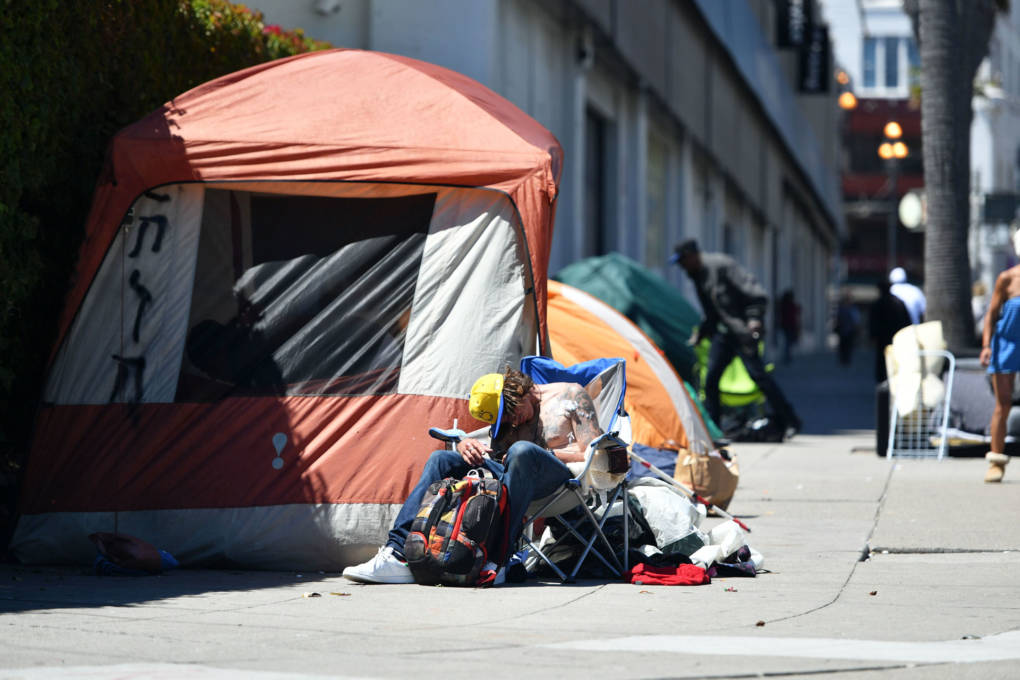
"caption": "An unhoused man sleeps in front of his tent along Van Ness Avenue in San Francisco on Feb. 12, 2018.",
"credit": "Josh Edelson/AFP via Getty Images",
"altTag": "A homeless man sleeps in front of his tent along Van Ness Avenue in San Francisco.",
"description": "A homeless man sleeps in front of his tent along Van Ness Avenue in San Francisco.",
"imgSizes": {
"thumbnail": {
"file": "https://cdn.kqed.org/wp-content/uploads/sites/10/2018/02/SFEncampment-160x107.jpg",
"width": 160,
"height": 107,
"mimeType": "image/jpeg"
},
"medium": {
"file": "https://cdn.kqed.org/wp-content/uploads/sites/10/2018/02/SFEncampment-800x533.jpg",
"width": 800,
"height": 533,
"mimeType": "image/jpeg"
},
"large": {
"file": "https://cdn.kqed.org/wp-content/uploads/sites/10/2018/02/SFEncampment-1020x680.jpg",
"width": 1020,
"height": 680,
"mimeType": "image/jpeg"
},
"fd-lrg": {
"file": "https://cdn.kqed.org/wp-content/uploads/sites/10/2018/02/SFEncampment-1920x1280.jpg",
"width": 1920,
"height": 1280,
"mimeType": "image/jpeg"
},
"fd-med": {
"file": "https://cdn.kqed.org/wp-content/uploads/sites/10/2018/02/SFEncampment-1180x787.jpg",
"width": 1180,
"height": 787,
"mimeType": "image/jpeg"
},
"fd-sm": {
"file": "https://cdn.kqed.org/wp-content/uploads/sites/10/2018/02/SFEncampment-960x640.jpg",
"width": 960,
"height": 640,
"mimeType": "image/jpeg"
},
"post-thumbnail": {
"file": "https://cdn.kqed.org/wp-content/uploads/sites/10/2018/02/SFEncampment-672x372.jpg",
"width": 672,
"height": 372,
"mimeType": "image/jpeg"
},
"twentyfourteen-full-width": {
"file": "https://cdn.kqed.org/wp-content/uploads/sites/10/2018/02/SFEncampment-1038x576.jpg",
"width": 1038,
"height": 576,
"mimeType": "image/jpeg"
},
"xxsmall": {
"file": "https://cdn.kqed.org/wp-content/uploads/sites/10/2018/02/SFEncampment-240x160.jpg",
"width": 240,
"height": 160,
"mimeType": "image/jpeg"
},
"xsmall": {
"file": "https://cdn.kqed.org/wp-content/uploads/sites/10/2018/02/SFEncampment-375x250.jpg",
"width": 375,
"height": 250,
"mimeType": "image/jpeg"
},
"small": {
"file": "https://cdn.kqed.org/wp-content/uploads/sites/10/2018/02/SFEncampment-520x347.jpg",
"width": 520,
"height": 347,
"mimeType": "image/jpeg"
},
"xlarge": {
"file": "https://cdn.kqed.org/wp-content/uploads/sites/10/2018/02/SFEncampment-1180x787.jpg",
"width": 1180,
"height": 787,
"mimeType": "image/jpeg"
},
"full-width": {
"file": "https://cdn.kqed.org/wp-content/uploads/sites/10/2018/02/SFEncampment-1920x1280.jpg",
"width": 1920,
"height": 1280,
"mimeType": "image/jpeg"
},
"guest-author-32": {
"file": "https://cdn.kqed.org/wp-content/uploads/sites/10/2018/02/SFEncampment-32x32.jpg",
"width": 32,
"height": 32,
"mimeType": "image/jpeg"
},
"guest-author-50": {
"file": "https://cdn.kqed.org/wp-content/uploads/sites/10/2018/02/SFEncampment-50x50.jpg",
"width": 50,
"height": 50,
"mimeType": "image/jpeg"
},
"guest-author-64": {
"file": "https://cdn.kqed.org/wp-content/uploads/sites/10/2018/02/SFEncampment-64x64.jpg",
"width": 64,
"height": 64,
"mimeType": "image/jpeg"
},
"guest-author-96": {
"file": "https://cdn.kqed.org/wp-content/uploads/sites/10/2018/02/SFEncampment-96x96.jpg",
"width": 96,
"height": 96,
"mimeType": "image/jpeg"
},
"guest-author-128": {
"file": "https://cdn.kqed.org/wp-content/uploads/sites/10/2018/02/SFEncampment-128x128.jpg",
"width": 128,
"height": 128,
"mimeType": "image/jpeg"
},
"detail": {
"file": "https://cdn.kqed.org/wp-content/uploads/sites/10/2018/02/SFEncampment-150x150.jpg",
"width": 150,
"height": 150,
"mimeType": "image/jpeg"
},
"kqedFullSize": {
"file": "https://cdn.kqed.org/wp-content/uploads/sites/10/2018/02/SFEncampment.jpg",
"width": 1920,
"height": 1280
}
},
"isLoading": false,
"fetchFailed": false
},
"news_11637256": {
"type": "attachments",
"id": "news_11637256",
"meta": {
"index": "attachments_1716263798",
"site": "news",
"id": "11637256",
"found": true
},
"title": "ScottWiener",
"publishDate": 1513305232,
"status": "inherit",
"parent": 11637200,
"modified": 1721158462,
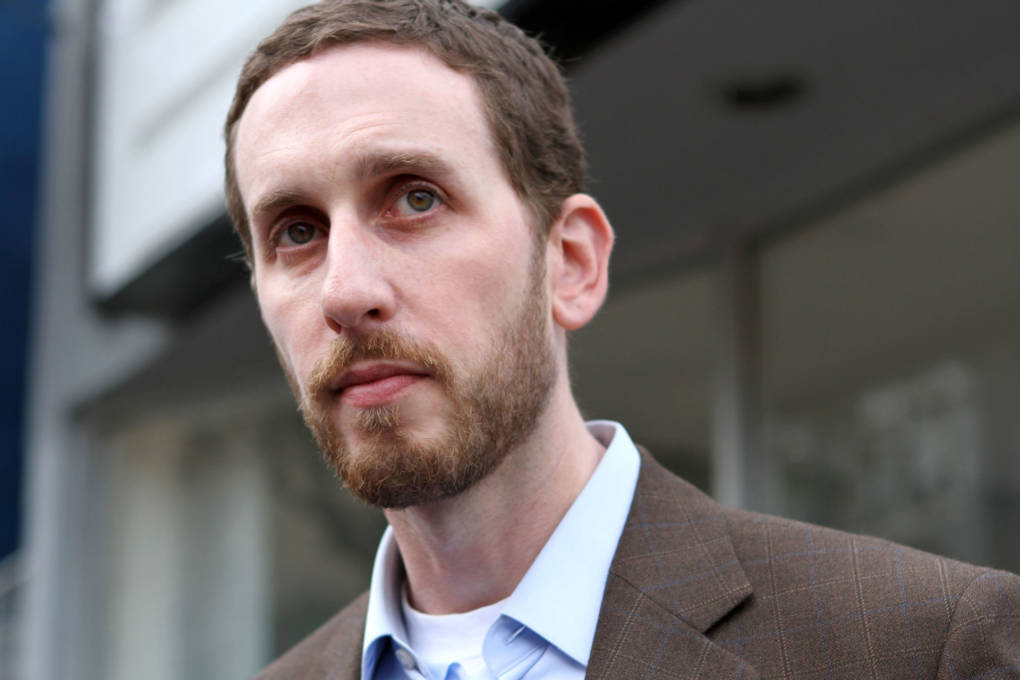
"caption": "Senate Bill 145, signed into law by Gov. Gavin Newsom in early September, is intended to reform the state’s sex offender registry to be fairer to young LGBT adults. The bill's author, state Sen. Scott Wiener, has received hundreds of death threats from people who believe the bill legalizes pedophilia in California.",
"credit": "Michelle Gachet/KQED",
"altTag": "Senate Bill 145, signed into law by Gov. Gavin Newsom in early September, is intended to reform the state’s sex offender registry to be fairer to young LGBT adults. The bill's author, state Sen. Scott Wiener, has received hundreds of death threats from people who believe the bill legalizes pedophilia in California.",
"description": "Senate Bill 145, signed into law by Gov. Gavin Newsom in early September, is intended to reform the state’s sex offender registry to be fairer to young LGBTQ adults. The bill's author, state Sen. Scott Wiener, has received hundreds of death threats from people who believe the bill legalizes pedophilia in California.",
"imgSizes": {
"thumbnail": {
"file": "https://cdn.kqed.org/wp-content/uploads/sites/10/2017/12/ScottWiener-160x107.jpg",
"width": 160,
"height": 107,
"mimeType": "image/jpeg"
},
"medium": {
"file": "https://cdn.kqed.org/wp-content/uploads/sites/10/2017/12/ScottWiener-800x533.jpg",
"width": 800,
"height": 533,
"mimeType": "image/jpeg"
},
"large": {
"file": "https://cdn.kqed.org/wp-content/uploads/sites/10/2017/12/ScottWiener-1020x680.jpg",
"width": 1020,
"height": 680,
"mimeType": "image/jpeg"
},
"fd-lrg": {
"file": "https://cdn.kqed.org/wp-content/uploads/sites/10/2017/12/ScottWiener-1920x1280.jpg",
"width": 1920,
"height": 1280,
"mimeType": "image/jpeg"
},
"fd-med": {
"file": "https://cdn.kqed.org/wp-content/uploads/sites/10/2017/12/ScottWiener-1180x787.jpg",
"width": 1180,
"height": 787,
"mimeType": "image/jpeg"
},
"fd-sm": {
"file": "https://cdn.kqed.org/wp-content/uploads/sites/10/2017/12/ScottWiener-960x640.jpg",
"width": 960,
"height": 640,
"mimeType": "image/jpeg"
},
"post-thumbnail": {
"file": "https://cdn.kqed.org/wp-content/uploads/sites/10/2017/12/ScottWiener-672x372.jpg",
"width": 672,
"height": 372,
"mimeType": "image/jpeg"
},
"twentyfourteen-full-width": {
"file": "https://cdn.kqed.org/wp-content/uploads/sites/10/2017/12/ScottWiener-1038x576.jpg",
"width": 1038,
"height": 576,
"mimeType": "image/jpeg"
},
"xxsmall": {
"file": "https://cdn.kqed.org/wp-content/uploads/sites/10/2017/12/ScottWiener-240x160.jpg",
"width": 240,
"height": 160,
"mimeType": "image/jpeg"
},
"xsmall": {
"file": "https://cdn.kqed.org/wp-content/uploads/sites/10/2017/12/ScottWiener-375x250.jpg",
"width": 375,
"height": 250,
"mimeType": "image/jpeg"
},
"small": {
"file": "https://cdn.kqed.org/wp-content/uploads/sites/10/2017/12/ScottWiener-520x347.jpg",
"width": 520,
"height": 347,
"mimeType": "image/jpeg"
},
"xlarge": {
"file": "https://cdn.kqed.org/wp-content/uploads/sites/10/2017/12/ScottWiener-1180x787.jpg",
"width": 1180,
"height": 787,
"mimeType": "image/jpeg"
},
"full-width": {
"file": "https://cdn.kqed.org/wp-content/uploads/sites/10/2017/12/ScottWiener-1920x1280.jpg",
"width": 1920,
"height": 1280,
"mimeType": "image/jpeg"
},
"guest-author-32": {
"file": "https://cdn.kqed.org/wp-content/uploads/sites/10/2017/12/ScottWiener-32x32.jpg",
"width": 32,
"height": 32,
"mimeType": "image/jpeg"
},
"guest-author-50": {
"file": "https://cdn.kqed.org/wp-content/uploads/sites/10/2017/12/ScottWiener-50x50.jpg",
"width": 50,
"height": 50,
"mimeType": "image/jpeg"
},
"guest-author-64": {
"file": "https://cdn.kqed.org/wp-content/uploads/sites/10/2017/12/ScottWiener-64x64.jpg",
"width": 64,
"height": 64,
"mimeType": "image/jpeg"
},
"guest-author-96": {
"file": "https://cdn.kqed.org/wp-content/uploads/sites/10/2017/12/ScottWiener-96x96.jpg",
"width": 96,
"height": 96,
"mimeType": "image/jpeg"
},
"guest-author-128": {
"file": "https://cdn.kqed.org/wp-content/uploads/sites/10/2017/12/ScottWiener-128x128.jpg",
"width": 128,
"height": 128,
"mimeType": "image/jpeg"
},
"detail": {
"file": "https://cdn.kqed.org/wp-content/uploads/sites/10/2017/12/ScottWiener-150x150.jpg",
"width": 150,
"height": 150,
"mimeType": "image/jpeg"
},
"kqedFullSize": {
"file": "https://cdn.kqed.org/wp-content/uploads/sites/10/2017/12/ScottWiener.jpg",
"width": 1920,
"height": 1280
}
},
"isLoading": false,
"fetchFailed": false
},
"news_11612999": {
"type": "attachments",
"id": "news_11612999",
"meta": {
"index": "attachments_1716263798",
"site": "news",
"id": "11612999",
"found": true
},
"parent": 11612802,
"imgSizes": {
"thumbnail": {
"file": "https://ww2.kqed.org/app/uploads/sites/10/2017/08/RS8460_IMG_4074-sfi-160x120.jpg",
"width": 160,
"mimeType": "image/jpeg",
"height": 120
},
"xsmall": {
"file": "https://ww2.kqed.org/app/uploads/sites/10/2017/08/RS8460_IMG_4074-sfi-375x281.jpg",
"width": 375,
"mimeType": "image/jpeg",
"height": 281
},
"kqedFullSize": {
"file": "https://ww2.kqed.org/app/uploads/sites/10/2017/08/RS8460_IMG_4074-sfi.jpg",
"width": 480,
"height": 360
},
"guest-author-50": {
"file": "https://ww2.kqed.org/app/uploads/sites/10/2017/08/RS8460_IMG_4074-sfi-50x50.jpg",
"width": 50,
"mimeType": "image/jpeg",
"height": 50
},
"guest-author-96": {
"file": "https://ww2.kqed.org/app/uploads/sites/10/2017/08/RS8460_IMG_4074-sfi-96x96.jpg",
"width": 96,
"mimeType": "image/jpeg",
"height": 96
},
"guest-author-64": {
"file": "https://ww2.kqed.org/app/uploads/sites/10/2017/08/RS8460_IMG_4074-sfi-64x64.jpg",
"width": 64,
"mimeType": "image/jpeg",
"height": 64
},
"detail": {
"file": "https://ww2.kqed.org/app/uploads/sites/10/2017/08/RS8460_IMG_4074-sfi-150x150.jpg",
"width": 150,
"mimeType": "image/jpeg",
"height": 150
},
"guest-author-32": {
"file": "https://ww2.kqed.org/app/uploads/sites/10/2017/08/RS8460_IMG_4074-sfi-32x32.jpg",
"width": 32,
"mimeType": "image/jpeg",
"height": 32
},
"guest-author-128": {
"file": "https://ww2.kqed.org/app/uploads/sites/10/2017/08/RS8460_IMG_4074-sfi-128x128.jpg",
"width": 128,
"mimeType": "image/jpeg",
"height": 128
},
"xxsmall": {
"file": "https://ww2.kqed.org/app/uploads/sites/10/2017/08/RS8460_IMG_4074-sfi-240x180.jpg",
"width": 240,
"mimeType": "image/jpeg",
"height": 180
}
},
"publishDate": 1503095352,
"modified": 1503095511,
"caption": "Marin County, with San Francisco in the distance, as seen from Mount Tamalpais.",
"description": null,
"title": "RS8460_IMG_4074-sfi",
"credit": "Craig Miller/KQED",
"status": "inherit",
"isLoading": false,
"fetchFailed": false
},
"news_11202184": {
"type": "attachments",
"id": "news_11202184",
"meta": {
"index": "attachments_1716263798",
"site": "news",
"id": "11202184",
"found": true
},
"parent": 11201536,
"imgSizes": {
"small": {
"file": "https://ww2.kqed.org/app/uploads/sites/10/2016/12/Scott-Wiener-520x390.jpg",
"width": 520,
"mimeType": "image/jpeg",
"height": 390
},
"twentyfourteen-full-width": {
"file": "https://ww2.kqed.org/app/uploads/sites/10/2016/12/Scott-Wiener-1038x576.jpg",
"width": 1038,
"mimeType": "image/jpeg",
"height": 576
},
"thumbnail": {
"file": "https://ww2.kqed.org/app/uploads/sites/10/2016/12/Scott-Wiener-160x120.jpg",
"width": 160,
"mimeType": "image/jpeg",
"height": 120
},
"fd-sm": {
"file": "https://ww2.kqed.org/app/uploads/sites/10/2016/12/Scott-Wiener-960x720.jpg",
"width": 960,
"mimeType": "image/jpeg",
"height": 720
},
"post-thumbnail": {
"file": "https://ww2.kqed.org/app/uploads/sites/10/2016/12/Scott-Wiener-672x372.jpg",
"width": 672,
"mimeType": "image/jpeg",
"height": 372
},
"xsmall": {
"file": "https://ww2.kqed.org/app/uploads/sites/10/2016/12/Scott-Wiener-375x281.jpg",
"width": 375,
"mimeType": "image/jpeg",
"height": 281
},
"kqedFullSize": {
"file": "https://ww2.kqed.org/app/uploads/sites/10/2016/12/Scott-Wiener.jpg",
"width": 1920,
"height": 1440
},
"large": {
"file": "https://ww2.kqed.org/app/uploads/sites/10/2016/12/Scott-Wiener-1020x765.jpg",
"width": 1020,
"mimeType": "image/jpeg",
"height": 765
},
"xlarge": {
"file": "https://ww2.kqed.org/app/uploads/sites/10/2016/12/Scott-Wiener-1180x885.jpg",
"width": 1180,
"mimeType": "image/jpeg",
"height": 885
},
"guest-author-50": {
"file": "https://ww2.kqed.org/app/uploads/sites/10/2016/12/Scott-Wiener-50x50.jpg",
"width": 50,
"mimeType": "image/jpeg",
"height": 50
},
"guest-author-96": {
"file": "https://ww2.kqed.org/app/uploads/sites/10/2016/12/Scott-Wiener-96x96.jpg",
"width": 96,
"mimeType": "image/jpeg",
"height": 96
},
"medium": {
"file": "https://ww2.kqed.org/app/uploads/sites/10/2016/12/Scott-Wiener-800x600.jpg",
"width": 800,
"mimeType": "image/jpeg",
"height": 600
},
"guest-author-64": {
"file": "https://ww2.kqed.org/app/uploads/sites/10/2016/12/Scott-Wiener-64x64.jpg",
"width": 64,
"mimeType": "image/jpeg",
"height": 64
},
"guest-author-32": {
"file": "https://ww2.kqed.org/app/uploads/sites/10/2016/12/Scott-Wiener-32x32.jpg",
"width": 32,
"mimeType": "image/jpeg",
"height": 32
},
"jmtc-small-thumb": {
"file": "https://ww2.kqed.org/app/uploads/sites/10/2016/12/Scott-Wiener-280x150.jpg",
"width": 280,
"mimeType": "image/jpeg",
"height": 150
},
"fd-lrg": {
"file": "https://ww2.kqed.org/app/uploads/sites/10/2016/12/Scott-Wiener-1920x1440.jpg",
"width": 1920,
"mimeType": "image/jpeg",
"height": 1440
},
"fd-med": {
"file": "https://ww2.kqed.org/app/uploads/sites/10/2016/12/Scott-Wiener-1180x885.jpg",
"width": 1180,
"mimeType": "image/jpeg",
"height": 885
},
"full-width": {
"file": "https://ww2.kqed.org/app/uploads/sites/10/2016/12/Scott-Wiener-1920x1440.jpg",
"width": 1920,
"mimeType": "image/jpeg",
"height": 1440
},
"detail": {
"file": "https://ww2.kqed.org/app/uploads/sites/10/2016/12/Scott-Wiener-150x150.jpg",
"width": 150,
"mimeType": "image/jpeg",
"height": 150
},
"guest-author-128": {
"file": "https://ww2.kqed.org/app/uploads/sites/10/2016/12/Scott-Wiener-128x128.jpg",
"width": 128,
"mimeType": "image/jpeg",
"height": 128
},
"xxsmall": {
"file": "https://ww2.kqed.org/app/uploads/sites/10/2016/12/Scott-Wiener-240x180.jpg",
"width": 240,
"mimeType": "image/jpeg",
"height": 180
}
},
"publishDate": 1480727336,
"modified": 1480989458,
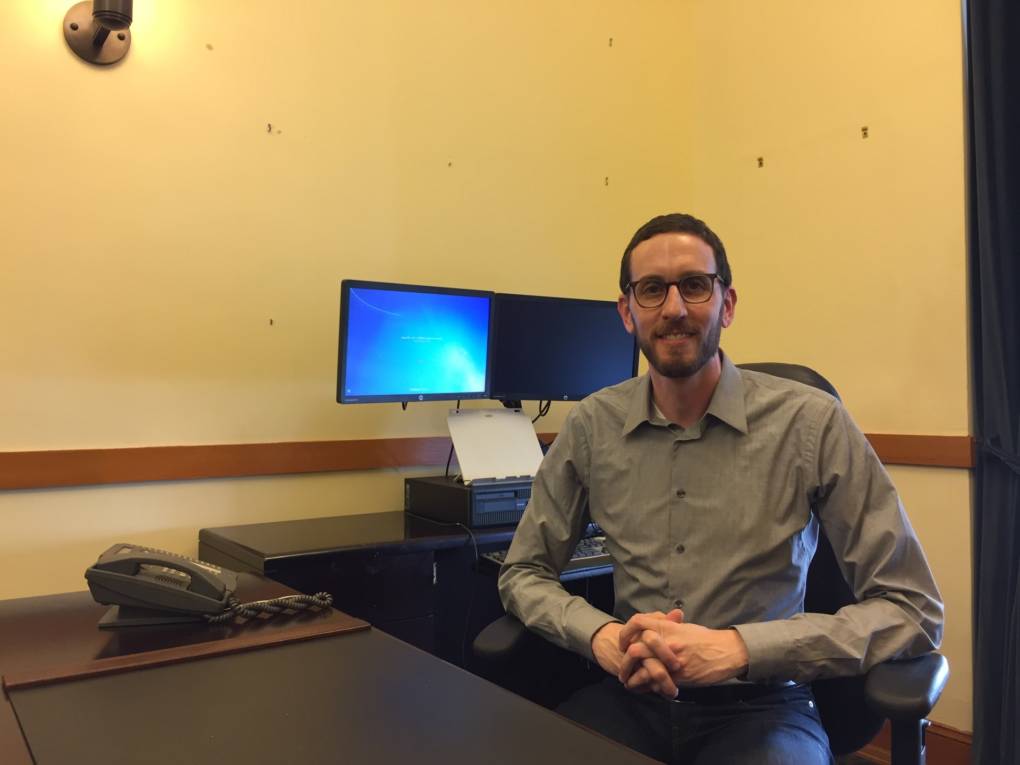
"caption": "Scott Wiener sits in his empty office in San Francisco's City Hall on Friday, Dec. 2. After serving on the Board of Supervisors for six years, he will be sworn in as a state senator on Monday, Dec. 5.",
"description": null,
"title": "scott-wiener",
"credit": "Ryan Levi/KQED News",
"status": "inherit",
"isLoading": false,
"fetchFailed": false
},
"news_11159803": {
"type": "attachments",
"id": "news_11159803",
"meta": {
"index": "attachments_1716263798",
"site": "news",
"id": "11159803",
"found": true
},
"parent": 11159787,
"imgSizes": {
"small": {
"file": "https://ww2.kqed.org/app/uploads/sites/10/2017/11/RS1449_saccapitoldome090911-520x347.jpg",
"width": 520,
"mimeType": "image/jpeg",
"height": 347
},
"twentyfourteen-full-width": {
"file": "https://ww2.kqed.org/app/uploads/sites/10/2017/11/RS1449_saccapitoldome090911-1038x576.jpg",
"width": 1038,
"mimeType": "image/jpeg",
"height": 576
},
"thumbnail": {
"file": "https://ww2.kqed.org/app/uploads/sites/10/2017/11/RS1449_saccapitoldome090911-160x107.jpg",
"width": 160,
"mimeType": "image/jpeg",
"height": 107
},
"fd-sm": {
"file": "https://ww2.kqed.org/app/uploads/sites/10/2017/11/RS1449_saccapitoldome090911-960x640.jpg",
"width": 960,
"mimeType": "image/jpeg",
"height": 640
},
"post-thumbnail": {
"file": "https://ww2.kqed.org/app/uploads/sites/10/2017/11/RS1449_saccapitoldome090911-672x372.jpg",
"width": 672,
"mimeType": "image/jpeg",
"height": 372
},
"xsmall": {
"file": "https://ww2.kqed.org/app/uploads/sites/10/2017/11/RS1449_saccapitoldome090911-375x250.jpg",
"width": 375,
"mimeType": "image/jpeg",
"height": 250
},
"kqedFullSize": {
"file": "https://ww2.kqed.org/app/uploads/sites/10/2017/11/RS1449_saccapitoldome090911.jpg",
"width": 1920,
"height": 1280
},
"large": {
"file": "https://ww2.kqed.org/app/uploads/sites/10/2017/11/RS1449_saccapitoldome090911-1020x680.jpg",
"width": 1020,
"mimeType": "image/jpeg",
"height": 680
},
"xlarge": {
"file": "https://ww2.kqed.org/app/uploads/sites/10/2017/11/RS1449_saccapitoldome090911-1180x787.jpg",
"width": 1180,
"mimeType": "image/jpeg",
"height": 787
},
"guest-author-50": {
"file": "https://ww2.kqed.org/app/uploads/sites/10/2017/11/RS1449_saccapitoldome090911-50x50.jpg",
"width": 50,
"mimeType": "image/jpeg",
"height": 50
},
"guest-author-96": {
"file": "https://ww2.kqed.org/app/uploads/sites/10/2017/11/RS1449_saccapitoldome090911-96x96.jpg",
"width": 96,
"mimeType": "image/jpeg",
"height": 96
},
"medium": {
"file": "https://ww2.kqed.org/app/uploads/sites/10/2017/11/RS1449_saccapitoldome090911-800x533.jpg",
"width": 800,
"mimeType": "image/jpeg",
"height": 533
},
"guest-author-64": {
"file": "https://ww2.kqed.org/app/uploads/sites/10/2017/11/RS1449_saccapitoldome090911-64x64.jpg",
"width": 64,
"mimeType": "image/jpeg",
"height": 64
},
"guest-author-32": {
"file": "https://ww2.kqed.org/app/uploads/sites/10/2017/11/RS1449_saccapitoldome090911-32x32.jpg",
"width": 32,
"mimeType": "image/jpeg",
"height": 32
},
"jmtc-small-thumb": {
"file": "https://ww2.kqed.org/app/uploads/sites/10/2017/11/RS1449_saccapitoldome090911-280x150.jpg",
"width": 280,
"mimeType": "image/jpeg",
"height": 150
},
"fd-lrg": {
"file": "https://ww2.kqed.org/app/uploads/sites/10/2017/11/RS1449_saccapitoldome090911-1920x1280.jpg",
"width": 1920,
"mimeType": "image/jpeg",
"height": 1280
},
"fd-med": {
"file": "https://ww2.kqed.org/app/uploads/sites/10/2017/11/RS1449_saccapitoldome090911-1180x787.jpg",
"width": 1180,
"mimeType": "image/jpeg",
"height": 787
},
"full-width": {
"file": "https://ww2.kqed.org/app/uploads/sites/10/2017/11/RS1449_saccapitoldome090911-1920x1280.jpg",
"width": 1920,
"mimeType": "image/jpeg",
"height": 1280
},
"detail": {
"file": "https://ww2.kqed.org/app/uploads/sites/10/2017/11/RS1449_saccapitoldome090911-150x150.jpg",
"width": 150,
"mimeType": "image/jpeg",
"height": 150
},
"guest-author-128": {
"file": "https://ww2.kqed.org/app/uploads/sites/10/2017/11/RS1449_saccapitoldome090911-128x128.jpg",
"width": 128,
"mimeType": "image/jpeg",
"height": 128
},
"xxsmall": {
"file": "https://ww2.kqed.org/app/uploads/sites/10/2017/11/RS1449_saccapitoldome090911-240x160.jpg",
"width": 240,
"mimeType": "image/jpeg",
"height": 160
}
},
"publishDate": 1478301719,
"modified": 1510618495,
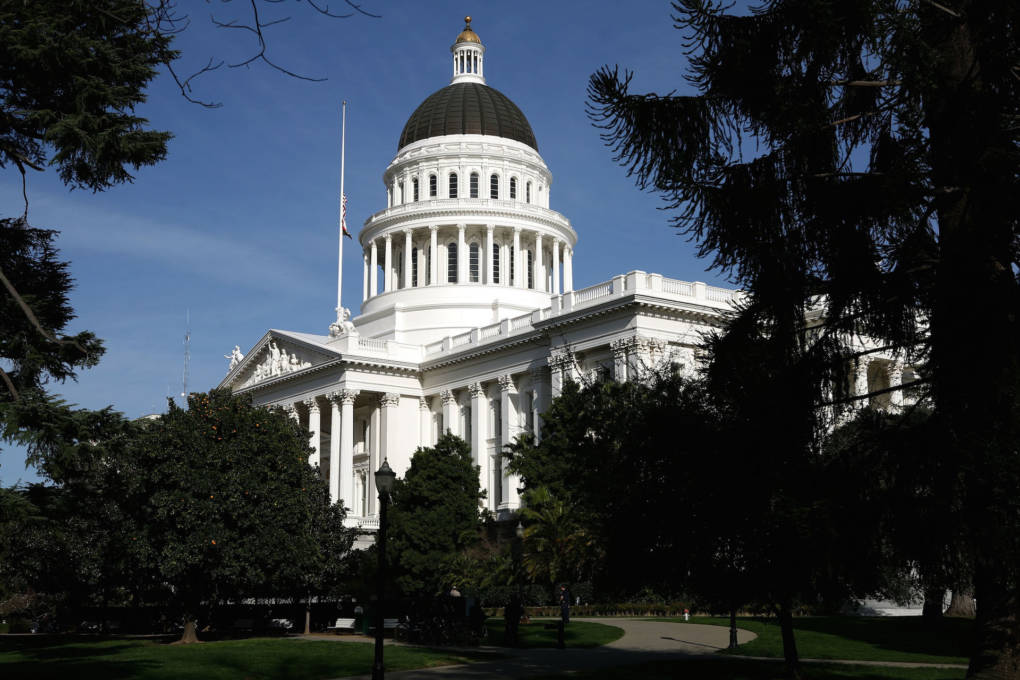
"caption": "The state Capitol in Sacramento. ",
"description": "The state capitol in Sacramento. ",
"title": "Schwarzenegger Holds Press Conference On Passing Of California Budget",
"credit": "Justin Sullivan/Getty Images",
"status": "inherit",
"isLoading": false,
"fetchFailed": false
},
"news_11130325": {
"type": "attachments",
"id": "news_11130325",
"meta": {
"index": "attachments_1716263798",
"site": "news",
"id": "11130325",
"found": true
},
"parent": 11130183,
"imgSizes": {
"twentyfourteen-full-width": {
"file": "https://ww2.kqed.org/app/uploads/sites/10/2016/10/kim-wiener-1920-1038x576.jpg",
"width": 1038,
"mimeType": "image/jpeg",
"height": 576
},
"thumbnail": {
"file": "https://ww2.kqed.org/app/uploads/sites/10/2016/10/kim-wiener-1920-400x225.jpg",
"width": 400,
"mimeType": "image/jpeg",
"height": 225
},
"fd-sm": {
"file": "https://ww2.kqed.org/app/uploads/sites/10/2016/10/kim-wiener-1920-960x540.jpg",
"width": 960,
"mimeType": "image/jpeg",
"height": 540
},
"post-thumbnail": {
"file": "https://ww2.kqed.org/app/uploads/sites/10/2016/10/kim-wiener-1920-672x372.jpg",
"width": 672,
"mimeType": "image/jpeg",
"height": 372
},
"kqedFullSize": {
"file": "https://ww2.kqed.org/app/uploads/sites/10/2016/10/kim-wiener-1920.jpg",
"width": 1920,
"height": 1080
},
"large": {
"file": "https://ww2.kqed.org/app/uploads/sites/10/2016/10/kim-wiener-1920-1920x1080.jpg",
"width": 1920,
"mimeType": "image/jpeg",
"height": 1080
},
"guest-author-50": {
"file": "https://ww2.kqed.org/app/uploads/sites/10/2016/10/kim-wiener-1920-50x50.jpg",
"width": 50,
"mimeType": "image/jpeg",
"height": 50
},
"guest-author-96": {
"file": "https://ww2.kqed.org/app/uploads/sites/10/2016/10/kim-wiener-1920-96x96.jpg",
"width": 96,
"mimeType": "image/jpeg",
"height": 96
},
"medium": {
"file": "https://ww2.kqed.org/app/uploads/sites/10/2016/10/kim-wiener-1920-800x450.jpg",
"width": 800,
"mimeType": "image/jpeg",
"height": 450
},
"guest-author-64": {
"file": "https://ww2.kqed.org/app/uploads/sites/10/2016/10/kim-wiener-1920-64x64.jpg",
"width": 64,
"mimeType": "image/jpeg",
"height": 64
},
"guest-author-32": {
"file": "https://ww2.kqed.org/app/uploads/sites/10/2016/10/kim-wiener-1920-32x32.jpg",
"width": 32,
"mimeType": "image/jpeg",
"height": 32
},
"jmtc-small-thumb": {
"file": "https://ww2.kqed.org/app/uploads/sites/10/2016/10/kim-wiener-1920-280x150.jpg",
"width": 280,
"mimeType": "image/jpeg",
"height": 150
},
"fd-lrg": {
"file": "https://ww2.kqed.org/app/uploads/sites/10/2016/10/kim-wiener-1920-1920x1080.jpg",
"width": 1920,
"mimeType": "image/jpeg",
"height": 1080
},
"fd-med": {
"file": "https://ww2.kqed.org/app/uploads/sites/10/2016/10/kim-wiener-1920-1180x664.jpg",
"width": 1180,
"mimeType": "image/jpeg",
"height": 664
},
"detail": {
"file": "https://ww2.kqed.org/app/uploads/sites/10/2016/10/kim-wiener-1920-150x150.jpg",
"width": 150,
"mimeType": "image/jpeg",
"height": 150
},
"guest-author-128": {
"file": "https://ww2.kqed.org/app/uploads/sites/10/2016/10/kim-wiener-1920-128x128.jpg",
"width": 128,
"mimeType": "image/jpeg",
"height": 128
}
},
"publishDate": 1476495275,
"modified": 1476495368,
"caption": "San Francisco Supervisors Jane Kim and Scott Wiener are running for state Senate.",
"description": null,
"title": "kim-wiener-1920",
"credit": "Courtesy of San Francisco Board of Supervisors",
"status": "inherit",
"isLoading": false,
"fetchFailed": false
},
"news_10961128": {
"type": "attachments",
"id": "news_10961128",
"meta": {
"index": "attachments_1716263798",
"site": "news",
"id": "10961128",
"found": true
},
"parent": 10960921,
"imgSizes": {
"twentyfourteen-full-width": {
"file": "https://ww2.kqed.org/app/uploads/sites/10/2016/05/WienerKim-1038x576.jpg",
"width": 1038,
"mimeType": "image/jpeg",
"height": 576
},
"thumbnail": {
"file": "https://ww2.kqed.org/app/uploads/sites/10/2016/05/WienerKim-400x225.jpg",
"width": 400,
"mimeType": "image/jpeg",
"height": 225
},
"fd-sm": {
"file": "https://ww2.kqed.org/app/uploads/sites/10/2016/05/WienerKim-960x540.jpg",
"width": 960,
"mimeType": "image/jpeg",
"height": 540
},
"post-thumbnail": {
"file": "https://ww2.kqed.org/app/uploads/sites/10/2016/05/WienerKim-672x372.jpg",
"width": 672,
"mimeType": "image/jpeg",
"height": 372
},
"kqedFullSize": {
"file": "https://ww2.kqed.org/app/uploads/sites/10/2016/05/WienerKim.jpg",
"width": 1920,
"height": 1080
},
"large": {
"file": "https://ww2.kqed.org/app/uploads/sites/10/2016/05/WienerKim-1920x1080.jpg",
"width": 1920,
"mimeType": "image/jpeg",
"height": 1080
},
"guest-author-50": {
"file": "https://ww2.kqed.org/app/uploads/sites/10/2016/05/WienerKim-50x50.jpg",
"width": 50,
"mimeType": "image/jpeg",
"height": 50
},
"guest-author-96": {
"file": "https://ww2.kqed.org/app/uploads/sites/10/2016/05/WienerKim-96x96.jpg",
"width": 96,
"mimeType": "image/jpeg",
"height": 96
},
"medium": {
"file": "https://ww2.kqed.org/app/uploads/sites/10/2016/05/WienerKim-800x450.jpg",
"width": 800,
"mimeType": "image/jpeg",
"height": 450
},
"guest-author-64": {
"file": "https://ww2.kqed.org/app/uploads/sites/10/2016/05/WienerKim-64x64.jpg",
"width": 64,
"mimeType": "image/jpeg",
"height": 64
},
"guest-author-32": {
"file": "https://ww2.kqed.org/app/uploads/sites/10/2016/05/WienerKim-32x32.jpg",
"width": 32,
"mimeType": "image/jpeg",
"height": 32
},
"jmtc-small-thumb": {
"file": "https://ww2.kqed.org/app/uploads/sites/10/2016/05/WienerKim-280x150.jpg",
"width": 280,
"mimeType": "image/jpeg",
"height": 150
},
"fd-lrg": {
"file": "https://ww2.kqed.org/app/uploads/sites/10/2016/05/WienerKim-1920x1080.jpg",
"width": 1920,
"mimeType": "image/jpeg",
"height": 1080
},
"fd-med": {
"file": "https://ww2.kqed.org/app/uploads/sites/10/2016/05/WienerKim-1180x664.jpg",
"width": 1180,
"mimeType": "image/jpeg",
"height": 664
},
"detail": {
"file": "https://ww2.kqed.org/app/uploads/sites/10/2016/05/WienerKim-150x150.jpg",
"width": 150,
"mimeType": "image/jpeg",
"height": 150
},
"guest-author-128": {
"file": "https://ww2.kqed.org/app/uploads/sites/10/2016/05/WienerKim-128x128.jpg",
"width": 128,
"mimeType": "image/jpeg",
"height": 128
}
},
"publishDate": 1463699814,
"modified": 1463699874,
"caption": "San Francisco supervisors Scott Wiener and Jane Kim.",
"description": "San Francisco supervisors Scott Wiener and Jane Kim.",
"title": "WienerKim",
"credit": "Michelle Gachet/KQED, Jane Kim/Flickr",
"status": "inherit",
"isLoading": false,
"fetchFailed": false
}
},
"audioPlayerReducer": {
"postId": "stream_live",
"isPaused": true,
"isPlaying": false,
"pfsActive": false,
"pledgeModalIsOpen": true,
"playerDrawerIsOpen": false,
"liveAudioPlayStartedAt": 0,
"liveAudioPlayContext": ""
},
"authorsReducer": {
"byline_news_11663113": {
"type": "authors",
"id": "byline_news_11663113",
"meta": {
"override": true
},
"slug": "byline_news_11663113",
"name": "\u003cstrong>\u003ca href=\"https://calmatters.org/articles/author/matt-levin/\">Matt Levin\u003c/a>\u003c/strong>",
"isLoading": false
},
"byline_news_11657578": {
"type": "authors",
"id": "byline_news_11657578",
"meta": {
"override": true
},
"slug": "byline_news_11657578",
"name": "\u003cstrong>\u003ca href=\"https://calmatters.org/articles/author/matt-levin/\">Matt Levin\u003c/a>\u003c/strong>",
"isLoading": false
},
"byline_news_10960921": {
"type": "authors",
"id": "byline_news_10960921",
"meta": {
"override": true
},
"slug": "byline_news_10960921",
"name": "Erik Neumann ",
"isLoading": false
},
"dclyde": {
"type": "authors",
"id": "104",
"meta": {
"index": "authors_1716337520",
"id": "104",
"found": true
},
"name": "Don Clyde",
"firstName": "Don",
"lastName": "Clyde",
"slug": "dclyde",
"email": "dclyde@kqed.org",
"display_author_email": false,
"staff_mastheads": [],
"title": "KQED Contributor",
"bio": "Don Clyde is an online producer, reporter and copy editor for KQED News. Before venturing into journalism, he worked as a medical device engineer and scientist for nearly a decade after earning a degree in physics from UC Berkeley. He loves travel, reading, living in Oakland, and most importantly, a good walk. Email him at dclyde@kqed.org or follow him @clydedon.",
"avatar": "https://secure.gravatar.com/avatar/decd3e640c3eedbd0a574275aebb2d19?s=600&d=blank&r=g",
"twitter": "clydedon",
"facebook": null,
"instagram": null,
"linkedin": null,
"sites": [
{
"site": "artschool",
"roles": [
"editor"
]
},
{
"site": "news",
"roles": [
"administrator"
]
},
{
"site": "futureofyou",
"roles": [
"editor"
]
},
{
"site": "about",
"roles": [
"editor"
]
},
{
"site": "mindshift",
"roles": [
"contributor"
]
},
{
"site": "bayareabites",
"roles": [
"contributor"
]
},
{
"site": "lowdown",
"roles": [
"editor"
]
},
{
"site": "stateofhealth",
"roles": [
"administrator"
]
},
{
"site": "spark",
"roles": [
"administrator"
]
},
{
"site": "trulyca",
"roles": [
"administrator"
]
},
{
"site": "imagemakers",
"roles": [
"administrator"
]
},
{
"site": "science",
"roles": []
},
{
"site": "education",
"roles": [
"editor"
]
},
{
"site": "quest",
"roles": [
"subscriber"
]
},
{
"site": "checkplease",
"roles": [
"subscriber"
]
},
{
"site": "forum",
"roles": [
"editor"
]
},
{
"site": "perspectives",
"roles": [
"editor"
]
}
],
"headData": {
"title": "Don Clyde | KQED",
"description": "KQED Contributor",
"ogImgSrc": "https://secure.gravatar.com/avatar/decd3e640c3eedbd0a574275aebb2d19?s=600&d=blank&r=g",
"twImgSrc": "https://secure.gravatar.com/avatar/decd3e640c3eedbd0a574275aebb2d19?s=600&d=blank&r=g"
},
"isLoading": false,
"link": "/author/dclyde"
},
"danbrekke": {
"type": "authors",
"id": "222",
"meta": {
"index": "authors_1716337520",
"id": "222",
"found": true
},
"name": "Dan Brekke",
"firstName": "Dan",
"lastName": "Brekke",
"slug": "danbrekke",
"email": "dbrekke@kqed.org",
"display_author_email": true,
"staff_mastheads": [
"news",
"science"
],
"title": "KQED Editor and Reporter",
"bio": "Dan Brekke is a reporter and editor for KQED News, responsible for coverage of topics ranging from California water issues to the Bay Area's transportation challenges. In a newsroom career that began in Chicago in 1972, Dan has worked for \u003cem>The San Francisco Examiner,\u003c/em> Wired and TechTV and has been published in The New York Times, The New York Times Magazine, Business 2.0, Salon and elsewhere.\r\n\r\nSince joining KQED in 2007, Dan has reported, edited and produced both radio and online features and breaking news pieces. He has shared as both editor and reporter in four Society of Professional Journalists Norcal Excellence in Journalism awards and one Edward R. Murrow regional award. He was chosen for a spring 2017 residency at the Mesa Refuge to advance his research on California salmon.\r\n\r\nEmail Dan at: \u003ca href=\"mailto:dbrekke@kqed.org\">dbrekke@kqed.org\u003c/a>\r\n\r\n\u003cstrong>Twitter:\u003c/strong> \u003ca href=\"https://twitter.com/danbrekke\" rel=\"noopener noreferrer\">twitter.com/danbrekke\u003c/a>\r\n\u003cstrong>Facebook:\u003c/strong> \u003ca href=\"https://www.facebook.com/danbrekke\" rel=\"noopener noreferrer\">www.facebook.com/danbrekke\u003c/a>\r\n\u003cstrong>LinkedIn:\u003c/strong> \u003ca href=\"https://www.linkedin.com/in/danbrekke\" rel=\"noopener noreferrer\">www.linkedin.com/in/danbrekke\u003c/a>",
"avatar": "https://secure.gravatar.com/avatar/c8126230345efca3f7aa89b1a402be45?s=600&d=mm&r=g",
"twitter": "danbrekke",
"facebook": null,
"instagram": "https://www.instagram.com/dan.brekke/",
"linkedin": "https://www.linkedin.com/in/danbrekke/",
"sites": [
{
"site": "news",
"roles": [
"administrator",
"create_posts"
]
},
{
"site": "stateofhealth",
"roles": [
"editor"
]
},
{
"site": "science",
"roles": [
"editor"
]
},
{
"site": "quest",
"roles": [
"contributor"
]
},
{
"site": "food",
"roles": [
"contributor"
]
},
{
"site": "forum",
"roles": [
"contributor"
]
},
{
"site": "liveblog",
"roles": [
"editor"
]
}
],
"headData": {
"title": "Dan Brekke | KQED",
"description": "KQED Editor and Reporter",
"ogImgSrc": "https://secure.gravatar.com/avatar/c8126230345efca3f7aa89b1a402be45?s=600&d=mm&r=g",
"twImgSrc": "https://secure.gravatar.com/avatar/c8126230345efca3f7aa89b1a402be45?s=600&d=mm&r=g"
},
"isLoading": false,
"link": "/author/danbrekke"
},
"gmarzorati": {
"type": "authors",
"id": "227",
"meta": {
"index": "authors_1716337520",
"id": "227",
"found": true
},
"name": "Guy Marzorati",
"firstName": "Guy",
"lastName": "Marzorati",
"slug": "gmarzorati",
"email": "gmarzorati@KQED.org",
"display_author_email": true,
"staff_mastheads": [
"news"
],
"title": "Correspondent",
"bio": "Guy Marzorati is a correspondent on KQED's California Politics and Government Desk, based in San Jose. A graduate of Santa Clara University, Guy joined KQED in 2013. He reports on state and local politics and produces KQED's digital voter guide.",
"avatar": "https://secure.gravatar.com/avatar/e7038b8dbfd55b104369b76b1cd0b9de?s=600&d=blank&r=g",
"twitter": "guymarzorati",
"facebook": null,
"instagram": null,
"linkedin": null,
"sites": [
{
"site": "",
"roles": [
"editor"
]
},
{
"site": "news",
"roles": [
"editor"
]
},
{
"site": "science",
"roles": [
"editor"
]
},
{
"site": "forum",
"roles": [
"editor"
]
},
{
"site": "elections",
"roles": [
"editor"
]
},
{
"site": "liveblog",
"roles": [
"editor"
]
}
],
"headData": {
"title": "Guy Marzorati | KQED",
"description": "Correspondent",
"ogImgSrc": "https://secure.gravatar.com/avatar/e7038b8dbfd55b104369b76b1cd0b9de?s=600&d=blank&r=g",
"twImgSrc": "https://secure.gravatar.com/avatar/e7038b8dbfd55b104369b76b1cd0b9de?s=600&d=blank&r=g"
},
"isLoading": false,
"link": "/author/gmarzorati"
},
"scottshafer": {
"type": "authors",
"id": "255",
"meta": {
"index": "authors_1716337520",
"id": "255",
"found": true
},
"name": "Scott Shafer",
"firstName": "Scott",
"lastName": "Shafer",
"slug": "scottshafer",
"email": "sshafer@kqed.org",
"display_author_email": false,
"staff_mastheads": [
"news"
],
"title": "KQED Contributor",
"bio": "Scott Shafer is a senior editor with the KQED Politics and Government desk. He is co-host of Political Breakdown, the award-winning radio show and podcast with a personal take on the world of politics. Scott came to KQED in 1998 to host the statewide\u003cem> California Report\u003c/em>. Prior to that he had extended stints in politics and government\u003cem>.\u003c/em> He uses that inside experience at KQED in his, reporting, hosting and analysis for the politics desk. Scott collaborated \u003cem>Political Breakdown a\u003c/em>nd on \u003cem>The Political Mind of Jerry Brown, \u003c/em>an eight-part series about the life and extraordinary political career of the former governor. For fun, he plays water polo with the San Francisco Tsunami.",
"avatar": "https://secure.gravatar.com/avatar/a62ebae45b79d7aed1a39a0e3bf68104?s=600&d=blank&r=g",
"twitter": "scottshafer",
"bluesky": null,
"facebook": null,
"instagram": null,
"linkedin": null,
"sites": [
{
"site": "news",
"roles": [
"editor"
]
},
{
"site": "stateofhealth",
"roles": [
"author"
]
},
{
"site": "science",
"roles": [
"author"
]
},
{
"site": "forum",
"roles": [
"subscriber"
]
},
{
"site": "liveblog",
"roles": [
"author"
]
}
],
"headData": {
"title": "Scott Shafer | KQED",
"description": "KQED Contributor",
"ogImgSrc": "https://secure.gravatar.com/avatar/a62ebae45b79d7aed1a39a0e3bf68104?s=600&d=blank&r=g",
"twImgSrc": "https://secure.gravatar.com/avatar/a62ebae45b79d7aed1a39a0e3bf68104?s=600&d=blank&r=g"
},
"isLoading": false,
"link": "/author/scottshafer"
},
"markfiore": {
"type": "authors",
"id": "3236",
"meta": {
"index": "authors_1716337520",
"id": "3236",
"found": true
},
"name": "Mark Fiore",
"firstName": "Mark",
"lastName": "Fiore",
"slug": "markfiore",
"email": "mark@markfiore.com",
"display_author_email": false,
"staff_mastheads": [
"news"
],
"title": "KQED News Cartoonist",
"bio": "\u003ca href=\"http://www.MarkFiore.com\">MarkFiore.com\u003c/a> | \u003ca href=\"https://twitter.com/markfiore\">Follow on Twitter\u003c/a> | \u003ca href=\"https://www.facebook.com/pages/Mark-Fiore-Animated-Political-Cartoons/94451707396?ref=bookmarks\">Facebook\u003c/a> | \u003ca href=\"mailto:mark@markfiore.com\">email\u003c/a>\r\n\r\nPulitzer Prize-winner, Mark Fiore, who the Wall Street Journal has called “the undisputed guru of the form,” creates animated political cartoons in San Francisco, where his work has been featured regularly on the San Francisco Chronicle’s web site, SFGate.com. His work has appeared on Newsweek.com, Slate.com, CBSNews.com, MotherJones.com, DailyKos.com and NPR’s web site. Fiore’s political animation has appeared on CNN, Frontline, Bill Moyers Journal, Salon.com and cable and broadcast outlets across the globe.\r\n\r\nBeginning his professional life by drawing traditional political cartoons for newspapers, Fiore’s work appeared in publications ranging from the Washington Post to the Los Angeles Times. In the late 1990s, he began to experiment with animating political cartoons and, after a short stint at the San Jose Mercury News as their staff cartoonist, Fiore devoted all his energies to animation.\r\nGrowing up in California, Fiore also spent a good portion of his life in the backwoods of Idaho. It was this combination that shaped him politically. Mark majored in political science at Colorado College, where, in a perfect send-off for a cartoonist, he received his diploma in 1991 as commencement speaker Dick Cheney smiled approvingly.\r\nMark Fiore was awarded the Pulitzer Prize for political cartooning in 2010, a Robert F. Kennedy Journalism Award in 2004 and has twice received an Online Journalism Award for commentary from the Online News Association (2002, 2008). Fiore has received two awards for his work in new media from the National Cartoonists Society (2001, 2002), and in 2006 received The James Madison Freedom of Information Award from The Society of Professional Journalists.",
"avatar": "https://secure.gravatar.com/avatar/fc4e2a612b15b67bad0c6f0e1db4ca9b?s=600&d=blank&r=g",
"twitter": "MarkFiore",
"facebook": null,
"instagram": "https://www.instagram.com/markfiore/?hl=en",
"linkedin": null,
"sites": [
{
"site": "arts",
"roles": [
"contributor"
]
},
{
"site": "news",
"roles": [
"editor"
]
},
{
"site": "futureofyou",
"roles": [
"editor"
]
},
{
"site": "science",
"roles": [
"editor"
]
}
],
"headData": {
"title": "Mark Fiore | KQED",
"description": "KQED News Cartoonist",
"ogImgSrc": "https://secure.gravatar.com/avatar/fc4e2a612b15b67bad0c6f0e1db4ca9b?s=600&d=blank&r=g",
"twImgSrc": "https://secure.gravatar.com/avatar/fc4e2a612b15b67bad0c6f0e1db4ca9b?s=600&d=blank&r=g"
},
"isLoading": false,
"link": "/author/markfiore"
},
"mlagos": {
"type": "authors",
"id": "3239",
"meta": {
"index": "authors_1716337520",
"id": "3239",
"found": true
},
"name": "Marisa Lagos",
"firstName": "Marisa",
"lastName": "Lagos",
"slug": "mlagos",
"email": "mlagos@kqed.org",
"display_author_email": false,
"staff_mastheads": [
"news"
],
"title": "KQED Contributor",
"bio": "Marisa Lagos is a correspondent for KQED’s California Politics and Government Desk and co-hosts the award-winning show and podcast, Political Breakdown. At KQED, Lagos also conducts reporting, analysis and investigations into state, local and national politics for radio, TV, online and onstage. In 2022, she and co-host, Scott Shafer, moderated the only gubernatorial debate in California. In 2020, the \u003ci>Washington Post\u003c/i> named her one of the top political journalists in California; she was nominated for a Peabody and won several other awards for her work investigating the 2017 California wildfires. She has worked at the \u003ci>San Francisco Chronicle\u003c/i>, \u003ci>San Francisco Examiner\u003c/i> and \u003ci>Los Angeles Times\u003c/i>. A UC Santa Barbara graduate, she lives in San Francisco with her two sons and husband.",
"avatar": "https://secure.gravatar.com/avatar/a261a0d3696fc066871ef96b85b5e7d2?s=600&d=blank&r=g",
"twitter": "@mlagos",
"facebook": null,
"instagram": null,
"linkedin": null,
"sites": [
{
"site": "arts",
"roles": [
"author"
]
},
{
"site": "news",
"roles": [
"editor"
]
},
{
"site": "science",
"roles": [
"editor"
]
},
{
"site": "forum",
"roles": [
"author"
]
},
{
"site": "liveblog",
"roles": [
"author"
]
}
],
"headData": {
"title": "Marisa Lagos | KQED",
"description": "KQED Contributor",
"ogImgSrc": "https://secure.gravatar.com/avatar/a261a0d3696fc066871ef96b85b5e7d2?s=600&d=blank&r=g",
"twImgSrc": "https://secure.gravatar.com/avatar/a261a0d3696fc066871ef96b85b5e7d2?s=600&d=blank&r=g"
},
"isLoading": false,
"link": "/author/mlagos"
},
"dkatayama": {
"type": "authors",
"id": "7240",
"meta": {
"index": "authors_1716337520",
"id": "7240",
"found": true
},
"name": "Devin Katayama",
"firstName": "Devin",
"lastName": "Katayama",
"slug": "dkatayama",
"email": "dkatayama@kqed.org",
"display_author_email": true,
"staff_mastheads": [
"news"
],
"title": "Editor of Talent and Development",
"bio": "Devin Katayama is former Editor of Talent and Development for KQED. He supported our internship program and on-call staff by looking for equitable opportunities to improve the newsroom.\r\n\r\nHe previously hosted The Bay and American Suburb podcasts from KQED News. Prior to returning to the Bay Area in 2015, Devin was the education reporter for WFPL in Louisville and worked as a producer with radio stations in Chicago and Portland, OR. His work has appeared on NPR’s \u003cem>Morning Edition, All Things Considered, The Takeaway\u003c/em> and \u003cem>Here and Now.\u003c/em>\r\n\r\nDevin earned his MA in Journalism from Columbia College Chicago, where he was a Follett Fellow and the recipient of the 2011 Studs Terkel Community Media Workshop Scholarship for his story on Chicago's homeless youth. He won WBUR's 2014 Daniel Schorr award and a regional RTNDA Edward R. Murrow Award for his documentary \"At Risk\" that looked at issues facing some of Louisville's students. Devin has also received numerous local awards from the Associated Press and the Society of Professional Journalists.",
"avatar": "https://secure.gravatar.com/avatar/d0d2978a31002fb2de107921a8e18405?s=600&d=blank&r=g",
"twitter": "RadioDevin",
"facebook": null,
"instagram": null,
"linkedin": null,
"sites": [
{
"site": "arts",
"roles": []
},
{
"site": "news",
"roles": [
"author"
]
},
{
"site": "stateofhealth",
"roles": [
"author"
]
},
{
"site": "forum",
"roles": [
"editor"
]
},
{
"site": "perspectives",
"roles": [
"editor"
]
}
],
"headData": {
"title": "Devin Katayama | KQED",
"description": "Editor of Talent and Development",
"ogImgSrc": "https://secure.gravatar.com/avatar/d0d2978a31002fb2de107921a8e18405?s=600&d=blank&r=g",
"twImgSrc": "https://secure.gravatar.com/avatar/d0d2978a31002fb2de107921a8e18405?s=600&d=blank&r=g"
},
"isLoading": false,
"link": "/author/dkatayama"
},
"korr": {
"type": "authors",
"id": "11200",
"meta": {
"index": "authors_1716337520",
"id": "11200",
"found": true
},
"name": "Katie Orr",
"firstName": "Katie",
"lastName": "Orr",
"slug": "korr",
"email": "korr@kqed.org",
"display_author_email": false,
"staff_mastheads": [],
"title": "KQED Contributor",
"bio": "Katie Orr was a Sacramento-based reporter for KQED's Politics and Government Desk, covering the state Capitol and a variety of issues including women in politics, voting and elections and legislation. Prior to joining KQED in 2016, Katie was state government reporter for Capital Public Radio in Sacramento. She's also worked for KPBS in San Diego, where she covered City Hall.\r\n\r\nKatie received her masters degree in political science from San Diego State University and holds a Bachelors degree in broadcast journalism from Arizona State University.\r\n\r\nIn 2015 Katie won a national Clarion Award for a series of stories she did on women in California politics. She's been honored by the Society for Professional Journalists and, in 2013, was named by \u003cem>The Washington Post\u003c/em> as one of the country's top state Capitol reporters. She's also reported for the award-winning documentary series \u003cem>The View from Here \u003c/em>and was part of the team that won national PRNDI and Gabriel Awards in 2015. She lives in Sacramento with her husband. Twitter: @1KatieOrr",
"avatar": "https://secure.gravatar.com/avatar/41a40b25845adc78f50808670860449e?s=600&d=blank&r=g",
"twitter": "1katieorr",
"facebook": null,
"instagram": null,
"linkedin": null,
"sites": [
{
"site": "news",
"roles": [
"subscriber"
]
},
{
"site": "stateofhealth",
"roles": [
"author"
]
},
{
"site": "forum",
"roles": [
"author"
]
}
],
"headData": {
"title": "Katie Orr | KQED",
"description": "KQED Contributor",
"ogImgSrc": "https://secure.gravatar.com/avatar/41a40b25845adc78f50808670860449e?s=600&d=blank&r=g",
"twImgSrc": "https://secure.gravatar.com/avatar/41a40b25845adc78f50808670860449e?s=600&d=blank&r=g"
},
"isLoading": false,
"link": "/author/korr"
},
"rlevi": {
"type": "authors",
"id": "11260",
"meta": {
"index": "authors_1716337520",
"id": "11260",
"found": true
},
"name": "Ryan Levi",
"firstName": "Ryan",
"lastName": "Levi",
"slug": "rlevi",
"email": "rlevi@KQED.org",
"display_author_email": false,
"staff_mastheads": [],
"title": "KQED Contributor",
"bio": "Ryan Levi was a reporter and podcast producer at KQED News from 2016-2019. He worked on \u003ca href=\"https://www.kqed.org/news/series/baycurious\">Bay Curious\u003c/a>, \u003ca href=\"https://www.kqed.org/news/tag/the-bay/\">The Bay, \u003c/a>and \u003ca href=\"https://podcasts.apple.com/us/podcast/the-california-report-magazine/id1314750545\">The California Report Magazine\u003c/a>, as well as hosting and producing the weekly \u003ca href=\"https://www.kqed.org/news/program/qedup/\">Q'ed Up podcast. \u003c/a>He also helped inaugurate KQED's weekend news coverage in 2017 as one of two original digital producers. Ryan holds degrees in multimedia journalism and Spanish from the University of Missouri.",
"avatar": "https://secure.gravatar.com/avatar/4cb2ddd028ac8807d1adf09609c5555d?s=600&d=blank&r=g",
"twitter": "ryan_levi",
"facebook": null,
"instagram": null,
"linkedin": null,
"sites": [
{
"site": "arts",
"roles": [
"editor"
]
},
{
"site": "news",
"roles": [
"subscriber"
]
},
{
"site": "stateofhealth",
"roles": [
"editor"
]
},
{
"site": "science",
"roles": [
"editor"
]
},
{
"site": "forum",
"roles": [
"administrator"
]
},
{
"site": "perspectives",
"roles": [
"administrator"
]
}
],
"headData": {
"title": "Ryan Levi | KQED",
"description": "KQED Contributor",
"ogImgSrc": "https://secure.gravatar.com/avatar/4cb2ddd028ac8807d1adf09609c5555d?s=600&d=blank&r=g",
"twImgSrc": "https://secure.gravatar.com/avatar/4cb2ddd028ac8807d1adf09609c5555d?s=600&d=blank&r=g"
},
"isLoading": false,
"link": "/author/rlevi"
}
},
"pagesReducer": {
"news_tag_scott-wiener": {
"type": "terms",
"id": "news_1217",
"meta": {
"index": "terms_1716263798",
"site": "news",
"id": "1217",
"score": 9.892568
},
"featImg": null,
"name": "Scott Wiener",
"description": null,
"taxonomy": "tag",
"headData": {
"twImgId": null,
"twTitle": null,
"ogTitle": null,
"ogImgId": null,
"twDescription": null,
"description": null,
"title": "Scott Wiener Archives | KQED News",
"ogDescription": null
},
"ttid": 1229,
"slug": "scott-wiener",
"isLoading": false,
"title": "Scott Wiener",
"pageMeta": {
"site": "news",
"WpPageTemplate": "page-topic-editorial",
"currentPage": 11
},
"blocks": [
{
"blockName": "kqed/post-list",
"attrs": {
"layout": "cardArticle2",
"query": "posts/news?tag=scott-wiener",
"seeMore": false,
"paginated": true,
"page": 11
}
},
{
"blockName": "kqed/ad"
}
]
}
},
"pfsSessionReducer": {},
"postsReducer": {
"stream_live": {
"type": "live",
"id": "stream_live",
"audioUrl": "https://streams.kqed.org/kqedradio",
"title": "Live Stream",
"excerpt": "Live Stream information currently unavailable.",
"link": "/radio",
"featImg": "",
"label": {
"name": "KQED Live",
"link": "/"
}
},
"stream_kqedNewscast": {
"type": "posts",
"id": "stream_kqedNewscast",
"audioUrl": "https://www.kqed.org/.stream/anon/radio/RDnews/newscast.mp3?_=1",
"title": "KQED Newscast",
"featImg": "",
"label": {
"name": "88.5 FM",
"link": "/"
}
},
"news_11669773": {
"type": "posts",
"id": "news_11669773",
"meta": {
"index": "posts_1716263798",
"site": "news",
"id": "11669773",
"score": null,
"sort": [
1526946032000
]
},
"guestAuthors": [],
"slug": "a-move-to-ban-state-hosted-gun-shows",
"title": "A Move to Ban State-Hosted Gun Shows",
"publishDate": 1526946032,
"format": "standard",
"headTitle": "A Move to Ban State-Hosted Gun Shows | KQED",
"labelTerm": {
"term": 18515,
"site": "news"
},
"content": "\u003cp>Ahead of another “Crossroads of the West Gun Show” at the Cow Palace in Daly City, two California lawmakers are moving to \u003ca href=\"http://bit.ly/fiorecowpalace\">ban gun shows at the state-owned facility\u003c/a>.\u003c/p>\n\u003cp>The Cow Palace is owned and operated by a \u003ca href=\"https://www.cdfa.ca.gov/Fairs_&_Expositions/\">branch of the California Department of Food and Agriculture\u003c/a> that puts on fairs and expositions.\u003c/p>\n\u003cp>A Cow Palace Board of Directors meeting agenda item \u003ca href=\"https://d38trduahtodj3.cloudfront.net/files.ashx?t=fg&rid=CowPalace&f=agendadec2016.pdf\">lists a three-year contract\u003c/a> for Crossroads of the West Gun Show that shows a rental fee of around $5,000 per gun show with “$110,000.00 per year based on $10.00 per patron vehicle.”\u003c/p>\n\u003cp>The website promoting the gun show scheduled for June 9 and 10 states that “kids 12 and under are free.”\u003c/p>\n\u003cp>[ad fullwidth]\u003c/p>\u003cp>\u003c/p>\n",
"blocks": [],
"excerpt": "Ahead of another \"Crossroads of the West Gun Show\" at the Cow Palace in Daly City, two California lawmakers are moving to ban gun shows at the state-owned facility.",
"status": "publish",
"parent": 0,
"modified": 1721116576,
"stats": {
"hasAudio": false,
"hasVideo": false,
"hasChartOrMap": false,
"iframeSrcs": [],
"hasGoogleForm": false,
"hasGallery": false,
"hasHearkenModule": false,
"hasPolis": false,
"paragraphCount": 6,
"wordCount": 128
},
"headData": {
"title": "A Move to Ban State-Hosted Gun Shows | KQED",
"description": "Ahead of another "Crossroads of the West Gun Show" at the Cow Palace in Daly City, two California lawmakers are moving to ban gun shows at the state-owned facility.",
"ogTitle": "",
"ogDescription": "",
"ogImgId": "",
"twTitle": "",
"twDescription": "",
"twImgId": "",
"schema": {
"@context": "https://schema.org",
"@type": "NewsArticle",
"headline": "A Move to Ban State-Hosted Gun Shows",
"datePublished": "2018-05-21T16:40:32-07:00",
"dateModified": "2024-07-16T00:56:16-07:00",
"image": "https://cdn.kqed.org/wp-content/uploads/2020/02/KQED-OG-Image@1x.png",
"isAccessibleForFree": "True",
"publisher": {
"@type": "NewsMediaOrganization",
"@id": "https://www.kqed.org/#organization",
"name": "KQED",
"logo": "https://cdn.kqed.org/wp-content/uploads/2020/02/KQED-OG-Image@1x.png",
"url": "https://www.kqed.org",
"sameAs": [
"https://www.facebook.com/KQED",
"https://twitter.com/KQED",
"https://www.instagram.com/kqed/",
"https://www.tiktok.com/@kqedofficial",
"https://www.linkedin.com/company/kqed",
"https://www.youtube.com/channel/UCeC0IOo7i1P_61zVUWbJ4nw"
]
}
}
},
"sticky": false,
"path": "/news/11669773/a-move-to-ban-state-hosted-gun-shows",
"audioTrackLength": null,
"parsedContent": [
{
"type": "contentString",
"content": "\u003cdiv class=\"post-body\">\u003cp>\u003cp>Ahead of another “Crossroads of the West Gun Show” at the Cow Palace in Daly City, two California lawmakers are moving to \u003ca href=\"http://bit.ly/fiorecowpalace\">ban gun shows at the state-owned facility\u003c/a>.\u003c/p>\n\u003cp>The Cow Palace is owned and operated by a \u003ca href=\"https://www.cdfa.ca.gov/Fairs_&_Expositions/\">branch of the California Department of Food and Agriculture\u003c/a> that puts on fairs and expositions.\u003c/p>\n\u003cp>A Cow Palace Board of Directors meeting agenda item \u003ca href=\"https://d38trduahtodj3.cloudfront.net/files.ashx?t=fg&rid=CowPalace&f=agendadec2016.pdf\">lists a three-year contract\u003c/a> for Crossroads of the West Gun Show that shows a rental fee of around $5,000 per gun show with “$110,000.00 per year based on $10.00 per patron vehicle.”\u003c/p>\n\u003cp>The website promoting the gun show scheduled for June 9 and 10 states that “kids 12 and under are free.”\u003c/p>\n\u003cp>\u003c/p>\u003c/div>",
"attributes": {
"named": {},
"numeric": []
}
},
{
"type": "component",
"content": "",
"name": "ad",
"attributes": {
"named": {
"label": "fullwidth"
},
"numeric": [
"fullwidth"
]
}
},
{
"type": "contentString",
"content": "\u003cdiv class=\"post-body\">\u003cp>\u003c/p>\u003cp>\u003c/p>\n\u003c/div>\u003c/p>",
"attributes": {
"named": {},
"numeric": []
}
}
],
"link": "/news/11669773/a-move-to-ban-state-hosted-gun-shows",
"authors": [
"3236"
],
"series": [
"news_18515"
],
"categories": [
"news_457",
"news_6188",
"news_8",
"news_13"
],
"tags": [
"news_22044",
"news_20150",
"news_1103",
"news_20949",
"news_20720",
"news_22766",
"news_1217"
],
"featImg": "news_11669783",
"label": "news_18515"
},
"news_11669624": {
"type": "posts",
"id": "news_11669624",
"meta": {
"index": "posts_1716263798",
"site": "news",
"id": "11669624",
"score": null,
"sort": [
1526934686000
]
},
"parent": 0,
"labelTerm": {
"site": "news",
"term": 72
},
"blocks": [],
"publishDate": 1526934686,
"format": "standard",
"disqusTitle": "In Wake of Texas Massacre, Lawmakers Move to Ban Cow Palace Gun Shows",
"title": "In Wake of Texas Massacre, Lawmakers Move to Ban Cow Palace Gun Shows",
"headTitle": "The California Report | KQED News",
"content": "\u003cp>Days after the latest in a long series of mass shootings across the United States -- \u003ca href=\"https://www.npr.org/sections/thetwo-way/2018/05/21/613006381/a-texas-town-mourns-and-a-nation-struggles-to-find-new-ground-in-gun-debate\" target=\"_blank\" rel=\"noopener\">an attack\u003c/a> at a Texas high school that left 10 dead and 13 wounded -- two state lawmakers have proposed a ban on gun shows at Daly City's Cow Palace.\u003c/p>\n\u003cp>State Sen. Scott Wiener and Assemblyman Phil Ting, both Democrats from San Francisco, announced the proposed ban Monday, joined by elected leaders and anti-gun-violence activists as well as students who have been demonstrating in recent months in favor of stricter gun laws.\u003c/p>\n\u003cp>\"Given what happened yet again, on Friday in Texas, we all say enough. No more. We need fewer guns,\" Wiener said at a press conference.\u003c/p>\n\u003cp>The Cow Palace currently holds five gun shows per year, but Wiener and Ting's \u003ca href=\"https://leginfo.legislature.ca.gov/faces/billNavClient.xhtml?bill_id=201720180SB221\" target=\"_blank\" rel=\"noopener\">SB 221\u003c/a> would ban them beginning Jan. 1, 2020.\u003c/p>\n\u003cp>Wiener said some people in the Bay Area are \"surprised, and frankly horrified\" to learn about the gun shows. He said it doesn't make sense to continue having the gun shows \"right in the heart of our community.\"\u003c/p>\n\u003cp>[ad fullwidth]\u003c/p>\n\u003cp>\"We have an epidemic of gun massacres in this country,\" Wiener said. \"Our country is awash in guns, including guns whose sole purpose is to kill as many people as possible as quickly as possible. We need to reduce the number of guns in this country, and particularly these guns that are only about killing people.\"\u003c/p>\n\u003cp>Wiener noted the Cow Palace has a contract to host gun shows through next year and the new legislation would avoid breaching those agreements. He said SB 221 has been co-authored by every legislator from both the state Assembly and Senate in both San Mateo and San Francisco counties.\u003c/p>\n\u003cp>https://twitter.com/Scott_Wiener/status/998555405159550976\u003c/p>\n\u003cp>Amirah Tulloch, a graduate of Jefferson High School in Daly City, praised the proposal during the press conference. She currently attends Skyline College and said she's been a leader at her school regarding gun issues and preventative gun measures. She also led a school walkout following Florida's Marjory Stoneman Douglas High School massacre on Valentine's Day \u003ca href=\"https://www.npr.org/sections/thetwo-way/2018/02/15/586095587/17-people-died-in-the-parkland-shooting-here-are-their-names\" target=\"_blank\" rel=\"noopener\">that killed 17\u003c/a>.\u003c/p>\n\u003cp>\"The thing we hear from students over and over again regarding gun issues is that they're afraid,\" Tulloch said. \"They're afraid that their campuses have become unsafe. They've shifted from learning environments to places where they're not even sure if they're going to survive the day. And it's because the government on the national level has not taken enough steps to show that they're for the one thing that we know works, which is preventing access to guns.\"\u003c/p>\n\u003cp>She added: \"We're really glad that our state legislators have been taking steps to show that students are going to be safe in their schools, and we hope the national government will follow suit.\"\u003c/p>\n\u003cp>Ting noted that legislators have tried to shut down gun shows at the Cow Palace several times.\u003c/p>\n\u003cfigure id=\"attachment_11669668\" class=\"wp-caption alignright\" style=\"max-width: 1180px\">\u003cimg class=\"size-full wp-image-11669668\" src=\"https://ww2.kqed.org/news/wp-content/uploads/sites/10/2018/05/David-Gales-e1523842436172-1180x885.jpg\" alt=\"\" width=\"1180\" height=\"885\" srcset=\"https://ww2.kqed.org/app/uploads/sites/10/2018/05/David-Gales-e1523842436172-1180x885.jpg 1180w, https://ww2.kqed.org/app/uploads/sites/10/2018/05/David-Gales-e1523842436172-1180x885-160x120.jpg 160w, https://ww2.kqed.org/app/uploads/sites/10/2018/05/David-Gales-e1523842436172-1180x885-800x600.jpg 800w, https://ww2.kqed.org/app/uploads/sites/10/2018/05/David-Gales-e1523842436172-1180x885-1020x765.jpg 1020w, https://ww2.kqed.org/app/uploads/sites/10/2018/05/David-Gales-e1523842436172-1180x885-960x720.jpg 960w, https://ww2.kqed.org/app/uploads/sites/10/2018/05/David-Gales-e1523842436172-1180x885-240x180.jpg 240w, https://ww2.kqed.org/app/uploads/sites/10/2018/05/David-Gales-e1523842436172-1180x885-375x281.jpg 375w, https://ww2.kqed.org/app/uploads/sites/10/2018/05/David-Gales-e1523842436172-1180x885-520x390.jpg 520w\" sizes=\"(max-width: 1180px) 100vw, 1180px\">\u003cfigcaption class=\"wp-caption-text\">Lick-Wilmerding student David Gales organized the gun show protest at the Cow Palace in April. \u003ccite>(Guy Marzorati/KQED)\u003c/cite>\u003c/figcaption>\u003c/figure>\n\u003cp>\"These are unanimous calls for the Cow Palace to stop these gun shows. And these resolutions have been going back decades,\" Ting said. \"This is not something that is just very recent. So if you listen to the communities, the communities surrounding the Cow Palace have asked for the gun shows to end.\"\u003c/p>\n\u003cp>Efforts to bar gun shows at the Cow Palace have failed three times before, \u003ca href=\"https://www.gov.ca.gov/wp-content/uploads/2017/09/SB_475_2013_Veto_Message.pdf\" target=\"_blank\" rel=\"noopener\">most recently in 2013\u003c/a>, when Gov. Jerry Brown vetoed legislation that would have allowed gun shows at the facility only if the boards of supervisors in San Francisco and San Mateo counties agreed.\u003c/p>\n\u003cp>The Cow Palace does not fall under the jurisdiction of Daly City or San Mateo County authorities, and the building is operated by the California Department of Food and Agriculture.\u003c/p>\n\u003cp>https://www.youtube.com/watch?v=CqXpCWOvdfA&app=desktop\u003c/p>\n\u003cp>In an April two-day event known as \u003ca href=\"https://www.kqed.org/news/11662493/cow-palace-gun-show-brings-crowds-protests-and-civil-dialogue\" target=\"_blank\" rel=\"noopener\">the Crossroads of the West Gun Show\u003c/a>, the Daly City venue drew thousands of attendees and some protests led by San Francisco high school students. The next gun show at the Cow Palace is scheduled for June 9 and 10, with two more scheduled in September and November.\u003c/p>\n\u003cp>Gun show organizers told the San Francisco Chronicle that efforts to ban gun shows are misguided.\u003c/p>\n\u003cp>From \u003ca href=\"https://www.sfchronicle.com/bayarea/article/Legislators-try-again-to-ban-Cow-Palace-gun-shows-12928864.php\" target=\"_blank\" rel=\"noopener\">the Chronicle\u003c/a>:\u003c/p>\n\u003cblockquote>\u003cp>Cow Palace officials directed queries to the man who has run the venue’s gun shows for 32 years, Robert Templeton, co-owner of Utah’s Crossroads of the West Gun Shows. He said each of the failed legislative efforts was misdirected, and the current one is no better.\u003c/p>\n\u003cp>Rather than focusing on reducing the proximity and number of weapons, he said, “we need to keep guns out of the hands of criminals, people who are too mentally ill to own them, and people who commit domestic violence.” Templeton also said the federal government should prosecute anyone who lies on a background check; more than 1 million people failed background checks over the past 20 years, according to the FBI.\u003c/p>\n\u003cp>“We have common ground on both sides,” Templeton said. “We all want to see this horrific gun violence stopped. We agree there. But in order to have a dialogue, we’ll have to be much less polarized than we are now.\u003c/p>\n\u003cp>“This recent senseless spate of school shootings has energized the people who would like to take away our gun rights, but we need instead to deal with the people who perpetrate violence and the potential perpetrators.”\u003c/p>\u003c/blockquote>\n\u003cp>\u003c/p>\n\u003cp>California has some of the strictest gun laws on the books, and gun show sales must go through a licensed dealer. A 10-day waiting period means that no one can apply to purchase and leave with a firearm on the same day.\u003c/p>\n\n",
"disqusIdentifier": "11669624 https://ww2.kqed.org/news/?p=11669624",
"disqusUrl": "https://ww2.kqed.org/news/2018/05/21/in-wake-of-texas-massacre-lawmakers-move-to-ban-cow-palace-gun-shows/",
"stats": {
"hasVideo": true,
"hasChartOrMap": false,
"hasAudio": false,
"hasPolis": false,
"wordCount": 974,
"hasGoogleForm": false,
"hasGallery": false,
"hasHearkenModule": false,
"iframeSrcs": [],
"paragraphCount": 24
},
"modified": 1530032867,
"excerpt": "Several attempts to stop weapons events at the Daly City facility have failed in the past. Promoters say the proposed ban is misguided. ",
"headData": {
"twImgId": "",
"twTitle": "",
"ogTitle": "",
"ogImgId": "",
"twDescription": "",
"description": "Several attempts to stop weapons events at the Daly City facility have failed in the past. Promoters say the proposed ban is misguided. ",
"title": "In Wake of Texas Massacre, Lawmakers Move to Ban Cow Palace Gun Shows | KQED",
"ogDescription": "",
"schema": {
"@context": "https://schema.org",
"@type": "NewsArticle",
"headline": "In Wake of Texas Massacre, Lawmakers Move to Ban Cow Palace Gun Shows",
"datePublished": "2018-05-21T13:31:26-07:00",
"dateModified": "2018-06-26T10:07:47-07:00",
"image": "https://cdn.kqed.org/wp-content/uploads/2020/02/KQED-OG-Image@1x.png",
"isAccessibleForFree": "True",
"publisher": {
"@type": "NewsMediaOrganization",
"@id": "https://www.kqed.org/#organization",
"name": "KQED",
"logo": "https://cdn.kqed.org/wp-content/uploads/2020/02/KQED-OG-Image@1x.png",
"url": "https://www.kqed.org",
"sameAs": [
"https://www.facebook.com/KQED",
"https://twitter.com/KQED",
"https://www.instagram.com/kqed/",
"https://www.tiktok.com/@kqedofficial",
"https://www.linkedin.com/company/kqed",
"https://www.youtube.com/channel/UCeC0IOo7i1P_61zVUWbJ4nw"
]
}
}
},
"guestAuthors": [],
"slug": "in-wake-of-texas-massacre-lawmakers-move-to-ban-cow-palace-gun-shows",
"status": "publish",
"path": "/news/11669624/in-wake-of-texas-massacre-lawmakers-move-to-ban-cow-palace-gun-shows",
"audioTrackLength": null,
"parsedContent": [
{
"type": "contentString",
"content": "\u003cdiv class=\"post-body\">\u003cp>\u003cp>Days after the latest in a long series of mass shootings across the United States -- \u003ca href=\"https://www.npr.org/sections/thetwo-way/2018/05/21/613006381/a-texas-town-mourns-and-a-nation-struggles-to-find-new-ground-in-gun-debate\" target=\"_blank\" rel=\"noopener\">an attack\u003c/a> at a Texas high school that left 10 dead and 13 wounded -- two state lawmakers have proposed a ban on gun shows at Daly City's Cow Palace.\u003c/p>\n\u003cp>State Sen. Scott Wiener and Assemblyman Phil Ting, both Democrats from San Francisco, announced the proposed ban Monday, joined by elected leaders and anti-gun-violence activists as well as students who have been demonstrating in recent months in favor of stricter gun laws.\u003c/p>\n\u003cp>\"Given what happened yet again, on Friday in Texas, we all say enough. No more. We need fewer guns,\" Wiener said at a press conference.\u003c/p>\n\u003cp>The Cow Palace currently holds five gun shows per year, but Wiener and Ting's \u003ca href=\"https://leginfo.legislature.ca.gov/faces/billNavClient.xhtml?bill_id=201720180SB221\" target=\"_blank\" rel=\"noopener\">SB 221\u003c/a> would ban them beginning Jan. 1, 2020.\u003c/p>\n\u003cp>Wiener said some people in the Bay Area are \"surprised, and frankly horrified\" to learn about the gun shows. He said it doesn't make sense to continue having the gun shows \"right in the heart of our community.\"\u003c/p>\n\u003cp>\u003c/p>\u003c/div>",
"attributes": {
"named": {},
"numeric": []
}
},
{
"type": "component",
"content": "",
"name": "ad",
"attributes": {
"named": {
"label": "fullwidth"
},
"numeric": [
"fullwidth"
]
}
},
{
"type": "contentString",
"content": "\u003cdiv class=\"post-body\">\u003cp>\u003c/p>\n\u003cp>\"We have an epidemic of gun massacres in this country,\" Wiener said. \"Our country is awash in guns, including guns whose sole purpose is to kill as many people as possible as quickly as possible. We need to reduce the number of guns in this country, and particularly these guns that are only about killing people.\"\u003c/p>\n\u003cp>Wiener noted the Cow Palace has a contract to host gun shows through next year and the new legislation would avoid breaching those agreements. He said SB 221 has been co-authored by every legislator from both the state Assembly and Senate in both San Mateo and San Francisco counties.\u003c/p>\u003c/p>\u003c/div>",
"attributes": {
"named": {},
"numeric": []
}
},
{
"type": "component",
"content": "",
"name": "singleTwitterStatus",
"attributes": {
"named": {
"id": "998555405159550976"
},
"numeric": []
}
},
{
"type": "contentString",
"content": "\u003cdiv class=\"post-body\">\u003cp>\n\u003cp>Amirah Tulloch, a graduate of Jefferson High School in Daly City, praised the proposal during the press conference. She currently attends Skyline College and said she's been a leader at her school regarding gun issues and preventative gun measures. She also led a school walkout following Florida's Marjory Stoneman Douglas High School massacre on Valentine's Day \u003ca href=\"https://www.npr.org/sections/thetwo-way/2018/02/15/586095587/17-people-died-in-the-parkland-shooting-here-are-their-names\" target=\"_blank\" rel=\"noopener\">that killed 17\u003c/a>.\u003c/p>\n\u003cp>\"The thing we hear from students over and over again regarding gun issues is that they're afraid,\" Tulloch said. \"They're afraid that their campuses have become unsafe. They've shifted from learning environments to places where they're not even sure if they're going to survive the day. And it's because the government on the national level has not taken enough steps to show that they're for the one thing that we know works, which is preventing access to guns.\"\u003c/p>\n\u003cp>She added: \"We're really glad that our state legislators have been taking steps to show that students are going to be safe in their schools, and we hope the national government will follow suit.\"\u003c/p>\n\u003cp>Ting noted that legislators have tried to shut down gun shows at the Cow Palace several times.\u003c/p>\n\u003cfigure id=\"attachment_11669668\" class=\"wp-caption alignright\" style=\"max-width: 1180px\">\u003cimg class=\"size-full wp-image-11669668\" src=\"https://ww2.kqed.org/news/wp-content/uploads/sites/10/2018/05/David-Gales-e1523842436172-1180x885.jpg\" alt=\"\" width=\"1180\" height=\"885\" srcset=\"https://ww2.kqed.org/app/uploads/sites/10/2018/05/David-Gales-e1523842436172-1180x885.jpg 1180w, https://ww2.kqed.org/app/uploads/sites/10/2018/05/David-Gales-e1523842436172-1180x885-160x120.jpg 160w, https://ww2.kqed.org/app/uploads/sites/10/2018/05/David-Gales-e1523842436172-1180x885-800x600.jpg 800w, https://ww2.kqed.org/app/uploads/sites/10/2018/05/David-Gales-e1523842436172-1180x885-1020x765.jpg 1020w, https://ww2.kqed.org/app/uploads/sites/10/2018/05/David-Gales-e1523842436172-1180x885-960x720.jpg 960w, https://ww2.kqed.org/app/uploads/sites/10/2018/05/David-Gales-e1523842436172-1180x885-240x180.jpg 240w, https://ww2.kqed.org/app/uploads/sites/10/2018/05/David-Gales-e1523842436172-1180x885-375x281.jpg 375w, https://ww2.kqed.org/app/uploads/sites/10/2018/05/David-Gales-e1523842436172-1180x885-520x390.jpg 520w\" sizes=\"(max-width: 1180px) 100vw, 1180px\">\u003cfigcaption class=\"wp-caption-text\">Lick-Wilmerding student David Gales organized the gun show protest at the Cow Palace in April. \u003ccite>(Guy Marzorati/KQED)\u003c/cite>\u003c/figcaption>\u003c/figure>\n\u003cp>\"These are unanimous calls for the Cow Palace to stop these gun shows. And these resolutions have been going back decades,\" Ting said. \"This is not something that is just very recent. So if you listen to the communities, the communities surrounding the Cow Palace have asked for the gun shows to end.\"\u003c/p>\n\u003cp>Efforts to bar gun shows at the Cow Palace have failed three times before, \u003ca href=\"https://www.gov.ca.gov/wp-content/uploads/2017/09/SB_475_2013_Veto_Message.pdf\" target=\"_blank\" rel=\"noopener\">most recently in 2013\u003c/a>, when Gov. Jerry Brown vetoed legislation that would have allowed gun shows at the facility only if the boards of supervisors in San Francisco and San Mateo counties agreed.\u003c/p>\n\u003cp>The Cow Palace does not fall under the jurisdiction of Daly City or San Mateo County authorities, and the building is operated by the California Department of Food and Agriculture.\u003c/p>\u003c/p>\u003cp>\u003cspan class='utils-parseShortcode-shortcodes-__youtubeShortcode__embedYoutube'>\n \u003cspan class='utils-parseShortcode-shortcodes-__youtubeShortcode__embedYoutubeInside'>\n \u003ciframe\n loading='lazy'\n class='utils-parseShortcode-shortcodes-__youtubeShortcode__youtubePlayer'\n type='text/html'\n src='//www.youtube.com/embed/CqXpCWOvdfA'\n title='//www.youtube.com/embed/CqXpCWOvdfA'\n allowfullscreen='true'\n style='border:0;'>\u003c/iframe>\n \u003c/span>\n \u003c/span>\u003c/p>\u003cp>\u003cp>In an April two-day event known as \u003ca href=\"https://www.kqed.org/news/11662493/cow-palace-gun-show-brings-crowds-protests-and-civil-dialogue\" target=\"_blank\" rel=\"noopener\">the Crossroads of the West Gun Show\u003c/a>, the Daly City venue drew thousands of attendees and some protests led by San Francisco high school students. The next gun show at the Cow Palace is scheduled for June 9 and 10, with two more scheduled in September and November.\u003c/p>\n\u003cp>Gun show organizers told the San Francisco Chronicle that efforts to ban gun shows are misguided.\u003c/p>\n\u003cp>From \u003ca href=\"https://www.sfchronicle.com/bayarea/article/Legislators-try-again-to-ban-Cow-Palace-gun-shows-12928864.php\" target=\"_blank\" rel=\"noopener\">the Chronicle\u003c/a>:\u003c/p>\n\u003cblockquote>\u003cp>Cow Palace officials directed queries to the man who has run the venue’s gun shows for 32 years, Robert Templeton, co-owner of Utah’s Crossroads of the West Gun Shows. He said each of the failed legislative efforts was misdirected, and the current one is no better.\u003c/p>\n\u003cp>Rather than focusing on reducing the proximity and number of weapons, he said, “we need to keep guns out of the hands of criminals, people who are too mentally ill to own them, and people who commit domestic violence.” Templeton also said the federal government should prosecute anyone who lies on a background check; more than 1 million people failed background checks over the past 20 years, according to the FBI.\u003c/p>\n\u003cp>“We have common ground on both sides,” Templeton said. “We all want to see this horrific gun violence stopped. We agree there. But in order to have a dialogue, we’ll have to be much less polarized than we are now.\u003c/p>\n\u003cp>“This recent senseless spate of school shootings has energized the people who would like to take away our gun rights, but we need instead to deal with the people who perpetrate violence and the potential perpetrators.”\u003c/p>\u003c/blockquote>\n\u003cp>\u003c/p>\n\u003cp>California has some of the strictest gun laws on the books, and gun show sales must go through a licensed dealer. A 10-day waiting period means that no one can apply to purchase and leave with a firearm on the same day.\u003c/p>\n\n\u003c/div>\u003c/p>",
"attributes": {
"named": {},
"numeric": []
}
}
],
"link": "/news/11669624/in-wake-of-texas-massacre-lawmakers-move-to-ban-cow-palace-gun-shows",
"authors": [
"104"
],
"programs": [
"news_72"
],
"categories": [
"news_6188",
"news_8",
"news_13"
],
"tags": [
"news_22044",
"news_2567",
"news_19542",
"news_2795",
"news_20720",
"news_1217"
],
"featImg": "news_11669627",
"label": "news_72"
},
"news_11663113": {
"type": "posts",
"id": "news_11663113",
"meta": {
"index": "posts_1716263798",
"site": "news",
"id": "11663113",
"score": null,
"sort": [
1524080353000
]
},
"guestAuthors": [],
"slug": "californias-most-controversial-housing-bill-in-years-just-died-heres-what-to-take-away-from-that",
"title": "California's Most Controversial Housing Bill in Years Just Died. Here's What to Take Away From That",
"publishDate": 1524080353,
"format": "audio",
"headTitle": "California’s Most Controversial Housing Bill in Years Just Died. Here’s What to Take Away From That | KQED",
"labelTerm": {},
"content": "\u003cp>The most \u003ca href=\"https://calmatters.org/articles/what-to-know-about-the-housing-bill-that-has-people-freaking-out-from-marin-to-compton/\">controversial\u003c/a> state housing bill in recent memory died with a pretty resounding thud.\u003c/p>\n\u003cp>\u003ca href=\"http://leginfo.legislature.ca.gov/faces/billNavClient.xhtml?bill_id=201720180SB827\">Senate Bill 827,\u003c/a> which would have forced cities to allow taller, denser development around public transit, got only four votes on the 13-member Senate Committee on Transportation and Housing. Both Democratic and Republican lawmakers voted against the bill.\u003c/p>\n\u003cp>Authored by state Sen. Scott Wiener, a Democrat from San Francisco, the bill would have allowed developers to build five-story apartment buildings near major public transit stops, including neighborhoods previously zoned for single-family homes. The bill received a ton of media attention, both in California and nationally, including a fairly flattering \u003ca href=\"https://www.nytimes.com/2018/03/16/business/energy-environment/climate-density.html\">write-up\u003c/a> on the front page of the New York Times.\u003c/p>\n\u003cp>Urbanist “Yes In My Backyard” (YIMBY) groups mourned the bill’s death as yet another roadblock to building the new housing the state so desperately needs. Cities and anti-gentrification groups cheered the demise of what they viewed as an unprecedented inroad on local control.\u003c/p>\n\u003cp>What to make of all the hubbub? Some key takeaways:\u003c/p>\n\u003ch2>Enemies, enemies, got a lot of enemies\u003c/h2>\n\u003cp>It’s tough for anyone to take on cities and counties, which wield enormous power in Sacramento and to whom state legislators often give considerable deference. It’s tough for anyone to take on the construction trades union, a major source of campaign contributions for Democratic lawmakers. It’s tough for anyone to take on equity and social justice groups, who can bend the ear of progressive legislators.\u003c/p>\n\u003cp>[ad fullwidth]\u003c/p>\n\u003cp>It’s really tough to take on all three at the same time. That likely wasn’t Wiener’s strategy when he introduced SB 827, but that’s ultimately what helped doom the bill. The support of real estate agents, developers, YIMBYs and a handful of affordable housing advocates couldn’t muster the votes he needed.\u003c/p>\n\u003cp>Supporters of the bill arguably made a misstep in not courting social justice groups early enough. A flurry of \u003ca href=\"https://medium.com/@Scott_Wiener/sb-827-amendments-affordability-transit-lines-height-ellis-act-protections-more-fae09ee3f897\">amendments\u003c/a> to protect renters from being displaced and to force developers to include units reserved for lower-income tenants failed to calm their concerns.\u003c/p>\n\u003cp>Last year, Wiener was able to push through \u003ca href=\"https://leginfo.legislature.ca.gov/faces/billNavClient.xhtml?bill_id=201720180SB35\">a bill\u003c/a> that stripped local control over some housing developments by getting labor and affordability advocates on his side. That bill was also part of a \u003ca href=\"http://www.latimes.com/politics/essential/la-pol-ca-essential-politics-updates-california-senate-passes-package-of-1496339298-htmlstory.html\">larger package\u003c/a> of housing legislation that had something for everyone, including a new revenue source. Gov. Jerry Brown was a driving force behind that package.\u003c/p>\n\u003cp>None of that happened this time.\u003c/p>\n\u003cfigure id=\"attachment_11663122\" class=\"wp-caption aligncenter\" style=\"max-width: 800px\">\u003cimg loading=\"lazy\" decoding=\"async\" class=\"size-medium wp-image-11663122\" src=\"https://ww2.kqed.org/news/wp-content/uploads/sites/10/2018/04/827Opponents-800x476.jpg\" alt=\"Opponents came from San Francisco and its environs to lobby against the bill—and the gentrification they feared it would bring.\" width=\"800\" height=\"476\" srcset=\"https://cdn.kqed.org/wp-content/uploads/sites/10/2018/04/827Opponents.jpg 800w, https://cdn.kqed.org/wp-content/uploads/sites/10/2018/04/827Opponents-160x95.jpg 160w, https://cdn.kqed.org/wp-content/uploads/sites/10/2018/04/827Opponents-240x143.jpg 240w, https://cdn.kqed.org/wp-content/uploads/sites/10/2018/04/827Opponents-375x223.jpg 375w, https://cdn.kqed.org/wp-content/uploads/sites/10/2018/04/827Opponents-520x309.jpg 520w\" sizes=\"(max-width: 800px) 100vw, 800px\">\u003cfigcaption class=\"wp-caption-text\">Opponents came from San Francisco and its environs to lobby against the bill—and the gentrification they feared it would bring. \u003ccite>(Matt Levin/CALmatters)\u003c/cite>\u003c/figcaption>\u003c/figure>\n\u003ch2>The bill did spark a statewide debate on whether to up density to help remedy our housing crisis\u003c/h2>\n\u003cp>What Wiener was attempting was truly revolutionary. You can debate how dramatically the character of a city would change by building a five-story apartment building next to a single-family home. But taking away the power of local governments to block those types of developments was a pretty radical step—a step that a growing number of Californians think is necessary to prevent cities from obstructing new housing.\u003c/p>\n\u003cp>The bill garnered support from prominent urban planners, environmentalists and civil rights advocates. It’s both cliched and premature to say it shifted the needle on the housing debate. But it certainly framed the conversation squarely around the state’s role in compelling cities to build.\u003c/p>\n\u003ch2>Expect something like this to come back soon\u003c/h2>\n\u003cp>Nearly every Democratic legislator who voted against SB 827 caveated their opposition by praising the bill’s vision and audacity. Sen. Jim Beall, a Democrat from San Jose and chair of the housing committee, said at the hearing that while he couldn’t support the bill in its current form, he was eager to work on something like it in the months ahead.\u003c/p>\n\u003cp>\u003c/p>\n\u003cp>Could SB 827 ever rise from the dead? Well for his part, Wiener has vowed to reintroduce something like it in the future. Combining his push for density around transit stations with a broader mix of tenant protections and new funding for affordable housing could make it more palatable to the interest groups Wiener needs to succeed.\u003c/p>\n\n",
"blocks": [],
"excerpt": "Senate Bill 827 would have forced cities to allow taller, denser development around public transit. It went down with a resounding thud.",
"status": "publish",
"parent": 0,
"modified": 1721114883,
"stats": {
"hasAudio": false,
"hasVideo": false,
"hasChartOrMap": false,
"iframeSrcs": [],
"hasGoogleForm": false,
"hasGallery": false,
"hasHearkenModule": false,
"hasPolis": false,
"paragraphCount": 16,
"wordCount": 727
},
"headData": {
"title": "California's Most Controversial Housing Bill in Years Just Died. Here's What to Take Away From That | KQED",
"description": "Senate Bill 827 would have forced cities to allow taller, denser development around public transit. It went down with a resounding thud.",
"ogTitle": "",
"ogDescription": "",
"ogImgId": "",
"twTitle": "",
"twDescription": "",
"twImgId": "",
"schema": {
"@context": "https://schema.org",
"@type": "NewsArticle",
"headline": "California's Most Controversial Housing Bill in Years Just Died. Here's What to Take Away From That",
"datePublished": "2018-04-18T12:39:13-07:00",
"dateModified": "2024-07-16T00:28:03-07:00",
"image": "https://cdn.kqed.org/wp-content/uploads/2020/02/KQED-OG-Image@1x.png",
"isAccessibleForFree": "True",
"publisher": {
"@type": "NewsMediaOrganization",
"@id": "https://www.kqed.org/#organization",
"name": "KQED",
"logo": "https://cdn.kqed.org/wp-content/uploads/2020/02/KQED-OG-Image@1x.png",
"url": "https://www.kqed.org",
"sameAs": [
"https://www.facebook.com/KQED",
"https://twitter.com/KQED",
"https://www.instagram.com/kqed/",
"https://www.tiktok.com/@kqedofficial",
"https://www.linkedin.com/company/kqed",
"https://www.youtube.com/channel/UCeC0IOo7i1P_61zVUWbJ4nw"
]
}
}
},
"source": "CALmatters",
"sourceUrl": "https://calmatters.org/",
"audioUrl": "https://www.kqed.org/.stream/anon/radio/tcr/2018/04/SB827Levin.mp3",
"sticky": false,
"nprByline": "\u003cstrong>\u003ca href=\"https://calmatters.org/articles/author/matt-levin/\">Matt Levin\u003c/a>\u003c/strong>",
"path": "/news/11663113/californias-most-controversial-housing-bill-in-years-just-died-heres-what-to-take-away-from-that",
"audioDuration": 118000,
"audioTrackLength": null,
"parsedContent": [
{
"type": "contentString",
"content": "\u003cdiv class=\"post-body\">\u003cp>\u003cp>The most \u003ca href=\"https://calmatters.org/articles/what-to-know-about-the-housing-bill-that-has-people-freaking-out-from-marin-to-compton/\">controversial\u003c/a> state housing bill in recent memory died with a pretty resounding thud.\u003c/p>\n\u003cp>\u003ca href=\"http://leginfo.legislature.ca.gov/faces/billNavClient.xhtml?bill_id=201720180SB827\">Senate Bill 827,\u003c/a> which would have forced cities to allow taller, denser development around public transit, got only four votes on the 13-member Senate Committee on Transportation and Housing. Both Democratic and Republican lawmakers voted against the bill.\u003c/p>\n\u003cp>Authored by state Sen. Scott Wiener, a Democrat from San Francisco, the bill would have allowed developers to build five-story apartment buildings near major public transit stops, including neighborhoods previously zoned for single-family homes. The bill received a ton of media attention, both in California and nationally, including a fairly flattering \u003ca href=\"https://www.nytimes.com/2018/03/16/business/energy-environment/climate-density.html\">write-up\u003c/a> on the front page of the New York Times.\u003c/p>\n\u003cp>Urbanist “Yes In My Backyard” (YIMBY) groups mourned the bill’s death as yet another roadblock to building the new housing the state so desperately needs. Cities and anti-gentrification groups cheered the demise of what they viewed as an unprecedented inroad on local control.\u003c/p>\n\u003cp>What to make of all the hubbub? Some key takeaways:\u003c/p>\n\u003ch2>Enemies, enemies, got a lot of enemies\u003c/h2>\n\u003cp>It’s tough for anyone to take on cities and counties, which wield enormous power in Sacramento and to whom state legislators often give considerable deference. It’s tough for anyone to take on the construction trades union, a major source of campaign contributions for Democratic lawmakers. It’s tough for anyone to take on equity and social justice groups, who can bend the ear of progressive legislators.\u003c/p>\n\u003cp>\u003c/p>\u003c/div>",
"attributes": {
"named": {},
"numeric": []
}
},
{
"type": "component",
"content": "",
"name": "ad",
"attributes": {
"named": {
"label": "fullwidth"
},
"numeric": [
"fullwidth"
]
}
},
{
"type": "contentString",
"content": "\u003cdiv class=\"post-body\">\u003cp>\u003c/p>\n\u003cp>It’s really tough to take on all three at the same time. That likely wasn’t Wiener’s strategy when he introduced SB 827, but that’s ultimately what helped doom the bill. The support of real estate agents, developers, YIMBYs and a handful of affordable housing advocates couldn’t muster the votes he needed.\u003c/p>\n\u003cp>Supporters of the bill arguably made a misstep in not courting social justice groups early enough. A flurry of \u003ca href=\"https://medium.com/@Scott_Wiener/sb-827-amendments-affordability-transit-lines-height-ellis-act-protections-more-fae09ee3f897\">amendments\u003c/a> to protect renters from being displaced and to force developers to include units reserved for lower-income tenants failed to calm their concerns.\u003c/p>\n\u003cp>Last year, Wiener was able to push through \u003ca href=\"https://leginfo.legislature.ca.gov/faces/billNavClient.xhtml?bill_id=201720180SB35\">a bill\u003c/a> that stripped local control over some housing developments by getting labor and affordability advocates on his side. That bill was also part of a \u003ca href=\"http://www.latimes.com/politics/essential/la-pol-ca-essential-politics-updates-california-senate-passes-package-of-1496339298-htmlstory.html\">larger package\u003c/a> of housing legislation that had something for everyone, including a new revenue source. Gov. Jerry Brown was a driving force behind that package.\u003c/p>\n\u003cp>None of that happened this time.\u003c/p>\n\u003cfigure id=\"attachment_11663122\" class=\"wp-caption aligncenter\" style=\"max-width: 800px\">\u003cimg loading=\"lazy\" decoding=\"async\" class=\"size-medium wp-image-11663122\" src=\"https://ww2.kqed.org/news/wp-content/uploads/sites/10/2018/04/827Opponents-800x476.jpg\" alt=\"Opponents came from San Francisco and its environs to lobby against the bill—and the gentrification they feared it would bring.\" width=\"800\" height=\"476\" srcset=\"https://cdn.kqed.org/wp-content/uploads/sites/10/2018/04/827Opponents.jpg 800w, https://cdn.kqed.org/wp-content/uploads/sites/10/2018/04/827Opponents-160x95.jpg 160w, https://cdn.kqed.org/wp-content/uploads/sites/10/2018/04/827Opponents-240x143.jpg 240w, https://cdn.kqed.org/wp-content/uploads/sites/10/2018/04/827Opponents-375x223.jpg 375w, https://cdn.kqed.org/wp-content/uploads/sites/10/2018/04/827Opponents-520x309.jpg 520w\" sizes=\"(max-width: 800px) 100vw, 800px\">\u003cfigcaption class=\"wp-caption-text\">Opponents came from San Francisco and its environs to lobby against the bill—and the gentrification they feared it would bring. \u003ccite>(Matt Levin/CALmatters)\u003c/cite>\u003c/figcaption>\u003c/figure>\n\u003ch2>The bill did spark a statewide debate on whether to up density to help remedy our housing crisis\u003c/h2>\n\u003cp>What Wiener was attempting was truly revolutionary. You can debate how dramatically the character of a city would change by building a five-story apartment building next to a single-family home. But taking away the power of local governments to block those types of developments was a pretty radical step—a step that a growing number of Californians think is necessary to prevent cities from obstructing new housing.\u003c/p>\n\u003cp>The bill garnered support from prominent urban planners, environmentalists and civil rights advocates. It’s both cliched and premature to say it shifted the needle on the housing debate. But it certainly framed the conversation squarely around the state’s role in compelling cities to build.\u003c/p>\n\u003ch2>Expect something like this to come back soon\u003c/h2>\n\u003cp>Nearly every Democratic legislator who voted against SB 827 caveated their opposition by praising the bill’s vision and audacity. Sen. Jim Beall, a Democrat from San Jose and chair of the housing committee, said at the hearing that while he couldn’t support the bill in its current form, he was eager to work on something like it in the months ahead.\u003c/p>\n\u003cp>\u003c/p>\n\u003cp>Could SB 827 ever rise from the dead? Well for his part, Wiener has vowed to reintroduce something like it in the future. Combining his push for density around transit stations with a broader mix of tenant protections and new funding for affordable housing could make it more palatable to the interest groups Wiener needs to succeed.\u003c/p>\n\n\u003c/div>\u003c/p>",
"attributes": {
"named": {},
"numeric": []
}
}
],
"link": "/news/11663113/californias-most-controversial-housing-bill-in-years-just-died-heres-what-to-take-away-from-that",
"authors": [
"byline_news_11663113"
],
"programs": [
"news_72"
],
"categories": [
"news_1758",
"news_6266",
"news_8",
"news_13",
"news_1397"
],
"tags": [
"news_3921",
"news_17968",
"news_1217",
"news_17041"
],
"affiliates": [
"news_18481"
],
"featImg": "news_11663126",
"label": "source_news_11663113"
},
"news_11661229": {
"type": "posts",
"id": "news_11661229",
"meta": {
"index": "posts_1716263798",
"site": "news",
"id": "11661229",
"score": null,
"sort": [
1523411252000
]
},
"guestAuthors": [],
"slug": "with-legislative-clock-ticking-wiener-amends-controversial-development-bill",
"title": "With Legislative Clock Ticking, Wiener Amends Controversial Development Bill",
"publishDate": 1523411252,
"format": "standard",
"headTitle": "With Legislative Clock Ticking, Wiener Amends Controversial Development Bill | KQED",
"labelTerm": {
"term": 72,
"site": "news"
},
"content": "\u003cp>San Francisco state Sen. Scott Wiener describes his \u003ca href=\"https://leginfo.legislature.ca.gov/faces/billTextClient.xhtml?bill_id=201720180SB827\" rel=\"noopener\" target=\"_blank\">SB 827\u003c/a> — the lightning-rod legislation that has stirred statewide debate over housing policy with its mandate for intense development near transit — as “a very aggressive bill.” \u003c/p>\n\u003cp>But he has also been consistent in calling the bill, which would override key aspects of local zoning throughout the state and require cities to allow multi-story apartment or condo buildings within a half-mile of train stops and a quarter-mile of busy bus routes, as a work in progress.\u003c/p>\n\u003cp>The latest proof of that: Wiener introduced a second round of extensive amendments as the legislation moves toward a make-or-break committee hearing sometime in the next two weeks. \u003c/p>\n\u003cp>“I’ve said from the beginning … that we welcome constructive feedback, not only from supporters but from critics of the bill,” Wiener said Tuesday. “And over the last few months we’ve gotten some really amazing from people, including my colleagues, advocates, members of the community, local elected officials.”\u003c/p>\n\u003cp>The bill, introduced in early January and sponsored by pro-development “\u003ca href=\"https://cayimby.org/\" rel=\"noopener\" target=\"_blank\">Yes In My Back Yard\u003c/a>” activists backed largely by tech sector money, has aroused intense opposition among city officials and community groups throughout the state. \u003c/p>\n\u003cp>[ad fullwidth]\u003c/p>\n\u003cp>Supporters frame the measure as an urgent response to California’s growing housing affordability crisis, and one that makes wise use of investment in transit. Opponents criticize it for imposing state control over local planning decisions and as an instrument that could make displacement and gentrification in the state’s major cities worse. \u003c/p>\n\u003cp>Wiener’s first round of amendments, introduced last month, sought to calm displacement concerns by adding language to preserve local protections against evictions and building demolitions. The senator also added provisions requiring a right of return and payment of relocation expenses to tenants forced from their homes by development permitted under the bill. \u003c/p>\n\u003cp>With opposition continuing and the legislative clock ticking — under state Senate rules, the bill must clear the Transportation and Housing Committee by the end of the month — Wiener brought out a second round of amendments late Monday. \u003c/p>\n\u003cp>The revised bill scales back one of the its key density requirements, eliminating a provision that would have required local jurisdictions to permit buildings at least 85 feet tall on major streets near train stations, ferry terminals and along the busiest bus routes. The new height requirement would be 55 feet on those streets. \u003c/p>\n\u003cp>The amendments also add a more detailed description of the commuter bus lines that would define many of the areas that would qualify as “transit-rich” high-density development corridors.\u003c/p>\n\u003cp>The bill would also developers who build “transit-rich” projects permitted under the bill to pay for monthly transit passes to all residents in those new buildings. \u003c/p>\n\u003cp>Last year, Gov. Jerry Brown signed Wiener’s SB 35, an ambitious bill that seeks to streamline the permit approval process for affordable housing in cities that have lagged behind goals set in state law. \u003c/p>\n\u003cp>Wiener says winning passage of SB 827 will be a tougher fight. \u003c/p>\n\u003cp>\u003c/p>\n\u003cp>“This bill is harder than SB 35, first because we don’t have a whole housing package put together by the (legislative) leadership and the governor this year,” Wiener said. “We’re a little bit more on our own … the bill is not guaranteed to move forward.” \u003c/p>\n\n",
"blocks": [],
"excerpt": "Second round of amendments scales back height requirements for buildings that would be permitted near train stations and busy bus corridors. ",
"status": "publish",
"parent": 0,
"modified": 1721114888,
"stats": {
"hasAudio": false,
"hasVideo": false,
"hasChartOrMap": false,
"iframeSrcs": [],
"hasGoogleForm": false,
"hasGallery": false,
"hasHearkenModule": false,
"hasPolis": false,
"paragraphCount": 16,
"wordCount": 582
},
"headData": {
"title": "With Legislative Clock Ticking, Wiener Amends Controversial Development Bill | KQED",
"description": "Second round of amendments scales back height requirements for buildings that would be permitted near train stations and busy bus corridors. ",
"ogTitle": "",
"ogDescription": "",
"ogImgId": "",
"twTitle": "",
"twDescription": "",
"twImgId": "",
"schema": {
"@context": "https://schema.org",
"@type": "NewsArticle",
"headline": "With Legislative Clock Ticking, Wiener Amends Controversial Development Bill",
"datePublished": "2018-04-10T18:47:32-07:00",
"dateModified": "2024-07-16T00:28:08-07:00",
"image": "https://cdn.kqed.org/wp-content/uploads/2020/02/KQED-OG-Image@1x.png",
"isAccessibleForFree": "True",
"publisher": {
"@type": "NewsMediaOrganization",
"@id": "https://www.kqed.org/#organization",
"name": "KQED",
"logo": "https://cdn.kqed.org/wp-content/uploads/2020/02/KQED-OG-Image@1x.png",
"url": "https://www.kqed.org",
"sameAs": [
"https://www.facebook.com/KQED",
"https://twitter.com/KQED",
"https://www.instagram.com/kqed/",
"https://www.tiktok.com/@kqedofficial",
"https://www.linkedin.com/company/kqed",
"https://www.youtube.com/channel/UCeC0IOo7i1P_61zVUWbJ4nw"
]
}
}
},
"sticky": false,
"path": "/news/11661229/with-legislative-clock-ticking-wiener-amends-controversial-development-bill",
"audioTrackLength": null,
"parsedContent": [
{
"type": "contentString",
"content": "\u003cdiv class=\"post-body\">\u003cp>\u003cp>San Francisco state Sen. Scott Wiener describes his \u003ca href=\"https://leginfo.legislature.ca.gov/faces/billTextClient.xhtml?bill_id=201720180SB827\" rel=\"noopener\" target=\"_blank\">SB 827\u003c/a> — the lightning-rod legislation that has stirred statewide debate over housing policy with its mandate for intense development near transit — as “a very aggressive bill.” \u003c/p>\n\u003cp>But he has also been consistent in calling the bill, which would override key aspects of local zoning throughout the state and require cities to allow multi-story apartment or condo buildings within a half-mile of train stops and a quarter-mile of busy bus routes, as a work in progress.\u003c/p>\n\u003cp>The latest proof of that: Wiener introduced a second round of extensive amendments as the legislation moves toward a make-or-break committee hearing sometime in the next two weeks. \u003c/p>\n\u003cp>“I’ve said from the beginning … that we welcome constructive feedback, not only from supporters but from critics of the bill,” Wiener said Tuesday. “And over the last few months we’ve gotten some really amazing from people, including my colleagues, advocates, members of the community, local elected officials.”\u003c/p>\n\u003cp>The bill, introduced in early January and sponsored by pro-development “\u003ca href=\"https://cayimby.org/\" rel=\"noopener\" target=\"_blank\">Yes In My Back Yard\u003c/a>” activists backed largely by tech sector money, has aroused intense opposition among city officials and community groups throughout the state. \u003c/p>\n\u003cp>\u003c/p>\u003c/div>",
"attributes": {
"named": {},
"numeric": []
}
},
{
"type": "component",
"content": "",
"name": "ad",
"attributes": {
"named": {
"label": "fullwidth"
},
"numeric": [
"fullwidth"
]
}
},
{
"type": "contentString",
"content": "\u003cdiv class=\"post-body\">\u003cp>\u003c/p>\n\u003cp>Supporters frame the measure as an urgent response to California’s growing housing affordability crisis, and one that makes wise use of investment in transit. Opponents criticize it for imposing state control over local planning decisions and as an instrument that could make displacement and gentrification in the state’s major cities worse. \u003c/p>\n\u003cp>Wiener’s first round of amendments, introduced last month, sought to calm displacement concerns by adding language to preserve local protections against evictions and building demolitions. The senator also added provisions requiring a right of return and payment of relocation expenses to tenants forced from their homes by development permitted under the bill. \u003c/p>\n\u003cp>With opposition continuing and the legislative clock ticking — under state Senate rules, the bill must clear the Transportation and Housing Committee by the end of the month — Wiener brought out a second round of amendments late Monday. \u003c/p>\n\u003cp>The revised bill scales back one of the its key density requirements, eliminating a provision that would have required local jurisdictions to permit buildings at least 85 feet tall on major streets near train stations, ferry terminals and along the busiest bus routes. The new height requirement would be 55 feet on those streets. \u003c/p>\n\u003cp>The amendments also add a more detailed description of the commuter bus lines that would define many of the areas that would qualify as “transit-rich” high-density development corridors.\u003c/p>\n\u003cp>The bill would also developers who build “transit-rich” projects permitted under the bill to pay for monthly transit passes to all residents in those new buildings. \u003c/p>\n\u003cp>Last year, Gov. Jerry Brown signed Wiener’s SB 35, an ambitious bill that seeks to streamline the permit approval process for affordable housing in cities that have lagged behind goals set in state law. \u003c/p>\n\u003cp>Wiener says winning passage of SB 827 will be a tougher fight. \u003c/p>\n\u003cp>\u003c/p>\n\u003cp>“This bill is harder than SB 35, first because we don’t have a whole housing package put together by the (legislative) leadership and the governor this year,” Wiener said. “We’re a little bit more on our own … the bill is not guaranteed to move forward.” \u003c/p>\n\n\u003c/div>\u003c/p>",
"attributes": {
"named": {},
"numeric": []
}
}
],
"link": "/news/11661229/with-legislative-clock-ticking-wiener-amends-controversial-development-bill",
"authors": [
"222"
],
"programs": [
"news_72"
],
"categories": [
"news_6266",
"news_8",
"news_13",
"news_1397"
],
"tags": [
"news_17968",
"news_1217",
"news_17286"
],
"featImg": "news_11655742",
"label": "news_72"
},
"news_11657578": {
"type": "posts",
"id": "news_11657578",
"meta": {
"index": "posts_1716263798",
"site": "news",
"id": "11657578",
"score": null,
"sort": [
1521839238000
]
},
"parent": 0,
"labelTerm": {},
"blocks": [],
"publishDate": 1521839238,
"format": "image",
"disqusTitle": "What to Know About the Housing Bill That Has People Freaking Out From Marin to Compton",
"title": "What to Know About the Housing Bill That Has People Freaking Out From Marin to Compton",
"headTitle": "The California Report | KQED News",
"content": "\u003cp>Memes of a mild-mannered California legislator photoshopped as a \u003ca href=\"https://twitter.com/SaveMarinwood/status/976536870237556736\" target=\"_blank\">Star Trek villain\u003c/a>. A San Francisco supervisor suggesting the city should sue the state, to “\u003ca href=\"http://www.sfexaminer.com/sf-lawmaker-threatens-sue-state-transportation-development-bill-sb-827-passes/\" target=\"_blank\">thunderous applause\u003c/a>.” Wealthy Marin County homeowners and South Los Angeles tenants’ rights groups working as political bedfellows.\u003c/p>\n\u003cp>All of it is inspired by a wonky state housing bill yet to receive a single vote — and faces tough odds of passing the Legislature.\u003c/p>\n\u003cp>\u003ca href=\"http://leginfo.legislature.ca.gov/faces/billNavClient.xhtml?bill_id=201720180SB827\" target=\"_blank\">SB 827\u003c/a>, sponsored by state Sen. Scott Wiener, a Democrat from San Francisco, tries to force cities to build more dense housing around public transit hubs. The bill has received a remarkable level of media attention both within California and nationally, providing fodder for think pieces from Slate, Vox, The Boston Globe, Bloomberg and The New York Times — which \u003ca href=\"https://www.nytimes.com/2018/03/16/business/energy-environment/climate-density.html\" target=\"_blank\">called\u003c/a> it a “bold, divisive plan to wean Californians from cars.”\u003c/p>\n\u003cp>That attention has only amplified a loud and acrimonious debate over how the bill would transform California cities.\u003c/p>\n\u003cp>Proponents see the bill as a radical and necessary step for the state to solve its endemic housing shortage and meet its ambitious climate change goals. Opponents see it as a blunt overreach of state power that would destroy the character of local communities while displacing long-established residents so developers could build more luxury condo towers for rich people.\u003c/p>\n\u003cp>[ad fullwidth]\u003c/p>\n\u003cp>Here are four things you should know about California’s most controversial housing bill in decades:\u003c/p>\n\u003ch3>This isn’t hype. If it becomes law, the bill could revolutionize California cities.\u003c/h3>\n\u003cp>As currently written, SB 827 would essentially exempt all new housing built within half a mile of a train stop or quarter mile of a frequent bus stop from most local zoning rules.\u003c/p>\n\u003cp>So, if a city had zoned an area for single-family homes, developers could invoke the bill to build multifamily apartment buildings between four and eight stories high. It would also free those projects from parking requirements and other zoning rules frequently abused by cities to impede new development.\u003c/p>\n\u003cp>\u003cimg class=\"aligncenter size-medium wp-image-11657586\" src=\"https://ww2.kqed.org/news/wp-content/uploads/sites/10/2018/03/SFHousingMap-800x1031.jpg\" alt=\"\" width=\"800\" height=\"1031\" srcset=\"https://ww2.kqed.org/app/uploads/sites/10/2018/03/SFHousingMap.jpg 800w, https://ww2.kqed.org/app/uploads/sites/10/2018/03/SFHousingMap-160x206.jpg 160w, https://ww2.kqed.org/app/uploads/sites/10/2018/03/SFHousingMap-240x309.jpg 240w, https://ww2.kqed.org/app/uploads/sites/10/2018/03/SFHousingMap-375x483.jpg 375w, https://ww2.kqed.org/app/uploads/sites/10/2018/03/SFHousingMap-520x670.jpg 520w\" sizes=\"(max-width: 800px) 100vw, 800px\">\u003c/p>\n\u003cp>How much area in major California cities would fall under the bill? That’s what makes this so radical.\u003c/p>\n\u003cp>\u003ca href=\"http://commissions.sfplanning.org/cpcpackets/SB%20827.pdf\" target=\"_blank\">Preliminary analysis\u003c/a> by the San Francisco Planning Department shows that basically all — yes, all — of San Francisco and huge swaths of Los Angeles would lose their local zoning regulations. Ninety percent of San Francisco’s residential parcels would have a higher height limit for new development under the bill.\u003c/p>\n\u003cp>A more rigorous analysis of just how much developers would take advantage of the bill, and how it would apply to smaller California cities, has not yet been conducted. But the potential is huge.\u003c/p>\n\u003cp>For decades, urbanists across the state have longed for the type of density SB 827 would bring. Despite major pushback from some quarters of his home city that San Francisco would become unrecognizable should the bill become law, Wiener has stressed that such density is good for cities like San Francisco, and the most effective way to combat the region’s astronomical housing prices.\u003c/p>\n\u003ch3>Many environmentalists love this bill\u003c/h3>\n\u003cp>Proponents of SB 827 say it has two primary goals: 1) to increase the supply of housing and thereby lower housing prices, and 2) to reduce greenhouse gas emissions that cause climate change.\u003c/p>\n\u003cp>\u003ca href=\"http://sd11.senate.ca.gov/sites/sd11.senate.ca.gov/files/urban_planning_professor_support_for_sb_827.pdf\" target=\"_blank\">Urban planning academics\u003c/a> and climate change activists argue the state can only meet its climate change goals — a 40 percent reduction in greenhouse gas emissions from 1990 levels by the year 2030 — if it succeeds in getting people out of their cars and onto public transportation closer to where they work. Alternative energy sources and cleaner-burning power plants can only go so far: The leading cause of emissions nationally is the tailpipe. Building tons of housing in major job centers close to good transit seems like a sensible and necessary solution, they argue.\u003c/p>\n\u003cfigure id=\"attachment_11657641\" class=\"wp-caption aligncenter\" style=\"max-width: 800px\">\u003cimg class=\"size-medium wp-image-11657641\" src=\"https://ww2.kqed.org/news/wp-content/uploads/sites/10/2018/03/TrafficJam-800x456.jpg\" alt=\"Traffic backs up east of the San Francisco Bay Bridge toll plaza. One of the goals of SB 827 is to get more people living closer to mass transit.\" width=\"800\" height=\"456\" srcset=\"https://ww2.kqed.org/app/uploads/sites/10/2018/03/TrafficJam-800x456.jpg 800w, https://ww2.kqed.org/app/uploads/sites/10/2018/03/TrafficJam-160x91.jpg 160w, https://ww2.kqed.org/app/uploads/sites/10/2018/03/TrafficJam-1020x581.jpg 1020w, https://ww2.kqed.org/app/uploads/sites/10/2018/03/TrafficJam.jpg 1920w, https://ww2.kqed.org/app/uploads/sites/10/2018/03/TrafficJam-1180x672.jpg 1180w, https://ww2.kqed.org/app/uploads/sites/10/2018/03/TrafficJam-960x547.jpg 960w, https://ww2.kqed.org/app/uploads/sites/10/2018/03/TrafficJam-240x137.jpg 240w, https://ww2.kqed.org/app/uploads/sites/10/2018/03/TrafficJam-375x214.jpg 375w, https://ww2.kqed.org/app/uploads/sites/10/2018/03/TrafficJam-520x296.jpg 520w\" sizes=\"(max-width: 800px) 100vw, 800px\">\u003cfigcaption class=\"wp-caption-text\">Traffic backs up east of the San Francisco Bay Bridge toll plaza. One of the goals of SB 827 is to get more people living closer to mass transit. \u003ccite>(Justin Sullivan/Getty Images)\u003c/cite>\u003c/figcaption>\u003c/figure>\n\u003cp>But at least one prominent environmental group with a tradition of opposing new development has balked at the measure. Angering many climate change activists, California’s Sierra Club has argued the bill would only create more local hostility to future transportation projects and would displace low-income residents.\u003c/p>\n\u003cp>Anti-gentrification groups argue that communities whose residents have lower incomes are much more likely to ride a bus or take a subway to work than commuters who earn more money. If lower-income residents are exiled to the suburbs as a consequence of the bill, its success at cutting carbon emissions will be muted at best.\u003c/p>\n\u003ch3>Anti-gentrification and tenants’ rights groups? Not so much\u003c/h3>\n\u003cp>Advocates for lower-income renters and urban communities of color have greeted SB 827 with a mixture of skepticism and hostility.\u003c/p>\n\u003cp>A group of prominent Los Angeles anti-gentrification and civil rights groups signed onto a \u003ca href=\"http://allianceforcommunitytransit.org/l-a-community-organizations-oppose-sb-827/\" target=\"_blank\">letter\u003c/a> opposing the bill last month on the grounds that it lacked sufficient protections for renters whose apartments could be demolished to make way for newer, bigger, market-rate projects. They also expressed the broader fear that “opening the floodgates” around transit corridors would mean rents around shiny new developments would rise out of reach of current residents.\u003c/p>\n\u003cp>Wiener has addressed some of those concerns by amending the bill to include fairly strict renter protections. Developers who wish to demolish a renter-occupied unit would have to pay for the moving and living expenses of tenants for more than three years, and renters would have the right to move back into the new development at their old rent.\u003c/p>\n\u003cfigure id=\"attachment_11657647\" class=\"wp-caption aligncenter\" style=\"max-width: 800px\">\u003cimg class=\"wp-image-11657647 size-medium\" src=\"https://ww2.kqed.org/news/wp-content/uploads/sites/10/2018/03/Wiener-800x533.jpg\" alt=\"State Sen. Scott Wiener, a San Francisco Democrat, is the sponsor of SB 827.\" width=\"800\" height=\"533\" srcset=\"https://ww2.kqed.org/app/uploads/sites/10/2018/03/Wiener-800x533.jpg 800w, https://ww2.kqed.org/app/uploads/sites/10/2018/03/Wiener-160x107.jpg 160w, https://ww2.kqed.org/app/uploads/sites/10/2018/03/Wiener-1020x680.jpg 1020w, https://ww2.kqed.org/app/uploads/sites/10/2018/03/Wiener.jpg 1920w, https://ww2.kqed.org/app/uploads/sites/10/2018/03/Wiener-1180x787.jpg 1180w, https://ww2.kqed.org/app/uploads/sites/10/2018/03/Wiener-960x640.jpg 960w, https://ww2.kqed.org/app/uploads/sites/10/2018/03/Wiener-240x160.jpg 240w, https://ww2.kqed.org/app/uploads/sites/10/2018/03/Wiener-375x250.jpg 375w, https://ww2.kqed.org/app/uploads/sites/10/2018/03/Wiener-520x347.jpg 520w\" sizes=\"(max-width: 800px) 100vw, 800px\">\u003cfigcaption class=\"wp-caption-text\">State Sen. Scott Wiener, a San Francisco Democrat, is the sponsor of SB 827. \u003ccite>(Michelle Gachet/KQED)\u003c/cite>\u003c/figcaption>\u003c/figure>\n\u003cp>But the changes have yet to attract broad support from major housing equity groups, who fear the larger gentrification pressures possibly unleashed from the bill. It also didn’t help that backers of SB 827 waited until after the bill’s announcement to try to court those groups’ endorsement.\u003c/p>\n\u003ch3>The bill faces a very tough road in the Legislature — a road that goes through Marin County\u003c/h3>\n\u003cp>Bills that override local zoning control are rarely popular in the California Legislature. Homeowners in many regions of the state are, by and large, not thrilled with the idea of new apartment complexes going up next door over their objections. Homeowners are also more likely to vote than renters — a fact state legislators are acutely aware of.\u003c/p>\n\u003cp>Cities and counties are stealth power players in Sacramento, and are also not fans of having their zoning power stripped away. Up and down the state, mayors, city council members and county supervisors have come out against the bill, including Los Angeles Mayor Eric Garcetti.\u003c/p>\n\u003cp>Last year, lawmakers passed a handful of laws that encroached on the traditional zoning power of cities. But that housing package took a herculean effort to enact after years of failure, and importantly included new funding sources for subsidized housing, as well as tenants’ protections that attracted support from a wide coalition of housing groups. And the zoning process changes brought by those laws pale in comparison to what SB 827 could do.\u003c/p>\n\u003cp>Nowhere has opposition to state interference in local planning decisions been as fierce as in Marin County, an affluent northern suburb in the Bay Area. If the bill is to receive a full vote of the Legislature, it will first have to clear a committee controlled by Sen. Mike McGuire, a Democrat who represents Marin.\u003c/p>\n\u003cp>McGuire could prevent the bill from moving past his desk and receiving a vote.\u003c/p>\n\u003cp>[ad floatright]\u003c/p>\n\u003cp>\u003ca href=\"http://calmatters.org/\">\u003cem>CALmatters.org\u003c/em>\u003c/a>\u003cem> is a nonprofit, nonpartisan media venture explaining California policies and politics.\u003c/em>\u003c/p>\n\n",
"disqusIdentifier": "11657578 https://ww2.kqed.org/news/?p=11657578",
"disqusUrl": "https://ww2.kqed.org/news/2018/03/23/what-to-know-about-the-housing-bill-that-has-people-freaking-out-from-marin-to-compton/",
"stats": {
"hasVideo": false,
"hasChartOrMap": false,
"hasAudio": false,
"hasPolis": false,
"wordCount": 1300,
"hasGoogleForm": false,
"hasGallery": false,
"hasHearkenModule": false,
"iframeSrcs": [],
"paragraphCount": 29
},
"modified": 1521852185,
"excerpt": "Proponents say it's necessary to solve California’s housing crisis. Opponents worry it would destroy the character of local communities while displacing long-established residents.",
"headData": {
"twImgId": "",
"twTitle": "",
"ogTitle": "",
"ogImgId": "",
"twDescription": "",
"description": "Proponents say it's necessary to solve California’s housing crisis. Opponents worry it would destroy the character of local communities while displacing long-established residents.",
"title": "What to Know About the Housing Bill That Has People Freaking Out From Marin to Compton | KQED",
"ogDescription": "",
"schema": {
"@context": "https://schema.org",
"@type": "NewsArticle",
"headline": "What to Know About the Housing Bill That Has People Freaking Out From Marin to Compton",
"datePublished": "2018-03-23T14:07:18-07:00",
"dateModified": "2018-03-23T17:43:05-07:00",
"image": "https://cdn.kqed.org/wp-content/uploads/2020/02/KQED-OG-Image@1x.png",
"isAccessibleForFree": "True",
"publisher": {
"@type": "NewsMediaOrganization",
"@id": "https://www.kqed.org/#organization",
"name": "KQED",
"logo": "https://cdn.kqed.org/wp-content/uploads/2020/02/KQED-OG-Image@1x.png",
"url": "https://www.kqed.org",
"sameAs": [
"https://www.facebook.com/KQED",
"https://twitter.com/KQED",
"https://www.instagram.com/kqed/",
"https://www.tiktok.com/@kqedofficial",
"https://www.linkedin.com/company/kqed",
"https://www.youtube.com/channel/UCeC0IOo7i1P_61zVUWbJ4nw"
]
}
}
},
"guestAuthors": [],
"slug": "what-to-know-about-the-housing-bill-that-has-people-freaking-out-from-marin-to-compton",
"status": "publish",
"sourceUrl": "https://calmatters.org/",
"nprByline": "\u003cstrong>\u003ca href=\"https://calmatters.org/articles/author/matt-levin/\">Matt Levin\u003c/a>\u003c/strong>",
"source": "CALmatters",
"path": "/news/11657578/what-to-know-about-the-housing-bill-that-has-people-freaking-out-from-marin-to-compton",
"audioTrackLength": null,
"parsedContent": [
{
"type": "contentString",
"content": "\u003cdiv class=\"post-body\">\u003cp>\u003cp>Memes of a mild-mannered California legislator photoshopped as a \u003ca href=\"https://twitter.com/SaveMarinwood/status/976536870237556736\" target=\"_blank\">Star Trek villain\u003c/a>. A San Francisco supervisor suggesting the city should sue the state, to “\u003ca href=\"http://www.sfexaminer.com/sf-lawmaker-threatens-sue-state-transportation-development-bill-sb-827-passes/\" target=\"_blank\">thunderous applause\u003c/a>.” Wealthy Marin County homeowners and South Los Angeles tenants’ rights groups working as political bedfellows.\u003c/p>\n\u003cp>All of it is inspired by a wonky state housing bill yet to receive a single vote — and faces tough odds of passing the Legislature.\u003c/p>\n\u003cp>\u003ca href=\"http://leginfo.legislature.ca.gov/faces/billNavClient.xhtml?bill_id=201720180SB827\" target=\"_blank\">SB 827\u003c/a>, sponsored by state Sen. Scott Wiener, a Democrat from San Francisco, tries to force cities to build more dense housing around public transit hubs. The bill has received a remarkable level of media attention both within California and nationally, providing fodder for think pieces from Slate, Vox, The Boston Globe, Bloomberg and The New York Times — which \u003ca href=\"https://www.nytimes.com/2018/03/16/business/energy-environment/climate-density.html\" target=\"_blank\">called\u003c/a> it a “bold, divisive plan to wean Californians from cars.”\u003c/p>\n\u003cp>That attention has only amplified a loud and acrimonious debate over how the bill would transform California cities.\u003c/p>\n\u003cp>Proponents see the bill as a radical and necessary step for the state to solve its endemic housing shortage and meet its ambitious climate change goals. Opponents see it as a blunt overreach of state power that would destroy the character of local communities while displacing long-established residents so developers could build more luxury condo towers for rich people.\u003c/p>\n\u003cp>\u003c/p>\u003c/div>",
"attributes": {
"named": {},
"numeric": []
}
},
{
"type": "component",
"content": "",
"name": "ad",
"attributes": {
"named": {
"label": "fullwidth"
},
"numeric": [
"fullwidth"
]
}
},
{
"type": "contentString",
"content": "\u003cdiv class=\"post-body\">\u003cp>\u003c/p>\n\u003cp>Here are four things you should know about California’s most controversial housing bill in decades:\u003c/p>\n\u003ch3>This isn’t hype. If it becomes law, the bill could revolutionize California cities.\u003c/h3>\n\u003cp>As currently written, SB 827 would essentially exempt all new housing built within half a mile of a train stop or quarter mile of a frequent bus stop from most local zoning rules.\u003c/p>\n\u003cp>So, if a city had zoned an area for single-family homes, developers could invoke the bill to build multifamily apartment buildings between four and eight stories high. It would also free those projects from parking requirements and other zoning rules frequently abused by cities to impede new development.\u003c/p>\n\u003cp>\u003cimg class=\"aligncenter size-medium wp-image-11657586\" src=\"https://ww2.kqed.org/news/wp-content/uploads/sites/10/2018/03/SFHousingMap-800x1031.jpg\" alt=\"\" width=\"800\" height=\"1031\" srcset=\"https://ww2.kqed.org/app/uploads/sites/10/2018/03/SFHousingMap.jpg 800w, https://ww2.kqed.org/app/uploads/sites/10/2018/03/SFHousingMap-160x206.jpg 160w, https://ww2.kqed.org/app/uploads/sites/10/2018/03/SFHousingMap-240x309.jpg 240w, https://ww2.kqed.org/app/uploads/sites/10/2018/03/SFHousingMap-375x483.jpg 375w, https://ww2.kqed.org/app/uploads/sites/10/2018/03/SFHousingMap-520x670.jpg 520w\" sizes=\"(max-width: 800px) 100vw, 800px\">\u003c/p>\n\u003cp>How much area in major California cities would fall under the bill? That’s what makes this so radical.\u003c/p>\n\u003cp>\u003ca href=\"http://commissions.sfplanning.org/cpcpackets/SB%20827.pdf\" target=\"_blank\">Preliminary analysis\u003c/a> by the San Francisco Planning Department shows that basically all — yes, all — of San Francisco and huge swaths of Los Angeles would lose their local zoning regulations. Ninety percent of San Francisco’s residential parcels would have a higher height limit for new development under the bill.\u003c/p>\n\u003cp>A more rigorous analysis of just how much developers would take advantage of the bill, and how it would apply to smaller California cities, has not yet been conducted. But the potential is huge.\u003c/p>\n\u003cp>For decades, urbanists across the state have longed for the type of density SB 827 would bring. Despite major pushback from some quarters of his home city that San Francisco would become unrecognizable should the bill become law, Wiener has stressed that such density is good for cities like San Francisco, and the most effective way to combat the region’s astronomical housing prices.\u003c/p>\n\u003ch3>Many environmentalists love this bill\u003c/h3>\n\u003cp>Proponents of SB 827 say it has two primary goals: 1) to increase the supply of housing and thereby lower housing prices, and 2) to reduce greenhouse gas emissions that cause climate change.\u003c/p>\n\u003cp>\u003ca href=\"http://sd11.senate.ca.gov/sites/sd11.senate.ca.gov/files/urban_planning_professor_support_for_sb_827.pdf\" target=\"_blank\">Urban planning academics\u003c/a> and climate change activists argue the state can only meet its climate change goals — a 40 percent reduction in greenhouse gas emissions from 1990 levels by the year 2030 — if it succeeds in getting people out of their cars and onto public transportation closer to where they work. Alternative energy sources and cleaner-burning power plants can only go so far: The leading cause of emissions nationally is the tailpipe. Building tons of housing in major job centers close to good transit seems like a sensible and necessary solution, they argue.\u003c/p>\n\u003cfigure id=\"attachment_11657641\" class=\"wp-caption aligncenter\" style=\"max-width: 800px\">\u003cimg class=\"size-medium wp-image-11657641\" src=\"https://ww2.kqed.org/news/wp-content/uploads/sites/10/2018/03/TrafficJam-800x456.jpg\" alt=\"Traffic backs up east of the San Francisco Bay Bridge toll plaza. One of the goals of SB 827 is to get more people living closer to mass transit.\" width=\"800\" height=\"456\" srcset=\"https://ww2.kqed.org/app/uploads/sites/10/2018/03/TrafficJam-800x456.jpg 800w, https://ww2.kqed.org/app/uploads/sites/10/2018/03/TrafficJam-160x91.jpg 160w, https://ww2.kqed.org/app/uploads/sites/10/2018/03/TrafficJam-1020x581.jpg 1020w, https://ww2.kqed.org/app/uploads/sites/10/2018/03/TrafficJam.jpg 1920w, https://ww2.kqed.org/app/uploads/sites/10/2018/03/TrafficJam-1180x672.jpg 1180w, https://ww2.kqed.org/app/uploads/sites/10/2018/03/TrafficJam-960x547.jpg 960w, https://ww2.kqed.org/app/uploads/sites/10/2018/03/TrafficJam-240x137.jpg 240w, https://ww2.kqed.org/app/uploads/sites/10/2018/03/TrafficJam-375x214.jpg 375w, https://ww2.kqed.org/app/uploads/sites/10/2018/03/TrafficJam-520x296.jpg 520w\" sizes=\"(max-width: 800px) 100vw, 800px\">\u003cfigcaption class=\"wp-caption-text\">Traffic backs up east of the San Francisco Bay Bridge toll plaza. One of the goals of SB 827 is to get more people living closer to mass transit. \u003ccite>(Justin Sullivan/Getty Images)\u003c/cite>\u003c/figcaption>\u003c/figure>\n\u003cp>But at least one prominent environmental group with a tradition of opposing new development has balked at the measure. Angering many climate change activists, California’s Sierra Club has argued the bill would only create more local hostility to future transportation projects and would displace low-income residents.\u003c/p>\n\u003cp>Anti-gentrification groups argue that communities whose residents have lower incomes are much more likely to ride a bus or take a subway to work than commuters who earn more money. If lower-income residents are exiled to the suburbs as a consequence of the bill, its success at cutting carbon emissions will be muted at best.\u003c/p>\n\u003ch3>Anti-gentrification and tenants’ rights groups? Not so much\u003c/h3>\n\u003cp>Advocates for lower-income renters and urban communities of color have greeted SB 827 with a mixture of skepticism and hostility.\u003c/p>\n\u003cp>A group of prominent Los Angeles anti-gentrification and civil rights groups signed onto a \u003ca href=\"http://allianceforcommunitytransit.org/l-a-community-organizations-oppose-sb-827/\" target=\"_blank\">letter\u003c/a> opposing the bill last month on the grounds that it lacked sufficient protections for renters whose apartments could be demolished to make way for newer, bigger, market-rate projects. They also expressed the broader fear that “opening the floodgates” around transit corridors would mean rents around shiny new developments would rise out of reach of current residents.\u003c/p>\n\u003cp>Wiener has addressed some of those concerns by amending the bill to include fairly strict renter protections. Developers who wish to demolish a renter-occupied unit would have to pay for the moving and living expenses of tenants for more than three years, and renters would have the right to move back into the new development at their old rent.\u003c/p>\n\u003cfigure id=\"attachment_11657647\" class=\"wp-caption aligncenter\" style=\"max-width: 800px\">\u003cimg class=\"wp-image-11657647 size-medium\" src=\"https://ww2.kqed.org/news/wp-content/uploads/sites/10/2018/03/Wiener-800x533.jpg\" alt=\"State Sen. Scott Wiener, a San Francisco Democrat, is the sponsor of SB 827.\" width=\"800\" height=\"533\" srcset=\"https://ww2.kqed.org/app/uploads/sites/10/2018/03/Wiener-800x533.jpg 800w, https://ww2.kqed.org/app/uploads/sites/10/2018/03/Wiener-160x107.jpg 160w, https://ww2.kqed.org/app/uploads/sites/10/2018/03/Wiener-1020x680.jpg 1020w, https://ww2.kqed.org/app/uploads/sites/10/2018/03/Wiener.jpg 1920w, https://ww2.kqed.org/app/uploads/sites/10/2018/03/Wiener-1180x787.jpg 1180w, https://ww2.kqed.org/app/uploads/sites/10/2018/03/Wiener-960x640.jpg 960w, https://ww2.kqed.org/app/uploads/sites/10/2018/03/Wiener-240x160.jpg 240w, https://ww2.kqed.org/app/uploads/sites/10/2018/03/Wiener-375x250.jpg 375w, https://ww2.kqed.org/app/uploads/sites/10/2018/03/Wiener-520x347.jpg 520w\" sizes=\"(max-width: 800px) 100vw, 800px\">\u003cfigcaption class=\"wp-caption-text\">State Sen. Scott Wiener, a San Francisco Democrat, is the sponsor of SB 827. \u003ccite>(Michelle Gachet/KQED)\u003c/cite>\u003c/figcaption>\u003c/figure>\n\u003cp>But the changes have yet to attract broad support from major housing equity groups, who fear the larger gentrification pressures possibly unleashed from the bill. It also didn’t help that backers of SB 827 waited until after the bill’s announcement to try to court those groups’ endorsement.\u003c/p>\n\u003ch3>The bill faces a very tough road in the Legislature — a road that goes through Marin County\u003c/h3>\n\u003cp>Bills that override local zoning control are rarely popular in the California Legislature. Homeowners in many regions of the state are, by and large, not thrilled with the idea of new apartment complexes going up next door over their objections. Homeowners are also more likely to vote than renters — a fact state legislators are acutely aware of.\u003c/p>\n\u003cp>Cities and counties are stealth power players in Sacramento, and are also not fans of having their zoning power stripped away. Up and down the state, mayors, city council members and county supervisors have come out against the bill, including Los Angeles Mayor Eric Garcetti.\u003c/p>\n\u003cp>Last year, lawmakers passed a handful of laws that encroached on the traditional zoning power of cities. But that housing package took a herculean effort to enact after years of failure, and importantly included new funding sources for subsidized housing, as well as tenants’ protections that attracted support from a wide coalition of housing groups. And the zoning process changes brought by those laws pale in comparison to what SB 827 could do.\u003c/p>\n\u003cp>Nowhere has opposition to state interference in local planning decisions been as fierce as in Marin County, an affluent northern suburb in the Bay Area. If the bill is to receive a full vote of the Legislature, it will first have to clear a committee controlled by Sen. Mike McGuire, a Democrat who represents Marin.\u003c/p>\n\u003cp>McGuire could prevent the bill from moving past his desk and receiving a vote.\u003c/p>\n\u003cp>\u003c/p>\u003c/div>",
"attributes": {
"named": {},
"numeric": []
}
},
{
"type": "component",
"content": "",
"name": "ad",
"attributes": {
"named": {
"label": "floatright"
},
"numeric": [
"floatright"
]
}
},
{
"type": "contentString",
"content": "\u003cdiv class=\"post-body\">\u003cp>\u003c/p>\n\u003cp>\u003ca href=\"http://calmatters.org/\">\u003cem>CALmatters.org\u003c/em>\u003c/a>\u003cem> is a nonprofit, nonpartisan media venture explaining California policies and politics.\u003c/em>\u003c/p>\n\n\u003c/div>\u003c/p>",
"attributes": {
"named": {},
"numeric": []
}
}
],
"link": "/news/11657578/what-to-know-about-the-housing-bill-that-has-people-freaking-out-from-marin-to-compton",
"authors": [
"byline_news_11657578"
],
"programs": [
"news_72"
],
"categories": [
"news_19906",
"news_6266",
"news_8",
"news_13",
"news_1397"
],
"tags": [
"news_3921",
"news_2704",
"news_4613",
"news_3729",
"news_1217"
],
"affiliates": [
"news_18481"
],
"featImg": "news_11657631",
"label": "source_news_11657578"
},
"news_11649595": {
"type": "posts",
"id": "news_11649595",
"meta": {
"index": "posts_1716263798",
"site": "news",
"id": "11649595",
"score": null,
"sort": [
1518485841000
]
},
"parent": 0,
"labelTerm": {
"site": "news",
"term": 72
},
"blocks": [],
"publishDate": 1518485841,
"format": "audio",
"disqusTitle": "Bill Aims to Help Homeless Suffering From Severe Mental Illness, Drug Addiction",
"title": "Bill Aims to Help Homeless Suffering From Severe Mental Illness, Drug Addiction",
"headTitle": "The California Report | KQED News",
"content": "\u003cp>It's not uncommon for visitors to San Francisco to leave town shocked by all the homeless people roaming the streets, many with visibly severe mental health problems.\u003c/p>\n\u003cp>Now, state Sen. Scott Wiener (D-San Francisco) is teaming up with state Sen. Henry Stern (D-Canoga Park) on legislation to give counties more options for getting homeless people off the streets and into services.\u003c/p>\n\u003cp>\u003ca href=\"http://leginfo.legislature.ca.gov/faces/billTextClient.xhtml?bill_id=201720180SB1045\" target=\"_blank\" rel=\"noopener\">SB 1045\u003c/a> is a shell of a bill at the moment, but Wiener is hoping to write it with homeless advocates to address concerns about civil liberties and other issues.\u003c/p>\n\u003cp>[contextly_sidebar id=\"bH0o1bKE8KpeJHp5Mr8kuF9123kxD8JG\"]\u003c/p>\n\u003cp>The bill intends to expand and strengthen California's conservatorship laws that are currently limited to seniors vulnerable to abuse as well as people who are \"gravely disabled\" or have severe cognitive limitations. SB 1045 would give counties another option to address homeless individuals known as \"frequent fliers\" who are in and out of jail, emergency rooms and other government services.\u003c/p>\n\u003cp>[ad fullwidth]\u003c/p>\n\u003cp>\"Current conservator laws are inadequate,\" Wiener said after a press conference held at a supportive housing site in San Francisco.\u003c/p>\n\u003cp>\"After 72 hours or a 14-day hold the individuals are brought to court for an extension, and they appear sober and lucid because they've been held with treatment, so the judge has no basis to continue holding them.\"\u003c/p>\n\u003cfigure id=\"attachment_11649611\" class=\"wp-caption aligncenter\" style=\"max-width: 800px\">\u003cimg class=\"size-medium wp-image-11649611\" src=\"https://ww2.kqed.org/news/wp-content/uploads/sites/10/2018/02/Wiener-pic-800x600.jpg\" alt=\"State Sen. Scott Wiener outlines a bill to give counties more say over homeless people with serious mental health issues.\" width=\"800\" height=\"600\">\u003cfigcaption class=\"wp-caption-text\">State Sen. Scott Wiener outlines a bill to give counties more say over homeless people with serious mental health issues. \u003ccite>(Scott Shafer/KQED)\u003c/cite>\u003c/figcaption>\u003c/figure>\n\u003cp>Wiener was a member of the San Francisco Board of Supervisors a few years ago when there was a ferocious debate over adopting Laura's Law, which allows family members and others to get a judge to compel psychiatric treatment. The city eventually adopted it, but this new bill is likely to reignite parts of that debate.\u003c/p>\n\u003cp>\"Some will hear about this bill and assume we're trying to sweep all homeless people into some kind of psychiatric commitment,\" Wiener said. \"That is absolutely untrue. For about 99 percent of the homeless it will have no impact whatsoever.\"\u003c/p>\n\u003cp>Estimates of how many homeless people are in San Francisco range between 6,000 and 10,000.\u003c/p>\n\u003cp>San Francisco Mayor Mark Farrell, who is sponsoring the bill, acknowledged that it would hardly be a panacea for San Francisco's recalcitrant homeless problem, but he thought it could help with those who use city services like a revolving door.\u003c/p>\n\u003cp>\"Those that continue to cycle through our public resource system, whether it be ambulances, or hospitals or public health department, police department, fire department,\" Farrell said. \"These are the ones that we need to address first.\"\u003c/p>\n\u003cp>Working in concert with the state effort, San Francisco Board of Supervisors President London Breed will introduce legislation to transfer the job of overseeing conservatorships from the district attorney to the city attorney, thereby treating mental illness as a civil issue rather than a criminal one. In addition, the legislation would coordinate efforts of the city departments of Homelessness and Supportive Services, Public Health, the SFPD, BART police and Aging and Adult Services. Breed and other speakers noted that the idea was first conceived by the late Mayor Ed Lee.\u003c/p>\n\u003cp>The Monday morning press conference was held a few blocks from City Hall, with the backdrop of a \u003ca href=\"https://ww2.kqed.org/news/2018/01/23/political-outrage-as-mark-farrell-replaces-london-breed-as-s-f-s-acting-mayor/\" target=\"_blank\" rel=\"noopener\">contentious campaign for San Francisco mayor\u003c/a>.\u003c/p>\n\u003cp>[contextly_sidebar id=\"xW9hSRJo0J1xJ4UB312N0oP1xUbcjBVu\"]\u003c/p>\n\u003cp>Farrell, who was picked by the Board of Supervisors to replace Breed as acting mayor, stood alongside her at the press conference. Mayoral candidate Angela Alioto managed to insert herself into the photo op, even though she was not invited and did not speak.\u003c/p>\n\u003cp>\u003c/p>\n\u003cp>According to a recent \u003ca href=\"https://www.dropbox.com/s/754puif4y5jdwjd/CB_2018_DH_POLL_FLIER.PDF?dl=0\" target=\"_blank\" rel=\"noopener\">poll\u003c/a> of San Francisco residents, the homeless and the cost of living in the city were among the most pressing concerns of voters.\u003c/p>\n\n",
"disqusIdentifier": "11649595 https://ww2.kqed.org/news/?p=11649595",
"disqusUrl": "https://ww2.kqed.org/news/2018/02/12/bill-aims-to-help-homeless-suffering-from-severe-mental-illness-drug-addiction/",
"stats": {
"hasVideo": false,
"hasChartOrMap": false,
"hasAudio": false,
"hasPolis": false,
"wordCount": 624,
"hasGoogleForm": false,
"hasGallery": false,
"hasHearkenModule": false,
"iframeSrcs": [],
"paragraphCount": 19
},
"modified": 1518561884,
"excerpt": "Local officials are desperate for new tools to address chronic homelessness for those with mental health issues.",
"headData": {
"twImgId": "",
"twTitle": "",
"ogTitle": "",
"ogImgId": "",
"twDescription": "",
"description": "Local officials are desperate for new tools to address chronic homelessness for those with mental health issues.",
"title": "Bill Aims to Help Homeless Suffering From Severe Mental Illness, Drug Addiction | KQED",
"ogDescription": "",
"schema": {
"@context": "https://schema.org",
"@type": "NewsArticle",
"headline": "Bill Aims to Help Homeless Suffering From Severe Mental Illness, Drug Addiction",
"datePublished": "2018-02-12T17:37:21-08:00",
"dateModified": "2018-02-13T14:44:44-08:00",
"image": "https://cdn.kqed.org/wp-content/uploads/2020/02/KQED-OG-Image@1x.png",
"isAccessibleForFree": "True",
"publisher": {
"@type": "NewsMediaOrganization",
"@id": "https://www.kqed.org/#organization",
"name": "KQED",
"logo": "https://cdn.kqed.org/wp-content/uploads/2020/02/KQED-OG-Image@1x.png",
"url": "https://www.kqed.org",
"sameAs": [
"https://www.facebook.com/KQED",
"https://twitter.com/KQED",
"https://www.instagram.com/kqed/",
"https://www.tiktok.com/@kqedofficial",
"https://www.linkedin.com/company/kqed",
"https://www.youtube.com/channel/UCeC0IOo7i1P_61zVUWbJ4nw"
]
}
}
},
"guestAuthors": [],
"slug": "bill-aims-to-help-homeless-suffering-from-severe-mental-illness-drug-addiction",
"status": "publish",
"audioUrl": "https://www.kqed.org/.stream/anon/radio/tcr/2018/02/ConservatorshipBillShafer.mp3",
"path": "/news/11649595/bill-aims-to-help-homeless-suffering-from-severe-mental-illness-drug-addiction",
"audioDuration": 132000,
"audioTrackLength": null,
"parsedContent": [
{
"type": "contentString",
"content": "\u003cdiv class=\"post-body\">\u003cp>\u003cp>It's not uncommon for visitors to San Francisco to leave town shocked by all the homeless people roaming the streets, many with visibly severe mental health problems.\u003c/p>\n\u003cp>Now, state Sen. Scott Wiener (D-San Francisco) is teaming up with state Sen. Henry Stern (D-Canoga Park) on legislation to give counties more options for getting homeless people off the streets and into services.\u003c/p>\n\u003cp>\u003ca href=\"http://leginfo.legislature.ca.gov/faces/billTextClient.xhtml?bill_id=201720180SB1045\" target=\"_blank\" rel=\"noopener\">SB 1045\u003c/a> is a shell of a bill at the moment, but Wiener is hoping to write it with homeless advocates to address concerns about civil liberties and other issues.\u003c/p>\n\u003cp>\u003c/p>\u003cp>\u003c/p>\u003cp>\u003c/p>\n\u003cp>The bill intends to expand and strengthen California's conservatorship laws that are currently limited to seniors vulnerable to abuse as well as people who are \"gravely disabled\" or have severe cognitive limitations. SB 1045 would give counties another option to address homeless individuals known as \"frequent fliers\" who are in and out of jail, emergency rooms and other government services.\u003c/p>\n\u003cp>\u003c/p>\u003c/div>",
"attributes": {
"named": {},
"numeric": []
}
},
{
"type": "component",
"content": "",
"name": "ad",
"attributes": {
"named": {
"label": "fullwidth"
},
"numeric": [
"fullwidth"
]
}
},
{
"type": "contentString",
"content": "\u003cdiv class=\"post-body\">\u003cp>\u003c/p>\n\u003cp>\"Current conservator laws are inadequate,\" Wiener said after a press conference held at a supportive housing site in San Francisco.\u003c/p>\n\u003cp>\"After 72 hours or a 14-day hold the individuals are brought to court for an extension, and they appear sober and lucid because they've been held with treatment, so the judge has no basis to continue holding them.\"\u003c/p>\n\u003cfigure id=\"attachment_11649611\" class=\"wp-caption aligncenter\" style=\"max-width: 800px\">\u003cimg class=\"size-medium wp-image-11649611\" src=\"https://ww2.kqed.org/news/wp-content/uploads/sites/10/2018/02/Wiener-pic-800x600.jpg\" alt=\"State Sen. Scott Wiener outlines a bill to give counties more say over homeless people with serious mental health issues.\" width=\"800\" height=\"600\">\u003cfigcaption class=\"wp-caption-text\">State Sen. Scott Wiener outlines a bill to give counties more say over homeless people with serious mental health issues. \u003ccite>(Scott Shafer/KQED)\u003c/cite>\u003c/figcaption>\u003c/figure>\n\u003cp>Wiener was a member of the San Francisco Board of Supervisors a few years ago when there was a ferocious debate over adopting Laura's Law, which allows family members and others to get a judge to compel psychiatric treatment. The city eventually adopted it, but this new bill is likely to reignite parts of that debate.\u003c/p>\n\u003cp>\"Some will hear about this bill and assume we're trying to sweep all homeless people into some kind of psychiatric commitment,\" Wiener said. \"That is absolutely untrue. For about 99 percent of the homeless it will have no impact whatsoever.\"\u003c/p>\n\u003cp>Estimates of how many homeless people are in San Francisco range between 6,000 and 10,000.\u003c/p>\n\u003cp>San Francisco Mayor Mark Farrell, who is sponsoring the bill, acknowledged that it would hardly be a panacea for San Francisco's recalcitrant homeless problem, but he thought it could help with those who use city services like a revolving door.\u003c/p>\n\u003cp>\"Those that continue to cycle through our public resource system, whether it be ambulances, or hospitals or public health department, police department, fire department,\" Farrell said. \"These are the ones that we need to address first.\"\u003c/p>\n\u003cp>Working in concert with the state effort, San Francisco Board of Supervisors President London Breed will introduce legislation to transfer the job of overseeing conservatorships from the district attorney to the city attorney, thereby treating mental illness as a civil issue rather than a criminal one. In addition, the legislation would coordinate efforts of the city departments of Homelessness and Supportive Services, Public Health, the SFPD, BART police and Aging and Adult Services. Breed and other speakers noted that the idea was first conceived by the late Mayor Ed Lee.\u003c/p>\n\u003cp>The Monday morning press conference was held a few blocks from City Hall, with the backdrop of a \u003ca href=\"https://ww2.kqed.org/news/2018/01/23/political-outrage-as-mark-farrell-replaces-london-breed-as-s-f-s-acting-mayor/\" target=\"_blank\" rel=\"noopener\">contentious campaign for San Francisco mayor\u003c/a>.\u003c/p>\n\u003cp>\u003c/p>\u003cp>\u003c/p>\u003cp>\u003c/p>\n\u003cp>Farrell, who was picked by the Board of Supervisors to replace Breed as acting mayor, stood alongside her at the press conference. Mayoral candidate Angela Alioto managed to insert herself into the photo op, even though she was not invited and did not speak.\u003c/p>\n\u003cp>\u003c/p>\n\u003cp>According to a recent \u003ca href=\"https://www.dropbox.com/s/754puif4y5jdwjd/CB_2018_DH_POLL_FLIER.PDF?dl=0\" target=\"_blank\" rel=\"noopener\">poll\u003c/a> of San Francisco residents, the homeless and the cost of living in the city were among the most pressing concerns of voters.\u003c/p>\n\n\u003c/div>\u003c/p>",
"attributes": {
"named": {},
"numeric": []
}
}
],
"link": "/news/11649595/bill-aims-to-help-homeless-suffering-from-severe-mental-illness-drug-addiction",
"authors": [
"255"
],
"programs": [
"news_6944",
"news_72"
],
"categories": [
"news_457",
"news_6266",
"news_8",
"news_13"
],
"tags": [
"news_4020",
"news_38",
"news_1217",
"news_17286"
],
"featImg": "news_11649675",
"label": "news_72"
},
"news_11637200": {
"type": "posts",
"id": "news_11637200",
"meta": {
"index": "posts_1716263798",
"site": "news",
"id": "11637200",
"score": null,
"sort": [
1513306232000
]
},
"parent": 0,
"labelTerm": {
"site": "news",
"term": 72
},
"blocks": [],
"publishDate": 1513306232,
"format": "audio",
"disqusTitle": "California Lawmakers Vow to Fight Net Neutrality Rollback",
"title": "California Lawmakers Vow to Fight Net Neutrality Rollback",
"headTitle": "The California Report | KQED News",
"content": "\u003cp>State Sen. Scott Wiener said he plans to introduce legislation early next year to create California's own net neutrality rules after the Federal Communications Commission \u003ca href=\"https://ww2.kqed.org/news/2017/12/14/fcc-repeals-net-neutrality-rules-for-internet-providers/\" target=\"_blank\" rel=\"noopener\">voted on Thursday to dismantle the Obama-era regulations\u003c/a> passed in 2015.\u003c/p>\n\u003cp>\"We have a responsibility to push back and we're going to push back,\" said Wiener.\u003c/p>\n\u003cp>Wiener \u003ca href=\"https://twitter.com/Scott_Wiener/status/941371454267916289\" target=\"_blank\" rel=\"noopener\">tweeted\u003c/a> that his bill would adopt net neutrality as a requirement in California.\u003c/p>\n\u003cp>[contextly_sidebar id=\"UHRihhB428gsowBnvHbRsYRF3Umn0wuF\"]\u003c/p>\n\u003cp>It's no surprise that California's elected officials condemned the FCC's 3-2 vote to roll back net neutrality regulations, which ban internet service providers from blocking or slowing down websites and prioritizing certain online content.\u003c/p>\n\u003cp>[ad fullwidth]\u003c/p>\n\u003cp>Congresswoman Anna Eshoo (D-Silicon Valley) said in a statement that she plans on co-writing an amicus brief for anticipated litigation. Santa Clara County is one of many jurisdictions and groups -- including attorneys general from several states -- which announced plans on Thursday to file lawsuits against the FCC's decision.\u003c/p>\n\u003cp>While the lawsuits are filed, Wiener plans to introduce legislation in January or February after state lawmakers are back in session.\u003c/p>\n\u003cp>\u003cem>KQED spoke with Sen. Wiener. This interview has been edited:\u003c/em>\u003c/p>\n\u003cp>\u003cstrong>The FCC's new rules included a provision that says states cannot override the new policies. Can you lay out the path forward for California to create net neutrality laws?\u003c/strong>\u003c/p>\n\u003cp>We don't think that the FCC has the power to stop states from enacting our own rules. In fact, the FCC has lost that argument in court before, so we're going to move forward. California does have \u003ca href=\"https://medium.com/@Scott_Wiener/now-that-the-fcc-has-repealed-net-neutrality-lets-adopt-it-in-california-fa3bd02101ee\">significant ways\u003c/a> of impacting internet access. We regulate cable franchises. Cable companies and telecommunication companies rely on access to the public right of way for their public infrastructure.\u003c/p>\n\u003cp>\u003cstrong>What makes you concerned about the way internet service providers are positioning themselves?\u003c/strong>\u003c/p>\n\u003cp>I'm not claiming that these companies are bad actors, but ultimately they're responsible to their shareholders and if they now have the power -- which for now they do -- to charge people and websites more for faster and easier access and to have winners and losers in terms of websites, there's going to be a lot of pressure on them to make money off that.\u003c/p>\n\u003cp>\u003cstrong>The official dismantling of net neutrality regulations will probably take a few months. How big of a priority will this be for you during that time?\u003c/strong>\u003c/p>\n\u003cp>\u003c/p>\n\u003cp>This is a high priority for me. I've already received outreach from other members of the Legislature. The president of the Senate tweeted today that he supports taking action. I think we're going to have a lot of momentum.\u003c/p>\n\n",
"disqusIdentifier": "11637200 https://ww2.kqed.org/news/?p=11637200",
"disqusUrl": "https://ww2.kqed.org/news/2017/12/14/california-lawmakers-vow-to-fight-net-neutrality-rollback/",
"stats": {
"hasVideo": false,
"hasChartOrMap": false,
"hasAudio": false,
"hasPolis": false,
"wordCount": 439,
"hasGoogleForm": false,
"hasGallery": false,
"hasHearkenModule": false,
"iframeSrcs": [],
"paragraphCount": 16
},
"modified": 1513377646,
"excerpt": "State Sen. Scott Wiener said he plans to introduce a bill that would require net neutrality in California.",
"headData": {
"twImgId": "",
"twTitle": "",
"ogTitle": "",
"ogImgId": "",
"twDescription": "",
"description": "State Sen. Scott Wiener said he plans to introduce a bill that would require net neutrality in California.",
"title": "California Lawmakers Vow to Fight Net Neutrality Rollback | KQED",
"ogDescription": "",
"schema": {
"@context": "https://schema.org",
"@type": "NewsArticle",
"headline": "California Lawmakers Vow to Fight Net Neutrality Rollback",
"datePublished": "2017-12-14T18:50:32-08:00",
"dateModified": "2017-12-15T14:40:46-08:00",
"image": "https://cdn.kqed.org/wp-content/uploads/2020/02/KQED-OG-Image@1x.png",
"isAccessibleForFree": "True",
"publisher": {
"@type": "NewsMediaOrganization",
"@id": "https://www.kqed.org/#organization",
"name": "KQED",
"logo": "https://cdn.kqed.org/wp-content/uploads/2020/02/KQED-OG-Image@1x.png",
"url": "https://www.kqed.org",
"sameAs": [
"https://www.facebook.com/KQED",
"https://twitter.com/KQED",
"https://www.instagram.com/kqed/",
"https://www.tiktok.com/@kqedofficial",
"https://www.linkedin.com/company/kqed",
"https://www.youtube.com/channel/UCeC0IOo7i1P_61zVUWbJ4nw"
]
}
}
},
"guestAuthors": [],
"slug": "california-lawmakers-vow-to-fight-net-neutrality-rollback",
"status": "publish",
"audioUrl": "https://www.kqed.org/.stream/anon/radio/RDnews/2017/12/2wayNetNeutralityResponse.mp3",
"path": "/news/11637200/california-lawmakers-vow-to-fight-net-neutrality-rollback",
"audioDuration": 230000,
"audioTrackLength": null,
"parsedContent": [
{
"type": "contentString",
"content": "\u003cdiv class=\"post-body\">\u003cp>\u003cp>State Sen. Scott Wiener said he plans to introduce legislation early next year to create California's own net neutrality rules after the Federal Communications Commission \u003ca href=\"https://ww2.kqed.org/news/2017/12/14/fcc-repeals-net-neutrality-rules-for-internet-providers/\" target=\"_blank\" rel=\"noopener\">voted on Thursday to dismantle the Obama-era regulations\u003c/a> passed in 2015.\u003c/p>\n\u003cp>\"We have a responsibility to push back and we're going to push back,\" said Wiener.\u003c/p>\n\u003cp>Wiener \u003ca href=\"https://twitter.com/Scott_Wiener/status/941371454267916289\" target=\"_blank\" rel=\"noopener\">tweeted\u003c/a> that his bill would adopt net neutrality as a requirement in California.\u003c/p>\n\u003cp>\u003c/p>\u003cp>\u003c/p>\u003cp>\u003c/p>\n\u003cp>It's no surprise that California's elected officials condemned the FCC's 3-2 vote to roll back net neutrality regulations, which ban internet service providers from blocking or slowing down websites and prioritizing certain online content.\u003c/p>\n\u003cp>\u003c/p>\u003c/div>",
"attributes": {
"named": {},
"numeric": []
}
},
{
"type": "component",
"content": "",
"name": "ad",
"attributes": {
"named": {
"label": "fullwidth"
},
"numeric": [
"fullwidth"
]
}
},
{
"type": "contentString",
"content": "\u003cdiv class=\"post-body\">\u003cp>\u003c/p>\n\u003cp>Congresswoman Anna Eshoo (D-Silicon Valley) said in a statement that she plans on co-writing an amicus brief for anticipated litigation. Santa Clara County is one of many jurisdictions and groups -- including attorneys general from several states -- which announced plans on Thursday to file lawsuits against the FCC's decision.\u003c/p>\n\u003cp>While the lawsuits are filed, Wiener plans to introduce legislation in January or February after state lawmakers are back in session.\u003c/p>\n\u003cp>\u003cem>KQED spoke with Sen. Wiener. This interview has been edited:\u003c/em>\u003c/p>\n\u003cp>\u003cstrong>The FCC's new rules included a provision that says states cannot override the new policies. Can you lay out the path forward for California to create net neutrality laws?\u003c/strong>\u003c/p>\n\u003cp>We don't think that the FCC has the power to stop states from enacting our own rules. In fact, the FCC has lost that argument in court before, so we're going to move forward. California does have \u003ca href=\"https://medium.com/@Scott_Wiener/now-that-the-fcc-has-repealed-net-neutrality-lets-adopt-it-in-california-fa3bd02101ee\">significant ways\u003c/a> of impacting internet access. We regulate cable franchises. Cable companies and telecommunication companies rely on access to the public right of way for their public infrastructure.\u003c/p>\n\u003cp>\u003cstrong>What makes you concerned about the way internet service providers are positioning themselves?\u003c/strong>\u003c/p>\n\u003cp>I'm not claiming that these companies are bad actors, but ultimately they're responsible to their shareholders and if they now have the power -- which for now they do -- to charge people and websites more for faster and easier access and to have winners and losers in terms of websites, there's going to be a lot of pressure on them to make money off that.\u003c/p>\n\u003cp>\u003cstrong>The official dismantling of net neutrality regulations will probably take a few months. How big of a priority will this be for you during that time?\u003c/strong>\u003c/p>\n\u003cp>\u003c/p>\n\u003cp>This is a high priority for me. I've already received outreach from other members of the Legislature. The president of the Senate tweeted today that he supports taking action. I think we're going to have a lot of momentum.\u003c/p>\n\n\u003c/div>\u003c/p>",
"attributes": {
"named": {},
"numeric": []
}
}
],
"link": "/news/11637200/california-lawmakers-vow-to-fight-net-neutrality-rollback",
"authors": [
"7240"
],
"programs": [
"news_6944",
"news_72"
],
"categories": [
"news_8",
"news_13",
"news_248"
],
"tags": [
"news_21275",
"news_22057",
"news_19542",
"news_3137",
"news_17748",
"news_1217"
],
"featImg": "news_11637256",
"label": "news_72"
},
"news_11612802": {
"type": "posts",
"id": "news_11612802",
"meta": {
"index": "posts_1716263798",
"site": "news",
"id": "11612802",
"score": null,
"sort": [
1503299000000
]
},
"parent": 0,
"labelTerm": {
"site": "news",
"term": 72
},
"blocks": [],
"publishDate": 1503299000,
"format": "standard",
"disqusTitle": "Legislation to Fast-Track More Housing Finds Opposition in Marin",
"title": "Legislation to Fast-Track More Housing Finds Opposition in Marin",
"headTitle": "The California Report | KQED News",
"content": "\u003cp>On high-profile bills this year to fix \u003ca href=\"https://ww2.kqed.org/news/2017/04/06/in-big-win-for-gov-brown-state-legislature-oks-major-transportation-plan/\" target=\"_blank\" rel=\"noopener noreferrer\">California's roads\u003c/a> and extend the state's \u003ca href=\"https://ww2.kqed.org/news/2017/07/17/california-lawmakers-approve-plan-to-extend-cap-and-trade-system/\" target=\"_blank\" rel=\"noopener noreferrer\">cap-and-trade\u003c/a> system, Democrats in the state Legislature have mostly stuck together. And they've had some major legislative victories.\u003c/p>\n\u003cp>That unity will be tested with a proposal to streamline local housing development, one of the most controversial measures pushed by Gov. Jerry Brown and Democratic leaders in \u003ca href=\"https://www.gov.ca.gov/news.php?id=19878\">their attempt\u003c/a> to address the state's affordable housing crisis.\u003c/p>\n\u003cp>In the Senate, eight Democrats, mostly representing areas outside of California's urban centers, declined to support \u003ca href=\"https://leginfo.legislature.ca.gov/faces/billTextClient.xhtml?bill_id=201720180SB35\" target=\"_blank\" rel=\"noopener noreferrer\">Senate Bill 35\u003c/a>. The \u003ca href=\"https://leginfo.legislature.ca.gov/faces/billVotesClient.xhtml?bill_id=201720180SB35\" target=\"_blank\" rel=\"noopener noreferrer\">bill passed\u003c/a> with the help of six Republicans votes.\u003c/p>\n\u003cp>\"That to me is positive,\" said Sen. Scott Wiener (D-San Francisco), who is carrying SB 35. \"We’re putting party aside and treating housing as the nonpartisan crisis that it is for both Democratic families and Republican families.\"\u003c/p>\n\u003cfigure id=\"attachment_11613002\" class=\"wp-caption alignnone\" style=\"max-width: 800px\">\u003cimg class=\"wp-image-11613002 size-medium\" src=\"https://ww2.kqed.org/news/wp-content/uploads/sites/10/2017/08/RS25468_20170515_StateCapitol_Sen_ScottWeiner_credit_BertJohnson-2-qut-800x533.jpg\" alt=\"\" width=\"800\" height=\"533\" srcset=\"https://ww2.kqed.org/app/uploads/sites/10/2017/08/RS25468_20170515_StateCapitol_Sen_ScottWeiner_credit_BertJohnson-2-qut-800x533.jpg 800w, https://ww2.kqed.org/app/uploads/sites/10/2017/08/RS25468_20170515_StateCapitol_Sen_ScottWeiner_credit_BertJohnson-2-qut-160x107.jpg 160w, https://ww2.kqed.org/app/uploads/sites/10/2017/08/RS25468_20170515_StateCapitol_Sen_ScottWeiner_credit_BertJohnson-2-qut-1020x680.jpg 1020w, https://ww2.kqed.org/app/uploads/sites/10/2017/08/RS25468_20170515_StateCapitol_Sen_ScottWeiner_credit_BertJohnson-2-qut.jpg 1920w, https://ww2.kqed.org/app/uploads/sites/10/2017/08/RS25468_20170515_StateCapitol_Sen_ScottWeiner_credit_BertJohnson-2-qut-1180x787.jpg 1180w, https://ww2.kqed.org/app/uploads/sites/10/2017/08/RS25468_20170515_StateCapitol_Sen_ScottWeiner_credit_BertJohnson-2-qut-960x640.jpg 960w, https://ww2.kqed.org/app/uploads/sites/10/2017/08/RS25468_20170515_StateCapitol_Sen_ScottWeiner_credit_BertJohnson-2-qut-240x160.jpg 240w, https://ww2.kqed.org/app/uploads/sites/10/2017/08/RS25468_20170515_StateCapitol_Sen_ScottWeiner_credit_BertJohnson-2-qut-375x250.jpg 375w, https://ww2.kqed.org/app/uploads/sites/10/2017/08/RS25468_20170515_StateCapitol_Sen_ScottWeiner_credit_BertJohnson-2-qut-520x347.jpg 520w\" sizes=\"(max-width: 800px) 100vw, 800px\">\u003cfigcaption class=\"wp-caption-text\">Sen. Scott Wiener (D-San Francisco), the author of Senate Bill 35. \u003ccite>(Bert Johnson/KQED)\u003c/cite>\u003c/figcaption>\u003c/figure>\n\u003cp>SB 35 seeks to remove local roadblocks to building new housing by shortening the review process in communities that have not met goals for developing new homes.\u003c/p>\n\u003cp>[ad fullwidth]\u003c/p>\n\u003cp>Wiener needs to look no further than just across the Golden Gate Bridge in Marin County to find opposition to the bill within his own party.\u003c/p>\n\u003cp>There, many Democrats see streamlining as a threat to the power that locals have over developments in their backyard.\u003c/p>\n\u003cp>\"Completely taking out the public’s role in this approval process is a mistake,\" said Sen. Mike McGuire, a Democrat who represents Marin in the Senate. \"I do feel that if the public is never involved in the approval process, that pendulum has swung maybe too far in one direction.”\u003c/p>\n\u003cp>The streamlined approach outlined in SB 35 applies to California communities that have fallen short of the development goals outlined in the Regional Housing Needs Allocation (RHNA), multiyear targets compiled by regional government agencies.\u003c/p>\n\u003cp>Marin was dead last among Bay Area counties in permitting new housing during the last RHNA cycle, \u003ca href=\"http://reports.abag.ca.gov/sotr/2015/section4-housing-goals-progress.php#section4_3\" target=\"_blank\" rel=\"noopener noreferrer\">according to data\u003c/a> from the Association of Bay Area Governments. Just 32 percent of the targeted 4,882 new homes were permitted.\u003c/p>\n\u003cp>Under the bill, if a housing development fits within existing zoning laws, cities won't be allowed to put the project through the conditional-use process, in which individual developments can be required to undergo a separate hearing for approval.\u003c/p>\n\u003cp>Those local proceedings can become an obstacle course in which planned developments are unveiled, dissected, jeered at and often stalled amid an avalanche of neighborhood opposition.\u003c/p>\n\u003cp>Marinwood resident Stephen Nestel, who authors the \u003ca href=\"http://www.savemarinwood.org/2017/06/heck-no-league-of-california-cities-is.html\" target=\"_blank\" rel=\"noopener noreferrer\">Save Marinwood blog\u003c/a>, has spearheaded efforts that have \u003ca href=\"https://www.bizjournals.com/sanfrancisco/news/2016/11/10/george-lucas-affordable-housing-marin.html\" target=\"_blank\" rel=\"noopener noreferrer\">held up new housing proposals\u003c/a> and even attempted to recall\u003ca href=\"http://www.sfgate.com/bayarea/article/Marin-County-political-discourse-takes-a-mean-turn-4677329.php\" target=\"_blank\" rel=\"noopener noreferrer\"> local officials\u003c/a> for pro-development stances.\u003c/p>\n\u003cp>Nestel's neighborhood of single-family homes is surrounded by natural beauty: green hillsides, a stream and a shaded park. He moved to the area a decade ago to enjoy the spoils of his surroundings.\u003c/p>\n\u003cp>\"We paid for the open space. This is part of the lifestyle that we have purchased,\" Nestel said. \"We think that we have a right to maintain it.\"\u003c/p>\n\u003cp>He says Senate Bill 35 is the latest attempt to tamp down neighborhood opposition and to move decision-making away from local politicians who he can reach at a weekly meeting.\u003c/p>\n\u003cp>\"The reason that is so repugnant to me is that it really establishes a right of developers over the local communities’ right to discuss the problems that they’re going to face in adapting to whatever development comes here,\" Nestel added.\u003c/p>\n\u003cp>Nestel and other opponents of the streamlining approach argue that the Bay Area's job centers, namely San Francisco, should be the areas responsible for building new housing.\u003c/p>\n\u003cfigure id=\"attachment_11613010\" class=\"wp-caption alignnone\" style=\"max-width: 800px\">\u003cimg class=\"wp-image-11613010 size-medium\" src=\"https://ww2.kqed.org/news/wp-content/uploads/sites/10/2017/08/Nestel-800x600.jpg\" alt=\"\" width=\"800\" height=\"600\" srcset=\"https://ww2.kqed.org/app/uploads/sites/10/2017/08/Nestel-800x600.jpg 800w, https://ww2.kqed.org/app/uploads/sites/10/2017/08/Nestel-160x120.jpg 160w, https://ww2.kqed.org/app/uploads/sites/10/2017/08/Nestel-1020x765.jpg 1020w, https://ww2.kqed.org/app/uploads/sites/10/2017/08/Nestel-1920x1440.jpg 1920w, https://ww2.kqed.org/app/uploads/sites/10/2017/08/Nestel-1180x885.jpg 1180w, https://ww2.kqed.org/app/uploads/sites/10/2017/08/Nestel-960x720.jpg 960w, https://ww2.kqed.org/app/uploads/sites/10/2017/08/Nestel-240x180.jpg 240w, https://ww2.kqed.org/app/uploads/sites/10/2017/08/Nestel-375x281.jpg 375w, https://ww2.kqed.org/app/uploads/sites/10/2017/08/Nestel-520x390.jpg 520w\" sizes=\"(max-width: 800px) 100vw, 800px\">\u003cfigcaption class=\"wp-caption-text\">Stephen Nestel, author of the Save Marinwood blog. \u003ccite>(Guy Marzorati/KQED)\u003c/cite>\u003c/figcaption>\u003c/figure>\n\u003cp>\"If San Francisco had provided the housing when they gave tax credits for companies to be in San Francisco, then that spillover wouldn’t have been so bad,\" said Marin's Democratic Assemblyman, Marc Levine.\u003c/p>\n\u003cp>Levine says that Marin's contribution to the state's housing stock should reflect the county's suburban nature. He pushed a budget \u003ca href=\"https://a10.asmdc.org/press-releases/legislature-passes-budget-item-extending-marins-suburban-housing-designation\" target=\"_blank\" rel=\"noopener noreferrer\">trailer bill this session\u003c/a> that keeps Marin's \"suburban\" designation with regard to the density at which affordable housing is required to be built in the county.\u003c/p>\n\u003cp>\"Marin should be designated as suburban, because that’s exactly what we are,\" said Supervisor Judy Arnold.\u003c/p>\n\u003cp>The bill was criticized by a number of pro-development groups in the state who argue that all communities need to pull their weight if California is going to double the number of homes constructed each year. That's the benchmark the state's \u003ca href=\"http://www.lao.ca.gov/reports/2015/finance/housing-costs/housing-costs.pdf\" target=\"_blank\" rel=\"noopener noreferrer\">Legislative Analyst Office\u003c/a> laid out for California to address its affordable housing crisis.\u003c/p>\n\u003cp>\"While I understand that they want to preserve their small-town feel, you’re not in the middle of Nebraska. You’re part of the Bay Area,\" said Laura Clark, executive director of YIMBY Action, a pro-housing advocacy group supporting SB 35.\u003c/p>\n\u003cp>Mary Murtagh has developed affordable housing in Marin for decades, as president and CEO of EAH Housing. She says the local furor against affordable housing developments has spread into other areas of California where EAH operates.\u003c/p>\n\u003cp>\"Marin is no longer the only place where there is resistance to creating affordable housing,\" she said. \"The hearings are getting harder and harder.\"\u003c/p>\n\u003cp>Murtagh proudly shows off an affordable housing community that EAH developed in bucolic Larkspur, a collection of one- and two-story buildings tucked into a hillside, with sweeping views of San Francisco Bay.\u003c/p>\n\u003cp>\"Once we actually get something built and people see it, resistance falls away,\" she adds. \"Until then, there’s a huge element of fear, and it’s just very, very hard.\"\u003c/p>\n\u003cp>Murtagh and local supporters of SB 35 hope that the streamlining proposal will actually serve as a shield for local lawmakers, against the groundswell of opposition that often accompanies individual projects.\u003c/p>\n\u003cp>If hearings on specific projects are bypassed, \"It’s no longer your fault as an elected official,\" Murtagh said. \"It would take the political heat off of them for doing the right thing.\"\u003c/p>\n\u003cfigure id=\"attachment_11613003\" class=\"wp-caption alignnone\" style=\"max-width: 800px\">\u003cimg class=\"wp-image-11613003 size-medium\" src=\"https://ww2.kqed.org/news/wp-content/uploads/sites/10/2017/08/Murtagh-800x600.jpg\" alt=\"\" width=\"800\" height=\"600\" srcset=\"https://ww2.kqed.org/app/uploads/sites/10/2017/08/Murtagh-800x600.jpg 800w, https://ww2.kqed.org/app/uploads/sites/10/2017/08/Murtagh-160x120.jpg 160w, https://ww2.kqed.org/app/uploads/sites/10/2017/08/Murtagh-1020x765.jpg 1020w, https://ww2.kqed.org/app/uploads/sites/10/2017/08/Murtagh-1920x1440.jpg 1920w, https://ww2.kqed.org/app/uploads/sites/10/2017/08/Murtagh-1180x885.jpg 1180w, https://ww2.kqed.org/app/uploads/sites/10/2017/08/Murtagh-960x720.jpg 960w, https://ww2.kqed.org/app/uploads/sites/10/2017/08/Murtagh-240x180.jpg 240w, https://ww2.kqed.org/app/uploads/sites/10/2017/08/Murtagh-375x281.jpg 375w, https://ww2.kqed.org/app/uploads/sites/10/2017/08/Murtagh-520x390.jpg 520w\" sizes=\"(max-width: 800px) 100vw, 800px\">\u003cfigcaption class=\"wp-caption-text\">EAH Housing CEO Mary Murtagh, at the Drake's Way development in Larkspur. \u003ccite>(Guy Marzorati/KQED)\u003c/cite>\u003c/figcaption>\u003c/figure>\n\u003cp>[ad floatright]\u003c/p>\n\u003cp>The streamlining proposal is one pillar of the housing solution pushed by the governor and Democratic leadership. SB 35, along with ideas to create new revenue for affordable housing, will likely be taken up before the Legislature's interim recess in mid-September.\u003c/p>\n\n",
"disqusIdentifier": "11612802 https://ww2.kqed.org/news/?p=11612802",
"disqusUrl": "https://ww2.kqed.org/news/2017/08/21/legislation-to-fast-track-more-housing-finds-opposition-in-marin/",
"stats": {
"hasVideo": false,
"hasChartOrMap": false,
"hasAudio": false,
"hasPolis": false,
"wordCount": 1118,
"hasGoogleForm": false,
"hasGallery": false,
"hasHearkenModule": false,
"iframeSrcs": [],
"paragraphCount": 32
},
"modified": 1503374306,
"excerpt": "Senate Bill 35, from state Sen. Scott Wiener, would make it harder to block housing developments at the local level.",
"headData": {
"twImgId": "",
"twTitle": "",
"ogTitle": "",
"ogImgId": "",
"twDescription": "",
"description": "Senate Bill 35, from state Sen. Scott Wiener, would make it harder to block housing developments at the local level.",
"title": "Legislation to Fast-Track More Housing Finds Opposition in Marin | KQED",
"ogDescription": "",
"schema": {
"@context": "https://schema.org",
"@type": "NewsArticle",
"headline": "Legislation to Fast-Track More Housing Finds Opposition in Marin",
"datePublished": "2017-08-21T00:03:20-07:00",
"dateModified": "2017-08-21T20:58:26-07:00",
"image": "https://cdn.kqed.org/wp-content/uploads/2020/02/KQED-OG-Image@1x.png",
"isAccessibleForFree": "True",
"publisher": {
"@type": "NewsMediaOrganization",
"@id": "https://www.kqed.org/#organization",
"name": "KQED",
"logo": "https://cdn.kqed.org/wp-content/uploads/2020/02/KQED-OG-Image@1x.png",
"url": "https://www.kqed.org",
"sameAs": [
"https://www.facebook.com/KQED",
"https://twitter.com/KQED",
"https://www.instagram.com/kqed/",
"https://www.tiktok.com/@kqedofficial",
"https://www.linkedin.com/company/kqed",
"https://www.youtube.com/channel/UCeC0IOo7i1P_61zVUWbJ4nw"
]
}
}
},
"guestAuthors": [],
"slug": "legislation-to-fast-track-more-housing-finds-opposition-in-marin",
"status": "publish",
"path": "/news/11612802/legislation-to-fast-track-more-housing-finds-opposition-in-marin",
"audioTrackLength": null,
"parsedContent": [
{
"type": "contentString",
"content": "\u003cdiv class=\"post-body\">\u003cp>\u003cp>On high-profile bills this year to fix \u003ca href=\"https://ww2.kqed.org/news/2017/04/06/in-big-win-for-gov-brown-state-legislature-oks-major-transportation-plan/\" target=\"_blank\" rel=\"noopener noreferrer\">California's roads\u003c/a> and extend the state's \u003ca href=\"https://ww2.kqed.org/news/2017/07/17/california-lawmakers-approve-plan-to-extend-cap-and-trade-system/\" target=\"_blank\" rel=\"noopener noreferrer\">cap-and-trade\u003c/a> system, Democrats in the state Legislature have mostly stuck together. And they've had some major legislative victories.\u003c/p>\n\u003cp>That unity will be tested with a proposal to streamline local housing development, one of the most controversial measures pushed by Gov. Jerry Brown and Democratic leaders in \u003ca href=\"https://www.gov.ca.gov/news.php?id=19878\">their attempt\u003c/a> to address the state's affordable housing crisis.\u003c/p>\n\u003cp>In the Senate, eight Democrats, mostly representing areas outside of California's urban centers, declined to support \u003ca href=\"https://leginfo.legislature.ca.gov/faces/billTextClient.xhtml?bill_id=201720180SB35\" target=\"_blank\" rel=\"noopener noreferrer\">Senate Bill 35\u003c/a>. The \u003ca href=\"https://leginfo.legislature.ca.gov/faces/billVotesClient.xhtml?bill_id=201720180SB35\" target=\"_blank\" rel=\"noopener noreferrer\">bill passed\u003c/a> with the help of six Republicans votes.\u003c/p>\n\u003cp>\"That to me is positive,\" said Sen. Scott Wiener (D-San Francisco), who is carrying SB 35. \"We’re putting party aside and treating housing as the nonpartisan crisis that it is for both Democratic families and Republican families.\"\u003c/p>\n\u003cfigure id=\"attachment_11613002\" class=\"wp-caption alignnone\" style=\"max-width: 800px\">\u003cimg class=\"wp-image-11613002 size-medium\" src=\"https://ww2.kqed.org/news/wp-content/uploads/sites/10/2017/08/RS25468_20170515_StateCapitol_Sen_ScottWeiner_credit_BertJohnson-2-qut-800x533.jpg\" alt=\"\" width=\"800\" height=\"533\" srcset=\"https://ww2.kqed.org/app/uploads/sites/10/2017/08/RS25468_20170515_StateCapitol_Sen_ScottWeiner_credit_BertJohnson-2-qut-800x533.jpg 800w, https://ww2.kqed.org/app/uploads/sites/10/2017/08/RS25468_20170515_StateCapitol_Sen_ScottWeiner_credit_BertJohnson-2-qut-160x107.jpg 160w, https://ww2.kqed.org/app/uploads/sites/10/2017/08/RS25468_20170515_StateCapitol_Sen_ScottWeiner_credit_BertJohnson-2-qut-1020x680.jpg 1020w, https://ww2.kqed.org/app/uploads/sites/10/2017/08/RS25468_20170515_StateCapitol_Sen_ScottWeiner_credit_BertJohnson-2-qut.jpg 1920w, https://ww2.kqed.org/app/uploads/sites/10/2017/08/RS25468_20170515_StateCapitol_Sen_ScottWeiner_credit_BertJohnson-2-qut-1180x787.jpg 1180w, https://ww2.kqed.org/app/uploads/sites/10/2017/08/RS25468_20170515_StateCapitol_Sen_ScottWeiner_credit_BertJohnson-2-qut-960x640.jpg 960w, https://ww2.kqed.org/app/uploads/sites/10/2017/08/RS25468_20170515_StateCapitol_Sen_ScottWeiner_credit_BertJohnson-2-qut-240x160.jpg 240w, https://ww2.kqed.org/app/uploads/sites/10/2017/08/RS25468_20170515_StateCapitol_Sen_ScottWeiner_credit_BertJohnson-2-qut-375x250.jpg 375w, https://ww2.kqed.org/app/uploads/sites/10/2017/08/RS25468_20170515_StateCapitol_Sen_ScottWeiner_credit_BertJohnson-2-qut-520x347.jpg 520w\" sizes=\"(max-width: 800px) 100vw, 800px\">\u003cfigcaption class=\"wp-caption-text\">Sen. Scott Wiener (D-San Francisco), the author of Senate Bill 35. \u003ccite>(Bert Johnson/KQED)\u003c/cite>\u003c/figcaption>\u003c/figure>\n\u003cp>SB 35 seeks to remove local roadblocks to building new housing by shortening the review process in communities that have not met goals for developing new homes.\u003c/p>\n\u003cp>\u003c/p>\u003c/div>",
"attributes": {
"named": {},
"numeric": []
}
},
{
"type": "component",
"content": "",
"name": "ad",
"attributes": {
"named": {
"label": "fullwidth"
},
"numeric": [
"fullwidth"
]
}
},
{
"type": "contentString",
"content": "\u003cdiv class=\"post-body\">\u003cp>\u003c/p>\n\u003cp>Wiener needs to look no further than just across the Golden Gate Bridge in Marin County to find opposition to the bill within his own party.\u003c/p>\n\u003cp>There, many Democrats see streamlining as a threat to the power that locals have over developments in their backyard.\u003c/p>\n\u003cp>\"Completely taking out the public’s role in this approval process is a mistake,\" said Sen. Mike McGuire, a Democrat who represents Marin in the Senate. \"I do feel that if the public is never involved in the approval process, that pendulum has swung maybe too far in one direction.”\u003c/p>\n\u003cp>The streamlined approach outlined in SB 35 applies to California communities that have fallen short of the development goals outlined in the Regional Housing Needs Allocation (RHNA), multiyear targets compiled by regional government agencies.\u003c/p>\n\u003cp>Marin was dead last among Bay Area counties in permitting new housing during the last RHNA cycle, \u003ca href=\"http://reports.abag.ca.gov/sotr/2015/section4-housing-goals-progress.php#section4_3\" target=\"_blank\" rel=\"noopener noreferrer\">according to data\u003c/a> from the Association of Bay Area Governments. Just 32 percent of the targeted 4,882 new homes were permitted.\u003c/p>\n\u003cp>Under the bill, if a housing development fits within existing zoning laws, cities won't be allowed to put the project through the conditional-use process, in which individual developments can be required to undergo a separate hearing for approval.\u003c/p>\n\u003cp>Those local proceedings can become an obstacle course in which planned developments are unveiled, dissected, jeered at and often stalled amid an avalanche of neighborhood opposition.\u003c/p>\n\u003cp>Marinwood resident Stephen Nestel, who authors the \u003ca href=\"http://www.savemarinwood.org/2017/06/heck-no-league-of-california-cities-is.html\" target=\"_blank\" rel=\"noopener noreferrer\">Save Marinwood blog\u003c/a>, has spearheaded efforts that have \u003ca href=\"https://www.bizjournals.com/sanfrancisco/news/2016/11/10/george-lucas-affordable-housing-marin.html\" target=\"_blank\" rel=\"noopener noreferrer\">held up new housing proposals\u003c/a> and even attempted to recall\u003ca href=\"http://www.sfgate.com/bayarea/article/Marin-County-political-discourse-takes-a-mean-turn-4677329.php\" target=\"_blank\" rel=\"noopener noreferrer\"> local officials\u003c/a> for pro-development stances.\u003c/p>\n\u003cp>Nestel's neighborhood of single-family homes is surrounded by natural beauty: green hillsides, a stream and a shaded park. He moved to the area a decade ago to enjoy the spoils of his surroundings.\u003c/p>\n\u003cp>\"We paid for the open space. This is part of the lifestyle that we have purchased,\" Nestel said. \"We think that we have a right to maintain it.\"\u003c/p>\n\u003cp>He says Senate Bill 35 is the latest attempt to tamp down neighborhood opposition and to move decision-making away from local politicians who he can reach at a weekly meeting.\u003c/p>\n\u003cp>\"The reason that is so repugnant to me is that it really establishes a right of developers over the local communities’ right to discuss the problems that they’re going to face in adapting to whatever development comes here,\" Nestel added.\u003c/p>\n\u003cp>Nestel and other opponents of the streamlining approach argue that the Bay Area's job centers, namely San Francisco, should be the areas responsible for building new housing.\u003c/p>\n\u003cfigure id=\"attachment_11613010\" class=\"wp-caption alignnone\" style=\"max-width: 800px\">\u003cimg class=\"wp-image-11613010 size-medium\" src=\"https://ww2.kqed.org/news/wp-content/uploads/sites/10/2017/08/Nestel-800x600.jpg\" alt=\"\" width=\"800\" height=\"600\" srcset=\"https://ww2.kqed.org/app/uploads/sites/10/2017/08/Nestel-800x600.jpg 800w, https://ww2.kqed.org/app/uploads/sites/10/2017/08/Nestel-160x120.jpg 160w, https://ww2.kqed.org/app/uploads/sites/10/2017/08/Nestel-1020x765.jpg 1020w, https://ww2.kqed.org/app/uploads/sites/10/2017/08/Nestel-1920x1440.jpg 1920w, https://ww2.kqed.org/app/uploads/sites/10/2017/08/Nestel-1180x885.jpg 1180w, https://ww2.kqed.org/app/uploads/sites/10/2017/08/Nestel-960x720.jpg 960w, https://ww2.kqed.org/app/uploads/sites/10/2017/08/Nestel-240x180.jpg 240w, https://ww2.kqed.org/app/uploads/sites/10/2017/08/Nestel-375x281.jpg 375w, https://ww2.kqed.org/app/uploads/sites/10/2017/08/Nestel-520x390.jpg 520w\" sizes=\"(max-width: 800px) 100vw, 800px\">\u003cfigcaption class=\"wp-caption-text\">Stephen Nestel, author of the Save Marinwood blog. \u003ccite>(Guy Marzorati/KQED)\u003c/cite>\u003c/figcaption>\u003c/figure>\n\u003cp>\"If San Francisco had provided the housing when they gave tax credits for companies to be in San Francisco, then that spillover wouldn’t have been so bad,\" said Marin's Democratic Assemblyman, Marc Levine.\u003c/p>\n\u003cp>Levine says that Marin's contribution to the state's housing stock should reflect the county's suburban nature. He pushed a budget \u003ca href=\"https://a10.asmdc.org/press-releases/legislature-passes-budget-item-extending-marins-suburban-housing-designation\" target=\"_blank\" rel=\"noopener noreferrer\">trailer bill this session\u003c/a> that keeps Marin's \"suburban\" designation with regard to the density at which affordable housing is required to be built in the county.\u003c/p>\n\u003cp>\"Marin should be designated as suburban, because that’s exactly what we are,\" said Supervisor Judy Arnold.\u003c/p>\n\u003cp>The bill was criticized by a number of pro-development groups in the state who argue that all communities need to pull their weight if California is going to double the number of homes constructed each year. That's the benchmark the state's \u003ca href=\"http://www.lao.ca.gov/reports/2015/finance/housing-costs/housing-costs.pdf\" target=\"_blank\" rel=\"noopener noreferrer\">Legislative Analyst Office\u003c/a> laid out for California to address its affordable housing crisis.\u003c/p>\n\u003cp>\"While I understand that they want to preserve their small-town feel, you’re not in the middle of Nebraska. You’re part of the Bay Area,\" said Laura Clark, executive director of YIMBY Action, a pro-housing advocacy group supporting SB 35.\u003c/p>\n\u003cp>Mary Murtagh has developed affordable housing in Marin for decades, as president and CEO of EAH Housing. She says the local furor against affordable housing developments has spread into other areas of California where EAH operates.\u003c/p>\n\u003cp>\"Marin is no longer the only place where there is resistance to creating affordable housing,\" she said. \"The hearings are getting harder and harder.\"\u003c/p>\n\u003cp>Murtagh proudly shows off an affordable housing community that EAH developed in bucolic Larkspur, a collection of one- and two-story buildings tucked into a hillside, with sweeping views of San Francisco Bay.\u003c/p>\n\u003cp>\"Once we actually get something built and people see it, resistance falls away,\" she adds. \"Until then, there’s a huge element of fear, and it’s just very, very hard.\"\u003c/p>\n\u003cp>Murtagh and local supporters of SB 35 hope that the streamlining proposal will actually serve as a shield for local lawmakers, against the groundswell of opposition that often accompanies individual projects.\u003c/p>\n\u003cp>If hearings on specific projects are bypassed, \"It’s no longer your fault as an elected official,\" Murtagh said. \"It would take the political heat off of them for doing the right thing.\"\u003c/p>\n\u003cfigure id=\"attachment_11613003\" class=\"wp-caption alignnone\" style=\"max-width: 800px\">\u003cimg class=\"wp-image-11613003 size-medium\" src=\"https://ww2.kqed.org/news/wp-content/uploads/sites/10/2017/08/Murtagh-800x600.jpg\" alt=\"\" width=\"800\" height=\"600\" srcset=\"https://ww2.kqed.org/app/uploads/sites/10/2017/08/Murtagh-800x600.jpg 800w, https://ww2.kqed.org/app/uploads/sites/10/2017/08/Murtagh-160x120.jpg 160w, https://ww2.kqed.org/app/uploads/sites/10/2017/08/Murtagh-1020x765.jpg 1020w, https://ww2.kqed.org/app/uploads/sites/10/2017/08/Murtagh-1920x1440.jpg 1920w, https://ww2.kqed.org/app/uploads/sites/10/2017/08/Murtagh-1180x885.jpg 1180w, https://ww2.kqed.org/app/uploads/sites/10/2017/08/Murtagh-960x720.jpg 960w, https://ww2.kqed.org/app/uploads/sites/10/2017/08/Murtagh-240x180.jpg 240w, https://ww2.kqed.org/app/uploads/sites/10/2017/08/Murtagh-375x281.jpg 375w, https://ww2.kqed.org/app/uploads/sites/10/2017/08/Murtagh-520x390.jpg 520w\" sizes=\"(max-width: 800px) 100vw, 800px\">\u003cfigcaption class=\"wp-caption-text\">EAH Housing CEO Mary Murtagh, at the Drake's Way development in Larkspur. \u003ccite>(Guy Marzorati/KQED)\u003c/cite>\u003c/figcaption>\u003c/figure>\n\u003cp>\u003c/p>\u003c/div>",
"attributes": {
"named": {},
"numeric": []
}
},
{
"type": "component",
"content": "",
"name": "ad",
"attributes": {
"named": {
"label": "floatright"
},
"numeric": [
"floatright"
]
}
},
{
"type": "contentString",
"content": "\u003cdiv class=\"post-body\">\u003cp>\u003c/p>\n\u003cp>The streamlining proposal is one pillar of the housing solution pushed by the governor and Democratic leadership. SB 35, along with ideas to create new revenue for affordable housing, will likely be taken up before the Legislature's interim recess in mid-September.\u003c/p>\n\n\u003c/div>\u003c/p>",
"attributes": {
"named": {},
"numeric": []
}
}
],
"link": "/news/11612802/legislation-to-fast-track-more-housing-finds-opposition-in-marin",
"authors": [
"227"
],
"programs": [
"news_6944",
"news_72"
],
"categories": [
"news_6266",
"news_8",
"news_13"
],
"tags": [
"news_18538",
"news_19542",
"news_1775",
"news_17774",
"news_6505",
"news_1217"
],
"featImg": "news_11612999",
"label": "news_72"
},
"news_11201536": {
"type": "posts",
"id": "news_11201536",
"meta": {
"index": "posts_1716263798",
"site": "news",
"id": "11201536",
"score": null,
"sort": [
1480924890000
]
},
"guestAuthors": [],
"slug": "scott-wiener-trades-s-f-city-hall-for-state-capitol",
"title": "Scott Wiener Trades S.F. City Hall for State Capitol",
"publishDate": 1480924890,
"format": "standard",
"headTitle": "Scott Wiener Trades S.F. City Hall for State Capitol | KQED",
"labelTerm": {
"term": 6944,
"site": "news"
},
"content": "\u003cp>Scott Wiener is hopping on I-80 and setting up shop in Sacramento.\u003c/p>\n\u003cp>The six-year veteran of the San Francisco Board of Supervisors is to be sworn in as a state senator on Monday, taking over the seat previously held by the termed-out Mark Leno, representing the city and northern San Mateo County. He narrowly defeated his board colleague Jane Kim to win the seat.\u003c/p>\n\u003cp>On Friday, Wiener sat behind a barren desk in his mostly empty City Hall office, reminiscing about his term and a half on the board. He ticked off legislation he authored on public transportation funding, rent control and paid parental leave as some of his proudest accomplishments.\u003c/p>\n\u003cp>“Those are all significant progressive policy advances, and I was proud to be a part of them and move them forward,” Wiener said.\u003c/p>\n\u003cp>Due to San Francisco’s liberally skewed political landscape, Wiener was viewed as a moderate running against the more progressive Kim. Big-name Democrats such as Sen. Dianne Feinstein and Sen.-elect Kamala Harris endorsed Wiener, but Kim outpolled her fellow supervisor by 669 votes out of 260,000 cast in June’s Democratic primary. That was thanks in part to an endorsement from progressive hero \u003ca href=\"https://ww2.kqed.org/forum/2016/12/01/sen-bernie-sanders-on-the-future-of-the-progressive-movement/\" target=\"_blank\" rel=\"noopener\">Sen. Bernie Sanders\u003c/a> of Vermont.\u003c/p>\n\u003cp>[ad fullwidth]\u003c/p>\n\u003cp>The race, which brought in millions in campaign cash from donors and \u003ca href=\"http://www.sfchronicle.com/politics/article/Powerful-interest-groups-funding-Wiener-Kim-state-10130727.php\" target=\"_blank\" rel=\"noopener\">interest groups\u003c/a> on both sides, often focused on affordable housing and San Francisco’s homeless problem.\u003c/p>\n\u003cp>Wiener, who opponents have called “\u003ca href=\"https://ww2.kqed.org/news/2016/01/25/s-f-supervisor-scott-wiener-city-needs-fast-response-to-homeless-tent-camps/\" target=\"_blank\" rel=\"noopener\">mean-spirited\u003c/a>” for his opposition to tent encampments, says he regrets not getting more done on housing issues while on the board and will make housing policy a top priority when he joins the Legislature.\u003c/p>\n\u003cp>“We no longer have the luxury of treating housing as purely a city-by-city issue,” Wiener said. “The state has to have a bigger role with housing, and that is a very high priority with me.”\u003c/p>\n\u003cp>Other priorities for Wiener include public transportation, health care, fighting climate change and responding to the state’s water challenges.\u003c/p>\n\u003cp>“Wiener is a workhorse,” said Alex Clemens, a veteran Bay Area political consultant. “He’s smart, hard-working and generally unworried about the political consequences of the actions he’s choosing to take.”\u003c/p>\n\u003cp>Clemens said he doesn’t expect Wiener to have much of a learning curve as he transitions to Sacramento, thanks to his experience in San Francisco politics.\u003c/p>\n\u003cp>“However, while he will remain a prolific legislator,” Clemens said, “it’s a bit harder to cut through the noise with 119 fellow legislators rather than 10.”\u003c/p>\n\u003cp>Wiener says he knows he has a lot to learn about being a state senator.\u003c/p>\n\u003cp>“I’ll always be an aggressive policymaker,” he said, “but you also need to have a dose of humility and not go up there pretending like you know everything.”\u003c/p>\n\u003cp>While Wiener was considered a moderate in San Francisco, he said he will be “firmly in the progressive camp in Sacramento,” where he will face a much more ideologically diverse Democratic caucus.\u003c/p>\n\u003cp>“Yes, we have \u003ca href=\"http://www.latimes.com/politics/essential/la-pol-ca-essential-politics-updates-democrats-nab-a-supermajority-after-1480383488-htmlstory.html\" target=\"_blank\" rel=\"noopener\">two-thirds majority\u003c/a> now in both the Senate and the Assembly, but that doesn’t mean we have two-thirds progressive votes on everything,” he said.\u003c/p>\n\u003cp>Kim wished Wiener well on his move to Sacramento in a \u003ca href=\"http://janekim.org/2016/11/30/the-road-ahead/\" target=\"_blank\" rel=\"noopener\">blog post\u003c/a> after the results were finalized.\u003c/p>\n\u003cp>Supervisor John Avalos, a progressive who served with Wiener on the Land Use and Transportation Committee, said the city is “\u003ca href=\"http://www.sfexaminer.com/city-hall-bids-farewell-supervisor-wiener/\" target=\"_blank\" rel=\"noopener\">in a better place\u003c/a>” because of Wiener’s work on the board.\u003c/p>\n\u003cp>Wiener’s current term on the board runs through 2019, which means Mayor Ed Lee will be able to appoint his \u003ca href=\"http://www.sfexaminer.com/mayor-lee-expected-wait-january-appoint-new-supervisor/\" target=\"_blank\" rel=\"noopener\">immediate successor\u003c/a>. Wiener said he has provided the mayor with his thoughts on who should succeed him and is looking for someone who will be both immersed in the district and a citywide leader on important issues.\u003c/p>\n\u003cp>He also said it’s important to him that he be succeeded by another member of the LGBT community. With Wiener’s election and Supervisor David Campos being termed out, the board will be without an openly gay member for the first time in decades.\u003c/p>\n\u003cp>“My successor will have a solemn responsibility to look after the interests of the LGBT community,” Wiener said.\u003c/p>\n\u003cp>\u003c/p>\n\u003cp>In an email, a spokeswoman for Mayor Lee wrote, “The mayor is doing his due diligence to find the best candidate to represent District 8 and the city. The mayor will make his decision when he feels he has identified the appropriate candidate.”\u003c/p>\n\n",
"blocks": [],
"excerpt": "District 8 supervisor says he regrets not getting more done on housing issues -- something he'll make a priority in Sacramento.",
"status": "publish",
"parent": 0,
"modified": 1721103332,
"stats": {
"hasAudio": false,
"hasVideo": false,
"hasChartOrMap": false,
"iframeSrcs": [],
"hasGoogleForm": false,
"hasGallery": false,
"hasHearkenModule": false,
"hasPolis": false,
"paragraphCount": 24,
"wordCount": 790
},
"headData": {
"title": "Scott Wiener Trades S.F. City Hall for State Capitol | KQED",
"description": "District 8 supervisor says he regrets not getting more done on housing issues -- something he'll make a priority in Sacramento.",
"ogTitle": "",
"ogDescription": "",
"ogImgId": "",
"twTitle": "",
"twDescription": "",
"twImgId": "",
"schema": {
"@context": "https://schema.org",
"@type": "NewsArticle",
"headline": "Scott Wiener Trades S.F. City Hall for State Capitol",
"datePublished": "2016-12-05T00:01:30-08:00",
"dateModified": "2024-07-15T21:15:32-07:00",
"image": "https://cdn.kqed.org/wp-content/uploads/2020/02/KQED-OG-Image@1x.png",
"isAccessibleForFree": "True",
"publisher": {
"@type": "NewsMediaOrganization",
"@id": "https://www.kqed.org/#organization",
"name": "KQED",
"logo": "https://cdn.kqed.org/wp-content/uploads/2020/02/KQED-OG-Image@1x.png",
"url": "https://www.kqed.org",
"sameAs": [
"https://www.facebook.com/KQED",
"https://twitter.com/KQED",
"https://www.instagram.com/kqed/",
"https://www.tiktok.com/@kqedofficial",
"https://www.linkedin.com/company/kqed",
"https://www.youtube.com/channel/UCeC0IOo7i1P_61zVUWbJ4nw"
]
}
}
},
"sticky": false,
"path": "/news/11201536/scott-wiener-trades-s-f-city-hall-for-state-capitol",
"audioTrackLength": null,
"parsedContent": [
{
"type": "contentString",
"content": "\u003cdiv class=\"post-body\">\u003cp>\u003cp>Scott Wiener is hopping on I-80 and setting up shop in Sacramento.\u003c/p>\n\u003cp>The six-year veteran of the San Francisco Board of Supervisors is to be sworn in as a state senator on Monday, taking over the seat previously held by the termed-out Mark Leno, representing the city and northern San Mateo County. He narrowly defeated his board colleague Jane Kim to win the seat.\u003c/p>\n\u003cp>On Friday, Wiener sat behind a barren desk in his mostly empty City Hall office, reminiscing about his term and a half on the board. He ticked off legislation he authored on public transportation funding, rent control and paid parental leave as some of his proudest accomplishments.\u003c/p>\n\u003cp>“Those are all significant progressive policy advances, and I was proud to be a part of them and move them forward,” Wiener said.\u003c/p>\n\u003cp>Due to San Francisco’s liberally skewed political landscape, Wiener was viewed as a moderate running against the more progressive Kim. Big-name Democrats such as Sen. Dianne Feinstein and Sen.-elect Kamala Harris endorsed Wiener, but Kim outpolled her fellow supervisor by 669 votes out of 260,000 cast in June’s Democratic primary. That was thanks in part to an endorsement from progressive hero \u003ca href=\"https://ww2.kqed.org/forum/2016/12/01/sen-bernie-sanders-on-the-future-of-the-progressive-movement/\" target=\"_blank\" rel=\"noopener\">Sen. Bernie Sanders\u003c/a> of Vermont.\u003c/p>\n\u003cp>\u003c/p>\u003c/div>",
"attributes": {
"named": {},
"numeric": []
}
},
{
"type": "component",
"content": "",
"name": "ad",
"attributes": {
"named": {
"label": "fullwidth"
},
"numeric": [
"fullwidth"
]
}
},
{
"type": "contentString",
"content": "\u003cdiv class=\"post-body\">\u003cp>\u003c/p>\n\u003cp>The race, which brought in millions in campaign cash from donors and \u003ca href=\"http://www.sfchronicle.com/politics/article/Powerful-interest-groups-funding-Wiener-Kim-state-10130727.php\" target=\"_blank\" rel=\"noopener\">interest groups\u003c/a> on both sides, often focused on affordable housing and San Francisco’s homeless problem.\u003c/p>\n\u003cp>Wiener, who opponents have called “\u003ca href=\"https://ww2.kqed.org/news/2016/01/25/s-f-supervisor-scott-wiener-city-needs-fast-response-to-homeless-tent-camps/\" target=\"_blank\" rel=\"noopener\">mean-spirited\u003c/a>” for his opposition to tent encampments, says he regrets not getting more done on housing issues while on the board and will make housing policy a top priority when he joins the Legislature.\u003c/p>\n\u003cp>“We no longer have the luxury of treating housing as purely a city-by-city issue,” Wiener said. “The state has to have a bigger role with housing, and that is a very high priority with me.”\u003c/p>\n\u003cp>Other priorities for Wiener include public transportation, health care, fighting climate change and responding to the state’s water challenges.\u003c/p>\n\u003cp>“Wiener is a workhorse,” said Alex Clemens, a veteran Bay Area political consultant. “He’s smart, hard-working and generally unworried about the political consequences of the actions he’s choosing to take.”\u003c/p>\n\u003cp>Clemens said he doesn’t expect Wiener to have much of a learning curve as he transitions to Sacramento, thanks to his experience in San Francisco politics.\u003c/p>\n\u003cp>“However, while he will remain a prolific legislator,” Clemens said, “it’s a bit harder to cut through the noise with 119 fellow legislators rather than 10.”\u003c/p>\n\u003cp>Wiener says he knows he has a lot to learn about being a state senator.\u003c/p>\n\u003cp>“I’ll always be an aggressive policymaker,” he said, “but you also need to have a dose of humility and not go up there pretending like you know everything.”\u003c/p>\n\u003cp>While Wiener was considered a moderate in San Francisco, he said he will be “firmly in the progressive camp in Sacramento,” where he will face a much more ideologically diverse Democratic caucus.\u003c/p>\n\u003cp>“Yes, we have \u003ca href=\"http://www.latimes.com/politics/essential/la-pol-ca-essential-politics-updates-democrats-nab-a-supermajority-after-1480383488-htmlstory.html\" target=\"_blank\" rel=\"noopener\">two-thirds majority\u003c/a> now in both the Senate and the Assembly, but that doesn’t mean we have two-thirds progressive votes on everything,” he said.\u003c/p>\n\u003cp>Kim wished Wiener well on his move to Sacramento in a \u003ca href=\"http://janekim.org/2016/11/30/the-road-ahead/\" target=\"_blank\" rel=\"noopener\">blog post\u003c/a> after the results were finalized.\u003c/p>\n\u003cp>Supervisor John Avalos, a progressive who served with Wiener on the Land Use and Transportation Committee, said the city is “\u003ca href=\"http://www.sfexaminer.com/city-hall-bids-farewell-supervisor-wiener/\" target=\"_blank\" rel=\"noopener\">in a better place\u003c/a>” because of Wiener’s work on the board.\u003c/p>\n\u003cp>Wiener’s current term on the board runs through 2019, which means Mayor Ed Lee will be able to appoint his \u003ca href=\"http://www.sfexaminer.com/mayor-lee-expected-wait-january-appoint-new-supervisor/\" target=\"_blank\" rel=\"noopener\">immediate successor\u003c/a>. Wiener said he has provided the mayor with his thoughts on who should succeed him and is looking for someone who will be both immersed in the district and a citywide leader on important issues.\u003c/p>\n\u003cp>He also said it’s important to him that he be succeeded by another member of the LGBT community. With Wiener’s election and Supervisor David Campos being termed out, the board will be without an openly gay member for the first time in decades.\u003c/p>\n\u003cp>“My successor will have a solemn responsibility to look after the interests of the LGBT community,” Wiener said.\u003c/p>\n\u003cp>\u003c/p>\n\u003cp>In an email, a spokeswoman for Mayor Lee wrote, “The mayor is doing his due diligence to find the best candidate to represent District 8 and the city. The mayor will make his decision when he feels he has identified the appropriate candidate.”\u003c/p>\n\n\u003c/div>\u003c/p>",
"attributes": {
"named": {},
"numeric": []
}
}
],
"link": "/news/11201536/scott-wiener-trades-s-f-city-hall-for-state-capitol",
"authors": [
"11260"
],
"programs": [
"news_6944"
],
"series": [
"news_19101"
],
"categories": [
"news_8",
"news_13"
],
"tags": [
"news_17968",
"news_1217"
],
"featImg": "news_11202184",
"label": "news_6944"
},
"news_11159787": {
"type": "posts",
"id": "news_11159787",
"meta": {
"index": "posts_1716263798",
"site": "news",
"id": "11159787",
"score": null,
"sort": [
1479422731000
]
},
"guestAuthors": [],
"slug": "democrats-claim-super-majority-in-assembly-after-defeat-of-republican-incumbents",
"title": "Democrats Claim Supermajority in Assembly After Defeat of GOP Incumbents",
"publishDate": 1479422731,
"format": "standard",
"headTitle": "Democrats Claim Supermajority in Assembly After Defeat of GOP Incumbents | KQED",
"labelTerm": {
"term": 72,
"site": "news"
},
"content": "\u003cp>More than a week after Election Day, California Democrats have claimed a two-thirds majority in the state Assembly.\u003c/p>\n\u003cp>With the defeat of Riverside Republican Assemblyman Eric Linder by Democrat Sabrina Cervantes, Democrats now have 54 seats in the lower house. That number could grow to 55 if Democrat Sharon Quirk-Silva can hang onto her small lead over Republican Assemblywoman Young Kim in Assembly District 65. Kim won the seat from Quirk-Silva just two years ago.\u003c/p>\n\u003cp>Taxes and some other bills need a two-thirds majority to pass, though there’s been debate over how significant of an impact a supermajority would have, given the rise of more business-friendly Democrats who also may oppose tax increases and the fact that a two-thirds vote is no longer needed to pass the state budget.\u003c/p>\n\u003cp>Hopes for a supermajority in the state Senate appear to have fallen short. Democrats needed to pick up one seat in that chamber, but Republican \u003ca href=\"http://www.ocregister.com/articles/newman-733602-chang-district.html\" target=\"_blank\" rel=\"noopener\">Ling Ling Chang\u003c/a>, whom Democrats targeted, is holding onto a narrow lead over her Democratic challenger, Josh Newman.\u003c/p>\n\u003cp>Voters weighed in on a total of 100 legislative races around California on Election Day.\u003c/p>\n\u003cp>[ad fullwidth]\u003c/p>\n\u003cp>All 80 seats in the state Assembly were on the ballot, as well as half of California’s 40 state Senate seats. A handful of races were being watched closely statewide — among them challenges by Democrats to vulnerable Republican lawmakers and several fights between Democrats made possible by the state’s top-two primary system.\u003c/p>\n\u003cp>\u003cstrong>Intraparty Contests Pit Democrats Against Democrats\u003c/strong>\u003c/p>\n\u003cp>California’s top-two primary system — which lets the top two vote-getters advance to the general election, regardless of party — also meant that there were 16 races in which members of the same party were being pitted against one another.\u003c/p>\n\u003cp>One former assemblyman managed to reclaim his seat from a fellow Democrat in the San Fernando Valley. \u003ca href=\"http://www.latimes.com/politics/la-pol-ca-patty-lopez-democrats-20161023-snap-htmlstory.html\">Raul Bocanegra, who lost to Assemblywoman Patty Lopez \u003c/a>in a surprise upset two years ago, surged to victory in Assembly District 39 after benefiting from big spending and a party endorsement.\u003c/p>\n\u003cp>In San Francisco’s Senate District 11, Scott Wiener claimed victory this week in a race between two liberal Democrats that \u003ca href=\"http://www.sfchronicle.com/politics/article/Powerful-interest-groups-funding-Wiener-Kim-state-10130727.php\">attracted a lot of outside spending, and some national attention\u003c/a>. Wiener beat out Jane Kim — both are members of the Board of Supervisors — after a hard-fought contest that attracted attention from both Democratic presidential candidates. Kim, who is considered more liberal than Wiener, benefited from an endorsement and appearance by Sen. Bernie Sanders, while Wiener spent the last few weeks of the race touting a shout-out from Democratic presidential nominee Hillary Clinton over his family leave legislation. Wiener ultimately won the race.\u003c/p>\n\u003cfigure id=\"attachment_11178791\" class=\"wp-caption aligncenter\" style=\"max-width: 800px\">\u003cimg loading=\"lazy\" decoding=\"async\" class=\"size-medium wp-image-11178791\" src=\"http://ww2.kqed.org/news/wp-content/uploads/sites/10/2017/11/WienerKim-800x450-800x450.jpg\" alt=\"Scott Wiener narrowly beat out Jane Kim after a hard-fought contest that attracted a lot of outside spending.\" width=\"800\" height=\"450\" srcset=\"https://cdn.kqed.org/wp-content/uploads/sites/10/2017/11/WienerKim-800x450.jpg 800w, https://cdn.kqed.org/wp-content/uploads/sites/10/2017/11/WienerKim-800x450-160x90.jpg 160w, https://cdn.kqed.org/wp-content/uploads/sites/10/2017/11/WienerKim-800x450-240x135.jpg 240w, https://cdn.kqed.org/wp-content/uploads/sites/10/2017/11/WienerKim-800x450-375x211.jpg 375w, https://cdn.kqed.org/wp-content/uploads/sites/10/2017/11/WienerKim-800x450-520x293.jpg 520w\" sizes=\"(max-width: 800px) 100vw, 800px\">\u003cfigcaption class=\"wp-caption-text\">Scott Wiener narrowly beat out Jane Kim after a hard-fought contest that attracted a lot of outside spending. \u003ccite>(Michelle Gachet/KQED, Jane Kim/Flickr)\u003c/cite>\u003c/figcaption>\u003c/figure>\n\u003cp>Several Bay Area races between Democrats also played out Tuesday — including several among politicians who have served together in the past.\u003c/p>\n\u003cp>Former Assemblywoman Nancy Skinner claimed a Senate seat in the 9th District, which includes the East Bay cities of Pinole, San Pablo, Berkeley, Oakland and Alameda. \u003ca href=\"http://www.dailycal.org/2016/10/18/sen-loni-hancock-leaves-legacy-open-state-senate-seat-district-9/\">Skinner was running against a former Assembly colleague, Sandre Swanson\u003c/a>. And Sen. Jim Beall kept his seat in the 15th District, which encompasses most of Silicon Valley, including the city of Santa Clara and part of San Jose, despite \u003ca href=\"http://www.sacbee.com/news/politics-government/capitol-alert/article63345112.html\">a challenge by termed-out Assemblywoman Nora Campos.\u003c/a>\u003c/p>\n\u003cp>In a contest between two Democrats to \u003ca href=\"http://www.mercurynews.com/2016/05/21/san-jose-assembly-race-pits-madison-nguyen-against-ash-kalra/\">fill Campos’ Assembly seat, \u003c/a>San Jose City Councilman Ash Kalra prevailed over Madison Nguyen, a former San Jose vice mayor.\u003c/p>\n\u003cp>\u003cspan style=\"font-weight: 400\">On the Peninsula,\u003ca href=\"http://www.almanacnews.com/news/2016/10/31/assembly-race-splits-democratic-establishment\"> in a tough race between two lawyers\u003c/a>, \u003c/span>\u003cspan style=\"font-weight: 400\">Palo Alto City Councilman Marc Berman bested patent attorney Vicki Veenker.\u003c/span>\u003c/p>\n\u003cp>\u003c/p>\n\u003cp>And an East bay race that attracted a lot of attention — including a rare endorsement from President Obama — Republican Assemblywoman Catharine Baker managed to hang onto her seat, despite a Democratic push for former Pleasanton Councilwoman Cheryl Cook-Kallio.\u003c/p>\n\n",
"blocks": [],
"excerpt": "Over a week after Election Day, Democrats have claimed a two-thirds majority in the state Assembly. Hopes for a supermajority in the state Senate appear to have fallen short.",
"status": "publish",
"parent": 0,
"modified": 1728428008,
"stats": {
"hasAudio": false,
"hasVideo": false,
"hasChartOrMap": false,
"iframeSrcs": [],
"hasGoogleForm": false,
"hasGallery": false,
"hasHearkenModule": false,
"hasPolis": false,
"paragraphCount": 17,
"wordCount": 697
},
"headData": {
"title": "Democrats Claim Supermajority in Assembly After Defeat of GOP Incumbents | KQED",
"description": "Over a week after Election Day, Democrats have claimed a two-thirds majority in the state Assembly. Hopes for a supermajority in the state Senate appear to have fallen short.",
"ogTitle": "",
"ogDescription": "",
"ogImgId": "",
"twTitle": "",
"twDescription": "",
"twImgId": "",
"schema": {
"@context": "https://schema.org",
"@type": "NewsArticle",
"headline": "Democrats Claim Supermajority in Assembly After Defeat of GOP Incumbents",
"datePublished": "2016-11-17T14:45:31-08:00",
"dateModified": "2024-10-08T15:53:28-07:00",
"image": "https://cdn.kqed.org/wp-content/uploads/2020/02/KQED-OG-Image@1x.png",
"isAccessibleForFree": "True",
"publisher": {
"@type": "NewsMediaOrganization",
"@id": "https://www.kqed.org/#organization",
"name": "KQED",
"logo": "https://cdn.kqed.org/wp-content/uploads/2020/02/KQED-OG-Image@1x.png",
"url": "https://www.kqed.org",
"sameAs": [
"https://www.facebook.com/KQED",
"https://twitter.com/KQED",
"https://www.instagram.com/kqed/",
"https://www.tiktok.com/@kqedofficial",
"https://www.linkedin.com/company/kqed",
"https://www.youtube.com/channel/UCeC0IOo7i1P_61zVUWbJ4nw"
]
}
}
},
"sticky": false,
"path": "/news/11159787/democrats-claim-super-majority-in-assembly-after-defeat-of-republican-incumbents",
"audioTrackLength": null,
"parsedContent": [
{
"type": "contentString",
"content": "\u003cdiv class=\"post-body\">\u003cp>\u003cp>More than a week after Election Day, California Democrats have claimed a two-thirds majority in the state Assembly.\u003c/p>\n\u003cp>With the defeat of Riverside Republican Assemblyman Eric Linder by Democrat Sabrina Cervantes, Democrats now have 54 seats in the lower house. That number could grow to 55 if Democrat Sharon Quirk-Silva can hang onto her small lead over Republican Assemblywoman Young Kim in Assembly District 65. Kim won the seat from Quirk-Silva just two years ago.\u003c/p>\n\u003cp>Taxes and some other bills need a two-thirds majority to pass, though there’s been debate over how significant of an impact a supermajority would have, given the rise of more business-friendly Democrats who also may oppose tax increases and the fact that a two-thirds vote is no longer needed to pass the state budget.\u003c/p>\n\u003cp>Hopes for a supermajority in the state Senate appear to have fallen short. Democrats needed to pick up one seat in that chamber, but Republican \u003ca href=\"http://www.ocregister.com/articles/newman-733602-chang-district.html\" target=\"_blank\" rel=\"noopener\">Ling Ling Chang\u003c/a>, whom Democrats targeted, is holding onto a narrow lead over her Democratic challenger, Josh Newman.\u003c/p>\n\u003cp>Voters weighed in on a total of 100 legislative races around California on Election Day.\u003c/p>\n\u003cp>\u003c/p>\u003c/div>",
"attributes": {
"named": {},
"numeric": []
}
},
{
"type": "component",
"content": "",
"name": "ad",
"attributes": {
"named": {
"label": "fullwidth"
},
"numeric": [
"fullwidth"
]
}
},
{
"type": "contentString",
"content": "\u003cdiv class=\"post-body\">\u003cp>\u003c/p>\n\u003cp>All 80 seats in the state Assembly were on the ballot, as well as half of California’s 40 state Senate seats. A handful of races were being watched closely statewide — among them challenges by Democrats to vulnerable Republican lawmakers and several fights between Democrats made possible by the state’s top-two primary system.\u003c/p>\n\u003cp>\u003cstrong>Intraparty Contests Pit Democrats Against Democrats\u003c/strong>\u003c/p>\n\u003cp>California’s top-two primary system — which lets the top two vote-getters advance to the general election, regardless of party — also meant that there were 16 races in which members of the same party were being pitted against one another.\u003c/p>\n\u003cp>One former assemblyman managed to reclaim his seat from a fellow Democrat in the San Fernando Valley. \u003ca href=\"http://www.latimes.com/politics/la-pol-ca-patty-lopez-democrats-20161023-snap-htmlstory.html\">Raul Bocanegra, who lost to Assemblywoman Patty Lopez \u003c/a>in a surprise upset two years ago, surged to victory in Assembly District 39 after benefiting from big spending and a party endorsement.\u003c/p>\n\u003cp>In San Francisco’s Senate District 11, Scott Wiener claimed victory this week in a race between two liberal Democrats that \u003ca href=\"http://www.sfchronicle.com/politics/article/Powerful-interest-groups-funding-Wiener-Kim-state-10130727.php\">attracted a lot of outside spending, and some national attention\u003c/a>. Wiener beat out Jane Kim — both are members of the Board of Supervisors — after a hard-fought contest that attracted attention from both Democratic presidential candidates. Kim, who is considered more liberal than Wiener, benefited from an endorsement and appearance by Sen. Bernie Sanders, while Wiener spent the last few weeks of the race touting a shout-out from Democratic presidential nominee Hillary Clinton over his family leave legislation. Wiener ultimately won the race.\u003c/p>\n\u003cfigure id=\"attachment_11178791\" class=\"wp-caption aligncenter\" style=\"max-width: 800px\">\u003cimg loading=\"lazy\" decoding=\"async\" class=\"size-medium wp-image-11178791\" src=\"http://ww2.kqed.org/news/wp-content/uploads/sites/10/2017/11/WienerKim-800x450-800x450.jpg\" alt=\"Scott Wiener narrowly beat out Jane Kim after a hard-fought contest that attracted a lot of outside spending.\" width=\"800\" height=\"450\" srcset=\"https://cdn.kqed.org/wp-content/uploads/sites/10/2017/11/WienerKim-800x450.jpg 800w, https://cdn.kqed.org/wp-content/uploads/sites/10/2017/11/WienerKim-800x450-160x90.jpg 160w, https://cdn.kqed.org/wp-content/uploads/sites/10/2017/11/WienerKim-800x450-240x135.jpg 240w, https://cdn.kqed.org/wp-content/uploads/sites/10/2017/11/WienerKim-800x450-375x211.jpg 375w, https://cdn.kqed.org/wp-content/uploads/sites/10/2017/11/WienerKim-800x450-520x293.jpg 520w\" sizes=\"(max-width: 800px) 100vw, 800px\">\u003cfigcaption class=\"wp-caption-text\">Scott Wiener narrowly beat out Jane Kim after a hard-fought contest that attracted a lot of outside spending. \u003ccite>(Michelle Gachet/KQED, Jane Kim/Flickr)\u003c/cite>\u003c/figcaption>\u003c/figure>\n\u003cp>Several Bay Area races between Democrats also played out Tuesday — including several among politicians who have served together in the past.\u003c/p>\n\u003cp>Former Assemblywoman Nancy Skinner claimed a Senate seat in the 9th District, which includes the East Bay cities of Pinole, San Pablo, Berkeley, Oakland and Alameda. \u003ca href=\"http://www.dailycal.org/2016/10/18/sen-loni-hancock-leaves-legacy-open-state-senate-seat-district-9/\">Skinner was running against a former Assembly colleague, Sandre Swanson\u003c/a>. And Sen. Jim Beall kept his seat in the 15th District, which encompasses most of Silicon Valley, including the city of Santa Clara and part of San Jose, despite \u003ca href=\"http://www.sacbee.com/news/politics-government/capitol-alert/article63345112.html\">a challenge by termed-out Assemblywoman Nora Campos.\u003c/a>\u003c/p>\n\u003cp>In a contest between two Democrats to \u003ca href=\"http://www.mercurynews.com/2016/05/21/san-jose-assembly-race-pits-madison-nguyen-against-ash-kalra/\">fill Campos’ Assembly seat, \u003c/a>San Jose City Councilman Ash Kalra prevailed over Madison Nguyen, a former San Jose vice mayor.\u003c/p>\n\u003cp>\u003cspan style=\"font-weight: 400\">On the Peninsula,\u003ca href=\"http://www.almanacnews.com/news/2016/10/31/assembly-race-splits-democratic-establishment\"> in a tough race between two lawyers\u003c/a>, \u003c/span>\u003cspan style=\"font-weight: 400\">Palo Alto City Councilman Marc Berman bested patent attorney Vicki Veenker.\u003c/span>\u003c/p>\n\u003cp>\u003c/p>\n\u003cp>And an East bay race that attracted a lot of attention — including a rare endorsement from President Obama — Republican Assemblywoman Catharine Baker managed to hang onto her seat, despite a Democratic push for former Pleasanton Councilwoman Cheryl Cook-Kallio.\u003c/p>\n\n\u003c/div>\u003c/p>",
"attributes": {
"named": {},
"numeric": []
}
}
],
"link": "/news/11159787/democrats-claim-super-majority-in-assembly-after-defeat-of-republican-incumbents",
"authors": [
"3239",
"11200"
],
"programs": [
"news_6944",
"news_72"
],
"series": [
"news_19101"
],
"categories": [
"news_8",
"news_33520",
"news_13"
],
"tags": [
"news_2704",
"news_19542",
"news_736",
"news_1217",
"news_17286",
"news_17041"
],
"featImg": "news_11159803",
"label": "news_72"
},
"news_11130183": {
"type": "posts",
"id": "news_11130183",
"meta": {
"index": "posts_1716263798",
"site": "news",
"id": "11130183",
"score": null,
"sort": [
1476550817000
]
},
"parent": 0,
"labelTerm": {
"site": "news",
"term": 7052
},
"blocks": [],
"publishDate": 1476550817,
"format": "standard",
"disqusTitle": "S.F. State Senate Candidates on Affordability and Tech's Impact on the City",
"title": "S.F. State Senate Candidates on Affordability and Tech's Impact on the City",
"headTitle": "Election 2016 | KQED Newsroom | KQED News",
"content": "\u003cp>\u003cem>\u003cstrong>Editor's note:\u003c/strong> This story includes a \u003ca href=\"#correction\">correction\u003c/a>.\u003c/em>\u003c/p>\n\u003cp>The two candidates vying to replace Mark Leno as San Francisco state senator sat down for a conversation at KQED Friday and discussed a wide range of issues, from affordable housing to what it takes to get things done in Sacramento.\u003c/p>\n\u003cp>San Francisco Supervisors \u003ca href=\"http://www.scottwiener.com/\" target=\"_blank\">Scott Wiener \u003c/a>and \u003ca href=\"http://janekim.org/\" target=\"_blank\">Jane Kim \u003c/a>would both be considered liberal Democrats almost anywhere but San Francisco, where even a friendly relationship with a Republican can arouse suspicion.\u003c/p>\n\u003cp>https://youtu.be/M9SExD0RkvQ\u003c/p>\n\u003cp>Wiener, considered the more moderate candidate, declined to defend TV ads from an outside group that describe Kim as a flip-flopper who is always \"betraying her values.\" The \u003ca href=\"https://www.youtube.com/watch?v=e9wM9z_d-Mw&feature=youtu.be\" target=\"_blank\">ad\u003c/a> by \u003ca href=\"http://www.eqca.org/\" target=\"_blank\">Equality California\u003c/a>, an LGBT rights PAC, is funded in part by realtors, apartment owners and other business groups.\u003c/p>\n\u003cp>[ad fullwidth]\u003c/p>\n\u003cp>\"That's not my ad,\" Wiener said. \"I will speak for \u003cem>my\u003c/em> ad, and we've had debates and talked about differences of opinion.\"\u003c/p>\n\u003cp>Kim, who is endorsed by Vermont Sen. Bernie Sanders, highlighted her consistent support for tenants and affordable housing.\u003c/p>\n\u003cp>\"We need a progressive voice in Sacramento,\" Kim said. \"We are increasingly seeing business-friendly Democrats in Sacramento fight \u003ca href=\"https://www.sftu.org/ellis/\" target=\"_blank\">Ellis Act \u003c/a>reforms (on tenant evictions) and make higher education more affordable again.\"\u003c/p>\n\u003cp>Wiener defended his own liberal bona fides saying, \"I've been a fighter for housing in San Francisco, for protecting renters, expanding rent control ... and more transit-oriented housing.\"\u003c/p>\n\u003cp>Wiener also noted that if he doesn't succeed Sen. Leno, San Francisco will be without any LGBT representative at the state Capitol. (San Francisco Assemblyman David Chiu replaced termed-out, openly gay Assemblyman Tom Ammiano two years ago.)\u003c/p>\n\u003cp>\"Our straight allies are incredibly important,\" Wiener said, adding that it's also important to have an openly LGBT representative\u003c/p>\n\u003cp>When asked what they each liked about the other, Wiener said, \"Jane has been a really good fighter for pedestrian safety.\"\u003c/p>\n\u003cp>For her part, Kim said, \"Scott is someone who always stands up and takes hard positions that are not always popular.\"\u003cbr>\n\u003ca id=\"correction\">\u003c/a>\u003cbr>\nIn the June primary, Kim surprised many by edging out Wiener by less than 700 votes with help from Sen. Sanders. The race is believed to be very close, with both candidates pushing hard before the Nov. 8 election. Whoever wins, San Francisco Mayor Ed Lee will get to name their replacement.\u003c/p>\n\u003cp>\u003c/p>\n\u003cp>\u003cem>\u003cstrong>Correction:\u003c/strong>\u003c/em> This story was edited to remove a reference to oil companies funding an Equality California campaign advertisement.\u003c/p>\n\n",
"disqusIdentifier": "11130183 http://ww2.kqed.org/news/?p=11130183",
"disqusUrl": "https://ww2.kqed.org/news/2016/10/15/s-f-state-senate-candidates-on-affordability-and-techs-impact-on-the-city/",
"stats": {
"hasVideo": false,
"hasChartOrMap": false,
"hasAudio": false,
"hasPolis": false,
"wordCount": 414,
"hasGoogleForm": false,
"hasGallery": false,
"hasHearkenModule": false,
"iframeSrcs": [],
"paragraphCount": 15
},
"modified": 1482355127,
"excerpt": "San Francisco Supervisors Jane Kim and Scott Wiener are locked in a tight battle to replace Mark Leno in the State Senate.",
"headData": {
"twImgId": "",
"twTitle": "",
"ogTitle": "",
"ogImgId": "",
"twDescription": "",
"description": "San Francisco Supervisors Jane Kim and Scott Wiener are locked in a tight battle to replace Mark Leno in the State Senate.",
"title": "S.F. State Senate Candidates on Affordability and Tech's Impact on the City | KQED",
"ogDescription": "",
"schema": {
"@context": "https://schema.org",
"@type": "NewsArticle",
"headline": "S.F. State Senate Candidates on Affordability and Tech's Impact on the City",
"datePublished": "2016-10-15T10:00:17-07:00",
"dateModified": "2016-12-21T13:18:47-08:00",
"image": "https://cdn.kqed.org/wp-content/uploads/2020/02/KQED-OG-Image@1x.png",
"isAccessibleForFree": "True",
"publisher": {
"@type": "NewsMediaOrganization",
"@id": "https://www.kqed.org/#organization",
"name": "KQED",
"logo": "https://cdn.kqed.org/wp-content/uploads/2020/02/KQED-OG-Image@1x.png",
"url": "https://www.kqed.org",
"sameAs": [
"https://www.facebook.com/KQED",
"https://twitter.com/KQED",
"https://www.instagram.com/kqed/",
"https://www.tiktok.com/@kqedofficial",
"https://www.linkedin.com/company/kqed",
"https://www.youtube.com/channel/UCeC0IOo7i1P_61zVUWbJ4nw"
]
}
}
},
"guestAuthors": [],
"slug": "s-f-state-senate-candidates-on-affordability-and-techs-impact-on-the-city",
"status": "publish",
"path": "/news/11130183/s-f-state-senate-candidates-on-affordability-and-techs-impact-on-the-city",
"audioTrackLength": null,
"parsedContent": [
{
"type": "contentString",
"content": "\u003cdiv class=\"post-body\">\u003cp>\u003cp>\u003cem>\u003cstrong>Editor's note:\u003c/strong> This story includes a \u003ca href=\"#correction\">correction\u003c/a>.\u003c/em>\u003c/p>\n\u003cp>The two candidates vying to replace Mark Leno as San Francisco state senator sat down for a conversation at KQED Friday and discussed a wide range of issues, from affordable housing to what it takes to get things done in Sacramento.\u003c/p>\n\u003cp>San Francisco Supervisors \u003ca href=\"http://www.scottwiener.com/\" target=\"_blank\">Scott Wiener \u003c/a>and \u003ca href=\"http://janekim.org/\" target=\"_blank\">Jane Kim \u003c/a>would both be considered liberal Democrats almost anywhere but San Francisco, where even a friendly relationship with a Republican can arouse suspicion.\u003c/p>\u003c/p>\u003cp>\u003cspan class='utils-parseShortcode-shortcodes-__youtubeShortcode__embedYoutube'>\n \u003cspan class='utils-parseShortcode-shortcodes-__youtubeShortcode__embedYoutubeInside'>\n \u003ciframe\n loading='lazy'\n class='utils-parseShortcode-shortcodes-__youtubeShortcode__youtubePlayer'\n type='text/html'\n src='//www.youtube.com/embed/M9SExD0RkvQ'\n title='//www.youtube.com/embed/M9SExD0RkvQ'\n allowfullscreen='true'\n style='border:0;'>\u003c/iframe>\n \u003c/span>\n \u003c/span>\u003c/p>\u003cp>\u003cp>Wiener, considered the more moderate candidate, declined to defend TV ads from an outside group that describe Kim as a flip-flopper who is always \"betraying her values.\" The \u003ca href=\"https://www.youtube.com/watch?v=e9wM9z_d-Mw&feature=youtu.be\" target=\"_blank\">ad\u003c/a> by \u003ca href=\"http://www.eqca.org/\" target=\"_blank\">Equality California\u003c/a>, an LGBT rights PAC, is funded in part by realtors, apartment owners and other business groups.\u003c/p>\n\u003cp>\u003c/p>\u003c/div>",
"attributes": {
"named": {},
"numeric": []
}
},
{
"type": "component",
"content": "",
"name": "ad",
"attributes": {
"named": {
"label": "fullwidth"
},
"numeric": [
"fullwidth"
]
}
},
{
"type": "contentString",
"content": "\u003cdiv class=\"post-body\">\u003cp>\u003c/p>\n\u003cp>\"That's not my ad,\" Wiener said. \"I will speak for \u003cem>my\u003c/em> ad, and we've had debates and talked about differences of opinion.\"\u003c/p>\n\u003cp>Kim, who is endorsed by Vermont Sen. Bernie Sanders, highlighted her consistent support for tenants and affordable housing.\u003c/p>\n\u003cp>\"We need a progressive voice in Sacramento,\" Kim said. \"We are increasingly seeing business-friendly Democrats in Sacramento fight \u003ca href=\"https://www.sftu.org/ellis/\" target=\"_blank\">Ellis Act \u003c/a>reforms (on tenant evictions) and make higher education more affordable again.\"\u003c/p>\n\u003cp>Wiener defended his own liberal bona fides saying, \"I've been a fighter for housing in San Francisco, for protecting renters, expanding rent control ... and more transit-oriented housing.\"\u003c/p>\n\u003cp>Wiener also noted that if he doesn't succeed Sen. Leno, San Francisco will be without any LGBT representative at the state Capitol. (San Francisco Assemblyman David Chiu replaced termed-out, openly gay Assemblyman Tom Ammiano two years ago.)\u003c/p>\n\u003cp>\"Our straight allies are incredibly important,\" Wiener said, adding that it's also important to have an openly LGBT representative\u003c/p>\n\u003cp>When asked what they each liked about the other, Wiener said, \"Jane has been a really good fighter for pedestrian safety.\"\u003c/p>\n\u003cp>For her part, Kim said, \"Scott is someone who always stands up and takes hard positions that are not always popular.\"\u003cbr>\n\u003ca id=\"correction\">\u003c/a>\u003cbr>\nIn the June primary, Kim surprised many by edging out Wiener by less than 700 votes with help from Sen. Sanders. The race is believed to be very close, with both candidates pushing hard before the Nov. 8 election. Whoever wins, San Francisco Mayor Ed Lee will get to name their replacement.\u003c/p>\n\u003cp>\u003c/p>\n\u003cp>\u003cem>\u003cstrong>Correction:\u003c/strong>\u003c/em> This story was edited to remove a reference to oil companies funding an Equality California campaign advertisement.\u003c/p>\n\n\u003c/div>\u003c/p>",
"attributes": {
"named": {},
"numeric": []
}
}
],
"link": "/news/11130183/s-f-state-senate-candidates-on-affordability-and-techs-impact-on-the-city",
"authors": [
"255"
],
"programs": [
"news_7052"
],
"series": [
"news_19101"
],
"categories": [
"news_8",
"news_13"
],
"tags": [
"news_736",
"news_20297",
"news_38",
"news_1217"
],
"featImg": "news_11130325",
"label": "news_7052"
},
"news_10960921": {
"type": "posts",
"id": "news_10960921",
"meta": {
"index": "posts_1716263798",
"site": "news",
"id": "10960921",
"score": null,
"sort": [
1463727914000
]
},
"parent": 0,
"labelTerm": {
"site": "news",
"term": 6944
},
"blocks": [],
"publishDate": 1463727914,
"format": "standard",
"disqusTitle": "S.F. Supervisors Kim and Wiener Battle for State Senate Seat",
"title": "S.F. Supervisors Kim and Wiener Battle for State Senate Seat",
"headTitle": "Election 2016 | News Fix | KQED News",
"content": "\u003cp>Term limits are forcing San Francisco Democrat Mark Leno to give up his state Senate seat this year. In famously liberal San Francisco, he’s likely to be replaced by another Democrat -- the question is, what kind?\u003c/p>\n\u003cp>The two leading candidates for the District 11 seat are Jane Kim and Scott Wiener. Both are San Francisco supervisors, but peel back the layers and you can see some big differences between them.\u003c/p>\n\u003cp>[soundcloud url=\"https://api.soundcloud.com/tracks/264730450\" params=\"color=ff5500&auto_play=false&hide_related=false&show_comments=true&show_user=true&show_reposts=false\" width=\"100%\" height=\"166\" iframe=\"true\" /]\u003c/p>\n\u003cp>Recently, at a Cinco de Mayo party for Laborers Local 261, Wiener was campaigning for his Senate bid. He waded through a crowd, greeting union members while a mariachi band played in the background. Since he's 6-foot-7, most of the people in the crowd had to look up to greet him.\u003c/p>\n\u003cp>Union members here support Wiener. As a supervisor, he’s widely considered to be a pragmatic lawmaker with a relentless work ethic. His stances include building more housing in San Francisco and helping residents get access to health care -- priorities he says he would bring to the state Senate.\u003c/p>\n\u003cp>[ad fullwidth]\u003c/p>\n\u003cp>“It is a passion for me to make sure we have a fair playing field where we can afford health care. The state really sets those rules,\" he said.\u003c/p>\n\u003cp>He’s also a forceful advocate for increased public transit in the Bay Area. He hopes to extend the Central Subway and create a second Transbay Tube to keep up with the area’s population growth.\u003c/p>\n\u003cp>“The more I’ve worked on these issues locally and regionally, the more I’ve seen what a critical role the state Legislature and the governor play. The state doesn’t do enough,” Wiener said.\u003c/p>\n\u003cp>Wiener is also known for confronting controversial issues. In 2012 he authored a bill to ban public nudity throughout San Francisco. Critics said it showed he's more conservative than his constituents and out of touch with the city’s liberal views on self-expression.\u003c/p>\n\u003cp>So far, Wiener's campaign has raised more than twice as much money as his opponent's. He has also landed big endorsements, including Leno, the state Democratic Party and Dianne Feinstein in the U.S. Senate. But for Kim, being short on big-name backers is nothing new.\u003c/p>\n\u003caside class=\"pullquote alignright\">'It used to be a talk about the divide between the rich and the poor... But we're really now talking about a divide between the ultrawealthy and everybody else.'\u003ccite>Jane Kim\u003c/cite>\u003c/aside>\n\u003cp>\"I’ve never had a lot of endorsements in my now five races running for office,\" Kim said.\u003c/p>\n\u003cp>At 7:30 am on a recent Tuesday morning, Kim was in Washington Square in North Beach greeting commuters on their way to work. Several dozen Asian-American seniors stood in the park doing tai chi. Others sat on benches speaking Cantonese as Kim, who is Korean-American, made the rounds, introducing herself and describing her campaign values.\u003c/p>\n\u003cp>Kim represents District 6, which runs from the Tenderloin to South Beach and includes the poorest and wealthiest ZIP codes in the city. In this stratified region, Kim is familiar with income inequality.\u003c/p>\n\u003cp>\"It used to be a talk about the divide between the rich and the poor,\" she said, \"but we’re really now talking about a divide between the ultrawealthy and everybody else.\"\u003c/p>\n\u003cp>Kim got her start in the Green Party but became a Democrat in 2008. She was the president of the San Francisco Board of Education and was elected to the Board of Supervisors in 2010.\u003c/p>\n\u003cp>\"I completely fell in love with the work of legislating,\" she said.\u003c/p>\n\u003cp>Today, she is known as an aggressive supporter of increased affordable housing in San Francisco. She says she'd like to see more money spent on schools and less on incarceration, which is why she was against a new San Francisco jail.\u003c/p>\n\u003cp>One of Kim’s most radical ideas in her campaign has been to make City College free for all San Francisco residents, a plan that would be paid for by a property tax on buildings worth over $5 million.\u003c/p>\n\u003cp>[contextly_sidebar id=\"rCKxyMNgNlM87kkinfxKjmoQej2I12Kb\"]\u003c/p>\n\u003cp>She supports laws to increase police accountability and last week \u003ca href=\"https://ww2.kqed.org/news/2016/05/11/three-s-f-supervisors-say-its-time-to-search-for-new-police-chief\" target=\"_blank\">became the first member of the Board of Supervisors to call for the police chief to be replaced\u003c/a>, following a series of fatal officer-involved shootings and accusations of bias in the department. SFPD \u003ca href=\"http://ww2.kqed.org/news/2016/05/19/suhr-resigns-after-series-of-fatal-officer-involved-shootings\" target=\"_blank\">Police Chief Greg Suhr resigned Thursday afternoon\u003c/a>, hours after a fatal police shooting of a woman in the Bayview.\u003c/p>\n\u003cp>In 2012, Kim walked a fine line as a legislator when voting to reinstate Sheriff Ross Mirkarimi after he was charged with domestic violence.\u003c/p>\n\u003cp>\"I had lost my faith in Sheriff Mirkarimi's ability to lead,\" she said. But while Wiener and other supervisors voted to remove the sheriff, Kim voted to reinstate him.\u003c/p>\n\u003cp>\"Under the law, I could not find a reason to remove the sheriff from office, based on what our City Charter said. It would have been much easier for me politically to say that I am opposed to domestic violence and I'm going to vote to remove the sheriff, but I didn’t do that,\" she said.\u003c/p>\n\u003cp>[contextly_sidebar id=\"U1Rna4SbEFOTkTDg2p5iJkxYBr1TLaLd\"]\u003c/p>\n\u003cp>A lighting rod in the race between Kim and Wiener has been homelessness in the Bay Area. The issue erupted in February when Super Bowl 50 party organizers wanted to do something about homeless residents in downtown San Francisco. Wiener \u003ca href=\"https://ww2.kqed.org/news/2016/01/25/s-f-supervisor-scott-wiener-city-needs-fast-response-to-homeless-tent-camps\" target=\"_blank\">supports removing tent encampments\u003c/a>, but \u003ca href=\"https://ww2.kqed.org/news/2016/01/25/san-francisco-supervisor-pushes-for-super-bowl-event-reimbursement\" target=\"_blank\">Kim said they should be allowed\u003c/a>, under the proposed \"Right to Rest\" law for California. The candidates sparred over the issue during a recent debate.\u003c/p>\n\u003cp>\"When we don’t allow people to sleep in our parks or on vacant streets, we're just moving them in front of our doorsteps,\" Kim said.\u003c/p>\n\u003cp>Wiener opposes the law.\u003c/p>\n\u003cp>\"This law would make it 100 percent legal to pitch a tent on the sidewalk, and the city would not be able to do anything about it,\" he responded.\u003c/p>\n\u003cp>Political analysts call the choice between the Democrats an ideological one: Kim, the fiery progressive, motivated by social activism, or Wiener, the practical moderate, known as a consensus builder.\u003c/p>\n\u003cp>[ad floatright]\u003c/p>\n\u003cp>With both candidates likely to continue on past the June 7 primary, District 11 voters will have another five months to figure out whose side they're on.\u003c/p>\n\n",
"disqusIdentifier": "10960921 http://ww2.kqed.org/news/?p=10960921",
"disqusUrl": "https://ww2.kqed.org/news/2016/05/20/s-f-supervisors-kim-and-wiener-battle-for-state-senate-seat/",
"stats": {
"hasVideo": false,
"hasChartOrMap": false,
"hasAudio": false,
"hasPolis": false,
"wordCount": 1094,
"hasGoogleForm": false,
"hasGallery": false,
"hasHearkenModule": false,
"iframeSrcs": [],
"paragraphCount": 32
},
"modified": 1464715973,
"excerpt": "In famously liberal San Francisco, Mark Leno is likely to be replaced by another Democrat. The question is, what kind?",
"headData": {
"twImgId": "",
"twTitle": "",
"ogTitle": "",
"ogImgId": "",
"twDescription": "",
"description": "In famously liberal San Francisco, Mark Leno is likely to be replaced by another Democrat. The question is, what kind?",
"title": "S.F. Supervisors Kim and Wiener Battle for State Senate Seat | KQED",
"ogDescription": "",
"schema": {
"@context": "https://schema.org",
"@type": "NewsArticle",
"headline": "S.F. Supervisors Kim and Wiener Battle for State Senate Seat",
"datePublished": "2016-05-20T00:05:14-07:00",
"dateModified": "2016-05-31T10:32:53-07:00",
"image": "https://cdn.kqed.org/wp-content/uploads/2020/02/KQED-OG-Image@1x.png",
"isAccessibleForFree": "True",
"publisher": {
"@type": "NewsMediaOrganization",
"@id": "https://www.kqed.org/#organization",
"name": "KQED",
"logo": "https://cdn.kqed.org/wp-content/uploads/2020/02/KQED-OG-Image@1x.png",
"url": "https://www.kqed.org",
"sameAs": [
"https://www.facebook.com/KQED",
"https://twitter.com/KQED",
"https://www.instagram.com/kqed/",
"https://www.tiktok.com/@kqedofficial",
"https://www.linkedin.com/company/kqed",
"https://www.youtube.com/channel/UCeC0IOo7i1P_61zVUWbJ4nw"
]
}
}
},
"guestAuthors": [],
"slug": "s-f-supervisors-kim-and-wiener-battle-for-state-senate-seat",
"status": "publish",
"nprByline": "Erik Neumann ",
"nprStoryId": "478800030",
"path": "/news/10960921/s-f-supervisors-kim-and-wiener-battle-for-state-senate-seat",
"audioTrackLength": null,
"parsedContent": [
{
"type": "contentString",
"content": "\u003cdiv class=\"post-body\">\u003cp>\u003cp>Term limits are forcing San Francisco Democrat Mark Leno to give up his state Senate seat this year. In famously liberal San Francisco, he’s likely to be replaced by another Democrat -- the question is, what kind?\u003c/p>\n\u003cp>The two leading candidates for the District 11 seat are Jane Kim and Scott Wiener. Both are San Francisco supervisors, but peel back the layers and you can see some big differences between them.\u003c/p>\n\u003cp>\u003c/p>\u003cp>\u003cdiv class='utils-parseShortcode-shortcodes-__shortcodes__shortcodeWrapper'>\n \u003ciframe width='100%' height='166'\n scrolling='no' frameborder='no'\n src='https://w.soundcloud.com/player/?url=https://api.soundcloud.com/tracks/264730450&visual=true&color=ff5500&auto_play=false&hide_related=false&show_comments=true&show_user=true&show_reposts=false'\n title='https://api.soundcloud.com/tracks/264730450'>\n \u003c/iframe>\n \u003c/div>\u003c/p>\u003cp>\u003c/p>\n\u003cp>Recently, at a Cinco de Mayo party for Laborers Local 261, Wiener was campaigning for his Senate bid. He waded through a crowd, greeting union members while a mariachi band played in the background. Since he's 6-foot-7, most of the people in the crowd had to look up to greet him.\u003c/p>\n\u003cp>Union members here support Wiener. As a supervisor, he’s widely considered to be a pragmatic lawmaker with a relentless work ethic. His stances include building more housing in San Francisco and helping residents get access to health care -- priorities he says he would bring to the state Senate.\u003c/p>\n\u003cp>\u003c/p>\u003c/div>",
"attributes": {
"named": {},
"numeric": []
}
},
{
"type": "component",
"content": "",
"name": "ad",
"attributes": {
"named": {
"label": "fullwidth"
},
"numeric": [
"fullwidth"
]
}
},
{
"type": "contentString",
"content": "\u003cdiv class=\"post-body\">\u003cp>\u003c/p>\n\u003cp>“It is a passion for me to make sure we have a fair playing field where we can afford health care. The state really sets those rules,\" he said.\u003c/p>\n\u003cp>He’s also a forceful advocate for increased public transit in the Bay Area. He hopes to extend the Central Subway and create a second Transbay Tube to keep up with the area’s population growth.\u003c/p>\n\u003cp>“The more I’ve worked on these issues locally and regionally, the more I’ve seen what a critical role the state Legislature and the governor play. The state doesn’t do enough,” Wiener said.\u003c/p>\n\u003cp>Wiener is also known for confronting controversial issues. In 2012 he authored a bill to ban public nudity throughout San Francisco. Critics said it showed he's more conservative than his constituents and out of touch with the city’s liberal views on self-expression.\u003c/p>\n\u003cp>So far, Wiener's campaign has raised more than twice as much money as his opponent's. He has also landed big endorsements, including Leno, the state Democratic Party and Dianne Feinstein in the U.S. Senate. But for Kim, being short on big-name backers is nothing new.\u003c/p>\n\u003caside class=\"pullquote alignright\">'It used to be a talk about the divide between the rich and the poor... But we're really now talking about a divide between the ultrawealthy and everybody else.'\u003ccite>Jane Kim\u003c/cite>\u003c/aside>\n\u003cp>\"I’ve never had a lot of endorsements in my now five races running for office,\" Kim said.\u003c/p>\n\u003cp>At 7:30 am on a recent Tuesday morning, Kim was in Washington Square in North Beach greeting commuters on their way to work. Several dozen Asian-American seniors stood in the park doing tai chi. Others sat on benches speaking Cantonese as Kim, who is Korean-American, made the rounds, introducing herself and describing her campaign values.\u003c/p>\n\u003cp>Kim represents District 6, which runs from the Tenderloin to South Beach and includes the poorest and wealthiest ZIP codes in the city. In this stratified region, Kim is familiar with income inequality.\u003c/p>\n\u003cp>\"It used to be a talk about the divide between the rich and the poor,\" she said, \"but we’re really now talking about a divide between the ultrawealthy and everybody else.\"\u003c/p>\n\u003cp>Kim got her start in the Green Party but became a Democrat in 2008. She was the president of the San Francisco Board of Education and was elected to the Board of Supervisors in 2010.\u003c/p>\n\u003cp>\"I completely fell in love with the work of legislating,\" she said.\u003c/p>\n\u003cp>Today, she is known as an aggressive supporter of increased affordable housing in San Francisco. She says she'd like to see more money spent on schools and less on incarceration, which is why she was against a new San Francisco jail.\u003c/p>\n\u003cp>One of Kim’s most radical ideas in her campaign has been to make City College free for all San Francisco residents, a plan that would be paid for by a property tax on buildings worth over $5 million.\u003c/p>\n\u003cp>\u003c/p>\u003cp>\u003c/p>\u003cp>\u003c/p>\n\u003cp>She supports laws to increase police accountability and last week \u003ca href=\"https://ww2.kqed.org/news/2016/05/11/three-s-f-supervisors-say-its-time-to-search-for-new-police-chief\" target=\"_blank\">became the first member of the Board of Supervisors to call for the police chief to be replaced\u003c/a>, following a series of fatal officer-involved shootings and accusations of bias in the department. SFPD \u003ca href=\"http://ww2.kqed.org/news/2016/05/19/suhr-resigns-after-series-of-fatal-officer-involved-shootings\" target=\"_blank\">Police Chief Greg Suhr resigned Thursday afternoon\u003c/a>, hours after a fatal police shooting of a woman in the Bayview.\u003c/p>\n\u003cp>In 2012, Kim walked a fine line as a legislator when voting to reinstate Sheriff Ross Mirkarimi after he was charged with domestic violence.\u003c/p>\n\u003cp>\"I had lost my faith in Sheriff Mirkarimi's ability to lead,\" she said. But while Wiener and other supervisors voted to remove the sheriff, Kim voted to reinstate him.\u003c/p>\n\u003cp>\"Under the law, I could not find a reason to remove the sheriff from office, based on what our City Charter said. It would have been much easier for me politically to say that I am opposed to domestic violence and I'm going to vote to remove the sheriff, but I didn’t do that,\" she said.\u003c/p>\n\u003cp>\u003c/p>\u003cp>\u003c/p>\u003cp>\u003c/p>\n\u003cp>A lighting rod in the race between Kim and Wiener has been homelessness in the Bay Area. The issue erupted in February when Super Bowl 50 party organizers wanted to do something about homeless residents in downtown San Francisco. Wiener \u003ca href=\"https://ww2.kqed.org/news/2016/01/25/s-f-supervisor-scott-wiener-city-needs-fast-response-to-homeless-tent-camps\" target=\"_blank\">supports removing tent encampments\u003c/a>, but \u003ca href=\"https://ww2.kqed.org/news/2016/01/25/san-francisco-supervisor-pushes-for-super-bowl-event-reimbursement\" target=\"_blank\">Kim said they should be allowed\u003c/a>, under the proposed \"Right to Rest\" law for California. The candidates sparred over the issue during a recent debate.\u003c/p>\n\u003cp>\"When we don’t allow people to sleep in our parks or on vacant streets, we're just moving them in front of our doorsteps,\" Kim said.\u003c/p>\n\u003cp>Wiener opposes the law.\u003c/p>\n\u003cp>\"This law would make it 100 percent legal to pitch a tent on the sidewalk, and the city would not be able to do anything about it,\" he responded.\u003c/p>\n\u003cp>Political analysts call the choice between the Democrats an ideological one: Kim, the fiery progressive, motivated by social activism, or Wiener, the practical moderate, known as a consensus builder.\u003c/p>\n\u003cp>\u003c/p>\u003c/div>",
"attributes": {
"named": {},
"numeric": []
}
},
{
"type": "component",
"content": "",
"name": "ad",
"attributes": {
"named": {
"label": "floatright"
},
"numeric": [
"floatright"
]
}
},
{
"type": "contentString",
"content": "\u003cdiv class=\"post-body\">\u003cp>\u003c/p>\n\u003cp>With both candidates likely to continue on past the June 7 primary, District 11 voters will have another five months to figure out whose side they're on.\u003c/p>\n\n\u003c/div>\u003c/p>",
"attributes": {
"named": {},
"numeric": []
}
}
],
"link": "/news/10960921/s-f-supervisors-kim-and-wiener-battle-for-state-senate-seat",
"authors": [
"byline_news_10960921"
],
"programs": [
"news_6944"
],
"series": [
"news_19101"
],
"categories": [
"news_8",
"news_13"
],
"tags": [
"news_736",
"news_1217",
"news_3883"
],
"featImg": "news_10961128",
"label": "news_6944"
}
},
"podcastsReducer": {
"isFetching": false,
"fetchFailed": false,
"hasFetched": false,
"podcasts": {}
},
"radioProgramsReducer": {
"isFetching": false,
"fetchFailed": false,
"hasFetched": false,
"radioPrograms": {}
},
"radioSearchSegmentsReducer": {},
"programsReducer": {
"all-things-considered": {
"id": "all-things-considered",
"title": "All Things Considered",
"info": "Every weekday, \u003cem>All Things Considered\u003c/em> hosts Robert Siegel, Audie Cornish, Ari Shapiro, and Kelly McEvers present the program's trademark mix of news, interviews, commentaries, reviews, and offbeat features. Michel Martin hosts on the weekends.",
"airtime": "MON-FRI 1pm-2pm, 4:30pm-6:30pm\u003cbr />SAT-SUN 5pm-6pm",
"imageSrc": "https://cdn.kqed.org/wp-content/uploads/2024/04/All-Things-Considered-Podcast-Tile-360x360-1.jpg",
"officialWebsiteLink": "https://www.npr.org/programs/all-things-considered/",
"meta": {
"site": "news",
"source": "npr"
},
"link": "/radio/program/all-things-considered"
},
"american-suburb-podcast": {
"id": "american-suburb-podcast",
"title": "American Suburb: The Podcast",
"tagline": "The flip side of gentrification, told through one town",
"info": "Gentrification is changing cities across America, forcing people from neighborhoods they have long called home. Call them the displaced. Now those priced out of the Bay Area are looking for a better life in an unlikely place. American Suburb follows this migration to one California town along the Delta, 45 miles from San Francisco. But is this once sleepy suburb ready for them?",
"imageSrc": "https://cdn.kqed.org/wp-content/uploads/2024/04/American-Suburb-Podcast-Tile-703x703-1.jpg",
"officialWebsiteLink": "/news/series/american-suburb-podcast",
"meta": {
"site": "news",
"source": "kqed",
"order": 19
},
"link": "/news/series/american-suburb-podcast/",
"subscribe": {
"npr": "https://rpb3r.app.goo.gl/RBrW",
"apple": "https://itunes.apple.com/WebObjects/MZStore.woa/wa/viewPodcast?mt=2&id=1287748328",
"tuneIn": "https://tunein.com/radio/American-Suburb-p1086805/",
"rss": "https://ww2.kqed.org/news/series/american-suburb-podcast/feed/podcast",
"google": "https://podcasts.google.com/feed/aHR0cHM6Ly9mZWVkcy5tZWdhcGhvbmUuZm0vS1FJTkMzMDExODgxNjA5"
}
},
"baycurious": {
"id": "baycurious",
"title": "Bay Curious",
"tagline": "Exploring the Bay Area, one question at a time",
"info": "KQED’s new podcast, Bay Curious, gets to the bottom of the mysteries — both profound and peculiar — that give the Bay Area its unique identity. And we’ll do it with your help! You ask the questions. You decide what Bay Curious investigates. And you join us on the journey to find the answers.",
"imageSrc": "https://cdn.kqed.org/wp-content/uploads/2024/04/Bay-Curious-Podcast-Tile-703x703-1.jpg",
"imageAlt": "KQED Bay Curious",
"officialWebsiteLink": "/news/series/baycurious",
"meta": {
"site": "news",
"source": "kqed",
"order": 3
},
"link": "/podcasts/baycurious",
"subscribe": {
"apple": "https://podcasts.apple.com/us/podcast/bay-curious/id1172473406",
"npr": "https://www.npr.org/podcasts/500557090/bay-curious",
"rss": "https://ww2.kqed.org/news/category/bay-curious-podcast/feed/podcast",
"amazon": "https://music.amazon.com/podcasts/9a90d476-aa04-455d-9a4c-0871ed6216d4/bay-curious",
"stitcher": "https://www.stitcher.com/podcast/kqed/bay-curious",
"spotify": "https://open.spotify.com/show/6O76IdmhixfijmhTZLIJ8k"
}
},
"bbc-world-service": {
"id": "bbc-world-service",
"title": "BBC World Service",
"info": "The day's top stories from BBC News compiled twice daily in the week, once at weekends.",
"airtime": "MON-FRI 9pm-10pm, TUE-FRI 1am-2am",
"imageSrc": "https://cdn.kqed.org/wp-content/uploads/2024/04/BBC-World-Service-Podcast-Tile-360x360-1.jpg",
"officialWebsiteLink": "https://www.bbc.co.uk/sounds/play/live:bbc_world_service",
"meta": {
"site": "news",
"source": "BBC World Service"
},
"link": "/radio/program/bbc-world-service",
"subscribe": {
"apple": "https://itunes.apple.com/us/podcast/global-news-podcast/id135067274?mt=2",
"tuneIn": "https://tunein.com/radio/BBC-World-Service-p455581/",
"rss": "https://podcasts.files.bbci.co.uk/p02nq0gn.rss"
}
},
"californiareport": {
"id": "californiareport",
"title": "The California Report",
"tagline": "California, day by day",
"info": "KQED’s statewide radio news program providing daily coverage of issues, trends and public policy decisions.",
"imageSrc": "https://cdn.kqed.org/wp-content/uploads/2024/04/The-California-Report-Podcast-Tile-703x703-1.jpg",
"imageAlt": "KQED The California Report",
"officialWebsiteLink": "/californiareport",
"meta": {
"site": "news",
"source": "kqed",
"order": 8
},
"link": "/californiareport",
"subscribe": {
"apple": "https://podcasts.apple.com/us/podcast/kqeds-the-california-report/id79681292",
"amazon": "https://music.amazon.com/podcasts/26099305-72af-4542-9dde-ac1807fe36d5/kqed-s-the-california-report",
"npr": "https://www.npr.org/podcasts/432285393/the-california-report",
"stitcher": "https://www.stitcher.com/podcast/kqedfm-kqeds-the-california-report-podcast-8838",
"rss": "https://ww2.kqed.org/news/tag/tcram/feed/podcast"
}
},
"californiareportmagazine": {
"id": "californiareportmagazine",
"title": "The California Report Magazine",
"tagline": "Your state, your stories",
"info": "Every week, The California Report Magazine takes you on a road trip for the ears: to visit the places and meet the people who make California unique. The in-depth storytelling podcast from the California Report.",
"airtime": "FRI 4:30pm-5pm, 6:30pm-7pm, 11pm-11:30pm",
"imageSrc": "https://cdn.kqed.org/wp-content/uploads/2024/04/The-California-Report-Magazine-Podcast-Tile-703x703-1.jpg",
"imageAlt": "KQED The California Report Magazine",
"officialWebsiteLink": "/californiareportmagazine",
"meta": {
"site": "news",
"source": "kqed",
"order": 10
},
"link": "/californiareportmagazine",
"subscribe": {
"apple": "https://podcasts.apple.com/us/podcast/the-california-report-magazine/id1314750545",
"google": "https://podcasts.google.com/feed/aHR0cHM6Ly9mZWVkcy5tZWdhcGhvbmUuZm0vS1FJTkM3NjkwNjk1OTAz",
"npr": "https://www.npr.org/podcasts/564733126/the-california-report-magazine",
"stitcher": "https://www.stitcher.com/podcast/kqed/the-california-report-magazine",
"rss": "https://ww2.kqed.org/news/tag/tcrmag/feed/podcast"
}
},
"city-arts": {
"id": "city-arts",
"title": "City Arts & Lectures",
"info": "A one-hour radio program to hear celebrated writers, artists and thinkers address contemporary ideas and values, often discussing the creative process. Please note: tapes or transcripts are not available",
"imageSrc": "https://ww2.kqed.org/radio/wp-content/uploads/sites/50/2018/05/cityartsandlecture-300x300.jpg",
"officialWebsiteLink": "https://www.cityarts.net/",
"airtime": "SUN 1pm-2pm, TUE 10pm, WED 1am",
"meta": {
"site": "news",
"source": "City Arts & Lectures"
},
"link": "https://www.cityarts.net",
"subscribe": {
"tuneIn": "https://tunein.com/radio/City-Arts-and-Lectures-p692/",
"rss": "https://www.cityarts.net/feed/"
}
},
"closealltabs": {
"id": "closealltabs",
"title": "Close All Tabs",
"tagline": "Your irreverent guide to the trends redefining our world",
"info": "Close All Tabs breaks down how digital culture shapes our world through thoughtful insights and irreverent humor.",
"imageSrc": "https://cdn.kqed.org/wp-content/uploads/2025/02/CAT_2_Tile-scaled.jpg",
"imageAlt": "KQED Close All Tabs",
"officialWebsiteLink": "/podcasts/closealltabs",
"meta": {
"site": "news",
"source": "kqed",
"order": 1
},
"link": "/podcasts/closealltabs",
"subscribe": {
"apple": "https://podcasts.apple.com/us/podcast/close-all-tabs/id214663465",
"rss": "https://feeds.megaphone.fm/KQINC6993880386",
"amazon": "https://music.amazon.com/podcasts/92d9d4ac-67a3-4eed-b10a-fb45d45b1ef2/close-all-tabs",
"spotify": "https://open.spotify.com/show/6LAJFHnGK1pYXYzv6SIol6?si=deb0cae19813417c"
}
},
"code-switch-life-kit": {
"id": "code-switch-life-kit",
"title": "Code Switch / Life Kit",
"info": "\u003cem>Code Switch\u003c/em>, which listeners will hear in the first part of the hour, has fearless and much-needed conversations about race. Hosted by journalists of color, the show tackles the subject of race head-on, exploring how it impacts every part of society — from politics and pop culture to history, sports and more.\u003cbr />\u003cbr />\u003cem>Life Kit\u003c/em>, which will be in the second part of the hour, guides you through spaces and feelings no one prepares you for — from finances to mental health, from workplace microaggressions to imposter syndrome, from relationships to parenting. The show features experts with real world experience and shares their knowledge. Because everyone needs a little help being human.\u003cbr />\u003cbr />\u003ca href=\"https://www.npr.org/podcasts/510312/codeswitch\">\u003cem>Code Switch\u003c/em> offical site and podcast\u003c/a>\u003cbr />\u003ca href=\"https://www.npr.org/lifekit\">\u003cem>Life Kit\u003c/em> offical site and podcast\u003c/a>\u003cbr />",
"airtime": "SUN 9pm-10pm",
"imageSrc": "https://cdn.kqed.org/wp-content/uploads/2024/04/Code-Switch-Life-Kit-Podcast-Tile-360x360-1.jpg",
"meta": {
"site": "radio",
"source": "npr"
},
"link": "/radio/program/code-switch-life-kit",
"subscribe": {
"apple": "https://podcasts.apple.com/podcast/1112190608?mt=2&at=11l79Y&ct=nprdirectory",
"google": "https://podcasts.google.com/feed/aHR0cHM6Ly93d3cubnByLm9yZy9yc3MvcG9kY2FzdC5waHA_aWQ9NTEwMzEy",
"spotify": "https://open.spotify.com/show/3bExJ9JQpkwNhoHvaIIuyV",
"rss": "https://feeds.npr.org/510312/podcast.xml"
}
},
"commonwealth-club": {
"id": "commonwealth-club",
"title": "Commonwealth Club of California Podcast",
"info": "The Commonwealth Club of California is the nation's oldest and largest public affairs forum. As a non-partisan forum, The Club brings to the public airwaves diverse viewpoints on important topics. The Club's weekly radio broadcast - the oldest in the U.S., dating back to 1924 - is carried across the nation on public radio stations and is now podcasting. Our website archive features audio of our recent programs, as well as selected speeches from our long and distinguished history. This podcast feed is usually updated twice a week and is always un-edited.",
"airtime": "THU 10pm, FRI 1am",
"imageSrc": "https://cdn.kqed.org/wp-content/uploads/2024/04/Commonwealth-Club-Podcast-Tile-360x360-1.jpg",
"officialWebsiteLink": "https://www.commonwealthclub.org/podcasts",
"meta": {
"site": "news",
"source": "Commonwealth Club of California"
},
"link": "/radio/program/commonwealth-club",
"subscribe": {
"apple": "https://itunes.apple.com/us/podcast/commonwealth-club-of-california-podcast/id976334034?mt=2",
"google": "https://podcasts.google.com/feed/aHR0cDovL3d3dy5jb21tb253ZWFsdGhjbHViLm9yZy9hdWRpby9wb2RjYXN0L3dlZWtseS54bWw",
"tuneIn": "https://tunein.com/radio/Commonwealth-Club-of-California-p1060/"
}
},
"forum": {
"id": "forum",
"title": "Forum",
"tagline": "The conversation starts here",
"info": "KQED’s live call-in program discussing local, state, national and international issues, as well as in-depth interviews.",
"airtime": "MON-FRI 9am-11am, 10pm-11pm",
"imageSrc": "https://cdn.kqed.org/wp-content/uploads/2024/04/Forum-Podcast-Tile-703x703-1.jpg",
"imageAlt": "KQED Forum with Mina Kim and Alexis Madrigal",
"officialWebsiteLink": "/forum",
"meta": {
"site": "news",
"source": "kqed",
"order": 9
},
"link": "/forum",
"subscribe": {
"apple": "https://podcasts.apple.com/us/podcast/kqeds-forum/id73329719",
"google": "https://podcasts.google.com/feed/aHR0cHM6Ly9mZWVkcy5tZWdhcGhvbmUuZm0vS1FJTkM5NTU3MzgxNjMz",
"npr": "https://www.npr.org/podcasts/432307980/forum",
"stitcher": "https://www.stitcher.com/podcast/kqedfm-kqeds-forum-podcast",
"rss": "https://feeds.megaphone.fm/KQINC9557381633"
}
},
"freakonomics-radio": {
"id": "freakonomics-radio",
"title": "Freakonomics Radio",
"info": "Freakonomics Radio is a one-hour award-winning podcast and public-radio project hosted by Stephen Dubner, with co-author Steve Levitt as a regular guest. It is produced in partnership with WNYC.",
"imageSrc": "https://ww2.kqed.org/news/wp-content/uploads/sites/10/2018/05/freakonomicsRadio.png",
"officialWebsiteLink": "http://freakonomics.com/",
"airtime": "SUN 1am-2am, SAT 3pm-4pm",
"meta": {
"site": "radio",
"source": "WNYC"
},
"link": "/radio/program/freakonomics-radio",
"subscribe": {
"npr": "https://rpb3r.app.goo.gl/4s8b",
"apple": "https://itunes.apple.com/us/podcast/freakonomics-radio/id354668519",
"tuneIn": "https://tunein.com/podcasts/WNYC-Podcasts/Freakonomics-Radio-p272293/",
"rss": "https://feeds.feedburner.com/freakonomicsradio"
}
},
"fresh-air": {
"id": "fresh-air",
"title": "Fresh Air",
"info": "Hosted by Terry Gross, \u003cem>Fresh Air from WHYY\u003c/em> is the Peabody Award-winning weekday magazine of contemporary arts and issues. One of public radio's most popular programs, Fresh Air features intimate conversations with today's biggest luminaries.",
"airtime": "MON-FRI 7pm-8pm",
"imageSrc": "https://cdn.kqed.org/wp-content/uploads/2024/04/Fresh-Air-Podcast-Tile-360x360-1.jpg",
"officialWebsiteLink": "https://www.npr.org/programs/fresh-air/",
"meta": {
"site": "radio",
"source": "npr"
},
"link": "/radio/program/fresh-air",
"subscribe": {
"npr": "https://rpb3r.app.goo.gl/4s8b",
"apple": "https://itunes.apple.com/WebObjects/MZStore.woa/wa/viewPodcast?s=143441&mt=2&id=214089682&at=11l79Y&ct=nprdirectory",
"tuneIn": "https://tunein.com/radio/Fresh-Air-p17/",
"rss": "https://feeds.npr.org/381444908/podcast.xml"
}
},
"here-and-now": {
"id": "here-and-now",
"title": "Here & Now",
"info": "A live production of NPR and WBUR Boston, in collaboration with stations across the country, Here & Now reflects the fluid world of news as it's happening in the middle of the day, with timely, in-depth news, interviews and conversation. Hosted by Robin Young, Jeremy Hobson and Tonya Mosley.",
"airtime": "MON-THU 11am-12pm",
"imageSrc": "https://cdn.kqed.org/wp-content/uploads/2024/04/Here-And-Now-Podcast-Tile-360x360-1.jpg",
"officialWebsiteLink": "http://www.wbur.org/hereandnow",
"meta": {
"site": "news",
"source": "npr"
},
"link": "/radio/program/here-and-now",
"subsdcribe": {
"apple": "https://itunes.apple.com/WebObjects/MZStore.woa/wa/viewPodcast?mt=2&id=426698661",
"tuneIn": "https://tunein.com/radio/Here--Now-p211/",
"rss": "https://feeds.npr.org/510051/podcast.xml"
}
},
"hidden-brain": {
"id": "hidden-brain",
"title": "Hidden Brain",
"info": "Shankar Vedantam uses science and storytelling to reveal the unconscious patterns that drive human behavior, shape our choices and direct our relationships.",
"imageSrc": "https://ww2.kqed.org/radio/wp-content/uploads/sites/50/2018/05/hiddenbrain.jpg",
"officialWebsiteLink": "https://www.npr.org/series/423302056/hidden-brain",
"airtime": "SUN 7pm-8pm",
"meta": {
"site": "news",
"source": "NPR"
},
"link": "/radio/program/hidden-brain",
"subscribe": {
"apple": "https://itunes.apple.com/us/podcast/hidden-brain/id1028908750?mt=2",
"tuneIn": "https://tunein.com/podcasts/Science-Podcasts/Hidden-Brain-p787503/",
"rss": "https://feeds.npr.org/510308/podcast.xml"
}
},
"how-i-built-this": {
"id": "how-i-built-this",
"title": "How I Built This with Guy Raz",
"info": "Guy Raz dives into the stories behind some of the world's best known companies. How I Built This weaves a narrative journey about innovators, entrepreneurs and idealists—and the movements they built.",
"imageSrc": "https://ww2.kqed.org/news/wp-content/uploads/sites/10/2018/05/howIBuiltThis.png",
"officialWebsiteLink": "https://www.npr.org/podcasts/510313/how-i-built-this",
"airtime": "SUN 7:30pm-8pm",
"meta": {
"site": "news",
"source": "npr"
},
"link": "/radio/program/how-i-built-this",
"subscribe": {
"npr": "https://rpb3r.app.goo.gl/3zxy",
"apple": "https://itunes.apple.com/us/podcast/how-i-built-this-with-guy-raz/id1150510297?mt=2",
"tuneIn": "https://tunein.com/podcasts/Arts--Culture-Podcasts/How-I-Built-This-p910896/",
"rss": "https://feeds.npr.org/510313/podcast.xml"
}
},
"hyphenacion": {
"id": "hyphenacion",
"title": "Hyphenación",
"tagline": "Where conversation and cultura meet",
"info": "What kind of no sabo word is Hyphenación? For us, it’s about living within a hyphenation. Like being a third-gen Mexican-American from the Texas border now living that Bay Area Chicano life. Like Xorje! Each week we bring together a couple of hyphenated Latinos to talk all about personal life choices: family, careers, relationships, belonging … everything is on the table. ",
"imageSrc": "https://cdn.kqed.org/wp-content/uploads/2025/03/Hyphenacion_FinalAssets_PodcastTile.png",
"imageAlt": "KQED Hyphenación",
"officialWebsiteLink": "/podcasts/hyphenacion",
"meta": {
"site": "news",
"source": "kqed",
"order": 15
},
"link": "/podcasts/hyphenacion",
"subscribe": {
"apple": "https://podcasts.apple.com/us/podcast/hyphenaci%C3%B3n/id1191591838",
"spotify": "https://open.spotify.com/show/2p3Fifq96nw9BPcmFdIq0o?si=39209f7b25774f38",
"youtube": "https://www.youtube.com/c/kqedarts",
"amazon": "https://music.amazon.com/podcasts/6c3dd23c-93fb-4aab-97ba-1725fa6315f1/hyphenaci%C3%B3n",
"rss": "https://feeds.megaphone.fm/KQINC2275451163"
}
},
"jerrybrown": {
"id": "jerrybrown",
"title": "The Political Mind of Jerry Brown",
"tagline": "Lessons from a lifetime in politics",
"info": "The Political Mind of Jerry Brown brings listeners the wisdom of the former Governor, Mayor, and presidential candidate. Scott Shafer interviewed Brown for more than 40 hours, covering the former governor's life and half-century in the political game – and Brown has some lessons he'd like to share. ",
"imageSrc": "https://cdn.kqed.org/wp-content/uploads/2024/04/The-Political-Mind-of-Jerry-Brown-Podcast-Tile-703x703-1.jpg",
"imageAlt": "KQED The Political Mind of Jerry Brown",
"officialWebsiteLink": "/podcasts/jerrybrown",
"meta": {
"site": "news",
"source": "kqed",
"order": 18
},
"link": "/podcasts/jerrybrown",
"subscribe": {
"npr": "https://www.npr.org/podcasts/790253322/the-political-mind-of-jerry-brown",
"apple": "https://itunes.apple.com/us/podcast/id1492194549",
"rss": "https://ww2.kqed.org/news/series/jerrybrown/feed/podcast/",
"tuneIn": "http://tun.in/pjGcK",
"stitcher": "https://www.stitcher.com/podcast/kqed/the-political-mind-of-jerry-brown",
"spotify": "https://open.spotify.com/show/54C1dmuyFyKMFttY6X2j6r?si=K8SgRCoISNK6ZbjpXrX5-w",
"amazon": "https://music.amazon.com/podcasts/44420f75-3b0e-4301-ab3b-16da6b09e543/the-political-mind-of-jerry-brown"
}
},
"latino-usa": {
"id": "latino-usa",
"title": "Latino USA",
"airtime": "MON 1am-2am, SUN 6pm-7pm",
"info": "Latino USA, the radio journal of news and culture, is the only national, English-language radio program produced from a Latino perspective.",
"imageSrc": "https://ww2.kqed.org/radio/wp-content/uploads/sites/50/2018/04/latinoUsa.jpg",
"officialWebsiteLink": "http://latinousa.org/",
"meta": {
"site": "news",
"source": "npr"
},
"link": "/radio/program/latino-usa",
"subscribe": {
"npr": "https://rpb3r.app.goo.gl/xtTd",
"apple": "https://itunes.apple.com/WebObjects/MZStore.woa/wa/viewPodcast?s=143441&mt=2&id=79681317&at=11l79Y&ct=nprdirectory",
"tuneIn": "https://tunein.com/radio/Latino-USA-p621/",
"rss": "https://feeds.npr.org/510016/podcast.xml"
}
},
"marketplace": {
"id": "marketplace",
"title": "Marketplace",
"info": "Our flagship program, helmed by Kai Ryssdal, examines what the day in money delivered, through stories, conversations, newsworthy numbers and more. Updated Monday through Friday at about 3:30 p.m. PT.",
"airtime": "MON-FRI 4pm-4:30pm, MON-WED 6:30pm-7pm",
"imageSrc": "https://cdn.kqed.org/wp-content/uploads/2024/04/Marketplace-Podcast-Tile-360x360-1.jpg",
"officialWebsiteLink": "https://www.marketplace.org/",
"meta": {
"site": "news",
"source": "American Public Media"
},
"link": "/radio/program/marketplace",
"subscribe": {
"apple": "https://itunes.apple.com/WebObjects/MZStore.woa/wa/viewPodcast?s=143441&mt=2&id=201853034&at=11l79Y&ct=nprdirectory",
"tuneIn": "https://tunein.com/radio/APM-Marketplace-p88/",
"rss": "https://feeds.publicradio.org/public_feeds/marketplace-pm/rss/rss"
}
},
"masters-of-scale": {
"id": "masters-of-scale",
"title": "Masters of Scale",
"info": "Masters of Scale is an original podcast in which LinkedIn co-founder and Greylock Partner Reid Hoffman sets out to describe and prove theories that explain how great entrepreneurs take their companies from zero to a gazillion in ingenious fashion.",
"airtime": "Every other Wednesday June 12 through October 16 at 8pm (repeats Thursdays at 2am)",
"imageSrc": "https://cdn.kqed.org/wp-content/uploads/2024/04/Masters-of-Scale-Podcast-Tile-360x360-1.jpg",
"officialWebsiteLink": "https://mastersofscale.com/",
"meta": {
"site": "radio",
"source": "WaitWhat"
},
"link": "/radio/program/masters-of-scale",
"subscribe": {
"apple": "http://mastersofscale.app.link/",
"rss": "https://rss.art19.com/masters-of-scale"
}
},
"mindshift": {
"id": "mindshift",
"title": "MindShift",
"tagline": "A podcast about the future of learning and how we raise our kids",
"info": "The MindShift podcast explores the innovations in education that are shaping how kids learn. Hosts Ki Sung and Katrina Schwartz introduce listeners to educators, researchers, parents and students who are developing effective ways to improve how kids learn. We cover topics like how fed-up administrators are developing surprising tactics to deal with classroom disruptions; how listening to podcasts are helping kids develop reading skills; the consequences of overparenting; and why interdisciplinary learning can engage students on all ends of the traditional achievement spectrum. This podcast is part of the MindShift education site, a division of KQED News. KQED is an NPR/PBS member station based in San Francisco. You can also visit the MindShift website for episodes and supplemental blog posts or tweet us \u003ca href=\"https://twitter.com/MindShiftKQED\">@MindShiftKQED\u003c/a> or visit us at \u003ca href=\"/mindshift\">MindShift.KQED.org\u003c/a>",
"imageSrc": "https://cdn.kqed.org/wp-content/uploads/2024/04/Mindshift-Podcast-Tile-703x703-1.jpg",
"imageAlt": "KQED MindShift: How We Will Learn",
"officialWebsiteLink": "/mindshift/",
"meta": {
"site": "news",
"source": "kqed",
"order": 12
},
"link": "/podcasts/mindshift",
"subscribe": {
"apple": "https://podcasts.apple.com/us/podcast/mindshift-podcast/id1078765985",
"google": "https://podcasts.google.com/feed/aHR0cHM6Ly9mZWVkcy5tZWdhcGhvbmUuZm0vS1FJTkM1NzY0NjAwNDI5",
"npr": "https://www.npr.org/podcasts/464615685/mind-shift-podcast",
"stitcher": "https://www.stitcher.com/podcast/kqed/stories-teachers-share",
"spotify": "https://open.spotify.com/show/0MxSpNYZKNprFLCl7eEtyx"
}
},
"morning-edition": {
"id": "morning-edition",
"title": "Morning Edition",
"info": "\u003cem>Morning Edition\u003c/em> takes listeners around the country and the world with multi-faceted stories and commentaries every weekday. Hosts Steve Inskeep, David Greene and Rachel Martin bring you the latest breaking news and features to prepare you for the day.",
"airtime": "MON-FRI 3am-9am",
"imageSrc": "https://cdn.kqed.org/wp-content/uploads/2024/04/Morning-Edition-Podcast-Tile-360x360-1.jpg",
"officialWebsiteLink": "https://www.npr.org/programs/morning-edition/",
"meta": {
"site": "news",
"source": "npr"
},
"link": "/radio/program/morning-edition"
},
"onourwatch": {
"id": "onourwatch",
"title": "On Our Watch",
"tagline": "Deeply-reported investigative journalism",
"info": "For decades, the process for how police police themselves has been inconsistent – if not opaque. In some states, like California, these proceedings were completely hidden. After a new police transparency law unsealed scores of internal affairs files, our reporters set out to examine these cases and the shadow world of police discipline. On Our Watch brings listeners into the rooms where officers are questioned and witnesses are interrogated to find out who this system is really protecting. Is it the officers, or the public they've sworn to serve?",
"imageSrc": "https://cdn.kqed.org/wp-content/uploads/2024/04/On-Our-Watch-Podcast-Tile-703x703-1.jpg",
"imageAlt": "On Our Watch from NPR and KQED",
"officialWebsiteLink": "/podcasts/onourwatch",
"meta": {
"site": "news",
"source": "kqed",
"order": 11
},
"link": "/podcasts/onourwatch",
"subscribe": {
"apple": "https://podcasts.apple.com/podcast/id1567098962",
"google": "https://podcasts.google.com/feed/aHR0cHM6Ly9mZWVkcy5ucHIub3JnLzUxMDM2MC9wb2RjYXN0LnhtbD9zYz1nb29nbGVwb2RjYXN0cw",
"npr": "https://rpb3r.app.goo.gl/onourwatch",
"spotify": "https://open.spotify.com/show/0OLWoyizopu6tY1XiuX70x",
"tuneIn": "https://tunein.com/radio/On-Our-Watch-p1436229/",
"stitcher": "https://www.stitcher.com/show/on-our-watch",
"rss": "https://feeds.npr.org/510360/podcast.xml"
}
},
"on-the-media": {
"id": "on-the-media",
"title": "On The Media",
"info": "Our weekly podcast explores how the media 'sausage' is made, casts an incisive eye on fluctuations in the marketplace of ideas, and examines threats to the freedom of information and expression in America and abroad. For one hour a week, the show tries to lift the veil from the process of \"making media,\" especially news media, because it's through that lens that we see the world and the world sees us",
"airtime": "SUN 2pm-3pm, MON 12am-1am",
"imageSrc": "https://ww2.kqed.org/radio/wp-content/uploads/sites/50/2018/04/onTheMedia.png",
"officialWebsiteLink": "https://www.wnycstudios.org/shows/otm",
"meta": {
"site": "news",
"source": "wnyc"
},
"link": "/radio/program/on-the-media",
"subscribe": {
"apple": "https://itunes.apple.com/us/podcast/on-the-media/id73330715?mt=2",
"tuneIn": "https://tunein.com/radio/On-the-Media-p69/",
"rss": "http://feeds.wnyc.org/onthemedia"
}
},
"pbs-newshour": {
"id": "pbs-newshour",
"title": "PBS NewsHour",
"info": "Analysis, background reports and updates from the PBS NewsHour putting today's news in context.",
"airtime": "MON-FRI 3pm-4pm",
"imageSrc": "https://cdn.kqed.org/wp-content/uploads/2024/04/PBS-News-Hour-Podcast-Tile-360x360-1.jpg",
"officialWebsiteLink": "https://www.pbs.org/newshour/",
"meta": {
"site": "news",
"source": "pbs"
},
"link": "/radio/program/pbs-newshour",
"subscribe": {
"apple": "https://itunes.apple.com/us/podcast/pbs-newshour-full-show/id394432287?mt=2",
"tuneIn": "https://tunein.com/radio/PBS-NewsHour---Full-Show-p425698/",
"rss": "https://www.pbs.org/newshour/feeds/rss/podcasts/show"
}
},
"perspectives": {
"id": "perspectives",
"title": "Perspectives",
"tagline": "KQED's series of daily listener commentaries since 1991",
"info": "KQED's series of daily listener commentaries since 1991.",
"imageSrc": "https://cdn.kqed.org/wp-content/uploads/2025/01/Perspectives_Tile_Final.jpg",
"imageAlt": "KQED Perspectives",
"officialWebsiteLink": "/perspectives/",
"meta": {
"site": "radio",
"source": "kqed",
"order": 14
},
"link": "/perspectives",
"subscribe": {
"apple": "https://podcasts.apple.com/us/podcast/id73801135",
"npr": "https://www.npr.org/podcasts/432309616/perspectives",
"rss": "https://ww2.kqed.org/perspectives/category/perspectives/feed/",
"google": "https://podcasts.google.com/feed/aHR0cHM6Ly93dzIua3FlZC5vcmcvcGVyc3BlY3RpdmVzL2NhdGVnb3J5L3BlcnNwZWN0aXZlcy9mZWVkLw"
}
},
"planet-money": {
"id": "planet-money",
"title": "Planet Money",
"info": "The economy explained. Imagine you could call up a friend and say, Meet me at the bar and tell me what's going on with the economy. Now imagine that's actually a fun evening.",
"airtime": "SUN 3pm-4pm",
"imageSrc": "https://ww2.kqed.org/radio/wp-content/uploads/sites/50/2018/04/planetmoney.jpg",
"officialWebsiteLink": "https://www.npr.org/sections/money/",
"meta": {
"site": "news",
"source": "npr"
},
"link": "/radio/program/planet-money",
"subscribe": {
"npr": "https://rpb3r.app.goo.gl/M4f5",
"apple": "https://itunes.apple.com/us/podcast/planet-money/id290783428?mt=2",
"tuneIn": "https://tunein.com/podcasts/Business--Economics-Podcasts/Planet-Money-p164680/",
"rss": "https://feeds.npr.org/510289/podcast.xml"
}
},
"politicalbreakdown": {
"id": "politicalbreakdown",
"title": "Political Breakdown",
"tagline": "Politics from a personal perspective",
"info": "Political Breakdown is a new series that explores the political intersection of California and the nation. Each week hosts Scott Shafer and Marisa Lagos are joined with a new special guest to unpack politics -- with personality — and offer an insider’s glimpse at how politics happens.",
"airtime": "THU 6:30pm-7pm",
"imageSrc": "https://cdn.kqed.org/wp-content/uploads/2024/04/Political-Breakdown-2024-Podcast-Tile-703x703-1.jpg",
"imageAlt": "KQED Political Breakdown",
"officialWebsiteLink": "/podcasts/politicalbreakdown",
"meta": {
"site": "radio",
"source": "kqed",
"order": 5
},
"link": "/podcasts/politicalbreakdown",
"subscribe": {
"apple": "https://podcasts.apple.com/us/podcast/political-breakdown/id1327641087",
"amazon": "https://music.amazon.com/podcasts/e0c2d153-ad36-4c8d-901d-f1da6a724824/political-breakdown",
"npr": "https://www.npr.org/podcasts/572155894/political-breakdown",
"stitcher": "https://www.stitcher.com/podcast/kqed/political-breakdown",
"spotify": "https://open.spotify.com/show/07RVyIjIdk2WDuVehvBMoN",
"rss": "https://ww2.kqed.org/news/tag/political-breakdown/feed/podcast"
}
},
"possible": {
"id": "possible",
"title": "Possible",
"info": "Possible is hosted by entrepreneur Reid Hoffman and writer Aria Finger. Together in Possible, Hoffman and Finger lead enlightening discussions about building a brighter collective future. The show features interviews with visionary guests like Trevor Noah, Sam Altman and Janette Sadik-Khan. Possible paints an optimistic portrait of the world we can create through science, policy, business, art and our shared humanity. It asks: What if everything goes right for once? How can we get there? Each episode also includes a short fiction story generated by advanced AI GPT-4, serving as a thought-provoking springboard to speculate how humanity could leverage technology for good.",
"airtime": "SUN 2pm",
"imageSrc": "https://cdn.kqed.org/wp-content/uploads/2024/04/Possible-Podcast-Tile-360x360-1.jpg",
"officialWebsiteLink": "https://www.possible.fm/",
"meta": {
"site": "news",
"source": "Possible"
},
"link": "/radio/program/possible",
"subscribe": {
"apple": "https://podcasts.apple.com/us/podcast/possible/id1677184070",
"spotify": "https://open.spotify.com/show/730YpdUSNlMyPQwNnyjp4k"
}
},
"pri-the-world": {
"id": "pri-the-world",
"title": "PRI's The World: Latest Edition",
"info": "Each weekday, host Marco Werman and his team of producers bring you the world's most interesting stories in an hour of radio that reminds us just how small our planet really is.",
"airtime": "MON-FRI 2pm-3pm",
"imageSrc": "https://cdn.kqed.org/wp-content/uploads/2024/04/The-World-Podcast-Tile-360x360-1.jpg",
"officialWebsiteLink": "https://www.pri.org/programs/the-world",
"meta": {
"site": "news",
"source": "PRI"
},
"link": "/radio/program/pri-the-world",
"subscribe": {
"apple": "https://itunes.apple.com/us/podcast/pris-the-world-latest-edition/id278196007?mt=2",
"tuneIn": "https://tunein.com/podcasts/News--Politics-Podcasts/PRIs-The-World-p24/",
"rss": "http://feeds.feedburner.com/pri/theworld"
}
},
"radiolab": {
"id": "radiolab",
"title": "Radiolab",
"info": "A two-time Peabody Award-winner, Radiolab is an investigation told through sounds and stories, and centered around one big idea. In the Radiolab world, information sounds like music and science and culture collide. Hosted by Jad Abumrad and Robert Krulwich, the show is designed for listeners who demand skepticism, but appreciate wonder. WNYC Studios is the producer of other leading podcasts including Freakonomics Radio, Death, Sex & Money, On the Media and many more.",
"airtime": "SUN 12am-1am, SAT 2pm-3pm",
"imageSrc": "https://ww2.kqed.org/radio/wp-content/uploads/sites/50/2018/04/radiolab1400.png",
"officialWebsiteLink": "https://www.wnycstudios.org/shows/radiolab/",
"meta": {
"site": "science",
"source": "WNYC"
},
"link": "/radio/program/radiolab",
"subscribe": {
"apple": "https://itunes.apple.com/us/podcast/radiolab/id152249110?mt=2",
"tuneIn": "https://tunein.com/radio/RadioLab-p68032/",
"rss": "https://feeds.wnyc.org/radiolab"
}
},
"reveal": {
"id": "reveal",
"title": "Reveal",
"info": "Created by The Center for Investigative Reporting and PRX, Reveal is public radios first one-hour weekly radio show and podcast dedicated to investigative reporting. Credible, fact based and without a partisan agenda, Reveal combines the power and artistry of driveway moment storytelling with data-rich reporting on critically important issues. The result is stories that inform and inspire, arming our listeners with information to right injustices, hold the powerful accountable and improve lives.Reveal is hosted by Al Letson and showcases the award-winning work of CIR and newsrooms large and small across the nation. In a radio and podcast market crowded with choices, Reveal focuses on important and often surprising stories that illuminate the world for our listeners.",
"airtime": "SAT 4pm-5pm",
"imageSrc": "https://ww2.kqed.org/radio/wp-content/uploads/sites/50/2018/04/reveal300px.png",
"officialWebsiteLink": "https://www.revealnews.org/episodes/",
"meta": {
"site": "news",
"source": "npr"
},
"link": "/radio/program/reveal",
"subscribe": {
"apple": "https://itunes.apple.com/us/podcast/reveal/id886009669",
"tuneIn": "https://tunein.com/radio/Reveal-p679597/",
"rss": "http://feeds.revealradio.org/revealpodcast"
}
},
"rightnowish": {
"id": "rightnowish",
"title": "Rightnowish",
"tagline": "Art is where you find it",
"info": "Rightnowish digs into life in the Bay Area right now… ish. Journalist Pendarvis Harshaw takes us to galleries painted on the sides of liquor stores in West Oakland. We'll dance in warehouses in the Bayview, make smoothies with kids in South Berkeley, and listen to classical music in a 1984 Cutlass Supreme in Richmond. Every week, Pen talks to movers and shakers about how the Bay Area shapes what they create, and how they shape the place we call home.",
"imageSrc": "https://cdn.kqed.org/wp-content/uploads/2024/04/Rightnowish-Podcast-Tile-500x500-1.jpg",
"imageAlt": "KQED Rightnowish with Pendarvis Harshaw",
"officialWebsiteLink": "/podcasts/rightnowish",
"meta": {
"site": "arts",
"source": "kqed",
"order": 16
},
"link": "/podcasts/rightnowish",
"subscribe": {
"npr": "https://www.npr.org/podcasts/721590300/rightnowish",
"rss": "https://ww2.kqed.org/arts/programs/rightnowish/feed/podcast",
"apple": "https://podcasts.apple.com/us/podcast/rightnowish/id1482187648",
"stitcher": "https://www.stitcher.com/podcast/kqed/rightnowish",
"google": "https://podcasts.google.com/feed/aHR0cHM6Ly9mZWVkcy5tZWdhcGhvbmUuZm0vS1FJTkMxMjU5MTY3NDc4",
"spotify": "https://open.spotify.com/show/7kEJuafTzTVan7B78ttz1I"
}
},
"science-friday": {
"id": "science-friday",
"title": "Science Friday",
"info": "Science Friday is a weekly science talk show, broadcast live over public radio stations nationwide. Each week, the show focuses on science topics that are in the news and tries to bring an educated, balanced discussion to bear on the scientific issues at hand. Panels of expert guests join host Ira Flatow, a veteran science journalist, to discuss science and to take questions from listeners during the call-in portion of the program.",
"airtime": "FRI 11am-1pm",
"imageSrc": "https://cdn.kqed.org/wp-content/uploads/2024/04/Science-Friday-Podcast-Tile-360x360-1.jpg",
"officialWebsiteLink": "https://www.wnycstudios.org/shows/science-friday",
"meta": {
"site": "news",
"source": "npr"
},
"link": "/radio/program/science-friday",
"subscribe": {
"apple": "https://itunes.apple.com/WebObjects/MZStore.woa/wa/viewPodcast?s=143441&mt=2&id=73329284&at=11l79Y&ct=nprdirectory",
"tuneIn": "https://tunein.com/radio/Science-Friday-p394/",
"rss": "http://feeds.wnyc.org/science-friday"
}
},
"snap-judgment": {
"id": "snap-judgment",
"title": "Snap Judgment",
"tagline": "Real stories with killer beats",
"info": "The Snap Judgment radio show and podcast mixes real stories with killer beats to produce cinematic, dramatic radio. Snap's musical brand of storytelling dares listeners to see the world through the eyes of another. This is storytelling... with a BEAT!! Snap first aired on public radio stations nationwide in July 2010. Today, Snap Judgment airs on over 450 public radio stations and is brought to the airwaves by KQED & PRX.",
"airtime": "SAT 1pm-2pm, 9pm-10pm",
"imageSrc": "https://cdn.kqed.org/wp-content/uploads/2024/05/Snap-Judgment-Podcast-Tile-703x703-1.jpg",
"imageAlt": "KQED Snap Judgment",
"officialWebsiteLink": "https://snapjudgment.org",
"meta": {
"site": "arts",
"source": "kqed",
"order": 4
},
"link": "https://snapjudgment.org",
"subscribe": {
"apple": "https://podcasts.apple.com/us/podcast/snap-judgment/id283657561",
"npr": "https://www.npr.org/podcasts/449018144/snap-judgment",
"stitcher": "https://www.pandora.com/podcast/snap-judgment/PC:241?source=stitcher-sunset",
"spotify": "https://open.spotify.com/show/3Cct7ZWmxHNAtLgBTqjC5v",
"rss": "https://snap.feed.snapjudgment.org/"
}
},
"soldout": {
"id": "soldout",
"title": "SOLD OUT: Rethinking Housing in America",
"tagline": "A new future for housing",
"info": "Sold Out: Rethinking Housing in America",
"imageSrc": "https://cdn.kqed.org/wp-content/uploads/2024/04/Sold-Out-Podcast-Tile-703x703-1.jpg",
"imageAlt": "KQED Sold Out: Rethinking Housing in America",
"officialWebsiteLink": "/podcasts/soldout",
"meta": {
"site": "news",
"source": "kqed",
"order": 13
},
"link": "/podcasts/soldout",
"subscribe": {
"npr": "https://www.npr.org/podcasts/911586047/s-o-l-d-o-u-t-a-new-future-for-housing",
"apple": "https://podcasts.apple.com/us/podcast/introducing-sold-out-rethinking-housing-in-america/id1531354937",
"rss": "https://feeds.megaphone.fm/soldout",
"spotify": "https://open.spotify.com/show/38dTBSk2ISFoPiyYNoKn1X",
"stitcher": "https://www.stitcher.com/podcast/kqed/sold-out-rethinking-housing-in-america",
"tunein": "https://tunein.com/radio/SOLD-OUT-Rethinking-Housing-in-America-p1365871/"
}
},
"spooked": {
"id": "spooked",
"title": "Spooked",
"tagline": "True-life supernatural stories",
"info": "",
"imageSrc": "https://cdn.kqed.org/wp-content/uploads/2024/10/Spooked-Podcast-Tile-703x703-1.jpg",
"imageAlt": "KQED Spooked",
"officialWebsiteLink": "https://spookedpodcast.org/",
"meta": {
"site": "news",
"source": "kqed",
"order": 7
},
"link": "https://spookedpodcast.org/",
"subscribe": {
"apple": "https://podcasts.apple.com/us/podcast/spooked/id1279361017",
"npr": "https://www.npr.org/podcasts/549547848/snap-judgment-presents-spooked",
"spotify": "https://open.spotify.com/show/76571Rfl3m7PLJQZKQIGCT",
"rss": "https://feeds.simplecast.com/TBotaapn"
}
},
"tech-nation": {
"id": "tech-nation",
"title": "Tech Nation Radio Podcast",
"info": "Tech Nation is a weekly public radio program, hosted by Dr. Moira Gunn. Founded in 1993, it has grown from a simple interview show to a multi-faceted production, featuring conversations with noted technology and science leaders, and a weekly science and technology-related commentary.",
"airtime": "FRI 10pm",
"imageSrc": "https://cdn.kqed.org/wp-content/uploads/2024/04/Tech-Nation-Radio-Podcast-Tile-360x360-1.jpg",
"officialWebsiteLink": "http://technation.podomatic.com/",
"meta": {
"site": "science",
"source": "Tech Nation Media"
},
"link": "/radio/program/tech-nation",
"subscribe": {
"rss": "https://technation.podomatic.com/rss2.xml"
}
},
"ted-radio-hour": {
"id": "ted-radio-hour",
"title": "TED Radio Hour",
"info": "The TED Radio Hour is a journey through fascinating ideas, astonishing inventions, fresh approaches to old problems, and new ways to think and create.",
"airtime": "SUN 3pm-4pm, SAT 10pm-11pm",
"imageSrc": "https://ww2.kqed.org/radio/wp-content/uploads/sites/50/2018/04/tedRadioHour.jpg",
"officialWebsiteLink": "https://www.npr.org/programs/ted-radio-hour/?showDate=2018-06-22",
"meta": {
"site": "news",
"source": "npr"
},
"link": "/radio/program/ted-radio-hour",
"subscribe": {
"npr": "https://rpb3r.app.goo.gl/8vsS",
"apple": "https://itunes.apple.com/WebObjects/MZStore.woa/wa/viewPodcast?s=143441&mt=2&id=523121474&at=11l79Y&ct=nprdirectory",
"tuneIn": "https://tunein.com/radio/TED-Radio-Hour-p418021/",
"rss": "https://feeds.npr.org/510298/podcast.xml"
}
},
"thebay": {
"id": "thebay",
"title": "The Bay",
"tagline": "Local news to keep you rooted",
"info": "Host Devin Katayama walks you through the biggest story of the day with reporters and newsmakers.",
"imageSrc": "https://cdn.kqed.org/wp-content/uploads/2024/04/The-Bay-Podcast-Tile-703x703-1.jpg",
"imageAlt": "KQED The Bay",
"officialWebsiteLink": "/podcasts/thebay",
"meta": {
"site": "radio",
"source": "kqed",
"order": 2
},
"link": "/podcasts/thebay",
"subscribe": {
"apple": "https://podcasts.apple.com/us/podcast/the-bay/id1350043452",
"amazon": "https://music.amazon.com/podcasts/d800ea4c-7a2c-42f2-b861-edaf78a5db0b/the-bay",
"npr": "https://www.npr.org/podcasts/586725995/the-bay",
"stitcher": "https://www.stitcher.com/podcast/kqed/the-bay",
"spotify": "https://open.spotify.com/show/4BIKBKIujizLHlIlBNaAqQ",
"rss": "https://feeds.megaphone.fm/KQINC8259786327"
}
},
"thelatest": {
"id": "thelatest",
"title": "The Latest",
"tagline": "Trusted local news in real time",
"info": "",
"imageSrc": "https://cdn.kqed.org/wp-content/uploads/2025/05/The-Latest-2025-Podcast-Tile-703x703-1.jpg",
"imageAlt": "KQED The Latest",
"officialWebsiteLink": "/thelatest",
"meta": {
"site": "news",
"source": "kqed",
"order": 6
},
"link": "/thelatest",
"subscribe": {
"apple": "https://podcasts.apple.com/us/podcast/the-latest-from-kqed/id1197721799",
"npr": "https://www.npr.org/podcasts/1257949365/the-latest-from-k-q-e-d",
"spotify": "https://open.spotify.com/show/5KIIXMgM9GTi5AepwOYvIZ?si=bd3053fec7244dba",
"rss": "https://feeds.megaphone.fm/KQINC9137121918"
}
},
"theleap": {
"id": "theleap",
"title": "The Leap",
"tagline": "What if you closed your eyes, and jumped?",
"info": "Stories about people making dramatic, risky changes, told by award-winning public radio reporter Judy Campbell.",
"imageSrc": "https://cdn.kqed.org/wp-content/uploads/2024/04/The-Leap-Podcast-Tile-703x703-1.jpg",
"imageAlt": "KQED The Leap",
"officialWebsiteLink": "/podcasts/theleap",
"meta": {
"site": "news",
"source": "kqed",
"order": 17
},
"link": "/podcasts/theleap",
"subscribe": {
"apple": "https://podcasts.apple.com/us/podcast/the-leap/id1046668171",
"npr": "https://www.npr.org/podcasts/447248267/the-leap",
"stitcher": "https://www.stitcher.com/podcast/kqed/the-leap",
"spotify": "https://open.spotify.com/show/3sSlVHHzU0ytLwuGs1SD1U",
"rss": "https://ww2.kqed.org/news/programs/the-leap/feed/podcast"
}
},
"the-moth-radio-hour": {
"id": "the-moth-radio-hour",
"title": "The Moth Radio Hour",
"info": "Since its launch in 1997, The Moth has presented thousands of true stories, told live and without notes, to standing-room-only crowds worldwide. Moth storytellers stand alone, under a spotlight, with only a microphone and a roomful of strangers. The storyteller and the audience embark on a high-wire act of shared experience which is both terrifying and exhilarating. Since 2008, The Moth podcast has featured many of our favorite stories told live on Moth stages around the country. For information on all of our programs and live events, visit themoth.org.",
"airtime": "SAT 8pm-9pm and SUN 11am-12pm",
"imageSrc": "https://ww2.kqed.org/radio/wp-content/uploads/sites/50/2018/04/theMoth.jpg",
"officialWebsiteLink": "https://themoth.org/",
"meta": {
"site": "arts",
"source": "prx"
},
"link": "/radio/program/the-moth-radio-hour",
"subscribe": {
"apple": "https://itunes.apple.com/us/podcast/the-moth-podcast/id275699983?mt=2",
"tuneIn": "https://tunein.com/radio/The-Moth-p273888/",
"rss": "http://feeds.themoth.org/themothpodcast"
}
},
"the-new-yorker-radio-hour": {
"id": "the-new-yorker-radio-hour",
"title": "The New Yorker Radio Hour",
"info": "The New Yorker Radio Hour is a weekly program presented by the magazine's editor, David Remnick, and produced by WNYC Studios and The New Yorker. Each episode features a diverse mix of interviews, profiles, storytelling, and an occasional burst of humor inspired by the magazine, and shaped by its writers, artists, and editors. This isn't a radio version of a magazine, but something all its own, reflecting the rich possibilities of audio storytelling and conversation. Theme music for the show was composed and performed by Merrill Garbus of tUnE-YArDs.",
"airtime": "SAT 10am-11am",
"imageSrc": "https://cdn.kqed.org/wp-content/uploads/2024/04/The-New-Yorker-Podcast-Tile-360x360-1.jpg",
"officialWebsiteLink": "https://www.wnycstudios.org/shows/tnyradiohour",
"meta": {
"site": "arts",
"source": "WNYC"
},
"link": "/radio/program/the-new-yorker-radio-hour",
"subscribe": {
"apple": "https://itunes.apple.com/us/podcast/id1050430296",
"tuneIn": "https://tunein.com/podcasts/WNYC-Podcasts/New-Yorker-Radio-Hour-p803804/",
"rss": "https://feeds.feedburner.com/newyorkerradiohour"
}
},
"the-sam-sanders-show": {
"id": "the-sam-sanders-show",
"title": "The Sam Sanders Show",
"info": "One of public radio's most dynamic voices, Sam Sanders helped launch The NPR Politics Podcast and hosted NPR's hit show It's Been A Minute. Now, the award-winning host returns with something brand new, The Sam Sanders Show. Every week, Sam Sanders and friends dig into the culture that shapes our lives: what's driving the biggest trends, how artists really think, and even the memes you can't stop scrolling past. Sam is beloved for his way of unpacking the world and bringing you up close to fresh currents and engaging conversations. The Sam Sanders Show is smart, funny and always a good time.",
"airtime": "FRI 12-1pm AND SAT 11am-12pm",
"imageSrc": "https://cdn.kqed.org/wp-content/uploads/2025/11/The-Sam-Sanders-Show-Podcast-Tile-400x400-1.jpg",
"officialWebsiteLink": "https://www.kcrw.com/shows/the-sam-sanders-show/latest",
"meta": {
"site": "arts",
"source": "KCRW"
},
"link": "https://www.kcrw.com/shows/the-sam-sanders-show/latest",
"subscribe": {
"rss": "https://feed.cdnstream1.com/zjb/feed/download/ac/28/59/ac28594c-e1d0-4231-8728-61865cdc80e8.xml"
}
},
"the-splendid-table": {
"id": "the-splendid-table",
"title": "The Splendid Table",
"info": "\u003cem>The Splendid Table\u003c/em> hosts our nation's conversations about cooking, sustainability and food culture.",
"imageSrc": "https://cdn.kqed.org/wp-content/uploads/2024/04/The-Splendid-Table-Podcast-Tile-360x360-1.jpg",
"officialWebsiteLink": "https://www.splendidtable.org/",
"airtime": "SUN 10-11 pm",
"meta": {
"site": "radio",
"source": "npr"
},
"link": "/radio/program/the-splendid-table"
},
"this-american-life": {
"id": "this-american-life",
"title": "This American Life",
"info": "This American Life is a weekly public radio show, heard by 2.2 million people on more than 500 stations. Another 2.5 million people download the weekly podcast. It is hosted by Ira Glass, produced in collaboration with Chicago Public Media, delivered to stations by PRX The Public Radio Exchange, and has won all of the major broadcasting awards.",
"airtime": "SAT 12pm-1pm, 7pm-8pm",
"imageSrc": "https://ww2.kqed.org/radio/wp-content/uploads/sites/50/2018/04/thisAmericanLife.png",
"officialWebsiteLink": "https://www.thisamericanlife.org/",
"meta": {
"site": "news",
"source": "wbez"
},
"link": "/radio/program/this-american-life",
"subscribe": {
"apple": "https://itunes.apple.com/WebObjects/MZStore.woa/wa/viewPodcast?s=143441&mt=2&id=201671138&at=11l79Y&ct=nprdirectory",
"rss": "https://www.thisamericanlife.org/podcast/rss.xml"
}
},
"tinydeskradio": {
"id": "tinydeskradio",
"title": "Tiny Desk Radio",
"info": "We're bringing the best of Tiny Desk to the airwaves, only on public radio.",
"airtime": "SUN 8pm and SAT 9pm",
"imageSrc": "https://cdn.kqed.org/wp-content/uploads/2025/04/300x300-For-Member-Station-Logo-Tiny-Desk-Radio-@2x.png",
"officialWebsiteLink": "https://www.npr.org/series/g-s1-52030/tiny-desk-radio",
"meta": {
"site": "news",
"source": "npr"
},
"link": "/radio/program/tinydeskradio",
"subscribe": {
"rss": "https://feeds.npr.org/g-s1-52030/rss.xml"
}
},
"wait-wait-dont-tell-me": {
"id": "wait-wait-dont-tell-me",
"title": "Wait Wait... Don't Tell Me!",
"info": "Peter Sagal and Bill Kurtis host the weekly NPR News quiz show alongside some of the best and brightest news and entertainment personalities.",
"airtime": "SUN 10am-11am, SAT 11am-12pm, SAT 6pm-7pm",
"imageSrc": "https://cdn.kqed.org/wp-content/uploads/2024/04/Wait-Wait-Podcast-Tile-300x300-1.jpg",
"officialWebsiteLink": "https://www.npr.org/programs/wait-wait-dont-tell-me/",
"meta": {
"site": "news",
"source": "npr"
},
"link": "/radio/program/wait-wait-dont-tell-me",
"subscribe": {
"npr": "https://rpb3r.app.goo.gl/Xogv",
"apple": "https://itunes.apple.com/WebObjects/MZStore.woa/wa/viewPodcast?s=143441&mt=2&id=121493804&at=11l79Y&ct=nprdirectory",
"tuneIn": "https://tunein.com/radio/Wait-Wait-Dont-Tell-Me-p46/",
"rss": "https://feeds.npr.org/344098539/podcast.xml"
}
},
"weekend-edition-saturday": {
"id": "weekend-edition-saturday",
"title": "Weekend Edition Saturday",
"info": "Weekend Edition Saturday wraps up the week's news and offers a mix of analysis and features on a wide range of topics, including arts, sports, entertainment, and human interest stories. The two-hour program is hosted by NPR's Peabody Award-winning Scott Simon.",
"airtime": "SAT 5am-10am",
"imageSrc": "https://cdn.kqed.org/wp-content/uploads/2024/04/Weekend-Edition-Podcast-Tile-360x360-1.jpg",
"officialWebsiteLink": "https://www.npr.org/programs/weekend-edition-saturday/",
"meta": {
"site": "news",
"source": "npr"
},
"link": "/radio/program/weekend-edition-saturday"
},
"weekend-edition-sunday": {
"id": "weekend-edition-sunday",
"title": "Weekend Edition Sunday",
"info": "Weekend Edition Sunday features interviews with newsmakers, artists, scientists, politicians, musicians, writers, theologians and historians. The program has covered news events from Nelson Mandela's 1990 release from a South African prison to the capture of Saddam Hussein.",
"airtime": "SUN 5am-10am",
"imageSrc": "https://cdn.kqed.org/wp-content/uploads/2024/04/Weekend-Edition-Podcast-Tile-360x360-1.jpg",
"officialWebsiteLink": "https://www.npr.org/programs/weekend-edition-sunday/",
"meta": {
"site": "news",
"source": "npr"
},
"link": "/radio/program/weekend-edition-sunday"
}
},
"racesReducer": {},
"racesGenElectionReducer": {},
"racesGenElection2026Reducer": {},
"radioSchedulesReducer": {},
"listsReducer": {
"posts/news?tag=scott-wiener": {
"isFetching": false,
"latestQuery": {
"from": 120,
"size": 12
},
"vitalsOnly": false,
"totalRequested": 12,
"isLoading": false,
"isLoadingMore": true,
"total": {
"value": 145,
"relation": "eq"
},
"items": [
"news_11669773",
"news_11669624",
"news_11663113",
"news_11661229",
"news_11657578",
"news_11649595",
"news_11637200",
"news_11612802",
"news_11201536",
"news_11159787",
"news_11130183",
"news_10960921"
],
"complete": true
}
},
"recallGuideReducer": {
"intros": {},
"policy": {},
"candidates": {}
},
"savedArticleReducer": {
"articles": [],
"status": {}
},
"newslettersReducer": {
"isFetching": false,
"fetchFailed": false,
"hasFetched": false,
"newsletters": {},
"isSubscribing": false,
"isUnsubscribing": false,
"subscribedNewsletters": {}
},
"termsReducer": {
"about": {
"name": "About",
"type": "terms",
"id": "about",
"slug": "about",
"link": "/about",
"taxonomy": "site"
},
"arts": {
"name": "Arts & Culture",
"grouping": [
"arts",
"pop",
"trulyca"
],
"description": "KQED Arts provides daily in-depth coverage of the Bay Area's music, art, film, performing arts, literature and arts news, as well as cultural commentary and criticism.",
"type": "terms",
"id": "arts",
"slug": "arts",
"link": "/arts",
"taxonomy": "site"
},
"artschool": {
"name": "Art School",
"parent": "arts",
"type": "terms",
"id": "artschool",
"slug": "artschool",
"link": "/artschool",
"taxonomy": "site"
},
"bayareabites": {
"name": "KQED food",
"grouping": [
"food",
"bayareabites",
"checkplease"
],
"parent": "food",
"type": "terms",
"id": "bayareabites",
"slug": "bayareabites",
"link": "/food",
"taxonomy": "site"
},
"bayareahiphop": {
"name": "Bay Area Hiphop",
"type": "terms",
"id": "bayareahiphop",
"slug": "bayareahiphop",
"link": "/bayareahiphop",
"taxonomy": "site"
},
"campaign21": {
"name": "Campaign 21",
"type": "terms",
"id": "campaign21",
"slug": "campaign21",
"link": "/campaign21",
"taxonomy": "site"
},
"careers": {
"name": "Careers",
"type": "terms",
"id": "careers",
"slug": "careers",
"link": "/careers",
"taxonomy": "site"
},
"checkplease": {
"name": "KQED food",
"grouping": [
"food",
"bayareabites",
"checkplease"
],
"parent": "food",
"type": "terms",
"id": "checkplease",
"slug": "checkplease",
"link": "/food",
"taxonomy": "site"
},
"education": {
"name": "Education",
"grouping": [
"education"
],
"type": "terms",
"id": "education",
"slug": "education",
"link": "/education",
"taxonomy": "site"
},
"elections": {
"name": "Elections",
"type": "terms",
"id": "elections",
"slug": "elections",
"link": "/elections",
"taxonomy": "site"
},
"events": {
"name": "Events",
"type": "terms",
"id": "events",
"slug": "events",
"link": "/events",
"taxonomy": "site"
},
"event": {
"name": "Event",
"alias": "events",
"type": "terms",
"id": "event",
"slug": "event",
"link": "/event",
"taxonomy": "site"
},
"filmschoolshorts": {
"name": "Film School Shorts",
"type": "terms",
"id": "filmschoolshorts",
"slug": "filmschoolshorts",
"link": "/filmschoolshorts",
"taxonomy": "site"
},
"food": {
"name": "KQED food",
"grouping": [
"food",
"bayareabites",
"checkplease"
],
"type": "terms",
"id": "food",
"slug": "food",
"link": "/food",
"taxonomy": "site"
},
"forum": {
"name": "Forum",
"relatedContentQuery": "posts/forum?",
"parent": "news",
"type": "terms",
"id": "forum",
"slug": "forum",
"link": "/forum",
"taxonomy": "site"
},
"futureofyou": {
"name": "Future of You",
"grouping": [
"science",
"futureofyou"
],
"parent": "science",
"type": "terms",
"id": "futureofyou",
"slug": "futureofyou",
"link": "/futureofyou",
"taxonomy": "site"
},
"jpepinheart": {
"name": "KQED food",
"relatedContentQuery": "posts/food,bayareabites,checkplease",
"parent": "food",
"type": "terms",
"id": "jpepinheart",
"slug": "jpepinheart",
"link": "/food",
"taxonomy": "site"
},
"liveblog": {
"name": "Live Blog",
"type": "terms",
"id": "liveblog",
"slug": "liveblog",
"link": "/liveblog",
"taxonomy": "site"
},
"livetv": {
"name": "Live TV",
"parent": "tv",
"type": "terms",
"id": "livetv",
"slug": "livetv",
"link": "/livetv",
"taxonomy": "site"
},
"lowdown": {
"name": "The Lowdown",
"relatedContentQuery": "posts/lowdown?",
"parent": "news",
"type": "terms",
"id": "lowdown",
"slug": "lowdown",
"link": "/lowdown",
"taxonomy": "site"
},
"mindshift": {
"name": "Mindshift",
"parent": "news",
"description": "MindShift explores the future of education by highlighting the innovative – and sometimes counterintuitive – ways educators and parents are helping all children succeed.",
"type": "terms",
"id": "mindshift",
"slug": "mindshift",
"link": "/mindshift",
"taxonomy": "site"
},
"news": {
"name": "News",
"grouping": [
"news",
"forum"
],
"type": "terms",
"id": "news",
"slug": "news",
"link": "/news",
"taxonomy": "site"
},
"newsletters": {
"name": "newsletters",
"type": "terms",
"id": "newsletters",
"slug": "newsletters",
"link": "/newsletters",
"taxonomy": "site"
},
"perspectives": {
"name": "Perspectives",
"parent": "radio",
"type": "terms",
"id": "perspectives",
"slug": "perspectives",
"link": "/perspectives",
"taxonomy": "site"
},
"podcasts": {
"name": "Podcasts",
"type": "terms",
"id": "podcasts",
"slug": "podcasts",
"link": "/podcasts",
"taxonomy": "site"
},
"pop": {
"name": "Pop",
"parent": "arts",
"type": "terms",
"id": "pop",
"slug": "pop",
"link": "/pop",
"taxonomy": "site"
},
"pressroom": {
"name": "Pressroom",
"type": "terms",
"id": "pressroom",
"slug": "pressroom",
"link": "/pressroom",
"taxonomy": "site"
},
"quest": {
"name": "Quest",
"parent": "science",
"type": "terms",
"id": "quest",
"slug": "quest",
"link": "/quest",
"taxonomy": "site"
},
"radio": {
"name": "Radio",
"grouping": [
"forum",
"perspectives"
],
"description": "Listen to KQED Public Radio – home of Forum and The California Report – on 88.5 FM in San Francisco, 89.3 FM in Sacramento, 88.3 FM in Santa Rosa and 88.1 FM in Martinez.",
"type": "terms",
"id": "radio",
"slug": "radio",
"link": "/radio",
"taxonomy": "site"
},
"root": {
"name": "KQED",
"image": "https://ww2.kqed.org/app/uploads/2020/02/KQED-OG-Image@1x.png",
"imageWidth": 1200,
"imageHeight": 630,
"headData": {
"title": "KQED | News, Radio, Podcasts, TV | Public Media for Northern California",
"description": "KQED provides public radio, television, and independent reporting on issues that matter to the Bay Area. We’re the NPR and PBS member station for Northern California."
},
"type": "terms",
"id": "root",
"slug": "root",
"link": "/root",
"taxonomy": "site"
},
"science": {
"name": "Science",
"grouping": [
"science",
"futureofyou"
],
"description": "KQED Science brings you award-winning science and environment coverage from the Bay Area and beyond.",
"type": "terms",
"id": "science",
"slug": "science",
"link": "/science",
"taxonomy": "site"
},
"stateofhealth": {
"name": "State of Health",
"parent": "science",
"type": "terms",
"id": "stateofhealth",
"slug": "stateofhealth",
"link": "/stateofhealth",
"taxonomy": "site"
},
"support": {
"name": "Support",
"type": "terms",
"id": "support",
"slug": "support",
"link": "/support",
"taxonomy": "site"
},
"thedolist": {
"name": "The Do List",
"parent": "arts",
"type": "terms",
"id": "thedolist",
"slug": "thedolist",
"link": "/thedolist",
"taxonomy": "site"
},
"trulyca": {
"name": "Truly CA",
"grouping": [
"arts",
"pop",
"trulyca"
],
"parent": "arts",
"type": "terms",
"id": "trulyca",
"slug": "trulyca",
"link": "/trulyca",
"taxonomy": "site"
},
"tv": {
"name": "TV",
"type": "terms",
"id": "tv",
"slug": "tv",
"link": "/tv",
"taxonomy": "site"
},
"voterguide": {
"name": "Voter Guide",
"parent": "elections",
"alias": "elections",
"type": "terms",
"id": "voterguide",
"slug": "voterguide",
"link": "/voterguide",
"taxonomy": "site"
},
"guiaelectoral": {
"name": "Guia Electoral",
"parent": "elections",
"alias": "elections",
"type": "terms",
"id": "guiaelectoral",
"slug": "guiaelectoral",
"link": "/guiaelectoral",
"taxonomy": "site"
},
"news_tag_scott-wiener": {
"isLoading": true
},
"news_1217": {
"type": "terms",
"id": "news_1217",
"meta": {
"index": "terms_1716263798",
"site": "news",
"id": "1217",
"found": true
},
"relationships": {},
"featImg": null,
"name": "Scott Wiener",
"description": null,
"taxonomy": "tag",
"headData": {
"twImgId": null,
"twTitle": null,
"ogTitle": null,
"ogImgId": null,
"twDescription": null,
"description": null,
"title": "Scott Wiener Archives | KQED News",
"ogDescription": null
},
"ttid": 1229,
"slug": "scott-wiener",
"isLoading": false,
"link": "/news/tag/scott-wiener"
},
"source_news_11663113": {
"type": "terms",
"id": "source_news_11663113",
"meta": {
"override": true
},
"name": "CALmatters",
"link": "https://calmatters.org/",
"isLoading": false
},
"source_news_11657578": {
"type": "terms",
"id": "source_news_11657578",
"meta": {
"override": true
},
"name": "CALmatters",
"link": "https://calmatters.org/",
"isLoading": false
},
"news_18515": {
"type": "terms",
"id": "news_18515",
"meta": {
"index": "terms_1716263798",
"site": "news",
"id": "18515",
"found": true
},
"relationships": {},
"featImg": "https://ww2.kqed.org/app/uploads/sites/10/2015/09/DrawnBayHeader.jpg",
"name": "Mark Fiore: Drawn to the Bay",
"description": "\"Mark Fiore: Drawn to the Bay\" is a look at the Bay Area through the eyes of a longtime local cartoonist. Sometimes current, sometimes quirky, always interesting and engaging, you can find Drawn to the Bay here and on KQED’s Facebook, Twitter and Instagram feeds Monday through Friday. Mark Fiore is a Pulitzer Prize-winning political animator and cartoonist who hatched in California before the Intertubes were even invented.\r\n",
"taxonomy": "series",
"headData": {
"twImgId": null,
"twTitle": null,
"ogTitle": null,
"ogImgId": null,
"twDescription": null,
"description": "\"Mark Fiore: Drawn to the Bay\" is a look at the Bay Area through the eyes of a longtime local cartoonist. Sometimes current, sometimes quirky, always interesting and engaging, you can find Drawn to the Bay here and on KQED’s Facebook, Twitter and Instagram feeds Monday through Friday. Mark Fiore is a Pulitzer Prize-winning political animator and cartoonist who hatched in California before the Intertubes were even invented.",
"title": "Mark Fiore: Drawn to the Bay Archives | KQED News",
"ogDescription": null
},
"ttid": 18549,
"slug": "mark-fiore-drawn-to-the-bay",
"isLoading": false,
"link": "/news/series/mark-fiore-drawn-to-the-bay"
},
"news_457": {
"type": "terms",
"id": "news_457",
"meta": {
"index": "terms_1716263798",
"site": "news",
"id": "457",
"found": true
},
"relationships": {},
"featImg": null,
"name": "Health",
"description": null,
"taxonomy": "category",
"headData": {
"twImgId": null,
"twTitle": null,
"ogTitle": null,
"ogImgId": null,
"twDescription": null,
"description": null,
"title": "Health Archives | KQED News",
"ogDescription": null
},
"ttid": 16998,
"slug": "health",
"isLoading": false,
"link": "/news/category/health"
},
"news_6188": {
"type": "terms",
"id": "news_6188",
"meta": {
"index": "terms_1716263798",
"site": "news",
"id": "6188",
"found": true
},
"relationships": {},
"featImg": null,
"name": "Law and Justice",
"description": null,
"taxonomy": "category",
"headData": {
"twImgId": null,
"twTitle": null,
"ogTitle": null,
"ogImgId": null,
"twDescription": null,
"description": null,
"title": "Law and Justice Archives | KQED News",
"ogDescription": null
},
"ttid": 6212,
"slug": "law-and-justice",
"isLoading": false,
"link": "/news/category/law-and-justice"
},
"news_8": {
"type": "terms",
"id": "news_8",
"meta": {
"index": "terms_1716263798",
"site": "news",
"id": "8",
"found": true
},
"relationships": {},
"featImg": null,
"name": "News",
"description": null,
"taxonomy": "category",
"headData": {
"twImgId": null,
"twTitle": null,
"ogTitle": null,
"ogImgId": null,
"twDescription": null,
"description": null,
"title": "News Archives | KQED News",
"ogDescription": null
},
"ttid": 8,
"slug": "news",
"isLoading": false,
"link": "/news/category/news"
},
"news_13": {
"type": "terms",
"id": "news_13",
"meta": {
"index": "terms_1716263798",
"site": "news",
"id": "13",
"found": true
},
"relationships": {},
"name": "Politics",
"slug": "politics",
"taxonomy": "category",
"description": null,
"featImg": null,
"headData": {
"title": "Politics | KQED News",
"description": null,
"ogTitle": null,
"ogDescription": null,
"ogImgId": null,
"twTitle": null,
"twDescription": null,
"twImgId": null
},
"ttid": 13,
"isLoading": false,
"link": "/news/category/politics"
},
"news_22044": {
"type": "terms",
"id": "news_22044",
"meta": {
"index": "terms_1716263798",
"site": "news",
"id": "22044",
"found": true
},
"relationships": {},
"featImg": null,
"name": "Cow Palace",
"description": null,
"taxonomy": "tag",
"headData": {
"twImgId": null,
"twTitle": null,
"ogTitle": null,
"ogImgId": null,
"twDescription": null,
"description": null,
"title": "Cow Palace Archives | KQED News",
"ogDescription": null
},
"ttid": 22061,
"slug": "cow-palace",
"isLoading": false,
"link": "/news/tag/cow-palace"
},
"news_20150": {
"type": "terms",
"id": "news_20150",
"meta": {
"index": "terms_1716263798",
"site": "news",
"id": "20150",
"found": true
},
"relationships": {},
"featImg": null,
"name": "exclude",
"description": null,
"taxonomy": "tag",
"headData": {
"twImgId": null,
"twTitle": null,
"ogTitle": null,
"ogImgId": null,
"twDescription": null,
"description": null,
"title": "exclude Archives | KQED News",
"ogDescription": null
},
"ttid": 20167,
"slug": "exclude",
"isLoading": false,
"link": "/news/tag/exclude"
},
"news_1103": {
"type": "terms",
"id": "news_1103",
"meta": {
"index": "terms_1716263798",
"site": "news",
"id": "1103",
"found": true
},
"relationships": {},
"featImg": null,
"name": "guns",
"description": null,
"taxonomy": "tag",
"headData": {
"twImgId": null,
"twTitle": null,
"ogTitle": null,
"ogImgId": null,
"twDescription": null,
"description": null,
"title": "guns Archives | KQED News",
"ogDescription": null
},
"ttid": 1114,
"slug": "guns",
"isLoading": false,
"link": "/news/tag/guns"
},
"news_20949": {
"type": "terms",
"id": "news_20949",
"meta": {
"index": "terms_1716263798",
"site": "news",
"id": "20949",
"found": true
},
"relationships": {},
"featImg": null,
"name": "mark-fiore-drawn-to-the-bay-featured",
"description": null,
"taxonomy": "tag",
"headData": {
"twImgId": null,
"twTitle": null,
"ogTitle": null,
"ogImgId": null,
"twDescription": null,
"description": null,
"title": "mark-fiore-drawn-to-the-bay-featured Archives | KQED News",
"ogDescription": null
},
"ttid": 20966,
"slug": "mark-fiore-drawn-to-the-bay-featured",
"isLoading": false,
"link": "/news/tag/mark-fiore-drawn-to-the-bay-featured"
},
"news_20720": {
"type": "terms",
"id": "news_20720",
"meta": {
"index": "terms_1716263798",
"site": "news",
"id": "20720",
"found": true
},
"relationships": {},
"featImg": null,
"name": "Phil Ting",
"description": null,
"taxonomy": "tag",
"headData": {
"twImgId": null,
"twTitle": null,
"ogTitle": null,
"ogImgId": null,
"twDescription": null,
"description": null,
"title": "Phil Ting Archives | KQED News",
"ogDescription": null
},
"ttid": 20737,
"slug": "phil-ting",
"isLoading": false,
"link": "/news/tag/phil-ting"
},
"news_22766": {
"type": "terms",
"id": "news_22766",
"meta": {
"index": "terms_1716263798",
"site": "news",
"id": "22766",
"found": true
},
"relationships": {},
"featImg": null,
"name": "school shootings",
"description": null,
"taxonomy": "tag",
"headData": {
"twImgId": null,
"twTitle": null,
"ogTitle": null,
"ogImgId": null,
"twDescription": null,
"description": null,
"title": "school shootings Archives | KQED News",
"ogDescription": null
},
"ttid": 22783,
"slug": "school-shootings",
"isLoading": false,
"link": "/news/tag/school-shootings"
},
"news_72": {
"type": "terms",
"id": "news_72",
"meta": {
"index": "terms_1716263798",
"site": "news",
"id": "72",
"found": true
},
"relationships": {},
"featImg": "https://ww2.kqed.org/app/uploads/sites/10/2014/10/TCR-2-Logo-Web-Banners-03.png",
"name": "The California Report",
"description": null,
"taxonomy": "program",
"headData": {
"twImgId": null,
"twTitle": null,
"ogTitle": null,
"ogImgId": null,
"twDescription": null,
"description": null,
"title": "The California Report Archives | KQED News",
"ogDescription": null
},
"ttid": 6969,
"slug": "the-california-report",
"isLoading": false,
"link": "/news/program/the-california-report"
},
"news_2567": {
"type": "terms",
"id": "news_2567",
"meta": {
"index": "terms_1716263798",
"site": "news",
"id": "2567",
"found": true
},
"relationships": {},
"featImg": null,
"name": "Daly City",
"description": null,
"taxonomy": "tag",
"headData": {
"twImgId": null,
"twTitle": null,
"ogTitle": null,
"ogImgId": null,
"twDescription": null,
"description": null,
"title": "Daly City Archives | KQED News",
"ogDescription": null
},
"ttid": 2582,
"slug": "daly-city",
"isLoading": false,
"link": "/news/tag/daly-city"
},
"news_19542": {
"type": "terms",
"id": "news_19542",
"meta": {
"index": "terms_1716263798",
"site": "news",
"id": "19542",
"found": true
},
"relationships": {},
"featImg": null,
"name": "featured",
"description": null,
"taxonomy": "tag",
"headData": {
"twImgId": null,
"twTitle": null,
"ogTitle": null,
"ogImgId": null,
"twDescription": null,
"description": null,
"title": "featured Archives | KQED News",
"ogDescription": null
},
"ttid": 19559,
"slug": "featured",
"isLoading": false,
"link": "/news/tag/featured"
},
"news_2795": {
"type": "terms",
"id": "news_2795",
"meta": {
"index": "terms_1716263798",
"site": "news",
"id": "2795",
"found": true
},
"relationships": {},
"featImg": null,
"name": "gun control",
"description": null,
"taxonomy": "tag",
"headData": {
"twImgId": null,
"twTitle": null,
"ogTitle": null,
"ogImgId": null,
"twDescription": null,
"description": null,
"title": "gun control Archives | KQED News",
"ogDescription": null
},
"ttid": 2813,
"slug": "gun-control",
"isLoading": false,
"link": "/news/tag/gun-control"
},
"news_1758": {
"type": "terms",
"id": "news_1758",
"meta": {
"index": "terms_1716263798",
"site": "news",
"id": "1758",
"found": true
},
"relationships": {},
"featImg": null,
"name": "Economy",
"description": null,
"taxonomy": "category",
"headData": {
"twImgId": null,
"twTitle": null,
"ogTitle": null,
"ogImgId": null,
"twDescription": null,
"description": "Full coverage of the economy",
"title": "Economy Archives | KQED News",
"ogDescription": null
},
"ttid": 2648,
"slug": "economy",
"isLoading": false,
"link": "/news/category/economy"
},
"news_6266": {
"type": "terms",
"id": "news_6266",
"meta": {
"index": "terms_1716263798",
"site": "news",
"id": "6266",
"found": true
},
"relationships": {},
"featImg": null,
"name": "Housing",
"description": null,
"taxonomy": "category",
"headData": {
"twImgId": null,
"twTitle": null,
"ogTitle": null,
"ogImgId": null,
"twDescription": null,
"description": null,
"title": "Housing Archives | KQED News",
"ogDescription": null
},
"ttid": 6290,
"slug": "housing",
"isLoading": false,
"link": "/news/category/housing"
},
"news_1397": {
"type": "terms",
"id": "news_1397",
"meta": {
"index": "terms_1716263798",
"site": "news",
"id": "1397",
"found": true
},
"relationships": {},
"featImg": null,
"name": "Transportation",
"description": null,
"taxonomy": "category",
"headData": {
"twImgId": null,
"twTitle": null,
"ogTitle": null,
"ogImgId": null,
"twDescription": null,
"description": null,
"title": "Transportation Archives | KQED News",
"ogDescription": null
},
"ttid": 1409,
"slug": "transportation",
"isLoading": false,
"link": "/news/category/transportation"
},
"news_3921": {
"type": "terms",
"id": "news_3921",
"meta": {
"index": "terms_1716263798",
"site": "news",
"id": "3921",
"found": true
},
"relationships": {},
"featImg": null,
"name": "affordable housing",
"description": null,
"taxonomy": "tag",
"headData": {
"twImgId": null,
"twTitle": null,
"ogTitle": null,
"ogImgId": null,
"twDescription": null,
"description": null,
"title": "affordable housing Archives | KQED News",
"ogDescription": null
},
"ttid": 3940,
"slug": "affordable-housing",
"isLoading": false,
"link": "/news/tag/affordable-housing"
},
"news_17968": {
"type": "terms",
"id": "news_17968",
"meta": {
"index": "terms_1716263798",
"site": "news",
"id": "17968",
"found": true
},
"relationships": {},
"name": "Politics",
"slug": "politics",
"taxonomy": "tag",
"description": null,
"featImg": null,
"headData": {
"title": "Politics | KQED News",
"description": null,
"ogTitle": null,
"ogDescription": null,
"ogImgId": null,
"twTitle": null,
"twDescription": null,
"twImgId": null
},
"ttid": 18002,
"isLoading": false,
"link": "/news/tag/politics"
},
"news_17041": {
"type": "terms",
"id": "news_17041",
"meta": {
"index": "terms_1716263798",
"site": "news",
"id": "17041",
"found": true
},
"relationships": {},
"featImg": null,
"name": "the-california-report-featured",
"description": null,
"taxonomy": "tag",
"headData": {
"twImgId": null,
"twTitle": null,
"ogTitle": null,
"ogImgId": null,
"twDescription": null,
"description": null,
"title": "the-california-report-featured Archives | KQED News",
"ogDescription": null
},
"ttid": 17067,
"slug": "the-california-report-featured",
"isLoading": false,
"link": "/news/tag/the-california-report-featured"
},
"news_18481": {
"type": "terms",
"id": "news_18481",
"meta": {
"index": "terms_1716263798",
"site": "news",
"id": "18481",
"found": true
},
"relationships": {},
"featImg": null,
"name": "CALmatters",
"description": null,
"taxonomy": "affiliate",
"headData": {
"twImgId": null,
"twTitle": null,
"ogTitle": null,
"ogImgId": null,
"twDescription": null,
"description": null,
"title": "CALmatters Archives | KQED Arts",
"ogDescription": null
},
"ttid": 18515,
"slug": "calmatters",
"isLoading": false,
"link": "/news/affiliate/calmatters"
},
"news_17286": {
"type": "terms",
"id": "news_17286",
"meta": {
"index": "terms_1716263798",
"site": "news",
"id": "17286",
"found": true
},
"relationships": {},
"featImg": null,
"name": "tcr",
"description": null,
"taxonomy": "tag",
"headData": {
"twImgId": null,
"twTitle": null,
"ogTitle": null,
"ogImgId": null,
"twDescription": null,
"description": null,
"title": "tcr Archives | KQED News",
"ogDescription": null
},
"ttid": 17318,
"slug": "tcr",
"isLoading": false,
"link": "/news/tag/tcr"
},
"news_19906": {
"type": "terms",
"id": "news_19906",
"meta": {
"index": "terms_1716263798",
"site": "news",
"id": "19906",
"found": true
},
"relationships": {},
"featImg": null,
"name": "Environment",
"description": null,
"taxonomy": "category",
"headData": {
"twImgId": null,
"twTitle": null,
"ogTitle": null,
"ogImgId": null,
"twDescription": null,
"description": null,
"title": "Environment Archives | KQED News",
"ogDescription": null
},
"ttid": 19923,
"slug": "environment",
"isLoading": false,
"link": "/news/category/environment"
},
"news_2704": {
"type": "terms",
"id": "news_2704",
"meta": {
"index": "terms_1716263798",
"site": "news",
"id": "2704",
"found": true
},
"relationships": {},
"featImg": null,
"name": "California Legislature",
"description": null,
"taxonomy": "tag",
"headData": {
"twImgId": null,
"twTitle": null,
"ogTitle": null,
"ogImgId": null,
"twDescription": null,
"description": null,
"title": "California Legislature Archives | KQED News",
"ogDescription": null
},
"ttid": 2722,
"slug": "california-legislature",
"isLoading": false,
"link": "/news/tag/california-legislature"
},
"news_4613": {
"type": "terms",
"id": "news_4613",
"meta": {
"index": "terms_1716263798",
"site": "news",
"id": "4613",
"found": true
},
"relationships": {},
"featImg": null,
"name": "gentrification",
"description": null,
"taxonomy": "tag",
"headData": {
"twImgId": null,
"twTitle": null,
"ogTitle": null,
"ogImgId": null,
"twDescription": null,
"description": null,
"title": "gentrification Archives | KQED News",
"ogDescription": null
},
"ttid": 4632,
"slug": "gentrification",
"isLoading": false,
"link": "/news/tag/gentrification"
},
"news_3729": {
"type": "terms",
"id": "news_3729",
"meta": {
"index": "terms_1716263798",
"site": "news",
"id": "3729",
"found": true
},
"relationships": {},
"featImg": null,
"name": "Marin County",
"description": null,
"taxonomy": "tag",
"headData": {
"twImgId": null,
"twTitle": null,
"ogTitle": null,
"ogImgId": null,
"twDescription": null,
"description": null,
"title": "Marin County Archives | KQED News",
"ogDescription": null
},
"ttid": 3747,
"slug": "marin-county",
"isLoading": false,
"link": "/news/tag/marin-county"
},
"news_6944": {
"type": "terms",
"id": "news_6944",
"meta": {
"index": "terms_1716263798",
"site": "news",
"id": "6944",
"found": true
},
"relationships": {},
"featImg": "https://ww2.kqed.org/app/uploads/sites/10/2014/10/News-Fix-Logo-Web-Banners-04.png",
"name": "News Fix",
"description": null,
"taxonomy": "program",
"headData": {
"twImgId": null,
"twTitle": null,
"ogTitle": null,
"ogImgId": null,
"twDescription": null,
"description": "The News Fix is a daily news podcast from KQED that breaks down the latest headlines and provides in-depth analysis of the stories that matter to the Bay Area.",
"title": "News Fix - Daily Dose of Bay Area News | KQED",
"ogDescription": null
},
"ttid": 6968,
"slug": "news-fix",
"isLoading": false,
"link": "/news/program/news-fix"
},
"news_4020": {
"type": "terms",
"id": "news_4020",
"meta": {
"index": "terms_1716263798",
"site": "news",
"id": "4020",
"found": true
},
"relationships": {},
"name": "Homelessness",
"slug": "homelessness",
"taxonomy": "tag",
"description": null,
"featImg": null,
"headData": {
"title": "Homelessness | KQED News",
"description": null,
"ogTitle": null,
"ogDescription": null,
"ogImgId": null,
"twTitle": null,
"twDescription": null,
"twImgId": null,
"metaRobotsNoIndex": "index"
},
"ttid": 4039,
"isLoading": false,
"link": "/news/tag/homelessness"
},
"news_38": {
"type": "terms",
"id": "news_38",
"meta": {
"index": "terms_1716263798",
"site": "news",
"id": "38",
"found": true
},
"relationships": {},
"featImg": null,
"name": "San Francisco",
"description": null,
"taxonomy": "tag",
"headData": {
"twImgId": null,
"twTitle": null,
"ogTitle": null,
"ogImgId": null,
"twDescription": null,
"description": null,
"title": "San Francisco Archives | KQED News",
"ogDescription": null
},
"ttid": 58,
"slug": "san-francisco",
"isLoading": false,
"link": "/news/tag/san-francisco"
},
"news_248": {
"type": "terms",
"id": "news_248",
"meta": {
"index": "terms_1716263798",
"site": "news",
"id": "248",
"found": true
},
"relationships": {},
"featImg": null,
"name": "Technology",
"description": null,
"taxonomy": "category",
"headData": {
"twImgId": null,
"twTitle": null,
"ogTitle": null,
"ogImgId": null,
"twDescription": null,
"description": null,
"title": "Technology Archives | KQED News",
"ogDescription": null
},
"ttid": 256,
"slug": "technology",
"isLoading": false,
"link": "/news/category/technology"
},
"news_21275": {
"type": "terms",
"id": "news_21275",
"meta": {
"index": "terms_1716263798",
"site": "news",
"id": "21275",
"found": true
},
"relationships": {},
"featImg": null,
"name": "anna eshoo",
"description": null,
"taxonomy": "tag",
"headData": {
"twImgId": null,
"twTitle": null,
"ogTitle": null,
"ogImgId": null,
"twDescription": null,
"description": null,
"title": "anna eshoo Archives | KQED News",
"ogDescription": null
},
"ttid": 21292,
"slug": "anna-eshoo",
"isLoading": false,
"link": "/news/tag/anna-eshoo"
},
"news_22057": {
"type": "terms",
"id": "news_22057",
"meta": {
"index": "terms_1716263798",
"site": "news",
"id": "22057",
"found": true
},
"relationships": {},
"featImg": null,
"name": "FCC",
"description": null,
"taxonomy": "tag",
"headData": {
"twImgId": null,
"twTitle": null,
"ogTitle": null,
"ogImgId": null,
"twDescription": null,
"description": null,
"title": "FCC Archives | KQED News",
"ogDescription": null
},
"ttid": 22074,
"slug": "fcc",
"isLoading": false,
"link": "/news/tag/fcc"
},
"news_3137": {
"type": "terms",
"id": "news_3137",
"meta": {
"index": "terms_1716263798",
"site": "news",
"id": "3137",
"found": true
},
"relationships": {},
"featImg": null,
"name": "internet",
"description": null,
"taxonomy": "tag",
"headData": {
"twImgId": null,
"twTitle": null,
"ogTitle": null,
"ogImgId": null,
"twDescription": null,
"description": null,
"title": "internet Archives | KQED News",
"ogDescription": null
},
"ttid": 3155,
"slug": "internet",
"isLoading": false,
"link": "/news/tag/internet"
},
"news_17748": {
"type": "terms",
"id": "news_17748",
"meta": {
"index": "terms_1716263798",
"site": "news",
"id": "17748",
"found": true
},
"relationships": {},
"featImg": null,
"name": "net neutrality",
"description": null,
"taxonomy": "tag",
"headData": {
"twImgId": null,
"twTitle": null,
"ogTitle": null,
"ogImgId": null,
"twDescription": null,
"description": null,
"title": "net neutrality Archives | KQED News",
"ogDescription": null
},
"ttid": 17782,
"slug": "net-neutrality",
"isLoading": false,
"link": "/news/tag/net-neutrality"
},
"news_18538": {
"type": "terms",
"id": "news_18538",
"meta": {
"index": "terms_1716263798",
"site": "news",
"id": "18538",
"found": true
},
"relationships": {},
"featImg": null,
"name": "California",
"description": null,
"taxonomy": "tag",
"headData": {
"twImgId": null,
"twTitle": null,
"ogTitle": null,
"ogImgId": null,
"twDescription": null,
"description": null,
"title": "California Archives | KQED News",
"ogDescription": null
},
"ttid": 31,
"slug": "california",
"isLoading": false,
"link": "/news/tag/california"
},
"news_1775": {
"type": "terms",
"id": "news_1775",
"meta": {
"index": "terms_1716263798",
"site": "news",
"id": "1775",
"found": true
},
"relationships": {},
"featImg": null,
"name": "housing",
"description": null,
"taxonomy": "tag",
"headData": {
"twImgId": null,
"twTitle": null,
"ogTitle": null,
"ogImgId": null,
"twDescription": null,
"description": null,
"title": "housing Archives | KQED News",
"ogDescription": null
},
"ttid": 1790,
"slug": "housing",
"isLoading": false,
"link": "/news/tag/housing"
},
"news_17774": {
"type": "terms",
"id": "news_17774",
"meta": {
"index": "terms_1716263798",
"site": "news",
"id": "17774",
"found": true
},
"relationships": {},
"featImg": null,
"name": "Marc Levine",
"description": null,
"taxonomy": "tag",
"headData": {
"twImgId": null,
"twTitle": null,
"ogTitle": null,
"ogImgId": null,
"twDescription": null,
"description": null,
"title": "Marc Levine Archives | KQED News",
"ogDescription": null
},
"ttid": 17808,
"slug": "marc-levine",
"isLoading": false,
"link": "/news/tag/marc-levine"
},
"news_6505": {
"type": "terms",
"id": "news_6505",
"meta": {
"index": "terms_1716263798",
"site": "news",
"id": "6505",
"found": true
},
"relationships": {},
"featImg": null,
"name": "Marin",
"description": null,
"taxonomy": "tag",
"headData": {
"twImgId": null,
"twTitle": null,
"ogTitle": null,
"ogImgId": null,
"twDescription": null,
"description": null,
"title": "Marin Archives | KQED News",
"ogDescription": null
},
"ttid": 6529,
"slug": "marin",
"isLoading": false,
"link": "/news/tag/marin"
},
"news_19101": {
"type": "terms",
"id": "news_19101",
"meta": {
"index": "terms_1716263798",
"site": "news",
"id": "19101",
"found": true
},
"relationships": {},
"featImg": "https://ww2.kqed.org/app/uploads/sites/10/2016/04/election2016_hor.png",
"name": "Election 2016",
"description": null,
"taxonomy": "series",
"headData": {
"twImgId": null,
"twTitle": null,
"ogTitle": null,
"ogImgId": null,
"twDescription": null,
"description": null,
"title": "Election 2016 Archives | KQED News",
"ogDescription": null
},
"ttid": 19118,
"slug": "election-2016",
"isLoading": false,
"link": "/news/series/election-2016"
},
"news_33520": {
"type": "terms",
"id": "news_33520",
"meta": {
"index": "terms_1716263798",
"site": "news",
"id": "33520",
"found": true
},
"relationships": {},
"featImg": null,
"name": "Podcast",
"description": null,
"taxonomy": "category",
"headData": {
"twImgId": null,
"twTitle": null,
"ogTitle": null,
"ogImgId": null,
"twDescription": null,
"description": null,
"title": "Podcast Archives | KQED News",
"ogDescription": null
},
"ttid": 33537,
"slug": "podcast",
"isLoading": false,
"link": "/news/category/podcast"
},
"news_736": {
"type": "terms",
"id": "news_736",
"meta": {
"index": "terms_1716263798",
"site": "news",
"id": "736",
"found": true
},
"relationships": {},
"featImg": null,
"name": "Jane Kim",
"description": null,
"taxonomy": "tag",
"headData": {
"twImgId": null,
"twTitle": null,
"ogTitle": null,
"ogImgId": null,
"twDescription": null,
"description": null,
"title": "Jane Kim Archives | KQED News",
"ogDescription": null
},
"ttid": 745,
"slug": "jane-kim",
"isLoading": false,
"link": "/news/tag/jane-kim"
},
"news_7052": {
"type": "terms",
"id": "news_7052",
"meta": {
"index": "terms_1716263798",
"site": "news",
"id": "7052",
"found": true
},
"relationships": {
"ogImgId": {
"data": {
"type": "attachments",
"id": "news_117396"
}
}
},
"featImg": "https://ww2.kqed.org/app/uploads/sites/10/2014/10/KQED-Newsroom-Logo-Web-Banners-051.png",
"name": "KQED Newsroom",
"description": null,
"taxonomy": "program",
"headData": {
"twImgId": null,
"twTitle": null,
"ogTitle": "KQED Newsroom",
"ogImgId": "news_117396",
"twDescription": null,
"description": "KQED Newsroom airs every Friday on KQED-9",
"title": "KQED Newsroom | KQED Arts",
"ogDescription": "KQED Newsroom is our weekly show highlighting the issues that matter most to the people of Northern California."
},
"ttid": 7078,
"slug": "kqed-newsroom",
"isLoading": false,
"link": "/news/program/kqed-newsroom"
},
"news_20297": {
"type": "terms",
"id": "news_20297",
"meta": {
"index": "terms_1716263798",
"site": "news",
"id": "20297",
"found": true
},
"relationships": {},
"featImg": "https://ww2.kqed.org/app/uploads/sites/10/2014/10/KQED-Newsroom-Logo-Web-Banners-051.png",
"name": "KQED Newsroom Full Episodes",
"description": null,
"taxonomy": "tag",
"headData": {
"twImgId": null,
"twTitle": null,
"ogTitle": null,
"ogImgId": null,
"twDescription": null,
"description": null,
"title": "KQED Newsroom Full Episodes Archives | KQED News",
"ogDescription": null
},
"ttid": 20314,
"slug": "kqed-newsroom-episode",
"isLoading": false,
"link": "/news/tag/kqed-newsroom-episode"
},
"news_3883": {
"type": "terms",
"id": "news_3883",
"meta": {
"index": "terms_1716263798",
"site": "news",
"id": "3883",
"found": true
},
"relationships": {},
"featImg": null,
"name": "State Senate",
"description": null,
"taxonomy": "tag",
"headData": {
"twImgId": null,
"twTitle": null,
"ogTitle": null,
"ogImgId": null,
"twDescription": null,
"description": null,
"title": "State Senate Archives | KQED News",
"ogDescription": null
},
"ttid": 3902,
"slug": "state-senate",
"isLoading": false,
"link": "/news/tag/state-senate"
}
},
"userPermissionsReducer": {
"wpLoggedIn": false
},
"eventsReducer": {},
"fssReducer": {},
"tvDailyScheduleReducer": {},
"tvWeeklyScheduleReducer": {},
"tvPrimetimeScheduleReducer": {},
"tvMonthlyScheduleReducer": {},
"userAccountReducer": {
"user": {
"email": null,
"emailStatus": "EMAIL_UNVALIDATED",
"loggedStatus": "LOGGED_OUT",
"loggingChecked": false,
"articles": [],
"firstName": null,
"lastName": null,
"phoneNumber": null,
"fetchingMembership": false,
"membershipError": false,
"memberships": [
{
"id": null,
"startDate": null,
"firstName": null,
"lastName": null,
"familyNumber": null,
"memberNumber": null,
"memberSince": null,
"expirationDate": null,
"pfsEligible": false,
"isSustaining": false,
"membershipLevel": "Prospect",
"membershipStatus": "Non Member",
"lastGiftDate": null,
"renewalDate": null,
"lastDonationAmount": null
}
]
},
"authModal": {
"isOpen": false,
"view": "LANDING_VIEW"
},
"error": null
},
"youthMediaReducer": {},
"checkPleaseReducer": {
"filterData": {
"region": {
"key": "Restaurant Region",
"filters": [
"Any Region"
]
},
"cuisine": {
"key": "Restaurant Cuisine",
"filters": [
"Any Cuisine"
]
}
},
"restaurantDataById": {},
"restaurantIdsSorted": [],
"error": null
},
"userAgentReducer": {
"userAgent": "Mozilla/5.0 AppleWebKit/537.36 (KHTML, like Gecko; compatible; ClaudeBot/1.0; +claudebot@anthropic.com)",
"isBot": true
},
"requestOutcomesReducer": {
"notFound": []
}
}