window.__IS_SSR__=true
window.__INITIAL_STATE__={
"attachmentsReducer": {
"audio_0": {
"type": "attachments",
"id": "audio_0",
"imgSizes": {
"kqedFullSize": {
"file": "https://ww2.kqed.org/news/wp-content/themes/KQED-unified/img/audio_bgs/background0.jpg"
}
}
},
"audio_1": {
"type": "attachments",
"id": "audio_1",
"imgSizes": {
"kqedFullSize": {
"file": "https://ww2.kqed.org/news/wp-content/themes/KQED-unified/img/audio_bgs/background1.jpg"
}
}
},
"audio_2": {
"type": "attachments",
"id": "audio_2",
"imgSizes": {
"kqedFullSize": {
"file": "https://ww2.kqed.org/news/wp-content/themes/KQED-unified/img/audio_bgs/background2.jpg"
}
}
},
"audio_3": {
"type": "attachments",
"id": "audio_3",
"imgSizes": {
"kqedFullSize": {
"file": "https://ww2.kqed.org/news/wp-content/themes/KQED-unified/img/audio_bgs/background3.jpg"
}
}
},
"audio_4": {
"type": "attachments",
"id": "audio_4",
"imgSizes": {
"kqedFullSize": {
"file": "https://ww2.kqed.org/news/wp-content/themes/KQED-unified/img/audio_bgs/background4.jpg"
}
}
},
"placeholder": {
"type": "attachments",
"id": "placeholder",
"imgSizes": {
"thumbnail": {
"file": "https://cdn.kqed.org/wp-content/uploads/2024/12/KQED-Default-Image-816638274-2000x1333-1-160x107.jpg",
"width": 160,
"height": 107,
"mimeType": "image/jpeg"
},
"medium": {
"file": "https://cdn.kqed.org/wp-content/uploads/2024/12/KQED-Default-Image-816638274-2000x1333-1-800x533.jpg",
"width": 800,
"height": 533,
"mimeType": "image/jpeg"
},
"medium_large": {
"file": "https://cdn.kqed.org/wp-content/uploads/2024/12/KQED-Default-Image-816638274-2000x1333-1-768x512.jpg",
"width": 768,
"height": 512,
"mimeType": "image/jpeg"
},
"large": {
"file": "https://cdn.kqed.org/wp-content/uploads/2024/12/KQED-Default-Image-816638274-2000x1333-1-1020x680.jpg",
"width": 1020,
"height": 680,
"mimeType": "image/jpeg"
},
"1536x1536": {
"file": "https://cdn.kqed.org/wp-content/uploads/2024/12/KQED-Default-Image-816638274-2000x1333-1-1536x1024.jpg",
"width": 1536,
"height": 1024,
"mimeType": "image/jpeg"
},
"fd-lrg": {
"file": "https://cdn.kqed.org/wp-content/uploads/2024/12/KQED-Default-Image-816638274-2000x1333-1-1536x1024.jpg",
"width": 1536,
"height": 1024,
"mimeType": "image/jpeg"
},
"fd-med": {
"file": "https://cdn.kqed.org/wp-content/uploads/2024/12/KQED-Default-Image-816638274-2000x1333-1-1020x680.jpg",
"width": 1020,
"height": 680,
"mimeType": "image/jpeg"
},
"fd-sm": {
"file": "https://cdn.kqed.org/wp-content/uploads/2024/12/KQED-Default-Image-816638274-2000x1333-1-800x533.jpg",
"width": 800,
"height": 533,
"mimeType": "image/jpeg"
},
"post-thumbnail": {
"file": "https://cdn.kqed.org/wp-content/uploads/2024/12/KQED-Default-Image-816638274-2000x1333-1-672x372.jpg",
"width": 672,
"height": 372,
"mimeType": "image/jpeg"
},
"twentyfourteen-full-width": {
"file": "https://cdn.kqed.org/wp-content/uploads/2024/12/KQED-Default-Image-816638274-2000x1333-1-1038x576.jpg",
"width": 1038,
"height": 576,
"mimeType": "image/jpeg"
},
"xxsmall": {
"file": "https://cdn.kqed.org/wp-content/uploads/2024/12/KQED-Default-Image-816638274-2000x1333-1-160x107.jpg",
"width": 160,
"height": 107,
"mimeType": "image/jpeg"
},
"xsmall": {
"file": "https://cdn.kqed.org/wp-content/uploads/2024/12/KQED-Default-Image-816638274-2000x1333-1-672x372.jpg",
"width": 672,
"height": 372,
"mimeType": "image/jpeg"
},
"small": {
"file": "https://cdn.kqed.org/wp-content/uploads/2024/12/KQED-Default-Image-816638274-2000x1333-1-672x372.jpg",
"width": 672,
"height": 372,
"mimeType": "image/jpeg"
},
"xlarge": {
"file": "https://cdn.kqed.org/wp-content/uploads/2024/12/KQED-Default-Image-816638274-2000x1333-1-1020x680.jpg",
"width": 1020,
"height": 680,
"mimeType": "image/jpeg"
},
"full-width": {
"file": "https://cdn.kqed.org/wp-content/uploads/2024/12/KQED-Default-Image-816638274-2000x1333-1-1920x1280.jpg",
"width": 1920,
"height": 1280,
"mimeType": "image/jpeg"
},
"guest-author-32": {
"file": "https://cdn.kqed.org/wp-content/uploads/2025/01/KQED-Default-Image-816638274-1333x1333-1-160x160.jpg",
"width": 32,
"height": 32,
"mimeType": "image/jpeg"
},
"guest-author-50": {
"file": "https://cdn.kqed.org/wp-content/uploads/2025/01/KQED-Default-Image-816638274-1333x1333-1-160x160.jpg",
"width": 50,
"height": 50,
"mimeType": "image/jpeg"
},
"guest-author-64": {
"file": "https://cdn.kqed.org/wp-content/uploads/2025/01/KQED-Default-Image-816638274-1333x1333-1-160x160.jpg",
"width": 64,
"height": 64,
"mimeType": "image/jpeg"
},
"guest-author-96": {
"file": "https://cdn.kqed.org/wp-content/uploads/2025/01/KQED-Default-Image-816638274-1333x1333-1-160x160.jpg",
"width": 96,
"height": 96,
"mimeType": "image/jpeg"
},
"guest-author-128": {
"file": "https://cdn.kqed.org/wp-content/uploads/2025/01/KQED-Default-Image-816638274-1333x1333-1-160x160.jpg",
"width": 128,
"height": 128,
"mimeType": "image/jpeg"
},
"detail": {
"file": "https://cdn.kqed.org/wp-content/uploads/2025/01/KQED-Default-Image-816638274-1333x1333-1-160x160.jpg",
"width": 160,
"height": 160,
"mimeType": "image/jpeg"
},
"kqedFullSize": {
"file": "https://cdn.kqed.org/wp-content/uploads/2024/12/KQED-Default-Image-816638274-2000x1333-1.jpg",
"width": 2000,
"height": 1333
}
}
},
"news_11232690": {
"type": "attachments",
"id": "news_11232690",
"meta": {
"index": "attachments_1716263798",
"site": "news",
"id": "11232690",
"found": true
},
"parent": 11231508,
"imgSizes": {
"small": {
"file": "https://ww2.kqed.org/app/uploads/sites/10/2016/12/Angie-Bonnie-3-e1482442323809-520x475.jpg",
"width": 520,
"mimeType": "image/jpeg",
"height": 475
},
"twentyfourteen-full-width": {
"file": "https://ww2.kqed.org/app/uploads/sites/10/2016/12/Angie-Bonnie-3-e1482442323809-1038x576.jpg",
"width": 1038,
"mimeType": "image/jpeg",
"height": 576
},
"thumbnail": {
"file": "https://ww2.kqed.org/app/uploads/sites/10/2016/12/Angie-Bonnie-3-e1482442323809-160x146.jpg",
"width": 160,
"mimeType": "image/jpeg",
"height": 146
},
"fd-sm": {
"file": "https://ww2.kqed.org/app/uploads/sites/10/2016/12/Angie-Bonnie-3-e1482442323809-960x876.jpg",
"width": 960,
"mimeType": "image/jpeg",
"height": 876
},
"post-thumbnail": {
"file": "https://ww2.kqed.org/app/uploads/sites/10/2016/12/Angie-Bonnie-3-e1482442323809-672x372.jpg",
"width": 672,
"mimeType": "image/jpeg",
"height": 372
},
"xsmall": {
"file": "https://ww2.kqed.org/app/uploads/sites/10/2016/12/Angie-Bonnie-3-e1482442323809-375x342.jpg",
"width": 375,
"mimeType": "image/jpeg",
"height": 342
},
"kqedFullSize": {
"file": "https://ww2.kqed.org/app/uploads/sites/10/2016/12/Angie-Bonnie-3-e1482442323809.jpg",
"width": 1224,
"height": 1117
},
"large": {
"file": "https://ww2.kqed.org/app/uploads/sites/10/2016/12/Angie-Bonnie-3-e1482442323809-1020x931.jpg",
"width": 1020,
"mimeType": "image/jpeg",
"height": 931
},
"xlarge": {
"file": "https://ww2.kqed.org/app/uploads/sites/10/2016/12/Angie-Bonnie-3-e1482442323809-1180x1077.jpg",
"width": 1180,
"mimeType": "image/jpeg",
"height": 1077
},
"guest-author-50": {
"file": "https://ww2.kqed.org/app/uploads/sites/10/2016/12/Angie-Bonnie-3-e1482442323809-50x50.jpg",
"width": 50,
"mimeType": "image/jpeg",
"height": 50
},
"guest-author-96": {
"file": "https://ww2.kqed.org/app/uploads/sites/10/2016/12/Angie-Bonnie-3-e1482442323809-96x96.jpg",
"width": 96,
"mimeType": "image/jpeg",
"height": 96
},
"medium": {
"file": "https://ww2.kqed.org/app/uploads/sites/10/2016/12/Angie-Bonnie-3-e1482442323809-800x730.jpg",
"width": 800,
"mimeType": "image/jpeg",
"height": 730
},
"guest-author-64": {
"file": "https://ww2.kqed.org/app/uploads/sites/10/2016/12/Angie-Bonnie-3-e1482442323809-64x64.jpg",
"width": 64,
"mimeType": "image/jpeg",
"height": 64
},
"guest-author-32": {
"file": "https://ww2.kqed.org/app/uploads/sites/10/2016/12/Angie-Bonnie-3-e1482442323809-32x32.jpg",
"width": 32,
"mimeType": "image/jpeg",
"height": 32
},
"jmtc-small-thumb": {
"file": "https://ww2.kqed.org/app/uploads/sites/10/2016/12/Angie-Bonnie-3-e1482442323809-280x150.jpg",
"width": 280,
"mimeType": "image/jpeg",
"height": 150
},
"fd-med": {
"file": "https://ww2.kqed.org/app/uploads/sites/10/2016/12/Angie-Bonnie-3-e1482442323809-1180x1077.jpg",
"width": 1180,
"mimeType": "image/jpeg",
"height": 1077
},
"detail": {
"file": "https://ww2.kqed.org/app/uploads/sites/10/2016/12/Angie-Bonnie-3-e1482442323809-150x150.jpg",
"width": 150,
"mimeType": "image/jpeg",
"height": 150
},
"guest-author-128": {
"file": "https://ww2.kqed.org/app/uploads/sites/10/2016/12/Angie-Bonnie-3-e1482442323809-128x128.jpg",
"width": 128,
"mimeType": "image/jpeg",
"height": 128
},
"xxsmall": {
"file": "https://ww2.kqed.org/app/uploads/sites/10/2016/12/Angie-Bonnie-3-e1482442323809-240x219.jpg",
"width": 240,
"mimeType": "image/jpeg",
"height": 219
}
},
"publishDate": 1482429938,
"modified": 1482442286,
"caption": "Bonnie Peters (left) and Angie Dutra, two Hanford Republicans who voted for Trump but now worry about the future.",
"description": null,
"title": "Trump Voters-Central Valley",
"credit": "Scott Shafer/KQED",
"status": "inherit",
"isLoading": false,
"fetchFailed": false
},
"science_914702": {
"type": "attachments",
"id": "science_914702",
"meta": {
"index": "attachments_1716263798",
"site": "science",
"id": "914702",
"found": true
},
"parent": 914603,
"imgSizes": {
"twentyfourteen-full-width": {
"file": "https://ww2.kqed.org/app/uploads/sites/35/2016/08/SJR3-1038x576.jpg",
"width": 1038,
"mimeType": "image/jpeg",
"height": 576
},
"thumbnail": {
"file": "https://ww2.kqed.org/app/uploads/sites/35/2016/08/SJR3-400x206.jpg",
"width": 400,
"mimeType": "image/jpeg",
"height": 206
},
"fd-sm": {
"file": "https://ww2.kqed.org/app/uploads/sites/35/2016/08/SJR3-960x494.jpg",
"width": 960,
"mimeType": "image/jpeg",
"height": 494
},
"post-thumbnail": {
"file": "https://ww2.kqed.org/app/uploads/sites/35/2016/08/SJR3-672x372.jpg",
"width": 672,
"mimeType": "image/jpeg",
"height": 372
},
"kqedFullSize": {
"file": "https://ww2.kqed.org/app/uploads/sites/35/2016/08/SJR3.jpg",
"width": 1920,
"height": 988
},
"large": {
"file": "https://ww2.kqed.org/app/uploads/sites/35/2016/08/SJR3-1440x741.jpg",
"width": 1440,
"mimeType": "image/jpeg",
"height": 741
},
"guest-author-50": {
"file": "https://ww2.kqed.org/app/uploads/sites/35/2016/08/SJR3-50x50.jpg",
"width": 50,
"mimeType": "image/jpeg",
"height": 50
},
"guest-author-96": {
"file": "https://ww2.kqed.org/app/uploads/sites/35/2016/08/SJR3-96x96.jpg",
"width": 96,
"mimeType": "image/jpeg",
"height": 96
},
"medium": {
"file": "https://ww2.kqed.org/app/uploads/sites/35/2016/08/SJR3-800x412.jpg",
"width": 800,
"mimeType": "image/jpeg",
"height": 412
},
"guest-author-64": {
"file": "https://ww2.kqed.org/app/uploads/sites/35/2016/08/SJR3-64x64.jpg",
"width": 64,
"mimeType": "image/jpeg",
"height": 64
},
"guest-author-32": {
"file": "https://ww2.kqed.org/app/uploads/sites/35/2016/08/SJR3-32x32.jpg",
"width": 32,
"mimeType": "image/jpeg",
"height": 32
},
"fd-lrg": {
"file": "https://ww2.kqed.org/app/uploads/sites/35/2016/08/SJR3-1920x988.jpg",
"width": 1920,
"mimeType": "image/jpeg",
"height": 988
},
"fd-med": {
"file": "https://ww2.kqed.org/app/uploads/sites/35/2016/08/SJR3-1180x607.jpg",
"width": 1180,
"mimeType": "image/jpeg",
"height": 607
},
"detail": {
"file": "https://ww2.kqed.org/app/uploads/sites/35/2016/08/SJR3-150x150.jpg",
"width": 150,
"mimeType": "image/jpeg",
"height": 150
},
"medium_large": {
"file": "https://ww2.kqed.org/app/uploads/sites/35/2016/08/SJR3-768x395.jpg",
"width": 768,
"mimeType": "image/jpeg",
"height": 395
},
"guest-author-128": {
"file": "https://ww2.kqed.org/app/uploads/sites/35/2016/08/SJR3-128x128.jpg",
"width": 128,
"mimeType": "image/jpeg",
"height": 128
}
},
"publishDate": 1470957757,
"modified": 1470957776,
"caption": "California's second largest river, the San Joaquin, goes completely dry in places.",
"description": null,
"title": "SJR3",
"credit": "Josh Cassidy/KQED",
"status": "inherit",
"isLoading": false,
"fetchFailed": false
},
"science_650662": {
"type": "attachments",
"id": "science_650662",
"meta": {
"index": "attachments_1716263798",
"site": "science",
"id": "650662",
"found": true
},
"parent": 650656,
"imgSizes": {
"twentyfourteen-full-width": {
"file": "https://ww2.kqed.org/app/uploads/sites/35/2016/04/Berryessa-1038x576.jpg",
"width": 1038,
"mimeType": "image/jpeg",
"height": 576
},
"thumbnail": {
"file": "https://ww2.kqed.org/app/uploads/sites/35/2016/04/Berryessa-400x300.jpg",
"width": 400,
"mimeType": "image/jpeg",
"height": 300
},
"fd-sm": {
"file": "https://ww2.kqed.org/app/uploads/sites/35/2016/04/Berryessa-960x720.jpg",
"width": 960,
"mimeType": "image/jpeg",
"height": 720
},
"post-thumbnail": {
"file": "https://ww2.kqed.org/app/uploads/sites/35/2016/04/Berryessa-672x372.jpg",
"width": 672,
"mimeType": "image/jpeg",
"height": 372
},
"kqedFullSize": {
"file": "https://ww2.kqed.org/app/uploads/sites/35/2016/04/Berryessa.jpg",
"width": 3264,
"height": 2448
},
"large": {
"file": "https://ww2.kqed.org/app/uploads/sites/35/2016/04/Berryessa-1440x1080.jpg",
"width": 1440,
"mimeType": "image/jpeg",
"height": 1080
},
"guest-author-96": {
"file": "https://ww2.kqed.org/app/uploads/sites/35/2016/04/Berryessa-96x96.jpg",
"width": 96,
"mimeType": "image/jpeg",
"height": 96
},
"medium": {
"file": "https://ww2.kqed.org/app/uploads/sites/35/2016/04/Berryessa-800x600.jpg",
"width": 800,
"mimeType": "image/jpeg",
"height": 600
},
"guest-author-64": {
"file": "https://ww2.kqed.org/app/uploads/sites/35/2016/04/Berryessa-64x64.jpg",
"width": 64,
"mimeType": "image/jpeg",
"height": 64
},
"guest-author-32": {
"file": "https://ww2.kqed.org/app/uploads/sites/35/2016/04/Berryessa-32x32.jpg",
"width": 32,
"mimeType": "image/jpeg",
"height": 32
},
"fd-lrg": {
"file": "https://ww2.kqed.org/app/uploads/sites/35/2016/04/Berryessa-1920x1440.jpg",
"width": 1920,
"mimeType": "image/jpeg",
"height": 1440
},
"fd-med": {
"file": "https://ww2.kqed.org/app/uploads/sites/35/2016/04/Berryessa-1180x885.jpg",
"width": 1180,
"mimeType": "image/jpeg",
"height": 885
},
"detail": {
"file": "https://ww2.kqed.org/app/uploads/sites/35/2016/04/Berryessa-75x75.jpg",
"width": 75,
"mimeType": "image/jpeg",
"height": 75
},
"medium_large": {
"file": "https://ww2.kqed.org/app/uploads/sites/35/2016/04/Berryessa-768x576.jpg",
"width": 768,
"mimeType": "image/jpeg",
"height": 576
},
"guest-author-128": {
"file": "https://ww2.kqed.org/app/uploads/sites/35/2016/04/Berryessa-128x128.jpg",
"width": 128,
"mimeType": "image/jpeg",
"height": 128
}
},
"publishDate": 1461178407,
"modified": 1461178552,
"caption": "California reservoirs provide water to millions of residents. Here Lake Berryessa, a reservoir formed behind the Monticello Dam, is seen below capacity on April 11, 2016. ",
"description": null,
"title": "Berryessa",
"credit": "Lindsey Hoshaw",
"status": "inherit",
"isLoading": false,
"fetchFailed": false
},
"news_10826311": {
"type": "attachments",
"id": "news_10826311",
"meta": {
"index": "attachments_1716263798",
"site": "news",
"id": "10826311",
"found": true
},
"parent": 10789859,
"imgSizes": {
"twentyfourteen-full-width": {
"file": "https://ww2.kqed.org/app/uploads/sites/10/2016/01/GiovanniAuction-1038x576.jpg",
"width": 1038,
"mimeType": "image/jpeg",
"height": 576
},
"thumbnail": {
"file": "https://ww2.kqed.org/app/uploads/sites/10/2016/01/GiovanniAuction-400x246.jpg",
"width": 400,
"mimeType": "image/jpeg",
"height": 246
},
"fd-sm": {
"file": "https://ww2.kqed.org/app/uploads/sites/10/2016/01/GiovanniAuction-960x591.jpg",
"width": 960,
"mimeType": "image/jpeg",
"height": 591
},
"post-thumbnail": {
"file": "https://ww2.kqed.org/app/uploads/sites/10/2016/01/GiovanniAuction-672x372.jpg",
"width": 672,
"mimeType": "image/jpeg",
"height": 372
},
"kqedFullSize": {
"file": "https://ww2.kqed.org/app/uploads/sites/10/2016/01/GiovanniAuction.jpg",
"width": 1920,
"height": 1181
},
"large": {
"file": "https://ww2.kqed.org/app/uploads/sites/10/2016/01/GiovanniAuction-1440x886.jpg",
"width": 1440,
"mimeType": "image/jpeg",
"height": 886
},
"guest-author-96": {
"file": "https://ww2.kqed.org/app/uploads/sites/10/2016/01/GiovanniAuction-96x96.jpg",
"width": 96,
"mimeType": "image/jpeg",
"height": 96
},
"medium": {
"file": "https://ww2.kqed.org/app/uploads/sites/10/2016/01/GiovanniAuction-800x492.jpg",
"width": 800,
"mimeType": "image/jpeg",
"height": 492
},
"guest-author-64": {
"file": "https://ww2.kqed.org/app/uploads/sites/10/2016/01/GiovanniAuction-64x64.jpg",
"width": 64,
"mimeType": "image/jpeg",
"height": 64
},
"guest-author-32": {
"file": "https://ww2.kqed.org/app/uploads/sites/10/2016/01/GiovanniAuction-32x32.jpg",
"width": 32,
"mimeType": "image/jpeg",
"height": 32
},
"jmtc-small-thumb": {
"file": "https://ww2.kqed.org/app/uploads/sites/10/2016/01/GiovanniAuction-280x150.jpg",
"width": 280,
"mimeType": "image/jpeg",
"height": 150
},
"fd-lrg": {
"file": "https://ww2.kqed.org/app/uploads/sites/10/2016/01/GiovanniAuction-1920x1181.jpg",
"width": 1920,
"mimeType": "image/jpeg",
"height": 1181
},
"fd-med": {
"file": "https://ww2.kqed.org/app/uploads/sites/10/2016/01/GiovanniAuction-1180x726.jpg",
"width": 1180,
"mimeType": "image/jpeg",
"height": 726
},
"detail": {
"file": "https://ww2.kqed.org/app/uploads/sites/10/2016/01/GiovanniAuction-75x75.jpg",
"width": 75,
"mimeType": "image/jpeg",
"height": 75
},
"medium_large": {
"file": "https://ww2.kqed.org/app/uploads/sites/10/2016/01/GiovanniAuction-768x472.jpg",
"width": 768,
"mimeType": "image/jpeg",
"height": 472
},
"guest-author-128": {
"file": "https://ww2.kqed.org/app/uploads/sites/10/2016/01/GiovanniAuction-128x128.jpg",
"width": 128,
"mimeType": "image/jpeg",
"height": 128
}
},
"publishDate": 1452291514,
"modified": 1452291531,
"caption": "Giovanni Martinez, 27, has been selling clothes at the Cherry Auction for eight years.",
"description": "Giovanni Martinez, 27, has been selling clothes at the Cherry Auction for eight years.",
"title": "GiovanniAuction",
"credit": "Kerry Klein/KQED",
"status": "inherit",
"isLoading": false,
"fetchFailed": false
},
"news_10686943": {
"type": "attachments",
"id": "news_10686943",
"meta": {
"index": "attachments_1716263798",
"site": "news",
"id": "10686943",
"found": true
},
"parent": 10686857,
"imgSizes": {
"twentyfourteen-full-width": {
"file": "https://ww2.kqed.org/app/uploads/sites/10/2015/09/IMG_90831-1038x576.jpg",
"width": 1038,
"mimeType": "image/jpeg",
"height": 576
},
"thumbnail": {
"file": "https://ww2.kqed.org/app/uploads/sites/10/2015/09/IMG_90831-400x267.jpg",
"width": 400,
"mimeType": "image/jpeg",
"height": 267
},
"fd-sm": {
"file": "https://ww2.kqed.org/app/uploads/sites/10/2015/09/IMG_90831-960x640.jpg",
"width": 960,
"mimeType": "image/jpeg",
"height": 640
},
"post-thumbnail": {
"file": "https://ww2.kqed.org/app/uploads/sites/10/2015/09/IMG_90831-672x372.jpg",
"width": 672,
"mimeType": "image/jpeg",
"height": 372
},
"kqedFullSize": {
"file": "https://ww2.kqed.org/app/uploads/sites/10/2015/09/IMG_90831.jpg",
"width": 4272,
"height": 2848
},
"large": {
"file": "https://ww2.kqed.org/app/uploads/sites/10/2015/09/IMG_90831-1440x960.jpg",
"width": 1440,
"mimeType": "image/jpeg",
"height": 960
},
"guest-author-96": {
"file": "https://ww2.kqed.org/app/uploads/sites/10/2015/09/IMG_90831-96x96.jpg",
"width": 96,
"mimeType": "image/jpeg",
"height": 96
},
"medium": {
"file": "https://ww2.kqed.org/app/uploads/sites/10/2015/09/IMG_90831-800x533.jpg",
"width": 800,
"mimeType": "image/jpeg",
"height": 533
},
"guest-author-64": {
"file": "https://ww2.kqed.org/app/uploads/sites/10/2015/09/IMG_90831-64x64.jpg",
"width": 64,
"mimeType": "image/jpeg",
"height": 64
},
"guest-author-32": {
"file": "https://ww2.kqed.org/app/uploads/sites/10/2015/09/IMG_90831-32x32.jpg",
"width": 32,
"mimeType": "image/jpeg",
"height": 32
},
"jmtc-small-thumb": {
"file": "https://ww2.kqed.org/app/uploads/sites/10/2015/09/IMG_90831-280x150.jpg",
"width": 280,
"mimeType": "image/jpeg",
"height": 150
},
"fd-lrg": {
"file": "https://ww2.kqed.org/app/uploads/sites/10/2015/09/IMG_90831-1920x1280.jpg",
"width": 1920,
"mimeType": "image/jpeg",
"height": 1280
},
"fd-med": {
"file": "https://ww2.kqed.org/app/uploads/sites/10/2015/09/IMG_90831-1180x787.jpg",
"width": 1180,
"mimeType": "image/jpeg",
"height": 787
},
"detail": {
"file": "https://ww2.kqed.org/app/uploads/sites/10/2015/09/IMG_90831-75x75.jpg",
"width": 75,
"mimeType": "image/jpeg",
"height": 75
},
"guest-author-128": {
"file": "https://ww2.kqed.org/app/uploads/sites/10/2015/09/IMG_90831-128x128.jpg",
"width": 128,
"mimeType": "image/jpeg",
"height": 128
}
},
"publishDate": 1442529405,
"modified": 1442533186,
"caption": "Without a working faucet, Maria Medina washes dishes with little 16-ounce water bottles. She says each dish requires about half a bottle. ",
"description": "Without a working faucet, Maria Medina washes dishes with little 16-ounce water bottles. She says each dish requires about half a bottle. ",
"title": "IMG_9083",
"credit": "Kerry Klein/KQED",
"status": "inherit",
"isLoading": false,
"fetchFailed": false
},
"news_10435894": {
"type": "attachments",
"id": "news_10435894",
"meta": {
"index": "attachments_1716263798",
"site": "news",
"id": "10435894",
"found": true
},
"parent": 10435826,
"imgSizes": {
"twentyfourteen-full-width": {
"file": "https://ww2.kqed.org/app/uploads/sites/10/2015/02/RS14279_photo-qut-1038x576.jpg",
"width": 1038,
"mimeType": "image/jpeg",
"height": 576
},
"thumbnail": {
"file": "https://ww2.kqed.org/app/uploads/sites/10/2015/02/RS14279_photo-qut-400x407.jpg",
"width": 400,
"mimeType": "image/jpeg",
"height": 407
},
"post-thumbnail": {
"file": "https://ww2.kqed.org/app/uploads/sites/10/2015/02/RS14279_photo-qut-672x372.jpg",
"width": 672,
"mimeType": "image/jpeg",
"height": 372
},
"kqedFullSize": {
"file": "https://ww2.kqed.org/app/uploads/sites/10/2015/02/RS14279_photo-qut.jpg",
"width": 1440,
"height": 1464
},
"large": {
"file": "https://ww2.kqed.org/app/uploads/sites/10/2015/02/RS14279_photo-qut-1440x1464.jpg",
"width": 1440,
"mimeType": "image/jpeg",
"height": 1464
},
"guest-author-96": {
"file": "https://ww2.kqed.org/app/uploads/sites/10/2015/02/RS14279_photo-qut-96x96.jpg",
"width": 96,
"mimeType": "image/jpeg",
"height": 96
},
"medium": {
"file": "https://ww2.kqed.org/app/uploads/sites/10/2015/02/RS14279_photo-qut-800x813.jpg",
"width": 800,
"mimeType": "image/jpeg",
"height": 813
},
"guest-author-64": {
"file": "https://ww2.kqed.org/app/uploads/sites/10/2015/02/RS14279_photo-qut-64x64.jpg",
"width": 64,
"mimeType": "image/jpeg",
"height": 64
},
"detail": {
"file": "https://ww2.kqed.org/app/uploads/sites/10/2015/02/RS14279_photo-qut-75x75.jpg",
"width": 75,
"mimeType": "image/jpeg",
"height": 75
},
"guest-author-32": {
"file": "https://ww2.kqed.org/app/uploads/sites/10/2015/02/RS14279_photo-qut-32x32.jpg",
"width": 32,
"mimeType": "image/jpeg",
"height": 32
},
"guest-author-128": {
"file": "https://ww2.kqed.org/app/uploads/sites/10/2015/02/RS14279_photo-qut-128x128.jpg",
"width": 128,
"mimeType": "image/jpeg",
"height": 128
}
},
"publishDate": 1424223564,
"modified": 1424282117,
"caption": "Activist and farmer Tom Frantz stands outside the Bakersfield Crude Terminal.",
"description": null,
"title": "RS14279_photo-qut",
"credit": "Alice Daniel/KQED",
"status": "inherit",
"isLoading": false,
"fetchFailed": false
},
"news_136660": {
"type": "attachments",
"id": "news_136660",
"meta": {
"index": "attachments_1716263798",
"site": "news",
"id": "136660",
"found": true
},
"parent": 136654,
"imgSizes": {
"kqedFullSize": {
"file": "https://ww2.kqed.org/app/uploads/sites/10/2014/05/RS8926_Drought_JoshC-4394-lpr-e1419617087819.jpg",
"width": 1440,
"height": 810
}
},
"publishDate": 1400695962,
"modified": 1419631649,
"caption": "A field near Los Banos, in the San Joaquin Valley. ",
"description": "A field near Los Banos, in the San Joaquin Valley. (Josh Cassidy/KQED)",
"title": "California Farms-Drought",
"credit": "(Josh Cassidy/KQED)",
"status": "inherit",
"isLoading": false,
"fetchFailed": false
},
"news_145960": {
"type": "attachments",
"id": "news_145960",
"meta": {
"index": "attachments_1716263798",
"site": "news",
"id": "145960",
"found": true
},
"parent": 145564,
"imgSizes": {
"kqedFullSize": {
"file": "https://ww2.kqed.org/app/uploads/sites/10/2014/08/RS11642_P1030890.jpg",
"width": 4000,
"height": 3000
}
},
"publishDate": 1409116044,
"modified": 1409116044,
"caption": "KQED's Sasha Khokha, on assignment in the San Joaquin Valley. (Suzie Racho/KQED)",
"description": "KQED's Sasha Khokha, on assignment in the San Joaquin Valley. (Suzie Racho/KQED)",
"title": "Central Valley Spotlight-Sasha Khokha",
"credit": null,
"status": "inherit",
"isLoading": false,
"fetchFailed": false
},
"stateofhealth_12470": {
"type": "attachments",
"id": "stateofhealth_12470",
"meta": {
"index": "attachments_1716263798",
"site": "stateofhealth",
"id": "12470",
"found": true
},
"parent": 12466,
"imgSizes": {
"thumbnail": {
"file": "https://ww2.kqed.org/app/uploads/sites/27/2013/05/AvenalStatePrison_Buzzbo_Flickr-e1372880137951-400x267.jpg",
"width": 400,
"mimeType": "image/jpeg",
"height": 267
},
"fd-sm": {
"file": "https://ww2.kqed.org/app/uploads/sites/27/2013/05/AvenalStatePrison_Buzzbo_Flickr-e1372880137951-320x213.jpg",
"width": 320,
"mimeType": "image/jpeg",
"height": 213
},
"post-thumbnail": {
"file": "https://ww2.kqed.org/app/uploads/sites/27/2013/05/AvenalStatePrison_Buzzbo_Flickr-e1372880137951-621x372.jpg",
"width": 621,
"mimeType": "image/jpeg",
"height": 372
},
"kqedFullSize": {
"file": "https://ww2.kqed.org/app/uploads/sites/27/2013/05/AvenalStatePrison_Buzzbo_Flickr-e1372880137951.jpg",
"width": 621,
"height": 414
},
"guest-author-96": {
"file": "https://ww2.kqed.org/app/uploads/sites/27/2013/05/AvenalStatePrison_Buzzbo_Flickr-e1372880137951-96x96.jpg",
"width": 96,
"mimeType": "image/jpeg",
"height": 96
},
"guest-author-64": {
"file": "https://ww2.kqed.org/app/uploads/sites/27/2013/05/AvenalStatePrison_Buzzbo_Flickr-e1372880137951-64x64.jpg",
"width": 64,
"mimeType": "image/jpeg",
"height": 64
},
"detail": {
"file": "https://ww2.kqed.org/app/uploads/sites/27/2013/05/AvenalStatePrison_Buzzbo_Flickr-e1372880137951-75x75.jpg",
"width": 75,
"mimeType": "image/jpeg",
"height": 75
},
"guest-author-32": {
"file": "https://ww2.kqed.org/app/uploads/sites/27/2013/05/AvenalStatePrison_Buzzbo_Flickr-e1372880137951-32x32.jpg",
"width": 32,
"mimeType": "image/jpeg",
"height": 32
},
"guest-author-128": {
"file": "https://ww2.kqed.org/app/uploads/sites/27/2013/05/AvenalStatePrison_Buzzbo_Flickr-e1372880137951-128x128.jpg",
"width": 128,
"mimeType": "image/jpeg",
"height": 128
}
},
"publishDate": 1367448170,
"modified": 1367448170,
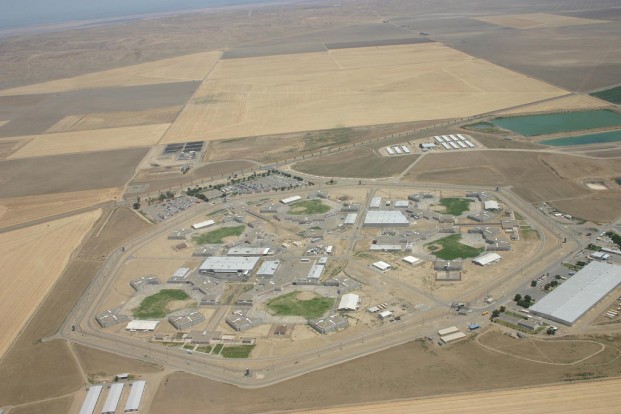
"caption": "Aerial view of Avenal State Prison, near Coalinga in the Central Valley, where inmates have been hit hard by Valley Fever. (Buzzbo/Flickr)",
"description": "Avenal State Prison, valley fever",
"title": "AvenalStatePrison_Buzzbo_Flickr",
"credit": null,
"status": "inherit",
"isLoading": false,
"fetchFailed": false
},
"science_18545": {
"type": "attachments",
"id": "science_18545",
"meta": {
"index": "attachments_1716263798",
"site": "science",
"id": "18545",
"found": true
},
"parent": 18542,
"imgSizes": {
"kqedFullSize": {
"file": "https://ww2.kqed.org/app/uploads/sites/35/2014/06/RS8927_Drought_JoshC-4395-sfi.jpg",
"width": 640,
"height": 360
}
},
"publishDate": 1403225255,
"modified": 1403225255,
"caption": "An unplanted field outside of Los Banos, California. (Josh Cassidy/KQED)",
"description": null,
"title": "RS8927_Drought_JoshC-4395-sfi",
"credit": null,
"status": "inherit",
"isLoading": false,
"fetchFailed": false
},
"science_17878": {
"type": "attachments",
"id": "science_17878",
"meta": {
"index": "attachments_1716263798",
"site": "science",
"id": "17878",
"found": true
},
"parent": 17873,
"imgSizes": {
"kqedFullSize": {
"file": "https://ww2.kqed.org/app/uploads/sites/35/2014/05/Rig_DeLaCruz_SK.jpg",
"width": 640,
"height": 360
}
},
"publishDate": 1401414173,
"modified": 1401414173,
"caption": null,
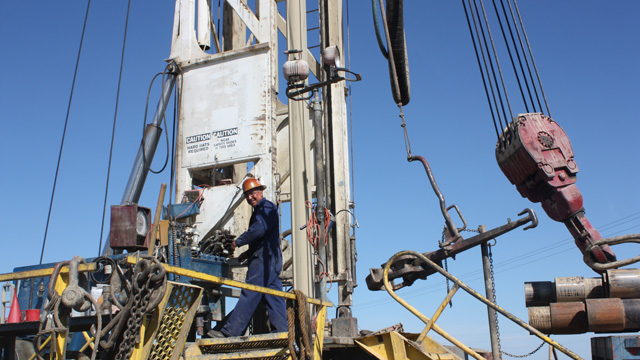
"description": "Juan de La Cruz operates a drilling rig probing 2,500 feet down for groundwater beneath Fresno County. (Sasha Khokha/KQED)",
"title": "Rig_DeLaCruz_SK",
"credit": null,
"status": "inherit",
"isLoading": false,
"fetchFailed": false
},
"science_17370": {
"type": "attachments",
"id": "science_17370",
"meta": {
"index": "attachments_1716263798",
"site": "science",
"id": "17370",
"found": true
},
"parent": 17312,
"imgSizes": {
"kqedFullSize": {
"file": "https://ww2.kqed.org/app/uploads/sites/35/2014/05/10308scr_a381d905d6002f3.jpg",
"width": 640,
"height": 360
}
},
"publishDate": 1399589428,
"modified": 1399589428,
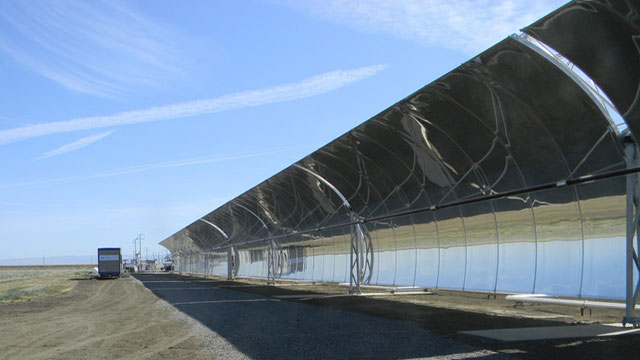
"caption": "This solar desalination plant uses curved mirrors to capture the sun's energy and separate the salt from the water. (Alice Daniel/KQED) ",
"description": "This solar desalination plant uses curved mirrors to capture the sun's energy and separate the salt from the water. (Alice Daniel/KQED) ",
"title": "10308scr_a381d905d6002f3",
"credit": null,
"status": "inherit",
"isLoading": false,
"fetchFailed": false
}
},
"audioPlayerReducer": {
"postId": "stream_live",
"isPaused": true,
"isPlaying": false,
"pfsActive": false,
"pledgeModalIsOpen": true,
"playerDrawerIsOpen": false,
"liveAudioPlayStartedAt": 0,
"liveAudioPlayContext": ""
},
"authorsReducer": {
"byline_science_650656": {
"type": "authors",
"id": "byline_science_650656",
"meta": {
"override": true
},
"slug": "byline_science_650656",
"name": "Alastair Bland\u003c/br>Water Deeply",
"isLoading": false
},
"byline_news_10686857": {
"type": "authors",
"id": "byline_news_10686857",
"meta": {
"override": true
},
"slug": "byline_news_10686857",
"name": "\u003cstrong>\u003ca>Kerry Klein and Sasha Khokha\u003c/a>\u003c/strong>",
"isLoading": false
},
"aliceldaniel": {
"type": "authors",
"id": "208",
"meta": {
"index": "authors_1716337520",
"id": "208",
"found": true
},
"name": "Alice Daniel",
"firstName": "Alice",
"lastName": "Daniel",
"slug": "aliceldaniel",
"email": "adaniel@kqed.org",
"display_author_email": false,
"staff_mastheads": [],
"title": null,
"bio": "Alice Daniel loves the listening aspect of reporting because she gets to briefly walk in other people’s shoes. She has rappelled down into caves and gone up in helicopters for KQED’s The California Report but her favorite place to pursue a story is the High Sierra or any family-run bakery, of course. Alice has a masters in journalism from Columbia University and teaches at Fresno State. She is a California Healthline Regional Correspondent and a frequent contributor to Success magazine. In her free time, she skis and hikes, throws pottery, practices piano and looks out the window.",
"avatar": "https://secure.gravatar.com/avatar/e611aa06593b114a67f9f123a8e875ad?s=600&d=blank&r=g",
"twitter": null,
"facebook": null,
"instagram": null,
"linkedin": null,
"sites": [
{
"site": "news",
"roles": [
"author"
]
},
{
"site": "stateofhealth",
"roles": [
"author"
]
}
],
"headData": {
"title": "Alice Daniel | KQED",
"description": null,
"ogImgSrc": "https://secure.gravatar.com/avatar/e611aa06593b114a67f9f123a8e875ad?s=600&d=blank&r=g",
"twImgSrc": "https://secure.gravatar.com/avatar/e611aa06593b114a67f9f123a8e875ad?s=600&d=blank&r=g"
},
"isLoading": false,
"link": "/author/aliceldaniel"
},
"danbrekke": {
"type": "authors",
"id": "222",
"meta": {
"index": "authors_1716337520",
"id": "222",
"found": true
},
"name": "Dan Brekke",
"firstName": "Dan",
"lastName": "Brekke",
"slug": "danbrekke",
"email": "dbrekke@kqed.org",
"display_author_email": true,
"staff_mastheads": [
"news",
"science"
],
"title": "KQED Editor and Reporter",
"bio": "Dan Brekke is a reporter and editor for KQED News, responsible for coverage of topics ranging from California water issues to the Bay Area's transportation challenges. In a newsroom career that began in Chicago in 1972, Dan has worked for \u003cem>The San Francisco Examiner,\u003c/em> Wired and TechTV and has been published in The New York Times, The New York Times Magazine, Business 2.0, Salon and elsewhere.\r\n\r\nSince joining KQED in 2007, Dan has reported, edited and produced both radio and online features and breaking news pieces. He has shared as both editor and reporter in four Society of Professional Journalists Norcal Excellence in Journalism awards and one Edward R. Murrow regional award. He was chosen for a spring 2017 residency at the Mesa Refuge to advance his research on California salmon.\r\n\r\nEmail Dan at: \u003ca href=\"mailto:dbrekke@kqed.org\">dbrekke@kqed.org\u003c/a>\r\n\r\n\u003cstrong>Twitter:\u003c/strong> \u003ca href=\"https://twitter.com/danbrekke\" rel=\"noopener noreferrer\">twitter.com/danbrekke\u003c/a>\r\n\u003cstrong>Facebook:\u003c/strong> \u003ca href=\"https://www.facebook.com/danbrekke\" rel=\"noopener noreferrer\">www.facebook.com/danbrekke\u003c/a>\r\n\u003cstrong>LinkedIn:\u003c/strong> \u003ca href=\"https://www.linkedin.com/in/danbrekke\" rel=\"noopener noreferrer\">www.linkedin.com/in/danbrekke\u003c/a>",
"avatar": "https://secure.gravatar.com/avatar/8f1f0d2a978fb3b23426c922c7e2af558fa36905b49c4ce76a97dc3c72d27226?s=600&d=mm&r=g",
"twitter": "danbrekke",
"bluesky": null,
"facebook": null,
"instagram": "https://www.instagram.com/dan.brekke/",
"linkedin": "https://www.linkedin.com/in/danbrekke/",
"sites": [
{
"site": "news",
"roles": [
"administrator",
"create_posts"
]
},
{
"site": "stateofhealth",
"roles": [
"editor"
]
},
{
"site": "science",
"roles": [
"editor"
]
},
{
"site": "quest",
"roles": [
"contributor"
]
},
{
"site": "food",
"roles": [
"contributor"
]
},
{
"site": "forum",
"roles": [
"contributor"
]
},
{
"site": "elections",
"roles": [
"editor"
]
},
{
"site": "liveblog",
"roles": [
"editor"
]
}
],
"headData": {
"title": "Dan Brekke | KQED",
"description": "KQED Editor and Reporter",
"ogImgSrc": "https://secure.gravatar.com/avatar/8f1f0d2a978fb3b23426c922c7e2af558fa36905b49c4ce76a97dc3c72d27226?s=600&d=mm&r=g",
"twImgSrc": "https://secure.gravatar.com/avatar/8f1f0d2a978fb3b23426c922c7e2af558fa36905b49c4ce76a97dc3c72d27226?s=600&d=mm&r=g"
},
"isLoading": false,
"link": "/author/danbrekke"
},
"laurensommer": {
"type": "authors",
"id": "239",
"meta": {
"index": "authors_1716337520",
"id": "239",
"found": true
},
"name": "Lauren Sommer",
"firstName": "Lauren",
"lastName": "Sommer",
"slug": "laurensommer",
"email": "lsommer@kqed.org",
"display_author_email": false,
"staff_mastheads": [],
"title": "KQED Contributor",
"bio": "Lauren is a radio reporter formerly covering environment, water, and energy for KQED Science. As part of her day job, she has scaled Sierra Nevada peaks, run from charging elephant seals, and desperately tried to get her sea legs - all in pursuit of good radio. Her work has appeared on Marketplace, Living on Earth, Science Friday and NPR's Morning Edition and All Things Considered. You can find her on Twitter at \u003ca href=\"https://twitter.com/lesommer\">@lesommer\u003c/a>.",
"avatar": "https://secure.gravatar.com/avatar/33aa3772bb86c6ad45b8aca6a238bbdf?s=600&d=blank&r=g",
"twitter": null,
"facebook": null,
"instagram": null,
"linkedin": null,
"sites": [
{
"site": "news",
"roles": [
"author"
]
},
{
"site": "science",
"roles": [
"editor",
"manage_content_types",
"manage_taxonomies"
]
},
{
"site": "quest",
"roles": [
"editor"
]
}
],
"headData": {
"title": "Lauren Sommer | KQED",
"description": "KQED Contributor",
"ogImgSrc": "https://secure.gravatar.com/avatar/33aa3772bb86c6ad45b8aca6a238bbdf?s=600&d=blank&r=g",
"twImgSrc": "https://secure.gravatar.com/avatar/33aa3772bb86c6ad45b8aca6a238bbdf?s=600&d=blank&r=g"
},
"isLoading": false,
"link": "/author/laurensommer"
},
"sasha-khokha": {
"type": "authors",
"id": "254",
"meta": {
"index": "authors_1716337520",
"id": "254",
"found": true
},
"name": "Sasha Khokha",
"firstName": "Sasha",
"lastName": "Khokha",
"slug": "sasha-khokha",
"email": "skhokha@kqed.org",
"display_author_email": true,
"staff_mastheads": [
"news"
],
"title": "Host, The California Report Magazine",
"bio": "Sasha Khokha is the host of \u003cem>The California Report's \u003c/em> weekly magazine program, which takes listeners on sound-rich excursions to meet the people that make the Golden State unique -- through audio documentaries and long-form stories. As \u003cem>The California Report's\u003c/em> Central Valley Bureau Chief based in Fresno for nearly a dozen years, Sasha brought the lives and concerns of rural Californians to listeners around the state. Her reporting helped expose the hidden price immigrant women janitors and farmworkers may pay to keep their jobs: sexual assault at work. It inspired two new California laws to protect them from sexual harassment. She was a key member of the reporting team for the Frontline film \u003cem>Rape on the Night Shift, \u003c/em>which was nominated for two national Emmys. Sasha has also won a national Edward R. Murrow and a national PRNDI award for investigative reporting, as well as multiple prizes from the Society for Professional Journalists. Sasha is a proud alum of the UC Berkeley Graduate School of Journalism and Brown University and a member of the South Asian Journalists Association.",
"avatar": "https://secure.gravatar.com/avatar/e4b5e1541aaeea2aa356aa1fb2a68950?s=600&d=blank&r=g",
"twitter": "KQEDSashaKhokha",
"facebook": null,
"instagram": null,
"linkedin": null,
"sites": [
{
"site": "news",
"roles": [
"editor"
]
},
{
"site": "stateofhealth",
"roles": [
"author"
]
},
{
"site": "science",
"roles": [
"author"
]
},
{
"site": "quest",
"roles": [
"subscriber"
]
}
],
"headData": {
"title": "Sasha Khokha | KQED",
"description": "Host, The California Report Magazine",
"ogImgSrc": "https://secure.gravatar.com/avatar/e4b5e1541aaeea2aa356aa1fb2a68950?s=600&d=blank&r=g",
"twImgSrc": "https://secure.gravatar.com/avatar/e4b5e1541aaeea2aa356aa1fb2a68950?s=600&d=blank&r=g"
},
"isLoading": false,
"link": "/author/sasha-khokha"
},
"scottshafer": {
"type": "authors",
"id": "255",
"meta": {
"index": "authors_1716337520",
"id": "255",
"found": true
},
"name": "Scott Shafer",
"firstName": "Scott",
"lastName": "Shafer",
"slug": "scottshafer",
"email": "sshafer@kqed.org",
"display_author_email": false,
"staff_mastheads": [
"news"
],
"title": "KQED Contributor",
"bio": "Scott Shafer is a senior editor with the KQED Politics and Government desk. He is co-host of Political Breakdown, the award-winning radio show and podcast with a personal take on the world of politics. Scott came to KQED in 1998 to host the statewide\u003cem> California Report\u003c/em>. Prior to that he had extended stints in politics and government\u003cem>.\u003c/em> He uses that inside experience at KQED in his, reporting, hosting and analysis for the politics desk. Scott collaborated \u003cem>Political Breakdown a\u003c/em>nd on \u003cem>The Political Mind of Jerry Brown, \u003c/em>an eight-part series about the life and extraordinary political career of the former governor. For fun, he plays water polo with the San Francisco Tsunami.",
"avatar": "https://secure.gravatar.com/avatar/a62ebae45b79d7aed1a39a0e3bf68104?s=600&d=blank&r=g",
"twitter": "scottshafer",
"bluesky": null,
"facebook": null,
"instagram": null,
"linkedin": null,
"sites": [
{
"site": "news",
"roles": [
"editor"
]
},
{
"site": "stateofhealth",
"roles": [
"author"
]
},
{
"site": "science",
"roles": [
"author"
]
},
{
"site": "forum",
"roles": [
"subscriber"
]
},
{
"site": "liveblog",
"roles": [
"author"
]
}
],
"headData": {
"title": "Scott Shafer | KQED",
"description": "KQED Contributor",
"ogImgSrc": "https://secure.gravatar.com/avatar/a62ebae45b79d7aed1a39a0e3bf68104?s=600&d=blank&r=g",
"twImgSrc": "https://secure.gravatar.com/avatar/a62ebae45b79d7aed1a39a0e3bf68104?s=600&d=blank&r=g"
},
"isLoading": false,
"link": "/author/scottshafer"
},
"kqedscience": {
"type": "authors",
"id": "6387",
"meta": {
"index": "authors_1716337520",
"id": "6387",
"found": true
},
"name": "KQED Science",
"firstName": "KQED",
"lastName": "Science",
"slug": "kqedscience",
"email": "kqedscience@gmail.com",
"display_author_email": false,
"staff_mastheads": [],
"title": null,
"bio": "KQED Science brings you award-winning science and environment coverage from the Bay Area and beyond by the flagship Northern California PBS and NPR affiliate.",
"avatar": "https://secure.gravatar.com/avatar/5a295ff49cf82a8c0f30937d3f788b2f?s=600&d=blank&r=g",
"twitter": null,
"facebook": null,
"instagram": null,
"linkedin": null,
"sites": [
{
"site": "science",
"roles": [
"contributor"
]
},
{
"site": "quest",
"roles": [
"editor"
]
},
{
"site": "food",
"roles": [
"contributor"
]
}
],
"headData": {
"title": "KQED Science | KQED",
"description": null,
"ogImgSrc": "https://secure.gravatar.com/avatar/5a295ff49cf82a8c0f30937d3f788b2f?s=600&d=blank&r=g",
"twImgSrc": "https://secure.gravatar.com/avatar/5a295ff49cf82a8c0f30937d3f788b2f?s=600&d=blank&r=g"
},
"isLoading": false,
"link": "/author/kqedscience"
},
"state-of-health": {
"type": "authors",
"id": "8344",
"meta": {
"index": "authors_1716337520",
"id": "8344",
"found": true
},
"name": "State of Health",
"firstName": "State of Health",
"lastName": null,
"slug": "state-of-health",
"email": "stateofhealth@kqed.org",
"display_author_email": false,
"staff_mastheads": [],
"title": null,
"bio": null,
"avatar": "https://secure.gravatar.com/avatar/66de4bf6d331fa7402bba1ffe8135e17?s=600&d=blank&r=g",
"twitter": null,
"facebook": null,
"instagram": null,
"linkedin": null,
"sites": [
{
"site": "arts",
"roles": [
"author"
]
},
{
"site": "stateofhealth",
"roles": [
"editor"
]
}
],
"headData": {
"title": "State of Health | KQED",
"description": null,
"ogImgSrc": "https://secure.gravatar.com/avatar/66de4bf6d331fa7402bba1ffe8135e17?s=600&d=blank&r=g",
"twImgSrc": "https://secure.gravatar.com/avatar/66de4bf6d331fa7402bba1ffe8135e17?s=600&d=blank&r=g"
},
"isLoading": false,
"link": "/author/state-of-health"
},
"kklein": {
"type": "authors",
"id": "11092",
"meta": {
"index": "authors_1716337520",
"id": "11092",
"found": true
},
"name": "Kerry Klein",
"firstName": "Kerry",
"lastName": "Klein",
"slug": "kklein",
"email": "kklein@kqed.org",
"display_author_email": false,
"staff_mastheads": [],
"title": null,
"bio": "Kerry Klein is a radio and print reporter based in Fresno. A geologist by training, she worked in the mining and geothermal energy industries before attending the Science Communication program at the University of California, Santa Cruz. Her work has appeared on Valley Public Radio, the San Jose Mercury News, the Salinas Californian and Slate, on topics ranging from drought and agriculture to space and roadkill. You can follow her on Twitter @einekleinekerry.",
"avatar": "https://secure.gravatar.com/avatar/b9e5d93e72b009b963ce5f1b5f68ecbd?s=600&d=blank&r=g",
"twitter": null,
"facebook": null,
"instagram": null,
"linkedin": null,
"sites": [
{
"site": "news",
"roles": [
"author"
]
},
{
"site": "science",
"roles": [
"author"
]
}
],
"headData": {
"title": "Kerry Klein | KQED",
"description": null,
"ogImgSrc": "https://secure.gravatar.com/avatar/b9e5d93e72b009b963ce5f1b5f68ecbd?s=600&d=blank&r=g",
"twImgSrc": "https://secure.gravatar.com/avatar/b9e5d93e72b009b963ce5f1b5f68ecbd?s=600&d=blank&r=g"
},
"isLoading": false,
"link": "/author/kklein"
}
},
"pagesReducer": {
"news_tag_san-joaquin-valley": {
"type": "terms",
"id": "news_312",
"meta": {
"index": "terms_1716263798",
"site": "news",
"id": "312",
"score": 8.938291
},
"featImg": null,
"name": "San Joaquin Valley",
"description": null,
"taxonomy": "tag",
"headData": {
"twImgId": null,
"twTitle": null,
"ogTitle": null,
"ogImgId": null,
"twDescription": null,
"description": null,
"title": "San Joaquin Valley Archives | KQED News",
"ogDescription": null
},
"ttid": 320,
"slug": "san-joaquin-valley",
"isLoading": false,
"title": "San Joaquin Valley",
"pageMeta": {
"site": "news",
"WpPageTemplate": "page-topic-editorial",
"currentPage": 3
},
"blocks": [
{
"blockName": "kqed/post-list",
"attrs": {
"layout": "cardArticle2",
"query": "posts/news?tag=san-joaquin-valley",
"seeMore": false,
"paginated": true,
"page": 3
}
},
{
"blockName": "kqed/ad"
}
]
}
},
"pfsSessionReducer": {},
"postsReducer": {
"stream_live": {
"type": "live",
"id": "stream_live",
"audioUrl": "https://streams.kqed.org/kqedradio",
"title": "Live Stream",
"excerpt": "Live Stream information currently unavailable.",
"link": "/radio",
"featImg": "",
"label": {
"name": "KQED Live",
"link": "/"
}
},
"stream_kqedNewscast": {
"type": "posts",
"id": "stream_kqedNewscast",
"audioUrl": "https://www.kqed.org/.stream/anon/radio/RDnews/newscast.mp3?_=1",
"title": "KQED Newscast",
"featImg": "",
"label": {
"name": "88.5 FM",
"link": "/"
}
},
"news_11231508": {
"type": "posts",
"id": "news_11231508",
"meta": {
"index": "posts_1716263798",
"site": "news",
"id": "11231508",
"score": null,
"sort": [
1482441659000
]
},
"parent": 0,
"labelTerm": {
"site": "news",
"term": 72
},
"blocks": [],
"publishDate": 1482441659,
"format": "standard",
"disqusTitle": "Hope, Fear and Low Expectations in Trump-Friendly Central Valley",
"title": "Hope, Fear and Low Expectations in Trump-Friendly Central Valley",
"headTitle": "The California Report | KQED News",
"content": "\u003cp>[dropcap]T[/dropcap]here was never really any doubt that California would end up in Hillary Clinton’s column in last month’s election. But Donald Trump \u003cem>did\u003c/em> manage to carry two dozen California counties, almost all of them rural.\u003c/p>\n\u003cp>I visited one of them -- \u003ca href=\"http://www.countyofkings.com/\">Kings County\u003c/a> in the southern San Joaquin Valley -- to hear what voters there expect from the new president.\u003c/p>\n\u003cp>My first stop was the Hanford Senior Center, where I met two women setting up for noontime bingo. At first there was a bit of resistance to talking politics with a stranger.\u003c/p>\n\u003cp>“No comment,” says volunteer Angie Dutra. “Me neither,” her friend Bonnie Peters echoes.\u003c/p>\n\u003cp>But they soon warmed up and were willing to talk about the presidential election. Dutra admits it was tough choosing a candidate to vote for.\u003c/p>\n\u003cp>[ad fullwidth]\u003c/p>\n\u003cp>\u003c!-- iframe plugin v.4.3 wordpress.org/plugins/iframe/ -->\u003cbr>\n\u003ciframe width=\"100%\" height=\"166\" scrolling=\"no\" frameborder=\"no\" src=\"https://w.soundcloud.com/player/?url=https%3A//api.soundcloud.com/tracks/298966946&color=ff5500&auto_play=false&hide_related=false&show_comments=true&show_user=true&show_reposts=false\" class=\"iframe-class\">\u003c/iframe>\u003c/p>\n\u003cp>“I had mixed feelings,” she says. “I think there’s a lot of folks that felt that way. One way or another, I didn’t know which way to go.”\u003c/p>\n\u003cp>Peters agrees.\u003c/p>\n\u003cp>“I didn’t believe in a lot of the things Trump said, and I don’t think he’ll follow through with what he promised,” she says.\u003c/p>\n\u003cp>Peters says she almost didn’t vote at all, but her husband pushed her to cast a ballot. Both women are registered Republicans and in the end, both voted for Trump. Despite her misgivings, Peters hopes he delivers on at least one thing.\u003c/p>\n\u003cp>“I’m against letting too many foreigners in,” Peters tells me. “And Trump says he’s not going to let that happen, but we’ll see.”\u003c/p>\n\u003cp>Does that mean she still has misgivings about Trump, I ask.\u003c/p>\n\u003cp>“Oh, yes. And I probably will for the next four years,” she says, letting out a loud cackle of laughter.\u003c/p>\n\u003cp>Another bingo player, Gail Rios, walks in and says she worries Trump will get the country into a war.\u003c/p>\n\u003cp>\"I hate radical people, and to me he's radical,\" Rios says. \"He's so wicked. He scares the crap out of me!\"\u003c/p>\n\u003cp>Rios voted for Hillary Clinton.\u003c/p>\n\u003cp>[dropcap]H[/dropcap]anford is the seat of Kings County, just south of Fresno. Four years ago, Mitt Romney \u003ca href=\"http://elections.cdn.sos.ca.gov/sov/2016-general/sov/2016-complete-sov.pdf\">carried\u003c/a> Kings County, and Trump did, too, by about the same margin.\u003c/p>\n\u003cp>The economy here is driven by agriculture, including the dairy industry, which was hit hard by the recession. On a recent Monday I met up with some of the dairymen who turned up for the weekly auction of cows at the Overland Stockyards.\u003c/p>\n\u003cp>Joe Augusto quit the dairy business a few years ago. He complains that Democrats \u003cem>and\u003c/em> Republicans are too cozy with big agriculture for little guys like him to make it. Eight years ago he saw Barack Obama as the person to change business as usual. This time, it was Trump.\u003c/p>\n\u003cfigure id=\"attachment_11232695\" class=\"wp-caption alignleft\" style=\"max-width: 800px\">\u003ca href=\"http://ww2.kqed.org/news/wp-content/uploads/sites/10/2016/12/IMG_2917-e1482431443928.jpg\">\u003cimg class=\"size-medium wp-image-11232695\" src=\"http://ww2.kqed.org/news/wp-content/uploads/sites/10/2016/12/IMG_2917-e1482431443928-800x600.jpg\" alt=\"Hanford dairymen Joaquin Contente, left, and Joe Augusto both voted for Barack Obama in 2008 and Donald Trump in 2016.\" width=\"800\" height=\"600\" srcset=\"https://ww2.kqed.org/app/uploads/sites/10/2016/12/IMG_2917-e1482431443928-800x600.jpg 800w, https://ww2.kqed.org/app/uploads/sites/10/2016/12/IMG_2917-e1482431443928-160x120.jpg 160w, https://ww2.kqed.org/app/uploads/sites/10/2016/12/IMG_2917-e1482431443928-1020x765.jpg 1020w, https://ww2.kqed.org/app/uploads/sites/10/2016/12/IMG_2917-e1482431443928-1920x1440.jpg 1920w, https://ww2.kqed.org/app/uploads/sites/10/2016/12/IMG_2917-e1482431443928-1180x885.jpg 1180w, https://ww2.kqed.org/app/uploads/sites/10/2016/12/IMG_2917-e1482431443928-960x720.jpg 960w, https://ww2.kqed.org/app/uploads/sites/10/2016/12/IMG_2917-e1482431443928-240x180.jpg 240w, https://ww2.kqed.org/app/uploads/sites/10/2016/12/IMG_2917-e1482431443928-375x281.jpg 375w, https://ww2.kqed.org/app/uploads/sites/10/2016/12/IMG_2917-e1482431443928-520x390.jpg 520w\" sizes=\"(max-width: 800px) 100vw, 800px\">\u003c/a>\u003cfigcaption class=\"wp-caption-text\">Hanford dairymen Joaquin Contente, left, and Joe Augusto both voted for Barack Obama in 2008 and Donald Trump in 2016. \u003ccite>(Scott Shafer/KQED)\u003c/cite>\u003c/figcaption>\u003c/figure>\n\u003cp>“I would like to see things shaken up,” Augusto tells me, as an auctioneer calls out the running bids on one dairy cow after another. “But I’m prepared to be disappointed. Because you have people elected and they talk about hope and change and change in general, and it doesn’t usually happen. So I’m not getting my hopes up.”\u003c/p>\n\u003cp>Augusto’s friend and fellow farmer, Joaquin Contente, says he also voted for Obama eight years ago, and this time for Trump.\u003c/p>\n\u003cp>I ask if he saw something in Trump that he also saw in Obama in 2008.\u003c/p>\n\u003cp>“Totally,” Contente tells me. \"They both seem to be outside the establishment. We’ll see how far this guy (Trump) goes forward with his disconnect.”\u003c/p>\n\u003cp>Augusto admits Trump is a roll of the dice.\u003c/p>\n\u003cp>“Most people voted for change, even though it could be wrong,” Augusto says. “I think I admit, and a lot of people admit, maybe he won't be a good president, but we're gonna take a chance.”\u003c/p>\n\u003cp>Both men dismiss Trump’s most outrageous comments on things like building a wall on the Mexican border and mass deportation of undocumented immigrants. But Joaquin Contente hopes Trump’s plain talk helps broker deals on things like immigration reform, so that Central Valley farmers can get a more reliable source of migrant labor.\u003c/p>\n\u003cp>“This guy has the courage to step up and say those things that are kind of on the fringe of maybe it's not correct to say it, maybe it's not politically correct,” Contente offers. “I think it's gonna be a refreshing change to have someone like that.”\u003c/p>\n\u003cp>[dropcap]T[/dropcap]his region relies heavily on immigrant workers, documented and otherwise. And many Latinos are worried about Trump’s threats to throw them out of the country. Community organizer Pedro Ramirez tries to engage Latinos in civic affairs, but he says getting eligible Latinos to register and vote is like pulling teeth.\u003c/p>\n\u003cp>“They don’t really care about Democrats, Republicans, Trump, Clinton,” Ramirez tells me. “They don’t even know for the most part. They see it on TV, but to them they’re painted the same, the same stripes.” He adds that getting citizenship, registering to vote and then actually voting are a low priority.\u003c/p>\n\u003cp>Ramirez was brought to California illegally by his parents when he was 3. Today, he’s 28 and was one of the first undocumented student body presidents at Fresno State. He says there’s a lot of apathy about politics here.\u003c/p>\n\u003cp>“Because people here have felt let down,” he explains. “A lot of promises have been made to them by a lot of people in local, state or federal government. And they see nothing changes here in the valley.”\u003c/p>\n\u003cp>Espi Sandoval is trying to change that. Sandoval spent $300 on a successful campaign for the City Council in the Fresno County town of \u003ca href=\"http://cityofkerman.net/\">Kerman\u003c/a>. Despite the town’s large Hispanic population, Sandoval was just the second Latino elected to the council.\u003c/p>\n\u003cp>Sandoval is frustrated that the congressman here, \u003ca href=\"https://valadao.house.gov\" target=\"_blank\">Rep. David Valadao\u003c/a>, R-Hanford, won’t meet with people like him to hear their concerns (\u003cem>see note below\u003c/em>). Sandoval would like more attention paid to the region's high poverty rate. Sandoval says he’s been meeting with other newly elected Latino officials from the region in hopes of making public officials more responsive.\u003c/p>\n\u003cp>“We want to make sure they’re getting involved with \u003cem>our \u003c/em>community and not just representing the 10 percent,” Sandoval says. “We want the other 90 percent represented, too. But we’ve just got to force them to do it.”\u003c/p>\n\u003cp>[ad floatright]\u003c/p>\n\u003cp>\u003cstrong>\u003cem>Update\u003c/em>\u003c/strong>: Shortly after this story appeared, Rep. Valadao's office emailed to say the congressman met that morning with Espi Sandoval. According to Sandoval, they met for two hours and talked about immigration reform and getting federal grants to secure drinking water for people whose wells have run dry. \"Valadao was very receptive to us,\" Sandoval said. Sandoval added that he was hopeful for progress addressing the concerns of towns with largely Latino populations, including Kerman, Mendota and Huron.\u003c/p>\n\n",
"disqusIdentifier": "11231508 http://ww2.kqed.org/news/?p=11231508",
"disqusUrl": "https://ww2.kqed.org/news/2016/12/22/hope-fear-and-low-expectations-in-trump-friendly-central-valley/",
"stats": {
"hasVideo": false,
"hasChartOrMap": false,
"hasAudio": true,
"hasPolis": false,
"wordCount": 1250,
"hasGoogleForm": false,
"hasGallery": false,
"hasHearkenModule": false,
"iframeSrcs": [],
"paragraphCount": 37
},
"modified": 1482539862,
"excerpt": "A visit to one of the California counties Donald Trump carried in November found hope for the future but also skepticism that much will change.",
"headData": {
"twImgId": "",
"twTitle": "",
"ogTitle": "",
"ogImgId": "",
"twDescription": "",
"description": "A visit to one of the California counties Donald Trump carried in November found hope for the future but also skepticism that much will change.",
"title": "Hope, Fear and Low Expectations in Trump-Friendly Central Valley | KQED",
"ogDescription": "",
"schema": {
"@context": "https://schema.org",
"@type": "NewsArticle",
"headline": "Hope, Fear and Low Expectations in Trump-Friendly Central Valley",
"datePublished": "2016-12-22T13:20:59-08:00",
"dateModified": "2016-12-23T16:37:42-08:00",
"image": "https://cdn.kqed.org/wp-content/uploads/2020/02/KQED-OG-Image@1x.png",
"isAccessibleForFree": "True",
"publisher": {
"@type": "NewsMediaOrganization",
"@id": "https://www.kqed.org/#organization",
"name": "KQED",
"logo": "https://cdn.kqed.org/wp-content/uploads/2020/02/KQED-OG-Image@1x.png",
"url": "https://www.kqed.org",
"sameAs": [
"https://www.facebook.com/KQED",
"https://twitter.com/KQED",
"https://www.instagram.com/kqed/",
"https://www.tiktok.com/@kqedofficial",
"https://www.linkedin.com/company/kqed",
"https://www.youtube.com/channel/UCeC0IOo7i1P_61zVUWbJ4nw"
]
}
}
},
"guestAuthors": [],
"slug": "hope-fear-and-low-expectations-in-trump-friendly-central-valley",
"status": "publish",
"path": "/news/11231508/hope-fear-and-low-expectations-in-trump-friendly-central-valley",
"audioTrackLength": null,
"parsedContent": [
{
"type": "contentString",
"content": "\u003cdiv class=\"post-body\">\u003cp>\u003cp>\u003c/p>\u003cp>\u003cspan class=\"utils-parseShortcode-shortcodes-__dropcapShortcode__dropcap\">T\u003c/span>\u003c/p>\u003cp>here was never really any doubt that California would end up in Hillary Clinton’s column in last month’s election. But Donald Trump \u003cem>did\u003c/em> manage to carry two dozen California counties, almost all of them rural.\u003c/p>\n\u003cp>I visited one of them -- \u003ca href=\"http://www.countyofkings.com/\">Kings County\u003c/a> in the southern San Joaquin Valley -- to hear what voters there expect from the new president.\u003c/p>\n\u003cp>My first stop was the Hanford Senior Center, where I met two women setting up for noontime bingo. At first there was a bit of resistance to talking politics with a stranger.\u003c/p>\n\u003cp>“No comment,” says volunteer Angie Dutra. “Me neither,” her friend Bonnie Peters echoes.\u003c/p>\n\u003cp>But they soon warmed up and were willing to talk about the presidential election. Dutra admits it was tough choosing a candidate to vote for.\u003c/p>\n\u003cp>\u003c/p>\u003c/div>",
"attributes": {
"named": {},
"numeric": []
}
},
{
"type": "component",
"content": "",
"name": "ad",
"attributes": {
"named": {
"label": "fullwidth"
},
"numeric": [
"fullwidth"
]
}
},
{
"type": "contentString",
"content": "\u003cdiv class=\"post-body\">\u003cp>\u003c/p>\n\u003cp>\u003c!-- iframe plugin v.4.3 wordpress.org/plugins/iframe/ -->\u003cbr>\n\u003ciframe width=\"100%\" height=\"166\" scrolling=\"no\" frameborder=\"no\" src=\"https://w.soundcloud.com/player/?url=https%3A//api.soundcloud.com/tracks/298966946&color=ff5500&auto_play=false&hide_related=false&show_comments=true&show_user=true&show_reposts=false\" class=\"iframe-class\">\u003c/iframe>\u003c/p>\n\u003cp>“I had mixed feelings,” she says. “I think there’s a lot of folks that felt that way. One way or another, I didn’t know which way to go.”\u003c/p>\n\u003cp>Peters agrees.\u003c/p>\n\u003cp>“I didn’t believe in a lot of the things Trump said, and I don’t think he’ll follow through with what he promised,” she says.\u003c/p>\n\u003cp>Peters says she almost didn’t vote at all, but her husband pushed her to cast a ballot. Both women are registered Republicans and in the end, both voted for Trump. Despite her misgivings, Peters hopes he delivers on at least one thing.\u003c/p>\n\u003cp>“I’m against letting too many foreigners in,” Peters tells me. “And Trump says he’s not going to let that happen, but we’ll see.”\u003c/p>\n\u003cp>Does that mean she still has misgivings about Trump, I ask.\u003c/p>\n\u003cp>“Oh, yes. And I probably will for the next four years,” she says, letting out a loud cackle of laughter.\u003c/p>\n\u003cp>Another bingo player, Gail Rios, walks in and says she worries Trump will get the country into a war.\u003c/p>\n\u003cp>\"I hate radical people, and to me he's radical,\" Rios says. \"He's so wicked. He scares the crap out of me!\"\u003c/p>\n\u003cp>Rios voted for Hillary Clinton.\u003c/p>\n\u003cp>\u003c/p>\u003cp>\u003cspan class=\"utils-parseShortcode-shortcodes-__dropcapShortcode__dropcap\">H\u003c/span>\u003c/p>\u003cp>anford is the seat of Kings County, just south of Fresno. Four years ago, Mitt Romney \u003ca href=\"http://elections.cdn.sos.ca.gov/sov/2016-general/sov/2016-complete-sov.pdf\">carried\u003c/a> Kings County, and Trump did, too, by about the same margin.\u003c/p>\n\u003cp>The economy here is driven by agriculture, including the dairy industry, which was hit hard by the recession. On a recent Monday I met up with some of the dairymen who turned up for the weekly auction of cows at the Overland Stockyards.\u003c/p>\n\u003cp>Joe Augusto quit the dairy business a few years ago. He complains that Democrats \u003cem>and\u003c/em> Republicans are too cozy with big agriculture for little guys like him to make it. Eight years ago he saw Barack Obama as the person to change business as usual. This time, it was Trump.\u003c/p>\n\u003cfigure id=\"attachment_11232695\" class=\"wp-caption alignleft\" style=\"max-width: 800px\">\u003ca href=\"http://ww2.kqed.org/news/wp-content/uploads/sites/10/2016/12/IMG_2917-e1482431443928.jpg\">\u003cimg class=\"size-medium wp-image-11232695\" src=\"http://ww2.kqed.org/news/wp-content/uploads/sites/10/2016/12/IMG_2917-e1482431443928-800x600.jpg\" alt=\"Hanford dairymen Joaquin Contente, left, and Joe Augusto both voted for Barack Obama in 2008 and Donald Trump in 2016.\" width=\"800\" height=\"600\" srcset=\"https://ww2.kqed.org/app/uploads/sites/10/2016/12/IMG_2917-e1482431443928-800x600.jpg 800w, https://ww2.kqed.org/app/uploads/sites/10/2016/12/IMG_2917-e1482431443928-160x120.jpg 160w, https://ww2.kqed.org/app/uploads/sites/10/2016/12/IMG_2917-e1482431443928-1020x765.jpg 1020w, https://ww2.kqed.org/app/uploads/sites/10/2016/12/IMG_2917-e1482431443928-1920x1440.jpg 1920w, https://ww2.kqed.org/app/uploads/sites/10/2016/12/IMG_2917-e1482431443928-1180x885.jpg 1180w, https://ww2.kqed.org/app/uploads/sites/10/2016/12/IMG_2917-e1482431443928-960x720.jpg 960w, https://ww2.kqed.org/app/uploads/sites/10/2016/12/IMG_2917-e1482431443928-240x180.jpg 240w, https://ww2.kqed.org/app/uploads/sites/10/2016/12/IMG_2917-e1482431443928-375x281.jpg 375w, https://ww2.kqed.org/app/uploads/sites/10/2016/12/IMG_2917-e1482431443928-520x390.jpg 520w\" sizes=\"(max-width: 800px) 100vw, 800px\">\u003c/a>\u003cfigcaption class=\"wp-caption-text\">Hanford dairymen Joaquin Contente, left, and Joe Augusto both voted for Barack Obama in 2008 and Donald Trump in 2016. \u003ccite>(Scott Shafer/KQED)\u003c/cite>\u003c/figcaption>\u003c/figure>\n\u003cp>“I would like to see things shaken up,” Augusto tells me, as an auctioneer calls out the running bids on one dairy cow after another. “But I’m prepared to be disappointed. Because you have people elected and they talk about hope and change and change in general, and it doesn’t usually happen. So I’m not getting my hopes up.”\u003c/p>\n\u003cp>Augusto’s friend and fellow farmer, Joaquin Contente, says he also voted for Obama eight years ago, and this time for Trump.\u003c/p>\n\u003cp>I ask if he saw something in Trump that he also saw in Obama in 2008.\u003c/p>\n\u003cp>“Totally,” Contente tells me. \"They both seem to be outside the establishment. We’ll see how far this guy (Trump) goes forward with his disconnect.”\u003c/p>\n\u003cp>Augusto admits Trump is a roll of the dice.\u003c/p>\n\u003cp>“Most people voted for change, even though it could be wrong,” Augusto says. “I think I admit, and a lot of people admit, maybe he won't be a good president, but we're gonna take a chance.”\u003c/p>\n\u003cp>Both men dismiss Trump’s most outrageous comments on things like building a wall on the Mexican border and mass deportation of undocumented immigrants. But Joaquin Contente hopes Trump’s plain talk helps broker deals on things like immigration reform, so that Central Valley farmers can get a more reliable source of migrant labor.\u003c/p>\n\u003cp>“This guy has the courage to step up and say those things that are kind of on the fringe of maybe it's not correct to say it, maybe it's not politically correct,” Contente offers. “I think it's gonna be a refreshing change to have someone like that.”\u003c/p>\n\u003cp>\u003c/p>\u003cp>\u003cspan class=\"utils-parseShortcode-shortcodes-__dropcapShortcode__dropcap\">T\u003c/span>\u003c/p>\u003cp>his region relies heavily on immigrant workers, documented and otherwise. And many Latinos are worried about Trump’s threats to throw them out of the country. Community organizer Pedro Ramirez tries to engage Latinos in civic affairs, but he says getting eligible Latinos to register and vote is like pulling teeth.\u003c/p>\n\u003cp>“They don’t really care about Democrats, Republicans, Trump, Clinton,” Ramirez tells me. “They don’t even know for the most part. They see it on TV, but to them they’re painted the same, the same stripes.” He adds that getting citizenship, registering to vote and then actually voting are a low priority.\u003c/p>\n\u003cp>Ramirez was brought to California illegally by his parents when he was 3. Today, he’s 28 and was one of the first undocumented student body presidents at Fresno State. He says there’s a lot of apathy about politics here.\u003c/p>\n\u003cp>“Because people here have felt let down,” he explains. “A lot of promises have been made to them by a lot of people in local, state or federal government. And they see nothing changes here in the valley.”\u003c/p>\n\u003cp>Espi Sandoval is trying to change that. Sandoval spent $300 on a successful campaign for the City Council in the Fresno County town of \u003ca href=\"http://cityofkerman.net/\">Kerman\u003c/a>. Despite the town’s large Hispanic population, Sandoval was just the second Latino elected to the council.\u003c/p>\n\u003cp>Sandoval is frustrated that the congressman here, \u003ca href=\"https://valadao.house.gov\" target=\"_blank\">Rep. David Valadao\u003c/a>, R-Hanford, won’t meet with people like him to hear their concerns (\u003cem>see note below\u003c/em>). Sandoval would like more attention paid to the region's high poverty rate. Sandoval says he’s been meeting with other newly elected Latino officials from the region in hopes of making public officials more responsive.\u003c/p>\n\u003cp>“We want to make sure they’re getting involved with \u003cem>our \u003c/em>community and not just representing the 10 percent,” Sandoval says. “We want the other 90 percent represented, too. But we’ve just got to force them to do it.”\u003c/p>\n\u003cp>\u003c/p>\u003c/div>",
"attributes": {
"named": {},
"numeric": []
}
},
{
"type": "component",
"content": "",
"name": "ad",
"attributes": {
"named": {
"label": "floatright"
},
"numeric": [
"floatright"
]
}
},
{
"type": "contentString",
"content": "\u003cdiv class=\"post-body\">\u003cp>\u003c/p>\n\u003cp>\u003cstrong>\u003cem>Update\u003c/em>\u003c/strong>: Shortly after this story appeared, Rep. Valadao's office emailed to say the congressman met that morning with Espi Sandoval. According to Sandoval, they met for two hours and talked about immigration reform and getting federal grants to secure drinking water for people whose wells have run dry. \"Valadao was very receptive to us,\" Sandoval said. Sandoval added that he was hopeful for progress addressing the concerns of towns with largely Latino populations, including Kerman, Mendota and Huron.\u003c/p>\n\n\u003c/div>\u003c/p>",
"attributes": {
"named": {},
"numeric": []
}
}
],
"link": "/news/11231508/hope-fear-and-low-expectations-in-trump-friendly-central-valley",
"authors": [
"255"
],
"programs": [
"news_6944",
"news_72"
],
"categories": [
"news_13"
],
"tags": [
"news_1323",
"news_312",
"news_17286",
"news_17041"
],
"featImg": "news_11232690",
"label": "news_72"
},
"science_914603": {
"type": "posts",
"id": "science_914603",
"meta": {
"index": "posts_1716263798",
"site": "science",
"id": "914603",
"score": null,
"sort": [
1471617054000
]
},
"parent": 0,
"labelTerm": {
"site": "science",
"term": 87
},
"blocks": [],
"publishDate": 1471617054,
"format": "image",
"title": "The Biggest California Water Decision You’ve Never Heard Of",
"headTitle": "The Biggest California Water Decision You’ve Never Heard Of | KQED",
"content": "\u003cp>Many of California’s farmers, facing severe water cutbacks yet again this year, are blaming the hand they’ve been dealt on environmental protections for endangered fish. The protections limit how much water can be taken up by the huge pumps that serve much of the state.\u003c/p>\n\u003cp>But there’s another root of the problem, often overlooked, that controls both the state’s water supply and the fate of endangered fish: the San Joaquin River.\u003c/p>\n\u003cp>Soon, state officials will make a pivotal decision about how much water should flow down that river each year and the decision will stick for years to come.\u003c/p>\n\u003cp>Some say it could be the most revolutionary change in decades for the West’s largest estuary and the site of California’s fiercest water battles.\u003c/p>\n\u003cp>The San Joaquin is arguably the most heavily tapped river in the state, sometimes going completely dry before it reaches the hub of the state’s water supply, the Sacramento-San Joaquin Delta.\u003c/p>\n\u003cp>[ad fullwidth]\u003c/p>\n\u003cp>In a few weeks, the State Water Resources Control Board will release a draft of \u003ca href=\"http://www.waterboards.ca.gov/waterrights/water_issues/programs/bay_delta/bay_delta_plan/water_quality_control_planning/index.shtml\" target=\"_blank\" rel=\"noopener\">an obscure water quality plan\u003c/a> that could dramatically increase the flow of the river.\u003c/p>\n\u003caside class=\"pullquote alignright\">‘It’s a once-in-a-generation chance to manage the Delta ecosystem.’\u003ccite> Jon Rosenfield, The Bay Institute\u003c/cite>\u003c/aside>\n\u003cp>In the process, the board will have to answer a fundamental question: how much water do Californians need and how much should be left for endangered fish?\u003c/p>\n\u003cp>The board’s decision could have cascading effects across the water system, even for farmers and water suppliers with some of the oldest and most secure water rights in the state.\u003c/p>\n\u003cp>\u003cstrong>The Players\u003c/strong>\u003c/p>\n\u003cp>With salmon and Delta smelt populations driven to the brink of extinction during the drought, the water quality plan comes at a vital moment for some because the water board has the authority to restore freshwater flows that scientists say are sorely lacking.\u003c/p>\n\u003cp>“It’s a once-in-a-generation chance to manage the Delta ecosystem,” says Jon Rosenfield, biologist at The Bay Institute.\u003c/p>\n\u003cp>To boost the flow of the San Joaquin River, state officials could reallocate water from upstream agricultural water districts with “senior” rights, long-considered untouchable. San Francisco and other parts of the Bay Area, which tap into a water source more than 100 miles away, could also be facing cutbacks.\u003c/p>\n\u003cp>But in an odd and unintended twist, cutbacks in one place could benefit farms and cities elsewhere in the state.\u003c/p>\n\u003cfigure id=\"attachment_914708\" class=\"wp-caption aligncenter\" style=\"max-width: 1920px\">\u003cimg loading=\"lazy\" decoding=\"async\" class=\"wp-image-914708 size-full\" src=\"http://ww2.kqed.org/science/wp-content/uploads/sites/35/2016/08/SanLuis.jpg\" alt=\"San Luis Reservoir, which serves the Central Valley and Bay Area, is filled entirely by water from the Delta pumping plants.\" width=\"1920\" height=\"1080\" srcset=\"https://cdn.kqed.org/wp-content/uploads/sites/35/2016/08/SanLuis.jpg 1920w, https://cdn.kqed.org/wp-content/uploads/sites/35/2016/08/SanLuis-400x225.jpg 400w, https://cdn.kqed.org/wp-content/uploads/sites/35/2016/08/SanLuis-800x450.jpg 800w, https://cdn.kqed.org/wp-content/uploads/sites/35/2016/08/SanLuis-768x432.jpg 768w, https://cdn.kqed.org/wp-content/uploads/sites/35/2016/08/SanLuis-1440x810.jpg 1440w, https://cdn.kqed.org/wp-content/uploads/sites/35/2016/08/SanLuis-1180x664.jpg 1180w, https://cdn.kqed.org/wp-content/uploads/sites/35/2016/08/SanLuis-960x540.jpg 960w\" sizes=\"(max-width: 1920px) 100vw, 1920px\">\u003cfigcaption class=\"wp-caption-text\">San Luis Reservoir, which serves the Central Valley and Bay Area, is filled entirely by water from the Delta pumping plants. \u003ccite>(Josh Cassidy/KQED)\u003c/cite>\u003c/figcaption>\u003c/figure>\n\u003cp>Many Central Valley farms and cities from San Jose to San Diego rely on water that’s delivered by huge pumping plants in the Delta. When endangered salmon and steelhead are at risk, those pumps must slow down and pump less water\u003cstrong>.\u003c/strong>\u003c/p>\n\u003cp>But a higher flow from the San Joaquin River generally improves the environmental conditions that trigger the pumping limits. With fewer limits, the Delta pumps could run more of the time, providing more water to those cities and to farmers who have fallowed thousands of acres in recent years.\u003cstrong>\u003cbr>\n\u003c/strong>\u003c/p>\n\u003cp>\u003cstrong>What’s at Stake\u003c/strong>\u003c/p>\n\u003cp>The San Joaquin River and its tributaries, the Stanislaus, Tuolumne and Merced, were dammed a century ago, turning the southern Central Valley into one of the most productive farming areas in the country. But the dams had a huge impact on California’s second-largest river.\u003c/p>\n\u003cp>“Characterizing it as a river is a misnomer,” says Rosenfield. “It goes dry for many, many miles – a completely dry sand bed. It’s been destroyed as a river.”\u003c/p>\n\u003cp>In some spring months, as much as 90 percent of the water is diverted to Central Valley farms and cities. Salmon and steelhead that depend on the river to reproduce often run into a dry riverbed and lack the cool, winding flows they need for their young to survive.\u003cstrong>\u003cbr>\n\u003c/strong>\u003c/p>\n\u003cp>“The San Joaquin River used to support some of the largest Chinook salmon populations in the world,” Rosenfield says.\u003c/p>\n\u003cp>That’s something officials at the State Water Resources Control Board have to take into consideration, as they update the Bay-Delta Water Quality Control Plan. Federal law requires the plan, under the the Clean Water Act, to safeguard drinking water quality and protect local ecosystems. Its last substantial revision was in 1995.\u003c/p>\n\u003cfigure id=\"attachment_914712\" class=\"wp-caption aligncenter\" style=\"max-width: 1006px\">\u003cimg loading=\"lazy\" decoding=\"async\" class=\"wp-image-914712 size-full\" src=\"http://ww2.kqed.org/science/wp-content/uploads/sites/35/2016/08/UIFSJinflow-web.jpg\" alt=\"This past year, the most of the water from the San Joaquin River has been diverted.\" width=\"1006\" height=\"657\" srcset=\"https://cdn.kqed.org/wp-content/uploads/sites/35/2016/08/UIFSJinflow-web.jpg 1006w, https://cdn.kqed.org/wp-content/uploads/sites/35/2016/08/UIFSJinflow-web-400x261.jpg 400w, https://cdn.kqed.org/wp-content/uploads/sites/35/2016/08/UIFSJinflow-web-800x522.jpg 800w, https://cdn.kqed.org/wp-content/uploads/sites/35/2016/08/UIFSJinflow-web-768x502.jpg 768w, https://cdn.kqed.org/wp-content/uploads/sites/35/2016/08/UIFSJinflow-web-960x627.jpg 960w\" sizes=\"(max-width: 1006px) 100vw, 1006px\">\u003cfigcaption class=\"wp-caption-text\">This past year, most of the water from the San Joaquin River has been diverted. \u003ccite>(Source: The Bay Institute)\u003c/cite>\u003c/figcaption>\u003c/figure>\n\u003cp>Now, as part of that update, the water board must decide how much freshwater should flow down the San Joaquin River tributaries. In a later step, the water board will write another plan for the Sacramento River and the rest of the Delta\u003cstrong>.\u003c/strong>\u003c/p>\n\u003cp>In 2010, a state report found that restoring native fish like salmon and steelhead would \u003ca href=\"http://www.waterboards.ca.gov/waterrights/water_issues/programs/bay_delta/deltaflow/docs/draft_report072010.pdf\" target=\"_blank\" rel=\"noopener\">require 60 percent\u003c/a> of the San Joaquin River’s unimpaired flow, or the flow that would come down the river in the absence of human use.\u003c/p>\n\u003cp>However, the water board says it’s required to consider human needs for water, in addition to the needs of the ecosystem.\u003c/p>\n\u003cp>“If you’re interested in protecting the agricultural economy, you come up with a different number than 60 percent,” says Les Grober, Assistant Deputy Director for Water Rights at the water board. “This is when the board revisits that fundamental question about how we balance these uses of water.”\u003c/p>\n\u003cp>In 2012, the water board released its first draft of the water quality control plan update, recommending 35 percent unimpaired flow on the San Joaquin River between February and June.\u003c/p>\n\u003cp>Reaction was swift from both environmental groups and agricultural water districts.\u003c/p>\n\u003caside class=\"pullquote alignright\">‘It’s a contrived plan to get at the senior water rights holders of the state.’\u003cbr>\n\u003ccite> Steve Knell, Oakdale Irrigation District\u003c/cite>\u003c/aside>\n\u003cp>“The 35 percent number was pathetic,” says Rosenfield. “By some measures, it was just maintaining the status quo. Nothing less than 50 percent of the flow is going to restore that river.”\u003c/p>\n\u003cp>State wildlife officials \u003ca href=\"http://www.waterboards.ca.gov/waterrights/water_issues/programs/hearings/baydelta_pdsed/docs/comments032913/scott_cantrell.pdf\" target=\"_blank\" rel=\"noopener\">found it wouldn’t be enough water\u003c/a> to restore salmon to the river. The federal Environmental Protection Agency \u003ca href=\"https://www.epa.gov/sites/production/files/documents/sfdelta-epa-comments-swrcb-wqcp-phase1-sed3-28-2013.pdf\" target=\"_blank\" rel=\"noopener\">agreed\u003c/a>.\u003c/p>\n\u003cp>Upstream water districts saw the 35 percent proposal as far too high, since they’d likely have to give up some of their water. Many hold “senior” water rights, meaning they have first priority to water because their rights are some of the oldest in the state.\u003c/p>\n\u003cp>“That’s really all the point of this is,” says Steve Knell, manager of Oakdale Irrigation District. “It’s a contrived plan to get at the senior water-rights holders of the state.”\u003c/p>\n\u003cfigure id=\"attachment_914715\" class=\"wp-caption aligncenter\" style=\"max-width: 1920px\">\u003cimg loading=\"lazy\" decoding=\"async\" class=\"wp-image-914715 size-full\" src=\"http://ww2.kqed.org/science/wp-content/uploads/sites/35/2016/08/salmonSJR.jpg\" alt=\"California wildlife agencies are slowly returning Chinook salmon to the San Joaquin River.\" width=\"1920\" height=\"1080\" srcset=\"https://cdn.kqed.org/wp-content/uploads/sites/35/2016/08/salmonSJR.jpg 1920w, https://cdn.kqed.org/wp-content/uploads/sites/35/2016/08/salmonSJR-400x225.jpg 400w, https://cdn.kqed.org/wp-content/uploads/sites/35/2016/08/salmonSJR-800x450.jpg 800w, https://cdn.kqed.org/wp-content/uploads/sites/35/2016/08/salmonSJR-768x432.jpg 768w, https://cdn.kqed.org/wp-content/uploads/sites/35/2016/08/salmonSJR-1440x810.jpg 1440w, https://cdn.kqed.org/wp-content/uploads/sites/35/2016/08/salmonSJR-1180x664.jpg 1180w, https://cdn.kqed.org/wp-content/uploads/sites/35/2016/08/salmonSJR-960x540.jpg 960w\" sizes=\"(max-width: 1920px) 100vw, 1920px\">\u003cfigcaption class=\"wp-caption-text\">California wildlife agencies are slowly returning Chinook salmon to the San Joaquin River. \u003ccite>(Lauren Sommer/KQED)\u003c/cite>\u003c/figcaption>\u003c/figure>\n\u003cp>Modesto and Turlock Irrigation Districts estimate that requiring 40 percent unimpaired flow would cost $167 million in lost farm revenue. They speculate it would mean giving up as much as a third of their water. That would be determined by the water board according to the seniority of the water rights of all the districts involved.\u003c/p>\n\u003cp>“For our communities, we’re looking at major economic impacts,” says Jake Wenger of Modesto Irrigation District.\u003c/p>\n\u003cp>\u003cstrong>Another Farmer’s Gain\u003c/strong>\u003c/p>\n\u003cp>Apart from helping struggling fish, a higher flowing San Joaquin River could actually help other farmers and cities, a side effect of the water board’s plan.\u003c/p>\n\u003cp>The reason has to do with geography: the San Joaquin flows right past the gaping mouths of the Delta water pumps.\u003c/p>\n\u003cp>Two huge pumping plants draw millions of gallons of water per minute from the Delta and send it into aqueducts that reach all the way to the Bay Area, Central Valley and cities in Southern California.\u003c/p>\n\u003cp>The pumps have long been the focus of the fiercest battles over water.\u003c/p>\n\u003cfigure id=\"attachment_929467\" class=\"wp-caption aligncenter\" style=\"max-width: 800px\">\u003cimg loading=\"lazy\" decoding=\"async\" class=\"size-full wp-image-929467\" src=\"http://ww2.kqed.org/science/wp-content/uploads/sites/35/2016/08/KQED_Delta.gif\" alt=\"text\" width=\"800\" height=\"590\">\u003cfigcaption class=\"wp-caption-text\">Massive water pumps create huge changes in the Sacramento-San Joaquin Delta’s water flow.\u003c/figcaption>\u003c/figure>\n\u003cp>When they were built, there was little understanding of their effect on the ecosystem. But their sheer power reverses the flow of water in the Delta, drawing endangered salmon and Delta smelt towards the pumps, interfering with their migration and even sucking them in.\u003c/p>\n\u003cp>As a result, federal wildlife officials have put limits on water pumping. During the spring, if the pull is too strong, pumping is limited or shut down to protect the fish. But that reduces the amount of water that reaches the water districts where people depend on it.\u003c/p>\n\u003cp>The meager flow of the San Joaquin River makes the backward pull of the pumps worse. If the river ran more fully, it would push against the backward flows, potentially allowing the pumps to run more of the time.\u003c/p>\n\u003cp>That could help some water district fill their reservoirs, says Jeffrey Kightlinger, general manager of the Metropolitan Water District, the water wholesaler for major Southern California cities like Los Angeles. “The fact that there isn’t much flow there definitely limits our ability to move water.”\u003c/p>\n\u003cp>Other districts that rely on the water pumps are more skeptical of a potential water windfall.\u003c/p>\n\u003cp>“You would think that the response would be ‘that’s great for us’,” says Johnny Amaral of Westlands Water District. “But just because there would be increased flow doesn’t mean they would pump more.”\u003c/p>\n\u003cp>Westlands and other water districts, who usually watch the San Joaquin River with a hawk’s eye, aren’t likely to advocate publicly for higher flows on the river, even though they could benefit. In dry years, many buy water from the “senior” districts upstream and, politically, can’t afford to strain those relationships.\u003c/p>\n\u003cp>The senior water districts facing cutbacks would likely try to ensure that their water wasn’t just handed out to water districts with junior rights, which would be contrary to the state’s water rights system.\u003c/p>\n\u003cp>Environmental groups might say the same. They’d like to see any extra water coming down the San Joaquin earmarked for endangered species in the Delta itself, instead of being diverted away.\u003c/p>\n\u003cp>“It’s huge for not just the San Joaquin River, but for the entire Delta,” says Doug Obegi of the Natural Resources Defense Council.\u003c/p>\n\u003cfigure id=\"attachment_914718\" class=\"wp-caption aligncenter\" style=\"max-width: 1920px\">\u003cimg loading=\"lazy\" decoding=\"async\" class=\"size-full wp-image-914718\" src=\"http://ww2.kqed.org/science/wp-content/uploads/sites/35/2016/08/Banks2.jpg\" alt=\"The Banks Pumping plant draws water out of the Delta and sends it hundreds of miles south.\" width=\"1920\" height=\"1066\" srcset=\"https://cdn.kqed.org/wp-content/uploads/sites/35/2016/08/Banks2.jpg 1920w, https://cdn.kqed.org/wp-content/uploads/sites/35/2016/08/Banks2-400x222.jpg 400w, https://cdn.kqed.org/wp-content/uploads/sites/35/2016/08/Banks2-800x444.jpg 800w, https://cdn.kqed.org/wp-content/uploads/sites/35/2016/08/Banks2-768x426.jpg 768w, https://cdn.kqed.org/wp-content/uploads/sites/35/2016/08/Banks2-1440x800.jpg 1440w, https://cdn.kqed.org/wp-content/uploads/sites/35/2016/08/Banks2-1180x655.jpg 1180w, https://cdn.kqed.org/wp-content/uploads/sites/35/2016/08/Banks2-960x533.jpg 960w, https://cdn.kqed.org/wp-content/uploads/sites/35/2016/08/Banks2-672x372.jpg 672w, https://cdn.kqed.org/wp-content/uploads/sites/35/2016/08/Banks2-1038x576.jpg 1038w\" sizes=\"(max-width: 1920px) 100vw, 1920px\">\u003cfigcaption class=\"wp-caption-text\">The Banks Pumping Plant draws water out of the Delta and sends it hundreds of miles south. \u003ccite>(California Department of Water Resources)\u003c/cite>\u003c/figcaption>\u003c/figure>\n\u003cp>\u003cstrong>What About San Francisco?\u003c/strong>\u003c/p>\n\u003cp>Though it’s far from city limits, the Hetch Hetchy reservoir high in the Sierra Nevada supplies water to San Francisco and more than a million people in the Bay Area. The Hetch Hetchy water system taps into the Tuolumne River, which joins with the San Joaquin River.\u003c/p>\n\u003cp>Four years ago, the water board decided that the San Francisco Public Utilities Commission (SFPUC) would be excluded from its plan for San Joaquin River flows, even though the other water users on the same tributary, Modesto and Turlock Irrigation Districts, are included.\u003c/p>\n\u003cp>Now, it’s looking like that decision has reversed and the city could be told to share its water.\u003c/p>\n\u003cp>“There’s a risk,” says Steve Ritchie, Assistant General Manager at SFPUC. “There’s no doubt about that. Hopefully we would minimize the effect on San Francisco.”\u003c/p>\n\u003cp>SFPUC has more junior water rights than Modesto and Turlock Irrigation Districts, which means it would be first in line to give up water. Ritchie says the city would make the case that the water is necessary for health and human safety.\u003c/p>\n\u003cp>\u003cstrong>Other Appeals for Leeway\u003c/strong>\u003c/p>\n\u003cp>Other San Joaquin River water districts with senior rights, on the three tributaries that feed the river, are hoping to escape water cutbacks through habitat restoration for salmon.\u003c/p>\n\u003cp>“We should be making more habitat that breeds more fish,” says Knell of Oakdale Irrigation District. “We should focus on habitat improvement and widening our rivers out.”\u003c/p>\n\u003cp>Several districts are arguing that they deserve more time to bring salmon populations back.\u003c/p>\n\u003cp>“The goal is to see the salmon numbers come up,” says Wenger of Modesto Irrigation District. “If we’re not hitting them, then we’ll deal with flow.”\u003c/p>\n\u003cfigure id=\"attachment_914724\" class=\"wp-caption aligncenter\" style=\"max-width: 1920px\">\u003cimg loading=\"lazy\" decoding=\"async\" class=\"size-full wp-image-914724\" src=\"http://ww2.kqed.org/science/wp-content/uploads/sites/35/2016/08/SJR2.jpg\" alt=\"A dry channel of the San Joaquin River.\" width=\"1920\" height=\"1080\" srcset=\"https://cdn.kqed.org/wp-content/uploads/sites/35/2016/08/SJR2.jpg 1920w, https://cdn.kqed.org/wp-content/uploads/sites/35/2016/08/SJR2-400x225.jpg 400w, https://cdn.kqed.org/wp-content/uploads/sites/35/2016/08/SJR2-800x450.jpg 800w, https://cdn.kqed.org/wp-content/uploads/sites/35/2016/08/SJR2-768x432.jpg 768w, https://cdn.kqed.org/wp-content/uploads/sites/35/2016/08/SJR2-1440x810.jpg 1440w, https://cdn.kqed.org/wp-content/uploads/sites/35/2016/08/SJR2-1180x664.jpg 1180w, https://cdn.kqed.org/wp-content/uploads/sites/35/2016/08/SJR2-960x540.jpg 960w\" sizes=\"(max-width: 1920px) 100vw, 1920px\">\u003cfigcaption class=\"wp-caption-text\">A dry channel of the San Joaquin River. \u003ccite>(Lauren Sommer/KQED)\u003c/cite>\u003c/figcaption>\u003c/figure>\n\u003cp>No matter what the water board ultimately decides, its likely go the way that most controversial water decisions in the state go: to a judge.\u003c/p>\n\u003cp>“You can bet it’s going to end up in court, if it’s a one-size-fits-all solution,” says Wenger.\u003c/p>\n\u003cp>\u003cstrong>Fate of the Tunnels \u003c/strong>\u003c/p>\n\u003cp>If that wasn’t enough, the water board’s decision on water Delta flow could also determine the fate of Governor Jerry Brown’s headline water project: the \u003ca href=\"http://ww2.kqed.org/science/2016/07/25/about-that-17-billion-water-project-delta-tunnels-101/\" target=\"_blank\" rel=\"noopener\">$17 billion Delta water tunnels\u003c/a>.\u003c/p>\n\u003cp>The Brown Administration says the tunnels, dubbed California WaterFix, would relieve some of the problems at the Delta water pumps. The idea is that the tunnels would draw water from elsewhere in the Delta, so the pumps would be used less.\u003c/p>\n\u003cp>Districts from the Bay Area to Los Angeles that receive that water would be responsible for the tunnels’ hefty price tag. But many want guarantees that they’ll receive more water than they do today. Otherwise, the project is too expensive.\u003c/p>\n\u003cp>If the water board requires more water to flow out of the San Joaquin and Sacramento Rivers in order to restore the ecosystem, the Delta tunnels would have to follow those rules, likely meaning that less water would be delivered to the water districts.\u003c/p>\n\u003cp>If that’s the case, the water board could deliver a lethal blow to the Delta tunnels.\u003c/p>\n\u003cp>[ad floatright]\u003c/p>\n\u003cp>In a few weeks, water board staff will release a new recommendation for unimpaired flow on the San Joaquin River. The board expects to vote on it later this year or early next year.\u003c/p>\n\n",
"stats": {
"hasVideo": false,
"hasChartOrMap": false,
"hasAudio": false,
"hasPolis": false,
"wordCount": 2364,
"hasGoogleForm": false,
"hasGallery": false,
"hasHearkenModule": false,
"iframeSrcs": [],
"paragraphCount": 70
},
"modified": 1704929749,
"excerpt": "Why an obscure plan for one California river could be a game changer for farmers, fish and millions of Californians.",
"headData": {
"twImgId": "",
"twTitle": "",
"ogTitle": "",
"ogImgId": "",
"twDescription": "",
"description": "Why an obscure plan for one California river could be a game changer for farmers, fish and millions of Californians.",
"title": "The Biggest California Water Decision You’ve Never Heard Of | KQED",
"ogDescription": "",
"schema": {
"@context": "https://schema.org",
"@type": "Article",
"headline": "The Biggest California Water Decision You’ve Never Heard Of",
"datePublished": "2016-08-19T07:30:54-07:00",
"dateModified": "2024-01-10T15:35:49-08:00",
"image": "https://cdn.kqed.org/wp-content/uploads/2020/02/KQED-OG-Image@1x.png"
}
},
"guestAuthors": [],
"slug": "the-biggest-california-water-decision-youve-never-heard-of",
"status": "publish",
"sticky": false,
"path": "/science/914603/the-biggest-california-water-decision-youve-never-heard-of",
"audioTrackLength": null,
"parsedContent": [
{
"type": "contentString",
"content": "\u003cdiv class=\"post-body\">\u003cp>\u003cp>Many of California’s farmers, facing severe water cutbacks yet again this year, are blaming the hand they’ve been dealt on environmental protections for endangered fish. The protections limit how much water can be taken up by the huge pumps that serve much of the state.\u003c/p>\n\u003cp>But there’s another root of the problem, often overlooked, that controls both the state’s water supply and the fate of endangered fish: the San Joaquin River.\u003c/p>\n\u003cp>Soon, state officials will make a pivotal decision about how much water should flow down that river each year and the decision will stick for years to come.\u003c/p>\n\u003cp>Some say it could be the most revolutionary change in decades for the West’s largest estuary and the site of California’s fiercest water battles.\u003c/p>\n\u003cp>The San Joaquin is arguably the most heavily tapped river in the state, sometimes going completely dry before it reaches the hub of the state’s water supply, the Sacramento-San Joaquin Delta.\u003c/p>\n\u003cp>\u003c/p>\u003c/div>",
"attributes": {
"named": {},
"numeric": []
}
},
{
"type": "component",
"content": "",
"name": "ad",
"attributes": {
"named": {
"label": "fullwidth"
},
"numeric": [
"fullwidth"
]
}
},
{
"type": "contentString",
"content": "\u003cdiv class=\"post-body\">\u003cp>\u003c/p>\n\u003cp>In a few weeks, the State Water Resources Control Board will release a draft of \u003ca href=\"http://www.waterboards.ca.gov/waterrights/water_issues/programs/bay_delta/bay_delta_plan/water_quality_control_planning/index.shtml\" target=\"_blank\" rel=\"noopener\">an obscure water quality plan\u003c/a> that could dramatically increase the flow of the river.\u003c/p>\n\u003caside class=\"pullquote alignright\">‘It’s a once-in-a-generation chance to manage the Delta ecosystem.’\u003ccite> Jon Rosenfield, The Bay Institute\u003c/cite>\u003c/aside>\n\u003cp>In the process, the board will have to answer a fundamental question: how much water do Californians need and how much should be left for endangered fish?\u003c/p>\n\u003cp>The board’s decision could have cascading effects across the water system, even for farmers and water suppliers with some of the oldest and most secure water rights in the state.\u003c/p>\n\u003cp>\u003cstrong>The Players\u003c/strong>\u003c/p>\n\u003cp>With salmon and Delta smelt populations driven to the brink of extinction during the drought, the water quality plan comes at a vital moment for some because the water board has the authority to restore freshwater flows that scientists say are sorely lacking.\u003c/p>\n\u003cp>“It’s a once-in-a-generation chance to manage the Delta ecosystem,” says Jon Rosenfield, biologist at The Bay Institute.\u003c/p>\n\u003cp>To boost the flow of the San Joaquin River, state officials could reallocate water from upstream agricultural water districts with “senior” rights, long-considered untouchable. San Francisco and other parts of the Bay Area, which tap into a water source more than 100 miles away, could also be facing cutbacks.\u003c/p>\n\u003cp>But in an odd and unintended twist, cutbacks in one place could benefit farms and cities elsewhere in the state.\u003c/p>\n\u003cfigure id=\"attachment_914708\" class=\"wp-caption aligncenter\" style=\"max-width: 1920px\">\u003cimg loading=\"lazy\" decoding=\"async\" class=\"wp-image-914708 size-full\" src=\"http://ww2.kqed.org/science/wp-content/uploads/sites/35/2016/08/SanLuis.jpg\" alt=\"San Luis Reservoir, which serves the Central Valley and Bay Area, is filled entirely by water from the Delta pumping plants.\" width=\"1920\" height=\"1080\" srcset=\"https://cdn.kqed.org/wp-content/uploads/sites/35/2016/08/SanLuis.jpg 1920w, https://cdn.kqed.org/wp-content/uploads/sites/35/2016/08/SanLuis-400x225.jpg 400w, https://cdn.kqed.org/wp-content/uploads/sites/35/2016/08/SanLuis-800x450.jpg 800w, https://cdn.kqed.org/wp-content/uploads/sites/35/2016/08/SanLuis-768x432.jpg 768w, https://cdn.kqed.org/wp-content/uploads/sites/35/2016/08/SanLuis-1440x810.jpg 1440w, https://cdn.kqed.org/wp-content/uploads/sites/35/2016/08/SanLuis-1180x664.jpg 1180w, https://cdn.kqed.org/wp-content/uploads/sites/35/2016/08/SanLuis-960x540.jpg 960w\" sizes=\"(max-width: 1920px) 100vw, 1920px\">\u003cfigcaption class=\"wp-caption-text\">San Luis Reservoir, which serves the Central Valley and Bay Area, is filled entirely by water from the Delta pumping plants. \u003ccite>(Josh Cassidy/KQED)\u003c/cite>\u003c/figcaption>\u003c/figure>\n\u003cp>Many Central Valley farms and cities from San Jose to San Diego rely on water that’s delivered by huge pumping plants in the Delta. When endangered salmon and steelhead are at risk, those pumps must slow down and pump less water\u003cstrong>.\u003c/strong>\u003c/p>\n\u003cp>But a higher flow from the San Joaquin River generally improves the environmental conditions that trigger the pumping limits. With fewer limits, the Delta pumps could run more of the time, providing more water to those cities and to farmers who have fallowed thousands of acres in recent years.\u003cstrong>\u003cbr>\n\u003c/strong>\u003c/p>\n\u003cp>\u003cstrong>What’s at Stake\u003c/strong>\u003c/p>\n\u003cp>The San Joaquin River and its tributaries, the Stanislaus, Tuolumne and Merced, were dammed a century ago, turning the southern Central Valley into one of the most productive farming areas in the country. But the dams had a huge impact on California’s second-largest river.\u003c/p>\n\u003cp>“Characterizing it as a river is a misnomer,” says Rosenfield. “It goes dry for many, many miles – a completely dry sand bed. It’s been destroyed as a river.”\u003c/p>\n\u003cp>In some spring months, as much as 90 percent of the water is diverted to Central Valley farms and cities. Salmon and steelhead that depend on the river to reproduce often run into a dry riverbed and lack the cool, winding flows they need for their young to survive.\u003cstrong>\u003cbr>\n\u003c/strong>\u003c/p>\n\u003cp>“The San Joaquin River used to support some of the largest Chinook salmon populations in the world,” Rosenfield says.\u003c/p>\n\u003cp>That’s something officials at the State Water Resources Control Board have to take into consideration, as they update the Bay-Delta Water Quality Control Plan. Federal law requires the plan, under the the Clean Water Act, to safeguard drinking water quality and protect local ecosystems. Its last substantial revision was in 1995.\u003c/p>\n\u003cfigure id=\"attachment_914712\" class=\"wp-caption aligncenter\" style=\"max-width: 1006px\">\u003cimg loading=\"lazy\" decoding=\"async\" class=\"wp-image-914712 size-full\" src=\"http://ww2.kqed.org/science/wp-content/uploads/sites/35/2016/08/UIFSJinflow-web.jpg\" alt=\"This past year, the most of the water from the San Joaquin River has been diverted.\" width=\"1006\" height=\"657\" srcset=\"https://cdn.kqed.org/wp-content/uploads/sites/35/2016/08/UIFSJinflow-web.jpg 1006w, https://cdn.kqed.org/wp-content/uploads/sites/35/2016/08/UIFSJinflow-web-400x261.jpg 400w, https://cdn.kqed.org/wp-content/uploads/sites/35/2016/08/UIFSJinflow-web-800x522.jpg 800w, https://cdn.kqed.org/wp-content/uploads/sites/35/2016/08/UIFSJinflow-web-768x502.jpg 768w, https://cdn.kqed.org/wp-content/uploads/sites/35/2016/08/UIFSJinflow-web-960x627.jpg 960w\" sizes=\"(max-width: 1006px) 100vw, 1006px\">\u003cfigcaption class=\"wp-caption-text\">This past year, most of the water from the San Joaquin River has been diverted. \u003ccite>(Source: The Bay Institute)\u003c/cite>\u003c/figcaption>\u003c/figure>\n\u003cp>Now, as part of that update, the water board must decide how much freshwater should flow down the San Joaquin River tributaries. In a later step, the water board will write another plan for the Sacramento River and the rest of the Delta\u003cstrong>.\u003c/strong>\u003c/p>\n\u003cp>In 2010, a state report found that restoring native fish like salmon and steelhead would \u003ca href=\"http://www.waterboards.ca.gov/waterrights/water_issues/programs/bay_delta/deltaflow/docs/draft_report072010.pdf\" target=\"_blank\" rel=\"noopener\">require 60 percent\u003c/a> of the San Joaquin River’s unimpaired flow, or the flow that would come down the river in the absence of human use.\u003c/p>\n\u003cp>However, the water board says it’s required to consider human needs for water, in addition to the needs of the ecosystem.\u003c/p>\n\u003cp>“If you’re interested in protecting the agricultural economy, you come up with a different number than 60 percent,” says Les Grober, Assistant Deputy Director for Water Rights at the water board. “This is when the board revisits that fundamental question about how we balance these uses of water.”\u003c/p>\n\u003cp>In 2012, the water board released its first draft of the water quality control plan update, recommending 35 percent unimpaired flow on the San Joaquin River between February and June.\u003c/p>\n\u003cp>Reaction was swift from both environmental groups and agricultural water districts.\u003c/p>\n\u003caside class=\"pullquote alignright\">‘It’s a contrived plan to get at the senior water rights holders of the state.’\u003cbr>\n\u003ccite> Steve Knell, Oakdale Irrigation District\u003c/cite>\u003c/aside>\n\u003cp>“The 35 percent number was pathetic,” says Rosenfield. “By some measures, it was just maintaining the status quo. Nothing less than 50 percent of the flow is going to restore that river.”\u003c/p>\n\u003cp>State wildlife officials \u003ca href=\"http://www.waterboards.ca.gov/waterrights/water_issues/programs/hearings/baydelta_pdsed/docs/comments032913/scott_cantrell.pdf\" target=\"_blank\" rel=\"noopener\">found it wouldn’t be enough water\u003c/a> to restore salmon to the river. The federal Environmental Protection Agency \u003ca href=\"https://www.epa.gov/sites/production/files/documents/sfdelta-epa-comments-swrcb-wqcp-phase1-sed3-28-2013.pdf\" target=\"_blank\" rel=\"noopener\">agreed\u003c/a>.\u003c/p>\n\u003cp>Upstream water districts saw the 35 percent proposal as far too high, since they’d likely have to give up some of their water. Many hold “senior” water rights, meaning they have first priority to water because their rights are some of the oldest in the state.\u003c/p>\n\u003cp>“That’s really all the point of this is,” says Steve Knell, manager of Oakdale Irrigation District. “It’s a contrived plan to get at the senior water-rights holders of the state.”\u003c/p>\n\u003cfigure id=\"attachment_914715\" class=\"wp-caption aligncenter\" style=\"max-width: 1920px\">\u003cimg loading=\"lazy\" decoding=\"async\" class=\"wp-image-914715 size-full\" src=\"http://ww2.kqed.org/science/wp-content/uploads/sites/35/2016/08/salmonSJR.jpg\" alt=\"California wildlife agencies are slowly returning Chinook salmon to the San Joaquin River.\" width=\"1920\" height=\"1080\" srcset=\"https://cdn.kqed.org/wp-content/uploads/sites/35/2016/08/salmonSJR.jpg 1920w, https://cdn.kqed.org/wp-content/uploads/sites/35/2016/08/salmonSJR-400x225.jpg 400w, https://cdn.kqed.org/wp-content/uploads/sites/35/2016/08/salmonSJR-800x450.jpg 800w, https://cdn.kqed.org/wp-content/uploads/sites/35/2016/08/salmonSJR-768x432.jpg 768w, https://cdn.kqed.org/wp-content/uploads/sites/35/2016/08/salmonSJR-1440x810.jpg 1440w, https://cdn.kqed.org/wp-content/uploads/sites/35/2016/08/salmonSJR-1180x664.jpg 1180w, https://cdn.kqed.org/wp-content/uploads/sites/35/2016/08/salmonSJR-960x540.jpg 960w\" sizes=\"(max-width: 1920px) 100vw, 1920px\">\u003cfigcaption class=\"wp-caption-text\">California wildlife agencies are slowly returning Chinook salmon to the San Joaquin River. \u003ccite>(Lauren Sommer/KQED)\u003c/cite>\u003c/figcaption>\u003c/figure>\n\u003cp>Modesto and Turlock Irrigation Districts estimate that requiring 40 percent unimpaired flow would cost $167 million in lost farm revenue. They speculate it would mean giving up as much as a third of their water. That would be determined by the water board according to the seniority of the water rights of all the districts involved.\u003c/p>\n\u003cp>“For our communities, we’re looking at major economic impacts,” says Jake Wenger of Modesto Irrigation District.\u003c/p>\n\u003cp>\u003cstrong>Another Farmer’s Gain\u003c/strong>\u003c/p>\n\u003cp>Apart from helping struggling fish, a higher flowing San Joaquin River could actually help other farmers and cities, a side effect of the water board’s plan.\u003c/p>\n\u003cp>The reason has to do with geography: the San Joaquin flows right past the gaping mouths of the Delta water pumps.\u003c/p>\n\u003cp>Two huge pumping plants draw millions of gallons of water per minute from the Delta and send it into aqueducts that reach all the way to the Bay Area, Central Valley and cities in Southern California.\u003c/p>\n\u003cp>The pumps have long been the focus of the fiercest battles over water.\u003c/p>\n\u003cfigure id=\"attachment_929467\" class=\"wp-caption aligncenter\" style=\"max-width: 800px\">\u003cimg loading=\"lazy\" decoding=\"async\" class=\"size-full wp-image-929467\" src=\"http://ww2.kqed.org/science/wp-content/uploads/sites/35/2016/08/KQED_Delta.gif\" alt=\"text\" width=\"800\" height=\"590\">\u003cfigcaption class=\"wp-caption-text\">Massive water pumps create huge changes in the Sacramento-San Joaquin Delta’s water flow.\u003c/figcaption>\u003c/figure>\n\u003cp>When they were built, there was little understanding of their effect on the ecosystem. But their sheer power reverses the flow of water in the Delta, drawing endangered salmon and Delta smelt towards the pumps, interfering with their migration and even sucking them in.\u003c/p>\n\u003cp>As a result, federal wildlife officials have put limits on water pumping. During the spring, if the pull is too strong, pumping is limited or shut down to protect the fish. But that reduces the amount of water that reaches the water districts where people depend on it.\u003c/p>\n\u003cp>The meager flow of the San Joaquin River makes the backward pull of the pumps worse. If the river ran more fully, it would push against the backward flows, potentially allowing the pumps to run more of the time.\u003c/p>\n\u003cp>That could help some water district fill their reservoirs, says Jeffrey Kightlinger, general manager of the Metropolitan Water District, the water wholesaler for major Southern California cities like Los Angeles. “The fact that there isn’t much flow there definitely limits our ability to move water.”\u003c/p>\n\u003cp>Other districts that rely on the water pumps are more skeptical of a potential water windfall.\u003c/p>\n\u003cp>“You would think that the response would be ‘that’s great for us’,” says Johnny Amaral of Westlands Water District. “But just because there would be increased flow doesn’t mean they would pump more.”\u003c/p>\n\u003cp>Westlands and other water districts, who usually watch the San Joaquin River with a hawk’s eye, aren’t likely to advocate publicly for higher flows on the river, even though they could benefit. In dry years, many buy water from the “senior” districts upstream and, politically, can’t afford to strain those relationships.\u003c/p>\n\u003cp>The senior water districts facing cutbacks would likely try to ensure that their water wasn’t just handed out to water districts with junior rights, which would be contrary to the state’s water rights system.\u003c/p>\n\u003cp>Environmental groups might say the same. They’d like to see any extra water coming down the San Joaquin earmarked for endangered species in the Delta itself, instead of being diverted away.\u003c/p>\n\u003cp>“It’s huge for not just the San Joaquin River, but for the entire Delta,” says Doug Obegi of the Natural Resources Defense Council.\u003c/p>\n\u003cfigure id=\"attachment_914718\" class=\"wp-caption aligncenter\" style=\"max-width: 1920px\">\u003cimg loading=\"lazy\" decoding=\"async\" class=\"size-full wp-image-914718\" src=\"http://ww2.kqed.org/science/wp-content/uploads/sites/35/2016/08/Banks2.jpg\" alt=\"The Banks Pumping plant draws water out of the Delta and sends it hundreds of miles south.\" width=\"1920\" height=\"1066\" srcset=\"https://cdn.kqed.org/wp-content/uploads/sites/35/2016/08/Banks2.jpg 1920w, https://cdn.kqed.org/wp-content/uploads/sites/35/2016/08/Banks2-400x222.jpg 400w, https://cdn.kqed.org/wp-content/uploads/sites/35/2016/08/Banks2-800x444.jpg 800w, https://cdn.kqed.org/wp-content/uploads/sites/35/2016/08/Banks2-768x426.jpg 768w, https://cdn.kqed.org/wp-content/uploads/sites/35/2016/08/Banks2-1440x800.jpg 1440w, https://cdn.kqed.org/wp-content/uploads/sites/35/2016/08/Banks2-1180x655.jpg 1180w, https://cdn.kqed.org/wp-content/uploads/sites/35/2016/08/Banks2-960x533.jpg 960w, https://cdn.kqed.org/wp-content/uploads/sites/35/2016/08/Banks2-672x372.jpg 672w, https://cdn.kqed.org/wp-content/uploads/sites/35/2016/08/Banks2-1038x576.jpg 1038w\" sizes=\"(max-width: 1920px) 100vw, 1920px\">\u003cfigcaption class=\"wp-caption-text\">The Banks Pumping Plant draws water out of the Delta and sends it hundreds of miles south. \u003ccite>(California Department of Water Resources)\u003c/cite>\u003c/figcaption>\u003c/figure>\n\u003cp>\u003cstrong>What About San Francisco?\u003c/strong>\u003c/p>\n\u003cp>Though it’s far from city limits, the Hetch Hetchy reservoir high in the Sierra Nevada supplies water to San Francisco and more than a million people in the Bay Area. The Hetch Hetchy water system taps into the Tuolumne River, which joins with the San Joaquin River.\u003c/p>\n\u003cp>Four years ago, the water board decided that the San Francisco Public Utilities Commission (SFPUC) would be excluded from its plan for San Joaquin River flows, even though the other water users on the same tributary, Modesto and Turlock Irrigation Districts, are included.\u003c/p>\n\u003cp>Now, it’s looking like that decision has reversed and the city could be told to share its water.\u003c/p>\n\u003cp>“There’s a risk,” says Steve Ritchie, Assistant General Manager at SFPUC. “There’s no doubt about that. Hopefully we would minimize the effect on San Francisco.”\u003c/p>\n\u003cp>SFPUC has more junior water rights than Modesto and Turlock Irrigation Districts, which means it would be first in line to give up water. Ritchie says the city would make the case that the water is necessary for health and human safety.\u003c/p>\n\u003cp>\u003cstrong>Other Appeals for Leeway\u003c/strong>\u003c/p>\n\u003cp>Other San Joaquin River water districts with senior rights, on the three tributaries that feed the river, are hoping to escape water cutbacks through habitat restoration for salmon.\u003c/p>\n\u003cp>“We should be making more habitat that breeds more fish,” says Knell of Oakdale Irrigation District. “We should focus on habitat improvement and widening our rivers out.”\u003c/p>\n\u003cp>Several districts are arguing that they deserve more time to bring salmon populations back.\u003c/p>\n\u003cp>“The goal is to see the salmon numbers come up,” says Wenger of Modesto Irrigation District. “If we’re not hitting them, then we’ll deal with flow.”\u003c/p>\n\u003cfigure id=\"attachment_914724\" class=\"wp-caption aligncenter\" style=\"max-width: 1920px\">\u003cimg loading=\"lazy\" decoding=\"async\" class=\"size-full wp-image-914724\" src=\"http://ww2.kqed.org/science/wp-content/uploads/sites/35/2016/08/SJR2.jpg\" alt=\"A dry channel of the San Joaquin River.\" width=\"1920\" height=\"1080\" srcset=\"https://cdn.kqed.org/wp-content/uploads/sites/35/2016/08/SJR2.jpg 1920w, https://cdn.kqed.org/wp-content/uploads/sites/35/2016/08/SJR2-400x225.jpg 400w, https://cdn.kqed.org/wp-content/uploads/sites/35/2016/08/SJR2-800x450.jpg 800w, https://cdn.kqed.org/wp-content/uploads/sites/35/2016/08/SJR2-768x432.jpg 768w, https://cdn.kqed.org/wp-content/uploads/sites/35/2016/08/SJR2-1440x810.jpg 1440w, https://cdn.kqed.org/wp-content/uploads/sites/35/2016/08/SJR2-1180x664.jpg 1180w, https://cdn.kqed.org/wp-content/uploads/sites/35/2016/08/SJR2-960x540.jpg 960w\" sizes=\"(max-width: 1920px) 100vw, 1920px\">\u003cfigcaption class=\"wp-caption-text\">A dry channel of the San Joaquin River. \u003ccite>(Lauren Sommer/KQED)\u003c/cite>\u003c/figcaption>\u003c/figure>\n\u003cp>No matter what the water board ultimately decides, its likely go the way that most controversial water decisions in the state go: to a judge.\u003c/p>\n\u003cp>“You can bet it’s going to end up in court, if it’s a one-size-fits-all solution,” says Wenger.\u003c/p>\n\u003cp>\u003cstrong>Fate of the Tunnels \u003c/strong>\u003c/p>\n\u003cp>If that wasn’t enough, the water board’s decision on water Delta flow could also determine the fate of Governor Jerry Brown’s headline water project: the \u003ca href=\"http://ww2.kqed.org/science/2016/07/25/about-that-17-billion-water-project-delta-tunnels-101/\" target=\"_blank\" rel=\"noopener\">$17 billion Delta water tunnels\u003c/a>.\u003c/p>\n\u003cp>The Brown Administration says the tunnels, dubbed California WaterFix, would relieve some of the problems at the Delta water pumps. The idea is that the tunnels would draw water from elsewhere in the Delta, so the pumps would be used less.\u003c/p>\n\u003cp>Districts from the Bay Area to Los Angeles that receive that water would be responsible for the tunnels’ hefty price tag. But many want guarantees that they’ll receive more water than they do today. Otherwise, the project is too expensive.\u003c/p>\n\u003cp>If the water board requires more water to flow out of the San Joaquin and Sacramento Rivers in order to restore the ecosystem, the Delta tunnels would have to follow those rules, likely meaning that less water would be delivered to the water districts.\u003c/p>\n\u003cp>If that’s the case, the water board could deliver a lethal blow to the Delta tunnels.\u003c/p>\n\u003cp>\u003c/p>\u003c/div>",
"attributes": {
"named": {},
"numeric": []
}
},
{
"type": "component",
"content": "",
"name": "ad",
"attributes": {
"named": {
"label": "floatright"
},
"numeric": [
"floatright"
]
}
},
{
"type": "contentString",
"content": "\u003cdiv class=\"post-body\">\u003cp>\u003c/p>\n\u003cp>In a few weeks, water board staff will release a new recommendation for unimpaired flow on the San Joaquin River. The board expects to vote on it later this year or early next year.\u003c/p>\n\n\u003c/div>\u003c/p>",
"attributes": {
"named": {},
"numeric": []
}
}
],
"link": "/science/914603/the-biggest-california-water-decision-youve-never-heard-of",
"authors": [
"239"
],
"series": [
"science_87"
],
"categories": [
"science_35",
"science_40",
"science_98"
],
"tags": [
"science_392",
"science_202",
"science_572",
"science_261",
"science_247",
"science_201"
],
"featImg": "science_914702",
"label": "science_87"
},
"science_650656": {
"type": "posts",
"id": "science_650656",
"meta": {
"index": "posts_1716263798",
"site": "science",
"id": "650656",
"score": null,
"sort": [
1461178750000
]
},
"parent": 0,
"labelTerm": {},
"blocks": [],
"publishDate": 1461178750,
"format": "standard",
"title": "Is California’s Water System Really Broken?",
"headTitle": "Is California’s Water System Really Broken? | KQED",
"content": "\u003cp>Farmers in the western San Joaquin Valley are facing another year with curtailed water allocations, while fish populations are as low as they’ve ever been. Something, clearly, isn’t working, and agriculture industry lobbyists say they know what the problem is.\u003c/p>\n\u003cp>“Our water delivery system is broken,” says Gayle Holman, spokesperson for Westlands Water District, a large San Joaquin Valley farming region expected to take a hard hit this year from reduced water deliveries.\u003c/p>\n\u003cp>[contextly_sidebar id=”Gr8fse4v90zRv9sxyPZNSirJ8tLqmkeL”]Holman argues that environmental restrictions against pumping water from the Delta are harming farmers’ livelihoods without doing any good.\u003c/p>\n\u003cp>“Fish, agriculture, communities – none of them are benefiting from the precautions [against pumping],” Holman claims. “We’re seeing an overall erosion of the productivity of the Delta and the farmland south of it.”\u003c/p>\n\u003cp>There is no doubt that fish species such as winter-run Chinook salmon, delta smelt and several others are slipping toward extinction – but why? Farm lobbyists say removal of water from the Delta has little to do with the declines and that non-native species are a bigger problem. They say striped bass are eating imperiled fishes at unsustainable rates, and over the past few years water users have supported multiple legislative efforts to cull striped bass numbers.\u003c/p>\n\u003cp>[ad fullwidth]\u003c/p>\n\u003cp>“Predation [on salmon] is a huge problem we haven’t addressed,” says Mike Wade, the executive director of the California Farm Water Coalition, a group that lobbies for farmers statewide.\u003c/p>\n\u003cp>Research conducted in 2012 on the Tuolumne River by the private research firm FishBio found striped bass stuffed with baby salmon. To many water users, this is clear and damning evidence that striped bass are a lead driver in the decades-long decline of the Central Valley’s native fishes.\u003c/p>\n\u003cp>But the problem isn’t so simple, according to numerous fishery scientists.\u003c/p>\n\u003cp>“Yes, these fish often die in the mouth of a striped bass,” says Jon Rosenfield, a conservation biologist with the Bay Institute, a watchdog environmental group in San Francisco. “But when a person dies in the emergency room, it wasn’t the hospital that killed them. So, the question you have to ask is, what conditions got the fish into the striped bass’s mouth?”\u003c/p>\n\u003cp>The entire ecosystem is collapsing, and striped bass numbers are plunging about as rapidly as those of salmon, smelt and other species. Rosenfield says so much water is now being taken out of the Delta on an annual basis that what was once a thriving estuary functions today more like a large, warm-water swamp, friendly to some non-native fishes, such as black bass, catfish and sunfish, but very hostile to most native fishes.\u003c/p>\n\u003cp>“These [farm groups] always want to remove the predators, and that is not the solution,” Rosenfield says.\u003c/p>\n\u003cp>Rather, he maintains, restoring the Central Valley’s waterways and their seasonal flow patterns to something resembling their natural state would prompt a response in native fish numbers. It is well known that gushing winter and spring floods can essentially wash juvenile salmon safely out to sea in a protective smokescreen of mud and silt. For this reason, salmon hatcheries often release their smolts immediately after large rain events.\u003c/p>\n\u003cp>Scientists such as striped bass expert David Ostrach, U.C. Davis’ Peter Moyle and Carson Jeffres, and California Trout’s Jacob Katz, have all argued that the loss of annual flood cycles, as well as riverside floodplain habitat, has made survival for small fish in the Central Valley’s waterways almost impossible.\u003c/p>\n\u003cp>FishBio’s Doug Demko, who led the Tuolumne River research, says he has observed that young salmon do poorly when river and Delta flows are reduced.\u003c/p>\n\u003cp>“In those low-flow and medium-flow water years, juvenile salmon mortality is extremely high,” Demko says. “In high-flow years, we get much higher survival.”\u003c/p>\n\u003cp>Striped bass were introduced to California in the late 1800s. The fish took well to the Bay and Delta. As a species, they established themselves, naturalized and boomed. For about 80 years striped bass thrived. Ostrach says there may have been 4 million adult striped bass in the Bay-Delta system in the 1960s. There may have been even more in the decades prior, before close scientific fish surveys had begun. Meanwhile, Chinook salmon – especially the commercial important fall run – supported by fish hatcheries, remained fairly strong.\u003c/p>\n\u003cp>In 1951, the U.S. Bureau of Reclamation’s Central Valley Project began operating a massive pumping station in the southern Delta. About a decade later, the California Department of Water Resources introduced a similar pumping station to support its own conveyance system, the State Water Project. Pumping rates grew steadily from about 1.5 million acre-feet (1.8 billion cubic meters) in the 1960s to the 4 million acre-foot level by the 1970s.\u003c/p>\n\u003cp>At the same time, the decline of the Delta ecosystem began in earnest. This deterioration has been closely tracked by the California Department of Fish and Wildlife, which started an annual survey called the Fall Midwater Trawl in 1967. The idea was to take a yearly snapshot of fish abundance by dragging the same-sized net over the same parcels of water on about the same days every year. In the survey’s first year, department biologists calculated an abundance index of 19,677 juvenile stripers . That number has dropped steadily since, to anywhere from 1,000 to 5,000 through the 1980s and 1990s. Over the same time period, winter-run Chinook salmon, as well as salmon runs in the San Joaquin River, followed a similar downward trajectory.\u003c/p>\n\u003cp>Then, in the early 2000s – after a rapid increase in water pumping pushed Delta exports to record rates of more than 6 million acre-feet (7.4 billion cubic meters) – the decline accelerated, with the striper index ranging from a few dozen to about 300. Bar graphs showing the survey results for several other species look nearly the same, with abundance of each bottoming out to almost nothing in the early 2000s. Delta smelt are now considered essentially extinct in the wild. The simultaneous crash of multiple Delta fish species has been so dramatic that biologists even have a name for it – the Pelagic Organism Decline .\u003c/p>\n\u003cp>Farm lobbyists remain unconvinced. Wade, at the California Farm Water Coalition, says attributing fish declines to water diversions is erroneous and causes needless harm to growers of fruit trees and vegetable crops in the western San Joaquin Valley.\u003c/p>\n\u003cp>“There is no science that shows the export pumps at the south end of the Delta are having a long-term impact on salmon or delta smelt,” Wade says.\u003c/p>\n\u003cp>But the correlation between water pumping and fish declines grows even stronger when fall-run Chinook salmon are added to the equation: In the early 2000s, as the Pelagic Organism Decline began, the Sacramento’s fall run finally caved, as well. Record low returns of the fish came three years after the record high Delta exports. The entire fishery was closed for the first time in 2008. In a 2009 report , scientists with the National Marine Fisheries Service attributed the decline to a combination of poor ocean conditions as well as inland habitat problems.\u003c/p>\n\u003cp>“We recognize … that the rapid and likely temporary deterioration in ocean conditions is acting on top of a long-term, steady degradation of the freshwater and estuarine environment,” the authors wrote.\u003c/p>\n\u003cp>So how much water must be left to flow through the estuary? A certain amount is needed just to keep saltwater from entering the Delta and the pumps themselves. Rosenfield says that from October through March, 1.97 million acre-feet (2.43 billion cubic meters) were allowed through the Delta for this essential purpose – or about 12 percent of the water that fell as precipitation in the Central Valley drainage basin in that time. While fish are often blamed by farmers for hindering operation of the Delta pumps, endangered species protections were responsible for only 664,000 acre-feet – or 4 percent of the basin’s total precipitation – that entered the Bay in that time period.\u003c/p>\n\u003cp>In an average year, more than half the Central Valley’s winter–spring runoff is captured behind dams or pumped out of the Delta, according to Rosenfield. That’s too much. Scientists have calculated that a healthy Delta ecosystem would need closer to 75 percent of that flow moving through the estuary and into San Francisco Bay.\u003c/p>\n\u003cp>But water alone may not be enough to help the fish. Jacob Katz at California Trout says Chinook salmon also need riverside habitat that floods annually. Katz has led research showing that juvenile salmon that are given access to flooded rice fields beside the Sacramento River grow exceptionally fast and, ultimately, have vastly better odds of avoiding predators and reaching the ocean. This habitat has been mostly eliminated from California’s rivers by levees and berms.\u003c/p>\n\u003cp>As for the Bay-Delta’s striped bass population, it has been dwindling for years. Ostrach says there may be as few as 250,000 adults today.\u003c/p>\n\u003cp>He says there is no doubt striped bass have suffered for the same reasons as salmon and smelt.\u003c/p>\n\u003cp>“A combined set of factors has aligned against all of the [Delta’s] fisheries,” Ostrach says. “The major problem is that we no longer have a functioning estuary but have engineered an ecosystem much more similar to an Arkansas lake. It’s no wonder that fish that live in an estuary can’t survive here.”\u003c/p>\n\u003cp>The decline of multiple estuarine species at once suggests the environment they share in common is under extreme pressure.\u003c/p>\n\u003cp>[ad floatright]\u003c/p>\n\u003cp>“The delta smelt lived for 20,000 years in the Delta, and they’ve survived earthquakes and floods and drought and every kind of thing nature has thrown at them, but they can’t survive us,” Rosenfield says. “And Chinook salmon have thrived in every major system from here up to Alaska and around to Russia and Japan, but they can’t survive in our rivers anymore. What does this say about our rivers?”\u003c/p>\n\n",
"stats": {
"hasVideo": false,
"hasChartOrMap": false,
"hasAudio": false,
"hasPolis": false,
"wordCount": 1739,
"hasGoogleForm": false,
"hasGallery": false,
"hasHearkenModule": false,
"iframeSrcs": [],
"paragraphCount": 33
},
"modified": 1704930290,
"excerpt": "Many farmers contend that the water delivery system that pumps water through the Sacramento-San Joaquin Delta is broken – water to farms and cities must be cut to help fish species, but those species’ numbers are still plummeting. So what's going on?",
"headData": {
"twImgId": "",
"twTitle": "",
"ogTitle": "",
"ogImgId": "",
"twDescription": "",
"description": "Many farmers contend that the water delivery system that pumps water through the Sacramento-San Joaquin Delta is broken – water to farms and cities must be cut to help fish species, but those species’ numbers are still plummeting. So what's going on?",
"title": "Is California’s Water System Really Broken? | KQED",
"ogDescription": "",
"schema": {
"@context": "https://schema.org",
"@type": "Article",
"headline": "Is California’s Water System Really Broken?",
"datePublished": "2016-04-20T11:59:10-07:00",
"dateModified": "2024-01-10T15:44:50-08:00",
"image": "https://cdn.kqed.org/wp-content/uploads/2020/02/KQED-OG-Image@1x.png"
}
},
"guestAuthors": [],
"slug": "is-californias-water-system-really-broken",
"status": "publish",
"nprByline": "Alastair Bland\u003c/br>Water Deeply",
"sticky": false,
"source": "Water Deeply",
"path": "/science/650656/is-californias-water-system-really-broken",
"audioTrackLength": null,
"parsedContent": [
{
"type": "contentString",
"content": "\u003cdiv class=\"post-body\">\u003cp>\u003cp>Farmers in the western San Joaquin Valley are facing another year with curtailed water allocations, while fish populations are as low as they’ve ever been. Something, clearly, isn’t working, and agriculture industry lobbyists say they know what the problem is.\u003c/p>\n\u003cp>“Our water delivery system is broken,” says Gayle Holman, spokesperson for Westlands Water District, a large San Joaquin Valley farming region expected to take a hard hit this year from reduced water deliveries.\u003c/p>\n\u003cp>\u003c/p>\u003cp>\u003c/p>\u003cp>Holman argues that environmental restrictions against pumping water from the Delta are harming farmers’ livelihoods without doing any good.\u003c/p>\n\u003cp>“Fish, agriculture, communities – none of them are benefiting from the precautions [against pumping],” Holman claims. “We’re seeing an overall erosion of the productivity of the Delta and the farmland south of it.”\u003c/p>\n\u003cp>There is no doubt that fish species such as winter-run Chinook salmon, delta smelt and several others are slipping toward extinction – but why? Farm lobbyists say removal of water from the Delta has little to do with the declines and that non-native species are a bigger problem. They say striped bass are eating imperiled fishes at unsustainable rates, and over the past few years water users have supported multiple legislative efforts to cull striped bass numbers.\u003c/p>\n\u003cp>\u003c/p>\u003c/div>",
"attributes": {
"named": {},
"numeric": []
}
},
{
"type": "component",
"content": "",
"name": "ad",
"attributes": {
"named": {
"label": "fullwidth"
},
"numeric": [
"fullwidth"
]
}
},
{
"type": "contentString",
"content": "\u003cdiv class=\"post-body\">\u003cp>\u003c/p>\n\u003cp>“Predation [on salmon] is a huge problem we haven’t addressed,” says Mike Wade, the executive director of the California Farm Water Coalition, a group that lobbies for farmers statewide.\u003c/p>\n\u003cp>Research conducted in 2012 on the Tuolumne River by the private research firm FishBio found striped bass stuffed with baby salmon. To many water users, this is clear and damning evidence that striped bass are a lead driver in the decades-long decline of the Central Valley’s native fishes.\u003c/p>\n\u003cp>But the problem isn’t so simple, according to numerous fishery scientists.\u003c/p>\n\u003cp>“Yes, these fish often die in the mouth of a striped bass,” says Jon Rosenfield, a conservation biologist with the Bay Institute, a watchdog environmental group in San Francisco. “But when a person dies in the emergency room, it wasn’t the hospital that killed them. So, the question you have to ask is, what conditions got the fish into the striped bass’s mouth?”\u003c/p>\n\u003cp>The entire ecosystem is collapsing, and striped bass numbers are plunging about as rapidly as those of salmon, smelt and other species. Rosenfield says so much water is now being taken out of the Delta on an annual basis that what was once a thriving estuary functions today more like a large, warm-water swamp, friendly to some non-native fishes, such as black bass, catfish and sunfish, but very hostile to most native fishes.\u003c/p>\n\u003cp>“These [farm groups] always want to remove the predators, and that is not the solution,” Rosenfield says.\u003c/p>\n\u003cp>Rather, he maintains, restoring the Central Valley’s waterways and their seasonal flow patterns to something resembling their natural state would prompt a response in native fish numbers. It is well known that gushing winter and spring floods can essentially wash juvenile salmon safely out to sea in a protective smokescreen of mud and silt. For this reason, salmon hatcheries often release their smolts immediately after large rain events.\u003c/p>\n\u003cp>Scientists such as striped bass expert David Ostrach, U.C. Davis’ Peter Moyle and Carson Jeffres, and California Trout’s Jacob Katz, have all argued that the loss of annual flood cycles, as well as riverside floodplain habitat, has made survival for small fish in the Central Valley’s waterways almost impossible.\u003c/p>\n\u003cp>FishBio’s Doug Demko, who led the Tuolumne River research, says he has observed that young salmon do poorly when river and Delta flows are reduced.\u003c/p>\n\u003cp>“In those low-flow and medium-flow water years, juvenile salmon mortality is extremely high,” Demko says. “In high-flow years, we get much higher survival.”\u003c/p>\n\u003cp>Striped bass were introduced to California in the late 1800s. The fish took well to the Bay and Delta. As a species, they established themselves, naturalized and boomed. For about 80 years striped bass thrived. Ostrach says there may have been 4 million adult striped bass in the Bay-Delta system in the 1960s. There may have been even more in the decades prior, before close scientific fish surveys had begun. Meanwhile, Chinook salmon – especially the commercial important fall run – supported by fish hatcheries, remained fairly strong.\u003c/p>\n\u003cp>In 1951, the U.S. Bureau of Reclamation’s Central Valley Project began operating a massive pumping station in the southern Delta. About a decade later, the California Department of Water Resources introduced a similar pumping station to support its own conveyance system, the State Water Project. Pumping rates grew steadily from about 1.5 million acre-feet (1.8 billion cubic meters) in the 1960s to the 4 million acre-foot level by the 1970s.\u003c/p>\n\u003cp>At the same time, the decline of the Delta ecosystem began in earnest. This deterioration has been closely tracked by the California Department of Fish and Wildlife, which started an annual survey called the Fall Midwater Trawl in 1967. The idea was to take a yearly snapshot of fish abundance by dragging the same-sized net over the same parcels of water on about the same days every year. In the survey’s first year, department biologists calculated an abundance index of 19,677 juvenile stripers . That number has dropped steadily since, to anywhere from 1,000 to 5,000 through the 1980s and 1990s. Over the same time period, winter-run Chinook salmon, as well as salmon runs in the San Joaquin River, followed a similar downward trajectory.\u003c/p>\n\u003cp>Then, in the early 2000s – after a rapid increase in water pumping pushed Delta exports to record rates of more than 6 million acre-feet (7.4 billion cubic meters) – the decline accelerated, with the striper index ranging from a few dozen to about 300. Bar graphs showing the survey results for several other species look nearly the same, with abundance of each bottoming out to almost nothing in the early 2000s. Delta smelt are now considered essentially extinct in the wild. The simultaneous crash of multiple Delta fish species has been so dramatic that biologists even have a name for it – the Pelagic Organism Decline .\u003c/p>\n\u003cp>Farm lobbyists remain unconvinced. Wade, at the California Farm Water Coalition, says attributing fish declines to water diversions is erroneous and causes needless harm to growers of fruit trees and vegetable crops in the western San Joaquin Valley.\u003c/p>\n\u003cp>“There is no science that shows the export pumps at the south end of the Delta are having a long-term impact on salmon or delta smelt,” Wade says.\u003c/p>\n\u003cp>But the correlation between water pumping and fish declines grows even stronger when fall-run Chinook salmon are added to the equation: In the early 2000s, as the Pelagic Organism Decline began, the Sacramento’s fall run finally caved, as well. Record low returns of the fish came three years after the record high Delta exports. The entire fishery was closed for the first time in 2008. In a 2009 report , scientists with the National Marine Fisheries Service attributed the decline to a combination of poor ocean conditions as well as inland habitat problems.\u003c/p>\n\u003cp>“We recognize … that the rapid and likely temporary deterioration in ocean conditions is acting on top of a long-term, steady degradation of the freshwater and estuarine environment,” the authors wrote.\u003c/p>\n\u003cp>So how much water must be left to flow through the estuary? A certain amount is needed just to keep saltwater from entering the Delta and the pumps themselves. Rosenfield says that from October through March, 1.97 million acre-feet (2.43 billion cubic meters) were allowed through the Delta for this essential purpose – or about 12 percent of the water that fell as precipitation in the Central Valley drainage basin in that time. While fish are often blamed by farmers for hindering operation of the Delta pumps, endangered species protections were responsible for only 664,000 acre-feet – or 4 percent of the basin’s total precipitation – that entered the Bay in that time period.\u003c/p>\n\u003cp>In an average year, more than half the Central Valley’s winter–spring runoff is captured behind dams or pumped out of the Delta, according to Rosenfield. That’s too much. Scientists have calculated that a healthy Delta ecosystem would need closer to 75 percent of that flow moving through the estuary and into San Francisco Bay.\u003c/p>\n\u003cp>But water alone may not be enough to help the fish. Jacob Katz at California Trout says Chinook salmon also need riverside habitat that floods annually. Katz has led research showing that juvenile salmon that are given access to flooded rice fields beside the Sacramento River grow exceptionally fast and, ultimately, have vastly better odds of avoiding predators and reaching the ocean. This habitat has been mostly eliminated from California’s rivers by levees and berms.\u003c/p>\n\u003cp>As for the Bay-Delta’s striped bass population, it has been dwindling for years. Ostrach says there may be as few as 250,000 adults today.\u003c/p>\n\u003cp>He says there is no doubt striped bass have suffered for the same reasons as salmon and smelt.\u003c/p>\n\u003cp>“A combined set of factors has aligned against all of the [Delta’s] fisheries,” Ostrach says. “The major problem is that we no longer have a functioning estuary but have engineered an ecosystem much more similar to an Arkansas lake. It’s no wonder that fish that live in an estuary can’t survive here.”\u003c/p>\n\u003cp>The decline of multiple estuarine species at once suggests the environment they share in common is under extreme pressure.\u003c/p>\n\u003cp>\u003c/p>\u003c/div>",
"attributes": {
"named": {},
"numeric": []
}
},
{
"type": "component",
"content": "",
"name": "ad",
"attributes": {
"named": {
"label": "floatright"
},
"numeric": [
"floatright"
]
}
},
{
"type": "contentString",
"content": "\u003cdiv class=\"post-body\">\u003cp>\u003c/p>\n\u003cp>“The delta smelt lived for 20,000 years in the Delta, and they’ve survived earthquakes and floods and drought and every kind of thing nature has thrown at them, but they can’t survive us,” Rosenfield says. “And Chinook salmon have thrived in every major system from here up to Alaska and around to Russia and Japan, but they can’t survive in our rivers anymore. What does this say about our rivers?”\u003c/p>\n\n\u003c/div>\u003c/p>",
"attributes": {
"named": {},
"numeric": []
}
}
],
"link": "/science/650656/is-californias-water-system-really-broken",
"authors": [
"byline_science_650656"
],
"categories": [
"science_35",
"science_40",
"science_98"
],
"featImg": "science_650662",
"label": "source_science_650656"
},
"news_10789859": {
"type": "posts",
"id": "news_10789859",
"meta": {
"index": "posts_1716263798",
"site": "news",
"id": "10789859",
"score": null,
"sort": [
1452416448000
]
},
"parent": 0,
"labelTerm": {
"site": "news",
"term": 72
},
"blocks": [],
"publishDate": 1452416448,
"format": "standard",
"disqusTitle": "My Spot: Fresno’s Bustling Cherry Auction Flea Market",
"title": "My Spot: Fresno’s Bustling Cherry Auction Flea Market",
"headTitle": "My Spot | The California Report | KQED News",
"content": "\u003cp>\u003cem>Our occasional series \u003ca href=\"http://ww2.kqed.org/news/series/my-spot\" target=\"_blank\">\"My Spot\"\u003c/a> celebrates personal experiences with special places in California.\u003c/em>\u003c/p>\n\u003cp>[soundcloud url=\"https://api.soundcloud.com/tracks/241061369\" params=\"color=ff5500&auto_play=false&hide_related=false&show_comments=true&show_user=true&show_reposts=false\" width=\"100%\" height=\"166\" iframe=\"true\" /]\u003c/p>\n\u003cp>It’s a warm, sunny Saturday morning in Fresno, and Giovanni Martinez is doing what he does every weekend: selling clothes at the Cherry Auction south of downtown. Coming twice a week to this buzzing outdoor flea market may be his job, but Martinez says it feels like a family.\u003c/p>\n\u003cp>“It's a perfect representation of the Central Valley,” he says. “I want to say 70 percent of the people that come here are Mexican-American or just some kind of Hispanic-American.”\u003c/p>\n\u003cp>[contextly_sidebar id=\"pk4Od7kE8UbfONgoPytcS4aqVz5Tix0M\"]\u003c/p>\n\u003cp>The 27-year-old business student has been selling women’s sweaters and jackets at the Cherry Auction since he was a teenager. His parents, who run a similar stall two aisles away, have been vendors here and at other markets for more than 15 years.\u003c/p>\n\u003cp>[ad fullwidth]\u003c/p>\n\u003cp>“I'm a newbie here,” Martinez says. “I know some people have been here longer than 20, almost 30 years. There's really big families here.”\u003c/p>\n\u003cfigure id=\"attachment_10826264\" class=\"wp-caption alignright\" style=\"max-width: 640px\">\u003cimg src=\"http://ww2.kqed.org/news/wp-content/uploads/sites/10/2016/01/CherryAuct-1440x1007.jpg\" alt=\"The Cherry Auction’s booths, full of clothing, furniture, food and cars, sprawl across 54 acres in southern Fresno.\" width=\"640\" height=\"448\" class=\"size-large wp-image-10826264\" srcset=\"https://ww2.kqed.org/app/uploads/sites/10/2016/01/CherryAuct-1440x1007.jpg 1440w, https://ww2.kqed.org/app/uploads/sites/10/2016/01/CherryAuct-400x280.jpg 400w, https://ww2.kqed.org/app/uploads/sites/10/2016/01/CherryAuct-800x559.jpg 800w, https://ww2.kqed.org/app/uploads/sites/10/2016/01/CherryAuct-768x537.jpg 768w, https://ww2.kqed.org/app/uploads/sites/10/2016/01/CherryAuct.jpg 1920w, https://ww2.kqed.org/app/uploads/sites/10/2016/01/CherryAuct-1180x825.jpg 1180w, https://ww2.kqed.org/app/uploads/sites/10/2016/01/CherryAuct-960x671.jpg 960w\" sizes=\"(max-width: 640px) 100vw, 640px\">\u003cfigcaption class=\"wp-caption-text\">The Cherry Auction’s booths, full of clothing, furniture, food and cars, sprawl across 54 acres in southern Fresno. \u003ccite>(Kerry Klein/KQED)\u003c/cite>\u003c/figcaption>\u003c/figure>\n\u003cp>There’s a really big selection, too. Shoppers can find practically anything they want, from toys and lawn equipment to pet birds and used cars. The sprawling market has been around since the 1920s, when it began as a livestock auction.\u003c/p>\n\u003cp>For lunch, Martinez recommends the rumbling white food truck across from his stall. His favorite food there? Fish and shrimp tacos.\u003c/p>\n\u003cp>\u003c/p>\n\u003cp>“Cole slaw, sour cream, salsa, lime juice,” he says, smiling. “It just makes you feel like you're in Baja. All you need is a Corona and you're ready to go.”\u003c/p>\n\n",
"disqusIdentifier": "10789859 http://ww2.kqed.org/news/?p=10789859",
"disqusUrl": "https://ww2.kqed.org/news/2016/01/10/my-spot-fresnos-bustling-cherry-auction/",
"stats": {
"hasVideo": false,
"hasChartOrMap": false,
"hasAudio": false,
"hasPolis": false,
"wordCount": 337,
"hasGoogleForm": false,
"hasGallery": false,
"hasHearkenModule": false,
"iframeSrcs": [],
"paragraphCount": 12
},
"modified": 1452303503,
"excerpt": "Sprawling outdoor flea market has been around since the 1920s and offers a huge selection of goods.",
"headData": {
"twImgId": "",
"twTitle": "",
"ogTitle": "",
"ogImgId": "",
"twDescription": "",
"description": "Sprawling outdoor flea market has been around since the 1920s and offers a huge selection of goods.",
"title": "My Spot: Fresno’s Bustling Cherry Auction Flea Market | KQED",
"ogDescription": "",
"schema": {
"@context": "https://schema.org",
"@type": "NewsArticle",
"headline": "My Spot: Fresno’s Bustling Cherry Auction Flea Market",
"datePublished": "2016-01-10T01:00:48-08:00",
"dateModified": "2016-01-08T17:38:23-08:00",
"image": "https://cdn.kqed.org/wp-content/uploads/2020/02/KQED-OG-Image@1x.png",
"isAccessibleForFree": "True",
"publisher": {
"@type": "NewsMediaOrganization",
"@id": "https://www.kqed.org/#organization",
"name": "KQED",
"logo": "https://cdn.kqed.org/wp-content/uploads/2020/02/KQED-OG-Image@1x.png",
"url": "https://www.kqed.org",
"sameAs": [
"https://www.facebook.com/KQED",
"https://twitter.com/KQED",
"https://www.instagram.com/kqed/",
"https://www.tiktok.com/@kqedofficial",
"https://www.linkedin.com/company/kqed",
"https://www.youtube.com/channel/UCeC0IOo7i1P_61zVUWbJ4nw"
]
}
}
},
"guestAuthors": [],
"slug": "my-spot-fresnos-bustling-cherry-auction",
"status": "publish",
"nprStoryId": "462546797",
"path": "/news/10789859/my-spot-fresnos-bustling-cherry-auction",
"audioTrackLength": null,
"parsedContent": [
{
"type": "contentString",
"content": "\u003cdiv class=\"post-body\">\u003cp>\u003cp>\u003cem>Our occasional series \u003ca href=\"http://ww2.kqed.org/news/series/my-spot\" target=\"_blank\">\"My Spot\"\u003c/a> celebrates personal experiences with special places in California.\u003c/em>\u003c/p>\n\u003cp>\u003c/p>\u003cp>\u003cdiv class='utils-parseShortcode-shortcodes-__shortcodes__shortcodeWrapper'>\n \u003ciframe width='100%' height='166'\n scrolling='no' frameborder='no'\n src='https://w.soundcloud.com/player/?url=https://api.soundcloud.com/tracks/241061369&visual=true&color=ff5500&auto_play=false&hide_related=false&show_comments=true&show_user=true&show_reposts=false'\n title='https://api.soundcloud.com/tracks/241061369'>\n \u003c/iframe>\n \u003c/div>\u003c/p>\u003cp>\u003c/p>\n\u003cp>It’s a warm, sunny Saturday morning in Fresno, and Giovanni Martinez is doing what he does every weekend: selling clothes at the Cherry Auction south of downtown. Coming twice a week to this buzzing outdoor flea market may be his job, but Martinez says it feels like a family.\u003c/p>\n\u003cp>“It's a perfect representation of the Central Valley,” he says. “I want to say 70 percent of the people that come here are Mexican-American or just some kind of Hispanic-American.”\u003c/p>\n\u003cp>\u003c/p>\u003cp>\u003c/p>\u003cp>\u003c/p>\n\u003cp>The 27-year-old business student has been selling women’s sweaters and jackets at the Cherry Auction since he was a teenager. His parents, who run a similar stall two aisles away, have been vendors here and at other markets for more than 15 years.\u003c/p>\n\u003cp>\u003c/p>\u003c/div>",
"attributes": {
"named": {},
"numeric": []
}
},
{
"type": "component",
"content": "",
"name": "ad",
"attributes": {
"named": {
"label": "fullwidth"
},
"numeric": [
"fullwidth"
]
}
},
{
"type": "contentString",
"content": "\u003cdiv class=\"post-body\">\u003cp>\u003c/p>\n\u003cp>“I'm a newbie here,” Martinez says. “I know some people have been here longer than 20, almost 30 years. There's really big families here.”\u003c/p>\n\u003cfigure id=\"attachment_10826264\" class=\"wp-caption alignright\" style=\"max-width: 640px\">\u003cimg src=\"http://ww2.kqed.org/news/wp-content/uploads/sites/10/2016/01/CherryAuct-1440x1007.jpg\" alt=\"The Cherry Auction’s booths, full of clothing, furniture, food and cars, sprawl across 54 acres in southern Fresno.\" width=\"640\" height=\"448\" class=\"size-large wp-image-10826264\" srcset=\"https://ww2.kqed.org/app/uploads/sites/10/2016/01/CherryAuct-1440x1007.jpg 1440w, https://ww2.kqed.org/app/uploads/sites/10/2016/01/CherryAuct-400x280.jpg 400w, https://ww2.kqed.org/app/uploads/sites/10/2016/01/CherryAuct-800x559.jpg 800w, https://ww2.kqed.org/app/uploads/sites/10/2016/01/CherryAuct-768x537.jpg 768w, https://ww2.kqed.org/app/uploads/sites/10/2016/01/CherryAuct.jpg 1920w, https://ww2.kqed.org/app/uploads/sites/10/2016/01/CherryAuct-1180x825.jpg 1180w, https://ww2.kqed.org/app/uploads/sites/10/2016/01/CherryAuct-960x671.jpg 960w\" sizes=\"(max-width: 640px) 100vw, 640px\">\u003cfigcaption class=\"wp-caption-text\">The Cherry Auction’s booths, full of clothing, furniture, food and cars, sprawl across 54 acres in southern Fresno. \u003ccite>(Kerry Klein/KQED)\u003c/cite>\u003c/figcaption>\u003c/figure>\n\u003cp>There’s a really big selection, too. Shoppers can find practically anything they want, from toys and lawn equipment to pet birds and used cars. The sprawling market has been around since the 1920s, when it began as a livestock auction.\u003c/p>\n\u003cp>For lunch, Martinez recommends the rumbling white food truck across from his stall. His favorite food there? Fish and shrimp tacos.\u003c/p>\n\u003cp>\u003c/p>\n\u003cp>“Cole slaw, sour cream, salsa, lime juice,” he says, smiling. “It just makes you feel like you're in Baja. All you need is a Corona and you're ready to go.”\u003c/p>\n\n\u003c/div>\u003c/p>",
"attributes": {
"named": {},
"numeric": []
}
}
],
"link": "/news/10789859/my-spot-fresnos-bustling-cherry-auction",
"authors": [
"11092"
],
"programs": [
"news_72"
],
"series": [
"news_17120"
],
"categories": [
"news_223"
],
"tags": [
"news_311",
"news_37",
"news_312",
"news_17286"
],
"featImg": "news_10826311",
"label": "news_72"
},
"news_10686857": {
"type": "posts",
"id": "news_10686857",
"meta": {
"index": "posts_1716263798",
"site": "news",
"id": "10686857",
"score": null,
"sort": [
1442667633000
]
},
"parent": 0,
"labelTerm": {
"site": "news",
"term": 72
},
"blocks": [],
"publishDate": 1442667633,
"format": "image",
"disqusTitle": "Hundreds of Millions in Drought Relief Failing to Reach Many Californians",
"title": "Hundreds of Millions in Drought Relief Failing to Reach Many Californians",
"headTitle": "The California Report | KQED News",
"content": "\u003cp>The next time you bring home a case of those little 16-ounce bottles of water, imagine living out of them: pouring a little out every time you wash a dish and dumping them into buckets to shower or flush the toilet.\u003c/p>\n\u003cp>That’s what Maria Medina’s family has done since their well went dry 18 months ago.\u003c/p>\n\u003cp>“I use just a little bit of water,” Medina explains in Spanish as she trickles water over a dirty plate. “It takes about half of one of these bottles to wash a single dish. I have to use enough water to get the soap off.\"\u003c/p>\n\u003cp>Medina, her husband and two children live in Okieville, a cluster of ramshackle houses and trailer homes in rural Tulare County. Originally settled by Dust Bowl migrants, the unincorporated community is now home to mostly Mexican farmworkers and their families. Because of the drought, many of them have seen their wells slow to a trickle -- or go completely dry.\u003c/p>\n\u003cp>“A year and a half and no water. It’s really hard,” sighs Medina. “Okieville used to be such a pretty place. I had grass. Now I just have a poor dog chained up to a dead tree. The situation just feels so impossible.”\u003c/p>\n\u003cfigure id=\"attachment_10686936\" class=\"wp-caption alignright\" style=\"max-width: 800px\">\u003ca href=\"http://ww2.kqed.org/news/wp-content/uploads/sites/10/2015/09/IMG_9119.jpg\">\u003cimg class=\"wp-image-10686936 size-medium\" src=\"http://ww2.kqed.org/news/wp-content/uploads/sites/10/2015/09/IMG_9119-800x533.jpg\" alt=\"Maria Medina, right, and her 20-year-old daughter Guadalupe outside their Okieville house, where they haven’t had running water for 18 months.\" width=\"800\" height=\"533\" srcset=\"https://ww2.kqed.org/app/uploads/sites/10/2015/09/IMG_9119-800x533.jpg 800w, https://ww2.kqed.org/app/uploads/sites/10/2015/09/IMG_9119-400x267.jpg 400w, https://ww2.kqed.org/app/uploads/sites/10/2015/09/IMG_9119-1440x960.jpg 1440w, https://ww2.kqed.org/app/uploads/sites/10/2015/09/IMG_9119-1920x1280.jpg 1920w, https://ww2.kqed.org/app/uploads/sites/10/2015/09/IMG_9119-1180x787.jpg 1180w, https://ww2.kqed.org/app/uploads/sites/10/2015/09/IMG_9119-960x640.jpg 960w\" sizes=\"(max-width: 800px) 100vw, 800px\">\u003c/a>\u003cfigcaption class=\"wp-caption-text\">Maria Medina, right, and her 20-year-old daughter, Guadalupe, outside their Okieville house, where they haven’t had running water for 18 months. \u003ccite>(Kerry Klein/KQED)\u003c/cite>\u003c/figcaption>\u003c/figure>\n\u003cp>She and her 18-year-old son, Ricardo, fan themselves in their sweltering kitchen.\u003c/p>\n\u003cp>[ad fullwidth]\u003c/p>\n\u003cp>“We can’t even turn on the swamp cooler,” he says. “No water, no cooler.”\u003c/p>\n\u003cp>“I’m telling you,” his mother jokes. “Sometimes the only way we get a bath is from our own sweat.”\u003c/p>\n\u003cp>Over the last year and a half, Gov. Jerry Brown has set aside $587 million for immediate emergency drought relief. But a third of that money still hasn’t been spent. And the Medinas have yet to see any of it.\u003c/p>\n\u003cp>“Where is it?” Medina asks, throwing her hands up in the air. “We’re here. And there isn’t any help.”\u003c/p>\n\u003cp>\u003cstrong>Communications Gap\u003cbr>\n\u003c/strong>\u003c/p>\n\u003cp>Part of the problem is that some families, like the Medinas, haven’t reported their dry wells to the county because they don’t know that help is available.\u003c/p>\n\u003cp>At a recent open house for a new \u003ca href=\"http://www.cset.org/droughtresources\">drought assistance center in nearby Porterville\u003c/a>, county officials and nonprofits tried to get the word out.\u003c/p>\n\u003cp>[soundcloud url=\"https://api.soundcloud.com/tracks/224884468\" params=\"color=ff5500&auto_play=false&hide_related=false&show_comments=true&show_user=true&show_reposts=false\" width=\"100%\" height=\"166\" iframe=\"true\" /]\u003c/p>\n\u003cp>“If your well goes dry, you want to sign up immediately for the bottled drinking water program,” advised Tulare County’s Melissa Withnell, “because you want to make sure you have water to drink.”\u003c/p>\n\u003cp>Withnell says Tulare County is \u003ca href=\"http://tularecounty.ca.gov/emergencies/index.cfm/drought/household-bottled-water-program/\">delivering bottles of water\u003c/a> to about 1,200 homes where wells have gone dry. \u003ca href=\"http://www.selfhelpenterprises.org/programs/community-development/drought-response/\">Another program\u003c/a> installs tanks of water at homes so people can shower and flush toilets. But the Medinas, who don’t own their home, don’t qualify for a tank because, so far, state funds can’t be used to pay for upgrades to rental properties.\u003c/p>\n\u003cp>“As far as falling through the cracks, the people that might be are renters who live in homes that are without water,” explains Withnell. “Unfortunately, the county's not in a position where we can do any type of enforcement toward landlords.”\u003c/p>\n\u003cp>There’s a waiting list for homeowners, too. So far, the county has installed more than 360 tanks, although wells for more than 1,700 homes have gone dry. And yet Tulare County’s program is the most aggressive in the region. Nearby Fresno County has installed just eight household water tanks. The state estimates close to 150 homes in the county are without water, but there could be more.\u003c/p>\n\u003cp>\u003cstrong>Flying Blind\u003c/strong>\u003c/p>\n\u003cp>“We don’t have any way of keeping track of all the wells that have gone dry,” says Wayne Fox, with the Fresno County Health Department.\u003c/p>\n\u003cfigure id=\"attachment_10686942\" class=\"wp-caption alignright\" style=\"max-width: 800px\">\u003ca href=\"http://ww2.kqed.org/news/wp-content/uploads/sites/10/2015/09/Alvaro-Alvarez-in-front-of-the-tank-installed-after-his-well-went-dry-a-year-and-a-half-ago..jpg\">\u003cimg class=\"size-medium wp-image-10686942\" src=\"http://ww2.kqed.org/news/wp-content/uploads/sites/10/2015/09/Alvaro-Alvarez-in-front-of-the-tank-installed-after-his-well-went-dry-a-year-and-a-half-ago.-800x533.jpg\" alt=\"Alvaro Alvarez and his family had been out of water for almost 18 months before a county-sponsored nonprofit installed a water tank at their Porterville home last month. Neighbors shared water with them for months until their well ran dry, too.\" width=\"800\" height=\"533\" srcset=\"https://ww2.kqed.org/app/uploads/sites/10/2015/09/Alvaro-Alvarez-in-front-of-the-tank-installed-after-his-well-went-dry-a-year-and-a-half-ago.-800x533.jpg 800w, https://ww2.kqed.org/app/uploads/sites/10/2015/09/Alvaro-Alvarez-in-front-of-the-tank-installed-after-his-well-went-dry-a-year-and-a-half-ago.-400x267.jpg 400w, https://ww2.kqed.org/app/uploads/sites/10/2015/09/Alvaro-Alvarez-in-front-of-the-tank-installed-after-his-well-went-dry-a-year-and-a-half-ago.-1440x960.jpg 1440w, https://ww2.kqed.org/app/uploads/sites/10/2015/09/Alvaro-Alvarez-in-front-of-the-tank-installed-after-his-well-went-dry-a-year-and-a-half-ago.-1920x1280.jpg 1920w, https://ww2.kqed.org/app/uploads/sites/10/2015/09/Alvaro-Alvarez-in-front-of-the-tank-installed-after-his-well-went-dry-a-year-and-a-half-ago.-1180x787.jpg 1180w, https://ww2.kqed.org/app/uploads/sites/10/2015/09/Alvaro-Alvarez-in-front-of-the-tank-installed-after-his-well-went-dry-a-year-and-a-half-ago.-960x640.jpg 960w\" sizes=\"(max-width: 800px) 100vw, 800px\">\u003c/a>\u003cfigcaption class=\"wp-caption-text\">Alvaro Alvarez and his family had been out of water for almost 18 months before a county-sponsored nonprofit installed a water tank at their Porterville home last month. Neighbors shared water with them for months until their well ran dry, too. \u003ccite>(Kerry Klein/KQED)\u003c/cite>\u003c/figcaption>\u003c/figure>\n\u003cp>To estimate the number of dry wells in the county, says Fox, they rely on state data combined with a list of county residents who’ve applied for permits to drill new wells on their property. But only homeowners who can potentially foot the bill for a new well -- typically thousands of dollars -- will be on that list.\u003c/p>\n\u003cp>Many counties don’t collect data on private wells serving individual homes. Yet it’s the counties that have to work out the best ways to provide relief, says Eric Lamoureux with the state Office of Emergency Services. His agency is coordinating drought relief with individual counties -- the state estimates that \u003ca href=\"http://ca.gov/drought/pdf/Weekly-Drought-Update.pdf\">some 12,000 household wells have gone dry in the drought\u003c/a>.\u003c/p>\n\u003cp>“We’ve never dealt with a drought response of this magnitude in California,” he explains.\u003c/p>\n\u003cp>So far, the state has distributed nearly 900,000 food boxes to food banks in drought-stricken communities and has distributed over $400,000 to help low-income families pay their water bills. That's an unprecedented level of assistance, according to Lamoureux, who acknowledges that water tank programs were slow to ramp up. Local agencies had to figure out how to build and install them, and the state had to find the water to fill them.\u003c/p>\n\u003cp>“This tank program was something we had never done in the history of California,” he says, “so understanding what the logistical challenges were going to be on the front end was very difficult.”\u003c/p>\n\u003cp>\u003cstrong>Failing Grade\u003c/strong>\u003c/p>\n\u003cp>But Omar Carillo, an advocate with the nonprofit \u003ca href=\"http://www.communitywatercenter.org/\">Community Water Center\u003c/a>, headquartered in Tulare County, says the state hasn’t worked fast enough for families like the Medinas.\u003c/p>\n\u003cp>“That is not an appropriate response,” he says. “If you have an individual home and they haven’t had water for 18 months, that is a big problem. That is a huge problem.”\u003c/p>\n\u003cfigure id=\"attachment_10686934\" class=\"wp-caption aligncenter\" style=\"max-width: 4272px\">\u003ca href=\"http://ww2.kqed.org/news/wp-content/uploads/sites/10/2015/09/IMG_9108.jpg\">\u003cimg class=\"size-full wp-image-10686934\" src=\"http://ww2.kqed.org/news/wp-content/uploads/sites/10/2015/09/IMG_9108.jpg\" alt=\"Medina’s daughter Guadalupe prepares for dinner, pouring bottles of water into a pot to make macaroni and cheese. \" width=\"4272\" height=\"2848\" srcset=\"https://ww2.kqed.org/app/uploads/sites/10/2015/09/IMG_9108.jpg 4272w, https://ww2.kqed.org/app/uploads/sites/10/2015/09/IMG_9108-400x267.jpg 400w, https://ww2.kqed.org/app/uploads/sites/10/2015/09/IMG_9108-800x533.jpg 800w, https://ww2.kqed.org/app/uploads/sites/10/2015/09/IMG_9108-1440x960.jpg 1440w, https://ww2.kqed.org/app/uploads/sites/10/2015/09/IMG_9108-1920x1280.jpg 1920w, https://ww2.kqed.org/app/uploads/sites/10/2015/09/IMG_9108-1180x787.jpg 1180w, https://ww2.kqed.org/app/uploads/sites/10/2015/09/IMG_9108-960x640.jpg 960w\" sizes=\"(max-width: 4272px) 100vw, 4272px\">\u003c/a>\u003cfigcaption class=\"wp-caption-text\">Medina’s daughter, Guadalupe, prepares for dinner, pouring bottles of water into a pot to make macaroni and cheese. \u003ccite>(Kerry Klein/KQED)\u003c/cite>\u003c/figcaption>\u003c/figure>\n\u003cp>He blames the state’s alphabet soup of agencies working to address the drought with different pockets of money, and questions whether the state’s emergency services office, which traditionally handles wildfires and earthquakes, is the most qualified agency to coordinate the efforts.\u003c/p>\n\u003cp>“The Office of Emergency Services is more set up to address maybe more short-term needs,” he says, “but ultimately what we’re looking at here is a multiyear drought.”\u003c/p>\n\u003cp>Funds are earmarked for a range of emergency relief efforts, from drinking water to public showers to food boxes for farmworkers. State officials acknowledge the slow pace of spending, but point out that the vast majority of the nearly $4 billion in total drought funding is meant for longer-term construction projects, such as connecting homes to existing city water systems.\u003c/p>\n\u003cp>In the meantime, Maria Medina says she will stay in her house without water because she has no choice. The drought has cost her husband his longtime job in the cotton fields.\u003c/p>\n\u003cp>“We’ve looked,” Medina says. “We can’t move because another house is more expensive. And we can’t pay more; there’s no work.”\u003c/p>\n\u003cp>Medina’s son, Ricardo, can’t even make money mowing lawns for his neighbors.\u003c/p>\n\u003cp>“Pretty much I used to cut every yard out here; now, no water, no yard,” he shrugs. “I’m going down.”\u003c/p>\n\u003cp>The state has allocated about $6 million to help families relocate. But so far, none of that money has made its way to people like the Medinas.\u003c/p>\n\u003cp>[ad floatright]\u003c/p>\n\u003cp>Meanwhile, a Bay Area nonprofit has launched a new online fundraising effort. Through the \u003ca href=\"http://www.droughtrelief.org/\">Drought Relief Fund\u003c/a>, individual Californians can donate to help fill in the gaps for families that have had no help from the state or county government.\u003c/p>\n\n",
"disqusIdentifier": "10686857 http://ww2.kqed.org/news/?p=10686857",
"disqusUrl": "https://ww2.kqed.org/news/2015/09/19/hundreds-of-millions-in-drought-relief-failing-to-reach-many-californians/",
"stats": {
"hasVideo": false,
"hasChartOrMap": false,
"hasAudio": false,
"hasPolis": false,
"wordCount": 1433,
"hasGoogleForm": false,
"hasGallery": false,
"hasHearkenModule": false,
"iframeSrcs": [],
"paragraphCount": 39
},
"modified": 1442883779,
"excerpt": "State and county officials say they're in uncharted territory with the drought. ",
"headData": {
"twImgId": "",
"twTitle": "",
"ogTitle": "",
"ogImgId": "",
"twDescription": "",
"description": "State and county officials say they're in uncharted territory with the drought. ",
"title": "Hundreds of Millions in Drought Relief Failing to Reach Many Californians | KQED",
"ogDescription": "",
"schema": {
"@context": "https://schema.org",
"@type": "NewsArticle",
"headline": "Hundreds of Millions in Drought Relief Failing to Reach Many Californians",
"datePublished": "2015-09-19T06:00:33-07:00",
"dateModified": "2015-09-21T18:02:59-07:00",
"image": "https://cdn.kqed.org/wp-content/uploads/2020/02/KQED-OG-Image@1x.png",
"isAccessibleForFree": "True",
"publisher": {
"@type": "NewsMediaOrganization",
"@id": "https://www.kqed.org/#organization",
"name": "KQED",
"logo": "https://cdn.kqed.org/wp-content/uploads/2020/02/KQED-OG-Image@1x.png",
"url": "https://www.kqed.org",
"sameAs": [
"https://www.facebook.com/KQED",
"https://twitter.com/KQED",
"https://www.instagram.com/kqed/",
"https://www.tiktok.com/@kqedofficial",
"https://www.linkedin.com/company/kqed",
"https://www.youtube.com/channel/UCeC0IOo7i1P_61zVUWbJ4nw"
]
}
}
},
"guestAuthors": [],
"slug": "hundreds-of-millions-in-drought-relief-failing-to-reach-many-californians",
"status": "publish",
"nprByline": "\u003cstrong>\u003ca>Kerry Klein and Sasha Khokha\u003c/a>\u003c/strong>",
"path": "/news/10686857/hundreds-of-millions-in-drought-relief-failing-to-reach-many-californians",
"audioTrackLength": null,
"parsedContent": [
{
"type": "contentString",
"content": "\u003cdiv class=\"post-body\">\u003cp>\u003cp>The next time you bring home a case of those little 16-ounce bottles of water, imagine living out of them: pouring a little out every time you wash a dish and dumping them into buckets to shower or flush the toilet.\u003c/p>\n\u003cp>That’s what Maria Medina’s family has done since their well went dry 18 months ago.\u003c/p>\n\u003cp>“I use just a little bit of water,” Medina explains in Spanish as she trickles water over a dirty plate. “It takes about half of one of these bottles to wash a single dish. I have to use enough water to get the soap off.\"\u003c/p>\n\u003cp>Medina, her husband and two children live in Okieville, a cluster of ramshackle houses and trailer homes in rural Tulare County. Originally settled by Dust Bowl migrants, the unincorporated community is now home to mostly Mexican farmworkers and their families. Because of the drought, many of them have seen their wells slow to a trickle -- or go completely dry.\u003c/p>\n\u003cp>“A year and a half and no water. It’s really hard,” sighs Medina. “Okieville used to be such a pretty place. I had grass. Now I just have a poor dog chained up to a dead tree. The situation just feels so impossible.”\u003c/p>\n\u003cfigure id=\"attachment_10686936\" class=\"wp-caption alignright\" style=\"max-width: 800px\">\u003ca href=\"http://ww2.kqed.org/news/wp-content/uploads/sites/10/2015/09/IMG_9119.jpg\">\u003cimg class=\"wp-image-10686936 size-medium\" src=\"http://ww2.kqed.org/news/wp-content/uploads/sites/10/2015/09/IMG_9119-800x533.jpg\" alt=\"Maria Medina, right, and her 20-year-old daughter Guadalupe outside their Okieville house, where they haven’t had running water for 18 months.\" width=\"800\" height=\"533\" srcset=\"https://ww2.kqed.org/app/uploads/sites/10/2015/09/IMG_9119-800x533.jpg 800w, https://ww2.kqed.org/app/uploads/sites/10/2015/09/IMG_9119-400x267.jpg 400w, https://ww2.kqed.org/app/uploads/sites/10/2015/09/IMG_9119-1440x960.jpg 1440w, https://ww2.kqed.org/app/uploads/sites/10/2015/09/IMG_9119-1920x1280.jpg 1920w, https://ww2.kqed.org/app/uploads/sites/10/2015/09/IMG_9119-1180x787.jpg 1180w, https://ww2.kqed.org/app/uploads/sites/10/2015/09/IMG_9119-960x640.jpg 960w\" sizes=\"(max-width: 800px) 100vw, 800px\">\u003c/a>\u003cfigcaption class=\"wp-caption-text\">Maria Medina, right, and her 20-year-old daughter, Guadalupe, outside their Okieville house, where they haven’t had running water for 18 months. \u003ccite>(Kerry Klein/KQED)\u003c/cite>\u003c/figcaption>\u003c/figure>\n\u003cp>She and her 18-year-old son, Ricardo, fan themselves in their sweltering kitchen.\u003c/p>\n\u003cp>\u003c/p>\u003c/div>",
"attributes": {
"named": {},
"numeric": []
}
},
{
"type": "component",
"content": "",
"name": "ad",
"attributes": {
"named": {
"label": "fullwidth"
},
"numeric": [
"fullwidth"
]
}
},
{
"type": "contentString",
"content": "\u003cdiv class=\"post-body\">\u003cp>\u003c/p>\n\u003cp>“We can’t even turn on the swamp cooler,” he says. “No water, no cooler.”\u003c/p>\n\u003cp>“I’m telling you,” his mother jokes. “Sometimes the only way we get a bath is from our own sweat.”\u003c/p>\n\u003cp>Over the last year and a half, Gov. Jerry Brown has set aside $587 million for immediate emergency drought relief. But a third of that money still hasn’t been spent. And the Medinas have yet to see any of it.\u003c/p>\n\u003cp>“Where is it?” Medina asks, throwing her hands up in the air. “We’re here. And there isn’t any help.”\u003c/p>\n\u003cp>\u003cstrong>Communications Gap\u003cbr>\n\u003c/strong>\u003c/p>\n\u003cp>Part of the problem is that some families, like the Medinas, haven’t reported their dry wells to the county because they don’t know that help is available.\u003c/p>\n\u003cp>At a recent open house for a new \u003ca href=\"http://www.cset.org/droughtresources\">drought assistance center in nearby Porterville\u003c/a>, county officials and nonprofits tried to get the word out.\u003c/p>\n\u003cp>\u003c/p>\u003cp>\u003cdiv class='utils-parseShortcode-shortcodes-__shortcodes__shortcodeWrapper'>\n \u003ciframe width='100%' height='166'\n scrolling='no' frameborder='no'\n src='https://w.soundcloud.com/player/?url=https://api.soundcloud.com/tracks/224884468&visual=true&color=ff5500&auto_play=false&hide_related=false&show_comments=true&show_user=true&show_reposts=false'\n title='https://api.soundcloud.com/tracks/224884468'>\n \u003c/iframe>\n \u003c/div>\u003c/p>\u003cp>\u003c/p>\n\u003cp>“If your well goes dry, you want to sign up immediately for the bottled drinking water program,” advised Tulare County’s Melissa Withnell, “because you want to make sure you have water to drink.”\u003c/p>\n\u003cp>Withnell says Tulare County is \u003ca href=\"http://tularecounty.ca.gov/emergencies/index.cfm/drought/household-bottled-water-program/\">delivering bottles of water\u003c/a> to about 1,200 homes where wells have gone dry. \u003ca href=\"http://www.selfhelpenterprises.org/programs/community-development/drought-response/\">Another program\u003c/a> installs tanks of water at homes so people can shower and flush toilets. But the Medinas, who don’t own their home, don’t qualify for a tank because, so far, state funds can’t be used to pay for upgrades to rental properties.\u003c/p>\n\u003cp>“As far as falling through the cracks, the people that might be are renters who live in homes that are without water,” explains Withnell. “Unfortunately, the county's not in a position where we can do any type of enforcement toward landlords.”\u003c/p>\n\u003cp>There’s a waiting list for homeowners, too. So far, the county has installed more than 360 tanks, although wells for more than 1,700 homes have gone dry. And yet Tulare County’s program is the most aggressive in the region. Nearby Fresno County has installed just eight household water tanks. The state estimates close to 150 homes in the county are without water, but there could be more.\u003c/p>\n\u003cp>\u003cstrong>Flying Blind\u003c/strong>\u003c/p>\n\u003cp>“We don’t have any way of keeping track of all the wells that have gone dry,” says Wayne Fox, with the Fresno County Health Department.\u003c/p>\n\u003cfigure id=\"attachment_10686942\" class=\"wp-caption alignright\" style=\"max-width: 800px\">\u003ca href=\"http://ww2.kqed.org/news/wp-content/uploads/sites/10/2015/09/Alvaro-Alvarez-in-front-of-the-tank-installed-after-his-well-went-dry-a-year-and-a-half-ago..jpg\">\u003cimg class=\"size-medium wp-image-10686942\" src=\"http://ww2.kqed.org/news/wp-content/uploads/sites/10/2015/09/Alvaro-Alvarez-in-front-of-the-tank-installed-after-his-well-went-dry-a-year-and-a-half-ago.-800x533.jpg\" alt=\"Alvaro Alvarez and his family had been out of water for almost 18 months before a county-sponsored nonprofit installed a water tank at their Porterville home last month. Neighbors shared water with them for months until their well ran dry, too.\" width=\"800\" height=\"533\" srcset=\"https://ww2.kqed.org/app/uploads/sites/10/2015/09/Alvaro-Alvarez-in-front-of-the-tank-installed-after-his-well-went-dry-a-year-and-a-half-ago.-800x533.jpg 800w, https://ww2.kqed.org/app/uploads/sites/10/2015/09/Alvaro-Alvarez-in-front-of-the-tank-installed-after-his-well-went-dry-a-year-and-a-half-ago.-400x267.jpg 400w, https://ww2.kqed.org/app/uploads/sites/10/2015/09/Alvaro-Alvarez-in-front-of-the-tank-installed-after-his-well-went-dry-a-year-and-a-half-ago.-1440x960.jpg 1440w, https://ww2.kqed.org/app/uploads/sites/10/2015/09/Alvaro-Alvarez-in-front-of-the-tank-installed-after-his-well-went-dry-a-year-and-a-half-ago.-1920x1280.jpg 1920w, https://ww2.kqed.org/app/uploads/sites/10/2015/09/Alvaro-Alvarez-in-front-of-the-tank-installed-after-his-well-went-dry-a-year-and-a-half-ago.-1180x787.jpg 1180w, https://ww2.kqed.org/app/uploads/sites/10/2015/09/Alvaro-Alvarez-in-front-of-the-tank-installed-after-his-well-went-dry-a-year-and-a-half-ago.-960x640.jpg 960w\" sizes=\"(max-width: 800px) 100vw, 800px\">\u003c/a>\u003cfigcaption class=\"wp-caption-text\">Alvaro Alvarez and his family had been out of water for almost 18 months before a county-sponsored nonprofit installed a water tank at their Porterville home last month. Neighbors shared water with them for months until their well ran dry, too. \u003ccite>(Kerry Klein/KQED)\u003c/cite>\u003c/figcaption>\u003c/figure>\n\u003cp>To estimate the number of dry wells in the county, says Fox, they rely on state data combined with a list of county residents who’ve applied for permits to drill new wells on their property. But only homeowners who can potentially foot the bill for a new well -- typically thousands of dollars -- will be on that list.\u003c/p>\n\u003cp>Many counties don’t collect data on private wells serving individual homes. Yet it’s the counties that have to work out the best ways to provide relief, says Eric Lamoureux with the state Office of Emergency Services. His agency is coordinating drought relief with individual counties -- the state estimates that \u003ca href=\"http://ca.gov/drought/pdf/Weekly-Drought-Update.pdf\">some 12,000 household wells have gone dry in the drought\u003c/a>.\u003c/p>\n\u003cp>“We’ve never dealt with a drought response of this magnitude in California,” he explains.\u003c/p>\n\u003cp>So far, the state has distributed nearly 900,000 food boxes to food banks in drought-stricken communities and has distributed over $400,000 to help low-income families pay their water bills. That's an unprecedented level of assistance, according to Lamoureux, who acknowledges that water tank programs were slow to ramp up. Local agencies had to figure out how to build and install them, and the state had to find the water to fill them.\u003c/p>\n\u003cp>“This tank program was something we had never done in the history of California,” he says, “so understanding what the logistical challenges were going to be on the front end was very difficult.”\u003c/p>\n\u003cp>\u003cstrong>Failing Grade\u003c/strong>\u003c/p>\n\u003cp>But Omar Carillo, an advocate with the nonprofit \u003ca href=\"http://www.communitywatercenter.org/\">Community Water Center\u003c/a>, headquartered in Tulare County, says the state hasn’t worked fast enough for families like the Medinas.\u003c/p>\n\u003cp>“That is not an appropriate response,” he says. “If you have an individual home and they haven’t had water for 18 months, that is a big problem. That is a huge problem.”\u003c/p>\n\u003cfigure id=\"attachment_10686934\" class=\"wp-caption aligncenter\" style=\"max-width: 4272px\">\u003ca href=\"http://ww2.kqed.org/news/wp-content/uploads/sites/10/2015/09/IMG_9108.jpg\">\u003cimg class=\"size-full wp-image-10686934\" src=\"http://ww2.kqed.org/news/wp-content/uploads/sites/10/2015/09/IMG_9108.jpg\" alt=\"Medina’s daughter Guadalupe prepares for dinner, pouring bottles of water into a pot to make macaroni and cheese. \" width=\"4272\" height=\"2848\" srcset=\"https://ww2.kqed.org/app/uploads/sites/10/2015/09/IMG_9108.jpg 4272w, https://ww2.kqed.org/app/uploads/sites/10/2015/09/IMG_9108-400x267.jpg 400w, https://ww2.kqed.org/app/uploads/sites/10/2015/09/IMG_9108-800x533.jpg 800w, https://ww2.kqed.org/app/uploads/sites/10/2015/09/IMG_9108-1440x960.jpg 1440w, https://ww2.kqed.org/app/uploads/sites/10/2015/09/IMG_9108-1920x1280.jpg 1920w, https://ww2.kqed.org/app/uploads/sites/10/2015/09/IMG_9108-1180x787.jpg 1180w, https://ww2.kqed.org/app/uploads/sites/10/2015/09/IMG_9108-960x640.jpg 960w\" sizes=\"(max-width: 4272px) 100vw, 4272px\">\u003c/a>\u003cfigcaption class=\"wp-caption-text\">Medina’s daughter, Guadalupe, prepares for dinner, pouring bottles of water into a pot to make macaroni and cheese. \u003ccite>(Kerry Klein/KQED)\u003c/cite>\u003c/figcaption>\u003c/figure>\n\u003cp>He blames the state’s alphabet soup of agencies working to address the drought with different pockets of money, and questions whether the state’s emergency services office, which traditionally handles wildfires and earthquakes, is the most qualified agency to coordinate the efforts.\u003c/p>\n\u003cp>“The Office of Emergency Services is more set up to address maybe more short-term needs,” he says, “but ultimately what we’re looking at here is a multiyear drought.”\u003c/p>\n\u003cp>Funds are earmarked for a range of emergency relief efforts, from drinking water to public showers to food boxes for farmworkers. State officials acknowledge the slow pace of spending, but point out that the vast majority of the nearly $4 billion in total drought funding is meant for longer-term construction projects, such as connecting homes to existing city water systems.\u003c/p>\n\u003cp>In the meantime, Maria Medina says she will stay in her house without water because she has no choice. The drought has cost her husband his longtime job in the cotton fields.\u003c/p>\n\u003cp>“We’ve looked,” Medina says. “We can’t move because another house is more expensive. And we can’t pay more; there’s no work.”\u003c/p>\n\u003cp>Medina’s son, Ricardo, can’t even make money mowing lawns for his neighbors.\u003c/p>\n\u003cp>“Pretty much I used to cut every yard out here; now, no water, no yard,” he shrugs. “I’m going down.”\u003c/p>\n\u003cp>The state has allocated about $6 million to help families relocate. But so far, none of that money has made its way to people like the Medinas.\u003c/p>\n\u003cp>\u003c/p>\u003c/div>",
"attributes": {
"named": {},
"numeric": []
}
},
{
"type": "component",
"content": "",
"name": "ad",
"attributes": {
"named": {
"label": "floatright"
},
"numeric": [
"floatright"
]
}
},
{
"type": "contentString",
"content": "\u003cdiv class=\"post-body\">\u003cp>\u003c/p>\n\u003cp>Meanwhile, a Bay Area nonprofit has launched a new online fundraising effort. Through the \u003ca href=\"http://www.droughtrelief.org/\">Drought Relief Fund\u003c/a>, individual Californians can donate to help fill in the gaps for families that have had no help from the state or county government.\u003c/p>\n\n\u003c/div>\u003c/p>",
"attributes": {
"named": {},
"numeric": []
}
}
],
"link": "/news/10686857/hundreds-of-millions-in-drought-relief-failing-to-reach-many-californians",
"authors": [
"byline_news_10686857"
],
"programs": [
"news_72"
],
"categories": [
"news_457",
"news_6266",
"news_8",
"news_356"
],
"tags": [
"news_17601",
"news_18269",
"news_312",
"news_17286",
"news_17041",
"news_483"
],
"featImg": "news_10686943",
"label": "news_72"
},
"news_10435826": {
"type": "posts",
"id": "news_10435826",
"meta": {
"index": "posts_1716263798",
"site": "news",
"id": "10435826",
"score": null,
"sort": [
1424291190000
]
},
"guestAuthors": [],
"slug": "in-californias-oil-patch-activists-fight-new-crude-by-rail-terminal",
"title": "In California's Oil Patch, Activists Fight New Crude-By-Rail Terminal",
"publishDate": 1424291190,
"format": "standard",
"headTitle": "In California’s Oil Patch, Activists Fight New Crude-By-Rail Terminal | KQED",
"labelTerm": {
"term": 72,
"site": "news"
},
"content": "\u003cp>Farmer and activist \u003ca href=\"http://www.crpe-ej.org/crpe/index.php/about-us/who-we-are/board-of-directors/111-tom-frantz\" target=\"_blank\" rel=\"noopener\">Tom Frantz\u003c/a> lives in Shafter, a town just up the road from Bakersfield where oil rigs are as common as almond trees. But these days, his attention is focused on oil coming from outside the state, oil that comes in by train and unloads at crude-by-rail terminals.\u003c/p>\n\u003caside class=\"pullquote alignright\">‘We’re asking for an injunction. We want to stop the project in its tracks.’\u003ccite>Tom Frantz,\u003cbr>\nAssociation of Irritated Residents\u003c/cite>\u003c/aside>\n\u003cp>“These tracks just ahead of us, they go under I-5,” says Frantz. “That’s just another potential accident spot. That’s not as dangerous as the multiple roads this rail line crosses.”\u003c/p>\n\u003cp>From his truck, he points out the single track that leads west from Bakersfield to the new Bakersfield Crude Terminal near the town of Taft. It’s one of many terminals that have been built in California in the past few years. And Frantz isn’t happy about it.\u003c/p>\n\u003cp>[soundcloud url=”https://api.soundcloud.com/tracks/191766352″ params=”color=ff5500&auto_play=false&hide_related=false&show_comments=true&show_user=true&show_reposts=false” width=”100%” height=”166″ iframe=”true” /]\u003c/p>\n\u003cp>In fact, there has been a groundswell of opposition to the recent construction of crude-by-rail terminals in California. In 2008, no oil came into the state by rail. Last year, rail cars brought in more than 5.6 million barrels — from Canada and states like North Dakota, where the oil, called Bakken crude, is especially volatile.\u003c/p>\n\u003cp>[ad fullwidth]\u003c/p>\n\u003cp>Trains carrying Bakken crude have derailed in several states, \u003ca href=\"http://www.npr.org/2015/02/16/386808618/train-derailment-in-west-virginia-sends-oil-tanker-into-river\" target=\"_blank\" rel=\"noopener\">including West Virginia\u003c/a> this week, causing fires or explosions.\u003c/p>\n\u003cp>In 2013, one train carrying Bakken crude derailed in the resort town of \u003ca href=\"http://www.thestar.com/news/canada/quebecexplosion.html\" target=\"_blank\" rel=\"noopener\">Lac-Megantic, Quebec\u003c/a>. Forty-seven people were killed and the town’s center was devastated.\u003c/p>\n\u003cp>Frantz says he’s concerned not only about explosions but also about pollutants. He says the air quality is bad enough in the Central Valley without added emissions. His Association of Irritated Residents joined several other groups suing the permitting agency — the regional air district.\u003c/p>\n\u003cp>“We’re asking for an injunction,” he says. “We want to stop the project in its tracks.”\u003c/p>\n\u003cp>Critics say the \u003ca href=\"http://www.valleyair.org/Home.htm\" target=\"_blank\" rel=\"noopener\">San Joaquin Valley Air Pollution Control District\u003c/a> was worse than a rubber stamp for the project. Elizabeth Forsyth works for \u003ca href=\"http://earthjustice.org/cases/2015/stopping-dangerous-and-toxic-crude-oil-trains-at-bakersfield-terminal\">Earthjustice\u003c/a> and is the lead lawyer on the case.\u003c/p>\n\u003cp>“The air district had the ability to shape this project, negotiated the project with the applicant, it helped the applicant avoid pollution controls and environmental review,” she says.\u003c/p>\n\u003cp>Forsyth says emails obtained through a public records request show the air district helped the builder, Plains All American Pipeline, keep its emission numbers just below the threshold required for public notice and then helped skirt an environmental review on additional permits.\u003c/p>\n\u003cp>“To me the role of the air district is to protect the residents of the San Joaquin Valley from air pollution,” Forsyth says.\u003c/p>\n\u003cp>But Annette Ballatore-Williamson, a lawyer for the San Joaquin Valley Air Pollution Control District, says the district follows strict guidelines and that it’s not unusual for an applicant to ask the air district for advice on lowering emission numbers.\u003c/p>\n\u003cp>“If they can modify their project and bring their emissions down to below that public-noticing threshold, then it benefits everybody,” she says. “It benefits the facility, the applicant, because then they don’t have to put on such stringent, costly pollution controls, and it benefits the public because emissions are reduced for the project.”\u003c/p>\n\u003cp>She says the district receives about 2,000 permit applications for different projects in a typical year.\u003c/p>\n\u003cp>“This one, when it came to us, wasn’t anything out of the ordinary, you know, kind of triggered red flags or anything along those lines,” she says.\u003c/p>\n\u003cp>But crude-by-rail terminals are triggering red flags statewide. Activists say that by forcing companies to do environmental studies, damage is often mitigated. Sometimes it brings a commitment to use safer tank cars, something the federal Department of Transportation hopes to enforce in new regulations recently submitted for review.\u003c/p>\n\u003cp>Meanwhile, oil companies say these new terminals are a good thing –- it keeps the oil we use domestic and cheap. Tupper Hull, a spokesman for the industry’s \u003ca href=\"https://www.wspa.org/\" target=\"_blank\" rel=\"noopener\">Western States Petroleum Association\u003c/a>, says the Bakersfield terminal opens up more opportunity for refiners — and that directly benefits consumers.\u003c/p>\n\u003cp>“We’re a bit isolated from the rest of the country,” he says. “No pipelines connect California with the rest of the country. So increased rail transport capability is just one more element of flexibility that is badly needed for California’s refiners.”\u003c/p>\n\u003cp>\u003c/p>\n\u003cp>Flexible –- unless the Bakersfield project gets tied up in court.\u003c/p>\n\n",
"blocks": [],
"excerpt": "Train explosion in West Virginia adds fuel to backlash, as opponents worry about blasts and pollutants. ",
"status": "publish",
"parent": 0,
"modified": 1721107972,
"stats": {
"hasAudio": false,
"hasVideo": false,
"hasChartOrMap": false,
"iframeSrcs": [],
"hasGoogleForm": false,
"hasGallery": false,
"hasHearkenModule": false,
"hasPolis": false,
"paragraphCount": 23,
"wordCount": 826
},
"headData": {
"title": "In California's Oil Patch, Activists Fight New Crude-By-Rail Terminal | KQED",
"description": "Train explosion in West Virginia adds fuel to backlash, as opponents worry about blasts and pollutants. ",
"ogTitle": "",
"ogDescription": "",
"ogImgId": "",
"twTitle": "",
"twDescription": "",
"twImgId": "",
"schema": {
"@context": "https://schema.org",
"@type": "NewsArticle",
"headline": "In California's Oil Patch, Activists Fight New Crude-By-Rail Terminal",
"datePublished": "2015-02-18T12:26:30-08:00",
"dateModified": "2024-07-15T22:32:52-07:00",
"image": "https://cdn.kqed.org/wp-content/uploads/2020/02/KQED-OG-Image@1x.png",
"isAccessibleForFree": "True",
"publisher": {
"@type": "NewsMediaOrganization",
"@id": "https://www.kqed.org/#organization",
"name": "KQED",
"logo": "https://cdn.kqed.org/wp-content/uploads/2020/02/KQED-OG-Image@1x.png",
"url": "https://www.kqed.org",
"sameAs": [
"https://www.facebook.com/KQED",
"https://twitter.com/KQED",
"https://www.instagram.com/kqed/",
"https://www.tiktok.com/@kqedofficial",
"https://www.linkedin.com/company/kqed",
"https://www.youtube.com/channel/UCeC0IOo7i1P_61zVUWbJ4nw"
]
}
}
},
"sticky": false,
"path": "/news/10435826/in-californias-oil-patch-activists-fight-new-crude-by-rail-terminal",
"audioTrackLength": null,
"parsedContent": [
{
"type": "contentString",
"content": "\u003cdiv class=\"post-body\">\u003cp>\u003cp>Farmer and activist \u003ca href=\"http://www.crpe-ej.org/crpe/index.php/about-us/who-we-are/board-of-directors/111-tom-frantz\" target=\"_blank\" rel=\"noopener\">Tom Frantz\u003c/a> lives in Shafter, a town just up the road from Bakersfield where oil rigs are as common as almond trees. But these days, his attention is focused on oil coming from outside the state, oil that comes in by train and unloads at crude-by-rail terminals.\u003c/p>\n\u003caside class=\"pullquote alignright\">‘We’re asking for an injunction. We want to stop the project in its tracks.’\u003ccite>Tom Frantz,\u003cbr>\nAssociation of Irritated Residents\u003c/cite>\u003c/aside>\n\u003cp>“These tracks just ahead of us, they go under I-5,” says Frantz. “That’s just another potential accident spot. That’s not as dangerous as the multiple roads this rail line crosses.”\u003c/p>\n\u003cp>From his truck, he points out the single track that leads west from Bakersfield to the new Bakersfield Crude Terminal near the town of Taft. It’s one of many terminals that have been built in California in the past few years. And Frantz isn’t happy about it.\u003c/p>\n\u003cp>\u003c/p>\u003cp>\u003cdiv class='utils-parseShortcode-shortcodes-__shortcodes__shortcodeWrapper'>\n \u003ciframe width='”100%”' height='”166″'\n scrolling='no' frameborder='no'\n src='https://w.soundcloud.com/player/?url=”https://api.soundcloud.com/tracks/191766352″&visual=true&”color=ff5500&auto_play=false&hide_related=false&show_comments=true&show_user=true&show_reposts=false”'\n title='”https://api.soundcloud.com/tracks/191766352″'>\n \u003c/iframe>\n \u003c/div>\u003c/p>\u003cp>\u003c/p>\n\u003cp>In fact, there has been a groundswell of opposition to the recent construction of crude-by-rail terminals in California. In 2008, no oil came into the state by rail. Last year, rail cars brought in more than 5.6 million barrels — from Canada and states like North Dakota, where the oil, called Bakken crude, is especially volatile.\u003c/p>\n\u003cp>\u003c/p>\u003c/div>",
"attributes": {
"named": {},
"numeric": []
}
},
{
"type": "component",
"content": "",
"name": "ad",
"attributes": {
"named": {
"label": "fullwidth"
},
"numeric": [
"fullwidth"
]
}
},
{
"type": "contentString",
"content": "\u003cdiv class=\"post-body\">\u003cp>\u003c/p>\n\u003cp>Trains carrying Bakken crude have derailed in several states, \u003ca href=\"http://www.npr.org/2015/02/16/386808618/train-derailment-in-west-virginia-sends-oil-tanker-into-river\" target=\"_blank\" rel=\"noopener\">including West Virginia\u003c/a> this week, causing fires or explosions.\u003c/p>\n\u003cp>In 2013, one train carrying Bakken crude derailed in the resort town of \u003ca href=\"http://www.thestar.com/news/canada/quebecexplosion.html\" target=\"_blank\" rel=\"noopener\">Lac-Megantic, Quebec\u003c/a>. Forty-seven people were killed and the town’s center was devastated.\u003c/p>\n\u003cp>Frantz says he’s concerned not only about explosions but also about pollutants. He says the air quality is bad enough in the Central Valley without added emissions. His Association of Irritated Residents joined several other groups suing the permitting agency — the regional air district.\u003c/p>\n\u003cp>“We’re asking for an injunction,” he says. “We want to stop the project in its tracks.”\u003c/p>\n\u003cp>Critics say the \u003ca href=\"http://www.valleyair.org/Home.htm\" target=\"_blank\" rel=\"noopener\">San Joaquin Valley Air Pollution Control District\u003c/a> was worse than a rubber stamp for the project. Elizabeth Forsyth works for \u003ca href=\"http://earthjustice.org/cases/2015/stopping-dangerous-and-toxic-crude-oil-trains-at-bakersfield-terminal\">Earthjustice\u003c/a> and is the lead lawyer on the case.\u003c/p>\n\u003cp>“The air district had the ability to shape this project, negotiated the project with the applicant, it helped the applicant avoid pollution controls and environmental review,” she says.\u003c/p>\n\u003cp>Forsyth says emails obtained through a public records request show the air district helped the builder, Plains All American Pipeline, keep its emission numbers just below the threshold required for public notice and then helped skirt an environmental review on additional permits.\u003c/p>\n\u003cp>“To me the role of the air district is to protect the residents of the San Joaquin Valley from air pollution,” Forsyth says.\u003c/p>\n\u003cp>But Annette Ballatore-Williamson, a lawyer for the San Joaquin Valley Air Pollution Control District, says the district follows strict guidelines and that it’s not unusual for an applicant to ask the air district for advice on lowering emission numbers.\u003c/p>\n\u003cp>“If they can modify their project and bring their emissions down to below that public-noticing threshold, then it benefits everybody,” she says. “It benefits the facility, the applicant, because then they don’t have to put on such stringent, costly pollution controls, and it benefits the public because emissions are reduced for the project.”\u003c/p>\n\u003cp>She says the district receives about 2,000 permit applications for different projects in a typical year.\u003c/p>\n\u003cp>“This one, when it came to us, wasn’t anything out of the ordinary, you know, kind of triggered red flags or anything along those lines,” she says.\u003c/p>\n\u003cp>But crude-by-rail terminals are triggering red flags statewide. Activists say that by forcing companies to do environmental studies, damage is often mitigated. Sometimes it brings a commitment to use safer tank cars, something the federal Department of Transportation hopes to enforce in new regulations recently submitted for review.\u003c/p>\n\u003cp>Meanwhile, oil companies say these new terminals are a good thing –- it keeps the oil we use domestic and cheap. Tupper Hull, a spokesman for the industry’s \u003ca href=\"https://www.wspa.org/\" target=\"_blank\" rel=\"noopener\">Western States Petroleum Association\u003c/a>, says the Bakersfield terminal opens up more opportunity for refiners — and that directly benefits consumers.\u003c/p>\n\u003cp>“We’re a bit isolated from the rest of the country,” he says. “No pipelines connect California with the rest of the country. So increased rail transport capability is just one more element of flexibility that is badly needed for California’s refiners.”\u003c/p>\n\u003cp>\u003c/p>\n\u003cp>Flexible –- unless the Bakersfield project gets tied up in court.\u003c/p>\n\n\u003c/div>\u003c/p>",
"attributes": {
"named": {},
"numeric": []
}
}
],
"link": "/news/10435826/in-californias-oil-patch-activists-fight-new-crude-by-rail-terminal",
"authors": [
"208"
],
"programs": [
"news_72"
],
"categories": [
"news_19906",
"news_457",
"news_356"
],
"tags": [
"news_3111",
"news_312",
"news_17286",
"news_17041"
],
"featImg": "news_10435894",
"label": "news_72"
},
"news_10389601": {
"type": "posts",
"id": "news_10389601",
"meta": {
"index": "posts_1716263798",
"site": "news",
"id": "10389601",
"score": null,
"sort": [
1419617259000
]
},
"parent": 0,
"labelTerm": {
"site": "news",
"term": 6944
},
"blocks": [],
"publishDate": 1419617259,
"format": "standard",
"disqusTitle": "9 Stories You Should Know About Today, Dec. 26, 2014",
"title": "9 Stories You Should Know About Today, Dec. 26, 2014",
"headTitle": "News Fix | KQED News",
"content": "\u003cul>\n\u003cli>\u003cstrong>Kwanzaa, Boxing Day, Wren Day, St. Stephen's Day: Dec. 26 in Lore and Celebration\u003c/strong> \u003cem>(KQED News)\u003c/em>:\u003cbr>\n\u003cblockquote>\u003cp>Welcome to The Day After. We’ve just caught our breath after the manifold pleasures and surprises of Christmas and Hanukkah — pleasures, unless you were expecting a delivery from UPS or FedEx — and now, if ridership on BART this morning is any guide, the rush is on throughout the land to exchange gifts that weren’t perfect and/or take advantage of steep post-holiday discounts. \u003ca href=\"http://ww2.kqed.org/news/2013/12/26/boxing-day-kwanzaa-saint-stephens-day-december-26\" target=\"_blank\">Full story\u003c/a>\u003c/p>\u003c/blockquote>\n\u003c/li>\n\u003cli>\u003cstrong>Oakland readies for housing boom\u003c/strong> \u003cem>(East Bay Express)\u003c/em>:\u003cbr>\n\u003cblockquote>\u003cp>Heated debates about gentrification have dominated the discussions leading up to the passage of three neighborhood-specific development plans this year, especially the ones for West Oakland and Lake Merritt, with critics arguing that the plans will accelerate the influx of higher-income residents to the East Bay. As a result, opponents said, rents will continue to skyrocket and the targeted neighborhoods will become unaffordable for many. Although 2014 was in some ways a productive year for tenants' rights in Oakland — with the city adopting two measures aimed at curbing mistreatment by landlords — activists worry that pro-tenant reforms have not kept pace with the speed of gentrification. \u003ca href=\"http://www.eastbayexpress.com/oakland/oakland-readies-for-housing-boom/Content?oid=4151656\" target=\"_blank\">Full story\u003c/a>\u003c/p>\u003c/blockquote>\n\u003c/li>\n\u003cli>\u003cstrong>Oakland marchers smash windows, vandalize Christmas tree, injure photographer\u003c/strong> \u003cem>(San Francisco Chronicle)\u003c/em>:\u003cbr>\n\u003cblockquote>\u003cp>Undeterred by chilly weather or the Christmas holiday, dozens of antipolice demonstrators marched through downtown Oakland on Thursday evening — some smashing windows of businesses in Jack London Square, throwing bottles, and even tearing ornaments and lights from a large Christmas tree —in the latest round of protests against what they see as police violence toward minorities. \u003ca href=\"http://www.sfgate.com/bayarea/article/Anti-police-protesters-smash-windows-vandalize-5979269.php\" target=\"_blank\">Full story\u003c/a>\u003c/p>\u003c/blockquote>\n\u003c/li>\n\u003cli>\u003cstrong>Some activists cool to police union call for dialogue\u003c/strong> \u003cem>(San Francisco Chronicle)\u003c/em>:\u003cbr>\n\u003cblockquote>\u003cp>A day after the leaders of three Bay Area police unions denounced the “vilification” of officers in recent protests against the killings of black men, one group of protesters reacted coolly to the union leaders’ call for a “constructive dialogue.” “Let’s get police officers’ unions and other spokespeople to acknowledge there’s a problem, and maybe we can have a constructive dialogue,” Mike Wilson, a member of Occupy Oakland’s Demilitarize the Police Working Group, said Thursday. \u003ca href=\"http://blog.sfgate.com/crime/2014/12/25/bay-area-protesters-cool-to-police-union-call-for-dialogue/\" target=\"_blank\">Full story\u003c/a>\u003c/p>\u003c/blockquote>\n\u003c/li>\n\u003cli>\u003cstrong>The drought's impact in San Joaquin Valley: job cuts, hunger\u003c/strong> \u003cem>(San Jose Mercury News)\u003c/em>:\u003cbr>\n\u003cblockquote>\u003cp>These are the human faces of the diminished winter harvests: Manuel Avila, Jorge Rivera, Adriana Garcia, Jessica Yanez, Salud Santacruz and more than 17,000 others who confront hunger due to reduced hours or lost jobs in food picking, processing and packing. \u003ca href=\"http://www.mercurynews.com/drought/ci_27209134/grim-reaper-drought-brings-smaller-harvests-more-hunger\" target=\"_blank\">Full story\u003c/a>\u003c/p>\u003c/blockquote>\n\u003c/li>\n\u003cli>\u003cstrong>On key Marin creek, salmon are scarce amid bountiful rains\u003c/strong> \u003cem>(Marin Independent Journal)\u003c/em>:\u003cbr>\n\u003cblockquote>\u003cp>Copious amounts of rain in late November and early December brought more than 100 fish into Marin, and scientists were hoping for a bumper crop of the species that has been in a steep decline. But despite the continuing rains, the number of fish returning from the sea has flattened and it looks to be a poor year for the coho. \"What looked to be a great start didn't ramp up like we were hoping,\" said Eric Ettlinger, aquatic ecologist for the Marin Municipal Water District, which manages much of Mount Tamalpais. \"It's looking pretty mediocre.\" \u003ca href=\"http://www.marinij.com/marinnews/ci_27207474/despite-plentiful-rains-marins-endangered-coho-numbers-flagging\" target=\"_blank\">Full story\u003c/a>\u003c/p>\u003c/blockquote>\n\u003c/li>\n\u003cli>\u003cstrong>Our 'Forever War' spawns a literary legacy\u003c/strong> \u003cem>(The New York Times)\u003c/em>:\u003cbr>\n\u003cblockquote>\u003cp>In books by soldiers and reporters about Iraq and Afghanistan, it’s the details that slam home a sense of what the wars were like on the front lines: a suicide bomber’s head pulled from the rubble of the mosque he’d bombed; the sonogram of an unborn child found among a soldier’s remains; a bomb technician writing NKA (No Known Allergies) and his blood type on his boots in permanent marker “because feet survive detonations.” \u003ca href=\"http://www.nytimes.com/2014/12/26/books/human-costs-of-the-forever-wars-enough-to-fill-a-bookshelf.html\" target=\"_blank\">Full story\u003c/a>\u003c/p>\u003c/blockquote>\n\u003c/li>\n\u003cli>\u003cstrong>The Do List, New Year's week edition \u003c/strong>\u003cem>(KQED Arts)\u003c/em>:\u003cbr>\n\u003cblockquote>\u003cp>Cy Musiker and David Wiegand share their picks for great events around the Bay Area this week. \u003ca href=\"http://ww2.kqed.org/arts/2014/12/25/radio-show-rockin-roots-to-radical-rauschenberg/\" target=\"_blank\">Full story\u003c/a>\u003c/p>\u003c/blockquote>\n\u003c/li>\n\u003cli>\u003cstrong>How the Harbaugh era unraveled\u003c/strong> \u003cem>(San Jose Mercury)\u003c/em>: So, with the reality striking, a lot of people are asking a fair question, as the season comes to a close and nobody in the San Francisco 49ers' organization comes close to denying that Jim Harbaugh is destined to be the team's ex-coach very rapidly: Why did this happen to a coach who revitalized the franchise immediately after his arrival and then brought them to three straight NFC championship games and one Super Bowl? \u003ca href=\"http://www.mercurynews.com/tim-kawakami/ci_27206451/kawakami-how-harbaugh-era-unraveled\" target=\"_blank\">Full story\u003c/a>\u003c/li>\n\u003c/ul>\n\u003cp>[ad fullwidth]\u003c/p>\u003cp>\u003c/p>\n",
"disqusIdentifier": "10389601 http://ww2.kqed.org/news/?p=10389601",
"disqusUrl": "https://ww2.kqed.org/news/2014/12/26/9-stories-you-should-know-about-today-dec-26-2014/",
"stats": {
"hasVideo": false,
"hasChartOrMap": false,
"hasAudio": false,
"hasPolis": false,
"wordCount": 770,
"hasGoogleForm": false,
"hasGallery": false,
"hasHearkenModule": false,
"iframeSrcs": [],
"paragraphCount": 10
},
"modified": 1419632166,
"excerpt": "Kwanzaa. Oakland's coming housing boom. Drought's deepest impact. The 49ers after Harbaugh.",
"headData": {
"twImgId": "",
"twTitle": "",
"ogTitle": "",
"ogImgId": "",
"twDescription": "",
"description": "Kwanzaa. Oakland's coming housing boom. Drought's deepest impact. The 49ers after Harbaugh.",
"title": "9 Stories You Should Know About Today, Dec. 26, 2014 | KQED",
"ogDescription": "",
"schema": {
"@context": "https://schema.org",
"@type": "NewsArticle",
"headline": "9 Stories You Should Know About Today, Dec. 26, 2014",
"datePublished": "2014-12-26T10:07:39-08:00",
"dateModified": "2014-12-26T14:16:06-08:00",
"image": "https://cdn.kqed.org/wp-content/uploads/2020/02/KQED-OG-Image@1x.png",
"isAccessibleForFree": "True",
"publisher": {
"@type": "NewsMediaOrganization",
"@id": "https://www.kqed.org/#organization",
"name": "KQED",
"logo": "https://cdn.kqed.org/wp-content/uploads/2020/02/KQED-OG-Image@1x.png",
"url": "https://www.kqed.org",
"sameAs": [
"https://www.facebook.com/KQED",
"https://twitter.com/KQED",
"https://www.instagram.com/kqed/",
"https://www.tiktok.com/@kqedofficial",
"https://www.linkedin.com/company/kqed",
"https://www.youtube.com/channel/UCeC0IOo7i1P_61zVUWbJ4nw"
]
}
}
},
"guestAuthors": [],
"slug": "9-stories-you-should-know-about-today-dec-26-2014",
"status": "publish",
"path": "/news/10389601/9-stories-you-should-know-about-today-dec-26-2014",
"audioTrackLength": null,
"parsedContent": [
{
"type": "contentString",
"content": "\u003cdiv class=\"post-body\">\u003cp>\u003cul>\n\u003cli>\u003cstrong>Kwanzaa, Boxing Day, Wren Day, St. Stephen's Day: Dec. 26 in Lore and Celebration\u003c/strong> \u003cem>(KQED News)\u003c/em>:\u003cbr>\n\u003cblockquote>\u003cp>Welcome to The Day After. We’ve just caught our breath after the manifold pleasures and surprises of Christmas and Hanukkah — pleasures, unless you were expecting a delivery from UPS or FedEx — and now, if ridership on BART this morning is any guide, the rush is on throughout the land to exchange gifts that weren’t perfect and/or take advantage of steep post-holiday discounts. \u003ca href=\"http://ww2.kqed.org/news/2013/12/26/boxing-day-kwanzaa-saint-stephens-day-december-26\" target=\"_blank\">Full story\u003c/a>\u003c/p>\u003c/blockquote>\n\u003c/li>\n\u003cli>\u003cstrong>Oakland readies for housing boom\u003c/strong> \u003cem>(East Bay Express)\u003c/em>:\u003cbr>\n\u003cblockquote>\u003cp>Heated debates about gentrification have dominated the discussions leading up to the passage of three neighborhood-specific development plans this year, especially the ones for West Oakland and Lake Merritt, with critics arguing that the plans will accelerate the influx of higher-income residents to the East Bay. As a result, opponents said, rents will continue to skyrocket and the targeted neighborhoods will become unaffordable for many. Although 2014 was in some ways a productive year for tenants' rights in Oakland — with the city adopting two measures aimed at curbing mistreatment by landlords — activists worry that pro-tenant reforms have not kept pace with the speed of gentrification. \u003ca href=\"http://www.eastbayexpress.com/oakland/oakland-readies-for-housing-boom/Content?oid=4151656\" target=\"_blank\">Full story\u003c/a>\u003c/p>\u003c/blockquote>\n\u003c/li>\n\u003cli>\u003cstrong>Oakland marchers smash windows, vandalize Christmas tree, injure photographer\u003c/strong> \u003cem>(San Francisco Chronicle)\u003c/em>:\u003cbr>\n\u003cblockquote>\u003cp>Undeterred by chilly weather or the Christmas holiday, dozens of antipolice demonstrators marched through downtown Oakland on Thursday evening — some smashing windows of businesses in Jack London Square, throwing bottles, and even tearing ornaments and lights from a large Christmas tree —in the latest round of protests against what they see as police violence toward minorities. \u003ca href=\"http://www.sfgate.com/bayarea/article/Anti-police-protesters-smash-windows-vandalize-5979269.php\" target=\"_blank\">Full story\u003c/a>\u003c/p>\u003c/blockquote>\n\u003c/li>\n\u003cli>\u003cstrong>Some activists cool to police union call for dialogue\u003c/strong> \u003cem>(San Francisco Chronicle)\u003c/em>:\u003cbr>\n\u003cblockquote>\u003cp>A day after the leaders of three Bay Area police unions denounced the “vilification” of officers in recent protests against the killings of black men, one group of protesters reacted coolly to the union leaders’ call for a “constructive dialogue.” “Let’s get police officers’ unions and other spokespeople to acknowledge there’s a problem, and maybe we can have a constructive dialogue,” Mike Wilson, a member of Occupy Oakland’s Demilitarize the Police Working Group, said Thursday. \u003ca href=\"http://blog.sfgate.com/crime/2014/12/25/bay-area-protesters-cool-to-police-union-call-for-dialogue/\" target=\"_blank\">Full story\u003c/a>\u003c/p>\u003c/blockquote>\n\u003c/li>\n\u003cli>\u003cstrong>The drought's impact in San Joaquin Valley: job cuts, hunger\u003c/strong> \u003cem>(San Jose Mercury News)\u003c/em>:\u003cbr>\n\u003cblockquote>\u003cp>These are the human faces of the diminished winter harvests: Manuel Avila, Jorge Rivera, Adriana Garcia, Jessica Yanez, Salud Santacruz and more than 17,000 others who confront hunger due to reduced hours or lost jobs in food picking, processing and packing. \u003ca href=\"http://www.mercurynews.com/drought/ci_27209134/grim-reaper-drought-brings-smaller-harvests-more-hunger\" target=\"_blank\">Full story\u003c/a>\u003c/p>\u003c/blockquote>\n\u003c/li>\n\u003cli>\u003cstrong>On key Marin creek, salmon are scarce amid bountiful rains\u003c/strong> \u003cem>(Marin Independent Journal)\u003c/em>:\u003cbr>\n\u003cblockquote>\u003cp>Copious amounts of rain in late November and early December brought more than 100 fish into Marin, and scientists were hoping for a bumper crop of the species that has been in a steep decline. But despite the continuing rains, the number of fish returning from the sea has flattened and it looks to be a poor year for the coho. \"What looked to be a great start didn't ramp up like we were hoping,\" said Eric Ettlinger, aquatic ecologist for the Marin Municipal Water District, which manages much of Mount Tamalpais. \"It's looking pretty mediocre.\" \u003ca href=\"http://www.marinij.com/marinnews/ci_27207474/despite-plentiful-rains-marins-endangered-coho-numbers-flagging\" target=\"_blank\">Full story\u003c/a>\u003c/p>\u003c/blockquote>\n\u003c/li>\n\u003cli>\u003cstrong>Our 'Forever War' spawns a literary legacy\u003c/strong> \u003cem>(The New York Times)\u003c/em>:\u003cbr>\n\u003cblockquote>\u003cp>In books by soldiers and reporters about Iraq and Afghanistan, it’s the details that slam home a sense of what the wars were like on the front lines: a suicide bomber’s head pulled from the rubble of the mosque he’d bombed; the sonogram of an unborn child found among a soldier’s remains; a bomb technician writing NKA (No Known Allergies) and his blood type on his boots in permanent marker “because feet survive detonations.” \u003ca href=\"http://www.nytimes.com/2014/12/26/books/human-costs-of-the-forever-wars-enough-to-fill-a-bookshelf.html\" target=\"_blank\">Full story\u003c/a>\u003c/p>\u003c/blockquote>\n\u003c/li>\n\u003cli>\u003cstrong>The Do List, New Year's week edition \u003c/strong>\u003cem>(KQED Arts)\u003c/em>:\u003cbr>\n\u003cblockquote>\u003cp>Cy Musiker and David Wiegand share their picks for great events around the Bay Area this week. \u003ca href=\"http://ww2.kqed.org/arts/2014/12/25/radio-show-rockin-roots-to-radical-rauschenberg/\" target=\"_blank\">Full story\u003c/a>\u003c/p>\u003c/blockquote>\n\u003c/li>\n\u003cli>\u003cstrong>How the Harbaugh era unraveled\u003c/strong> \u003cem>(San Jose Mercury)\u003c/em>: So, with the reality striking, a lot of people are asking a fair question, as the season comes to a close and nobody in the San Francisco 49ers' organization comes close to denying that Jim Harbaugh is destined to be the team's ex-coach very rapidly: Why did this happen to a coach who revitalized the franchise immediately after his arrival and then brought them to three straight NFC championship games and one Super Bowl? \u003ca href=\"http://www.mercurynews.com/tim-kawakami/ci_27206451/kawakami-how-harbaugh-era-unraveled\" target=\"_blank\">Full story\u003c/a>\u003c/li>\n\u003c/ul>\n\u003cp>\u003c/p>\u003c/div>",
"attributes": {
"named": {},
"numeric": []
}
},
{
"type": "component",
"content": "",
"name": "ad",
"attributes": {
"named": {
"label": "fullwidth"
},
"numeric": [
"fullwidth"
]
}
},
{
"type": "contentString",
"content": "\u003cdiv class=\"post-body\">\u003cp>\u003c/p>\u003cp>\u003c/p>\n\u003c/div>\u003c/p>",
"attributes": {
"named": {},
"numeric": []
}
}
],
"link": "/news/10389601/9-stories-you-should-know-about-today-dec-26-2014",
"authors": [
"222"
],
"programs": [
"news_6944"
],
"categories": [
"news_8"
],
"tags": [
"news_17601",
"news_18",
"news_312"
],
"featImg": "news_136660",
"label": "news_6944"
},
"news_145564": {
"type": "posts",
"id": "news_145564",
"meta": {
"index": "posts_1716263798",
"site": "news",
"id": "145564",
"score": null,
"sort": [
1409166025000
]
},
"parent": 0,
"labelTerm": {
"site": "news",
"term": 6944
},
"blocks": [],
"publishDate": 1409166025,
"format": "aside",
"disqusTitle": "A Reporter in the San Joaquin Valley Finds Fertile Ground for Storytelling",
"title": "A Reporter in the San Joaquin Valley Finds Fertile Ground for Storytelling",
"headTitle": "News Fix | KQED News",
"content": "\u003cfigure id=\"attachment_145960\" class=\"wp-caption aligncenter\" style=\"max-width: 640px\">\u003ca href=\"http://ww2.kqed.org/news/wp-content/uploads/sites/10/2014/08/RS11642_P1030890.jpg\">\u003cimg class=\"size-medium wp-image-145960\" src=\"http://ww2.kqed.org/news/wp-content/uploads/sites/10/2014/08/RS11642_P1030890-640x480.jpg\" alt=\"KQED's Sasha Khokha, on assignment in the San Joaquin Valley. (Suzie Racho/KQED)\" width=\"640\" height=\"480\">\u003c/a>\u003cfigcaption class=\"wp-caption-text\">KQED's Sasha Khokha, on assignment in the San Joaquin Valley. (Suzie Racho/KQED)\u003c/figcaption>\u003c/figure>\n\u003cp>\u003cem>Editor's note: KQED's \u003cstrong>The California Report \u003c/strong>took a road trip earlier this month \u003ca href=\"http://www.californiareport.org/archive/R201408221630\" target=\"_blank\">to explore the Central Valley\u003c/a>. Here, Sasha Khokha, our Central Valley bureau chief, reflects on covering a vast and vastly complex region that few people slow down to see. \u003c/em>\u003c/p>\n\u003cp>\u003cspan style=\"font-size: 4.6875em;float: left;line-height: 0.733em;padding: 0.05em 0.1em 0 0;font-family: times, serif, georgia\">I\u003c/span> have a friend from Berkeley who calls the San Joaquin Valley \"The Great Nothing,\" and I think that's the way most Californians see the place where I live and work. There's little to see here, the thinking goes, except endless farmland fading into a hot, stinky haze. Coming over the Tehachapis from L.A. or the Altamont Pass from the Bay Area, most of those whizzing past on I-5 or Highway 99 view the valley as something to endure on their way to somewhere else.\u003c/p>\n\u003cp>Sure, there's a grain of truth to that caricature. It is hot in the valley (except when it's cold and foggy in the winter). The valley is farm country (some of the most productive in the world). The air is bad (some of the worst in the nation). But, like every simplistic picture, the image most people have of the valley misses just about all of its character and complexity.\u003c/p>\n\u003caside class=\"pullquote alignleft\">The challenges of translating the 'other California' to audiences across the Golden State.\u003c/aside>\n\u003cp>When \u003cem>The California Report\u003c/em> opened a Central Valley Bureau in Fresno more than a dozen years ago, it was because KQED recognized how important this region was becoming to the entire state. It's home to some of the fastest-growing cities in California. It's at the center of many key policy debates, from immigration to poverty and hunger, to water and high-speed rail. It's a place where farming has created great wealth, while workers in the fields may not know how they'll pay tomorrow's grocery bill or next month's rent. And it’s a place where a reporter can’t just parachute in. You have to call this place home to really understand its complexities — which is what I’ve done for the last decade.\u003c/p>\n\u003cp>The valley’s towns are sometimes no more than a few homes clustered around a crossroads. People here are often excluded from policy debates in Washington, in Sacramento or even in their own communities. I've talked to farmers who worry about surviving the drought, and community members worried about pesticide exposure. I’ve talked with parents worried because their teenage children play sports on days when air quality is at emergency levels and women farmworkers who pay a chilling price to get and keep their jobs, risking sexual assault in the fields.\u003c/p>\n\u003cp>[ad fullwidth]\u003c/p>\n\u003cp>My job is to translate this “other California” to audiences across the Golden State. To try and get listeners brushing their teeth in San Francisco, or stuck in traffic in San Diego, to care about people like Gladys Colunga -- a farmworker mom with six kids \u003ca href=\"http://vimeo.com/104048048\" target=\"_blank\">whose well has gone dry in the drought.\u003c/a> When she flushed the toilet one day, dirt came up. She can’t do dishes or laundry or afford a new well, which costs tens of thousands of dollars.\u003c/p>\n\u003caside class=\"left long\">\n\u003ch3>More from the Central Valley:\u003c/h3>\n\u003cul>\n\u003cli>\u003ca href=\"http://ww2.kqed.org/news/2014/08/22/california-central-valley-drought-water-wells/\">California’s Central Valley: ‘More Than Just Farmers on Tractors’ [Video]\u003c/a>\u003c/li>\n\u003cli>\u003ca href=\"http://ww2.kqed.org/news/2014/08/22/communal-project-in-fresno-dakota-eco-garden\">Communal Project in Fresno Has Found a Different Way to Treat the Homeless [Video]\u003c/a>\u003c/li>\n\u003cli>\u003ca href=\"http://ww2.kqed.org/news/2014/08/21/at-89-worlds-oldest-square-dance-caller-keeps-the-central-valley-dancing/\" target=\"_blank\">World’s Oldest Square Dance Caller Keeps Central Valley Dancing [Video]\u003c/a>\u003c/li>\n\u003c/ul>\n\u003c/aside>\n\u003cp>“We’re like the lost little community out here,” she told me. “They’re not treating us like we’re part of California.”\u003c/p>\n\u003cp>But the valley is rich in many other ways.\u003c/p>\n\u003cp>Nearly 90 languages are spoken in Fresno, a place where you can find African-Americans, Latinos and Armenians all enjoying noodles at a local Lao restaurant. Fresno’s poetry scene has produced a national poet laureate and several National Book Award winners. And the San Joaquin Valley has a special backyard: the central Sierra, with three national parks --Yosemite, Sequoia and Kings Canyon -- full of glittering alpine lakes and pristine wilderness.\u003c/p>\n\u003cp>It’s a part of California where many young families can still afford to by a house. Where there’s rarely a long commute and where the produce at farmers markets is phenomenal. Where people are friendly and actually strike up a conversations on the street.\u003c/p>\n\u003cp>\u003c/p>\n\u003cp>Sure, I can’t see foreign movies at the local multiplex like I did when I lived in the Bay Area, but I can work with a group of dedicated volunteers to put on a monthly screening at the historic theater down the street. My kids might not have access to world-class museums, but they’ll grow up with kids from all walks of life and are learning compassion, empathy and the value of diversity. And they can make it to Yosemite in an hour.\u003c/p>\n\n",
"disqusIdentifier": "145564 http://ww2.kqed.org/news/?p=145564",
"disqusUrl": "https://ww2.kqed.org/news/2014/08/27/a-reporter-in-the-san-joaquin-valley-finds-fertile-ground-for-storytelling/",
"stats": {
"hasVideo": false,
"hasChartOrMap": false,
"hasAudio": false,
"hasPolis": false,
"wordCount": 843,
"hasGoogleForm": false,
"hasGallery": false,
"hasHearkenModule": false,
"iframeSrcs": [],
"paragraphCount": 13
},
"modified": 1409175665,
"excerpt": "A glimpse of the complexity many miss as they hurry through the valley on their way somewhere else.",
"headData": {
"twImgId": "",
"twTitle": "",
"ogTitle": "",
"ogImgId": "",
"twDescription": "",
"description": "A glimpse of the complexity many miss as they hurry through the valley on their way somewhere else.",
"title": "A Reporter in the San Joaquin Valley Finds Fertile Ground for Storytelling | KQED",
"ogDescription": "",
"schema": {
"@context": "https://schema.org",
"@type": "NewsArticle",
"headline": "A Reporter in the San Joaquin Valley Finds Fertile Ground for Storytelling",
"datePublished": "2014-08-27T12:00:25-07:00",
"dateModified": "2014-08-27T14:41:05-07:00",
"image": "https://cdn.kqed.org/wp-content/uploads/2020/02/KQED-OG-Image@1x.png",
"isAccessibleForFree": "True",
"publisher": {
"@type": "NewsMediaOrganization",
"@id": "https://www.kqed.org/#organization",
"name": "KQED",
"logo": "https://cdn.kqed.org/wp-content/uploads/2020/02/KQED-OG-Image@1x.png",
"url": "https://www.kqed.org",
"sameAs": [
"https://www.facebook.com/KQED",
"https://twitter.com/KQED",
"https://www.instagram.com/kqed/",
"https://www.tiktok.com/@kqedofficial",
"https://www.linkedin.com/company/kqed",
"https://www.youtube.com/channel/UCeC0IOo7i1P_61zVUWbJ4nw"
]
}
}
},
"guestAuthors": [],
"slug": "a-reporter-in-the-san-joaquin-valley-finds-fertile-ground-for-storytelling",
"status": "publish",
"path": "/news/145564/a-reporter-in-the-san-joaquin-valley-finds-fertile-ground-for-storytelling",
"audioTrackLength": null,
"parsedContent": [
{
"type": "contentString",
"content": "\u003cdiv class=\"post-body\">\u003cp>\u003cfigure id=\"attachment_145960\" class=\"wp-caption aligncenter\" style=\"max-width: 640px\">\u003ca href=\"http://ww2.kqed.org/news/wp-content/uploads/sites/10/2014/08/RS11642_P1030890.jpg\">\u003cimg class=\"size-medium wp-image-145960\" src=\"http://ww2.kqed.org/news/wp-content/uploads/sites/10/2014/08/RS11642_P1030890-640x480.jpg\" alt=\"KQED's Sasha Khokha, on assignment in the San Joaquin Valley. (Suzie Racho/KQED)\" width=\"640\" height=\"480\">\u003c/a>\u003cfigcaption class=\"wp-caption-text\">KQED's Sasha Khokha, on assignment in the San Joaquin Valley. (Suzie Racho/KQED)\u003c/figcaption>\u003c/figure>\n\u003cp>\u003cem>Editor's note: KQED's \u003cstrong>The California Report \u003c/strong>took a road trip earlier this month \u003ca href=\"http://www.californiareport.org/archive/R201408221630\" target=\"_blank\">to explore the Central Valley\u003c/a>. Here, Sasha Khokha, our Central Valley bureau chief, reflects on covering a vast and vastly complex region that few people slow down to see. \u003c/em>\u003c/p>\n\u003cp>\u003cspan style=\"font-size: 4.6875em;float: left;line-height: 0.733em;padding: 0.05em 0.1em 0 0;font-family: times, serif, georgia\">I\u003c/span> have a friend from Berkeley who calls the San Joaquin Valley \"The Great Nothing,\" and I think that's the way most Californians see the place where I live and work. There's little to see here, the thinking goes, except endless farmland fading into a hot, stinky haze. Coming over the Tehachapis from L.A. or the Altamont Pass from the Bay Area, most of those whizzing past on I-5 or Highway 99 view the valley as something to endure on their way to somewhere else.\u003c/p>\n\u003cp>Sure, there's a grain of truth to that caricature. It is hot in the valley (except when it's cold and foggy in the winter). The valley is farm country (some of the most productive in the world). The air is bad (some of the worst in the nation). But, like every simplistic picture, the image most people have of the valley misses just about all of its character and complexity.\u003c/p>\n\u003caside class=\"pullquote alignleft\">The challenges of translating the 'other California' to audiences across the Golden State.\u003c/aside>\n\u003cp>When \u003cem>The California Report\u003c/em> opened a Central Valley Bureau in Fresno more than a dozen years ago, it was because KQED recognized how important this region was becoming to the entire state. It's home to some of the fastest-growing cities in California. It's at the center of many key policy debates, from immigration to poverty and hunger, to water and high-speed rail. It's a place where farming has created great wealth, while workers in the fields may not know how they'll pay tomorrow's grocery bill or next month's rent. And it’s a place where a reporter can’t just parachute in. You have to call this place home to really understand its complexities — which is what I’ve done for the last decade.\u003c/p>\n\u003cp>The valley’s towns are sometimes no more than a few homes clustered around a crossroads. People here are often excluded from policy debates in Washington, in Sacramento or even in their own communities. I've talked to farmers who worry about surviving the drought, and community members worried about pesticide exposure. I’ve talked with parents worried because their teenage children play sports on days when air quality is at emergency levels and women farmworkers who pay a chilling price to get and keep their jobs, risking sexual assault in the fields.\u003c/p>\n\u003cp>\u003c/p>\u003c/div>",
"attributes": {
"named": {},
"numeric": []
}
},
{
"type": "component",
"content": "",
"name": "ad",
"attributes": {
"named": {
"label": "fullwidth"
},
"numeric": [
"fullwidth"
]
}
},
{
"type": "contentString",
"content": "\u003cdiv class=\"post-body\">\u003cp>\u003c/p>\n\u003cp>My job is to translate this “other California” to audiences across the Golden State. To try and get listeners brushing their teeth in San Francisco, or stuck in traffic in San Diego, to care about people like Gladys Colunga -- a farmworker mom with six kids \u003ca href=\"http://vimeo.com/104048048\" target=\"_blank\">whose well has gone dry in the drought.\u003c/a> When she flushed the toilet one day, dirt came up. She can’t do dishes or laundry or afford a new well, which costs tens of thousands of dollars.\u003c/p>\n\u003caside class=\"left long\">\n\u003ch3>More from the Central Valley:\u003c/h3>\n\u003cul>\n\u003cli>\u003ca href=\"http://ww2.kqed.org/news/2014/08/22/california-central-valley-drought-water-wells/\">California’s Central Valley: ‘More Than Just Farmers on Tractors’ [Video]\u003c/a>\u003c/li>\n\u003cli>\u003ca href=\"http://ww2.kqed.org/news/2014/08/22/communal-project-in-fresno-dakota-eco-garden\">Communal Project in Fresno Has Found a Different Way to Treat the Homeless [Video]\u003c/a>\u003c/li>\n\u003cli>\u003ca href=\"http://ww2.kqed.org/news/2014/08/21/at-89-worlds-oldest-square-dance-caller-keeps-the-central-valley-dancing/\" target=\"_blank\">World’s Oldest Square Dance Caller Keeps Central Valley Dancing [Video]\u003c/a>\u003c/li>\n\u003c/ul>\n\u003c/aside>\n\u003cp>“We’re like the lost little community out here,” she told me. “They’re not treating us like we’re part of California.”\u003c/p>\n\u003cp>But the valley is rich in many other ways.\u003c/p>\n\u003cp>Nearly 90 languages are spoken in Fresno, a place where you can find African-Americans, Latinos and Armenians all enjoying noodles at a local Lao restaurant. Fresno’s poetry scene has produced a national poet laureate and several National Book Award winners. And the San Joaquin Valley has a special backyard: the central Sierra, with three national parks --Yosemite, Sequoia and Kings Canyon -- full of glittering alpine lakes and pristine wilderness.\u003c/p>\n\u003cp>It’s a part of California where many young families can still afford to by a house. Where there’s rarely a long commute and where the produce at farmers markets is phenomenal. Where people are friendly and actually strike up a conversations on the street.\u003c/p>\n\u003cp>\u003c/p>\n\u003cp>Sure, I can’t see foreign movies at the local multiplex like I did when I lived in the Bay Area, but I can work with a group of dedicated volunteers to put on a monthly screening at the historic theater down the street. My kids might not have access to world-class museums, but they’ll grow up with kids from all walks of life and are learning compassion, empathy and the value of diversity. And they can make it to Yosemite in an hour.\u003c/p>\n\n\u003c/div>\u003c/p>",
"attributes": {
"named": {},
"numeric": []
}
}
],
"link": "/news/145564/a-reporter-in-the-san-joaquin-valley-finds-fertile-ground-for-storytelling",
"authors": [
"254"
],
"programs": [
"news_6944"
],
"categories": [
"news_1758",
"news_19906"
],
"tags": [
"news_17601",
"news_37",
"news_312"
],
"featImg": "news_145960",
"label": "news_6944"
},
"stateofhealth_20369": {
"type": "posts",
"id": "stateofhealth_20369",
"meta": {
"index": "posts_1716263798",
"site": "stateofhealth",
"id": "20369",
"score": null,
"sort": [
1406594380000
]
},
"parent": 0,
"labelTerm": {
"site": "stateofhealth"
},
"blocks": [],
"publishDate": 1406594380,
"format": "aside",
"disqusTitle": "CDC: California Inmates Should Be Tested for Valley Fever Immunity",
"title": "CDC: California Inmates Should Be Tested for Valley Fever Immunity",
"headTitle": "State of Health | KQED News",
"content": "\u003cfigure id=\"attachment_12470\" class=\"wp-caption aligncenter\" style=\"max-width: 620px\">\u003ca href=\"http://ww2.kqed.org/stateofhealth/wp-content/uploads/sites/27/2013/05/AvenalStatePrison_Buzzbo_Flickr-e1372880137951.jpg\">\u003cimg class=\"size-large wp-image-12470\" title=\"\" src=\"http://ww2.kqed.org/stateofhealth/wp-content/uploads/sites/27/2013/05/AvenalStatePrison_Buzzbo_Flickr-620x413.jpg\" alt=\"Aerial view of Avenal State Prison, near Coalinga in the Central Valley, where inmates have been hit hard by Valley Fever. (Buzzbo/Flickr)\" width=\"620\" height=\"413\">\u003c/a>\u003cfigcaption class=\"wp-caption-text\">Aerial view of Avenal State Prison near Coalinga, one of two Central Valley prisons where inmates are at high risk from Valley fever. (Buzzbo/Flickr)\u003c/figcaption>\u003c/figure>\n\u003cp>\u003cstrong>By April Laissle\u003c/strong>\u003c/p>\n\u003cp>Federal health officials say the state must take steps to reduce the outbreaks of Valley fever at its prisons. Their recommendations come after 30 inmates in California died from the illness since 2008.\u003c/p>\n\u003cp>The fungal infection is caused by spores in the soil and can cause fever, chest pain and swelling. Two Central Valley prisons, Avenal and Pleasant Valley, have had especially high rates of the disease. Last year, \u003ca href=\"http://ww2.kqed.org/stateofhealth/2013/07/03/state-to-transfer-inmates-from-prisons-plagued-by-valley-fever/\" target=\"_blank\">California officials agreed to transfer high-risk inmates\u003c/a> from the two prisons.\u003c/p>\n\u003cp>Now, \u003ca href=\"http://www.prisonlaw.com/pdfs/2014CDCValleyFeverReport.pdf\" target=\"_blank\">experts from the Centers for Disease Control suggest\u003c/a> new inmates should be tested for immunity. They say susceptible inmates should not sent to the two Central Valley prisons.\u003c!--more-->\u003c/p>\n\u003cp>Prison officials are reviewing the report.\u003c/p>\n\u003cp>[ad fullwidth]\u003c/p>\n\u003cp>\"Wherever there are ways to mitigate the risk to individuals, we want to take advantage of that,\" said prison health spokeswoman Joyce Hayhoe.\u003c/p>\n\u003cp>The CDC recommends that prisons use skin tests to determine whether inmates have been exposed to Valley fever in the past. If they have been, they are considered at low risk for the infection. CDC researchers predicted that this kind of testing would show that 13 percent of the prison inmate population is immune to valley fever.\u003c/p>\n\u003cp>The San Joaquin Valley is a hotspot for Valley fever because the fungal spores that cause the illness are common in its soil. More than 80 percent of the valley's cases originate in its prisons.\u003c/p>\n\u003cp>\"These prisons are a toxic site for many, many people,\" said prisoner rights advocate and director of the Prison Law Office Don Specter.\u003c/p>\n\u003cp>Several infected prisoners have filed lawsuits against the state, seeking compensation for their life-long medical care.\u003c/p>\n\u003cp>\"The department, in my opinion, has been deliberately indifferent to the serious needs of the prisoners who have contracted these diseases,\" said Specter.\u003c/p>\n\u003cp>\u003c/p>\n\u003cp>Prison officials are expected to formally respond to the recommendations in the coming weeks.\u003c/p>\n\n",
"disqusIdentifier": "20369 http://blogs.kqed.org/stateofhealth/?p=20369",
"disqusUrl": "https://ww2.kqed.org/stateofhealth/2014/07/28/cdc-california-inmates-should-be-tested-for-valley-fever-immunity/",
"stats": {
"hasVideo": false,
"hasChartOrMap": false,
"hasAudio": false,
"hasPolis": false,
"wordCount": 343,
"hasGoogleForm": false,
"hasGallery": false,
"hasHearkenModule": false,
"iframeSrcs": [],
"paragraphCount": 14
},
"modified": 1406650993,
"excerpt": "Inmates susceptible to Valley fever should not be sent to the two prisons with high rates of the disease.",
"headData": {
"twImgId": "",
"twTitle": "",
"ogTitle": "",
"ogImgId": "",
"twDescription": "",
"description": "Inmates susceptible to Valley fever should not be sent to the two prisons with high rates of the disease.",
"title": "CDC: California Inmates Should Be Tested for Valley Fever Immunity | KQED",
"ogDescription": "",
"schema": {
"@context": "https://schema.org",
"@type": "Article",
"headline": "CDC: California Inmates Should Be Tested for Valley Fever Immunity",
"datePublished": "2014-07-28T17:39:40-07:00",
"dateModified": "2014-07-29T09:23:13-07:00",
"image": "https://cdn.kqed.org/wp-content/uploads/2020/02/KQED-OG-Image@1x.png"
}
},
"guestAuthors": [],
"slug": "cdc-california-inmates-should-be-tested-for-valley-fever-immunity",
"status": "publish",
"path": "/stateofhealth/20369/cdc-california-inmates-should-be-tested-for-valley-fever-immunity",
"audioTrackLength": null,
"parsedContent": [
{
"type": "contentString",
"content": "\u003cdiv class=\"post-body\">\u003cp>\u003cfigure id=\"attachment_12470\" class=\"wp-caption aligncenter\" style=\"max-width: 620px\">\u003ca href=\"http://ww2.kqed.org/stateofhealth/wp-content/uploads/sites/27/2013/05/AvenalStatePrison_Buzzbo_Flickr-e1372880137951.jpg\">\u003cimg class=\"size-large wp-image-12470\" title=\"\" src=\"http://ww2.kqed.org/stateofhealth/wp-content/uploads/sites/27/2013/05/AvenalStatePrison_Buzzbo_Flickr-620x413.jpg\" alt=\"Aerial view of Avenal State Prison, near Coalinga in the Central Valley, where inmates have been hit hard by Valley Fever. (Buzzbo/Flickr)\" width=\"620\" height=\"413\">\u003c/a>\u003cfigcaption class=\"wp-caption-text\">Aerial view of Avenal State Prison near Coalinga, one of two Central Valley prisons where inmates are at high risk from Valley fever. (Buzzbo/Flickr)\u003c/figcaption>\u003c/figure>\n\u003cp>\u003cstrong>By April Laissle\u003c/strong>\u003c/p>\n\u003cp>Federal health officials say the state must take steps to reduce the outbreaks of Valley fever at its prisons. Their recommendations come after 30 inmates in California died from the illness since 2008.\u003c/p>\n\u003cp>The fungal infection is caused by spores in the soil and can cause fever, chest pain and swelling. Two Central Valley prisons, Avenal and Pleasant Valley, have had especially high rates of the disease. Last year, \u003ca href=\"http://ww2.kqed.org/stateofhealth/2013/07/03/state-to-transfer-inmates-from-prisons-plagued-by-valley-fever/\" target=\"_blank\">California officials agreed to transfer high-risk inmates\u003c/a> from the two prisons.\u003c/p>\n\u003cp>Now, \u003ca href=\"http://www.prisonlaw.com/pdfs/2014CDCValleyFeverReport.pdf\" target=\"_blank\">experts from the Centers for Disease Control suggest\u003c/a> new inmates should be tested for immunity. They say susceptible inmates should not sent to the two Central Valley prisons.\u003c!--more-->\u003c/p>\n\u003cp>Prison officials are reviewing the report.\u003c/p>\n\u003cp>\u003c/p>\u003c/div>",
"attributes": {
"named": {},
"numeric": []
}
},
{
"type": "component",
"content": "",
"name": "ad",
"attributes": {
"named": {
"label": "fullwidth"
},
"numeric": [
"fullwidth"
]
}
},
{
"type": "contentString",
"content": "\u003cdiv class=\"post-body\">\u003cp>\u003c/p>\n\u003cp>\"Wherever there are ways to mitigate the risk to individuals, we want to take advantage of that,\" said prison health spokeswoman Joyce Hayhoe.\u003c/p>\n\u003cp>The CDC recommends that prisons use skin tests to determine whether inmates have been exposed to Valley fever in the past. If they have been, they are considered at low risk for the infection. CDC researchers predicted that this kind of testing would show that 13 percent of the prison inmate population is immune to valley fever.\u003c/p>\n\u003cp>The San Joaquin Valley is a hotspot for Valley fever because the fungal spores that cause the illness are common in its soil. More than 80 percent of the valley's cases originate in its prisons.\u003c/p>\n\u003cp>\"These prisons are a toxic site for many, many people,\" said prisoner rights advocate and director of the Prison Law Office Don Specter.\u003c/p>\n\u003cp>Several infected prisoners have filed lawsuits against the state, seeking compensation for their life-long medical care.\u003c/p>\n\u003cp>\"The department, in my opinion, has been deliberately indifferent to the serious needs of the prisoners who have contracted these diseases,\" said Specter.\u003c/p>\n\u003cp>\u003c/p>\n\u003cp>Prison officials are expected to formally respond to the recommendations in the coming weeks.\u003c/p>\n\n\u003c/div>\u003c/p>",
"attributes": {
"named": {},
"numeric": []
}
}
],
"link": "/stateofhealth/20369/cdc-california-inmates-should-be-tested-for-valley-fever-immunity",
"authors": [
"8344"
],
"categories": [
"stateofhealth_14",
"stateofhealth_13"
],
"tags": [
"stateofhealth_599",
"stateofhealth_356"
],
"featImg": "stateofhealth_12470",
"label": "stateofhealth"
},
"science_18542": {
"type": "posts",
"id": "science_18542",
"meta": {
"index": "posts_1716263798",
"site": "science",
"id": "18542",
"score": null,
"sort": [
1403530227000
]
},
"parent": 0,
"labelTerm": {
"site": "science",
"term": 1151
},
"blocks": [],
"publishDate": 1403530227,
"format": "aside",
"title": "As Water Prices Soar, Some Profit From California’s Drought",
"headTitle": "As Water Prices Soar, Some Profit From California’s Drought | KQED",
"content": "\u003cdiv class=\"audio-wrap\">\n\u003ch2>Listen:\u003c/h2>\n\u003cp>http://www.kqed.org/.stream/anon/radio/science/2014/06/20140623science.mp3\u003c/p>\n\u003c/div>\n\u003cfigure id=\"attachment_18543\" class=\"wp-caption alignleft\" style=\"max-width: 640px\">\u003ca href=\"http://ww2.kqed.org/science/wp-content/uploads/sites/35/2014/06/orchard3.jpg\">\u003cimg loading=\"lazy\" decoding=\"async\" class=\"size-full wp-image-18543\" src=\"http://ww2.kqed.org/science/wp-content/uploads/sites/35/2014/06/orchard3.jpg\" alt=\"(Lindsey Hoshaw/KQED)\" width=\"640\" height=\"360\">\u003c/a>\u003cfigcaption class=\"wp-caption-text\">An almond tree that’s been uprooted due to drought near Los Banos, California. (Lindsey Hoshaw/KQED)\u003c/figcaption>\u003c/figure>\n\u003cp>Farmers who lack water in California are facing a tough summer ahead, but for those who do have water, it can be a windfall.\u003c/p>\n\u003cp>Water is hitting record prices on the open market, prompting some farmers to pump groundwater and sell it — what some call “groundwater mining.” With groundwater already at record-low levels in parts of the state, concerns are rising that these water sales, known as water transfers, may put pressure on California’s overtaxed aquifers.\u003c/p>\n\u003cp>In other water deals, farmers are selling the water they get from reservoirs or rivers and are using groundwater instead to irrigate their fields, known as “groundwater substitution.”\u003c/p>\n\u003cp>More than 60 billion gallons of groundwater are being proposed in water sales this year — either sold for profit or substituted for water sold for profit, according to a KQED analysis of documents filed with state and federal agencies.\u003c/p>\n\u003cp>\u003cstrong>Drawing the Battle Lines\u003c/strong>\u003c/p>\n\u003cp>[ad fullwidth]\u003c/p>\n\u003cp>In May, Anthea Hansen took the podium at a crowded Merced County Board of Supervisors meeting, knowing she was facing a tough crowd.\u003c/p>\n\u003cp>“I’m sorry to bring this issue to your board and cause such a ruckus,” she said.\u003c/p>\n\u003caside class=\"pullquote alignleft\">‘We’re in crisis mode. I have trees I need to keep alive.’\u003ccite>— Anthea Hansen, Del Puerto Water District\u003c/cite>\u003c/aside>\n\u003cp>Hansen is the general manger of the Del Puerto Water District, which serves about 45,000 acres of farmland on the west side of the San Joaquin Valley, an hour south of Stockton. But here she was, 50 miles away in Merced, telling the board why she needs to buy groundwater to save her district’s crops and orchards.\u003c/p>\n\u003cp>“We’re in crisis mode,” she said. “I have trees I need to keep alive. We don’t need large quantities of water to do that. If that doesn’t happen, the trees are gone.”\u003c/p>\n\u003cp>Like many water districts with the lowest-priority rights, “junior” water rights, Del Puerto’s normal water supply has dried up this year. Water levels in the federal reservoir system, known as the Central Valley Project, are too low to meet demand.\u003c/p>\n\u003cp>So, Hansen worked out a deal with two ranchers in Merced County. They would pump up to seven billion gallons of their groundwater, put it into canals, and sell it to Hansen’s farmers over two years.\u003c/p>\n\u003cp>“This is common practice,” Steve Sloan told the Merced Board of Supervisors at the same meeting. He’s one of the ranchers who stands to make millions from the deal. Under California’s system of water rights, he owns the groundwater under his property.\u003c/p>\n\u003cp>“Water exchanges, water transfers have been done for over 30 years,” Sloan said. “This is how we survive collectively as an ag industry in California.”\u003c/p>\n\u003cfigure id=\"attachment_18545\" class=\"wp-caption alignright\" style=\"max-width: 640px\">\u003ca href=\"http://ww2.kqed.org/science/wp-content/uploads/sites/35/2014/06/RS8927_Drought_JoshC-4395-sfi.jpg\">\u003cimg loading=\"lazy\" decoding=\"async\" class=\"size-full wp-image-18545\" src=\"http://ww2.kqed.org/science/wp-content/uploads/sites/35/2014/06/RS8927_Drought_JoshC-4395-sfi.jpg\" alt=\"An unplanted field outside of Los Banos, California. (Josh Cassidy/KQED)\" width=\"640\" height=\"360\">\u003c/a>\u003cfigcaption class=\"wp-caption-text\">An unplanted field outside of Los Banos, California. (Josh Cassidy/KQED)\u003c/figcaption>\u003c/figure>\n\u003cp>Some of Sloan’s neighbors don’t see it that way.\u003c/p>\n\u003cp>“I’m within about a five-mile radius of where they’re going be doing the pumping. So, obviously I’m concerned,” Mike Gallo told the board. Gallo runs a farming operation near Sloan’s. “What’s gonna happen when you take this much water out of an aquifer? We’re on the same aquifer. I don’t know what it’s going to do.”\u003c/p>\n\u003cp>Billy Grissom, a farmer and cattle rancher who owns property near Sloan’s, also objected to the water sale. “Water underground should not be sold for monetary gain,” Grissom said. “When the water is gone, all the farming is gone.”\u003c/p>\n\u003cp>“We’re doing extensive monitoring,” Sloan responded. “We don’t want to damage the aquifer. We don’t want to damage our neighbors.”\u003c/p>\n\u003cp>The Bureau of Reclamation is reviewing the water transfer because the water would move through federal infrastructure. In a preliminary report, the agency found there would be no significant environmental impact, though groundwater levels could be drawn down. While Merced County supervisors are also looking into the water transfer, they have little influence over the deal.\u003c/p>\n\u003cp>\u003cstrong>Water Sales as Lifeline\u003c/strong>\u003c/p>\n\u003cp>“The water transfer market is the only way we’re surviving right now,” said Lon Martin, assistant general manager of the San Luis Water District, another Central Valley district that has a zero water allocation this year.\u003c/p>\n\u003caside class=\"pullquote alignleft\">‘Water underground should not be sold for monetary gain.’\u003ccite>— Billy Grissom, Farmer and Rancher\u003c/cite>\u003c/aside>\n\u003cp>Martin is walking among hundreds of uprooted almond trees near Los Banos; the orchard was ripped out because of the drought.\u003c/p>\n\u003cp>“We hope that we don’t see any more of this,” he said. “Depending on the ability of the water district to bring water supplies — if we’re not successful with that, we may see more orchards taken offline.”\u003c/p>\n\u003cp>Martin says in a dry year like this one, there are fewer water transfers than usual, but one of the few large deals going through may help the trees in his district.\u003c/p>\n\u003cp>Nine water districts north of Sacramento are planning to sell 26 billion gallons of water, about as much as San Francisco uses in a year. Farmers would fallow crops or would pump and use groundwater instead, freeing up their water in rivers and making it available for buyers down south.\u003c/p>\n\u003cp>Ten water districts in the San Joaquin Valley would purchase the water, which is about half as much water as they’d tried to arrange to purchase in the transfer earlier this year. The deal is expected to cost $72 million.\u003c/p>\n\u003cp>“There are literally people with no water on their account, so this represents the only lifeline they have this year,” said Ara Azhderian, water policy administrator with the San Luis & Delta-Mendota Water Authority, which negotiated the water transfer for the San Joaquin Valley water districts.\u003c/p>\n\u003cp>\u003cstrong>Legal Challenge\u003c/strong>\u003c/p>\n\u003cp>“California has neglected its groundwater,” says Barbara Vlamis, director of AquAlliance, a non-profit focused on the Sacramento watershed. Her group is suing to stop the water transfer over groundwater concerns.\u003c/p>\n\u003cfigure id=\"attachment_18544\" class=\"wp-caption alignright\" style=\"max-width: 640px\">\u003ca href=\"http://ww2.kqed.org/science/wp-content/uploads/sites/35/2014/06/orchard.jpg\">\u003cimg loading=\"lazy\" decoding=\"async\" class=\"size-full wp-image-18544\" src=\"http://ww2.kqed.org/science/wp-content/uploads/sites/35/2014/06/orchard.jpg\" alt=\"An almond orchard that's been uprooted due to drought near Los Banos, California. (Lindsey Hoshaw/KQED)\" width=\"640\" height=\"360\">\u003c/a>\u003cfigcaption class=\"wp-caption-text\">Orchards in the San Joaquin Valley need water every year just to keep trees alive. (Lindsey Hoshaw/KQED)\u003c/figcaption>\u003c/figure>\n\u003cp>“You’re putting an added stress on the groundwater basin,” Vlamis said. “In the last year alone, there have been wells in Glenn County that have dropped 32 feet. Nineteen feet in Butte County.”\u003c/p>\n\u003cp>Vlamis says the problem is that groundwater isn’t regulated in California, so state and federal agencies don’t have a full picture of the impact transfers can have.\u003c/p>\n\u003cp>“It’s shoddy,” she said. “The agencies that are so casual about moving water out of here need to truly analyze what they’re doing to this region.”\u003c/p>\n\u003cp>The legal challenge has raised anxiety levels for districts that were counting on purchasing the water.\u003c/p>\n\u003cp>“It’s a huge cloud of uncertainty,” Azhderian said. “You’ve got growers that not only have their livelihoods and farms at risk, but they have then dipped into stressed financial resources to make this transfer happen.”\u003c/p>\n\u003cp>\u003cstrong>Rise of California’s Water Market\u003c/strong>\u003c/p>\n\u003cp>“Water transfers are a way of making water available to people that don’t have old, senior water rights,” said Ellen Hanak, senior fellow at the Public Policy Institute of California.\u003c/p>\n\u003cp>Water transfers in California first emerged during the 1976-77 drought. “The idea was to stretch the available supplies and do the least economic harm,” Hanak said. “It made sense to allow the market signals to work and allow people to lease that water to folks that were able to pay more for it.”\u003c/p>\n\u003cp>[contextly_sidebar id=”3b073d41504f8b383e6897c6f4cbe645″]\u003c/p>\n\u003cp>Water transfers have since become commonplace. Earlier this year, Governor Jerry Brown ordered state agencies to \u003ca href=\"http://gov.ca.gov/news.php?id=18496\">speed up their environmental review\u003c/a> of water transfers to help with the drought.\u003c/p>\n\u003cp>As groundwater levels dropped dramatically in the Central Valley, concerns have emerged about any added pressure to pump.\u003c/p>\n\u003cp>The San Joaquin Valley has experienced the highest levels of groundwater overdraft, but there’s also increased pumping in the Sacramento Valley, generally perceived to have plenty of water.\u003c/p>\n\u003cp>“You’re seeing an expansion of orchard crops, including in places that did not used to be irrigated,” Hanak said, “and it’s relying on groundwater.”\u003c/p>\n\u003cp>The concerns over using groundwater in water transfers tie into larger challenges California is facing in monitoring and managing its underground reservoirs, Hanak said.\u003c/p>\n\u003cp>“The state will look carefully at a transfer to make sure that you aren’t selling water out of a river or lake that someone downstream of you would be using,” she said. “But because California does not have statewide regulation of groundwater, the state doesn’t have the possibility of easily making that assessment about groundwater use.”\u003c/p>\n\u003cp>[ad floatright]\u003c/p>\n\u003cp>Some counties have taken matters into their own hands and have passed rules that effectively ban the sale of groundwater outside county lines. In Merced County, where controversy over the groundwater sale continues, county supervisors have said they’re looking into that policy.\u003c/p>\n\n",
"stats": {
"hasVideo": false,
"hasChartOrMap": false,
"hasAudio": true,
"hasPolis": false,
"wordCount": 1624,
"hasGoogleForm": false,
"hasGallery": false,
"hasHearkenModule": false,
"iframeSrcs": [],
"paragraphCount": 46
},
"modified": 1704933450,
"excerpt": "Fights are breaking out over controversial water sales. Some farmers say they need the water to keep trees alive, while others say groundwater pumping depletes supplies for neighboring farms, and could threaten California's already-stressed aquifers.\r\n",
"headData": {
"twImgId": "",
"twTitle": "",
"ogTitle": "",
"ogImgId": "",
"twDescription": "",
"description": "Fights are breaking out over controversial water sales. Some farmers say they need the water to keep trees alive, while others say groundwater pumping depletes supplies for neighboring farms, and could threaten California's already-stressed aquifers.\r\n",
"title": "As Water Prices Soar, Some Profit From California’s Drought | KQED",
"ogDescription": "",
"schema": {
"@context": "https://schema.org",
"@type": "Article",
"headline": "As Water Prices Soar, Some Profit From California’s Drought",
"datePublished": "2014-06-23T06:30:27-07:00",
"dateModified": "2024-01-10T16:37:30-08:00",
"image": "https://cdn.kqed.org/wp-content/uploads/2020/02/KQED-OG-Image@1x.png"
}
},
"guestAuthors": [],
"slug": "some-california-farmers-fallow-fields-others-sell-water-for-big-profits",
"status": "publish",
"audioUrl": "http://www.kqed.org/.stream/anon/radio/science/2014/06/20140623science.mp3",
"sticky": false,
"path": "/science/18542/some-california-farmers-fallow-fields-others-sell-water-for-big-profits",
"audioTrackLength": null,
"parsedContent": [
{
"type": "contentString",
"content": "\u003cdiv class=\"post-body\">\u003cp>\u003cdiv class=\"audio-wrap\">\n\u003ch2>Listen:\u003c/h2>\u003c/p>\u003c/div>",
"attributes": {
"named": {},
"numeric": []
}
},
{
"type": "component",
"content": "",
"name": "audioLink",
"attributes": {
"named": {
"src": "http://www.kqed.org/.stream/anon/radio/science/2014/06/20140623science.mp3"
},
"numeric": []
}
},
{
"type": "contentString",
"content": "\u003cdiv class=\"post-body\">\u003cp>\u003c/div>\n\u003cfigure id=\"attachment_18543\" class=\"wp-caption alignleft\" style=\"max-width: 640px\">\u003ca href=\"http://ww2.kqed.org/science/wp-content/uploads/sites/35/2014/06/orchard3.jpg\">\u003cimg loading=\"lazy\" decoding=\"async\" class=\"size-full wp-image-18543\" src=\"http://ww2.kqed.org/science/wp-content/uploads/sites/35/2014/06/orchard3.jpg\" alt=\"(Lindsey Hoshaw/KQED)\" width=\"640\" height=\"360\">\u003c/a>\u003cfigcaption class=\"wp-caption-text\">An almond tree that’s been uprooted due to drought near Los Banos, California. (Lindsey Hoshaw/KQED)\u003c/figcaption>\u003c/figure>\n\u003cp>Farmers who lack water in California are facing a tough summer ahead, but for those who do have water, it can be a windfall.\u003c/p>\n\u003cp>Water is hitting record prices on the open market, prompting some farmers to pump groundwater and sell it — what some call “groundwater mining.” With groundwater already at record-low levels in parts of the state, concerns are rising that these water sales, known as water transfers, may put pressure on California’s overtaxed aquifers.\u003c/p>\n\u003cp>In other water deals, farmers are selling the water they get from reservoirs or rivers and are using groundwater instead to irrigate their fields, known as “groundwater substitution.”\u003c/p>\n\u003cp>More than 60 billion gallons of groundwater are being proposed in water sales this year — either sold for profit or substituted for water sold for profit, according to a KQED analysis of documents filed with state and federal agencies.\u003c/p>\n\u003cp>\u003cstrong>Drawing the Battle Lines\u003c/strong>\u003c/p>\n\u003cp>\u003c/p>\u003c/div>",
"attributes": {
"named": {},
"numeric": []
}
},
{
"type": "component",
"content": "",
"name": "ad",
"attributes": {
"named": {
"label": "fullwidth"
},
"numeric": [
"fullwidth"
]
}
},
{
"type": "contentString",
"content": "\u003cdiv class=\"post-body\">\u003cp>\u003c/p>\n\u003cp>In May, Anthea Hansen took the podium at a crowded Merced County Board of Supervisors meeting, knowing she was facing a tough crowd.\u003c/p>\n\u003cp>“I’m sorry to bring this issue to your board and cause such a ruckus,” she said.\u003c/p>\n\u003caside class=\"pullquote alignleft\">‘We’re in crisis mode. I have trees I need to keep alive.’\u003ccite>— Anthea Hansen, Del Puerto Water District\u003c/cite>\u003c/aside>\n\u003cp>Hansen is the general manger of the Del Puerto Water District, which serves about 45,000 acres of farmland on the west side of the San Joaquin Valley, an hour south of Stockton. But here she was, 50 miles away in Merced, telling the board why she needs to buy groundwater to save her district’s crops and orchards.\u003c/p>\n\u003cp>“We’re in crisis mode,” she said. “I have trees I need to keep alive. We don’t need large quantities of water to do that. If that doesn’t happen, the trees are gone.”\u003c/p>\n\u003cp>Like many water districts with the lowest-priority rights, “junior” water rights, Del Puerto’s normal water supply has dried up this year. Water levels in the federal reservoir system, known as the Central Valley Project, are too low to meet demand.\u003c/p>\n\u003cp>So, Hansen worked out a deal with two ranchers in Merced County. They would pump up to seven billion gallons of their groundwater, put it into canals, and sell it to Hansen’s farmers over two years.\u003c/p>\n\u003cp>“This is common practice,” Steve Sloan told the Merced Board of Supervisors at the same meeting. He’s one of the ranchers who stands to make millions from the deal. Under California’s system of water rights, he owns the groundwater under his property.\u003c/p>\n\u003cp>“Water exchanges, water transfers have been done for over 30 years,” Sloan said. “This is how we survive collectively as an ag industry in California.”\u003c/p>\n\u003cfigure id=\"attachment_18545\" class=\"wp-caption alignright\" style=\"max-width: 640px\">\u003ca href=\"http://ww2.kqed.org/science/wp-content/uploads/sites/35/2014/06/RS8927_Drought_JoshC-4395-sfi.jpg\">\u003cimg loading=\"lazy\" decoding=\"async\" class=\"size-full wp-image-18545\" src=\"http://ww2.kqed.org/science/wp-content/uploads/sites/35/2014/06/RS8927_Drought_JoshC-4395-sfi.jpg\" alt=\"An unplanted field outside of Los Banos, California. (Josh Cassidy/KQED)\" width=\"640\" height=\"360\">\u003c/a>\u003cfigcaption class=\"wp-caption-text\">An unplanted field outside of Los Banos, California. (Josh Cassidy/KQED)\u003c/figcaption>\u003c/figure>\n\u003cp>Some of Sloan’s neighbors don’t see it that way.\u003c/p>\n\u003cp>“I’m within about a five-mile radius of where they’re going be doing the pumping. So, obviously I’m concerned,” Mike Gallo told the board. Gallo runs a farming operation near Sloan’s. “What’s gonna happen when you take this much water out of an aquifer? We’re on the same aquifer. I don’t know what it’s going to do.”\u003c/p>\n\u003cp>Billy Grissom, a farmer and cattle rancher who owns property near Sloan’s, also objected to the water sale. “Water underground should not be sold for monetary gain,” Grissom said. “When the water is gone, all the farming is gone.”\u003c/p>\n\u003cp>“We’re doing extensive monitoring,” Sloan responded. “We don’t want to damage the aquifer. We don’t want to damage our neighbors.”\u003c/p>\n\u003cp>The Bureau of Reclamation is reviewing the water transfer because the water would move through federal infrastructure. In a preliminary report, the agency found there would be no significant environmental impact, though groundwater levels could be drawn down. While Merced County supervisors are also looking into the water transfer, they have little influence over the deal.\u003c/p>\n\u003cp>\u003cstrong>Water Sales as Lifeline\u003c/strong>\u003c/p>\n\u003cp>“The water transfer market is the only way we’re surviving right now,” said Lon Martin, assistant general manager of the San Luis Water District, another Central Valley district that has a zero water allocation this year.\u003c/p>\n\u003caside class=\"pullquote alignleft\">‘Water underground should not be sold for monetary gain.’\u003ccite>— Billy Grissom, Farmer and Rancher\u003c/cite>\u003c/aside>\n\u003cp>Martin is walking among hundreds of uprooted almond trees near Los Banos; the orchard was ripped out because of the drought.\u003c/p>\n\u003cp>“We hope that we don’t see any more of this,” he said. “Depending on the ability of the water district to bring water supplies — if we’re not successful with that, we may see more orchards taken offline.”\u003c/p>\n\u003cp>Martin says in a dry year like this one, there are fewer water transfers than usual, but one of the few large deals going through may help the trees in his district.\u003c/p>\n\u003cp>Nine water districts north of Sacramento are planning to sell 26 billion gallons of water, about as much as San Francisco uses in a year. Farmers would fallow crops or would pump and use groundwater instead, freeing up their water in rivers and making it available for buyers down south.\u003c/p>\n\u003cp>Ten water districts in the San Joaquin Valley would purchase the water, which is about half as much water as they’d tried to arrange to purchase in the transfer earlier this year. The deal is expected to cost $72 million.\u003c/p>\n\u003cp>“There are literally people with no water on their account, so this represents the only lifeline they have this year,” said Ara Azhderian, water policy administrator with the San Luis & Delta-Mendota Water Authority, which negotiated the water transfer for the San Joaquin Valley water districts.\u003c/p>\n\u003cp>\u003cstrong>Legal Challenge\u003c/strong>\u003c/p>\n\u003cp>“California has neglected its groundwater,” says Barbara Vlamis, director of AquAlliance, a non-profit focused on the Sacramento watershed. Her group is suing to stop the water transfer over groundwater concerns.\u003c/p>\n\u003cfigure id=\"attachment_18544\" class=\"wp-caption alignright\" style=\"max-width: 640px\">\u003ca href=\"http://ww2.kqed.org/science/wp-content/uploads/sites/35/2014/06/orchard.jpg\">\u003cimg loading=\"lazy\" decoding=\"async\" class=\"size-full wp-image-18544\" src=\"http://ww2.kqed.org/science/wp-content/uploads/sites/35/2014/06/orchard.jpg\" alt=\"An almond orchard that's been uprooted due to drought near Los Banos, California. (Lindsey Hoshaw/KQED)\" width=\"640\" height=\"360\">\u003c/a>\u003cfigcaption class=\"wp-caption-text\">Orchards in the San Joaquin Valley need water every year just to keep trees alive. (Lindsey Hoshaw/KQED)\u003c/figcaption>\u003c/figure>\n\u003cp>“You’re putting an added stress on the groundwater basin,” Vlamis said. “In the last year alone, there have been wells in Glenn County that have dropped 32 feet. Nineteen feet in Butte County.”\u003c/p>\n\u003cp>Vlamis says the problem is that groundwater isn’t regulated in California, so state and federal agencies don’t have a full picture of the impact transfers can have.\u003c/p>\n\u003cp>“It’s shoddy,” she said. “The agencies that are so casual about moving water out of here need to truly analyze what they’re doing to this region.”\u003c/p>\n\u003cp>The legal challenge has raised anxiety levels for districts that were counting on purchasing the water.\u003c/p>\n\u003cp>“It’s a huge cloud of uncertainty,” Azhderian said. “You’ve got growers that not only have their livelihoods and farms at risk, but they have then dipped into stressed financial resources to make this transfer happen.”\u003c/p>\n\u003cp>\u003cstrong>Rise of California’s Water Market\u003c/strong>\u003c/p>\n\u003cp>“Water transfers are a way of making water available to people that don’t have old, senior water rights,” said Ellen Hanak, senior fellow at the Public Policy Institute of California.\u003c/p>\n\u003cp>Water transfers in California first emerged during the 1976-77 drought. “The idea was to stretch the available supplies and do the least economic harm,” Hanak said. “It made sense to allow the market signals to work and allow people to lease that water to folks that were able to pay more for it.”\u003c/p>\n\u003cp>\u003c/p>\u003cp>\u003c/p>\u003cp>\u003c/p>\n\u003cp>Water transfers have since become commonplace. Earlier this year, Governor Jerry Brown ordered state agencies to \u003ca href=\"http://gov.ca.gov/news.php?id=18496\">speed up their environmental review\u003c/a> of water transfers to help with the drought.\u003c/p>\n\u003cp>As groundwater levels dropped dramatically in the Central Valley, concerns have emerged about any added pressure to pump.\u003c/p>\n\u003cp>The San Joaquin Valley has experienced the highest levels of groundwater overdraft, but there’s also increased pumping in the Sacramento Valley, generally perceived to have plenty of water.\u003c/p>\n\u003cp>“You’re seeing an expansion of orchard crops, including in places that did not used to be irrigated,” Hanak said, “and it’s relying on groundwater.”\u003c/p>\n\u003cp>The concerns over using groundwater in water transfers tie into larger challenges California is facing in monitoring and managing its underground reservoirs, Hanak said.\u003c/p>\n\u003cp>“The state will look carefully at a transfer to make sure that you aren’t selling water out of a river or lake that someone downstream of you would be using,” she said. “But because California does not have statewide regulation of groundwater, the state doesn’t have the possibility of easily making that assessment about groundwater use.”\u003c/p>\n\u003cp>\u003c/p>\u003c/div>",
"attributes": {
"named": {},
"numeric": []
}
},
{
"type": "component",
"content": "",
"name": "ad",
"attributes": {
"named": {
"label": "floatright"
},
"numeric": [
"floatright"
]
}
},
{
"type": "contentString",
"content": "\u003cdiv class=\"post-body\">\u003cp>\u003c/p>\n\u003cp>Some counties have taken matters into their own hands and have passed rules that effectively ban the sale of groundwater outside county lines. In Merced County, where controversy over the groundwater sale continues, county supervisors have said they’re looking into that policy.\u003c/p>\n\n\u003c/div>\u003c/p>",
"attributes": {
"named": {},
"numeric": []
}
}
],
"link": "/science/18542/some-california-farmers-fallow-fields-others-sell-water-for-big-profits",
"authors": [
"239"
],
"series": [
"science_87",
"science_1151"
],
"categories": [
"science_46",
"science_31",
"science_35",
"science_40",
"science_43",
"science_98"
],
"tags": [
"science_1622",
"science_572",
"science_64",
"science_490"
],
"featImg": "science_18545",
"label": "science_1151"
},
"science_17873": {
"type": "posts",
"id": "science_17873",
"meta": {
"index": "posts_1716263798",
"site": "science",
"id": "17873",
"score": null,
"sort": [
1401714011000
]
},
"parent": 0,
"labelTerm": {
"site": "science",
"term": 1151
},
"blocks": [],
"publishDate": 1401714011,
"format": "aside",
"title": "Drought Drives Drilling Frenzy for Groundwater in California",
"headTitle": "Drought Drives Drilling Frenzy for Groundwater in California | KQED",
"content": "\u003cfigure id=\"attachment_17878\" class=\"wp-caption aligncenter\" style=\"max-width: 640px\">\u003ca href=\"http://ww2.kqed.org/science/wp-content/uploads/sites/35/2014/05/Rig_DeLaCruz_SK.jpg\" rel=\"attachment wp-att-17878\">\u003cimg loading=\"lazy\" decoding=\"async\" class=\"wp-image-17878 size-full\" src=\"http://ww2.kqed.org/science/wp-content/uploads/sites/35/2014/05/Rig_DeLaCruz_SK.jpg\" alt=\"Rig_DeLaCruz_SK\" width=\"640\" height=\"360\">\u003c/a>\u003cfigcaption class=\"wp-caption-text\">Juan de La Cruz operates a drilling rig probing for groundwater 2,500 feet beneath Fresno County. (Sasha Khokha/KQED)\u003c/figcaption>\u003c/figure>\n\u003cp>Steve Arthur practically lives out of his truck these days. But he’s not homeless. He runs one of Fresno’s busiest \u003ca href=\"http://www.arthurandorum.com/\">well drilling companies\u003c/a>.\u003c/p>\n\u003cp>“It’s officially getting crazy. We go and we go but it just seems like we can’t go fast enough,” he says, sitting behind the steering wheel as he hustles up and down Highway 99 to check on drilling rigs that run 24 hours a day, probing for water.\u003c/p>\n\u003cp>Some days, Arthur doesn’t even have time to stop for gas; he’s got an extra tank hooked up to the flatbed of his pickup. He says he’s lucky if he gets three hours of sleep a night.\u003c/p>\n\u003cp>“Toward the end of the week, I start to get run down pretty good,” he sighs. “On a Friday afternoon, you might see me parked on the side of the road taking a cat nap.”\u003c/p>\n\u003cp>Counties in the farm-rich Central Valley are issuing record numbers of permits for new water wells. Arthur says his company’s got an eight-month waiting list. Some of his competitors are backlogged more than a year. Drillers like Arthur say they’re even busier than they were\u003ca href=\"http://www.water.ca.gov/watertransfers/docs/9_drought-1976-77.pdf\"> during the drought of 1977, \u003c/a>when Californians drilled \u003ca href=\"http://www.water.ca.gov/groundwater/well_info_and_other/california_well_standards/b74-81chap1a.html\">28 thousand new wells. \u003c/a>\u003c/p>\n\u003caside class=\"pullquote alignleft\">‘It’s officially getting crazy. We go and we go but it just seems like we can’t go fast enough.’\u003ccite>— Steve Arthur, Owner, Arthur & Orum Well Drilling\u003c/cite>\u003c/aside>\n\u003cp>“This is off the scales, here,” says Arthur, shaking his head. “It’s just amazing, the amount of people that call and want wells. A customer called this morning and I’m supposed to do two for him, and he said, ‘Add 14 to the list.’”\u003c/p>\n\u003cp>[ad fullwidth]\u003c/p>\n\u003cp>\u003cem>“\u003c/em>You have to literally grab these guys and drag ‘em to your property and say ‘Please, please drill me a well!,’” laments citrus farmer Matt Fisher, who’s been \u003ca href=\"http://ww2.kqed.org/science/2014/04/08/cold-then-dry-dealing-california-citrus-farmers-a-double-punch/\">scrambling to keep his trees alive\u003c/a> after learning that he won’t get any water from federal reservoirs this year.\u003c/p>\n\u003cp>“I have even heard of drilling companies that won’t tell growers who’s in front of them, because guys are trying to buy the other guy’s spot in line,” says Fisher. “Its crazy, some of the things that are going on, but if you’re in our shoes, and you have to pay a guy $10,000 for his spot in line, that’s cheap compared to what you’re going to lose if you lose your whole orchard.”\u003c/p>\n\u003cp>It’s not always about \u003cem>losing\u003c/em> trees, though. Right where a brand new almond orchard will be planted in rural Fresno County, a 70-foot high drilling rig bores a hole in the earth 2,500 feet deep. This well will cost the farmer about a million dollars.\u003c/p>\n\u003cp>Juan de La Cruz works on this rig 12 hours a day, seven days a week, carefully guiding the drill bit. He’s standing in a little hut next to the drill hole that they call ‘the doghouse.’ It’s where workers keep a log of the layers of sand and clay they find, collecting samples every ten feet as the drill probes deeper.\u003c/p>\n\u003cfigure id=\"attachment_17880\" class=\"wp-caption aligncenter\" style=\"max-width: 640px\">\u003ca href=\"http://ww2.kqed.org/science/wp-content/uploads/sites/35/2014/05/DrillingSamples_SK.jpg\" rel=\"attachment wp-att-17880\">\u003cimg loading=\"lazy\" decoding=\"async\" class=\"size-full wp-image-17880\" src=\"http://ww2.kqed.org/science/wp-content/uploads/sites/35/2014/05/DrillingSamples_SK.jpg\" alt=\"Drillers collect samples from the bore hole for every 10 feet of depth. (Sasha Khokha/KQED)\" width=\"640\" height=\"360\">\u003c/a>\u003cfigcaption class=\"wp-caption-text\">Drillers collect samples from the bore hole for every 10 feet of depth — but the records of what they find are considered confidential and not available to the public. (Sasha Khokha/KQED)\u003c/figcaption>\u003c/figure>\n\u003cp>It’s also home to two other essential pieces of gear: a microwave and a fridge.\u003c/p>\n\u003cp>\u003cem>“\u003c/em>This is basically where we live while we’re working,” says De La Cruz in Spanish. “We’ve got some \u003cem>nopales\u003c/em> (cacti) and zucchinis in here to cook up. The farmers bring us cantaloupes, tomatoes, whatever we want. They are so grateful because when we’re done with this well, these fields will have water.”\u003c/p>\n\u003cp>Bob Zimmerer’s company,\u003ca href=\"http://www.zimwells.com/\"> Zim Industries,\u003c/a> owns this rig and a dozen others. He knows there’s a silver lining to the drought for well drillers this year. But he knows it can’t last forever.\u003c/p>\n\u003cp>“We can’t keep sustaining this amount of overdraft, we all know that,” says Zimmerer, standing on the platform next to the drill. “At this point in time, we don’t want to keep going on at this pace. It’s more of a temporary fix.”\u003c/p>\n\u003cp>That’s a sobering admission from a well driller.\u003c/p>\n\u003caside class=\"pullquote alignleft\">‘Groundwater is like a bank account. You can’t take out more than you put in on an ongoing basis.’\u003ccite>— Jerry Cadagan, water activist\u003c/cite>\u003c/aside>\n\u003cp>California’s aquifers supply 40 percent of the state’s water in normal years but in this drought year, it could be closer to 65 percent. That makes it our biggest water reserve –- bigger than the Sierra snowpack.\u003c/p>\n\u003cp>Scientists are already sounding alarm bells about pumping too much groundwater. State water managers estimate that water tables in some parts of the Valley have dropped 100 feet \u003ca href=\"http://www.californiawaterfoundation.org/uploads/1397858208-SUBSIDENCEFULLREPORT_FINAL.pdf\">below historical lows\u003c/a>. As water levels sink, \u003ca href=\"http://science.kqed.org/quest/audio/how-flooding-fields-could-alleviate-water-supply-stress/\">the land can sink, too\u003c/a> — in some places by about a foot per year. Groundwater pumping could also put \u003ca href=\"http://www.nature.com/nature/journal/v509/n7501/nature13275/metrics/news?message-global=remove\">more stress on the San Andreas Fault.\u003c/a>\u003c/p>\n\u003cp>That’s not the only seismic consequence.\u003c/p>\n\u003cp>“We are a one-way trajectory towards depletion. Toward running out of groundwater in the Central Valley,” warns Jay Famiglietti, \u003ca href=\"http://www.ess.uci.edu/~hydrogroup/\">a hydrologist at UC Irvine\u003c/a>. He points out that California is the only western state that doesn’t really monitor or regulate how much groundwater farmers and residents are using.\u003c/p>\n\u003cp>“If you own property, you can dig a well and you can pump as much groundwater as you a want,” says Famiglietti, “even if that means you are drawing water in from beneath your neighbor’s property into your well. So it’s not unlike having several straws in a glass, and everyone drinking at the same time, and no one really watching the level.”\u003c/p>\n\u003cfigure id=\"attachment_17881\" class=\"wp-caption aligncenter\" style=\"max-width: 640px\">\u003cimg loading=\"lazy\" decoding=\"async\" class=\"size-full wp-image-17881\" src=\"http://ww2.kqed.org/science/wp-content/uploads/sites/35/2014/05/FullRig_SK.jpg\" alt=\"Drillers are bringing in large rigs like this one from all over the west, to drill deeper wells in the quest for water. (Sasha Khokha/KQED)\" width=\"640\" height=\"360\">\u003cfigcaption class=\"wp-caption-text\">Drillers are bringing in large rigs like this one from all over the west, to drill deeper wells in the quest for water. (Sasha Khokha/KQED)\u003c/figcaption>\u003c/figure>\n\u003cp>That could change. \u003ca href=\"http://ww2.kqed.org/science/2014/04/22/california-edging-closer-to-regulating-groundwater-for-the-first-time/\">A bill\u003c/a> making its way through the state legislature could, for the first time ever, require local agencies to track, and in some cases, even restrict groundwater pumping. Some farmers oppose it, saying it’s a violation of their property rights.\u003c/p>\n\u003cp>But retired attorney and water activist Jerry Cadagan says counties should be thinking hard right now about the permits they’re giving to farmers to drill thousands of new wells.\u003c/p>\n\u003cp>“You’ve got to put reasonable restrictions so people are only pumping out a reasonable amount of water that underlies their land,” says Cadagan, who lives in Stanislaus County, and is \u003ca href=\"http://www.modbee.com/2014/04/28/3314605/jump-in-well-permits-in-stanislaus.html\">suing farmers there\u003c/a> for drilling wells without considering the environmental impact. “Groundwater is like a bank account. You can’t take out more than you put in on an ongoing basis.”\u003c/p>\n\u003cp>Farmers too, are starting to worry. In Merced County, farm leaders are trying to stop two private landowners from \u003ca href=\"http://www.fresnobee.com/2014/05/19/3934223/landowners-try-to-sell-groundwater.html\">selling as much as 7 billion gallons\u003c/a> of well water to farmers in another county. They call it “groundwater mining.”\u003c/p>\n\u003cp>[ad floatright]\u003c/p>\n\u003cp> \u003c/p>\n\n",
"stats": {
"hasVideo": false,
"hasChartOrMap": false,
"hasAudio": false,
"hasPolis": false,
"wordCount": 1292,
"hasGoogleForm": false,
"hasGallery": false,
"hasHearkenModule": false,
"iframeSrcs": [],
"paragraphCount": 26
},
"modified": 1704933560,
"excerpt": "The unrestrained race to drill new wells could put California's biggest water source in jeopardy.",
"headData": {
"twImgId": "",
"twTitle": "",
"ogTitle": "",
"ogImgId": "",
"twDescription": "",
"description": "The unrestrained race to drill new wells could put California's biggest water source in jeopardy.",
"title": "Drought Drives Drilling Frenzy for Groundwater in California | KQED",
"ogDescription": "",
"schema": {
"@context": "https://schema.org",
"@type": "Article",
"headline": "Drought Drives Drilling Frenzy for Groundwater in California",
"datePublished": "2014-06-02T06:00:11-07:00",
"dateModified": "2024-01-10T16:39:20-08:00",
"image": "https://cdn.kqed.org/wp-content/uploads/2020/02/KQED-OG-Image@1x.png"
}
},
"guestAuthors": [],
"slug": "drought-drives-drilling-frenzy-for-groundwater-in-california",
"status": "publish",
"audioUrl": "http://www.kqed.org/.stream/anon/radio/science/2014/05/20140602science.mp3",
"sticky": false,
"path": "/science/17873/drought-drives-drilling-frenzy-for-groundwater-in-california",
"audioTrackLength": null,
"parsedContent": [
{
"type": "contentString",
"content": "\u003cdiv class=\"post-body\">\u003cp>\u003cfigure id=\"attachment_17878\" class=\"wp-caption aligncenter\" style=\"max-width: 640px\">\u003ca href=\"http://ww2.kqed.org/science/wp-content/uploads/sites/35/2014/05/Rig_DeLaCruz_SK.jpg\" rel=\"attachment wp-att-17878\">\u003cimg loading=\"lazy\" decoding=\"async\" class=\"wp-image-17878 size-full\" src=\"http://ww2.kqed.org/science/wp-content/uploads/sites/35/2014/05/Rig_DeLaCruz_SK.jpg\" alt=\"Rig_DeLaCruz_SK\" width=\"640\" height=\"360\">\u003c/a>\u003cfigcaption class=\"wp-caption-text\">Juan de La Cruz operates a drilling rig probing for groundwater 2,500 feet beneath Fresno County. (Sasha Khokha/KQED)\u003c/figcaption>\u003c/figure>\n\u003cp>Steve Arthur practically lives out of his truck these days. But he’s not homeless. He runs one of Fresno’s busiest \u003ca href=\"http://www.arthurandorum.com/\">well drilling companies\u003c/a>.\u003c/p>\n\u003cp>“It’s officially getting crazy. We go and we go but it just seems like we can’t go fast enough,” he says, sitting behind the steering wheel as he hustles up and down Highway 99 to check on drilling rigs that run 24 hours a day, probing for water.\u003c/p>\n\u003cp>Some days, Arthur doesn’t even have time to stop for gas; he’s got an extra tank hooked up to the flatbed of his pickup. He says he’s lucky if he gets three hours of sleep a night.\u003c/p>\n\u003cp>“Toward the end of the week, I start to get run down pretty good,” he sighs. “On a Friday afternoon, you might see me parked on the side of the road taking a cat nap.”\u003c/p>\n\u003cp>Counties in the farm-rich Central Valley are issuing record numbers of permits for new water wells. Arthur says his company’s got an eight-month waiting list. Some of his competitors are backlogged more than a year. Drillers like Arthur say they’re even busier than they were\u003ca href=\"http://www.water.ca.gov/watertransfers/docs/9_drought-1976-77.pdf\"> during the drought of 1977, \u003c/a>when Californians drilled \u003ca href=\"http://www.water.ca.gov/groundwater/well_info_and_other/california_well_standards/b74-81chap1a.html\">28 thousand new wells. \u003c/a>\u003c/p>\n\u003caside class=\"pullquote alignleft\">‘It’s officially getting crazy. We go and we go but it just seems like we can’t go fast enough.’\u003ccite>— Steve Arthur, Owner, Arthur & Orum Well Drilling\u003c/cite>\u003c/aside>\n\u003cp>“This is off the scales, here,” says Arthur, shaking his head. “It’s just amazing, the amount of people that call and want wells. A customer called this morning and I’m supposed to do two for him, and he said, ‘Add 14 to the list.’”\u003c/p>\n\u003cp>\u003c/p>\u003c/div>",
"attributes": {
"named": {},
"numeric": []
}
},
{
"type": "component",
"content": "",
"name": "ad",
"attributes": {
"named": {
"label": "fullwidth"
},
"numeric": [
"fullwidth"
]
}
},
{
"type": "contentString",
"content": "\u003cdiv class=\"post-body\">\u003cp>\u003c/p>\n\u003cp>\u003cem>“\u003c/em>You have to literally grab these guys and drag ‘em to your property and say ‘Please, please drill me a well!,’” laments citrus farmer Matt Fisher, who’s been \u003ca href=\"http://ww2.kqed.org/science/2014/04/08/cold-then-dry-dealing-california-citrus-farmers-a-double-punch/\">scrambling to keep his trees alive\u003c/a> after learning that he won’t get any water from federal reservoirs this year.\u003c/p>\n\u003cp>“I have even heard of drilling companies that won’t tell growers who’s in front of them, because guys are trying to buy the other guy’s spot in line,” says Fisher. “Its crazy, some of the things that are going on, but if you’re in our shoes, and you have to pay a guy $10,000 for his spot in line, that’s cheap compared to what you’re going to lose if you lose your whole orchard.”\u003c/p>\n\u003cp>It’s not always about \u003cem>losing\u003c/em> trees, though. Right where a brand new almond orchard will be planted in rural Fresno County, a 70-foot high drilling rig bores a hole in the earth 2,500 feet deep. This well will cost the farmer about a million dollars.\u003c/p>\n\u003cp>Juan de La Cruz works on this rig 12 hours a day, seven days a week, carefully guiding the drill bit. He’s standing in a little hut next to the drill hole that they call ‘the doghouse.’ It’s where workers keep a log of the layers of sand and clay they find, collecting samples every ten feet as the drill probes deeper.\u003c/p>\n\u003cfigure id=\"attachment_17880\" class=\"wp-caption aligncenter\" style=\"max-width: 640px\">\u003ca href=\"http://ww2.kqed.org/science/wp-content/uploads/sites/35/2014/05/DrillingSamples_SK.jpg\" rel=\"attachment wp-att-17880\">\u003cimg loading=\"lazy\" decoding=\"async\" class=\"size-full wp-image-17880\" src=\"http://ww2.kqed.org/science/wp-content/uploads/sites/35/2014/05/DrillingSamples_SK.jpg\" alt=\"Drillers collect samples from the bore hole for every 10 feet of depth. (Sasha Khokha/KQED)\" width=\"640\" height=\"360\">\u003c/a>\u003cfigcaption class=\"wp-caption-text\">Drillers collect samples from the bore hole for every 10 feet of depth — but the records of what they find are considered confidential and not available to the public. (Sasha Khokha/KQED)\u003c/figcaption>\u003c/figure>\n\u003cp>It’s also home to two other essential pieces of gear: a microwave and a fridge.\u003c/p>\n\u003cp>\u003cem>“\u003c/em>This is basically where we live while we’re working,” says De La Cruz in Spanish. “We’ve got some \u003cem>nopales\u003c/em> (cacti) and zucchinis in here to cook up. The farmers bring us cantaloupes, tomatoes, whatever we want. They are so grateful because when we’re done with this well, these fields will have water.”\u003c/p>\n\u003cp>Bob Zimmerer’s company,\u003ca href=\"http://www.zimwells.com/\"> Zim Industries,\u003c/a> owns this rig and a dozen others. He knows there’s a silver lining to the drought for well drillers this year. But he knows it can’t last forever.\u003c/p>\n\u003cp>“We can’t keep sustaining this amount of overdraft, we all know that,” says Zimmerer, standing on the platform next to the drill. “At this point in time, we don’t want to keep going on at this pace. It’s more of a temporary fix.”\u003c/p>\n\u003cp>That’s a sobering admission from a well driller.\u003c/p>\n\u003caside class=\"pullquote alignleft\">‘Groundwater is like a bank account. You can’t take out more than you put in on an ongoing basis.’\u003ccite>— Jerry Cadagan, water activist\u003c/cite>\u003c/aside>\n\u003cp>California’s aquifers supply 40 percent of the state’s water in normal years but in this drought year, it could be closer to 65 percent. That makes it our biggest water reserve –- bigger than the Sierra snowpack.\u003c/p>\n\u003cp>Scientists are already sounding alarm bells about pumping too much groundwater. State water managers estimate that water tables in some parts of the Valley have dropped 100 feet \u003ca href=\"http://www.californiawaterfoundation.org/uploads/1397858208-SUBSIDENCEFULLREPORT_FINAL.pdf\">below historical lows\u003c/a>. As water levels sink, \u003ca href=\"http://science.kqed.org/quest/audio/how-flooding-fields-could-alleviate-water-supply-stress/\">the land can sink, too\u003c/a> — in some places by about a foot per year. Groundwater pumping could also put \u003ca href=\"http://www.nature.com/nature/journal/v509/n7501/nature13275/metrics/news?message-global=remove\">more stress on the San Andreas Fault.\u003c/a>\u003c/p>\n\u003cp>That’s not the only seismic consequence.\u003c/p>\n\u003cp>“We are a one-way trajectory towards depletion. Toward running out of groundwater in the Central Valley,” warns Jay Famiglietti, \u003ca href=\"http://www.ess.uci.edu/~hydrogroup/\">a hydrologist at UC Irvine\u003c/a>. He points out that California is the only western state that doesn’t really monitor or regulate how much groundwater farmers and residents are using.\u003c/p>\n\u003cp>“If you own property, you can dig a well and you can pump as much groundwater as you a want,” says Famiglietti, “even if that means you are drawing water in from beneath your neighbor’s property into your well. So it’s not unlike having several straws in a glass, and everyone drinking at the same time, and no one really watching the level.”\u003c/p>\n\u003cfigure id=\"attachment_17881\" class=\"wp-caption aligncenter\" style=\"max-width: 640px\">\u003cimg loading=\"lazy\" decoding=\"async\" class=\"size-full wp-image-17881\" src=\"http://ww2.kqed.org/science/wp-content/uploads/sites/35/2014/05/FullRig_SK.jpg\" alt=\"Drillers are bringing in large rigs like this one from all over the west, to drill deeper wells in the quest for water. (Sasha Khokha/KQED)\" width=\"640\" height=\"360\">\u003cfigcaption class=\"wp-caption-text\">Drillers are bringing in large rigs like this one from all over the west, to drill deeper wells in the quest for water. (Sasha Khokha/KQED)\u003c/figcaption>\u003c/figure>\n\u003cp>That could change. \u003ca href=\"http://ww2.kqed.org/science/2014/04/22/california-edging-closer-to-regulating-groundwater-for-the-first-time/\">A bill\u003c/a> making its way through the state legislature could, for the first time ever, require local agencies to track, and in some cases, even restrict groundwater pumping. Some farmers oppose it, saying it’s a violation of their property rights.\u003c/p>\n\u003cp>But retired attorney and water activist Jerry Cadagan says counties should be thinking hard right now about the permits they’re giving to farmers to drill thousands of new wells.\u003c/p>\n\u003cp>“You’ve got to put reasonable restrictions so people are only pumping out a reasonable amount of water that underlies their land,” says Cadagan, who lives in Stanislaus County, and is \u003ca href=\"http://www.modbee.com/2014/04/28/3314605/jump-in-well-permits-in-stanislaus.html\">suing farmers there\u003c/a> for drilling wells without considering the environmental impact. “Groundwater is like a bank account. You can’t take out more than you put in on an ongoing basis.”\u003c/p>\n\u003cp>Farmers too, are starting to worry. In Merced County, farm leaders are trying to stop two private landowners from \u003ca href=\"http://www.fresnobee.com/2014/05/19/3934223/landowners-try-to-sell-groundwater.html\">selling as much as 7 billion gallons\u003c/a> of well water to farmers in another county. They call it “groundwater mining.”\u003c/p>\n\u003cp>\u003c/p>\u003c/div>",
"attributes": {
"named": {},
"numeric": []
}
},
{
"type": "component",
"content": "",
"name": "ad",
"attributes": {
"named": {
"label": "floatright"
},
"numeric": [
"floatright"
]
}
},
{
"type": "contentString",
"content": "\u003cdiv class=\"post-body\">\u003cp>\u003c/p>\n\u003cp> \u003c/p>\n\n\u003c/div>\u003c/p>",
"attributes": {
"named": {},
"numeric": []
}
}
],
"link": "/science/17873/drought-drives-drilling-frenzy-for-groundwater-in-california",
"authors": [
"254"
],
"series": [
"science_1151"
],
"categories": [
"science_31",
"science_40",
"science_98"
],
"tags": [
"science_392",
"science_568",
"science_1622",
"science_64",
"science_490",
"science_1487",
"science_201"
],
"featImg": "science_17878",
"label": "science_1151"
},
"science_17312": {
"type": "posts",
"id": "science_17312",
"meta": {
"index": "posts_1716263798",
"site": "science",
"id": "17312",
"score": null,
"sort": [
1399639809000
]
},
"parent": 0,
"labelTerm": {
"site": "science",
"term": 1151
},
"blocks": [],
"publishDate": 1399639809,
"format": "aside",
"title": "Drought Tech: How Solar Desalination Could Help Parched Farms",
"headTitle": "Drought Tech: How Solar Desalination Could Help Parched Farms | KQED",
"content": "\u003cp>\u003cstrong>By Alice Daniel \u003c/strong>\u003c/p>\n\u003cp>Farmers on the western side of the San Joaquin Valley can count on two things: sunshine and water that’s polluted and salty where minerals have built up in the soil. Now a Northern California entrepreneur is using one to clean up the other in the Panoche Water and Drainage District near the little town of Firebaugh, about 50 miles northwest of Fresno.\u003c/p>\n\u003cfigure id=\"attachment_17370\" class=\"wp-caption aligncenter\" style=\"max-width: 640px\">\u003cimg loading=\"lazy\" decoding=\"async\" class=\"size-full wp-image-17370\" src=\"http://ww2.kqed.org/science/wp-content/uploads/sites/35/2014/05/10308scr_a381d905d6002f3.jpg\" alt=\"This solar desalination plant uses curved mirrors to capture the sun's energy and separate the salt from the water. (Alice Daniel/KQED) \" width=\"640\" height=\"360\">\u003cfigcaption class=\"wp-caption-text\">This solar desalination plant uses curved mirrors to capture the sun’s energy and separate the salt from the water. (Alice Daniel/KQED)\u003c/figcaption>\u003c/figure>\n\u003cp>It’s called a “drainage district” because farms around here have to get rid of excess salty irrigation water, explains ranch manager Wayne Western (yes, that’s his name). An elaborate system of underground drains and pumps collects the runoff. The district then recycles that water on 6,000 acres of more salt-tolerant crops.\u003c/p>\n\u003cp>“These are pistachios right here, they’re 13 years old,” he says, walking through an orchard that’s getting some of the reclaimed water.\u003c/p>\n\u003cp>“The district is doing this for its growers because if they didn’t, at some point you’d have to retain your own runoff water,” says Western. “If you’ve got nowhere to go with it, after awhile, you’re not going to be growing anything in that ground.”\u003c/p>\n\u003caside class=\"pullquote alignleft\">‘Not in our wildest dreams did we ever think we could have revenue generated from this wastewater.’\u003c/aside>\n\u003cp>The residual water is laden with salts and other contaminants such as \u003ca href=\"http://water.epa.gov/drink/contaminants/basicinformation/selenium.cfm\">selenium\u003c/a>, which is toxic in high concentrations. The district reuses this water not only on pistachios, he says, but also on another salt-tolerant crop, Jose tall wheatgrass.\u003c/p>\n\u003cp>[ad fullwidth]\u003c/p>\n\u003cp>“Our whole goal here was to get rid of the wastewater,” says Dennis Falaschi, who runs the district. “Not in our wildest dreams did we ever think we could have revenue generated from this wastewater.”\u003c/p>\n\u003cp>The revenue comes from selling the wheatgrass, which is used for cattle feed, and the pistachios. As it turns out, cattle need a certain amount of selenium. But there’s still the problem of the brackish runoff from these salt-tolerant crops. By 2016, environmental regulations will put a stop to dumping it into the San Joaquin River. Falaschi says finding another solution is paramount, if tricky.\u003c/p>\n\u003cp>[contextly_sidebar id=”fb6ef5164fe5845c1c64a80b774e275b”]\u003c/p>\n\u003cp>“Over the course of the last 15 years, we must have tried out 20-to-25 different treatment processes and you know, you end up spending a lot of time and a lot of hours on something that just doesn’t work,” he says.\u003c/p>\n\u003cp>But now there’s one idea that’s starting to look a little brighter. Falaschi points to a row of curved mirrors that stretch out near a field of wheatgrass.\u003c/p>\n\u003cp>“The equipment that we’re looking at here — with the exception of the solar panels — is pretty much shelf-item stuff,” he says. “I mean, you know, you’re looking at a boiler, and then you have a plumbing system that actually runs through.”\u003c/p>\n\u003caside class=\"pullquote alignleft\">‘If we can treat this water, we’ve managed our drainage problem, but we’ve also created supplemental water.’\u003c/aside>\n\u003cp>It’s an experimental solar desalination plant, funded by the district with a million-dollar state grant. The project looks a bit like a spaceship on this vast expanse of land.\u003c/p>\n\u003cp>“If we can treat this water, we’ve managed our drainage problem, but we’ve also created supplemental water,” says Falaschi. “That’s why we’re excited.”\u003c/p>\n\u003cp>“It’s actually a lot like back when you were a kid and you would play with a magnifying glass on the sidewalk to burn things,” explains Aaron Mandell, the founder of \u003ca href=\"http://www.waterfx.co\">WaterFX\u003c/a>, which designed the solar plant. “We don’t actually burn things but it’s the same concept; you concentrate solar energy and you can generate very high temperatures.”\u003c/p>\n\u003cp>An absorption pump that Mandell and his team designed reduces by half the energy it takes to evaporate water. The project also uses a reflective mirror-like film to focus the sun on long tubes containing mineral oil. The heat from the oil is piped into evaporators to generate steam.\u003c/p>\n\u003cp>“So the heat that we generate from the sun basically separates water and salt,” he says. The process produces potable water which the company can then sell, along with some of the minerals distilled out, like selenium and even boron. The project is timely with California three years into a drought, but Mandell says, that wasn’t his motivation.\u003c/p>\n\u003caside class=\"pullquote alignleft\">‘Even if the drought were to end right now, we would still need desalination as a more reliable source of water going forward.’\u003c/aside>\n\u003cp>“Even if the drought were to end right now, we would still need desalination as a more reliable source of water going forward,” he says. “Because the real problem is that the water supply in California and many of the Western states is actually no longer reliable.”\u003c/p>\n\u003cp>WaterFX will soon build a much larger plant, this one funded by investors. It’s slated to treat about 2 million gallons a day. Mandell says it will cost about $450 to produce an acre-foot of water. That’s more than farmers here pay for surface water but about half the total operating costs of a conventional desalination plant that uses \u003ca href=\"http://science.howstuffworks.com/reverse-osmosis.htm\">reverse osmosis\u003c/a>.\u003c/p>\n\u003cp>Dennis Falaschi says his water district will provide the 75-acre site and probably be the main customer. Farmers this year received no water from the federal Central Valley Project, so the onus, he says, is on Water FX.\u003c/p>\n\u003cp>“You showed us the baby steps you can perform. Now go out and do the big steps,” says Falaschi. “And if you perform? That’s why the world goes around. I get water, you get money.”\u003c/p>\n\u003cp>\u003c!-- iframe plugin v.4.3 wordpress.org/plugins/iframe/ -->\u003cbr>\n\u003ciframe loading=\"lazy\" src=\"https://w.soundcloud.com/player/?url=https%3A//api.soundcloud.com/tracks/148721571&color=ff5500&auto_play=false&hide_related=false&show_artwork=true\" width=\"100%\" height=\"166\" frameborder=\"no\" scrolling=\"no\" class=\"iframe-class\">\u003c/iframe>\u003c/p>\n\u003cp>\u003c/p>\n\u003cp>\u003cem>Alice Daniel reports out of \u003c/em>The California Report’s \u003cem>Central Valley bureau. \u003c/em>\u003c/p>\n\n",
"stats": {
"hasVideo": false,
"hasChartOrMap": false,
"hasAudio": true,
"hasPolis": false,
"wordCount": 1044,
"hasGoogleForm": false,
"hasGallery": false,
"hasHearkenModule": false,
"iframeSrcs": [],
"paragraphCount": 25
},
"modified": 1704933698,
"excerpt": "While coastal communities debate the merits of desalting seawater as a drought solution, a new approach to desalination could be a boon to farmers far inland.",
"headData": {
"twImgId": "",
"twTitle": "",
"ogTitle": "",
"ogImgId": "",
"twDescription": "",
"description": "While coastal communities debate the merits of desalting seawater as a drought solution, a new approach to desalination could be a boon to farmers far inland.",
"title": "Drought Tech: How Solar Desalination Could Help Parched Farms | KQED",
"ogDescription": "",
"schema": {
"@context": "https://schema.org",
"@type": "Article",
"headline": "Drought Tech: How Solar Desalination Could Help Parched Farms",
"datePublished": "2014-05-09T05:50:09-07:00",
"dateModified": "2024-01-10T16:41:38-08:00",
"image": "https://cdn.kqed.org/wp-content/uploads/2020/02/KQED-OG-Image@1x.png"
}
},
"guestAuthors": [],
"slug": "drought-tech-how-solar-desalination-could-help-parched-farms",
"status": "publish",
"sticky": false,
"path": "/science/17312/drought-tech-how-solar-desalination-could-help-parched-farms",
"audioTrackLength": null,
"parsedContent": [
{
"type": "contentString",
"content": "\u003cdiv class=\"post-body\">\u003cp>\u003cp>\u003cstrong>By Alice Daniel \u003c/strong>\u003c/p>\n\u003cp>Farmers on the western side of the San Joaquin Valley can count on two things: sunshine and water that’s polluted and salty where minerals have built up in the soil. Now a Northern California entrepreneur is using one to clean up the other in the Panoche Water and Drainage District near the little town of Firebaugh, about 50 miles northwest of Fresno.\u003c/p>\n\u003cfigure id=\"attachment_17370\" class=\"wp-caption aligncenter\" style=\"max-width: 640px\">\u003cimg loading=\"lazy\" decoding=\"async\" class=\"size-full wp-image-17370\" src=\"http://ww2.kqed.org/science/wp-content/uploads/sites/35/2014/05/10308scr_a381d905d6002f3.jpg\" alt=\"This solar desalination plant uses curved mirrors to capture the sun's energy and separate the salt from the water. (Alice Daniel/KQED) \" width=\"640\" height=\"360\">\u003cfigcaption class=\"wp-caption-text\">This solar desalination plant uses curved mirrors to capture the sun’s energy and separate the salt from the water. (Alice Daniel/KQED)\u003c/figcaption>\u003c/figure>\n\u003cp>It’s called a “drainage district” because farms around here have to get rid of excess salty irrigation water, explains ranch manager Wayne Western (yes, that’s his name). An elaborate system of underground drains and pumps collects the runoff. The district then recycles that water on 6,000 acres of more salt-tolerant crops.\u003c/p>\n\u003cp>“These are pistachios right here, they’re 13 years old,” he says, walking through an orchard that’s getting some of the reclaimed water.\u003c/p>\n\u003cp>“The district is doing this for its growers because if they didn’t, at some point you’d have to retain your own runoff water,” says Western. “If you’ve got nowhere to go with it, after awhile, you’re not going to be growing anything in that ground.”\u003c/p>\n\u003caside class=\"pullquote alignleft\">‘Not in our wildest dreams did we ever think we could have revenue generated from this wastewater.’\u003c/aside>\n\u003cp>The residual water is laden with salts and other contaminants such as \u003ca href=\"http://water.epa.gov/drink/contaminants/basicinformation/selenium.cfm\">selenium\u003c/a>, which is toxic in high concentrations. The district reuses this water not only on pistachios, he says, but also on another salt-tolerant crop, Jose tall wheatgrass.\u003c/p>\n\u003cp>\u003c/p>\u003c/div>",
"attributes": {
"named": {},
"numeric": []
}
},
{
"type": "component",
"content": "",
"name": "ad",
"attributes": {
"named": {
"label": "fullwidth"
},
"numeric": [
"fullwidth"
]
}
},
{
"type": "contentString",
"content": "\u003cdiv class=\"post-body\">\u003cp>\u003c/p>\n\u003cp>“Our whole goal here was to get rid of the wastewater,” says Dennis Falaschi, who runs the district. “Not in our wildest dreams did we ever think we could have revenue generated from this wastewater.”\u003c/p>\n\u003cp>The revenue comes from selling the wheatgrass, which is used for cattle feed, and the pistachios. As it turns out, cattle need a certain amount of selenium. But there’s still the problem of the brackish runoff from these salt-tolerant crops. By 2016, environmental regulations will put a stop to dumping it into the San Joaquin River. Falaschi says finding another solution is paramount, if tricky.\u003c/p>\n\u003cp>\u003c/p>\u003cp>\u003c/p>\u003cp>\u003c/p>\n\u003cp>“Over the course of the last 15 years, we must have tried out 20-to-25 different treatment processes and you know, you end up spending a lot of time and a lot of hours on something that just doesn’t work,” he says.\u003c/p>\n\u003cp>But now there’s one idea that’s starting to look a little brighter. Falaschi points to a row of curved mirrors that stretch out near a field of wheatgrass.\u003c/p>\n\u003cp>“The equipment that we’re looking at here — with the exception of the solar panels — is pretty much shelf-item stuff,” he says. “I mean, you know, you’re looking at a boiler, and then you have a plumbing system that actually runs through.”\u003c/p>\n\u003caside class=\"pullquote alignleft\">‘If we can treat this water, we’ve managed our drainage problem, but we’ve also created supplemental water.’\u003c/aside>\n\u003cp>It’s an experimental solar desalination plant, funded by the district with a million-dollar state grant. The project looks a bit like a spaceship on this vast expanse of land.\u003c/p>\n\u003cp>“If we can treat this water, we’ve managed our drainage problem, but we’ve also created supplemental water,” says Falaschi. “That’s why we’re excited.”\u003c/p>\n\u003cp>“It’s actually a lot like back when you were a kid and you would play with a magnifying glass on the sidewalk to burn things,” explains Aaron Mandell, the founder of \u003ca href=\"http://www.waterfx.co\">WaterFX\u003c/a>, which designed the solar plant. “We don’t actually burn things but it’s the same concept; you concentrate solar energy and you can generate very high temperatures.”\u003c/p>\n\u003cp>An absorption pump that Mandell and his team designed reduces by half the energy it takes to evaporate water. The project also uses a reflective mirror-like film to focus the sun on long tubes containing mineral oil. The heat from the oil is piped into evaporators to generate steam.\u003c/p>\n\u003cp>“So the heat that we generate from the sun basically separates water and salt,” he says. The process produces potable water which the company can then sell, along with some of the minerals distilled out, like selenium and even boron. The project is timely with California three years into a drought, but Mandell says, that wasn’t his motivation.\u003c/p>\n\u003caside class=\"pullquote alignleft\">‘Even if the drought were to end right now, we would still need desalination as a more reliable source of water going forward.’\u003c/aside>\n\u003cp>“Even if the drought were to end right now, we would still need desalination as a more reliable source of water going forward,” he says. “Because the real problem is that the water supply in California and many of the Western states is actually no longer reliable.”\u003c/p>\n\u003cp>WaterFX will soon build a much larger plant, this one funded by investors. It’s slated to treat about 2 million gallons a day. Mandell says it will cost about $450 to produce an acre-foot of water. That’s more than farmers here pay for surface water but about half the total operating costs of a conventional desalination plant that uses \u003ca href=\"http://science.howstuffworks.com/reverse-osmosis.htm\">reverse osmosis\u003c/a>.\u003c/p>\n\u003cp>Dennis Falaschi says his water district will provide the 75-acre site and probably be the main customer. Farmers this year received no water from the federal Central Valley Project, so the onus, he says, is on Water FX.\u003c/p>\n\u003cp>“You showed us the baby steps you can perform. Now go out and do the big steps,” says Falaschi. “And if you perform? That’s why the world goes around. I get water, you get money.”\u003c/p>\n\u003cp>\u003c!-- iframe plugin v.4.3 wordpress.org/plugins/iframe/ -->\u003cbr>\n\u003ciframe loading=\"lazy\" src=\"https://w.soundcloud.com/player/?url=https%3A//api.soundcloud.com/tracks/148721571&color=ff5500&auto_play=false&hide_related=false&show_artwork=true\" width=\"100%\" height=\"166\" frameborder=\"no\" scrolling=\"no\" class=\"iframe-class\">\u003c/iframe>\u003c/p>\n\u003cp>\u003c/p>\n\u003cp>\u003cem>Alice Daniel reports out of \u003c/em>The California Report’s \u003cem>Central Valley bureau. \u003c/em>\u003c/p>\n\n\u003c/div>\u003c/p>",
"attributes": {
"named": {},
"numeric": []
}
}
],
"link": "/science/17312/drought-tech-how-solar-desalination-could-help-parched-farms",
"authors": [
"6387"
],
"series": [
"science_1151"
],
"categories": [
"science_29",
"science_89",
"science_40",
"science_98"
],
"tags": [
"science_392",
"science_1193",
"science_1487",
"science_1066"
],
"featImg": "science_17370",
"label": "science_1151"
}
},
"podcastsReducer": {
"isFetching": false,
"fetchFailed": false,
"hasFetched": false,
"podcasts": {}
},
"radioProgramsReducer": {
"isFetching": false,
"fetchFailed": false,
"hasFetched": false,
"radioPrograms": {}
},
"radioSearchSegmentsReducer": {},
"programsReducer": {
"all-things-considered": {
"id": "all-things-considered",
"title": "All Things Considered",
"info": "Every weekday, \u003cem>All Things Considered\u003c/em> hosts Robert Siegel, Audie Cornish, Ari Shapiro, and Kelly McEvers present the program's trademark mix of news, interviews, commentaries, reviews, and offbeat features. Michel Martin hosts on the weekends.",
"airtime": "MON-FRI 1pm-2pm, 4:30pm-6:30pm\u003cbr />SAT-SUN 5pm-6pm",
"imageSrc": "https://cdn.kqed.org/wp-content/uploads/2024/04/All-Things-Considered-Podcast-Tile-360x360-1.jpg",
"officialWebsiteLink": "https://www.npr.org/programs/all-things-considered/",
"meta": {
"site": "news",
"source": "npr"
},
"link": "/radio/program/all-things-considered"
},
"american-suburb-podcast": {
"id": "american-suburb-podcast",
"title": "American Suburb: The Podcast",
"tagline": "The flip side of gentrification, told through one town",
"info": "Gentrification is changing cities across America, forcing people from neighborhoods they have long called home. Call them the displaced. Now those priced out of the Bay Area are looking for a better life in an unlikely place. American Suburb follows this migration to one California town along the Delta, 45 miles from San Francisco. But is this once sleepy suburb ready for them?",
"imageSrc": "https://cdn.kqed.org/wp-content/uploads/2024/04/American-Suburb-Podcast-Tile-703x703-1.jpg",
"officialWebsiteLink": "/news/series/american-suburb-podcast",
"meta": {
"site": "news",
"source": "kqed",
"order": 19
},
"link": "/news/series/american-suburb-podcast/",
"subscribe": {
"npr": "https://rpb3r.app.goo.gl/RBrW",
"apple": "https://itunes.apple.com/WebObjects/MZStore.woa/wa/viewPodcast?mt=2&id=1287748328",
"tuneIn": "https://tunein.com/radio/American-Suburb-p1086805/",
"rss": "https://ww2.kqed.org/news/series/american-suburb-podcast/feed/podcast",
"google": "https://podcasts.google.com/feed/aHR0cHM6Ly9mZWVkcy5tZWdhcGhvbmUuZm0vS1FJTkMzMDExODgxNjA5"
}
},
"baycurious": {
"id": "baycurious",
"title": "Bay Curious",
"tagline": "Exploring the Bay Area, one question at a time",
"info": "KQED’s new podcast, Bay Curious, gets to the bottom of the mysteries — both profound and peculiar — that give the Bay Area its unique identity. And we’ll do it with your help! You ask the questions. You decide what Bay Curious investigates. And you join us on the journey to find the answers.",
"imageSrc": "https://cdn.kqed.org/wp-content/uploads/2024/04/Bay-Curious-Podcast-Tile-703x703-1.jpg",
"imageAlt": "KQED Bay Curious",
"officialWebsiteLink": "/news/series/baycurious",
"meta": {
"site": "news",
"source": "kqed",
"order": 3
},
"link": "/podcasts/baycurious",
"subscribe": {
"apple": "https://podcasts.apple.com/us/podcast/bay-curious/id1172473406",
"npr": "https://www.npr.org/podcasts/500557090/bay-curious",
"rss": "https://ww2.kqed.org/news/category/bay-curious-podcast/feed/podcast",
"amazon": "https://music.amazon.com/podcasts/9a90d476-aa04-455d-9a4c-0871ed6216d4/bay-curious",
"stitcher": "https://www.stitcher.com/podcast/kqed/bay-curious",
"spotify": "https://open.spotify.com/show/6O76IdmhixfijmhTZLIJ8k"
}
},
"bbc-world-service": {
"id": "bbc-world-service",
"title": "BBC World Service",
"info": "The day's top stories from BBC News compiled twice daily in the week, once at weekends.",
"airtime": "MON-FRI 9pm-10pm, TUE-FRI 1am-2am",
"imageSrc": "https://cdn.kqed.org/wp-content/uploads/2024/04/BBC-World-Service-Podcast-Tile-360x360-1.jpg",
"officialWebsiteLink": "https://www.bbc.co.uk/sounds/play/live:bbc_world_service",
"meta": {
"site": "news",
"source": "BBC World Service"
},
"link": "/radio/program/bbc-world-service",
"subscribe": {
"apple": "https://itunes.apple.com/us/podcast/global-news-podcast/id135067274?mt=2",
"tuneIn": "https://tunein.com/radio/BBC-World-Service-p455581/",
"rss": "https://podcasts.files.bbci.co.uk/p02nq0gn.rss"
}
},
"californiareport": {
"id": "californiareport",
"title": "The California Report",
"tagline": "California, day by day",
"info": "KQED’s statewide radio news program providing daily coverage of issues, trends and public policy decisions.",
"imageSrc": "https://cdn.kqed.org/wp-content/uploads/2024/04/The-California-Report-Podcast-Tile-703x703-1.jpg",
"imageAlt": "KQED The California Report",
"officialWebsiteLink": "/californiareport",
"meta": {
"site": "news",
"source": "kqed",
"order": 8
},
"link": "/californiareport",
"subscribe": {
"apple": "https://podcasts.apple.com/us/podcast/kqeds-the-california-report/id79681292",
"amazon": "https://music.amazon.com/podcasts/26099305-72af-4542-9dde-ac1807fe36d5/kqed-s-the-california-report",
"npr": "https://www.npr.org/podcasts/432285393/the-california-report",
"stitcher": "https://www.stitcher.com/podcast/kqedfm-kqeds-the-california-report-podcast-8838",
"rss": "https://ww2.kqed.org/news/tag/tcram/feed/podcast"
}
},
"californiareportmagazine": {
"id": "californiareportmagazine",
"title": "The California Report Magazine",
"tagline": "Your state, your stories",
"info": "Every week, The California Report Magazine takes you on a road trip for the ears: to visit the places and meet the people who make California unique. The in-depth storytelling podcast from the California Report.",
"airtime": "FRI 4:30pm-5pm, 6:30pm-7pm, 11pm-11:30pm",
"imageSrc": "https://cdn.kqed.org/wp-content/uploads/2024/04/The-California-Report-Magazine-Podcast-Tile-703x703-1.jpg",
"imageAlt": "KQED The California Report Magazine",
"officialWebsiteLink": "/californiareportmagazine",
"meta": {
"site": "news",
"source": "kqed",
"order": 10
},
"link": "/californiareportmagazine",
"subscribe": {
"apple": "https://podcasts.apple.com/us/podcast/the-california-report-magazine/id1314750545",
"google": "https://podcasts.google.com/feed/aHR0cHM6Ly9mZWVkcy5tZWdhcGhvbmUuZm0vS1FJTkM3NjkwNjk1OTAz",
"npr": "https://www.npr.org/podcasts/564733126/the-california-report-magazine",
"stitcher": "https://www.stitcher.com/podcast/kqed/the-california-report-magazine",
"rss": "https://ww2.kqed.org/news/tag/tcrmag/feed/podcast"
}
},
"city-arts": {
"id": "city-arts",
"title": "City Arts & Lectures",
"info": "A one-hour radio program to hear celebrated writers, artists and thinkers address contemporary ideas and values, often discussing the creative process. Please note: tapes or transcripts are not available",
"imageSrc": "https://ww2.kqed.org/radio/wp-content/uploads/sites/50/2018/05/cityartsandlecture-300x300.jpg",
"officialWebsiteLink": "https://www.cityarts.net/",
"airtime": "SUN 1pm-2pm, TUE 10pm, WED 1am",
"meta": {
"site": "news",
"source": "City Arts & Lectures"
},
"link": "https://www.cityarts.net",
"subscribe": {
"tuneIn": "https://tunein.com/radio/City-Arts-and-Lectures-p692/",
"rss": "https://www.cityarts.net/feed/"
}
},
"closealltabs": {
"id": "closealltabs",
"title": "Close All Tabs",
"tagline": "Your irreverent guide to the trends redefining our world",
"info": "Close All Tabs breaks down how digital culture shapes our world through thoughtful insights and irreverent humor.",
"imageSrc": "https://cdn.kqed.org/wp-content/uploads/2025/02/CAT_2_Tile-scaled.jpg",
"imageAlt": "KQED Close All Tabs",
"officialWebsiteLink": "/podcasts/closealltabs",
"meta": {
"site": "news",
"source": "kqed",
"order": 1
},
"link": "/podcasts/closealltabs",
"subscribe": {
"apple": "https://podcasts.apple.com/us/podcast/close-all-tabs/id214663465",
"rss": "https://feeds.megaphone.fm/KQINC6993880386",
"amazon": "https://music.amazon.com/podcasts/92d9d4ac-67a3-4eed-b10a-fb45d45b1ef2/close-all-tabs",
"spotify": "https://open.spotify.com/show/6LAJFHnGK1pYXYzv6SIol6?si=deb0cae19813417c"
}
},
"code-switch-life-kit": {
"id": "code-switch-life-kit",
"title": "Code Switch / Life Kit",
"info": "\u003cem>Code Switch\u003c/em>, which listeners will hear in the first part of the hour, has fearless and much-needed conversations about race. Hosted by journalists of color, the show tackles the subject of race head-on, exploring how it impacts every part of society — from politics and pop culture to history, sports and more.\u003cbr />\u003cbr />\u003cem>Life Kit\u003c/em>, which will be in the second part of the hour, guides you through spaces and feelings no one prepares you for — from finances to mental health, from workplace microaggressions to imposter syndrome, from relationships to parenting. The show features experts with real world experience and shares their knowledge. Because everyone needs a little help being human.\u003cbr />\u003cbr />\u003ca href=\"https://www.npr.org/podcasts/510312/codeswitch\">\u003cem>Code Switch\u003c/em> offical site and podcast\u003c/a>\u003cbr />\u003ca href=\"https://www.npr.org/lifekit\">\u003cem>Life Kit\u003c/em> offical site and podcast\u003c/a>\u003cbr />",
"airtime": "SUN 9pm-10pm",
"imageSrc": "https://cdn.kqed.org/wp-content/uploads/2024/04/Code-Switch-Life-Kit-Podcast-Tile-360x360-1.jpg",
"meta": {
"site": "radio",
"source": "npr"
},
"link": "/radio/program/code-switch-life-kit",
"subscribe": {
"apple": "https://podcasts.apple.com/podcast/1112190608?mt=2&at=11l79Y&ct=nprdirectory",
"google": "https://podcasts.google.com/feed/aHR0cHM6Ly93d3cubnByLm9yZy9yc3MvcG9kY2FzdC5waHA_aWQ9NTEwMzEy",
"spotify": "https://open.spotify.com/show/3bExJ9JQpkwNhoHvaIIuyV",
"rss": "https://feeds.npr.org/510312/podcast.xml"
}
},
"commonwealth-club": {
"id": "commonwealth-club",
"title": "Commonwealth Club of California Podcast",
"info": "The Commonwealth Club of California is the nation's oldest and largest public affairs forum. As a non-partisan forum, The Club brings to the public airwaves diverse viewpoints on important topics. The Club's weekly radio broadcast - the oldest in the U.S., dating back to 1924 - is carried across the nation on public radio stations and is now podcasting. Our website archive features audio of our recent programs, as well as selected speeches from our long and distinguished history. This podcast feed is usually updated twice a week and is always un-edited.",
"airtime": "THU 10pm, FRI 1am",
"imageSrc": "https://cdn.kqed.org/wp-content/uploads/2024/04/Commonwealth-Club-Podcast-Tile-360x360-1.jpg",
"officialWebsiteLink": "https://www.commonwealthclub.org/podcasts",
"meta": {
"site": "news",
"source": "Commonwealth Club of California"
},
"link": "/radio/program/commonwealth-club",
"subscribe": {
"apple": "https://itunes.apple.com/us/podcast/commonwealth-club-of-california-podcast/id976334034?mt=2",
"google": "https://podcasts.google.com/feed/aHR0cDovL3d3dy5jb21tb253ZWFsdGhjbHViLm9yZy9hdWRpby9wb2RjYXN0L3dlZWtseS54bWw",
"tuneIn": "https://tunein.com/radio/Commonwealth-Club-of-California-p1060/"
}
},
"forum": {
"id": "forum",
"title": "Forum",
"tagline": "The conversation starts here",
"info": "KQED’s live call-in program discussing local, state, national and international issues, as well as in-depth interviews.",
"airtime": "MON-FRI 9am-11am, 10pm-11pm",
"imageSrc": "https://cdn.kqed.org/wp-content/uploads/2024/04/Forum-Podcast-Tile-703x703-1.jpg",
"imageAlt": "KQED Forum with Mina Kim and Alexis Madrigal",
"officialWebsiteLink": "/forum",
"meta": {
"site": "news",
"source": "kqed",
"order": 9
},
"link": "/forum",
"subscribe": {
"apple": "https://podcasts.apple.com/us/podcast/kqeds-forum/id73329719",
"google": "https://podcasts.google.com/feed/aHR0cHM6Ly9mZWVkcy5tZWdhcGhvbmUuZm0vS1FJTkM5NTU3MzgxNjMz",
"npr": "https://www.npr.org/podcasts/432307980/forum",
"stitcher": "https://www.stitcher.com/podcast/kqedfm-kqeds-forum-podcast",
"rss": "https://feeds.megaphone.fm/KQINC9557381633"
}
},
"freakonomics-radio": {
"id": "freakonomics-radio",
"title": "Freakonomics Radio",
"info": "Freakonomics Radio is a one-hour award-winning podcast and public-radio project hosted by Stephen Dubner, with co-author Steve Levitt as a regular guest. It is produced in partnership with WNYC.",
"imageSrc": "https://ww2.kqed.org/news/wp-content/uploads/sites/10/2018/05/freakonomicsRadio.png",
"officialWebsiteLink": "http://freakonomics.com/",
"airtime": "SUN 1am-2am, SAT 3pm-4pm",
"meta": {
"site": "radio",
"source": "WNYC"
},
"link": "/radio/program/freakonomics-radio",
"subscribe": {
"npr": "https://rpb3r.app.goo.gl/4s8b",
"apple": "https://itunes.apple.com/us/podcast/freakonomics-radio/id354668519",
"tuneIn": "https://tunein.com/podcasts/WNYC-Podcasts/Freakonomics-Radio-p272293/",
"rss": "https://feeds.feedburner.com/freakonomicsradio"
}
},
"fresh-air": {
"id": "fresh-air",
"title": "Fresh Air",
"info": "Hosted by Terry Gross, \u003cem>Fresh Air from WHYY\u003c/em> is the Peabody Award-winning weekday magazine of contemporary arts and issues. One of public radio's most popular programs, Fresh Air features intimate conversations with today's biggest luminaries.",
"airtime": "MON-FRI 7pm-8pm",
"imageSrc": "https://cdn.kqed.org/wp-content/uploads/2024/04/Fresh-Air-Podcast-Tile-360x360-1.jpg",
"officialWebsiteLink": "https://www.npr.org/programs/fresh-air/",
"meta": {
"site": "radio",
"source": "npr"
},
"link": "/radio/program/fresh-air",
"subscribe": {
"npr": "https://rpb3r.app.goo.gl/4s8b",
"apple": "https://itunes.apple.com/WebObjects/MZStore.woa/wa/viewPodcast?s=143441&mt=2&id=214089682&at=11l79Y&ct=nprdirectory",
"tuneIn": "https://tunein.com/radio/Fresh-Air-p17/",
"rss": "https://feeds.npr.org/381444908/podcast.xml"
}
},
"here-and-now": {
"id": "here-and-now",
"title": "Here & Now",
"info": "A live production of NPR and WBUR Boston, in collaboration with stations across the country, Here & Now reflects the fluid world of news as it's happening in the middle of the day, with timely, in-depth news, interviews and conversation. Hosted by Robin Young, Jeremy Hobson and Tonya Mosley.",
"airtime": "MON-THU 11am-12pm",
"imageSrc": "https://cdn.kqed.org/wp-content/uploads/2024/04/Here-And-Now-Podcast-Tile-360x360-1.jpg",
"officialWebsiteLink": "http://www.wbur.org/hereandnow",
"meta": {
"site": "news",
"source": "npr"
},
"link": "/radio/program/here-and-now",
"subsdcribe": {
"apple": "https://itunes.apple.com/WebObjects/MZStore.woa/wa/viewPodcast?mt=2&id=426698661",
"tuneIn": "https://tunein.com/radio/Here--Now-p211/",
"rss": "https://feeds.npr.org/510051/podcast.xml"
}
},
"hidden-brain": {
"id": "hidden-brain",
"title": "Hidden Brain",
"info": "Shankar Vedantam uses science and storytelling to reveal the unconscious patterns that drive human behavior, shape our choices and direct our relationships.",
"imageSrc": "https://ww2.kqed.org/radio/wp-content/uploads/sites/50/2018/05/hiddenbrain.jpg",
"officialWebsiteLink": "https://www.npr.org/series/423302056/hidden-brain",
"airtime": "SUN 7pm-8pm",
"meta": {
"site": "news",
"source": "NPR"
},
"link": "/radio/program/hidden-brain",
"subscribe": {
"apple": "https://itunes.apple.com/us/podcast/hidden-brain/id1028908750?mt=2",
"tuneIn": "https://tunein.com/podcasts/Science-Podcasts/Hidden-Brain-p787503/",
"rss": "https://feeds.npr.org/510308/podcast.xml"
}
},
"how-i-built-this": {
"id": "how-i-built-this",
"title": "How I Built This with Guy Raz",
"info": "Guy Raz dives into the stories behind some of the world's best known companies. How I Built This weaves a narrative journey about innovators, entrepreneurs and idealists—and the movements they built.",
"imageSrc": "https://ww2.kqed.org/news/wp-content/uploads/sites/10/2018/05/howIBuiltThis.png",
"officialWebsiteLink": "https://www.npr.org/podcasts/510313/how-i-built-this",
"airtime": "SUN 7:30pm-8pm",
"meta": {
"site": "news",
"source": "npr"
},
"link": "/radio/program/how-i-built-this",
"subscribe": {
"npr": "https://rpb3r.app.goo.gl/3zxy",
"apple": "https://itunes.apple.com/us/podcast/how-i-built-this-with-guy-raz/id1150510297?mt=2",
"tuneIn": "https://tunein.com/podcasts/Arts--Culture-Podcasts/How-I-Built-This-p910896/",
"rss": "https://feeds.npr.org/510313/podcast.xml"
}
},
"hyphenacion": {
"id": "hyphenacion",
"title": "Hyphenación",
"tagline": "Where conversation and cultura meet",
"info": "What kind of no sabo word is Hyphenación? For us, it’s about living within a hyphenation. Like being a third-gen Mexican-American from the Texas border now living that Bay Area Chicano life. Like Xorje! Each week we bring together a couple of hyphenated Latinos to talk all about personal life choices: family, careers, relationships, belonging … everything is on the table. ",
"imageSrc": "https://cdn.kqed.org/wp-content/uploads/2025/03/Hyphenacion_FinalAssets_PodcastTile.png",
"imageAlt": "KQED Hyphenación",
"officialWebsiteLink": "/podcasts/hyphenacion",
"meta": {
"site": "news",
"source": "kqed",
"order": 15
},
"link": "/podcasts/hyphenacion",
"subscribe": {
"apple": "https://podcasts.apple.com/us/podcast/hyphenaci%C3%B3n/id1191591838",
"spotify": "https://open.spotify.com/show/2p3Fifq96nw9BPcmFdIq0o?si=39209f7b25774f38",
"youtube": "https://www.youtube.com/c/kqedarts",
"amazon": "https://music.amazon.com/podcasts/6c3dd23c-93fb-4aab-97ba-1725fa6315f1/hyphenaci%C3%B3n",
"rss": "https://feeds.megaphone.fm/KQINC2275451163"
}
},
"jerrybrown": {
"id": "jerrybrown",
"title": "The Political Mind of Jerry Brown",
"tagline": "Lessons from a lifetime in politics",
"info": "The Political Mind of Jerry Brown brings listeners the wisdom of the former Governor, Mayor, and presidential candidate. Scott Shafer interviewed Brown for more than 40 hours, covering the former governor's life and half-century in the political game – and Brown has some lessons he'd like to share. ",
"imageSrc": "https://cdn.kqed.org/wp-content/uploads/2024/04/The-Political-Mind-of-Jerry-Brown-Podcast-Tile-703x703-1.jpg",
"imageAlt": "KQED The Political Mind of Jerry Brown",
"officialWebsiteLink": "/podcasts/jerrybrown",
"meta": {
"site": "news",
"source": "kqed",
"order": 18
},
"link": "/podcasts/jerrybrown",
"subscribe": {
"npr": "https://www.npr.org/podcasts/790253322/the-political-mind-of-jerry-brown",
"apple": "https://itunes.apple.com/us/podcast/id1492194549",
"rss": "https://ww2.kqed.org/news/series/jerrybrown/feed/podcast/",
"tuneIn": "http://tun.in/pjGcK",
"stitcher": "https://www.stitcher.com/podcast/kqed/the-political-mind-of-jerry-brown",
"spotify": "https://open.spotify.com/show/54C1dmuyFyKMFttY6X2j6r?si=K8SgRCoISNK6ZbjpXrX5-w",
"amazon": "https://music.amazon.com/podcasts/44420f75-3b0e-4301-ab3b-16da6b09e543/the-political-mind-of-jerry-brown"
}
},
"latino-usa": {
"id": "latino-usa",
"title": "Latino USA",
"airtime": "MON 1am-2am, SUN 6pm-7pm",
"info": "Latino USA, the radio journal of news and culture, is the only national, English-language radio program produced from a Latino perspective.",
"imageSrc": "https://ww2.kqed.org/radio/wp-content/uploads/sites/50/2018/04/latinoUsa.jpg",
"officialWebsiteLink": "http://latinousa.org/",
"meta": {
"site": "news",
"source": "npr"
},
"link": "/radio/program/latino-usa",
"subscribe": {
"npr": "https://rpb3r.app.goo.gl/xtTd",
"apple": "https://itunes.apple.com/WebObjects/MZStore.woa/wa/viewPodcast?s=143441&mt=2&id=79681317&at=11l79Y&ct=nprdirectory",
"tuneIn": "https://tunein.com/radio/Latino-USA-p621/",
"rss": "https://feeds.npr.org/510016/podcast.xml"
}
},
"marketplace": {
"id": "marketplace",
"title": "Marketplace",
"info": "Our flagship program, helmed by Kai Ryssdal, examines what the day in money delivered, through stories, conversations, newsworthy numbers and more. Updated Monday through Friday at about 3:30 p.m. PT.",
"airtime": "MON-FRI 4pm-4:30pm, MON-WED 6:30pm-7pm",
"imageSrc": "https://cdn.kqed.org/wp-content/uploads/2024/04/Marketplace-Podcast-Tile-360x360-1.jpg",
"officialWebsiteLink": "https://www.marketplace.org/",
"meta": {
"site": "news",
"source": "American Public Media"
},
"link": "/radio/program/marketplace",
"subscribe": {
"apple": "https://itunes.apple.com/WebObjects/MZStore.woa/wa/viewPodcast?s=143441&mt=2&id=201853034&at=11l79Y&ct=nprdirectory",
"tuneIn": "https://tunein.com/radio/APM-Marketplace-p88/",
"rss": "https://feeds.publicradio.org/public_feeds/marketplace-pm/rss/rss"
}
},
"masters-of-scale": {
"id": "masters-of-scale",
"title": "Masters of Scale",
"info": "Masters of Scale is an original podcast in which LinkedIn co-founder and Greylock Partner Reid Hoffman sets out to describe and prove theories that explain how great entrepreneurs take their companies from zero to a gazillion in ingenious fashion.",
"airtime": "Every other Wednesday June 12 through October 16 at 8pm (repeats Thursdays at 2am)",
"imageSrc": "https://cdn.kqed.org/wp-content/uploads/2024/04/Masters-of-Scale-Podcast-Tile-360x360-1.jpg",
"officialWebsiteLink": "https://mastersofscale.com/",
"meta": {
"site": "radio",
"source": "WaitWhat"
},
"link": "/radio/program/masters-of-scale",
"subscribe": {
"apple": "http://mastersofscale.app.link/",
"rss": "https://rss.art19.com/masters-of-scale"
}
},
"mindshift": {
"id": "mindshift",
"title": "MindShift",
"tagline": "A podcast about the future of learning and how we raise our kids",
"info": "The MindShift podcast explores the innovations in education that are shaping how kids learn. Hosts Ki Sung and Katrina Schwartz introduce listeners to educators, researchers, parents and students who are developing effective ways to improve how kids learn. We cover topics like how fed-up administrators are developing surprising tactics to deal with classroom disruptions; how listening to podcasts are helping kids develop reading skills; the consequences of overparenting; and why interdisciplinary learning can engage students on all ends of the traditional achievement spectrum. This podcast is part of the MindShift education site, a division of KQED News. KQED is an NPR/PBS member station based in San Francisco. You can also visit the MindShift website for episodes and supplemental blog posts or tweet us \u003ca href=\"https://twitter.com/MindShiftKQED\">@MindShiftKQED\u003c/a> or visit us at \u003ca href=\"/mindshift\">MindShift.KQED.org\u003c/a>",
"imageSrc": "https://cdn.kqed.org/wp-content/uploads/2024/04/Mindshift-Podcast-Tile-703x703-1.jpg",
"imageAlt": "KQED MindShift: How We Will Learn",
"officialWebsiteLink": "/mindshift/",
"meta": {
"site": "news",
"source": "kqed",
"order": 12
},
"link": "/podcasts/mindshift",
"subscribe": {
"apple": "https://podcasts.apple.com/us/podcast/mindshift-podcast/id1078765985",
"google": "https://podcasts.google.com/feed/aHR0cHM6Ly9mZWVkcy5tZWdhcGhvbmUuZm0vS1FJTkM1NzY0NjAwNDI5",
"npr": "https://www.npr.org/podcasts/464615685/mind-shift-podcast",
"stitcher": "https://www.stitcher.com/podcast/kqed/stories-teachers-share",
"spotify": "https://open.spotify.com/show/0MxSpNYZKNprFLCl7eEtyx"
}
},
"morning-edition": {
"id": "morning-edition",
"title": "Morning Edition",
"info": "\u003cem>Morning Edition\u003c/em> takes listeners around the country and the world with multi-faceted stories and commentaries every weekday. Hosts Steve Inskeep, David Greene and Rachel Martin bring you the latest breaking news and features to prepare you for the day.",
"airtime": "MON-FRI 3am-9am",
"imageSrc": "https://cdn.kqed.org/wp-content/uploads/2024/04/Morning-Edition-Podcast-Tile-360x360-1.jpg",
"officialWebsiteLink": "https://www.npr.org/programs/morning-edition/",
"meta": {
"site": "news",
"source": "npr"
},
"link": "/radio/program/morning-edition"
},
"onourwatch": {
"id": "onourwatch",
"title": "On Our Watch",
"tagline": "Deeply-reported investigative journalism",
"info": "For decades, the process for how police police themselves has been inconsistent – if not opaque. In some states, like California, these proceedings were completely hidden. After a new police transparency law unsealed scores of internal affairs files, our reporters set out to examine these cases and the shadow world of police discipline. On Our Watch brings listeners into the rooms where officers are questioned and witnesses are interrogated to find out who this system is really protecting. Is it the officers, or the public they've sworn to serve?",
"imageSrc": "https://cdn.kqed.org/wp-content/uploads/2024/04/On-Our-Watch-Podcast-Tile-703x703-1.jpg",
"imageAlt": "On Our Watch from NPR and KQED",
"officialWebsiteLink": "/podcasts/onourwatch",
"meta": {
"site": "news",
"source": "kqed",
"order": 11
},
"link": "/podcasts/onourwatch",
"subscribe": {
"apple": "https://podcasts.apple.com/podcast/id1567098962",
"google": "https://podcasts.google.com/feed/aHR0cHM6Ly9mZWVkcy5ucHIub3JnLzUxMDM2MC9wb2RjYXN0LnhtbD9zYz1nb29nbGVwb2RjYXN0cw",
"npr": "https://rpb3r.app.goo.gl/onourwatch",
"spotify": "https://open.spotify.com/show/0OLWoyizopu6tY1XiuX70x",
"tuneIn": "https://tunein.com/radio/On-Our-Watch-p1436229/",
"stitcher": "https://www.stitcher.com/show/on-our-watch",
"rss": "https://feeds.npr.org/510360/podcast.xml"
}
},
"on-the-media": {
"id": "on-the-media",
"title": "On The Media",
"info": "Our weekly podcast explores how the media 'sausage' is made, casts an incisive eye on fluctuations in the marketplace of ideas, and examines threats to the freedom of information and expression in America and abroad. For one hour a week, the show tries to lift the veil from the process of \"making media,\" especially news media, because it's through that lens that we see the world and the world sees us",
"airtime": "SUN 2pm-3pm, MON 12am-1am",
"imageSrc": "https://ww2.kqed.org/radio/wp-content/uploads/sites/50/2018/04/onTheMedia.png",
"officialWebsiteLink": "https://www.wnycstudios.org/shows/otm",
"meta": {
"site": "news",
"source": "wnyc"
},
"link": "/radio/program/on-the-media",
"subscribe": {
"apple": "https://itunes.apple.com/us/podcast/on-the-media/id73330715?mt=2",
"tuneIn": "https://tunein.com/radio/On-the-Media-p69/",
"rss": "http://feeds.wnyc.org/onthemedia"
}
},
"pbs-newshour": {
"id": "pbs-newshour",
"title": "PBS NewsHour",
"info": "Analysis, background reports and updates from the PBS NewsHour putting today's news in context.",
"airtime": "MON-FRI 3pm-4pm",
"imageSrc": "https://cdn.kqed.org/wp-content/uploads/2024/04/PBS-News-Hour-Podcast-Tile-360x360-1.jpg",
"officialWebsiteLink": "https://www.pbs.org/newshour/",
"meta": {
"site": "news",
"source": "pbs"
},
"link": "/radio/program/pbs-newshour",
"subscribe": {
"apple": "https://itunes.apple.com/us/podcast/pbs-newshour-full-show/id394432287?mt=2",
"tuneIn": "https://tunein.com/radio/PBS-NewsHour---Full-Show-p425698/",
"rss": "https://www.pbs.org/newshour/feeds/rss/podcasts/show"
}
},
"perspectives": {
"id": "perspectives",
"title": "Perspectives",
"tagline": "KQED's series of daily listener commentaries since 1991",
"info": "KQED's series of daily listener commentaries since 1991.",
"imageSrc": "https://cdn.kqed.org/wp-content/uploads/2025/01/Perspectives_Tile_Final.jpg",
"imageAlt": "KQED Perspectives",
"officialWebsiteLink": "/perspectives/",
"meta": {
"site": "radio",
"source": "kqed",
"order": 14
},
"link": "/perspectives",
"subscribe": {
"apple": "https://podcasts.apple.com/us/podcast/id73801135",
"npr": "https://www.npr.org/podcasts/432309616/perspectives",
"rss": "https://ww2.kqed.org/perspectives/category/perspectives/feed/",
"google": "https://podcasts.google.com/feed/aHR0cHM6Ly93dzIua3FlZC5vcmcvcGVyc3BlY3RpdmVzL2NhdGVnb3J5L3BlcnNwZWN0aXZlcy9mZWVkLw"
}
},
"planet-money": {
"id": "planet-money",
"title": "Planet Money",
"info": "The economy explained. Imagine you could call up a friend and say, Meet me at the bar and tell me what's going on with the economy. Now imagine that's actually a fun evening.",
"airtime": "SUN 3pm-4pm",
"imageSrc": "https://ww2.kqed.org/radio/wp-content/uploads/sites/50/2018/04/planetmoney.jpg",
"officialWebsiteLink": "https://www.npr.org/sections/money/",
"meta": {
"site": "news",
"source": "npr"
},
"link": "/radio/program/planet-money",
"subscribe": {
"npr": "https://rpb3r.app.goo.gl/M4f5",
"apple": "https://itunes.apple.com/us/podcast/planet-money/id290783428?mt=2",
"tuneIn": "https://tunein.com/podcasts/Business--Economics-Podcasts/Planet-Money-p164680/",
"rss": "https://feeds.npr.org/510289/podcast.xml"
}
},
"politicalbreakdown": {
"id": "politicalbreakdown",
"title": "Political Breakdown",
"tagline": "Politics from a personal perspective",
"info": "Political Breakdown is a new series that explores the political intersection of California and the nation. Each week hosts Scott Shafer and Marisa Lagos are joined with a new special guest to unpack politics -- with personality — and offer an insider’s glimpse at how politics happens.",
"airtime": "THU 6:30pm-7pm",
"imageSrc": "https://cdn.kqed.org/wp-content/uploads/2024/04/Political-Breakdown-2024-Podcast-Tile-703x703-1.jpg",
"imageAlt": "KQED Political Breakdown",
"officialWebsiteLink": "/podcasts/politicalbreakdown",
"meta": {
"site": "radio",
"source": "kqed",
"order": 5
},
"link": "/podcasts/politicalbreakdown",
"subscribe": {
"apple": "https://podcasts.apple.com/us/podcast/political-breakdown/id1327641087",
"amazon": "https://music.amazon.com/podcasts/e0c2d153-ad36-4c8d-901d-f1da6a724824/political-breakdown",
"npr": "https://www.npr.org/podcasts/572155894/political-breakdown",
"stitcher": "https://www.stitcher.com/podcast/kqed/political-breakdown",
"spotify": "https://open.spotify.com/show/07RVyIjIdk2WDuVehvBMoN",
"rss": "https://ww2.kqed.org/news/tag/political-breakdown/feed/podcast"
}
},
"possible": {
"id": "possible",
"title": "Possible",
"info": "Possible is hosted by entrepreneur Reid Hoffman and writer Aria Finger. Together in Possible, Hoffman and Finger lead enlightening discussions about building a brighter collective future. The show features interviews with visionary guests like Trevor Noah, Sam Altman and Janette Sadik-Khan. Possible paints an optimistic portrait of the world we can create through science, policy, business, art and our shared humanity. It asks: What if everything goes right for once? How can we get there? Each episode also includes a short fiction story generated by advanced AI GPT-4, serving as a thought-provoking springboard to speculate how humanity could leverage technology for good.",
"airtime": "SUN 2pm",
"imageSrc": "https://cdn.kqed.org/wp-content/uploads/2024/04/Possible-Podcast-Tile-360x360-1.jpg",
"officialWebsiteLink": "https://www.possible.fm/",
"meta": {
"site": "news",
"source": "Possible"
},
"link": "/radio/program/possible",
"subscribe": {
"apple": "https://podcasts.apple.com/us/podcast/possible/id1677184070",
"spotify": "https://open.spotify.com/show/730YpdUSNlMyPQwNnyjp4k"
}
},
"pri-the-world": {
"id": "pri-the-world",
"title": "PRI's The World: Latest Edition",
"info": "Each weekday, host Marco Werman and his team of producers bring you the world's most interesting stories in an hour of radio that reminds us just how small our planet really is.",
"airtime": "MON-FRI 2pm-3pm",
"imageSrc": "https://cdn.kqed.org/wp-content/uploads/2024/04/The-World-Podcast-Tile-360x360-1.jpg",
"officialWebsiteLink": "https://www.pri.org/programs/the-world",
"meta": {
"site": "news",
"source": "PRI"
},
"link": "/radio/program/pri-the-world",
"subscribe": {
"apple": "https://itunes.apple.com/us/podcast/pris-the-world-latest-edition/id278196007?mt=2",
"tuneIn": "https://tunein.com/podcasts/News--Politics-Podcasts/PRIs-The-World-p24/",
"rss": "http://feeds.feedburner.com/pri/theworld"
}
},
"radiolab": {
"id": "radiolab",
"title": "Radiolab",
"info": "A two-time Peabody Award-winner, Radiolab is an investigation told through sounds and stories, and centered around one big idea. In the Radiolab world, information sounds like music and science and culture collide. Hosted by Jad Abumrad and Robert Krulwich, the show is designed for listeners who demand skepticism, but appreciate wonder. WNYC Studios is the producer of other leading podcasts including Freakonomics Radio, Death, Sex & Money, On the Media and many more.",
"airtime": "SUN 12am-1am, SAT 2pm-3pm",
"imageSrc": "https://ww2.kqed.org/radio/wp-content/uploads/sites/50/2018/04/radiolab1400.png",
"officialWebsiteLink": "https://www.wnycstudios.org/shows/radiolab/",
"meta": {
"site": "science",
"source": "WNYC"
},
"link": "/radio/program/radiolab",
"subscribe": {
"apple": "https://itunes.apple.com/us/podcast/radiolab/id152249110?mt=2",
"tuneIn": "https://tunein.com/radio/RadioLab-p68032/",
"rss": "https://feeds.wnyc.org/radiolab"
}
},
"reveal": {
"id": "reveal",
"title": "Reveal",
"info": "Created by The Center for Investigative Reporting and PRX, Reveal is public radios first one-hour weekly radio show and podcast dedicated to investigative reporting. Credible, fact based and without a partisan agenda, Reveal combines the power and artistry of driveway moment storytelling with data-rich reporting on critically important issues. The result is stories that inform and inspire, arming our listeners with information to right injustices, hold the powerful accountable and improve lives.Reveal is hosted by Al Letson and showcases the award-winning work of CIR and newsrooms large and small across the nation. In a radio and podcast market crowded with choices, Reveal focuses on important and often surprising stories that illuminate the world for our listeners.",
"airtime": "SAT 4pm-5pm",
"imageSrc": "https://ww2.kqed.org/radio/wp-content/uploads/sites/50/2018/04/reveal300px.png",
"officialWebsiteLink": "https://www.revealnews.org/episodes/",
"meta": {
"site": "news",
"source": "npr"
},
"link": "/radio/program/reveal",
"subscribe": {
"apple": "https://itunes.apple.com/us/podcast/reveal/id886009669",
"tuneIn": "https://tunein.com/radio/Reveal-p679597/",
"rss": "http://feeds.revealradio.org/revealpodcast"
}
},
"rightnowish": {
"id": "rightnowish",
"title": "Rightnowish",
"tagline": "Art is where you find it",
"info": "Rightnowish digs into life in the Bay Area right now… ish. Journalist Pendarvis Harshaw takes us to galleries painted on the sides of liquor stores in West Oakland. We'll dance in warehouses in the Bayview, make smoothies with kids in South Berkeley, and listen to classical music in a 1984 Cutlass Supreme in Richmond. Every week, Pen talks to movers and shakers about how the Bay Area shapes what they create, and how they shape the place we call home.",
"imageSrc": "https://cdn.kqed.org/wp-content/uploads/2024/04/Rightnowish-Podcast-Tile-500x500-1.jpg",
"imageAlt": "KQED Rightnowish with Pendarvis Harshaw",
"officialWebsiteLink": "/podcasts/rightnowish",
"meta": {
"site": "arts",
"source": "kqed",
"order": 16
},
"link": "/podcasts/rightnowish",
"subscribe": {
"npr": "https://www.npr.org/podcasts/721590300/rightnowish",
"rss": "https://ww2.kqed.org/arts/programs/rightnowish/feed/podcast",
"apple": "https://podcasts.apple.com/us/podcast/rightnowish/id1482187648",
"stitcher": "https://www.stitcher.com/podcast/kqed/rightnowish",
"google": "https://podcasts.google.com/feed/aHR0cHM6Ly9mZWVkcy5tZWdhcGhvbmUuZm0vS1FJTkMxMjU5MTY3NDc4",
"spotify": "https://open.spotify.com/show/7kEJuafTzTVan7B78ttz1I"
}
},
"science-friday": {
"id": "science-friday",
"title": "Science Friday",
"info": "Science Friday is a weekly science talk show, broadcast live over public radio stations nationwide. Each week, the show focuses on science topics that are in the news and tries to bring an educated, balanced discussion to bear on the scientific issues at hand. Panels of expert guests join host Ira Flatow, a veteran science journalist, to discuss science and to take questions from listeners during the call-in portion of the program.",
"airtime": "FRI 11am-1pm",
"imageSrc": "https://cdn.kqed.org/wp-content/uploads/2024/04/Science-Friday-Podcast-Tile-360x360-1.jpg",
"officialWebsiteLink": "https://www.wnycstudios.org/shows/science-friday",
"meta": {
"site": "news",
"source": "npr"
},
"link": "/radio/program/science-friday",
"subscribe": {
"apple": "https://itunes.apple.com/WebObjects/MZStore.woa/wa/viewPodcast?s=143441&mt=2&id=73329284&at=11l79Y&ct=nprdirectory",
"tuneIn": "https://tunein.com/radio/Science-Friday-p394/",
"rss": "http://feeds.wnyc.org/science-friday"
}
},
"snap-judgment": {
"id": "snap-judgment",
"title": "Snap Judgment",
"tagline": "Real stories with killer beats",
"info": "The Snap Judgment radio show and podcast mixes real stories with killer beats to produce cinematic, dramatic radio. Snap's musical brand of storytelling dares listeners to see the world through the eyes of another. This is storytelling... with a BEAT!! Snap first aired on public radio stations nationwide in July 2010. Today, Snap Judgment airs on over 450 public radio stations and is brought to the airwaves by KQED & PRX.",
"airtime": "SAT 1pm-2pm, 9pm-10pm",
"imageSrc": "https://cdn.kqed.org/wp-content/uploads/2024/05/Snap-Judgment-Podcast-Tile-703x703-1.jpg",
"imageAlt": "KQED Snap Judgment",
"officialWebsiteLink": "https://snapjudgment.org",
"meta": {
"site": "arts",
"source": "kqed",
"order": 4
},
"link": "https://snapjudgment.org",
"subscribe": {
"apple": "https://podcasts.apple.com/us/podcast/snap-judgment/id283657561",
"npr": "https://www.npr.org/podcasts/449018144/snap-judgment",
"stitcher": "https://www.pandora.com/podcast/snap-judgment/PC:241?source=stitcher-sunset",
"spotify": "https://open.spotify.com/show/3Cct7ZWmxHNAtLgBTqjC5v",
"rss": "https://snap.feed.snapjudgment.org/"
}
},
"soldout": {
"id": "soldout",
"title": "SOLD OUT: Rethinking Housing in America",
"tagline": "A new future for housing",
"info": "Sold Out: Rethinking Housing in America",
"imageSrc": "https://cdn.kqed.org/wp-content/uploads/2024/04/Sold-Out-Podcast-Tile-703x703-1.jpg",
"imageAlt": "KQED Sold Out: Rethinking Housing in America",
"officialWebsiteLink": "/podcasts/soldout",
"meta": {
"site": "news",
"source": "kqed",
"order": 13
},
"link": "/podcasts/soldout",
"subscribe": {
"npr": "https://www.npr.org/podcasts/911586047/s-o-l-d-o-u-t-a-new-future-for-housing",
"apple": "https://podcasts.apple.com/us/podcast/introducing-sold-out-rethinking-housing-in-america/id1531354937",
"rss": "https://feeds.megaphone.fm/soldout",
"spotify": "https://open.spotify.com/show/38dTBSk2ISFoPiyYNoKn1X",
"stitcher": "https://www.stitcher.com/podcast/kqed/sold-out-rethinking-housing-in-america",
"tunein": "https://tunein.com/radio/SOLD-OUT-Rethinking-Housing-in-America-p1365871/"
}
},
"spooked": {
"id": "spooked",
"title": "Spooked",
"tagline": "True-life supernatural stories",
"info": "",
"imageSrc": "https://cdn.kqed.org/wp-content/uploads/2024/10/Spooked-Podcast-Tile-703x703-1.jpg",
"imageAlt": "KQED Spooked",
"officialWebsiteLink": "https://spookedpodcast.org/",
"meta": {
"site": "news",
"source": "kqed",
"order": 7
},
"link": "https://spookedpodcast.org/",
"subscribe": {
"apple": "https://podcasts.apple.com/us/podcast/spooked/id1279361017",
"npr": "https://www.npr.org/podcasts/549547848/snap-judgment-presents-spooked",
"spotify": "https://open.spotify.com/show/76571Rfl3m7PLJQZKQIGCT",
"rss": "https://feeds.simplecast.com/TBotaapn"
}
},
"tech-nation": {
"id": "tech-nation",
"title": "Tech Nation Radio Podcast",
"info": "Tech Nation is a weekly public radio program, hosted by Dr. Moira Gunn. Founded in 1993, it has grown from a simple interview show to a multi-faceted production, featuring conversations with noted technology and science leaders, and a weekly science and technology-related commentary.",
"airtime": "FRI 10pm",
"imageSrc": "https://cdn.kqed.org/wp-content/uploads/2024/04/Tech-Nation-Radio-Podcast-Tile-360x360-1.jpg",
"officialWebsiteLink": "http://technation.podomatic.com/",
"meta": {
"site": "science",
"source": "Tech Nation Media"
},
"link": "/radio/program/tech-nation",
"subscribe": {
"rss": "https://technation.podomatic.com/rss2.xml"
}
},
"ted-radio-hour": {
"id": "ted-radio-hour",
"title": "TED Radio Hour",
"info": "The TED Radio Hour is a journey through fascinating ideas, astonishing inventions, fresh approaches to old problems, and new ways to think and create.",
"airtime": "SUN 3pm-4pm, SAT 10pm-11pm",
"imageSrc": "https://ww2.kqed.org/radio/wp-content/uploads/sites/50/2018/04/tedRadioHour.jpg",
"officialWebsiteLink": "https://www.npr.org/programs/ted-radio-hour/?showDate=2018-06-22",
"meta": {
"site": "news",
"source": "npr"
},
"link": "/radio/program/ted-radio-hour",
"subscribe": {
"npr": "https://rpb3r.app.goo.gl/8vsS",
"apple": "https://itunes.apple.com/WebObjects/MZStore.woa/wa/viewPodcast?s=143441&mt=2&id=523121474&at=11l79Y&ct=nprdirectory",
"tuneIn": "https://tunein.com/radio/TED-Radio-Hour-p418021/",
"rss": "https://feeds.npr.org/510298/podcast.xml"
}
},
"thebay": {
"id": "thebay",
"title": "The Bay",
"tagline": "Local news to keep you rooted",
"info": "Host Devin Katayama walks you through the biggest story of the day with reporters and newsmakers.",
"imageSrc": "https://cdn.kqed.org/wp-content/uploads/2024/04/The-Bay-Podcast-Tile-703x703-1.jpg",
"imageAlt": "KQED The Bay",
"officialWebsiteLink": "/podcasts/thebay",
"meta": {
"site": "radio",
"source": "kqed",
"order": 2
},
"link": "/podcasts/thebay",
"subscribe": {
"apple": "https://podcasts.apple.com/us/podcast/the-bay/id1350043452",
"amazon": "https://music.amazon.com/podcasts/d800ea4c-7a2c-42f2-b861-edaf78a5db0b/the-bay",
"npr": "https://www.npr.org/podcasts/586725995/the-bay",
"stitcher": "https://www.stitcher.com/podcast/kqed/the-bay",
"spotify": "https://open.spotify.com/show/4BIKBKIujizLHlIlBNaAqQ",
"rss": "https://feeds.megaphone.fm/KQINC8259786327"
}
},
"thelatest": {
"id": "thelatest",
"title": "The Latest",
"tagline": "Trusted local news in real time",
"info": "",
"imageSrc": "https://cdn.kqed.org/wp-content/uploads/2025/05/The-Latest-2025-Podcast-Tile-703x703-1.jpg",
"imageAlt": "KQED The Latest",
"officialWebsiteLink": "/thelatest",
"meta": {
"site": "news",
"source": "kqed",
"order": 6
},
"link": "/thelatest",
"subscribe": {
"apple": "https://podcasts.apple.com/us/podcast/the-latest-from-kqed/id1197721799",
"npr": "https://www.npr.org/podcasts/1257949365/the-latest-from-k-q-e-d",
"spotify": "https://open.spotify.com/show/5KIIXMgM9GTi5AepwOYvIZ?si=bd3053fec7244dba",
"rss": "https://feeds.megaphone.fm/KQINC9137121918"
}
},
"theleap": {
"id": "theleap",
"title": "The Leap",
"tagline": "What if you closed your eyes, and jumped?",
"info": "Stories about people making dramatic, risky changes, told by award-winning public radio reporter Judy Campbell.",
"imageSrc": "https://cdn.kqed.org/wp-content/uploads/2024/04/The-Leap-Podcast-Tile-703x703-1.jpg",
"imageAlt": "KQED The Leap",
"officialWebsiteLink": "/podcasts/theleap",
"meta": {
"site": "news",
"source": "kqed",
"order": 17
},
"link": "/podcasts/theleap",
"subscribe": {
"apple": "https://podcasts.apple.com/us/podcast/the-leap/id1046668171",
"npr": "https://www.npr.org/podcasts/447248267/the-leap",
"stitcher": "https://www.stitcher.com/podcast/kqed/the-leap",
"spotify": "https://open.spotify.com/show/3sSlVHHzU0ytLwuGs1SD1U",
"rss": "https://ww2.kqed.org/news/programs/the-leap/feed/podcast"
}
},
"the-moth-radio-hour": {
"id": "the-moth-radio-hour",
"title": "The Moth Radio Hour",
"info": "Since its launch in 1997, The Moth has presented thousands of true stories, told live and without notes, to standing-room-only crowds worldwide. Moth storytellers stand alone, under a spotlight, with only a microphone and a roomful of strangers. The storyteller and the audience embark on a high-wire act of shared experience which is both terrifying and exhilarating. Since 2008, The Moth podcast has featured many of our favorite stories told live on Moth stages around the country. For information on all of our programs and live events, visit themoth.org.",
"airtime": "SAT 8pm-9pm and SUN 11am-12pm",
"imageSrc": "https://ww2.kqed.org/radio/wp-content/uploads/sites/50/2018/04/theMoth.jpg",
"officialWebsiteLink": "https://themoth.org/",
"meta": {
"site": "arts",
"source": "prx"
},
"link": "/radio/program/the-moth-radio-hour",
"subscribe": {
"apple": "https://itunes.apple.com/us/podcast/the-moth-podcast/id275699983?mt=2",
"tuneIn": "https://tunein.com/radio/The-Moth-p273888/",
"rss": "http://feeds.themoth.org/themothpodcast"
}
},
"the-new-yorker-radio-hour": {
"id": "the-new-yorker-radio-hour",
"title": "The New Yorker Radio Hour",
"info": "The New Yorker Radio Hour is a weekly program presented by the magazine's editor, David Remnick, and produced by WNYC Studios and The New Yorker. Each episode features a diverse mix of interviews, profiles, storytelling, and an occasional burst of humor inspired by the magazine, and shaped by its writers, artists, and editors. This isn't a radio version of a magazine, but something all its own, reflecting the rich possibilities of audio storytelling and conversation. Theme music for the show was composed and performed by Merrill Garbus of tUnE-YArDs.",
"airtime": "SAT 10am-11am",
"imageSrc": "https://cdn.kqed.org/wp-content/uploads/2024/04/The-New-Yorker-Podcast-Tile-360x360-1.jpg",
"officialWebsiteLink": "https://www.wnycstudios.org/shows/tnyradiohour",
"meta": {
"site": "arts",
"source": "WNYC"
},
"link": "/radio/program/the-new-yorker-radio-hour",
"subscribe": {
"apple": "https://itunes.apple.com/us/podcast/id1050430296",
"tuneIn": "https://tunein.com/podcasts/WNYC-Podcasts/New-Yorker-Radio-Hour-p803804/",
"rss": "https://feeds.feedburner.com/newyorkerradiohour"
}
},
"the-sam-sanders-show": {
"id": "the-sam-sanders-show",
"title": "The Sam Sanders Show",
"info": "One of public radio's most dynamic voices, Sam Sanders helped launch The NPR Politics Podcast and hosted NPR's hit show It's Been A Minute. Now, the award-winning host returns with something brand new, The Sam Sanders Show. Every week, Sam Sanders and friends dig into the culture that shapes our lives: what's driving the biggest trends, how artists really think, and even the memes you can't stop scrolling past. Sam is beloved for his way of unpacking the world and bringing you up close to fresh currents and engaging conversations. The Sam Sanders Show is smart, funny and always a good time.",
"airtime": "FRI 12-1pm AND SAT 11am-12pm",
"imageSrc": "https://cdn.kqed.org/wp-content/uploads/2025/11/The-Sam-Sanders-Show-Podcast-Tile-400x400-1.jpg",
"officialWebsiteLink": "https://www.kcrw.com/shows/the-sam-sanders-show/latest",
"meta": {
"site": "arts",
"source": "KCRW"
},
"link": "https://www.kcrw.com/shows/the-sam-sanders-show/latest",
"subscribe": {
"rss": "https://feed.cdnstream1.com/zjb/feed/download/ac/28/59/ac28594c-e1d0-4231-8728-61865cdc80e8.xml"
}
},
"the-splendid-table": {
"id": "the-splendid-table",
"title": "The Splendid Table",
"info": "\u003cem>The Splendid Table\u003c/em> hosts our nation's conversations about cooking, sustainability and food culture.",
"imageSrc": "https://cdn.kqed.org/wp-content/uploads/2024/04/The-Splendid-Table-Podcast-Tile-360x360-1.jpg",
"officialWebsiteLink": "https://www.splendidtable.org/",
"airtime": "SUN 10-11 pm",
"meta": {
"site": "radio",
"source": "npr"
},
"link": "/radio/program/the-splendid-table"
},
"this-american-life": {
"id": "this-american-life",
"title": "This American Life",
"info": "This American Life is a weekly public radio show, heard by 2.2 million people on more than 500 stations. Another 2.5 million people download the weekly podcast. It is hosted by Ira Glass, produced in collaboration with Chicago Public Media, delivered to stations by PRX The Public Radio Exchange, and has won all of the major broadcasting awards.",
"airtime": "SAT 12pm-1pm, 7pm-8pm",
"imageSrc": "https://ww2.kqed.org/radio/wp-content/uploads/sites/50/2018/04/thisAmericanLife.png",
"officialWebsiteLink": "https://www.thisamericanlife.org/",
"meta": {
"site": "news",
"source": "wbez"
},
"link": "/radio/program/this-american-life",
"subscribe": {
"apple": "https://itunes.apple.com/WebObjects/MZStore.woa/wa/viewPodcast?s=143441&mt=2&id=201671138&at=11l79Y&ct=nprdirectory",
"rss": "https://www.thisamericanlife.org/podcast/rss.xml"
}
},
"tinydeskradio": {
"id": "tinydeskradio",
"title": "Tiny Desk Radio",
"info": "We're bringing the best of Tiny Desk to the airwaves, only on public radio.",
"airtime": "SUN 8pm and SAT 9pm",
"imageSrc": "https://cdn.kqed.org/wp-content/uploads/2025/04/300x300-For-Member-Station-Logo-Tiny-Desk-Radio-@2x.png",
"officialWebsiteLink": "https://www.npr.org/series/g-s1-52030/tiny-desk-radio",
"meta": {
"site": "news",
"source": "npr"
},
"link": "/radio/program/tinydeskradio",
"subscribe": {
"rss": "https://feeds.npr.org/g-s1-52030/rss.xml"
}
},
"wait-wait-dont-tell-me": {
"id": "wait-wait-dont-tell-me",
"title": "Wait Wait... Don't Tell Me!",
"info": "Peter Sagal and Bill Kurtis host the weekly NPR News quiz show alongside some of the best and brightest news and entertainment personalities.",
"airtime": "SUN 10am-11am, SAT 11am-12pm, SAT 6pm-7pm",
"imageSrc": "https://cdn.kqed.org/wp-content/uploads/2024/04/Wait-Wait-Podcast-Tile-300x300-1.jpg",
"officialWebsiteLink": "https://www.npr.org/programs/wait-wait-dont-tell-me/",
"meta": {
"site": "news",
"source": "npr"
},
"link": "/radio/program/wait-wait-dont-tell-me",
"subscribe": {
"npr": "https://rpb3r.app.goo.gl/Xogv",
"apple": "https://itunes.apple.com/WebObjects/MZStore.woa/wa/viewPodcast?s=143441&mt=2&id=121493804&at=11l79Y&ct=nprdirectory",
"tuneIn": "https://tunein.com/radio/Wait-Wait-Dont-Tell-Me-p46/",
"rss": "https://feeds.npr.org/344098539/podcast.xml"
}
},
"weekend-edition-saturday": {
"id": "weekend-edition-saturday",
"title": "Weekend Edition Saturday",
"info": "Weekend Edition Saturday wraps up the week's news and offers a mix of analysis and features on a wide range of topics, including arts, sports, entertainment, and human interest stories. The two-hour program is hosted by NPR's Peabody Award-winning Scott Simon.",
"airtime": "SAT 5am-10am",
"imageSrc": "https://cdn.kqed.org/wp-content/uploads/2024/04/Weekend-Edition-Podcast-Tile-360x360-1.jpg",
"officialWebsiteLink": "https://www.npr.org/programs/weekend-edition-saturday/",
"meta": {
"site": "news",
"source": "npr"
},
"link": "/radio/program/weekend-edition-saturday"
},
"weekend-edition-sunday": {
"id": "weekend-edition-sunday",
"title": "Weekend Edition Sunday",
"info": "Weekend Edition Sunday features interviews with newsmakers, artists, scientists, politicians, musicians, writers, theologians and historians. The program has covered news events from Nelson Mandela's 1990 release from a South African prison to the capture of Saddam Hussein.",
"airtime": "SUN 5am-10am",
"imageSrc": "https://cdn.kqed.org/wp-content/uploads/2024/04/Weekend-Edition-Podcast-Tile-360x360-1.jpg",
"officialWebsiteLink": "https://www.npr.org/programs/weekend-edition-sunday/",
"meta": {
"site": "news",
"source": "npr"
},
"link": "/radio/program/weekend-edition-sunday"
}
},
"racesReducer": {},
"racesGenElectionReducer": {},
"racesGenElection2026Reducer": {},
"racesGenElection2026PresidentialReducer": {},
"radioSchedulesReducer": {},
"listsReducer": {
"posts/news?tag=san-joaquin-valley": {
"isFetching": false,
"latestQuery": {
"from": 24,
"size": 12
},
"vitalsOnly": false,
"totalRequested": 12,
"isLoading": false,
"isLoadingMore": true,
"total": {
"value": 44,
"relation": "eq"
},
"items": [
"news_11231508",
"science_914603",
"science_650656",
"news_10789859",
"news_10686857",
"news_10435826",
"news_10389601",
"news_145564",
"stateofhealth_20369",
"science_18542",
"science_17873",
"science_17312"
],
"complete": true
}
},
"recallGuideReducer": {
"intros": {},
"policy": {},
"candidates": {}
},
"savedArticleReducer": {
"articles": [],
"status": {}
},
"newslettersReducer": {
"isFetching": false,
"fetchFailed": false,
"hasFetched": false,
"newsletters": {},
"isSubscribing": false,
"isUnsubscribing": false,
"subscribedNewsletters": {}
},
"termsReducer": {
"about": {
"name": "About",
"type": "terms",
"id": "about",
"slug": "about",
"link": "/about",
"taxonomy": "site"
},
"arts": {
"name": "Arts & Culture",
"grouping": [
"arts",
"pop",
"trulyca"
],
"description": "KQED Arts provides daily in-depth coverage of the Bay Area's music, art, film, performing arts, literature and arts news, as well as cultural commentary and criticism.",
"type": "terms",
"id": "arts",
"slug": "arts",
"link": "/arts",
"taxonomy": "site"
},
"artschool": {
"name": "Art School",
"parent": "arts",
"type": "terms",
"id": "artschool",
"slug": "artschool",
"link": "/artschool",
"taxonomy": "site"
},
"bayareabites": {
"name": "KQED food",
"grouping": [
"food",
"bayareabites",
"checkplease"
],
"parent": "food",
"type": "terms",
"id": "bayareabites",
"slug": "bayareabites",
"link": "/food",
"taxonomy": "site"
},
"bayareahiphop": {
"name": "Bay Area Hiphop",
"type": "terms",
"id": "bayareahiphop",
"slug": "bayareahiphop",
"link": "/bayareahiphop",
"taxonomy": "site"
},
"campaign21": {
"name": "Campaign 21",
"type": "terms",
"id": "campaign21",
"slug": "campaign21",
"link": "/campaign21",
"taxonomy": "site"
},
"careers": {
"name": "Careers",
"type": "terms",
"id": "careers",
"slug": "careers",
"link": "/careers",
"taxonomy": "site"
},
"checkplease": {
"name": "KQED food",
"grouping": [
"food",
"bayareabites",
"checkplease"
],
"parent": "food",
"type": "terms",
"id": "checkplease",
"slug": "checkplease",
"link": "/food",
"taxonomy": "site"
},
"education": {
"name": "Education",
"grouping": [
"education"
],
"type": "terms",
"id": "education",
"slug": "education",
"link": "/education",
"taxonomy": "site"
},
"elections": {
"name": "Elections",
"type": "terms",
"id": "elections",
"slug": "elections",
"link": "/elections",
"taxonomy": "site"
},
"events": {
"name": "Events",
"type": "terms",
"id": "events",
"slug": "events",
"link": "/events",
"taxonomy": "site"
},
"event": {
"name": "Event",
"alias": "events",
"type": "terms",
"id": "event",
"slug": "event",
"link": "/event",
"taxonomy": "site"
},
"filmschoolshorts": {
"name": "Film School Shorts",
"type": "terms",
"id": "filmschoolshorts",
"slug": "filmschoolshorts",
"link": "/filmschoolshorts",
"taxonomy": "site"
},
"food": {
"name": "KQED food",
"grouping": [
"food",
"bayareabites",
"checkplease"
],
"type": "terms",
"id": "food",
"slug": "food",
"link": "/food",
"taxonomy": "site"
},
"forum": {
"name": "Forum",
"relatedContentQuery": "posts/forum?",
"parent": "news",
"type": "terms",
"id": "forum",
"slug": "forum",
"link": "/forum",
"taxonomy": "site"
},
"futureofyou": {
"name": "Future of You",
"grouping": [
"science",
"futureofyou"
],
"parent": "science",
"type": "terms",
"id": "futureofyou",
"slug": "futureofyou",
"link": "/futureofyou",
"taxonomy": "site"
},
"jpepinheart": {
"name": "KQED food",
"relatedContentQuery": "posts/food,bayareabites,checkplease",
"parent": "food",
"type": "terms",
"id": "jpepinheart",
"slug": "jpepinheart",
"link": "/food",
"taxonomy": "site"
},
"liveblog": {
"name": "Live Blog",
"type": "terms",
"id": "liveblog",
"slug": "liveblog",
"link": "/liveblog",
"taxonomy": "site"
},
"livetv": {
"name": "Live TV",
"parent": "tv",
"type": "terms",
"id": "livetv",
"slug": "livetv",
"link": "/livetv",
"taxonomy": "site"
},
"lowdown": {
"name": "The Lowdown",
"relatedContentQuery": "posts/lowdown?",
"parent": "news",
"type": "terms",
"id": "lowdown",
"slug": "lowdown",
"link": "/lowdown",
"taxonomy": "site"
},
"mindshift": {
"name": "Mindshift",
"parent": "news",
"description": "MindShift explores the future of education by highlighting the innovative – and sometimes counterintuitive – ways educators and parents are helping all children succeed.",
"type": "terms",
"id": "mindshift",
"slug": "mindshift",
"link": "/mindshift",
"taxonomy": "site"
},
"news": {
"name": "News",
"grouping": [
"news",
"forum"
],
"type": "terms",
"id": "news",
"slug": "news",
"link": "/news",
"taxonomy": "site"
},
"newsletters": {
"name": "newsletters",
"type": "terms",
"id": "newsletters",
"slug": "newsletters",
"link": "/newsletters",
"taxonomy": "site"
},
"perspectives": {
"name": "Perspectives",
"parent": "radio",
"type": "terms",
"id": "perspectives",
"slug": "perspectives",
"link": "/perspectives",
"taxonomy": "site"
},
"podcasts": {
"name": "Podcasts",
"type": "terms",
"id": "podcasts",
"slug": "podcasts",
"link": "/podcasts",
"taxonomy": "site"
},
"pop": {
"name": "Pop",
"parent": "arts",
"type": "terms",
"id": "pop",
"slug": "pop",
"link": "/pop",
"taxonomy": "site"
},
"pressroom": {
"name": "Pressroom",
"type": "terms",
"id": "pressroom",
"slug": "pressroom",
"link": "/pressroom",
"taxonomy": "site"
},
"quest": {
"name": "Quest",
"parent": "science",
"type": "terms",
"id": "quest",
"slug": "quest",
"link": "/quest",
"taxonomy": "site"
},
"radio": {
"name": "Radio",
"grouping": [
"forum",
"perspectives"
],
"description": "Listen to KQED Public Radio – home of Forum and The California Report – on 88.5 FM in San Francisco, 89.3 FM in Sacramento, 88.3 FM in Santa Rosa and 88.1 FM in Martinez.",
"type": "terms",
"id": "radio",
"slug": "radio",
"link": "/radio",
"taxonomy": "site"
},
"root": {
"name": "KQED",
"image": "https://ww2.kqed.org/app/uploads/2020/02/KQED-OG-Image@1x.png",
"imageWidth": 1200,
"imageHeight": 630,
"headData": {
"title": "KQED | News, Radio, Podcasts, TV | Public Media for Northern California",
"description": "KQED provides public radio, television, and independent reporting on issues that matter to the Bay Area. We’re the NPR and PBS member station for Northern California."
},
"type": "terms",
"id": "root",
"slug": "root",
"link": "/root",
"taxonomy": "site"
},
"science": {
"name": "Science",
"grouping": [
"science",
"futureofyou"
],
"description": "KQED Science brings you award-winning science and environment coverage from the Bay Area and beyond.",
"type": "terms",
"id": "science",
"slug": "science",
"link": "/science",
"taxonomy": "site"
},
"stateofhealth": {
"name": "State of Health",
"parent": "science",
"type": "terms",
"id": "stateofhealth",
"slug": "stateofhealth",
"link": "/stateofhealth",
"taxonomy": "site"
},
"support": {
"name": "Support",
"type": "terms",
"id": "support",
"slug": "support",
"link": "/support",
"taxonomy": "site"
},
"thedolist": {
"name": "The Do List",
"parent": "arts",
"type": "terms",
"id": "thedolist",
"slug": "thedolist",
"link": "/thedolist",
"taxonomy": "site"
},
"trulyca": {
"name": "Truly CA",
"grouping": [
"arts",
"pop",
"trulyca"
],
"parent": "arts",
"type": "terms",
"id": "trulyca",
"slug": "trulyca",
"link": "/trulyca",
"taxonomy": "site"
},
"tv": {
"name": "TV",
"type": "terms",
"id": "tv",
"slug": "tv",
"link": "/tv",
"taxonomy": "site"
},
"voterguide": {
"name": "Voter Guide",
"parent": "elections",
"alias": "elections",
"type": "terms",
"id": "voterguide",
"slug": "voterguide",
"link": "/voterguide",
"taxonomy": "site"
},
"guiaelectoral": {
"name": "Guia Electoral",
"parent": "elections",
"alias": "elections",
"type": "terms",
"id": "guiaelectoral",
"slug": "guiaelectoral",
"link": "/guiaelectoral",
"taxonomy": "site"
},
"news_tag_san-joaquin-valley": {
"isLoading": true
},
"news_312": {
"type": "terms",
"id": "news_312",
"meta": {
"index": "terms_1716263798",
"site": "news",
"id": "312",
"found": true
},
"relationships": {},
"featImg": null,
"name": "San Joaquin Valley",
"description": null,
"taxonomy": "tag",
"headData": {
"twImgId": null,
"twTitle": null,
"ogTitle": null,
"ogImgId": null,
"twDescription": null,
"description": null,
"title": "San Joaquin Valley Archives | KQED News",
"ogDescription": null
},
"ttid": 320,
"slug": "san-joaquin-valley",
"isLoading": false,
"link": "/news/tag/san-joaquin-valley"
},
"source_science_650656": {
"type": "terms",
"id": "source_science_650656",
"meta": {
"override": true
},
"name": "Water Deeply",
"isLoading": false
},
"news_6944": {
"type": "terms",
"id": "news_6944",
"meta": {
"index": "terms_1716263798",
"site": "news",
"id": "6944",
"found": true
},
"relationships": {},
"featImg": "https://ww2.kqed.org/app/uploads/sites/10/2014/10/News-Fix-Logo-Web-Banners-04.png",
"name": "News Fix",
"description": null,
"taxonomy": "program",
"headData": {
"twImgId": null,
"twTitle": null,
"ogTitle": null,
"ogImgId": null,
"twDescription": null,
"description": "The News Fix is a daily news podcast from KQED that breaks down the latest headlines and provides in-depth analysis of the stories that matter to the Bay Area.",
"title": "News Fix - Daily Dose of Bay Area News | KQED",
"ogDescription": null
},
"ttid": 6968,
"slug": "news-fix",
"isLoading": false,
"link": "/news/program/news-fix"
},
"news_72": {
"type": "terms",
"id": "news_72",
"meta": {
"index": "terms_1716263798",
"site": "news",
"id": "72",
"found": true
},
"relationships": {},
"featImg": "https://ww2.kqed.org/app/uploads/sites/10/2014/10/TCR-2-Logo-Web-Banners-03.png",
"name": "The California Report",
"description": null,
"taxonomy": "program",
"headData": {
"twImgId": null,
"twTitle": null,
"ogTitle": null,
"ogImgId": null,
"twDescription": null,
"description": null,
"title": "The California Report Archives | KQED News",
"ogDescription": null
},
"ttid": 6969,
"slug": "the-california-report",
"isLoading": false,
"link": "/news/program/the-california-report"
},
"news_13": {
"type": "terms",
"id": "news_13",
"meta": {
"index": "terms_1716263798",
"site": "news",
"id": "13",
"found": true
},
"relationships": {},
"name": "Politics",
"slug": "politics",
"taxonomy": "category",
"description": null,
"featImg": null,
"headData": {
"title": "Politics | KQED News",
"description": null,
"ogTitle": null,
"ogDescription": null,
"ogImgId": null,
"twTitle": null,
"twDescription": null,
"twImgId": null
},
"ttid": 13,
"isLoading": false,
"link": "/news/category/politics"
},
"news_1323": {
"type": "terms",
"id": "news_1323",
"meta": {
"index": "terms_1716263798",
"site": "news",
"id": "1323",
"found": true
},
"relationships": {},
"featImg": null,
"name": "Donald Trump",
"description": null,
"taxonomy": "tag",
"headData": {
"twImgId": null,
"twTitle": null,
"ogTitle": null,
"ogImgId": null,
"twDescription": null,
"description": null,
"title": "Donald Trump Archives | KQED News",
"ogDescription": null
},
"ttid": 1335,
"slug": "donald-trump",
"isLoading": false,
"link": "/news/tag/donald-trump"
},
"news_17286": {
"type": "terms",
"id": "news_17286",
"meta": {
"index": "terms_1716263798",
"site": "news",
"id": "17286",
"found": true
},
"relationships": {},
"featImg": null,
"name": "tcr",
"description": null,
"taxonomy": "tag",
"headData": {
"twImgId": null,
"twTitle": null,
"ogTitle": null,
"ogImgId": null,
"twDescription": null,
"description": null,
"title": "tcr Archives | KQED News",
"ogDescription": null
},
"ttid": 17318,
"slug": "tcr",
"isLoading": false,
"link": "/news/tag/tcr"
},
"news_17041": {
"type": "terms",
"id": "news_17041",
"meta": {
"index": "terms_1716263798",
"site": "news",
"id": "17041",
"found": true
},
"relationships": {},
"featImg": null,
"name": "the-california-report-featured",
"description": null,
"taxonomy": "tag",
"headData": {
"twImgId": null,
"twTitle": null,
"ogTitle": null,
"ogImgId": null,
"twDescription": null,
"description": null,
"title": "the-california-report-featured Archives | KQED News",
"ogDescription": null
},
"ttid": 17067,
"slug": "the-california-report-featured",
"isLoading": false,
"link": "/news/tag/the-california-report-featured"
},
"science_87": {
"type": "terms",
"id": "science_87",
"meta": {
"index": "terms_1716263798",
"site": "science",
"id": "87",
"found": true
},
"relationships": {},
"featImg": null,
"name": "California's Sacramento-San Joaquin Delta",
"description": "\u003cp>[caption id=\"attachment_11894\" width=\"1180px\"]\u003cimg src=\"https://ww2.kqed.org/science/wp-content/uploads/sites/35/2013/12/deltadiablo.jpg\" alt=\"The Delta at sunset.\" align=\"none\" width=\"1180px\"/> The Delta at sunset. (\u003ca href=\"http://www.flickr.com/photos/artolog/315963076/\">Art Siegel/Flickr\u003c/a>)[/caption]\u003c/p>\r\n\r\n\r\n\u003cp>If you live in California, chances are that the Sacramento-San Joaquin Delta matters to you. It’s the hub for California’s water supply. Two-thirds of Californians get their water from the vast inland Delta, which lies east of San Francisco Bay, at the confluence of California's two largest rivers, the Sacramento and San Joaquin. The water reaches cities from Silicon Valley to San Diego, and supplies millions of acres of Central Valley farmland through sprawling infrastructure projects built over the past century.But the Delta’s natural ecosystem has declined and it's become ground zero for the state’s most contentious battles over water and endangered species.\u003c/p>\u003cstrong>The Problem\u003c/strong>\u003cp>The Delta is home to a number of threatened or endangered species, including Delta smelt and Chinook salmon. Biologists point to a number of reasons for their decline. After the gold rush, farms replaced what was once a rich network of tidal wetlands. About \u003ca href=\"http://science.kqed.org/quest/delta-map/\">95 percent of the Delta’s historic habitat\u003c/a> has been lost. Upstream dams have altered the rivers’ flow, and fish die when they’re drawn toward the large pumps that divert water to the Bay Area and Southern California.\u003c/p>\u003cstrong>The Latest\u003c/strong>\u003cp>To protect fish species, limits were placed on how much water could be pumped out of the Delta. Now, Governor Jerry Brown is proposing a $24.5 billion fix, known as the Bay Delta Conservation Plan. Two 35-mile water tunnels would cross the Delta, bypassing the ecosystem from below. More than 100,000 acres of habitat would be restored. The majority of the costs would be covered by the water users.Concerns remain about whether the plan would help the Delta’s ecosystem recover. Farmers and other residents in the Delta region fear permanent changes to their way of life. And water consumers south of the Delta are reluctant to pay for the project if it doesn’t include assurances that adequate volumes of water are delivered.\u003c/p> \r\n",
"taxonomy": "series",
"headData": {
"twImgId": null,
"twTitle": null,
"ogTitle": null,
"ogImgId": null,
"twDescription": null,
"description": "[caption id=\"attachment_11894\" width=\"1180px\"] The Delta at sunset. (Art Siegel/Flickr)[/caption] If you live in California, chances are that the Sacramento-San Joaquin Delta matters to you. It’s the hub for California’s water supply. Two-thirds of Californians get their water from the vast inland Delta, which lies east of San Francisco Bay, at the confluence of California's two largest rivers, the Sacramento and San Joaquin. The water reaches cities from Silicon Valley to San Diego, and supplies millions of acres of Central Valley farmland through sprawling infrastructure projects built over the past century.But the Delta’s natural ecosystem has declined and it's become ground zero for the state’s most contentious battles over water and endangered species.The ProblemThe Delta is home to a number of threatened or endangered species, including Delta smelt and Chinook salmon. Biologists point to a number of reasons for their decline. After the gold rush, farms replaced what was once a rich network of tidal wetlands. About 95 percent of the Delta’s historic habitat has been lost. Upstream dams have altered the rivers’ flow, and fish die when they’re drawn toward the large pumps that divert water to the Bay Area and Southern California.The LatestTo protect fish species, limits were placed on how much water could be pumped out of the Delta. Now, Governor Jerry Brown is proposing a $24.5 billion fix, known as the Bay Delta Conservation Plan. Two 35-mile water tunnels would cross the Delta, bypassing the ecosystem from below. More than 100,000 acres of habitat would be restored. The majority of the costs would be covered by the water users.Concerns remain about whether the plan would help the Delta’s ecosystem recover. Farmers and other residents in the Delta region fear permanent changes to their way of life. And water consumers south of the Delta are reluctant to pay for the project if it doesn’t include assurances that adequate volumes of water are delivered.",
"title": "California's Sacramento-San Joaquin Delta Archives | KQED Science",
"ogDescription": null
},
"ttid": 90,
"slug": "ca-delta",
"isLoading": false,
"link": "/science/series/ca-delta"
},
"science_35": {
"type": "terms",
"id": "science_35",
"meta": {
"index": "terms_1716263798",
"site": "science",
"id": "35",
"found": true
},
"relationships": {},
"featImg": null,
"name": "Environment",
"description": null,
"taxonomy": "category",
"headData": {
"twImgId": null,
"twTitle": null,
"ogTitle": null,
"ogImgId": null,
"twDescription": null,
"description": null,
"title": "Environment Archives | KQED Science",
"ogDescription": null
},
"ttid": 37,
"slug": "environment",
"isLoading": false,
"link": "/science/category/environment"
},
"science_40": {
"type": "terms",
"id": "science_40",
"meta": {
"index": "terms_1716263798",
"site": "science",
"id": "40",
"found": true
},
"relationships": {},
"featImg": null,
"name": "News",
"description": null,
"taxonomy": "category",
"headData": {
"twImgId": null,
"twTitle": null,
"ogTitle": null,
"ogImgId": null,
"twDescription": null,
"description": null,
"title": "News Archives | KQED Science",
"ogDescription": null
},
"ttid": 42,
"slug": "news",
"isLoading": false,
"link": "/science/category/news"
},
"science_98": {
"type": "terms",
"id": "science_98",
"meta": {
"index": "terms_1716263798",
"site": "science",
"id": "98",
"found": true
},
"relationships": {},
"featImg": null,
"name": "Water",
"description": null,
"taxonomy": "category",
"headData": {
"twImgId": null,
"twTitle": null,
"ogTitle": null,
"ogImgId": null,
"twDescription": null,
"description": null,
"title": "Water Archives | KQED Science",
"ogDescription": null
},
"ttid": 102,
"slug": "water",
"isLoading": false,
"link": "/science/category/water"
},
"science_392": {
"type": "terms",
"id": "science_392",
"meta": {
"index": "terms_1716263798",
"site": "science",
"id": "392",
"found": true
},
"relationships": {},
"featImg": null,
"name": "agriculture",
"description": null,
"taxonomy": "tag",
"headData": {
"twImgId": null,
"twTitle": null,
"ogTitle": null,
"ogImgId": null,
"twDescription": null,
"description": null,
"title": "agriculture Archives | KQED Science",
"ogDescription": null
},
"ttid": 398,
"slug": "agriculture",
"isLoading": false,
"link": "/science/tag/agriculture"
},
"science_202": {
"type": "terms",
"id": "science_202",
"meta": {
"index": "terms_1716263798",
"site": "science",
"id": "202",
"found": true
},
"relationships": {},
"featImg": null,
"name": "delta",
"description": null,
"taxonomy": "tag",
"headData": {
"twImgId": null,
"twTitle": null,
"ogTitle": null,
"ogImgId": null,
"twDescription": null,
"description": null,
"title": "delta Archives | KQED Science",
"ogDescription": null
},
"ttid": 206,
"slug": "delta",
"isLoading": false,
"link": "/science/tag/delta"
},
"science_572": {
"type": "terms",
"id": "science_572",
"meta": {
"index": "terms_1716263798",
"site": "science",
"id": "572",
"found": true
},
"relationships": {},
"featImg": null,
"name": "drought",
"description": null,
"taxonomy": "tag",
"headData": {
"twImgId": null,
"twTitle": null,
"ogTitle": null,
"ogImgId": null,
"twDescription": null,
"description": null,
"title": "drought Archives | KQED Science",
"ogDescription": null
},
"ttid": 578,
"slug": "drought",
"isLoading": false,
"link": "/science/tag/drought"
},
"science_261": {
"type": "terms",
"id": "science_261",
"meta": {
"index": "terms_1716263798",
"site": "science",
"id": "261",
"found": true
},
"relationships": {},
"featImg": null,
"name": "endangered species",
"description": null,
"taxonomy": "tag",
"headData": {
"twImgId": null,
"twTitle": null,
"ogTitle": null,
"ogImgId": null,
"twDescription": null,
"description": null,
"title": "endangered species Archives | KQED Science",
"ogDescription": null
},
"ttid": 265,
"slug": "endangered-species",
"isLoading": false,
"link": "/science/tag/endangered-species"
},
"science_247": {
"type": "terms",
"id": "science_247",
"meta": {
"index": "terms_1716263798",
"site": "science",
"id": "247",
"found": true
},
"relationships": {},
"featImg": null,
"name": "salmon",
"description": null,
"taxonomy": "tag",
"headData": {
"twImgId": null,
"twTitle": null,
"ogTitle": null,
"ogImgId": null,
"twDescription": null,
"description": null,
"title": "salmon Archives | KQED Science",
"ogDescription": null
},
"ttid": 251,
"slug": "salmon",
"isLoading": false,
"link": "/science/tag/salmon"
},
"science_201": {
"type": "terms",
"id": "science_201",
"meta": {
"index": "terms_1716263798",
"site": "science",
"id": "201",
"found": true
},
"relationships": {},
"featImg": null,
"name": "water",
"description": null,
"taxonomy": "tag",
"headData": {
"twImgId": null,
"twTitle": null,
"ogTitle": null,
"ogImgId": null,
"twDescription": null,
"description": null,
"title": "water Archives | KQED Science",
"ogDescription": null
},
"ttid": 205,
"slug": "water-2",
"isLoading": false,
"link": "/science/tag/water-2"
},
"news_17120": {
"type": "terms",
"id": "news_17120",
"meta": {
"index": "terms_1716263798",
"site": "news",
"id": "17120",
"found": true
},
"relationships": {},
"featImg": null,
"name": "My Spot",
"description": "Do you have a place that's special to you in California?\r\n\r\n\"My Spot\" examines interesting and unique locations in the Golden State through personal experiences.\r\n\r\nIs there a California \"spot\" that's special to you? Send us an \u003ca href=\"mailto:calreport@kqed.org\">email\u003c/a>.",
"taxonomy": "series",
"headData": {
"twImgId": null,
"twTitle": null,
"ogTitle": null,
"ogImgId": null,
"twDescription": null,
"description": "Do you have a place that's special to you in California? \"My Spot\" examines interesting and unique locations in the Golden State through personal experiences. Is there a California \"spot\" that's special to you? Send us an email.",
"title": "My Spot Archives | KQED News",
"ogDescription": null
},
"ttid": 17150,
"slug": "my-spot",
"isLoading": false,
"link": "/news/series/my-spot"
},
"news_223": {
"type": "terms",
"id": "news_223",
"meta": {
"index": "terms_1716263798",
"site": "news",
"id": "223",
"found": true
},
"relationships": {},
"featImg": null,
"name": "Arts and Culture",
"description": null,
"taxonomy": "category",
"headData": {
"twImgId": null,
"twTitle": null,
"ogTitle": null,
"ogImgId": null,
"twDescription": null,
"description": null,
"title": "Arts and Culture Archives | KQED News",
"ogDescription": null
},
"ttid": 231,
"slug": "arts-and-culture",
"isLoading": false,
"link": "/news/category/arts-and-culture"
},
"news_311": {
"type": "terms",
"id": "news_311",
"meta": {
"index": "terms_1716263798",
"site": "news",
"id": "311",
"found": true
},
"relationships": {},
"featImg": null,
"name": "Central Valley",
"description": null,
"taxonomy": "tag",
"headData": {
"twImgId": null,
"twTitle": null,
"ogTitle": null,
"ogImgId": null,
"twDescription": null,
"description": null,
"title": "Central Valley Archives | KQED News",
"ogDescription": null
},
"ttid": 319,
"slug": "central-valley",
"isLoading": false,
"link": "/news/tag/central-valley"
},
"news_37": {
"type": "terms",
"id": "news_37",
"meta": {
"index": "terms_1716263798",
"site": "news",
"id": "37",
"found": true
},
"relationships": {},
"featImg": null,
"name": "Fresno",
"description": null,
"taxonomy": "tag",
"headData": {
"twImgId": null,
"twTitle": null,
"ogTitle": null,
"ogImgId": null,
"twDescription": null,
"description": null,
"title": "Fresno Archives | KQED News",
"ogDescription": null
},
"ttid": 37,
"slug": "fresno",
"isLoading": false,
"link": "/news/tag/fresno"
},
"news_457": {
"type": "terms",
"id": "news_457",
"meta": {
"index": "terms_1716263798",
"site": "news",
"id": "457",
"found": true
},
"relationships": {},
"featImg": null,
"name": "Health",
"description": null,
"taxonomy": "category",
"headData": {
"twImgId": null,
"twTitle": null,
"ogTitle": null,
"ogImgId": null,
"twDescription": null,
"description": null,
"title": "Health Archives | KQED News",
"ogDescription": null
},
"ttid": 16998,
"slug": "health",
"isLoading": false,
"link": "/news/category/health"
},
"news_6266": {
"type": "terms",
"id": "news_6266",
"meta": {
"index": "terms_1716263798",
"site": "news",
"id": "6266",
"found": true
},
"relationships": {},
"featImg": null,
"name": "Housing",
"description": null,
"taxonomy": "category",
"headData": {
"twImgId": null,
"twTitle": null,
"ogTitle": null,
"ogImgId": null,
"twDescription": null,
"description": null,
"title": "Housing Archives | KQED News",
"ogDescription": null
},
"ttid": 6290,
"slug": "housing",
"isLoading": false,
"link": "/news/category/housing"
},
"news_8": {
"type": "terms",
"id": "news_8",
"meta": {
"index": "terms_1716263798",
"site": "news",
"id": "8",
"found": true
},
"relationships": {},
"featImg": null,
"name": "News",
"description": null,
"taxonomy": "category",
"headData": {
"twImgId": null,
"twTitle": null,
"ogTitle": null,
"ogImgId": null,
"twDescription": null,
"description": null,
"title": "News Archives | KQED News",
"ogDescription": null
},
"ttid": 8,
"slug": "news",
"isLoading": false,
"link": "/news/category/news"
},
"news_356": {
"type": "terms",
"id": "news_356",
"meta": {
"index": "terms_1716263798",
"site": "news",
"id": "356",
"found": true
},
"relationships": {},
"featImg": null,
"name": "Science",
"description": null,
"taxonomy": "category",
"headData": {
"twImgId": null,
"twTitle": null,
"ogTitle": null,
"ogImgId": null,
"twDescription": null,
"description": null,
"title": "Science Archives | KQED News",
"ogDescription": null
},
"ttid": 364,
"slug": "science",
"isLoading": false,
"link": "/news/category/science"
},
"news_17601": {
"type": "terms",
"id": "news_17601",
"meta": {
"index": "terms_1716263798",
"site": "news",
"id": "17601",
"found": true
},
"relationships": {},
"featImg": null,
"name": "Drought",
"description": null,
"taxonomy": "tag",
"headData": {
"twImgId": null,
"twTitle": null,
"ogTitle": null,
"ogImgId": null,
"twDescription": null,
"description": null,
"title": "Drought Archives | KQED News",
"ogDescription": null
},
"ttid": 17635,
"slug": "drought",
"isLoading": false,
"link": "/news/tag/drought"
},
"news_18269": {
"type": "terms",
"id": "news_18269",
"meta": {
"index": "terms_1716263798",
"site": "news",
"id": "18269",
"found": true
},
"relationships": {},
"featImg": null,
"name": "farmworkers",
"description": null,
"taxonomy": "tag",
"headData": {
"twImgId": null,
"twTitle": null,
"ogTitle": null,
"ogImgId": null,
"twDescription": null,
"description": null,
"title": "farmworkers Archives | KQED News",
"ogDescription": null
},
"ttid": 18303,
"slug": "farmworkers",
"isLoading": false,
"link": "/news/tag/farmworkers"
},
"news_483": {
"type": "terms",
"id": "news_483",
"meta": {
"index": "terms_1716263798",
"site": "news",
"id": "483",
"found": true
},
"relationships": {},
"featImg": null,
"name": "water",
"description": null,
"taxonomy": "tag",
"headData": {
"twImgId": null,
"twTitle": null,
"ogTitle": null,
"ogImgId": null,
"twDescription": null,
"description": null,
"title": "water Archives | KQED News",
"ogDescription": null
},
"ttid": 492,
"slug": "water-2",
"isLoading": false,
"link": "/news/tag/water-2"
},
"news_19906": {
"type": "terms",
"id": "news_19906",
"meta": {
"index": "terms_1716263798",
"site": "news",
"id": "19906",
"found": true
},
"relationships": {},
"featImg": null,
"name": "Environment",
"description": null,
"taxonomy": "category",
"headData": {
"twImgId": null,
"twTitle": null,
"ogTitle": null,
"ogImgId": null,
"twDescription": null,
"description": null,
"title": "Environment Archives | KQED News",
"ogDescription": null
},
"ttid": 19923,
"slug": "environment",
"isLoading": false,
"link": "/news/category/environment"
},
"news_3111": {
"type": "terms",
"id": "news_3111",
"meta": {
"index": "terms_1716263798",
"site": "news",
"id": "3111",
"found": true
},
"relationships": {},
"featImg": null,
"name": "oil",
"description": null,
"taxonomy": "tag",
"headData": {
"twImgId": null,
"twTitle": null,
"ogTitle": null,
"ogImgId": null,
"twDescription": null,
"description": null,
"title": "oil Archives | KQED News",
"ogDescription": null
},
"ttid": 3129,
"slug": "oil",
"isLoading": false,
"link": "/news/tag/oil"
},
"news_1758": {
"type": "terms",
"id": "news_1758",
"meta": {
"index": "terms_1716263798",
"site": "news",
"id": "1758",
"found": true
},
"relationships": {},
"featImg": null,
"name": "Economy",
"description": null,
"taxonomy": "category",
"headData": {
"twImgId": null,
"twTitle": null,
"ogTitle": null,
"ogImgId": null,
"twDescription": null,
"description": "Full coverage of the economy",
"title": "Economy Archives | KQED News",
"ogDescription": null
},
"ttid": 2648,
"slug": "economy",
"isLoading": false,
"link": "/news/category/economy"
},
"stateofhealth_14": {
"type": "terms",
"id": "stateofhealth_14",
"meta": {
"index": "terms_1716263798",
"site": "stateofhealth",
"id": "14",
"found": true
},
"relationships": {},
"featImg": null,
"name": "Policy",
"description": "Actions by people in power – lawmakers, regulators and the like – can make a difference to your health, for better or for worse. We keep you informed",
"taxonomy": "category",
"headData": {
"twImgId": null,
"twTitle": null,
"ogTitle": null,
"ogImgId": null,
"twDescription": null,
"description": "Actions by people in power – lawmakers, regulators and the like – can make a difference to your health, for better or for worse. We keep you informed",
"title": "Policy Archives | KQED Arts",
"ogDescription": null
},
"ttid": 14,
"slug": "policy",
"isLoading": false,
"link": "/stateofhealth/category/policy"
},
"stateofhealth_13": {
"type": "terms",
"id": "stateofhealth_13",
"meta": {
"index": "terms_1716263798",
"site": "stateofhealth",
"id": "13",
"found": true
},
"relationships": {},
"featImg": null,
"name": "Tests & Treatments",
"description": "Information and new research about advances in discovering and treating diseases and conditions.",
"taxonomy": "category",
"headData": {
"twImgId": null,
"twTitle": null,
"ogTitle": null,
"ogImgId": null,
"twDescription": null,
"description": "Information and new research about advances in discovering and treating diseases and conditions.",
"title": "Tests & Treatments Archives | KQED Arts",
"ogDescription": null
},
"ttid": 13,
"slug": "tests-treatments",
"isLoading": false,
"link": "/stateofhealth/category/tests-treatments"
},
"stateofhealth_599": {
"type": "terms",
"id": "stateofhealth_599",
"meta": {
"index": "terms_1716263798",
"site": "stateofhealth",
"id": "599",
"found": true
},
"relationships": {},
"featImg": null,
"name": "Prison Health",
"description": null,
"taxonomy": "tag",
"headData": {
"twImgId": null,
"twTitle": null,
"ogTitle": null,
"ogImgId": null,
"twDescription": null,
"description": null,
"title": "Prison Health Archives | KQED Arts",
"ogDescription": null
},
"ttid": 600,
"slug": "prison-health",
"isLoading": false,
"link": "/stateofhealth/tag/prison-health"
},
"stateofhealth_356": {
"type": "terms",
"id": "stateofhealth_356",
"meta": {
"index": "terms_1716263798",
"site": "stateofhealth",
"id": "356",
"found": true
},
"relationships": {},
"featImg": null,
"name": "Valley Fever",
"description": null,
"taxonomy": "tag",
"headData": {
"twImgId": null,
"twTitle": null,
"ogTitle": null,
"ogImgId": null,
"twDescription": null,
"description": null,
"title": "Valley Fever Archives | KQED Arts",
"ogDescription": null
},
"ttid": 357,
"slug": "valley-fever",
"isLoading": false,
"link": "/stateofhealth/tag/valley-fever"
},
"science_1151": {
"type": "terms",
"id": "science_1151",
"meta": {
"index": "terms_1716263798",
"site": "science",
"id": "1151",
"found": true
},
"relationships": {},
"featImg": null,
"name": "Drought Watch",
"description": "\u003cem>What California's reservoirs look like right now (From KQED's \u003ca href=\"http://ww2.kqed.org/lowdown/\">The Lowdown\u003c/a>)\u003c/em>\r\n\r\n[iframe src=\"http://kroodsma.com/KQED/water-supply-master/public/map.html\" width=\"640\" height=\"720\" frameborder=\"0\" scrolling=\"no\"]\r\n\r\n\u003cem>We’re collecting all of our California drought coverage here, starting with the current state of the drought, then providing the \u003ca href=\"#background\">background\u003c/a> and rounding up \u003ca href=\"#river\">all the stories\u003c/a> we’ve produced.\u003c/em>\r\n\r\n\u003cstrong>Relief at Last\r\n\u003c/strong>\r\n\r\nIn early April, after more than five years of the most withering drought on record, California Governor Jerry Brown finally lifted the emergency drought order he issued in January of 2014. By that time, the record-setting winter of 2016-17 had removed all doubt that the drought was over, though concerns over depleted groundwater levels still remain. According to the \u003ca href=\"http://droughtmonitor.unl.edu/\" target=\"_blank\">U.S. Drought Monitor\u003c/a>, less than 10 percent of California remains in “moderate drought” — compared to nearly 100 percent of the state a year ago.\r\n\r\n[http_redir]",
"taxonomy": "series",
"headData": {
"twImgId": null,
"twTitle": null,
"ogTitle": null,
"ogImgId": null,
"twDescription": null,
"description": "What California's reservoirs look like right now (From KQED's The Lowdown) [iframe src=\"http://kroodsma.com/KQED/water-supply-master/public/map.html\" width=\"640\" height=\"720\" frameborder=\"0\" scrolling=\"no\"] We’re collecting all of our California drought coverage here, starting with the current state of the drought, then providing the background and rounding up all the stories we’ve produced. Relief at Last In early April, after more than five years of the most withering drought on record, California Governor Jerry Brown finally lifted the emergency drought order he issued in January of 2014. By that time, the record-setting winter of 2016-17 had removed all doubt that the drought was over, though concerns over depleted groundwater levels still remain. According to the U.S. Drought Monitor, less than 10 percent of California remains in “moderate drought” — compared to nearly 100 percent of the state a year ago. [http_redir]",
"title": "Drought Watch Archives | KQED Science",
"ogDescription": null
},
"ttid": 1160,
"slug": "california-drought-watch",
"isLoading": false,
"link": "/science/series/california-drought-watch"
},
"science_46": {
"type": "terms",
"id": "science_46",
"meta": {
"index": "terms_1716263798",
"site": "science",
"id": "46",
"found": true
},
"relationships": {},
"featImg": null,
"name": "Audio",
"description": null,
"taxonomy": "category",
"headData": {
"twImgId": null,
"twTitle": null,
"ogTitle": null,
"ogImgId": null,
"twDescription": null,
"description": null,
"title": "Audio Archives | KQED Science",
"ogDescription": null
},
"ttid": 48,
"slug": "audio",
"isLoading": false,
"link": "/science/category/audio"
},
"science_31": {
"type": "terms",
"id": "science_31",
"meta": {
"index": "terms_1716263798",
"site": "science",
"id": "31",
"found": true
},
"relationships": {},
"featImg": null,
"name": "Climate",
"description": null,
"taxonomy": "category",
"headData": {
"twImgId": null,
"twTitle": null,
"ogTitle": null,
"ogImgId": null,
"twDescription": null,
"description": null,
"title": "Climate Archives | KQED Science",
"ogDescription": null
},
"ttid": 33,
"slug": "climate",
"isLoading": false,
"link": "/science/category/climate"
},
"science_43": {
"type": "terms",
"id": "science_43",
"meta": {
"index": "terms_1716263798",
"site": "science",
"id": "43",
"found": true
},
"relationships": {},
"featImg": null,
"name": "Radio",
"description": null,
"taxonomy": "category",
"headData": {
"twImgId": null,
"twTitle": null,
"ogTitle": null,
"ogImgId": null,
"twDescription": null,
"description": null,
"title": "Radio Archives | KQED Science",
"ogDescription": null
},
"ttid": 45,
"slug": "radio",
"isLoading": false,
"link": "/science/category/radio"
},
"science_1622": {
"type": "terms",
"id": "science_1622",
"meta": {
"index": "terms_1716263798",
"site": "science",
"id": "1622",
"found": true
},
"relationships": {},
"featImg": null,
"name": "California drought",
"description": null,
"taxonomy": "tag",
"headData": {
"twImgId": null,
"twTitle": null,
"ogTitle": null,
"ogImgId": null,
"twDescription": null,
"description": null,
"title": "California drought Archives | KQED Science",
"ogDescription": null
},
"ttid": 1631,
"slug": "california-drought",
"isLoading": false,
"link": "/science/tag/california-drought"
},
"science_64": {
"type": "terms",
"id": "science_64",
"meta": {
"index": "terms_1716263798",
"site": "science",
"id": "64",
"found": true
},
"relationships": {},
"featImg": null,
"name": "full-image",
"description": null,
"taxonomy": "tag",
"headData": {
"twImgId": null,
"twTitle": null,
"ogTitle": null,
"ogImgId": null,
"twDescription": null,
"description": null,
"title": "full-image Archives | KQED Science",
"ogDescription": null
},
"ttid": 67,
"slug": "full-image",
"isLoading": false,
"link": "/science/tag/full-image"
},
"science_490": {
"type": "terms",
"id": "science_490",
"meta": {
"index": "terms_1716263798",
"site": "science",
"id": "490",
"found": true
},
"relationships": {},
"featImg": null,
"name": "groundwater",
"description": null,
"taxonomy": "tag",
"headData": {
"twImgId": null,
"twTitle": null,
"ogTitle": null,
"ogImgId": null,
"twDescription": null,
"description": null,
"title": "groundwater Archives | KQED Science",
"ogDescription": null
},
"ttid": 496,
"slug": "groundwater",
"isLoading": false,
"link": "/science/tag/groundwater"
},
"science_568": {
"type": "terms",
"id": "science_568",
"meta": {
"index": "terms_1716263798",
"site": "science",
"id": "568",
"found": true
},
"relationships": {},
"featImg": null,
"name": "aquifers",
"description": null,
"taxonomy": "tag",
"headData": {
"twImgId": null,
"twTitle": null,
"ogTitle": null,
"ogImgId": null,
"twDescription": null,
"description": null,
"title": "aquifers Archives | KQED Science",
"ogDescription": null
},
"ttid": 574,
"slug": "aquifers",
"isLoading": false,
"link": "/science/tag/aquifers"
},
"science_1487": {
"type": "terms",
"id": "science_1487",
"meta": {
"index": "terms_1716263798",
"site": "science",
"id": "1487",
"found": true
},
"relationships": {},
"featImg": null,
"name": "San Joaquin Valley",
"description": null,
"taxonomy": "tag",
"headData": {
"twImgId": null,
"twTitle": null,
"ogTitle": null,
"ogImgId": null,
"twDescription": null,
"description": null,
"title": "San Joaquin Valley Archives | KQED Science",
"ogDescription": null
},
"ttid": 1496,
"slug": "san-joaquin-valley",
"isLoading": false,
"link": "/science/tag/san-joaquin-valley"
},
"science_29": {
"type": "terms",
"id": "science_29",
"meta": {
"index": "terms_1716263798",
"site": "science",
"id": "29",
"found": true
},
"relationships": {},
"featImg": null,
"name": "Chemistry",
"description": null,
"taxonomy": "category",
"headData": {
"twImgId": null,
"twTitle": null,
"ogTitle": null,
"ogImgId": null,
"twDescription": null,
"description": null,
"title": "Chemistry Archives | KQED Science",
"ogDescription": null
},
"ttid": 31,
"slug": "chemistry",
"isLoading": false,
"link": "/science/category/chemistry"
},
"science_89": {
"type": "terms",
"id": "science_89",
"meta": {
"index": "terms_1716263798",
"site": "science",
"id": "89",
"found": true
},
"relationships": {},
"featImg": null,
"name": "Engineering",
"description": null,
"taxonomy": "category",
"headData": {
"twImgId": null,
"twTitle": null,
"ogTitle": null,
"ogImgId": null,
"twDescription": null,
"description": null,
"title": "Engineering Archives | KQED Science",
"ogDescription": null
},
"ttid": 92,
"slug": "engineering",
"isLoading": false,
"link": "/science/category/engineering"
},
"science_1193": {
"type": "terms",
"id": "science_1193",
"meta": {
"index": "terms_1716263798",
"site": "science",
"id": "1193",
"found": true
},
"relationships": {},
"featImg": null,
"name": "desalination",
"description": null,
"taxonomy": "tag",
"headData": {
"twImgId": null,
"twTitle": null,
"ogTitle": null,
"ogImgId": null,
"twDescription": null,
"description": null,
"title": "desalination Archives | KQED Science",
"ogDescription": null
},
"ttid": 1202,
"slug": "desalination",
"isLoading": false,
"link": "/science/tag/desalination"
},
"science_1066": {
"type": "terms",
"id": "science_1066",
"meta": {
"index": "terms_1716263798",
"site": "science",
"id": "1066",
"found": true
},
"relationships": {},
"featImg": null,
"name": "solar energy",
"description": null,
"taxonomy": "tag",
"headData": {
"twImgId": null,
"twTitle": null,
"ogTitle": null,
"ogImgId": null,
"twDescription": null,
"description": null,
"title": "solar energy Archives | KQED Science",
"ogDescription": null
},
"ttid": 1074,
"slug": "solar-energy",
"isLoading": false,
"link": "/science/tag/solar-energy"
}
},
"userPermissionsReducer": {
"wpLoggedIn": false
},
"eventsReducer": {},
"fssReducer": {},
"tvDailyScheduleReducer": {},
"tvWeeklyScheduleReducer": {},
"tvPrimetimeScheduleReducer": {},
"tvMonthlyScheduleReducer": {},
"userAccountReducer": {
"user": {
"email": null,
"emailStatus": "EMAIL_UNVALIDATED",
"loggedStatus": "LOGGED_OUT",
"loggingChecked": false,
"articles": [],
"firstName": null,
"lastName": null,
"phoneNumber": null,
"fetchingMembership": false,
"membershipError": false,
"memberships": [
{
"id": null,
"startDate": null,
"firstName": null,
"lastName": null,
"familyNumber": null,
"memberNumber": null,
"memberSince": null,
"expirationDate": null,
"pfsEligible": false,
"isSustaining": false,
"membershipLevel": "Prospect",
"membershipStatus": "Non Member",
"lastGiftDate": null,
"renewalDate": null,
"lastDonationAmount": null
}
]
},
"authModal": {
"isOpen": false,
"view": "LANDING_VIEW"
},
"error": null
},
"youthMediaReducer": {},
"checkPleaseReducer": {
"filterData": {
"region": {
"key": "Restaurant Region",
"filters": [
"Any Region"
]
},
"cuisine": {
"key": "Restaurant Cuisine",
"filters": [
"Any Cuisine"
]
}
},
"restaurantDataById": {},
"restaurantIdsSorted": [],
"error": null
},
"userAgentReducer": {
"userAgent": "Mozilla/5.0 AppleWebKit/537.36 (KHTML, like Gecko; compatible; ClaudeBot/1.0; +claudebot@anthropic.com)",
"isBot": true
},
"requestOutcomesReducer": {
"notFound": []
}
}