window.__IS_SSR__=true
window.__INITIAL_STATE__={
"attachmentsReducer": {
"audio_0": {
"type": "attachments",
"id": "audio_0",
"imgSizes": {
"kqedFullSize": {
"file": "https://ww2.kqed.org/news/wp-content/themes/KQED-unified/img/audio_bgs/background0.jpg"
}
}
},
"audio_1": {
"type": "attachments",
"id": "audio_1",
"imgSizes": {
"kqedFullSize": {
"file": "https://ww2.kqed.org/news/wp-content/themes/KQED-unified/img/audio_bgs/background1.jpg"
}
}
},
"audio_2": {
"type": "attachments",
"id": "audio_2",
"imgSizes": {
"kqedFullSize": {
"file": "https://ww2.kqed.org/news/wp-content/themes/KQED-unified/img/audio_bgs/background2.jpg"
}
}
},
"audio_3": {
"type": "attachments",
"id": "audio_3",
"imgSizes": {
"kqedFullSize": {
"file": "https://ww2.kqed.org/news/wp-content/themes/KQED-unified/img/audio_bgs/background3.jpg"
}
}
},
"audio_4": {
"type": "attachments",
"id": "audio_4",
"imgSizes": {
"kqedFullSize": {
"file": "https://ww2.kqed.org/news/wp-content/themes/KQED-unified/img/audio_bgs/background4.jpg"
}
}
},
"placeholder": {
"type": "attachments",
"id": "placeholder",
"imgSizes": {
"thumbnail": {
"file": "https://cdn.kqed.org/wp-content/uploads/2024/12/KQED-Default-Image-816638274-2000x1333-1-160x107.jpg",
"width": 160,
"height": 107,
"mimeType": "image/jpeg"
},
"medium": {
"file": "https://cdn.kqed.org/wp-content/uploads/2024/12/KQED-Default-Image-816638274-2000x1333-1-800x533.jpg",
"width": 800,
"height": 533,
"mimeType": "image/jpeg"
},
"medium_large": {
"file": "https://cdn.kqed.org/wp-content/uploads/2024/12/KQED-Default-Image-816638274-2000x1333-1-768x512.jpg",
"width": 768,
"height": 512,
"mimeType": "image/jpeg"
},
"large": {
"file": "https://cdn.kqed.org/wp-content/uploads/2024/12/KQED-Default-Image-816638274-2000x1333-1-1020x680.jpg",
"width": 1020,
"height": 680,
"mimeType": "image/jpeg"
},
"1536x1536": {
"file": "https://cdn.kqed.org/wp-content/uploads/2024/12/KQED-Default-Image-816638274-2000x1333-1-1536x1024.jpg",
"width": 1536,
"height": 1024,
"mimeType": "image/jpeg"
},
"fd-lrg": {
"file": "https://cdn.kqed.org/wp-content/uploads/2024/12/KQED-Default-Image-816638274-2000x1333-1-1536x1024.jpg",
"width": 1536,
"height": 1024,
"mimeType": "image/jpeg"
},
"fd-med": {
"file": "https://cdn.kqed.org/wp-content/uploads/2024/12/KQED-Default-Image-816638274-2000x1333-1-1020x680.jpg",
"width": 1020,
"height": 680,
"mimeType": "image/jpeg"
},
"fd-sm": {
"file": "https://cdn.kqed.org/wp-content/uploads/2024/12/KQED-Default-Image-816638274-2000x1333-1-800x533.jpg",
"width": 800,
"height": 533,
"mimeType": "image/jpeg"
},
"post-thumbnail": {
"file": "https://cdn.kqed.org/wp-content/uploads/2024/12/KQED-Default-Image-816638274-2000x1333-1-672x372.jpg",
"width": 672,
"height": 372,
"mimeType": "image/jpeg"
},
"twentyfourteen-full-width": {
"file": "https://cdn.kqed.org/wp-content/uploads/2024/12/KQED-Default-Image-816638274-2000x1333-1-1038x576.jpg",
"width": 1038,
"height": 576,
"mimeType": "image/jpeg"
},
"xxsmall": {
"file": "https://cdn.kqed.org/wp-content/uploads/2024/12/KQED-Default-Image-816638274-2000x1333-1-160x107.jpg",
"width": 160,
"height": 107,
"mimeType": "image/jpeg"
},
"xsmall": {
"file": "https://cdn.kqed.org/wp-content/uploads/2024/12/KQED-Default-Image-816638274-2000x1333-1-672x372.jpg",
"width": 672,
"height": 372,
"mimeType": "image/jpeg"
},
"small": {
"file": "https://cdn.kqed.org/wp-content/uploads/2024/12/KQED-Default-Image-816638274-2000x1333-1-672x372.jpg",
"width": 672,
"height": 372,
"mimeType": "image/jpeg"
},
"xlarge": {
"file": "https://cdn.kqed.org/wp-content/uploads/2024/12/KQED-Default-Image-816638274-2000x1333-1-1020x680.jpg",
"width": 1020,
"height": 680,
"mimeType": "image/jpeg"
},
"full-width": {
"file": "https://cdn.kqed.org/wp-content/uploads/2024/12/KQED-Default-Image-816638274-2000x1333-1-1920x1280.jpg",
"width": 1920,
"height": 1280,
"mimeType": "image/jpeg"
},
"guest-author-32": {
"file": "https://cdn.kqed.org/wp-content/uploads/2025/01/KQED-Default-Image-816638274-1333x1333-1-160x160.jpg",
"width": 32,
"height": 32,
"mimeType": "image/jpeg"
},
"guest-author-50": {
"file": "https://cdn.kqed.org/wp-content/uploads/2025/01/KQED-Default-Image-816638274-1333x1333-1-160x160.jpg",
"width": 50,
"height": 50,
"mimeType": "image/jpeg"
},
"guest-author-64": {
"file": "https://cdn.kqed.org/wp-content/uploads/2025/01/KQED-Default-Image-816638274-1333x1333-1-160x160.jpg",
"width": 64,
"height": 64,
"mimeType": "image/jpeg"
},
"guest-author-96": {
"file": "https://cdn.kqed.org/wp-content/uploads/2025/01/KQED-Default-Image-816638274-1333x1333-1-160x160.jpg",
"width": 96,
"height": 96,
"mimeType": "image/jpeg"
},
"guest-author-128": {
"file": "https://cdn.kqed.org/wp-content/uploads/2025/01/KQED-Default-Image-816638274-1333x1333-1-160x160.jpg",
"width": 128,
"height": 128,
"mimeType": "image/jpeg"
},
"detail": {
"file": "https://cdn.kqed.org/wp-content/uploads/2025/01/KQED-Default-Image-816638274-1333x1333-1-160x160.jpg",
"width": 160,
"height": 160,
"mimeType": "image/jpeg"
},
"kqedFullSize": {
"file": "https://cdn.kqed.org/wp-content/uploads/2024/12/KQED-Default-Image-816638274-2000x1333-1.jpg",
"width": 2000,
"height": 1333
}
}
},
"news_11758556": {
"type": "attachments",
"id": "news_11758556",
"meta": {
"index": "attachments_1716263798",
"site": "news",
"id": "11758556",
"found": true
},
"parent": 11758552,
"imgSizes": {
"apple_news_ca_square_4_0": {
"file": "https://ww2.kqed.org/app/uploads/sites/10/2019/07/Meth_FresnoSheriff-470x352.jpg",
"width": 470,
"mimeType": "image/jpeg",
"height": 352
},
"thumbnail": {
"file": "https://ww2.kqed.org/app/uploads/sites/10/2019/07/Meth_FresnoSheriff-160x70.jpg",
"width": 160,
"mimeType": "image/jpeg",
"height": 70
},
"post-thumbnail": {
"file": "https://ww2.kqed.org/app/uploads/sites/10/2019/07/Meth_FresnoSheriff-672x352.jpg",
"width": 672,
"mimeType": "image/jpeg",
"height": 352
},
"kqedFullSize": {
"file": "https://ww2.kqed.org/app/uploads/sites/10/2019/07/Meth_FresnoSheriff.jpg",
"width": 800,
"height": 352
},
"apple_news_ca_landscape_4_7": {
"file": "https://ww2.kqed.org/app/uploads/sites/10/2019/07/Meth_FresnoSheriff-632x352.jpg",
"width": 632,
"mimeType": "image/jpeg",
"height": 352
},
"apple_news_ca_portrait_4_7": {
"file": "https://ww2.kqed.org/app/uploads/sites/10/2019/07/Meth_FresnoSheriff-414x352.jpg",
"width": 414,
"mimeType": "image/jpeg",
"height": 352
},
"apple_news_ca_portrait_5_5": {
"file": "https://ww2.kqed.org/app/uploads/sites/10/2019/07/Meth_FresnoSheriff-687x352.jpg",
"width": 687,
"mimeType": "image/jpeg",
"height": 352
},
"apple_news_ca_square_4_7": {
"file": "https://ww2.kqed.org/app/uploads/sites/10/2019/07/Meth_FresnoSheriff-550x352.jpg",
"width": 550,
"mimeType": "image/jpeg",
"height": 352
},
"apple_news_ca_landscape_4_0": {
"file": "https://ww2.kqed.org/app/uploads/sites/10/2019/07/Meth_FresnoSheriff-536x352.jpg",
"width": 536,
"mimeType": "image/jpeg",
"height": 352
},
"medium": {
"file": "https://ww2.kqed.org/app/uploads/sites/10/2019/07/Meth_FresnoSheriff-800x352.jpg",
"width": 800,
"mimeType": "image/jpeg",
"height": 352
},
"apple_news_ca_portrait_4_0": {
"file": "https://ww2.kqed.org/app/uploads/sites/10/2019/07/Meth_FresnoSheriff-354x352.jpg",
"width": 354,
"mimeType": "image/jpeg",
"height": 352
}
},
"publishDate": 1562021369,
"modified": 1562108993,
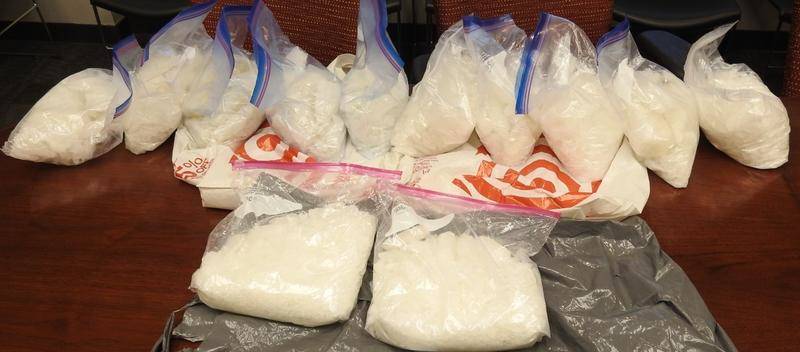
"caption": "In June 2018, the Fresno County Sheriff's Office and other law enforcement agencies announced they had seized 46 pounds of methamphetamine, as well as marijuana, cash and guns, after an eight-month investigation in Fresno and Modesto.",
"description": "In June 2018, the Fresno County Sheriff's Office and other law enforcement agencies announced they had seized 46 pounds of methamphetamine, as well as marijuana, cash, and guns, after an 8-month investigation in Fresno and Modesto.",
"title": "Meth_FresnoSheriff",
"credit": "Courtesy of Fresno County Sheriff's Office",
"status": "inherit",
"isLoading": false,
"fetchFailed": false
},
"news_11747785": {
"type": "attachments",
"id": "news_11747785",
"meta": {
"index": "attachments_1716263798",
"site": "news",
"id": "11747785",
"found": true
},
"parent": 11747776,
"imgSizes": {
"apple_news_ca_landscape_5_5": {
"file": "https://ww2.kqed.org/app/uploads/sites/10/2019/05/RS36543_IMG_4606-qut-1044x783.jpg",
"width": 1044,
"mimeType": "image/jpeg",
"height": 783
},
"apple_news_ca_square_4_0": {
"file": "https://ww2.kqed.org/app/uploads/sites/10/2019/05/RS36543_IMG_4606-qut-470x470.jpg",
"width": 470,
"mimeType": "image/jpeg",
"height": 470
},
"twentyfourteen-full-width": {
"file": "https://ww2.kqed.org/app/uploads/sites/10/2019/05/RS36543_IMG_4606-qut-1038x576.jpg",
"width": 1038,
"mimeType": "image/jpeg",
"height": 576
},
"thumbnail": {
"file": "https://ww2.kqed.org/app/uploads/sites/10/2019/05/RS36543_IMG_4606-qut-160x107.jpg",
"width": 160,
"mimeType": "image/jpeg",
"height": 107
},
"post-thumbnail": {
"file": "https://ww2.kqed.org/app/uploads/sites/10/2019/05/RS36543_IMG_4606-qut-672x372.jpg",
"width": 672,
"mimeType": "image/jpeg",
"height": 372
},
"kqedFullSize": {
"file": "https://ww2.kqed.org/app/uploads/sites/10/2019/05/RS36543_IMG_4606-qut.jpg",
"width": 1920,
"height": 1280
},
"apple_news_ca_landscape_4_7": {
"file": "https://ww2.kqed.org/app/uploads/sites/10/2019/05/RS36543_IMG_4606-qut-632x474.jpg",
"width": 632,
"mimeType": "image/jpeg",
"height": 474
},
"large": {
"file": "https://ww2.kqed.org/app/uploads/sites/10/2019/05/RS36543_IMG_4606-qut-1020x680.jpg",
"width": 1020,
"mimeType": "image/jpeg",
"height": 680
},
"complete_open_graph": {
"file": "https://ww2.kqed.org/app/uploads/sites/10/2019/05/RS36543_IMG_4606-qut-1200x800.jpg",
"width": 1200,
"mimeType": "image/jpeg",
"height": 800
},
"apple_news_ca_landscape_4_0": {
"file": "https://ww2.kqed.org/app/uploads/sites/10/2019/05/RS36543_IMG_4606-qut-536x402.jpg",
"width": 536,
"mimeType": "image/jpeg",
"height": 402
},
"apple_news_ca_portrait_12_9": {
"file": "https://ww2.kqed.org/app/uploads/sites/10/2019/05/RS36543_IMG_4606-qut-1122x1280.jpg",
"width": 1122,
"mimeType": "image/jpeg",
"height": 1280
},
"medium": {
"file": "https://ww2.kqed.org/app/uploads/sites/10/2019/05/RS36543_IMG_4606-qut-800x533.jpg",
"width": 800,
"mimeType": "image/jpeg",
"height": 533
},
"apple_news_ca_portrait_4_0": {
"file": "https://ww2.kqed.org/app/uploads/sites/10/2019/05/RS36543_IMG_4606-qut-354x472.jpg",
"width": 354,
"mimeType": "image/jpeg",
"height": 472
},
"apple_news_ca_portrait_9_7": {
"file": "https://ww2.kqed.org/app/uploads/sites/10/2019/05/RS36543_IMG_4606-qut-840x1120.jpg",
"width": 840,
"mimeType": "image/jpeg",
"height": 1120
},
"apple_news_ca_landscape_12_9": {
"file": "https://ww2.kqed.org/app/uploads/sites/10/2019/05/RS36543_IMG_4606-qut-1832x1280.jpg",
"width": 1832,
"mimeType": "image/jpeg",
"height": 1280
},
"apple_news_ca_square_9_7": {
"file": "https://ww2.kqed.org/app/uploads/sites/10/2019/05/RS36543_IMG_4606-qut-1104x1104.jpg",
"width": 1104,
"mimeType": "image/jpeg",
"height": 1104
},
"apple_news_ca_portrait_4_7": {
"file": "https://ww2.kqed.org/app/uploads/sites/10/2019/05/RS36543_IMG_4606-qut-414x552.jpg",
"width": 414,
"mimeType": "image/jpeg",
"height": 552
},
"apple_news_ca_square_12_9": {
"file": "https://ww2.kqed.org/app/uploads/sites/10/2019/05/RS36543_IMG_4606-qut-1472x1280.jpg",
"width": 1472,
"mimeType": "image/jpeg",
"height": 1280
},
"apple_news_ca_portrait_5_5": {
"file": "https://ww2.kqed.org/app/uploads/sites/10/2019/05/RS36543_IMG_4606-qut-687x916.jpg",
"width": 687,
"mimeType": "image/jpeg",
"height": 916
},
"full-width": {
"file": "https://ww2.kqed.org/app/uploads/sites/10/2019/05/RS36543_IMG_4606-qut-1920x1280.jpg",
"width": 1920,
"mimeType": "image/jpeg",
"height": 1280
},
"apple_news_ca_square_4_7": {
"file": "https://ww2.kqed.org/app/uploads/sites/10/2019/05/RS36543_IMG_4606-qut-550x550.jpg",
"width": 550,
"mimeType": "image/jpeg",
"height": 550
},
"apple_news_ca_landscape_9_7": {
"file": "https://ww2.kqed.org/app/uploads/sites/10/2019/05/RS36543_IMG_4606-qut-1376x1032.jpg",
"width": 1376,
"mimeType": "image/jpeg",
"height": 1032
},
"apple_news_ca_square_5_5": {
"file": "https://ww2.kqed.org/app/uploads/sites/10/2019/05/RS36543_IMG_4606-qut-912x912.jpg",
"width": 912,
"mimeType": "image/jpeg",
"height": 912
}
},
"publishDate": 1558043975,
"modified": 1558044027,
"caption": "High-Speed Rail Central Valley Regional Director Diana Gomez at the authority's largest construction site in the Central Valley in 2019.",
"description": "High-Speed Rail Central Valley Regional Director Diana Gomez at the authority's largest construction site in the Central Valley.",
"title": "RS36543_IMG_4606-qut",
"credit": "Alex Hall/KQED",
"status": "inherit",
"isLoading": false,
"fetchFailed": false
},
"news_11728159": {
"type": "attachments",
"id": "news_11728159",
"meta": {
"index": "attachments_1716263798",
"site": "news",
"id": "11728159",
"found": true
},
"parent": 11707628,
"imgSizes": {
"twentyfourteen-full-width": {
"file": "https://ww2.kqed.org/app/uploads/sites/10/2019/02/Kimberly-Brown-5-qut-1038x576.jpg",
"width": 1038,
"mimeType": "image/jpeg",
"height": 576
},
"thumbnail": {
"file": "https://ww2.kqed.org/app/uploads/sites/10/2019/02/Kimberly-Brown-5-qut-160x114.jpg",
"width": 160,
"mimeType": "image/jpeg",
"height": 114
},
"post-thumbnail": {
"file": "https://ww2.kqed.org/app/uploads/sites/10/2019/02/Kimberly-Brown-5-qut-672x372.jpg",
"width": 672,
"mimeType": "image/jpeg",
"height": 372
},
"kqedFullSize": {
"file": "https://ww2.kqed.org/app/uploads/sites/10/2019/02/Kimberly-Brown-5-qut.jpg",
"width": 1382,
"height": 984
},
"large": {
"file": "https://ww2.kqed.org/app/uploads/sites/10/2019/02/Kimberly-Brown-5-qut-1020x726.jpg",
"width": 1020,
"mimeType": "image/jpeg",
"height": 726
},
"complete_open_graph": {
"file": "https://ww2.kqed.org/app/uploads/sites/10/2019/02/Kimberly-Brown-5-qut-1200x854.jpg",
"width": 1200,
"mimeType": "image/jpeg",
"height": 854
},
"guest-author-50": {
"file": "https://ww2.kqed.org/app/uploads/sites/10/2019/02/Kimberly-Brown-5-qut-50x50.jpg",
"width": 50,
"mimeType": "image/jpeg",
"height": 50
},
"guest-author-96": {
"file": "https://ww2.kqed.org/app/uploads/sites/10/2019/02/Kimberly-Brown-5-qut-96x96.jpg",
"width": 96,
"mimeType": "image/jpeg",
"height": 96
},
"medium": {
"file": "https://ww2.kqed.org/app/uploads/sites/10/2019/02/Kimberly-Brown-5-qut-800x570.jpg",
"width": 800,
"mimeType": "image/jpeg",
"height": 570
},
"guest-author-64": {
"file": "https://ww2.kqed.org/app/uploads/sites/10/2019/02/Kimberly-Brown-5-qut-64x64.jpg",
"width": 64,
"mimeType": "image/jpeg",
"height": 64
},
"guest-author-32": {
"file": "https://ww2.kqed.org/app/uploads/sites/10/2019/02/Kimberly-Brown-5-qut-32x32.jpg",
"width": 32,
"mimeType": "image/jpeg",
"height": 32
},
"detail": {
"file": "https://ww2.kqed.org/app/uploads/sites/10/2019/02/Kimberly-Brown-5-qut-150x150.jpg",
"width": 150,
"mimeType": "image/jpeg",
"height": 150
},
"guest-author-128": {
"file": "https://ww2.kqed.org/app/uploads/sites/10/2019/02/Kimberly-Brown-5-qut-128x128.jpg",
"width": 128,
"mimeType": "image/jpeg",
"height": 128
}
},
"publishDate": 1550867061,
"modified": 1550949221,
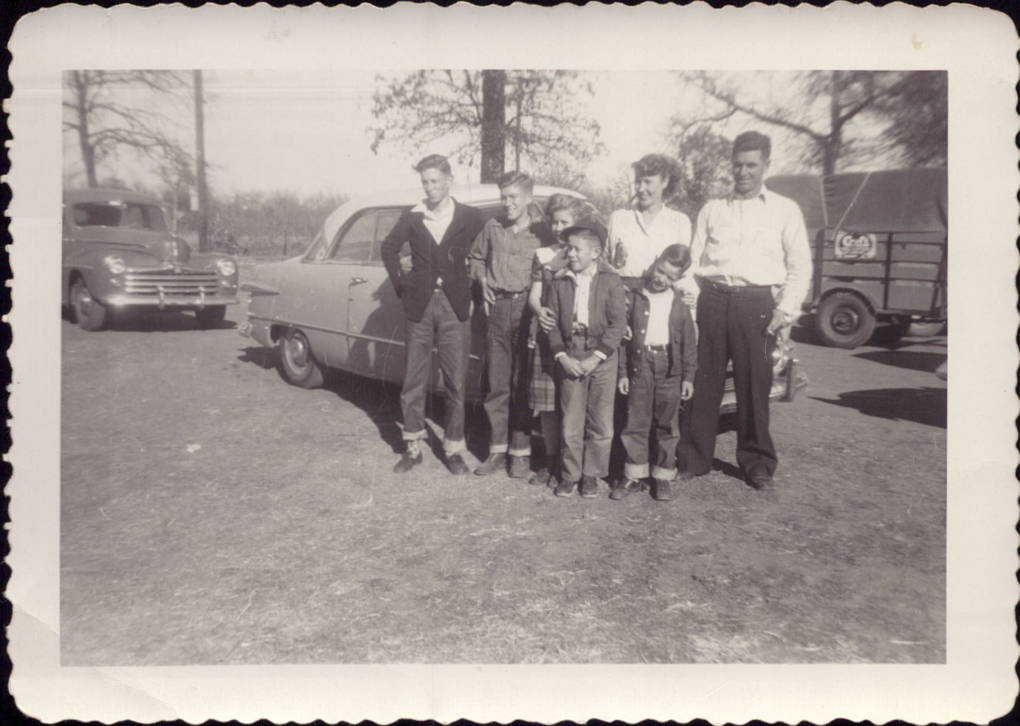
"caption": "From left to right: Dean Smith, Buddy Smith, Carolyn Smith (Kimberly Brown's mother), Don Smith, George Smith, Nova Smith and Bud Smith.",
"description": "From left to right: Dean Smith, Buddy Smith, Carolyn Smith (Kimberly Brown's mother), Don Smith, George Smith, Nova Smith, Bud Smith.",
"title": "Kimberly Brown (5)-qut",
"credit": "Courtesy of Kimberly Brown",
"status": "inherit",
"isLoading": false,
"fetchFailed": false
},
"news_11218992": {
"type": "attachments",
"id": "news_11218992",
"meta": {
"index": "attachments_1716263798",
"site": "news",
"id": "11218992",
"found": true
},
"parent": 11218990,
"imgSizes": {
"small": {
"file": "https://ww2.kqed.org/app/uploads/sites/10/2016/12/31255087350_b4444ab4ba_o-520x345.jpg",
"width": 520,
"mimeType": "image/jpeg",
"height": 345
},
"twentyfourteen-full-width": {
"file": "https://ww2.kqed.org/app/uploads/sites/10/2016/12/31255087350_b4444ab4ba_o-1038x576.jpg",
"width": 1038,
"mimeType": "image/jpeg",
"height": 576
},
"thumbnail": {
"file": "https://ww2.kqed.org/app/uploads/sites/10/2016/12/31255087350_b4444ab4ba_o-160x106.jpg",
"width": 160,
"mimeType": "image/jpeg",
"height": 106
},
"fd-sm": {
"file": "https://ww2.kqed.org/app/uploads/sites/10/2016/12/31255087350_b4444ab4ba_o-960x638.jpg",
"width": 960,
"mimeType": "image/jpeg",
"height": 638
},
"post-thumbnail": {
"file": "https://ww2.kqed.org/app/uploads/sites/10/2016/12/31255087350_b4444ab4ba_o-672x372.jpg",
"width": 672,
"mimeType": "image/jpeg",
"height": 372
},
"xsmall": {
"file": "https://ww2.kqed.org/app/uploads/sites/10/2016/12/31255087350_b4444ab4ba_o-375x249.jpg",
"width": 375,
"mimeType": "image/jpeg",
"height": 249
},
"kqedFullSize": {
"file": "https://ww2.kqed.org/app/uploads/sites/10/2016/12/31255087350_b4444ab4ba_o-e1481681749879.jpg",
"width": 1920,
"height": 1275
},
"large": {
"file": "https://ww2.kqed.org/app/uploads/sites/10/2016/12/31255087350_b4444ab4ba_o-1020x677.jpg",
"width": 1020,
"mimeType": "image/jpeg",
"height": 677
},
"xlarge": {
"file": "https://ww2.kqed.org/app/uploads/sites/10/2016/12/31255087350_b4444ab4ba_o-1180x784.jpg",
"width": 1180,
"mimeType": "image/jpeg",
"height": 784
},
"guest-author-50": {
"file": "https://ww2.kqed.org/app/uploads/sites/10/2016/12/31255087350_b4444ab4ba_o-50x50.jpg",
"width": 50,
"mimeType": "image/jpeg",
"height": 50
},
"guest-author-96": {
"file": "https://ww2.kqed.org/app/uploads/sites/10/2016/12/31255087350_b4444ab4ba_o-96x96.jpg",
"width": 96,
"mimeType": "image/jpeg",
"height": 96
},
"medium": {
"file": "https://ww2.kqed.org/app/uploads/sites/10/2016/12/31255087350_b4444ab4ba_o-800x531.jpg",
"width": 800,
"mimeType": "image/jpeg",
"height": 531
},
"guest-author-64": {
"file": "https://ww2.kqed.org/app/uploads/sites/10/2016/12/31255087350_b4444ab4ba_o-64x64.jpg",
"width": 64,
"mimeType": "image/jpeg",
"height": 64
},
"guest-author-32": {
"file": "https://ww2.kqed.org/app/uploads/sites/10/2016/12/31255087350_b4444ab4ba_o-32x32.jpg",
"width": 32,
"mimeType": "image/jpeg",
"height": 32
},
"jmtc-small-thumb": {
"file": "https://ww2.kqed.org/app/uploads/sites/10/2016/12/31255087350_b4444ab4ba_o-280x150.jpg",
"width": 280,
"mimeType": "image/jpeg",
"height": 150
},
"fd-lrg": {
"file": "https://ww2.kqed.org/app/uploads/sites/10/2016/12/31255087350_b4444ab4ba_o-1920x1275.jpg",
"width": 1920,
"mimeType": "image/jpeg",
"height": 1275
},
"fd-med": {
"file": "https://ww2.kqed.org/app/uploads/sites/10/2016/12/31255087350_b4444ab4ba_o-1180x784.jpg",
"width": 1180,
"mimeType": "image/jpeg",
"height": 784
},
"full-width": {
"file": "https://ww2.kqed.org/app/uploads/sites/10/2016/12/31255087350_b4444ab4ba_o-1920x1275.jpg",
"width": 1920,
"mimeType": "image/jpeg",
"height": 1275
},
"detail": {
"file": "https://ww2.kqed.org/app/uploads/sites/10/2016/12/31255087350_b4444ab4ba_o-150x150.jpg",
"width": 150,
"mimeType": "image/jpeg",
"height": 150
},
"guest-author-128": {
"file": "https://ww2.kqed.org/app/uploads/sites/10/2016/12/31255087350_b4444ab4ba_o-128x128.jpg",
"width": 128,
"mimeType": "image/jpeg",
"height": 128
},
"xxsmall": {
"file": "https://ww2.kqed.org/app/uploads/sites/10/2016/12/31255087350_b4444ab4ba_o-240x159.jpg",
"width": 240,
"mimeType": "image/jpeg",
"height": 159
}
},
"publishDate": 1481681648,
"modified": 1550013879,
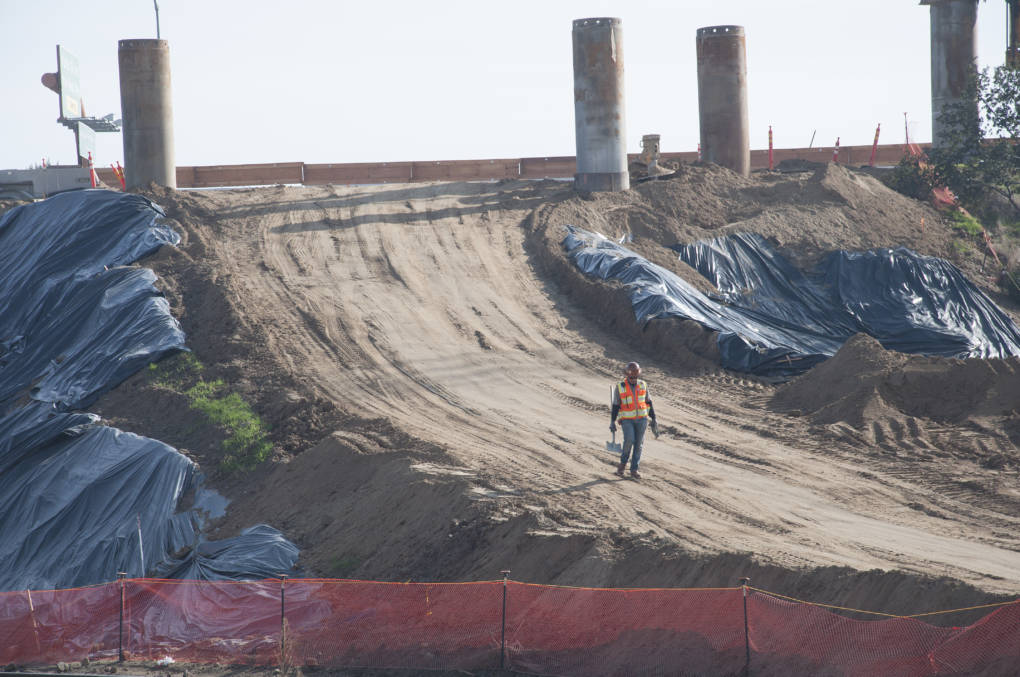
"caption": "Worker on part of the California high-speed rail route under construction in late 2016 near Fresno.",
"description": null,
"title": "California High-Speed Rail/Fresno",
"credit": "California High-Speed Rail Authority",
"status": "inherit",
"isLoading": false,
"fetchFailed": false
},
"news_11673462": {
"type": "attachments",
"id": "news_11673462",
"meta": {
"index": "attachments_1716263798",
"site": "news",
"id": "11673462",
"found": true
},
"parent": 11673103,
"imgSizes": {
"small": {
"file": "https://ww2.kqed.org/app/uploads/sites/10/2018/06/6084572264_679a533429_o-520x347.jpg",
"width": 520,
"mimeType": "image/jpeg",
"height": 347
},
"twentyfourteen-full-width": {
"file": "https://ww2.kqed.org/app/uploads/sites/10/2018/06/6084572264_679a533429_o-1038x576.jpg",
"width": 1038,
"mimeType": "image/jpeg",
"height": 576
},
"thumbnail": {
"file": "https://ww2.kqed.org/app/uploads/sites/10/2018/06/6084572264_679a533429_o-160x107.jpg",
"width": 160,
"mimeType": "image/jpeg",
"height": 107
},
"fd-sm": {
"file": "https://ww2.kqed.org/app/uploads/sites/10/2018/06/6084572264_679a533429_o-960x640.jpg",
"width": 960,
"mimeType": "image/jpeg",
"height": 640
},
"post-thumbnail": {
"file": "https://ww2.kqed.org/app/uploads/sites/10/2018/06/6084572264_679a533429_o-672x372.jpg",
"width": 672,
"mimeType": "image/jpeg",
"height": 372
},
"xsmall": {
"file": "https://ww2.kqed.org/app/uploads/sites/10/2018/06/6084572264_679a533429_o-375x250.jpg",
"width": 375,
"mimeType": "image/jpeg",
"height": 250
},
"kqedFullSize": {
"file": "https://ww2.kqed.org/app/uploads/sites/10/2018/06/6084572264_679a533429_o-e1528414332452.jpg",
"width": 1920,
"height": 1280
},
"large": {
"file": "https://ww2.kqed.org/app/uploads/sites/10/2018/06/6084572264_679a533429_o-1020x680.jpg",
"width": 1020,
"mimeType": "image/jpeg",
"height": 680
},
"xlarge": {
"file": "https://ww2.kqed.org/app/uploads/sites/10/2018/06/6084572264_679a533429_o-1180x787.jpg",
"width": 1180,
"mimeType": "image/jpeg",
"height": 787
},
"complete_open_graph": {
"file": "https://ww2.kqed.org/app/uploads/sites/10/2018/06/6084572264_679a533429_o-1200x800.jpg",
"width": 1200,
"mimeType": "image/jpeg",
"height": 800
},
"guest-author-50": {
"file": "https://ww2.kqed.org/app/uploads/sites/10/2018/06/6084572264_679a533429_o-50x50.jpg",
"width": 50,
"mimeType": "image/jpeg",
"height": 50
},
"guest-author-96": {
"file": "https://ww2.kqed.org/app/uploads/sites/10/2018/06/6084572264_679a533429_o-96x96.jpg",
"width": 96,
"mimeType": "image/jpeg",
"height": 96
},
"medium": {
"file": "https://ww2.kqed.org/app/uploads/sites/10/2018/06/6084572264_679a533429_o-800x533.jpg",
"width": 800,
"mimeType": "image/jpeg",
"height": 533
},
"guest-author-64": {
"file": "https://ww2.kqed.org/app/uploads/sites/10/2018/06/6084572264_679a533429_o-64x64.jpg",
"width": 64,
"mimeType": "image/jpeg",
"height": 64
},
"guest-author-32": {
"file": "https://ww2.kqed.org/app/uploads/sites/10/2018/06/6084572264_679a533429_o-32x32.jpg",
"width": 32,
"mimeType": "image/jpeg",
"height": 32
},
"fd-lrg": {
"file": "https://ww2.kqed.org/app/uploads/sites/10/2018/06/6084572264_679a533429_o-1920x1280.jpg",
"width": 1920,
"mimeType": "image/jpeg",
"height": 1280
},
"fd-med": {
"file": "https://ww2.kqed.org/app/uploads/sites/10/2018/06/6084572264_679a533429_o-1180x787.jpg",
"width": 1180,
"mimeType": "image/jpeg",
"height": 787
},
"full-width": {
"file": "https://ww2.kqed.org/app/uploads/sites/10/2018/06/6084572264_679a533429_o-1920x1280.jpg",
"width": 1920,
"mimeType": "image/jpeg",
"height": 1280
},
"detail": {
"file": "https://ww2.kqed.org/app/uploads/sites/10/2018/06/6084572264_679a533429_o-150x150.jpg",
"width": 150,
"mimeType": "image/jpeg",
"height": 150
},
"guest-author-128": {
"file": "https://ww2.kqed.org/app/uploads/sites/10/2018/06/6084572264_679a533429_o-128x128.jpg",
"width": 128,
"mimeType": "image/jpeg",
"height": 128
},
"xxsmall": {
"file": "https://ww2.kqed.org/app/uploads/sites/10/2018/06/6084572264_679a533429_o-240x160.jpg",
"width": 240,
"mimeType": "image/jpeg",
"height": 160
}
},
"publishDate": 1528414277,
"modified": 1528414316,
"caption": "Forestiere Underground Gardens",
"description": "Forestiere Underground Gardens",
"title": "Forestiere Underground Gardens",
"credit": "Yale Quan/Flickr",
"status": "inherit",
"isLoading": false,
"fetchFailed": false
},
"news_11662940": {
"type": "attachments",
"id": "news_11662940",
"meta": {
"index": "attachments_1716263798",
"site": "news",
"id": "11662940",
"found": true
},
"parent": 11662914,
"imgSizes": {
"small": {
"file": "https://ww2.kqed.org/app/uploads/sites/10/2018/04/Villaraigosa-520x357.jpg",
"width": 520,
"mimeType": "image/jpeg",
"height": 357
},
"twentyfourteen-full-width": {
"file": "https://ww2.kqed.org/app/uploads/sites/10/2018/04/Villaraigosa-1038x576.jpg",
"width": 1038,
"mimeType": "image/jpeg",
"height": 576
},
"thumbnail": {
"file": "https://ww2.kqed.org/app/uploads/sites/10/2018/04/Villaraigosa-160x110.jpg",
"width": 160,
"mimeType": "image/jpeg",
"height": 110
},
"fd-sm": {
"file": "https://ww2.kqed.org/app/uploads/sites/10/2018/04/Villaraigosa-960x659.jpg",
"width": 960,
"mimeType": "image/jpeg",
"height": 659
},
"post-thumbnail": {
"file": "https://ww2.kqed.org/app/uploads/sites/10/2018/04/Villaraigosa-672x372.jpg",
"width": 672,
"mimeType": "image/jpeg",
"height": 372
},
"xsmall": {
"file": "https://ww2.kqed.org/app/uploads/sites/10/2018/04/Villaraigosa-375x257.jpg",
"width": 375,
"mimeType": "image/jpeg",
"height": 257
},
"kqedFullSize": {
"file": "https://ww2.kqed.org/app/uploads/sites/10/2018/04/Villaraigosa.jpg",
"width": 1920,
"height": 1317
},
"large": {
"file": "https://ww2.kqed.org/app/uploads/sites/10/2018/04/Villaraigosa-1020x700.jpg",
"width": 1020,
"mimeType": "image/jpeg",
"height": 700
},
"xlarge": {
"file": "https://ww2.kqed.org/app/uploads/sites/10/2018/04/Villaraigosa-1180x809.jpg",
"width": 1180,
"mimeType": "image/jpeg",
"height": 809
},
"complete_open_graph": {
"file": "https://ww2.kqed.org/app/uploads/sites/10/2018/04/Villaraigosa-1200x823.jpg",
"width": 1200,
"mimeType": "image/jpeg",
"height": 823
},
"guest-author-50": {
"file": "https://ww2.kqed.org/app/uploads/sites/10/2018/04/Villaraigosa-50x50.jpg",
"width": 50,
"mimeType": "image/jpeg",
"height": 50
},
"guest-author-96": {
"file": "https://ww2.kqed.org/app/uploads/sites/10/2018/04/Villaraigosa-96x96.jpg",
"width": 96,
"mimeType": "image/jpeg",
"height": 96
},
"medium": {
"file": "https://ww2.kqed.org/app/uploads/sites/10/2018/04/Villaraigosa-800x549.jpg",
"width": 800,
"mimeType": "image/jpeg",
"height": 549
},
"guest-author-64": {
"file": "https://ww2.kqed.org/app/uploads/sites/10/2018/04/Villaraigosa-64x64.jpg",
"width": 64,
"mimeType": "image/jpeg",
"height": 64
},
"guest-author-32": {
"file": "https://ww2.kqed.org/app/uploads/sites/10/2018/04/Villaraigosa-32x32.jpg",
"width": 32,
"mimeType": "image/jpeg",
"height": 32
},
"fd-lrg": {
"file": "https://ww2.kqed.org/app/uploads/sites/10/2018/04/Villaraigosa-1920x1317.jpg",
"width": 1920,
"mimeType": "image/jpeg",
"height": 1317
},
"fd-med": {
"file": "https://ww2.kqed.org/app/uploads/sites/10/2018/04/Villaraigosa-1180x809.jpg",
"width": 1180,
"mimeType": "image/jpeg",
"height": 809
},
"full-width": {
"file": "https://ww2.kqed.org/app/uploads/sites/10/2018/04/Villaraigosa-1920x1317.jpg",
"width": 1920,
"mimeType": "image/jpeg",
"height": 1317
},
"detail": {
"file": "https://ww2.kqed.org/app/uploads/sites/10/2018/04/Villaraigosa-150x150.jpg",
"width": 150,
"mimeType": "image/jpeg",
"height": 150
},
"guest-author-128": {
"file": "https://ww2.kqed.org/app/uploads/sites/10/2018/04/Villaraigosa-128x128.jpg",
"width": 128,
"mimeType": "image/jpeg",
"height": 128
},
"xxsmall": {
"file": "https://ww2.kqed.org/app/uploads/sites/10/2018/04/Villaraigosa-240x165.jpg",
"width": 240,
"mimeType": "image/jpeg",
"height": 165
}
},
"publishDate": 1524004415,
"modified": 1524004459,
"caption": "Democratic gubernatorial candidate and former Los Angeles mayor Antonio Villaraigosa.",
"description": "Democratic gubernatorial candidate and former Los Angeles mayor Antonio Villaraigosa.",
"title": "Villaraigosa",
"credit": "Justin Sullivan/Getty Images",
"status": "inherit",
"isLoading": false,
"fetchFailed": false
},
"news_11578014": {
"type": "attachments",
"id": "news_11578014",
"meta": {
"index": "attachments_1716263798",
"site": "news",
"id": "11578014",
"found": true
},
"parent": 11577946,
"imgSizes": {
"small": {
"file": "https://ww2.kqed.org/app/uploads/sites/10/2017/07/water_072017_final-1-520x520.jpg",
"width": 520,
"mimeType": "image/jpeg",
"height": 520
},
"twentyfourteen-full-width": {
"file": "https://ww2.kqed.org/app/uploads/sites/10/2017/07/water_072017_final-1-1038x576.jpg",
"width": 1038,
"mimeType": "image/jpeg",
"height": 576
},
"thumbnail": {
"file": "https://ww2.kqed.org/app/uploads/sites/10/2017/07/water_072017_final-1-160x160.jpg",
"width": 160,
"mimeType": "image/jpeg",
"height": 160
},
"fd-sm": {
"file": "https://ww2.kqed.org/app/uploads/sites/10/2017/07/water_072017_final-1-960x960.jpg",
"width": 960,
"mimeType": "image/jpeg",
"height": 960
},
"post-thumbnail": {
"file": "https://ww2.kqed.org/app/uploads/sites/10/2017/07/water_072017_final-1-672x372.jpg",
"width": 672,
"mimeType": "image/jpeg",
"height": 372
},
"xsmall": {
"file": "https://ww2.kqed.org/app/uploads/sites/10/2017/07/water_072017_final-1-375x375.jpg",
"width": 375,
"mimeType": "image/jpeg",
"height": 375
},
"kqedFullSize": {
"file": "https://ww2.kqed.org/app/uploads/sites/10/2017/07/water_072017_final-1.jpg",
"width": 1920,
"height": 1920
},
"large": {
"file": "https://ww2.kqed.org/app/uploads/sites/10/2017/07/water_072017_final-1-1020x1020.jpg",
"width": 1020,
"mimeType": "image/jpeg",
"height": 1020
},
"xlarge": {
"file": "https://ww2.kqed.org/app/uploads/sites/10/2017/07/water_072017_final-1-1180x1180.jpg",
"width": 1180,
"mimeType": "image/jpeg",
"height": 1180
},
"guest-author-50": {
"file": "https://ww2.kqed.org/app/uploads/sites/10/2017/07/water_072017_final-1-50x50.jpg",
"width": 50,
"mimeType": "image/jpeg",
"height": 50
},
"guest-author-96": {
"file": "https://ww2.kqed.org/app/uploads/sites/10/2017/07/water_072017_final-1-96x96.jpg",
"width": 96,
"mimeType": "image/jpeg",
"height": 96
},
"medium": {
"file": "https://ww2.kqed.org/app/uploads/sites/10/2017/07/water_072017_final-1-800x800.jpg",
"width": 800,
"mimeType": "image/jpeg",
"height": 800
},
"guest-author-64": {
"file": "https://ww2.kqed.org/app/uploads/sites/10/2017/07/water_072017_final-1-64x64.jpg",
"width": 64,
"mimeType": "image/jpeg",
"height": 64
},
"guest-author-32": {
"file": "https://ww2.kqed.org/app/uploads/sites/10/2017/07/water_072017_final-1-32x32.jpg",
"width": 32,
"mimeType": "image/jpeg",
"height": 32
},
"fd-lrg": {
"file": "https://ww2.kqed.org/app/uploads/sites/10/2017/07/water_072017_final-1-1920x1920.jpg",
"width": 1920,
"mimeType": "image/jpeg",
"height": 1920
},
"fd-med": {
"file": "https://ww2.kqed.org/app/uploads/sites/10/2017/07/water_072017_final-1-1180x1180.jpg",
"width": 1180,
"mimeType": "image/jpeg",
"height": 1180
},
"full-width": {
"file": "https://ww2.kqed.org/app/uploads/sites/10/2017/07/water_072017_final-1-1920x1920.jpg",
"width": 1920,
"mimeType": "image/jpeg",
"height": 1920
},
"detail": {
"file": "https://ww2.kqed.org/app/uploads/sites/10/2017/07/water_072017_final-1-150x150.jpg",
"width": 150,
"mimeType": "image/jpeg",
"height": 150
},
"guest-author-128": {
"file": "https://ww2.kqed.org/app/uploads/sites/10/2017/07/water_072017_final-1-128x128.jpg",
"width": 128,
"mimeType": "image/jpeg",
"height": 128
},
"xxsmall": {
"file": "https://ww2.kqed.org/app/uploads/sites/10/2017/07/water_072017_final-1-240x240.jpg",
"width": 240,
"mimeType": "image/jpeg",
"height": 240
}
},
"publishDate": 1500588227,
"modified": 1500588284,
"caption": null,
"description": null,
"title": "water_072017_final",
"credit": null,
"status": "inherit",
"isLoading": false,
"fetchFailed": false
},
"news_11467102": {
"type": "attachments",
"id": "news_11467102",
"meta": {
"index": "attachments_1716263798",
"site": "news",
"id": "11467102",
"found": true
},
"parent": 11463233,
"imgSizes": {
"small": {
"file": "https://ww2.kqed.org/app/uploads/sites/10/2017/05/SeyedSadredin-520x274.jpg",
"width": 520,
"mimeType": "image/jpeg",
"height": 274
},
"twentyfourteen-full-width": {
"file": "https://ww2.kqed.org/app/uploads/sites/10/2017/05/SeyedSadredin-1038x576.jpg",
"width": 1038,
"mimeType": "image/jpeg",
"height": 576
},
"thumbnail": {
"file": "https://ww2.kqed.org/app/uploads/sites/10/2017/05/SeyedSadredin-160x84.jpg",
"width": 160,
"mimeType": "image/jpeg",
"height": 84
},
"fd-sm": {
"file": "https://ww2.kqed.org/app/uploads/sites/10/2017/05/SeyedSadredin-960x507.jpg",
"width": 960,
"mimeType": "image/jpeg",
"height": 507
},
"post-thumbnail": {
"file": "https://ww2.kqed.org/app/uploads/sites/10/2017/05/SeyedSadredin-672x372.jpg",
"width": 672,
"mimeType": "image/jpeg",
"height": 372
},
"xsmall": {
"file": "https://ww2.kqed.org/app/uploads/sites/10/2017/05/SeyedSadredin-375x198.jpg",
"width": 375,
"mimeType": "image/jpeg",
"height": 198
},
"kqedFullSize": {
"file": "https://ww2.kqed.org/app/uploads/sites/10/2017/05/SeyedSadredin.jpg",
"width": 1920,
"height": 1013
},
"large": {
"file": "https://ww2.kqed.org/app/uploads/sites/10/2017/05/SeyedSadredin-1020x538.jpg",
"width": 1020,
"mimeType": "image/jpeg",
"height": 538
},
"xlarge": {
"file": "https://ww2.kqed.org/app/uploads/sites/10/2017/05/SeyedSadredin-1180x623.jpg",
"width": 1180,
"mimeType": "image/jpeg",
"height": 623
},
"guest-author-50": {
"file": "https://ww2.kqed.org/app/uploads/sites/10/2017/05/SeyedSadredin-50x50.jpg",
"width": 50,
"mimeType": "image/jpeg",
"height": 50
},
"guest-author-96": {
"file": "https://ww2.kqed.org/app/uploads/sites/10/2017/05/SeyedSadredin-96x96.jpg",
"width": 96,
"mimeType": "image/jpeg",
"height": 96
},
"medium": {
"file": "https://ww2.kqed.org/app/uploads/sites/10/2017/05/SeyedSadredin-800x422.jpg",
"width": 800,
"mimeType": "image/jpeg",
"height": 422
},
"guest-author-64": {
"file": "https://ww2.kqed.org/app/uploads/sites/10/2017/05/SeyedSadredin-64x64.jpg",
"width": 64,
"mimeType": "image/jpeg",
"height": 64
},
"guest-author-32": {
"file": "https://ww2.kqed.org/app/uploads/sites/10/2017/05/SeyedSadredin-32x32.jpg",
"width": 32,
"mimeType": "image/jpeg",
"height": 32
},
"fd-lrg": {
"file": "https://ww2.kqed.org/app/uploads/sites/10/2017/05/SeyedSadredin-1920x1013.jpg",
"width": 1920,
"mimeType": "image/jpeg",
"height": 1013
},
"fd-med": {
"file": "https://ww2.kqed.org/app/uploads/sites/10/2017/05/SeyedSadredin-1180x623.jpg",
"width": 1180,
"mimeType": "image/jpeg",
"height": 623
},
"full-width": {
"file": "https://ww2.kqed.org/app/uploads/sites/10/2017/05/SeyedSadredin-1920x1013.jpg",
"width": 1920,
"mimeType": "image/jpeg",
"height": 1013
},
"detail": {
"file": "https://ww2.kqed.org/app/uploads/sites/10/2017/05/SeyedSadredin-150x150.jpg",
"width": 150,
"mimeType": "image/jpeg",
"height": 150
},
"guest-author-128": {
"file": "https://ww2.kqed.org/app/uploads/sites/10/2017/05/SeyedSadredin-128x128.jpg",
"width": 128,
"mimeType": "image/jpeg",
"height": 128
},
"xxsmall": {
"file": "https://ww2.kqed.org/app/uploads/sites/10/2017/05/SeyedSadredin-240x127.jpg",
"width": 240,
"mimeType": "image/jpeg",
"height": 127
}
},
"publishDate": 1495227538,
"modified": 1495243394,
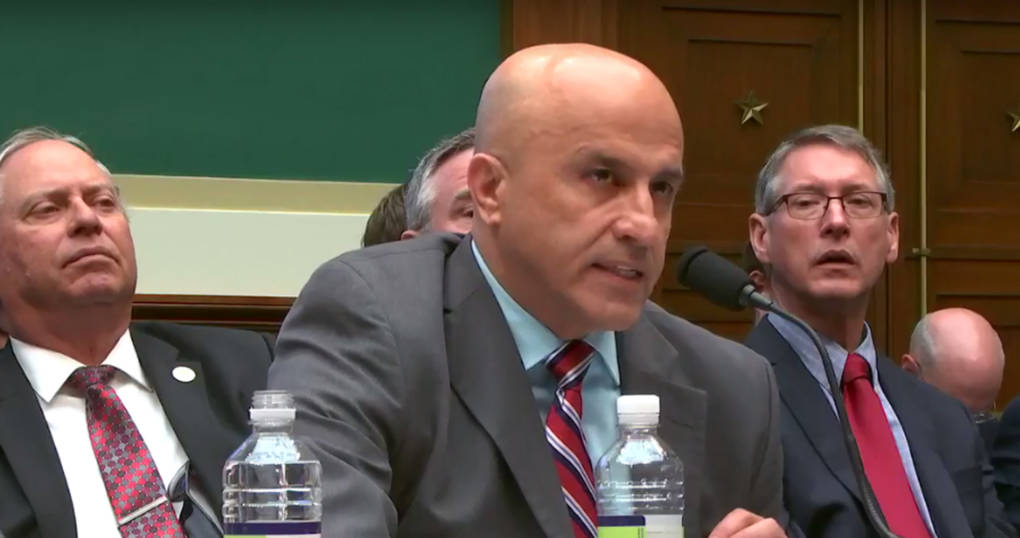
"caption": "Seyed Sadredin, executive director of the San Joaquin Valley Air Pollution Control District, testifies at a March 22 congressional subcommittee hearing to delay ozone standards. ",
"description": "Seyed Sadredin, executive director of the San Joaquin Valley Air Pollution Control District, testifies at a March 22 Congressional subcommittee hearing to delay ozone standards. ",
"title": "SeyedSadredin",
"credit": "YouTube",
"status": "inherit",
"isLoading": false,
"fetchFailed": false
},
"news_11383693": {
"type": "attachments",
"id": "news_11383693",
"meta": {
"index": "attachments_1716263798",
"site": "news",
"id": "11383693",
"found": true
},
"parent": 11383624,
"imgSizes": {
"small": {
"file": "https://ww2.kqed.org/app/uploads/sites/10/2017/03/RS24817_Manuel_Jiminez_and_Olga_Jiminez_01-qut-520x347.jpg",
"width": 520,
"mimeType": "image/jpeg",
"height": 347
},
"twentyfourteen-full-width": {
"file": "https://ww2.kqed.org/app/uploads/sites/10/2017/03/RS24817_Manuel_Jiminez_and_Olga_Jiminez_01-qut-1038x576.jpg",
"width": 1038,
"mimeType": "image/jpeg",
"height": 576
},
"thumbnail": {
"file": "https://ww2.kqed.org/app/uploads/sites/10/2017/03/RS24817_Manuel_Jiminez_and_Olga_Jiminez_01-qut-160x107.jpg",
"width": 160,
"mimeType": "image/jpeg",
"height": 107
},
"fd-sm": {
"file": "https://ww2.kqed.org/app/uploads/sites/10/2017/03/RS24817_Manuel_Jiminez_and_Olga_Jiminez_01-qut-960x640.jpg",
"width": 960,
"mimeType": "image/jpeg",
"height": 640
},
"post-thumbnail": {
"file": "https://ww2.kqed.org/app/uploads/sites/10/2017/03/RS24817_Manuel_Jiminez_and_Olga_Jiminez_01-qut-672x372.jpg",
"width": 672,
"mimeType": "image/jpeg",
"height": 372
},
"xsmall": {
"file": "https://ww2.kqed.org/app/uploads/sites/10/2017/03/RS24817_Manuel_Jiminez_and_Olga_Jiminez_01-qut-375x250.jpg",
"width": 375,
"mimeType": "image/jpeg",
"height": 250
},
"kqedFullSize": {
"file": "https://ww2.kqed.org/app/uploads/sites/10/2017/03/RS24817_Manuel_Jiminez_and_Olga_Jiminez_01-qut.jpg",
"width": 1920,
"height": 1280
},
"large": {
"file": "https://ww2.kqed.org/app/uploads/sites/10/2017/03/RS24817_Manuel_Jiminez_and_Olga_Jiminez_01-qut-1020x680.jpg",
"width": 1020,
"mimeType": "image/jpeg",
"height": 680
},
"xlarge": {
"file": "https://ww2.kqed.org/app/uploads/sites/10/2017/03/RS24817_Manuel_Jiminez_and_Olga_Jiminez_01-qut-1180x787.jpg",
"width": 1180,
"mimeType": "image/jpeg",
"height": 787
},
"guest-author-50": {
"file": "https://ww2.kqed.org/app/uploads/sites/10/2017/03/RS24817_Manuel_Jiminez_and_Olga_Jiminez_01-qut-50x50.jpg",
"width": 50,
"mimeType": "image/jpeg",
"height": 50
},
"guest-author-96": {
"file": "https://ww2.kqed.org/app/uploads/sites/10/2017/03/RS24817_Manuel_Jiminez_and_Olga_Jiminez_01-qut-96x96.jpg",
"width": 96,
"mimeType": "image/jpeg",
"height": 96
},
"medium": {
"file": "https://ww2.kqed.org/app/uploads/sites/10/2017/03/RS24817_Manuel_Jiminez_and_Olga_Jiminez_01-qut-800x533.jpg",
"width": 800,
"mimeType": "image/jpeg",
"height": 533
},
"guest-author-64": {
"file": "https://ww2.kqed.org/app/uploads/sites/10/2017/03/RS24817_Manuel_Jiminez_and_Olga_Jiminez_01-qut-64x64.jpg",
"width": 64,
"mimeType": "image/jpeg",
"height": 64
},
"guest-author-32": {
"file": "https://ww2.kqed.org/app/uploads/sites/10/2017/03/RS24817_Manuel_Jiminez_and_Olga_Jiminez_01-qut-32x32.jpg",
"width": 32,
"mimeType": "image/jpeg",
"height": 32
},
"fd-lrg": {
"file": "https://ww2.kqed.org/app/uploads/sites/10/2017/03/RS24817_Manuel_Jiminez_and_Olga_Jiminez_01-qut-1920x1280.jpg",
"width": 1920,
"mimeType": "image/jpeg",
"height": 1280
},
"fd-med": {
"file": "https://ww2.kqed.org/app/uploads/sites/10/2017/03/RS24817_Manuel_Jiminez_and_Olga_Jiminez_01-qut-1180x787.jpg",
"width": 1180,
"mimeType": "image/jpeg",
"height": 787
},
"full-width": {
"file": "https://ww2.kqed.org/app/uploads/sites/10/2017/03/RS24817_Manuel_Jiminez_and_Olga_Jiminez_01-qut-1920x1280.jpg",
"width": 1920,
"mimeType": "image/jpeg",
"height": 1280
},
"detail": {
"file": "https://ww2.kqed.org/app/uploads/sites/10/2017/03/RS24817_Manuel_Jiminez_and_Olga_Jiminez_01-qut-150x150.jpg",
"width": 150,
"mimeType": "image/jpeg",
"height": 150
},
"guest-author-128": {
"file": "https://ww2.kqed.org/app/uploads/sites/10/2017/03/RS24817_Manuel_Jiminez_and_Olga_Jiminez_01-qut-128x128.jpg",
"width": 128,
"mimeType": "image/jpeg",
"height": 128
},
"xxsmall": {
"file": "https://ww2.kqed.org/app/uploads/sites/10/2017/03/RS24817_Manuel_Jiminez_and_Olga_Jiminez_01-qut-240x160.jpg",
"width": 240,
"mimeType": "image/jpeg",
"height": 160
}
},
"publishDate": 1490907313,
"modified": 1490918593,
"caption": "Manuel Jimenez interviews his wife, Olga, about her life and her family in a StoryCorps interview.",
"description": null,
"title": "Manuel and Olga",
"credit": "Photo courtesy of StoryCorps",
"status": "inherit",
"isLoading": false,
"fetchFailed": false
},
"news_11372691": {
"type": "attachments",
"id": "news_11372691",
"meta": {
"index": "attachments_1716263798",
"site": "news",
"id": "11372691",
"found": true
},
"parent": 11372460,
"imgSizes": {
"small": {
"file": "https://ww2.kqed.org/app/uploads/sites/10/2017/03/Doris-and-Cathleen-520x347.jpg",
"width": 520,
"mimeType": "image/jpeg",
"height": 347
},
"twentyfourteen-full-width": {
"file": "https://ww2.kqed.org/app/uploads/sites/10/2017/03/Doris-and-Cathleen-1038x576.jpg",
"width": 1038,
"mimeType": "image/jpeg",
"height": 576
},
"thumbnail": {
"file": "https://ww2.kqed.org/app/uploads/sites/10/2017/03/Doris-and-Cathleen-160x107.jpg",
"width": 160,
"mimeType": "image/jpeg",
"height": 107
},
"fd-sm": {
"file": "https://ww2.kqed.org/app/uploads/sites/10/2017/03/Doris-and-Cathleen-960x640.jpg",
"width": 960,
"mimeType": "image/jpeg",
"height": 640
},
"post-thumbnail": {
"file": "https://ww2.kqed.org/app/uploads/sites/10/2017/03/Doris-and-Cathleen-672x372.jpg",
"width": 672,
"mimeType": "image/jpeg",
"height": 372
},
"xsmall": {
"file": "https://ww2.kqed.org/app/uploads/sites/10/2017/03/Doris-and-Cathleen-375x250.jpg",
"width": 375,
"mimeType": "image/jpeg",
"height": 250
},
"kqedFullSize": {
"file": "https://ww2.kqed.org/app/uploads/sites/10/2017/03/Doris-and-Cathleen-e1490654078966.jpg",
"width": 1920,
"height": 1280
},
"large": {
"file": "https://ww2.kqed.org/app/uploads/sites/10/2017/03/Doris-and-Cathleen-1020x680.jpg",
"width": 1020,
"mimeType": "image/jpeg",
"height": 680
},
"xlarge": {
"file": "https://ww2.kqed.org/app/uploads/sites/10/2017/03/Doris-and-Cathleen-1180x787.jpg",
"width": 1180,
"mimeType": "image/jpeg",
"height": 787
},
"guest-author-50": {
"file": "https://ww2.kqed.org/app/uploads/sites/10/2017/03/Doris-and-Cathleen-50x50.jpg",
"width": 50,
"mimeType": "image/jpeg",
"height": 50
},
"guest-author-96": {
"file": "https://ww2.kqed.org/app/uploads/sites/10/2017/03/Doris-and-Cathleen-96x96.jpg",
"width": 96,
"mimeType": "image/jpeg",
"height": 96
},
"medium": {
"file": "https://ww2.kqed.org/app/uploads/sites/10/2017/03/Doris-and-Cathleen-800x533.jpg",
"width": 800,
"mimeType": "image/jpeg",
"height": 533
},
"guest-author-64": {
"file": "https://ww2.kqed.org/app/uploads/sites/10/2017/03/Doris-and-Cathleen-64x64.jpg",
"width": 64,
"mimeType": "image/jpeg",
"height": 64
},
"guest-author-32": {
"file": "https://ww2.kqed.org/app/uploads/sites/10/2017/03/Doris-and-Cathleen-32x32.jpg",
"width": 32,
"mimeType": "image/jpeg",
"height": 32
},
"fd-lrg": {
"file": "https://ww2.kqed.org/app/uploads/sites/10/2017/03/Doris-and-Cathleen-1920x1280.jpg",
"width": 1920,
"mimeType": "image/jpeg",
"height": 1280
},
"fd-med": {
"file": "https://ww2.kqed.org/app/uploads/sites/10/2017/03/Doris-and-Cathleen-1180x787.jpg",
"width": 1180,
"mimeType": "image/jpeg",
"height": 787
},
"full-width": {
"file": "https://ww2.kqed.org/app/uploads/sites/10/2017/03/Doris-and-Cathleen-1920x1280.jpg",
"width": 1920,
"mimeType": "image/jpeg",
"height": 1280
},
"detail": {
"file": "https://ww2.kqed.org/app/uploads/sites/10/2017/03/Doris-and-Cathleen-150x150.jpg",
"width": 150,
"mimeType": "image/jpeg",
"height": 150
},
"guest-author-128": {
"file": "https://ww2.kqed.org/app/uploads/sites/10/2017/03/Doris-and-Cathleen-128x128.jpg",
"width": 128,
"mimeType": "image/jpeg",
"height": 128
},
"xxsmall": {
"file": "https://ww2.kqed.org/app/uploads/sites/10/2017/03/Doris-and-Cathleen-240x160.jpg",
"width": 240,
"mimeType": "image/jpeg",
"height": 160
}
},
"publishDate": 1490300864,
"modified": 1490654069,
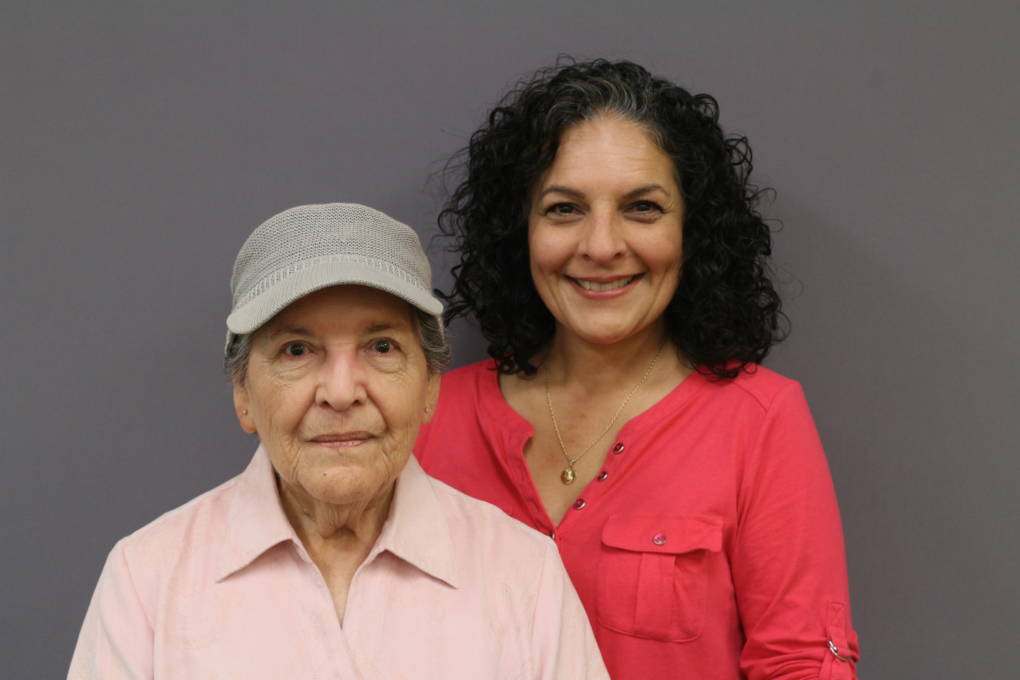
"caption": "Doris Ceballos (L) poses with her daughter Cathleen Lozano after talking about Ceballos' work at a post office in a small California town.",
"description": "Doris Ceballos (L) poses with her daughter Cathleen Lozano after talking about Ceballos' work at a post office in a small California town.",
"title": "Doris and Cathleen",
"credit": "Photo courtesy of StoryCorps",
"status": "inherit",
"isLoading": false,
"fetchFailed": false
},
"news_11362210": {
"type": "attachments",
"id": "news_11362210",
"meta": {
"index": "attachments_1716263798",
"site": "news",
"id": "11362210",
"found": true
},
"parent": 11362137,
"imgSizes": {
"small": {
"file": "https://ww2.kqed.org/app/uploads/sites/10/2017/03/Paul-Barnett-and-Armando-Rivera-520x347.jpg",
"width": 520,
"mimeType": "image/jpeg",
"height": 347
},
"twentyfourteen-full-width": {
"file": "https://ww2.kqed.org/app/uploads/sites/10/2017/03/Paul-Barnett-and-Armando-Rivera-1038x576.jpg",
"width": 1038,
"mimeType": "image/jpeg",
"height": 576
},
"thumbnail": {
"file": "https://ww2.kqed.org/app/uploads/sites/10/2017/03/Paul-Barnett-and-Armando-Rivera-160x107.jpg",
"width": 160,
"mimeType": "image/jpeg",
"height": 107
},
"fd-sm": {
"file": "https://ww2.kqed.org/app/uploads/sites/10/2017/03/Paul-Barnett-and-Armando-Rivera-960x640.jpg",
"width": 960,
"mimeType": "image/jpeg",
"height": 640
},
"post-thumbnail": {
"file": "https://ww2.kqed.org/app/uploads/sites/10/2017/03/Paul-Barnett-and-Armando-Rivera-672x372.jpg",
"width": 672,
"mimeType": "image/jpeg",
"height": 372
},
"xsmall": {
"file": "https://ww2.kqed.org/app/uploads/sites/10/2017/03/Paul-Barnett-and-Armando-Rivera-375x250.jpg",
"width": 375,
"mimeType": "image/jpeg",
"height": 250
},
"kqedFullSize": {
"file": "https://ww2.kqed.org/app/uploads/sites/10/2017/03/Paul-Barnett-and-Armando-Rivera.jpg",
"width": 1920,
"height": 1280
},
"large": {
"file": "https://ww2.kqed.org/app/uploads/sites/10/2017/03/Paul-Barnett-and-Armando-Rivera-1020x680.jpg",
"width": 1020,
"mimeType": "image/jpeg",
"height": 680
},
"xlarge": {
"file": "https://ww2.kqed.org/app/uploads/sites/10/2017/03/Paul-Barnett-and-Armando-Rivera-1180x787.jpg",
"width": 1180,
"mimeType": "image/jpeg",
"height": 787
},
"guest-author-50": {
"file": "https://ww2.kqed.org/app/uploads/sites/10/2017/03/Paul-Barnett-and-Armando-Rivera-50x50.jpg",
"width": 50,
"mimeType": "image/jpeg",
"height": 50
},
"guest-author-96": {
"file": "https://ww2.kqed.org/app/uploads/sites/10/2017/03/Paul-Barnett-and-Armando-Rivera-96x96.jpg",
"width": 96,
"mimeType": "image/jpeg",
"height": 96
},
"medium": {
"file": "https://ww2.kqed.org/app/uploads/sites/10/2017/03/Paul-Barnett-and-Armando-Rivera-800x533.jpg",
"width": 800,
"mimeType": "image/jpeg",
"height": 533
},
"guest-author-64": {
"file": "https://ww2.kqed.org/app/uploads/sites/10/2017/03/Paul-Barnett-and-Armando-Rivera-64x64.jpg",
"width": 64,
"mimeType": "image/jpeg",
"height": 64
},
"guest-author-32": {
"file": "https://ww2.kqed.org/app/uploads/sites/10/2017/03/Paul-Barnett-and-Armando-Rivera-32x32.jpg",
"width": 32,
"mimeType": "image/jpeg",
"height": 32
},
"fd-lrg": {
"file": "https://ww2.kqed.org/app/uploads/sites/10/2017/03/Paul-Barnett-and-Armando-Rivera-1920x1280.jpg",
"width": 1920,
"mimeType": "image/jpeg",
"height": 1280
},
"fd-med": {
"file": "https://ww2.kqed.org/app/uploads/sites/10/2017/03/Paul-Barnett-and-Armando-Rivera-1180x787.jpg",
"width": 1180,
"mimeType": "image/jpeg",
"height": 787
},
"full-width": {
"file": "https://ww2.kqed.org/app/uploads/sites/10/2017/03/Paul-Barnett-and-Armando-Rivera-1920x1280.jpg",
"width": 1920,
"mimeType": "image/jpeg",
"height": 1280
},
"detail": {
"file": "https://ww2.kqed.org/app/uploads/sites/10/2017/03/Paul-Barnett-and-Armando-Rivera-150x150.jpg",
"width": 150,
"mimeType": "image/jpeg",
"height": 150
},
"guest-author-128": {
"file": "https://ww2.kqed.org/app/uploads/sites/10/2017/03/Paul-Barnett-and-Armando-Rivera-128x128.jpg",
"width": 128,
"mimeType": "image/jpeg",
"height": 128
},
"xxsmall": {
"file": "https://ww2.kqed.org/app/uploads/sites/10/2017/03/Paul-Barnett-and-Armando-Rivera-240x160.jpg",
"width": 240,
"mimeType": "image/jpeg",
"height": 160
}
},
"publishDate": 1489684236,
"modified": 1490045409,
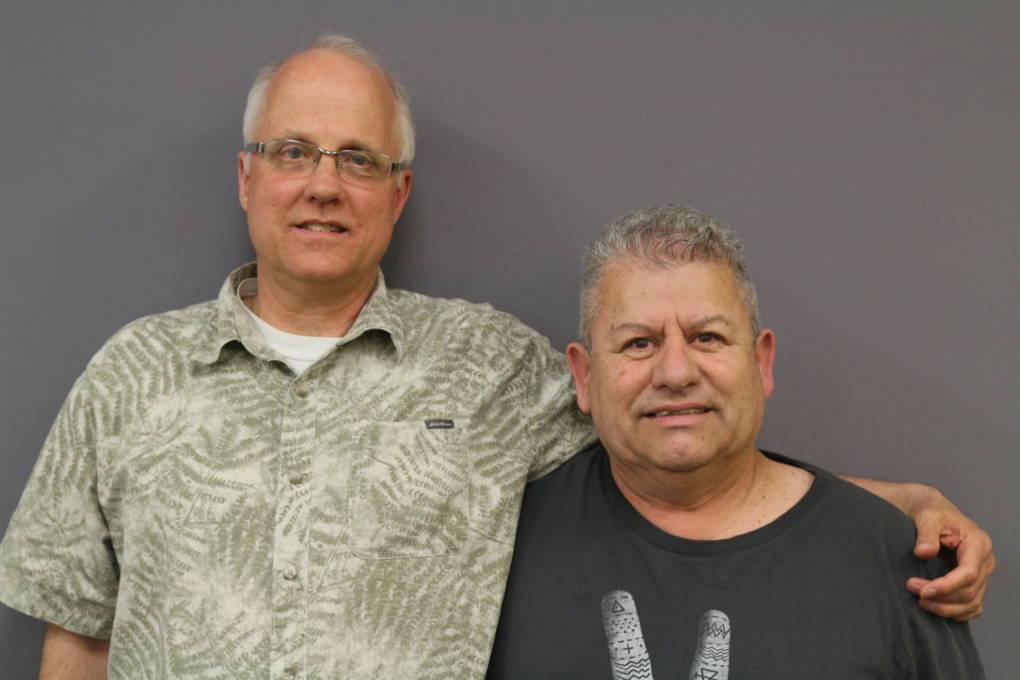
"caption": "Paul Barnett (L) and Armando Rivera established a lifelong friendship after a chance meeting in a Fresno grocery store 35 years ago.",
"description": "Paul Barnett (L) and Armando Rivera established a lifelong friendship after a chance meeting in a Fresno grocery store 35 years ago.",
"title": "Paul Barnett and Armando Rivera",
"credit": "Photo courtesy of StoryCorps",
"status": "inherit",
"isLoading": false,
"fetchFailed": false
},
"news_11353204": {
"type": "attachments",
"id": "news_11353204",
"meta": {
"index": "attachments_1716263798",
"site": "news",
"id": "11353204",
"found": true
},
"parent": 11353134,
"imgSizes": {
"small": {
"file": "https://ww2.kqed.org/app/uploads/sites/10/2017/03/Richard-Herron-and-Graciela-Martinez-520x347.jpg",
"width": 520,
"mimeType": "image/jpeg",
"height": 347
},
"twentyfourteen-full-width": {
"file": "https://ww2.kqed.org/app/uploads/sites/10/2017/03/Richard-Herron-and-Graciela-Martinez-1038x576.jpg",
"width": 1038,
"mimeType": "image/jpeg",
"height": 576
},
"thumbnail": {
"file": "https://ww2.kqed.org/app/uploads/sites/10/2017/03/Richard-Herron-and-Graciela-Martinez-160x107.jpg",
"width": 160,
"mimeType": "image/jpeg",
"height": 107
},
"fd-sm": {
"file": "https://ww2.kqed.org/app/uploads/sites/10/2017/03/Richard-Herron-and-Graciela-Martinez-960x640.jpg",
"width": 960,
"mimeType": "image/jpeg",
"height": 640
},
"post-thumbnail": {
"file": "https://ww2.kqed.org/app/uploads/sites/10/2017/03/Richard-Herron-and-Graciela-Martinez-672x372.jpg",
"width": 672,
"mimeType": "image/jpeg",
"height": 372
},
"xsmall": {
"file": "https://ww2.kqed.org/app/uploads/sites/10/2017/03/Richard-Herron-and-Graciela-Martinez-375x250.jpg",
"width": 375,
"mimeType": "image/jpeg",
"height": 250
},
"kqedFullSize": {
"file": "https://ww2.kqed.org/app/uploads/sites/10/2017/03/Richard-Herron-and-Graciela-Martinez.jpg",
"width": 1920,
"height": 1280
},
"large": {
"file": "https://ww2.kqed.org/app/uploads/sites/10/2017/03/Richard-Herron-and-Graciela-Martinez-1020x680.jpg",
"width": 1020,
"mimeType": "image/jpeg",
"height": 680
},
"xlarge": {
"file": "https://ww2.kqed.org/app/uploads/sites/10/2017/03/Richard-Herron-and-Graciela-Martinez-1180x787.jpg",
"width": 1180,
"mimeType": "image/jpeg",
"height": 787
},
"guest-author-50": {
"file": "https://ww2.kqed.org/app/uploads/sites/10/2017/03/Richard-Herron-and-Graciela-Martinez-50x50.jpg",
"width": 50,
"mimeType": "image/jpeg",
"height": 50
},
"guest-author-96": {
"file": "https://ww2.kqed.org/app/uploads/sites/10/2017/03/Richard-Herron-and-Graciela-Martinez-96x96.jpg",
"width": 96,
"mimeType": "image/jpeg",
"height": 96
},
"medium": {
"file": "https://ww2.kqed.org/app/uploads/sites/10/2017/03/Richard-Herron-and-Graciela-Martinez-800x533.jpg",
"width": 800,
"mimeType": "image/jpeg",
"height": 533
},
"guest-author-64": {
"file": "https://ww2.kqed.org/app/uploads/sites/10/2017/03/Richard-Herron-and-Graciela-Martinez-64x64.jpg",
"width": 64,
"mimeType": "image/jpeg",
"height": 64
},
"guest-author-32": {
"file": "https://ww2.kqed.org/app/uploads/sites/10/2017/03/Richard-Herron-and-Graciela-Martinez-32x32.jpg",
"width": 32,
"mimeType": "image/jpeg",
"height": 32
},
"fd-lrg": {
"file": "https://ww2.kqed.org/app/uploads/sites/10/2017/03/Richard-Herron-and-Graciela-Martinez-1920x1280.jpg",
"width": 1920,
"mimeType": "image/jpeg",
"height": 1280
},
"fd-med": {
"file": "https://ww2.kqed.org/app/uploads/sites/10/2017/03/Richard-Herron-and-Graciela-Martinez-1180x787.jpg",
"width": 1180,
"mimeType": "image/jpeg",
"height": 787
},
"full-width": {
"file": "https://ww2.kqed.org/app/uploads/sites/10/2017/03/Richard-Herron-and-Graciela-Martinez-1920x1280.jpg",
"width": 1920,
"mimeType": "image/jpeg",
"height": 1280
},
"detail": {
"file": "https://ww2.kqed.org/app/uploads/sites/10/2017/03/Richard-Herron-and-Graciela-Martinez-150x150.jpg",
"width": 150,
"mimeType": "image/jpeg",
"height": 150
},
"guest-author-128": {
"file": "https://ww2.kqed.org/app/uploads/sites/10/2017/03/Richard-Herron-and-Graciela-Martinez-128x128.jpg",
"width": 128,
"mimeType": "image/jpeg",
"height": 128
},
"xxsmall": {
"file": "https://ww2.kqed.org/app/uploads/sites/10/2017/03/Richard-Herron-and-Graciela-Martinez-240x160.jpg",
"width": 240,
"mimeType": "image/jpeg",
"height": 160
}
},
"publishDate": 1489174055,
"modified": 1489197614,
"caption": "Richard Herron (left) and his mother, Graciela Martinez (right), pose for a photo as part of California State University, Fresno's StoryCorps project to capture the voices of Central Valley Latinos.",
"description": null,
"title": "Richard Herron and Graciela Martinez",
"credit": "Photo courtesy of StoryCorps",
"status": "inherit",
"isLoading": false,
"fetchFailed": false
}
},
"audioPlayerReducer": {
"postId": "stream_live",
"isPaused": true,
"isPlaying": false,
"pfsActive": false,
"pledgeModalIsOpen": true,
"playerDrawerIsOpen": false,
"liveAudioPlayStartedAt": 0,
"liveAudioPlayContext": ""
},
"authorsReducer": {
"byline_news_11758552": {
"type": "authors",
"id": "byline_news_11758552",
"meta": {
"override": true
},
"slug": "byline_news_11758552",
"name": "\u003ca href= \"https://www.kvpr.org/people/kerry-klein\"> Kerry Klein \u003ca/>",
"isLoading": false
},
"byline_news_11747776": {
"type": "authors",
"id": "byline_news_11747776",
"meta": {
"override": true
},
"slug": "byline_news_11747776",
"name": "\u003cstrong>\u003ca href=\"https://twitter.com/kronayne?ref_src=twsrc%5Egoogle%7Ctwcamp%5Eserp%7Ctwgr%5Eauthor\">Kathleen Ronayne\u003c/a>\u003cbr /> Associated Press\u003c/strong>",
"isLoading": false
},
"byline_news_11707628": {
"type": "authors",
"id": "byline_news_11707628",
"meta": {
"override": true
},
"slug": "byline_news_11707628",
"name": "Kimberly Brown",
"isLoading": false
},
"byline_news_11673103": {
"type": "authors",
"id": "byline_news_11673103",
"meta": {
"override": true
},
"slug": "byline_news_11673103",
"name": "\u003cb>Jessica Placzek \u003c/b> and \u003cb> Maddie Gobbo \u003c/b>",
"isLoading": false
},
"byline_news_11662914": {
"type": "authors",
"id": "byline_news_11662914",
"meta": {
"override": true
},
"slug": "byline_news_11662914",
"name": "\u003cstrong>\u003ca href=\"https://calmatters.org/articles/author/dan-morain/\">Dan Morain\u003c/a>\u003c/strong>",
"isLoading": false
},
"byline_news_11463233": {
"type": "authors",
"id": "byline_news_11463233",
"meta": {
"override": true
},
"slug": "byline_news_11463233",
"name": "\u003cstrong>\u003ca href=\"https://www.publicintegrity.org/authors/jim-morris\">Jim Morris\u003c/a>\u003c/strong> and \u003cstrong>\u003ca href=\"https://ww2.kqed.org/news/author/sasha-khokha/\">Sasha Khokha\u003c/a>\u003c/strong>",
"isLoading": false
},
"danbrekke": {
"type": "authors",
"id": "222",
"meta": {
"index": "authors_1716337520",
"id": "222",
"found": true
},
"name": "Dan Brekke",
"firstName": "Dan",
"lastName": "Brekke",
"slug": "danbrekke",
"email": "dbrekke@kqed.org",
"display_author_email": true,
"staff_mastheads": [
"news",
"science"
],
"title": "KQED Editor and Reporter",
"bio": "Dan Brekke is a reporter and editor for KQED News, responsible for coverage of topics ranging from California water issues to the Bay Area's transportation challenges. In a newsroom career that began in Chicago in 1972, Dan has worked for \u003cem>The San Francisco Examiner,\u003c/em> Wired and TechTV and has been published in The New York Times, The New York Times Magazine, Business 2.0, Salon and elsewhere.\r\n\r\nSince joining KQED in 2007, Dan has reported, edited and produced both radio and online features and breaking news pieces. He has shared as both editor and reporter in four Society of Professional Journalists Norcal Excellence in Journalism awards and one Edward R. Murrow regional award. He was chosen for a spring 2017 residency at the Mesa Refuge to advance his research on California salmon.\r\n\r\nEmail Dan at: \u003ca href=\"mailto:dbrekke@kqed.org\">dbrekke@kqed.org\u003c/a>\r\n\r\n\u003cstrong>Twitter:\u003c/strong> \u003ca href=\"https://twitter.com/danbrekke\" rel=\"noopener noreferrer\">twitter.com/danbrekke\u003c/a>\r\n\u003cstrong>Facebook:\u003c/strong> \u003ca href=\"https://www.facebook.com/danbrekke\" rel=\"noopener noreferrer\">www.facebook.com/danbrekke\u003c/a>\r\n\u003cstrong>LinkedIn:\u003c/strong> \u003ca href=\"https://www.linkedin.com/in/danbrekke\" rel=\"noopener noreferrer\">www.linkedin.com/in/danbrekke\u003c/a>",
"avatar": "https://secure.gravatar.com/avatar/8f1f0d2a978fb3b23426c922c7e2af558fa36905b49c4ce76a97dc3c72d27226?s=600&d=mm&r=g",
"twitter": "danbrekke",
"bluesky": null,
"facebook": null,
"instagram": "https://www.instagram.com/dan.brekke/",
"linkedin": "https://www.linkedin.com/in/danbrekke/",
"sites": [
{
"site": "news",
"roles": [
"administrator",
"create_posts"
]
},
{
"site": "stateofhealth",
"roles": [
"editor"
]
},
{
"site": "science",
"roles": [
"editor"
]
},
{
"site": "quest",
"roles": [
"contributor"
]
},
{
"site": "food",
"roles": [
"contributor"
]
},
{
"site": "forum",
"roles": [
"contributor"
]
},
{
"site": "elections",
"roles": [
"editor"
]
},
{
"site": "liveblog",
"roles": [
"editor"
]
}
],
"headData": {
"title": "Dan Brekke | KQED",
"description": "KQED Editor and Reporter",
"ogImgSrc": "https://secure.gravatar.com/avatar/8f1f0d2a978fb3b23426c922c7e2af558fa36905b49c4ce76a97dc3c72d27226?s=600&d=mm&r=g",
"twImgSrc": "https://secure.gravatar.com/avatar/8f1f0d2a978fb3b23426c922c7e2af558fa36905b49c4ce76a97dc3c72d27226?s=600&d=mm&r=g"
},
"isLoading": false,
"link": "/author/danbrekke"
},
"markfiore": {
"type": "authors",
"id": "3236",
"meta": {
"index": "authors_1716337520",
"id": "3236",
"found": true
},
"name": "Mark Fiore",
"firstName": "Mark",
"lastName": "Fiore",
"slug": "markfiore",
"email": "mark@markfiore.com",
"display_author_email": false,
"staff_mastheads": [
"news"
],
"title": "KQED News Cartoonist",
"bio": "\u003ca href=\"http://www.MarkFiore.com\">MarkFiore.com\u003c/a> | \u003ca href=\"https://twitter.com/markfiore\">Follow on Twitter\u003c/a> | \u003ca href=\"https://www.facebook.com/pages/Mark-Fiore-Animated-Political-Cartoons/94451707396?ref=bookmarks\">Facebook\u003c/a> | \u003ca href=\"mailto:mark@markfiore.com\">email\u003c/a>\r\n\r\nPulitzer Prize-winner, Mark Fiore, who the Wall Street Journal has called “the undisputed guru of the form,” creates animated political cartoons in San Francisco, where his work has been featured regularly on the San Francisco Chronicle’s web site, SFGate.com. His work has appeared on Newsweek.com, Slate.com, CBSNews.com, MotherJones.com, DailyKos.com and NPR’s web site. Fiore’s political animation has appeared on CNN, Frontline, Bill Moyers Journal, Salon.com and cable and broadcast outlets across the globe.\r\n\r\nBeginning his professional life by drawing traditional political cartoons for newspapers, Fiore’s work appeared in publications ranging from the Washington Post to the Los Angeles Times. In the late 1990s, he began to experiment with animating political cartoons and, after a short stint at the San Jose Mercury News as their staff cartoonist, Fiore devoted all his energies to animation.\r\nGrowing up in California, Fiore also spent a good portion of his life in the backwoods of Idaho. It was this combination that shaped him politically. Mark majored in political science at Colorado College, where, in a perfect send-off for a cartoonist, he received his diploma in 1991 as commencement speaker Dick Cheney smiled approvingly.\r\nMark Fiore was awarded the Pulitzer Prize for political cartooning in 2010, a Robert F. Kennedy Journalism Award in 2004 and has twice received an Online Journalism Award for commentary from the Online News Association (2002, 2008). Fiore has received two awards for his work in new media from the National Cartoonists Society (2001, 2002), and in 2006 received The James Madison Freedom of Information Award from The Society of Professional Journalists.",
"avatar": "https://secure.gravatar.com/avatar/fc4e2a612b15b67bad0c6f0e1db4ca9b?s=600&d=blank&r=g",
"twitter": "MarkFiore",
"facebook": null,
"instagram": "https://www.instagram.com/markfiore/?hl=en",
"linkedin": null,
"sites": [
{
"site": "arts",
"roles": [
"contributor"
]
},
{
"site": "news",
"roles": [
"editor"
]
},
{
"site": "futureofyou",
"roles": [
"editor"
]
},
{
"site": "science",
"roles": [
"editor"
]
}
],
"headData": {
"title": "Mark Fiore | KQED",
"description": "KQED News Cartoonist",
"ogImgSrc": "https://secure.gravatar.com/avatar/fc4e2a612b15b67bad0c6f0e1db4ca9b?s=600&d=blank&r=g",
"twImgSrc": "https://secure.gravatar.com/avatar/fc4e2a612b15b67bad0c6f0e1db4ca9b?s=600&d=blank&r=g"
},
"isLoading": false,
"link": "/author/markfiore"
},
"rlevi": {
"type": "authors",
"id": "11260",
"meta": {
"index": "authors_1716337520",
"id": "11260",
"found": true
},
"name": "Ryan Levi",
"firstName": "Ryan",
"lastName": "Levi",
"slug": "rlevi",
"email": "rlevi@KQED.org",
"display_author_email": false,
"staff_mastheads": [],
"title": "KQED Contributor",
"bio": "Ryan Levi was a reporter and podcast producer at KQED News from 2016-2019. He worked on \u003ca href=\"https://www.kqed.org/news/series/baycurious\">Bay Curious\u003c/a>, \u003ca href=\"https://www.kqed.org/news/tag/the-bay/\">The Bay, \u003c/a>and \u003ca href=\"https://podcasts.apple.com/us/podcast/the-california-report-magazine/id1314750545\">The California Report Magazine\u003c/a>, as well as hosting and producing the weekly \u003ca href=\"https://www.kqed.org/news/program/qedup/\">Q'ed Up podcast. \u003c/a>He also helped inaugurate KQED's weekend news coverage in 2017 as one of two original digital producers. Ryan holds degrees in multimedia journalism and Spanish from the University of Missouri.",
"avatar": "https://secure.gravatar.com/avatar/4cb2ddd028ac8807d1adf09609c5555d?s=600&d=blank&r=g",
"twitter": "ryan_levi",
"facebook": null,
"instagram": null,
"linkedin": null,
"sites": [
{
"site": "arts",
"roles": [
"editor"
]
},
{
"site": "news",
"roles": [
"subscriber"
]
},
{
"site": "stateofhealth",
"roles": [
"editor"
]
},
{
"site": "science",
"roles": [
"editor"
]
},
{
"site": "forum",
"roles": [
"administrator"
]
},
{
"site": "perspectives",
"roles": [
"administrator"
]
}
],
"headData": {
"title": "Ryan Levi | KQED",
"description": "KQED Contributor",
"ogImgSrc": "https://secure.gravatar.com/avatar/4cb2ddd028ac8807d1adf09609c5555d?s=600&d=blank&r=g",
"twImgSrc": "https://secure.gravatar.com/avatar/4cb2ddd028ac8807d1adf09609c5555d?s=600&d=blank&r=g"
},
"isLoading": false,
"link": "/author/rlevi"
}
},
"pagesReducer": {
"news_tag_san-joaquin-valley": {
"type": "terms",
"id": "news_312",
"meta": {
"index": "terms_1716263798",
"site": "news",
"id": "312",
"score": 8.938291
},
"featImg": null,
"name": "San Joaquin Valley",
"description": null,
"taxonomy": "tag",
"headData": {
"twImgId": null,
"twTitle": null,
"ogTitle": null,
"ogImgId": null,
"twDescription": null,
"description": null,
"title": "San Joaquin Valley Archives | KQED News",
"ogDescription": null
},
"ttid": 320,
"slug": "san-joaquin-valley",
"isLoading": false,
"title": "San Joaquin Valley",
"pageMeta": {
"site": "news",
"WpPageTemplate": "page-topic-editorial",
"currentPage": 2
},
"blocks": [
{
"blockName": "kqed/post-list",
"attrs": {
"layout": "cardArticle2",
"query": "posts/news?tag=san-joaquin-valley",
"seeMore": false,
"paginated": true,
"page": 2
}
},
{
"blockName": "kqed/ad"
}
]
}
},
"pfsSessionReducer": {},
"postsReducer": {
"stream_live": {
"type": "live",
"id": "stream_live",
"audioUrl": "https://streams.kqed.org/kqedradio",
"title": "Live Stream",
"excerpt": "Live Stream information currently unavailable.",
"link": "/radio",
"featImg": "",
"label": {
"name": "KQED Live",
"link": "/"
}
},
"stream_kqedNewscast": {
"type": "posts",
"id": "stream_kqedNewscast",
"audioUrl": "https://www.kqed.org/.stream/anon/radio/RDnews/newscast.mp3?_=1",
"title": "KQED Newscast",
"featImg": "",
"label": {
"name": "88.5 FM",
"link": "/"
}
},
"news_11758552": {
"type": "posts",
"id": "news_11758552",
"meta": {
"index": "posts_1716263798",
"site": "news",
"id": "11758552",
"score": null,
"sort": [
1562081722000
]
},
"guestAuthors": [],
"slug": "meth-is-making-a-comeback-in-california-and-its-hitting-the-san-joaquin-valley-hard",
"title": "Meth Is Making a Comeback in California – And It’s Hitting the San Joaquin Valley Hard",
"publishDate": 1562081722,
"format": "standard",
"headTitle": "Meth Is Making a Comeback in California – And It’s Hitting the San Joaquin Valley Hard | KQED",
"labelTerm": {},
"content": "\u003cp>The opioid crisis has been a national focus for years, but new state data shows amphetamines have eclipsed opioids in the San Joaquin Valley.\u003c/p>\n\u003cp>In 2017, opioid overdoses killed 158 Valley residents. According to the \u003ca href=\"https://discovery.cdph.ca.gov/CDIC/ODdash/\" target=\"_blank\" rel=\"noopener\">California Opioid Overdose Surveillance Dashboard\u003c/a>, however, 232 people died from overdosing on amphetamines.\u003c/p>\n\u003cp>The most notorious amphetamine is methamphetamine, which the state Department of Public Health confirms comprises the majority of the drug family. In the San Joaquin Valley, meth-related fatal overdoses have surpassed those due to opioids since 2015.\u003c/p>\n\u003cp>[aside tag='methamphetamine' label='Related Coverage']\u003c/p>\n\u003cp>“It’s bad, and it always has been,” said Bob Pennal, a coordinator and former commander of the Fresno Meth Task Force. “Meth has really always been one of, if not the most popular drug, next to marijuana, in the Central Valley.”\u003c/p>\n\u003cp>Domestic meth production has dropped in recent years, and most trafficked in the U.S. is manufactured in Mexico and smuggled across the southern border. From there, Interstate 5 and State Route 99 are two of the most common corridors used to distribute the drug to the rest of the country.\u003c/p>\n\u003cp>Although Drug Enforcement Agency data shows the purity of meth has been rising in recent years, an increase in production has brought street prices down considerably.\u003c/p>\n\u003cp>“A pound of methamphetamine was close to $6,000 just a couple of years ago, and now a pound is $1,000,” Pennal said. A DEA representative estimates a price range in the Fresno area of closer to $1,700-$2,000, but agrees the price has plummeted in the last decade.\u003c/p>\n\u003cfigure id=\"attachment_11758558\" class=\"wp-caption alignnone\" style=\"max-width: 1200px\">\u003ca href=\"https://ww2.kqed.org/news/wp-content/uploads/sites/10/2019/07/Chart_combined.png\">\u003cimg loading=\"lazy\" decoding=\"async\" class=\"size-full wp-image-11758558\" src=\"https://ww2.kqed.org/news/wp-content/uploads/sites/10/2019/07/Chart_combined.png\" alt=\"\" width=\"1200\" height=\"435\" srcset=\"https://cdn.kqed.org/wp-content/uploads/sites/10/2019/07/Chart_combined.png 1200w, https://cdn.kqed.org/wp-content/uploads/sites/10/2019/07/Chart_combined-160x58.png 160w, https://cdn.kqed.org/wp-content/uploads/sites/10/2019/07/Chart_combined-800x290.png 800w, https://cdn.kqed.org/wp-content/uploads/sites/10/2019/07/Chart_combined-1020x370.png 1020w\" sizes=\"auto, (max-width: 1200px) 100vw, 1200px\">\u003c/a>\u003cfigcaption class=\"wp-caption-text\">In the San Joaquin Valley, fatal overdoses due to meth have overtaken those from opioids since 2015. Statewide, opioids are still more deadly than meth, but the gap is narrowing. \u003ccite>( California Opioid Overdose Surveillance Dashboard)\u003c/cite>\u003c/figcaption>\u003c/figure>\n\u003cp>One of California’s hardest-hit counties is Kern, where 123 people succumbed to meth overdoses in 2017.\u003c/p>\n\u003cp>Like Pennal, Ann Sherwood, who oversees drug prevention with Kern Behavioral Health and Recovery Services, is also not surprised that meth has led to more deaths in the county. “Methamphetamine is by far the most popular drug that we have our clients self-report as their drug of choice,” she said.\u003c/p>\n\u003cp>County data shows nearly 40% of all clients in county-sponsored treatment programs report using the drug.\u003c/p>\n\u003cp>“We hear from our partners that they see a lot of meth use,” she said, such as the Bakersfield Police Department, which reported that meth constituted \u003ca href=\"https://www.kvpr.org/post/bakersfield-cops-concern-opioids-grows-meth-still-king\" target=\"_blank\" rel=\"noopener\">nearly three-quarters\u003c/a> of all drugs seized in the city, other than marijuana, in 2018. “When children are removed from the home, we very often hear that it’s methamphetamine-involved,” Sherwood said.\u003c/p>\n\u003cp>Statewide, meth kills more Californians than any single opioid — like heroin or fentanyl — but the opioid family still leads to more deaths than meth. The gap, however, is rapidly narrowing.\u003c/p>\n\u003cp>[ad fullwidth]\u003c/p>\n\u003cp>\u003c/p>\n",
"blocks": [],
"excerpt": "The opioid crisis has been a national focus for years, but new state data shows another family of drugs has eclipsed opioids in the San Joaquin Valley.",
"status": "publish",
"parent": 0,
"modified": 1738095768,
"stats": {
"hasAudio": false,
"hasVideo": false,
"hasChartOrMap": false,
"iframeSrcs": [],
"hasGoogleForm": false,
"hasGallery": false,
"hasHearkenModule": false,
"hasPolis": false,
"paragraphCount": 15,
"wordCount": 492
},
"headData": {
"title": "Meth Is Making a Comeback in California – And It’s Hitting the San Joaquin Valley Hard | KQED",
"description": "The opioid crisis has been a national focus for years, but new state data shows another family of drugs has eclipsed opioids in the San Joaquin Valley.",
"ogTitle": "",
"ogDescription": "",
"ogImgId": "",
"twTitle": "",
"twDescription": "",
"twImgId": "",
"schema": {
"@context": "https://schema.org",
"@type": "NewsArticle",
"headline": "Meth Is Making a Comeback in California – And It’s Hitting the San Joaquin Valley Hard",
"datePublished": "2019-07-02T08:35:22-07:00",
"dateModified": "2025-01-28T12:22:48-08:00",
"image": "https://cdn.kqed.org/wp-content/uploads/2020/02/KQED-OG-Image@1x.png",
"isAccessibleForFree": "True",
"publisher": {
"@type": "NewsMediaOrganization",
"@id": "https://www.kqed.org/#organization",
"name": "KQED",
"logo": "https://cdn.kqed.org/wp-content/uploads/2020/02/KQED-OG-Image@1x.png",
"url": "https://www.kqed.org",
"sameAs": [
"https://www.facebook.com/KQED",
"https://twitter.com/KQED",
"https://www.instagram.com/kqed/",
"https://www.tiktok.com/@kqedofficial",
"https://www.linkedin.com/company/kqed",
"https://www.youtube.com/channel/UCeC0IOo7i1P_61zVUWbJ4nw"
]
}
}
},
"source": "KVPR",
"sourceUrl": "https://www.kvpr.org",
"audioUrl": "https://www.kqed.org/.stream/anon/radio/tcr/2019/07/KleinMeth.mp3",
"sticky": false,
"nprByline": "\u003ca href= \"https://www.kvpr.org/people/kerry-klein\"> Kerry Klein \u003ca/>",
"audioTrackLength": 99,
"path": "/news/11758552/meth-is-making-a-comeback-in-california-and-its-hitting-the-san-joaquin-valley-hard",
"audioDuration": 99000,
"parsedContent": [
{
"type": "contentString",
"content": "\u003cdiv class=\"post-body\">\u003cp>\u003cp>The opioid crisis has been a national focus for years, but new state data shows amphetamines have eclipsed opioids in the San Joaquin Valley.\u003c/p>\n\u003cp>In 2017, opioid overdoses killed 158 Valley residents. According to the \u003ca href=\"https://discovery.cdph.ca.gov/CDIC/ODdash/\" target=\"_blank\" rel=\"noopener\">California Opioid Overdose Surveillance Dashboard\u003c/a>, however, 232 people died from overdosing on amphetamines.\u003c/p>\n\u003cp>The most notorious amphetamine is methamphetamine, which the state Department of Public Health confirms comprises the majority of the drug family. In the San Joaquin Valley, meth-related fatal overdoses have surpassed those due to opioids since 2015.\u003c/p>\n\u003cp>\u003c/p>\u003c/div>",
"attributes": {
"named": {},
"numeric": []
}
},
{
"type": "component",
"content": "",
"name": "aside",
"attributes": {
"named": {
"tag": "methamphetamine",
"label": "Related Coverage "
},
"numeric": []
}
},
{
"type": "contentString",
"content": "\u003cdiv class=\"post-body\">\u003cp>\u003c/p>\n\u003cp>“It’s bad, and it always has been,” said Bob Pennal, a coordinator and former commander of the Fresno Meth Task Force. “Meth has really always been one of, if not the most popular drug, next to marijuana, in the Central Valley.”\u003c/p>\n\u003cp>Domestic meth production has dropped in recent years, and most trafficked in the U.S. is manufactured in Mexico and smuggled across the southern border. From there, Interstate 5 and State Route 99 are two of the most common corridors used to distribute the drug to the rest of the country.\u003c/p>\n\u003cp>Although Drug Enforcement Agency data shows the purity of meth has been rising in recent years, an increase in production has brought street prices down considerably.\u003c/p>\n\u003cp>“A pound of methamphetamine was close to $6,000 just a couple of years ago, and now a pound is $1,000,” Pennal said. A DEA representative estimates a price range in the Fresno area of closer to $1,700-$2,000, but agrees the price has plummeted in the last decade.\u003c/p>\n\u003cfigure id=\"attachment_11758558\" class=\"wp-caption alignnone\" style=\"max-width: 1200px\">\u003ca href=\"https://ww2.kqed.org/news/wp-content/uploads/sites/10/2019/07/Chart_combined.png\">\u003cimg loading=\"lazy\" decoding=\"async\" class=\"size-full wp-image-11758558\" src=\"https://ww2.kqed.org/news/wp-content/uploads/sites/10/2019/07/Chart_combined.png\" alt=\"\" width=\"1200\" height=\"435\" srcset=\"https://cdn.kqed.org/wp-content/uploads/sites/10/2019/07/Chart_combined.png 1200w, https://cdn.kqed.org/wp-content/uploads/sites/10/2019/07/Chart_combined-160x58.png 160w, https://cdn.kqed.org/wp-content/uploads/sites/10/2019/07/Chart_combined-800x290.png 800w, https://cdn.kqed.org/wp-content/uploads/sites/10/2019/07/Chart_combined-1020x370.png 1020w\" sizes=\"auto, (max-width: 1200px) 100vw, 1200px\">\u003c/a>\u003cfigcaption class=\"wp-caption-text\">In the San Joaquin Valley, fatal overdoses due to meth have overtaken those from opioids since 2015. Statewide, opioids are still more deadly than meth, but the gap is narrowing. \u003ccite>( California Opioid Overdose Surveillance Dashboard)\u003c/cite>\u003c/figcaption>\u003c/figure>\n\u003cp>One of California’s hardest-hit counties is Kern, where 123 people succumbed to meth overdoses in 2017.\u003c/p>\n\u003cp>Like Pennal, Ann Sherwood, who oversees drug prevention with Kern Behavioral Health and Recovery Services, is also not surprised that meth has led to more deaths in the county. “Methamphetamine is by far the most popular drug that we have our clients self-report as their drug of choice,” she said.\u003c/p>\n\u003cp>County data shows nearly 40% of all clients in county-sponsored treatment programs report using the drug.\u003c/p>\n\u003cp>“We hear from our partners that they see a lot of meth use,” she said, such as the Bakersfield Police Department, which reported that meth constituted \u003ca href=\"https://www.kvpr.org/post/bakersfield-cops-concern-opioids-grows-meth-still-king\" target=\"_blank\" rel=\"noopener\">nearly three-quarters\u003c/a> of all drugs seized in the city, other than marijuana, in 2018. “When children are removed from the home, we very often hear that it’s methamphetamine-involved,” Sherwood said.\u003c/p>\n\u003cp>Statewide, meth kills more Californians than any single opioid — like heroin or fentanyl — but the opioid family still leads to more deaths than meth. The gap, however, is rapidly narrowing.\u003c/p>\n\u003cp>\u003c/p>\u003c/div>",
"attributes": {
"named": {},
"numeric": []
}
},
{
"type": "component",
"content": "",
"name": "ad",
"attributes": {
"named": {
"label": "fullwidth"
},
"numeric": [
"fullwidth"
]
}
},
{
"type": "contentString",
"content": "\u003cdiv class=\"post-body\">\u003cp>\u003c/p>\n\u003cp>\u003c/p>\n\u003c/div>\u003c/p>",
"attributes": {
"named": {},
"numeric": []
}
}
],
"link": "/news/11758552/meth-is-making-a-comeback-in-california-and-its-hitting-the-san-joaquin-valley-hard",
"authors": [
"byline_news_11758552"
],
"programs": [
"news_72"
],
"categories": [
"news_457",
"news_6188",
"news_8",
"news_33520"
],
"tags": [
"news_311",
"news_25076",
"news_24982",
"news_22774",
"news_312"
],
"featImg": "news_11758556",
"label": "source_news_11758552"
},
"news_11747776": {
"type": "posts",
"id": "news_11747776",
"meta": {
"index": "posts_1716263798",
"site": "news",
"id": "11747776",
"score": null,
"sort": [
1558044047000
]
},
"parent": 0,
"labelTerm": {
"site": "news",
"term": 72
},
"blocks": [],
"publishDate": 1558044047,
"format": "standard",
"disqusTitle": "Trump Administration Pulls $929 Million Grant From California High-Speed Rail",
"title": "Trump Administration Pulls $929 Million Grant From California High-Speed Rail",
"headTitle": "The California Report | KQED News",
"content": "\u003cp>The Trump administration on Thursday canceled a promise of $929 million in funding for California's high-speed rail project, further throwing into question the future of the ambitious plan to connect Los Angeles and San Francisco by bullet train.\u003c/p>\n\u003cp>[aside tag=\"high-speed-rail\" label=\"California's High-Speed Rail Saga\"]\u003c/p>\n\u003cp>The administration also repeated an earlier promise to try to force California to return $2.5 billion in federal money that has already been spent on the project.\u003c/p>\n\u003cp>The move by the Federal Railroad Administration came several months after President Trump and Gov. Gavin Newsom sniped at each other over the project.\u003c/p>\n\u003cp>Trump made the rail line an issue when he seized on Newsom's remarks in February that the project as planned would cost too much and take too long.\u003c/p>\n\u003cp>Newsom has shifted the project's immediate focus to a 171-mile line in the San Joaquin Valley, but he said he's still committed to building the full line.\u003c/p>\n\u003cp>Still, federal officials said California has repeatedly failed to make \"reasonable progress\" and abandoned the original vision.\u003c/p>\n\u003cp>Newsom declared the action \"illegal and a direct assault on California\" and said the state would go to court to keep the money.\u003c/p>\n\u003cp>\"This is California's money, appropriated by Congress, and we will vigorously defend it in court,\" the governor said in an emailed statement.\u003c/p>\n\u003cp>Voters initially approved about $10 billion in bond funds for the project in 2008, with state officials saying the project could be built for about $33 billion and start running by 2020. It has faced repeated cost increases and delays since then. It's now projected to cost nearly $80 billion and be finished by 2033.\u003cbr>\n[ad fullwidth]\u003c/p>\n\u003cp>\u003c/p>\n",
"disqusIdentifier": "11747776 https://ww2.kqed.org/news/?p=11747776",
"disqusUrl": "https://ww2.kqed.org/news/2019/05/16/trump-administration-pulls-1b-from-california-high-speed-rail/",
"stats": {
"hasVideo": false,
"hasChartOrMap": false,
"hasAudio": false,
"hasPolis": false,
"wordCount": 284,
"hasGoogleForm": false,
"hasGallery": false,
"hasHearkenModule": false,
"iframeSrcs": [],
"paragraphCount": 11
},
"modified": 1558109781,
"excerpt": "The administration said it might also try to force California to return $2.5 billion that has already been spent.",
"headData": {
"twImgId": "",
"twTitle": "",
"ogTitle": "",
"ogImgId": "",
"twDescription": "",
"description": "The administration said it might also try to force California to return $2.5 billion that has already been spent.",
"title": "Trump Administration Pulls $929 Million Grant From California High-Speed Rail | KQED",
"ogDescription": "",
"schema": {
"@context": "https://schema.org",
"@type": "NewsArticle",
"headline": "Trump Administration Pulls $929 Million Grant From California High-Speed Rail",
"datePublished": "2019-05-16T15:00:47-07:00",
"dateModified": "2019-05-17T09:16:21-07:00",
"image": "https://cdn.kqed.org/wp-content/uploads/2020/02/KQED-OG-Image@1x.png",
"isAccessibleForFree": "True",
"publisher": {
"@type": "NewsMediaOrganization",
"@id": "https://www.kqed.org/#organization",
"name": "KQED",
"logo": "https://cdn.kqed.org/wp-content/uploads/2020/02/KQED-OG-Image@1x.png",
"url": "https://www.kqed.org",
"sameAs": [
"https://www.facebook.com/KQED",
"https://twitter.com/KQED",
"https://www.instagram.com/kqed/",
"https://www.tiktok.com/@kqedofficial",
"https://www.linkedin.com/company/kqed",
"https://www.youtube.com/channel/UCeC0IOo7i1P_61zVUWbJ4nw"
]
}
}
},
"guestAuthors": [],
"slug": "trump-administration-pulls-1b-from-california-high-speed-rail",
"status": "publish",
"nprByline": "\u003cstrong>\u003ca href=\"https://twitter.com/kronayne?ref_src=twsrc%5Egoogle%7Ctwcamp%5Eserp%7Ctwgr%5Eauthor\">Kathleen Ronayne\u003c/a>\u003cbr /> Associated Press\u003c/strong>",
"path": "/news/11747776/trump-administration-pulls-1b-from-california-high-speed-rail",
"audioTrackLength": null,
"parsedContent": [
{
"type": "contentString",
"content": "\u003cdiv class=\"post-body\">\u003cp>\u003cp>The Trump administration on Thursday canceled a promise of $929 million in funding for California's high-speed rail project, further throwing into question the future of the ambitious plan to connect Los Angeles and San Francisco by bullet train.\u003c/p>\n\u003cp>\u003c/p>\u003c/div>",
"attributes": {
"named": {},
"numeric": []
}
},
{
"type": "component",
"content": "",
"name": "aside",
"attributes": {
"named": {
"tag": "high-speed-rail",
"label": "California's High-Speed Rail Saga "
},
"numeric": []
}
},
{
"type": "contentString",
"content": "\u003cdiv class=\"post-body\">\u003cp>\u003c/p>\n\u003cp>The administration also repeated an earlier promise to try to force California to return $2.5 billion in federal money that has already been spent on the project.\u003c/p>\n\u003cp>The move by the Federal Railroad Administration came several months after President Trump and Gov. Gavin Newsom sniped at each other over the project.\u003c/p>\n\u003cp>Trump made the rail line an issue when he seized on Newsom's remarks in February that the project as planned would cost too much and take too long.\u003c/p>\n\u003cp>Newsom has shifted the project's immediate focus to a 171-mile line in the San Joaquin Valley, but he said he's still committed to building the full line.\u003c/p>\n\u003cp>Still, federal officials said California has repeatedly failed to make \"reasonable progress\" and abandoned the original vision.\u003c/p>\n\u003cp>Newsom declared the action \"illegal and a direct assault on California\" and said the state would go to court to keep the money.\u003c/p>\n\u003cp>\"This is California's money, appropriated by Congress, and we will vigorously defend it in court,\" the governor said in an emailed statement.\u003c/p>\n\u003cp>Voters initially approved about $10 billion in bond funds for the project in 2008, with state officials saying the project could be built for about $33 billion and start running by 2020. It has faced repeated cost increases and delays since then. It's now projected to cost nearly $80 billion and be finished by 2033.\u003cbr>\n\u003c/p>\u003c/div>",
"attributes": {
"named": {},
"numeric": []
}
},
{
"type": "component",
"content": "",
"name": "ad",
"attributes": {
"named": {
"label": "fullwidth"
},
"numeric": [
"fullwidth"
]
}
},
{
"type": "contentString",
"content": "\u003cdiv class=\"post-body\">\u003cp>\u003c/p>\n\u003cp>\u003c/p>\n\u003c/div>\u003c/p>",
"attributes": {
"named": {},
"numeric": []
}
}
],
"link": "/news/11747776/trump-administration-pulls-1b-from-california-high-speed-rail",
"authors": [
"byline_news_11747776"
],
"programs": [
"news_72"
],
"categories": [
"news_8",
"news_13",
"news_1397"
],
"tags": [
"news_20290",
"news_16",
"news_312"
],
"featImg": "news_11747785",
"label": "news_72"
},
"news_11707628": {
"type": "posts",
"id": "news_11707628",
"meta": {
"index": "posts_1716263798",
"site": "news",
"id": "11707628",
"score": null,
"sort": [
1550949585000
]
},
"guestAuthors": [],
"slug": "letter-to-my-california-dreamer-leaving-the-dust-bowl-for-the-promise-of-work",
"title": "Letter to My California Dreamer: Leaving the Dust Bowl for the Promise of Work",
"publishDate": 1550949585,
"format": "audio",
"headTitle": "Letter to My California Dreamer: Leaving the Dust Bowl for the Promise of Work | KQED",
"labelTerm": {
"term": 72,
"site": "news"
},
"content": "\u003cp>\u003cem>\u003ca href=\"http://itunes.apple.com/us/podcast/the-california-report-magazine/id1314750545?mt=2\" target=\"_blank\" rel=\"noopener\">Listen to this and more in-depth storytelling by subscribing to The California Report Magazine podcast.\u003c/a>\u003c/em>\u003c/p>\n\u003cp>For our series “\u003ca href=\"https://www.kqed.org/news/tag/letters-to-my-california-dreamer\" target=\"_blank\" rel=\"noopener\">Letter To My California Dreamer\u003c/a>,” we’re asking Californians from all walks of life \u003ca href=\"https://docs.google.com/forms/d/e/1FAIpQLScVZ3sM0H_4keRP1D28mX4gSSd3IAYjzRgpMZ5xyQhF-5mxvA/viewform\" target=\"_blank\" rel=\"noopener\">to write a short letter\u003c/a> to one of the first people in their family who came to the Golden State. The letter should explain:\u003c/p>\n\u003cp>\u003cstrong>What was their California Dream?\u003c/strong>\u003cbr>\n\u003cstrong>What happened to it?\u003c/strong>\u003cbr>\n\u003cstrong>Is that California Dream still alive for you?\u003c/strong>\u003c/p>\n\u003cp>Here’s a letter from San Jose resident Kimberly Brown to her grandparents:\u003c/p>\n\u003cp style=\"font-family: courier\">Dear Grandparents,\u003c/p>\n\u003cp style=\"font-family: courier\">Your story started in 1936, shortly after being married in rural Oklahoma. Grandpa, you were 22, and grandma, you were 18. Between the two of you, no one had a dime. Just a hope and a dream that there was something and somewhere better than the Dust Bowl of Oklahoma.\u003c/p>\n\u003cp style=\"font-family: courier\">You told me you’d paid a smuggler to get you two into California. You were both Americans, but in 1936 the Los Angeles Police Department briefly established a “Bum Blockade” to ban Dust Bowl migrants from entering the state.\u003c/p>\n\u003cfigure id=\"attachment_11728242\" class=\"wp-caption alignright\" style=\"max-width: 620px\">\u003cimg loading=\"lazy\" decoding=\"async\" class=\"size-full wp-image-11728242\" src=\"https://ww2.kqed.org/news/wp-content/uploads/sites/10/2019/02/KB_1.png\" alt=\"The oldest known photo of Kimberly Brown's grandparents, Nova and Bud Smith. Brown says, "Looks like he's putting a ring on her finger, maybe asking her to marry him." On the left is Nova's sister, Dorothy.\" width=\"620\" height=\"1000\" srcset=\"https://cdn.kqed.org/wp-content/uploads/sites/10/2019/02/KB_1.png 620w, https://cdn.kqed.org/wp-content/uploads/sites/10/2019/02/KB_1-160x258.png 160w\" sizes=\"(max-width: 620px) 100vw, 620px\">\u003cfigcaption class=\"wp-caption-text\">The oldest known photo of Kimberly Brown’s grandparents, Nova and Bud Smith. Brown says, “Looks like he’s putting a ring on her finger, maybe asking her to marry him.” On the left is Nova’s sister, Dorothy. \u003ccite>(Courtesy of Kimberly Brown)\u003c/cite>\u003c/figcaption>\u003c/figure>\n\u003cp style=\"font-family: courier\">You had your eyes set on Oakdale in the San Joaquin Valley, where you had family and the promise of work. Without a car, horse or wagon — only the clothes on your back — you jumped trains out of Oklahoma. You said it was a good way to travel then, that people looked out for each other.\u003c/p>\n\u003cp style=\"font-family: courier\">You sometimes would walk back roads looking for work in exchange for a meal. Grandma, you told me of the sweet woman that took pity on you because you were so thin. She put grandpa to work and fed you in the kitchen. You ate as much as you could. You laughed at that memory.\u003c/p>\n\u003cp style=\"font-family: courier\">When you arrived in Oakdale, your sister and brother-in-law gave you a home. You said you were lucky to have family there because many ended up in migrant camps with no running water or sanitation.\u003c/p>\n\u003cp style=\"font-family: courier\">They called you “Okies,” a derogatory name meaning dirty, criminal, and stupid. You were none of these. Just two young people looking for work. That’s why I sympathize for those who make the difficult journey from south of the border.\u003c/p>\n\u003cfigure id=\"attachment_11728247\" class=\"wp-caption alignright\" style=\"max-width: 800px\">\u003cimg loading=\"lazy\" decoding=\"async\" class=\"size-medium wp-image-11728247\" src=\"https://ww2.kqed.org/news/wp-content/uploads/sites/10/2019/02/KB_3-800x619.png\" alt=\"From left to right: Kimberly's mother Carolyn Brown, Kimberly Brown, and grandmother Nova Smith.\" width=\"800\" height=\"619\" srcset=\"https://cdn.kqed.org/wp-content/uploads/sites/10/2019/02/KB_3-800x619.png 800w, https://cdn.kqed.org/wp-content/uploads/sites/10/2019/02/KB_3-160x124.png 160w, https://cdn.kqed.org/wp-content/uploads/sites/10/2019/02/KB_3-1020x789.png 1020w, https://cdn.kqed.org/wp-content/uploads/sites/10/2019/02/KB_3-1200x928.png 1200w, https://cdn.kqed.org/wp-content/uploads/sites/10/2019/02/KB_3.png 1590w\" sizes=\"(max-width: 800px) 100vw, 800px\">\u003cfigcaption class=\"wp-caption-text\">From left to right: Kimberly’s mother Carolyn Brown, Kimberly Brown, and grandmother Nova Smith. \u003ccite>(Courtesy of Kimberly Brown)\u003c/cite>\u003c/figcaption>\u003c/figure>\n\u003cp style=\"font-family: courier\">Grandma, you ended up working in the canneries, feeding America. Grandpa, you would go on to build some of the great highways of Northern California, including Highway 17. I think of you often when I drive over it and how you told me it was the worst road ever built. I agree, but I know the curves to slow down on so don’t worry!\u003c/p>\n\u003cp style=\"font-family: courier\">For the next decade, you followed work all over the country. Grandpa, you even worked on the Panama Canal. Finally, the two of you made Oakdale your permanent home for you and your five children.\u003c/p>\n\u003cp style=\"font-family: courier\">Grandparents, the California dream delivered you from poverty to middle-class. For me, the California dream is pride in my state. It’s a state of many cultures, diverse landscapes, bountiful farmland, and world-changing industries. I’m proud to be a Californian and your granddaughter.\u003c/p>\n\u003cp style=\"font-family: courier\">Love,\u003c/p>\n\u003cp style=\"font-family: courier\">Kimberly\u003c/p>\n\u003cfigure id=\"attachment_11728249\" class=\"wp-caption aligncenter\" style=\"max-width: 800px\">\u003cimg loading=\"lazy\" decoding=\"async\" class=\"size-medium wp-image-11728249\" src=\"https://ww2.kqed.org/news/wp-content/uploads/sites/10/2019/02/KB_2-800x829.png\" alt=\"Kimberly Brown's grandparents, Bud and Nova Smith, standing in front of the house in Oakdale. The Smiths and their children built in the early 1970s. "This picture was likely taken when my grandfather became ill and they were forced to sell their beloved home,” said Brown. “That was my home away from home when I was growing up, where all their kids and my cousins would meet."\" width=\"800\" height=\"829\" srcset=\"https://cdn.kqed.org/wp-content/uploads/sites/10/2019/02/KB_2-800x829.png 800w, https://cdn.kqed.org/wp-content/uploads/sites/10/2019/02/KB_2-160x166.png 160w, https://cdn.kqed.org/wp-content/uploads/sites/10/2019/02/KB_2-1020x1057.png 1020w, https://cdn.kqed.org/wp-content/uploads/sites/10/2019/02/KB_2-1158x1200.png 1158w, https://cdn.kqed.org/wp-content/uploads/sites/10/2019/02/KB_2-32x32.png 32w, https://cdn.kqed.org/wp-content/uploads/sites/10/2019/02/KB_2.png 1390w\" sizes=\"(max-width: 800px) 100vw, 800px\">\u003cfigcaption class=\"wp-caption-text\">Kimberly Brown’s grandparents, Bud and Nova Smith, standing in front of the house in Oakdale. The Smiths and their children built in the early 1970s. “This picture was likely taken when my grandfather became ill and they were forced to sell their beloved home,” said Brown. “That was my home away from home when I was growing up, where all their kids and my cousins would meet.” \u003ccite>(Courtesy of Kimberly Brown)\u003c/cite>\u003c/figcaption>\u003c/figure>\n\u003cp>\u003cem>We’d love to see your letter to your family’s California Dreamer. Maybe it was a parent, a great-great grandparent or maybe even you were the first in your family to come to California with a dream. \u003ca href=\"http://bit.ly/californiadreamletter\" target=\"_blank\" rel=\"noopener\">Fill out the form here\u003c/a> and share your story with us!\u003c/em>\u003c/p>\n\u003cp>[ad fullwidth]\u003c/p>\n\u003cp>\u003c/p>\n",
"blocks": [],
"excerpt": "When Dust Bowl migrants were banned from entering the state, Kimberly Brown's grandparents were smuggled in. She thanks them for their journey. \r\n",
"status": "publish",
"parent": 0,
"modified": 1721151364,
"stats": {
"hasAudio": false,
"hasVideo": false,
"hasChartOrMap": false,
"iframeSrcs": [],
"hasGoogleForm": false,
"hasGallery": false,
"hasHearkenModule": false,
"hasPolis": false,
"paragraphCount": 7,
"wordCount": 734
},
"headData": {
"title": "Letter to My California Dreamer: Leaving the Dust Bowl for the Promise of Work | KQED",
"description": "When Dust Bowl migrants were banned from entering the state, Kimberly Brown's grandparents were smuggled in. She thanks them for their journey. \r\n",
"ogTitle": "",
"ogDescription": "",
"ogImgId": "",
"twTitle": "",
"twDescription": "",
"twImgId": "",
"schema": {
"@context": "https://schema.org",
"@type": "NewsArticle",
"headline": "Letter to My California Dreamer: Leaving the Dust Bowl for the Promise of Work",
"datePublished": "2019-02-23T11:19:45-08:00",
"dateModified": "2024-07-16T10:36:04-07:00",
"image": "https://cdn.kqed.org/wp-content/uploads/2020/02/KQED-OG-Image@1x.png",
"isAccessibleForFree": "True",
"publisher": {
"@type": "NewsMediaOrganization",
"@id": "https://www.kqed.org/#organization",
"name": "KQED",
"logo": "https://cdn.kqed.org/wp-content/uploads/2020/02/KQED-OG-Image@1x.png",
"url": "https://www.kqed.org",
"sameAs": [
"https://www.facebook.com/KQED",
"https://twitter.com/KQED",
"https://www.instagram.com/kqed/",
"https://www.tiktok.com/@kqedofficial",
"https://www.linkedin.com/company/kqed",
"https://www.youtube.com/channel/UCeC0IOo7i1P_61zVUWbJ4nw"
]
}
}
},
"audioUrl": "https://www.kqed.org/.stream/anon/radio/tcrmag/2019/02/OkieDreamerLetter.mp3",
"sticky": false,
"nprByline": "Kimberly Brown",
"audioTrackLength": 246,
"path": "/news/11707628/letter-to-my-california-dreamer-leaving-the-dust-bowl-for-the-promise-of-work",
"audioDuration": 254000,
"parsedContent": [
{
"type": "contentString",
"content": "\u003cdiv class=\"post-body\">\u003cp>\u003cp>\u003cem>\u003ca href=\"http://itunes.apple.com/us/podcast/the-california-report-magazine/id1314750545?mt=2\" target=\"_blank\" rel=\"noopener\">Listen to this and more in-depth storytelling by subscribing to The California Report Magazine podcast.\u003c/a>\u003c/em>\u003c/p>\n\u003cp>For our series “\u003ca href=\"https://www.kqed.org/news/tag/letters-to-my-california-dreamer\" target=\"_blank\" rel=\"noopener\">Letter To My California Dreamer\u003c/a>,” we’re asking Californians from all walks of life \u003ca href=\"https://docs.google.com/forms/d/e/1FAIpQLScVZ3sM0H_4keRP1D28mX4gSSd3IAYjzRgpMZ5xyQhF-5mxvA/viewform\" target=\"_blank\" rel=\"noopener\">to write a short letter\u003c/a> to one of the first people in their family who came to the Golden State. The letter should explain:\u003c/p>\n\u003cp>\u003cstrong>What was their California Dream?\u003c/strong>\u003cbr>\n\u003cstrong>What happened to it?\u003c/strong>\u003cbr>\n\u003cstrong>Is that California Dream still alive for you?\u003c/strong>\u003c/p>\n\u003cp>Here’s a letter from San Jose resident Kimberly Brown to her grandparents:\u003c/p>\n\u003cp style=\"font-family: courier\">Dear Grandparents,\u003c/p>\n\u003cp style=\"font-family: courier\">Your story started in 1936, shortly after being married in rural Oklahoma. Grandpa, you were 22, and grandma, you were 18. Between the two of you, no one had a dime. Just a hope and a dream that there was something and somewhere better than the Dust Bowl of Oklahoma.\u003c/p>\n\u003cp style=\"font-family: courier\">You told me you’d paid a smuggler to get you two into California. You were both Americans, but in 1936 the Los Angeles Police Department briefly established a “Bum Blockade” to ban Dust Bowl migrants from entering the state.\u003c/p>\n\u003cfigure id=\"attachment_11728242\" class=\"wp-caption alignright\" style=\"max-width: 620px\">\u003cimg loading=\"lazy\" decoding=\"async\" class=\"size-full wp-image-11728242\" src=\"https://ww2.kqed.org/news/wp-content/uploads/sites/10/2019/02/KB_1.png\" alt=\"The oldest known photo of Kimberly Brown's grandparents, Nova and Bud Smith. Brown says, "Looks like he's putting a ring on her finger, maybe asking her to marry him." On the left is Nova's sister, Dorothy.\" width=\"620\" height=\"1000\" srcset=\"https://cdn.kqed.org/wp-content/uploads/sites/10/2019/02/KB_1.png 620w, https://cdn.kqed.org/wp-content/uploads/sites/10/2019/02/KB_1-160x258.png 160w\" sizes=\"(max-width: 620px) 100vw, 620px\">\u003cfigcaption class=\"wp-caption-text\">The oldest known photo of Kimberly Brown’s grandparents, Nova and Bud Smith. Brown says, “Looks like he’s putting a ring on her finger, maybe asking her to marry him.” On the left is Nova’s sister, Dorothy. \u003ccite>(Courtesy of Kimberly Brown)\u003c/cite>\u003c/figcaption>\u003c/figure>\n\u003cp style=\"font-family: courier\">You had your eyes set on Oakdale in the San Joaquin Valley, where you had family and the promise of work. Without a car, horse or wagon — only the clothes on your back — you jumped trains out of Oklahoma. You said it was a good way to travel then, that people looked out for each other.\u003c/p>\n\u003cp style=\"font-family: courier\">You sometimes would walk back roads looking for work in exchange for a meal. Grandma, you told me of the sweet woman that took pity on you because you were so thin. She put grandpa to work and fed you in the kitchen. You ate as much as you could. You laughed at that memory.\u003c/p>\n\u003cp style=\"font-family: courier\">When you arrived in Oakdale, your sister and brother-in-law gave you a home. You said you were lucky to have family there because many ended up in migrant camps with no running water or sanitation.\u003c/p>\n\u003cp style=\"font-family: courier\">They called you “Okies,” a derogatory name meaning dirty, criminal, and stupid. You were none of these. Just two young people looking for work. That’s why I sympathize for those who make the difficult journey from south of the border.\u003c/p>\n\u003cfigure id=\"attachment_11728247\" class=\"wp-caption alignright\" style=\"max-width: 800px\">\u003cimg loading=\"lazy\" decoding=\"async\" class=\"size-medium wp-image-11728247\" src=\"https://ww2.kqed.org/news/wp-content/uploads/sites/10/2019/02/KB_3-800x619.png\" alt=\"From left to right: Kimberly's mother Carolyn Brown, Kimberly Brown, and grandmother Nova Smith.\" width=\"800\" height=\"619\" srcset=\"https://cdn.kqed.org/wp-content/uploads/sites/10/2019/02/KB_3-800x619.png 800w, https://cdn.kqed.org/wp-content/uploads/sites/10/2019/02/KB_3-160x124.png 160w, https://cdn.kqed.org/wp-content/uploads/sites/10/2019/02/KB_3-1020x789.png 1020w, https://cdn.kqed.org/wp-content/uploads/sites/10/2019/02/KB_3-1200x928.png 1200w, https://cdn.kqed.org/wp-content/uploads/sites/10/2019/02/KB_3.png 1590w\" sizes=\"(max-width: 800px) 100vw, 800px\">\u003cfigcaption class=\"wp-caption-text\">From left to right: Kimberly’s mother Carolyn Brown, Kimberly Brown, and grandmother Nova Smith. \u003ccite>(Courtesy of Kimberly Brown)\u003c/cite>\u003c/figcaption>\u003c/figure>\n\u003cp style=\"font-family: courier\">Grandma, you ended up working in the canneries, feeding America. Grandpa, you would go on to build some of the great highways of Northern California, including Highway 17. I think of you often when I drive over it and how you told me it was the worst road ever built. I agree, but I know the curves to slow down on so don’t worry!\u003c/p>\n\u003cp style=\"font-family: courier\">For the next decade, you followed work all over the country. Grandpa, you even worked on the Panama Canal. Finally, the two of you made Oakdale your permanent home for you and your five children.\u003c/p>\n\u003cp style=\"font-family: courier\">Grandparents, the California dream delivered you from poverty to middle-class. For me, the California dream is pride in my state. It’s a state of many cultures, diverse landscapes, bountiful farmland, and world-changing industries. I’m proud to be a Californian and your granddaughter.\u003c/p>\n\u003cp style=\"font-family: courier\">Love,\u003c/p>\n\u003cp style=\"font-family: courier\">Kimberly\u003c/p>\n\u003cfigure id=\"attachment_11728249\" class=\"wp-caption aligncenter\" style=\"max-width: 800px\">\u003cimg loading=\"lazy\" decoding=\"async\" class=\"size-medium wp-image-11728249\" src=\"https://ww2.kqed.org/news/wp-content/uploads/sites/10/2019/02/KB_2-800x829.png\" alt=\"Kimberly Brown's grandparents, Bud and Nova Smith, standing in front of the house in Oakdale. The Smiths and their children built in the early 1970s. "This picture was likely taken when my grandfather became ill and they were forced to sell their beloved home,” said Brown. “That was my home away from home when I was growing up, where all their kids and my cousins would meet."\" width=\"800\" height=\"829\" srcset=\"https://cdn.kqed.org/wp-content/uploads/sites/10/2019/02/KB_2-800x829.png 800w, https://cdn.kqed.org/wp-content/uploads/sites/10/2019/02/KB_2-160x166.png 160w, https://cdn.kqed.org/wp-content/uploads/sites/10/2019/02/KB_2-1020x1057.png 1020w, https://cdn.kqed.org/wp-content/uploads/sites/10/2019/02/KB_2-1158x1200.png 1158w, https://cdn.kqed.org/wp-content/uploads/sites/10/2019/02/KB_2-32x32.png 32w, https://cdn.kqed.org/wp-content/uploads/sites/10/2019/02/KB_2.png 1390w\" sizes=\"(max-width: 800px) 100vw, 800px\">\u003cfigcaption class=\"wp-caption-text\">Kimberly Brown’s grandparents, Bud and Nova Smith, standing in front of the house in Oakdale. The Smiths and their children built in the early 1970s. “This picture was likely taken when my grandfather became ill and they were forced to sell their beloved home,” said Brown. “That was my home away from home when I was growing up, where all their kids and my cousins would meet.” \u003ccite>(Courtesy of Kimberly Brown)\u003c/cite>\u003c/figcaption>\u003c/figure>\n\u003cp>\u003cem>We’d love to see your letter to your family’s California Dreamer. Maybe it was a parent, a great-great grandparent or maybe even you were the first in your family to come to California with a dream. \u003ca href=\"http://bit.ly/californiadreamletter\" target=\"_blank\" rel=\"noopener\">Fill out the form here\u003c/a> and share your story with us!\u003c/em>\u003c/p>\n\u003cp>\u003c/p>\u003c/div>",
"attributes": {
"named": {},
"numeric": []
}
},
{
"type": "component",
"content": "",
"name": "ad",
"attributes": {
"named": {
"label": "fullwidth"
},
"numeric": [
"fullwidth"
]
}
},
{
"type": "contentString",
"content": "\u003cdiv class=\"post-body\">\u003cp>\u003c/p>\n\u003cp>\u003c/p>\n\u003c/div>\u003c/p>",
"attributes": {
"named": {},
"numeric": []
}
}
],
"link": "/news/11707628/letter-to-my-california-dreamer-leaving-the-dust-bowl-for-the-promise-of-work",
"authors": [
"byline_news_11707628"
],
"programs": [
"news_72"
],
"series": [
"news_24148"
],
"categories": [
"news_1169",
"news_8"
],
"tags": [
"news_23499",
"news_23351",
"news_312",
"news_17041"
],
"featImg": "news_11728159",
"label": "news_72"
},
"news_11725636": {
"type": "posts",
"id": "news_11725636",
"meta": {
"index": "posts_1716263798",
"site": "news",
"id": "11725636",
"score": null,
"sort": [
1550002566000
]
},
"parent": 0,
"labelTerm": {
"site": "news",
"term": 72
},
"blocks": [],
"publishDate": 1550002566,
"format": "audio",
"disqusTitle": "Newsom Pulls Plug, at Least for Now, on S.F. to L.A. High-Speed Rail Link",
"title": "Newsom Pulls Plug, at Least for Now, on S.F. to L.A. High-Speed Rail Link",
"headTitle": "The California Report | KQED News",
"content": "\u003cp>\u003cem>Updated 3:55 p.m. Tuesday\u003c/em>\u003cbr>\n\u003cem>This report contains a clarification.\u003c/em>\u003c/p>\n\u003cp>Gov. Gavin Newsom announced Tuesday he's shelving a plan to build a high-speed rail line between Los Angeles and San Francisco -- while still suggesting a statewide bullet-train network could be completed someday.\u003c/p>\n\u003cp>\"Let's be real,\" Newsom said in \u003ca href=\"https://www.kqed.org/news/11725616/gov-gavin-newsom-gives-first-state-of-the-state-address\" target=\"_blank\" rel=\"noopener\">his first State of the State address\u003c/a>. \"The current project, as planned, would cost too much and respectfully take too long. There's been too little oversight and not enough transparency.\"\u003c/p>\n\u003cp>He added: \"Right now, there simply isn’t a path to get from Sacramento to San Diego, let alone from San Francisco to L.A. I wish there were.\"\u003c/p>\n\u003cp>The idea long championed by former Gov. Jerry Brown is years behind schedule. The latest estimate for completion of the project, now with a projected cost of $77 billion, is 2033.\u003c/p>\n\u003cp>[ad fullwidth]\u003c/p>\n\u003cp>Newsom said he wants to continue construction of a 150-mile high-speed link from Merced to Bakersfield in the San Joaquin Valley. He says completing the line, which broke ground several years ago, could bring economic and quality-of-life benefits to a region he said had \"suffered too many years of neglect from policymakers here in Sacramento.\"\u003c/p>\n\u003cp>Answering high-speed rail opponents, who have demanded the state simply cancel what they characterize as an expensive boondoggle, Newsom said simply walking away from the project would require the state to return $3.5 billion in federal dollars.\u003c/p>\n\u003cp>The governor did leave open the possibility that the Central Valley portion will someday be connected to destinations in Northern and Southern California.\u003c/p>\n\u003cp>\"Look, we will continue our regional projects north and south,\" Newsom said. \"We’ll finish Phase 1 environmental work. We’ll connect the revitalized Central Valley to other parts of the state, and continue to push for more federal funding and private dollars. But let’s just get something done.\"\u003c/p>\n\u003cp>Reaction to Newsom's announcement was mixed.\u003c/p>\n\u003cp>San Francisco state Sen. Scott Wiener, a high-speed rail and transit proponent, said on Twitter during the speech he believed Newsom had actually made a commitment to building the L.A.-S.F. rail link.\u003c/p>\n\u003cp>https://twitter.com/Scott_Wiener/status/1095403520117731328\u003c/p>\n\u003cp>But Rebecca Saltzman, a BART board member from Berkeley, called Newsom's announcement \"very concerning\" and that the governor's future intentions were \"unclear.\"\u003c/p>\n\u003cp>https://twitter.com/RebeccaForBART/status/1095403807297679360\u003c/p>\n\u003cp>The bullet-train project was created in 2008 by Proposition 1A, a $10 billion bond meant to fund initial planning, engineering and construction of an 800-mile high-speed rail network connecting San Diego and Los Angeles to the Bay Area and Sacramento.\u003c/p>\n\u003cp>The vision was for a project that would attract substantial private investment. But that private interest was slow to materialize, and meantime, the project has been beset by numerous court challenges and resistance from communities and landowners who would be impacted by the bullet train's construction and operations.\u003c/p>\n\u003cp>Two major Bay Area transportation projects are intimately tied to the high-speed rail project.\u003c/p>\n\u003cp>Caltrain, the commuter rail line from Santa Clara County to San Francisco, is using state high-speed rail money along with federal grants and other funds for a $2 billion project to electrify and modernize its service. Planning for high-speed rail has assumed that future bullet trains would use the Caltrain route into San Francisco.\u003c/p>\n\u003cp>Caltrain noted in a statement after Newsom's address that the state is providing nearly $900 million to the modernization project -- about 80 percent of that coming from the California High-Speed Rail Authority. The project, which includes buying new cars, is scheduled to be completed in 2022.\u003c/p>\n\u003cp>The Caltrain and bullet train routes have been envisioned as terminating at the Transbay Transit Center in downtown San Francisco.\u003c/p>\n\u003cp>Planning is underway for a tunnel that would allow the trains to run under Mission Bay and South of Market to the center, where preliminary construction for underground rail platforms has already taken place. Current estimates put the overall cost of the extension at $6 billion, with completion in 2027.\u003c/p>\n\u003cp>Randy Rentschler, director of legislation and public affairs for the Metropolitan Transportation Commission, said Newsom's announcement was a surprise. He said that a statewide bullet-train network still made sense and will come together \"in incremental segments\" -- much like the nation's interstate highway system did.\u003c/p>\n\u003cp>\"High-speed rail is very important to the Bay Area,\" Rentschler said. \"For high-speed rail to work, unlike airports, it's got to connect a transit-rich community like the Bay Area with a transit-rich community like Los Angeles. That's the end game.\"\u003c/p>\n\u003cp>\u003cem>\u003cstrong>Clarification:\u003c/strong> This story originally stated that Gov. Gavin Newsom had \"abandoned\" and \"pulled the plug on\" a high-speed rail connection between San Francisco and Los Angeles. The original copy has been edited to reflect the governor's further remarks that such a line might be completed in the future.\u003c/em>\u003c/p>\n\u003cp>\u003c/p>\n\u003cp>\u003cem>This story includes reporting from The Associated Press.\u003c/em>\u003c/p>\n\n",
"disqusIdentifier": "11725636 https://ww2.kqed.org/news/?p=11725636",
"disqusUrl": "https://ww2.kqed.org/news/2019/02/12/state-of-the-state-newsom-pulls-plug-on-s-f-to-l-a-high-speed-rail-project/",
"stats": {
"hasVideo": false,
"hasChartOrMap": false,
"hasAudio": false,
"hasPolis": false,
"wordCount": 832,
"hasGoogleForm": false,
"hasGallery": false,
"hasHearkenModule": false,
"iframeSrcs": [],
"paragraphCount": 25
},
"modified": 1550022956,
"excerpt": "Governor says that the statewide project could still happen -- but for now his administration is focusing on completion of San Joaquin Valley portion of line.",
"headData": {
"twImgId": "",
"twTitle": "",
"ogTitle": "",
"ogImgId": "",
"twDescription": "",
"description": "Governor says that the statewide project could still happen -- but for now his administration is focusing on completion of San Joaquin Valley portion of line.",
"title": "Newsom Pulls Plug, at Least for Now, on S.F. to L.A. High-Speed Rail Link | KQED",
"ogDescription": "",
"schema": {
"@context": "https://schema.org",
"@type": "NewsArticle",
"headline": "Newsom Pulls Plug, at Least for Now, on S.F. to L.A. High-Speed Rail Link",
"datePublished": "2019-02-12T12:16:06-08:00",
"dateModified": "2019-02-12T17:55:56-08:00",
"image": "https://cdn.kqed.org/wp-content/uploads/2020/02/KQED-OG-Image@1x.png",
"isAccessibleForFree": "True",
"publisher": {
"@type": "NewsMediaOrganization",
"@id": "https://www.kqed.org/#organization",
"name": "KQED",
"logo": "https://cdn.kqed.org/wp-content/uploads/2020/02/KQED-OG-Image@1x.png",
"url": "https://www.kqed.org",
"sameAs": [
"https://www.facebook.com/KQED",
"https://twitter.com/KQED",
"https://www.instagram.com/kqed/",
"https://www.tiktok.com/@kqedofficial",
"https://www.linkedin.com/company/kqed",
"https://www.youtube.com/channel/UCeC0IOo7i1P_61zVUWbJ4nw"
]
}
}
},
"guestAuthors": [],
"slug": "state-of-the-state-newsom-pulls-plug-on-s-f-to-l-a-high-speed-rail-project",
"status": "publish",
"audioUrl": "https://www.kqed.org/.stream/anon/radio/RDnews/2019/02/BrekkeNewsomHighSpeedRail.mp3",
"path": "/news/11725636/state-of-the-state-newsom-pulls-plug-on-s-f-to-l-a-high-speed-rail-project",
"audioTrackLength": null,
"parsedContent": [
{
"type": "contentString",
"content": "\u003cdiv class=\"post-body\">\u003cp>\u003cp>\u003cem>Updated 3:55 p.m. Tuesday\u003c/em>\u003cbr>\n\u003cem>This report contains a clarification.\u003c/em>\u003c/p>\n\u003cp>Gov. Gavin Newsom announced Tuesday he's shelving a plan to build a high-speed rail line between Los Angeles and San Francisco -- while still suggesting a statewide bullet-train network could be completed someday.\u003c/p>\n\u003cp>\"Let's be real,\" Newsom said in \u003ca href=\"https://www.kqed.org/news/11725616/gov-gavin-newsom-gives-first-state-of-the-state-address\" target=\"_blank\" rel=\"noopener\">his first State of the State address\u003c/a>. \"The current project, as planned, would cost too much and respectfully take too long. There's been too little oversight and not enough transparency.\"\u003c/p>\n\u003cp>He added: \"Right now, there simply isn’t a path to get from Sacramento to San Diego, let alone from San Francisco to L.A. I wish there were.\"\u003c/p>\n\u003cp>The idea long championed by former Gov. Jerry Brown is years behind schedule. The latest estimate for completion of the project, now with a projected cost of $77 billion, is 2033.\u003c/p>\n\u003cp>\u003c/p>\u003c/div>",
"attributes": {
"named": {},
"numeric": []
}
},
{
"type": "component",
"content": "",
"name": "ad",
"attributes": {
"named": {
"label": "fullwidth"
},
"numeric": [
"fullwidth"
]
}
},
{
"type": "contentString",
"content": "\u003cdiv class=\"post-body\">\u003cp>\u003c/p>\n\u003cp>Newsom said he wants to continue construction of a 150-mile high-speed link from Merced to Bakersfield in the San Joaquin Valley. He says completing the line, which broke ground several years ago, could bring economic and quality-of-life benefits to a region he said had \"suffered too many years of neglect from policymakers here in Sacramento.\"\u003c/p>\n\u003cp>Answering high-speed rail opponents, who have demanded the state simply cancel what they characterize as an expensive boondoggle, Newsom said simply walking away from the project would require the state to return $3.5 billion in federal dollars.\u003c/p>\n\u003cp>The governor did leave open the possibility that the Central Valley portion will someday be connected to destinations in Northern and Southern California.\u003c/p>\n\u003cp>\"Look, we will continue our regional projects north and south,\" Newsom said. \"We’ll finish Phase 1 environmental work. We’ll connect the revitalized Central Valley to other parts of the state, and continue to push for more federal funding and private dollars. But let’s just get something done.\"\u003c/p>\n\u003cp>Reaction to Newsom's announcement was mixed.\u003c/p>\n\u003cp>San Francisco state Sen. Scott Wiener, a high-speed rail and transit proponent, said on Twitter during the speech he believed Newsom had actually made a commitment to building the L.A.-S.F. rail link.\u003c/p>\u003c/p>\u003c/div>",
"attributes": {
"named": {},
"numeric": []
}
},
{
"type": "component",
"content": "",
"name": "singleTwitterStatus",
"attributes": {
"named": {
"id": "1095403520117731328"
},
"numeric": []
}
},
{
"type": "contentString",
"content": "\u003cdiv class=\"post-body\">\u003cp>\n\u003cp>But Rebecca Saltzman, a BART board member from Berkeley, called Newsom's announcement \"very concerning\" and that the governor's future intentions were \"unclear.\"\u003c/p>\u003c/p>\u003c/div>",
"attributes": {
"named": {},
"numeric": []
}
},
{
"type": "component",
"content": "",
"name": "singleTwitterStatus",
"attributes": {
"named": {
"id": "1095403807297679360"
},
"numeric": []
}
},
{
"type": "contentString",
"content": "\u003cdiv class=\"post-body\">\u003cp>\n\u003cp>The bullet-train project was created in 2008 by Proposition 1A, a $10 billion bond meant to fund initial planning, engineering and construction of an 800-mile high-speed rail network connecting San Diego and Los Angeles to the Bay Area and Sacramento.\u003c/p>\n\u003cp>The vision was for a project that would attract substantial private investment. But that private interest was slow to materialize, and meantime, the project has been beset by numerous court challenges and resistance from communities and landowners who would be impacted by the bullet train's construction and operations.\u003c/p>\n\u003cp>Two major Bay Area transportation projects are intimately tied to the high-speed rail project.\u003c/p>\n\u003cp>Caltrain, the commuter rail line from Santa Clara County to San Francisco, is using state high-speed rail money along with federal grants and other funds for a $2 billion project to electrify and modernize its service. Planning for high-speed rail has assumed that future bullet trains would use the Caltrain route into San Francisco.\u003c/p>\n\u003cp>Caltrain noted in a statement after Newsom's address that the state is providing nearly $900 million to the modernization project -- about 80 percent of that coming from the California High-Speed Rail Authority. The project, which includes buying new cars, is scheduled to be completed in 2022.\u003c/p>\n\u003cp>The Caltrain and bullet train routes have been envisioned as terminating at the Transbay Transit Center in downtown San Francisco.\u003c/p>\n\u003cp>Planning is underway for a tunnel that would allow the trains to run under Mission Bay and South of Market to the center, where preliminary construction for underground rail platforms has already taken place. Current estimates put the overall cost of the extension at $6 billion, with completion in 2027.\u003c/p>\n\u003cp>Randy Rentschler, director of legislation and public affairs for the Metropolitan Transportation Commission, said Newsom's announcement was a surprise. He said that a statewide bullet-train network still made sense and will come together \"in incremental segments\" -- much like the nation's interstate highway system did.\u003c/p>\n\u003cp>\"High-speed rail is very important to the Bay Area,\" Rentschler said. \"For high-speed rail to work, unlike airports, it's got to connect a transit-rich community like the Bay Area with a transit-rich community like Los Angeles. That's the end game.\"\u003c/p>\n\u003cp>\u003cem>\u003cstrong>Clarification:\u003c/strong> This story originally stated that Gov. Gavin Newsom had \"abandoned\" and \"pulled the plug on\" a high-speed rail connection between San Francisco and Los Angeles. The original copy has been edited to reflect the governor's further remarks that such a line might be completed in the future.\u003c/em>\u003c/p>\n\u003cp>\u003c/p>\n\u003cp>\u003cem>This story includes reporting from The Associated Press.\u003c/em>\u003c/p>\n\n\u003c/div>\u003c/p>",
"attributes": {
"named": {},
"numeric": []
}
}
],
"link": "/news/11725636/state-of-the-state-newsom-pulls-plug-on-s-f-to-l-a-high-speed-rail-project",
"authors": [
"222"
],
"programs": [
"news_72"
],
"categories": [
"news_8",
"news_1397"
],
"tags": [
"news_20290",
"news_16",
"news_312"
],
"featImg": "news_11218992",
"label": "news_72"
},
"news_11673103": {
"type": "posts",
"id": "news_11673103",
"meta": {
"index": "posts_1716263798",
"site": "news",
"id": "11673103",
"score": null,
"sort": [
1529710842000
]
},
"guestAuthors": [],
"slug": "hidden-gems-a-garden-oasis-buried-deep-underground-in-fresno",
"title": "Hidden Gems: A Garden Oasis, Buried Deep Underground in Fresno",
"publishDate": 1529710842,
"format": "audio",
"headTitle": "Hidden Gems: A Garden Oasis, Buried Deep Underground in Fresno | KQED",
"labelTerm": {
"term": 72,
"site": "news"
},
"content": "\u003cp>Cars shimmer in the heat of California’s San Joaquin Valley. We’ve come to a place known as “highway city” — an area crisscrossed with expressways and thoroughfares. It might be the last place you’d expect to find the \u003ca href=\"http://www.undergroundgardens.com/\">Forestiere Underground Gardens\u003c/a>. It’s an underground complex of earthen tunnels containing bedrooms, fishponds, a chapel, a ballroom and endless rooms where citrus trees grow beneath big round skylights.\u003c/p>\n\u003cp>These tunnels are the creation of one man: Baldassare Forestiere.\u003c/p>\n\u003cp>“Forestiere was a Sicilian immigrant, born in 1879. And he came to [the] United States with the dream of growing citrus,” says Shera Rodrick, a manager at the Gardens.\u003c/p>\n\u003cp>Rodrick says after coming to the U.S., Forestiere worked digging subway tunnels in Boston before setting off for California, a paradise for food growers.\u003c/p>\n\u003cp>“He was going around California, and he had heard about the San Joaquin Valley, and of course we grow all types of fruit here,” Rodrick says.\u003c/p>\n\u003cp>[ad fullwidth]\u003c/p>\n\u003cp>Even today almost half of California’s total agriculture is produced in the San Joaquin Valley.\u003c/p>\n\u003cfigure id=\"attachment_11673164\" class=\"wp-caption aligncenter\" style=\"max-width: 960px\">\u003cimg loading=\"lazy\" decoding=\"async\" class=\"size-full wp-image-11673164\" src=\"https://ww2.kqed.org/news/wp-content/uploads/sites/10/2018/06/19894619_1424402140981275_2724277099836094352_n.jpg\" alt=\"Baldassare Forestiere\" width=\"960\" height=\"960\" srcset=\"https://cdn.kqed.org/wp-content/uploads/sites/10/2018/06/19894619_1424402140981275_2724277099836094352_n.jpg 960w, https://cdn.kqed.org/wp-content/uploads/sites/10/2018/06/19894619_1424402140981275_2724277099836094352_n-160x160.jpg 160w, https://cdn.kqed.org/wp-content/uploads/sites/10/2018/06/19894619_1424402140981275_2724277099836094352_n-800x800.jpg 800w, https://cdn.kqed.org/wp-content/uploads/sites/10/2018/06/19894619_1424402140981275_2724277099836094352_n-240x240.jpg 240w, https://cdn.kqed.org/wp-content/uploads/sites/10/2018/06/19894619_1424402140981275_2724277099836094352_n-375x375.jpg 375w, https://cdn.kqed.org/wp-content/uploads/sites/10/2018/06/19894619_1424402140981275_2724277099836094352_n-520x520.jpg 520w, https://cdn.kqed.org/wp-content/uploads/sites/10/2018/06/19894619_1424402140981275_2724277099836094352_n-32x32.jpg 32w, https://cdn.kqed.org/wp-content/uploads/sites/10/2018/06/19894619_1424402140981275_2724277099836094352_n-50x50.jpg 50w, https://cdn.kqed.org/wp-content/uploads/sites/10/2018/06/19894619_1424402140981275_2724277099836094352_n-64x64.jpg 64w, https://cdn.kqed.org/wp-content/uploads/sites/10/2018/06/19894619_1424402140981275_2724277099836094352_n-96x96.jpg 96w, https://cdn.kqed.org/wp-content/uploads/sites/10/2018/06/19894619_1424402140981275_2724277099836094352_n-128x128.jpg 128w, https://cdn.kqed.org/wp-content/uploads/sites/10/2018/06/19894619_1424402140981275_2724277099836094352_n-150x150.jpg 150w\" sizes=\"(max-width: 960px) 100vw, 960px\">\u003cfigcaption class=\"wp-caption-text\">Baldassare Forestiere \u003ccite>(Courtesy of the Forestiere Underground Gardens)\u003c/cite>\u003c/figcaption>\u003c/figure>\n\u003cp>In 1905, Forestiere bought 70 acres of land. But when he dug into it he found a thick layer of hardpan, a mixture of clay and sand that’s difficult to grow plants in. At first he let it be, and then he hired himself out as a laborer just to make ends meet.\u003c/p>\n\u003cp>Then came his first summer in Fresno.\u003c/p>\n\u003cp>“It was over 100 degrees almost every single day, sometimes getting to 115 degrees,” Rodrick explains. “He was miserable.”\u003c/p>\n\u003cfigure id=\"attachment_11673456\" class=\"wp-caption alignright\" style=\"max-width: 640px\">\u003cimg loading=\"lazy\" decoding=\"async\" class=\"size-large wp-image-11673456\" src=\"https://ww2.kqed.org/news/wp-content/uploads/sites/10/2018/06/IMG_4708-e1528413720868-1020x1360.jpg\" alt=\"Forestiere's bathtub is underground and beneath huge skylights\" width=\"640\" height=\"853\" srcset=\"https://cdn.kqed.org/wp-content/uploads/sites/10/2018/06/IMG_4708-e1528413720868-1020x1360.jpg 1020w, https://cdn.kqed.org/wp-content/uploads/sites/10/2018/06/IMG_4708-e1528413720868-160x213.jpg 160w, https://cdn.kqed.org/wp-content/uploads/sites/10/2018/06/IMG_4708-e1528413720868-800x1067.jpg 800w, https://cdn.kqed.org/wp-content/uploads/sites/10/2018/06/IMG_4708-e1528413720868-900x1200.jpg 900w, https://cdn.kqed.org/wp-content/uploads/sites/10/2018/06/IMG_4708-e1528413720868-1920x2560.jpg 1920w, https://cdn.kqed.org/wp-content/uploads/sites/10/2018/06/IMG_4708-e1528413720868-1180x1573.jpg 1180w, https://cdn.kqed.org/wp-content/uploads/sites/10/2018/06/IMG_4708-e1528413720868-960x1280.jpg 960w, https://cdn.kqed.org/wp-content/uploads/sites/10/2018/06/IMG_4708-e1528413720868-240x320.jpg 240w, https://cdn.kqed.org/wp-content/uploads/sites/10/2018/06/IMG_4708-e1528413720868-375x500.jpg 375w, https://cdn.kqed.org/wp-content/uploads/sites/10/2018/06/IMG_4708-e1528413720868-520x693.jpg 520w\" sizes=\"(max-width: 640px) 100vw, 640px\">\u003cfigcaption class=\"wp-caption-text\">Forestiere’s underground bathtub sits beneath huge skylights \u003ccite>(Maddie Gobbo/KQED)\u003c/cite>\u003c/figcaption>\u003c/figure>\n\u003cp>Baking in the heat, his thoughts turned to his homeland, and to the cool temperatures underground in the wine cellars and catacombs.\u003c/p>\n\u003cp>“So he thought, ‘I’ll make myself a room underground,’ ” Rodrick says.\u003c/p>\n\u003cp>Forestiere began digging. He hollowed out a little room and moved his bed downstairs. He dug out a well. He moved his stove underground, then the rest of his house and then everything else.\u003c/p>\n\u003cp>Underground tunnels and rooms branched out in all directions. In the first 17 years he’d hollowed out 50 rooms. Eventually he dug out a ballroom, a chapel, fishponds, bedrooms and gardens.\u003c/p>\n\u003cp>He painted frescoes on a few of the walls, but many remain bare and a few are bursting with his ingenuity. To reinforce the walls, he used recycled materials that were easily available to him like recycled rebar, wagon wheels, chicken wire and even springs from a mattress.\u003c/p>\n\u003cp>He worked on the tunnels for about 40 years. Because he never made a map we don’t know how big the underground gardens became.\u003c/p>\n\u003cfigure id=\"attachment_11673463\" class=\"wp-caption aligncenter\" style=\"max-width: 640px\">\u003cimg loading=\"lazy\" decoding=\"async\" class=\"size-large wp-image-11673463\" src=\"https://ww2.kqed.org/news/wp-content/uploads/sites/10/2018/06/17143161579_d0df0fa8d4_h-1020x680.jpg\" alt=\"Forestieres underground bedroom.\" width=\"640\" height=\"427\" srcset=\"https://cdn.kqed.org/wp-content/uploads/sites/10/2018/06/17143161579_d0df0fa8d4_h-1020x680.jpg 1020w, https://cdn.kqed.org/wp-content/uploads/sites/10/2018/06/17143161579_d0df0fa8d4_h-160x107.jpg 160w, https://cdn.kqed.org/wp-content/uploads/sites/10/2018/06/17143161579_d0df0fa8d4_h-800x533.jpg 800w, https://cdn.kqed.org/wp-content/uploads/sites/10/2018/06/17143161579_d0df0fa8d4_h-1200x800.jpg 1200w, https://cdn.kqed.org/wp-content/uploads/sites/10/2018/06/17143161579_d0df0fa8d4_h-1180x786.jpg 1180w, https://cdn.kqed.org/wp-content/uploads/sites/10/2018/06/17143161579_d0df0fa8d4_h-960x640.jpg 960w, https://cdn.kqed.org/wp-content/uploads/sites/10/2018/06/17143161579_d0df0fa8d4_h-240x160.jpg 240w, https://cdn.kqed.org/wp-content/uploads/sites/10/2018/06/17143161579_d0df0fa8d4_h-375x250.jpg 375w, https://cdn.kqed.org/wp-content/uploads/sites/10/2018/06/17143161579_d0df0fa8d4_h-520x346.jpg 520w, https://cdn.kqed.org/wp-content/uploads/sites/10/2018/06/17143161579_d0df0fa8d4_h.jpg 1600w\" sizes=\"(max-width: 640px) 100vw, 640px\">\u003cfigcaption class=\"wp-caption-text\">Forestiere’s underground bedroom. \u003ccite>(Scott Harrison/Flickr)\u003c/cite>\u003c/figcaption>\u003c/figure>\n\u003cp>“We still to this day get contacted by people,” Rodrick says. “I had a gentleman down the street came over here and said he just bought a piece of land not too far from us and there’s a cellar in it that looks just like Baldassare’s.”\u003c/p>\n\u003cp>One way you can tell it’s Baldassare Forestiere’s work? The tunnels are often carved to exactly his height: 5-foot-6. So if you’re tall, you’ll need to duck when you visit.\u003c/p>\n\u003cp>He also infused the architecture with spirituality. As a Roman Catholic, he did more than just create a chapel. Many doorways and windows are grouped in threes and sevens to represent the Holy Trinity and the seven sacraments.\u003c/p>\n\u003cfigure id=\"attachment_11673149\" class=\"wp-caption alignright\" style=\"max-width: 500px\">\u003cimg loading=\"lazy\" decoding=\"async\" class=\"size-full wp-image-11673149\" src=\"https://ww2.kqed.org/news/wp-content/uploads/sites/10/2018/06/BaldassareForestiereatEntrancecirca1920s-1.jpg\" alt=\"Baldassare Forestiere at Entrance circa 1920s\" width=\"500\" height=\"333\" srcset=\"https://cdn.kqed.org/wp-content/uploads/sites/10/2018/06/BaldassareForestiereatEntrancecirca1920s-1.jpg 500w, https://cdn.kqed.org/wp-content/uploads/sites/10/2018/06/BaldassareForestiereatEntrancecirca1920s-1-160x107.jpg 160w, https://cdn.kqed.org/wp-content/uploads/sites/10/2018/06/BaldassareForestiereatEntrancecirca1920s-1-240x160.jpg 240w, https://cdn.kqed.org/wp-content/uploads/sites/10/2018/06/BaldassareForestiereatEntrancecirca1920s-1-375x250.jpg 375w\" sizes=\"(max-width: 500px) 100vw, 500px\">\u003cfigcaption class=\"wp-caption-text\">Baldassare Forestiere at the entrance, circa 1920s \u003ccite>(Courtesy of the Forestiere Underground Gardens)\u003c/cite>\u003c/figcaption>\u003c/figure>\n\u003cp>Forestiere wasn’t a lonely moleman, as outsiders might suspect. He had many friends and built rooms for entertaining, like the ballroom, guest room and gardens. When he had visitors, the easiest way to find Forestiere would be to ring the big bell above the chapel and he would appear out of the tunnels.\u003c/p>\n\u003cp>Though a lifelong bachelor, his nephew says that Forestiere did have lady visitors.\u003c/p>\n\u003cp>“All we know is that Rick, his nephew, he would hear high-heeled shoes echo down the halls when he would knock on the door.”\u003c/p>\n\u003cp>The gardens are not dark, scary or dank. In fact, they are light, airy and cool. Part of what makes it lovely is the number of citrus trees throughout the tunnels.\u003c/p>\n\u003cp>After breaking through the hardpan, Forestiere’s trees grew so well they extended through skylights sometimes two or three floors up. He would walk around on the surface, bending down here and there to pluck an orange off the ground.\u003c/p>\n\u003cfigure id=\"attachment_11673442\" class=\"wp-caption alignleft\" style=\"max-width: 348px\">\u003cimg loading=\"lazy\" decoding=\"async\" class=\"size-full wp-image-11673442\" src=\"https://ww2.kqed.org/news/wp-content/uploads/sites/10/2018/06/100_3394-348x467.jpg\" alt=\"One of Forestiere's underground trees.\" width=\"348\" height=\"467\" srcset=\"https://cdn.kqed.org/wp-content/uploads/sites/10/2018/06/100_3394-348x467.jpg 348w, https://cdn.kqed.org/wp-content/uploads/sites/10/2018/06/100_3394-348x467-160x215.jpg 160w, https://cdn.kqed.org/wp-content/uploads/sites/10/2018/06/100_3394-348x467-240x322.jpg 240w\" sizes=\"(max-width: 348px) 100vw, 348px\">\u003cfigcaption class=\"wp-caption-text\">One of Forestiere’s underground trees. \u003ccite>(Courtesy of the Forestiere Underground Gardens)\u003c/cite>\u003c/figcaption>\u003c/figure>\n\u003cp>“Citrus trees typically have a lifespan of 40-50 years of producing good fruit, and we have trees here that are over 100 years old and still producing delicious fruit,” Rodrick says.\u003c/p>\n\u003cp>This might be because the fruit are more protected from the scorching Fresno sun.\u003c/p>\n\u003cp>Forestiere worked on his underground complex until his death in 1946. With no children of his own, the land was left to Forestiere’s brother, who opened it to the public. And it’s been an oasis for visitors ever since.\u003c/p>\n\u003cp>\u003c/p>\n\u003cp>\u003cem>This story was originally produced for SFMOMA’s \u003ca href=\"https://www.sfmoma.org/raw-material/\">Raw Material podcast\u003c/a>.\u003c/em>\u003c/p>\n\n",
"blocks": [],
"excerpt": "Baldassare Forestiere's 50-room subterranean villa features gardens, a chapel and a ballroom. ",
"status": "publish",
"parent": 0,
"modified": 1721116795,
"stats": {
"hasAudio": false,
"hasVideo": false,
"hasChartOrMap": false,
"iframeSrcs": [],
"hasGoogleForm": false,
"hasGallery": false,
"hasHearkenModule": false,
"hasPolis": false,
"paragraphCount": 29,
"wordCount": 913
},
"headData": {
"title": "Hidden Gems: A Garden Oasis, Buried Deep Underground in Fresno | KQED",
"description": "Baldassare Forestiere's 50-room subterranean villa features gardens, a chapel and a ballroom. ",
"ogTitle": "",
"ogDescription": "",
"ogImgId": "",
"twTitle": "",
"twDescription": "",
"twImgId": "",
"schema": {
"@context": "https://schema.org",
"@type": "NewsArticle",
"headline": "Hidden Gems: A Garden Oasis, Buried Deep Underground in Fresno",
"datePublished": "2018-06-22T16:40:42-07:00",
"dateModified": "2024-07-16T00:59:55-07:00",
"image": "https://cdn.kqed.org/wp-content/uploads/2020/02/KQED-OG-Image@1x.png",
"isAccessibleForFree": "True",
"publisher": {
"@type": "NewsMediaOrganization",
"@id": "https://www.kqed.org/#organization",
"name": "KQED",
"logo": "https://cdn.kqed.org/wp-content/uploads/2020/02/KQED-OG-Image@1x.png",
"url": "https://www.kqed.org",
"sameAs": [
"https://www.facebook.com/KQED",
"https://twitter.com/KQED",
"https://www.instagram.com/kqed/",
"https://www.tiktok.com/@kqedofficial",
"https://www.linkedin.com/company/kqed",
"https://www.youtube.com/channel/UCeC0IOo7i1P_61zVUWbJ4nw"
]
}
}
},
"audioUrl": "https://www.kqed.org/.stream/anon/radio/tcrmag/2018/06/TCRMag20180622e.mp3",
"sticky": false,
"nprByline": "\u003cb>Jessica Placzek \u003c/b> and \u003cb> Maddie Gobbo \u003c/b>",
"path": "/news/11673103/hidden-gems-a-garden-oasis-buried-deep-underground-in-fresno",
"audioDuration": 266000,
"audioTrackLength": null,
"parsedContent": [
{
"type": "contentString",
"content": "\u003cdiv class=\"post-body\">\u003cp>\u003cp>Cars shimmer in the heat of California’s San Joaquin Valley. We’ve come to a place known as “highway city” — an area crisscrossed with expressways and thoroughfares. It might be the last place you’d expect to find the \u003ca href=\"http://www.undergroundgardens.com/\">Forestiere Underground Gardens\u003c/a>. It’s an underground complex of earthen tunnels containing bedrooms, fishponds, a chapel, a ballroom and endless rooms where citrus trees grow beneath big round skylights.\u003c/p>\n\u003cp>These tunnels are the creation of one man: Baldassare Forestiere.\u003c/p>\n\u003cp>“Forestiere was a Sicilian immigrant, born in 1879. And he came to [the] United States with the dream of growing citrus,” says Shera Rodrick, a manager at the Gardens.\u003c/p>\n\u003cp>Rodrick says after coming to the U.S., Forestiere worked digging subway tunnels in Boston before setting off for California, a paradise for food growers.\u003c/p>\n\u003cp>“He was going around California, and he had heard about the San Joaquin Valley, and of course we grow all types of fruit here,” Rodrick says.\u003c/p>\n\u003cp>\u003c/p>\u003c/div>",
"attributes": {
"named": {},
"numeric": []
}
},
{
"type": "component",
"content": "",
"name": "ad",
"attributes": {
"named": {
"label": "fullwidth"
},
"numeric": [
"fullwidth"
]
}
},
{
"type": "contentString",
"content": "\u003cdiv class=\"post-body\">\u003cp>\u003c/p>\n\u003cp>Even today almost half of California’s total agriculture is produced in the San Joaquin Valley.\u003c/p>\n\u003cfigure id=\"attachment_11673164\" class=\"wp-caption aligncenter\" style=\"max-width: 960px\">\u003cimg loading=\"lazy\" decoding=\"async\" class=\"size-full wp-image-11673164\" src=\"https://ww2.kqed.org/news/wp-content/uploads/sites/10/2018/06/19894619_1424402140981275_2724277099836094352_n.jpg\" alt=\"Baldassare Forestiere\" width=\"960\" height=\"960\" srcset=\"https://cdn.kqed.org/wp-content/uploads/sites/10/2018/06/19894619_1424402140981275_2724277099836094352_n.jpg 960w, https://cdn.kqed.org/wp-content/uploads/sites/10/2018/06/19894619_1424402140981275_2724277099836094352_n-160x160.jpg 160w, https://cdn.kqed.org/wp-content/uploads/sites/10/2018/06/19894619_1424402140981275_2724277099836094352_n-800x800.jpg 800w, https://cdn.kqed.org/wp-content/uploads/sites/10/2018/06/19894619_1424402140981275_2724277099836094352_n-240x240.jpg 240w, https://cdn.kqed.org/wp-content/uploads/sites/10/2018/06/19894619_1424402140981275_2724277099836094352_n-375x375.jpg 375w, https://cdn.kqed.org/wp-content/uploads/sites/10/2018/06/19894619_1424402140981275_2724277099836094352_n-520x520.jpg 520w, https://cdn.kqed.org/wp-content/uploads/sites/10/2018/06/19894619_1424402140981275_2724277099836094352_n-32x32.jpg 32w, https://cdn.kqed.org/wp-content/uploads/sites/10/2018/06/19894619_1424402140981275_2724277099836094352_n-50x50.jpg 50w, https://cdn.kqed.org/wp-content/uploads/sites/10/2018/06/19894619_1424402140981275_2724277099836094352_n-64x64.jpg 64w, https://cdn.kqed.org/wp-content/uploads/sites/10/2018/06/19894619_1424402140981275_2724277099836094352_n-96x96.jpg 96w, https://cdn.kqed.org/wp-content/uploads/sites/10/2018/06/19894619_1424402140981275_2724277099836094352_n-128x128.jpg 128w, https://cdn.kqed.org/wp-content/uploads/sites/10/2018/06/19894619_1424402140981275_2724277099836094352_n-150x150.jpg 150w\" sizes=\"(max-width: 960px) 100vw, 960px\">\u003cfigcaption class=\"wp-caption-text\">Baldassare Forestiere \u003ccite>(Courtesy of the Forestiere Underground Gardens)\u003c/cite>\u003c/figcaption>\u003c/figure>\n\u003cp>In 1905, Forestiere bought 70 acres of land. But when he dug into it he found a thick layer of hardpan, a mixture of clay and sand that’s difficult to grow plants in. At first he let it be, and then he hired himself out as a laborer just to make ends meet.\u003c/p>\n\u003cp>Then came his first summer in Fresno.\u003c/p>\n\u003cp>“It was over 100 degrees almost every single day, sometimes getting to 115 degrees,” Rodrick explains. “He was miserable.”\u003c/p>\n\u003cfigure id=\"attachment_11673456\" class=\"wp-caption alignright\" style=\"max-width: 640px\">\u003cimg loading=\"lazy\" decoding=\"async\" class=\"size-large wp-image-11673456\" src=\"https://ww2.kqed.org/news/wp-content/uploads/sites/10/2018/06/IMG_4708-e1528413720868-1020x1360.jpg\" alt=\"Forestiere's bathtub is underground and beneath huge skylights\" width=\"640\" height=\"853\" srcset=\"https://cdn.kqed.org/wp-content/uploads/sites/10/2018/06/IMG_4708-e1528413720868-1020x1360.jpg 1020w, https://cdn.kqed.org/wp-content/uploads/sites/10/2018/06/IMG_4708-e1528413720868-160x213.jpg 160w, https://cdn.kqed.org/wp-content/uploads/sites/10/2018/06/IMG_4708-e1528413720868-800x1067.jpg 800w, https://cdn.kqed.org/wp-content/uploads/sites/10/2018/06/IMG_4708-e1528413720868-900x1200.jpg 900w, https://cdn.kqed.org/wp-content/uploads/sites/10/2018/06/IMG_4708-e1528413720868-1920x2560.jpg 1920w, https://cdn.kqed.org/wp-content/uploads/sites/10/2018/06/IMG_4708-e1528413720868-1180x1573.jpg 1180w, https://cdn.kqed.org/wp-content/uploads/sites/10/2018/06/IMG_4708-e1528413720868-960x1280.jpg 960w, https://cdn.kqed.org/wp-content/uploads/sites/10/2018/06/IMG_4708-e1528413720868-240x320.jpg 240w, https://cdn.kqed.org/wp-content/uploads/sites/10/2018/06/IMG_4708-e1528413720868-375x500.jpg 375w, https://cdn.kqed.org/wp-content/uploads/sites/10/2018/06/IMG_4708-e1528413720868-520x693.jpg 520w\" sizes=\"(max-width: 640px) 100vw, 640px\">\u003cfigcaption class=\"wp-caption-text\">Forestiere’s underground bathtub sits beneath huge skylights \u003ccite>(Maddie Gobbo/KQED)\u003c/cite>\u003c/figcaption>\u003c/figure>\n\u003cp>Baking in the heat, his thoughts turned to his homeland, and to the cool temperatures underground in the wine cellars and catacombs.\u003c/p>\n\u003cp>“So he thought, ‘I’ll make myself a room underground,’ ” Rodrick says.\u003c/p>\n\u003cp>Forestiere began digging. He hollowed out a little room and moved his bed downstairs. He dug out a well. He moved his stove underground, then the rest of his house and then everything else.\u003c/p>\n\u003cp>Underground tunnels and rooms branched out in all directions. In the first 17 years he’d hollowed out 50 rooms. Eventually he dug out a ballroom, a chapel, fishponds, bedrooms and gardens.\u003c/p>\n\u003cp>He painted frescoes on a few of the walls, but many remain bare and a few are bursting with his ingenuity. To reinforce the walls, he used recycled materials that were easily available to him like recycled rebar, wagon wheels, chicken wire and even springs from a mattress.\u003c/p>\n\u003cp>He worked on the tunnels for about 40 years. Because he never made a map we don’t know how big the underground gardens became.\u003c/p>\n\u003cfigure id=\"attachment_11673463\" class=\"wp-caption aligncenter\" style=\"max-width: 640px\">\u003cimg loading=\"lazy\" decoding=\"async\" class=\"size-large wp-image-11673463\" src=\"https://ww2.kqed.org/news/wp-content/uploads/sites/10/2018/06/17143161579_d0df0fa8d4_h-1020x680.jpg\" alt=\"Forestieres underground bedroom.\" width=\"640\" height=\"427\" srcset=\"https://cdn.kqed.org/wp-content/uploads/sites/10/2018/06/17143161579_d0df0fa8d4_h-1020x680.jpg 1020w, https://cdn.kqed.org/wp-content/uploads/sites/10/2018/06/17143161579_d0df0fa8d4_h-160x107.jpg 160w, https://cdn.kqed.org/wp-content/uploads/sites/10/2018/06/17143161579_d0df0fa8d4_h-800x533.jpg 800w, https://cdn.kqed.org/wp-content/uploads/sites/10/2018/06/17143161579_d0df0fa8d4_h-1200x800.jpg 1200w, https://cdn.kqed.org/wp-content/uploads/sites/10/2018/06/17143161579_d0df0fa8d4_h-1180x786.jpg 1180w, https://cdn.kqed.org/wp-content/uploads/sites/10/2018/06/17143161579_d0df0fa8d4_h-960x640.jpg 960w, https://cdn.kqed.org/wp-content/uploads/sites/10/2018/06/17143161579_d0df0fa8d4_h-240x160.jpg 240w, https://cdn.kqed.org/wp-content/uploads/sites/10/2018/06/17143161579_d0df0fa8d4_h-375x250.jpg 375w, https://cdn.kqed.org/wp-content/uploads/sites/10/2018/06/17143161579_d0df0fa8d4_h-520x346.jpg 520w, https://cdn.kqed.org/wp-content/uploads/sites/10/2018/06/17143161579_d0df0fa8d4_h.jpg 1600w\" sizes=\"(max-width: 640px) 100vw, 640px\">\u003cfigcaption class=\"wp-caption-text\">Forestiere’s underground bedroom. \u003ccite>(Scott Harrison/Flickr)\u003c/cite>\u003c/figcaption>\u003c/figure>\n\u003cp>“We still to this day get contacted by people,” Rodrick says. “I had a gentleman down the street came over here and said he just bought a piece of land not too far from us and there’s a cellar in it that looks just like Baldassare’s.”\u003c/p>\n\u003cp>One way you can tell it’s Baldassare Forestiere’s work? The tunnels are often carved to exactly his height: 5-foot-6. So if you’re tall, you’ll need to duck when you visit.\u003c/p>\n\u003cp>He also infused the architecture with spirituality. As a Roman Catholic, he did more than just create a chapel. Many doorways and windows are grouped in threes and sevens to represent the Holy Trinity and the seven sacraments.\u003c/p>\n\u003cfigure id=\"attachment_11673149\" class=\"wp-caption alignright\" style=\"max-width: 500px\">\u003cimg loading=\"lazy\" decoding=\"async\" class=\"size-full wp-image-11673149\" src=\"https://ww2.kqed.org/news/wp-content/uploads/sites/10/2018/06/BaldassareForestiereatEntrancecirca1920s-1.jpg\" alt=\"Baldassare Forestiere at Entrance circa 1920s\" width=\"500\" height=\"333\" srcset=\"https://cdn.kqed.org/wp-content/uploads/sites/10/2018/06/BaldassareForestiereatEntrancecirca1920s-1.jpg 500w, https://cdn.kqed.org/wp-content/uploads/sites/10/2018/06/BaldassareForestiereatEntrancecirca1920s-1-160x107.jpg 160w, https://cdn.kqed.org/wp-content/uploads/sites/10/2018/06/BaldassareForestiereatEntrancecirca1920s-1-240x160.jpg 240w, https://cdn.kqed.org/wp-content/uploads/sites/10/2018/06/BaldassareForestiereatEntrancecirca1920s-1-375x250.jpg 375w\" sizes=\"(max-width: 500px) 100vw, 500px\">\u003cfigcaption class=\"wp-caption-text\">Baldassare Forestiere at the entrance, circa 1920s \u003ccite>(Courtesy of the Forestiere Underground Gardens)\u003c/cite>\u003c/figcaption>\u003c/figure>\n\u003cp>Forestiere wasn’t a lonely moleman, as outsiders might suspect. He had many friends and built rooms for entertaining, like the ballroom, guest room and gardens. When he had visitors, the easiest way to find Forestiere would be to ring the big bell above the chapel and he would appear out of the tunnels.\u003c/p>\n\u003cp>Though a lifelong bachelor, his nephew says that Forestiere did have lady visitors.\u003c/p>\n\u003cp>“All we know is that Rick, his nephew, he would hear high-heeled shoes echo down the halls when he would knock on the door.”\u003c/p>\n\u003cp>The gardens are not dark, scary or dank. In fact, they are light, airy and cool. Part of what makes it lovely is the number of citrus trees throughout the tunnels.\u003c/p>\n\u003cp>After breaking through the hardpan, Forestiere’s trees grew so well they extended through skylights sometimes two or three floors up. He would walk around on the surface, bending down here and there to pluck an orange off the ground.\u003c/p>\n\u003cfigure id=\"attachment_11673442\" class=\"wp-caption alignleft\" style=\"max-width: 348px\">\u003cimg loading=\"lazy\" decoding=\"async\" class=\"size-full wp-image-11673442\" src=\"https://ww2.kqed.org/news/wp-content/uploads/sites/10/2018/06/100_3394-348x467.jpg\" alt=\"One of Forestiere's underground trees.\" width=\"348\" height=\"467\" srcset=\"https://cdn.kqed.org/wp-content/uploads/sites/10/2018/06/100_3394-348x467.jpg 348w, https://cdn.kqed.org/wp-content/uploads/sites/10/2018/06/100_3394-348x467-160x215.jpg 160w, https://cdn.kqed.org/wp-content/uploads/sites/10/2018/06/100_3394-348x467-240x322.jpg 240w\" sizes=\"(max-width: 348px) 100vw, 348px\">\u003cfigcaption class=\"wp-caption-text\">One of Forestiere’s underground trees. \u003ccite>(Courtesy of the Forestiere Underground Gardens)\u003c/cite>\u003c/figcaption>\u003c/figure>\n\u003cp>“Citrus trees typically have a lifespan of 40-50 years of producing good fruit, and we have trees here that are over 100 years old and still producing delicious fruit,” Rodrick says.\u003c/p>\n\u003cp>This might be because the fruit are more protected from the scorching Fresno sun.\u003c/p>\n\u003cp>Forestiere worked on his underground complex until his death in 1946. With no children of his own, the land was left to Forestiere’s brother, who opened it to the public. And it’s been an oasis for visitors ever since.\u003c/p>\n\u003cp>\u003c/p>\n\u003cp>\u003cem>This story was originally produced for SFMOMA’s \u003ca href=\"https://www.sfmoma.org/raw-material/\">Raw Material podcast\u003c/a>.\u003c/em>\u003c/p>\n\n\u003c/div>\u003c/p>",
"attributes": {
"named": {},
"numeric": []
}
}
],
"link": "/news/11673103/hidden-gems-a-garden-oasis-buried-deep-underground-in-fresno",
"authors": [
"byline_news_11673103"
],
"programs": [
"news_72"
],
"categories": [
"news_223",
"news_8"
],
"tags": [
"news_23441",
"news_37",
"news_19623",
"news_312"
],
"featImg": "news_11673462",
"label": "news_72"
},
"news_11662914": {
"type": "posts",
"id": "news_11662914",
"meta": {
"index": "posts_1716263798",
"site": "news",
"id": "11662914",
"score": null,
"sort": [
1524005226000
]
},
"parent": 0,
"labelTerm": {},
"blocks": [],
"publishDate": 1524005226,
"format": "standard",
"title": "News Analysis: Why Big-City Politician Villaraigosa Is Spending So Much Time in Farm Country",
"headTitle": "News Analysis: Why Big-City Politician Villaraigosa Is Spending So Much Time in Farm Country | KQED",
"content": "\u003cp>Antonio Villaraigosa is not the sort of politician who would scuff his well-shined shoes with the dust from San Joaquin Valley farms, or so you might think.\u003c/p>\n\u003cp>And yet the natty former Los Angeles mayor and Assembly speaker is going beyond traditional Democratic sources of money in Hollywood, San Francisco and the Silicon Valley to the Central Valley, as \u003ca href=\"https://calmatters.org/articles/blog/antonio-villaraigosa-says-hes-not-a-partisan-warrior-but-hes-ready-to-fight/\">he fights for his political life\u003c/a> in the race for governor.\u003c/p>\n\u003cp>The onetime union organizer and Southern California ACLU board member has tapped farmers, many of them Republicans, for more than $640,000, nearly 10 percent of the \u003ca href=\"https://calmatters.org/articles/blog/villaraigosa-raised-a-bundle-in-april-but-then-theres-the-bad-news/\">money\u003c/a> he has raised since the start of 2017, a CALmatters analysis of his campaign contributions shows.\u003c/p>\n\u003cp>This unlikely pairing of the big-city Democrat and farmers suggests that Villaraigosa sees Central California as a path to one of the top two slots in the June primary election so he can compete in the November run-off—presumably against the front-runner, Democratic Lt. Gov. Gavin Newsom.\u003c/p>\n\u003cp>Villaraigosa will be in Modesto later this month for a fundraiser hosted by almond growers, one of dozens of trips he has made as a candidate to the Other California.\u003c/p>\n\u003cp>[ad fullwidth]\u003c/p>\n\u003cp>It’s paying off. Political action committees representing pistachio growers, berry farmers and dairy operators have given him $20,000 or more each.\u003c/p>\n\u003cp>J.G. Boswell Co., one the state’s largest farmland owners, has given him $50,000. Fresno almond farmer Donald Peracchi chipped in $25,000. Peracchi is president of the Westlands Water District, which supplies water to farms in Fresno and Kings counties, and no issue is more important to farmers than water.\u003c/p>\n\u003cp>Sarah Woolf said Villaraigosa spent “two full days” with her Fresno-based farming operation last year, “learning about water and agriculture,” and has returned multiple times since.\u003c/p>\n\u003cp>“He wasn’t coming with answers. He was coming to listen,” said Woolf, a Republican. Woolf Farming donated $15,000 to his campaign.\u003c/p>\n\u003cp>Villaraigosa supports the proposed \u003ca href=\"http://www.fresnobee.com/latest-news/article202823509.html\">Temperance Flat\u003c/a> reservoir east of Fresno and \u003ca href=\"http://www.sacbee.com/opinion/editorials/article51406055.html\">Sites Reservoir\u003c/a> north of Sacramento, projects embraced by farmers. He opposes the \u003ca href=\"http://www.latimes.com/local/lanow/la-me-delta-tunnel-mwd-20180410-story.html\">Delta tunnel project\u003c/a>, intended to deliver water from the Sacramento River to the San Joaquin Valley and Southern California, as too divisive. And he calls for a “grand bargain” to end water wars. Governors, including Jerry Brown, have tried that.\u003c/p>\n\u003cp>In the Fresno County town of Reedley, Dan Gerawan and his family lay claim to being the nation’s largest growers of peaches, plums and nectarines.\u003c/p>\n\u003cp>Gerawan also has the distinction of being the target of Cesar Chavez’s last organizing drive, in 1990, before the iconic founder of the United Farm Workers died in 1993. Ever since, Gerawan and the union have been enmeshed in an \u003ca href=\"http://www.latimes.com/business/la-fi-gerawan-ufw-20150731-story.html\">epic struggle\u003c/a> that has spread from the fields to the California Agriculture Labor Relations Board, the Legislature and the \u003ca href=\"http://www.latimes.com/local/lanow/la-me-ln-farmworker-court-20171127-story.html\">courts\u003c/a>. It continues to this day.\u003c/p>\n\u003cp>On Feb. 9, Gerawan gave $5,000 to Villaraigosa’s run for governor, one of the few times Gerawan has donated to a Democrat. Two weeks later, UFW President Arturo Rodriguez delivered the union’s endorsement of Villaraigosa: “Antonio has consistently stood with and worked with farm workers in good times and tough times over the course of many years.”\u003c/p>\n\u003cp>“Farmers and workers share a lot of the same goals,” Villaraigosa told CALmatters. “They want a healthy economy and they want the Central Valley to get its fair share.”\u003c/p>\n\u003cfigure id=\"attachment_11662948\" class=\"wp-caption aligncenter\" style=\"max-width: 800px\">\u003cimg loading=\"lazy\" decoding=\"async\" class=\"size-medium wp-image-11662948\" src=\"https://ww2.kqed.org/news/wp-content/uploads/sites/10/2018/04/Newsom-800x533.jpg\" alt=\"Former San Francisco mayor and Lt. Gov. Gavin Newsom, another Democratic candidate for governor and the race's current frontrunner.\" width=\"800\" height=\"533\" srcset=\"https://cdn.kqed.org/wp-content/uploads/sites/10/2018/04/Newsom-800x533.jpg 800w, https://cdn.kqed.org/wp-content/uploads/sites/10/2018/04/Newsom-160x107.jpg 160w, https://cdn.kqed.org/wp-content/uploads/sites/10/2018/04/Newsom-1020x680.jpg 1020w, https://cdn.kqed.org/wp-content/uploads/sites/10/2018/04/Newsom-1200x800.jpg 1200w, https://cdn.kqed.org/wp-content/uploads/sites/10/2018/04/Newsom.jpg 1920w, https://cdn.kqed.org/wp-content/uploads/sites/10/2018/04/Newsom-1180x787.jpg 1180w, https://cdn.kqed.org/wp-content/uploads/sites/10/2018/04/Newsom-960x640.jpg 960w, https://cdn.kqed.org/wp-content/uploads/sites/10/2018/04/Newsom-240x160.jpg 240w, https://cdn.kqed.org/wp-content/uploads/sites/10/2018/04/Newsom-375x250.jpg 375w, https://cdn.kqed.org/wp-content/uploads/sites/10/2018/04/Newsom-520x347.jpg 520w\" sizes=\"(max-width: 800px) 100vw, 800px\">\u003cfigcaption class=\"wp-caption-text\">Former San Francisco mayor and Lt. Gov. Gavin Newsom, another Democratic candidate for governor and the race’s current front-runner. \u003ccite>(Jessica Kourkounis/Getty Images)\u003c/cite>\u003c/figcaption>\u003c/figure>\n\u003cp>Villaraigosa \u003ca href=\"http://articles.latimes.com/1998/aug/02/magazine/tm-9282\">arrived in Sacramento\u003c/a> as a liberal, hardly a go-to legislator for farmers. The first bill he introduced as a freshman assemblyman in 1995 would have raised income taxes on rich people. In another early bill, he aimed to tax bullets. Republicans still had clout in Sacramento then, so neither bill got far. Later, as Assembly speaker, he helped make Chavez’s birthdate a paid holiday for state workers, with votes from several Republicans.\u003c/p>\n\u003cp>Farmers might prefer a Republican as governor. But they can count. With Republicans only a fourth of California’s voters, a Democrat almost surely will succeed Brown, who is leaving because of term limits.\u003c/p>\n\u003cp>They are wary of Newsom, the former San Francisco mayor, seeing him as too liberal.\u003c/p>\n\u003cp>In March, Newsom and Villaraigosa raised \u003ca href=\"https://calmatters.org/articles/blog/villaraigosa-raised-a-bundle-in-april-but-then-theres-the-bad-news/\">more than $3 million\u003c/a> between them, their biggest fund-raising month of the campaign. But they are limited by caps on contributions. Not so wealthy individuals beyond the candidates’ control. That became evident recently when Netflix Chief Executive Officer Reed Hastings and Los Angeles billionaire Eli Broad infused an independent, pro-charter-school campaign fund with $8.5 million to benefit Villaraigosa, a supporter of the cause. Expect more in the days ahead.\u003c/p>\n\u003cfigure id=\"attachment_11662952\" class=\"wp-caption aligncenter\" style=\"max-width: 800px\">\u003cimg loading=\"lazy\" decoding=\"async\" class=\"size-medium wp-image-11662952\" src=\"https://ww2.kqed.org/news/wp-content/uploads/sites/10/2018/04/Cox800-800x594.jpg\" alt=\"Republican venture capitalist John Cox is running for California governor in 2018.\" width=\"800\" height=\"594\" srcset=\"https://cdn.kqed.org/wp-content/uploads/sites/10/2018/04/Cox800.jpg 800w, https://cdn.kqed.org/wp-content/uploads/sites/10/2018/04/Cox800-160x119.jpg 160w, https://cdn.kqed.org/wp-content/uploads/sites/10/2018/04/Cox800-240x178.jpg 240w, https://cdn.kqed.org/wp-content/uploads/sites/10/2018/04/Cox800-375x278.jpg 375w, https://cdn.kqed.org/wp-content/uploads/sites/10/2018/04/Cox800-520x386.jpg 520w\" sizes=\"(max-width: 800px) 100vw, 800px\">\u003cfigcaption class=\"wp-caption-text\">Republican venture capitalist John Cox is running for California governor in 2018. \u003ccite>(Courtesy John Cox Campaign)\u003c/cite>\u003c/figcaption>\u003c/figure>\n\u003cp>For now, Newsom has a significant lead, followed by Republican businessman John Cox and Villaraigosa, according to the latest poll by the \u003ca href=\"http://www.latimes.com/politics/la-pol-ca-california-governor-senate-poll-20180321-story.html\">Public Policy Institute of California\u003c/a>. But many voters are undecided. That’s especially true in the San Joaquin Valley, where 29 percent of the likely voters have not made up their minds.\u003c/p>\n\u003cp>No wonder, then, that Villaraigosa, Cox and other leading candidates for governor will appear at a debate later this month in Fresno, though Newsom is skipping it. The race in June is one for second place.\u003c/p>\n\u003cp>Nor is it surprising that Cox, who lives in the San Diego area, is airing a radio ad in the Central Valley deriding “L.A. Democrat Antonio Villaraigosa.” The ad singles out Villaraigosa’s support for spending “billions on the bullet train.” Cox knows the high-speed rail project being built in the Fresno area is \u003ca href=\"http://www.ppic.org/content/pubs/survey/S_316MBS.pdf\">unpopular in the valley\u003c/a>, particularly among Republicans who might be tempted to vote for Villaraigosa.\u003c/p>\n\u003cp>“For the political elites, the Central Valley is just another whistle stop,” Cox’s ad says.\u003c/p>\n\u003cp>Yes, it is a whistle stop for out-of-town politicians. But for Villaraigosa, it’s also an ATM and, he hopes, a well of votes.\u003c/p>\n\u003cp>\u003c/p>\n\u003cp>\u003cem> CALmatters.org is a nonprofit, nonpartisan media venture explaining California policies and politics.\u003c/em>\u003c/p>\n\n",
"stats": {
"hasVideo": false,
"hasChartOrMap": false,
"hasAudio": false,
"hasPolis": false,
"wordCount": 1069,
"hasGoogleForm": false,
"hasGallery": false,
"hasHearkenModule": false,
"iframeSrcs": [],
"paragraphCount": 25
},
"modified": 1701974984,
"excerpt": "The former L.A. mayor is going beyond traditional Democratic sources of money as he fights for his political life in the race for governor.",
"headData": {
"twImgId": "",
"twTitle": "",
"ogTitle": "",
"ogImgId": "",
"twDescription": "",
"description": "The former L.A. mayor is going beyond traditional Democratic sources of money as he fights for his political life in the race for governor.",
"title": "News Analysis: Why Big-City Politician Villaraigosa Is Spending So Much Time in Farm Country | KQED",
"ogDescription": "",
"schema": {
"@context": "https://schema.org",
"@type": "NewsArticle",
"headline": "News Analysis: Why Big-City Politician Villaraigosa Is Spending So Much Time in Farm Country",
"datePublished": "2018-04-17T15:47:06-07:00",
"dateModified": "2023-12-07T10:49:44-08:00",
"image": "https://cdn.kqed.org/wp-content/uploads/2020/02/KQED-OG-Image@1x.png",
"isAccessibleForFree": "True",
"publisher": {
"@type": "NewsMediaOrganization",
"@id": "https://www.kqed.org/#organization",
"name": "KQED",
"logo": "https://cdn.kqed.org/wp-content/uploads/2020/02/KQED-OG-Image@1x.png",
"url": "https://www.kqed.org",
"sameAs": [
"https://www.facebook.com/KQED",
"https://twitter.com/KQED",
"https://www.instagram.com/kqed/",
"https://www.tiktok.com/@kqedofficial",
"https://www.linkedin.com/company/kqed",
"https://www.youtube.com/channel/UCeC0IOo7i1P_61zVUWbJ4nw"
]
}
}
},
"guestAuthors": [],
"slug": "news-analysis-why-big-city-politician-villaraigosa-is-spending-so-much-time-in-farm-country",
"status": "publish",
"sourceUrl": "https://calmatters.org/",
"nprByline": "\u003cstrong>\u003ca href=\"https://calmatters.org/articles/author/dan-morain/\">Dan Morain\u003c/a>\u003c/strong>",
"sticky": false,
"source": "CALmatters",
"path": "/news/11662914/news-analysis-why-big-city-politician-villaraigosa-is-spending-so-much-time-in-farm-country",
"audioTrackLength": null,
"parsedContent": [
{
"type": "contentString",
"content": "\u003cdiv class=\"post-body\">\u003cp>\u003cp>Antonio Villaraigosa is not the sort of politician who would scuff his well-shined shoes with the dust from San Joaquin Valley farms, or so you might think.\u003c/p>\n\u003cp>And yet the natty former Los Angeles mayor and Assembly speaker is going beyond traditional Democratic sources of money in Hollywood, San Francisco and the Silicon Valley to the Central Valley, as \u003ca href=\"https://calmatters.org/articles/blog/antonio-villaraigosa-says-hes-not-a-partisan-warrior-but-hes-ready-to-fight/\">he fights for his political life\u003c/a> in the race for governor.\u003c/p>\n\u003cp>The onetime union organizer and Southern California ACLU board member has tapped farmers, many of them Republicans, for more than $640,000, nearly 10 percent of the \u003ca href=\"https://calmatters.org/articles/blog/villaraigosa-raised-a-bundle-in-april-but-then-theres-the-bad-news/\">money\u003c/a> he has raised since the start of 2017, a CALmatters analysis of his campaign contributions shows.\u003c/p>\n\u003cp>This unlikely pairing of the big-city Democrat and farmers suggests that Villaraigosa sees Central California as a path to one of the top two slots in the June primary election so he can compete in the November run-off—presumably against the front-runner, Democratic Lt. Gov. Gavin Newsom.\u003c/p>\n\u003cp>Villaraigosa will be in Modesto later this month for a fundraiser hosted by almond growers, one of dozens of trips he has made as a candidate to the Other California.\u003c/p>\n\u003cp>\u003c/p>\u003c/div>",
"attributes": {
"named": {},
"numeric": []
}
},
{
"type": "component",
"content": "",
"name": "ad",
"attributes": {
"named": {
"label": "fullwidth"
},
"numeric": [
"fullwidth"
]
}
},
{
"type": "contentString",
"content": "\u003cdiv class=\"post-body\">\u003cp>\u003c/p>\n\u003cp>It’s paying off. Political action committees representing pistachio growers, berry farmers and dairy operators have given him $20,000 or more each.\u003c/p>\n\u003cp>J.G. Boswell Co., one the state’s largest farmland owners, has given him $50,000. Fresno almond farmer Donald Peracchi chipped in $25,000. Peracchi is president of the Westlands Water District, which supplies water to farms in Fresno and Kings counties, and no issue is more important to farmers than water.\u003c/p>\n\u003cp>Sarah Woolf said Villaraigosa spent “two full days” with her Fresno-based farming operation last year, “learning about water and agriculture,” and has returned multiple times since.\u003c/p>\n\u003cp>“He wasn’t coming with answers. He was coming to listen,” said Woolf, a Republican. Woolf Farming donated $15,000 to his campaign.\u003c/p>\n\u003cp>Villaraigosa supports the proposed \u003ca href=\"http://www.fresnobee.com/latest-news/article202823509.html\">Temperance Flat\u003c/a> reservoir east of Fresno and \u003ca href=\"http://www.sacbee.com/opinion/editorials/article51406055.html\">Sites Reservoir\u003c/a> north of Sacramento, projects embraced by farmers. He opposes the \u003ca href=\"http://www.latimes.com/local/lanow/la-me-delta-tunnel-mwd-20180410-story.html\">Delta tunnel project\u003c/a>, intended to deliver water from the Sacramento River to the San Joaquin Valley and Southern California, as too divisive. And he calls for a “grand bargain” to end water wars. Governors, including Jerry Brown, have tried that.\u003c/p>\n\u003cp>In the Fresno County town of Reedley, Dan Gerawan and his family lay claim to being the nation’s largest growers of peaches, plums and nectarines.\u003c/p>\n\u003cp>Gerawan also has the distinction of being the target of Cesar Chavez’s last organizing drive, in 1990, before the iconic founder of the United Farm Workers died in 1993. Ever since, Gerawan and the union have been enmeshed in an \u003ca href=\"http://www.latimes.com/business/la-fi-gerawan-ufw-20150731-story.html\">epic struggle\u003c/a> that has spread from the fields to the California Agriculture Labor Relations Board, the Legislature and the \u003ca href=\"http://www.latimes.com/local/lanow/la-me-ln-farmworker-court-20171127-story.html\">courts\u003c/a>. It continues to this day.\u003c/p>\n\u003cp>On Feb. 9, Gerawan gave $5,000 to Villaraigosa’s run for governor, one of the few times Gerawan has donated to a Democrat. Two weeks later, UFW President Arturo Rodriguez delivered the union’s endorsement of Villaraigosa: “Antonio has consistently stood with and worked with farm workers in good times and tough times over the course of many years.”\u003c/p>\n\u003cp>“Farmers and workers share a lot of the same goals,” Villaraigosa told CALmatters. “They want a healthy economy and they want the Central Valley to get its fair share.”\u003c/p>\n\u003cfigure id=\"attachment_11662948\" class=\"wp-caption aligncenter\" style=\"max-width: 800px\">\u003cimg loading=\"lazy\" decoding=\"async\" class=\"size-medium wp-image-11662948\" src=\"https://ww2.kqed.org/news/wp-content/uploads/sites/10/2018/04/Newsom-800x533.jpg\" alt=\"Former San Francisco mayor and Lt. Gov. Gavin Newsom, another Democratic candidate for governor and the race's current frontrunner.\" width=\"800\" height=\"533\" srcset=\"https://cdn.kqed.org/wp-content/uploads/sites/10/2018/04/Newsom-800x533.jpg 800w, https://cdn.kqed.org/wp-content/uploads/sites/10/2018/04/Newsom-160x107.jpg 160w, https://cdn.kqed.org/wp-content/uploads/sites/10/2018/04/Newsom-1020x680.jpg 1020w, https://cdn.kqed.org/wp-content/uploads/sites/10/2018/04/Newsom-1200x800.jpg 1200w, https://cdn.kqed.org/wp-content/uploads/sites/10/2018/04/Newsom.jpg 1920w, https://cdn.kqed.org/wp-content/uploads/sites/10/2018/04/Newsom-1180x787.jpg 1180w, https://cdn.kqed.org/wp-content/uploads/sites/10/2018/04/Newsom-960x640.jpg 960w, https://cdn.kqed.org/wp-content/uploads/sites/10/2018/04/Newsom-240x160.jpg 240w, https://cdn.kqed.org/wp-content/uploads/sites/10/2018/04/Newsom-375x250.jpg 375w, https://cdn.kqed.org/wp-content/uploads/sites/10/2018/04/Newsom-520x347.jpg 520w\" sizes=\"(max-width: 800px) 100vw, 800px\">\u003cfigcaption class=\"wp-caption-text\">Former San Francisco mayor and Lt. Gov. Gavin Newsom, another Democratic candidate for governor and the race’s current front-runner. \u003ccite>(Jessica Kourkounis/Getty Images)\u003c/cite>\u003c/figcaption>\u003c/figure>\n\u003cp>Villaraigosa \u003ca href=\"http://articles.latimes.com/1998/aug/02/magazine/tm-9282\">arrived in Sacramento\u003c/a> as a liberal, hardly a go-to legislator for farmers. The first bill he introduced as a freshman assemblyman in 1995 would have raised income taxes on rich people. In another early bill, he aimed to tax bullets. Republicans still had clout in Sacramento then, so neither bill got far. Later, as Assembly speaker, he helped make Chavez’s birthdate a paid holiday for state workers, with votes from several Republicans.\u003c/p>\n\u003cp>Farmers might prefer a Republican as governor. But they can count. With Republicans only a fourth of California’s voters, a Democrat almost surely will succeed Brown, who is leaving because of term limits.\u003c/p>\n\u003cp>They are wary of Newsom, the former San Francisco mayor, seeing him as too liberal.\u003c/p>\n\u003cp>In March, Newsom and Villaraigosa raised \u003ca href=\"https://calmatters.org/articles/blog/villaraigosa-raised-a-bundle-in-april-but-then-theres-the-bad-news/\">more than $3 million\u003c/a> between them, their biggest fund-raising month of the campaign. But they are limited by caps on contributions. Not so wealthy individuals beyond the candidates’ control. That became evident recently when Netflix Chief Executive Officer Reed Hastings and Los Angeles billionaire Eli Broad infused an independent, pro-charter-school campaign fund with $8.5 million to benefit Villaraigosa, a supporter of the cause. Expect more in the days ahead.\u003c/p>\n\u003cfigure id=\"attachment_11662952\" class=\"wp-caption aligncenter\" style=\"max-width: 800px\">\u003cimg loading=\"lazy\" decoding=\"async\" class=\"size-medium wp-image-11662952\" src=\"https://ww2.kqed.org/news/wp-content/uploads/sites/10/2018/04/Cox800-800x594.jpg\" alt=\"Republican venture capitalist John Cox is running for California governor in 2018.\" width=\"800\" height=\"594\" srcset=\"https://cdn.kqed.org/wp-content/uploads/sites/10/2018/04/Cox800.jpg 800w, https://cdn.kqed.org/wp-content/uploads/sites/10/2018/04/Cox800-160x119.jpg 160w, https://cdn.kqed.org/wp-content/uploads/sites/10/2018/04/Cox800-240x178.jpg 240w, https://cdn.kqed.org/wp-content/uploads/sites/10/2018/04/Cox800-375x278.jpg 375w, https://cdn.kqed.org/wp-content/uploads/sites/10/2018/04/Cox800-520x386.jpg 520w\" sizes=\"(max-width: 800px) 100vw, 800px\">\u003cfigcaption class=\"wp-caption-text\">Republican venture capitalist John Cox is running for California governor in 2018. \u003ccite>(Courtesy John Cox Campaign)\u003c/cite>\u003c/figcaption>\u003c/figure>\n\u003cp>For now, Newsom has a significant lead, followed by Republican businessman John Cox and Villaraigosa, according to the latest poll by the \u003ca href=\"http://www.latimes.com/politics/la-pol-ca-california-governor-senate-poll-20180321-story.html\">Public Policy Institute of California\u003c/a>. But many voters are undecided. That’s especially true in the San Joaquin Valley, where 29 percent of the likely voters have not made up their minds.\u003c/p>\n\u003cp>No wonder, then, that Villaraigosa, Cox and other leading candidates for governor will appear at a debate later this month in Fresno, though Newsom is skipping it. The race in June is one for second place.\u003c/p>\n\u003cp>Nor is it surprising that Cox, who lives in the San Diego area, is airing a radio ad in the Central Valley deriding “L.A. Democrat Antonio Villaraigosa.” The ad singles out Villaraigosa’s support for spending “billions on the bullet train.” Cox knows the high-speed rail project being built in the Fresno area is \u003ca href=\"http://www.ppic.org/content/pubs/survey/S_316MBS.pdf\">unpopular in the valley\u003c/a>, particularly among Republicans who might be tempted to vote for Villaraigosa.\u003c/p>\n\u003cp>“For the political elites, the Central Valley is just another whistle stop,” Cox’s ad says.\u003c/p>\n\u003cp>Yes, it is a whistle stop for out-of-town politicians. But for Villaraigosa, it’s also an ATM and, he hopes, a well of votes.\u003c/p>\n\u003cp>\u003c/p>\n\u003cp>\u003cem> CALmatters.org is a nonprofit, nonpartisan media venture explaining California policies and politics.\u003c/em>\u003c/p>\n\n\u003c/div>\u003c/p>",
"attributes": {
"named": {},
"numeric": []
}
}
],
"link": "/news/11662914/news-analysis-why-big-city-politician-villaraigosa-is-spending-so-much-time-in-farm-country",
"authors": [
"byline_news_11662914"
],
"programs": [
"news_72"
],
"categories": [
"news_1758",
"news_8",
"news_13"
],
"tags": [
"news_4092",
"news_17627",
"news_311",
"news_20191",
"news_18269",
"news_16",
"news_23202",
"news_312"
],
"affiliates": [
"news_18481"
],
"featImg": "news_11662940",
"label": "source_news_11662914"
},
"news_11577946": {
"type": "posts",
"id": "news_11577946",
"meta": {
"index": "posts_1716263798",
"site": "news",
"id": "11577946",
"score": null,
"sort": [
1500589450000
]
},
"guestAuthors": [],
"slug": "water-wars-the-sequel",
"title": "Water Wars, the Sequel",
"publishDate": 1500589450,
"format": "standard",
"headTitle": "Water Wars, the Sequel | KQED",
"labelTerm": {
"term": 18515,
"site": "news"
},
"content": "\u003cp>House Republicans are trying to drastically change the way California uses water. \u003ca href=\"https://valadao.house.gov/uploadedfiles/the_grow_act_bill_text.pdf\">H.R. 23\u003c/a> would send more water to farms, and less to wildlife refuges. \u003c/p>\n\u003cp>In a \u003ca href=\"https://www.oag.ca.gov/news/press-releases/attorney-general-becerra-us-house-oppose-bill-requiring-california-adopt\">strongly-worded statement\u003c/a>, Attorney General Xavier Becerra pointed out that this bill would force California to adopt weaker federal water quality standards instead of the state’s tougher environmental regulations.\u003c/p>\n\u003cp>[ad fullwidth]\u003c/p>\u003cp>\u003c/p>\n",
"blocks": [],
"excerpt": "House Republicans are trying to drastically change the way California uses water. H.R. 23 would send more water to farms, less to wildlife refuges.",
"status": "publish",
"parent": 0,
"modified": 1721106543,
"stats": {
"hasAudio": false,
"hasVideo": false,
"hasChartOrMap": false,
"iframeSrcs": [],
"hasGoogleForm": false,
"hasGallery": false,
"hasHearkenModule": false,
"hasPolis": false,
"paragraphCount": 4,
"wordCount": 61
},
"headData": {
"title": "Water Wars, the Sequel | KQED",
"description": "House Republicans are trying to drastically change the way California uses water. H.R. 23 would send more water to farms, less to wildlife refuges.",
"ogTitle": "",
"ogDescription": "",
"ogImgId": "",
"twTitle": "",
"twDescription": "",
"twImgId": "",
"schema": {
"@context": "https://schema.org",
"@type": "NewsArticle",
"headline": "Water Wars, the Sequel",
"datePublished": "2017-07-20T15:24:10-07:00",
"dateModified": "2024-07-15T22:09:03-07:00",
"image": "https://cdn.kqed.org/wp-content/uploads/2020/02/KQED-OG-Image@1x.png",
"isAccessibleForFree": "True",
"publisher": {
"@type": "NewsMediaOrganization",
"@id": "https://www.kqed.org/#organization",
"name": "KQED",
"logo": "https://cdn.kqed.org/wp-content/uploads/2020/02/KQED-OG-Image@1x.png",
"url": "https://www.kqed.org",
"sameAs": [
"https://www.facebook.com/KQED",
"https://twitter.com/KQED",
"https://www.instagram.com/kqed/",
"https://www.tiktok.com/@kqedofficial",
"https://www.linkedin.com/company/kqed",
"https://www.youtube.com/channel/UCeC0IOo7i1P_61zVUWbJ4nw"
]
}
}
},
"sticky": false,
"path": "/news/11577946/water-wars-the-sequel",
"audioTrackLength": null,
"parsedContent": [
{
"type": "contentString",
"content": "\u003cdiv class=\"post-body\">\u003cp>\u003cp>House Republicans are trying to drastically change the way California uses water. \u003ca href=\"https://valadao.house.gov/uploadedfiles/the_grow_act_bill_text.pdf\">H.R. 23\u003c/a> would send more water to farms, and less to wildlife refuges. \u003c/p>\n\u003cp>In a \u003ca href=\"https://www.oag.ca.gov/news/press-releases/attorney-general-becerra-us-house-oppose-bill-requiring-california-adopt\">strongly-worded statement\u003c/a>, Attorney General Xavier Becerra pointed out that this bill would force California to adopt weaker federal water quality standards instead of the state’s tougher environmental regulations.\u003c/p>\n\u003cp>\u003c/p>\u003c/div>",
"attributes": {
"named": {},
"numeric": []
}
},
{
"type": "component",
"content": "",
"name": "ad",
"attributes": {
"named": {
"label": "fullwidth"
},
"numeric": [
"fullwidth"
]
}
},
{
"type": "contentString",
"content": "\u003cdiv class=\"post-body\">\u003cp>\u003c/p>\u003cp>\u003c/p>\n\u003c/div>\u003c/p>",
"attributes": {
"named": {},
"numeric": []
}
}
],
"link": "/news/11577946/water-wars-the-sequel",
"authors": [
"3236"
],
"series": [
"news_18515"
],
"categories": [
"news_1758",
"news_19906",
"news_8",
"news_13",
"news_356"
],
"tags": [
"news_31711",
"news_6179",
"news_311",
"news_20150",
"news_20949",
"news_3531",
"news_6108",
"news_312",
"news_483"
],
"featImg": "news_11578014",
"label": "news_18515"
},
"news_11463233": {
"type": "posts",
"id": "news_11463233",
"meta": {
"index": "posts_1716263798",
"site": "news",
"id": "11463233",
"score": null,
"sort": [
1495436486000
]
},
"guestAuthors": [],
"slug": "a-california-regulators-curious-crusade-to-remake-the-clean-air-act",
"title": "A California Regulator's Curious Crusade to Remake the Clean Air Act",
"publishDate": 1495436486,
"format": "audio",
"headTitle": "A California Regulator’s Curious Crusade to Remake the Clean Air Act | KQED",
"labelTerm": {
"term": 72,
"site": "news"
},
"content": "\u003cp>\u003cstrong>UPDATE: June 8, 2017:\u003c/strong>\u003c/p>\n\u003cp>Environmental Protection Agency Chief Scott Pruitt this week announced he is delaying a new federal ozone standard by a year. Ozone is a gas in smog that triggers asthma and other respiratory problems. \u003c/p>\n\u003cp>The agency was scheduled to begin assessing this month which areas of the country were out of compliance, and make final determinations by October. Now the EPA will make those decisions by October 2018. \u003c/p>\n\u003cp>The Obama Administration lowered the federal standard for ozone to 70 parts per billion in 2015, a move the EPA says will prevent hundreds of premature deaths and hundreds of thousands of asthma attacks in children, across the nation.\u003c/p>\n\u003cp>\u003cstrong>Original Story:\u003c/strong>\u003c/p>\n\u003cp>[ad fullwidth]\u003c/p>\n\u003cp>\u003cem>In California’s polluted San Joaquin Valley, a regulator is under fire for allying with members of Congress who want to weaken the venerable law: A joint investigation from the\u003ca href=\"https://www.publicintegrity.org/\"> Center for Public Integrity\u003c/a> and The California Report.\u003c/em>\u003c/p>\n\u003cp>FRESNO — The 250-mile-long San Joaquin Valley is an economic powerhouse, producing everything from crude oil to grapes, cotton to pistachios.\u003c/p>\n\u003caside class=\"pullquote alignright\">‘[Sadredin] swears an oath to uphold the Clean Air Act, and yet he is actively working to undermine this important environmental law.’\u003ccite>Jared Blumenfeld, former EPA regional administrator\u003c/cite>\u003c/aside>\n\u003cp>It’s also a pollution-trapping bowl, bounded on three sides by mountains and punished by meteorological conditions that cause dirty air to stagnate. All eight counties in the valley are in \u003ca href=\"https://www3.epa.gov/airquality/greenbook/ancl.html\">“extreme non-attainment\u003c/a>” of the federal smog standard, which has led to penalties. Lung-searing ozone, the main component of smog, is cooked by triple-digit summer heat. Fine particles, tied to both heart and respiratory disease, fill the air on foggy winter days.\u003c/p>\n\u003cp>In theory, the Clean Air Act was built for places like this.\u003c/p>\n\u003cp>The 1970 law has succeeded by any number of measures. Its benefits — in the form of improved health and productivity, along with lower medical expenses — have \u003ca href=\"https://www.epa.gov/clean-air-act-overview/benefits-and-costs-clean-air-act-1990-2020-second-prospective-study\">far exceeded its economic costs\u003c/a>, according to the U.S. Environmental Protection Agency.\u003c/p>\n\u003cfigure id=\"attachment_11463329\" class=\"wp-caption alignright\" style=\"max-width: 800px\">\u003cimg loading=\"lazy\" decoding=\"async\" class=\"wp-image-11463329 size-medium\" src=\"https://ww2.kqed.org/news/wp-content/uploads/sites/10/2017/05/RS25392_Lost-Hills-4-qut-e1495055685594-800x600.jpg\" alt=\"\" width=\"800\" height=\"600\" srcset=\"https://cdn.kqed.org/wp-content/uploads/sites/10/2017/05/RS25392_Lost-Hills-4-qut-e1495055685594-800x600.jpg 800w, https://cdn.kqed.org/wp-content/uploads/sites/10/2017/05/RS25392_Lost-Hills-4-qut-e1495055685594-160x120.jpg 160w, https://cdn.kqed.org/wp-content/uploads/sites/10/2017/05/RS25392_Lost-Hills-4-qut-e1495055685594-1020x765.jpg 1020w, https://cdn.kqed.org/wp-content/uploads/sites/10/2017/05/RS25392_Lost-Hills-4-qut-e1495055685594.jpg 1920w, https://cdn.kqed.org/wp-content/uploads/sites/10/2017/05/RS25392_Lost-Hills-4-qut-e1495055685594-1180x885.jpg 1180w, https://cdn.kqed.org/wp-content/uploads/sites/10/2017/05/RS25392_Lost-Hills-4-qut-e1495055685594-960x720.jpg 960w, https://cdn.kqed.org/wp-content/uploads/sites/10/2017/05/RS25392_Lost-Hills-4-qut-e1495055685594-240x180.jpg 240w, https://cdn.kqed.org/wp-content/uploads/sites/10/2017/05/RS25392_Lost-Hills-4-qut-e1495055685594-375x281.jpg 375w, https://cdn.kqed.org/wp-content/uploads/sites/10/2017/05/RS25392_Lost-Hills-4-qut-e1495055685594-520x390.jpg 520w\" sizes=\"(max-width: 800px) 100vw, 800px\">\u003cfigcaption class=\"wp-caption-text\">An oil field in Lost Hills, California. The nearest air monitor measuring fine particles in the air is some 50 miles away. \u003ccite>(Sasha Khokha/KQED)\u003c/cite>\u003c/figcaption>\u003c/figure>\n\u003cp>By 2020, the EPA estimated in a peer-reviewed, congressionally mandated report, it will prevent more than 230,000 premature deaths annually from \u003ca href=\"https://www.epa.gov/pm-pollution/particulate-matter-pm-basics#effects\">microscopic particles\u003c/a> that can make their way deep into the lungs and bloodstream after being discharged by cars, trucks, industrial sites and agricultural operations.\u003c/p>\n\u003cp>Even here, the law has had demonstrable effects. In 2015, for example, the valley exceeded the federal ozone standard on 55 days, compared to 90 days in 2005 and 113 days in 1995, data from the California Air Resources Board show.\u003c/p>\n\u003cp>In a place where agriculture and oil rule, however, the act has become a bone of contention, fueled by an anti-regulatory mood in Washington and a curious and controversial alliance of business interests and the local air pollution control agency.\u003c/p>\n\u003cp>The head of that agency, Seyed Sadredin, is a favorite of lawmakers who want to soften the act. In his third appearance before Congress since October 2015, Sadredin \u003ca href=\"https://energycommerce.house.gov/hearings-and-votes/hearings/hr-806-ozone-standards-implementation-act-2017\">complained at a House hearing\u003c/a> this spring about the law’s “artificial and arbitrary” deadlines, which he said could lead to “devastating federal sanctions” in the valley for pollution beyond his regulatory reach.\u003c/p>\n\u003caside class=\"alignright\">\n\u003ch3>Letters to members of Congress\u003c/h3>\n\u003cp>One example of a letter Seyed Sadredin sent to members of Congress last year, urging them to co-sponsor a bill making changes to the Clean Air Act. The letter argues the region is “hampered by the unintended consequences of many outdated provisions of the Clean Air Act.” The letter was sent to Devin Nunes but accidentally addressed to Congressman Jim Costa.\u003c/p>\n\u003cp>[LetterNunes]\u003c/p>\n\u003c/aside>\n\u003cp>“Some of the provisions of the Clean Air Act, although well-intentioned, are leading to unintended consequences,” Sadredin said.\u003c/p>\n\u003cp>The key elements of this esoteric drama are these: At the same time the valley is violating federal standards, its chief air pollution cop is deflecting blame and aiding politicians in D.C. eager to pry open a venerable public health statute.\u003c/p>\n\u003cp>“[Sadredin] is a state officer,” said Jared Blumenfeld, the EPA’s regional administrator in California until last year. “He swears an oath to uphold the Clean Air Act, and yet he is actively working to undermine this important environmental law.”\u003c/p>\n\u003ch3>Looking for a Scapegoat\u003c/h3>\n\u003cp>The conflict in the valley has roots going back 70 years. In 1947, Gov. Earl Warren signed into law the Air Pollution Control Act, authorizing each of the state’s 58 counties to create an air pollution control district. Los Angeles County, routinely enveloped in a brown cloud by that point, was the first to do so.\u003c/p>\n\u003cp>As the years passed, state lawmakers came to realize that, as one historical document put it, “air pollution does not respect political boundaries.” At their direction the \u003ca href=\"https://www.arb.ca.gov/homepage.htm\">California Air Resources Board\u003c/a> divided the state into \u003ca href=\"https://www.arb.ca.gov/knowzone/basin/basin.htm\">15 air basins\u003c/a> based on geological and meteorological characteristics. Starting with one in the Los Angeles basin in 1976, 35 regional air pollution control districts were created to address stationary sources of pollution — oil refineries, power plants, farms — as well as area sources like gas stations and dust from unpaved roads.\u003c/p>\n\u003caside class=\"pullquote alignright\">‘We’re not trying to get out of our responsibilities. We just don’t want to be unfairly penalized.’\u003ccite>Seyed Sadredin,\u003cbr>\nSan Joaquin Valley Air Pollution Control District\u003c/cite>\u003c/aside>\n\u003cp>The districts prepare detailed plans stating how they intend to meet Clean Air Act standards. The plans are sent to the Air Resources Board, which regulates mobile pollution sources such as cars and trucks (more rigorously than the federal government — the Trump administration wants to change that). All of this is folded into a single document that goes to the EPA, which can accept or reject all or part of it. If the EPA thinks a state is malingering, it has the power to withhold federal highway funds or impose other sanctions, though it rarely does.\u003c/p>\n\u003cp>The \u003ca href=\"http://www.valleyair.org/Home.htm\">San Joaquin Valley Air Pollution Control District\u003c/a>, composed of eight former county offices, was formed in 1991. The district, with a staff of 310 and an annual budget of nearly $200 million, faces a herculean task in a region of 4.2 million people.\u003cstrong> \u003c/strong>\u003c/p>\n\u003cp>[contextly_sidebar id=”91jjJ9XHt4cYJ2TwscrpLlbiCbHX7Y7u”]In Fresno, one in five children has asthma — among the highest rates in the country. Bakersfield — seat of Kern County, California’s oil-producing leviathan — ranked first in the nation for short-term particle pollution in the American Lung Association’s most recent \u003ca href=\"http://www.lung.org/assets/documents/healthy-air/state-of-the-air/state-of-the-air-2017.pdf\">“State of the Air”\u003c/a> report. Valley-wide, 1,200 premature deaths each year are blamed on the bad air.\u003c/p>\n\u003cp>What to do about all of this has become the subject of endless debate and vitriol spewed by a disparate cast of characters and fueled by a changing political climate. In Washington, newly emboldened Republicans and at least one Democrat in Congress are seeking to \u003ca href=\"https://olson.house.gov/media-center/press-releases/olson-capito-flake-manchin-flores-latta-reintroduce-ozone-bill\">stretch compliance deadlines\u003c/a> under the Clean Air Act, calling them unreasonable and counterproductive.\u003c/p>\n\u003cp>Many regulators and public health advocates in traditionally liberal California are watching with trepidation, but Sadredin, the air district’s executive director, is not one of them. Within weeks of Donald Trump’s election, Sadredin’s name was atop a \u003ca href=\"http://www.valleyair.org/documents/PRESIDENTIAL-TRANSITION-WHITE-PAPER.pdf\">“presidential transition white paper”\u003c/a> calling for an end to “costly bureaucratic red tape” associated with the act.\u003c/p>\n\u003cp>In interviews, Sadredin insisted he has no desire to see the law eviscerated and pointed to a district proposal sent to state legislators in February. The document said a redo of the Clean Air Act wouldn’t be necessary if Congress could find some other way to inoculate California’s hazy midsection from EPA sanctions for air pollution beyond local control — from heavy trucks that barrel down Interstate 5 and state Highway 99, for example.\u003c/p>\n\u003cfigure id=\"attachment_11467563\" class=\"wp-caption aligncenter\" style=\"max-width: 1920px\">\u003ca href=\"https://ww2.kqed.org/news/wp-content/uploads/sites/10/2017/05/HazyRoad.jpg\">\u003cimg loading=\"lazy\" decoding=\"async\" class=\"size-full wp-image-11467563\" src=\"https://ww2.kqed.org/news/wp-content/uploads/sites/10/2017/05/HazyRoad.jpg\" alt=\"Haze hangs over a road close to I-5 near Buttonwillow, in Kern County.\" width=\"1920\" height=\"1279\" srcset=\"https://cdn.kqed.org/wp-content/uploads/sites/10/2017/05/HazyRoad.jpg 1920w, https://cdn.kqed.org/wp-content/uploads/sites/10/2017/05/HazyRoad-160x107.jpg 160w, https://cdn.kqed.org/wp-content/uploads/sites/10/2017/05/HazyRoad-800x533.jpg 800w, https://cdn.kqed.org/wp-content/uploads/sites/10/2017/05/HazyRoad-1020x679.jpg 1020w, https://cdn.kqed.org/wp-content/uploads/sites/10/2017/05/HazyRoad-1180x786.jpg 1180w, https://cdn.kqed.org/wp-content/uploads/sites/10/2017/05/HazyRoad-960x640.jpg 960w, https://cdn.kqed.org/wp-content/uploads/sites/10/2017/05/HazyRoad-240x160.jpg 240w, https://cdn.kqed.org/wp-content/uploads/sites/10/2017/05/HazyRoad-375x250.jpg 375w, https://cdn.kqed.org/wp-content/uploads/sites/10/2017/05/HazyRoad-520x346.jpg 520w\" sizes=\"(max-width: 1920px) 100vw, 1920px\">\u003c/a>\u003cfigcaption class=\"wp-caption-text\">Haze hangs over a road close to I-5 near Buttonwillow, in Kern County. \u003ccite>(David McNew/Getty Images)\u003c/cite>\u003c/figcaption>\u003c/figure>\n\u003cp>“We’re not trying to get out of our responsibilities,” Sadredin said. “We just don’t want to be unfairly penalized.”\u003c/p>\n\u003cp>The proposal, however, leaves open the option of lobbying to weaken the federal law. Dr. Alexander Sherriffs, a physician in the town of Fowler who sits on the district’s 15-member governing board, cast one of two “no” votes against the plan. At his busy clinic, just south of Fresno, Sherriffs lamented the “terrible” rates of childhood asthma he sees. Even more alarming, he said, are heart attacks among adults that may be pollution-related but aren’t recorded as such on death certificates — “hundreds, if not a thousand, a year.”\u003c/p>\n\u003caside class=\"alignright\">\n\u003ch3>Air district seeks oil lobby’s help in D.C.\u003c/h3>\n\u003cp>In this email exchange, a senior staffer at the San Joaquin Valley Air Pollution Control District tries to convince the Western States Petroleum Association, a trade group, to send a representative on an upcoming lobbying trip to Washington, D.C.\u003c/p>\n\u003cp>[LetterNoble]\u003c/p>\n\u003c/aside>\n\u003cp>Sherriffs acknowledged that anti-pollution measures can be costly. But so are disease and its byproducts: emergency-room visits, medication, lost school days. “We’re paying this hidden expense every day,” he said. The doctor said he’s unwilling to “get off a winning racehorse” and endorse changes to the Clean Air Act. He worries that Sadredin has joined “people with axes” in Washington who want to dismantle the law.\u003c/p>\n\u003ch3>‘Unfair Sanctions’\u003c/h3>\n\u003cp>For the past five years, valley residents and business owners have paid a $12 vehicle-registration surcharge for violating the federal one-hour ozone standard. An agreement between the EPA and the air district has allowed the cumulative $168 million in penalties to be used for local projects such as replacement of diesel trucks, school buses and tractors, which contribute to both smog and particle pollution.\u003c/p>\n\u003cp>Sadredin says he fears the EPA could impose more draconian measures on a region of vast oil fields and farms interspersed with swaths of poverty. Among them: “no-drive” and “no-farming” days, and the withholding of billions of dollars in federal highway funds.\u003c/p>\n\u003cp>“A federal remedy to bar the imposition of these unfair sanctions is our top legislative priority,” Sadredin told the \u003ca href=\"https://energycommerce.house.gov/hearings-and-votes/hearings/hr-806-ozone-standards-implementation-act-2017\">House Environment Subcommittee\u003c/a> on March 22.\u003c/p>\n\u003cfigure id=\"attachment_11463336\" class=\"wp-caption alignright\" style=\"max-width: 576px\">\u003cimg loading=\"lazy\" decoding=\"async\" class=\"wp-image-11463336 size-full\" src=\"https://ww2.kqed.org/news/wp-content/uploads/sites/10/2017/05/RS25397_Kurt-Karperos-qut.jpg\" alt=\"\" width=\"576\" height=\"408\" srcset=\"https://cdn.kqed.org/wp-content/uploads/sites/10/2017/05/RS25397_Kurt-Karperos-qut.jpg 576w, https://cdn.kqed.org/wp-content/uploads/sites/10/2017/05/RS25397_Kurt-Karperos-qut-160x113.jpg 160w, https://cdn.kqed.org/wp-content/uploads/sites/10/2017/05/RS25397_Kurt-Karperos-qut-240x170.jpg 240w, https://cdn.kqed.org/wp-content/uploads/sites/10/2017/05/RS25397_Kurt-Karperos-qut-375x266.jpg 375w, https://cdn.kqed.org/wp-content/uploads/sites/10/2017/05/RS25397_Kurt-Karperos-qut-520x368.jpg 520w\" sizes=\"(max-width: 576px) 100vw, 576px\">\u003cfigcaption class=\"wp-caption-text\">Kurt Karperos of the California Air Resources Board, urged lawmakers not to weaken the Clean Air Act at a hearing on March 22. The state air board says there’s much more the San Joaquin Valley Air Pollution Control District can do to reduce pollution from the sources it regulates.\u003c/figcaption>\u003c/figure>\n\u003cp>At the same hearing, Kurt Karperos, deputy executive officer at the state Air Resources Board, painted a less dire picture and urged lawmakers not to weaken the Clean Air Act. Driven by the law’s health-based deadlines, the state’s air quality has improved even as its economy — the world’s sixth-largest — has “continued to grow and prosper,” Karperos said.\u003c/p>\n\u003cp>Clean air advocates – some of whom have clashed with Sadredin for years — say the district has dallied, especially on fine particles. The EPA defines these as being 2.5 micrometers — 1/30th the diameter of a human hair — or smaller.\u003c/p>\n\u003cp>“They are constantly looking to put the blame somewhere else, find a scapegoat,” said Dolores Weller, director of the \u003ca href=\"http://www.calcleanair.org/\">Central Valley Air Quality Coalition\u003c/a> in Fresno. “They’re supposed to be a public health agency, but they pride themselves on the customer service they offer to [air-pollution] permit holders. That’s who they want to make happy. They could care less about people who have asthma.”\u003c/p>\n\u003cfigure id=\"attachment_11467565\" class=\"wp-caption alignright\" style=\"max-width: 800px\">\u003cimg loading=\"lazy\" decoding=\"async\" class=\"size-medium wp-image-11467565\" src=\"https://ww2.kqed.org/news/wp-content/uploads/sites/10/2017/05/GasFlaring-800x533.jpg\" alt=\"Gas flaring in an oil production area near Buttonwillow, in Kern County.\" width=\"800\" height=\"533\" srcset=\"https://cdn.kqed.org/wp-content/uploads/sites/10/2017/05/GasFlaring-800x533.jpg 800w, https://cdn.kqed.org/wp-content/uploads/sites/10/2017/05/GasFlaring-160x107.jpg 160w, https://cdn.kqed.org/wp-content/uploads/sites/10/2017/05/GasFlaring-1020x680.jpg 1020w, https://cdn.kqed.org/wp-content/uploads/sites/10/2017/05/GasFlaring.jpg 1920w, https://cdn.kqed.org/wp-content/uploads/sites/10/2017/05/GasFlaring-1180x787.jpg 1180w, https://cdn.kqed.org/wp-content/uploads/sites/10/2017/05/GasFlaring-960x640.jpg 960w, https://cdn.kqed.org/wp-content/uploads/sites/10/2017/05/GasFlaring-240x160.jpg 240w, https://cdn.kqed.org/wp-content/uploads/sites/10/2017/05/GasFlaring-375x250.jpg 375w, https://cdn.kqed.org/wp-content/uploads/sites/10/2017/05/GasFlaring-520x347.jpg 520w\" sizes=\"(max-width: 800px) 100vw, 800px\">\u003cfigcaption class=\"wp-caption-text\">Gas flaring in an oil production area near Buttonwillow, in Kern County. \u003ccite>(David McNew/Getty Images)\u003c/cite>\u003c/figcaption>\u003c/figure>\n\u003cp>The coalition has compiled a list of steps it says the district could take to meet the EPA’s \u003ca href=\"https://www.epa.gov/naaqs/particulate-matter-pm-air-quality-standards\">PM 2.5 standard\u003c/a>, including a ban on the burning of agricultural waste and stricter controls on natural-gas flaring in oil production areas.\u003c/p>\n\u003cp>Sadredin says the district has adopted more than 600 rules since 1992 and is pondering others. People’s exposure to high smog levels is down by 90 percent since the passage of the Clean Air Act 47 years ago, he says. “If we ever reach a day when we cannot find more things to do to reduce air pollution in the valley, we’ll close shop and I will quit my job,” he wrote in an email to the Center for Public Integrity.\u003c/p>\n\u003cp>Sadredin says the federal law’s overlapping deadlines and ever-tightening requirements impede progress in places like the valley: Just as the district figures out how to meet one standard, another appears on the horizon. The Air Resources Board, however, characterizes this as a self-inflicted problem. The San Joaquin Valley air district “has chosen to develop separate plans for individual standards,” the board said in a written statement. In contrast, the South Coast Air Quality Management District, in the Los Angeles area, has found a way to “address all standards simultaneously.”\u003c/p>\n\u003caside class=\"pullquote alignright\">“When the air is really bad, everybody in Lost Hills complains — they have weepy eyes, they’re getting sick. We need the air district to do something about this.’\u003ccite>Saul Ruiz, Homeowner\u003c/cite>\u003c/aside>\n\u003cp>Sadredin speaks often about a family of chemicals called \u003ca href=\"https://www.epa.gov/no2-pollution/basic-information-about-no2#What%20is%20NO2\">nitrogen oxides\u003c/a>, or NOx, which contribute to the valley’s vexing fine-particle problem. Eighty-five percent of NOx emissions come from mobile sources “outside our regulatory authority” — mostly trucks and locomotives — he testified at the House hearing in March. But state officials say that up to half of the particle pollution in the valley comes from sources regulated by the district. In October, the Air Resources Board kicked back for revisions a district plan to address the problem. The plan is scheduled to come up for discussion by the board this week.\u003c/p>\n\u003cp>“Our job is to make sure [districts] are working in tandem and meet federal standards,” board member Dean Florez, a former Democratic state senator from Bakersfield, wrote in an email to the Center for Public Integrity. “If one district goes astray, that’s really concerning.”\u003c/p>\n\u003cp>Sadredin “does not represent California or other air districts in his messages in D.C.,” Florez wrote. “His constant refrain that they have left no stone unturned is disingenuous. He needs to take a proactive approach to meeting federal and state air quality requirements as opposed to dragging his feet and only complying minimally at the last minute.”\u003cbr>\n[contextly_sidebar id=”CSdoeBaNOEfucy439XPWzZP6HQCWXVUD”]\u003c/p>\n\u003ch3>‘Pro-business’ Regulator\u003c/h3>\n\u003cp>Most members of the air district’s \u003ca href=\"http://www.valleyair.org/Board_meetings/GB/governing_board_roster.htm\">governing board\u003c/a> have parochial interests: eight of the 15 are county supervisors, five sit on city councils. Ties to oil and agriculture – which together contribute some $40 billion to the valley economy – are strong. The exceptions: two board members appointed by the governor to make sure the health of all valley residents is considered and science is respected as policy is made. Legislation was required to create those seats, which are occupied by Dr. Sherriffs and John Capitman, director of the \u003ca href=\"https://www.fresnostate.edu/chhs/cvhpi/\">Central Valley Health Policy Institute\u003c/a> at California State University, Fresno.\u003c/p>\n\u003cp>Sadredin, 57, began working for the district in 1981 and became executive director in 2006. In a 2013 radio talk-show interview, he described himself as a “pro-business conservative” and blamed “extremist environmental groups” for the EPA sanctions that led to the $12-per-vehicle surcharge.\u003c/p>\n\u003caside class=\"pullquote alignright\">‘The district is scrambling to figure out how to meet the national air standards. The response has been to ask for amendments to the Clean Air Act to give them excuses for not meeting certain requirements.’\u003ccite>Paul Cort, Earthjustice\u003c/cite>\u003c/aside>\n\u003cp>The board’s chairman, Fresno City Councilman Oliver L. Baines III, said the initiative merely argued for “common-sense” updates to the law that would help protect low-income communities like his West Fresno district, home to one of the \u003ca href=\"https://ww2.kqed.org/stateofhealth/2013/04/23/worried-about-pollution-where-you-live-check-how-your-zip-code-ranks/\">most polluted ZIP codes in the state.\u003c/a>\u003cbr>\nSadredin wrote in an email that he is a “life-long Democrat” who twice voted for Barack Obama. While he reports to a “conservative, pro-Business board,” he wrote, the body “has promulgated clean air programs that serve as a model for the rest of the nation.”\u003c/p>\n\u003cp>In 2015, the district’s board adopted a Clean Air Act “\u003ca href=\"http://www.valleyair.org/2015-Clean-Air-Act-Modernization-Proposal.pdf\">modernization\u003c/a>” proposal, which suggested, among other things, that “technological and economic feasibility” be contemplated along with the health benefits of pollution controls. When the proposal came up for a vote, Sherriffs and Capitman were the only dissenters. Capitman said the plan “picks up the worst ideas in the country on how to move away from the Clean Air Act. I’m extremely uncomfortable about it.”\u003c/p>\n\u003caside class=\"alignright\">\n\u003ch3>A fellow regulator chastises Sadredin for his congressional testimony.\u003c/h3>\n\u003cp>Immediately after Seyed Sadredin, executive director of the San Joaquin Valley Air Pollution Control District, finishes testifying before Congress, his counterpart in California’s San Luis Obispo County expresses his displeasure. “O3” is shorthand for ozone, a key component of smog.\u003c/p>\n\u003cp>[SadredinTestimony]\u003c/p>\n\u003c/aside>\n\u003cp>“No person in my position who represents a disadvantaged community is going to jeopardize public health,” Baines said. But he said he’s puzzled by resistance to legislative remedies that would shield such places from crippling sanctions.\u003c/p>\n\u003cp>“We actually approached air quality advocates in the valley and said, ‘Hey, this is what we’d like to do. We would like your support,’ ” Baines said. “And, you know, they refuse to help. They are simply afraid to introduce any legislation that would allow the Clean Air Act to be opened up.”\u003c/p>\n\u003cp>Emails obtained by the Center for Public Integrity under the California Public Records Act seem to underpin the advocates’ skepticism. They show, for example, that the district solicited the lobbying help of an oil industry trade group, the Western States Petroleum Association, “a strong supporter of our federal efforts to improve the Clean Air Act.” Those efforts have aligned the district with an informal coalition led by \u003ca href=\"http://www.allawgp.com/attorneys/jed-anderson/\">Jed Anderson\u003c/a>, a Houston-area lawyer who represents corporations in pollution cases and runs a website called \u003ca href=\"https://cleanairreform.org/\">cleanairreform.org\u003c/a>.\u003c/p>\n\u003cp>Two years ago, Anderson attended a \u003ca href=\"http://www.valleyair.org/topc/presentations.htm\">district-organized scientific conference\u003c/a> at Yosemite National Park addressing one of Sadredin’s fixations: pollution that drifts into California from as far away as China. The California Air Resources Board says the phenomenon has a negligible effect on the San Joaquin Valley’s air.\u003c/p>\n\u003cfigure id=\"attachment_11463339\" class=\"wp-caption aligncenter\" style=\"max-width: 800px\">\u003cimg loading=\"lazy\" decoding=\"async\" class=\"size-medium wp-image-11463339\" src=\"https://ww2.kqed.org/news/wp-content/uploads/sites/10/2017/05/RS25405_Ruiz-family-2-qut-800x600.jpg\" alt=\"\" width=\"800\" height=\"600\" srcset=\"https://cdn.kqed.org/wp-content/uploads/sites/10/2017/05/RS25405_Ruiz-family-2-qut-800x600.jpg 800w, https://cdn.kqed.org/wp-content/uploads/sites/10/2017/05/RS25405_Ruiz-family-2-qut-160x120.jpg 160w, https://cdn.kqed.org/wp-content/uploads/sites/10/2017/05/RS25405_Ruiz-family-2-qut-1020x765.jpg 1020w, https://cdn.kqed.org/wp-content/uploads/sites/10/2017/05/RS25405_Ruiz-family-2-qut.jpg 1920w, https://cdn.kqed.org/wp-content/uploads/sites/10/2017/05/RS25405_Ruiz-family-2-qut-1180x885.jpg 1180w, https://cdn.kqed.org/wp-content/uploads/sites/10/2017/05/RS25405_Ruiz-family-2-qut-960x720.jpg 960w, https://cdn.kqed.org/wp-content/uploads/sites/10/2017/05/RS25405_Ruiz-family-2-qut-240x180.jpg 240w, https://cdn.kqed.org/wp-content/uploads/sites/10/2017/05/RS25405_Ruiz-family-2-qut-375x281.jpg 375w, https://cdn.kqed.org/wp-content/uploads/sites/10/2017/05/RS25405_Ruiz-family-2-qut-520x390.jpg 520w\" sizes=\"(max-width: 800px) 100vw, 800px\">\u003cfigcaption class=\"wp-caption-text\">The Ruiz family lives in Lost Hills, near dusty pistachio farms and less than a quarter-mile from an active oil field … and just off I-5, where trucks rumble past day and night. 14-year old Saul Ruiz Jr. gets sudden nosebleeds when the air is bad. 21-year old sister, Ericka, has asthma. Their younger sister, Julissa, falls asleep frequently at school and doctors can’t figure out why. Her parents say it happens more often on bad-air days. \u003ccite>(Sasha Khokha/KQED)\u003c/cite>\u003c/figcaption>\u003c/figure>\n\u003cp>In a telephone interview, Anderson said he was “blown away” by Sadredin’s commitment to fixing the federal law. Sadredin called Anderson “an interesting character” who had “zero input” on district policy.\u003c/p>\n\u003ch3>Nosebleeds and Asthma Attacks in Lost Hills\u003c/h3>\n\u003cp>The 11 members of the Ruiz family breathe some of the valley’s worst air. They live in the Kern County community of Lost Hills, which adjoins an oil field of the same name. Emissions from the field mingle with those from farms and traffic; the Tehachapi Mountains to the southeast hold much of it in.\u003c/p>\n\u003cp>The nine Ruiz children suffer chronic health problems their parents blame on pollution. Saul Jr., 14, gets nosebleeds and headaches when the air is especially fetid.\u003c/p>\n\u003cp>“He’ll be out playing, and suddenly he’s bathed in blood,” his father, Saul Sr., said in Spanish. Twenty-one-year-old Ericka is asthmatic and had attacks so severe when she was younger that she would turn purple, necessitating visits to the emergency room. Nine-year-old Julissa is constantly exhausted and falls asleep in class.\u003c/p>\n\u003cfigure id=\"attachment_11463351\" class=\"wp-caption alignright\" style=\"max-width: 800px\">\u003cimg loading=\"lazy\" decoding=\"async\" class=\"size-medium wp-image-11463351\" src=\"https://ww2.kqed.org/news/wp-content/uploads/sites/10/2017/05/RS25410_Rosanna-demonstrates-indoor-air-monitor-qut-800x533.jpg\" alt=\"\" width=\"800\" height=\"533\" srcset=\"https://cdn.kqed.org/wp-content/uploads/sites/10/2017/05/RS25410_Rosanna-demonstrates-indoor-air-monitor-qut-800x533.jpg 800w, https://cdn.kqed.org/wp-content/uploads/sites/10/2017/05/RS25410_Rosanna-demonstrates-indoor-air-monitor-qut-160x107.jpg 160w, https://cdn.kqed.org/wp-content/uploads/sites/10/2017/05/RS25410_Rosanna-demonstrates-indoor-air-monitor-qut-1020x680.jpg 1020w, https://cdn.kqed.org/wp-content/uploads/sites/10/2017/05/RS25410_Rosanna-demonstrates-indoor-air-monitor-qut.jpg 1920w, https://cdn.kqed.org/wp-content/uploads/sites/10/2017/05/RS25410_Rosanna-demonstrates-indoor-air-monitor-qut-1180x787.jpg 1180w, https://cdn.kqed.org/wp-content/uploads/sites/10/2017/05/RS25410_Rosanna-demonstrates-indoor-air-monitor-qut-960x640.jpg 960w, https://cdn.kqed.org/wp-content/uploads/sites/10/2017/05/RS25410_Rosanna-demonstrates-indoor-air-monitor-qut-240x160.jpg 240w, https://cdn.kqed.org/wp-content/uploads/sites/10/2017/05/RS25410_Rosanna-demonstrates-indoor-air-monitor-qut-375x250.jpg 375w, https://cdn.kqed.org/wp-content/uploads/sites/10/2017/05/RS25410_Rosanna-demonstrates-indoor-air-monitor-qut-520x347.jpg 520w\" sizes=\"(max-width: 800px) 100vw, 800px\">\u003cfigcaption class=\"wp-caption-text\">Environmental Justice organizer Rosanna Esparza shows the Ruiz family how to measure indoor and outdoor air quality with a monitor as part of a community monitoring project. They’ve collected data using Speck Monitors developed at Carnegie Mellon University Robotics Institute. Monitoring data will be collected at 20 homes.\u003c/figcaption>\u003c/figure>\n\u003cp>Leaving is out of the question, Saul Sr. said. He stays home on disability and takes care of the children; his wife works at a pistachio-packing plant nearby. “When the air is really bad, everybody in Lost Hills complains — they have weepy eyes, they’re getting sick,” he said. “We need the air district to do something about this.”\u003c/p>\n\u003cp>What, exactly, is in the air? It’s hard to say.\u003c/p>\n\u003cp>The nearest district air-monitoring stations for ozone and fine particles are about 25 miles and 50 miles away, respectively. With modest foundation funding, Rosanna Esparza, an organizer with the \u003ca href=\"http://www.crpe-ej.org/\">Center on Race, Poverty & the Environment\u003c/a>, last year installed monitors inside and outside 20 homes, including the Ruizes’, in and around Lost Hills. Esparza said the devices have detected spikes of fine particles, which can cause symptoms reported by residents: headaches, lethargy, respiratory problems.\u003c/p>\n\u003cp>Earlier sampling outside three homes picked up consistent levels of volatile organic compounds, or VOCs, as well as the toxic gas methane. While none of the individual VOC levels was above short-term limits, Esparza said she worries about the cumulative effects. She expects the current round of testing to continue through August and said the results will be presented to air district officials.\u003c/p>\n\u003cp>http://bakersfieldnow.com/news/local/armed-with-infrared-camera-citizen-group-monitors-oil-gas-emissions\u003c/p>\n\u003cp>“They’re not doing their job,” she said. “Somebody’s got to do it. We shouldn’t be picking up the tab on this kind of work.”\u003c/p>\n\u003cp>Sadredin said the district has “one of the most extensive air-monitoring systems in the nation.” But each station costs about $500,000 to build and $70,000 a year to maintain, with the EPA traditionally footing most of the bill. People in places like Lost Hills are left with a web-based tool that allows a user to type in an address and get an estimate of local air quality based on computer modeling.\u003c/p>\n\u003cp>Kern County embraces the oil industry as warmly as it does country-music legends Merle Haggard and Buck Owens, who created the rock ‘n’ roll-influenced Bakersfield Sound. More than 80 percent of California’s oil production comes from the county, which had 44,000 active wells in 2015 and, thanks to an ordinance that eased permitting, could have 72,000 more by 2035. Clean air activists like Tom Frantz are a decided minority.\u003c/p>\n\u003cp>Frantz, an almond farmer and a member of the Air Resources Board’s Environmental Justice Advisory Committee, complains regularly about flaring — the burning of natural gas for economic or safety reasons — which throws off NOx and VOCs and adds to the valley’s smog and particle burdens. He kept close watch over one flare in the city of Shafter, six-tenths of a mile from an elementary school, which roared off and on for 17 years until it finally was extinguished. Last year the district gave it permission to release 70,017 pounds of pollutants.\u003c/p>\n\u003cp>\u003cem>Explore this interactive map to find out how many active wells there are across Kern County. Circle size corresponds to the number of wells within one mile of a school:\u003c/em>\u003c/p>\n\u003cp>[KernCountyMap]\u003c/p>\n\u003cp>“It’s like having maybe a dozen diesel trucks making a 1-mile loop, continuously, in your neighborhood,” Frantz said.\u003c/p>\n\u003cp>The public interest law firm Earthjustice, the “extremist” group to which Sadredin says he was referring in the 2013 radio interview, has challenged — unsuccessfully thus far — district permits issued to two Kern County facilities that accept rail shipments of exceptionally noxious crude oil from North Dakota and tar sands from Canada.\u003c/p>\n\u003cp>The firm has had better luck pushing back on district air-pollution plans, convincing the EPA and a federal appeals court to reject aspects as deficient. “The district is scrambling to figure out how to meet the national air standards,” said Paul Cort, an Earthjustice lawyer in San Francisco. “The response has been to ask for amendments to the Clean Air Act to give them excuses for not meeting certain requirements.”\u003c/p>\n\u003ch3>Improving the Process\u003c/h3>\n\u003cp>The \u003ca href=\"https://www.epa.gov/clean-air-act-overview/evolution-clean-air-act\">Clean Air Act\u003c/a> is not immutable. It was amended — fortified — by Congress in 1990 to address airborne chemicals and acid rain. President George H.W. Bush \u003ca href=\"http://www.presidency.ucsb.edu/ws/?pid=19039\">signed the legislation\u003c/a> — “a demonstration to the American people,” he said, “of my determination that each and every American shall breathe clean air.”\u003c/p>\n\u003cp>Now, however, some lawmakers want to relax the act rather than strengthen it. The \u003ca href=\"http://docs.house.gov/meetings/IF/IF18/20170322/105754/BILLS-115HR806ih.pdf\">bill\u003c/a> on which Sadredin testified in March would, among other things, slow mandatory review of clean air standards by the EPA from every five years to every 10 years and require the agency to consider “technological feasibility” when revising those standards.\u003c/p>\n\u003cp>In a statement to the Center for Public Integrity, the bill’s sponsor, \u003ca href=\"https://olson.house.gov/\">Rep. Pete Olson\u003c/a>, R-Texas, wrote, “We have made important progress in improving air quality, but state after state has informed us that under the current system, there are Administrative nightmares with respect to compliance and feasibility. We also know that there is pollution beyond our control that drifts into the U.S. from around the world or occurs naturally. This bill is simply about improving the process for state air regulators and industry.”\u003c/p>\n\u003cp>But Janet McCabe, who ran the EPA’s Office of Air and Radiation late in the Obama administration, sees something more ominous at work. The feasibility provision of Olson’s bill is “a big, big deal,” she said in an interview.\u003c/p>\n\u003cp>The Clean Air Act dictates that standards be health-based, driven by science and not economics, McCabe said; cost comes into play only after the numbers are set. The law already gives states time to devise and implement pollution-control strategies, she said. “They are not expected to do things that are ridiculously costly or that don’t make sense.” Nor are states responsible for pollution beyond their control.\u003c/p>\n\u003cp>An EPA spokeswoman declined to comment on the Olson bill.\u003c/p>\n\u003ch3>Tighter Standards, More Alarming Science\u003c/h3>\n\u003cp>It’s true that standards under the act keep changing. In 1997, the federal ozone limit was set at 80 parts per billion. It went down to 75 ppb in 2008 and 70 ppb in 2015 (a number Trump’s EPA chief, Scott Pruitt, is reconsidering). The San Joaquin Valley isn’t projected to hit these targets until 2023, 2031 and 2037, respectively.\u003c/p>\n\u003cp>[contextly_sidebar id=”h3ViIvhbrJm7AurqAEjpR8zBXhzBMZaT”]\u003c/p>\n\u003cp>There’s a reason ozone limits have gotten stricter: The science has gotten scarier.\u003c/p>\n\u003cp>At the March 22 hearing, \u003ca href=\"http://docs.house.gov/meetings/IF/IF18/20170322/105754/HHRG-115-IF18-Wstate-BousheyH-20170322.pdf\">Dr. Homer Boushey\u003c/a>, a lung specialist at the University of California, San Francisco, said there is mounting evidence that ozone not only worsens asthma in children but also may induce it, and that it causes premature death and neurological changes — like those seen in victims of Parkinson’s and Alzheimer’s — among adults.\u003c/p>\n\u003cp>\u003ca href=\"http://docs.house.gov/meetings/IF/IF18/20170322/105754/HHRG-115-IF18-Wstate-KarperosK-20170322.pdf\">Karperos\u003c/a>, of the California Air Resources Board, testified that Olson’s bill “would mean more people would breathe dirty air longer.” He singled out Sadredin’s domain, saying, “The San Joaquin Valley, in particular, is home to high rates of poverty, pollution and asthma. It is especially critical to continue progress in that region.”\u003c/p>\n\u003cp>Sadredin said he’s spoken privately to progressive elected officials and environmentalists who have warned, “You don’t want to open the act in this Congress, because then they would go beyond some of the reasonable things you’re asking.”\u003c/p>\n\u003cp>He finds this illogical, he said, but allowed, “I suppose they have to say things like that — that, you know, the Clean Air Act is the holy grail we should not even think about changing.”\u003c/p>\n\u003cp>[ad floatright]\u003c/p>\n\u003cp>\u003cem>Jim Morris is managing editor for environment and labor at the \u003c/em>\u003ca href=\"https://www.publicintegrity.org/\">\u003cem>Center for Public Integrity\u003c/em>\u003c/a>\u003cem>, a nonprofit investigative news organization in Washington, D.C. Sasha Khokha is host of KQED’s \u003c/em>\u003ca href=\"https://ww2.kqed.org/news/programs/the-california-report/\">\u003cem>The California Report Magazine\u003c/em>\u003c/a>\u003cem>, a statewide public radio program, and reported for 12 years from Fresno as KQED’s Central Valley bureau chief. Kimberly Kenny, Ana Santos and Carolyn Zhang contributed to this story. \u003c/em>\u003c/p>\n\n",
"blocks": [],
"excerpt": "In state's polluted San Joaquin Valley, an air pollution control officer is under fire for allying with members of Congress who want to weaken the Clean Air Act.",
"status": "publish",
"parent": 0,
"modified": 1721151880,
"stats": {
"hasAudio": false,
"hasVideo": false,
"hasChartOrMap": false,
"iframeSrcs": [],
"hasGoogleForm": false,
"hasGallery": false,
"hasHearkenModule": false,
"hasPolis": false,
"paragraphCount": 87,
"wordCount": 4922
},
"headData": {
"title": "A California Regulator's Curious Crusade to Remake the Clean Air Act | KQED",
"description": "In state's polluted San Joaquin Valley, an air pollution control officer is under fire for allying with members of Congress who want to weaken the Clean Air Act.",
"ogTitle": "",
"ogDescription": "",
"ogImgId": "",
"twTitle": "",
"twDescription": "",
"twImgId": "",
"schema": {
"@context": "https://schema.org",
"@type": "NewsArticle",
"headline": "A California Regulator's Curious Crusade to Remake the Clean Air Act",
"datePublished": "2017-05-22T00:01:26-07:00",
"dateModified": "2024-07-16T10:44:40-07:00",
"image": "https://cdn.kqed.org/wp-content/uploads/2020/02/KQED-OG-Image@1x.png",
"isAccessibleForFree": "True",
"publisher": {
"@type": "NewsMediaOrganization",
"@id": "https://www.kqed.org/#organization",
"name": "KQED",
"logo": "https://cdn.kqed.org/wp-content/uploads/2020/02/KQED-OG-Image@1x.png",
"url": "https://www.kqed.org",
"sameAs": [
"https://www.facebook.com/KQED",
"https://twitter.com/KQED",
"https://www.instagram.com/kqed/",
"https://www.tiktok.com/@kqedofficial",
"https://www.linkedin.com/company/kqed",
"https://www.youtube.com/channel/UCeC0IOo7i1P_61zVUWbJ4nw"
]
}
}
},
"audioUrl": "https://www.kqed.org/.stream/anon/radio//2017/06/CleanAirAct170605.mp3",
"sticky": false,
"nprByline": "\u003cstrong>\u003ca href=\"https://www.publicintegrity.org/authors/jim-morris\">Jim Morris\u003c/a>\u003c/strong> and \u003cstrong>\u003ca href=\"https://ww2.kqed.org/news/author/sasha-khokha/\">Sasha Khokha\u003c/a>\u003c/strong>",
"path": "/news/11463233/a-california-regulators-curious-crusade-to-remake-the-clean-air-act",
"audioTrackLength": null,
"parsedContent": [
{
"type": "contentString",
"content": "\u003cdiv class=\"post-body\">\u003cp>\u003cp>\u003cstrong>UPDATE: June 8, 2017:\u003c/strong>\u003c/p>\n\u003cp>Environmental Protection Agency Chief Scott Pruitt this week announced he is delaying a new federal ozone standard by a year. Ozone is a gas in smog that triggers asthma and other respiratory problems. \u003c/p>\n\u003cp>The agency was scheduled to begin assessing this month which areas of the country were out of compliance, and make final determinations by October. Now the EPA will make those decisions by October 2018. \u003c/p>\n\u003cp>The Obama Administration lowered the federal standard for ozone to 70 parts per billion in 2015, a move the EPA says will prevent hundreds of premature deaths and hundreds of thousands of asthma attacks in children, across the nation.\u003c/p>\n\u003cp>\u003cstrong>Original Story:\u003c/strong>\u003c/p>\n\u003cp>\u003c/p>\u003c/div>",
"attributes": {
"named": {},
"numeric": []
}
},
{
"type": "component",
"content": "",
"name": "ad",
"attributes": {
"named": {
"label": "fullwidth"
},
"numeric": [
"fullwidth"
]
}
},
{
"type": "contentString",
"content": "\u003cdiv class=\"post-body\">\u003cp>\u003c/p>\n\u003cp>\u003cem>In California’s polluted San Joaquin Valley, a regulator is under fire for allying with members of Congress who want to weaken the venerable law: A joint investigation from the\u003ca href=\"https://www.publicintegrity.org/\"> Center for Public Integrity\u003c/a> and The California Report.\u003c/em>\u003c/p>\n\u003cp>FRESNO — The 250-mile-long San Joaquin Valley is an economic powerhouse, producing everything from crude oil to grapes, cotton to pistachios.\u003c/p>\n\u003caside class=\"pullquote alignright\">‘[Sadredin] swears an oath to uphold the Clean Air Act, and yet he is actively working to undermine this important environmental law.’\u003ccite>Jared Blumenfeld, former EPA regional administrator\u003c/cite>\u003c/aside>\n\u003cp>It’s also a pollution-trapping bowl, bounded on three sides by mountains and punished by meteorological conditions that cause dirty air to stagnate. All eight counties in the valley are in \u003ca href=\"https://www3.epa.gov/airquality/greenbook/ancl.html\">“extreme non-attainment\u003c/a>” of the federal smog standard, which has led to penalties. Lung-searing ozone, the main component of smog, is cooked by triple-digit summer heat. Fine particles, tied to both heart and respiratory disease, fill the air on foggy winter days.\u003c/p>\n\u003cp>In theory, the Clean Air Act was built for places like this.\u003c/p>\n\u003cp>The 1970 law has succeeded by any number of measures. Its benefits — in the form of improved health and productivity, along with lower medical expenses — have \u003ca href=\"https://www.epa.gov/clean-air-act-overview/benefits-and-costs-clean-air-act-1990-2020-second-prospective-study\">far exceeded its economic costs\u003c/a>, according to the U.S. Environmental Protection Agency.\u003c/p>\n\u003cfigure id=\"attachment_11463329\" class=\"wp-caption alignright\" style=\"max-width: 800px\">\u003cimg loading=\"lazy\" decoding=\"async\" class=\"wp-image-11463329 size-medium\" src=\"https://ww2.kqed.org/news/wp-content/uploads/sites/10/2017/05/RS25392_Lost-Hills-4-qut-e1495055685594-800x600.jpg\" alt=\"\" width=\"800\" height=\"600\" srcset=\"https://cdn.kqed.org/wp-content/uploads/sites/10/2017/05/RS25392_Lost-Hills-4-qut-e1495055685594-800x600.jpg 800w, https://cdn.kqed.org/wp-content/uploads/sites/10/2017/05/RS25392_Lost-Hills-4-qut-e1495055685594-160x120.jpg 160w, https://cdn.kqed.org/wp-content/uploads/sites/10/2017/05/RS25392_Lost-Hills-4-qut-e1495055685594-1020x765.jpg 1020w, https://cdn.kqed.org/wp-content/uploads/sites/10/2017/05/RS25392_Lost-Hills-4-qut-e1495055685594.jpg 1920w, https://cdn.kqed.org/wp-content/uploads/sites/10/2017/05/RS25392_Lost-Hills-4-qut-e1495055685594-1180x885.jpg 1180w, https://cdn.kqed.org/wp-content/uploads/sites/10/2017/05/RS25392_Lost-Hills-4-qut-e1495055685594-960x720.jpg 960w, https://cdn.kqed.org/wp-content/uploads/sites/10/2017/05/RS25392_Lost-Hills-4-qut-e1495055685594-240x180.jpg 240w, https://cdn.kqed.org/wp-content/uploads/sites/10/2017/05/RS25392_Lost-Hills-4-qut-e1495055685594-375x281.jpg 375w, https://cdn.kqed.org/wp-content/uploads/sites/10/2017/05/RS25392_Lost-Hills-4-qut-e1495055685594-520x390.jpg 520w\" sizes=\"(max-width: 800px) 100vw, 800px\">\u003cfigcaption class=\"wp-caption-text\">An oil field in Lost Hills, California. The nearest air monitor measuring fine particles in the air is some 50 miles away. \u003ccite>(Sasha Khokha/KQED)\u003c/cite>\u003c/figcaption>\u003c/figure>\n\u003cp>By 2020, the EPA estimated in a peer-reviewed, congressionally mandated report, it will prevent more than 230,000 premature deaths annually from \u003ca href=\"https://www.epa.gov/pm-pollution/particulate-matter-pm-basics#effects\">microscopic particles\u003c/a> that can make their way deep into the lungs and bloodstream after being discharged by cars, trucks, industrial sites and agricultural operations.\u003c/p>\n\u003cp>Even here, the law has had demonstrable effects. In 2015, for example, the valley exceeded the federal ozone standard on 55 days, compared to 90 days in 2005 and 113 days in 1995, data from the California Air Resources Board show.\u003c/p>\n\u003cp>In a place where agriculture and oil rule, however, the act has become a bone of contention, fueled by an anti-regulatory mood in Washington and a curious and controversial alliance of business interests and the local air pollution control agency.\u003c/p>\n\u003cp>The head of that agency, Seyed Sadredin, is a favorite of lawmakers who want to soften the act. In his third appearance before Congress since October 2015, Sadredin \u003ca href=\"https://energycommerce.house.gov/hearings-and-votes/hearings/hr-806-ozone-standards-implementation-act-2017\">complained at a House hearing\u003c/a> this spring about the law’s “artificial and arbitrary” deadlines, which he said could lead to “devastating federal sanctions” in the valley for pollution beyond his regulatory reach.\u003c/p>\n\u003caside class=\"alignright\">\n\u003ch3>Letters to members of Congress\u003c/h3>\n\u003cp>One example of a letter Seyed Sadredin sent to members of Congress last year, urging them to co-sponsor a bill making changes to the Clean Air Act. The letter argues the region is “hampered by the unintended consequences of many outdated provisions of the Clean Air Act.” The letter was sent to Devin Nunes but accidentally addressed to Congressman Jim Costa.\u003c/p>\n\u003cp>[LetterNunes]\u003c/p>\n\u003c/aside>\n\u003cp>“Some of the provisions of the Clean Air Act, although well-intentioned, are leading to unintended consequences,” Sadredin said.\u003c/p>\n\u003cp>The key elements of this esoteric drama are these: At the same time the valley is violating federal standards, its chief air pollution cop is deflecting blame and aiding politicians in D.C. eager to pry open a venerable public health statute.\u003c/p>\n\u003cp>“[Sadredin] is a state officer,” said Jared Blumenfeld, the EPA’s regional administrator in California until last year. “He swears an oath to uphold the Clean Air Act, and yet he is actively working to undermine this important environmental law.”\u003c/p>\n\u003ch3>Looking for a Scapegoat\u003c/h3>\n\u003cp>The conflict in the valley has roots going back 70 years. In 1947, Gov. Earl Warren signed into law the Air Pollution Control Act, authorizing each of the state’s 58 counties to create an air pollution control district. Los Angeles County, routinely enveloped in a brown cloud by that point, was the first to do so.\u003c/p>\n\u003cp>As the years passed, state lawmakers came to realize that, as one historical document put it, “air pollution does not respect political boundaries.” At their direction the \u003ca href=\"https://www.arb.ca.gov/homepage.htm\">California Air Resources Board\u003c/a> divided the state into \u003ca href=\"https://www.arb.ca.gov/knowzone/basin/basin.htm\">15 air basins\u003c/a> based on geological and meteorological characteristics. Starting with one in the Los Angeles basin in 1976, 35 regional air pollution control districts were created to address stationary sources of pollution — oil refineries, power plants, farms — as well as area sources like gas stations and dust from unpaved roads.\u003c/p>\n\u003caside class=\"pullquote alignright\">‘We’re not trying to get out of our responsibilities. We just don’t want to be unfairly penalized.’\u003ccite>Seyed Sadredin,\u003cbr>\nSan Joaquin Valley Air Pollution Control District\u003c/cite>\u003c/aside>\n\u003cp>The districts prepare detailed plans stating how they intend to meet Clean Air Act standards. The plans are sent to the Air Resources Board, which regulates mobile pollution sources such as cars and trucks (more rigorously than the federal government — the Trump administration wants to change that). All of this is folded into a single document that goes to the EPA, which can accept or reject all or part of it. If the EPA thinks a state is malingering, it has the power to withhold federal highway funds or impose other sanctions, though it rarely does.\u003c/p>\n\u003cp>The \u003ca href=\"http://www.valleyair.org/Home.htm\">San Joaquin Valley Air Pollution Control District\u003c/a>, composed of eight former county offices, was formed in 1991. The district, with a staff of 310 and an annual budget of nearly $200 million, faces a herculean task in a region of 4.2 million people.\u003cstrong> \u003c/strong>\u003c/p>\n\u003cp>\u003c/p>\u003cp>\u003c/p>\u003cp>In Fresno, one in five children has asthma — among the highest rates in the country. Bakersfield — seat of Kern County, California’s oil-producing leviathan — ranked first in the nation for short-term particle pollution in the American Lung Association’s most recent \u003ca href=\"http://www.lung.org/assets/documents/healthy-air/state-of-the-air/state-of-the-air-2017.pdf\">“State of the Air”\u003c/a> report. Valley-wide, 1,200 premature deaths each year are blamed on the bad air.\u003c/p>\n\u003cp>What to do about all of this has become the subject of endless debate and vitriol spewed by a disparate cast of characters and fueled by a changing political climate. In Washington, newly emboldened Republicans and at least one Democrat in Congress are seeking to \u003ca href=\"https://olson.house.gov/media-center/press-releases/olson-capito-flake-manchin-flores-latta-reintroduce-ozone-bill\">stretch compliance deadlines\u003c/a> under the Clean Air Act, calling them unreasonable and counterproductive.\u003c/p>\n\u003cp>Many regulators and public health advocates in traditionally liberal California are watching with trepidation, but Sadredin, the air district’s executive director, is not one of them. Within weeks of Donald Trump’s election, Sadredin’s name was atop a \u003ca href=\"http://www.valleyair.org/documents/PRESIDENTIAL-TRANSITION-WHITE-PAPER.pdf\">“presidential transition white paper”\u003c/a> calling for an end to “costly bureaucratic red tape” associated with the act.\u003c/p>\n\u003cp>In interviews, Sadredin insisted he has no desire to see the law eviscerated and pointed to a district proposal sent to state legislators in February. The document said a redo of the Clean Air Act wouldn’t be necessary if Congress could find some other way to inoculate California’s hazy midsection from EPA sanctions for air pollution beyond local control — from heavy trucks that barrel down Interstate 5 and state Highway 99, for example.\u003c/p>\n\u003cfigure id=\"attachment_11467563\" class=\"wp-caption aligncenter\" style=\"max-width: 1920px\">\u003ca href=\"https://ww2.kqed.org/news/wp-content/uploads/sites/10/2017/05/HazyRoad.jpg\">\u003cimg loading=\"lazy\" decoding=\"async\" class=\"size-full wp-image-11467563\" src=\"https://ww2.kqed.org/news/wp-content/uploads/sites/10/2017/05/HazyRoad.jpg\" alt=\"Haze hangs over a road close to I-5 near Buttonwillow, in Kern County.\" width=\"1920\" height=\"1279\" srcset=\"https://cdn.kqed.org/wp-content/uploads/sites/10/2017/05/HazyRoad.jpg 1920w, https://cdn.kqed.org/wp-content/uploads/sites/10/2017/05/HazyRoad-160x107.jpg 160w, https://cdn.kqed.org/wp-content/uploads/sites/10/2017/05/HazyRoad-800x533.jpg 800w, https://cdn.kqed.org/wp-content/uploads/sites/10/2017/05/HazyRoad-1020x679.jpg 1020w, https://cdn.kqed.org/wp-content/uploads/sites/10/2017/05/HazyRoad-1180x786.jpg 1180w, https://cdn.kqed.org/wp-content/uploads/sites/10/2017/05/HazyRoad-960x640.jpg 960w, https://cdn.kqed.org/wp-content/uploads/sites/10/2017/05/HazyRoad-240x160.jpg 240w, https://cdn.kqed.org/wp-content/uploads/sites/10/2017/05/HazyRoad-375x250.jpg 375w, https://cdn.kqed.org/wp-content/uploads/sites/10/2017/05/HazyRoad-520x346.jpg 520w\" sizes=\"(max-width: 1920px) 100vw, 1920px\">\u003c/a>\u003cfigcaption class=\"wp-caption-text\">Haze hangs over a road close to I-5 near Buttonwillow, in Kern County. \u003ccite>(David McNew/Getty Images)\u003c/cite>\u003c/figcaption>\u003c/figure>\n\u003cp>“We’re not trying to get out of our responsibilities,” Sadredin said. “We just don’t want to be unfairly penalized.”\u003c/p>\n\u003cp>The proposal, however, leaves open the option of lobbying to weaken the federal law. Dr. Alexander Sherriffs, a physician in the town of Fowler who sits on the district’s 15-member governing board, cast one of two “no” votes against the plan. At his busy clinic, just south of Fresno, Sherriffs lamented the “terrible” rates of childhood asthma he sees. Even more alarming, he said, are heart attacks among adults that may be pollution-related but aren’t recorded as such on death certificates — “hundreds, if not a thousand, a year.”\u003c/p>\n\u003caside class=\"alignright\">\n\u003ch3>Air district seeks oil lobby’s help in D.C.\u003c/h3>\n\u003cp>In this email exchange, a senior staffer at the San Joaquin Valley Air Pollution Control District tries to convince the Western States Petroleum Association, a trade group, to send a representative on an upcoming lobbying trip to Washington, D.C.\u003c/p>\n\u003cp>[LetterNoble]\u003c/p>\n\u003c/aside>\n\u003cp>Sherriffs acknowledged that anti-pollution measures can be costly. But so are disease and its byproducts: emergency-room visits, medication, lost school days. “We’re paying this hidden expense every day,” he said. The doctor said he’s unwilling to “get off a winning racehorse” and endorse changes to the Clean Air Act. He worries that Sadredin has joined “people with axes” in Washington who want to dismantle the law.\u003c/p>\n\u003ch3>‘Unfair Sanctions’\u003c/h3>\n\u003cp>For the past five years, valley residents and business owners have paid a $12 vehicle-registration surcharge for violating the federal one-hour ozone standard. An agreement between the EPA and the air district has allowed the cumulative $168 million in penalties to be used for local projects such as replacement of diesel trucks, school buses and tractors, which contribute to both smog and particle pollution.\u003c/p>\n\u003cp>Sadredin says he fears the EPA could impose more draconian measures on a region of vast oil fields and farms interspersed with swaths of poverty. Among them: “no-drive” and “no-farming” days, and the withholding of billions of dollars in federal highway funds.\u003c/p>\n\u003cp>“A federal remedy to bar the imposition of these unfair sanctions is our top legislative priority,” Sadredin told the \u003ca href=\"https://energycommerce.house.gov/hearings-and-votes/hearings/hr-806-ozone-standards-implementation-act-2017\">House Environment Subcommittee\u003c/a> on March 22.\u003c/p>\n\u003cfigure id=\"attachment_11463336\" class=\"wp-caption alignright\" style=\"max-width: 576px\">\u003cimg loading=\"lazy\" decoding=\"async\" class=\"wp-image-11463336 size-full\" src=\"https://ww2.kqed.org/news/wp-content/uploads/sites/10/2017/05/RS25397_Kurt-Karperos-qut.jpg\" alt=\"\" width=\"576\" height=\"408\" srcset=\"https://cdn.kqed.org/wp-content/uploads/sites/10/2017/05/RS25397_Kurt-Karperos-qut.jpg 576w, https://cdn.kqed.org/wp-content/uploads/sites/10/2017/05/RS25397_Kurt-Karperos-qut-160x113.jpg 160w, https://cdn.kqed.org/wp-content/uploads/sites/10/2017/05/RS25397_Kurt-Karperos-qut-240x170.jpg 240w, https://cdn.kqed.org/wp-content/uploads/sites/10/2017/05/RS25397_Kurt-Karperos-qut-375x266.jpg 375w, https://cdn.kqed.org/wp-content/uploads/sites/10/2017/05/RS25397_Kurt-Karperos-qut-520x368.jpg 520w\" sizes=\"(max-width: 576px) 100vw, 576px\">\u003cfigcaption class=\"wp-caption-text\">Kurt Karperos of the California Air Resources Board, urged lawmakers not to weaken the Clean Air Act at a hearing on March 22. The state air board says there’s much more the San Joaquin Valley Air Pollution Control District can do to reduce pollution from the sources it regulates.\u003c/figcaption>\u003c/figure>\n\u003cp>At the same hearing, Kurt Karperos, deputy executive officer at the state Air Resources Board, painted a less dire picture and urged lawmakers not to weaken the Clean Air Act. Driven by the law’s health-based deadlines, the state’s air quality has improved even as its economy — the world’s sixth-largest — has “continued to grow and prosper,” Karperos said.\u003c/p>\n\u003cp>Clean air advocates – some of whom have clashed with Sadredin for years — say the district has dallied, especially on fine particles. The EPA defines these as being 2.5 micrometers — 1/30th the diameter of a human hair — or smaller.\u003c/p>\n\u003cp>“They are constantly looking to put the blame somewhere else, find a scapegoat,” said Dolores Weller, director of the \u003ca href=\"http://www.calcleanair.org/\">Central Valley Air Quality Coalition\u003c/a> in Fresno. “They’re supposed to be a public health agency, but they pride themselves on the customer service they offer to [air-pollution] permit holders. That’s who they want to make happy. They could care less about people who have asthma.”\u003c/p>\n\u003cfigure id=\"attachment_11467565\" class=\"wp-caption alignright\" style=\"max-width: 800px\">\u003cimg loading=\"lazy\" decoding=\"async\" class=\"size-medium wp-image-11467565\" src=\"https://ww2.kqed.org/news/wp-content/uploads/sites/10/2017/05/GasFlaring-800x533.jpg\" alt=\"Gas flaring in an oil production area near Buttonwillow, in Kern County.\" width=\"800\" height=\"533\" srcset=\"https://cdn.kqed.org/wp-content/uploads/sites/10/2017/05/GasFlaring-800x533.jpg 800w, https://cdn.kqed.org/wp-content/uploads/sites/10/2017/05/GasFlaring-160x107.jpg 160w, https://cdn.kqed.org/wp-content/uploads/sites/10/2017/05/GasFlaring-1020x680.jpg 1020w, https://cdn.kqed.org/wp-content/uploads/sites/10/2017/05/GasFlaring.jpg 1920w, https://cdn.kqed.org/wp-content/uploads/sites/10/2017/05/GasFlaring-1180x787.jpg 1180w, https://cdn.kqed.org/wp-content/uploads/sites/10/2017/05/GasFlaring-960x640.jpg 960w, https://cdn.kqed.org/wp-content/uploads/sites/10/2017/05/GasFlaring-240x160.jpg 240w, https://cdn.kqed.org/wp-content/uploads/sites/10/2017/05/GasFlaring-375x250.jpg 375w, https://cdn.kqed.org/wp-content/uploads/sites/10/2017/05/GasFlaring-520x347.jpg 520w\" sizes=\"(max-width: 800px) 100vw, 800px\">\u003cfigcaption class=\"wp-caption-text\">Gas flaring in an oil production area near Buttonwillow, in Kern County. \u003ccite>(David McNew/Getty Images)\u003c/cite>\u003c/figcaption>\u003c/figure>\n\u003cp>The coalition has compiled a list of steps it says the district could take to meet the EPA’s \u003ca href=\"https://www.epa.gov/naaqs/particulate-matter-pm-air-quality-standards\">PM 2.5 standard\u003c/a>, including a ban on the burning of agricultural waste and stricter controls on natural-gas flaring in oil production areas.\u003c/p>\n\u003cp>Sadredin says the district has adopted more than 600 rules since 1992 and is pondering others. People’s exposure to high smog levels is down by 90 percent since the passage of the Clean Air Act 47 years ago, he says. “If we ever reach a day when we cannot find more things to do to reduce air pollution in the valley, we’ll close shop and I will quit my job,” he wrote in an email to the Center for Public Integrity.\u003c/p>\n\u003cp>Sadredin says the federal law’s overlapping deadlines and ever-tightening requirements impede progress in places like the valley: Just as the district figures out how to meet one standard, another appears on the horizon. The Air Resources Board, however, characterizes this as a self-inflicted problem. The San Joaquin Valley air district “has chosen to develop separate plans for individual standards,” the board said in a written statement. In contrast, the South Coast Air Quality Management District, in the Los Angeles area, has found a way to “address all standards simultaneously.”\u003c/p>\n\u003caside class=\"pullquote alignright\">“When the air is really bad, everybody in Lost Hills complains — they have weepy eyes, they’re getting sick. We need the air district to do something about this.’\u003ccite>Saul Ruiz, Homeowner\u003c/cite>\u003c/aside>\n\u003cp>Sadredin speaks often about a family of chemicals called \u003ca href=\"https://www.epa.gov/no2-pollution/basic-information-about-no2#What%20is%20NO2\">nitrogen oxides\u003c/a>, or NOx, which contribute to the valley’s vexing fine-particle problem. Eighty-five percent of NOx emissions come from mobile sources “outside our regulatory authority” — mostly trucks and locomotives — he testified at the House hearing in March. But state officials say that up to half of the particle pollution in the valley comes from sources regulated by the district. In October, the Air Resources Board kicked back for revisions a district plan to address the problem. The plan is scheduled to come up for discussion by the board this week.\u003c/p>\n\u003cp>“Our job is to make sure [districts] are working in tandem and meet federal standards,” board member Dean Florez, a former Democratic state senator from Bakersfield, wrote in an email to the Center for Public Integrity. “If one district goes astray, that’s really concerning.”\u003c/p>\n\u003cp>Sadredin “does not represent California or other air districts in his messages in D.C.,” Florez wrote. “His constant refrain that they have left no stone unturned is disingenuous. He needs to take a proactive approach to meeting federal and state air quality requirements as opposed to dragging his feet and only complying minimally at the last minute.”\u003cbr>\n\u003c/p>\u003cp>\u003c/p>\u003cp>\u003c/p>\n\u003ch3>‘Pro-business’ Regulator\u003c/h3>\n\u003cp>Most members of the air district’s \u003ca href=\"http://www.valleyair.org/Board_meetings/GB/governing_board_roster.htm\">governing board\u003c/a> have parochial interests: eight of the 15 are county supervisors, five sit on city councils. Ties to oil and agriculture – which together contribute some $40 billion to the valley economy – are strong. The exceptions: two board members appointed by the governor to make sure the health of all valley residents is considered and science is respected as policy is made. Legislation was required to create those seats, which are occupied by Dr. Sherriffs and John Capitman, director of the \u003ca href=\"https://www.fresnostate.edu/chhs/cvhpi/\">Central Valley Health Policy Institute\u003c/a> at California State University, Fresno.\u003c/p>\n\u003cp>Sadredin, 57, began working for the district in 1981 and became executive director in 2006. In a 2013 radio talk-show interview, he described himself as a “pro-business conservative” and blamed “extremist environmental groups” for the EPA sanctions that led to the $12-per-vehicle surcharge.\u003c/p>\n\u003caside class=\"pullquote alignright\">‘The district is scrambling to figure out how to meet the national air standards. The response has been to ask for amendments to the Clean Air Act to give them excuses for not meeting certain requirements.’\u003ccite>Paul Cort, Earthjustice\u003c/cite>\u003c/aside>\n\u003cp>The board’s chairman, Fresno City Councilman Oliver L. Baines III, said the initiative merely argued for “common-sense” updates to the law that would help protect low-income communities like his West Fresno district, home to one of the \u003ca href=\"https://ww2.kqed.org/stateofhealth/2013/04/23/worried-about-pollution-where-you-live-check-how-your-zip-code-ranks/\">most polluted ZIP codes in the state.\u003c/a>\u003cbr>\nSadredin wrote in an email that he is a “life-long Democrat” who twice voted for Barack Obama. While he reports to a “conservative, pro-Business board,” he wrote, the body “has promulgated clean air programs that serve as a model for the rest of the nation.”\u003c/p>\n\u003cp>In 2015, the district’s board adopted a Clean Air Act “\u003ca href=\"http://www.valleyair.org/2015-Clean-Air-Act-Modernization-Proposal.pdf\">modernization\u003c/a>” proposal, which suggested, among other things, that “technological and economic feasibility” be contemplated along with the health benefits of pollution controls. When the proposal came up for a vote, Sherriffs and Capitman were the only dissenters. Capitman said the plan “picks up the worst ideas in the country on how to move away from the Clean Air Act. I’m extremely uncomfortable about it.”\u003c/p>\n\u003caside class=\"alignright\">\n\u003ch3>A fellow regulator chastises Sadredin for his congressional testimony.\u003c/h3>\n\u003cp>Immediately after Seyed Sadredin, executive director of the San Joaquin Valley Air Pollution Control District, finishes testifying before Congress, his counterpart in California’s San Luis Obispo County expresses his displeasure. “O3” is shorthand for ozone, a key component of smog.\u003c/p>\n\u003cp>[SadredinTestimony]\u003c/p>\n\u003c/aside>\n\u003cp>“No person in my position who represents a disadvantaged community is going to jeopardize public health,” Baines said. But he said he’s puzzled by resistance to legislative remedies that would shield such places from crippling sanctions.\u003c/p>\n\u003cp>“We actually approached air quality advocates in the valley and said, ‘Hey, this is what we’d like to do. We would like your support,’ ” Baines said. “And, you know, they refuse to help. They are simply afraid to introduce any legislation that would allow the Clean Air Act to be opened up.”\u003c/p>\n\u003cp>Emails obtained by the Center for Public Integrity under the California Public Records Act seem to underpin the advocates’ skepticism. They show, for example, that the district solicited the lobbying help of an oil industry trade group, the Western States Petroleum Association, “a strong supporter of our federal efforts to improve the Clean Air Act.” Those efforts have aligned the district with an informal coalition led by \u003ca href=\"http://www.allawgp.com/attorneys/jed-anderson/\">Jed Anderson\u003c/a>, a Houston-area lawyer who represents corporations in pollution cases and runs a website called \u003ca href=\"https://cleanairreform.org/\">cleanairreform.org\u003c/a>.\u003c/p>\n\u003cp>Two years ago, Anderson attended a \u003ca href=\"http://www.valleyair.org/topc/presentations.htm\">district-organized scientific conference\u003c/a> at Yosemite National Park addressing one of Sadredin’s fixations: pollution that drifts into California from as far away as China. The California Air Resources Board says the phenomenon has a negligible effect on the San Joaquin Valley’s air.\u003c/p>\n\u003cfigure id=\"attachment_11463339\" class=\"wp-caption aligncenter\" style=\"max-width: 800px\">\u003cimg loading=\"lazy\" decoding=\"async\" class=\"size-medium wp-image-11463339\" src=\"https://ww2.kqed.org/news/wp-content/uploads/sites/10/2017/05/RS25405_Ruiz-family-2-qut-800x600.jpg\" alt=\"\" width=\"800\" height=\"600\" srcset=\"https://cdn.kqed.org/wp-content/uploads/sites/10/2017/05/RS25405_Ruiz-family-2-qut-800x600.jpg 800w, https://cdn.kqed.org/wp-content/uploads/sites/10/2017/05/RS25405_Ruiz-family-2-qut-160x120.jpg 160w, https://cdn.kqed.org/wp-content/uploads/sites/10/2017/05/RS25405_Ruiz-family-2-qut-1020x765.jpg 1020w, https://cdn.kqed.org/wp-content/uploads/sites/10/2017/05/RS25405_Ruiz-family-2-qut.jpg 1920w, https://cdn.kqed.org/wp-content/uploads/sites/10/2017/05/RS25405_Ruiz-family-2-qut-1180x885.jpg 1180w, https://cdn.kqed.org/wp-content/uploads/sites/10/2017/05/RS25405_Ruiz-family-2-qut-960x720.jpg 960w, https://cdn.kqed.org/wp-content/uploads/sites/10/2017/05/RS25405_Ruiz-family-2-qut-240x180.jpg 240w, https://cdn.kqed.org/wp-content/uploads/sites/10/2017/05/RS25405_Ruiz-family-2-qut-375x281.jpg 375w, https://cdn.kqed.org/wp-content/uploads/sites/10/2017/05/RS25405_Ruiz-family-2-qut-520x390.jpg 520w\" sizes=\"(max-width: 800px) 100vw, 800px\">\u003cfigcaption class=\"wp-caption-text\">The Ruiz family lives in Lost Hills, near dusty pistachio farms and less than a quarter-mile from an active oil field … and just off I-5, where trucks rumble past day and night. 14-year old Saul Ruiz Jr. gets sudden nosebleeds when the air is bad. 21-year old sister, Ericka, has asthma. Their younger sister, Julissa, falls asleep frequently at school and doctors can’t figure out why. Her parents say it happens more often on bad-air days. \u003ccite>(Sasha Khokha/KQED)\u003c/cite>\u003c/figcaption>\u003c/figure>\n\u003cp>In a telephone interview, Anderson said he was “blown away” by Sadredin’s commitment to fixing the federal law. Sadredin called Anderson “an interesting character” who had “zero input” on district policy.\u003c/p>\n\u003ch3>Nosebleeds and Asthma Attacks in Lost Hills\u003c/h3>\n\u003cp>The 11 members of the Ruiz family breathe some of the valley’s worst air. They live in the Kern County community of Lost Hills, which adjoins an oil field of the same name. Emissions from the field mingle with those from farms and traffic; the Tehachapi Mountains to the southeast hold much of it in.\u003c/p>\n\u003cp>The nine Ruiz children suffer chronic health problems their parents blame on pollution. Saul Jr., 14, gets nosebleeds and headaches when the air is especially fetid.\u003c/p>\n\u003cp>“He’ll be out playing, and suddenly he’s bathed in blood,” his father, Saul Sr., said in Spanish. Twenty-one-year-old Ericka is asthmatic and had attacks so severe when she was younger that she would turn purple, necessitating visits to the emergency room. Nine-year-old Julissa is constantly exhausted and falls asleep in class.\u003c/p>\n\u003cfigure id=\"attachment_11463351\" class=\"wp-caption alignright\" style=\"max-width: 800px\">\u003cimg loading=\"lazy\" decoding=\"async\" class=\"size-medium wp-image-11463351\" src=\"https://ww2.kqed.org/news/wp-content/uploads/sites/10/2017/05/RS25410_Rosanna-demonstrates-indoor-air-monitor-qut-800x533.jpg\" alt=\"\" width=\"800\" height=\"533\" srcset=\"https://cdn.kqed.org/wp-content/uploads/sites/10/2017/05/RS25410_Rosanna-demonstrates-indoor-air-monitor-qut-800x533.jpg 800w, https://cdn.kqed.org/wp-content/uploads/sites/10/2017/05/RS25410_Rosanna-demonstrates-indoor-air-monitor-qut-160x107.jpg 160w, https://cdn.kqed.org/wp-content/uploads/sites/10/2017/05/RS25410_Rosanna-demonstrates-indoor-air-monitor-qut-1020x680.jpg 1020w, https://cdn.kqed.org/wp-content/uploads/sites/10/2017/05/RS25410_Rosanna-demonstrates-indoor-air-monitor-qut.jpg 1920w, https://cdn.kqed.org/wp-content/uploads/sites/10/2017/05/RS25410_Rosanna-demonstrates-indoor-air-monitor-qut-1180x787.jpg 1180w, https://cdn.kqed.org/wp-content/uploads/sites/10/2017/05/RS25410_Rosanna-demonstrates-indoor-air-monitor-qut-960x640.jpg 960w, https://cdn.kqed.org/wp-content/uploads/sites/10/2017/05/RS25410_Rosanna-demonstrates-indoor-air-monitor-qut-240x160.jpg 240w, https://cdn.kqed.org/wp-content/uploads/sites/10/2017/05/RS25410_Rosanna-demonstrates-indoor-air-monitor-qut-375x250.jpg 375w, https://cdn.kqed.org/wp-content/uploads/sites/10/2017/05/RS25410_Rosanna-demonstrates-indoor-air-monitor-qut-520x347.jpg 520w\" sizes=\"(max-width: 800px) 100vw, 800px\">\u003cfigcaption class=\"wp-caption-text\">Environmental Justice organizer Rosanna Esparza shows the Ruiz family how to measure indoor and outdoor air quality with a monitor as part of a community monitoring project. They’ve collected data using Speck Monitors developed at Carnegie Mellon University Robotics Institute. Monitoring data will be collected at 20 homes.\u003c/figcaption>\u003c/figure>\n\u003cp>Leaving is out of the question, Saul Sr. said. He stays home on disability and takes care of the children; his wife works at a pistachio-packing plant nearby. “When the air is really bad, everybody in Lost Hills complains — they have weepy eyes, they’re getting sick,” he said. “We need the air district to do something about this.”\u003c/p>\n\u003cp>What, exactly, is in the air? It’s hard to say.\u003c/p>\n\u003cp>The nearest district air-monitoring stations for ozone and fine particles are about 25 miles and 50 miles away, respectively. With modest foundation funding, Rosanna Esparza, an organizer with the \u003ca href=\"http://www.crpe-ej.org/\">Center on Race, Poverty & the Environment\u003c/a>, last year installed monitors inside and outside 20 homes, including the Ruizes’, in and around Lost Hills. Esparza said the devices have detected spikes of fine particles, which can cause symptoms reported by residents: headaches, lethargy, respiratory problems.\u003c/p>\n\u003cp>Earlier sampling outside three homes picked up consistent levels of volatile organic compounds, or VOCs, as well as the toxic gas methane. While none of the individual VOC levels was above short-term limits, Esparza said she worries about the cumulative effects. She expects the current round of testing to continue through August and said the results will be presented to air district officials.\u003c/p>\n\u003cp>http://bakersfieldnow.com/news/local/armed-with-infrared-camera-citizen-group-monitors-oil-gas-emissions\u003c/p>\n\u003cp>“They’re not doing their job,” she said. “Somebody’s got to do it. We shouldn’t be picking up the tab on this kind of work.”\u003c/p>\n\u003cp>Sadredin said the district has “one of the most extensive air-monitoring systems in the nation.” But each station costs about $500,000 to build and $70,000 a year to maintain, with the EPA traditionally footing most of the bill. People in places like Lost Hills are left with a web-based tool that allows a user to type in an address and get an estimate of local air quality based on computer modeling.\u003c/p>\n\u003cp>Kern County embraces the oil industry as warmly as it does country-music legends Merle Haggard and Buck Owens, who created the rock ‘n’ roll-influenced Bakersfield Sound. More than 80 percent of California’s oil production comes from the county, which had 44,000 active wells in 2015 and, thanks to an ordinance that eased permitting, could have 72,000 more by 2035. Clean air activists like Tom Frantz are a decided minority.\u003c/p>\n\u003cp>Frantz, an almond farmer and a member of the Air Resources Board’s Environmental Justice Advisory Committee, complains regularly about flaring — the burning of natural gas for economic or safety reasons — which throws off NOx and VOCs and adds to the valley’s smog and particle burdens. He kept close watch over one flare in the city of Shafter, six-tenths of a mile from an elementary school, which roared off and on for 17 years until it finally was extinguished. Last year the district gave it permission to release 70,017 pounds of pollutants.\u003c/p>\n\u003cp>\u003cem>Explore this interactive map to find out how many active wells there are across Kern County. Circle size corresponds to the number of wells within one mile of a school:\u003c/em>\u003c/p>\n\u003cp>[KernCountyMap]\u003c/p>\n\u003cp>“It’s like having maybe a dozen diesel trucks making a 1-mile loop, continuously, in your neighborhood,” Frantz said.\u003c/p>\n\u003cp>The public interest law firm Earthjustice, the “extremist” group to which Sadredin says he was referring in the 2013 radio interview, has challenged — unsuccessfully thus far — district permits issued to two Kern County facilities that accept rail shipments of exceptionally noxious crude oil from North Dakota and tar sands from Canada.\u003c/p>\n\u003cp>The firm has had better luck pushing back on district air-pollution plans, convincing the EPA and a federal appeals court to reject aspects as deficient. “The district is scrambling to figure out how to meet the national air standards,” said Paul Cort, an Earthjustice lawyer in San Francisco. “The response has been to ask for amendments to the Clean Air Act to give them excuses for not meeting certain requirements.”\u003c/p>\n\u003ch3>Improving the Process\u003c/h3>\n\u003cp>The \u003ca href=\"https://www.epa.gov/clean-air-act-overview/evolution-clean-air-act\">Clean Air Act\u003c/a> is not immutable. It was amended — fortified — by Congress in 1990 to address airborne chemicals and acid rain. President George H.W. Bush \u003ca href=\"http://www.presidency.ucsb.edu/ws/?pid=19039\">signed the legislation\u003c/a> — “a demonstration to the American people,” he said, “of my determination that each and every American shall breathe clean air.”\u003c/p>\n\u003cp>Now, however, some lawmakers want to relax the act rather than strengthen it. The \u003ca href=\"http://docs.house.gov/meetings/IF/IF18/20170322/105754/BILLS-115HR806ih.pdf\">bill\u003c/a> on which Sadredin testified in March would, among other things, slow mandatory review of clean air standards by the EPA from every five years to every 10 years and require the agency to consider “technological feasibility” when revising those standards.\u003c/p>\n\u003cp>In a statement to the Center for Public Integrity, the bill’s sponsor, \u003ca href=\"https://olson.house.gov/\">Rep. Pete Olson\u003c/a>, R-Texas, wrote, “We have made important progress in improving air quality, but state after state has informed us that under the current system, there are Administrative nightmares with respect to compliance and feasibility. We also know that there is pollution beyond our control that drifts into the U.S. from around the world or occurs naturally. This bill is simply about improving the process for state air regulators and industry.”\u003c/p>\n\u003cp>But Janet McCabe, who ran the EPA’s Office of Air and Radiation late in the Obama administration, sees something more ominous at work. The feasibility provision of Olson’s bill is “a big, big deal,” she said in an interview.\u003c/p>\n\u003cp>The Clean Air Act dictates that standards be health-based, driven by science and not economics, McCabe said; cost comes into play only after the numbers are set. The law already gives states time to devise and implement pollution-control strategies, she said. “They are not expected to do things that are ridiculously costly or that don’t make sense.” Nor are states responsible for pollution beyond their control.\u003c/p>\n\u003cp>An EPA spokeswoman declined to comment on the Olson bill.\u003c/p>\n\u003ch3>Tighter Standards, More Alarming Science\u003c/h3>\n\u003cp>It’s true that standards under the act keep changing. In 1997, the federal ozone limit was set at 80 parts per billion. It went down to 75 ppb in 2008 and 70 ppb in 2015 (a number Trump’s EPA chief, Scott Pruitt, is reconsidering). The San Joaquin Valley isn’t projected to hit these targets until 2023, 2031 and 2037, respectively.\u003c/p>\n\u003cp>\u003c/p>\u003cp>\u003c/p>\u003cp>\u003c/p>\n\u003cp>There’s a reason ozone limits have gotten stricter: The science has gotten scarier.\u003c/p>\n\u003cp>At the March 22 hearing, \u003ca href=\"http://docs.house.gov/meetings/IF/IF18/20170322/105754/HHRG-115-IF18-Wstate-BousheyH-20170322.pdf\">Dr. Homer Boushey\u003c/a>, a lung specialist at the University of California, San Francisco, said there is mounting evidence that ozone not only worsens asthma in children but also may induce it, and that it causes premature death and neurological changes — like those seen in victims of Parkinson’s and Alzheimer’s — among adults.\u003c/p>\n\u003cp>\u003ca href=\"http://docs.house.gov/meetings/IF/IF18/20170322/105754/HHRG-115-IF18-Wstate-KarperosK-20170322.pdf\">Karperos\u003c/a>, of the California Air Resources Board, testified that Olson’s bill “would mean more people would breathe dirty air longer.” He singled out Sadredin’s domain, saying, “The San Joaquin Valley, in particular, is home to high rates of poverty, pollution and asthma. It is especially critical to continue progress in that region.”\u003c/p>\n\u003cp>Sadredin said he’s spoken privately to progressive elected officials and environmentalists who have warned, “You don’t want to open the act in this Congress, because then they would go beyond some of the reasonable things you’re asking.”\u003c/p>\n\u003cp>He finds this illogical, he said, but allowed, “I suppose they have to say things like that — that, you know, the Clean Air Act is the holy grail we should not even think about changing.”\u003c/p>\n\u003cp>\u003c/p>\u003c/div>",
"attributes": {
"named": {},
"numeric": []
}
},
{
"type": "component",
"content": "",
"name": "ad",
"attributes": {
"named": {
"label": "floatright"
},
"numeric": [
"floatright"
]
}
},
{
"type": "contentString",
"content": "\u003cdiv class=\"post-body\">\u003cp>\u003c/p>\n\u003cp>\u003cem>Jim Morris is managing editor for environment and labor at the \u003c/em>\u003ca href=\"https://www.publicintegrity.org/\">\u003cem>Center for Public Integrity\u003c/em>\u003c/a>\u003cem>, a nonprofit investigative news organization in Washington, D.C. Sasha Khokha is host of KQED’s \u003c/em>\u003ca href=\"https://ww2.kqed.org/news/programs/the-california-report/\">\u003cem>The California Report Magazine\u003c/em>\u003c/a>\u003cem>, a statewide public radio program, and reported for 12 years from Fresno as KQED’s Central Valley bureau chief. Kimberly Kenny, Ana Santos and Carolyn Zhang contributed to this story. \u003c/em>\u003c/p>\n\n\u003c/div>\u003c/p>",
"attributes": {
"named": {},
"numeric": []
}
}
],
"link": "/news/11463233/a-california-regulators-curious-crusade-to-remake-the-clean-air-act",
"authors": [
"byline_news_11463233"
],
"programs": [
"news_6944",
"news_72"
],
"categories": [
"news_19906",
"news_457",
"news_8",
"news_356"
],
"tags": [
"news_2036",
"news_2928",
"news_20962",
"news_1116",
"news_19542",
"news_2920",
"news_312",
"news_17286",
"news_17041"
],
"affiliates": [
"news_18975"
],
"featImg": "news_11467102",
"label": "news_72"
},
"news_11383624": {
"type": "posts",
"id": "news_11383624",
"meta": {
"index": "posts_1716263798",
"site": "news",
"id": "11383624",
"score": null,
"sort": [
1491247550000
]
},
"parent": 0,
"labelTerm": {
"site": "news",
"term": 72
},
"blocks": [],
"publishDate": 1491247550,
"format": "standard",
"disqusTitle": "Even as a U.S. Kid, I Was Afraid of 'La Migra'",
"title": "Even as a U.S. Kid, I Was Afraid of 'La Migra'",
"headTitle": "The California Report | KQED News",
"content": "\u003cp>\u003cem>In honor of Cesar Chavez Day, the\u003ca href=\"https://library.fresnostate.edu/about\"> Henry Madden Library\u003c/a> at California State University, Fresno partnered with \u003ca href=\"http://www.storycorps.org/\" target=\"_blank\">StoryCorps\u003c/a> to \u003ca href=\"http://www.fresnostatenews.com/2016/02/11/madden-library-partners-with-storycorps-to-record-stories-of-area-latino-families/\" target=\"_blank\">record and preserve\u003c/a> the stories of Latino families in the San Joaquin Valley. \u003c/em>\u003c/p>\n\u003cp>\u003cem>We’re airing excerpts of some of those conversations on \u003c/em>The California Report Magazine. \u003cem>In this one, Olga Jimenez tells her husband, Manuel, about the fear she had of the Border Patrol as a child, and the sacrifices she has made for her family. Listen to the full conversation below.\u003c/em>\u003c/p>\n\u003cp>[audio src=\"http://www.kqed.org/.stream/anon/radio/tcrmag/2017/03/2017-03-31e-tcrmag.mp3\" title=\"Stories of San Joaquin Valley's Latino families” program=\"The California Report Magazine\" image=\"https://ww2.kqed.org/news/wp-content/uploads/sites/10/2017/03/RS24817_Manuel_Jiminez_and_Olga_Jiminez_01-qut-1180x787.jpg\"]\u003c/p>\n\u003cp>Olga Jimenez was born in Pharr, Texas, on the U.S.-Mexico border.\u003c/p>\n\u003cp>\"P-h-a-r-r,\" Olga spells out for her husband, Manuel. \"And it was far.\"\u003c/p>\n\u003cp>[ad fullwidth]\u003c/p>\n\u003cp>Olga says her family lived in a field of hay, and she remembers her mother's warnings to stay quiet when \u003cem>la migra\u003c/em>, or the border patrol, was around.\u003c/p>\n\u003cp>\"I didn't know what the \u003cem>migra \u003c/em>was, but if my mom said to be very quiet, we listened,\" says Olga.\u003c/p>\n\u003cp>Her large family eventually moved to Woodlake, California, to work in the fields, and in 1970 she married Manuel.\u003c/p>\n\u003cp>Olga had plans to go to Fresno State for school, but those plans changed when her first son was born in 1971.\u003c/p>\n\u003cp>\u003cspan style=\"font-weight: 400\">\"I had been a caretaker all my life,\" Olga says. \"I had one child on my hip throughout my life, and it was a very easy role for me to take on.\"\u003c/span>\u003c/p>\n\u003cp>Manuel also dropped out of school, but he eventually returned to Fresno State while Olga went to work packing oranges.\u003c/p>\n\u003cp>Manuel Jimenez went on to become a successful farm adviser for the University of California, helping small farmers and pioneering crops like \u003ca href=\"http://audio.californiareport.org/archive/R606231630/c\">blueberries and mangos in the San Joaquin Valley. \u003c/a>\u003c/p>\n\u003cp>\u003cspan style=\"font-weight: 400\">\"You were much smarter than I,\" Manuel tells Olga. \"You're a better student than I ever was, but you gave that up for your family.\"\u003c/span>\u003c/p>\n\u003cp>Later, Manuel and Olga together planted a remarkable \u003ca href=\"http://www.tularecountytreasures.org/bravo-lake-botanical-garden-v.html\">public botanical garden\u003c/a> in the farmworker town of Woodlake.\u003c/p>\n\u003cp>\u003c/p>\n\u003cp>\u003cem>The project was co-sponsored by the California State University, Fresno Office of the President, the College of Arts and Humanities, the College of Social Sciences and Valley Public Radio.\u003c/em>\u003c/p>\n\n",
"disqusIdentifier": "11383624 https://ww2.kqed.org/news/?p=11383624",
"disqusUrl": "https://ww2.kqed.org/news/2017/04/03/even-as-a-u-s-kid-i-was-afraid-of-la-migra/",
"stats": {
"hasVideo": false,
"hasChartOrMap": false,
"hasAudio": true,
"hasPolis": false,
"wordCount": 422,
"hasGoogleForm": false,
"hasGallery": false,
"hasHearkenModule": false,
"iframeSrcs": [],
"paragraphCount": 16
},
"modified": 1491254824,
"excerpt": "StoryCorps and CSU Fresno are preserving the stories of the valley's Latino families. This is one story.",
"headData": {
"twImgId": "",
"twTitle": "",
"ogTitle": "",
"ogImgId": "",
"twDescription": "",
"description": "StoryCorps and CSU Fresno are preserving the stories of the valley's Latino families. This is one story.",
"title": "Even as a U.S. Kid, I Was Afraid of 'La Migra' | KQED",
"ogDescription": "",
"schema": {
"@context": "https://schema.org",
"@type": "NewsArticle",
"headline": "Even as a U.S. Kid, I Was Afraid of 'La Migra'",
"datePublished": "2017-04-03T12:25:50-07:00",
"dateModified": "2017-04-03T14:27:04-07:00",
"image": "https://cdn.kqed.org/wp-content/uploads/2020/02/KQED-OG-Image@1x.png",
"isAccessibleForFree": "True",
"publisher": {
"@type": "NewsMediaOrganization",
"@id": "https://www.kqed.org/#organization",
"name": "KQED",
"logo": "https://cdn.kqed.org/wp-content/uploads/2020/02/KQED-OG-Image@1x.png",
"url": "https://www.kqed.org",
"sameAs": [
"https://www.facebook.com/KQED",
"https://twitter.com/KQED",
"https://www.instagram.com/kqed/",
"https://www.tiktok.com/@kqedofficial",
"https://www.linkedin.com/company/kqed",
"https://www.youtube.com/channel/UCeC0IOo7i1P_61zVUWbJ4nw"
]
}
}
},
"guestAuthors": [],
"slug": "even-as-a-u-s-kid-i-was-afraid-of-la-migra",
"status": "publish",
"path": "/news/11383624/even-as-a-u-s-kid-i-was-afraid-of-la-migra",
"audioTrackLength": null,
"parsedContent": [
{
"type": "contentString",
"content": "\u003cdiv class=\"post-body\">\u003cp>\u003cp>\u003cem>In honor of Cesar Chavez Day, the\u003ca href=\"https://library.fresnostate.edu/about\"> Henry Madden Library\u003c/a> at California State University, Fresno partnered with \u003ca href=\"http://www.storycorps.org/\" target=\"_blank\">StoryCorps\u003c/a> to \u003ca href=\"http://www.fresnostatenews.com/2016/02/11/madden-library-partners-with-storycorps-to-record-stories-of-area-latino-families/\" target=\"_blank\">record and preserve\u003c/a> the stories of Latino families in the San Joaquin Valley. \u003c/em>\u003c/p>\n\u003cp>\u003cem>We’re airing excerpts of some of those conversations on \u003c/em>The California Report Magazine. \u003cem>In this one, Olga Jimenez tells her husband, Manuel, about the fear she had of the Border Patrol as a child, and the sacrifices she has made for her family. Listen to the full conversation below.\u003c/em>\u003c/p>\n\u003cp>\u003c/p>\u003c/div>",
"attributes": {
"named": {},
"numeric": []
}
},
{
"type": "component",
"content": "",
"name": "audio",
"attributes": {
"named": {
"src": "http://www.kqed.org/.stream/anon/radio/tcrmag/2017/03/2017-03-31e-tcrmag.mp3",
"program": "The California Report Magazine",
"image": "https://ww2.kqed.org/news/wp-content/uploads/sites/10/2017/03/RS24817_Manuel_Jiminez_and_Olga_Jiminez_01-qut-1180x787.jpg",
"label": "title=\"Stories of San Joaquin Valley's Latino families”"
},
"numeric": [
"title=\"Stories",
"of",
"San",
"Joaquin",
"Valley's",
"Latino",
"families”"
]
}
},
{
"type": "contentString",
"content": "\u003cdiv class=\"post-body\">\u003cp>\u003c/p>\n\u003cp>Olga Jimenez was born in Pharr, Texas, on the U.S.-Mexico border.\u003c/p>\n\u003cp>\"P-h-a-r-r,\" Olga spells out for her husband, Manuel. \"And it was far.\"\u003c/p>\n\u003cp>\u003c/p>\u003c/div>",
"attributes": {
"named": {},
"numeric": []
}
},
{
"type": "component",
"content": "",
"name": "ad",
"attributes": {
"named": {
"label": "fullwidth"
},
"numeric": [
"fullwidth"
]
}
},
{
"type": "contentString",
"content": "\u003cdiv class=\"post-body\">\u003cp>\u003c/p>\n\u003cp>Olga says her family lived in a field of hay, and she remembers her mother's warnings to stay quiet when \u003cem>la migra\u003c/em>, or the border patrol, was around.\u003c/p>\n\u003cp>\"I didn't know what the \u003cem>migra \u003c/em>was, but if my mom said to be very quiet, we listened,\" says Olga.\u003c/p>\n\u003cp>Her large family eventually moved to Woodlake, California, to work in the fields, and in 1970 she married Manuel.\u003c/p>\n\u003cp>Olga had plans to go to Fresno State for school, but those plans changed when her first son was born in 1971.\u003c/p>\n\u003cp>\u003cspan style=\"font-weight: 400\">\"I had been a caretaker all my life,\" Olga says. \"I had one child on my hip throughout my life, and it was a very easy role for me to take on.\"\u003c/span>\u003c/p>\n\u003cp>Manuel also dropped out of school, but he eventually returned to Fresno State while Olga went to work packing oranges.\u003c/p>\n\u003cp>Manuel Jimenez went on to become a successful farm adviser for the University of California, helping small farmers and pioneering crops like \u003ca href=\"http://audio.californiareport.org/archive/R606231630/c\">blueberries and mangos in the San Joaquin Valley. \u003c/a>\u003c/p>\n\u003cp>\u003cspan style=\"font-weight: 400\">\"You were much smarter than I,\" Manuel tells Olga. \"You're a better student than I ever was, but you gave that up for your family.\"\u003c/span>\u003c/p>\n\u003cp>Later, Manuel and Olga together planted a remarkable \u003ca href=\"http://www.tularecountytreasures.org/bravo-lake-botanical-garden-v.html\">public botanical garden\u003c/a> in the farmworker town of Woodlake.\u003c/p>\n\u003cp>\u003c/p>\n\u003cp>\u003cem>The project was co-sponsored by the California State University, Fresno Office of the President, the College of Arts and Humanities, the College of Social Sciences and Valley Public Radio.\u003c/em>\u003c/p>\n\n\u003c/div>\u003c/p>",
"attributes": {
"named": {},
"numeric": []
}
}
],
"link": "/news/11383624/even-as-a-u-s-kid-i-was-afraid-of-la-migra",
"authors": [
"11260"
],
"programs": [
"news_72"
],
"categories": [
"news_1169",
"news_8"
],
"tags": [
"news_18269",
"news_20202",
"news_312",
"news_17286"
],
"featImg": "news_11383693",
"label": "news_72"
},
"news_11372460": {
"type": "posts",
"id": "news_11372460",
"meta": {
"index": "posts_1716263798",
"site": "news",
"id": "11372460",
"score": null,
"sort": [
1490661018000
]
},
"guestAuthors": [],
"slug": "daughter-sees-big-difference-mom-made-in-small-california-town",
"title": "Daughter Sees Big Difference Mom Made in Small California Town",
"publishDate": 1490661018,
"format": "standard",
"headTitle": "Daughter Sees Big Difference Mom Made in Small California Town | KQED",
"labelTerm": {
"term": 72,
"site": "news"
},
"content": "\u003cp>\u003cem>In honor of Cesar Chavez Day, the\u003ca href=\"https://library.fresnostate.edu/about\"> Henry Madden Library\u003c/a> at California State University, Fresno has partnered with \u003ca href=\"http://www.storycorps.org/\" target=\"_blank\" rel=\"noopener\">StoryCorps\u003c/a> to \u003ca href=\"http://www.fresnostatenews.com/2016/02/11/madden-library-partners-with-storycorps-to-record-stories-of-area-latino-families/\" target=\"_blank\" rel=\"noopener\">record and preserve\u003c/a> the stories of Latino families in the San Joaquin Valley. \u003c/em>\u003c/p>\n\u003cp>\u003cem>We’re airing excerpts of some of those conversations on \u003c/em>The California Report Magazine. \u003cem>We hear octogenarian Doris Ceballos tell her daughter, Cathleen Lozano, about her life working at a general store in Malaga.\u003c/em>\u003c/p>\n\u003cp>Doris Ceballos grew up in the small Central Valley town of Malaga. Of the 11 children that her Mexican immigrant parents had, only Doris and her younger sister went to high school.\u003c/p>\n\u003cp>That education paid off when Doris was hired to work at the general store in Malaga after she graduated in 1949. She worked as a cashier, postal clerk and interpreter for Malaga’s many Spanish-speaking residents. Doris says she would translate letters from loved ones in Mexico or serving overseas in the military for customers who couldn’t speak English.\u003c/p>\n\u003cp>[audio src=\"http://www.kqed.org/.stream/anon/radio/tcrmag/2017/03/2017-03-24e-tcrmag.mp3\" Image=\"https://ww2.kqed.org/news/wp-content/uploads/sites/10/2017/03/Doris-and-Cathleen-800x533.jpg\" Title=\"Daughter Sees Big Difference Mom Made in Small California Town\" program=\"The California Report\"]\u003c/p>\n\u003cp>“They would be so grateful that I had read the letter that they would bring a piece of fruit and give me a piece of fruit or a candy bar,” Doris says. “They were so grateful and thankful. I would say, ‘You don’t need to do that,’ and they would say, ‘I want to.'”\u003c/p>\n\u003cp>[ad fullwidth]\u003c/p>\n\u003cp>Doris’ daughter, Cathleen Lozano, is overcome with emotion as her mother tells her about her working life in a StoryCorps interview.\u003c/p>\n\u003cp>“I’m so proud of you and everything you’ve accomplished,” Cathleen says, trying to hold back tears. “I’m so thankful that I have you.”\u003c/p>\n\u003cp>\u003c/p>\n\u003cp>\u003cem>The project was co-sponsored by the California State University, Fresno Office of the President, the College of Arts and Humanities, the College of Social Sciences and Valley Public Radio.\u003c/em>\u003c/p>\n\n",
"blocks": [],
"excerpt": "Doris Ceballos tells her daughter about translating letters from loved ones for the many Mexican immigrant families living in her town.",
"status": "publish",
"parent": 0,
"modified": 1721152426,
"stats": {
"hasAudio": true,
"hasVideo": false,
"hasChartOrMap": false,
"iframeSrcs": [],
"hasGoogleForm": false,
"hasGallery": false,
"hasHearkenModule": false,
"hasPolis": false,
"paragraphCount": 10,
"wordCount": 370
},
"headData": {
"title": "Daughter Sees Big Difference Mom Made in Small California Town | KQED",
"description": "Doris Ceballos tells her daughter about translating letters from loved ones for the many Mexican immigrant families living in her town.",
"ogTitle": "",
"ogDescription": "",
"ogImgId": "",
"twTitle": "",
"twDescription": "",
"twImgId": "",
"schema": {
"@context": "https://schema.org",
"@type": "NewsArticle",
"headline": "Daughter Sees Big Difference Mom Made in Small California Town",
"datePublished": "2017-03-27T17:30:18-07:00",
"dateModified": "2024-07-16T10:53:46-07:00",
"image": "https://cdn.kqed.org/wp-content/uploads/2020/02/KQED-OG-Image@1x.png",
"isAccessibleForFree": "True",
"publisher": {
"@type": "NewsMediaOrganization",
"@id": "https://www.kqed.org/#organization",
"name": "KQED",
"logo": "https://cdn.kqed.org/wp-content/uploads/2020/02/KQED-OG-Image@1x.png",
"url": "https://www.kqed.org",
"sameAs": [
"https://www.facebook.com/KQED",
"https://twitter.com/KQED",
"https://www.instagram.com/kqed/",
"https://www.tiktok.com/@kqedofficial",
"https://www.linkedin.com/company/kqed",
"https://www.youtube.com/channel/UCeC0IOo7i1P_61zVUWbJ4nw"
]
}
}
},
"sticky": false,
"path": "/news/11372460/daughter-sees-big-difference-mom-made-in-small-california-town",
"audioTrackLength": null,
"parsedContent": [
{
"type": "contentString",
"content": "\u003cdiv class=\"post-body\">\u003cp>\u003cp>\u003cem>In honor of Cesar Chavez Day, the\u003ca href=\"https://library.fresnostate.edu/about\"> Henry Madden Library\u003c/a> at California State University, Fresno has partnered with \u003ca href=\"http://www.storycorps.org/\" target=\"_blank\" rel=\"noopener\">StoryCorps\u003c/a> to \u003ca href=\"http://www.fresnostatenews.com/2016/02/11/madden-library-partners-with-storycorps-to-record-stories-of-area-latino-families/\" target=\"_blank\" rel=\"noopener\">record and preserve\u003c/a> the stories of Latino families in the San Joaquin Valley. \u003c/em>\u003c/p>\n\u003cp>\u003cem>We’re airing excerpts of some of those conversations on \u003c/em>The California Report Magazine. \u003cem>We hear octogenarian Doris Ceballos tell her daughter, Cathleen Lozano, about her life working at a general store in Malaga.\u003c/em>\u003c/p>\n\u003cp>Doris Ceballos grew up in the small Central Valley town of Malaga. Of the 11 children that her Mexican immigrant parents had, only Doris and her younger sister went to high school.\u003c/p>\n\u003cp>That education paid off when Doris was hired to work at the general store in Malaga after she graduated in 1949. She worked as a cashier, postal clerk and interpreter for Malaga’s many Spanish-speaking residents. Doris says she would translate letters from loved ones in Mexico or serving overseas in the military for customers who couldn’t speak English.\u003c/p>\n\u003cp>\u003c/p>\u003c/div>",
"attributes": {
"named": {},
"numeric": []
}
},
{
"type": "component",
"content": "",
"name": "audio",
"attributes": {
"named": {
"src": "http://www.kqed.org/.stream/anon/radio/tcrmag/2017/03/2017-03-24e-tcrmag.mp3",
"image": "https://ww2.kqed.org/news/wp-content/uploads/sites/10/2017/03/Doris-and-Cathleen-800x533.jpg",
"title": "Daughter Sees Big Difference Mom Made in Small California Town",
"program": "The California Report",
"label": ""
},
"numeric": []
}
},
{
"type": "contentString",
"content": "\u003cdiv class=\"post-body\">\u003cp>\u003c/p>\n\u003cp>“They would be so grateful that I had read the letter that they would bring a piece of fruit and give me a piece of fruit or a candy bar,” Doris says. “They were so grateful and thankful. I would say, ‘You don’t need to do that,’ and they would say, ‘I want to.'”\u003c/p>\n\u003cp>\u003c/p>\u003c/div>",
"attributes": {
"named": {},
"numeric": []
}
},
{
"type": "component",
"content": "",
"name": "ad",
"attributes": {
"named": {
"label": "fullwidth"
},
"numeric": [
"fullwidth"
]
}
},
{
"type": "contentString",
"content": "\u003cdiv class=\"post-body\">\u003cp>\u003c/p>\n\u003cp>Doris’ daughter, Cathleen Lozano, is overcome with emotion as her mother tells her about her working life in a StoryCorps interview.\u003c/p>\n\u003cp>“I’m so proud of you and everything you’ve accomplished,” Cathleen says, trying to hold back tears. “I’m so thankful that I have you.”\u003c/p>\n\u003cp>\u003c/p>\n\u003cp>\u003cem>The project was co-sponsored by the California State University, Fresno Office of the President, the College of Arts and Humanities, the College of Social Sciences and Valley Public Radio.\u003c/em>\u003c/p>\n\n\u003c/div>\u003c/p>",
"attributes": {
"named": {},
"numeric": []
}
}
],
"link": "/news/11372460/daughter-sees-big-difference-mom-made-in-small-california-town",
"authors": [
"11260"
],
"programs": [
"news_72"
],
"categories": [
"news_1169",
"news_8"
],
"tags": [
"news_885",
"news_279",
"news_312",
"news_17286"
],
"featImg": "news_11372691",
"label": "news_72"
},
"news_11362137": {
"type": "posts",
"id": "news_11362137",
"meta": {
"index": "posts_1716263798",
"site": "news",
"id": "11362137",
"score": null,
"sort": [
1490049973000
]
},
"guestAuthors": [],
"slug": "how-sign-language-and-a-chance-meeting-forged-a-35-year-friendship",
"title": "How Sign Language and a Chance Meeting Forged a 35-Year Friendship",
"publishDate": 1490049973,
"format": "standard",
"headTitle": "How Sign Language and a Chance Meeting Forged a 35-Year Friendship | KQED",
"labelTerm": {
"term": 72,
"site": "news"
},
"content": "\u003cp>\u003cem>In honor of Cesar Chavez Day, the\u003ca href=\"https://library.fresnostate.edu/about\"> Henry Madden Library\u003c/a> at California State University, Fresno has partnered with \u003ca href=\"http://www.storycorps.org\" target=\"_blank\" rel=\"noopener\">StoryCorps\u003c/a> to \u003ca href=\"http://www.fresnostatenews.com/2016/02/11/madden-library-partners-with-storycorps-to-record-stories-of-area-latino-families/\" target=\"_blank\" rel=\"noopener\">record and preserve\u003c/a> the stories of Latino families in the San Joaquin Valley. \u003c/em>\u003c/p>\n\u003cp>\u003cem>We’ll be airing excerpts of some of those conversations over the next several weeks on \u003c/em>The California Report Magazine. \u003cem>This week, we hear from Armando Rivera, a deaf man and his longtime friend, Paul Barnett.\u003c/em>\u003c/p>\n\u003cp>It was 35 years ago when Paul Barnett saw Armando Rivera struggling to communicate with a grocery store clerk in Fresno. Rivera is deaf.\u003c/p>\n\u003cp>“I knew the alphabet,” Barnett said of his rudimentary American Sign Language (ASL). “Being a social work student, I thought I was going to save the world, so I jumped in to try and interpret the little that I knew.”\u003c/p>\n\u003cp>The two exchanged numbers, and they started spending time and signing together. A year later, they were roommates, and 35 years later, they are still friends.\u003c/p>\n\u003cp>[ad fullwidth]\u003c/p>\n\u003cp>[audio src=\"http://www.kqed.org/.stream/anon/radio/tcrmag/2017/03/2017-03-17e-tcrmag.mp3\" Image=\"https://ww2.kqed.org/news/wp-content/uploads/sites/10/2017/03/Paul-Barnett-and-Armando-Rivera-800x533.jpg\" Title=\"An Unusual Friendship That Began...in a Grocery Store\" program=\"The California Report\"]\u003c/p>\n\u003cp>Before their checkout line meeting, Rivera worked in Central Valley fields with his family picking grapes and other produce.\u003c/p>\n\u003cp>“At the end of the day, I was basically all black with dirt,” said Rivera, through an ASL interpreter. “You could even feel the dirt in your nose, in your nostrils.”\u003c/p>\n\u003cp>Barnett sat down with Rivera for a StoryCorps interview to learn more about that time in his life.\u003c/p>\n\u003cp>\u003c/p>\n\u003cp>\u003cem>The project was co-sponsored by the California State University, Fresno Office of the President, the College of Arts and Humanities, the College of Social Sciences and Valley Public Radio\u003c/em>\u003c/p>\n\n",
"blocks": [],
"excerpt": "Paul Barnett and Armando Rivera met at a Fresno grocery store decades ago. Rivera, a deaf farmworker, taught Barnett to sign. They've been friends ever since.",
"status": "publish",
"parent": 0,
"modified": 1721152453,
"stats": {
"hasAudio": true,
"hasVideo": false,
"hasChartOrMap": false,
"iframeSrcs": [],
"hasGoogleForm": false,
"hasGallery": false,
"hasHearkenModule": false,
"hasPolis": false,
"paragraphCount": 11,
"wordCount": 326
},
"headData": {
"title": "How Sign Language and a Chance Meeting Forged a 35-Year Friendship | KQED",
"description": "Paul Barnett and Armando Rivera met at a Fresno grocery store decades ago. Rivera, a deaf farmworker, taught Barnett to sign. They've been friends ever since.",
"ogTitle": "",
"ogDescription": "",
"ogImgId": "",
"twTitle": "",
"twDescription": "",
"twImgId": "",
"schema": {
"@context": "https://schema.org",
"@type": "NewsArticle",
"headline": "How Sign Language and a Chance Meeting Forged a 35-Year Friendship",
"datePublished": "2017-03-20T15:46:13-07:00",
"dateModified": "2024-07-16T10:54:13-07:00",
"image": "https://cdn.kqed.org/wp-content/uploads/2020/02/KQED-OG-Image@1x.png",
"isAccessibleForFree": "True",
"publisher": {
"@type": "NewsMediaOrganization",
"@id": "https://www.kqed.org/#organization",
"name": "KQED",
"logo": "https://cdn.kqed.org/wp-content/uploads/2020/02/KQED-OG-Image@1x.png",
"url": "https://www.kqed.org",
"sameAs": [
"https://www.facebook.com/KQED",
"https://twitter.com/KQED",
"https://www.instagram.com/kqed/",
"https://www.tiktok.com/@kqedofficial",
"https://www.linkedin.com/company/kqed",
"https://www.youtube.com/channel/UCeC0IOo7i1P_61zVUWbJ4nw"
]
}
}
},
"audioUrl": "http://www.kqed.org/.stream/anon/radio/tcrmag/2017/03/2017-03-17e-tcrmag.mp3",
"guestFields": "0",
"sticky": false,
"path": "/news/11362137/how-sign-language-and-a-chance-meeting-forged-a-35-year-friendship",
"audioTrackLength": null,
"parsedContent": [
{
"type": "contentString",
"content": "\u003cdiv class=\"post-body\">\u003cp>\u003cp>\u003cem>In honor of Cesar Chavez Day, the\u003ca href=\"https://library.fresnostate.edu/about\"> Henry Madden Library\u003c/a> at California State University, Fresno has partnered with \u003ca href=\"http://www.storycorps.org\" target=\"_blank\" rel=\"noopener\">StoryCorps\u003c/a> to \u003ca href=\"http://www.fresnostatenews.com/2016/02/11/madden-library-partners-with-storycorps-to-record-stories-of-area-latino-families/\" target=\"_blank\" rel=\"noopener\">record and preserve\u003c/a> the stories of Latino families in the San Joaquin Valley. \u003c/em>\u003c/p>\n\u003cp>\u003cem>We’ll be airing excerpts of some of those conversations over the next several weeks on \u003c/em>The California Report Magazine. \u003cem>This week, we hear from Armando Rivera, a deaf man and his longtime friend, Paul Barnett.\u003c/em>\u003c/p>\n\u003cp>It was 35 years ago when Paul Barnett saw Armando Rivera struggling to communicate with a grocery store clerk in Fresno. Rivera is deaf.\u003c/p>\n\u003cp>“I knew the alphabet,” Barnett said of his rudimentary American Sign Language (ASL). “Being a social work student, I thought I was going to save the world, so I jumped in to try and interpret the little that I knew.”\u003c/p>\n\u003cp>The two exchanged numbers, and they started spending time and signing together. A year later, they were roommates, and 35 years later, they are still friends.\u003c/p>\n\u003cp>\u003c/p>\u003c/div>",
"attributes": {
"named": {},
"numeric": []
}
},
{
"type": "component",
"content": "",
"name": "ad",
"attributes": {
"named": {
"label": "fullwidth"
},
"numeric": [
"fullwidth"
]
}
},
{
"type": "contentString",
"content": "\u003cdiv class=\"post-body\">\u003cp>\u003c/p>\n\u003cp>\u003c/p>\u003c/div>",
"attributes": {
"named": {},
"numeric": []
}
},
{
"type": "component",
"content": "",
"name": "audio",
"attributes": {
"named": {
"src": "http://www.kqed.org/.stream/anon/radio/tcrmag/2017/03/2017-03-17e-tcrmag.mp3",
"image": "https://ww2.kqed.org/news/wp-content/uploads/sites/10/2017/03/Paul-Barnett-and-Armando-Rivera-800x533.jpg",
"title": "An Unusual Friendship That Began...in a Grocery Store",
"program": "The California Report",
"label": ""
},
"numeric": []
}
},
{
"type": "contentString",
"content": "\u003cdiv class=\"post-body\">\u003cp>\u003c/p>\n\u003cp>Before their checkout line meeting, Rivera worked in Central Valley fields with his family picking grapes and other produce.\u003c/p>\n\u003cp>“At the end of the day, I was basically all black with dirt,” said Rivera, through an ASL interpreter. “You could even feel the dirt in your nose, in your nostrils.”\u003c/p>\n\u003cp>Barnett sat down with Rivera for a StoryCorps interview to learn more about that time in his life.\u003c/p>\n\u003cp>\u003c/p>\n\u003cp>\u003cem>The project was co-sponsored by the California State University, Fresno Office of the President, the College of Arts and Humanities, the College of Social Sciences and Valley Public Radio\u003c/em>\u003c/p>\n\n\u003c/div>\u003c/p>",
"attributes": {
"named": {},
"numeric": []
}
}
],
"link": "/news/11362137/how-sign-language-and-a-chance-meeting-forged-a-35-year-friendship",
"authors": [
"11260"
],
"programs": [
"news_72"
],
"categories": [
"news_8"
],
"tags": [
"news_885",
"news_279",
"news_312",
"news_17286"
],
"featImg": "news_11362210",
"label": "news_72"
},
"news_11353134": {
"type": "posts",
"id": "news_11353134",
"meta": {
"index": "posts_1716263798",
"site": "news",
"id": "11353134",
"score": null,
"sort": [
1489433043000
]
},
"guestAuthors": [],
"slug": "septuagenarian-recalls-roots-of-a-lifelong-battle-for-justice",
"title": "Septuagenarian Recalls Roots of a 'Lifelong Battle' for Justice",
"publishDate": 1489433043,
"format": "standard",
"headTitle": "Septuagenarian Recalls Roots of a ‘Lifelong Battle’ for Justice | KQED",
"labelTerm": {
"term": 72,
"site": "news"
},
"content": "\u003cp>\u003cem>In honor of Cesar Chavez Day, the\u003ca href=\"https://library.fresnostate.edu/about\"> Henry Madden Library\u003c/a> at California State University, Fresno has partnered with \u003ca href=\"http://www.storycorps.org\" target=\"_blank\" rel=\"noopener\">StoryCorps\u003c/a> to \u003ca href=\"http://www.fresnostatenews.com/2016/02/11/madden-library-partners-with-storycorps-to-record-stories-of-area-latino-families/\" target=\"_blank\" rel=\"noopener\">record and preserve\u003c/a> the stories of Latino families in the San Joaquin Valley. \u003c/em>\u003c/p>\n\u003cp>\u003cem>We’ll be airing excerpts of some of those conversations over the next several weeks on \u003c/em>The California Report Magazine. \u003cem>This week, we hear from farmworker activist Graciela Martinez and her son, Richard Herron.\u003c/em>\u003c/p>\n\u003cp>Graciela Martinez has a long history of civil rights activism.\u003c/p>\n\u003cp>The septuagenarian joined up with the \u003ca href=\"http://www.ufw.org/\">United Farm Workers\u003c/a> at 19 with dreams of becoming Cesar Chavez’s personal secretary — a dream she would eventually realize.\u003c/p>\n\u003cp>[audio src=\"http://www.kqed.org/.stream/anon/radio/tcr/2017/03/20170310dtcrmag.mp3\" Image=\"https://ww2.kqed.org/news/wp-content/uploads/sites/10/2017/03/Richard-Herron-and-Graciela-Martinez-672x372.jpg\" Title=\"Septuagenarian Recalls Roots of a 'Lifelong Battle' for Justice\" program=\"The California Report\"]\u003c/p>\n\u003cp>She worked for many years with the \u003ca href=\"https://www.afsc.org/\" target=\"_blank\" rel=\"noopener\">American Friends Service Committee\u003c/a> and got the opportunity to go to Montgomery, Ala. to march with Dr. Martin Luther King Jr.\u003c/p>\n\u003cp>[ad fullwidth]\u003c/p>\n\u003cp>She spent decades as a typist, secretary and interpreter helping provide legal services to farmworkers.\u003c/p>\n\u003cp>“The lullabies that you went to sleep with was the clack of my typewriter,” Graciela tells her son, Richard Herron.\u003c/p>\n\u003cp>Richard remembers watching television with his sisters in the living room while his mom transcribed in the kitchen.\u003c/p>\n\u003cp>“I\u003cspan style=\"font-weight: 400\">t sounded like you were typing 5,000 words per minute,” Richard said, “and you would look at the TV and sometimes carry on short conversations at the same time while you would transcribe, and I always thought that was just amazing that you could do that.”\u003c/span>\u003c/p>\n\u003cp>Richard sat down with his mom for a StoryCorps interview to learn more about her life of activism.\u003c/p>\n\u003cp>\u003c/p>\n\u003cp>\u003cem>The project was co-sponsored by the California State University, Fresno Office of the President, the College of Arts and Humanities, the College of Social Sciences and Valley Public Radio.\u003c/em>\u003c/p>\n\n",
"blocks": [],
"excerpt": "Graciela Martinez, a longtime farmworker activist, talks with her son in a StoryCorps conversation.",
"status": "publish",
"parent": 0,
"modified": 1721152435,
"stats": {
"hasAudio": true,
"hasVideo": false,
"hasChartOrMap": false,
"iframeSrcs": [],
"hasGoogleForm": false,
"hasGallery": false,
"hasHearkenModule": false,
"hasPolis": false,
"paragraphCount": 13,
"wordCount": 348
},
"headData": {
"title": "Septuagenarian Recalls Roots of a 'Lifelong Battle' for Justice | KQED",
"description": "Graciela Martinez, a longtime farmworker activist, talks with her son in a StoryCorps conversation.",
"ogTitle": "",
"ogDescription": "",
"ogImgId": "",
"twTitle": "",
"twDescription": "",
"twImgId": "",
"schema": {
"@context": "https://schema.org",
"@type": "NewsArticle",
"headline": "Septuagenarian Recalls Roots of a 'Lifelong Battle' for Justice",
"datePublished": "2017-03-13T12:24:03-07:00",
"dateModified": "2024-07-16T10:53:55-07:00",
"image": "https://cdn.kqed.org/wp-content/uploads/2020/02/KQED-OG-Image@1x.png",
"isAccessibleForFree": "True",
"publisher": {
"@type": "NewsMediaOrganization",
"@id": "https://www.kqed.org/#organization",
"name": "KQED",
"logo": "https://cdn.kqed.org/wp-content/uploads/2020/02/KQED-OG-Image@1x.png",
"url": "https://www.kqed.org",
"sameAs": [
"https://www.facebook.com/KQED",
"https://twitter.com/KQED",
"https://www.instagram.com/kqed/",
"https://www.tiktok.com/@kqedofficial",
"https://www.linkedin.com/company/kqed",
"https://www.youtube.com/channel/UCeC0IOo7i1P_61zVUWbJ4nw"
]
}
}
},
"guestFields": "0",
"sticky": false,
"path": "/news/11353134/septuagenarian-recalls-roots-of-a-lifelong-battle-for-justice",
"audioTrackLength": null,
"parsedContent": [
{
"type": "contentString",
"content": "\u003cdiv class=\"post-body\">\u003cp>\u003cp>\u003cem>In honor of Cesar Chavez Day, the\u003ca href=\"https://library.fresnostate.edu/about\"> Henry Madden Library\u003c/a> at California State University, Fresno has partnered with \u003ca href=\"http://www.storycorps.org\" target=\"_blank\" rel=\"noopener\">StoryCorps\u003c/a> to \u003ca href=\"http://www.fresnostatenews.com/2016/02/11/madden-library-partners-with-storycorps-to-record-stories-of-area-latino-families/\" target=\"_blank\" rel=\"noopener\">record and preserve\u003c/a> the stories of Latino families in the San Joaquin Valley. \u003c/em>\u003c/p>\n\u003cp>\u003cem>We’ll be airing excerpts of some of those conversations over the next several weeks on \u003c/em>The California Report Magazine. \u003cem>This week, we hear from farmworker activist Graciela Martinez and her son, Richard Herron.\u003c/em>\u003c/p>\n\u003cp>Graciela Martinez has a long history of civil rights activism.\u003c/p>\n\u003cp>The septuagenarian joined up with the \u003ca href=\"http://www.ufw.org/\">United Farm Workers\u003c/a> at 19 with dreams of becoming Cesar Chavez’s personal secretary — a dream she would eventually realize.\u003c/p>\n\u003cp>\u003c/p>\u003c/div>",
"attributes": {
"named": {},
"numeric": []
}
},
{
"type": "component",
"content": "",
"name": "audio",
"attributes": {
"named": {
"src": "http://www.kqed.org/.stream/anon/radio/tcr/2017/03/20170310dtcrmag.mp3",
"image": "https://ww2.kqed.org/news/wp-content/uploads/sites/10/2017/03/Richard-Herron-and-Graciela-Martinez-672x372.jpg",
"title": "Septuagenarian Recalls Roots of a 'Lifelong Battle' for Justice",
"program": "The California Report",
"label": ""
},
"numeric": []
}
},
{
"type": "contentString",
"content": "\u003cdiv class=\"post-body\">\u003cp>\u003c/p>\n\u003cp>She worked for many years with the \u003ca href=\"https://www.afsc.org/\" target=\"_blank\" rel=\"noopener\">American Friends Service Committee\u003c/a> and got the opportunity to go to Montgomery, Ala. to march with Dr. Martin Luther King Jr.\u003c/p>\n\u003cp>\u003c/p>\u003c/div>",
"attributes": {
"named": {},
"numeric": []
}
},
{
"type": "component",
"content": "",
"name": "ad",
"attributes": {
"named": {
"label": "fullwidth"
},
"numeric": [
"fullwidth"
]
}
},
{
"type": "contentString",
"content": "\u003cdiv class=\"post-body\">\u003cp>\u003c/p>\n\u003cp>She spent decades as a typist, secretary and interpreter helping provide legal services to farmworkers.\u003c/p>\n\u003cp>“The lullabies that you went to sleep with was the clack of my typewriter,” Graciela tells her son, Richard Herron.\u003c/p>\n\u003cp>Richard remembers watching television with his sisters in the living room while his mom transcribed in the kitchen.\u003c/p>\n\u003cp>“I\u003cspan style=\"font-weight: 400\">t sounded like you were typing 5,000 words per minute,” Richard said, “and you would look at the TV and sometimes carry on short conversations at the same time while you would transcribe, and I always thought that was just amazing that you could do that.”\u003c/span>\u003c/p>\n\u003cp>Richard sat down with his mom for a StoryCorps interview to learn more about her life of activism.\u003c/p>\n\u003cp>\u003c/p>\n\u003cp>\u003cem>The project was co-sponsored by the California State University, Fresno Office of the President, the College of Arts and Humanities, the College of Social Sciences and Valley Public Radio.\u003c/em>\u003c/p>\n\n\u003c/div>\u003c/p>",
"attributes": {
"named": {},
"numeric": []
}
}
],
"link": "/news/11353134/septuagenarian-recalls-roots-of-a-lifelong-battle-for-justice",
"authors": [
"11260"
],
"programs": [
"news_72"
],
"categories": [
"news_223",
"news_8"
],
"tags": [
"news_885",
"news_18269",
"news_312",
"news_17286",
"news_1602"
],
"featImg": "news_11353204",
"label": "news_72"
}
},
"podcastsReducer": {
"isFetching": false,
"fetchFailed": false,
"hasFetched": false,
"podcasts": {}
},
"radioProgramsReducer": {
"isFetching": false,
"fetchFailed": false,
"hasFetched": false,
"radioPrograms": {}
},
"radioSearchSegmentsReducer": {},
"programsReducer": {
"all-things-considered": {
"id": "all-things-considered",
"title": "All Things Considered",
"info": "Every weekday, \u003cem>All Things Considered\u003c/em> hosts Robert Siegel, Audie Cornish, Ari Shapiro, and Kelly McEvers present the program's trademark mix of news, interviews, commentaries, reviews, and offbeat features. Michel Martin hosts on the weekends.",
"airtime": "MON-FRI 1pm-2pm, 4:30pm-6:30pm\u003cbr />SAT-SUN 5pm-6pm",
"imageSrc": "https://cdn.kqed.org/wp-content/uploads/2024/04/All-Things-Considered-Podcast-Tile-360x360-1.jpg",
"officialWebsiteLink": "https://www.npr.org/programs/all-things-considered/",
"meta": {
"site": "news",
"source": "npr"
},
"link": "/radio/program/all-things-considered"
},
"american-suburb-podcast": {
"id": "american-suburb-podcast",
"title": "American Suburb: The Podcast",
"tagline": "The flip side of gentrification, told through one town",
"info": "Gentrification is changing cities across America, forcing people from neighborhoods they have long called home. Call them the displaced. Now those priced out of the Bay Area are looking for a better life in an unlikely place. American Suburb follows this migration to one California town along the Delta, 45 miles from San Francisco. But is this once sleepy suburb ready for them?",
"imageSrc": "https://cdn.kqed.org/wp-content/uploads/2024/04/American-Suburb-Podcast-Tile-703x703-1.jpg",
"officialWebsiteLink": "/news/series/american-suburb-podcast",
"meta": {
"site": "news",
"source": "kqed",
"order": 19
},
"link": "/news/series/american-suburb-podcast/",
"subscribe": {
"npr": "https://rpb3r.app.goo.gl/RBrW",
"apple": "https://itunes.apple.com/WebObjects/MZStore.woa/wa/viewPodcast?mt=2&id=1287748328",
"tuneIn": "https://tunein.com/radio/American-Suburb-p1086805/",
"rss": "https://ww2.kqed.org/news/series/american-suburb-podcast/feed/podcast",
"google": "https://podcasts.google.com/feed/aHR0cHM6Ly9mZWVkcy5tZWdhcGhvbmUuZm0vS1FJTkMzMDExODgxNjA5"
}
},
"baycurious": {
"id": "baycurious",
"title": "Bay Curious",
"tagline": "Exploring the Bay Area, one question at a time",
"info": "KQED’s new podcast, Bay Curious, gets to the bottom of the mysteries — both profound and peculiar — that give the Bay Area its unique identity. And we’ll do it with your help! You ask the questions. You decide what Bay Curious investigates. And you join us on the journey to find the answers.",
"imageSrc": "https://cdn.kqed.org/wp-content/uploads/2024/04/Bay-Curious-Podcast-Tile-703x703-1.jpg",
"imageAlt": "KQED Bay Curious",
"officialWebsiteLink": "/news/series/baycurious",
"meta": {
"site": "news",
"source": "kqed",
"order": 3
},
"link": "/podcasts/baycurious",
"subscribe": {
"apple": "https://podcasts.apple.com/us/podcast/bay-curious/id1172473406",
"npr": "https://www.npr.org/podcasts/500557090/bay-curious",
"rss": "https://ww2.kqed.org/news/category/bay-curious-podcast/feed/podcast",
"amazon": "https://music.amazon.com/podcasts/9a90d476-aa04-455d-9a4c-0871ed6216d4/bay-curious",
"stitcher": "https://www.stitcher.com/podcast/kqed/bay-curious",
"spotify": "https://open.spotify.com/show/6O76IdmhixfijmhTZLIJ8k"
}
},
"bbc-world-service": {
"id": "bbc-world-service",
"title": "BBC World Service",
"info": "The day's top stories from BBC News compiled twice daily in the week, once at weekends.",
"airtime": "MON-FRI 9pm-10pm, TUE-FRI 1am-2am",
"imageSrc": "https://cdn.kqed.org/wp-content/uploads/2024/04/BBC-World-Service-Podcast-Tile-360x360-1.jpg",
"officialWebsiteLink": "https://www.bbc.co.uk/sounds/play/live:bbc_world_service",
"meta": {
"site": "news",
"source": "BBC World Service"
},
"link": "/radio/program/bbc-world-service",
"subscribe": {
"apple": "https://itunes.apple.com/us/podcast/global-news-podcast/id135067274?mt=2",
"tuneIn": "https://tunein.com/radio/BBC-World-Service-p455581/",
"rss": "https://podcasts.files.bbci.co.uk/p02nq0gn.rss"
}
},
"californiareport": {
"id": "californiareport",
"title": "The California Report",
"tagline": "California, day by day",
"info": "KQED’s statewide radio news program providing daily coverage of issues, trends and public policy decisions.",
"imageSrc": "https://cdn.kqed.org/wp-content/uploads/2024/04/The-California-Report-Podcast-Tile-703x703-1.jpg",
"imageAlt": "KQED The California Report",
"officialWebsiteLink": "/californiareport",
"meta": {
"site": "news",
"source": "kqed",
"order": 8
},
"link": "/californiareport",
"subscribe": {
"apple": "https://podcasts.apple.com/us/podcast/kqeds-the-california-report/id79681292",
"amazon": "https://music.amazon.com/podcasts/26099305-72af-4542-9dde-ac1807fe36d5/kqed-s-the-california-report",
"npr": "https://www.npr.org/podcasts/432285393/the-california-report",
"stitcher": "https://www.stitcher.com/podcast/kqedfm-kqeds-the-california-report-podcast-8838",
"rss": "https://ww2.kqed.org/news/tag/tcram/feed/podcast"
}
},
"californiareportmagazine": {
"id": "californiareportmagazine",
"title": "The California Report Magazine",
"tagline": "Your state, your stories",
"info": "Every week, The California Report Magazine takes you on a road trip for the ears: to visit the places and meet the people who make California unique. The in-depth storytelling podcast from the California Report.",
"airtime": "FRI 4:30pm-5pm, 6:30pm-7pm, 11pm-11:30pm",
"imageSrc": "https://cdn.kqed.org/wp-content/uploads/2024/04/The-California-Report-Magazine-Podcast-Tile-703x703-1.jpg",
"imageAlt": "KQED The California Report Magazine",
"officialWebsiteLink": "/californiareportmagazine",
"meta": {
"site": "news",
"source": "kqed",
"order": 10
},
"link": "/californiareportmagazine",
"subscribe": {
"apple": "https://podcasts.apple.com/us/podcast/the-california-report-magazine/id1314750545",
"google": "https://podcasts.google.com/feed/aHR0cHM6Ly9mZWVkcy5tZWdhcGhvbmUuZm0vS1FJTkM3NjkwNjk1OTAz",
"npr": "https://www.npr.org/podcasts/564733126/the-california-report-magazine",
"stitcher": "https://www.stitcher.com/podcast/kqed/the-california-report-magazine",
"rss": "https://ww2.kqed.org/news/tag/tcrmag/feed/podcast"
}
},
"city-arts": {
"id": "city-arts",
"title": "City Arts & Lectures",
"info": "A one-hour radio program to hear celebrated writers, artists and thinkers address contemporary ideas and values, often discussing the creative process. Please note: tapes or transcripts are not available",
"imageSrc": "https://ww2.kqed.org/radio/wp-content/uploads/sites/50/2018/05/cityartsandlecture-300x300.jpg",
"officialWebsiteLink": "https://www.cityarts.net/",
"airtime": "SUN 1pm-2pm, TUE 10pm, WED 1am",
"meta": {
"site": "news",
"source": "City Arts & Lectures"
},
"link": "https://www.cityarts.net",
"subscribe": {
"tuneIn": "https://tunein.com/radio/City-Arts-and-Lectures-p692/",
"rss": "https://www.cityarts.net/feed/"
}
},
"closealltabs": {
"id": "closealltabs",
"title": "Close All Tabs",
"tagline": "Your irreverent guide to the trends redefining our world",
"info": "Close All Tabs breaks down how digital culture shapes our world through thoughtful insights and irreverent humor.",
"imageSrc": "https://cdn.kqed.org/wp-content/uploads/2025/02/CAT_2_Tile-scaled.jpg",
"imageAlt": "KQED Close All Tabs",
"officialWebsiteLink": "/podcasts/closealltabs",
"meta": {
"site": "news",
"source": "kqed",
"order": 1
},
"link": "/podcasts/closealltabs",
"subscribe": {
"apple": "https://podcasts.apple.com/us/podcast/close-all-tabs/id214663465",
"rss": "https://feeds.megaphone.fm/KQINC6993880386",
"amazon": "https://music.amazon.com/podcasts/92d9d4ac-67a3-4eed-b10a-fb45d45b1ef2/close-all-tabs",
"spotify": "https://open.spotify.com/show/6LAJFHnGK1pYXYzv6SIol6?si=deb0cae19813417c"
}
},
"code-switch-life-kit": {
"id": "code-switch-life-kit",
"title": "Code Switch / Life Kit",
"info": "\u003cem>Code Switch\u003c/em>, which listeners will hear in the first part of the hour, has fearless and much-needed conversations about race. Hosted by journalists of color, the show tackles the subject of race head-on, exploring how it impacts every part of society — from politics and pop culture to history, sports and more.\u003cbr />\u003cbr />\u003cem>Life Kit\u003c/em>, which will be in the second part of the hour, guides you through spaces and feelings no one prepares you for — from finances to mental health, from workplace microaggressions to imposter syndrome, from relationships to parenting. The show features experts with real world experience and shares their knowledge. Because everyone needs a little help being human.\u003cbr />\u003cbr />\u003ca href=\"https://www.npr.org/podcasts/510312/codeswitch\">\u003cem>Code Switch\u003c/em> offical site and podcast\u003c/a>\u003cbr />\u003ca href=\"https://www.npr.org/lifekit\">\u003cem>Life Kit\u003c/em> offical site and podcast\u003c/a>\u003cbr />",
"airtime": "SUN 9pm-10pm",
"imageSrc": "https://cdn.kqed.org/wp-content/uploads/2024/04/Code-Switch-Life-Kit-Podcast-Tile-360x360-1.jpg",
"meta": {
"site": "radio",
"source": "npr"
},
"link": "/radio/program/code-switch-life-kit",
"subscribe": {
"apple": "https://podcasts.apple.com/podcast/1112190608?mt=2&at=11l79Y&ct=nprdirectory",
"google": "https://podcasts.google.com/feed/aHR0cHM6Ly93d3cubnByLm9yZy9yc3MvcG9kY2FzdC5waHA_aWQ9NTEwMzEy",
"spotify": "https://open.spotify.com/show/3bExJ9JQpkwNhoHvaIIuyV",
"rss": "https://feeds.npr.org/510312/podcast.xml"
}
},
"commonwealth-club": {
"id": "commonwealth-club",
"title": "Commonwealth Club of California Podcast",
"info": "The Commonwealth Club of California is the nation's oldest and largest public affairs forum. As a non-partisan forum, The Club brings to the public airwaves diverse viewpoints on important topics. The Club's weekly radio broadcast - the oldest in the U.S., dating back to 1924 - is carried across the nation on public radio stations and is now podcasting. Our website archive features audio of our recent programs, as well as selected speeches from our long and distinguished history. This podcast feed is usually updated twice a week and is always un-edited.",
"airtime": "THU 10pm, FRI 1am",
"imageSrc": "https://cdn.kqed.org/wp-content/uploads/2024/04/Commonwealth-Club-Podcast-Tile-360x360-1.jpg",
"officialWebsiteLink": "https://www.commonwealthclub.org/podcasts",
"meta": {
"site": "news",
"source": "Commonwealth Club of California"
},
"link": "/radio/program/commonwealth-club",
"subscribe": {
"apple": "https://itunes.apple.com/us/podcast/commonwealth-club-of-california-podcast/id976334034?mt=2",
"google": "https://podcasts.google.com/feed/aHR0cDovL3d3dy5jb21tb253ZWFsdGhjbHViLm9yZy9hdWRpby9wb2RjYXN0L3dlZWtseS54bWw",
"tuneIn": "https://tunein.com/radio/Commonwealth-Club-of-California-p1060/"
}
},
"forum": {
"id": "forum",
"title": "Forum",
"tagline": "The conversation starts here",
"info": "KQED’s live call-in program discussing local, state, national and international issues, as well as in-depth interviews.",
"airtime": "MON-FRI 9am-11am, 10pm-11pm",
"imageSrc": "https://cdn.kqed.org/wp-content/uploads/2024/04/Forum-Podcast-Tile-703x703-1.jpg",
"imageAlt": "KQED Forum with Mina Kim and Alexis Madrigal",
"officialWebsiteLink": "/forum",
"meta": {
"site": "news",
"source": "kqed",
"order": 9
},
"link": "/forum",
"subscribe": {
"apple": "https://podcasts.apple.com/us/podcast/kqeds-forum/id73329719",
"google": "https://podcasts.google.com/feed/aHR0cHM6Ly9mZWVkcy5tZWdhcGhvbmUuZm0vS1FJTkM5NTU3MzgxNjMz",
"npr": "https://www.npr.org/podcasts/432307980/forum",
"stitcher": "https://www.stitcher.com/podcast/kqedfm-kqeds-forum-podcast",
"rss": "https://feeds.megaphone.fm/KQINC9557381633"
}
},
"freakonomics-radio": {
"id": "freakonomics-radio",
"title": "Freakonomics Radio",
"info": "Freakonomics Radio is a one-hour award-winning podcast and public-radio project hosted by Stephen Dubner, with co-author Steve Levitt as a regular guest. It is produced in partnership with WNYC.",
"imageSrc": "https://ww2.kqed.org/news/wp-content/uploads/sites/10/2018/05/freakonomicsRadio.png",
"officialWebsiteLink": "http://freakonomics.com/",
"airtime": "SUN 1am-2am, SAT 3pm-4pm",
"meta": {
"site": "radio",
"source": "WNYC"
},
"link": "/radio/program/freakonomics-radio",
"subscribe": {
"npr": "https://rpb3r.app.goo.gl/4s8b",
"apple": "https://itunes.apple.com/us/podcast/freakonomics-radio/id354668519",
"tuneIn": "https://tunein.com/podcasts/WNYC-Podcasts/Freakonomics-Radio-p272293/",
"rss": "https://feeds.feedburner.com/freakonomicsradio"
}
},
"fresh-air": {
"id": "fresh-air",
"title": "Fresh Air",
"info": "Hosted by Terry Gross, \u003cem>Fresh Air from WHYY\u003c/em> is the Peabody Award-winning weekday magazine of contemporary arts and issues. One of public radio's most popular programs, Fresh Air features intimate conversations with today's biggest luminaries.",
"airtime": "MON-FRI 7pm-8pm",
"imageSrc": "https://cdn.kqed.org/wp-content/uploads/2024/04/Fresh-Air-Podcast-Tile-360x360-1.jpg",
"officialWebsiteLink": "https://www.npr.org/programs/fresh-air/",
"meta": {
"site": "radio",
"source": "npr"
},
"link": "/radio/program/fresh-air",
"subscribe": {
"npr": "https://rpb3r.app.goo.gl/4s8b",
"apple": "https://itunes.apple.com/WebObjects/MZStore.woa/wa/viewPodcast?s=143441&mt=2&id=214089682&at=11l79Y&ct=nprdirectory",
"tuneIn": "https://tunein.com/radio/Fresh-Air-p17/",
"rss": "https://feeds.npr.org/381444908/podcast.xml"
}
},
"here-and-now": {
"id": "here-and-now",
"title": "Here & Now",
"info": "A live production of NPR and WBUR Boston, in collaboration with stations across the country, Here & Now reflects the fluid world of news as it's happening in the middle of the day, with timely, in-depth news, interviews and conversation. Hosted by Robin Young, Jeremy Hobson and Tonya Mosley.",
"airtime": "MON-THU 11am-12pm",
"imageSrc": "https://cdn.kqed.org/wp-content/uploads/2024/04/Here-And-Now-Podcast-Tile-360x360-1.jpg",
"officialWebsiteLink": "http://www.wbur.org/hereandnow",
"meta": {
"site": "news",
"source": "npr"
},
"link": "/radio/program/here-and-now",
"subsdcribe": {
"apple": "https://itunes.apple.com/WebObjects/MZStore.woa/wa/viewPodcast?mt=2&id=426698661",
"tuneIn": "https://tunein.com/radio/Here--Now-p211/",
"rss": "https://feeds.npr.org/510051/podcast.xml"
}
},
"hidden-brain": {
"id": "hidden-brain",
"title": "Hidden Brain",
"info": "Shankar Vedantam uses science and storytelling to reveal the unconscious patterns that drive human behavior, shape our choices and direct our relationships.",
"imageSrc": "https://ww2.kqed.org/radio/wp-content/uploads/sites/50/2018/05/hiddenbrain.jpg",
"officialWebsiteLink": "https://www.npr.org/series/423302056/hidden-brain",
"airtime": "SUN 7pm-8pm",
"meta": {
"site": "news",
"source": "NPR"
},
"link": "/radio/program/hidden-brain",
"subscribe": {
"apple": "https://itunes.apple.com/us/podcast/hidden-brain/id1028908750?mt=2",
"tuneIn": "https://tunein.com/podcasts/Science-Podcasts/Hidden-Brain-p787503/",
"rss": "https://feeds.npr.org/510308/podcast.xml"
}
},
"how-i-built-this": {
"id": "how-i-built-this",
"title": "How I Built This with Guy Raz",
"info": "Guy Raz dives into the stories behind some of the world's best known companies. How I Built This weaves a narrative journey about innovators, entrepreneurs and idealists—and the movements they built.",
"imageSrc": "https://ww2.kqed.org/news/wp-content/uploads/sites/10/2018/05/howIBuiltThis.png",
"officialWebsiteLink": "https://www.npr.org/podcasts/510313/how-i-built-this",
"airtime": "SUN 7:30pm-8pm",
"meta": {
"site": "news",
"source": "npr"
},
"link": "/radio/program/how-i-built-this",
"subscribe": {
"npr": "https://rpb3r.app.goo.gl/3zxy",
"apple": "https://itunes.apple.com/us/podcast/how-i-built-this-with-guy-raz/id1150510297?mt=2",
"tuneIn": "https://tunein.com/podcasts/Arts--Culture-Podcasts/How-I-Built-This-p910896/",
"rss": "https://feeds.npr.org/510313/podcast.xml"
}
},
"hyphenacion": {
"id": "hyphenacion",
"title": "Hyphenación",
"tagline": "Where conversation and cultura meet",
"info": "What kind of no sabo word is Hyphenación? For us, it’s about living within a hyphenation. Like being a third-gen Mexican-American from the Texas border now living that Bay Area Chicano life. Like Xorje! Each week we bring together a couple of hyphenated Latinos to talk all about personal life choices: family, careers, relationships, belonging … everything is on the table. ",
"imageSrc": "https://cdn.kqed.org/wp-content/uploads/2025/03/Hyphenacion_FinalAssets_PodcastTile.png",
"imageAlt": "KQED Hyphenación",
"officialWebsiteLink": "/podcasts/hyphenacion",
"meta": {
"site": "news",
"source": "kqed",
"order": 15
},
"link": "/podcasts/hyphenacion",
"subscribe": {
"apple": "https://podcasts.apple.com/us/podcast/hyphenaci%C3%B3n/id1191591838",
"spotify": "https://open.spotify.com/show/2p3Fifq96nw9BPcmFdIq0o?si=39209f7b25774f38",
"youtube": "https://www.youtube.com/c/kqedarts",
"amazon": "https://music.amazon.com/podcasts/6c3dd23c-93fb-4aab-97ba-1725fa6315f1/hyphenaci%C3%B3n",
"rss": "https://feeds.megaphone.fm/KQINC2275451163"
}
},
"jerrybrown": {
"id": "jerrybrown",
"title": "The Political Mind of Jerry Brown",
"tagline": "Lessons from a lifetime in politics",
"info": "The Political Mind of Jerry Brown brings listeners the wisdom of the former Governor, Mayor, and presidential candidate. Scott Shafer interviewed Brown for more than 40 hours, covering the former governor's life and half-century in the political game – and Brown has some lessons he'd like to share. ",
"imageSrc": "https://cdn.kqed.org/wp-content/uploads/2024/04/The-Political-Mind-of-Jerry-Brown-Podcast-Tile-703x703-1.jpg",
"imageAlt": "KQED The Political Mind of Jerry Brown",
"officialWebsiteLink": "/podcasts/jerrybrown",
"meta": {
"site": "news",
"source": "kqed",
"order": 18
},
"link": "/podcasts/jerrybrown",
"subscribe": {
"npr": "https://www.npr.org/podcasts/790253322/the-political-mind-of-jerry-brown",
"apple": "https://itunes.apple.com/us/podcast/id1492194549",
"rss": "https://ww2.kqed.org/news/series/jerrybrown/feed/podcast/",
"tuneIn": "http://tun.in/pjGcK",
"stitcher": "https://www.stitcher.com/podcast/kqed/the-political-mind-of-jerry-brown",
"spotify": "https://open.spotify.com/show/54C1dmuyFyKMFttY6X2j6r?si=K8SgRCoISNK6ZbjpXrX5-w",
"amazon": "https://music.amazon.com/podcasts/44420f75-3b0e-4301-ab3b-16da6b09e543/the-political-mind-of-jerry-brown"
}
},
"latino-usa": {
"id": "latino-usa",
"title": "Latino USA",
"airtime": "MON 1am-2am, SUN 6pm-7pm",
"info": "Latino USA, the radio journal of news and culture, is the only national, English-language radio program produced from a Latino perspective.",
"imageSrc": "https://ww2.kqed.org/radio/wp-content/uploads/sites/50/2018/04/latinoUsa.jpg",
"officialWebsiteLink": "http://latinousa.org/",
"meta": {
"site": "news",
"source": "npr"
},
"link": "/radio/program/latino-usa",
"subscribe": {
"npr": "https://rpb3r.app.goo.gl/xtTd",
"apple": "https://itunes.apple.com/WebObjects/MZStore.woa/wa/viewPodcast?s=143441&mt=2&id=79681317&at=11l79Y&ct=nprdirectory",
"tuneIn": "https://tunein.com/radio/Latino-USA-p621/",
"rss": "https://feeds.npr.org/510016/podcast.xml"
}
},
"marketplace": {
"id": "marketplace",
"title": "Marketplace",
"info": "Our flagship program, helmed by Kai Ryssdal, examines what the day in money delivered, through stories, conversations, newsworthy numbers and more. Updated Monday through Friday at about 3:30 p.m. PT.",
"airtime": "MON-FRI 4pm-4:30pm, MON-WED 6:30pm-7pm",
"imageSrc": "https://cdn.kqed.org/wp-content/uploads/2024/04/Marketplace-Podcast-Tile-360x360-1.jpg",
"officialWebsiteLink": "https://www.marketplace.org/",
"meta": {
"site": "news",
"source": "American Public Media"
},
"link": "/radio/program/marketplace",
"subscribe": {
"apple": "https://itunes.apple.com/WebObjects/MZStore.woa/wa/viewPodcast?s=143441&mt=2&id=201853034&at=11l79Y&ct=nprdirectory",
"tuneIn": "https://tunein.com/radio/APM-Marketplace-p88/",
"rss": "https://feeds.publicradio.org/public_feeds/marketplace-pm/rss/rss"
}
},
"masters-of-scale": {
"id": "masters-of-scale",
"title": "Masters of Scale",
"info": "Masters of Scale is an original podcast in which LinkedIn co-founder and Greylock Partner Reid Hoffman sets out to describe and prove theories that explain how great entrepreneurs take their companies from zero to a gazillion in ingenious fashion.",
"airtime": "Every other Wednesday June 12 through October 16 at 8pm (repeats Thursdays at 2am)",
"imageSrc": "https://cdn.kqed.org/wp-content/uploads/2024/04/Masters-of-Scale-Podcast-Tile-360x360-1.jpg",
"officialWebsiteLink": "https://mastersofscale.com/",
"meta": {
"site": "radio",
"source": "WaitWhat"
},
"link": "/radio/program/masters-of-scale",
"subscribe": {
"apple": "http://mastersofscale.app.link/",
"rss": "https://rss.art19.com/masters-of-scale"
}
},
"mindshift": {
"id": "mindshift",
"title": "MindShift",
"tagline": "A podcast about the future of learning and how we raise our kids",
"info": "The MindShift podcast explores the innovations in education that are shaping how kids learn. Hosts Ki Sung and Katrina Schwartz introduce listeners to educators, researchers, parents and students who are developing effective ways to improve how kids learn. We cover topics like how fed-up administrators are developing surprising tactics to deal with classroom disruptions; how listening to podcasts are helping kids develop reading skills; the consequences of overparenting; and why interdisciplinary learning can engage students on all ends of the traditional achievement spectrum. This podcast is part of the MindShift education site, a division of KQED News. KQED is an NPR/PBS member station based in San Francisco. You can also visit the MindShift website for episodes and supplemental blog posts or tweet us \u003ca href=\"https://twitter.com/MindShiftKQED\">@MindShiftKQED\u003c/a> or visit us at \u003ca href=\"/mindshift\">MindShift.KQED.org\u003c/a>",
"imageSrc": "https://cdn.kqed.org/wp-content/uploads/2024/04/Mindshift-Podcast-Tile-703x703-1.jpg",
"imageAlt": "KQED MindShift: How We Will Learn",
"officialWebsiteLink": "/mindshift/",
"meta": {
"site": "news",
"source": "kqed",
"order": 12
},
"link": "/podcasts/mindshift",
"subscribe": {
"apple": "https://podcasts.apple.com/us/podcast/mindshift-podcast/id1078765985",
"google": "https://podcasts.google.com/feed/aHR0cHM6Ly9mZWVkcy5tZWdhcGhvbmUuZm0vS1FJTkM1NzY0NjAwNDI5",
"npr": "https://www.npr.org/podcasts/464615685/mind-shift-podcast",
"stitcher": "https://www.stitcher.com/podcast/kqed/stories-teachers-share",
"spotify": "https://open.spotify.com/show/0MxSpNYZKNprFLCl7eEtyx"
}
},
"morning-edition": {
"id": "morning-edition",
"title": "Morning Edition",
"info": "\u003cem>Morning Edition\u003c/em> takes listeners around the country and the world with multi-faceted stories and commentaries every weekday. Hosts Steve Inskeep, David Greene and Rachel Martin bring you the latest breaking news and features to prepare you for the day.",
"airtime": "MON-FRI 3am-9am",
"imageSrc": "https://cdn.kqed.org/wp-content/uploads/2024/04/Morning-Edition-Podcast-Tile-360x360-1.jpg",
"officialWebsiteLink": "https://www.npr.org/programs/morning-edition/",
"meta": {
"site": "news",
"source": "npr"
},
"link": "/radio/program/morning-edition"
},
"onourwatch": {
"id": "onourwatch",
"title": "On Our Watch",
"tagline": "Deeply-reported investigative journalism",
"info": "For decades, the process for how police police themselves has been inconsistent – if not opaque. In some states, like California, these proceedings were completely hidden. After a new police transparency law unsealed scores of internal affairs files, our reporters set out to examine these cases and the shadow world of police discipline. On Our Watch brings listeners into the rooms where officers are questioned and witnesses are interrogated to find out who this system is really protecting. Is it the officers, or the public they've sworn to serve?",
"imageSrc": "https://cdn.kqed.org/wp-content/uploads/2024/04/On-Our-Watch-Podcast-Tile-703x703-1.jpg",
"imageAlt": "On Our Watch from NPR and KQED",
"officialWebsiteLink": "/podcasts/onourwatch",
"meta": {
"site": "news",
"source": "kqed",
"order": 11
},
"link": "/podcasts/onourwatch",
"subscribe": {
"apple": "https://podcasts.apple.com/podcast/id1567098962",
"google": "https://podcasts.google.com/feed/aHR0cHM6Ly9mZWVkcy5ucHIub3JnLzUxMDM2MC9wb2RjYXN0LnhtbD9zYz1nb29nbGVwb2RjYXN0cw",
"npr": "https://rpb3r.app.goo.gl/onourwatch",
"spotify": "https://open.spotify.com/show/0OLWoyizopu6tY1XiuX70x",
"tuneIn": "https://tunein.com/radio/On-Our-Watch-p1436229/",
"stitcher": "https://www.stitcher.com/show/on-our-watch",
"rss": "https://feeds.npr.org/510360/podcast.xml"
}
},
"on-the-media": {
"id": "on-the-media",
"title": "On The Media",
"info": "Our weekly podcast explores how the media 'sausage' is made, casts an incisive eye on fluctuations in the marketplace of ideas, and examines threats to the freedom of information and expression in America and abroad. For one hour a week, the show tries to lift the veil from the process of \"making media,\" especially news media, because it's through that lens that we see the world and the world sees us",
"airtime": "SUN 2pm-3pm, MON 12am-1am",
"imageSrc": "https://ww2.kqed.org/radio/wp-content/uploads/sites/50/2018/04/onTheMedia.png",
"officialWebsiteLink": "https://www.wnycstudios.org/shows/otm",
"meta": {
"site": "news",
"source": "wnyc"
},
"link": "/radio/program/on-the-media",
"subscribe": {
"apple": "https://itunes.apple.com/us/podcast/on-the-media/id73330715?mt=2",
"tuneIn": "https://tunein.com/radio/On-the-Media-p69/",
"rss": "http://feeds.wnyc.org/onthemedia"
}
},
"pbs-newshour": {
"id": "pbs-newshour",
"title": "PBS NewsHour",
"info": "Analysis, background reports and updates from the PBS NewsHour putting today's news in context.",
"airtime": "MON-FRI 3pm-4pm",
"imageSrc": "https://cdn.kqed.org/wp-content/uploads/2024/04/PBS-News-Hour-Podcast-Tile-360x360-1.jpg",
"officialWebsiteLink": "https://www.pbs.org/newshour/",
"meta": {
"site": "news",
"source": "pbs"
},
"link": "/radio/program/pbs-newshour",
"subscribe": {
"apple": "https://itunes.apple.com/us/podcast/pbs-newshour-full-show/id394432287?mt=2",
"tuneIn": "https://tunein.com/radio/PBS-NewsHour---Full-Show-p425698/",
"rss": "https://www.pbs.org/newshour/feeds/rss/podcasts/show"
}
},
"perspectives": {
"id": "perspectives",
"title": "Perspectives",
"tagline": "KQED's series of daily listener commentaries since 1991",
"info": "KQED's series of daily listener commentaries since 1991.",
"imageSrc": "https://cdn.kqed.org/wp-content/uploads/2025/01/Perspectives_Tile_Final.jpg",
"imageAlt": "KQED Perspectives",
"officialWebsiteLink": "/perspectives/",
"meta": {
"site": "radio",
"source": "kqed",
"order": 14
},
"link": "/perspectives",
"subscribe": {
"apple": "https://podcasts.apple.com/us/podcast/id73801135",
"npr": "https://www.npr.org/podcasts/432309616/perspectives",
"rss": "https://ww2.kqed.org/perspectives/category/perspectives/feed/",
"google": "https://podcasts.google.com/feed/aHR0cHM6Ly93dzIua3FlZC5vcmcvcGVyc3BlY3RpdmVzL2NhdGVnb3J5L3BlcnNwZWN0aXZlcy9mZWVkLw"
}
},
"planet-money": {
"id": "planet-money",
"title": "Planet Money",
"info": "The economy explained. Imagine you could call up a friend and say, Meet me at the bar and tell me what's going on with the economy. Now imagine that's actually a fun evening.",
"airtime": "SUN 3pm-4pm",
"imageSrc": "https://ww2.kqed.org/radio/wp-content/uploads/sites/50/2018/04/planetmoney.jpg",
"officialWebsiteLink": "https://www.npr.org/sections/money/",
"meta": {
"site": "news",
"source": "npr"
},
"link": "/radio/program/planet-money",
"subscribe": {
"npr": "https://rpb3r.app.goo.gl/M4f5",
"apple": "https://itunes.apple.com/us/podcast/planet-money/id290783428?mt=2",
"tuneIn": "https://tunein.com/podcasts/Business--Economics-Podcasts/Planet-Money-p164680/",
"rss": "https://feeds.npr.org/510289/podcast.xml"
}
},
"politicalbreakdown": {
"id": "politicalbreakdown",
"title": "Political Breakdown",
"tagline": "Politics from a personal perspective",
"info": "Political Breakdown is a new series that explores the political intersection of California and the nation. Each week hosts Scott Shafer and Marisa Lagos are joined with a new special guest to unpack politics -- with personality — and offer an insider’s glimpse at how politics happens.",
"airtime": "THU 6:30pm-7pm",
"imageSrc": "https://cdn.kqed.org/wp-content/uploads/2024/04/Political-Breakdown-2024-Podcast-Tile-703x703-1.jpg",
"imageAlt": "KQED Political Breakdown",
"officialWebsiteLink": "/podcasts/politicalbreakdown",
"meta": {
"site": "radio",
"source": "kqed",
"order": 5
},
"link": "/podcasts/politicalbreakdown",
"subscribe": {
"apple": "https://podcasts.apple.com/us/podcast/political-breakdown/id1327641087",
"amazon": "https://music.amazon.com/podcasts/e0c2d153-ad36-4c8d-901d-f1da6a724824/political-breakdown",
"npr": "https://www.npr.org/podcasts/572155894/political-breakdown",
"stitcher": "https://www.stitcher.com/podcast/kqed/political-breakdown",
"spotify": "https://open.spotify.com/show/07RVyIjIdk2WDuVehvBMoN",
"rss": "https://ww2.kqed.org/news/tag/political-breakdown/feed/podcast"
}
},
"possible": {
"id": "possible",
"title": "Possible",
"info": "Possible is hosted by entrepreneur Reid Hoffman and writer Aria Finger. Together in Possible, Hoffman and Finger lead enlightening discussions about building a brighter collective future. The show features interviews with visionary guests like Trevor Noah, Sam Altman and Janette Sadik-Khan. Possible paints an optimistic portrait of the world we can create through science, policy, business, art and our shared humanity. It asks: What if everything goes right for once? How can we get there? Each episode also includes a short fiction story generated by advanced AI GPT-4, serving as a thought-provoking springboard to speculate how humanity could leverage technology for good.",
"airtime": "SUN 2pm",
"imageSrc": "https://cdn.kqed.org/wp-content/uploads/2024/04/Possible-Podcast-Tile-360x360-1.jpg",
"officialWebsiteLink": "https://www.possible.fm/",
"meta": {
"site": "news",
"source": "Possible"
},
"link": "/radio/program/possible",
"subscribe": {
"apple": "https://podcasts.apple.com/us/podcast/possible/id1677184070",
"spotify": "https://open.spotify.com/show/730YpdUSNlMyPQwNnyjp4k"
}
},
"pri-the-world": {
"id": "pri-the-world",
"title": "PRI's The World: Latest Edition",
"info": "Each weekday, host Marco Werman and his team of producers bring you the world's most interesting stories in an hour of radio that reminds us just how small our planet really is.",
"airtime": "MON-FRI 2pm-3pm",
"imageSrc": "https://cdn.kqed.org/wp-content/uploads/2024/04/The-World-Podcast-Tile-360x360-1.jpg",
"officialWebsiteLink": "https://www.pri.org/programs/the-world",
"meta": {
"site": "news",
"source": "PRI"
},
"link": "/radio/program/pri-the-world",
"subscribe": {
"apple": "https://itunes.apple.com/us/podcast/pris-the-world-latest-edition/id278196007?mt=2",
"tuneIn": "https://tunein.com/podcasts/News--Politics-Podcasts/PRIs-The-World-p24/",
"rss": "http://feeds.feedburner.com/pri/theworld"
}
},
"radiolab": {
"id": "radiolab",
"title": "Radiolab",
"info": "A two-time Peabody Award-winner, Radiolab is an investigation told through sounds and stories, and centered around one big idea. In the Radiolab world, information sounds like music and science and culture collide. Hosted by Jad Abumrad and Robert Krulwich, the show is designed for listeners who demand skepticism, but appreciate wonder. WNYC Studios is the producer of other leading podcasts including Freakonomics Radio, Death, Sex & Money, On the Media and many more.",
"airtime": "SUN 12am-1am, SAT 2pm-3pm",
"imageSrc": "https://ww2.kqed.org/radio/wp-content/uploads/sites/50/2018/04/radiolab1400.png",
"officialWebsiteLink": "https://www.wnycstudios.org/shows/radiolab/",
"meta": {
"site": "science",
"source": "WNYC"
},
"link": "/radio/program/radiolab",
"subscribe": {
"apple": "https://itunes.apple.com/us/podcast/radiolab/id152249110?mt=2",
"tuneIn": "https://tunein.com/radio/RadioLab-p68032/",
"rss": "https://feeds.wnyc.org/radiolab"
}
},
"reveal": {
"id": "reveal",
"title": "Reveal",
"info": "Created by The Center for Investigative Reporting and PRX, Reveal is public radios first one-hour weekly radio show and podcast dedicated to investigative reporting. Credible, fact based and without a partisan agenda, Reveal combines the power and artistry of driveway moment storytelling with data-rich reporting on critically important issues. The result is stories that inform and inspire, arming our listeners with information to right injustices, hold the powerful accountable and improve lives.Reveal is hosted by Al Letson and showcases the award-winning work of CIR and newsrooms large and small across the nation. In a radio and podcast market crowded with choices, Reveal focuses on important and often surprising stories that illuminate the world for our listeners.",
"airtime": "SAT 4pm-5pm",
"imageSrc": "https://ww2.kqed.org/radio/wp-content/uploads/sites/50/2018/04/reveal300px.png",
"officialWebsiteLink": "https://www.revealnews.org/episodes/",
"meta": {
"site": "news",
"source": "npr"
},
"link": "/radio/program/reveal",
"subscribe": {
"apple": "https://itunes.apple.com/us/podcast/reveal/id886009669",
"tuneIn": "https://tunein.com/radio/Reveal-p679597/",
"rss": "http://feeds.revealradio.org/revealpodcast"
}
},
"rightnowish": {
"id": "rightnowish",
"title": "Rightnowish",
"tagline": "Art is where you find it",
"info": "Rightnowish digs into life in the Bay Area right now… ish. Journalist Pendarvis Harshaw takes us to galleries painted on the sides of liquor stores in West Oakland. We'll dance in warehouses in the Bayview, make smoothies with kids in South Berkeley, and listen to classical music in a 1984 Cutlass Supreme in Richmond. Every week, Pen talks to movers and shakers about how the Bay Area shapes what they create, and how they shape the place we call home.",
"imageSrc": "https://cdn.kqed.org/wp-content/uploads/2024/04/Rightnowish-Podcast-Tile-500x500-1.jpg",
"imageAlt": "KQED Rightnowish with Pendarvis Harshaw",
"officialWebsiteLink": "/podcasts/rightnowish",
"meta": {
"site": "arts",
"source": "kqed",
"order": 16
},
"link": "/podcasts/rightnowish",
"subscribe": {
"npr": "https://www.npr.org/podcasts/721590300/rightnowish",
"rss": "https://ww2.kqed.org/arts/programs/rightnowish/feed/podcast",
"apple": "https://podcasts.apple.com/us/podcast/rightnowish/id1482187648",
"stitcher": "https://www.stitcher.com/podcast/kqed/rightnowish",
"google": "https://podcasts.google.com/feed/aHR0cHM6Ly9mZWVkcy5tZWdhcGhvbmUuZm0vS1FJTkMxMjU5MTY3NDc4",
"spotify": "https://open.spotify.com/show/7kEJuafTzTVan7B78ttz1I"
}
},
"science-friday": {
"id": "science-friday",
"title": "Science Friday",
"info": "Science Friday is a weekly science talk show, broadcast live over public radio stations nationwide. Each week, the show focuses on science topics that are in the news and tries to bring an educated, balanced discussion to bear on the scientific issues at hand. Panels of expert guests join host Ira Flatow, a veteran science journalist, to discuss science and to take questions from listeners during the call-in portion of the program.",
"airtime": "FRI 11am-1pm",
"imageSrc": "https://cdn.kqed.org/wp-content/uploads/2024/04/Science-Friday-Podcast-Tile-360x360-1.jpg",
"officialWebsiteLink": "https://www.wnycstudios.org/shows/science-friday",
"meta": {
"site": "news",
"source": "npr"
},
"link": "/radio/program/science-friday",
"subscribe": {
"apple": "https://itunes.apple.com/WebObjects/MZStore.woa/wa/viewPodcast?s=143441&mt=2&id=73329284&at=11l79Y&ct=nprdirectory",
"tuneIn": "https://tunein.com/radio/Science-Friday-p394/",
"rss": "http://feeds.wnyc.org/science-friday"
}
},
"snap-judgment": {
"id": "snap-judgment",
"title": "Snap Judgment",
"tagline": "Real stories with killer beats",
"info": "The Snap Judgment radio show and podcast mixes real stories with killer beats to produce cinematic, dramatic radio. Snap's musical brand of storytelling dares listeners to see the world through the eyes of another. This is storytelling... with a BEAT!! Snap first aired on public radio stations nationwide in July 2010. Today, Snap Judgment airs on over 450 public radio stations and is brought to the airwaves by KQED & PRX.",
"airtime": "SAT 1pm-2pm, 9pm-10pm",
"imageSrc": "https://cdn.kqed.org/wp-content/uploads/2024/05/Snap-Judgment-Podcast-Tile-703x703-1.jpg",
"imageAlt": "KQED Snap Judgment",
"officialWebsiteLink": "https://snapjudgment.org",
"meta": {
"site": "arts",
"source": "kqed",
"order": 4
},
"link": "https://snapjudgment.org",
"subscribe": {
"apple": "https://podcasts.apple.com/us/podcast/snap-judgment/id283657561",
"npr": "https://www.npr.org/podcasts/449018144/snap-judgment",
"stitcher": "https://www.pandora.com/podcast/snap-judgment/PC:241?source=stitcher-sunset",
"spotify": "https://open.spotify.com/show/3Cct7ZWmxHNAtLgBTqjC5v",
"rss": "https://snap.feed.snapjudgment.org/"
}
},
"soldout": {
"id": "soldout",
"title": "SOLD OUT: Rethinking Housing in America",
"tagline": "A new future for housing",
"info": "Sold Out: Rethinking Housing in America",
"imageSrc": "https://cdn.kqed.org/wp-content/uploads/2024/04/Sold-Out-Podcast-Tile-703x703-1.jpg",
"imageAlt": "KQED Sold Out: Rethinking Housing in America",
"officialWebsiteLink": "/podcasts/soldout",
"meta": {
"site": "news",
"source": "kqed",
"order": 13
},
"link": "/podcasts/soldout",
"subscribe": {
"npr": "https://www.npr.org/podcasts/911586047/s-o-l-d-o-u-t-a-new-future-for-housing",
"apple": "https://podcasts.apple.com/us/podcast/introducing-sold-out-rethinking-housing-in-america/id1531354937",
"rss": "https://feeds.megaphone.fm/soldout",
"spotify": "https://open.spotify.com/show/38dTBSk2ISFoPiyYNoKn1X",
"stitcher": "https://www.stitcher.com/podcast/kqed/sold-out-rethinking-housing-in-america",
"tunein": "https://tunein.com/radio/SOLD-OUT-Rethinking-Housing-in-America-p1365871/"
}
},
"spooked": {
"id": "spooked",
"title": "Spooked",
"tagline": "True-life supernatural stories",
"info": "",
"imageSrc": "https://cdn.kqed.org/wp-content/uploads/2024/10/Spooked-Podcast-Tile-703x703-1.jpg",
"imageAlt": "KQED Spooked",
"officialWebsiteLink": "https://spookedpodcast.org/",
"meta": {
"site": "news",
"source": "kqed",
"order": 7
},
"link": "https://spookedpodcast.org/",
"subscribe": {
"apple": "https://podcasts.apple.com/us/podcast/spooked/id1279361017",
"npr": "https://www.npr.org/podcasts/549547848/snap-judgment-presents-spooked",
"spotify": "https://open.spotify.com/show/76571Rfl3m7PLJQZKQIGCT",
"rss": "https://feeds.simplecast.com/TBotaapn"
}
},
"tech-nation": {
"id": "tech-nation",
"title": "Tech Nation Radio Podcast",
"info": "Tech Nation is a weekly public radio program, hosted by Dr. Moira Gunn. Founded in 1993, it has grown from a simple interview show to a multi-faceted production, featuring conversations with noted technology and science leaders, and a weekly science and technology-related commentary.",
"airtime": "FRI 10pm",
"imageSrc": "https://cdn.kqed.org/wp-content/uploads/2024/04/Tech-Nation-Radio-Podcast-Tile-360x360-1.jpg",
"officialWebsiteLink": "http://technation.podomatic.com/",
"meta": {
"site": "science",
"source": "Tech Nation Media"
},
"link": "/radio/program/tech-nation",
"subscribe": {
"rss": "https://technation.podomatic.com/rss2.xml"
}
},
"ted-radio-hour": {
"id": "ted-radio-hour",
"title": "TED Radio Hour",
"info": "The TED Radio Hour is a journey through fascinating ideas, astonishing inventions, fresh approaches to old problems, and new ways to think and create.",
"airtime": "SUN 3pm-4pm, SAT 10pm-11pm",
"imageSrc": "https://ww2.kqed.org/radio/wp-content/uploads/sites/50/2018/04/tedRadioHour.jpg",
"officialWebsiteLink": "https://www.npr.org/programs/ted-radio-hour/?showDate=2018-06-22",
"meta": {
"site": "news",
"source": "npr"
},
"link": "/radio/program/ted-radio-hour",
"subscribe": {
"npr": "https://rpb3r.app.goo.gl/8vsS",
"apple": "https://itunes.apple.com/WebObjects/MZStore.woa/wa/viewPodcast?s=143441&mt=2&id=523121474&at=11l79Y&ct=nprdirectory",
"tuneIn": "https://tunein.com/radio/TED-Radio-Hour-p418021/",
"rss": "https://feeds.npr.org/510298/podcast.xml"
}
},
"thebay": {
"id": "thebay",
"title": "The Bay",
"tagline": "Local news to keep you rooted",
"info": "Host Devin Katayama walks you through the biggest story of the day with reporters and newsmakers.",
"imageSrc": "https://cdn.kqed.org/wp-content/uploads/2024/04/The-Bay-Podcast-Tile-703x703-1.jpg",
"imageAlt": "KQED The Bay",
"officialWebsiteLink": "/podcasts/thebay",
"meta": {
"site": "radio",
"source": "kqed",
"order": 2
},
"link": "/podcasts/thebay",
"subscribe": {
"apple": "https://podcasts.apple.com/us/podcast/the-bay/id1350043452",
"amazon": "https://music.amazon.com/podcasts/d800ea4c-7a2c-42f2-b861-edaf78a5db0b/the-bay",
"npr": "https://www.npr.org/podcasts/586725995/the-bay",
"stitcher": "https://www.stitcher.com/podcast/kqed/the-bay",
"spotify": "https://open.spotify.com/show/4BIKBKIujizLHlIlBNaAqQ",
"rss": "https://feeds.megaphone.fm/KQINC8259786327"
}
},
"thelatest": {
"id": "thelatest",
"title": "The Latest",
"tagline": "Trusted local news in real time",
"info": "",
"imageSrc": "https://cdn.kqed.org/wp-content/uploads/2025/05/The-Latest-2025-Podcast-Tile-703x703-1.jpg",
"imageAlt": "KQED The Latest",
"officialWebsiteLink": "/thelatest",
"meta": {
"site": "news",
"source": "kqed",
"order": 6
},
"link": "/thelatest",
"subscribe": {
"apple": "https://podcasts.apple.com/us/podcast/the-latest-from-kqed/id1197721799",
"npr": "https://www.npr.org/podcasts/1257949365/the-latest-from-k-q-e-d",
"spotify": "https://open.spotify.com/show/5KIIXMgM9GTi5AepwOYvIZ?si=bd3053fec7244dba",
"rss": "https://feeds.megaphone.fm/KQINC9137121918"
}
},
"theleap": {
"id": "theleap",
"title": "The Leap",
"tagline": "What if you closed your eyes, and jumped?",
"info": "Stories about people making dramatic, risky changes, told by award-winning public radio reporter Judy Campbell.",
"imageSrc": "https://cdn.kqed.org/wp-content/uploads/2024/04/The-Leap-Podcast-Tile-703x703-1.jpg",
"imageAlt": "KQED The Leap",
"officialWebsiteLink": "/podcasts/theleap",
"meta": {
"site": "news",
"source": "kqed",
"order": 17
},
"link": "/podcasts/theleap",
"subscribe": {
"apple": "https://podcasts.apple.com/us/podcast/the-leap/id1046668171",
"npr": "https://www.npr.org/podcasts/447248267/the-leap",
"stitcher": "https://www.stitcher.com/podcast/kqed/the-leap",
"spotify": "https://open.spotify.com/show/3sSlVHHzU0ytLwuGs1SD1U",
"rss": "https://ww2.kqed.org/news/programs/the-leap/feed/podcast"
}
},
"the-moth-radio-hour": {
"id": "the-moth-radio-hour",
"title": "The Moth Radio Hour",
"info": "Since its launch in 1997, The Moth has presented thousands of true stories, told live and without notes, to standing-room-only crowds worldwide. Moth storytellers stand alone, under a spotlight, with only a microphone and a roomful of strangers. The storyteller and the audience embark on a high-wire act of shared experience which is both terrifying and exhilarating. Since 2008, The Moth podcast has featured many of our favorite stories told live on Moth stages around the country. For information on all of our programs and live events, visit themoth.org.",
"airtime": "SAT 8pm-9pm and SUN 11am-12pm",
"imageSrc": "https://ww2.kqed.org/radio/wp-content/uploads/sites/50/2018/04/theMoth.jpg",
"officialWebsiteLink": "https://themoth.org/",
"meta": {
"site": "arts",
"source": "prx"
},
"link": "/radio/program/the-moth-radio-hour",
"subscribe": {
"apple": "https://itunes.apple.com/us/podcast/the-moth-podcast/id275699983?mt=2",
"tuneIn": "https://tunein.com/radio/The-Moth-p273888/",
"rss": "http://feeds.themoth.org/themothpodcast"
}
},
"the-new-yorker-radio-hour": {
"id": "the-new-yorker-radio-hour",
"title": "The New Yorker Radio Hour",
"info": "The New Yorker Radio Hour is a weekly program presented by the magazine's editor, David Remnick, and produced by WNYC Studios and The New Yorker. Each episode features a diverse mix of interviews, profiles, storytelling, and an occasional burst of humor inspired by the magazine, and shaped by its writers, artists, and editors. This isn't a radio version of a magazine, but something all its own, reflecting the rich possibilities of audio storytelling and conversation. Theme music for the show was composed and performed by Merrill Garbus of tUnE-YArDs.",
"airtime": "SAT 10am-11am",
"imageSrc": "https://cdn.kqed.org/wp-content/uploads/2024/04/The-New-Yorker-Podcast-Tile-360x360-1.jpg",
"officialWebsiteLink": "https://www.wnycstudios.org/shows/tnyradiohour",
"meta": {
"site": "arts",
"source": "WNYC"
},
"link": "/radio/program/the-new-yorker-radio-hour",
"subscribe": {
"apple": "https://itunes.apple.com/us/podcast/id1050430296",
"tuneIn": "https://tunein.com/podcasts/WNYC-Podcasts/New-Yorker-Radio-Hour-p803804/",
"rss": "https://feeds.feedburner.com/newyorkerradiohour"
}
},
"the-sam-sanders-show": {
"id": "the-sam-sanders-show",
"title": "The Sam Sanders Show",
"info": "One of public radio's most dynamic voices, Sam Sanders helped launch The NPR Politics Podcast and hosted NPR's hit show It's Been A Minute. Now, the award-winning host returns with something brand new, The Sam Sanders Show. Every week, Sam Sanders and friends dig into the culture that shapes our lives: what's driving the biggest trends, how artists really think, and even the memes you can't stop scrolling past. Sam is beloved for his way of unpacking the world and bringing you up close to fresh currents and engaging conversations. The Sam Sanders Show is smart, funny and always a good time.",
"airtime": "FRI 12-1pm AND SAT 11am-12pm",
"imageSrc": "https://cdn.kqed.org/wp-content/uploads/2025/11/The-Sam-Sanders-Show-Podcast-Tile-400x400-1.jpg",
"officialWebsiteLink": "https://www.kcrw.com/shows/the-sam-sanders-show/latest",
"meta": {
"site": "arts",
"source": "KCRW"
},
"link": "https://www.kcrw.com/shows/the-sam-sanders-show/latest",
"subscribe": {
"rss": "https://feed.cdnstream1.com/zjb/feed/download/ac/28/59/ac28594c-e1d0-4231-8728-61865cdc80e8.xml"
}
},
"the-splendid-table": {
"id": "the-splendid-table",
"title": "The Splendid Table",
"info": "\u003cem>The Splendid Table\u003c/em> hosts our nation's conversations about cooking, sustainability and food culture.",
"imageSrc": "https://cdn.kqed.org/wp-content/uploads/2024/04/The-Splendid-Table-Podcast-Tile-360x360-1.jpg",
"officialWebsiteLink": "https://www.splendidtable.org/",
"airtime": "SUN 10-11 pm",
"meta": {
"site": "radio",
"source": "npr"
},
"link": "/radio/program/the-splendid-table"
},
"this-american-life": {
"id": "this-american-life",
"title": "This American Life",
"info": "This American Life is a weekly public radio show, heard by 2.2 million people on more than 500 stations. Another 2.5 million people download the weekly podcast. It is hosted by Ira Glass, produced in collaboration with Chicago Public Media, delivered to stations by PRX The Public Radio Exchange, and has won all of the major broadcasting awards.",
"airtime": "SAT 12pm-1pm, 7pm-8pm",
"imageSrc": "https://ww2.kqed.org/radio/wp-content/uploads/sites/50/2018/04/thisAmericanLife.png",
"officialWebsiteLink": "https://www.thisamericanlife.org/",
"meta": {
"site": "news",
"source": "wbez"
},
"link": "/radio/program/this-american-life",
"subscribe": {
"apple": "https://itunes.apple.com/WebObjects/MZStore.woa/wa/viewPodcast?s=143441&mt=2&id=201671138&at=11l79Y&ct=nprdirectory",
"rss": "https://www.thisamericanlife.org/podcast/rss.xml"
}
},
"tinydeskradio": {
"id": "tinydeskradio",
"title": "Tiny Desk Radio",
"info": "We're bringing the best of Tiny Desk to the airwaves, only on public radio.",
"airtime": "SUN 8pm and SAT 9pm",
"imageSrc": "https://cdn.kqed.org/wp-content/uploads/2025/04/300x300-For-Member-Station-Logo-Tiny-Desk-Radio-@2x.png",
"officialWebsiteLink": "https://www.npr.org/series/g-s1-52030/tiny-desk-radio",
"meta": {
"site": "news",
"source": "npr"
},
"link": "/radio/program/tinydeskradio",
"subscribe": {
"rss": "https://feeds.npr.org/g-s1-52030/rss.xml"
}
},
"wait-wait-dont-tell-me": {
"id": "wait-wait-dont-tell-me",
"title": "Wait Wait... Don't Tell Me!",
"info": "Peter Sagal and Bill Kurtis host the weekly NPR News quiz show alongside some of the best and brightest news and entertainment personalities.",
"airtime": "SUN 10am-11am, SAT 11am-12pm, SAT 6pm-7pm",
"imageSrc": "https://cdn.kqed.org/wp-content/uploads/2024/04/Wait-Wait-Podcast-Tile-300x300-1.jpg",
"officialWebsiteLink": "https://www.npr.org/programs/wait-wait-dont-tell-me/",
"meta": {
"site": "news",
"source": "npr"
},
"link": "/radio/program/wait-wait-dont-tell-me",
"subscribe": {
"npr": "https://rpb3r.app.goo.gl/Xogv",
"apple": "https://itunes.apple.com/WebObjects/MZStore.woa/wa/viewPodcast?s=143441&mt=2&id=121493804&at=11l79Y&ct=nprdirectory",
"tuneIn": "https://tunein.com/radio/Wait-Wait-Dont-Tell-Me-p46/",
"rss": "https://feeds.npr.org/344098539/podcast.xml"
}
},
"weekend-edition-saturday": {
"id": "weekend-edition-saturday",
"title": "Weekend Edition Saturday",
"info": "Weekend Edition Saturday wraps up the week's news and offers a mix of analysis and features on a wide range of topics, including arts, sports, entertainment, and human interest stories. The two-hour program is hosted by NPR's Peabody Award-winning Scott Simon.",
"airtime": "SAT 5am-10am",
"imageSrc": "https://cdn.kqed.org/wp-content/uploads/2024/04/Weekend-Edition-Podcast-Tile-360x360-1.jpg",
"officialWebsiteLink": "https://www.npr.org/programs/weekend-edition-saturday/",
"meta": {
"site": "news",
"source": "npr"
},
"link": "/radio/program/weekend-edition-saturday"
},
"weekend-edition-sunday": {
"id": "weekend-edition-sunday",
"title": "Weekend Edition Sunday",
"info": "Weekend Edition Sunday features interviews with newsmakers, artists, scientists, politicians, musicians, writers, theologians and historians. The program has covered news events from Nelson Mandela's 1990 release from a South African prison to the capture of Saddam Hussein.",
"airtime": "SUN 5am-10am",
"imageSrc": "https://cdn.kqed.org/wp-content/uploads/2024/04/Weekend-Edition-Podcast-Tile-360x360-1.jpg",
"officialWebsiteLink": "https://www.npr.org/programs/weekend-edition-sunday/",
"meta": {
"site": "news",
"source": "npr"
},
"link": "/radio/program/weekend-edition-sunday"
}
},
"racesReducer": {},
"racesGenElectionReducer": {},
"racesGenElection2026Reducer": {},
"racesGenElection2026PresidentialReducer": {},
"radioSchedulesReducer": {},
"listsReducer": {
"posts/news?tag=san-joaquin-valley": {
"isFetching": false,
"latestQuery": {
"from": 12,
"size": 12
},
"vitalsOnly": false,
"totalRequested": 12,
"isLoading": false,
"isLoadingMore": true,
"total": {
"value": 44,
"relation": "eq"
},
"items": [
"news_11758552",
"news_11747776",
"news_11707628",
"news_11725636",
"news_11673103",
"news_11662914",
"news_11577946",
"news_11463233",
"news_11383624",
"news_11372460",
"news_11362137",
"news_11353134"
],
"complete": true
}
},
"recallGuideReducer": {
"intros": {},
"policy": {},
"candidates": {}
},
"savedArticleReducer": {
"articles": [],
"status": {}
},
"newslettersReducer": {
"isFetching": false,
"fetchFailed": false,
"hasFetched": false,
"newsletters": {},
"isSubscribing": false,
"isUnsubscribing": false,
"subscribedNewsletters": {}
},
"termsReducer": {
"about": {
"name": "About",
"type": "terms",
"id": "about",
"slug": "about",
"link": "/about",
"taxonomy": "site"
},
"arts": {
"name": "Arts & Culture",
"grouping": [
"arts",
"pop",
"trulyca"
],
"description": "KQED Arts provides daily in-depth coverage of the Bay Area's music, art, film, performing arts, literature and arts news, as well as cultural commentary and criticism.",
"type": "terms",
"id": "arts",
"slug": "arts",
"link": "/arts",
"taxonomy": "site"
},
"artschool": {
"name": "Art School",
"parent": "arts",
"type": "terms",
"id": "artschool",
"slug": "artschool",
"link": "/artschool",
"taxonomy": "site"
},
"bayareabites": {
"name": "KQED food",
"grouping": [
"food",
"bayareabites",
"checkplease"
],
"parent": "food",
"type": "terms",
"id": "bayareabites",
"slug": "bayareabites",
"link": "/food",
"taxonomy": "site"
},
"bayareahiphop": {
"name": "Bay Area Hiphop",
"type": "terms",
"id": "bayareahiphop",
"slug": "bayareahiphop",
"link": "/bayareahiphop",
"taxonomy": "site"
},
"campaign21": {
"name": "Campaign 21",
"type": "terms",
"id": "campaign21",
"slug": "campaign21",
"link": "/campaign21",
"taxonomy": "site"
},
"careers": {
"name": "Careers",
"type": "terms",
"id": "careers",
"slug": "careers",
"link": "/careers",
"taxonomy": "site"
},
"checkplease": {
"name": "KQED food",
"grouping": [
"food",
"bayareabites",
"checkplease"
],
"parent": "food",
"type": "terms",
"id": "checkplease",
"slug": "checkplease",
"link": "/food",
"taxonomy": "site"
},
"education": {
"name": "Education",
"grouping": [
"education"
],
"type": "terms",
"id": "education",
"slug": "education",
"link": "/education",
"taxonomy": "site"
},
"elections": {
"name": "Elections",
"type": "terms",
"id": "elections",
"slug": "elections",
"link": "/elections",
"taxonomy": "site"
},
"events": {
"name": "Events",
"type": "terms",
"id": "events",
"slug": "events",
"link": "/events",
"taxonomy": "site"
},
"event": {
"name": "Event",
"alias": "events",
"type": "terms",
"id": "event",
"slug": "event",
"link": "/event",
"taxonomy": "site"
},
"filmschoolshorts": {
"name": "Film School Shorts",
"type": "terms",
"id": "filmschoolshorts",
"slug": "filmschoolshorts",
"link": "/filmschoolshorts",
"taxonomy": "site"
},
"food": {
"name": "KQED food",
"grouping": [
"food",
"bayareabites",
"checkplease"
],
"type": "terms",
"id": "food",
"slug": "food",
"link": "/food",
"taxonomy": "site"
},
"forum": {
"name": "Forum",
"relatedContentQuery": "posts/forum?",
"parent": "news",
"type": "terms",
"id": "forum",
"slug": "forum",
"link": "/forum",
"taxonomy": "site"
},
"futureofyou": {
"name": "Future of You",
"grouping": [
"science",
"futureofyou"
],
"parent": "science",
"type": "terms",
"id": "futureofyou",
"slug": "futureofyou",
"link": "/futureofyou",
"taxonomy": "site"
},
"jpepinheart": {
"name": "KQED food",
"relatedContentQuery": "posts/food,bayareabites,checkplease",
"parent": "food",
"type": "terms",
"id": "jpepinheart",
"slug": "jpepinheart",
"link": "/food",
"taxonomy": "site"
},
"liveblog": {
"name": "Live Blog",
"type": "terms",
"id": "liveblog",
"slug": "liveblog",
"link": "/liveblog",
"taxonomy": "site"
},
"livetv": {
"name": "Live TV",
"parent": "tv",
"type": "terms",
"id": "livetv",
"slug": "livetv",
"link": "/livetv",
"taxonomy": "site"
},
"lowdown": {
"name": "The Lowdown",
"relatedContentQuery": "posts/lowdown?",
"parent": "news",
"type": "terms",
"id": "lowdown",
"slug": "lowdown",
"link": "/lowdown",
"taxonomy": "site"
},
"mindshift": {
"name": "Mindshift",
"parent": "news",
"description": "MindShift explores the future of education by highlighting the innovative – and sometimes counterintuitive – ways educators and parents are helping all children succeed.",
"type": "terms",
"id": "mindshift",
"slug": "mindshift",
"link": "/mindshift",
"taxonomy": "site"
},
"news": {
"name": "News",
"grouping": [
"news",
"forum"
],
"type": "terms",
"id": "news",
"slug": "news",
"link": "/news",
"taxonomy": "site"
},
"newsletters": {
"name": "newsletters",
"type": "terms",
"id": "newsletters",
"slug": "newsletters",
"link": "/newsletters",
"taxonomy": "site"
},
"perspectives": {
"name": "Perspectives",
"parent": "radio",
"type": "terms",
"id": "perspectives",
"slug": "perspectives",
"link": "/perspectives",
"taxonomy": "site"
},
"podcasts": {
"name": "Podcasts",
"type": "terms",
"id": "podcasts",
"slug": "podcasts",
"link": "/podcasts",
"taxonomy": "site"
},
"pop": {
"name": "Pop",
"parent": "arts",
"type": "terms",
"id": "pop",
"slug": "pop",
"link": "/pop",
"taxonomy": "site"
},
"pressroom": {
"name": "Pressroom",
"type": "terms",
"id": "pressroom",
"slug": "pressroom",
"link": "/pressroom",
"taxonomy": "site"
},
"quest": {
"name": "Quest",
"parent": "science",
"type": "terms",
"id": "quest",
"slug": "quest",
"link": "/quest",
"taxonomy": "site"
},
"radio": {
"name": "Radio",
"grouping": [
"forum",
"perspectives"
],
"description": "Listen to KQED Public Radio – home of Forum and The California Report – on 88.5 FM in San Francisco, 89.3 FM in Sacramento, 88.3 FM in Santa Rosa and 88.1 FM in Martinez.",
"type": "terms",
"id": "radio",
"slug": "radio",
"link": "/radio",
"taxonomy": "site"
},
"root": {
"name": "KQED",
"image": "https://ww2.kqed.org/app/uploads/2020/02/KQED-OG-Image@1x.png",
"imageWidth": 1200,
"imageHeight": 630,
"headData": {
"title": "KQED | News, Radio, Podcasts, TV | Public Media for Northern California",
"description": "KQED provides public radio, television, and independent reporting on issues that matter to the Bay Area. We’re the NPR and PBS member station for Northern California."
},
"type": "terms",
"id": "root",
"slug": "root",
"link": "/root",
"taxonomy": "site"
},
"science": {
"name": "Science",
"grouping": [
"science",
"futureofyou"
],
"description": "KQED Science brings you award-winning science and environment coverage from the Bay Area and beyond.",
"type": "terms",
"id": "science",
"slug": "science",
"link": "/science",
"taxonomy": "site"
},
"stateofhealth": {
"name": "State of Health",
"parent": "science",
"type": "terms",
"id": "stateofhealth",
"slug": "stateofhealth",
"link": "/stateofhealth",
"taxonomy": "site"
},
"support": {
"name": "Support",
"type": "terms",
"id": "support",
"slug": "support",
"link": "/support",
"taxonomy": "site"
},
"thedolist": {
"name": "The Do List",
"parent": "arts",
"type": "terms",
"id": "thedolist",
"slug": "thedolist",
"link": "/thedolist",
"taxonomy": "site"
},
"trulyca": {
"name": "Truly CA",
"grouping": [
"arts",
"pop",
"trulyca"
],
"parent": "arts",
"type": "terms",
"id": "trulyca",
"slug": "trulyca",
"link": "/trulyca",
"taxonomy": "site"
},
"tv": {
"name": "TV",
"type": "terms",
"id": "tv",
"slug": "tv",
"link": "/tv",
"taxonomy": "site"
},
"voterguide": {
"name": "Voter Guide",
"parent": "elections",
"alias": "elections",
"type": "terms",
"id": "voterguide",
"slug": "voterguide",
"link": "/voterguide",
"taxonomy": "site"
},
"guiaelectoral": {
"name": "Guia Electoral",
"parent": "elections",
"alias": "elections",
"type": "terms",
"id": "guiaelectoral",
"slug": "guiaelectoral",
"link": "/guiaelectoral",
"taxonomy": "site"
},
"news_tag_san-joaquin-valley": {
"isLoading": true
},
"news_312": {
"type": "terms",
"id": "news_312",
"meta": {
"index": "terms_1716263798",
"site": "news",
"id": "312",
"found": true
},
"relationships": {},
"featImg": null,
"name": "San Joaquin Valley",
"description": null,
"taxonomy": "tag",
"headData": {
"twImgId": null,
"twTitle": null,
"ogTitle": null,
"ogImgId": null,
"twDescription": null,
"description": null,
"title": "San Joaquin Valley Archives | KQED News",
"ogDescription": null
},
"ttid": 320,
"slug": "san-joaquin-valley",
"isLoading": false,
"link": "/news/tag/san-joaquin-valley"
},
"source_news_11758552": {
"type": "terms",
"id": "source_news_11758552",
"meta": {
"override": true
},
"name": "KVPR",
"link": "https://www.kvpr.org",
"isLoading": false
},
"source_news_11662914": {
"type": "terms",
"id": "source_news_11662914",
"meta": {
"override": true
},
"name": "CALmatters",
"link": "https://calmatters.org/",
"isLoading": false
},
"news_72": {
"type": "terms",
"id": "news_72",
"meta": {
"index": "terms_1716263798",
"site": "news",
"id": "72",
"found": true
},
"relationships": {},
"featImg": "https://ww2.kqed.org/app/uploads/sites/10/2014/10/TCR-2-Logo-Web-Banners-03.png",
"name": "The California Report",
"description": null,
"taxonomy": "program",
"headData": {
"twImgId": null,
"twTitle": null,
"ogTitle": null,
"ogImgId": null,
"twDescription": null,
"description": null,
"title": "The California Report Archives | KQED News",
"ogDescription": null
},
"ttid": 6969,
"slug": "the-california-report",
"isLoading": false,
"link": "/news/program/the-california-report"
},
"news_457": {
"type": "terms",
"id": "news_457",
"meta": {
"index": "terms_1716263798",
"site": "news",
"id": "457",
"found": true
},
"relationships": {},
"featImg": null,
"name": "Health",
"description": null,
"taxonomy": "category",
"headData": {
"twImgId": null,
"twTitle": null,
"ogTitle": null,
"ogImgId": null,
"twDescription": null,
"description": null,
"title": "Health Archives | KQED News",
"ogDescription": null
},
"ttid": 16998,
"slug": "health",
"isLoading": false,
"link": "/news/category/health"
},
"news_6188": {
"type": "terms",
"id": "news_6188",
"meta": {
"index": "terms_1716263798",
"site": "news",
"id": "6188",
"found": true
},
"relationships": {},
"featImg": null,
"name": "Law and Justice",
"description": null,
"taxonomy": "category",
"headData": {
"twImgId": null,
"twTitle": null,
"ogTitle": null,
"ogImgId": null,
"twDescription": null,
"description": null,
"title": "Law and Justice Archives | KQED News",
"ogDescription": null
},
"ttid": 6212,
"slug": "law-and-justice",
"isLoading": false,
"link": "/news/category/law-and-justice"
},
"news_8": {
"type": "terms",
"id": "news_8",
"meta": {
"index": "terms_1716263798",
"site": "news",
"id": "8",
"found": true
},
"relationships": {},
"featImg": null,
"name": "News",
"description": null,
"taxonomy": "category",
"headData": {
"twImgId": null,
"twTitle": null,
"ogTitle": null,
"ogImgId": null,
"twDescription": null,
"description": null,
"title": "News Archives | KQED News",
"ogDescription": null
},
"ttid": 8,
"slug": "news",
"isLoading": false,
"link": "/news/category/news"
},
"news_33520": {
"type": "terms",
"id": "news_33520",
"meta": {
"index": "terms_1716263798",
"site": "news",
"id": "33520",
"found": true
},
"relationships": {},
"featImg": null,
"name": "Podcast",
"description": null,
"taxonomy": "category",
"headData": {
"twImgId": null,
"twTitle": null,
"ogTitle": null,
"ogImgId": null,
"twDescription": null,
"description": null,
"title": "Podcast Archives | KQED News",
"ogDescription": null
},
"ttid": 33537,
"slug": "podcast",
"isLoading": false,
"link": "/news/category/podcast"
},
"news_311": {
"type": "terms",
"id": "news_311",
"meta": {
"index": "terms_1716263798",
"site": "news",
"id": "311",
"found": true
},
"relationships": {},
"featImg": null,
"name": "Central Valley",
"description": null,
"taxonomy": "tag",
"headData": {
"twImgId": null,
"twTitle": null,
"ogTitle": null,
"ogImgId": null,
"twDescription": null,
"description": null,
"title": "Central Valley Archives | KQED News",
"ogDescription": null
},
"ttid": 319,
"slug": "central-valley",
"isLoading": false,
"link": "/news/tag/central-valley"
},
"news_25076": {
"type": "terms",
"id": "news_25076",
"meta": {
"index": "terms_1716263798",
"site": "news",
"id": "25076",
"found": true
},
"relationships": {},
"featImg": null,
"name": "meth",
"description": null,
"taxonomy": "tag",
"headData": {
"twImgId": null,
"twTitle": null,
"ogTitle": null,
"ogImgId": null,
"twDescription": null,
"description": null,
"title": "meth Archives | KQED News",
"ogDescription": null
},
"ttid": 25093,
"slug": "meth",
"isLoading": false,
"link": "/news/tag/meth"
},
"news_24982": {
"type": "terms",
"id": "news_24982",
"meta": {
"index": "terms_1716263798",
"site": "news",
"id": "24982",
"found": true
},
"relationships": {},
"featImg": null,
"name": "methamphetamine",
"description": null,
"taxonomy": "tag",
"headData": {
"twImgId": null,
"twTitle": null,
"ogTitle": null,
"ogImgId": null,
"twDescription": null,
"description": null,
"title": "methamphetamine Archives | KQED News",
"ogDescription": null
},
"ttid": 24999,
"slug": "methamphetamine",
"isLoading": false,
"link": "/news/tag/methamphetamine"
},
"news_22774": {
"type": "terms",
"id": "news_22774",
"meta": {
"index": "terms_1716263798",
"site": "news",
"id": "22774",
"found": true
},
"relationships": {},
"featImg": null,
"name": "opioids",
"description": null,
"taxonomy": "tag",
"headData": {
"twImgId": null,
"twTitle": null,
"ogTitle": null,
"ogImgId": null,
"twDescription": null,
"description": null,
"title": "opioids Archives | KQED News",
"ogDescription": null
},
"ttid": 22791,
"slug": "opioids",
"isLoading": false,
"link": "/news/tag/opioids"
},
"news_13": {
"type": "terms",
"id": "news_13",
"meta": {
"index": "terms_1716263798",
"site": "news",
"id": "13",
"found": true
},
"relationships": {},
"name": "Politics",
"slug": "politics",
"taxonomy": "category",
"description": null,
"featImg": null,
"headData": {
"title": "Politics | KQED News",
"description": null,
"ogTitle": null,
"ogDescription": null,
"ogImgId": null,
"twTitle": null,
"twDescription": null,
"twImgId": null
},
"ttid": 13,
"isLoading": false,
"link": "/news/category/politics"
},
"news_1397": {
"type": "terms",
"id": "news_1397",
"meta": {
"index": "terms_1716263798",
"site": "news",
"id": "1397",
"found": true
},
"relationships": {},
"featImg": null,
"name": "Transportation",
"description": null,
"taxonomy": "category",
"headData": {
"twImgId": null,
"twTitle": null,
"ogTitle": null,
"ogImgId": null,
"twDescription": null,
"description": null,
"title": "Transportation Archives | KQED News",
"ogDescription": null
},
"ttid": 1409,
"slug": "transportation",
"isLoading": false,
"link": "/news/category/transportation"
},
"news_20290": {
"type": "terms",
"id": "news_20290",
"meta": {
"index": "terms_1716263798",
"site": "news",
"id": "20290",
"found": true
},
"relationships": {},
"featImg": null,
"name": "California High-Speed Rail",
"description": null,
"taxonomy": "tag",
"headData": {
"twImgId": null,
"twTitle": null,
"ogTitle": null,
"ogImgId": null,
"twDescription": null,
"description": null,
"title": "California High-Speed Rail Archives | KQED News",
"ogDescription": null
},
"ttid": 20307,
"slug": "california-high-speed-rail",
"isLoading": false,
"link": "/news/tag/california-high-speed-rail"
},
"news_16": {
"type": "terms",
"id": "news_16",
"meta": {
"index": "terms_1716263798",
"site": "news",
"id": "16",
"found": true
},
"relationships": {},
"featImg": null,
"name": "Gavin Newsom",
"description": null,
"taxonomy": "tag",
"headData": {
"twImgId": null,
"twTitle": null,
"ogTitle": null,
"ogImgId": null,
"twDescription": null,
"description": null,
"title": "Gavin Newsom Archives | KQED News",
"ogDescription": null
},
"ttid": 16,
"slug": "gavin-newsom",
"isLoading": false,
"link": "/news/tag/gavin-newsom"
},
"news_24148": {
"type": "terms",
"id": "news_24148",
"meta": {
"index": "terms_1716263798",
"site": "news",
"id": "24148",
"found": true
},
"relationships": {},
"featImg": null,
"name": "Letter to My CA Dreamer",
"description": null,
"taxonomy": "series",
"headData": {
"twImgId": null,
"twTitle": null,
"ogTitle": null,
"ogImgId": null,
"twDescription": null,
"description": null,
"title": "Letter to My CA Dreamer Archives | KQED News",
"ogDescription": null
},
"ttid": 24165,
"slug": "letter-to-my-ca-dreamer",
"isLoading": false,
"link": "/news/series/letter-to-my-ca-dreamer"
},
"news_1169": {
"type": "terms",
"id": "news_1169",
"meta": {
"index": "terms_1716263798",
"site": "news",
"id": "1169",
"found": true
},
"relationships": {},
"featImg": null,
"name": "Immigration",
"description": null,
"taxonomy": "category",
"headData": {
"twImgId": null,
"twTitle": null,
"ogTitle": null,
"ogImgId": null,
"twDescription": null,
"description": null,
"title": "Immigration Archives | KQED News",
"ogDescription": null
},
"ttid": 1180,
"slug": "immigration",
"isLoading": false,
"link": "/news/category/immigration"
},
"news_23499": {
"type": "terms",
"id": "news_23499",
"meta": {
"index": "terms_1716263798",
"site": "news",
"id": "23499",
"found": true
},
"relationships": {},
"featImg": null,
"name": "Letter to My California Dreamer",
"description": null,
"taxonomy": "tag",
"headData": {
"twImgId": null,
"twTitle": null,
"ogTitle": null,
"ogImgId": null,
"twDescription": null,
"description": null,
"title": "Letter to My California Dreamer Archives | KQED News",
"ogDescription": null
},
"ttid": 23516,
"slug": "letter-to-my-california-dreamer",
"isLoading": false,
"link": "/news/tag/letter-to-my-california-dreamer"
},
"news_23351": {
"type": "terms",
"id": "news_23351",
"meta": {
"index": "terms_1716263798",
"site": "news",
"id": "23351",
"found": true
},
"relationships": {},
"featImg": null,
"name": "Letters to My California Dreamer",
"description": null,
"taxonomy": "tag",
"headData": {
"twImgId": null,
"twTitle": null,
"ogTitle": null,
"ogImgId": null,
"twDescription": null,
"description": null,
"title": "Letters to My California Dreamer Archives | KQED News",
"ogDescription": null
},
"ttid": 23368,
"slug": "letters-to-my-california-dreamer",
"isLoading": false,
"link": "/news/tag/letters-to-my-california-dreamer"
},
"news_17041": {
"type": "terms",
"id": "news_17041",
"meta": {
"index": "terms_1716263798",
"site": "news",
"id": "17041",
"found": true
},
"relationships": {},
"featImg": null,
"name": "the-california-report-featured",
"description": null,
"taxonomy": "tag",
"headData": {
"twImgId": null,
"twTitle": null,
"ogTitle": null,
"ogImgId": null,
"twDescription": null,
"description": null,
"title": "the-california-report-featured Archives | KQED News",
"ogDescription": null
},
"ttid": 17067,
"slug": "the-california-report-featured",
"isLoading": false,
"link": "/news/tag/the-california-report-featured"
},
"news_223": {
"type": "terms",
"id": "news_223",
"meta": {
"index": "terms_1716263798",
"site": "news",
"id": "223",
"found": true
},
"relationships": {},
"featImg": null,
"name": "Arts and Culture",
"description": null,
"taxonomy": "category",
"headData": {
"twImgId": null,
"twTitle": null,
"ogTitle": null,
"ogImgId": null,
"twDescription": null,
"description": null,
"title": "Arts and Culture Archives | KQED News",
"ogDescription": null
},
"ttid": 231,
"slug": "arts-and-culture",
"isLoading": false,
"link": "/news/category/arts-and-culture"
},
"news_23441": {
"type": "terms",
"id": "news_23441",
"meta": {
"index": "terms_1716263798",
"site": "news",
"id": "23441",
"found": true
},
"relationships": {},
"name": "Forestiere Underground Gardens",
"slug": "forestiere-underground-gardens",
"taxonomy": "tag",
"description": null,
"featImg": null,
"headData": {
"title": "Forestiere Underground Gardens | KQED News",
"description": null,
"ogTitle": null,
"ogDescription": null,
"ogImgId": null,
"twTitle": null,
"twDescription": null,
"twImgId": null,
"metaRobotsNoIndex": "noindex"
},
"ttid": 23458,
"isLoading": false,
"link": "/news/tag/forestiere-underground-gardens"
},
"news_37": {
"type": "terms",
"id": "news_37",
"meta": {
"index": "terms_1716263798",
"site": "news",
"id": "37",
"found": true
},
"relationships": {},
"featImg": null,
"name": "Fresno",
"description": null,
"taxonomy": "tag",
"headData": {
"twImgId": null,
"twTitle": null,
"ogTitle": null,
"ogImgId": null,
"twDescription": null,
"description": null,
"title": "Fresno Archives | KQED News",
"ogDescription": null
},
"ttid": 37,
"slug": "fresno",
"isLoading": false,
"link": "/news/tag/fresno"
},
"news_19623": {
"type": "terms",
"id": "news_19623",
"meta": {
"index": "terms_1716263798",
"site": "news",
"id": "19623",
"found": true
},
"relationships": {},
"featImg": "https://ww2.kqed.org/app/uploads/sites/10/2016/07/Ten-Commandments.jpg",
"name": "Hidden Gems",
"description": "A roller skating rink in a church, a Prohibition-era bowling alley, and a movie set tucked into dunes along the Central Coast. We’ve put together a list of hidden gems in California. ",
"taxonomy": "tag",
"headData": {
"twImgId": null,
"twTitle": null,
"ogTitle": null,
"ogImgId": null,
"twDescription": null,
"description": "A roller skating rink in a church, a Prohibition-era bowling alley, and a movie set tucked into dunes along the Central Coast. We’ve put together a list of hidden gems in California.",
"title": "Hidden Gems Archives | KQED News",
"ogDescription": null
},
"ttid": 19640,
"slug": "hidden-gems",
"isLoading": false,
"link": "/news/tag/hidden-gems"
},
"news_1758": {
"type": "terms",
"id": "news_1758",
"meta": {
"index": "terms_1716263798",
"site": "news",
"id": "1758",
"found": true
},
"relationships": {},
"featImg": null,
"name": "Economy",
"description": null,
"taxonomy": "category",
"headData": {
"twImgId": null,
"twTitle": null,
"ogTitle": null,
"ogImgId": null,
"twDescription": null,
"description": "Full coverage of the economy",
"title": "Economy Archives | KQED News",
"ogDescription": null
},
"ttid": 2648,
"slug": "economy",
"isLoading": false,
"link": "/news/category/economy"
},
"news_4092": {
"type": "terms",
"id": "news_4092",
"meta": {
"index": "terms_1716263798",
"site": "news",
"id": "4092",
"found": true
},
"relationships": {},
"featImg": null,
"name": "agriculture",
"description": null,
"taxonomy": "tag",
"headData": {
"twImgId": null,
"twTitle": null,
"ogTitle": null,
"ogImgId": null,
"twDescription": null,
"description": null,
"title": "agriculture Archives | KQED News",
"ogDescription": null
},
"ttid": 4111,
"slug": "agriculture-2",
"isLoading": false,
"link": "/news/tag/agriculture-2"
},
"news_17627": {
"type": "terms",
"id": "news_17627",
"meta": {
"index": "terms_1716263798",
"site": "news",
"id": "17627",
"found": true
},
"relationships": {},
"featImg": null,
"name": "Antonio Villaraigosa",
"description": null,
"taxonomy": "tag",
"headData": {
"twImgId": null,
"twTitle": null,
"ogTitle": null,
"ogImgId": null,
"twDescription": null,
"description": null,
"title": "Antonio Villaraigosa Archives | KQED News",
"ogDescription": null
},
"ttid": 17661,
"slug": "antonio-villaraigosa",
"isLoading": false,
"link": "/news/tag/antonio-villaraigosa"
},
"news_20191": {
"type": "terms",
"id": "news_20191",
"meta": {
"index": "terms_1716263798",
"site": "news",
"id": "20191",
"found": true
},
"relationships": {},
"featImg": null,
"name": "election 2018",
"description": null,
"taxonomy": "tag",
"headData": {
"twImgId": null,
"twTitle": null,
"ogTitle": null,
"ogImgId": null,
"twDescription": null,
"description": null,
"title": "election 2018 Archives | KQED News",
"ogDescription": null
},
"ttid": 20208,
"slug": "election-2018",
"isLoading": false,
"link": "/news/tag/election-2018"
},
"news_18269": {
"type": "terms",
"id": "news_18269",
"meta": {
"index": "terms_1716263798",
"site": "news",
"id": "18269",
"found": true
},
"relationships": {},
"featImg": null,
"name": "farmworkers",
"description": null,
"taxonomy": "tag",
"headData": {
"twImgId": null,
"twTitle": null,
"ogTitle": null,
"ogImgId": null,
"twDescription": null,
"description": null,
"title": "farmworkers Archives | KQED News",
"ogDescription": null
},
"ttid": 18303,
"slug": "farmworkers",
"isLoading": false,
"link": "/news/tag/farmworkers"
},
"news_23202": {
"type": "terms",
"id": "news_23202",
"meta": {
"index": "terms_1716263798",
"site": "news",
"id": "23202",
"found": true
},
"relationships": {},
"featImg": null,
"name": "Governor 2018",
"description": null,
"taxonomy": "tag",
"headData": {
"twImgId": null,
"twTitle": null,
"ogTitle": null,
"ogImgId": null,
"twDescription": null,
"description": null,
"title": "Governor 2018 Archives | KQED News",
"ogDescription": null
},
"ttid": 23219,
"slug": "governor-2018",
"isLoading": false,
"link": "/news/tag/governor-2018"
},
"news_18481": {
"type": "terms",
"id": "news_18481",
"meta": {
"index": "terms_1716263798",
"site": "news",
"id": "18481",
"found": true
},
"relationships": {},
"featImg": null,
"name": "CALmatters",
"description": null,
"taxonomy": "affiliate",
"headData": {
"twImgId": null,
"twTitle": null,
"ogTitle": null,
"ogImgId": null,
"twDescription": null,
"description": null,
"title": "CALmatters Archives | KQED Arts",
"ogDescription": null
},
"ttid": 18515,
"slug": "calmatters",
"isLoading": false,
"link": "/news/affiliate/calmatters"
},
"news_18515": {
"type": "terms",
"id": "news_18515",
"meta": {
"index": "terms_1716263798",
"site": "news",
"id": "18515",
"found": true
},
"relationships": {},
"featImg": "https://ww2.kqed.org/app/uploads/sites/10/2015/09/DrawnBayHeader.jpg",
"name": "Mark Fiore: Drawn to the Bay",
"description": "\"Mark Fiore: Drawn to the Bay\" is a look at the Bay Area through the eyes of a longtime local cartoonist. Sometimes current, sometimes quirky, always interesting and engaging, you can find Drawn to the Bay here and on KQED’s Facebook, Twitter and Instagram feeds Monday through Friday. Mark Fiore is a Pulitzer Prize-winning political animator and cartoonist who hatched in California before the Intertubes were even invented.\r\n",
"taxonomy": "series",
"headData": {
"twImgId": null,
"twTitle": null,
"ogTitle": null,
"ogImgId": null,
"twDescription": null,
"description": "\"Mark Fiore: Drawn to the Bay\" is a look at the Bay Area through the eyes of a longtime local cartoonist. Sometimes current, sometimes quirky, always interesting and engaging, you can find Drawn to the Bay here and on KQED’s Facebook, Twitter and Instagram feeds Monday through Friday. Mark Fiore is a Pulitzer Prize-winning political animator and cartoonist who hatched in California before the Intertubes were even invented.",
"title": "Mark Fiore: Drawn to the Bay Archives | KQED News",
"ogDescription": null
},
"ttid": 18549,
"slug": "mark-fiore-drawn-to-the-bay",
"isLoading": false,
"link": "/news/series/mark-fiore-drawn-to-the-bay"
},
"news_19906": {
"type": "terms",
"id": "news_19906",
"meta": {
"index": "terms_1716263798",
"site": "news",
"id": "19906",
"found": true
},
"relationships": {},
"featImg": null,
"name": "Environment",
"description": null,
"taxonomy": "category",
"headData": {
"twImgId": null,
"twTitle": null,
"ogTitle": null,
"ogImgId": null,
"twDescription": null,
"description": null,
"title": "Environment Archives | KQED News",
"ogDescription": null
},
"ttid": 19923,
"slug": "environment",
"isLoading": false,
"link": "/news/category/environment"
},
"news_356": {
"type": "terms",
"id": "news_356",
"meta": {
"index": "terms_1716263798",
"site": "news",
"id": "356",
"found": true
},
"relationships": {},
"featImg": null,
"name": "Science",
"description": null,
"taxonomy": "category",
"headData": {
"twImgId": null,
"twTitle": null,
"ogTitle": null,
"ogImgId": null,
"twDescription": null,
"description": null,
"title": "Science Archives | KQED News",
"ogDescription": null
},
"ttid": 364,
"slug": "science",
"isLoading": false,
"link": "/news/category/science"
},
"news_31711": {
"type": "terms",
"id": "news_31711",
"meta": {
"index": "terms_1716263798",
"site": "news",
"id": "31711",
"found": true
},
"relationships": {},
"name": "#water",
"slug": "water",
"taxonomy": "tag",
"description": null,
"featImg": null,
"headData": {
"title": "#water | KQED News",
"description": null,
"ogTitle": null,
"ogDescription": null,
"ogImgId": null,
"twTitle": null,
"twDescription": null,
"twImgId": null
},
"ttid": 31728,
"isLoading": false,
"link": "/news/tag/water"
},
"news_6179": {
"type": "terms",
"id": "news_6179",
"meta": {
"index": "terms_1716263798",
"site": "news",
"id": "6179",
"found": true
},
"relationships": {},
"featImg": null,
"name": "california delta",
"description": null,
"taxonomy": "tag",
"headData": {
"twImgId": null,
"twTitle": null,
"ogTitle": null,
"ogImgId": null,
"twDescription": null,
"description": null,
"title": "california delta Archives | KQED News",
"ogDescription": null
},
"ttid": 6203,
"slug": "california-delta",
"isLoading": false,
"link": "/news/tag/california-delta"
},
"news_20150": {
"type": "terms",
"id": "news_20150",
"meta": {
"index": "terms_1716263798",
"site": "news",
"id": "20150",
"found": true
},
"relationships": {},
"featImg": null,
"name": "exclude",
"description": null,
"taxonomy": "tag",
"headData": {
"twImgId": null,
"twTitle": null,
"ogTitle": null,
"ogImgId": null,
"twDescription": null,
"description": null,
"title": "exclude Archives | KQED News",
"ogDescription": null
},
"ttid": 20167,
"slug": "exclude",
"isLoading": false,
"link": "/news/tag/exclude"
},
"news_20949": {
"type": "terms",
"id": "news_20949",
"meta": {
"index": "terms_1716263798",
"site": "news",
"id": "20949",
"found": true
},
"relationships": {},
"featImg": null,
"name": "mark-fiore-drawn-to-the-bay-featured",
"description": null,
"taxonomy": "tag",
"headData": {
"twImgId": null,
"twTitle": null,
"ogTitle": null,
"ogImgId": null,
"twDescription": null,
"description": null,
"title": "mark-fiore-drawn-to-the-bay-featured Archives | KQED News",
"ogDescription": null
},
"ttid": 20966,
"slug": "mark-fiore-drawn-to-the-bay-featured",
"isLoading": false,
"link": "/news/tag/mark-fiore-drawn-to-the-bay-featured"
},
"news_3531": {
"type": "terms",
"id": "news_3531",
"meta": {
"index": "terms_1716263798",
"site": "news",
"id": "3531",
"found": true
},
"relationships": {},
"featImg": null,
"name": "salmon",
"description": null,
"taxonomy": "tag",
"headData": {
"twImgId": null,
"twTitle": null,
"ogTitle": null,
"ogImgId": null,
"twDescription": null,
"description": null,
"title": "salmon Archives | KQED News",
"ogDescription": null
},
"ttid": 3549,
"slug": "salmon",
"isLoading": false,
"link": "/news/tag/salmon"
},
"news_6108": {
"type": "terms",
"id": "news_6108",
"meta": {
"index": "terms_1716263798",
"site": "news",
"id": "6108",
"found": true
},
"relationships": {},
"featImg": null,
"name": "San Joaquin River",
"description": null,
"taxonomy": "tag",
"headData": {
"twImgId": null,
"twTitle": null,
"ogTitle": null,
"ogImgId": null,
"twDescription": null,
"description": null,
"title": "San Joaquin River Archives | KQED News",
"ogDescription": null
},
"ttid": 6132,
"slug": "san-joaquin-river",
"isLoading": false,
"link": "/news/tag/san-joaquin-river"
},
"news_483": {
"type": "terms",
"id": "news_483",
"meta": {
"index": "terms_1716263798",
"site": "news",
"id": "483",
"found": true
},
"relationships": {},
"featImg": null,
"name": "water",
"description": null,
"taxonomy": "tag",
"headData": {
"twImgId": null,
"twTitle": null,
"ogTitle": null,
"ogImgId": null,
"twDescription": null,
"description": null,
"title": "water Archives | KQED News",
"ogDescription": null
},
"ttid": 492,
"slug": "water-2",
"isLoading": false,
"link": "/news/tag/water-2"
},
"news_6944": {
"type": "terms",
"id": "news_6944",
"meta": {
"index": "terms_1716263798",
"site": "news",
"id": "6944",
"found": true
},
"relationships": {},
"featImg": "https://ww2.kqed.org/app/uploads/sites/10/2014/10/News-Fix-Logo-Web-Banners-04.png",
"name": "News Fix",
"description": null,
"taxonomy": "program",
"headData": {
"twImgId": null,
"twTitle": null,
"ogTitle": null,
"ogImgId": null,
"twDescription": null,
"description": "The News Fix is a daily news podcast from KQED that breaks down the latest headlines and provides in-depth analysis of the stories that matter to the Bay Area.",
"title": "News Fix - Daily Dose of Bay Area News | KQED",
"ogDescription": null
},
"ttid": 6968,
"slug": "news-fix",
"isLoading": false,
"link": "/news/program/news-fix"
},
"news_2036": {
"type": "terms",
"id": "news_2036",
"meta": {
"index": "terms_1716263798",
"site": "news",
"id": "2036",
"found": true
},
"relationships": {},
"featImg": null,
"name": "air pollution",
"description": null,
"taxonomy": "tag",
"headData": {
"twImgId": null,
"twTitle": null,
"ogTitle": null,
"ogImgId": null,
"twDescription": null,
"description": null,
"title": "air pollution Archives | KQED News",
"ogDescription": null
},
"ttid": 2051,
"slug": "air-pollution",
"isLoading": false,
"link": "/news/tag/air-pollution"
},
"news_2928": {
"type": "terms",
"id": "news_2928",
"meta": {
"index": "terms_1716263798",
"site": "news",
"id": "2928",
"found": true
},
"relationships": {},
"featImg": null,
"name": "air quality",
"description": null,
"taxonomy": "tag",
"headData": {
"twImgId": null,
"twTitle": null,
"ogTitle": null,
"ogImgId": null,
"twDescription": null,
"description": null,
"title": "air quality Archives | KQED News",
"ogDescription": null
},
"ttid": 2946,
"slug": "air-quality",
"isLoading": false,
"link": "/news/tag/air-quality"
},
"news_20962": {
"type": "terms",
"id": "news_20962",
"meta": {
"index": "terms_1716263798",
"site": "news",
"id": "20962",
"found": true
},
"relationships": {},
"featImg": null,
"name": "Clean Air Act",
"description": null,
"taxonomy": "tag",
"headData": {
"twImgId": null,
"twTitle": null,
"ogTitle": null,
"ogImgId": null,
"twDescription": null,
"description": null,
"title": "Clean Air Act Archives | KQED News",
"ogDescription": null
},
"ttid": 20979,
"slug": "clean-air-act",
"isLoading": false,
"link": "/news/tag/clean-air-act"
},
"news_1116": {
"type": "terms",
"id": "news_1116",
"meta": {
"index": "terms_1716263798",
"site": "news",
"id": "1116",
"found": true
},
"relationships": {},
"featImg": null,
"name": "EPA",
"description": null,
"taxonomy": "tag",
"headData": {
"twImgId": null,
"twTitle": null,
"ogTitle": null,
"ogImgId": null,
"twDescription": null,
"description": null,
"title": "EPA Archives | KQED News",
"ogDescription": null
},
"ttid": 1127,
"slug": "epa",
"isLoading": false,
"link": "/news/tag/epa"
},
"news_19542": {
"type": "terms",
"id": "news_19542",
"meta": {
"index": "terms_1716263798",
"site": "news",
"id": "19542",
"found": true
},
"relationships": {},
"featImg": null,
"name": "featured",
"description": null,
"taxonomy": "tag",
"headData": {
"twImgId": null,
"twTitle": null,
"ogTitle": null,
"ogImgId": null,
"twDescription": null,
"description": null,
"title": "featured Archives | KQED News",
"ogDescription": null
},
"ttid": 19559,
"slug": "featured",
"isLoading": false,
"link": "/news/tag/featured"
},
"news_2920": {
"type": "terms",
"id": "news_2920",
"meta": {
"index": "terms_1716263798",
"site": "news",
"id": "2920",
"found": true
},
"relationships": {},
"featImg": null,
"name": "pollution",
"description": null,
"taxonomy": "tag",
"headData": {
"twImgId": null,
"twTitle": null,
"ogTitle": null,
"ogImgId": null,
"twDescription": null,
"description": null,
"title": "pollution Archives | KQED News",
"ogDescription": null
},
"ttid": 2938,
"slug": "pollution",
"isLoading": false,
"link": "/news/tag/pollution"
},
"news_17286": {
"type": "terms",
"id": "news_17286",
"meta": {
"index": "terms_1716263798",
"site": "news",
"id": "17286",
"found": true
},
"relationships": {},
"featImg": null,
"name": "tcr",
"description": null,
"taxonomy": "tag",
"headData": {
"twImgId": null,
"twTitle": null,
"ogTitle": null,
"ogImgId": null,
"twDescription": null,
"description": null,
"title": "tcr Archives | KQED News",
"ogDescription": null
},
"ttid": 17318,
"slug": "tcr",
"isLoading": false,
"link": "/news/tag/tcr"
},
"news_18975": {
"type": "terms",
"id": "news_18975",
"meta": {
"index": "terms_1716263798",
"site": "news",
"id": "18975",
"found": true
},
"relationships": {},
"featImg": null,
"name": "Center for Public Integrity",
"description": null,
"taxonomy": "affiliate",
"headData": {
"twImgId": null,
"twTitle": null,
"ogTitle": null,
"ogImgId": null,
"twDescription": null,
"description": null,
"title": "Center for Public Integrity Archives | KQED Arts",
"ogDescription": null
},
"ttid": 18992,
"slug": "center-for-public-integrity",
"isLoading": false,
"link": "/news/affiliate/center-for-public-integrity"
},
"news_20202": {
"type": "terms",
"id": "news_20202",
"meta": {
"index": "terms_1716263798",
"site": "news",
"id": "20202",
"found": true
},
"relationships": {},
"featImg": null,
"name": "immigration",
"description": null,
"taxonomy": "tag",
"headData": {
"twImgId": null,
"twTitle": null,
"ogTitle": null,
"ogImgId": null,
"twDescription": null,
"description": null,
"title": "immigration Archives | KQED News",
"ogDescription": null
},
"ttid": 20219,
"slug": "immigration",
"isLoading": false,
"link": "/news/tag/immigration"
},
"news_885": {
"type": "terms",
"id": "news_885",
"meta": {
"index": "terms_1716263798",
"site": "news",
"id": "885",
"found": true
},
"relationships": {},
"featImg": null,
"name": "Cesar Chavez",
"description": null,
"taxonomy": "tag",
"headData": {
"twImgId": null,
"twTitle": null,
"ogTitle": null,
"ogImgId": null,
"twDescription": null,
"description": null,
"title": "Cesar Chavez Archives | KQED News",
"ogDescription": null
},
"ttid": 895,
"slug": "cesar-chavez",
"isLoading": false,
"link": "/news/tag/cesar-chavez"
},
"news_279": {
"type": "terms",
"id": "news_279",
"meta": {
"index": "terms_1716263798",
"site": "news",
"id": "279",
"found": true
},
"relationships": {},
"featImg": null,
"name": "Fresno State",
"description": null,
"taxonomy": "tag",
"headData": {
"twImgId": null,
"twTitle": null,
"ogTitle": null,
"ogImgId": null,
"twDescription": null,
"description": null,
"title": "Fresno State Archives | KQED News",
"ogDescription": null
},
"ttid": 287,
"slug": "fresno-state",
"isLoading": false,
"link": "/news/tag/fresno-state"
},
"news_1602": {
"type": "terms",
"id": "news_1602",
"meta": {
"index": "terms_1716263798",
"site": "news",
"id": "1602",
"found": true
},
"relationships": {},
"featImg": null,
"name": "united farm workers",
"description": null,
"taxonomy": "tag",
"headData": {
"twImgId": null,
"twTitle": null,
"ogTitle": null,
"ogImgId": null,
"twDescription": null,
"description": null,
"title": "united farm workers Archives | KQED News",
"ogDescription": null
},
"ttid": 1614,
"slug": "united-farm-workers",
"isLoading": false,
"link": "/news/tag/united-farm-workers"
}
},
"userPermissionsReducer": {
"wpLoggedIn": false
},
"eventsReducer": {},
"fssReducer": {},
"tvDailyScheduleReducer": {},
"tvWeeklyScheduleReducer": {},
"tvPrimetimeScheduleReducer": {},
"tvMonthlyScheduleReducer": {},
"userAccountReducer": {
"user": {
"email": null,
"emailStatus": "EMAIL_UNVALIDATED",
"loggedStatus": "LOGGED_OUT",
"loggingChecked": false,
"articles": [],
"firstName": null,
"lastName": null,
"phoneNumber": null,
"fetchingMembership": false,
"membershipError": false,
"memberships": [
{
"id": null,
"startDate": null,
"firstName": null,
"lastName": null,
"familyNumber": null,
"memberNumber": null,
"memberSince": null,
"expirationDate": null,
"pfsEligible": false,
"isSustaining": false,
"membershipLevel": "Prospect",
"membershipStatus": "Non Member",
"lastGiftDate": null,
"renewalDate": null,
"lastDonationAmount": null
}
]
},
"authModal": {
"isOpen": false,
"view": "LANDING_VIEW"
},
"error": null
},
"youthMediaReducer": {},
"checkPleaseReducer": {
"filterData": {
"region": {
"key": "Restaurant Region",
"filters": [
"Any Region"
]
},
"cuisine": {
"key": "Restaurant Cuisine",
"filters": [
"Any Cuisine"
]
}
},
"restaurantDataById": {},
"restaurantIdsSorted": [],
"error": null
},
"userAgentReducer": {
"userAgent": "Mozilla/5.0 AppleWebKit/537.36 (KHTML, like Gecko; compatible; ClaudeBot/1.0; +claudebot@anthropic.com)",
"isBot": true
},
"requestOutcomesReducer": {
"notFound": []
}
}