window.__IS_SSR__=true
window.__INITIAL_STATE__={
"attachmentsReducer": {
"audio_0": {
"type": "attachments",
"id": "audio_0",
"imgSizes": {
"kqedFullSize": {
"file": "https://ww2.kqed.org/news/wp-content/themes/KQED-unified/img/audio_bgs/background0.jpg"
}
}
},
"audio_1": {
"type": "attachments",
"id": "audio_1",
"imgSizes": {
"kqedFullSize": {
"file": "https://ww2.kqed.org/news/wp-content/themes/KQED-unified/img/audio_bgs/background1.jpg"
}
}
},
"audio_2": {
"type": "attachments",
"id": "audio_2",
"imgSizes": {
"kqedFullSize": {
"file": "https://ww2.kqed.org/news/wp-content/themes/KQED-unified/img/audio_bgs/background2.jpg"
}
}
},
"audio_3": {
"type": "attachments",
"id": "audio_3",
"imgSizes": {
"kqedFullSize": {
"file": "https://ww2.kqed.org/news/wp-content/themes/KQED-unified/img/audio_bgs/background3.jpg"
}
}
},
"audio_4": {
"type": "attachments",
"id": "audio_4",
"imgSizes": {
"kqedFullSize": {
"file": "https://ww2.kqed.org/news/wp-content/themes/KQED-unified/img/audio_bgs/background4.jpg"
}
}
},
"placeholder": {
"type": "attachments",
"id": "placeholder",
"imgSizes": {
"thumbnail": {
"file": "https://cdn.kqed.org/wp-content/uploads/2024/12/KQED-Default-Image-816638274-2000x1333-1-160x107.jpg",
"width": 160,
"height": 107,
"mimeType": "image/jpeg"
},
"medium": {
"file": "https://cdn.kqed.org/wp-content/uploads/2024/12/KQED-Default-Image-816638274-2000x1333-1-800x533.jpg",
"width": 800,
"height": 533,
"mimeType": "image/jpeg"
},
"medium_large": {
"file": "https://cdn.kqed.org/wp-content/uploads/2024/12/KQED-Default-Image-816638274-2000x1333-1-768x512.jpg",
"width": 768,
"height": 512,
"mimeType": "image/jpeg"
},
"large": {
"file": "https://cdn.kqed.org/wp-content/uploads/2024/12/KQED-Default-Image-816638274-2000x1333-1-1020x680.jpg",
"width": 1020,
"height": 680,
"mimeType": "image/jpeg"
},
"1536x1536": {
"file": "https://cdn.kqed.org/wp-content/uploads/2024/12/KQED-Default-Image-816638274-2000x1333-1-1536x1024.jpg",
"width": 1536,
"height": 1024,
"mimeType": "image/jpeg"
},
"fd-lrg": {
"file": "https://cdn.kqed.org/wp-content/uploads/2024/12/KQED-Default-Image-816638274-2000x1333-1-1536x1024.jpg",
"width": 1536,
"height": 1024,
"mimeType": "image/jpeg"
},
"fd-med": {
"file": "https://cdn.kqed.org/wp-content/uploads/2024/12/KQED-Default-Image-816638274-2000x1333-1-1020x680.jpg",
"width": 1020,
"height": 680,
"mimeType": "image/jpeg"
},
"fd-sm": {
"file": "https://cdn.kqed.org/wp-content/uploads/2024/12/KQED-Default-Image-816638274-2000x1333-1-800x533.jpg",
"width": 800,
"height": 533,
"mimeType": "image/jpeg"
},
"post-thumbnail": {
"file": "https://cdn.kqed.org/wp-content/uploads/2024/12/KQED-Default-Image-816638274-2000x1333-1-672x372.jpg",
"width": 672,
"height": 372,
"mimeType": "image/jpeg"
},
"twentyfourteen-full-width": {
"file": "https://cdn.kqed.org/wp-content/uploads/2024/12/KQED-Default-Image-816638274-2000x1333-1-1038x576.jpg",
"width": 1038,
"height": 576,
"mimeType": "image/jpeg"
},
"xxsmall": {
"file": "https://cdn.kqed.org/wp-content/uploads/2024/12/KQED-Default-Image-816638274-2000x1333-1-160x107.jpg",
"width": 160,
"height": 107,
"mimeType": "image/jpeg"
},
"xsmall": {
"file": "https://cdn.kqed.org/wp-content/uploads/2024/12/KQED-Default-Image-816638274-2000x1333-1-672x372.jpg",
"width": 672,
"height": 372,
"mimeType": "image/jpeg"
},
"small": {
"file": "https://cdn.kqed.org/wp-content/uploads/2024/12/KQED-Default-Image-816638274-2000x1333-1-672x372.jpg",
"width": 672,
"height": 372,
"mimeType": "image/jpeg"
},
"xlarge": {
"file": "https://cdn.kqed.org/wp-content/uploads/2024/12/KQED-Default-Image-816638274-2000x1333-1-1020x680.jpg",
"width": 1020,
"height": 680,
"mimeType": "image/jpeg"
},
"full-width": {
"file": "https://cdn.kqed.org/wp-content/uploads/2024/12/KQED-Default-Image-816638274-2000x1333-1-1920x1280.jpg",
"width": 1920,
"height": 1280,
"mimeType": "image/jpeg"
},
"guest-author-32": {
"file": "https://cdn.kqed.org/wp-content/uploads/2025/01/KQED-Default-Image-816638274-1333x1333-1-160x160.jpg",
"width": 32,
"height": 32,
"mimeType": "image/jpeg"
},
"guest-author-50": {
"file": "https://cdn.kqed.org/wp-content/uploads/2025/01/KQED-Default-Image-816638274-1333x1333-1-160x160.jpg",
"width": 50,
"height": 50,
"mimeType": "image/jpeg"
},
"guest-author-64": {
"file": "https://cdn.kqed.org/wp-content/uploads/2025/01/KQED-Default-Image-816638274-1333x1333-1-160x160.jpg",
"width": 64,
"height": 64,
"mimeType": "image/jpeg"
},
"guest-author-96": {
"file": "https://cdn.kqed.org/wp-content/uploads/2025/01/KQED-Default-Image-816638274-1333x1333-1-160x160.jpg",
"width": 96,
"height": 96,
"mimeType": "image/jpeg"
},
"guest-author-128": {
"file": "https://cdn.kqed.org/wp-content/uploads/2025/01/KQED-Default-Image-816638274-1333x1333-1-160x160.jpg",
"width": 128,
"height": 128,
"mimeType": "image/jpeg"
},
"detail": {
"file": "https://cdn.kqed.org/wp-content/uploads/2025/01/KQED-Default-Image-816638274-1333x1333-1-160x160.jpg",
"width": 160,
"height": 160,
"mimeType": "image/jpeg"
},
"kqedFullSize": {
"file": "https://cdn.kqed.org/wp-content/uploads/2024/12/KQED-Default-Image-816638274-2000x1333-1.jpg",
"width": 2000,
"height": 1333
}
}
},
"news_11959780": {
"type": "attachments",
"id": "news_11959780",
"meta": {
"index": "attachments_1716263798",
"site": "news",
"id": "11959780",
"found": true
},
"parent": 11959803,
"imgSizes": {
"twentyfourteen-full-width": {
"file": "https://ww2.kqed.org/app/uploads/sites/10/2023/08/230831-SAFE-USE-POP-UP-MD-04-KQED-1038x576.jpg",
"width": 1038,
"mimeType": "image/jpeg",
"height": 576
},
"thumbnail": {
"file": "https://ww2.kqed.org/app/uploads/sites/10/2023/08/230831-SAFE-USE-POP-UP-MD-04-KQED-160x107.jpg",
"width": 160,
"mimeType": "image/jpeg",
"height": 107
},
"post-thumbnail": {
"file": "https://ww2.kqed.org/app/uploads/sites/10/2023/08/230831-SAFE-USE-POP-UP-MD-04-KQED-672x372.jpg",
"width": 672,
"mimeType": "image/jpeg",
"height": 372
},
"kqedFullSize": {
"file": "https://ww2.kqed.org/app/uploads/sites/10/2023/08/230831-SAFE-USE-POP-UP-MD-04-KQED.jpg",
"width": 2000,
"height": 1333
},
"large": {
"file": "https://ww2.kqed.org/app/uploads/sites/10/2023/08/230831-SAFE-USE-POP-UP-MD-04-KQED-1020x680.jpg",
"width": 1020,
"mimeType": "image/jpeg",
"height": 680
},
"1536x1536": {
"file": "https://ww2.kqed.org/app/uploads/sites/10/2023/08/230831-SAFE-USE-POP-UP-MD-04-KQED-1536x1024.jpg",
"width": 1536,
"mimeType": "image/jpeg",
"height": 1024
},
"full-width": {
"file": "https://ww2.kqed.org/app/uploads/sites/10/2023/08/230831-SAFE-USE-POP-UP-MD-04-KQED-1920x1280.jpg",
"width": 1920,
"mimeType": "image/jpeg",
"height": 1280
},
"medium": {
"file": "https://ww2.kqed.org/app/uploads/sites/10/2023/08/230831-SAFE-USE-POP-UP-MD-04-KQED-800x533.jpg",
"width": 800,
"mimeType": "image/jpeg",
"height": 533
}
},
"publishDate": 1693512316,
"modified": 1693525051,
"caption": "Michael Scarce (second from left), a Concerned Public Response member, greets a community member visiting a safe drug consumption site in San Francisco on Aug. 31, 2023. Providing supplies, while it might seem counterintuitive, can reduce harm and guide people toward treatment, nonprofit leaders and health experts said.",
"description": null,
"title": "230831-SAFE USE POP UP-MD-04-KQED",
"credit": "Martin do Nascimento/KQED",
"status": "inherit",
"altTag": "A group of people congregate around a table in an outdoor setting.",
"isLoading": false,
"fetchFailed": false
},
"news_11981873": {
"type": "attachments",
"id": "news_11981873",
"meta": {
"index": "attachments_1716263798",
"site": "news",
"id": "11981873",
"found": true
},
"title": "240403-AARONPESKIN-003-BL-KQED",
"publishDate": 1712247440,
"status": "inherit",
"parent": 0,
"modified": 1722383571,
"caption": "Aaron Peskin, President of the Board of Supervisors, sits in his office in San Francisco on April 3, 2024.",
"credit": "Beth LaBerge/KQED",
"altTag": null,
"description": null,
"imgSizes": {
"medium": {
"file": "https://cdn.kqed.org/wp-content/uploads/sites/10/2024/04/240403-AARONPESKIN-003-BL-KQED-800x533.jpg",
"width": 800,
"height": 533,
"mimeType": "image/jpeg"
},
"large": {
"file": "https://cdn.kqed.org/wp-content/uploads/sites/10/2024/04/240403-AARONPESKIN-003-BL-KQED-1020x680.jpg",
"width": 1020,
"height": 680,
"mimeType": "image/jpeg"
},
"thumbnail": {
"file": "https://cdn.kqed.org/wp-content/uploads/sites/10/2024/04/240403-AARONPESKIN-003-BL-KQED-160x107.jpg",
"width": 160,
"height": 107,
"mimeType": "image/jpeg"
},
"1536x1536": {
"file": "https://cdn.kqed.org/wp-content/uploads/sites/10/2024/04/240403-AARONPESKIN-003-BL-KQED-1536x1024.jpg",
"width": 1536,
"height": 1024,
"mimeType": "image/jpeg"
},
"post-thumbnail": {
"file": "https://cdn.kqed.org/wp-content/uploads/sites/10/2024/04/240403-AARONPESKIN-003-BL-KQED-672x372.jpg",
"width": 672,
"height": 372,
"mimeType": "image/jpeg"
},
"twentyfourteen-full-width": {
"file": "https://cdn.kqed.org/wp-content/uploads/sites/10/2024/04/240403-AARONPESKIN-003-BL-KQED-1038x576.jpg",
"width": 1038,
"height": 576,
"mimeType": "image/jpeg"
},
"full-width": {
"file": "https://cdn.kqed.org/wp-content/uploads/sites/10/2024/04/240403-AARONPESKIN-003-BL-KQED-1920x1280.jpg",
"width": 1920,
"height": 1280,
"mimeType": "image/jpeg"
},
"kqedFullSize": {
"file": "https://cdn.kqed.org/wp-content/uploads/sites/10/2024/04/240403-AARONPESKIN-003-BL-KQED.jpg",
"width": 2000,
"height": 1333
}
},
"isLoading": false,
"fetchFailed": false
},
"news_11998021": {
"type": "attachments",
"id": "news_11998021",
"meta": {
"index": "attachments_1716263798",
"site": "news",
"id": "11998021",
"found": true
},
"title": "230808-SanFranciscoCityHall-22-BL_qed",
"publishDate": 1722370248,
"status": "inherit",
"parent": 12035871,
"modified": 1744760250,
"caption": "San Francisco City Hall on Aug. 8, 2023.",
"credit": "Beth LaBerge/KQED",
"altTag": "Reflection of a building in a window.",
"description": null,
"imgSizes": {
"medium": {
"file": "https://cdn.kqed.org/wp-content/uploads/sites/10/2024/07/230808-SanFranciscoCityHall-22-BL_qed-800x533.jpg",
"width": 800,
"height": 533,
"mimeType": "image/jpeg"
},
"large": {
"file": "https://cdn.kqed.org/wp-content/uploads/sites/10/2024/07/230808-SanFranciscoCityHall-22-BL_qed-1020x680.jpg",
"width": 1020,
"height": 680,
"mimeType": "image/jpeg"
},
"thumbnail": {
"file": "https://cdn.kqed.org/wp-content/uploads/sites/10/2024/07/230808-SanFranciscoCityHall-22-BL_qed-160x107.jpg",
"width": 160,
"height": 107,
"mimeType": "image/jpeg"
},
"1536x1536": {
"file": "https://cdn.kqed.org/wp-content/uploads/sites/10/2024/07/230808-SanFranciscoCityHall-22-BL_qed-1536x1024.jpg",
"width": 1536,
"height": 1024,
"mimeType": "image/jpeg"
},
"post-thumbnail": {
"file": "https://cdn.kqed.org/wp-content/uploads/sites/10/2024/07/230808-SanFranciscoCityHall-22-BL_qed-672x372.jpg",
"width": 672,
"height": 372,
"mimeType": "image/jpeg"
},
"twentyfourteen-full-width": {
"file": "https://cdn.kqed.org/wp-content/uploads/sites/10/2024/07/230808-SanFranciscoCityHall-22-BL_qed-1038x576.jpg",
"width": 1038,
"height": 576,
"mimeType": "image/jpeg"
},
"full-width": {
"file": "https://cdn.kqed.org/wp-content/uploads/sites/10/2024/07/230808-SanFranciscoCityHall-22-BL_qed-1920x1280.jpg",
"width": 1920,
"height": 1280,
"mimeType": "image/jpeg"
},
"kqedFullSize": {
"file": "https://cdn.kqed.org/wp-content/uploads/sites/10/2024/07/230808-SanFranciscoCityHall-22-BL_qed.jpg",
"width": 2000,
"height": 1333
}
},
"isLoading": false,
"fetchFailed": false
},
"news_11997993": {
"type": "attachments",
"id": "news_11997993",
"meta": {
"index": "attachments_1716263798",
"site": "news",
"id": "11997993",
"found": true
},
"title": "230808-SanFranciscoCityHall-12-BL_qed",
"publishDate": 1722366432,
"status": "inherit",
"parent": 0,
"modified": 1722366444,
"caption": "City Hall in San Francisco can be seen through a fence on Van Ness Avenue on Aug. 8, 2023.",
"credit": "Beth LaBerge/KQED",
"altTag": null,
"description": null,
"imgSizes": {
"medium": {
"file": "https://cdn.kqed.org/wp-content/uploads/sites/10/2024/07/230808-SanFranciscoCityHall-12-BL_qed-800x533.jpg",
"width": 800,
"height": 533,
"mimeType": "image/jpeg"
},
"large": {
"file": "https://cdn.kqed.org/wp-content/uploads/sites/10/2024/07/230808-SanFranciscoCityHall-12-BL_qed-1020x680.jpg",
"width": 1020,
"height": 680,
"mimeType": "image/jpeg"
},
"thumbnail": {
"file": "https://cdn.kqed.org/wp-content/uploads/sites/10/2024/07/230808-SanFranciscoCityHall-12-BL_qed-160x107.jpg",
"width": 160,
"height": 107,
"mimeType": "image/jpeg"
},
"1536x1536": {
"file": "https://cdn.kqed.org/wp-content/uploads/sites/10/2024/07/230808-SanFranciscoCityHall-12-BL_qed-1536x1024.jpg",
"width": 1536,
"height": 1024,
"mimeType": "image/jpeg"
},
"post-thumbnail": {
"file": "https://cdn.kqed.org/wp-content/uploads/sites/10/2024/07/230808-SanFranciscoCityHall-12-BL_qed-672x372.jpg",
"width": 672,
"height": 372,
"mimeType": "image/jpeg"
},
"twentyfourteen-full-width": {
"file": "https://cdn.kqed.org/wp-content/uploads/sites/10/2024/07/230808-SanFranciscoCityHall-12-BL_qed-1038x576.jpg",
"width": 1038,
"height": 576,
"mimeType": "image/jpeg"
},
"full-width": {
"file": "https://cdn.kqed.org/wp-content/uploads/sites/10/2024/07/230808-SanFranciscoCityHall-12-BL_qed-1920x1280.jpg",
"width": 1920,
"height": 1280,
"mimeType": "image/jpeg"
},
"kqedFullSize": {
"file": "https://cdn.kqed.org/wp-content/uploads/sites/10/2024/07/230808-SanFranciscoCityHall-12-BL_qed.jpg",
"width": 2000,
"height": 1333
}
},
"isLoading": false,
"fetchFailed": false
},
"news_11997838": {
"type": "attachments",
"id": "news_11997838",
"meta": {
"index": "attachments_1716263798",
"site": "news",
"id": "11997838",
"found": true
},
"title": "240613-DeanPreston-02-BL_qed",
"publishDate": 1722278109,
"status": "inherit",
"parent": 11997837,
"modified": 1722278122,
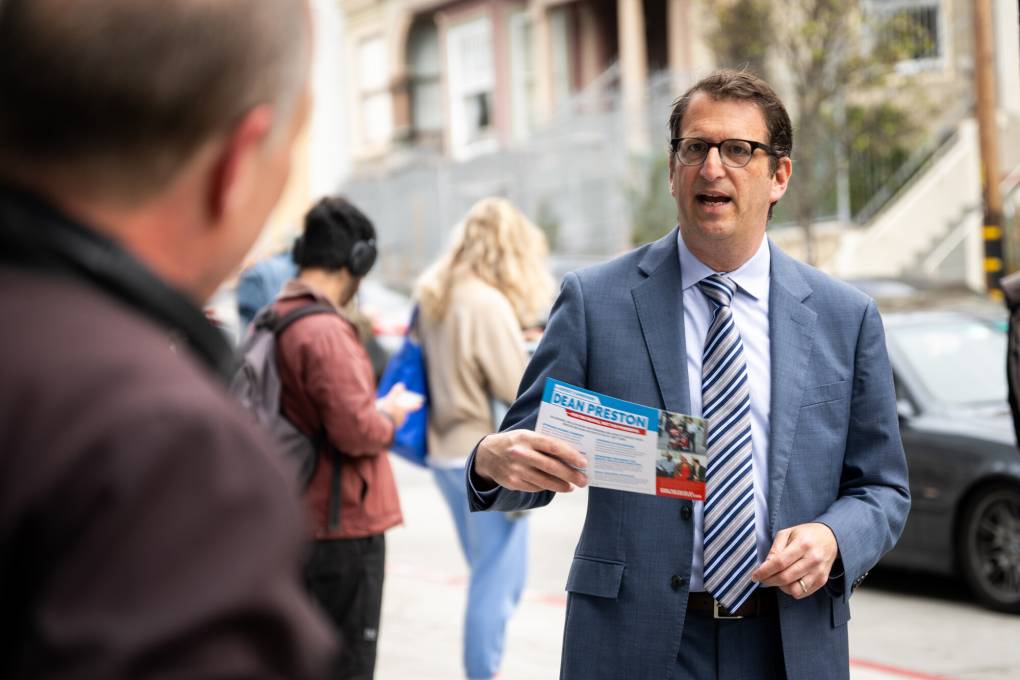
"caption": "Supervisor Dean Preston speaks to a local resident at a bus stop at McAllister and Divisadero in San Francisco on June 13, 2024, while campaigning for reelection to the Board of Supervisors District 5.",
"credit": "Beth LaBerge/KQED",
"altTag": null,
"description": null,
"imgSizes": {
"medium": {
"file": "https://cdn.kqed.org/wp-content/uploads/sites/10/2024/07/240613-DeanPreston-02-BL_qed-800x533.jpg",
"width": 800,
"height": 533,
"mimeType": "image/jpeg"
},
"large": {
"file": "https://cdn.kqed.org/wp-content/uploads/sites/10/2024/07/240613-DeanPreston-02-BL_qed-1020x680.jpg",
"width": 1020,
"height": 680,
"mimeType": "image/jpeg"
},
"thumbnail": {
"file": "https://cdn.kqed.org/wp-content/uploads/sites/10/2024/07/240613-DeanPreston-02-BL_qed-160x107.jpg",
"width": 160,
"height": 107,
"mimeType": "image/jpeg"
},
"1536x1536": {
"file": "https://cdn.kqed.org/wp-content/uploads/sites/10/2024/07/240613-DeanPreston-02-BL_qed-1536x1024.jpg",
"width": 1536,
"height": 1024,
"mimeType": "image/jpeg"
},
"post-thumbnail": {
"file": "https://cdn.kqed.org/wp-content/uploads/sites/10/2024/07/240613-DeanPreston-02-BL_qed-672x372.jpg",
"width": 672,
"height": 372,
"mimeType": "image/jpeg"
},
"twentyfourteen-full-width": {
"file": "https://cdn.kqed.org/wp-content/uploads/sites/10/2024/07/240613-DeanPreston-02-BL_qed-1038x576.jpg",
"width": 1038,
"height": 576,
"mimeType": "image/jpeg"
},
"full-width": {
"file": "https://cdn.kqed.org/wp-content/uploads/sites/10/2024/07/240613-DeanPreston-02-BL_qed-1920x1280.jpg",
"width": 1920,
"height": 1280,
"mimeType": "image/jpeg"
},
"kqedFullSize": {
"file": "https://cdn.kqed.org/wp-content/uploads/sites/10/2024/07/240613-DeanPreston-02-BL_qed.jpg",
"width": 2000,
"height": 1333
}
},
"isLoading": false,
"fetchFailed": false
},
"news_11997367": {
"type": "attachments",
"id": "news_11997367",
"meta": {
"index": "attachments_1716263798",
"site": "news",
"id": "11997367",
"found": true
},
"title": "240724-SAMMY-HALLAQ-1-KQED",
"publishDate": 1721926655,
"status": "inherit",
"parent": 0,
"modified": 1721926676,
"caption": "Sammy Hallaq has spent five years seeking damages in court after Auto Towing illegally towed his car in 2019. ",
"credit": "Nik Alternberg/KQED",
"altTag": null,
"description": null,
"imgSizes": {
"medium": {
"file": "https://cdn.kqed.org/wp-content/uploads/sites/10/2024/07/240724-SAMMY-HALLAQ-1-KQED-800x533.jpg",
"width": 800,
"height": 533,
"mimeType": "image/jpeg"
},
"large": {
"file": "https://cdn.kqed.org/wp-content/uploads/sites/10/2024/07/240724-SAMMY-HALLAQ-1-KQED-1020x680.jpg",
"width": 1020,
"height": 680,
"mimeType": "image/jpeg"
},
"thumbnail": {
"file": "https://cdn.kqed.org/wp-content/uploads/sites/10/2024/07/240724-SAMMY-HALLAQ-1-KQED-160x107.jpg",
"width": 160,
"height": 107,
"mimeType": "image/jpeg"
},
"1536x1536": {
"file": "https://cdn.kqed.org/wp-content/uploads/sites/10/2024/07/240724-SAMMY-HALLAQ-1-KQED-1536x1024.jpg",
"width": 1536,
"height": 1024,
"mimeType": "image/jpeg"
},
"post-thumbnail": {
"file": "https://cdn.kqed.org/wp-content/uploads/sites/10/2024/07/240724-SAMMY-HALLAQ-1-KQED-672x372.jpg",
"width": 672,
"height": 372,
"mimeType": "image/jpeg"
},
"twentyfourteen-full-width": {
"file": "https://cdn.kqed.org/wp-content/uploads/sites/10/2024/07/240724-SAMMY-HALLAQ-1-KQED-1038x576.jpg",
"width": 1038,
"height": 576,
"mimeType": "image/jpeg"
},
"full-width": {
"file": "https://cdn.kqed.org/wp-content/uploads/sites/10/2024/07/240724-SAMMY-HALLAQ-1-KQED-1920x1280.jpg",
"width": 1920,
"height": 1280,
"mimeType": "image/jpeg"
},
"kqedFullSize": {
"file": "https://cdn.kqed.org/wp-content/uploads/sites/10/2024/07/240724-SAMMY-HALLAQ-1-KQED.jpg",
"width": 2000,
"height": 1333
}
},
"isLoading": false,
"fetchFailed": false
},
"news_11997370": {
"type": "attachments",
"id": "news_11997370",
"meta": {
"index": "attachments_1716263798",
"site": "news",
"id": "11997370",
"found": true
},
"title": "240722-SFKamalaHarrisRally-05-BL_qed",
"publishDate": 1721926687,
"status": "inherit",
"parent": 11997349,
"modified": 1721926699,
"caption": "San Francisco Mayor London Breed speaks during a rally in support of the presidential nomination of Vice President Kamala Harris at City Hall in San Francisco on July 22, 2024.",
"credit": "Beth LaBerge/KQED",
"altTag": null,
"description": null,
"imgSizes": {
"medium": {
"file": "https://cdn.kqed.org/wp-content/uploads/sites/10/2024/07/240722-SFKamalaHarrisRally-05-BL_qed-1-800x533.jpg",
"width": 800,
"height": 533,
"mimeType": "image/jpeg"
},
"large": {
"file": "https://cdn.kqed.org/wp-content/uploads/sites/10/2024/07/240722-SFKamalaHarrisRally-05-BL_qed-1-1020x680.jpg",
"width": 1020,
"height": 680,
"mimeType": "image/jpeg"
},
"thumbnail": {
"file": "https://cdn.kqed.org/wp-content/uploads/sites/10/2024/07/240722-SFKamalaHarrisRally-05-BL_qed-1-160x107.jpg",
"width": 160,
"height": 107,
"mimeType": "image/jpeg"
},
"1536x1536": {
"file": "https://cdn.kqed.org/wp-content/uploads/sites/10/2024/07/240722-SFKamalaHarrisRally-05-BL_qed-1-1536x1024.jpg",
"width": 1536,
"height": 1024,
"mimeType": "image/jpeg"
},
"post-thumbnail": {
"file": "https://cdn.kqed.org/wp-content/uploads/sites/10/2024/07/240722-SFKamalaHarrisRally-05-BL_qed-1-672x372.jpg",
"width": 672,
"height": 372,
"mimeType": "image/jpeg"
},
"twentyfourteen-full-width": {
"file": "https://cdn.kqed.org/wp-content/uploads/sites/10/2024/07/240722-SFKamalaHarrisRally-05-BL_qed-1-1038x576.jpg",
"width": 1038,
"height": 576,
"mimeType": "image/jpeg"
},
"full-width": {
"file": "https://cdn.kqed.org/wp-content/uploads/sites/10/2024/07/240722-SFKamalaHarrisRally-05-BL_qed-1-1920x1280.jpg",
"width": 1920,
"height": 1280,
"mimeType": "image/jpeg"
},
"kqedFullSize": {
"file": "https://cdn.kqed.org/wp-content/uploads/sites/10/2024/07/240722-SFKamalaHarrisRally-05-BL_qed-1.jpg",
"width": 2000,
"height": 1333
}
},
"isLoading": false,
"fetchFailed": false
},
"news_11997276": {
"type": "attachments",
"id": "news_11997276",
"meta": {
"index": "attachments_1716263798",
"site": "news",
"id": "11997276",
"found": true
},
"title": "TenderloinD5",
"publishDate": 1721862302,
"status": "inherit",
"parent": 11997174,
"modified": 1721921984,
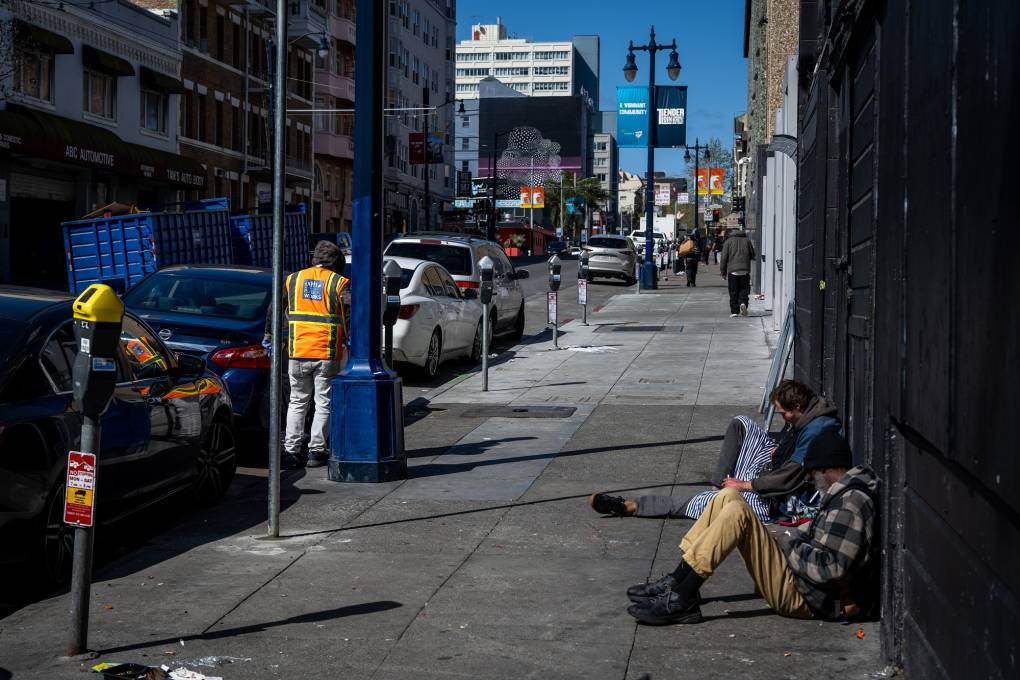
"caption": "People sit on the sidewalk in the Tenderloin neighborhood on April 5, 2024.",
"credit": "Beth LaBerge/KQED",
"altTag": null,
"description": null,
"imgSizes": {
"medium": {
"file": "https://cdn.kqed.org/wp-content/uploads/sites/10/2024/07/TenderloinD5-800x533.jpg",
"width": 800,
"height": 533,
"mimeType": "image/jpeg"
},
"large": {
"file": "https://cdn.kqed.org/wp-content/uploads/sites/10/2024/07/TenderloinD5-1020x680.jpg",
"width": 1020,
"height": 680,
"mimeType": "image/jpeg"
},
"thumbnail": {
"file": "https://cdn.kqed.org/wp-content/uploads/sites/10/2024/07/TenderloinD5-160x107.jpg",
"width": 160,
"height": 107,
"mimeType": "image/jpeg"
},
"1536x1536": {
"file": "https://cdn.kqed.org/wp-content/uploads/sites/10/2024/07/TenderloinD5-1536x1024.jpg",
"width": 1536,
"height": 1024,
"mimeType": "image/jpeg"
},
"post-thumbnail": {
"file": "https://cdn.kqed.org/wp-content/uploads/sites/10/2024/07/TenderloinD5-672x372.jpg",
"width": 672,
"height": 372,
"mimeType": "image/jpeg"
},
"twentyfourteen-full-width": {
"file": "https://cdn.kqed.org/wp-content/uploads/sites/10/2024/07/TenderloinD5-1038x576.jpg",
"width": 1038,
"height": 576,
"mimeType": "image/jpeg"
},
"full-width": {
"file": "https://cdn.kqed.org/wp-content/uploads/sites/10/2024/07/TenderloinD5-1920x1280.jpg",
"width": 1920,
"height": 1280,
"mimeType": "image/jpeg"
},
"kqedFullSize": {
"file": "https://cdn.kqed.org/wp-content/uploads/sites/10/2024/07/TenderloinD5.jpg",
"width": 2000,
"height": 1333
}
},
"isLoading": false,
"fetchFailed": false
},
"news_11041584": {
"type": "attachments",
"id": "news_11041584",
"meta": {
"index": "attachments_1716263798",
"site": "news",
"id": "11041584",
"found": true
},
"title": "RS20445_160722_fencing_bhs011",
"publishDate": 1470356034,
"status": "inherit",
"parent": 11040427,
"modified": 1721772059,
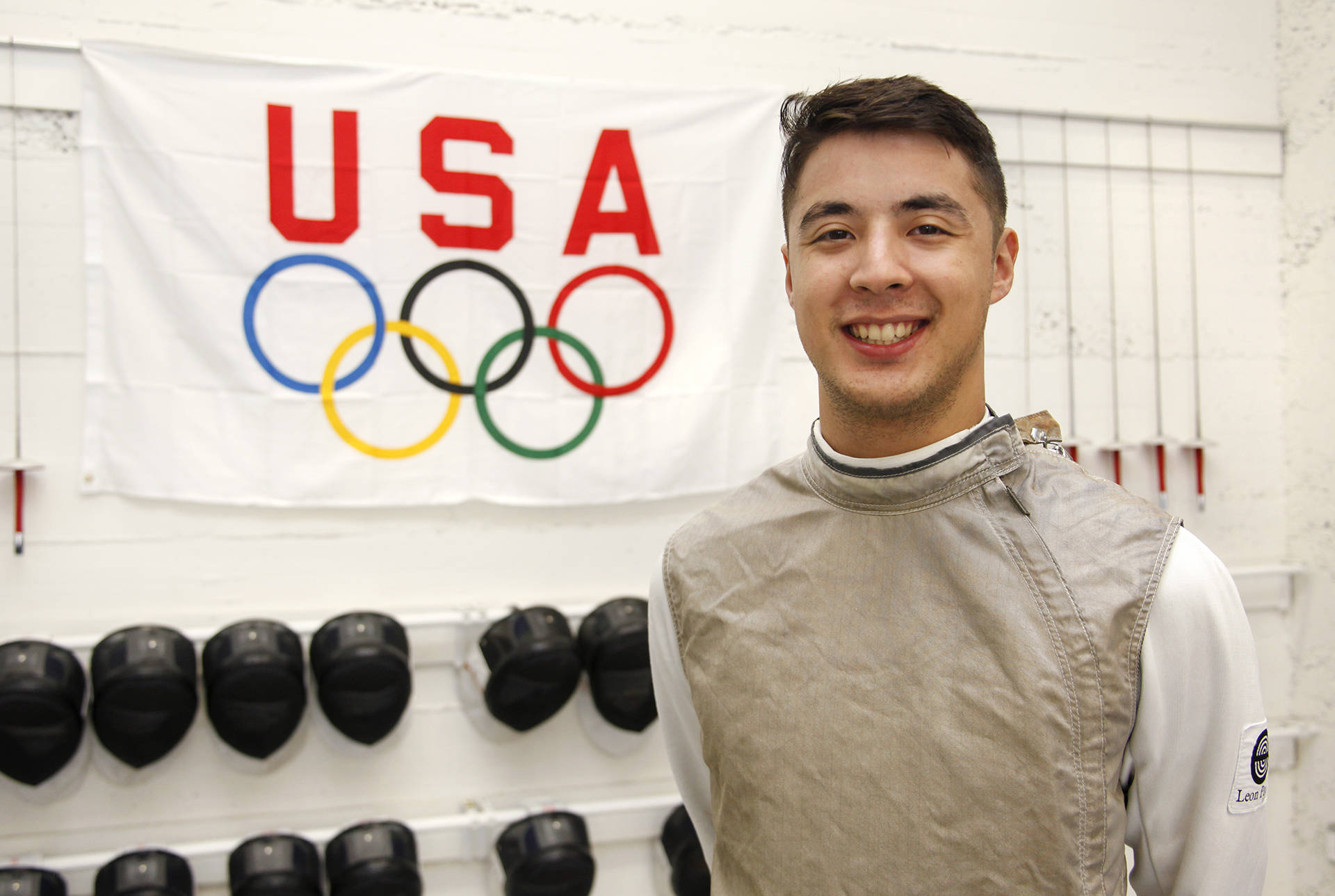
"caption": "Alexander Massialas was eager to begin fencing after watching his father teach at the Massialas Foundation Training Center.",
"credit": "Brittany Hosea-Small/KQED",
"altTag": "A man wearing fencing gear stands in front of an Olympic USA flag with fencing helmets underneath.",
"description": "Alexander Massialas was eager to begin fencing after watching his father teach at the Massialas Foundation Training Center.",
"imgSizes": {
"thumbnail": {
"file": "https://cdn.kqed.org/wp-content/uploads/sites/10/2016/08/RS20445_160722_fencing_bhs011-400x269.jpg",
"width": 400,
"height": 269,
"mimeType": "image/jpeg"
},
"medium": {
"file": "https://cdn.kqed.org/wp-content/uploads/sites/10/2016/08/RS20445_160722_fencing_bhs011-800x537.jpg",
"width": 800,
"height": 537,
"mimeType": "image/jpeg"
},
"large": {
"file": "https://cdn.kqed.org/wp-content/uploads/sites/10/2016/08/RS20445_160722_fencing_bhs011-1920x1289.jpg",
"width": 1920,
"height": 1289,
"mimeType": "image/jpeg"
},
"fd-lrg": {
"file": "https://cdn.kqed.org/wp-content/uploads/sites/10/2016/08/RS20445_160722_fencing_bhs011-1920x1289.jpg",
"width": 1920,
"height": 1289,
"mimeType": "image/jpeg"
},
"fd-med": {
"file": "https://cdn.kqed.org/wp-content/uploads/sites/10/2016/08/RS20445_160722_fencing_bhs011-1180x792.jpg",
"width": 1180,
"height": 792,
"mimeType": "image/jpeg"
},
"fd-sm": {
"file": "https://cdn.kqed.org/wp-content/uploads/sites/10/2016/08/RS20445_160722_fencing_bhs011-960x645.jpg",
"width": 960,
"height": 645,
"mimeType": "image/jpeg"
},
"post-thumbnail": {
"file": "https://cdn.kqed.org/wp-content/uploads/sites/10/2016/08/RS20445_160722_fencing_bhs011-672x372.jpg",
"width": 672,
"height": 372,
"mimeType": "image/jpeg"
},
"twentyfourteen-full-width": {
"file": "https://cdn.kqed.org/wp-content/uploads/sites/10/2016/08/RS20445_160722_fencing_bhs011-1038x576.jpg",
"width": 1038,
"height": 576,
"mimeType": "image/jpeg"
},
"guest-author-32": {
"file": "https://cdn.kqed.org/wp-content/uploads/sites/10/2016/08/RS20445_160722_fencing_bhs011-32x32.jpg",
"width": 32,
"height": 32,
"mimeType": "image/jpeg"
},
"guest-author-50": {
"file": "https://cdn.kqed.org/wp-content/uploads/sites/10/2016/08/RS20445_160722_fencing_bhs011-50x50.jpg",
"width": 50,
"height": 50,
"mimeType": "image/jpeg"
},
"guest-author-64": {
"file": "https://cdn.kqed.org/wp-content/uploads/sites/10/2016/08/RS20445_160722_fencing_bhs011-64x64.jpg",
"width": 64,
"height": 64,
"mimeType": "image/jpeg"
},
"guest-author-96": {
"file": "https://cdn.kqed.org/wp-content/uploads/sites/10/2016/08/RS20445_160722_fencing_bhs011-96x96.jpg",
"width": 96,
"height": 96,
"mimeType": "image/jpeg"
},
"guest-author-128": {
"file": "https://cdn.kqed.org/wp-content/uploads/sites/10/2016/08/RS20445_160722_fencing_bhs011-128x128.jpg",
"width": 128,
"height": 128,
"mimeType": "image/jpeg"
},
"detail": {
"file": "https://cdn.kqed.org/wp-content/uploads/sites/10/2016/08/RS20445_160722_fencing_bhs011-150x150.jpg",
"width": 150,
"height": 150,
"mimeType": "image/jpeg"
},
"jmtc-small-thumb": {
"file": "https://cdn.kqed.org/wp-content/uploads/sites/10/2016/08/RS20445_160722_fencing_bhs011-280x150.jpg",
"width": 280,
"height": 150,
"mimeType": "image/jpeg"
},
"kqedFullSize": {
"file": "https://cdn.kqed.org/wp-content/uploads/sites/10/2016/08/RS20445_160722_fencing_bhs011.jpg",
"width": 1920,
"height": 1289
}
},
"isLoading": false,
"fetchFailed": false
},
"news_11957230": {
"type": "attachments",
"id": "news_11957230",
"meta": {
"index": "attachments_1716263798",
"site": "news",
"id": "11957230",
"found": true
},
"parent": 0,
"imgSizes": {
"twentyfourteen-full-width": {
"file": "https://ww2.kqed.org/app/uploads/sites/10/2023/08/RS67599_230802-CableCarAnniversary-13-BL-KQED-1038x576.jpg",
"width": 1038,
"mimeType": "image/jpeg",
"height": 576
},
"thumbnail": {
"file": "https://ww2.kqed.org/app/uploads/sites/10/2023/08/RS67599_230802-CableCarAnniversary-13-BL-KQED-160x107.jpg",
"width": 160,
"mimeType": "image/jpeg",
"height": 107
},
"post-thumbnail": {
"file": "https://ww2.kqed.org/app/uploads/sites/10/2023/08/RS67599_230802-CableCarAnniversary-13-BL-KQED-672x372.jpg",
"width": 672,
"mimeType": "image/jpeg",
"height": 372
},
"kqedFullSize": {
"file": "https://ww2.kqed.org/app/uploads/sites/10/2023/08/RS67599_230802-CableCarAnniversary-13-BL-KQED.jpg",
"width": 2000,
"height": 1333
},
"large": {
"file": "https://ww2.kqed.org/app/uploads/sites/10/2023/08/RS67599_230802-CableCarAnniversary-13-BL-KQED-1020x680.jpg",
"width": 1020,
"mimeType": "image/jpeg",
"height": 680
},
"1536x1536": {
"file": "https://ww2.kqed.org/app/uploads/sites/10/2023/08/RS67599_230802-CableCarAnniversary-13-BL-KQED-1536x1024.jpg",
"width": 1536,
"mimeType": "image/jpeg",
"height": 1024
},
"full-width": {
"file": "https://ww2.kqed.org/app/uploads/sites/10/2023/08/RS67599_230802-CableCarAnniversary-13-BL-KQED-1920x1280.jpg",
"width": 1920,
"mimeType": "image/jpeg",
"height": 1280
},
"medium": {
"file": "https://ww2.kqed.org/app/uploads/sites/10/2023/08/RS67599_230802-CableCarAnniversary-13-BL-KQED-800x533.jpg",
"width": 800,
"mimeType": "image/jpeg",
"height": 533
}
},
"publishDate": 1691011031,
"modified": 1691011535,
"caption": "Rep. Nancy Pelosi speaks during the 150th anniversary celebration of the cable car in San Francisco on Aug. 2, 2023, at the cable car turnaround at Powell and Market Streets.",
"description": null,
"title": "RS67599_230802-CableCarAnniversary-13-BL-KQED",
"credit": "Beth LaBerge/KQED",
"status": "inherit",
"altTag": "Rep. Nancy Pelosi speaks into microphones as others watch.",
"isLoading": false,
"fetchFailed": false
},
"news_11997162": {
"type": "attachments",
"id": "news_11997162",
"meta": {
"index": "attachments_1716263798",
"site": "news",
"id": "11997162",
"found": true
},
"title": "San Francisco Skyline",
"publishDate": 1721848876,
"status": "inherit",
"parent": 11997102,
"modified": 1721848962,
"caption": "Salesforce Tower and Millennium Tower in San Francisco's South of Market neighborhood on Jan. 2, 2022. ",
"credit": "Gado/Getty Images",
"altTag": null,
"description": null,
"imgSizes": {
"medium": {
"file": "https://cdn.kqed.org/wp-content/uploads/sites/10/2024/07/MillenniumTowerSomaAP-800x600.jpg",
"width": 800,
"height": 600,
"mimeType": "image/jpeg"
},
"large": {
"file": "https://cdn.kqed.org/wp-content/uploads/sites/10/2024/07/MillenniumTowerSomaAP-1020x765.jpg",
"width": 1020,
"height": 765,
"mimeType": "image/jpeg"
},
"thumbnail": {
"file": "https://cdn.kqed.org/wp-content/uploads/sites/10/2024/07/MillenniumTowerSomaAP-160x120.jpg",
"width": 160,
"height": 120,
"mimeType": "image/jpeg"
},
"1536x1536": {
"file": "https://cdn.kqed.org/wp-content/uploads/sites/10/2024/07/MillenniumTowerSomaAP-1536x1152.jpg",
"width": 1536,
"height": 1152,
"mimeType": "image/jpeg"
},
"post-thumbnail": {
"file": "https://cdn.kqed.org/wp-content/uploads/sites/10/2024/07/MillenniumTowerSomaAP-672x372.jpg",
"width": 672,
"height": 372,
"mimeType": "image/jpeg"
},
"twentyfourteen-full-width": {
"file": "https://cdn.kqed.org/wp-content/uploads/sites/10/2024/07/MillenniumTowerSomaAP-1038x576.jpg",
"width": 1038,
"height": 576,
"mimeType": "image/jpeg"
},
"full-width": {
"file": "https://cdn.kqed.org/wp-content/uploads/sites/10/2024/07/MillenniumTowerSomaAP-1920x1440.jpg",
"width": 1920,
"height": 1440,
"mimeType": "image/jpeg"
},
"kqedFullSize": {
"file": "https://cdn.kqed.org/wp-content/uploads/sites/10/2024/07/MillenniumTowerSomaAP.jpg",
"width": 2000,
"height": 1500
}
},
"isLoading": false,
"fetchFailed": false
},
"news_11997150": {
"type": "attachments",
"id": "news_11997150",
"meta": {
"index": "attachments_1716263798",
"site": "news",
"id": "11997150",
"found": true
},
"title": "US Israel Netanyahu",
"publishDate": 1721846980,
"status": "inherit",
"parent": 11997141,
"modified": 1721847009,
"caption": "Israeli Prime Minister Benjamin Netanyahu speaks to a joint meeting of Congress at the Capitol in Washington, Wednesday, July 24, 2024.",
"credit": "Julia Nikhinson/AP Photo",
"altTag": null,
"description": null,
"imgSizes": {
"medium": {
"file": "https://cdn.kqed.org/wp-content/uploads/sites/10/2024/07/BenjaminNetanyahuAP-800x533.jpg",
"width": 800,
"height": 533,
"mimeType": "image/jpeg"
},
"large": {
"file": "https://cdn.kqed.org/wp-content/uploads/sites/10/2024/07/BenjaminNetanyahuAP-1020x680.jpg",
"width": 1020,
"height": 680,
"mimeType": "image/jpeg"
},
"thumbnail": {
"file": "https://cdn.kqed.org/wp-content/uploads/sites/10/2024/07/BenjaminNetanyahuAP-160x107.jpg",
"width": 160,
"height": 107,
"mimeType": "image/jpeg"
},
"1536x1536": {
"file": "https://cdn.kqed.org/wp-content/uploads/sites/10/2024/07/BenjaminNetanyahuAP-1536x1024.jpg",
"width": 1536,
"height": 1024,
"mimeType": "image/jpeg"
},
"post-thumbnail": {
"file": "https://cdn.kqed.org/wp-content/uploads/sites/10/2024/07/BenjaminNetanyahuAP-672x372.jpg",
"width": 672,
"height": 372,
"mimeType": "image/jpeg"
},
"twentyfourteen-full-width": {
"file": "https://cdn.kqed.org/wp-content/uploads/sites/10/2024/07/BenjaminNetanyahuAP-1038x576.jpg",
"width": 1038,
"height": 576,
"mimeType": "image/jpeg"
},
"full-width": {
"file": "https://cdn.kqed.org/wp-content/uploads/sites/10/2024/07/BenjaminNetanyahuAP-1920x1280.jpg",
"width": 1920,
"height": 1280,
"mimeType": "image/jpeg"
},
"kqedFullSize": {
"file": "https://cdn.kqed.org/wp-content/uploads/sites/10/2024/07/BenjaminNetanyahuAP.jpg",
"width": 2000,
"height": 1333
}
},
"isLoading": false,
"fetchFailed": false
}
},
"audioPlayerReducer": {
"postId": "stream_live",
"isPaused": true,
"isPlaying": false,
"pfsActive": false,
"pledgeModalIsOpen": true,
"playerDrawerIsOpen": false,
"liveAudioPlayStartedAt": 0,
"liveAudioPlayContext": ""
},
"authorsReducer": {
"shossaini": {
"type": "authors",
"id": "3214",
"meta": {
"index": "authors_1716337520",
"id": "3214",
"found": true
},
"name": "Sara Hossaini",
"firstName": "Sara",
"lastName": "Hossaini",
"slug": "shossaini",
"email": "shossaini@kqed.org",
"display_author_email": true,
"staff_mastheads": [
"news"
],
"title": "KQED Reporter",
"bio": "Sara Hossaini came to general assignment reporting at KQED in 2013 after two winters reporting at Wyoming Public Radio. She holds a bachelor's degree in broadcast journalism from the University of Nebraska-Lincoln. Her radio romance began after a bitter breakup with documentary film (Ok, maybe it's still complicated). Her first simultaneous jobs in San Francisco were as Associate Producer on a PBS film series through the Center for Asian American Media and as a butler. She likes to trot, plot and make things with her hands.",
"avatar": "https://secure.gravatar.com/avatar/060e9f56b9554e17942e89f413242774?s=600&d=blank&r=g",
"twitter": "mshossaini",
"facebook": null,
"instagram": null,
"linkedin": null,
"sites": [
{
"site": "news",
"roles": [
"author"
]
},
{
"site": "stateofhealth",
"roles": [
"author"
]
}
],
"headData": {
"title": "Sara Hossaini | KQED",
"description": "KQED Reporter",
"ogImgSrc": "https://secure.gravatar.com/avatar/060e9f56b9554e17942e89f413242774?s=600&d=blank&r=g",
"twImgSrc": "https://secure.gravatar.com/avatar/060e9f56b9554e17942e89f413242774?s=600&d=blank&r=g"
},
"isLoading": false,
"link": "/author/shossaini"
},
"bwatt": {
"type": "authors",
"id": "11238",
"meta": {
"index": "authors_1716337520",
"id": "11238",
"found": true
},
"name": "Brian Watt",
"firstName": "Brian",
"lastName": "Watt",
"slug": "bwatt",
"email": "bwatt@KQED.org",
"display_author_email": false,
"staff_mastheads": [
"news"
],
"title": "Morning News Anchor",
"bio": "Brian Watt is KQED's morning radio news anchor. He joined the KQED News team in April of 2016. Prior to that, he worked as a Reporter for KPCC in Los Angeles and a producer at \u003cem>Marketplace.\u003c/em>\r\n\r\nDuring eight years at KPCC, Brian covered business and economics, and his work won several awards. In 2008, he won the Los Angeles Press Club’s first-place award for Business and Financial Reporting, Broadcast. He’s also received honorable mention and been first runner up for the Press Club’s Radio Journalist of the Year. He won two Golden Mike awards from the Radio and TV News Association of Southern California.\r\n\r\nBrian holds degrees in theater from Yale University and the Sorbonne, and has worked as an actor in France, Italy, Brazil, Hungary and . . . Hollywood. He appeared in a few television shows, including \u003cem>The West Wing, Judging Amy\u003c/em> and \u003cem>The District.\u003c/em>\r\n\r\nEmail: bwatt@KQED.org Twitter: @RadioBWatt",
"avatar": "https://secure.gravatar.com/avatar/55393ff57ed34e2be773ba4789dd6a19?s=600&d=blank&r=g",
"twitter": "@RadioBWatt",
"facebook": null,
"instagram": null,
"linkedin": null,
"sites": [
{
"site": "arts",
"roles": [
"contributor"
]
},
{
"site": "news",
"roles": [
"editor"
]
}
],
"headData": {
"title": "Brian Watt | KQED",
"description": "Morning News Anchor",
"ogImgSrc": "https://secure.gravatar.com/avatar/55393ff57ed34e2be773ba4789dd6a19?s=600&d=blank&r=g",
"twImgSrc": "https://secure.gravatar.com/avatar/55393ff57ed34e2be773ba4789dd6a19?s=600&d=blank&r=g"
},
"isLoading": false,
"link": "/author/bwatt"
},
"agonzalez": {
"type": "authors",
"id": "11724",
"meta": {
"index": "authors_1716337520",
"id": "11724",
"found": true
},
"name": "Alexander Gonzalez",
"firstName": "Alexander",
"lastName": "Gonzalez",
"slug": "agonzalez",
"email": "AlexanderGonzalez@KQED.org",
"display_author_email": false,
"staff_mastheads": [
"news"
],
"title": "KQED Contributor",
"bio": null,
"avatar": "https://secure.gravatar.com/avatar/9e291ed34e154df4c662edf858b641d70b4859939bfe40be478408f9dfd057d2?s=600&d=blank&r=g",
"twitter": null,
"bluesky": null,
"facebook": null,
"instagram": null,
"linkedin": null,
"sites": [
{
"site": "arts",
"roles": [
"editor"
]
},
{
"site": "news",
"roles": [
"editor"
]
},
{
"site": "science",
"roles": [
"editor"
]
}
],
"headData": {
"title": "Alexander Gonzalez | KQED",
"description": "KQED Contributor",
"ogImgSrc": "https://secure.gravatar.com/avatar/9e291ed34e154df4c662edf858b641d70b4859939bfe40be478408f9dfd057d2?s=600&d=blank&r=g",
"twImgSrc": "https://secure.gravatar.com/avatar/9e291ed34e154df4c662edf858b641d70b4859939bfe40be478408f9dfd057d2?s=600&d=blank&r=g"
},
"isLoading": false,
"link": "/author/agonzalez"
},
"sjohnson": {
"type": "authors",
"id": "11840",
"meta": {
"index": "authors_1716337520",
"id": "11840",
"found": true
},
"name": "Sydney Johnson",
"firstName": "Sydney",
"lastName": "Johnson",
"slug": "sjohnson",
"email": "sjohnson@kqed.org",
"display_author_email": false,
"staff_mastheads": [
"news"
],
"title": "KQED Reporter",
"bio": "Sydney Johnson is a general assignment reporter at KQED. She previously reported on public health and city government at the San Francisco Examiner, and before that, she covered statewide education policy for EdSource. Her reporting has won multiple local, state and national awards. Sydney is a graduate of the University of California, Berkeley and lives in San Francisco.",
"avatar": "https://secure.gravatar.com/avatar/97855f2719b72ad6190b7c535fe642c8?s=600&d=blank&r=g",
"twitter": "sydneyfjohnson",
"facebook": null,
"instagram": null,
"linkedin": null,
"sites": [
{
"site": "news",
"roles": [
"editor"
]
}
],
"headData": {
"title": "Sydney Johnson | KQED",
"description": "KQED Reporter",
"ogImgSrc": "https://secure.gravatar.com/avatar/97855f2719b72ad6190b7c535fe642c8?s=600&d=blank&r=g",
"twImgSrc": "https://secure.gravatar.com/avatar/97855f2719b72ad6190b7c535fe642c8?s=600&d=blank&r=g"
},
"isLoading": false,
"link": "/author/sjohnson"
},
"naltenberg": {
"type": "authors",
"id": "11896",
"meta": {
"index": "authors_1716337520",
"id": "11896",
"found": true
},
"name": "Nik Altenberg",
"firstName": "Nik",
"lastName": "Altenberg",
"slug": "naltenberg",
"email": "naltenberg@kqed.org",
"display_author_email": false,
"staff_mastheads": [],
"title": "KQED Contributor",
"bio": "Nik Altenberg is an on-call reporter for KQED and a copy editor and fact checker for Santa Cruz Local. Nik’s reporting interests include policing, public health, environment, immigration, housing and the places where these issues intersect.",
"avatar": "https://secure.gravatar.com/avatar/e391b3a18ce4a53a7ca3f3065c74418b?s=600&d=blank&r=g",
"twitter": null,
"facebook": null,
"instagram": "https://www.instagram.com/nikaltenberg/",
"linkedin": null,
"sites": [
{
"site": "news",
"roles": []
}
],
"headData": {
"title": "Nik Altenberg | KQED",
"description": "KQED Contributor",
"ogImgSrc": "https://secure.gravatar.com/avatar/e391b3a18ce4a53a7ca3f3065c74418b?s=600&d=blank&r=g",
"twImgSrc": "https://secure.gravatar.com/avatar/e391b3a18ce4a53a7ca3f3065c74418b?s=600&d=blank&r=g"
},
"isLoading": false,
"link": "/author/naltenberg"
},
"kdebenedetti": {
"type": "authors",
"id": "11913",
"meta": {
"index": "authors_1716337520",
"id": "11913",
"found": true
},
"name": "Katie DeBenedetti",
"firstName": "Katie",
"lastName": "DeBenedetti",
"slug": "kdebenedetti",
"email": "kdebenedetti@kqed.org",
"display_author_email": false,
"staff_mastheads": [
"news",
"science"
],
"title": "KQED Contributor",
"bio": "Katie DeBenedetti is a digital reporter covering daily news for the Express Desk. Prior to joining KQED as a culture reporting intern in January 2024, she covered education and city government for the Napa Valley Register.",
"avatar": "https://secure.gravatar.com/avatar/6e31073cb8f7e4214ab03f42771d0f45?s=600&d=blank&r=g",
"twitter": null,
"facebook": null,
"instagram": null,
"linkedin": null,
"sites": [
{
"site": "news",
"roles": [
"author"
]
},
{
"site": "science",
"roles": [
"author"
]
},
{
"site": "liveblog",
"roles": [
"author"
]
}
],
"headData": {
"title": "Katie DeBenedetti | KQED",
"description": "KQED Contributor",
"ogImgSrc": "https://secure.gravatar.com/avatar/6e31073cb8f7e4214ab03f42771d0f45?s=600&d=blank&r=g",
"twImgSrc": "https://secure.gravatar.com/avatar/6e31073cb8f7e4214ab03f42771d0f45?s=600&d=blank&r=g"
},
"isLoading": false,
"link": "/author/kdebenedetti"
}
},
"pagesReducer": {
"news_tag_san-francisco": {
"type": "terms",
"id": "news_38",
"meta": {
"index": "terms_1716263798",
"site": "news",
"id": "38",
"score": 6.7230244
},
"featImg": null,
"name": "San Francisco",
"description": null,
"taxonomy": "tag",
"headData": {
"twImgId": null,
"twTitle": null,
"ogTitle": null,
"ogImgId": null,
"twDescription": null,
"description": null,
"title": "San Francisco Archives | KQED News",
"ogDescription": null
},
"ttid": 58,
"slug": "san-francisco",
"isLoading": false,
"title": "San Francisco",
"pageMeta": {
"site": "news",
"WpPageTemplate": "page-topic-editorial",
"currentPage": 97
},
"blocks": [
{
"blockName": "kqed/post-list",
"attrs": {
"layout": "cardArticle2",
"query": "posts/news?tag=san-francisco",
"seeMore": false,
"paginated": true,
"page": 97
}
},
{
"blockName": "kqed/ad"
}
]
}
},
"pfsSessionReducer": {},
"postsReducer": {
"stream_live": {
"type": "live",
"id": "stream_live",
"audioUrl": "https://streams.kqed.org/kqedradio",
"title": "Live Stream",
"excerpt": "Live Stream information currently unavailable.",
"link": "/radio",
"featImg": "",
"label": {
"name": "KQED Live",
"link": "/"
}
},
"stream_kqedNewscast": {
"type": "posts",
"id": "stream_kqedNewscast",
"audioUrl": "https://www.kqed.org/.stream/anon/radio/RDnews/newscast.mp3?_=1",
"title": "KQED Newscast",
"featImg": "",
"label": {
"name": "88.5 FM",
"link": "/"
}
},
"news_11997957": {
"type": "posts",
"id": "news_11997957",
"meta": {
"index": "posts_1716263798",
"site": "news",
"id": "11997957",
"score": null,
"sort": [
1722436228000
]
},
"guestAuthors": [],
"slug": "heres-why-some-san-francisco-nonprofits-give-foil-and-pipes-to-drug-users",
"title": "Here's Why Some San Francisco Nonprofits Give Foil and Pipes to Drug Users",
"publishDate": 1722436228,
"format": "standard",
"headTitle": "Here’s Why Some San Francisco Nonprofits Give Foil and Pipes to Drug Users | KQED",
"labelTerm": {
"site": "news"
},
"content": "\u003cp>Critics of San Francisco’s approach to the \u003ca href=\"https://www.kqed.org/news/tag/overdose-crisis\">overdose crisis\u003c/a> are pointing to a handful of nonprofits that give out aluminum foil, pipes and other supplies to drug users, arguing that they’re only making the problem worse. However, the programs, while they might seem counterintuitive, represent a key strategy for reducing harm and guiding people toward recovery, nonprofit leaders and health experts said.\u003c/p>\n\u003cp>Harm-reduction programs such as supervised consumption sites and needle exchanges have come under fire in the past. Last week, a report from the \u003cem>San Francisco Chronicle\u003c/em> drew attention to the Tenderloin’s Glide Foundation and other city-funded nonprofits for supplying people with foil, pipes and other materials used for smoking drugs such as fentanyl.\u003c/p>\n\u003cp>People who visit Glide can request these materials during its Syringe Access and Health Hub hours and at its mobile clinics, according to Glide’s senior director of health access services, Mike Discepola.\u003c/p>\n\u003cp>Once people are there, Glide CEO Gina Fromer said, they have access to recovery services, including a peer-led 12-step program, referrals to detox and inpatient treatment beds, medically assisted treatment options like methadone, and educational materials. In October, the nonprofit plans to open a mental health services clinic.\u003c/p>\n\u003cp>[ad fullwidth]\u003c/p>\n\u003cp>“Maybe you yesterday said, ‘I’m going to start recovery,’ and you didn’t because addiction is strong, addiction is a disease, it takes a lot to get to a place where you’re ready to get on that recovery spectrum,” Fromer said. “But we want to make sure when you’re ready, you have what you need.”\u003c/p>\n\u003cp>She told KQED that Glide’s decision to offer foil and other supplies “is really about saving lives and preventing disease, but also creating opportunities for recovery.”\u003c/p>\n\u003cp>Dr. Amer Raheemullah, the director of the Inpatient Addiction Medicine Service at Stanford Hospital, said such harm-reduction strategies not only make drug users safer but also can urge them to turn to treatment options when made available at the same location as other recovery services.\u003c/p>\n\u003cfigure id=\"attachment_11998108\" class=\"wp-caption aligncenter\" style=\"max-width: 1999px\">\u003cimg loading=\"lazy\" decoding=\"async\" class=\"size-full wp-image-11998108\" src=\"https://cdn.kqed.org/wp-content/uploads/sites/10/2024/07/240617-SyringeExchange-35-BL_qed.jpg\" alt=\"\" width=\"1999\" height=\"1333\" srcset=\"https://cdn.kqed.org/wp-content/uploads/sites/10/2024/07/240617-SyringeExchange-35-BL_qed.jpg 1999w, https://cdn.kqed.org/wp-content/uploads/sites/10/2024/07/240617-SyringeExchange-35-BL_qed-800x533.jpg 800w, https://cdn.kqed.org/wp-content/uploads/sites/10/2024/07/240617-SyringeExchange-35-BL_qed-1020x680.jpg 1020w, https://cdn.kqed.org/wp-content/uploads/sites/10/2024/07/240617-SyringeExchange-35-BL_qed-160x107.jpg 160w, https://cdn.kqed.org/wp-content/uploads/sites/10/2024/07/240617-SyringeExchange-35-BL_qed-1536x1024.jpg 1536w, https://cdn.kqed.org/wp-content/uploads/sites/10/2024/07/240617-SyringeExchange-35-BL_qed-1920x1280.jpg 1920w\" sizes=\"auto, (max-width: 1999px) 100vw, 1999px\">\u003cfigcaption class=\"wp-caption-text\">Contents of a harm reduction kit on June 17, 2024. The kit includes new syringes, fentanyl test strips and Narcan. \u003ccite>(Beth LaBerge/KQED)\u003c/cite>\u003c/figcaption>\u003c/figure>\n\u003cp>“The idea is to reduce harm, but then also have this interaction with somebody who’s actively using to slowly nudge them toward treatment,” he told KQED. “That can be through counseling, like a skilled counseling interview that’s been shown to be effective, but it can also simply be by co-locating treatment in the same place that they’re getting these needles or these other harm reduction tools.”\u003c/p>\n\u003cp>One way to think about harm reduction, Raheemullah said, is to consider those struggling with addiction as having a neurological deficit.\u003c/p>\n\u003cp>Take someone with Parkinson’s disease, for example — “They might have an increased risk of falls. So, in order to reduce harm, we pad their house; we may make adjustments in their living situation, not to encourage falls, but to reduce the damage of falls if or when they occur. It’s the same with substance use,” he said.\u003c/p>\n\u003cp>Sharing and reusing needles can increase the risk of contracting HIV and Hepatitis C, which can lead to illness and, in some cases, death.\u003c/p>\n\u003cfigure id=\"attachment_11998115\" class=\"wp-caption aligncenter\" style=\"max-width: 2000px\">\u003cimg loading=\"lazy\" decoding=\"async\" class=\"size-full wp-image-11998115\" src=\"https://cdn.kqed.org/wp-content/uploads/sites/10/2024/07/001_KQED_SOMABuprenorphineDelivery_03232023_qed.jpg\" alt=\"\" width=\"2000\" height=\"1333\" srcset=\"https://cdn.kqed.org/wp-content/uploads/sites/10/2024/07/001_KQED_SOMABuprenorphineDelivery_03232023_qed.jpg 2000w, https://cdn.kqed.org/wp-content/uploads/sites/10/2024/07/001_KQED_SOMABuprenorphineDelivery_03232023_qed-800x533.jpg 800w, https://cdn.kqed.org/wp-content/uploads/sites/10/2024/07/001_KQED_SOMABuprenorphineDelivery_03232023_qed-1020x680.jpg 1020w, https://cdn.kqed.org/wp-content/uploads/sites/10/2024/07/001_KQED_SOMABuprenorphineDelivery_03232023_qed-160x107.jpg 160w, https://cdn.kqed.org/wp-content/uploads/sites/10/2024/07/001_KQED_SOMABuprenorphineDelivery_03232023_qed-1536x1024.jpg 1536w, https://cdn.kqed.org/wp-content/uploads/sites/10/2024/07/001_KQED_SOMABuprenorphineDelivery_03232023_qed-1920x1280.jpg 1920w\" sizes=\"auto, (max-width: 2000px) 100vw, 2000px\">\u003cfigcaption class=\"wp-caption-text\">A psychiatric clinical pharmacist with the San Francisco Department of Public Health packs a backpack with harm reduction supplies before making deliveries to SROs and Permanent Supportive Housing in San Francisco on March 23, 2023. \u003ccite>(Beth LaBerge/KQED)\u003c/cite>\u003c/figcaption>\u003c/figure>\n\u003cp>“The higher objective is to just reduce this harm that’s occurring, preserve life and not do too much damage for later down the line when people eventually accept treatment,” Raheemullah said.\u003c/p>\n\u003cp>There is also no proof that administering needles or other safe injection supplies increases the use of illegal drugs, he told KQED.\u003c/p>\n\u003cp>A randomized study of 600 people who injected cocaine, morphine and/or amphetamines found “no difference in the number of injections over time” for people supplied with sterile needles compared to those taught how to purchase them, according to the 2003 report out of the University of Alaska Anchorage.\u003c/p>\n\u003cp>The Center for Disease Control also said in a February 2024 report that 30 years of research has shown programs that provide access to sterile injection equipment “do not increase illegal drug use.”\u003c/p>\n\u003cp>Fromer said that Glide’s distribution of safer drug-use materials is one of the nonprofit’s many programs geared toward helping drug users — whether they have chosen recovery or not.[aside postID=news_11995842 hero='https://cdn.kqed.org/wp-content/uploads/sites/10/2024/07/SFOverdoseDeathDecline-1020x680.jpg']“Anybody walking through our door, we want to have resources and information available to them so they can decide what their recovery journey might look like,” she said. “Or, It might start next week, and we’re going to make sure that you’re not going to die in that week or catch HIV or Hepatitis C in that week.”\u003c/p>\n\u003cp>Providing clean materials lessens infectious disease spread and decreases overdose risk, Discepola said — if someone were to pick up used foil from the ground or borrow a pipe, they might not know what substances have come in contact with it.\u003c/p>\n\u003cp>“There could be very small quantities of fentanyl in a device, and if someone doesn’t know it and they think they’re smoking something else, then they could actually overdose and die,” he said.\u003c/p>\n\u003cp>Handing out clean foil or pipes can also encourage people to smoke instead of injecting drugs, which can be less dangerous because it doesn’t have the same disease transmission risks, Raheemullah told KQED. But there can be a risk in administering foil or pipes to people who have previously used drugs by snorting them, which is considered less addicting than smoking or injecting, he explained.\u003c/p>\n\u003cp>In general, providing sterile drug supplies is an important tool for addressing the opioid epidemic, he said.\u003c/p>\n\u003cp>Fromer said that Glide will continue to provide access to those materials — and encourage people to recover.\u003c/p>\n\u003cp>“We’re going to be talking to them about recovery; we’re going to hint toward recovery,” she said. “Every time you walk into Glide, you’re going to learn about recovery.”\u003c/p>\n\u003cp>[ad floatright]\u003c/p>\n",
"blocks": [],
"excerpt": "Providing supplies, while it might seem counterintuitive, can reduce harm and guide people toward treatment, nonprofit leaders and health experts said.",
"status": "publish",
"parent": 0,
"modified": 1738095851,
"stats": {
"hasAudio": false,
"hasVideo": false,
"hasChartOrMap": false,
"iframeSrcs": [],
"hasGoogleForm": false,
"hasGallery": false,
"hasHearkenModule": false,
"hasPolis": false,
"paragraphCount": 24,
"wordCount": 1084
},
"headData": {
"title": "Here's Why Some San Francisco Nonprofits Give Foil and Pipes to Drug Users | KQED",
"description": "Providing supplies, while it might seem counterintuitive, can reduce harm and guide people toward treatment, nonprofit leaders and health experts said.",
"ogTitle": "",
"ogDescription": "",
"ogImgId": "",
"twTitle": "",
"twDescription": "",
"twImgId": "",
"schema": {
"@context": "https://schema.org",
"@type": "NewsArticle",
"headline": "Here's Why Some San Francisco Nonprofits Give Foil and Pipes to Drug Users",
"datePublished": "2024-07-31T07:30:28-07:00",
"dateModified": "2025-01-28T12:24:11-08:00",
"image": "https://cdn.kqed.org/wp-content/uploads/2020/02/KQED-OG-Image@1x.png",
"isAccessibleForFree": "True",
"publisher": {
"@type": "NewsMediaOrganization",
"@id": "https://www.kqed.org/#organization",
"name": "KQED",
"logo": "https://cdn.kqed.org/wp-content/uploads/2020/02/KQED-OG-Image@1x.png",
"url": "https://www.kqed.org",
"sameAs": [
"https://www.facebook.com/KQED",
"https://twitter.com/KQED",
"https://www.instagram.com/kqed/",
"https://www.tiktok.com/@kqedofficial",
"https://www.linkedin.com/company/kqed",
"https://www.youtube.com/channel/UCeC0IOo7i1P_61zVUWbJ4nw"
]
}
}
},
"sticky": false,
"nprStoryId": "kqed-11997957",
"excludeFromSiteSearch": "Include",
"articleAge": "0",
"path": "/news/11997957/heres-why-some-san-francisco-nonprofits-give-foil-and-pipes-to-drug-users",
"audioTrackLength": null,
"parsedContent": [
{
"type": "contentString",
"content": "\u003cdiv class=\"post-body\">\u003cp>\u003cp>Critics of San Francisco’s approach to the \u003ca href=\"https://www.kqed.org/news/tag/overdose-crisis\">overdose crisis\u003c/a> are pointing to a handful of nonprofits that give out aluminum foil, pipes and other supplies to drug users, arguing that they’re only making the problem worse. However, the programs, while they might seem counterintuitive, represent a key strategy for reducing harm and guiding people toward recovery, nonprofit leaders and health experts said.\u003c/p>\n\u003cp>Harm-reduction programs such as supervised consumption sites and needle exchanges have come under fire in the past. Last week, a report from the \u003cem>San Francisco Chronicle\u003c/em> drew attention to the Tenderloin’s Glide Foundation and other city-funded nonprofits for supplying people with foil, pipes and other materials used for smoking drugs such as fentanyl.\u003c/p>\n\u003cp>People who visit Glide can request these materials during its Syringe Access and Health Hub hours and at its mobile clinics, according to Glide’s senior director of health access services, Mike Discepola.\u003c/p>\n\u003cp>Once people are there, Glide CEO Gina Fromer said, they have access to recovery services, including a peer-led 12-step program, referrals to detox and inpatient treatment beds, medically assisted treatment options like methadone, and educational materials. In October, the nonprofit plans to open a mental health services clinic.\u003c/p>\n\u003cp>\u003c/p>\u003c/div>",
"attributes": {
"named": {},
"numeric": []
}
},
{
"type": "component",
"content": "",
"name": "ad",
"attributes": {
"named": {
"label": "fullwidth"
},
"numeric": [
"fullwidth"
]
}
},
{
"type": "contentString",
"content": "\u003cdiv class=\"post-body\">\u003cp>\u003c/p>\n\u003cp>“Maybe you yesterday said, ‘I’m going to start recovery,’ and you didn’t because addiction is strong, addiction is a disease, it takes a lot to get to a place where you’re ready to get on that recovery spectrum,” Fromer said. “But we want to make sure when you’re ready, you have what you need.”\u003c/p>\n\u003cp>She told KQED that Glide’s decision to offer foil and other supplies “is really about saving lives and preventing disease, but also creating opportunities for recovery.”\u003c/p>\n\u003cp>Dr. Amer Raheemullah, the director of the Inpatient Addiction Medicine Service at Stanford Hospital, said such harm-reduction strategies not only make drug users safer but also can urge them to turn to treatment options when made available at the same location as other recovery services.\u003c/p>\n\u003cfigure id=\"attachment_11998108\" class=\"wp-caption aligncenter\" style=\"max-width: 1999px\">\u003cimg loading=\"lazy\" decoding=\"async\" class=\"size-full wp-image-11998108\" src=\"https://cdn.kqed.org/wp-content/uploads/sites/10/2024/07/240617-SyringeExchange-35-BL_qed.jpg\" alt=\"\" width=\"1999\" height=\"1333\" srcset=\"https://cdn.kqed.org/wp-content/uploads/sites/10/2024/07/240617-SyringeExchange-35-BL_qed.jpg 1999w, https://cdn.kqed.org/wp-content/uploads/sites/10/2024/07/240617-SyringeExchange-35-BL_qed-800x533.jpg 800w, https://cdn.kqed.org/wp-content/uploads/sites/10/2024/07/240617-SyringeExchange-35-BL_qed-1020x680.jpg 1020w, https://cdn.kqed.org/wp-content/uploads/sites/10/2024/07/240617-SyringeExchange-35-BL_qed-160x107.jpg 160w, https://cdn.kqed.org/wp-content/uploads/sites/10/2024/07/240617-SyringeExchange-35-BL_qed-1536x1024.jpg 1536w, https://cdn.kqed.org/wp-content/uploads/sites/10/2024/07/240617-SyringeExchange-35-BL_qed-1920x1280.jpg 1920w\" sizes=\"auto, (max-width: 1999px) 100vw, 1999px\">\u003cfigcaption class=\"wp-caption-text\">Contents of a harm reduction kit on June 17, 2024. The kit includes new syringes, fentanyl test strips and Narcan. \u003ccite>(Beth LaBerge/KQED)\u003c/cite>\u003c/figcaption>\u003c/figure>\n\u003cp>“The idea is to reduce harm, but then also have this interaction with somebody who’s actively using to slowly nudge them toward treatment,” he told KQED. “That can be through counseling, like a skilled counseling interview that’s been shown to be effective, but it can also simply be by co-locating treatment in the same place that they’re getting these needles or these other harm reduction tools.”\u003c/p>\n\u003cp>One way to think about harm reduction, Raheemullah said, is to consider those struggling with addiction as having a neurological deficit.\u003c/p>\n\u003cp>Take someone with Parkinson’s disease, for example — “They might have an increased risk of falls. So, in order to reduce harm, we pad their house; we may make adjustments in their living situation, not to encourage falls, but to reduce the damage of falls if or when they occur. It’s the same with substance use,” he said.\u003c/p>\n\u003cp>Sharing and reusing needles can increase the risk of contracting HIV and Hepatitis C, which can lead to illness and, in some cases, death.\u003c/p>\n\u003cfigure id=\"attachment_11998115\" class=\"wp-caption aligncenter\" style=\"max-width: 2000px\">\u003cimg loading=\"lazy\" decoding=\"async\" class=\"size-full wp-image-11998115\" src=\"https://cdn.kqed.org/wp-content/uploads/sites/10/2024/07/001_KQED_SOMABuprenorphineDelivery_03232023_qed.jpg\" alt=\"\" width=\"2000\" height=\"1333\" srcset=\"https://cdn.kqed.org/wp-content/uploads/sites/10/2024/07/001_KQED_SOMABuprenorphineDelivery_03232023_qed.jpg 2000w, https://cdn.kqed.org/wp-content/uploads/sites/10/2024/07/001_KQED_SOMABuprenorphineDelivery_03232023_qed-800x533.jpg 800w, https://cdn.kqed.org/wp-content/uploads/sites/10/2024/07/001_KQED_SOMABuprenorphineDelivery_03232023_qed-1020x680.jpg 1020w, https://cdn.kqed.org/wp-content/uploads/sites/10/2024/07/001_KQED_SOMABuprenorphineDelivery_03232023_qed-160x107.jpg 160w, https://cdn.kqed.org/wp-content/uploads/sites/10/2024/07/001_KQED_SOMABuprenorphineDelivery_03232023_qed-1536x1024.jpg 1536w, https://cdn.kqed.org/wp-content/uploads/sites/10/2024/07/001_KQED_SOMABuprenorphineDelivery_03232023_qed-1920x1280.jpg 1920w\" sizes=\"auto, (max-width: 2000px) 100vw, 2000px\">\u003cfigcaption class=\"wp-caption-text\">A psychiatric clinical pharmacist with the San Francisco Department of Public Health packs a backpack with harm reduction supplies before making deliveries to SROs and Permanent Supportive Housing in San Francisco on March 23, 2023. \u003ccite>(Beth LaBerge/KQED)\u003c/cite>\u003c/figcaption>\u003c/figure>\n\u003cp>“The higher objective is to just reduce this harm that’s occurring, preserve life and not do too much damage for later down the line when people eventually accept treatment,” Raheemullah said.\u003c/p>\n\u003cp>There is also no proof that administering needles or other safe injection supplies increases the use of illegal drugs, he told KQED.\u003c/p>\n\u003cp>A randomized study of 600 people who injected cocaine, morphine and/or amphetamines found “no difference in the number of injections over time” for people supplied with sterile needles compared to those taught how to purchase them, according to the 2003 report out of the University of Alaska Anchorage.\u003c/p>\n\u003cp>The Center for Disease Control also said in a February 2024 report that 30 years of research has shown programs that provide access to sterile injection equipment “do not increase illegal drug use.”\u003c/p>\n\u003cp>Fromer said that Glide’s distribution of safer drug-use materials is one of the nonprofit’s many programs geared toward helping drug users — whether they have chosen recovery or not.\u003c/p>\u003c/div>",
"attributes": {
"named": {},
"numeric": []
}
},
{
"type": "component",
"content": "",
"name": "aside",
"attributes": {
"named": {
"postid": "news_11995842",
"hero": "https://cdn.kqed.org/wp-content/uploads/sites/10/2024/07/SFOverdoseDeathDecline-1020x680.jpg",
"label": ""
},
"numeric": []
}
},
{
"type": "contentString",
"content": "\u003cdiv class=\"post-body\">\u003cp>“Anybody walking through our door, we want to have resources and information available to them so they can decide what their recovery journey might look like,” she said. “Or, It might start next week, and we’re going to make sure that you’re not going to die in that week or catch HIV or Hepatitis C in that week.”\u003c/p>\n\u003cp>Providing clean materials lessens infectious disease spread and decreases overdose risk, Discepola said — if someone were to pick up used foil from the ground or borrow a pipe, they might not know what substances have come in contact with it.\u003c/p>\n\u003cp>“There could be very small quantities of fentanyl in a device, and if someone doesn’t know it and they think they’re smoking something else, then they could actually overdose and die,” he said.\u003c/p>\n\u003cp>Handing out clean foil or pipes can also encourage people to smoke instead of injecting drugs, which can be less dangerous because it doesn’t have the same disease transmission risks, Raheemullah told KQED. But there can be a risk in administering foil or pipes to people who have previously used drugs by snorting them, which is considered less addicting than smoking or injecting, he explained.\u003c/p>\n\u003cp>In general, providing sterile drug supplies is an important tool for addressing the opioid epidemic, he said.\u003c/p>\n\u003cp>Fromer said that Glide will continue to provide access to those materials — and encourage people to recover.\u003c/p>\n\u003cp>“We’re going to be talking to them about recovery; we’re going to hint toward recovery,” she said. “Every time you walk into Glide, you’re going to learn about recovery.”\u003c/p>\n\u003cp>\u003c/p>\u003c/div>",
"attributes": {
"named": {},
"numeric": []
}
},
{
"type": "component",
"content": "",
"name": "ad",
"attributes": {
"named": {
"label": "floatright"
},
"numeric": [
"floatright"
]
}
},
{
"type": "contentString",
"content": "\u003cdiv class=\"post-body\">\u003cp>\u003c/p>\n\u003c/div>\u003c/p>",
"attributes": {
"named": {},
"numeric": []
}
}
],
"link": "/news/11997957/heres-why-some-san-francisco-nonprofits-give-foil-and-pipes-to-drug-users",
"authors": [
"11913"
],
"categories": [
"news_457",
"news_8"
],
"tags": [
"news_28991",
"news_25959",
"news_18543",
"news_22774",
"news_19960",
"news_22456",
"news_38",
"news_33251"
],
"featImg": "news_11959780",
"label": "news"
},
"news_11998121": {
"type": "posts",
"id": "news_11998121",
"meta": {
"index": "posts_1716263798",
"site": "news",
"id": "11998121",
"score": null,
"sort": [
1722434448000
]
},
"guestAuthors": [],
"slug": "sf-moves-to-ban-ai-housing-tools-linked-to-price-fixing-in-thousands-of-rentals",
"title": "SF Moves to Ban AI Housing Tools Linked to Price Fixing in Thousands of Rentals",
"publishDate": 1722434448,
"format": "standard",
"headTitle": "SF Moves to Ban AI Housing Tools Linked to Price Fixing in Thousands of Rentals | KQED",
"labelTerm": {
"site": "news"
},
"content": "\u003cp>San Francisco is poised to become the first city in the country to \u003ca href=\"https://www.kqed.org/news/11995878/ai-raising-the-rent-san-francisco-could-be-the-first-city-to-ban-the-practice\">ban algorithmic software\u003c/a> used to set and raise rental prices.\u003c/p>\n\u003cp>The Board of Supervisors on Tuesday unanimously adopted an ordinance blocking the use and sale of artificial intelligence tools that allegedly enable price fixing by large corporate landlords.\u003c/p>\n\u003cp>The city’s ordinance comes as the U.S. Department of Justice is \u003ca href=\"https://www.politico.com/news/2024/03/20/rental-housing-market-doj-investigation-00147333\">investigating RealPage\u003c/a>, a revenue management company whose software is used by landlords to maximize rents. Attorney generals across the country have filed \u003ca href=\"https://url.us.m.mimecastprotect.com/s/wPwFCwpkPvsy6WkvSKomPN?domain=reuters.com\">lawsuits\u003c/a> alleging RealPage’s tools empower collusion and price-gouging among large corporate property owners.\u003c/p>\n\u003cp>“Banning algorithmic price gouging is pro-housing policy, and it’s entirely consistent with our shared goal of a functioning housing market that meets our real housing needs,” Board President Aaron Peskin, who introduced the legislation, said at Tuesday’s meeting. “Wall Street has gotten into the housing business, and it’s a phenomenon we have seen here locally.”\u003c/p>\n\u003cp>Tens of thousands of units in San Francisco are estimated to be owned by companies that use AI technology, according to Lee Hepner, senior legal counsel at the American Economic Liberties Project.\u003c/p>\n\u003cp>[ad fullwidth]\u003c/p>\n\u003cp>“Landlords, who should be ordinarily competing against each other, are instead adopting the price recommendations of this third-party revenue management software. And the effect of that is an old-fashioned price-fixing scheme,” Hepner said. “It is not unlike the kind of price fixing that antitrust laws have addressed for well over a century.”\u003c/p>\n\u003cp>Tenant advocates have similarly raised concerns about rent hikes coordinated by property owners using software to artificially inflate rents and vacancy rates.\u003c/p>\n\u003cp>“Tenants experience the effects of RealPage in the form of rent hikes, miscellaneous fees to get around rent control and arbitrary evictions. It’s a dangerous tool in the hands of well-resourced corporate landlords,” Lenea Maibaum, a tenant organizer for the Housing Rights Committee and a member of the Veritas Tenants Association, said in a statement. “Since Veritas, then Brookfield (Properties), took over my apartment building and the management of thousands of other rental units in San Francisco, we’ve noticed dramatic increases in rent for new tenants and new tactics to harass and displace long-term tenants.”\u003c/p>\n\u003cp>The legislation will go before the board for final approval on Sept. 3.\u003c/p>\n\u003cp>Peskin said he hopes the legislation will be a model for other local governments around the country, comparing the urgency around the ordinance to the city’s early regulation of Airbnb.\u003c/p>\n\u003cp>\u003c/p>\n\u003cp>“Let’s build housing for renters, not real estate investors,” he said.\u003c/p>\n\n",
"blocks": [],
"excerpt": "Thousands of homes in San Francisco are estimated to be owned by landlords who use artificial intelligence-based revenue management companies. ",
"status": "publish",
"parent": 0,
"modified": 1726245023,
"stats": {
"hasAudio": false,
"hasVideo": false,
"hasChartOrMap": false,
"iframeSrcs": [],
"hasGoogleForm": false,
"hasGallery": false,
"hasHearkenModule": false,
"hasPolis": false,
"paragraphCount": 13,
"wordCount": 449
},
"headData": {
"title": "SF Moves to Ban AI Housing Tools Linked to Price Fixing in Thousands of Rentals | KQED",
"description": "Thousands of homes in San Francisco are estimated to be owned by landlords who use artificial intelligence-based revenue management companies. ",
"ogTitle": "",
"ogDescription": "",
"ogImgId": "",
"twTitle": "",
"twDescription": "",
"twImgId": "",
"schema": {
"@context": "https://schema.org",
"@type": "NewsArticle",
"headline": "SF Moves to Ban AI Housing Tools Linked to Price Fixing in Thousands of Rentals",
"datePublished": "2024-07-31T07:00:48-07:00",
"dateModified": "2024-09-13T09:30:23-07:00",
"image": "https://cdn.kqed.org/wp-content/uploads/2020/02/KQED-OG-Image@1x.png",
"isAccessibleForFree": "True",
"publisher": {
"@type": "NewsMediaOrganization",
"@id": "https://www.kqed.org/#organization",
"name": "KQED",
"logo": "https://cdn.kqed.org/wp-content/uploads/2020/02/KQED-OG-Image@1x.png",
"url": "https://www.kqed.org",
"sameAs": [
"https://www.facebook.com/KQED",
"https://twitter.com/KQED",
"https://www.instagram.com/kqed/",
"https://www.tiktok.com/@kqedofficial",
"https://www.linkedin.com/company/kqed",
"https://www.youtube.com/channel/UCeC0IOo7i1P_61zVUWbJ4nw"
]
}
}
},
"sticky": false,
"excludeFromSiteSearch": "Include",
"articleAge": "0",
"path": "/news/11998121/sf-moves-to-ban-ai-housing-tools-linked-to-price-fixing-in-thousands-of-rentals",
"audioTrackLength": null,
"parsedContent": [
{
"type": "contentString",
"content": "\u003cdiv class=\"post-body\">\u003cp>\u003cp>San Francisco is poised to become the first city in the country to \u003ca href=\"https://www.kqed.org/news/11995878/ai-raising-the-rent-san-francisco-could-be-the-first-city-to-ban-the-practice\">ban algorithmic software\u003c/a> used to set and raise rental prices.\u003c/p>\n\u003cp>The Board of Supervisors on Tuesday unanimously adopted an ordinance blocking the use and sale of artificial intelligence tools that allegedly enable price fixing by large corporate landlords.\u003c/p>\n\u003cp>The city’s ordinance comes as the U.S. Department of Justice is \u003ca href=\"https://www.politico.com/news/2024/03/20/rental-housing-market-doj-investigation-00147333\">investigating RealPage\u003c/a>, a revenue management company whose software is used by landlords to maximize rents. Attorney generals across the country have filed \u003ca href=\"https://url.us.m.mimecastprotect.com/s/wPwFCwpkPvsy6WkvSKomPN?domain=reuters.com\">lawsuits\u003c/a> alleging RealPage’s tools empower collusion and price-gouging among large corporate property owners.\u003c/p>\n\u003cp>“Banning algorithmic price gouging is pro-housing policy, and it’s entirely consistent with our shared goal of a functioning housing market that meets our real housing needs,” Board President Aaron Peskin, who introduced the legislation, said at Tuesday’s meeting. “Wall Street has gotten into the housing business, and it’s a phenomenon we have seen here locally.”\u003c/p>\n\u003cp>Tens of thousands of units in San Francisco are estimated to be owned by companies that use AI technology, according to Lee Hepner, senior legal counsel at the American Economic Liberties Project.\u003c/p>\n\u003cp>\u003c/p>\u003c/div>",
"attributes": {
"named": {},
"numeric": []
}
},
{
"type": "component",
"content": "",
"name": "ad",
"attributes": {
"named": {
"label": "fullwidth"
},
"numeric": [
"fullwidth"
]
}
},
{
"type": "contentString",
"content": "\u003cdiv class=\"post-body\">\u003cp>\u003c/p>\n\u003cp>“Landlords, who should be ordinarily competing against each other, are instead adopting the price recommendations of this third-party revenue management software. And the effect of that is an old-fashioned price-fixing scheme,” Hepner said. “It is not unlike the kind of price fixing that antitrust laws have addressed for well over a century.”\u003c/p>\n\u003cp>Tenant advocates have similarly raised concerns about rent hikes coordinated by property owners using software to artificially inflate rents and vacancy rates.\u003c/p>\n\u003cp>“Tenants experience the effects of RealPage in the form of rent hikes, miscellaneous fees to get around rent control and arbitrary evictions. It’s a dangerous tool in the hands of well-resourced corporate landlords,” Lenea Maibaum, a tenant organizer for the Housing Rights Committee and a member of the Veritas Tenants Association, said in a statement. “Since Veritas, then Brookfield (Properties), took over my apartment building and the management of thousands of other rental units in San Francisco, we’ve noticed dramatic increases in rent for new tenants and new tactics to harass and displace long-term tenants.”\u003c/p>\n\u003cp>The legislation will go before the board for final approval on Sept. 3.\u003c/p>\n\u003cp>Peskin said he hopes the legislation will be a model for other local governments around the country, comparing the urgency around the ordinance to the city’s early regulation of Airbnb.\u003c/p>\n\u003cp>\u003c/p>\n\u003cp>“Let’s build housing for renters, not real estate investors,” he said.\u003c/p>\n\n\u003c/div>\u003c/p>",
"attributes": {
"named": {},
"numeric": []
}
}
],
"link": "/news/11998121/sf-moves-to-ban-ai-housing-tools-linked-to-price-fixing-in-thousands-of-rentals",
"authors": [
"11840"
],
"categories": [
"news_6266",
"news_28250",
"news_8",
"news_13"
],
"tags": [
"news_195",
"news_3921",
"news_25184",
"news_1775",
"news_38"
],
"featImg": "news_11981873",
"label": "news"
},
"news_11998045": {
"type": "posts",
"id": "news_11998045",
"meta": {
"index": "posts_1716263798",
"site": "news",
"id": "11998045",
"score": null,
"sort": [
1722379529000
]
},
"guestAuthors": [],
"slug": "what-powers-does-the-san-francisco-mayor-have-and-other-questions-about-the-election",
"title": "What Powers Does the San Francisco Mayor Have? And Other Questions About the Election",
"publishDate": 1722379529,
"format": "standard",
"headTitle": "What Powers Does the San Francisco Mayor Have? And Other Questions About the Election | KQED",
"labelTerm": {
"site": "news"
},
"content": "\u003cp>With less than 100 days until the November election, KQED reporters are here to answer your questions about local, state and national races to prepare you for Election Day. Sign up for \u003ca href=\"https://www.kqed.org/newsletters/news-daily\">KQED’s News Daily\u003c/a> so you don’t miss any answers.\u003c/p>\n\u003cp>This week’s focus is readers’ questions about San Francisco’s mayoral race.\u003c/p>\n\u003ch2>\u003cstrong>Q: What powers does the San Francisco mayor have? What are the promises that a mayoral candidate, if elected, cannot fulfill?\u003c/strong>\u003c/h2>\n\u003cp>San Francisco operates what’s known as a “strong mayor” system of government, which includes an elected mayor, a board of supervisors and other elected officials like the city attorney.\u003c/p>\n\u003ch2>Legislative power\u003c/h2>\n\u003cp>That system gives the mayor several distinct powers, including introducing, approving or vetoing legislation. Another primary responsibility for the mayor is overseeing and proposing the \u003ca href=\"https://www.kqed.org/news/11988875/breeds-15-9-billion-sf-budget-plan-adds-money-for-police-other-city-workers\">annual budget\u003c/a> — which this year topped off at nearly $14.6 billion.\u003c/p>\n\u003cp>“Veto power over legislation and line item budget veto power — that is very much strong mayor power,” San Francisco State University political science professor Jason McDaniel says.\u003c/p>\n\u003ch2>Appointment & Emergency power\u003c/h2>\n\u003cp>The mayor can also appoint members to different boards and department heads, as well as a replacement for an elected office if there is an unexpected vacancy before an election.\u003c/p>\n\u003cp>[ad fullwidth]\u003c/p>\n\u003cp>In extraordinary circumstances, a mayor can also order a state of emergency, like during the COVID-19 pandemic. This allows the city to bypass certain bureaucratic steps to more quickly allocate resources and mobilize city departments.\u003c/p>\n\u003ch2>Limited power\u003c/h2>\n\u003cp>However, the mayor does not have unilateral decision-making power, and several ballot measures over the years have limited the mayor’s power, largely by creating new commissions, McDaniel says.\u003c/p>\n\u003cp>“Can the mayor hire and fire the police chief? Yes and no. It’s more complicated than it seems and commissions are part of that,” he says. “The mayor’s power has been curtailed more and more by commissions to hire and fire department heads.”\u003c/p>\n\u003ch2>Power checks\u003c/h2>\n\u003cp>San Francisco has more than 100 commissions that help oversee everything from the police department to public art. Some only serve to advise, while others have decision-making authority.\u003c/p>\n\u003cp>For some bodies, such as the Port Commission or the Public Utilities Commission, the mayor can only nominate members, who must also receive approval from the Board of Supervisors. However, others are not subject to board review, including the Sheriff’s Department Oversight Board, the Youth Commission and the Ethics Commission.\u003c/p>\n\u003cp>The commissions provide an important check on the city’s executive and legislative branches and allow citizens to engage directly with local politics. But critics like the city’s moderate group TogetherSF say the city’s relatively high number of commissions has gummed up the system from moving on.\u003c/p>\n\u003cp>Now, \u003ca href=\"https://www.kqed.org/news/11992466/san-francisco-sees-competing-proposals-to-reform-byzantine-city-commissions\">two competing measures\u003c/a> are attempting to overhaul the city’s commission system.\u003c/p>\n\u003ch2>Soft power\u003c/h2>\n\u003cp>Even though the city has a so-called “strong mayor” system, exactly how strong the mayor is in practice depends on various factors, including their ability to work with commissions and the Board of Supervisors, which passes local legislation.\u003c/p>\n\u003cp>“It often requires soft power to exercise that power, like getting board approvals,” McDaniel says.\u003c/p>\n\u003cp>\u003c/p>\n\u003cp>\u003cem>Next Tuesday, we’re answering listener questions about billionaires funding San Francisco’s mayoral race, approaches to solving homelessness, and public participation in city government. Subscribe to \u003ca href=\"https://www.kqed.org/newsletters/news-daily\">KQED’s News Daily\u003c/a> to follow along.\u003c/em>\u003c/p>\n\n",
"blocks": [],
"excerpt": "An explainer of San Francisco’s “strong mayor” system.",
"status": "publish",
"parent": 0,
"modified": 1726011792,
"stats": {
"hasAudio": false,
"hasVideo": false,
"hasChartOrMap": false,
"iframeSrcs": [],
"hasGoogleForm": false,
"hasGallery": false,
"hasHearkenModule": false,
"hasPolis": false,
"paragraphCount": 18,
"wordCount": 587
},
"headData": {
"title": "What Powers Does the San Francisco Mayor Have? And Other Questions About the Election | KQED",
"description": "An explainer of San Francisco’s “strong mayor” system.",
"ogTitle": "",
"ogDescription": "",
"ogImgId": "",
"twTitle": "",
"twDescription": "",
"twImgId": "",
"schema": {
"@context": "https://schema.org",
"@type": "NewsArticle",
"headline": "What Powers Does the San Francisco Mayor Have? And Other Questions About the Election",
"datePublished": "2024-07-30T15:45:29-07:00",
"dateModified": "2024-09-10T16:43:12-07:00",
"image": "https://cdn.kqed.org/wp-content/uploads/2020/02/KQED-OG-Image@1x.png",
"isAccessibleForFree": "True",
"publisher": {
"@type": "NewsMediaOrganization",
"@id": "https://www.kqed.org/#organization",
"name": "KQED",
"logo": "https://cdn.kqed.org/wp-content/uploads/2020/02/KQED-OG-Image@1x.png",
"url": "https://www.kqed.org",
"sameAs": [
"https://www.facebook.com/KQED",
"https://twitter.com/KQED",
"https://www.instagram.com/kqed/",
"https://www.tiktok.com/@kqedofficial",
"https://www.linkedin.com/company/kqed",
"https://www.youtube.com/channel/UCeC0IOo7i1P_61zVUWbJ4nw"
]
}
}
},
"sticky": false,
"nprStoryId": "kqed-11998045",
"excludeFromSiteSearch": "Include",
"articleAge": "0",
"path": "/news/11998045/what-powers-does-the-san-francisco-mayor-have-and-other-questions-about-the-election",
"audioTrackLength": null,
"parsedContent": [
{
"type": "contentString",
"content": "\u003cdiv class=\"post-body\">\u003cp>\u003cp>With less than 100 days until the November election, KQED reporters are here to answer your questions about local, state and national races to prepare you for Election Day. Sign up for \u003ca href=\"https://www.kqed.org/newsletters/news-daily\">KQED’s News Daily\u003c/a> so you don’t miss any answers.\u003c/p>\n\u003cp>This week’s focus is readers’ questions about San Francisco’s mayoral race.\u003c/p>\n\u003ch2>\u003cstrong>Q: What powers does the San Francisco mayor have? What are the promises that a mayoral candidate, if elected, cannot fulfill?\u003c/strong>\u003c/h2>\n\u003cp>San Francisco operates what’s known as a “strong mayor” system of government, which includes an elected mayor, a board of supervisors and other elected officials like the city attorney.\u003c/p>\n\u003ch2>Legislative power\u003c/h2>\n\u003cp>That system gives the mayor several distinct powers, including introducing, approving or vetoing legislation. Another primary responsibility for the mayor is overseeing and proposing the \u003ca href=\"https://www.kqed.org/news/11988875/breeds-15-9-billion-sf-budget-plan-adds-money-for-police-other-city-workers\">annual budget\u003c/a> — which this year topped off at nearly $14.6 billion.\u003c/p>\n\u003cp>“Veto power over legislation and line item budget veto power — that is very much strong mayor power,” San Francisco State University political science professor Jason McDaniel says.\u003c/p>\n\u003ch2>Appointment & Emergency power\u003c/h2>\n\u003cp>The mayor can also appoint members to different boards and department heads, as well as a replacement for an elected office if there is an unexpected vacancy before an election.\u003c/p>\n\u003cp>\u003c/p>\u003c/div>",
"attributes": {
"named": {},
"numeric": []
}
},
{
"type": "component",
"content": "",
"name": "ad",
"attributes": {
"named": {
"label": "fullwidth"
},
"numeric": [
"fullwidth"
]
}
},
{
"type": "contentString",
"content": "\u003cdiv class=\"post-body\">\u003cp>\u003c/p>\n\u003cp>In extraordinary circumstances, a mayor can also order a state of emergency, like during the COVID-19 pandemic. This allows the city to bypass certain bureaucratic steps to more quickly allocate resources and mobilize city departments.\u003c/p>\n\u003ch2>Limited power\u003c/h2>\n\u003cp>However, the mayor does not have unilateral decision-making power, and several ballot measures over the years have limited the mayor’s power, largely by creating new commissions, McDaniel says.\u003c/p>\n\u003cp>“Can the mayor hire and fire the police chief? Yes and no. It’s more complicated than it seems and commissions are part of that,” he says. “The mayor’s power has been curtailed more and more by commissions to hire and fire department heads.”\u003c/p>\n\u003ch2>Power checks\u003c/h2>\n\u003cp>San Francisco has more than 100 commissions that help oversee everything from the police department to public art. Some only serve to advise, while others have decision-making authority.\u003c/p>\n\u003cp>For some bodies, such as the Port Commission or the Public Utilities Commission, the mayor can only nominate members, who must also receive approval from the Board of Supervisors. However, others are not subject to board review, including the Sheriff’s Department Oversight Board, the Youth Commission and the Ethics Commission.\u003c/p>\n\u003cp>The commissions provide an important check on the city’s executive and legislative branches and allow citizens to engage directly with local politics. But critics like the city’s moderate group TogetherSF say the city’s relatively high number of commissions has gummed up the system from moving on.\u003c/p>\n\u003cp>Now, \u003ca href=\"https://www.kqed.org/news/11992466/san-francisco-sees-competing-proposals-to-reform-byzantine-city-commissions\">two competing measures\u003c/a> are attempting to overhaul the city’s commission system.\u003c/p>\n\u003ch2>Soft power\u003c/h2>\n\u003cp>Even though the city has a so-called “strong mayor” system, exactly how strong the mayor is in practice depends on various factors, including their ability to work with commissions and the Board of Supervisors, which passes local legislation.\u003c/p>\n\u003cp>“It often requires soft power to exercise that power, like getting board approvals,” McDaniel says.\u003c/p>\n\u003cp>\u003c/p>\n\u003cp>\u003cem>Next Tuesday, we’re answering listener questions about billionaires funding San Francisco’s mayoral race, approaches to solving homelessness, and public participation in city government. Subscribe to \u003ca href=\"https://www.kqed.org/newsletters/news-daily\">KQED’s News Daily\u003c/a> to follow along.\u003c/em>\u003c/p>\n\n\u003c/div>\u003c/p>",
"attributes": {
"named": {},
"numeric": []
}
}
],
"link": "/news/11998045/what-powers-does-the-san-francisco-mayor-have-and-other-questions-about-the-election",
"authors": [
"11840"
],
"categories": [
"news_34168",
"news_8",
"news_13"
],
"tags": [
"news_32707",
"news_6931",
"news_38",
"news_34371"
],
"featImg": "news_11998021",
"label": "news"
},
"news_11997977": {
"type": "posts",
"id": "news_11997977",
"meta": {
"index": "posts_1716263798",
"site": "news",
"id": "11997977",
"score": null,
"sort": [
1722369637000
]
},
"guestAuthors": [],
"slug": "former-head-of-sfpd-linked-nonprofit-arrested-over-alleged-misuse-of-700000",
"title": "Former Head of SFPD-Linked Nonprofit Arrested Over Alleged Misuse of $700,000",
"publishDate": 1722369637,
"format": "standard",
"headTitle": "Former Head of SFPD-Linked Nonprofit Arrested Over Alleged Misuse of $700,000 | KQED",
"labelTerm": {
"site": "news"
},
"content": "\u003cp>\u003cem>Updated 1:17 p.m. Tuesday\u003c/em>\u003c/p>\n\u003cp>The former executive director of a shuttered \u003ca href=\"https://www.kqed.org/news/11977841/former-sf-safe-employees-file-labor-complaint-against-defunct-nonprofit\">San Francisco police-affiliated nonprofit\u003c/a> was arrested Tuesday and accused of misusing over $700,000 of the organization’s funds, the San Francisco district attorney’s office announced.\u003c/p>\n\u003cp>Kyra Worthy, 49, faces 34 felony counts related to the misuse of public money, submitting fraudulent invoices to a city department, theft and wage theft, among other charges. She took the helm of SF SAFE, a crime prevention organization created by and later partnered with the San Francisco Police Department, at the end of 2017.\u003c/p>\n\u003cp>SF SAFE’s board fired Worthy and shut down the decades-old organization in January after \u003ca href=\"https://www.sf.gov/sites/default/files/2024-01/Police%20Department%20SF%20SAFE%20Assessment%2001.18.24.pdf\">a city audit\u003c/a> found it had misused nearly $80,000 in taxpayer money for lavish gift boxes, a trip to Lake Tahoe, and other expenses deemed ineligible or excessive. The report also said SFPD “did not adequately review invoices or supporting documentation” to ensure that public funds from a five-year grant agreement with SF SAFE were being spent properly.\u003c/p>\n\u003cp>Police officials asked the district attorney’s office to investigate due to SFPD’s relationship with the nonprofit, and the office found that the total amount of money misused by Worthy during her tenure at SF SAFE was more than $700,000, according to Tuesday’s announcement.\u003c/p>\n\u003cp>[ad fullwidth]\u003c/p>\n\u003cp>The majority of the misused funds, totaling more than half a million dollars, came from the Office of Employment of Workforce Development and should have been paid to two city-contracted organizations affiliated with the Latino Task Force, a group of Mission District-based nonprofits. In March, the group announced that SF SAFE owed it $625,000 for training services.\u003c/p>\n\u003cp>Worthy is also accused of spending over $100,000 of the organization’s funds for personal use, including rent in 2018 and more than $90,000 spent on a home healthcare worker for her parents in North Carolina in 2019 and 2020, leading to a charge of grand theft by embezzlement.\u003c/p>\n\u003cp>Additionally, she faces 24 felony counts of wage theft against SF SAFE employees related to allegations that she stopped withholding and paying $80,000 in workers’ payroll taxes between September 2023 and January 2024, when the organization closed.[aside postID=news_11977841 hero='https://cdn.kqed.org/wp-content/uploads/sites/10/2023/09/RS67750_230808-SanFranciscoCityHall-19-BL-qut-1020x680.jpg']An affidavit in support of Worthy’s arrest shows that Worthy repeatedly stole and misspent nonprofit funds during her time at SF SAFE, ultimately leading to the organization being unable to meet its financial obligations, the DA’s office said. Even as the nonprofit was running out of money, the affidavit alleges, she spent lavishly, including over $350,000 on gift boxes in 2022 and 2023 and nearly $50,000 on catering for a holiday party with an open bar and prime rib carving station.\u003c/p>\n\u003cp>When she took the helm of SF SAFE at the end of 2017, the organization had reserves in excess of $300,000.\u003c/p>\n\u003cp>“Despite SF SAFE receiving millions of dollars in public and private funds over the next five years, Ms. Worthy’s theft and mismanagement resulted in the 48-year-old charity having no assets and ceasing operations in January of 2024,” the DA’s office’s statement said.\u003c/p>\n\u003cp>San Francisco Police Commissioner Kevin Benedicto said SFPD would likely be monitoring nonprofit partners’ spending more closely as a result.\u003c/p>\n\u003cp>“I think there are sort of repercussions that are going to echo in the department that are going to influence the commission,” he told KQED. “In general, you’re going to see more inquiries and more requests to make sure that we’re conducting oversight responsibilities for nonprofits.”\u003c/p>\n\u003cp>He also said that he’s committed to ensuring that SF SAFE’s duties, which include operating a network of public safety cameras and conducting community outreach, are continued, either by the department or another partner organization.\u003c/p>\n\u003cp>Worthy was booked into San Francisco County Jail on Tuesday afternoon. Her bail is listed at $100,000.\u003c/p>\n\u003cp>\u003cem>KQED’s \u003ca href=\"https://www.kqed.org/author/ahall\">Alex Hall\u003c/a> contributed to this report.\u003c/em>\u003c/p>\n\u003cp>\u003c/p>\n",
"blocks": [],
"excerpt": "Kyra Worthy, who led SF SAFE before it was abruptly shut down this year, faces 34 felony charges. Her alleged misuse of funds led to the organization’s demise, investigators said.",
"status": "publish",
"parent": 0,
"modified": 1722372730,
"stats": {
"hasAudio": false,
"hasVideo": false,
"hasChartOrMap": false,
"iframeSrcs": [],
"hasGoogleForm": false,
"hasGallery": false,
"hasHearkenModule": false,
"hasPolis": false,
"paragraphCount": 17,
"wordCount": 704
},
"headData": {
"title": "Former Head of SFPD-Linked Nonprofit Arrested Over Alleged Misuse of $700,000 | KQED",
"description": "Kyra Worthy, who led SF SAFE before it was abruptly shut down this year, faces 34 felony charges. Her alleged misuse of funds led to the organization’s demise, investigators said.",
"ogTitle": "",
"ogDescription": "",
"ogImgId": "",
"twTitle": "",
"twDescription": "",
"twImgId": "",
"schema": {
"@context": "https://schema.org",
"@type": "NewsArticle",
"headline": "Former Head of SFPD-Linked Nonprofit Arrested Over Alleged Misuse of $700,000",
"datePublished": "2024-07-30T13:00:37-07:00",
"dateModified": "2024-07-30T13:52:10-07:00",
"image": "https://cdn.kqed.org/wp-content/uploads/2020/02/KQED-OG-Image@1x.png",
"isAccessibleForFree": "True",
"publisher": {
"@type": "NewsMediaOrganization",
"@id": "https://www.kqed.org/#organization",
"name": "KQED",
"logo": "https://cdn.kqed.org/wp-content/uploads/2020/02/KQED-OG-Image@1x.png",
"url": "https://www.kqed.org",
"sameAs": [
"https://www.facebook.com/KQED",
"https://twitter.com/KQED",
"https://www.instagram.com/kqed/",
"https://www.tiktok.com/@kqedofficial",
"https://www.linkedin.com/company/kqed",
"https://www.youtube.com/channel/UCeC0IOo7i1P_61zVUWbJ4nw"
]
}
}
},
"sticky": false,
"nprStoryId": "kqed-11997977",
"excludeFromSiteSearch": "Include",
"articleAge": "0",
"path": "/news/11997977/former-head-of-sfpd-linked-nonprofit-arrested-over-alleged-misuse-of-700000",
"audioTrackLength": null,
"parsedContent": [
{
"type": "contentString",
"content": "\u003cdiv class=\"post-body\">\u003cp>\u003cp>\u003cem>Updated 1:17 p.m. Tuesday\u003c/em>\u003c/p>\n\u003cp>The former executive director of a shuttered \u003ca href=\"https://www.kqed.org/news/11977841/former-sf-safe-employees-file-labor-complaint-against-defunct-nonprofit\">San Francisco police-affiliated nonprofit\u003c/a> was arrested Tuesday and accused of misusing over $700,000 of the organization’s funds, the San Francisco district attorney’s office announced.\u003c/p>\n\u003cp>Kyra Worthy, 49, faces 34 felony counts related to the misuse of public money, submitting fraudulent invoices to a city department, theft and wage theft, among other charges. She took the helm of SF SAFE, a crime prevention organization created by and later partnered with the San Francisco Police Department, at the end of 2017.\u003c/p>\n\u003cp>SF SAFE’s board fired Worthy and shut down the decades-old organization in January after \u003ca href=\"https://www.sf.gov/sites/default/files/2024-01/Police%20Department%20SF%20SAFE%20Assessment%2001.18.24.pdf\">a city audit\u003c/a> found it had misused nearly $80,000 in taxpayer money for lavish gift boxes, a trip to Lake Tahoe, and other expenses deemed ineligible or excessive. The report also said SFPD “did not adequately review invoices or supporting documentation” to ensure that public funds from a five-year grant agreement with SF SAFE were being spent properly.\u003c/p>\n\u003cp>Police officials asked the district attorney’s office to investigate due to SFPD’s relationship with the nonprofit, and the office found that the total amount of money misused by Worthy during her tenure at SF SAFE was more than $700,000, according to Tuesday’s announcement.\u003c/p>\n\u003cp>\u003c/p>\u003c/div>",
"attributes": {
"named": {},
"numeric": []
}
},
{
"type": "component",
"content": "",
"name": "ad",
"attributes": {
"named": {
"label": "fullwidth"
},
"numeric": [
"fullwidth"
]
}
},
{
"type": "contentString",
"content": "\u003cdiv class=\"post-body\">\u003cp>\u003c/p>\n\u003cp>The majority of the misused funds, totaling more than half a million dollars, came from the Office of Employment of Workforce Development and should have been paid to two city-contracted organizations affiliated with the Latino Task Force, a group of Mission District-based nonprofits. In March, the group announced that SF SAFE owed it $625,000 for training services.\u003c/p>\n\u003cp>Worthy is also accused of spending over $100,000 of the organization’s funds for personal use, including rent in 2018 and more than $90,000 spent on a home healthcare worker for her parents in North Carolina in 2019 and 2020, leading to a charge of grand theft by embezzlement.\u003c/p>\n\u003cp>Additionally, she faces 24 felony counts of wage theft against SF SAFE employees related to allegations that she stopped withholding and paying $80,000 in workers’ payroll taxes between September 2023 and January 2024, when the organization closed.\u003c/p>\u003c/div>",
"attributes": {
"named": {},
"numeric": []
}
},
{
"type": "component",
"content": "",
"name": "aside",
"attributes": {
"named": {
"postid": "news_11977841",
"hero": "https://cdn.kqed.org/wp-content/uploads/sites/10/2023/09/RS67750_230808-SanFranciscoCityHall-19-BL-qut-1020x680.jpg",
"label": ""
},
"numeric": []
}
},
{
"type": "contentString",
"content": "\u003cdiv class=\"post-body\">\u003cp>An affidavit in support of Worthy’s arrest shows that Worthy repeatedly stole and misspent nonprofit funds during her time at SF SAFE, ultimately leading to the organization being unable to meet its financial obligations, the DA’s office said. Even as the nonprofit was running out of money, the affidavit alleges, she spent lavishly, including over $350,000 on gift boxes in 2022 and 2023 and nearly $50,000 on catering for a holiday party with an open bar and prime rib carving station.\u003c/p>\n\u003cp>When she took the helm of SF SAFE at the end of 2017, the organization had reserves in excess of $300,000.\u003c/p>\n\u003cp>“Despite SF SAFE receiving millions of dollars in public and private funds over the next five years, Ms. Worthy’s theft and mismanagement resulted in the 48-year-old charity having no assets and ceasing operations in January of 2024,” the DA’s office’s statement said.\u003c/p>\n\u003cp>San Francisco Police Commissioner Kevin Benedicto said SFPD would likely be monitoring nonprofit partners’ spending more closely as a result.\u003c/p>\n\u003cp>“I think there are sort of repercussions that are going to echo in the department that are going to influence the commission,” he told KQED. “In general, you’re going to see more inquiries and more requests to make sure that we’re conducting oversight responsibilities for nonprofits.”\u003c/p>\n\u003cp>He also said that he’s committed to ensuring that SF SAFE’s duties, which include operating a network of public safety cameras and conducting community outreach, are continued, either by the department or another partner organization.\u003c/p>\n\u003cp>Worthy was booked into San Francisco County Jail on Tuesday afternoon. Her bail is listed at $100,000.\u003c/p>\n\u003cp>\u003cem>KQED’s \u003ca href=\"https://www.kqed.org/author/ahall\">Alex Hall\u003c/a> contributed to this report.\u003c/em>\u003c/p>\n\u003cp>\u003c/p>\n\u003c/div>\u003c/p>",
"attributes": {
"named": {},
"numeric": []
}
}
],
"link": "/news/11997977/former-head-of-sfpd-linked-nonprofit-arrested-over-alleged-misuse-of-700000",
"authors": [
"11913"
],
"categories": [
"news_8"
],
"tags": [
"news_31298",
"news_27626",
"news_23052",
"news_3424",
"news_116",
"news_38",
"news_559",
"news_545"
],
"featImg": "news_11997993",
"label": "news"
},
"news_11997837": {
"type": "posts",
"id": "news_11997837",
"meta": {
"index": "posts_1716263798",
"site": "news",
"id": "11997837",
"score": null,
"sort": [
1722281425000
]
},
"guestAuthors": [],
"slug": "yimby-lawsuit-over-sf-supervisor-dean-prestons-housing-record-is-thrown-out",
"title": "YIMBY Lawsuit Over SF Supervisor Dean Preston’s Housing Record Is Thrown Out",
"publishDate": 1722281425,
"format": "standard",
"headTitle": "YIMBY Lawsuit Over SF Supervisor Dean Preston’s Housing Record Is Thrown Out | KQED",
"labelTerm": {
"site": "news"
},
"content": "\u003cp>A lawsuit brought by the leader of a prominent pro-development group against San Francisco Supervisor Dean Preston, accusing him of lying about his housing record in his reelection paperwork, has been thrown out by a judge who called it “linguistic fencing.”\u003c/p>\n\u003cp>The \u003ca href=\"https://www.kqed.org/news/11992055/san-francisco-supervisor-defends-housing-record-calling-lawsuit-a-publicity-stunt\">June lawsuit\u003c/a> from Corey Smith, executive director of the Housing Action Coalition, sought a writ of mandate that would have ordered the San Francisco Department of Elections to remove a line from Preston’s candidate statement saying that he has voted to approve 30,000 units of housing during his tenure. Smith argued the number was closer to 14,000, a claim that Preston had dismissed as a publicity stunt that was “splitting hairs” over his housing record.\u003c/p>\n\u003cp>On Monday, San Francisco Superior Court Judge Richard Ulmer sided with Preston, denying Smith’s accusation that Preston’s statement was “false and misleading.” He said Smith had to cite “clear and convincing proof” that Preston’s statements were false, and “he does not.”\u003c/p>\n\u003cp>Preston’s housing record has long been the subject of debate and NIMBY speculation, most notably in a 2021 report titled “\u003ca href=\"https://nimby.report/preston\">Dean Preston’s Housing Graveyard\u003c/a>” from SF YIMBY volunteer David Broockman, who is cited in the suit.\u003c/p>\n\u003cp>[ad fullwidth]\u003c/p>\n\u003cp>The report accuses Preston of opposing market-rate housing development projects, including 128 homes at 650 Divisadero St. and 321 more on the site of an abandoned gas station at 400 Divisadero St. An opposing \u003ca href=\"https://www.deanshousingrecord.com/\">report\u003c/a> written in 2023 by volunteers supporting Preston said that he led the charge to change the 650 Divisadero project to a 100% affordable housing development that is “\u003ca href=\"https://www.deanshousingrecord.com/\">being acquired by the city\u003c/a>” and is trying to do the same at 400 Divisadero.\u003c/p>\n\u003cp>“The fact is that my housing record — available in public records — includes stopping thousands of evictions in our city, taxing billionaires to the tune of over $300 million since I took office, and approving 30,000 new homes, 86% affordable,” Preston said in a statement.[aside postID=news_11997233 hero='https://ww2.kqed.org/app/uploads/sites/10/2023/08/RS67599_230802-CableCarAnniversary-13-BL-KQED-1020x680.jpg']In his lawsuit, Smith argued that Preston was inflating the number of new homes he’d voted to approve by including hotel rooms that were converted to housing during the COVID-19 pandemic and units that were approved through Proposition K, which voters passed in 2020. Preston noted that he had authored the proposition and voted to put it on the ballot.\u003c/p>\n\u003cp>Ulmer ruled that Preston’s votes to approve both the motel room acquisitions and Proposition K were undisputed and not misleading, and neither was writing that he had approved 30,000 homes in total.\u003c/p>\n\u003cp>Smith’s suit alleged that more than 8,000 hotel rooms used to house formerly unhoused people during the pandemic, which Preston includes in the 30,000, are “not real homes.” Ulmer wrote that by Smith’s own definition of home — “one’s place of residence” — they are, since “many thousand San Franciscans reside in hotel rooms for months.”\u003c/p>\n\u003cp>Ulmer also disagreed with Smith’s claim that Preston didn’t approve the 10,000 units of housing approved by Proposition K, as they also needed approval from voters and housing regulators.\u003c/p>\n\u003cp>“Approval of Prop. K by Preston and his board colleagues was step one to the other approvals,” Ulmer wrote in his ruling.\u003c/p>\n\u003cp>Smith said he would not be contesting the ruling.\u003c/p>\n\u003cp>“I’m disappointed in the decision and think Preston’s votes opposing housing speaks for itself,” he said via email.\u003c/p>\n\u003cp>\u003c/p>\n",
"blocks": [],
"excerpt": "The leader of a prominent pro-development group had accused Preston of lying about how many homes he had voted to approve. A judge called the suit “linguistic fencing.”",
"status": "publish",
"parent": 0,
"modified": 1725921768,
"stats": {
"hasAudio": false,
"hasVideo": false,
"hasChartOrMap": false,
"iframeSrcs": [],
"hasGoogleForm": false,
"hasGallery": false,
"hasHearkenModule": false,
"hasPolis": false,
"paragraphCount": 14,
"wordCount": 632
},
"headData": {
"title": "YIMBY Lawsuit Over SF Supervisor Dean Preston’s Housing Record Is Thrown Out | KQED",
"description": "The leader of a prominent pro-development group had accused Preston of lying about how many homes he had voted to approve. A judge called the suit “linguistic fencing.”",
"ogTitle": "",
"ogDescription": "",
"ogImgId": "",
"twTitle": "",
"twDescription": "",
"twImgId": "",
"schema": {
"@context": "https://schema.org",
"@type": "NewsArticle",
"headline": "YIMBY Lawsuit Over SF Supervisor Dean Preston’s Housing Record Is Thrown Out",
"datePublished": "2024-07-29T12:30:25-07:00",
"dateModified": "2024-09-09T15:42:48-07:00",
"image": "https://cdn.kqed.org/wp-content/uploads/2020/02/KQED-OG-Image@1x.png",
"isAccessibleForFree": "True",
"publisher": {
"@type": "NewsMediaOrganization",
"@id": "https://www.kqed.org/#organization",
"name": "KQED",
"logo": "https://cdn.kqed.org/wp-content/uploads/2020/02/KQED-OG-Image@1x.png",
"url": "https://www.kqed.org",
"sameAs": [
"https://www.facebook.com/KQED",
"https://twitter.com/KQED",
"https://www.instagram.com/kqed/",
"https://www.tiktok.com/@kqedofficial",
"https://www.linkedin.com/company/kqed",
"https://www.youtube.com/channel/UCeC0IOo7i1P_61zVUWbJ4nw"
]
}
}
},
"sticky": false,
"nprStoryId": "kqed-11997837",
"excludeFromSiteSearch": "Include",
"articleAge": "0",
"path": "/news/11997837/yimby-lawsuit-over-sf-supervisor-dean-prestons-housing-record-is-thrown-out",
"audioTrackLength": null,
"parsedContent": [
{
"type": "contentString",
"content": "\u003cdiv class=\"post-body\">\u003cp>\u003cp>A lawsuit brought by the leader of a prominent pro-development group against San Francisco Supervisor Dean Preston, accusing him of lying about his housing record in his reelection paperwork, has been thrown out by a judge who called it “linguistic fencing.”\u003c/p>\n\u003cp>The \u003ca href=\"https://www.kqed.org/news/11992055/san-francisco-supervisor-defends-housing-record-calling-lawsuit-a-publicity-stunt\">June lawsuit\u003c/a> from Corey Smith, executive director of the Housing Action Coalition, sought a writ of mandate that would have ordered the San Francisco Department of Elections to remove a line from Preston’s candidate statement saying that he has voted to approve 30,000 units of housing during his tenure. Smith argued the number was closer to 14,000, a claim that Preston had dismissed as a publicity stunt that was “splitting hairs” over his housing record.\u003c/p>\n\u003cp>On Monday, San Francisco Superior Court Judge Richard Ulmer sided with Preston, denying Smith’s accusation that Preston’s statement was “false and misleading.” He said Smith had to cite “clear and convincing proof” that Preston’s statements were false, and “he does not.”\u003c/p>\n\u003cp>Preston’s housing record has long been the subject of debate and NIMBY speculation, most notably in a 2021 report titled “\u003ca href=\"https://nimby.report/preston\">Dean Preston’s Housing Graveyard\u003c/a>” from SF YIMBY volunteer David Broockman, who is cited in the suit.\u003c/p>\n\u003cp>\u003c/p>\u003c/div>",
"attributes": {
"named": {},
"numeric": []
}
},
{
"type": "component",
"content": "",
"name": "ad",
"attributes": {
"named": {
"label": "fullwidth"
},
"numeric": [
"fullwidth"
]
}
},
{
"type": "contentString",
"content": "\u003cdiv class=\"post-body\">\u003cp>\u003c/p>\n\u003cp>The report accuses Preston of opposing market-rate housing development projects, including 128 homes at 650 Divisadero St. and 321 more on the site of an abandoned gas station at 400 Divisadero St. An opposing \u003ca href=\"https://www.deanshousingrecord.com/\">report\u003c/a> written in 2023 by volunteers supporting Preston said that he led the charge to change the 650 Divisadero project to a 100% affordable housing development that is “\u003ca href=\"https://www.deanshousingrecord.com/\">being acquired by the city\u003c/a>” and is trying to do the same at 400 Divisadero.\u003c/p>\n\u003cp>“The fact is that my housing record — available in public records — includes stopping thousands of evictions in our city, taxing billionaires to the tune of over $300 million since I took office, and approving 30,000 new homes, 86% affordable,” Preston said in a statement.\u003c/p>\u003c/div>",
"attributes": {
"named": {},
"numeric": []
}
},
{
"type": "component",
"content": "",
"name": "aside",
"attributes": {
"named": {
"postid": "news_11997233",
"hero": "https://ww2.kqed.org/app/uploads/sites/10/2023/08/RS67599_230802-CableCarAnniversary-13-BL-KQED-1020x680.jpg",
"label": ""
},
"numeric": []
}
},
{
"type": "contentString",
"content": "\u003cdiv class=\"post-body\">\u003cp>In his lawsuit, Smith argued that Preston was inflating the number of new homes he’d voted to approve by including hotel rooms that were converted to housing during the COVID-19 pandemic and units that were approved through Proposition K, which voters passed in 2020. Preston noted that he had authored the proposition and voted to put it on the ballot.\u003c/p>\n\u003cp>Ulmer ruled that Preston’s votes to approve both the motel room acquisitions and Proposition K were undisputed and not misleading, and neither was writing that he had approved 30,000 homes in total.\u003c/p>\n\u003cp>Smith’s suit alleged that more than 8,000 hotel rooms used to house formerly unhoused people during the pandemic, which Preston includes in the 30,000, are “not real homes.” Ulmer wrote that by Smith’s own definition of home — “one’s place of residence” — they are, since “many thousand San Franciscans reside in hotel rooms for months.”\u003c/p>\n\u003cp>Ulmer also disagreed with Smith’s claim that Preston didn’t approve the 10,000 units of housing approved by Proposition K, as they also needed approval from voters and housing regulators.\u003c/p>\n\u003cp>“Approval of Prop. K by Preston and his board colleagues was step one to the other approvals,” Ulmer wrote in his ruling.\u003c/p>\n\u003cp>Smith said he would not be contesting the ruling.\u003c/p>\n\u003cp>“I’m disappointed in the decision and think Preston’s votes opposing housing speaks for itself,” he said via email.\u003c/p>\n\u003cp>\u003c/p>\n\u003c/div>\u003c/p>",
"attributes": {
"named": {},
"numeric": []
}
}
],
"link": "/news/11997837/yimby-lawsuit-over-sf-supervisor-dean-prestons-housing-record-is-thrown-out",
"authors": [
"11913"
],
"categories": [
"news_6266",
"news_8"
],
"tags": [
"news_27045",
"news_1775",
"news_17968",
"news_38",
"news_196"
],
"featImg": "news_11997838",
"label": "news"
},
"news_11997360": {
"type": "posts",
"id": "news_11997360",
"meta": {
"index": "posts_1716263798",
"site": "news",
"id": "11997360",
"score": null,
"sort": [
1722096028000
]
},
"guestAuthors": [],
"slug": "this-sf-man-stood-up-to-the-viral-predatory-towing-company-his-fight-continues",
"title": "This SF Man Stood Up to the Viral Predatory Towing Company. His Fight Continues",
"publishDate": 1722096028,
"format": "standard",
"headTitle": "This SF Man Stood Up to the Viral Predatory Towing Company. His Fight Continues | KQED",
"labelTerm": {
"site": "news"
},
"content": "\u003cp>It’s impossible to know how many San Franciscans were \u003ca href=\"https://www.kqed.org/news/11996890/predatory-san-francisco-towing-company-barred-from-city-business-for-5-years\">scammed over the years by Jose Badillo and Abigail Fuentes\u003c/a>, but February 2019 might have been the beginning of the end for their towing when a black 2007 Toyota FJ Cruiser was towed from a Foods Co. parking lot in the Bayview.\u003c/p>\n\u003cp>Sammy Hallaq lived across the street from the store and ran to stop his car from being towed.\u003c/p>\n\u003cp>“I told them to release it on the spot because the car was still in the parking lot,” Hallaq, 58, told KQED. “If you catch them in the act and you request that they release the car, by law, they have to release it and charge you just the hook-up fee. They refused, and they drove off.”\u003c/p>\n\u003cp>That marked the beginning of a yearslong legal battle with Badillo and Fuentes, who have operated three tow companies: Auto Towing, Jose’s Towing and Specialty Towing and Recovery. Earlier this week, the San Francisco City Attorney’s Office announced it had prevailed in a proceeding to block the predatory tow truck companies from doing business with the city for five years.\u003c/p>\n\u003cp>[ad fullwidth]\u003c/p>\n\u003cp>The process, called debarment, began last year after one of the companies bid for a city contract. While researching the company, the city found that it had been illegally towing cars and scamming people.\u003c/p>\n\u003cp>The research Hallaq did in his quest to recover damages from the illegal tow was shared with the San Francisco District Attorney’s Office. It eventually led to Badillo and Fuentes being charged with a combined 18 felonies.\u003c/p>\n\u003cp>Auto Towing was using predatory business practices, such as making it difficult for people to find and retrieve their cars, causing them to rack up daily storage fees. The company pressured people to pay in cash, according to a statement from the city attorney’s office. The predatory towing and scamming appears to go back years, possibly to 2016 when Badillo opened Jose’s Towing.\u003c/p>\n\u003cp>\u003cspan style=\"margin: 0px;padding: 0px\">Badillo also operates Specialty Towing and Removal, which, in April, was caught in \u003ca href=\"https://www.youtube.com/watch?v=gqvDedeuCl0\" target=\"_blank\" rel=\"noopener\">a video that went viral\u003c/a> attempting to tow a car in the middle of traffic while the driver tried to maneuver away.\u003c/span>\u003c/p>\n\u003cp>https://www.youtube.com/watch?v=gqvDedeuCl0\u003c/p>\n\u003cp>When Hallaq, who works as a linguist and translator, first called Auto Towing to retrieve his car, they sent him to the wrong location. Then, he was told he couldn’t get his car back because it was the weekend. After several hours of phone calls, he got to his car. He said an employee tried to pressure him to pay the $504 fee in cash, but he refused.\u003c/p>\n\u003cp>He got his car back and went home.\u003c/p>\n\u003cp>“I started researching the laws that have to do with towing, and I realized that there are violations all over the place,” Hallaq said.\u003c/p>\n\u003cp>On July 23, San Francisco City Attorney David Chiu said Auto Towing had been “intentionally misleading and scamming people out of hundreds of dollars by illegally towing cars.”\u003c/p>\n\u003cp>Hallaq said he noticed negative reviews on Yelp where people described similar experiences with the company. He called and asked for some of his money back. He said Auto Towing rightfully could have charged him for the hook-up fee, but he shouldn’t have had to pay the charges for towing and storage. He offered to split the cost, requesting a refund of $252. But the employee he spoke to declined.\u003c/p>\n\u003cp>Hallaq kept calling.\u003c/p>\n\u003cp>“I asked to speak to the owner or manager and they would not let me speak to him,” he said. “They kept brushing me off, hoping that I would just go away like so many other people.”\u003c/p>\n\u003cp>He didn’t. When his calls stopped being answered, he used *67 to block the caller ID. Then, he started using his friends’ phones and downloaded apps that allowed him to call from different numbers.[aside postID=news_11996890 hero='https://cdn.kqed.org/wp-content/uploads/sites/10/2024/07/GettyImages-1322125500-1020x668.jpg']After two weeks of calling, Hallaq said he was invited to a meeting. When he arrived, Hallaq said the employee asked to see the receipt he had from retrieving his car. He claims the employee wouldn’t give it back. Hallaq called the police, who arrived and got the receipt back to him. Hallaq said he was told not to come back.\u003c/p>\n\u003cp>He had another option to try to recover some of the $504 — small claims court.\u003c/p>\n\u003cp>“No attorney would take a case like this,” Hallaq said. He filed the claim himself.\u003c/p>\n\u003cp>It wasn’t just about the money.\u003c/p>\n\u003cp>“They are a menace to society,” Hallaq said. “I like to stand my ground. But I also believe that I’m doing a community service.”\u003c/p>\n\u003cp>Hallaq was born in Jordan and moved to the U.S. 35 years ago. He came to California to take over an immigration consulting business for a family member who was moving back to the Middle East.\u003c/p>\n\u003cp>“I spent some time to learn the ins and outs, and I took over the business for three years,” he said. “Even though I’m not an attorney, I consider that I have a little bit of legal background.”\u003c/p>\n\u003cp>He investigated the couple and their businesses using publicly available records. He found that Badillo had his towing license revoked by the state in 2017 and that he transferred ownership of the business to Fuentes. The business changed its name from Jose’s Towing to Auto Towing.\u003c/p>\n\u003cp>The small claims case ended in a judgment of $4,016 for Hallaq. But when he tried to collect the money, Fuentes filed a request to make monthly $75 payments instead of a lump sum, saying she was unemployed and on public assistance.\u003c/p>\n\u003cp>That didn’t add up for Hallaq, so he contacted the consumer protection department in the San Francisco District Attorney’s Office. A spokesperson for the district attorney did not respond to questions inquiring about Hallaq’s involvement in the investigation into Badillo and Fuentes.\u003c/p>\n\u003cp>In October, three years after Hallaq contacted the district attorney, the office charged Fuentes with 12 felonies and Badillo with six for an alleged welfare fraud scheme. The charges include misappropriation of public funds, grand theft and perjury under oath. In February, they pleaded not guilty to all charges, and their next court date is in September, according to Randolph Quezada, a spokesperson for the district attorney.\u003c/p>\n\u003cp>The city’s investigation revealed that Fuentes and Badillo were receiving public assistance while “jointly operating three tow businesses in San Francisco, generating over $2 million in gross annual income” since 2018, according to an affidavit signed by Franklin Lowe, a special investigator in the Human Services Agency.[aside postID=news_11996211 hero='https://cdn.kqed.org/wp-content/uploads/sites/10/2024/07/SFPoliceChief2024-1020x701.jpg']They allegedly bought two commercial buildings, two residential properties, boats and several cars, including a $290,000 Lamborghini, according to the affidavit. The investigation also uncovered that Fuentes worked at the Health Services Agency as a senior eligibility worker and had approved Badillo’s application for public benefits without disclosing that they were in a relationship.\u003c/p>\n\u003cp>“All the facts are still being ascertained,” said Allen Sawyer, an attorney representing Badillo. “There’s a lot of discovery. There’s a lot of dynamics at play here, and I think people need to keep an open mind.”\u003c/p>\n\u003cp>An attorney representing Fuentes in the criminal case did not respond to a request for comment.\u003c/p>\n\u003cp>Fuentes and Badillo could not be reached by phone. An employee for a phone dispatch service that takes calls for Auto Towing said the company had been dissolved. Fuentes filed a certificate of termination with the state on June 18.\u003c/p>\n\u003cp>Hallaq is still in court to get Fuentes and Badillo to pay for the illegal tow. After receiving two of the court-ordered monthly payments from Fuentes, the payments stopped. In 2021, he sued Fuentes and Badillo for fraud. He is seeking $20,000.\u003c/p>\n\u003cp>“I really spend so much time, if you look at the paperwork — it’s hundreds of pages, and that takes time,” Hallaq said.\u003c/p>\n\u003cp>Fuentes and Badillo hired Xochitl Carrion, a former San Francisco assistant district attorney, to represent them in the fraud case. In a text message, Carrion, who no longer represents the couple, wrote that she could not comment, citing attorney-client privilege. As of July 26, no attorneys were registered with the San Francisco Superior Court on the case. Hallaq is still representing himself.\u003c/p>\n\u003cp>The next hearing is scheduled for Aug. 7. Hallaq hopes they’ll pay him.\u003c/p>\n\u003cp>“I’m willing to go another 20 years,” he said.\u003c/p>\n\u003cp>[ad floatright]\u003c/p>\n",
"blocks": [],
"excerpt": "“They are a menace to society. I like to stand my ground. But I also believe that I’m doing a community service,\" said Sammy Hallaq, a San Francisco resident whose vehicle was illegally towed by Auto Towing in 2019.",
"status": "publish",
"parent": 0,
"modified": 1722109532,
"stats": {
"hasAudio": false,
"hasVideo": true,
"hasChartOrMap": false,
"iframeSrcs": [],
"hasGoogleForm": false,
"hasGallery": false,
"hasHearkenModule": false,
"hasPolis": false,
"paragraphCount": 37,
"wordCount": 1501
},
"headData": {
"title": "This SF Man Stood Up to the Viral Predatory Towing Company. His Fight Continues | KQED",
"description": "“They are a menace to society. I like to stand my ground. But I also believe that I’m doing a community service," said Sammy Hallaq, a San Francisco resident whose vehicle was illegally towed by Auto Towing in 2019.",
"ogTitle": "",
"ogDescription": "",
"ogImgId": "",
"twTitle": "",
"twDescription": "",
"twImgId": "",
"schema": {
"@context": "https://schema.org",
"@type": "NewsArticle",
"headline": "This SF Man Stood Up to the Viral Predatory Towing Company. His Fight Continues",
"datePublished": "2024-07-27T09:00:28-07:00",
"dateModified": "2024-07-27T12:45:32-07:00",
"image": "https://cdn.kqed.org/wp-content/uploads/2020/02/KQED-OG-Image@1x.png",
"isAccessibleForFree": "True",
"publisher": {
"@type": "NewsMediaOrganization",
"@id": "https://www.kqed.org/#organization",
"name": "KQED",
"logo": "https://cdn.kqed.org/wp-content/uploads/2020/02/KQED-OG-Image@1x.png",
"url": "https://www.kqed.org",
"sameAs": [
"https://www.facebook.com/KQED",
"https://twitter.com/KQED",
"https://www.instagram.com/kqed/",
"https://www.tiktok.com/@kqedofficial",
"https://www.linkedin.com/company/kqed",
"https://www.youtube.com/channel/UCeC0IOo7i1P_61zVUWbJ4nw"
]
}
}
},
"sticky": false,
"nprStoryId": "kqed-11997360",
"excludeFromSiteSearch": "Include",
"articleAge": "0",
"path": "/news/11997360/this-sf-man-stood-up-to-the-viral-predatory-towing-company-his-fight-continues",
"audioTrackLength": null,
"parsedContent": [
{
"type": "contentString",
"content": "\u003cdiv class=\"post-body\">\u003cp>\u003cp>It’s impossible to know how many San Franciscans were \u003ca href=\"https://www.kqed.org/news/11996890/predatory-san-francisco-towing-company-barred-from-city-business-for-5-years\">scammed over the years by Jose Badillo and Abigail Fuentes\u003c/a>, but February 2019 might have been the beginning of the end for their towing when a black 2007 Toyota FJ Cruiser was towed from a Foods Co. parking lot in the Bayview.\u003c/p>\n\u003cp>Sammy Hallaq lived across the street from the store and ran to stop his car from being towed.\u003c/p>\n\u003cp>“I told them to release it on the spot because the car was still in the parking lot,” Hallaq, 58, told KQED. “If you catch them in the act and you request that they release the car, by law, they have to release it and charge you just the hook-up fee. They refused, and they drove off.”\u003c/p>\n\u003cp>That marked the beginning of a yearslong legal battle with Badillo and Fuentes, who have operated three tow companies: Auto Towing, Jose’s Towing and Specialty Towing and Recovery. Earlier this week, the San Francisco City Attorney’s Office announced it had prevailed in a proceeding to block the predatory tow truck companies from doing business with the city for five years.\u003c/p>\n\u003cp>\u003c/p>\u003c/div>",
"attributes": {
"named": {},
"numeric": []
}
},
{
"type": "component",
"content": "",
"name": "ad",
"attributes": {
"named": {
"label": "fullwidth"
},
"numeric": [
"fullwidth"
]
}
},
{
"type": "contentString",
"content": "\u003cdiv class=\"post-body\">\u003cp>\u003c/p>\n\u003cp>The process, called debarment, began last year after one of the companies bid for a city contract. While researching the company, the city found that it had been illegally towing cars and scamming people.\u003c/p>\n\u003cp>The research Hallaq did in his quest to recover damages from the illegal tow was shared with the San Francisco District Attorney’s Office. It eventually led to Badillo and Fuentes being charged with a combined 18 felonies.\u003c/p>\n\u003cp>Auto Towing was using predatory business practices, such as making it difficult for people to find and retrieve their cars, causing them to rack up daily storage fees. The company pressured people to pay in cash, according to a statement from the city attorney’s office. The predatory towing and scamming appears to go back years, possibly to 2016 when Badillo opened Jose’s Towing.\u003c/p>\n\u003cp>\u003cspan style=\"margin: 0px;padding: 0px\">Badillo also operates Specialty Towing and Removal, which, in April, was caught in \u003ca href=\"https://www.youtube.com/watch?v=gqvDedeuCl0\" target=\"_blank\" rel=\"noopener\">a video that went viral\u003c/a> attempting to tow a car in the middle of traffic while the driver tried to maneuver away.\u003c/span>\u003c/p>\u003c/p>\u003cp>\u003cspan class='utils-parseShortcode-shortcodes-__youtubeShortcode__embedYoutube'>\n \u003cspan class='utils-parseShortcode-shortcodes-__youtubeShortcode__embedYoutubeInside'>\n \u003ciframe\n loading='lazy'\n class='utils-parseShortcode-shortcodes-__youtubeShortcode__youtubePlayer'\n type='text/html'\n src='//www.youtube.com/embed/gqvDedeuCl0'\n title='//www.youtube.com/embed/gqvDedeuCl0'\n allowfullscreen='true'\n style='border:0;'>\u003c/iframe>\n \u003c/span>\n \u003c/span>\u003c/p>\u003cp>\u003cp>When Hallaq, who works as a linguist and translator, first called Auto Towing to retrieve his car, they sent him to the wrong location. Then, he was told he couldn’t get his car back because it was the weekend. After several hours of phone calls, he got to his car. He said an employee tried to pressure him to pay the $504 fee in cash, but he refused.\u003c/p>\n\u003cp>He got his car back and went home.\u003c/p>\n\u003cp>“I started researching the laws that have to do with towing, and I realized that there are violations all over the place,” Hallaq said.\u003c/p>\n\u003cp>On July 23, San Francisco City Attorney David Chiu said Auto Towing had been “intentionally misleading and scamming people out of hundreds of dollars by illegally towing cars.”\u003c/p>\n\u003cp>Hallaq said he noticed negative reviews on Yelp where people described similar experiences with the company. He called and asked for some of his money back. He said Auto Towing rightfully could have charged him for the hook-up fee, but he shouldn’t have had to pay the charges for towing and storage. He offered to split the cost, requesting a refund of $252. But the employee he spoke to declined.\u003c/p>\n\u003cp>Hallaq kept calling.\u003c/p>\n\u003cp>“I asked to speak to the owner or manager and they would not let me speak to him,” he said. “They kept brushing me off, hoping that I would just go away like so many other people.”\u003c/p>\n\u003cp>He didn’t. When his calls stopped being answered, he used *67 to block the caller ID. Then, he started using his friends’ phones and downloaded apps that allowed him to call from different numbers.\u003c/p>\u003c/div>",
"attributes": {
"named": {},
"numeric": []
}
},
{
"type": "component",
"content": "",
"name": "aside",
"attributes": {
"named": {
"postid": "news_11996890",
"hero": "https://cdn.kqed.org/wp-content/uploads/sites/10/2024/07/GettyImages-1322125500-1020x668.jpg",
"label": ""
},
"numeric": []
}
},
{
"type": "contentString",
"content": "\u003cdiv class=\"post-body\">\u003cp>After two weeks of calling, Hallaq said he was invited to a meeting. When he arrived, Hallaq said the employee asked to see the receipt he had from retrieving his car. He claims the employee wouldn’t give it back. Hallaq called the police, who arrived and got the receipt back to him. Hallaq said he was told not to come back.\u003c/p>\n\u003cp>He had another option to try to recover some of the $504 — small claims court.\u003c/p>\n\u003cp>“No attorney would take a case like this,” Hallaq said. He filed the claim himself.\u003c/p>\n\u003cp>It wasn’t just about the money.\u003c/p>\n\u003cp>“They are a menace to society,” Hallaq said. “I like to stand my ground. But I also believe that I’m doing a community service.”\u003c/p>\n\u003cp>Hallaq was born in Jordan and moved to the U.S. 35 years ago. He came to California to take over an immigration consulting business for a family member who was moving back to the Middle East.\u003c/p>\n\u003cp>“I spent some time to learn the ins and outs, and I took over the business for three years,” he said. “Even though I’m not an attorney, I consider that I have a little bit of legal background.”\u003c/p>\n\u003cp>He investigated the couple and their businesses using publicly available records. He found that Badillo had his towing license revoked by the state in 2017 and that he transferred ownership of the business to Fuentes. The business changed its name from Jose’s Towing to Auto Towing.\u003c/p>\n\u003cp>The small claims case ended in a judgment of $4,016 for Hallaq. But when he tried to collect the money, Fuentes filed a request to make monthly $75 payments instead of a lump sum, saying she was unemployed and on public assistance.\u003c/p>\n\u003cp>That didn’t add up for Hallaq, so he contacted the consumer protection department in the San Francisco District Attorney’s Office. A spokesperson for the district attorney did not respond to questions inquiring about Hallaq’s involvement in the investigation into Badillo and Fuentes.\u003c/p>\n\u003cp>In October, three years after Hallaq contacted the district attorney, the office charged Fuentes with 12 felonies and Badillo with six for an alleged welfare fraud scheme. The charges include misappropriation of public funds, grand theft and perjury under oath. In February, they pleaded not guilty to all charges, and their next court date is in September, according to Randolph Quezada, a spokesperson for the district attorney.\u003c/p>\n\u003cp>The city’s investigation revealed that Fuentes and Badillo were receiving public assistance while “jointly operating three tow businesses in San Francisco, generating over $2 million in gross annual income” since 2018, according to an affidavit signed by Franklin Lowe, a special investigator in the Human Services Agency.\u003c/p>\u003c/div>",
"attributes": {
"named": {},
"numeric": []
}
},
{
"type": "component",
"content": "",
"name": "aside",
"attributes": {
"named": {
"postid": "news_11996211",
"hero": "https://cdn.kqed.org/wp-content/uploads/sites/10/2024/07/SFPoliceChief2024-1020x701.jpg",
"label": ""
},
"numeric": []
}
},
{
"type": "contentString",
"content": "\u003cdiv class=\"post-body\">\u003cp>They allegedly bought two commercial buildings, two residential properties, boats and several cars, including a $290,000 Lamborghini, according to the affidavit. The investigation also uncovered that Fuentes worked at the Health Services Agency as a senior eligibility worker and had approved Badillo’s application for public benefits without disclosing that they were in a relationship.\u003c/p>\n\u003cp>“All the facts are still being ascertained,” said Allen Sawyer, an attorney representing Badillo. “There’s a lot of discovery. There’s a lot of dynamics at play here, and I think people need to keep an open mind.”\u003c/p>\n\u003cp>An attorney representing Fuentes in the criminal case did not respond to a request for comment.\u003c/p>\n\u003cp>Fuentes and Badillo could not be reached by phone. An employee for a phone dispatch service that takes calls for Auto Towing said the company had been dissolved. Fuentes filed a certificate of termination with the state on June 18.\u003c/p>\n\u003cp>Hallaq is still in court to get Fuentes and Badillo to pay for the illegal tow. After receiving two of the court-ordered monthly payments from Fuentes, the payments stopped. In 2021, he sued Fuentes and Badillo for fraud. He is seeking $20,000.\u003c/p>\n\u003cp>“I really spend so much time, if you look at the paperwork — it’s hundreds of pages, and that takes time,” Hallaq said.\u003c/p>\n\u003cp>Fuentes and Badillo hired Xochitl Carrion, a former San Francisco assistant district attorney, to represent them in the fraud case. In a text message, Carrion, who no longer represents the couple, wrote that she could not comment, citing attorney-client privilege. As of July 26, no attorneys were registered with the San Francisco Superior Court on the case. Hallaq is still representing himself.\u003c/p>\n\u003cp>The next hearing is scheduled for Aug. 7. Hallaq hopes they’ll pay him.\u003c/p>\n\u003cp>“I’m willing to go another 20 years,” he said.\u003c/p>\n\u003cp>\u003c/p>\u003c/div>",
"attributes": {
"named": {},
"numeric": []
}
},
{
"type": "component",
"content": "",
"name": "ad",
"attributes": {
"named": {
"label": "floatright"
},
"numeric": [
"floatright"
]
}
},
{
"type": "contentString",
"content": "\u003cdiv class=\"post-body\">\u003cp>\u003c/p>\n\u003c/div>\u003c/p>",
"attributes": {
"named": {},
"numeric": []
}
}
],
"link": "/news/11997360/this-sf-man-stood-up-to-the-viral-predatory-towing-company-his-fight-continues",
"authors": [
"11896"
],
"categories": [
"news_8"
],
"tags": [
"news_17626",
"news_167",
"news_23052",
"news_38",
"news_18173"
],
"featImg": "news_11997367",
"label": "news"
},
"news_11997349": {
"type": "posts",
"id": "news_11997349",
"meta": {
"index": "posts_1716263798",
"site": "news",
"id": "11997349",
"score": null,
"sort": [
1721927080000
]
},
"guestAuthors": [],
"slug": "london-breed-wins-key-endorsement-of-san-francisco-democratic-party-in-mayors-race",
"title": "London Breed Wins Key Endorsement of San Francisco Democratic Party in Mayor’s Race",
"publishDate": 1721927080,
"format": "standard",
"headTitle": "London Breed Wins Key Endorsement of San Francisco Democratic Party in Mayor’s Race | KQED",
"labelTerm": {
"site": "news"
},
"content": "\u003cp>At around 10 p.m. on Wednesday, Mayor London Breed secured the sole endorsement from the San Francisco Democratic Party in the mayoral race, a significant boost for the incumbent in a fiery election year.\u003c/p>\n\u003cp>Wednesday night’s meeting marked the first set of major endorsements for the \u003ca href=\"https://www.kqed.org/news/11996787/reckoning-on-sexual-assault-roils-sf-democrats-as-mayoral-endorsement-looms\">Democratic County Central Committee\u003c/a>, also known as the DCCC, since members voted in a majority moderate leadership panel for the local Democratic Party’s governing body, flipping the previously progressive-led slate.\u003c/p>\n\u003cp>“As someone who has registered voters, traveled to battleground states, and done the hard work to build our party up locally over the years, I know the value of this endorsement and what it means,” \u003ca href=\"https://x.com/LondonBreed/status/1816341471337038268\">Breed posted on social media platform X\u003c/a> after the vote. “With our democratic values under attack all over the country and with so much at stake in this election, I’m proud to stand with and be supported by our local Democratic Party.”\u003c/p>\n\u003cp>[ad fullwidth]\u003c/p>\n\u003cp>DCCC is a political heavyweight, overseeing all the city’s chartered Democratic clubs. Along with endorsements, the group sends out mailers, registers and turns out voters, and is a major source of political fundraising.\u003c/p>\n\u003cp>The Democratic Party endorsed Breed for mayor when she successfully ran in 2019.\u003c/p>\n\u003cp>Powerful groups, including the pro-development \u003ca href=\"https://www.kqed.org/news/11992943/sf-mayor-london-breed-wins-key-yimby-endorsement-after-string-of-misses\">SF Yimby Action\u003c/a>, the caregivers’ union SEIU Local 2015, as well as elected leaders such as Rep. Barbara Lee (D-Oakland) and Attorney General Rob Bonta, have all endorsed Breed.[aside postID=news_11997102 hero='https://cdn.kqed.org/wp-content/uploads/sites/10/2024/07/MillenniumTowerSomaAP-1020x765.jpg']Her leading progressive opponent, Board of Supervisors President Aaron Peskin, has received endorsements from SEIU 1021, San Francisco’s largest union representing city workers, and the local chapter of the National Union of Healthcare Workers.\u003c/p>\n\u003cp>Former supervisor and interim mayor Mark Farrell nabbed endorsements from the likes of billionaire-backed moderate groups TogetherSF and Neighbors for a Better San Francisco, as well as the city’s Building and Construction Trades Council.\u003c/p>\n\u003cp>Nonprofit founder and Levi Strauss heir Daniel Lurie also received an endorsement from Neighbors and the backing of former Mayor and police Chief Frank Jordan.\u003c/p>\n\u003cp>Supervisor Ahsha Safaí is backed by United Educators of San Francisco, as well as the Building and Construction Trades Council with Farrell.\u003c/p>\n\u003cp>The DCCC also made endorsements on Wednesday night for the Board of Supervisors, including a \u003ca href=\"https://www.kqed.org/news/11997174/sfs-top-district-5-candidates-outline-bold-plans-to-tackle-drug-crisis-in-tenderloin\">closely watched race in District 5\u003c/a>, where progressive incumbent Dean Preston represents areas including the Tenderloin, Japantown and Haight-Ashbury. Before the meeting, former House Speaker Nancy Pelosi, a member of the DCCC, announced \u003ca href=\"https://www.kqed.org/news/11997233/nancy-pelosi-endorses-democratic-socialist-dean-preston-for-san-francisco-d5-supervisor\">she was endorsing Preston\u003c/a> along with two other supervisors for reelection, but the committee endorsed Preston challenger Bilal Mahmood.\u003c/p>\n\u003cp>\u003c/p>\n",
"blocks": [],
"excerpt": "The sole endorsement from the local Democratic Party’s governing body is a major boost for the incumbent in a fiery election year.",
"status": "publish",
"parent": 0,
"modified": 1725490529,
"stats": {
"hasAudio": false,
"hasVideo": false,
"hasChartOrMap": false,
"iframeSrcs": [],
"hasGoogleForm": false,
"hasGallery": false,
"hasHearkenModule": false,
"hasPolis": false,
"paragraphCount": 12,
"wordCount": 459
},
"headData": {
"title": "London Breed Wins Key Endorsement of San Francisco Democratic Party in Mayor’s Race | KQED",
"description": "The sole endorsement from the local Democratic Party’s governing body is a major boost for the incumbent in a fiery election year.",
"ogTitle": "",
"ogDescription": "",
"ogImgId": "",
"twTitle": "",
"twDescription": "",
"twImgId": "",
"schema": {
"@context": "https://schema.org",
"@type": "NewsArticle",
"headline": "London Breed Wins Key Endorsement of San Francisco Democratic Party in Mayor’s Race",
"datePublished": "2024-07-25T10:04:40-07:00",
"dateModified": "2024-09-04T15:55:29-07:00",
"image": "https://cdn.kqed.org/wp-content/uploads/2020/02/KQED-OG-Image@1x.png",
"isAccessibleForFree": "True",
"publisher": {
"@type": "NewsMediaOrganization",
"@id": "https://www.kqed.org/#organization",
"name": "KQED",
"logo": "https://cdn.kqed.org/wp-content/uploads/2020/02/KQED-OG-Image@1x.png",
"url": "https://www.kqed.org",
"sameAs": [
"https://www.facebook.com/KQED",
"https://twitter.com/KQED",
"https://www.instagram.com/kqed/",
"https://www.tiktok.com/@kqedofficial",
"https://www.linkedin.com/company/kqed",
"https://www.youtube.com/channel/UCeC0IOo7i1P_61zVUWbJ4nw"
]
}
}
},
"sticky": false,
"nprStoryId": "kqed-11997349",
"excludeFromSiteSearch": "Include",
"articleAge": "0",
"path": "/news/11997349/london-breed-wins-key-endorsement-of-san-francisco-democratic-party-in-mayors-race",
"audioTrackLength": null,
"parsedContent": [
{
"type": "contentString",
"content": "\u003cdiv class=\"post-body\">\u003cp>\u003cp>At around 10 p.m. on Wednesday, Mayor London Breed secured the sole endorsement from the San Francisco Democratic Party in the mayoral race, a significant boost for the incumbent in a fiery election year.\u003c/p>\n\u003cp>Wednesday night’s meeting marked the first set of major endorsements for the \u003ca href=\"https://www.kqed.org/news/11996787/reckoning-on-sexual-assault-roils-sf-democrats-as-mayoral-endorsement-looms\">Democratic County Central Committee\u003c/a>, also known as the DCCC, since members voted in a majority moderate leadership panel for the local Democratic Party’s governing body, flipping the previously progressive-led slate.\u003c/p>\n\u003cp>“As someone who has registered voters, traveled to battleground states, and done the hard work to build our party up locally over the years, I know the value of this endorsement and what it means,” \u003ca href=\"https://x.com/LondonBreed/status/1816341471337038268\">Breed posted on social media platform X\u003c/a> after the vote. “With our democratic values under attack all over the country and with so much at stake in this election, I’m proud to stand with and be supported by our local Democratic Party.”\u003c/p>\n\u003cp>\u003c/p>\u003c/div>",
"attributes": {
"named": {},
"numeric": []
}
},
{
"type": "component",
"content": "",
"name": "ad",
"attributes": {
"named": {
"label": "fullwidth"
},
"numeric": [
"fullwidth"
]
}
},
{
"type": "contentString",
"content": "\u003cdiv class=\"post-body\">\u003cp>\u003c/p>\n\u003cp>DCCC is a political heavyweight, overseeing all the city’s chartered Democratic clubs. Along with endorsements, the group sends out mailers, registers and turns out voters, and is a major source of political fundraising.\u003c/p>\n\u003cp>The Democratic Party endorsed Breed for mayor when she successfully ran in 2019.\u003c/p>\n\u003cp>Powerful groups, including the pro-development \u003ca href=\"https://www.kqed.org/news/11992943/sf-mayor-london-breed-wins-key-yimby-endorsement-after-string-of-misses\">SF Yimby Action\u003c/a>, the caregivers’ union SEIU Local 2015, as well as elected leaders such as Rep. Barbara Lee (D-Oakland) and Attorney General Rob Bonta, have all endorsed Breed.\u003c/p>\u003c/div>",
"attributes": {
"named": {},
"numeric": []
}
},
{
"type": "component",
"content": "",
"name": "aside",
"attributes": {
"named": {
"postid": "news_11997102",
"hero": "https://cdn.kqed.org/wp-content/uploads/sites/10/2024/07/MillenniumTowerSomaAP-1020x765.jpg",
"label": ""
},
"numeric": []
}
},
{
"type": "contentString",
"content": "\u003cdiv class=\"post-body\">\u003cp>Her leading progressive opponent, Board of Supervisors President Aaron Peskin, has received endorsements from SEIU 1021, San Francisco’s largest union representing city workers, and the local chapter of the National Union of Healthcare Workers.\u003c/p>\n\u003cp>Former supervisor and interim mayor Mark Farrell nabbed endorsements from the likes of billionaire-backed moderate groups TogetherSF and Neighbors for a Better San Francisco, as well as the city’s Building and Construction Trades Council.\u003c/p>\n\u003cp>Nonprofit founder and Levi Strauss heir Daniel Lurie also received an endorsement from Neighbors and the backing of former Mayor and police Chief Frank Jordan.\u003c/p>\n\u003cp>Supervisor Ahsha Safaí is backed by United Educators of San Francisco, as well as the Building and Construction Trades Council with Farrell.\u003c/p>\n\u003cp>The DCCC also made endorsements on Wednesday night for the Board of Supervisors, including a \u003ca href=\"https://www.kqed.org/news/11997174/sfs-top-district-5-candidates-outline-bold-plans-to-tackle-drug-crisis-in-tenderloin\">closely watched race in District 5\u003c/a>, where progressive incumbent Dean Preston represents areas including the Tenderloin, Japantown and Haight-Ashbury. Before the meeting, former House Speaker Nancy Pelosi, a member of the DCCC, announced \u003ca href=\"https://www.kqed.org/news/11997233/nancy-pelosi-endorses-democratic-socialist-dean-preston-for-san-francisco-d5-supervisor\">she was endorsing Preston\u003c/a> along with two other supervisors for reelection, but the committee endorsed Preston challenger Bilal Mahmood.\u003c/p>\n\u003cp>\u003c/p>\n\u003c/div>\u003c/p>",
"attributes": {
"named": {},
"numeric": []
}
}
],
"link": "/news/11997349/london-breed-wins-key-endorsement-of-san-francisco-democratic-party-in-mayors-race",
"authors": [
"11840"
],
"categories": [
"news_8"
],
"tags": [
"news_20156",
"news_20251",
"news_6931",
"news_17968",
"news_38",
"news_196",
"news_34371"
],
"featImg": "news_11997370",
"label": "news"
},
"news_11997174": {
"type": "posts",
"id": "news_11997174",
"meta": {
"index": "posts_1716263798",
"site": "news",
"id": "11997174",
"score": null,
"sort": [
1721922176000
]
},
"guestAuthors": [],
"slug": "sfs-top-district-5-candidates-outline-bold-plans-to-tackle-drug-crisis-in-tenderloin",
"title": "SF’s Top District 5 Candidates Outline Bold Plans to Tackle Drug Crisis in Tenderloin",
"publishDate": 1721922176,
"format": "standard",
"headTitle": "SF’s Top District 5 Candidates Outline Bold Plans to Tackle Drug Crisis in Tenderloin | KQED",
"labelTerm": {
"site": "news"
},
"content": "\u003cp>San Francisco’s Democratic Party endorsed Bilal Mahmood for District 5 supervisor on Wednesday night.\u003c/p>\n\u003cp>The vote for Mahmood, an elected member of the Democratic County Central Committee, occurred just hours after Speaker Emerita Nancy Pelosi \u003ca href=\"https://www.kqed.org/news/11997233/nancy-pelosi-endorses-democratic-socialist-dean-preston-for-san-francisco-d5-supervisor\">announced she was endorsing incumbent Dean Preston\u003c/a>.\u003c/p>\n\u003cp>Whether the district is represented by Preston, Mahmood or Autumn Looijen, another top candidate, might be determined by how voters feel about the Tenderloin, where \u003ca href=\"https://www.kqed.org/news/11982329/tenderloins-troubles-take-center-stage-in-city-elections\">San Francisco’s drug epidemic is on full display\u003c/a>.\u003c/p>\n\u003cp>Last year was the \u003ca href=\"https://www.kqed.org/news/11972898/2023-was-san-franciscos-deadliest-year-for-drug-overdoses-new-data-confirms\">deadliest on record\u003c/a> for overdose deaths in San Francisco when the city recorded 810. As of June, there have been \u003ca href=\"https://www.sf.gov/sites/default/files/2024-07/2024%2007_OCME%20Overdose%20Report.pdf\">374 accidental overdose deaths\u003c/a> in 2024, according to data from the San Francisco Office of the Chief Medical Examiner. Almost a quarter — 21% — of overdoses have occurred in the Tenderloin.\u003c/p>\n\u003cp>[ad fullwidth]\u003c/p>\n\u003cp>During 2022’s redistricting, the Tenderloin was added to District 5, which now includes Japantown, Western Addition and Haight Ashbury. The overdose data and discontent over street conditions make Preston vulnerable in his reelection bid.\u003c/p>\n\u003cp>City leaders have tried to address the drug crisis. In December 2021, Mayor London Breed issued a \u003ca href=\"https://www.kqed.org/news/11899726/sf-mayor-breed-declares-state-of-emergency-in-tenderloin\">state of emergency\u003c/a>, and in May 2023, her office launched the Drug Market Agency Coordination Center to streamline efforts by local law enforcement and other city departments to shut down open-air drug dealing in the Tenderloin and South of Market neighborhoods.[aside postID=news_11997233 hero='https://ww2.kqed.org/app/uploads/sites/10/2023/08/RS67599_230802-CableCarAnniversary-13-BL-KQED-1020x680.jpg']Mayoral candidates Daniel Lurie and Mark Farrell have promised to implement similar emergency plans if elected. Both target fentanyl, which accounted for around 80% of overdoses in 2023 and 71% this year.\u003c/p>\n\u003cp>Preston, Mahmood and Looijen have also announced proposals.\u003c/p>\n\u003cp>Preston has advocated for the city to adopt the “Four Pillars” strategy, an approach to combating addiction developed in Europe in the 1990s. At an April event, Mahmood said he would advocate for drug market intervention, a strategy developed by the U.S. Department of Justice. Looijen announced her “Fenta-NIL” plan in May.\u003c/p>\n\u003cp>Keith Humphreys, who worked as a senior policy adviser in the White House Office of National Drug Control Policy during the Obama administration, weighed in on the candidates’ approaches.\u003c/p>\n\u003ch2>Dean Preston\u003c/h2>\n\u003cp>Preston, the only democratic socialist on the Board of Supervisors, has faced criticism over his handling of the fentanyl crisis since his district absorbed much of the Tenderloin. He has butted heads with moderate officials, including Breed, who believe increased policing is necessary.\u003c/p>\n\u003cp>Both Mahmood and Looijen have pointed to Preston’s apprehension to support arresting fentanyl dealers, adding that he dismissed the approach as pointless in 2023, \u003ca href=\"https://www.sfchronicle.com/sf/bayarea/heatherknight/article/fentanyl-dealers-san-francisco-17801754.php\">according\u003c/a> to \u003cem>The San Francisco Chronicle\u003c/em>.\u003c/p>\n\u003cfigure id=\"attachment_11990539\" class=\"wp-caption aligncenter\" style=\"max-width: 1920px\">\u003cimg loading=\"lazy\" decoding=\"async\" class=\"size-full wp-image-11990539\" src=\"https://cdn.kqed.org/wp-content/uploads/sites/10/2024/06/240613-DeanPreston-38-BL_qut.jpg\" alt=\"\" width=\"1920\" height=\"1280\" srcset=\"https://cdn.kqed.org/wp-content/uploads/sites/10/2024/06/240613-DeanPreston-38-BL_qut.jpg 1920w, https://cdn.kqed.org/wp-content/uploads/sites/10/2024/06/240613-DeanPreston-38-BL_qut-800x533.jpg 800w, https://cdn.kqed.org/wp-content/uploads/sites/10/2024/06/240613-DeanPreston-38-BL_qut-1020x680.jpg 1020w, https://cdn.kqed.org/wp-content/uploads/sites/10/2024/06/240613-DeanPreston-38-BL_qut-160x107.jpg 160w, https://cdn.kqed.org/wp-content/uploads/sites/10/2024/06/240613-DeanPreston-38-BL_qut-1536x1024.jpg 1536w\" sizes=\"(max-width: 1920px) 100vw, 1920px\">\u003cfigcaption class=\"wp-caption-text\">Supervisor Dean Preston speaks to a local resident at a bus stop at McAllister and Divisadero in San Francisco on June 13 while campaigning for reelection to the Board of Supervisors District 5. \u003ccite>(Beth LaBerge/KQED)\u003c/cite>\u003c/figcaption>\u003c/figure>\n\u003cp>Preston denied the assertion. He said that the \u003ca href=\"https://www.deanprestonsf.com/press-releases/preston-calls-4-pillars\">“Four Pillars” strategy\u003c/a> — prevention, treatment, harm reduction and enforcement — includes policing.\u003c/p>\n\u003cp>“Our approach includes enforcement of laws against fentanyl dealing and targeting and disruption of the fentanyl supply,” Preston told KQED.\u003c/p>\n\u003cp>The policy promotes collaboration between law enforcement, social service providers and public health officials as equal partners. The goal is to use police enforcement to maintain public order and lower barriers to treatment and harm reduction resources.\u003c/p>\n\u003cp>“I like that idea of recognizing all four pillars as valuable. I don’t think we’ve had enough of that,” said Humphreys, who advises Congress on strategies for reducing drug addiction.\u003c/p>\n\u003cp>The Four Pillars were first implemented in Switzerland and resulted in a 50% decrease in overdose deaths in the country by 2010, \u003ca href=\"https://ssir.org/articles/entry/inside_switzerlands_radical_drug_policy_innovation\">according\u003c/a> to the Stanford Social Innovation Review.\u003c/p>\n\u003cp>Another priority for Preston is opening more safe injection and overdose prevention sites, like the defunct Tenderloin Center that was introduced as part of Breed’s 2021 state of emergency. Preston blames Breed for closing the center in December 2022 and increasing the policing of drug users.\u003c/p>\n\u003cp>According to data released by SFPD, law enforcement officers \u003ca href=\"https://www.sf.gov/news/mayor-breed-proposes-community-led-solution-increase-nighttime-safety-tenderloin-limiting\">arrested\u003c/a> 1,284 drug users and 1,008 drug dealers during the drug market coordination center’s first year of operation.\u003c/p>\n\u003cp>“We’ve arrested almost 1,000 people for the ‘crime’ basically of being addicted to drugs instead of addressing it as a health crisis or a criminal law enforcement issue,” Preston told KQED. “That doesn’t do anything. Studies show it increases overdose deaths.”\u003c/p>\n\u003cp>He said the city should open more wellness hubs like the Tenderloin Center. The Department of Public Health’s \u003ca href=\"https://www.sf.gov/sites/default/files/2023-09/SFDPH%20Overdose%20Prevention%20Plan%202022_EN.pdf\">Overdose Prevention Plan\u003c/a>, released in 2022, said that at least two should have been established within two years. Despite requests from his office, none have opened, Preston told KQED.\u003c/p>\n\u003cp>Humphreys said that overdose prevention sites do offer a safer place for those who use them, but the sites can be expensive, and the city could get better output for its money with a different strategy.\u003c/p>\n\u003cp>“They don’t touch much of the population,” he said of the sites. “The people who use them don’t tend to use them very much, and people who use them also don’t seem to change their behavior much outside the site.”\u003c/p>\n\u003ch2>Bilal Mahmood\u003c/h2>\n\u003cp>Mahmood announced his plan to address the drug crisis alongside District 6 Supervisor Matt Dorsey at a campaign event in April. Both are supporters of drug market intervention, a strategy that has been implemented in cities across the U.S.\u003c/p>\n\u003cp>Humphreys, a professor of psychiatry and behavioral sciences at Stanford University, said the DMI approach is “long overdue to try in San Francisco.”\u003c/p>\n\u003cfigure id=\"attachment_11982580\" class=\"wp-caption aligncenter\" style=\"max-width: 2000px\">\u003cimg loading=\"lazy\" decoding=\"async\" class=\"size-full wp-image-11982580\" src=\"https://cdn.kqed.org/wp-content/uploads/sites/10/2024/04/240410-BilalMahmood-020-BL-KQED.jpg\" alt=\"\" width=\"2000\" height=\"1333\" srcset=\"https://cdn.kqed.org/wp-content/uploads/sites/10/2024/04/240410-BilalMahmood-020-BL-KQED.jpg 2000w, https://cdn.kqed.org/wp-content/uploads/sites/10/2024/04/240410-BilalMahmood-020-BL-KQED-800x533.jpg 800w, https://cdn.kqed.org/wp-content/uploads/sites/10/2024/04/240410-BilalMahmood-020-BL-KQED-1020x680.jpg 1020w, https://cdn.kqed.org/wp-content/uploads/sites/10/2024/04/240410-BilalMahmood-020-BL-KQED-160x107.jpg 160w, https://cdn.kqed.org/wp-content/uploads/sites/10/2024/04/240410-BilalMahmood-020-BL-KQED-1536x1024.jpg 1536w, https://cdn.kqed.org/wp-content/uploads/sites/10/2024/04/240410-BilalMahmood-020-BL-KQED-1920x1280.jpg 1920w\" sizes=\"(max-width: 2000px) 100vw, 2000px\">\u003cfigcaption class=\"wp-caption-text\">Board of Supervisors District 5 candidate Bilal Mahmood speaks during a press conference about his strategy to end open-air drug markets in San Francisco on April 10, 2024. \u003ccite>(Beth LaBerge/KQED)\u003c/cite>\u003c/figcaption>\u003c/figure>\n\u003cp>“It doesn’t get rid of drugs, but it does get the dealers off the corner, which has all kinds of good benefits,” he said. “Kids can walk to school more safely. The whole neighborhood feels really different.”\u003c/p>\n\u003cp>DMI has three components: incapacitation, deterrence and prevention. Mahmood, who California Attorney General Rob Bonta endorsed, said that the first step of DMI is identifying and building cases against drug dealers.\u003c/p>\n\u003cp>Dealers are then presented with the evidence against them and offered one chance to quit before drug markets are shut down, according to Humphreys. Anyone who is arrested for dealing drugs after the initial crackdown faces prosecution and potentially jail time.\u003c/p>\n\u003cp>“You can get people to leave [drug dealing] on their own, save a lot of money, a lot of time and a lot of lives,” Mahmood said.\u003c/p>\n\u003cp>Identifying dealers, building cases, and eventually, keeping markets closed requires collaboration between local law enforcement, prosecutors and community members. This can make DMI challenging since law enforcement and the communities they police often distrust each other, Humphreys said.\u003c/p>\n\u003cp>“Sometimes there has to be some atonement,” he told KQED. “It often has to begin with police saying, ‘We’re sorry that what we’ve been doing hasn’t been working, about many bad incidents that have happened over the years, but we want to have a good relationship and work with you.’”\u003c/p>\n\u003cp>Mahmood also supports the drug-free housing legislation proposed at the city level by Dorsey and Supervisor Rafael Mandelman. The legislation would \u003ca href=\"https://www.kqed.org/news/11990693/san-francisco-lawmakers-want-sober-housing-to-be-part-of-homelessness-plan\">require the city to create more drug-free recovery housing\u003c/a>.\u003c/p>\n\u003ch2>Autumn Looijen\u003c/h2>\n\u003cp>She gained notoriety after co-leading the \u003ca href=\"https://www.kqed.org/news/11897089/its-going-to-make-it-worse-parents-wary-of-sf-school-board-recall\">recall of three San Francisco school board members\u003c/a> in 2022. She also launched SF Guardians, a political action committee with an associated program that trains candidates running for office. She said that DMI would be a part of her “Fenta-NIL” plan, which calls for cutting drug supply and demand, cleaning streets and adding beat cops to the Tenderloin.\u003c/p>\n\u003cp>“Anyone choosing to deal drugs to our people after that day would be immediately arrested and sent to federal court,” Looijen told KQED.\u003c/p>\n\u003cfigure id=\"attachment_11988904\" class=\"wp-caption aligncenter\" style=\"max-width: 2000px\">\u003cimg loading=\"lazy\" decoding=\"async\" class=\"size-full wp-image-11988904\" src=\"https://cdn.kqed.org/wp-content/uploads/sites/10/2024/06/20240601_BOSPORTRAIT-6-KQED.jpg\" alt=\"\" width=\"2000\" height=\"1358\" srcset=\"https://cdn.kqed.org/wp-content/uploads/sites/10/2024/06/20240601_BOSPORTRAIT-6-KQED.jpg 2000w, https://cdn.kqed.org/wp-content/uploads/sites/10/2024/06/20240601_BOSPORTRAIT-6-KQED-800x543.jpg 800w, https://cdn.kqed.org/wp-content/uploads/sites/10/2024/06/20240601_BOSPORTRAIT-6-KQED-1020x693.jpg 1020w, https://cdn.kqed.org/wp-content/uploads/sites/10/2024/06/20240601_BOSPORTRAIT-6-KQED-160x109.jpg 160w, https://cdn.kqed.org/wp-content/uploads/sites/10/2024/06/20240601_BOSPORTRAIT-6-KQED-1536x1043.jpg 1536w, https://cdn.kqed.org/wp-content/uploads/sites/10/2024/06/20240601_BOSPORTRAIT-6-KQED-1920x1304.jpg 1920w\" sizes=\"(max-width: 2000px) 100vw, 2000px\">\u003cfigcaption class=\"wp-caption-text\">Autumn Looijen poses for a portrait at Alamo Square Park on Saturday, June 1, 2024. Looijen is running against Dean Preston for the District 5 Board of Supervisor seat in November. \u003ccite>(Gina Castro/KQED)\u003c/cite>\u003c/figcaption>\u003c/figure>\n\u003cp>Humphreys said that most drug dealers’ cases will likely be handled at the city and state levels.\u003c/p>\n\u003cp>“Federal resources in this area are limited and have to be carefully prioritized,” he said. “Although it is often possible to charge low-level drug dealers under federal law, most federal prosecutors would prefer to devote their limited resources to big fish.”\u003c/p>\n\u003cp>Looijen’s plan also calls for more drug-assisted treatment beds and clearing neighborhood blocks of drug use. She also supports Dorsey and Mandelman’s proposal.[aside postID=news_11982329 hero='https://cdn.kqed.org/wp-content/uploads/sites/10/2024/04/240405-District5BOSRedistricting-003-BL_qut-1020x680.jpg']Humphreys said that having streets free of drug sales and use would be a good indicator of whether the city’s efforts to suppress drug markets were successful.\u003c/p>\n\u003cp>Looijen told KQED that she would also advocate for increased penalties for dealing drugs in the proximity of treatment centers and sober living housing. The penalties would be similar to a policy introduced in 2022 by District Attorney Brooke Jenkins that considers enhancements for drug dealing within 1,000 feet of schools.\u003c/p>\n\u003cp>She is the only candidate who has said she would support compelled treatment as a last resort when drug use is affecting the community.\u003c/p>\n\u003cp>“Everything has to be on the table,” she said. “I don’t like the idea of having to arrest drug users, but I think it does need to be in our pocket as a last resort to get them into treatment. I realize that forced treatment has a much lower success rate, but that rate is not zero.”\u003c/p>\n\u003cp>Humphreys said that coerced treatment has mixed results at best. While some people do respond to compelled treatment, it’s generally not a pathway for sustained recovery.\u003c/p>\n\u003cp>Some research has found that coerced treatment can actually increase overdose risk after the treatment course has ended. \u003ca href=\"https://www.ncbi.nlm.nih.gov/pmc/articles/PMC5938130/\">Research published\u003c/a> in the Society for the Study of Addiction in 2019 found that involuntary treatment was associated with an increased risk of non-fatal overdoses for those who inject drugs.\u003c/p>\n\u003cp>“That’s a strategy of last resort after we’ve implemented extensive low barrier and culturally appropriate voluntary treatment,” Humphreys said. “I think the city has done a decent job, but in the treatment system, there’s still a long way to go.”\u003c/p>\n\u003cp>[ad floatright]\u003c/p>\n",
"blocks": [],
"excerpt": "Last year was the deadliest on record for overdose deaths in San Francisco when the city recorded 810. As of June, there have been 374 accidental overdose deaths in 2024, according to data from the San Francisco Office of the Chief Medical Examiner.",
"status": "publish",
"parent": 0,
"modified": 1728425339,
"stats": {
"hasAudio": false,
"hasVideo": false,
"hasChartOrMap": false,
"iframeSrcs": [],
"hasGoogleForm": false,
"hasGallery": false,
"hasHearkenModule": false,
"hasPolis": false,
"paragraphCount": 44,
"wordCount": 1821
},
"headData": {
"title": "SF’s Top District 5 Candidates Outline Bold Plans to Tackle Drug Crisis in Tenderloin | KQED",
"description": "Last year was the deadliest on record for overdose deaths in San Francisco when the city recorded 810. As of June, there have been 374 accidental overdose deaths in 2024, according to data from the San Francisco Office of the Chief Medical Examiner.",
"ogTitle": "",
"ogDescription": "",
"ogImgId": "",
"twTitle": "",
"twDescription": "",
"twImgId": "",
"schema": {
"@context": "https://schema.org",
"@type": "NewsArticle",
"headline": "SF’s Top District 5 Candidates Outline Bold Plans to Tackle Drug Crisis in Tenderloin",
"datePublished": "2024-07-25T08:42:56-07:00",
"dateModified": "2024-10-08T15:08:59-07:00",
"image": "https://cdn.kqed.org/wp-content/uploads/2020/02/KQED-OG-Image@1x.png",
"isAccessibleForFree": "True",
"publisher": {
"@type": "NewsMediaOrganization",
"@id": "https://www.kqed.org/#organization",
"name": "KQED",
"logo": "https://cdn.kqed.org/wp-content/uploads/2020/02/KQED-OG-Image@1x.png",
"url": "https://www.kqed.org",
"sameAs": [
"https://www.facebook.com/KQED",
"https://twitter.com/KQED",
"https://www.instagram.com/kqed/",
"https://www.tiktok.com/@kqedofficial",
"https://www.linkedin.com/company/kqed",
"https://www.youtube.com/channel/UCeC0IOo7i1P_61zVUWbJ4nw"
]
}
}
},
"sticky": false,
"nprStoryId": "kqed-11997174",
"excludeFromSiteSearch": "Include",
"articleAge": "0",
"path": "/news/11997174/sfs-top-district-5-candidates-outline-bold-plans-to-tackle-drug-crisis-in-tenderloin",
"audioTrackLength": null,
"parsedContent": [
{
"type": "contentString",
"content": "\u003cdiv class=\"post-body\">\u003cp>\u003cp>San Francisco’s Democratic Party endorsed Bilal Mahmood for District 5 supervisor on Wednesday night.\u003c/p>\n\u003cp>The vote for Mahmood, an elected member of the Democratic County Central Committee, occurred just hours after Speaker Emerita Nancy Pelosi \u003ca href=\"https://www.kqed.org/news/11997233/nancy-pelosi-endorses-democratic-socialist-dean-preston-for-san-francisco-d5-supervisor\">announced she was endorsing incumbent Dean Preston\u003c/a>.\u003c/p>\n\u003cp>Whether the district is represented by Preston, Mahmood or Autumn Looijen, another top candidate, might be determined by how voters feel about the Tenderloin, where \u003ca href=\"https://www.kqed.org/news/11982329/tenderloins-troubles-take-center-stage-in-city-elections\">San Francisco’s drug epidemic is on full display\u003c/a>.\u003c/p>\n\u003cp>Last year was the \u003ca href=\"https://www.kqed.org/news/11972898/2023-was-san-franciscos-deadliest-year-for-drug-overdoses-new-data-confirms\">deadliest on record\u003c/a> for overdose deaths in San Francisco when the city recorded 810. As of June, there have been \u003ca href=\"https://www.sf.gov/sites/default/files/2024-07/2024%2007_OCME%20Overdose%20Report.pdf\">374 accidental overdose deaths\u003c/a> in 2024, according to data from the San Francisco Office of the Chief Medical Examiner. Almost a quarter — 21% — of overdoses have occurred in the Tenderloin.\u003c/p>\n\u003cp>\u003c/p>\u003c/div>",
"attributes": {
"named": {},
"numeric": []
}
},
{
"type": "component",
"content": "",
"name": "ad",
"attributes": {
"named": {
"label": "fullwidth"
},
"numeric": [
"fullwidth"
]
}
},
{
"type": "contentString",
"content": "\u003cdiv class=\"post-body\">\u003cp>\u003c/p>\n\u003cp>During 2022’s redistricting, the Tenderloin was added to District 5, which now includes Japantown, Western Addition and Haight Ashbury. The overdose data and discontent over street conditions make Preston vulnerable in his reelection bid.\u003c/p>\n\u003cp>City leaders have tried to address the drug crisis. In December 2021, Mayor London Breed issued a \u003ca href=\"https://www.kqed.org/news/11899726/sf-mayor-breed-declares-state-of-emergency-in-tenderloin\">state of emergency\u003c/a>, and in May 2023, her office launched the Drug Market Agency Coordination Center to streamline efforts by local law enforcement and other city departments to shut down open-air drug dealing in the Tenderloin and South of Market neighborhoods.\u003c/p>\u003c/div>",
"attributes": {
"named": {},
"numeric": []
}
},
{
"type": "component",
"content": "",
"name": "aside",
"attributes": {
"named": {
"postid": "news_11997233",
"hero": "https://ww2.kqed.org/app/uploads/sites/10/2023/08/RS67599_230802-CableCarAnniversary-13-BL-KQED-1020x680.jpg",
"label": ""
},
"numeric": []
}
},
{
"type": "contentString",
"content": "\u003cdiv class=\"post-body\">\u003cp>Mayoral candidates Daniel Lurie and Mark Farrell have promised to implement similar emergency plans if elected. Both target fentanyl, which accounted for around 80% of overdoses in 2023 and 71% this year.\u003c/p>\n\u003cp>Preston, Mahmood and Looijen have also announced proposals.\u003c/p>\n\u003cp>Preston has advocated for the city to adopt the “Four Pillars” strategy, an approach to combating addiction developed in Europe in the 1990s. At an April event, Mahmood said he would advocate for drug market intervention, a strategy developed by the U.S. Department of Justice. Looijen announced her “Fenta-NIL” plan in May.\u003c/p>\n\u003cp>Keith Humphreys, who worked as a senior policy adviser in the White House Office of National Drug Control Policy during the Obama administration, weighed in on the candidates’ approaches.\u003c/p>\n\u003ch2>Dean Preston\u003c/h2>\n\u003cp>Preston, the only democratic socialist on the Board of Supervisors, has faced criticism over his handling of the fentanyl crisis since his district absorbed much of the Tenderloin. He has butted heads with moderate officials, including Breed, who believe increased policing is necessary.\u003c/p>\n\u003cp>Both Mahmood and Looijen have pointed to Preston’s apprehension to support arresting fentanyl dealers, adding that he dismissed the approach as pointless in 2023, \u003ca href=\"https://www.sfchronicle.com/sf/bayarea/heatherknight/article/fentanyl-dealers-san-francisco-17801754.php\">according\u003c/a> to \u003cem>The San Francisco Chronicle\u003c/em>.\u003c/p>\n\u003cfigure id=\"attachment_11990539\" class=\"wp-caption aligncenter\" style=\"max-width: 1920px\">\u003cimg loading=\"lazy\" decoding=\"async\" class=\"size-full wp-image-11990539\" src=\"https://cdn.kqed.org/wp-content/uploads/sites/10/2024/06/240613-DeanPreston-38-BL_qut.jpg\" alt=\"\" width=\"1920\" height=\"1280\" srcset=\"https://cdn.kqed.org/wp-content/uploads/sites/10/2024/06/240613-DeanPreston-38-BL_qut.jpg 1920w, https://cdn.kqed.org/wp-content/uploads/sites/10/2024/06/240613-DeanPreston-38-BL_qut-800x533.jpg 800w, https://cdn.kqed.org/wp-content/uploads/sites/10/2024/06/240613-DeanPreston-38-BL_qut-1020x680.jpg 1020w, https://cdn.kqed.org/wp-content/uploads/sites/10/2024/06/240613-DeanPreston-38-BL_qut-160x107.jpg 160w, https://cdn.kqed.org/wp-content/uploads/sites/10/2024/06/240613-DeanPreston-38-BL_qut-1536x1024.jpg 1536w\" sizes=\"(max-width: 1920px) 100vw, 1920px\">\u003cfigcaption class=\"wp-caption-text\">Supervisor Dean Preston speaks to a local resident at a bus stop at McAllister and Divisadero in San Francisco on June 13 while campaigning for reelection to the Board of Supervisors District 5. \u003ccite>(Beth LaBerge/KQED)\u003c/cite>\u003c/figcaption>\u003c/figure>\n\u003cp>Preston denied the assertion. He said that the \u003ca href=\"https://www.deanprestonsf.com/press-releases/preston-calls-4-pillars\">“Four Pillars” strategy\u003c/a> — prevention, treatment, harm reduction and enforcement — includes policing.\u003c/p>\n\u003cp>“Our approach includes enforcement of laws against fentanyl dealing and targeting and disruption of the fentanyl supply,” Preston told KQED.\u003c/p>\n\u003cp>The policy promotes collaboration between law enforcement, social service providers and public health officials as equal partners. The goal is to use police enforcement to maintain public order and lower barriers to treatment and harm reduction resources.\u003c/p>\n\u003cp>“I like that idea of recognizing all four pillars as valuable. I don’t think we’ve had enough of that,” said Humphreys, who advises Congress on strategies for reducing drug addiction.\u003c/p>\n\u003cp>The Four Pillars were first implemented in Switzerland and resulted in a 50% decrease in overdose deaths in the country by 2010, \u003ca href=\"https://ssir.org/articles/entry/inside_switzerlands_radical_drug_policy_innovation\">according\u003c/a> to the Stanford Social Innovation Review.\u003c/p>\n\u003cp>Another priority for Preston is opening more safe injection and overdose prevention sites, like the defunct Tenderloin Center that was introduced as part of Breed’s 2021 state of emergency. Preston blames Breed for closing the center in December 2022 and increasing the policing of drug users.\u003c/p>\n\u003cp>According to data released by SFPD, law enforcement officers \u003ca href=\"https://www.sf.gov/news/mayor-breed-proposes-community-led-solution-increase-nighttime-safety-tenderloin-limiting\">arrested\u003c/a> 1,284 drug users and 1,008 drug dealers during the drug market coordination center’s first year of operation.\u003c/p>\n\u003cp>“We’ve arrested almost 1,000 people for the ‘crime’ basically of being addicted to drugs instead of addressing it as a health crisis or a criminal law enforcement issue,” Preston told KQED. “That doesn’t do anything. Studies show it increases overdose deaths.”\u003c/p>\n\u003cp>He said the city should open more wellness hubs like the Tenderloin Center. The Department of Public Health’s \u003ca href=\"https://www.sf.gov/sites/default/files/2023-09/SFDPH%20Overdose%20Prevention%20Plan%202022_EN.pdf\">Overdose Prevention Plan\u003c/a>, released in 2022, said that at least two should have been established within two years. Despite requests from his office, none have opened, Preston told KQED.\u003c/p>\n\u003cp>Humphreys said that overdose prevention sites do offer a safer place for those who use them, but the sites can be expensive, and the city could get better output for its money with a different strategy.\u003c/p>\n\u003cp>“They don’t touch much of the population,” he said of the sites. “The people who use them don’t tend to use them very much, and people who use them also don’t seem to change their behavior much outside the site.”\u003c/p>\n\u003ch2>Bilal Mahmood\u003c/h2>\n\u003cp>Mahmood announced his plan to address the drug crisis alongside District 6 Supervisor Matt Dorsey at a campaign event in April. Both are supporters of drug market intervention, a strategy that has been implemented in cities across the U.S.\u003c/p>\n\u003cp>Humphreys, a professor of psychiatry and behavioral sciences at Stanford University, said the DMI approach is “long overdue to try in San Francisco.”\u003c/p>\n\u003cfigure id=\"attachment_11982580\" class=\"wp-caption aligncenter\" style=\"max-width: 2000px\">\u003cimg loading=\"lazy\" decoding=\"async\" class=\"size-full wp-image-11982580\" src=\"https://cdn.kqed.org/wp-content/uploads/sites/10/2024/04/240410-BilalMahmood-020-BL-KQED.jpg\" alt=\"\" width=\"2000\" height=\"1333\" srcset=\"https://cdn.kqed.org/wp-content/uploads/sites/10/2024/04/240410-BilalMahmood-020-BL-KQED.jpg 2000w, https://cdn.kqed.org/wp-content/uploads/sites/10/2024/04/240410-BilalMahmood-020-BL-KQED-800x533.jpg 800w, https://cdn.kqed.org/wp-content/uploads/sites/10/2024/04/240410-BilalMahmood-020-BL-KQED-1020x680.jpg 1020w, https://cdn.kqed.org/wp-content/uploads/sites/10/2024/04/240410-BilalMahmood-020-BL-KQED-160x107.jpg 160w, https://cdn.kqed.org/wp-content/uploads/sites/10/2024/04/240410-BilalMahmood-020-BL-KQED-1536x1024.jpg 1536w, https://cdn.kqed.org/wp-content/uploads/sites/10/2024/04/240410-BilalMahmood-020-BL-KQED-1920x1280.jpg 1920w\" sizes=\"(max-width: 2000px) 100vw, 2000px\">\u003cfigcaption class=\"wp-caption-text\">Board of Supervisors District 5 candidate Bilal Mahmood speaks during a press conference about his strategy to end open-air drug markets in San Francisco on April 10, 2024. \u003ccite>(Beth LaBerge/KQED)\u003c/cite>\u003c/figcaption>\u003c/figure>\n\u003cp>“It doesn’t get rid of drugs, but it does get the dealers off the corner, which has all kinds of good benefits,” he said. “Kids can walk to school more safely. The whole neighborhood feels really different.”\u003c/p>\n\u003cp>DMI has three components: incapacitation, deterrence and prevention. Mahmood, who California Attorney General Rob Bonta endorsed, said that the first step of DMI is identifying and building cases against drug dealers.\u003c/p>\n\u003cp>Dealers are then presented with the evidence against them and offered one chance to quit before drug markets are shut down, according to Humphreys. Anyone who is arrested for dealing drugs after the initial crackdown faces prosecution and potentially jail time.\u003c/p>\n\u003cp>“You can get people to leave [drug dealing] on their own, save a lot of money, a lot of time and a lot of lives,” Mahmood said.\u003c/p>\n\u003cp>Identifying dealers, building cases, and eventually, keeping markets closed requires collaboration between local law enforcement, prosecutors and community members. This can make DMI challenging since law enforcement and the communities they police often distrust each other, Humphreys said.\u003c/p>\n\u003cp>“Sometimes there has to be some atonement,” he told KQED. “It often has to begin with police saying, ‘We’re sorry that what we’ve been doing hasn’t been working, about many bad incidents that have happened over the years, but we want to have a good relationship and work with you.’”\u003c/p>\n\u003cp>Mahmood also supports the drug-free housing legislation proposed at the city level by Dorsey and Supervisor Rafael Mandelman. The legislation would \u003ca href=\"https://www.kqed.org/news/11990693/san-francisco-lawmakers-want-sober-housing-to-be-part-of-homelessness-plan\">require the city to create more drug-free recovery housing\u003c/a>.\u003c/p>\n\u003ch2>Autumn Looijen\u003c/h2>\n\u003cp>She gained notoriety after co-leading the \u003ca href=\"https://www.kqed.org/news/11897089/its-going-to-make-it-worse-parents-wary-of-sf-school-board-recall\">recall of three San Francisco school board members\u003c/a> in 2022. She also launched SF Guardians, a political action committee with an associated program that trains candidates running for office. She said that DMI would be a part of her “Fenta-NIL” plan, which calls for cutting drug supply and demand, cleaning streets and adding beat cops to the Tenderloin.\u003c/p>\n\u003cp>“Anyone choosing to deal drugs to our people after that day would be immediately arrested and sent to federal court,” Looijen told KQED.\u003c/p>\n\u003cfigure id=\"attachment_11988904\" class=\"wp-caption aligncenter\" style=\"max-width: 2000px\">\u003cimg loading=\"lazy\" decoding=\"async\" class=\"size-full wp-image-11988904\" src=\"https://cdn.kqed.org/wp-content/uploads/sites/10/2024/06/20240601_BOSPORTRAIT-6-KQED.jpg\" alt=\"\" width=\"2000\" height=\"1358\" srcset=\"https://cdn.kqed.org/wp-content/uploads/sites/10/2024/06/20240601_BOSPORTRAIT-6-KQED.jpg 2000w, https://cdn.kqed.org/wp-content/uploads/sites/10/2024/06/20240601_BOSPORTRAIT-6-KQED-800x543.jpg 800w, https://cdn.kqed.org/wp-content/uploads/sites/10/2024/06/20240601_BOSPORTRAIT-6-KQED-1020x693.jpg 1020w, https://cdn.kqed.org/wp-content/uploads/sites/10/2024/06/20240601_BOSPORTRAIT-6-KQED-160x109.jpg 160w, https://cdn.kqed.org/wp-content/uploads/sites/10/2024/06/20240601_BOSPORTRAIT-6-KQED-1536x1043.jpg 1536w, https://cdn.kqed.org/wp-content/uploads/sites/10/2024/06/20240601_BOSPORTRAIT-6-KQED-1920x1304.jpg 1920w\" sizes=\"(max-width: 2000px) 100vw, 2000px\">\u003cfigcaption class=\"wp-caption-text\">Autumn Looijen poses for a portrait at Alamo Square Park on Saturday, June 1, 2024. Looijen is running against Dean Preston for the District 5 Board of Supervisor seat in November. \u003ccite>(Gina Castro/KQED)\u003c/cite>\u003c/figcaption>\u003c/figure>\n\u003cp>Humphreys said that most drug dealers’ cases will likely be handled at the city and state levels.\u003c/p>\n\u003cp>“Federal resources in this area are limited and have to be carefully prioritized,” he said. “Although it is often possible to charge low-level drug dealers under federal law, most federal prosecutors would prefer to devote their limited resources to big fish.”\u003c/p>\n\u003cp>Looijen’s plan also calls for more drug-assisted treatment beds and clearing neighborhood blocks of drug use. She also supports Dorsey and Mandelman’s proposal.\u003c/p>\u003c/div>",
"attributes": {
"named": {},
"numeric": []
}
},
{
"type": "component",
"content": "",
"name": "aside",
"attributes": {
"named": {
"postid": "news_11982329",
"hero": "https://cdn.kqed.org/wp-content/uploads/sites/10/2024/04/240405-District5BOSRedistricting-003-BL_qut-1020x680.jpg",
"label": ""
},
"numeric": []
}
},
{
"type": "contentString",
"content": "\u003cdiv class=\"post-body\">\u003cp>Humphreys said that having streets free of drug sales and use would be a good indicator of whether the city’s efforts to suppress drug markets were successful.\u003c/p>\n\u003cp>Looijen told KQED that she would also advocate for increased penalties for dealing drugs in the proximity of treatment centers and sober living housing. The penalties would be similar to a policy introduced in 2022 by District Attorney Brooke Jenkins that considers enhancements for drug dealing within 1,000 feet of schools.\u003c/p>\n\u003cp>She is the only candidate who has said she would support compelled treatment as a last resort when drug use is affecting the community.\u003c/p>\n\u003cp>“Everything has to be on the table,” she said. “I don’t like the idea of having to arrest drug users, but I think it does need to be in our pocket as a last resort to get them into treatment. I realize that forced treatment has a much lower success rate, but that rate is not zero.”\u003c/p>\n\u003cp>Humphreys said that coerced treatment has mixed results at best. While some people do respond to compelled treatment, it’s generally not a pathway for sustained recovery.\u003c/p>\n\u003cp>Some research has found that coerced treatment can actually increase overdose risk after the treatment course has ended. \u003ca href=\"https://www.ncbi.nlm.nih.gov/pmc/articles/PMC5938130/\">Research published\u003c/a> in the Society for the Study of Addiction in 2019 found that involuntary treatment was associated with an increased risk of non-fatal overdoses for those who inject drugs.\u003c/p>\n\u003cp>“That’s a strategy of last resort after we’ve implemented extensive low barrier and culturally appropriate voluntary treatment,” Humphreys said. “I think the city has done a decent job, but in the treatment system, there’s still a long way to go.”\u003c/p>\n\u003cp>\u003c/p>\u003c/div>",
"attributes": {
"named": {},
"numeric": []
}
},
{
"type": "component",
"content": "",
"name": "ad",
"attributes": {
"named": {
"label": "floatright"
},
"numeric": [
"floatright"
]
}
},
{
"type": "contentString",
"content": "\u003cdiv class=\"post-body\">\u003cp>\u003c/p>\n\u003c/div>\u003c/p>",
"attributes": {
"named": {},
"numeric": []
}
}
],
"link": "/news/11997174/sfs-top-district-5-candidates-outline-bold-plans-to-tackle-drug-crisis-in-tenderloin",
"authors": [
"11913"
],
"categories": [
"news_8"
],
"tags": [
"news_20251",
"news_27045",
"news_17968",
"news_38",
"news_196",
"news_3181"
],
"featImg": "news_11997276",
"label": "news"
},
"news_11996927": {
"type": "posts",
"id": "news_11996927",
"meta": {
"index": "posts_1716263798",
"site": "news",
"id": "11996927",
"score": null,
"sort": [
1721919619000
]
},
"guestAuthors": [],
"slug": "san-francisco-olympic-fencer-alexander-massialas-seeks-gold-in-paris-hopes-to-cross-paths-with-steph-curry",
"title": "San Francisco Olympic Fencer Alexander Massialas Seeks Gold in Paris, Hopes to Cross Paths with Steph Curry",
"publishDate": 1721919619,
"format": "standard",
"headTitle": "San Francisco Olympic Fencer Alexander Massialas Seeks Gold in Paris, Hopes to Cross Paths with Steph Curry | KQED",
"labelTerm": {
"site": "news"
},
"content": "\u003cp>\u003ci>Update: On Sunday (Aug. 4), France beat the U.S. to earn the bronze medal in the men’s team foil. Stanford alum Alexander Massialas of San Francisco competed in that event. Massialas was also previously defeated in the round of 16 in the individual men’s foil.\u003c/i>\u003c/p>\n\u003cp>\u003ca href=\"https://www.instagram.com/p/C8sWmlLJkDj/?img_index=1\">Alexander Massialas\u003c/a>, a three-time Olympic fencer from San Francisco competing in Paris this summer, is used to intense training. He has experienced nearly every possible scenario on the fencing strip. But in 2021, on his way to the Summer Games in Tokyo, he hit a snag — the dread of any top athlete who has worked for years to reach this competitive summit.\u003c/p>\n\u003cp>“On the flight over to Tokyo, we were required to take a COVID test before getting on the plane, as well as taking one after we arrived,” he recalled. “I tested negative both times, but unfortunately, someone sitting near me on the airplane, another athlete, tested negative on the first test but positive once we arrived in Tokyo. And because of that, the Japanese government kind of sealed me away.”\u003c/p>\n\u003cp>Massialas, quarantined for two weeks, was unable to train with anyone. He said later on, he was eventually allowed to access the gym facilities at night when everyone else had left the building.\u003c/p>\n\u003cp>His coach and dad, Greg Massialas, said the situation affected his son’s performance. Alexander went on to earn a bronze medal in the team competition (in addition to silver and bronze medals in the individual and team competitions during the 2016 Olympics in Rio de Janeiro).\u003c/p>\n\u003cp>[ad fullwidth]\u003c/p>\n\u003cp>\u003ca href=\"https://www.kqed.org/news/11040427/how-the-bay-area-turned-into-an-olympic-fencing-powerhouse\">READ MORE:\u003c/a> How the Bay Area Turned Into An Olympic Fencing Powerhouse\u003c/p>\n\u003cp>“When you’re dealing with a very stressful situation, you end up not really being at your best,” Greg said. “He ended up, for example, in the individual event, losing to a fencer who was somebody that was on the tail end of his career and somebody that Alexander usually beat quite regularly.”\u003c/p>\n\u003cp>Alexander and Greg have both been on the Olympic circuit for a while. His dad competed in two Olympics, and his daughter and Alexander’s younger sister, Sabrina, is also a competitive fencer. Alexander, who’s recently been named head coach of the Stanford fencing program, his alma mater, first competed in the 2012 London Olympics at 18 years old — the youngest male athlete for Team USA at the time.\u003c/p>\n\u003cfigure id=\"attachment_11996947\" class=\"wp-caption aligncenter\" style=\"max-width: 1999px\">\u003ca href=\"https://cdn.kqed.org/wp-content/uploads/sites/10/2024/07/007_SanFrancisco_MassialasFencing_07142021_qed.jpg\">\u003cimg loading=\"lazy\" decoding=\"async\" class=\"size-full wp-image-11996947\" src=\"https://cdn.kqed.org/wp-content/uploads/sites/10/2024/07/007_SanFrancisco_MassialasFencing_07142021_qed.jpg\" alt=\"Two men wearing fencing helmets, gloves and gear while holding foils spar inside a building with banners, flags, foils and helmets hanging on the walls. \" width=\"1999\" height=\"1333\" srcset=\"https://cdn.kqed.org/wp-content/uploads/sites/10/2024/07/007_SanFrancisco_MassialasFencing_07142021_qed.jpg 1999w, https://cdn.kqed.org/wp-content/uploads/sites/10/2024/07/007_SanFrancisco_MassialasFencing_07142021_qed-800x533.jpg 800w, https://cdn.kqed.org/wp-content/uploads/sites/10/2024/07/007_SanFrancisco_MassialasFencing_07142021_qed-1020x680.jpg 1020w, https://cdn.kqed.org/wp-content/uploads/sites/10/2024/07/007_SanFrancisco_MassialasFencing_07142021_qed-160x107.jpg 160w, https://cdn.kqed.org/wp-content/uploads/sites/10/2024/07/007_SanFrancisco_MassialasFencing_07142021_qed-1536x1024.jpg 1536w, https://cdn.kqed.org/wp-content/uploads/sites/10/2024/07/007_SanFrancisco_MassialasFencing_07142021_qed-1920x1280.jpg 1920w\" sizes=\"(max-width: 1999px) 100vw, 1999px\">\u003c/a>\u003cfigcaption class=\"wp-caption-text\">Alex Massialas (right), the reigning individual silver medalist from the 2016 Olympic Games, practices with his father, Greg Massialas, at the Massialas Foundation fencing studio in San Francisco on July 14, 2021. Alexander Massialas, a right-handed foil fencer, will be heading to his third Olympic games in Tokyo this year along with Greg Massialas, who will serve as the men’s foil team coach. \u003ccite>(Beth LaBerge/KQED)\u003c/cite>\u003c/figcaption>\u003c/figure>\n\u003cp>Alexander, 30, wants to go for the gold in Paris — the opening ceremony kicks off Friday and the fencing matches begin Saturday. He talked about competition and his motivation with KQED’s Brian Watt. Here’s an excerpt of their conversation, which has been edited for brevity and clarity.\u003c/p>\n\u003cp>\u003cstrong>BRIAN WATT: After all these years, the honors you’ve won on the fencing strip — the Olympics, the World Championship, World Cup, Grand Prix — do you think that you are still getting better at fencing?\u003c/strong>\u003c/p>\n\u003cp>ALEXANDER MASSIALAS: I do think that I’m getting better at fencing. The athleticism changes as you get older, but I’m still at pretty peak athletic ability. But what really has changed over the last several years is my mentality and my experience, and how I approach bouts mentally.\u003c/p>\n\u003cp>Last year, I was ranked No. 1 in the world after hitting a little bit of a slump. But the fact that I’ve been able to be No. 1 in the world as a 22-year-old, 23-year-old, as well as a 29-year-old shows that I’m still at the height of an extremely high caliber when we’re talking about my abilities.\u003c/p>\n\u003cp>This season, I won the first two World Cups of the international fencing season. So I know I can compete on any given day. That experience of just being on the circuit for so long and understanding the ins and outs of the game, whether it’s new or old opponents, I operate from a standpoint of being one of the most experienced fencers on the circuit.\u003c/p>\n\u003cp>\u003cstrong>I like to point out, as someone who has done a little fencing myself, that fencing is kind of a tedious sport to practice, even if it’s a noble sport to compete in. How do you stay motivated at this point? Is it all about the elusive gold medal?\u003c/strong>\u003c/p>\n\u003cp>It is more about just me loving the sport, and the love doesn’t just apply to competition. It means loving all the tedious aspects, too. You [have to] love the preparation. And, I think the day I lose love for it is going to be the day you see me either hang them up or start to see some worse results.\u003c/p>\n\u003cp>\u003cstrong>Is there anything outside of the competition that you’re looking forward to in Paris?\u003c/strong>\u003c/p>\n\u003cp>Absolutely. Just being in Paris in the summer is just going to be fantastic. But I think the biggest things I’m excited to do are everything I wasn’t able to do in Tokyo because of my quarantine: experiencing a real Olympic Games and meeting new athletes. Some of my really good friends have come from meeting at the Olympic Games under different circumstances, whether it was in London or Rio. And getting to meet new Olympians, like, hopefully, Steph Curry. I’m a big basketball fan. I played basketball growing up in San Francisco. So, being able to meet a childhood hero would be incredible.\u003c/p>\n\u003cp>\u003cstrong>So is that your moment?\u003c/strong>\u003c/p>\n\u003cp>The U.S. basketball team has always been very good about coming into the [Olympic] Village and interacting with the athletes, especially the American athletes. They signed on to do this because they’re interested in the Olympic experience, as well. So, you know, in the past, I’ve had great experiences with some of the previous Olympians, whether it’s Draymond [Green], Carmelo [Anthony], or whoever it might be. So maybe I’ll see [Curry] in the Village. Time will tell.\u003c/p>\n\u003cp>[ad floatright]\u003c/p>\n\u003cp>The fencing matches begin on Saturday. You can find a schedule \u003ca href=\"https://olympics.com/en/paris-2024/schedule/fencing?day=27-july\">here\u003c/a>. You can learn more about the Bay Area athletes heading to the Paris Olympics \u003ca href=\"https://www.kqed.org/news/11993783/paris-2024-olympic-games-san-francisco-bay-area-athletes-competing\">here\u003c/a>.\u003c/p>\n\n",
"blocks": [],
"excerpt": "Alexander Massialas, who won silver in Rio de Janeiro and bronze in Tokyo, gears up for another shot at the gold this summer at the Paris Olympics.",
"status": "publish",
"parent": 0,
"modified": 1722878810,
"stats": {
"hasAudio": false,
"hasVideo": false,
"hasChartOrMap": false,
"iframeSrcs": [],
"hasGoogleForm": false,
"hasGallery": false,
"hasHearkenModule": false,
"hasPolis": false,
"paragraphCount": 22,
"wordCount": 1124
},
"headData": {
"title": "San Francisco Olympic Fencer Alexander Massialas Seeks Gold in Paris, Hopes to Cross Paths with Steph Curry | KQED",
"description": "Alexander Massialas, who won silver in Rio de Janeiro and bronze in Tokyo, gears up for another shot at the gold this summer at the Paris Olympics.",
"ogTitle": "",
"ogDescription": "",
"ogImgId": "",
"twTitle": "",
"twDescription": "",
"twImgId": "",
"schema": {
"@context": "https://schema.org",
"@type": "NewsArticle",
"headline": "San Francisco Olympic Fencer Alexander Massialas Seeks Gold in Paris, Hopes to Cross Paths with Steph Curry",
"datePublished": "2024-07-25T08:00:19-07:00",
"dateModified": "2024-08-05T10:26:50-07:00",
"image": "https://cdn.kqed.org/wp-content/uploads/2020/02/KQED-OG-Image@1x.png",
"isAccessibleForFree": "True",
"publisher": {
"@type": "NewsMediaOrganization",
"@id": "https://www.kqed.org/#organization",
"name": "KQED",
"logo": "https://cdn.kqed.org/wp-content/uploads/2020/02/KQED-OG-Image@1x.png",
"url": "https://www.kqed.org",
"sameAs": [
"https://www.facebook.com/KQED",
"https://twitter.com/KQED",
"https://www.instagram.com/kqed/",
"https://www.tiktok.com/@kqedofficial",
"https://www.linkedin.com/company/kqed",
"https://www.youtube.com/channel/UCeC0IOo7i1P_61zVUWbJ4nw"
]
}
}
},
"audioUrl": "https://traffic.omny.fm/d/clips/0af137ef-751e-4b19-a055-aaef00d2d578/ffca7e9f-6831-41c5-bcaf-aaef00f5a073/941d6cfa-e3a0-467a-a08c-b1b8010a1155/audio.mp3",
"sticky": false,
"nprStoryId": "kqed-11996927",
"excludeFromSiteSearch": "Include",
"articleAge": "0",
"path": "/news/11996927/san-francisco-olympic-fencer-alexander-massialas-seeks-gold-in-paris-hopes-to-cross-paths-with-steph-curry",
"audioTrackLength": null,
"parsedContent": [
{
"type": "contentString",
"content": "\u003cdiv class=\"post-body\">\u003cp>\u003cp>\u003ci>Update: On Sunday (Aug. 4), France beat the U.S. to earn the bronze medal in the men’s team foil. Stanford alum Alexander Massialas of San Francisco competed in that event. Massialas was also previously defeated in the round of 16 in the individual men’s foil.\u003c/i>\u003c/p>\n\u003cp>\u003ca href=\"https://www.instagram.com/p/C8sWmlLJkDj/?img_index=1\">Alexander Massialas\u003c/a>, a three-time Olympic fencer from San Francisco competing in Paris this summer, is used to intense training. He has experienced nearly every possible scenario on the fencing strip. But in 2021, on his way to the Summer Games in Tokyo, he hit a snag — the dread of any top athlete who has worked for years to reach this competitive summit.\u003c/p>\n\u003cp>“On the flight over to Tokyo, we were required to take a COVID test before getting on the plane, as well as taking one after we arrived,” he recalled. “I tested negative both times, but unfortunately, someone sitting near me on the airplane, another athlete, tested negative on the first test but positive once we arrived in Tokyo. And because of that, the Japanese government kind of sealed me away.”\u003c/p>\n\u003cp>Massialas, quarantined for two weeks, was unable to train with anyone. He said later on, he was eventually allowed to access the gym facilities at night when everyone else had left the building.\u003c/p>\n\u003cp>His coach and dad, Greg Massialas, said the situation affected his son’s performance. Alexander went on to earn a bronze medal in the team competition (in addition to silver and bronze medals in the individual and team competitions during the 2016 Olympics in Rio de Janeiro).\u003c/p>\n\u003cp>\u003c/p>\u003c/div>",
"attributes": {
"named": {},
"numeric": []
}
},
{
"type": "component",
"content": "",
"name": "ad",
"attributes": {
"named": {
"label": "fullwidth"
},
"numeric": [
"fullwidth"
]
}
},
{
"type": "contentString",
"content": "\u003cdiv class=\"post-body\">\u003cp>\u003c/p>\n\u003cp>\u003ca href=\"https://www.kqed.org/news/11040427/how-the-bay-area-turned-into-an-olympic-fencing-powerhouse\">READ MORE:\u003c/a> How the Bay Area Turned Into An Olympic Fencing Powerhouse\u003c/p>\n\u003cp>“When you’re dealing with a very stressful situation, you end up not really being at your best,” Greg said. “He ended up, for example, in the individual event, losing to a fencer who was somebody that was on the tail end of his career and somebody that Alexander usually beat quite regularly.”\u003c/p>\n\u003cp>Alexander and Greg have both been on the Olympic circuit for a while. His dad competed in two Olympics, and his daughter and Alexander’s younger sister, Sabrina, is also a competitive fencer. Alexander, who’s recently been named head coach of the Stanford fencing program, his alma mater, first competed in the 2012 London Olympics at 18 years old — the youngest male athlete for Team USA at the time.\u003c/p>\n\u003cfigure id=\"attachment_11996947\" class=\"wp-caption aligncenter\" style=\"max-width: 1999px\">\u003ca href=\"https://cdn.kqed.org/wp-content/uploads/sites/10/2024/07/007_SanFrancisco_MassialasFencing_07142021_qed.jpg\">\u003cimg loading=\"lazy\" decoding=\"async\" class=\"size-full wp-image-11996947\" src=\"https://cdn.kqed.org/wp-content/uploads/sites/10/2024/07/007_SanFrancisco_MassialasFencing_07142021_qed.jpg\" alt=\"Two men wearing fencing helmets, gloves and gear while holding foils spar inside a building with banners, flags, foils and helmets hanging on the walls. \" width=\"1999\" height=\"1333\" srcset=\"https://cdn.kqed.org/wp-content/uploads/sites/10/2024/07/007_SanFrancisco_MassialasFencing_07142021_qed.jpg 1999w, https://cdn.kqed.org/wp-content/uploads/sites/10/2024/07/007_SanFrancisco_MassialasFencing_07142021_qed-800x533.jpg 800w, https://cdn.kqed.org/wp-content/uploads/sites/10/2024/07/007_SanFrancisco_MassialasFencing_07142021_qed-1020x680.jpg 1020w, https://cdn.kqed.org/wp-content/uploads/sites/10/2024/07/007_SanFrancisco_MassialasFencing_07142021_qed-160x107.jpg 160w, https://cdn.kqed.org/wp-content/uploads/sites/10/2024/07/007_SanFrancisco_MassialasFencing_07142021_qed-1536x1024.jpg 1536w, https://cdn.kqed.org/wp-content/uploads/sites/10/2024/07/007_SanFrancisco_MassialasFencing_07142021_qed-1920x1280.jpg 1920w\" sizes=\"(max-width: 1999px) 100vw, 1999px\">\u003c/a>\u003cfigcaption class=\"wp-caption-text\">Alex Massialas (right), the reigning individual silver medalist from the 2016 Olympic Games, practices with his father, Greg Massialas, at the Massialas Foundation fencing studio in San Francisco on July 14, 2021. Alexander Massialas, a right-handed foil fencer, will be heading to his third Olympic games in Tokyo this year along with Greg Massialas, who will serve as the men’s foil team coach. \u003ccite>(Beth LaBerge/KQED)\u003c/cite>\u003c/figcaption>\u003c/figure>\n\u003cp>Alexander, 30, wants to go for the gold in Paris — the opening ceremony kicks off Friday and the fencing matches begin Saturday. He talked about competition and his motivation with KQED’s Brian Watt. Here’s an excerpt of their conversation, which has been edited for brevity and clarity.\u003c/p>\n\u003cp>\u003cstrong>BRIAN WATT: After all these years, the honors you’ve won on the fencing strip — the Olympics, the World Championship, World Cup, Grand Prix — do you think that you are still getting better at fencing?\u003c/strong>\u003c/p>\n\u003cp>ALEXANDER MASSIALAS: I do think that I’m getting better at fencing. The athleticism changes as you get older, but I’m still at pretty peak athletic ability. But what really has changed over the last several years is my mentality and my experience, and how I approach bouts mentally.\u003c/p>\n\u003cp>Last year, I was ranked No. 1 in the world after hitting a little bit of a slump. But the fact that I’ve been able to be No. 1 in the world as a 22-year-old, 23-year-old, as well as a 29-year-old shows that I’m still at the height of an extremely high caliber when we’re talking about my abilities.\u003c/p>\n\u003cp>This season, I won the first two World Cups of the international fencing season. So I know I can compete on any given day. That experience of just being on the circuit for so long and understanding the ins and outs of the game, whether it’s new or old opponents, I operate from a standpoint of being one of the most experienced fencers on the circuit.\u003c/p>\n\u003cp>\u003cstrong>I like to point out, as someone who has done a little fencing myself, that fencing is kind of a tedious sport to practice, even if it’s a noble sport to compete in. How do you stay motivated at this point? Is it all about the elusive gold medal?\u003c/strong>\u003c/p>\n\u003cp>It is more about just me loving the sport, and the love doesn’t just apply to competition. It means loving all the tedious aspects, too. You [have to] love the preparation. And, I think the day I lose love for it is going to be the day you see me either hang them up or start to see some worse results.\u003c/p>\n\u003cp>\u003cstrong>Is there anything outside of the competition that you’re looking forward to in Paris?\u003c/strong>\u003c/p>\n\u003cp>Absolutely. Just being in Paris in the summer is just going to be fantastic. But I think the biggest things I’m excited to do are everything I wasn’t able to do in Tokyo because of my quarantine: experiencing a real Olympic Games and meeting new athletes. Some of my really good friends have come from meeting at the Olympic Games under different circumstances, whether it was in London or Rio. And getting to meet new Olympians, like, hopefully, Steph Curry. I’m a big basketball fan. I played basketball growing up in San Francisco. So, being able to meet a childhood hero would be incredible.\u003c/p>\n\u003cp>\u003cstrong>So is that your moment?\u003c/strong>\u003c/p>\n\u003cp>The U.S. basketball team has always been very good about coming into the [Olympic] Village and interacting with the athletes, especially the American athletes. They signed on to do this because they’re interested in the Olympic experience, as well. So, you know, in the past, I’ve had great experiences with some of the previous Olympians, whether it’s Draymond [Green], Carmelo [Anthony], or whoever it might be. So maybe I’ll see [Curry] in the Village. Time will tell.\u003c/p>\n\u003cp>\u003c/p>\u003c/div>",
"attributes": {
"named": {},
"numeric": []
}
},
{
"type": "component",
"content": "",
"name": "ad",
"attributes": {
"named": {
"label": "floatright"
},
"numeric": [
"floatright"
]
}
},
{
"type": "contentString",
"content": "\u003cdiv class=\"post-body\">\u003cp>\u003c/p>\n\u003cp>The fencing matches begin on Saturday. You can find a schedule \u003ca href=\"https://olympics.com/en/paris-2024/schedule/fencing?day=27-july\">here\u003c/a>. You can learn more about the Bay Area athletes heading to the Paris Olympics \u003ca href=\"https://www.kqed.org/news/11993783/paris-2024-olympic-games-san-francisco-bay-area-athletes-competing\">here\u003c/a>.\u003c/p>\n\n\u003c/div>\u003c/p>",
"attributes": {
"named": {},
"numeric": []
}
}
],
"link": "/news/11996927/san-francisco-olympic-fencer-alexander-massialas-seeks-gold-in-paris-hopes-to-cross-paths-with-steph-curry",
"authors": [
"11724",
"11238"
],
"categories": [
"news_8",
"news_10"
],
"tags": [
"news_6454",
"news_34317",
"news_38",
"news_6455"
],
"featImg": "news_11041584",
"label": "news"
},
"news_11997233": {
"type": "posts",
"id": "news_11997233",
"meta": {
"index": "posts_1716263798",
"site": "news",
"id": "11997233",
"score": null,
"sort": [
1721861808000
]
},
"guestAuthors": [],
"slug": "nancy-pelosi-endorses-democratic-socialist-dean-preston-for-san-francisco-d5-supervisor",
"title": "Nancy Pelosi Endorses Democratic Socialist Dean Preston for San Francisco Supervisor",
"publishDate": 1721861808,
"format": "standard",
"headTitle": "Nancy Pelosi Endorses Democratic Socialist Dean Preston for San Francisco Supervisor | KQED",
"labelTerm": {
"site": "news"
},
"content": "\u003cp>\u003cem>\u003cstrong>Editor’s note:\u003c/strong> This story was updated at 2 p.m. July 28 to add context around a January social media post by Garry Tan.\u003c/em>\u003c/p>\n\u003cp>Speaker Emerita \u003ca href=\"https://www.kqed.org/news/11996704/former-speaker-nancy-pelosi-endorses-kamala-harris-for-president\">Nancy Pelosi\u003c/a> endorsed Dean Preston, the progressive incumbent, for District 5 supervisor on Wednesday, KQED confirmed.\u003c/p>\n\u003cp>The endorsement from one of the country’s most powerful Democrats came as a major boost in an already heated election for Preston, whose jurisdiction includes the Tenderloin, Haight Ashbury, Fillmore, Japantown and Hayes Valley. \u003cspan style=\"margin: 0px;padding: 0px\">\u003cem>Politico\u003c/em> first \u003ca href=\"https://www.politico.com/news/2024/07/24/pelosi-endorses-progressive-san-francisco-00170980\" target=\"_blank\" rel=\"noopener\">reported\u003c/a> the endorsement\u003c/span>.\u003c/p>\n\u003cp>“This is a powerful endorsement from one of San Francisco’s most important leaders, and I look forward to working with Speaker Emerita Pelosi in our united effort to defeat Donald Trump and address the challenges facing our city,” Preston said in a statement. “In our district, Speaker Emerita Pelosi has championed crucial federal investments in our neighborhoods. I’m very grateful for her support in this race.”\u003c/p>\n\u003cp>[ad fullwidth]\u003c/p>\n\u003cp>Preston, a democratic socialist, has become a fixation for critics of progressive politicians. Last year, Elon Musk posted on X, formerly known as Twitter, that the supervisor should be imprisoned.[aside postID=news_11992055 hero='https://cdn.kqed.org/wp-content/uploads/sites/10/2024/06/028_KQED_TenderloinHousingClinicStrike_07272022-1020x678.jpg']In January, Garry Tan, CEO of the tech incubator Y Combinator, attacked seven San Francisco Supervisors on X, writing “Die slow motherf—ers.” Tan, who is a major donor to San Francisco’s Democratic Party, which elected a new moderate majority leadership this year, apologized for the remarks.\u003c/p>\n\u003cp>In a subsequent post on X, Tan wrote that “die slow” was from “Hit ‘Em Up,” a popular diss track by the rapper Tupac Shakur. The week after Tan’s attack, five supervisors received mailers to their homes that wished “a slow and painful death for you and your loved ones.” The San Francisco Police Department opened an investigation into Tan’s post and the mailers received by supervisors.\u003c/p>\n\u003cp>Meanwhile, the billionaire-backed moderate political organizing group GrowSF has made \u003ca href=\"https://growsf.org/dumpdean/\">ousting Preston\u003c/a> a key part of their platform.\u003c/p>\n\u003cp>Pelosi isn’t exactly throwing her support behind the Democratic Socialist movement, and she is supporting other incumbents in her hometown. On Wednesday, Pelosi also endorsed Supervisors Connie Chan and Myrna Melgar for reelection in their respective districts.\u003c/p>\n\u003cp>\u003cem>KQED’s \u003ca href=\"https://www.kqed.org/author/jlara\">Juan Carlos Lara\u003c/a> contributed to this report.\u003c/em>\u003c/p>\n\u003cp>\u003c/p>\n",
"blocks": [],
"excerpt": "The speaker emerita endorsed three San Francisco incumbents running for supervisor on Wednesday. ",
"status": "publish",
"parent": 0,
"modified": 1728425345,
"stats": {
"hasAudio": false,
"hasVideo": false,
"hasChartOrMap": false,
"iframeSrcs": [],
"hasGoogleForm": false,
"hasGallery": false,
"hasHearkenModule": false,
"hasPolis": false,
"paragraphCount": 11,
"wordCount": 411
},
"headData": {
"title": "Nancy Pelosi Endorses Democratic Socialist Dean Preston for San Francisco Supervisor | KQED",
"description": "The speaker emerita endorsed three San Francisco incumbents running for supervisor on Wednesday. ",
"ogTitle": "",
"ogDescription": "",
"ogImgId": "",
"twTitle": "",
"twDescription": "",
"twImgId": "",
"schema": {
"@context": "https://schema.org",
"@type": "NewsArticle",
"headline": "Nancy Pelosi Endorses Democratic Socialist Dean Preston for San Francisco Supervisor",
"datePublished": "2024-07-24T15:56:48-07:00",
"dateModified": "2024-10-08T15:09:05-07:00",
"image": "https://cdn.kqed.org/wp-content/uploads/2020/02/KQED-OG-Image@1x.png",
"isAccessibleForFree": "True",
"publisher": {
"@type": "NewsMediaOrganization",
"@id": "https://www.kqed.org/#organization",
"name": "KQED",
"logo": "https://cdn.kqed.org/wp-content/uploads/2020/02/KQED-OG-Image@1x.png",
"url": "https://www.kqed.org",
"sameAs": [
"https://www.facebook.com/KQED",
"https://twitter.com/KQED",
"https://www.instagram.com/kqed/",
"https://www.tiktok.com/@kqedofficial",
"https://www.linkedin.com/company/kqed",
"https://www.youtube.com/channel/UCeC0IOo7i1P_61zVUWbJ4nw"
]
}
}
},
"sticky": false,
"nprStoryId": "kqed-11997233",
"excludeFromSiteSearch": "Include",
"articleAge": "0",
"path": "/news/11997233/nancy-pelosi-endorses-democratic-socialist-dean-preston-for-san-francisco-d5-supervisor",
"audioTrackLength": null,
"parsedContent": [
{
"type": "contentString",
"content": "\u003cdiv class=\"post-body\">\u003cp>\u003cp>\u003cem>\u003cstrong>Editor’s note:\u003c/strong> This story was updated at 2 p.m. July 28 to add context around a January social media post by Garry Tan.\u003c/em>\u003c/p>\n\u003cp>Speaker Emerita \u003ca href=\"https://www.kqed.org/news/11996704/former-speaker-nancy-pelosi-endorses-kamala-harris-for-president\">Nancy Pelosi\u003c/a> endorsed Dean Preston, the progressive incumbent, for District 5 supervisor on Wednesday, KQED confirmed.\u003c/p>\n\u003cp>The endorsement from one of the country’s most powerful Democrats came as a major boost in an already heated election for Preston, whose jurisdiction includes the Tenderloin, Haight Ashbury, Fillmore, Japantown and Hayes Valley. \u003cspan style=\"margin: 0px;padding: 0px\">\u003cem>Politico\u003c/em> first \u003ca href=\"https://www.politico.com/news/2024/07/24/pelosi-endorses-progressive-san-francisco-00170980\" target=\"_blank\" rel=\"noopener\">reported\u003c/a> the endorsement\u003c/span>.\u003c/p>\n\u003cp>“This is a powerful endorsement from one of San Francisco’s most important leaders, and I look forward to working with Speaker Emerita Pelosi in our united effort to defeat Donald Trump and address the challenges facing our city,” Preston said in a statement. “In our district, Speaker Emerita Pelosi has championed crucial federal investments in our neighborhoods. I’m very grateful for her support in this race.”\u003c/p>\n\u003cp>\u003c/p>\u003c/div>",
"attributes": {
"named": {},
"numeric": []
}
},
{
"type": "component",
"content": "",
"name": "ad",
"attributes": {
"named": {
"label": "fullwidth"
},
"numeric": [
"fullwidth"
]
}
},
{
"type": "contentString",
"content": "\u003cdiv class=\"post-body\">\u003cp>\u003c/p>\n\u003cp>Preston, a democratic socialist, has become a fixation for critics of progressive politicians. Last year, Elon Musk posted on X, formerly known as Twitter, that the supervisor should be imprisoned.\u003c/p>\u003c/div>",
"attributes": {
"named": {},
"numeric": []
}
},
{
"type": "component",
"content": "",
"name": "aside",
"attributes": {
"named": {
"postid": "news_11992055",
"hero": "https://cdn.kqed.org/wp-content/uploads/sites/10/2024/06/028_KQED_TenderloinHousingClinicStrike_07272022-1020x678.jpg",
"label": ""
},
"numeric": []
}
},
{
"type": "contentString",
"content": "\u003cdiv class=\"post-body\">\u003cp>In January, Garry Tan, CEO of the tech incubator Y Combinator, attacked seven San Francisco Supervisors on X, writing “Die slow motherf—ers.” Tan, who is a major donor to San Francisco’s Democratic Party, which elected a new moderate majority leadership this year, apologized for the remarks.\u003c/p>\n\u003cp>In a subsequent post on X, Tan wrote that “die slow” was from “Hit ‘Em Up,” a popular diss track by the rapper Tupac Shakur. The week after Tan’s attack, five supervisors received mailers to their homes that wished “a slow and painful death for you and your loved ones.” The San Francisco Police Department opened an investigation into Tan’s post and the mailers received by supervisors.\u003c/p>\n\u003cp>Meanwhile, the billionaire-backed moderate political organizing group GrowSF has made \u003ca href=\"https://growsf.org/dumpdean/\">ousting Preston\u003c/a> a key part of their platform.\u003c/p>\n\u003cp>Pelosi isn’t exactly throwing her support behind the Democratic Socialist movement, and she is supporting other incumbents in her hometown. On Wednesday, Pelosi also endorsed Supervisors Connie Chan and Myrna Melgar for reelection in their respective districts.\u003c/p>\n\u003cp>\u003cem>KQED’s \u003ca href=\"https://www.kqed.org/author/jlara\">Juan Carlos Lara\u003c/a> contributed to this report.\u003c/em>\u003c/p>\n\u003cp>\u003c/p>\n\u003c/div>\u003c/p>",
"attributes": {
"named": {},
"numeric": []
}
}
],
"link": "/news/11997233/nancy-pelosi-endorses-democratic-socialist-dean-preston-for-san-francisco-d5-supervisor",
"authors": [
"11840"
],
"categories": [
"news_8"
],
"tags": [
"news_20156",
"news_20251",
"news_27045",
"news_27626",
"news_177",
"news_17968",
"news_38",
"news_168"
],
"featImg": "news_11957230",
"label": "news"
},
"news_11997102": {
"type": "posts",
"id": "news_11997102",
"meta": {
"index": "posts_1716263798",
"site": "news",
"id": "11997102",
"score": null,
"sort": [
1721852426000
]
},
"guestAuthors": [],
"slug": "breed-aims-to-rezone-downtown-san-francisco-for-more-housing-fewer-offices",
"title": "Breed Aims to Rezone Downtown San Francisco for More Housing, Fewer Offices",
"publishDate": 1721852426,
"format": "standard",
"headTitle": "Breed Aims to Rezone Downtown San Francisco for More Housing, Fewer Offices | KQED",
"labelTerm": {
"site": "news"
},
"content": "\u003cp>San Francisco’s skyscraper-studded downtown could soon see more housing development under a proposal to remove a requirement for office space in large projects.\u003c/p>\n\u003cp>The proposed legislation announced Tuesday by Mayor London Breed aims to boost housing in the city’s South of Market neighborhood and help keep San Francisco on track to add 82,000 homes over the next eight years to \u003ca href=\"https://www.kqed.org/news/11993388/new-state-law-slashed-sfs-housing-permit-timeline-will-builders-follow\">meet state housing mandates\u003c/a>. It also comes as Breed vies for reelection in a mayoral race focused largely on candidates’ blueprints for \u003ca href=\"https://www.kqed.org/news/11993902/san-francisco-mayoral-candidates-agree-bold-action-is-needed-on-housing-what-are-their-proposals\">solving the city’s housing crisis\u003c/a>.\u003c/p>\n\u003cp>“We know more housing is needed, and this legislation is another step towards unlocking longtime barriers that have slowed us down and prevented progress,” Breed said in a statement on Tuesday. “Our downtown neighborhoods have the potential to thrive and bring more vibrancy, and that work is happening through a number of initiatives underway.”\u003c/p>\n\u003cp>Currently, projects on the largest sites in Central SoMa and the Transbay areas must include a minimum of two-thirds commercial space — a policy originally designed to support the city’s modern office building supply.\u003c/p>\n\u003cp>[ad fullwidth]\u003c/p>\n\u003cp>But since the COVID-19 pandemic, many tech companies have shed their leases \u003ca href=\"https://www.kqed.org/news/11976049/could-vacant-office-spaces-across-the-us-be-the-solution-to-a-national-housing-problem\">in favor of remote work,\u003c/a> leading Breed and other mayoral candidates to seek new ways to \u003ca href=\"https://www.kqed.org/news/11955554/could-empty-offices-in-san-francisco-be-converted-to-homes\">revitalize downtown, add housing\u003c/a> and facilitate new sources of foot traffic.\u003c/p>\n\u003cp>“The zoning for Central SOMA was created before the pandemic, and it was created at a time when we needed more office space,” Jeff Cretan, communications director for Breed, told KQED.\u003c/p>\n\u003cp>Many lots or buildings that could be redeveloped in those areas are now sitting idle because developers are less interested in San Francisco’s office spaces, he said. The city’s office vacancy rate was more than 32% in March, according to \u003ca href=\"https://www.sf.gov/data/san-francisco-office-space-vacancy\">the most recent city data\u003c/a>, higher than Los Angeles (27%), Austin (23%), Seattle (22%) and New York City (18%).[aside postID=news_11996574 hero='https://cdn.kqed.org/wp-content/uploads/sites/10/2024/07/240716-LATINOVOTERSENTIMENT-12-BL-KQED-1020x680.jpg']Breed and her supporters say the zoning rules in the original Central SoMa Plan stymie the city’s housing goals. Critics, on the other hand, say zoning is not the problem, pointing to \u003ca href=\"https://sfplanning.org/project/pipeline-report#current-dashboard\">70,000 approved units\u003c/a> already in San Francisco’s housing pipeline at various stages of development, many of which have struggled to progress due to a lack of financing and other barriers.\u003c/p>\n\u003cp>The legislation announced Tuesday would eliminate the office requirement, allowing developments on certain large sites – lots larger than 20,000 square feet near Transbay and over 40,000 square feet in Central SoMa — to be fully residential or to have more residential space in a mixed-use project than previously allowed.\u003c/p>\n\u003cp>It also builds on a city ordinance enacted last year that waives certain fees and a transfer tax to enable the conversion of existing office buildings into housing. In 2022, \u003ca href=\"https://www.kqed.org/news/11927063/california-clears-a-path-for-housing-developers-to-build-on-commercial-lots\">California also passed two laws\u003c/a> that make it easier for developers to build housing on what was otherwise slated for commercial use.\u003c/p>\n\u003cp>“We are currently building 500 units in Central SoMa and, with this change, we will certainly look to do more,” Jesse Blout, founding partner at Strada Investment Group, said in a statement about Breed’s proposal.\u003c/p>\n\u003cp>The plan is part of Breed’s goal to add at least 30,000 new residents to the city’s downtown by 2030. Her Roadmap to San Francisco’s Future attempts to shift SoMa from largely commercial use to a more diverse residential and mixed-use urban neighborhood.\u003c/p>\n\u003cp>“I look forward to seeing these thriving neighborhoods welcome even more residents,” Supervisor Matt Dorsey, who co-sponsored the legislation, said in a statement on Tuesday. SoMa communities, which Dorsey represents, “embody our city’s shared values of urbanism and diversity,” he said.\u003c/p>\n\u003cp>Cretan pointed to examples like the city’s Flower Mart as potential places that could add significant housing if the legislation passes.\u003c/p>\n\u003cp>The last time the property was rezoned, it allowed for the building to be taller, but it still would have been required to include two-thirds office space.\u003c/p>\n\u003cp>Under Breed’s plan, “the Flower Mart could become a full housing development,” Cretan said.\u003c/p>\n\u003cp>The plan will then head to the Planning Commission, followed by a committee review before being presented to the full Board of Supervisors.\u003c/p>\n\u003cp>\u003c/p>\n",
"blocks": [],
"excerpt": "The proposed legislation would eliminate an office space requirement, allowing large developments in SoMa to be fully residential.",
"status": "publish",
"parent": 0,
"modified": 1725921782,
"stats": {
"hasAudio": false,
"hasVideo": false,
"hasChartOrMap": false,
"iframeSrcs": [],
"hasGoogleForm": false,
"hasGallery": false,
"hasHearkenModule": false,
"hasPolis": false,
"paragraphCount": 18,
"wordCount": 753
},
"headData": {
"title": "Breed Aims to Rezone Downtown San Francisco for More Housing, Fewer Offices | KQED",
"description": "The proposed legislation would eliminate an office space requirement, allowing large developments in SoMa to be fully residential.",
"ogTitle": "",
"ogDescription": "",
"ogImgId": "",
"twTitle": "",
"twDescription": "",
"twImgId": "",
"schema": {
"@context": "https://schema.org",
"@type": "NewsArticle",
"headline": "Breed Aims to Rezone Downtown San Francisco for More Housing, Fewer Offices",
"datePublished": "2024-07-24T13:20:26-07:00",
"dateModified": "2024-09-09T15:43:02-07:00",
"image": "https://cdn.kqed.org/wp-content/uploads/2020/02/KQED-OG-Image@1x.png",
"isAccessibleForFree": "True",
"publisher": {
"@type": "NewsMediaOrganization",
"@id": "https://www.kqed.org/#organization",
"name": "KQED",
"logo": "https://cdn.kqed.org/wp-content/uploads/2020/02/KQED-OG-Image@1x.png",
"url": "https://www.kqed.org",
"sameAs": [
"https://www.facebook.com/KQED",
"https://twitter.com/KQED",
"https://www.instagram.com/kqed/",
"https://www.tiktok.com/@kqedofficial",
"https://www.linkedin.com/company/kqed",
"https://www.youtube.com/channel/UCeC0IOo7i1P_61zVUWbJ4nw"
]
}
}
},
"sticky": false,
"nprStoryId": "kqed-11997102",
"excludeFromSiteSearch": "Include",
"articleAge": "0",
"path": "/news/11997102/breed-aims-to-rezone-downtown-san-francisco-for-more-housing-fewer-offices",
"audioTrackLength": null,
"parsedContent": [
{
"type": "contentString",
"content": "\u003cdiv class=\"post-body\">\u003cp>\u003cp>San Francisco’s skyscraper-studded downtown could soon see more housing development under a proposal to remove a requirement for office space in large projects.\u003c/p>\n\u003cp>The proposed legislation announced Tuesday by Mayor London Breed aims to boost housing in the city’s South of Market neighborhood and help keep San Francisco on track to add 82,000 homes over the next eight years to \u003ca href=\"https://www.kqed.org/news/11993388/new-state-law-slashed-sfs-housing-permit-timeline-will-builders-follow\">meet state housing mandates\u003c/a>. It also comes as Breed vies for reelection in a mayoral race focused largely on candidates’ blueprints for \u003ca href=\"https://www.kqed.org/news/11993902/san-francisco-mayoral-candidates-agree-bold-action-is-needed-on-housing-what-are-their-proposals\">solving the city’s housing crisis\u003c/a>.\u003c/p>\n\u003cp>“We know more housing is needed, and this legislation is another step towards unlocking longtime barriers that have slowed us down and prevented progress,” Breed said in a statement on Tuesday. “Our downtown neighborhoods have the potential to thrive and bring more vibrancy, and that work is happening through a number of initiatives underway.”\u003c/p>\n\u003cp>Currently, projects on the largest sites in Central SoMa and the Transbay areas must include a minimum of two-thirds commercial space — a policy originally designed to support the city’s modern office building supply.\u003c/p>\n\u003cp>\u003c/p>\u003c/div>",
"attributes": {
"named": {},
"numeric": []
}
},
{
"type": "component",
"content": "",
"name": "ad",
"attributes": {
"named": {
"label": "fullwidth"
},
"numeric": [
"fullwidth"
]
}
},
{
"type": "contentString",
"content": "\u003cdiv class=\"post-body\">\u003cp>\u003c/p>\n\u003cp>But since the COVID-19 pandemic, many tech companies have shed their leases \u003ca href=\"https://www.kqed.org/news/11976049/could-vacant-office-spaces-across-the-us-be-the-solution-to-a-national-housing-problem\">in favor of remote work,\u003c/a> leading Breed and other mayoral candidates to seek new ways to \u003ca href=\"https://www.kqed.org/news/11955554/could-empty-offices-in-san-francisco-be-converted-to-homes\">revitalize downtown, add housing\u003c/a> and facilitate new sources of foot traffic.\u003c/p>\n\u003cp>“The zoning for Central SOMA was created before the pandemic, and it was created at a time when we needed more office space,” Jeff Cretan, communications director for Breed, told KQED.\u003c/p>\n\u003cp>Many lots or buildings that could be redeveloped in those areas are now sitting idle because developers are less interested in San Francisco’s office spaces, he said. The city’s office vacancy rate was more than 32% in March, according to \u003ca href=\"https://www.sf.gov/data/san-francisco-office-space-vacancy\">the most recent city data\u003c/a>, higher than Los Angeles (27%), Austin (23%), Seattle (22%) and New York City (18%).\u003c/p>\u003c/div>",
"attributes": {
"named": {},
"numeric": []
}
},
{
"type": "component",
"content": "",
"name": "aside",
"attributes": {
"named": {
"postid": "news_11996574",
"hero": "https://cdn.kqed.org/wp-content/uploads/sites/10/2024/07/240716-LATINOVOTERSENTIMENT-12-BL-KQED-1020x680.jpg",
"label": ""
},
"numeric": []
}
},
{
"type": "contentString",
"content": "\u003cdiv class=\"post-body\">\u003cp>Breed and her supporters say the zoning rules in the original Central SoMa Plan stymie the city’s housing goals. Critics, on the other hand, say zoning is not the problem, pointing to \u003ca href=\"https://sfplanning.org/project/pipeline-report#current-dashboard\">70,000 approved units\u003c/a> already in San Francisco’s housing pipeline at various stages of development, many of which have struggled to progress due to a lack of financing and other barriers.\u003c/p>\n\u003cp>The legislation announced Tuesday would eliminate the office requirement, allowing developments on certain large sites – lots larger than 20,000 square feet near Transbay and over 40,000 square feet in Central SoMa — to be fully residential or to have more residential space in a mixed-use project than previously allowed.\u003c/p>\n\u003cp>It also builds on a city ordinance enacted last year that waives certain fees and a transfer tax to enable the conversion of existing office buildings into housing. In 2022, \u003ca href=\"https://www.kqed.org/news/11927063/california-clears-a-path-for-housing-developers-to-build-on-commercial-lots\">California also passed two laws\u003c/a> that make it easier for developers to build housing on what was otherwise slated for commercial use.\u003c/p>\n\u003cp>“We are currently building 500 units in Central SoMa and, with this change, we will certainly look to do more,” Jesse Blout, founding partner at Strada Investment Group, said in a statement about Breed’s proposal.\u003c/p>\n\u003cp>The plan is part of Breed’s goal to add at least 30,000 new residents to the city’s downtown by 2030. Her Roadmap to San Francisco’s Future attempts to shift SoMa from largely commercial use to a more diverse residential and mixed-use urban neighborhood.\u003c/p>\n\u003cp>“I look forward to seeing these thriving neighborhoods welcome even more residents,” Supervisor Matt Dorsey, who co-sponsored the legislation, said in a statement on Tuesday. SoMa communities, which Dorsey represents, “embody our city’s shared values of urbanism and diversity,” he said.\u003c/p>\n\u003cp>Cretan pointed to examples like the city’s Flower Mart as potential places that could add significant housing if the legislation passes.\u003c/p>\n\u003cp>The last time the property was rezoned, it allowed for the building to be taller, but it still would have been required to include two-thirds office space.\u003c/p>\n\u003cp>Under Breed’s plan, “the Flower Mart could become a full housing development,” Cretan said.\u003c/p>\n\u003cp>The plan will then head to the Planning Commission, followed by a committee review before being presented to the full Board of Supervisors.\u003c/p>\n\u003cp>\u003c/p>\n\u003c/div>\u003c/p>",
"attributes": {
"named": {},
"numeric": []
}
}
],
"link": "/news/11997102/breed-aims-to-rezone-downtown-san-francisco-for-more-housing-fewer-offices",
"authors": [
"11840"
],
"categories": [
"news_6266",
"news_8"
],
"tags": [
"news_3921",
"news_1775",
"news_6931",
"news_38",
"news_6544"
],
"featImg": "news_11997162",
"label": "news"
},
"news_11997141": {
"type": "posts",
"id": "news_11997141",
"meta": {
"index": "posts_1716263798",
"site": "news",
"id": "11997141",
"score": null,
"sort": [
1721847298000
]
},
"guestAuthors": [],
"slug": "as-netanyahu-speaks-to-congress-several-bay-area-lawmakers-are-skipping-out",
"title": "As Netanyahu Addresses Congress, Pelosi and Other Bay Area Lawmakers Skip Out",
"publishDate": 1721847298,
"format": "standard",
"headTitle": "As Netanyahu Addresses Congress, Pelosi and Other Bay Area Lawmakers Skip Out | KQED",
"labelTerm": {
"site": "news"
},
"content": "\u003cp>Israeli Prime Minister Benjamin Netanyahu is speaking to a joint session of Congress on Thursday for the first time since Israel launched its war in the Gaza Strip as he seeks to shore up support from his country’s closest ally amid mounting political criticism at home and abroad.\u003c/p>\n\u003cp>But absent from the crowd are dozens of Congress members — including at least six from the Bay Area — many of whom blame him for obstructing the path to peace.\u003c/p>\n\u003cp>[ad fullwidth]\u003c/p>\n\u003ch2>What’s happening:\u003c/h2>\n\u003cp>Netanyahu’s joint session address will be his fourth, more than any other foreign leader (surpassing Winston Churchill). Absent from that address will be Bay Area Reps. Barbara Lee, Jared Huffman, Ro Khanna, Mark DeSaulnier and Mike Thompson, as well as former House Speaker Nancy Pelosi.\u003c/p>\n\u003cp>\u003ca href=\"https://www.kqed.org/news/11996920/young-voters-seek-more-from-harris-on-climate-action-and-a-cease-fire-in-israel\">Vice President Kamala Harris\u003c/a>, who serves as president of the Senate and traditionally would sit behind whatever dignitary is speaking, says a long-scheduled trip will keep her away Wednesday. And the next Democrat in line, Sen. Patty Murray of Washington, is declining to attend.\u003c/p>\n\u003ch2>What they’re saying:\u003c/h2>\n\u003cp>In a statement on Wednesday morning, Pelosi said she will instead meet with Israeli citizens whose families have suffered in the wake of the Oct. 7 Hamas terror attack.[aside postID=news_11996920 hero='https://cdn.kqed.org/wp-content/uploads/sites/10/2024/07/KamalaHarrisAP2-1020x680.jpg']Lee said in a statement that Netanyahu’s appearance was “a thinly veiled GOP political event disguised as a joint address.”\u003c/p>\n\u003cp>“The humanitarian catastrophe in Gaza has taken countless lives, including the lives of women and children, and destroyed Palestinian homes and communities,” Lee said. “Prime Minister Netanyahu’s deeply divisive policies put the peace and security of both Israelis and Palestinians at risk. I will not condone this by being present at the address.”\u003c/p>\n\u003cp>Thompson “did not attend Prime Minister Netanyahu’s last address to Congress in 2015, and he has no plans to attend the Prime Minister’s address today,” a spokesperson wrote.\u003c/p>\n\u003ch2>Why this matters:\u003c/h2>\n\u003cp>The stakes are high. Since the Hamas attack against Israel on Oct. 7 — which left some 1,200 people dead and 250 kidnapped — Israel’s campaign has killed nearly 40,000 people in Gaza and wounded nearly 90,000, according to local health officials. Malnutrition and disease among survivors have become rampant.\u003c/p>\n\u003cp>Netanyahu faces complaints in Israel that he is \u003ca href=\"https://apnews.com/video/israel-hamas-war-benjamin-netanyahu-protests-and-demonstrations-hostage-situations-israel-government-68215f0f241f42a7b51fbb9a74d30b5a\">avoiding closing a cease-fire and hostage-release deal\u003c/a> to stay in power, a charge repeated Monday by a relative of one hostage. His visit also comes during a week when deaths among Hamas captives were reported.\u003c/p>\n\u003cp>But for the White House, Netanyahu’s meetings with administration officials carry hopes for progress in U.S.-led efforts to mediate an end to the nine-month Israel-Hamas war. National security adviser Jake Sullivan said at a security conference in Colorado last week that Biden planned to focus on working out what it will take for the United States, Israel and others to get a hostage-release and cease-fire deal done in the coming weeks.\u003c/p>\n\u003cp>\u003cem>This post includes reporting from The Associated Press.\u003c/em>\u003c/p>\n\u003cp>\u003c/p>\n",
"blocks": [],
"excerpt": "Israeli Prime Minister Benjamin Netanyahu is speaking at a joint session in Congress. At least six Bay Area members have said they won’t attend.",
"status": "publish",
"parent": 0,
"modified": 1725490577,
"stats": {
"hasAudio": false,
"hasVideo": false,
"hasChartOrMap": false,
"iframeSrcs": [],
"hasGoogleForm": false,
"hasGallery": false,
"hasHearkenModule": false,
"hasPolis": false,
"paragraphCount": 13,
"wordCount": 538
},
"headData": {
"title": "As Netanyahu Addresses Congress, Pelosi and Other Bay Area Lawmakers Skip Out | KQED",
"description": "Israeli Prime Minister Benjamin Netanyahu is speaking at a joint session in Congress. At least six Bay Area members have said they won’t attend.",
"ogTitle": "",
"ogDescription": "",
"ogImgId": "",
"twTitle": "",
"twDescription": "",
"twImgId": "",
"schema": {
"@context": "https://schema.org",
"@type": "NewsArticle",
"headline": "As Netanyahu Addresses Congress, Pelosi and Other Bay Area Lawmakers Skip Out",
"datePublished": "2024-07-24T11:54:58-07:00",
"dateModified": "2024-09-04T15:56:17-07:00",
"image": "https://cdn.kqed.org/wp-content/uploads/2020/02/KQED-OG-Image@1x.png",
"isAccessibleForFree": "True",
"publisher": {
"@type": "NewsMediaOrganization",
"@id": "https://www.kqed.org/#organization",
"name": "KQED",
"logo": "https://cdn.kqed.org/wp-content/uploads/2020/02/KQED-OG-Image@1x.png",
"url": "https://www.kqed.org",
"sameAs": [
"https://www.facebook.com/KQED",
"https://twitter.com/KQED",
"https://www.instagram.com/kqed/",
"https://www.tiktok.com/@kqedofficial",
"https://www.linkedin.com/company/kqed",
"https://www.youtube.com/channel/UCeC0IOo7i1P_61zVUWbJ4nw"
]
}
}
},
"sticky": false,
"nprStoryId": "kqed-11997141",
"excludeFromSiteSearch": "Include",
"articleAge": "0",
"path": "/news/11997141/as-netanyahu-speaks-to-congress-several-bay-area-lawmakers-are-skipping-out",
"audioTrackLength": null,
"parsedContent": [
{
"type": "contentString",
"content": "\u003cdiv class=\"post-body\">\u003cp>\u003cp>Israeli Prime Minister Benjamin Netanyahu is speaking to a joint session of Congress on Thursday for the first time since Israel launched its war in the Gaza Strip as he seeks to shore up support from his country’s closest ally amid mounting political criticism at home and abroad.\u003c/p>\n\u003cp>But absent from the crowd are dozens of Congress members — including at least six from the Bay Area — many of whom blame him for obstructing the path to peace.\u003c/p>\n\u003cp>\u003c/p>\u003c/div>",
"attributes": {
"named": {},
"numeric": []
}
},
{
"type": "component",
"content": "",
"name": "ad",
"attributes": {
"named": {
"label": "fullwidth"
},
"numeric": [
"fullwidth"
]
}
},
{
"type": "contentString",
"content": "\u003cdiv class=\"post-body\">\u003cp>\u003c/p>\n\u003ch2>What’s happening:\u003c/h2>\n\u003cp>Netanyahu’s joint session address will be his fourth, more than any other foreign leader (surpassing Winston Churchill). Absent from that address will be Bay Area Reps. Barbara Lee, Jared Huffman, Ro Khanna, Mark DeSaulnier and Mike Thompson, as well as former House Speaker Nancy Pelosi.\u003c/p>\n\u003cp>\u003ca href=\"https://www.kqed.org/news/11996920/young-voters-seek-more-from-harris-on-climate-action-and-a-cease-fire-in-israel\">Vice President Kamala Harris\u003c/a>, who serves as president of the Senate and traditionally would sit behind whatever dignitary is speaking, says a long-scheduled trip will keep her away Wednesday. And the next Democrat in line, Sen. Patty Murray of Washington, is declining to attend.\u003c/p>\n\u003ch2>What they’re saying:\u003c/h2>\n\u003cp>In a statement on Wednesday morning, Pelosi said she will instead meet with Israeli citizens whose families have suffered in the wake of the Oct. 7 Hamas terror attack.\u003c/p>\u003c/div>",
"attributes": {
"named": {},
"numeric": []
}
},
{
"type": "component",
"content": "",
"name": "aside",
"attributes": {
"named": {
"postid": "news_11996920",
"hero": "https://cdn.kqed.org/wp-content/uploads/sites/10/2024/07/KamalaHarrisAP2-1020x680.jpg",
"label": ""
},
"numeric": []
}
},
{
"type": "contentString",
"content": "\u003cdiv class=\"post-body\">\u003cp>Lee said in a statement that Netanyahu’s appearance was “a thinly veiled GOP political event disguised as a joint address.”\u003c/p>\n\u003cp>“The humanitarian catastrophe in Gaza has taken countless lives, including the lives of women and children, and destroyed Palestinian homes and communities,” Lee said. “Prime Minister Netanyahu’s deeply divisive policies put the peace and security of both Israelis and Palestinians at risk. I will not condone this by being present at the address.”\u003c/p>\n\u003cp>Thompson “did not attend Prime Minister Netanyahu’s last address to Congress in 2015, and he has no plans to attend the Prime Minister’s address today,” a spokesperson wrote.\u003c/p>\n\u003ch2>Why this matters:\u003c/h2>\n\u003cp>The stakes are high. Since the Hamas attack against Israel on Oct. 7 — which left some 1,200 people dead and 250 kidnapped — Israel’s campaign has killed nearly 40,000 people in Gaza and wounded nearly 90,000, according to local health officials. Malnutrition and disease among survivors have become rampant.\u003c/p>\n\u003cp>Netanyahu faces complaints in Israel that he is \u003ca href=\"https://apnews.com/video/israel-hamas-war-benjamin-netanyahu-protests-and-demonstrations-hostage-situations-israel-government-68215f0f241f42a7b51fbb9a74d30b5a\">avoiding closing a cease-fire and hostage-release deal\u003c/a> to stay in power, a charge repeated Monday by a relative of one hostage. His visit also comes during a week when deaths among Hamas captives were reported.\u003c/p>\n\u003cp>But for the White House, Netanyahu’s meetings with administration officials carry hopes for progress in U.S.-led efforts to mediate an end to the nine-month Israel-Hamas war. National security adviser Jake Sullivan said at a security conference in Colorado last week that Biden planned to focus on working out what it will take for the United States, Israel and others to get a hostage-release and cease-fire deal done in the coming weeks.\u003c/p>\n\u003cp>\u003cem>This post includes reporting from The Associated Press.\u003c/em>\u003c/p>\n\u003cp>\u003c/p>\n\u003c/div>\u003c/p>",
"attributes": {
"named": {},
"numeric": []
}
}
],
"link": "/news/11997141/as-netanyahu-speaks-to-congress-several-bay-area-lawmakers-are-skipping-out",
"authors": [
"3214"
],
"categories": [
"news_8"
],
"tags": [
"news_22185",
"news_1386",
"news_20251",
"news_27626",
"news_6631",
"news_1741",
"news_33333",
"news_2563",
"news_21729",
"news_24484",
"news_177",
"news_17968",
"news_6238",
"news_38"
],
"featImg": "news_11997150",
"label": "news"
}
},
"podcastsReducer": {
"isFetching": false,
"fetchFailed": false,
"hasFetched": false,
"podcasts": {}
},
"radioProgramsReducer": {
"isFetching": false,
"fetchFailed": false,
"hasFetched": false,
"radioPrograms": {}
},
"radioSearchSegmentsReducer": {},
"programsReducer": {
"all-things-considered": {
"id": "all-things-considered",
"title": "All Things Considered",
"info": "Every weekday, \u003cem>All Things Considered\u003c/em> hosts Robert Siegel, Audie Cornish, Ari Shapiro, and Kelly McEvers present the program's trademark mix of news, interviews, commentaries, reviews, and offbeat features. Michel Martin hosts on the weekends.",
"airtime": "MON-FRI 1pm-2pm, 4:30pm-6:30pm\u003cbr />SAT-SUN 5pm-6pm",
"imageSrc": "https://cdn.kqed.org/wp-content/uploads/2024/04/All-Things-Considered-Podcast-Tile-360x360-1.jpg",
"officialWebsiteLink": "https://www.npr.org/programs/all-things-considered/",
"meta": {
"site": "news",
"source": "npr"
},
"link": "/radio/program/all-things-considered"
},
"american-suburb-podcast": {
"id": "american-suburb-podcast",
"title": "American Suburb: The Podcast",
"tagline": "The flip side of gentrification, told through one town",
"info": "Gentrification is changing cities across America, forcing people from neighborhoods they have long called home. Call them the displaced. Now those priced out of the Bay Area are looking for a better life in an unlikely place. American Suburb follows this migration to one California town along the Delta, 45 miles from San Francisco. But is this once sleepy suburb ready for them?",
"imageSrc": "https://cdn.kqed.org/wp-content/uploads/2024/04/American-Suburb-Podcast-Tile-703x703-1.jpg",
"officialWebsiteLink": "/news/series/american-suburb-podcast",
"meta": {
"site": "news",
"source": "kqed",
"order": 19
},
"link": "/news/series/american-suburb-podcast/",
"subscribe": {
"npr": "https://rpb3r.app.goo.gl/RBrW",
"apple": "https://itunes.apple.com/WebObjects/MZStore.woa/wa/viewPodcast?mt=2&id=1287748328",
"tuneIn": "https://tunein.com/radio/American-Suburb-p1086805/",
"rss": "https://ww2.kqed.org/news/series/american-suburb-podcast/feed/podcast",
"google": "https://podcasts.google.com/feed/aHR0cHM6Ly9mZWVkcy5tZWdhcGhvbmUuZm0vS1FJTkMzMDExODgxNjA5"
}
},
"baycurious": {
"id": "baycurious",
"title": "Bay Curious",
"tagline": "Exploring the Bay Area, one question at a time",
"info": "KQED’s new podcast, Bay Curious, gets to the bottom of the mysteries — both profound and peculiar — that give the Bay Area its unique identity. And we’ll do it with your help! You ask the questions. You decide what Bay Curious investigates. And you join us on the journey to find the answers.",
"imageSrc": "https://cdn.kqed.org/wp-content/uploads/2024/04/Bay-Curious-Podcast-Tile-703x703-1.jpg",
"imageAlt": "KQED Bay Curious",
"officialWebsiteLink": "/news/series/baycurious",
"meta": {
"site": "news",
"source": "kqed",
"order": 3
},
"link": "/podcasts/baycurious",
"subscribe": {
"apple": "https://podcasts.apple.com/us/podcast/bay-curious/id1172473406",
"npr": "https://www.npr.org/podcasts/500557090/bay-curious",
"rss": "https://ww2.kqed.org/news/category/bay-curious-podcast/feed/podcast",
"amazon": "https://music.amazon.com/podcasts/9a90d476-aa04-455d-9a4c-0871ed6216d4/bay-curious",
"stitcher": "https://www.stitcher.com/podcast/kqed/bay-curious",
"spotify": "https://open.spotify.com/show/6O76IdmhixfijmhTZLIJ8k"
}
},
"bbc-world-service": {
"id": "bbc-world-service",
"title": "BBC World Service",
"info": "The day's top stories from BBC News compiled twice daily in the week, once at weekends.",
"airtime": "MON-FRI 9pm-10pm, TUE-FRI 1am-2am",
"imageSrc": "https://cdn.kqed.org/wp-content/uploads/2024/04/BBC-World-Service-Podcast-Tile-360x360-1.jpg",
"officialWebsiteLink": "https://www.bbc.co.uk/sounds/play/live:bbc_world_service",
"meta": {
"site": "news",
"source": "BBC World Service"
},
"link": "/radio/program/bbc-world-service",
"subscribe": {
"apple": "https://itunes.apple.com/us/podcast/global-news-podcast/id135067274?mt=2",
"tuneIn": "https://tunein.com/radio/BBC-World-Service-p455581/",
"rss": "https://podcasts.files.bbci.co.uk/p02nq0gn.rss"
}
},
"californiareport": {
"id": "californiareport",
"title": "The California Report",
"tagline": "California, day by day",
"info": "KQED’s statewide radio news program providing daily coverage of issues, trends and public policy decisions.",
"imageSrc": "https://cdn.kqed.org/wp-content/uploads/2024/04/The-California-Report-Podcast-Tile-703x703-1.jpg",
"imageAlt": "KQED The California Report",
"officialWebsiteLink": "/californiareport",
"meta": {
"site": "news",
"source": "kqed",
"order": 8
},
"link": "/californiareport",
"subscribe": {
"apple": "https://podcasts.apple.com/us/podcast/kqeds-the-california-report/id79681292",
"amazon": "https://music.amazon.com/podcasts/26099305-72af-4542-9dde-ac1807fe36d5/kqed-s-the-california-report",
"npr": "https://www.npr.org/podcasts/432285393/the-california-report",
"stitcher": "https://www.stitcher.com/podcast/kqedfm-kqeds-the-california-report-podcast-8838",
"rss": "https://ww2.kqed.org/news/tag/tcram/feed/podcast"
}
},
"californiareportmagazine": {
"id": "californiareportmagazine",
"title": "The California Report Magazine",
"tagline": "Your state, your stories",
"info": "Every week, The California Report Magazine takes you on a road trip for the ears: to visit the places and meet the people who make California unique. The in-depth storytelling podcast from the California Report.",
"airtime": "FRI 4:30pm-5pm, 6:30pm-7pm, 11pm-11:30pm",
"imageSrc": "https://cdn.kqed.org/wp-content/uploads/2024/04/The-California-Report-Magazine-Podcast-Tile-703x703-1.jpg",
"imageAlt": "KQED The California Report Magazine",
"officialWebsiteLink": "/californiareportmagazine",
"meta": {
"site": "news",
"source": "kqed",
"order": 10
},
"link": "/californiareportmagazine",
"subscribe": {
"apple": "https://podcasts.apple.com/us/podcast/the-california-report-magazine/id1314750545",
"google": "https://podcasts.google.com/feed/aHR0cHM6Ly9mZWVkcy5tZWdhcGhvbmUuZm0vS1FJTkM3NjkwNjk1OTAz",
"npr": "https://www.npr.org/podcasts/564733126/the-california-report-magazine",
"stitcher": "https://www.stitcher.com/podcast/kqed/the-california-report-magazine",
"rss": "https://ww2.kqed.org/news/tag/tcrmag/feed/podcast"
}
},
"city-arts": {
"id": "city-arts",
"title": "City Arts & Lectures",
"info": "A one-hour radio program to hear celebrated writers, artists and thinkers address contemporary ideas and values, often discussing the creative process. Please note: tapes or transcripts are not available",
"imageSrc": "https://ww2.kqed.org/radio/wp-content/uploads/sites/50/2018/05/cityartsandlecture-300x300.jpg",
"officialWebsiteLink": "https://www.cityarts.net/",
"airtime": "SUN 1pm-2pm, TUE 10pm, WED 1am",
"meta": {
"site": "news",
"source": "City Arts & Lectures"
},
"link": "https://www.cityarts.net",
"subscribe": {
"tuneIn": "https://tunein.com/radio/City-Arts-and-Lectures-p692/",
"rss": "https://www.cityarts.net/feed/"
}
},
"closealltabs": {
"id": "closealltabs",
"title": "Close All Tabs",
"tagline": "Your irreverent guide to the trends redefining our world",
"info": "Close All Tabs breaks down how digital culture shapes our world through thoughtful insights and irreverent humor.",
"imageSrc": "https://cdn.kqed.org/wp-content/uploads/2025/02/CAT_2_Tile-scaled.jpg",
"imageAlt": "KQED Close All Tabs",
"officialWebsiteLink": "/podcasts/closealltabs",
"meta": {
"site": "news",
"source": "kqed",
"order": 1
},
"link": "/podcasts/closealltabs",
"subscribe": {
"apple": "https://podcasts.apple.com/us/podcast/close-all-tabs/id214663465",
"rss": "https://feeds.megaphone.fm/KQINC6993880386",
"amazon": "https://music.amazon.com/podcasts/92d9d4ac-67a3-4eed-b10a-fb45d45b1ef2/close-all-tabs",
"spotify": "https://open.spotify.com/show/6LAJFHnGK1pYXYzv6SIol6?si=deb0cae19813417c"
}
},
"code-switch-life-kit": {
"id": "code-switch-life-kit",
"title": "Code Switch / Life Kit",
"info": "\u003cem>Code Switch\u003c/em>, which listeners will hear in the first part of the hour, has fearless and much-needed conversations about race. Hosted by journalists of color, the show tackles the subject of race head-on, exploring how it impacts every part of society — from politics and pop culture to history, sports and more.\u003cbr />\u003cbr />\u003cem>Life Kit\u003c/em>, which will be in the second part of the hour, guides you through spaces and feelings no one prepares you for — from finances to mental health, from workplace microaggressions to imposter syndrome, from relationships to parenting. The show features experts with real world experience and shares their knowledge. Because everyone needs a little help being human.\u003cbr />\u003cbr />\u003ca href=\"https://www.npr.org/podcasts/510312/codeswitch\">\u003cem>Code Switch\u003c/em> offical site and podcast\u003c/a>\u003cbr />\u003ca href=\"https://www.npr.org/lifekit\">\u003cem>Life Kit\u003c/em> offical site and podcast\u003c/a>\u003cbr />",
"airtime": "SUN 9pm-10pm",
"imageSrc": "https://cdn.kqed.org/wp-content/uploads/2024/04/Code-Switch-Life-Kit-Podcast-Tile-360x360-1.jpg",
"meta": {
"site": "radio",
"source": "npr"
},
"link": "/radio/program/code-switch-life-kit",
"subscribe": {
"apple": "https://podcasts.apple.com/podcast/1112190608?mt=2&at=11l79Y&ct=nprdirectory",
"google": "https://podcasts.google.com/feed/aHR0cHM6Ly93d3cubnByLm9yZy9yc3MvcG9kY2FzdC5waHA_aWQ9NTEwMzEy",
"spotify": "https://open.spotify.com/show/3bExJ9JQpkwNhoHvaIIuyV",
"rss": "https://feeds.npr.org/510312/podcast.xml"
}
},
"commonwealth-club": {
"id": "commonwealth-club",
"title": "Commonwealth Club of California Podcast",
"info": "The Commonwealth Club of California is the nation's oldest and largest public affairs forum. As a non-partisan forum, The Club brings to the public airwaves diverse viewpoints on important topics. The Club's weekly radio broadcast - the oldest in the U.S., dating back to 1924 - is carried across the nation on public radio stations and is now podcasting. Our website archive features audio of our recent programs, as well as selected speeches from our long and distinguished history. This podcast feed is usually updated twice a week and is always un-edited.",
"airtime": "THU 10pm, FRI 1am",
"imageSrc": "https://cdn.kqed.org/wp-content/uploads/2024/04/Commonwealth-Club-Podcast-Tile-360x360-1.jpg",
"officialWebsiteLink": "https://www.commonwealthclub.org/podcasts",
"meta": {
"site": "news",
"source": "Commonwealth Club of California"
},
"link": "/radio/program/commonwealth-club",
"subscribe": {
"apple": "https://itunes.apple.com/us/podcast/commonwealth-club-of-california-podcast/id976334034?mt=2",
"google": "https://podcasts.google.com/feed/aHR0cDovL3d3dy5jb21tb253ZWFsdGhjbHViLm9yZy9hdWRpby9wb2RjYXN0L3dlZWtseS54bWw",
"tuneIn": "https://tunein.com/radio/Commonwealth-Club-of-California-p1060/"
}
},
"forum": {
"id": "forum",
"title": "Forum",
"tagline": "The conversation starts here",
"info": "KQED’s live call-in program discussing local, state, national and international issues, as well as in-depth interviews.",
"airtime": "MON-FRI 9am-11am, 10pm-11pm",
"imageSrc": "https://cdn.kqed.org/wp-content/uploads/2024/04/Forum-Podcast-Tile-703x703-1.jpg",
"imageAlt": "KQED Forum with Mina Kim and Alexis Madrigal",
"officialWebsiteLink": "/forum",
"meta": {
"site": "news",
"source": "kqed",
"order": 9
},
"link": "/forum",
"subscribe": {
"apple": "https://podcasts.apple.com/us/podcast/kqeds-forum/id73329719",
"google": "https://podcasts.google.com/feed/aHR0cHM6Ly9mZWVkcy5tZWdhcGhvbmUuZm0vS1FJTkM5NTU3MzgxNjMz",
"npr": "https://www.npr.org/podcasts/432307980/forum",
"stitcher": "https://www.stitcher.com/podcast/kqedfm-kqeds-forum-podcast",
"rss": "https://feeds.megaphone.fm/KQINC9557381633"
}
},
"freakonomics-radio": {
"id": "freakonomics-radio",
"title": "Freakonomics Radio",
"info": "Freakonomics Radio is a one-hour award-winning podcast and public-radio project hosted by Stephen Dubner, with co-author Steve Levitt as a regular guest. It is produced in partnership with WNYC.",
"imageSrc": "https://ww2.kqed.org/news/wp-content/uploads/sites/10/2018/05/freakonomicsRadio.png",
"officialWebsiteLink": "http://freakonomics.com/",
"airtime": "SUN 1am-2am, SAT 3pm-4pm",
"meta": {
"site": "radio",
"source": "WNYC"
},
"link": "/radio/program/freakonomics-radio",
"subscribe": {
"npr": "https://rpb3r.app.goo.gl/4s8b",
"apple": "https://itunes.apple.com/us/podcast/freakonomics-radio/id354668519",
"tuneIn": "https://tunein.com/podcasts/WNYC-Podcasts/Freakonomics-Radio-p272293/",
"rss": "https://feeds.feedburner.com/freakonomicsradio"
}
},
"fresh-air": {
"id": "fresh-air",
"title": "Fresh Air",
"info": "Hosted by Terry Gross, \u003cem>Fresh Air from WHYY\u003c/em> is the Peabody Award-winning weekday magazine of contemporary arts and issues. One of public radio's most popular programs, Fresh Air features intimate conversations with today's biggest luminaries.",
"airtime": "MON-FRI 7pm-8pm",
"imageSrc": "https://cdn.kqed.org/wp-content/uploads/2024/04/Fresh-Air-Podcast-Tile-360x360-1.jpg",
"officialWebsiteLink": "https://www.npr.org/programs/fresh-air/",
"meta": {
"site": "radio",
"source": "npr"
},
"link": "/radio/program/fresh-air",
"subscribe": {
"npr": "https://rpb3r.app.goo.gl/4s8b",
"apple": "https://itunes.apple.com/WebObjects/MZStore.woa/wa/viewPodcast?s=143441&mt=2&id=214089682&at=11l79Y&ct=nprdirectory",
"tuneIn": "https://tunein.com/radio/Fresh-Air-p17/",
"rss": "https://feeds.npr.org/381444908/podcast.xml"
}
},
"here-and-now": {
"id": "here-and-now",
"title": "Here & Now",
"info": "A live production of NPR and WBUR Boston, in collaboration with stations across the country, Here & Now reflects the fluid world of news as it's happening in the middle of the day, with timely, in-depth news, interviews and conversation. Hosted by Robin Young, Jeremy Hobson and Tonya Mosley.",
"airtime": "MON-THU 11am-12pm",
"imageSrc": "https://cdn.kqed.org/wp-content/uploads/2024/04/Here-And-Now-Podcast-Tile-360x360-1.jpg",
"officialWebsiteLink": "http://www.wbur.org/hereandnow",
"meta": {
"site": "news",
"source": "npr"
},
"link": "/radio/program/here-and-now",
"subsdcribe": {
"apple": "https://itunes.apple.com/WebObjects/MZStore.woa/wa/viewPodcast?mt=2&id=426698661",
"tuneIn": "https://tunein.com/radio/Here--Now-p211/",
"rss": "https://feeds.npr.org/510051/podcast.xml"
}
},
"hidden-brain": {
"id": "hidden-brain",
"title": "Hidden Brain",
"info": "Shankar Vedantam uses science and storytelling to reveal the unconscious patterns that drive human behavior, shape our choices and direct our relationships.",
"imageSrc": "https://ww2.kqed.org/radio/wp-content/uploads/sites/50/2018/05/hiddenbrain.jpg",
"officialWebsiteLink": "https://www.npr.org/series/423302056/hidden-brain",
"airtime": "SUN 7pm-8pm",
"meta": {
"site": "news",
"source": "NPR"
},
"link": "/radio/program/hidden-brain",
"subscribe": {
"apple": "https://itunes.apple.com/us/podcast/hidden-brain/id1028908750?mt=2",
"tuneIn": "https://tunein.com/podcasts/Science-Podcasts/Hidden-Brain-p787503/",
"rss": "https://feeds.npr.org/510308/podcast.xml"
}
},
"how-i-built-this": {
"id": "how-i-built-this",
"title": "How I Built This with Guy Raz",
"info": "Guy Raz dives into the stories behind some of the world's best known companies. How I Built This weaves a narrative journey about innovators, entrepreneurs and idealists—and the movements they built.",
"imageSrc": "https://ww2.kqed.org/news/wp-content/uploads/sites/10/2018/05/howIBuiltThis.png",
"officialWebsiteLink": "https://www.npr.org/podcasts/510313/how-i-built-this",
"airtime": "SUN 7:30pm-8pm",
"meta": {
"site": "news",
"source": "npr"
},
"link": "/radio/program/how-i-built-this",
"subscribe": {
"npr": "https://rpb3r.app.goo.gl/3zxy",
"apple": "https://itunes.apple.com/us/podcast/how-i-built-this-with-guy-raz/id1150510297?mt=2",
"tuneIn": "https://tunein.com/podcasts/Arts--Culture-Podcasts/How-I-Built-This-p910896/",
"rss": "https://feeds.npr.org/510313/podcast.xml"
}
},
"hyphenacion": {
"id": "hyphenacion",
"title": "Hyphenación",
"tagline": "Where conversation and cultura meet",
"info": "What kind of no sabo word is Hyphenación? For us, it’s about living within a hyphenation. Like being a third-gen Mexican-American from the Texas border now living that Bay Area Chicano life. Like Xorje! Each week we bring together a couple of hyphenated Latinos to talk all about personal life choices: family, careers, relationships, belonging … everything is on the table. ",
"imageSrc": "https://cdn.kqed.org/wp-content/uploads/2025/03/Hyphenacion_FinalAssets_PodcastTile.png",
"imageAlt": "KQED Hyphenación",
"officialWebsiteLink": "/podcasts/hyphenacion",
"meta": {
"site": "news",
"source": "kqed",
"order": 15
},
"link": "/podcasts/hyphenacion",
"subscribe": {
"apple": "https://podcasts.apple.com/us/podcast/hyphenaci%C3%B3n/id1191591838",
"spotify": "https://open.spotify.com/show/2p3Fifq96nw9BPcmFdIq0o?si=39209f7b25774f38",
"youtube": "https://www.youtube.com/c/kqedarts",
"amazon": "https://music.amazon.com/podcasts/6c3dd23c-93fb-4aab-97ba-1725fa6315f1/hyphenaci%C3%B3n",
"rss": "https://feeds.megaphone.fm/KQINC2275451163"
}
},
"jerrybrown": {
"id": "jerrybrown",
"title": "The Political Mind of Jerry Brown",
"tagline": "Lessons from a lifetime in politics",
"info": "The Political Mind of Jerry Brown brings listeners the wisdom of the former Governor, Mayor, and presidential candidate. Scott Shafer interviewed Brown for more than 40 hours, covering the former governor's life and half-century in the political game – and Brown has some lessons he'd like to share. ",
"imageSrc": "https://cdn.kqed.org/wp-content/uploads/2024/04/The-Political-Mind-of-Jerry-Brown-Podcast-Tile-703x703-1.jpg",
"imageAlt": "KQED The Political Mind of Jerry Brown",
"officialWebsiteLink": "/podcasts/jerrybrown",
"meta": {
"site": "news",
"source": "kqed",
"order": 18
},
"link": "/podcasts/jerrybrown",
"subscribe": {
"npr": "https://www.npr.org/podcasts/790253322/the-political-mind-of-jerry-brown",
"apple": "https://itunes.apple.com/us/podcast/id1492194549",
"rss": "https://ww2.kqed.org/news/series/jerrybrown/feed/podcast/",
"tuneIn": "http://tun.in/pjGcK",
"stitcher": "https://www.stitcher.com/podcast/kqed/the-political-mind-of-jerry-brown",
"spotify": "https://open.spotify.com/show/54C1dmuyFyKMFttY6X2j6r?si=K8SgRCoISNK6ZbjpXrX5-w",
"amazon": "https://music.amazon.com/podcasts/44420f75-3b0e-4301-ab3b-16da6b09e543/the-political-mind-of-jerry-brown"
}
},
"latino-usa": {
"id": "latino-usa",
"title": "Latino USA",
"airtime": "MON 1am-2am, SUN 6pm-7pm",
"info": "Latino USA, the radio journal of news and culture, is the only national, English-language radio program produced from a Latino perspective.",
"imageSrc": "https://ww2.kqed.org/radio/wp-content/uploads/sites/50/2018/04/latinoUsa.jpg",
"officialWebsiteLink": "http://latinousa.org/",
"meta": {
"site": "news",
"source": "npr"
},
"link": "/radio/program/latino-usa",
"subscribe": {
"npr": "https://rpb3r.app.goo.gl/xtTd",
"apple": "https://itunes.apple.com/WebObjects/MZStore.woa/wa/viewPodcast?s=143441&mt=2&id=79681317&at=11l79Y&ct=nprdirectory",
"tuneIn": "https://tunein.com/radio/Latino-USA-p621/",
"rss": "https://feeds.npr.org/510016/podcast.xml"
}
},
"marketplace": {
"id": "marketplace",
"title": "Marketplace",
"info": "Our flagship program, helmed by Kai Ryssdal, examines what the day in money delivered, through stories, conversations, newsworthy numbers and more. Updated Monday through Friday at about 3:30 p.m. PT.",
"airtime": "MON-FRI 4pm-4:30pm, MON-WED 6:30pm-7pm",
"imageSrc": "https://cdn.kqed.org/wp-content/uploads/2024/04/Marketplace-Podcast-Tile-360x360-1.jpg",
"officialWebsiteLink": "https://www.marketplace.org/",
"meta": {
"site": "news",
"source": "American Public Media"
},
"link": "/radio/program/marketplace",
"subscribe": {
"apple": "https://itunes.apple.com/WebObjects/MZStore.woa/wa/viewPodcast?s=143441&mt=2&id=201853034&at=11l79Y&ct=nprdirectory",
"tuneIn": "https://tunein.com/radio/APM-Marketplace-p88/",
"rss": "https://feeds.publicradio.org/public_feeds/marketplace-pm/rss/rss"
}
},
"masters-of-scale": {
"id": "masters-of-scale",
"title": "Masters of Scale",
"info": "Masters of Scale is an original podcast in which LinkedIn co-founder and Greylock Partner Reid Hoffman sets out to describe and prove theories that explain how great entrepreneurs take their companies from zero to a gazillion in ingenious fashion.",
"airtime": "Every other Wednesday June 12 through October 16 at 8pm (repeats Thursdays at 2am)",
"imageSrc": "https://cdn.kqed.org/wp-content/uploads/2024/04/Masters-of-Scale-Podcast-Tile-360x360-1.jpg",
"officialWebsiteLink": "https://mastersofscale.com/",
"meta": {
"site": "radio",
"source": "WaitWhat"
},
"link": "/radio/program/masters-of-scale",
"subscribe": {
"apple": "http://mastersofscale.app.link/",
"rss": "https://rss.art19.com/masters-of-scale"
}
},
"mindshift": {
"id": "mindshift",
"title": "MindShift",
"tagline": "A podcast about the future of learning and how we raise our kids",
"info": "The MindShift podcast explores the innovations in education that are shaping how kids learn. Hosts Ki Sung and Katrina Schwartz introduce listeners to educators, researchers, parents and students who are developing effective ways to improve how kids learn. We cover topics like how fed-up administrators are developing surprising tactics to deal with classroom disruptions; how listening to podcasts are helping kids develop reading skills; the consequences of overparenting; and why interdisciplinary learning can engage students on all ends of the traditional achievement spectrum. This podcast is part of the MindShift education site, a division of KQED News. KQED is an NPR/PBS member station based in San Francisco. You can also visit the MindShift website for episodes and supplemental blog posts or tweet us \u003ca href=\"https://twitter.com/MindShiftKQED\">@MindShiftKQED\u003c/a> or visit us at \u003ca href=\"/mindshift\">MindShift.KQED.org\u003c/a>",
"imageSrc": "https://cdn.kqed.org/wp-content/uploads/2024/04/Mindshift-Podcast-Tile-703x703-1.jpg",
"imageAlt": "KQED MindShift: How We Will Learn",
"officialWebsiteLink": "/mindshift/",
"meta": {
"site": "news",
"source": "kqed",
"order": 12
},
"link": "/podcasts/mindshift",
"subscribe": {
"apple": "https://podcasts.apple.com/us/podcast/mindshift-podcast/id1078765985",
"google": "https://podcasts.google.com/feed/aHR0cHM6Ly9mZWVkcy5tZWdhcGhvbmUuZm0vS1FJTkM1NzY0NjAwNDI5",
"npr": "https://www.npr.org/podcasts/464615685/mind-shift-podcast",
"stitcher": "https://www.stitcher.com/podcast/kqed/stories-teachers-share",
"spotify": "https://open.spotify.com/show/0MxSpNYZKNprFLCl7eEtyx"
}
},
"morning-edition": {
"id": "morning-edition",
"title": "Morning Edition",
"info": "\u003cem>Morning Edition\u003c/em> takes listeners around the country and the world with multi-faceted stories and commentaries every weekday. Hosts Steve Inskeep, David Greene and Rachel Martin bring you the latest breaking news and features to prepare you for the day.",
"airtime": "MON-FRI 3am-9am",
"imageSrc": "https://cdn.kqed.org/wp-content/uploads/2024/04/Morning-Edition-Podcast-Tile-360x360-1.jpg",
"officialWebsiteLink": "https://www.npr.org/programs/morning-edition/",
"meta": {
"site": "news",
"source": "npr"
},
"link": "/radio/program/morning-edition"
},
"onourwatch": {
"id": "onourwatch",
"title": "On Our Watch",
"tagline": "Deeply-reported investigative journalism",
"info": "For decades, the process for how police police themselves has been inconsistent – if not opaque. In some states, like California, these proceedings were completely hidden. After a new police transparency law unsealed scores of internal affairs files, our reporters set out to examine these cases and the shadow world of police discipline. On Our Watch brings listeners into the rooms where officers are questioned and witnesses are interrogated to find out who this system is really protecting. Is it the officers, or the public they've sworn to serve?",
"imageSrc": "https://cdn.kqed.org/wp-content/uploads/2024/04/On-Our-Watch-Podcast-Tile-703x703-1.jpg",
"imageAlt": "On Our Watch from NPR and KQED",
"officialWebsiteLink": "/podcasts/onourwatch",
"meta": {
"site": "news",
"source": "kqed",
"order": 11
},
"link": "/podcasts/onourwatch",
"subscribe": {
"apple": "https://podcasts.apple.com/podcast/id1567098962",
"google": "https://podcasts.google.com/feed/aHR0cHM6Ly9mZWVkcy5ucHIub3JnLzUxMDM2MC9wb2RjYXN0LnhtbD9zYz1nb29nbGVwb2RjYXN0cw",
"npr": "https://rpb3r.app.goo.gl/onourwatch",
"spotify": "https://open.spotify.com/show/0OLWoyizopu6tY1XiuX70x",
"tuneIn": "https://tunein.com/radio/On-Our-Watch-p1436229/",
"stitcher": "https://www.stitcher.com/show/on-our-watch",
"rss": "https://feeds.npr.org/510360/podcast.xml"
}
},
"on-the-media": {
"id": "on-the-media",
"title": "On The Media",
"info": "Our weekly podcast explores how the media 'sausage' is made, casts an incisive eye on fluctuations in the marketplace of ideas, and examines threats to the freedom of information and expression in America and abroad. For one hour a week, the show tries to lift the veil from the process of \"making media,\" especially news media, because it's through that lens that we see the world and the world sees us",
"airtime": "SUN 2pm-3pm, MON 12am-1am",
"imageSrc": "https://ww2.kqed.org/radio/wp-content/uploads/sites/50/2018/04/onTheMedia.png",
"officialWebsiteLink": "https://www.wnycstudios.org/shows/otm",
"meta": {
"site": "news",
"source": "wnyc"
},
"link": "/radio/program/on-the-media",
"subscribe": {
"apple": "https://itunes.apple.com/us/podcast/on-the-media/id73330715?mt=2",
"tuneIn": "https://tunein.com/radio/On-the-Media-p69/",
"rss": "http://feeds.wnyc.org/onthemedia"
}
},
"pbs-newshour": {
"id": "pbs-newshour",
"title": "PBS NewsHour",
"info": "Analysis, background reports and updates from the PBS NewsHour putting today's news in context.",
"airtime": "MON-FRI 3pm-4pm",
"imageSrc": "https://cdn.kqed.org/wp-content/uploads/2024/04/PBS-News-Hour-Podcast-Tile-360x360-1.jpg",
"officialWebsiteLink": "https://www.pbs.org/newshour/",
"meta": {
"site": "news",
"source": "pbs"
},
"link": "/radio/program/pbs-newshour",
"subscribe": {
"apple": "https://itunes.apple.com/us/podcast/pbs-newshour-full-show/id394432287?mt=2",
"tuneIn": "https://tunein.com/radio/PBS-NewsHour---Full-Show-p425698/",
"rss": "https://www.pbs.org/newshour/feeds/rss/podcasts/show"
}
},
"perspectives": {
"id": "perspectives",
"title": "Perspectives",
"tagline": "KQED's series of daily listener commentaries since 1991",
"info": "KQED's series of daily listener commentaries since 1991.",
"imageSrc": "https://cdn.kqed.org/wp-content/uploads/2025/01/Perspectives_Tile_Final.jpg",
"imageAlt": "KQED Perspectives",
"officialWebsiteLink": "/perspectives/",
"meta": {
"site": "radio",
"source": "kqed",
"order": 14
},
"link": "/perspectives",
"subscribe": {
"apple": "https://podcasts.apple.com/us/podcast/id73801135",
"npr": "https://www.npr.org/podcasts/432309616/perspectives",
"rss": "https://ww2.kqed.org/perspectives/category/perspectives/feed/",
"google": "https://podcasts.google.com/feed/aHR0cHM6Ly93dzIua3FlZC5vcmcvcGVyc3BlY3RpdmVzL2NhdGVnb3J5L3BlcnNwZWN0aXZlcy9mZWVkLw"
}
},
"planet-money": {
"id": "planet-money",
"title": "Planet Money",
"info": "The economy explained. Imagine you could call up a friend and say, Meet me at the bar and tell me what's going on with the economy. Now imagine that's actually a fun evening.",
"airtime": "SUN 3pm-4pm",
"imageSrc": "https://ww2.kqed.org/radio/wp-content/uploads/sites/50/2018/04/planetmoney.jpg",
"officialWebsiteLink": "https://www.npr.org/sections/money/",
"meta": {
"site": "news",
"source": "npr"
},
"link": "/radio/program/planet-money",
"subscribe": {
"npr": "https://rpb3r.app.goo.gl/M4f5",
"apple": "https://itunes.apple.com/us/podcast/planet-money/id290783428?mt=2",
"tuneIn": "https://tunein.com/podcasts/Business--Economics-Podcasts/Planet-Money-p164680/",
"rss": "https://feeds.npr.org/510289/podcast.xml"
}
},
"politicalbreakdown": {
"id": "politicalbreakdown",
"title": "Political Breakdown",
"tagline": "Politics from a personal perspective",
"info": "Political Breakdown is a new series that explores the political intersection of California and the nation. Each week hosts Scott Shafer and Marisa Lagos are joined with a new special guest to unpack politics -- with personality — and offer an insider’s glimpse at how politics happens.",
"airtime": "THU 6:30pm-7pm",
"imageSrc": "https://cdn.kqed.org/wp-content/uploads/2024/04/Political-Breakdown-2024-Podcast-Tile-703x703-1.jpg",
"imageAlt": "KQED Political Breakdown",
"officialWebsiteLink": "/podcasts/politicalbreakdown",
"meta": {
"site": "radio",
"source": "kqed",
"order": 5
},
"link": "/podcasts/politicalbreakdown",
"subscribe": {
"apple": "https://podcasts.apple.com/us/podcast/political-breakdown/id1327641087",
"amazon": "https://music.amazon.com/podcasts/e0c2d153-ad36-4c8d-901d-f1da6a724824/political-breakdown",
"npr": "https://www.npr.org/podcasts/572155894/political-breakdown",
"stitcher": "https://www.stitcher.com/podcast/kqed/political-breakdown",
"spotify": "https://open.spotify.com/show/07RVyIjIdk2WDuVehvBMoN",
"rss": "https://ww2.kqed.org/news/tag/political-breakdown/feed/podcast"
}
},
"possible": {
"id": "possible",
"title": "Possible",
"info": "Possible is hosted by entrepreneur Reid Hoffman and writer Aria Finger. Together in Possible, Hoffman and Finger lead enlightening discussions about building a brighter collective future. The show features interviews with visionary guests like Trevor Noah, Sam Altman and Janette Sadik-Khan. Possible paints an optimistic portrait of the world we can create through science, policy, business, art and our shared humanity. It asks: What if everything goes right for once? How can we get there? Each episode also includes a short fiction story generated by advanced AI GPT-4, serving as a thought-provoking springboard to speculate how humanity could leverage technology for good.",
"airtime": "SUN 2pm",
"imageSrc": "https://cdn.kqed.org/wp-content/uploads/2024/04/Possible-Podcast-Tile-360x360-1.jpg",
"officialWebsiteLink": "https://www.possible.fm/",
"meta": {
"site": "news",
"source": "Possible"
},
"link": "/radio/program/possible",
"subscribe": {
"apple": "https://podcasts.apple.com/us/podcast/possible/id1677184070",
"spotify": "https://open.spotify.com/show/730YpdUSNlMyPQwNnyjp4k"
}
},
"pri-the-world": {
"id": "pri-the-world",
"title": "PRI's The World: Latest Edition",
"info": "Each weekday, host Marco Werman and his team of producers bring you the world's most interesting stories in an hour of radio that reminds us just how small our planet really is.",
"airtime": "MON-FRI 2pm-3pm",
"imageSrc": "https://cdn.kqed.org/wp-content/uploads/2024/04/The-World-Podcast-Tile-360x360-1.jpg",
"officialWebsiteLink": "https://www.pri.org/programs/the-world",
"meta": {
"site": "news",
"source": "PRI"
},
"link": "/radio/program/pri-the-world",
"subscribe": {
"apple": "https://itunes.apple.com/us/podcast/pris-the-world-latest-edition/id278196007?mt=2",
"tuneIn": "https://tunein.com/podcasts/News--Politics-Podcasts/PRIs-The-World-p24/",
"rss": "http://feeds.feedburner.com/pri/theworld"
}
},
"radiolab": {
"id": "radiolab",
"title": "Radiolab",
"info": "A two-time Peabody Award-winner, Radiolab is an investigation told through sounds and stories, and centered around one big idea. In the Radiolab world, information sounds like music and science and culture collide. Hosted by Jad Abumrad and Robert Krulwich, the show is designed for listeners who demand skepticism, but appreciate wonder. WNYC Studios is the producer of other leading podcasts including Freakonomics Radio, Death, Sex & Money, On the Media and many more.",
"airtime": "SUN 12am-1am, SAT 2pm-3pm",
"imageSrc": "https://ww2.kqed.org/radio/wp-content/uploads/sites/50/2018/04/radiolab1400.png",
"officialWebsiteLink": "https://www.wnycstudios.org/shows/radiolab/",
"meta": {
"site": "science",
"source": "WNYC"
},
"link": "/radio/program/radiolab",
"subscribe": {
"apple": "https://itunes.apple.com/us/podcast/radiolab/id152249110?mt=2",
"tuneIn": "https://tunein.com/radio/RadioLab-p68032/",
"rss": "https://feeds.wnyc.org/radiolab"
}
},
"reveal": {
"id": "reveal",
"title": "Reveal",
"info": "Created by The Center for Investigative Reporting and PRX, Reveal is public radios first one-hour weekly radio show and podcast dedicated to investigative reporting. Credible, fact based and without a partisan agenda, Reveal combines the power and artistry of driveway moment storytelling with data-rich reporting on critically important issues. The result is stories that inform and inspire, arming our listeners with information to right injustices, hold the powerful accountable and improve lives.Reveal is hosted by Al Letson and showcases the award-winning work of CIR and newsrooms large and small across the nation. In a radio and podcast market crowded with choices, Reveal focuses on important and often surprising stories that illuminate the world for our listeners.",
"airtime": "SAT 4pm-5pm",
"imageSrc": "https://ww2.kqed.org/radio/wp-content/uploads/sites/50/2018/04/reveal300px.png",
"officialWebsiteLink": "https://www.revealnews.org/episodes/",
"meta": {
"site": "news",
"source": "npr"
},
"link": "/radio/program/reveal",
"subscribe": {
"apple": "https://itunes.apple.com/us/podcast/reveal/id886009669",
"tuneIn": "https://tunein.com/radio/Reveal-p679597/",
"rss": "http://feeds.revealradio.org/revealpodcast"
}
},
"rightnowish": {
"id": "rightnowish",
"title": "Rightnowish",
"tagline": "Art is where you find it",
"info": "Rightnowish digs into life in the Bay Area right now… ish. Journalist Pendarvis Harshaw takes us to galleries painted on the sides of liquor stores in West Oakland. We'll dance in warehouses in the Bayview, make smoothies with kids in South Berkeley, and listen to classical music in a 1984 Cutlass Supreme in Richmond. Every week, Pen talks to movers and shakers about how the Bay Area shapes what they create, and how they shape the place we call home.",
"imageSrc": "https://cdn.kqed.org/wp-content/uploads/2024/04/Rightnowish-Podcast-Tile-500x500-1.jpg",
"imageAlt": "KQED Rightnowish with Pendarvis Harshaw",
"officialWebsiteLink": "/podcasts/rightnowish",
"meta": {
"site": "arts",
"source": "kqed",
"order": 16
},
"link": "/podcasts/rightnowish",
"subscribe": {
"npr": "https://www.npr.org/podcasts/721590300/rightnowish",
"rss": "https://ww2.kqed.org/arts/programs/rightnowish/feed/podcast",
"apple": "https://podcasts.apple.com/us/podcast/rightnowish/id1482187648",
"stitcher": "https://www.stitcher.com/podcast/kqed/rightnowish",
"google": "https://podcasts.google.com/feed/aHR0cHM6Ly9mZWVkcy5tZWdhcGhvbmUuZm0vS1FJTkMxMjU5MTY3NDc4",
"spotify": "https://open.spotify.com/show/7kEJuafTzTVan7B78ttz1I"
}
},
"science-friday": {
"id": "science-friday",
"title": "Science Friday",
"info": "Science Friday is a weekly science talk show, broadcast live over public radio stations nationwide. Each week, the show focuses on science topics that are in the news and tries to bring an educated, balanced discussion to bear on the scientific issues at hand. Panels of expert guests join host Ira Flatow, a veteran science journalist, to discuss science and to take questions from listeners during the call-in portion of the program.",
"airtime": "FRI 11am-1pm",
"imageSrc": "https://cdn.kqed.org/wp-content/uploads/2024/04/Science-Friday-Podcast-Tile-360x360-1.jpg",
"officialWebsiteLink": "https://www.wnycstudios.org/shows/science-friday",
"meta": {
"site": "news",
"source": "npr"
},
"link": "/radio/program/science-friday",
"subscribe": {
"apple": "https://itunes.apple.com/WebObjects/MZStore.woa/wa/viewPodcast?s=143441&mt=2&id=73329284&at=11l79Y&ct=nprdirectory",
"tuneIn": "https://tunein.com/radio/Science-Friday-p394/",
"rss": "http://feeds.wnyc.org/science-friday"
}
},
"snap-judgment": {
"id": "snap-judgment",
"title": "Snap Judgment",
"tagline": "Real stories with killer beats",
"info": "The Snap Judgment radio show and podcast mixes real stories with killer beats to produce cinematic, dramatic radio. Snap's musical brand of storytelling dares listeners to see the world through the eyes of another. This is storytelling... with a BEAT!! Snap first aired on public radio stations nationwide in July 2010. Today, Snap Judgment airs on over 450 public radio stations and is brought to the airwaves by KQED & PRX.",
"airtime": "SAT 1pm-2pm, 9pm-10pm",
"imageSrc": "https://cdn.kqed.org/wp-content/uploads/2024/05/Snap-Judgment-Podcast-Tile-703x703-1.jpg",
"imageAlt": "KQED Snap Judgment",
"officialWebsiteLink": "https://snapjudgment.org",
"meta": {
"site": "arts",
"source": "kqed",
"order": 4
},
"link": "https://snapjudgment.org",
"subscribe": {
"apple": "https://podcasts.apple.com/us/podcast/snap-judgment/id283657561",
"npr": "https://www.npr.org/podcasts/449018144/snap-judgment",
"stitcher": "https://www.pandora.com/podcast/snap-judgment/PC:241?source=stitcher-sunset",
"spotify": "https://open.spotify.com/show/3Cct7ZWmxHNAtLgBTqjC5v",
"rss": "https://snap.feed.snapjudgment.org/"
}
},
"soldout": {
"id": "soldout",
"title": "SOLD OUT: Rethinking Housing in America",
"tagline": "A new future for housing",
"info": "Sold Out: Rethinking Housing in America",
"imageSrc": "https://cdn.kqed.org/wp-content/uploads/2024/04/Sold-Out-Podcast-Tile-703x703-1.jpg",
"imageAlt": "KQED Sold Out: Rethinking Housing in America",
"officialWebsiteLink": "/podcasts/soldout",
"meta": {
"site": "news",
"source": "kqed",
"order": 13
},
"link": "/podcasts/soldout",
"subscribe": {
"npr": "https://www.npr.org/podcasts/911586047/s-o-l-d-o-u-t-a-new-future-for-housing",
"apple": "https://podcasts.apple.com/us/podcast/introducing-sold-out-rethinking-housing-in-america/id1531354937",
"rss": "https://feeds.megaphone.fm/soldout",
"spotify": "https://open.spotify.com/show/38dTBSk2ISFoPiyYNoKn1X",
"stitcher": "https://www.stitcher.com/podcast/kqed/sold-out-rethinking-housing-in-america",
"tunein": "https://tunein.com/radio/SOLD-OUT-Rethinking-Housing-in-America-p1365871/"
}
},
"spooked": {
"id": "spooked",
"title": "Spooked",
"tagline": "True-life supernatural stories",
"info": "",
"imageSrc": "https://cdn.kqed.org/wp-content/uploads/2024/10/Spooked-Podcast-Tile-703x703-1.jpg",
"imageAlt": "KQED Spooked",
"officialWebsiteLink": "https://spookedpodcast.org/",
"meta": {
"site": "news",
"source": "kqed",
"order": 7
},
"link": "https://spookedpodcast.org/",
"subscribe": {
"apple": "https://podcasts.apple.com/us/podcast/spooked/id1279361017",
"npr": "https://www.npr.org/podcasts/549547848/snap-judgment-presents-spooked",
"spotify": "https://open.spotify.com/show/76571Rfl3m7PLJQZKQIGCT",
"rss": "https://feeds.simplecast.com/TBotaapn"
}
},
"tech-nation": {
"id": "tech-nation",
"title": "Tech Nation Radio Podcast",
"info": "Tech Nation is a weekly public radio program, hosted by Dr. Moira Gunn. Founded in 1993, it has grown from a simple interview show to a multi-faceted production, featuring conversations with noted technology and science leaders, and a weekly science and technology-related commentary.",
"airtime": "FRI 10pm",
"imageSrc": "https://cdn.kqed.org/wp-content/uploads/2024/04/Tech-Nation-Radio-Podcast-Tile-360x360-1.jpg",
"officialWebsiteLink": "http://technation.podomatic.com/",
"meta": {
"site": "science",
"source": "Tech Nation Media"
},
"link": "/radio/program/tech-nation",
"subscribe": {
"rss": "https://technation.podomatic.com/rss2.xml"
}
},
"ted-radio-hour": {
"id": "ted-radio-hour",
"title": "TED Radio Hour",
"info": "The TED Radio Hour is a journey through fascinating ideas, astonishing inventions, fresh approaches to old problems, and new ways to think and create.",
"airtime": "SUN 3pm-4pm, SAT 10pm-11pm",
"imageSrc": "https://ww2.kqed.org/radio/wp-content/uploads/sites/50/2018/04/tedRadioHour.jpg",
"officialWebsiteLink": "https://www.npr.org/programs/ted-radio-hour/?showDate=2018-06-22",
"meta": {
"site": "news",
"source": "npr"
},
"link": "/radio/program/ted-radio-hour",
"subscribe": {
"npr": "https://rpb3r.app.goo.gl/8vsS",
"apple": "https://itunes.apple.com/WebObjects/MZStore.woa/wa/viewPodcast?s=143441&mt=2&id=523121474&at=11l79Y&ct=nprdirectory",
"tuneIn": "https://tunein.com/radio/TED-Radio-Hour-p418021/",
"rss": "https://feeds.npr.org/510298/podcast.xml"
}
},
"thebay": {
"id": "thebay",
"title": "The Bay",
"tagline": "Local news to keep you rooted",
"info": "Host Devin Katayama walks you through the biggest story of the day with reporters and newsmakers.",
"imageSrc": "https://cdn.kqed.org/wp-content/uploads/2024/04/The-Bay-Podcast-Tile-703x703-1.jpg",
"imageAlt": "KQED The Bay",
"officialWebsiteLink": "/podcasts/thebay",
"meta": {
"site": "radio",
"source": "kqed",
"order": 2
},
"link": "/podcasts/thebay",
"subscribe": {
"apple": "https://podcasts.apple.com/us/podcast/the-bay/id1350043452",
"amazon": "https://music.amazon.com/podcasts/d800ea4c-7a2c-42f2-b861-edaf78a5db0b/the-bay",
"npr": "https://www.npr.org/podcasts/586725995/the-bay",
"stitcher": "https://www.stitcher.com/podcast/kqed/the-bay",
"spotify": "https://open.spotify.com/show/4BIKBKIujizLHlIlBNaAqQ",
"rss": "https://feeds.megaphone.fm/KQINC8259786327"
}
},
"thelatest": {
"id": "thelatest",
"title": "The Latest",
"tagline": "Trusted local news in real time",
"info": "",
"imageSrc": "https://cdn.kqed.org/wp-content/uploads/2025/05/The-Latest-2025-Podcast-Tile-703x703-1.jpg",
"imageAlt": "KQED The Latest",
"officialWebsiteLink": "/thelatest",
"meta": {
"site": "news",
"source": "kqed",
"order": 6
},
"link": "/thelatest",
"subscribe": {
"apple": "https://podcasts.apple.com/us/podcast/the-latest-from-kqed/id1197721799",
"npr": "https://www.npr.org/podcasts/1257949365/the-latest-from-k-q-e-d",
"spotify": "https://open.spotify.com/show/5KIIXMgM9GTi5AepwOYvIZ?si=bd3053fec7244dba",
"rss": "https://feeds.megaphone.fm/KQINC9137121918"
}
},
"theleap": {
"id": "theleap",
"title": "The Leap",
"tagline": "What if you closed your eyes, and jumped?",
"info": "Stories about people making dramatic, risky changes, told by award-winning public radio reporter Judy Campbell.",
"imageSrc": "https://cdn.kqed.org/wp-content/uploads/2024/04/The-Leap-Podcast-Tile-703x703-1.jpg",
"imageAlt": "KQED The Leap",
"officialWebsiteLink": "/podcasts/theleap",
"meta": {
"site": "news",
"source": "kqed",
"order": 17
},
"link": "/podcasts/theleap",
"subscribe": {
"apple": "https://podcasts.apple.com/us/podcast/the-leap/id1046668171",
"npr": "https://www.npr.org/podcasts/447248267/the-leap",
"stitcher": "https://www.stitcher.com/podcast/kqed/the-leap",
"spotify": "https://open.spotify.com/show/3sSlVHHzU0ytLwuGs1SD1U",
"rss": "https://ww2.kqed.org/news/programs/the-leap/feed/podcast"
}
},
"the-moth-radio-hour": {
"id": "the-moth-radio-hour",
"title": "The Moth Radio Hour",
"info": "Since its launch in 1997, The Moth has presented thousands of true stories, told live and without notes, to standing-room-only crowds worldwide. Moth storytellers stand alone, under a spotlight, with only a microphone and a roomful of strangers. The storyteller and the audience embark on a high-wire act of shared experience which is both terrifying and exhilarating. Since 2008, The Moth podcast has featured many of our favorite stories told live on Moth stages around the country. For information on all of our programs and live events, visit themoth.org.",
"airtime": "SAT 8pm-9pm and SUN 11am-12pm",
"imageSrc": "https://ww2.kqed.org/radio/wp-content/uploads/sites/50/2018/04/theMoth.jpg",
"officialWebsiteLink": "https://themoth.org/",
"meta": {
"site": "arts",
"source": "prx"
},
"link": "/radio/program/the-moth-radio-hour",
"subscribe": {
"apple": "https://itunes.apple.com/us/podcast/the-moth-podcast/id275699983?mt=2",
"tuneIn": "https://tunein.com/radio/The-Moth-p273888/",
"rss": "http://feeds.themoth.org/themothpodcast"
}
},
"the-new-yorker-radio-hour": {
"id": "the-new-yorker-radio-hour",
"title": "The New Yorker Radio Hour",
"info": "The New Yorker Radio Hour is a weekly program presented by the magazine's editor, David Remnick, and produced by WNYC Studios and The New Yorker. Each episode features a diverse mix of interviews, profiles, storytelling, and an occasional burst of humor inspired by the magazine, and shaped by its writers, artists, and editors. This isn't a radio version of a magazine, but something all its own, reflecting the rich possibilities of audio storytelling and conversation. Theme music for the show was composed and performed by Merrill Garbus of tUnE-YArDs.",
"airtime": "SAT 10am-11am",
"imageSrc": "https://cdn.kqed.org/wp-content/uploads/2024/04/The-New-Yorker-Podcast-Tile-360x360-1.jpg",
"officialWebsiteLink": "https://www.wnycstudios.org/shows/tnyradiohour",
"meta": {
"site": "arts",
"source": "WNYC"
},
"link": "/radio/program/the-new-yorker-radio-hour",
"subscribe": {
"apple": "https://itunes.apple.com/us/podcast/id1050430296",
"tuneIn": "https://tunein.com/podcasts/WNYC-Podcasts/New-Yorker-Radio-Hour-p803804/",
"rss": "https://feeds.feedburner.com/newyorkerradiohour"
}
},
"the-sam-sanders-show": {
"id": "the-sam-sanders-show",
"title": "The Sam Sanders Show",
"info": "One of public radio's most dynamic voices, Sam Sanders helped launch The NPR Politics Podcast and hosted NPR's hit show It's Been A Minute. Now, the award-winning host returns with something brand new, The Sam Sanders Show. Every week, Sam Sanders and friends dig into the culture that shapes our lives: what's driving the biggest trends, how artists really think, and even the memes you can't stop scrolling past. Sam is beloved for his way of unpacking the world and bringing you up close to fresh currents and engaging conversations. The Sam Sanders Show is smart, funny and always a good time.",
"airtime": "FRI 12-1pm AND SAT 11am-12pm",
"imageSrc": "https://cdn.kqed.org/wp-content/uploads/2025/11/The-Sam-Sanders-Show-Podcast-Tile-400x400-1.jpg",
"officialWebsiteLink": "https://www.kcrw.com/shows/the-sam-sanders-show/latest",
"meta": {
"site": "arts",
"source": "KCRW"
},
"link": "https://www.kcrw.com/shows/the-sam-sanders-show/latest",
"subscribe": {
"rss": "https://feed.cdnstream1.com/zjb/feed/download/ac/28/59/ac28594c-e1d0-4231-8728-61865cdc80e8.xml"
}
},
"the-splendid-table": {
"id": "the-splendid-table",
"title": "The Splendid Table",
"info": "\u003cem>The Splendid Table\u003c/em> hosts our nation's conversations about cooking, sustainability and food culture.",
"imageSrc": "https://cdn.kqed.org/wp-content/uploads/2024/04/The-Splendid-Table-Podcast-Tile-360x360-1.jpg",
"officialWebsiteLink": "https://www.splendidtable.org/",
"airtime": "SUN 10-11 pm",
"meta": {
"site": "radio",
"source": "npr"
},
"link": "/radio/program/the-splendid-table"
},
"this-american-life": {
"id": "this-american-life",
"title": "This American Life",
"info": "This American Life is a weekly public radio show, heard by 2.2 million people on more than 500 stations. Another 2.5 million people download the weekly podcast. It is hosted by Ira Glass, produced in collaboration with Chicago Public Media, delivered to stations by PRX The Public Radio Exchange, and has won all of the major broadcasting awards.",
"airtime": "SAT 12pm-1pm, 7pm-8pm",
"imageSrc": "https://ww2.kqed.org/radio/wp-content/uploads/sites/50/2018/04/thisAmericanLife.png",
"officialWebsiteLink": "https://www.thisamericanlife.org/",
"meta": {
"site": "news",
"source": "wbez"
},
"link": "/radio/program/this-american-life",
"subscribe": {
"apple": "https://itunes.apple.com/WebObjects/MZStore.woa/wa/viewPodcast?s=143441&mt=2&id=201671138&at=11l79Y&ct=nprdirectory",
"rss": "https://www.thisamericanlife.org/podcast/rss.xml"
}
},
"tinydeskradio": {
"id": "tinydeskradio",
"title": "Tiny Desk Radio",
"info": "We're bringing the best of Tiny Desk to the airwaves, only on public radio.",
"airtime": "SUN 8pm and SAT 9pm",
"imageSrc": "https://cdn.kqed.org/wp-content/uploads/2025/04/300x300-For-Member-Station-Logo-Tiny-Desk-Radio-@2x.png",
"officialWebsiteLink": "https://www.npr.org/series/g-s1-52030/tiny-desk-radio",
"meta": {
"site": "news",
"source": "npr"
},
"link": "/radio/program/tinydeskradio",
"subscribe": {
"rss": "https://feeds.npr.org/g-s1-52030/rss.xml"
}
},
"wait-wait-dont-tell-me": {
"id": "wait-wait-dont-tell-me",
"title": "Wait Wait... Don't Tell Me!",
"info": "Peter Sagal and Bill Kurtis host the weekly NPR News quiz show alongside some of the best and brightest news and entertainment personalities.",
"airtime": "SUN 10am-11am, SAT 11am-12pm, SAT 6pm-7pm",
"imageSrc": "https://cdn.kqed.org/wp-content/uploads/2024/04/Wait-Wait-Podcast-Tile-300x300-1.jpg",
"officialWebsiteLink": "https://www.npr.org/programs/wait-wait-dont-tell-me/",
"meta": {
"site": "news",
"source": "npr"
},
"link": "/radio/program/wait-wait-dont-tell-me",
"subscribe": {
"npr": "https://rpb3r.app.goo.gl/Xogv",
"apple": "https://itunes.apple.com/WebObjects/MZStore.woa/wa/viewPodcast?s=143441&mt=2&id=121493804&at=11l79Y&ct=nprdirectory",
"tuneIn": "https://tunein.com/radio/Wait-Wait-Dont-Tell-Me-p46/",
"rss": "https://feeds.npr.org/344098539/podcast.xml"
}
},
"weekend-edition-saturday": {
"id": "weekend-edition-saturday",
"title": "Weekend Edition Saturday",
"info": "Weekend Edition Saturday wraps up the week's news and offers a mix of analysis and features on a wide range of topics, including arts, sports, entertainment, and human interest stories. The two-hour program is hosted by NPR's Peabody Award-winning Scott Simon.",
"airtime": "SAT 5am-10am",
"imageSrc": "https://cdn.kqed.org/wp-content/uploads/2024/04/Weekend-Edition-Podcast-Tile-360x360-1.jpg",
"officialWebsiteLink": "https://www.npr.org/programs/weekend-edition-saturday/",
"meta": {
"site": "news",
"source": "npr"
},
"link": "/radio/program/weekend-edition-saturday"
},
"weekend-edition-sunday": {
"id": "weekend-edition-sunday",
"title": "Weekend Edition Sunday",
"info": "Weekend Edition Sunday features interviews with newsmakers, artists, scientists, politicians, musicians, writers, theologians and historians. The program has covered news events from Nelson Mandela's 1990 release from a South African prison to the capture of Saddam Hussein.",
"airtime": "SUN 5am-10am",
"imageSrc": "https://cdn.kqed.org/wp-content/uploads/2024/04/Weekend-Edition-Podcast-Tile-360x360-1.jpg",
"officialWebsiteLink": "https://www.npr.org/programs/weekend-edition-sunday/",
"meta": {
"site": "news",
"source": "npr"
},
"link": "/radio/program/weekend-edition-sunday"
}
},
"racesReducer": {},
"racesGenElectionReducer": {},
"racesGenElection2026Reducer": {},
"radioSchedulesReducer": {},
"listsReducer": {
"posts/news?tag=san-francisco": {
"isFetching": false,
"latestQuery": {
"from": 1152,
"size": 12
},
"vitalsOnly": false,
"totalRequested": 12,
"isLoading": false,
"isLoadingMore": true,
"total": {
"value": 3222,
"relation": "eq"
},
"items": [
"news_11997957",
"news_11998121",
"news_11998045",
"news_11997977",
"news_11997837",
"news_11997360",
"news_11997349",
"news_11997174",
"news_11996927",
"news_11997233",
"news_11997102",
"news_11997141"
],
"complete": true
}
},
"recallGuideReducer": {
"intros": {},
"policy": {},
"candidates": {}
},
"savedArticleReducer": {
"articles": [],
"status": {}
},
"newslettersReducer": {
"isFetching": false,
"fetchFailed": false,
"hasFetched": false,
"newsletters": {},
"isSubscribing": false,
"isUnsubscribing": false,
"subscribedNewsletters": {}
},
"termsReducer": {
"about": {
"name": "About",
"type": "terms",
"id": "about",
"slug": "about",
"link": "/about",
"taxonomy": "site"
},
"arts": {
"name": "Arts & Culture",
"grouping": [
"arts",
"pop",
"trulyca"
],
"description": "KQED Arts provides daily in-depth coverage of the Bay Area's music, art, film, performing arts, literature and arts news, as well as cultural commentary and criticism.",
"type": "terms",
"id": "arts",
"slug": "arts",
"link": "/arts",
"taxonomy": "site"
},
"artschool": {
"name": "Art School",
"parent": "arts",
"type": "terms",
"id": "artschool",
"slug": "artschool",
"link": "/artschool",
"taxonomy": "site"
},
"bayareabites": {
"name": "KQED food",
"grouping": [
"food",
"bayareabites",
"checkplease"
],
"parent": "food",
"type": "terms",
"id": "bayareabites",
"slug": "bayareabites",
"link": "/food",
"taxonomy": "site"
},
"bayareahiphop": {
"name": "Bay Area Hiphop",
"type": "terms",
"id": "bayareahiphop",
"slug": "bayareahiphop",
"link": "/bayareahiphop",
"taxonomy": "site"
},
"campaign21": {
"name": "Campaign 21",
"type": "terms",
"id": "campaign21",
"slug": "campaign21",
"link": "/campaign21",
"taxonomy": "site"
},
"careers": {
"name": "Careers",
"type": "terms",
"id": "careers",
"slug": "careers",
"link": "/careers",
"taxonomy": "site"
},
"checkplease": {
"name": "KQED food",
"grouping": [
"food",
"bayareabites",
"checkplease"
],
"parent": "food",
"type": "terms",
"id": "checkplease",
"slug": "checkplease",
"link": "/food",
"taxonomy": "site"
},
"education": {
"name": "Education",
"grouping": [
"education"
],
"type": "terms",
"id": "education",
"slug": "education",
"link": "/education",
"taxonomy": "site"
},
"elections": {
"name": "Elections",
"type": "terms",
"id": "elections",
"slug": "elections",
"link": "/elections",
"taxonomy": "site"
},
"events": {
"name": "Events",
"type": "terms",
"id": "events",
"slug": "events",
"link": "/events",
"taxonomy": "site"
},
"event": {
"name": "Event",
"alias": "events",
"type": "terms",
"id": "event",
"slug": "event",
"link": "/event",
"taxonomy": "site"
},
"filmschoolshorts": {
"name": "Film School Shorts",
"type": "terms",
"id": "filmschoolshorts",
"slug": "filmschoolshorts",
"link": "/filmschoolshorts",
"taxonomy": "site"
},
"food": {
"name": "KQED food",
"grouping": [
"food",
"bayareabites",
"checkplease"
],
"type": "terms",
"id": "food",
"slug": "food",
"link": "/food",
"taxonomy": "site"
},
"forum": {
"name": "Forum",
"relatedContentQuery": "posts/forum?",
"parent": "news",
"type": "terms",
"id": "forum",
"slug": "forum",
"link": "/forum",
"taxonomy": "site"
},
"futureofyou": {
"name": "Future of You",
"grouping": [
"science",
"futureofyou"
],
"parent": "science",
"type": "terms",
"id": "futureofyou",
"slug": "futureofyou",
"link": "/futureofyou",
"taxonomy": "site"
},
"jpepinheart": {
"name": "KQED food",
"relatedContentQuery": "posts/food,bayareabites,checkplease",
"parent": "food",
"type": "terms",
"id": "jpepinheart",
"slug": "jpepinheart",
"link": "/food",
"taxonomy": "site"
},
"liveblog": {
"name": "Live Blog",
"type": "terms",
"id": "liveblog",
"slug": "liveblog",
"link": "/liveblog",
"taxonomy": "site"
},
"livetv": {
"name": "Live TV",
"parent": "tv",
"type": "terms",
"id": "livetv",
"slug": "livetv",
"link": "/livetv",
"taxonomy": "site"
},
"lowdown": {
"name": "The Lowdown",
"relatedContentQuery": "posts/lowdown?",
"parent": "news",
"type": "terms",
"id": "lowdown",
"slug": "lowdown",
"link": "/lowdown",
"taxonomy": "site"
},
"mindshift": {
"name": "Mindshift",
"parent": "news",
"description": "MindShift explores the future of education by highlighting the innovative – and sometimes counterintuitive – ways educators and parents are helping all children succeed.",
"type": "terms",
"id": "mindshift",
"slug": "mindshift",
"link": "/mindshift",
"taxonomy": "site"
},
"news": {
"name": "News",
"grouping": [
"news",
"forum"
],
"type": "terms",
"id": "news",
"slug": "news",
"link": "/news",
"taxonomy": "site"
},
"newsletters": {
"name": "newsletters",
"type": "terms",
"id": "newsletters",
"slug": "newsletters",
"link": "/newsletters",
"taxonomy": "site"
},
"perspectives": {
"name": "Perspectives",
"parent": "radio",
"type": "terms",
"id": "perspectives",
"slug": "perspectives",
"link": "/perspectives",
"taxonomy": "site"
},
"podcasts": {
"name": "Podcasts",
"type": "terms",
"id": "podcasts",
"slug": "podcasts",
"link": "/podcasts",
"taxonomy": "site"
},
"pop": {
"name": "Pop",
"parent": "arts",
"type": "terms",
"id": "pop",
"slug": "pop",
"link": "/pop",
"taxonomy": "site"
},
"pressroom": {
"name": "Pressroom",
"type": "terms",
"id": "pressroom",
"slug": "pressroom",
"link": "/pressroom",
"taxonomy": "site"
},
"quest": {
"name": "Quest",
"parent": "science",
"type": "terms",
"id": "quest",
"slug": "quest",
"link": "/quest",
"taxonomy": "site"
},
"radio": {
"name": "Radio",
"grouping": [
"forum",
"perspectives"
],
"description": "Listen to KQED Public Radio – home of Forum and The California Report – on 88.5 FM in San Francisco, 89.3 FM in Sacramento, 88.3 FM in Santa Rosa and 88.1 FM in Martinez.",
"type": "terms",
"id": "radio",
"slug": "radio",
"link": "/radio",
"taxonomy": "site"
},
"root": {
"name": "KQED",
"image": "https://ww2.kqed.org/app/uploads/2020/02/KQED-OG-Image@1x.png",
"imageWidth": 1200,
"imageHeight": 630,
"headData": {
"title": "KQED | News, Radio, Podcasts, TV | Public Media for Northern California",
"description": "KQED provides public radio, television, and independent reporting on issues that matter to the Bay Area. We’re the NPR and PBS member station for Northern California."
},
"type": "terms",
"id": "root",
"slug": "root",
"link": "/root",
"taxonomy": "site"
},
"science": {
"name": "Science",
"grouping": [
"science",
"futureofyou"
],
"description": "KQED Science brings you award-winning science and environment coverage from the Bay Area and beyond.",
"type": "terms",
"id": "science",
"slug": "science",
"link": "/science",
"taxonomy": "site"
},
"stateofhealth": {
"name": "State of Health",
"parent": "science",
"type": "terms",
"id": "stateofhealth",
"slug": "stateofhealth",
"link": "/stateofhealth",
"taxonomy": "site"
},
"support": {
"name": "Support",
"type": "terms",
"id": "support",
"slug": "support",
"link": "/support",
"taxonomy": "site"
},
"thedolist": {
"name": "The Do List",
"parent": "arts",
"type": "terms",
"id": "thedolist",
"slug": "thedolist",
"link": "/thedolist",
"taxonomy": "site"
},
"trulyca": {
"name": "Truly CA",
"grouping": [
"arts",
"pop",
"trulyca"
],
"parent": "arts",
"type": "terms",
"id": "trulyca",
"slug": "trulyca",
"link": "/trulyca",
"taxonomy": "site"
},
"tv": {
"name": "TV",
"type": "terms",
"id": "tv",
"slug": "tv",
"link": "/tv",
"taxonomy": "site"
},
"voterguide": {
"name": "Voter Guide",
"parent": "elections",
"alias": "elections",
"type": "terms",
"id": "voterguide",
"slug": "voterguide",
"link": "/voterguide",
"taxonomy": "site"
},
"guiaelectoral": {
"name": "Guia Electoral",
"parent": "elections",
"alias": "elections",
"type": "terms",
"id": "guiaelectoral",
"slug": "guiaelectoral",
"link": "/guiaelectoral",
"taxonomy": "site"
},
"news_tag_san-francisco": {
"isLoading": true
},
"news_38": {
"type": "terms",
"id": "news_38",
"meta": {
"index": "terms_1716263798",
"site": "news",
"id": "38",
"found": true
},
"relationships": {},
"featImg": null,
"name": "San Francisco",
"description": null,
"taxonomy": "tag",
"headData": {
"twImgId": null,
"twTitle": null,
"ogTitle": null,
"ogImgId": null,
"twDescription": null,
"description": null,
"title": "San Francisco Archives | KQED News",
"ogDescription": null
},
"ttid": 58,
"slug": "san-francisco",
"isLoading": false,
"link": "/news/tag/san-francisco"
},
"news_457": {
"type": "terms",
"id": "news_457",
"meta": {
"index": "terms_1716263798",
"site": "news",
"id": "457",
"found": true
},
"relationships": {},
"featImg": null,
"name": "Health",
"description": null,
"taxonomy": "category",
"headData": {
"twImgId": null,
"twTitle": null,
"ogTitle": null,
"ogImgId": null,
"twDescription": null,
"description": null,
"title": "Health Archives | KQED News",
"ogDescription": null
},
"ttid": 16998,
"slug": "health",
"isLoading": false,
"link": "/news/category/health"
},
"news_8": {
"type": "terms",
"id": "news_8",
"meta": {
"index": "terms_1716263798",
"site": "news",
"id": "8",
"found": true
},
"relationships": {},
"featImg": null,
"name": "News",
"description": null,
"taxonomy": "category",
"headData": {
"twImgId": null,
"twTitle": null,
"ogTitle": null,
"ogImgId": null,
"twDescription": null,
"description": null,
"title": "News Archives | KQED News",
"ogDescription": null
},
"ttid": 8,
"slug": "news",
"isLoading": false,
"link": "/news/category/news"
},
"news_28991": {
"type": "terms",
"id": "news_28991",
"meta": {
"index": "terms_1716263798",
"site": "news",
"id": "28991",
"found": true
},
"relationships": {},
"featImg": null,
"name": "addiction treatment",
"description": null,
"taxonomy": "tag",
"headData": {
"twImgId": null,
"twTitle": null,
"ogTitle": null,
"ogImgId": null,
"twDescription": null,
"description": null,
"title": "addiction treatment Archives | KQED News",
"ogDescription": null
},
"ttid": 29008,
"slug": "addiction-treatment",
"isLoading": false,
"link": "/news/tag/addiction-treatment"
},
"news_25959": {
"type": "terms",
"id": "news_25959",
"meta": {
"index": "terms_1716263798",
"site": "news",
"id": "25959",
"found": true
},
"relationships": {},
"featImg": null,
"name": "drug treatment",
"description": null,
"taxonomy": "tag",
"headData": {
"twImgId": null,
"twTitle": null,
"ogTitle": null,
"ogImgId": null,
"twDescription": null,
"description": null,
"title": "drug treatment Archives | KQED News",
"ogDescription": null
},
"ttid": 25976,
"slug": "drug-treatment",
"isLoading": false,
"link": "/news/tag/drug-treatment"
},
"news_18543": {
"type": "terms",
"id": "news_18543",
"meta": {
"index": "terms_1716263798",
"site": "news",
"id": "18543",
"found": true
},
"relationships": {},
"featImg": null,
"name": "Health",
"description": null,
"taxonomy": "tag",
"headData": {
"twImgId": null,
"twTitle": null,
"ogTitle": null,
"ogImgId": null,
"twDescription": null,
"description": null,
"title": "Health Archives | KQED News",
"ogDescription": null
},
"ttid": 466,
"slug": "health",
"isLoading": false,
"link": "/news/tag/health"
},
"news_22774": {
"type": "terms",
"id": "news_22774",
"meta": {
"index": "terms_1716263798",
"site": "news",
"id": "22774",
"found": true
},
"relationships": {},
"featImg": null,
"name": "opioids",
"description": null,
"taxonomy": "tag",
"headData": {
"twImgId": null,
"twTitle": null,
"ogTitle": null,
"ogImgId": null,
"twDescription": null,
"description": null,
"title": "opioids Archives | KQED News",
"ogDescription": null
},
"ttid": 22791,
"slug": "opioids",
"isLoading": false,
"link": "/news/tag/opioids"
},
"news_19960": {
"type": "terms",
"id": "news_19960",
"meta": {
"index": "terms_1716263798",
"site": "news",
"id": "19960",
"found": true
},
"relationships": {},
"featImg": null,
"name": "public health",
"description": null,
"taxonomy": "tag",
"headData": {
"twImgId": null,
"twTitle": null,
"ogTitle": null,
"ogImgId": null,
"twDescription": null,
"description": null,
"title": "public health Archives | KQED News",
"ogDescription": null
},
"ttid": 19977,
"slug": "public-health",
"isLoading": false,
"link": "/news/tag/public-health"
},
"news_22456": {
"type": "terms",
"id": "news_22456",
"meta": {
"index": "terms_1716263798",
"site": "news",
"id": "22456",
"found": true
},
"relationships": {},
"featImg": null,
"name": "public safety",
"description": null,
"taxonomy": "tag",
"headData": {
"twImgId": null,
"twTitle": null,
"ogTitle": null,
"ogImgId": null,
"twDescription": null,
"description": null,
"title": "public safety Archives | KQED News",
"ogDescription": null
},
"ttid": 22473,
"slug": "public-safety",
"isLoading": false,
"link": "/news/tag/public-safety"
},
"news_33251": {
"type": "terms",
"id": "news_33251",
"meta": {
"index": "terms_1716263798",
"site": "news",
"id": "33251",
"found": true
},
"relationships": {},
"featImg": null,
"name": "san francisco drug use",
"description": null,
"taxonomy": "tag",
"headData": {
"twImgId": null,
"twTitle": null,
"ogTitle": null,
"ogImgId": null,
"twDescription": null,
"description": null,
"title": "san francisco drug use Archives | KQED News",
"ogDescription": null
},
"ttid": 33268,
"slug": "san-francisco-drug-use",
"isLoading": false,
"link": "/news/tag/san-francisco-drug-use"
},
"news_33747": {
"type": "terms",
"id": "news_33747",
"meta": {
"index": "terms_1716263798",
"site": "news",
"id": "33747",
"found": true
},
"relationships": {},
"featImg": null,
"name": "Health",
"description": null,
"taxonomy": "interest",
"headData": {
"twImgId": null,
"twTitle": null,
"ogTitle": null,
"ogImgId": null,
"twDescription": null,
"description": null,
"title": "Health Archives | KQED News",
"ogDescription": null
},
"ttid": 33764,
"slug": "health",
"isLoading": false,
"link": "/news/interest/health"
},
"news_33733": {
"type": "terms",
"id": "news_33733",
"meta": {
"index": "terms_1716263798",
"site": "news",
"id": "33733",
"found": true
},
"relationships": {},
"featImg": null,
"name": "News",
"description": null,
"taxonomy": "interest",
"headData": {
"twImgId": null,
"twTitle": null,
"ogTitle": null,
"ogImgId": null,
"twDescription": null,
"description": null,
"title": "News Archives | KQED News",
"ogDescription": null
},
"ttid": 33750,
"slug": "news",
"isLoading": false,
"link": "/news/interest/news"
},
"news_33729": {
"type": "terms",
"id": "news_33729",
"meta": {
"index": "terms_1716263798",
"site": "news",
"id": "33729",
"found": true
},
"relationships": {},
"featImg": null,
"name": "San Francisco",
"description": null,
"taxonomy": "interest",
"headData": {
"twImgId": null,
"twTitle": null,
"ogTitle": null,
"ogImgId": null,
"twDescription": null,
"description": null,
"title": "San Francisco Archives | KQED News",
"ogDescription": null
},
"ttid": 33746,
"slug": "san-francisco",
"isLoading": false,
"link": "/news/interest/san-francisco"
},
"news_6266": {
"type": "terms",
"id": "news_6266",
"meta": {
"index": "terms_1716263798",
"site": "news",
"id": "6266",
"found": true
},
"relationships": {},
"featImg": null,
"name": "Housing",
"description": null,
"taxonomy": "category",
"headData": {
"twImgId": null,
"twTitle": null,
"ogTitle": null,
"ogImgId": null,
"twDescription": null,
"description": null,
"title": "Housing Archives | KQED News",
"ogDescription": null
},
"ttid": 6290,
"slug": "housing",
"isLoading": false,
"link": "/news/category/housing"
},
"news_28250": {
"type": "terms",
"id": "news_28250",
"meta": {
"index": "terms_1716263798",
"site": "news",
"id": "28250",
"found": true
},
"relationships": {},
"featImg": null,
"name": "Local",
"description": null,
"taxonomy": "category",
"headData": {
"twImgId": null,
"twTitle": null,
"ogTitle": null,
"ogImgId": null,
"twDescription": null,
"description": null,
"title": "Local Archives | KQED News",
"ogDescription": null
},
"ttid": 28267,
"slug": "local",
"isLoading": false,
"link": "/news/category/local"
},
"news_13": {
"type": "terms",
"id": "news_13",
"meta": {
"index": "terms_1716263798",
"site": "news",
"id": "13",
"found": true
},
"relationships": {},
"name": "Politics",
"slug": "politics",
"taxonomy": "category",
"description": null,
"featImg": null,
"headData": {
"title": "Politics | KQED News",
"description": null,
"ogTitle": null,
"ogDescription": null,
"ogImgId": null,
"twTitle": null,
"twDescription": null,
"twImgId": null
},
"ttid": 13,
"isLoading": false,
"link": "/news/category/politics"
},
"news_195": {
"type": "terms",
"id": "news_195",
"meta": {
"index": "terms_1716263798",
"site": "news",
"id": "195",
"found": true
},
"relationships": {},
"featImg": null,
"name": "Aaron Peskin",
"description": null,
"taxonomy": "tag",
"headData": {
"twImgId": null,
"twTitle": null,
"ogTitle": null,
"ogImgId": null,
"twDescription": null,
"description": null,
"title": "Aaron Peskin Archives | KQED News",
"ogDescription": null
},
"ttid": 203,
"slug": "aaron-peskin",
"isLoading": false,
"link": "/news/tag/aaron-peskin"
},
"news_3921": {
"type": "terms",
"id": "news_3921",
"meta": {
"index": "terms_1716263798",
"site": "news",
"id": "3921",
"found": true
},
"relationships": {},
"featImg": null,
"name": "affordable housing",
"description": null,
"taxonomy": "tag",
"headData": {
"twImgId": null,
"twTitle": null,
"ogTitle": null,
"ogImgId": null,
"twDescription": null,
"description": null,
"title": "affordable housing Archives | KQED News",
"ogDescription": null
},
"ttid": 3940,
"slug": "affordable-housing",
"isLoading": false,
"link": "/news/tag/affordable-housing"
},
"news_25184": {
"type": "terms",
"id": "news_25184",
"meta": {
"index": "terms_1716263798",
"site": "news",
"id": "25184",
"found": true
},
"relationships": {},
"featImg": null,
"name": "AI",
"description": null,
"taxonomy": "tag",
"headData": {
"twImgId": null,
"twTitle": null,
"ogTitle": null,
"ogImgId": null,
"twDescription": null,
"description": null,
"title": "AI Archives | KQED News",
"ogDescription": null
},
"ttid": 25201,
"slug": "ai",
"isLoading": false,
"link": "/news/tag/ai"
},
"news_1775": {
"type": "terms",
"id": "news_1775",
"meta": {
"index": "terms_1716263798",
"site": "news",
"id": "1775",
"found": true
},
"relationships": {},
"featImg": null,
"name": "housing",
"description": null,
"taxonomy": "tag",
"headData": {
"twImgId": null,
"twTitle": null,
"ogTitle": null,
"ogImgId": null,
"twDescription": null,
"description": null,
"title": "housing Archives | KQED News",
"ogDescription": null
},
"ttid": 1790,
"slug": "housing",
"isLoading": false,
"link": "/news/tag/housing"
},
"news_33739": {
"type": "terms",
"id": "news_33739",
"meta": {
"index": "terms_1716263798",
"site": "news",
"id": "33739",
"found": true
},
"relationships": {},
"featImg": null,
"name": "Housing",
"description": null,
"taxonomy": "interest",
"headData": {
"twImgId": null,
"twTitle": null,
"ogTitle": null,
"ogImgId": null,
"twDescription": null,
"description": null,
"title": "Housing Archives | KQED News",
"ogDescription": null
},
"ttid": 33756,
"slug": "housing",
"isLoading": false,
"link": "/news/interest/housing"
},
"news_33734": {
"type": "terms",
"id": "news_33734",
"meta": {
"index": "terms_1716263798",
"site": "news",
"id": "33734",
"found": true
},
"relationships": {},
"featImg": null,
"name": "Local Politics",
"description": null,
"taxonomy": "interest",
"headData": {
"twImgId": null,
"twTitle": null,
"ogTitle": null,
"ogImgId": null,
"twDescription": null,
"description": null,
"title": "Local Politics Archives | KQED News",
"ogDescription": null
},
"ttid": 33751,
"slug": "local-politics",
"isLoading": false,
"link": "/news/interest/local-politics"
},
"news_34168": {
"type": "terms",
"id": "news_34168",
"meta": {
"index": "terms_1716263798",
"site": "news",
"id": "34168",
"found": true
},
"relationships": {},
"name": "Guides and Explainers",
"slug": "guides-and-explainers",
"taxonomy": "category",
"description": null,
"featImg": null,
"headData": {
"title": "Guides and Explainers Archives | KQED News",
"description": null,
"ogTitle": null,
"ogDescription": null,
"ogImgId": null,
"twTitle": null,
"twDescription": null,
"twImgId": null
},
"ttid": 34185,
"isLoading": false,
"link": "/news/category/guides-and-explainers"
},
"news_32707": {
"type": "terms",
"id": "news_32707",
"meta": {
"index": "terms_1716263798",
"site": "news",
"id": "32707",
"found": true
},
"relationships": {},
"featImg": null,
"name": "audience-news",
"description": null,
"taxonomy": "tag",
"headData": {
"twImgId": null,
"twTitle": null,
"ogTitle": null,
"ogImgId": null,
"twDescription": null,
"description": null,
"title": "audience-news Archives | KQED News",
"ogDescription": null
},
"ttid": 32724,
"slug": "audience-news",
"isLoading": false,
"link": "/news/tag/audience-news"
},
"news_6931": {
"type": "terms",
"id": "news_6931",
"meta": {
"index": "terms_1716263798",
"site": "news",
"id": "6931",
"found": true
},
"relationships": {},
"featImg": null,
"name": "London Breed",
"description": null,
"taxonomy": "tag",
"headData": {
"twImgId": null,
"twTitle": null,
"ogTitle": null,
"ogImgId": null,
"twDescription": null,
"description": null,
"title": "London Breed Archives | KQED News",
"ogDescription": null
},
"ttid": 6955,
"slug": "london-breed",
"isLoading": false,
"link": "/news/tag/london-breed"
},
"news_34371": {
"type": "terms",
"id": "news_34371",
"meta": {
"index": "terms_1716263798",
"site": "news",
"id": "34371",
"found": true
},
"relationships": {},
"name": "San Francisco Mayor Election",
"slug": "san-francisco-mayor-election",
"taxonomy": "tag",
"description": null,
"featImg": null,
"headData": {
"title": "San Francisco Mayor Election Archives | KQED News",
"description": null,
"ogTitle": null,
"ogDescription": null,
"ogImgId": null,
"twTitle": null,
"twDescription": null,
"twImgId": null
},
"ttid": 34388,
"isLoading": false,
"link": "/news/tag/san-francisco-mayor-election"
},
"news_31298": {
"type": "terms",
"id": "news_31298",
"meta": {
"index": "terms_1716263798",
"site": "news",
"id": "31298",
"found": true
},
"relationships": {},
"name": "Brooke Jenkins",
"slug": "brooke-jenkins",
"taxonomy": "tag",
"description": null,
"featImg": null,
"headData": {
"title": "Brooke Jenkins | KQED News",
"description": null,
"ogTitle": null,
"ogDescription": null,
"ogImgId": null,
"twTitle": null,
"twDescription": null,
"twImgId": null,
"metaRobotsNoIndex": "index"
},
"ttid": 31315,
"isLoading": false,
"link": "/news/tag/brooke-jenkins"
},
"news_27626": {
"type": "terms",
"id": "news_27626",
"meta": {
"index": "terms_1716263798",
"site": "news",
"id": "27626",
"found": true
},
"relationships": {},
"featImg": null,
"name": "featured-news",
"description": null,
"taxonomy": "tag",
"headData": {
"twImgId": null,
"twTitle": null,
"ogTitle": null,
"ogImgId": null,
"twDescription": null,
"description": null,
"title": "featured-news Archives | KQED News",
"ogDescription": null
},
"ttid": 27643,
"slug": "featured-news",
"isLoading": false,
"link": "/news/tag/featured-news"
},
"news_23052": {
"type": "terms",
"id": "news_23052",
"meta": {
"index": "terms_1716263798",
"site": "news",
"id": "23052",
"found": true
},
"relationships": {},
"featImg": null,
"name": "fraud",
"description": null,
"taxonomy": "tag",
"headData": {
"twImgId": null,
"twTitle": null,
"ogTitle": null,
"ogImgId": null,
"twDescription": null,
"description": null,
"title": "fraud Archives | KQED News",
"ogDescription": null
},
"ttid": 23069,
"slug": "fraud",
"isLoading": false,
"link": "/news/tag/fraud"
},
"news_3424": {
"type": "terms",
"id": "news_3424",
"meta": {
"index": "terms_1716263798",
"site": "news",
"id": "3424",
"found": true
},
"relationships": {},
"featImg": null,
"name": "nonprofits",
"description": null,
"taxonomy": "tag",
"headData": {
"twImgId": null,
"twTitle": null,
"ogTitle": null,
"ogImgId": null,
"twDescription": null,
"description": null,
"title": "nonprofits Archives | KQED News",
"ogDescription": null
},
"ttid": 3442,
"slug": "nonprofits",
"isLoading": false,
"link": "/news/tag/nonprofits"
},
"news_116": {
"type": "terms",
"id": "news_116",
"meta": {
"index": "terms_1716263798",
"site": "news",
"id": "116",
"found": true
},
"relationships": {},
"featImg": null,
"name": "police",
"description": null,
"taxonomy": "tag",
"headData": {
"twImgId": null,
"twTitle": null,
"ogTitle": null,
"ogImgId": null,
"twDescription": null,
"description": null,
"title": "police Archives | KQED News",
"ogDescription": null
},
"ttid": 120,
"slug": "police",
"isLoading": false,
"link": "/news/tag/police"
},
"news_559": {
"type": "terms",
"id": "news_559",
"meta": {
"index": "terms_1716263798",
"site": "news",
"id": "559",
"found": true
},
"relationships": {},
"featImg": null,
"name": "San Francisco District Attorney",
"description": null,
"taxonomy": "tag",
"headData": {
"twImgId": null,
"twTitle": null,
"ogTitle": null,
"ogImgId": null,
"twDescription": null,
"description": null,
"title": "San Francisco District Attorney Archives | KQED News",
"ogDescription": null
},
"ttid": 568,
"slug": "san-francisco-district-attorney",
"isLoading": false,
"link": "/news/tag/san-francisco-district-attorney"
},
"news_545": {
"type": "terms",
"id": "news_545",
"meta": {
"index": "terms_1716263798",
"site": "news",
"id": "545",
"found": true
},
"relationships": {},
"featImg": null,
"name": "San Francisco Police Department",
"description": null,
"taxonomy": "tag",
"headData": {
"twImgId": null,
"twTitle": null,
"ogTitle": null,
"ogImgId": null,
"twDescription": null,
"description": null,
"title": "San Francisco Police Department Archives | KQED News",
"ogDescription": null
},
"ttid": 554,
"slug": "san-francisco-police-department",
"isLoading": false,
"link": "/news/tag/san-francisco-police-department"
},
"news_27045": {
"type": "terms",
"id": "news_27045",
"meta": {
"index": "terms_1716263798",
"site": "news",
"id": "27045",
"found": true
},
"relationships": {},
"featImg": null,
"name": "Dean Preston",
"description": null,
"taxonomy": "tag",
"headData": {
"twImgId": null,
"twTitle": null,
"ogTitle": null,
"ogImgId": null,
"twDescription": null,
"description": null,
"title": "Dean Preston Archives | KQED News",
"ogDescription": null
},
"ttid": 27062,
"slug": "dean-preston",
"isLoading": false,
"link": "/news/tag/dean-preston"
},
"news_17968": {
"type": "terms",
"id": "news_17968",
"meta": {
"index": "terms_1716263798",
"site": "news",
"id": "17968",
"found": true
},
"relationships": {},
"name": "Politics",
"slug": "politics",
"taxonomy": "tag",
"description": null,
"featImg": null,
"headData": {
"title": "Politics | KQED News",
"description": null,
"ogTitle": null,
"ogDescription": null,
"ogImgId": null,
"twTitle": null,
"twDescription": null,
"twImgId": null
},
"ttid": 18002,
"isLoading": false,
"link": "/news/tag/politics"
},
"news_196": {
"type": "terms",
"id": "news_196",
"meta": {
"index": "terms_1716263798",
"site": "news",
"id": "196",
"found": true
},
"relationships": {},
"featImg": null,
"name": "San Francisco Board of Supervisors",
"description": null,
"taxonomy": "tag",
"headData": {
"twImgId": null,
"twTitle": null,
"ogTitle": null,
"ogImgId": null,
"twDescription": null,
"description": null,
"title": "San Francisco Board of Supervisors Archives | KQED News",
"ogDescription": null
},
"ttid": 204,
"slug": "san-francisco-board-of-supervisors",
"isLoading": false,
"link": "/news/tag/san-francisco-board-of-supervisors"
},
"news_17626": {
"type": "terms",
"id": "news_17626",
"meta": {
"index": "terms_1716263798",
"site": "news",
"id": "17626",
"found": true
},
"relationships": {},
"featImg": null,
"name": "crime",
"description": null,
"taxonomy": "tag",
"headData": {
"twImgId": null,
"twTitle": null,
"ogTitle": null,
"ogImgId": null,
"twDescription": null,
"description": null,
"title": "crime Archives | KQED News",
"ogDescription": null
},
"ttid": 17660,
"slug": "crime",
"isLoading": false,
"link": "/news/tag/crime"
},
"news_167": {
"type": "terms",
"id": "news_167",
"meta": {
"index": "terms_1716263798",
"site": "news",
"id": "167",
"found": true
},
"relationships": {},
"featImg": null,
"name": "David Chiu",
"description": null,
"taxonomy": "tag",
"headData": {
"twImgId": null,
"twTitle": null,
"ogTitle": null,
"ogImgId": null,
"twDescription": null,
"description": null,
"title": "David Chiu Archives | KQED News",
"ogDescription": null
},
"ttid": 174,
"slug": "david-chiu",
"isLoading": false,
"link": "/news/tag/david-chiu"
},
"news_18173": {
"type": "terms",
"id": "news_18173",
"meta": {
"index": "terms_1716263798",
"site": "news",
"id": "18173",
"found": true
},
"relationships": {},
"featImg": null,
"name": "towing",
"description": null,
"taxonomy": "tag",
"headData": {
"twImgId": null,
"twTitle": null,
"ogTitle": null,
"ogImgId": null,
"twDescription": null,
"description": null,
"title": "towing Archives | KQED News",
"ogDescription": null
},
"ttid": 18207,
"slug": "towing",
"isLoading": false,
"link": "/news/tag/towing"
},
"news_20156": {
"type": "terms",
"id": "news_20156",
"meta": {
"index": "terms_1716263798",
"site": "news",
"id": "20156",
"found": true
},
"relationships": {},
"featImg": null,
"name": "California Democratic Party",
"description": null,
"taxonomy": "tag",
"headData": {
"twImgId": null,
"twTitle": null,
"ogTitle": null,
"ogImgId": null,
"twDescription": null,
"description": null,
"title": "California Democratic Party Archives | KQED News",
"ogDescription": null
},
"ttid": 20173,
"slug": "california-democratic-party",
"isLoading": false,
"link": "/news/tag/california-democratic-party"
},
"news_20251": {
"type": "terms",
"id": "news_20251",
"meta": {
"index": "terms_1716263798",
"site": "news",
"id": "20251",
"found": true
},
"relationships": {},
"featImg": null,
"name": "California Democrats",
"description": null,
"taxonomy": "tag",
"headData": {
"twImgId": null,
"twTitle": null,
"ogTitle": null,
"ogImgId": null,
"twDescription": null,
"description": null,
"title": "California Democrats Archives | KQED News",
"ogDescription": null
},
"ttid": 20268,
"slug": "california-democrats",
"isLoading": false,
"link": "/news/tag/california-democrats"
},
"news_3181": {
"type": "terms",
"id": "news_3181",
"meta": {
"index": "terms_1716263798",
"site": "news",
"id": "3181",
"found": true
},
"relationships": {},
"featImg": null,
"name": "Tenderloin",
"description": null,
"taxonomy": "tag",
"headData": {
"twImgId": null,
"twTitle": null,
"ogTitle": null,
"ogImgId": null,
"twDescription": null,
"description": null,
"title": "Tenderloin Archives | KQED News",
"ogDescription": null
},
"ttid": 3199,
"slug": "tenderloin",
"isLoading": false,
"link": "/news/tag/tenderloin"
},
"news_10": {
"type": "terms",
"id": "news_10",
"meta": {
"index": "terms_1716263798",
"site": "news",
"id": "10",
"found": true
},
"relationships": {},
"featImg": null,
"name": "Sports",
"description": null,
"taxonomy": "category",
"headData": {
"twImgId": null,
"twTitle": null,
"ogTitle": null,
"ogImgId": null,
"twDescription": null,
"description": null,
"title": "Sports Archives | KQED News",
"ogDescription": null
},
"ttid": 10,
"slug": "sports",
"isLoading": false,
"link": "/news/category/sports"
},
"news_6454": {
"type": "terms",
"id": "news_6454",
"meta": {
"index": "terms_1716263798",
"site": "news",
"id": "6454",
"found": true
},
"relationships": {},
"name": "2024 Olympics",
"slug": "2024-olympics",
"taxonomy": "tag",
"description": null,
"featImg": null,
"headData": {
"title": "2024 Olympics | KQED News",
"description": null,
"ogTitle": null,
"ogDescription": null,
"ogImgId": null,
"twTitle": null,
"twDescription": null,
"twImgId": null,
"metaRobotsNoIndex": "noindex"
},
"ttid": 6478,
"isLoading": false,
"link": "/news/tag/2024-olympics"
},
"news_34317": {
"type": "terms",
"id": "news_34317",
"meta": {
"index": "terms_1716263798",
"site": "news",
"id": "34317",
"found": true
},
"relationships": {},
"name": "fencing",
"slug": "fencing",
"taxonomy": "tag",
"description": null,
"featImg": null,
"headData": {
"title": "fencing Archives | KQED News",
"description": null,
"ogTitle": null,
"ogDescription": null,
"ogImgId": null,
"twTitle": null,
"twDescription": null,
"twImgId": null
},
"ttid": 34334,
"isLoading": false,
"link": "/news/tag/fencing"
},
"news_6455": {
"type": "terms",
"id": "news_6455",
"meta": {
"index": "terms_1716263798",
"site": "news",
"id": "6455",
"found": true
},
"relationships": {},
"name": "Summer Games",
"slug": "summer-games",
"taxonomy": "tag",
"description": null,
"featImg": null,
"headData": {
"title": "Summer Games | KQED News",
"description": null,
"ogTitle": null,
"ogDescription": null,
"ogImgId": null,
"twTitle": null,
"twDescription": null,
"twImgId": null,
"metaRobotsNoIndex": "noindex"
},
"ttid": 6479,
"isLoading": false,
"link": "/news/tag/summer-games"
},
"news_177": {
"type": "terms",
"id": "news_177",
"meta": {
"index": "terms_1716263798",
"site": "news",
"id": "177",
"found": true
},
"relationships": {},
"featImg": null,
"name": "Nancy Pelosi",
"description": null,
"taxonomy": "tag",
"headData": {
"twImgId": null,
"twTitle": null,
"ogTitle": null,
"ogImgId": null,
"twDescription": null,
"description": null,
"title": "Nancy Pelosi Archives | KQED News",
"ogDescription": null
},
"ttid": 184,
"slug": "nancy-pelosi",
"isLoading": false,
"link": "/news/tag/nancy-pelosi"
},
"news_168": {
"type": "terms",
"id": "news_168",
"meta": {
"index": "terms_1716263798",
"site": "news",
"id": "168",
"found": true
},
"relationships": {},
"featImg": null,
"name": "San Francisco Supervisors",
"description": null,
"taxonomy": "tag",
"headData": {
"twImgId": null,
"twTitle": null,
"ogTitle": null,
"ogImgId": null,
"twDescription": null,
"description": null,
"title": "San Francisco Supervisors Archives | KQED News",
"ogDescription": null
},
"ttid": 175,
"slug": "san-francisco-supervisors",
"isLoading": false,
"link": "/news/tag/san-francisco-supervisors"
},
"news_6544": {
"type": "terms",
"id": "news_6544",
"meta": {
"index": "terms_1716263798",
"site": "news",
"id": "6544",
"found": true
},
"relationships": {},
"featImg": null,
"name": "SOMA",
"description": null,
"taxonomy": "tag",
"headData": {
"twImgId": null,
"twTitle": null,
"ogTitle": null,
"ogImgId": null,
"twDescription": null,
"description": null,
"title": "SOMA Archives | KQED News",
"ogDescription": null
},
"ttid": 6568,
"slug": "soma",
"isLoading": false,
"link": "/news/tag/soma"
},
"news_22185": {
"type": "terms",
"id": "news_22185",
"meta": {
"index": "terms_1716263798",
"site": "news",
"id": "22185",
"found": true
},
"relationships": {},
"featImg": null,
"name": "Barbara Lee",
"description": null,
"taxonomy": "tag",
"headData": {
"twImgId": null,
"twTitle": null,
"ogTitle": null,
"ogImgId": null,
"twDescription": null,
"description": null,
"title": "Barbara Lee Archives | KQED News",
"ogDescription": null
},
"ttid": 22202,
"slug": "barbara-lee",
"isLoading": false,
"link": "/news/tag/barbara-lee"
},
"news_1386": {
"type": "terms",
"id": "news_1386",
"meta": {
"index": "terms_1716263798",
"site": "news",
"id": "1386",
"found": true
},
"relationships": {},
"featImg": null,
"name": "Bay Area",
"description": null,
"taxonomy": "tag",
"headData": {
"twImgId": null,
"twTitle": null,
"ogTitle": null,
"ogImgId": null,
"twDescription": null,
"description": null,
"title": "Bay Area Archives | KQED News",
"ogDescription": null
},
"ttid": 1398,
"slug": "bay-area",
"isLoading": false,
"link": "/news/tag/bay-area"
},
"news_6631": {
"type": "terms",
"id": "news_6631",
"meta": {
"index": "terms_1716263798",
"site": "news",
"id": "6631",
"found": true
},
"relationships": {},
"featImg": null,
"name": "Gaza",
"description": null,
"taxonomy": "tag",
"headData": {
"twImgId": null,
"twTitle": null,
"ogTitle": null,
"ogImgId": null,
"twDescription": null,
"description": null,
"title": "Gaza Archives | KQED News",
"ogDescription": null
},
"ttid": 6655,
"slug": "gaza",
"isLoading": false,
"link": "/news/tag/gaza"
},
"news_1741": {
"type": "terms",
"id": "news_1741",
"meta": {
"index": "terms_1716263798",
"site": "news",
"id": "1741",
"found": true
},
"relationships": {},
"featImg": null,
"name": "Israel",
"description": null,
"taxonomy": "tag",
"headData": {
"twImgId": null,
"twTitle": null,
"ogTitle": null,
"ogImgId": null,
"twDescription": null,
"description": null,
"title": "Israel Archives | KQED News",
"ogDescription": null
},
"ttid": 1753,
"slug": "israel",
"isLoading": false,
"link": "/news/tag/israel"
},
"news_33333": {
"type": "terms",
"id": "news_33333",
"meta": {
"index": "terms_1716263798",
"site": "news",
"id": "33333",
"found": true
},
"relationships": {},
"featImg": null,
"name": "Israel-Hamas War",
"description": null,
"taxonomy": "tag",
"headData": {
"twImgId": null,
"twTitle": null,
"ogTitle": null,
"ogImgId": null,
"twDescription": null,
"description": null,
"title": "Israel-Hamas War Archives | KQED News",
"ogDescription": null
},
"ttid": 33350,
"slug": "israel-hamas-war",
"isLoading": false,
"link": "/news/tag/israel-hamas-war"
},
"news_2563": {
"type": "terms",
"id": "news_2563",
"meta": {
"index": "terms_1716263798",
"site": "news",
"id": "2563",
"found": true
},
"relationships": {},
"featImg": null,
"name": "Jared Huffman",
"description": null,
"taxonomy": "tag",
"headData": {
"twImgId": null,
"twTitle": null,
"ogTitle": null,
"ogImgId": null,
"twDescription": null,
"description": null,
"title": "Jared Huffman Archives | KQED News",
"ogDescription": null
},
"ttid": 2578,
"slug": "jared-huffman",
"isLoading": false,
"link": "/news/tag/jared-huffman"
},
"news_21729": {
"type": "terms",
"id": "news_21729",
"meta": {
"index": "terms_1716263798",
"site": "news",
"id": "21729",
"found": true
},
"relationships": {},
"featImg": null,
"name": "Mark DeSaulnier",
"description": null,
"taxonomy": "tag",
"headData": {
"twImgId": null,
"twTitle": null,
"ogTitle": null,
"ogImgId": null,
"twDescription": null,
"description": null,
"title": "Mark DeSaulnier Archives | KQED News",
"ogDescription": null
},
"ttid": 21746,
"slug": "mark-desaulnier",
"isLoading": false,
"link": "/news/tag/mark-desaulnier"
},
"news_24484": {
"type": "terms",
"id": "news_24484",
"meta": {
"index": "terms_1716263798",
"site": "news",
"id": "24484",
"found": true
},
"relationships": {},
"featImg": null,
"name": "mike thompson",
"description": null,
"taxonomy": "tag",
"headData": {
"twImgId": null,
"twTitle": null,
"ogTitle": null,
"ogImgId": null,
"twDescription": null,
"description": null,
"title": "mike thompson Archives | KQED News",
"ogDescription": null
},
"ttid": 24501,
"slug": "mike-thompson",
"isLoading": false,
"link": "/news/tag/mike-thompson"
},
"news_6238": {
"type": "terms",
"id": "news_6238",
"meta": {
"index": "terms_1716263798",
"site": "news",
"id": "6238",
"found": true
},
"relationships": {},
"featImg": null,
"name": "Ro Khanna",
"description": null,
"taxonomy": "tag",
"headData": {
"twImgId": null,
"twTitle": null,
"ogTitle": null,
"ogImgId": null,
"twDescription": null,
"description": null,
"title": "Ro Khanna Archives | KQED News",
"ogDescription": null
},
"ttid": 6262,
"slug": "ro-khanna",
"isLoading": false,
"link": "/news/tag/ro-khanna"
},
"news_33738": {
"type": "terms",
"id": "news_33738",
"meta": {
"index": "terms_1716263798",
"site": "news",
"id": "33738",
"found": true
},
"relationships": {},
"featImg": null,
"name": "California",
"description": null,
"taxonomy": "interest",
"headData": {
"twImgId": null,
"twTitle": null,
"ogTitle": null,
"ogImgId": null,
"twDescription": null,
"description": null,
"title": "California Archives | KQED News",
"ogDescription": null
},
"ttid": 33755,
"slug": "california",
"isLoading": false,
"link": "/news/interest/california"
}
},
"userPermissionsReducer": {
"wpLoggedIn": false
},
"eventsReducer": {},
"fssReducer": {},
"tvDailyScheduleReducer": {},
"tvWeeklyScheduleReducer": {},
"tvPrimetimeScheduleReducer": {},
"tvMonthlyScheduleReducer": {},
"userAccountReducer": {
"user": {
"email": null,
"emailStatus": "EMAIL_UNVALIDATED",
"loggedStatus": "LOGGED_OUT",
"loggingChecked": false,
"articles": [],
"firstName": null,
"lastName": null,
"phoneNumber": null,
"fetchingMembership": false,
"membershipError": false,
"memberships": [
{
"id": null,
"startDate": null,
"firstName": null,
"lastName": null,
"familyNumber": null,
"memberNumber": null,
"memberSince": null,
"expirationDate": null,
"pfsEligible": false,
"isSustaining": false,
"membershipLevel": "Prospect",
"membershipStatus": "Non Member",
"lastGiftDate": null,
"renewalDate": null,
"lastDonationAmount": null
}
]
},
"authModal": {
"isOpen": false,
"view": "LANDING_VIEW"
},
"error": null
},
"youthMediaReducer": {},
"checkPleaseReducer": {
"filterData": {
"region": {
"key": "Restaurant Region",
"filters": [
"Any Region"
]
},
"cuisine": {
"key": "Restaurant Cuisine",
"filters": [
"Any Cuisine"
]
}
},
"restaurantDataById": {},
"restaurantIdsSorted": [],
"error": null
},
"userAgentReducer": {
"userAgent": "Mozilla/5.0 AppleWebKit/537.36 (KHTML, like Gecko; compatible; ClaudeBot/1.0; +claudebot@anthropic.com)",
"isBot": true
},
"requestOutcomesReducer": {
"notFound": []
}
}