window.__IS_SSR__=true
window.__INITIAL_STATE__={
"attachmentsReducer": {
"audio_0": {
"type": "attachments",
"id": "audio_0",
"imgSizes": {
"kqedFullSize": {
"file": "https://ww2.kqed.org/news/wp-content/themes/KQED-unified/img/audio_bgs/background0.jpg"
}
}
},
"audio_1": {
"type": "attachments",
"id": "audio_1",
"imgSizes": {
"kqedFullSize": {
"file": "https://ww2.kqed.org/news/wp-content/themes/KQED-unified/img/audio_bgs/background1.jpg"
}
}
},
"audio_2": {
"type": "attachments",
"id": "audio_2",
"imgSizes": {
"kqedFullSize": {
"file": "https://ww2.kqed.org/news/wp-content/themes/KQED-unified/img/audio_bgs/background2.jpg"
}
}
},
"audio_3": {
"type": "attachments",
"id": "audio_3",
"imgSizes": {
"kqedFullSize": {
"file": "https://ww2.kqed.org/news/wp-content/themes/KQED-unified/img/audio_bgs/background3.jpg"
}
}
},
"audio_4": {
"type": "attachments",
"id": "audio_4",
"imgSizes": {
"kqedFullSize": {
"file": "https://ww2.kqed.org/news/wp-content/themes/KQED-unified/img/audio_bgs/background4.jpg"
}
}
},
"placeholder": {
"type": "attachments",
"id": "placeholder",
"imgSizes": {
"thumbnail": {
"file": "https://cdn.kqed.org/wp-content/uploads/2024/12/KQED-Default-Image-816638274-2000x1333-1-160x107.jpg",
"width": 160,
"height": 107,
"mimeType": "image/jpeg"
},
"medium": {
"file": "https://cdn.kqed.org/wp-content/uploads/2024/12/KQED-Default-Image-816638274-2000x1333-1-800x533.jpg",
"width": 800,
"height": 533,
"mimeType": "image/jpeg"
},
"medium_large": {
"file": "https://cdn.kqed.org/wp-content/uploads/2024/12/KQED-Default-Image-816638274-2000x1333-1-768x512.jpg",
"width": 768,
"height": 512,
"mimeType": "image/jpeg"
},
"large": {
"file": "https://cdn.kqed.org/wp-content/uploads/2024/12/KQED-Default-Image-816638274-2000x1333-1-1020x680.jpg",
"width": 1020,
"height": 680,
"mimeType": "image/jpeg"
},
"1536x1536": {
"file": "https://cdn.kqed.org/wp-content/uploads/2024/12/KQED-Default-Image-816638274-2000x1333-1-1536x1024.jpg",
"width": 1536,
"height": 1024,
"mimeType": "image/jpeg"
},
"fd-lrg": {
"file": "https://cdn.kqed.org/wp-content/uploads/2024/12/KQED-Default-Image-816638274-2000x1333-1-1536x1024.jpg",
"width": 1536,
"height": 1024,
"mimeType": "image/jpeg"
},
"fd-med": {
"file": "https://cdn.kqed.org/wp-content/uploads/2024/12/KQED-Default-Image-816638274-2000x1333-1-1020x680.jpg",
"width": 1020,
"height": 680,
"mimeType": "image/jpeg"
},
"fd-sm": {
"file": "https://cdn.kqed.org/wp-content/uploads/2024/12/KQED-Default-Image-816638274-2000x1333-1-800x533.jpg",
"width": 800,
"height": 533,
"mimeType": "image/jpeg"
},
"post-thumbnail": {
"file": "https://cdn.kqed.org/wp-content/uploads/2024/12/KQED-Default-Image-816638274-2000x1333-1-672x372.jpg",
"width": 672,
"height": 372,
"mimeType": "image/jpeg"
},
"twentyfourteen-full-width": {
"file": "https://cdn.kqed.org/wp-content/uploads/2024/12/KQED-Default-Image-816638274-2000x1333-1-1038x576.jpg",
"width": 1038,
"height": 576,
"mimeType": "image/jpeg"
},
"xxsmall": {
"file": "https://cdn.kqed.org/wp-content/uploads/2024/12/KQED-Default-Image-816638274-2000x1333-1-160x107.jpg",
"width": 160,
"height": 107,
"mimeType": "image/jpeg"
},
"xsmall": {
"file": "https://cdn.kqed.org/wp-content/uploads/2024/12/KQED-Default-Image-816638274-2000x1333-1-672x372.jpg",
"width": 672,
"height": 372,
"mimeType": "image/jpeg"
},
"small": {
"file": "https://cdn.kqed.org/wp-content/uploads/2024/12/KQED-Default-Image-816638274-2000x1333-1-672x372.jpg",
"width": 672,
"height": 372,
"mimeType": "image/jpeg"
},
"xlarge": {
"file": "https://cdn.kqed.org/wp-content/uploads/2024/12/KQED-Default-Image-816638274-2000x1333-1-1020x680.jpg",
"width": 1020,
"height": 680,
"mimeType": "image/jpeg"
},
"full-width": {
"file": "https://cdn.kqed.org/wp-content/uploads/2024/12/KQED-Default-Image-816638274-2000x1333-1-1920x1280.jpg",
"width": 1920,
"height": 1280,
"mimeType": "image/jpeg"
},
"guest-author-32": {
"file": "https://cdn.kqed.org/wp-content/uploads/2025/01/KQED-Default-Image-816638274-1333x1333-1-160x160.jpg",
"width": 32,
"height": 32,
"mimeType": "image/jpeg"
},
"guest-author-50": {
"file": "https://cdn.kqed.org/wp-content/uploads/2025/01/KQED-Default-Image-816638274-1333x1333-1-160x160.jpg",
"width": 50,
"height": 50,
"mimeType": "image/jpeg"
},
"guest-author-64": {
"file": "https://cdn.kqed.org/wp-content/uploads/2025/01/KQED-Default-Image-816638274-1333x1333-1-160x160.jpg",
"width": 64,
"height": 64,
"mimeType": "image/jpeg"
},
"guest-author-96": {
"file": "https://cdn.kqed.org/wp-content/uploads/2025/01/KQED-Default-Image-816638274-1333x1333-1-160x160.jpg",
"width": 96,
"height": 96,
"mimeType": "image/jpeg"
},
"guest-author-128": {
"file": "https://cdn.kqed.org/wp-content/uploads/2025/01/KQED-Default-Image-816638274-1333x1333-1-160x160.jpg",
"width": 128,
"height": 128,
"mimeType": "image/jpeg"
},
"detail": {
"file": "https://cdn.kqed.org/wp-content/uploads/2025/01/KQED-Default-Image-816638274-1333x1333-1-160x160.jpg",
"width": 160,
"height": 160,
"mimeType": "image/jpeg"
},
"kqedFullSize": {
"file": "https://cdn.kqed.org/wp-content/uploads/2024/12/KQED-Default-Image-816638274-2000x1333-1.jpg",
"width": 2000,
"height": 1333
}
}
},
"news_11992114": {
"type": "attachments",
"id": "news_11992114",
"meta": {
"index": "attachments_1716263798",
"site": "news",
"id": "11992114",
"found": true
},
"title": "010_KQED_AlamedaAffordableHousing_01122023",
"publishDate": 1719435503,
"status": "inherit",
"parent": 11992046,
"modified": 1719435512,
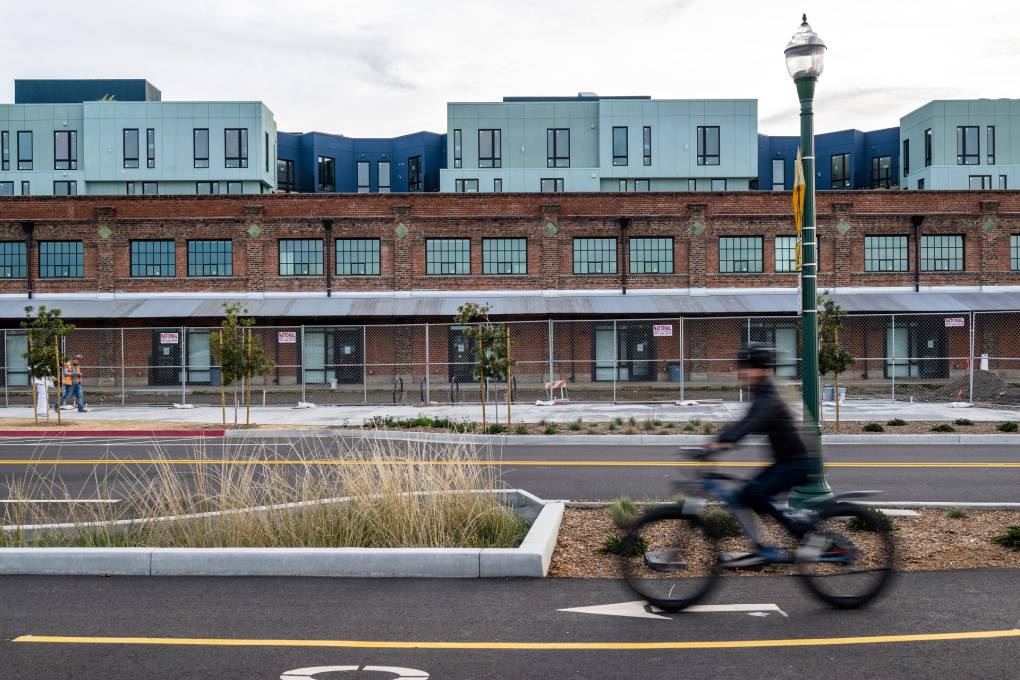
"caption": "The Del Monte warehouse is under construction to become an apartment building in Alameda on Jan. 12, 2023. State Sen. Scott Wiener's new bill would allow developers to build an apartment building up to 7 stories tall near high-frequency bus stops and train stations across California. ",
"credit": "Beth LaBerge/KQED",
"altTag": null,
"description": null,
"imgSizes": {
"medium": {
"file": "https://cdn.kqed.org/wp-content/uploads/sites/10/2024/06/010_KQED_AlamedaAffordableHousing_01122023-800x533.jpg",
"width": 800,
"height": 533,
"mimeType": "image/jpeg"
},
"large": {
"file": "https://cdn.kqed.org/wp-content/uploads/sites/10/2024/06/010_KQED_AlamedaAffordableHousing_01122023-1020x680.jpg",
"width": 1020,
"height": 680,
"mimeType": "image/jpeg"
},
"thumbnail": {
"file": "https://cdn.kqed.org/wp-content/uploads/sites/10/2024/06/010_KQED_AlamedaAffordableHousing_01122023-160x107.jpg",
"width": 160,
"height": 107,
"mimeType": "image/jpeg"
},
"1536x1536": {
"file": "https://cdn.kqed.org/wp-content/uploads/sites/10/2024/06/010_KQED_AlamedaAffordableHousing_01122023-1536x1024.jpg",
"width": 1536,
"height": 1024,
"mimeType": "image/jpeg"
},
"post-thumbnail": {
"file": "https://cdn.kqed.org/wp-content/uploads/sites/10/2024/06/010_KQED_AlamedaAffordableHousing_01122023-672x372.jpg",
"width": 672,
"height": 372,
"mimeType": "image/jpeg"
},
"twentyfourteen-full-width": {
"file": "https://cdn.kqed.org/wp-content/uploads/sites/10/2024/06/010_KQED_AlamedaAffordableHousing_01122023-1038x576.jpg",
"width": 1038,
"height": 576,
"mimeType": "image/jpeg"
},
"kqedFullSize": {
"file": "https://cdn.kqed.org/wp-content/uploads/sites/10/2024/06/010_KQED_AlamedaAffordableHousing_01122023.jpg",
"width": 1920,
"height": 1280
}
},
"isLoading": false,
"fetchFailed": false
},
"news_12002121": {
"type": "attachments",
"id": "news_12002121",
"meta": {
"index": "attachments_1716263798",
"site": "news",
"id": "12002121",
"found": true
},
"title": "20240827_SFUSDPROTEST_GC-16-KQED",
"publishDate": 1724852775,
"status": "inherit",
"parent": 12025440,
"modified": 1741972673,
"caption": "Individuals picket during an emergency rally and press conference for student support services outside of the San Francisco Unified School District administrative offices on Franklin Street on Aug. 27, 2024.",
"credit": "Gina Castro/KQED",
"altTag": null,
"description": null,
"imgSizes": {
"medium": {
"file": "https://cdn.kqed.org/wp-content/uploads/sites/10/2024/08/20240827_SFUSDPROTEST_GC-16-KQED-800x533.jpg",
"width": 800,
"height": 533,
"mimeType": "image/jpeg"
},
"large": {
"file": "https://cdn.kqed.org/wp-content/uploads/sites/10/2024/08/20240827_SFUSDPROTEST_GC-16-KQED-1020x680.jpg",
"width": 1020,
"height": 680,
"mimeType": "image/jpeg"
},
"thumbnail": {
"file": "https://cdn.kqed.org/wp-content/uploads/sites/10/2024/08/20240827_SFUSDPROTEST_GC-16-KQED-160x107.jpg",
"width": 160,
"height": 107,
"mimeType": "image/jpeg"
},
"1536x1536": {
"file": "https://cdn.kqed.org/wp-content/uploads/sites/10/2024/08/20240827_SFUSDPROTEST_GC-16-KQED-1536x1024.jpg",
"width": 1536,
"height": 1024,
"mimeType": "image/jpeg"
},
"post-thumbnail": {
"file": "https://cdn.kqed.org/wp-content/uploads/sites/10/2024/08/20240827_SFUSDPROTEST_GC-16-KQED-672x372.jpg",
"width": 672,
"height": 372,
"mimeType": "image/jpeg"
},
"twentyfourteen-full-width": {
"file": "https://cdn.kqed.org/wp-content/uploads/sites/10/2024/08/20240827_SFUSDPROTEST_GC-16-KQED-1038x576.jpg",
"width": 1038,
"height": 576,
"mimeType": "image/jpeg"
},
"full-width": {
"file": "https://cdn.kqed.org/wp-content/uploads/sites/10/2024/08/20240827_SFUSDPROTEST_GC-16-KQED-1920x1280.jpg",
"width": 1920,
"height": 1280,
"mimeType": "image/jpeg"
},
"kqedFullSize": {
"file": "https://cdn.kqed.org/wp-content/uploads/sites/10/2024/08/20240827_SFUSDPROTEST_GC-16-KQED.jpg",
"width": 2000,
"height": 1333
}
},
"isLoading": false,
"fetchFailed": false
},
"news_12031306": {
"type": "attachments",
"id": "news_12031306",
"meta": {
"index": "attachments_1716263798",
"site": "news",
"id": "12031306",
"found": true
},
"title": "People walk along the Great Highway in San Francisco on Feb. 14, 2024.",
"publishDate": 1741906787,
"status": "inherit",
"parent": 12031300,
"modified": 1741906907,
"caption": "People walk along the Great Highway in San Francisco on Feb. 14, 2024.",
"credit": "Beth LaBerge/KQED",
"altTag": null,
"description": null,
"imgSizes": {
"medium": {
"file": "https://cdn.kqed.org/wp-content/uploads/sites/10/2025/03/240214-CoastalCommission-33-BL_qed-800x533.jpg",
"width": 800,
"height": 533,
"mimeType": "image/jpeg"
},
"large": {
"file": "https://cdn.kqed.org/wp-content/uploads/sites/10/2025/03/240214-CoastalCommission-33-BL_qed-1020x680.jpg",
"width": 1020,
"height": 680,
"mimeType": "image/jpeg"
},
"thumbnail": {
"file": "https://cdn.kqed.org/wp-content/uploads/sites/10/2025/03/240214-CoastalCommission-33-BL_qed-160x107.jpg",
"width": 160,
"height": 107,
"mimeType": "image/jpeg"
},
"1536x1536": {
"file": "https://cdn.kqed.org/wp-content/uploads/sites/10/2025/03/240214-CoastalCommission-33-BL_qed-1536x1024.jpg",
"width": 1536,
"height": 1024,
"mimeType": "image/jpeg"
},
"post-thumbnail": {
"file": "https://cdn.kqed.org/wp-content/uploads/sites/10/2025/03/240214-CoastalCommission-33-BL_qed-672x372.jpg",
"width": 672,
"height": 372,
"mimeType": "image/jpeg"
},
"twentyfourteen-full-width": {
"file": "https://cdn.kqed.org/wp-content/uploads/sites/10/2025/03/240214-CoastalCommission-33-BL_qed-1038x576.jpg",
"width": 1038,
"height": 576,
"mimeType": "image/jpeg"
},
"full-width": {
"file": "https://cdn.kqed.org/wp-content/uploads/sites/10/2025/03/240214-CoastalCommission-33-BL_qed-1920x1280.jpg",
"width": 1920,
"height": 1280,
"mimeType": "image/jpeg"
},
"kqedFullSize": {
"file": "https://cdn.kqed.org/wp-content/uploads/sites/10/2025/03/240214-CoastalCommission-33-BL_qed.jpg",
"width": 2000,
"height": 1333
}
},
"isLoading": false,
"fetchFailed": false
},
"news_12023747": {
"type": "attachments",
"id": "news_12023747",
"meta": {
"index": "attachments_1716263798",
"site": "news",
"id": "12023747",
"found": true
},
"title": "US-POLITICS-TRUMP-INAUGURATION",
"publishDate": 1737658482,
"status": "inherit",
"parent": 12023740,
"modified": 1737660022,
"caption": "U.S. President Donald Trump signs an executive order in the Oval Office of the White House in Washington, D.C., on Jan. 20, 2025.",
"credit": "Jim Watson/Pool/AFP via Getty Images",
"altTag": null,
"description": null,
"imgSizes": {
"medium": {
"file": "https://cdn.kqed.org/wp-content/uploads/sites/10/2025/01/DonaldTrumpEOGetty-800x521.jpg",
"width": 800,
"height": 521,
"mimeType": "image/jpeg"
},
"large": {
"file": "https://cdn.kqed.org/wp-content/uploads/sites/10/2025/01/DonaldTrumpEOGetty-1020x664.jpg",
"width": 1020,
"height": 664,
"mimeType": "image/jpeg"
},
"thumbnail": {
"file": "https://cdn.kqed.org/wp-content/uploads/sites/10/2025/01/DonaldTrumpEOGetty-160x104.jpg",
"width": 160,
"height": 104,
"mimeType": "image/jpeg"
},
"1536x1536": {
"file": "https://cdn.kqed.org/wp-content/uploads/sites/10/2025/01/DonaldTrumpEOGetty-1536x1000.jpg",
"width": 1536,
"height": 1000,
"mimeType": "image/jpeg"
},
"post-thumbnail": {
"file": "https://cdn.kqed.org/wp-content/uploads/sites/10/2025/01/DonaldTrumpEOGetty-672x372.jpg",
"width": 672,
"height": 372,
"mimeType": "image/jpeg"
},
"twentyfourteen-full-width": {
"file": "https://cdn.kqed.org/wp-content/uploads/sites/10/2025/01/DonaldTrumpEOGetty-1038x576.jpg",
"width": 1038,
"height": 576,
"mimeType": "image/jpeg"
},
"full-width": {
"file": "https://cdn.kqed.org/wp-content/uploads/sites/10/2025/01/DonaldTrumpEOGetty-1920x1250.jpg",
"width": 1920,
"height": 1250,
"mimeType": "image/jpeg"
},
"kqedFullSize": {
"file": "https://cdn.kqed.org/wp-content/uploads/sites/10/2025/01/DonaldTrumpEOGetty.jpg",
"width": 2000,
"height": 1302
}
},
"isLoading": false,
"fetchFailed": false
},
"news_12030758": {
"type": "attachments",
"id": "news_12030758",
"meta": {
"index": "attachments_1716263798",
"site": "news",
"id": "12030758",
"found": true
},
"title": "241115-PropKFolo-24-BL_qed",
"publishDate": 1741715316,
"status": "inherit",
"parent": 12030751,
"modified": 1741715330,
"caption": "Vehicles drive along the Great Highway between Sloat Boulevard in San Francisco on Nov. 15, 2024.",
"credit": "Beth LaBerge/KQED",
"altTag": null,
"description": null,
"imgSizes": {
"medium": {
"file": "https://cdn.kqed.org/wp-content/uploads/sites/10/2025/03/241115-PropKFolo-24-BL_qed-800x533.jpg",
"width": 800,
"height": 533,
"mimeType": "image/jpeg"
},
"large": {
"file": "https://cdn.kqed.org/wp-content/uploads/sites/10/2025/03/241115-PropKFolo-24-BL_qed-1020x680.jpg",
"width": 1020,
"height": 680,
"mimeType": "image/jpeg"
},
"thumbnail": {
"file": "https://cdn.kqed.org/wp-content/uploads/sites/10/2025/03/241115-PropKFolo-24-BL_qed-160x107.jpg",
"width": 160,
"height": 107,
"mimeType": "image/jpeg"
},
"1536x1536": {
"file": "https://cdn.kqed.org/wp-content/uploads/sites/10/2025/03/241115-PropKFolo-24-BL_qed-1536x1024.jpg",
"width": 1536,
"height": 1024,
"mimeType": "image/jpeg"
},
"post-thumbnail": {
"file": "https://cdn.kqed.org/wp-content/uploads/sites/10/2025/03/241115-PropKFolo-24-BL_qed-672x372.jpg",
"width": 672,
"height": 372,
"mimeType": "image/jpeg"
},
"twentyfourteen-full-width": {
"file": "https://cdn.kqed.org/wp-content/uploads/sites/10/2025/03/241115-PropKFolo-24-BL_qed-1038x576.jpg",
"width": 1038,
"height": 576,
"mimeType": "image/jpeg"
},
"full-width": {
"file": "https://cdn.kqed.org/wp-content/uploads/sites/10/2025/03/241115-PropKFolo-24-BL_qed-1920x1280.jpg",
"width": 1920,
"height": 1280,
"mimeType": "image/jpeg"
},
"kqedFullSize": {
"file": "https://cdn.kqed.org/wp-content/uploads/sites/10/2025/03/241115-PropKFolo-24-BL_qed.jpg",
"width": 2000,
"height": 1333
}
},
"isLoading": false,
"fetchFailed": false
},
"news_12030005": {
"type": "attachments",
"id": "news_12030005",
"meta": {
"index": "attachments_1716263798",
"site": "news",
"id": "12030005",
"found": true
},
"title": "250305-Lariza Dugan-Cuadra-MD-07",
"publishDate": 1741261280,
"status": "inherit",
"parent": 0,
"modified": 1741267613,
"caption": "Lariza Dugan-Cuadra, Executive Director of CARECEN SF, looks out of the windows at the CARECEN SF offices in San Francisco on March 5, 2025.",
"credit": "Martin do Nascimento/KQED",
"altTag": null,
"description": null,
"imgSizes": {
"medium": {
"file": "https://cdn.kqed.org/wp-content/uploads/sites/10/2025/03/250305-Lariza-Dugan-Cuadra-MD-07-800x533.jpg",
"width": 800,
"height": 533,
"mimeType": "image/jpeg"
},
"large": {
"file": "https://cdn.kqed.org/wp-content/uploads/sites/10/2025/03/250305-Lariza-Dugan-Cuadra-MD-07-1020x680.jpg",
"width": 1020,
"height": 680,
"mimeType": "image/jpeg"
},
"thumbnail": {
"file": "https://cdn.kqed.org/wp-content/uploads/sites/10/2025/03/250305-Lariza-Dugan-Cuadra-MD-07-160x107.jpg",
"width": 160,
"height": 107,
"mimeType": "image/jpeg"
},
"1536x1536": {
"file": "https://cdn.kqed.org/wp-content/uploads/sites/10/2025/03/250305-Lariza-Dugan-Cuadra-MD-07-1536x1024.jpg",
"width": 1536,
"height": 1024,
"mimeType": "image/jpeg"
},
"post-thumbnail": {
"file": "https://cdn.kqed.org/wp-content/uploads/sites/10/2025/03/250305-Lariza-Dugan-Cuadra-MD-07-672x372.jpg",
"width": 672,
"height": 372,
"mimeType": "image/jpeg"
},
"twentyfourteen-full-width": {
"file": "https://cdn.kqed.org/wp-content/uploads/sites/10/2025/03/250305-Lariza-Dugan-Cuadra-MD-07-1038x576.jpg",
"width": 1038,
"height": 576,
"mimeType": "image/jpeg"
},
"full-width": {
"file": "https://cdn.kqed.org/wp-content/uploads/sites/10/2025/03/250305-Lariza-Dugan-Cuadra-MD-07-1920x1280.jpg",
"width": 1920,
"height": 1280,
"mimeType": "image/jpeg"
},
"kqedFullSize": {
"file": "https://cdn.kqed.org/wp-content/uploads/sites/10/2025/03/250305-Lariza-Dugan-Cuadra-MD-07.jpg",
"width": 2000,
"height": 1333
}
},
"isLoading": false,
"fetchFailed": false
},
"news_12030103": {
"type": "attachments",
"id": "news_12030103",
"meta": {
"index": "attachments_1716263798",
"site": "news",
"id": "12030103",
"found": true
},
"title": "240830-SFSideshowLegislation-21-BL_qed",
"publishDate": 1741289167,
"status": "inherit",
"parent": 12030060,
"modified": 1741289846,
"caption": "Chief of Police Bill Scott speaks during a press conference regarding sideshows in the Bay Area at the San Francisco Police Department headquarters on Aug. 30, 2024.",
"credit": "Beth LaBerge/KQED",
"altTag": null,
"description": null,
"imgSizes": {
"medium": {
"file": "https://cdn.kqed.org/wp-content/uploads/sites/10/2025/03/240830-SFSideshowLegislation-21-BL_qed-800x533.jpg",
"width": 800,
"height": 533,
"mimeType": "image/jpeg"
},
"large": {
"file": "https://cdn.kqed.org/wp-content/uploads/sites/10/2025/03/240830-SFSideshowLegislation-21-BL_qed-1020x680.jpg",
"width": 1020,
"height": 680,
"mimeType": "image/jpeg"
},
"thumbnail": {
"file": "https://cdn.kqed.org/wp-content/uploads/sites/10/2025/03/240830-SFSideshowLegislation-21-BL_qed-160x107.jpg",
"width": 160,
"height": 107,
"mimeType": "image/jpeg"
},
"1536x1536": {
"file": "https://cdn.kqed.org/wp-content/uploads/sites/10/2025/03/240830-SFSideshowLegislation-21-BL_qed-1536x1024.jpg",
"width": 1536,
"height": 1024,
"mimeType": "image/jpeg"
},
"post-thumbnail": {
"file": "https://cdn.kqed.org/wp-content/uploads/sites/10/2025/03/240830-SFSideshowLegislation-21-BL_qed-672x372.jpg",
"width": 672,
"height": 372,
"mimeType": "image/jpeg"
},
"twentyfourteen-full-width": {
"file": "https://cdn.kqed.org/wp-content/uploads/sites/10/2025/03/240830-SFSideshowLegislation-21-BL_qed-1038x576.jpg",
"width": 1038,
"height": 576,
"mimeType": "image/jpeg"
},
"full-width": {
"file": "https://cdn.kqed.org/wp-content/uploads/sites/10/2025/03/240830-SFSideshowLegislation-21-BL_qed-1920x1280.jpg",
"width": 1920,
"height": 1280,
"mimeType": "image/jpeg"
},
"kqedFullSize": {
"file": "https://cdn.kqed.org/wp-content/uploads/sites/10/2025/03/240830-SFSideshowLegislation-21-BL_qed.jpg",
"width": 2000,
"height": 1333
}
},
"isLoading": false,
"fetchFailed": false
},
"news_12029901": {
"type": "attachments",
"id": "news_12029901",
"meta": {
"index": "attachments_1716263798",
"site": "news",
"id": "12029901",
"found": true
},
"title": "20250305_TARIFFSIMPACT_GC-6-KQED",
"publishDate": 1741216483,
"status": "inherit",
"parent": 0,
"modified": 1741288968,
"caption": "An employee, who did not want to be named, hangs up bags for sale at Luz de Luna, a gift store on 24th Street in San Francisco, on March 5, 2025. Owner Denise Gonzales says about 70% of the products sold in her store are imported from Mexico.",
"credit": "Gina Castro/KQED",
"altTag": null,
"description": null,
"imgSizes": {
"medium": {
"file": "https://cdn.kqed.org/wp-content/uploads/sites/10/2025/03/20250305_TARIFFSIMPACT_GC-6-KQED-800x533.jpg",
"width": 800,
"height": 533,
"mimeType": "image/jpeg"
},
"large": {
"file": "https://cdn.kqed.org/wp-content/uploads/sites/10/2025/03/20250305_TARIFFSIMPACT_GC-6-KQED-1020x680.jpg",
"width": 1020,
"height": 680,
"mimeType": "image/jpeg"
},
"thumbnail": {
"file": "https://cdn.kqed.org/wp-content/uploads/sites/10/2025/03/20250305_TARIFFSIMPACT_GC-6-KQED-160x107.jpg",
"width": 160,
"height": 107,
"mimeType": "image/jpeg"
},
"1536x1536": {
"file": "https://cdn.kqed.org/wp-content/uploads/sites/10/2025/03/20250305_TARIFFSIMPACT_GC-6-KQED-1536x1024.jpg",
"width": 1536,
"height": 1024,
"mimeType": "image/jpeg"
},
"post-thumbnail": {
"file": "https://cdn.kqed.org/wp-content/uploads/sites/10/2025/03/20250305_TARIFFSIMPACT_GC-6-KQED-672x372.jpg",
"width": 672,
"height": 372,
"mimeType": "image/jpeg"
},
"twentyfourteen-full-width": {
"file": "https://cdn.kqed.org/wp-content/uploads/sites/10/2025/03/20250305_TARIFFSIMPACT_GC-6-KQED-1038x576.jpg",
"width": 1038,
"height": 576,
"mimeType": "image/jpeg"
},
"full-width": {
"file": "https://cdn.kqed.org/wp-content/uploads/sites/10/2025/03/20250305_TARIFFSIMPACT_GC-6-KQED-1920x1280.jpg",
"width": 1920,
"height": 1280,
"mimeType": "image/jpeg"
},
"kqedFullSize": {
"file": "https://cdn.kqed.org/wp-content/uploads/sites/10/2025/03/20250305_TARIFFSIMPACT_GC-6-KQED.jpg",
"width": 2000,
"height": 1333
}
},
"isLoading": false,
"fetchFailed": false
},
"news_12029577": {
"type": "attachments",
"id": "news_12029577",
"meta": {
"index": "attachments_1716263798",
"site": "news",
"id": "12029577",
"found": true
},
"title": "250205-WildSideWest-21-BL_qed",
"publishDate": 1741112042,
"status": "inherit",
"parent": 12029551,
"modified": 1741112085,
"caption": "(From left) Timotha Doane, Beth Stephens, and Annie Sprinkle sit at the bar at Wild Side West in San Francisco’s Bernal Heights neighborhood on Feb. 6, 2025. Founded in 1962, Wild Side West is a historic lesbian bar that began in Oakland before relocating to San Francisco, where it became a gathering space known for its eclectic decor, lush garden, and deep roots in the LGBTQ+ community.",
"credit": "Beth LaBerge/KQED",
"altTag": null,
"description": null,
"imgSizes": {
"medium": {
"file": "https://cdn.kqed.org/wp-content/uploads/sites/10/2025/03/250205-WildSideWest-21-BL_qed-800x533.jpg",
"width": 800,
"height": 533,
"mimeType": "image/jpeg"
},
"large": {
"file": "https://cdn.kqed.org/wp-content/uploads/sites/10/2025/03/250205-WildSideWest-21-BL_qed-1020x680.jpg",
"width": 1020,
"height": 680,
"mimeType": "image/jpeg"
},
"thumbnail": {
"file": "https://cdn.kqed.org/wp-content/uploads/sites/10/2025/03/250205-WildSideWest-21-BL_qed-160x107.jpg",
"width": 160,
"height": 107,
"mimeType": "image/jpeg"
},
"1536x1536": {
"file": "https://cdn.kqed.org/wp-content/uploads/sites/10/2025/03/250205-WildSideWest-21-BL_qed-1536x1024.jpg",
"width": 1536,
"height": 1024,
"mimeType": "image/jpeg"
},
"post-thumbnail": {
"file": "https://cdn.kqed.org/wp-content/uploads/sites/10/2025/03/250205-WildSideWest-21-BL_qed-672x372.jpg",
"width": 672,
"height": 372,
"mimeType": "image/jpeg"
},
"twentyfourteen-full-width": {
"file": "https://cdn.kqed.org/wp-content/uploads/sites/10/2025/03/250205-WildSideWest-21-BL_qed-1038x576.jpg",
"width": 1038,
"height": 576,
"mimeType": "image/jpeg"
},
"full-width": {
"file": "https://cdn.kqed.org/wp-content/uploads/sites/10/2025/03/250205-WildSideWest-21-BL_qed-1920x1280.jpg",
"width": 1920,
"height": 1280,
"mimeType": "image/jpeg"
},
"kqedFullSize": {
"file": "https://cdn.kqed.org/wp-content/uploads/sites/10/2025/03/250205-WildSideWest-21-BL_qed.jpg",
"width": 2000,
"height": 1333
}
},
"isLoading": false,
"fetchFailed": false
},
"news_12029842": {
"type": "attachments",
"id": "news_12029842",
"meta": {
"index": "attachments_1716263798",
"site": "news",
"id": "12029842",
"found": true
},
"title": "250224-Presidio-20-BL_qed",
"publishDate": 1741203587,
"status": "inherit",
"parent": 12029839,
"modified": 1741203597,
"caption": "A view of Crissy Field in the Presidio, a park and former military outpost, in San Francisco on Feb. 25, 2025.",
"credit": "Beth LaBerge/KQED",
"altTag": null,
"description": null,
"imgSizes": {
"medium": {
"file": "https://cdn.kqed.org/wp-content/uploads/sites/10/2025/03/250224-Presidio-20-BL_qed-800x533.jpg",
"width": 800,
"height": 533,
"mimeType": "image/jpeg"
},
"large": {
"file": "https://cdn.kqed.org/wp-content/uploads/sites/10/2025/03/250224-Presidio-20-BL_qed-1020x680.jpg",
"width": 1020,
"height": 680,
"mimeType": "image/jpeg"
},
"thumbnail": {
"file": "https://cdn.kqed.org/wp-content/uploads/sites/10/2025/03/250224-Presidio-20-BL_qed-160x107.jpg",
"width": 160,
"height": 107,
"mimeType": "image/jpeg"
},
"1536x1536": {
"file": "https://cdn.kqed.org/wp-content/uploads/sites/10/2025/03/250224-Presidio-20-BL_qed-1536x1024.jpg",
"width": 1536,
"height": 1024,
"mimeType": "image/jpeg"
},
"post-thumbnail": {
"file": "https://cdn.kqed.org/wp-content/uploads/sites/10/2025/03/250224-Presidio-20-BL_qed-672x372.jpg",
"width": 672,
"height": 372,
"mimeType": "image/jpeg"
},
"twentyfourteen-full-width": {
"file": "https://cdn.kqed.org/wp-content/uploads/sites/10/2025/03/250224-Presidio-20-BL_qed-1038x576.jpg",
"width": 1038,
"height": 576,
"mimeType": "image/jpeg"
},
"full-width": {
"file": "https://cdn.kqed.org/wp-content/uploads/sites/10/2025/03/250224-Presidio-20-BL_qed-1920x1280.jpg",
"width": 1920,
"height": 1280,
"mimeType": "image/jpeg"
},
"kqedFullSize": {
"file": "https://cdn.kqed.org/wp-content/uploads/sites/10/2025/03/250224-Presidio-20-BL_qed.jpg",
"width": 2000,
"height": 1333
}
},
"isLoading": false,
"fetchFailed": false
},
"news_12029339": {
"type": "attachments",
"id": "news_12029339",
"meta": {
"index": "attachments_1716263798",
"site": "news",
"id": "12029339",
"found": true
},
"title": "20241211-OUSDMergerVote-JY-013_qed",
"publishDate": 1740786173,
"status": "inherit",
"parent": 12029333,
"modified": 1741115113,
"caption": "Alexandria Poole, right, comforts Navie Davis, left, as she becomes emotional while making a public comment to the Oakland Unified School District Board about a proposed merger during a meeting at La Escuelita Elementary School in Oakland, California, on Dec. 11, 2024.",
"credit": "Juliana Yamada/KQED",
"altTag": null,
"description": null,
"imgSizes": {
"medium": {
"file": "https://cdn.kqed.org/wp-content/uploads/sites/10/2025/02/20241211-OUSDMergerVote-JY-013_qed-800x533.jpg",
"width": 800,
"height": 533,
"mimeType": "image/jpeg"
},
"large": {
"file": "https://cdn.kqed.org/wp-content/uploads/sites/10/2025/02/20241211-OUSDMergerVote-JY-013_qed-1020x680.jpg",
"width": 1020,
"height": 680,
"mimeType": "image/jpeg"
},
"thumbnail": {
"file": "https://cdn.kqed.org/wp-content/uploads/sites/10/2025/02/20241211-OUSDMergerVote-JY-013_qed-160x107.jpg",
"width": 160,
"height": 107,
"mimeType": "image/jpeg"
},
"1536x1536": {
"file": "https://cdn.kqed.org/wp-content/uploads/sites/10/2025/02/20241211-OUSDMergerVote-JY-013_qed-1536x1024.jpg",
"width": 1536,
"height": 1024,
"mimeType": "image/jpeg"
},
"post-thumbnail": {
"file": "https://cdn.kqed.org/wp-content/uploads/sites/10/2025/02/20241211-OUSDMergerVote-JY-013_qed-672x372.jpg",
"width": 672,
"height": 372,
"mimeType": "image/jpeg"
},
"twentyfourteen-full-width": {
"file": "https://cdn.kqed.org/wp-content/uploads/sites/10/2025/02/20241211-OUSDMergerVote-JY-013_qed-1038x576.jpg",
"width": 1038,
"height": 576,
"mimeType": "image/jpeg"
},
"full-width": {
"file": "https://cdn.kqed.org/wp-content/uploads/sites/10/2025/02/20241211-OUSDMergerVote-JY-013_qed-1920x1280.jpg",
"width": 1920,
"height": 1280,
"mimeType": "image/jpeg"
},
"kqedFullSize": {
"file": "https://cdn.kqed.org/wp-content/uploads/sites/10/2025/02/20241211-OUSDMergerVote-JY-013_qed.jpg",
"width": 2000,
"height": 1333
}
},
"isLoading": false,
"fetchFailed": false
},
"news_12029622": {
"type": "attachments",
"id": "news_12029622",
"meta": {
"index": "attachments_1716263798",
"site": "news",
"id": "12029622",
"found": true
},
"title": "20241217-UnhousedDemonstrations-JY-355_qed",
"publishDate": 1741116824,
"status": "inherit",
"parent": 12029619,
"modified": 1741123481,
"caption": "Maks Doulton paints on a tent during a demonstration against the rise in encampment sweeps in front of City Hall in San Francisco on Tuesday, Dec. 17, 2024. Doulton is temporarily housed after being homeless for about a year but worries about her brothers and sisters, who are still on the streets.",
"credit": "Juliana Yamada/KQED",
"altTag": null,
"description": null,
"imgSizes": {
"medium": {
"file": "https://cdn.kqed.org/wp-content/uploads/sites/10/2025/03/20241217-UnhousedDemonstrations-JY-355_qed-800x533.jpg",
"width": 800,
"height": 533,
"mimeType": "image/jpeg"
},
"large": {
"file": "https://cdn.kqed.org/wp-content/uploads/sites/10/2025/03/20241217-UnhousedDemonstrations-JY-355_qed-1020x680.jpg",
"width": 1020,
"height": 680,
"mimeType": "image/jpeg"
},
"thumbnail": {
"file": "https://cdn.kqed.org/wp-content/uploads/sites/10/2025/03/20241217-UnhousedDemonstrations-JY-355_qed-160x107.jpg",
"width": 160,
"height": 107,
"mimeType": "image/jpeg"
},
"1536x1536": {
"file": "https://cdn.kqed.org/wp-content/uploads/sites/10/2025/03/20241217-UnhousedDemonstrations-JY-355_qed-1536x1024.jpg",
"width": 1536,
"height": 1024,
"mimeType": "image/jpeg"
},
"post-thumbnail": {
"file": "https://cdn.kqed.org/wp-content/uploads/sites/10/2025/03/20241217-UnhousedDemonstrations-JY-355_qed-672x372.jpg",
"width": 672,
"height": 372,
"mimeType": "image/jpeg"
},
"twentyfourteen-full-width": {
"file": "https://cdn.kqed.org/wp-content/uploads/sites/10/2025/03/20241217-UnhousedDemonstrations-JY-355_qed-1038x576.jpg",
"width": 1038,
"height": 576,
"mimeType": "image/jpeg"
},
"full-width": {
"file": "https://cdn.kqed.org/wp-content/uploads/sites/10/2025/03/20241217-UnhousedDemonstrations-JY-355_qed-1920x1280.jpg",
"width": 1920,
"height": 1280,
"mimeType": "image/jpeg"
},
"kqedFullSize": {
"file": "https://cdn.kqed.org/wp-content/uploads/sites/10/2025/03/20241217-UnhousedDemonstrations-JY-355_qed.jpg",
"width": 2000,
"height": 1333
}
},
"isLoading": false,
"fetchFailed": false
}
},
"audioPlayerReducer": {
"postId": "stream_live",
"isPaused": true,
"isPlaying": false,
"pfsActive": false,
"pledgeModalIsOpen": true,
"playerDrawerIsOpen": false,
"liveAudioPlayStartedAt": 0,
"liveAudioPlayContext": ""
},
"authorsReducer": {
"kqed": {
"type": "authors",
"id": "236",
"meta": {
"index": "authors_1716337520",
"id": "236",
"found": true
},
"name": "KQED News Staff",
"firstName": "KQED News Staff",
"lastName": null,
"slug": "kqed",
"email": "faq@kqed.org",
"display_author_email": false,
"staff_mastheads": [],
"title": null,
"bio": null,
"avatar": "https://secure.gravatar.com/avatar/ef0e801a68c4c54afa9180db14084167?s=600&d=blank&r=g",
"twitter": null,
"facebook": null,
"instagram": null,
"linkedin": null,
"sites": [
{
"site": "arts",
"roles": [
"contributor"
]
},
{
"site": "news",
"roles": [
"editor"
]
},
{
"site": "futureofyou",
"roles": [
"author"
]
}
],
"headData": {
"title": "KQED News Staff | KQED",
"description": null,
"ogImgSrc": "https://secure.gravatar.com/avatar/ef0e801a68c4c54afa9180db14084167?s=600&d=blank&r=g",
"twImgSrc": "https://secure.gravatar.com/avatar/ef0e801a68c4c54afa9180db14084167?s=600&d=blank&r=g"
},
"isLoading": false,
"link": "/author/kqed"
},
"matthewgreen": {
"type": "authors",
"id": "1263",
"meta": {
"index": "authors_1716337520",
"id": "1263",
"found": true
},
"name": "Matthew Green",
"firstName": "Matthew",
"lastName": "Green",
"slug": "matthewgreen",
"email": "mgreen@kqed.org",
"display_author_email": false,
"staff_mastheads": [],
"title": "KQED Editor/Reporter",
"bio": "Matthew Green is a digital media producer for KQED News. He previously produced \u003ca href=\"http://www.kqed.org/lowdown\">The Lowdown\u003c/a>, KQED’s multimedia news education blog. Matthew's written for numerous Bay Area publications, including the Oakland Tribune and San Francisco Chronicle. He also taught journalism classes at Fremont High School in East Oakland.\r\n\r\nEmail: mgreen@kqed.org; Twitter: @MGreenKQED",
"avatar": "https://secure.gravatar.com/avatar/3bf498d1267ca02c8494f33d8cfc575e?s=600&d=blank&r=g",
"twitter": "MGreenKQED",
"facebook": null,
"instagram": null,
"linkedin": null,
"sites": [
{
"site": "news",
"roles": []
},
{
"site": "lowdown",
"roles": []
},
{
"site": "science",
"roles": []
},
{
"site": "education",
"roles": []
},
{
"site": "quest",
"roles": []
},
{
"site": "liveblog",
"roles": []
}
],
"headData": {
"title": "Matthew Green | KQED",
"description": "KQED Editor/Reporter",
"ogImgSrc": "https://secure.gravatar.com/avatar/3bf498d1267ca02c8494f33d8cfc575e?s=600&d=blank&r=g",
"twImgSrc": "https://secure.gravatar.com/avatar/3bf498d1267ca02c8494f33d8cfc575e?s=600&d=blank&r=g"
},
"isLoading": false,
"link": "/author/matthewgreen"
},
"ecruzguevarra": {
"type": "authors",
"id": "8654",
"meta": {
"index": "authors_1716337520",
"id": "8654",
"found": true
},
"name": "Ericka Cruz Guevarra",
"firstName": "Ericka",
"lastName": "Cruz Guevarra",
"slug": "ecruzguevarra",
"email": "ecruzguevarra@kqed.org",
"display_author_email": true,
"staff_mastheads": [
"news"
],
"title": "Producer, The Bay Podcast",
"bio": "Ericka Cruz Guevarra is host of \u003ca href=\"https://www.kqed.org/podcasts/thebay\">\u003cem>The Bay\u003c/em>\u003c/a> podcast at KQED. Before host, she was the show’s producer. Her work in that capacity includes a three-part reported series on policing in Vallejo, which won a 2020 excellence in journalism award from the Society of Professional Journalists. Ericka has worked as a breaking news reporter at Oregon Public Broadcasting, helped produce the Code Switch podcast, and was KQED’s inaugural Raul Ramirez Diversity Fund intern. She’s also an alumna of NPR’s Next Generation Radio program. Send her an email if you have strong feelings about whether Fairfield and Suisun City are the Bay. Ericka is represented by SAG-AFTRA.",
"avatar": "https://secure.gravatar.com/avatar/accefc1de4bafc7e234b69bcb9b6f6536c130fd84709bc3069ef11a78787e1bb?s=600&d=blank&r=g",
"twitter": "NotoriousECG",
"bluesky": null,
"facebook": null,
"instagram": null,
"linkedin": null,
"sites": [
{
"site": "arts",
"roles": [
"subscriber"
]
},
{
"site": "news",
"roles": [
"editor",
"manage_categories"
]
},
{
"site": "futureofyou",
"roles": [
"subscriber"
]
},
{
"site": "stateofhealth",
"roles": [
"subscriber"
]
},
{
"site": "science",
"roles": [
"editor"
]
},
{
"site": "forum",
"roles": [
"subscriber"
]
}
],
"headData": {
"title": "Ericka Cruz Guevarra | KQED",
"description": "Producer, The Bay Podcast",
"ogImgSrc": "https://secure.gravatar.com/avatar/accefc1de4bafc7e234b69bcb9b6f6536c130fd84709bc3069ef11a78787e1bb?s=600&d=blank&r=g",
"twImgSrc": "https://secure.gravatar.com/avatar/accefc1de4bafc7e234b69bcb9b6f6536c130fd84709bc3069ef11a78787e1bb?s=600&d=blank&r=g"
},
"isLoading": false,
"link": "/author/ecruzguevarra"
},
"amontecillo": {
"type": "authors",
"id": "11649",
"meta": {
"index": "authors_1716337520",
"id": "11649",
"found": true
},
"name": "Alan Montecillo",
"firstName": "Alan",
"lastName": "Montecillo",
"slug": "amontecillo",
"email": "amontecillo@kqed.org",
"display_author_email": false,
"staff_mastheads": [
"news"
],
"title": "KQED Contributor",
"bio": "Alan Montecillo is the senior editor of \u003cem>\u003ca href=\"http://kqed.org/thebay\">The Bay\u003c/a>, \u003c/em> KQED's local news podcast. Before moving to the Bay Area, he worked as a senior talk show producer for WILL in Champaign-Urbana, Illinois and at Oregon Public Broadcasting in Portland, Oregon. He has won journalism awards from the Society of Professional Journalists Northern California, the Public Media Journalists Association, The Signal Awards, and has also received a regional Edward R. Murrow award. Alan is a Filipino American from Hong Kong and a graduate of Reed College.",
"avatar": "https://secure.gravatar.com/avatar/268f53a2066899ea9efdd8a5900218b17c822d9862cbc9326cccec53ef41d349?s=600&d=blank&r=g",
"twitter": "alanmontecillo",
"bluesky": null,
"facebook": null,
"instagram": null,
"linkedin": null,
"sites": [
{
"site": "",
"roles": [
"editor"
]
},
{
"site": "news",
"roles": [
"editor",
"manage_categories"
]
}
],
"headData": {
"title": "Alan Montecillo | KQED",
"description": "KQED Contributor",
"ogImgSrc": "https://secure.gravatar.com/avatar/268f53a2066899ea9efdd8a5900218b17c822d9862cbc9326cccec53ef41d349?s=600&d=blank&r=g",
"twImgSrc": "https://secure.gravatar.com/avatar/268f53a2066899ea9efdd8a5900218b17c822d9862cbc9326cccec53ef41d349?s=600&d=blank&r=g"
},
"isLoading": false,
"link": "/author/amontecillo"
},
"ebaldassari": {
"type": "authors",
"id": "11652",
"meta": {
"index": "authors_1716337520",
"id": "11652",
"found": true
},
"name": "Erin Baldassari",
"firstName": "Erin",
"lastName": "Baldassari",
"slug": "ebaldassari",
"email": "ebaldassari@KQED.org",
"display_author_email": true,
"staff_mastheads": [
"news"
],
"title": "Senior Editor",
"bio": "Erin Baldassari oversees the housing and early childhood education and care desks, as well as several of the station’s enterprise and accountability reporters. She joined KQED in 2020 to cover housing and co-host its housing podcast, \u003cem>SOLD OUT: Rethinking Housing in America\u003c/em>. Prior to that, she worked as a print journalist for roughly a decade, most recently at the \u003cem>Mercury News\u003c/em> and \u003cem>East Bay Times\u003c/em>, where she served on its 2017 Pulitzer Prize-winning team for coverage of the Ghost Ship Fire in Oakland. A Tufts University alumna, Erin grew up in the foothills of the Sierra Nevada mountains and in Sonoma County.",
"avatar": "https://secure.gravatar.com/avatar/5e95cad64a8ca08288082212e199d2b0cbeb4fd8e8ef5339395f361032bbe005?s=600&d=blank&r=g",
"twitter": null,
"bluesky": null,
"facebook": null,
"instagram": null,
"linkedin": null,
"sites": [
{
"site": "news",
"roles": [
"edit_others_posts",
"editor"
]
},
{
"site": "science",
"roles": [
"editor"
]
},
{
"site": "liveblog",
"roles": [
"editor"
]
}
],
"headData": {
"title": "Erin Baldassari | KQED",
"description": "Senior Editor",
"ogImgSrc": "https://secure.gravatar.com/avatar/5e95cad64a8ca08288082212e199d2b0cbeb4fd8e8ef5339395f361032bbe005?s=600&d=blank&r=g",
"twImgSrc": "https://secure.gravatar.com/avatar/5e95cad64a8ca08288082212e199d2b0cbeb4fd8e8ef5339395f361032bbe005?s=600&d=blank&r=g"
},
"isLoading": false,
"link": "/author/ebaldassari"
},
"btorres": {
"type": "authors",
"id": "11666",
"meta": {
"index": "authors_1716337520",
"id": "11666",
"found": true
},
"name": "Blanca Torres",
"firstName": "Blanca",
"lastName": "Torres",
"slug": "btorres",
"email": "btorres@kqed.org",
"display_author_email": true,
"staff_mastheads": [
"news"
],
"title": "Producer, Forum",
"bio": "Blanca Torres brings sharp news judgement and keen sense of lively conversation to her work as producer for Forum. She loves producing shows that leave listeners feeling like they heard distinctive voices, learned something new and gained a fresh perspective.\r\n\r\nShe joined KQED in January of 2020 after 16 years of working as a newspaper reporter most recently at the \u003cem>San Francisco Business Times,\u003c/em> where she wrote about real estate and economic development. Before that, she covered a variety of beats including crime, education, retail, workplace, the economy, consumer issues, and small business for the \u003cem>Contra Costa Times, Baltimore Sun\u003c/em> and\u003cem> The Seattle Times\u003c/em>. In addition to reporting, she worked as an editorial writer and columnist for the \u003cem>Seattle Times\u003c/em>. From 2017 to 2020, Blanca won a total of ten awards from the National Association of Real Estate Editors and won first place for land use reporting from the California News Publishers Association two years in a row. She is also a member and former board member for the National Association of Hispanic Journalists.\r\n\r\nA native of the Pacific Northwest, Blanca earned her bachelor's degree from Vanderbilt University in Nashville and a master's in fine arts in creative writing at Mills College. She lives in the East Bay with her family.",
"avatar": "https://secure.gravatar.com/avatar/50b49d19b14a1eed34f26ebf4681152cdd81574ed21851100871ccd29e578cdc?s=600&d=blank&r=g",
"twitter": "@blancawrites",
"bluesky": null,
"facebook": null,
"instagram": null,
"linkedin": null,
"sites": [
{
"site": "arts",
"roles": [
"editor"
]
},
{
"site": "news",
"roles": [
"editor"
]
},
{
"site": "forum",
"roles": [
"editor"
]
}
],
"headData": {
"title": "Blanca Torres | KQED",
"description": "Producer, Forum",
"ogImgSrc": "https://secure.gravatar.com/avatar/50b49d19b14a1eed34f26ebf4681152cdd81574ed21851100871ccd29e578cdc?s=600&d=blank&r=g",
"twImgSrc": "https://secure.gravatar.com/avatar/50b49d19b14a1eed34f26ebf4681152cdd81574ed21851100871ccd29e578cdc?s=600&d=blank&r=g"
},
"isLoading": false,
"link": "/author/btorres"
},
"eromero": {
"type": "authors",
"id": "11746",
"meta": {
"index": "authors_1716337520",
"id": "11746",
"found": true
},
"name": "Ezra David Romero",
"firstName": "Ezra David",
"lastName": "Romero",
"slug": "eromero",
"email": "eromero@kqed.org",
"display_author_email": true,
"staff_mastheads": [
"news",
"science"
],
"title": "Climate Reporter",
"bio": "Ezra David Romero is a climate reporter for KQED News. He covers the absence and excess of water in the Bay Area — think sea level rise, flooding and drought. For nearly a decade he’s covered how warming temperatures are altering the lives of Californians. He’s reported on farmers worried their pistachio trees aren’t getting enough sleep, families desperate for water, scientists studying dying giant sequoias, and alongside firefighters containing wildfires. His work has appeared on local stations across California and nationally on public radio shows like Morning Edition, Here and Now, All Things Considered and Science Friday. ",
"avatar": "https://secure.gravatar.com/avatar/c76404d287c10ed40224227551ac36e24352c7306f106632caf6fead76f8801f?s=600&d=blank&r=g",
"twitter": "ezraromero",
"bluesky": null,
"facebook": null,
"instagram": null,
"linkedin": null,
"sites": [
{
"site": "arts",
"roles": [
"editor"
]
},
{
"site": "news",
"roles": [
"editor"
]
},
{
"site": "science",
"roles": [
"editor"
]
},
{
"site": "liveblog",
"roles": [
"author"
]
}
],
"headData": {
"title": "Ezra David Romero | KQED",
"description": "Climate Reporter",
"ogImgSrc": "https://secure.gravatar.com/avatar/c76404d287c10ed40224227551ac36e24352c7306f106632caf6fead76f8801f?s=600&d=blank&r=g",
"twImgSrc": "https://secure.gravatar.com/avatar/c76404d287c10ed40224227551ac36e24352c7306f106632caf6fead76f8801f?s=600&d=blank&r=g"
},
"isLoading": false,
"link": "/author/eromero"
},
"jlara": {
"type": "authors",
"id": "11761",
"meta": {
"index": "authors_1716337520",
"id": "11761",
"found": true
},
"name": "Juan Carlos Lara",
"firstName": "Juan Carlos",
"lastName": "Lara",
"slug": "jlara",
"email": "jlara@kqed.org",
"display_author_email": false,
"staff_mastheads": [],
"title": "KQED Contributor",
"bio": null,
"avatar": "https://secure.gravatar.com/avatar/19e2052b9b05657c5ff2af2121846e9c?s=600&d=blank&r=g",
"twitter": null,
"facebook": null,
"instagram": null,
"linkedin": null,
"sites": [
{
"site": "arts",
"roles": [
"editor"
]
},
{
"site": "news",
"roles": [
"editor"
]
},
{
"site": "forum",
"roles": [
"editor"
]
},
{
"site": "liveblog",
"roles": [
"contributor"
]
}
],
"headData": {
"title": "Juan Carlos Lara | KQED",
"description": "KQED Contributor",
"ogImgSrc": "https://secure.gravatar.com/avatar/19e2052b9b05657c5ff2af2121846e9c?s=600&d=blank&r=g",
"twImgSrc": "https://secure.gravatar.com/avatar/19e2052b9b05657c5ff2af2121846e9c?s=600&d=blank&r=g"
},
"isLoading": false,
"link": "/author/jlara"
},
"jessicakariisa": {
"type": "authors",
"id": "11831",
"meta": {
"index": "authors_1716337520",
"id": "11831",
"found": true
},
"name": "Jessica Kariisa",
"firstName": "Jessica",
"lastName": "Kariisa",
"slug": "jessicakariisa",
"email": "jkariisa@kqed.org",
"display_author_email": false,
"staff_mastheads": [],
"title": "Producer, The Bay",
"bio": "Jessica Kariisa is the producer of The Bay. She first joined KQED as an intern for The California Report Magazine, after which she became an on-call producer. She reported a Bay Curious episode on the use of rap lyrics in criminal trials which won a Society of Professional Journalists award in 2023 for Excellence in Features Journalism and the 2023 Signal Award for Best Conversation Starter. She’s worked on podcasts for Snap Judgment and American Public Media. Before embarking on her audio career, she was a music journalist.\r\n\r\nJessica Kariisa is represented by SAG-AFTRA.",
"avatar": "https://secure.gravatar.com/avatar/522e97b28ac0b3d411621c0fde8f3419c7b71ea2c5c262c57c4bb600963f328c?s=600&d=blank&r=g",
"twitter": null,
"bluesky": null,
"facebook": null,
"instagram": null,
"linkedin": null,
"sites": [
{
"site": "arts",
"roles": [
"author"
]
},
{
"site": "news",
"roles": [
"editor",
"manage_categories"
]
}
],
"headData": {
"title": "Jessica Kariisa | KQED",
"description": "Producer, The Bay",
"ogImgSrc": "https://secure.gravatar.com/avatar/522e97b28ac0b3d411621c0fde8f3419c7b71ea2c5c262c57c4bb600963f328c?s=600&d=blank&r=g",
"twImgSrc": "https://secure.gravatar.com/avatar/522e97b28ac0b3d411621c0fde8f3419c7b71ea2c5c262c57c4bb600963f328c?s=600&d=blank&r=g"
},
"isLoading": false,
"link": "/author/jessicakariisa"
},
"sjohnson": {
"type": "authors",
"id": "11840",
"meta": {
"index": "authors_1716337520",
"id": "11840",
"found": true
},
"name": "Sydney Johnson",
"firstName": "Sydney",
"lastName": "Johnson",
"slug": "sjohnson",
"email": "sjohnson@kqed.org",
"display_author_email": false,
"staff_mastheads": [
"news"
],
"title": "KQED Reporter",
"bio": "Sydney Johnson is a general assignment reporter at KQED. She previously reported on public health and city government at the San Francisco Examiner, and before that, she covered statewide education policy for EdSource. Her reporting has won multiple local, state and national awards. Sydney is a graduate of the University of California, Berkeley and lives in San Francisco.",
"avatar": "https://secure.gravatar.com/avatar/97855f2719b72ad6190b7c535fe642c8?s=600&d=blank&r=g",
"twitter": "sydneyfjohnson",
"facebook": null,
"instagram": null,
"linkedin": null,
"sites": [
{
"site": "news",
"roles": [
"editor"
]
}
],
"headData": {
"title": "Sydney Johnson | KQED",
"description": "KQED Reporter",
"ogImgSrc": "https://secure.gravatar.com/avatar/97855f2719b72ad6190b7c535fe642c8?s=600&d=blank&r=g",
"twImgSrc": "https://secure.gravatar.com/avatar/97855f2719b72ad6190b7c535fe642c8?s=600&d=blank&r=g"
},
"isLoading": false,
"link": "/author/sjohnson"
},
"kdebenedetti": {
"type": "authors",
"id": "11913",
"meta": {
"index": "authors_1716337520",
"id": "11913",
"found": true
},
"name": "Katie DeBenedetti",
"firstName": "Katie",
"lastName": "DeBenedetti",
"slug": "kdebenedetti",
"email": "kdebenedetti@kqed.org",
"display_author_email": false,
"staff_mastheads": [
"news",
"science"
],
"title": "KQED Contributor",
"bio": "Katie DeBenedetti is a digital reporter covering daily news for the Express Desk. Prior to joining KQED as a culture reporting intern in January 2024, she covered education and city government for the Napa Valley Register.",
"avatar": "https://secure.gravatar.com/avatar/6e31073cb8f7e4214ab03f42771d0f45?s=600&d=blank&r=g",
"twitter": null,
"facebook": null,
"instagram": null,
"linkedin": null,
"sites": [
{
"site": "news",
"roles": [
"author"
]
},
{
"site": "science",
"roles": [
"author"
]
},
{
"site": "liveblog",
"roles": [
"author"
]
}
],
"headData": {
"title": "Katie DeBenedetti | KQED",
"description": "KQED Contributor",
"ogImgSrc": "https://secure.gravatar.com/avatar/6e31073cb8f7e4214ab03f42771d0f45?s=600&d=blank&r=g",
"twImgSrc": "https://secure.gravatar.com/avatar/6e31073cb8f7e4214ab03f42771d0f45?s=600&d=blank&r=g"
},
"isLoading": false,
"link": "/author/kdebenedetti"
},
"skennedy": {
"type": "authors",
"id": "11935",
"meta": {
"index": "authors_1716337520",
"id": "11935",
"found": true
},
"name": "Samantha Kennedy",
"firstName": "Samantha",
"lastName": "Kennedy",
"slug": "skennedy",
"email": "SKennedy@kqed.org",
"display_author_email": false,
"staff_mastheads": [],
"title": "KQED Contributor",
"bio": null,
"avatar": "https://secure.gravatar.com/avatar/adc7b14bf1e801793202a156ecc864d4ad505b0fd63162a2f3da0e5ba57222d0?s=600&d=blank&r=g",
"twitter": null,
"bluesky": null,
"facebook": null,
"instagram": null,
"linkedin": null,
"sites": [
{
"site": "arts",
"roles": [
"author"
]
},
{
"site": "news",
"roles": [
"editor"
]
},
{
"site": "science",
"roles": [
"editor"
]
}
],
"headData": {
"title": "Samantha Kennedy | KQED",
"description": "KQED Contributor",
"ogImgSrc": "https://secure.gravatar.com/avatar/adc7b14bf1e801793202a156ecc864d4ad505b0fd63162a2f3da0e5ba57222d0?s=600&d=blank&r=g",
"twImgSrc": "https://secure.gravatar.com/avatar/adc7b14bf1e801793202a156ecc864d4ad505b0fd63162a2f3da0e5ba57222d0?s=600&d=blank&r=g"
},
"isLoading": false,
"link": "/author/skennedy"
},
"mvelasquez": {
"type": "authors",
"id": "11939",
"meta": {
"index": "authors_1716337520",
"id": "11939",
"found": true
},
"name": "Mel Velasquez",
"firstName": "Mel",
"lastName": "Velasquez",
"slug": "mvelasquez",
"email": "mvelasquez@kqed.org",
"display_author_email": false,
"staff_mastheads": [],
"title": "KQED Contributor",
"bio": null,
"avatar": "https://secure.gravatar.com/avatar/409094312d56fab09fef4251e949ffa6?s=600&d=blank&r=g",
"twitter": null,
"facebook": null,
"instagram": null,
"linkedin": "www.linkedin.com/in/melanievelasquezz",
"sites": [
{
"site": "news",
"roles": [
"editor"
]
}
],
"headData": {
"title": "Mel Velasquez | KQED",
"description": "KQED Contributor",
"ogImgSrc": "https://secure.gravatar.com/avatar/409094312d56fab09fef4251e949ffa6?s=600&d=blank&r=g",
"twImgSrc": "https://secure.gravatar.com/avatar/409094312d56fab09fef4251e949ffa6?s=600&d=blank&r=g"
},
"isLoading": false,
"link": "/author/mvelasquez"
},
"aamaral": {
"type": "authors",
"id": "11947",
"meta": {
"index": "authors_1716337520",
"id": "11947",
"found": true
},
"name": "Ana De Almeida Amaral",
"firstName": "Ana",
"lastName": "De Almeida Amaral",
"slug": "aamaral",
"email": "aamaral@kqed.org",
"display_author_email": false,
"staff_mastheads": [],
"title": "KQED Contributor",
"bio": null,
"avatar": "https://secure.gravatar.com/avatar/eb08e0e3effedf89fc5153d5f7416228a3359f82750571d5de728615b88e8c32?s=600&d=blank&r=g",
"twitter": null,
"bluesky": null,
"facebook": null,
"instagram": null,
"linkedin": null,
"sites": [
{
"site": "arts",
"roles": [
"editor"
]
},
{
"site": "news",
"roles": [
"editor"
]
},
{
"site": "forum",
"roles": [
"editor"
]
}
],
"headData": {
"title": "Ana De Almeida Amaral | KQED",
"description": "KQED Contributor",
"ogImgSrc": "https://secure.gravatar.com/avatar/eb08e0e3effedf89fc5153d5f7416228a3359f82750571d5de728615b88e8c32?s=600&d=blank&r=g",
"twImgSrc": "https://secure.gravatar.com/avatar/eb08e0e3effedf89fc5153d5f7416228a3359f82750571d5de728615b88e8c32?s=600&d=blank&r=g"
},
"isLoading": false,
"link": "/author/aamaral"
}
},
"pagesReducer": {
"news_tag_san-francisco": {
"type": "terms",
"id": "news_38",
"meta": {
"index": "terms_1716263798",
"site": "news",
"id": "38",
"score": 6.726884
},
"featImg": null,
"name": "San Francisco",
"description": null,
"taxonomy": "tag",
"headData": {
"twImgId": null,
"twTitle": null,
"ogTitle": null,
"ogImgId": null,
"twDescription": null,
"description": null,
"title": "San Francisco Archives | KQED News",
"ogDescription": null
},
"ttid": 58,
"slug": "san-francisco",
"isLoading": false,
"title": "San Francisco",
"pageMeta": {
"site": "news",
"WpPageTemplate": "page-topic-editorial",
"currentPage": 81
},
"blocks": [
{
"blockName": "kqed/post-list",
"attrs": {
"layout": "cardArticle2",
"query": "posts/news?tag=san-francisco",
"seeMore": false,
"paginated": true,
"page": 81
}
},
{
"blockName": "kqed/ad"
}
]
}
},
"pfsSessionReducer": {},
"postsReducer": {
"stream_live": {
"type": "live",
"id": "stream_live",
"audioUrl": "https://hls.kqed.org/hls/kqed_app/playlist.m3u8",
"title": "Live Stream",
"excerpt": "Live Stream information currently unavailable.",
"link": "/radio",
"featImg": "",
"label": {
"name": "KQED Live",
"link": "/"
}
},
"stream_kqedNewscast": {
"type": "posts",
"id": "stream_kqedNewscast",
"audioUrl": "https://www.kqed.org/.stream/anon/radio/RDnews/newscast.mp3?_=1",
"title": "KQED Newscast",
"featImg": "",
"label": {
"name": "88.5 FM",
"link": "/"
}
},
"news_12031302": {
"type": "posts",
"id": "news_12031302",
"meta": {
"index": "posts_1716263798",
"site": "news",
"id": "12031302",
"score": null,
"sort": [
1741982125000
]
},
"guestAuthors": [],
"slug": "wieners-controversial-bill-to-allow-housing-near-transit-is-back",
"title": "Wiener’s Controversial Bill to Allow Housing Near Transit Is Back",
"publishDate": 1741982125,
"format": "standard",
"headTitle": "Wiener’s Controversial Bill to Allow Housing Near Transit Is Back | KQED",
"labelTerm": {
"site": "news"
},
"content": "\u003cp>\u003cem>Updated 1:30 p.m. Friday\u003c/em>\u003c/p>\n\u003cp>State Sen. Scott Wiener is back with another bill to allow medium-rise apartment buildings near transit across California — his \u003ca href=\"https://www.kqed.org/news/11798945/__trashed-4\">fourth attempt\u003c/a> in seven years.\u003c/p>\n\u003cp>\u003ca href=\"https://leginfo.legislature.ca.gov/faces/billNavClient.xhtml?bill_id=202520260SB79\">SB 79\u003c/a> by state Sen. Scott Wiener (D-San Francisco) would allow apartments up to seven stories tall within a quarter-mile of certain train stations. Allowable building heights would decrease farther from the train station or bus rapid transit stop, dropping to as low as four stories within a half-mile.\u003c/p>\n\u003cp>At a Friday press conference outside the Daly City BART station, Wiener said the bill is aimed at boosting both housing and public transportation agencies across the state.\u003c/p>\n\u003cp>[ad fullwidth]\u003c/p>\n\u003cp>“It will offer more housing overall, and it will support our public transportation systems with increased revenue and increased ridership,” Wiener said. “We really need more housing, more and better transit, and the two truly go hand in hand.”\u003c/p>\n\u003cp>The bill echoes the ethos — if not all the myriad provisions — of SB 50, which failed to advance in early 2020 after an earlier iteration of the bill was held in committee the year prior. That bill built off SB 857, which was first introduced in 2018.\u003c/p>\n\u003cp>The final version of SB 50 would have not only allowed four- and five-story apartment buildings near train stations, along major bus lines and in job-rich neighborhoods, but also duplexes and fourplexes in many single-family neighborhoods throughout the state.\u003c/p>\n\u003cp>Wiener said the new bill is much more focused. It only applies to areas around train and ferry stations, along with stops for bus-rapid-transit, a type of bus that has dedicated travel lanes. Height limits scale down depending on the type of transit, so heavy rail and frequent commuter trains — such as BART, LA Metro subway, CalTrain and Burbank Metrolink — would have the tallest limits. The areas around ferries and less frequent commuter-rail services, such as Capitol Corridor, would have the lowest limits.[aside postID=news_11798945 hero='https://ww2.kqed.org/app/uploads/sites/10/2019/04/RS25468_20170515_StateCapitol_Sen_ScottWeiner_credit_BertJohnson-2-qut-1020x680.jpg']“So it’s really focusing on our highest-quality transit,” Wiener said. “And I hope that in the future we have more of that highest-quality transit.” SB 50 faced major backlash from \u003ca href=\"https://www.latimes.com/politics/la-pol-ca-california-sb50-failure-single-family-homes-suburbs-20190522-story.html\">suburban homeowners\u003c/a> worried about neighborhood change and advocates who were concerned that \u003ca href=\"https://www.latimes.com/politics/la-pol-ca-housing-bill-failure-equity-groups-20180502-story.html\">lower-income residents would be evicted\u003c/a> as a result of increased development, among others. The California League of Cities took an “oppose unless amended” position because of provisions in the bill they said were too ambiguous.\u003c/p>\n\u003cp>Matthew Lewis, a spokesperson for the pro-housing lobbying group, CA YIMBY, said the latest iteration of the proposal is more straightforward.\u003c/p>\n\u003cp>“The main way to describe this that’s different from those that came before is that it’s a clean upzoning,” Lewis said. “It’s seven stories, and there’s no other conditions.”\u003c/p>\n\u003cp>And, he said, other new laws, adopted in the intervening years, have since overridden or addressed other concerns.\u003c/p>\n\u003cp>SB 9, by former state Sen. Toni Atkins, was \u003ca href=\"https://www.kqed.org/news/11980785/these-california-companies-want-to-buy-your-backyard-and-build-a-house\">signed into law in 2021\u003c/a>. It allows homeowners to subdivide their lots and add up to two duplexes in most single-family neighborhoods. Another law, \u003ca href=\"https://leginfo.legislature.ca.gov/faces/billTextClient.xhtml?bill_id=201920200SB330\">SB 330\u003c/a> by former state Sen. Nancy Skinner requires developers offer tenants the right of first refusal in new apartments if they are displaced by development.\u003c/p>\n\u003cp>“The lens is different now because the legislative landscape is different than it was,” Lewis said.\u003c/p>\n\u003cp>Shanti Singh, however, with advocacy group Tenants Together, said she isn’t convinced. Her organization opposed SB 50 over concerns that it would accelerate displacement of lower-income tenants. Although she hadn’t seen a draft of SB 79 when she spoke to KQED, she said the same concerns very likely still apply.\u003c/p>\n\u003cp>“We don’t have any objection to going after exclusionary communities or making housing easier to build. And we’re certainly not against the idea of buildings being tall,” Singh said. “It’s when you pick a fight with our communities, who desperately need affordable housing, who are facing eviction and displacement, that’s when we get involved.”[aside postID=news_11980785 hero='https://cdn.kqed.org/wp-content/uploads/sites/10/2024/03/240313-SB-9-SanJose-KSM-6_qut-1020x680.jpg']While the Legislature has, over nearly a decade, passed dozens of laws aimed at cutting regulatory red tape and boosting new construction, the bills largely \u003ca href=\"https://calmatters.org/housing/2025/02/california-yimby-laws-assessment-report/?utm_medium=email&utm_source=ActiveCampaign&utm_medium=email&utm_content=Are%20CA%20s%20housing%20laws%20building%20more%20homes%3F&utm_campaign=WhatMatters\">haven’t translated into meaningful increases\u003c/a> in new homes, Singh said.\u003c/p>\n\u003cp>What will make a difference, she said, is investing more money into building affordable housing. A $10 billion bond to do that \u003ca href=\"https://www.kqed.org/news/11993185/why-a-10-billion-california-housing-bond-wont-be-on-novembers-ballot\">failed to make it to the November ballot\u003c/a> last year, after facing competition from competing bonds. Assemblymember Buffy Wicks (D-Berkeley) \u003ca href=\"https://a14.asmdc.org/press-releases/20250218-asm-wicks-and-sen-cabaldon-move-forward-tackle-crushing-housing-costs#:~:text=This%20year's%20bond%20proposals%20are,San%20Diego%20Mayor%20Todd%20Gloria.\">reintroduced the bond measure\u003c/a> in February.\u003c/p>\n\u003cp>“The issue is money,” Singh said. “We just want to keep hammering that point home.”\u003c/p>\n\u003cp>Other bills have sought to streamline housing near transit. AB 2923, signed into law in 2018, provided some minimum standards for housing near BART stations in Alameda, Contra Costa and San Francisco counties. While that bill has helped the agency \u003ca href=\"https://www.bart.gov/about/business/tod\">develop housing\u003c/a> on land it owns, BART Director Edward Wright said it’s still too difficult to get new apartments approved.\u003c/p>\n\u003cp>“It lets BART do our own zoning for more homes, for more businesses,” Wright said. “And it lets us do it quickly, simply, and effectively. Not with months to process, but with a clear purpose.”\u003c/p>\n\u003cp>But, perhaps even more critically, Wright said, SB 79 could help boost ridership that \u003ca href=\"https://www.bart.gov/about/financials/crisis#:~:text=Ridership%20Trends,%25%20of%20pre%2Dpandemic%20expectations.&text=BART%20served%2050.7%20million%20trips,2.6%20million%20trips%20in%202024.\">hasn’t recovered\u003c/a> from the pandemic.\u003c/p>\n\u003cp>“It supports more homes near our stations, and that means more people taking our trains,” he said, “instead of clogging up our streets and our bridges with more cars.”\u003c/p>\n\u003cp>\u003c/p>\n",
"blocks": [],
"excerpt": "The bill would allow developers to build an apartment building up to seven stories tall near high-frequency bus stops and train stations across California. ",
"status": "publish",
"parent": 0,
"modified": 1741984218,
"stats": {
"hasAudio": false,
"hasVideo": false,
"hasChartOrMap": false,
"iframeSrcs": [],
"hasGoogleForm": false,
"hasGallery": false,
"hasHearkenModule": false,
"hasPolis": false,
"paragraphCount": 23,
"wordCount": 1006
},
"headData": {
"title": "Wiener’s Controversial Bill to Allow Housing Near Transit Is Back | KQED",
"description": "The bill would allow developers to build an apartment building up to seven stories tall near high-frequency bus stops and train stations across California. ",
"ogTitle": "",
"ogDescription": "",
"ogImgId": "",
"twTitle": "",
"twDescription": "",
"twImgId": "",
"schema": {
"@context": "https://schema.org",
"@type": "NewsArticle",
"headline": "Wiener’s Controversial Bill to Allow Housing Near Transit Is Back",
"datePublished": "2025-03-14T12:55:25-07:00",
"dateModified": "2025-03-14T13:30:18-07:00",
"image": "https://cdn.kqed.org/wp-content/uploads/2020/02/KQED-OG-Image@1x.png",
"isAccessibleForFree": "True",
"publisher": {
"@type": "NewsMediaOrganization",
"@id": "https://www.kqed.org/#organization",
"name": "KQED",
"logo": "https://cdn.kqed.org/wp-content/uploads/2020/02/KQED-OG-Image@1x.png",
"url": "https://www.kqed.org",
"sameAs": [
"https://www.facebook.com/KQED",
"https://twitter.com/KQED",
"https://www.instagram.com/kqed/",
"https://www.tiktok.com/@kqedofficial",
"https://www.linkedin.com/company/kqed",
"https://www.youtube.com/channel/UCeC0IOo7i1P_61zVUWbJ4nw"
]
}
}
},
"sticky": false,
"nprStoryId": "kqed-12031302",
"templateType": "standard",
"featuredImageType": "standard",
"excludeFromSiteSearch": "Include",
"articleAge": "0",
"path": "/news/12031302/wieners-controversial-bill-to-allow-housing-near-transit-is-back",
"audioTrackLength": null,
"parsedContent": [
{
"type": "contentString",
"content": "\u003cdiv class=\"post-body\">\u003cp>\u003cp>\u003cem>Updated 1:30 p.m. Friday\u003c/em>\u003c/p>\n\u003cp>State Sen. Scott Wiener is back with another bill to allow medium-rise apartment buildings near transit across California — his \u003ca href=\"https://www.kqed.org/news/11798945/__trashed-4\">fourth attempt\u003c/a> in seven years.\u003c/p>\n\u003cp>\u003ca href=\"https://leginfo.legislature.ca.gov/faces/billNavClient.xhtml?bill_id=202520260SB79\">SB 79\u003c/a> by state Sen. Scott Wiener (D-San Francisco) would allow apartments up to seven stories tall within a quarter-mile of certain train stations. Allowable building heights would decrease farther from the train station or bus rapid transit stop, dropping to as low as four stories within a half-mile.\u003c/p>\n\u003cp>At a Friday press conference outside the Daly City BART station, Wiener said the bill is aimed at boosting both housing and public transportation agencies across the state.\u003c/p>\n\u003cp>\u003c/p>\u003c/div>",
"attributes": {
"named": {},
"numeric": []
}
},
{
"type": "component",
"content": "",
"name": "ad",
"attributes": {
"named": {
"label": "fullwidth"
},
"numeric": [
"fullwidth"
]
}
},
{
"type": "contentString",
"content": "\u003cdiv class=\"post-body\">\u003cp>\u003c/p>\n\u003cp>“It will offer more housing overall, and it will support our public transportation systems with increased revenue and increased ridership,” Wiener said. “We really need more housing, more and better transit, and the two truly go hand in hand.”\u003c/p>\n\u003cp>The bill echoes the ethos — if not all the myriad provisions — of SB 50, which failed to advance in early 2020 after an earlier iteration of the bill was held in committee the year prior. That bill built off SB 857, which was first introduced in 2018.\u003c/p>\n\u003cp>The final version of SB 50 would have not only allowed four- and five-story apartment buildings near train stations, along major bus lines and in job-rich neighborhoods, but also duplexes and fourplexes in many single-family neighborhoods throughout the state.\u003c/p>\n\u003cp>Wiener said the new bill is much more focused. It only applies to areas around train and ferry stations, along with stops for bus-rapid-transit, a type of bus that has dedicated travel lanes. Height limits scale down depending on the type of transit, so heavy rail and frequent commuter trains — such as BART, LA Metro subway, CalTrain and Burbank Metrolink — would have the tallest limits. The areas around ferries and less frequent commuter-rail services, such as Capitol Corridor, would have the lowest limits.\u003c/p>\u003c/div>",
"attributes": {
"named": {},
"numeric": []
}
},
{
"type": "component",
"content": "",
"name": "aside",
"attributes": {
"named": {
"postid": "news_11798945",
"hero": "https://ww2.kqed.org/app/uploads/sites/10/2019/04/RS25468_20170515_StateCapitol_Sen_ScottWeiner_credit_BertJohnson-2-qut-1020x680.jpg",
"label": ""
},
"numeric": []
}
},
{
"type": "contentString",
"content": "\u003cdiv class=\"post-body\">\u003cp>“So it’s really focusing on our highest-quality transit,” Wiener said. “And I hope that in the future we have more of that highest-quality transit.” SB 50 faced major backlash from \u003ca href=\"https://www.latimes.com/politics/la-pol-ca-california-sb50-failure-single-family-homes-suburbs-20190522-story.html\">suburban homeowners\u003c/a> worried about neighborhood change and advocates who were concerned that \u003ca href=\"https://www.latimes.com/politics/la-pol-ca-housing-bill-failure-equity-groups-20180502-story.html\">lower-income residents would be evicted\u003c/a> as a result of increased development, among others. The California League of Cities took an “oppose unless amended” position because of provisions in the bill they said were too ambiguous.\u003c/p>\n\u003cp>Matthew Lewis, a spokesperson for the pro-housing lobbying group, CA YIMBY, said the latest iteration of the proposal is more straightforward.\u003c/p>\n\u003cp>“The main way to describe this that’s different from those that came before is that it’s a clean upzoning,” Lewis said. “It’s seven stories, and there’s no other conditions.”\u003c/p>\n\u003cp>And, he said, other new laws, adopted in the intervening years, have since overridden or addressed other concerns.\u003c/p>\n\u003cp>SB 9, by former state Sen. Toni Atkins, was \u003ca href=\"https://www.kqed.org/news/11980785/these-california-companies-want-to-buy-your-backyard-and-build-a-house\">signed into law in 2021\u003c/a>. It allows homeowners to subdivide their lots and add up to two duplexes in most single-family neighborhoods. Another law, \u003ca href=\"https://leginfo.legislature.ca.gov/faces/billTextClient.xhtml?bill_id=201920200SB330\">SB 330\u003c/a> by former state Sen. Nancy Skinner requires developers offer tenants the right of first refusal in new apartments if they are displaced by development.\u003c/p>\n\u003cp>“The lens is different now because the legislative landscape is different than it was,” Lewis said.\u003c/p>\n\u003cp>Shanti Singh, however, with advocacy group Tenants Together, said she isn’t convinced. Her organization opposed SB 50 over concerns that it would accelerate displacement of lower-income tenants. Although she hadn’t seen a draft of SB 79 when she spoke to KQED, she said the same concerns very likely still apply.\u003c/p>\n\u003cp>“We don’t have any objection to going after exclusionary communities or making housing easier to build. And we’re certainly not against the idea of buildings being tall,” Singh said. “It’s when you pick a fight with our communities, who desperately need affordable housing, who are facing eviction and displacement, that’s when we get involved.”\u003c/p>\u003c/div>",
"attributes": {
"named": {},
"numeric": []
}
},
{
"type": "component",
"content": "",
"name": "aside",
"attributes": {
"named": {
"postid": "news_11980785",
"hero": "https://cdn.kqed.org/wp-content/uploads/sites/10/2024/03/240313-SB-9-SanJose-KSM-6_qut-1020x680.jpg",
"label": ""
},
"numeric": []
}
},
{
"type": "contentString",
"content": "\u003cdiv class=\"post-body\">\u003cp>While the Legislature has, over nearly a decade, passed dozens of laws aimed at cutting regulatory red tape and boosting new construction, the bills largely \u003ca href=\"https://calmatters.org/housing/2025/02/california-yimby-laws-assessment-report/?utm_medium=email&utm_source=ActiveCampaign&utm_medium=email&utm_content=Are%20CA%20s%20housing%20laws%20building%20more%20homes%3F&utm_campaign=WhatMatters\">haven’t translated into meaningful increases\u003c/a> in new homes, Singh said.\u003c/p>\n\u003cp>What will make a difference, she said, is investing more money into building affordable housing. A $10 billion bond to do that \u003ca href=\"https://www.kqed.org/news/11993185/why-a-10-billion-california-housing-bond-wont-be-on-novembers-ballot\">failed to make it to the November ballot\u003c/a> last year, after facing competition from competing bonds. Assemblymember Buffy Wicks (D-Berkeley) \u003ca href=\"https://a14.asmdc.org/press-releases/20250218-asm-wicks-and-sen-cabaldon-move-forward-tackle-crushing-housing-costs#:~:text=This%20year's%20bond%20proposals%20are,San%20Diego%20Mayor%20Todd%20Gloria.\">reintroduced the bond measure\u003c/a> in February.\u003c/p>\n\u003cp>“The issue is money,” Singh said. “We just want to keep hammering that point home.”\u003c/p>\n\u003cp>Other bills have sought to streamline housing near transit. AB 2923, signed into law in 2018, provided some minimum standards for housing near BART stations in Alameda, Contra Costa and San Francisco counties. While that bill has helped the agency \u003ca href=\"https://www.bart.gov/about/business/tod\">develop housing\u003c/a> on land it owns, BART Director Edward Wright said it’s still too difficult to get new apartments approved.\u003c/p>\n\u003cp>“It lets BART do our own zoning for more homes, for more businesses,” Wright said. “And it lets us do it quickly, simply, and effectively. Not with months to process, but with a clear purpose.”\u003c/p>\n\u003cp>But, perhaps even more critically, Wright said, SB 79 could help boost ridership that \u003ca href=\"https://www.bart.gov/about/financials/crisis#:~:text=Ridership%20Trends,%25%20of%20pre%2Dpandemic%20expectations.&text=BART%20served%2050.7%20million%20trips,2.6%20million%20trips%20in%202024.\">hasn’t recovered\u003c/a> from the pandemic.\u003c/p>\n\u003cp>“It supports more homes near our stations, and that means more people taking our trains,” he said, “instead of clogging up our streets and our bridges with more cars.”\u003c/p>\n\u003cp>\u003c/p>\n\u003c/div>\u003c/p>",
"attributes": {
"named": {},
"numeric": []
}
}
],
"link": "/news/12031302/wieners-controversial-bill-to-allow-housing-near-transit-is-back",
"authors": [
"11652"
],
"categories": [
"news_31795",
"news_6266",
"news_8"
],
"tags": [
"news_3921",
"news_18538",
"news_1775",
"news_27208",
"news_38",
"news_1217"
],
"featImg": "news_11992114",
"label": "news"
},
"news_12031347": {
"type": "posts",
"id": "news_12031347",
"meta": {
"index": "posts_1716263798",
"site": "news",
"id": "12031347",
"score": null,
"sort": [
1741964926000
]
},
"guestAuthors": [],
"slug": "san-francisco-schools-may-cut-staff-face-backlash-over-new-hiring-limits",
"title": "SF School Layoffs Are Coming, But the Total Is Far From Board’s Worst-Case Plan",
"publishDate": 1741964926,
"format": "standard",
"headTitle": "SF School Layoffs Are Coming, But the Total Is Far From Board’s Worst-Case Plan | KQED",
"labelTerm": {
"site": "news"
},
"content": "\u003cp>\u003cem>Updated 10:40 a.m. Friday\u003c/em>\u003c/p>\n\u003cp>The \u003ca href=\"https://www.kqed.org/news/tag/san-francisco-unified-school-district\">San Francisco Unified School District\u003c/a> announced Thursday evening that it will issue about 170 preliminary layoff notices as it works to close a massive budget deficit by year’s end.\u003c/p>\n\u003cp>Pink slips will be sent to 34 counselors and 143 paraeducators — a sharp reduction from the hundreds of potential notices \u003ca href=\"https://www.kqed.org/news/12028317/sf-schools-brace-hundreds-layoffs-including-teachers-librarians-counselors\">the school board approved\u003c/a> in February — but the smaller list does not guarantee that staff reductions won’t be more significant next year.\u003c/p>\n\u003cp>Superintendent Maria Su has said the district spends about 80% of its $1.3 billion budget on staffing and faces about a $113 million shortfall.\u003c/p>\n\u003cp>“While it is very painful, it is very necessary for us to reduce our existing workforce in both our central office as well as throughout our schools,” she told reporters in February.\u003c/p>\n\u003cp>[ad fullwidth]\u003c/p>\n\u003cp>Other teachers, social workers, counselors and paraeducators will leave the district through an early retirement buyout, which more than 300 agreed to in February. \u003c/p>\n\u003cp>“Due to the overwhelming popularity of the supplemental early retirement plan, I am really grateful to say that we do not have to issue any preliminary layoff notices to our teachers across the district,” Su said at a budget town hall Thursday night. “This is really great news for us because we were hoping and trying to find a way to preserve consistency of our [classroom] teaching staff.”\u003c/p>\n\u003cp>United Educators of San Francisco Vice President Frank Lara said the district is also cross-referencing about 280 sunsetting temporary contracts and could opt not to replace some educators who leave the district voluntarily in the spring.\u003c/p>\n\u003cp>The district has already sent 57 assistant principals preliminary letters of release or reassignment, some of whom could be moved into classroom positions.\u003c/p>\n\u003cp>SFUSD shared a baseline staffing formula last month stating that classroom teachers, principals, clerks and janitors will be funded at its schools. \u003c/p>\n\u003cp>According to the district’s \u003ca href=\"https://drive.google.com/file/d/1Go6kR6mU85O8bcHVZlBHntXBYvuZo-qQ/view\">new supplementary staffing guide\u003c/a>, schools will only be able to hire new social workers, nurses, librarians and counselors after those roles are covered at their campus. Schools with supplemental funding can also hire assistant principals. Hiring for some additional roles, such as English language and intervention specialists, will be on hold until 92% of classroom teaching positions across the district are filled.[aside postID=news_12028317 hero='https://cdn.kqed.org/wp-content/uploads/sites/10/2024/10/241009-SFUSDCLOSURESMARCH-29-BL-KQED.jpg']\u003c/p>\n\u003cp>The new guide also disallows hiring class size reduction teachers, angering some parent-teacher associations, which have traditionally funded these roles — such as two positions at Chinese Immersion School at DeAvila — at their children’s schools.\u003c/p>\n\u003cp>“For many years in San Francisco, PTAs have stepped up to fill budget gaps for a variety of operating costs,” reads \u003ca href=\"https://www.change.org/p/let-parents-help-fund-sfusd-teachers\">a petition signed by more than 500 parents\u003c/a> opposing the new policy. “These PTA-funded resources have allowed schools to continue performing well academically despite inadequate funding and continued uncertainty.”\u003c/p>\n\u003cp>The district said the notices being sent are preliminary and that it is “hopeful” final notices won’t be necessary.\u003c/p>\n\u003cp>“As site budgets are finalized, we will gain a clearer understanding of which positions schools will choose to fund,” an SFUSD spokesperson said in a statement.\u003c/p>\n\u003cp>\u003c/p>\n",
"blocks": [],
"excerpt": "The San Francisco Unified School District will send pink slips to about 170 counselors and paraeducators after over 300 other staffers agreed to an early retirement buyout.",
"status": "publish",
"parent": 0,
"modified": 1741980072,
"stats": {
"hasAudio": false,
"hasVideo": false,
"hasChartOrMap": false,
"iframeSrcs": [],
"hasGoogleForm": false,
"hasGallery": false,
"hasHearkenModule": false,
"hasPolis": false,
"paragraphCount": 17,
"wordCount": 557
},
"headData": {
"title": "SF School Layoffs Are Coming, But the Total Is Far From Board’s Worst-Case Plan | KQED",
"description": "The San Francisco Unified School District will send pink slips to about 170 counselors and paraeducators after over 300 other staffers agreed to an early retirement buyout.",
"ogTitle": "",
"ogDescription": "",
"ogImgId": "",
"twTitle": "",
"twDescription": "",
"twImgId": "",
"schema": {
"@context": "https://schema.org",
"@type": "NewsArticle",
"headline": "SF School Layoffs Are Coming, But the Total Is Far From Board’s Worst-Case Plan",
"datePublished": "2025-03-14T08:08:46-07:00",
"dateModified": "2025-03-14T12:21:12-07:00",
"image": "https://cdn.kqed.org/wp-content/uploads/2020/02/KQED-OG-Image@1x.png",
"isAccessibleForFree": "True",
"publisher": {
"@type": "NewsMediaOrganization",
"@id": "https://www.kqed.org/#organization",
"name": "KQED",
"logo": "https://cdn.kqed.org/wp-content/uploads/2020/02/KQED-OG-Image@1x.png",
"url": "https://www.kqed.org",
"sameAs": [
"https://www.facebook.com/KQED",
"https://twitter.com/KQED",
"https://www.instagram.com/kqed/",
"https://www.tiktok.com/@kqedofficial",
"https://www.linkedin.com/company/kqed",
"https://www.youtube.com/channel/UCeC0IOo7i1P_61zVUWbJ4nw"
]
}
}
},
"sticky": false,
"nprStoryId": "kqed-12031347",
"templateType": "standard",
"featuredImageType": "standard",
"excludeFromSiteSearch": "Include",
"articleAge": "0",
"path": "/news/12031347/san-francisco-schools-may-cut-staff-face-backlash-over-new-hiring-limits",
"audioTrackLength": null,
"parsedContent": [
{
"type": "contentString",
"content": "\u003cdiv class=\"post-body\">\u003cp>\u003cp>\u003cem>Updated 10:40 a.m. Friday\u003c/em>\u003c/p>\n\u003cp>The \u003ca href=\"https://www.kqed.org/news/tag/san-francisco-unified-school-district\">San Francisco Unified School District\u003c/a> announced Thursday evening that it will issue about 170 preliminary layoff notices as it works to close a massive budget deficit by year’s end.\u003c/p>\n\u003cp>Pink slips will be sent to 34 counselors and 143 paraeducators — a sharp reduction from the hundreds of potential notices \u003ca href=\"https://www.kqed.org/news/12028317/sf-schools-brace-hundreds-layoffs-including-teachers-librarians-counselors\">the school board approved\u003c/a> in February — but the smaller list does not guarantee that staff reductions won’t be more significant next year.\u003c/p>\n\u003cp>Superintendent Maria Su has said the district spends about 80% of its $1.3 billion budget on staffing and faces about a $113 million shortfall.\u003c/p>\n\u003cp>“While it is very painful, it is very necessary for us to reduce our existing workforce in both our central office as well as throughout our schools,” she told reporters in February.\u003c/p>\n\u003cp>\u003c/p>\u003c/div>",
"attributes": {
"named": {},
"numeric": []
}
},
{
"type": "component",
"content": "",
"name": "ad",
"attributes": {
"named": {
"label": "fullwidth"
},
"numeric": [
"fullwidth"
]
}
},
{
"type": "contentString",
"content": "\u003cdiv class=\"post-body\">\u003cp>\u003c/p>\n\u003cp>Other teachers, social workers, counselors and paraeducators will leave the district through an early retirement buyout, which more than 300 agreed to in February. \u003c/p>\n\u003cp>“Due to the overwhelming popularity of the supplemental early retirement plan, I am really grateful to say that we do not have to issue any preliminary layoff notices to our teachers across the district,” Su said at a budget town hall Thursday night. “This is really great news for us because we were hoping and trying to find a way to preserve consistency of our [classroom] teaching staff.”\u003c/p>\n\u003cp>United Educators of San Francisco Vice President Frank Lara said the district is also cross-referencing about 280 sunsetting temporary contracts and could opt not to replace some educators who leave the district voluntarily in the spring.\u003c/p>\n\u003cp>The district has already sent 57 assistant principals preliminary letters of release or reassignment, some of whom could be moved into classroom positions.\u003c/p>\n\u003cp>SFUSD shared a baseline staffing formula last month stating that classroom teachers, principals, clerks and janitors will be funded at its schools. \u003c/p>\n\u003cp>According to the district’s \u003ca href=\"https://drive.google.com/file/d/1Go6kR6mU85O8bcHVZlBHntXBYvuZo-qQ/view\">new supplementary staffing guide\u003c/a>, schools will only be able to hire new social workers, nurses, librarians and counselors after those roles are covered at their campus. Schools with supplemental funding can also hire assistant principals. Hiring for some additional roles, such as English language and intervention specialists, will be on hold until 92% of classroom teaching positions across the district are filled.\u003c/p>\u003c/div>",
"attributes": {
"named": {},
"numeric": []
}
},
{
"type": "component",
"content": "",
"name": "aside",
"attributes": {
"named": {
"postid": "news_12028317",
"hero": "https://cdn.kqed.org/wp-content/uploads/sites/10/2024/10/241009-SFUSDCLOSURESMARCH-29-BL-KQED.jpg",
"label": ""
},
"numeric": []
}
},
{
"type": "contentString",
"content": "\u003cdiv class=\"post-body\">\u003cp>\u003c/p>\n\u003cp>The new guide also disallows hiring class size reduction teachers, angering some parent-teacher associations, which have traditionally funded these roles — such as two positions at Chinese Immersion School at DeAvila — at their children’s schools.\u003c/p>\n\u003cp>“For many years in San Francisco, PTAs have stepped up to fill budget gaps for a variety of operating costs,” reads \u003ca href=\"https://www.change.org/p/let-parents-help-fund-sfusd-teachers\">a petition signed by more than 500 parents\u003c/a> opposing the new policy. “These PTA-funded resources have allowed schools to continue performing well academically despite inadequate funding and continued uncertainty.”\u003c/p>\n\u003cp>The district said the notices being sent are preliminary and that it is “hopeful” final notices won’t be necessary.\u003c/p>\n\u003cp>“As site budgets are finalized, we will gain a clearer understanding of which positions schools will choose to fund,” an SFUSD spokesperson said in a statement.\u003c/p>\n\u003cp>\u003c/p>\n\u003c/div>\u003c/p>",
"attributes": {
"named": {},
"numeric": []
}
}
],
"link": "/news/12031347/san-francisco-schools-may-cut-staff-face-backlash-over-new-hiring-limits",
"authors": [
"11913"
],
"categories": [
"news_31795",
"news_18540",
"news_34551",
"news_8"
],
"tags": [
"news_19904",
"news_38",
"news_3946",
"news_1290"
],
"featImg": "news_12002121",
"label": "news"
},
"news_12031300": {
"type": "posts",
"id": "news_12031300",
"meta": {
"index": "posts_1716263798",
"site": "news",
"id": "12031300",
"score": null,
"sort": [
1741957252000
]
},
"guestAuthors": [],
"slug": "this-stretch-san-franciscos-great-highway-now-permanently-closed-cars",
"title": "This Stretch of San Francisco’s Great Highway Is Now Permanently Closed to Cars",
"publishDate": 1741957252,
"format": "standard",
"headTitle": "This Stretch of San Francisco’s Great Highway Is Now Permanently Closed to Cars | KQED",
"labelTerm": {
"site": "news"
},
"content": "\u003cp>A two-mile section of San Francisco’s oceanfront \u003ca href=\"https://www.kqed.org/news/tag/great-highway\">Great Highway\u003c/a> has closed permanently to vehicle traffic, setting it up for a transformation into park space that voters approved last year.\u003c/p>\n\u003cp>As of 5 a.m., Friday, the closure took effect on the Upper Great Highway between Lincoln Way and Sloat Boulevard. City crews will work to clear sand — regular maintenance work that has often forced the windblown commuter corridor to close. Traffic improvements will also continue, and public art will be installed.\u003c/p>\n\u003cp>[ad fullwidth]\u003c/p>\n\u003cp>The new park is planning a grand opening celebration for April 12. It still needs a name, though. Anyone can \u003ca href=\"https://www.sfrecpark.org/1824/The-Great-Park-Naming-Contest\">submit suggestions\u003c/a> through Sunday, and the final choice will be unveiled on April 10.\u003c/p>\n\u003cp>The transformation has drawn considerable backlash from westside residents, including a last-ditch lawsuit filed this week to block the closure and a recall effort targeting the local member of the Board of Supervisors.\u003c/p>\n\u003cfigure id=\"attachment_12031308\" class=\"wp-caption aligncenter\" style=\"max-width: 2000px\">\u003cimg loading=\"lazy\" decoding=\"async\" class=\"size-full wp-image-12031308\" src=\"https://cdn.kqed.org/wp-content/uploads/sites/10/2025/03/241115-PropKFolo-10-BL_qed.jpg\" alt=\"\" width=\"2000\" height=\"1333\" srcset=\"https://cdn.kqed.org/wp-content/uploads/sites/10/2025/03/241115-PropKFolo-10-BL_qed.jpg 2000w, https://cdn.kqed.org/wp-content/uploads/sites/10/2025/03/241115-PropKFolo-10-BL_qed-800x533.jpg 800w, https://cdn.kqed.org/wp-content/uploads/sites/10/2025/03/241115-PropKFolo-10-BL_qed-1020x680.jpg 1020w, https://cdn.kqed.org/wp-content/uploads/sites/10/2025/03/241115-PropKFolo-10-BL_qed-160x107.jpg 160w, https://cdn.kqed.org/wp-content/uploads/sites/10/2025/03/241115-PropKFolo-10-BL_qed-1536x1024.jpg 1536w, https://cdn.kqed.org/wp-content/uploads/sites/10/2025/03/241115-PropKFolo-10-BL_qed-1920x1280.jpg 1920w\" sizes=\"auto, (max-width: 2000px) 100vw, 2000px\">\u003cfigcaption class=\"wp-caption-text\">A San Francisco park ranger closes the gate prohibiting vehicles on the Great Highway between Sloat Boulevard and Lincoln Way in San Francisco on Nov. 15, 2024. \u003ccite>(Beth LaBerge/KQED)\u003c/cite>\u003c/figcaption>\u003c/figure>\n\u003cp>For more on how we got here, check out past coverage from KQED reporters:\u003c/p>\n\u003cp>\u003cstrong>\u003cem>March 12:\u003c/em>\u003c/strong> \u003ca href=\"https://www.kqed.org/news/12030751/days-before-san-franciscos-great-highway-closure-opponents-aim-block-it\">\u003cem>Days Before San Francisco’s Great Highway Closure, Opponents Aim to Block It\u003c/em>\u003c/a>\u003c/p>\n\u003cp>\u003cstrong>\u003cem>Feb. 21:\u003c/em>\u003c/strong> \u003ca href=\"https://www.kqed.org/news/12028190/san-franciscos-new-ocean-beach-park-on-track-for-spring-debut\">\u003cem>San Francisco’s New Ocean Beach Park on Track for Spring Debut\u003c/em>\u003c/a>\u003c/p>\n\u003cp>\u003cstrong>\u003cem>Dec. 3, 2024:\u003c/em>\u003c/strong> \u003ca href=\"https://www.kqed.org/news/12016404/divide-over-sfs-great-highway-closure-sparks-recall-push-against-supervisor\">\u003cem>Divide Over SF’s Great Highway Closure Sparks Recall Push Against Supervisor\u003c/em>\u003c/a>\u003c/p>\n\u003cp>\u003cstrong>\u003cem>Nov. 16, 2024:\u003c/em>\u003c/strong> \u003ca href=\"https://www.kqed.org/science/1995182/proposition-k-victory-closing-part-of-the-great-highway-sparks-debate-and-delight\">\u003cem>Proposition K Victory: Closing Part of the Great Highway Sparks Debate and Delight\u003c/em>\u003c/a>\u003c/p>\n\u003cp>\u003cstrong>\u003cem>Nov. 9, 2024:\u003c/em>\u003c/strong> \u003ca href=\"https://www.kqed.org/science/1995077/yes-on-k-declares-victory-on-san-franciscos-proposition-k\">\u003cem>Yes on K Declares Victory on San Francisco’s Proposition K\u003c/em>\u003c/a>\u003c/p>\n\u003cp>\u003cstrong>\u003cem>Nov. 2, 2024:\u003c/em>\u003c/strong> \u003ca href=\"https://www.kqed.org/news/12012206/12012206\">\u003cem>San Francisco Is on a Tear Opening New Parks. Is Another on the Way?\u003c/em>\u003c/a>\u003c/p>\n\u003cp>\u003cstrong>\u003cem>Oct. 17, 2024:\u003c/em>\u003c/strong> \u003ca href=\"https://www.kqed.org/news/12009607/turning-sfs-great-highway-park-major-ecological-benefits-report-says\">\u003cem>Turning SF’s Great Highway Into a Park Will Have Major Ecological Benefits, Report Says\u003c/em>\u003c/a>\u003cem> \u003c/em>\u003c/p>\n\u003cp>\u003c/p>\n",
"blocks": [],
"excerpt": "As of Friday morning, the Upper Great Highway between Lincoln Way and Sloat Boulevard is closed to vehicle traffic — a move that drew backlash from some westside residents.",
"status": "publish",
"parent": 0,
"modified": 1741912380,
"stats": {
"hasAudio": false,
"hasVideo": false,
"hasChartOrMap": false,
"iframeSrcs": [],
"hasGoogleForm": false,
"hasGallery": false,
"hasHearkenModule": false,
"hasPolis": false,
"paragraphCount": 14,
"wordCount": 314
},
"headData": {
"title": "This Stretch of San Francisco’s Great Highway Is Now Permanently Closed to Cars | KQED",
"description": "As of Friday morning, the Upper Great Highway between Lincoln Way and Sloat Boulevard is closed to vehicle traffic — a move that drew backlash from some westside residents.",
"ogTitle": "",
"ogDescription": "",
"ogImgId": "",
"twTitle": "",
"twDescription": "",
"twImgId": "",
"schema": {
"@context": "https://schema.org",
"@type": "NewsArticle",
"headline": "This Stretch of San Francisco’s Great Highway Is Now Permanently Closed to Cars",
"datePublished": "2025-03-14T06:00:52-07:00",
"dateModified": "2025-03-13T17:33:00-07:00",
"image": "https://cdn.kqed.org/wp-content/uploads/2020/02/KQED-OG-Image@1x.png",
"isAccessibleForFree": "True",
"publisher": {
"@type": "NewsMediaOrganization",
"@id": "https://www.kqed.org/#organization",
"name": "KQED",
"logo": "https://cdn.kqed.org/wp-content/uploads/2020/02/KQED-OG-Image@1x.png",
"url": "https://www.kqed.org",
"sameAs": [
"https://www.facebook.com/KQED",
"https://twitter.com/KQED",
"https://www.instagram.com/kqed/",
"https://www.tiktok.com/@kqedofficial",
"https://www.linkedin.com/company/kqed",
"https://www.youtube.com/channel/UCeC0IOo7i1P_61zVUWbJ4nw"
]
}
}
},
"sticky": false,
"templateType": "standard",
"featuredImageType": "standard",
"excludeFromSiteSearch": "Include",
"articleAge": "0",
"path": "/news/12031300/this-stretch-san-franciscos-great-highway-now-permanently-closed-cars",
"audioTrackLength": null,
"parsedContent": [
{
"type": "contentString",
"content": "\u003cdiv class=\"post-body\">\u003cp>\u003cp>A two-mile section of San Francisco’s oceanfront \u003ca href=\"https://www.kqed.org/news/tag/great-highway\">Great Highway\u003c/a> has closed permanently to vehicle traffic, setting it up for a transformation into park space that voters approved last year.\u003c/p>\n\u003cp>As of 5 a.m., Friday, the closure took effect on the Upper Great Highway between Lincoln Way and Sloat Boulevard. City crews will work to clear sand — regular maintenance work that has often forced the windblown commuter corridor to close. Traffic improvements will also continue, and public art will be installed.\u003c/p>\n\u003cp>\u003c/p>\u003c/div>",
"attributes": {
"named": {},
"numeric": []
}
},
{
"type": "component",
"content": "",
"name": "ad",
"attributes": {
"named": {
"label": "fullwidth"
},
"numeric": [
"fullwidth"
]
}
},
{
"type": "contentString",
"content": "\u003cdiv class=\"post-body\">\u003cp>\u003c/p>\n\u003cp>The new park is planning a grand opening celebration for April 12. It still needs a name, though. Anyone can \u003ca href=\"https://www.sfrecpark.org/1824/The-Great-Park-Naming-Contest\">submit suggestions\u003c/a> through Sunday, and the final choice will be unveiled on April 10.\u003c/p>\n\u003cp>The transformation has drawn considerable backlash from westside residents, including a last-ditch lawsuit filed this week to block the closure and a recall effort targeting the local member of the Board of Supervisors.\u003c/p>\n\u003cfigure id=\"attachment_12031308\" class=\"wp-caption aligncenter\" style=\"max-width: 2000px\">\u003cimg loading=\"lazy\" decoding=\"async\" class=\"size-full wp-image-12031308\" src=\"https://cdn.kqed.org/wp-content/uploads/sites/10/2025/03/241115-PropKFolo-10-BL_qed.jpg\" alt=\"\" width=\"2000\" height=\"1333\" srcset=\"https://cdn.kqed.org/wp-content/uploads/sites/10/2025/03/241115-PropKFolo-10-BL_qed.jpg 2000w, https://cdn.kqed.org/wp-content/uploads/sites/10/2025/03/241115-PropKFolo-10-BL_qed-800x533.jpg 800w, https://cdn.kqed.org/wp-content/uploads/sites/10/2025/03/241115-PropKFolo-10-BL_qed-1020x680.jpg 1020w, https://cdn.kqed.org/wp-content/uploads/sites/10/2025/03/241115-PropKFolo-10-BL_qed-160x107.jpg 160w, https://cdn.kqed.org/wp-content/uploads/sites/10/2025/03/241115-PropKFolo-10-BL_qed-1536x1024.jpg 1536w, https://cdn.kqed.org/wp-content/uploads/sites/10/2025/03/241115-PropKFolo-10-BL_qed-1920x1280.jpg 1920w\" sizes=\"auto, (max-width: 2000px) 100vw, 2000px\">\u003cfigcaption class=\"wp-caption-text\">A San Francisco park ranger closes the gate prohibiting vehicles on the Great Highway between Sloat Boulevard and Lincoln Way in San Francisco on Nov. 15, 2024. \u003ccite>(Beth LaBerge/KQED)\u003c/cite>\u003c/figcaption>\u003c/figure>\n\u003cp>For more on how we got here, check out past coverage from KQED reporters:\u003c/p>\n\u003cp>\u003cstrong>\u003cem>March 12:\u003c/em>\u003c/strong> \u003ca href=\"https://www.kqed.org/news/12030751/days-before-san-franciscos-great-highway-closure-opponents-aim-block-it\">\u003cem>Days Before San Francisco’s Great Highway Closure, Opponents Aim to Block It\u003c/em>\u003c/a>\u003c/p>\n\u003cp>\u003cstrong>\u003cem>Feb. 21:\u003c/em>\u003c/strong> \u003ca href=\"https://www.kqed.org/news/12028190/san-franciscos-new-ocean-beach-park-on-track-for-spring-debut\">\u003cem>San Francisco’s New Ocean Beach Park on Track for Spring Debut\u003c/em>\u003c/a>\u003c/p>\n\u003cp>\u003cstrong>\u003cem>Dec. 3, 2024:\u003c/em>\u003c/strong> \u003ca href=\"https://www.kqed.org/news/12016404/divide-over-sfs-great-highway-closure-sparks-recall-push-against-supervisor\">\u003cem>Divide Over SF’s Great Highway Closure Sparks Recall Push Against Supervisor\u003c/em>\u003c/a>\u003c/p>\n\u003cp>\u003cstrong>\u003cem>Nov. 16, 2024:\u003c/em>\u003c/strong> \u003ca href=\"https://www.kqed.org/science/1995182/proposition-k-victory-closing-part-of-the-great-highway-sparks-debate-and-delight\">\u003cem>Proposition K Victory: Closing Part of the Great Highway Sparks Debate and Delight\u003c/em>\u003c/a>\u003c/p>\n\u003cp>\u003cstrong>\u003cem>Nov. 9, 2024:\u003c/em>\u003c/strong> \u003ca href=\"https://www.kqed.org/science/1995077/yes-on-k-declares-victory-on-san-franciscos-proposition-k\">\u003cem>Yes on K Declares Victory on San Francisco’s Proposition K\u003c/em>\u003c/a>\u003c/p>\n\u003cp>\u003cstrong>\u003cem>Nov. 2, 2024:\u003c/em>\u003c/strong> \u003ca href=\"https://www.kqed.org/news/12012206/12012206\">\u003cem>San Francisco Is on a Tear Opening New Parks. Is Another on the Way?\u003c/em>\u003c/a>\u003c/p>\n\u003cp>\u003cstrong>\u003cem>Oct. 17, 2024:\u003c/em>\u003c/strong> \u003ca href=\"https://www.kqed.org/news/12009607/turning-sfs-great-highway-park-major-ecological-benefits-report-says\">\u003cem>Turning SF’s Great Highway Into a Park Will Have Major Ecological Benefits, Report Says\u003c/em>\u003c/a>\u003cem> \u003c/em>\u003c/p>\n\u003cp>\u003c/p>\n\u003c/div>\u003c/p>",
"attributes": {
"named": {},
"numeric": []
}
}
],
"link": "/news/12031300/this-stretch-san-franciscos-great-highway-now-permanently-closed-cars",
"authors": [
"236"
],
"categories": [
"news_31795",
"news_28250",
"news_8"
],
"tags": [
"news_18538",
"news_3841",
"news_38",
"news_31584"
],
"featImg": "news_12031306",
"label": "news"
},
"news_12031166": {
"type": "posts",
"id": "news_12031166",
"meta": {
"index": "posts_1716263798",
"site": "news",
"id": "12031166",
"score": null,
"sort": [
1741888827000
]
},
"guestAuthors": [],
"slug": "federal-judge-in-sf-orders-trump-administration-to-reverse-mass-firings-at-6-agencies",
"title": "Federal Judge in SF Orders Trump Administration to Reverse Mass Firings at 6 Agencies",
"publishDate": 1741888827,
"format": "standard",
"headTitle": "Federal Judge in SF Orders Trump Administration to Reverse Mass Firings at 6 Agencies | KQED",
"labelTerm": {
"site": "news"
},
"content": "\u003cp>\u003cem>Updated 3:02 p.m. Thursday\u003c/em>\u003c/p>\n\u003cp>A federal judge in San Francisco on Thursday ordered the Trump administration to “immediately” reinstate thousands of probationary employees at six federal agencies who lost their jobs in recent waves of \u003ca href=\"https://www.kqed.org/news/12029015/us-judge-in-san-francisco-will-hear-union-request-to-halt-trump-mass-firings\">mass firings\u003c/a>.\u003c/p>\n\u003cp>U.S. District Judge William Alsup ruled that the firings violated federal law and ordered the administration to issue immediate offers of reinstatement.\u003c/p>\n\u003cp>The workers in question were employed by the departments of Veterans Affairs, Agriculture, Defense, Energy, the Interior and the Treasury.\u003c/p>\n\u003cp>[ad fullwidth]\u003c/p>\n\u003cp>Alsup, an appointee of former President Bill Clinton, said the firings were unlawful because the U.S. Office of Personnel Management (OPM) and its acting director did not have the authority to order the terminations.\u003c/p>\n\u003cp>He added that it was clear federal agencies had followed OPM’s directive to use a loophole — which he called “a gimmick” — to fire the workers based on poor performance, even though they had received positive feedback from supervisors.\u003c/p>\n\u003cfigure id=\"attachment_12029027\" class=\"wp-caption aligncenter\" style=\"max-width: 2000px\">\u003cimg loading=\"lazy\" decoding=\"async\" class=\"size-full wp-image-12029027\" src=\"https://cdn.kqed.org/wp-content/uploads/sites/10/2025/02/GettyImages-2200003760-scaled-e1741885776172.jpg\" alt=\"\" width=\"2000\" height=\"1463\">\u003cfigcaption class=\"wp-caption-text\">Federal workers gather outside a federal building in Boston to protest the Trump administration’s mass layoffs and budget cuts on Feb. 19, 2025. Labor unions argued in front of a federal judge at a Thursday hearing in San Francisco that Trump officials lack the authority to order terminations of probationary federal employees and that notices to workers were premised on a lie of poor job performance. \u003ccite>(Brett Phelps/The Boston Globe via Getty Images)\u003c/cite>\u003c/figcaption>\u003c/figure>\n\u003cp>“It is a sad day when our government would fire some good employee and say it was based on performance when they know good and well that’s a lie,” he said. “It was a sham in order to try to avoid statutory requirements.”\u003c/p>\n\u003cp>In a statement provided to NPR, White House press secretary Karoline Leavitt defended the firings and said the administration would fight back against what she called an “absurd and unconstitutional order.”\u003c/p>\n\u003cp>“The President has the authority to exercise the power of the entire executive branch — singular district court judges cannot abuse the power of the entire judiciary to thwart the President’s agenda,” Leavitt said. “If a federal district court judge would like executive powers, they can try and run for President themselves.”\u003c/p>\n\u003cp>Thursday’s ruling stemmed from a lawsuit filed by a coalition of labor unions and advocacy groups in response to the administration’s effort to dramatically \u003ca href=\"https://apnews.com/article/doge-firings-layoffs-federal-government-workers-musk-d33cdd7872d64d2bdd8fe70c28652654\">downsize the federal workforce\u003c/a>.\u003c/p>\n\u003cp>The judge’s ruling follows a temporary restraining order he issued earlier this month that halted the Trump administration’s firing of probationary employees, an injunction that he further extended on Thursday.\u003c/p>\n\u003cp>[aside postID=news_12030313 hero='https://cdn.kqed.org/wp-content/uploads/sites/10/2025/03/250307-BERKELEY-SCIENCE-PROTEST-MD-08-KQED-1020x680.jpg']\u003c/p>\n\u003cp>Alsup expressed his frustration with lawyers representing the Trump administration, saying he was tired of seeing them “stonewall” his efforts to find out whether it was OPM or the agencies themselves that directed the mass terminations.\u003c/p>\n\u003cp>He also took issue that OPM’s acting director, Charles Ezell, and his senior adviser, Noah Peters, did not attend the hearing.\u003c/p>\n\u003cp>“You will not bring the people in here to be cross-examined. You’re afraid to do so because you know cross-examination would reveal the truth,” Alsup told the administration’s legal team. “I tend to doubt that you’re telling me the truth.”\u003c/p>\n\u003cp>The administration’s lawyers, meanwhile, argued that firings of probationary employees were directed by the heads of the agencies, in accordance with established laws, and that press releases issued by the respective agencies proved that.\u003c/p>\n\u003cp>Before issuing his ruling, Alsup also clarified with lawyers representing the unions that the administration’s current \u003ca href=\"https://www.kqed.org/news/12030839/us-education-department-says-it-is-cutting-nearly-half-of-all-staff\">“reduction in force” orders\u003c/a> at several other agencies, including the Department of Education, were still legal and could proceed.\u003c/p>\n\u003cp>“If it’s done right, there can be a reduction in force within an agency, that has to be true,” Alsup said.\u003c/p>\n\u003cp>Luz Fuller, president of the American Federation of Government Employees Local 1206 in Sacramento, which represents about 4,500 Veterans Affairs employees, said she felt a great sense of relief after hearing the ruling.\u003c/p>\n\u003cp>“I was just so happy for those families that I know were sitting at home. They lost their jobs, they were illegally fired,” she said. “And now they’re going to get contacted by their supervisors. And be made known that they were fired illegally. They can return to work.”\u003c/p>\n\u003cp>\u003c/p>\n",
"blocks": [],
"excerpt": "A federal judge in San Francisco ordered the reinstatement of probationary employees at the departments of Veterans Affairs, Agriculture, Defense, Energy, the Interior and the Treasury.",
"status": "publish",
"parent": 0,
"modified": 1741903378,
"stats": {
"hasAudio": false,
"hasVideo": false,
"hasChartOrMap": false,
"iframeSrcs": [],
"hasGoogleForm": false,
"hasGallery": false,
"hasHearkenModule": false,
"hasPolis": false,
"paragraphCount": 22,
"wordCount": 773
},
"headData": {
"title": "Federal Judge in SF Orders Trump Administration to Reverse Mass Firings at 6 Agencies | KQED",
"description": "A federal judge in San Francisco ordered the reinstatement of probationary employees at the departments of Veterans Affairs, Agriculture, Defense, Energy, the Interior and the Treasury.",
"ogTitle": "",
"ogDescription": "",
"ogImgId": "",
"twTitle": "",
"twDescription": "",
"twImgId": "",
"schema": {
"@context": "https://schema.org",
"@type": "NewsArticle",
"headline": "Federal Judge in SF Orders Trump Administration to Reverse Mass Firings at 6 Agencies",
"datePublished": "2025-03-13T11:00:27-07:00",
"dateModified": "2025-03-13T15:02:58-07:00",
"image": "https://cdn.kqed.org/wp-content/uploads/2020/02/KQED-OG-Image@1x.png",
"isAccessibleForFree": "True",
"publisher": {
"@type": "NewsMediaOrganization",
"@id": "https://www.kqed.org/#organization",
"name": "KQED",
"logo": "https://cdn.kqed.org/wp-content/uploads/2020/02/KQED-OG-Image@1x.png",
"url": "https://www.kqed.org",
"sameAs": [
"https://www.facebook.com/KQED",
"https://twitter.com/KQED",
"https://www.instagram.com/kqed/",
"https://www.tiktok.com/@kqedofficial",
"https://www.linkedin.com/company/kqed",
"https://www.youtube.com/channel/UCeC0IOo7i1P_61zVUWbJ4nw"
]
}
}
},
"sticky": false,
"nprStoryId": "kqed-12031166",
"templateType": "standard",
"featuredImageType": "standard",
"excludeFromSiteSearch": "Include",
"articleAge": "0",
"path": "/news/12031166/federal-judge-in-sf-orders-trump-administration-to-reverse-mass-firings-at-6-agencies",
"audioTrackLength": null,
"parsedContent": [
{
"type": "contentString",
"content": "\u003cdiv class=\"post-body\">\u003cp>\u003cp>\u003cem>Updated 3:02 p.m. Thursday\u003c/em>\u003c/p>\n\u003cp>A federal judge in San Francisco on Thursday ordered the Trump administration to “immediately” reinstate thousands of probationary employees at six federal agencies who lost their jobs in recent waves of \u003ca href=\"https://www.kqed.org/news/12029015/us-judge-in-san-francisco-will-hear-union-request-to-halt-trump-mass-firings\">mass firings\u003c/a>.\u003c/p>\n\u003cp>U.S. District Judge William Alsup ruled that the firings violated federal law and ordered the administration to issue immediate offers of reinstatement.\u003c/p>\n\u003cp>The workers in question were employed by the departments of Veterans Affairs, Agriculture, Defense, Energy, the Interior and the Treasury.\u003c/p>\n\u003cp>\u003c/p>\u003c/div>",
"attributes": {
"named": {},
"numeric": []
}
},
{
"type": "component",
"content": "",
"name": "ad",
"attributes": {
"named": {
"label": "fullwidth"
},
"numeric": [
"fullwidth"
]
}
},
{
"type": "contentString",
"content": "\u003cdiv class=\"post-body\">\u003cp>\u003c/p>\n\u003cp>Alsup, an appointee of former President Bill Clinton, said the firings were unlawful because the U.S. Office of Personnel Management (OPM) and its acting director did not have the authority to order the terminations.\u003c/p>\n\u003cp>He added that it was clear federal agencies had followed OPM’s directive to use a loophole — which he called “a gimmick” — to fire the workers based on poor performance, even though they had received positive feedback from supervisors.\u003c/p>\n\u003cfigure id=\"attachment_12029027\" class=\"wp-caption aligncenter\" style=\"max-width: 2000px\">\u003cimg loading=\"lazy\" decoding=\"async\" class=\"size-full wp-image-12029027\" src=\"https://cdn.kqed.org/wp-content/uploads/sites/10/2025/02/GettyImages-2200003760-scaled-e1741885776172.jpg\" alt=\"\" width=\"2000\" height=\"1463\">\u003cfigcaption class=\"wp-caption-text\">Federal workers gather outside a federal building in Boston to protest the Trump administration’s mass layoffs and budget cuts on Feb. 19, 2025. Labor unions argued in front of a federal judge at a Thursday hearing in San Francisco that Trump officials lack the authority to order terminations of probationary federal employees and that notices to workers were premised on a lie of poor job performance. \u003ccite>(Brett Phelps/The Boston Globe via Getty Images)\u003c/cite>\u003c/figcaption>\u003c/figure>\n\u003cp>“It is a sad day when our government would fire some good employee and say it was based on performance when they know good and well that’s a lie,” he said. “It was a sham in order to try to avoid statutory requirements.”\u003c/p>\n\u003cp>In a statement provided to NPR, White House press secretary Karoline Leavitt defended the firings and said the administration would fight back against what she called an “absurd and unconstitutional order.”\u003c/p>\n\u003cp>“The President has the authority to exercise the power of the entire executive branch — singular district court judges cannot abuse the power of the entire judiciary to thwart the President’s agenda,” Leavitt said. “If a federal district court judge would like executive powers, they can try and run for President themselves.”\u003c/p>\n\u003cp>Thursday’s ruling stemmed from a lawsuit filed by a coalition of labor unions and advocacy groups in response to the administration’s effort to dramatically \u003ca href=\"https://apnews.com/article/doge-firings-layoffs-federal-government-workers-musk-d33cdd7872d64d2bdd8fe70c28652654\">downsize the federal workforce\u003c/a>.\u003c/p>\n\u003cp>The judge’s ruling follows a temporary restraining order he issued earlier this month that halted the Trump administration’s firing of probationary employees, an injunction that he further extended on Thursday.\u003c/p>\n\u003cp>\u003c/p>\u003c/div>",
"attributes": {
"named": {},
"numeric": []
}
},
{
"type": "component",
"content": "",
"name": "aside",
"attributes": {
"named": {
"postid": "news_12030313",
"hero": "https://cdn.kqed.org/wp-content/uploads/sites/10/2025/03/250307-BERKELEY-SCIENCE-PROTEST-MD-08-KQED-1020x680.jpg",
"label": ""
},
"numeric": []
}
},
{
"type": "contentString",
"content": "\u003cdiv class=\"post-body\">\u003cp>\u003c/p>\n\u003cp>Alsup expressed his frustration with lawyers representing the Trump administration, saying he was tired of seeing them “stonewall” his efforts to find out whether it was OPM or the agencies themselves that directed the mass terminations.\u003c/p>\n\u003cp>He also took issue that OPM’s acting director, Charles Ezell, and his senior adviser, Noah Peters, did not attend the hearing.\u003c/p>\n\u003cp>“You will not bring the people in here to be cross-examined. You’re afraid to do so because you know cross-examination would reveal the truth,” Alsup told the administration’s legal team. “I tend to doubt that you’re telling me the truth.”\u003c/p>\n\u003cp>The administration’s lawyers, meanwhile, argued that firings of probationary employees were directed by the heads of the agencies, in accordance with established laws, and that press releases issued by the respective agencies proved that.\u003c/p>\n\u003cp>Before issuing his ruling, Alsup also clarified with lawyers representing the unions that the administration’s current \u003ca href=\"https://www.kqed.org/news/12030839/us-education-department-says-it-is-cutting-nearly-half-of-all-staff\">“reduction in force” orders\u003c/a> at several other agencies, including the Department of Education, were still legal and could proceed.\u003c/p>\n\u003cp>“If it’s done right, there can be a reduction in force within an agency, that has to be true,” Alsup said.\u003c/p>\n\u003cp>Luz Fuller, president of the American Federation of Government Employees Local 1206 in Sacramento, which represents about 4,500 Veterans Affairs employees, said she felt a great sense of relief after hearing the ruling.\u003c/p>\n\u003cp>“I was just so happy for those families that I know were sitting at home. They lost their jobs, they were illegally fired,” she said. “And now they’re going to get contacted by their supervisors. And be made known that they were fired illegally. They can return to work.”\u003c/p>\n\u003cp>\u003c/p>\n\u003c/div>\u003c/p>",
"attributes": {
"named": {},
"numeric": []
}
}
],
"link": "/news/12031166/federal-judge-in-sf-orders-trump-administration-to-reverse-mass-firings-at-6-agencies",
"authors": [
"1263",
"11761"
],
"categories": [
"news_34551",
"news_8",
"news_13"
],
"tags": [
"news_1323",
"news_20466",
"news_27626",
"news_34377",
"news_34974",
"news_19904",
"news_17968",
"news_38"
],
"featImg": "news_12023747",
"label": "news"
},
"news_12030751": {
"type": "posts",
"id": "news_12030751",
"meta": {
"index": "posts_1716263798",
"site": "news",
"id": "12030751",
"score": null,
"sort": [
1741777205000
]
},
"guestAuthors": [],
"slug": "days-before-san-franciscos-great-highway-closure-opponents-aim-block-it",
"title": "Days Before San Francisco’s Great Highway Closure, Opponents Aim to Block It",
"publishDate": 1741777205,
"format": "standard",
"headTitle": "Days Before San Francisco’s Great Highway Closure, Opponents Aim to Block It | KQED",
"labelTerm": {
"site": "news"
},
"content": "\u003cp>Just three days before San Francisco plans to permanently close a two-mile stretch of the\u003ca href=\"https://www.kqed.org/news/12009607/turning-sfs-great-highway-park-major-ecological-benefits-report-says\"> Great Highway\u003c/a> to cars and turn the road into park space, opponents said on Tuesday that they are filing a lawsuit to block the shutdown.\u003c/p>\n\u003cp>A group of westside neighborhood advocates and business owners argue that Proposition K, which voters passed in November, violated California law governing permanent road closures and was adopted without adequate environmental review.\u003c/p>\n\u003cp>“This legal action is necessary because of the manipulation of government processes and the misleading of voters by the proponents of Proposition K and their elected proxy,” said Richard Corriea, a fourth-generation westside resident and lawyer who spoke at a news conference but is not part of the lawsuit.\u003c/p>\n\u003cp>[ad fullwidth]\u003c/p>\n\u003cp>The suit — which, as of Tuesday afternoon, was not yet available in the San Francisco Superior Court’s online database — is against the city and the Board of Supervisors, Corriea said.\u003c/p>\n\u003cp>Corriea told KQED that the lawsuit alleges Proposition K is invalid because the \u003ca href=\"https://law.justia.com/codes/california/code-veh/division-11/chapter-1/article-3/section-21101/\">California Vehicle Code\u003c/a> grants local jurisdictions the authority to permanently close down highways to cars only when the local legislative body deems it “no longer needed for vehicular traffic” or an issue of public safety due to traffic or crime.\u003c/p>\n\u003cfigure id=\"attachment_12009726\" class=\"wp-caption aligncenter\" style=\"max-width: 2000px\">\u003cimg loading=\"lazy\" decoding=\"async\" class=\"size-full wp-image-12009726\" src=\"https://cdn.kqed.org/wp-content/uploads/sites/10/2024/10/240214-CoastalCommission-22-BL_qed.jpg\" alt=\"\" width=\"2000\" height=\"1333\" srcset=\"https://cdn.kqed.org/wp-content/uploads/sites/10/2024/10/240214-CoastalCommission-22-BL_qed.jpg 2000w, https://cdn.kqed.org/wp-content/uploads/sites/10/2024/10/240214-CoastalCommission-22-BL_qed-800x533.jpg 800w, https://cdn.kqed.org/wp-content/uploads/sites/10/2024/10/240214-CoastalCommission-22-BL_qed-1020x680.jpg 1020w, https://cdn.kqed.org/wp-content/uploads/sites/10/2024/10/240214-CoastalCommission-22-BL_qed-160x107.jpg 160w, https://cdn.kqed.org/wp-content/uploads/sites/10/2024/10/240214-CoastalCommission-22-BL_qed-1536x1024.jpg 1536w, https://cdn.kqed.org/wp-content/uploads/sites/10/2024/10/240214-CoastalCommission-22-BL_qed-1920x1280.jpg 1920w\" sizes=\"auto, (max-width: 2000px) 100vw, 2000px\">\u003cfigcaption class=\"wp-caption-text\">A sandy path leads from Ocean Beach to the Great Highway and the Sunset District in San Francisco on Feb. 14, 2024. \u003ccite>(Beth LaBerge/KQED)\u003c/cite>\u003c/figcaption>\u003c/figure>\n\u003cp>The decision should not have been in the hands of voters, Corriea said, arguing that the Board of Supervisors is the local legislative body that should have made the call.\u003c/p>\n\u003cp>Secondarily, Corriea said the city needed to create an environmental impact report for the project as part of the California Environmental Quality Act.\u003c/p>\n\u003cp>“The court will figure that one out from a common sense point of view — imagine forcing 15,000 cars a day into a neighborhood,” he said.\u003c/p>\n\u003cp>The president of Friends of Ocean Beach Park, a group that rose out of the Proposition K campaign, called the lawsuit “just another in a long line of attempts by park opponents to overturn the will of San Franciscans.”\u003c/p>\n\u003cp>[aside postID=news_12028190 hero='https://cdn.kqed.org/wp-content/uploads/sites/10/2024/11/241115-PropKFolo-18-BL-1020x680.jpg']\u003c/p>\n\u003cp>“Their prior attempts to bypass democratic outcomes include another failed lawsuit and multiple unanimously rejected appeals,” said Lucas Lux, president of the group. “Meanwhile, we are excited for the park to open in April so San Franciscans can begin enjoying the coastal park they voted for.”\u003c/p>\n\u003cp>The city plans to close the highway on Friday, with the \u003ca href=\"https://www.kqed.org/news/12028190/san-franciscos-new-ocean-beach-park-on-track-for-spring-debut\">park’s opening\u003c/a> set for April 12. Plaintiffs in the lawsuit — including former District 7 candidate Matthew Boschetto, Sunset District hardware store owner Albert Chow and the transportation-focused nonprofit Livable SF — want the court to stop the closure and invalidate the results of the citywide vote on Proposition K, which passed with a 54% majority.\u003c/p>\n\u003cp>“When the Upper Great Highway closes, it won’t create a better city — it will hurt the people who keep this city running,” Chow said. “Everyday working families will be pushed aside so a few can have a car-less road.”\u003c/p>\n\u003cp>San Francisco’s westside residents in districts encompassing the Richmond, Sunset and Excelsior neighborhoods \u003ca href=\"https://www.kqed.org/science/1995182/proposition-k-victory-closing-part-of-the-great-highway-sparks-debate-and-delight\">voted 61% against the proposition\u003c/a>. The results were nearly the opposite across the rest of the city to the east, with 64% of voters in favor of closing the Upper Great Highway to vehicle traffic.\u003c/p>\n\u003cp>Vin Budhai, with the new nonprofit LivableSF, said closing the highway would ignore the desires of many westside residents, even though the rest of the city outvoted them.\u003c/p>\n\u003cfigure id=\"attachment_12030871\" class=\"wp-caption aligncenter\" style=\"max-width: 2000px\">\u003cimg loading=\"lazy\" decoding=\"async\" class=\"size-full wp-image-12030871\" src=\"https://cdn.kqed.org/wp-content/uploads/sites/10/2025/03/241030-PropK-28-BL_qed.jpg\" alt=\"\" width=\"2000\" height=\"1333\" srcset=\"https://cdn.kqed.org/wp-content/uploads/sites/10/2025/03/241030-PropK-28-BL_qed.jpg 2000w, https://cdn.kqed.org/wp-content/uploads/sites/10/2025/03/241030-PropK-28-BL_qed-800x533.jpg 800w, https://cdn.kqed.org/wp-content/uploads/sites/10/2025/03/241030-PropK-28-BL_qed-1020x680.jpg 1020w, https://cdn.kqed.org/wp-content/uploads/sites/10/2025/03/241030-PropK-28-BL_qed-160x107.jpg 160w, https://cdn.kqed.org/wp-content/uploads/sites/10/2025/03/241030-PropK-28-BL_qed-1536x1024.jpg 1536w, https://cdn.kqed.org/wp-content/uploads/sites/10/2025/03/241030-PropK-28-BL_qed-1920x1280.jpg 1920w\" sizes=\"auto, (max-width: 2000px) 100vw, 2000px\">\u003cfigcaption class=\"wp-caption-text\">A canvasser holds a “Yes on K” sign at the Castro Farmers’ Market in San Francisco on Oct. 30, 2024. \u003ccite>(Beth LaBerge/KQED)\u003c/cite>\u003c/figcaption>\u003c/figure>\n\u003cp>“It has nothing to do with cars or the Great Highway for me personally,” he said. “Legally, it wasn’t the right approach. I feel that people should always have a say in things that impact their lives every single day.”\u003c/p>\n\u003cp>Budhai is also helping lead the efforts to \u003ca href=\"https://www.kqed.org/news/12016404/divide-over-sfs-great-highway-closure-sparks-recall-push-against-supervisor\">recall Supervisor Joel Engardio\u003c/a>, who represents the Sunset and co-sponsored Proposition K. The group is collecting signatures and must turn in at least 9,900 by May 22 to qualify a recall measure for the ballot, according to Budhai.\u003c/p>\n\u003cp>“I think the recall and this lawsuit, from my standpoint, go hand in hand,” Budhai said. “It’s just about holding our elected officials accountable.”\u003c/p>\n\u003cp>City Attorney David Chiu said in a statement that “once the lawsuit is filed and served,” his office “will review the complaint and respond in court.”\u003c/p>\n\u003cp>In an email, Engardio told KQED he has “full confidence in the City Attorney’s ability to draft legal ballot measures” and hopes “the court will quickly see this lawsuit has no merit.”\u003c/p>\n\u003cp>\u003c/p>\n",
"blocks": [],
"excerpt": "San Francisco is set to permanently close part of the Great Highway to cars on Friday and turn the road into park space, following voters’ passage of Proposition K.",
"status": "publish",
"parent": 0,
"modified": 1741739182,
"stats": {
"hasAudio": false,
"hasVideo": false,
"hasChartOrMap": false,
"iframeSrcs": [],
"hasGoogleForm": false,
"hasGallery": false,
"hasHearkenModule": false,
"hasPolis": false,
"paragraphCount": 22,
"wordCount": 848
},
"headData": {
"title": "Days Before San Francisco’s Great Highway Closure, Opponents Aim to Block It | KQED",
"description": "San Francisco is set to permanently close part of the Great Highway to cars on Friday and turn the road into park space, following voters’ passage of Proposition K.",
"ogTitle": "",
"ogDescription": "",
"ogImgId": "",
"twTitle": "",
"twDescription": "",
"twImgId": "",
"schema": {
"@context": "https://schema.org",
"@type": "NewsArticle",
"headline": "Days Before San Francisco’s Great Highway Closure, Opponents Aim to Block It",
"datePublished": "2025-03-12T04:00:05-07:00",
"dateModified": "2025-03-11T17:26:22-07:00",
"image": "https://cdn.kqed.org/wp-content/uploads/2020/02/KQED-OG-Image@1x.png",
"isAccessibleForFree": "True",
"publisher": {
"@type": "NewsMediaOrganization",
"@id": "https://www.kqed.org/#organization",
"name": "KQED",
"logo": "https://cdn.kqed.org/wp-content/uploads/2020/02/KQED-OG-Image@1x.png",
"url": "https://www.kqed.org",
"sameAs": [
"https://www.facebook.com/KQED",
"https://twitter.com/KQED",
"https://www.instagram.com/kqed/",
"https://www.tiktok.com/@kqedofficial",
"https://www.linkedin.com/company/kqed",
"https://www.youtube.com/channel/UCeC0IOo7i1P_61zVUWbJ4nw"
]
}
}
},
"sticky": false,
"templateType": "standard",
"featuredImageType": "standard",
"excludeFromSiteSearch": "Include",
"articleAge": "0",
"path": "/news/12030751/days-before-san-franciscos-great-highway-closure-opponents-aim-block-it",
"audioTrackLength": null,
"parsedContent": [
{
"type": "contentString",
"content": "\u003cdiv class=\"post-body\">\u003cp>\u003cp>Just three days before San Francisco plans to permanently close a two-mile stretch of the\u003ca href=\"https://www.kqed.org/news/12009607/turning-sfs-great-highway-park-major-ecological-benefits-report-says\"> Great Highway\u003c/a> to cars and turn the road into park space, opponents said on Tuesday that they are filing a lawsuit to block the shutdown.\u003c/p>\n\u003cp>A group of westside neighborhood advocates and business owners argue that Proposition K, which voters passed in November, violated California law governing permanent road closures and was adopted without adequate environmental review.\u003c/p>\n\u003cp>“This legal action is necessary because of the manipulation of government processes and the misleading of voters by the proponents of Proposition K and their elected proxy,” said Richard Corriea, a fourth-generation westside resident and lawyer who spoke at a news conference but is not part of the lawsuit.\u003c/p>\n\u003cp>\u003c/p>\u003c/div>",
"attributes": {
"named": {},
"numeric": []
}
},
{
"type": "component",
"content": "",
"name": "ad",
"attributes": {
"named": {
"label": "fullwidth"
},
"numeric": [
"fullwidth"
]
}
},
{
"type": "contentString",
"content": "\u003cdiv class=\"post-body\">\u003cp>\u003c/p>\n\u003cp>The suit — which, as of Tuesday afternoon, was not yet available in the San Francisco Superior Court’s online database — is against the city and the Board of Supervisors, Corriea said.\u003c/p>\n\u003cp>Corriea told KQED that the lawsuit alleges Proposition K is invalid because the \u003ca href=\"https://law.justia.com/codes/california/code-veh/division-11/chapter-1/article-3/section-21101/\">California Vehicle Code\u003c/a> grants local jurisdictions the authority to permanently close down highways to cars only when the local legislative body deems it “no longer needed for vehicular traffic” or an issue of public safety due to traffic or crime.\u003c/p>\n\u003cfigure id=\"attachment_12009726\" class=\"wp-caption aligncenter\" style=\"max-width: 2000px\">\u003cimg loading=\"lazy\" decoding=\"async\" class=\"size-full wp-image-12009726\" src=\"https://cdn.kqed.org/wp-content/uploads/sites/10/2024/10/240214-CoastalCommission-22-BL_qed.jpg\" alt=\"\" width=\"2000\" height=\"1333\" srcset=\"https://cdn.kqed.org/wp-content/uploads/sites/10/2024/10/240214-CoastalCommission-22-BL_qed.jpg 2000w, https://cdn.kqed.org/wp-content/uploads/sites/10/2024/10/240214-CoastalCommission-22-BL_qed-800x533.jpg 800w, https://cdn.kqed.org/wp-content/uploads/sites/10/2024/10/240214-CoastalCommission-22-BL_qed-1020x680.jpg 1020w, https://cdn.kqed.org/wp-content/uploads/sites/10/2024/10/240214-CoastalCommission-22-BL_qed-160x107.jpg 160w, https://cdn.kqed.org/wp-content/uploads/sites/10/2024/10/240214-CoastalCommission-22-BL_qed-1536x1024.jpg 1536w, https://cdn.kqed.org/wp-content/uploads/sites/10/2024/10/240214-CoastalCommission-22-BL_qed-1920x1280.jpg 1920w\" sizes=\"auto, (max-width: 2000px) 100vw, 2000px\">\u003cfigcaption class=\"wp-caption-text\">A sandy path leads from Ocean Beach to the Great Highway and the Sunset District in San Francisco on Feb. 14, 2024. \u003ccite>(Beth LaBerge/KQED)\u003c/cite>\u003c/figcaption>\u003c/figure>\n\u003cp>The decision should not have been in the hands of voters, Corriea said, arguing that the Board of Supervisors is the local legislative body that should have made the call.\u003c/p>\n\u003cp>Secondarily, Corriea said the city needed to create an environmental impact report for the project as part of the California Environmental Quality Act.\u003c/p>\n\u003cp>“The court will figure that one out from a common sense point of view — imagine forcing 15,000 cars a day into a neighborhood,” he said.\u003c/p>\n\u003cp>The president of Friends of Ocean Beach Park, a group that rose out of the Proposition K campaign, called the lawsuit “just another in a long line of attempts by park opponents to overturn the will of San Franciscans.”\u003c/p>\n\u003cp>\u003c/p>\u003c/div>",
"attributes": {
"named": {},
"numeric": []
}
},
{
"type": "component",
"content": "",
"name": "aside",
"attributes": {
"named": {
"postid": "news_12028190",
"hero": "https://cdn.kqed.org/wp-content/uploads/sites/10/2024/11/241115-PropKFolo-18-BL-1020x680.jpg",
"label": ""
},
"numeric": []
}
},
{
"type": "contentString",
"content": "\u003cdiv class=\"post-body\">\u003cp>\u003c/p>\n\u003cp>“Their prior attempts to bypass democratic outcomes include another failed lawsuit and multiple unanimously rejected appeals,” said Lucas Lux, president of the group. “Meanwhile, we are excited for the park to open in April so San Franciscans can begin enjoying the coastal park they voted for.”\u003c/p>\n\u003cp>The city plans to close the highway on Friday, with the \u003ca href=\"https://www.kqed.org/news/12028190/san-franciscos-new-ocean-beach-park-on-track-for-spring-debut\">park’s opening\u003c/a> set for April 12. Plaintiffs in the lawsuit — including former District 7 candidate Matthew Boschetto, Sunset District hardware store owner Albert Chow and the transportation-focused nonprofit Livable SF — want the court to stop the closure and invalidate the results of the citywide vote on Proposition K, which passed with a 54% majority.\u003c/p>\n\u003cp>“When the Upper Great Highway closes, it won’t create a better city — it will hurt the people who keep this city running,” Chow said. “Everyday working families will be pushed aside so a few can have a car-less road.”\u003c/p>\n\u003cp>San Francisco’s westside residents in districts encompassing the Richmond, Sunset and Excelsior neighborhoods \u003ca href=\"https://www.kqed.org/science/1995182/proposition-k-victory-closing-part-of-the-great-highway-sparks-debate-and-delight\">voted 61% against the proposition\u003c/a>. The results were nearly the opposite across the rest of the city to the east, with 64% of voters in favor of closing the Upper Great Highway to vehicle traffic.\u003c/p>\n\u003cp>Vin Budhai, with the new nonprofit LivableSF, said closing the highway would ignore the desires of many westside residents, even though the rest of the city outvoted them.\u003c/p>\n\u003cfigure id=\"attachment_12030871\" class=\"wp-caption aligncenter\" style=\"max-width: 2000px\">\u003cimg loading=\"lazy\" decoding=\"async\" class=\"size-full wp-image-12030871\" src=\"https://cdn.kqed.org/wp-content/uploads/sites/10/2025/03/241030-PropK-28-BL_qed.jpg\" alt=\"\" width=\"2000\" height=\"1333\" srcset=\"https://cdn.kqed.org/wp-content/uploads/sites/10/2025/03/241030-PropK-28-BL_qed.jpg 2000w, https://cdn.kqed.org/wp-content/uploads/sites/10/2025/03/241030-PropK-28-BL_qed-800x533.jpg 800w, https://cdn.kqed.org/wp-content/uploads/sites/10/2025/03/241030-PropK-28-BL_qed-1020x680.jpg 1020w, https://cdn.kqed.org/wp-content/uploads/sites/10/2025/03/241030-PropK-28-BL_qed-160x107.jpg 160w, https://cdn.kqed.org/wp-content/uploads/sites/10/2025/03/241030-PropK-28-BL_qed-1536x1024.jpg 1536w, https://cdn.kqed.org/wp-content/uploads/sites/10/2025/03/241030-PropK-28-BL_qed-1920x1280.jpg 1920w\" sizes=\"auto, (max-width: 2000px) 100vw, 2000px\">\u003cfigcaption class=\"wp-caption-text\">A canvasser holds a “Yes on K” sign at the Castro Farmers’ Market in San Francisco on Oct. 30, 2024. \u003ccite>(Beth LaBerge/KQED)\u003c/cite>\u003c/figcaption>\u003c/figure>\n\u003cp>“It has nothing to do with cars or the Great Highway for me personally,” he said. “Legally, it wasn’t the right approach. I feel that people should always have a say in things that impact their lives every single day.”\u003c/p>\n\u003cp>Budhai is also helping lead the efforts to \u003ca href=\"https://www.kqed.org/news/12016404/divide-over-sfs-great-highway-closure-sparks-recall-push-against-supervisor\">recall Supervisor Joel Engardio\u003c/a>, who represents the Sunset and co-sponsored Proposition K. The group is collecting signatures and must turn in at least 9,900 by May 22 to qualify a recall measure for the ballot, according to Budhai.\u003c/p>\n\u003cp>“I think the recall and this lawsuit, from my standpoint, go hand in hand,” Budhai said. “It’s just about holding our elected officials accountable.”\u003c/p>\n\u003cp>City Attorney David Chiu said in a statement that “once the lawsuit is filed and served,” his office “will review the complaint and respond in court.”\u003c/p>\n\u003cp>In an email, Engardio told KQED he has “full confidence in the City Attorney’s ability to draft legal ballot measures” and hopes “the court will quickly see this lawsuit has no merit.”\u003c/p>\n\u003cp>\u003c/p>\n\u003c/div>\u003c/p>",
"attributes": {
"named": {},
"numeric": []
}
}
],
"link": "/news/12030751/days-before-san-franciscos-great-highway-closure-opponents-aim-block-it",
"authors": [
"11746"
],
"categories": [
"news_31795",
"news_28250",
"news_8"
],
"tags": [
"news_27626",
"news_3841",
"news_21891",
"news_240",
"news_38",
"news_31584"
],
"featImg": "news_12030758",
"label": "news"
},
"news_12030170": {
"type": "posts",
"id": "news_12030170",
"meta": {
"index": "posts_1716263798",
"site": "news",
"id": "12030170",
"score": null,
"sort": [
1741698001000
]
},
"guestAuthors": [],
"slug": "carecen-sf-uses-arts-advocacy-empower-bay-area-immigrant-youth",
"title": "CARECEN SF Uses Arts and Advocacy to Empower Bay Area Immigrant Youth",
"publishDate": 1741698001,
"format": "standard",
"headTitle": "CARECEN SF Uses Arts and Advocacy to Empower Bay Area Immigrant Youth | KQED",
"labelTerm": {},
"content": "\u003cp>\u003cem>This story was reported for K Onda KQED, a monthly newsletter focused on the Bay Area’s Latinx community. \u003c/em>\u003ca href=\"https://www.kqed.org/newsletters/k-onda\">\u003cem>Click here to subscribe.\u003c/em>\u003c/a>\u003c/p>\n\u003cp>On Thursdays after school, a group of teenagers arrives at the Mid-Market headquarters of the Central American Resource Center of Northern California, or CARECEN SF, a social services organization for the \u003ca href=\"https://www.kqed.org/forum/2010101885738/system-challenges-ever-present-for-central-american-asylum-seekers\">Bay Area’s Central American communities\u003c/a>.\u003c/p>\n\u003cp>They participate in a drum circle with instructor Victorino Cartagena, who leads them in learning a song inspired by Afro-Brazilian rhythms. Some are experienced drummers who have studied music for years, while others are picking it up for the first time.\u003c/p>\n\u003cp>One student described playing the drums as therapy. Others said it was an escape from daily life and a chance to connect with other musicians.\u003c/p>\n\u003cp>[ad fullwidth]\u003c/p>\n\u003cp>The students typically share a meal, catch up on homework and socialize before they start playing. One student said he discovered CARECEN SF through the drum circle and now views it as a support system.\u003c/p>\n\u003cp>Lariza Dugan-Cuadra, CARECEN SF’s executive director, told me that supporting young people is at the heart of the organization. The mission is more important with an anti-immigrant \u003ca href=\"https://www.kqed.org/news/tag/donald-trump\">Trump administration\u003c/a>.\u003c/p>\n\u003cfigure id=\"attachment_12030653\" class=\"wp-caption aligncenter\" style=\"max-width: 2000px\">\u003cimg loading=\"lazy\" decoding=\"async\" class=\"size-full wp-image-12030653\" src=\"https://cdn.kqed.org/wp-content/uploads/sites/10/2025/03/K-ONDA-CARECEN-01-KQED.jpg\" alt=\"\" width=\"2000\" height=\"1333\" srcset=\"https://cdn.kqed.org/wp-content/uploads/sites/10/2025/03/K-ONDA-CARECEN-01-KQED.jpg 2000w, https://cdn.kqed.org/wp-content/uploads/sites/10/2025/03/K-ONDA-CARECEN-01-KQED-800x533.jpg 800w, https://cdn.kqed.org/wp-content/uploads/sites/10/2025/03/K-ONDA-CARECEN-01-KQED-1020x680.jpg 1020w, https://cdn.kqed.org/wp-content/uploads/sites/10/2025/03/K-ONDA-CARECEN-01-KQED-160x107.jpg 160w, https://cdn.kqed.org/wp-content/uploads/sites/10/2025/03/K-ONDA-CARECEN-01-KQED-1536x1024.jpg 1536w, https://cdn.kqed.org/wp-content/uploads/sites/10/2025/03/K-ONDA-CARECEN-01-KQED-1920x1280.jpg 1920w\" sizes=\"auto, (max-width: 2000px) 100vw, 2000px\">\u003cfigcaption class=\"wp-caption-text\">CARECEN SF runs various arts programs for youth with the goal of affirming culture and identity. \u003ccite>(Courtesy of CARECEN SF)\u003c/cite>\u003c/figcaption>\u003c/figure>\n\u003cp>“We’re really, one, recognizing that there’s fear and there’s pain,” she said. “Second, I’m really trying to create spaces and activities and outlets for young people to harness their power and transform them to action. And so we do that through a lot of culture, and the arts are critical to resilience.”\u003c/p>\n\u003cp>Immigrants come to CARECEN SF seeking legal help to gain residency or citizenship. They come for the organization’s mental health, physical health and wellness programs. Many times, the organization’s clients are struggling with necessities.\u003c/p>\n\u003cp>CARECEN SF takes an intergenerational approach, supporting everyone from recent arrivals to second- and third-generation Americans seeking guidance, community and cultural connection, Dugan-Cuadra said. The organization was founded in 1986 to assist waves of Central American migrants fleeing civil wars and dictatorships with their asylum cases.\u003c/p>\n\u003cp>[aside postID=forum_2010101885738 hero='https://ww2.kqed.org/app/uploads/sites/43/2021/09/GettyImages-1235130060-RESIZED-1020x574.jpg']\u003c/p>\n\u003cp>“The bottom line is that people who migrate from any corner of the globe have continuously faced barriers to access our legal system, our immigration legal system,” Dugan-Cuadra said. “So that has remained the same across different administrations, whether it was Democrats or Republicans.”\u003c/p>\n\u003cp>“What feels very different now is this very overt xenophobic, criminalizing, dehumanizing narrative and speech that just strips people who migrate from their humanity, and it feels really like a psychological warfare,” she continued. “The way politicians talk about immigrants is void of any context other than strict hate. That’s been incredibly damaging to our community.”\u003c/p>\n\u003cp>Dugan-Cuadra said the organization provides youth mental health counseling, summer field trips around the Bay Area to learn about the region, a travel program to connect young with their ancestral homelands and a mentorship program for youth who have had experiences with the criminal justice system.\u003c/p>\n\u003cp>I met with Dugan-Cuadra at CARECEN SF’s Market Street building, which is undergoing a major renovation to transform the 1908 office space into a modern, 20,000-square-foot community center spanning five floors and a basement. The center, near the Civic Center Station, will include meeting rooms, staff offices, event spaces and lounge areas.\u003c/p>\n\u003cp>Dugan-Cuadra said supporting young people is crucial to creating a stronger community. She was born in Connecticut to an Irish father and a Nicaraguan mother who decided to raise her and her sister in Nicaragua. Her mother sent her back to San Francisco at 16, when the civil war made it too dangerous for her to stay in the country.\u003c/p>\n\u003cfigure id=\"attachment_12030654\" class=\"wp-caption aligncenter\" style=\"max-width: 2000px\">\u003cimg loading=\"lazy\" decoding=\"async\" class=\"wp-image-12030654 size-full\" src=\"https://cdn.kqed.org/wp-content/uploads/sites/10/2025/03/K-ONDA-CARECEN-02-KQED.jpg\" alt=\"\" width=\"2000\" height=\"1333\" srcset=\"https://cdn.kqed.org/wp-content/uploads/sites/10/2025/03/K-ONDA-CARECEN-02-KQED.jpg 2000w, https://cdn.kqed.org/wp-content/uploads/sites/10/2025/03/K-ONDA-CARECEN-02-KQED-800x533.jpg 800w, https://cdn.kqed.org/wp-content/uploads/sites/10/2025/03/K-ONDA-CARECEN-02-KQED-1020x680.jpg 1020w, https://cdn.kqed.org/wp-content/uploads/sites/10/2025/03/K-ONDA-CARECEN-02-KQED-160x107.jpg 160w, https://cdn.kqed.org/wp-content/uploads/sites/10/2025/03/K-ONDA-CARECEN-02-KQED-1536x1024.jpg 1536w, https://cdn.kqed.org/wp-content/uploads/sites/10/2025/03/K-ONDA-CARECEN-02-KQED-1920x1280.jpg 1920w\" sizes=\"auto, (max-width: 2000px) 100vw, 2000px\">\u003cfigcaption class=\"wp-caption-text\">CARECEN SF’s executive director, Lariza Dugan-Cuadra, says supporting young people is at the heart of the organization. \u003ccite>(Courtesy of CARECEN SF)\u003c/cite>\u003c/figcaption>\u003c/figure>\n\u003cp>She recalled not speaking English when she arrived in San Francisco, where she met other refugees from Latin America who had fled their countries and ended up in the Mission district.\u003c/p>\n\u003cp>“That was just like a home, in the sense of people who were very social justice-minded and who had sacrificed a lot in their personal lifetimes for these visions of justice,” she said.\u003c/p>\n\u003cp>Before coming to the United States, she thought of it as a place of abundance “where everybody’s happy.”\u003c/p>\n\u003cp>[aside postID=news_12026423 hero='https://cdn.kqed.org/wp-content/uploads/sites/10/2025/02/20250127_K-ONDA_DB_00057-KQED-1020x680.jpg']\u003c/p>\n\u003cp>“And then I came to San Francisco and learned that there was poverty and that there was racism, and that there was social injustice and police brutality,” Dugan-Cuadra said. “And I was like, ‘OK, well, there’s work to be done here.’”\u003c/p>\n\u003cp>Dugan-Cuadra came to CARECEN SF in 2012 after working for the Mayor’s Office of Housing and Community Development managing programs. She also previously worked for KQED on media literacy programs and outreach to the Latino community. The throughline in her career has been a focus on strengthening community and giving people resources to better themselves.\u003c/p>\n\u003cp>At the drumming circle last week, students were concerned about Trump’s threats of mass deportations because, even if they were not directly affected, someone in their family or community might be. One student, who said he doesn’t follow political news, shared that he has seen reports on social media about federal agents \u003ca href=\"https://www.kqed.org/news/12028303/ice-arrest-left-bay-area-man-hospitalized-struggling-breathe-attorney-says\">arresting immigrants in the Bay Area\u003c/a>.\u003c/p>\n\u003cp>“Even though I’m here legally, my parents just got their citizenship,” said one 16-year-old girl whose parents are originally from El Salvador. “It’s still important to stand up for our community and for others, even if it’s not affecting us because one day something could be affecting us, and then there’s no one else standing up for us.\u003c/p>\n\u003cp>“We have to stand up for each other.”\u003c/p>\n\u003cp>CARECEN SF has focused on educating adults and young people on their legal rights to help subdue the fear, anger and confusion many of them are feeling.\u003c/p>\n\u003cp>“We’re trying to build community and bridges and create a space where all young people feel included. They feel seen, they feel welcome,” Dugan-Cuadra said. “We want to offer a place where they can safely explore the challenges that they face, connect to services and then really affirm their vision of what a healthy, thriving adulthood looks like.”\u003c/p>\n\u003cp>[ad floatright]\u003c/p>\n",
"blocks": [],
"excerpt": "Lariza Dugan-Cuadra, CARECEN SF’s executive director, says supporting young people is at the heart of the organization. The mission is more important with an anti-immigrant Trump administration.",
"status": "publish",
"parent": 0,
"modified": 1741795079,
"stats": {
"hasAudio": false,
"hasVideo": false,
"hasChartOrMap": false,
"iframeSrcs": [],
"hasGoogleForm": false,
"hasGallery": false,
"hasHearkenModule": false,
"hasPolis": false,
"paragraphCount": 28,
"wordCount": 1144
},
"headData": {
"title": "CARECEN SF Uses Arts and Advocacy to Empower Bay Area Immigrant Youth | KQED",
"description": "Lariza Dugan-Cuadra, CARECEN SF’s executive director, says supporting young people is at the heart of the organization. The mission is more important with an anti-immigrant Trump administration.",
"ogTitle": "",
"ogDescription": "",
"ogImgId": "",
"twTitle": "",
"twDescription": "",
"twImgId": "",
"schema": {
"@context": "https://schema.org",
"@type": "NewsArticle",
"headline": "CARECEN SF Uses Arts and Advocacy to Empower Bay Area Immigrant Youth",
"datePublished": "2025-03-11T06:00:01-07:00",
"dateModified": "2025-03-12T08:57:59-07:00",
"image": "https://cdn.kqed.org/wp-content/uploads/2020/02/KQED-OG-Image@1x.png",
"isAccessibleForFree": "True",
"publisher": {
"@type": "NewsMediaOrganization",
"@id": "https://www.kqed.org/#organization",
"name": "KQED",
"logo": "https://cdn.kqed.org/wp-content/uploads/2020/02/KQED-OG-Image@1x.png",
"url": "https://www.kqed.org",
"sameAs": [
"https://www.facebook.com/KQED",
"https://twitter.com/KQED",
"https://www.instagram.com/kqed/",
"https://www.tiktok.com/@kqedofficial",
"https://www.linkedin.com/company/kqed",
"https://www.youtube.com/channel/UCeC0IOo7i1P_61zVUWbJ4nw"
]
}
}
},
"source": "Commentary",
"sticky": false,
"nprStoryId": "kqed-12030170",
"templateType": "standard",
"featuredImageType": "standard",
"excludeFromSiteSearch": "Include",
"showOnAuthorArchivePages": "No",
"articleAge": "0",
"path": "/news/12030170/carecen-sf-uses-arts-advocacy-empower-bay-area-immigrant-youth",
"audioTrackLength": null,
"parsedContent": [
{
"type": "contentString",
"content": "\u003cdiv class=\"post-body\">\u003cp>\u003cp>\u003cem>This story was reported for K Onda KQED, a monthly newsletter focused on the Bay Area’s Latinx community. \u003c/em>\u003ca href=\"https://www.kqed.org/newsletters/k-onda\">\u003cem>Click here to subscribe.\u003c/em>\u003c/a>\u003c/p>\n\u003cp>On Thursdays after school, a group of teenagers arrives at the Mid-Market headquarters of the Central American Resource Center of Northern California, or CARECEN SF, a social services organization for the \u003ca href=\"https://www.kqed.org/forum/2010101885738/system-challenges-ever-present-for-central-american-asylum-seekers\">Bay Area’s Central American communities\u003c/a>.\u003c/p>\n\u003cp>They participate in a drum circle with instructor Victorino Cartagena, who leads them in learning a song inspired by Afro-Brazilian rhythms. Some are experienced drummers who have studied music for years, while others are picking it up for the first time.\u003c/p>\n\u003cp>One student described playing the drums as therapy. Others said it was an escape from daily life and a chance to connect with other musicians.\u003c/p>\n\u003cp>\u003c/p>\u003c/div>",
"attributes": {
"named": {},
"numeric": []
}
},
{
"type": "component",
"content": "",
"name": "ad",
"attributes": {
"named": {
"label": "fullwidth"
},
"numeric": [
"fullwidth"
]
}
},
{
"type": "contentString",
"content": "\u003cdiv class=\"post-body\">\u003cp>\u003c/p>\n\u003cp>The students typically share a meal, catch up on homework and socialize before they start playing. One student said he discovered CARECEN SF through the drum circle and now views it as a support system.\u003c/p>\n\u003cp>Lariza Dugan-Cuadra, CARECEN SF’s executive director, told me that supporting young people is at the heart of the organization. The mission is more important with an anti-immigrant \u003ca href=\"https://www.kqed.org/news/tag/donald-trump\">Trump administration\u003c/a>.\u003c/p>\n\u003cfigure id=\"attachment_12030653\" class=\"wp-caption aligncenter\" style=\"max-width: 2000px\">\u003cimg loading=\"lazy\" decoding=\"async\" class=\"size-full wp-image-12030653\" src=\"https://cdn.kqed.org/wp-content/uploads/sites/10/2025/03/K-ONDA-CARECEN-01-KQED.jpg\" alt=\"\" width=\"2000\" height=\"1333\" srcset=\"https://cdn.kqed.org/wp-content/uploads/sites/10/2025/03/K-ONDA-CARECEN-01-KQED.jpg 2000w, https://cdn.kqed.org/wp-content/uploads/sites/10/2025/03/K-ONDA-CARECEN-01-KQED-800x533.jpg 800w, https://cdn.kqed.org/wp-content/uploads/sites/10/2025/03/K-ONDA-CARECEN-01-KQED-1020x680.jpg 1020w, https://cdn.kqed.org/wp-content/uploads/sites/10/2025/03/K-ONDA-CARECEN-01-KQED-160x107.jpg 160w, https://cdn.kqed.org/wp-content/uploads/sites/10/2025/03/K-ONDA-CARECEN-01-KQED-1536x1024.jpg 1536w, https://cdn.kqed.org/wp-content/uploads/sites/10/2025/03/K-ONDA-CARECEN-01-KQED-1920x1280.jpg 1920w\" sizes=\"auto, (max-width: 2000px) 100vw, 2000px\">\u003cfigcaption class=\"wp-caption-text\">CARECEN SF runs various arts programs for youth with the goal of affirming culture and identity. \u003ccite>(Courtesy of CARECEN SF)\u003c/cite>\u003c/figcaption>\u003c/figure>\n\u003cp>“We’re really, one, recognizing that there’s fear and there’s pain,” she said. “Second, I’m really trying to create spaces and activities and outlets for young people to harness their power and transform them to action. And so we do that through a lot of culture, and the arts are critical to resilience.”\u003c/p>\n\u003cp>Immigrants come to CARECEN SF seeking legal help to gain residency or citizenship. They come for the organization’s mental health, physical health and wellness programs. Many times, the organization’s clients are struggling with necessities.\u003c/p>\n\u003cp>CARECEN SF takes an intergenerational approach, supporting everyone from recent arrivals to second- and third-generation Americans seeking guidance, community and cultural connection, Dugan-Cuadra said. The organization was founded in 1986 to assist waves of Central American migrants fleeing civil wars and dictatorships with their asylum cases.\u003c/p>\n\u003cp>\u003c/p>\u003c/div>",
"attributes": {
"named": {},
"numeric": []
}
},
{
"type": "component",
"content": "",
"name": "aside",
"attributes": {
"named": {
"postid": "forum_2010101885738",
"hero": "https://ww2.kqed.org/app/uploads/sites/43/2021/09/GettyImages-1235130060-RESIZED-1020x574.jpg",
"label": ""
},
"numeric": []
}
},
{
"type": "contentString",
"content": "\u003cdiv class=\"post-body\">\u003cp>\u003c/p>\n\u003cp>“The bottom line is that people who migrate from any corner of the globe have continuously faced barriers to access our legal system, our immigration legal system,” Dugan-Cuadra said. “So that has remained the same across different administrations, whether it was Democrats or Republicans.”\u003c/p>\n\u003cp>“What feels very different now is this very overt xenophobic, criminalizing, dehumanizing narrative and speech that just strips people who migrate from their humanity, and it feels really like a psychological warfare,” she continued. “The way politicians talk about immigrants is void of any context other than strict hate. That’s been incredibly damaging to our community.”\u003c/p>\n\u003cp>Dugan-Cuadra said the organization provides youth mental health counseling, summer field trips around the Bay Area to learn about the region, a travel program to connect young with their ancestral homelands and a mentorship program for youth who have had experiences with the criminal justice system.\u003c/p>\n\u003cp>I met with Dugan-Cuadra at CARECEN SF’s Market Street building, which is undergoing a major renovation to transform the 1908 office space into a modern, 20,000-square-foot community center spanning five floors and a basement. The center, near the Civic Center Station, will include meeting rooms, staff offices, event spaces and lounge areas.\u003c/p>\n\u003cp>Dugan-Cuadra said supporting young people is crucial to creating a stronger community. She was born in Connecticut to an Irish father and a Nicaraguan mother who decided to raise her and her sister in Nicaragua. Her mother sent her back to San Francisco at 16, when the civil war made it too dangerous for her to stay in the country.\u003c/p>\n\u003cfigure id=\"attachment_12030654\" class=\"wp-caption aligncenter\" style=\"max-width: 2000px\">\u003cimg loading=\"lazy\" decoding=\"async\" class=\"wp-image-12030654 size-full\" src=\"https://cdn.kqed.org/wp-content/uploads/sites/10/2025/03/K-ONDA-CARECEN-02-KQED.jpg\" alt=\"\" width=\"2000\" height=\"1333\" srcset=\"https://cdn.kqed.org/wp-content/uploads/sites/10/2025/03/K-ONDA-CARECEN-02-KQED.jpg 2000w, https://cdn.kqed.org/wp-content/uploads/sites/10/2025/03/K-ONDA-CARECEN-02-KQED-800x533.jpg 800w, https://cdn.kqed.org/wp-content/uploads/sites/10/2025/03/K-ONDA-CARECEN-02-KQED-1020x680.jpg 1020w, https://cdn.kqed.org/wp-content/uploads/sites/10/2025/03/K-ONDA-CARECEN-02-KQED-160x107.jpg 160w, https://cdn.kqed.org/wp-content/uploads/sites/10/2025/03/K-ONDA-CARECEN-02-KQED-1536x1024.jpg 1536w, https://cdn.kqed.org/wp-content/uploads/sites/10/2025/03/K-ONDA-CARECEN-02-KQED-1920x1280.jpg 1920w\" sizes=\"auto, (max-width: 2000px) 100vw, 2000px\">\u003cfigcaption class=\"wp-caption-text\">CARECEN SF’s executive director, Lariza Dugan-Cuadra, says supporting young people is at the heart of the organization. \u003ccite>(Courtesy of CARECEN SF)\u003c/cite>\u003c/figcaption>\u003c/figure>\n\u003cp>She recalled not speaking English when she arrived in San Francisco, where she met other refugees from Latin America who had fled their countries and ended up in the Mission district.\u003c/p>\n\u003cp>“That was just like a home, in the sense of people who were very social justice-minded and who had sacrificed a lot in their personal lifetimes for these visions of justice,” she said.\u003c/p>\n\u003cp>Before coming to the United States, she thought of it as a place of abundance “where everybody’s happy.”\u003c/p>\n\u003cp>\u003c/p>\u003c/div>",
"attributes": {
"named": {},
"numeric": []
}
},
{
"type": "component",
"content": "",
"name": "aside",
"attributes": {
"named": {
"postid": "news_12026423",
"hero": "https://cdn.kqed.org/wp-content/uploads/sites/10/2025/02/20250127_K-ONDA_DB_00057-KQED-1020x680.jpg",
"label": ""
},
"numeric": []
}
},
{
"type": "contentString",
"content": "\u003cdiv class=\"post-body\">\u003cp>\u003c/p>\n\u003cp>“And then I came to San Francisco and learned that there was poverty and that there was racism, and that there was social injustice and police brutality,” Dugan-Cuadra said. “And I was like, ‘OK, well, there’s work to be done here.’”\u003c/p>\n\u003cp>Dugan-Cuadra came to CARECEN SF in 2012 after working for the Mayor’s Office of Housing and Community Development managing programs. She also previously worked for KQED on media literacy programs and outreach to the Latino community. The throughline in her career has been a focus on strengthening community and giving people resources to better themselves.\u003c/p>\n\u003cp>At the drumming circle last week, students were concerned about Trump’s threats of mass deportations because, even if they were not directly affected, someone in their family or community might be. One student, who said he doesn’t follow political news, shared that he has seen reports on social media about federal agents \u003ca href=\"https://www.kqed.org/news/12028303/ice-arrest-left-bay-area-man-hospitalized-struggling-breathe-attorney-says\">arresting immigrants in the Bay Area\u003c/a>.\u003c/p>\n\u003cp>“Even though I’m here legally, my parents just got their citizenship,” said one 16-year-old girl whose parents are originally from El Salvador. “It’s still important to stand up for our community and for others, even if it’s not affecting us because one day something could be affecting us, and then there’s no one else standing up for us.\u003c/p>\n\u003cp>“We have to stand up for each other.”\u003c/p>\n\u003cp>CARECEN SF has focused on educating adults and young people on their legal rights to help subdue the fear, anger and confusion many of them are feeling.\u003c/p>\n\u003cp>“We’re trying to build community and bridges and create a space where all young people feel included. They feel seen, they feel welcome,” Dugan-Cuadra said. “We want to offer a place where they can safely explore the challenges that they face, connect to services and then really affirm their vision of what a healthy, thriving adulthood looks like.”\u003c/p>\n\u003cp>\u003c/p>\u003c/div>",
"attributes": {
"named": {},
"numeric": []
}
},
{
"type": "component",
"content": "",
"name": "ad",
"attributes": {
"named": {
"label": "floatright"
},
"numeric": [
"floatright"
]
}
},
{
"type": "contentString",
"content": "\u003cdiv class=\"post-body\">\u003cp>\u003c/p>\n\u003c/div>\u003c/p>",
"attributes": {
"named": {},
"numeric": []
}
}
],
"link": "/news/12030170/carecen-sf-uses-arts-advocacy-empower-bay-area-immigrant-youth",
"authors": [
"11666"
],
"categories": [
"news_1169",
"news_8",
"news_13"
],
"tags": [
"news_1386",
"news_18538",
"news_31116",
"news_22973",
"news_1323",
"news_20202",
"news_18142",
"news_25409",
"news_17968",
"news_38",
"news_98"
],
"featImg": "news_12030005",
"label": "source_news_12030170"
},
"news_12030060": {
"type": "posts",
"id": "news_12030060",
"meta": {
"index": "posts_1716263798",
"site": "news",
"id": "12030060",
"score": null,
"sort": [
1741377114000
]
},
"guestAuthors": [],
"slug": "after-2-raids-sf-police-say-theyll-follow-drug-markets-from-block-to-block",
"title": "After 2 Raids, SF Police Say They’ll Follow Drug Markets From Block to Block",
"publishDate": 1741377114,
"format": "standard",
"headTitle": "After 2 Raids, SF Police Say They’ll Follow Drug Markets From Block to Block | KQED",
"labelTerm": {
"site": "news"
},
"content": "\u003cp>After two late-night \u003ca href=\"https://www.kqed.org/news/tag/san-francisco-police-department\">San Francisco police\u003c/a> raids in recent days targeting drug users and dealers in public places, Police Chief Bill Scott said his officers will follow the problem where it’s the worst.\u003c/p>\n\u003cp>The raids netted nearly 90 arrests combined — most of them for non-drug-related violations — at Jefferson Square Park and the BART plaza at 16th and Mission streets. Both locations have had more people selling and using drugs as police \u003ca href=\"https://www.kqed.org/news/12026575/a-new-triage-center-opened-in-san-francisco-but-questions-remain\">cracked down on the Tenderloin\u003c/a>, raising criticism from some residents and elected officials that the issue was merely being shuffled from one area to another.\u003c/p>\n\u003cp>Scott acknowledged the shifting nature of the issue but said the SFPD’s plan is to be consistent in arrests from neighborhood to neighborhood.\u003c/p>\n\u003cp>“Our strategy is to go where the problem is and try to prevent the problem from becoming a bigger problem,” he said at a Thursday evening public safety town hall meeting. “We cannot allow what happened in the Tenderloin to happen anywhere else in the city, where we had 20, 30, 40 drug dealers on multiple corners just having their way.”\u003c/p>\n\u003cp>[ad fullwidth]\u003c/p>\n\u003cp>The comments come over a week after \u003ca href=\"https://www.kqed.org/news/12028996/san-francisco-police-arrest-84-people-in-overnight-drug-market-raid-at-city-park\">84 people were arrested\u003c/a> in the raid at Jefferson Square Park in the Western Addition. Most of those were cited for loitering, according to Police Department data, and only three were arrested on suspicion of dealing drugs.\u003c/p>\n\u003cp>Supervisor Stephen Sherrill, whose district borders the park, called the operation “pretty amazing” at Thursday’s town hall.\u003c/p>\n\u003cfigure id=\"attachment_12029050\" class=\"wp-caption alignnone\" style=\"max-width: 2000px\">\u003ca href=\"https://cdn.kqed.org/wp-content/uploads/sites/10/2025/02/123_1-2-scaled-e1740693709582.jpeg\">\u003cimg loading=\"lazy\" decoding=\"async\" class=\"size-full wp-image-12029050\" src=\"https://cdn.kqed.org/wp-content/uploads/sites/10/2025/02/123_1-2-scaled-e1740693709582.jpeg\" alt=\"\" width=\"2000\" height=\"900\">\u003c/a>\u003cfigcaption class=\"wp-caption-text\">San Francisco police arrested 84 people during a massive overnight raid at Jefferson Square Park on Feb. 26, 2025. \u003ccite>(Sebastian Luke)\u003c/cite>\u003c/figcaption>\u003c/figure>\n\u003cp>The raid at 16th and Mission streets on Wednesday night only resulted in four arrests and the seizure of 28.5 grams of narcotics, according to the SFPD.\u003c/p>\n\u003cp>The two raids are part of a multi-agency effort between the Sheriff’s Department, the Police Department and the Department of Public Works.\u003c/p>\n\u003cp>But the operation’s efficacy — and the SFPD’s overall block-by-block approach to drug market enforcement — has raised concerns. Supervisor Jackie Fielder said this week that she plans to call a hearing at next week’s Board of Supervisors meeting \u003ca href=\"https://www.kqed.org/news/12029456/supervisors-probe-san-franciscos-crackdown-outdoor-drug-use-dealing\">to reassess the city’s approach\u003c/a>. She is urging the use of Zurich’s “Four Pillars Strategy,” which makes use of law enforcement, drug prevention, treatment and harm reduction.\u003c/p>\n\u003cp>“People have been displaced because of enforcement actions around the city to the Mission. And [residents] want to see people get help and connected to treatment. They want to see the end of public drug use,” Fielder told KQED. “That’s why I’m calling for this hearing because we can’t take a neighborhood-by-neighborhood approach. That’s exactly how we got here. We need something comprehensive so that we’re not continuing this cat-and-mouse game.”\u003c/p>\n\u003cp>[aside postID=news_12029643 hero='https://cdn.kqed.org/wp-content/uploads/sites/10/2025/03/IMG_5881-KQED-1020x574.jpg']\u003c/p>\n\u003cp>The Jefferson Square Park raid came after “a lot of people” who were selling or doing drugs in the Tenderloin and SoMa neighborhoods moved following pressure from law enforcement, Scott \u003ca href=\"https://www.kqed.org/news/12028996/san-francisco-police-arrest-84-people-in-overnight-drug-market-raid-at-city-park\">said last week\u003c/a>.\u003c/p>\n\u003cp>“It just became untenable,” he said then.\u003c/p>\n\u003cp>Scott said increased coordination between departments, including the district attorney’s office, is part of the reason why some areas have gotten under control over the years and has helped the city deal with those who are displaced.\u003c/p>\n\u003cp>“The city’s coordination is better than it’s been in probably ever with all of us working together,” he said.\u003c/p>\n\u003cp>Scott also credited District Attorney Brooke Jenkins’ office for its part in prosecuting offenders.\u003c/p>\n\u003cp>“These cases are being prosecuted. When they go to jury trials, her and her team are getting jury verdicts,” he said Thursday. “It sends a message that we’re not going to tolerate this in our city,”\u003c/p>\n\u003cp>In 2021, San Francisco had only three felony convictions for drug dealing cases, Jenkins said at Thursday’s town hall.\u003c/p>\n\u003cp>“We are up to about 70% of our convictions for drug dealing that are felonies,” she said. “We are not backing down.”\u003c/p>\n\u003cp>\u003c/p>\n",
"blocks": [],
"excerpt": "San Francisco’s police chief said the strategy is “to go where the problem is,” but some residents and supervisors say the approach is only moving the problem from place to place.",
"status": "publish",
"parent": 0,
"modified": 1741378244,
"stats": {
"hasAudio": false,
"hasVideo": false,
"hasChartOrMap": false,
"iframeSrcs": [],
"hasGoogleForm": false,
"hasGallery": false,
"hasHearkenModule": false,
"hasPolis": false,
"paragraphCount": 21,
"wordCount": 734
},
"headData": {
"title": "After 2 Raids, SF Police Say They’ll Follow Drug Markets From Block to Block | KQED",
"description": "San Francisco’s police chief said the strategy is “to go where the problem is,” but some residents and supervisors say the approach is only moving the problem from place to place.",
"ogTitle": "",
"ogDescription": "",
"ogImgId": "",
"twTitle": "",
"twDescription": "",
"twImgId": "",
"schema": {
"@context": "https://schema.org",
"@type": "NewsArticle",
"headline": "After 2 Raids, SF Police Say They’ll Follow Drug Markets From Block to Block",
"datePublished": "2025-03-07T11:51:54-08:00",
"dateModified": "2025-03-07T12:10:44-08:00",
"image": "https://cdn.kqed.org/wp-content/uploads/2020/02/KQED-OG-Image@1x.png",
"isAccessibleForFree": "True",
"publisher": {
"@type": "NewsMediaOrganization",
"@id": "https://www.kqed.org/#organization",
"name": "KQED",
"logo": "https://cdn.kqed.org/wp-content/uploads/2020/02/KQED-OG-Image@1x.png",
"url": "https://www.kqed.org",
"sameAs": [
"https://www.facebook.com/KQED",
"https://twitter.com/KQED",
"https://www.instagram.com/kqed/",
"https://www.tiktok.com/@kqedofficial",
"https://www.linkedin.com/company/kqed",
"https://www.youtube.com/channel/UCeC0IOo7i1P_61zVUWbJ4nw"
]
}
}
},
"sticky": false,
"nprStoryId": "kqed-12030060",
"templateType": "standard",
"featuredImageType": "standard",
"excludeFromSiteSearch": "Include",
"articleAge": "0",
"path": "/news/12030060/after-2-raids-sf-police-say-theyll-follow-drug-markets-from-block-to-block",
"audioTrackLength": null,
"parsedContent": [
{
"type": "contentString",
"content": "\u003cdiv class=\"post-body\">\u003cp>\u003cp>After two late-night \u003ca href=\"https://www.kqed.org/news/tag/san-francisco-police-department\">San Francisco police\u003c/a> raids in recent days targeting drug users and dealers in public places, Police Chief Bill Scott said his officers will follow the problem where it’s the worst.\u003c/p>\n\u003cp>The raids netted nearly 90 arrests combined — most of them for non-drug-related violations — at Jefferson Square Park and the BART plaza at 16th and Mission streets. Both locations have had more people selling and using drugs as police \u003ca href=\"https://www.kqed.org/news/12026575/a-new-triage-center-opened-in-san-francisco-but-questions-remain\">cracked down on the Tenderloin\u003c/a>, raising criticism from some residents and elected officials that the issue was merely being shuffled from one area to another.\u003c/p>\n\u003cp>Scott acknowledged the shifting nature of the issue but said the SFPD’s plan is to be consistent in arrests from neighborhood to neighborhood.\u003c/p>\n\u003cp>“Our strategy is to go where the problem is and try to prevent the problem from becoming a bigger problem,” he said at a Thursday evening public safety town hall meeting. “We cannot allow what happened in the Tenderloin to happen anywhere else in the city, where we had 20, 30, 40 drug dealers on multiple corners just having their way.”\u003c/p>\n\u003cp>\u003c/p>\u003c/div>",
"attributes": {
"named": {},
"numeric": []
}
},
{
"type": "component",
"content": "",
"name": "ad",
"attributes": {
"named": {
"label": "fullwidth"
},
"numeric": [
"fullwidth"
]
}
},
{
"type": "contentString",
"content": "\u003cdiv class=\"post-body\">\u003cp>\u003c/p>\n\u003cp>The comments come over a week after \u003ca href=\"https://www.kqed.org/news/12028996/san-francisco-police-arrest-84-people-in-overnight-drug-market-raid-at-city-park\">84 people were arrested\u003c/a> in the raid at Jefferson Square Park in the Western Addition. Most of those were cited for loitering, according to Police Department data, and only three were arrested on suspicion of dealing drugs.\u003c/p>\n\u003cp>Supervisor Stephen Sherrill, whose district borders the park, called the operation “pretty amazing” at Thursday’s town hall.\u003c/p>\n\u003cfigure id=\"attachment_12029050\" class=\"wp-caption alignnone\" style=\"max-width: 2000px\">\u003ca href=\"https://cdn.kqed.org/wp-content/uploads/sites/10/2025/02/123_1-2-scaled-e1740693709582.jpeg\">\u003cimg loading=\"lazy\" decoding=\"async\" class=\"size-full wp-image-12029050\" src=\"https://cdn.kqed.org/wp-content/uploads/sites/10/2025/02/123_1-2-scaled-e1740693709582.jpeg\" alt=\"\" width=\"2000\" height=\"900\">\u003c/a>\u003cfigcaption class=\"wp-caption-text\">San Francisco police arrested 84 people during a massive overnight raid at Jefferson Square Park on Feb. 26, 2025. \u003ccite>(Sebastian Luke)\u003c/cite>\u003c/figcaption>\u003c/figure>\n\u003cp>The raid at 16th and Mission streets on Wednesday night only resulted in four arrests and the seizure of 28.5 grams of narcotics, according to the SFPD.\u003c/p>\n\u003cp>The two raids are part of a multi-agency effort between the Sheriff’s Department, the Police Department and the Department of Public Works.\u003c/p>\n\u003cp>But the operation’s efficacy — and the SFPD’s overall block-by-block approach to drug market enforcement — has raised concerns. Supervisor Jackie Fielder said this week that she plans to call a hearing at next week’s Board of Supervisors meeting \u003ca href=\"https://www.kqed.org/news/12029456/supervisors-probe-san-franciscos-crackdown-outdoor-drug-use-dealing\">to reassess the city’s approach\u003c/a>. She is urging the use of Zurich’s “Four Pillars Strategy,” which makes use of law enforcement, drug prevention, treatment and harm reduction.\u003c/p>\n\u003cp>“People have been displaced because of enforcement actions around the city to the Mission. And [residents] want to see people get help and connected to treatment. They want to see the end of public drug use,” Fielder told KQED. “That’s why I’m calling for this hearing because we can’t take a neighborhood-by-neighborhood approach. That’s exactly how we got here. We need something comprehensive so that we’re not continuing this cat-and-mouse game.”\u003c/p>\n\u003cp>\u003c/p>\u003c/div>",
"attributes": {
"named": {},
"numeric": []
}
},
{
"type": "component",
"content": "",
"name": "aside",
"attributes": {
"named": {
"postid": "news_12029643",
"hero": "https://cdn.kqed.org/wp-content/uploads/sites/10/2025/03/IMG_5881-KQED-1020x574.jpg",
"label": ""
},
"numeric": []
}
},
{
"type": "contentString",
"content": "\u003cdiv class=\"post-body\">\u003cp>\u003c/p>\n\u003cp>The Jefferson Square Park raid came after “a lot of people” who were selling or doing drugs in the Tenderloin and SoMa neighborhoods moved following pressure from law enforcement, Scott \u003ca href=\"https://www.kqed.org/news/12028996/san-francisco-police-arrest-84-people-in-overnight-drug-market-raid-at-city-park\">said last week\u003c/a>.\u003c/p>\n\u003cp>“It just became untenable,” he said then.\u003c/p>\n\u003cp>Scott said increased coordination between departments, including the district attorney’s office, is part of the reason why some areas have gotten under control over the years and has helped the city deal with those who are displaced.\u003c/p>\n\u003cp>“The city’s coordination is better than it’s been in probably ever with all of us working together,” he said.\u003c/p>\n\u003cp>Scott also credited District Attorney Brooke Jenkins’ office for its part in prosecuting offenders.\u003c/p>\n\u003cp>“These cases are being prosecuted. When they go to jury trials, her and her team are getting jury verdicts,” he said Thursday. “It sends a message that we’re not going to tolerate this in our city,”\u003c/p>\n\u003cp>In 2021, San Francisco had only three felony convictions for drug dealing cases, Jenkins said at Thursday’s town hall.\u003c/p>\n\u003cp>“We are up to about 70% of our convictions for drug dealing that are felonies,” she said. “We are not backing down.”\u003c/p>\n\u003cp>\u003c/p>\n\u003c/div>\u003c/p>",
"attributes": {
"named": {},
"numeric": []
}
}
],
"link": "/news/12030060/after-2-raids-sf-police-say-theyll-follow-drug-markets-from-block-to-block",
"authors": [
"11935"
],
"categories": [
"news_31795",
"news_8",
"news_13"
],
"tags": [
"news_25782",
"news_31298",
"news_34055",
"news_25703",
"news_25968",
"news_34377",
"news_32906",
"news_22774",
"news_34583",
"news_17968",
"news_22456",
"news_35108",
"news_38",
"news_33251"
],
"featImg": "news_12030103",
"label": "news"
},
"news_12029791": {
"type": "posts",
"id": "news_12029791",
"meta": {
"index": "posts_1716263798",
"site": "news",
"id": "12029791",
"score": null,
"sort": [
1741288525000
]
},
"guestAuthors": [],
"slug": "sfs-mission-district-uncertainty-around-trumps-tariffs-shop-owners-edge",
"title": "Trump Suspends Mexico Tariffs, but Anxiety Reigns at SF Mission District Shops",
"publishDate": 1741288525,
"format": "standard",
"headTitle": "Trump Suspends Mexico Tariffs, but Anxiety Reigns at SF Mission District Shops | KQED",
"labelTerm": {
"site": "news"
},
"content": "\u003cp>\u003cem>Updated 12:36 p.m. Thursday\u003c/em>\u003c/p>\n\u003cp>Brightly colored Catrina and Lupita dolls, a mariachi band of skeleton figurines, and clay and wood calaveras and corazóns crowd the shelves at Luz de Luna on 24th Street in \u003ca href=\"https://www.kqed.org/news/tag/san-francisco\">San Francisco\u003c/a>.\u003c/p>\n\u003cp>The Mission District gift shop’s ceiling-length window displays are bursting with goodies for holidays, birthdays and special occasions — items that owner Denise Gonzales said many locals cherish but might not be able to afford if costs increase under \u003ca href=\"https://www.kqed.org/forum/2010101909121/trump-addresses-congress-after-imposing-sweeping-tariffs-halting-ukrainian-aid\">President Trump’s newly announced federal tariffs\u003c/a>. More than two-thirds of the store’s inventory is handmade and imported from Mexico, according to Gonzales.\u003c/p>\n\u003cp>“The items that we sell are not a necessity, they are not like bread and butter,” Gonzales told KQED. “This is a luxury or something that we buy once in a while, so if the prices are going to go up, people won’t be able to afford us anymore, [and] that makes me nervous.”\u003c/p>\n\u003cp>[ad fullwidth]\u003c/p>\n\u003cp>As Trump announced a new 25% tariff on imports from Mexico on Monday, she worried that she would have to raise prices on the woven falsa blankets, fabrics from San Miguel, little girls’ dresses and traditional blouses, and Día de los Muertos artwork that customers rely on her shop for. Then on Thursday, Trump reversed course and suspended the tariffs. Most goods imported from Mexico, including those Gonzales carries, will get \u003ca href=\"https://apnews.com/live/trump-presidency-updates-3-6-2025\">a month-long exemption\u003c/a> — compounding the uncertainty for many businesses.\u003c/p>\n\u003cp>Whether customers will be able to weather higher prices if Trump does instate a tariff in April is a question Gonzales has been asking herself a lot.\u003c/p>\n\u003cfigure id=\"attachment_12030084\" class=\"wp-caption aligncenter\" style=\"max-width: 2000px\">\u003cimg loading=\"lazy\" decoding=\"async\" class=\"wp-image-12030084 size-full\" src=\"https://cdn.kqed.org/wp-content/uploads/sites/10/2025/03/20250305_TariffsImpact_GC-10_qed.jpg\" alt=\"\" width=\"2000\" height=\"1333\" srcset=\"https://cdn.kqed.org/wp-content/uploads/sites/10/2025/03/20250305_TariffsImpact_GC-10_qed.jpg 2000w, https://cdn.kqed.org/wp-content/uploads/sites/10/2025/03/20250305_TariffsImpact_GC-10_qed-800x533.jpg 800w, https://cdn.kqed.org/wp-content/uploads/sites/10/2025/03/20250305_TariffsImpact_GC-10_qed-1020x680.jpg 1020w, https://cdn.kqed.org/wp-content/uploads/sites/10/2025/03/20250305_TariffsImpact_GC-10_qed-160x107.jpg 160w, https://cdn.kqed.org/wp-content/uploads/sites/10/2025/03/20250305_TariffsImpact_GC-10_qed-1536x1024.jpg 1536w, https://cdn.kqed.org/wp-content/uploads/sites/10/2025/03/20250305_TariffsImpact_GC-10_qed-1920x1280.jpg 1920w\" sizes=\"auto, (max-width: 2000px) 100vw, 2000px\">\u003cfigcaption class=\"wp-caption-text\">Dolls for sale at Luz de Luna, a gift store on 24th Street in San Francisco, on March 5, 2025. \u003ccite>(Gina Castro/KQED)\u003c/cite>\u003c/figcaption>\u003c/figure>\n\u003cp>“I have clients that work in restaurants, and they have to [wear] a Mexican shirt,” Gonzales said. “They used to pay $40, are they going to pay $60? Can they afford that?”\u003c/p>\n\u003cp>Tariffs are \u003ca href=\"https://www.pbs.org/newshour/economy/5-things-to-know-about-tariffs-and-how-they-work\">paid by the importer\u003c/a> bringing the goods into the U.S., not the country of origin, despite Trump’s assertions otherwise. Those higher costs are typically passed on to the consumer.\u003c/p>\n\u003cp>Gonzales is still navigating how, and when, she should adjust prices. Since she hadn’t placed any orders since the tariff was announced earlier this week, she didn’t want to raise costs preemptively or risk losing sales.\u003c/p>\n\u003cp>“I want items to keep selling,” she said. “I don’t want to just wait and add 25% because I haven’t paid that.”\u003c/p>\n\u003cp>But she knows that in the coming weeks, she’ll have to do so if the tariffs take effect since continuing to stock the store with authentic items is a priority that will cost her more.\u003c/p>\n\u003cfigure id=\"attachment_12029904\" class=\"wp-caption aligncenter\" style=\"max-width: 2000px\">\u003cimg loading=\"lazy\" decoding=\"async\" class=\"wp-image-12029904 size-full\" src=\"https://cdn.kqed.org/wp-content/uploads/sites/10/2025/03/20250305_TARIFFSIMPACT_GC-15-KQED.jpg\" alt=\"\" width=\"2000\" height=\"1333\" srcset=\"https://cdn.kqed.org/wp-content/uploads/sites/10/2025/03/20250305_TARIFFSIMPACT_GC-15-KQED.jpg 2000w, https://cdn.kqed.org/wp-content/uploads/sites/10/2025/03/20250305_TARIFFSIMPACT_GC-15-KQED-800x533.jpg 800w, https://cdn.kqed.org/wp-content/uploads/sites/10/2025/03/20250305_TARIFFSIMPACT_GC-15-KQED-1020x680.jpg 1020w, https://cdn.kqed.org/wp-content/uploads/sites/10/2025/03/20250305_TARIFFSIMPACT_GC-15-KQED-160x107.jpg 160w, https://cdn.kqed.org/wp-content/uploads/sites/10/2025/03/20250305_TARIFFSIMPACT_GC-15-KQED-1536x1024.jpg 1536w, https://cdn.kqed.org/wp-content/uploads/sites/10/2025/03/20250305_TARIFFSIMPACT_GC-15-KQED-1920x1280.jpg 1920w\" sizes=\"auto, (max-width: 2000px) 100vw, 2000px\">\u003cfigcaption class=\"wp-caption-text\">Denise Gonzales, owner of Luz de Luna, a gift store on 24th Street, poses for a photo at the entrance of the store in San Francisco on March 5, 2025. \u003ccite>(Gina Castro/KQED)\u003c/cite>\u003c/figcaption>\u003c/figure>\n\u003cp>“Everything is handcrafted and made in Mexico and is work by the people. They live out of that money that they create,” she told KQED. “Too many times I see things on the internet, I see things much cheaper in other shops, but they are made somewhere else. They are not authentic, they are just copies.”\u003c/p>\n\u003cp>Karla Dubon Castillo, who owns Tienda de Unica down the street, said many of her customers come to get canned goods, vitamins and supplements from Mexico.\u003c/p>\n\u003cp>“When you buy these things, it feels [like] you’re connected to home, to your family, to what you left behind,” she told KQED in Spanish. Tienda de Unica, which translates to Unique Store, carries items from Mexico, Honduras and Guatemala. “It’s what allows you to live and feel like you are not so far away from home.”\u003c/p>\n\u003cp>She’s also worried about raising prices. Castillo said that since Trump took office, her store has already been quieter. She believes some community members are staying home, worried about increased \u003ca href=\"https://www.kqed.org/news/12029195/border-patrol-slashed-tires-dragged-people-from-cars-bakersfield-raids-aclu-says\">immigration enforcement\u003c/a>.\u003c/p>\n\u003cp>“We don’t sell as we used to sell. It’s slower, and the sales are very low, and that worries us because we have to pay bills,” she told KQED.\u003c/p>\n\u003cfigure id=\"attachment_12029903\" class=\"wp-caption aligncenter\" style=\"max-width: 2000px\">\u003cimg loading=\"lazy\" decoding=\"async\" class=\"wp-image-12029903 size-full\" src=\"https://cdn.kqed.org/wp-content/uploads/sites/10/2025/03/20250305_TARIFFSIMPACT_GC-14-KQED.jpg\" alt=\"\" width=\"2000\" height=\"1333\" srcset=\"https://cdn.kqed.org/wp-content/uploads/sites/10/2025/03/20250305_TARIFFSIMPACT_GC-14-KQED.jpg 2000w, https://cdn.kqed.org/wp-content/uploads/sites/10/2025/03/20250305_TARIFFSIMPACT_GC-14-KQED-800x533.jpg 800w, https://cdn.kqed.org/wp-content/uploads/sites/10/2025/03/20250305_TARIFFSIMPACT_GC-14-KQED-1020x680.jpg 1020w, https://cdn.kqed.org/wp-content/uploads/sites/10/2025/03/20250305_TARIFFSIMPACT_GC-14-KQED-160x107.jpg 160w, https://cdn.kqed.org/wp-content/uploads/sites/10/2025/03/20250305_TARIFFSIMPACT_GC-14-KQED-1536x1024.jpg 1536w, https://cdn.kqed.org/wp-content/uploads/sites/10/2025/03/20250305_TARIFFSIMPACT_GC-14-KQED-1920x1280.jpg 1920w\" sizes=\"auto, (max-width: 2000px) 100vw, 2000px\">\u003cfigcaption class=\"wp-caption-text\">Products for sale at Luz de Luna, a gift store on 24th Street in San Francisco, on March 5, 2025. \u003ccite>(Gina Castro/KQED)\u003c/cite>\u003c/figcaption>\u003c/figure>\n\u003cp>After a month-long delay following widespread pushback from Democrats and economic leaders, Trump \u003ca href=\"https://www.whitehouse.gov/fact-sheets/2025/03/fact-sheet-president-donald-j-trump-proceeds-with-tariffs-on-imports-from-canada-and-mexico/\">levied new 25% tariffs\u003c/a> on goods imported from Mexico and Canada under the International Emergency Economic Powers Act on Monday, saying that the flow of fentanyl and other drugs from the countries “is a national emergency and public health crisis.” The administration also imposed a 20% tariff on goods imported from China and a 10% tariff on Canadian energy products.\u003c/p>\n\u003cp>Days later, he signed executive orders on Thursday to give both Canada and Mexico a temporary exemption for goods that are traded under the U.S.-Mexico-Canada Agreement, which he signed during his first term to replace the North American Free Trade Agreement and covers most imports. The pause will last until April 2; Canada and Mexico can avoid the tariffs longer if they show they have made more progress curbing fentanyl trafficking, a senior administration official told reporters on a conference call ahead of the signing, speaking on condition of anonymity.\u003c/p>\n\u003cp>The back-and-forth about where tariffs stand has been confusing for business owners like Arturo Felix, who manages Casa Lucas Market in the Mission.\u003c/p>\n\u003cfigure id=\"attachment_12029905\" class=\"wp-caption aligncenter\" style=\"max-width: 2000px\">\u003cimg loading=\"lazy\" decoding=\"async\" class=\"size-full wp-image-12029905\" src=\"https://cdn.kqed.org/wp-content/uploads/sites/10/2025/03/20250305_TARIFFSIMPACT_GC-18-KQED.jpg\" alt=\"\" width=\"2000\" height=\"1333\" srcset=\"https://cdn.kqed.org/wp-content/uploads/sites/10/2025/03/20250305_TARIFFSIMPACT_GC-18-KQED.jpg 2000w, https://cdn.kqed.org/wp-content/uploads/sites/10/2025/03/20250305_TARIFFSIMPACT_GC-18-KQED-800x533.jpg 800w, https://cdn.kqed.org/wp-content/uploads/sites/10/2025/03/20250305_TARIFFSIMPACT_GC-18-KQED-1020x680.jpg 1020w, https://cdn.kqed.org/wp-content/uploads/sites/10/2025/03/20250305_TARIFFSIMPACT_GC-18-KQED-160x107.jpg 160w, https://cdn.kqed.org/wp-content/uploads/sites/10/2025/03/20250305_TARIFFSIMPACT_GC-18-KQED-1536x1024.jpg 1536w, https://cdn.kqed.org/wp-content/uploads/sites/10/2025/03/20250305_TARIFFSIMPACT_GC-18-KQED-1920x1280.jpg 1920w\" sizes=\"auto, (max-width: 2000px) 100vw, 2000px\">\u003cfigcaption class=\"wp-caption-text\">Fruit for sale at Casa Lucas Market on 24th Street in San Francisco on March 5, 2025. President Trump recently implemented a 25% additional tariff on products imported from Mexico. \u003ccite>(Gina Castro/KQED)\u003c/cite>\u003c/figcaption>\u003c/figure>\n\u003cp>“Today, I did talk to a couple of shippers, and they did start quoting me higher prices,” he said. “I didn’t even think about that, but right now I’m going back to it — I talked to these guys early in the morning — and they all did quote me like a few more dollars. It probably did hit. But this is like brand new stuff, so it’s all green, and it’s not ready to use yet.”\u003c/p>\n\u003cp>Gov. Gavin Newsom called the tariffs “taxes on American families” that would drive up costs on everyday items like groceries, which Felix said is a daunting thought for customers already seeing sky-high prices.\u003c/p>\n\u003cp>[aside postID=news_12029157 hero='https://cdn.kqed.org/wp-content/uploads/sites/10/2025/02/IMG_1518-1020x765.jpeg']\u003c/p>\n\u003cp>“Tomatoes recently got up to like $3 a pound’ it was so crazy, and demand did go down,” said Felix, whose father has owned the popular Mexican grocery store for more than 40 years. “When it does get too expensive, people will buy less.”\u003c/p>\n\u003cp>Customers streaming through the market on 24th and Florida streets Wednesday afternoon were buying avocados, mangoes, limes and oranges that Felix sources from Mexico for most of the year. A lot of tomatoes also come into California from British Columbia and Vancouver, he said.\u003c/p>\n\u003cp>Felix said sometimes Casa Lucas can absorb price hikes from shippers — as it did when tomato prices rose — but eventually, it becomes unsustainable not to raise the store’s prices.\u003c/p>\n\u003cp>He’s remaining hopeful that the tariffs won’t have a huge impact on essentials like food.\u003c/p>\n\u003cp>“I would think that that would probably affect more high-priced items,” he said. “Food items are cheaper than like a car.\u003c/p>\n\u003cp>“I hope that everything gets settled, because food does get imported a lot from Mexico. You’d be surprised how much stuff comes from there and Canada, too,” Felix said. “Hopefully, everything gets settled up, and we can just work together.”\u003c/p>\n\u003cp>\u003cem>KQED’s \u003c/em>\u003ca href=\"https://www.kqed.org/author/ccabreralomeli\">\u003cem>Carlos Cabrera-Lomelí\u003c/em>\u003c/a>\u003cem> contributed to this report.\u003c/em>\u003c/p>\n\u003cp>[ad floatright]\u003c/p>\n",
"blocks": [],
"excerpt": "Amid a back-and-forth over tariffs on imports from Mexico and Canada, many San Francisco small businesses that sell handmade goods, clothes, food and other items are rattled.",
"status": "publish",
"parent": 0,
"modified": 1743709944,
"stats": {
"hasAudio": false,
"hasVideo": false,
"hasChartOrMap": false,
"iframeSrcs": [],
"hasGoogleForm": false,
"hasGallery": false,
"hasHearkenModule": false,
"hasPolis": false,
"paragraphCount": 31,
"wordCount": 1358
},
"headData": {
"title": "Trump Suspends Mexico Tariffs, but Anxiety Reigns at SF Mission District Shops | KQED",
"description": "Amid a back-and-forth over tariffs on imports from Mexico and Canada, many San Francisco small businesses that sell handmade goods, clothes, food and other items are rattled.",
"ogTitle": "",
"ogDescription": "",
"ogImgId": "",
"twTitle": "",
"twDescription": "",
"twImgId": "",
"schema": {
"@context": "https://schema.org",
"@type": "NewsArticle",
"headline": "Trump Suspends Mexico Tariffs, but Anxiety Reigns at SF Mission District Shops",
"datePublished": "2025-03-06T11:15:25-08:00",
"dateModified": "2025-04-03T12:52:24-07:00",
"image": "https://cdn.kqed.org/wp-content/uploads/2020/02/KQED-OG-Image@1x.png",
"isAccessibleForFree": "True",
"publisher": {
"@type": "NewsMediaOrganization",
"@id": "https://www.kqed.org/#organization",
"name": "KQED",
"logo": "https://cdn.kqed.org/wp-content/uploads/2020/02/KQED-OG-Image@1x.png",
"url": "https://www.kqed.org",
"sameAs": [
"https://www.facebook.com/KQED",
"https://twitter.com/KQED",
"https://www.instagram.com/kqed/",
"https://www.tiktok.com/@kqedofficial",
"https://www.linkedin.com/company/kqed",
"https://www.youtube.com/channel/UCeC0IOo7i1P_61zVUWbJ4nw"
]
}
}
},
"audioUrl": "https://traffic.omny.fm/d/clips/0af137ef-751e-4b19-a055-aaef00d2d578/ffca7e9f-6831-41c5-bcaf-aaef00f5a073/cde1514b-71c5-4cbe-a59e-b29d0108dd20/audio.mp3",
"sticky": false,
"nprStoryId": "kqed-12029791",
"templateType": "standard",
"featuredImageType": "standard",
"excludeFromSiteSearch": "Include",
"articleAge": "0",
"path": "/news/12029791/sfs-mission-district-uncertainty-around-trumps-tariffs-shop-owners-edge",
"audioTrackLength": null,
"parsedContent": [
{
"type": "contentString",
"content": "\u003cdiv class=\"post-body\">\u003cp>\u003cp>\u003cem>Updated 12:36 p.m. Thursday\u003c/em>\u003c/p>\n\u003cp>Brightly colored Catrina and Lupita dolls, a mariachi band of skeleton figurines, and clay and wood calaveras and corazóns crowd the shelves at Luz de Luna on 24th Street in \u003ca href=\"https://www.kqed.org/news/tag/san-francisco\">San Francisco\u003c/a>.\u003c/p>\n\u003cp>The Mission District gift shop’s ceiling-length window displays are bursting with goodies for holidays, birthdays and special occasions — items that owner Denise Gonzales said many locals cherish but might not be able to afford if costs increase under \u003ca href=\"https://www.kqed.org/forum/2010101909121/trump-addresses-congress-after-imposing-sweeping-tariffs-halting-ukrainian-aid\">President Trump’s newly announced federal tariffs\u003c/a>. More than two-thirds of the store’s inventory is handmade and imported from Mexico, according to Gonzales.\u003c/p>\n\u003cp>“The items that we sell are not a necessity, they are not like bread and butter,” Gonzales told KQED. “This is a luxury or something that we buy once in a while, so if the prices are going to go up, people won’t be able to afford us anymore, [and] that makes me nervous.”\u003c/p>\n\u003cp>\u003c/p>\u003c/div>",
"attributes": {
"named": {},
"numeric": []
}
},
{
"type": "component",
"content": "",
"name": "ad",
"attributes": {
"named": {
"label": "fullwidth"
},
"numeric": [
"fullwidth"
]
}
},
{
"type": "contentString",
"content": "\u003cdiv class=\"post-body\">\u003cp>\u003c/p>\n\u003cp>As Trump announced a new 25% tariff on imports from Mexico on Monday, she worried that she would have to raise prices on the woven falsa blankets, fabrics from San Miguel, little girls’ dresses and traditional blouses, and Día de los Muertos artwork that customers rely on her shop for. Then on Thursday, Trump reversed course and suspended the tariffs. Most goods imported from Mexico, including those Gonzales carries, will get \u003ca href=\"https://apnews.com/live/trump-presidency-updates-3-6-2025\">a month-long exemption\u003c/a> — compounding the uncertainty for many businesses.\u003c/p>\n\u003cp>Whether customers will be able to weather higher prices if Trump does instate a tariff in April is a question Gonzales has been asking herself a lot.\u003c/p>\n\u003cfigure id=\"attachment_12030084\" class=\"wp-caption aligncenter\" style=\"max-width: 2000px\">\u003cimg loading=\"lazy\" decoding=\"async\" class=\"wp-image-12030084 size-full\" src=\"https://cdn.kqed.org/wp-content/uploads/sites/10/2025/03/20250305_TariffsImpact_GC-10_qed.jpg\" alt=\"\" width=\"2000\" height=\"1333\" srcset=\"https://cdn.kqed.org/wp-content/uploads/sites/10/2025/03/20250305_TariffsImpact_GC-10_qed.jpg 2000w, https://cdn.kqed.org/wp-content/uploads/sites/10/2025/03/20250305_TariffsImpact_GC-10_qed-800x533.jpg 800w, https://cdn.kqed.org/wp-content/uploads/sites/10/2025/03/20250305_TariffsImpact_GC-10_qed-1020x680.jpg 1020w, https://cdn.kqed.org/wp-content/uploads/sites/10/2025/03/20250305_TariffsImpact_GC-10_qed-160x107.jpg 160w, https://cdn.kqed.org/wp-content/uploads/sites/10/2025/03/20250305_TariffsImpact_GC-10_qed-1536x1024.jpg 1536w, https://cdn.kqed.org/wp-content/uploads/sites/10/2025/03/20250305_TariffsImpact_GC-10_qed-1920x1280.jpg 1920w\" sizes=\"auto, (max-width: 2000px) 100vw, 2000px\">\u003cfigcaption class=\"wp-caption-text\">Dolls for sale at Luz de Luna, a gift store on 24th Street in San Francisco, on March 5, 2025. \u003ccite>(Gina Castro/KQED)\u003c/cite>\u003c/figcaption>\u003c/figure>\n\u003cp>“I have clients that work in restaurants, and they have to [wear] a Mexican shirt,” Gonzales said. “They used to pay $40, are they going to pay $60? Can they afford that?”\u003c/p>\n\u003cp>Tariffs are \u003ca href=\"https://www.pbs.org/newshour/economy/5-things-to-know-about-tariffs-and-how-they-work\">paid by the importer\u003c/a> bringing the goods into the U.S., not the country of origin, despite Trump’s assertions otherwise. Those higher costs are typically passed on to the consumer.\u003c/p>\n\u003cp>Gonzales is still navigating how, and when, she should adjust prices. Since she hadn’t placed any orders since the tariff was announced earlier this week, she didn’t want to raise costs preemptively or risk losing sales.\u003c/p>\n\u003cp>“I want items to keep selling,” she said. “I don’t want to just wait and add 25% because I haven’t paid that.”\u003c/p>\n\u003cp>But she knows that in the coming weeks, she’ll have to do so if the tariffs take effect since continuing to stock the store with authentic items is a priority that will cost her more.\u003c/p>\n\u003cfigure id=\"attachment_12029904\" class=\"wp-caption aligncenter\" style=\"max-width: 2000px\">\u003cimg loading=\"lazy\" decoding=\"async\" class=\"wp-image-12029904 size-full\" src=\"https://cdn.kqed.org/wp-content/uploads/sites/10/2025/03/20250305_TARIFFSIMPACT_GC-15-KQED.jpg\" alt=\"\" width=\"2000\" height=\"1333\" srcset=\"https://cdn.kqed.org/wp-content/uploads/sites/10/2025/03/20250305_TARIFFSIMPACT_GC-15-KQED.jpg 2000w, https://cdn.kqed.org/wp-content/uploads/sites/10/2025/03/20250305_TARIFFSIMPACT_GC-15-KQED-800x533.jpg 800w, https://cdn.kqed.org/wp-content/uploads/sites/10/2025/03/20250305_TARIFFSIMPACT_GC-15-KQED-1020x680.jpg 1020w, https://cdn.kqed.org/wp-content/uploads/sites/10/2025/03/20250305_TARIFFSIMPACT_GC-15-KQED-160x107.jpg 160w, https://cdn.kqed.org/wp-content/uploads/sites/10/2025/03/20250305_TARIFFSIMPACT_GC-15-KQED-1536x1024.jpg 1536w, https://cdn.kqed.org/wp-content/uploads/sites/10/2025/03/20250305_TARIFFSIMPACT_GC-15-KQED-1920x1280.jpg 1920w\" sizes=\"auto, (max-width: 2000px) 100vw, 2000px\">\u003cfigcaption class=\"wp-caption-text\">Denise Gonzales, owner of Luz de Luna, a gift store on 24th Street, poses for a photo at the entrance of the store in San Francisco on March 5, 2025. \u003ccite>(Gina Castro/KQED)\u003c/cite>\u003c/figcaption>\u003c/figure>\n\u003cp>“Everything is handcrafted and made in Mexico and is work by the people. They live out of that money that they create,” she told KQED. “Too many times I see things on the internet, I see things much cheaper in other shops, but they are made somewhere else. They are not authentic, they are just copies.”\u003c/p>\n\u003cp>Karla Dubon Castillo, who owns Tienda de Unica down the street, said many of her customers come to get canned goods, vitamins and supplements from Mexico.\u003c/p>\n\u003cp>“When you buy these things, it feels [like] you’re connected to home, to your family, to what you left behind,” she told KQED in Spanish. Tienda de Unica, which translates to Unique Store, carries items from Mexico, Honduras and Guatemala. “It’s what allows you to live and feel like you are not so far away from home.”\u003c/p>\n\u003cp>She’s also worried about raising prices. Castillo said that since Trump took office, her store has already been quieter. She believes some community members are staying home, worried about increased \u003ca href=\"https://www.kqed.org/news/12029195/border-patrol-slashed-tires-dragged-people-from-cars-bakersfield-raids-aclu-says\">immigration enforcement\u003c/a>.\u003c/p>\n\u003cp>“We don’t sell as we used to sell. It’s slower, and the sales are very low, and that worries us because we have to pay bills,” she told KQED.\u003c/p>\n\u003cfigure id=\"attachment_12029903\" class=\"wp-caption aligncenter\" style=\"max-width: 2000px\">\u003cimg loading=\"lazy\" decoding=\"async\" class=\"wp-image-12029903 size-full\" src=\"https://cdn.kqed.org/wp-content/uploads/sites/10/2025/03/20250305_TARIFFSIMPACT_GC-14-KQED.jpg\" alt=\"\" width=\"2000\" height=\"1333\" srcset=\"https://cdn.kqed.org/wp-content/uploads/sites/10/2025/03/20250305_TARIFFSIMPACT_GC-14-KQED.jpg 2000w, https://cdn.kqed.org/wp-content/uploads/sites/10/2025/03/20250305_TARIFFSIMPACT_GC-14-KQED-800x533.jpg 800w, https://cdn.kqed.org/wp-content/uploads/sites/10/2025/03/20250305_TARIFFSIMPACT_GC-14-KQED-1020x680.jpg 1020w, https://cdn.kqed.org/wp-content/uploads/sites/10/2025/03/20250305_TARIFFSIMPACT_GC-14-KQED-160x107.jpg 160w, https://cdn.kqed.org/wp-content/uploads/sites/10/2025/03/20250305_TARIFFSIMPACT_GC-14-KQED-1536x1024.jpg 1536w, https://cdn.kqed.org/wp-content/uploads/sites/10/2025/03/20250305_TARIFFSIMPACT_GC-14-KQED-1920x1280.jpg 1920w\" sizes=\"auto, (max-width: 2000px) 100vw, 2000px\">\u003cfigcaption class=\"wp-caption-text\">Products for sale at Luz de Luna, a gift store on 24th Street in San Francisco, on March 5, 2025. \u003ccite>(Gina Castro/KQED)\u003c/cite>\u003c/figcaption>\u003c/figure>\n\u003cp>After a month-long delay following widespread pushback from Democrats and economic leaders, Trump \u003ca href=\"https://www.whitehouse.gov/fact-sheets/2025/03/fact-sheet-president-donald-j-trump-proceeds-with-tariffs-on-imports-from-canada-and-mexico/\">levied new 25% tariffs\u003c/a> on goods imported from Mexico and Canada under the International Emergency Economic Powers Act on Monday, saying that the flow of fentanyl and other drugs from the countries “is a national emergency and public health crisis.” The administration also imposed a 20% tariff on goods imported from China and a 10% tariff on Canadian energy products.\u003c/p>\n\u003cp>Days later, he signed executive orders on Thursday to give both Canada and Mexico a temporary exemption for goods that are traded under the U.S.-Mexico-Canada Agreement, which he signed during his first term to replace the North American Free Trade Agreement and covers most imports. The pause will last until April 2; Canada and Mexico can avoid the tariffs longer if they show they have made more progress curbing fentanyl trafficking, a senior administration official told reporters on a conference call ahead of the signing, speaking on condition of anonymity.\u003c/p>\n\u003cp>The back-and-forth about where tariffs stand has been confusing for business owners like Arturo Felix, who manages Casa Lucas Market in the Mission.\u003c/p>\n\u003cfigure id=\"attachment_12029905\" class=\"wp-caption aligncenter\" style=\"max-width: 2000px\">\u003cimg loading=\"lazy\" decoding=\"async\" class=\"size-full wp-image-12029905\" src=\"https://cdn.kqed.org/wp-content/uploads/sites/10/2025/03/20250305_TARIFFSIMPACT_GC-18-KQED.jpg\" alt=\"\" width=\"2000\" height=\"1333\" srcset=\"https://cdn.kqed.org/wp-content/uploads/sites/10/2025/03/20250305_TARIFFSIMPACT_GC-18-KQED.jpg 2000w, https://cdn.kqed.org/wp-content/uploads/sites/10/2025/03/20250305_TARIFFSIMPACT_GC-18-KQED-800x533.jpg 800w, https://cdn.kqed.org/wp-content/uploads/sites/10/2025/03/20250305_TARIFFSIMPACT_GC-18-KQED-1020x680.jpg 1020w, https://cdn.kqed.org/wp-content/uploads/sites/10/2025/03/20250305_TARIFFSIMPACT_GC-18-KQED-160x107.jpg 160w, https://cdn.kqed.org/wp-content/uploads/sites/10/2025/03/20250305_TARIFFSIMPACT_GC-18-KQED-1536x1024.jpg 1536w, https://cdn.kqed.org/wp-content/uploads/sites/10/2025/03/20250305_TARIFFSIMPACT_GC-18-KQED-1920x1280.jpg 1920w\" sizes=\"auto, (max-width: 2000px) 100vw, 2000px\">\u003cfigcaption class=\"wp-caption-text\">Fruit for sale at Casa Lucas Market on 24th Street in San Francisco on March 5, 2025. President Trump recently implemented a 25% additional tariff on products imported from Mexico. \u003ccite>(Gina Castro/KQED)\u003c/cite>\u003c/figcaption>\u003c/figure>\n\u003cp>“Today, I did talk to a couple of shippers, and they did start quoting me higher prices,” he said. “I didn’t even think about that, but right now I’m going back to it — I talked to these guys early in the morning — and they all did quote me like a few more dollars. It probably did hit. But this is like brand new stuff, so it’s all green, and it’s not ready to use yet.”\u003c/p>\n\u003cp>Gov. Gavin Newsom called the tariffs “taxes on American families” that would drive up costs on everyday items like groceries, which Felix said is a daunting thought for customers already seeing sky-high prices.\u003c/p>\n\u003cp>\u003c/p>\u003c/div>",
"attributes": {
"named": {},
"numeric": []
}
},
{
"type": "component",
"content": "",
"name": "aside",
"attributes": {
"named": {
"postid": "news_12029157",
"hero": "https://cdn.kqed.org/wp-content/uploads/sites/10/2025/02/IMG_1518-1020x765.jpeg",
"label": ""
},
"numeric": []
}
},
{
"type": "contentString",
"content": "\u003cdiv class=\"post-body\">\u003cp>\u003c/p>\n\u003cp>“Tomatoes recently got up to like $3 a pound’ it was so crazy, and demand did go down,” said Felix, whose father has owned the popular Mexican grocery store for more than 40 years. “When it does get too expensive, people will buy less.”\u003c/p>\n\u003cp>Customers streaming through the market on 24th and Florida streets Wednesday afternoon were buying avocados, mangoes, limes and oranges that Felix sources from Mexico for most of the year. A lot of tomatoes also come into California from British Columbia and Vancouver, he said.\u003c/p>\n\u003cp>Felix said sometimes Casa Lucas can absorb price hikes from shippers — as it did when tomato prices rose — but eventually, it becomes unsustainable not to raise the store’s prices.\u003c/p>\n\u003cp>He’s remaining hopeful that the tariffs won’t have a huge impact on essentials like food.\u003c/p>\n\u003cp>“I would think that that would probably affect more high-priced items,” he said. “Food items are cheaper than like a car.\u003c/p>\n\u003cp>“I hope that everything gets settled, because food does get imported a lot from Mexico. You’d be surprised how much stuff comes from there and Canada, too,” Felix said. “Hopefully, everything gets settled up, and we can just work together.”\u003c/p>\n\u003cp>\u003cem>KQED’s \u003c/em>\u003ca href=\"https://www.kqed.org/author/ccabreralomeli\">\u003cem>Carlos Cabrera-Lomelí\u003c/em>\u003c/a>\u003cem> contributed to this report.\u003c/em>\u003c/p>\n\u003cp>\u003c/p>\u003c/div>",
"attributes": {
"named": {},
"numeric": []
}
},
{
"type": "component",
"content": "",
"name": "ad",
"attributes": {
"named": {
"label": "floatright"
},
"numeric": [
"floatright"
]
}
},
{
"type": "contentString",
"content": "\u003cdiv class=\"post-body\">\u003cp>\u003c/p>\n\u003c/div>\u003c/p>",
"attributes": {
"named": {},
"numeric": []
}
}
],
"link": "/news/12029791/sfs-mission-district-uncertainty-around-trumps-tariffs-shop-owners-edge",
"authors": [
"11913"
],
"categories": [
"news_31795",
"news_8",
"news_13"
],
"tags": [
"news_1323",
"news_27626",
"news_34377",
"news_20202",
"news_18142",
"news_23121",
"news_5270",
"news_17968",
"news_38",
"news_27734",
"news_23908"
],
"featImg": "news_12029901",
"label": "news"
},
"news_12029551": {
"type": "posts",
"id": "news_12029551",
"meta": {
"index": "posts_1716263798",
"site": "news",
"id": "12029551",
"score": null,
"sort": [
1741258826000
]
},
"guestAuthors": [],
"slug": "san-franciscos-oldest-lesbian-bar-has-been-a-safe-space-for-more-than-60-years",
"title": "San Francisco’s Oldest Lesbian Bar Has Been a Safe Space for More Than 60 Years",
"publishDate": 1741258826,
"format": "standard",
"headTitle": "San Francisco’s Oldest Lesbian Bar Has Been a Safe Space for More Than 60 Years | KQED",
"labelTerm": {
"term": 33523,
"site": "news"
},
"content": "\u003cp>\u003cem>\u003ca href=\"#A\">View the full episode transcript.\u003c/a>\u003c/em>\u003c/p>\n\u003cp>San Francisco has long been an epicenter for lesbian life and culture. Even back in the 1930s, spots like Mona’s 440 Club were known as hubs for lesbians to enjoy drag king performances and socialize. But in the past 30 years, the number of lesbian bars all over the country has seen \u003ca href=\"https://www.kqed.org/forum/2010101895055/why-are-there-so-few-lesbian-bars\">a steep decline\u003c/a>.\u003c/p>\n\u003cp>[baycuriouspodcastinfo]\u003c/p>\n\u003cp>Of the few remaining lesbian bars in San Francisco, there’s one spot that stands out for its longevity. The Wild Side West has been a staple of lesbian culture in the city for the past 63 years.\u003c/p>\n\u003cp>Located in the Bernal Heights neighborhood of San Francisco, The Wild Side West is an iconic spot. Inside, the bar feels like it’s always been this way, with women playing pool, kegs lining the walls, and paintings of nude women hanging from the ceiling.\u003c/p>\n\u003cp>And if there is one person who knows this bar well, it’s Timotha Doane, an 80-year-old lesbian who has been a regular at the bar since she was 24. When she walks into the bar, everyone seems to know her.\u003c/p>\n\u003cfigure id=\"attachment_12029582\" class=\"wp-caption aligncenter\" style=\"max-width: 2000px\">\u003ca href=\"https://cdn.kqed.org/wp-content/uploads/sites/10/2025/03/250205-WildSideWest-15-BL_qed.jpg\">\u003cimg loading=\"lazy\" decoding=\"async\" class=\"size-full wp-image-12029582\" src=\"https://cdn.kqed.org/wp-content/uploads/sites/10/2025/03/250205-WildSideWest-15-BL_qed.jpg\" alt=\"\" width=\"2000\" height=\"1333\" srcset=\"https://cdn.kqed.org/wp-content/uploads/sites/10/2025/03/250205-WildSideWest-15-BL_qed.jpg 2000w, https://cdn.kqed.org/wp-content/uploads/sites/10/2025/03/250205-WildSideWest-15-BL_qed-800x533.jpg 800w, https://cdn.kqed.org/wp-content/uploads/sites/10/2025/03/250205-WildSideWest-15-BL_qed-1020x680.jpg 1020w, https://cdn.kqed.org/wp-content/uploads/sites/10/2025/03/250205-WildSideWest-15-BL_qed-160x107.jpg 160w, https://cdn.kqed.org/wp-content/uploads/sites/10/2025/03/250205-WildSideWest-15-BL_qed-1536x1024.jpg 1536w, https://cdn.kqed.org/wp-content/uploads/sites/10/2025/03/250205-WildSideWest-15-BL_qed-1920x1280.jpg 1920w\" sizes=\"auto, (max-width: 2000px) 100vw, 2000px\">\u003c/a>\u003cfigcaption class=\"wp-caption-text\">Bartender Heather Dunham works at the Wild Side West on Feb. 6, 2025. \u003ccite>(Beth LaBerge/KQED)\u003c/cite>\u003c/figcaption>\u003c/figure>\n\u003cfigure id=\"attachment_12029585\" class=\"wp-caption aligncenter\" style=\"max-width: 2500px\">\u003ca href=\"https://cdn.kqed.org/wp-content/uploads/sites/10/2025/03/Copy-of-KQED-side-by-side-downpage-image-2.jpg\">\u003cimg loading=\"lazy\" decoding=\"async\" class=\"size-full wp-image-12029585\" src=\"https://cdn.kqed.org/wp-content/uploads/sites/10/2025/03/Copy-of-KQED-side-by-side-downpage-image-2.jpg\" alt=\"\" width=\"2500\" height=\"833\" srcset=\"https://cdn.kqed.org/wp-content/uploads/sites/10/2025/03/Copy-of-KQED-side-by-side-downpage-image-2.jpg 2500w, https://cdn.kqed.org/wp-content/uploads/sites/10/2025/03/Copy-of-KQED-side-by-side-downpage-image-2-800x267.jpg 800w, https://cdn.kqed.org/wp-content/uploads/sites/10/2025/03/Copy-of-KQED-side-by-side-downpage-image-2-1020x340.jpg 1020w, https://cdn.kqed.org/wp-content/uploads/sites/10/2025/03/Copy-of-KQED-side-by-side-downpage-image-2-160x53.jpg 160w, https://cdn.kqed.org/wp-content/uploads/sites/10/2025/03/Copy-of-KQED-side-by-side-downpage-image-2-1536x512.jpg 1536w, https://cdn.kqed.org/wp-content/uploads/sites/10/2025/03/Copy-of-KQED-side-by-side-downpage-image-2-2048x682.jpg 2048w, https://cdn.kqed.org/wp-content/uploads/sites/10/2025/03/Copy-of-KQED-side-by-side-downpage-image-2-1920x640.jpg 1920w\" sizes=\"auto, (max-width: 2500px) 100vw, 2500px\">\u003c/a>\u003cfigcaption class=\"wp-caption-text\">Left: The exterior of The Wild Side West. Right: Timotha Doane talks with fellow patrons at the Wild Side West on Jan. 28, 2025. \u003ccite>(Beth LaBerge/KQED)\u003c/cite>\u003c/figcaption>\u003c/figure>\n\u003cp>“I come here almost every day,” Doane said with a laugh. “Sometimes I take a break. I don’t want to encourage too much drinking.”\u003c/p>\n\u003cp>Doane said she’s had some wild nights here over the decades. She remembers when Janis Joplin was a regular and had stories to tell about many past girlfriends.\u003c/p>\n\u003cp>“There’s just so much history [here],” she said.\u003c/p>\n\u003cp>Originally called The Wild Side, Pat Ramseyer and Nancy White were lesbian partners who founded this bar in North Oakland in 1962. Shortly after opening, they relocated the business to San Francisco and became The Wild Side \u003cem>West\u003c/em>, laying down roots in the North Beach neighborhood on Broadway.\u003c/p>\n\u003cfigure id=\"attachment_12029588\" class=\"wp-caption aligncenter\" style=\"max-width: 2000px\">\u003ca href=\"https://cdn.kqed.org/wp-content/uploads/sites/10/2025/03/250205-WildSideWest-01-BL_qed.jpg\">\u003cimg loading=\"lazy\" decoding=\"async\" class=\"size-full wp-image-12029588\" src=\"https://cdn.kqed.org/wp-content/uploads/sites/10/2025/03/250205-WildSideWest-01-BL_qed.jpg\" alt=\"\" width=\"2000\" height=\"1333\" srcset=\"https://cdn.kqed.org/wp-content/uploads/sites/10/2025/03/250205-WildSideWest-01-BL_qed.jpg 2000w, https://cdn.kqed.org/wp-content/uploads/sites/10/2025/03/250205-WildSideWest-01-BL_qed-800x533.jpg 800w, https://cdn.kqed.org/wp-content/uploads/sites/10/2025/03/250205-WildSideWest-01-BL_qed-1020x680.jpg 1020w, https://cdn.kqed.org/wp-content/uploads/sites/10/2025/03/250205-WildSideWest-01-BL_qed-160x107.jpg 160w, https://cdn.kqed.org/wp-content/uploads/sites/10/2025/03/250205-WildSideWest-01-BL_qed-1536x1024.jpg 1536w, https://cdn.kqed.org/wp-content/uploads/sites/10/2025/03/250205-WildSideWest-01-BL_qed-1920x1280.jpg 1920w\" sizes=\"auto, (max-width: 2000px) 100vw, 2000px\">\u003c/a>\u003cfigcaption class=\"wp-caption-text\">Paintings hang on the wall at The Wild Side West. \u003ccite>(Beth LaBerge/KQED)\u003c/cite>\u003c/figcaption>\u003c/figure>\n\u003cp>While San Francisco at the time was already becoming a cultural hub for the LGBTQ community, queerness during the early 1960s was still marked by policing, discrimination and violence.\u003c/p>\n\u003cp>Even in the most progressive cities, the dominant narrative around LGBTQ was that homosexuality was a sickness, a problem that needed to be handled. Doane remembers one time in New York City in the ’60s when she was targeted for her lesbian identity and masculine presentation. Several young men beat her up in broad daylight.\u003c/p>\n\u003cp>At the time The Wild Side West opened, consensual acts between same-sex individuals were still criminalized in California, and it was illegal to employ women bartenders. In San Francisco, well-known gay and lesbian watering holes were often raided by police. Officers would arrest patrons and were known to extort money from bar and club owners.\u003c/p>\n\u003cfigure id=\"attachment_12029589\" class=\"wp-caption aligncenter\" style=\"max-width: 2500px\">\u003ca href=\"https://cdn.kqed.org/wp-content/uploads/sites/10/2025/03/Copy-of-KQED-side-by-side-downpage-image-3.jpg\">\u003cimg loading=\"lazy\" decoding=\"async\" class=\"size-full wp-image-12029589\" src=\"https://cdn.kqed.org/wp-content/uploads/sites/10/2025/03/Copy-of-KQED-side-by-side-downpage-image-3.jpg\" alt=\"\" width=\"2500\" height=\"833\" srcset=\"https://cdn.kqed.org/wp-content/uploads/sites/10/2025/03/Copy-of-KQED-side-by-side-downpage-image-3.jpg 2500w, https://cdn.kqed.org/wp-content/uploads/sites/10/2025/03/Copy-of-KQED-side-by-side-downpage-image-3-800x267.jpg 800w, https://cdn.kqed.org/wp-content/uploads/sites/10/2025/03/Copy-of-KQED-side-by-side-downpage-image-3-1020x340.jpg 1020w, https://cdn.kqed.org/wp-content/uploads/sites/10/2025/03/Copy-of-KQED-side-by-side-downpage-image-3-160x53.jpg 160w, https://cdn.kqed.org/wp-content/uploads/sites/10/2025/03/Copy-of-KQED-side-by-side-downpage-image-3-1536x512.jpg 1536w, https://cdn.kqed.org/wp-content/uploads/sites/10/2025/03/Copy-of-KQED-side-by-side-downpage-image-3-2048x682.jpg 2048w, https://cdn.kqed.org/wp-content/uploads/sites/10/2025/03/Copy-of-KQED-side-by-side-downpage-image-3-1920x640.jpg 1920w\" sizes=\"auto, (max-width: 2500px) 100vw, 2500px\">\u003c/a>\u003cfigcaption class=\"wp-caption-text\">Left: Patrons play pool at Wild Side West on Jan. 28, 2025. Right: The wall behind a pool table is filled with posters and photos at The Wild Side West. \u003ccite>(Beth LaBerge/KQED)\u003c/cite>\u003c/figcaption>\u003c/figure>\n\u003cp>In this climate, a bar owned by lesbians, catering to the lesbian community, was bold.\u003c/p>\n\u003cp>The Wild Side West quickly became a space of joy and community for many women. It was a place where dancers from the nearby strip clubs gathered, where lesbians could find safety, and where an eccentric crowd of artists drank.\u003c/p>\n\u003cp>[ad fullwidth]\u003c/p>\n\u003cp>“It’s hard to express what it means to find a refuge and respect,” Doane said. “A place where you can have fun and not worry about being attacked.”\u003c/p>\n\u003cp>But anti-gay sentiment was still alive in San Francisco just outside the doors of the bar.[aside postID=forum_2010101906556 hero='https://cdn.kqed.org/wp-content/uploads/sites/43/2024/07/M6A1369_qed-1020x680.jpg']When The Wild Side West moved to its current Bernal Heights location in 1976, some neighbors weren’t happy about it. It was not uncommon for trash, broken toilets, and bathtubs to be dumped against the door of the bar.\u003c/p>\n\u003cp>“On a very, very regular basis, [Pat and Nancy] would have to move all of those things in order to get the bar open,” said long-time regular Mimi Caesar.\u003c/p>\n\u003cp>Pat Ramseyer and Nancy White would drag the broken sinks and bathtubs to the back of the bar and turn them into art pieces or planters. Decades later, those pieces make unique seating areas for patrons, adorned with vines and surrounded by eclectic statues.\u003c/p>\n\u003cfigure id=\"attachment_12029593\" class=\"wp-caption aligncenter\" style=\"max-width: 2000px\">\u003ca href=\"https://cdn.kqed.org/wp-content/uploads/sites/10/2025/03/250128-WildSideWest-09-BL_qed.jpg\">\u003cimg loading=\"lazy\" decoding=\"async\" class=\"size-full wp-image-12029593\" src=\"https://cdn.kqed.org/wp-content/uploads/sites/10/2025/03/250128-WildSideWest-09-BL_qed.jpg\" alt=\"\" width=\"2000\" height=\"1333\" srcset=\"https://cdn.kqed.org/wp-content/uploads/sites/10/2025/03/250128-WildSideWest-09-BL_qed.jpg 2000w, https://cdn.kqed.org/wp-content/uploads/sites/10/2025/03/250128-WildSideWest-09-BL_qed-800x533.jpg 800w, https://cdn.kqed.org/wp-content/uploads/sites/10/2025/03/250128-WildSideWest-09-BL_qed-1020x680.jpg 1020w, https://cdn.kqed.org/wp-content/uploads/sites/10/2025/03/250128-WildSideWest-09-BL_qed-160x107.jpg 160w, https://cdn.kqed.org/wp-content/uploads/sites/10/2025/03/250128-WildSideWest-09-BL_qed-1536x1024.jpg 1536w, https://cdn.kqed.org/wp-content/uploads/sites/10/2025/03/250128-WildSideWest-09-BL_qed-1920x1280.jpg 1920w\" sizes=\"auto, (max-width: 2000px) 100vw, 2000px\">\u003c/a>\u003cfigcaption class=\"wp-caption-text\">The bar opens to a sculpture-filled garden at The Wild Side West. \u003ccite>(Beth LaBerge/KQED)\u003c/cite>\u003c/figcaption>\u003c/figure>\n\u003cp>In recent years, many lesbian establishments across San Francisco\u003ca href=\"https://www.kqed.org/arts/13929998/historic-lesbian-bars-san-francisco-mauds-pegs-front-anns-monas-440-tommy-vasu\"> have closed\u003c/a>, but it’s hard to know exactly why. Some people think that the rise of dating apps has made it easier to meet romantic partners, rendering physical lesbian bars less necessary. Some former lesbian bar owners cite gentrification as a root cause. Or, it could be that in a city as expensive as San Francisco, it’s hard for bars to stay afloat if they cater exclusively to women — especially gay women, many of whom have\u003ca href=\"https://www.kqed.org/forum/2010101895055/why-are-there-so-few-lesbian-bars\"> faced discrimination in the workplace \u003c/a>for both gender and sexuality, which can lower earnings and limit spending power.\u003c/p>\n\u003cp>But The Wild Side West has managed to stay open. One reason it has survived is the committed clientele. Some people have been consistently coming to the bar for 10, 20, or even 50 years, like Timotha Doane. It might also be that in recent years, more men have started going to the bar. Either way, The Wild Side West has continued to be a refuge for lesbians in a time where the LGBTQ community faces a new wave of attacks.\u003c/p>\n\u003cp>“Women come here, and they feel safe to be whoever they are, however they want to be,” Doane said. “And to me, that is a treasure that cannot be praised highly enough.”\u003c/p>\n\u003cp>[baycuriousquestion]\u003c/p>\n\u003ch2>\u003ca id=\"A\">\u003c/a>Episode Transcript\u003c/h2>\n\u003cp>\u003cem>This is a computer-generated transcript. While our team has reviewed it, there may be errors.\u003c/em>\u003c/p>\n\u003cp>\u003cstrong>Olivia Allen-Price:\u003c/strong> Maybe you’ve seen this iconic picture of San Francisco history — two women, walking proudly in San Francisco’s gay freedom parade in 1979.\u003c/p>\n\u003cp>\u003cem>Sounds of a parade\u003c/em>\u003c/p>\n\u003cp>\u003cstrong>Olivia Allen-Price: \u003c/strong>They’re holding up a huge banner that says: “A day without lesbians is like a day without sunshine.”\u003c/p>\n\u003cp>The Bay Area has long been known as an epicenter for queer life — and queer women have been building community in San Francisco for almost \u003cem>100 years\u003c/em>.\u003c/p>\n\u003cp>\u003cem>1930s era music starts playing\u003c/em>\u003c/p>\n\u003cp>Even way back in the 1930’s San Francisco already had places like Mona’s 440 Club.\u003c/p>\n\u003cp>\u003cstrong>Olivia Allen-Price:\u003c/strong> It was known as the first lesbian night club in San Francisco and it was \u003cem>the \u003c/em>destination for genderfluid lesbians. At Mona’s, drag king performances were front and center, and the club was advertised as a place “Where girls can be boys.”\u003c/p>\n\u003cp>Since then, San Francisco has seen a lot of lesbian establishments come and go. But, there is one spot that has survived the longest — The Wild Side West.\u003c/p>\n\u003cp>This week on Bay Curious, we’re heading to the Bernal Heights bar that has been serving lesbians since 1962. We meet a longtime patron who has seen the culture of the city and the lesbian community transform over the decades.\u003c/p>\n\u003cp>I’m Olivia Allen-Price, stay with us.\u003c/p>\n\u003cp>\u003cem>Music ends\u003c/em>\u003c/p>\n\u003cp>\u003cem>[SPONSOR MESSAGE]\u003c/em>\u003c/p>\n\u003cp>\u003cstrong>Olivia Allen-Price: \u003c/strong>To tell us about lesbian history in San Francisco, we’re passing it to our very own queer reporter Ana De Almeida Amaral.\u003c/p>\n\u003cp>\u003cstrong>Ana De Almeida Amaral: \u003c/strong>The Wild Side West has been around for over 60 years. And while so much has changed in the decades since it opened, the inside of the bar feels like it’s always been this way. Kegs lined up against the wall, old portraits of nude women hanging from the ceiling. But the\u003cem> defining\u003c/em> characteristic of the Wild Side West is the garden. To get there you walk through the bar, out the back door and down a steep flight of wooden stairs.\u003c/p>\n\u003cp>\u003cstrong>Ana De Almeida Amaral in tape: \u003c/strong>So there’s a sign that says Pat’s magical garden. And there is just already so many really odd pieces of art. A lot of frog statues … quite a few mannequin limbs. And then over here, there’s like an old bathtub that has been turned into a planter and it has a bunch of plants growing out of it.\u003c/p>\n\u003cp>\u003cstrong>Ana De Almeida Amaral: \u003c/strong>People sit and chat among a maze of greenery and statues. The space feels whimsical and intimate.\u003c/p>\n\u003cp>The Wild Side West is located in the Bernal Heights neighborhood of San Francisco, which for a while was known as a lesbian enclave. And while today, some may consider it to be a neighborhood dive bar, the identity of this place and the commitment of its patrons make it an institution.\u003c/p>\n\u003cp>And if there is anyone who can tell us about the history and spirit of this bar, it is Timotha Doane.\u003c/p>\n\u003cp>\u003cstrong>Timotha Doane: \u003c/strong>I am talking to you in the oldest lesbian bar in San Francisco, and I’m the oldest lesbian in it \u003cem>(laughs)\u003c/em>.\u003c/p>\n\u003cp>\u003cstrong>Ana De Almeida Amaral: \u003c/strong>Timotha is 80 years old and has been coming to this bar for 57 years. The original owners of The Wild Side West have passed away, so Timotha is one of few people who have been coming here since its very early days. She’s someone who can talk about what it was like to be a lesbian at the time this bar was founded.\u003c/p>\n\u003cp>I met Timotha at the bar on a weekday afternoon.\u003c/p>\n\u003cp>\u003cem>Music and sounds of the bar start \u003c/em>\u003c/p>\n\u003cp>\u003cstrong>Timotha Doane: \u003c/strong>I come here almost every day. Sometimes I take a break. I don’t want to encourage too much drinking \u003cem>(laughs)\u003c/em>.\u003c/p>\n\u003cp>\u003cstrong>Ana De Almeida Amaral: \u003c/strong>We sit down next to a painting of a topless woman and she starts telling me about herself.\u003c/p>\n\u003cp>\u003cstrong>Timotha Doane: \u003c/strong>I came out when I was 18, in 1962.\u003c/p>\n\u003cp>\u003cstrong>Ana De Almeida Amaral: \u003c/strong>She says there were moments when being as open as she is made her a target for violence\u003cem>. \u003c/em>She told me about one instance in New York City, when she was in college in the 60’s, just a short time after she came out.\u003c/p>\n\u003cp>\u003cstrong>Timotha Doane:\u003c/strong> I don’t know why this is coming up in my mind right now, but it is — walking down MacDougal Street and me and my butch self, I’ve got two women, one on each arm. On the other side of the street is a group of men my same age, 18, 19 years old. And they came across the street, got in my face. You think you don’t need a man, bitch? And beat the shit out of me.\u003c/p>\n\u003cp>\u003cstrong>Ana De Almeida Amaral: \u003c/strong>Timotha says this was a pivotal moment of awakening for her.\u003c/p>\n\u003cp>\u003cstrong>Timotha Doane: \u003c/strong>So that was the beginning of it. And I just felt like I need to make being a lesbian a safe, reasonable, honest thing to do.\u003c/p>\n\u003cp>\u003cem>Sounds of the bar fade out\u003c/em>\u003c/p>\n\u003cp>\u003cstrong>Ana De Almeida Amaral: \u003c/strong>Being openly lesbian, like Timotha, was still a radical act in the 1960s. And even in the most progressive cities like New York and San Francisco, queer people faced discrimination and violence.\u003c/p>\n\u003cp>\u003cem>Cascade of archival news tape\u003c/em>\u003c/p>\n\u003cp>\u003cstrong>Clip 1: \u003c/strong>During the year 1964, we arrested 3,000 homosexuals. Don’t think you won’t get caught because this is one thing you will not get away with. And the rest of your life will be a living hell.\u003c/p>\n\u003cp>\u003cstrong>Clip 2: \u003c/strong>The problem of homosexuality …\u003c/p>\n\u003cp>\u003cstrong>Clip 3: \u003c/strong>We do not employ homosexuals and if we discover homosexuals in our department, we discharge them.\u003c/p>\n\u003cp>\u003cem>Music starts\u003c/em>\u003c/p>\n\u003cp>\u003cstrong>Ana De Almeida Amaral: \u003c/strong>The dominant narrative around gay people was that they were sick or a problem to be dealt with. And it was in this climate, in 1962, that Pat Ramseyer and Nancy White opened The Wild Side in North Oakland.\u003c/p>\n\u003cp>A few years later it moved to San Francisco and became the Wild Side West. Pat and Nancy were lesbians and life partners who managed to open the bar during a time when it was still illegal to employ women as bartenders in California. They’ve both since passed away, but Timotha remembers them fondly.\u003c/p>\n\u003cp>\u003cstrong>Timotha Doane: \u003c/strong>They were wild women, but they were also good business women. And we respected them for that. And at the time, having places for women only took courage.\u003c/p>\n\u003cp>\u003cem>Music fades out\u003c/em>\u003c/p>\n\u003cp>\u003cstrong>Ana De Almeida Amaral: \u003c/strong>When the bar set up shop on Broadway in North Beach, the relationship between the LGBT community and the city was … complicated. On one hand, San Francisco had already been established as a capital for gay life. But even here, the policing of queer life was pervasive and consensual acts between same-sex adults were criminalized. The police were known to extort money from gay and lesbian establishments and often raided them to arrest patrons. All of this was part of a playbook to keep queer people from freely socializing. So a bar owned by lesbians, catering to lesbians was bold.\u003c/p>\n\u003cp>\u003cem>Music starts\u003c/em>\u003c/p>\n\u003cp>During this era, Timotha moved to SF and found The Wild Side West.\u003c/p>\n\u003cp>\u003cstrong>Timotha Doane: \u003c/strong>And I started coming to this bar when I was 24 years old. I was working as a stripper on Broadway. Just two doors up the street. So on my breaks, I would put a trench coat on over my G-string and trot on up the street.\u003c/p>\n\u003cp>\u003cstrong>Ana De Almeida Amaral: \u003c/strong>Since then, Wild Side West has been a place of joy and community for her. It’s where dancers gathered, where lesbians could flirt and hang out, and where an eccentric crowd of artists drank with friends.\u003c/p>\n\u003cp>\u003cem>Music posts\u003c/em>\u003c/p>\n\u003cp>\u003cstrong>Timotha Doane:\u003c/strong> It’s hard to express what it means to find a refuge. And respect and a place where you can have fun and not worry about being attacked.\u003c/p>\n\u003cp>\u003cstrong>Ana De Almeida Amaral: \u003c/strong>But anti-gay sentiment was still-alive just outside the doors of the bar.\u003c/p>\n\u003cp>\u003cem>Music starts\u003c/em>\u003c/p>\n\u003cp>\u003cstrong>Ana De Almeida Amaral: \u003c/strong>In 1976, the bar moved to its current Bernal Heights location and some neighbors weren’t happy about it. Mimi, a long-time regular, remembers this era.\u003c/p>\n\u003cp>\u003cstrong>Mimi: \u003c/strong>The folks up there who did not want a lesbian bar, would pretty much show up every morning before opening and put toilet bowls and bathtubs and sinks up against the door so that they couldn’t open it. And on a very, very regular basis, they would have to move all of those things in order to get the bar open.\u003c/p>\n\u003cp>\u003cstrong>Ana De Almeida Amaral: \u003c/strong>Nancy and Pat would lug the toilets and broken sinks to the backyard and transform them into planters, becoming the first pieces in their eccentric backyard collection.\u003c/p>\n\u003cp>Today, The Wild Side West is one of three dedicated lesbian bars in San Francisco. But there used to be many more.\u003c/p>\n\u003cp>Here’s Mimi again:\u003c/p>\n\u003cp>\u003cstrong>Mimi: \u003c/strong>When I first got here, there were 10 or 11, seven-day-a-week lesbian bars. And one by one by one drifted. But almost every neighborhood in this city had them, and they all had a different flavor. But that did change.\u003c/p>\n\u003cp>\u003cstrong>Ana De Almeida Amaral: \u003c/strong>It’s hard to know why lesbian bars have been going out of business over the last 20 years.\u003c/p>\n\u003cp>\u003cem>Music starts\u003c/em>\u003c/p>\n\u003cp>Some people think dating apps have made it easier to meet romantic partners, making physical lesbian bars less necessary. Others say our culture has changed and lots of spaces now feel safe to queer folks. Or, it could be that in a city as expensive as San Francisco, it’s hard for bars to stay afloat if they cater exclusively to women.\u003c/p>\n\u003cp>But the Wild Side West has endured despite the odds. One obvious explanation is the committed clientele. I mean, there are regulars who’ve been coming here 10, 20 … even 50 years … like Timotha. And in more recent years, it’s also not uncommon to see men here.\u003c/p>\n\u003cp>\u003cem>Music fades out\u003c/em>\u003c/p>\n\u003cp>\u003cstrong>Timotha Doane: \u003c/strong>At the time I started coming here there weren’t any men. But economically, the dyke community couldn’t have supported it to become what it is now.\u003c/p>\n\u003cp>\u003cstrong>Ana De Almeida Amaral: \u003c/strong>Either way, the gritty and tough spirit of this bar perseveres.\u003c/p>\n\u003cp>\u003cem>Music starts\u003c/em>\u003c/p>\n\u003cp>The Wild Side West is a staple of lesbian history in San Francisco and it’s the oldest, still standing lesbian bar in the city. Lesbians have gathered here for decades. It’s always been a refuge from the violence and discrimination of the outside world.\u003c/p>\n\u003cp>\u003cstrong>Timotha Doane: \u003c/strong>Women come here and they feel safe. And to me, that is a treasure that cannot be praised highly enough.\u003c/p>\n\u003cp>\u003cstrong>Ana De Almeida Amaral: \u003c/strong>As the LGBT community faces a new wave of attacks, regulars like Timotha are once again reminded of how powerful a sanctuary like this can be. They hope the Wild Side West remains a safe place for generations of lesbians to come.\u003c/p>\n\u003cp>\u003cstrong>Olivia Allen-Price: \u003c/strong>That was KQED’s Ana De Almeida Amaral.\u003c/p>\n\u003cp>\u003cem>Music ends\u003c/em>\u003c/p>\n\u003cp>Special thanks to Caroline Smith, who collected tape for this episode.\u003c/p>\n\u003cp>Bay Curious is made in San Francisco at member-supported KQED. Individual support from our audience means more than ever right now. If you’d like to help keep shows like Bay Curious going, head to \u003ca href=\"http://kqed.org/donate\">KQED.org/donate\u003c/a>. Every bit does help. Thanks!\u003c/p>\n\u003cp>Our show is made by: Katrina Schwartz, Christopher Beale, and me, Olivia Allen-Price.\u003c/p>\n\u003cp>Additional engineering this week by Brian Douglas.\u003c/p>\n\u003cp>Special thanks to those in the KQED podcasting department: Maha Sanad, Katie Springer, Alana Wilson, Jen Chien, Holly Kernan, and everyone on Team KQED.\u003c/p>\n\u003cp>Some members of the KQED podcast team are represented by The Screen Actors Guild, American Federation of Television and Radio Artists. San Francisco Northern California Local.\u003c/p>\n\u003cp>I’m Olivia Allen-Price. Have a great week!\u003c/p>\n\u003cp>[ad floatright]\u003c/p>\n",
"blocks": [],
"excerpt": "How The Wild Side West continues to be a mainstay — while many lesbian bars in the city are closing.",
"status": "publish",
"parent": 0,
"modified": 1758150843,
"stats": {
"hasAudio": false,
"hasVideo": false,
"hasChartOrMap": false,
"iframeSrcs": [],
"hasGoogleForm": false,
"hasGallery": false,
"hasHearkenModule": true,
"hasPolis": false,
"paragraphCount": 101,
"wordCount": 3095
},
"headData": {
"title": "San Francisco’s Oldest Lesbian Bar Has Been a Safe Space for More Than 60 Years | KQED",
"description": "How The Wild Side West continues to be a mainstay — while many lesbian bars in the city are closing.",
"ogTitle": "",
"ogDescription": "",
"ogImgId": "",
"twTitle": "",
"twDescription": "",
"twImgId": "",
"schema": {
"@context": "https://schema.org",
"@type": "NewsArticle",
"headline": "San Francisco’s Oldest Lesbian Bar Has Been a Safe Space for More Than 60 Years",
"datePublished": "2025-03-06T03:00:26-08:00",
"dateModified": "2025-09-17T16:14:03-07:00",
"image": "https://cdn.kqed.org/wp-content/uploads/2020/02/KQED-OG-Image@1x.png",
"isAccessibleForFree": "True",
"publisher": {
"@type": "NewsMediaOrganization",
"@id": "https://www.kqed.org/#organization",
"name": "KQED",
"logo": "https://cdn.kqed.org/wp-content/uploads/2020/02/KQED-OG-Image@1x.png",
"url": "https://www.kqed.org",
"sameAs": [
"https://www.facebook.com/KQED",
"https://twitter.com/KQED",
"https://www.instagram.com/kqed/",
"https://www.tiktok.com/@kqedofficial",
"https://www.linkedin.com/company/kqed",
"https://www.youtube.com/channel/UCeC0IOo7i1P_61zVUWbJ4nw"
]
}
}
},
"primaryCategory": {
"termId": 223,
"slug": "arts-and-culture",
"name": "Arts and Culture"
},
"audioUrl": "https://dcs-spotify.megaphone.fm/KQINC1610734152.mp3?key=d9b84d5296135d56b38ca88e57fb29f1&request_event_id=65dbf155-2105-4f27-ae60-7f201a572be1&timetoken=1741230334_8A7696EA77224CFCFB8F60B89C1B635E",
"sticky": false,
"nprStoryId": "kqed-12029551",
"templateType": "standard",
"featuredImageType": "standard",
"excludeFromSiteSearch": "Include",
"showOnAuthorArchivePages": "No",
"articleAge": "0",
"path": "/news/12029551/san-franciscos-oldest-lesbian-bar-has-been-a-safe-space-for-more-than-60-years",
"audioTrackLength": null,
"parsedContent": [
{
"type": "contentString",
"content": "\u003cdiv class=\"post-body\">\u003cp>\u003cp>\u003cem>\u003ca href=\"#A\">View the full episode transcript.\u003c/a>\u003c/em>\u003c/p>\n\u003cp>San Francisco has long been an epicenter for lesbian life and culture. Even back in the 1930s, spots like Mona’s 440 Club were known as hubs for lesbians to enjoy drag king performances and socialize. But in the past 30 years, the number of lesbian bars all over the country has seen \u003ca href=\"https://www.kqed.org/forum/2010101895055/why-are-there-so-few-lesbian-bars\">a steep decline\u003c/a>.\u003c/p>\n\u003cp>\u003c/p>\u003cp>\u003caside class=\"alignleft utils-parseShortcode-shortcodes-__bayCuriousPodcastShortcode__bayCurious\">\u003cimg src=https://cdn.kqed.org/wp-content/uploads/2023/02/bayCuriousLogo.png alt=\"Bay Curious Podcast\" loading=\"lazy\" />\n \u003ca href=\"/news/series/baycurious\">Bay Curious\u003c/a> is a podcast that answers your questions about the Bay Area.\n Subscribe on \u003ca href=\"https://itunes.apple.com/us/podcast/bay-curious/id1172473406\" target=\"_blank\" rel=\"noopener noreferrer\">Apple Podcasts\u003c/a>,\n \u003ca href=\"http://www.npr.org/podcasts/500557090/bay-curious\" target=\"_blank\" rel=\"noopener noreferrer\">NPR One\u003c/a> or your favorite podcast platform.\u003c/aside>\u003c/p>\u003cp>\u003c/p>\n\u003cp>Of the few remaining lesbian bars in San Francisco, there’s one spot that stands out for its longevity. The Wild Side West has been a staple of lesbian culture in the city for the past 63 years.\u003c/p>\n\u003cp>Located in the Bernal Heights neighborhood of San Francisco, The Wild Side West is an iconic spot. Inside, the bar feels like it’s always been this way, with women playing pool, kegs lining the walls, and paintings of nude women hanging from the ceiling.\u003c/p>\n\u003cp>And if there is one person who knows this bar well, it’s Timotha Doane, an 80-year-old lesbian who has been a regular at the bar since she was 24. When she walks into the bar, everyone seems to know her.\u003c/p>\n\u003cfigure id=\"attachment_12029582\" class=\"wp-caption aligncenter\" style=\"max-width: 2000px\">\u003ca href=\"https://cdn.kqed.org/wp-content/uploads/sites/10/2025/03/250205-WildSideWest-15-BL_qed.jpg\">\u003cimg loading=\"lazy\" decoding=\"async\" class=\"size-full wp-image-12029582\" src=\"https://cdn.kqed.org/wp-content/uploads/sites/10/2025/03/250205-WildSideWest-15-BL_qed.jpg\" alt=\"\" width=\"2000\" height=\"1333\" srcset=\"https://cdn.kqed.org/wp-content/uploads/sites/10/2025/03/250205-WildSideWest-15-BL_qed.jpg 2000w, https://cdn.kqed.org/wp-content/uploads/sites/10/2025/03/250205-WildSideWest-15-BL_qed-800x533.jpg 800w, https://cdn.kqed.org/wp-content/uploads/sites/10/2025/03/250205-WildSideWest-15-BL_qed-1020x680.jpg 1020w, https://cdn.kqed.org/wp-content/uploads/sites/10/2025/03/250205-WildSideWest-15-BL_qed-160x107.jpg 160w, https://cdn.kqed.org/wp-content/uploads/sites/10/2025/03/250205-WildSideWest-15-BL_qed-1536x1024.jpg 1536w, https://cdn.kqed.org/wp-content/uploads/sites/10/2025/03/250205-WildSideWest-15-BL_qed-1920x1280.jpg 1920w\" sizes=\"auto, (max-width: 2000px) 100vw, 2000px\">\u003c/a>\u003cfigcaption class=\"wp-caption-text\">Bartender Heather Dunham works at the Wild Side West on Feb. 6, 2025. \u003ccite>(Beth LaBerge/KQED)\u003c/cite>\u003c/figcaption>\u003c/figure>\n\u003cfigure id=\"attachment_12029585\" class=\"wp-caption aligncenter\" style=\"max-width: 2500px\">\u003ca href=\"https://cdn.kqed.org/wp-content/uploads/sites/10/2025/03/Copy-of-KQED-side-by-side-downpage-image-2.jpg\">\u003cimg loading=\"lazy\" decoding=\"async\" class=\"size-full wp-image-12029585\" src=\"https://cdn.kqed.org/wp-content/uploads/sites/10/2025/03/Copy-of-KQED-side-by-side-downpage-image-2.jpg\" alt=\"\" width=\"2500\" height=\"833\" srcset=\"https://cdn.kqed.org/wp-content/uploads/sites/10/2025/03/Copy-of-KQED-side-by-side-downpage-image-2.jpg 2500w, https://cdn.kqed.org/wp-content/uploads/sites/10/2025/03/Copy-of-KQED-side-by-side-downpage-image-2-800x267.jpg 800w, https://cdn.kqed.org/wp-content/uploads/sites/10/2025/03/Copy-of-KQED-side-by-side-downpage-image-2-1020x340.jpg 1020w, https://cdn.kqed.org/wp-content/uploads/sites/10/2025/03/Copy-of-KQED-side-by-side-downpage-image-2-160x53.jpg 160w, https://cdn.kqed.org/wp-content/uploads/sites/10/2025/03/Copy-of-KQED-side-by-side-downpage-image-2-1536x512.jpg 1536w, https://cdn.kqed.org/wp-content/uploads/sites/10/2025/03/Copy-of-KQED-side-by-side-downpage-image-2-2048x682.jpg 2048w, https://cdn.kqed.org/wp-content/uploads/sites/10/2025/03/Copy-of-KQED-side-by-side-downpage-image-2-1920x640.jpg 1920w\" sizes=\"auto, (max-width: 2500px) 100vw, 2500px\">\u003c/a>\u003cfigcaption class=\"wp-caption-text\">Left: The exterior of The Wild Side West. Right: Timotha Doane talks with fellow patrons at the Wild Side West on Jan. 28, 2025. \u003ccite>(Beth LaBerge/KQED)\u003c/cite>\u003c/figcaption>\u003c/figure>\n\u003cp>“I come here almost every day,” Doane said with a laugh. “Sometimes I take a break. I don’t want to encourage too much drinking.”\u003c/p>\n\u003cp>Doane said she’s had some wild nights here over the decades. She remembers when Janis Joplin was a regular and had stories to tell about many past girlfriends.\u003c/p>\n\u003cp>“There’s just so much history [here],” she said.\u003c/p>\n\u003cp>Originally called The Wild Side, Pat Ramseyer and Nancy White were lesbian partners who founded this bar in North Oakland in 1962. Shortly after opening, they relocated the business to San Francisco and became The Wild Side \u003cem>West\u003c/em>, laying down roots in the North Beach neighborhood on Broadway.\u003c/p>\n\u003cfigure id=\"attachment_12029588\" class=\"wp-caption aligncenter\" style=\"max-width: 2000px\">\u003ca href=\"https://cdn.kqed.org/wp-content/uploads/sites/10/2025/03/250205-WildSideWest-01-BL_qed.jpg\">\u003cimg loading=\"lazy\" decoding=\"async\" class=\"size-full wp-image-12029588\" src=\"https://cdn.kqed.org/wp-content/uploads/sites/10/2025/03/250205-WildSideWest-01-BL_qed.jpg\" alt=\"\" width=\"2000\" height=\"1333\" srcset=\"https://cdn.kqed.org/wp-content/uploads/sites/10/2025/03/250205-WildSideWest-01-BL_qed.jpg 2000w, https://cdn.kqed.org/wp-content/uploads/sites/10/2025/03/250205-WildSideWest-01-BL_qed-800x533.jpg 800w, https://cdn.kqed.org/wp-content/uploads/sites/10/2025/03/250205-WildSideWest-01-BL_qed-1020x680.jpg 1020w, https://cdn.kqed.org/wp-content/uploads/sites/10/2025/03/250205-WildSideWest-01-BL_qed-160x107.jpg 160w, https://cdn.kqed.org/wp-content/uploads/sites/10/2025/03/250205-WildSideWest-01-BL_qed-1536x1024.jpg 1536w, https://cdn.kqed.org/wp-content/uploads/sites/10/2025/03/250205-WildSideWest-01-BL_qed-1920x1280.jpg 1920w\" sizes=\"auto, (max-width: 2000px) 100vw, 2000px\">\u003c/a>\u003cfigcaption class=\"wp-caption-text\">Paintings hang on the wall at The Wild Side West. \u003ccite>(Beth LaBerge/KQED)\u003c/cite>\u003c/figcaption>\u003c/figure>\n\u003cp>While San Francisco at the time was already becoming a cultural hub for the LGBTQ community, queerness during the early 1960s was still marked by policing, discrimination and violence.\u003c/p>\n\u003cp>Even in the most progressive cities, the dominant narrative around LGBTQ was that homosexuality was a sickness, a problem that needed to be handled. Doane remembers one time in New York City in the ’60s when she was targeted for her lesbian identity and masculine presentation. Several young men beat her up in broad daylight.\u003c/p>\n\u003cp>At the time The Wild Side West opened, consensual acts between same-sex individuals were still criminalized in California, and it was illegal to employ women bartenders. In San Francisco, well-known gay and lesbian watering holes were often raided by police. Officers would arrest patrons and were known to extort money from bar and club owners.\u003c/p>\n\u003cfigure id=\"attachment_12029589\" class=\"wp-caption aligncenter\" style=\"max-width: 2500px\">\u003ca href=\"https://cdn.kqed.org/wp-content/uploads/sites/10/2025/03/Copy-of-KQED-side-by-side-downpage-image-3.jpg\">\u003cimg loading=\"lazy\" decoding=\"async\" class=\"size-full wp-image-12029589\" src=\"https://cdn.kqed.org/wp-content/uploads/sites/10/2025/03/Copy-of-KQED-side-by-side-downpage-image-3.jpg\" alt=\"\" width=\"2500\" height=\"833\" srcset=\"https://cdn.kqed.org/wp-content/uploads/sites/10/2025/03/Copy-of-KQED-side-by-side-downpage-image-3.jpg 2500w, https://cdn.kqed.org/wp-content/uploads/sites/10/2025/03/Copy-of-KQED-side-by-side-downpage-image-3-800x267.jpg 800w, https://cdn.kqed.org/wp-content/uploads/sites/10/2025/03/Copy-of-KQED-side-by-side-downpage-image-3-1020x340.jpg 1020w, https://cdn.kqed.org/wp-content/uploads/sites/10/2025/03/Copy-of-KQED-side-by-side-downpage-image-3-160x53.jpg 160w, https://cdn.kqed.org/wp-content/uploads/sites/10/2025/03/Copy-of-KQED-side-by-side-downpage-image-3-1536x512.jpg 1536w, https://cdn.kqed.org/wp-content/uploads/sites/10/2025/03/Copy-of-KQED-side-by-side-downpage-image-3-2048x682.jpg 2048w, https://cdn.kqed.org/wp-content/uploads/sites/10/2025/03/Copy-of-KQED-side-by-side-downpage-image-3-1920x640.jpg 1920w\" sizes=\"auto, (max-width: 2500px) 100vw, 2500px\">\u003c/a>\u003cfigcaption class=\"wp-caption-text\">Left: Patrons play pool at Wild Side West on Jan. 28, 2025. Right: The wall behind a pool table is filled with posters and photos at The Wild Side West. \u003ccite>(Beth LaBerge/KQED)\u003c/cite>\u003c/figcaption>\u003c/figure>\n\u003cp>In this climate, a bar owned by lesbians, catering to the lesbian community, was bold.\u003c/p>\n\u003cp>The Wild Side West quickly became a space of joy and community for many women. It was a place where dancers from the nearby strip clubs gathered, where lesbians could find safety, and where an eccentric crowd of artists drank.\u003c/p>\n\u003cp>\u003c/p>\u003c/div>",
"attributes": {
"named": {},
"numeric": []
}
},
{
"type": "component",
"content": "",
"name": "ad",
"attributes": {
"named": {
"label": "fullwidth"
},
"numeric": [
"fullwidth"
]
}
},
{
"type": "contentString",
"content": "\u003cdiv class=\"post-body\">\u003cp>\u003c/p>\n\u003cp>“It’s hard to express what it means to find a refuge and respect,” Doane said. “A place where you can have fun and not worry about being attacked.”\u003c/p>\n\u003cp>But anti-gay sentiment was still alive in San Francisco just outside the doors of the bar.\u003c/p>\u003c/div>",
"attributes": {
"named": {},
"numeric": []
}
},
{
"type": "component",
"content": "",
"name": "aside",
"attributes": {
"named": {
"postid": "forum_2010101906556",
"hero": "https://cdn.kqed.org/wp-content/uploads/sites/43/2024/07/M6A1369_qed-1020x680.jpg",
"label": ""
},
"numeric": []
}
},
{
"type": "contentString",
"content": "\u003cdiv class=\"post-body\">\u003cp>When The Wild Side West moved to its current Bernal Heights location in 1976, some neighbors weren’t happy about it. It was not uncommon for trash, broken toilets, and bathtubs to be dumped against the door of the bar.\u003c/p>\n\u003cp>“On a very, very regular basis, [Pat and Nancy] would have to move all of those things in order to get the bar open,” said long-time regular Mimi Caesar.\u003c/p>\n\u003cp>Pat Ramseyer and Nancy White would drag the broken sinks and bathtubs to the back of the bar and turn them into art pieces or planters. Decades later, those pieces make unique seating areas for patrons, adorned with vines and surrounded by eclectic statues.\u003c/p>\n\u003cfigure id=\"attachment_12029593\" class=\"wp-caption aligncenter\" style=\"max-width: 2000px\">\u003ca href=\"https://cdn.kqed.org/wp-content/uploads/sites/10/2025/03/250128-WildSideWest-09-BL_qed.jpg\">\u003cimg loading=\"lazy\" decoding=\"async\" class=\"size-full wp-image-12029593\" src=\"https://cdn.kqed.org/wp-content/uploads/sites/10/2025/03/250128-WildSideWest-09-BL_qed.jpg\" alt=\"\" width=\"2000\" height=\"1333\" srcset=\"https://cdn.kqed.org/wp-content/uploads/sites/10/2025/03/250128-WildSideWest-09-BL_qed.jpg 2000w, https://cdn.kqed.org/wp-content/uploads/sites/10/2025/03/250128-WildSideWest-09-BL_qed-800x533.jpg 800w, https://cdn.kqed.org/wp-content/uploads/sites/10/2025/03/250128-WildSideWest-09-BL_qed-1020x680.jpg 1020w, https://cdn.kqed.org/wp-content/uploads/sites/10/2025/03/250128-WildSideWest-09-BL_qed-160x107.jpg 160w, https://cdn.kqed.org/wp-content/uploads/sites/10/2025/03/250128-WildSideWest-09-BL_qed-1536x1024.jpg 1536w, https://cdn.kqed.org/wp-content/uploads/sites/10/2025/03/250128-WildSideWest-09-BL_qed-1920x1280.jpg 1920w\" sizes=\"auto, (max-width: 2000px) 100vw, 2000px\">\u003c/a>\u003cfigcaption class=\"wp-caption-text\">The bar opens to a sculpture-filled garden at The Wild Side West. \u003ccite>(Beth LaBerge/KQED)\u003c/cite>\u003c/figcaption>\u003c/figure>\n\u003cp>In recent years, many lesbian establishments across San Francisco\u003ca href=\"https://www.kqed.org/arts/13929998/historic-lesbian-bars-san-francisco-mauds-pegs-front-anns-monas-440-tommy-vasu\"> have closed\u003c/a>, but it’s hard to know exactly why. Some people think that the rise of dating apps has made it easier to meet romantic partners, rendering physical lesbian bars less necessary. Some former lesbian bar owners cite gentrification as a root cause. Or, it could be that in a city as expensive as San Francisco, it’s hard for bars to stay afloat if they cater exclusively to women — especially gay women, many of whom have\u003ca href=\"https://www.kqed.org/forum/2010101895055/why-are-there-so-few-lesbian-bars\"> faced discrimination in the workplace \u003c/a>for both gender and sexuality, which can lower earnings and limit spending power.\u003c/p>\n\u003cp>But The Wild Side West has managed to stay open. One reason it has survived is the committed clientele. Some people have been consistently coming to the bar for 10, 20, or even 50 years, like Timotha Doane. It might also be that in recent years, more men have started going to the bar. Either way, The Wild Side West has continued to be a refuge for lesbians in a time where the LGBTQ community faces a new wave of attacks.\u003c/p>\n\u003cp>“Women come here, and they feel safe to be whoever they are, however they want to be,” Doane said. “And to me, that is a treasure that cannot be praised highly enough.”\u003c/p>\n\u003cp>\u003c/p>\u003c/div>",
"attributes": {
"named": {},
"numeric": []
}
},
{
"type": "component",
"content": "",
"name": "baycuriousquestion",
"attributes": {
"named": {
"label": ""
},
"numeric": []
}
},
{
"type": "contentString",
"content": "\u003cdiv class=\"post-body\">\u003cp>\u003c/p>\n\u003ch2>\u003ca id=\"A\">\u003c/a>Episode Transcript\u003c/h2>\n\u003cp>\u003cem>This is a computer-generated transcript. While our team has reviewed it, there may be errors.\u003c/em>\u003c/p>\n\u003cp>\u003cstrong>Olivia Allen-Price:\u003c/strong> Maybe you’ve seen this iconic picture of San Francisco history — two women, walking proudly in San Francisco’s gay freedom parade in 1979.\u003c/p>\n\u003cp>\u003cem>Sounds of a parade\u003c/em>\u003c/p>\n\u003cp>\u003cstrong>Olivia Allen-Price: \u003c/strong>They’re holding up a huge banner that says: “A day without lesbians is like a day without sunshine.”\u003c/p>\n\u003cp>The Bay Area has long been known as an epicenter for queer life — and queer women have been building community in San Francisco for almost \u003cem>100 years\u003c/em>.\u003c/p>\n\u003cp>\u003cem>1930s era music starts playing\u003c/em>\u003c/p>\n\u003cp>Even way back in the 1930’s San Francisco already had places like Mona’s 440 Club.\u003c/p>\n\u003cp>\u003cstrong>Olivia Allen-Price:\u003c/strong> It was known as the first lesbian night club in San Francisco and it was \u003cem>the \u003c/em>destination for genderfluid lesbians. At Mona’s, drag king performances were front and center, and the club was advertised as a place “Where girls can be boys.”\u003c/p>\n\u003cp>Since then, San Francisco has seen a lot of lesbian establishments come and go. But, there is one spot that has survived the longest — The Wild Side West.\u003c/p>\n\u003cp>This week on Bay Curious, we’re heading to the Bernal Heights bar that has been serving lesbians since 1962. We meet a longtime patron who has seen the culture of the city and the lesbian community transform over the decades.\u003c/p>\n\u003cp>I’m Olivia Allen-Price, stay with us.\u003c/p>\n\u003cp>\u003cem>Music ends\u003c/em>\u003c/p>\n\u003cp>\u003cem>[SPONSOR MESSAGE]\u003c/em>\u003c/p>\n\u003cp>\u003cstrong>Olivia Allen-Price: \u003c/strong>To tell us about lesbian history in San Francisco, we’re passing it to our very own queer reporter Ana De Almeida Amaral.\u003c/p>\n\u003cp>\u003cstrong>Ana De Almeida Amaral: \u003c/strong>The Wild Side West has been around for over 60 years. And while so much has changed in the decades since it opened, the inside of the bar feels like it’s always been this way. Kegs lined up against the wall, old portraits of nude women hanging from the ceiling. But the\u003cem> defining\u003c/em> characteristic of the Wild Side West is the garden. To get there you walk through the bar, out the back door and down a steep flight of wooden stairs.\u003c/p>\n\u003cp>\u003cstrong>Ana De Almeida Amaral in tape: \u003c/strong>So there’s a sign that says Pat’s magical garden. And there is just already so many really odd pieces of art. A lot of frog statues … quite a few mannequin limbs. And then over here, there’s like an old bathtub that has been turned into a planter and it has a bunch of plants growing out of it.\u003c/p>\n\u003cp>\u003cstrong>Ana De Almeida Amaral: \u003c/strong>People sit and chat among a maze of greenery and statues. The space feels whimsical and intimate.\u003c/p>\n\u003cp>The Wild Side West is located in the Bernal Heights neighborhood of San Francisco, which for a while was known as a lesbian enclave. And while today, some may consider it to be a neighborhood dive bar, the identity of this place and the commitment of its patrons make it an institution.\u003c/p>\n\u003cp>And if there is anyone who can tell us about the history and spirit of this bar, it is Timotha Doane.\u003c/p>\n\u003cp>\u003cstrong>Timotha Doane: \u003c/strong>I am talking to you in the oldest lesbian bar in San Francisco, and I’m the oldest lesbian in it \u003cem>(laughs)\u003c/em>.\u003c/p>\n\u003cp>\u003cstrong>Ana De Almeida Amaral: \u003c/strong>Timotha is 80 years old and has been coming to this bar for 57 years. The original owners of The Wild Side West have passed away, so Timotha is one of few people who have been coming here since its very early days. She’s someone who can talk about what it was like to be a lesbian at the time this bar was founded.\u003c/p>\n\u003cp>I met Timotha at the bar on a weekday afternoon.\u003c/p>\n\u003cp>\u003cem>Music and sounds of the bar start \u003c/em>\u003c/p>\n\u003cp>\u003cstrong>Timotha Doane: \u003c/strong>I come here almost every day. Sometimes I take a break. I don’t want to encourage too much drinking \u003cem>(laughs)\u003c/em>.\u003c/p>\n\u003cp>\u003cstrong>Ana De Almeida Amaral: \u003c/strong>We sit down next to a painting of a topless woman and she starts telling me about herself.\u003c/p>\n\u003cp>\u003cstrong>Timotha Doane: \u003c/strong>I came out when I was 18, in 1962.\u003c/p>\n\u003cp>\u003cstrong>Ana De Almeida Amaral: \u003c/strong>She says there were moments when being as open as she is made her a target for violence\u003cem>. \u003c/em>She told me about one instance in New York City, when she was in college in the 60’s, just a short time after she came out.\u003c/p>\n\u003cp>\u003cstrong>Timotha Doane:\u003c/strong> I don’t know why this is coming up in my mind right now, but it is — walking down MacDougal Street and me and my butch self, I’ve got two women, one on each arm. On the other side of the street is a group of men my same age, 18, 19 years old. And they came across the street, got in my face. You think you don’t need a man, bitch? And beat the shit out of me.\u003c/p>\n\u003cp>\u003cstrong>Ana De Almeida Amaral: \u003c/strong>Timotha says this was a pivotal moment of awakening for her.\u003c/p>\n\u003cp>\u003cstrong>Timotha Doane: \u003c/strong>So that was the beginning of it. And I just felt like I need to make being a lesbian a safe, reasonable, honest thing to do.\u003c/p>\n\u003cp>\u003cem>Sounds of the bar fade out\u003c/em>\u003c/p>\n\u003cp>\u003cstrong>Ana De Almeida Amaral: \u003c/strong>Being openly lesbian, like Timotha, was still a radical act in the 1960s. And even in the most progressive cities like New York and San Francisco, queer people faced discrimination and violence.\u003c/p>\n\u003cp>\u003cem>Cascade of archival news tape\u003c/em>\u003c/p>\n\u003cp>\u003cstrong>Clip 1: \u003c/strong>During the year 1964, we arrested 3,000 homosexuals. Don’t think you won’t get caught because this is one thing you will not get away with. And the rest of your life will be a living hell.\u003c/p>\n\u003cp>\u003cstrong>Clip 2: \u003c/strong>The problem of homosexuality …\u003c/p>\n\u003cp>\u003cstrong>Clip 3: \u003c/strong>We do not employ homosexuals and if we discover homosexuals in our department, we discharge them.\u003c/p>\n\u003cp>\u003cem>Music starts\u003c/em>\u003c/p>\n\u003cp>\u003cstrong>Ana De Almeida Amaral: \u003c/strong>The dominant narrative around gay people was that they were sick or a problem to be dealt with. And it was in this climate, in 1962, that Pat Ramseyer and Nancy White opened The Wild Side in North Oakland.\u003c/p>\n\u003cp>A few years later it moved to San Francisco and became the Wild Side West. Pat and Nancy were lesbians and life partners who managed to open the bar during a time when it was still illegal to employ women as bartenders in California. They’ve both since passed away, but Timotha remembers them fondly.\u003c/p>\n\u003cp>\u003cstrong>Timotha Doane: \u003c/strong>They were wild women, but they were also good business women. And we respected them for that. And at the time, having places for women only took courage.\u003c/p>\n\u003cp>\u003cem>Music fades out\u003c/em>\u003c/p>\n\u003cp>\u003cstrong>Ana De Almeida Amaral: \u003c/strong>When the bar set up shop on Broadway in North Beach, the relationship between the LGBT community and the city was … complicated. On one hand, San Francisco had already been established as a capital for gay life. But even here, the policing of queer life was pervasive and consensual acts between same-sex adults were criminalized. The police were known to extort money from gay and lesbian establishments and often raided them to arrest patrons. All of this was part of a playbook to keep queer people from freely socializing. So a bar owned by lesbians, catering to lesbians was bold.\u003c/p>\n\u003cp>\u003cem>Music starts\u003c/em>\u003c/p>\n\u003cp>During this era, Timotha moved to SF and found The Wild Side West.\u003c/p>\n\u003cp>\u003cstrong>Timotha Doane: \u003c/strong>And I started coming to this bar when I was 24 years old. I was working as a stripper on Broadway. Just two doors up the street. So on my breaks, I would put a trench coat on over my G-string and trot on up the street.\u003c/p>\n\u003cp>\u003cstrong>Ana De Almeida Amaral: \u003c/strong>Since then, Wild Side West has been a place of joy and community for her. It’s where dancers gathered, where lesbians could flirt and hang out, and where an eccentric crowd of artists drank with friends.\u003c/p>\n\u003cp>\u003cem>Music posts\u003c/em>\u003c/p>\n\u003cp>\u003cstrong>Timotha Doane:\u003c/strong> It’s hard to express what it means to find a refuge. And respect and a place where you can have fun and not worry about being attacked.\u003c/p>\n\u003cp>\u003cstrong>Ana De Almeida Amaral: \u003c/strong>But anti-gay sentiment was still-alive just outside the doors of the bar.\u003c/p>\n\u003cp>\u003cem>Music starts\u003c/em>\u003c/p>\n\u003cp>\u003cstrong>Ana De Almeida Amaral: \u003c/strong>In 1976, the bar moved to its current Bernal Heights location and some neighbors weren’t happy about it. Mimi, a long-time regular, remembers this era.\u003c/p>\n\u003cp>\u003cstrong>Mimi: \u003c/strong>The folks up there who did not want a lesbian bar, would pretty much show up every morning before opening and put toilet bowls and bathtubs and sinks up against the door so that they couldn’t open it. And on a very, very regular basis, they would have to move all of those things in order to get the bar open.\u003c/p>\n\u003cp>\u003cstrong>Ana De Almeida Amaral: \u003c/strong>Nancy and Pat would lug the toilets and broken sinks to the backyard and transform them into planters, becoming the first pieces in their eccentric backyard collection.\u003c/p>\n\u003cp>Today, The Wild Side West is one of three dedicated lesbian bars in San Francisco. But there used to be many more.\u003c/p>\n\u003cp>Here’s Mimi again:\u003c/p>\n\u003cp>\u003cstrong>Mimi: \u003c/strong>When I first got here, there were 10 or 11, seven-day-a-week lesbian bars. And one by one by one drifted. But almost every neighborhood in this city had them, and they all had a different flavor. But that did change.\u003c/p>\n\u003cp>\u003cstrong>Ana De Almeida Amaral: \u003c/strong>It’s hard to know why lesbian bars have been going out of business over the last 20 years.\u003c/p>\n\u003cp>\u003cem>Music starts\u003c/em>\u003c/p>\n\u003cp>Some people think dating apps have made it easier to meet romantic partners, making physical lesbian bars less necessary. Others say our culture has changed and lots of spaces now feel safe to queer folks. Or, it could be that in a city as expensive as San Francisco, it’s hard for bars to stay afloat if they cater exclusively to women.\u003c/p>\n\u003cp>But the Wild Side West has endured despite the odds. One obvious explanation is the committed clientele. I mean, there are regulars who’ve been coming here 10, 20 … even 50 years … like Timotha. And in more recent years, it’s also not uncommon to see men here.\u003c/p>\n\u003cp>\u003cem>Music fades out\u003c/em>\u003c/p>\n\u003cp>\u003cstrong>Timotha Doane: \u003c/strong>At the time I started coming here there weren’t any men. But economically, the dyke community couldn’t have supported it to become what it is now.\u003c/p>\n\u003cp>\u003cstrong>Ana De Almeida Amaral: \u003c/strong>Either way, the gritty and tough spirit of this bar perseveres.\u003c/p>\n\u003cp>\u003cem>Music starts\u003c/em>\u003c/p>\n\u003cp>The Wild Side West is a staple of lesbian history in San Francisco and it’s the oldest, still standing lesbian bar in the city. Lesbians have gathered here for decades. It’s always been a refuge from the violence and discrimination of the outside world.\u003c/p>\n\u003cp>\u003cstrong>Timotha Doane: \u003c/strong>Women come here and they feel safe. And to me, that is a treasure that cannot be praised highly enough.\u003c/p>\n\u003cp>\u003cstrong>Ana De Almeida Amaral: \u003c/strong>As the LGBT community faces a new wave of attacks, regulars like Timotha are once again reminded of how powerful a sanctuary like this can be. They hope the Wild Side West remains a safe place for generations of lesbians to come.\u003c/p>\n\u003cp>\u003cstrong>Olivia Allen-Price: \u003c/strong>That was KQED’s Ana De Almeida Amaral.\u003c/p>\n\u003cp>\u003cem>Music ends\u003c/em>\u003c/p>\n\u003cp>Special thanks to Caroline Smith, who collected tape for this episode.\u003c/p>\n\u003cp>Bay Curious is made in San Francisco at member-supported KQED. Individual support from our audience means more than ever right now. If you’d like to help keep shows like Bay Curious going, head to \u003ca href=\"http://kqed.org/donate\">KQED.org/donate\u003c/a>. Every bit does help. Thanks!\u003c/p>\n\u003cp>Our show is made by: Katrina Schwartz, Christopher Beale, and me, Olivia Allen-Price.\u003c/p>\n\u003cp>Additional engineering this week by Brian Douglas.\u003c/p>\n\u003cp>Special thanks to those in the KQED podcasting department: Maha Sanad, Katie Springer, Alana Wilson, Jen Chien, Holly Kernan, and everyone on Team KQED.\u003c/p>\n\u003cp>Some members of the KQED podcast team are represented by The Screen Actors Guild, American Federation of Television and Radio Artists. San Francisco Northern California Local.\u003c/p>\n\u003cp>I’m Olivia Allen-Price. Have a great week!\u003c/p>\n\u003cp>\u003c/p>\u003c/div>",
"attributes": {
"named": {},
"numeric": []
}
},
{
"type": "component",
"content": "",
"name": "ad",
"attributes": {
"named": {
"label": "floatright"
},
"numeric": [
"floatright"
]
}
},
{
"type": "contentString",
"content": "\u003cdiv class=\"post-body\">\u003cp>\u003c/p>\n\u003c/div>\u003c/p>",
"attributes": {
"named": {},
"numeric": []
}
}
],
"link": "/news/12029551/san-franciscos-oldest-lesbian-bar-has-been-a-safe-space-for-more-than-60-years",
"authors": [
"11947"
],
"programs": [
"news_33523"
],
"series": [
"news_17986"
],
"categories": [
"news_223",
"news_34169",
"news_8"
],
"tags": [
"news_24050",
"news_18426",
"news_20004",
"news_20003",
"news_38"
],
"featImg": "news_12029577",
"label": "news_33523"
},
"news_12029839": {
"type": "posts",
"id": "news_12029839",
"meta": {
"index": "posts_1716263798",
"site": "news",
"id": "12029839",
"score": null,
"sort": [
1741217717000
]
},
"guestAuthors": [],
"slug": "san-franciscos-presidio-trust-defends-existence-response-trump-order",
"title": "San Francisco’s Presidio Trust Defends Its Existence in Response to Trump Order",
"publishDate": 1741217717,
"format": "standard",
"headTitle": "San Francisco’s Presidio Trust Defends Its Existence in Response to Trump Order | KQED",
"labelTerm": {
"site": "news"
},
"content": "\u003cp>The federal agency that operates San Francisco’s Presidio defended its existence and appeared to jab at President Trump in a report it was required to file Tuesday, \u003ca href=\"https://www.kqed.org/news/12027864/trump-moves-slash-presidio-trust-agency-runs-historic-sf-park\">two weeks after it was targeted\u003c/a> by a Trump order seeking to shrink the federal government.\u003c/p>\n\u003cp>The \u003ca href=\"https://wp.presidio.gov/wp-content/uploads/2025/03/Presidio-Trust-Submission-to-OMB-March-5-2025.pdf?_ga=2.254291468.52663699.1741197762-1103286321.1737736316\">report filed to the Office of Management and Budget (PDF)\u003c/a> lays out the broad powers and requirements given to the Presidio Trust when it was created by an act of Congress in 1996. In the trust’s defense, it also quotes four board members Trump appointed during his first term in office, and it highlights the public-private partnership’s financial self-sufficiency.\u003c/p>\n\u003cp>“The Presidio Trust is a national treasure, and the Presidio Trust Act is one of the most creative efforts I have seen in government,” said Thomas Fargo, who Trump appointed to the board in 2020.\u003c/p>\n\u003cp>[ad fullwidth]\u003c/p>\n\u003cp>The Presidio Trust’s report is in response to a Feb. 19 executive order from the Trump administration that aimed to all but eliminate four federal agencies. The “Reduction of the Federal Bureaucracy” order called for shrinking agencies that the administration deemed “unnecessary” to “minimize government waste and abuse.”\u003c/p>\n\u003cp>The trust — along with the Inter-American Foundation, the United States African Development Foundation, and the United States Institute of Peace — was ordered to report what its statutory operations were and eliminate its non-statutory functions “to the maximum extent” allowed by that law.\u003c/p>\n\u003cfigure id=\"attachment_12028302\" class=\"wp-caption aligncenter\" style=\"max-width: 2000px\">\u003cimg loading=\"lazy\" decoding=\"async\" class=\"size-full wp-image-12028302\" src=\"https://cdn.kqed.org/wp-content/uploads/sites/10/2025/02/PresidioSFGetty.jpg\" alt=\"\" width=\"2000\" height=\"1359\" srcset=\"https://cdn.kqed.org/wp-content/uploads/sites/10/2025/02/PresidioSFGetty.jpg 2000w, https://cdn.kqed.org/wp-content/uploads/sites/10/2025/02/PresidioSFGetty-800x544.jpg 800w, https://cdn.kqed.org/wp-content/uploads/sites/10/2025/02/PresidioSFGetty-1020x693.jpg 1020w, https://cdn.kqed.org/wp-content/uploads/sites/10/2025/02/PresidioSFGetty-160x109.jpg 160w, https://cdn.kqed.org/wp-content/uploads/sites/10/2025/02/PresidioSFGetty-1536x1044.jpg 1536w, https://cdn.kqed.org/wp-content/uploads/sites/10/2025/02/PresidioSFGetty-1920x1305.jpg 1920w\" sizes=\"auto, (max-width: 2000px) 100vw, 2000px\">\u003cfigcaption class=\"wp-caption-text\">A jogger runs on Crissy Field at Presidio of San Francisco on Feb. 20, 2025, in San Francisco, California. President Donald Trump signed an executive order on Wednesday to eliminate the Presidio Trust, the federal agency that runs and protects the Presidio of San Francisco, a national historic landmark since 1962. \u003ccite>(Justin Sullivan/Getty Images)\u003c/cite>\u003c/figcaption>\u003c/figure>\n\u003cp>The report lists the broad statutory powers written in the Presidio Trust Act, which Speaker Emerita Nancy Pelosi (D–San Francisco) said was written to withstand attacks, whether they came from the federal government or \u003ca href=\"https://www.kqed.org/news/12028300/trump-order-revives-fears-real-estate-push-san-franciscos-presidio\">private sector interests\u003c/a>.\u003c/p>\n\u003cp>“We knew we would be under assault because there were people who just didn’t want something new like that, so we had a strong statutory bill,” she said last month, adding that “statutory” simply means functions that are protected by law. “We knew we were breaking ground, and we were not going to leave it broken. So when [Trump] comes after this and says, ‘We want to review what a bill is,’ he’s going to find a model for the country on that.”\u003c/p>\n\u003cp>The Presidio Trust Act gives the federal agency broad powers over the former Army base, which was rehabilitated into a national park site under the trust’s stewardship. It says that a seven-member board, whose members are selected by the current president and the secretary of the interior when their four-year terms expire, will oversee the powers and management of the trust and that the trust is authorized to appoint and pay employees, including an executive director, as it sees fit.[aside postID=news_12027864 hero='https://cdn.kqed.org/wp-content/uploads/sites/10/2025/02/DSC_1576_qed-1-1020x676.jpg']It also gives the trust blanket power to manage properties within the Presidio.\u003c/p>\n\u003cp>“The Trust may adopt, amend, repeal, and enforce bylaws, rules and regulations governing the manner in which its business may be conducted and the powers vested in it may be exercised, including rules and regulations for the use and management of the property under the Trust’s jurisdiction,” the statute reads.\u003c/p>\n\u003cp>It also says the agency will retain any revenue — which its \u003ca href=\"https://wp.presidio.gov/wp-content/uploads/2024/12/Revised-Fiscal-Year-2025-Budget-November-15-2024-accessible.pdf?_ga=2.176228513.52663699.1741197762-1103286321.1737736316\">2025 interim budget (PDF)\u003c/a> estimates will be around $46 million — and use it to maintain and improve its properties.\u003c/p>\n\u003cp>The Presidio Trust had not received regular appropriations from Congress since 2013, when it was required to become financially independent. Instead, its $138 million budget comes from leasing revenue, donations and private investments.\u003c/p>\n\u003cp>The report says the trust has generated more than $1 billion since 2013. It currently leases 1,400 housing units to over 3,100 San Francisco residents, operates two hotels and a public golf course within its boundaries, and rents rehabilitated historic buildings to more than 300 businesses, like the Walt Disney Museum and Colibri and Dalida restaurants.\u003c/p>\n\u003cp>Trump appointees Carole McNeil and Lynne Benioff praised the way the agency is run, calling it a successful business and trustworthy project.\u003c/p>\n\u003cp>“The transformation of the Presidio from a derelict Army post into a marvelous national park has been remarkable,” Marie Hurabiell, who Trump appointed to the Trust in 2018, said in the report. “It was a pleasure to serve on the board of such a well-run entity.”\u003c/p>\n\u003cp>\u003c/p>\n",
"blocks": [],
"excerpt": "The federal agency that operates San Francisco’s Presidio was required to submit a report on its operations after being targeted by an executive order to shrink several agencies.",
"status": "publish",
"parent": 0,
"modified": 1741227812,
"stats": {
"hasAudio": false,
"hasVideo": false,
"hasChartOrMap": false,
"iframeSrcs": [],
"hasGoogleForm": false,
"hasGallery": false,
"hasHearkenModule": false,
"hasPolis": false,
"paragraphCount": 16,
"wordCount": 809
},
"headData": {
"title": "San Francisco’s Presidio Trust Defends Its Existence in Response to Trump Order | KQED",
"description": "The federal agency that operates San Francisco’s Presidio was required to submit a report on its operations after being targeted by an executive order to shrink several agencies.",
"ogTitle": "",
"ogDescription": "",
"ogImgId": "",
"twTitle": "",
"twDescription": "",
"twImgId": "",
"schema": {
"@context": "https://schema.org",
"@type": "NewsArticle",
"headline": "San Francisco’s Presidio Trust Defends Its Existence in Response to Trump Order",
"datePublished": "2025-03-05T15:35:17-08:00",
"dateModified": "2025-03-05T18:23:32-08:00",
"image": "https://cdn.kqed.org/wp-content/uploads/2020/02/KQED-OG-Image@1x.png",
"isAccessibleForFree": "True",
"publisher": {
"@type": "NewsMediaOrganization",
"@id": "https://www.kqed.org/#organization",
"name": "KQED",
"logo": "https://cdn.kqed.org/wp-content/uploads/2020/02/KQED-OG-Image@1x.png",
"url": "https://www.kqed.org",
"sameAs": [
"https://www.facebook.com/KQED",
"https://twitter.com/KQED",
"https://www.instagram.com/kqed/",
"https://www.tiktok.com/@kqedofficial",
"https://www.linkedin.com/company/kqed",
"https://www.youtube.com/channel/UCeC0IOo7i1P_61zVUWbJ4nw"
]
}
}
},
"sticky": false,
"nprStoryId": "kqed-12029839",
"templateType": "standard",
"featuredImageType": "standard",
"excludeFromSiteSearch": "Include",
"articleAge": "0",
"path": "/news/12029839/san-franciscos-presidio-trust-defends-existence-response-trump-order",
"audioTrackLength": null,
"parsedContent": [
{
"type": "contentString",
"content": "\u003cdiv class=\"post-body\">\u003cp>\u003cp>The federal agency that operates San Francisco’s Presidio defended its existence and appeared to jab at President Trump in a report it was required to file Tuesday, \u003ca href=\"https://www.kqed.org/news/12027864/trump-moves-slash-presidio-trust-agency-runs-historic-sf-park\">two weeks after it was targeted\u003c/a> by a Trump order seeking to shrink the federal government.\u003c/p>\n\u003cp>The \u003ca href=\"https://wp.presidio.gov/wp-content/uploads/2025/03/Presidio-Trust-Submission-to-OMB-March-5-2025.pdf?_ga=2.254291468.52663699.1741197762-1103286321.1737736316\">report filed to the Office of Management and Budget (PDF)\u003c/a> lays out the broad powers and requirements given to the Presidio Trust when it was created by an act of Congress in 1996. In the trust’s defense, it also quotes four board members Trump appointed during his first term in office, and it highlights the public-private partnership’s financial self-sufficiency.\u003c/p>\n\u003cp>“The Presidio Trust is a national treasure, and the Presidio Trust Act is one of the most creative efforts I have seen in government,” said Thomas Fargo, who Trump appointed to the board in 2020.\u003c/p>\n\u003cp>\u003c/p>\u003c/div>",
"attributes": {
"named": {},
"numeric": []
}
},
{
"type": "component",
"content": "",
"name": "ad",
"attributes": {
"named": {
"label": "fullwidth"
},
"numeric": [
"fullwidth"
]
}
},
{
"type": "contentString",
"content": "\u003cdiv class=\"post-body\">\u003cp>\u003c/p>\n\u003cp>The Presidio Trust’s report is in response to a Feb. 19 executive order from the Trump administration that aimed to all but eliminate four federal agencies. The “Reduction of the Federal Bureaucracy” order called for shrinking agencies that the administration deemed “unnecessary” to “minimize government waste and abuse.”\u003c/p>\n\u003cp>The trust — along with the Inter-American Foundation, the United States African Development Foundation, and the United States Institute of Peace — was ordered to report what its statutory operations were and eliminate its non-statutory functions “to the maximum extent” allowed by that law.\u003c/p>\n\u003cfigure id=\"attachment_12028302\" class=\"wp-caption aligncenter\" style=\"max-width: 2000px\">\u003cimg loading=\"lazy\" decoding=\"async\" class=\"size-full wp-image-12028302\" src=\"https://cdn.kqed.org/wp-content/uploads/sites/10/2025/02/PresidioSFGetty.jpg\" alt=\"\" width=\"2000\" height=\"1359\" srcset=\"https://cdn.kqed.org/wp-content/uploads/sites/10/2025/02/PresidioSFGetty.jpg 2000w, https://cdn.kqed.org/wp-content/uploads/sites/10/2025/02/PresidioSFGetty-800x544.jpg 800w, https://cdn.kqed.org/wp-content/uploads/sites/10/2025/02/PresidioSFGetty-1020x693.jpg 1020w, https://cdn.kqed.org/wp-content/uploads/sites/10/2025/02/PresidioSFGetty-160x109.jpg 160w, https://cdn.kqed.org/wp-content/uploads/sites/10/2025/02/PresidioSFGetty-1536x1044.jpg 1536w, https://cdn.kqed.org/wp-content/uploads/sites/10/2025/02/PresidioSFGetty-1920x1305.jpg 1920w\" sizes=\"auto, (max-width: 2000px) 100vw, 2000px\">\u003cfigcaption class=\"wp-caption-text\">A jogger runs on Crissy Field at Presidio of San Francisco on Feb. 20, 2025, in San Francisco, California. President Donald Trump signed an executive order on Wednesday to eliminate the Presidio Trust, the federal agency that runs and protects the Presidio of San Francisco, a national historic landmark since 1962. \u003ccite>(Justin Sullivan/Getty Images)\u003c/cite>\u003c/figcaption>\u003c/figure>\n\u003cp>The report lists the broad statutory powers written in the Presidio Trust Act, which Speaker Emerita Nancy Pelosi (D–San Francisco) said was written to withstand attacks, whether they came from the federal government or \u003ca href=\"https://www.kqed.org/news/12028300/trump-order-revives-fears-real-estate-push-san-franciscos-presidio\">private sector interests\u003c/a>.\u003c/p>\n\u003cp>“We knew we would be under assault because there were people who just didn’t want something new like that, so we had a strong statutory bill,” she said last month, adding that “statutory” simply means functions that are protected by law. “We knew we were breaking ground, and we were not going to leave it broken. So when [Trump] comes after this and says, ‘We want to review what a bill is,’ he’s going to find a model for the country on that.”\u003c/p>\n\u003cp>The Presidio Trust Act gives the federal agency broad powers over the former Army base, which was rehabilitated into a national park site under the trust’s stewardship. It says that a seven-member board, whose members are selected by the current president and the secretary of the interior when their four-year terms expire, will oversee the powers and management of the trust and that the trust is authorized to appoint and pay employees, including an executive director, as it sees fit.\u003c/p>\u003c/div>",
"attributes": {
"named": {},
"numeric": []
}
},
{
"type": "component",
"content": "",
"name": "aside",
"attributes": {
"named": {
"postid": "news_12027864",
"hero": "https://cdn.kqed.org/wp-content/uploads/sites/10/2025/02/DSC_1576_qed-1-1020x676.jpg",
"label": ""
},
"numeric": []
}
},
{
"type": "contentString",
"content": "\u003cdiv class=\"post-body\">\u003cp>It also gives the trust blanket power to manage properties within the Presidio.\u003c/p>\n\u003cp>“The Trust may adopt, amend, repeal, and enforce bylaws, rules and regulations governing the manner in which its business may be conducted and the powers vested in it may be exercised, including rules and regulations for the use and management of the property under the Trust’s jurisdiction,” the statute reads.\u003c/p>\n\u003cp>It also says the agency will retain any revenue — which its \u003ca href=\"https://wp.presidio.gov/wp-content/uploads/2024/12/Revised-Fiscal-Year-2025-Budget-November-15-2024-accessible.pdf?_ga=2.176228513.52663699.1741197762-1103286321.1737736316\">2025 interim budget (PDF)\u003c/a> estimates will be around $46 million — and use it to maintain and improve its properties.\u003c/p>\n\u003cp>The Presidio Trust had not received regular appropriations from Congress since 2013, when it was required to become financially independent. Instead, its $138 million budget comes from leasing revenue, donations and private investments.\u003c/p>\n\u003cp>The report says the trust has generated more than $1 billion since 2013. It currently leases 1,400 housing units to over 3,100 San Francisco residents, operates two hotels and a public golf course within its boundaries, and rents rehabilitated historic buildings to more than 300 businesses, like the Walt Disney Museum and Colibri and Dalida restaurants.\u003c/p>\n\u003cp>Trump appointees Carole McNeil and Lynne Benioff praised the way the agency is run, calling it a successful business and trustworthy project.\u003c/p>\n\u003cp>“The transformation of the Presidio from a derelict Army post into a marvelous national park has been remarkable,” Marie Hurabiell, who Trump appointed to the Trust in 2018, said in the report. “It was a pleasure to serve on the board of such a well-run entity.”\u003c/p>\n\u003cp>\u003c/p>\n\u003c/div>\u003c/p>",
"attributes": {
"named": {},
"numeric": []
}
}
],
"link": "/news/12029839/san-franciscos-presidio-trust-defends-existence-response-trump-order",
"authors": [
"11913"
],
"categories": [
"news_31795",
"news_8",
"news_13"
],
"tags": [
"news_18538",
"news_1323",
"news_20466",
"news_27626",
"news_34377",
"news_2715",
"news_17968",
"news_5663",
"news_38"
],
"featImg": "news_12029842",
"label": "news"
},
"news_12029610": {
"type": "posts",
"id": "news_12029610",
"meta": {
"index": "posts_1716263798",
"site": "news",
"id": "12029610",
"score": null,
"sort": [
1741172435000
]
},
"guestAuthors": [],
"slug": "sf-oakland-schools-brace-for-layoffs",
"title": "SF and Oakland Schools Brace for Layoffs",
"publishDate": 1741172435,
"format": "audio",
"headTitle": "SF and Oakland Schools Brace for Layoffs | KQED",
"labelTerm": {},
"content": "\u003cp>Bay Area public schools are struggling, especially in Oakland and San Francisco. Both districts are among only a handful across the state with negative budgets, and as a result recently voted to approve preliminary layoff notices for teachers, counselors, and other staff.\u003c/p>\n\u003cp>\u003c!-- iframe plugin v.4.3 wordpress.org/plugins/iframe/ -->\u003cbr>\n\u003ciframe loading=\"lazy\" frameborder=\"0\" height=\"200\" scrolling=\"no\" src=\"https://playlist.megaphone.fm?e=KQINC4698991256\" width=\"100%\" class=\"iframe-class\">\u003c/iframe>\u003c/p>\n\u003cp>\u003cem>This is a computer-generated transcript. While our team has reviewed it, there may be errors.\u003c/em>\u003c/p>\n\u003cp>\u003cstrong>Ericka Cruz Guevarra \u003c/strong>[00:02:19] All right, Katie, so last week, some huge budget cuts were announced for Oakland and San Francisco schools. How big of a deal are these cuts?\u003c/p>\n\u003cp>\u003cstrong>Katie DeBenedetti \u003c/strong>[00:02:29] They’re significant.\u003c/p>\n\u003cp>[ad fullwidth]\u003c/p>\n\u003cp>\u003cstrong>Ericka Cruz Guevarra \u003c/strong>[00:02:31] Katie DeBenedetti is a reporter for KQED.\u003c/p>\n\u003cp>\u003cstrong>Katie DeBenedetti \u003c/strong>[00:02:34] San Francisco needs to cut about $113 million from their budget, and Oakland needs to cut about $95 million.\u003c/p>\n\u003cp>\u003cstrong>Katie DeBenedetti \u003c/strong>[00:02:45] In San Francisco, the cuts, which are really potential layoff notices, impact about 10% of the district’s teachers, social workers, counselors, teacher aides. And in Oakland, hundreds of staff could be affected. There, the district is eliminating about 800 positions, but it’s creating 700 new ones. So a lot of people might get shifted into a new role. They might move from a 12 month position to an 11 month position, but there’s still gonna be a lot of confusion and a lot of jobs are changing, which could result in pay cuts.\u003c/p>\n\u003cp>\u003cstrong>Katie DeBenedetti \u003c/strong>[00:03:29] I think it’s really demoralizing for both teachers and staff that have kind of gotten used to receiving these pink slips. We’re looking at staffing that might cut a lot of the really key services that students rely on.\u003c/p>\n\u003cp>\u003cstrong>Ericka Cruz Guevarra \u003c/strong>[00:03:47] Yeah, let’s dig into that a little bit more. What is the range of things actually on the chopping block? Starting with San Francisco.\u003c/p>\n\u003cp>\u003cstrong>Katie DeBenedetti \u003c/strong>[00:03:55] In San Francisco, they have basically said, we’re going to cut 395 or so roles across teachers, social workers, counselors, and under teachers, there are a lot of specialist positions. So those are English language arts specialist, literacy coaches, a lot of librarians are teachers. And then a lot of also administrators, most schools right now might not have an assistant principal. Basically, it’s anything that doesn’t fit in the state standard of positions needed to, quote, keep the lights on in school. So classroom teachers, a principal, a janitor, and a clerk are pretty much the only guarantees right now.\u003c/p>\n\u003cp>\u003cstrong>Ericka Cruz Guevarra \u003c/strong>[00:04:42] And what about Oakland?\u003c/p>\n\u003cp>\u003cstrong>Katie DeBenedetti \u003c/strong>[00:04:44] In Oakland, a lot of the positions that are getting cut are going to be reallocated. So, you know, there’s going to be some cuts to classroom teachers in certain cases. But a big category of the cuts that people are worried about are these substitute teachers called STIP subs. They work at one school site. They say they’re year round. Basically, the district is going to eliminate those roles and kind of replace them with a group of subs that will live at the district level and be sent out based on teacher absences. The other big category there is a lot of roles for support staff are going to be changed from 12 months to 11 months, which results in a pay cut and also makes it so that those staff members won’t be able to use that 12th month of the year where they’re doing planning and preparing over the summer to really get things done.\u003c/p>\n\u003cp>\u003cstrong>Ericka Cruz Guevarra \u003c/strong>[00:05:51] I really do feel like I have seen story after story after story about budget cuts at public schools all over the Bay Area. It really seems like a tough time right now for public schools. I mean, is it just, am I just imagining this, Katie? Like, or are public schools across the Bay really struggling right now?\u003c/p>\n\u003cp>\u003cstrong>Katie DeBenedetti \u003c/strong>[00:06:16] No, you are not imagining it. This is not isolated to San Francisco and Oakland.\u003c/p>\n\u003cp>\u003cstrong>Katie DeBenedetti \u003c/strong>[00:06:25] Many, many school districts are struggling. In just the Bay Area, Santa Rosa is planning to close five schools because of budget cuts. In San Jose, they’re also closing schools. And districts throughout the state are facing these deficits and making staff cuts kind of across the board.\u003c/p>\n\u003cp>\u003cstrong>Ericka Cruz Guevarra \u003c/strong>[00:06:47] And why is that, Katie? Why is it that so many public schools seem to be struggling so much in this particular moment in time?\u003c/p>\n\u003cp>\u003cstrong>Katie DeBenedetti \u003c/strong>[00:06:57] One of the biggest reasons is declining enrollment. Families have moved out of cities. Kids might be attending private school in higher numbers. The birth rate is also declining. So there are a couple of reasons that schools aren’t growing. Basically the way that school districts get their funding is they get a certain amount of money for every student that they have. That makes up a big bulk of their total budget. So when you have a district like San Francisco, which has lost 10,000 students in the last 10 years or Oakland, which has lost 15,000 in the last 20, they’re getting a lot less money.\u003c/p>\n\u003cp>\u003cstrong>Katie DeBenedetti \u003c/strong>[00:07:42] Another big reason is during COVID, districts got a lot of relief money from the government and a lot of districts already facing that declining enrollment kind of used it to pay for ongoing expenses, but that money is now gone. And I think things are also just costing more. The cost of living in Oakland and San Francisco has gone up disproportionately to the, you know, amount of funding that they get from the state for schools. but they need to pay more in wages, they’re paying more for their buildings, for their third-party contracts, and that’s just not being reflected in the amount of funding they’re getting from the state.\u003c/p>\n\u003cp>\u003cstrong>Ericka Cruz Guevarra \u003c/strong>[00:08:27] Coming up, why the budget situation is even worse in Oakland and San Francisco. Stay with us.\u003c/p>\n\u003cp>\u003cstrong>Ericka Cruz Guevarra \u003c/strong>[00:09:12] So it sounds like a lot of school districts across the Bay Area are struggling with issues like low enrollment, the end of these COVID funds, inflation, but where do the budget problems at Oakland and San Francisco public schools, where do they stack up against these other Bay Area school districts?\u003c/p>\n\u003cp>\u003cstrong>Katie DeBenedetti \u003c/strong>[00:09:34] They’re definitely among the worst off. Oakland and San Francisco are among seven of about a thousand districts in California that have negative interim budgets from December. That basically means that without making big changes, they won’t be able to pay their bills in the next few years. Hayward Unified School District is also on that list, but the other four districts are much smaller. They’re in rural parts of the state and their budgets are really a fraction of the size of San Francisco and Oakland.\u003c/p>\n\u003cp>\u003cstrong>Ericka Cruz Guevarra \u003c/strong>[00:10:07] I mean, Katie, why are things so bad at schools in Oakland and San Francisco, specifically?\u003c/p>\n\u003cp>\u003cstrong>Katie DeBenedetti \u003c/strong>[00:10:14] Oakland and San Francisco have historically, you know, talked about big cuts, talked about school closures, and then backed off those plans.\u003c/p>\n\u003cp>\u003cstrong>Lisa Grant Dawson \u003c/strong>[00:10:24] It’s been decades of not dealing with systemic issues and ultimately asking the superintendent and the staff to make it work for the year.\u003c/p>\n\u003cp>\u003cstrong>Katie DeBenedetti \u003c/strong>[00:10:36] So Lisa Grant Dawson is Oakland’s budget officer, and she said that they have this pattern. They’ll workshop a plan, they’ll discuss it, they’ll talk about the community impact, what can go, but then they won’t implement it. And that’s kind of continued for years.\u003c/p>\n\u003cp>\u003cstrong>Lisa Grant-Dawson \u003c/strong>[00:10:56] It often sounds like our issue is strictly financial, but it’s really how we operate and we’ve just reached a place that we’ve run out of space in order for us to be able to make amends as we have historically.\u003c/p>\n\u003cp>\u003cstrong>Ericka Cruz Guevarra \u003c/strong>[00:11:15] I mean, is this normal that that these two districts sort of come up with a plan, you know, commit to these cuts and then decide to sort of back off on them?\u003c/p>\n\u003cp>\u003cstrong>Katie DeBenedetti \u003c/strong>[00:11:30] No.\u003c/p>\n\u003cp>\u003cstrong>Mike Fine \u003c/strong>[00:11:33] Oakland is notorious for planning, for taking a plan, and naming it five different times, but never fully implementing the plan. San Francisco has yet to come up with a plan, in my opinion.\u003c/p>\n\u003cp>\u003cstrong>Katie DeBenedetti \u003c/strong>[00:11:46] Mike Fine, who is the executive director of FCMAT, which is a financial company that helps California districts with their finances, said that a lot of districts are having these same issues, but what’s hurting Oakland and San Francisco is that they’re not taking the steps they need to, to remediate them.\u003c/p>\n\u003cp>\u003cstrong>Mike Fine \u003c/strong>[00:12:06] This failure to implement idea is really harmful because you go through the same grind and you go through the same emotional trauma year after year after year.\u003c/p>\n\u003cp>\u003cstrong>Katie DeBenedetti \u003c/strong>[00:12:20] Realistically, all of the budget balancing work that they’re doing costs money. Like last fall, Oakland and San Francisco both had plans to close schools, which admittedly it’s unclear how much money closing schools really saves, but developing the plans to close schools costs money, staff puts time into it. It’s a lot of work and then to get no gain out of it is hurting them even more.\u003c/p>\n\u003cp>\u003cstrong>Ericka Cruz Guevarra \u003c/strong>[00:12:49] Coming back to the students here who really will, I imagine, bear the brunt of these cuts. I mean, what are these cuts going to mean for San Francisco and Oakland students?\u003c/p>\n\u003cp>\u003cstrong>Katie DeBenedetti \u003c/strong>[00:13:01] I think a lot of families and teachers are really concerned about how equitable they’re going to be.\u003c/p>\n\u003cp>\u003cstrong>Kampala Taiz-Rancifer \u003c/strong>[00:13:10] Our main function as a school district is to provide quality education. And when we make cuts so close to schools, we’re really undermining that.\u003c/p>\n\u003cp>\u003cstrong>Katie DeBenedetti \u003c/strong>[00:13:19] Kampala Taiz-Rancifer, who is the Oakland Union President for teachers, she says that a lot of the cuts that are being made are gonna impact students on their school sites. So, you know, teachers who are working 11 instead of 12 months won’t engage with families during the summer as much. Without subs on site, kids will have to, you know, get accustomed to working with teachers that they don’t know as well. They’ll lose kind of another adult resource. And really, they’re just going to hurt students more than they’re hurting the function of the district at the central office level.\u003c/p>\n\u003cp>\u003cstrong>Kampala Taiz-Rancifer \u003c/strong>[00:14:00] We are going to be having threats from our national government and we really at this time need to make sure that schools are stable and that they are places that students can rely upon.\u003c/p>\n\u003cp>\u003cstrong>Katie DeBenedetti \u003c/strong>[00:14:16] Both districts in the past have had school closure plans and budget cut plans that school communities feel have really negatively impacted low -income students and students of color disproportionately. And so there’s a lot of distrust just when we’re making these cuts, are we prioritizing those students’ needs?\u003c/p>\n\u003cp>\u003cstrong>Community Member 1 \u003c/strong>[00:14:36] The positions that you’re proposing to cut or reduce work directly with students and families, particularly from our most disadvantaged.\u003c/p>\n\u003cp>\u003cstrong>Katie DeBenedetti \u003c/strong>[00:14:43] and you can really hear a lot of those concerns at these districts recent board meetings from parents and from teachers.\u003c/p>\n\u003cp>\u003cstrong>Community Member 2 \u003c/strong>[00:14:51] Please fund a full social worker at every site at minimum.\u003c/p>\n\u003cp>\u003cstrong>Community Member 3 \u003c/strong>[00:14:54] District employees receive high salaries, yet they remain inaccessible.\u003c/p>\n\u003cp>\u003cstrong>Community Member 4 \u003c/strong>[00:14:58] I am here to demand that this board protect our student -facing services. I don’t even like calling it services. These are human beings. These are people, essential people, that work with our babies every day.\u003c/p>\n\u003cp>\u003cstrong>Ericka Cruz Guevarra \u003c/strong>[00:15:15] What is next here, Katie? It sounds like, at least in San Francisco, TBD on who exactly could lose their jobs. And then in the case of Oakland, I mean, are these cuts going to happen in the next school year or what is next year?\u003c/p>\n\u003cp>\u003cstrong>Katie DeBenedetti \u003c/strong>[00:15:36] So the next step is layoff notice letters going out. These are not set in stone. A lot of people are going to get layoff notices and then in May, when budgets become more clear, get those notices rescinded. If they don’t get rescinded and they get confirmed in May, those employees will be without a job beginning in the next school year. The state would only step in if either district makes it to June just before the start of the new fiscal year without balancing a budget. So because both districts did pass layoff notice resolutions, they are technically making the cuts that they need to make. So it really depends on May and what cuts stay and what cuts get rescinded. And I’m sure in the months in between, there’s gonna be a lot of organizing from, you know each district’s unions, the parent communities, to fight cuts and try to shift them away from students.\u003c/p>\n\u003cp>\u003cstrong>Ericka Cruz Guevarra \u003c/strong>[00:16:46] Well, Katie, thanks so much for breaking this down for us. I really appreciate it.\u003c/p>\n\u003cp>\u003cstrong>Katie DeBenedetti \u003c/strong>[00:16:49] Thanks so much.\u003c/p>\n\u003cp>\u003cstrong>Ericka Cruz Guevarra \u003c/strong>[00:16:56] That was Katie DeBenedetti, a reporter for KQED. This 25 -minute conversation with Katie was cut down and edited by senior editor, Alan Montecillo. Jessica Kariisa is our producer. She scored this episode. Our intern, Mel Velasquez, added all the tape. Music courtesy of Audio Network, Blue Dot Sessions, and NPR. Support for The Bay is provided in part by the Osher Production Fund. Some members of the KQED podcast team are represented by the Screen Actors Guild, American Federation of Television and Radio Artists, San Francisco, Northern California Local. I’m Erica Cruz Guevarra, thanks for listening, peace.\u003c/p>\n\u003cp> \u003c/p>\n\u003cp>[ad floatright]\u003c/p>\n\u003cp>\u003cstrong>Links:\u003c/strong>\u003c/p>\n\u003cul>\n\u003cli>\u003ca href=\"https://www.kqed.org/news/12027158/how-oakland-and-sf-ended-up-among-7-ca-school-districts-who-cant-pay-their-bills\" target=\"_blank\" rel=\"noopener noreferrer\">How Oakland and SF Ended Up Among 7 CA School Districts Who Can’t Pay Their Bills\u003c/a>\u003c/li>\n\u003c/ul>\n\n",
"blocks": [],
"excerpt": "Oakland Unified and San Francisco Unified school districts recently voted to approve preliminary layoff notices.",
"status": "publish",
"parent": 0,
"modified": 1741201206,
"stats": {
"hasAudio": true,
"hasVideo": false,
"hasChartOrMap": false,
"iframeSrcs": [],
"hasGoogleForm": false,
"hasGallery": false,
"hasHearkenModule": false,
"hasPolis": false,
"paragraphCount": 52,
"wordCount": 2488
},
"headData": {
"title": "SF and Oakland Schools Brace for Layoffs | KQED",
"description": "Oakland Unified and San Francisco Unified school districts recently voted to approve preliminary layoff notices.",
"ogTitle": "",
"ogDescription": "",
"ogImgId": "",
"twTitle": "",
"twDescription": "",
"twImgId": "",
"schema": {
"@context": "https://schema.org",
"@type": "NewsArticle",
"headline": "SF and Oakland Schools Brace for Layoffs",
"datePublished": "2025-03-05T03:00:35-08:00",
"dateModified": "2025-03-05T11:00:06-08:00",
"image": "https://cdn.kqed.org/wp-content/uploads/2020/02/KQED-OG-Image@1x.png",
"isAccessibleForFree": "True",
"publisher": {
"@type": "NewsMediaOrganization",
"@id": "https://www.kqed.org/#organization",
"name": "KQED",
"logo": "https://cdn.kqed.org/wp-content/uploads/2020/02/KQED-OG-Image@1x.png",
"url": "https://www.kqed.org",
"sameAs": [
"https://www.facebook.com/KQED",
"https://twitter.com/KQED",
"https://www.instagram.com/kqed/",
"https://www.tiktok.com/@kqedofficial",
"https://www.linkedin.com/company/kqed",
"https://www.youtube.com/channel/UCeC0IOo7i1P_61zVUWbJ4nw"
]
}
}
},
"source": "The Bay",
"sourceUrl": "https://www.kqed.org/podcasts/thebay",
"audioUrl": "https://www.podtrac.com/pts/redirect.mp3/chrt.fm/track/G6C7C3/traffic.megaphone.fm/KQINC4698991256.mp3?updated=1741128169",
"sticky": false,
"nprStoryId": "kqed-12029610",
"templateType": "standard",
"featuredImageType": "standard",
"excludeFromSiteSearch": "Include",
"articleAge": "0",
"path": "/news/12029610/sf-oakland-schools-brace-for-layoffs",
"audioTrackLength": null,
"parsedContent": [
{
"type": "contentString",
"content": "\u003cdiv class=\"post-body\">\u003cp>\u003cp>Bay Area public schools are struggling, especially in Oakland and San Francisco. Both districts are among only a handful across the state with negative budgets, and as a result recently voted to approve preliminary layoff notices for teachers, counselors, and other staff.\u003c/p>\n\u003cp>\u003c!-- iframe plugin v.4.3 wordpress.org/plugins/iframe/ -->\u003cbr>\n\u003ciframe loading=\"lazy\" frameborder=\"0\" height=\"200\" scrolling=\"no\" src=\"https://playlist.megaphone.fm?e=KQINC4698991256\" width=\"100%\" class=\"iframe-class\">\u003c/iframe>\u003c/p>\n\u003cp>\u003cem>This is a computer-generated transcript. While our team has reviewed it, there may be errors.\u003c/em>\u003c/p>\n\u003cp>\u003cstrong>Ericka Cruz Guevarra \u003c/strong>[00:02:19] All right, Katie, so last week, some huge budget cuts were announced for Oakland and San Francisco schools. How big of a deal are these cuts?\u003c/p>\n\u003cp>\u003cstrong>Katie DeBenedetti \u003c/strong>[00:02:29] They’re significant.\u003c/p>\n\u003cp>\u003c/p>\u003c/div>",
"attributes": {
"named": {},
"numeric": []
}
},
{
"type": "component",
"content": "",
"name": "ad",
"attributes": {
"named": {
"label": "fullwidth"
},
"numeric": [
"fullwidth"
]
}
},
{
"type": "contentString",
"content": "\u003cdiv class=\"post-body\">\u003cp>\u003c/p>\n\u003cp>\u003cstrong>Ericka Cruz Guevarra \u003c/strong>[00:02:31] Katie DeBenedetti is a reporter for KQED.\u003c/p>\n\u003cp>\u003cstrong>Katie DeBenedetti \u003c/strong>[00:02:34] San Francisco needs to cut about $113 million from their budget, and Oakland needs to cut about $95 million.\u003c/p>\n\u003cp>\u003cstrong>Katie DeBenedetti \u003c/strong>[00:02:45] In San Francisco, the cuts, which are really potential layoff notices, impact about 10% of the district’s teachers, social workers, counselors, teacher aides. And in Oakland, hundreds of staff could be affected. There, the district is eliminating about 800 positions, but it’s creating 700 new ones. So a lot of people might get shifted into a new role. They might move from a 12 month position to an 11 month position, but there’s still gonna be a lot of confusion and a lot of jobs are changing, which could result in pay cuts.\u003c/p>\n\u003cp>\u003cstrong>Katie DeBenedetti \u003c/strong>[00:03:29] I think it’s really demoralizing for both teachers and staff that have kind of gotten used to receiving these pink slips. We’re looking at staffing that might cut a lot of the really key services that students rely on.\u003c/p>\n\u003cp>\u003cstrong>Ericka Cruz Guevarra \u003c/strong>[00:03:47] Yeah, let’s dig into that a little bit more. What is the range of things actually on the chopping block? Starting with San Francisco.\u003c/p>\n\u003cp>\u003cstrong>Katie DeBenedetti \u003c/strong>[00:03:55] In San Francisco, they have basically said, we’re going to cut 395 or so roles across teachers, social workers, counselors, and under teachers, there are a lot of specialist positions. So those are English language arts specialist, literacy coaches, a lot of librarians are teachers. And then a lot of also administrators, most schools right now might not have an assistant principal. Basically, it’s anything that doesn’t fit in the state standard of positions needed to, quote, keep the lights on in school. So classroom teachers, a principal, a janitor, and a clerk are pretty much the only guarantees right now.\u003c/p>\n\u003cp>\u003cstrong>Ericka Cruz Guevarra \u003c/strong>[00:04:42] And what about Oakland?\u003c/p>\n\u003cp>\u003cstrong>Katie DeBenedetti \u003c/strong>[00:04:44] In Oakland, a lot of the positions that are getting cut are going to be reallocated. So, you know, there’s going to be some cuts to classroom teachers in certain cases. But a big category of the cuts that people are worried about are these substitute teachers called STIP subs. They work at one school site. They say they’re year round. Basically, the district is going to eliminate those roles and kind of replace them with a group of subs that will live at the district level and be sent out based on teacher absences. The other big category there is a lot of roles for support staff are going to be changed from 12 months to 11 months, which results in a pay cut and also makes it so that those staff members won’t be able to use that 12th month of the year where they’re doing planning and preparing over the summer to really get things done.\u003c/p>\n\u003cp>\u003cstrong>Ericka Cruz Guevarra \u003c/strong>[00:05:51] I really do feel like I have seen story after story after story about budget cuts at public schools all over the Bay Area. It really seems like a tough time right now for public schools. I mean, is it just, am I just imagining this, Katie? Like, or are public schools across the Bay really struggling right now?\u003c/p>\n\u003cp>\u003cstrong>Katie DeBenedetti \u003c/strong>[00:06:16] No, you are not imagining it. This is not isolated to San Francisco and Oakland.\u003c/p>\n\u003cp>\u003cstrong>Katie DeBenedetti \u003c/strong>[00:06:25] Many, many school districts are struggling. In just the Bay Area, Santa Rosa is planning to close five schools because of budget cuts. In San Jose, they’re also closing schools. And districts throughout the state are facing these deficits and making staff cuts kind of across the board.\u003c/p>\n\u003cp>\u003cstrong>Ericka Cruz Guevarra \u003c/strong>[00:06:47] And why is that, Katie? Why is it that so many public schools seem to be struggling so much in this particular moment in time?\u003c/p>\n\u003cp>\u003cstrong>Katie DeBenedetti \u003c/strong>[00:06:57] One of the biggest reasons is declining enrollment. Families have moved out of cities. Kids might be attending private school in higher numbers. The birth rate is also declining. So there are a couple of reasons that schools aren’t growing. Basically the way that school districts get their funding is they get a certain amount of money for every student that they have. That makes up a big bulk of their total budget. So when you have a district like San Francisco, which has lost 10,000 students in the last 10 years or Oakland, which has lost 15,000 in the last 20, they’re getting a lot less money.\u003c/p>\n\u003cp>\u003cstrong>Katie DeBenedetti \u003c/strong>[00:07:42] Another big reason is during COVID, districts got a lot of relief money from the government and a lot of districts already facing that declining enrollment kind of used it to pay for ongoing expenses, but that money is now gone. And I think things are also just costing more. The cost of living in Oakland and San Francisco has gone up disproportionately to the, you know, amount of funding that they get from the state for schools. but they need to pay more in wages, they’re paying more for their buildings, for their third-party contracts, and that’s just not being reflected in the amount of funding they’re getting from the state.\u003c/p>\n\u003cp>\u003cstrong>Ericka Cruz Guevarra \u003c/strong>[00:08:27] Coming up, why the budget situation is even worse in Oakland and San Francisco. Stay with us.\u003c/p>\n\u003cp>\u003cstrong>Ericka Cruz Guevarra \u003c/strong>[00:09:12] So it sounds like a lot of school districts across the Bay Area are struggling with issues like low enrollment, the end of these COVID funds, inflation, but where do the budget problems at Oakland and San Francisco public schools, where do they stack up against these other Bay Area school districts?\u003c/p>\n\u003cp>\u003cstrong>Katie DeBenedetti \u003c/strong>[00:09:34] They’re definitely among the worst off. Oakland and San Francisco are among seven of about a thousand districts in California that have negative interim budgets from December. That basically means that without making big changes, they won’t be able to pay their bills in the next few years. Hayward Unified School District is also on that list, but the other four districts are much smaller. They’re in rural parts of the state and their budgets are really a fraction of the size of San Francisco and Oakland.\u003c/p>\n\u003cp>\u003cstrong>Ericka Cruz Guevarra \u003c/strong>[00:10:07] I mean, Katie, why are things so bad at schools in Oakland and San Francisco, specifically?\u003c/p>\n\u003cp>\u003cstrong>Katie DeBenedetti \u003c/strong>[00:10:14] Oakland and San Francisco have historically, you know, talked about big cuts, talked about school closures, and then backed off those plans.\u003c/p>\n\u003cp>\u003cstrong>Lisa Grant Dawson \u003c/strong>[00:10:24] It’s been decades of not dealing with systemic issues and ultimately asking the superintendent and the staff to make it work for the year.\u003c/p>\n\u003cp>\u003cstrong>Katie DeBenedetti \u003c/strong>[00:10:36] So Lisa Grant Dawson is Oakland’s budget officer, and she said that they have this pattern. They’ll workshop a plan, they’ll discuss it, they’ll talk about the community impact, what can go, but then they won’t implement it. And that’s kind of continued for years.\u003c/p>\n\u003cp>\u003cstrong>Lisa Grant-Dawson \u003c/strong>[00:10:56] It often sounds like our issue is strictly financial, but it’s really how we operate and we’ve just reached a place that we’ve run out of space in order for us to be able to make amends as we have historically.\u003c/p>\n\u003cp>\u003cstrong>Ericka Cruz Guevarra \u003c/strong>[00:11:15] I mean, is this normal that that these two districts sort of come up with a plan, you know, commit to these cuts and then decide to sort of back off on them?\u003c/p>\n\u003cp>\u003cstrong>Katie DeBenedetti \u003c/strong>[00:11:30] No.\u003c/p>\n\u003cp>\u003cstrong>Mike Fine \u003c/strong>[00:11:33] Oakland is notorious for planning, for taking a plan, and naming it five different times, but never fully implementing the plan. San Francisco has yet to come up with a plan, in my opinion.\u003c/p>\n\u003cp>\u003cstrong>Katie DeBenedetti \u003c/strong>[00:11:46] Mike Fine, who is the executive director of FCMAT, which is a financial company that helps California districts with their finances, said that a lot of districts are having these same issues, but what’s hurting Oakland and San Francisco is that they’re not taking the steps they need to, to remediate them.\u003c/p>\n\u003cp>\u003cstrong>Mike Fine \u003c/strong>[00:12:06] This failure to implement idea is really harmful because you go through the same grind and you go through the same emotional trauma year after year after year.\u003c/p>\n\u003cp>\u003cstrong>Katie DeBenedetti \u003c/strong>[00:12:20] Realistically, all of the budget balancing work that they’re doing costs money. Like last fall, Oakland and San Francisco both had plans to close schools, which admittedly it’s unclear how much money closing schools really saves, but developing the plans to close schools costs money, staff puts time into it. It’s a lot of work and then to get no gain out of it is hurting them even more.\u003c/p>\n\u003cp>\u003cstrong>Ericka Cruz Guevarra \u003c/strong>[00:12:49] Coming back to the students here who really will, I imagine, bear the brunt of these cuts. I mean, what are these cuts going to mean for San Francisco and Oakland students?\u003c/p>\n\u003cp>\u003cstrong>Katie DeBenedetti \u003c/strong>[00:13:01] I think a lot of families and teachers are really concerned about how equitable they’re going to be.\u003c/p>\n\u003cp>\u003cstrong>Kampala Taiz-Rancifer \u003c/strong>[00:13:10] Our main function as a school district is to provide quality education. And when we make cuts so close to schools, we’re really undermining that.\u003c/p>\n\u003cp>\u003cstrong>Katie DeBenedetti \u003c/strong>[00:13:19] Kampala Taiz-Rancifer, who is the Oakland Union President for teachers, she says that a lot of the cuts that are being made are gonna impact students on their school sites. So, you know, teachers who are working 11 instead of 12 months won’t engage with families during the summer as much. Without subs on site, kids will have to, you know, get accustomed to working with teachers that they don’t know as well. They’ll lose kind of another adult resource. And really, they’re just going to hurt students more than they’re hurting the function of the district at the central office level.\u003c/p>\n\u003cp>\u003cstrong>Kampala Taiz-Rancifer \u003c/strong>[00:14:00] We are going to be having threats from our national government and we really at this time need to make sure that schools are stable and that they are places that students can rely upon.\u003c/p>\n\u003cp>\u003cstrong>Katie DeBenedetti \u003c/strong>[00:14:16] Both districts in the past have had school closure plans and budget cut plans that school communities feel have really negatively impacted low -income students and students of color disproportionately. And so there’s a lot of distrust just when we’re making these cuts, are we prioritizing those students’ needs?\u003c/p>\n\u003cp>\u003cstrong>Community Member 1 \u003c/strong>[00:14:36] The positions that you’re proposing to cut or reduce work directly with students and families, particularly from our most disadvantaged.\u003c/p>\n\u003cp>\u003cstrong>Katie DeBenedetti \u003c/strong>[00:14:43] and you can really hear a lot of those concerns at these districts recent board meetings from parents and from teachers.\u003c/p>\n\u003cp>\u003cstrong>Community Member 2 \u003c/strong>[00:14:51] Please fund a full social worker at every site at minimum.\u003c/p>\n\u003cp>\u003cstrong>Community Member 3 \u003c/strong>[00:14:54] District employees receive high salaries, yet they remain inaccessible.\u003c/p>\n\u003cp>\u003cstrong>Community Member 4 \u003c/strong>[00:14:58] I am here to demand that this board protect our student -facing services. I don’t even like calling it services. These are human beings. These are people, essential people, that work with our babies every day.\u003c/p>\n\u003cp>\u003cstrong>Ericka Cruz Guevarra \u003c/strong>[00:15:15] What is next here, Katie? It sounds like, at least in San Francisco, TBD on who exactly could lose their jobs. And then in the case of Oakland, I mean, are these cuts going to happen in the next school year or what is next year?\u003c/p>\n\u003cp>\u003cstrong>Katie DeBenedetti \u003c/strong>[00:15:36] So the next step is layoff notice letters going out. These are not set in stone. A lot of people are going to get layoff notices and then in May, when budgets become more clear, get those notices rescinded. If they don’t get rescinded and they get confirmed in May, those employees will be without a job beginning in the next school year. The state would only step in if either district makes it to June just before the start of the new fiscal year without balancing a budget. So because both districts did pass layoff notice resolutions, they are technically making the cuts that they need to make. So it really depends on May and what cuts stay and what cuts get rescinded. And I’m sure in the months in between, there’s gonna be a lot of organizing from, you know each district’s unions, the parent communities, to fight cuts and try to shift them away from students.\u003c/p>\n\u003cp>\u003cstrong>Ericka Cruz Guevarra \u003c/strong>[00:16:46] Well, Katie, thanks so much for breaking this down for us. I really appreciate it.\u003c/p>\n\u003cp>\u003cstrong>Katie DeBenedetti \u003c/strong>[00:16:49] Thanks so much.\u003c/p>\n\u003cp>\u003cstrong>Ericka Cruz Guevarra \u003c/strong>[00:16:56] That was Katie DeBenedetti, a reporter for KQED. This 25 -minute conversation with Katie was cut down and edited by senior editor, Alan Montecillo. Jessica Kariisa is our producer. She scored this episode. Our intern, Mel Velasquez, added all the tape. Music courtesy of Audio Network, Blue Dot Sessions, and NPR. Support for The Bay is provided in part by the Osher Production Fund. Some members of the KQED podcast team are represented by the Screen Actors Guild, American Federation of Television and Radio Artists, San Francisco, Northern California Local. I’m Erica Cruz Guevarra, thanks for listening, peace.\u003c/p>\n\u003cp> \u003c/p>\n\u003cp>\u003c/p>\u003c/div>",
"attributes": {
"named": {},
"numeric": []
}
},
{
"type": "component",
"content": "",
"name": "ad",
"attributes": {
"named": {
"label": "floatright"
},
"numeric": [
"floatright"
]
}
},
{
"type": "contentString",
"content": "\u003cdiv class=\"post-body\">\u003cp>\u003c/p>\n\u003cp>\u003cstrong>Links:\u003c/strong>\u003c/p>\n\u003cul>\n\u003cli>\u003ca href=\"https://www.kqed.org/news/12027158/how-oakland-and-sf-ended-up-among-7-ca-school-districts-who-cant-pay-their-bills\" target=\"_blank\" rel=\"noopener noreferrer\">How Oakland and SF Ended Up Among 7 CA School Districts Who Can’t Pay Their Bills\u003c/a>\u003c/li>\n\u003c/ul>\n\n\u003c/div>\u003c/p>",
"attributes": {
"named": {},
"numeric": []
}
}
],
"link": "/news/12029610/sf-oakland-schools-brace-for-layoffs",
"authors": [
"8654",
"11913",
"11649",
"11831",
"11939"
],
"programs": [
"news_28779"
],
"categories": [
"news_18540",
"news_8",
"news_33520"
],
"tags": [
"news_3854",
"news_20013",
"news_33812",
"news_34054",
"news_24851",
"news_3366",
"news_20516",
"news_38",
"news_1290",
"news_22598"
],
"featImg": "news_12029339",
"label": "source_news_12029610"
},
"news_12029619": {
"type": "posts",
"id": "news_12029619",
"meta": {
"index": "posts_1716263798",
"site": "news",
"id": "12029619",
"score": null,
"sort": [
1741122924000
]
},
"guestAuthors": [],
"slug": "luries-nonprofit-giving-san-francisco-11-million-prevent-family-homelessness",
"title": "Lurie’s Nonprofit Is Giving San Francisco $11 Million to Prevent Family Homelessness",
"publishDate": 1741122924,
"format": "standard",
"headTitle": "Lurie’s Nonprofit Is Giving San Francisco $11 Million to Prevent Family Homelessness | KQED",
"labelTerm": {
"site": "news"
},
"content": "\u003cp>The nonprofit that San Francisco \u003ca href=\"https://www.kqed.org/news/tag/daniel-lurie\">Mayor Daniel Lurie\u003c/a> founded before entering City Hall is now investing millions of dollars to help the city combat homelessness, a key issue on which the mayor has vowed to make progress.\u003c/p>\n\u003cp>Tipping Point Community on Tuesday announced it will donate $11 million to support a pilot program aimed at preventing family homelessness, which surged by 94% in San Francisco last year, according to the \u003ca href=\"https://www.sf.gov/reports--september-2024--2024-point-time-count\">latest point-in-time count\u003c/a> of the city’s homeless population.\u003c/p>\n\u003cp>“This investment assists families in crisis today while we develop and scale a model to support families in need for decades to come,” Lurie said in a statement. “Creating lasting change in San Francisco requires all hands on deck, and I’m proud to launch this critical public-private partnership with Tipping Point.”\u003c/p>\n\u003cp>[ad fullwidth]\u003c/p>\n\u003cp>The 18-month pilot program will run through June 2026 and will fund direct assistance to approximately 1,500 households to support back rent and other living expenses for families at risk of losing their housing. The money will also be used to create a database of the city’s homelessness prevention efforts in an attempt to streamline the city’s network of services, which can be a complicated maze for families seeking support.\u003c/p>\n\u003cp>“Perhaps there’s a family member with undiagnosed mental health issues, and that is one of the issues that is putting the family’s housing at risk. These dollars can help pay for health services for the family so that they can stay housed,” Tipping Point CEO Sam Cobbs said. “Just about anything that a family needs to stay housed and to improve, increase their income, these dollars will be used to do that.”\u003c/p>\n\u003cfigure id=\"attachment_12029663\" class=\"wp-caption aligncenter\" style=\"max-width: 2000px\">\u003cimg loading=\"lazy\" decoding=\"async\" class=\"size-full wp-image-12029663\" src=\"https://cdn.kqed.org/wp-content/uploads/sites/10/2025/03/240610-HomelessFamilies-23-BL_qed.jpg\" alt=\"\" width=\"2000\" height=\"1333\" srcset=\"https://cdn.kqed.org/wp-content/uploads/sites/10/2025/03/240610-HomelessFamilies-23-BL_qed.jpg 2000w, https://cdn.kqed.org/wp-content/uploads/sites/10/2025/03/240610-HomelessFamilies-23-BL_qed-800x533.jpg 800w, https://cdn.kqed.org/wp-content/uploads/sites/10/2025/03/240610-HomelessFamilies-23-BL_qed-1020x680.jpg 1020w, https://cdn.kqed.org/wp-content/uploads/sites/10/2025/03/240610-HomelessFamilies-23-BL_qed-160x107.jpg 160w, https://cdn.kqed.org/wp-content/uploads/sites/10/2025/03/240610-HomelessFamilies-23-BL_qed-1536x1024.jpg 1536w, https://cdn.kqed.org/wp-content/uploads/sites/10/2025/03/240610-HomelessFamilies-23-BL_qed-1920x1280.jpg 1920w\" sizes=\"auto, (max-width: 2000px) 100vw, 2000px\">\u003cfigcaption class=\"wp-caption-text\">Shelter beds are set up in an auditorium at Buena Vista Horace Mann Community School on June 10, 2024, which operates as one of San Francisco’s largest homeless shelters. The nonprofit Dolores Street Community Services runs the shelter after hours and during the summer when school is not in session for San Francisco Unified School District students and their families. \u003ccite>(Beth LaBerge/KQED)\u003c/cite>\u003c/figcaption>\u003c/figure>\n\u003cp>Lurie \u003ca href=\"https://www.kqed.org/news/11999069/what-can-the-sf-mayor-actually-do-about-homelessness\">vowed on the campaign trail\u003c/a> to build 1,500 shelter beds and more affordable housing to significantly reduce homelessness, something many of his predecessors also attempted and struggled to achieve.\u003c/p>\n\u003cp>One of his first attempts to steer the homelessness response was a law expanding his powers as mayor to more quickly hire and contract services related to homelessness as well as the drug crisis. The Board of Supervisors \u003ca href=\"https://www.kqed.org/news/12025495/luries-fentanyl-response-clears-san-francisco-board-of-supervisors\">passed it last month\u003c/a>.\u003c/p>\n\u003cp>That ordinance also makes it easier for the city to solicit and receive private donations — known as behested payments — for such efforts. However, the mayor did not request the Tipping Point funding, according to Cobbs, who said it is not directly tied to his legislative efforts to cut red tape.\u003c/p>\n\u003cp>[aside postID=news_12029248 hero='https://ww2.kqed.org/app/uploads/sites/10/2023/09/230911-MattieScottFreedomWest-019-BL-KQED-1020x680.jpg']\u003c/p>\n\u003cp>“The donation is going directly to the nonprofits working on these issues; none of the dollars are going directly to the city,” Cobbs said, noting that all five of the nonprofits that will receive funds have contracts with the city. “Family homelessness is the fastest growing part of the homeless population in San Francisco, and this is really meant to prevent that from happening.”\u003c/p>\n\u003cp>Still, the donation has raised eyebrows by some government ethics watchdogs.\u003c/p>\n\u003cp>Sean McMorris, the transparency, ethics and accountability program manager at California Common Cause, said there’s “potentially a slippery slope” around conflict of interest laws if donors close to Lurie see Tipping Point Community as a conduit for footing the city’s bills for contracts and services.\u003c/p>\n\u003cp>“Lurie founded this organization and has recused himself; however, you can’t discount the fact that they are giving millions of dollars now after learning that Lurie wanted private enterprises to come in and help solve the homelessness problem,” McMorris said. “I hope the program is successful, but it does raise some new concerns for me.”\u003c/p>\n\u003cp>Funding from Tipping Point will go toward five nonprofits working on homelessness prevention and services: Compass Family Services, APA Family Support Services, Booker T. Community Service Center, Mission Neighborhood Centers and Mission Economic Development Agency.\u003c/p>\n\u003cfigure id=\"attachment_12029666\" class=\"wp-caption aligncenter\" style=\"max-width: 2000px\">\u003cimg loading=\"lazy\" decoding=\"async\" class=\"size-full wp-image-12029666\" src=\"https://cdn.kqed.org/wp-content/uploads/sites/10/2025/03/CompassFamilyServices.jpg\" alt=\"\" width=\"2000\" height=\"1428\" srcset=\"https://cdn.kqed.org/wp-content/uploads/sites/10/2025/03/CompassFamilyServices.jpg 2000w, https://cdn.kqed.org/wp-content/uploads/sites/10/2025/03/CompassFamilyServices-800x571.jpg 800w, https://cdn.kqed.org/wp-content/uploads/sites/10/2025/03/CompassFamilyServices-1020x728.jpg 1020w, https://cdn.kqed.org/wp-content/uploads/sites/10/2025/03/CompassFamilyServices-160x114.jpg 160w, https://cdn.kqed.org/wp-content/uploads/sites/10/2025/03/CompassFamilyServices-1536x1097.jpg 1536w, https://cdn.kqed.org/wp-content/uploads/sites/10/2025/03/CompassFamilyServices-1920x1371.jpg 1920w\" sizes=\"auto, (max-width: 2000px) 100vw, 2000px\">\u003cfigcaption class=\"wp-caption-text\">Staff at Compass Family Services pose for a portrait outside of the organization in San Francisco on Sept. 18, 2022. \u003ccite>(Beth LaBerge/KQED)\u003c/cite>\u003c/figcaption>\u003c/figure>\n\u003cp>Tipping Point Community will evaluate the results of the program after it concludes.\u003c/p>\n\u003cp>“For at-risk families in San Francisco, successfully preventing homelessness requires more than just financial support,” Compass Family Services CEO Erica Kisch said in a statement. “It requires childcare, stable employment, and ongoing wraparound support.”\u003c/p>\n\u003cp>The $11 million donation is part of a broader $100 million fundraising initiative to address San Francisco homelessness that the Tipping Point Community started in 2017 when Lurie was still CEO. The organization donated $50 million to a program with similar goals in 2018.\u003c/p>\n\u003cp>Tipping Point is still shy of meeting its $100 million goal, according to Cobbs. Meanwhile, the rate of family homelessness has increased in San Francisco in recent years, especially after the pandemic hit when many families were already struggling to afford the city’s high cost of living and lost employment.\u003c/p>\n\u003cp>\u003c/p>\n",
"blocks": [],
"excerpt": "Tipping Point Community, which Mayor Daniel Lurie founded before entering City Hall, will support a pilot program aimed at stemming a surge in family homelessness.",
"status": "publish",
"parent": 0,
"modified": 1741132126,
"stats": {
"hasAudio": false,
"hasVideo": false,
"hasChartOrMap": false,
"iframeSrcs": [],
"hasGoogleForm": false,
"hasGallery": false,
"hasHearkenModule": false,
"hasPolis": false,
"paragraphCount": 20,
"wordCount": 906
},
"headData": {
"title": "Lurie’s Nonprofit Is Giving San Francisco $11 Million to Prevent Family Homelessness | KQED",
"description": "Tipping Point Community, which Mayor Daniel Lurie founded before entering City Hall, will support a pilot program aimed at stemming a surge in family homelessness.",
"ogTitle": "",
"ogDescription": "",
"ogImgId": "",
"twTitle": "",
"twDescription": "",
"twImgId": "",
"schema": {
"@context": "https://schema.org",
"@type": "NewsArticle",
"headline": "Lurie’s Nonprofit Is Giving San Francisco $11 Million to Prevent Family Homelessness",
"datePublished": "2025-03-04T13:15:24-08:00",
"dateModified": "2025-03-04T15:48:46-08:00",
"image": "https://cdn.kqed.org/wp-content/uploads/2020/02/KQED-OG-Image@1x.png",
"isAccessibleForFree": "True",
"publisher": {
"@type": "NewsMediaOrganization",
"@id": "https://www.kqed.org/#organization",
"name": "KQED",
"logo": "https://cdn.kqed.org/wp-content/uploads/2020/02/KQED-OG-Image@1x.png",
"url": "https://www.kqed.org",
"sameAs": [
"https://www.facebook.com/KQED",
"https://twitter.com/KQED",
"https://www.instagram.com/kqed/",
"https://www.tiktok.com/@kqedofficial",
"https://www.linkedin.com/company/kqed",
"https://www.youtube.com/channel/UCeC0IOo7i1P_61zVUWbJ4nw"
]
}
}
},
"sticky": false,
"nprStoryId": "kqed-12029619",
"templateType": "standard",
"featuredImageType": "standard",
"excludeFromSiteSearch": "Include",
"articleAge": "0",
"path": "/news/12029619/luries-nonprofit-giving-san-francisco-11-million-prevent-family-homelessness",
"audioTrackLength": null,
"parsedContent": [
{
"type": "contentString",
"content": "\u003cdiv class=\"post-body\">\u003cp>\u003cp>The nonprofit that San Francisco \u003ca href=\"https://www.kqed.org/news/tag/daniel-lurie\">Mayor Daniel Lurie\u003c/a> founded before entering City Hall is now investing millions of dollars to help the city combat homelessness, a key issue on which the mayor has vowed to make progress.\u003c/p>\n\u003cp>Tipping Point Community on Tuesday announced it will donate $11 million to support a pilot program aimed at preventing family homelessness, which surged by 94% in San Francisco last year, according to the \u003ca href=\"https://www.sf.gov/reports--september-2024--2024-point-time-count\">latest point-in-time count\u003c/a> of the city’s homeless population.\u003c/p>\n\u003cp>“This investment assists families in crisis today while we develop and scale a model to support families in need for decades to come,” Lurie said in a statement. “Creating lasting change in San Francisco requires all hands on deck, and I’m proud to launch this critical public-private partnership with Tipping Point.”\u003c/p>\n\u003cp>\u003c/p>\u003c/div>",
"attributes": {
"named": {},
"numeric": []
}
},
{
"type": "component",
"content": "",
"name": "ad",
"attributes": {
"named": {
"label": "fullwidth"
},
"numeric": [
"fullwidth"
]
}
},
{
"type": "contentString",
"content": "\u003cdiv class=\"post-body\">\u003cp>\u003c/p>\n\u003cp>The 18-month pilot program will run through June 2026 and will fund direct assistance to approximately 1,500 households to support back rent and other living expenses for families at risk of losing their housing. The money will also be used to create a database of the city’s homelessness prevention efforts in an attempt to streamline the city’s network of services, which can be a complicated maze for families seeking support.\u003c/p>\n\u003cp>“Perhaps there’s a family member with undiagnosed mental health issues, and that is one of the issues that is putting the family’s housing at risk. These dollars can help pay for health services for the family so that they can stay housed,” Tipping Point CEO Sam Cobbs said. “Just about anything that a family needs to stay housed and to improve, increase their income, these dollars will be used to do that.”\u003c/p>\n\u003cfigure id=\"attachment_12029663\" class=\"wp-caption aligncenter\" style=\"max-width: 2000px\">\u003cimg loading=\"lazy\" decoding=\"async\" class=\"size-full wp-image-12029663\" src=\"https://cdn.kqed.org/wp-content/uploads/sites/10/2025/03/240610-HomelessFamilies-23-BL_qed.jpg\" alt=\"\" width=\"2000\" height=\"1333\" srcset=\"https://cdn.kqed.org/wp-content/uploads/sites/10/2025/03/240610-HomelessFamilies-23-BL_qed.jpg 2000w, https://cdn.kqed.org/wp-content/uploads/sites/10/2025/03/240610-HomelessFamilies-23-BL_qed-800x533.jpg 800w, https://cdn.kqed.org/wp-content/uploads/sites/10/2025/03/240610-HomelessFamilies-23-BL_qed-1020x680.jpg 1020w, https://cdn.kqed.org/wp-content/uploads/sites/10/2025/03/240610-HomelessFamilies-23-BL_qed-160x107.jpg 160w, https://cdn.kqed.org/wp-content/uploads/sites/10/2025/03/240610-HomelessFamilies-23-BL_qed-1536x1024.jpg 1536w, https://cdn.kqed.org/wp-content/uploads/sites/10/2025/03/240610-HomelessFamilies-23-BL_qed-1920x1280.jpg 1920w\" sizes=\"auto, (max-width: 2000px) 100vw, 2000px\">\u003cfigcaption class=\"wp-caption-text\">Shelter beds are set up in an auditorium at Buena Vista Horace Mann Community School on June 10, 2024, which operates as one of San Francisco’s largest homeless shelters. The nonprofit Dolores Street Community Services runs the shelter after hours and during the summer when school is not in session for San Francisco Unified School District students and their families. \u003ccite>(Beth LaBerge/KQED)\u003c/cite>\u003c/figcaption>\u003c/figure>\n\u003cp>Lurie \u003ca href=\"https://www.kqed.org/news/11999069/what-can-the-sf-mayor-actually-do-about-homelessness\">vowed on the campaign trail\u003c/a> to build 1,500 shelter beds and more affordable housing to significantly reduce homelessness, something many of his predecessors also attempted and struggled to achieve.\u003c/p>\n\u003cp>One of his first attempts to steer the homelessness response was a law expanding his powers as mayor to more quickly hire and contract services related to homelessness as well as the drug crisis. The Board of Supervisors \u003ca href=\"https://www.kqed.org/news/12025495/luries-fentanyl-response-clears-san-francisco-board-of-supervisors\">passed it last month\u003c/a>.\u003c/p>\n\u003cp>That ordinance also makes it easier for the city to solicit and receive private donations — known as behested payments — for such efforts. However, the mayor did not request the Tipping Point funding, according to Cobbs, who said it is not directly tied to his legislative efforts to cut red tape.\u003c/p>\n\u003cp>\u003c/p>\u003c/div>",
"attributes": {
"named": {},
"numeric": []
}
},
{
"type": "component",
"content": "",
"name": "aside",
"attributes": {
"named": {
"postid": "news_12029248",
"hero": "https://ww2.kqed.org/app/uploads/sites/10/2023/09/230911-MattieScottFreedomWest-019-BL-KQED-1020x680.jpg",
"label": ""
},
"numeric": []
}
},
{
"type": "contentString",
"content": "\u003cdiv class=\"post-body\">\u003cp>\u003c/p>\n\u003cp>“The donation is going directly to the nonprofits working on these issues; none of the dollars are going directly to the city,” Cobbs said, noting that all five of the nonprofits that will receive funds have contracts with the city. “Family homelessness is the fastest growing part of the homeless population in San Francisco, and this is really meant to prevent that from happening.”\u003c/p>\n\u003cp>Still, the donation has raised eyebrows by some government ethics watchdogs.\u003c/p>\n\u003cp>Sean McMorris, the transparency, ethics and accountability program manager at California Common Cause, said there’s “potentially a slippery slope” around conflict of interest laws if donors close to Lurie see Tipping Point Community as a conduit for footing the city’s bills for contracts and services.\u003c/p>\n\u003cp>“Lurie founded this organization and has recused himself; however, you can’t discount the fact that they are giving millions of dollars now after learning that Lurie wanted private enterprises to come in and help solve the homelessness problem,” McMorris said. “I hope the program is successful, but it does raise some new concerns for me.”\u003c/p>\n\u003cp>Funding from Tipping Point will go toward five nonprofits working on homelessness prevention and services: Compass Family Services, APA Family Support Services, Booker T. Community Service Center, Mission Neighborhood Centers and Mission Economic Development Agency.\u003c/p>\n\u003cfigure id=\"attachment_12029666\" class=\"wp-caption aligncenter\" style=\"max-width: 2000px\">\u003cimg loading=\"lazy\" decoding=\"async\" class=\"size-full wp-image-12029666\" src=\"https://cdn.kqed.org/wp-content/uploads/sites/10/2025/03/CompassFamilyServices.jpg\" alt=\"\" width=\"2000\" height=\"1428\" srcset=\"https://cdn.kqed.org/wp-content/uploads/sites/10/2025/03/CompassFamilyServices.jpg 2000w, https://cdn.kqed.org/wp-content/uploads/sites/10/2025/03/CompassFamilyServices-800x571.jpg 800w, https://cdn.kqed.org/wp-content/uploads/sites/10/2025/03/CompassFamilyServices-1020x728.jpg 1020w, https://cdn.kqed.org/wp-content/uploads/sites/10/2025/03/CompassFamilyServices-160x114.jpg 160w, https://cdn.kqed.org/wp-content/uploads/sites/10/2025/03/CompassFamilyServices-1536x1097.jpg 1536w, https://cdn.kqed.org/wp-content/uploads/sites/10/2025/03/CompassFamilyServices-1920x1371.jpg 1920w\" sizes=\"auto, (max-width: 2000px) 100vw, 2000px\">\u003cfigcaption class=\"wp-caption-text\">Staff at Compass Family Services pose for a portrait outside of the organization in San Francisco on Sept. 18, 2022. \u003ccite>(Beth LaBerge/KQED)\u003c/cite>\u003c/figcaption>\u003c/figure>\n\u003cp>Tipping Point Community will evaluate the results of the program after it concludes.\u003c/p>\n\u003cp>“For at-risk families in San Francisco, successfully preventing homelessness requires more than just financial support,” Compass Family Services CEO Erica Kisch said in a statement. “It requires childcare, stable employment, and ongoing wraparound support.”\u003c/p>\n\u003cp>The $11 million donation is part of a broader $100 million fundraising initiative to address San Francisco homelessness that the Tipping Point Community started in 2017 when Lurie was still CEO. The organization donated $50 million to a program with similar goals in 2018.\u003c/p>\n\u003cp>Tipping Point is still shy of meeting its $100 million goal, according to Cobbs. Meanwhile, the rate of family homelessness has increased in San Francisco in recent years, especially after the pandemic hit when many families were already struggling to afford the city’s high cost of living and lost employment.\u003c/p>\n\u003cp>\u003c/p>\n\u003c/div>\u003c/p>",
"attributes": {
"named": {},
"numeric": []
}
}
],
"link": "/news/12029619/luries-nonprofit-giving-san-francisco-11-million-prevent-family-homelessness",
"authors": [
"11840"
],
"categories": [
"news_6266",
"news_8",
"news_13"
],
"tags": [
"news_3921",
"news_34055",
"news_21777",
"news_27626",
"news_34377",
"news_4020",
"news_1775",
"news_34320",
"news_17968",
"news_38"
],
"featImg": "news_12029622",
"label": "news"
}
},
"podcastsReducer": {
"isFetching": false,
"fetchFailed": false,
"hasFetched": false,
"podcasts": {}
},
"radioProgramsReducer": {
"isFetching": false,
"fetchFailed": false,
"hasFetched": false,
"radioPrograms": {}
},
"radioSearchSegmentsReducer": {},
"programsReducer": {
"all-things-considered": {
"id": "all-things-considered",
"title": "All Things Considered",
"info": "Every weekday, \u003cem>All Things Considered\u003c/em> hosts Robert Siegel, Audie Cornish, Ari Shapiro, and Kelly McEvers present the program's trademark mix of news, interviews, commentaries, reviews, and offbeat features. Michel Martin hosts on the weekends.",
"airtime": "MON-FRI 1pm-2pm, 4:30pm-6:30pm\u003cbr />SAT-SUN 5pm-6pm",
"imageSrc": "https://cdn.kqed.org/wp-content/uploads/2024/04/All-Things-Considered-Podcast-Tile-360x360-1.jpg",
"officialWebsiteLink": "https://www.npr.org/programs/all-things-considered/",
"meta": {
"site": "news",
"source": "npr"
},
"link": "/radio/program/all-things-considered"
},
"american-suburb-podcast": {
"id": "american-suburb-podcast",
"title": "American Suburb: The Podcast",
"tagline": "The flip side of gentrification, told through one town",
"info": "Gentrification is changing cities across America, forcing people from neighborhoods they have long called home. Call them the displaced. Now those priced out of the Bay Area are looking for a better life in an unlikely place. American Suburb follows this migration to one California town along the Delta, 45 miles from San Francisco. But is this once sleepy suburb ready for them?",
"imageSrc": "https://cdn.kqed.org/wp-content/uploads/2024/04/American-Suburb-Podcast-Tile-703x703-1.jpg",
"officialWebsiteLink": "/news/series/american-suburb-podcast",
"meta": {
"site": "news",
"source": "kqed",
"order": 19
},
"link": "/news/series/american-suburb-podcast/",
"subscribe": {
"npr": "https://rpb3r.app.goo.gl/RBrW",
"apple": "https://itunes.apple.com/WebObjects/MZStore.woa/wa/viewPodcast?mt=2&id=1287748328",
"tuneIn": "https://tunein.com/radio/American-Suburb-p1086805/",
"rss": "https://ww2.kqed.org/news/series/american-suburb-podcast/feed/podcast",
"google": "https://podcasts.google.com/feed/aHR0cHM6Ly9mZWVkcy5tZWdhcGhvbmUuZm0vS1FJTkMzMDExODgxNjA5"
}
},
"baycurious": {
"id": "baycurious",
"title": "Bay Curious",
"tagline": "Exploring the Bay Area, one question at a time",
"info": "KQED’s new podcast, Bay Curious, gets to the bottom of the mysteries — both profound and peculiar — that give the Bay Area its unique identity. And we’ll do it with your help! You ask the questions. You decide what Bay Curious investigates. And you join us on the journey to find the answers.",
"imageSrc": "https://cdn.kqed.org/wp-content/uploads/2024/04/Bay-Curious-Podcast-Tile-703x703-1.jpg",
"imageAlt": "KQED Bay Curious",
"officialWebsiteLink": "/news/series/baycurious",
"meta": {
"site": "news",
"source": "kqed",
"order": 3
},
"link": "/podcasts/baycurious",
"subscribe": {
"apple": "https://podcasts.apple.com/us/podcast/bay-curious/id1172473406",
"npr": "https://www.npr.org/podcasts/500557090/bay-curious",
"rss": "https://ww2.kqed.org/news/category/bay-curious-podcast/feed/podcast",
"amazon": "https://music.amazon.com/podcasts/9a90d476-aa04-455d-9a4c-0871ed6216d4/bay-curious",
"stitcher": "https://www.stitcher.com/podcast/kqed/bay-curious",
"spotify": "https://open.spotify.com/show/6O76IdmhixfijmhTZLIJ8k"
}
},
"bbc-world-service": {
"id": "bbc-world-service",
"title": "BBC World Service",
"info": "The day's top stories from BBC News compiled twice daily in the week, once at weekends.",
"airtime": "MON-FRI 9pm-10pm, TUE-FRI 1am-2am",
"imageSrc": "https://cdn.kqed.org/wp-content/uploads/2024/04/BBC-World-Service-Podcast-Tile-360x360-1.jpg",
"officialWebsiteLink": "https://www.bbc.co.uk/sounds/play/live:bbc_world_service",
"meta": {
"site": "news",
"source": "BBC World Service"
},
"link": "/radio/program/bbc-world-service",
"subscribe": {
"apple": "https://itunes.apple.com/us/podcast/global-news-podcast/id135067274?mt=2",
"tuneIn": "https://tunein.com/radio/BBC-World-Service-p455581/",
"rss": "https://podcasts.files.bbci.co.uk/p02nq0gn.rss"
}
},
"californiareport": {
"id": "californiareport",
"title": "The California Report",
"tagline": "California, day by day",
"info": "KQED’s statewide radio news program providing daily coverage of issues, trends and public policy decisions.",
"imageSrc": "https://cdn.kqed.org/wp-content/uploads/2024/04/The-California-Report-Podcast-Tile-703x703-1.jpg",
"imageAlt": "KQED The California Report",
"officialWebsiteLink": "/californiareport",
"meta": {
"site": "news",
"source": "kqed",
"order": 8
},
"link": "/californiareport",
"subscribe": {
"apple": "https://podcasts.apple.com/us/podcast/kqeds-the-california-report/id79681292",
"amazon": "https://music.amazon.com/podcasts/26099305-72af-4542-9dde-ac1807fe36d5/kqed-s-the-california-report",
"npr": "https://www.npr.org/podcasts/432285393/the-california-report",
"stitcher": "https://www.stitcher.com/podcast/kqedfm-kqeds-the-california-report-podcast-8838",
"rss": "https://ww2.kqed.org/news/tag/tcram/feed/podcast"
}
},
"californiareportmagazine": {
"id": "californiareportmagazine",
"title": "The California Report Magazine",
"tagline": "Your state, your stories",
"info": "Every week, The California Report Magazine takes you on a road trip for the ears: to visit the places and meet the people who make California unique. The in-depth storytelling podcast from the California Report.",
"airtime": "FRI 4:30pm-5pm, 6:30pm-7pm, 11pm-11:30pm",
"imageSrc": "https://cdn.kqed.org/wp-content/uploads/2024/04/The-California-Report-Magazine-Podcast-Tile-703x703-1.jpg",
"imageAlt": "KQED The California Report Magazine",
"officialWebsiteLink": "/californiareportmagazine",
"meta": {
"site": "news",
"source": "kqed",
"order": 10
},
"link": "/californiareportmagazine",
"subscribe": {
"apple": "https://podcasts.apple.com/us/podcast/the-california-report-magazine/id1314750545",
"google": "https://podcasts.google.com/feed/aHR0cHM6Ly9mZWVkcy5tZWdhcGhvbmUuZm0vS1FJTkM3NjkwNjk1OTAz",
"npr": "https://www.npr.org/podcasts/564733126/the-california-report-magazine",
"stitcher": "https://www.stitcher.com/podcast/kqed/the-california-report-magazine",
"rss": "https://ww2.kqed.org/news/tag/tcrmag/feed/podcast"
}
},
"city-arts": {
"id": "city-arts",
"title": "City Arts & Lectures",
"info": "A one-hour radio program to hear celebrated writers, artists and thinkers address contemporary ideas and values, often discussing the creative process. Please note: tapes or transcripts are not available",
"imageSrc": "https://ww2.kqed.org/radio/wp-content/uploads/sites/50/2018/05/cityartsandlecture-300x300.jpg",
"officialWebsiteLink": "https://www.cityarts.net/",
"airtime": "SUN 1pm-2pm, TUE 10pm, WED 1am",
"meta": {
"site": "news",
"source": "City Arts & Lectures"
},
"link": "https://www.cityarts.net",
"subscribe": {
"tuneIn": "https://tunein.com/radio/City-Arts-and-Lectures-p692/",
"rss": "https://www.cityarts.net/feed/"
}
},
"closealltabs": {
"id": "closealltabs",
"title": "Close All Tabs",
"tagline": "Your irreverent guide to the trends redefining our world",
"info": "Close All Tabs breaks down how digital culture shapes our world through thoughtful insights and irreverent humor.",
"imageSrc": "https://cdn.kqed.org/wp-content/uploads/2025/02/CAT_2_Tile-scaled.jpg",
"imageAlt": "KQED Close All Tabs",
"officialWebsiteLink": "/podcasts/closealltabs",
"meta": {
"site": "news",
"source": "kqed",
"order": 1
},
"link": "/podcasts/closealltabs",
"subscribe": {
"apple": "https://podcasts.apple.com/us/podcast/close-all-tabs/id214663465",
"rss": "https://feeds.megaphone.fm/KQINC6993880386",
"amazon": "https://music.amazon.com/podcasts/92d9d4ac-67a3-4eed-b10a-fb45d45b1ef2/close-all-tabs",
"spotify": "https://open.spotify.com/show/6LAJFHnGK1pYXYzv6SIol6?si=deb0cae19813417c"
}
},
"code-switch-life-kit": {
"id": "code-switch-life-kit",
"title": "Code Switch / Life Kit",
"info": "\u003cem>Code Switch\u003c/em>, which listeners will hear in the first part of the hour, has fearless and much-needed conversations about race. Hosted by journalists of color, the show tackles the subject of race head-on, exploring how it impacts every part of society — from politics and pop culture to history, sports and more.\u003cbr />\u003cbr />\u003cem>Life Kit\u003c/em>, which will be in the second part of the hour, guides you through spaces and feelings no one prepares you for — from finances to mental health, from workplace microaggressions to imposter syndrome, from relationships to parenting. The show features experts with real world experience and shares their knowledge. Because everyone needs a little help being human.\u003cbr />\u003cbr />\u003ca href=\"https://www.npr.org/podcasts/510312/codeswitch\">\u003cem>Code Switch\u003c/em> offical site and podcast\u003c/a>\u003cbr />\u003ca href=\"https://www.npr.org/lifekit\">\u003cem>Life Kit\u003c/em> offical site and podcast\u003c/a>\u003cbr />",
"airtime": "SUN 9pm-10pm",
"imageSrc": "https://cdn.kqed.org/wp-content/uploads/2024/04/Code-Switch-Life-Kit-Podcast-Tile-360x360-1.jpg",
"meta": {
"site": "radio",
"source": "npr"
},
"link": "/radio/program/code-switch-life-kit",
"subscribe": {
"apple": "https://podcasts.apple.com/podcast/1112190608?mt=2&at=11l79Y&ct=nprdirectory",
"google": "https://podcasts.google.com/feed/aHR0cHM6Ly93d3cubnByLm9yZy9yc3MvcG9kY2FzdC5waHA_aWQ9NTEwMzEy",
"spotify": "https://open.spotify.com/show/3bExJ9JQpkwNhoHvaIIuyV",
"rss": "https://feeds.npr.org/510312/podcast.xml"
}
},
"commonwealth-club": {
"id": "commonwealth-club",
"title": "Commonwealth Club of California Podcast",
"info": "The Commonwealth Club of California is the nation's oldest and largest public affairs forum. As a non-partisan forum, The Club brings to the public airwaves diverse viewpoints on important topics. The Club's weekly radio broadcast - the oldest in the U.S., dating back to 1924 - is carried across the nation on public radio stations and is now podcasting. Our website archive features audio of our recent programs, as well as selected speeches from our long and distinguished history. This podcast feed is usually updated twice a week and is always un-edited.",
"airtime": "THU 10pm, FRI 1am",
"imageSrc": "https://cdn.kqed.org/wp-content/uploads/2024/04/Commonwealth-Club-Podcast-Tile-360x360-1.jpg",
"officialWebsiteLink": "https://www.commonwealthclub.org/podcasts",
"meta": {
"site": "news",
"source": "Commonwealth Club of California"
},
"link": "/radio/program/commonwealth-club",
"subscribe": {
"apple": "https://itunes.apple.com/us/podcast/commonwealth-club-of-california-podcast/id976334034?mt=2",
"google": "https://podcasts.google.com/feed/aHR0cDovL3d3dy5jb21tb253ZWFsdGhjbHViLm9yZy9hdWRpby9wb2RjYXN0L3dlZWtseS54bWw",
"tuneIn": "https://tunein.com/radio/Commonwealth-Club-of-California-p1060/"
}
},
"forum": {
"id": "forum",
"title": "Forum",
"tagline": "The conversation starts here",
"info": "KQED’s live call-in program discussing local, state, national and international issues, as well as in-depth interviews.",
"airtime": "MON-FRI 9am-11am, 10pm-11pm",
"imageSrc": "https://cdn.kqed.org/wp-content/uploads/2024/04/Forum-Podcast-Tile-703x703-1.jpg",
"imageAlt": "KQED Forum with Mina Kim and Alexis Madrigal",
"officialWebsiteLink": "/forum",
"meta": {
"site": "news",
"source": "kqed",
"order": 9
},
"link": "/forum",
"subscribe": {
"apple": "https://podcasts.apple.com/us/podcast/kqeds-forum/id73329719",
"google": "https://podcasts.google.com/feed/aHR0cHM6Ly9mZWVkcy5tZWdhcGhvbmUuZm0vS1FJTkM5NTU3MzgxNjMz",
"npr": "https://www.npr.org/podcasts/432307980/forum",
"stitcher": "https://www.stitcher.com/podcast/kqedfm-kqeds-forum-podcast",
"rss": "https://feeds.megaphone.fm/KQINC9557381633"
}
},
"freakonomics-radio": {
"id": "freakonomics-radio",
"title": "Freakonomics Radio",
"info": "Freakonomics Radio is a one-hour award-winning podcast and public-radio project hosted by Stephen Dubner, with co-author Steve Levitt as a regular guest. It is produced in partnership with WNYC.",
"imageSrc": "https://ww2.kqed.org/news/wp-content/uploads/sites/10/2018/05/freakonomicsRadio.png",
"officialWebsiteLink": "http://freakonomics.com/",
"airtime": "SUN 1am-2am, SAT 3pm-4pm",
"meta": {
"site": "radio",
"source": "WNYC"
},
"link": "/radio/program/freakonomics-radio",
"subscribe": {
"npr": "https://rpb3r.app.goo.gl/4s8b",
"apple": "https://itunes.apple.com/us/podcast/freakonomics-radio/id354668519",
"tuneIn": "https://tunein.com/podcasts/WNYC-Podcasts/Freakonomics-Radio-p272293/",
"rss": "https://feeds.feedburner.com/freakonomicsradio"
}
},
"fresh-air": {
"id": "fresh-air",
"title": "Fresh Air",
"info": "Hosted by Terry Gross, \u003cem>Fresh Air from WHYY\u003c/em> is the Peabody Award-winning weekday magazine of contemporary arts and issues. One of public radio's most popular programs, Fresh Air features intimate conversations with today's biggest luminaries.",
"airtime": "MON-FRI 7pm-8pm",
"imageSrc": "https://cdn.kqed.org/wp-content/uploads/2024/04/Fresh-Air-Podcast-Tile-360x360-1.jpg",
"officialWebsiteLink": "https://www.npr.org/programs/fresh-air/",
"meta": {
"site": "radio",
"source": "npr"
},
"link": "/radio/program/fresh-air",
"subscribe": {
"npr": "https://rpb3r.app.goo.gl/4s8b",
"apple": "https://itunes.apple.com/WebObjects/MZStore.woa/wa/viewPodcast?s=143441&mt=2&id=214089682&at=11l79Y&ct=nprdirectory",
"tuneIn": "https://tunein.com/radio/Fresh-Air-p17/",
"rss": "https://feeds.npr.org/381444908/podcast.xml"
}
},
"here-and-now": {
"id": "here-and-now",
"title": "Here & Now",
"info": "A live production of NPR and WBUR Boston, in collaboration with stations across the country, Here & Now reflects the fluid world of news as it's happening in the middle of the day, with timely, in-depth news, interviews and conversation. Hosted by Robin Young, Jeremy Hobson and Tonya Mosley.",
"airtime": "MON-THU 11am-12pm",
"imageSrc": "https://cdn.kqed.org/wp-content/uploads/2024/04/Here-And-Now-Podcast-Tile-360x360-1.jpg",
"officialWebsiteLink": "http://www.wbur.org/hereandnow",
"meta": {
"site": "news",
"source": "npr"
},
"link": "/radio/program/here-and-now",
"subsdcribe": {
"apple": "https://itunes.apple.com/WebObjects/MZStore.woa/wa/viewPodcast?mt=2&id=426698661",
"tuneIn": "https://tunein.com/radio/Here--Now-p211/",
"rss": "https://feeds.npr.org/510051/podcast.xml"
}
},
"hidden-brain": {
"id": "hidden-brain",
"title": "Hidden Brain",
"info": "Shankar Vedantam uses science and storytelling to reveal the unconscious patterns that drive human behavior, shape our choices and direct our relationships.",
"imageSrc": "https://ww2.kqed.org/radio/wp-content/uploads/sites/50/2018/05/hiddenbrain.jpg",
"officialWebsiteLink": "https://www.npr.org/series/423302056/hidden-brain",
"airtime": "SUN 7pm-8pm",
"meta": {
"site": "news",
"source": "NPR"
},
"link": "/radio/program/hidden-brain",
"subscribe": {
"apple": "https://itunes.apple.com/us/podcast/hidden-brain/id1028908750?mt=2",
"tuneIn": "https://tunein.com/podcasts/Science-Podcasts/Hidden-Brain-p787503/",
"rss": "https://feeds.npr.org/510308/podcast.xml"
}
},
"how-i-built-this": {
"id": "how-i-built-this",
"title": "How I Built This with Guy Raz",
"info": "Guy Raz dives into the stories behind some of the world's best known companies. How I Built This weaves a narrative journey about innovators, entrepreneurs and idealists—and the movements they built.",
"imageSrc": "https://ww2.kqed.org/news/wp-content/uploads/sites/10/2018/05/howIBuiltThis.png",
"officialWebsiteLink": "https://www.npr.org/podcasts/510313/how-i-built-this",
"airtime": "SUN 7:30pm-8pm",
"meta": {
"site": "news",
"source": "npr"
},
"link": "/radio/program/how-i-built-this",
"subscribe": {
"npr": "https://rpb3r.app.goo.gl/3zxy",
"apple": "https://itunes.apple.com/us/podcast/how-i-built-this-with-guy-raz/id1150510297?mt=2",
"tuneIn": "https://tunein.com/podcasts/Arts--Culture-Podcasts/How-I-Built-This-p910896/",
"rss": "https://feeds.npr.org/510313/podcast.xml"
}
},
"hyphenacion": {
"id": "hyphenacion",
"title": "Hyphenación",
"tagline": "Where conversation and cultura meet",
"info": "What kind of no sabo word is Hyphenación? For us, it’s about living within a hyphenation. Like being a third-gen Mexican-American from the Texas border now living that Bay Area Chicano life. Like Xorje! Each week we bring together a couple of hyphenated Latinos to talk all about personal life choices: family, careers, relationships, belonging … everything is on the table. ",
"imageSrc": "https://cdn.kqed.org/wp-content/uploads/2025/03/Hyphenacion_FinalAssets_PodcastTile.png",
"imageAlt": "KQED Hyphenación",
"officialWebsiteLink": "/podcasts/hyphenacion",
"meta": {
"site": "news",
"source": "kqed",
"order": 15
},
"link": "/podcasts/hyphenacion",
"subscribe": {
"apple": "https://podcasts.apple.com/us/podcast/hyphenaci%C3%B3n/id1191591838",
"spotify": "https://open.spotify.com/show/2p3Fifq96nw9BPcmFdIq0o?si=39209f7b25774f38",
"youtube": "https://www.youtube.com/c/kqedarts",
"amazon": "https://music.amazon.com/podcasts/6c3dd23c-93fb-4aab-97ba-1725fa6315f1/hyphenaci%C3%B3n",
"rss": "https://feeds.megaphone.fm/KQINC2275451163"
}
},
"jerrybrown": {
"id": "jerrybrown",
"title": "The Political Mind of Jerry Brown",
"tagline": "Lessons from a lifetime in politics",
"info": "The Political Mind of Jerry Brown brings listeners the wisdom of the former Governor, Mayor, and presidential candidate. Scott Shafer interviewed Brown for more than 40 hours, covering the former governor's life and half-century in the political game – and Brown has some lessons he'd like to share. ",
"imageSrc": "https://cdn.kqed.org/wp-content/uploads/2024/04/The-Political-Mind-of-Jerry-Brown-Podcast-Tile-703x703-1.jpg",
"imageAlt": "KQED The Political Mind of Jerry Brown",
"officialWebsiteLink": "/podcasts/jerrybrown",
"meta": {
"site": "news",
"source": "kqed",
"order": 18
},
"link": "/podcasts/jerrybrown",
"subscribe": {
"npr": "https://www.npr.org/podcasts/790253322/the-political-mind-of-jerry-brown",
"apple": "https://itunes.apple.com/us/podcast/id1492194549",
"rss": "https://ww2.kqed.org/news/series/jerrybrown/feed/podcast/",
"tuneIn": "http://tun.in/pjGcK",
"stitcher": "https://www.stitcher.com/podcast/kqed/the-political-mind-of-jerry-brown",
"spotify": "https://open.spotify.com/show/54C1dmuyFyKMFttY6X2j6r?si=K8SgRCoISNK6ZbjpXrX5-w",
"amazon": "https://music.amazon.com/podcasts/44420f75-3b0e-4301-ab3b-16da6b09e543/the-political-mind-of-jerry-brown"
}
},
"latino-usa": {
"id": "latino-usa",
"title": "Latino USA",
"airtime": "MON 1am-2am, SUN 6pm-7pm",
"info": "Latino USA, the radio journal of news and culture, is the only national, English-language radio program produced from a Latino perspective.",
"imageSrc": "https://ww2.kqed.org/radio/wp-content/uploads/sites/50/2018/04/latinoUsa.jpg",
"officialWebsiteLink": "http://latinousa.org/",
"meta": {
"site": "news",
"source": "npr"
},
"link": "/radio/program/latino-usa",
"subscribe": {
"npr": "https://rpb3r.app.goo.gl/xtTd",
"apple": "https://itunes.apple.com/WebObjects/MZStore.woa/wa/viewPodcast?s=143441&mt=2&id=79681317&at=11l79Y&ct=nprdirectory",
"tuneIn": "https://tunein.com/radio/Latino-USA-p621/",
"rss": "https://feeds.npr.org/510016/podcast.xml"
}
},
"marketplace": {
"id": "marketplace",
"title": "Marketplace",
"info": "Our flagship program, helmed by Kai Ryssdal, examines what the day in money delivered, through stories, conversations, newsworthy numbers and more. Updated Monday through Friday at about 3:30 p.m. PT.",
"airtime": "MON-FRI 4pm-4:30pm, MON-WED 6:30pm-7pm",
"imageSrc": "https://cdn.kqed.org/wp-content/uploads/2024/04/Marketplace-Podcast-Tile-360x360-1.jpg",
"officialWebsiteLink": "https://www.marketplace.org/",
"meta": {
"site": "news",
"source": "American Public Media"
},
"link": "/radio/program/marketplace",
"subscribe": {
"apple": "https://itunes.apple.com/WebObjects/MZStore.woa/wa/viewPodcast?s=143441&mt=2&id=201853034&at=11l79Y&ct=nprdirectory",
"tuneIn": "https://tunein.com/radio/APM-Marketplace-p88/",
"rss": "https://feeds.publicradio.org/public_feeds/marketplace-pm/rss/rss"
}
},
"masters-of-scale": {
"id": "masters-of-scale",
"title": "Masters of Scale",
"info": "Masters of Scale is an original podcast in which LinkedIn co-founder and Greylock Partner Reid Hoffman sets out to describe and prove theories that explain how great entrepreneurs take their companies from zero to a gazillion in ingenious fashion.",
"airtime": "Every other Wednesday June 12 through October 16 at 8pm (repeats Thursdays at 2am)",
"imageSrc": "https://cdn.kqed.org/wp-content/uploads/2024/04/Masters-of-Scale-Podcast-Tile-360x360-1.jpg",
"officialWebsiteLink": "https://mastersofscale.com/",
"meta": {
"site": "radio",
"source": "WaitWhat"
},
"link": "/radio/program/masters-of-scale",
"subscribe": {
"apple": "http://mastersofscale.app.link/",
"rss": "https://rss.art19.com/masters-of-scale"
}
},
"mindshift": {
"id": "mindshift",
"title": "MindShift",
"tagline": "A podcast about the future of learning and how we raise our kids",
"info": "The MindShift podcast explores the innovations in education that are shaping how kids learn. Hosts Ki Sung and Katrina Schwartz introduce listeners to educators, researchers, parents and students who are developing effective ways to improve how kids learn. We cover topics like how fed-up administrators are developing surprising tactics to deal with classroom disruptions; how listening to podcasts are helping kids develop reading skills; the consequences of overparenting; and why interdisciplinary learning can engage students on all ends of the traditional achievement spectrum. This podcast is part of the MindShift education site, a division of KQED News. KQED is an NPR/PBS member station based in San Francisco. You can also visit the MindShift website for episodes and supplemental blog posts or tweet us \u003ca href=\"https://twitter.com/MindShiftKQED\">@MindShiftKQED\u003c/a> or visit us at \u003ca href=\"/mindshift\">MindShift.KQED.org\u003c/a>",
"imageSrc": "https://cdn.kqed.org/wp-content/uploads/2024/04/Mindshift-Podcast-Tile-703x703-1.jpg",
"imageAlt": "KQED MindShift: How We Will Learn",
"officialWebsiteLink": "/mindshift/",
"meta": {
"site": "news",
"source": "kqed",
"order": 12
},
"link": "/podcasts/mindshift",
"subscribe": {
"apple": "https://podcasts.apple.com/us/podcast/mindshift-podcast/id1078765985",
"google": "https://podcasts.google.com/feed/aHR0cHM6Ly9mZWVkcy5tZWdhcGhvbmUuZm0vS1FJTkM1NzY0NjAwNDI5",
"npr": "https://www.npr.org/podcasts/464615685/mind-shift-podcast",
"stitcher": "https://www.stitcher.com/podcast/kqed/stories-teachers-share",
"spotify": "https://open.spotify.com/show/0MxSpNYZKNprFLCl7eEtyx"
}
},
"morning-edition": {
"id": "morning-edition",
"title": "Morning Edition",
"info": "\u003cem>Morning Edition\u003c/em> takes listeners around the country and the world with multi-faceted stories and commentaries every weekday. Hosts Steve Inskeep, David Greene and Rachel Martin bring you the latest breaking news and features to prepare you for the day.",
"airtime": "MON-FRI 3am-9am",
"imageSrc": "https://cdn.kqed.org/wp-content/uploads/2024/04/Morning-Edition-Podcast-Tile-360x360-1.jpg",
"officialWebsiteLink": "https://www.npr.org/programs/morning-edition/",
"meta": {
"site": "news",
"source": "npr"
},
"link": "/radio/program/morning-edition"
},
"onourwatch": {
"id": "onourwatch",
"title": "On Our Watch",
"tagline": "Deeply-reported investigative journalism",
"info": "For decades, the process for how police police themselves has been inconsistent – if not opaque. In some states, like California, these proceedings were completely hidden. After a new police transparency law unsealed scores of internal affairs files, our reporters set out to examine these cases and the shadow world of police discipline. On Our Watch brings listeners into the rooms where officers are questioned and witnesses are interrogated to find out who this system is really protecting. Is it the officers, or the public they've sworn to serve?",
"imageSrc": "https://cdn.kqed.org/wp-content/uploads/2024/04/On-Our-Watch-Podcast-Tile-703x703-1.jpg",
"imageAlt": "On Our Watch from NPR and KQED",
"officialWebsiteLink": "/podcasts/onourwatch",
"meta": {
"site": "news",
"source": "kqed",
"order": 11
},
"link": "/podcasts/onourwatch",
"subscribe": {
"apple": "https://podcasts.apple.com/podcast/id1567098962",
"google": "https://podcasts.google.com/feed/aHR0cHM6Ly9mZWVkcy5ucHIub3JnLzUxMDM2MC9wb2RjYXN0LnhtbD9zYz1nb29nbGVwb2RjYXN0cw",
"npr": "https://rpb3r.app.goo.gl/onourwatch",
"spotify": "https://open.spotify.com/show/0OLWoyizopu6tY1XiuX70x",
"tuneIn": "https://tunein.com/radio/On-Our-Watch-p1436229/",
"stitcher": "https://www.stitcher.com/show/on-our-watch",
"rss": "https://feeds.npr.org/510360/podcast.xml"
}
},
"on-the-media": {
"id": "on-the-media",
"title": "On The Media",
"info": "Our weekly podcast explores how the media 'sausage' is made, casts an incisive eye on fluctuations in the marketplace of ideas, and examines threats to the freedom of information and expression in America and abroad. For one hour a week, the show tries to lift the veil from the process of \"making media,\" especially news media, because it's through that lens that we see the world and the world sees us",
"airtime": "SUN 2pm-3pm, MON 12am-1am",
"imageSrc": "https://ww2.kqed.org/radio/wp-content/uploads/sites/50/2018/04/onTheMedia.png",
"officialWebsiteLink": "https://www.wnycstudios.org/shows/otm",
"meta": {
"site": "news",
"source": "wnyc"
},
"link": "/radio/program/on-the-media",
"subscribe": {
"apple": "https://itunes.apple.com/us/podcast/on-the-media/id73330715?mt=2",
"tuneIn": "https://tunein.com/radio/On-the-Media-p69/",
"rss": "http://feeds.wnyc.org/onthemedia"
}
},
"pbs-newshour": {
"id": "pbs-newshour",
"title": "PBS NewsHour",
"info": "Analysis, background reports and updates from the PBS NewsHour putting today's news in context.",
"airtime": "MON-FRI 3pm-4pm",
"imageSrc": "https://cdn.kqed.org/wp-content/uploads/2024/04/PBS-News-Hour-Podcast-Tile-360x360-1.jpg",
"officialWebsiteLink": "https://www.pbs.org/newshour/",
"meta": {
"site": "news",
"source": "pbs"
},
"link": "/radio/program/pbs-newshour",
"subscribe": {
"apple": "https://itunes.apple.com/us/podcast/pbs-newshour-full-show/id394432287?mt=2",
"tuneIn": "https://tunein.com/radio/PBS-NewsHour---Full-Show-p425698/",
"rss": "https://www.pbs.org/newshour/feeds/rss/podcasts/show"
}
},
"perspectives": {
"id": "perspectives",
"title": "Perspectives",
"tagline": "KQED's series of daily listener commentaries since 1991",
"info": "KQED's series of daily listener commentaries since 1991.",
"imageSrc": "https://cdn.kqed.org/wp-content/uploads/2025/01/Perspectives_Tile_Final.jpg",
"imageAlt": "KQED Perspectives",
"officialWebsiteLink": "/perspectives/",
"meta": {
"site": "radio",
"source": "kqed",
"order": 14
},
"link": "/perspectives",
"subscribe": {
"apple": "https://podcasts.apple.com/us/podcast/id73801135",
"npr": "https://www.npr.org/podcasts/432309616/perspectives",
"rss": "https://ww2.kqed.org/perspectives/category/perspectives/feed/",
"google": "https://podcasts.google.com/feed/aHR0cHM6Ly93dzIua3FlZC5vcmcvcGVyc3BlY3RpdmVzL2NhdGVnb3J5L3BlcnNwZWN0aXZlcy9mZWVkLw"
}
},
"planet-money": {
"id": "planet-money",
"title": "Planet Money",
"info": "The economy explained. Imagine you could call up a friend and say, Meet me at the bar and tell me what's going on with the economy. Now imagine that's actually a fun evening.",
"airtime": "SUN 3pm-4pm",
"imageSrc": "https://ww2.kqed.org/radio/wp-content/uploads/sites/50/2018/04/planetmoney.jpg",
"officialWebsiteLink": "https://www.npr.org/sections/money/",
"meta": {
"site": "news",
"source": "npr"
},
"link": "/radio/program/planet-money",
"subscribe": {
"npr": "https://rpb3r.app.goo.gl/M4f5",
"apple": "https://itunes.apple.com/us/podcast/planet-money/id290783428?mt=2",
"tuneIn": "https://tunein.com/podcasts/Business--Economics-Podcasts/Planet-Money-p164680/",
"rss": "https://feeds.npr.org/510289/podcast.xml"
}
},
"politicalbreakdown": {
"id": "politicalbreakdown",
"title": "Political Breakdown",
"tagline": "Politics from a personal perspective",
"info": "Political Breakdown is a new series that explores the political intersection of California and the nation. Each week hosts Scott Shafer and Marisa Lagos are joined with a new special guest to unpack politics -- with personality — and offer an insider’s glimpse at how politics happens.",
"airtime": "THU 6:30pm-7pm",
"imageSrc": "https://cdn.kqed.org/wp-content/uploads/2024/04/Political-Breakdown-2024-Podcast-Tile-703x703-1.jpg",
"imageAlt": "KQED Political Breakdown",
"officialWebsiteLink": "/podcasts/politicalbreakdown",
"meta": {
"site": "radio",
"source": "kqed",
"order": 5
},
"link": "/podcasts/politicalbreakdown",
"subscribe": {
"apple": "https://podcasts.apple.com/us/podcast/political-breakdown/id1327641087",
"amazon": "https://music.amazon.com/podcasts/e0c2d153-ad36-4c8d-901d-f1da6a724824/political-breakdown",
"npr": "https://www.npr.org/podcasts/572155894/political-breakdown",
"stitcher": "https://www.stitcher.com/podcast/kqed/political-breakdown",
"spotify": "https://open.spotify.com/show/07RVyIjIdk2WDuVehvBMoN",
"rss": "https://ww2.kqed.org/news/tag/political-breakdown/feed/podcast"
}
},
"possible": {
"id": "possible",
"title": "Possible",
"info": "Possible is hosted by entrepreneur Reid Hoffman and writer Aria Finger. Together in Possible, Hoffman and Finger lead enlightening discussions about building a brighter collective future. The show features interviews with visionary guests like Trevor Noah, Sam Altman and Janette Sadik-Khan. Possible paints an optimistic portrait of the world we can create through science, policy, business, art and our shared humanity. It asks: What if everything goes right for once? How can we get there? Each episode also includes a short fiction story generated by advanced AI GPT-4, serving as a thought-provoking springboard to speculate how humanity could leverage technology for good.",
"airtime": "SUN 2pm",
"imageSrc": "https://cdn.kqed.org/wp-content/uploads/2024/04/Possible-Podcast-Tile-360x360-1.jpg",
"officialWebsiteLink": "https://www.possible.fm/",
"meta": {
"site": "news",
"source": "Possible"
},
"link": "/radio/program/possible",
"subscribe": {
"apple": "https://podcasts.apple.com/us/podcast/possible/id1677184070",
"spotify": "https://open.spotify.com/show/730YpdUSNlMyPQwNnyjp4k"
}
},
"pri-the-world": {
"id": "pri-the-world",
"title": "PRI's The World: Latest Edition",
"info": "Each weekday, host Marco Werman and his team of producers bring you the world's most interesting stories in an hour of radio that reminds us just how small our planet really is.",
"airtime": "MON-FRI 2pm-3pm",
"imageSrc": "https://cdn.kqed.org/wp-content/uploads/2024/04/The-World-Podcast-Tile-360x360-1.jpg",
"officialWebsiteLink": "https://www.pri.org/programs/the-world",
"meta": {
"site": "news",
"source": "PRI"
},
"link": "/radio/program/pri-the-world",
"subscribe": {
"apple": "https://itunes.apple.com/us/podcast/pris-the-world-latest-edition/id278196007?mt=2",
"tuneIn": "https://tunein.com/podcasts/News--Politics-Podcasts/PRIs-The-World-p24/",
"rss": "http://feeds.feedburner.com/pri/theworld"
}
},
"radiolab": {
"id": "radiolab",
"title": "Radiolab",
"info": "A two-time Peabody Award-winner, Radiolab is an investigation told through sounds and stories, and centered around one big idea. In the Radiolab world, information sounds like music and science and culture collide. Hosted by Jad Abumrad and Robert Krulwich, the show is designed for listeners who demand skepticism, but appreciate wonder. WNYC Studios is the producer of other leading podcasts including Freakonomics Radio, Death, Sex & Money, On the Media and many more.",
"airtime": "SUN 12am-1am, SAT 2pm-3pm",
"imageSrc": "https://ww2.kqed.org/radio/wp-content/uploads/sites/50/2018/04/radiolab1400.png",
"officialWebsiteLink": "https://www.wnycstudios.org/shows/radiolab/",
"meta": {
"site": "science",
"source": "WNYC"
},
"link": "/radio/program/radiolab",
"subscribe": {
"apple": "https://itunes.apple.com/us/podcast/radiolab/id152249110?mt=2",
"tuneIn": "https://tunein.com/radio/RadioLab-p68032/",
"rss": "https://feeds.wnyc.org/radiolab"
}
},
"reveal": {
"id": "reveal",
"title": "Reveal",
"info": "Created by The Center for Investigative Reporting and PRX, Reveal is public radios first one-hour weekly radio show and podcast dedicated to investigative reporting. Credible, fact based and without a partisan agenda, Reveal combines the power and artistry of driveway moment storytelling with data-rich reporting on critically important issues. The result is stories that inform and inspire, arming our listeners with information to right injustices, hold the powerful accountable and improve lives.Reveal is hosted by Al Letson and showcases the award-winning work of CIR and newsrooms large and small across the nation. In a radio and podcast market crowded with choices, Reveal focuses on important and often surprising stories that illuminate the world for our listeners.",
"airtime": "SAT 4pm-5pm",
"imageSrc": "https://ww2.kqed.org/radio/wp-content/uploads/sites/50/2018/04/reveal300px.png",
"officialWebsiteLink": "https://www.revealnews.org/episodes/",
"meta": {
"site": "news",
"source": "npr"
},
"link": "/radio/program/reveal",
"subscribe": {
"apple": "https://itunes.apple.com/us/podcast/reveal/id886009669",
"tuneIn": "https://tunein.com/radio/Reveal-p679597/",
"rss": "http://feeds.revealradio.org/revealpodcast"
}
},
"rightnowish": {
"id": "rightnowish",
"title": "Rightnowish",
"tagline": "Art is where you find it",
"info": "Rightnowish digs into life in the Bay Area right now… ish. Journalist Pendarvis Harshaw takes us to galleries painted on the sides of liquor stores in West Oakland. We'll dance in warehouses in the Bayview, make smoothies with kids in South Berkeley, and listen to classical music in a 1984 Cutlass Supreme in Richmond. Every week, Pen talks to movers and shakers about how the Bay Area shapes what they create, and how they shape the place we call home.",
"imageSrc": "https://cdn.kqed.org/wp-content/uploads/2024/04/Rightnowish-Podcast-Tile-500x500-1.jpg",
"imageAlt": "KQED Rightnowish with Pendarvis Harshaw",
"officialWebsiteLink": "/podcasts/rightnowish",
"meta": {
"site": "arts",
"source": "kqed",
"order": 16
},
"link": "/podcasts/rightnowish",
"subscribe": {
"npr": "https://www.npr.org/podcasts/721590300/rightnowish",
"rss": "https://ww2.kqed.org/arts/programs/rightnowish/feed/podcast",
"apple": "https://podcasts.apple.com/us/podcast/rightnowish/id1482187648",
"stitcher": "https://www.stitcher.com/podcast/kqed/rightnowish",
"google": "https://podcasts.google.com/feed/aHR0cHM6Ly9mZWVkcy5tZWdhcGhvbmUuZm0vS1FJTkMxMjU5MTY3NDc4",
"spotify": "https://open.spotify.com/show/7kEJuafTzTVan7B78ttz1I"
}
},
"science-friday": {
"id": "science-friday",
"title": "Science Friday",
"info": "Science Friday is a weekly science talk show, broadcast live over public radio stations nationwide. Each week, the show focuses on science topics that are in the news and tries to bring an educated, balanced discussion to bear on the scientific issues at hand. Panels of expert guests join host Ira Flatow, a veteran science journalist, to discuss science and to take questions from listeners during the call-in portion of the program.",
"airtime": "FRI 11am-1pm",
"imageSrc": "https://cdn.kqed.org/wp-content/uploads/2024/04/Science-Friday-Podcast-Tile-360x360-1.jpg",
"officialWebsiteLink": "https://www.wnycstudios.org/shows/science-friday",
"meta": {
"site": "news",
"source": "npr"
},
"link": "/radio/program/science-friday",
"subscribe": {
"apple": "https://itunes.apple.com/WebObjects/MZStore.woa/wa/viewPodcast?s=143441&mt=2&id=73329284&at=11l79Y&ct=nprdirectory",
"tuneIn": "https://tunein.com/radio/Science-Friday-p394/",
"rss": "http://feeds.wnyc.org/science-friday"
}
},
"snap-judgment": {
"id": "snap-judgment",
"title": "Snap Judgment",
"tagline": "Real stories with killer beats",
"info": "The Snap Judgment radio show and podcast mixes real stories with killer beats to produce cinematic, dramatic radio. Snap's musical brand of storytelling dares listeners to see the world through the eyes of another. This is storytelling... with a BEAT!! Snap first aired on public radio stations nationwide in July 2010. Today, Snap Judgment airs on over 450 public radio stations and is brought to the airwaves by KQED & PRX.",
"airtime": "SAT 1pm-2pm, 9pm-10pm",
"imageSrc": "https://cdn.kqed.org/wp-content/uploads/2024/05/Snap-Judgment-Podcast-Tile-703x703-1.jpg",
"imageAlt": "KQED Snap Judgment",
"officialWebsiteLink": "https://snapjudgment.org",
"meta": {
"site": "arts",
"source": "kqed",
"order": 4
},
"link": "https://snapjudgment.org",
"subscribe": {
"apple": "https://podcasts.apple.com/us/podcast/snap-judgment/id283657561",
"npr": "https://www.npr.org/podcasts/449018144/snap-judgment",
"stitcher": "https://www.pandora.com/podcast/snap-judgment/PC:241?source=stitcher-sunset",
"spotify": "https://open.spotify.com/show/3Cct7ZWmxHNAtLgBTqjC5v",
"rss": "https://snap.feed.snapjudgment.org/"
}
},
"soldout": {
"id": "soldout",
"title": "SOLD OUT: Rethinking Housing in America",
"tagline": "A new future for housing",
"info": "Sold Out: Rethinking Housing in America",
"imageSrc": "https://cdn.kqed.org/wp-content/uploads/2024/04/Sold-Out-Podcast-Tile-703x703-1.jpg",
"imageAlt": "KQED Sold Out: Rethinking Housing in America",
"officialWebsiteLink": "/podcasts/soldout",
"meta": {
"site": "news",
"source": "kqed",
"order": 13
},
"link": "/podcasts/soldout",
"subscribe": {
"npr": "https://www.npr.org/podcasts/911586047/s-o-l-d-o-u-t-a-new-future-for-housing",
"apple": "https://podcasts.apple.com/us/podcast/introducing-sold-out-rethinking-housing-in-america/id1531354937",
"rss": "https://feeds.megaphone.fm/soldout",
"spotify": "https://open.spotify.com/show/38dTBSk2ISFoPiyYNoKn1X",
"stitcher": "https://www.stitcher.com/podcast/kqed/sold-out-rethinking-housing-in-america",
"tunein": "https://tunein.com/radio/SOLD-OUT-Rethinking-Housing-in-America-p1365871/"
}
},
"spooked": {
"id": "spooked",
"title": "Spooked",
"tagline": "True-life supernatural stories",
"info": "",
"imageSrc": "https://cdn.kqed.org/wp-content/uploads/2024/10/Spooked-Podcast-Tile-703x703-1.jpg",
"imageAlt": "KQED Spooked",
"officialWebsiteLink": "https://spookedpodcast.org/",
"meta": {
"site": "news",
"source": "kqed",
"order": 7
},
"link": "https://spookedpodcast.org/",
"subscribe": {
"apple": "https://podcasts.apple.com/us/podcast/spooked/id1279361017",
"npr": "https://www.npr.org/podcasts/549547848/snap-judgment-presents-spooked",
"spotify": "https://open.spotify.com/show/76571Rfl3m7PLJQZKQIGCT",
"rss": "https://feeds.simplecast.com/TBotaapn"
}
},
"tech-nation": {
"id": "tech-nation",
"title": "Tech Nation Radio Podcast",
"info": "Tech Nation is a weekly public radio program, hosted by Dr. Moira Gunn. Founded in 1993, it has grown from a simple interview show to a multi-faceted production, featuring conversations with noted technology and science leaders, and a weekly science and technology-related commentary.",
"airtime": "FRI 10pm",
"imageSrc": "https://cdn.kqed.org/wp-content/uploads/2024/04/Tech-Nation-Radio-Podcast-Tile-360x360-1.jpg",
"officialWebsiteLink": "http://technation.podomatic.com/",
"meta": {
"site": "science",
"source": "Tech Nation Media"
},
"link": "/radio/program/tech-nation",
"subscribe": {
"rss": "https://technation.podomatic.com/rss2.xml"
}
},
"ted-radio-hour": {
"id": "ted-radio-hour",
"title": "TED Radio Hour",
"info": "The TED Radio Hour is a journey through fascinating ideas, astonishing inventions, fresh approaches to old problems, and new ways to think and create.",
"airtime": "SUN 3pm-4pm, SAT 10pm-11pm",
"imageSrc": "https://ww2.kqed.org/radio/wp-content/uploads/sites/50/2018/04/tedRadioHour.jpg",
"officialWebsiteLink": "https://www.npr.org/programs/ted-radio-hour/?showDate=2018-06-22",
"meta": {
"site": "news",
"source": "npr"
},
"link": "/radio/program/ted-radio-hour",
"subscribe": {
"npr": "https://rpb3r.app.goo.gl/8vsS",
"apple": "https://itunes.apple.com/WebObjects/MZStore.woa/wa/viewPodcast?s=143441&mt=2&id=523121474&at=11l79Y&ct=nprdirectory",
"tuneIn": "https://tunein.com/radio/TED-Radio-Hour-p418021/",
"rss": "https://feeds.npr.org/510298/podcast.xml"
}
},
"thebay": {
"id": "thebay",
"title": "The Bay",
"tagline": "Local news to keep you rooted",
"info": "Host Devin Katayama walks you through the biggest story of the day with reporters and newsmakers.",
"imageSrc": "https://cdn.kqed.org/wp-content/uploads/2024/04/The-Bay-Podcast-Tile-703x703-1.jpg",
"imageAlt": "KQED The Bay",
"officialWebsiteLink": "/podcasts/thebay",
"meta": {
"site": "radio",
"source": "kqed",
"order": 2
},
"link": "/podcasts/thebay",
"subscribe": {
"apple": "https://podcasts.apple.com/us/podcast/the-bay/id1350043452",
"amazon": "https://music.amazon.com/podcasts/d800ea4c-7a2c-42f2-b861-edaf78a5db0b/the-bay",
"npr": "https://www.npr.org/podcasts/586725995/the-bay",
"stitcher": "https://www.stitcher.com/podcast/kqed/the-bay",
"spotify": "https://open.spotify.com/show/4BIKBKIujizLHlIlBNaAqQ",
"rss": "https://feeds.megaphone.fm/KQINC8259786327"
}
},
"thelatest": {
"id": "thelatest",
"title": "The Latest",
"tagline": "Trusted local news in real time",
"info": "",
"imageSrc": "https://cdn.kqed.org/wp-content/uploads/2025/05/The-Latest-2025-Podcast-Tile-703x703-1.jpg",
"imageAlt": "KQED The Latest",
"officialWebsiteLink": "/thelatest",
"meta": {
"site": "news",
"source": "kqed",
"order": 6
},
"link": "/thelatest",
"subscribe": {
"apple": "https://podcasts.apple.com/us/podcast/the-latest-from-kqed/id1197721799",
"npr": "https://www.npr.org/podcasts/1257949365/the-latest-from-k-q-e-d",
"spotify": "https://open.spotify.com/show/5KIIXMgM9GTi5AepwOYvIZ?si=bd3053fec7244dba",
"rss": "https://feeds.megaphone.fm/KQINC9137121918"
}
},
"theleap": {
"id": "theleap",
"title": "The Leap",
"tagline": "What if you closed your eyes, and jumped?",
"info": "Stories about people making dramatic, risky changes, told by award-winning public radio reporter Judy Campbell.",
"imageSrc": "https://cdn.kqed.org/wp-content/uploads/2024/04/The-Leap-Podcast-Tile-703x703-1.jpg",
"imageAlt": "KQED The Leap",
"officialWebsiteLink": "/podcasts/theleap",
"meta": {
"site": "news",
"source": "kqed",
"order": 17
},
"link": "/podcasts/theleap",
"subscribe": {
"apple": "https://podcasts.apple.com/us/podcast/the-leap/id1046668171",
"npr": "https://www.npr.org/podcasts/447248267/the-leap",
"stitcher": "https://www.stitcher.com/podcast/kqed/the-leap",
"spotify": "https://open.spotify.com/show/3sSlVHHzU0ytLwuGs1SD1U",
"rss": "https://ww2.kqed.org/news/programs/the-leap/feed/podcast"
}
},
"the-moth-radio-hour": {
"id": "the-moth-radio-hour",
"title": "The Moth Radio Hour",
"info": "Since its launch in 1997, The Moth has presented thousands of true stories, told live and without notes, to standing-room-only crowds worldwide. Moth storytellers stand alone, under a spotlight, with only a microphone and a roomful of strangers. The storyteller and the audience embark on a high-wire act of shared experience which is both terrifying and exhilarating. Since 2008, The Moth podcast has featured many of our favorite stories told live on Moth stages around the country. For information on all of our programs and live events, visit themoth.org.",
"airtime": "SAT 8pm-9pm and SUN 11am-12pm",
"imageSrc": "https://ww2.kqed.org/radio/wp-content/uploads/sites/50/2018/04/theMoth.jpg",
"officialWebsiteLink": "https://themoth.org/",
"meta": {
"site": "arts",
"source": "prx"
},
"link": "/radio/program/the-moth-radio-hour",
"subscribe": {
"apple": "https://itunes.apple.com/us/podcast/the-moth-podcast/id275699983?mt=2",
"tuneIn": "https://tunein.com/radio/The-Moth-p273888/",
"rss": "http://feeds.themoth.org/themothpodcast"
}
},
"the-new-yorker-radio-hour": {
"id": "the-new-yorker-radio-hour",
"title": "The New Yorker Radio Hour",
"info": "The New Yorker Radio Hour is a weekly program presented by the magazine's editor, David Remnick, and produced by WNYC Studios and The New Yorker. Each episode features a diverse mix of interviews, profiles, storytelling, and an occasional burst of humor inspired by the magazine, and shaped by its writers, artists, and editors. This isn't a radio version of a magazine, but something all its own, reflecting the rich possibilities of audio storytelling and conversation. Theme music for the show was composed and performed by Merrill Garbus of tUnE-YArDs.",
"airtime": "SAT 10am-11am",
"imageSrc": "https://cdn.kqed.org/wp-content/uploads/2024/04/The-New-Yorker-Podcast-Tile-360x360-1.jpg",
"officialWebsiteLink": "https://www.wnycstudios.org/shows/tnyradiohour",
"meta": {
"site": "arts",
"source": "WNYC"
},
"link": "/radio/program/the-new-yorker-radio-hour",
"subscribe": {
"apple": "https://itunes.apple.com/us/podcast/id1050430296",
"tuneIn": "https://tunein.com/podcasts/WNYC-Podcasts/New-Yorker-Radio-Hour-p803804/",
"rss": "https://feeds.feedburner.com/newyorkerradiohour"
}
},
"the-sam-sanders-show": {
"id": "the-sam-sanders-show",
"title": "The Sam Sanders Show",
"info": "One of public radio's most dynamic voices, Sam Sanders helped launch The NPR Politics Podcast and hosted NPR's hit show It's Been A Minute. Now, the award-winning host returns with something brand new, The Sam Sanders Show. Every week, Sam Sanders and friends dig into the culture that shapes our lives: what's driving the biggest trends, how artists really think, and even the memes you can't stop scrolling past. Sam is beloved for his way of unpacking the world and bringing you up close to fresh currents and engaging conversations. The Sam Sanders Show is smart, funny and always a good time.",
"airtime": "FRI 12-1pm AND SAT 11am-12pm",
"imageSrc": "https://cdn.kqed.org/wp-content/uploads/2025/11/The-Sam-Sanders-Show-Podcast-Tile-400x400-1.jpg",
"officialWebsiteLink": "https://www.kcrw.com/shows/the-sam-sanders-show/latest",
"meta": {
"site": "arts",
"source": "KCRW"
},
"link": "https://www.kcrw.com/shows/the-sam-sanders-show/latest",
"subscribe": {
"rss": "https://feed.cdnstream1.com/zjb/feed/download/ac/28/59/ac28594c-e1d0-4231-8728-61865cdc80e8.xml"
}
},
"the-splendid-table": {
"id": "the-splendid-table",
"title": "The Splendid Table",
"info": "\u003cem>The Splendid Table\u003c/em> hosts our nation's conversations about cooking, sustainability and food culture.",
"imageSrc": "https://cdn.kqed.org/wp-content/uploads/2024/04/The-Splendid-Table-Podcast-Tile-360x360-1.jpg",
"officialWebsiteLink": "https://www.splendidtable.org/",
"airtime": "SUN 10-11 pm",
"meta": {
"site": "radio",
"source": "npr"
},
"link": "/radio/program/the-splendid-table"
},
"this-american-life": {
"id": "this-american-life",
"title": "This American Life",
"info": "This American Life is a weekly public radio show, heard by 2.2 million people on more than 500 stations. Another 2.5 million people download the weekly podcast. It is hosted by Ira Glass, produced in collaboration with Chicago Public Media, delivered to stations by PRX The Public Radio Exchange, and has won all of the major broadcasting awards.",
"airtime": "SAT 12pm-1pm, 7pm-8pm",
"imageSrc": "https://ww2.kqed.org/radio/wp-content/uploads/sites/50/2018/04/thisAmericanLife.png",
"officialWebsiteLink": "https://www.thisamericanlife.org/",
"meta": {
"site": "news",
"source": "wbez"
},
"link": "/radio/program/this-american-life",
"subscribe": {
"apple": "https://itunes.apple.com/WebObjects/MZStore.woa/wa/viewPodcast?s=143441&mt=2&id=201671138&at=11l79Y&ct=nprdirectory",
"rss": "https://www.thisamericanlife.org/podcast/rss.xml"
}
},
"tinydeskradio": {
"id": "tinydeskradio",
"title": "Tiny Desk Radio",
"info": "We're bringing the best of Tiny Desk to the airwaves, only on public radio.",
"airtime": "SUN 8pm and SAT 9pm",
"imageSrc": "https://cdn.kqed.org/wp-content/uploads/2025/04/300x300-For-Member-Station-Logo-Tiny-Desk-Radio-@2x.png",
"officialWebsiteLink": "https://www.npr.org/series/g-s1-52030/tiny-desk-radio",
"meta": {
"site": "news",
"source": "npr"
},
"link": "/radio/program/tinydeskradio",
"subscribe": {
"rss": "https://feeds.npr.org/g-s1-52030/rss.xml"
}
},
"wait-wait-dont-tell-me": {
"id": "wait-wait-dont-tell-me",
"title": "Wait Wait... Don't Tell Me!",
"info": "Peter Sagal and Bill Kurtis host the weekly NPR News quiz show alongside some of the best and brightest news and entertainment personalities.",
"airtime": "SUN 10am-11am, SAT 11am-12pm, SAT 6pm-7pm",
"imageSrc": "https://cdn.kqed.org/wp-content/uploads/2024/04/Wait-Wait-Podcast-Tile-300x300-1.jpg",
"officialWebsiteLink": "https://www.npr.org/programs/wait-wait-dont-tell-me/",
"meta": {
"site": "news",
"source": "npr"
},
"link": "/radio/program/wait-wait-dont-tell-me",
"subscribe": {
"npr": "https://rpb3r.app.goo.gl/Xogv",
"apple": "https://itunes.apple.com/WebObjects/MZStore.woa/wa/viewPodcast?s=143441&mt=2&id=121493804&at=11l79Y&ct=nprdirectory",
"tuneIn": "https://tunein.com/radio/Wait-Wait-Dont-Tell-Me-p46/",
"rss": "https://feeds.npr.org/344098539/podcast.xml"
}
},
"weekend-edition-saturday": {
"id": "weekend-edition-saturday",
"title": "Weekend Edition Saturday",
"info": "Weekend Edition Saturday wraps up the week's news and offers a mix of analysis and features on a wide range of topics, including arts, sports, entertainment, and human interest stories. The two-hour program is hosted by NPR's Peabody Award-winning Scott Simon.",
"airtime": "SAT 5am-10am",
"imageSrc": "https://cdn.kqed.org/wp-content/uploads/2024/04/Weekend-Edition-Podcast-Tile-360x360-1.jpg",
"officialWebsiteLink": "https://www.npr.org/programs/weekend-edition-saturday/",
"meta": {
"site": "news",
"source": "npr"
},
"link": "/radio/program/weekend-edition-saturday"
},
"weekend-edition-sunday": {
"id": "weekend-edition-sunday",
"title": "Weekend Edition Sunday",
"info": "Weekend Edition Sunday features interviews with newsmakers, artists, scientists, politicians, musicians, writers, theologians and historians. The program has covered news events from Nelson Mandela's 1990 release from a South African prison to the capture of Saddam Hussein.",
"airtime": "SUN 5am-10am",
"imageSrc": "https://cdn.kqed.org/wp-content/uploads/2024/04/Weekend-Edition-Podcast-Tile-360x360-1.jpg",
"officialWebsiteLink": "https://www.npr.org/programs/weekend-edition-sunday/",
"meta": {
"site": "news",
"source": "npr"
},
"link": "/radio/program/weekend-edition-sunday"
}
},
"racesReducer": {},
"racesGenElectionReducer": {},
"racesGenElection2026Reducer": {},
"racesGeneralEl2026Reducer": {},
"radioSchedulesReducer": {},
"listsReducer": {
"posts/news?tag=san-francisco": {
"isFetching": false,
"latestQuery": {
"from": 960,
"size": 12
},
"vitalsOnly": false,
"totalRequested": 12,
"isLoading": false,
"isLoadingMore": true,
"total": {
"value": 3312,
"relation": "eq"
},
"items": [
"news_12031302",
"news_12031347",
"news_12031300",
"news_12031166",
"news_12030751",
"news_12030170",
"news_12030060",
"news_12029791",
"news_12029551",
"news_12029839",
"news_12029610",
"news_12029619"
],
"complete": true
}
},
"recallGuideReducer": {
"intros": {},
"policy": {},
"candidates": {}
},
"savedArticleReducer": {
"articles": [],
"status": {}
},
"newslettersReducer": {
"isFetching": false,
"fetchFailed": false,
"hasFetched": false,
"newsletters": {},
"isSubscribing": false,
"isUnsubscribing": false,
"subscribedNewsletters": {}
},
"termsReducer": {
"about": {
"name": "About",
"type": "terms",
"id": "about",
"slug": "about",
"link": "/about",
"taxonomy": "site"
},
"arts": {
"name": "Arts & Culture",
"grouping": [
"arts",
"pop",
"trulyca"
],
"description": "KQED Arts provides daily in-depth coverage of the Bay Area's music, art, film, performing arts, literature and arts news, as well as cultural commentary and criticism.",
"type": "terms",
"id": "arts",
"slug": "arts",
"link": "/arts",
"taxonomy": "site"
},
"artschool": {
"name": "Art School",
"parent": "arts",
"type": "terms",
"id": "artschool",
"slug": "artschool",
"link": "/artschool",
"taxonomy": "site"
},
"bayareabites": {
"name": "KQED food",
"grouping": [
"food",
"bayareabites",
"checkplease"
],
"parent": "food",
"type": "terms",
"id": "bayareabites",
"slug": "bayareabites",
"link": "/food",
"taxonomy": "site"
},
"bayareahiphop": {
"name": "Bay Area Hiphop",
"type": "terms",
"id": "bayareahiphop",
"slug": "bayareahiphop",
"link": "/bayareahiphop",
"taxonomy": "site"
},
"campaign21": {
"name": "Campaign 21",
"type": "terms",
"id": "campaign21",
"slug": "campaign21",
"link": "/campaign21",
"taxonomy": "site"
},
"careers": {
"name": "Careers",
"type": "terms",
"id": "careers",
"slug": "careers",
"link": "/careers",
"taxonomy": "site"
},
"checkplease": {
"name": "KQED food",
"grouping": [
"food",
"bayareabites",
"checkplease"
],
"parent": "food",
"type": "terms",
"id": "checkplease",
"slug": "checkplease",
"link": "/food",
"taxonomy": "site"
},
"education": {
"name": "Education",
"grouping": [
"education"
],
"type": "terms",
"id": "education",
"slug": "education",
"link": "/education",
"taxonomy": "site"
},
"elections": {
"name": "Elections",
"type": "terms",
"id": "elections",
"slug": "elections",
"link": "/elections",
"taxonomy": "site"
},
"events": {
"name": "Events",
"type": "terms",
"id": "events",
"slug": "events",
"link": "/events",
"taxonomy": "site"
},
"event": {
"name": "Event",
"alias": "events",
"type": "terms",
"id": "event",
"slug": "event",
"link": "/event",
"taxonomy": "site"
},
"filmschoolshorts": {
"name": "Film School Shorts",
"type": "terms",
"id": "filmschoolshorts",
"slug": "filmschoolshorts",
"link": "/filmschoolshorts",
"taxonomy": "site"
},
"food": {
"name": "KQED food",
"grouping": [
"food",
"bayareabites",
"checkplease"
],
"type": "terms",
"id": "food",
"slug": "food",
"link": "/food",
"taxonomy": "site"
},
"forum": {
"name": "Forum",
"relatedContentQuery": "posts/forum?",
"parent": "news",
"type": "terms",
"id": "forum",
"slug": "forum",
"link": "/forum",
"taxonomy": "site"
},
"futureofyou": {
"name": "Future of You",
"grouping": [
"science",
"futureofyou"
],
"parent": "science",
"type": "terms",
"id": "futureofyou",
"slug": "futureofyou",
"link": "/futureofyou",
"taxonomy": "site"
},
"jpepinheart": {
"name": "KQED food",
"relatedContentQuery": "posts/food,bayareabites,checkplease",
"parent": "food",
"type": "terms",
"id": "jpepinheart",
"slug": "jpepinheart",
"link": "/food",
"taxonomy": "site"
},
"liveblog": {
"name": "Live Blog",
"type": "terms",
"id": "liveblog",
"slug": "liveblog",
"link": "/liveblog",
"taxonomy": "site"
},
"livetv": {
"name": "Live TV",
"parent": "tv",
"type": "terms",
"id": "livetv",
"slug": "livetv",
"link": "/livetv",
"taxonomy": "site"
},
"lowdown": {
"name": "The Lowdown",
"relatedContentQuery": "posts/lowdown?",
"parent": "news",
"type": "terms",
"id": "lowdown",
"slug": "lowdown",
"link": "/lowdown",
"taxonomy": "site"
},
"mindshift": {
"name": "Mindshift",
"parent": "news",
"description": "MindShift explores the future of education by highlighting the innovative – and sometimes counterintuitive – ways educators and parents are helping all children succeed.",
"type": "terms",
"id": "mindshift",
"slug": "mindshift",
"link": "/mindshift",
"taxonomy": "site"
},
"news": {
"name": "News",
"grouping": [
"news",
"forum"
],
"type": "terms",
"id": "news",
"slug": "news",
"link": "/news",
"taxonomy": "site"
},
"newsletters": {
"name": "newsletters",
"type": "terms",
"id": "newsletters",
"slug": "newsletters",
"link": "/newsletters",
"taxonomy": "site"
},
"perspectives": {
"name": "Perspectives",
"parent": "radio",
"type": "terms",
"id": "perspectives",
"slug": "perspectives",
"link": "/perspectives",
"taxonomy": "site"
},
"podcasts": {
"name": "Podcasts",
"type": "terms",
"id": "podcasts",
"slug": "podcasts",
"link": "/podcasts",
"taxonomy": "site"
},
"pop": {
"name": "Pop",
"parent": "arts",
"type": "terms",
"id": "pop",
"slug": "pop",
"link": "/pop",
"taxonomy": "site"
},
"pressroom": {
"name": "Pressroom",
"type": "terms",
"id": "pressroom",
"slug": "pressroom",
"link": "/pressroom",
"taxonomy": "site"
},
"quest": {
"name": "Quest",
"parent": "science",
"type": "terms",
"id": "quest",
"slug": "quest",
"link": "/quest",
"taxonomy": "site"
},
"radio": {
"name": "Radio",
"grouping": [
"forum",
"perspectives"
],
"description": "Listen to KQED Public Radio – home of Forum and The California Report – on 88.5 FM in San Francisco, 89.3 FM in Sacramento, 88.3 FM in Santa Rosa and 88.1 FM in Martinez.",
"type": "terms",
"id": "radio",
"slug": "radio",
"link": "/radio",
"taxonomy": "site"
},
"root": {
"name": "KQED",
"image": "https://ww2.kqed.org/app/uploads/2020/02/KQED-OG-Image@1x.png",
"imageWidth": 1200,
"imageHeight": 630,
"headData": {
"title": "KQED | News, Radio, Podcasts, TV | Public Media for Northern California",
"description": "KQED provides public radio, television, and independent reporting on issues that matter to the Bay Area. We’re the NPR and PBS member station for Northern California."
},
"type": "terms",
"id": "root",
"slug": "root",
"link": "/root",
"taxonomy": "site"
},
"science": {
"name": "Science",
"grouping": [
"science",
"futureofyou"
],
"description": "KQED Science brings you award-winning science and environment coverage from the Bay Area and beyond.",
"type": "terms",
"id": "science",
"slug": "science",
"link": "/science",
"taxonomy": "site"
},
"stateofhealth": {
"name": "State of Health",
"parent": "science",
"type": "terms",
"id": "stateofhealth",
"slug": "stateofhealth",
"link": "/stateofhealth",
"taxonomy": "site"
},
"support": {
"name": "Support",
"type": "terms",
"id": "support",
"slug": "support",
"link": "/support",
"taxonomy": "site"
},
"thedolist": {
"name": "The Do List",
"parent": "arts",
"type": "terms",
"id": "thedolist",
"slug": "thedolist",
"link": "/thedolist",
"taxonomy": "site"
},
"trulyca": {
"name": "Truly CA",
"grouping": [
"arts",
"pop",
"trulyca"
],
"parent": "arts",
"type": "terms",
"id": "trulyca",
"slug": "trulyca",
"link": "/trulyca",
"taxonomy": "site"
},
"tv": {
"name": "TV",
"type": "terms",
"id": "tv",
"slug": "tv",
"link": "/tv",
"taxonomy": "site"
},
"voterguide": {
"name": "Voter Guide",
"parent": "elections",
"alias": "elections",
"type": "terms",
"id": "voterguide",
"slug": "voterguide",
"link": "/voterguide",
"taxonomy": "site"
},
"guiaelectoral": {
"name": "Guia Electoral",
"parent": "elections",
"alias": "elections",
"type": "terms",
"id": "guiaelectoral",
"slug": "guiaelectoral",
"link": "/guiaelectoral",
"taxonomy": "site"
},
"news_tag_san-francisco": {
"isLoading": true
},
"news_38": {
"type": "terms",
"id": "news_38",
"meta": {
"index": "terms_1716263798",
"site": "news",
"id": "38",
"found": true
},
"relationships": {},
"featImg": null,
"name": "San Francisco",
"description": null,
"taxonomy": "tag",
"headData": {
"twImgId": null,
"twTitle": null,
"ogTitle": null,
"ogImgId": null,
"twDescription": null,
"description": null,
"title": "San Francisco Archives | KQED News",
"ogDescription": null
},
"ttid": 58,
"slug": "san-francisco",
"isLoading": false,
"link": "/news/tag/san-francisco"
},
"source_news_12030170": {
"type": "terms",
"id": "source_news_12030170",
"meta": {
"override": true
},
"name": "Commentary",
"isLoading": false
},
"source_news_12029610": {
"type": "terms",
"id": "source_news_12029610",
"meta": {
"override": true
},
"name": "The Bay",
"link": "https://www.kqed.org/podcasts/thebay",
"isLoading": false
},
"news_31795": {
"type": "terms",
"id": "news_31795",
"meta": {
"index": "terms_1716263798",
"site": "news",
"id": "31795",
"found": true
},
"relationships": {},
"featImg": null,
"name": "California",
"description": null,
"taxonomy": "category",
"headData": {
"twImgId": null,
"twTitle": null,
"ogTitle": null,
"ogImgId": null,
"twDescription": null,
"description": null,
"title": "California Archives | KQED News",
"ogDescription": null
},
"ttid": 31812,
"slug": "california",
"isLoading": false,
"link": "/news/category/california"
},
"news_6266": {
"type": "terms",
"id": "news_6266",
"meta": {
"index": "terms_1716263798",
"site": "news",
"id": "6266",
"found": true
},
"relationships": {},
"featImg": null,
"name": "Housing",
"description": null,
"taxonomy": "category",
"headData": {
"twImgId": null,
"twTitle": null,
"ogTitle": null,
"ogImgId": null,
"twDescription": null,
"description": null,
"title": "Housing Archives | KQED News",
"ogDescription": null
},
"ttid": 6290,
"slug": "housing",
"isLoading": false,
"link": "/news/category/housing"
},
"news_8": {
"type": "terms",
"id": "news_8",
"meta": {
"index": "terms_1716263798",
"site": "news",
"id": "8",
"found": true
},
"relationships": {},
"featImg": null,
"name": "News",
"description": null,
"taxonomy": "category",
"headData": {
"twImgId": null,
"twTitle": null,
"ogTitle": null,
"ogImgId": null,
"twDescription": null,
"description": null,
"title": "News Archives | KQED News",
"ogDescription": null
},
"ttid": 8,
"slug": "news",
"isLoading": false,
"link": "/news/category/news"
},
"news_3921": {
"type": "terms",
"id": "news_3921",
"meta": {
"index": "terms_1716263798",
"site": "news",
"id": "3921",
"found": true
},
"relationships": {},
"featImg": null,
"name": "affordable housing",
"description": null,
"taxonomy": "tag",
"headData": {
"twImgId": null,
"twTitle": null,
"ogTitle": null,
"ogImgId": null,
"twDescription": null,
"description": null,
"title": "affordable housing Archives | KQED News",
"ogDescription": null
},
"ttid": 3940,
"slug": "affordable-housing",
"isLoading": false,
"link": "/news/tag/affordable-housing"
},
"news_18538": {
"type": "terms",
"id": "news_18538",
"meta": {
"index": "terms_1716263798",
"site": "news",
"id": "18538",
"found": true
},
"relationships": {},
"featImg": null,
"name": "California",
"description": null,
"taxonomy": "tag",
"headData": {
"twImgId": null,
"twTitle": null,
"ogTitle": null,
"ogImgId": null,
"twDescription": null,
"description": null,
"title": "California Archives | KQED News",
"ogDescription": null
},
"ttid": 31,
"slug": "california",
"isLoading": false,
"link": "/news/tag/california"
},
"news_1775": {
"type": "terms",
"id": "news_1775",
"meta": {
"index": "terms_1716263798",
"site": "news",
"id": "1775",
"found": true
},
"relationships": {},
"featImg": null,
"name": "housing",
"description": null,
"taxonomy": "tag",
"headData": {
"twImgId": null,
"twTitle": null,
"ogTitle": null,
"ogImgId": null,
"twDescription": null,
"description": null,
"title": "housing Archives | KQED News",
"ogDescription": null
},
"ttid": 1790,
"slug": "housing",
"isLoading": false,
"link": "/news/tag/housing"
},
"news_27208": {
"type": "terms",
"id": "news_27208",
"meta": {
"index": "terms_1716263798",
"site": "news",
"id": "27208",
"found": true
},
"relationships": {},
"featImg": null,
"name": "housing affordability",
"description": null,
"taxonomy": "tag",
"headData": {
"twImgId": null,
"twTitle": null,
"ogTitle": null,
"ogImgId": null,
"twDescription": null,
"description": null,
"title": "housing affordability Archives | KQED News",
"ogDescription": null
},
"ttid": 27225,
"slug": "housing-affordability",
"isLoading": false,
"link": "/news/tag/housing-affordability"
},
"news_1217": {
"type": "terms",
"id": "news_1217",
"meta": {
"index": "terms_1716263798",
"site": "news",
"id": "1217",
"found": true
},
"relationships": {},
"featImg": null,
"name": "Scott Wiener",
"description": null,
"taxonomy": "tag",
"headData": {
"twImgId": null,
"twTitle": null,
"ogTitle": null,
"ogImgId": null,
"twDescription": null,
"description": null,
"title": "Scott Wiener Archives | KQED News",
"ogDescription": null
},
"ttid": 1229,
"slug": "scott-wiener",
"isLoading": false,
"link": "/news/tag/scott-wiener"
},
"news_33739": {
"type": "terms",
"id": "news_33739",
"meta": {
"index": "terms_1716263798",
"site": "news",
"id": "33739",
"found": true
},
"relationships": {},
"featImg": null,
"name": "Housing",
"description": null,
"taxonomy": "interest",
"headData": {
"twImgId": null,
"twTitle": null,
"ogTitle": null,
"ogImgId": null,
"twDescription": null,
"description": null,
"title": "Housing Archives | KQED News",
"ogDescription": null
},
"ttid": 33756,
"slug": "housing",
"isLoading": false,
"link": "/news/interest/housing"
},
"news_33733": {
"type": "terms",
"id": "news_33733",
"meta": {
"index": "terms_1716263798",
"site": "news",
"id": "33733",
"found": true
},
"relationships": {},
"featImg": null,
"name": "News",
"description": null,
"taxonomy": "interest",
"headData": {
"twImgId": null,
"twTitle": null,
"ogTitle": null,
"ogImgId": null,
"twDescription": null,
"description": null,
"title": "News Archives | KQED News",
"ogDescription": null
},
"ttid": 33750,
"slug": "news",
"isLoading": false,
"link": "/news/interest/news"
},
"news_33729": {
"type": "terms",
"id": "news_33729",
"meta": {
"index": "terms_1716263798",
"site": "news",
"id": "33729",
"found": true
},
"relationships": {},
"featImg": null,
"name": "San Francisco",
"description": null,
"taxonomy": "interest",
"headData": {
"twImgId": null,
"twTitle": null,
"ogTitle": null,
"ogImgId": null,
"twDescription": null,
"description": null,
"title": "San Francisco Archives | KQED News",
"ogDescription": null
},
"ttid": 33746,
"slug": "san-francisco",
"isLoading": false,
"link": "/news/interest/san-francisco"
},
"news_18540": {
"type": "terms",
"id": "news_18540",
"meta": {
"index": "terms_1716263798",
"site": "news",
"id": "18540",
"found": true
},
"relationships": {},
"featImg": null,
"name": "Education",
"description": null,
"taxonomy": "category",
"headData": {
"twImgId": null,
"twTitle": null,
"ogTitle": null,
"ogImgId": null,
"twDescription": null,
"description": null,
"title": "Education Archives | KQED News",
"ogDescription": null
},
"ttid": 2595,
"slug": "education",
"isLoading": false,
"link": "/news/category/education"
},
"news_34551": {
"type": "terms",
"id": "news_34551",
"meta": {
"index": "terms_1716263798",
"site": "news",
"id": "34551",
"found": true
},
"relationships": {},
"name": "Labor",
"slug": "labor",
"taxonomy": "category",
"description": "We examine worker safety, workplace regulation, employment trends and union organizing.",
"featImg": null,
"headData": {
"title": "Labor | KQED News",
"description": "We examine worker safety, workplace regulation, employment trends and union organizing.",
"ogTitle": null,
"ogDescription": null,
"ogImgId": null,
"twTitle": null,
"twDescription": null,
"twImgId": null
},
"ttid": 34568,
"isLoading": false,
"link": "/news/category/labor"
},
"news_19904": {
"type": "terms",
"id": "news_19904",
"meta": {
"index": "terms_1716263798",
"site": "news",
"id": "19904",
"found": true
},
"relationships": {},
"name": "Labor",
"slug": "labor",
"taxonomy": "tag",
"description": null,
"featImg": null,
"headData": {
"title": "Labor | KQED News",
"description": null,
"ogTitle": null,
"ogDescription": null,
"ogImgId": null,
"twTitle": null,
"twDescription": null,
"twImgId": null
},
"ttid": 19921,
"isLoading": false,
"link": "/news/tag/labor"
},
"news_3946": {
"type": "terms",
"id": "news_3946",
"meta": {
"index": "terms_1716263798",
"site": "news",
"id": "3946",
"found": true
},
"relationships": {},
"featImg": null,
"name": "San Francisco Unified School District",
"description": null,
"taxonomy": "tag",
"headData": {
"twImgId": null,
"twTitle": null,
"ogTitle": null,
"ogImgId": null,
"twDescription": null,
"description": null,
"title": "San Francisco Unified School District Archives | KQED News",
"ogDescription": null
},
"ttid": 3965,
"slug": "san-francisco-unified-school-district",
"isLoading": false,
"link": "/news/tag/san-francisco-unified-school-district"
},
"news_1290": {
"type": "terms",
"id": "news_1290",
"meta": {
"index": "terms_1716263798",
"site": "news",
"id": "1290",
"found": true
},
"relationships": {},
"featImg": null,
"name": "SFUSD",
"description": null,
"taxonomy": "tag",
"headData": {
"twImgId": null,
"twTitle": null,
"ogTitle": null,
"ogImgId": null,
"twDescription": null,
"description": null,
"title": "SFUSD Archives | KQED News",
"ogDescription": null
},
"ttid": 1302,
"slug": "sfusd",
"isLoading": false,
"link": "/news/tag/sfusd"
},
"news_33738": {
"type": "terms",
"id": "news_33738",
"meta": {
"index": "terms_1716263798",
"site": "news",
"id": "33738",
"found": true
},
"relationships": {},
"featImg": null,
"name": "California",
"description": null,
"taxonomy": "interest",
"headData": {
"twImgId": null,
"twTitle": null,
"ogTitle": null,
"ogImgId": null,
"twDescription": null,
"description": null,
"title": "California Archives | KQED News",
"ogDescription": null
},
"ttid": 33755,
"slug": "california",
"isLoading": false,
"link": "/news/interest/california"
},
"news_33746": {
"type": "terms",
"id": "news_33746",
"meta": {
"index": "terms_1716263798",
"site": "news",
"id": "33746",
"found": true
},
"relationships": {},
"featImg": null,
"name": "Education",
"description": null,
"taxonomy": "interest",
"headData": {
"twImgId": null,
"twTitle": null,
"ogTitle": null,
"ogImgId": null,
"twDescription": null,
"description": null,
"title": "Education Archives | KQED News",
"ogDescription": null
},
"ttid": 33763,
"slug": "education",
"isLoading": false,
"link": "/news/interest/education"
},
"news_28250": {
"type": "terms",
"id": "news_28250",
"meta": {
"index": "terms_1716263798",
"site": "news",
"id": "28250",
"found": true
},
"relationships": {},
"featImg": null,
"name": "Local",
"description": null,
"taxonomy": "category",
"headData": {
"twImgId": null,
"twTitle": null,
"ogTitle": null,
"ogImgId": null,
"twDescription": null,
"description": null,
"title": "Local Archives | KQED News",
"ogDescription": null
},
"ttid": 28267,
"slug": "local",
"isLoading": false,
"link": "/news/category/local"
},
"news_3841": {
"type": "terms",
"id": "news_3841",
"meta": {
"index": "terms_1716263798",
"site": "news",
"id": "3841",
"found": true
},
"relationships": {},
"featImg": null,
"name": "Great Highway",
"description": null,
"taxonomy": "tag",
"headData": {
"twImgId": null,
"twTitle": null,
"ogTitle": null,
"ogImgId": null,
"twDescription": null,
"description": null,
"title": "Great Highway Archives | KQED News",
"ogDescription": null
},
"ttid": 3860,
"slug": "great-highway",
"isLoading": false,
"link": "/news/tag/great-highway"
},
"news_31584": {
"type": "terms",
"id": "news_31584",
"meta": {
"index": "terms_1716263798",
"site": "news",
"id": "31584",
"found": true
},
"relationships": {},
"featImg": null,
"name": "sunset district",
"description": null,
"taxonomy": "tag",
"headData": {
"twImgId": null,
"twTitle": null,
"ogTitle": null,
"ogImgId": null,
"twDescription": null,
"description": null,
"title": "sunset district Archives | KQED News",
"ogDescription": null
},
"ttid": 31601,
"slug": "sunset-district",
"isLoading": false,
"link": "/news/tag/sunset-district"
},
"news_13": {
"type": "terms",
"id": "news_13",
"meta": {
"index": "terms_1716263798",
"site": "news",
"id": "13",
"found": true
},
"relationships": {},
"name": "Politics",
"slug": "politics",
"taxonomy": "category",
"description": null,
"featImg": null,
"headData": {
"title": "Politics | KQED News",
"description": null,
"ogTitle": null,
"ogDescription": null,
"ogImgId": null,
"twTitle": null,
"twDescription": null,
"twImgId": null
},
"ttid": 13,
"isLoading": false,
"link": "/news/category/politics"
},
"news_1323": {
"type": "terms",
"id": "news_1323",
"meta": {
"index": "terms_1716263798",
"site": "news",
"id": "1323",
"found": true
},
"relationships": {},
"featImg": null,
"name": "Donald Trump",
"description": null,
"taxonomy": "tag",
"headData": {
"twImgId": null,
"twTitle": null,
"ogTitle": null,
"ogImgId": null,
"twDescription": null,
"description": null,
"title": "Donald Trump Archives | KQED News",
"ogDescription": null
},
"ttid": 1335,
"slug": "donald-trump",
"isLoading": false,
"link": "/news/tag/donald-trump"
},
"news_20466": {
"type": "terms",
"id": "news_20466",
"meta": {
"index": "terms_1716263798",
"site": "news",
"id": "20466",
"found": true
},
"relationships": {},
"featImg": null,
"name": "Executive Order",
"description": null,
"taxonomy": "tag",
"headData": {
"twImgId": null,
"twTitle": null,
"ogTitle": null,
"ogImgId": null,
"twDescription": null,
"description": null,
"title": "Executive Order Archives | KQED News",
"ogDescription": null
},
"ttid": 20483,
"slug": "executive-order",
"isLoading": false,
"link": "/news/tag/executive-order"
},
"news_27626": {
"type": "terms",
"id": "news_27626",
"meta": {
"index": "terms_1716263798",
"site": "news",
"id": "27626",
"found": true
},
"relationships": {},
"featImg": null,
"name": "featured-news",
"description": null,
"taxonomy": "tag",
"headData": {
"twImgId": null,
"twTitle": null,
"ogTitle": null,
"ogImgId": null,
"twDescription": null,
"description": null,
"title": "featured-news Archives | KQED News",
"ogDescription": null
},
"ttid": 27643,
"slug": "featured-news",
"isLoading": false,
"link": "/news/tag/featured-news"
},
"news_34377": {
"type": "terms",
"id": "news_34377",
"meta": {
"index": "terms_1716263798",
"site": "news",
"id": "34377",
"found": true
},
"relationships": {},
"name": "featured-politics",
"slug": "featured-politics",
"taxonomy": "tag",
"description": null,
"featImg": null,
"headData": {
"title": "featured-politics Archives | KQED News",
"description": null,
"ogTitle": null,
"ogDescription": null,
"ogImgId": null,
"twTitle": null,
"twDescription": null,
"twImgId": null
},
"ttid": 34394,
"isLoading": false,
"link": "/news/tag/featured-politics"
},
"news_34974": {
"type": "terms",
"id": "news_34974",
"meta": {
"index": "terms_1716263798",
"site": "news",
"id": "34974",
"found": true
},
"relationships": {},
"name": "federal workers",
"slug": "federal-workers",
"taxonomy": "tag",
"description": null,
"featImg": null,
"headData": {
"title": "federal workers | KQED News",
"description": null,
"ogTitle": null,
"ogDescription": null,
"ogImgId": null,
"twTitle": null,
"twDescription": null,
"twImgId": null
},
"ttid": 34991,
"isLoading": false,
"link": "/news/tag/federal-workers"
},
"news_17968": {
"type": "terms",
"id": "news_17968",
"meta": {
"index": "terms_1716263798",
"site": "news",
"id": "17968",
"found": true
},
"relationships": {},
"name": "Politics",
"slug": "politics",
"taxonomy": "tag",
"description": null,
"featImg": null,
"headData": {
"title": "Politics | KQED News",
"description": null,
"ogTitle": null,
"ogDescription": null,
"ogImgId": null,
"twTitle": null,
"twDescription": null,
"twImgId": null
},
"ttid": 18002,
"isLoading": false,
"link": "/news/tag/politics"
},
"news_33734": {
"type": "terms",
"id": "news_33734",
"meta": {
"index": "terms_1716263798",
"site": "news",
"id": "33734",
"found": true
},
"relationships": {},
"featImg": null,
"name": "Local Politics",
"description": null,
"taxonomy": "interest",
"headData": {
"twImgId": null,
"twTitle": null,
"ogTitle": null,
"ogImgId": null,
"twDescription": null,
"description": null,
"title": "Local Politics Archives | KQED News",
"ogDescription": null
},
"ttid": 33751,
"slug": "local-politics",
"isLoading": false,
"link": "/news/interest/local-politics"
},
"news_21891": {
"type": "terms",
"id": "news_21891",
"meta": {
"index": "terms_1716263798",
"site": "news",
"id": "21891",
"found": true
},
"relationships": {},
"featImg": null,
"name": "lawsuits",
"description": null,
"taxonomy": "tag",
"headData": {
"twImgId": null,
"twTitle": null,
"ogTitle": null,
"ogImgId": null,
"twDescription": null,
"description": null,
"title": "lawsuits Archives | KQED News",
"ogDescription": null
},
"ttid": 21908,
"slug": "lawsuits",
"isLoading": false,
"link": "/news/tag/lawsuits"
},
"news_240": {
"type": "terms",
"id": "news_240",
"meta": {
"index": "terms_1716263798",
"site": "news",
"id": "240",
"found": true
},
"relationships": {},
"featImg": null,
"name": "Ocean Beach",
"description": null,
"taxonomy": "tag",
"headData": {
"twImgId": null,
"twTitle": null,
"ogTitle": null,
"ogImgId": null,
"twDescription": null,
"description": null,
"title": "Ocean Beach Archives | KQED News",
"ogDescription": null
},
"ttid": 248,
"slug": "ocean-beach",
"isLoading": false,
"link": "/news/tag/ocean-beach"
},
"news_1169": {
"type": "terms",
"id": "news_1169",
"meta": {
"index": "terms_1716263798",
"site": "news",
"id": "1169",
"found": true
},
"relationships": {},
"featImg": null,
"name": "Immigration",
"description": null,
"taxonomy": "category",
"headData": {
"twImgId": null,
"twTitle": null,
"ogTitle": null,
"ogImgId": null,
"twDescription": null,
"description": null,
"title": "Immigration Archives | KQED News",
"ogDescription": null
},
"ttid": 1180,
"slug": "immigration",
"isLoading": false,
"link": "/news/category/immigration"
},
"news_1386": {
"type": "terms",
"id": "news_1386",
"meta": {
"index": "terms_1716263798",
"site": "news",
"id": "1386",
"found": true
},
"relationships": {},
"featImg": null,
"name": "Bay Area",
"description": null,
"taxonomy": "tag",
"headData": {
"twImgId": null,
"twTitle": null,
"ogTitle": null,
"ogImgId": null,
"twDescription": null,
"description": null,
"title": "Bay Area Archives | KQED News",
"ogDescription": null
},
"ttid": 1398,
"slug": "bay-area",
"isLoading": false,
"link": "/news/tag/bay-area"
},
"news_31116": {
"type": "terms",
"id": "news_31116",
"meta": {
"index": "terms_1716263798",
"site": "news",
"id": "31116",
"found": true
},
"relationships": {},
"featImg": null,
"name": "commentary",
"description": null,
"taxonomy": "tag",
"headData": {
"twImgId": null,
"twTitle": null,
"ogTitle": null,
"ogImgId": null,
"twDescription": null,
"description": null,
"title": "commentary Archives | KQED News",
"ogDescription": null
},
"ttid": 31133,
"slug": "commentary",
"isLoading": false,
"link": "/news/tag/commentary"
},
"news_22973": {
"type": "terms",
"id": "news_22973",
"meta": {
"index": "terms_1716263798",
"site": "news",
"id": "22973",
"found": true
},
"relationships": {},
"featImg": null,
"name": "culture",
"description": null,
"taxonomy": "tag",
"headData": {
"twImgId": null,
"twTitle": null,
"ogTitle": null,
"ogImgId": null,
"twDescription": null,
"description": null,
"title": "culture Archives | KQED News",
"ogDescription": null
},
"ttid": 22990,
"slug": "culture",
"isLoading": false,
"link": "/news/tag/culture"
},
"news_20202": {
"type": "terms",
"id": "news_20202",
"meta": {
"index": "terms_1716263798",
"site": "news",
"id": "20202",
"found": true
},
"relationships": {},
"featImg": null,
"name": "immigration",
"description": null,
"taxonomy": "tag",
"headData": {
"twImgId": null,
"twTitle": null,
"ogTitle": null,
"ogImgId": null,
"twDescription": null,
"description": null,
"title": "immigration Archives | KQED News",
"ogDescription": null
},
"ttid": 20219,
"slug": "immigration",
"isLoading": false,
"link": "/news/tag/immigration"
},
"news_18142": {
"type": "terms",
"id": "news_18142",
"meta": {
"index": "terms_1716263798",
"site": "news",
"id": "18142",
"found": true
},
"relationships": {},
"featImg": null,
"name": "Latinos",
"description": null,
"taxonomy": "tag",
"headData": {
"twImgId": null,
"twTitle": null,
"ogTitle": null,
"ogImgId": null,
"twDescription": null,
"description": null,
"title": "Latinos Archives | KQED News",
"ogDescription": null
},
"ttid": 18176,
"slug": "latinos",
"isLoading": false,
"link": "/news/tag/latinos"
},
"news_25409": {
"type": "terms",
"id": "news_25409",
"meta": {
"index": "terms_1716263798",
"site": "news",
"id": "25409",
"found": true
},
"relationships": {},
"featImg": null,
"name": "Latinx",
"description": null,
"taxonomy": "tag",
"headData": {
"twImgId": null,
"twTitle": null,
"ogTitle": null,
"ogImgId": null,
"twDescription": null,
"description": null,
"title": "Latinx Archives | KQED News",
"ogDescription": null
},
"ttid": 25426,
"slug": "latinx",
"isLoading": false,
"link": "/news/tag/latinx"
},
"news_98": {
"type": "terms",
"id": "news_98",
"meta": {
"index": "terms_1716263798",
"site": "news",
"id": "98",
"found": true
},
"relationships": {},
"featImg": null,
"name": "Youth",
"description": null,
"taxonomy": "tag",
"headData": {
"twImgId": null,
"twTitle": null,
"ogTitle": null,
"ogImgId": null,
"twDescription": null,
"description": null,
"title": "Youth Archives | KQED News",
"ogDescription": null
},
"ttid": 101,
"slug": "youth",
"isLoading": false,
"link": "/news/tag/youth"
},
"news_33748": {
"type": "terms",
"id": "news_33748",
"meta": {
"index": "terms_1716263798",
"site": "news",
"id": "33748",
"found": true
},
"relationships": {},
"featImg": null,
"name": "Immigration",
"description": null,
"taxonomy": "interest",
"headData": {
"twImgId": null,
"twTitle": null,
"ogTitle": null,
"ogImgId": null,
"twDescription": null,
"description": null,
"title": "Immigration Archives | KQED News",
"ogDescription": null
},
"ttid": 33765,
"slug": "immigration",
"isLoading": false,
"link": "/news/interest/immigration"
},
"news_25782": {
"type": "terms",
"id": "news_25782",
"meta": {
"index": "terms_1716263798",
"site": "news",
"id": "25782",
"found": true
},
"relationships": {},
"featImg": null,
"name": "Bill Scott",
"description": null,
"taxonomy": "tag",
"headData": {
"twImgId": null,
"twTitle": null,
"ogTitle": null,
"ogImgId": null,
"twDescription": null,
"description": null,
"title": "Bill Scott Archives | KQED News",
"ogDescription": null
},
"ttid": 25799,
"slug": "bill-scott",
"isLoading": false,
"link": "/news/tag/bill-scott"
},
"news_31298": {
"type": "terms",
"id": "news_31298",
"meta": {
"index": "terms_1716263798",
"site": "news",
"id": "31298",
"found": true
},
"relationships": {},
"name": "Brooke Jenkins",
"slug": "brooke-jenkins",
"taxonomy": "tag",
"description": null,
"featImg": null,
"headData": {
"title": "Brooke Jenkins | KQED News",
"description": null,
"ogTitle": null,
"ogDescription": null,
"ogImgId": null,
"twTitle": null,
"twDescription": null,
"twImgId": null,
"metaRobotsNoIndex": "index"
},
"ttid": 31315,
"isLoading": false,
"link": "/news/tag/brooke-jenkins"
},
"news_34055": {
"type": "terms",
"id": "news_34055",
"meta": {
"index": "terms_1716263798",
"site": "news",
"id": "34055",
"found": true
},
"relationships": {},
"name": "Daniel Lurie",
"slug": "daniel-lurie",
"taxonomy": "tag",
"description": null,
"featImg": null,
"headData": {
"title": "Daniel Lurie | KQED News",
"description": null,
"ogTitle": null,
"ogDescription": null,
"ogImgId": null,
"twTitle": null,
"twDescription": null,
"twImgId": null
},
"ttid": 34072,
"isLoading": false,
"link": "/news/tag/daniel-lurie"
},
"news_25703": {
"type": "terms",
"id": "news_25703",
"meta": {
"index": "terms_1716263798",
"site": "news",
"id": "25703",
"found": true
},
"relationships": {},
"featImg": null,
"name": "drug abuse",
"description": null,
"taxonomy": "tag",
"headData": {
"twImgId": null,
"twTitle": null,
"ogTitle": null,
"ogImgId": null,
"twDescription": null,
"description": null,
"title": "drug abuse Archives | KQED News",
"ogDescription": null
},
"ttid": 25720,
"slug": "drug-abuse",
"isLoading": false,
"link": "/news/tag/drug-abuse"
},
"news_25968": {
"type": "terms",
"id": "news_25968",
"meta": {
"index": "terms_1716263798",
"site": "news",
"id": "25968",
"found": true
},
"relationships": {},
"featImg": null,
"name": "drug addiction",
"description": null,
"taxonomy": "tag",
"headData": {
"twImgId": null,
"twTitle": null,
"ogTitle": null,
"ogImgId": null,
"twDescription": null,
"description": null,
"title": "drug addiction Archives | KQED News",
"ogDescription": null
},
"ttid": 25985,
"slug": "drug-addiction",
"isLoading": false,
"link": "/news/tag/drug-addiction"
},
"news_32906": {
"type": "terms",
"id": "news_32906",
"meta": {
"index": "terms_1716263798",
"site": "news",
"id": "32906",
"found": true
},
"relationships": {},
"featImg": null,
"name": "mass arrests",
"description": null,
"taxonomy": "tag",
"headData": {
"twImgId": null,
"twTitle": null,
"ogTitle": null,
"ogImgId": null,
"twDescription": null,
"description": null,
"title": "mass arrests Archives | KQED News",
"ogDescription": null
},
"ttid": 32923,
"slug": "mass-arrests",
"isLoading": false,
"link": "/news/tag/mass-arrests"
},
"news_22774": {
"type": "terms",
"id": "news_22774",
"meta": {
"index": "terms_1716263798",
"site": "news",
"id": "22774",
"found": true
},
"relationships": {},
"featImg": null,
"name": "opioids",
"description": null,
"taxonomy": "tag",
"headData": {
"twImgId": null,
"twTitle": null,
"ogTitle": null,
"ogImgId": null,
"twDescription": null,
"description": null,
"title": "opioids Archives | KQED News",
"ogDescription": null
},
"ttid": 22791,
"slug": "opioids",
"isLoading": false,
"link": "/news/tag/opioids"
},
"news_34583": {
"type": "terms",
"id": "news_34583",
"meta": {
"index": "terms_1716263798",
"site": "news",
"id": "34583",
"found": true
},
"relationships": {},
"name": "paul miyamoto",
"slug": "paul-miyamoto",
"taxonomy": "tag",
"description": null,
"featImg": null,
"headData": {
"title": "paul miyamoto | KQED News",
"description": null,
"ogTitle": null,
"ogDescription": null,
"ogImgId": null,
"twTitle": null,
"twDescription": null,
"twImgId": null
},
"ttid": 34600,
"isLoading": false,
"link": "/news/tag/paul-miyamoto"
},
"news_22456": {
"type": "terms",
"id": "news_22456",
"meta": {
"index": "terms_1716263798",
"site": "news",
"id": "22456",
"found": true
},
"relationships": {},
"featImg": null,
"name": "public safety",
"description": null,
"taxonomy": "tag",
"headData": {
"twImgId": null,
"twTitle": null,
"ogTitle": null,
"ogImgId": null,
"twDescription": null,
"description": null,
"title": "public safety Archives | KQED News",
"ogDescription": null
},
"ttid": 22473,
"slug": "public-safety",
"isLoading": false,
"link": "/news/tag/public-safety"
},
"news_35108": {
"type": "terms",
"id": "news_35108",
"meta": {
"index": "terms_1716263798",
"site": "news",
"id": "35108",
"found": true
},
"relationships": {},
"name": "raids",
"slug": "raids",
"taxonomy": "tag",
"description": null,
"featImg": null,
"headData": {
"title": "raids | KQED News",
"description": null,
"ogTitle": null,
"ogDescription": null,
"ogImgId": null,
"twTitle": null,
"twDescription": null,
"twImgId": null
},
"ttid": 35125,
"isLoading": false,
"link": "/news/tag/raids"
},
"news_33251": {
"type": "terms",
"id": "news_33251",
"meta": {
"index": "terms_1716263798",
"site": "news",
"id": "33251",
"found": true
},
"relationships": {},
"featImg": null,
"name": "san francisco drug use",
"description": null,
"taxonomy": "tag",
"headData": {
"twImgId": null,
"twTitle": null,
"ogTitle": null,
"ogImgId": null,
"twDescription": null,
"description": null,
"title": "san francisco drug use Archives | KQED News",
"ogDescription": null
},
"ttid": 33268,
"slug": "san-francisco-drug-use",
"isLoading": false,
"link": "/news/tag/san-francisco-drug-use"
},
"news_23121": {
"type": "terms",
"id": "news_23121",
"meta": {
"index": "terms_1716263798",
"site": "news",
"id": "23121",
"found": true
},
"relationships": {},
"featImg": null,
"name": "Mexican Americans",
"description": null,
"taxonomy": "tag",
"headData": {
"twImgId": null,
"twTitle": null,
"ogTitle": null,
"ogImgId": null,
"twDescription": null,
"description": null,
"title": "Mexican Americans Archives | KQED News",
"ogDescription": null
},
"ttid": 23138,
"slug": "mexican-americans",
"isLoading": false,
"link": "/news/tag/mexican-americans"
},
"news_5270": {
"type": "terms",
"id": "news_5270",
"meta": {
"index": "terms_1716263798",
"site": "news",
"id": "5270",
"found": true
},
"relationships": {},
"featImg": null,
"name": "Mission District",
"description": null,
"taxonomy": "tag",
"headData": {
"twImgId": null,
"twTitle": null,
"ogTitle": null,
"ogImgId": null,
"twDescription": null,
"description": null,
"title": "Mission District Archives | KQED News",
"ogDescription": null
},
"ttid": 5292,
"slug": "mission-district",
"isLoading": false,
"link": "/news/tag/mission-district"
},
"news_27734": {
"type": "terms",
"id": "news_27734",
"meta": {
"index": "terms_1716263798",
"site": "news",
"id": "27734",
"found": true
},
"relationships": {},
"featImg": null,
"name": "small businesses",
"description": null,
"taxonomy": "tag",
"headData": {
"twImgId": null,
"twTitle": null,
"ogTitle": null,
"ogImgId": null,
"twDescription": null,
"description": null,
"title": "small businesses Archives | KQED News",
"ogDescription": null
},
"ttid": 27751,
"slug": "small-businesses",
"isLoading": false,
"link": "/news/tag/small-businesses"
},
"news_23908": {
"type": "terms",
"id": "news_23908",
"meta": {
"index": "terms_1716263798",
"site": "news",
"id": "23908",
"found": true
},
"relationships": {},
"featImg": null,
"name": "tariffs",
"description": null,
"taxonomy": "tag",
"headData": {
"twImgId": null,
"twTitle": null,
"ogTitle": null,
"ogImgId": null,
"twDescription": null,
"description": null,
"title": "tariffs Archives | KQED News",
"ogDescription": null
},
"ttid": 23925,
"slug": "tariffs",
"isLoading": false,
"link": "/news/tag/tariffs"
},
"news_33523": {
"type": "terms",
"id": "news_33523",
"meta": {
"index": "terms_1716263798",
"site": "news",
"id": "33523",
"found": true
},
"relationships": {},
"featImg": null,
"name": "Bay Curious",
"description": null,
"taxonomy": "program",
"headData": {
"twImgId": null,
"twTitle": null,
"ogTitle": null,
"ogImgId": null,
"twDescription": null,
"description": null,
"title": "Bay Curious Archives | KQED News",
"ogDescription": null
},
"ttid": 33540,
"slug": "bay-curious",
"isLoading": false,
"link": "/news/program/bay-curious"
},
"news_17986": {
"type": "terms",
"id": "news_17986",
"meta": {
"index": "terms_1716263798",
"site": "news",
"id": "17986",
"found": true
},
"relationships": {},
"featImg": "https://ww2.kqed.org/app/uploads/sites/10/2016/11/BayCuriousLogoFinal01-e1493662037229.png",
"name": "Bay Curious",
"description": "\u003ch2>A podcast exploring the Bay Area one question at a time\u003c/h2>\r\n\r\n\u003caside>\r\n\u003cdiv style=\"width: 100%; padding-right: 20px;\">\r\n\r\nKQED’s \u003cstrong>Bay Curious\u003c/strong> gets to the bottom of the mysteries — both profound and peculiar — that give the Bay Area its unique identity. And we’ll do it with your help! You ask the questions. You decide what Bay Curious investigates. And you join us on the journey to find the answers.\r\n\u003cbr />\r\n\u003cspan class=\"alignleft\">\u003ca href=\"https://itunes.apple.com/us/podcast/id1172473406\">\u003cimg width=\"75px\" src=\"https://ww2.kqed.org/news/wp-content/uploads/sites/10/2016/11/DownloadOniTunes_100x100.png\">\u003c/a> \u003ca href=\"https://goo.gl/app/playmusic?ibi=com.google.PlayMusic&isi=691797987&ius=googleplaymusic&link=https://play.google.com/music/m/Ipi2mc5aqfen4nr2daayiziiyuy?t%3DBay_Curious\">\u003cimg width=\"75px\" src=\"https://ww2.kqed.org/news/wp-content/uploads/sites/10/2016/11/Google_Play_100x100.png\">\u003c/a>\u003c/span>\u003c/div>\r\n\u003c/aside> \r\n\u003ch2>What's your question?\u003c/h2>\r\n\u003cdiv id=\"huxq6\" class=\"curiosity-module\" data-pym-src=\"//modules.wearehearken.com/kqed/curiosity_modules/133\">\u003c/div>\r\n\u003cscript src=\"//assets.wearehearken.com/production/thirdparty/p.m.js\">\u003c/script>\r\n\u003ch2>Bay Curious monthly newsletter\u003c/h2>\r\nWe're launching it soon! \u003ca href=\"https://docs.google.com/forms/d/e/1FAIpQLSdEtzbyNbSQkRHCCAkKhoGiAl3Bd0zWxhk0ZseJ1KH_o_ZDjQ/viewform\" target=\"_blank\">Sign up\u003c/a> so you don't miss it when it drops.\r\n",
"taxonomy": "series",
"headData": {
"twImgId": null,
"twTitle": null,
"ogTitle": null,
"ogImgId": null,
"twDescription": null,
"description": "A podcast exploring the Bay Area one question at a time KQED’s Bay Curious gets to the bottom of the mysteries — both profound and peculiar — that give the Bay Area its unique identity. And we’ll do it with your help! You ask the questions. You decide what Bay Curious investigates. And you join us on the journey to find the answers. What's your question? Bay Curious monthly newsletter We're launching it soon! Sign up so you don't miss it when it drops.",
"title": "Bay Curious Archives | KQED News",
"ogDescription": null
},
"ttid": 18020,
"slug": "baycurious",
"isLoading": false,
"link": "/news/series/baycurious"
},
"news_223": {
"type": "terms",
"id": "news_223",
"meta": {
"index": "terms_1716263798",
"site": "news",
"id": "223",
"found": true
},
"relationships": {},
"featImg": null,
"name": "Arts and Culture",
"description": null,
"taxonomy": "category",
"headData": {
"twImgId": null,
"twTitle": null,
"ogTitle": null,
"ogImgId": null,
"twDescription": null,
"description": null,
"title": "Arts and Culture Archives | KQED News",
"ogDescription": null
},
"ttid": 231,
"slug": "arts-and-culture",
"isLoading": false,
"link": "/news/category/arts-and-culture"
},
"news_34169": {
"type": "terms",
"id": "news_34169",
"meta": {
"index": "terms_1716263798",
"site": "news",
"id": "34169",
"found": true
},
"relationships": {},
"name": "Cultural Commentary",
"slug": "cultural-commentary",
"taxonomy": "category",
"description": null,
"featImg": null,
"headData": {
"title": "Cultural Commentary Archives | KQED News",
"description": null,
"ogTitle": null,
"ogDescription": null,
"ogImgId": null,
"twTitle": null,
"twDescription": null,
"twImgId": null
},
"ttid": 34186,
"isLoading": false,
"link": "/news/category/cultural-commentary"
},
"news_24050": {
"type": "terms",
"id": "news_24050",
"meta": {
"index": "terms_1716263798",
"site": "news",
"id": "24050",
"found": true
},
"relationships": {},
"featImg": null,
"name": "bars",
"description": null,
"taxonomy": "tag",
"headData": {
"twImgId": null,
"twTitle": null,
"ogTitle": null,
"ogImgId": null,
"twDescription": null,
"description": null,
"title": "bars Archives | KQED News",
"ogDescription": null
},
"ttid": 24067,
"slug": "bars",
"isLoading": false,
"link": "/news/tag/bars"
},
"news_18426": {
"type": "terms",
"id": "news_18426",
"meta": {
"index": "terms_1716263798",
"site": "news",
"id": "18426",
"found": true
},
"relationships": {},
"featImg": null,
"name": "Bay Curious",
"description": null,
"taxonomy": "tag",
"headData": {
"twImgId": null,
"twTitle": null,
"ogTitle": null,
"ogImgId": null,
"twDescription": null,
"description": null,
"title": "Bay Curious Archives | KQED News",
"ogDescription": null
},
"ttid": 18460,
"slug": "bay-curious",
"isLoading": false,
"link": "/news/tag/bay-curious"
},
"news_20004": {
"type": "terms",
"id": "news_20004",
"meta": {
"index": "terms_1716263798",
"site": "news",
"id": "20004",
"found": true
},
"relationships": {},
"featImg": null,
"name": "LGBTQ",
"description": null,
"taxonomy": "tag",
"headData": {
"twImgId": null,
"twTitle": null,
"ogTitle": null,
"ogImgId": null,
"twDescription": null,
"description": null,
"title": "LGBTQ Archives | KQED News",
"ogDescription": null
},
"ttid": 20021,
"slug": "lgbtq",
"isLoading": false,
"link": "/news/tag/lgbtq"
},
"news_20003": {
"type": "terms",
"id": "news_20003",
"meta": {
"index": "terms_1716263798",
"site": "news",
"id": "20003",
"found": true
},
"relationships": {},
"featImg": null,
"name": "LGBTQ community",
"description": null,
"taxonomy": "tag",
"headData": {
"twImgId": null,
"twTitle": null,
"ogTitle": null,
"ogImgId": null,
"twDescription": null,
"description": null,
"title": "LGBTQ community Archives | KQED News",
"ogDescription": null
},
"ttid": 20020,
"slug": "lgbtq-community",
"isLoading": false,
"link": "/news/tag/lgbtq-community"
},
"news_33736": {
"type": "terms",
"id": "news_33736",
"meta": {
"index": "terms_1716263798",
"site": "news",
"id": "33736",
"found": true
},
"relationships": {},
"featImg": null,
"name": "Arts and Culture",
"description": null,
"taxonomy": "interest",
"headData": {
"twImgId": null,
"twTitle": null,
"ogTitle": null,
"ogImgId": null,
"twDescription": null,
"description": null,
"title": "Arts and Culture Archives | KQED News",
"ogDescription": null
},
"ttid": 33753,
"slug": "arts-and-culture",
"isLoading": false,
"link": "/news/interest/arts-and-culture"
},
"news_33749": {
"type": "terms",
"id": "news_33749",
"meta": {
"index": "terms_1716263798",
"site": "news",
"id": "33749",
"found": true
},
"relationships": {},
"featImg": null,
"name": "Entertainment",
"description": null,
"taxonomy": "interest",
"headData": {
"twImgId": null,
"twTitle": null,
"ogTitle": null,
"ogImgId": null,
"twDescription": null,
"description": null,
"title": "Entertainment Archives | KQED News",
"ogDescription": null
},
"ttid": 33766,
"slug": "entertainment",
"isLoading": false,
"link": "/news/interest/entertainment"
},
"news_33735": {
"type": "terms",
"id": "news_33735",
"meta": {
"index": "terms_1716263798",
"site": "news",
"id": "33735",
"found": true
},
"relationships": {},
"featImg": null,
"name": "Food and Drink",
"description": null,
"taxonomy": "interest",
"headData": {
"twImgId": null,
"twTitle": null,
"ogTitle": null,
"ogImgId": null,
"twDescription": null,
"description": null,
"title": "Food and Drink Archives | KQED News",
"ogDescription": null
},
"ttid": 33752,
"slug": "food-and-drink",
"isLoading": false,
"link": "/news/interest/food-and-drink"
},
"news_2715": {
"type": "terms",
"id": "news_2715",
"meta": {
"index": "terms_1716263798",
"site": "news",
"id": "2715",
"found": true
},
"relationships": {},
"featImg": null,
"name": "national parks",
"description": null,
"taxonomy": "tag",
"headData": {
"twImgId": null,
"twTitle": null,
"ogTitle": null,
"ogImgId": null,
"twDescription": null,
"description": null,
"title": "national parks Archives | KQED News",
"ogDescription": null
},
"ttid": 2733,
"slug": "national-parks",
"isLoading": false,
"link": "/news/tag/national-parks"
},
"news_5663": {
"type": "terms",
"id": "news_5663",
"meta": {
"index": "terms_1716263798",
"site": "news",
"id": "5663",
"found": true
},
"relationships": {},
"featImg": null,
"name": "Presidio",
"description": null,
"taxonomy": "tag",
"headData": {
"twImgId": null,
"twTitle": null,
"ogTitle": null,
"ogImgId": null,
"twDescription": null,
"description": null,
"title": "Presidio Archives | KQED News",
"ogDescription": null
},
"ttid": 5687,
"slug": "presidio",
"isLoading": false,
"link": "/news/tag/presidio"
},
"news_28779": {
"type": "terms",
"id": "news_28779",
"meta": {
"index": "terms_1716263798",
"site": "news",
"id": "28779",
"found": true
},
"relationships": {},
"featImg": null,
"name": "The Bay",
"description": null,
"taxonomy": "program",
"headData": {
"twImgId": null,
"twTitle": null,
"ogTitle": null,
"ogImgId": null,
"twDescription": null,
"description": "The Bay is a daily news and culture program from KQED that covers the latest headlines, trends, and stories that matter to the Bay Area.",
"title": "The Bay Area Archives | KQED",
"ogDescription": null
},
"ttid": 28796,
"slug": "the-bay",
"isLoading": false,
"link": "/news/program/the-bay"
},
"news_33520": {
"type": "terms",
"id": "news_33520",
"meta": {
"index": "terms_1716263798",
"site": "news",
"id": "33520",
"found": true
},
"relationships": {},
"featImg": null,
"name": "Podcast",
"description": null,
"taxonomy": "category",
"headData": {
"twImgId": null,
"twTitle": null,
"ogTitle": null,
"ogImgId": null,
"twDescription": null,
"description": null,
"title": "Podcast Archives | KQED News",
"ogDescription": null
},
"ttid": 33537,
"slug": "podcast",
"isLoading": false,
"link": "/news/category/podcast"
},
"news_3854": {
"type": "terms",
"id": "news_3854",
"meta": {
"index": "terms_1716263798",
"site": "news",
"id": "3854",
"found": true
},
"relationships": {},
"featImg": null,
"name": "budget cuts",
"description": null,
"taxonomy": "tag",
"headData": {
"twImgId": null,
"twTitle": null,
"ogTitle": null,
"ogImgId": null,
"twDescription": null,
"description": null,
"title": "budget cuts Archives | KQED News",
"ogDescription": null
},
"ttid": 3873,
"slug": "budget-cuts",
"isLoading": false,
"link": "/news/tag/budget-cuts"
},
"news_20013": {
"type": "terms",
"id": "news_20013",
"meta": {
"index": "terms_1716263798",
"site": "news",
"id": "20013",
"found": true
},
"relationships": {},
"featImg": null,
"name": "education",
"description": null,
"taxonomy": "tag",
"headData": {
"twImgId": null,
"twTitle": null,
"ogTitle": null,
"ogImgId": null,
"twDescription": null,
"description": null,
"title": "education Archives | KQED News",
"ogDescription": null
},
"ttid": 20030,
"slug": "education",
"isLoading": false,
"link": "/news/tag/education"
},
"news_33812": {
"type": "terms",
"id": "news_33812",
"meta": {
"index": "terms_1716263798",
"site": "news",
"id": "33812",
"found": true
},
"relationships": {},
"featImg": null,
"name": "Interests",
"description": null,
"taxonomy": "tag",
"headData": {
"twImgId": null,
"twTitle": null,
"ogTitle": null,
"ogImgId": null,
"twDescription": null,
"description": null,
"title": "Interests Archives | KQED News",
"ogDescription": null
},
"ttid": 33829,
"slug": "interests",
"isLoading": false,
"link": "/news/tag/interests"
},
"news_34054": {
"type": "terms",
"id": "news_34054",
"meta": {
"index": "terms_1716263798",
"site": "news",
"id": "34054",
"found": true
},
"relationships": {},
"featImg": null,
"name": "oakland",
"description": null,
"taxonomy": "tag",
"headData": {
"twImgId": null,
"twTitle": null,
"ogTitle": null,
"ogImgId": null,
"twDescription": null,
"description": null,
"title": "oakland Archives | KQED News",
"ogDescription": null
},
"ttid": 34071,
"slug": "oakland",
"isLoading": false,
"link": "/news/tag/oakland"
},
"news_24851": {
"type": "terms",
"id": "news_24851",
"meta": {
"index": "terms_1716263798",
"site": "news",
"id": "24851",
"found": true
},
"relationships": {},
"featImg": null,
"name": "Oakland teachers",
"description": null,
"taxonomy": "tag",
"headData": {
"twImgId": null,
"twTitle": null,
"ogTitle": null,
"ogImgId": null,
"twDescription": null,
"description": null,
"title": "Oakland teachers Archives | KQED News",
"ogDescription": null
},
"ttid": 24868,
"slug": "oakland-teachers",
"isLoading": false,
"link": "/news/tag/oakland-teachers"
},
"news_3366": {
"type": "terms",
"id": "news_3366",
"meta": {
"index": "terms_1716263798",
"site": "news",
"id": "3366",
"found": true
},
"relationships": {},
"featImg": null,
"name": "OUSD",
"description": null,
"taxonomy": "tag",
"headData": {
"twImgId": null,
"twTitle": null,
"ogTitle": null,
"ogImgId": null,
"twDescription": null,
"description": null,
"title": "OUSD Archives | KQED News",
"ogDescription": null
},
"ttid": 3384,
"slug": "ousd",
"isLoading": false,
"link": "/news/tag/ousd"
},
"news_20516": {
"type": "terms",
"id": "news_20516",
"meta": {
"index": "terms_1716263798",
"site": "news",
"id": "20516",
"found": true
},
"relationships": {},
"featImg": null,
"name": "public schools",
"description": null,
"taxonomy": "tag",
"headData": {
"twImgId": null,
"twTitle": null,
"ogTitle": null,
"ogImgId": null,
"twDescription": null,
"description": null,
"title": "public schools Archives | KQED News",
"ogDescription": null
},
"ttid": 20533,
"slug": "public-schools",
"isLoading": false,
"link": "/news/tag/public-schools"
},
"news_22598": {
"type": "terms",
"id": "news_22598",
"meta": {
"index": "terms_1716263798",
"site": "news",
"id": "22598",
"found": true
},
"relationships": {},
"featImg": null,
"name": "The Bay",
"description": "\u003cimg class=\"alignnone size-medium wp-image-11638190\" src=\"https://ww2.kqed.org/news/wp-content/uploads/sites/10/2018/02/TheBay_1200x6301.png\" alt=\"\" />\r\n\u003cbr/>\r\n\r\nEvery good story starts local. So that’s where we start. \u003ci>The Bay\u003c/i> is storytelling for daily news. KQED host Devin Katayama talks with reporters to help us make sense of what’s happening in the Bay Area. One story. One conversation. One idea.\r\n\r\n\u003cstrong>Subscribe to The Bay:\u003c/strong>\r\n\r\n\u003ca href=\"https://itunes.apple.com/us/podcast/the-bay/id1350043452?mt=2\">\u003cimg src=\"https://ww2.kqed.org/news/wp-content/uploads/sites/10/2018/01/Listen_on_Apple_Podcasts_sRGB_US-e1515635079510.png\" />\u003c/a>",
"taxonomy": "tag",
"headData": {
"twImgId": null,
"twTitle": null,
"ogTitle": null,
"ogImgId": null,
"twDescription": null,
"description": "Every good story starts local. So that’s where we start. The Bay is storytelling for daily news. KQED host Devin Katayama talks with reporters to help us make sense of what’s happening in the Bay Area. One story. One conversation. One idea. Subscribe to The Bay:",
"title": "The Bay Archives | KQED News",
"ogDescription": null
},
"ttid": 22615,
"slug": "the-bay",
"isLoading": false,
"link": "/news/tag/the-bay"
},
"news_33741": {
"type": "terms",
"id": "news_33741",
"meta": {
"index": "terms_1716263798",
"site": "news",
"id": "33741",
"found": true
},
"relationships": {},
"featImg": null,
"name": "East Bay",
"description": null,
"taxonomy": "interest",
"headData": {
"twImgId": null,
"twTitle": null,
"ogTitle": null,
"ogImgId": null,
"twDescription": null,
"description": null,
"title": "East Bay Archives | KQED News",
"ogDescription": null
},
"ttid": 33758,
"slug": "east-bay",
"isLoading": false,
"link": "/news/interest/east-bay"
},
"news_21777": {
"type": "terms",
"id": "news_21777",
"meta": {
"index": "terms_1716263798",
"site": "news",
"id": "21777",
"found": true
},
"relationships": {},
"featImg": null,
"name": "donations",
"description": null,
"taxonomy": "tag",
"headData": {
"twImgId": null,
"twTitle": null,
"ogTitle": null,
"ogImgId": null,
"twDescription": null,
"description": null,
"title": "donations Archives | KQED News",
"ogDescription": null
},
"ttid": 21794,
"slug": "donations",
"isLoading": false,
"link": "/news/tag/donations"
},
"news_4020": {
"type": "terms",
"id": "news_4020",
"meta": {
"index": "terms_1716263798",
"site": "news",
"id": "4020",
"found": true
},
"relationships": {},
"name": "Homelessness",
"slug": "homelessness",
"taxonomy": "tag",
"description": null,
"featImg": null,
"headData": {
"title": "Homelessness | KQED News",
"description": null,
"ogTitle": null,
"ogDescription": null,
"ogImgId": null,
"twTitle": null,
"twDescription": null,
"twImgId": null,
"metaRobotsNoIndex": "index"
},
"ttid": 4039,
"isLoading": false,
"link": "/news/tag/homelessness"
},
"news_34320": {
"type": "terms",
"id": "news_34320",
"meta": {
"index": "terms_1716263798",
"site": "news",
"id": "34320",
"found": true
},
"relationships": {},
"name": "political donations",
"slug": "political-donations",
"taxonomy": "tag",
"description": null,
"featImg": null,
"headData": {
"title": "political donations Archives | KQED News",
"description": null,
"ogTitle": null,
"ogDescription": null,
"ogImgId": null,
"twTitle": null,
"twDescription": null,
"twImgId": null
},
"ttid": 34337,
"isLoading": false,
"link": "/news/tag/political-donations"
}
},
"userPermissionsReducer": {
"wpLoggedIn": false
},
"eventsReducer": {},
"fssReducer": {},
"tvDailyScheduleReducer": {},
"tvWeeklyScheduleReducer": {},
"tvPrimetimeScheduleReducer": {},
"tvMonthlyScheduleReducer": {},
"userAccountReducer": {
"user": {
"email": null,
"emailStatus": "EMAIL_UNVALIDATED",
"loggedStatus": "LOGGED_OUT",
"loggingChecked": false,
"articles": [],
"firstName": null,
"lastName": null,
"phoneNumber": null,
"fetchingMembership": false,
"membershipError": false,
"memberships": [
{
"id": null,
"startDate": null,
"firstName": null,
"lastName": null,
"familyNumber": null,
"memberNumber": null,
"memberSince": null,
"expirationDate": null,
"pfsEligible": false,
"isSustaining": false,
"membershipLevel": "Prospect",
"membershipStatus": "Non Member",
"lastGiftDate": null,
"renewalDate": null,
"lastDonationAmount": null
}
]
},
"authModal": {
"isOpen": false,
"view": "LANDING_VIEW"
},
"error": null
},
"youthMediaReducer": {},
"checkPleaseReducer": {
"filterData": {
"region": {
"key": "Restaurant Region",
"filters": [
"Any Region"
]
},
"cuisine": {
"key": "Restaurant Cuisine",
"filters": [
"Any Cuisine"
]
}
},
"restaurantDataById": {},
"restaurantIdsSorted": [],
"error": null
},
"userAgentReducer": {
"userAgent": "Mozilla/5.0 AppleWebKit/537.36 (KHTML, like Gecko; compatible; ClaudeBot/1.0; +claudebot@anthropic.com)",
"isBot": true
},
"requestOutcomesReducer": {
"notFound": []
},
"navPromosReducer": {
"isFetching": false,
"fetchFailed": false,
"hasFetched": true,
"promos": {
"news": {
"name": "2026 Voter Guide",
"link": "/voterguide",
"imageURL": "https://cdn.kqed.org/wp-content/uploads/2026/10/Nav-News-Nov2026ElectionCoverage@2x-7bd4aad4.png",
"description": "Get informed in minutes with our Voter Guide for California’s November 3 election."
},
"podcasts-radio": {},
"video-tv": {},
"events": {},
"support": {}
}
}
}