window.__IS_SSR__=true
window.__INITIAL_STATE__={
"attachmentsReducer": {
"audio_0": {
"type": "attachments",
"id": "audio_0",
"imgSizes": {
"kqedFullSize": {
"file": "https://ww2.kqed.org/news/wp-content/themes/KQED-unified/img/audio_bgs/background0.jpg"
}
}
},
"audio_1": {
"type": "attachments",
"id": "audio_1",
"imgSizes": {
"kqedFullSize": {
"file": "https://ww2.kqed.org/news/wp-content/themes/KQED-unified/img/audio_bgs/background1.jpg"
}
}
},
"audio_2": {
"type": "attachments",
"id": "audio_2",
"imgSizes": {
"kqedFullSize": {
"file": "https://ww2.kqed.org/news/wp-content/themes/KQED-unified/img/audio_bgs/background2.jpg"
}
}
},
"audio_3": {
"type": "attachments",
"id": "audio_3",
"imgSizes": {
"kqedFullSize": {
"file": "https://ww2.kqed.org/news/wp-content/themes/KQED-unified/img/audio_bgs/background3.jpg"
}
}
},
"audio_4": {
"type": "attachments",
"id": "audio_4",
"imgSizes": {
"kqedFullSize": {
"file": "https://ww2.kqed.org/news/wp-content/themes/KQED-unified/img/audio_bgs/background4.jpg"
}
}
},
"placeholder": {
"type": "attachments",
"id": "placeholder",
"imgSizes": {
"thumbnail": {
"file": "https://cdn.kqed.org/wp-content/uploads/2024/12/KQED-Default-Image-816638274-2000x1333-1-160x107.jpg",
"width": 160,
"height": 107,
"mimeType": "image/jpeg"
},
"medium": {
"file": "https://cdn.kqed.org/wp-content/uploads/2024/12/KQED-Default-Image-816638274-2000x1333-1-800x533.jpg",
"width": 800,
"height": 533,
"mimeType": "image/jpeg"
},
"medium_large": {
"file": "https://cdn.kqed.org/wp-content/uploads/2024/12/KQED-Default-Image-816638274-2000x1333-1-768x512.jpg",
"width": 768,
"height": 512,
"mimeType": "image/jpeg"
},
"large": {
"file": "https://cdn.kqed.org/wp-content/uploads/2024/12/KQED-Default-Image-816638274-2000x1333-1-1020x680.jpg",
"width": 1020,
"height": 680,
"mimeType": "image/jpeg"
},
"1536x1536": {
"file": "https://cdn.kqed.org/wp-content/uploads/2024/12/KQED-Default-Image-816638274-2000x1333-1-1536x1024.jpg",
"width": 1536,
"height": 1024,
"mimeType": "image/jpeg"
},
"fd-lrg": {
"file": "https://cdn.kqed.org/wp-content/uploads/2024/12/KQED-Default-Image-816638274-2000x1333-1-1536x1024.jpg",
"width": 1536,
"height": 1024,
"mimeType": "image/jpeg"
},
"fd-med": {
"file": "https://cdn.kqed.org/wp-content/uploads/2024/12/KQED-Default-Image-816638274-2000x1333-1-1020x680.jpg",
"width": 1020,
"height": 680,
"mimeType": "image/jpeg"
},
"fd-sm": {
"file": "https://cdn.kqed.org/wp-content/uploads/2024/12/KQED-Default-Image-816638274-2000x1333-1-800x533.jpg",
"width": 800,
"height": 533,
"mimeType": "image/jpeg"
},
"post-thumbnail": {
"file": "https://cdn.kqed.org/wp-content/uploads/2024/12/KQED-Default-Image-816638274-2000x1333-1-672x372.jpg",
"width": 672,
"height": 372,
"mimeType": "image/jpeg"
},
"twentyfourteen-full-width": {
"file": "https://cdn.kqed.org/wp-content/uploads/2024/12/KQED-Default-Image-816638274-2000x1333-1-1038x576.jpg",
"width": 1038,
"height": 576,
"mimeType": "image/jpeg"
},
"xxsmall": {
"file": "https://cdn.kqed.org/wp-content/uploads/2024/12/KQED-Default-Image-816638274-2000x1333-1-160x107.jpg",
"width": 160,
"height": 107,
"mimeType": "image/jpeg"
},
"xsmall": {
"file": "https://cdn.kqed.org/wp-content/uploads/2024/12/KQED-Default-Image-816638274-2000x1333-1-672x372.jpg",
"width": 672,
"height": 372,
"mimeType": "image/jpeg"
},
"small": {
"file": "https://cdn.kqed.org/wp-content/uploads/2024/12/KQED-Default-Image-816638274-2000x1333-1-672x372.jpg",
"width": 672,
"height": 372,
"mimeType": "image/jpeg"
},
"xlarge": {
"file": "https://cdn.kqed.org/wp-content/uploads/2024/12/KQED-Default-Image-816638274-2000x1333-1-1020x680.jpg",
"width": 1020,
"height": 680,
"mimeType": "image/jpeg"
},
"full-width": {
"file": "https://cdn.kqed.org/wp-content/uploads/2024/12/KQED-Default-Image-816638274-2000x1333-1-1920x1280.jpg",
"width": 1920,
"height": 1280,
"mimeType": "image/jpeg"
},
"guest-author-32": {
"file": "https://cdn.kqed.org/wp-content/uploads/2025/01/KQED-Default-Image-816638274-1333x1333-1-160x160.jpg",
"width": 32,
"height": 32,
"mimeType": "image/jpeg"
},
"guest-author-50": {
"file": "https://cdn.kqed.org/wp-content/uploads/2025/01/KQED-Default-Image-816638274-1333x1333-1-160x160.jpg",
"width": 50,
"height": 50,
"mimeType": "image/jpeg"
},
"guest-author-64": {
"file": "https://cdn.kqed.org/wp-content/uploads/2025/01/KQED-Default-Image-816638274-1333x1333-1-160x160.jpg",
"width": 64,
"height": 64,
"mimeType": "image/jpeg"
},
"guest-author-96": {
"file": "https://cdn.kqed.org/wp-content/uploads/2025/01/KQED-Default-Image-816638274-1333x1333-1-160x160.jpg",
"width": 96,
"height": 96,
"mimeType": "image/jpeg"
},
"guest-author-128": {
"file": "https://cdn.kqed.org/wp-content/uploads/2025/01/KQED-Default-Image-816638274-1333x1333-1-160x160.jpg",
"width": 128,
"height": 128,
"mimeType": "image/jpeg"
},
"detail": {
"file": "https://cdn.kqed.org/wp-content/uploads/2025/01/KQED-Default-Image-816638274-1333x1333-1-160x160.jpg",
"width": 160,
"height": 160,
"mimeType": "image/jpeg"
},
"kqedFullSize": {
"file": "https://cdn.kqed.org/wp-content/uploads/2024/12/KQED-Default-Image-816638274-2000x1333-1.jpg",
"width": 2000,
"height": 1333
}
}
},
"news_12044924": {
"type": "attachments",
"id": "news_12044924",
"meta": {
"index": "attachments_1716263798",
"site": "news",
"id": "12044924",
"found": true
},
"title": "Six San Francisco Police Officers Indicted Multiple Corruption Charges",
"publishDate": 1750270849,
"status": "inherit",
"parent": 12044922,
"modified": 1750270894,
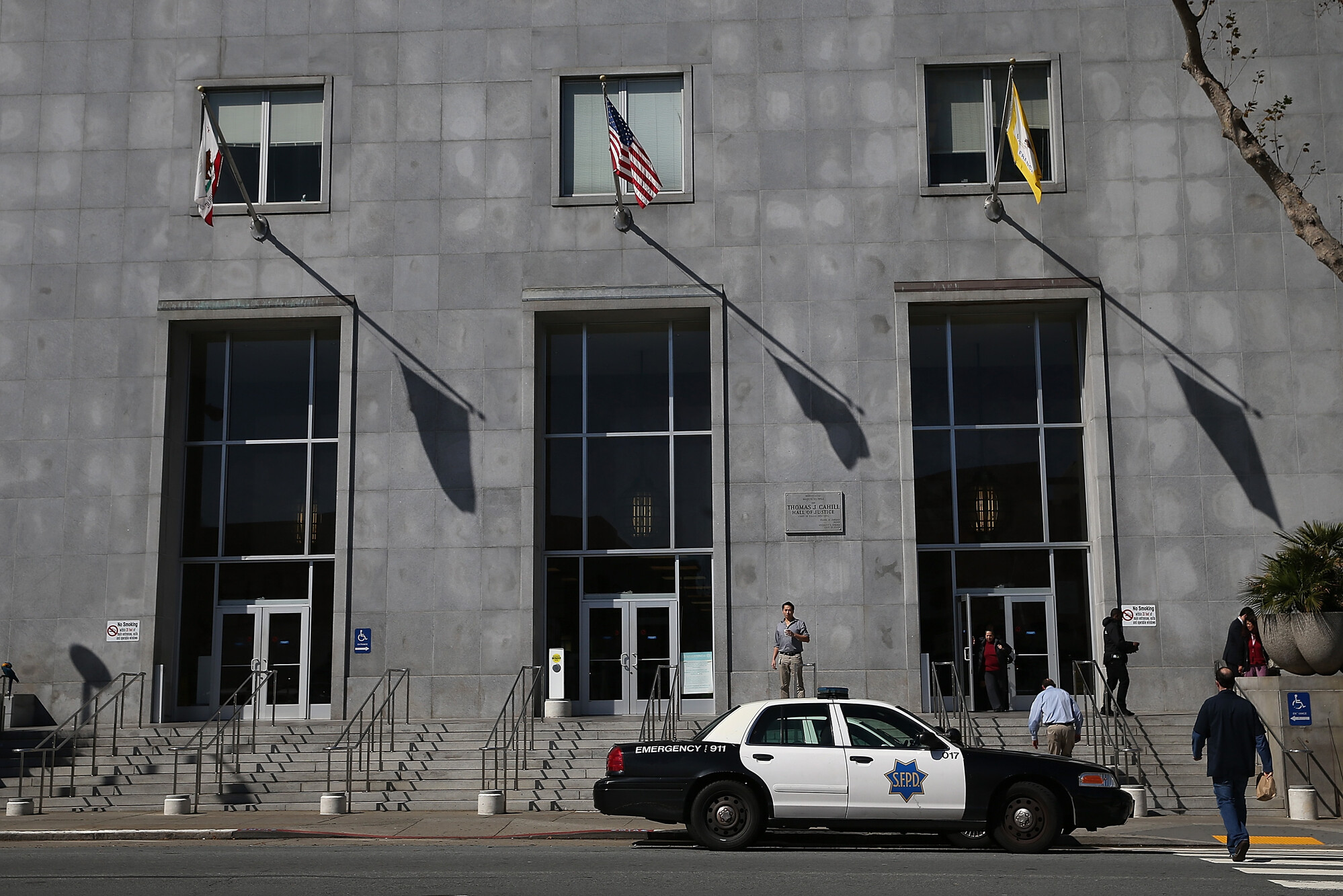
"caption": "A San Francisco police car sits parked in front of the Hall of Justice on Feb. 27, 2014 in San Francisco. An attack last week in San Francisco comes as Jewish community members say the country is currently experiencing the worst surge of antisemitic hate in decades.",
"credit": "Justin Sullivan/Getty Images",
"altTag": null,
"description": null,
"imgSizes": {
"thumbnail": {
"file": "https://cdn.kqed.org/wp-content/uploads/sites/10/2025/06/475371681_qed-1-160x107.jpg",
"width": 160,
"height": 107,
"mimeType": "image/jpeg"
},
"1536x1536": {
"file": "https://cdn.kqed.org/wp-content/uploads/sites/10/2025/06/475371681_qed-1-1536x1025.jpg",
"width": 1536,
"height": 1025,
"mimeType": "image/jpeg"
},
"post-thumbnail": {
"file": "https://cdn.kqed.org/wp-content/uploads/sites/10/2025/06/475371681_qed-1-672x372.jpg",
"width": 672,
"height": 372,
"mimeType": "image/jpeg"
},
"twentyfourteen-full-width": {
"file": "https://cdn.kqed.org/wp-content/uploads/sites/10/2025/06/475371681_qed-1-1038x576.jpg",
"width": 1038,
"height": 576,
"mimeType": "image/jpeg"
},
"kqedFullSize": {
"file": "https://cdn.kqed.org/wp-content/uploads/sites/10/2025/06/475371681_qed-1.jpg",
"width": 1998,
"height": 1333
}
},
"isLoading": false,
"fetchFailed": false
},
"news_12044772": {
"type": "attachments",
"id": "news_12044772",
"meta": {
"index": "attachments_1716263798",
"site": "news",
"id": "12044772",
"found": true
},
"title": "250421-SFUSDCentralCuts-07-BL_qed",
"publishDate": 1750192751,
"status": "inherit",
"parent": 12044768,
"modified": 1750192759,
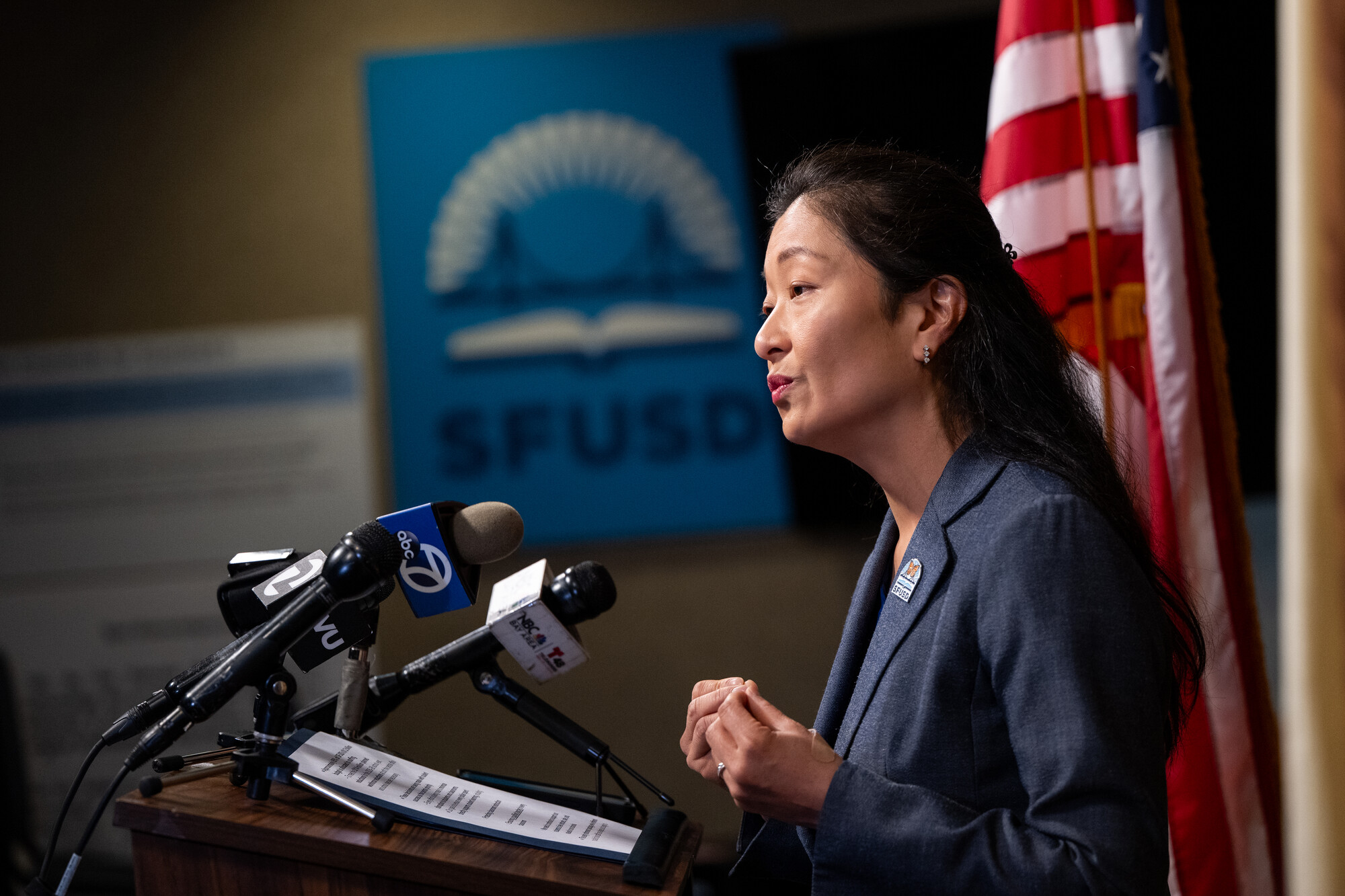
"caption": "San Francisco Unified School District Superintendent Dr. Maria Su speaks during a press conference at the school district offices in San Francisco on April 21, 2025.",
"credit": "Beth LaBerge/KQED",
"altTag": null,
"description": null,
"imgSizes": {
"thumbnail": {
"file": "https://cdn.kqed.org/wp-content/uploads/sites/10/2025/06/250421-SFUSDCentralCuts-07-BL_qed-160x107.jpg",
"width": 160,
"height": 107,
"mimeType": "image/jpeg"
},
"1536x1536": {
"file": "https://cdn.kqed.org/wp-content/uploads/sites/10/2025/06/250421-SFUSDCentralCuts-07-BL_qed-1536x1024.jpg",
"width": 1536,
"height": 1024,
"mimeType": "image/jpeg"
},
"post-thumbnail": {
"file": "https://cdn.kqed.org/wp-content/uploads/sites/10/2025/06/250421-SFUSDCentralCuts-07-BL_qed-672x372.jpg",
"width": 672,
"height": 372,
"mimeType": "image/jpeg"
},
"twentyfourteen-full-width": {
"file": "https://cdn.kqed.org/wp-content/uploads/sites/10/2025/06/250421-SFUSDCentralCuts-07-BL_qed-1038x576.jpg",
"width": 1038,
"height": 576,
"mimeType": "image/jpeg"
},
"kqedFullSize": {
"file": "https://cdn.kqed.org/wp-content/uploads/sites/10/2025/06/250421-SFUSDCentralCuts-07-BL_qed.jpg",
"width": 2000,
"height": 1333
}
},
"isLoading": false,
"fetchFailed": false
},
"news_11973429": {
"type": "attachments",
"id": "news_11973429",
"meta": {
"index": "attachments_1716263798",
"site": "news",
"id": "11973429",
"found": true
},
"parent": 11973503,
"imgSizes": {
"twentyfourteen-full-width": {
"file": "https://cdn.kqed.org/wp-content/uploads/sites/10/2024/01/240122-PORTSMOUTHSQUARE-29-BL-KQED-1038x576.jpg",
"width": 1038,
"mimeType": "image/jpeg",
"height": 576
},
"thumbnail": {
"file": "https://cdn.kqed.org/wp-content/uploads/sites/10/2024/01/240122-PORTSMOUTHSQUARE-29-BL-KQED-160x107.jpg",
"width": 160,
"mimeType": "image/jpeg",
"height": 107
},
"post-thumbnail": {
"file": "https://cdn.kqed.org/wp-content/uploads/sites/10/2024/01/240122-PORTSMOUTHSQUARE-29-BL-KQED-672x372.jpg",
"width": 672,
"mimeType": "image/jpeg",
"height": 372
},
"kqedFullSize": {
"file": "https://cdn.kqed.org/wp-content/uploads/sites/10/2024/01/240122-PORTSMOUTHSQUARE-29-BL-KQED.jpg",
"width": 2000,
"height": 1333
},
"large": {
"file": "https://cdn.kqed.org/wp-content/uploads/sites/10/2024/01/240122-PORTSMOUTHSQUARE-29-BL-KQED-1020x680.jpg",
"width": 1020,
"mimeType": "image/jpeg",
"height": 680
},
"1536x1536": {
"file": "https://cdn.kqed.org/wp-content/uploads/sites/10/2024/01/240122-PORTSMOUTHSQUARE-29-BL-KQED-1536x1024.jpg",
"width": 1536,
"mimeType": "image/jpeg",
"height": 1024
},
"full-width": {
"file": "https://cdn.kqed.org/wp-content/uploads/sites/10/2024/01/240122-PORTSMOUTHSQUARE-29-BL-KQED-1920x1280.jpg",
"width": 1920,
"mimeType": "image/jpeg",
"height": 1280
},
"medium": {
"file": "https://cdn.kqed.org/wp-content/uploads/sites/10/2024/01/240122-PORTSMOUTHSQUARE-29-BL-KQED-800x533.jpg",
"width": 800,
"mimeType": "image/jpeg",
"height": 533
}
},
"publishDate": 1706042314,
"modified": 1706137239,
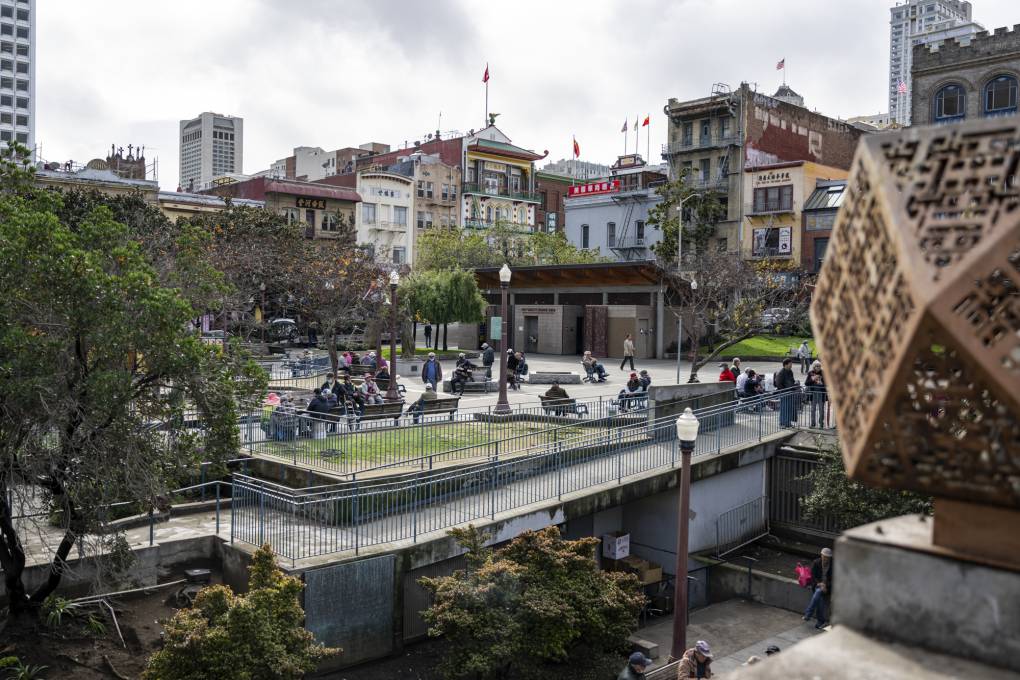
"caption": "People fill Portsmouth Square in San Francisco's Chinatown neighborhood on Jan. 22, 2024.",
"description": null,
"title": "240122-PORTSMOUTHSQUARE-29-BL-KQED",
"credit": "Beth LaBerge/KQED",
"status": "inherit",
"altTag": "People fill Portsmouth Square in San Francisco's Chinatown neighborhood on Jan. 22, 2024.",
"isLoading": false,
"fetchFailed": false
},
"news_12044837": {
"type": "attachments",
"id": "news_12044837",
"meta": {
"index": "attachments_1716263798",
"site": "news",
"id": "12044837",
"found": true
},
"title": "20250617_SFBUDGETPROTEST_GC-23-KQED",
"publishDate": 1750202915,
"status": "inherit",
"parent": 0,
"modified": 1750203329,
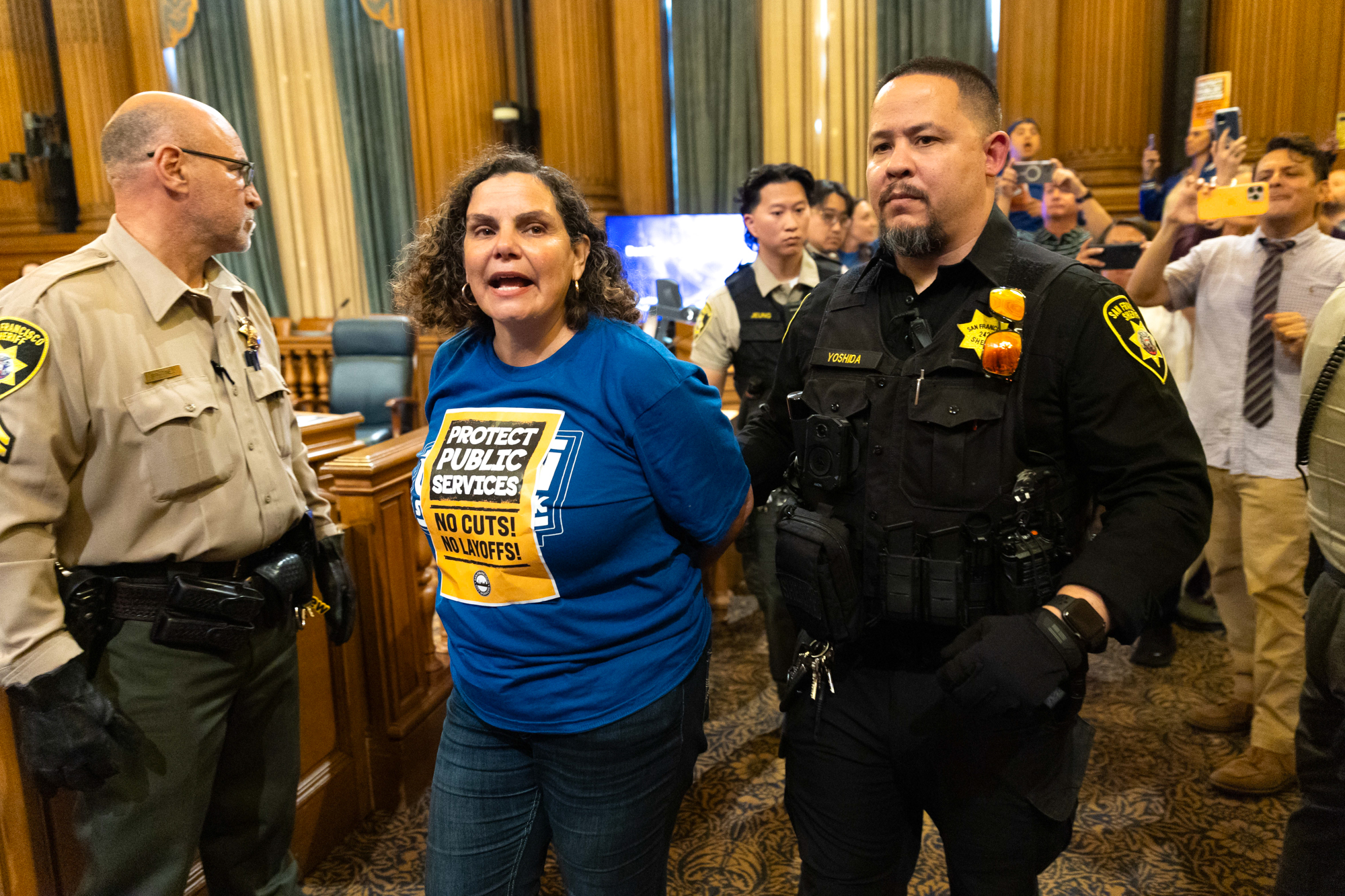
"caption": "San Francisco Sheriff officers arrest workers who participated in a sit-in, protesting against Mayor Daniel Lurie’s budget proposal that would call for hundreds of layoffs, during a Board of Supervisors meeting at City Hall on June 17, 2025.",
"credit": "Gina Castro/KQED",
"altTag": null,
"description": null,
"imgSizes": {
"thumbnail": {
"file": "https://cdn.kqed.org/wp-content/uploads/sites/10/2025/06/20250617_SFBUDGETPROTEST_GC-23-KQED-160x107.jpg",
"width": 160,
"height": 107,
"mimeType": "image/jpeg"
},
"1536x1536": {
"file": "https://cdn.kqed.org/wp-content/uploads/sites/10/2025/06/20250617_SFBUDGETPROTEST_GC-23-KQED-1536x1024.jpg",
"width": 1536,
"height": 1024,
"mimeType": "image/jpeg"
},
"post-thumbnail": {
"file": "https://cdn.kqed.org/wp-content/uploads/sites/10/2025/06/20250617_SFBUDGETPROTEST_GC-23-KQED-672x372.jpg",
"width": 672,
"height": 372,
"mimeType": "image/jpeg"
},
"twentyfourteen-full-width": {
"file": "https://cdn.kqed.org/wp-content/uploads/sites/10/2025/06/20250617_SFBUDGETPROTEST_GC-23-KQED-1038x576.jpg",
"width": 1038,
"height": 576,
"mimeType": "image/jpeg"
},
"kqedFullSize": {
"file": "https://cdn.kqed.org/wp-content/uploads/sites/10/2025/06/20250617_SFBUDGETPROTEST_GC-23-KQED.jpg",
"width": 2000,
"height": 1333
}
},
"isLoading": false,
"fetchFailed": false
},
"news_12000413": {
"type": "attachments",
"id": "news_12000413",
"meta": {
"index": "attachments_1716263798",
"site": "news",
"id": "12000413",
"found": true
},
"title": "240815-CITYATTORNEYDEEPFAKES-06-BL-KQED",
"publishDate": 1723748842,
"status": "inherit",
"parent": 12046379,
"modified": 1751062554,
"caption": "City Attorney David Chiu speaks during a press conference at City Hall in San Francisco on Aug. 15, 2024.",
"credit": "Beth LaBerge/KQED",
"altTag": null,
"description": null,
"imgSizes": {
"medium": {
"file": "https://cdn.kqed.org/wp-content/uploads/sites/10/2024/08/240815-CITYATTORNEYDEEPFAKES-06-BL-KQED-800x533.jpg",
"width": 800,
"height": 533,
"mimeType": "image/jpeg"
},
"large": {
"file": "https://cdn.kqed.org/wp-content/uploads/sites/10/2024/08/240815-CITYATTORNEYDEEPFAKES-06-BL-KQED-1020x680.jpg",
"width": 1020,
"height": 680,
"mimeType": "image/jpeg"
},
"thumbnail": {
"file": "https://cdn.kqed.org/wp-content/uploads/sites/10/2024/08/240815-CITYATTORNEYDEEPFAKES-06-BL-KQED-160x107.jpg",
"width": 160,
"height": 107,
"mimeType": "image/jpeg"
},
"1536x1536": {
"file": "https://cdn.kqed.org/wp-content/uploads/sites/10/2024/08/240815-CITYATTORNEYDEEPFAKES-06-BL-KQED-1536x1024.jpg",
"width": 1536,
"height": 1024,
"mimeType": "image/jpeg"
},
"post-thumbnail": {
"file": "https://cdn.kqed.org/wp-content/uploads/sites/10/2024/08/240815-CITYATTORNEYDEEPFAKES-06-BL-KQED-672x372.jpg",
"width": 672,
"height": 372,
"mimeType": "image/jpeg"
},
"twentyfourteen-full-width": {
"file": "https://cdn.kqed.org/wp-content/uploads/sites/10/2024/08/240815-CITYATTORNEYDEEPFAKES-06-BL-KQED-1038x576.jpg",
"width": 1038,
"height": 576,
"mimeType": "image/jpeg"
},
"full-width": {
"file": "https://cdn.kqed.org/wp-content/uploads/sites/10/2024/08/240815-CITYATTORNEYDEEPFAKES-06-BL-KQED-1920x1280.jpg",
"width": 1920,
"height": 1280,
"mimeType": "image/jpeg"
},
"kqedFullSize": {
"file": "https://cdn.kqed.org/wp-content/uploads/sites/10/2024/08/240815-CITYATTORNEYDEEPFAKES-06-BL-KQED.jpg",
"width": 2000,
"height": 1333
}
},
"isLoading": false,
"fetchFailed": false
},
"news_12043965": {
"type": "attachments",
"id": "news_12043965",
"meta": {
"index": "attachments_1716263798",
"site": "news",
"id": "12043965",
"found": true
},
"title": "07312024-RVRESIDENTSWINSTON-ET-PU-22-KQED",
"publishDate": 1749754732,
"status": "inherit",
"parent": 0,
"modified": 1761867353,
"caption": "Veronica Cañas affectionately holds her one-year-old son next to their RV in San Francisco, on Wednesday, July 31, 2024. “We are waiting to see where we can stay — I feel like we aren’t bothering anyone,” Cañas said, who lives with her husband and two small children. Cañas and others anxiously wait on the city’s next steps for a safe parking site. RV residents organized a caravan to attempt to occupy an empty lot at the San Francisco Zoo on Monday night. RV residents say that San Francisco Police officers told them they can move to a side street near the zoo as a temporary alternative.",
"credit": "Pablo Unzueta for El Tecolote/CatchLight Local",
"altTag": null,
"description": null,
"imgSizes": {
"thumbnail": {
"file": "https://cdn.kqed.org/wp-content/uploads/sites/10/2025/06/07312024-RVRESIDENTSWINSTON-ET-PU-22-KQED-160x106.jpg",
"width": 160,
"height": 106,
"mimeType": "image/jpeg"
},
"1536x1536": {
"file": "https://cdn.kqed.org/wp-content/uploads/sites/10/2025/06/07312024-RVRESIDENTSWINSTON-ET-PU-22-KQED-1536x1022.jpg",
"width": 1536,
"height": 1022,
"mimeType": "image/jpeg"
},
"post-thumbnail": {
"file": "https://cdn.kqed.org/wp-content/uploads/sites/10/2025/06/07312024-RVRESIDENTSWINSTON-ET-PU-22-KQED-672x372.jpg",
"width": 672,
"height": 372,
"mimeType": "image/jpeg"
},
"twentyfourteen-full-width": {
"file": "https://cdn.kqed.org/wp-content/uploads/sites/10/2025/06/07312024-RVRESIDENTSWINSTON-ET-PU-22-KQED-1038x576.jpg",
"width": 1038,
"height": 576,
"mimeType": "image/jpeg"
},
"kqedFullSize": {
"file": "https://cdn.kqed.org/wp-content/uploads/sites/10/2025/06/07312024-RVRESIDENTSWINSTON-ET-PU-22-KQED.jpg",
"width": 2000,
"height": 1331
}
},
"isLoading": false,
"fetchFailed": false
},
"news_12044603": {
"type": "attachments",
"id": "news_12044603",
"meta": {
"index": "attachments_1716263798",
"site": "news",
"id": "12044603",
"found": true
},
"title": "Balboa Cafe",
"publishDate": 1750115944,
"status": "inherit",
"parent": 12044599,
"modified": 1750115980,
"caption": "Balboa Cafe in the Cow Hollow neighborhood of San Francisco, California, on Aug. 28, 2016. ",
"credit": "Smith Collection/Gado/Getty Images",
"altTag": null,
"description": null,
"imgSizes": {
"medium": {
"file": "https://cdn.kqed.org/wp-content/uploads/sites/10/2025/06/BalboaCafeSFGetty-2000x1333.jpg",
"width": 2000,
"height": 1333,
"mimeType": "image/jpeg"
},
"large": {
"file": "https://cdn.kqed.org/wp-content/uploads/sites/10/2025/06/BalboaCafeSFGetty-2000x1333.jpg",
"width": 2000,
"height": 1333,
"mimeType": "image/jpeg"
},
"thumbnail": {
"file": "https://cdn.kqed.org/wp-content/uploads/sites/10/2025/06/BalboaCafeSFGetty-160x107.jpg",
"width": 160,
"height": 107,
"mimeType": "image/jpeg"
},
"1536x1536": {
"file": "https://cdn.kqed.org/wp-content/uploads/sites/10/2025/06/BalboaCafeSFGetty-1536x1024.jpg",
"width": 1536,
"height": 1024,
"mimeType": "image/jpeg"
},
"2048x2048": {
"file": "https://cdn.kqed.org/wp-content/uploads/sites/10/2025/06/BalboaCafeSFGetty-2048x1365.jpg",
"width": 2048,
"height": 1365,
"mimeType": "image/jpeg"
},
"post-thumbnail": {
"file": "https://cdn.kqed.org/wp-content/uploads/sites/10/2025/06/BalboaCafeSFGetty-672x372.jpg",
"width": 672,
"height": 372,
"mimeType": "image/jpeg"
},
"twentyfourteen-full-width": {
"file": "https://cdn.kqed.org/wp-content/uploads/sites/10/2025/06/BalboaCafeSFGetty-1038x576.jpg",
"width": 1038,
"height": 576,
"mimeType": "image/jpeg"
},
"full-width": {
"file": "https://cdn.kqed.org/wp-content/uploads/sites/10/2025/06/BalboaCafeSFGetty-2000x1333.jpg",
"width": 2000,
"height": 1333,
"mimeType": "image/jpeg"
},
"kqedFullSize": {
"file": "https://cdn.kqed.org/wp-content/uploads/sites/10/2025/06/BalboaCafeSFGetty-scaled.jpg",
"width": 2560,
"height": 1707
}
},
"isLoading": false,
"fetchFailed": false
},
"news_12043368": {
"type": "attachments",
"id": "news_12043368",
"meta": {
"index": "attachments_1716263798",
"site": "news",
"id": "12043368",
"found": true
},
"title": "250609-LURIEPRESSER-04-BL-KQED",
"publishDate": 1749495050,
"status": "inherit",
"parent": 12043333,
"modified": 1749503975,
"caption": "Mayor Daniel Lurie speaks at a press conference with public safety leaders in San Francisco on June 9, 2025.",
"credit": "Beth LaBerge/KQED",
"altTag": null,
"description": null,
"imgSizes": {
"thumbnail": {
"file": "https://cdn.kqed.org/wp-content/uploads/sites/10/2025/06/250609-LURIEPRESSER-04-BL-KQED-160x107.jpg",
"width": 160,
"height": 107,
"mimeType": "image/jpeg"
},
"1536x1536": {
"file": "https://cdn.kqed.org/wp-content/uploads/sites/10/2025/06/250609-LURIEPRESSER-04-BL-KQED-1536x1024.jpg",
"width": 1536,
"height": 1024,
"mimeType": "image/jpeg"
},
"post-thumbnail": {
"file": "https://cdn.kqed.org/wp-content/uploads/sites/10/2025/06/250609-LURIEPRESSER-04-BL-KQED-672x372.jpg",
"width": 672,
"height": 372,
"mimeType": "image/jpeg"
},
"twentyfourteen-full-width": {
"file": "https://cdn.kqed.org/wp-content/uploads/sites/10/2025/06/250609-LURIEPRESSER-04-BL-KQED-1038x576.jpg",
"width": 1038,
"height": 576,
"mimeType": "image/jpeg"
},
"kqedFullSize": {
"file": "https://cdn.kqed.org/wp-content/uploads/sites/10/2025/06/250609-LURIEPRESSER-04-BL-KQED.jpg",
"width": 2000,
"height": 1333
}
},
"isLoading": false,
"fetchFailed": false
},
"news_12044183": {
"type": "attachments",
"id": "news_12044183",
"meta": {
"index": "attachments_1716263798",
"site": "news",
"id": "12044183",
"found": true
},
"title": "20250428_WarrantlessSearches_GC-29_qed",
"publishDate": 1749836052,
"status": "inherit",
"parent": 12044180,
"modified": 1749836087,
"caption": "Mayor Daniel Lurie attends a press conference outside of San Francisco City Hall on April 28, 2025.",
"credit": "Gina Castro/KQED",
"altTag": null,
"description": null,
"imgSizes": {
"thumbnail": {
"file": "https://cdn.kqed.org/wp-content/uploads/sites/10/2025/06/20250428_WarrantlessSearches_GC-29_qed-160x110.jpg",
"width": 160,
"height": 110,
"mimeType": "image/jpeg"
},
"1536x1536": {
"file": "https://cdn.kqed.org/wp-content/uploads/sites/10/2025/06/20250428_WarrantlessSearches_GC-29_qed-1536x1057.jpg",
"width": 1536,
"height": 1057,
"mimeType": "image/jpeg"
},
"post-thumbnail": {
"file": "https://cdn.kqed.org/wp-content/uploads/sites/10/2025/06/20250428_WarrantlessSearches_GC-29_qed-672x372.jpg",
"width": 672,
"height": 372,
"mimeType": "image/jpeg"
},
"twentyfourteen-full-width": {
"file": "https://cdn.kqed.org/wp-content/uploads/sites/10/2025/06/20250428_WarrantlessSearches_GC-29_qed-1038x576.jpg",
"width": 1038,
"height": 576,
"mimeType": "image/jpeg"
},
"kqedFullSize": {
"file": "https://cdn.kqed.org/wp-content/uploads/sites/10/2025/06/20250428_WarrantlessSearches_GC-29_qed.jpg",
"width": 1937,
"height": 1333
}
},
"isLoading": false,
"fetchFailed": false
},
"news_12046164": {
"type": "attachments",
"id": "news_12046164",
"meta": {
"index": "attachments_1716263798",
"site": "news",
"id": "12046164",
"found": true
},
"title": "A community garden in Potrero Hill park in San Francisco on June 24, 2025.",
"publishDate": 1750969871,
"status": "inherit",
"parent": 0,
"modified": 1750969940,
"caption": "A community garden in Potrero Hill park in San Francisco on June 24, 2025.",
"credit": "Beth LaBerge/KQED",
"altTag": null,
"description": null,
"imgSizes": {
"thumbnail": {
"file": "https://cdn.kqed.org/wp-content/uploads/sites/10/2025/06/250624-PARKFILE-39-BL-KQED-160x107.jpg",
"width": 160,
"height": 107,
"mimeType": "image/jpeg"
},
"1536x1536": {
"file": "https://cdn.kqed.org/wp-content/uploads/sites/10/2025/06/250624-PARKFILE-39-BL-KQED-1536x1024.jpg",
"width": 1536,
"height": 1024,
"mimeType": "image/jpeg"
},
"post-thumbnail": {
"file": "https://cdn.kqed.org/wp-content/uploads/sites/10/2025/06/250624-PARKFILE-39-BL-KQED-672x372.jpg",
"width": 672,
"height": 372,
"mimeType": "image/jpeg"
},
"twentyfourteen-full-width": {
"file": "https://cdn.kqed.org/wp-content/uploads/sites/10/2025/06/250624-PARKFILE-39-BL-KQED-1038x576.jpg",
"width": 1038,
"height": 576,
"mimeType": "image/jpeg"
},
"kqedFullSize": {
"file": "https://cdn.kqed.org/wp-content/uploads/sites/10/2025/06/250624-PARKFILE-39-BL-KQED.jpg",
"width": 2000,
"height": 1333
}
},
"isLoading": false,
"fetchFailed": false
},
"news_12044465": {
"type": "attachments",
"id": "news_12044465",
"meta": {
"index": "attachments_1716263798",
"site": "news",
"id": "12044465",
"found": true
},
"title": "250614-NO-KINGS-SF-MD-11-KQED",
"publishDate": 1749940390,
"status": "inherit",
"parent": 0,
"modified": 1749940553,
"caption": "Thousands of protesters rally in front of City Hall in San Francisco as part of the No Kings protest on June 14, 2025.",
"credit": "Martin do Nascimento/KQED",
"altTag": null,
"description": null,
"imgSizes": {
"thumbnail": {
"file": "https://cdn.kqed.org/wp-content/uploads/sites/10/2025/06/250614-NO-KINGS-SF-MD-11-KQED-160x107.jpg",
"width": 160,
"height": 107,
"mimeType": "image/jpeg"
},
"1536x1536": {
"file": "https://cdn.kqed.org/wp-content/uploads/sites/10/2025/06/250614-NO-KINGS-SF-MD-11-KQED-1536x1025.jpg",
"width": 1536,
"height": 1025,
"mimeType": "image/jpeg"
},
"post-thumbnail": {
"file": "https://cdn.kqed.org/wp-content/uploads/sites/10/2025/06/250614-NO-KINGS-SF-MD-11-KQED-672x372.jpg",
"width": 672,
"height": 372,
"mimeType": "image/jpeg"
},
"twentyfourteen-full-width": {
"file": "https://cdn.kqed.org/wp-content/uploads/sites/10/2025/06/250614-NO-KINGS-SF-MD-11-KQED-1038x576.jpg",
"width": 1038,
"height": 576,
"mimeType": "image/jpeg"
},
"kqedFullSize": {
"file": "https://cdn.kqed.org/wp-content/uploads/sites/10/2025/06/250614-NO-KINGS-SF-MD-11-KQED.jpg",
"width": 2000,
"height": 1334
}
},
"isLoading": false,
"fetchFailed": false
},
"news_12043264": {
"type": "attachments",
"id": "news_12043264",
"meta": {
"index": "attachments_1716263798",
"site": "news",
"id": "12043264",
"found": true
},
"title": "250608-ICE OUT OF THE BAY-AC-04-KQED",
"publishDate": 1749445597,
"status": "inherit",
"parent": 12043544,
"modified": 1749860292,
"caption": "Protesters face off with SFPD during an anti-ICE protest in San Francisco on June 8, 2025.",
"credit": "Aryk Copley for KQED",
"altTag": null,
"description": null,
"imgSizes": {
"thumbnail": {
"file": "https://cdn.kqed.org/wp-content/uploads/sites/10/2025/06/250608-ICE-OUT-OF-THE-BAY-AC-04-KQED-160x107.jpg",
"width": 160,
"height": 107,
"mimeType": "image/jpeg"
},
"1536x1536": {
"file": "https://cdn.kqed.org/wp-content/uploads/sites/10/2025/06/250608-ICE-OUT-OF-THE-BAY-AC-04-KQED-1536x1024.jpg",
"width": 1536,
"height": 1024,
"mimeType": "image/jpeg"
},
"post-thumbnail": {
"file": "https://cdn.kqed.org/wp-content/uploads/sites/10/2025/06/250608-ICE-OUT-OF-THE-BAY-AC-04-KQED-672x372.jpg",
"width": 672,
"height": 372,
"mimeType": "image/jpeg"
},
"twentyfourteen-full-width": {
"file": "https://cdn.kqed.org/wp-content/uploads/sites/10/2025/06/250608-ICE-OUT-OF-THE-BAY-AC-04-KQED-1038x576.jpg",
"width": 1038,
"height": 576,
"mimeType": "image/jpeg"
},
"kqedFullSize": {
"file": "https://cdn.kqed.org/wp-content/uploads/sites/10/2025/06/250608-ICE-OUT-OF-THE-BAY-AC-04-KQED.jpg",
"width": 2000,
"height": 1333
}
},
"isLoading": false,
"fetchFailed": false
}
},
"audioPlayerReducer": {
"postId": "stream_live",
"isPaused": true,
"isPlaying": false,
"pfsActive": false,
"pledgeModalIsOpen": true,
"playerDrawerIsOpen": false,
"liveAudioPlayStartedAt": 0,
"liveAudioPlayContext": ""
},
"authorsReducer": {
"byline_news_12044728": {
"type": "authors",
"id": "byline_news_12044728",
"meta": {
"override": true
},
"slug": "byline_news_12044728",
"name": "Cami Dominguez",
"isLoading": false
},
"byline_news_12043940": {
"type": "authors",
"id": "byline_news_12043940",
"meta": {
"override": true
},
"slug": "byline_news_12043940",
"name": "Yesica Prado and Erika Carlos",
"isLoading": false
},
"kqed": {
"type": "authors",
"id": "236",
"meta": {
"index": "authors_1716337520",
"id": "236",
"found": true
},
"name": "KQED News Staff",
"firstName": "KQED News Staff",
"lastName": null,
"slug": "kqed",
"email": "faq@kqed.org",
"display_author_email": false,
"staff_mastheads": [],
"title": null,
"bio": null,
"avatar": "https://secure.gravatar.com/avatar/ef0e801a68c4c54afa9180db14084167?s=600&d=blank&r=g",
"twitter": null,
"facebook": null,
"instagram": null,
"linkedin": null,
"sites": [
{
"site": "arts",
"roles": [
"contributor"
]
},
{
"site": "news",
"roles": [
"editor"
]
},
{
"site": "futureofyou",
"roles": [
"author"
]
}
],
"headData": {
"title": "KQED News Staff | KQED",
"description": null,
"ogImgSrc": "https://secure.gravatar.com/avatar/ef0e801a68c4c54afa9180db14084167?s=600&d=blank&r=g",
"twImgSrc": "https://secure.gravatar.com/avatar/ef0e801a68c4c54afa9180db14084167?s=600&d=blank&r=g"
},
"isLoading": false,
"link": "/author/kqed"
},
"scottshafer": {
"type": "authors",
"id": "255",
"meta": {
"index": "authors_1716337520",
"id": "255",
"found": true
},
"name": "Scott Shafer",
"firstName": "Scott",
"lastName": "Shafer",
"slug": "scottshafer",
"email": "sshafer@kqed.org",
"display_author_email": false,
"staff_mastheads": [
"news"
],
"title": "KQED Contributor",
"bio": "Scott Shafer is a senior editor with the KQED Politics and Government desk. He is co-host of Political Breakdown, the award-winning radio show and podcast with a personal take on the world of politics. Scott came to KQED in 1998 to host the statewide\u003cem> California Report\u003c/em>. Prior to that he had extended stints in politics and government\u003cem>.\u003c/em> He uses that inside experience at KQED in his, reporting, hosting and analysis for the politics desk. Scott collaborated \u003cem>Political Breakdown a\u003c/em>nd on \u003cem>The Political Mind of Jerry Brown, \u003c/em>an eight-part series about the life and extraordinary political career of the former governor. For fun, he plays water polo with the San Francisco Tsunami.",
"avatar": "https://secure.gravatar.com/avatar/a62ebae45b79d7aed1a39a0e3bf68104?s=600&d=blank&r=g",
"twitter": "scottshafer",
"bluesky": null,
"facebook": null,
"instagram": null,
"linkedin": null,
"sites": [
{
"site": "news",
"roles": [
"editor"
]
},
{
"site": "stateofhealth",
"roles": [
"author"
]
},
{
"site": "science",
"roles": [
"author"
]
},
{
"site": "forum",
"roles": [
"subscriber"
]
},
{
"site": "liveblog",
"roles": [
"author"
]
}
],
"headData": {
"title": "Scott Shafer | KQED",
"description": "KQED Contributor",
"ogImgSrc": "https://secure.gravatar.com/avatar/a62ebae45b79d7aed1a39a0e3bf68104?s=600&d=blank&r=g",
"twImgSrc": "https://secure.gravatar.com/avatar/a62ebae45b79d7aed1a39a0e3bf68104?s=600&d=blank&r=g"
},
"isLoading": false,
"link": "/author/scottshafer"
},
"matthewgreen": {
"type": "authors",
"id": "1263",
"meta": {
"index": "authors_1716337520",
"id": "1263",
"found": true
},
"name": "Matthew Green",
"firstName": "Matthew",
"lastName": "Green",
"slug": "matthewgreen",
"email": "mgreen@kqed.org",
"display_author_email": false,
"staff_mastheads": [],
"title": "KQED Editor/Reporter",
"bio": "Matthew Green is a digital media producer for KQED News. He previously produced \u003ca href=\"http://www.kqed.org/lowdown\">The Lowdown\u003c/a>, KQED’s multimedia news education blog. Matthew's written for numerous Bay Area publications, including the Oakland Tribune and San Francisco Chronicle. He also taught journalism classes at Fremont High School in East Oakland.\r\n\r\nEmail: mgreen@kqed.org; Twitter: @MGreenKQED",
"avatar": "https://secure.gravatar.com/avatar/3bf498d1267ca02c8494f33d8cfc575e?s=600&d=blank&r=g",
"twitter": "MGreenKQED",
"facebook": null,
"instagram": null,
"linkedin": null,
"sites": [
{
"site": "news",
"roles": []
},
{
"site": "lowdown",
"roles": []
},
{
"site": "science",
"roles": []
},
{
"site": "education",
"roles": []
},
{
"site": "quest",
"roles": []
},
{
"site": "liveblog",
"roles": []
}
],
"headData": {
"title": "Matthew Green | KQED",
"description": "KQED Editor/Reporter",
"ogImgSrc": "https://secure.gravatar.com/avatar/3bf498d1267ca02c8494f33d8cfc575e?s=600&d=blank&r=g",
"twImgSrc": "https://secure.gravatar.com/avatar/3bf498d1267ca02c8494f33d8cfc575e?s=600&d=blank&r=g"
},
"isLoading": false,
"link": "/author/matthewgreen"
},
"sjohnson": {
"type": "authors",
"id": "11840",
"meta": {
"index": "authors_1716337520",
"id": "11840",
"found": true
},
"name": "Sydney Johnson",
"firstName": "Sydney",
"lastName": "Johnson",
"slug": "sjohnson",
"email": "sjohnson@kqed.org",
"display_author_email": false,
"staff_mastheads": [
"news"
],
"title": "KQED Reporter",
"bio": "Sydney Johnson is a general assignment reporter at KQED. She previously reported on public health and city government at the San Francisco Examiner, and before that, she covered statewide education policy for EdSource. Her reporting has won multiple local, state and national awards. Sydney is a graduate of the University of California, Berkeley and lives in San Francisco.",
"avatar": "https://secure.gravatar.com/avatar/97855f2719b72ad6190b7c535fe642c8?s=600&d=blank&r=g",
"twitter": "sydneyfjohnson",
"facebook": null,
"instagram": null,
"linkedin": null,
"sites": [
{
"site": "news",
"roles": [
"editor"
]
}
],
"headData": {
"title": "Sydney Johnson | KQED",
"description": "KQED Reporter",
"ogImgSrc": "https://secure.gravatar.com/avatar/97855f2719b72ad6190b7c535fe642c8?s=600&d=blank&r=g",
"twImgSrc": "https://secure.gravatar.com/avatar/97855f2719b72ad6190b7c535fe642c8?s=600&d=blank&r=g"
},
"isLoading": false,
"link": "/author/sjohnson"
},
"kdebenedetti": {
"type": "authors",
"id": "11913",
"meta": {
"index": "authors_1716337520",
"id": "11913",
"found": true
},
"name": "Katie DeBenedetti",
"firstName": "Katie",
"lastName": "DeBenedetti",
"slug": "kdebenedetti",
"email": "kdebenedetti@kqed.org",
"display_author_email": false,
"staff_mastheads": [
"news",
"science"
],
"title": "KQED Contributor",
"bio": "Katie DeBenedetti is a digital reporter covering daily news for the Express Desk. Prior to joining KQED as a culture reporting intern in January 2024, she covered education and city government for the Napa Valley Register.",
"avatar": "https://secure.gravatar.com/avatar/6e31073cb8f7e4214ab03f42771d0f45?s=600&d=blank&r=g",
"twitter": null,
"facebook": null,
"instagram": null,
"linkedin": null,
"sites": [
{
"site": "news",
"roles": [
"author"
]
},
{
"site": "science",
"roles": [
"author"
]
},
{
"site": "liveblog",
"roles": [
"author"
]
}
],
"headData": {
"title": "Katie DeBenedetti | KQED",
"description": "KQED Contributor",
"ogImgSrc": "https://secure.gravatar.com/avatar/6e31073cb8f7e4214ab03f42771d0f45?s=600&d=blank&r=g",
"twImgSrc": "https://secure.gravatar.com/avatar/6e31073cb8f7e4214ab03f42771d0f45?s=600&d=blank&r=g"
},
"isLoading": false,
"link": "/author/kdebenedetti"
},
"emanoukian": {
"type": "authors",
"id": "11925",
"meta": {
"index": "authors_1716337520",
"id": "11925",
"found": true
},
"name": "Elize Manoukian",
"firstName": "Elize",
"lastName": "Manoukian",
"slug": "emanoukian",
"email": "emanoukian@KQED.org",
"display_author_email": false,
"staff_mastheads": [
"news"
],
"title": "Digital News Editor",
"bio": "Elize Manoukian is an award-winning audio producer and Senior Editor on the Express Desk, KQED's digital news platform. Her work has appeared on KPFA, Interlochen Public Radio, Oregon Public Broadcast, the New York Daily News, LA Times and the San Diego Union-Tribune.",
"avatar": "https://secure.gravatar.com/avatar/4525f1a8e46ccb30933b32653d9772064cfefe3fa655eb45b3b3a80341f6bdad?s=600&d=blank&r=g",
"twitter": null,
"bluesky": null,
"facebook": null,
"instagram": null,
"linkedin": null,
"sites": [
{
"site": "arts",
"roles": [
"editor"
]
},
{
"site": "news",
"roles": [
"editor"
]
},
{
"site": "science",
"roles": [
"editor"
]
}
],
"headData": {
"title": "Elize Manoukian | KQED",
"description": "Digital News Editor",
"ogImgSrc": "https://secure.gravatar.com/avatar/4525f1a8e46ccb30933b32653d9772064cfefe3fa655eb45b3b3a80341f6bdad?s=600&d=blank&r=g",
"twImgSrc": "https://secure.gravatar.com/avatar/4525f1a8e46ccb30933b32653d9772064cfefe3fa655eb45b3b3a80341f6bdad?s=600&d=blank&r=g"
},
"isLoading": false,
"link": "/author/emanoukian"
}
},
"pagesReducer": {
"news_tag_san-francisco": {
"type": "terms",
"id": "news_38",
"meta": {
"index": "terms_1716263798",
"site": "news",
"id": "38",
"score": 6.7229023
},
"featImg": null,
"name": "San Francisco",
"description": null,
"taxonomy": "tag",
"headData": {
"twImgId": null,
"twTitle": null,
"ogTitle": null,
"ogImgId": null,
"twDescription": null,
"description": null,
"title": "San Francisco Archives | KQED News",
"ogDescription": null
},
"ttid": 58,
"slug": "san-francisco",
"isLoading": false,
"title": "San Francisco",
"pageMeta": {
"site": "news",
"WpPageTemplate": "page-topic-editorial",
"currentPage": 60
},
"blocks": [
{
"blockName": "kqed/post-list",
"attrs": {
"layout": "cardArticle2",
"query": "posts/news?tag=san-francisco",
"seeMore": false,
"paginated": true,
"page": 60
}
},
{
"blockName": "kqed/ad"
}
]
}
},
"pfsSessionReducer": {},
"postsReducer": {
"stream_live": {
"type": "live",
"id": "stream_live",
"audioUrl": "https://streams.kqed.org/kqedradio",
"title": "Live Stream",
"excerpt": "Live Stream information currently unavailable.",
"link": "/radio",
"featImg": "",
"label": {
"name": "KQED Live",
"link": "/"
}
},
"stream_kqedNewscast": {
"type": "posts",
"id": "stream_kqedNewscast",
"audioUrl": "https://www.kqed.org/.stream/anon/radio/RDnews/newscast.mp3?_=1",
"title": "KQED Newscast",
"featImg": "",
"label": {
"name": "88.5 FM",
"link": "/"
}
},
"news_12044922": {
"type": "posts",
"id": "news_12044922",
"meta": {
"index": "posts_1716263798",
"site": "news",
"id": "12044922",
"score": null,
"sort": [
1750287611000
]
},
"guestAuthors": [],
"slug": "man-charged-with-hate-crime-in-violent-attack-in-sfs-marina-district",
"title": "Man Charged With Hate Crime in Violent Attack in SF’s Marina District",
"publishDate": 1750287611,
"format": "standard",
"headTitle": "Man Charged With Hate Crime in Violent Attack in SF’s Marina District | KQED",
"labelTerm": {
"site": "news"
},
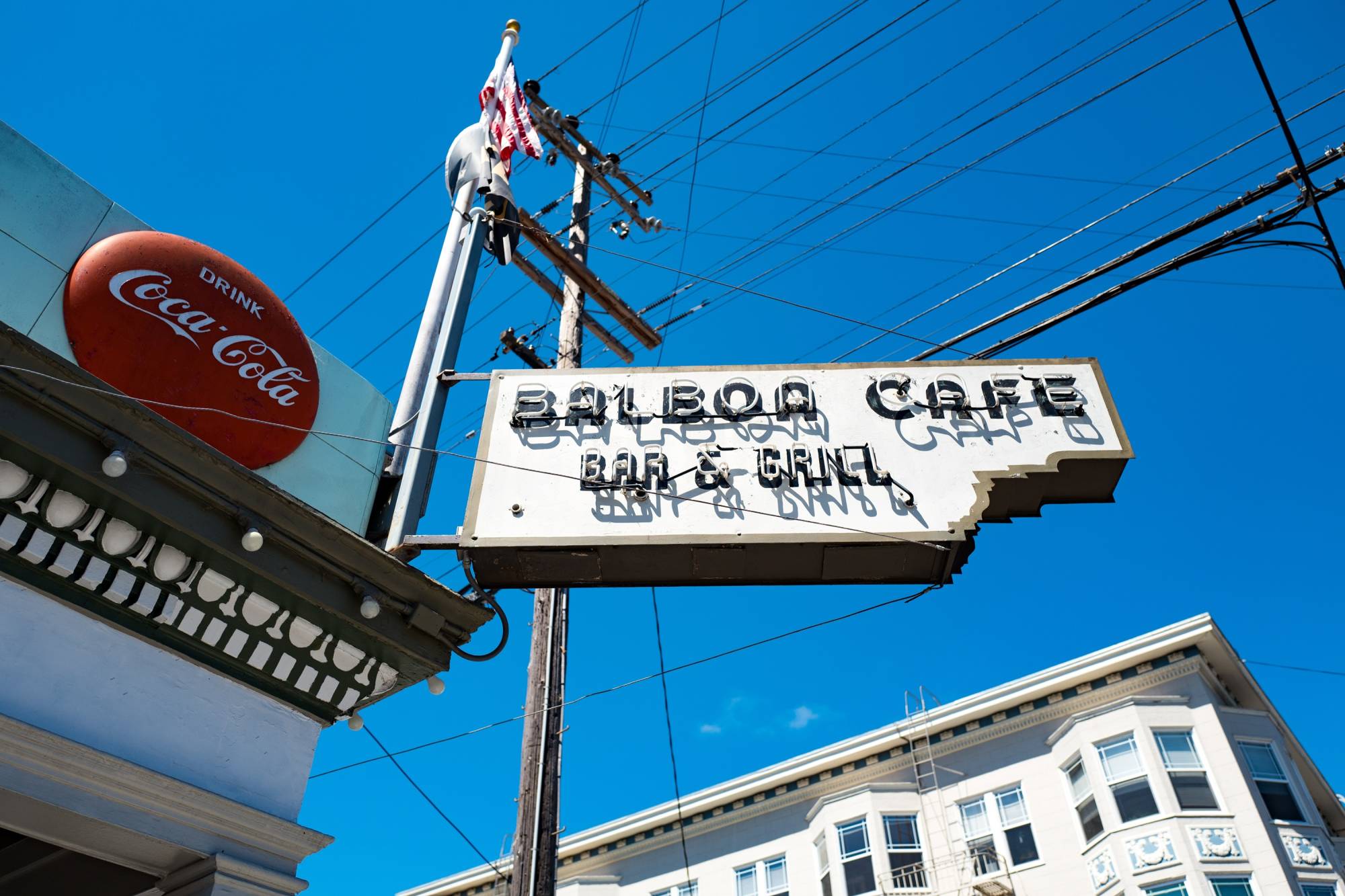
"content": "\u003cp>A man accused of taking part in a violent antisemitic attack in \u003ca href=\"https://www.kqed.org/news/tag/san-francisco\">San Francisco\u003c/a>’s Marina District is being charged with a hate crime, the district attorney’s office said Tuesday.\u003c/p>\n\u003cp>Juan Diaz-Rivas, 36, is being charged with two counts of assault in connection with the attack, including allegations that he intended to inflict great bodily harm on the victim and that the assault is a hate crime. He pleaded not guilty.\u003c/p>\n\u003cp>The primary victim was not named in the DA’s statement, but was identified as a 27-year-old non-Jewish man, according to the victim’s friend, who \u003ca href=\"https://jweekly.com/2025/06/17/hate-crime-charge-filed-in-antisemitic-group-beating-in-s-f-s-marina-district/\">spoke\u003c/a> to \u003cem>The Jewish News of Northern California\u003c/em>.\u003c/p>\n\u003cp>[ad fullwidth]\u003c/p>\n\u003cp>According to court documents, an unidentified man was sitting with a friend on the curb near 3100 Fillmore St. around 2:20 a.m. June 13, when a group of six people near them reportedly started shouting, “F— Jews, free Palestine.”\u003c/p>\n\u003cp>One of the people on the sidewalk, a friend of the victim, told the man that she was Jewish and asked him to stop, the \u003cem>San Francisco Chronicle\u003c/em> \u003ca href=\"https://www.sfchronicle.com/bayarea/article/sf-marina-hate-crime-20379803.php\">reported\u003c/a>.\u003c/p>\n\u003cp>As the victim’s friend tried to pull him away, the situation escalated into an unprovoked assault, police said. One of the men punched the victim, repeating the anti-Jewish remarks and laughing, the friend told the\u003cem> San Francisco Chronicle\u003c/em>. During the attack, the victim fell to the ground, hit his head and lost consciousness, prosecutors said.[aside postID=news_12044599 hero='https://cdn.kqed.org/wp-content/uploads/sites/10/2025/06/BalboaCafeSFGetty-2000x1333.jpg']Diaz-Rivas and others in the group allegedly continued to punch and kick the victim while he was down.\u003c/p>\n\u003cp>The men also pushed to the ground and kicked an employee from the nearby Balboa Cafe who tried to intervene, the victim’s friend said, adding that the attack lasted about 30 seconds.\u003c/p>\n\u003cp>Judge Harry L. Jacobs granted prosecutors’ request to keep Diaz-Rivas, a Sonoma County resident, in custody pending trial because of “a substantial risk of harm to the public, or at least that group,” he said.\u003c/p>\n\u003cp>The attack comes as Jewish community members say the country is currently experiencing the worst surge of antisemitic hate in decades.\u003c/p>\n\u003cp>\u003ca href=\"https://www.kqed.org/news/12042393/in-the-wake-of-colorado-attack-bay-area-jewish-community-fears-a-rise-in-violence\">Two weeks ago\u003c/a> in Boulder, Colorado, a man hurled Molotov cocktails into a crowd of marchers who were calling for the release of Israeli hostages. Less than two weeks earlier, a young couple was shot to death while leaving an event at the Jewish Museum in Washington. And after last week’s anti-ICE protests in San Francisco, Manny’s — a cafe, bar and event space in the city’s Mission neighborhood — was vandalized with graffiti and smashed windows.\u003c/p>\n\u003cp>“The Jewish community that I speak to here in the Bay Area is terrified,” said Teresa Drenick, deputy director of the American Jewish Committee. “We are seeing the vandalism. We are seeing hate speech. We’re seeing the assaults that are taking place across the country and here at home — looking at the FBI data — reading what is happening in the news, and it culminates into this sense of our community being targeted.”\u003c/p>\n\u003cp>Antisemitic hate crimes more than doubled between 2021 and 2023, according to the FBI.\u003c/p>\n\u003cp>\u003c/p>\n",
"blocks": [],
"excerpt": "The attack in San Francisco comes as Jewish community members say the country is currently experiencing the worst surge of antisemitic hate in decades.",
"status": "publish",
"parent": 0,
"modified": 1750288395,
"stats": {
"hasAudio": false,
"hasVideo": false,
"hasChartOrMap": false,
"iframeSrcs": [],
"hasGoogleForm": false,
"hasGallery": false,
"hasHearkenModule": false,
"hasPolis": false,
"paragraphCount": 14,
"wordCount": 556
},
"headData": {
"title": "Man Charged With Hate Crime in Violent Attack in SF’s Marina District | KQED",
"description": "The attack in San Francisco comes as Jewish community members say the country is currently experiencing the worst surge of antisemitic hate in decades.",
"ogTitle": "",
"ogDescription": "",
"ogImgId": "",
"twTitle": "",
"twDescription": "",
"twImgId": "",
"schema": {
"@context": "https://schema.org",
"@type": "NewsArticle",
"headline": "Man Charged With Hate Crime in Violent Attack in SF’s Marina District",
"datePublished": "2025-06-18T16:00:11-07:00",
"dateModified": "2025-06-18T16:13:15-07:00",
"image": "https://cdn.kqed.org/wp-content/uploads/2020/02/KQED-OG-Image@1x.png",
"isAccessibleForFree": "True",
"publisher": {
"@type": "NewsMediaOrganization",
"@id": "https://www.kqed.org/#organization",
"name": "KQED",
"logo": "https://cdn.kqed.org/wp-content/uploads/2020/02/KQED-OG-Image@1x.png",
"url": "https://www.kqed.org",
"sameAs": [
"https://www.facebook.com/KQED",
"https://twitter.com/KQED",
"https://www.instagram.com/kqed/",
"https://www.tiktok.com/@kqedofficial",
"https://www.linkedin.com/company/kqed",
"https://www.youtube.com/channel/UCeC0IOo7i1P_61zVUWbJ4nw"
]
}
}
},
"sticky": false,
"nprStoryId": "kqed-12044922",
"templateType": "standard",
"featuredImageType": "standard",
"excludeFromSiteSearch": "Include",
"articleAge": "0",
"path": "/news/12044922/man-charged-with-hate-crime-in-violent-attack-in-sfs-marina-district",
"audioTrackLength": null,
"parsedContent": [
{
"type": "contentString",
"content": "\u003cdiv class=\"post-body\">\u003cp>\u003cp>A man accused of taking part in a violent antisemitic attack in \u003ca href=\"https://www.kqed.org/news/tag/san-francisco\">San Francisco\u003c/a>’s Marina District is being charged with a hate crime, the district attorney’s office said Tuesday.\u003c/p>\n\u003cp>Juan Diaz-Rivas, 36, is being charged with two counts of assault in connection with the attack, including allegations that he intended to inflict great bodily harm on the victim and that the assault is a hate crime. He pleaded not guilty.\u003c/p>\n\u003cp>The primary victim was not named in the DA’s statement, but was identified as a 27-year-old non-Jewish man, according to the victim’s friend, who \u003ca href=\"https://jweekly.com/2025/06/17/hate-crime-charge-filed-in-antisemitic-group-beating-in-s-f-s-marina-district/\">spoke\u003c/a> to \u003cem>The Jewish News of Northern California\u003c/em>.\u003c/p>\n\u003cp>\u003c/p>\u003c/div>",
"attributes": {
"named": {},
"numeric": []
}
},
{
"type": "component",
"content": "",
"name": "ad",
"attributes": {
"named": {
"label": "fullwidth"
},
"numeric": [
"fullwidth"
]
}
},
{
"type": "contentString",
"content": "\u003cdiv class=\"post-body\">\u003cp>\u003c/p>\n\u003cp>According to court documents, an unidentified man was sitting with a friend on the curb near 3100 Fillmore St. around 2:20 a.m. June 13, when a group of six people near them reportedly started shouting, “F— Jews, free Palestine.”\u003c/p>\n\u003cp>One of the people on the sidewalk, a friend of the victim, told the man that she was Jewish and asked him to stop, the \u003cem>San Francisco Chronicle\u003c/em> \u003ca href=\"https://www.sfchronicle.com/bayarea/article/sf-marina-hate-crime-20379803.php\">reported\u003c/a>.\u003c/p>\n\u003cp>As the victim’s friend tried to pull him away, the situation escalated into an unprovoked assault, police said. One of the men punched the victim, repeating the anti-Jewish remarks and laughing, the friend told the\u003cem> San Francisco Chronicle\u003c/em>. During the attack, the victim fell to the ground, hit his head and lost consciousness, prosecutors said.\u003c/p>\u003c/div>",
"attributes": {
"named": {},
"numeric": []
}
},
{
"type": "component",
"content": "",
"name": "aside",
"attributes": {
"named": {
"postid": "news_12044599",
"hero": "https://cdn.kqed.org/wp-content/uploads/sites/10/2025/06/BalboaCafeSFGetty-2000x1333.jpg",
"label": ""
},
"numeric": []
}
},
{
"type": "contentString",
"content": "\u003cdiv class=\"post-body\">\u003cp>Diaz-Rivas and others in the group allegedly continued to punch and kick the victim while he was down.\u003c/p>\n\u003cp>The men also pushed to the ground and kicked an employee from the nearby Balboa Cafe who tried to intervene, the victim’s friend said, adding that the attack lasted about 30 seconds.\u003c/p>\n\u003cp>Judge Harry L. Jacobs granted prosecutors’ request to keep Diaz-Rivas, a Sonoma County resident, in custody pending trial because of “a substantial risk of harm to the public, or at least that group,” he said.\u003c/p>\n\u003cp>The attack comes as Jewish community members say the country is currently experiencing the worst surge of antisemitic hate in decades.\u003c/p>\n\u003cp>\u003ca href=\"https://www.kqed.org/news/12042393/in-the-wake-of-colorado-attack-bay-area-jewish-community-fears-a-rise-in-violence\">Two weeks ago\u003c/a> in Boulder, Colorado, a man hurled Molotov cocktails into a crowd of marchers who were calling for the release of Israeli hostages. Less than two weeks earlier, a young couple was shot to death while leaving an event at the Jewish Museum in Washington. And after last week’s anti-ICE protests in San Francisco, Manny’s — a cafe, bar and event space in the city’s Mission neighborhood — was vandalized with graffiti and smashed windows.\u003c/p>\n\u003cp>“The Jewish community that I speak to here in the Bay Area is terrified,” said Teresa Drenick, deputy director of the American Jewish Committee. “We are seeing the vandalism. We are seeing hate speech. We’re seeing the assaults that are taking place across the country and here at home — looking at the FBI data — reading what is happening in the news, and it culminates into this sense of our community being targeted.”\u003c/p>\n\u003cp>Antisemitic hate crimes more than doubled between 2021 and 2023, according to the FBI.\u003c/p>\n\u003cp>\u003c/p>\n\u003c/div>\u003c/p>",
"attributes": {
"named": {},
"numeric": []
}
}
],
"link": "/news/12044922/man-charged-with-hate-crime-in-violent-attack-in-sfs-marina-district",
"authors": [
"11925"
],
"categories": [
"news_31795",
"news_34167",
"news_28250",
"news_8"
],
"tags": [
"news_24276",
"news_1386",
"news_17725",
"news_4273",
"news_20310",
"news_22456",
"news_38"
],
"featImg": "news_12044924",
"label": "news"
},
"news_12044768": {
"type": "posts",
"id": "news_12044768",
"meta": {
"index": "posts_1716263798",
"site": "news",
"id": "12044768",
"score": null,
"sort": [
1750280174000
]
},
"guestAuthors": [],
"slug": "sf-school-district-unveils-balanced-budget-after-cutting-over-110-million-in-spending",
"title": "SF School District Unveils Balanced Budget After Cutting Over $110 Million in Spending",
"publishDate": 1750280174,
"format": "standard",
"headTitle": "SF School District Unveils Balanced Budget After Cutting Over $110 Million in Spending | KQED",
"labelTerm": {
"site": "news"
},
"content": "\u003cp>After months of budget wrangling, buyouts and the threat of state takeover, \u003ca href=\"https://www.kqed.org/news/tag/san-francisco-unified-school-district\">San Francisco’s school district\u003c/a> will deliver a balanced budget, according to Superintendent Maria Su.\u003c/p>\n\u003cp>As the San Francisco Unified School District nears the end of its fiscal year, Su on Tuesday unveiled the financial plan she was \u003ca href=\"https://www.kqed.org/news/12017631/embattled-sf-school-district-offer-hundreds-buyouts-potential-layoffs\">brought into the embattled system to deliver\u003c/a> last fall. The budget eliminates a $113 million deficit, focuses more spending on school campuses, \u003ca href=\"https://www.kqed.org/news/12040756/sfusd-reverses-over-150-layoffs-but-hiring-teachers-may-still-be-an-uphill-battle\">avoids teacher layoffs\u003c/a> and cuts down nearly half of the district’s deficit spending.\u003c/p>\n\u003cp>“We have made a lot of really, really tough decisions and all of those necessary cuts that need to be made to support our budget and, of course, to maintain local control,” Su told reporters last week.\u003c/p>\n\u003cp>[ad fullwidth]\u003c/p>\n\u003cp>The district’s budget focus will be three-pronged, she said: improving student learning, creating strong and supported schools, and prioritizing effective governance.\u003c/p>\n\u003cp>“We have worked really hard to strategically invest in what we know our students need the most,” she continued.\u003c/p>\n\u003cp>The biggest cuts will be in staffing. Nearly 400 positions are being eliminated across school sites and \u003ca href=\"https://www.kqed.org/news/12036914/more-sfusd-layoffs-to-target-central-office-bringing-budget-gap-closer-to-zero\">the central office\u003c/a>, and 345 more positions are being vacated by retiring staffers who took a \u003ca href=\"https://www.kqed.org/news/12017631/embattled-sf-school-district-offer-hundreds-buyouts-potential-layoffs\">voluntary buyout\u003c/a> earlier this year. Of those, 315 positions will be filled by mostly lower-paid — and less experienced — workers.\u003c/p>\n\u003cfigure id=\"attachment_12036911\" class=\"wp-caption aligncenter\" style=\"max-width: 2000px\">\u003cimg loading=\"lazy\" decoding=\"async\" class=\"size-full wp-image-12036911\" src=\"https://cdn.kqed.org/wp-content/uploads/sites/10/2025/04/250418-SFUSD-06-BL-KQED.jpg\" alt=\"\" width=\"2000\" height=\"1333\" srcset=\"https://cdn.kqed.org/wp-content/uploads/sites/10/2025/04/250418-SFUSD-06-BL-KQED.jpg 2000w, https://cdn.kqed.org/wp-content/uploads/sites/10/2025/04/250418-SFUSD-06-BL-KQED-800x533.jpg 800w, https://cdn.kqed.org/wp-content/uploads/sites/10/2025/04/250418-SFUSD-06-BL-KQED-1020x680.jpg 1020w, https://cdn.kqed.org/wp-content/uploads/sites/10/2025/04/250418-SFUSD-06-BL-KQED-160x107.jpg 160w, https://cdn.kqed.org/wp-content/uploads/sites/10/2025/04/250418-SFUSD-06-BL-KQED-1536x1024.jpg 1536w, https://cdn.kqed.org/wp-content/uploads/sites/10/2025/04/250418-SFUSD-06-BL-KQED-1920x1280.jpg 1920w\" sizes=\"auto, (max-width: 2000px) 100vw, 2000px\">\u003cfigcaption class=\"wp-caption-text\">The San Francisco Unified School District administrative offices in San Francisco on April 18, 2025. \u003ccite>(Beth LaBerge/KQED)\u003c/cite>\u003c/figcaption>\u003c/figure>\n\u003cp>About 180 of the eliminated positions involve employees who work on school campuses, according to district documents, though their exact roles have not been made clear.\u003c/p>\n\u003cp>Frank Lara, vice president of the SFUSD teachers union, said most were “special assignment” roles that many experienced teachers had moved into to focus on English language learning, reforms to teaching and curriculum, or reducing class sizes.\u003c/p>\n\u003cp>The district said every school site will have a principal, clerk and classroom teachers for each grade level, but those specialized staffers, along with assistant principals and higher-than-mandated numbers of paraeducators, counselors and social workers, are not guaranteed.\u003c/p>\n\u003cp>“We’re really facing a major disruption to how schools serve students,” without those jobs, but the effects won’t be fully known until next year, Lara said.[aside postID=news_12040756 hero='https://cdn.kqed.org/wp-content/uploads/sites/10/2025/05/250204-WeCantWait-04-BL_qed-1020x680.jpg']Su said last week that the district was focused on making sure schools still have access to enrichment courses in the arts and physical education, along with language immersion opportunities and improved food options — a hot topic with students, she told reporters.\u003c/p>\n\u003cp>In the central office, the gaps could be more glaring.\u003c/p>\n\u003cp>About 190 roles have been eliminated there, which will extend wait times for technology needs and force the office to prioritize certain communications and digital resources that are aligned with curriculum, according to the district. With the reductions, spending on the central office will be about 16% of the district’s total budget, down from 25% five years ago and lower than similar districts in the state.\u003c/p>\n\u003cp>“That shows the commitment to our students, our schools, our families, and it’s much appreciated,” said board member Matt Alexander.\u003c/p>\n\u003cp>Union leaders have long said the district spends too much of its resources on the administrative office staff, and they urged for cuts to be kept away from school sites.\u003c/p>\n\u003cp>Lara said it was a positive step, but he added that the union is continuing to monitor if, and how, central office positions are reintroduced.\u003c/p>\n\u003cp>In the next year, Su said further reductions will be needed, especially after the district reported that it will receive about $8 million less revenue in state and attendance-related funding than it budgeted for in a fiscal update last month.\u003c/p>\n\u003cp>The district is also continuing to try to curb deficit spending, which is down from more than $90 million to $47 million this year. Projections for future years show the district continuing to overspend by about the same amount, meaning it will need to take additional steps to reach longer-term stability.\u003c/p>\n\u003cp>Su said that could mean discussing whether school closures are needed, investing in changes to \u003ca href=\"https://www.kqed.org/news/12031802/san-francisco-public-schools-see-surge-applications-thanks-transitional-kindergarten-demand\">transitional kindergarten\u003c/a> and special education services, and making additional reductions in some programs.\u003c/p>\n\u003cp>A clearer picture of next year’s budget outlook will come into focus next week, when the district plans to present a fiscal stabilization plan for the 2026–2027 school year.\u003c/p>\n\u003cp>\u003c/p>\n",
"blocks": [],
"excerpt": "San Francisco schools Superintendent Maria Su unveiled the financial plan she was brought into the embattled district to deliver, saying officials had to make 'tough decisions.'",
"status": "publish",
"parent": 0,
"modified": 1750281129,
"stats": {
"hasAudio": false,
"hasVideo": false,
"hasChartOrMap": false,
"iframeSrcs": [],
"hasGoogleForm": false,
"hasGallery": false,
"hasHearkenModule": false,
"hasPolis": false,
"paragraphCount": 21,
"wordCount": 759
},
"headData": {
"title": "SF School District Unveils Balanced Budget After Cutting Over $110 Million in Spending | KQED",
"description": "San Francisco schools Superintendent Maria Su unveiled the financial plan she was brought into the embattled district to deliver, saying officials had to make 'tough decisions.'",
"ogTitle": "",
"ogDescription": "",
"ogImgId": "",
"twTitle": "",
"twDescription": "",
"twImgId": "",
"schema": {
"@context": "https://schema.org",
"@type": "NewsArticle",
"headline": "SF School District Unveils Balanced Budget After Cutting Over $110 Million in Spending",
"datePublished": "2025-06-18T13:56:14-07:00",
"dateModified": "2025-06-18T14:12:09-07:00",
"image": "https://cdn.kqed.org/wp-content/uploads/2020/02/KQED-OG-Image@1x.png",
"isAccessibleForFree": "True",
"publisher": {
"@type": "NewsMediaOrganization",
"@id": "https://www.kqed.org/#organization",
"name": "KQED",
"logo": "https://cdn.kqed.org/wp-content/uploads/2020/02/KQED-OG-Image@1x.png",
"url": "https://www.kqed.org",
"sameAs": [
"https://www.facebook.com/KQED",
"https://twitter.com/KQED",
"https://www.instagram.com/kqed/",
"https://www.tiktok.com/@kqedofficial",
"https://www.linkedin.com/company/kqed",
"https://www.youtube.com/channel/UCeC0IOo7i1P_61zVUWbJ4nw"
]
}
}
},
"sticky": false,
"nprStoryId": "kqed-12044768",
"templateType": "standard",
"featuredImageType": "standard",
"excludeFromSiteSearch": "Include",
"articleAge": "0",
"path": "/news/12044768/sf-school-district-unveils-balanced-budget-after-cutting-over-110-million-in-spending",
"audioTrackLength": null,
"parsedContent": [
{
"type": "contentString",
"content": "\u003cdiv class=\"post-body\">\u003cp>\u003cp>After months of budget wrangling, buyouts and the threat of state takeover, \u003ca href=\"https://www.kqed.org/news/tag/san-francisco-unified-school-district\">San Francisco’s school district\u003c/a> will deliver a balanced budget, according to Superintendent Maria Su.\u003c/p>\n\u003cp>As the San Francisco Unified School District nears the end of its fiscal year, Su on Tuesday unveiled the financial plan she was \u003ca href=\"https://www.kqed.org/news/12017631/embattled-sf-school-district-offer-hundreds-buyouts-potential-layoffs\">brought into the embattled system to deliver\u003c/a> last fall. The budget eliminates a $113 million deficit, focuses more spending on school campuses, \u003ca href=\"https://www.kqed.org/news/12040756/sfusd-reverses-over-150-layoffs-but-hiring-teachers-may-still-be-an-uphill-battle\">avoids teacher layoffs\u003c/a> and cuts down nearly half of the district’s deficit spending.\u003c/p>\n\u003cp>“We have made a lot of really, really tough decisions and all of those necessary cuts that need to be made to support our budget and, of course, to maintain local control,” Su told reporters last week.\u003c/p>\n\u003cp>\u003c/p>\u003c/div>",
"attributes": {
"named": {},
"numeric": []
}
},
{
"type": "component",
"content": "",
"name": "ad",
"attributes": {
"named": {
"label": "fullwidth"
},
"numeric": [
"fullwidth"
]
}
},
{
"type": "contentString",
"content": "\u003cdiv class=\"post-body\">\u003cp>\u003c/p>\n\u003cp>The district’s budget focus will be three-pronged, she said: improving student learning, creating strong and supported schools, and prioritizing effective governance.\u003c/p>\n\u003cp>“We have worked really hard to strategically invest in what we know our students need the most,” she continued.\u003c/p>\n\u003cp>The biggest cuts will be in staffing. Nearly 400 positions are being eliminated across school sites and \u003ca href=\"https://www.kqed.org/news/12036914/more-sfusd-layoffs-to-target-central-office-bringing-budget-gap-closer-to-zero\">the central office\u003c/a>, and 345 more positions are being vacated by retiring staffers who took a \u003ca href=\"https://www.kqed.org/news/12017631/embattled-sf-school-district-offer-hundreds-buyouts-potential-layoffs\">voluntary buyout\u003c/a> earlier this year. Of those, 315 positions will be filled by mostly lower-paid — and less experienced — workers.\u003c/p>\n\u003cfigure id=\"attachment_12036911\" class=\"wp-caption aligncenter\" style=\"max-width: 2000px\">\u003cimg loading=\"lazy\" decoding=\"async\" class=\"size-full wp-image-12036911\" src=\"https://cdn.kqed.org/wp-content/uploads/sites/10/2025/04/250418-SFUSD-06-BL-KQED.jpg\" alt=\"\" width=\"2000\" height=\"1333\" srcset=\"https://cdn.kqed.org/wp-content/uploads/sites/10/2025/04/250418-SFUSD-06-BL-KQED.jpg 2000w, https://cdn.kqed.org/wp-content/uploads/sites/10/2025/04/250418-SFUSD-06-BL-KQED-800x533.jpg 800w, https://cdn.kqed.org/wp-content/uploads/sites/10/2025/04/250418-SFUSD-06-BL-KQED-1020x680.jpg 1020w, https://cdn.kqed.org/wp-content/uploads/sites/10/2025/04/250418-SFUSD-06-BL-KQED-160x107.jpg 160w, https://cdn.kqed.org/wp-content/uploads/sites/10/2025/04/250418-SFUSD-06-BL-KQED-1536x1024.jpg 1536w, https://cdn.kqed.org/wp-content/uploads/sites/10/2025/04/250418-SFUSD-06-BL-KQED-1920x1280.jpg 1920w\" sizes=\"auto, (max-width: 2000px) 100vw, 2000px\">\u003cfigcaption class=\"wp-caption-text\">The San Francisco Unified School District administrative offices in San Francisco on April 18, 2025. \u003ccite>(Beth LaBerge/KQED)\u003c/cite>\u003c/figcaption>\u003c/figure>\n\u003cp>About 180 of the eliminated positions involve employees who work on school campuses, according to district documents, though their exact roles have not been made clear.\u003c/p>\n\u003cp>Frank Lara, vice president of the SFUSD teachers union, said most were “special assignment” roles that many experienced teachers had moved into to focus on English language learning, reforms to teaching and curriculum, or reducing class sizes.\u003c/p>\n\u003cp>The district said every school site will have a principal, clerk and classroom teachers for each grade level, but those specialized staffers, along with assistant principals and higher-than-mandated numbers of paraeducators, counselors and social workers, are not guaranteed.\u003c/p>\n\u003cp>“We’re really facing a major disruption to how schools serve students,” without those jobs, but the effects won’t be fully known until next year, Lara said.\u003c/p>\u003c/div>",
"attributes": {
"named": {},
"numeric": []
}
},
{
"type": "component",
"content": "",
"name": "aside",
"attributes": {
"named": {
"postid": "news_12040756",
"hero": "https://cdn.kqed.org/wp-content/uploads/sites/10/2025/05/250204-WeCantWait-04-BL_qed-1020x680.jpg",
"label": ""
},
"numeric": []
}
},
{
"type": "contentString",
"content": "\u003cdiv class=\"post-body\">\u003cp>Su said last week that the district was focused on making sure schools still have access to enrichment courses in the arts and physical education, along with language immersion opportunities and improved food options — a hot topic with students, she told reporters.\u003c/p>\n\u003cp>In the central office, the gaps could be more glaring.\u003c/p>\n\u003cp>About 190 roles have been eliminated there, which will extend wait times for technology needs and force the office to prioritize certain communications and digital resources that are aligned with curriculum, according to the district. With the reductions, spending on the central office will be about 16% of the district’s total budget, down from 25% five years ago and lower than similar districts in the state.\u003c/p>\n\u003cp>“That shows the commitment to our students, our schools, our families, and it’s much appreciated,” said board member Matt Alexander.\u003c/p>\n\u003cp>Union leaders have long said the district spends too much of its resources on the administrative office staff, and they urged for cuts to be kept away from school sites.\u003c/p>\n\u003cp>Lara said it was a positive step, but he added that the union is continuing to monitor if, and how, central office positions are reintroduced.\u003c/p>\n\u003cp>In the next year, Su said further reductions will be needed, especially after the district reported that it will receive about $8 million less revenue in state and attendance-related funding than it budgeted for in a fiscal update last month.\u003c/p>\n\u003cp>The district is also continuing to try to curb deficit spending, which is down from more than $90 million to $47 million this year. Projections for future years show the district continuing to overspend by about the same amount, meaning it will need to take additional steps to reach longer-term stability.\u003c/p>\n\u003cp>Su said that could mean discussing whether school closures are needed, investing in changes to \u003ca href=\"https://www.kqed.org/news/12031802/san-francisco-public-schools-see-surge-applications-thanks-transitional-kindergarten-demand\">transitional kindergarten\u003c/a> and special education services, and making additional reductions in some programs.\u003c/p>\n\u003cp>A clearer picture of next year’s budget outlook will come into focus next week, when the district plans to present a fiscal stabilization plan for the 2026–2027 school year.\u003c/p>\n\u003cp>\u003c/p>\n\u003c/div>\u003c/p>",
"attributes": {
"named": {},
"numeric": []
}
}
],
"link": "/news/12044768/sf-school-district-unveils-balanced-budget-after-cutting-over-110-million-in-spending",
"authors": [
"11913"
],
"categories": [
"news_18540",
"news_34551",
"news_8"
],
"tags": [
"news_3854",
"news_18538",
"news_30911",
"news_20013",
"news_20516",
"news_38",
"news_3946",
"news_1290"
],
"featImg": "news_12044772",
"label": "news"
},
"news_12044728": {
"type": "posts",
"id": "news_12044728",
"meta": {
"index": "posts_1716263798",
"site": "news",
"id": "12044728",
"score": null,
"sort": [
1750258850000
]
},
"guestAuthors": [],
"slug": "sf-chinatown-park-makeover-delayed-thanks-to-trump-tariffs",
"title": "SF Chinatown Park Makeover Delayed, Thanks to Trump Tariffs",
"publishDate": 1750258850,
"format": "standard",
"headTitle": "SF Chinatown Park Makeover Delayed, Thanks to Trump Tariffs | KQED",
"labelTerm": {
"site": "news"
},
"content": "\u003cp>The planned makeover of one of \u003ca href=\"https://www.kqed.org/news/tag/san-francisco\">San Francisco\u003c/a>’s oldest parks is facing a six-month delay due to tariff-induced increased construction prices.\u003c/p>\n\u003cp>Renovations to \u003ca href=\"https://www.kqed.org/news/tag/portsmouth-square\">Portsmouth Square\u003c/a>, in Chinatown, were projected to cost around $43 million but because of President Donald Trump’s tariffs on global trading partners, ongoing supply chain challenges and widespread construction inflation, all bids on the city project have exceeded that estimate by over $10 million, with the lowest at $54.7 million, according to the Recreation & Parks department.\u003c/p>\n\u003cp>To stay on budget, the project will undergo another bidding process in September, with an anticipated groundbreaking in March 2026.\u003c/p>\n\u003cp>[ad fullwidth]\u003c/p>\n\u003cp>Despite the delay, community members said they are glad the development is still underway.\u003c/p>\n\u003cp>“I’d say the department is still on track. A five-month delay is nothing, the community has waited for years,” said Vanita Louie, a Rec and Parks commissioner, in a statement. “This is the most major park renovation project in Chinatown’s history. The department will take the extra time in finding cost-saving ways without changing the approved design.”\u003c/p>\n\u003cfigure id=\"attachment_11973426\" class=\"wp-caption aligncenter\" style=\"max-width: 2000px\">\u003cimg loading=\"lazy\" decoding=\"async\" class=\"size-full wp-image-11973426\" src=\"https://cdn.kqed.org/wp-content/uploads/sites/10/2024/01/240122-PORTSMOUTHSQUARE-11-BL-KQED.jpg\" alt=\"Birds fly above a pedestrian bridge connecting a Hilton to Portsmouth Square in San Francisco's Chinatown neighborhood on Jan. 22, 2024.\" width=\"2000\" height=\"1333\" srcset=\"https://cdn.kqed.org/wp-content/uploads/sites/10/2024/01/240122-PORTSMOUTHSQUARE-11-BL-KQED.jpg 2000w, https://cdn.kqed.org/wp-content/uploads/sites/10/2024/01/240122-PORTSMOUTHSQUARE-11-BL-KQED-800x533.jpg 800w, https://cdn.kqed.org/wp-content/uploads/sites/10/2024/01/240122-PORTSMOUTHSQUARE-11-BL-KQED-1020x680.jpg 1020w, https://cdn.kqed.org/wp-content/uploads/sites/10/2024/01/240122-PORTSMOUTHSQUARE-11-BL-KQED-160x107.jpg 160w, https://cdn.kqed.org/wp-content/uploads/sites/10/2024/01/240122-PORTSMOUTHSQUARE-11-BL-KQED-1536x1024.jpg 1536w, https://cdn.kqed.org/wp-content/uploads/sites/10/2024/01/240122-PORTSMOUTHSQUARE-11-BL-KQED-1920x1280.jpg 1920w\" sizes=\"auto, (max-width: 2000px) 100vw, 2000px\">\u003cfigcaption class=\"wp-caption-text\">Birds fly above a pedestrian bridge connecting a Hilton to Portsmouth Square in San Francisco’s Chinatown neighborhood on Jan. 22, 2024. \u003ccite>(Beth LaBerge/KQED)\u003c/cite>\u003c/figcaption>\u003c/figure>\n\u003cp>According to Rec and Parks spokesperson Tamara Aparton, rebidding will protect public funds, preserve access to time-sensitive state funding and add an emphasis on avoiding a full redesign that could delay the project further.\u003c/p>\n\u003cp>“We’ll adjust the more ancillary or unseen parts of the project, like finding a less expensive material for something or adjusting things like fencing, to bring down the cost while keeping the heart of the project intact,” said Aparton.\u003c/p>\n\u003cp>The “heart of the project in question” is the needs and cultural preservation of Chinatown, where Portsmouth Square resides, Aparton said.\u003c/p>\n\u003cp>Anni Chung, the president and CEO of Self-Help for the Elderly, a nonprofit that runs classes and workshops from the Portsmouth Square Clubhouse, emphasized that many of Chinatown’s 15,000 residents live in single-room occupancy apartments. Without living rooms, many rely on public spaces like parks to form community.[aside postID=news_11973503 hero='https://cdn.kqed.org/wp-content/uploads/sites/10/2024/01/240122-PORTSMOUTHSQUARE-35-BL-KQED-1020x680.jpg']“It’s really part of our life. We work in Chinatown. Some of us live in Chinatown. The elderly and immigrant families live in Chinatown,” said Chung. “I know how important it is for our community to have a functional, viable, safe park where all our residents, young and old, can go and enjoy lunch there and just sit and relax for a few minutes before the hectic day.”\u003c/p>\n\u003cp>While developments are in motion, the removal of the pedestrian bridge that connects the Hilton Financial District hotel and Kearny Street, which borders the park, poses a challenge for the project — as there isn’t an agreement as to who will cover the expense.\u003c/p>\n\u003cp>The hotel also hosts the neighborhood’s Chinese Culture Center, where community members have expressed concerns about the bridge.\u003c/p>\n\u003cp>“As part of the park design, the majority of the community supported the removal of the bridge,” said community member Allan Low.\u003c/p>\n\u003cp>Louie added that all the new bid proposals include plans for demolition of the Hilton bridge.\u003c/p>\n\u003cp>The city attorney’s office is currently in negotiations with the Hilton hotel. Construction and completion of the development are now expected to begin in the summer of 2028.\u003c/p>\n\u003cp>\u003c/p>\n",
"blocks": [],
"excerpt": "The project, estimated to cost more than $54 million, will revitalize public space in the neighborhood. \r\n",
"status": "publish",
"parent": 0,
"modified": 1750207459,
"stats": {
"hasAudio": false,
"hasVideo": false,
"hasChartOrMap": false,
"iframeSrcs": [],
"hasGoogleForm": false,
"hasGallery": false,
"hasHearkenModule": false,
"hasPolis": false,
"paragraphCount": 16,
"wordCount": 602
},
"headData": {
"title": "SF Chinatown Park Makeover Delayed, Thanks to Trump Tariffs | KQED",
"description": "The project, estimated to cost more than $54 million, will revitalize public space in the neighborhood. \r\n",
"ogTitle": "",
"ogDescription": "",
"ogImgId": "",
"twTitle": "",
"twDescription": "",
"twImgId": "",
"schema": {
"@context": "https://schema.org",
"@type": "NewsArticle",
"headline": "SF Chinatown Park Makeover Delayed, Thanks to Trump Tariffs",
"datePublished": "2025-06-18T08:00:50-07:00",
"dateModified": "2025-06-17T17:44:19-07:00",
"image": "https://cdn.kqed.org/wp-content/uploads/2020/02/KQED-OG-Image@1x.png",
"isAccessibleForFree": "True",
"publisher": {
"@type": "NewsMediaOrganization",
"@id": "https://www.kqed.org/#organization",
"name": "KQED",
"logo": "https://cdn.kqed.org/wp-content/uploads/2020/02/KQED-OG-Image@1x.png",
"url": "https://www.kqed.org",
"sameAs": [
"https://www.facebook.com/KQED",
"https://twitter.com/KQED",
"https://www.instagram.com/kqed/",
"https://www.tiktok.com/@kqedofficial",
"https://www.linkedin.com/company/kqed",
"https://www.youtube.com/channel/UCeC0IOo7i1P_61zVUWbJ4nw"
]
}
}
},
"sticky": false,
"nprByline": "Cami Dominguez",
"templateType": "standard",
"featuredImageType": "standard",
"excludeFromSiteSearch": "Include",
"showOnAuthorArchivePages": "No",
"articleAge": "0",
"path": "/news/12044728/sf-chinatown-park-makeover-delayed-thanks-to-trump-tariffs",
"audioTrackLength": null,
"parsedContent": [
{
"type": "contentString",
"content": "\u003cdiv class=\"post-body\">\u003cp>\u003cp>The planned makeover of one of \u003ca href=\"https://www.kqed.org/news/tag/san-francisco\">San Francisco\u003c/a>’s oldest parks is facing a six-month delay due to tariff-induced increased construction prices.\u003c/p>\n\u003cp>Renovations to \u003ca href=\"https://www.kqed.org/news/tag/portsmouth-square\">Portsmouth Square\u003c/a>, in Chinatown, were projected to cost around $43 million but because of President Donald Trump’s tariffs on global trading partners, ongoing supply chain challenges and widespread construction inflation, all bids on the city project have exceeded that estimate by over $10 million, with the lowest at $54.7 million, according to the Recreation & Parks department.\u003c/p>\n\u003cp>To stay on budget, the project will undergo another bidding process in September, with an anticipated groundbreaking in March 2026.\u003c/p>\n\u003cp>\u003c/p>\u003c/div>",
"attributes": {
"named": {},
"numeric": []
}
},
{
"type": "component",
"content": "",
"name": "ad",
"attributes": {
"named": {
"label": "fullwidth"
},
"numeric": [
"fullwidth"
]
}
},
{
"type": "contentString",
"content": "\u003cdiv class=\"post-body\">\u003cp>\u003c/p>\n\u003cp>Despite the delay, community members said they are glad the development is still underway.\u003c/p>\n\u003cp>“I’d say the department is still on track. A five-month delay is nothing, the community has waited for years,” said Vanita Louie, a Rec and Parks commissioner, in a statement. “This is the most major park renovation project in Chinatown’s history. The department will take the extra time in finding cost-saving ways without changing the approved design.”\u003c/p>\n\u003cfigure id=\"attachment_11973426\" class=\"wp-caption aligncenter\" style=\"max-width: 2000px\">\u003cimg loading=\"lazy\" decoding=\"async\" class=\"size-full wp-image-11973426\" src=\"https://cdn.kqed.org/wp-content/uploads/sites/10/2024/01/240122-PORTSMOUTHSQUARE-11-BL-KQED.jpg\" alt=\"Birds fly above a pedestrian bridge connecting a Hilton to Portsmouth Square in San Francisco's Chinatown neighborhood on Jan. 22, 2024.\" width=\"2000\" height=\"1333\" srcset=\"https://cdn.kqed.org/wp-content/uploads/sites/10/2024/01/240122-PORTSMOUTHSQUARE-11-BL-KQED.jpg 2000w, https://cdn.kqed.org/wp-content/uploads/sites/10/2024/01/240122-PORTSMOUTHSQUARE-11-BL-KQED-800x533.jpg 800w, https://cdn.kqed.org/wp-content/uploads/sites/10/2024/01/240122-PORTSMOUTHSQUARE-11-BL-KQED-1020x680.jpg 1020w, https://cdn.kqed.org/wp-content/uploads/sites/10/2024/01/240122-PORTSMOUTHSQUARE-11-BL-KQED-160x107.jpg 160w, https://cdn.kqed.org/wp-content/uploads/sites/10/2024/01/240122-PORTSMOUTHSQUARE-11-BL-KQED-1536x1024.jpg 1536w, https://cdn.kqed.org/wp-content/uploads/sites/10/2024/01/240122-PORTSMOUTHSQUARE-11-BL-KQED-1920x1280.jpg 1920w\" sizes=\"auto, (max-width: 2000px) 100vw, 2000px\">\u003cfigcaption class=\"wp-caption-text\">Birds fly above a pedestrian bridge connecting a Hilton to Portsmouth Square in San Francisco’s Chinatown neighborhood on Jan. 22, 2024. \u003ccite>(Beth LaBerge/KQED)\u003c/cite>\u003c/figcaption>\u003c/figure>\n\u003cp>According to Rec and Parks spokesperson Tamara Aparton, rebidding will protect public funds, preserve access to time-sensitive state funding and add an emphasis on avoiding a full redesign that could delay the project further.\u003c/p>\n\u003cp>“We’ll adjust the more ancillary or unseen parts of the project, like finding a less expensive material for something or adjusting things like fencing, to bring down the cost while keeping the heart of the project intact,” said Aparton.\u003c/p>\n\u003cp>The “heart of the project in question” is the needs and cultural preservation of Chinatown, where Portsmouth Square resides, Aparton said.\u003c/p>\n\u003cp>Anni Chung, the president and CEO of Self-Help for the Elderly, a nonprofit that runs classes and workshops from the Portsmouth Square Clubhouse, emphasized that many of Chinatown’s 15,000 residents live in single-room occupancy apartments. Without living rooms, many rely on public spaces like parks to form community.\u003c/p>\u003c/div>",
"attributes": {
"named": {},
"numeric": []
}
},
{
"type": "component",
"content": "",
"name": "aside",
"attributes": {
"named": {
"postid": "news_11973503",
"hero": "https://cdn.kqed.org/wp-content/uploads/sites/10/2024/01/240122-PORTSMOUTHSQUARE-35-BL-KQED-1020x680.jpg",
"label": ""
},
"numeric": []
}
},
{
"type": "contentString",
"content": "\u003cdiv class=\"post-body\">\u003cp>“It’s really part of our life. We work in Chinatown. Some of us live in Chinatown. The elderly and immigrant families live in Chinatown,” said Chung. “I know how important it is for our community to have a functional, viable, safe park where all our residents, young and old, can go and enjoy lunch there and just sit and relax for a few minutes before the hectic day.”\u003c/p>\n\u003cp>While developments are in motion, the removal of the pedestrian bridge that connects the Hilton Financial District hotel and Kearny Street, which borders the park, poses a challenge for the project — as there isn’t an agreement as to who will cover the expense.\u003c/p>\n\u003cp>The hotel also hosts the neighborhood’s Chinese Culture Center, where community members have expressed concerns about the bridge.\u003c/p>\n\u003cp>“As part of the park design, the majority of the community supported the removal of the bridge,” said community member Allan Low.\u003c/p>\n\u003cp>Louie added that all the new bid proposals include plans for demolition of the Hilton bridge.\u003c/p>\n\u003cp>The city attorney’s office is currently in negotiations with the Hilton hotel. Construction and completion of the development are now expected to begin in the summer of 2028.\u003c/p>\n\u003cp>\u003c/p>\n\u003c/div>\u003c/p>",
"attributes": {
"named": {},
"numeric": []
}
}
],
"link": "/news/12044728/sf-chinatown-park-makeover-delayed-thanks-to-trump-tariffs",
"authors": [
"byline_news_12044728"
],
"categories": [
"news_28250",
"news_8"
],
"tags": [
"news_393",
"news_27959",
"news_38",
"news_30076"
],
"featImg": "news_11973429",
"label": "news"
},
"news_12044717": {
"type": "posts",
"id": "news_12044717",
"meta": {
"index": "posts_1716263798",
"site": "news",
"id": "12044717",
"score": null,
"sort": [
1750200087000
]
},
"guestAuthors": [],
"slug": "dozens-of-protesters-disrupt-sf-supervisors-meeting-to-resist-city-job-cuts",
"title": "11 Arrested After Disrupting SF Supervisors’ Meeting in Protest Against City Job Cuts",
"publishDate": 1750200087,
"format": "standard",
"headTitle": "11 Arrested After Disrupting SF Supervisors’ Meeting in Protest Against City Job Cuts | KQED",
"labelTerm": {
"site": "news"
},
"content": "\u003cp>\u003cem>Updated 10:45 a.m. Wednesday\u003c/em>\u003c/p>\n\u003cp>Nearly a dozen people were arrested Tuesday afternoon after disrupting a San Francisco Board of Supervisors meeting where lawmakers were set to discuss a \u003ca href=\"https://www.kqed.org/news/12041773/san-francisco-mayor-daniel-lurie-plans-to-cut-1400-jobs-in-city-budget-proposal\">budget plan that makes significant cuts to city jobs\u003c/a>.\u003c/p>\n\u003cp>More than 100 members of local labor unions and supporters rose from the chamber benches in City Hall shortly after the 2 p.m. meeting began, filling the large room with signs and chanting “Protect public services” and “Whose city? Our city.” They say Mayor Daniel Lurie’s plan to issue the city’s first layoff notices in more than a decade is unnecessary and threatens to further constrain under-resourced departments.\u003c/p>\n\u003cp>“We are here once again — it’s not our first time — because we are 100% not OK with all of these layoffs that are proposed in this budget,” said Nicole T. Germain, vice president of representation for the Service Employees International Union Local 1021, one of several unions that represents San Francisco city workers. “There is absolutely no reason that this budget should be balanced on the back of our hardworking San Franciscans.”\u003c/p>\n\u003cp>[ad fullwidth]\u003c/p>\n\u003cp>Sheriff’s deputies blocked the barricade between protesters and the board but remained mostly silent for more than 20 minutes as the demonstration continued. Supervisors cleared the room when the board went into recess just after 2:30 p.m., and they were not expected to return for at least an hour. The protestors remained in the chambers until after 3:30 p.m., at which point 11 people who were sitting on the chamber floor were arrested.\u003c/p>\n\u003cp>They were cited for intentionally obstructing business and were released shortly after, according to the sheriff’s office.\u003c/p>\n\u003cp>Supervisor Jackie Fielder, who walked around to the side of the chamber where protesters were gathered, told KQED during the recess that she understood their concerns. She echoed statements Supervisor Connie Chan \u003ca href=\"https://sfstandard.com/2025/06/13/sf-layoffs-daniel-lurie-budget-connie-chan/\">made last week to the \u003cem>San Francisco Standard\u003c/em>\u003c/a>, indicating that she would eye both vacant and filled managerial positions for potential reductions.\u003c/p>\n\u003cfigure id=\"attachment_12041396\" class=\"wp-caption aligncenter\" style=\"max-width: 2000px\">\u003cimg loading=\"lazy\" decoding=\"async\" class=\"size-full wp-image-12041396\" src=\"https://cdn.kqed.org/wp-content/uploads/sites/10/2025/05/250128-SFImmigration-25-BL_qed.jpg\" alt=\"\" width=\"2000\" height=\"1333\" srcset=\"https://cdn.kqed.org/wp-content/uploads/sites/10/2025/05/250128-SFImmigration-25-BL_qed.jpg 2000w, https://cdn.kqed.org/wp-content/uploads/sites/10/2025/05/250128-SFImmigration-25-BL_qed-800x533.jpg 800w, https://cdn.kqed.org/wp-content/uploads/sites/10/2025/05/250128-SFImmigration-25-BL_qed-1020x680.jpg 1020w, https://cdn.kqed.org/wp-content/uploads/sites/10/2025/05/250128-SFImmigration-25-BL_qed-160x107.jpg 160w, https://cdn.kqed.org/wp-content/uploads/sites/10/2025/05/250128-SFImmigration-25-BL_qed-1536x1024.jpg 1536w, https://cdn.kqed.org/wp-content/uploads/sites/10/2025/05/250128-SFImmigration-25-BL_qed-1920x1280.jpg 1920w\" sizes=\"auto, (max-width: 2000px) 100vw, 2000px\">\u003cfigcaption class=\"wp-caption-text\">San Francisco Supervisor Jackie Fielder speaks during a press conference with elected and public safety officials and labor leaders in front of City Hall in San Francisco on Tuesday, Jan. 28, 2025, to reaffirm San Francisco’s commitment to being a sanctuary city. \u003ccite>(Beth LaBerge/KQED)\u003c/cite>\u003c/figcaption>\u003c/figure>\n\u003cp>“Their demands are reasonable as to have no layoffs in this budget, and I’m hopeful that this board and the budget committee are able to figure something out to make sure that jobs are saved,” Fielder said. “At the end of the day, it’s city services, and we’re also in general severely understaffed, so we can’t afford any cuts to public services.”\u003c/p>\n\u003cp>In a statement to KQED, Chan also expressed her solidarity with the protesters.\u003c/p>\n\u003cp>The protest came ahead of the board’s first discussion of Lurie’s proposed budget for the next two fiscal years. The mayor has proposed deep cuts to the city’s workforce, with 1,400 positions eliminated across 40 departments, as part of his plan to close a $782 million shortfall exacerbated by federal and state funding cuts and expensive pushback against the Trump administration.\u003c/p>\n\u003cp>Many of the positions are vacant, and only about 17 of the affected departments stand to lose roles that are currently filled.\u003c/p>\n\u003cp>Among those whose positions will be eliminated, some are retiring and won’t be replaced. But up to about 100 workers could be issued layoff notices — something the city hasn’t had to do for 15 years.[aside postID=news_12042755 hero='https://cdn.kqed.org/wp-content/uploads/sites/10/2025/06/250609-LURIEPRESSER-04-BL-KQED.jpg']“A crisis of this magnitude means we cannot avoid painful decisions, and I’m prepared to make them,” Lurie said when he announced his plan in May.\u003c/p>\n\u003cp>The Board of Supervisors must pass a balanced budget before the new fiscal year begins in July. This week, supervisors will begin their amendment process and hold hearings with the city departments affected by proposed cuts.\u003c/p>\n\u003cp>Meanwhile, San Francisco is steeling itself for a decline in federal funding under the Trump administration.\u003c/p>\n\u003cp>About $140 million in Federal Emergency Management Agency funding that the city used to shelter unhoused residents during the COVID-19 pandemic could be clawed back. President Trump has also threatened to pull money from sanctuary cities like San Francisco, and during a hearing in the city’s Budget and Appropriations Committee last week, Chan said officials are expecting cuts to Medicaid, which more than 17% of San Francisco residents rely on.\u003c/p>\n\u003cp>Chan said during the budget hearing that the city has “no good options,” citing the Trump administration’s threats.\u003c/p>\n\u003cp>This year, San Francisco \u003ca href=\"https://www.spur.org/news/2025-05-20/balancing-san-franciscos-budget-part-2-revenues-and-expenditures\">received just under $1 billion in federal grants\u003c/a>, according to the Bay Area-based think tank SPUR. The city’s total spending plan for the upcoming fiscal year is $15.9 billion.\u003c/p>\n\u003cfigure id=\"attachment_12044833\" class=\"wp-caption aligncenter\" style=\"max-width: 2000px\">\u003cimg loading=\"lazy\" decoding=\"async\" class=\"size-full wp-image-12044833\" src=\"https://cdn.kqed.org/wp-content/uploads/sites/10/2025/06/20250617_SFBUDGETPROTEST_GC-3-KQED.jpg\" alt=\"\" width=\"2000\" height=\"1333\" srcset=\"https://cdn.kqed.org/wp-content/uploads/sites/10/2025/06/20250617_SFBUDGETPROTEST_GC-3-KQED.jpg 2000w, https://cdn.kqed.org/wp-content/uploads/sites/10/2025/06/20250617_SFBUDGETPROTEST_GC-3-KQED-160x107.jpg 160w, https://cdn.kqed.org/wp-content/uploads/sites/10/2025/06/20250617_SFBUDGETPROTEST_GC-3-KQED-1536x1024.jpg 1536w\" sizes=\"auto, (max-width: 2000px) 100vw, 2000px\">\u003cfigcaption class=\"wp-caption-text\">Over a hundred SEIU 1021 and IFPTE Local 21 union workers conduct a sit-in, protesting against Mayor Lurie’s budget proposal that would call for hundreds of layoffs, during a Board of Supervisors meeting at City Hall on June 17, 2025. \u003ccite>(Gina Castro/KQED)\u003c/cite>\u003c/figcaption>\u003c/figure>\n\u003cp>San Francisco is also facing potentially costly litigation from Airbnb and Google, which are trying to recoup $145 million they claim they were forced to overpay in city taxes.\u003c/p>\n\u003cp>Labor groups have pushed back in force since Lurie made his proposal public, saying the city could have worked with their leaders to avoid layoffs and should instead be focused on retaining the tax revenue from Airbnb and Google.\u003c/p>\n\u003cp>In addition to the labor cuts, many grant-making departments are set to lose money, and about $100 million in grants and contracts have been sliced from the budget. The district attorney’s and public defender’s offices, along with public safety departments, would mostly maintain their funding.\u003c/p>\n\u003cp>The mayor’s office itself will have an increased budget in the coming years, though a spokesperson told KQED that was due to previously negotiated wage increases, not new positions.\u003c/p>\n\u003cp>“Mayor Lurie’s budget tackles the city’s historic budget deficit head-on, doubling down on the core services that are driving our recovery and bringing San Francisco back,” Lurie’s spokesperson Charles Lutvak said in a statement. “To do that amid serious uncertainty in the state and federal budgets, we can only spend the money we have.”\u003c/p>\n\u003cp>\u003cem>KQED’s \u003c/em>\u003ca href=\"https://www.kqed.org/author/jlara\">\u003cem>Juan Carlos Lara\u003c/em>\u003c/a>\u003cem> contributed to this report.\u003c/em>\u003c/p>\n\u003cp>[ad floatright]\u003c/p>\n",
"blocks": [],
"excerpt": "More than 100 members of San Francisco labor unions and supporters protested against Mayor Daniel Lurie’s budget plan, which would include the first layoffs in over a decade.",
"status": "publish",
"parent": 0,
"modified": 1750268573,
"stats": {
"hasAudio": false,
"hasVideo": false,
"hasChartOrMap": false,
"iframeSrcs": [],
"hasGoogleForm": false,
"hasGallery": false,
"hasHearkenModule": false,
"hasPolis": false,
"paragraphCount": 25,
"wordCount": 1122
},
"headData": {
"title": "11 Arrested After Disrupting SF Supervisors’ Meeting in Protest Against City Job Cuts | KQED",
"description": "More than 100 members of San Francisco labor unions and supporters protested against Mayor Daniel Lurie’s budget plan, which would include the first layoffs in over a decade.",
"ogTitle": "",
"ogDescription": "",
"ogImgId": "",
"twTitle": "",
"twDescription": "",
"twImgId": "",
"schema": {
"@context": "https://schema.org",
"@type": "NewsArticle",
"headline": "11 Arrested After Disrupting SF Supervisors’ Meeting in Protest Against City Job Cuts",
"datePublished": "2025-06-17T15:41:27-07:00",
"dateModified": "2025-06-18T10:42:53-07:00",
"image": "https://cdn.kqed.org/wp-content/uploads/2020/02/KQED-OG-Image@1x.png",
"isAccessibleForFree": "True",
"publisher": {
"@type": "NewsMediaOrganization",
"@id": "https://www.kqed.org/#organization",
"name": "KQED",
"logo": "https://cdn.kqed.org/wp-content/uploads/2020/02/KQED-OG-Image@1x.png",
"url": "https://www.kqed.org",
"sameAs": [
"https://www.facebook.com/KQED",
"https://twitter.com/KQED",
"https://www.instagram.com/kqed/",
"https://www.tiktok.com/@kqedofficial",
"https://www.linkedin.com/company/kqed",
"https://www.youtube.com/channel/UCeC0IOo7i1P_61zVUWbJ4nw"
]
}
}
},
"sticky": false,
"nprStoryId": "kqed-12044717",
"templateType": "standard",
"featuredImageType": "standard",
"excludeFromSiteSearch": "Include",
"articleAge": "0",
"path": "/news/12044717/dozens-of-protesters-disrupt-sf-supervisors-meeting-to-resist-city-job-cuts",
"audioTrackLength": null,
"parsedContent": [
{
"type": "contentString",
"content": "\u003cdiv class=\"post-body\">\u003cp>\u003cp>\u003cem>Updated 10:45 a.m. Wednesday\u003c/em>\u003c/p>\n\u003cp>Nearly a dozen people were arrested Tuesday afternoon after disrupting a San Francisco Board of Supervisors meeting where lawmakers were set to discuss a \u003ca href=\"https://www.kqed.org/news/12041773/san-francisco-mayor-daniel-lurie-plans-to-cut-1400-jobs-in-city-budget-proposal\">budget plan that makes significant cuts to city jobs\u003c/a>.\u003c/p>\n\u003cp>More than 100 members of local labor unions and supporters rose from the chamber benches in City Hall shortly after the 2 p.m. meeting began, filling the large room with signs and chanting “Protect public services” and “Whose city? Our city.” They say Mayor Daniel Lurie’s plan to issue the city’s first layoff notices in more than a decade is unnecessary and threatens to further constrain under-resourced departments.\u003c/p>\n\u003cp>“We are here once again — it’s not our first time — because we are 100% not OK with all of these layoffs that are proposed in this budget,” said Nicole T. Germain, vice president of representation for the Service Employees International Union Local 1021, one of several unions that represents San Francisco city workers. “There is absolutely no reason that this budget should be balanced on the back of our hardworking San Franciscans.”\u003c/p>\n\u003cp>\u003c/p>\u003c/div>",
"attributes": {
"named": {},
"numeric": []
}
},
{
"type": "component",
"content": "",
"name": "ad",
"attributes": {
"named": {
"label": "fullwidth"
},
"numeric": [
"fullwidth"
]
}
},
{
"type": "contentString",
"content": "\u003cdiv class=\"post-body\">\u003cp>\u003c/p>\n\u003cp>Sheriff’s deputies blocked the barricade between protesters and the board but remained mostly silent for more than 20 minutes as the demonstration continued. Supervisors cleared the room when the board went into recess just after 2:30 p.m., and they were not expected to return for at least an hour. The protestors remained in the chambers until after 3:30 p.m., at which point 11 people who were sitting on the chamber floor were arrested.\u003c/p>\n\u003cp>They were cited for intentionally obstructing business and were released shortly after, according to the sheriff’s office.\u003c/p>\n\u003cp>Supervisor Jackie Fielder, who walked around to the side of the chamber where protesters were gathered, told KQED during the recess that she understood their concerns. She echoed statements Supervisor Connie Chan \u003ca href=\"https://sfstandard.com/2025/06/13/sf-layoffs-daniel-lurie-budget-connie-chan/\">made last week to the \u003cem>San Francisco Standard\u003c/em>\u003c/a>, indicating that she would eye both vacant and filled managerial positions for potential reductions.\u003c/p>\n\u003cfigure id=\"attachment_12041396\" class=\"wp-caption aligncenter\" style=\"max-width: 2000px\">\u003cimg loading=\"lazy\" decoding=\"async\" class=\"size-full wp-image-12041396\" src=\"https://cdn.kqed.org/wp-content/uploads/sites/10/2025/05/250128-SFImmigration-25-BL_qed.jpg\" alt=\"\" width=\"2000\" height=\"1333\" srcset=\"https://cdn.kqed.org/wp-content/uploads/sites/10/2025/05/250128-SFImmigration-25-BL_qed.jpg 2000w, https://cdn.kqed.org/wp-content/uploads/sites/10/2025/05/250128-SFImmigration-25-BL_qed-800x533.jpg 800w, https://cdn.kqed.org/wp-content/uploads/sites/10/2025/05/250128-SFImmigration-25-BL_qed-1020x680.jpg 1020w, https://cdn.kqed.org/wp-content/uploads/sites/10/2025/05/250128-SFImmigration-25-BL_qed-160x107.jpg 160w, https://cdn.kqed.org/wp-content/uploads/sites/10/2025/05/250128-SFImmigration-25-BL_qed-1536x1024.jpg 1536w, https://cdn.kqed.org/wp-content/uploads/sites/10/2025/05/250128-SFImmigration-25-BL_qed-1920x1280.jpg 1920w\" sizes=\"auto, (max-width: 2000px) 100vw, 2000px\">\u003cfigcaption class=\"wp-caption-text\">San Francisco Supervisor Jackie Fielder speaks during a press conference with elected and public safety officials and labor leaders in front of City Hall in San Francisco on Tuesday, Jan. 28, 2025, to reaffirm San Francisco’s commitment to being a sanctuary city. \u003ccite>(Beth LaBerge/KQED)\u003c/cite>\u003c/figcaption>\u003c/figure>\n\u003cp>“Their demands are reasonable as to have no layoffs in this budget, and I’m hopeful that this board and the budget committee are able to figure something out to make sure that jobs are saved,” Fielder said. “At the end of the day, it’s city services, and we’re also in general severely understaffed, so we can’t afford any cuts to public services.”\u003c/p>\n\u003cp>In a statement to KQED, Chan also expressed her solidarity with the protesters.\u003c/p>\n\u003cp>The protest came ahead of the board’s first discussion of Lurie’s proposed budget for the next two fiscal years. The mayor has proposed deep cuts to the city’s workforce, with 1,400 positions eliminated across 40 departments, as part of his plan to close a $782 million shortfall exacerbated by federal and state funding cuts and expensive pushback against the Trump administration.\u003c/p>\n\u003cp>Many of the positions are vacant, and only about 17 of the affected departments stand to lose roles that are currently filled.\u003c/p>\n\u003cp>Among those whose positions will be eliminated, some are retiring and won’t be replaced. But up to about 100 workers could be issued layoff notices — something the city hasn’t had to do for 15 years.\u003c/p>\u003c/div>",
"attributes": {
"named": {},
"numeric": []
}
},
{
"type": "component",
"content": "",
"name": "aside",
"attributes": {
"named": {
"postid": "news_12042755",
"hero": "https://cdn.kqed.org/wp-content/uploads/sites/10/2025/06/250609-LURIEPRESSER-04-BL-KQED.jpg",
"label": ""
},
"numeric": []
}
},
{
"type": "contentString",
"content": "\u003cdiv class=\"post-body\">\u003cp>“A crisis of this magnitude means we cannot avoid painful decisions, and I’m prepared to make them,” Lurie said when he announced his plan in May.\u003c/p>\n\u003cp>The Board of Supervisors must pass a balanced budget before the new fiscal year begins in July. This week, supervisors will begin their amendment process and hold hearings with the city departments affected by proposed cuts.\u003c/p>\n\u003cp>Meanwhile, San Francisco is steeling itself for a decline in federal funding under the Trump administration.\u003c/p>\n\u003cp>About $140 million in Federal Emergency Management Agency funding that the city used to shelter unhoused residents during the COVID-19 pandemic could be clawed back. President Trump has also threatened to pull money from sanctuary cities like San Francisco, and during a hearing in the city’s Budget and Appropriations Committee last week, Chan said officials are expecting cuts to Medicaid, which more than 17% of San Francisco residents rely on.\u003c/p>\n\u003cp>Chan said during the budget hearing that the city has “no good options,” citing the Trump administration’s threats.\u003c/p>\n\u003cp>This year, San Francisco \u003ca href=\"https://www.spur.org/news/2025-05-20/balancing-san-franciscos-budget-part-2-revenues-and-expenditures\">received just under $1 billion in federal grants\u003c/a>, according to the Bay Area-based think tank SPUR. The city’s total spending plan for the upcoming fiscal year is $15.9 billion.\u003c/p>\n\u003cfigure id=\"attachment_12044833\" class=\"wp-caption aligncenter\" style=\"max-width: 2000px\">\u003cimg loading=\"lazy\" decoding=\"async\" class=\"size-full wp-image-12044833\" src=\"https://cdn.kqed.org/wp-content/uploads/sites/10/2025/06/20250617_SFBUDGETPROTEST_GC-3-KQED.jpg\" alt=\"\" width=\"2000\" height=\"1333\" srcset=\"https://cdn.kqed.org/wp-content/uploads/sites/10/2025/06/20250617_SFBUDGETPROTEST_GC-3-KQED.jpg 2000w, https://cdn.kqed.org/wp-content/uploads/sites/10/2025/06/20250617_SFBUDGETPROTEST_GC-3-KQED-160x107.jpg 160w, https://cdn.kqed.org/wp-content/uploads/sites/10/2025/06/20250617_SFBUDGETPROTEST_GC-3-KQED-1536x1024.jpg 1536w\" sizes=\"auto, (max-width: 2000px) 100vw, 2000px\">\u003cfigcaption class=\"wp-caption-text\">Over a hundred SEIU 1021 and IFPTE Local 21 union workers conduct a sit-in, protesting against Mayor Lurie’s budget proposal that would call for hundreds of layoffs, during a Board of Supervisors meeting at City Hall on June 17, 2025. \u003ccite>(Gina Castro/KQED)\u003c/cite>\u003c/figcaption>\u003c/figure>\n\u003cp>San Francisco is also facing potentially costly litigation from Airbnb and Google, which are trying to recoup $145 million they claim they were forced to overpay in city taxes.\u003c/p>\n\u003cp>Labor groups have pushed back in force since Lurie made his proposal public, saying the city could have worked with their leaders to avoid layoffs and should instead be focused on retaining the tax revenue from Airbnb and Google.\u003c/p>\n\u003cp>In addition to the labor cuts, many grant-making departments are set to lose money, and about $100 million in grants and contracts have been sliced from the budget. The district attorney’s and public defender’s offices, along with public safety departments, would mostly maintain their funding.\u003c/p>\n\u003cp>The mayor’s office itself will have an increased budget in the coming years, though a spokesperson told KQED that was due to previously negotiated wage increases, not new positions.\u003c/p>\n\u003cp>“Mayor Lurie’s budget tackles the city’s historic budget deficit head-on, doubling down on the core services that are driving our recovery and bringing San Francisco back,” Lurie’s spokesperson Charles Lutvak said in a statement. “To do that amid serious uncertainty in the state and federal budgets, we can only spend the money we have.”\u003c/p>\n\u003cp>\u003cem>KQED’s \u003c/em>\u003ca href=\"https://www.kqed.org/author/jlara\">\u003cem>Juan Carlos Lara\u003c/em>\u003c/a>\u003cem> contributed to this report.\u003c/em>\u003c/p>\n\u003cp>\u003c/p>\u003c/div>",
"attributes": {
"named": {},
"numeric": []
}
},
{
"type": "component",
"content": "",
"name": "ad",
"attributes": {
"named": {
"label": "floatright"
},
"numeric": [
"floatright"
]
}
},
{
"type": "contentString",
"content": "\u003cdiv class=\"post-body\">\u003cp>\u003c/p>\n\u003c/div>\u003c/p>",
"attributes": {
"named": {},
"numeric": []
}
}
],
"link": "/news/12044717/dozens-of-protesters-disrupt-sf-supervisors-meeting-to-resist-city-job-cuts",
"authors": [
"11913"
],
"categories": [
"news_31795",
"news_8",
"news_13"
],
"tags": [
"news_3854",
"news_32983",
"news_34055",
"news_34377",
"news_17968",
"news_745",
"news_38"
],
"featImg": "news_12044837",
"label": "news"
},
"news_12044696": {
"type": "posts",
"id": "news_12044696",
"meta": {
"index": "posts_1716263798",
"site": "news",
"id": "12044696",
"score": null,
"sort": [
1750189566000
]
},
"guestAuthors": [],
"slug": "sf-sues-trump-over-funding-freeze-for-local-counterterrorism-efforts",
"title": "SF Sues Trump Over Funding Freeze for Local Counterterrorism Efforts",
"publishDate": 1750189566,
"format": "standard",
"headTitle": "SF Sues Trump Over Funding Freeze for Local Counterterrorism Efforts | KQED",
"labelTerm": {
"site": "news"
},
"content": "\u003cp>San Francisco on Monday joined a lawsuit over the \u003ca href=\"https://www.kqed.org/news/tag/donald-trump\">Trump administration\u003c/a>’s move to freeze local counterterrorism funding, marking the latest in the city’s series of legal challenges against the federal government.\u003c/p>\n\u003cp>The Department of Homeland Security informed city officials in May that it was pausing funding for its Securing the Cities program, which pays for counterterrorism detection equipment, specialized training and technical support in 13 major U.S. cities to safeguard people across the country. The agency cited “federal funding constraints.”\u003c/p>\n\u003cp>City Attorney David Chiu signed onto a lawsuit led by Chicago officials challenging the freeze, saying it puts at risk cities like San Francisco and the Bay Area, which is set to host major events, including next year’s Super Bowl and FIFA World Cup games. The lawsuit alleges that the funding pause violates the Administrative Procedure Act and undermines Congress’ power to appropriate spending.\u003c/p>\n\u003cp>[ad fullwidth]\u003c/p>\n\u003cp>“This funding is essential to protecting the Bay Area from the radiological and nuclear events we all hope never occur,” said Mary Ellen Carroll, the executive director of the Department of Emergency Management, which manages and oversees the Bay Area’s regional Securing the Cities program. “When cities can no longer count on consistent administration of homeland security funding, our public safety suffers.”\u003c/p>\n\u003cp>San Francisco is considered the fourth-highest urban area of risk, vulnerability and consequence, just after New York, Los Angeles and Chicago, according to the DHS.\u003c/p>\n\u003cfigure id=\"attachment_11785064\" class=\"wp-caption aligncenter\" style=\"max-width: 1920px\">\u003cimg loading=\"lazy\" decoding=\"async\" class=\"size-full wp-image-11785064\" src=\"https://cdn.kqed.org/wp-content/uploads/sites/10/2019/11/san-francisco-skyline-1920.jpg\" alt=\"A victorian home stands next to the San Francisco skyline on Feb. 18, 2014 in San Francisco.\" width=\"1920\" height=\"1354\" srcset=\"https://cdn.kqed.org/wp-content/uploads/sites/10/2019/11/san-francisco-skyline-1920.jpg 1920w, https://cdn.kqed.org/wp-content/uploads/sites/10/2019/11/san-francisco-skyline-1920-160x113.jpg 160w, https://cdn.kqed.org/wp-content/uploads/sites/10/2019/11/san-francisco-skyline-1920-800x564.jpg 800w, https://cdn.kqed.org/wp-content/uploads/sites/10/2019/11/san-francisco-skyline-1920-1020x719.jpg 1020w, https://cdn.kqed.org/wp-content/uploads/sites/10/2019/11/san-francisco-skyline-1920-1200x846.jpg 1200w\" sizes=\"auto, (max-width: 1920px) 100vw, 1920px\">\u003cfigcaption class=\"wp-caption-text\">A Victorian home stands next to the San Francisco skyline on Feb. 18, 2014, in San Francisco. \u003ccite>(Justin Sullivan/Getty Images)\u003c/cite>\u003c/figcaption>\u003c/figure>\n\u003cp>Since 2020, the Bay Area program, which represents 17 jurisdictions across Northern California and western Nevada, has been in a nine-year DHS contract to provide around $1 million a year in support of counterterrorism efforts. But according to the city attorney’s office, more than $400,000 in reimbursement requests submitted by San Francisco in April of this year have gone unpaid.\u003c/p>\n\u003cp>Reimbursements from DHS have traditionally come within a matter of business days, according to Chiu’s office.\u003c/p>\n\u003cp>The Bay Area Urban Areas Security Initiative, which oversees the program from San Francisco’s Department of Emergency Management, was informed on April 29 that all DHS grants were “paused” as part of a freeze on the federal government’s payment management service. Weeks later, in mid-May, DHS said that its Securing the Cities’ funding for radiological nuclear detection equipment and supplies purchases was on pause, and it did not indicate if or when it would be restored.[aside postID=news_12044621 hero='https://cdn.kqed.org/wp-content/uploads/sites/10/2025/06/GettyImages-2218796587-2000x1333.jpg']The suit suggests that the funding could be frozen because of plans in the Department of Homeland Security’s proposed 2026 budget to eliminate its Countering Weapons of Mass Destruction Office, according to draft documents \u003ca href=\"https://www.wired.com/story/pentagon-cuts-nukes-chemical-weapons-wmd/\">reported by \u003cem>Wired\u003c/em>\u003c/a> earlier this spring.\u003c/p>\n\u003cp>The department also has not sent “Please Apply” letters to the Securing the Cities jurisdictions for 2025, which have gone out each April or May since 2020 as a precursor to allocating new funding, and may be required to retain unspent money, according to the complaint.\u003c/p>\n\u003cp>Mary Ellen Callahan, who served as the assistant secretary of the DHS Countering Weapons of Mass Destruction Office until January, wrote in \u003ca href=\"https://thehill.com/opinion/national-security/5242861-threats-homeland-security-weapons-mass-destruction/\">\u003cem>The Hill\u003c/em>\u003c/a> in March that eliminating the office would make the U.S. more vulnerable to a successful terrorist attack. Cities preparing to host major world events in the coming years, including the 2028 Summer Olympics in Los Angeles, would be left “scrambling to find the tools, expertise and personnel needed to guard against weapons of mass destruction threats in less than 18 months,” she wrote.\u003c/p>\n\u003cp>The cities are asking the court to order the DHS to unfreeze the Securing the Cities funding and to process pending and future reimbursement requests for expenditures already approved by Congress. No court dates have been set since Chicago filed an amended complaint Monday, which San Francisco, Boston, Denver and Seattle joined.\u003c/p>\n\u003cp>“The Securing the Cities grant allows jurisdictions across the country to prevent terrorist and nuclear attacks, yet the Trump Administration illegally yanked this funding with no explanation,” Chiu said in a statement. “Keeping our communities safe is our City’s top priority, and it should be the top priority of the Trump Administration as well.”\u003c/p>\n\u003cp>\u003c/p>\n",
"blocks": [],
"excerpt": "San Francisco joined a lawsuit over funding for a Department of Homeland Security program that’s meant to help safeguard cities across the US against terrorist and nuclear attacks.",
"status": "publish",
"parent": 0,
"modified": 1750192182,
"stats": {
"hasAudio": false,
"hasVideo": false,
"hasChartOrMap": false,
"iframeSrcs": [],
"hasGoogleForm": false,
"hasGallery": false,
"hasHearkenModule": false,
"hasPolis": false,
"paragraphCount": 14,
"wordCount": 748
},
"headData": {
"title": "SF Sues Trump Over Funding Freeze for Local Counterterrorism Efforts | KQED",
"description": "San Francisco joined a lawsuit over funding for a Department of Homeland Security program that’s meant to help safeguard cities across the US against terrorist and nuclear attacks.",
"ogTitle": "",
"ogDescription": "",
"ogImgId": "",
"twTitle": "",
"twDescription": "",
"twImgId": "",
"schema": {
"@context": "https://schema.org",
"@type": "NewsArticle",
"headline": "SF Sues Trump Over Funding Freeze for Local Counterterrorism Efforts",
"datePublished": "2025-06-17T12:46:06-07:00",
"dateModified": "2025-06-17T13:29:42-07:00",
"image": "https://cdn.kqed.org/wp-content/uploads/2020/02/KQED-OG-Image@1x.png",
"isAccessibleForFree": "True",
"publisher": {
"@type": "NewsMediaOrganization",
"@id": "https://www.kqed.org/#organization",
"name": "KQED",
"logo": "https://cdn.kqed.org/wp-content/uploads/2020/02/KQED-OG-Image@1x.png",
"url": "https://www.kqed.org",
"sameAs": [
"https://www.facebook.com/KQED",
"https://twitter.com/KQED",
"https://www.instagram.com/kqed/",
"https://www.tiktok.com/@kqedofficial",
"https://www.linkedin.com/company/kqed",
"https://www.youtube.com/channel/UCeC0IOo7i1P_61zVUWbJ4nw"
]
}
}
},
"sticky": false,
"nprStoryId": "kqed-12044696",
"templateType": "standard",
"featuredImageType": "standard",
"excludeFromSiteSearch": "Include",
"articleAge": "0",
"path": "/news/12044696/sf-sues-trump-over-funding-freeze-for-local-counterterrorism-efforts",
"audioTrackLength": null,
"parsedContent": [
{
"type": "contentString",
"content": "\u003cdiv class=\"post-body\">\u003cp>\u003cp>San Francisco on Monday joined a lawsuit over the \u003ca href=\"https://www.kqed.org/news/tag/donald-trump\">Trump administration\u003c/a>’s move to freeze local counterterrorism funding, marking the latest in the city’s series of legal challenges against the federal government.\u003c/p>\n\u003cp>The Department of Homeland Security informed city officials in May that it was pausing funding for its Securing the Cities program, which pays for counterterrorism detection equipment, specialized training and technical support in 13 major U.S. cities to safeguard people across the country. The agency cited “federal funding constraints.”\u003c/p>\n\u003cp>City Attorney David Chiu signed onto a lawsuit led by Chicago officials challenging the freeze, saying it puts at risk cities like San Francisco and the Bay Area, which is set to host major events, including next year’s Super Bowl and FIFA World Cup games. The lawsuit alleges that the funding pause violates the Administrative Procedure Act and undermines Congress’ power to appropriate spending.\u003c/p>\n\u003cp>\u003c/p>\u003c/div>",
"attributes": {
"named": {},
"numeric": []
}
},
{
"type": "component",
"content": "",
"name": "ad",
"attributes": {
"named": {
"label": "fullwidth"
},
"numeric": [
"fullwidth"
]
}
},
{
"type": "contentString",
"content": "\u003cdiv class=\"post-body\">\u003cp>\u003c/p>\n\u003cp>“This funding is essential to protecting the Bay Area from the radiological and nuclear events we all hope never occur,” said Mary Ellen Carroll, the executive director of the Department of Emergency Management, which manages and oversees the Bay Area’s regional Securing the Cities program. “When cities can no longer count on consistent administration of homeland security funding, our public safety suffers.”\u003c/p>\n\u003cp>San Francisco is considered the fourth-highest urban area of risk, vulnerability and consequence, just after New York, Los Angeles and Chicago, according to the DHS.\u003c/p>\n\u003cfigure id=\"attachment_11785064\" class=\"wp-caption aligncenter\" style=\"max-width: 1920px\">\u003cimg loading=\"lazy\" decoding=\"async\" class=\"size-full wp-image-11785064\" src=\"https://cdn.kqed.org/wp-content/uploads/sites/10/2019/11/san-francisco-skyline-1920.jpg\" alt=\"A victorian home stands next to the San Francisco skyline on Feb. 18, 2014 in San Francisco.\" width=\"1920\" height=\"1354\" srcset=\"https://cdn.kqed.org/wp-content/uploads/sites/10/2019/11/san-francisco-skyline-1920.jpg 1920w, https://cdn.kqed.org/wp-content/uploads/sites/10/2019/11/san-francisco-skyline-1920-160x113.jpg 160w, https://cdn.kqed.org/wp-content/uploads/sites/10/2019/11/san-francisco-skyline-1920-800x564.jpg 800w, https://cdn.kqed.org/wp-content/uploads/sites/10/2019/11/san-francisco-skyline-1920-1020x719.jpg 1020w, https://cdn.kqed.org/wp-content/uploads/sites/10/2019/11/san-francisco-skyline-1920-1200x846.jpg 1200w\" sizes=\"auto, (max-width: 1920px) 100vw, 1920px\">\u003cfigcaption class=\"wp-caption-text\">A Victorian home stands next to the San Francisco skyline on Feb. 18, 2014, in San Francisco. \u003ccite>(Justin Sullivan/Getty Images)\u003c/cite>\u003c/figcaption>\u003c/figure>\n\u003cp>Since 2020, the Bay Area program, which represents 17 jurisdictions across Northern California and western Nevada, has been in a nine-year DHS contract to provide around $1 million a year in support of counterterrorism efforts. But according to the city attorney’s office, more than $400,000 in reimbursement requests submitted by San Francisco in April of this year have gone unpaid.\u003c/p>\n\u003cp>Reimbursements from DHS have traditionally come within a matter of business days, according to Chiu’s office.\u003c/p>\n\u003cp>The Bay Area Urban Areas Security Initiative, which oversees the program from San Francisco’s Department of Emergency Management, was informed on April 29 that all DHS grants were “paused” as part of a freeze on the federal government’s payment management service. Weeks later, in mid-May, DHS said that its Securing the Cities’ funding for radiological nuclear detection equipment and supplies purchases was on pause, and it did not indicate if or when it would be restored.\u003c/p>\u003c/div>",
"attributes": {
"named": {},
"numeric": []
}
},
{
"type": "component",
"content": "",
"name": "aside",
"attributes": {
"named": {
"postid": "news_12044621",
"hero": "https://cdn.kqed.org/wp-content/uploads/sites/10/2025/06/GettyImages-2218796587-2000x1333.jpg",
"label": ""
},
"numeric": []
}
},
{
"type": "contentString",
"content": "\u003cdiv class=\"post-body\">\u003cp>The suit suggests that the funding could be frozen because of plans in the Department of Homeland Security’s proposed 2026 budget to eliminate its Countering Weapons of Mass Destruction Office, according to draft documents \u003ca href=\"https://www.wired.com/story/pentagon-cuts-nukes-chemical-weapons-wmd/\">reported by \u003cem>Wired\u003c/em>\u003c/a> earlier this spring.\u003c/p>\n\u003cp>The department also has not sent “Please Apply” letters to the Securing the Cities jurisdictions for 2025, which have gone out each April or May since 2020 as a precursor to allocating new funding, and may be required to retain unspent money, according to the complaint.\u003c/p>\n\u003cp>Mary Ellen Callahan, who served as the assistant secretary of the DHS Countering Weapons of Mass Destruction Office until January, wrote in \u003ca href=\"https://thehill.com/opinion/national-security/5242861-threats-homeland-security-weapons-mass-destruction/\">\u003cem>The Hill\u003c/em>\u003c/a> in March that eliminating the office would make the U.S. more vulnerable to a successful terrorist attack. Cities preparing to host major world events in the coming years, including the 2028 Summer Olympics in Los Angeles, would be left “scrambling to find the tools, expertise and personnel needed to guard against weapons of mass destruction threats in less than 18 months,” she wrote.\u003c/p>\n\u003cp>The cities are asking the court to order the DHS to unfreeze the Securing the Cities funding and to process pending and future reimbursement requests for expenditures already approved by Congress. No court dates have been set since Chicago filed an amended complaint Monday, which San Francisco, Boston, Denver and Seattle joined.\u003c/p>\n\u003cp>“The Securing the Cities grant allows jurisdictions across the country to prevent terrorist and nuclear attacks, yet the Trump Administration illegally yanked this funding with no explanation,” Chiu said in a statement. “Keeping our communities safe is our City’s top priority, and it should be the top priority of the Trump Administration as well.”\u003c/p>\n\u003cp>\u003c/p>\n\u003c/div>\u003c/p>",
"attributes": {
"named": {},
"numeric": []
}
}
],
"link": "/news/12044696/sf-sues-trump-over-funding-freeze-for-local-counterterrorism-efforts",
"authors": [
"11913"
],
"categories": [
"news_8"
],
"tags": [
"news_167",
"news_3716",
"news_29027",
"news_1323",
"news_24504",
"news_27017",
"news_34377",
"news_35063",
"news_34927",
"news_21891",
"news_17968",
"news_22456",
"news_38",
"news_18878"
],
"featImg": "news_12000413",
"label": "news"
},
"news_12043940": {
"type": "posts",
"id": "news_12043940",
"meta": {
"index": "posts_1716263798",
"site": "news",
"id": "12043940",
"score": null,
"sort": [
1750168831000
]
},
"guestAuthors": [],
"slug": "sfs-rv-crackdown-backfired-6-takeaways-from-el-tecolotes-investigation",
"title": "SF’s RV Crackdown Backfired: 6 Takeaways From El Tecolote’s Investigation",
"publishDate": 1750168831,
"format": "standard",
"headTitle": "SF’s RV Crackdown Backfired: 6 Takeaways From El Tecolote’s Investigation | KQED",
"labelTerm": {},
"content": "\u003cp>\u003cem>\u003cstrong>An \u003ca href=\"https://eltecolote.org/content/en/sf-rv-crackdown-weaponized-parking/\">El Tecolote investigation\u003c/a> reveals how officials quietly coordinated a crackdown, using parking laws and construction projects to push out RV residents.\u003c/strong> \u003c/em>\u003c/p>\n\u003cp>For years, dozens of working-class families living in RVs along Winston Drive built a stable, self-reliant community on San Francisco’s west side. But in 2024, new city policies tore it apart.\u003c/p>\n\u003cp>An \u003cem>El Tecolote\u003c/em> investigation — based on thousands of internal emails, city records and firsthand accounts — reveals how officials quietly coordinated a crackdown, using parking laws and construction projects to push out RV residents even when safe alternatives didn’t exist.\u003c/p>\n\u003cp>Behind closed doors, staff warned the crackdown would likely fail and destabilize vulnerable residents. But officials moved forward anyway — citing political pressure, optics and infrastructure plans.\u003c/p>\n\u003cp>[ad fullwidth]\u003c/p>\n\u003cp>“We still need a reasonable, feasible answer to the question, ‘Where will all these people go if they can’t park here?’” SFMTA’s policy analyst Andy Thornley wrote in a \u003ca href=\"https://eltecolote.org/content/wp-content/uploads/2025/04/05-23-23_Melgar-understands-risks.jpg\">May 2023 email\u003c/a> to homelessness director Emily Cohen.\u003c/p>\n\u003cp>He added that Supervisor Melgar “understands fully” the risks of mass displacement.\u003c/p>\n\u003cp>Officials framed the evictions as public safety measures or routine maintenance. But records show a broader pattern. These five takeaways reveal how the crackdown unfolded — and how it became San Francisco’s playbook for displacing RV communities.\u003c/p>\n\u003cfigure id=\"attachment_12043961\" class=\"wp-caption aligncenter\" style=\"max-width: 2000px\">\u003cimg loading=\"lazy\" decoding=\"async\" class=\"size-full wp-image-12043961\" src=\"https://cdn.kqed.org/wp-content/uploads/sites/10/2025/06/04172024-RVBUCKINGHAMWAY-ET-PU-15-KQED.jpg\" alt=\"\" width=\"2000\" height=\"1322\" srcset=\"https://cdn.kqed.org/wp-content/uploads/sites/10/2025/06/04172024-RVBUCKINGHAMWAY-ET-PU-15-KQED.jpg 2000w, https://cdn.kqed.org/wp-content/uploads/sites/10/2025/06/04172024-RVBUCKINGHAMWAY-ET-PU-15-KQED-160x106.jpg 160w, https://cdn.kqed.org/wp-content/uploads/sites/10/2025/06/04172024-RVBUCKINGHAMWAY-ET-PU-15-KQED-1536x1015.jpg 1536w\" sizes=\"auto, (max-width: 2000px) 100vw, 2000px\">\u003cfigcaption class=\"wp-caption-text\">RVs line up on Winston Drive near San Francisco State University in San Francisco, on April 17, 2024. \u003ccite>(Pablo Unzueta for El Tecolote/CatchLight Local)\u003c/cite>\u003c/figcaption>\u003c/figure>\n\u003ch2>1. A crackdown driven by politics, not safety\u003c/h2>\n\u003cp>Publicly, city leaders said the Winston Drive displacement was about safety and the need for more parking near San Francisco State University. SFSU official Jason Porth \u003ca href=\"https://eltecolote.org/content/wp-content/uploads/2025/06/07-26-23_Jason_SFSU.jpg\">cited\u003c/a> “syringes with needles, broken beer bottles, a chair.” Supervisor Melgar echoed those concerns, requesting 4-hour parking limits to protect schools and pedestrians.[aside postID=news_12043516 hero='https://cdn.kqed.org/wp-content/uploads/sites/10/2025/05/250520-BERKELEYRVBUYBACK-25-BL-KQED.jpg']\u003c/p>\n\u003cp>But internal emails tell a different story. SFMTA staff \u003ca href=\"https://eltecolote.org/content/wp-content/uploads/2025/06/Shelter-vehicle-encampment-on-SFSU-vicinity-streets.docx-Google-Docs.pdf\" target=\"_blank\" rel=\"noopener\">noted\u003c/a> that most RV residents on Winston were “mostly obeying parking rules,” staying registered, moving their vehicles for street cleaning, and keeping the area tidy. Even so, Melgar and SFMTA moved ahead with new 4-hour parking restrictions designed to force residents out.\u003c/p>\n\u003cp>Residents say the deepest betrayal came from Melgar — the city’s only Latina supervisor at the time — who had personally visited the community and promised families they wouldn’t be displaced without alternatives.\u003c/p>\n\u003cp>“We trusted [Melgar] a lot,” said Angela Arostegui, who lived in an RV on Winston with her husband and two daughters. “She gave us false hope. She played with us.”\u003c/p>\n\u003cp>Melgar, in a \u003ca href=\"https://eltecolote.org/content/wp-content/uploads/2025/05/El-Tecolote-Mail-Request-for-Comment_-Investigative-Report-on-RV-Enforcement-Policies.pdf\" target=\"_blank\" rel=\"noopener\">written response\u003c/a> to \u003cem>El Tecolote’s\u003c/em> investigative findings, rejected claims that her office misled RV residents.\u003c/p>\n\u003cp>“My staff and I worked for 3 years to find safe alternatives for the folks living on Winston and Buckingham drives. It took great effort,” wrote Melgar on April 28, 2025. “However, the goal was always to restore the public right of way, and I never said anything to the contrary.”\u003c/p>\n\u003cfigure id=\"attachment_12043968\" class=\"wp-caption aligncenter\" style=\"max-width: 2000px\">\u003cimg loading=\"lazy\" decoding=\"async\" class=\"size-full wp-image-12043968\" src=\"https://cdn.kqed.org/wp-content/uploads/sites/10/2025/06/08082024-RVRESIDENTSZOOROAD-ET-PU-9-COPY-KQED.jpg\" alt=\"\" width=\"2000\" height=\"1331\" srcset=\"https://cdn.kqed.org/wp-content/uploads/sites/10/2025/06/08082024-RVRESIDENTSZOOROAD-ET-PU-9-COPY-KQED.jpg 2000w, https://cdn.kqed.org/wp-content/uploads/sites/10/2025/06/08082024-RVRESIDENTSZOOROAD-ET-PU-9-COPY-KQED-160x106.jpg 160w, https://cdn.kqed.org/wp-content/uploads/sites/10/2025/06/08082024-RVRESIDENTSZOOROAD-ET-PU-9-COPY-KQED-1536x1022.jpg 1536w\" sizes=\"auto, (max-width: 2000px) 100vw, 2000px\">\u003cfigcaption class=\"wp-caption-text\">Carlos Lopez reacts in disbelief, as one of their neighbor’s RV was towed away on Zoo Road in San Francisco, on Aug. 8, 2024. \u003ccite>(Pablo Unzueta for El Tecolote/CatchLight Local)\u003c/cite>\u003c/figcaption>\u003c/figure>\n\u003ch2>2. When tickets didn’t work, the city turned to construction — and optics\u003c/h2>\n\u003cp>A July 2024 \u003ca href=\"https://law.justia.com/cases/california/court-of-appeal/2023/a164180.html\">court ruling\u003c/a> blocked San Francisco from towing legally parked vehicles for unpaid tickets. With towing off the table, officials looked for other tactics.\u003c/p>\n\u003cp>Melgar pushed for 4-hour limits on Winston, even though SFMTA staff noted enforcement would be difficult.[aside postID=news_11999643 hero='https://cdn.kqed.org/wp-content/uploads/sites/10/2024/08/SFZooRVs-1020x683.jpg']“Bear in mind that this enforcement will not result in towing,” SFMTA liaison Joél Ramos wrote in a July 2024 email. “It is the Supervisor’s hope that the threat and/or issuance of parking citations alone will result in people moving the RVs.”\u003c/p>\n\u003cp>When tickets didn’t work, officials used a street repaving project to clear RVs, citing safety and logistics. The project became a public-facing justification that masked what internal emails described as political urgency.\u003c/p>\n\u003cp>The strategy worked. Families were pushed out. The press framed the evictions as development-driven.\u003c/p>\n\u003cp>Three days before the city’s July 2024 deadline to clear Winston Drive, more than 20 RVs \u003ca href=\"https://eltecolote.org/content/en/winston-drive-rv-sf-zoo/\">caravanned\u003c/a> to an empty private lot near the San Francisco Zoo in an attempt to pressure the city to provide an alternative safe parking site. That same night, police and park rangers redirected them to Zoo Road, near the Pomeroy Center.\u003c/p>\n\u003cp>That same strategy — combining parking restrictions and construction — was quickly replicated on Zoo Road.\u003c/p>\n\u003cp>SFMTA began enforcing the 72-hour parking rule. But internal emails questioned its use.\u003c/p>\n\u003cp>“The purpose of [the] 72-hour rule is to ensure vehicles are not abandoned,” \u003ca href=\"https://eltecolote.org/content/wp-content/uploads/2025/05/07-31-24_72-hour-not-applicable.jpg\">wrote\u003c/a> SFMTA’s Chadwick Lee. “I do not believe it’s applicable in this case.”\u003c/p>\n\u003cfigure id=\"attachment_12043967\" class=\"wp-caption aligncenter\" style=\"max-width: 2000px\">\u003cimg loading=\"lazy\" decoding=\"async\" class=\"size-full wp-image-12043967\" src=\"https://cdn.kqed.org/wp-content/uploads/sites/10/2025/06/08082024-RVRESIDENTSZOOROAD-ET-PU-1-COPY-KQED.jpg\" alt=\"\" width=\"2000\" height=\"1331\" srcset=\"https://cdn.kqed.org/wp-content/uploads/sites/10/2025/06/08082024-RVRESIDENTSZOOROAD-ET-PU-1-COPY-KQED.jpg 2000w, https://cdn.kqed.org/wp-content/uploads/sites/10/2025/06/08082024-RVRESIDENTSZOOROAD-ET-PU-1-COPY-KQED-160x106.jpg 160w, https://cdn.kqed.org/wp-content/uploads/sites/10/2025/06/08082024-RVRESIDENTSZOOROAD-ET-PU-1-COPY-KQED-1536x1022.jpg 1536w\" sizes=\"auto, (max-width: 2000px) 100vw, 2000px\">\u003cfigcaption class=\"wp-caption-text\">Families who live in RVs stressfully wait to see if their vehicles will be towed on Zoo Road during the morning time in San Francisco, on Aug. 8, 2024. \u003ccite>(Pablo Unzueta for El Tecolote/CatchLight Local)\u003c/cite>\u003c/figcaption>\u003c/figure>\n\u003cp>Director of Parking Enforcement Scott Edwards said in another \u003ca href=\"https://eltecolote.org/content/wp-content/uploads/2025/05/08-05-24-chalk-policy-zoo-rd.pdf\" target=\"_blank\" rel=\"noopener\">email\u003c/a>: “If a vehicle moves an inch, then it cannot be cited or towed.”\u003c/p>\n\u003cp>To work around this limitation, SFMTA signed a work order for curb painting and restriping on Zoo Road, using the same contract from Winston. Advocates questioned whether the work was even necessary.\u003c/p>\n\u003cp>“Families who did not qualify for housing who were promised safe parking for 3 years by [the] city are being evicted again,” read a Coalition on Homelessness \u003ca href=\"https://www.instagram.com/p/C-lBVOsPcoE/?img_index=2&igsh=NTc4MTIwNjQ2YQ%3D%3D\">Instagram post\u003c/a>. “We spoke to workers who confirmed the [restriping] work has been completed so why exactly does the city require them to move?”\u003c/p>\n\u003ch2>3. Evictions resulted in predictable consequences\u003c/h2>\n\u003cp>Even before enforcement began, internal emails flagged likely fallout: displaced families would scatter across the city.\u003c/p>\n\u003cp>As early as March 2023, SFMTA policy manager Hank Wilson flagged in an \u003ca href=\"https://eltecolote.org/content/wp-content/uploads/2025/04/04-20-23_4-hour-policy-internal-reviews.jpg\">email\u003c/a> to Melgar’s office the likely fallout: “as we all know, the proposed 4-hour time limits would impact the large number of vehicles (120 or so).” He added that “It likely will push those folks living in vehicles to other blocks in the City.”\u003c/p>\n\u003cp>That’s exactly what happened. As RVs were cleared from Winston and Zoo Road, they appeared on John Muir Drive, Vidal, 19th Avenue, the Bayview neighborhood, and beyond. Neighbors complained. Supervisors called for new restrictions.\u003c/p>\n\u003cp>“As many predicted, displacing these vehicles from Winston Drive has merely moved the problem to other areas,” wrote an anonymous constituent to District 4 Supervisor Joe Engardio on Aug. 9, 2024. “Each day more and more RVs, vans, trailers, and trucks are showing up in front of Rolph Nicol Park and around the Merced Manor Reservoir.”\u003c/p>\n\u003cp>“We obviously need a bigger citywide plan and process,” \u003ca href=\"https://eltecolote.org/content/wp-content/uploads/2025/05/RE-Phelps-st-RVs.pdf\" target=\"_blank\" rel=\"noopener\">wrote\u003c/a> Thornley on Aug. 21, responding to a complaint on Phelps Street. “Or we’ll just keep pushing large vehicles around from neighborhood to neighborhood — not good for anyone.”\u003c/p>\n\u003cfigure id=\"attachment_12043966\" class=\"wp-caption aligncenter\" style=\"max-width: 2000px\">\u003cimg loading=\"lazy\" decoding=\"async\" class=\"size-full wp-image-12043966\" src=\"https://cdn.kqed.org/wp-content/uploads/sites/10/2025/06/07312024-RVRESIDENTSWINSTON-ET-PU-25-KQED.jpg\" alt=\"\" width=\"2000\" height=\"1331\" srcset=\"https://cdn.kqed.org/wp-content/uploads/sites/10/2025/06/07312024-RVRESIDENTSWINSTON-ET-PU-25-KQED.jpg 2000w, https://cdn.kqed.org/wp-content/uploads/sites/10/2025/06/07312024-RVRESIDENTSWINSTON-ET-PU-25-KQED-160x106.jpg 160w, https://cdn.kqed.org/wp-content/uploads/sites/10/2025/06/07312024-RVRESIDENTSWINSTON-ET-PU-25-KQED-1536x1022.jpg 1536w\" sizes=\"auto, (max-width: 2000px) 100vw, 2000px\">\u003cfigcaption class=\"wp-caption-text\">Juan Carlo, 36, drives through the street where RVs are parked in San Francisco, on Wednesday, July 31, 2024. Carlo was a 4-year RV resident on Winston Drive. ‘It’s difficult what we are living through,’ Carlo said. ‘Mentally, it makes you feel depressed.’ \u003ccite>(Pablo Unzueta for El Tecolote/CatchLight Local)\u003c/cite>\u003c/figcaption>\u003c/figure>\n\u003ch2>4. Winston became the city’s de-facto eviction playbook\u003c/h2>\n\u003cp>After Winston and Zoo Road, SFMTA began using the same enforcement blueprint across the city.\u003c/p>\n\u003cp>By December 2024, 19th Avenue had become the next target. “Question might be how will we handle enforcement,” \u003ca href=\"https://eltecolote.org/content/wp-content/uploads/2025/05/Re-Webex-link-to-this-afternoon_s-MTAB-meeting-please.pdf\" target=\"_blank\" rel=\"noopener\">wrote (PDF)\u003c/a> SFMTA’s Director of Streets Viktoriya Wise to Thornley. “My plan is to say we would handle it similar to Winston. Do you agree?”\u003c/p>\n\u003cp>Thornley \u003ca href=\"https://eltecolote.org/content/wp-content/uploads/2025/05/Re-Webex-link-to-this-afternoons-MTAB-meeting-please.pdf\" target=\"_blank\" rel=\"noopener\">replied\u003c/a> with a now-refined strategy: legislate the restriction, coordinate sign installation, post multilingual flyers, allow a two-week grace period and begin enforcement — while looping the homeless department and other agencies to manage fallout. But he also flagged the limits of this strategy: “Vidal Drive is more parked-up than it’s ever been,” he wrote. “It’s a stark illustration of our limitations, to put it mildly.”\u003c/p>\n\u003cp>In a statement to \u003cem>El Tecolote\u003c/em>, SFMTA said: “We’ll continue working with the Department of Homelessness and Supportive Housing, SFPD, and the Mayor’s Office to make sure that anyone living on our streets or in recreational vehicles (RVs) has information about the many city services and resources available to them.”\u003c/p>\n\u003cfigure id=\"attachment_12043962\" class=\"wp-caption aligncenter\" style=\"max-width: 2000px\">\u003cimg loading=\"lazy\" decoding=\"async\" class=\"size-full wp-image-12043962\" src=\"https://cdn.kqed.org/wp-content/uploads/sites/10/2025/06/06112024-RVWINSTONPRESSER-ET-PU-4-KQED.jpg\" alt=\"\" width=\"2000\" height=\"1333\" srcset=\"https://cdn.kqed.org/wp-content/uploads/sites/10/2025/06/06112024-RVWINSTONPRESSER-ET-PU-4-KQED.jpg 2000w, https://cdn.kqed.org/wp-content/uploads/sites/10/2025/06/06112024-RVWINSTONPRESSER-ET-PU-4-KQED-160x107.jpg 160w, https://cdn.kqed.org/wp-content/uploads/sites/10/2025/06/06112024-RVWINSTONPRESSER-ET-PU-4-KQED-1536x1024.jpg 1536w\" sizes=\"auto, (max-width: 2000px) 100vw, 2000px\">\u003cfigcaption class=\"wp-caption-text\">Veronica Cañas, an RV resident, speaks to the media while holding her 1-year old son on Winston Drive, to appeal to the city to find a safe parking site for the RV community before a parking enforcement deadline, in San Francisco, on June 11, 2024. \u003ccite>(Pablo Unzueta for El Tecolote/CatchLight Local)\u003c/cite>\u003c/figcaption>\u003c/figure>\n\u003ch2>5. Immigrant families suffered most\u003c/h2>\n\u003cp>Throughout the eviction process, it was working-class immigrant families who were hit hardest.\u003c/p>\n\u003cp>San Francisco offered the Arostegui family a city subsidy in Parkmerced. Their rent is income-based, with support lasting up to three years. “Time flies,” said Angela Arostegui. “We’re already trying to find a more permanent option.”\u003c/p>\n\u003cp>Other relatives weren’t as lucky. Angela’s cousin Marlon remains in an RV nearby. Her nephew Lisandro, who couldn’t move in time, sold his RV and left San Francisco. He and his wife slept in their car before settling in Las Vegas. “At least in Winston, I had my family close,” Lisandro said. “We were helping each other. That made it easier.”\u003c/p>\n\u003cp>The Rosales family now lives under the shadow of another looming eviction. Verónica Cañas and her mother Eusebia were offered the same subsidy program to move into Parkmerced, but said they are being pressured to pay more rent soon, despite their inability to find stable work.\u003c/p>\n\u003cp>“If they kick us out,” Eusebia said, “we’ll return to our RVs again.”\u003c/p>\n\u003cp>For Angela Arostegui, who was leaving Zoo Road in August 2024, relentless pressure from city workers left the families exhausted and feeling coerced into signing rental agreements they didn’t fully understand or might have declined under different circumstances.\u003c/p>\n\u003cp>“The city has us at the brink of the abyss,” said Angela Arostegui. “First on Winston, they gave us 4-hour parking rules. Then on Zoo Road, there wasn’t a day without a ticket or a knock on the door.”\u003c/p>\n\u003cp>While several families moved out from Zoo Road into subsidized rentals at Parkmerced, other RV residents from Winston Drive remain uncertain about where they will park next.\u003c/p>\n\u003cp>“The city did nothing for us,” said Marcivon Oliviera, 46, an Uber and Lyft driver from Brazil. He said about twenty other RV residents from Winston Drive are now parking in Palo Alto, forced to move every 72 hours in a continuous search for a new street on which to park.\u003c/p>\n\u003cfigure id=\"attachment_12043963\" class=\"wp-caption aligncenter\" style=\"max-width: 2000px\">\u003cimg loading=\"lazy\" decoding=\"async\" class=\"size-full wp-image-12043963\" src=\"https://cdn.kqed.org/wp-content/uploads/sites/10/2025/06/07312024-RVRESIDENTSWINSTON-ET-PU-21-COPY-KQED.jpg\" alt=\"\" width=\"2000\" height=\"1331\" srcset=\"https://cdn.kqed.org/wp-content/uploads/sites/10/2025/06/07312024-RVRESIDENTSWINSTON-ET-PU-21-COPY-KQED.jpg 2000w, https://cdn.kqed.org/wp-content/uploads/sites/10/2025/06/07312024-RVRESIDENTSWINSTON-ET-PU-21-COPY-KQED-160x106.jpg 160w, https://cdn.kqed.org/wp-content/uploads/sites/10/2025/06/07312024-RVRESIDENTSWINSTON-ET-PU-21-COPY-KQED-1536x1022.jpg 1536w\" sizes=\"auto, (max-width: 2000px) 100vw, 2000px\">\u003cfigcaption class=\"wp-caption-text\">Veronica Cañas puts her hand on the window as her 1-year-old son looks out from their RV in San Francisco, on Wednesday, July 31, 2024. \u003ccite>(Pablo Unzueta for El Tecolote/CatchLight Local)\u003c/cite>\u003c/figcaption>\u003c/figure>\n\u003ch2>6. The city is doubling down on the same strategy\u003c/h2>\n\u003cp>On Tuesday, Mayor Daniel Lurie unveiled a sweeping new policy that would expand the tactics used on Winston Drive into a citywide mandate. His new legislation, introduced with support from Supervisor Melgar and others, would impose 24/7 two-hour parking limits for large vehicles across San Francisco.\u003c/p>\n\u003cp>Framed as part of Lurie’s “Breaking the Cycle” homelessness plan, the bill pledges $13 million for housing subsidies, a vehicle buyback program and specialized outreach teams. It would also create a temporary permit for people actively working with case managers to avoid displacement.\u003c/p>\n\u003cp>Supporters say the plan balances compassion with accountability. But advocates argue it formalizes the same enforcement-first model that scattered RV families from block to block, and now risks pushing even more residents into crisis.\u003c/p>\n\u003cp>\u003ca href=\"https://eltecolote.org/content/en/sf-rv-crackdown-weaponized-parking/\">\u003cem>Read part one of El Tecolote’s investigation here\u003c/em>\u003c/a>.\u003c/p>\n\u003cp>[ad floatright]\u003c/p>\n",
"blocks": [],
"excerpt": "An El Tecolote investigation — based on thousands of internal emails, city records and firsthand accounts — reveals how San Francisco officials quietly coordinated a crackdown to push out RV residents even when safe alternatives didn’t exist. ",
"status": "publish",
"parent": 0,
"modified": 1749865205,
"stats": {
"hasAudio": false,
"hasVideo": false,
"hasChartOrMap": false,
"iframeSrcs": [],
"hasGoogleForm": false,
"hasGallery": false,
"hasHearkenModule": false,
"hasPolis": false,
"paragraphCount": 48,
"wordCount": 2118
},
"headData": {
"title": "SF’s RV Crackdown Backfired: 6 Takeaways From El Tecolote’s Investigation | KQED",
"description": "An El Tecolote investigation — based on thousands of internal emails, city records and firsthand accounts — reveals how San Francisco officials quietly coordinated a crackdown to push out RV residents even when safe alternatives didn’t exist. ",
"ogTitle": "",
"ogDescription": "",
"ogImgId": "",
"twTitle": "",
"twDescription": "",
"twImgId": "",
"schema": {
"@context": "https://schema.org",
"@type": "NewsArticle",
"headline": "SF’s RV Crackdown Backfired: 6 Takeaways From El Tecolote’s Investigation",
"datePublished": "2025-06-17T07:00:31-07:00",
"dateModified": "2025-06-13T18:40:05-07:00",
"image": "https://cdn.kqed.org/wp-content/uploads/2020/02/KQED-OG-Image@1x.png",
"isAccessibleForFree": "True",
"publisher": {
"@type": "NewsMediaOrganization",
"@id": "https://www.kqed.org/#organization",
"name": "KQED",
"logo": "https://cdn.kqed.org/wp-content/uploads/2020/02/KQED-OG-Image@1x.png",
"url": "https://www.kqed.org",
"sameAs": [
"https://www.facebook.com/KQED",
"https://twitter.com/KQED",
"https://www.instagram.com/kqed/",
"https://www.tiktok.com/@kqedofficial",
"https://www.linkedin.com/company/kqed",
"https://www.youtube.com/channel/UCeC0IOo7i1P_61zVUWbJ4nw"
]
}
}
},
"source": "El Tecolote",
"sticky": false,
"nprByline": "Yesica Prado and Erika Carlos",
"templateType": "standard",
"featuredImageType": "standard",
"excludeFromSiteSearch": "Include",
"showOnAuthorArchivePages": "No",
"articleAge": "0",
"path": "/news/12043940/sfs-rv-crackdown-backfired-6-takeaways-from-el-tecolotes-investigation",
"audioTrackLength": null,
"parsedContent": [
{
"type": "contentString",
"content": "\u003cdiv class=\"post-body\">\u003cp>\u003cp>\u003cem>\u003cstrong>An \u003ca href=\"https://eltecolote.org/content/en/sf-rv-crackdown-weaponized-parking/\">El Tecolote investigation\u003c/a> reveals how officials quietly coordinated a crackdown, using parking laws and construction projects to push out RV residents.\u003c/strong> \u003c/em>\u003c/p>\n\u003cp>For years, dozens of working-class families living in RVs along Winston Drive built a stable, self-reliant community on San Francisco’s west side. But in 2024, new city policies tore it apart.\u003c/p>\n\u003cp>An \u003cem>El Tecolote\u003c/em> investigation — based on thousands of internal emails, city records and firsthand accounts — reveals how officials quietly coordinated a crackdown, using parking laws and construction projects to push out RV residents even when safe alternatives didn’t exist.\u003c/p>\n\u003cp>Behind closed doors, staff warned the crackdown would likely fail and destabilize vulnerable residents. But officials moved forward anyway — citing political pressure, optics and infrastructure plans.\u003c/p>\n\u003cp>\u003c/p>\u003c/div>",
"attributes": {
"named": {},
"numeric": []
}
},
{
"type": "component",
"content": "",
"name": "ad",
"attributes": {
"named": {
"label": "fullwidth"
},
"numeric": [
"fullwidth"
]
}
},
{
"type": "contentString",
"content": "\u003cdiv class=\"post-body\">\u003cp>\u003c/p>\n\u003cp>“We still need a reasonable, feasible answer to the question, ‘Where will all these people go if they can’t park here?’” SFMTA’s policy analyst Andy Thornley wrote in a \u003ca href=\"https://eltecolote.org/content/wp-content/uploads/2025/04/05-23-23_Melgar-understands-risks.jpg\">May 2023 email\u003c/a> to homelessness director Emily Cohen.\u003c/p>\n\u003cp>He added that Supervisor Melgar “understands fully” the risks of mass displacement.\u003c/p>\n\u003cp>Officials framed the evictions as public safety measures or routine maintenance. But records show a broader pattern. These five takeaways reveal how the crackdown unfolded — and how it became San Francisco’s playbook for displacing RV communities.\u003c/p>\n\u003cfigure id=\"attachment_12043961\" class=\"wp-caption aligncenter\" style=\"max-width: 2000px\">\u003cimg loading=\"lazy\" decoding=\"async\" class=\"size-full wp-image-12043961\" src=\"https://cdn.kqed.org/wp-content/uploads/sites/10/2025/06/04172024-RVBUCKINGHAMWAY-ET-PU-15-KQED.jpg\" alt=\"\" width=\"2000\" height=\"1322\" srcset=\"https://cdn.kqed.org/wp-content/uploads/sites/10/2025/06/04172024-RVBUCKINGHAMWAY-ET-PU-15-KQED.jpg 2000w, https://cdn.kqed.org/wp-content/uploads/sites/10/2025/06/04172024-RVBUCKINGHAMWAY-ET-PU-15-KQED-160x106.jpg 160w, https://cdn.kqed.org/wp-content/uploads/sites/10/2025/06/04172024-RVBUCKINGHAMWAY-ET-PU-15-KQED-1536x1015.jpg 1536w\" sizes=\"auto, (max-width: 2000px) 100vw, 2000px\">\u003cfigcaption class=\"wp-caption-text\">RVs line up on Winston Drive near San Francisco State University in San Francisco, on April 17, 2024. \u003ccite>(Pablo Unzueta for El Tecolote/CatchLight Local)\u003c/cite>\u003c/figcaption>\u003c/figure>\n\u003ch2>1. A crackdown driven by politics, not safety\u003c/h2>\n\u003cp>Publicly, city leaders said the Winston Drive displacement was about safety and the need for more parking near San Francisco State University. SFSU official Jason Porth \u003ca href=\"https://eltecolote.org/content/wp-content/uploads/2025/06/07-26-23_Jason_SFSU.jpg\">cited\u003c/a> “syringes with needles, broken beer bottles, a chair.” Supervisor Melgar echoed those concerns, requesting 4-hour parking limits to protect schools and pedestrians.\u003c/p>\u003c/div>",
"attributes": {
"named": {},
"numeric": []
}
},
{
"type": "component",
"content": "",
"name": "aside",
"attributes": {
"named": {
"postid": "news_12043516",
"hero": "https://cdn.kqed.org/wp-content/uploads/sites/10/2025/05/250520-BERKELEYRVBUYBACK-25-BL-KQED.jpg",
"label": ""
},
"numeric": []
}
},
{
"type": "contentString",
"content": "\u003cdiv class=\"post-body\">\u003cp>\u003c/p>\n\u003cp>But internal emails tell a different story. SFMTA staff \u003ca href=\"https://eltecolote.org/content/wp-content/uploads/2025/06/Shelter-vehicle-encampment-on-SFSU-vicinity-streets.docx-Google-Docs.pdf\" target=\"_blank\" rel=\"noopener\">noted\u003c/a> that most RV residents on Winston were “mostly obeying parking rules,” staying registered, moving their vehicles for street cleaning, and keeping the area tidy. Even so, Melgar and SFMTA moved ahead with new 4-hour parking restrictions designed to force residents out.\u003c/p>\n\u003cp>Residents say the deepest betrayal came from Melgar — the city’s only Latina supervisor at the time — who had personally visited the community and promised families they wouldn’t be displaced without alternatives.\u003c/p>\n\u003cp>“We trusted [Melgar] a lot,” said Angela Arostegui, who lived in an RV on Winston with her husband and two daughters. “She gave us false hope. She played with us.”\u003c/p>\n\u003cp>Melgar, in a \u003ca href=\"https://eltecolote.org/content/wp-content/uploads/2025/05/El-Tecolote-Mail-Request-for-Comment_-Investigative-Report-on-RV-Enforcement-Policies.pdf\" target=\"_blank\" rel=\"noopener\">written response\u003c/a> to \u003cem>El Tecolote’s\u003c/em> investigative findings, rejected claims that her office misled RV residents.\u003c/p>\n\u003cp>“My staff and I worked for 3 years to find safe alternatives for the folks living on Winston and Buckingham drives. It took great effort,” wrote Melgar on April 28, 2025. “However, the goal was always to restore the public right of way, and I never said anything to the contrary.”\u003c/p>\n\u003cfigure id=\"attachment_12043968\" class=\"wp-caption aligncenter\" style=\"max-width: 2000px\">\u003cimg loading=\"lazy\" decoding=\"async\" class=\"size-full wp-image-12043968\" src=\"https://cdn.kqed.org/wp-content/uploads/sites/10/2025/06/08082024-RVRESIDENTSZOOROAD-ET-PU-9-COPY-KQED.jpg\" alt=\"\" width=\"2000\" height=\"1331\" srcset=\"https://cdn.kqed.org/wp-content/uploads/sites/10/2025/06/08082024-RVRESIDENTSZOOROAD-ET-PU-9-COPY-KQED.jpg 2000w, https://cdn.kqed.org/wp-content/uploads/sites/10/2025/06/08082024-RVRESIDENTSZOOROAD-ET-PU-9-COPY-KQED-160x106.jpg 160w, https://cdn.kqed.org/wp-content/uploads/sites/10/2025/06/08082024-RVRESIDENTSZOOROAD-ET-PU-9-COPY-KQED-1536x1022.jpg 1536w\" sizes=\"auto, (max-width: 2000px) 100vw, 2000px\">\u003cfigcaption class=\"wp-caption-text\">Carlos Lopez reacts in disbelief, as one of their neighbor’s RV was towed away on Zoo Road in San Francisco, on Aug. 8, 2024. \u003ccite>(Pablo Unzueta for El Tecolote/CatchLight Local)\u003c/cite>\u003c/figcaption>\u003c/figure>\n\u003ch2>2. When tickets didn’t work, the city turned to construction — and optics\u003c/h2>\n\u003cp>A July 2024 \u003ca href=\"https://law.justia.com/cases/california/court-of-appeal/2023/a164180.html\">court ruling\u003c/a> blocked San Francisco from towing legally parked vehicles for unpaid tickets. With towing off the table, officials looked for other tactics.\u003c/p>\n\u003cp>Melgar pushed for 4-hour limits on Winston, even though SFMTA staff noted enforcement would be difficult.\u003c/p>\u003c/div>",
"attributes": {
"named": {},
"numeric": []
}
},
{
"type": "component",
"content": "",
"name": "aside",
"attributes": {
"named": {
"postid": "news_11999643",
"hero": "https://cdn.kqed.org/wp-content/uploads/sites/10/2024/08/SFZooRVs-1020x683.jpg",
"label": ""
},
"numeric": []
}
},
{
"type": "contentString",
"content": "\u003cdiv class=\"post-body\">\u003cp>“Bear in mind that this enforcement will not result in towing,” SFMTA liaison Joél Ramos wrote in a July 2024 email. “It is the Supervisor’s hope that the threat and/or issuance of parking citations alone will result in people moving the RVs.”\u003c/p>\n\u003cp>When tickets didn’t work, officials used a street repaving project to clear RVs, citing safety and logistics. The project became a public-facing justification that masked what internal emails described as political urgency.\u003c/p>\n\u003cp>The strategy worked. Families were pushed out. The press framed the evictions as development-driven.\u003c/p>\n\u003cp>Three days before the city’s July 2024 deadline to clear Winston Drive, more than 20 RVs \u003ca href=\"https://eltecolote.org/content/en/winston-drive-rv-sf-zoo/\">caravanned\u003c/a> to an empty private lot near the San Francisco Zoo in an attempt to pressure the city to provide an alternative safe parking site. That same night, police and park rangers redirected them to Zoo Road, near the Pomeroy Center.\u003c/p>\n\u003cp>That same strategy — combining parking restrictions and construction — was quickly replicated on Zoo Road.\u003c/p>\n\u003cp>SFMTA began enforcing the 72-hour parking rule. But internal emails questioned its use.\u003c/p>\n\u003cp>“The purpose of [the] 72-hour rule is to ensure vehicles are not abandoned,” \u003ca href=\"https://eltecolote.org/content/wp-content/uploads/2025/05/07-31-24_72-hour-not-applicable.jpg\">wrote\u003c/a> SFMTA’s Chadwick Lee. “I do not believe it’s applicable in this case.”\u003c/p>\n\u003cfigure id=\"attachment_12043967\" class=\"wp-caption aligncenter\" style=\"max-width: 2000px\">\u003cimg loading=\"lazy\" decoding=\"async\" class=\"size-full wp-image-12043967\" src=\"https://cdn.kqed.org/wp-content/uploads/sites/10/2025/06/08082024-RVRESIDENTSZOOROAD-ET-PU-1-COPY-KQED.jpg\" alt=\"\" width=\"2000\" height=\"1331\" srcset=\"https://cdn.kqed.org/wp-content/uploads/sites/10/2025/06/08082024-RVRESIDENTSZOOROAD-ET-PU-1-COPY-KQED.jpg 2000w, https://cdn.kqed.org/wp-content/uploads/sites/10/2025/06/08082024-RVRESIDENTSZOOROAD-ET-PU-1-COPY-KQED-160x106.jpg 160w, https://cdn.kqed.org/wp-content/uploads/sites/10/2025/06/08082024-RVRESIDENTSZOOROAD-ET-PU-1-COPY-KQED-1536x1022.jpg 1536w\" sizes=\"auto, (max-width: 2000px) 100vw, 2000px\">\u003cfigcaption class=\"wp-caption-text\">Families who live in RVs stressfully wait to see if their vehicles will be towed on Zoo Road during the morning time in San Francisco, on Aug. 8, 2024. \u003ccite>(Pablo Unzueta for El Tecolote/CatchLight Local)\u003c/cite>\u003c/figcaption>\u003c/figure>\n\u003cp>Director of Parking Enforcement Scott Edwards said in another \u003ca href=\"https://eltecolote.org/content/wp-content/uploads/2025/05/08-05-24-chalk-policy-zoo-rd.pdf\" target=\"_blank\" rel=\"noopener\">email\u003c/a>: “If a vehicle moves an inch, then it cannot be cited or towed.”\u003c/p>\n\u003cp>To work around this limitation, SFMTA signed a work order for curb painting and restriping on Zoo Road, using the same contract from Winston. Advocates questioned whether the work was even necessary.\u003c/p>\n\u003cp>“Families who did not qualify for housing who were promised safe parking for 3 years by [the] city are being evicted again,” read a Coalition on Homelessness \u003ca href=\"https://www.instagram.com/p/C-lBVOsPcoE/?img_index=2&igsh=NTc4MTIwNjQ2YQ%3D%3D\">Instagram post\u003c/a>. “We spoke to workers who confirmed the [restriping] work has been completed so why exactly does the city require them to move?”\u003c/p>\n\u003ch2>3. Evictions resulted in predictable consequences\u003c/h2>\n\u003cp>Even before enforcement began, internal emails flagged likely fallout: displaced families would scatter across the city.\u003c/p>\n\u003cp>As early as March 2023, SFMTA policy manager Hank Wilson flagged in an \u003ca href=\"https://eltecolote.org/content/wp-content/uploads/2025/04/04-20-23_4-hour-policy-internal-reviews.jpg\">email\u003c/a> to Melgar’s office the likely fallout: “as we all know, the proposed 4-hour time limits would impact the large number of vehicles (120 or so).” He added that “It likely will push those folks living in vehicles to other blocks in the City.”\u003c/p>\n\u003cp>That’s exactly what happened. As RVs were cleared from Winston and Zoo Road, they appeared on John Muir Drive, Vidal, 19th Avenue, the Bayview neighborhood, and beyond. Neighbors complained. Supervisors called for new restrictions.\u003c/p>\n\u003cp>“As many predicted, displacing these vehicles from Winston Drive has merely moved the problem to other areas,” wrote an anonymous constituent to District 4 Supervisor Joe Engardio on Aug. 9, 2024. “Each day more and more RVs, vans, trailers, and trucks are showing up in front of Rolph Nicol Park and around the Merced Manor Reservoir.”\u003c/p>\n\u003cp>“We obviously need a bigger citywide plan and process,” \u003ca href=\"https://eltecolote.org/content/wp-content/uploads/2025/05/RE-Phelps-st-RVs.pdf\" target=\"_blank\" rel=\"noopener\">wrote\u003c/a> Thornley on Aug. 21, responding to a complaint on Phelps Street. “Or we’ll just keep pushing large vehicles around from neighborhood to neighborhood — not good for anyone.”\u003c/p>\n\u003cfigure id=\"attachment_12043966\" class=\"wp-caption aligncenter\" style=\"max-width: 2000px\">\u003cimg loading=\"lazy\" decoding=\"async\" class=\"size-full wp-image-12043966\" src=\"https://cdn.kqed.org/wp-content/uploads/sites/10/2025/06/07312024-RVRESIDENTSWINSTON-ET-PU-25-KQED.jpg\" alt=\"\" width=\"2000\" height=\"1331\" srcset=\"https://cdn.kqed.org/wp-content/uploads/sites/10/2025/06/07312024-RVRESIDENTSWINSTON-ET-PU-25-KQED.jpg 2000w, https://cdn.kqed.org/wp-content/uploads/sites/10/2025/06/07312024-RVRESIDENTSWINSTON-ET-PU-25-KQED-160x106.jpg 160w, https://cdn.kqed.org/wp-content/uploads/sites/10/2025/06/07312024-RVRESIDENTSWINSTON-ET-PU-25-KQED-1536x1022.jpg 1536w\" sizes=\"auto, (max-width: 2000px) 100vw, 2000px\">\u003cfigcaption class=\"wp-caption-text\">Juan Carlo, 36, drives through the street where RVs are parked in San Francisco, on Wednesday, July 31, 2024. Carlo was a 4-year RV resident on Winston Drive. ‘It’s difficult what we are living through,’ Carlo said. ‘Mentally, it makes you feel depressed.’ \u003ccite>(Pablo Unzueta for El Tecolote/CatchLight Local)\u003c/cite>\u003c/figcaption>\u003c/figure>\n\u003ch2>4. Winston became the city’s de-facto eviction playbook\u003c/h2>\n\u003cp>After Winston and Zoo Road, SFMTA began using the same enforcement blueprint across the city.\u003c/p>\n\u003cp>By December 2024, 19th Avenue had become the next target. “Question might be how will we handle enforcement,” \u003ca href=\"https://eltecolote.org/content/wp-content/uploads/2025/05/Re-Webex-link-to-this-afternoon_s-MTAB-meeting-please.pdf\" target=\"_blank\" rel=\"noopener\">wrote (PDF)\u003c/a> SFMTA’s Director of Streets Viktoriya Wise to Thornley. “My plan is to say we would handle it similar to Winston. Do you agree?”\u003c/p>\n\u003cp>Thornley \u003ca href=\"https://eltecolote.org/content/wp-content/uploads/2025/05/Re-Webex-link-to-this-afternoons-MTAB-meeting-please.pdf\" target=\"_blank\" rel=\"noopener\">replied\u003c/a> with a now-refined strategy: legislate the restriction, coordinate sign installation, post multilingual flyers, allow a two-week grace period and begin enforcement — while looping the homeless department and other agencies to manage fallout. But he also flagged the limits of this strategy: “Vidal Drive is more parked-up than it’s ever been,” he wrote. “It’s a stark illustration of our limitations, to put it mildly.”\u003c/p>\n\u003cp>In a statement to \u003cem>El Tecolote\u003c/em>, SFMTA said: “We’ll continue working with the Department of Homelessness and Supportive Housing, SFPD, and the Mayor’s Office to make sure that anyone living on our streets or in recreational vehicles (RVs) has information about the many city services and resources available to them.”\u003c/p>\n\u003cfigure id=\"attachment_12043962\" class=\"wp-caption aligncenter\" style=\"max-width: 2000px\">\u003cimg loading=\"lazy\" decoding=\"async\" class=\"size-full wp-image-12043962\" src=\"https://cdn.kqed.org/wp-content/uploads/sites/10/2025/06/06112024-RVWINSTONPRESSER-ET-PU-4-KQED.jpg\" alt=\"\" width=\"2000\" height=\"1333\" srcset=\"https://cdn.kqed.org/wp-content/uploads/sites/10/2025/06/06112024-RVWINSTONPRESSER-ET-PU-4-KQED.jpg 2000w, https://cdn.kqed.org/wp-content/uploads/sites/10/2025/06/06112024-RVWINSTONPRESSER-ET-PU-4-KQED-160x107.jpg 160w, https://cdn.kqed.org/wp-content/uploads/sites/10/2025/06/06112024-RVWINSTONPRESSER-ET-PU-4-KQED-1536x1024.jpg 1536w\" sizes=\"auto, (max-width: 2000px) 100vw, 2000px\">\u003cfigcaption class=\"wp-caption-text\">Veronica Cañas, an RV resident, speaks to the media while holding her 1-year old son on Winston Drive, to appeal to the city to find a safe parking site for the RV community before a parking enforcement deadline, in San Francisco, on June 11, 2024. \u003ccite>(Pablo Unzueta for El Tecolote/CatchLight Local)\u003c/cite>\u003c/figcaption>\u003c/figure>\n\u003ch2>5. Immigrant families suffered most\u003c/h2>\n\u003cp>Throughout the eviction process, it was working-class immigrant families who were hit hardest.\u003c/p>\n\u003cp>San Francisco offered the Arostegui family a city subsidy in Parkmerced. Their rent is income-based, with support lasting up to three years. “Time flies,” said Angela Arostegui. “We’re already trying to find a more permanent option.”\u003c/p>\n\u003cp>Other relatives weren’t as lucky. Angela’s cousin Marlon remains in an RV nearby. Her nephew Lisandro, who couldn’t move in time, sold his RV and left San Francisco. He and his wife slept in their car before settling in Las Vegas. “At least in Winston, I had my family close,” Lisandro said. “We were helping each other. That made it easier.”\u003c/p>\n\u003cp>The Rosales family now lives under the shadow of another looming eviction. Verónica Cañas and her mother Eusebia were offered the same subsidy program to move into Parkmerced, but said they are being pressured to pay more rent soon, despite their inability to find stable work.\u003c/p>\n\u003cp>“If they kick us out,” Eusebia said, “we’ll return to our RVs again.”\u003c/p>\n\u003cp>For Angela Arostegui, who was leaving Zoo Road in August 2024, relentless pressure from city workers left the families exhausted and feeling coerced into signing rental agreements they didn’t fully understand or might have declined under different circumstances.\u003c/p>\n\u003cp>“The city has us at the brink of the abyss,” said Angela Arostegui. “First on Winston, they gave us 4-hour parking rules. Then on Zoo Road, there wasn’t a day without a ticket or a knock on the door.”\u003c/p>\n\u003cp>While several families moved out from Zoo Road into subsidized rentals at Parkmerced, other RV residents from Winston Drive remain uncertain about where they will park next.\u003c/p>\n\u003cp>“The city did nothing for us,” said Marcivon Oliviera, 46, an Uber and Lyft driver from Brazil. He said about twenty other RV residents from Winston Drive are now parking in Palo Alto, forced to move every 72 hours in a continuous search for a new street on which to park.\u003c/p>\n\u003cfigure id=\"attachment_12043963\" class=\"wp-caption aligncenter\" style=\"max-width: 2000px\">\u003cimg loading=\"lazy\" decoding=\"async\" class=\"size-full wp-image-12043963\" src=\"https://cdn.kqed.org/wp-content/uploads/sites/10/2025/06/07312024-RVRESIDENTSWINSTON-ET-PU-21-COPY-KQED.jpg\" alt=\"\" width=\"2000\" height=\"1331\" srcset=\"https://cdn.kqed.org/wp-content/uploads/sites/10/2025/06/07312024-RVRESIDENTSWINSTON-ET-PU-21-COPY-KQED.jpg 2000w, https://cdn.kqed.org/wp-content/uploads/sites/10/2025/06/07312024-RVRESIDENTSWINSTON-ET-PU-21-COPY-KQED-160x106.jpg 160w, https://cdn.kqed.org/wp-content/uploads/sites/10/2025/06/07312024-RVRESIDENTSWINSTON-ET-PU-21-COPY-KQED-1536x1022.jpg 1536w\" sizes=\"auto, (max-width: 2000px) 100vw, 2000px\">\u003cfigcaption class=\"wp-caption-text\">Veronica Cañas puts her hand on the window as her 1-year-old son looks out from their RV in San Francisco, on Wednesday, July 31, 2024. \u003ccite>(Pablo Unzueta for El Tecolote/CatchLight Local)\u003c/cite>\u003c/figcaption>\u003c/figure>\n\u003ch2>6. The city is doubling down on the same strategy\u003c/h2>\n\u003cp>On Tuesday, Mayor Daniel Lurie unveiled a sweeping new policy that would expand the tactics used on Winston Drive into a citywide mandate. His new legislation, introduced with support from Supervisor Melgar and others, would impose 24/7 two-hour parking limits for large vehicles across San Francisco.\u003c/p>\n\u003cp>Framed as part of Lurie’s “Breaking the Cycle” homelessness plan, the bill pledges $13 million for housing subsidies, a vehicle buyback program and specialized outreach teams. It would also create a temporary permit for people actively working with case managers to avoid displacement.\u003c/p>\n\u003cp>Supporters say the plan balances compassion with accountability. But advocates argue it formalizes the same enforcement-first model that scattered RV families from block to block, and now risks pushing even more residents into crisis.\u003c/p>\n\u003cp>\u003ca href=\"https://eltecolote.org/content/en/sf-rv-crackdown-weaponized-parking/\">\u003cem>Read part one of El Tecolote’s investigation here\u003c/em>\u003c/a>.\u003c/p>\n\u003cp>\u003c/p>\u003c/div>",
"attributes": {
"named": {},
"numeric": []
}
},
{
"type": "component",
"content": "",
"name": "ad",
"attributes": {
"named": {
"label": "floatright"
},
"numeric": [
"floatright"
]
}
},
{
"type": "contentString",
"content": "\u003cdiv class=\"post-body\">\u003cp>\u003c/p>\n\u003c/div>\u003c/p>",
"attributes": {
"named": {},
"numeric": []
}
}
],
"link": "/news/12043940/sfs-rv-crackdown-backfired-6-takeaways-from-el-tecolotes-investigation",
"authors": [
"byline_news_12043940"
],
"categories": [
"news_31795",
"news_6266",
"news_8"
],
"tags": [
"news_27626",
"news_4020",
"news_24635",
"news_38",
"news_2200",
"news_168",
"news_1334"
],
"affiliates": [
"news_28184"
],
"featImg": "news_12043965",
"label": "source_news_12043940"
},
"news_12044599": {
"type": "posts",
"id": "news_12044599",
"meta": {
"index": "posts_1716263798",
"site": "news",
"id": "12044599",
"score": null,
"sort": [
1750116109000
]
},
"guestAuthors": [],
"slug": "sf-police-investigate-marina-district-assault-as-hate-crime-after-antisemitic-slurs",
"title": "SF Police Investigate Marina District Assault as Hate Crime After Antisemitic Slurs",
"publishDate": 1750116109,
"format": "standard",
"headTitle": "SF Police Investigate Marina District Assault as Hate Crime After Antisemitic Slurs | KQED",
"labelTerm": {
"site": "news"
},
"content": "\u003cp>\u003cem>Updated 11:30 a.m. Tuesday\u003c/em>\u003c/p>\n\u003cp>\u003ca href=\"https://www.kqed.org/news/tag/san-francisco\">San Francisco\u003c/a> police said Monday that they’ve launched a hate crime investigation into an attack in the city’s Marina District after reports the assailants spewed antisemitic speech.\u003c/p>\n\u003cp>An unidentified man was waiting for an Uber with a friend at 2:20 a.m. Friday near Fillmore and Moulton streets when a man near them reportedly started shouting, “F— Jews, free Palestine.”\u003c/p>\n\u003cp>The remarks were shouted by the unidentified man for about a minute before a woman, who is a friend of the victim, told the man that she was Jewish and asked him to leave, the\u003cem> San Francisco Chronicle\u003c/em> reported\u003cem>. \u003c/em>\u003c/p>\n\u003cp>[ad fullwidth]\u003c/p>\n\u003cp>When the victim’s friend tried to pull him away, the situation quickly escalated into an unprovoked assault, police said. Other men jumped in and kicked the victim, repeating the anti-Jewish remarks and laughing, the friend told the \u003cem>Chronicle\u003c/em>.\u003c/p>\n\u003cp>The men also pushed to the ground and kicked an employee from the nearby Balboa Cafe who tried to intervene, the woman said, adding that the attack lasted about 30 seconds.\u003c/p>\n\u003cp>The victim suffered a swollen lip from multiple blows to the head.\u003c/p>\n\u003cp>Teresa Drenick, deputy director of the American Jewish Committee, said the country is currently experiencing the worst surge of anti-Jewish hate in decades.\u003c/p>\n\u003cp>\u003ca href=\"https://www.kqed.org/news/12042393/in-the-wake-of-colorado-attack-bay-area-jewish-community-fears-a-rise-in-violence\">Two weeks ago\u003c/a> in Boulder, Colorado, a man hurled Molotov cocktails into a crowd of marchers who were calling for the release of Israeli hostages.[aside postID=news_12042393 hero='https://cdn.kqed.org/wp-content/uploads/sites/10/2025/06/BoulderColoradoAttackGetty-1020x680.jpg']Less than two weeks earlier, a young couple was shot to death while leaving an event at the Jewish Museum in Washington. And after last week’s anti-ICE protests in San Francisco, Manny’s — a cafe, bar and event space — was vandalized with graffiti and smashed windows.\u003c/p>\n\u003cp>“The Jewish community that I speak to here in the Bay Area is terrified,” Drenick said. “We are seeing the vandalism. We are seeing hate speech. We’re seeing the assaults that are taking place across the country and here at home — looking at the FBI data — reading what is happening in the news, and it culminates into this sense of our community being targeted.”\u003c/p>\n\u003cp>Antisemitic hate crimes more than doubled between 2021 and 2023, according to the FBI.\u003c/p>\n\u003cp>Drenick called for the Bay Area to join together and condemn the attacks.\u003c/p>\n\u003cp>“We need our allies, our elected representatives, our faith leaders and our neighbors to stand up and say this is not acceptable and this form of hate and bigotry is dangerous and must be condemned in the strongest of words,” she said.\u003c/p>\n\u003cp>SFPD arrested Juan Diazrivas, 36, in association with the attack and booked him in county jail on assault charges. Another man, who was not identified, was also arrested.\u003c/p>\n\u003cp>\u003c/p>\n",
"blocks": [],
"excerpt": "Teresa Drenick, deputy director of the American Jewish Committee, said the country is experiencing a surge in anti-Jewish hate.",
"status": "publish",
"parent": 0,
"modified": 1750185120,
"stats": {
"hasAudio": false,
"hasVideo": false,
"hasChartOrMap": false,
"iframeSrcs": [],
"hasGoogleForm": false,
"hasGallery": false,
"hasHearkenModule": false,
"hasPolis": false,
"paragraphCount": 16,
"wordCount": 490
},
"headData": {
"title": "SF Police Investigate Marina District Assault as Hate Crime After Antisemitic Slurs | KQED",
"description": "Teresa Drenick, deputy director of the American Jewish Committee, said the country is experiencing a surge in anti-Jewish hate.",
"ogTitle": "",
"ogDescription": "",
"ogImgId": "",
"twTitle": "",
"twDescription": "",
"twImgId": "",
"schema": {
"@context": "https://schema.org",
"@type": "NewsArticle",
"headline": "SF Police Investigate Marina District Assault as Hate Crime After Antisemitic Slurs",
"datePublished": "2025-06-16T16:21:49-07:00",
"dateModified": "2025-06-17T11:32:00-07:00",
"image": "https://cdn.kqed.org/wp-content/uploads/2020/02/KQED-OG-Image@1x.png",
"isAccessibleForFree": "True",
"publisher": {
"@type": "NewsMediaOrganization",
"@id": "https://www.kqed.org/#organization",
"name": "KQED",
"logo": "https://cdn.kqed.org/wp-content/uploads/2020/02/KQED-OG-Image@1x.png",
"url": "https://www.kqed.org",
"sameAs": [
"https://www.facebook.com/KQED",
"https://twitter.com/KQED",
"https://www.instagram.com/kqed/",
"https://www.tiktok.com/@kqedofficial",
"https://www.linkedin.com/company/kqed",
"https://www.youtube.com/channel/UCeC0IOo7i1P_61zVUWbJ4nw"
]
}
}
},
"sticky": false,
"nprStoryId": "kqed-12044599",
"templateType": "standard",
"featuredImageType": "standard",
"excludeFromSiteSearch": "Include",
"articleAge": "0",
"path": "/news/12044599/sf-police-investigate-marina-district-assault-as-hate-crime-after-antisemitic-slurs",
"audioTrackLength": null,
"parsedContent": [
{
"type": "contentString",
"content": "\u003cdiv class=\"post-body\">\u003cp>\u003cp>\u003cem>Updated 11:30 a.m. Tuesday\u003c/em>\u003c/p>\n\u003cp>\u003ca href=\"https://www.kqed.org/news/tag/san-francisco\">San Francisco\u003c/a> police said Monday that they’ve launched a hate crime investigation into an attack in the city’s Marina District after reports the assailants spewed antisemitic speech.\u003c/p>\n\u003cp>An unidentified man was waiting for an Uber with a friend at 2:20 a.m. Friday near Fillmore and Moulton streets when a man near them reportedly started shouting, “F— Jews, free Palestine.”\u003c/p>\n\u003cp>The remarks were shouted by the unidentified man for about a minute before a woman, who is a friend of the victim, told the man that she was Jewish and asked him to leave, the\u003cem> San Francisco Chronicle\u003c/em> reported\u003cem>. \u003c/em>\u003c/p>\n\u003cp>\u003c/p>\u003c/div>",
"attributes": {
"named": {},
"numeric": []
}
},
{
"type": "component",
"content": "",
"name": "ad",
"attributes": {
"named": {
"label": "fullwidth"
},
"numeric": [
"fullwidth"
]
}
},
{
"type": "contentString",
"content": "\u003cdiv class=\"post-body\">\u003cp>\u003c/p>\n\u003cp>When the victim’s friend tried to pull him away, the situation quickly escalated into an unprovoked assault, police said. Other men jumped in and kicked the victim, repeating the anti-Jewish remarks and laughing, the friend told the \u003cem>Chronicle\u003c/em>.\u003c/p>\n\u003cp>The men also pushed to the ground and kicked an employee from the nearby Balboa Cafe who tried to intervene, the woman said, adding that the attack lasted about 30 seconds.\u003c/p>\n\u003cp>The victim suffered a swollen lip from multiple blows to the head.\u003c/p>\n\u003cp>Teresa Drenick, deputy director of the American Jewish Committee, said the country is currently experiencing the worst surge of anti-Jewish hate in decades.\u003c/p>\n\u003cp>\u003ca href=\"https://www.kqed.org/news/12042393/in-the-wake-of-colorado-attack-bay-area-jewish-community-fears-a-rise-in-violence\">Two weeks ago\u003c/a> in Boulder, Colorado, a man hurled Molotov cocktails into a crowd of marchers who were calling for the release of Israeli hostages.\u003c/p>\u003c/div>",
"attributes": {
"named": {},
"numeric": []
}
},
{
"type": "component",
"content": "",
"name": "aside",
"attributes": {
"named": {
"postid": "news_12042393",
"hero": "https://cdn.kqed.org/wp-content/uploads/sites/10/2025/06/BoulderColoradoAttackGetty-1020x680.jpg",
"label": ""
},
"numeric": []
}
},
{
"type": "contentString",
"content": "\u003cdiv class=\"post-body\">\u003cp>Less than two weeks earlier, a young couple was shot to death while leaving an event at the Jewish Museum in Washington. And after last week’s anti-ICE protests in San Francisco, Manny’s — a cafe, bar and event space — was vandalized with graffiti and smashed windows.\u003c/p>\n\u003cp>“The Jewish community that I speak to here in the Bay Area is terrified,” Drenick said. “We are seeing the vandalism. We are seeing hate speech. We’re seeing the assaults that are taking place across the country and here at home — looking at the FBI data — reading what is happening in the news, and it culminates into this sense of our community being targeted.”\u003c/p>\n\u003cp>Antisemitic hate crimes more than doubled between 2021 and 2023, according to the FBI.\u003c/p>\n\u003cp>Drenick called for the Bay Area to join together and condemn the attacks.\u003c/p>\n\u003cp>“We need our allies, our elected representatives, our faith leaders and our neighbors to stand up and say this is not acceptable and this form of hate and bigotry is dangerous and must be condemned in the strongest of words,” she said.\u003c/p>\n\u003cp>SFPD arrested Juan Diazrivas, 36, in association with the attack and booked him in county jail on assault charges. Another man, who was not identified, was also arrested.\u003c/p>\n\u003cp>\u003c/p>\n\u003c/div>\u003c/p>",
"attributes": {
"named": {},
"numeric": []
}
}
],
"link": "/news/12044599/sf-police-investigate-marina-district-assault-as-hate-crime-after-antisemitic-slurs",
"authors": [
"11925"
],
"categories": [
"news_31795",
"news_34167",
"news_8"
],
"tags": [
"news_24276",
"news_1386",
"news_18538",
"news_17725",
"news_4273",
"news_20310",
"news_38",
"news_545"
],
"featImg": "news_12044603",
"label": "news"
},
"news_12042755": {
"type": "posts",
"id": "news_12042755",
"meta": {
"index": "posts_1716263798",
"site": "news",
"id": "12042755",
"score": null,
"sort": [
1750082426000
]
},
"guestAuthors": [],
"slug": "protests-over-trump-underscore-sf-mayors-new-police-chief-decision",
"title": "Protests Over Trump Underscore SF Mayor’s New Police Chief Decision",
"publishDate": 1750082426,
"format": "standard",
"headTitle": "Protests Over Trump Underscore SF Mayor’s New Police Chief Decision | KQED",
"labelTerm": {
"site": "news"
},
"content": "\u003cp>A tense week of protests and confrontations between police and anti-ICE demonstrators in \u003ca href=\"https://www.kqed.org/news/12043515/more-protests-held-across-southern-california-as-trump-administration-orders-more-national-guard-to-la\">Los Angeles\u003c/a>, \u003ca href=\"https://www.kqed.org/news/12043445/a-moment-people-have-been-waiting-for-ice-arrests-fuel-sf-protests\">San Francisco\u003c/a> and \u003ca href=\"https://www.kqed.org/news/12043653/hundreds-rally-in-oakland-to-protest-ice-raids-support-immigrant-communities\">Oakland\u003c/a> underscores the importance of a decision facing Mayor Daniel Lurie: Who will lead the San Francisco Police Department now that \u003ca href=\"https://www.kqed.org/news/12039092/san-franciscos-police-chief-stepping-down\">Chief Bill Scott has departed\u003c/a>?\u003c/p>\n\u003cp>The department is currently under interim leadership, with former SFPD commander Paul Yep serving as acting police chief while the search for a permanent replacement is underway.\u003c/p>\n\u003cp>In Los Angeles, Mayor Karen Bass and local law enforcement agencies have the nation’s attention after President Donald Trump activated the California National Guard and mobilized more than 700 U.S. Marines \u003ca href=\"https://www.kqed.org/news/12043314/california-to-sue-trump-for-sending-national-guard-troops-into-la-after-ice-protests\">against the wishes of Gov. Gavin Newsom\u003c/a> and Bass. The city remains on edge after increased enforcement actions by federal Immigration and Customs Enforcement agents throughout the region.\u003c/p>\n\u003cp>[ad fullwidth]\u003c/p>\n\u003cp>The moment reminds many of 1992, when the National Guard was sent in at the request of then-Gov. Pete Wilson to quell civil unrest following the acquittal of police officers who beat motorist Rodney King.\u003c/p>\n\u003cp>In San Francisco, recent protests \u003ca href=\"https://www.kqed.org/news/12043544/dozens-more-arrested-in-calmer-night-of-san-francisco-ice-protests\">resulted in around 250 arrests\u003c/a>, mostly for violence or destroying property. The demonstrations over immigration raids highlight the challenge facing any new police chief in a city with a long history of progressive activism.\u003c/p>\n\u003cfigure id=\"attachment_12043273\" class=\"wp-caption aligncenter\" style=\"max-width: 2000px\">\u003cimg loading=\"lazy\" decoding=\"async\" class=\"size-full wp-image-12043273\" src=\"https://cdn.kqed.org/wp-content/uploads/sites/10/2025/06/250608-ICE-OUT-OF-THE-BAY-AC-13-KQED.jpg\" alt=\"\" width=\"2000\" height=\"1333\" srcset=\"https://cdn.kqed.org/wp-content/uploads/sites/10/2025/06/250608-ICE-OUT-OF-THE-BAY-AC-13-KQED.jpg 2000w, https://cdn.kqed.org/wp-content/uploads/sites/10/2025/06/250608-ICE-OUT-OF-THE-BAY-AC-13-KQED-160x107.jpg 160w, https://cdn.kqed.org/wp-content/uploads/sites/10/2025/06/250608-ICE-OUT-OF-THE-BAY-AC-13-KQED-1536x1024.jpg 1536w\" sizes=\"auto, (max-width: 2000px) 100vw, 2000px\">\u003cfigcaption class=\"wp-caption-text\">San Francisco police officers face off with protesters during an anti-ICE protest on June 8, 2025. \u003ccite>(Aryk Copley for KQED)\u003c/cite>\u003c/figcaption>\u003c/figure>\n\u003cp>Mayor Lurie condemned the attacks, saying in a statement that “violence directed at law enforcement or public servants is never acceptable.”[aside postID=news_12044426 hero='https://cdn.kqed.org/wp-content/uploads/sites/10/2025/06/250614-NO-KINGS-SF-MD-11-KQED.jpg']\u003c/p>\n\u003cp>Saturday’s “No Kings” demonstration \u003ca href=\"https://www.kqed.org/news/12044426/no-kings-protests-draw-thousands-across-the-bay-area-to-rally-against-president-trump\">attracted large crowds throughout the Bay Area\u003c/a>, stressing law enforcement resources. It all costs money at a time San Francisco is facing a nearly $800 million budget deficit.\u003c/p>\n\u003cp>It is in this moment of political peril that Lurie must select a new police chief. Even under the best of circumstances, selecting a police chief can be a fraught decision for mayors, who have to balance competing demands of several constituencies.\u003c/p>\n\u003ch2>Lessons from history\u003c/h2>\n\u003cp>In 1988, newly elected Mayor Art Agnos — who \u003cem>this \u003c/em>reporter was working for at the time — faced a similar challenge. That September, United Farm Workers leader Dolores Huerta — a friend and political ally of Agnos — was attending a protest outside the St. Francis Hotel, where Vice President George H. W. Bush was giving a speech. Bush was also the Republican nominee for president at the time.\u003c/p>\n\u003cp>During a scuffle with SFPD, the 58-year-old \u003ca href=\"https://www.sfgate.com/entertainment/article/dolores-huerta-hurt-at-protest-sept-16-1988-4809592.php\">Huerta was hit by a police officer’s baton\u003c/a>, rupturing her spleen and fracturing two ribs. It brought the department’s crowd control tactics into sharp focus.\u003c/p>\n\u003cfigure id=\"attachment_12044395\" class=\"wp-caption aligncenter\" style=\"max-width: 2000px\">\u003cimg loading=\"lazy\" decoding=\"async\" class=\"size-full wp-image-12044395\" src=\"https://cdn.kqed.org/wp-content/uploads/sites/10/2025/06/DoloresHuertaHistoricPortraitGetty.jpg\" alt=\"\" width=\"2000\" height=\"1393\" srcset=\"https://cdn.kqed.org/wp-content/uploads/sites/10/2025/06/DoloresHuertaHistoricPortraitGetty.jpg 2000w, https://cdn.kqed.org/wp-content/uploads/sites/10/2025/06/DoloresHuertaHistoricPortraitGetty-160x111.jpg 160w, https://cdn.kqed.org/wp-content/uploads/sites/10/2025/06/DoloresHuertaHistoricPortraitGetty-1536x1070.jpg 1536w\" sizes=\"auto, (max-width: 2000px) 100vw, 2000px\">\u003cfigcaption class=\"wp-caption-text\">Portrait of labor activist Dolores Huerta, co-founder of the United Farm Workers group, with a union flag that reads ‘Viva La Causa,’ circa 1970s. \u003ccite>(Cathy Murphy/Getty Images)\u003c/cite>\u003c/figcaption>\u003c/figure>\n\u003cp>“I will not tolerate anything that is not part of authorized crowd control tactics,” Agnos said after reviewing videotapes of the event. \u003ca href=\"https://www.latimes.com/archives/la-xpm-1988-09-16-mn-2389-story.html\">He ordered police chief Frank Jordan to investigate\u003c/a> the incident and recommend changes to crowd control policies.\u003c/p>\n\u003cp>Jordan, distancing himself from the mayor ever so slightly, contended that the 85 or so officers dressed in riot gear acted within department policy.\u003c/p>\n\u003cp>The following year, in a historic twist reverberating today, Agnos signed San Francisco’s Sanctuary City policy, placing sharp limits on local law enforcement agencies’ cooperation with federal immigration authorities.\u003c/p>\n\u003cp>One of Agnos’ first decisions after getting elected was keeping Jordan as police chief — a holdover from his predecessor, Dianne Feinstein, despite Agnos’ frosty relationship with her. It was a fateful decision.\u003c/p>\n\u003cp>Jordan was an amiable, non-threatening sort of chief, but he was never “Agnos’ guy.” When Agnos’ main opponent promised to fire Jordan if elected, Agnos said he would keep him, a political calculation to gain support in more conservative westside neighborhoods.\u003c/p>\n\u003cp>Jordan later resigned and ran for mayor, defeating Agnos in 1991 in a campaign dominated by concerns over homelessness, crime and drug use.\u003c/p>\n\u003ch2>Insider vs. outsider?\u003c/h2>\n\u003cp>Max Carter-Oberstone is a progressive attorney \u003ca href=\"https://www.kqed.org/news/12028726/reformist-sf-police-commissioner-is-ousted-giving-lurie-greater-control-of-oversight\">recently ousted from the Police Commission by Lurie\u003c/a>. The mayor didn’t give a reason, but Carter-Oberstone had publicly clashed with former Mayor London Breed — something most mayors don’t appreciate in their appointees.\u003c/p>\n\u003cp>He says whoever is chief in San Francisco must deal with several politically engaged constituencies.\u003c/p>\n\u003cp>“You’ve got the mayor, you’ve got the police commission, you have the police officers union, the rank-and-file, the command staff, and then of course various constituencies among the residents of the city who each have their own views,” he said.\u003c/p>\n\u003cfigure id=\"attachment_12028391\" class=\"wp-caption aligncenter\" style=\"max-width: 2000px\">\u003cimg loading=\"lazy\" decoding=\"async\" class=\"size-full wp-image-12028391\" src=\"https://cdn.kqed.org/wp-content/uploads/sites/10/2025/02/250224-SFPD-POLICE-COMMISSIONER-PROTEST-MD-16.jpg\" alt=\"\" width=\"2000\" height=\"1333\" srcset=\"https://cdn.kqed.org/wp-content/uploads/sites/10/2025/02/250224-SFPD-POLICE-COMMISSIONER-PROTEST-MD-16.jpg 2000w, https://cdn.kqed.org/wp-content/uploads/sites/10/2025/02/250224-SFPD-POLICE-COMMISSIONER-PROTEST-MD-16-800x533.jpg 800w, https://cdn.kqed.org/wp-content/uploads/sites/10/2025/02/250224-SFPD-POLICE-COMMISSIONER-PROTEST-MD-16-1020x680.jpg 1020w, https://cdn.kqed.org/wp-content/uploads/sites/10/2025/02/250224-SFPD-POLICE-COMMISSIONER-PROTEST-MD-16-160x107.jpg 160w, https://cdn.kqed.org/wp-content/uploads/sites/10/2025/02/250224-SFPD-POLICE-COMMISSIONER-PROTEST-MD-16-1536x1024.jpg 1536w, https://cdn.kqed.org/wp-content/uploads/sites/10/2025/02/250224-SFPD-POLICE-COMMISSIONER-PROTEST-MD-16-1920x1280.jpg 1920w\" sizes=\"auto, (max-width: 2000px) 100vw, 2000px\">\u003cfigcaption class=\"wp-caption-text\">SFPD Police Commissioner Max Carter-Oberstone listens to speakers at a rally protesting Mayor Daniel Lurie’s attempt to remove Carter-Oberstone from the Police Commission on the steps of San Francisco City Hall, on Monday, Feb. 24, 2025. \u003ccite>(Martin do Nascimento/KQED)\u003c/cite>\u003c/figcaption>\u003c/figure>\n\u003cp>Former SFPD police chief George Gascón, who was appointed by then-Mayor Gavin Newsom after leading the department in Mesa, Arizona, said understanding local politics is essential.\u003c/p>\n\u003cp>“You cannot be a chief of police if you don’t understand local politics,\u003cem>” \u003c/em>Gascón said.\u003c/p>\n\u003cp>He added that rank-and-file cops are often wary of someone from outside the department becoming chief.\u003c/p>\n\u003cp>“You’re going to find people wanting an outsider when there’s a perception that the internal structure is not addressing the needs of the organization and the people it serves,” Gascón said. “Generally, outside chiefs don’t last long\u003cem>.\u003c/em>”\u003c/p>\n\u003cp>Scott, who came to San Francisco from the Los Angeles Police Department in 2017, broke that mold.[aside postID=news_12042515 hero='https://cdn.kqed.org/wp-content/uploads/sites/10/2025/04/250418-SFPDFILE-29-BL-KQED.jpg']“I credit his ability to navigate a very complex political environment,” Gascón noted. “He’s a political survivor and that’s good for him.”\u003c/p>\n\u003cp>Gascón says that being an outsider has its pros and cons.\u003c/p>\n\u003cp>“It was easier in the sense that I didn’t owe anybody anything,” Gascón said. “I had no allegiances.”\u003c/p>\n\u003cp>The disadvantage to being an outsider, Gascón said, is that he often didn’t know where the internal alliances were.\u003c/p>\n\u003cp>Now with Scott gone, Lurie must weigh what kind of leader the department, and his administration, need.\u003c/p>\n\u003cp>“Every mayor wants to have who they want as the police chief. They just can’t hire them themselves. There’s a process to it,” said Tracy McCray, president of the San Francisco Police Officers Association.\u003c/p>\n\u003cp>Under the city charter, the San Francisco Police Commission forwards three candidates to the mayor. He can accept one, or request a new search.\u003c/p>\n\u003cp>McCray, who was recently \u003ca href=\"https://www.sfchronicle.com/sf/article/acting-police-chief-paul-yep-picks-command-staff-20376502.php\">promoted\u003c/a> from lieutenant to commander, worked under 11 different police chiefs during her 31 years on the force and notes that being chief “is unlike any other type of police job.”\u003c/p>\n\u003cp>“You have to be a little bit of a chameleon,” she said, referring to keeping multiple factions and interest groups happy in a city where politics is a blood sport. “You have to be able to kind of move and groove as things are thrown at you.”\u003c/p>\n\u003ch2>More protests could test next chief\u003c/h2>\n\u003cp>Today, facing a severe shortage of officers and a wave of retirements, the SFPD is at a critical juncture.\u003c/p>\n\u003cp>Jack Glaser, who studies policing trends and best practices at the UC Berkeley Goldman School of Public Policy, said the next chief should be someone who can remain calm under pressure and conflict, as recent protests suggest.\u003c/p>\n\u003cp>“I think that the city would be wise to think about somebody who’s going to be able to weather future storms, and I do think that we’re going to see a ramping up of protests in the months and years to come, partly related to the political environment and partly related to the situation in the Middle East,” Glaser said.\u003c/p>\n\u003cfigure id=\"attachment_12042524\" class=\"wp-caption aligncenter\" style=\"max-width: 2000px\">\u003cimg loading=\"lazy\" decoding=\"async\" class=\"size-full wp-image-12042524\" src=\"https://cdn.kqed.org/wp-content/uploads/sites/10/2025/06/250418-SFPDFile-45-BL_qed.jpg\" alt=\"\" width=\"2000\" height=\"1333\" srcset=\"https://cdn.kqed.org/wp-content/uploads/sites/10/2025/06/250418-SFPDFile-45-BL_qed.jpg 2000w, https://cdn.kqed.org/wp-content/uploads/sites/10/2025/06/250418-SFPDFile-45-BL_qed-800x533.jpg 800w, https://cdn.kqed.org/wp-content/uploads/sites/10/2025/06/250418-SFPDFile-45-BL_qed-1020x680.jpg 1020w, https://cdn.kqed.org/wp-content/uploads/sites/10/2025/06/250418-SFPDFile-45-BL_qed-160x107.jpg 160w, https://cdn.kqed.org/wp-content/uploads/sites/10/2025/06/250418-SFPDFile-45-BL_qed-1536x1024.jpg 1536w, https://cdn.kqed.org/wp-content/uploads/sites/10/2025/06/250418-SFPDFile-45-BL_qed-1920x1280.jpg 1920w\" sizes=\"auto, (max-width: 2000px) 100vw, 2000px\">\u003cfigcaption class=\"wp-caption-text\">Mayor Daniel Lurie walks with Captain Liza Johansen, from the Mission Police Station, and Santiago Lerma, with the Department of Emergency Management, during a public safety walk in San Francisco’s Mission District on April 18, 2025. \u003ccite>(Beth LaBerge/KQED)\u003c/cite>\u003c/figcaption>\u003c/figure>\n\u003cp>He added that research shows that managing protests effectively requires a “lighter touch” and good communication with protest organizers.\u003c/p>\n\u003cp>“You need a lot of restraint on the part of the chief and the ability of the chief to convey restraint to his rank and file,” Glaser said.\u003c/p>\n\u003cp>When Lurie announced Scott’s departure, he called him a friend, adding, \u003cstrong>“\u003c/strong>I cannot thank you enough for what you’ve given to me.”\u003c/p>\n\u003cp>\u003ca href=\"https://www.kqed.org/news/12036408/sf-mayor-daniel-lurie-touts-progress-crime-homelessness-first-100-days\">Crime rates in the city remain historically low\u003c/a>, including a significant drop in property crimes compared to 2023, when Lurie made public safety a centerpiece of his campaign.\u003c/p>\n\u003cp>On Monday, the Board of Supervisors Rules Committee will consider nominating one of seven candidates to fill a vacancy on the Police Commission, the body that will ultimately help choose Scott’s successor.\u003c/p>\n\u003cp>Scott’s record is a tough act to follow. And if the new chief fails to live up to expectations, it’s Lurie who will take the political hit.\u003c/p>\n\u003cp>[ad floatright]\u003c/p>\n",
"blocks": [],
"excerpt": "Recent demonstrations in San Francisco against immigration enforcement underscore the importance of a decision facing Mayor Daniel Lurie: Who will lead the San Francisco Police Department?",
"status": "publish",
"parent": 0,
"modified": 1750092081,
"stats": {
"hasAudio": false,
"hasVideo": false,
"hasChartOrMap": false,
"iframeSrcs": [],
"hasGoogleForm": false,
"hasGallery": false,
"hasHearkenModule": false,
"hasPolis": false,
"paragraphCount": 43,
"wordCount": 1615
},
"headData": {
"title": "Protests Over Trump Underscore SF Mayor’s New Police Chief Decision | KQED",
"description": "Recent demonstrations in San Francisco against immigration enforcement underscore the importance of a decision facing Mayor Daniel Lurie: Who will lead the San Francisco Police Department?",
"ogTitle": "",
"ogDescription": "",
"ogImgId": "",
"twTitle": "",
"twDescription": "",
"twImgId": "",
"schema": {
"@context": "https://schema.org",
"@type": "NewsArticle",
"headline": "Protests Over Trump Underscore SF Mayor’s New Police Chief Decision",
"datePublished": "2025-06-16T07:00:26-07:00",
"dateModified": "2025-06-16T09:41:21-07:00",
"image": "https://cdn.kqed.org/wp-content/uploads/2020/02/KQED-OG-Image@1x.png",
"isAccessibleForFree": "True",
"publisher": {
"@type": "NewsMediaOrganization",
"@id": "https://www.kqed.org/#organization",
"name": "KQED",
"logo": "https://cdn.kqed.org/wp-content/uploads/2020/02/KQED-OG-Image@1x.png",
"url": "https://www.kqed.org",
"sameAs": [
"https://www.facebook.com/KQED",
"https://twitter.com/KQED",
"https://www.instagram.com/kqed/",
"https://www.tiktok.com/@kqedofficial",
"https://www.linkedin.com/company/kqed",
"https://www.youtube.com/channel/UCeC0IOo7i1P_61zVUWbJ4nw"
]
}
}
},
"audioUrl": "https://traffic.omny.fm/d/clips/0af137ef-751e-4b19-a055-aaef00d2d578/ffca7e9f-6831-41c5-bcaf-aaef00f5a073/07828d45-498f-4184-93ce-b2fb01095b47/audio.mp3",
"sticky": false,
"nprStoryId": "kqed-12042755",
"templateType": "standard",
"featuredImageType": "standard",
"excludeFromSiteSearch": "Include",
"articleAge": "0",
"path": "/news/12042755/protests-over-trump-underscore-sf-mayors-new-police-chief-decision",
"audioTrackLength": null,
"parsedContent": [
{
"type": "contentString",
"content": "\u003cdiv class=\"post-body\">\u003cp>\u003cp>A tense week of protests and confrontations between police and anti-ICE demonstrators in \u003ca href=\"https://www.kqed.org/news/12043515/more-protests-held-across-southern-california-as-trump-administration-orders-more-national-guard-to-la\">Los Angeles\u003c/a>, \u003ca href=\"https://www.kqed.org/news/12043445/a-moment-people-have-been-waiting-for-ice-arrests-fuel-sf-protests\">San Francisco\u003c/a> and \u003ca href=\"https://www.kqed.org/news/12043653/hundreds-rally-in-oakland-to-protest-ice-raids-support-immigrant-communities\">Oakland\u003c/a> underscores the importance of a decision facing Mayor Daniel Lurie: Who will lead the San Francisco Police Department now that \u003ca href=\"https://www.kqed.org/news/12039092/san-franciscos-police-chief-stepping-down\">Chief Bill Scott has departed\u003c/a>?\u003c/p>\n\u003cp>The department is currently under interim leadership, with former SFPD commander Paul Yep serving as acting police chief while the search for a permanent replacement is underway.\u003c/p>\n\u003cp>In Los Angeles, Mayor Karen Bass and local law enforcement agencies have the nation’s attention after President Donald Trump activated the California National Guard and mobilized more than 700 U.S. Marines \u003ca href=\"https://www.kqed.org/news/12043314/california-to-sue-trump-for-sending-national-guard-troops-into-la-after-ice-protests\">against the wishes of Gov. Gavin Newsom\u003c/a> and Bass. The city remains on edge after increased enforcement actions by federal Immigration and Customs Enforcement agents throughout the region.\u003c/p>\n\u003cp>\u003c/p>\u003c/div>",
"attributes": {
"named": {},
"numeric": []
}
},
{
"type": "component",
"content": "",
"name": "ad",
"attributes": {
"named": {
"label": "fullwidth"
},
"numeric": [
"fullwidth"
]
}
},
{
"type": "contentString",
"content": "\u003cdiv class=\"post-body\">\u003cp>\u003c/p>\n\u003cp>The moment reminds many of 1992, when the National Guard was sent in at the request of then-Gov. Pete Wilson to quell civil unrest following the acquittal of police officers who beat motorist Rodney King.\u003c/p>\n\u003cp>In San Francisco, recent protests \u003ca href=\"https://www.kqed.org/news/12043544/dozens-more-arrested-in-calmer-night-of-san-francisco-ice-protests\">resulted in around 250 arrests\u003c/a>, mostly for violence or destroying property. The demonstrations over immigration raids highlight the challenge facing any new police chief in a city with a long history of progressive activism.\u003c/p>\n\u003cfigure id=\"attachment_12043273\" class=\"wp-caption aligncenter\" style=\"max-width: 2000px\">\u003cimg loading=\"lazy\" decoding=\"async\" class=\"size-full wp-image-12043273\" src=\"https://cdn.kqed.org/wp-content/uploads/sites/10/2025/06/250608-ICE-OUT-OF-THE-BAY-AC-13-KQED.jpg\" alt=\"\" width=\"2000\" height=\"1333\" srcset=\"https://cdn.kqed.org/wp-content/uploads/sites/10/2025/06/250608-ICE-OUT-OF-THE-BAY-AC-13-KQED.jpg 2000w, https://cdn.kqed.org/wp-content/uploads/sites/10/2025/06/250608-ICE-OUT-OF-THE-BAY-AC-13-KQED-160x107.jpg 160w, https://cdn.kqed.org/wp-content/uploads/sites/10/2025/06/250608-ICE-OUT-OF-THE-BAY-AC-13-KQED-1536x1024.jpg 1536w\" sizes=\"auto, (max-width: 2000px) 100vw, 2000px\">\u003cfigcaption class=\"wp-caption-text\">San Francisco police officers face off with protesters during an anti-ICE protest on June 8, 2025. \u003ccite>(Aryk Copley for KQED)\u003c/cite>\u003c/figcaption>\u003c/figure>\n\u003cp>Mayor Lurie condemned the attacks, saying in a statement that “violence directed at law enforcement or public servants is never acceptable.”\u003c/p>\u003c/div>",
"attributes": {
"named": {},
"numeric": []
}
},
{
"type": "component",
"content": "",
"name": "aside",
"attributes": {
"named": {
"postid": "news_12044426",
"hero": "https://cdn.kqed.org/wp-content/uploads/sites/10/2025/06/250614-NO-KINGS-SF-MD-11-KQED.jpg",
"label": ""
},
"numeric": []
}
},
{
"type": "contentString",
"content": "\u003cdiv class=\"post-body\">\u003cp>\u003c/p>\n\u003cp>Saturday’s “No Kings” demonstration \u003ca href=\"https://www.kqed.org/news/12044426/no-kings-protests-draw-thousands-across-the-bay-area-to-rally-against-president-trump\">attracted large crowds throughout the Bay Area\u003c/a>, stressing law enforcement resources. It all costs money at a time San Francisco is facing a nearly $800 million budget deficit.\u003c/p>\n\u003cp>It is in this moment of political peril that Lurie must select a new police chief. Even under the best of circumstances, selecting a police chief can be a fraught decision for mayors, who have to balance competing demands of several constituencies.\u003c/p>\n\u003ch2>Lessons from history\u003c/h2>\n\u003cp>In 1988, newly elected Mayor Art Agnos — who \u003cem>this \u003c/em>reporter was working for at the time — faced a similar challenge. That September, United Farm Workers leader Dolores Huerta — a friend and political ally of Agnos — was attending a protest outside the St. Francis Hotel, where Vice President George H. W. Bush was giving a speech. Bush was also the Republican nominee for president at the time.\u003c/p>\n\u003cp>During a scuffle with SFPD, the 58-year-old \u003ca href=\"https://www.sfgate.com/entertainment/article/dolores-huerta-hurt-at-protest-sept-16-1988-4809592.php\">Huerta was hit by a police officer’s baton\u003c/a>, rupturing her spleen and fracturing two ribs. It brought the department’s crowd control tactics into sharp focus.\u003c/p>\n\u003cfigure id=\"attachment_12044395\" class=\"wp-caption aligncenter\" style=\"max-width: 2000px\">\u003cimg loading=\"lazy\" decoding=\"async\" class=\"size-full wp-image-12044395\" src=\"https://cdn.kqed.org/wp-content/uploads/sites/10/2025/06/DoloresHuertaHistoricPortraitGetty.jpg\" alt=\"\" width=\"2000\" height=\"1393\" srcset=\"https://cdn.kqed.org/wp-content/uploads/sites/10/2025/06/DoloresHuertaHistoricPortraitGetty.jpg 2000w, https://cdn.kqed.org/wp-content/uploads/sites/10/2025/06/DoloresHuertaHistoricPortraitGetty-160x111.jpg 160w, https://cdn.kqed.org/wp-content/uploads/sites/10/2025/06/DoloresHuertaHistoricPortraitGetty-1536x1070.jpg 1536w\" sizes=\"auto, (max-width: 2000px) 100vw, 2000px\">\u003cfigcaption class=\"wp-caption-text\">Portrait of labor activist Dolores Huerta, co-founder of the United Farm Workers group, with a union flag that reads ‘Viva La Causa,’ circa 1970s. \u003ccite>(Cathy Murphy/Getty Images)\u003c/cite>\u003c/figcaption>\u003c/figure>\n\u003cp>“I will not tolerate anything that is not part of authorized crowd control tactics,” Agnos said after reviewing videotapes of the event. \u003ca href=\"https://www.latimes.com/archives/la-xpm-1988-09-16-mn-2389-story.html\">He ordered police chief Frank Jordan to investigate\u003c/a> the incident and recommend changes to crowd control policies.\u003c/p>\n\u003cp>Jordan, distancing himself from the mayor ever so slightly, contended that the 85 or so officers dressed in riot gear acted within department policy.\u003c/p>\n\u003cp>The following year, in a historic twist reverberating today, Agnos signed San Francisco’s Sanctuary City policy, placing sharp limits on local law enforcement agencies’ cooperation with federal immigration authorities.\u003c/p>\n\u003cp>One of Agnos’ first decisions after getting elected was keeping Jordan as police chief — a holdover from his predecessor, Dianne Feinstein, despite Agnos’ frosty relationship with her. It was a fateful decision.\u003c/p>\n\u003cp>Jordan was an amiable, non-threatening sort of chief, but he was never “Agnos’ guy.” When Agnos’ main opponent promised to fire Jordan if elected, Agnos said he would keep him, a political calculation to gain support in more conservative westside neighborhoods.\u003c/p>\n\u003cp>Jordan later resigned and ran for mayor, defeating Agnos in 1991 in a campaign dominated by concerns over homelessness, crime and drug use.\u003c/p>\n\u003ch2>Insider vs. outsider?\u003c/h2>\n\u003cp>Max Carter-Oberstone is a progressive attorney \u003ca href=\"https://www.kqed.org/news/12028726/reformist-sf-police-commissioner-is-ousted-giving-lurie-greater-control-of-oversight\">recently ousted from the Police Commission by Lurie\u003c/a>. The mayor didn’t give a reason, but Carter-Oberstone had publicly clashed with former Mayor London Breed — something most mayors don’t appreciate in their appointees.\u003c/p>\n\u003cp>He says whoever is chief in San Francisco must deal with several politically engaged constituencies.\u003c/p>\n\u003cp>“You’ve got the mayor, you’ve got the police commission, you have the police officers union, the rank-and-file, the command staff, and then of course various constituencies among the residents of the city who each have their own views,” he said.\u003c/p>\n\u003cfigure id=\"attachment_12028391\" class=\"wp-caption aligncenter\" style=\"max-width: 2000px\">\u003cimg loading=\"lazy\" decoding=\"async\" class=\"size-full wp-image-12028391\" src=\"https://cdn.kqed.org/wp-content/uploads/sites/10/2025/02/250224-SFPD-POLICE-COMMISSIONER-PROTEST-MD-16.jpg\" alt=\"\" width=\"2000\" height=\"1333\" srcset=\"https://cdn.kqed.org/wp-content/uploads/sites/10/2025/02/250224-SFPD-POLICE-COMMISSIONER-PROTEST-MD-16.jpg 2000w, https://cdn.kqed.org/wp-content/uploads/sites/10/2025/02/250224-SFPD-POLICE-COMMISSIONER-PROTEST-MD-16-800x533.jpg 800w, https://cdn.kqed.org/wp-content/uploads/sites/10/2025/02/250224-SFPD-POLICE-COMMISSIONER-PROTEST-MD-16-1020x680.jpg 1020w, https://cdn.kqed.org/wp-content/uploads/sites/10/2025/02/250224-SFPD-POLICE-COMMISSIONER-PROTEST-MD-16-160x107.jpg 160w, https://cdn.kqed.org/wp-content/uploads/sites/10/2025/02/250224-SFPD-POLICE-COMMISSIONER-PROTEST-MD-16-1536x1024.jpg 1536w, https://cdn.kqed.org/wp-content/uploads/sites/10/2025/02/250224-SFPD-POLICE-COMMISSIONER-PROTEST-MD-16-1920x1280.jpg 1920w\" sizes=\"auto, (max-width: 2000px) 100vw, 2000px\">\u003cfigcaption class=\"wp-caption-text\">SFPD Police Commissioner Max Carter-Oberstone listens to speakers at a rally protesting Mayor Daniel Lurie’s attempt to remove Carter-Oberstone from the Police Commission on the steps of San Francisco City Hall, on Monday, Feb. 24, 2025. \u003ccite>(Martin do Nascimento/KQED)\u003c/cite>\u003c/figcaption>\u003c/figure>\n\u003cp>Former SFPD police chief George Gascón, who was appointed by then-Mayor Gavin Newsom after leading the department in Mesa, Arizona, said understanding local politics is essential.\u003c/p>\n\u003cp>“You cannot be a chief of police if you don’t understand local politics,\u003cem>” \u003c/em>Gascón said.\u003c/p>\n\u003cp>He added that rank-and-file cops are often wary of someone from outside the department becoming chief.\u003c/p>\n\u003cp>“You’re going to find people wanting an outsider when there’s a perception that the internal structure is not addressing the needs of the organization and the people it serves,” Gascón said. “Generally, outside chiefs don’t last long\u003cem>.\u003c/em>”\u003c/p>\n\u003cp>Scott, who came to San Francisco from the Los Angeles Police Department in 2017, broke that mold.\u003c/p>\u003c/div>",
"attributes": {
"named": {},
"numeric": []
}
},
{
"type": "component",
"content": "",
"name": "aside",
"attributes": {
"named": {
"postid": "news_12042515",
"hero": "https://cdn.kqed.org/wp-content/uploads/sites/10/2025/04/250418-SFPDFILE-29-BL-KQED.jpg",
"label": ""
},
"numeric": []
}
},
{
"type": "contentString",
"content": "\u003cdiv class=\"post-body\">\u003cp>“I credit his ability to navigate a very complex political environment,” Gascón noted. “He’s a political survivor and that’s good for him.”\u003c/p>\n\u003cp>Gascón says that being an outsider has its pros and cons.\u003c/p>\n\u003cp>“It was easier in the sense that I didn’t owe anybody anything,” Gascón said. “I had no allegiances.”\u003c/p>\n\u003cp>The disadvantage to being an outsider, Gascón said, is that he often didn’t know where the internal alliances were.\u003c/p>\n\u003cp>Now with Scott gone, Lurie must weigh what kind of leader the department, and his administration, need.\u003c/p>\n\u003cp>“Every mayor wants to have who they want as the police chief. They just can’t hire them themselves. There’s a process to it,” said Tracy McCray, president of the San Francisco Police Officers Association.\u003c/p>\n\u003cp>Under the city charter, the San Francisco Police Commission forwards three candidates to the mayor. He can accept one, or request a new search.\u003c/p>\n\u003cp>McCray, who was recently \u003ca href=\"https://www.sfchronicle.com/sf/article/acting-police-chief-paul-yep-picks-command-staff-20376502.php\">promoted\u003c/a> from lieutenant to commander, worked under 11 different police chiefs during her 31 years on the force and notes that being chief “is unlike any other type of police job.”\u003c/p>\n\u003cp>“You have to be a little bit of a chameleon,” she said, referring to keeping multiple factions and interest groups happy in a city where politics is a blood sport. “You have to be able to kind of move and groove as things are thrown at you.”\u003c/p>\n\u003ch2>More protests could test next chief\u003c/h2>\n\u003cp>Today, facing a severe shortage of officers and a wave of retirements, the SFPD is at a critical juncture.\u003c/p>\n\u003cp>Jack Glaser, who studies policing trends and best practices at the UC Berkeley Goldman School of Public Policy, said the next chief should be someone who can remain calm under pressure and conflict, as recent protests suggest.\u003c/p>\n\u003cp>“I think that the city would be wise to think about somebody who’s going to be able to weather future storms, and I do think that we’re going to see a ramping up of protests in the months and years to come, partly related to the political environment and partly related to the situation in the Middle East,” Glaser said.\u003c/p>\n\u003cfigure id=\"attachment_12042524\" class=\"wp-caption aligncenter\" style=\"max-width: 2000px\">\u003cimg loading=\"lazy\" decoding=\"async\" class=\"size-full wp-image-12042524\" src=\"https://cdn.kqed.org/wp-content/uploads/sites/10/2025/06/250418-SFPDFile-45-BL_qed.jpg\" alt=\"\" width=\"2000\" height=\"1333\" srcset=\"https://cdn.kqed.org/wp-content/uploads/sites/10/2025/06/250418-SFPDFile-45-BL_qed.jpg 2000w, https://cdn.kqed.org/wp-content/uploads/sites/10/2025/06/250418-SFPDFile-45-BL_qed-800x533.jpg 800w, https://cdn.kqed.org/wp-content/uploads/sites/10/2025/06/250418-SFPDFile-45-BL_qed-1020x680.jpg 1020w, https://cdn.kqed.org/wp-content/uploads/sites/10/2025/06/250418-SFPDFile-45-BL_qed-160x107.jpg 160w, https://cdn.kqed.org/wp-content/uploads/sites/10/2025/06/250418-SFPDFile-45-BL_qed-1536x1024.jpg 1536w, https://cdn.kqed.org/wp-content/uploads/sites/10/2025/06/250418-SFPDFile-45-BL_qed-1920x1280.jpg 1920w\" sizes=\"auto, (max-width: 2000px) 100vw, 2000px\">\u003cfigcaption class=\"wp-caption-text\">Mayor Daniel Lurie walks with Captain Liza Johansen, from the Mission Police Station, and Santiago Lerma, with the Department of Emergency Management, during a public safety walk in San Francisco’s Mission District on April 18, 2025. \u003ccite>(Beth LaBerge/KQED)\u003c/cite>\u003c/figcaption>\u003c/figure>\n\u003cp>He added that research shows that managing protests effectively requires a “lighter touch” and good communication with protest organizers.\u003c/p>\n\u003cp>“You need a lot of restraint on the part of the chief and the ability of the chief to convey restraint to his rank and file,” Glaser said.\u003c/p>\n\u003cp>When Lurie announced Scott’s departure, he called him a friend, adding, \u003cstrong>“\u003c/strong>I cannot thank you enough for what you’ve given to me.”\u003c/p>\n\u003cp>\u003ca href=\"https://www.kqed.org/news/12036408/sf-mayor-daniel-lurie-touts-progress-crime-homelessness-first-100-days\">Crime rates in the city remain historically low\u003c/a>, including a significant drop in property crimes compared to 2023, when Lurie made public safety a centerpiece of his campaign.\u003c/p>\n\u003cp>On Monday, the Board of Supervisors Rules Committee will consider nominating one of seven candidates to fill a vacancy on the Police Commission, the body that will ultimately help choose Scott’s successor.\u003c/p>\n\u003cp>Scott’s record is a tough act to follow. And if the new chief fails to live up to expectations, it’s Lurie who will take the political hit.\u003c/p>\n\u003cp>\u003c/p>\u003c/div>",
"attributes": {
"named": {},
"numeric": []
}
},
{
"type": "component",
"content": "",
"name": "ad",
"attributes": {
"named": {
"label": "floatright"
},
"numeric": [
"floatright"
]
}
},
{
"type": "contentString",
"content": "\u003cdiv class=\"post-body\">\u003cp>\u003c/p>\n\u003c/div>\u003c/p>",
"attributes": {
"named": {},
"numeric": []
}
}
],
"link": "/news/12042755/protests-over-trump-underscore-sf-mayors-new-police-chief-decision",
"authors": [
"255"
],
"categories": [
"news_28250",
"news_8",
"news_13"
],
"tags": [
"news_25782",
"news_34055",
"news_34377",
"news_17968",
"news_38",
"news_545",
"news_20441"
],
"featImg": "news_12043368",
"label": "news"
},
"news_12044180": {
"type": "posts",
"id": "news_12044180",
"meta": {
"index": "posts_1716263798",
"site": "news",
"id": "12044180",
"score": null,
"sort": [
1750080625000
]
},
"guestAuthors": [],
"slug": "spike-in-homelessness-stalled-after-sf-started-these-programs-lurie-is-slashing-them",
"title": "Spike in Homelessness Stalled After SF Started These Programs. Lurie Is Slashing Them",
"publishDate": 1750080625,
"format": "standard",
"headTitle": "Spike in Homelessness Stalled After SF Started These Programs. Lurie Is Slashing Them | KQED",
"labelTerm": {
"site": "news"
},
"content": "\u003cp>Medical debt. Messy divorce. Wage theft.\u003c/p>\n\u003cp>When hard life moments meet \u003ca href=\"https://www.kqed.org/news/tag/san-francisco\">San Francisco\u003c/a>’s sky-high housing costs, homelessness can quickly become a reality.\u003c/p>\n\u003cp>That was the case for Nina, a mother who sought legal aid at the nonprofit Open Door Legal two years ago after facing domestic abuse by her husband.\u003c/p>\n\u003cp>“If it weren’t for them, realistically, my daughter and I would have probably been evicted, and we would have ended up living on the streets or in a shelter,” said Nina, who lives in the Sunset District.\u003c/p>\n\u003cp>[ad fullwidth]\u003c/p>\n\u003cp>Nina, who did not use her full name for safety reasons, told KQED she was trying to get child support when her husband refused to pay “even a single penny” after he left her and her daughter, who has a disability. Legal aid helped her navigate restraining orders, threats of eviction, and obtain child support, keeping her and her daughter housed.\u003c/p>\n\u003cp>But in an effort to direct more dollars toward temporary shelter, \u003ca href=\"https://www.kqed.org/news/tag/daniel-lurie\">Mayor Daniel Lurie\u003c/a> is proposing to shift funding away from programs that help lower-income residents fight costly legal cases and other homelessness prevention.\u003c/p>\n\u003cfigure id=\"attachment_12043660\" class=\"wp-caption aligncenter\" style=\"max-width: 2000px\">\u003cimg loading=\"lazy\" decoding=\"async\" class=\"size-full wp-image-12043660\" src=\"https://cdn.kqed.org/wp-content/uploads/sites/10/2025/06/250610-LEGAL-AID-HUNGER-STRIKE-MD-01-KQED.jpg\" alt=\"\" width=\"2000\" height=\"1334\" srcset=\"https://cdn.kqed.org/wp-content/uploads/sites/10/2025/06/250610-LEGAL-AID-HUNGER-STRIKE-MD-01-KQED.jpg 2000w, https://cdn.kqed.org/wp-content/uploads/sites/10/2025/06/250610-LEGAL-AID-HUNGER-STRIKE-MD-01-KQED-160x107.jpg 160w, https://cdn.kqed.org/wp-content/uploads/sites/10/2025/06/250610-LEGAL-AID-HUNGER-STRIKE-MD-01-KQED-1536x1025.jpg 1536w\" sizes=\"auto, (max-width: 2000px) 100vw, 2000px\">\u003cfigcaption class=\"wp-caption-text\">Adrian Tirtanadi stands outside City Hall in San Francisco on June 10, 2025. \u003ccite>(Martin do Nasicmento/KQED)\u003c/cite>\u003c/figcaption>\u003c/figure>\n\u003cp>“This will affect residents all over the city. Homeowners who suffer wrongful foreclosures, domestic violence survivors and much more,” said Adrian Tirtanadi, executive director of Open Door Legal, which is slated \u003ca href=\"https://www.kqed.org/news/12043582/he-says-legal-aid-fights-poverty-in-sf-now-hes-starting-a-hunger-strike\">to lose nearly half of its city-supported funding\u003c/a> under Lurie’s budget proposal. He’s since started a hunger strike to stress the urgency of the budget cuts. “It will especially, or maybe most profoundly, make the homeless crisis worse.”\u003c/p>\n\u003cp>The city is facing a nearly $800 million budget deficit, and \u003ca href=\"https://www.kqed.org/news/12041773/san-francisco-mayor-daniel-lurie-plans-to-cut-1400-jobs-in-city-budget-proposal\">Lurie has warned tough cuts lie ahead\u003c/a>.\u003c/p>\n\u003cp>He is now proposing significant cuts across the board to balance the budget, which include eliminating about 1,400 mostly vacant positions and roughly $100 million in grants and contracts. The Department of Homelessness and Supportive Housing is slated to be hit hardest with cuts of about $83.5 million.\u003c/p>\n\u003cp>“A crisis of this magnitude means we cannot avoid painful decisions, and I’m prepared to make them,” Lurie said in his budget announcement. “The budget I’m introducing today faces the $800 million deficit head-on.”[aside postID=news_12043568 hero='https://cdn.kqed.org/wp-content/uploads/sites/10/2025/06/240130-HomelessCount-46-BL_qed.jpg']While balancing the budget, Lurie is also trying to fulfill an ambitious campaign promise to build 1,500 shelter beds within his first six months in office \u003cspan style=\"font-weight: 400;\">—\u003c/span> a goal still far from completion even as his first half-year approaches. On any given day, the online waitlist for shelter is \u003ca href=\"https://www.sf.gov/data--check-your-position-adult-shelter-waitlist\">hundreds of names long\u003c/a>.\u003c/p>\n\u003cp>Lurie’s budget, which must be finalized by the end of June, underscores an explicit shift toward investing in temporary shelter and transitional beds, rather than permanent supportive housing and prevention.\u003c/p>\n\u003cp>“The Mayor’s proposed budget includes new investments to expand interim housing capacity to support immediate pathways from streets to stability for our most vulnerable residents,” the budget proposal reads.\u003c/p>\n\u003cp>The reallocation comes about a year after \u003ca href=\"https://www.kqed.org/news/11983492/how-a-pivotal-case-on-homelessness-could-redefine-policies-in-california-and-the-nation\">the U.S. Supreme Court ruled\u003c/a> that cities can cite and arrest unhoused people who refuse offers of shelter. But San Francisco doesn’t have enough shelter to offer many of the people living on sidewalks or in encampments.\u003c/p>\n\u003cp>About 8,300 people are experiencing homelessness in San Francisco, according to 2024 federal data. More than half are considered unsheltered, meaning they sleep outside in parks, sidewalks or cars, compared with the city’s inventory of 3,228 shelter beds, which are often full.\u003c/p>\n\u003cfigure id=\"attachment_11993518\" class=\"wp-caption aligncenter\" style=\"max-width: 1999px\">\u003cimg loading=\"lazy\" decoding=\"async\" class=\"size-full wp-image-11993518\" src=\"https://cdn.kqed.org/wp-content/uploads/sites/10/2024/07/011_KQED_SanFrancisco_TentEncampments_05052020_qed.jpg\" alt=\"\" width=\"1999\" height=\"1333\" srcset=\"https://cdn.kqed.org/wp-content/uploads/sites/10/2024/07/011_KQED_SanFrancisco_TentEncampments_05052020_qed.jpg 1999w, https://cdn.kqed.org/wp-content/uploads/sites/10/2024/07/011_KQED_SanFrancisco_TentEncampments_05052020_qed-800x533.jpg 800w, https://cdn.kqed.org/wp-content/uploads/sites/10/2024/07/011_KQED_SanFrancisco_TentEncampments_05052020_qed-1020x680.jpg 1020w, https://cdn.kqed.org/wp-content/uploads/sites/10/2024/07/011_KQED_SanFrancisco_TentEncampments_05052020_qed-160x107.jpg 160w, https://cdn.kqed.org/wp-content/uploads/sites/10/2024/07/011_KQED_SanFrancisco_TentEncampments_05052020_qed-1536x1024.jpg 1536w, https://cdn.kqed.org/wp-content/uploads/sites/10/2024/07/011_KQED_SanFrancisco_TentEncampments_05052020_qed-1920x1280.jpg 1920w\" sizes=\"auto, (max-width: 1999px) 100vw, 1999px\">\u003cfigcaption class=\"wp-caption-text\">Tents line Fulton Street near San Francisco City Hall on April 5, 2020. \u003ccite>(Beth LaBerge/KQED)\u003c/cite>\u003c/figcaption>\u003c/figure>\n\u003cp>To change that, Lurie also wants to tap into roughly $90 million over the next three years in existing dollars in the Our City, Our Home fund, created after voters passed Proposition C in 2018 to tax the city’s wealthiest companies and fund homelessness services.\u003c/p>\n\u003cp>The measure was quickly challenged in court by groups such as the Howard Jarvis Taxpayers Association, the California Business Properties Association and the California Business Roundtable. In 2020, the California Supreme Court allowed the measure to move forward and revenue was finally released.\u003c/p>\n\u003cp>Currently, the majority of Proposition C dollars are allocated toward permanent supportive housing. About 25% is set aside for mental health services, 15% for prevention programs like civil legal aid, and around 10% for shelter and hygiene.[aside postID=news_12043516 hero='https://cdn.kqed.org/wp-content/uploads/sites/10/2025/05/250520-BERKELEYRVBUYBACK-25-BL-KQED-1020x680.jpg']“I will seek approval to unlock critical funds we need to build the types of interim housing and treatment that we need right now to get families and young people off the street and on the path to stability,” Lurie said in the budget address.\u003c/p>\n\u003cp>He’ll need support from the Board of Supervisors to shift funding away from prevention services to shelter, and it’s unclear if he’ll have enough votes.\u003c/p>\n\u003cp>This week, several supervisors, including progressive and moderate-leaning Democrats — such as Joel Engardio, Chyanne Chen, Bilal Mahmood, Stephen Sherrill and Jackie Fielder — spoke at a rally in support of funding permanent housing and legal aid programs covered by Proposition C.\u003c/p>\n\u003cp>Homelessness experts at the rally cautioned that cutting prevention services, like legal aid and meal programs, will likely lead to a spike in homelessness, increasing the demand for shelter beds even more.\u003c/p>\n\u003cp>Just 13% of people staying in San Francisco shelters exited into permanent housing, according to a March 2025 report from the City Controller, which looked at shelter data from July 2022 to December 2023.\u003c/p>\n\u003cfigure id=\"attachment_11990403\" class=\"wp-caption aligncenter\" style=\"max-width: 1920px\">\u003cimg loading=\"lazy\" decoding=\"async\" class=\"size-full wp-image-11990403\" src=\"https://cdn.kqed.org/wp-content/uploads/sites/10/2024/06/240610-HomelessFamilies-23-BL_qut.jpg\" alt=\"A pink suitcase, shoes and a unicorn toy lie next to and on a blue bed.\" width=\"1920\" height=\"1280\" srcset=\"https://cdn.kqed.org/wp-content/uploads/sites/10/2024/06/240610-HomelessFamilies-23-BL_qut.jpg 1920w, https://cdn.kqed.org/wp-content/uploads/sites/10/2024/06/240610-HomelessFamilies-23-BL_qut-800x533.jpg 800w, https://cdn.kqed.org/wp-content/uploads/sites/10/2024/06/240610-HomelessFamilies-23-BL_qut-1020x680.jpg 1020w, https://cdn.kqed.org/wp-content/uploads/sites/10/2024/06/240610-HomelessFamilies-23-BL_qut-160x107.jpg 160w, https://cdn.kqed.org/wp-content/uploads/sites/10/2024/06/240610-HomelessFamilies-23-BL_qut-1536x1024.jpg 1536w\" sizes=\"auto, (max-width: 1920px) 100vw, 1920px\">\u003cfigcaption class=\"wp-caption-text\">A child’s belongings sit next to a shelter bed set up in an auditorium at Buena Vista Horace Mann Community School on June 10. The school operates as one of San Francisco’s largest shelters for families experiencing homelessness. The nonprofit Dolores Street Community Services runs the shelter after hours and during the summer when school is not in session for San Francisco Unified School District students and their families. \u003ccite>(Beth LaBerge/KQED)\u003c/cite>\u003c/figcaption>\u003c/figure>\n\u003cp>“Right now, a very small percentage of people can leave shelter to housing. We really need more housing exits,” said Christin Evans, a small-business owner in San Francisco and vice chair of the city’s Homeless Oversight Commission. “The population of people that are on the waitlist for family shelter has been growing substantially, and it’s outpacing the ability to provide adequate shelter.”\u003c/p>\n\u003cp>Lurie’s budget invests $91.2 million over three years to open and operate about 630 new shelter beds, plus an additional $31.6 million to maintain the city’s current shelter system.\u003c/p>\n\u003cp>As for prevention, the mayor’s budget preserves existing funding for right-to-counsel programs aimed at tenants facing eviction and other housing stabilization programs.\u003c/p>\n\u003cp>San Francisco was one of the first U.S. cities to pioneer a right-to-counsel program in 2019, after voters passed the No Eviction Without Representation Act that gave all residents facing eviction the right to legal defense.[aside postID=news_12042895 hero='https://cdn.kqed.org/wp-content/uploads/sites/10/2025/06/250605-TREASUREISLANDJOBCORPS-29-BL-KQED.jpg']Between 2005 and 2019, San Francisco’s homeless population grew nearly 49%, according to federal data, fueled in part by soaring home prices. But since Proposition C and the right-to-counsel programs have launched, the number of people experiencing homelessness in the city has remained relatively flat, increasing slightly from 8,035 in 2019 to 8,323 in 2024.\u003c/p>\n\u003cp>Still, Lurie plans to eliminate $4.2 million from other forms of legal aid. Groups like Legal Assistance to the Elderly, for example, are slated to lose hundreds of thousands of dollars from their operating budgets, at a time when \u003ca href=\"https://www.kqed.org/news/11940807/older-adults-are-now-the-fastest-growing-unhoused-population-in-california\">seniors are the fastest-growing unhoused population\u003c/a>.\u003c/p>\n\u003cp>“We need a holistic approach to providing legal services. You can’t compartmentalize them,” said Ora Prochovnick, director of litigation and policy at the Eviction Defense Collaborative, which is not losing funding under Lurie’s budget proposal. “Although we’re thrilled that tenant right-to-counsel was not cut, we see the harm in other types of legal services being cut.”\u003c/p>\n\u003cp>Along with preserving the right-to-counsel programs, advocates are pressing the mayor to allocate $66 million in Proposition C dollars into existing homelessness prevention programs.\u003c/p>\n\u003cp>“Homelessness is plaguing the mental and physical health of hundreds of children, surmounting the barriers they face into adulthood and often leading to adult homelessness,” said Jennifer Friedenbach, director of the Coalition on Homelessness, in a prepared statement. “It is imperative that we act to preserve funds allocated to homeless families through Prop. C.”\u003c/p>\n\u003cp>As budget negotiations continue this month, Tirtanadi of Open Door Legal is preparing to lose about 44% of the center’s operating budget. He has started the process of laying off nearly 15 staff members, which he estimates will translate to serving roughly 900 fewer families annually.\u003c/p>\n\u003cp>He said that could mean turning away clients like Nina.\u003c/p>\n\u003cp>“What does the city expect us to do? We have ongoing cases, some of them have trials coming up,” Tirtanadi said. “It’s like being in the middle of surgery and putting down the tools and saying, ‘Ah, we ran out of money.’ You know? It’s just not ethical.”\u003c/p>\n\u003cp>[ad floatright]\u003c/p>\n",
"blocks": [],
"excerpt": "Increasing rates of homelessness stalled after San Francisco implemented Proposition C. Mayor Daniel Lurie is now proposing major changes.",
"status": "publish",
"parent": 0,
"modified": 1750266958,
"stats": {
"hasAudio": false,
"hasVideo": false,
"hasChartOrMap": false,
"iframeSrcs": [],
"hasGoogleForm": false,
"hasGallery": false,
"hasHearkenModule": false,
"hasPolis": false,
"paragraphCount": 34,
"wordCount": 1631
},
"headData": {
"title": "Spike in Homelessness Stalled After SF Started These Programs. Lurie Is Slashing Them | KQED",
"description": "Increasing rates of homelessness stalled after San Francisco implemented Proposition C. Mayor Daniel Lurie is now proposing major changes.",
"ogTitle": "",
"ogDescription": "",
"ogImgId": "",
"twTitle": "",
"twDescription": "",
"twImgId": "",
"schema": {
"@context": "https://schema.org",
"@type": "NewsArticle",
"headline": "Spike in Homelessness Stalled After SF Started These Programs. Lurie Is Slashing Them",
"datePublished": "2025-06-16T06:30:25-07:00",
"dateModified": "2025-06-18T10:15:58-07:00",
"image": "https://cdn.kqed.org/wp-content/uploads/2020/02/KQED-OG-Image@1x.png",
"isAccessibleForFree": "True",
"publisher": {
"@type": "NewsMediaOrganization",
"@id": "https://www.kqed.org/#organization",
"name": "KQED",
"logo": "https://cdn.kqed.org/wp-content/uploads/2020/02/KQED-OG-Image@1x.png",
"url": "https://www.kqed.org",
"sameAs": [
"https://www.facebook.com/KQED",
"https://twitter.com/KQED",
"https://www.instagram.com/kqed/",
"https://www.tiktok.com/@kqedofficial",
"https://www.linkedin.com/company/kqed",
"https://www.youtube.com/channel/UCeC0IOo7i1P_61zVUWbJ4nw"
]
}
}
},
"audioUrl": "https://traffic.omny.fm/d/clips/0af137ef-751e-4b19-a055-aaef00d2d578/ffca7e9f-6831-41c5-bcaf-aaef00f5a073/244fc528-31b1-4a32-8aff-b30001029043/audio.mp3",
"sticky": false,
"nprStoryId": "kqed-12044180",
"templateType": "standard",
"featuredImageType": "standard",
"excludeFromSiteSearch": "Include",
"articleAge": "0",
"path": "/news/12044180/spike-in-homelessness-stalled-after-sf-started-these-programs-lurie-is-slashing-them",
"audioTrackLength": null,
"parsedContent": [
{
"type": "contentString",
"content": "\u003cdiv class=\"post-body\">\u003cp>\u003cp>Medical debt. Messy divorce. Wage theft.\u003c/p>\n\u003cp>When hard life moments meet \u003ca href=\"https://www.kqed.org/news/tag/san-francisco\">San Francisco\u003c/a>’s sky-high housing costs, homelessness can quickly become a reality.\u003c/p>\n\u003cp>That was the case for Nina, a mother who sought legal aid at the nonprofit Open Door Legal two years ago after facing domestic abuse by her husband.\u003c/p>\n\u003cp>“If it weren’t for them, realistically, my daughter and I would have probably been evicted, and we would have ended up living on the streets or in a shelter,” said Nina, who lives in the Sunset District.\u003c/p>\n\u003cp>\u003c/p>\u003c/div>",
"attributes": {
"named": {},
"numeric": []
}
},
{
"type": "component",
"content": "",
"name": "ad",
"attributes": {
"named": {
"label": "fullwidth"
},
"numeric": [
"fullwidth"
]
}
},
{
"type": "contentString",
"content": "\u003cdiv class=\"post-body\">\u003cp>\u003c/p>\n\u003cp>Nina, who did not use her full name for safety reasons, told KQED she was trying to get child support when her husband refused to pay “even a single penny” after he left her and her daughter, who has a disability. Legal aid helped her navigate restraining orders, threats of eviction, and obtain child support, keeping her and her daughter housed.\u003c/p>\n\u003cp>But in an effort to direct more dollars toward temporary shelter, \u003ca href=\"https://www.kqed.org/news/tag/daniel-lurie\">Mayor Daniel Lurie\u003c/a> is proposing to shift funding away from programs that help lower-income residents fight costly legal cases and other homelessness prevention.\u003c/p>\n\u003cfigure id=\"attachment_12043660\" class=\"wp-caption aligncenter\" style=\"max-width: 2000px\">\u003cimg loading=\"lazy\" decoding=\"async\" class=\"size-full wp-image-12043660\" src=\"https://cdn.kqed.org/wp-content/uploads/sites/10/2025/06/250610-LEGAL-AID-HUNGER-STRIKE-MD-01-KQED.jpg\" alt=\"\" width=\"2000\" height=\"1334\" srcset=\"https://cdn.kqed.org/wp-content/uploads/sites/10/2025/06/250610-LEGAL-AID-HUNGER-STRIKE-MD-01-KQED.jpg 2000w, https://cdn.kqed.org/wp-content/uploads/sites/10/2025/06/250610-LEGAL-AID-HUNGER-STRIKE-MD-01-KQED-160x107.jpg 160w, https://cdn.kqed.org/wp-content/uploads/sites/10/2025/06/250610-LEGAL-AID-HUNGER-STRIKE-MD-01-KQED-1536x1025.jpg 1536w\" sizes=\"auto, (max-width: 2000px) 100vw, 2000px\">\u003cfigcaption class=\"wp-caption-text\">Adrian Tirtanadi stands outside City Hall in San Francisco on June 10, 2025. \u003ccite>(Martin do Nasicmento/KQED)\u003c/cite>\u003c/figcaption>\u003c/figure>\n\u003cp>“This will affect residents all over the city. Homeowners who suffer wrongful foreclosures, domestic violence survivors and much more,” said Adrian Tirtanadi, executive director of Open Door Legal, which is slated \u003ca href=\"https://www.kqed.org/news/12043582/he-says-legal-aid-fights-poverty-in-sf-now-hes-starting-a-hunger-strike\">to lose nearly half of its city-supported funding\u003c/a> under Lurie’s budget proposal. He’s since started a hunger strike to stress the urgency of the budget cuts. “It will especially, or maybe most profoundly, make the homeless crisis worse.”\u003c/p>\n\u003cp>The city is facing a nearly $800 million budget deficit, and \u003ca href=\"https://www.kqed.org/news/12041773/san-francisco-mayor-daniel-lurie-plans-to-cut-1400-jobs-in-city-budget-proposal\">Lurie has warned tough cuts lie ahead\u003c/a>.\u003c/p>\n\u003cp>He is now proposing significant cuts across the board to balance the budget, which include eliminating about 1,400 mostly vacant positions and roughly $100 million in grants and contracts. The Department of Homelessness and Supportive Housing is slated to be hit hardest with cuts of about $83.5 million.\u003c/p>\n\u003cp>“A crisis of this magnitude means we cannot avoid painful decisions, and I’m prepared to make them,” Lurie said in his budget announcement. “The budget I’m introducing today faces the $800 million deficit head-on.”\u003c/p>\u003c/div>",
"attributes": {
"named": {},
"numeric": []
}
},
{
"type": "component",
"content": "",
"name": "aside",
"attributes": {
"named": {
"postid": "news_12043568",
"hero": "https://cdn.kqed.org/wp-content/uploads/sites/10/2025/06/240130-HomelessCount-46-BL_qed.jpg",
"label": ""
},
"numeric": []
}
},
{
"type": "contentString",
"content": "\u003cdiv class=\"post-body\">\u003cp>While balancing the budget, Lurie is also trying to fulfill an ambitious campaign promise to build 1,500 shelter beds within his first six months in office \u003cspan style=\"font-weight: 400;\">—\u003c/span> a goal still far from completion even as his first half-year approaches. On any given day, the online waitlist for shelter is \u003ca href=\"https://www.sf.gov/data--check-your-position-adult-shelter-waitlist\">hundreds of names long\u003c/a>.\u003c/p>\n\u003cp>Lurie’s budget, which must be finalized by the end of June, underscores an explicit shift toward investing in temporary shelter and transitional beds, rather than permanent supportive housing and prevention.\u003c/p>\n\u003cp>“The Mayor’s proposed budget includes new investments to expand interim housing capacity to support immediate pathways from streets to stability for our most vulnerable residents,” the budget proposal reads.\u003c/p>\n\u003cp>The reallocation comes about a year after \u003ca href=\"https://www.kqed.org/news/11983492/how-a-pivotal-case-on-homelessness-could-redefine-policies-in-california-and-the-nation\">the U.S. Supreme Court ruled\u003c/a> that cities can cite and arrest unhoused people who refuse offers of shelter. But San Francisco doesn’t have enough shelter to offer many of the people living on sidewalks or in encampments.\u003c/p>\n\u003cp>About 8,300 people are experiencing homelessness in San Francisco, according to 2024 federal data. More than half are considered unsheltered, meaning they sleep outside in parks, sidewalks or cars, compared with the city’s inventory of 3,228 shelter beds, which are often full.\u003c/p>\n\u003cfigure id=\"attachment_11993518\" class=\"wp-caption aligncenter\" style=\"max-width: 1999px\">\u003cimg loading=\"lazy\" decoding=\"async\" class=\"size-full wp-image-11993518\" src=\"https://cdn.kqed.org/wp-content/uploads/sites/10/2024/07/011_KQED_SanFrancisco_TentEncampments_05052020_qed.jpg\" alt=\"\" width=\"1999\" height=\"1333\" srcset=\"https://cdn.kqed.org/wp-content/uploads/sites/10/2024/07/011_KQED_SanFrancisco_TentEncampments_05052020_qed.jpg 1999w, https://cdn.kqed.org/wp-content/uploads/sites/10/2024/07/011_KQED_SanFrancisco_TentEncampments_05052020_qed-800x533.jpg 800w, https://cdn.kqed.org/wp-content/uploads/sites/10/2024/07/011_KQED_SanFrancisco_TentEncampments_05052020_qed-1020x680.jpg 1020w, https://cdn.kqed.org/wp-content/uploads/sites/10/2024/07/011_KQED_SanFrancisco_TentEncampments_05052020_qed-160x107.jpg 160w, https://cdn.kqed.org/wp-content/uploads/sites/10/2024/07/011_KQED_SanFrancisco_TentEncampments_05052020_qed-1536x1024.jpg 1536w, https://cdn.kqed.org/wp-content/uploads/sites/10/2024/07/011_KQED_SanFrancisco_TentEncampments_05052020_qed-1920x1280.jpg 1920w\" sizes=\"auto, (max-width: 1999px) 100vw, 1999px\">\u003cfigcaption class=\"wp-caption-text\">Tents line Fulton Street near San Francisco City Hall on April 5, 2020. \u003ccite>(Beth LaBerge/KQED)\u003c/cite>\u003c/figcaption>\u003c/figure>\n\u003cp>To change that, Lurie also wants to tap into roughly $90 million over the next three years in existing dollars in the Our City, Our Home fund, created after voters passed Proposition C in 2018 to tax the city’s wealthiest companies and fund homelessness services.\u003c/p>\n\u003cp>The measure was quickly challenged in court by groups such as the Howard Jarvis Taxpayers Association, the California Business Properties Association and the California Business Roundtable. In 2020, the California Supreme Court allowed the measure to move forward and revenue was finally released.\u003c/p>\n\u003cp>Currently, the majority of Proposition C dollars are allocated toward permanent supportive housing. About 25% is set aside for mental health services, 15% for prevention programs like civil legal aid, and around 10% for shelter and hygiene.\u003c/p>\u003c/div>",
"attributes": {
"named": {},
"numeric": []
}
},
{
"type": "component",
"content": "",
"name": "aside",
"attributes": {
"named": {
"postid": "news_12043516",
"hero": "https://cdn.kqed.org/wp-content/uploads/sites/10/2025/05/250520-BERKELEYRVBUYBACK-25-BL-KQED-1020x680.jpg",
"label": ""
},
"numeric": []
}
},
{
"type": "contentString",
"content": "\u003cdiv class=\"post-body\">\u003cp>“I will seek approval to unlock critical funds we need to build the types of interim housing and treatment that we need right now to get families and young people off the street and on the path to stability,” Lurie said in the budget address.\u003c/p>\n\u003cp>He’ll need support from the Board of Supervisors to shift funding away from prevention services to shelter, and it’s unclear if he’ll have enough votes.\u003c/p>\n\u003cp>This week, several supervisors, including progressive and moderate-leaning Democrats — such as Joel Engardio, Chyanne Chen, Bilal Mahmood, Stephen Sherrill and Jackie Fielder — spoke at a rally in support of funding permanent housing and legal aid programs covered by Proposition C.\u003c/p>\n\u003cp>Homelessness experts at the rally cautioned that cutting prevention services, like legal aid and meal programs, will likely lead to a spike in homelessness, increasing the demand for shelter beds even more.\u003c/p>\n\u003cp>Just 13% of people staying in San Francisco shelters exited into permanent housing, according to a March 2025 report from the City Controller, which looked at shelter data from July 2022 to December 2023.\u003c/p>\n\u003cfigure id=\"attachment_11990403\" class=\"wp-caption aligncenter\" style=\"max-width: 1920px\">\u003cimg loading=\"lazy\" decoding=\"async\" class=\"size-full wp-image-11990403\" src=\"https://cdn.kqed.org/wp-content/uploads/sites/10/2024/06/240610-HomelessFamilies-23-BL_qut.jpg\" alt=\"A pink suitcase, shoes and a unicorn toy lie next to and on a blue bed.\" width=\"1920\" height=\"1280\" srcset=\"https://cdn.kqed.org/wp-content/uploads/sites/10/2024/06/240610-HomelessFamilies-23-BL_qut.jpg 1920w, https://cdn.kqed.org/wp-content/uploads/sites/10/2024/06/240610-HomelessFamilies-23-BL_qut-800x533.jpg 800w, https://cdn.kqed.org/wp-content/uploads/sites/10/2024/06/240610-HomelessFamilies-23-BL_qut-1020x680.jpg 1020w, https://cdn.kqed.org/wp-content/uploads/sites/10/2024/06/240610-HomelessFamilies-23-BL_qut-160x107.jpg 160w, https://cdn.kqed.org/wp-content/uploads/sites/10/2024/06/240610-HomelessFamilies-23-BL_qut-1536x1024.jpg 1536w\" sizes=\"auto, (max-width: 1920px) 100vw, 1920px\">\u003cfigcaption class=\"wp-caption-text\">A child’s belongings sit next to a shelter bed set up in an auditorium at Buena Vista Horace Mann Community School on June 10. The school operates as one of San Francisco’s largest shelters for families experiencing homelessness. The nonprofit Dolores Street Community Services runs the shelter after hours and during the summer when school is not in session for San Francisco Unified School District students and their families. \u003ccite>(Beth LaBerge/KQED)\u003c/cite>\u003c/figcaption>\u003c/figure>\n\u003cp>“Right now, a very small percentage of people can leave shelter to housing. We really need more housing exits,” said Christin Evans, a small-business owner in San Francisco and vice chair of the city’s Homeless Oversight Commission. “The population of people that are on the waitlist for family shelter has been growing substantially, and it’s outpacing the ability to provide adequate shelter.”\u003c/p>\n\u003cp>Lurie’s budget invests $91.2 million over three years to open and operate about 630 new shelter beds, plus an additional $31.6 million to maintain the city’s current shelter system.\u003c/p>\n\u003cp>As for prevention, the mayor’s budget preserves existing funding for right-to-counsel programs aimed at tenants facing eviction and other housing stabilization programs.\u003c/p>\n\u003cp>San Francisco was one of the first U.S. cities to pioneer a right-to-counsel program in 2019, after voters passed the No Eviction Without Representation Act that gave all residents facing eviction the right to legal defense.\u003c/p>\u003c/div>",
"attributes": {
"named": {},
"numeric": []
}
},
{
"type": "component",
"content": "",
"name": "aside",
"attributes": {
"named": {
"postid": "news_12042895",
"hero": "https://cdn.kqed.org/wp-content/uploads/sites/10/2025/06/250605-TREASUREISLANDJOBCORPS-29-BL-KQED.jpg",
"label": ""
},
"numeric": []
}
},
{
"type": "contentString",
"content": "\u003cdiv class=\"post-body\">\u003cp>Between 2005 and 2019, San Francisco’s homeless population grew nearly 49%, according to federal data, fueled in part by soaring home prices. But since Proposition C and the right-to-counsel programs have launched, the number of people experiencing homelessness in the city has remained relatively flat, increasing slightly from 8,035 in 2019 to 8,323 in 2024.\u003c/p>\n\u003cp>Still, Lurie plans to eliminate $4.2 million from other forms of legal aid. Groups like Legal Assistance to the Elderly, for example, are slated to lose hundreds of thousands of dollars from their operating budgets, at a time when \u003ca href=\"https://www.kqed.org/news/11940807/older-adults-are-now-the-fastest-growing-unhoused-population-in-california\">seniors are the fastest-growing unhoused population\u003c/a>.\u003c/p>\n\u003cp>“We need a holistic approach to providing legal services. You can’t compartmentalize them,” said Ora Prochovnick, director of litigation and policy at the Eviction Defense Collaborative, which is not losing funding under Lurie’s budget proposal. “Although we’re thrilled that tenant right-to-counsel was not cut, we see the harm in other types of legal services being cut.”\u003c/p>\n\u003cp>Along with preserving the right-to-counsel programs, advocates are pressing the mayor to allocate $66 million in Proposition C dollars into existing homelessness prevention programs.\u003c/p>\n\u003cp>“Homelessness is plaguing the mental and physical health of hundreds of children, surmounting the barriers they face into adulthood and often leading to adult homelessness,” said Jennifer Friedenbach, director of the Coalition on Homelessness, in a prepared statement. “It is imperative that we act to preserve funds allocated to homeless families through Prop. C.”\u003c/p>\n\u003cp>As budget negotiations continue this month, Tirtanadi of Open Door Legal is preparing to lose about 44% of the center’s operating budget. He has started the process of laying off nearly 15 staff members, which he estimates will translate to serving roughly 900 fewer families annually.\u003c/p>\n\u003cp>He said that could mean turning away clients like Nina.\u003c/p>\n\u003cp>“What does the city expect us to do? We have ongoing cases, some of them have trials coming up,” Tirtanadi said. “It’s like being in the middle of surgery and putting down the tools and saying, ‘Ah, we ran out of money.’ You know? It’s just not ethical.”\u003c/p>\n\u003cp>\u003c/p>\u003c/div>",
"attributes": {
"named": {},
"numeric": []
}
},
{
"type": "component",
"content": "",
"name": "ad",
"attributes": {
"named": {
"label": "floatright"
},
"numeric": [
"floatright"
]
}
},
{
"type": "contentString",
"content": "\u003cdiv class=\"post-body\">\u003cp>\u003c/p>\n\u003c/div>\u003c/p>",
"attributes": {
"named": {},
"numeric": []
}
}
],
"link": "/news/12044180/spike-in-homelessness-stalled-after-sf-started-these-programs-lurie-is-slashing-them",
"authors": [
"11840"
],
"categories": [
"news_6266",
"news_28250",
"news_8",
"news_13"
],
"tags": [
"news_3921",
"news_32983",
"news_34055",
"news_34377",
"news_4020",
"news_1775",
"news_17968",
"news_38"
],
"featImg": "news_12044183",
"label": "news"
},
"news_12043932": {
"type": "posts",
"id": "news_12043932",
"meta": {
"index": "posts_1716263798",
"site": "news",
"id": "12043932",
"score": null,
"sort": [
1749999615000
]
},
"guestAuthors": [],
"slug": "how-a-trusted-sf-nonprofit-unraveled-and-took-millions-with-it",
"title": "How a Trusted SF Nonprofit Unraveled — and Took Millions With It",
"publishDate": 1749999615,
"format": "standard",
"headTitle": "How a Trusted SF Nonprofit Unraveled — and Took Millions With It | KQED",
"labelTerm": {
"site": "news"
},
"content": "\u003cp>Within a month of starting her new job as the programs director at the \u003ca href=\"https://www.kqed.org/news/tag/san-francisco\">San Francisco\u003c/a> Parks Alliance in 2017, Amanda Montez began noticing major financial red flags.\u003c/p>\n\u003cp>Montez quickly discovered the organization had been making off-the-books microloans “with poor accounting and no proper reconciliation” to the dozens of community partners it fiscally sponsored. And while cleaning out the desk of a former staff member, she found over $400,000 worth of receipts from a city grant program that had never been submitted for reimbursement.\u003c/p>\n\u003cp>“The city owed the San Francisco Parks Alliance hundreds of thousands of dollars, and no one was managing that or tracking that,” Montez, who left the organization in 2019, told KQED.\u003c/p>\n\u003cp>[ad fullwidth]\u003c/p>\n\u003cp>Perhaps most alarmingly, she found evidence suggesting that funds raised by community partners and reserved explicitly for their use were being “inappropriately mixed” with the organization’s general funds and used as collateral for loans, she said.\u003c/p>\n\u003cp>Montez raised her concerns with then-CEO Drew Becher and other organization leaders, but said they “weren’t taken seriously.”\u003c/p>\n\u003cp>When she learned last week that the prominent nonprofit had officially folded after admitting to \u003ca href=\"https://www.kqed.org/news/12041112/sf-supervisor-calls-for-parks-audit-after-nonprofit-partner-misspends-3-8-million\">misspending millions of dollars\u003c/a> of restricted funds to cover its operating costs — including funds raised by its many community partners — Montez said she was “utterly heartbroken,” but hardly surprised.\u003c/p>\n\u003cp>“Anybody who was working there in senior management would have seen it coming,” she said. “The financial practices I warned about have now led to exactly the kind of crisis that has harmed dozens of community organizations.”\u003c/p>\n\u003cp>The sudden downfall of the Parks Alliance, which has played a critical role in supporting an array of open-space projects throughout San Francisco for more than 50 years, prompted the city to recently launch civil and \u003ca href=\"https://www.sfchronicle.com/sf/article/da-launches-criminal-probe-nonprofit-misspending-20335694.php\">criminal investigations\u003c/a>. And last week, the Board of Supervisors’ Government Audit & Oversight Committee \u003ca href=\"https://www.kqed.org/news/12042870/sf-supervisors-order-subpoenas-for-fraught-former-parks-nonprofit\">subpoenaed three of the group’s former leaders\u003c/a>, including Becher.\u003c/p>\n\u003cp>“Both the CEO and Board of Directors were fully aware of these financial management problems that are now part of the criminal investigation,” Montez said.\u003c/p>\n\u003cp>Neither Becher nor Robert Ogilvie, the organization’s most recent CEO, responded to KQED’s requests for comment.\u003c/p>\n\u003cp>[aside postID=forum_2010101910208 hero='https://cdn.kqed.org/wp-content/uploads/sites/43/2025/06/GettyImages-1408767603-1.jpg']\u003c/p>\n\u003cp>In the nearly three years Montez worked for the Parks Alliance, she and a small team of mostly fledgling staff members tried to create a new system to more accurately track the organization’s expenses and manage its partner accounts — even as her bosses and the board increasingly prioritized big-donor projects with lots of “glitz and glam” over serving “the underlying needs of the community.”\u003c/p>\n\u003cp>“Board members were more interested in galas and ribbon cuttings than the mission-driven work that the park partners were deeply engaged in,” she said. “Because it’s a lot more exciting to have a fancy gala than it is to tile over a walkway. But the walkway is what matters. And that’s what they seem to have missed out on.”\u003c/p>\n\u003cp>Another former Parks Alliance employee who worked closely with Montez corroborated her account of financial mismanagement. The former employee, who asked to remain anonymous due to pending investigations, told KQED there had been signs of trouble for at least a decade, despite repeated efforts by staff to refocus the organization on its original mission of supporting neighborhood parks and other public-space projects.\u003c/p>\n\u003cp>After Montez’s departure, the Park Alliance’s total assets nosedived from nearly $30 million in 2019 to just over $8 million in 2023, even though its expenses that year were nearly twice that amount, according to the \u003ca href=\"https://projects.propublica.org/nonprofits/organizations/237131784\">most recent available tax filings\u003c/a>.\u003c/p>\n\u003cp>As of last month, the organization had about $4.6 million in outstanding obligations and just $1.6 million in remaining assets, according to an email from former Board Chair Louise Mozingo to a donor. In the email \u003ca href=\"https://www.sfchronicle.com/sf/article/parks-alliance-20331332.php\">obtained by the \u003cem>San Francisco Chronicle\u003c/em>\u003c/a>, Mozingo admitted to misspending restricted funds and likened the organization’s financial situation to “a dumpster fire.”\u003c/p>\n\u003cp>Of the missing funds, the Parks Alliance \u003ca href=\"https://www.sfchronicle.com/sf/article/parks-alliance-nonprofit-scandal-20350233.php\">owes more than a million dollars\u003c/a> to the city’s Recreation and Parks Department, which it partnered closely with to raise private money for projects, including the development of \u003ca href=\"https://sanfranciscoparksalliance.org/our-work/projects/crane-cove-park/\">Crane Cove Park\u003c/a> and \u003ca href=\"https://sanfranciscoparksalliance.org/our-work/projects/india-basin-waterfront-park/\">India Basin Waterfront Park\u003c/a>, both on the city’s eastern shoreline.\u003c/p>\n\u003cp>Nicola Miner, a local philanthropist who serves on the board of the Baker Street Foundation, donated about $3 million to the Parks Alliance to help pay for new playgrounds and a dog run at Crane Cove Park. Two weeks ago, the foundation received a letter from the organization saying it “misappropriated funds and spent it on general operating expenses,” Miner told \u003ca href=\"https://www.kqed.org/forum/2010101910208/sf-parks-alliance-collapse-leaves-residents-and-community-groups-scrambling-for-answers-and-money\">KQED’s Forum this week\u003c/a>.\u003c/p>\n\u003cp>“They actively tried to raise money from us for general operating expenses, not telling us they’d already misappropriated our funds,” she said, noting that her foundation agreed to the funding in 2020 and then allocated it incrementally.\u003c/p>\n\u003cp>“There’s a lot of trust involved when you donate to an organization, that they’re going to do what they say they’re going to do,” Miner said. “I don’t know what happened over the past five years.”\u003c/p>\n\u003cp>It’s not the first time the Parks Alliance has been mired in scandal. In 2020, Mohammed Nuru, the city’s former chief of public works, \u003ca href=\"https://www.kqed.org/news/11839531/report-corrupt-sf-official-directed-nonprofit-to-pay-60k-to-organizations-under-fbi-investigation\">funneled nearly $1 million\u003c/a> in donations from various city contractors into a Parks Alliance account that he used as his personal slush fund.\u003c/p>\n\u003cp>Two years later, Nuru was convicted of fraud and \u003ca href=\"https://www.kqed.org/news/11923588/disgraced-former-sf-public-works-chief-mohammed-nuru-sentenced-to-7-years-for-bribery-scheme\">sentenced to seven years\u003c/a> in federal prison.\u003c/p>\n\u003cfigure id=\"attachment_11899679\" class=\"wp-caption aligncenter\" style=\"max-width: 1920px\">\u003cimg loading=\"lazy\" decoding=\"async\" class=\"size-full wp-image-11899679\" src=\"https://cdn.kqed.org/wp-content/uploads/sites/10/2021/12/RS40845_005_KQED_GavinNewsom_01222020_6597-qut.jpg\" alt=\"A man wearing a suit and baseball cap speaks at a lectern in an indoor space.\" width=\"1920\" height=\"1278\" srcset=\"https://cdn.kqed.org/wp-content/uploads/sites/10/2021/12/RS40845_005_KQED_GavinNewsom_01222020_6597-qut.jpg 1920w, https://cdn.kqed.org/wp-content/uploads/sites/10/2021/12/RS40845_005_KQED_GavinNewsom_01222020_6597-qut-800x533.jpg 800w, https://cdn.kqed.org/wp-content/uploads/sites/10/2021/12/RS40845_005_KQED_GavinNewsom_01222020_6597-qut-1020x679.jpg 1020w, https://cdn.kqed.org/wp-content/uploads/sites/10/2021/12/RS40845_005_KQED_GavinNewsom_01222020_6597-qut-160x107.jpg 160w, https://cdn.kqed.org/wp-content/uploads/sites/10/2021/12/RS40845_005_KQED_GavinNewsom_01222020_6597-qut-1536x1022.jpg 1536w\" sizes=\"auto, (max-width: 1920px) 100vw, 1920px\">\u003cfigcaption class=\"wp-caption-text\">Then-San Francisco Director of Public Works Mohammed Nuru, shown speaking before a tour of the Transbay Terminal on Jan. 22, 2020. \u003ccite>(Beth LaBerge/KQED)\u003c/cite>\u003c/figcaption>\u003c/figure>\n\u003cp>The collapse of the Parks Alliance is perhaps most devastating for the more than 80 mostly volunteer-run community groups that relied on the organization to hold and distribute funds for open-space beautification projects.\u003c/p>\n\u003cp>Those groups say the organization collectively misappropriated more than $1.7 million that it had raised, mostly through individual donations. Dozens of group representatives lined up to speak at last week’s oversight committee hearing, urging supervisors to hold the defunct nonprofit’s leaders accountable and “solve this mess.”\u003c/p>\n\u003cp>“We put our money that we raised under very difficult circumstances, with trust into San Francisco Parks Alliance. And we’re wondering where that trust has gone and what can be done about it,” said Devi Joseph, \u003ca href=\"https://www.sfgate.com/bayarea/article/SF-Cabrillo-Playground-renovation-groundbreaking-3622774.php\">who founded Friends of Cabrillo Playground\u003c/a> in 2007 to fix up the long-neglected park in the Outer Richmond District that she had played in as a child.\u003c/p>\n\u003cp>“The whole neighborhood worked on the project,” she told the committee. “It brought us all together as friends. And we feel very disappointed right now.”\u003c/p>\n\u003cp>Montez said the protocols and record-keeping requirements that her team instituted in 2017 were meant to “ensure that exactly these types of things wouldn’t happen.”\u003c/p>\n\u003cp>“I don’t know where that went,” she said. “This feels like history repeating itself. But this time, there weren’t any staff in the leadership team willing to stop it.”\u003c/p>\n\u003cp>[ad floatright]\u003c/p>\n",
"blocks": [],
"excerpt": "The San Francisco Parks Alliance officially folded last week after admitting to misspending millions of dollars of restricted funds to cover its operating costs, including funds raised by its more than 80 community partners. \r\n",
"status": "publish",
"parent": 0,
"modified": 1750970430,
"stats": {
"hasAudio": false,
"hasVideo": false,
"hasChartOrMap": false,
"iframeSrcs": [],
"hasGoogleForm": false,
"hasGallery": false,
"hasHearkenModule": false,
"hasPolis": false,
"paragraphCount": 30,
"wordCount": 1276
},
"headData": {
"title": "How a Trusted SF Nonprofit Unraveled — and Took Millions With It | KQED",
"description": "The San Francisco Parks Alliance officially folded last week after admitting to misspending millions of dollars of restricted funds to cover its operating costs, including funds raised by its more than 80 community partners. \r\n",
"ogTitle": "",
"ogDescription": "",
"ogImgId": "",
"twTitle": "",
"twDescription": "",
"twImgId": "",
"schema": {
"@context": "https://schema.org",
"@type": "NewsArticle",
"headline": "How a Trusted SF Nonprofit Unraveled — and Took Millions With It",
"datePublished": "2025-06-15T08:00:15-07:00",
"dateModified": "2025-06-26T13:40:30-07:00",
"image": "https://cdn.kqed.org/wp-content/uploads/2020/02/KQED-OG-Image@1x.png",
"isAccessibleForFree": "True",
"publisher": {
"@type": "NewsMediaOrganization",
"@id": "https://www.kqed.org/#organization",
"name": "KQED",
"logo": "https://cdn.kqed.org/wp-content/uploads/2020/02/KQED-OG-Image@1x.png",
"url": "https://www.kqed.org",
"sameAs": [
"https://www.facebook.com/KQED",
"https://twitter.com/KQED",
"https://www.instagram.com/kqed/",
"https://www.tiktok.com/@kqedofficial",
"https://www.linkedin.com/company/kqed",
"https://www.youtube.com/channel/UCeC0IOo7i1P_61zVUWbJ4nw"
]
}
}
},
"primaryCategory": {
"termId": 8,
"slug": "news",
"name": "News"
},
"sticky": false,
"nprStoryId": "kqed-12043932",
"templateType": "standard",
"featuredImageType": "standard",
"excludeFromSiteSearch": "Include",
"articleAge": "0",
"path": "/news/12043932/how-a-trusted-sf-nonprofit-unraveled-and-took-millions-with-it",
"audioTrackLength": null,
"parsedContent": [
{
"type": "contentString",
"content": "\u003cdiv class=\"post-body\">\u003cp>\u003cp>Within a month of starting her new job as the programs director at the \u003ca href=\"https://www.kqed.org/news/tag/san-francisco\">San Francisco\u003c/a> Parks Alliance in 2017, Amanda Montez began noticing major financial red flags.\u003c/p>\n\u003cp>Montez quickly discovered the organization had been making off-the-books microloans “with poor accounting and no proper reconciliation” to the dozens of community partners it fiscally sponsored. And while cleaning out the desk of a former staff member, she found over $400,000 worth of receipts from a city grant program that had never been submitted for reimbursement.\u003c/p>\n\u003cp>“The city owed the San Francisco Parks Alliance hundreds of thousands of dollars, and no one was managing that or tracking that,” Montez, who left the organization in 2019, told KQED.\u003c/p>\n\u003cp>\u003c/p>\u003c/div>",
"attributes": {
"named": {},
"numeric": []
}
},
{
"type": "component",
"content": "",
"name": "ad",
"attributes": {
"named": {
"label": "fullwidth"
},
"numeric": [
"fullwidth"
]
}
},
{
"type": "contentString",
"content": "\u003cdiv class=\"post-body\">\u003cp>\u003c/p>\n\u003cp>Perhaps most alarmingly, she found evidence suggesting that funds raised by community partners and reserved explicitly for their use were being “inappropriately mixed” with the organization’s general funds and used as collateral for loans, she said.\u003c/p>\n\u003cp>Montez raised her concerns with then-CEO Drew Becher and other organization leaders, but said they “weren’t taken seriously.”\u003c/p>\n\u003cp>When she learned last week that the prominent nonprofit had officially folded after admitting to \u003ca href=\"https://www.kqed.org/news/12041112/sf-supervisor-calls-for-parks-audit-after-nonprofit-partner-misspends-3-8-million\">misspending millions of dollars\u003c/a> of restricted funds to cover its operating costs — including funds raised by its many community partners — Montez said she was “utterly heartbroken,” but hardly surprised.\u003c/p>\n\u003cp>“Anybody who was working there in senior management would have seen it coming,” she said. “The financial practices I warned about have now led to exactly the kind of crisis that has harmed dozens of community organizations.”\u003c/p>\n\u003cp>The sudden downfall of the Parks Alliance, which has played a critical role in supporting an array of open-space projects throughout San Francisco for more than 50 years, prompted the city to recently launch civil and \u003ca href=\"https://www.sfchronicle.com/sf/article/da-launches-criminal-probe-nonprofit-misspending-20335694.php\">criminal investigations\u003c/a>. And last week, the Board of Supervisors’ Government Audit & Oversight Committee \u003ca href=\"https://www.kqed.org/news/12042870/sf-supervisors-order-subpoenas-for-fraught-former-parks-nonprofit\">subpoenaed three of the group’s former leaders\u003c/a>, including Becher.\u003c/p>\n\u003cp>“Both the CEO and Board of Directors were fully aware of these financial management problems that are now part of the criminal investigation,” Montez said.\u003c/p>\n\u003cp>Neither Becher nor Robert Ogilvie, the organization’s most recent CEO, responded to KQED’s requests for comment.\u003c/p>\n\u003cp>\u003c/p>\u003c/div>",
"attributes": {
"named": {},
"numeric": []
}
},
{
"type": "component",
"content": "",
"name": "aside",
"attributes": {
"named": {
"postid": "forum_2010101910208",
"hero": "https://cdn.kqed.org/wp-content/uploads/sites/43/2025/06/GettyImages-1408767603-1.jpg",
"label": ""
},
"numeric": []
}
},
{
"type": "contentString",
"content": "\u003cdiv class=\"post-body\">\u003cp>\u003c/p>\n\u003cp>In the nearly three years Montez worked for the Parks Alliance, she and a small team of mostly fledgling staff members tried to create a new system to more accurately track the organization’s expenses and manage its partner accounts — even as her bosses and the board increasingly prioritized big-donor projects with lots of “glitz and glam” over serving “the underlying needs of the community.”\u003c/p>\n\u003cp>“Board members were more interested in galas and ribbon cuttings than the mission-driven work that the park partners were deeply engaged in,” she said. “Because it’s a lot more exciting to have a fancy gala than it is to tile over a walkway. But the walkway is what matters. And that’s what they seem to have missed out on.”\u003c/p>\n\u003cp>Another former Parks Alliance employee who worked closely with Montez corroborated her account of financial mismanagement. The former employee, who asked to remain anonymous due to pending investigations, told KQED there had been signs of trouble for at least a decade, despite repeated efforts by staff to refocus the organization on its original mission of supporting neighborhood parks and other public-space projects.\u003c/p>\n\u003cp>After Montez’s departure, the Park Alliance’s total assets nosedived from nearly $30 million in 2019 to just over $8 million in 2023, even though its expenses that year were nearly twice that amount, according to the \u003ca href=\"https://projects.propublica.org/nonprofits/organizations/237131784\">most recent available tax filings\u003c/a>.\u003c/p>\n\u003cp>As of last month, the organization had about $4.6 million in outstanding obligations and just $1.6 million in remaining assets, according to an email from former Board Chair Louise Mozingo to a donor. In the email \u003ca href=\"https://www.sfchronicle.com/sf/article/parks-alliance-20331332.php\">obtained by the \u003cem>San Francisco Chronicle\u003c/em>\u003c/a>, Mozingo admitted to misspending restricted funds and likened the organization’s financial situation to “a dumpster fire.”\u003c/p>\n\u003cp>Of the missing funds, the Parks Alliance \u003ca href=\"https://www.sfchronicle.com/sf/article/parks-alliance-nonprofit-scandal-20350233.php\">owes more than a million dollars\u003c/a> to the city’s Recreation and Parks Department, which it partnered closely with to raise private money for projects, including the development of \u003ca href=\"https://sanfranciscoparksalliance.org/our-work/projects/crane-cove-park/\">Crane Cove Park\u003c/a> and \u003ca href=\"https://sanfranciscoparksalliance.org/our-work/projects/india-basin-waterfront-park/\">India Basin Waterfront Park\u003c/a>, both on the city’s eastern shoreline.\u003c/p>\n\u003cp>Nicola Miner, a local philanthropist who serves on the board of the Baker Street Foundation, donated about $3 million to the Parks Alliance to help pay for new playgrounds and a dog run at Crane Cove Park. Two weeks ago, the foundation received a letter from the organization saying it “misappropriated funds and spent it on general operating expenses,” Miner told \u003ca href=\"https://www.kqed.org/forum/2010101910208/sf-parks-alliance-collapse-leaves-residents-and-community-groups-scrambling-for-answers-and-money\">KQED’s Forum this week\u003c/a>.\u003c/p>\n\u003cp>“They actively tried to raise money from us for general operating expenses, not telling us they’d already misappropriated our funds,” she said, noting that her foundation agreed to the funding in 2020 and then allocated it incrementally.\u003c/p>\n\u003cp>“There’s a lot of trust involved when you donate to an organization, that they’re going to do what they say they’re going to do,” Miner said. “I don’t know what happened over the past five years.”\u003c/p>\n\u003cp>It’s not the first time the Parks Alliance has been mired in scandal. In 2020, Mohammed Nuru, the city’s former chief of public works, \u003ca href=\"https://www.kqed.org/news/11839531/report-corrupt-sf-official-directed-nonprofit-to-pay-60k-to-organizations-under-fbi-investigation\">funneled nearly $1 million\u003c/a> in donations from various city contractors into a Parks Alliance account that he used as his personal slush fund.\u003c/p>\n\u003cp>Two years later, Nuru was convicted of fraud and \u003ca href=\"https://www.kqed.org/news/11923588/disgraced-former-sf-public-works-chief-mohammed-nuru-sentenced-to-7-years-for-bribery-scheme\">sentenced to seven years\u003c/a> in federal prison.\u003c/p>\n\u003cfigure id=\"attachment_11899679\" class=\"wp-caption aligncenter\" style=\"max-width: 1920px\">\u003cimg loading=\"lazy\" decoding=\"async\" class=\"size-full wp-image-11899679\" src=\"https://cdn.kqed.org/wp-content/uploads/sites/10/2021/12/RS40845_005_KQED_GavinNewsom_01222020_6597-qut.jpg\" alt=\"A man wearing a suit and baseball cap speaks at a lectern in an indoor space.\" width=\"1920\" height=\"1278\" srcset=\"https://cdn.kqed.org/wp-content/uploads/sites/10/2021/12/RS40845_005_KQED_GavinNewsom_01222020_6597-qut.jpg 1920w, https://cdn.kqed.org/wp-content/uploads/sites/10/2021/12/RS40845_005_KQED_GavinNewsom_01222020_6597-qut-800x533.jpg 800w, https://cdn.kqed.org/wp-content/uploads/sites/10/2021/12/RS40845_005_KQED_GavinNewsom_01222020_6597-qut-1020x679.jpg 1020w, https://cdn.kqed.org/wp-content/uploads/sites/10/2021/12/RS40845_005_KQED_GavinNewsom_01222020_6597-qut-160x107.jpg 160w, https://cdn.kqed.org/wp-content/uploads/sites/10/2021/12/RS40845_005_KQED_GavinNewsom_01222020_6597-qut-1536x1022.jpg 1536w\" sizes=\"auto, (max-width: 1920px) 100vw, 1920px\">\u003cfigcaption class=\"wp-caption-text\">Then-San Francisco Director of Public Works Mohammed Nuru, shown speaking before a tour of the Transbay Terminal on Jan. 22, 2020. \u003ccite>(Beth LaBerge/KQED)\u003c/cite>\u003c/figcaption>\u003c/figure>\n\u003cp>The collapse of the Parks Alliance is perhaps most devastating for the more than 80 mostly volunteer-run community groups that relied on the organization to hold and distribute funds for open-space beautification projects.\u003c/p>\n\u003cp>Those groups say the organization collectively misappropriated more than $1.7 million that it had raised, mostly through individual donations. Dozens of group representatives lined up to speak at last week’s oversight committee hearing, urging supervisors to hold the defunct nonprofit’s leaders accountable and “solve this mess.”\u003c/p>\n\u003cp>“We put our money that we raised under very difficult circumstances, with trust into San Francisco Parks Alliance. And we’re wondering where that trust has gone and what can be done about it,” said Devi Joseph, \u003ca href=\"https://www.sfgate.com/bayarea/article/SF-Cabrillo-Playground-renovation-groundbreaking-3622774.php\">who founded Friends of Cabrillo Playground\u003c/a> in 2007 to fix up the long-neglected park in the Outer Richmond District that she had played in as a child.\u003c/p>\n\u003cp>“The whole neighborhood worked on the project,” she told the committee. “It brought us all together as friends. And we feel very disappointed right now.”\u003c/p>\n\u003cp>Montez said the protocols and record-keeping requirements that her team instituted in 2017 were meant to “ensure that exactly these types of things wouldn’t happen.”\u003c/p>\n\u003cp>“I don’t know where that went,” she said. “This feels like history repeating itself. But this time, there weren’t any staff in the leadership team willing to stop it.”\u003c/p>\n\u003cp>\u003c/p>\u003c/div>",
"attributes": {
"named": {},
"numeric": []
}
},
{
"type": "component",
"content": "",
"name": "ad",
"attributes": {
"named": {
"label": "floatright"
},
"numeric": [
"floatright"
]
}
},
{
"type": "contentString",
"content": "\u003cdiv class=\"post-body\">\u003cp>\u003c/p>\n\u003c/div>\u003c/p>",
"attributes": {
"named": {},
"numeric": []
}
}
],
"link": "/news/12043932/how-a-trusted-sf-nonprofit-unraveled-and-took-millions-with-it",
"authors": [
"1263"
],
"categories": [
"news_31795",
"news_28250",
"news_8"
],
"tags": [
"news_2905",
"news_38"
],
"featImg": "news_12046164",
"label": "news"
},
"news_12044426": {
"type": "posts",
"id": "news_12044426",
"meta": {
"index": "posts_1716263798",
"site": "news",
"id": "12044426",
"score": null,
"sort": [
1749927624000
]
},
"guestAuthors": [],
"slug": "no-kings-protests-draw-thousands-across-the-bay-area-to-rally-against-president-trump",
"title": "‘No Kings’ Protests Draw Thousands Across the Bay Area to Rally Against President Trump",
"publishDate": 1749927624,
"format": "standard",
"headTitle": "‘No Kings’ Protests Draw Thousands Across the Bay Area to Rally Against President Trump | KQED",
"labelTerm": {
"site": "news"
},
"content": "\u003cp>\u003cem>Updated 6 p.m. Saturday\u003c/em>\u003c/p>\n\u003cp>Thousands of people flooded streets across the Bay Area Saturday as part of a national day of action against President Donald Trump and his administration’s policies.\u003c/p>\n\u003cp>Dozens of No Kings protests took place around the region in multiple cities including Oakland, San José, Palo Alto, Berkeley, Santa Rosa, Alameda, Fremont and Vallejo. They coincided with a military parade in Washington D.C. and Trump’s 79th birthday.\u003c/p>\n\u003cp>[ad fullwidth]\u003c/p>\n\u003cp>“It’s a protest to reject authoritarian rule and the idea that any one person including President Trump is above the people,” said Liliana Soroceanu an organizer with Indivisible San Francisco.\u003c/p>\n\u003cp>Thousands marched from Dolores Park to Civic Center in San Francisco, with protesters densely spanning the entire 1.5-mile path.\u003c/p>\n\u003cfigure id=\"attachment_12044521\" class=\"wp-caption aligncenter\" style=\"max-width: 2500px\">\u003cimg loading=\"lazy\" decoding=\"async\" class=\"wp-image-12044521 size-full\" src=\"https://cdn.kqed.org/wp-content/uploads/sites/10/2025/06/250614-NO-KINGS-SF-MD-DIPTYCH-01-KQED.jpg\" alt=\"\" width=\"2500\" height=\"831\" srcset=\"https://cdn.kqed.org/wp-content/uploads/sites/10/2025/06/250614-NO-KINGS-SF-MD-DIPTYCH-01-KQED.jpg 2500w, https://cdn.kqed.org/wp-content/uploads/sites/10/2025/06/250614-NO-KINGS-SF-MD-DIPTYCH-01-KQED-2000x665.jpg 2000w, https://cdn.kqed.org/wp-content/uploads/sites/10/2025/06/250614-NO-KINGS-SF-MD-DIPTYCH-01-KQED-160x53.jpg 160w, https://cdn.kqed.org/wp-content/uploads/sites/10/2025/06/250614-NO-KINGS-SF-MD-DIPTYCH-01-KQED-1536x511.jpg 1536w, https://cdn.kqed.org/wp-content/uploads/sites/10/2025/06/250614-NO-KINGS-SF-MD-DIPTYCH-01-KQED-2048x681.jpg 2048w\" sizes=\"auto, (max-width: 2500px) 100vw, 2500px\">\u003cfigcaption class=\"wp-caption-text\">Crowds gather in Mission Dolores Park in San Francisco for the ‘No Kings’ protest that coincides with President Donald Trump’s 79th birthday on June 14, 2025. \u003ccite>(Martin do Nascimento/KQED)\u003c/cite>\u003c/figcaption>\u003c/figure>\n\u003cfigure id=\"attachment_12044428\" class=\"wp-caption aligncenter\" style=\"max-width: 2000px\">\u003cimg loading=\"lazy\" decoding=\"async\" class=\"size-full wp-image-12044428\" src=\"https://cdn.kqed.org/wp-content/uploads/sites/10/2025/06/250614-NO-KINGS-SF-MD-03-KQED.jpg\" alt=\"\" width=\"2000\" height=\"1334\" srcset=\"https://cdn.kqed.org/wp-content/uploads/sites/10/2025/06/250614-NO-KINGS-SF-MD-03-KQED.jpg 2000w, https://cdn.kqed.org/wp-content/uploads/sites/10/2025/06/250614-NO-KINGS-SF-MD-03-KQED-160x107.jpg 160w, https://cdn.kqed.org/wp-content/uploads/sites/10/2025/06/250614-NO-KINGS-SF-MD-03-KQED-1536x1025.jpg 1536w\" sizes=\"auto, (max-width: 2000px) 100vw, 2000px\">\u003cfigcaption class=\"wp-caption-text\">Thousands of people demonstrate as part of the during the ‘No Kings’ protest in San Francisco. \u003ccite>(Martin do Nascimento/KQED)\u003c/cite>\u003c/figcaption>\u003c/figure>\n\u003cp>Michelle Espinoza, a San Francisco resident, is a daughter of immigrants from Mexico. She said she was at the protests to show her support for her friends and family and those who were not able to join out of fear.\u003c/p>\n\u003cp>“It does make me feel better to see that there’s all of these people who are coming to support, not just the Latino community but all people affected by this administration,” Espinoza said. “It brings a kind of hope.”\u003c/p>\n\u003cfigure id=\"attachment_12044459\" class=\"wp-caption aligncenter\" style=\"max-width: 2000px\">\u003cimg loading=\"lazy\" decoding=\"async\" class=\"size-full wp-image-12044459\" src=\"https://cdn.kqed.org/wp-content/uploads/sites/10/2025/06/250614-NO-KINGS-SF-MD-01-KQED-1.jpg\" alt=\"\" width=\"2000\" height=\"1333\" srcset=\"https://cdn.kqed.org/wp-content/uploads/sites/10/2025/06/250614-NO-KINGS-SF-MD-01-KQED-1.jpg 2000w, https://cdn.kqed.org/wp-content/uploads/sites/10/2025/06/250614-NO-KINGS-SF-MD-01-KQED-1-160x107.jpg 160w, https://cdn.kqed.org/wp-content/uploads/sites/10/2025/06/250614-NO-KINGS-SF-MD-01-KQED-1-1536x1024.jpg 1536w\" sizes=\"auto, (max-width: 2000px) 100vw, 2000px\">\u003cfigcaption class=\"wp-caption-text\">Protesters march down Dolores Street in San Francisco. \u003ccite>(Martin do Nascimento/KQED)\u003c/cite>\u003c/figcaption>\u003c/figure>\n\u003cfigure id=\"attachment_12044461\" class=\"wp-caption aligncenter\" style=\"max-width: 2000px\">\u003cimg loading=\"lazy\" decoding=\"async\" class=\"size-full wp-image-12044461\" src=\"https://cdn.kqed.org/wp-content/uploads/sites/10/2025/06/250614-NO-KINGS-SF-MD-07-KQED.jpg\" alt=\"\" width=\"2000\" height=\"1334\" srcset=\"https://cdn.kqed.org/wp-content/uploads/sites/10/2025/06/250614-NO-KINGS-SF-MD-07-KQED.jpg 2000w, https://cdn.kqed.org/wp-content/uploads/sites/10/2025/06/250614-NO-KINGS-SF-MD-07-KQED-160x107.jpg 160w, https://cdn.kqed.org/wp-content/uploads/sites/10/2025/06/250614-NO-KINGS-SF-MD-07-KQED-1536x1025.jpg 1536w\" sizes=\"auto, (max-width: 2000px) 100vw, 2000px\">\u003cfigcaption class=\"wp-caption-text\">Protesters march down Market Street in San Francisco. \u003ccite>(Martin do Nascimento/KQED)\u003c/cite>\u003c/figcaption>\u003c/figure>\n\u003cp>Maria Alvarez, who protested in San José, said she feels outraged.\u003c/p>\n\u003cp>“This president needs to get put in check,” said Alvarez, the daughter of an immigrant. “All kinds of people are getting oppressed and it’s not acceptable at all. I’m just here out of rage.”\u003c/p>\n\u003cp>Marta Guerrero and her daughter Karina Soto, both of whom are educators, said they were at the protest in San José to support democracy.\u003c/p>\n\u003cp>“We know what this country can be, the promise of this country,” said Soto. “We have to fight for it, because I had no idea how quickly it could be taken away.”\u003c/p>\n\u003cfigure id=\"attachment_12044457\" class=\"wp-caption aligncenter\" style=\"max-width: 2000px\">\u003cimg loading=\"lazy\" decoding=\"async\" class=\"size-full wp-image-12044457\" src=\"https://cdn.kqed.org/wp-content/uploads/sites/10/2025/06/250614-NO-KINGS-SAN-JOSE-AC-08-KQED.jpg\" alt=\"\" width=\"2000\" height=\"1333\" srcset=\"https://cdn.kqed.org/wp-content/uploads/sites/10/2025/06/250614-NO-KINGS-SAN-JOSE-AC-08-KQED.jpg 2000w, https://cdn.kqed.org/wp-content/uploads/sites/10/2025/06/250614-NO-KINGS-SAN-JOSE-AC-08-KQED-160x107.jpg 160w, https://cdn.kqed.org/wp-content/uploads/sites/10/2025/06/250614-NO-KINGS-SAN-JOSE-AC-08-KQED-1536x1024.jpg 1536w\" sizes=\"auto, (max-width: 2000px) 100vw, 2000px\">\u003cfigcaption class=\"wp-caption-text\">Daniella coats herself in a Mexican flag to protest the Trump administration during the ‘No Kings’ protest in San José on June 14, 2025. \u003ccite>(Aryk Copley for KQED)\u003c/cite>\u003c/figcaption>\u003c/figure>\n\u003cfigure id=\"attachment_12044473\" class=\"wp-caption aligncenter\" style=\"max-width: 2500px\">\u003cimg loading=\"lazy\" decoding=\"async\" class=\"wp-image-12044473 size-full\" src=\"https://cdn.kqed.org/wp-content/uploads/sites/10/3333/06/Side-by-side-Downpage-1.jpg\" alt=\"\" width=\"2500\" height=\"833\" srcset=\"https://cdn.kqed.org/wp-content/uploads/sites/10/3333/06/Side-by-side-Downpage-1.jpg 2500w, https://cdn.kqed.org/wp-content/uploads/sites/10/3333/06/Side-by-side-Downpage-1-2000x666.jpg 2000w, https://cdn.kqed.org/wp-content/uploads/sites/10/3333/06/Side-by-side-Downpage-1-160x53.jpg 160w, https://cdn.kqed.org/wp-content/uploads/sites/10/3333/06/Side-by-side-Downpage-1-1536x512.jpg 1536w, https://cdn.kqed.org/wp-content/uploads/sites/10/3333/06/Side-by-side-Downpage-1-2048x682.jpg 2048w\" sizes=\"auto, (max-width: 2500px) 100vw, 2500px\">\u003cfigcaption class=\"wp-caption-text\">Protestors dressed as battered and imprisoned versions of Lady Liberty (left) and Mo Little Dove (right) join other protestors in a demonstration outside of the Old County Courthouse in San Jose during a No Kings Day protest on June 14, 2025. \u003ccite>(Aryk Copley for KQED)\u003c/cite>\u003c/figcaption>\u003c/figure>\n\u003cfigure id=\"attachment_12044458\" class=\"wp-caption aligncenter\" style=\"max-width: 2000px\">\u003cimg loading=\"lazy\" decoding=\"async\" class=\"size-full wp-image-12044458\" src=\"https://cdn.kqed.org/wp-content/uploads/sites/10/2025/06/250614-NO-KINGS-SAN-JOSE-AC-09-KQED.jpg\" alt=\"\" width=\"2000\" height=\"1333\" srcset=\"https://cdn.kqed.org/wp-content/uploads/sites/10/2025/06/250614-NO-KINGS-SAN-JOSE-AC-09-KQED.jpg 2000w, https://cdn.kqed.org/wp-content/uploads/sites/10/2025/06/250614-NO-KINGS-SAN-JOSE-AC-09-KQED-160x107.jpg 160w, https://cdn.kqed.org/wp-content/uploads/sites/10/2025/06/250614-NO-KINGS-SAN-JOSE-AC-09-KQED-1536x1024.jpg 1536w\" sizes=\"auto, (max-width: 2000px) 100vw, 2000px\">\u003cfigcaption class=\"wp-caption-text\">Officers from the Santa Clara Sheriff’s Department on duty at the ‘No Kings’ protest in San José. \u003ccite>(Aryk Copley for KQED)\u003c/cite>\u003c/figcaption>\u003c/figure>\n\u003cp>Sara Moiseff, who’s transgender, also took part in the demonstrations in San José, taking aim at the federal government’s immigration enforcement via deportations .\u003c/p>\n\u003cp>“Transgender people are one of the most highly ostracized and persecuted minorities in this country, and they continue to receive only more pushback, more hatred, more discrimination,” Moiseff said. “I want to be a part of the fight against oppressive forces in the country.”\u003c/p>\n\u003cfigure id=\"attachment_12044452\" class=\"wp-caption aligncenter\" style=\"max-width: 2000px\">\u003cimg loading=\"lazy\" decoding=\"async\" class=\"size-full wp-image-12044452\" src=\"https://cdn.kqed.org/wp-content/uploads/sites/10/2025/06/250614-NO-KINGS-SAN-JOSE-AC-03-KQED.jpg\" alt=\"\" width=\"2000\" height=\"1333\" srcset=\"https://cdn.kqed.org/wp-content/uploads/sites/10/2025/06/250614-NO-KINGS-SAN-JOSE-AC-03-KQED.jpg 2000w, https://cdn.kqed.org/wp-content/uploads/sites/10/2025/06/250614-NO-KINGS-SAN-JOSE-AC-03-KQED-160x107.jpg 160w, https://cdn.kqed.org/wp-content/uploads/sites/10/2025/06/250614-NO-KINGS-SAN-JOSE-AC-03-KQED-1536x1024.jpg 1536w\" sizes=\"auto, (max-width: 2000px) 100vw, 2000px\">\u003cfigcaption class=\"wp-caption-text\">Protestors gather in St. James Park during the ‘No Kings’ protest in San José . \u003ccite>(Aryk Copley for KQED)\u003c/cite>\u003c/figcaption>\u003c/figure>\n\u003cfigure id=\"attachment_12044454\" class=\"wp-caption aligncenter\" style=\"max-width: 2000px\">\u003cimg loading=\"lazy\" decoding=\"async\" class=\"size-full wp-image-12044454\" src=\"https://cdn.kqed.org/wp-content/uploads/sites/10/2025/06/250614-NO-KINGS-SAN-JOSE-AC-05-KQED.jpg\" alt=\"\" width=\"2000\" height=\"1333\" srcset=\"https://cdn.kqed.org/wp-content/uploads/sites/10/2025/06/250614-NO-KINGS-SAN-JOSE-AC-05-KQED.jpg 2000w, https://cdn.kqed.org/wp-content/uploads/sites/10/2025/06/250614-NO-KINGS-SAN-JOSE-AC-05-KQED-160x107.jpg 160w, https://cdn.kqed.org/wp-content/uploads/sites/10/2025/06/250614-NO-KINGS-SAN-JOSE-AC-05-KQED-1536x1024.jpg 1536w\" sizes=\"auto, (max-width: 2000px) 100vw, 2000px\">\u003cfigcaption class=\"wp-caption-text\">Will Komar holds up a homemade sign in San José. \u003ccite>(Aryk Copley for KQED)\u003c/cite>\u003c/figcaption>\u003c/figure>\n\u003cp>At a rally in Oakland, which organizers say drew an estimated 10,000 demonstrators, Denise Martin emphasized immigration rights and gay rights as key motivators for coming out to protest.\u003c/p>\n\u003cp>“We are the people and we want to be heard,” Martin said. “Our freedom is important to all of us, and the Constitution. … Nobody’s above the law.”\u003c/p>\n\u003cp>Giving a speech at Frank H. Ogawa Plaza, Oakland Councilmember Carroll Fife said she hadn’t seen such a big crowd in 30 years. She told the crowd that the police chief warned her and other elected officials about coming out today in the wake of the shootings in Minnesota where a Democratic state legislator and her husband were killed and another was injured.\u003c/p>\n\u003cfigure id=\"attachment_12044478\" class=\"wp-caption aligncenter\" style=\"max-width: 2000px\">\u003cimg loading=\"lazy\" decoding=\"async\" class=\"size-full wp-image-12044478\" src=\"https://cdn.kqed.org/wp-content/uploads/sites/10/2025/06/20250614_NOKINGSOAKLAND_GC-2-KQED.jpg\" alt=\"\" width=\"2000\" height=\"1333\" srcset=\"https://cdn.kqed.org/wp-content/uploads/sites/10/2025/06/20250614_NOKINGSOAKLAND_GC-2-KQED.jpg 2000w, https://cdn.kqed.org/wp-content/uploads/sites/10/2025/06/20250614_NOKINGSOAKLAND_GC-2-KQED-160x107.jpg 160w, https://cdn.kqed.org/wp-content/uploads/sites/10/2025/06/20250614_NOKINGSOAKLAND_GC-2-KQED-1536x1024.jpg 1536w\" sizes=\"auto, (max-width: 2000px) 100vw, 2000px\">\u003cfigcaption class=\"wp-caption-text\">Oakland mayor Barbara Lee speaks to a crowd of protesters at the ‘No Kings’ protest in Oakland. \u003ccite>(Gina Castro/KQED)\u003c/cite>\u003c/figcaption>\u003c/figure>\n\u003cfigure id=\"attachment_12044480\" class=\"wp-caption aligncenter\" style=\"max-width: 2000px\">\u003cimg loading=\"lazy\" decoding=\"async\" class=\"wp-image-12044480 size-full\" src=\"https://cdn.kqed.org/wp-content/uploads/sites/10/2025/06/20250614_NOKINGSOAKLAND_GC-9-KQED.jpg\" alt=\"\" width=\"2000\" height=\"1333\" srcset=\"https://cdn.kqed.org/wp-content/uploads/sites/10/2025/06/20250614_NOKINGSOAKLAND_GC-9-KQED.jpg 2000w, https://cdn.kqed.org/wp-content/uploads/sites/10/2025/06/20250614_NOKINGSOAKLAND_GC-9-KQED-160x107.jpg 160w, https://cdn.kqed.org/wp-content/uploads/sites/10/2025/06/20250614_NOKINGSOAKLAND_GC-9-KQED-1536x1024.jpg 1536w\" sizes=\"auto, (max-width: 2000px) 100vw, 2000px\">\u003cfigcaption class=\"wp-caption-text\">Thousands of protesters march in Oakland. \u003ccite>(Gina Castro/KQED)\u003c/cite>\u003c/figcaption>\u003c/figure>\n\u003cp>“Because elected officials are being targeted, because the way that our undocumented citizens are being targeted, makes me want to stand even taller and stronger,” said Fife. “Undocumented immigrants bring trillions of dollars that they will not see a benefit from, and they still work hard for our country. That is the most patriotic thing they could do. We are patriots and we are not ceding ground to the right.”\u003c/p>\n\u003cp>Congresswoman Lateefah Simon praised what she called “the most diverse congressional district in the United States.”\u003c/p>\n\u003cp>“We smell the stench of fascism,” said Simon. “Let me say this to the president of the United States: you don’t get to storm the Capitol, lie to our people, defund the future, and then return four years later, demanding a crown. We say: Hell no.”\u003c/p>\n\u003cp>Konani Chinn, 20, described the crowd of thousands gathered in Oakland as “super powerful” and praised everyone who came out.\u003c/p>\n\u003cp>“It takes a lot of effort for everyone to come out here, especially like I mean this protest is mostly older white people who are privileged. … Protests that I’ve been to personally in the past few years have been a lot of young people, more like marginalized people who are actively being affected. I think it’s really amazing that all these people are coming out regardless of their connection to it.”\u003c/p>\n\u003cfigure id=\"attachment_12044483\" class=\"wp-caption aligncenter\" style=\"max-width: 2000px\">\u003cimg loading=\"lazy\" decoding=\"async\" class=\"size-full wp-image-12044483\" src=\"https://cdn.kqed.org/wp-content/uploads/sites/10/2025/06/20250614_NOKINGSOAKLAND_GC-24-KQED.jpg\" alt=\"\" width=\"2000\" height=\"1333\" srcset=\"https://cdn.kqed.org/wp-content/uploads/sites/10/2025/06/20250614_NOKINGSOAKLAND_GC-24-KQED.jpg 2000w, https://cdn.kqed.org/wp-content/uploads/sites/10/2025/06/20250614_NOKINGSOAKLAND_GC-24-KQED-160x107.jpg 160w, https://cdn.kqed.org/wp-content/uploads/sites/10/2025/06/20250614_NOKINGSOAKLAND_GC-24-KQED-1536x1024.jpg 1536w\" sizes=\"auto, (max-width: 2000px) 100vw, 2000px\">\u003cfigcaption class=\"wp-caption-text\">An inflatable Trump chicken is displayed at Frank H. Ogawa plaza in Oakland. \u003ccite>(Gina Castro/KQED)\u003c/cite>\u003c/figcaption>\u003c/figure>\n\u003cfigure id=\"attachment_12044522\" class=\"wp-caption aligncenter\" style=\"max-width: 2500px\">\u003cimg loading=\"lazy\" decoding=\"async\" class=\"size-full wp-image-12044522\" src=\"https://cdn.kqed.org/wp-content/uploads/sites/10/2025/06/250614-NO-KINGS-SF-MD-DIPTYCH-02-KQED.jpg\" alt=\"\" width=\"2500\" height=\"831\" srcset=\"https://cdn.kqed.org/wp-content/uploads/sites/10/2025/06/250614-NO-KINGS-SF-MD-DIPTYCH-02-KQED.jpg 2500w, https://cdn.kqed.org/wp-content/uploads/sites/10/2025/06/250614-NO-KINGS-SF-MD-DIPTYCH-02-KQED-2000x665.jpg 2000w, https://cdn.kqed.org/wp-content/uploads/sites/10/2025/06/250614-NO-KINGS-SF-MD-DIPTYCH-02-KQED-160x53.jpg 160w, https://cdn.kqed.org/wp-content/uploads/sites/10/2025/06/250614-NO-KINGS-SF-MD-DIPTYCH-02-KQED-1536x511.jpg 1536w, https://cdn.kqed.org/wp-content/uploads/sites/10/2025/06/250614-NO-KINGS-SF-MD-DIPTYCH-02-KQED-2048x681.jpg 2048w\" sizes=\"auto, (max-width: 2500px) 100vw, 2500px\">\u003cfigcaption class=\"wp-caption-text\">Congresswoman Lateefah Simon (right) addresses hundreds of protesters at Frank H. Ogawa Plaza in Oakland. \u003ccite>(Gina Castro/KQED)\u003c/cite>\u003c/figcaption>\u003c/figure>\n\u003cp>Protesters Mary Richardson, Joann George and Carol McCullough all came to the Oakland protest and expressed disgust and shame with their country.\u003c/p>\n\u003cp>“Everything that we had fought for is being taken away from us,” said McCullough.\u003c/p>\n\u003cp>“People really need to pay attention,” George added. “when their Medicaid stops and their Social Security gets affected, they will know what this man is about.”\u003c/p>\n\u003cp>Robin Kettelle, who just turned 66, said at the rally in Oakland, “Enough is enough. I want to show the world that there is another set of beliefs that’s going on in America.”\u003c/p>\n\u003cfigure id=\"attachment_12044479\" class=\"wp-caption aligncenter\" style=\"max-width: 2000px\">\u003cimg loading=\"lazy\" decoding=\"async\" class=\"size-full wp-image-12044479\" src=\"https://cdn.kqed.org/wp-content/uploads/sites/10/2025/06/20250614_NOKINGSOAKLAND_GC-8-KQED.jpg\" alt=\"\" width=\"2000\" height=\"1333\" srcset=\"https://cdn.kqed.org/wp-content/uploads/sites/10/2025/06/20250614_NOKINGSOAKLAND_GC-8-KQED.jpg 2000w, https://cdn.kqed.org/wp-content/uploads/sites/10/2025/06/20250614_NOKINGSOAKLAND_GC-8-KQED-160x107.jpg 160w, https://cdn.kqed.org/wp-content/uploads/sites/10/2025/06/20250614_NOKINGSOAKLAND_GC-8-KQED-1536x1024.jpg 1536w\" sizes=\"auto, (max-width: 2000px) 100vw, 2000px\">\u003cfigcaption class=\"wp-caption-text\">Thousands of protesters march at the ‘No Kings’ protest in Oakland. \u003ccite>(Gina Castro/KQED)\u003c/cite>\u003c/figcaption>\u003c/figure>\n\u003cp>Planning for the national day of action began weeks ago to protest Trump’s military parade.\u003c/p>\n\u003cp>But Soroceanu said Trump’s deployment of the California National Guard and U.S. Marines in Los Angeles added to the sense of urgency among organizers.\u003c/p>\n\u003cp>The Trump administration’s immigration raids in L.A. this month sparked large-scale protests throughout the region. Trump federalized the National Guard on June 7, deploying 2,000 Guard troops, and later 700 Marines, to respond to the protests. Gov. Gavin Newsom has challenged the move in court, arguing the administration violated the law by not coordinating the deployment with him.\u003c/p>\n\u003cfigure id=\"attachment_12044464\" class=\"wp-caption aligncenter\" style=\"max-width: 2000px\">\u003cimg loading=\"lazy\" decoding=\"async\" class=\"wp-image-12044464 size-full\" src=\"https://cdn.kqed.org/wp-content/uploads/sites/10/2025/06/250614-NO-KINGS-SF-MD-10-KQED.jpg\" alt=\"\" width=\"2000\" height=\"1334\" srcset=\"https://cdn.kqed.org/wp-content/uploads/sites/10/2025/06/250614-NO-KINGS-SF-MD-10-KQED.jpg 2000w, https://cdn.kqed.org/wp-content/uploads/sites/10/2025/06/250614-NO-KINGS-SF-MD-10-KQED-160x107.jpg 160w, https://cdn.kqed.org/wp-content/uploads/sites/10/2025/06/250614-NO-KINGS-SF-MD-10-KQED-1536x1025.jpg 1536w\" sizes=\"auto, (max-width: 2000px) 100vw, 2000px\">\u003cfigcaption class=\"wp-caption-text\">Protesters march in front of City Hall in San Francisco. \u003ccite>(Martin do Nascimento/KQED)\u003c/cite>\u003c/figcaption>\u003c/figure>\n\u003cp>“This militarization of law enforcement, which is both illegal and inappropriate, has escalated events in L.A. Yesterday, they assaulted a U.S. senator. So this is all behavior of a fascist regime,” Soroceanu said, referring to \u003ca href=\"https://www.kqed.org/news/12043957/california-sen-alex-padilla-forced-to-ground-handcuffed-by-agents-at-dhs-briefing\">an incident Thursday\u003c/a> when California Sen. Alex Padilla was removed from a press conference with Homeland Security Secretary Kristi Noem, and forced to the ground.\u003c/p>\n\u003cp>San Francisco police arrested more than 200 people in the hours following demonstrations on June 8 and 9, accusing some of vandalizing businesses or throwing objects at police.\u003c/p>\n\u003cp>Soroceanu and other organizers urged attendees to remain peaceful and nonviolent at Saturday’s protests, but local and state officials said they prepared for massive turnout and the possibility of clashes between protesters and police.\u003c/p>\n\u003cfigure id=\"attachment_12044463\" class=\"wp-caption aligncenter\" style=\"max-width: 2000px\">\u003cimg loading=\"lazy\" decoding=\"async\" class=\"wp-image-12044463 size-full\" src=\"https://cdn.kqed.org/wp-content/uploads/sites/10/2025/06/250614-NO-KINGS-SF-MD-09-KQED.jpg\" alt=\"\" width=\"2000\" height=\"1334\" srcset=\"https://cdn.kqed.org/wp-content/uploads/sites/10/2025/06/250614-NO-KINGS-SF-MD-09-KQED.jpg 2000w, https://cdn.kqed.org/wp-content/uploads/sites/10/2025/06/250614-NO-KINGS-SF-MD-09-KQED-160x107.jpg 160w, https://cdn.kqed.org/wp-content/uploads/sites/10/2025/06/250614-NO-KINGS-SF-MD-09-KQED-1536x1025.jpg 1536w\" sizes=\"auto, (max-width: 2000px) 100vw, 2000px\">\u003cfigcaption class=\"wp-caption-text\">Drake Housman, 9, chants alongside other rally-goers in the No Kings protest in San Francisco. \u003ccite>(Martin do Nascimento/KQED)\u003c/cite>\u003c/figcaption>\u003c/figure>\n\u003cp>Earlier Saturday, dozens of demonstrators and immigration lawyers gathered on Tehama Street in San Francisco, after they said immigrants received text messages from Immigration and Customs Enforcement telling them to “check-in” there.\u003c/p>\n\u003cp>“We expect they were planning detentions at check-ins,” said Sanika Mahajan, director of Community Engagement and Organizing at Mission Action, an immigrant advocacy group in San Francisco’s Mission District. “[ICE] have had to change tactics because of the people that have been showing up in large numbers to try to stop detentions.”\u003c/p>\n\u003cp>Camille Taiara, a volunteer with the National Lawyers Guild, said the doors to the offices were closed and that people who had shown up for the check-in didn’t know what to do.\u003c/p>\n\u003cfigure id=\"attachment_12044456\" class=\"wp-caption aligncenter\" style=\"max-width: 2000px\">\u003cimg loading=\"lazy\" decoding=\"async\" class=\"size-full wp-image-12044456\" src=\"https://cdn.kqed.org/wp-content/uploads/sites/10/2025/06/250614-NO-KINGS-SAN-JOSE-AC-07-KQED.jpg\" alt=\"\" width=\"2000\" height=\"1333\" srcset=\"https://cdn.kqed.org/wp-content/uploads/sites/10/2025/06/250614-NO-KINGS-SAN-JOSE-AC-07-KQED.jpg 2000w, https://cdn.kqed.org/wp-content/uploads/sites/10/2025/06/250614-NO-KINGS-SAN-JOSE-AC-07-KQED-160x107.jpg 160w, https://cdn.kqed.org/wp-content/uploads/sites/10/2025/06/250614-NO-KINGS-SAN-JOSE-AC-07-KQED-1536x1024.jpg 1536w\" sizes=\"auto, (max-width: 2000px) 100vw, 2000px\">\u003cfigcaption class=\"wp-caption-text\">Doddie the dog sports a taco costume during a ‘No Kings’ protest in San José. \u003ccite>(Aryk Copley for KQED)\u003c/cite>\u003c/figcaption>\u003c/figure>\n\u003cp>“The people who are reporting here all have immigration cases with the court, so they’re trying to do the right thing,” said Taiara. “They say these people are criminals … but there’s no due process and it’s been shown that the vast majority of people they are grabbing and detaining and sending God-knows-where have no criminal records.”\u003c/p>\n\u003cp>“Basically, it’s state terror,” Taiara added.\u003c/p>\n\u003cp>ICE officials did not immediately respond to a request for comment.\u003c/p>\n\u003cfigure id=\"attachment_12044451\" class=\"wp-caption aligncenter\" style=\"max-width: 2000px\">\u003cimg loading=\"lazy\" decoding=\"async\" class=\"size-full wp-image-12044451\" src=\"https://cdn.kqed.org/wp-content/uploads/sites/10/2025/06/250614-NO-KINGS-SAN-JOSE-AC-02-KQED.jpg\" alt=\"\" width=\"2000\" height=\"1333\" srcset=\"https://cdn.kqed.org/wp-content/uploads/sites/10/2025/06/250614-NO-KINGS-SAN-JOSE-AC-02-KQED.jpg 2000w, https://cdn.kqed.org/wp-content/uploads/sites/10/2025/06/250614-NO-KINGS-SAN-JOSE-AC-02-KQED-160x107.jpg 160w, https://cdn.kqed.org/wp-content/uploads/sites/10/2025/06/250614-NO-KINGS-SAN-JOSE-AC-02-KQED-1536x1024.jpg 1536w\" sizes=\"auto, (max-width: 2000px) 100vw, 2000px\">\u003cfigcaption class=\"wp-caption-text\">Young dancers perform outside of the Old County Courthouse in San José. \u003ccite>(Aryk Copley for KQED)\u003c/cite>\u003c/figcaption>\u003c/figure>\n\u003cp>Gov. Newsom announced Friday that the California Highway Patrol and the state’s Office of Emergency Services would pre-deploy personnel to cities across the state ahead of the No Kings protests.\u003c/p>\n\u003cp>“California has zero tolerance for those who plan to take advantage of peaceful demonstrations with violence,” Newsom said. “We’re pre-deploying resources to maintain safety — and we will prosecute those who break the law.”\u003c/p>\n\u003cp>Newsom added that all eight of CHP’s Special Response Teams, consisting of 700 officers, were staged throughout the state.\u003c/p>\n\u003cp>San Francisco Mayor Daniel Lurie also announced Friday that he was activating the emergency operations center, where several city agencies, including law enforcement and emergency services, would be coordinating the city’s response.\u003c/p>\n\u003cfigure id=\"attachment_12044467\" class=\"wp-caption aligncenter\" style=\"max-width: 2000px\">\u003cimg loading=\"lazy\" decoding=\"async\" class=\"wp-image-12044467 size-full\" src=\"https://cdn.kqed.org/wp-content/uploads/sites/10/2025/06/250614-NO-KINGS-SF-MD-13-KQED.jpg\" alt=\"\" width=\"2000\" height=\"1334\" srcset=\"https://cdn.kqed.org/wp-content/uploads/sites/10/2025/06/250614-NO-KINGS-SF-MD-13-KQED.jpg 2000w, https://cdn.kqed.org/wp-content/uploads/sites/10/2025/06/250614-NO-KINGS-SF-MD-13-KQED-160x107.jpg 160w, https://cdn.kqed.org/wp-content/uploads/sites/10/2025/06/250614-NO-KINGS-SF-MD-13-KQED-1536x1025.jpg 1536w\" sizes=\"auto, (max-width: 2000px) 100vw, 2000px\">\u003cfigcaption class=\"wp-caption-text\">Supporters cheer from their car as protesters march down Van Ness Ave. in San Francisco. \u003ccite>(Martin do Nascimento/KQED)\u003c/cite>\u003c/figcaption>\u003c/figure>\n\u003cp>Lurie was flanked by the police chief, the sheriff, the district attorney and the head of the department of emergency management, many of whom stressed that law enforcement will arrest anybody who breaks the law.\u003cem> \u003c/em>\u003c/p>\n\u003cp>\u003cem>KQED’s Juan Carlos Lara, Attila Pelit, Sara Hossaini, Vanessa Rancaño and Brian Krans contributed to this story, which will be updated throughout the day.\u003c/em>\u003c/p>\n\u003cp>[ad floatright]\u003c/p>\n",
"blocks": [],
"excerpt": "Dozens of anti-Trump protests took place across the Bay Area on Saturday — from San José to Calistoga.",
"status": "publish",
"parent": 0,
"modified": 1749999229,
"stats": {
"hasAudio": false,
"hasVideo": false,
"hasChartOrMap": false,
"iframeSrcs": [],
"hasGoogleForm": false,
"hasGallery": false,
"hasHearkenModule": false,
"hasPolis": false,
"paragraphCount": 45,
"wordCount": 1929
},
"headData": {
"title": "‘No Kings’ Protests Draw Thousands Across the Bay Area to Rally Against President Trump | KQED",
"description": "Dozens of anti-Trump protests took place across the Bay Area on Saturday — from San José to Calistoga.",
"ogTitle": "",
"ogDescription": "",
"ogImgId": "",
"twTitle": "",
"twDescription": "",
"twImgId": "",
"schema": {
"@context": "https://schema.org",
"@type": "NewsArticle",
"headline": "‘No Kings’ Protests Draw Thousands Across the Bay Area to Rally Against President Trump",
"datePublished": "2025-06-14T12:00:24-07:00",
"dateModified": "2025-06-15T07:53:49-07:00",
"image": "https://cdn.kqed.org/wp-content/uploads/2020/02/KQED-OG-Image@1x.png",
"isAccessibleForFree": "True",
"publisher": {
"@type": "NewsMediaOrganization",
"@id": "https://www.kqed.org/#organization",
"name": "KQED",
"logo": "https://cdn.kqed.org/wp-content/uploads/2020/02/KQED-OG-Image@1x.png",
"url": "https://www.kqed.org",
"sameAs": [
"https://www.facebook.com/KQED",
"https://twitter.com/KQED",
"https://www.instagram.com/kqed/",
"https://www.tiktok.com/@kqedofficial",
"https://www.linkedin.com/company/kqed",
"https://www.youtube.com/channel/UCeC0IOo7i1P_61zVUWbJ4nw"
]
}
}
},
"sticky": false,
"nprStoryId": "kqed-12044426",
"templateType": "standard",
"featuredImageType": "standard",
"excludeFromSiteSearch": "Include",
"articleAge": "0",
"path": "/news/12044426/no-kings-protests-draw-thousands-across-the-bay-area-to-rally-against-president-trump",
"audioTrackLength": null,
"parsedContent": [
{
"type": "contentString",
"content": "\u003cdiv class=\"post-body\">\u003cp>\u003cp>\u003cem>Updated 6 p.m. Saturday\u003c/em>\u003c/p>\n\u003cp>Thousands of people flooded streets across the Bay Area Saturday as part of a national day of action against President Donald Trump and his administration’s policies.\u003c/p>\n\u003cp>Dozens of No Kings protests took place around the region in multiple cities including Oakland, San José, Palo Alto, Berkeley, Santa Rosa, Alameda, Fremont and Vallejo. They coincided with a military parade in Washington D.C. and Trump’s 79th birthday.\u003c/p>\n\u003cp>\u003c/p>\u003c/div>",
"attributes": {
"named": {},
"numeric": []
}
},
{
"type": "component",
"content": "",
"name": "ad",
"attributes": {
"named": {
"label": "fullwidth"
},
"numeric": [
"fullwidth"
]
}
},
{
"type": "contentString",
"content": "\u003cdiv class=\"post-body\">\u003cp>\u003c/p>\n\u003cp>“It’s a protest to reject authoritarian rule and the idea that any one person including President Trump is above the people,” said Liliana Soroceanu an organizer with Indivisible San Francisco.\u003c/p>\n\u003cp>Thousands marched from Dolores Park to Civic Center in San Francisco, with protesters densely spanning the entire 1.5-mile path.\u003c/p>\n\u003cfigure id=\"attachment_12044521\" class=\"wp-caption aligncenter\" style=\"max-width: 2500px\">\u003cimg loading=\"lazy\" decoding=\"async\" class=\"wp-image-12044521 size-full\" src=\"https://cdn.kqed.org/wp-content/uploads/sites/10/2025/06/250614-NO-KINGS-SF-MD-DIPTYCH-01-KQED.jpg\" alt=\"\" width=\"2500\" height=\"831\" srcset=\"https://cdn.kqed.org/wp-content/uploads/sites/10/2025/06/250614-NO-KINGS-SF-MD-DIPTYCH-01-KQED.jpg 2500w, https://cdn.kqed.org/wp-content/uploads/sites/10/2025/06/250614-NO-KINGS-SF-MD-DIPTYCH-01-KQED-2000x665.jpg 2000w, https://cdn.kqed.org/wp-content/uploads/sites/10/2025/06/250614-NO-KINGS-SF-MD-DIPTYCH-01-KQED-160x53.jpg 160w, https://cdn.kqed.org/wp-content/uploads/sites/10/2025/06/250614-NO-KINGS-SF-MD-DIPTYCH-01-KQED-1536x511.jpg 1536w, https://cdn.kqed.org/wp-content/uploads/sites/10/2025/06/250614-NO-KINGS-SF-MD-DIPTYCH-01-KQED-2048x681.jpg 2048w\" sizes=\"auto, (max-width: 2500px) 100vw, 2500px\">\u003cfigcaption class=\"wp-caption-text\">Crowds gather in Mission Dolores Park in San Francisco for the ‘No Kings’ protest that coincides with President Donald Trump’s 79th birthday on June 14, 2025. \u003ccite>(Martin do Nascimento/KQED)\u003c/cite>\u003c/figcaption>\u003c/figure>\n\u003cfigure id=\"attachment_12044428\" class=\"wp-caption aligncenter\" style=\"max-width: 2000px\">\u003cimg loading=\"lazy\" decoding=\"async\" class=\"size-full wp-image-12044428\" src=\"https://cdn.kqed.org/wp-content/uploads/sites/10/2025/06/250614-NO-KINGS-SF-MD-03-KQED.jpg\" alt=\"\" width=\"2000\" height=\"1334\" srcset=\"https://cdn.kqed.org/wp-content/uploads/sites/10/2025/06/250614-NO-KINGS-SF-MD-03-KQED.jpg 2000w, https://cdn.kqed.org/wp-content/uploads/sites/10/2025/06/250614-NO-KINGS-SF-MD-03-KQED-160x107.jpg 160w, https://cdn.kqed.org/wp-content/uploads/sites/10/2025/06/250614-NO-KINGS-SF-MD-03-KQED-1536x1025.jpg 1536w\" sizes=\"auto, (max-width: 2000px) 100vw, 2000px\">\u003cfigcaption class=\"wp-caption-text\">Thousands of people demonstrate as part of the during the ‘No Kings’ protest in San Francisco. \u003ccite>(Martin do Nascimento/KQED)\u003c/cite>\u003c/figcaption>\u003c/figure>\n\u003cp>Michelle Espinoza, a San Francisco resident, is a daughter of immigrants from Mexico. She said she was at the protests to show her support for her friends and family and those who were not able to join out of fear.\u003c/p>\n\u003cp>“It does make me feel better to see that there’s all of these people who are coming to support, not just the Latino community but all people affected by this administration,” Espinoza said. “It brings a kind of hope.”\u003c/p>\n\u003cfigure id=\"attachment_12044459\" class=\"wp-caption aligncenter\" style=\"max-width: 2000px\">\u003cimg loading=\"lazy\" decoding=\"async\" class=\"size-full wp-image-12044459\" src=\"https://cdn.kqed.org/wp-content/uploads/sites/10/2025/06/250614-NO-KINGS-SF-MD-01-KQED-1.jpg\" alt=\"\" width=\"2000\" height=\"1333\" srcset=\"https://cdn.kqed.org/wp-content/uploads/sites/10/2025/06/250614-NO-KINGS-SF-MD-01-KQED-1.jpg 2000w, https://cdn.kqed.org/wp-content/uploads/sites/10/2025/06/250614-NO-KINGS-SF-MD-01-KQED-1-160x107.jpg 160w, https://cdn.kqed.org/wp-content/uploads/sites/10/2025/06/250614-NO-KINGS-SF-MD-01-KQED-1-1536x1024.jpg 1536w\" sizes=\"auto, (max-width: 2000px) 100vw, 2000px\">\u003cfigcaption class=\"wp-caption-text\">Protesters march down Dolores Street in San Francisco. \u003ccite>(Martin do Nascimento/KQED)\u003c/cite>\u003c/figcaption>\u003c/figure>\n\u003cfigure id=\"attachment_12044461\" class=\"wp-caption aligncenter\" style=\"max-width: 2000px\">\u003cimg loading=\"lazy\" decoding=\"async\" class=\"size-full wp-image-12044461\" src=\"https://cdn.kqed.org/wp-content/uploads/sites/10/2025/06/250614-NO-KINGS-SF-MD-07-KQED.jpg\" alt=\"\" width=\"2000\" height=\"1334\" srcset=\"https://cdn.kqed.org/wp-content/uploads/sites/10/2025/06/250614-NO-KINGS-SF-MD-07-KQED.jpg 2000w, https://cdn.kqed.org/wp-content/uploads/sites/10/2025/06/250614-NO-KINGS-SF-MD-07-KQED-160x107.jpg 160w, https://cdn.kqed.org/wp-content/uploads/sites/10/2025/06/250614-NO-KINGS-SF-MD-07-KQED-1536x1025.jpg 1536w\" sizes=\"auto, (max-width: 2000px) 100vw, 2000px\">\u003cfigcaption class=\"wp-caption-text\">Protesters march down Market Street in San Francisco. \u003ccite>(Martin do Nascimento/KQED)\u003c/cite>\u003c/figcaption>\u003c/figure>\n\u003cp>Maria Alvarez, who protested in San José, said she feels outraged.\u003c/p>\n\u003cp>“This president needs to get put in check,” said Alvarez, the daughter of an immigrant. “All kinds of people are getting oppressed and it’s not acceptable at all. I’m just here out of rage.”\u003c/p>\n\u003cp>Marta Guerrero and her daughter Karina Soto, both of whom are educators, said they were at the protest in San José to support democracy.\u003c/p>\n\u003cp>“We know what this country can be, the promise of this country,” said Soto. “We have to fight for it, because I had no idea how quickly it could be taken away.”\u003c/p>\n\u003cfigure id=\"attachment_12044457\" class=\"wp-caption aligncenter\" style=\"max-width: 2000px\">\u003cimg loading=\"lazy\" decoding=\"async\" class=\"size-full wp-image-12044457\" src=\"https://cdn.kqed.org/wp-content/uploads/sites/10/2025/06/250614-NO-KINGS-SAN-JOSE-AC-08-KQED.jpg\" alt=\"\" width=\"2000\" height=\"1333\" srcset=\"https://cdn.kqed.org/wp-content/uploads/sites/10/2025/06/250614-NO-KINGS-SAN-JOSE-AC-08-KQED.jpg 2000w, https://cdn.kqed.org/wp-content/uploads/sites/10/2025/06/250614-NO-KINGS-SAN-JOSE-AC-08-KQED-160x107.jpg 160w, https://cdn.kqed.org/wp-content/uploads/sites/10/2025/06/250614-NO-KINGS-SAN-JOSE-AC-08-KQED-1536x1024.jpg 1536w\" sizes=\"auto, (max-width: 2000px) 100vw, 2000px\">\u003cfigcaption class=\"wp-caption-text\">Daniella coats herself in a Mexican flag to protest the Trump administration during the ‘No Kings’ protest in San José on June 14, 2025. \u003ccite>(Aryk Copley for KQED)\u003c/cite>\u003c/figcaption>\u003c/figure>\n\u003cfigure id=\"attachment_12044473\" class=\"wp-caption aligncenter\" style=\"max-width: 2500px\">\u003cimg loading=\"lazy\" decoding=\"async\" class=\"wp-image-12044473 size-full\" src=\"https://cdn.kqed.org/wp-content/uploads/sites/10/3333/06/Side-by-side-Downpage-1.jpg\" alt=\"\" width=\"2500\" height=\"833\" srcset=\"https://cdn.kqed.org/wp-content/uploads/sites/10/3333/06/Side-by-side-Downpage-1.jpg 2500w, https://cdn.kqed.org/wp-content/uploads/sites/10/3333/06/Side-by-side-Downpage-1-2000x666.jpg 2000w, https://cdn.kqed.org/wp-content/uploads/sites/10/3333/06/Side-by-side-Downpage-1-160x53.jpg 160w, https://cdn.kqed.org/wp-content/uploads/sites/10/3333/06/Side-by-side-Downpage-1-1536x512.jpg 1536w, https://cdn.kqed.org/wp-content/uploads/sites/10/3333/06/Side-by-side-Downpage-1-2048x682.jpg 2048w\" sizes=\"auto, (max-width: 2500px) 100vw, 2500px\">\u003cfigcaption class=\"wp-caption-text\">Protestors dressed as battered and imprisoned versions of Lady Liberty (left) and Mo Little Dove (right) join other protestors in a demonstration outside of the Old County Courthouse in San Jose during a No Kings Day protest on June 14, 2025. \u003ccite>(Aryk Copley for KQED)\u003c/cite>\u003c/figcaption>\u003c/figure>\n\u003cfigure id=\"attachment_12044458\" class=\"wp-caption aligncenter\" style=\"max-width: 2000px\">\u003cimg loading=\"lazy\" decoding=\"async\" class=\"size-full wp-image-12044458\" src=\"https://cdn.kqed.org/wp-content/uploads/sites/10/2025/06/250614-NO-KINGS-SAN-JOSE-AC-09-KQED.jpg\" alt=\"\" width=\"2000\" height=\"1333\" srcset=\"https://cdn.kqed.org/wp-content/uploads/sites/10/2025/06/250614-NO-KINGS-SAN-JOSE-AC-09-KQED.jpg 2000w, https://cdn.kqed.org/wp-content/uploads/sites/10/2025/06/250614-NO-KINGS-SAN-JOSE-AC-09-KQED-160x107.jpg 160w, https://cdn.kqed.org/wp-content/uploads/sites/10/2025/06/250614-NO-KINGS-SAN-JOSE-AC-09-KQED-1536x1024.jpg 1536w\" sizes=\"auto, (max-width: 2000px) 100vw, 2000px\">\u003cfigcaption class=\"wp-caption-text\">Officers from the Santa Clara Sheriff’s Department on duty at the ‘No Kings’ protest in San José. \u003ccite>(Aryk Copley for KQED)\u003c/cite>\u003c/figcaption>\u003c/figure>\n\u003cp>Sara Moiseff, who’s transgender, also took part in the demonstrations in San José, taking aim at the federal government’s immigration enforcement via deportations .\u003c/p>\n\u003cp>“Transgender people are one of the most highly ostracized and persecuted minorities in this country, and they continue to receive only more pushback, more hatred, more discrimination,” Moiseff said. “I want to be a part of the fight against oppressive forces in the country.”\u003c/p>\n\u003cfigure id=\"attachment_12044452\" class=\"wp-caption aligncenter\" style=\"max-width: 2000px\">\u003cimg loading=\"lazy\" decoding=\"async\" class=\"size-full wp-image-12044452\" src=\"https://cdn.kqed.org/wp-content/uploads/sites/10/2025/06/250614-NO-KINGS-SAN-JOSE-AC-03-KQED.jpg\" alt=\"\" width=\"2000\" height=\"1333\" srcset=\"https://cdn.kqed.org/wp-content/uploads/sites/10/2025/06/250614-NO-KINGS-SAN-JOSE-AC-03-KQED.jpg 2000w, https://cdn.kqed.org/wp-content/uploads/sites/10/2025/06/250614-NO-KINGS-SAN-JOSE-AC-03-KQED-160x107.jpg 160w, https://cdn.kqed.org/wp-content/uploads/sites/10/2025/06/250614-NO-KINGS-SAN-JOSE-AC-03-KQED-1536x1024.jpg 1536w\" sizes=\"auto, (max-width: 2000px) 100vw, 2000px\">\u003cfigcaption class=\"wp-caption-text\">Protestors gather in St. James Park during the ‘No Kings’ protest in San José . \u003ccite>(Aryk Copley for KQED)\u003c/cite>\u003c/figcaption>\u003c/figure>\n\u003cfigure id=\"attachment_12044454\" class=\"wp-caption aligncenter\" style=\"max-width: 2000px\">\u003cimg loading=\"lazy\" decoding=\"async\" class=\"size-full wp-image-12044454\" src=\"https://cdn.kqed.org/wp-content/uploads/sites/10/2025/06/250614-NO-KINGS-SAN-JOSE-AC-05-KQED.jpg\" alt=\"\" width=\"2000\" height=\"1333\" srcset=\"https://cdn.kqed.org/wp-content/uploads/sites/10/2025/06/250614-NO-KINGS-SAN-JOSE-AC-05-KQED.jpg 2000w, https://cdn.kqed.org/wp-content/uploads/sites/10/2025/06/250614-NO-KINGS-SAN-JOSE-AC-05-KQED-160x107.jpg 160w, https://cdn.kqed.org/wp-content/uploads/sites/10/2025/06/250614-NO-KINGS-SAN-JOSE-AC-05-KQED-1536x1024.jpg 1536w\" sizes=\"auto, (max-width: 2000px) 100vw, 2000px\">\u003cfigcaption class=\"wp-caption-text\">Will Komar holds up a homemade sign in San José. \u003ccite>(Aryk Copley for KQED)\u003c/cite>\u003c/figcaption>\u003c/figure>\n\u003cp>At a rally in Oakland, which organizers say drew an estimated 10,000 demonstrators, Denise Martin emphasized immigration rights and gay rights as key motivators for coming out to protest.\u003c/p>\n\u003cp>“We are the people and we want to be heard,” Martin said. “Our freedom is important to all of us, and the Constitution. … Nobody’s above the law.”\u003c/p>\n\u003cp>Giving a speech at Frank H. Ogawa Plaza, Oakland Councilmember Carroll Fife said she hadn’t seen such a big crowd in 30 years. She told the crowd that the police chief warned her and other elected officials about coming out today in the wake of the shootings in Minnesota where a Democratic state legislator and her husband were killed and another was injured.\u003c/p>\n\u003cfigure id=\"attachment_12044478\" class=\"wp-caption aligncenter\" style=\"max-width: 2000px\">\u003cimg loading=\"lazy\" decoding=\"async\" class=\"size-full wp-image-12044478\" src=\"https://cdn.kqed.org/wp-content/uploads/sites/10/2025/06/20250614_NOKINGSOAKLAND_GC-2-KQED.jpg\" alt=\"\" width=\"2000\" height=\"1333\" srcset=\"https://cdn.kqed.org/wp-content/uploads/sites/10/2025/06/20250614_NOKINGSOAKLAND_GC-2-KQED.jpg 2000w, https://cdn.kqed.org/wp-content/uploads/sites/10/2025/06/20250614_NOKINGSOAKLAND_GC-2-KQED-160x107.jpg 160w, https://cdn.kqed.org/wp-content/uploads/sites/10/2025/06/20250614_NOKINGSOAKLAND_GC-2-KQED-1536x1024.jpg 1536w\" sizes=\"auto, (max-width: 2000px) 100vw, 2000px\">\u003cfigcaption class=\"wp-caption-text\">Oakland mayor Barbara Lee speaks to a crowd of protesters at the ‘No Kings’ protest in Oakland. \u003ccite>(Gina Castro/KQED)\u003c/cite>\u003c/figcaption>\u003c/figure>\n\u003cfigure id=\"attachment_12044480\" class=\"wp-caption aligncenter\" style=\"max-width: 2000px\">\u003cimg loading=\"lazy\" decoding=\"async\" class=\"wp-image-12044480 size-full\" src=\"https://cdn.kqed.org/wp-content/uploads/sites/10/2025/06/20250614_NOKINGSOAKLAND_GC-9-KQED.jpg\" alt=\"\" width=\"2000\" height=\"1333\" srcset=\"https://cdn.kqed.org/wp-content/uploads/sites/10/2025/06/20250614_NOKINGSOAKLAND_GC-9-KQED.jpg 2000w, https://cdn.kqed.org/wp-content/uploads/sites/10/2025/06/20250614_NOKINGSOAKLAND_GC-9-KQED-160x107.jpg 160w, https://cdn.kqed.org/wp-content/uploads/sites/10/2025/06/20250614_NOKINGSOAKLAND_GC-9-KQED-1536x1024.jpg 1536w\" sizes=\"auto, (max-width: 2000px) 100vw, 2000px\">\u003cfigcaption class=\"wp-caption-text\">Thousands of protesters march in Oakland. \u003ccite>(Gina Castro/KQED)\u003c/cite>\u003c/figcaption>\u003c/figure>\n\u003cp>“Because elected officials are being targeted, because the way that our undocumented citizens are being targeted, makes me want to stand even taller and stronger,” said Fife. “Undocumented immigrants bring trillions of dollars that they will not see a benefit from, and they still work hard for our country. That is the most patriotic thing they could do. We are patriots and we are not ceding ground to the right.”\u003c/p>\n\u003cp>Congresswoman Lateefah Simon praised what she called “the most diverse congressional district in the United States.”\u003c/p>\n\u003cp>“We smell the stench of fascism,” said Simon. “Let me say this to the president of the United States: you don’t get to storm the Capitol, lie to our people, defund the future, and then return four years later, demanding a crown. We say: Hell no.”\u003c/p>\n\u003cp>Konani Chinn, 20, described the crowd of thousands gathered in Oakland as “super powerful” and praised everyone who came out.\u003c/p>\n\u003cp>“It takes a lot of effort for everyone to come out here, especially like I mean this protest is mostly older white people who are privileged. … Protests that I’ve been to personally in the past few years have been a lot of young people, more like marginalized people who are actively being affected. I think it’s really amazing that all these people are coming out regardless of their connection to it.”\u003c/p>\n\u003cfigure id=\"attachment_12044483\" class=\"wp-caption aligncenter\" style=\"max-width: 2000px\">\u003cimg loading=\"lazy\" decoding=\"async\" class=\"size-full wp-image-12044483\" src=\"https://cdn.kqed.org/wp-content/uploads/sites/10/2025/06/20250614_NOKINGSOAKLAND_GC-24-KQED.jpg\" alt=\"\" width=\"2000\" height=\"1333\" srcset=\"https://cdn.kqed.org/wp-content/uploads/sites/10/2025/06/20250614_NOKINGSOAKLAND_GC-24-KQED.jpg 2000w, https://cdn.kqed.org/wp-content/uploads/sites/10/2025/06/20250614_NOKINGSOAKLAND_GC-24-KQED-160x107.jpg 160w, https://cdn.kqed.org/wp-content/uploads/sites/10/2025/06/20250614_NOKINGSOAKLAND_GC-24-KQED-1536x1024.jpg 1536w\" sizes=\"auto, (max-width: 2000px) 100vw, 2000px\">\u003cfigcaption class=\"wp-caption-text\">An inflatable Trump chicken is displayed at Frank H. Ogawa plaza in Oakland. \u003ccite>(Gina Castro/KQED)\u003c/cite>\u003c/figcaption>\u003c/figure>\n\u003cfigure id=\"attachment_12044522\" class=\"wp-caption aligncenter\" style=\"max-width: 2500px\">\u003cimg loading=\"lazy\" decoding=\"async\" class=\"size-full wp-image-12044522\" src=\"https://cdn.kqed.org/wp-content/uploads/sites/10/2025/06/250614-NO-KINGS-SF-MD-DIPTYCH-02-KQED.jpg\" alt=\"\" width=\"2500\" height=\"831\" srcset=\"https://cdn.kqed.org/wp-content/uploads/sites/10/2025/06/250614-NO-KINGS-SF-MD-DIPTYCH-02-KQED.jpg 2500w, https://cdn.kqed.org/wp-content/uploads/sites/10/2025/06/250614-NO-KINGS-SF-MD-DIPTYCH-02-KQED-2000x665.jpg 2000w, https://cdn.kqed.org/wp-content/uploads/sites/10/2025/06/250614-NO-KINGS-SF-MD-DIPTYCH-02-KQED-160x53.jpg 160w, https://cdn.kqed.org/wp-content/uploads/sites/10/2025/06/250614-NO-KINGS-SF-MD-DIPTYCH-02-KQED-1536x511.jpg 1536w, https://cdn.kqed.org/wp-content/uploads/sites/10/2025/06/250614-NO-KINGS-SF-MD-DIPTYCH-02-KQED-2048x681.jpg 2048w\" sizes=\"auto, (max-width: 2500px) 100vw, 2500px\">\u003cfigcaption class=\"wp-caption-text\">Congresswoman Lateefah Simon (right) addresses hundreds of protesters at Frank H. Ogawa Plaza in Oakland. \u003ccite>(Gina Castro/KQED)\u003c/cite>\u003c/figcaption>\u003c/figure>\n\u003cp>Protesters Mary Richardson, Joann George and Carol McCullough all came to the Oakland protest and expressed disgust and shame with their country.\u003c/p>\n\u003cp>“Everything that we had fought for is being taken away from us,” said McCullough.\u003c/p>\n\u003cp>“People really need to pay attention,” George added. “when their Medicaid stops and their Social Security gets affected, they will know what this man is about.”\u003c/p>\n\u003cp>Robin Kettelle, who just turned 66, said at the rally in Oakland, “Enough is enough. I want to show the world that there is another set of beliefs that’s going on in America.”\u003c/p>\n\u003cfigure id=\"attachment_12044479\" class=\"wp-caption aligncenter\" style=\"max-width: 2000px\">\u003cimg loading=\"lazy\" decoding=\"async\" class=\"size-full wp-image-12044479\" src=\"https://cdn.kqed.org/wp-content/uploads/sites/10/2025/06/20250614_NOKINGSOAKLAND_GC-8-KQED.jpg\" alt=\"\" width=\"2000\" height=\"1333\" srcset=\"https://cdn.kqed.org/wp-content/uploads/sites/10/2025/06/20250614_NOKINGSOAKLAND_GC-8-KQED.jpg 2000w, https://cdn.kqed.org/wp-content/uploads/sites/10/2025/06/20250614_NOKINGSOAKLAND_GC-8-KQED-160x107.jpg 160w, https://cdn.kqed.org/wp-content/uploads/sites/10/2025/06/20250614_NOKINGSOAKLAND_GC-8-KQED-1536x1024.jpg 1536w\" sizes=\"auto, (max-width: 2000px) 100vw, 2000px\">\u003cfigcaption class=\"wp-caption-text\">Thousands of protesters march at the ‘No Kings’ protest in Oakland. \u003ccite>(Gina Castro/KQED)\u003c/cite>\u003c/figcaption>\u003c/figure>\n\u003cp>Planning for the national day of action began weeks ago to protest Trump’s military parade.\u003c/p>\n\u003cp>But Soroceanu said Trump’s deployment of the California National Guard and U.S. Marines in Los Angeles added to the sense of urgency among organizers.\u003c/p>\n\u003cp>The Trump administration’s immigration raids in L.A. this month sparked large-scale protests throughout the region. Trump federalized the National Guard on June 7, deploying 2,000 Guard troops, and later 700 Marines, to respond to the protests. Gov. Gavin Newsom has challenged the move in court, arguing the administration violated the law by not coordinating the deployment with him.\u003c/p>\n\u003cfigure id=\"attachment_12044464\" class=\"wp-caption aligncenter\" style=\"max-width: 2000px\">\u003cimg loading=\"lazy\" decoding=\"async\" class=\"wp-image-12044464 size-full\" src=\"https://cdn.kqed.org/wp-content/uploads/sites/10/2025/06/250614-NO-KINGS-SF-MD-10-KQED.jpg\" alt=\"\" width=\"2000\" height=\"1334\" srcset=\"https://cdn.kqed.org/wp-content/uploads/sites/10/2025/06/250614-NO-KINGS-SF-MD-10-KQED.jpg 2000w, https://cdn.kqed.org/wp-content/uploads/sites/10/2025/06/250614-NO-KINGS-SF-MD-10-KQED-160x107.jpg 160w, https://cdn.kqed.org/wp-content/uploads/sites/10/2025/06/250614-NO-KINGS-SF-MD-10-KQED-1536x1025.jpg 1536w\" sizes=\"auto, (max-width: 2000px) 100vw, 2000px\">\u003cfigcaption class=\"wp-caption-text\">Protesters march in front of City Hall in San Francisco. \u003ccite>(Martin do Nascimento/KQED)\u003c/cite>\u003c/figcaption>\u003c/figure>\n\u003cp>“This militarization of law enforcement, which is both illegal and inappropriate, has escalated events in L.A. Yesterday, they assaulted a U.S. senator. So this is all behavior of a fascist regime,” Soroceanu said, referring to \u003ca href=\"https://www.kqed.org/news/12043957/california-sen-alex-padilla-forced-to-ground-handcuffed-by-agents-at-dhs-briefing\">an incident Thursday\u003c/a> when California Sen. Alex Padilla was removed from a press conference with Homeland Security Secretary Kristi Noem, and forced to the ground.\u003c/p>\n\u003cp>San Francisco police arrested more than 200 people in the hours following demonstrations on June 8 and 9, accusing some of vandalizing businesses or throwing objects at police.\u003c/p>\n\u003cp>Soroceanu and other organizers urged attendees to remain peaceful and nonviolent at Saturday’s protests, but local and state officials said they prepared for massive turnout and the possibility of clashes between protesters and police.\u003c/p>\n\u003cfigure id=\"attachment_12044463\" class=\"wp-caption aligncenter\" style=\"max-width: 2000px\">\u003cimg loading=\"lazy\" decoding=\"async\" class=\"wp-image-12044463 size-full\" src=\"https://cdn.kqed.org/wp-content/uploads/sites/10/2025/06/250614-NO-KINGS-SF-MD-09-KQED.jpg\" alt=\"\" width=\"2000\" height=\"1334\" srcset=\"https://cdn.kqed.org/wp-content/uploads/sites/10/2025/06/250614-NO-KINGS-SF-MD-09-KQED.jpg 2000w, https://cdn.kqed.org/wp-content/uploads/sites/10/2025/06/250614-NO-KINGS-SF-MD-09-KQED-160x107.jpg 160w, https://cdn.kqed.org/wp-content/uploads/sites/10/2025/06/250614-NO-KINGS-SF-MD-09-KQED-1536x1025.jpg 1536w\" sizes=\"auto, (max-width: 2000px) 100vw, 2000px\">\u003cfigcaption class=\"wp-caption-text\">Drake Housman, 9, chants alongside other rally-goers in the No Kings protest in San Francisco. \u003ccite>(Martin do Nascimento/KQED)\u003c/cite>\u003c/figcaption>\u003c/figure>\n\u003cp>Earlier Saturday, dozens of demonstrators and immigration lawyers gathered on Tehama Street in San Francisco, after they said immigrants received text messages from Immigration and Customs Enforcement telling them to “check-in” there.\u003c/p>\n\u003cp>“We expect they were planning detentions at check-ins,” said Sanika Mahajan, director of Community Engagement and Organizing at Mission Action, an immigrant advocacy group in San Francisco’s Mission District. “[ICE] have had to change tactics because of the people that have been showing up in large numbers to try to stop detentions.”\u003c/p>\n\u003cp>Camille Taiara, a volunteer with the National Lawyers Guild, said the doors to the offices were closed and that people who had shown up for the check-in didn’t know what to do.\u003c/p>\n\u003cfigure id=\"attachment_12044456\" class=\"wp-caption aligncenter\" style=\"max-width: 2000px\">\u003cimg loading=\"lazy\" decoding=\"async\" class=\"size-full wp-image-12044456\" src=\"https://cdn.kqed.org/wp-content/uploads/sites/10/2025/06/250614-NO-KINGS-SAN-JOSE-AC-07-KQED.jpg\" alt=\"\" width=\"2000\" height=\"1333\" srcset=\"https://cdn.kqed.org/wp-content/uploads/sites/10/2025/06/250614-NO-KINGS-SAN-JOSE-AC-07-KQED.jpg 2000w, https://cdn.kqed.org/wp-content/uploads/sites/10/2025/06/250614-NO-KINGS-SAN-JOSE-AC-07-KQED-160x107.jpg 160w, https://cdn.kqed.org/wp-content/uploads/sites/10/2025/06/250614-NO-KINGS-SAN-JOSE-AC-07-KQED-1536x1024.jpg 1536w\" sizes=\"auto, (max-width: 2000px) 100vw, 2000px\">\u003cfigcaption class=\"wp-caption-text\">Doddie the dog sports a taco costume during a ‘No Kings’ protest in San José. \u003ccite>(Aryk Copley for KQED)\u003c/cite>\u003c/figcaption>\u003c/figure>\n\u003cp>“The people who are reporting here all have immigration cases with the court, so they’re trying to do the right thing,” said Taiara. “They say these people are criminals … but there’s no due process and it’s been shown that the vast majority of people they are grabbing and detaining and sending God-knows-where have no criminal records.”\u003c/p>\n\u003cp>“Basically, it’s state terror,” Taiara added.\u003c/p>\n\u003cp>ICE officials did not immediately respond to a request for comment.\u003c/p>\n\u003cfigure id=\"attachment_12044451\" class=\"wp-caption aligncenter\" style=\"max-width: 2000px\">\u003cimg loading=\"lazy\" decoding=\"async\" class=\"size-full wp-image-12044451\" src=\"https://cdn.kqed.org/wp-content/uploads/sites/10/2025/06/250614-NO-KINGS-SAN-JOSE-AC-02-KQED.jpg\" alt=\"\" width=\"2000\" height=\"1333\" srcset=\"https://cdn.kqed.org/wp-content/uploads/sites/10/2025/06/250614-NO-KINGS-SAN-JOSE-AC-02-KQED.jpg 2000w, https://cdn.kqed.org/wp-content/uploads/sites/10/2025/06/250614-NO-KINGS-SAN-JOSE-AC-02-KQED-160x107.jpg 160w, https://cdn.kqed.org/wp-content/uploads/sites/10/2025/06/250614-NO-KINGS-SAN-JOSE-AC-02-KQED-1536x1024.jpg 1536w\" sizes=\"auto, (max-width: 2000px) 100vw, 2000px\">\u003cfigcaption class=\"wp-caption-text\">Young dancers perform outside of the Old County Courthouse in San José. \u003ccite>(Aryk Copley for KQED)\u003c/cite>\u003c/figcaption>\u003c/figure>\n\u003cp>Gov. Newsom announced Friday that the California Highway Patrol and the state’s Office of Emergency Services would pre-deploy personnel to cities across the state ahead of the No Kings protests.\u003c/p>\n\u003cp>“California has zero tolerance for those who plan to take advantage of peaceful demonstrations with violence,” Newsom said. “We’re pre-deploying resources to maintain safety — and we will prosecute those who break the law.”\u003c/p>\n\u003cp>Newsom added that all eight of CHP’s Special Response Teams, consisting of 700 officers, were staged throughout the state.\u003c/p>\n\u003cp>San Francisco Mayor Daniel Lurie also announced Friday that he was activating the emergency operations center, where several city agencies, including law enforcement and emergency services, would be coordinating the city’s response.\u003c/p>\n\u003cfigure id=\"attachment_12044467\" class=\"wp-caption aligncenter\" style=\"max-width: 2000px\">\u003cimg loading=\"lazy\" decoding=\"async\" class=\"wp-image-12044467 size-full\" src=\"https://cdn.kqed.org/wp-content/uploads/sites/10/2025/06/250614-NO-KINGS-SF-MD-13-KQED.jpg\" alt=\"\" width=\"2000\" height=\"1334\" srcset=\"https://cdn.kqed.org/wp-content/uploads/sites/10/2025/06/250614-NO-KINGS-SF-MD-13-KQED.jpg 2000w, https://cdn.kqed.org/wp-content/uploads/sites/10/2025/06/250614-NO-KINGS-SF-MD-13-KQED-160x107.jpg 160w, https://cdn.kqed.org/wp-content/uploads/sites/10/2025/06/250614-NO-KINGS-SF-MD-13-KQED-1536x1025.jpg 1536w\" sizes=\"auto, (max-width: 2000px) 100vw, 2000px\">\u003cfigcaption class=\"wp-caption-text\">Supporters cheer from their car as protesters march down Van Ness Ave. in San Francisco. \u003ccite>(Martin do Nascimento/KQED)\u003c/cite>\u003c/figcaption>\u003c/figure>\n\u003cp>Lurie was flanked by the police chief, the sheriff, the district attorney and the head of the department of emergency management, many of whom stressed that law enforcement will arrest anybody who breaks the law.\u003cem> \u003c/em>\u003c/p>\n\u003cp>\u003cem>KQED’s Juan Carlos Lara, Attila Pelit, Sara Hossaini, Vanessa Rancaño and Brian Krans contributed to this story, which will be updated throughout the day.\u003c/em>\u003c/p>\n\u003cp>\u003c/p>\u003c/div>",
"attributes": {
"named": {},
"numeric": []
}
},
{
"type": "component",
"content": "",
"name": "ad",
"attributes": {
"named": {
"label": "floatright"
},
"numeric": [
"floatright"
]
}
},
{
"type": "contentString",
"content": "\u003cdiv class=\"post-body\">\u003cp>\u003c/p>\n\u003c/div>\u003c/p>",
"attributes": {
"named": {},
"numeric": []
}
}
],
"link": "/news/12044426/no-kings-protests-draw-thousands-across-the-bay-area-to-rally-against-president-trump",
"authors": [
"236"
],
"categories": [
"news_1169",
"news_8",
"news_13"
],
"tags": [
"news_27626",
"news_20202",
"news_2672",
"news_745",
"news_38",
"news_35256",
"news_20529"
],
"featImg": "news_12044465",
"label": "news"
},
"news_12044206": {
"type": "posts",
"id": "news_12044206",
"meta": {
"index": "posts_1716263798",
"site": "news",
"id": "12044206",
"score": null,
"sort": [
1749906058000
]
},
"guestAuthors": [],
"slug": "sfpds-protest-response-raises-press-freedom-concerns-ahead-of-anti-trump-march",
"title": "SFPD’s Protest Response Raises Press Freedom Concerns Ahead of Anti-Trump March",
"publishDate": 1749906058,
"format": "standard",
"headTitle": "SFPD’s Protest Response Raises Press Freedom Concerns Ahead of Anti-Trump March | KQED",
"labelTerm": {
"site": "news"
},
"content": "\u003cp>“We’re student journalists. We’re press.”\u003c/p>\n\u003cp>For the second night in a row, as part of their coverage of \u003ca href=\"https://www.kqed.org/news/12043653/hundreds-rally-in-oakland-to-protest-ice-raids-support-immigrant-communities\">immigration protests\u003c/a> in downtown San Francisco, UC Berkeley students Aarya Mukherjee and Sam Grotenstein found themselves detained by police.\u003c/p>\n\u003cp>“SFPD has kennelled us,” Mukherjee, a journalist for the university’s \u003cem>Daily Californian\u003c/em> student newspaper, posted on the social media platform \u003ca href=\"https://x.com/Aarya_Muk/status/1932306723785842718\">X\u003c/a> on June 9. “We have announced that we are press and they are not letting us leave.”\u003c/p>\n\u003cp>Their experience was not unique.\u003c/p>\n\u003cp>[ad fullwidth]\u003c/p>\n\u003cp>Press freedom groups are raising alarms about police interference with journalists’ First Amendment rights ahead of Saturday’s planned mass protests against the Trump administration’s immigration crackdown.\u003c/p>\n\u003cp>In the last week, the San Francisco Police Department detained “numerous journalists” covering protests, “halting their ability to report the news,” according to a letter sent Wednesday to interim Police Chief Paul Yep by the Society of Professional Journalists and the First Amendment Coalition.\u003c/p>\n\u003cp>Some were kettled into barricaded areas, like Mukherjee and Grotenstein, despite displaying their badges and identifying themselves as press. Others were restricted from crossing police lines, obstructing their view of newsworthy events.\u003c/p>\n\u003cfigure id=\"attachment_12044364\" class=\"wp-caption aligncenter\" style=\"max-width: 2000px\">\u003cimg loading=\"lazy\" decoding=\"async\" class=\"wp-image-12044364 size-full\" src=\"https://cdn.kqed.org/wp-content/uploads/sites/10/2025/06/FirstAmendment.jpg\" alt=\"\" width=\"2000\" height=\"1500\" srcset=\"https://cdn.kqed.org/wp-content/uploads/sites/10/2025/06/FirstAmendment.jpg 2000w, https://cdn.kqed.org/wp-content/uploads/sites/10/2025/06/FirstAmendment-160x120.jpg 160w, https://cdn.kqed.org/wp-content/uploads/sites/10/2025/06/FirstAmendment-1536x1152.jpg 1536w\" sizes=\"auto, (max-width: 2000px) 100vw, 2000px\">\u003cfigcaption class=\"wp-caption-text\">Press badges and homemade helmets identifying UC Berkeley student journalists detained by the San Francisco Police Department, on June 13, 2025, in Berkeley, California. \u003ccite>(Courtesy of Aarya Mukherjee)\u003c/cite>\u003c/figcaption>\u003c/figure>\n\u003cp>Aldo Toledo, a \u003cem>San Francisco Chronicle\u003c/em> reporter, was reportedly “shoved” to the ground, his phone knocked out of his hand as he tried to record police, the letter said.\u003c/p>\n\u003cp>Press freedom advocates condemned these actions by law enforcement, which they said trampled on journalists’ rights under state law.\u003c/p>\n\u003cp>“The press should not be singled out by officers to be kept away from a protest or a scene,” said Chessie Thacher, senior staff attorney at the ACLU of Northern California. “That’s actually unlawful in California, and it is questionable under the First Amendment in California’s free speech rights.”\u003c/p>\n\u003cp>In 2022, California significantly expanded legal protections for the press, spurred by numerous injuries to journalists and arrests during coverage of the protests following the murder of George Floyd.[aside postID=news_12043596 hero='https://cdn.kqed.org/wp-content/uploads/sites/10/2025/06/250609-SF-IMMIGRATION-PROTESTS-MD-12-KQED.jpg']The new law explicitly allows journalists access behind police lines during an emergency and prohibits police from interfering with newsgathering or citing journalists for failing to disperse. The law also gives journalists the right to challenge any detention with a supervisor on the scene.\u003c/p>\n\u003cp>But as tensions have escalated between the Trump administration and California, journalists have increasingly found themselves caught in the crossfire.\u003c/p>\n\u003cp>In Los Angeles, several journalists covering the protests against ramped-up immigration enforcement have been injured, including an Australian TV broadcaster who police shot with a less-lethal projectile while she was live on air.\u003c/p>\n\u003cp>It is not immediately clear what led to the incidents involving journalists in San Francisco, and the SFPD did not respond to requests for comment in time for publication of this story.\u003c/p>\n\u003cp>Tracy McCray, head of the San Francisco Police Officers Association, said it can be difficult in a tense environment to identify who is a journalist and who is a protester “with a phone.”\u003c/p>\n\u003cp>“The press has a right to do their job and report on this. That helps everyone. But there needs to be a better way to identify them,” McCray told KQED. “Because people can say anything, right? And sometimes we can’t take their word for it.”\u003c/p>\n\u003cfigure id=\"attachment_12043375\" class=\"wp-caption aligncenter\" style=\"max-width: 2000px\">\u003cimg loading=\"lazy\" decoding=\"async\" class=\"wp-image-12043375 size-full\" src=\"https://cdn.kqed.org/wp-content/uploads/sites/10/2025/06/250608-ICE-OUT-OF-THE-BAY-AC-18-KQED.jpg\" alt=\"\" width=\"2000\" height=\"1333\" srcset=\"https://cdn.kqed.org/wp-content/uploads/sites/10/2025/06/250608-ICE-OUT-OF-THE-BAY-AC-18-KQED.jpg 2000w, https://cdn.kqed.org/wp-content/uploads/sites/10/2025/06/250608-ICE-OUT-OF-THE-BAY-AC-18-KQED-160x107.jpg 160w, https://cdn.kqed.org/wp-content/uploads/sites/10/2025/06/250608-ICE-OUT-OF-THE-BAY-AC-18-KQED-1536x1024.jpg 1536w\" sizes=\"auto, (max-width: 2000px) 100vw, 2000px\">\u003cfigcaption class=\"wp-caption-text\">SFPD officers advance a line toward anti-ICE protesters during a demonstration outside the ICE offices in San Francisco on June 8, 2025. \u003ccite>(Aryk Copley for KQED)\u003c/cite>\u003c/figcaption>\u003c/figure>\n\u003cp>Mukherjee and Grotenstein were both wearing their student press badges and hard hats with “Press” and “Daily Cal” written on them, Mukherjee told KQED.\u003c/p>\n\u003cp>“On some level I understand that they are working and it’s an intense situation, but so far as detaining us for an hour, on two separate days, behind an SFPD line, when we’re repeatedly asking to speak to a supervisor … they’re putting our safety at risk,” said Mukherjee, 20. “And on a level I care about more, they’re impeding our ability to do our work and report on the events happening — it impedes both of those things.\u003c/p>\n\u003cp>While past anti-Trump protests in San Francisco have been relatively peaceful, including an April 5 protest called “Hands Off,” heightened tensions over the past week have led some to wonder if the protest could escalate. A safety advisory published by \u003ca href=\"https://bridgingdivides.princeton.edu/sites/g/files/toruqf6646/files/documents/BDI_Advisory_No%20Kings%20Protests%20June%202025.pdf\">Princeton University’s\u003c/a> Bridging Divides Initiative reported that the recent developments in Los Angeles may contribute to increased “contention” on Saturday.\u003c/p>\n\u003cp>Indivisible SF’s Liliana Soroceanu, an organizer of the upcoming protest, said she expects that the escalation in L.A. would bring more than the 4,000 currently registered attendees out into the streets “to express their dissatisfaction with what’s going on in America.”\u003c/p>\n\u003cp>Members of her organization have been in touch with SFPD and the mayor’s office to come up with a safety plan for the event.\u003c/p>\n\u003cp>“Our hope is that this will be a joyful, peaceful event, and the police will basically keep us safe,” she said.\u003c/p>\n\u003cp>\u003c/p>\n",
"blocks": [],
"excerpt": "Journalists and advocates say San Francisco police detained multiple reporters and interfered with First Amendment rights during recent protests against immigration raids.",
"status": "publish",
"parent": 0,
"modified": 1749861483,
"stats": {
"hasAudio": false,
"hasVideo": false,
"hasChartOrMap": false,
"iframeSrcs": [],
"hasGoogleForm": false,
"hasGallery": false,
"hasHearkenModule": false,
"hasPolis": false,
"paragraphCount": 24,
"wordCount": 920
},
"headData": {
"title": "SFPD’s Protest Response Raises Press Freedom Concerns Ahead of Anti-Trump March | KQED",
"description": "Journalists and advocates say San Francisco police detained multiple reporters and interfered with First Amendment rights during recent protests against immigration raids.",
"ogTitle": "",
"ogDescription": "",
"ogImgId": "",
"twTitle": "",
"twDescription": "",
"twImgId": "",
"schema": {
"@context": "https://schema.org",
"@type": "NewsArticle",
"headline": "SFPD’s Protest Response Raises Press Freedom Concerns Ahead of Anti-Trump March",
"datePublished": "2025-06-14T06:00:58-07:00",
"dateModified": "2025-06-13T17:38:03-07:00",
"image": "https://cdn.kqed.org/wp-content/uploads/2020/02/KQED-OG-Image@1x.png",
"isAccessibleForFree": "True",
"publisher": {
"@type": "NewsMediaOrganization",
"@id": "https://www.kqed.org/#organization",
"name": "KQED",
"logo": "https://cdn.kqed.org/wp-content/uploads/2020/02/KQED-OG-Image@1x.png",
"url": "https://www.kqed.org",
"sameAs": [
"https://www.facebook.com/KQED",
"https://twitter.com/KQED",
"https://www.instagram.com/kqed/",
"https://www.tiktok.com/@kqedofficial",
"https://www.linkedin.com/company/kqed",
"https://www.youtube.com/channel/UCeC0IOo7i1P_61zVUWbJ4nw"
]
}
}
},
"sticky": false,
"templateType": "standard",
"featuredImageType": "standard",
"excludeFromSiteSearch": "Include",
"articleAge": "0",
"path": "/news/12044206/sfpds-protest-response-raises-press-freedom-concerns-ahead-of-anti-trump-march",
"audioTrackLength": null,
"parsedContent": [
{
"type": "contentString",
"content": "\u003cdiv class=\"post-body\">\u003cp>\u003cp>“We’re student journalists. We’re press.”\u003c/p>\n\u003cp>For the second night in a row, as part of their coverage of \u003ca href=\"https://www.kqed.org/news/12043653/hundreds-rally-in-oakland-to-protest-ice-raids-support-immigrant-communities\">immigration protests\u003c/a> in downtown San Francisco, UC Berkeley students Aarya Mukherjee and Sam Grotenstein found themselves detained by police.\u003c/p>\n\u003cp>“SFPD has kennelled us,” Mukherjee, a journalist for the university’s \u003cem>Daily Californian\u003c/em> student newspaper, posted on the social media platform \u003ca href=\"https://x.com/Aarya_Muk/status/1932306723785842718\">X\u003c/a> on June 9. “We have announced that we are press and they are not letting us leave.”\u003c/p>\n\u003cp>Their experience was not unique.\u003c/p>\n\u003cp>\u003c/p>\u003c/div>",
"attributes": {
"named": {},
"numeric": []
}
},
{
"type": "component",
"content": "",
"name": "ad",
"attributes": {
"named": {
"label": "fullwidth"
},
"numeric": [
"fullwidth"
]
}
},
{
"type": "contentString",
"content": "\u003cdiv class=\"post-body\">\u003cp>\u003c/p>\n\u003cp>Press freedom groups are raising alarms about police interference with journalists’ First Amendment rights ahead of Saturday’s planned mass protests against the Trump administration’s immigration crackdown.\u003c/p>\n\u003cp>In the last week, the San Francisco Police Department detained “numerous journalists” covering protests, “halting their ability to report the news,” according to a letter sent Wednesday to interim Police Chief Paul Yep by the Society of Professional Journalists and the First Amendment Coalition.\u003c/p>\n\u003cp>Some were kettled into barricaded areas, like Mukherjee and Grotenstein, despite displaying their badges and identifying themselves as press. Others were restricted from crossing police lines, obstructing their view of newsworthy events.\u003c/p>\n\u003cfigure id=\"attachment_12044364\" class=\"wp-caption aligncenter\" style=\"max-width: 2000px\">\u003cimg loading=\"lazy\" decoding=\"async\" class=\"wp-image-12044364 size-full\" src=\"https://cdn.kqed.org/wp-content/uploads/sites/10/2025/06/FirstAmendment.jpg\" alt=\"\" width=\"2000\" height=\"1500\" srcset=\"https://cdn.kqed.org/wp-content/uploads/sites/10/2025/06/FirstAmendment.jpg 2000w, https://cdn.kqed.org/wp-content/uploads/sites/10/2025/06/FirstAmendment-160x120.jpg 160w, https://cdn.kqed.org/wp-content/uploads/sites/10/2025/06/FirstAmendment-1536x1152.jpg 1536w\" sizes=\"auto, (max-width: 2000px) 100vw, 2000px\">\u003cfigcaption class=\"wp-caption-text\">Press badges and homemade helmets identifying UC Berkeley student journalists detained by the San Francisco Police Department, on June 13, 2025, in Berkeley, California. \u003ccite>(Courtesy of Aarya Mukherjee)\u003c/cite>\u003c/figcaption>\u003c/figure>\n\u003cp>Aldo Toledo, a \u003cem>San Francisco Chronicle\u003c/em> reporter, was reportedly “shoved” to the ground, his phone knocked out of his hand as he tried to record police, the letter said.\u003c/p>\n\u003cp>Press freedom advocates condemned these actions by law enforcement, which they said trampled on journalists’ rights under state law.\u003c/p>\n\u003cp>“The press should not be singled out by officers to be kept away from a protest or a scene,” said Chessie Thacher, senior staff attorney at the ACLU of Northern California. “That’s actually unlawful in California, and it is questionable under the First Amendment in California’s free speech rights.”\u003c/p>\n\u003cp>In 2022, California significantly expanded legal protections for the press, spurred by numerous injuries to journalists and arrests during coverage of the protests following the murder of George Floyd.\u003c/p>\u003c/div>",
"attributes": {
"named": {},
"numeric": []
}
},
{
"type": "component",
"content": "",
"name": "aside",
"attributes": {
"named": {
"postid": "news_12043596",
"hero": "https://cdn.kqed.org/wp-content/uploads/sites/10/2025/06/250609-SF-IMMIGRATION-PROTESTS-MD-12-KQED.jpg",
"label": ""
},
"numeric": []
}
},
{
"type": "contentString",
"content": "\u003cdiv class=\"post-body\">\u003cp>The new law explicitly allows journalists access behind police lines during an emergency and prohibits police from interfering with newsgathering or citing journalists for failing to disperse. The law also gives journalists the right to challenge any detention with a supervisor on the scene.\u003c/p>\n\u003cp>But as tensions have escalated between the Trump administration and California, journalists have increasingly found themselves caught in the crossfire.\u003c/p>\n\u003cp>In Los Angeles, several journalists covering the protests against ramped-up immigration enforcement have been injured, including an Australian TV broadcaster who police shot with a less-lethal projectile while she was live on air.\u003c/p>\n\u003cp>It is not immediately clear what led to the incidents involving journalists in San Francisco, and the SFPD did not respond to requests for comment in time for publication of this story.\u003c/p>\n\u003cp>Tracy McCray, head of the San Francisco Police Officers Association, said it can be difficult in a tense environment to identify who is a journalist and who is a protester “with a phone.”\u003c/p>\n\u003cp>“The press has a right to do their job and report on this. That helps everyone. But there needs to be a better way to identify them,” McCray told KQED. “Because people can say anything, right? And sometimes we can’t take their word for it.”\u003c/p>\n\u003cfigure id=\"attachment_12043375\" class=\"wp-caption aligncenter\" style=\"max-width: 2000px\">\u003cimg loading=\"lazy\" decoding=\"async\" class=\"wp-image-12043375 size-full\" src=\"https://cdn.kqed.org/wp-content/uploads/sites/10/2025/06/250608-ICE-OUT-OF-THE-BAY-AC-18-KQED.jpg\" alt=\"\" width=\"2000\" height=\"1333\" srcset=\"https://cdn.kqed.org/wp-content/uploads/sites/10/2025/06/250608-ICE-OUT-OF-THE-BAY-AC-18-KQED.jpg 2000w, https://cdn.kqed.org/wp-content/uploads/sites/10/2025/06/250608-ICE-OUT-OF-THE-BAY-AC-18-KQED-160x107.jpg 160w, https://cdn.kqed.org/wp-content/uploads/sites/10/2025/06/250608-ICE-OUT-OF-THE-BAY-AC-18-KQED-1536x1024.jpg 1536w\" sizes=\"auto, (max-width: 2000px) 100vw, 2000px\">\u003cfigcaption class=\"wp-caption-text\">SFPD officers advance a line toward anti-ICE protesters during a demonstration outside the ICE offices in San Francisco on June 8, 2025. \u003ccite>(Aryk Copley for KQED)\u003c/cite>\u003c/figcaption>\u003c/figure>\n\u003cp>Mukherjee and Grotenstein were both wearing their student press badges and hard hats with “Press” and “Daily Cal” written on them, Mukherjee told KQED.\u003c/p>\n\u003cp>“On some level I understand that they are working and it’s an intense situation, but so far as detaining us for an hour, on two separate days, behind an SFPD line, when we’re repeatedly asking to speak to a supervisor … they’re putting our safety at risk,” said Mukherjee, 20. “And on a level I care about more, they’re impeding our ability to do our work and report on the events happening — it impedes both of those things.\u003c/p>\n\u003cp>While past anti-Trump protests in San Francisco have been relatively peaceful, including an April 5 protest called “Hands Off,” heightened tensions over the past week have led some to wonder if the protest could escalate. A safety advisory published by \u003ca href=\"https://bridgingdivides.princeton.edu/sites/g/files/toruqf6646/files/documents/BDI_Advisory_No%20Kings%20Protests%20June%202025.pdf\">Princeton University’s\u003c/a> Bridging Divides Initiative reported that the recent developments in Los Angeles may contribute to increased “contention” on Saturday.\u003c/p>\n\u003cp>Indivisible SF’s Liliana Soroceanu, an organizer of the upcoming protest, said she expects that the escalation in L.A. would bring more than the 4,000 currently registered attendees out into the streets “to express their dissatisfaction with what’s going on in America.”\u003c/p>\n\u003cp>Members of her organization have been in touch with SFPD and the mayor’s office to come up with a safety plan for the event.\u003c/p>\n\u003cp>“Our hope is that this will be a joyful, peaceful event, and the police will basically keep us safe,” she said.\u003c/p>\n\u003cp>\u003c/p>\n\u003c/div>\u003c/p>",
"attributes": {
"named": {},
"numeric": []
}
}
],
"link": "/news/12044206/sfpds-protest-response-raises-press-freedom-concerns-ahead-of-anti-trump-march",
"authors": [
"11925"
],
"categories": [
"news_1169",
"news_28250",
"news_8",
"news_13"
],
"tags": [
"news_18538",
"news_4750",
"news_34055",
"news_1323",
"news_27626",
"news_34377",
"news_23960",
"news_16",
"news_20202",
"news_19903",
"news_17968",
"news_745",
"news_38",
"news_545",
"news_20331",
"news_244"
],
"featImg": "news_12043264",
"label": "news"
}
},
"podcastsReducer": {
"isFetching": false,
"fetchFailed": false,
"hasFetched": false,
"podcasts": {}
},
"radioProgramsReducer": {
"isFetching": false,
"fetchFailed": false,
"hasFetched": false,
"radioPrograms": {}
},
"radioSearchSegmentsReducer": {},
"programsReducer": {
"all-things-considered": {
"id": "all-things-considered",
"title": "All Things Considered",
"info": "Every weekday, \u003cem>All Things Considered\u003c/em> hosts Robert Siegel, Audie Cornish, Ari Shapiro, and Kelly McEvers present the program's trademark mix of news, interviews, commentaries, reviews, and offbeat features. Michel Martin hosts on the weekends.",
"airtime": "MON-FRI 1pm-2pm, 4:30pm-6:30pm\u003cbr />SAT-SUN 5pm-6pm",
"imageSrc": "https://cdn.kqed.org/wp-content/uploads/2024/04/All-Things-Considered-Podcast-Tile-360x360-1.jpg",
"officialWebsiteLink": "https://www.npr.org/programs/all-things-considered/",
"meta": {
"site": "news",
"source": "npr"
},
"link": "/radio/program/all-things-considered"
},
"american-suburb-podcast": {
"id": "american-suburb-podcast",
"title": "American Suburb: The Podcast",
"tagline": "The flip side of gentrification, told through one town",
"info": "Gentrification is changing cities across America, forcing people from neighborhoods they have long called home. Call them the displaced. Now those priced out of the Bay Area are looking for a better life in an unlikely place. American Suburb follows this migration to one California town along the Delta, 45 miles from San Francisco. But is this once sleepy suburb ready for them?",
"imageSrc": "https://cdn.kqed.org/wp-content/uploads/2024/04/American-Suburb-Podcast-Tile-703x703-1.jpg",
"officialWebsiteLink": "/news/series/american-suburb-podcast",
"meta": {
"site": "news",
"source": "kqed",
"order": 19
},
"link": "/news/series/american-suburb-podcast/",
"subscribe": {
"npr": "https://rpb3r.app.goo.gl/RBrW",
"apple": "https://itunes.apple.com/WebObjects/MZStore.woa/wa/viewPodcast?mt=2&id=1287748328",
"tuneIn": "https://tunein.com/radio/American-Suburb-p1086805/",
"rss": "https://ww2.kqed.org/news/series/american-suburb-podcast/feed/podcast",
"google": "https://podcasts.google.com/feed/aHR0cHM6Ly9mZWVkcy5tZWdhcGhvbmUuZm0vS1FJTkMzMDExODgxNjA5"
}
},
"baycurious": {
"id": "baycurious",
"title": "Bay Curious",
"tagline": "Exploring the Bay Area, one question at a time",
"info": "KQED’s new podcast, Bay Curious, gets to the bottom of the mysteries — both profound and peculiar — that give the Bay Area its unique identity. And we’ll do it with your help! You ask the questions. You decide what Bay Curious investigates. And you join us on the journey to find the answers.",
"imageSrc": "https://cdn.kqed.org/wp-content/uploads/2024/04/Bay-Curious-Podcast-Tile-703x703-1.jpg",
"imageAlt": "KQED Bay Curious",
"officialWebsiteLink": "/news/series/baycurious",
"meta": {
"site": "news",
"source": "kqed",
"order": 3
},
"link": "/podcasts/baycurious",
"subscribe": {
"apple": "https://podcasts.apple.com/us/podcast/bay-curious/id1172473406",
"npr": "https://www.npr.org/podcasts/500557090/bay-curious",
"rss": "https://ww2.kqed.org/news/category/bay-curious-podcast/feed/podcast",
"amazon": "https://music.amazon.com/podcasts/9a90d476-aa04-455d-9a4c-0871ed6216d4/bay-curious",
"stitcher": "https://www.stitcher.com/podcast/kqed/bay-curious",
"spotify": "https://open.spotify.com/show/6O76IdmhixfijmhTZLIJ8k"
}
},
"bbc-world-service": {
"id": "bbc-world-service",
"title": "BBC World Service",
"info": "The day's top stories from BBC News compiled twice daily in the week, once at weekends.",
"airtime": "MON-FRI 9pm-10pm, TUE-FRI 1am-2am",
"imageSrc": "https://cdn.kqed.org/wp-content/uploads/2024/04/BBC-World-Service-Podcast-Tile-360x360-1.jpg",
"officialWebsiteLink": "https://www.bbc.co.uk/sounds/play/live:bbc_world_service",
"meta": {
"site": "news",
"source": "BBC World Service"
},
"link": "/radio/program/bbc-world-service",
"subscribe": {
"apple": "https://itunes.apple.com/us/podcast/global-news-podcast/id135067274?mt=2",
"tuneIn": "https://tunein.com/radio/BBC-World-Service-p455581/",
"rss": "https://podcasts.files.bbci.co.uk/p02nq0gn.rss"
}
},
"californiareport": {
"id": "californiareport",
"title": "The California Report",
"tagline": "California, day by day",
"info": "KQED’s statewide radio news program providing daily coverage of issues, trends and public policy decisions.",
"imageSrc": "https://cdn.kqed.org/wp-content/uploads/2024/04/The-California-Report-Podcast-Tile-703x703-1.jpg",
"imageAlt": "KQED The California Report",
"officialWebsiteLink": "/californiareport",
"meta": {
"site": "news",
"source": "kqed",
"order": 8
},
"link": "/californiareport",
"subscribe": {
"apple": "https://podcasts.apple.com/us/podcast/kqeds-the-california-report/id79681292",
"amazon": "https://music.amazon.com/podcasts/26099305-72af-4542-9dde-ac1807fe36d5/kqed-s-the-california-report",
"npr": "https://www.npr.org/podcasts/432285393/the-california-report",
"stitcher": "https://www.stitcher.com/podcast/kqedfm-kqeds-the-california-report-podcast-8838",
"rss": "https://ww2.kqed.org/news/tag/tcram/feed/podcast"
}
},
"californiareportmagazine": {
"id": "californiareportmagazine",
"title": "The California Report Magazine",
"tagline": "Your state, your stories",
"info": "Every week, The California Report Magazine takes you on a road trip for the ears: to visit the places and meet the people who make California unique. The in-depth storytelling podcast from the California Report.",
"airtime": "FRI 4:30pm-5pm, 6:30pm-7pm, 11pm-11:30pm",
"imageSrc": "https://cdn.kqed.org/wp-content/uploads/2024/04/The-California-Report-Magazine-Podcast-Tile-703x703-1.jpg",
"imageAlt": "KQED The California Report Magazine",
"officialWebsiteLink": "/californiareportmagazine",
"meta": {
"site": "news",
"source": "kqed",
"order": 10
},
"link": "/californiareportmagazine",
"subscribe": {
"apple": "https://podcasts.apple.com/us/podcast/the-california-report-magazine/id1314750545",
"google": "https://podcasts.google.com/feed/aHR0cHM6Ly9mZWVkcy5tZWdhcGhvbmUuZm0vS1FJTkM3NjkwNjk1OTAz",
"npr": "https://www.npr.org/podcasts/564733126/the-california-report-magazine",
"stitcher": "https://www.stitcher.com/podcast/kqed/the-california-report-magazine",
"rss": "https://ww2.kqed.org/news/tag/tcrmag/feed/podcast"
}
},
"city-arts": {
"id": "city-arts",
"title": "City Arts & Lectures",
"info": "A one-hour radio program to hear celebrated writers, artists and thinkers address contemporary ideas and values, often discussing the creative process. Please note: tapes or transcripts are not available",
"imageSrc": "https://ww2.kqed.org/radio/wp-content/uploads/sites/50/2018/05/cityartsandlecture-300x300.jpg",
"officialWebsiteLink": "https://www.cityarts.net/",
"airtime": "SUN 1pm-2pm, TUE 10pm, WED 1am",
"meta": {
"site": "news",
"source": "City Arts & Lectures"
},
"link": "https://www.cityarts.net",
"subscribe": {
"tuneIn": "https://tunein.com/radio/City-Arts-and-Lectures-p692/",
"rss": "https://www.cityarts.net/feed/"
}
},
"closealltabs": {
"id": "closealltabs",
"title": "Close All Tabs",
"tagline": "Your irreverent guide to the trends redefining our world",
"info": "Close All Tabs breaks down how digital culture shapes our world through thoughtful insights and irreverent humor.",
"imageSrc": "https://cdn.kqed.org/wp-content/uploads/2025/02/CAT_2_Tile-scaled.jpg",
"imageAlt": "KQED Close All Tabs",
"officialWebsiteLink": "/podcasts/closealltabs",
"meta": {
"site": "news",
"source": "kqed",
"order": 1
},
"link": "/podcasts/closealltabs",
"subscribe": {
"apple": "https://podcasts.apple.com/us/podcast/close-all-tabs/id214663465",
"rss": "https://feeds.megaphone.fm/KQINC6993880386",
"amazon": "https://music.amazon.com/podcasts/92d9d4ac-67a3-4eed-b10a-fb45d45b1ef2/close-all-tabs",
"spotify": "https://open.spotify.com/show/6LAJFHnGK1pYXYzv6SIol6?si=deb0cae19813417c"
}
},
"code-switch-life-kit": {
"id": "code-switch-life-kit",
"title": "Code Switch / Life Kit",
"info": "\u003cem>Code Switch\u003c/em>, which listeners will hear in the first part of the hour, has fearless and much-needed conversations about race. Hosted by journalists of color, the show tackles the subject of race head-on, exploring how it impacts every part of society — from politics and pop culture to history, sports and more.\u003cbr />\u003cbr />\u003cem>Life Kit\u003c/em>, which will be in the second part of the hour, guides you through spaces and feelings no one prepares you for — from finances to mental health, from workplace microaggressions to imposter syndrome, from relationships to parenting. The show features experts with real world experience and shares their knowledge. Because everyone needs a little help being human.\u003cbr />\u003cbr />\u003ca href=\"https://www.npr.org/podcasts/510312/codeswitch\">\u003cem>Code Switch\u003c/em> offical site and podcast\u003c/a>\u003cbr />\u003ca href=\"https://www.npr.org/lifekit\">\u003cem>Life Kit\u003c/em> offical site and podcast\u003c/a>\u003cbr />",
"airtime": "SUN 9pm-10pm",
"imageSrc": "https://cdn.kqed.org/wp-content/uploads/2024/04/Code-Switch-Life-Kit-Podcast-Tile-360x360-1.jpg",
"meta": {
"site": "radio",
"source": "npr"
},
"link": "/radio/program/code-switch-life-kit",
"subscribe": {
"apple": "https://podcasts.apple.com/podcast/1112190608?mt=2&at=11l79Y&ct=nprdirectory",
"google": "https://podcasts.google.com/feed/aHR0cHM6Ly93d3cubnByLm9yZy9yc3MvcG9kY2FzdC5waHA_aWQ9NTEwMzEy",
"spotify": "https://open.spotify.com/show/3bExJ9JQpkwNhoHvaIIuyV",
"rss": "https://feeds.npr.org/510312/podcast.xml"
}
},
"commonwealth-club": {
"id": "commonwealth-club",
"title": "Commonwealth Club of California Podcast",
"info": "The Commonwealth Club of California is the nation's oldest and largest public affairs forum. As a non-partisan forum, The Club brings to the public airwaves diverse viewpoints on important topics. The Club's weekly radio broadcast - the oldest in the U.S., dating back to 1924 - is carried across the nation on public radio stations and is now podcasting. Our website archive features audio of our recent programs, as well as selected speeches from our long and distinguished history. This podcast feed is usually updated twice a week and is always un-edited.",
"airtime": "THU 10pm, FRI 1am",
"imageSrc": "https://cdn.kqed.org/wp-content/uploads/2024/04/Commonwealth-Club-Podcast-Tile-360x360-1.jpg",
"officialWebsiteLink": "https://www.commonwealthclub.org/podcasts",
"meta": {
"site": "news",
"source": "Commonwealth Club of California"
},
"link": "/radio/program/commonwealth-club",
"subscribe": {
"apple": "https://itunes.apple.com/us/podcast/commonwealth-club-of-california-podcast/id976334034?mt=2",
"google": "https://podcasts.google.com/feed/aHR0cDovL3d3dy5jb21tb253ZWFsdGhjbHViLm9yZy9hdWRpby9wb2RjYXN0L3dlZWtseS54bWw",
"tuneIn": "https://tunein.com/radio/Commonwealth-Club-of-California-p1060/"
}
},
"forum": {
"id": "forum",
"title": "Forum",
"tagline": "The conversation starts here",
"info": "KQED’s live call-in program discussing local, state, national and international issues, as well as in-depth interviews.",
"airtime": "MON-FRI 9am-11am, 10pm-11pm",
"imageSrc": "https://cdn.kqed.org/wp-content/uploads/2024/04/Forum-Podcast-Tile-703x703-1.jpg",
"imageAlt": "KQED Forum with Mina Kim and Alexis Madrigal",
"officialWebsiteLink": "/forum",
"meta": {
"site": "news",
"source": "kqed",
"order": 9
},
"link": "/forum",
"subscribe": {
"apple": "https://podcasts.apple.com/us/podcast/kqeds-forum/id73329719",
"google": "https://podcasts.google.com/feed/aHR0cHM6Ly9mZWVkcy5tZWdhcGhvbmUuZm0vS1FJTkM5NTU3MzgxNjMz",
"npr": "https://www.npr.org/podcasts/432307980/forum",
"stitcher": "https://www.stitcher.com/podcast/kqedfm-kqeds-forum-podcast",
"rss": "https://feeds.megaphone.fm/KQINC9557381633"
}
},
"freakonomics-radio": {
"id": "freakonomics-radio",
"title": "Freakonomics Radio",
"info": "Freakonomics Radio is a one-hour award-winning podcast and public-radio project hosted by Stephen Dubner, with co-author Steve Levitt as a regular guest. It is produced in partnership with WNYC.",
"imageSrc": "https://ww2.kqed.org/news/wp-content/uploads/sites/10/2018/05/freakonomicsRadio.png",
"officialWebsiteLink": "http://freakonomics.com/",
"airtime": "SUN 1am-2am, SAT 3pm-4pm",
"meta": {
"site": "radio",
"source": "WNYC"
},
"link": "/radio/program/freakonomics-radio",
"subscribe": {
"npr": "https://rpb3r.app.goo.gl/4s8b",
"apple": "https://itunes.apple.com/us/podcast/freakonomics-radio/id354668519",
"tuneIn": "https://tunein.com/podcasts/WNYC-Podcasts/Freakonomics-Radio-p272293/",
"rss": "https://feeds.feedburner.com/freakonomicsradio"
}
},
"fresh-air": {
"id": "fresh-air",
"title": "Fresh Air",
"info": "Hosted by Terry Gross, \u003cem>Fresh Air from WHYY\u003c/em> is the Peabody Award-winning weekday magazine of contemporary arts and issues. One of public radio's most popular programs, Fresh Air features intimate conversations with today's biggest luminaries.",
"airtime": "MON-FRI 7pm-8pm",
"imageSrc": "https://cdn.kqed.org/wp-content/uploads/2024/04/Fresh-Air-Podcast-Tile-360x360-1.jpg",
"officialWebsiteLink": "https://www.npr.org/programs/fresh-air/",
"meta": {
"site": "radio",
"source": "npr"
},
"link": "/radio/program/fresh-air",
"subscribe": {
"npr": "https://rpb3r.app.goo.gl/4s8b",
"apple": "https://itunes.apple.com/WebObjects/MZStore.woa/wa/viewPodcast?s=143441&mt=2&id=214089682&at=11l79Y&ct=nprdirectory",
"tuneIn": "https://tunein.com/radio/Fresh-Air-p17/",
"rss": "https://feeds.npr.org/381444908/podcast.xml"
}
},
"here-and-now": {
"id": "here-and-now",
"title": "Here & Now",
"info": "A live production of NPR and WBUR Boston, in collaboration with stations across the country, Here & Now reflects the fluid world of news as it's happening in the middle of the day, with timely, in-depth news, interviews and conversation. Hosted by Robin Young, Jeremy Hobson and Tonya Mosley.",
"airtime": "MON-THU 11am-12pm",
"imageSrc": "https://cdn.kqed.org/wp-content/uploads/2024/04/Here-And-Now-Podcast-Tile-360x360-1.jpg",
"officialWebsiteLink": "http://www.wbur.org/hereandnow",
"meta": {
"site": "news",
"source": "npr"
},
"link": "/radio/program/here-and-now",
"subsdcribe": {
"apple": "https://itunes.apple.com/WebObjects/MZStore.woa/wa/viewPodcast?mt=2&id=426698661",
"tuneIn": "https://tunein.com/radio/Here--Now-p211/",
"rss": "https://feeds.npr.org/510051/podcast.xml"
}
},
"hidden-brain": {
"id": "hidden-brain",
"title": "Hidden Brain",
"info": "Shankar Vedantam uses science and storytelling to reveal the unconscious patterns that drive human behavior, shape our choices and direct our relationships.",
"imageSrc": "https://ww2.kqed.org/radio/wp-content/uploads/sites/50/2018/05/hiddenbrain.jpg",
"officialWebsiteLink": "https://www.npr.org/series/423302056/hidden-brain",
"airtime": "SUN 7pm-8pm",
"meta": {
"site": "news",
"source": "NPR"
},
"link": "/radio/program/hidden-brain",
"subscribe": {
"apple": "https://itunes.apple.com/us/podcast/hidden-brain/id1028908750?mt=2",
"tuneIn": "https://tunein.com/podcasts/Science-Podcasts/Hidden-Brain-p787503/",
"rss": "https://feeds.npr.org/510308/podcast.xml"
}
},
"how-i-built-this": {
"id": "how-i-built-this",
"title": "How I Built This with Guy Raz",
"info": "Guy Raz dives into the stories behind some of the world's best known companies. How I Built This weaves a narrative journey about innovators, entrepreneurs and idealists—and the movements they built.",
"imageSrc": "https://ww2.kqed.org/news/wp-content/uploads/sites/10/2018/05/howIBuiltThis.png",
"officialWebsiteLink": "https://www.npr.org/podcasts/510313/how-i-built-this",
"airtime": "SUN 7:30pm-8pm",
"meta": {
"site": "news",
"source": "npr"
},
"link": "/radio/program/how-i-built-this",
"subscribe": {
"npr": "https://rpb3r.app.goo.gl/3zxy",
"apple": "https://itunes.apple.com/us/podcast/how-i-built-this-with-guy-raz/id1150510297?mt=2",
"tuneIn": "https://tunein.com/podcasts/Arts--Culture-Podcasts/How-I-Built-This-p910896/",
"rss": "https://feeds.npr.org/510313/podcast.xml"
}
},
"hyphenacion": {
"id": "hyphenacion",
"title": "Hyphenación",
"tagline": "Where conversation and cultura meet",
"info": "What kind of no sabo word is Hyphenación? For us, it’s about living within a hyphenation. Like being a third-gen Mexican-American from the Texas border now living that Bay Area Chicano life. Like Xorje! Each week we bring together a couple of hyphenated Latinos to talk all about personal life choices: family, careers, relationships, belonging … everything is on the table. ",
"imageSrc": "https://cdn.kqed.org/wp-content/uploads/2025/03/Hyphenacion_FinalAssets_PodcastTile.png",
"imageAlt": "KQED Hyphenación",
"officialWebsiteLink": "/podcasts/hyphenacion",
"meta": {
"site": "news",
"source": "kqed",
"order": 15
},
"link": "/podcasts/hyphenacion",
"subscribe": {
"apple": "https://podcasts.apple.com/us/podcast/hyphenaci%C3%B3n/id1191591838",
"spotify": "https://open.spotify.com/show/2p3Fifq96nw9BPcmFdIq0o?si=39209f7b25774f38",
"youtube": "https://www.youtube.com/c/kqedarts",
"amazon": "https://music.amazon.com/podcasts/6c3dd23c-93fb-4aab-97ba-1725fa6315f1/hyphenaci%C3%B3n",
"rss": "https://feeds.megaphone.fm/KQINC2275451163"
}
},
"jerrybrown": {
"id": "jerrybrown",
"title": "The Political Mind of Jerry Brown",
"tagline": "Lessons from a lifetime in politics",
"info": "The Political Mind of Jerry Brown brings listeners the wisdom of the former Governor, Mayor, and presidential candidate. Scott Shafer interviewed Brown for more than 40 hours, covering the former governor's life and half-century in the political game – and Brown has some lessons he'd like to share. ",
"imageSrc": "https://cdn.kqed.org/wp-content/uploads/2024/04/The-Political-Mind-of-Jerry-Brown-Podcast-Tile-703x703-1.jpg",
"imageAlt": "KQED The Political Mind of Jerry Brown",
"officialWebsiteLink": "/podcasts/jerrybrown",
"meta": {
"site": "news",
"source": "kqed",
"order": 18
},
"link": "/podcasts/jerrybrown",
"subscribe": {
"npr": "https://www.npr.org/podcasts/790253322/the-political-mind-of-jerry-brown",
"apple": "https://itunes.apple.com/us/podcast/id1492194549",
"rss": "https://ww2.kqed.org/news/series/jerrybrown/feed/podcast/",
"tuneIn": "http://tun.in/pjGcK",
"stitcher": "https://www.stitcher.com/podcast/kqed/the-political-mind-of-jerry-brown",
"spotify": "https://open.spotify.com/show/54C1dmuyFyKMFttY6X2j6r?si=K8SgRCoISNK6ZbjpXrX5-w",
"amazon": "https://music.amazon.com/podcasts/44420f75-3b0e-4301-ab3b-16da6b09e543/the-political-mind-of-jerry-brown"
}
},
"latino-usa": {
"id": "latino-usa",
"title": "Latino USA",
"airtime": "MON 1am-2am, SUN 6pm-7pm",
"info": "Latino USA, the radio journal of news and culture, is the only national, English-language radio program produced from a Latino perspective.",
"imageSrc": "https://ww2.kqed.org/radio/wp-content/uploads/sites/50/2018/04/latinoUsa.jpg",
"officialWebsiteLink": "http://latinousa.org/",
"meta": {
"site": "news",
"source": "npr"
},
"link": "/radio/program/latino-usa",
"subscribe": {
"npr": "https://rpb3r.app.goo.gl/xtTd",
"apple": "https://itunes.apple.com/WebObjects/MZStore.woa/wa/viewPodcast?s=143441&mt=2&id=79681317&at=11l79Y&ct=nprdirectory",
"tuneIn": "https://tunein.com/radio/Latino-USA-p621/",
"rss": "https://feeds.npr.org/510016/podcast.xml"
}
},
"marketplace": {
"id": "marketplace",
"title": "Marketplace",
"info": "Our flagship program, helmed by Kai Ryssdal, examines what the day in money delivered, through stories, conversations, newsworthy numbers and more. Updated Monday through Friday at about 3:30 p.m. PT.",
"airtime": "MON-FRI 4pm-4:30pm, MON-WED 6:30pm-7pm",
"imageSrc": "https://cdn.kqed.org/wp-content/uploads/2024/04/Marketplace-Podcast-Tile-360x360-1.jpg",
"officialWebsiteLink": "https://www.marketplace.org/",
"meta": {
"site": "news",
"source": "American Public Media"
},
"link": "/radio/program/marketplace",
"subscribe": {
"apple": "https://itunes.apple.com/WebObjects/MZStore.woa/wa/viewPodcast?s=143441&mt=2&id=201853034&at=11l79Y&ct=nprdirectory",
"tuneIn": "https://tunein.com/radio/APM-Marketplace-p88/",
"rss": "https://feeds.publicradio.org/public_feeds/marketplace-pm/rss/rss"
}
},
"masters-of-scale": {
"id": "masters-of-scale",
"title": "Masters of Scale",
"info": "Masters of Scale is an original podcast in which LinkedIn co-founder and Greylock Partner Reid Hoffman sets out to describe and prove theories that explain how great entrepreneurs take their companies from zero to a gazillion in ingenious fashion.",
"airtime": "Every other Wednesday June 12 through October 16 at 8pm (repeats Thursdays at 2am)",
"imageSrc": "https://cdn.kqed.org/wp-content/uploads/2024/04/Masters-of-Scale-Podcast-Tile-360x360-1.jpg",
"officialWebsiteLink": "https://mastersofscale.com/",
"meta": {
"site": "radio",
"source": "WaitWhat"
},
"link": "/radio/program/masters-of-scale",
"subscribe": {
"apple": "http://mastersofscale.app.link/",
"rss": "https://rss.art19.com/masters-of-scale"
}
},
"mindshift": {
"id": "mindshift",
"title": "MindShift",
"tagline": "A podcast about the future of learning and how we raise our kids",
"info": "The MindShift podcast explores the innovations in education that are shaping how kids learn. Hosts Ki Sung and Katrina Schwartz introduce listeners to educators, researchers, parents and students who are developing effective ways to improve how kids learn. We cover topics like how fed-up administrators are developing surprising tactics to deal with classroom disruptions; how listening to podcasts are helping kids develop reading skills; the consequences of overparenting; and why interdisciplinary learning can engage students on all ends of the traditional achievement spectrum. This podcast is part of the MindShift education site, a division of KQED News. KQED is an NPR/PBS member station based in San Francisco. You can also visit the MindShift website for episodes and supplemental blog posts or tweet us \u003ca href=\"https://twitter.com/MindShiftKQED\">@MindShiftKQED\u003c/a> or visit us at \u003ca href=\"/mindshift\">MindShift.KQED.org\u003c/a>",
"imageSrc": "https://cdn.kqed.org/wp-content/uploads/2024/04/Mindshift-Podcast-Tile-703x703-1.jpg",
"imageAlt": "KQED MindShift: How We Will Learn",
"officialWebsiteLink": "/mindshift/",
"meta": {
"site": "news",
"source": "kqed",
"order": 12
},
"link": "/podcasts/mindshift",
"subscribe": {
"apple": "https://podcasts.apple.com/us/podcast/mindshift-podcast/id1078765985",
"google": "https://podcasts.google.com/feed/aHR0cHM6Ly9mZWVkcy5tZWdhcGhvbmUuZm0vS1FJTkM1NzY0NjAwNDI5",
"npr": "https://www.npr.org/podcasts/464615685/mind-shift-podcast",
"stitcher": "https://www.stitcher.com/podcast/kqed/stories-teachers-share",
"spotify": "https://open.spotify.com/show/0MxSpNYZKNprFLCl7eEtyx"
}
},
"morning-edition": {
"id": "morning-edition",
"title": "Morning Edition",
"info": "\u003cem>Morning Edition\u003c/em> takes listeners around the country and the world with multi-faceted stories and commentaries every weekday. Hosts Steve Inskeep, David Greene and Rachel Martin bring you the latest breaking news and features to prepare you for the day.",
"airtime": "MON-FRI 3am-9am",
"imageSrc": "https://cdn.kqed.org/wp-content/uploads/2024/04/Morning-Edition-Podcast-Tile-360x360-1.jpg",
"officialWebsiteLink": "https://www.npr.org/programs/morning-edition/",
"meta": {
"site": "news",
"source": "npr"
},
"link": "/radio/program/morning-edition"
},
"onourwatch": {
"id": "onourwatch",
"title": "On Our Watch",
"tagline": "Deeply-reported investigative journalism",
"info": "For decades, the process for how police police themselves has been inconsistent – if not opaque. In some states, like California, these proceedings were completely hidden. After a new police transparency law unsealed scores of internal affairs files, our reporters set out to examine these cases and the shadow world of police discipline. On Our Watch brings listeners into the rooms where officers are questioned and witnesses are interrogated to find out who this system is really protecting. Is it the officers, or the public they've sworn to serve?",
"imageSrc": "https://cdn.kqed.org/wp-content/uploads/2024/04/On-Our-Watch-Podcast-Tile-703x703-1.jpg",
"imageAlt": "On Our Watch from NPR and KQED",
"officialWebsiteLink": "/podcasts/onourwatch",
"meta": {
"site": "news",
"source": "kqed",
"order": 11
},
"link": "/podcasts/onourwatch",
"subscribe": {
"apple": "https://podcasts.apple.com/podcast/id1567098962",
"google": "https://podcasts.google.com/feed/aHR0cHM6Ly9mZWVkcy5ucHIub3JnLzUxMDM2MC9wb2RjYXN0LnhtbD9zYz1nb29nbGVwb2RjYXN0cw",
"npr": "https://rpb3r.app.goo.gl/onourwatch",
"spotify": "https://open.spotify.com/show/0OLWoyizopu6tY1XiuX70x",
"tuneIn": "https://tunein.com/radio/On-Our-Watch-p1436229/",
"stitcher": "https://www.stitcher.com/show/on-our-watch",
"rss": "https://feeds.npr.org/510360/podcast.xml"
}
},
"on-the-media": {
"id": "on-the-media",
"title": "On The Media",
"info": "Our weekly podcast explores how the media 'sausage' is made, casts an incisive eye on fluctuations in the marketplace of ideas, and examines threats to the freedom of information and expression in America and abroad. For one hour a week, the show tries to lift the veil from the process of \"making media,\" especially news media, because it's through that lens that we see the world and the world sees us",
"airtime": "SUN 2pm-3pm, MON 12am-1am",
"imageSrc": "https://ww2.kqed.org/radio/wp-content/uploads/sites/50/2018/04/onTheMedia.png",
"officialWebsiteLink": "https://www.wnycstudios.org/shows/otm",
"meta": {
"site": "news",
"source": "wnyc"
},
"link": "/radio/program/on-the-media",
"subscribe": {
"apple": "https://itunes.apple.com/us/podcast/on-the-media/id73330715?mt=2",
"tuneIn": "https://tunein.com/radio/On-the-Media-p69/",
"rss": "http://feeds.wnyc.org/onthemedia"
}
},
"pbs-newshour": {
"id": "pbs-newshour",
"title": "PBS NewsHour",
"info": "Analysis, background reports and updates from the PBS NewsHour putting today's news in context.",
"airtime": "MON-FRI 3pm-4pm",
"imageSrc": "https://cdn.kqed.org/wp-content/uploads/2024/04/PBS-News-Hour-Podcast-Tile-360x360-1.jpg",
"officialWebsiteLink": "https://www.pbs.org/newshour/",
"meta": {
"site": "news",
"source": "pbs"
},
"link": "/radio/program/pbs-newshour",
"subscribe": {
"apple": "https://itunes.apple.com/us/podcast/pbs-newshour-full-show/id394432287?mt=2",
"tuneIn": "https://tunein.com/radio/PBS-NewsHour---Full-Show-p425698/",
"rss": "https://www.pbs.org/newshour/feeds/rss/podcasts/show"
}
},
"perspectives": {
"id": "perspectives",
"title": "Perspectives",
"tagline": "KQED's series of daily listener commentaries since 1991",
"info": "KQED's series of daily listener commentaries since 1991.",
"imageSrc": "https://cdn.kqed.org/wp-content/uploads/2025/01/Perspectives_Tile_Final.jpg",
"imageAlt": "KQED Perspectives",
"officialWebsiteLink": "/perspectives/",
"meta": {
"site": "radio",
"source": "kqed",
"order": 14
},
"link": "/perspectives",
"subscribe": {
"apple": "https://podcasts.apple.com/us/podcast/id73801135",
"npr": "https://www.npr.org/podcasts/432309616/perspectives",
"rss": "https://ww2.kqed.org/perspectives/category/perspectives/feed/",
"google": "https://podcasts.google.com/feed/aHR0cHM6Ly93dzIua3FlZC5vcmcvcGVyc3BlY3RpdmVzL2NhdGVnb3J5L3BlcnNwZWN0aXZlcy9mZWVkLw"
}
},
"planet-money": {
"id": "planet-money",
"title": "Planet Money",
"info": "The economy explained. Imagine you could call up a friend and say, Meet me at the bar and tell me what's going on with the economy. Now imagine that's actually a fun evening.",
"airtime": "SUN 3pm-4pm",
"imageSrc": "https://ww2.kqed.org/radio/wp-content/uploads/sites/50/2018/04/planetmoney.jpg",
"officialWebsiteLink": "https://www.npr.org/sections/money/",
"meta": {
"site": "news",
"source": "npr"
},
"link": "/radio/program/planet-money",
"subscribe": {
"npr": "https://rpb3r.app.goo.gl/M4f5",
"apple": "https://itunes.apple.com/us/podcast/planet-money/id290783428?mt=2",
"tuneIn": "https://tunein.com/podcasts/Business--Economics-Podcasts/Planet-Money-p164680/",
"rss": "https://feeds.npr.org/510289/podcast.xml"
}
},
"politicalbreakdown": {
"id": "politicalbreakdown",
"title": "Political Breakdown",
"tagline": "Politics from a personal perspective",
"info": "Political Breakdown is a new series that explores the political intersection of California and the nation. Each week hosts Scott Shafer and Marisa Lagos are joined with a new special guest to unpack politics -- with personality — and offer an insider’s glimpse at how politics happens.",
"airtime": "THU 6:30pm-7pm",
"imageSrc": "https://cdn.kqed.org/wp-content/uploads/2024/04/Political-Breakdown-2024-Podcast-Tile-703x703-1.jpg",
"imageAlt": "KQED Political Breakdown",
"officialWebsiteLink": "/podcasts/politicalbreakdown",
"meta": {
"site": "radio",
"source": "kqed",
"order": 5
},
"link": "/podcasts/politicalbreakdown",
"subscribe": {
"apple": "https://podcasts.apple.com/us/podcast/political-breakdown/id1327641087",
"amazon": "https://music.amazon.com/podcasts/e0c2d153-ad36-4c8d-901d-f1da6a724824/political-breakdown",
"npr": "https://www.npr.org/podcasts/572155894/political-breakdown",
"stitcher": "https://www.stitcher.com/podcast/kqed/political-breakdown",
"spotify": "https://open.spotify.com/show/07RVyIjIdk2WDuVehvBMoN",
"rss": "https://ww2.kqed.org/news/tag/political-breakdown/feed/podcast"
}
},
"possible": {
"id": "possible",
"title": "Possible",
"info": "Possible is hosted by entrepreneur Reid Hoffman and writer Aria Finger. Together in Possible, Hoffman and Finger lead enlightening discussions about building a brighter collective future. The show features interviews with visionary guests like Trevor Noah, Sam Altman and Janette Sadik-Khan. Possible paints an optimistic portrait of the world we can create through science, policy, business, art and our shared humanity. It asks: What if everything goes right for once? How can we get there? Each episode also includes a short fiction story generated by advanced AI GPT-4, serving as a thought-provoking springboard to speculate how humanity could leverage technology for good.",
"airtime": "SUN 2pm",
"imageSrc": "https://cdn.kqed.org/wp-content/uploads/2024/04/Possible-Podcast-Tile-360x360-1.jpg",
"officialWebsiteLink": "https://www.possible.fm/",
"meta": {
"site": "news",
"source": "Possible"
},
"link": "/radio/program/possible",
"subscribe": {
"apple": "https://podcasts.apple.com/us/podcast/possible/id1677184070",
"spotify": "https://open.spotify.com/show/730YpdUSNlMyPQwNnyjp4k"
}
},
"pri-the-world": {
"id": "pri-the-world",
"title": "PRI's The World: Latest Edition",
"info": "Each weekday, host Marco Werman and his team of producers bring you the world's most interesting stories in an hour of radio that reminds us just how small our planet really is.",
"airtime": "MON-FRI 2pm-3pm",
"imageSrc": "https://cdn.kqed.org/wp-content/uploads/2024/04/The-World-Podcast-Tile-360x360-1.jpg",
"officialWebsiteLink": "https://www.pri.org/programs/the-world",
"meta": {
"site": "news",
"source": "PRI"
},
"link": "/radio/program/pri-the-world",
"subscribe": {
"apple": "https://itunes.apple.com/us/podcast/pris-the-world-latest-edition/id278196007?mt=2",
"tuneIn": "https://tunein.com/podcasts/News--Politics-Podcasts/PRIs-The-World-p24/",
"rss": "http://feeds.feedburner.com/pri/theworld"
}
},
"radiolab": {
"id": "radiolab",
"title": "Radiolab",
"info": "A two-time Peabody Award-winner, Radiolab is an investigation told through sounds and stories, and centered around one big idea. In the Radiolab world, information sounds like music and science and culture collide. Hosted by Jad Abumrad and Robert Krulwich, the show is designed for listeners who demand skepticism, but appreciate wonder. WNYC Studios is the producer of other leading podcasts including Freakonomics Radio, Death, Sex & Money, On the Media and many more.",
"airtime": "SUN 12am-1am, SAT 2pm-3pm",
"imageSrc": "https://ww2.kqed.org/radio/wp-content/uploads/sites/50/2018/04/radiolab1400.png",
"officialWebsiteLink": "https://www.wnycstudios.org/shows/radiolab/",
"meta": {
"site": "science",
"source": "WNYC"
},
"link": "/radio/program/radiolab",
"subscribe": {
"apple": "https://itunes.apple.com/us/podcast/radiolab/id152249110?mt=2",
"tuneIn": "https://tunein.com/radio/RadioLab-p68032/",
"rss": "https://feeds.wnyc.org/radiolab"
}
},
"reveal": {
"id": "reveal",
"title": "Reveal",
"info": "Created by The Center for Investigative Reporting and PRX, Reveal is public radios first one-hour weekly radio show and podcast dedicated to investigative reporting. Credible, fact based and without a partisan agenda, Reveal combines the power and artistry of driveway moment storytelling with data-rich reporting on critically important issues. The result is stories that inform and inspire, arming our listeners with information to right injustices, hold the powerful accountable and improve lives.Reveal is hosted by Al Letson and showcases the award-winning work of CIR and newsrooms large and small across the nation. In a radio and podcast market crowded with choices, Reveal focuses on important and often surprising stories that illuminate the world for our listeners.",
"airtime": "SAT 4pm-5pm",
"imageSrc": "https://ww2.kqed.org/radio/wp-content/uploads/sites/50/2018/04/reveal300px.png",
"officialWebsiteLink": "https://www.revealnews.org/episodes/",
"meta": {
"site": "news",
"source": "npr"
},
"link": "/radio/program/reveal",
"subscribe": {
"apple": "https://itunes.apple.com/us/podcast/reveal/id886009669",
"tuneIn": "https://tunein.com/radio/Reveal-p679597/",
"rss": "http://feeds.revealradio.org/revealpodcast"
}
},
"rightnowish": {
"id": "rightnowish",
"title": "Rightnowish",
"tagline": "Art is where you find it",
"info": "Rightnowish digs into life in the Bay Area right now… ish. Journalist Pendarvis Harshaw takes us to galleries painted on the sides of liquor stores in West Oakland. We'll dance in warehouses in the Bayview, make smoothies with kids in South Berkeley, and listen to classical music in a 1984 Cutlass Supreme in Richmond. Every week, Pen talks to movers and shakers about how the Bay Area shapes what they create, and how they shape the place we call home.",
"imageSrc": "https://cdn.kqed.org/wp-content/uploads/2024/04/Rightnowish-Podcast-Tile-500x500-1.jpg",
"imageAlt": "KQED Rightnowish with Pendarvis Harshaw",
"officialWebsiteLink": "/podcasts/rightnowish",
"meta": {
"site": "arts",
"source": "kqed",
"order": 16
},
"link": "/podcasts/rightnowish",
"subscribe": {
"npr": "https://www.npr.org/podcasts/721590300/rightnowish",
"rss": "https://ww2.kqed.org/arts/programs/rightnowish/feed/podcast",
"apple": "https://podcasts.apple.com/us/podcast/rightnowish/id1482187648",
"stitcher": "https://www.stitcher.com/podcast/kqed/rightnowish",
"google": "https://podcasts.google.com/feed/aHR0cHM6Ly9mZWVkcy5tZWdhcGhvbmUuZm0vS1FJTkMxMjU5MTY3NDc4",
"spotify": "https://open.spotify.com/show/7kEJuafTzTVan7B78ttz1I"
}
},
"science-friday": {
"id": "science-friday",
"title": "Science Friday",
"info": "Science Friday is a weekly science talk show, broadcast live over public radio stations nationwide. Each week, the show focuses on science topics that are in the news and tries to bring an educated, balanced discussion to bear on the scientific issues at hand. Panels of expert guests join host Ira Flatow, a veteran science journalist, to discuss science and to take questions from listeners during the call-in portion of the program.",
"airtime": "FRI 11am-1pm",
"imageSrc": "https://cdn.kqed.org/wp-content/uploads/2024/04/Science-Friday-Podcast-Tile-360x360-1.jpg",
"officialWebsiteLink": "https://www.wnycstudios.org/shows/science-friday",
"meta": {
"site": "news",
"source": "npr"
},
"link": "/radio/program/science-friday",
"subscribe": {
"apple": "https://itunes.apple.com/WebObjects/MZStore.woa/wa/viewPodcast?s=143441&mt=2&id=73329284&at=11l79Y&ct=nprdirectory",
"tuneIn": "https://tunein.com/radio/Science-Friday-p394/",
"rss": "http://feeds.wnyc.org/science-friday"
}
},
"snap-judgment": {
"id": "snap-judgment",
"title": "Snap Judgment",
"tagline": "Real stories with killer beats",
"info": "The Snap Judgment radio show and podcast mixes real stories with killer beats to produce cinematic, dramatic radio. Snap's musical brand of storytelling dares listeners to see the world through the eyes of another. This is storytelling... with a BEAT!! Snap first aired on public radio stations nationwide in July 2010. Today, Snap Judgment airs on over 450 public radio stations and is brought to the airwaves by KQED & PRX.",
"airtime": "SAT 1pm-2pm, 9pm-10pm",
"imageSrc": "https://cdn.kqed.org/wp-content/uploads/2024/05/Snap-Judgment-Podcast-Tile-703x703-1.jpg",
"imageAlt": "KQED Snap Judgment",
"officialWebsiteLink": "https://snapjudgment.org",
"meta": {
"site": "arts",
"source": "kqed",
"order": 4
},
"link": "https://snapjudgment.org",
"subscribe": {
"apple": "https://podcasts.apple.com/us/podcast/snap-judgment/id283657561",
"npr": "https://www.npr.org/podcasts/449018144/snap-judgment",
"stitcher": "https://www.pandora.com/podcast/snap-judgment/PC:241?source=stitcher-sunset",
"spotify": "https://open.spotify.com/show/3Cct7ZWmxHNAtLgBTqjC5v",
"rss": "https://snap.feed.snapjudgment.org/"
}
},
"soldout": {
"id": "soldout",
"title": "SOLD OUT: Rethinking Housing in America",
"tagline": "A new future for housing",
"info": "Sold Out: Rethinking Housing in America",
"imageSrc": "https://cdn.kqed.org/wp-content/uploads/2024/04/Sold-Out-Podcast-Tile-703x703-1.jpg",
"imageAlt": "KQED Sold Out: Rethinking Housing in America",
"officialWebsiteLink": "/podcasts/soldout",
"meta": {
"site": "news",
"source": "kqed",
"order": 13
},
"link": "/podcasts/soldout",
"subscribe": {
"npr": "https://www.npr.org/podcasts/911586047/s-o-l-d-o-u-t-a-new-future-for-housing",
"apple": "https://podcasts.apple.com/us/podcast/introducing-sold-out-rethinking-housing-in-america/id1531354937",
"rss": "https://feeds.megaphone.fm/soldout",
"spotify": "https://open.spotify.com/show/38dTBSk2ISFoPiyYNoKn1X",
"stitcher": "https://www.stitcher.com/podcast/kqed/sold-out-rethinking-housing-in-america",
"tunein": "https://tunein.com/radio/SOLD-OUT-Rethinking-Housing-in-America-p1365871/"
}
},
"spooked": {
"id": "spooked",
"title": "Spooked",
"tagline": "True-life supernatural stories",
"info": "",
"imageSrc": "https://cdn.kqed.org/wp-content/uploads/2024/10/Spooked-Podcast-Tile-703x703-1.jpg",
"imageAlt": "KQED Spooked",
"officialWebsiteLink": "https://spookedpodcast.org/",
"meta": {
"site": "news",
"source": "kqed",
"order": 7
},
"link": "https://spookedpodcast.org/",
"subscribe": {
"apple": "https://podcasts.apple.com/us/podcast/spooked/id1279361017",
"npr": "https://www.npr.org/podcasts/549547848/snap-judgment-presents-spooked",
"spotify": "https://open.spotify.com/show/76571Rfl3m7PLJQZKQIGCT",
"rss": "https://feeds.simplecast.com/TBotaapn"
}
},
"tech-nation": {
"id": "tech-nation",
"title": "Tech Nation Radio Podcast",
"info": "Tech Nation is a weekly public radio program, hosted by Dr. Moira Gunn. Founded in 1993, it has grown from a simple interview show to a multi-faceted production, featuring conversations with noted technology and science leaders, and a weekly science and technology-related commentary.",
"airtime": "FRI 10pm",
"imageSrc": "https://cdn.kqed.org/wp-content/uploads/2024/04/Tech-Nation-Radio-Podcast-Tile-360x360-1.jpg",
"officialWebsiteLink": "http://technation.podomatic.com/",
"meta": {
"site": "science",
"source": "Tech Nation Media"
},
"link": "/radio/program/tech-nation",
"subscribe": {
"rss": "https://technation.podomatic.com/rss2.xml"
}
},
"ted-radio-hour": {
"id": "ted-radio-hour",
"title": "TED Radio Hour",
"info": "The TED Radio Hour is a journey through fascinating ideas, astonishing inventions, fresh approaches to old problems, and new ways to think and create.",
"airtime": "SUN 3pm-4pm, SAT 10pm-11pm",
"imageSrc": "https://ww2.kqed.org/radio/wp-content/uploads/sites/50/2018/04/tedRadioHour.jpg",
"officialWebsiteLink": "https://www.npr.org/programs/ted-radio-hour/?showDate=2018-06-22",
"meta": {
"site": "news",
"source": "npr"
},
"link": "/radio/program/ted-radio-hour",
"subscribe": {
"npr": "https://rpb3r.app.goo.gl/8vsS",
"apple": "https://itunes.apple.com/WebObjects/MZStore.woa/wa/viewPodcast?s=143441&mt=2&id=523121474&at=11l79Y&ct=nprdirectory",
"tuneIn": "https://tunein.com/radio/TED-Radio-Hour-p418021/",
"rss": "https://feeds.npr.org/510298/podcast.xml"
}
},
"thebay": {
"id": "thebay",
"title": "The Bay",
"tagline": "Local news to keep you rooted",
"info": "Host Devin Katayama walks you through the biggest story of the day with reporters and newsmakers.",
"imageSrc": "https://cdn.kqed.org/wp-content/uploads/2024/04/The-Bay-Podcast-Tile-703x703-1.jpg",
"imageAlt": "KQED The Bay",
"officialWebsiteLink": "/podcasts/thebay",
"meta": {
"site": "radio",
"source": "kqed",
"order": 2
},
"link": "/podcasts/thebay",
"subscribe": {
"apple": "https://podcasts.apple.com/us/podcast/the-bay/id1350043452",
"amazon": "https://music.amazon.com/podcasts/d800ea4c-7a2c-42f2-b861-edaf78a5db0b/the-bay",
"npr": "https://www.npr.org/podcasts/586725995/the-bay",
"stitcher": "https://www.stitcher.com/podcast/kqed/the-bay",
"spotify": "https://open.spotify.com/show/4BIKBKIujizLHlIlBNaAqQ",
"rss": "https://feeds.megaphone.fm/KQINC8259786327"
}
},
"thelatest": {
"id": "thelatest",
"title": "The Latest",
"tagline": "Trusted local news in real time",
"info": "",
"imageSrc": "https://cdn.kqed.org/wp-content/uploads/2025/05/The-Latest-2025-Podcast-Tile-703x703-1.jpg",
"imageAlt": "KQED The Latest",
"officialWebsiteLink": "/thelatest",
"meta": {
"site": "news",
"source": "kqed",
"order": 6
},
"link": "/thelatest",
"subscribe": {
"apple": "https://podcasts.apple.com/us/podcast/the-latest-from-kqed/id1197721799",
"npr": "https://www.npr.org/podcasts/1257949365/the-latest-from-k-q-e-d",
"spotify": "https://open.spotify.com/show/5KIIXMgM9GTi5AepwOYvIZ?si=bd3053fec7244dba",
"rss": "https://feeds.megaphone.fm/KQINC9137121918"
}
},
"theleap": {
"id": "theleap",
"title": "The Leap",
"tagline": "What if you closed your eyes, and jumped?",
"info": "Stories about people making dramatic, risky changes, told by award-winning public radio reporter Judy Campbell.",
"imageSrc": "https://cdn.kqed.org/wp-content/uploads/2024/04/The-Leap-Podcast-Tile-703x703-1.jpg",
"imageAlt": "KQED The Leap",
"officialWebsiteLink": "/podcasts/theleap",
"meta": {
"site": "news",
"source": "kqed",
"order": 17
},
"link": "/podcasts/theleap",
"subscribe": {
"apple": "https://podcasts.apple.com/us/podcast/the-leap/id1046668171",
"npr": "https://www.npr.org/podcasts/447248267/the-leap",
"stitcher": "https://www.stitcher.com/podcast/kqed/the-leap",
"spotify": "https://open.spotify.com/show/3sSlVHHzU0ytLwuGs1SD1U",
"rss": "https://ww2.kqed.org/news/programs/the-leap/feed/podcast"
}
},
"the-moth-radio-hour": {
"id": "the-moth-radio-hour",
"title": "The Moth Radio Hour",
"info": "Since its launch in 1997, The Moth has presented thousands of true stories, told live and without notes, to standing-room-only crowds worldwide. Moth storytellers stand alone, under a spotlight, with only a microphone and a roomful of strangers. The storyteller and the audience embark on a high-wire act of shared experience which is both terrifying and exhilarating. Since 2008, The Moth podcast has featured many of our favorite stories told live on Moth stages around the country. For information on all of our programs and live events, visit themoth.org.",
"airtime": "SAT 8pm-9pm and SUN 11am-12pm",
"imageSrc": "https://ww2.kqed.org/radio/wp-content/uploads/sites/50/2018/04/theMoth.jpg",
"officialWebsiteLink": "https://themoth.org/",
"meta": {
"site": "arts",
"source": "prx"
},
"link": "/radio/program/the-moth-radio-hour",
"subscribe": {
"apple": "https://itunes.apple.com/us/podcast/the-moth-podcast/id275699983?mt=2",
"tuneIn": "https://tunein.com/radio/The-Moth-p273888/",
"rss": "http://feeds.themoth.org/themothpodcast"
}
},
"the-new-yorker-radio-hour": {
"id": "the-new-yorker-radio-hour",
"title": "The New Yorker Radio Hour",
"info": "The New Yorker Radio Hour is a weekly program presented by the magazine's editor, David Remnick, and produced by WNYC Studios and The New Yorker. Each episode features a diverse mix of interviews, profiles, storytelling, and an occasional burst of humor inspired by the magazine, and shaped by its writers, artists, and editors. This isn't a radio version of a magazine, but something all its own, reflecting the rich possibilities of audio storytelling and conversation. Theme music for the show was composed and performed by Merrill Garbus of tUnE-YArDs.",
"airtime": "SAT 10am-11am",
"imageSrc": "https://cdn.kqed.org/wp-content/uploads/2024/04/The-New-Yorker-Podcast-Tile-360x360-1.jpg",
"officialWebsiteLink": "https://www.wnycstudios.org/shows/tnyradiohour",
"meta": {
"site": "arts",
"source": "WNYC"
},
"link": "/radio/program/the-new-yorker-radio-hour",
"subscribe": {
"apple": "https://itunes.apple.com/us/podcast/id1050430296",
"tuneIn": "https://tunein.com/podcasts/WNYC-Podcasts/New-Yorker-Radio-Hour-p803804/",
"rss": "https://feeds.feedburner.com/newyorkerradiohour"
}
},
"the-sam-sanders-show": {
"id": "the-sam-sanders-show",
"title": "The Sam Sanders Show",
"info": "One of public radio's most dynamic voices, Sam Sanders helped launch The NPR Politics Podcast and hosted NPR's hit show It's Been A Minute. Now, the award-winning host returns with something brand new, The Sam Sanders Show. Every week, Sam Sanders and friends dig into the culture that shapes our lives: what's driving the biggest trends, how artists really think, and even the memes you can't stop scrolling past. Sam is beloved for his way of unpacking the world and bringing you up close to fresh currents and engaging conversations. The Sam Sanders Show is smart, funny and always a good time.",
"airtime": "FRI 12-1pm AND SAT 11am-12pm",
"imageSrc": "https://cdn.kqed.org/wp-content/uploads/2025/11/The-Sam-Sanders-Show-Podcast-Tile-400x400-1.jpg",
"officialWebsiteLink": "https://www.kcrw.com/shows/the-sam-sanders-show/latest",
"meta": {
"site": "arts",
"source": "KCRW"
},
"link": "https://www.kcrw.com/shows/the-sam-sanders-show/latest",
"subscribe": {
"rss": "https://feed.cdnstream1.com/zjb/feed/download/ac/28/59/ac28594c-e1d0-4231-8728-61865cdc80e8.xml"
}
},
"the-splendid-table": {
"id": "the-splendid-table",
"title": "The Splendid Table",
"info": "\u003cem>The Splendid Table\u003c/em> hosts our nation's conversations about cooking, sustainability and food culture.",
"imageSrc": "https://cdn.kqed.org/wp-content/uploads/2024/04/The-Splendid-Table-Podcast-Tile-360x360-1.jpg",
"officialWebsiteLink": "https://www.splendidtable.org/",
"airtime": "SUN 10-11 pm",
"meta": {
"site": "radio",
"source": "npr"
},
"link": "/radio/program/the-splendid-table"
},
"this-american-life": {
"id": "this-american-life",
"title": "This American Life",
"info": "This American Life is a weekly public radio show, heard by 2.2 million people on more than 500 stations. Another 2.5 million people download the weekly podcast. It is hosted by Ira Glass, produced in collaboration with Chicago Public Media, delivered to stations by PRX The Public Radio Exchange, and has won all of the major broadcasting awards.",
"airtime": "SAT 12pm-1pm, 7pm-8pm",
"imageSrc": "https://ww2.kqed.org/radio/wp-content/uploads/sites/50/2018/04/thisAmericanLife.png",
"officialWebsiteLink": "https://www.thisamericanlife.org/",
"meta": {
"site": "news",
"source": "wbez"
},
"link": "/radio/program/this-american-life",
"subscribe": {
"apple": "https://itunes.apple.com/WebObjects/MZStore.woa/wa/viewPodcast?s=143441&mt=2&id=201671138&at=11l79Y&ct=nprdirectory",
"rss": "https://www.thisamericanlife.org/podcast/rss.xml"
}
},
"tinydeskradio": {
"id": "tinydeskradio",
"title": "Tiny Desk Radio",
"info": "We're bringing the best of Tiny Desk to the airwaves, only on public radio.",
"airtime": "SUN 8pm and SAT 9pm",
"imageSrc": "https://cdn.kqed.org/wp-content/uploads/2025/04/300x300-For-Member-Station-Logo-Tiny-Desk-Radio-@2x.png",
"officialWebsiteLink": "https://www.npr.org/series/g-s1-52030/tiny-desk-radio",
"meta": {
"site": "news",
"source": "npr"
},
"link": "/radio/program/tinydeskradio",
"subscribe": {
"rss": "https://feeds.npr.org/g-s1-52030/rss.xml"
}
},
"wait-wait-dont-tell-me": {
"id": "wait-wait-dont-tell-me",
"title": "Wait Wait... Don't Tell Me!",
"info": "Peter Sagal and Bill Kurtis host the weekly NPR News quiz show alongside some of the best and brightest news and entertainment personalities.",
"airtime": "SUN 10am-11am, SAT 11am-12pm, SAT 6pm-7pm",
"imageSrc": "https://cdn.kqed.org/wp-content/uploads/2024/04/Wait-Wait-Podcast-Tile-300x300-1.jpg",
"officialWebsiteLink": "https://www.npr.org/programs/wait-wait-dont-tell-me/",
"meta": {
"site": "news",
"source": "npr"
},
"link": "/radio/program/wait-wait-dont-tell-me",
"subscribe": {
"npr": "https://rpb3r.app.goo.gl/Xogv",
"apple": "https://itunes.apple.com/WebObjects/MZStore.woa/wa/viewPodcast?s=143441&mt=2&id=121493804&at=11l79Y&ct=nprdirectory",
"tuneIn": "https://tunein.com/radio/Wait-Wait-Dont-Tell-Me-p46/",
"rss": "https://feeds.npr.org/344098539/podcast.xml"
}
},
"weekend-edition-saturday": {
"id": "weekend-edition-saturday",
"title": "Weekend Edition Saturday",
"info": "Weekend Edition Saturday wraps up the week's news and offers a mix of analysis and features on a wide range of topics, including arts, sports, entertainment, and human interest stories. The two-hour program is hosted by NPR's Peabody Award-winning Scott Simon.",
"airtime": "SAT 5am-10am",
"imageSrc": "https://cdn.kqed.org/wp-content/uploads/2024/04/Weekend-Edition-Podcast-Tile-360x360-1.jpg",
"officialWebsiteLink": "https://www.npr.org/programs/weekend-edition-saturday/",
"meta": {
"site": "news",
"source": "npr"
},
"link": "/radio/program/weekend-edition-saturday"
},
"weekend-edition-sunday": {
"id": "weekend-edition-sunday",
"title": "Weekend Edition Sunday",
"info": "Weekend Edition Sunday features interviews with newsmakers, artists, scientists, politicians, musicians, writers, theologians and historians. The program has covered news events from Nelson Mandela's 1990 release from a South African prison to the capture of Saddam Hussein.",
"airtime": "SUN 5am-10am",
"imageSrc": "https://cdn.kqed.org/wp-content/uploads/2024/04/Weekend-Edition-Podcast-Tile-360x360-1.jpg",
"officialWebsiteLink": "https://www.npr.org/programs/weekend-edition-sunday/",
"meta": {
"site": "news",
"source": "npr"
},
"link": "/radio/program/weekend-edition-sunday"
}
},
"racesReducer": {},
"racesGenElectionReducer": {},
"racesGenElection2026Reducer": {},
"radioSchedulesReducer": {},
"listsReducer": {
"posts/news?tag=san-francisco": {
"isFetching": false,
"latestQuery": {
"from": 708,
"size": 12
},
"vitalsOnly": false,
"totalRequested": 12,
"isLoading": false,
"isLoadingMore": true,
"total": {
"value": 3222,
"relation": "eq"
},
"items": [
"news_12044922",
"news_12044768",
"news_12044728",
"news_12044717",
"news_12044696",
"news_12043940",
"news_12044599",
"news_12042755",
"news_12044180",
"news_12043932",
"news_12044426",
"news_12044206"
],
"complete": true
}
},
"recallGuideReducer": {
"intros": {},
"policy": {},
"candidates": {}
},
"savedArticleReducer": {
"articles": [],
"status": {}
},
"newslettersReducer": {
"isFetching": false,
"fetchFailed": false,
"hasFetched": false,
"newsletters": {},
"isSubscribing": false,
"isUnsubscribing": false,
"subscribedNewsletters": {}
},
"termsReducer": {
"about": {
"name": "About",
"type": "terms",
"id": "about",
"slug": "about",
"link": "/about",
"taxonomy": "site"
},
"arts": {
"name": "Arts & Culture",
"grouping": [
"arts",
"pop",
"trulyca"
],
"description": "KQED Arts provides daily in-depth coverage of the Bay Area's music, art, film, performing arts, literature and arts news, as well as cultural commentary and criticism.",
"type": "terms",
"id": "arts",
"slug": "arts",
"link": "/arts",
"taxonomy": "site"
},
"artschool": {
"name": "Art School",
"parent": "arts",
"type": "terms",
"id": "artschool",
"slug": "artschool",
"link": "/artschool",
"taxonomy": "site"
},
"bayareabites": {
"name": "KQED food",
"grouping": [
"food",
"bayareabites",
"checkplease"
],
"parent": "food",
"type": "terms",
"id": "bayareabites",
"slug": "bayareabites",
"link": "/food",
"taxonomy": "site"
},
"bayareahiphop": {
"name": "Bay Area Hiphop",
"type": "terms",
"id": "bayareahiphop",
"slug": "bayareahiphop",
"link": "/bayareahiphop",
"taxonomy": "site"
},
"campaign21": {
"name": "Campaign 21",
"type": "terms",
"id": "campaign21",
"slug": "campaign21",
"link": "/campaign21",
"taxonomy": "site"
},
"careers": {
"name": "Careers",
"type": "terms",
"id": "careers",
"slug": "careers",
"link": "/careers",
"taxonomy": "site"
},
"checkplease": {
"name": "KQED food",
"grouping": [
"food",
"bayareabites",
"checkplease"
],
"parent": "food",
"type": "terms",
"id": "checkplease",
"slug": "checkplease",
"link": "/food",
"taxonomy": "site"
},
"education": {
"name": "Education",
"grouping": [
"education"
],
"type": "terms",
"id": "education",
"slug": "education",
"link": "/education",
"taxonomy": "site"
},
"elections": {
"name": "Elections",
"type": "terms",
"id": "elections",
"slug": "elections",
"link": "/elections",
"taxonomy": "site"
},
"events": {
"name": "Events",
"type": "terms",
"id": "events",
"slug": "events",
"link": "/events",
"taxonomy": "site"
},
"event": {
"name": "Event",
"alias": "events",
"type": "terms",
"id": "event",
"slug": "event",
"link": "/event",
"taxonomy": "site"
},
"filmschoolshorts": {
"name": "Film School Shorts",
"type": "terms",
"id": "filmschoolshorts",
"slug": "filmschoolshorts",
"link": "/filmschoolshorts",
"taxonomy": "site"
},
"food": {
"name": "KQED food",
"grouping": [
"food",
"bayareabites",
"checkplease"
],
"type": "terms",
"id": "food",
"slug": "food",
"link": "/food",
"taxonomy": "site"
},
"forum": {
"name": "Forum",
"relatedContentQuery": "posts/forum?",
"parent": "news",
"type": "terms",
"id": "forum",
"slug": "forum",
"link": "/forum",
"taxonomy": "site"
},
"futureofyou": {
"name": "Future of You",
"grouping": [
"science",
"futureofyou"
],
"parent": "science",
"type": "terms",
"id": "futureofyou",
"slug": "futureofyou",
"link": "/futureofyou",
"taxonomy": "site"
},
"jpepinheart": {
"name": "KQED food",
"relatedContentQuery": "posts/food,bayareabites,checkplease",
"parent": "food",
"type": "terms",
"id": "jpepinheart",
"slug": "jpepinheart",
"link": "/food",
"taxonomy": "site"
},
"liveblog": {
"name": "Live Blog",
"type": "terms",
"id": "liveblog",
"slug": "liveblog",
"link": "/liveblog",
"taxonomy": "site"
},
"livetv": {
"name": "Live TV",
"parent": "tv",
"type": "terms",
"id": "livetv",
"slug": "livetv",
"link": "/livetv",
"taxonomy": "site"
},
"lowdown": {
"name": "The Lowdown",
"relatedContentQuery": "posts/lowdown?",
"parent": "news",
"type": "terms",
"id": "lowdown",
"slug": "lowdown",
"link": "/lowdown",
"taxonomy": "site"
},
"mindshift": {
"name": "Mindshift",
"parent": "news",
"description": "MindShift explores the future of education by highlighting the innovative – and sometimes counterintuitive – ways educators and parents are helping all children succeed.",
"type": "terms",
"id": "mindshift",
"slug": "mindshift",
"link": "/mindshift",
"taxonomy": "site"
},
"news": {
"name": "News",
"grouping": [
"news",
"forum"
],
"type": "terms",
"id": "news",
"slug": "news",
"link": "/news",
"taxonomy": "site"
},
"newsletters": {
"name": "newsletters",
"type": "terms",
"id": "newsletters",
"slug": "newsletters",
"link": "/newsletters",
"taxonomy": "site"
},
"perspectives": {
"name": "Perspectives",
"parent": "radio",
"type": "terms",
"id": "perspectives",
"slug": "perspectives",
"link": "/perspectives",
"taxonomy": "site"
},
"podcasts": {
"name": "Podcasts",
"type": "terms",
"id": "podcasts",
"slug": "podcasts",
"link": "/podcasts",
"taxonomy": "site"
},
"pop": {
"name": "Pop",
"parent": "arts",
"type": "terms",
"id": "pop",
"slug": "pop",
"link": "/pop",
"taxonomy": "site"
},
"pressroom": {
"name": "Pressroom",
"type": "terms",
"id": "pressroom",
"slug": "pressroom",
"link": "/pressroom",
"taxonomy": "site"
},
"quest": {
"name": "Quest",
"parent": "science",
"type": "terms",
"id": "quest",
"slug": "quest",
"link": "/quest",
"taxonomy": "site"
},
"radio": {
"name": "Radio",
"grouping": [
"forum",
"perspectives"
],
"description": "Listen to KQED Public Radio – home of Forum and The California Report – on 88.5 FM in San Francisco, 89.3 FM in Sacramento, 88.3 FM in Santa Rosa and 88.1 FM in Martinez.",
"type": "terms",
"id": "radio",
"slug": "radio",
"link": "/radio",
"taxonomy": "site"
},
"root": {
"name": "KQED",
"image": "https://ww2.kqed.org/app/uploads/2020/02/KQED-OG-Image@1x.png",
"imageWidth": 1200,
"imageHeight": 630,
"headData": {
"title": "KQED | News, Radio, Podcasts, TV | Public Media for Northern California",
"description": "KQED provides public radio, television, and independent reporting on issues that matter to the Bay Area. We’re the NPR and PBS member station for Northern California."
},
"type": "terms",
"id": "root",
"slug": "root",
"link": "/root",
"taxonomy": "site"
},
"science": {
"name": "Science",
"grouping": [
"science",
"futureofyou"
],
"description": "KQED Science brings you award-winning science and environment coverage from the Bay Area and beyond.",
"type": "terms",
"id": "science",
"slug": "science",
"link": "/science",
"taxonomy": "site"
},
"stateofhealth": {
"name": "State of Health",
"parent": "science",
"type": "terms",
"id": "stateofhealth",
"slug": "stateofhealth",
"link": "/stateofhealth",
"taxonomy": "site"
},
"support": {
"name": "Support",
"type": "terms",
"id": "support",
"slug": "support",
"link": "/support",
"taxonomy": "site"
},
"thedolist": {
"name": "The Do List",
"parent": "arts",
"type": "terms",
"id": "thedolist",
"slug": "thedolist",
"link": "/thedolist",
"taxonomy": "site"
},
"trulyca": {
"name": "Truly CA",
"grouping": [
"arts",
"pop",
"trulyca"
],
"parent": "arts",
"type": "terms",
"id": "trulyca",
"slug": "trulyca",
"link": "/trulyca",
"taxonomy": "site"
},
"tv": {
"name": "TV",
"type": "terms",
"id": "tv",
"slug": "tv",
"link": "/tv",
"taxonomy": "site"
},
"voterguide": {
"name": "Voter Guide",
"parent": "elections",
"alias": "elections",
"type": "terms",
"id": "voterguide",
"slug": "voterguide",
"link": "/voterguide",
"taxonomy": "site"
},
"guiaelectoral": {
"name": "Guia Electoral",
"parent": "elections",
"alias": "elections",
"type": "terms",
"id": "guiaelectoral",
"slug": "guiaelectoral",
"link": "/guiaelectoral",
"taxonomy": "site"
},
"news_tag_san-francisco": {
"isLoading": true
},
"news_38": {
"type": "terms",
"id": "news_38",
"meta": {
"index": "terms_1716263798",
"site": "news",
"id": "38",
"found": true
},
"relationships": {},
"featImg": null,
"name": "San Francisco",
"description": null,
"taxonomy": "tag",
"headData": {
"twImgId": null,
"twTitle": null,
"ogTitle": null,
"ogImgId": null,
"twDescription": null,
"description": null,
"title": "San Francisco Archives | KQED News",
"ogDescription": null
},
"ttid": 58,
"slug": "san-francisco",
"isLoading": false,
"link": "/news/tag/san-francisco"
},
"source_news_12043940": {
"type": "terms",
"id": "source_news_12043940",
"meta": {
"override": true
},
"name": "El Tecolote",
"isLoading": false
},
"news_31795": {
"type": "terms",
"id": "news_31795",
"meta": {
"index": "terms_1716263798",
"site": "news",
"id": "31795",
"found": true
},
"relationships": {},
"featImg": null,
"name": "California",
"description": null,
"taxonomy": "category",
"headData": {
"twImgId": null,
"twTitle": null,
"ogTitle": null,
"ogImgId": null,
"twDescription": null,
"description": null,
"title": "California Archives | KQED News",
"ogDescription": null
},
"ttid": 31812,
"slug": "california",
"isLoading": false,
"link": "/news/category/california"
},
"news_34167": {
"type": "terms",
"id": "news_34167",
"meta": {
"index": "terms_1716263798",
"site": "news",
"id": "34167",
"found": true
},
"relationships": {},
"name": "Criminal Justice",
"slug": "criminal-justice",
"taxonomy": "category",
"description": null,
"featImg": null,
"headData": {
"title": "Criminal Justice Archives | KQED News",
"description": null,
"ogTitle": null,
"ogDescription": null,
"ogImgId": null,
"twTitle": null,
"twDescription": null,
"twImgId": null
},
"ttid": 34184,
"isLoading": false,
"link": "/news/category/criminal-justice"
},
"news_28250": {
"type": "terms",
"id": "news_28250",
"meta": {
"index": "terms_1716263798",
"site": "news",
"id": "28250",
"found": true
},
"relationships": {},
"featImg": null,
"name": "Local",
"description": null,
"taxonomy": "category",
"headData": {
"twImgId": null,
"twTitle": null,
"ogTitle": null,
"ogImgId": null,
"twDescription": null,
"description": null,
"title": "Local Archives | KQED News",
"ogDescription": null
},
"ttid": 28267,
"slug": "local",
"isLoading": false,
"link": "/news/category/local"
},
"news_8": {
"type": "terms",
"id": "news_8",
"meta": {
"index": "terms_1716263798",
"site": "news",
"id": "8",
"found": true
},
"relationships": {},
"featImg": null,
"name": "News",
"description": null,
"taxonomy": "category",
"headData": {
"twImgId": null,
"twTitle": null,
"ogTitle": null,
"ogImgId": null,
"twDescription": null,
"description": null,
"title": "News Archives | KQED News",
"ogDescription": null
},
"ttid": 8,
"slug": "news",
"isLoading": false,
"link": "/news/category/news"
},
"news_24276": {
"type": "terms",
"id": "news_24276",
"meta": {
"index": "terms_1716263798",
"site": "news",
"id": "24276",
"found": true
},
"relationships": {},
"featImg": null,
"name": "Anti-Semitism",
"description": null,
"taxonomy": "tag",
"headData": {
"twImgId": null,
"twTitle": null,
"ogTitle": null,
"ogImgId": null,
"twDescription": null,
"description": null,
"title": "Anti-Semitism Archives | KQED News",
"ogDescription": null
},
"ttid": 24293,
"slug": "anti-semitism",
"isLoading": false,
"link": "/news/tag/anti-semitism"
},
"news_1386": {
"type": "terms",
"id": "news_1386",
"meta": {
"index": "terms_1716263798",
"site": "news",
"id": "1386",
"found": true
},
"relationships": {},
"featImg": null,
"name": "Bay Area",
"description": null,
"taxonomy": "tag",
"headData": {
"twImgId": null,
"twTitle": null,
"ogTitle": null,
"ogImgId": null,
"twDescription": null,
"description": null,
"title": "Bay Area Archives | KQED News",
"ogDescription": null
},
"ttid": 1398,
"slug": "bay-area",
"isLoading": false,
"link": "/news/tag/bay-area"
},
"news_17725": {
"type": "terms",
"id": "news_17725",
"meta": {
"index": "terms_1716263798",
"site": "news",
"id": "17725",
"found": true
},
"relationships": {},
"featImg": null,
"name": "criminal justice",
"description": null,
"taxonomy": "tag",
"headData": {
"twImgId": null,
"twTitle": null,
"ogTitle": null,
"ogImgId": null,
"twDescription": null,
"description": null,
"title": "criminal justice Archives | KQED News",
"ogDescription": null
},
"ttid": 17759,
"slug": "criminal-justice",
"isLoading": false,
"link": "/news/tag/criminal-justice"
},
"news_4273": {
"type": "terms",
"id": "news_4273",
"meta": {
"index": "terms_1716263798",
"site": "news",
"id": "4273",
"found": true
},
"relationships": {},
"featImg": null,
"name": "hate crimes",
"description": null,
"taxonomy": "tag",
"headData": {
"twImgId": null,
"twTitle": null,
"ogTitle": null,
"ogImgId": null,
"twDescription": null,
"description": null,
"title": "hate crimes Archives | KQED News",
"ogDescription": null
},
"ttid": 4292,
"slug": "hate-crimes",
"isLoading": false,
"link": "/news/tag/hate-crimes"
},
"news_20310": {
"type": "terms",
"id": "news_20310",
"meta": {
"index": "terms_1716263798",
"site": "news",
"id": "20310",
"found": true
},
"relationships": {},
"featImg": null,
"name": "Jewish",
"description": null,
"taxonomy": "tag",
"headData": {
"twImgId": null,
"twTitle": null,
"ogTitle": null,
"ogImgId": null,
"twDescription": null,
"description": null,
"title": "Jewish Archives | KQED News",
"ogDescription": null
},
"ttid": 20327,
"slug": "jewish",
"isLoading": false,
"link": "/news/tag/jewish"
},
"news_22456": {
"type": "terms",
"id": "news_22456",
"meta": {
"index": "terms_1716263798",
"site": "news",
"id": "22456",
"found": true
},
"relationships": {},
"featImg": null,
"name": "public safety",
"description": null,
"taxonomy": "tag",
"headData": {
"twImgId": null,
"twTitle": null,
"ogTitle": null,
"ogImgId": null,
"twDescription": null,
"description": null,
"title": "public safety Archives | KQED News",
"ogDescription": null
},
"ttid": 22473,
"slug": "public-safety",
"isLoading": false,
"link": "/news/tag/public-safety"
},
"news_33745": {
"type": "terms",
"id": "news_33745",
"meta": {
"index": "terms_1716263798",
"site": "news",
"id": "33745",
"found": true
},
"relationships": {},
"featImg": null,
"name": "Criminal Justice",
"description": null,
"taxonomy": "interest",
"headData": {
"twImgId": null,
"twTitle": null,
"ogTitle": null,
"ogImgId": null,
"twDescription": null,
"description": null,
"title": "Criminal Justice Archives | KQED News",
"ogDescription": null
},
"ttid": 33762,
"slug": "criminal-justice",
"isLoading": false,
"link": "/news/interest/criminal-justice"
},
"news_33733": {
"type": "terms",
"id": "news_33733",
"meta": {
"index": "terms_1716263798",
"site": "news",
"id": "33733",
"found": true
},
"relationships": {},
"featImg": null,
"name": "News",
"description": null,
"taxonomy": "interest",
"headData": {
"twImgId": null,
"twTitle": null,
"ogTitle": null,
"ogImgId": null,
"twDescription": null,
"description": null,
"title": "News Archives | KQED News",
"ogDescription": null
},
"ttid": 33750,
"slug": "news",
"isLoading": false,
"link": "/news/interest/news"
},
"news_33729": {
"type": "terms",
"id": "news_33729",
"meta": {
"index": "terms_1716263798",
"site": "news",
"id": "33729",
"found": true
},
"relationships": {},
"featImg": null,
"name": "San Francisco",
"description": null,
"taxonomy": "interest",
"headData": {
"twImgId": null,
"twTitle": null,
"ogTitle": null,
"ogImgId": null,
"twDescription": null,
"description": null,
"title": "San Francisco Archives | KQED News",
"ogDescription": null
},
"ttid": 33746,
"slug": "san-francisco",
"isLoading": false,
"link": "/news/interest/san-francisco"
},
"news_18540": {
"type": "terms",
"id": "news_18540",
"meta": {
"index": "terms_1716263798",
"site": "news",
"id": "18540",
"found": true
},
"relationships": {},
"featImg": null,
"name": "Education",
"description": null,
"taxonomy": "category",
"headData": {
"twImgId": null,
"twTitle": null,
"ogTitle": null,
"ogImgId": null,
"twDescription": null,
"description": null,
"title": "Education Archives | KQED News",
"ogDescription": null
},
"ttid": 2595,
"slug": "education",
"isLoading": false,
"link": "/news/category/education"
},
"news_34551": {
"type": "terms",
"id": "news_34551",
"meta": {
"index": "terms_1716263798",
"site": "news",
"id": "34551",
"found": true
},
"relationships": {},
"name": "Labor",
"slug": "labor",
"taxonomy": "category",
"description": "We examine worker safety, workplace regulation, employment trends and union organizing.",
"featImg": null,
"headData": {
"title": "Labor | KQED News",
"description": "We examine worker safety, workplace regulation, employment trends and union organizing.",
"ogTitle": null,
"ogDescription": null,
"ogImgId": null,
"twTitle": null,
"twDescription": null,
"twImgId": null
},
"ttid": 34568,
"isLoading": false,
"link": "/news/category/labor"
},
"news_3854": {
"type": "terms",
"id": "news_3854",
"meta": {
"index": "terms_1716263798",
"site": "news",
"id": "3854",
"found": true
},
"relationships": {},
"featImg": null,
"name": "budget cuts",
"description": null,
"taxonomy": "tag",
"headData": {
"twImgId": null,
"twTitle": null,
"ogTitle": null,
"ogImgId": null,
"twDescription": null,
"description": null,
"title": "budget cuts Archives | KQED News",
"ogDescription": null
},
"ttid": 3873,
"slug": "budget-cuts",
"isLoading": false,
"link": "/news/tag/budget-cuts"
},
"news_18538": {
"type": "terms",
"id": "news_18538",
"meta": {
"index": "terms_1716263798",
"site": "news",
"id": "18538",
"found": true
},
"relationships": {},
"featImg": null,
"name": "California",
"description": null,
"taxonomy": "tag",
"headData": {
"twImgId": null,
"twTitle": null,
"ogTitle": null,
"ogImgId": null,
"twDescription": null,
"description": null,
"title": "California Archives | KQED News",
"ogDescription": null
},
"ttid": 31,
"slug": "california",
"isLoading": false,
"link": "/news/tag/california"
},
"news_30911": {
"type": "terms",
"id": "news_30911",
"meta": {
"index": "terms_1716263798",
"site": "news",
"id": "30911",
"found": true
},
"relationships": {},
"featImg": null,
"name": "california schools",
"description": null,
"taxonomy": "tag",
"headData": {
"twImgId": null,
"twTitle": null,
"ogTitle": null,
"ogImgId": null,
"twDescription": null,
"description": null,
"title": "california schools Archives | KQED News",
"ogDescription": null
},
"ttid": 30928,
"slug": "california-schools",
"isLoading": false,
"link": "/news/tag/california-schools"
},
"news_20013": {
"type": "terms",
"id": "news_20013",
"meta": {
"index": "terms_1716263798",
"site": "news",
"id": "20013",
"found": true
},
"relationships": {},
"featImg": null,
"name": "education",
"description": null,
"taxonomy": "tag",
"headData": {
"twImgId": null,
"twTitle": null,
"ogTitle": null,
"ogImgId": null,
"twDescription": null,
"description": null,
"title": "education Archives | KQED News",
"ogDescription": null
},
"ttid": 20030,
"slug": "education",
"isLoading": false,
"link": "/news/tag/education"
},
"news_20516": {
"type": "terms",
"id": "news_20516",
"meta": {
"index": "terms_1716263798",
"site": "news",
"id": "20516",
"found": true
},
"relationships": {},
"featImg": null,
"name": "public schools",
"description": null,
"taxonomy": "tag",
"headData": {
"twImgId": null,
"twTitle": null,
"ogTitle": null,
"ogImgId": null,
"twDescription": null,
"description": null,
"title": "public schools Archives | KQED News",
"ogDescription": null
},
"ttid": 20533,
"slug": "public-schools",
"isLoading": false,
"link": "/news/tag/public-schools"
},
"news_3946": {
"type": "terms",
"id": "news_3946",
"meta": {
"index": "terms_1716263798",
"site": "news",
"id": "3946",
"found": true
},
"relationships": {},
"featImg": null,
"name": "San Francisco Unified School District",
"description": null,
"taxonomy": "tag",
"headData": {
"twImgId": null,
"twTitle": null,
"ogTitle": null,
"ogImgId": null,
"twDescription": null,
"description": null,
"title": "San Francisco Unified School District Archives | KQED News",
"ogDescription": null
},
"ttid": 3965,
"slug": "san-francisco-unified-school-district",
"isLoading": false,
"link": "/news/tag/san-francisco-unified-school-district"
},
"news_1290": {
"type": "terms",
"id": "news_1290",
"meta": {
"index": "terms_1716263798",
"site": "news",
"id": "1290",
"found": true
},
"relationships": {},
"featImg": null,
"name": "SFUSD",
"description": null,
"taxonomy": "tag",
"headData": {
"twImgId": null,
"twTitle": null,
"ogTitle": null,
"ogImgId": null,
"twDescription": null,
"description": null,
"title": "SFUSD Archives | KQED News",
"ogDescription": null
},
"ttid": 1302,
"slug": "sfusd",
"isLoading": false,
"link": "/news/tag/sfusd"
},
"news_33746": {
"type": "terms",
"id": "news_33746",
"meta": {
"index": "terms_1716263798",
"site": "news",
"id": "33746",
"found": true
},
"relationships": {},
"featImg": null,
"name": "Education",
"description": null,
"taxonomy": "interest",
"headData": {
"twImgId": null,
"twTitle": null,
"ogTitle": null,
"ogImgId": null,
"twDescription": null,
"description": null,
"title": "Education Archives | KQED News",
"ogDescription": null
},
"ttid": 33763,
"slug": "education",
"isLoading": false,
"link": "/news/interest/education"
},
"news_393": {
"type": "terms",
"id": "news_393",
"meta": {
"index": "terms_1716263798",
"site": "news",
"id": "393",
"found": true
},
"relationships": {},
"featImg": null,
"name": "Chinatown",
"description": null,
"taxonomy": "tag",
"headData": {
"twImgId": null,
"twTitle": null,
"ogTitle": null,
"ogImgId": null,
"twDescription": null,
"description": null,
"title": "Chinatown Archives | KQED News",
"ogDescription": null
},
"ttid": 401,
"slug": "chinatown",
"isLoading": false,
"link": "/news/tag/chinatown"
},
"news_27959": {
"type": "terms",
"id": "news_27959",
"meta": {
"index": "terms_1716263798",
"site": "news",
"id": "27959",
"found": true
},
"relationships": {},
"featImg": null,
"name": "portsmouth square",
"description": null,
"taxonomy": "tag",
"headData": {
"twImgId": null,
"twTitle": null,
"ogTitle": null,
"ogImgId": null,
"twDescription": null,
"description": null,
"title": "portsmouth square Archives | KQED News",
"ogDescription": null
},
"ttid": 27976,
"slug": "portsmouth-square",
"isLoading": false,
"link": "/news/tag/portsmouth-square"
},
"news_30076": {
"type": "terms",
"id": "news_30076",
"meta": {
"index": "terms_1716263798",
"site": "news",
"id": "30076",
"found": true
},
"relationships": {},
"featImg": null,
"name": "San Francisco Chinatown",
"description": null,
"taxonomy": "tag",
"headData": {
"twImgId": null,
"twTitle": null,
"ogTitle": null,
"ogImgId": null,
"twDescription": null,
"description": null,
"title": "San Francisco Chinatown Archives | KQED News",
"ogDescription": null
},
"ttid": 30093,
"slug": "san-francisco-chinatown",
"isLoading": false,
"link": "/news/tag/san-francisco-chinatown"
},
"news_13": {
"type": "terms",
"id": "news_13",
"meta": {
"index": "terms_1716263798",
"site": "news",
"id": "13",
"found": true
},
"relationships": {},
"name": "Politics",
"slug": "politics",
"taxonomy": "category",
"description": null,
"featImg": null,
"headData": {
"title": "Politics | KQED News",
"description": null,
"ogTitle": null,
"ogDescription": null,
"ogImgId": null,
"twTitle": null,
"twDescription": null,
"twImgId": null
},
"ttid": 13,
"isLoading": false,
"link": "/news/category/politics"
},
"news_32983": {
"type": "terms",
"id": "news_32983",
"meta": {
"index": "terms_1716263798",
"site": "news",
"id": "32983",
"found": true
},
"relationships": {},
"featImg": null,
"name": "city budgets",
"description": null,
"taxonomy": "tag",
"headData": {
"twImgId": null,
"twTitle": null,
"ogTitle": null,
"ogImgId": null,
"twDescription": null,
"description": null,
"title": "city budgets Archives | KQED News",
"ogDescription": null
},
"ttid": 33000,
"slug": "city-budgets",
"isLoading": false,
"link": "/news/tag/city-budgets"
},
"news_34055": {
"type": "terms",
"id": "news_34055",
"meta": {
"index": "terms_1716263798",
"site": "news",
"id": "34055",
"found": true
},
"relationships": {},
"name": "Daniel Lurie",
"slug": "daniel-lurie",
"taxonomy": "tag",
"description": null,
"featImg": null,
"headData": {
"title": "Daniel Lurie | KQED News",
"description": null,
"ogTitle": null,
"ogDescription": null,
"ogImgId": null,
"twTitle": null,
"twDescription": null,
"twImgId": null
},
"ttid": 34072,
"isLoading": false,
"link": "/news/tag/daniel-lurie"
},
"news_34377": {
"type": "terms",
"id": "news_34377",
"meta": {
"index": "terms_1716263798",
"site": "news",
"id": "34377",
"found": true
},
"relationships": {},
"name": "featured-politics",
"slug": "featured-politics",
"taxonomy": "tag",
"description": null,
"featImg": null,
"headData": {
"title": "featured-politics Archives | KQED News",
"description": null,
"ogTitle": null,
"ogDescription": null,
"ogImgId": null,
"twTitle": null,
"twDescription": null,
"twImgId": null
},
"ttid": 34394,
"isLoading": false,
"link": "/news/tag/featured-politics"
},
"news_17968": {
"type": "terms",
"id": "news_17968",
"meta": {
"index": "terms_1716263798",
"site": "news",
"id": "17968",
"found": true
},
"relationships": {},
"name": "Politics",
"slug": "politics",
"taxonomy": "tag",
"description": null,
"featImg": null,
"headData": {
"title": "Politics | KQED News",
"description": null,
"ogTitle": null,
"ogDescription": null,
"ogImgId": null,
"twTitle": null,
"twDescription": null,
"twImgId": null
},
"ttid": 18002,
"isLoading": false,
"link": "/news/tag/politics"
},
"news_745": {
"type": "terms",
"id": "news_745",
"meta": {
"index": "terms_1716263798",
"site": "news",
"id": "745",
"found": true
},
"relationships": {},
"featImg": null,
"name": "protests",
"description": null,
"taxonomy": "tag",
"headData": {
"twImgId": null,
"twTitle": null,
"ogTitle": null,
"ogImgId": null,
"twDescription": null,
"description": null,
"title": "protests Archives | KQED News",
"ogDescription": null
},
"ttid": 754,
"slug": "protests",
"isLoading": false,
"link": "/news/tag/protests"
},
"news_33734": {
"type": "terms",
"id": "news_33734",
"meta": {
"index": "terms_1716263798",
"site": "news",
"id": "33734",
"found": true
},
"relationships": {},
"featImg": null,
"name": "Local Politics",
"description": null,
"taxonomy": "interest",
"headData": {
"twImgId": null,
"twTitle": null,
"ogTitle": null,
"ogImgId": null,
"twDescription": null,
"description": null,
"title": "Local Politics Archives | KQED News",
"ogDescription": null
},
"ttid": 33751,
"slug": "local-politics",
"isLoading": false,
"link": "/news/interest/local-politics"
},
"news_167": {
"type": "terms",
"id": "news_167",
"meta": {
"index": "terms_1716263798",
"site": "news",
"id": "167",
"found": true
},
"relationships": {},
"featImg": null,
"name": "David Chiu",
"description": null,
"taxonomy": "tag",
"headData": {
"twImgId": null,
"twTitle": null,
"ogTitle": null,
"ogImgId": null,
"twDescription": null,
"description": null,
"title": "David Chiu Archives | KQED News",
"ogDescription": null
},
"ttid": 174,
"slug": "david-chiu",
"isLoading": false,
"link": "/news/tag/david-chiu"
},
"news_3716": {
"type": "terms",
"id": "news_3716",
"meta": {
"index": "terms_1716263798",
"site": "news",
"id": "3716",
"found": true
},
"relationships": {},
"featImg": null,
"name": "Department of Homeland Security",
"description": null,
"taxonomy": "tag",
"headData": {
"twImgId": null,
"twTitle": null,
"ogTitle": null,
"ogImgId": null,
"twDescription": null,
"description": null,
"title": "Department of Homeland Security Archives | KQED News",
"ogDescription": null
},
"ttid": 3734,
"slug": "department-of-homeland-security",
"isLoading": false,
"link": "/news/tag/department-of-homeland-security"
},
"news_29027": {
"type": "terms",
"id": "news_29027",
"meta": {
"index": "terms_1716263798",
"site": "news",
"id": "29027",
"found": true
},
"relationships": {},
"featImg": null,
"name": "domestic terrorism",
"description": null,
"taxonomy": "tag",
"headData": {
"twImgId": null,
"twTitle": null,
"ogTitle": null,
"ogImgId": null,
"twDescription": null,
"description": null,
"title": "domestic terrorism Archives | KQED News",
"ogDescription": null
},
"ttid": 29044,
"slug": "domestic-terrorism",
"isLoading": false,
"link": "/news/tag/domestic-terrorism"
},
"news_1323": {
"type": "terms",
"id": "news_1323",
"meta": {
"index": "terms_1716263798",
"site": "news",
"id": "1323",
"found": true
},
"relationships": {},
"featImg": null,
"name": "Donald Trump",
"description": null,
"taxonomy": "tag",
"headData": {
"twImgId": null,
"twTitle": null,
"ogTitle": null,
"ogImgId": null,
"twDescription": null,
"description": null,
"title": "Donald Trump Archives | KQED News",
"ogDescription": null
},
"ttid": 1335,
"slug": "donald-trump",
"isLoading": false,
"link": "/news/tag/donald-trump"
},
"news_24504": {
"type": "terms",
"id": "news_24504",
"meta": {
"index": "terms_1716263798",
"site": "news",
"id": "24504",
"found": true
},
"relationships": {},
"featImg": null,
"name": "emergency alerts",
"description": null,
"taxonomy": "tag",
"headData": {
"twImgId": null,
"twTitle": null,
"ogTitle": null,
"ogImgId": null,
"twDescription": null,
"description": null,
"title": "emergency alerts Archives | KQED News",
"ogDescription": null
},
"ttid": 24521,
"slug": "emergency-alerts",
"isLoading": false,
"link": "/news/tag/emergency-alerts"
},
"news_27017": {
"type": "terms",
"id": "news_27017",
"meta": {
"index": "terms_1716263798",
"site": "news",
"id": "27017",
"found": true
},
"relationships": {},
"featImg": null,
"name": "emergency preparedness",
"description": null,
"taxonomy": "tag",
"headData": {
"twImgId": null,
"twTitle": null,
"ogTitle": null,
"ogImgId": null,
"twDescription": null,
"description": null,
"title": "emergency preparedness Archives | KQED News",
"ogDescription": null
},
"ttid": 27034,
"slug": "emergency-preparedness",
"isLoading": false,
"link": "/news/tag/emergency-preparedness"
},
"news_35063": {
"type": "terms",
"id": "news_35063",
"meta": {
"index": "terms_1716263798",
"site": "news",
"id": "35063",
"found": true
},
"relationships": {},
"name": "federal funding",
"slug": "federal-funding",
"taxonomy": "tag",
"description": null,
"featImg": null,
"headData": {
"title": "federal funding | KQED News",
"description": null,
"ogTitle": null,
"ogDescription": null,
"ogImgId": null,
"twTitle": null,
"twDescription": null,
"twImgId": null
},
"ttid": 35080,
"isLoading": false,
"link": "/news/tag/federal-funding"
},
"news_34927": {
"type": "terms",
"id": "news_34927",
"meta": {
"index": "terms_1716263798",
"site": "news",
"id": "34927",
"found": true
},
"relationships": {},
"name": "federal funds",
"slug": "federal-funds",
"taxonomy": "tag",
"description": null,
"featImg": null,
"headData": {
"title": "federal funds | KQED News",
"description": null,
"ogTitle": null,
"ogDescription": null,
"ogImgId": null,
"twTitle": null,
"twDescription": null,
"twImgId": null
},
"ttid": 34944,
"isLoading": false,
"link": "/news/tag/federal-funds"
},
"news_21891": {
"type": "terms",
"id": "news_21891",
"meta": {
"index": "terms_1716263798",
"site": "news",
"id": "21891",
"found": true
},
"relationships": {},
"featImg": null,
"name": "lawsuits",
"description": null,
"taxonomy": "tag",
"headData": {
"twImgId": null,
"twTitle": null,
"ogTitle": null,
"ogImgId": null,
"twDescription": null,
"description": null,
"title": "lawsuits Archives | KQED News",
"ogDescription": null
},
"ttid": 21908,
"slug": "lawsuits",
"isLoading": false,
"link": "/news/tag/lawsuits"
},
"news_18878": {
"type": "terms",
"id": "news_18878",
"meta": {
"index": "terms_1716263798",
"site": "news",
"id": "18878",
"found": true
},
"relationships": {},
"featImg": null,
"name": "terrorism",
"description": null,
"taxonomy": "tag",
"headData": {
"twImgId": null,
"twTitle": null,
"ogTitle": null,
"ogImgId": null,
"twDescription": null,
"description": null,
"title": "terrorism Archives | KQED News",
"ogDescription": null
},
"ttid": 18895,
"slug": "terrorism",
"isLoading": false,
"link": "/news/tag/terrorism"
},
"news_6266": {
"type": "terms",
"id": "news_6266",
"meta": {
"index": "terms_1716263798",
"site": "news",
"id": "6266",
"found": true
},
"relationships": {},
"featImg": null,
"name": "Housing",
"description": null,
"taxonomy": "category",
"headData": {
"twImgId": null,
"twTitle": null,
"ogTitle": null,
"ogImgId": null,
"twDescription": null,
"description": null,
"title": "Housing Archives | KQED News",
"ogDescription": null
},
"ttid": 6290,
"slug": "housing",
"isLoading": false,
"link": "/news/category/housing"
},
"news_27626": {
"type": "terms",
"id": "news_27626",
"meta": {
"index": "terms_1716263798",
"site": "news",
"id": "27626",
"found": true
},
"relationships": {},
"featImg": null,
"name": "featured-news",
"description": null,
"taxonomy": "tag",
"headData": {
"twImgId": null,
"twTitle": null,
"ogTitle": null,
"ogImgId": null,
"twDescription": null,
"description": null,
"title": "featured-news Archives | KQED News",
"ogDescription": null
},
"ttid": 27643,
"slug": "featured-news",
"isLoading": false,
"link": "/news/tag/featured-news"
},
"news_4020": {
"type": "terms",
"id": "news_4020",
"meta": {
"index": "terms_1716263798",
"site": "news",
"id": "4020",
"found": true
},
"relationships": {},
"name": "Homelessness",
"slug": "homelessness",
"taxonomy": "tag",
"description": null,
"featImg": null,
"headData": {
"title": "Homelessness | KQED News",
"description": null,
"ogTitle": null,
"ogDescription": null,
"ogImgId": null,
"twTitle": null,
"twDescription": null,
"twImgId": null,
"metaRobotsNoIndex": "index"
},
"ttid": 4039,
"isLoading": false,
"link": "/news/tag/homelessness"
},
"news_24635": {
"type": "terms",
"id": "news_24635",
"meta": {
"index": "terms_1716263798",
"site": "news",
"id": "24635",
"found": true
},
"relationships": {},
"featImg": null,
"name": "RVs",
"description": null,
"taxonomy": "tag",
"headData": {
"twImgId": null,
"twTitle": null,
"ogTitle": null,
"ogImgId": null,
"twDescription": null,
"description": null,
"title": "RVs Archives | KQED News",
"ogDescription": null
},
"ttid": 24652,
"slug": "rvs",
"isLoading": false,
"link": "/news/tag/rvs"
},
"news_2200": {
"type": "terms",
"id": "news_2200",
"meta": {
"index": "terms_1716263798",
"site": "news",
"id": "2200",
"found": true
},
"relationships": {},
"featImg": null,
"name": "San Francisco State University",
"description": null,
"taxonomy": "tag",
"headData": {
"twImgId": null,
"twTitle": null,
"ogTitle": null,
"ogImgId": null,
"twDescription": null,
"description": null,
"title": "San Francisco State University Archives | KQED News",
"ogDescription": null
},
"ttid": 2215,
"slug": "san-francisco-state-university",
"isLoading": false,
"link": "/news/tag/san-francisco-state-university"
},
"news_168": {
"type": "terms",
"id": "news_168",
"meta": {
"index": "terms_1716263798",
"site": "news",
"id": "168",
"found": true
},
"relationships": {},
"featImg": null,
"name": "San Francisco Supervisors",
"description": null,
"taxonomy": "tag",
"headData": {
"twImgId": null,
"twTitle": null,
"ogTitle": null,
"ogImgId": null,
"twDescription": null,
"description": null,
"title": "San Francisco Supervisors Archives | KQED News",
"ogDescription": null
},
"ttid": 175,
"slug": "san-francisco-supervisors",
"isLoading": false,
"link": "/news/tag/san-francisco-supervisors"
},
"news_1334": {
"type": "terms",
"id": "news_1334",
"meta": {
"index": "terms_1716263798",
"site": "news",
"id": "1334",
"found": true
},
"relationships": {},
"featImg": null,
"name": "SFMTA",
"description": null,
"taxonomy": "tag",
"headData": {
"twImgId": null,
"twTitle": null,
"ogTitle": null,
"ogImgId": null,
"twDescription": null,
"description": null,
"title": "SFMTA Archives | KQED News",
"ogDescription": null
},
"ttid": 1346,
"slug": "sfmta",
"isLoading": false,
"link": "/news/tag/sfmta"
},
"news_28184": {
"type": "terms",
"id": "news_28184",
"meta": {
"index": "terms_1716263798",
"site": "news",
"id": "28184",
"found": true
},
"relationships": {},
"featImg": null,
"name": "El Tecolote",
"description": null,
"taxonomy": "affiliate",
"headData": {
"twImgId": null,
"twTitle": null,
"ogTitle": null,
"ogImgId": null,
"twDescription": null,
"description": null,
"title": "El Tecolote Archives | KQED Arts",
"ogDescription": null
},
"ttid": 28201,
"slug": "el-tecolote",
"isLoading": false,
"link": "/news/affiliate/el-tecolote"
},
"news_33742": {
"type": "terms",
"id": "news_33742",
"meta": {
"index": "terms_1716263798",
"site": "news",
"id": "33742",
"found": true
},
"relationships": {},
"featImg": null,
"name": "Berkeley",
"description": null,
"taxonomy": "interest",
"headData": {
"twImgId": null,
"twTitle": null,
"ogTitle": null,
"ogImgId": null,
"twDescription": null,
"description": null,
"title": "Berkeley Archives | KQED News",
"ogDescription": null
},
"ttid": 33759,
"slug": "berkeley",
"isLoading": false,
"link": "/news/interest/berkeley"
},
"news_33741": {
"type": "terms",
"id": "news_33741",
"meta": {
"index": "terms_1716263798",
"site": "news",
"id": "33741",
"found": true
},
"relationships": {},
"featImg": null,
"name": "East Bay",
"description": null,
"taxonomy": "interest",
"headData": {
"twImgId": null,
"twTitle": null,
"ogTitle": null,
"ogImgId": null,
"twDescription": null,
"description": null,
"title": "East Bay Archives | KQED News",
"ogDescription": null
},
"ttid": 33758,
"slug": "east-bay",
"isLoading": false,
"link": "/news/interest/east-bay"
},
"news_33739": {
"type": "terms",
"id": "news_33739",
"meta": {
"index": "terms_1716263798",
"site": "news",
"id": "33739",
"found": true
},
"relationships": {},
"featImg": null,
"name": "Housing",
"description": null,
"taxonomy": "interest",
"headData": {
"twImgId": null,
"twTitle": null,
"ogTitle": null,
"ogImgId": null,
"twDescription": null,
"description": null,
"title": "Housing Archives | KQED News",
"ogDescription": null
},
"ttid": 33756,
"slug": "housing",
"isLoading": false,
"link": "/news/interest/housing"
},
"news_33743": {
"type": "terms",
"id": "news_33743",
"meta": {
"index": "terms_1716263798",
"site": "news",
"id": "33743",
"found": true
},
"relationships": {},
"featImg": null,
"name": "North Bay",
"description": null,
"taxonomy": "interest",
"headData": {
"twImgId": null,
"twTitle": null,
"ogTitle": null,
"ogImgId": null,
"twDescription": null,
"description": null,
"title": "North Bay Archives | KQED News",
"ogDescription": null
},
"ttid": 33760,
"slug": "north-bay",
"isLoading": false,
"link": "/news/interest/north-bay"
},
"news_545": {
"type": "terms",
"id": "news_545",
"meta": {
"index": "terms_1716263798",
"site": "news",
"id": "545",
"found": true
},
"relationships": {},
"featImg": null,
"name": "San Francisco Police Department",
"description": null,
"taxonomy": "tag",
"headData": {
"twImgId": null,
"twTitle": null,
"ogTitle": null,
"ogImgId": null,
"twDescription": null,
"description": null,
"title": "San Francisco Police Department Archives | KQED News",
"ogDescription": null
},
"ttid": 554,
"slug": "san-francisco-police-department",
"isLoading": false,
"link": "/news/tag/san-francisco-police-department"
},
"news_25782": {
"type": "terms",
"id": "news_25782",
"meta": {
"index": "terms_1716263798",
"site": "news",
"id": "25782",
"found": true
},
"relationships": {},
"featImg": null,
"name": "Bill Scott",
"description": null,
"taxonomy": "tag",
"headData": {
"twImgId": null,
"twTitle": null,
"ogTitle": null,
"ogImgId": null,
"twDescription": null,
"description": null,
"title": "Bill Scott Archives | KQED News",
"ogDescription": null
},
"ttid": 25799,
"slug": "bill-scott",
"isLoading": false,
"link": "/news/tag/bill-scott"
},
"news_20441": {
"type": "terms",
"id": "news_20441",
"meta": {
"index": "terms_1716263798",
"site": "news",
"id": "20441",
"found": true
},
"relationships": {},
"featImg": null,
"name": "William Scott",
"description": null,
"taxonomy": "tag",
"headData": {
"twImgId": null,
"twTitle": null,
"ogTitle": null,
"ogImgId": null,
"twDescription": null,
"description": null,
"title": "William Scott Archives | KQED News",
"ogDescription": null
},
"ttid": 20458,
"slug": "william-scott",
"isLoading": false,
"link": "/news/tag/william-scott"
},
"news_3921": {
"type": "terms",
"id": "news_3921",
"meta": {
"index": "terms_1716263798",
"site": "news",
"id": "3921",
"found": true
},
"relationships": {},
"featImg": null,
"name": "affordable housing",
"description": null,
"taxonomy": "tag",
"headData": {
"twImgId": null,
"twTitle": null,
"ogTitle": null,
"ogImgId": null,
"twDescription": null,
"description": null,
"title": "affordable housing Archives | KQED News",
"ogDescription": null
},
"ttid": 3940,
"slug": "affordable-housing",
"isLoading": false,
"link": "/news/tag/affordable-housing"
},
"news_1775": {
"type": "terms",
"id": "news_1775",
"meta": {
"index": "terms_1716263798",
"site": "news",
"id": "1775",
"found": true
},
"relationships": {},
"featImg": null,
"name": "housing",
"description": null,
"taxonomy": "tag",
"headData": {
"twImgId": null,
"twTitle": null,
"ogTitle": null,
"ogImgId": null,
"twDescription": null,
"description": null,
"title": "housing Archives | KQED News",
"ogDescription": null
},
"ttid": 1790,
"slug": "housing",
"isLoading": false,
"link": "/news/tag/housing"
},
"news_2905": {
"type": "terms",
"id": "news_2905",
"meta": {
"index": "terms_1716263798",
"site": "news",
"id": "2905",
"found": true
},
"relationships": {},
"featImg": null,
"name": "parks",
"description": null,
"taxonomy": "tag",
"headData": {
"twImgId": null,
"twTitle": null,
"ogTitle": null,
"ogImgId": null,
"twDescription": null,
"description": null,
"title": "parks Archives | KQED News",
"ogDescription": null
},
"ttid": 2923,
"slug": "parks",
"isLoading": false,
"link": "/news/tag/parks"
},
"news_33738": {
"type": "terms",
"id": "news_33738",
"meta": {
"index": "terms_1716263798",
"site": "news",
"id": "33738",
"found": true
},
"relationships": {},
"featImg": null,
"name": "California",
"description": null,
"taxonomy": "interest",
"headData": {
"twImgId": null,
"twTitle": null,
"ogTitle": null,
"ogImgId": null,
"twDescription": null,
"description": null,
"title": "California Archives | KQED News",
"ogDescription": null
},
"ttid": 33755,
"slug": "california",
"isLoading": false,
"link": "/news/interest/california"
},
"news_1169": {
"type": "terms",
"id": "news_1169",
"meta": {
"index": "terms_1716263798",
"site": "news",
"id": "1169",
"found": true
},
"relationships": {},
"featImg": null,
"name": "Immigration",
"description": null,
"taxonomy": "category",
"headData": {
"twImgId": null,
"twTitle": null,
"ogTitle": null,
"ogImgId": null,
"twDescription": null,
"description": null,
"title": "Immigration Archives | KQED News",
"ogDescription": null
},
"ttid": 1180,
"slug": "immigration",
"isLoading": false,
"link": "/news/category/immigration"
},
"news_20202": {
"type": "terms",
"id": "news_20202",
"meta": {
"index": "terms_1716263798",
"site": "news",
"id": "20202",
"found": true
},
"relationships": {},
"featImg": null,
"name": "immigration",
"description": null,
"taxonomy": "tag",
"headData": {
"twImgId": null,
"twTitle": null,
"ogTitle": null,
"ogImgId": null,
"twDescription": null,
"description": null,
"title": "immigration Archives | KQED News",
"ogDescription": null
},
"ttid": 20219,
"slug": "immigration",
"isLoading": false,
"link": "/news/tag/immigration"
},
"news_2672": {
"type": "terms",
"id": "news_2672",
"meta": {
"index": "terms_1716263798",
"site": "news",
"id": "2672",
"found": true
},
"relationships": {},
"featImg": null,
"name": "Photography",
"description": "Witness the Bay Area through captivating images and compelling narratives. Explore the latest visually-driven storytelling by KQED and immerse yourself in the heart of our community.",
"taxonomy": "tag",
"headData": {
"twImgId": null,
"twTitle": null,
"ogTitle": null,
"ogImgId": null,
"twDescription": null,
"description": "Witness the Bay Area through captivating images and compelling narratives. Explore the latest visually-driven storytelling by KQED and immerse yourself in the heart of our community.",
"title": "Photography Archives | KQED News",
"ogDescription": null
},
"ttid": 2689,
"slug": "photography",
"isLoading": false,
"link": "/news/tag/photography"
},
"news_35256": {
"type": "terms",
"id": "news_35256",
"meta": {
"index": "terms_1716263798",
"site": "news",
"id": "35256",
"found": true
},
"relationships": {},
"name": "Trump Administration",
"slug": "trump-administration",
"taxonomy": "tag",
"description": null,
"featImg": null,
"headData": {
"title": "Trump Administration | KQED News",
"description": null,
"ogTitle": null,
"ogDescription": null,
"ogImgId": null,
"twTitle": null,
"twDescription": null,
"twImgId": null
},
"ttid": 35273,
"isLoading": false,
"link": "/news/tag/trump-administration"
},
"news_20529": {
"type": "terms",
"id": "news_20529",
"meta": {
"index": "terms_1716263798",
"site": "news",
"id": "20529",
"found": true
},
"relationships": {},
"featImg": null,
"name": "U.S. Immigration and Customs Enforcement",
"description": null,
"taxonomy": "tag",
"headData": {
"twImgId": null,
"twTitle": null,
"ogTitle": null,
"ogImgId": null,
"twDescription": null,
"description": null,
"title": "U.S. Immigration and Customs Enforcement Archives | KQED News",
"ogDescription": null
},
"ttid": 20546,
"slug": "u-s-immigration-and-customs-enforcement",
"isLoading": false,
"link": "/news/tag/u-s-immigration-and-customs-enforcement"
},
"news_33748": {
"type": "terms",
"id": "news_33748",
"meta": {
"index": "terms_1716263798",
"site": "news",
"id": "33748",
"found": true
},
"relationships": {},
"featImg": null,
"name": "Immigration",
"description": null,
"taxonomy": "interest",
"headData": {
"twImgId": null,
"twTitle": null,
"ogTitle": null,
"ogImgId": null,
"twDescription": null,
"description": null,
"title": "Immigration Archives | KQED News",
"ogDescription": null
},
"ttid": 33765,
"slug": "immigration",
"isLoading": false,
"link": "/news/interest/immigration"
},
"news_4750": {
"type": "terms",
"id": "news_4750",
"meta": {
"index": "terms_1716263798",
"site": "news",
"id": "4750",
"found": true
},
"relationships": {},
"featImg": null,
"name": "civil rights",
"description": null,
"taxonomy": "tag",
"headData": {
"twImgId": null,
"twTitle": null,
"ogTitle": null,
"ogImgId": null,
"twDescription": null,
"description": null,
"title": "civil rights Archives | KQED News",
"ogDescription": null
},
"ttid": 4769,
"slug": "civil-rights",
"isLoading": false,
"link": "/news/tag/civil-rights"
},
"news_23960": {
"type": "terms",
"id": "news_23960",
"meta": {
"index": "terms_1716263798",
"site": "news",
"id": "23960",
"found": true
},
"relationships": {},
"featImg": null,
"name": "First Amendment",
"description": null,
"taxonomy": "tag",
"headData": {
"twImgId": null,
"twTitle": null,
"ogTitle": null,
"ogImgId": null,
"twDescription": null,
"description": null,
"title": "First Amendment Archives | KQED News",
"ogDescription": null
},
"ttid": 23977,
"slug": "first-amendment",
"isLoading": false,
"link": "/news/tag/first-amendment"
},
"news_16": {
"type": "terms",
"id": "news_16",
"meta": {
"index": "terms_1716263798",
"site": "news",
"id": "16",
"found": true
},
"relationships": {},
"featImg": null,
"name": "Gavin Newsom",
"description": null,
"taxonomy": "tag",
"headData": {
"twImgId": null,
"twTitle": null,
"ogTitle": null,
"ogImgId": null,
"twDescription": null,
"description": null,
"title": "Gavin Newsom Archives | KQED News",
"ogDescription": null
},
"ttid": 16,
"slug": "gavin-newsom",
"isLoading": false,
"link": "/news/tag/gavin-newsom"
},
"news_19903": {
"type": "terms",
"id": "news_19903",
"meta": {
"index": "terms_1716263798",
"site": "news",
"id": "19903",
"found": true
},
"relationships": {},
"featImg": null,
"name": "law enforcement",
"description": null,
"taxonomy": "tag",
"headData": {
"twImgId": null,
"twTitle": null,
"ogTitle": null,
"ogImgId": null,
"twDescription": null,
"description": null,
"title": "law enforcement Archives | KQED News",
"ogDescription": null
},
"ttid": 19920,
"slug": "law-enforcement",
"isLoading": false,
"link": "/news/tag/law-enforcement"
},
"news_20331": {
"type": "terms",
"id": "news_20331",
"meta": {
"index": "terms_1716263798",
"site": "news",
"id": "20331",
"found": true
},
"relationships": {},
"featImg": null,
"name": "SFPD",
"description": null,
"taxonomy": "tag",
"headData": {
"twImgId": null,
"twTitle": null,
"ogTitle": null,
"ogImgId": null,
"twDescription": null,
"description": null,
"title": "SFPD Archives | KQED News",
"ogDescription": null
},
"ttid": 20348,
"slug": "sfpd",
"isLoading": false,
"link": "/news/tag/sfpd"
},
"news_244": {
"type": "terms",
"id": "news_244",
"meta": {
"index": "terms_1716263798",
"site": "news",
"id": "244",
"found": true
},
"relationships": {},
"featImg": null,
"name": "undocumented immigrants",
"description": null,
"taxonomy": "tag",
"headData": {
"twImgId": null,
"twTitle": null,
"ogTitle": null,
"ogImgId": null,
"twDescription": null,
"description": null,
"title": "undocumented immigrants Archives | KQED News",
"ogDescription": null
},
"ttid": 252,
"slug": "undocumented-immigrants",
"isLoading": false,
"link": "/news/tag/undocumented-immigrants"
}
},
"userPermissionsReducer": {
"wpLoggedIn": false
},
"eventsReducer": {},
"fssReducer": {},
"tvDailyScheduleReducer": {},
"tvWeeklyScheduleReducer": {},
"tvPrimetimeScheduleReducer": {},
"tvMonthlyScheduleReducer": {},
"userAccountReducer": {
"user": {
"email": null,
"emailStatus": "EMAIL_UNVALIDATED",
"loggedStatus": "LOGGED_OUT",
"loggingChecked": false,
"articles": [],
"firstName": null,
"lastName": null,
"phoneNumber": null,
"fetchingMembership": false,
"membershipError": false,
"memberships": [
{
"id": null,
"startDate": null,
"firstName": null,
"lastName": null,
"familyNumber": null,
"memberNumber": null,
"memberSince": null,
"expirationDate": null,
"pfsEligible": false,
"isSustaining": false,
"membershipLevel": "Prospect",
"membershipStatus": "Non Member",
"lastGiftDate": null,
"renewalDate": null,
"lastDonationAmount": null
}
]
},
"authModal": {
"isOpen": false,
"view": "LANDING_VIEW"
},
"error": null
},
"youthMediaReducer": {},
"checkPleaseReducer": {
"filterData": {
"region": {
"key": "Restaurant Region",
"filters": [
"Any Region"
]
},
"cuisine": {
"key": "Restaurant Cuisine",
"filters": [
"Any Cuisine"
]
}
},
"restaurantDataById": {},
"restaurantIdsSorted": [],
"error": null
},
"userAgentReducer": {
"userAgent": "Mozilla/5.0 AppleWebKit/537.36 (KHTML, like Gecko; compatible; ClaudeBot/1.0; +claudebot@anthropic.com)",
"isBot": true
},
"requestOutcomesReducer": {
"notFound": []
}
}