window.__IS_SSR__=true
window.__INITIAL_STATE__={
"attachmentsReducer": {
"audio_0": {
"type": "attachments",
"id": "audio_0",
"imgSizes": {
"kqedFullSize": {
"file": "https://ww2.kqed.org/news/wp-content/themes/KQED-unified/img/audio_bgs/background0.jpg"
}
}
},
"audio_1": {
"type": "attachments",
"id": "audio_1",
"imgSizes": {
"kqedFullSize": {
"file": "https://ww2.kqed.org/news/wp-content/themes/KQED-unified/img/audio_bgs/background1.jpg"
}
}
},
"audio_2": {
"type": "attachments",
"id": "audio_2",
"imgSizes": {
"kqedFullSize": {
"file": "https://ww2.kqed.org/news/wp-content/themes/KQED-unified/img/audio_bgs/background2.jpg"
}
}
},
"audio_3": {
"type": "attachments",
"id": "audio_3",
"imgSizes": {
"kqedFullSize": {
"file": "https://ww2.kqed.org/news/wp-content/themes/KQED-unified/img/audio_bgs/background3.jpg"
}
}
},
"audio_4": {
"type": "attachments",
"id": "audio_4",
"imgSizes": {
"kqedFullSize": {
"file": "https://ww2.kqed.org/news/wp-content/themes/KQED-unified/img/audio_bgs/background4.jpg"
}
}
},
"placeholder": {
"type": "attachments",
"id": "placeholder",
"imgSizes": {
"thumbnail": {
"file": "https://cdn.kqed.org/wp-content/uploads/2024/12/KQED-Default-Image-816638274-2000x1333-1-160x107.jpg",
"width": 160,
"height": 107,
"mimeType": "image/jpeg"
},
"medium": {
"file": "https://cdn.kqed.org/wp-content/uploads/2024/12/KQED-Default-Image-816638274-2000x1333-1-800x533.jpg",
"width": 800,
"height": 533,
"mimeType": "image/jpeg"
},
"medium_large": {
"file": "https://cdn.kqed.org/wp-content/uploads/2024/12/KQED-Default-Image-816638274-2000x1333-1-768x512.jpg",
"width": 768,
"height": 512,
"mimeType": "image/jpeg"
},
"large": {
"file": "https://cdn.kqed.org/wp-content/uploads/2024/12/KQED-Default-Image-816638274-2000x1333-1-1020x680.jpg",
"width": 1020,
"height": 680,
"mimeType": "image/jpeg"
},
"1536x1536": {
"file": "https://cdn.kqed.org/wp-content/uploads/2024/12/KQED-Default-Image-816638274-2000x1333-1-1536x1024.jpg",
"width": 1536,
"height": 1024,
"mimeType": "image/jpeg"
},
"fd-lrg": {
"file": "https://cdn.kqed.org/wp-content/uploads/2024/12/KQED-Default-Image-816638274-2000x1333-1-1536x1024.jpg",
"width": 1536,
"height": 1024,
"mimeType": "image/jpeg"
},
"fd-med": {
"file": "https://cdn.kqed.org/wp-content/uploads/2024/12/KQED-Default-Image-816638274-2000x1333-1-1020x680.jpg",
"width": 1020,
"height": 680,
"mimeType": "image/jpeg"
},
"fd-sm": {
"file": "https://cdn.kqed.org/wp-content/uploads/2024/12/KQED-Default-Image-816638274-2000x1333-1-800x533.jpg",
"width": 800,
"height": 533,
"mimeType": "image/jpeg"
},
"post-thumbnail": {
"file": "https://cdn.kqed.org/wp-content/uploads/2024/12/KQED-Default-Image-816638274-2000x1333-1-672x372.jpg",
"width": 672,
"height": 372,
"mimeType": "image/jpeg"
},
"twentyfourteen-full-width": {
"file": "https://cdn.kqed.org/wp-content/uploads/2024/12/KQED-Default-Image-816638274-2000x1333-1-1038x576.jpg",
"width": 1038,
"height": 576,
"mimeType": "image/jpeg"
},
"xxsmall": {
"file": "https://cdn.kqed.org/wp-content/uploads/2024/12/KQED-Default-Image-816638274-2000x1333-1-160x107.jpg",
"width": 160,
"height": 107,
"mimeType": "image/jpeg"
},
"xsmall": {
"file": "https://cdn.kqed.org/wp-content/uploads/2024/12/KQED-Default-Image-816638274-2000x1333-1-672x372.jpg",
"width": 672,
"height": 372,
"mimeType": "image/jpeg"
},
"small": {
"file": "https://cdn.kqed.org/wp-content/uploads/2024/12/KQED-Default-Image-816638274-2000x1333-1-672x372.jpg",
"width": 672,
"height": 372,
"mimeType": "image/jpeg"
},
"xlarge": {
"file": "https://cdn.kqed.org/wp-content/uploads/2024/12/KQED-Default-Image-816638274-2000x1333-1-1020x680.jpg",
"width": 1020,
"height": 680,
"mimeType": "image/jpeg"
},
"full-width": {
"file": "https://cdn.kqed.org/wp-content/uploads/2024/12/KQED-Default-Image-816638274-2000x1333-1-1920x1280.jpg",
"width": 1920,
"height": 1280,
"mimeType": "image/jpeg"
},
"guest-author-32": {
"file": "https://cdn.kqed.org/wp-content/uploads/2025/01/KQED-Default-Image-816638274-1333x1333-1-160x160.jpg",
"width": 32,
"height": 32,
"mimeType": "image/jpeg"
},
"guest-author-50": {
"file": "https://cdn.kqed.org/wp-content/uploads/2025/01/KQED-Default-Image-816638274-1333x1333-1-160x160.jpg",
"width": 50,
"height": 50,
"mimeType": "image/jpeg"
},
"guest-author-64": {
"file": "https://cdn.kqed.org/wp-content/uploads/2025/01/KQED-Default-Image-816638274-1333x1333-1-160x160.jpg",
"width": 64,
"height": 64,
"mimeType": "image/jpeg"
},
"guest-author-96": {
"file": "https://cdn.kqed.org/wp-content/uploads/2025/01/KQED-Default-Image-816638274-1333x1333-1-160x160.jpg",
"width": 96,
"height": 96,
"mimeType": "image/jpeg"
},
"guest-author-128": {
"file": "https://cdn.kqed.org/wp-content/uploads/2025/01/KQED-Default-Image-816638274-1333x1333-1-160x160.jpg",
"width": 128,
"height": 128,
"mimeType": "image/jpeg"
},
"detail": {
"file": "https://cdn.kqed.org/wp-content/uploads/2025/01/KQED-Default-Image-816638274-1333x1333-1-160x160.jpg",
"width": 160,
"height": 160,
"mimeType": "image/jpeg"
},
"kqedFullSize": {
"file": "https://cdn.kqed.org/wp-content/uploads/2024/12/KQED-Default-Image-816638274-2000x1333-1.jpg",
"width": 2000,
"height": 1333
}
}
},
"news_12053793": {
"type": "attachments",
"id": "news_12053793",
"meta": {
"index": "attachments_1716263798",
"site": "news",
"id": "12053793",
"found": true
},
"title": "240815-CityAttorneyDeepfakes-10-BL_qed (1)",
"publishDate": 1756237509,
"status": "inherit",
"parent": 12053750,
"modified": 1756237531,
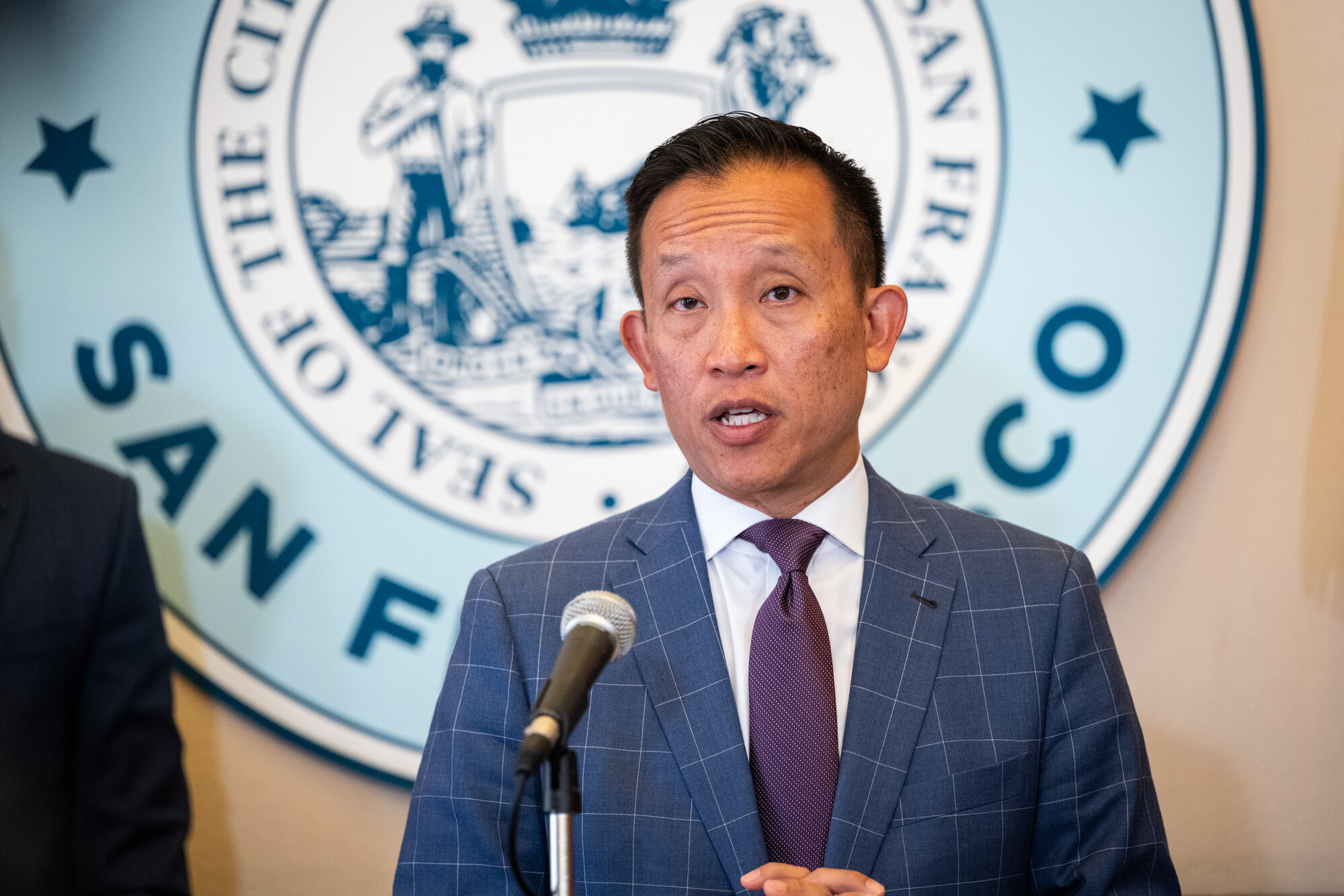
"caption": "City Attorney David Chiu speaks during a press conference at City Hall in San Francisco on Aug. 15, 2024. The settlement stemmed from a 2024 investigation of Providence Foundation of San Francisco, which found wage theft, accounting irregularities and fraudulent invoices.",
"credit": "Beth LaBerge/KQED",
"altTag": null,
"description": null,
"imgSizes": {
"thumbnail": {
"file": "https://cdn.kqed.org/wp-content/uploads/sites/10/2025/08/240815-CityAttorneyDeepfakes-10-BL_qed-1-160x107.jpg",
"width": 160,
"height": 107,
"mimeType": "image/jpeg"
},
"1536x1536": {
"file": "https://cdn.kqed.org/wp-content/uploads/sites/10/2025/08/240815-CityAttorneyDeepfakes-10-BL_qed-1-1536x1024.jpg",
"width": 1536,
"height": 1024,
"mimeType": "image/jpeg"
},
"post-thumbnail": {
"file": "https://cdn.kqed.org/wp-content/uploads/sites/10/2025/08/240815-CityAttorneyDeepfakes-10-BL_qed-1-672x372.jpg",
"width": 672,
"height": 372,
"mimeType": "image/jpeg"
},
"twentyfourteen-full-width": {
"file": "https://cdn.kqed.org/wp-content/uploads/sites/10/2025/08/240815-CityAttorneyDeepfakes-10-BL_qed-1-1038x576.jpg",
"width": 1038,
"height": 576,
"mimeType": "image/jpeg"
},
"kqedFullSize": {
"file": "https://cdn.kqed.org/wp-content/uploads/sites/10/2025/08/240815-CityAttorneyDeepfakes-10-BL_qed-1.jpg",
"width": 1999,
"height": 1333
}
},
"isLoading": false,
"fetchFailed": false
},
"news_12053431": {
"type": "attachments",
"id": "news_12053431",
"meta": {
"index": "attachments_1716263798",
"site": "news",
"id": "12053431",
"found": true
},
"title": "300 De Haro Housing Opportunity Overview (1)",
"publishDate": 1755901898,
"status": "inherit",
"parent": 0,
"modified": 1755902204,
"caption": "A rendering of the 300 De Haro affordable housing development.",
"credit": "Courtesy of DM Development",
"altTag": null,
"description": null,
"imgSizes": {
"thumbnail": {
"file": "https://cdn.kqed.org/wp-content/uploads/sites/10/2025/08/300-De-Haro-Housing-Opportunity-Overview-1-160x90.jpg",
"width": 160,
"height": 90,
"mimeType": "image/jpeg"
},
"1536x1536": {
"file": "https://cdn.kqed.org/wp-content/uploads/sites/10/2025/08/300-De-Haro-Housing-Opportunity-Overview-1-1536x864.jpg",
"width": 1536,
"height": 864,
"mimeType": "image/jpeg"
},
"post-thumbnail": {
"file": "https://cdn.kqed.org/wp-content/uploads/sites/10/2025/08/300-De-Haro-Housing-Opportunity-Overview-1-672x372.jpg",
"width": 672,
"height": 372,
"mimeType": "image/jpeg"
},
"twentyfourteen-full-width": {
"file": "https://cdn.kqed.org/wp-content/uploads/sites/10/2025/08/300-De-Haro-Housing-Opportunity-Overview-1-1038x576.jpg",
"width": 1038,
"height": 576,
"mimeType": "image/jpeg"
},
"kqedFullSize": {
"file": "https://cdn.kqed.org/wp-content/uploads/sites/10/2025/08/300-De-Haro-Housing-Opportunity-Overview-1.jpg",
"width": 2000,
"height": 1125
}
},
"isLoading": false,
"fetchFailed": false
},
"news_12053560": {
"type": "attachments",
"id": "news_12053560",
"meta": {
"index": "attachments_1716263798",
"site": "news",
"id": "12053560",
"found": true
},
"title": "250825-SFUSDMISSIONEDCENTER-06-BL-KQED",
"publishDate": 1756145313,
"status": "inherit",
"parent": 12082156,
"modified": 1777678565,
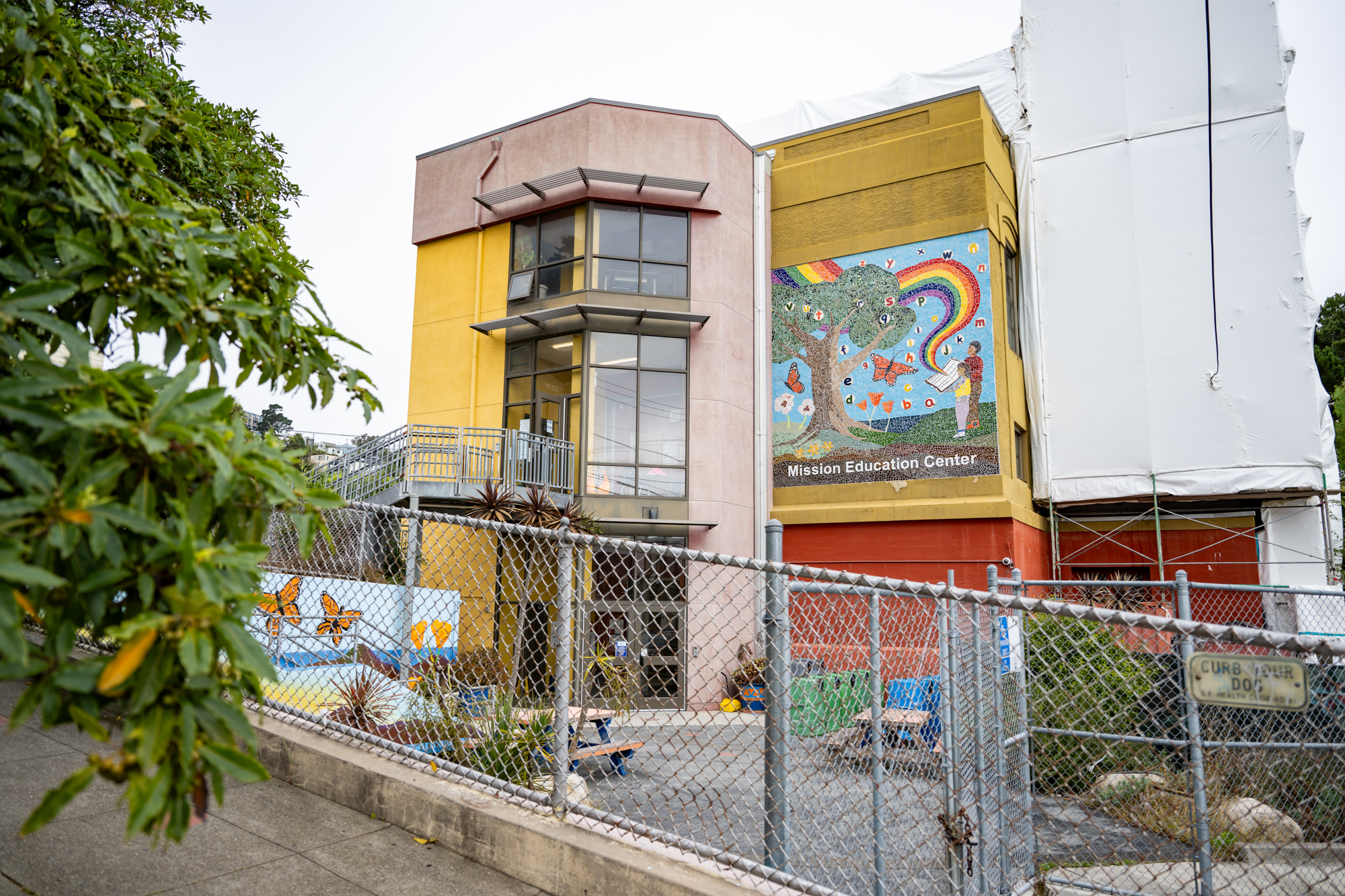
"caption": "The Mission Education Center, a bilingual elementary school in the San Francisco Unified School District, in San Francisco’s Noe Valley neighborhood, on Aug. 25, 2025.",
"credit": "Beth LaBerge/KQED",
"altTag": null,
"description": null,
"imgSizes": {
"thumbnail": {
"file": "https://cdn.kqed.org/wp-content/uploads/sites/10/2025/08/250825-SFUSDMISSIONEDCENTER-06-BL-KQED-160x107.jpg",
"width": 160,
"height": 107,
"mimeType": "image/jpeg"
},
"1536x1536": {
"file": "https://cdn.kqed.org/wp-content/uploads/sites/10/2025/08/250825-SFUSDMISSIONEDCENTER-06-BL-KQED-1536x1024.jpg",
"width": 1536,
"height": 1024,
"mimeType": "image/jpeg"
},
"post-thumbnail": {
"file": "https://cdn.kqed.org/wp-content/uploads/sites/10/2025/08/250825-SFUSDMISSIONEDCENTER-06-BL-KQED-672x372.jpg",
"width": 672,
"height": 372,
"mimeType": "image/jpeg"
},
"twentyfourteen-full-width": {
"file": "https://cdn.kqed.org/wp-content/uploads/sites/10/2025/08/250825-SFUSDMISSIONEDCENTER-06-BL-KQED-1038x576.jpg",
"width": 1038,
"height": 576,
"mimeType": "image/jpeg"
},
"kqedFullSize": {
"file": "https://cdn.kqed.org/wp-content/uploads/sites/10/2025/08/250825-SFUSDMISSIONEDCENTER-06-BL-KQED.jpg",
"width": 2000,
"height": 1333
}
},
"isLoading": false,
"fetchFailed": false
},
"news_12052189": {
"type": "attachments",
"id": "news_12052189",
"meta": {
"index": "attachments_1716263798",
"site": "news",
"id": "12052189",
"found": true
},
"title": "250813-DISABILITYCULTURALCENTER-11-KQED",
"publishDate": 1755189770,
"status": "inherit",
"parent": 12053162,
"modified": 1756153514,
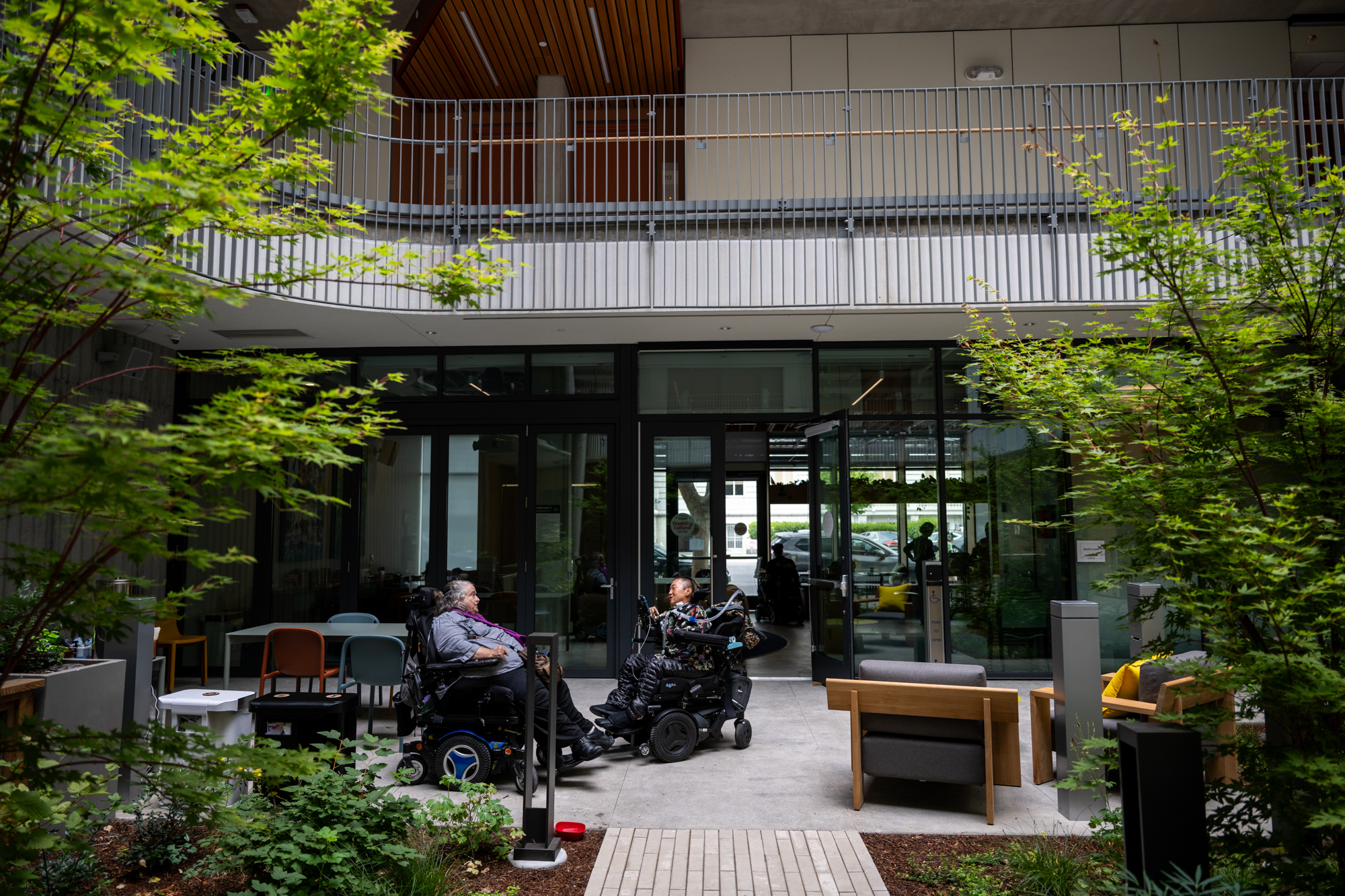
"caption": "Debbie Kaplan (left), Deputy Director at the Office on Disability and Accessibility, speaks with Alice Wong, a disability rights activist and founder of the Disability Visibility Project, at the Disability Cultural Center on Aug. 13, 2025.",
"credit": "Beth LaBerge/KQED",
"altTag": null,
"description": null,
"imgSizes": {
"thumbnail": {
"file": "https://cdn.kqed.org/wp-content/uploads/sites/10/2025/08/250813-DISABILITYCULTURALCENTER-11-KQED-160x107.jpg",
"width": 160,
"height": 107,
"mimeType": "image/jpeg"
},
"1536x1536": {
"file": "https://cdn.kqed.org/wp-content/uploads/sites/10/2025/08/250813-DISABILITYCULTURALCENTER-11-KQED-1536x1024.jpg",
"width": 1536,
"height": 1024,
"mimeType": "image/jpeg"
},
"post-thumbnail": {
"file": "https://cdn.kqed.org/wp-content/uploads/sites/10/2025/08/250813-DISABILITYCULTURALCENTER-11-KQED-672x372.jpg",
"width": 672,
"height": 372,
"mimeType": "image/jpeg"
},
"twentyfourteen-full-width": {
"file": "https://cdn.kqed.org/wp-content/uploads/sites/10/2025/08/250813-DISABILITYCULTURALCENTER-11-KQED-1038x576.jpg",
"width": 1038,
"height": 576,
"mimeType": "image/jpeg"
},
"kqedFullSize": {
"file": "https://cdn.kqed.org/wp-content/uploads/sites/10/2025/08/250813-DISABILITYCULTURALCENTER-11-KQED.jpg",
"width": 2000,
"height": 1333
}
},
"isLoading": false,
"fetchFailed": false
},
"news_12053472": {
"type": "attachments",
"id": "news_12053472",
"meta": {
"index": "attachments_1716263798",
"site": "news",
"id": "12053472",
"found": true
},
"title": "6FC5A20F-7F41-4BE6-ABB8-702A2C0E7B67remote80beaaf8c5620ae308dd0e490b5e15c7fef2b86e-2-original-Edit",
"publishDate": 1755908337,
"status": "inherit",
"parent": 12053314,
"modified": 1755908417,
"caption": "San Francisco District Attorney Brooke Jenkins announced murder charges against Anthony James Tyree for his alleged role in the fatal 2015 shooting of Maria Lourdes Soza.",
"credit": "Courtesy of the Soza Family",
"altTag": null,
"description": null,
"imgSizes": {
"thumbnail": {
"file": "https://cdn.kqed.org/wp-content/uploads/sites/10/2025/08/6FC5A20F-7F41-4BE6-ABB8-702A2C0E7B67remote80beaaf8c5620ae308dd0e490b5e15c7fef2b86e-2-original-Edit-160x124.jpg",
"width": 160,
"height": 124,
"mimeType": "image/jpeg"
},
"1536x1536": {
"file": "https://cdn.kqed.org/wp-content/uploads/sites/10/2025/08/6FC5A20F-7F41-4BE6-ABB8-702A2C0E7B67remote80beaaf8c5620ae308dd0e490b5e15c7fef2b86e-2-original-Edit-1536x1187.jpg",
"width": 1536,
"height": 1187,
"mimeType": "image/jpeg"
},
"post-thumbnail": {
"file": "https://cdn.kqed.org/wp-content/uploads/sites/10/2025/08/6FC5A20F-7F41-4BE6-ABB8-702A2C0E7B67remote80beaaf8c5620ae308dd0e490b5e15c7fef2b86e-2-original-Edit-672x372.jpg",
"width": 672,
"height": 372,
"mimeType": "image/jpeg"
},
"twentyfourteen-full-width": {
"file": "https://cdn.kqed.org/wp-content/uploads/sites/10/2025/08/6FC5A20F-7F41-4BE6-ABB8-702A2C0E7B67remote80beaaf8c5620ae308dd0e490b5e15c7fef2b86e-2-original-Edit-1038x576.jpg",
"width": 1038,
"height": 576,
"mimeType": "image/jpeg"
},
"kqedFullSize": {
"file": "https://cdn.kqed.org/wp-content/uploads/sites/10/2025/08/6FC5A20F-7F41-4BE6-ABB8-702A2C0E7B67remote80beaaf8c5620ae308dd0e490b5e15c7fef2b86e-2-original-Edit.jpg",
"width": 2000,
"height": 1545
}
},
"isLoading": false,
"fetchFailed": false
},
"news_12053307": {
"type": "attachments",
"id": "news_12053307",
"meta": {
"index": "attachments_1716263798",
"site": "news",
"id": "12053307",
"found": true
},
"title": "231102-DriverlessTaxi-15-BL_qed",
"publishDate": 1755882911,
"status": "inherit",
"parent": 12053305,
"modified": 1755882945,
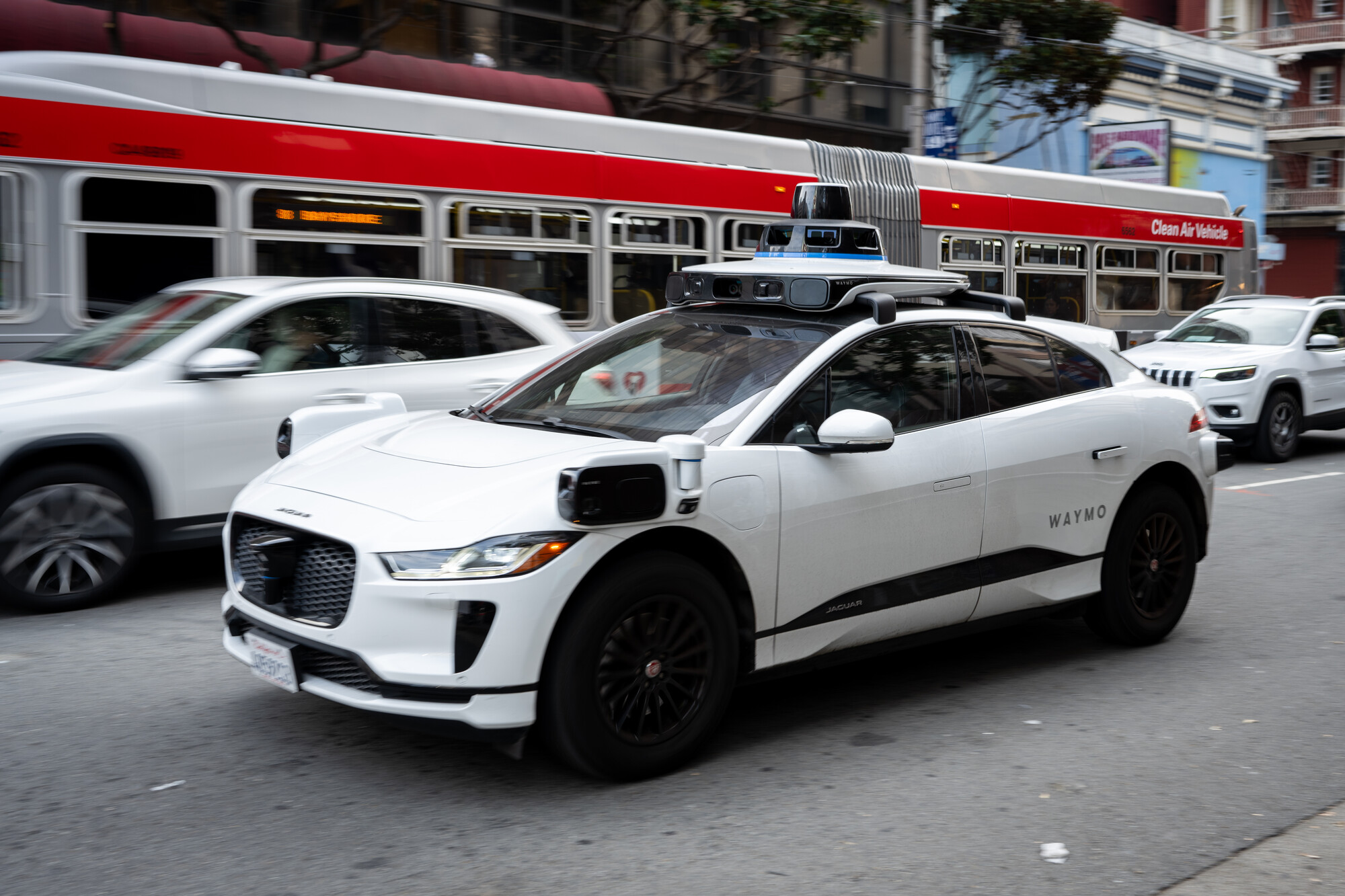
"caption": "A Waymo driverless taxi drives through Downtown San Francisco, California, on Nov. 2, 2023.",
"credit": "Carlos Avila Gonzalez/SF Chronicle ",
"altTag": null,
"description": null,
"imgSizes": {
"thumbnail": {
"file": "https://cdn.kqed.org/wp-content/uploads/sites/10/2025/08/231102-DriverlessTaxi-15-BL_qed-160x107.jpg",
"width": 160,
"height": 107,
"mimeType": "image/jpeg"
},
"1536x1536": {
"file": "https://cdn.kqed.org/wp-content/uploads/sites/10/2025/08/231102-DriverlessTaxi-15-BL_qed-1536x1024.jpg",
"width": 1536,
"height": 1024,
"mimeType": "image/jpeg"
},
"post-thumbnail": {
"file": "https://cdn.kqed.org/wp-content/uploads/sites/10/2025/08/231102-DriverlessTaxi-15-BL_qed-672x372.jpg",
"width": 672,
"height": 372,
"mimeType": "image/jpeg"
},
"twentyfourteen-full-width": {
"file": "https://cdn.kqed.org/wp-content/uploads/sites/10/2025/08/231102-DriverlessTaxi-15-BL_qed-1038x576.jpg",
"width": 1038,
"height": 576,
"mimeType": "image/jpeg"
},
"kqedFullSize": {
"file": "https://cdn.kqed.org/wp-content/uploads/sites/10/2025/08/231102-DriverlessTaxi-15-BL_qed.jpg",
"width": 2000,
"height": 1333
}
},
"isLoading": false,
"fetchFailed": false
},
"news_11891595": {
"type": "attachments",
"id": "news_11891595",
"meta": {
"index": "attachments_1716263798",
"site": "news",
"id": "11891595",
"found": true
},
"title": "san-francisco-giants-kayak",
"publishDate": 1633727443,
"status": "inherit",
"parent": 11891544,
"modified": 1746732395,
"caption": "Dave Edlund, known as McCovey Cove Dave, on his kayak at McCovey Cove behind Oracle Park, home to the San Francisco Giants. ",
"credit": "Brian Watt/KQED",
"altTag": "Man dressed in orange on a white kayak floats in the water beyond the facade of the ballpark.",
"description": "Dave Edlund, known as McCovey Cove Dave, on his kayak at McCovey Cove behind Oracle Park. ",
"imgSizes": {
"medium": {
"file": "https://cdn.kqed.org/wp-content/uploads/sites/10/2021/10/IMG_1625-800x600.jpg",
"width": 800,
"height": 600,
"mimeType": "image/jpeg"
},
"large": {
"file": "https://cdn.kqed.org/wp-content/uploads/sites/10/2021/10/IMG_1625-1020x765.jpg",
"width": 1020,
"height": 765,
"mimeType": "image/jpeg"
},
"thumbnail": {
"file": "https://cdn.kqed.org/wp-content/uploads/sites/10/2021/10/IMG_1625-160x120.jpg",
"width": 160,
"height": 120,
"mimeType": "image/jpeg"
},
"1536x1536": {
"file": "https://cdn.kqed.org/wp-content/uploads/sites/10/2021/10/IMG_1625-1536x1152.jpg",
"width": 1536,
"height": 1152,
"mimeType": "image/jpeg"
},
"post-thumbnail": {
"file": "https://cdn.kqed.org/wp-content/uploads/sites/10/2021/10/IMG_1625-672x372.jpg",
"width": 672,
"height": 372,
"mimeType": "image/jpeg"
},
"twentyfourteen-full-width": {
"file": "https://cdn.kqed.org/wp-content/uploads/sites/10/2021/10/IMG_1625-1038x576.jpg",
"width": 1038,
"height": 576,
"mimeType": "image/jpeg"
},
"kqedFullSize": {
"file": "https://cdn.kqed.org/wp-content/uploads/sites/10/2021/10/IMG_1625.jpg",
"width": 1920,
"height": 1440
}
},
"isLoading": false,
"fetchFailed": false
},
"news_12053224": {
"type": "attachments",
"id": "news_12053224",
"meta": {
"index": "attachments_1716263798",
"site": "news",
"id": "12053224",
"found": true
},
"title": "250821-UNIONICE-07-KQED",
"publishDate": 1755812271,
"status": "inherit",
"parent": 0,
"modified": 1755814295,
"caption": "SEIU Local 87 president Olga Miranda speaks during a rally outside the Phillip Burton Federal Building in San Francisco on Aug. 21, 2025, where labor leaders and family members condemned recent ICE raids and awaited the release of detained community organizer Angélica Guerrero.",
"credit": "Beth LaBerge/KQED",
"altTag": null,
"description": null,
"imgSizes": {
"thumbnail": {
"file": "https://cdn.kqed.org/wp-content/uploads/sites/10/2025/08/250821-UNIONICE-07-KQED-160x107.jpg",
"width": 160,
"height": 107,
"mimeType": "image/jpeg"
},
"1536x1536": {
"file": "https://cdn.kqed.org/wp-content/uploads/sites/10/2025/08/250821-UNIONICE-07-KQED-1536x1024.jpg",
"width": 1536,
"height": 1024,
"mimeType": "image/jpeg"
},
"post-thumbnail": {
"file": "https://cdn.kqed.org/wp-content/uploads/sites/10/2025/08/250821-UNIONICE-07-KQED-672x372.jpg",
"width": 672,
"height": 372,
"mimeType": "image/jpeg"
},
"twentyfourteen-full-width": {
"file": "https://cdn.kqed.org/wp-content/uploads/sites/10/2025/08/250821-UNIONICE-07-KQED-1038x576.jpg",
"width": 1038,
"height": 576,
"mimeType": "image/jpeg"
},
"kqedFullSize": {
"file": "https://cdn.kqed.org/wp-content/uploads/sites/10/2025/08/250821-UNIONICE-07-KQED.jpg",
"width": 2000,
"height": 1333
}
},
"isLoading": false,
"fetchFailed": false
},
"news_12053184": {
"type": "attachments",
"id": "news_12053184",
"meta": {
"index": "attachments_1716263798",
"site": "news",
"id": "12053184",
"found": true
},
"title": "20240711_HeatFeatures-4_qed",
"publishDate": 1755806019,
"status": "inherit",
"parent": 12053125,
"modified": 1755806045,
"caption": "A mother and her 2-year-old daughter enjoy the spray grounds at Prince Gateway Park in Santa Rosa as the temperature reached 100 degrees on July 11, 2024.",
"credit": "Gina Castro/KQED",
"altTag": null,
"description": null,
"imgSizes": {
"thumbnail": {
"file": "https://cdn.kqed.org/wp-content/uploads/sites/10/2025/08/20240711_HeatFeatures-4_qed-160x106.jpg",
"width": 160,
"height": 106,
"mimeType": "image/jpeg"
},
"1536x1536": {
"file": "https://cdn.kqed.org/wp-content/uploads/sites/10/2025/08/20240711_HeatFeatures-4_qed-1536x1014.jpg",
"width": 1536,
"height": 1014,
"mimeType": "image/jpeg"
},
"post-thumbnail": {
"file": "https://cdn.kqed.org/wp-content/uploads/sites/10/2025/08/20240711_HeatFeatures-4_qed-672x372.jpg",
"width": 672,
"height": 372,
"mimeType": "image/jpeg"
},
"twentyfourteen-full-width": {
"file": "https://cdn.kqed.org/wp-content/uploads/sites/10/2025/08/20240711_HeatFeatures-4_qed-1038x576.jpg",
"width": 1038,
"height": 576,
"mimeType": "image/jpeg"
},
"kqedFullSize": {
"file": "https://cdn.kqed.org/wp-content/uploads/sites/10/2025/08/20240711_HeatFeatures-4_qed.jpg",
"width": 2000,
"height": 1320
}
},
"isLoading": false,
"fetchFailed": false
},
"news_12053036": {
"type": "attachments",
"id": "news_12053036",
"meta": {
"index": "attachments_1716263798",
"site": "news",
"id": "12053036",
"found": true
},
"title": "20250428_WarrantlessSearches_GC-47_qed",
"publishDate": 1755719603,
"status": "inherit",
"parent": 12053019,
"modified": 1755719619,
"caption": "A San Francisco Sheriff officer stands following a press conference announcing the San Francisco Sheriff’s Office’s plan to resume warrantless searches of criminal defendants who have been released and awaiting trial, outside of City Hall on April 28, 2025.",
"credit": "Gina Castro/KQED",
"altTag": null,
"description": null,
"imgSizes": {
"thumbnail": {
"file": "https://cdn.kqed.org/wp-content/uploads/sites/10/2025/08/20250428_WarrantlessSearches_GC-47_qed-160x107.jpg",
"width": 160,
"height": 107,
"mimeType": "image/jpeg"
},
"1536x1536": {
"file": "https://cdn.kqed.org/wp-content/uploads/sites/10/2025/08/20250428_WarrantlessSearches_GC-47_qed-1536x1024.jpg",
"width": 1536,
"height": 1024,
"mimeType": "image/jpeg"
},
"post-thumbnail": {
"file": "https://cdn.kqed.org/wp-content/uploads/sites/10/2025/08/20250428_WarrantlessSearches_GC-47_qed-672x372.jpg",
"width": 672,
"height": 372,
"mimeType": "image/jpeg"
},
"twentyfourteen-full-width": {
"file": "https://cdn.kqed.org/wp-content/uploads/sites/10/2025/08/20250428_WarrantlessSearches_GC-47_qed-1038x576.jpg",
"width": 1038,
"height": 576,
"mimeType": "image/jpeg"
},
"kqedFullSize": {
"file": "https://cdn.kqed.org/wp-content/uploads/sites/10/2025/08/20250428_WarrantlessSearches_GC-47_qed.jpg",
"width": 2000,
"height": 1333
}
},
"isLoading": false,
"fetchFailed": false
},
"news_12053045": {
"type": "attachments",
"id": "news_12053045",
"meta": {
"index": "attachments_1716263798",
"site": "news",
"id": "12053045",
"found": true
},
"title": "250820-ICE ACTIVITY-JCL-03-KQED",
"publishDate": 1755721112,
"status": "inherit",
"parent": 0,
"modified": 1755721119,
"caption": null,
"credit": "Juan Carlos Lara/KQED",
"altTag": null,
"description": null,
"imgSizes": {
"thumbnail": {
"file": "https://cdn.kqed.org/wp-content/uploads/sites/10/2025/08/250820-ICE-ACTIVITY-JCL-03-KQED-160x107.jpg",
"width": 160,
"height": 107,
"mimeType": "image/jpeg"
},
"1536x1536": {
"file": "https://cdn.kqed.org/wp-content/uploads/sites/10/2025/08/250820-ICE-ACTIVITY-JCL-03-KQED-1536x1024.jpg",
"width": 1536,
"height": 1024,
"mimeType": "image/jpeg"
},
"post-thumbnail": {
"file": "https://cdn.kqed.org/wp-content/uploads/sites/10/2025/08/250820-ICE-ACTIVITY-JCL-03-KQED-672x372.jpg",
"width": 672,
"height": 372,
"mimeType": "image/jpeg"
},
"twentyfourteen-full-width": {
"file": "https://cdn.kqed.org/wp-content/uploads/sites/10/2025/08/250820-ICE-ACTIVITY-JCL-03-KQED-1038x576.jpg",
"width": 1038,
"height": 576,
"mimeType": "image/jpeg"
},
"kqedFullSize": {
"file": "https://cdn.kqed.org/wp-content/uploads/sites/10/2025/08/250820-ICE-ACTIVITY-JCL-03-KQED.jpg",
"width": 2000,
"height": 1333
}
},
"isLoading": false,
"fetchFailed": false
},
"news_12052968": {
"type": "attachments",
"id": "news_12052968",
"meta": {
"index": "attachments_1716263798",
"site": "news",
"id": "12052968",
"found": true
},
"title": "250820-Outer Sunset Fire-01-KQED",
"publishDate": 1755707375,
"status": "inherit",
"parent": 0,
"modified": 1755707456,
"caption": "A two-alarm structure fire in the 1300 block of 47th Avenue in San Francisco on Aug. 20, 2025.",
"credit": "Courtesy of San Francisco Fire Department",
"altTag": null,
"description": null,
"imgSizes": {
"thumbnail": {
"file": "https://cdn.kqed.org/wp-content/uploads/sites/10/2025/08/250820-Outer-Sunset-Fire-01-KQED-160x107.jpg",
"width": 160,
"height": 107,
"mimeType": "image/jpeg"
},
"1536x1536": {
"file": "https://cdn.kqed.org/wp-content/uploads/sites/10/2025/08/250820-Outer-Sunset-Fire-01-KQED-1536x1024.jpg",
"width": 1536,
"height": 1024,
"mimeType": "image/jpeg"
},
"post-thumbnail": {
"file": "https://cdn.kqed.org/wp-content/uploads/sites/10/2025/08/250820-Outer-Sunset-Fire-01-KQED-672x372.jpg",
"width": 672,
"height": 372,
"mimeType": "image/jpeg"
},
"twentyfourteen-full-width": {
"file": "https://cdn.kqed.org/wp-content/uploads/sites/10/2025/08/250820-Outer-Sunset-Fire-01-KQED-1038x576.jpg",
"width": 1038,
"height": 576,
"mimeType": "image/jpeg"
},
"kqedFullSize": {
"file": "https://cdn.kqed.org/wp-content/uploads/sites/10/2025/08/250820-Outer-Sunset-Fire-01-KQED.jpg",
"width": 2000,
"height": 1333
}
},
"isLoading": false,
"fetchFailed": false
}
},
"audioPlayerReducer": {
"postId": "stream_live",
"isPaused": true,
"isPlaying": false,
"pfsActive": false,
"pledgeModalIsOpen": true,
"playerDrawerIsOpen": false,
"liveAudioPlayStartedAt": 0,
"liveAudioPlayContext": ""
},
"authorsReducer": {
"abandlamudi": {
"type": "authors",
"id": "11672",
"meta": {
"index": "authors_1716337520",
"id": "11672",
"found": true
},
"name": "Adhiti Bandlamudi",
"firstName": "Adhiti",
"lastName": "Bandlamudi",
"slug": "abandlamudi",
"email": "abandlamudi@kqed.org",
"display_author_email": false,
"staff_mastheads": [
"news"
],
"title": "KQED Housing Reporter",
"bio": "Adhiti Bandlamudi reports for KQED's Housing desk. She focuses on how housing gets built across the Bay Area. Before joining KQED in 2020, she reported for WUNC in Durham, North Carolina, WABE in Atlanta, Georgia and Capital Public Radio in Sacramento. In 2017, she was awarded a Kroc Fellowship at NPR where she reported on everything from sprinkles to the Golden State Killer's arrest. When she's not reporting, she's baking new recipes in her kitchen or watching movies with friends and family. She's originally from Georgia and has strong opinions about Great British Bake Off.",
"avatar": "https://secure.gravatar.com/avatar/868129c8b257bb99a3500e2c86a65400?s=600&d=mm&r=g",
"twitter": "oddity_adhiti",
"facebook": null,
"instagram": null,
"linkedin": null,
"sites": [
{
"site": "arts",
"roles": [
"author"
]
},
{
"site": "news",
"roles": [
"editor"
]
},
{
"site": "liveblog",
"roles": [
"author"
]
}
],
"headData": {
"title": "Adhiti Bandlamudi | KQED",
"description": "KQED Housing Reporter",
"ogImgSrc": "https://secure.gravatar.com/avatar/868129c8b257bb99a3500e2c86a65400?s=600&d=mm&r=g",
"twImgSrc": "https://secure.gravatar.com/avatar/868129c8b257bb99a3500e2c86a65400?s=600&d=mm&r=g"
},
"isLoading": false,
"link": "/author/abandlamudi"
},
"jlara": {
"type": "authors",
"id": "11761",
"meta": {
"index": "authors_1716337520",
"id": "11761",
"found": true
},
"name": "Juan Carlos Lara",
"firstName": "Juan Carlos",
"lastName": "Lara",
"slug": "jlara",
"email": "jlara@kqed.org",
"display_author_email": false,
"staff_mastheads": [],
"title": "KQED Contributor",
"bio": null,
"avatar": "https://secure.gravatar.com/avatar/19e2052b9b05657c5ff2af2121846e9c?s=600&d=blank&r=g",
"twitter": null,
"facebook": null,
"instagram": null,
"linkedin": null,
"sites": [
{
"site": "arts",
"roles": [
"editor"
]
},
{
"site": "news",
"roles": [
"editor"
]
},
{
"site": "forum",
"roles": [
"editor"
]
},
{
"site": "liveblog",
"roles": [
"contributor"
]
}
],
"headData": {
"title": "Juan Carlos Lara | KQED",
"description": "KQED Contributor",
"ogImgSrc": "https://secure.gravatar.com/avatar/19e2052b9b05657c5ff2af2121846e9c?s=600&d=blank&r=g",
"twImgSrc": "https://secure.gravatar.com/avatar/19e2052b9b05657c5ff2af2121846e9c?s=600&d=blank&r=g"
},
"isLoading": false,
"link": "/author/jlara"
},
"sjohnson": {
"type": "authors",
"id": "11840",
"meta": {
"index": "authors_1716337520",
"id": "11840",
"found": true
},
"name": "Sydney Johnson",
"firstName": "Sydney",
"lastName": "Johnson",
"slug": "sjohnson",
"email": "sjohnson@kqed.org",
"display_author_email": false,
"staff_mastheads": [
"news"
],
"title": "KQED Reporter",
"bio": "Sydney Johnson is a general assignment reporter at KQED. She previously reported on public health and city government at the San Francisco Examiner, and before that, she covered statewide education policy for EdSource. Her reporting has won multiple local, state and national awards. Sydney is a graduate of the University of California, Berkeley and lives in San Francisco.",
"avatar": "https://secure.gravatar.com/avatar/97855f2719b72ad6190b7c535fe642c8?s=600&d=blank&r=g",
"twitter": "sydneyfjohnson",
"facebook": null,
"instagram": null,
"linkedin": null,
"sites": [
{
"site": "news",
"roles": [
"editor"
]
}
],
"headData": {
"title": "Sydney Johnson | KQED",
"description": "KQED Reporter",
"ogImgSrc": "https://secure.gravatar.com/avatar/97855f2719b72ad6190b7c535fe642c8?s=600&d=blank&r=g",
"twImgSrc": "https://secure.gravatar.com/avatar/97855f2719b72ad6190b7c535fe642c8?s=600&d=blank&r=g"
},
"isLoading": false,
"link": "/author/sjohnson"
},
"kdebenedetti": {
"type": "authors",
"id": "11913",
"meta": {
"index": "authors_1716337520",
"id": "11913",
"found": true
},
"name": "Katie DeBenedetti",
"firstName": "Katie",
"lastName": "DeBenedetti",
"slug": "kdebenedetti",
"email": "kdebenedetti@kqed.org",
"display_author_email": false,
"staff_mastheads": [
"news",
"science"
],
"title": "KQED Contributor",
"bio": "Katie DeBenedetti is a digital reporter covering daily news for the Express Desk. Prior to joining KQED as a culture reporting intern in January 2024, she covered education and city government for the Napa Valley Register.",
"avatar": "https://secure.gravatar.com/avatar/6e31073cb8f7e4214ab03f42771d0f45?s=600&d=blank&r=g",
"twitter": null,
"facebook": null,
"instagram": null,
"linkedin": null,
"sites": [
{
"site": "news",
"roles": [
"author"
]
},
{
"site": "science",
"roles": [
"author"
]
},
{
"site": "liveblog",
"roles": [
"author"
]
}
],
"headData": {
"title": "Katie DeBenedetti | KQED",
"description": "KQED Contributor",
"ogImgSrc": "https://secure.gravatar.com/avatar/6e31073cb8f7e4214ab03f42771d0f45?s=600&d=blank&r=g",
"twImgSrc": "https://secure.gravatar.com/avatar/6e31073cb8f7e4214ab03f42771d0f45?s=600&d=blank&r=g"
},
"isLoading": false,
"link": "/author/kdebenedetti"
},
"gzada": {
"type": "authors",
"id": "11929",
"meta": {
"index": "authors_1716337520",
"id": "11929",
"found": true
},
"name": "Gilare Zada",
"firstName": "Gilare",
"lastName": "Zada",
"slug": "gzada",
"email": "gzada@kqed.org",
"display_author_email": true,
"staff_mastheads": [
"news"
],
"title": null,
"bio": "Gilare Zada is a Kurdish-American from San Diego, CA. Storytelling, fitness, and binge reading are some of her passions outside of news reporting. Her work has appeared in Mission Local, the Peninsula Press, the San Francisco Press Club, and more. She also writes as a class correspondent for the Stanford Magazine - go Card!",
"avatar": "https://secure.gravatar.com/avatar/33a75f2b947669a488a805edec3fbf3838c1cedaedda710e983770633b4d6a75?s=600&d=blank&r=g",
"twitter": null,
"bluesky": null,
"facebook": null,
"instagram": null,
"linkedin": null,
"sites": [
{
"site": "arts",
"roles": [
"editor"
]
},
{
"site": "news",
"roles": [
"administrator"
]
},
{
"site": "science",
"roles": [
"editor"
]
}
],
"headData": {
"title": "Gilare Zada | KQED",
"description": null,
"ogImgSrc": "https://secure.gravatar.com/avatar/33a75f2b947669a488a805edec3fbf3838c1cedaedda710e983770633b4d6a75?s=600&d=blank&r=g",
"twImgSrc": "https://secure.gravatar.com/avatar/33a75f2b947669a488a805edec3fbf3838c1cedaedda710e983770633b4d6a75?s=600&d=blank&r=g"
},
"isLoading": false,
"link": "/author/gzada"
},
"sarahwright": {
"type": "authors",
"id": "11956",
"meta": {
"index": "authors_1716337520",
"id": "11956",
"found": true
},
"name": "Sarah Wright",
"firstName": "Sarah",
"lastName": "Wright",
"slug": "sarahwright",
"email": "swright@kqed.org",
"display_author_email": true,
"staff_mastheads": [],
"title": "Outdoors Engagement Reporter",
"bio": "Sarah Wright is KQED's Outdoors Engagement Reporter. Originally from Lake Tahoe, she completed a thru-hike of the Pacific Crest Trail in 2019 and was a U.S. Fulbright Program grantee to Argentina in 2023. Her journalism has appeared in The Guardian, The San Francisco Standard, The Palo Alto Weekly and the Half Moon Bay Review.",
"avatar": "https://secure.gravatar.com/avatar/c161a3d6441865cba25e6db4fa561099ad665799e9432e34da2b84d7e371524c?s=600&d=blank&r=g",
"twitter": null,
"bluesky": null,
"facebook": null,
"instagram": null,
"linkedin": null,
"sites": [
{
"site": "arts",
"roles": [
"editor"
]
},
{
"site": "news",
"roles": [
"editor"
]
},
{
"site": "science",
"roles": [
"contributor",
"author"
]
},
{
"site": "forum",
"roles": [
"editor"
]
}
],
"headData": {
"title": "Sarah Wright | KQED",
"description": "Outdoors Engagement Reporter",
"ogImgSrc": "https://secure.gravatar.com/avatar/c161a3d6441865cba25e6db4fa561099ad665799e9432e34da2b84d7e371524c?s=600&d=blank&r=g",
"twImgSrc": "https://secure.gravatar.com/avatar/c161a3d6441865cba25e6db4fa561099ad665799e9432e34da2b84d7e371524c?s=600&d=blank&r=g"
},
"isLoading": false,
"link": "/author/sarahwright"
}
},
"pagesReducer": {
"news_tag_san-francisco": {
"type": "terms",
"id": "news_38",
"meta": {
"index": "terms_1716263798",
"site": "news",
"id": "38",
"score": 6.7229023
},
"featImg": null,
"name": "San Francisco",
"description": null,
"taxonomy": "tag",
"headData": {
"twImgId": null,
"twTitle": null,
"ogTitle": null,
"ogImgId": null,
"twDescription": null,
"description": null,
"title": "San Francisco Archives | KQED News",
"ogDescription": null
},
"ttid": 58,
"slug": "san-francisco",
"isLoading": false,
"title": "San Francisco",
"pageMeta": {
"site": "news",
"WpPageTemplate": "page-topic-editorial",
"currentPage": 51
},
"blocks": [
{
"blockName": "kqed/post-list",
"attrs": {
"layout": "cardArticle2",
"query": "posts/news?tag=san-francisco",
"seeMore": false,
"paginated": true,
"page": 51
}
},
{
"blockName": "kqed/ad"
}
]
}
},
"pfsSessionReducer": {},
"postsReducer": {
"stream_live": {
"type": "live",
"id": "stream_live",
"audioUrl": "https://streams.kqed.org/kqedradio",
"title": "Live Stream",
"excerpt": "Live Stream information currently unavailable.",
"link": "/radio",
"featImg": "",
"label": {
"name": "KQED Live",
"link": "/"
}
},
"stream_kqedNewscast": {
"type": "posts",
"id": "stream_kqedNewscast",
"audioUrl": "https://www.kqed.org/.stream/anon/radio/RDnews/newscast.mp3?_=1",
"title": "KQED Newscast",
"featImg": "",
"label": {
"name": "88.5 FM",
"link": "/"
}
},
"news_12053750": {
"type": "posts",
"id": "news_12053750",
"meta": {
"index": "posts_1716263798",
"site": "news",
"id": "12053750",
"score": null,
"sort": [
1756238175000
]
},
"guestAuthors": [],
"slug": "sf-homeless-services-nonprofit-to-pay-1-million-after-investigation-found-fraud",
"title": "SF Homeless Services Nonprofit to Pay $1 Million After Investigation Found Fraud",
"publishDate": 1756238175,
"format": "standard",
"headTitle": "SF Homeless Services Nonprofit to Pay $1 Million After Investigation Found Fraud | KQED",
"labelTerm": {
"site": "news"
},
"content": "\u003cp>The San Francisco City Attorney’s Office announced Tuesday it has reached a $1 million settlement with a homeless services nonprofit, which it had previously \u003ca href=\"https://www.kqed.org/news/11985194\">accused of nepotism and fraud\u003c/a>.\u003c/p>\n\u003cp>Under the agreement, Providence Foundation of San Francisco admitted wrongdoing, removed employees who participated in the misconduct, reimbursed the city for fraudulent invoices and paid current and former employees who were denied holiday pay, among other concessions.\u003c/p>\n\u003cp>“I’m proud we were able to resolve this amicably,” City Attorney David Chiu told KQED. “This is a great example of how an organization can turn itself around and do the right thing.”\u003c/p>\n\u003cp>[ad fullwidth]\u003c/p>\n\u003cp>The organization operates the Oasis Hotel, a 59-unit shelter, a navigation center, multiple voucher and housing subsidy programs and services for people experiencing homelessness. Dexter Hall, Providence’s Interim Executive Director, said the settlement was “a pivotal moment” for his organization.\u003c/p>\n\u003cp>“It’s public recognition of the transformation that we have led over this past year,” he told KQED. “Under my leadership, a new board’s leadership, as well as our talented team members, Providence has implemented some very sweeping reforms.”\u003c/p>\n\u003cp>Representatives of Providence and its lawyers did not immediately respond to KQED’s request for comment. The organization operates the Oasis Hotel, a 59-unit shelter, a navigation center, multiple voucher and housing subsidy programs and services for people experiencing homelessness.\u003c/p>\n\u003cp>It’s not the only homeless services nonprofit to come under scrutiny. Last year, \u003ca href=\"https://www.kqed.org/news/11981767\">city officials also audited HomeRise\u003c/a>, a housing provider for people exiting homelessness, accusing it of wasteful spending and mismanagement.\u003c/p>\n\u003cp>In Chiu’s investigation of Providence, his office found that previous leaders signed off on falsified invoices — totalling $105,000 of taxpayer funding — related to maintenance for the Oasis Hotel. The company submitted invoices claiming it painted the hotel’s exterior and removed deadbolt locks, despite that work not happening at all, the investigation found. Rust and fungus remained on its outer walls.[aside postID=news_11985194 hero='https://cdn.kqed.org/wp-content/uploads/sites/10/2024/05/230808-SanFranciscoCityHall-25-BL_qut-1020x680.jpg']Chiu’s office also accused the nonprofit of hiring family members, including children of the executive director and vice president of the board, violating an anti-nepotism provision in a city grant agreement. Separately, San Francisco’s Office of Labor Standards Enforcement started its own investigation after receiving complaints from employees who claimed labor violations.\u003c/p>\n\u003cp>The city suspended funding for Providence to operate the Oasis Hotel and its other programs and threatened to debar it, permanently cutting off future funding.\u003c/p>\n\u003cp>Hall said he and other colleagues now require more transparency and oversight for the hours employees work and how expenses are approved.\u003c/p>\n\u003cp>“With this matter behind us, we really do stand stronger, clearer and more committed than ever,” he said. “We’re not just rebuilding systems, we’re rebuilding trust, and we’re committed to doing that with our families, seniors, youth — all who deserve nothing less than dignity, stability and hope.”\u003c/p>\n\u003cp>In the case of HomeRise, the city’s report found the company had spent $12,500 on a social event and $200,000 in bonuses. The developer operates about 1,500 units across 19 properties, making up almost a third of city-funded homes.\u003c/p>\n\u003cp>But rather than cut off funding, it instead urged other city agencies to strengthen oversight of HomeRise contracts and directed the housing provider to improve how it managed city funds.\u003c/p>\n\u003cp>Chiu told KQED the city does not want to debar organizations if it doesn’t have to and called the announcement a “win-win” because Providence cooperated with the investigation and agreed to reform its practices.\u003c/p>\n\u003cp>“The city has spent an incredible amount of dollars in recent years investing in addressing the homelessness crisis in our streets, and we need to make sure that every dollar is put to good use,” he said. “I think today’s announcement is a step forward toward that accountability and assuring that public dollars are addressing the needs and crises on our streets.”\u003c/p>\n\u003cp>The Board of Supervisors is expected to approve the settlement agreement in the coming months.\u003c/p>\n\u003cp>\u003c/p>\n",
"blocks": [],
"excerpt": "The settlement stemmed from a 2024 investigation of Providence Foundation of San Francisco, which found wage theft, accounting irregularities and fraudulent invoices.",
"status": "publish",
"parent": 0,
"modified": 1756417370,
"stats": {
"hasAudio": false,
"hasVideo": false,
"hasChartOrMap": false,
"iframeSrcs": [],
"hasGoogleForm": false,
"hasGallery": false,
"hasHearkenModule": false,
"hasPolis": false,
"paragraphCount": 18,
"wordCount": 723
},
"headData": {
"title": "SF Homeless Services Nonprofit to Pay $1 Million After Investigation Found Fraud | KQED",
"description": "The settlement stemmed from a 2024 investigation of Providence Foundation of San Francisco, which found wage theft, accounting irregularities and fraudulent invoices.",
"ogTitle": "",
"ogDescription": "",
"ogImgId": "",
"twTitle": "",
"twDescription": "",
"twImgId": "",
"schema": {
"@context": "https://schema.org",
"@type": "NewsArticle",
"headline": "SF Homeless Services Nonprofit to Pay $1 Million After Investigation Found Fraud",
"datePublished": "2025-08-26T12:56:15-07:00",
"dateModified": "2025-08-28T14:42:50-07:00",
"image": "https://cdn.kqed.org/wp-content/uploads/2020/02/KQED-OG-Image@1x.png",
"isAccessibleForFree": "True",
"publisher": {
"@type": "NewsMediaOrganization",
"@id": "https://www.kqed.org/#organization",
"name": "KQED",
"logo": "https://cdn.kqed.org/wp-content/uploads/2020/02/KQED-OG-Image@1x.png",
"url": "https://www.kqed.org",
"sameAs": [
"https://www.facebook.com/KQED",
"https://twitter.com/KQED",
"https://www.instagram.com/kqed/",
"https://www.tiktok.com/@kqedofficial",
"https://www.linkedin.com/company/kqed",
"https://www.youtube.com/channel/UCeC0IOo7i1P_61zVUWbJ4nw"
]
}
}
},
"primaryCategory": {
"termId": 8,
"slug": "news",
"name": "News"
},
"sticky": false,
"nprStoryId": "kqed-12053750",
"templateType": "standard",
"featuredImageType": "standard",
"excludeFromSiteSearch": "Include",
"articleAge": "0",
"path": "/news/12053750/sf-homeless-services-nonprofit-to-pay-1-million-after-investigation-found-fraud",
"audioTrackLength": null,
"parsedContent": [
{
"type": "contentString",
"content": "\u003cdiv class=\"post-body\">\u003cp>\u003cp>The San Francisco City Attorney’s Office announced Tuesday it has reached a $1 million settlement with a homeless services nonprofit, which it had previously \u003ca href=\"https://www.kqed.org/news/11985194\">accused of nepotism and fraud\u003c/a>.\u003c/p>\n\u003cp>Under the agreement, Providence Foundation of San Francisco admitted wrongdoing, removed employees who participated in the misconduct, reimbursed the city for fraudulent invoices and paid current and former employees who were denied holiday pay, among other concessions.\u003c/p>\n\u003cp>“I’m proud we were able to resolve this amicably,” City Attorney David Chiu told KQED. “This is a great example of how an organization can turn itself around and do the right thing.”\u003c/p>\n\u003cp>\u003c/p>\u003c/div>",
"attributes": {
"named": {},
"numeric": []
}
},
{
"type": "component",
"content": "",
"name": "ad",
"attributes": {
"named": {
"label": "fullwidth"
},
"numeric": [
"fullwidth"
]
}
},
{
"type": "contentString",
"content": "\u003cdiv class=\"post-body\">\u003cp>\u003c/p>\n\u003cp>The organization operates the Oasis Hotel, a 59-unit shelter, a navigation center, multiple voucher and housing subsidy programs and services for people experiencing homelessness. Dexter Hall, Providence’s Interim Executive Director, said the settlement was “a pivotal moment” for his organization.\u003c/p>\n\u003cp>“It’s public recognition of the transformation that we have led over this past year,” he told KQED. “Under my leadership, a new board’s leadership, as well as our talented team members, Providence has implemented some very sweeping reforms.”\u003c/p>\n\u003cp>Representatives of Providence and its lawyers did not immediately respond to KQED’s request for comment. The organization operates the Oasis Hotel, a 59-unit shelter, a navigation center, multiple voucher and housing subsidy programs and services for people experiencing homelessness.\u003c/p>\n\u003cp>It’s not the only homeless services nonprofit to come under scrutiny. Last year, \u003ca href=\"https://www.kqed.org/news/11981767\">city officials also audited HomeRise\u003c/a>, a housing provider for people exiting homelessness, accusing it of wasteful spending and mismanagement.\u003c/p>\n\u003cp>In Chiu’s investigation of Providence, his office found that previous leaders signed off on falsified invoices — totalling $105,000 of taxpayer funding — related to maintenance for the Oasis Hotel. The company submitted invoices claiming it painted the hotel’s exterior and removed deadbolt locks, despite that work not happening at all, the investigation found. Rust and fungus remained on its outer walls.\u003c/p>\u003c/div>",
"attributes": {
"named": {},
"numeric": []
}
},
{
"type": "component",
"content": "",
"name": "aside",
"attributes": {
"named": {
"postid": "news_11985194",
"hero": "https://cdn.kqed.org/wp-content/uploads/sites/10/2024/05/230808-SanFranciscoCityHall-25-BL_qut-1020x680.jpg",
"label": ""
},
"numeric": []
}
},
{
"type": "contentString",
"content": "\u003cdiv class=\"post-body\">\u003cp>Chiu’s office also accused the nonprofit of hiring family members, including children of the executive director and vice president of the board, violating an anti-nepotism provision in a city grant agreement. Separately, San Francisco’s Office of Labor Standards Enforcement started its own investigation after receiving complaints from employees who claimed labor violations.\u003c/p>\n\u003cp>The city suspended funding for Providence to operate the Oasis Hotel and its other programs and threatened to debar it, permanently cutting off future funding.\u003c/p>\n\u003cp>Hall said he and other colleagues now require more transparency and oversight for the hours employees work and how expenses are approved.\u003c/p>\n\u003cp>“With this matter behind us, we really do stand stronger, clearer and more committed than ever,” he said. “We’re not just rebuilding systems, we’re rebuilding trust, and we’re committed to doing that with our families, seniors, youth — all who deserve nothing less than dignity, stability and hope.”\u003c/p>\n\u003cp>In the case of HomeRise, the city’s report found the company had spent $12,500 on a social event and $200,000 in bonuses. The developer operates about 1,500 units across 19 properties, making up almost a third of city-funded homes.\u003c/p>\n\u003cp>But rather than cut off funding, it instead urged other city agencies to strengthen oversight of HomeRise contracts and directed the housing provider to improve how it managed city funds.\u003c/p>\n\u003cp>Chiu told KQED the city does not want to debar organizations if it doesn’t have to and called the announcement a “win-win” because Providence cooperated with the investigation and agreed to reform its practices.\u003c/p>\n\u003cp>“The city has spent an incredible amount of dollars in recent years investing in addressing the homelessness crisis in our streets, and we need to make sure that every dollar is put to good use,” he said. “I think today’s announcement is a step forward toward that accountability and assuring that public dollars are addressing the needs and crises on our streets.”\u003c/p>\n\u003cp>The Board of Supervisors is expected to approve the settlement agreement in the coming months.\u003c/p>\n\u003cp>\u003c/p>\n\u003c/div>\u003c/p>",
"attributes": {
"named": {},
"numeric": []
}
}
],
"link": "/news/12053750/sf-homeless-services-nonprofit-to-pay-1-million-after-investigation-found-fraud",
"authors": [
"11672"
],
"categories": [
"news_31795",
"news_6266",
"news_8"
],
"tags": [
"news_3921",
"news_34420",
"news_18538",
"news_167",
"news_23052",
"news_35213",
"news_4020",
"news_1775",
"news_38"
],
"featImg": "news_12053793",
"label": "news"
},
"news_12053405": {
"type": "posts",
"id": "news_12053405",
"meta": {
"index": "posts_1716263798",
"site": "news",
"id": "12053405",
"score": null,
"sort": [
1756151868000
]
},
"guestAuthors": [],
"slug": "san-francisco-breaks-ground-on-11-story-affordable-housing-project-after-over-5-years",
"title": "San Francisco Breaks Ground on 11-Story Affordable Housing Project After Over 5 Years",
"publishDate": 1756151868,
"format": "standard",
"headTitle": "San Francisco Breaks Ground on 11-Story Affordable Housing Project After Over 5 Years | KQED",
"labelTerm": {
"site": "news"
},
"content": "\u003cp>\u003ca href=\"https://www.kqed.org/news/tag/san-francisco\">San Francisco\u003c/a> officials are touting an affordable housing project that is finally breaking ground in Potrero Hill after being in development for five years.\u003c/p>\n\u003cp>Construction is underway at 300 De Haro St., which was one of the first privately funded mixed-income housing projects in San Francisco to make use of Senate Bill 35 in streamlining its approval process.\u003c/p>\n\u003cp>Through this measure, which was introduced by Sen. Scott Wiener and signed into law in 2017, developments that allocate 10% of units to households making at or below 50% of the area’s average median income are guaranteed streamlined approval. Projects that qualify under the law are exempt from certain steps, like conducting a full environmental review under the California Environmental Quality Act.\u003c/p>\n\u003cp>[ad fullwidth]\u003c/p>\n\u003cp>The De Haro site was originally marked five years ago for a mixed-income development, projected to be an 11-story building with over 400 furnished and unfurnished units.\u003c/p>\n\u003cp>Although the project was originally proposed to be a mixed-income building, financial constraints emerged amid a rocky housing market, said Mark MacDonald, the CEO of DM Development, a San Francisco-based firm specializing in mixed-use development and one of the community partners spearheading the project.\u003c/p>\n\u003cfigure id=\"attachment_12053433\" class=\"wp-caption aligncenter\" style=\"max-width: 2000px\">\u003cimg loading=\"lazy\" decoding=\"async\" class=\"size-full wp-image-12053433\" src=\"https://cdn.kqed.org/wp-content/uploads/sites/10/2025/08/300-De-Haro-Housing-Opportunity-Overview-4.jpg\" alt=\"\" width=\"2000\" height=\"1091\" srcset=\"https://cdn.kqed.org/wp-content/uploads/sites/10/2025/08/300-De-Haro-Housing-Opportunity-Overview-4.jpg 2000w, https://cdn.kqed.org/wp-content/uploads/sites/10/2025/08/300-De-Haro-Housing-Opportunity-Overview-4-160x87.jpg 160w, https://cdn.kqed.org/wp-content/uploads/sites/10/2025/08/300-De-Haro-Housing-Opportunity-Overview-4-1536x838.jpg 1536w\" sizes=\"auto, (max-width: 2000px) 100vw, 2000px\">\u003cfigcaption class=\"wp-caption-text\">A rendering of the 300 De Haro affordable housing development. \u003ccite>(Courtesy of DM Development)\u003c/cite>\u003c/figcaption>\u003c/figure>\n\u003cp>“We ended up pivoting the project from a mixed-income project to a 100% affordable housing project,” MacDonald said. “Using low-income housing tax credit financing as a way to kind of get around the challenges that the market rate developments have had.”\u003c/p>\n\u003cp>Residents who qualify to live in the building, according to MacDonald, have annual income wages between 30% and 70% of the area’s median income, “which would range from about $50,000 to $100,000.”\u003c/p>\n\u003cp>Although the project leveraged SB 35 for a streamlined process, its groundbreaking has been years in the making.[aside postID=news_12052050 hero='https://cdn.kqed.org/wp-content/uploads/sites/10/2025/08/250813-ADUSASCONDOS_00029_TV-KQED-1.jpg']MacDonald pointed to the capital markets in San Francisco slowing down post-pandemic, as well as skyrocketing interest rates and decreased investor interest, which is “why you don’t really see any cranes in the sky in San Francisco now.”\u003c/p>\n\u003cp>Compounded with extended dialogue among the neighborhood and community, the permitting phase and entitlement process were lengthy, he said. But without SB 35, it would have taken even longer to get to groundbreaking.\u003c/p>\n\u003cp>MacDonald acknowledged that 300 De Haro became a point of contention among Potrero Hill residents upon its proposal, especially because a few small businesses like Cafe Da Fonk and Torraku Ramen, both situated at the development’s address, were given notice to vacate before groundbreaking began.\u003c/p>\n\u003cp>He said the building will have 6,000 square feet of space for retailers, but he did not specify which would operate there.\u003c/p>\n\u003cp>“We even invited some of our existing [retail] tenants at 300 De Haro back into the building should they choose to come,” he said. “We would welcome them with open arms if they do that.”\u003c/p>\n\u003cp>The Housing Action Coalition’s Executive Director Corey Smith said the community partners, which include his group, incorporated neighbors’ concerns and feedback into the process, but it’s difficult “to convince everybody that building housing is a good idea.”\u003c/p>\n\u003cfigure id=\"attachment_12053432\" class=\"wp-caption aligncenter\" style=\"max-width: 2000px\">\u003cimg loading=\"lazy\" decoding=\"async\" class=\"size-full wp-image-12053432\" src=\"https://cdn.kqed.org/wp-content/uploads/sites/10/2025/08/300-De-Haro-Housing-Opportunity-Overview-3.jpg\" alt=\"\" width=\"2000\" height=\"1130\" srcset=\"https://cdn.kqed.org/wp-content/uploads/sites/10/2025/08/300-De-Haro-Housing-Opportunity-Overview-3.jpg 2000w, https://cdn.kqed.org/wp-content/uploads/sites/10/2025/08/300-De-Haro-Housing-Opportunity-Overview-3-160x90.jpg 160w, https://cdn.kqed.org/wp-content/uploads/sites/10/2025/08/300-De-Haro-Housing-Opportunity-Overview-3-1536x868.jpg 1536w\" sizes=\"auto, (max-width: 2000px) 100vw, 2000px\">\u003cfigcaption class=\"wp-caption-text\">A rendering of the 300 De Haro St. affordable housing development. \u003ccite>(Courtesy of DM Development)\u003c/cite>\u003c/figcaption>\u003c/figure>\n\u003cp>“When this project first got introduced, there were a number of neighbors who were very upset with it,” Smith said. But, he said, it’s important to emphasize that the project entails “more residents in the neighborhood, that’s good for small businesses.”\u003c/p>\n\u003cp>According to MacDonald and the development’s \u003ca href=\"https://300deharostreet.com/\">website\u003c/a>, the building will have a fitness center, a rooftop lounge, a coworking space, and a 7,000-square-foot yard for “green space.”\u003c/p>\n\u003cp>He said construction is projected to be complete by the summer of 2027, and that the development is already accepting names for its interest list on the website.\u003c/p>\n\u003cp>Smith said he hopes this project will inspire more builders and development firms to invest in San Francisco and its long-term economic sustainability.\u003c/p>\n\u003cp>“This project won’t solve all the problems,” he said. “But if we have a lot more projects like it, we will get closer to a solution.”\u003c/p>\n\u003cp>\u003c/p>\n",
"blocks": [],
"excerpt": "Originally approved in 2020 as a mixed-income development, one of San Francisco’s largest affordable housing projects in years is breaking ground in Potrero Hill.\r\n",
"status": "publish",
"parent": 0,
"modified": 1756153837,
"stats": {
"hasAudio": false,
"hasVideo": false,
"hasChartOrMap": false,
"iframeSrcs": [],
"hasGoogleForm": false,
"hasGallery": false,
"hasHearkenModule": false,
"hasPolis": false,
"paragraphCount": 20,
"wordCount": 749
},
"headData": {
"title": "San Francisco Breaks Ground on 11-Story Affordable Housing Project After Over 5 Years | KQED",
"description": "Originally approved in 2020 as a mixed-income development, one of San Francisco’s largest affordable housing projects in years is breaking ground in Potrero Hill.\r\n",
"ogTitle": "",
"ogDescription": "",
"ogImgId": "",
"twTitle": "",
"twDescription": "",
"twImgId": "",
"schema": {
"@context": "https://schema.org",
"@type": "NewsArticle",
"headline": "San Francisco Breaks Ground on 11-Story Affordable Housing Project After Over 5 Years",
"datePublished": "2025-08-25T12:57:48-07:00",
"dateModified": "2025-08-25T13:30:37-07:00",
"image": "https://cdn.kqed.org/wp-content/uploads/2020/02/KQED-OG-Image@1x.png",
"isAccessibleForFree": "True",
"publisher": {
"@type": "NewsMediaOrganization",
"@id": "https://www.kqed.org/#organization",
"name": "KQED",
"logo": "https://cdn.kqed.org/wp-content/uploads/2020/02/KQED-OG-Image@1x.png",
"url": "https://www.kqed.org",
"sameAs": [
"https://www.facebook.com/KQED",
"https://twitter.com/KQED",
"https://www.instagram.com/kqed/",
"https://www.tiktok.com/@kqedofficial",
"https://www.linkedin.com/company/kqed",
"https://www.youtube.com/channel/UCeC0IOo7i1P_61zVUWbJ4nw"
]
}
}
},
"primaryCategory": {
"termId": 8,
"slug": "news",
"name": "News"
},
"sticky": false,
"nprStoryId": "kqed-12053405",
"templateType": "standard",
"featuredImageType": "standard",
"excludeFromSiteSearch": "Include",
"articleAge": "0",
"path": "/news/12053405/san-francisco-breaks-ground-on-11-story-affordable-housing-project-after-over-5-years",
"audioTrackLength": null,
"parsedContent": [
{
"type": "contentString",
"content": "\u003cdiv class=\"post-body\">\u003cp>\u003cp>\u003ca href=\"https://www.kqed.org/news/tag/san-francisco\">San Francisco\u003c/a> officials are touting an affordable housing project that is finally breaking ground in Potrero Hill after being in development for five years.\u003c/p>\n\u003cp>Construction is underway at 300 De Haro St., which was one of the first privately funded mixed-income housing projects in San Francisco to make use of Senate Bill 35 in streamlining its approval process.\u003c/p>\n\u003cp>Through this measure, which was introduced by Sen. Scott Wiener and signed into law in 2017, developments that allocate 10% of units to households making at or below 50% of the area’s average median income are guaranteed streamlined approval. Projects that qualify under the law are exempt from certain steps, like conducting a full environmental review under the California Environmental Quality Act.\u003c/p>\n\u003cp>\u003c/p>\u003c/div>",
"attributes": {
"named": {},
"numeric": []
}
},
{
"type": "component",
"content": "",
"name": "ad",
"attributes": {
"named": {
"label": "fullwidth"
},
"numeric": [
"fullwidth"
]
}
},
{
"type": "contentString",
"content": "\u003cdiv class=\"post-body\">\u003cp>\u003c/p>\n\u003cp>The De Haro site was originally marked five years ago for a mixed-income development, projected to be an 11-story building with over 400 furnished and unfurnished units.\u003c/p>\n\u003cp>Although the project was originally proposed to be a mixed-income building, financial constraints emerged amid a rocky housing market, said Mark MacDonald, the CEO of DM Development, a San Francisco-based firm specializing in mixed-use development and one of the community partners spearheading the project.\u003c/p>\n\u003cfigure id=\"attachment_12053433\" class=\"wp-caption aligncenter\" style=\"max-width: 2000px\">\u003cimg loading=\"lazy\" decoding=\"async\" class=\"size-full wp-image-12053433\" src=\"https://cdn.kqed.org/wp-content/uploads/sites/10/2025/08/300-De-Haro-Housing-Opportunity-Overview-4.jpg\" alt=\"\" width=\"2000\" height=\"1091\" srcset=\"https://cdn.kqed.org/wp-content/uploads/sites/10/2025/08/300-De-Haro-Housing-Opportunity-Overview-4.jpg 2000w, https://cdn.kqed.org/wp-content/uploads/sites/10/2025/08/300-De-Haro-Housing-Opportunity-Overview-4-160x87.jpg 160w, https://cdn.kqed.org/wp-content/uploads/sites/10/2025/08/300-De-Haro-Housing-Opportunity-Overview-4-1536x838.jpg 1536w\" sizes=\"auto, (max-width: 2000px) 100vw, 2000px\">\u003cfigcaption class=\"wp-caption-text\">A rendering of the 300 De Haro affordable housing development. \u003ccite>(Courtesy of DM Development)\u003c/cite>\u003c/figcaption>\u003c/figure>\n\u003cp>“We ended up pivoting the project from a mixed-income project to a 100% affordable housing project,” MacDonald said. “Using low-income housing tax credit financing as a way to kind of get around the challenges that the market rate developments have had.”\u003c/p>\n\u003cp>Residents who qualify to live in the building, according to MacDonald, have annual income wages between 30% and 70% of the area’s median income, “which would range from about $50,000 to $100,000.”\u003c/p>\n\u003cp>Although the project leveraged SB 35 for a streamlined process, its groundbreaking has been years in the making.\u003c/p>\u003c/div>",
"attributes": {
"named": {},
"numeric": []
}
},
{
"type": "component",
"content": "",
"name": "aside",
"attributes": {
"named": {
"postid": "news_12052050",
"hero": "https://cdn.kqed.org/wp-content/uploads/sites/10/2025/08/250813-ADUSASCONDOS_00029_TV-KQED-1.jpg",
"label": ""
},
"numeric": []
}
},
{
"type": "contentString",
"content": "\u003cdiv class=\"post-body\">\u003cp>MacDonald pointed to the capital markets in San Francisco slowing down post-pandemic, as well as skyrocketing interest rates and decreased investor interest, which is “why you don’t really see any cranes in the sky in San Francisco now.”\u003c/p>\n\u003cp>Compounded with extended dialogue among the neighborhood and community, the permitting phase and entitlement process were lengthy, he said. But without SB 35, it would have taken even longer to get to groundbreaking.\u003c/p>\n\u003cp>MacDonald acknowledged that 300 De Haro became a point of contention among Potrero Hill residents upon its proposal, especially because a few small businesses like Cafe Da Fonk and Torraku Ramen, both situated at the development’s address, were given notice to vacate before groundbreaking began.\u003c/p>\n\u003cp>He said the building will have 6,000 square feet of space for retailers, but he did not specify which would operate there.\u003c/p>\n\u003cp>“We even invited some of our existing [retail] tenants at 300 De Haro back into the building should they choose to come,” he said. “We would welcome them with open arms if they do that.”\u003c/p>\n\u003cp>The Housing Action Coalition’s Executive Director Corey Smith said the community partners, which include his group, incorporated neighbors’ concerns and feedback into the process, but it’s difficult “to convince everybody that building housing is a good idea.”\u003c/p>\n\u003cfigure id=\"attachment_12053432\" class=\"wp-caption aligncenter\" style=\"max-width: 2000px\">\u003cimg loading=\"lazy\" decoding=\"async\" class=\"size-full wp-image-12053432\" src=\"https://cdn.kqed.org/wp-content/uploads/sites/10/2025/08/300-De-Haro-Housing-Opportunity-Overview-3.jpg\" alt=\"\" width=\"2000\" height=\"1130\" srcset=\"https://cdn.kqed.org/wp-content/uploads/sites/10/2025/08/300-De-Haro-Housing-Opportunity-Overview-3.jpg 2000w, https://cdn.kqed.org/wp-content/uploads/sites/10/2025/08/300-De-Haro-Housing-Opportunity-Overview-3-160x90.jpg 160w, https://cdn.kqed.org/wp-content/uploads/sites/10/2025/08/300-De-Haro-Housing-Opportunity-Overview-3-1536x868.jpg 1536w\" sizes=\"auto, (max-width: 2000px) 100vw, 2000px\">\u003cfigcaption class=\"wp-caption-text\">A rendering of the 300 De Haro St. affordable housing development. \u003ccite>(Courtesy of DM Development)\u003c/cite>\u003c/figcaption>\u003c/figure>\n\u003cp>“When this project first got introduced, there were a number of neighbors who were very upset with it,” Smith said. But, he said, it’s important to emphasize that the project entails “more residents in the neighborhood, that’s good for small businesses.”\u003c/p>\n\u003cp>According to MacDonald and the development’s \u003ca href=\"https://300deharostreet.com/\">website\u003c/a>, the building will have a fitness center, a rooftop lounge, a coworking space, and a 7,000-square-foot yard for “green space.”\u003c/p>\n\u003cp>He said construction is projected to be complete by the summer of 2027, and that the development is already accepting names for its interest list on the website.\u003c/p>\n\u003cp>Smith said he hopes this project will inspire more builders and development firms to invest in San Francisco and its long-term economic sustainability.\u003c/p>\n\u003cp>“This project won’t solve all the problems,” he said. “But if we have a lot more projects like it, we will get closer to a solution.”\u003c/p>\n\u003cp>\u003c/p>\n\u003c/div>\u003c/p>",
"attributes": {
"named": {},
"numeric": []
}
}
],
"link": "/news/12053405/san-francisco-breaks-ground-on-11-story-affordable-housing-project-after-over-5-years",
"authors": [
"11929"
],
"categories": [
"news_6266",
"news_28250",
"news_8"
],
"tags": [
"news_3921",
"news_1386",
"news_1775",
"news_38"
],
"featImg": "news_12053431",
"label": "news"
},
"news_12053574": {
"type": "posts",
"id": "news_12053574",
"meta": {
"index": "posts_1716263798",
"site": "news",
"id": "12053574",
"score": null,
"sort": [
1756150215000
]
},
"guestAuthors": [],
"slug": "sf-school-serving-spanish-speaking-immigrants-is-severely-understaffed-parents-say",
"title": "SF School Serving Spanish-Speaking Immigrants Is ‘Severely Understaffed,’ Parents Say",
"publishDate": 1756150215,
"format": "standard",
"headTitle": "SF School Serving Spanish-Speaking Immigrants Is ‘Severely Understaffed,’ Parents Say | KQED",
"labelTerm": {
"site": "news"
},
"content": "\u003cp>\u003cem>Updated at 6:30 p.m.\u003c/em>\u003c/p>\n\u003cp>On its \u003ca href=\"https://www.kqed.org/news/12052399/a-new-school-year-begins-in-san-francisco-with-new-possibilities-and-problems\">first day of school last week\u003c/a>, the \u003ca href=\"https://www.kqed.org/news/tag/sfusd\">San Francisco Unified School District\u003c/a> announced that it had fully staffed schools — albeit some with substitute teachers — and was prepared for a year of smooth sailing, focused on the “basics.”\u003c/p>\n\u003cp>But that was far from the scene at Mission Education Center, a campus serving pre-kindergarten through fifth grade for newly arrived Spanish-speaking immigrants.\u003c/p>\n\u003cp>“It was just kind of a cacophony of catastrophe that first morning, because as the conversations unfolded throughout the morning, we realized to what extent the school was just severely understaffed,” said Jeremiah Mayfield, whose daughter started transitional kindergarten last week. The school recently expanded to add Spanish-immersion transitional kindergarten classrooms for the district’s youngest students.\u003c/p>\n\u003cp>[ad fullwidth]\u003c/p>\n\u003cp>Mayfield and a coalition of 13 other parents wrote in a letter to the district on Wednesday that when they and their 4-year-olds arrived on campus that morning, there was no smiling principal waiting to greet them. That role remains vacant, along with three classroom teaching positions and multiple paraeducator jobs.\u003c/p>\n\u003cp>“We are writing to raise urgent concerns about the unsafe and unacceptable conditions at Mission Education Center,” the letter reads. “We love SFUSD. We believe in public education. We trusted the system — and the system failed us and our children.”\u003c/p>\n\u003cp>SFUSD said in a message to families Monday afternoon that it had offered the principal and pre-kindergarten teacher roles to candidates, and extended offers for instructional aide positions to three other people. It said it was still looking for two TK teachers.\u003c/p>\n\u003cp>“Please know that we see and understand these challenges, and we are truly grateful for your patience and partnership during this time,” the message, which the district shared with KQED, reads. “We are fully committed to providing the very best care and quality education to each of the 76 students enrolled at MEC.”\u003c/p>\n\u003cfigure id=\"attachment_12053561\" class=\"wp-caption aligncenter\" style=\"max-width: 2000px\">\u003cimg loading=\"lazy\" decoding=\"async\" class=\"size-full wp-image-12053561\" src=\"https://cdn.kqed.org/wp-content/uploads/sites/10/2025/08/250825-SFUSDMISSIONEDCENTER-08-BL-KQED.jpg\" alt=\"\" width=\"2000\" height=\"1333\" srcset=\"https://cdn.kqed.org/wp-content/uploads/sites/10/2025/08/250825-SFUSDMISSIONEDCENTER-08-BL-KQED.jpg 2000w, https://cdn.kqed.org/wp-content/uploads/sites/10/2025/08/250825-SFUSDMISSIONEDCENTER-08-BL-KQED-160x107.jpg 160w, https://cdn.kqed.org/wp-content/uploads/sites/10/2025/08/250825-SFUSDMISSIONEDCENTER-08-BL-KQED-1536x1024.jpg 1536w\" sizes=\"auto, (max-width: 2000px) 100vw, 2000px\">\u003cfigcaption class=\"wp-caption-text\">The Mission Education Center, a bilingual elementary school in the San Francisco Unified School District, in San Francisco’s Noe Valley neighborhood, on Aug. 25, 2025. \u003ccite>(Beth LaBerge/KQED)\u003c/cite>\u003c/figcaption>\u003c/figure>\n\u003cp>After the children lined up and were led to their classrooms, the site’s interim principal — who himself has been teaching one of the classes, according to Mayfield — corralled worried parents in the cafeteria.\u003c/p>\n\u003cp>“We don’t have teachers. We don’t have staff. We are scrambling to try to get resources here the rest of the week,” Mayfield recalled the interim leader saying. “It’s going to be pretty chaotic and pretty much adjusting targets every day.”\u003c/p>\n\u003cp>Mayfield said before the school year started, his daughter’s class had been assigned a teacher, a longtime bilingual educator in SFUSD who taught older classes prior to this year. He met her during a back-to-school event the previous week, but on the first day, she wasn’t there.\u003c/p>\n\u003cp>“The parents showed up and we’re being told, ‘[This teacher’s] class line up here,’” Mayfield said. “We’re lined up, and this woman is in the front of the line, and I said, ‘Well, that’s not [our teacher]. I met her on Friday. Who is this?’[aside postID=news_12052579 hero='https://cdn.kqed.org/wp-content/uploads/sites/10/2025/08/teacher-with-a-little-girl-with-glasses.jpg']“That’s when we found out, oh, this is a substitute,” he continued.\u003c/p>\n\u003cp>Mayfield said the school later told him and other parents that the teacher who was assigned to the classroom didn’t have the necessary early education training, and that they were working all week to “get her credentialed.”\u003c/p>\n\u003cp>In the meantime, his daughter has had three substitutes.\u003c/p>\n\u003cp>“She’s progressively gotten worse and worse about wanting to go in after they line up in the morning — crying, hugging me, saying to me, ‘I don’t know who those people are,’” Mayfield said. “It’s hard to see your kid … you want them to have a great educational experience. You want her to love school. You want her to feel safe at school. And literally she’s showing up every day, and she doesn’t know who’s going to be her teacher.”\u003c/p>\n\u003cp>Mission Education Center has operated for years as a small pre-kindergarten through fifth-grade campus meant to serve as a transitional school for newly arrived immigrant students, helping them get up to speed with the district’s grade-level learning standards and move into general education classrooms.\u003c/p>\n\u003cp>SFUSD announced \u003ca href=\"https://www.ppssf.org/news/the-sfusd-transitional-kindergarten-program-is-opening-six-new-sites-in-2022-2023\">it would introduce\u003c/a> Spanish immersion TK at MEC for the 2022–23 school year, and last year, the site had \u003ca href=\"https://dq.cde.ca.gov/dataquest/dqcensus/enrgrdlevels.aspx?cds=38684786089585&agglevel=School&year=2024-25&ro=y\">47 TK students\u003c/a>, according to state data. Mayfield explained the site as almost containing two separate schools.\u003c/p>\n\u003cfigure id=\"attachment_12051869\" class=\"wp-caption aligncenter\" style=\"max-width: 2000px\">\u003cimg loading=\"lazy\" decoding=\"async\" class=\"size-full wp-image-12051869\" src=\"https://cdn.kqed.org/wp-content/uploads/sites/10/2025/08/250418-SFUSD-04-BL_qed.jpg\" alt=\"\" width=\"2000\" height=\"1333\" srcset=\"https://cdn.kqed.org/wp-content/uploads/sites/10/2025/08/250418-SFUSD-04-BL_qed.jpg 2000w, https://cdn.kqed.org/wp-content/uploads/sites/10/2025/08/250418-SFUSD-04-BL_qed-160x107.jpg 160w, https://cdn.kqed.org/wp-content/uploads/sites/10/2025/08/250418-SFUSD-04-BL_qed-1536x1024.jpg 1536w\" sizes=\"auto, (max-width: 2000px) 100vw, 2000px\">\u003cfigcaption class=\"wp-caption-text\">The San Francisco Unified School District Administrative Offices in San Francisco on April 18, 2025. \u003ccite>(Beth LaBerge/KQED)\u003c/cite>\u003c/figcaption>\u003c/figure>\n\u003cp>The early education expansion appears to be where most of MEC’s staffing issues are.\u003c/p>\n\u003cp>As of Friday, two of the three TK classes and the pre-kindergarten didn’t have permanent teachers, according to parents. All but one paraeducator position across those classrooms — since state staffing rules say each group of 20 TKers should have two supervising adults — were still vacant.\u003c/p>\n\u003cp>While Mayfield said he and other parents were assured that a principal had been hired in June and was being onboarded over the summer, the interim principal said last week that the position hadn’t been filled.\u003c/p>\n\u003cp>The letter from concerned parents to the district said that on the first day, one paraeducator floated between three rooms. By Wednesday, the district had sent in central office employees as support, Mayfield said.[aside postID=news_12052609 hero='https://cdn.kqed.org/wp-content/uploads/sites/10/2025/08/240520-TKParentsDilemma-32-BL_qed.jpg']The letter also said that on the first day, parents anxiously lingering around the school until midmorning saw one child go to the bathroom alone, while others were left in the halls. They say they had to step in to lead early morning circle time for a group of TK kids. Substitute staff sent to teach the Spanish immersion classes, which include some children who only speak Spanish fluently, don’t have the necessary language skills, according to multiple parents.\u003c/p>\n\u003cp>“These conditions are unsafe, inequitable, and a violation of the state’s expectations for early education,” the parents wrote in their letter. “On-site staff have been transparent and honest about these challenges to us and are doing their best — and for this, we are grateful, we applaud them — but this clearly needs immediate support from the district.”\u003c/p>\n\u003cp>Lucia Gonzalezz Ippolito’s daughter, who started TK last week, had been in a Spanish Immersion preschool for the last two years. She said that the program was great, and her daughter could have continued there for one more year before enrolling in kindergarten, but she felt pressure to put her in TK at SFUSD so she would have a better chance of getting one of the district’s competitive Spanish immersion spots.\u003c/p>\n\u003cp>“If I want her in a Spanish immersion program, I have to stay in MEC,” Gonzalez Ippolito said. “If you go to a regular TK or if you stay in preschool, then you’ll probably be like number 50 on the wait list.”\u003c/p>\n\u003cp>Since she took the helm as superintendent last year, Maria Su has said that one of her goals is to expand the district’s TK offerings, first \u003ca href=\"https://www.kqed.org/news/12052609/as-transitional-kindergarten-opens-to-all-4-year-olds-sf-parents-compete-for-seats\">adding 16 classrooms this year\u003c/a>, and looking at potential locations for more early education programs in the future to meet enrollment demands. This fall, an influx of applications to the grade level, which California now guarantees access to for all students, \u003ca href=\"https://www.kqed.org/news/12031802/san-francisco-public-schools-see-surge-applications-thanks-transitional-kindergarten-demand\">boosted the district’s struggling enrollment\u003c/a>.\u003c/p>\n\u003cp>But, “if you’re going to focus and make this an early education hub and have multiple classes of TKs there, you need to give it the attention that it deserves,” Mayfield said.\u003c/p>\n\u003cp>After the parents’ letter, a follow-up message on Friday morning, and more individual emails asking district leaders for information throughout the week, Mayfield said parents finally got a response from SFUSD’s assistant superintendent of early education late Friday morning.\u003c/p>\n\u003cp>“We are working closely with HR to address the staffing needs at MEC, and by end of day Monday, we will be able to share additional updates regarding staffing plans and next steps,” Christie Herrera wrote in the message shared with KQED.\u003c/p>\n\u003cp>While parents wait to see what those updates will be, Mayfield said it feels like too little, too late.\u003c/p>\n\u003cp>“If this is the way that the district acts and carries itself and works with parents, then I understand why parents don’t trust the district,” he told KQED. “I understand why the district has the reputation that they do for being very mismanaged and chaotic and disorganized and probably wasteful. It just feels like the district is there to try to protect the district, and nobody’s thinking about the kids.”\u003c/p>\n\u003cp>[ad floatright]\u003c/p>\n",
"blocks": [],
"excerpt": "A group of parents wrote a letter to the San Francisco Unified School District raising “urgent concerns about the unsafe and unacceptable conditions at Mission Education Center.”",
"status": "publish",
"parent": 0,
"modified": 1756172402,
"stats": {
"hasAudio": false,
"hasVideo": false,
"hasChartOrMap": false,
"iframeSrcs": [],
"hasGoogleForm": false,
"hasGallery": false,
"hasHearkenModule": false,
"hasPolis": false,
"paragraphCount": 32,
"wordCount": 1586
},
"headData": {
"title": "SF School Serving Spanish-Speaking Immigrants Is ‘Severely Understaffed,’ Parents Say | KQED",
"description": "A group of parents wrote a letter to the San Francisco Unified School District raising “urgent concerns about the unsafe and unacceptable conditions at Mission Education Center.”",
"ogTitle": "",
"ogDescription": "",
"ogImgId": "",
"twTitle": "",
"twDescription": "",
"twImgId": "",
"schema": {
"@context": "https://schema.org",
"@type": "NewsArticle",
"headline": "SF School Serving Spanish-Speaking Immigrants Is ‘Severely Understaffed,’ Parents Say",
"datePublished": "2025-08-25T12:30:15-07:00",
"dateModified": "2025-08-25T18:40:02-07:00",
"image": "https://cdn.kqed.org/wp-content/uploads/2020/02/KQED-OG-Image@1x.png",
"isAccessibleForFree": "True",
"publisher": {
"@type": "NewsMediaOrganization",
"@id": "https://www.kqed.org/#organization",
"name": "KQED",
"logo": "https://cdn.kqed.org/wp-content/uploads/2020/02/KQED-OG-Image@1x.png",
"url": "https://www.kqed.org",
"sameAs": [
"https://www.facebook.com/KQED",
"https://twitter.com/KQED",
"https://www.instagram.com/kqed/",
"https://www.tiktok.com/@kqedofficial",
"https://www.linkedin.com/company/kqed",
"https://www.youtube.com/channel/UCeC0IOo7i1P_61zVUWbJ4nw"
]
}
}
},
"primaryCategory": {
"termId": 8,
"slug": "news",
"name": "News"
},
"sticky": false,
"nprStoryId": "kqed-12053574",
"templateType": "standard",
"featuredImageType": "standard",
"excludeFromSiteSearch": "Include",
"articleAge": "0",
"path": "/news/12053574/sf-school-serving-spanish-speaking-immigrants-is-severely-understaffed-parents-say",
"audioTrackLength": null,
"parsedContent": [
{
"type": "contentString",
"content": "\u003cdiv class=\"post-body\">\u003cp>\u003cp>\u003cem>Updated at 6:30 p.m.\u003c/em>\u003c/p>\n\u003cp>On its \u003ca href=\"https://www.kqed.org/news/12052399/a-new-school-year-begins-in-san-francisco-with-new-possibilities-and-problems\">first day of school last week\u003c/a>, the \u003ca href=\"https://www.kqed.org/news/tag/sfusd\">San Francisco Unified School District\u003c/a> announced that it had fully staffed schools — albeit some with substitute teachers — and was prepared for a year of smooth sailing, focused on the “basics.”\u003c/p>\n\u003cp>But that was far from the scene at Mission Education Center, a campus serving pre-kindergarten through fifth grade for newly arrived Spanish-speaking immigrants.\u003c/p>\n\u003cp>“It was just kind of a cacophony of catastrophe that first morning, because as the conversations unfolded throughout the morning, we realized to what extent the school was just severely understaffed,” said Jeremiah Mayfield, whose daughter started transitional kindergarten last week. The school recently expanded to add Spanish-immersion transitional kindergarten classrooms for the district’s youngest students.\u003c/p>\n\u003cp>\u003c/p>\u003c/div>",
"attributes": {
"named": {},
"numeric": []
}
},
{
"type": "component",
"content": "",
"name": "ad",
"attributes": {
"named": {
"label": "fullwidth"
},
"numeric": [
"fullwidth"
]
}
},
{
"type": "contentString",
"content": "\u003cdiv class=\"post-body\">\u003cp>\u003c/p>\n\u003cp>Mayfield and a coalition of 13 other parents wrote in a letter to the district on Wednesday that when they and their 4-year-olds arrived on campus that morning, there was no smiling principal waiting to greet them. That role remains vacant, along with three classroom teaching positions and multiple paraeducator jobs.\u003c/p>\n\u003cp>“We are writing to raise urgent concerns about the unsafe and unacceptable conditions at Mission Education Center,” the letter reads. “We love SFUSD. We believe in public education. We trusted the system — and the system failed us and our children.”\u003c/p>\n\u003cp>SFUSD said in a message to families Monday afternoon that it had offered the principal and pre-kindergarten teacher roles to candidates, and extended offers for instructional aide positions to three other people. It said it was still looking for two TK teachers.\u003c/p>\n\u003cp>“Please know that we see and understand these challenges, and we are truly grateful for your patience and partnership during this time,” the message, which the district shared with KQED, reads. “We are fully committed to providing the very best care and quality education to each of the 76 students enrolled at MEC.”\u003c/p>\n\u003cfigure id=\"attachment_12053561\" class=\"wp-caption aligncenter\" style=\"max-width: 2000px\">\u003cimg loading=\"lazy\" decoding=\"async\" class=\"size-full wp-image-12053561\" src=\"https://cdn.kqed.org/wp-content/uploads/sites/10/2025/08/250825-SFUSDMISSIONEDCENTER-08-BL-KQED.jpg\" alt=\"\" width=\"2000\" height=\"1333\" srcset=\"https://cdn.kqed.org/wp-content/uploads/sites/10/2025/08/250825-SFUSDMISSIONEDCENTER-08-BL-KQED.jpg 2000w, https://cdn.kqed.org/wp-content/uploads/sites/10/2025/08/250825-SFUSDMISSIONEDCENTER-08-BL-KQED-160x107.jpg 160w, https://cdn.kqed.org/wp-content/uploads/sites/10/2025/08/250825-SFUSDMISSIONEDCENTER-08-BL-KQED-1536x1024.jpg 1536w\" sizes=\"auto, (max-width: 2000px) 100vw, 2000px\">\u003cfigcaption class=\"wp-caption-text\">The Mission Education Center, a bilingual elementary school in the San Francisco Unified School District, in San Francisco’s Noe Valley neighborhood, on Aug. 25, 2025. \u003ccite>(Beth LaBerge/KQED)\u003c/cite>\u003c/figcaption>\u003c/figure>\n\u003cp>After the children lined up and were led to their classrooms, the site’s interim principal — who himself has been teaching one of the classes, according to Mayfield — corralled worried parents in the cafeteria.\u003c/p>\n\u003cp>“We don’t have teachers. We don’t have staff. We are scrambling to try to get resources here the rest of the week,” Mayfield recalled the interim leader saying. “It’s going to be pretty chaotic and pretty much adjusting targets every day.”\u003c/p>\n\u003cp>Mayfield said before the school year started, his daughter’s class had been assigned a teacher, a longtime bilingual educator in SFUSD who taught older classes prior to this year. He met her during a back-to-school event the previous week, but on the first day, she wasn’t there.\u003c/p>\n\u003cp>“The parents showed up and we’re being told, ‘[This teacher’s] class line up here,’” Mayfield said. “We’re lined up, and this woman is in the front of the line, and I said, ‘Well, that’s not [our teacher]. I met her on Friday. Who is this?’\u003c/p>\u003c/div>",
"attributes": {
"named": {},
"numeric": []
}
},
{
"type": "component",
"content": "",
"name": "aside",
"attributes": {
"named": {
"postid": "news_12052579",
"hero": "https://cdn.kqed.org/wp-content/uploads/sites/10/2025/08/teacher-with-a-little-girl-with-glasses.jpg",
"label": ""
},
"numeric": []
}
},
{
"type": "contentString",
"content": "\u003cdiv class=\"post-body\">\u003cp>“That’s when we found out, oh, this is a substitute,” he continued.\u003c/p>\n\u003cp>Mayfield said the school later told him and other parents that the teacher who was assigned to the classroom didn’t have the necessary early education training, and that they were working all week to “get her credentialed.”\u003c/p>\n\u003cp>In the meantime, his daughter has had three substitutes.\u003c/p>\n\u003cp>“She’s progressively gotten worse and worse about wanting to go in after they line up in the morning — crying, hugging me, saying to me, ‘I don’t know who those people are,’” Mayfield said. “It’s hard to see your kid … you want them to have a great educational experience. You want her to love school. You want her to feel safe at school. And literally she’s showing up every day, and she doesn’t know who’s going to be her teacher.”\u003c/p>\n\u003cp>Mission Education Center has operated for years as a small pre-kindergarten through fifth-grade campus meant to serve as a transitional school for newly arrived immigrant students, helping them get up to speed with the district’s grade-level learning standards and move into general education classrooms.\u003c/p>\n\u003cp>SFUSD announced \u003ca href=\"https://www.ppssf.org/news/the-sfusd-transitional-kindergarten-program-is-opening-six-new-sites-in-2022-2023\">it would introduce\u003c/a> Spanish immersion TK at MEC for the 2022–23 school year, and last year, the site had \u003ca href=\"https://dq.cde.ca.gov/dataquest/dqcensus/enrgrdlevels.aspx?cds=38684786089585&agglevel=School&year=2024-25&ro=y\">47 TK students\u003c/a>, according to state data. Mayfield explained the site as almost containing two separate schools.\u003c/p>\n\u003cfigure id=\"attachment_12051869\" class=\"wp-caption aligncenter\" style=\"max-width: 2000px\">\u003cimg loading=\"lazy\" decoding=\"async\" class=\"size-full wp-image-12051869\" src=\"https://cdn.kqed.org/wp-content/uploads/sites/10/2025/08/250418-SFUSD-04-BL_qed.jpg\" alt=\"\" width=\"2000\" height=\"1333\" srcset=\"https://cdn.kqed.org/wp-content/uploads/sites/10/2025/08/250418-SFUSD-04-BL_qed.jpg 2000w, https://cdn.kqed.org/wp-content/uploads/sites/10/2025/08/250418-SFUSD-04-BL_qed-160x107.jpg 160w, https://cdn.kqed.org/wp-content/uploads/sites/10/2025/08/250418-SFUSD-04-BL_qed-1536x1024.jpg 1536w\" sizes=\"auto, (max-width: 2000px) 100vw, 2000px\">\u003cfigcaption class=\"wp-caption-text\">The San Francisco Unified School District Administrative Offices in San Francisco on April 18, 2025. \u003ccite>(Beth LaBerge/KQED)\u003c/cite>\u003c/figcaption>\u003c/figure>\n\u003cp>The early education expansion appears to be where most of MEC’s staffing issues are.\u003c/p>\n\u003cp>As of Friday, two of the three TK classes and the pre-kindergarten didn’t have permanent teachers, according to parents. All but one paraeducator position across those classrooms — since state staffing rules say each group of 20 TKers should have two supervising adults — were still vacant.\u003c/p>\n\u003cp>While Mayfield said he and other parents were assured that a principal had been hired in June and was being onboarded over the summer, the interim principal said last week that the position hadn’t been filled.\u003c/p>\n\u003cp>The letter from concerned parents to the district said that on the first day, one paraeducator floated between three rooms. By Wednesday, the district had sent in central office employees as support, Mayfield said.\u003c/p>\u003c/div>",
"attributes": {
"named": {},
"numeric": []
}
},
{
"type": "component",
"content": "",
"name": "aside",
"attributes": {
"named": {
"postid": "news_12052609",
"hero": "https://cdn.kqed.org/wp-content/uploads/sites/10/2025/08/240520-TKParentsDilemma-32-BL_qed.jpg",
"label": ""
},
"numeric": []
}
},
{
"type": "contentString",
"content": "\u003cdiv class=\"post-body\">\u003cp>The letter also said that on the first day, parents anxiously lingering around the school until midmorning saw one child go to the bathroom alone, while others were left in the halls. They say they had to step in to lead early morning circle time for a group of TK kids. Substitute staff sent to teach the Spanish immersion classes, which include some children who only speak Spanish fluently, don’t have the necessary language skills, according to multiple parents.\u003c/p>\n\u003cp>“These conditions are unsafe, inequitable, and a violation of the state’s expectations for early education,” the parents wrote in their letter. “On-site staff have been transparent and honest about these challenges to us and are doing their best — and for this, we are grateful, we applaud them — but this clearly needs immediate support from the district.”\u003c/p>\n\u003cp>Lucia Gonzalezz Ippolito’s daughter, who started TK last week, had been in a Spanish Immersion preschool for the last two years. She said that the program was great, and her daughter could have continued there for one more year before enrolling in kindergarten, but she felt pressure to put her in TK at SFUSD so she would have a better chance of getting one of the district’s competitive Spanish immersion spots.\u003c/p>\n\u003cp>“If I want her in a Spanish immersion program, I have to stay in MEC,” Gonzalez Ippolito said. “If you go to a regular TK or if you stay in preschool, then you’ll probably be like number 50 on the wait list.”\u003c/p>\n\u003cp>Since she took the helm as superintendent last year, Maria Su has said that one of her goals is to expand the district’s TK offerings, first \u003ca href=\"https://www.kqed.org/news/12052609/as-transitional-kindergarten-opens-to-all-4-year-olds-sf-parents-compete-for-seats\">adding 16 classrooms this year\u003c/a>, and looking at potential locations for more early education programs in the future to meet enrollment demands. This fall, an influx of applications to the grade level, which California now guarantees access to for all students, \u003ca href=\"https://www.kqed.org/news/12031802/san-francisco-public-schools-see-surge-applications-thanks-transitional-kindergarten-demand\">boosted the district’s struggling enrollment\u003c/a>.\u003c/p>\n\u003cp>But, “if you’re going to focus and make this an early education hub and have multiple classes of TKs there, you need to give it the attention that it deserves,” Mayfield said.\u003c/p>\n\u003cp>After the parents’ letter, a follow-up message on Friday morning, and more individual emails asking district leaders for information throughout the week, Mayfield said parents finally got a response from SFUSD’s assistant superintendent of early education late Friday morning.\u003c/p>\n\u003cp>“We are working closely with HR to address the staffing needs at MEC, and by end of day Monday, we will be able to share additional updates regarding staffing plans and next steps,” Christie Herrera wrote in the message shared with KQED.\u003c/p>\n\u003cp>While parents wait to see what those updates will be, Mayfield said it feels like too little, too late.\u003c/p>\n\u003cp>“If this is the way that the district acts and carries itself and works with parents, then I understand why parents don’t trust the district,” he told KQED. “I understand why the district has the reputation that they do for being very mismanaged and chaotic and disorganized and probably wasteful. It just feels like the district is there to try to protect the district, and nobody’s thinking about the kids.”\u003c/p>\n\u003cp>\u003c/p>\u003c/div>",
"attributes": {
"named": {},
"numeric": []
}
},
{
"type": "component",
"content": "",
"name": "ad",
"attributes": {
"named": {
"label": "floatright"
},
"numeric": [
"floatright"
]
}
},
{
"type": "contentString",
"content": "\u003cdiv class=\"post-body\">\u003cp>\u003c/p>\n\u003c/div>\u003c/p>",
"attributes": {
"named": {},
"numeric": []
}
}
],
"link": "/news/12053574/sf-school-serving-spanish-speaking-immigrants-is-severely-understaffed-parents-say",
"authors": [
"11913"
],
"categories": [
"news_18540",
"news_1169",
"news_34551",
"news_28250",
"news_8"
],
"tags": [
"news_1386",
"news_32102",
"news_32928",
"news_29460",
"news_20013",
"news_27626",
"news_6904",
"news_20202",
"news_19904",
"news_38",
"news_3946",
"news_1290",
"news_27160",
"news_34163"
],
"featImg": "news_12053560",
"label": "news"
},
"news_12053162": {
"type": "posts",
"id": "news_12053162",
"meta": {
"index": "posts_1716263798",
"site": "news",
"id": "12053162",
"score": null,
"sort": [
1756123251000
]
},
"guestAuthors": [],
"slug": "a-place-for-us-by-us-san-franciscos-disability-cultural-center-breaks-new-ground",
"title": "‘A Place for Us, By Us’: San Francisco’s Disability Cultural Center Breaks New Ground",
"publishDate": 1756123251,
"format": "standard",
"headTitle": "‘A Place for Us, By Us’: San Francisco’s Disability Cultural Center Breaks New Ground | KQED",
"labelTerm": {
"site": "news"
},
"content": "\u003cp>Nearly five decades ago, frustration over the government’s lack of urgency to make \u003ca href=\"https://www.kqed.org/news/tag/disability-community\">public buildings more accessible\u003c/a> reached a flashpoint. It was April 1977, and more than 100 disabled protesters staged a nearly month-long sit-in at a federal building in San Francisco’s United Nations Plaza.\u003c/p>\n\u003cp>After 26 days, and with support from groups like the Black Panthers and allies including then-Mayor George Moscone, the activists successfully convinced the country’s secretary of health, education and welfare to implement the long-delayed Section 504 of the Rehabilitation Act of 1973. The law prohibits discrimination based on disability in programs that receive federal financial aid.\u003c/p>\n\u003cp>The protest became recognized as the 504 Sit-in, and paved the way for the Americans with Disabilities Act more than a decade later. This summer, the city moved that legacy forward, opening the nation’s first Disability Cultural Center, located directly across from San Francisco City Hall.\u003c/p>\n\u003cp>[ad fullwidth]\u003c/p>\n\u003cp>“It took a while to start to see things change, but the ADA ushered in new building standards. New buildings had to be accessible in very specific ways,” said Deborah Kaplan, deputy director at San Francisco’s Office on Disability and Accessibility. The 504 Sit-in protests sprouted up in cities across the country in 1977, and Kaplan participated in Washington D.C.\u003c/p>\n\u003cp>“All of a sudden, I could go places and not have to scope it out in advance and worry that there was no way in or worry that I couldn’t use the bathroom for new places,” Kaplan said of progress that has followed in the decades since.\u003c/p>\n\u003cp>https://youtu.be/qKlp89Afp_Y\u003c/p>\n\u003cp>Activists like Kaplan have pushed San Francisco — and the nation — to raise accessibility standards for decades. Those working with the Disability Cultural Center now see the site as another victory in the disability justice movement in San Francisco and beyond.\u003c/p>\n\u003cp>“Having this space of belonging, celebrating disabled joy and having the disability community seen right across from City Hall, it’s just so incredibly unique and powerful,” said Eli Gelardin, director of the city’s Office on Disability and Accessibility. “We have a place to gather and build and further share with the broader community.”\u003c/p>\n\u003cp>After several years of planning and delays from the COVID-19 pandemic, the center first began hosting events online in 2024. As the online community grew, organizers worked with the city to prepare for the center’s \u003ca href=\"https://www.kqed.org/arts/13978766/disability-cultural-center-open-san-francisco\">physical space opening in summer 2025\u003c/a>.\u003c/p>\n\u003cfigure id=\"attachment_12052185\" class=\"wp-caption aligncenter\" style=\"max-width: 2000px\">\u003cimg loading=\"lazy\" decoding=\"async\" class=\"wp-image-12052185 size-full\" src=\"https://cdn.kqed.org/wp-content/uploads/sites/10/2025/08/250731-DISABILITYCULTURALCENTER-03-KQED.jpg\" alt=\"\" width=\"2000\" height=\"1333\" srcset=\"https://cdn.kqed.org/wp-content/uploads/sites/10/2025/08/250731-DISABILITYCULTURALCENTER-03-KQED.jpg 2000w, https://cdn.kqed.org/wp-content/uploads/sites/10/2025/08/250731-DISABILITYCULTURALCENTER-03-KQED-160x107.jpg 160w, https://cdn.kqed.org/wp-content/uploads/sites/10/2025/08/250731-DISABILITYCULTURALCENTER-03-KQED-1536x1024.jpg 1536w\" sizes=\"auto, (max-width: 2000px) 100vw, 2000px\">\u003cfigcaption class=\"wp-caption-text\">Visitors sit at an outdoor table at the Disability Cultural Center in San Francisco on July 31, 2025, during a plant potting activity at the center. \u003ccite>(Beth LaBerge/KQED)\u003c/cite>\u003c/figcaption>\u003c/figure>\n\u003cp>Today, the center is bustling.\u003c/p>\n\u003cp>With walls lined with paintings by disabled artists and furnished with cafe-style seating and cushioned chairs that can move about, the space offers a flexible gathering space alongside an airy courtyard. Nestled in cubbies along the inner walls are buckets filled with toys, games and medical safety supplies.\u003c/p>\n\u003cp>“We did a dance class yesterday out on the patio that was utilizing the space in new ways,” said Emily Beitiks, one of the center’s three co-directors. “Everything is meant to have multipurpose use so that it maximizes our use of the space.”\u003c/p>\n\u003cfigure id=\"attachment_12052186\" class=\"wp-caption aligncenter\" style=\"max-width: 2000px\">\u003cimg loading=\"lazy\" decoding=\"async\" class=\"size-full wp-image-12052186\" src=\"https://cdn.kqed.org/wp-content/uploads/sites/10/2025/08/250731-DISABILITYCULTURALCENTER-04-KQED.jpg\" alt=\"\" width=\"2000\" height=\"1333\" srcset=\"https://cdn.kqed.org/wp-content/uploads/sites/10/2025/08/250731-DISABILITYCULTURALCENTER-04-KQED.jpg 2000w, https://cdn.kqed.org/wp-content/uploads/sites/10/2025/08/250731-DISABILITYCULTURALCENTER-04-KQED-160x107.jpg 160w, https://cdn.kqed.org/wp-content/uploads/sites/10/2025/08/250731-DISABILITYCULTURALCENTER-04-KQED-1536x1024.jpg 1536w\" sizes=\"auto, (max-width: 2000px) 100vw, 2000px\">\u003cfigcaption class=\"wp-caption-text\">Volunteer Valentin Davis (left) sits with Masooma at the Disability Cultural Center in San Francisco on July 31, 2025, during a plant potting activity at the center. \u003ccite>(Beth LaBerge/KQED)\u003c/cite>\u003c/figcaption>\u003c/figure>\n\u003cp>Since opening in-person in July, the site has hosted a zine-making class, plant potting workshop, a small film festival and several other events.\u003c/p>\n\u003cp>Community members are keeping the calendar full with upcoming events like a job search session and peer support groups for different disabilities and chronic illnesses.\u003c/p>\n\u003cp>The center is publicly funded and contracting with nonprofit Haven of Hope for the next four years.[aside postID=news_11984990 hero='https://cdn.kqed.org/wp-content/uploads/sites/10/2023/12/Featured-photo-horizontal-Alice-Wong-1020x574.png']But the work of making public spaces more accessible is far from over. One frustrating example Kaplan has on her mind is a central elevator at Hallidie Plaza, next to the Powell Street BART station, that has not worked in more than 20 years.\u003c/p>\n\u003cp>For residents like Alice Wong, a disabled writer and activist, the broken elevator is both a symbol of ongoing struggle and a literal barrier to moving through her own neighborhood.\u003c/p>\n\u003cp>“If the Hallidie Plaza elevator was working, it would be the one closest to my home, but instead I have to go an entire block, which is pretty long, to the one on 4th Street,” said Wong, who lives in the South of Market neighborhood. “I look forward to an accessible Hallidie Plaza entry.”\u003c/p>\n\u003cp>Wong moved to San Francisco in 1997 to attend graduate school at UCSF. She was familiar with the city’s history of disability activism and chose the city in part because she wanted to meet more wheelchair users like herself, who understand their disability as a part of their political identity.\u003c/p>\n\u003cp>Despite moving to the city seven years after the ADA passed, Wong found many barriers to getting around her new campus and city.\u003c/p>\n\u003cfigure id=\"attachment_12052187\" class=\"wp-caption aligncenter\" style=\"max-width: 2000px\">\u003cimg loading=\"lazy\" decoding=\"async\" class=\"wp-image-12052187 size-full\" src=\"https://cdn.kqed.org/wp-content/uploads/sites/10/2025/08/250813-DISABILITYCULTURALCENTER-05-KQED.jpg\" alt=\"\" width=\"2000\" height=\"1333\" srcset=\"https://cdn.kqed.org/wp-content/uploads/sites/10/2025/08/250813-DISABILITYCULTURALCENTER-05-KQED.jpg 2000w, https://cdn.kqed.org/wp-content/uploads/sites/10/2025/08/250813-DISABILITYCULTURALCENTER-05-KQED-160x107.jpg 160w, https://cdn.kqed.org/wp-content/uploads/sites/10/2025/08/250813-DISABILITYCULTURALCENTER-05-KQED-1536x1024.jpg 1536w\" sizes=\"auto, (max-width: 2000px) 100vw, 2000px\">\u003cfigcaption class=\"wp-caption-text\">(From left) Eli Gelardin, director of the Office on Disability and Accessibility, speaks with Alice Wong, a disability rights activist, and Debbie Kaplan, deputy Director of the Office of Disability and Accessibility, at the Disability Cultural Center on Aug. 13, 2025.. \u003ccite>(Beth LaBerge/KQED)\u003c/cite>\u003c/figcaption>\u003c/figure>\n\u003cp>“None of their student housing was accessible, so they had to renovate the basement of a faculty house so I could live there,” Wong said. “Changes by major institutions were very gradual.”\u003c/p>\n\u003cp>At the Disability Cultural Center, accessibility was not an afterthought tacked on to comply with regulations, but rather part of the facility’s design from the start.\u003c/p>\n\u003cp>“The Disability Cultural Center offers a place for us, by us, that isn’t a service or medical provider,” said Wong, who leads the Disability Visibility Project. “It shouldn’t be radical, but it is — to have a space centered on disability culture where it celebrates who we are that’s not centered on any one diagnosis or on fixing us.”\u003c/p>\n\u003cfigure id=\"attachment_12052184\" class=\"wp-caption aligncenter\" style=\"max-width: 2000px\">\u003cimg loading=\"lazy\" decoding=\"async\" class=\"wp-image-12052184 size-full\" src=\"https://cdn.kqed.org/wp-content/uploads/sites/10/2025/08/250725-DISABILITYCULTURALCENTER-18-KQED.jpg\" alt=\"\" width=\"2000\" height=\"1333\" srcset=\"https://cdn.kqed.org/wp-content/uploads/sites/10/2025/08/250725-DISABILITYCULTURALCENTER-18-KQED.jpg 2000w, https://cdn.kqed.org/wp-content/uploads/sites/10/2025/08/250725-DISABILITYCULTURALCENTER-18-KQED-160x107.jpg 160w, https://cdn.kqed.org/wp-content/uploads/sites/10/2025/08/250725-DISABILITYCULTURALCENTER-18-KQED-1536x1024.jpg 1536w\" sizes=\"auto, (max-width: 2000px) 100vw, 2000px\">\u003cfigcaption class=\"wp-caption-text\">The newly opened Disability Cultural Center in San Francisco on July 25, 2025. The cultural space is dedicated to celebrating disability culture through accessible community events. \u003ccite>(Beth LaBerge/KQED)\u003c/cite>\u003c/figcaption>\u003c/figure>\n\u003cp>Including beautiful, accessible housing was another central part of the design to meet the needs of the disabled community.\u003c/p>\n\u003cp>The center is housed on the ground floor of The Kelsey Civic Center, a 112-unit mixed-income housing development where 25% of units are reserved for people with disabilities.\u003c/p>\n\u003cp>“Many homes have a flight of stairs up to the entrance, such as the charming Victorians San Francisco is famous for. And a lot of apartment buildings that aren’t high-rises don’t have elevators. That makes it difficult to age in place,” Wong said. “Livability and affordability should be part of the same goal when it comes to new housing in San Francisco.”\u003c/p>\n\u003cp>https://youtu.be/2t6Af52rKQ8\u003c/p>\n\u003cp>The center has attracted visitors like San Francisco resident Sophie Mai. She heard about it while visiting a wellness clinic in the city, and dropped in on a recent Friday afternoon to check it out.\u003c/p>\n\u003cp>“Representation is important, also for invisible disabilities, and this is a beautiful space,” Mai said while sitting on one of the lounge chairs in the center’s living room. “I’m looking forward to spending more time here.”\u003c/p>\n\u003cp>Today’s political climate and cuts to Medi-Cal, food stamps and other social safety net programs makes the need for community even greater, according to Wong.[aside postID=news_11989095 hero='https://cdn.kqed.org/wp-content/uploads/sites/10/2024/06/CMVoters01-1020x680.jpg']“We need the DCC more than ever. Disabled people are not okay,” Wong said. “We are scared and enraged, and this center will be a place of connection where we can build power and feel less alone.”\u003c/p>\n\u003cp>Unlike many of the city’s other cultural centers, which often focus on heritage and ethnic identity, the Disability Cultural Center aims to bridge race, gender and other identities.\u003c/p>\n\u003cp>It honors the roots of the disability rights movement, including the support from groups like the \u003ca href=\"https://www.kqed.org/bayareabites/29308/lgbt-pride-remembering-the-brick-hut-cafe-part-1\">Brick Hut Cafe\u003c/a>, a queer-run cooperative in Berkeley, as well as \u003ca href=\"https://www.kqed.org/news/12009858/sf-has-ramped-up-homeless-sweeps-this-nonprofit-sees-another-way\">Glide Memorial Church\u003c/a> and \u003ca href=\"https://www.kqed.org/arts/13971589/black-panther-party-survival-programs-exhibit\">the Black Panthers\u003c/a>, who helped feed protesters at the 504 Sit-in in San Francisco.\u003c/p>\n\u003cp>“Disability justice was developed by people of color who felt that the previous movements did not address their lived realities,” Wong said, pointing to leaders like \u003ca href=\"https://www.pbs.org/wnet/americanmasters/brad-lomax-documentary/33589/\">Brad Lomax\u003c/a>, a disabled member of the Black Panther Party, who helped organize the Bay Area protest and later went on to start the East Oakland Center for Independent Living.\u003c/p>\n\u003cfigure id=\"attachment_12052188\" class=\"wp-caption aligncenter\" style=\"max-width: 2000px\">\u003cimg loading=\"lazy\" decoding=\"async\" class=\"wp-image-12052188 size-full\" src=\"https://cdn.kqed.org/wp-content/uploads/sites/10/2025/08/250813-DISABILITYCULTURALCENTER-07-KQED.jpg\" alt=\"\" width=\"2000\" height=\"1333\" srcset=\"https://cdn.kqed.org/wp-content/uploads/sites/10/2025/08/250813-DISABILITYCULTURALCENTER-07-KQED.jpg 2000w, https://cdn.kqed.org/wp-content/uploads/sites/10/2025/08/250813-DISABILITYCULTURALCENTER-07-KQED-160x107.jpg 160w, https://cdn.kqed.org/wp-content/uploads/sites/10/2025/08/250813-DISABILITYCULTURALCENTER-07-KQED-1536x1024.jpg 1536w\" sizes=\"auto, (max-width: 2000px) 100vw, 2000px\">\u003cfigcaption class=\"wp-caption-text\">Debbie Kaplan (center) speaks with Alice Wong (left) disability rights activist and Eli Gelardin at the Disability Cultural Center on Aug. 13, 2025. \u003ccite>(Beth LaBerge/KQED)\u003c/cite>\u003c/figcaption>\u003c/figure>\n\u003cp>“Movements are successful if they remember the lessons of their elders and appreciate the historical and political context in which they occurred,” Wong said. “One principle of disability justice is a commitment to cross-movement organizing.”\u003c/p>\n\u003cp>The model is already drawing interest from other cities. People in places such as Detroit have reached out asking about what it might take to bring a Disability Cultural Center to their hometown, according to co-director Beitiks.\u003c/p>\n\u003cp>“When countries are upgrading their cities or new cities are getting developed, they’re all accessible, because that’s how a country shows the rest of the world how up to date it is and what a great place it is,” Kaplan said. “That’s remarkable.”\u003c/p>\n\u003cp>[ad floatright]\u003c/p>\n",
"blocks": [],
"excerpt": "San Francisco this summer opened a new Disability Cultural Center, a unique gathering place specifically designed for people with disabilities.",
"status": "publish",
"parent": 0,
"modified": 1758577124,
"stats": {
"hasAudio": false,
"hasVideo": false,
"hasChartOrMap": false,
"iframeSrcs": [],
"hasGoogleForm": false,
"hasGallery": false,
"hasHearkenModule": false,
"hasPolis": false,
"paragraphCount": 35,
"wordCount": 1680
},
"headData": {
"title": "‘A Place for Us, By Us’: San Francisco’s Disability Cultural Center Breaks New Ground | KQED",
"description": "San Francisco this summer opened a new Disability Cultural Center, a unique gathering place specifically designed for people with disabilities.",
"ogTitle": "",
"ogDescription": "",
"ogImgId": "",
"twTitle": "",
"twDescription": "",
"twImgId": "",
"schema": {
"@context": "https://schema.org",
"@type": "NewsArticle",
"headline": "‘A Place for Us, By Us’: San Francisco’s Disability Cultural Center Breaks New Ground",
"datePublished": "2025-08-25T05:00:51-07:00",
"dateModified": "2025-09-22T14:38:44-07:00",
"image": "https://cdn.kqed.org/wp-content/uploads/2020/02/KQED-OG-Image@1x.png",
"isAccessibleForFree": "True",
"publisher": {
"@type": "NewsMediaOrganization",
"@id": "https://www.kqed.org/#organization",
"name": "KQED",
"logo": "https://cdn.kqed.org/wp-content/uploads/2020/02/KQED-OG-Image@1x.png",
"url": "https://www.kqed.org",
"sameAs": [
"https://www.facebook.com/KQED",
"https://twitter.com/KQED",
"https://www.instagram.com/kqed/",
"https://www.tiktok.com/@kqedofficial",
"https://www.linkedin.com/company/kqed",
"https://www.youtube.com/channel/UCeC0IOo7i1P_61zVUWbJ4nw"
]
}
}
},
"primaryCategory": {
"termId": 8,
"slug": "news",
"name": "News"
},
"audioUrl": "https://traffic.omny.fm/d/clips/0af137ef-751e-4b19-a055-aaef00d2d578/ffca7e9f-6831-41c5-bcaf-aaef00f5a073/9379e4ae-5b7e-4821-afcf-b360010e088b/audio.mp3",
"sticky": false,
"nprStoryId": "kqed-12053162",
"templateType": "standard",
"featuredImageType": "standard",
"excludeFromSiteSearch": "Include",
"articleAge": "0",
"path": "/news/12053162/a-place-for-us-by-us-san-franciscos-disability-cultural-center-breaks-new-ground",
"audioTrackLength": null,
"parsedContent": [
{
"type": "contentString",
"content": "\u003cdiv class=\"post-body\">\u003cp>\u003cp>Nearly five decades ago, frustration over the government’s lack of urgency to make \u003ca href=\"https://www.kqed.org/news/tag/disability-community\">public buildings more accessible\u003c/a> reached a flashpoint. It was April 1977, and more than 100 disabled protesters staged a nearly month-long sit-in at a federal building in San Francisco’s United Nations Plaza.\u003c/p>\n\u003cp>After 26 days, and with support from groups like the Black Panthers and allies including then-Mayor George Moscone, the activists successfully convinced the country’s secretary of health, education and welfare to implement the long-delayed Section 504 of the Rehabilitation Act of 1973. The law prohibits discrimination based on disability in programs that receive federal financial aid.\u003c/p>\n\u003cp>The protest became recognized as the 504 Sit-in, and paved the way for the Americans with Disabilities Act more than a decade later. This summer, the city moved that legacy forward, opening the nation’s first Disability Cultural Center, located directly across from San Francisco City Hall.\u003c/p>\n\u003cp>\u003c/p>\u003c/div>",
"attributes": {
"named": {},
"numeric": []
}
},
{
"type": "component",
"content": "",
"name": "ad",
"attributes": {
"named": {
"label": "fullwidth"
},
"numeric": [
"fullwidth"
]
}
},
{
"type": "contentString",
"content": "\u003cdiv class=\"post-body\">\u003cp>\u003c/p>\n\u003cp>“It took a while to start to see things change, but the ADA ushered in new building standards. New buildings had to be accessible in very specific ways,” said Deborah Kaplan, deputy director at San Francisco’s Office on Disability and Accessibility. The 504 Sit-in protests sprouted up in cities across the country in 1977, and Kaplan participated in Washington D.C.\u003c/p>\n\u003cp>“All of a sudden, I could go places and not have to scope it out in advance and worry that there was no way in or worry that I couldn’t use the bathroom for new places,” Kaplan said of progress that has followed in the decades since.\u003c/p>\u003c/p>\u003cp>\u003cspan class='utils-parseShortcode-shortcodes-__youtubeShortcode__embedYoutube'>\n \u003cspan class='utils-parseShortcode-shortcodes-__youtubeShortcode__embedYoutubeInside'>\n \u003ciframe\n loading='lazy'\n class='utils-parseShortcode-shortcodes-__youtubeShortcode__youtubePlayer'\n type='text/html'\n src='//www.youtube.com/embed/qKlp89Afp_Y'\n title='//www.youtube.com/embed/qKlp89Afp_Y'\n allowfullscreen='true'\n style='border:0;'>\u003c/iframe>\n \u003c/span>\n \u003c/span>\u003c/p>\u003cp>\u003cp>Activists like Kaplan have pushed San Francisco — and the nation — to raise accessibility standards for decades. Those working with the Disability Cultural Center now see the site as another victory in the disability justice movement in San Francisco and beyond.\u003c/p>\n\u003cp>“Having this space of belonging, celebrating disabled joy and having the disability community seen right across from City Hall, it’s just so incredibly unique and powerful,” said Eli Gelardin, director of the city’s Office on Disability and Accessibility. “We have a place to gather and build and further share with the broader community.”\u003c/p>\n\u003cp>After several years of planning and delays from the COVID-19 pandemic, the center first began hosting events online in 2024. As the online community grew, organizers worked with the city to prepare for the center’s \u003ca href=\"https://www.kqed.org/arts/13978766/disability-cultural-center-open-san-francisco\">physical space opening in summer 2025\u003c/a>.\u003c/p>\n\u003cfigure id=\"attachment_12052185\" class=\"wp-caption aligncenter\" style=\"max-width: 2000px\">\u003cimg loading=\"lazy\" decoding=\"async\" class=\"wp-image-12052185 size-full\" src=\"https://cdn.kqed.org/wp-content/uploads/sites/10/2025/08/250731-DISABILITYCULTURALCENTER-03-KQED.jpg\" alt=\"\" width=\"2000\" height=\"1333\" srcset=\"https://cdn.kqed.org/wp-content/uploads/sites/10/2025/08/250731-DISABILITYCULTURALCENTER-03-KQED.jpg 2000w, https://cdn.kqed.org/wp-content/uploads/sites/10/2025/08/250731-DISABILITYCULTURALCENTER-03-KQED-160x107.jpg 160w, https://cdn.kqed.org/wp-content/uploads/sites/10/2025/08/250731-DISABILITYCULTURALCENTER-03-KQED-1536x1024.jpg 1536w\" sizes=\"auto, (max-width: 2000px) 100vw, 2000px\">\u003cfigcaption class=\"wp-caption-text\">Visitors sit at an outdoor table at the Disability Cultural Center in San Francisco on July 31, 2025, during a plant potting activity at the center. \u003ccite>(Beth LaBerge/KQED)\u003c/cite>\u003c/figcaption>\u003c/figure>\n\u003cp>Today, the center is bustling.\u003c/p>\n\u003cp>With walls lined with paintings by disabled artists and furnished with cafe-style seating and cushioned chairs that can move about, the space offers a flexible gathering space alongside an airy courtyard. Nestled in cubbies along the inner walls are buckets filled with toys, games and medical safety supplies.\u003c/p>\n\u003cp>“We did a dance class yesterday out on the patio that was utilizing the space in new ways,” said Emily Beitiks, one of the center’s three co-directors. “Everything is meant to have multipurpose use so that it maximizes our use of the space.”\u003c/p>\n\u003cfigure id=\"attachment_12052186\" class=\"wp-caption aligncenter\" style=\"max-width: 2000px\">\u003cimg loading=\"lazy\" decoding=\"async\" class=\"size-full wp-image-12052186\" src=\"https://cdn.kqed.org/wp-content/uploads/sites/10/2025/08/250731-DISABILITYCULTURALCENTER-04-KQED.jpg\" alt=\"\" width=\"2000\" height=\"1333\" srcset=\"https://cdn.kqed.org/wp-content/uploads/sites/10/2025/08/250731-DISABILITYCULTURALCENTER-04-KQED.jpg 2000w, https://cdn.kqed.org/wp-content/uploads/sites/10/2025/08/250731-DISABILITYCULTURALCENTER-04-KQED-160x107.jpg 160w, https://cdn.kqed.org/wp-content/uploads/sites/10/2025/08/250731-DISABILITYCULTURALCENTER-04-KQED-1536x1024.jpg 1536w\" sizes=\"auto, (max-width: 2000px) 100vw, 2000px\">\u003cfigcaption class=\"wp-caption-text\">Volunteer Valentin Davis (left) sits with Masooma at the Disability Cultural Center in San Francisco on July 31, 2025, during a plant potting activity at the center. \u003ccite>(Beth LaBerge/KQED)\u003c/cite>\u003c/figcaption>\u003c/figure>\n\u003cp>Since opening in-person in July, the site has hosted a zine-making class, plant potting workshop, a small film festival and several other events.\u003c/p>\n\u003cp>Community members are keeping the calendar full with upcoming events like a job search session and peer support groups for different disabilities and chronic illnesses.\u003c/p>\n\u003cp>The center is publicly funded and contracting with nonprofit Haven of Hope for the next four years.\u003c/p>\u003c/div>",
"attributes": {
"named": {},
"numeric": []
}
},
{
"type": "component",
"content": "",
"name": "aside",
"attributes": {
"named": {
"postid": "news_11984990",
"hero": "https://cdn.kqed.org/wp-content/uploads/sites/10/2023/12/Featured-photo-horizontal-Alice-Wong-1020x574.png",
"label": ""
},
"numeric": []
}
},
{
"type": "contentString",
"content": "\u003cdiv class=\"post-body\">\u003cp>But the work of making public spaces more accessible is far from over. One frustrating example Kaplan has on her mind is a central elevator at Hallidie Plaza, next to the Powell Street BART station, that has not worked in more than 20 years.\u003c/p>\n\u003cp>For residents like Alice Wong, a disabled writer and activist, the broken elevator is both a symbol of ongoing struggle and a literal barrier to moving through her own neighborhood.\u003c/p>\n\u003cp>“If the Hallidie Plaza elevator was working, it would be the one closest to my home, but instead I have to go an entire block, which is pretty long, to the one on 4th Street,” said Wong, who lives in the South of Market neighborhood. “I look forward to an accessible Hallidie Plaza entry.”\u003c/p>\n\u003cp>Wong moved to San Francisco in 1997 to attend graduate school at UCSF. She was familiar with the city’s history of disability activism and chose the city in part because she wanted to meet more wheelchair users like herself, who understand their disability as a part of their political identity.\u003c/p>\n\u003cp>Despite moving to the city seven years after the ADA passed, Wong found many barriers to getting around her new campus and city.\u003c/p>\n\u003cfigure id=\"attachment_12052187\" class=\"wp-caption aligncenter\" style=\"max-width: 2000px\">\u003cimg loading=\"lazy\" decoding=\"async\" class=\"wp-image-12052187 size-full\" src=\"https://cdn.kqed.org/wp-content/uploads/sites/10/2025/08/250813-DISABILITYCULTURALCENTER-05-KQED.jpg\" alt=\"\" width=\"2000\" height=\"1333\" srcset=\"https://cdn.kqed.org/wp-content/uploads/sites/10/2025/08/250813-DISABILITYCULTURALCENTER-05-KQED.jpg 2000w, https://cdn.kqed.org/wp-content/uploads/sites/10/2025/08/250813-DISABILITYCULTURALCENTER-05-KQED-160x107.jpg 160w, https://cdn.kqed.org/wp-content/uploads/sites/10/2025/08/250813-DISABILITYCULTURALCENTER-05-KQED-1536x1024.jpg 1536w\" sizes=\"auto, (max-width: 2000px) 100vw, 2000px\">\u003cfigcaption class=\"wp-caption-text\">(From left) Eli Gelardin, director of the Office on Disability and Accessibility, speaks with Alice Wong, a disability rights activist, and Debbie Kaplan, deputy Director of the Office of Disability and Accessibility, at the Disability Cultural Center on Aug. 13, 2025.. \u003ccite>(Beth LaBerge/KQED)\u003c/cite>\u003c/figcaption>\u003c/figure>\n\u003cp>“None of their student housing was accessible, so they had to renovate the basement of a faculty house so I could live there,” Wong said. “Changes by major institutions were very gradual.”\u003c/p>\n\u003cp>At the Disability Cultural Center, accessibility was not an afterthought tacked on to comply with regulations, but rather part of the facility’s design from the start.\u003c/p>\n\u003cp>“The Disability Cultural Center offers a place for us, by us, that isn’t a service or medical provider,” said Wong, who leads the Disability Visibility Project. “It shouldn’t be radical, but it is — to have a space centered on disability culture where it celebrates who we are that’s not centered on any one diagnosis or on fixing us.”\u003c/p>\n\u003cfigure id=\"attachment_12052184\" class=\"wp-caption aligncenter\" style=\"max-width: 2000px\">\u003cimg loading=\"lazy\" decoding=\"async\" class=\"wp-image-12052184 size-full\" src=\"https://cdn.kqed.org/wp-content/uploads/sites/10/2025/08/250725-DISABILITYCULTURALCENTER-18-KQED.jpg\" alt=\"\" width=\"2000\" height=\"1333\" srcset=\"https://cdn.kqed.org/wp-content/uploads/sites/10/2025/08/250725-DISABILITYCULTURALCENTER-18-KQED.jpg 2000w, https://cdn.kqed.org/wp-content/uploads/sites/10/2025/08/250725-DISABILITYCULTURALCENTER-18-KQED-160x107.jpg 160w, https://cdn.kqed.org/wp-content/uploads/sites/10/2025/08/250725-DISABILITYCULTURALCENTER-18-KQED-1536x1024.jpg 1536w\" sizes=\"auto, (max-width: 2000px) 100vw, 2000px\">\u003cfigcaption class=\"wp-caption-text\">The newly opened Disability Cultural Center in San Francisco on July 25, 2025. The cultural space is dedicated to celebrating disability culture through accessible community events. \u003ccite>(Beth LaBerge/KQED)\u003c/cite>\u003c/figcaption>\u003c/figure>\n\u003cp>Including beautiful, accessible housing was another central part of the design to meet the needs of the disabled community.\u003c/p>\n\u003cp>The center is housed on the ground floor of The Kelsey Civic Center, a 112-unit mixed-income housing development where 25% of units are reserved for people with disabilities.\u003c/p>\n\u003cp>“Many homes have a flight of stairs up to the entrance, such as the charming Victorians San Francisco is famous for. And a lot of apartment buildings that aren’t high-rises don’t have elevators. That makes it difficult to age in place,” Wong said. “Livability and affordability should be part of the same goal when it comes to new housing in San Francisco.”\u003c/p>\u003c/p>\u003cp>\u003cspan class='utils-parseShortcode-shortcodes-__youtubeShortcode__embedYoutube'>\n \u003cspan class='utils-parseShortcode-shortcodes-__youtubeShortcode__embedYoutubeInside'>\n \u003ciframe\n loading='lazy'\n class='utils-parseShortcode-shortcodes-__youtubeShortcode__youtubePlayer'\n type='text/html'\n src='//www.youtube.com/embed/2t6Af52rKQ8'\n title='//www.youtube.com/embed/2t6Af52rKQ8'\n allowfullscreen='true'\n style='border:0;'>\u003c/iframe>\n \u003c/span>\n \u003c/span>\u003c/p>\u003cp>\u003cp>The center has attracted visitors like San Francisco resident Sophie Mai. She heard about it while visiting a wellness clinic in the city, and dropped in on a recent Friday afternoon to check it out.\u003c/p>\n\u003cp>“Representation is important, also for invisible disabilities, and this is a beautiful space,” Mai said while sitting on one of the lounge chairs in the center’s living room. “I’m looking forward to spending more time here.”\u003c/p>\n\u003cp>Today’s political climate and cuts to Medi-Cal, food stamps and other social safety net programs makes the need for community even greater, according to Wong.\u003c/p>\u003c/div>",
"attributes": {
"named": {},
"numeric": []
}
},
{
"type": "component",
"content": "",
"name": "aside",
"attributes": {
"named": {
"postid": "news_11989095",
"hero": "https://cdn.kqed.org/wp-content/uploads/sites/10/2024/06/CMVoters01-1020x680.jpg",
"label": ""
},
"numeric": []
}
},
{
"type": "contentString",
"content": "\u003cdiv class=\"post-body\">\u003cp>“We need the DCC more than ever. Disabled people are not okay,” Wong said. “We are scared and enraged, and this center will be a place of connection where we can build power and feel less alone.”\u003c/p>\n\u003cp>Unlike many of the city’s other cultural centers, which often focus on heritage and ethnic identity, the Disability Cultural Center aims to bridge race, gender and other identities.\u003c/p>\n\u003cp>It honors the roots of the disability rights movement, including the support from groups like the \u003ca href=\"https://www.kqed.org/bayareabites/29308/lgbt-pride-remembering-the-brick-hut-cafe-part-1\">Brick Hut Cafe\u003c/a>, a queer-run cooperative in Berkeley, as well as \u003ca href=\"https://www.kqed.org/news/12009858/sf-has-ramped-up-homeless-sweeps-this-nonprofit-sees-another-way\">Glide Memorial Church\u003c/a> and \u003ca href=\"https://www.kqed.org/arts/13971589/black-panther-party-survival-programs-exhibit\">the Black Panthers\u003c/a>, who helped feed protesters at the 504 Sit-in in San Francisco.\u003c/p>\n\u003cp>“Disability justice was developed by people of color who felt that the previous movements did not address their lived realities,” Wong said, pointing to leaders like \u003ca href=\"https://www.pbs.org/wnet/americanmasters/brad-lomax-documentary/33589/\">Brad Lomax\u003c/a>, a disabled member of the Black Panther Party, who helped organize the Bay Area protest and later went on to start the East Oakland Center for Independent Living.\u003c/p>\n\u003cfigure id=\"attachment_12052188\" class=\"wp-caption aligncenter\" style=\"max-width: 2000px\">\u003cimg loading=\"lazy\" decoding=\"async\" class=\"wp-image-12052188 size-full\" src=\"https://cdn.kqed.org/wp-content/uploads/sites/10/2025/08/250813-DISABILITYCULTURALCENTER-07-KQED.jpg\" alt=\"\" width=\"2000\" height=\"1333\" srcset=\"https://cdn.kqed.org/wp-content/uploads/sites/10/2025/08/250813-DISABILITYCULTURALCENTER-07-KQED.jpg 2000w, https://cdn.kqed.org/wp-content/uploads/sites/10/2025/08/250813-DISABILITYCULTURALCENTER-07-KQED-160x107.jpg 160w, https://cdn.kqed.org/wp-content/uploads/sites/10/2025/08/250813-DISABILITYCULTURALCENTER-07-KQED-1536x1024.jpg 1536w\" sizes=\"auto, (max-width: 2000px) 100vw, 2000px\">\u003cfigcaption class=\"wp-caption-text\">Debbie Kaplan (center) speaks with Alice Wong (left) disability rights activist and Eli Gelardin at the Disability Cultural Center on Aug. 13, 2025. \u003ccite>(Beth LaBerge/KQED)\u003c/cite>\u003c/figcaption>\u003c/figure>\n\u003cp>“Movements are successful if they remember the lessons of their elders and appreciate the historical and political context in which they occurred,” Wong said. “One principle of disability justice is a commitment to cross-movement organizing.”\u003c/p>\n\u003cp>The model is already drawing interest from other cities. People in places such as Detroit have reached out asking about what it might take to bring a Disability Cultural Center to their hometown, according to co-director Beitiks.\u003c/p>\n\u003cp>“When countries are upgrading their cities or new cities are getting developed, they’re all accessible, because that’s how a country shows the rest of the world how up to date it is and what a great place it is,” Kaplan said. “That’s remarkable.”\u003c/p>\n\u003cp>\u003c/p>\u003c/div>",
"attributes": {
"named": {},
"numeric": []
}
},
{
"type": "component",
"content": "",
"name": "ad",
"attributes": {
"named": {
"label": "floatright"
},
"numeric": [
"floatright"
]
}
},
{
"type": "contentString",
"content": "\u003cdiv class=\"post-body\">\u003cp>\u003c/p>\n\u003c/div>\u003c/p>",
"attributes": {
"named": {},
"numeric": []
}
}
],
"link": "/news/12053162/a-place-for-us-by-us-san-franciscos-disability-cultural-center-breaks-new-ground",
"authors": [
"11840"
],
"categories": [
"news_31795",
"news_34551",
"news_28250",
"news_8"
],
"tags": [
"news_35788",
"news_1386",
"news_21845",
"news_29228",
"news_25262",
"news_27626",
"news_38"
],
"featImg": "news_12052189",
"label": "news"
},
"news_12053314": {
"type": "posts",
"id": "news_12053314",
"meta": {
"index": "posts_1716263798",
"site": "news",
"id": "12053314",
"score": null,
"sort": [
1755957627000
]
},
"guestAuthors": [],
"slug": "family-of-murdered-san-francisco-woman-share-relief-after-suspect-arrested-in-cold-case",
"title": "Family of Murdered San Francisco Woman Share ‘Relief’ After Suspect Arrested in Cold Case",
"publishDate": 1755957627,
"format": "standard",
"headTitle": "Family of Murdered San Francisco Woman Share ‘Relief’ After Suspect Arrested in Cold Case | KQED",
"labelTerm": {
"site": "news"
},
"content": "\u003cp>Gabriela Soza was shocked when she got a text Monday morning saying that the man who shot and killed her sister 10 years ago was arrested.\u003c/p>\n\u003cp>The news came just two months after her father, who she said had never given up on justice for his daughter, Maria Lourdes Soza, passed away from cancer. For Soza, the timing was hard to believe, and felt like a rock had been lifted from her shoulders now that both he, and Maria Lourdes, could rest in peace.\u003c/p>\n\u003cp>“It was just a relief,” she said. “Like you could breathe now. It was like a pain in the chest. It is like everybody can really rest and be calm.”\u003c/p>\n\u003cp>Soza recalled the January day in 2015 when Maria Lourdes, who went by Lourdes among family and friends, was struck by a stray bullet in the crosshairs of a drive-by shooting.\u003c/p>\n\u003cp>[ad fullwidth]\u003c/p>\n\u003cp>Lourdes had just picked up her three children from her parents’ house on her way home from work at San Francisco International Airport in Millbrae. After pulling up to her home in the Bayview, she was checking her mailbox when she heard shots ring out.\u003c/p>\n\u003cp>“When she heard that gun, like a mom, like a lion, you protect,” Soza said. “Like eagles you just put your wings on it.\u003c/p>\n\u003cp>“She told her kids to go down, she pushed her partner [down],” she continued. Soza remembered Lourdes’ partner telling her” she didn’t get a chance to even squat.”\u003c/p>\n\u003ch2>A decade-old cold case\u003c/h2>\n\u003cp>Anthony James Tyree, 34, was arrested Wednesday for allegedly firing the “barrage” of shots that hit Lourdes from a passenger seat in the Dodge pick-up truck speeding down Ingalls Street just after 4 p.m. on Jan. 27, 2015.\u003c/p>\n\u003cfigure id=\"attachment_12053471\" class=\"wp-caption alignleft\" style=\"max-width: 350px\">\u003cimg loading=\"lazy\" decoding=\"async\" class=\"size-full wp-image-12053471\" src=\"https://cdn.kqed.org/wp-content/uploads/sites/10/2025/08/9DE60379-75D8-4AD1-9352-72EB8C262735remote80beaaf8c5620ae308dd0e490b5e15c7fef2b86e-1-original-Edit-e1755909459951.jpg\" alt=\"\" width=\"350\" height=\"485\">\u003cfigcaption class=\"wp-caption-text\">Maria Lourdes Soza and her family. \u003ccite>(Courtesy of the Soza Family)\u003c/cite>\u003c/figcaption>\u003c/figure>\n\u003cp>District Attorney Brooke Jenkins alleged in a press release that as the Dodge overtook a black Infinity, he and another person in the car opened fire, striking two people in the Infinity, including the driver, and Lourdes Soza, whose home happened to be behind the incident.\u003c/p>\n\u003cp>Lourdes and the Infinity’s passenger both died of their wounds. The driver was injured, according to San Francisco police.\u003c/p>\n\u003cp>For months following the tragedy, the San Francisco Police Department searched for the shooters, launching a double-homicide investigation that \u003ca href=\"https://www.sfgate.com/crime/article/Family-of-innocent-mother-killed-in-SF-drive-by-6451865.php\">led to publicly-released surveillance footage\u003c/a> of a suspect vehicle seven months later.\u003c/p>\n\u003cp>At the time, the Soza family pleaded for people to help locate the person who killed Lourdes, but no arrests were made.\u003c/p>\n\u003cp>Soza said after a certain period of time had passed, they felt like no one was looking anymore.\u003c/p>\n\u003cp>Still, she said, until her father died, he continued to believe that he would find the person who had killed his daughter.\u003c/p>\n\u003cp>“Because to him, the kids are supposed to bury the parents, not the parents, their child,” Soza said. “He stayed with that. [For] 10 years, my father was waiting for justice to be served. It was an obsession of my father.”\u003c/p>\n\u003ch2>‘Her kids were her world’\u003c/h2>\n\u003cp>Soza said the decade since her sister’s passing has been difficult for the family, but has also brought them together.\u003c/p>\n\u003cp>After her death, Lourdes’ kids were separated. Her oldest daughter stayed with Lourdes’ parents, while her son and younger daughter went to live with their fathers.\u003c/p>\n\u003cp>“We tried to be there, even though it was hard because [Lourdes’ kids] were small [when it] happened,” Soza said. “We were trying to be moms, no matter what.”[aside postID=news_12053158 hero='https://cdn.kqed.org/wp-content/uploads/sites/10/2025/08/250821-MONK-HEARING-MD-07-KQED.jpg']She remembers going to their homes and sitting outside in the car or on the curb with the kids.\u003c/p>\n\u003cp>“They were still in San Francisco, but they were not in one home like how they were when my sister was alive,” Soza said.\u003c/p>\n\u003cp>Now that they’re older, though, Soza said they do everything together with their extended family. She and her three sisters have also kept Lourdes close.\u003c/p>\n\u003cp>“We’re five. We’re always going to be five,” she told KQED.\u003c/p>\n\u003cp>Soza credited her family’s enduring closeness and ability to forgive Tyree to Lourdes.\u003c/p>\n\u003cp>“I kind of forgave that person, because I know that’s something that my sister was, she would forgive,” Soza said. “She’ll be upset with [you] one day, and then the next day she’ll be talking to you, just because family always is strong.”\u003c/p>\n\u003cp>Lourdes always protected her children and put her family above everything, Soza recalled.\u003c/p>\n\u003cp>“Her kids were her world,” she said.\u003c/p>\n\u003cp>“She always gave without nothing [in] return,” Soza continued. “She helped a lot of people without [caring] even if you said thank you. If you ask her for a favor, she’ll give it to you; if you ask for money, she’ll do it. She was a very giving, loving person.”\u003c/p>\n\u003ch2>Long-awaited relief\u003c/h2>\n\u003cp>According to police, the cold case was turned over to homicide investigators in August 2024. During their investigation, officers developed probable cause to believe Tyree was responsible for both murders and obtained a warrant to arrest him on Aug. 13.\u003c/p>\n\u003cp>Early Monday morning, homicide investigators and SFPD’s specialized tactical unit served a search warrant at Tyree’s Pittsburg home, where they found an AR-15 short-barreled ghost gun rifle.\u003c/p>\n\u003cfigure id=\"attachment_12053476\" class=\"wp-caption aligncenter\" style=\"max-width: 1998px\">\u003cimg loading=\"lazy\" decoding=\"async\" class=\"size-full wp-image-12053476\" src=\"https://cdn.kqed.org/wp-content/uploads/sites/10/2025/08/475371681_qed-2.jpg\" alt=\"\" width=\"1998\" height=\"1333\" srcset=\"https://cdn.kqed.org/wp-content/uploads/sites/10/2025/08/475371681_qed-2.jpg 1998w, https://cdn.kqed.org/wp-content/uploads/sites/10/2025/08/475371681_qed-2-160x107.jpg 160w, https://cdn.kqed.org/wp-content/uploads/sites/10/2025/08/475371681_qed-2-1536x1025.jpg 1536w\" sizes=\"auto, (max-width: 1998px) 100vw, 1998px\">\u003cfigcaption class=\"wp-caption-text\">A San Francisco police car sits parked in front of the Hall of Justice on Feb. 27, 2014 in San Francisco, California. \u003ccite>(Justin Sullivan/Getty Images)\u003c/cite>\u003c/figcaption>\u003c/figure>\n\u003cp>Tyree was arrested and transported to San Francisco County Jail. On Tuesday, he was arraigned on two murder charges, along with single counts for attempted murder and illegal possession of a firearm by a felon.\u003c/p>\n\u003cp>He did not enter a plea and is currently being held in the county jail without bail. He’s expected to return to court Monday.\u003c/p>\n\u003cp>“We’re all emotional, not in a bad way or sad way, but relieved that now my sister could rest in peace and we could get this person out of the street because he could harm other families,” Soza said. “That justice finally came after 10 years, I know my father would have been very happy.”\u003c/p>\n\u003cp>[ad floatright]\u003c/p>\n",
"blocks": [],
"excerpt": "San Francisco District Attorney Brooke Jenkins announced murder charges against Anthony James Tyree for his alleged role in the fatal 2015 shooting of Maria Lourdes Soza.",
"status": "publish",
"parent": 0,
"modified": 1755909656,
"stats": {
"hasAudio": false,
"hasVideo": false,
"hasChartOrMap": false,
"iframeSrcs": [],
"hasGoogleForm": false,
"hasGallery": false,
"hasHearkenModule": false,
"hasPolis": false,
"paragraphCount": 33,
"wordCount": 1101
},
"headData": {
"title": "Family of Murdered San Francisco Woman Share ‘Relief’ After Suspect Arrested in Cold Case | KQED",
"description": "San Francisco District Attorney Brooke Jenkins announced murder charges against Anthony James Tyree for his alleged role in the fatal 2015 shooting of Maria Lourdes Soza.",
"ogTitle": "",
"ogDescription": "",
"ogImgId": "",
"twTitle": "",
"twDescription": "",
"twImgId": "",
"schema": {
"@context": "https://schema.org",
"@type": "NewsArticle",
"headline": "Family of Murdered San Francisco Woman Share ‘Relief’ After Suspect Arrested in Cold Case",
"datePublished": "2025-08-23T07:00:27-07:00",
"dateModified": "2025-08-22T17:40:56-07:00",
"image": "https://cdn.kqed.org/wp-content/uploads/2020/02/KQED-OG-Image@1x.png",
"isAccessibleForFree": "True",
"publisher": {
"@type": "NewsMediaOrganization",
"@id": "https://www.kqed.org/#organization",
"name": "KQED",
"logo": "https://cdn.kqed.org/wp-content/uploads/2020/02/KQED-OG-Image@1x.png",
"url": "https://www.kqed.org",
"sameAs": [
"https://www.facebook.com/KQED",
"https://twitter.com/KQED",
"https://www.instagram.com/kqed/",
"https://www.tiktok.com/@kqedofficial",
"https://www.linkedin.com/company/kqed",
"https://www.youtube.com/channel/UCeC0IOo7i1P_61zVUWbJ4nw"
]
}
}
},
"primaryCategory": {
"termId": 8,
"slug": "news",
"name": "News"
},
"sticky": false,
"templateType": "standard",
"featuredImageType": "standard",
"excludeFromSiteSearch": "Include",
"articleAge": "0",
"path": "/news/12053314/family-of-murdered-san-francisco-woman-share-relief-after-suspect-arrested-in-cold-case",
"audioTrackLength": null,
"parsedContent": [
{
"type": "contentString",
"content": "\u003cdiv class=\"post-body\">\u003cp>\u003cp>Gabriela Soza was shocked when she got a text Monday morning saying that the man who shot and killed her sister 10 years ago was arrested.\u003c/p>\n\u003cp>The news came just two months after her father, who she said had never given up on justice for his daughter, Maria Lourdes Soza, passed away from cancer. For Soza, the timing was hard to believe, and felt like a rock had been lifted from her shoulders now that both he, and Maria Lourdes, could rest in peace.\u003c/p>\n\u003cp>“It was just a relief,” she said. “Like you could breathe now. It was like a pain in the chest. It is like everybody can really rest and be calm.”\u003c/p>\n\u003cp>Soza recalled the January day in 2015 when Maria Lourdes, who went by Lourdes among family and friends, was struck by a stray bullet in the crosshairs of a drive-by shooting.\u003c/p>\n\u003cp>\u003c/p>\u003c/div>",
"attributes": {
"named": {},
"numeric": []
}
},
{
"type": "component",
"content": "",
"name": "ad",
"attributes": {
"named": {
"label": "fullwidth"
},
"numeric": [
"fullwidth"
]
}
},
{
"type": "contentString",
"content": "\u003cdiv class=\"post-body\">\u003cp>\u003c/p>\n\u003cp>Lourdes had just picked up her three children from her parents’ house on her way home from work at San Francisco International Airport in Millbrae. After pulling up to her home in the Bayview, she was checking her mailbox when she heard shots ring out.\u003c/p>\n\u003cp>“When she heard that gun, like a mom, like a lion, you protect,” Soza said. “Like eagles you just put your wings on it.\u003c/p>\n\u003cp>“She told her kids to go down, she pushed her partner [down],” she continued. Soza remembered Lourdes’ partner telling her” she didn’t get a chance to even squat.”\u003c/p>\n\u003ch2>A decade-old cold case\u003c/h2>\n\u003cp>Anthony James Tyree, 34, was arrested Wednesday for allegedly firing the “barrage” of shots that hit Lourdes from a passenger seat in the Dodge pick-up truck speeding down Ingalls Street just after 4 p.m. on Jan. 27, 2015.\u003c/p>\n\u003cfigure id=\"attachment_12053471\" class=\"wp-caption alignleft\" style=\"max-width: 350px\">\u003cimg loading=\"lazy\" decoding=\"async\" class=\"size-full wp-image-12053471\" src=\"https://cdn.kqed.org/wp-content/uploads/sites/10/2025/08/9DE60379-75D8-4AD1-9352-72EB8C262735remote80beaaf8c5620ae308dd0e490b5e15c7fef2b86e-1-original-Edit-e1755909459951.jpg\" alt=\"\" width=\"350\" height=\"485\">\u003cfigcaption class=\"wp-caption-text\">Maria Lourdes Soza and her family. \u003ccite>(Courtesy of the Soza Family)\u003c/cite>\u003c/figcaption>\u003c/figure>\n\u003cp>District Attorney Brooke Jenkins alleged in a press release that as the Dodge overtook a black Infinity, he and another person in the car opened fire, striking two people in the Infinity, including the driver, and Lourdes Soza, whose home happened to be behind the incident.\u003c/p>\n\u003cp>Lourdes and the Infinity’s passenger both died of their wounds. The driver was injured, according to San Francisco police.\u003c/p>\n\u003cp>For months following the tragedy, the San Francisco Police Department searched for the shooters, launching a double-homicide investigation that \u003ca href=\"https://www.sfgate.com/crime/article/Family-of-innocent-mother-killed-in-SF-drive-by-6451865.php\">led to publicly-released surveillance footage\u003c/a> of a suspect vehicle seven months later.\u003c/p>\n\u003cp>At the time, the Soza family pleaded for people to help locate the person who killed Lourdes, but no arrests were made.\u003c/p>\n\u003cp>Soza said after a certain period of time had passed, they felt like no one was looking anymore.\u003c/p>\n\u003cp>Still, she said, until her father died, he continued to believe that he would find the person who had killed his daughter.\u003c/p>\n\u003cp>“Because to him, the kids are supposed to bury the parents, not the parents, their child,” Soza said. “He stayed with that. [For] 10 years, my father was waiting for justice to be served. It was an obsession of my father.”\u003c/p>\n\u003ch2>‘Her kids were her world’\u003c/h2>\n\u003cp>Soza said the decade since her sister’s passing has been difficult for the family, but has also brought them together.\u003c/p>\n\u003cp>After her death, Lourdes’ kids were separated. Her oldest daughter stayed with Lourdes’ parents, while her son and younger daughter went to live with their fathers.\u003c/p>\n\u003cp>“We tried to be there, even though it was hard because [Lourdes’ kids] were small [when it] happened,” Soza said. “We were trying to be moms, no matter what.”\u003c/p>\u003c/div>",
"attributes": {
"named": {},
"numeric": []
}
},
{
"type": "component",
"content": "",
"name": "aside",
"attributes": {
"named": {
"postid": "news_12053158",
"hero": "https://cdn.kqed.org/wp-content/uploads/sites/10/2025/08/250821-MONK-HEARING-MD-07-KQED.jpg",
"label": ""
},
"numeric": []
}
},
{
"type": "contentString",
"content": "\u003cdiv class=\"post-body\">\u003cp>She remembers going to their homes and sitting outside in the car or on the curb with the kids.\u003c/p>\n\u003cp>“They were still in San Francisco, but they were not in one home like how they were when my sister was alive,” Soza said.\u003c/p>\n\u003cp>Now that they’re older, though, Soza said they do everything together with their extended family. She and her three sisters have also kept Lourdes close.\u003c/p>\n\u003cp>“We’re five. We’re always going to be five,” she told KQED.\u003c/p>\n\u003cp>Soza credited her family’s enduring closeness and ability to forgive Tyree to Lourdes.\u003c/p>\n\u003cp>“I kind of forgave that person, because I know that’s something that my sister was, she would forgive,” Soza said. “She’ll be upset with [you] one day, and then the next day she’ll be talking to you, just because family always is strong.”\u003c/p>\n\u003cp>Lourdes always protected her children and put her family above everything, Soza recalled.\u003c/p>\n\u003cp>“Her kids were her world,” she said.\u003c/p>\n\u003cp>“She always gave without nothing [in] return,” Soza continued. “She helped a lot of people without [caring] even if you said thank you. If you ask her for a favor, she’ll give it to you; if you ask for money, she’ll do it. She was a very giving, loving person.”\u003c/p>\n\u003ch2>Long-awaited relief\u003c/h2>\n\u003cp>According to police, the cold case was turned over to homicide investigators in August 2024. During their investigation, officers developed probable cause to believe Tyree was responsible for both murders and obtained a warrant to arrest him on Aug. 13.\u003c/p>\n\u003cp>Early Monday morning, homicide investigators and SFPD’s specialized tactical unit served a search warrant at Tyree’s Pittsburg home, where they found an AR-15 short-barreled ghost gun rifle.\u003c/p>\n\u003cfigure id=\"attachment_12053476\" class=\"wp-caption aligncenter\" style=\"max-width: 1998px\">\u003cimg loading=\"lazy\" decoding=\"async\" class=\"size-full wp-image-12053476\" src=\"https://cdn.kqed.org/wp-content/uploads/sites/10/2025/08/475371681_qed-2.jpg\" alt=\"\" width=\"1998\" height=\"1333\" srcset=\"https://cdn.kqed.org/wp-content/uploads/sites/10/2025/08/475371681_qed-2.jpg 1998w, https://cdn.kqed.org/wp-content/uploads/sites/10/2025/08/475371681_qed-2-160x107.jpg 160w, https://cdn.kqed.org/wp-content/uploads/sites/10/2025/08/475371681_qed-2-1536x1025.jpg 1536w\" sizes=\"auto, (max-width: 1998px) 100vw, 1998px\">\u003cfigcaption class=\"wp-caption-text\">A San Francisco police car sits parked in front of the Hall of Justice on Feb. 27, 2014 in San Francisco, California. \u003ccite>(Justin Sullivan/Getty Images)\u003c/cite>\u003c/figcaption>\u003c/figure>\n\u003cp>Tyree was arrested and transported to San Francisco County Jail. On Tuesday, he was arraigned on two murder charges, along with single counts for attempted murder and illegal possession of a firearm by a felon.\u003c/p>\n\u003cp>He did not enter a plea and is currently being held in the county jail without bail. He’s expected to return to court Monday.\u003c/p>\n\u003cp>“We’re all emotional, not in a bad way or sad way, but relieved that now my sister could rest in peace and we could get this person out of the street because he could harm other families,” Soza said. “That justice finally came after 10 years, I know my father would have been very happy.”\u003c/p>\n\u003cp>\u003c/p>\u003c/div>",
"attributes": {
"named": {},
"numeric": []
}
},
{
"type": "component",
"content": "",
"name": "ad",
"attributes": {
"named": {
"label": "floatright"
},
"numeric": [
"floatright"
]
}
},
{
"type": "contentString",
"content": "\u003cdiv class=\"post-body\">\u003cp>\u003c/p>\n\u003c/div>\u003c/p>",
"attributes": {
"named": {},
"numeric": []
}
}
],
"link": "/news/12053314/family-of-murdered-san-francisco-woman-share-relief-after-suspect-arrested-in-cold-case",
"authors": [
"11913"
],
"categories": [
"news_34167",
"news_28250",
"news_8"
],
"tags": [
"news_1386",
"news_5706",
"news_34568",
"news_17725",
"news_22434",
"news_1103",
"news_4245",
"news_38"
],
"featImg": "news_12053472",
"label": "news"
},
"news_12053305": {
"type": "posts",
"id": "news_12053305",
"meta": {
"index": "posts_1716263798",
"site": "news",
"id": "12053305",
"score": null,
"sort": [
1755893059000
]
},
"guestAuthors": [],
"slug": "advocates-warn-of-dangerous-and-chaotic-market-st-as-it-reopens-to-some-cars",
"title": "Advocates Warn of ‘Dangerous and Chaotic’ Market St. as It Reopens to Some Cars",
"publishDate": 1755893059,
"format": "standard",
"headTitle": "Advocates Warn of ‘Dangerous and Chaotic’ Market St. as It Reopens to Some Cars | KQED",
"labelTerm": {
"site": "news"
},
"content": "\u003cp>\u003cem>Updated 1:57 p.m. Friday\u003c/em>\u003c/p>\n\u003cp>Five years after safe street advocates celebrated San Francisco’s decision to \u003ca href=\"https://www.kqed.org/news/11797529/san-franciscos-market-street-is-going-car-free-next-week-7-things-you-need-to-know\">make Market Street \u003c/a>car-free, cars — both with and \u003ca href=\"https://www.kqed.org/news/12035348/mayor-lurie-allows-waymo-on-sfs-car-free-market-street\">without drivers\u003c/a> — will begin rolling down the thoroughfare on Tuesday.\u003c/p>\n\u003cp>Mayor Daniel Lurie said Wednesday that his office was granting Waymo autonomous vehicles and some Uber and Lyft cars access to the two-mile vehicle-free span of the street as part of his push to revitalize downtown. But Robin Pam, the executive director of Streets for All San Francisco, says the limited, and likely expensive, vehicle expansion will only harm the corridor’s long-desired transformation.\u003c/p>\n\u003cp>“Putting cars back on Market is really a big step backwards, and it’s going to prevent us from making progress toward that vision of a more vibrant people-first space that really will attract more people to come downtown and want to be there,” she told KQED.\u003c/p>\n\u003cp>[ad fullwidth]\u003c/p>\n\u003cp>The pilot phase that the San Francisco Municipal Transportation Agency starts Tuesday will test the impact of Waymo and some Uber and Lyft operations on Market Street outside peak commute hours.\u003c/p>\n\u003cp>The move comes after Lurie gave Waymo permission to begin mapping the street for an expansion in April, which was met with opposition from other ride-hail companies. Since Waymos, as well as Uber and Lyft’s black cars, are categorized as commercial vehicles, they’ve not been legally obligated to stay off the car-free section of Market Street under SFMTA traffic regulations. Waymo confirmed in April that it had voluntarily refrained from operating there.\u003c/p>\n\u003cfigure id=\"attachment_12053385\" class=\"wp-caption aligncenter\" style=\"max-width: 2000px\">\u003cimg loading=\"lazy\" decoding=\"async\" class=\"size-full wp-image-12053385\" src=\"https://cdn.kqed.org/wp-content/uploads/sites/10/2025/08/IMG_0527_qed.jpg\" alt=\"\" width=\"2000\" height=\"1333\" srcset=\"https://cdn.kqed.org/wp-content/uploads/sites/10/2025/08/IMG_0527_qed.jpg 2000w, https://cdn.kqed.org/wp-content/uploads/sites/10/2025/08/IMG_0527_qed-160x107.jpg 160w, https://cdn.kqed.org/wp-content/uploads/sites/10/2025/08/IMG_0527_qed-1536x1024.jpg 1536w\" sizes=\"auto, (max-width: 2000px) 100vw, 2000px\">\u003cfigcaption class=\"wp-caption-text\">An Uber and Lyft driver drops off a customer in San Francisco’s downtown neighborhood on Aug. 31, 2015. \u003ccite>(Ericka Cruz Guevarra/KQED)\u003c/cite>\u003c/figcaption>\u003c/figure>\n\u003cp>Between 9 a.m. and 4 p.m., and overnight from 7 p.m. to 6 a.m., Waymo can drop off and pick up passengers at seven locations along Market Street, between 5th and 8th streets. They’ll be allowed to run on the two-mile strip between Van Ness Avenue and Steuart Street, where cars are barred, according to SFMTA Director Julie Kirschbaum.\u003c/p>\n\u003cp>Uber and Lyft black cars, the apps’ top-line rides that offer a more luxurious experience at a higher price tag, will be allowed to pick up passengers at those locations during the evening and night hours, from 7 p.m. to 6 a.m. Both apps require drivers to meet certain car standards: the cars have to be black, and Lyft prohibits vehicles older than 2018, while Uber requires them to be models made within the last five years.\u003c/p>\n\u003cp>The area where these vehicles will begin operating is a sector of Market Street that has been closed to cars since January 2020, following more than a decade of advocacy to remove cars from the busy downtown road.[aside postID=news_12035348 hero='https://cdn.kqed.org/wp-content/uploads/sites/10/2023/11/230921-TaxiDriver-10-BL-1020x680.jpg']In a statement, Lurie said, “The city will monitor Muni performance, traffic conditions, safety incidents, and Waymo, Uber Black, and Lyft Black’s performance through shared data and street traffic observations,” to decide how best to increase safe transportation through all modes in the future.\u003c/p>\n\u003cp>But Pam said data shows banning cars from the road has already benefited non-drivers. Since 2020, she said, SFMTA found that traffic collisions on the road \u003ca href=\"https://www.sfmta.com/sites/default/files/reports-and-documents/2023/05/san_francisco_collisions_report_2017_2022.pdf\">fell by 40%\u003c/a>.\u003c/p>\n\u003cp>“The people who are going to lose are the hundreds of thousands of people who take Muni, who walk and bike downtown every day, versus a couple dozen people traveling in these luxury vehicles,” she told KQED.\u003c/p>\n\u003cp>Those reliant on Muni to get downtown are already adjusting to \u003ca href=\"https://www.kqed.org/news/12021178/sf-muni-reducing-bus-light-rail-service-amid-fiscal-crisis-more-cuts-loom\">service cuts along Market\u003c/a> that went into effect in June. As the city agency struggles to recover from a plummet in ridership during the COVID-19 pandemic, it’s \u003ca href=\"https://www.kqed.org/news/12014573/sf-muni-dire-need-funding-without-cuts-could-be-devastating\">facing a dire financial crisis\u003c/a> that \u003ca href=\"https://www.kqed.org/news/12041824/bay-area-transit-faces-a-fiscal-crisis-newsoms-budget-plan-could-make-it-worse\">threatens to force even more cuts\u003c/a> in future years.\u003c/p>\n\u003cp>For the last two months, three lines that used to run all the way down to the Embarcadero from various city neighborhoods have begun turning back when they reach Market Street. Two other routes headed toward the Bay from the Inner Sunset and the northeast edge of Golden Gate Park were combined into a new Muni line, which also now ends when it hits the street. After feedback from residents, Muni is \u003ca href=\"https://www.sfmta.com/blog/supporting-trips-school-and-work-muni-service-changes-start-aug-30\">restoring two morning trips\u003c/a> on the 1X California Express and adding one trip on the 30X Marina Express into downtown on Aug. 30.\u003c/p>\n\u003cfigure id=\"attachment_11734349\" class=\"wp-caption aligncenter\" style=\"max-width: 1920px\">\u003cimg loading=\"lazy\" decoding=\"async\" class=\"size-full wp-image-11734349\" src=\"https://cdn.kqed.org/wp-content/uploads/sites/10/2019/03/lyft-getty.jpg\" alt=\"An SUV in San Francisco displaying the Lyft logo in its back window.\" width=\"1920\" height=\"1280\" srcset=\"https://cdn.kqed.org/wp-content/uploads/sites/10/2019/03/lyft-getty.jpg 1920w, https://cdn.kqed.org/wp-content/uploads/sites/10/2019/03/lyft-getty-160x107.jpg 160w, https://cdn.kqed.org/wp-content/uploads/sites/10/2019/03/lyft-getty-800x533.jpg 800w, https://cdn.kqed.org/wp-content/uploads/sites/10/2019/03/lyft-getty-1020x680.jpg 1020w, https://cdn.kqed.org/wp-content/uploads/sites/10/2019/03/lyft-getty-1200x800.jpg 1200w\" sizes=\"auto, (max-width: 1920px) 100vw, 1920px\">\u003cfigcaption class=\"wp-caption-text\">An SUV in San Francisco displays the Lyft logo. \u003ccite>(Justin Sullivan/Getty Images)\u003c/cite>\u003c/figcaption>\u003c/figure>\n\u003cp>“At a time when Muni is facing an enormous fiscal crisis and we’re already cutting service, to make Market more congested with vehicles and slow down Muni and make it less efficient is really not the direction the city needs to go in,” Pam said.\u003c/p>\n\u003cp>While Market Street has wide sidewalks designated for foot traffic, Marta Lindsey, WalkSF’s communications director, said increased vehicle traffic will increase collision risks for pedestrians, especially in crosswalks.\u003c/p>\n\u003cp>“When you’re crossing the street one of the biggest risks is turning vehicles,” she said. “Bringing back vehicles is less of a risk to someone walking on the sidewalk, but it’s bringing back all this intersection chaos and maneuvers that really put pedestrians at risk.”[aside postID=news_12050242 hero='https://cdn.kqed.org/wp-content/uploads/sites/10/2025/08/250805-MARINEBIKES-03-KQED-1.jpg']She said people entering and exiting buses will also have to navigate more cars on the road, and even walking on the sidewalk could become more risky if more bikers migrate off the street.\u003c/p>\n\u003cp>While cycling groups have done copious work to ensure bicyclists don’t use pedestrian-only sidewalks, Christopher White, who heads the San Francisco Bicycle Coalition, said it’s much more difficult when there aren’t designated spaces for people on bikes.\u003c/p>\n\u003cp>East of 8th Street, which accounts for much of the area that’s been car-free, there aren’t separate biking lanes, he said.\u003c/p>\n\u003cp>“We have invested an enormous amount of resources trying to teach people that [the sidewalk] is not where bikes and scooters belong, but it is also the rational choice when people don’t have protected infrastructure,” he said. “More cars will cause people to feel less safe on their bikes and scooters. That is going to drive them onto the sidewalk, and that is going to put in danger people who are walking, particularly seniors, people with disabilities, and children.”\u003c/p>\n\u003cp>The current expansion is fairly limited and doesn’t actually change any city law. Both banning the commercial vehicles outright or allowing all private vehicles back onto the road would need to go through more rigorous channels, but many of the advocates who’ve formed the Keep Market Street Moving coalition to oppose the expansion fear it will only be a matter of time before the road is hopping with cars.\u003c/p>\n\u003cp>Multiple advocates told KQED they already see private vehicles on prohibited parts of the street fairly often, and with some Uber and Lyft operators in standard cars allowed to operate, enforcement of the rules will only become more difficult.\u003c/p>\n\u003cp>“I think people have forgotten how chaotic and dangerous Market was,” Lindsey said. “We cannot go back to how dangerous and chaotic it was, and these changes are opening up the door to going back.”\u003c/p>\n\u003cp>[ad floatright]\u003c/p>\n",
"blocks": [],
"excerpt": "Limited passenger trips by Waymo, Uber and Lyft are set to begin along the two-mile stretch on Tuesday.\r\n",
"status": "publish",
"parent": 0,
"modified": 1755896289,
"stats": {
"hasAudio": false,
"hasVideo": false,
"hasChartOrMap": false,
"iframeSrcs": [],
"hasGoogleForm": false,
"hasGallery": false,
"hasHearkenModule": false,
"hasPolis": false,
"paragraphCount": 24,
"wordCount": 1276
},
"headData": {
"title": "Advocates Warn of ‘Dangerous and Chaotic’ Market St. as It Reopens to Some Cars | KQED",
"description": "Limited passenger trips by Waymo, Uber and Lyft are set to begin along the two-mile stretch on Tuesday.\r\n",
"ogTitle": "",
"ogDescription": "",
"ogImgId": "",
"twTitle": "",
"twDescription": "",
"twImgId": "",
"schema": {
"@context": "https://schema.org",
"@type": "NewsArticle",
"headline": "Advocates Warn of ‘Dangerous and Chaotic’ Market St. as It Reopens to Some Cars",
"datePublished": "2025-08-22T13:04:19-07:00",
"dateModified": "2025-08-22T13:58:09-07:00",
"image": "https://cdn.kqed.org/wp-content/uploads/2020/02/KQED-OG-Image@1x.png",
"isAccessibleForFree": "True",
"publisher": {
"@type": "NewsMediaOrganization",
"@id": "https://www.kqed.org/#organization",
"name": "KQED",
"logo": "https://cdn.kqed.org/wp-content/uploads/2020/02/KQED-OG-Image@1x.png",
"url": "https://www.kqed.org",
"sameAs": [
"https://www.facebook.com/KQED",
"https://twitter.com/KQED",
"https://www.instagram.com/kqed/",
"https://www.tiktok.com/@kqedofficial",
"https://www.linkedin.com/company/kqed",
"https://www.youtube.com/channel/UCeC0IOo7i1P_61zVUWbJ4nw"
]
}
}
},
"primaryCategory": {
"termId": 8,
"slug": "news",
"name": "News"
},
"sticky": false,
"nprStoryId": "kqed-12053305",
"templateType": "standard",
"featuredImageType": "standard",
"excludeFromSiteSearch": "Include",
"articleAge": "0",
"path": "/news/12053305/advocates-warn-of-dangerous-and-chaotic-market-st-as-it-reopens-to-some-cars",
"audioTrackLength": null,
"parsedContent": [
{
"type": "contentString",
"content": "\u003cdiv class=\"post-body\">\u003cp>\u003cp>\u003cem>Updated 1:57 p.m. Friday\u003c/em>\u003c/p>\n\u003cp>Five years after safe street advocates celebrated San Francisco’s decision to \u003ca href=\"https://www.kqed.org/news/11797529/san-franciscos-market-street-is-going-car-free-next-week-7-things-you-need-to-know\">make Market Street \u003c/a>car-free, cars — both with and \u003ca href=\"https://www.kqed.org/news/12035348/mayor-lurie-allows-waymo-on-sfs-car-free-market-street\">without drivers\u003c/a> — will begin rolling down the thoroughfare on Tuesday.\u003c/p>\n\u003cp>Mayor Daniel Lurie said Wednesday that his office was granting Waymo autonomous vehicles and some Uber and Lyft cars access to the two-mile vehicle-free span of the street as part of his push to revitalize downtown. But Robin Pam, the executive director of Streets for All San Francisco, says the limited, and likely expensive, vehicle expansion will only harm the corridor’s long-desired transformation.\u003c/p>\n\u003cp>“Putting cars back on Market is really a big step backwards, and it’s going to prevent us from making progress toward that vision of a more vibrant people-first space that really will attract more people to come downtown and want to be there,” she told KQED.\u003c/p>\n\u003cp>\u003c/p>\u003c/div>",
"attributes": {
"named": {},
"numeric": []
}
},
{
"type": "component",
"content": "",
"name": "ad",
"attributes": {
"named": {
"label": "fullwidth"
},
"numeric": [
"fullwidth"
]
}
},
{
"type": "contentString",
"content": "\u003cdiv class=\"post-body\">\u003cp>\u003c/p>\n\u003cp>The pilot phase that the San Francisco Municipal Transportation Agency starts Tuesday will test the impact of Waymo and some Uber and Lyft operations on Market Street outside peak commute hours.\u003c/p>\n\u003cp>The move comes after Lurie gave Waymo permission to begin mapping the street for an expansion in April, which was met with opposition from other ride-hail companies. Since Waymos, as well as Uber and Lyft’s black cars, are categorized as commercial vehicles, they’ve not been legally obligated to stay off the car-free section of Market Street under SFMTA traffic regulations. Waymo confirmed in April that it had voluntarily refrained from operating there.\u003c/p>\n\u003cfigure id=\"attachment_12053385\" class=\"wp-caption aligncenter\" style=\"max-width: 2000px\">\u003cimg loading=\"lazy\" decoding=\"async\" class=\"size-full wp-image-12053385\" src=\"https://cdn.kqed.org/wp-content/uploads/sites/10/2025/08/IMG_0527_qed.jpg\" alt=\"\" width=\"2000\" height=\"1333\" srcset=\"https://cdn.kqed.org/wp-content/uploads/sites/10/2025/08/IMG_0527_qed.jpg 2000w, https://cdn.kqed.org/wp-content/uploads/sites/10/2025/08/IMG_0527_qed-160x107.jpg 160w, https://cdn.kqed.org/wp-content/uploads/sites/10/2025/08/IMG_0527_qed-1536x1024.jpg 1536w\" sizes=\"auto, (max-width: 2000px) 100vw, 2000px\">\u003cfigcaption class=\"wp-caption-text\">An Uber and Lyft driver drops off a customer in San Francisco’s downtown neighborhood on Aug. 31, 2015. \u003ccite>(Ericka Cruz Guevarra/KQED)\u003c/cite>\u003c/figcaption>\u003c/figure>\n\u003cp>Between 9 a.m. and 4 p.m., and overnight from 7 p.m. to 6 a.m., Waymo can drop off and pick up passengers at seven locations along Market Street, between 5th and 8th streets. They’ll be allowed to run on the two-mile strip between Van Ness Avenue and Steuart Street, where cars are barred, according to SFMTA Director Julie Kirschbaum.\u003c/p>\n\u003cp>Uber and Lyft black cars, the apps’ top-line rides that offer a more luxurious experience at a higher price tag, will be allowed to pick up passengers at those locations during the evening and night hours, from 7 p.m. to 6 a.m. Both apps require drivers to meet certain car standards: the cars have to be black, and Lyft prohibits vehicles older than 2018, while Uber requires them to be models made within the last five years.\u003c/p>\n\u003cp>The area where these vehicles will begin operating is a sector of Market Street that has been closed to cars since January 2020, following more than a decade of advocacy to remove cars from the busy downtown road.\u003c/p>\u003c/div>",
"attributes": {
"named": {},
"numeric": []
}
},
{
"type": "component",
"content": "",
"name": "aside",
"attributes": {
"named": {
"postid": "news_12035348",
"hero": "https://cdn.kqed.org/wp-content/uploads/sites/10/2023/11/230921-TaxiDriver-10-BL-1020x680.jpg",
"label": ""
},
"numeric": []
}
},
{
"type": "contentString",
"content": "\u003cdiv class=\"post-body\">\u003cp>In a statement, Lurie said, “The city will monitor Muni performance, traffic conditions, safety incidents, and Waymo, Uber Black, and Lyft Black’s performance through shared data and street traffic observations,” to decide how best to increase safe transportation through all modes in the future.\u003c/p>\n\u003cp>But Pam said data shows banning cars from the road has already benefited non-drivers. Since 2020, she said, SFMTA found that traffic collisions on the road \u003ca href=\"https://www.sfmta.com/sites/default/files/reports-and-documents/2023/05/san_francisco_collisions_report_2017_2022.pdf\">fell by 40%\u003c/a>.\u003c/p>\n\u003cp>“The people who are going to lose are the hundreds of thousands of people who take Muni, who walk and bike downtown every day, versus a couple dozen people traveling in these luxury vehicles,” she told KQED.\u003c/p>\n\u003cp>Those reliant on Muni to get downtown are already adjusting to \u003ca href=\"https://www.kqed.org/news/12021178/sf-muni-reducing-bus-light-rail-service-amid-fiscal-crisis-more-cuts-loom\">service cuts along Market\u003c/a> that went into effect in June. As the city agency struggles to recover from a plummet in ridership during the COVID-19 pandemic, it’s \u003ca href=\"https://www.kqed.org/news/12014573/sf-muni-dire-need-funding-without-cuts-could-be-devastating\">facing a dire financial crisis\u003c/a> that \u003ca href=\"https://www.kqed.org/news/12041824/bay-area-transit-faces-a-fiscal-crisis-newsoms-budget-plan-could-make-it-worse\">threatens to force even more cuts\u003c/a> in future years.\u003c/p>\n\u003cp>For the last two months, three lines that used to run all the way down to the Embarcadero from various city neighborhoods have begun turning back when they reach Market Street. Two other routes headed toward the Bay from the Inner Sunset and the northeast edge of Golden Gate Park were combined into a new Muni line, which also now ends when it hits the street. After feedback from residents, Muni is \u003ca href=\"https://www.sfmta.com/blog/supporting-trips-school-and-work-muni-service-changes-start-aug-30\">restoring two morning trips\u003c/a> on the 1X California Express and adding one trip on the 30X Marina Express into downtown on Aug. 30.\u003c/p>\n\u003cfigure id=\"attachment_11734349\" class=\"wp-caption aligncenter\" style=\"max-width: 1920px\">\u003cimg loading=\"lazy\" decoding=\"async\" class=\"size-full wp-image-11734349\" src=\"https://cdn.kqed.org/wp-content/uploads/sites/10/2019/03/lyft-getty.jpg\" alt=\"An SUV in San Francisco displaying the Lyft logo in its back window.\" width=\"1920\" height=\"1280\" srcset=\"https://cdn.kqed.org/wp-content/uploads/sites/10/2019/03/lyft-getty.jpg 1920w, https://cdn.kqed.org/wp-content/uploads/sites/10/2019/03/lyft-getty-160x107.jpg 160w, https://cdn.kqed.org/wp-content/uploads/sites/10/2019/03/lyft-getty-800x533.jpg 800w, https://cdn.kqed.org/wp-content/uploads/sites/10/2019/03/lyft-getty-1020x680.jpg 1020w, https://cdn.kqed.org/wp-content/uploads/sites/10/2019/03/lyft-getty-1200x800.jpg 1200w\" sizes=\"auto, (max-width: 1920px) 100vw, 1920px\">\u003cfigcaption class=\"wp-caption-text\">An SUV in San Francisco displays the Lyft logo. \u003ccite>(Justin Sullivan/Getty Images)\u003c/cite>\u003c/figcaption>\u003c/figure>\n\u003cp>“At a time when Muni is facing an enormous fiscal crisis and we’re already cutting service, to make Market more congested with vehicles and slow down Muni and make it less efficient is really not the direction the city needs to go in,” Pam said.\u003c/p>\n\u003cp>While Market Street has wide sidewalks designated for foot traffic, Marta Lindsey, WalkSF’s communications director, said increased vehicle traffic will increase collision risks for pedestrians, especially in crosswalks.\u003c/p>\n\u003cp>“When you’re crossing the street one of the biggest risks is turning vehicles,” she said. “Bringing back vehicles is less of a risk to someone walking on the sidewalk, but it’s bringing back all this intersection chaos and maneuvers that really put pedestrians at risk.”\u003c/p>\u003c/div>",
"attributes": {
"named": {},
"numeric": []
}
},
{
"type": "component",
"content": "",
"name": "aside",
"attributes": {
"named": {
"postid": "news_12050242",
"hero": "https://cdn.kqed.org/wp-content/uploads/sites/10/2025/08/250805-MARINEBIKES-03-KQED-1.jpg",
"label": ""
},
"numeric": []
}
},
{
"type": "contentString",
"content": "\u003cdiv class=\"post-body\">\u003cp>She said people entering and exiting buses will also have to navigate more cars on the road, and even walking on the sidewalk could become more risky if more bikers migrate off the street.\u003c/p>\n\u003cp>While cycling groups have done copious work to ensure bicyclists don’t use pedestrian-only sidewalks, Christopher White, who heads the San Francisco Bicycle Coalition, said it’s much more difficult when there aren’t designated spaces for people on bikes.\u003c/p>\n\u003cp>East of 8th Street, which accounts for much of the area that’s been car-free, there aren’t separate biking lanes, he said.\u003c/p>\n\u003cp>“We have invested an enormous amount of resources trying to teach people that [the sidewalk] is not where bikes and scooters belong, but it is also the rational choice when people don’t have protected infrastructure,” he said. “More cars will cause people to feel less safe on their bikes and scooters. That is going to drive them onto the sidewalk, and that is going to put in danger people who are walking, particularly seniors, people with disabilities, and children.”\u003c/p>\n\u003cp>The current expansion is fairly limited and doesn’t actually change any city law. Both banning the commercial vehicles outright or allowing all private vehicles back onto the road would need to go through more rigorous channels, but many of the advocates who’ve formed the Keep Market Street Moving coalition to oppose the expansion fear it will only be a matter of time before the road is hopping with cars.\u003c/p>\n\u003cp>Multiple advocates told KQED they already see private vehicles on prohibited parts of the street fairly often, and with some Uber and Lyft operators in standard cars allowed to operate, enforcement of the rules will only become more difficult.\u003c/p>\n\u003cp>“I think people have forgotten how chaotic and dangerous Market was,” Lindsey said. “We cannot go back to how dangerous and chaotic it was, and these changes are opening up the door to going back.”\u003c/p>\n\u003cp>\u003c/p>\u003c/div>",
"attributes": {
"named": {},
"numeric": []
}
},
{
"type": "component",
"content": "",
"name": "ad",
"attributes": {
"named": {
"label": "floatright"
},
"numeric": [
"floatright"
]
}
},
{
"type": "contentString",
"content": "\u003cdiv class=\"post-body\">\u003cp>\u003c/p>\n\u003c/div>\u003c/p>",
"attributes": {
"named": {},
"numeric": []
}
}
],
"link": "/news/12053305/advocates-warn-of-dangerous-and-chaotic-market-st-as-it-reopens-to-some-cars",
"authors": [
"11913"
],
"categories": [
"news_28250",
"news_8",
"news_1397"
],
"tags": [
"news_34043",
"news_1386",
"news_34055",
"news_33010",
"news_27626",
"news_4524",
"news_1533",
"news_38",
"news_20517",
"news_4523",
"news_20576"
],
"featImg": "news_12053307",
"label": "news"
},
"news_12039317": {
"type": "posts",
"id": "news_12039317",
"meta": {
"index": "posts_1716263798",
"site": "news",
"id": "12039317",
"score": null,
"sort": [
1755889088000
]
},
"guestAuthors": [],
"slug": "watch-sf-giants-kayak-rental-mccovey-cove-this-season",
"title": "How to Watch an SF Giants Game by Kayak in McCovey Cove This Season",
"publishDate": 1755889088,
"format": "video",
"headTitle": "How to Watch an SF Giants Game by Kayak in McCovey Cove This Season | KQED",
"labelTerm": {
"site": "news"
},
"content": "\u003cp>For many, watching the \u003ca href=\"https://www.kqed.org/news/tag/san-francisco-giants\">San Francisco Giants\u003c/a> play at Oracle Park is a staple of summer in the Bay Area. But catching a game while floating in the bay outside the stadium, on the waters of McCovey Cove — that’s a truly unique experience.\u003c/p>\n\u003cp>Affectionately known as “the drink,” McCovey Cove was named after \u003ca href=\"https://baseballhall.org/hall-of-famers/mccovey-willie\">first baseman Willie McCovey (1938–2018),\u003c/a> the baseball hall-of-famer who played for the Giants for 19 seasons. The cove is directly behind right field, and is a prime location for enjoying the ballpark energy even if you don’t have a ticket to the game.\u003c/p>\n\u003cp>During warm-weather games, fans and visitors alike float out on the cove on kayaks and paddleboards, and many of them are seeking a chance to snag a “splash hit”: a home run hit over the stadium that lands in the water.\u003c/p>\n\u003cp>[ad fullwidth]\u003c/p>\n\u003cp>McCovey Cove’s floaters even have their own local celebrity: “\u003ca href=\"https://www.kqed.org/news/11891544/as-giants-and-dodgers-face-off-a-superfan-takes-to-mccovey-cove-in-hunt-for-the-next-splash-hit\">McCovey Cove Dave\u003c/a>” Edlund, whose commitment to the cove has won him the most splash hits on record.\u003c/p>\n\u003cp>“It’s really been a lifetime love of baseball,” Edlund said, whose memorable moments in the cove include \u003ca href=\"https://www.tiktok.com/t/ZP86kEdSu/\">the 93rd splash hit he snagged on Mother’s Day in 2022,\u003c/a> which he dedicated to his late mom. “I always give maximum effort — and there is competition for any ball that comes over.”\u003c/p>\n\u003cfigure id=\"attachment_12038891\" class=\"wp-caption alignnone\" style=\"max-width: 2000px\">\u003cimg loading=\"lazy\" decoding=\"async\" class=\"size-full wp-image-12038891\" src=\"https://cdn.kqed.org/wp-content/uploads/sites/10/2025/05/GETTYIMAGES-1172327819-KQED.jpg\" alt=\"\" width=\"2000\" height=\"1333\" srcset=\"https://cdn.kqed.org/wp-content/uploads/sites/10/2025/05/GETTYIMAGES-1172327819-KQED.jpg 2000w, https://cdn.kqed.org/wp-content/uploads/sites/10/2025/05/GETTYIMAGES-1172327819-KQED-800x533.jpg 800w, https://cdn.kqed.org/wp-content/uploads/sites/10/2025/05/GETTYIMAGES-1172327819-KQED-1020x680.jpg 1020w, https://cdn.kqed.org/wp-content/uploads/sites/10/2025/05/GETTYIMAGES-1172327819-KQED-160x107.jpg 160w, https://cdn.kqed.org/wp-content/uploads/sites/10/2025/05/GETTYIMAGES-1172327819-KQED-1536x1024.jpg 1536w, https://cdn.kqed.org/wp-content/uploads/sites/10/2025/05/GETTYIMAGES-1172327819-KQED-1920x1280.jpg 1920w\" sizes=\"auto, (max-width: 2000px) 100vw, 2000px\">\u003cfigcaption class=\"wp-caption-text\">Kayaks and boats anchored in McCovey Cove in San Francisco on Sunday, Oct. 26, 2014. \u003ccite>(Doug Duran/Bay Area News Group via Getty Images)\u003c/cite>\u003c/figcaption>\u003c/figure>\n\u003cp>But you don’t have to be McCovey Cove Dave — or even an expert paddler — to get out on the water for your own shot at a home run ball. If you’ve ever seen the kayakers enjoying McCovey Cove on TV and thought, “I’d love to do that someday,” then this guide is for you.\u003c/p>\n\u003cp>\u003cstrong>Jump straight to:\u003c/strong>\u003c/p>\n\u003cul>\n\u003cli>\u003cstrong>\u003ca href=\"#HowcanIrentakayak\">How can I rent a kayak for McCovey Cove?\u003c/a>\u003c/strong>\u003c/li>\n\u003cli>\u003cstrong>\u003ca href=\"#HowmuchexperienceisneededtokayakMcCoveyCove\">How much experience will I need?\u003c/a>\u003c/strong>\u003c/li>\n\u003cli>\u003cstrong> \u003ca href=\"#WhatshouldIbringontothewater\">What should I bring onto the water?\u003c/a>\u003c/strong>\u003c/li>\n\u003cli>\u003cstrong>\u003ca href=\"#WillIgetasplashhit\">Will I get a splash hit?\u003c/a>\u003c/strong>\u003c/li>\n\u003c/ul>\n\u003ch2>\u003ca id=\"WhenshouldIplanmyMcCoveyCovetrip\">\u003c/a>What day and time should I choose?\u003c/h2>\n\u003cp>“Catching a Giants game from the cove is a true bucket list experience,” Giants Chief Information Officer Bill Schlough said. “It’s great to be at Oracle Park, but it’s next level to be able to do it from the cove.”\u003c/p>\n\u003cp>So first, \u003ca href=\"https://www.mlb.com/giants/schedule/2025-05/list\">check the Giants’ schedule\u003c/a> for \u003ca href=\"https://www.mlb.com/giants/schedule/2025-05/list?homeGame=true\">a home game coming up\u003c/a>. Day games, typically starting at around 1 p.m., are prime for a quality floating experience in the sunshine. “Come to a day game on a weekend,” Edlund said. “That’s when you’re gonna have the most fun.”\u003c/p>\n\u003cfigure id=\"attachment_12038890\" class=\"wp-caption aligncenter\" style=\"max-width: 2000px\">\u003cimg loading=\"lazy\" decoding=\"async\" class=\"size-full wp-image-12038890\" src=\"https://cdn.kqed.org/wp-content/uploads/sites/10/2025/05/250506-MCCOVEY-COVE-KAYAK-SW-03-KQED.jpg\" alt=\"\" width=\"2000\" height=\"1333\" srcset=\"https://cdn.kqed.org/wp-content/uploads/sites/10/2025/05/250506-MCCOVEY-COVE-KAYAK-SW-03-KQED.jpg 2000w, https://cdn.kqed.org/wp-content/uploads/sites/10/2025/05/250506-MCCOVEY-COVE-KAYAK-SW-03-KQED-800x533.jpg 800w, https://cdn.kqed.org/wp-content/uploads/sites/10/2025/05/250506-MCCOVEY-COVE-KAYAK-SW-03-KQED-1020x680.jpg 1020w, https://cdn.kqed.org/wp-content/uploads/sites/10/2025/05/250506-MCCOVEY-COVE-KAYAK-SW-03-KQED-160x107.jpg 160w, https://cdn.kqed.org/wp-content/uploads/sites/10/2025/05/250506-MCCOVEY-COVE-KAYAK-SW-03-KQED-1536x1024.jpg 1536w, https://cdn.kqed.org/wp-content/uploads/sites/10/2025/05/250506-MCCOVEY-COVE-KAYAK-SW-03-KQED-1920x1280.jpg 1920w\" sizes=\"auto, (max-width: 2000px) 100vw, 2000px\">\u003cfigcaption class=\"wp-caption-text\">A live band joins San Francisco Giants fans floating on McCovey Cove at the team’s final game of the regular season against the St. Louis Cardinals on Sept. 29, 2024. \u003ccite>(Sarah Wright/KQED)\u003c/cite>\u003c/figcaption>\u003c/figure>\n\u003cp>If you’re planning to head onto the water for an evening game, \u003ca href=\"https://www.timeanddate.com/sun/usa/san-francisco\">check what time the sun will set that day\u003c/a>, and make sure you’ll feel comfortable potentially being on the water in the dark, depending on how long the game goes.\u003c/p>\n\u003cp>And don’t forget to keep an eye on the weather for your chosen date — the best days to be out on the water will \u003ca href=\"https://forecast.weather.gov/MapClick.php?lat=37.759593&lon=-122.433753\">forecast sun\u003c/a>, \u003ca href=\"https://www.windy.com/?37.774,-122.385,16,m:eH6acLc\">little wind\u003c/a> and \u003ca href=\"https://tidesandcurrents.noaa.gov/noaatidepredictions.html?id=9414290&legacy=1\">low tides.\u003c/a>\u003c/p>\n\u003ch2>\u003ca id=\"HowcanIrentakayak\">\u003c/a>How can I rent a kayak?\u003c/h2>\n\u003cp>You have some options.\u003c/p>\n\u003cp>\u003ca href=\"https://www.dogpatchpaddle.com/\">Dogpatch Paddle\u003c/a> opened a new rental spot in August, taking over the Mission Creek boathouse from UCSF. You can still rent from their Crane Cove Park location, but Dogpatch Paddle’s new location will be a much shorter path to McCovey Cove (around a 15 minute paddle instead of the 30-40 minutes it takes from Crane Cove), according to owner Adam Zolot.\u003c/p>\n\u003cp>“You show up, we give you a life vest, we give you a paddle, we give you a little safety briefing and then send you off to the game,” Zolot said.\u003c/p>\n\u003cp>Kayaks will be available by reservation for Giants game days, including the evening games, starting August 26 at the new location, and the company also plans to put rafts out in the cove where paddlers can anchor to watch the game.\u003c/p>\n\u003cp>“There’ll be multiple places where you can dock yourself and not float around out there and drift out into the Bay,” said Zolot.\u003c/p>\n\u003cfigure id=\"attachment_12038889\" class=\"wp-caption aligncenter\" style=\"max-width: 2000px\">\u003cimg loading=\"lazy\" decoding=\"async\" class=\"size-full wp-image-12038889\" src=\"https://cdn.kqed.org/wp-content/uploads/sites/10/2025/05/250506-MCCOVEY-COVE-KAYAK-SW-02-KQED.jpg\" alt=\"\" width=\"2000\" height=\"1333\" srcset=\"https://cdn.kqed.org/wp-content/uploads/sites/10/2025/05/250506-MCCOVEY-COVE-KAYAK-SW-02-KQED.jpg 2000w, https://cdn.kqed.org/wp-content/uploads/sites/10/2025/05/250506-MCCOVEY-COVE-KAYAK-SW-02-KQED-800x533.jpg 800w, https://cdn.kqed.org/wp-content/uploads/sites/10/2025/05/250506-MCCOVEY-COVE-KAYAK-SW-02-KQED-1020x680.jpg 1020w, https://cdn.kqed.org/wp-content/uploads/sites/10/2025/05/250506-MCCOVEY-COVE-KAYAK-SW-02-KQED-160x107.jpg 160w, https://cdn.kqed.org/wp-content/uploads/sites/10/2025/05/250506-MCCOVEY-COVE-KAYAK-SW-02-KQED-1536x1024.jpg 1536w, https://cdn.kqed.org/wp-content/uploads/sites/10/2025/05/250506-MCCOVEY-COVE-KAYAK-SW-02-KQED-1920x1280.jpg 1920w\" sizes=\"auto, (max-width: 2000px) 100vw, 2000px\">\u003cfigcaption class=\"wp-caption-text\">Kayakers paddle on McCovey Cove as the San Francisco Giants face off against the Los Angeles Dodgers on June 30, 2024. \u003ccite>(Sarah Wright/KQED)\u003c/cite>\u003c/figcaption>\u003c/figure>\n\u003cp>\u003ca href=\"https://citykayak.com/\">City Kayak\u003c/a> is another one of the closest spots to McCovey Cove — and owner Ted Choi recommends \u003ca href=\"https://citykayak.com/reserve-online\">making a reservation\u003c/a> for busy days so he can adequately plan their boat inventory with staff.\u003c/p>\n\u003cp>During the summer, City Kayak is open Friday through Monday, and you can book single or double kayaks by the hour or for the entire game. They also rent stand-up paddleboards, but first-timers may find kayaks to be the more stable option.\u003c/p>\n\u003cp>City Kayak staff will outfit you with a boat, life vest and paddle, plus \u003ca href=\"https://citykayak.com/rentals\">show you a map of how to get to the cove\u003c/a> and any other waterfront destinations on your list, like the Mission Creek houseboats or the Cupid’s Span sculpture along the Embarcadero.\u003c/p>\n\u003cp>You can use the bathroom and stash items in the bag check area so you don’t have to bring any valuables in the boat — or \u003ca href=\"https://www.kqed.org/news/11959799/how-to-avoid-a-car-break-in-bay-area\">risk leaving them in your car. \u003c/a>\u003c/p>\n\u003cp>If you’re hoping to catch the first pitch, it’s a good idea to give yourself a half hour to an hour of buffer time when making a reservation. So if the game starts at the usual 12:45 p.m. or 1:05 p.m. times, consider booking your kayak rental starting at noon.\u003c/p>\n\u003ch2>\u003ca id=\"HowmuchexperienceisneededtokayakMcCoveyCove\">\u003c/a>How much experience will I need?\u003c/h2>\n\u003cp>Don’t worry if you’re not an experienced kayaker — in fair weather, Choi said, even the newest to the sport should have no problem reaching the cove and beyond.[aside postID=news_12035515 hero='https://cdn.kqed.org/wp-content/uploads/sites/10/2025/04/GettyImages-1366211065_qed-1020x681.jpg']The paddle from \u003ca href=\"https://sfbaywatertrail.org/trailhead/pier-40/\">Pier 40\u003c/a>, where City Kayak and the public launch spot that Edlund uses are located, is just 10 minutes along the breakwall of a protected harbor.\u003c/p>\n\u003cp>You’re unlikely to end up in the cove by accident, but basic swim skills are advised for anyone heading out for a paddle. And there’s no need to leave kids and pets at home as long as they’re comfortable on the water.\u003c/p>\n\u003cp>“Except for the windiest days, you should be able to go to McCovey Cove, paddle in Mission Creek, and have a great time,” Choi said.\u003c/p>\n\u003cp>Schlough also advised getting comfortable with the idea that you might get wet — and that no trip to the cove is complete without someone getting a dunk in the drink. “If you just stay dry in the raft, eh, that’s not the true experience,” Schlough said.\u003c/p>\n\u003ch2>How can I launch my own kayak?\u003c/h2>\n\u003cp>If you’re bringing your own watercraft, you can use the public launches at \u003ca href=\"https://sfbaywatertrail.org/trailhead/pier-40/\">Pier 40\u003c/a> and \u003ca href=\"https://sfbaywatertrail.org/trailhead/mission-creek/\">Mission Creek.\u003c/a> Just remember: every person in the kayak or stand-up paddleboard must have their own life jacket.\u003c/p>\n\u003cp>Both access points are easily transit accessible via \u003ca href=\"https://www.sfmta.com/trip-planner\">Muni, Caltrain and ferry\u003c/a>. Metered street parking in the area, however, can be steep, so City Kayak charges $20 to park in its lot on a first-come, first-served basis, regardless of whether you’re renting a kayak or not.\u003c/p>\n\u003cp>If you’re launching your own boat from Mission Creek, be sure to \u003ca href=\"https://tidesandcurrents.noaa.gov/noaatidepredictions.html?id=9414290&legacy=1\">check the tides first\u003c/a>. There are two bridges to pass under on your way to and from the ballpark, and the fit can get extremely tight when the creek is high. Some people even opt to go out in inflatable rafts or other watercraft — don’t forget to bring a paddle so you can navigate the light currents in the cove.\u003c/p>\n\u003ch2>How much of the Giants game will I actually see from the water?\u003c/h2>\n\u003cp>Let’s get this out of the way: No, you can’t see the actual field from the cove.\u003c/p>\n\u003cp>But you \u003cem>can \u003c/em>see most of the scoreboard and some of the outfield crowd from below. And as of the 2024 season, there is now a large TV screen facing the cove so you can watch the action — and even do your best to anticipate any potential splash hits:\u003c/p>\n\u003cp>https://twitter.com/mccoveycovedave/status/1789423058718994671\u003c/p>\n\u003cp>Schlough said the idea to add the screen came from Alfonso Felder, the team’s chief operations and experience officer.\u003c/p>\n\u003cp>“He was the one who said, ‘We’ve talked about this before, but let’s actually do this,’” Schlough said. “Let’s give our McCovey Cove-based fans, our water-based fans, the opportunity to watch the game alongside the 40,000-plus inside the ballpark.”\u003c/p>\n\u003ch2>\u003ca id=\"WhatshouldIbringontothewater\">\u003c/a>What should I bring onto the water?\u003c/h2>\n\u003cp>If you’d rather paddle around and enjoy a play-by-play of the game by ear, as kayakers have done for years before the screen was installed, you can \u003ca href=\"https://www.knbr.com/\">tune into KNBR 680\u003c/a> from your kayak, but Edlund said with the new screen, first-timers probably won’t find a radio necessary. Pro tip: A radio stream from your phone will be on a delay of several seconds, so try to bring an actual radio if you want to listen in.\u003c/p>\n\u003cp>Also on the packing list:\u003c/p>\n\u003cul>\n\u003cli>Lunch or dinner (a Mission burrito is this author’s personal go-to)\u003c/li>\n\u003cli>A cooler that floats, for beverages and food\u003c/li>\n\u003cli>Bungee cords, if you’d prefer tying your kayak to a buoy to avoid having to adjust to the cove’s currents.\u003c/li>\n\u003cli>A dry bag (you can borrow one from City Kayak) to keep your phone and any other gear dry\u003c/li>\n\u003cli>Layers, water, sunscreen and a hat to protect you from the elements — Choi said many visitors underestimate how warm and windy it can get out on the water.\u003c/li>\n\u003c/ul>\n\u003cp>There are bathrooms on or near the cove, so make sure you go \u003cem>before \u003c/em>you launch, Edlund said.\u003c/p>\n\u003cp>And if you’re bold enough to launch on your own for a night game, bring extra layers and a headlamp — and have a plan for getting back to shore safely in the dark, especially if you’re newer to kayaking.\u003c/p>\n\u003ch2>\u003ca id=\"WillIgetasplashhit\">\u003c/a>Finally: Will I get a splash hit?\u003c/h2>\n\u003cp>Manage your expectations — but stay hopeful. \u003ca href=\"https://www.mlb.com/giants/ballpark/splash-hits\">Just 106 home runs\u003c/a> hit by Giants players have made it to the cove, and all but one were from a left-handed batter. The vast \u003ca href=\"https://www.mlb.com/giants/video/topic/giants-splash-hits\">majority of splash hits are off right-handed pitchers\u003c/a>, so certain pitcher-batter combinations are more likely to give you a shot at chasing a baseball down in the water.\u003c/p>\n\u003cp>“The home runs don’t land randomly,” Edlund said. “The No. 1 skill is being where the ball will land.”\u003c/p>\n\u003cfigure id=\"attachment_12038888\" class=\"wp-caption aligncenter\" style=\"max-width: 2000px\">\u003cimg loading=\"lazy\" decoding=\"async\" class=\"size-full wp-image-12038888\" src=\"https://cdn.kqed.org/wp-content/uploads/sites/10/2025/05/250506-MCCOVEY-COVE-KAYAK-SW-01-KQED.jpg\" alt=\"\" width=\"2000\" height=\"1333\" srcset=\"https://cdn.kqed.org/wp-content/uploads/sites/10/2025/05/250506-MCCOVEY-COVE-KAYAK-SW-01-KQED.jpg 2000w, https://cdn.kqed.org/wp-content/uploads/sites/10/2025/05/250506-MCCOVEY-COVE-KAYAK-SW-01-KQED-800x533.jpg 800w, https://cdn.kqed.org/wp-content/uploads/sites/10/2025/05/250506-MCCOVEY-COVE-KAYAK-SW-01-KQED-1020x680.jpg 1020w, https://cdn.kqed.org/wp-content/uploads/sites/10/2025/05/250506-MCCOVEY-COVE-KAYAK-SW-01-KQED-160x107.jpg 160w, https://cdn.kqed.org/wp-content/uploads/sites/10/2025/05/250506-MCCOVEY-COVE-KAYAK-SW-01-KQED-1536x1024.jpg 1536w, https://cdn.kqed.org/wp-content/uploads/sites/10/2025/05/250506-MCCOVEY-COVE-KAYAK-SW-01-KQED-1920x1280.jpg 1920w\" sizes=\"auto, (max-width: 2000px) 100vw, 2000px\">\u003cfigcaption class=\"wp-caption-text\">Kayakers and paddleboarders float on McCovey Cove as the San Francisco Giants face off against the Los Angeles Dodgers on June 30, 2024. \u003ccite>(Sarah Wright/KQED)\u003c/cite>\u003c/figcaption>\u003c/figure>\n\u003cp>He recommends warmer days when there’s less wind for the best chances at snagging a splash hit.\u003c/p>\n\u003cp>Among Schlough’s favorite cove moments are the \u003ca href=\"https://www.youtube.com/watch?v=Q44KSZ-9jv4\">100th splash hit by LaMonte Wade Jr.\u003c/a> in 2023 and what was supposed to be the \u003ca href=\"https://www.mlb.com/video/buster-posey-s-two-run-home-run\">first-ever right-handed splash hit from Buster Posey\u003c/a> — a title later claimed by \u003ca href=\"https://www.youtube.com/watch?v=0KDDzpFeMtQ\">Heliot Ramos\u003c/a>, whose ball Edlund expertly scooped from the cove.\u003c/p>\n\u003cp>Posey “hit a ball that was destined for the cove, but unfortunately it hit one of our water cannons,” Schlough said — so while his two runs counted, the splash hit did not.\u003c/p>\n\u003cp>If you want to improve your odds, Schlough recommends getting to the stadium early in the day for batting practice — which starts around 2–3 hours before game time — when splash hits might be more likely.\u003c/p>\n\u003cp>Remember: On a warm summer day, you’re unlikely to be the only paddler out in the cove, and the \u003ca href=\"https://www.youtube.com/watch?v=ovAwQoAf1q8\">competition for\u003c/a> \u003ca href=\"https://www.tiktok.com/@sfgiants/video/7491453763903868206\">home run balls\u003c/a> \u003ca href=\"http://youtube.com/watch?v=TILwOWhXzkc\">can get truly fierce.\u003c/a> Back when the ballpark first opened and all-time splash hit leader Barry Bonds — \u003ca href=\"https://www.youtube.com/watch?v=J7w4t-Hudhg\">who hit 35 of the 106 total by Giants players\u003c/a> — was still at the plate, the team even worked with a local animal shelter to form \u003ca href=\"https://www.mlb.com/news/the-giants-used-dogs-in-mccovey-cove\">BARK, Baseball’s Aquatic Retrieval Korps\u003c/a>: a team of Portuguese Water Dogs who retrieved balls from the bay.\u003c/p>\n\u003cp>“Once someone starts hitting splash hits? Everyone wants to go to the cove and kayak,” Choi said.\u003c/p>\n\u003cp>\u003cem>An earlier version of this story was originally published on May 9. \u003c/em>\u003c/p>\n\u003cp>https://docs.google.com/forms/d/e/1FAIpQLSeCeDp_MY_h4G6VWj_-VPl-BJlQ3Uya2H0vxRZZd_47BpXwVA/viewform?embedded=true\u003c/p>\n\u003cp>[ad floatright]\u003c/p>\n",
"blocks": [],
"excerpt": "Everything you need to know about kayaking into McCovey Cove to watch the San Francisco Giants play, from where to rent your kayak to how to (maybe) score a splash hit.",
"status": "publish",
"parent": 0,
"modified": 1755888689,
"stats": {
"hasAudio": false,
"hasVideo": false,
"hasChartOrMap": false,
"iframeSrcs": [],
"hasGoogleForm": true,
"hasGallery": false,
"hasHearkenModule": false,
"hasPolis": false,
"paragraphCount": 47,
"wordCount": 2212
},
"headData": {
"title": "How to Watch an SF Giants Game by Kayak in McCovey Cove This Season | KQED",
"description": "Everything you need to know about kayaking into McCovey Cove to watch the San Francisco Giants play, from where to rent your kayak to how to (maybe) score a splash hit.",
"ogTitle": "",
"ogDescription": "",
"ogImgId": "",
"twTitle": "",
"twDescription": "",
"twImgId": "",
"schema": {
"@context": "https://schema.org",
"@type": "NewsArticle",
"headline": "How to Watch an SF Giants Game by Kayak in McCovey Cove This Season",
"datePublished": "2025-08-22T11:58:08-07:00",
"dateModified": "2025-08-22T11:51:29-07:00",
"image": "https://cdn.kqed.org/wp-content/uploads/2020/02/KQED-OG-Image@1x.png",
"isAccessibleForFree": "True",
"publisher": {
"@type": "NewsMediaOrganization",
"@id": "https://www.kqed.org/#organization",
"name": "KQED",
"logo": "https://cdn.kqed.org/wp-content/uploads/2020/02/KQED-OG-Image@1x.png",
"url": "https://www.kqed.org",
"sameAs": [
"https://www.facebook.com/KQED",
"https://twitter.com/KQED",
"https://www.instagram.com/kqed/",
"https://www.tiktok.com/@kqedofficial",
"https://www.linkedin.com/company/kqed",
"https://www.youtube.com/channel/UCeC0IOo7i1P_61zVUWbJ4nw"
]
}
}
},
"primaryCategory": {
"termId": 8,
"slug": "news",
"name": "News"
},
"audioUrl": "https://traffic.omny.fm/d/clips/0af137ef-751e-4b19-a055-aaef00d2d578/ffca7e9f-6831-41c5-bcaf-aaef00f5a073/c5eb7944-51fc-4b32-b9cc-b34101121b07/audio.mp3",
"sticky": false,
"nprStoryId": "kqed-12039317",
"templateType": "standard",
"featuredImageType": "standard",
"excludeFromSiteSearch": "Include",
"showOnAuthorArchivePages": "No",
"articleAge": "0",
"path": "/news/12039317/watch-sf-giants-kayak-rental-mccovey-cove-this-season",
"audioTrackLength": null,
"parsedContent": [
{
"type": "contentString",
"content": "\u003cdiv class=\"post-body\">\u003cp>\u003cp>For many, watching the \u003ca href=\"https://www.kqed.org/news/tag/san-francisco-giants\">San Francisco Giants\u003c/a> play at Oracle Park is a staple of summer in the Bay Area. But catching a game while floating in the bay outside the stadium, on the waters of McCovey Cove — that’s a truly unique experience.\u003c/p>\n\u003cp>Affectionately known as “the drink,” McCovey Cove was named after \u003ca href=\"https://baseballhall.org/hall-of-famers/mccovey-willie\">first baseman Willie McCovey (1938–2018),\u003c/a> the baseball hall-of-famer who played for the Giants for 19 seasons. The cove is directly behind right field, and is a prime location for enjoying the ballpark energy even if you don’t have a ticket to the game.\u003c/p>\n\u003cp>During warm-weather games, fans and visitors alike float out on the cove on kayaks and paddleboards, and many of them are seeking a chance to snag a “splash hit”: a home run hit over the stadium that lands in the water.\u003c/p>\n\u003cp>\u003c/p>\u003c/div>",
"attributes": {
"named": {},
"numeric": []
}
},
{
"type": "component",
"content": "",
"name": "ad",
"attributes": {
"named": {
"label": "fullwidth"
},
"numeric": [
"fullwidth"
]
}
},
{
"type": "contentString",
"content": "\u003cdiv class=\"post-body\">\u003cp>\u003c/p>\n\u003cp>McCovey Cove’s floaters even have their own local celebrity: “\u003ca href=\"https://www.kqed.org/news/11891544/as-giants-and-dodgers-face-off-a-superfan-takes-to-mccovey-cove-in-hunt-for-the-next-splash-hit\">McCovey Cove Dave\u003c/a>” Edlund, whose commitment to the cove has won him the most splash hits on record.\u003c/p>\n\u003cp>“It’s really been a lifetime love of baseball,” Edlund said, whose memorable moments in the cove include \u003ca href=\"https://www.tiktok.com/t/ZP86kEdSu/\">the 93rd splash hit he snagged on Mother’s Day in 2022,\u003c/a> which he dedicated to his late mom. “I always give maximum effort — and there is competition for any ball that comes over.”\u003c/p>\n\u003cfigure id=\"attachment_12038891\" class=\"wp-caption alignnone\" style=\"max-width: 2000px\">\u003cimg loading=\"lazy\" decoding=\"async\" class=\"size-full wp-image-12038891\" src=\"https://cdn.kqed.org/wp-content/uploads/sites/10/2025/05/GETTYIMAGES-1172327819-KQED.jpg\" alt=\"\" width=\"2000\" height=\"1333\" srcset=\"https://cdn.kqed.org/wp-content/uploads/sites/10/2025/05/GETTYIMAGES-1172327819-KQED.jpg 2000w, https://cdn.kqed.org/wp-content/uploads/sites/10/2025/05/GETTYIMAGES-1172327819-KQED-800x533.jpg 800w, https://cdn.kqed.org/wp-content/uploads/sites/10/2025/05/GETTYIMAGES-1172327819-KQED-1020x680.jpg 1020w, https://cdn.kqed.org/wp-content/uploads/sites/10/2025/05/GETTYIMAGES-1172327819-KQED-160x107.jpg 160w, https://cdn.kqed.org/wp-content/uploads/sites/10/2025/05/GETTYIMAGES-1172327819-KQED-1536x1024.jpg 1536w, https://cdn.kqed.org/wp-content/uploads/sites/10/2025/05/GETTYIMAGES-1172327819-KQED-1920x1280.jpg 1920w\" sizes=\"auto, (max-width: 2000px) 100vw, 2000px\">\u003cfigcaption class=\"wp-caption-text\">Kayaks and boats anchored in McCovey Cove in San Francisco on Sunday, Oct. 26, 2014. \u003ccite>(Doug Duran/Bay Area News Group via Getty Images)\u003c/cite>\u003c/figcaption>\u003c/figure>\n\u003cp>But you don’t have to be McCovey Cove Dave — or even an expert paddler — to get out on the water for your own shot at a home run ball. If you’ve ever seen the kayakers enjoying McCovey Cove on TV and thought, “I’d love to do that someday,” then this guide is for you.\u003c/p>\n\u003cp>\u003cstrong>Jump straight to:\u003c/strong>\u003c/p>\n\u003cul>\n\u003cli>\u003cstrong>\u003ca href=\"#HowcanIrentakayak\">How can I rent a kayak for McCovey Cove?\u003c/a>\u003c/strong>\u003c/li>\n\u003cli>\u003cstrong>\u003ca href=\"#HowmuchexperienceisneededtokayakMcCoveyCove\">How much experience will I need?\u003c/a>\u003c/strong>\u003c/li>\n\u003cli>\u003cstrong> \u003ca href=\"#WhatshouldIbringontothewater\">What should I bring onto the water?\u003c/a>\u003c/strong>\u003c/li>\n\u003cli>\u003cstrong>\u003ca href=\"#WillIgetasplashhit\">Will I get a splash hit?\u003c/a>\u003c/strong>\u003c/li>\n\u003c/ul>\n\u003ch2>\u003ca id=\"WhenshouldIplanmyMcCoveyCovetrip\">\u003c/a>What day and time should I choose?\u003c/h2>\n\u003cp>“Catching a Giants game from the cove is a true bucket list experience,” Giants Chief Information Officer Bill Schlough said. “It’s great to be at Oracle Park, but it’s next level to be able to do it from the cove.”\u003c/p>\n\u003cp>So first, \u003ca href=\"https://www.mlb.com/giants/schedule/2025-05/list\">check the Giants’ schedule\u003c/a> for \u003ca href=\"https://www.mlb.com/giants/schedule/2025-05/list?homeGame=true\">a home game coming up\u003c/a>. Day games, typically starting at around 1 p.m., are prime for a quality floating experience in the sunshine. “Come to a day game on a weekend,” Edlund said. “That’s when you’re gonna have the most fun.”\u003c/p>\n\u003cfigure id=\"attachment_12038890\" class=\"wp-caption aligncenter\" style=\"max-width: 2000px\">\u003cimg loading=\"lazy\" decoding=\"async\" class=\"size-full wp-image-12038890\" src=\"https://cdn.kqed.org/wp-content/uploads/sites/10/2025/05/250506-MCCOVEY-COVE-KAYAK-SW-03-KQED.jpg\" alt=\"\" width=\"2000\" height=\"1333\" srcset=\"https://cdn.kqed.org/wp-content/uploads/sites/10/2025/05/250506-MCCOVEY-COVE-KAYAK-SW-03-KQED.jpg 2000w, https://cdn.kqed.org/wp-content/uploads/sites/10/2025/05/250506-MCCOVEY-COVE-KAYAK-SW-03-KQED-800x533.jpg 800w, https://cdn.kqed.org/wp-content/uploads/sites/10/2025/05/250506-MCCOVEY-COVE-KAYAK-SW-03-KQED-1020x680.jpg 1020w, https://cdn.kqed.org/wp-content/uploads/sites/10/2025/05/250506-MCCOVEY-COVE-KAYAK-SW-03-KQED-160x107.jpg 160w, https://cdn.kqed.org/wp-content/uploads/sites/10/2025/05/250506-MCCOVEY-COVE-KAYAK-SW-03-KQED-1536x1024.jpg 1536w, https://cdn.kqed.org/wp-content/uploads/sites/10/2025/05/250506-MCCOVEY-COVE-KAYAK-SW-03-KQED-1920x1280.jpg 1920w\" sizes=\"auto, (max-width: 2000px) 100vw, 2000px\">\u003cfigcaption class=\"wp-caption-text\">A live band joins San Francisco Giants fans floating on McCovey Cove at the team’s final game of the regular season against the St. Louis Cardinals on Sept. 29, 2024. \u003ccite>(Sarah Wright/KQED)\u003c/cite>\u003c/figcaption>\u003c/figure>\n\u003cp>If you’re planning to head onto the water for an evening game, \u003ca href=\"https://www.timeanddate.com/sun/usa/san-francisco\">check what time the sun will set that day\u003c/a>, and make sure you’ll feel comfortable potentially being on the water in the dark, depending on how long the game goes.\u003c/p>\n\u003cp>And don’t forget to keep an eye on the weather for your chosen date — the best days to be out on the water will \u003ca href=\"https://forecast.weather.gov/MapClick.php?lat=37.759593&lon=-122.433753\">forecast sun\u003c/a>, \u003ca href=\"https://www.windy.com/?37.774,-122.385,16,m:eH6acLc\">little wind\u003c/a> and \u003ca href=\"https://tidesandcurrents.noaa.gov/noaatidepredictions.html?id=9414290&legacy=1\">low tides.\u003c/a>\u003c/p>\n\u003ch2>\u003ca id=\"HowcanIrentakayak\">\u003c/a>How can I rent a kayak?\u003c/h2>\n\u003cp>You have some options.\u003c/p>\n\u003cp>\u003ca href=\"https://www.dogpatchpaddle.com/\">Dogpatch Paddle\u003c/a> opened a new rental spot in August, taking over the Mission Creek boathouse from UCSF. You can still rent from their Crane Cove Park location, but Dogpatch Paddle’s new location will be a much shorter path to McCovey Cove (around a 15 minute paddle instead of the 30-40 minutes it takes from Crane Cove), according to owner Adam Zolot.\u003c/p>\n\u003cp>“You show up, we give you a life vest, we give you a paddle, we give you a little safety briefing and then send you off to the game,” Zolot said.\u003c/p>\n\u003cp>Kayaks will be available by reservation for Giants game days, including the evening games, starting August 26 at the new location, and the company also plans to put rafts out in the cove where paddlers can anchor to watch the game.\u003c/p>\n\u003cp>“There’ll be multiple places where you can dock yourself and not float around out there and drift out into the Bay,” said Zolot.\u003c/p>\n\u003cfigure id=\"attachment_12038889\" class=\"wp-caption aligncenter\" style=\"max-width: 2000px\">\u003cimg loading=\"lazy\" decoding=\"async\" class=\"size-full wp-image-12038889\" src=\"https://cdn.kqed.org/wp-content/uploads/sites/10/2025/05/250506-MCCOVEY-COVE-KAYAK-SW-02-KQED.jpg\" alt=\"\" width=\"2000\" height=\"1333\" srcset=\"https://cdn.kqed.org/wp-content/uploads/sites/10/2025/05/250506-MCCOVEY-COVE-KAYAK-SW-02-KQED.jpg 2000w, https://cdn.kqed.org/wp-content/uploads/sites/10/2025/05/250506-MCCOVEY-COVE-KAYAK-SW-02-KQED-800x533.jpg 800w, https://cdn.kqed.org/wp-content/uploads/sites/10/2025/05/250506-MCCOVEY-COVE-KAYAK-SW-02-KQED-1020x680.jpg 1020w, https://cdn.kqed.org/wp-content/uploads/sites/10/2025/05/250506-MCCOVEY-COVE-KAYAK-SW-02-KQED-160x107.jpg 160w, https://cdn.kqed.org/wp-content/uploads/sites/10/2025/05/250506-MCCOVEY-COVE-KAYAK-SW-02-KQED-1536x1024.jpg 1536w, https://cdn.kqed.org/wp-content/uploads/sites/10/2025/05/250506-MCCOVEY-COVE-KAYAK-SW-02-KQED-1920x1280.jpg 1920w\" sizes=\"auto, (max-width: 2000px) 100vw, 2000px\">\u003cfigcaption class=\"wp-caption-text\">Kayakers paddle on McCovey Cove as the San Francisco Giants face off against the Los Angeles Dodgers on June 30, 2024. \u003ccite>(Sarah Wright/KQED)\u003c/cite>\u003c/figcaption>\u003c/figure>\n\u003cp>\u003ca href=\"https://citykayak.com/\">City Kayak\u003c/a> is another one of the closest spots to McCovey Cove — and owner Ted Choi recommends \u003ca href=\"https://citykayak.com/reserve-online\">making a reservation\u003c/a> for busy days so he can adequately plan their boat inventory with staff.\u003c/p>\n\u003cp>During the summer, City Kayak is open Friday through Monday, and you can book single or double kayaks by the hour or for the entire game. They also rent stand-up paddleboards, but first-timers may find kayaks to be the more stable option.\u003c/p>\n\u003cp>City Kayak staff will outfit you with a boat, life vest and paddle, plus \u003ca href=\"https://citykayak.com/rentals\">show you a map of how to get to the cove\u003c/a> and any other waterfront destinations on your list, like the Mission Creek houseboats or the Cupid’s Span sculpture along the Embarcadero.\u003c/p>\n\u003cp>You can use the bathroom and stash items in the bag check area so you don’t have to bring any valuables in the boat — or \u003ca href=\"https://www.kqed.org/news/11959799/how-to-avoid-a-car-break-in-bay-area\">risk leaving them in your car. \u003c/a>\u003c/p>\n\u003cp>If you’re hoping to catch the first pitch, it’s a good idea to give yourself a half hour to an hour of buffer time when making a reservation. So if the game starts at the usual 12:45 p.m. or 1:05 p.m. times, consider booking your kayak rental starting at noon.\u003c/p>\n\u003ch2>\u003ca id=\"HowmuchexperienceisneededtokayakMcCoveyCove\">\u003c/a>How much experience will I need?\u003c/h2>\n\u003cp>Don’t worry if you’re not an experienced kayaker — in fair weather, Choi said, even the newest to the sport should have no problem reaching the cove and beyond.\u003c/p>\u003c/div>",
"attributes": {
"named": {},
"numeric": []
}
},
{
"type": "component",
"content": "",
"name": "aside",
"attributes": {
"named": {
"postid": "news_12035515",
"hero": "https://cdn.kqed.org/wp-content/uploads/sites/10/2025/04/GettyImages-1366211065_qed-1020x681.jpg",
"label": ""
},
"numeric": []
}
},
{
"type": "contentString",
"content": "\u003cdiv class=\"post-body\">\u003cp>The paddle from \u003ca href=\"https://sfbaywatertrail.org/trailhead/pier-40/\">Pier 40\u003c/a>, where City Kayak and the public launch spot that Edlund uses are located, is just 10 minutes along the breakwall of a protected harbor.\u003c/p>\n\u003cp>You’re unlikely to end up in the cove by accident, but basic swim skills are advised for anyone heading out for a paddle. And there’s no need to leave kids and pets at home as long as they’re comfortable on the water.\u003c/p>\n\u003cp>“Except for the windiest days, you should be able to go to McCovey Cove, paddle in Mission Creek, and have a great time,” Choi said.\u003c/p>\n\u003cp>Schlough also advised getting comfortable with the idea that you might get wet — and that no trip to the cove is complete without someone getting a dunk in the drink. “If you just stay dry in the raft, eh, that’s not the true experience,” Schlough said.\u003c/p>\n\u003ch2>How can I launch my own kayak?\u003c/h2>\n\u003cp>If you’re bringing your own watercraft, you can use the public launches at \u003ca href=\"https://sfbaywatertrail.org/trailhead/pier-40/\">Pier 40\u003c/a> and \u003ca href=\"https://sfbaywatertrail.org/trailhead/mission-creek/\">Mission Creek.\u003c/a> Just remember: every person in the kayak or stand-up paddleboard must have their own life jacket.\u003c/p>\n\u003cp>Both access points are easily transit accessible via \u003ca href=\"https://www.sfmta.com/trip-planner\">Muni, Caltrain and ferry\u003c/a>. Metered street parking in the area, however, can be steep, so City Kayak charges $20 to park in its lot on a first-come, first-served basis, regardless of whether you’re renting a kayak or not.\u003c/p>\n\u003cp>If you’re launching your own boat from Mission Creek, be sure to \u003ca href=\"https://tidesandcurrents.noaa.gov/noaatidepredictions.html?id=9414290&legacy=1\">check the tides first\u003c/a>. There are two bridges to pass under on your way to and from the ballpark, and the fit can get extremely tight when the creek is high. Some people even opt to go out in inflatable rafts or other watercraft — don’t forget to bring a paddle so you can navigate the light currents in the cove.\u003c/p>\n\u003ch2>How much of the Giants game will I actually see from the water?\u003c/h2>\n\u003cp>Let’s get this out of the way: No, you can’t see the actual field from the cove.\u003c/p>\n\u003cp>But you \u003cem>can \u003c/em>see most of the scoreboard and some of the outfield crowd from below. And as of the 2024 season, there is now a large TV screen facing the cove so you can watch the action — and even do your best to anticipate any potential splash hits:\u003c/p>\u003c/p>\u003c/div>",
"attributes": {
"named": {},
"numeric": []
}
},
{
"type": "component",
"content": "",
"name": "singleTwitterStatus",
"attributes": {
"named": {
"id": "1789423058718994671"
},
"numeric": []
}
},
{
"type": "contentString",
"content": "\u003cdiv class=\"post-body\">\u003cp>\n\u003cp>Schlough said the idea to add the screen came from Alfonso Felder, the team’s chief operations and experience officer.\u003c/p>\n\u003cp>“He was the one who said, ‘We’ve talked about this before, but let’s actually do this,’” Schlough said. “Let’s give our McCovey Cove-based fans, our water-based fans, the opportunity to watch the game alongside the 40,000-plus inside the ballpark.”\u003c/p>\n\u003ch2>\u003ca id=\"WhatshouldIbringontothewater\">\u003c/a>What should I bring onto the water?\u003c/h2>\n\u003cp>If you’d rather paddle around and enjoy a play-by-play of the game by ear, as kayakers have done for years before the screen was installed, you can \u003ca href=\"https://www.knbr.com/\">tune into KNBR 680\u003c/a> from your kayak, but Edlund said with the new screen, first-timers probably won’t find a radio necessary. Pro tip: A radio stream from your phone will be on a delay of several seconds, so try to bring an actual radio if you want to listen in.\u003c/p>\n\u003cp>Also on the packing list:\u003c/p>\n\u003cul>\n\u003cli>Lunch or dinner (a Mission burrito is this author’s personal go-to)\u003c/li>\n\u003cli>A cooler that floats, for beverages and food\u003c/li>\n\u003cli>Bungee cords, if you’d prefer tying your kayak to a buoy to avoid having to adjust to the cove’s currents.\u003c/li>\n\u003cli>A dry bag (you can borrow one from City Kayak) to keep your phone and any other gear dry\u003c/li>\n\u003cli>Layers, water, sunscreen and a hat to protect you from the elements — Choi said many visitors underestimate how warm and windy it can get out on the water.\u003c/li>\n\u003c/ul>\n\u003cp>There are bathrooms on or near the cove, so make sure you go \u003cem>before \u003c/em>you launch, Edlund said.\u003c/p>\n\u003cp>And if you’re bold enough to launch on your own for a night game, bring extra layers and a headlamp — and have a plan for getting back to shore safely in the dark, especially if you’re newer to kayaking.\u003c/p>\n\u003ch2>\u003ca id=\"WillIgetasplashhit\">\u003c/a>Finally: Will I get a splash hit?\u003c/h2>\n\u003cp>Manage your expectations — but stay hopeful. \u003ca href=\"https://www.mlb.com/giants/ballpark/splash-hits\">Just 106 home runs\u003c/a> hit by Giants players have made it to the cove, and all but one were from a left-handed batter. The vast \u003ca href=\"https://www.mlb.com/giants/video/topic/giants-splash-hits\">majority of splash hits are off right-handed pitchers\u003c/a>, so certain pitcher-batter combinations are more likely to give you a shot at chasing a baseball down in the water.\u003c/p>\n\u003cp>“The home runs don’t land randomly,” Edlund said. “The No. 1 skill is being where the ball will land.”\u003c/p>\n\u003cfigure id=\"attachment_12038888\" class=\"wp-caption aligncenter\" style=\"max-width: 2000px\">\u003cimg loading=\"lazy\" decoding=\"async\" class=\"size-full wp-image-12038888\" src=\"https://cdn.kqed.org/wp-content/uploads/sites/10/2025/05/250506-MCCOVEY-COVE-KAYAK-SW-01-KQED.jpg\" alt=\"\" width=\"2000\" height=\"1333\" srcset=\"https://cdn.kqed.org/wp-content/uploads/sites/10/2025/05/250506-MCCOVEY-COVE-KAYAK-SW-01-KQED.jpg 2000w, https://cdn.kqed.org/wp-content/uploads/sites/10/2025/05/250506-MCCOVEY-COVE-KAYAK-SW-01-KQED-800x533.jpg 800w, https://cdn.kqed.org/wp-content/uploads/sites/10/2025/05/250506-MCCOVEY-COVE-KAYAK-SW-01-KQED-1020x680.jpg 1020w, https://cdn.kqed.org/wp-content/uploads/sites/10/2025/05/250506-MCCOVEY-COVE-KAYAK-SW-01-KQED-160x107.jpg 160w, https://cdn.kqed.org/wp-content/uploads/sites/10/2025/05/250506-MCCOVEY-COVE-KAYAK-SW-01-KQED-1536x1024.jpg 1536w, https://cdn.kqed.org/wp-content/uploads/sites/10/2025/05/250506-MCCOVEY-COVE-KAYAK-SW-01-KQED-1920x1280.jpg 1920w\" sizes=\"auto, (max-width: 2000px) 100vw, 2000px\">\u003cfigcaption class=\"wp-caption-text\">Kayakers and paddleboarders float on McCovey Cove as the San Francisco Giants face off against the Los Angeles Dodgers on June 30, 2024. \u003ccite>(Sarah Wright/KQED)\u003c/cite>\u003c/figcaption>\u003c/figure>\n\u003cp>He recommends warmer days when there’s less wind for the best chances at snagging a splash hit.\u003c/p>\n\u003cp>Among Schlough’s favorite cove moments are the \u003ca href=\"https://www.youtube.com/watch?v=Q44KSZ-9jv4\">100th splash hit by LaMonte Wade Jr.\u003c/a> in 2023 and what was supposed to be the \u003ca href=\"https://www.mlb.com/video/buster-posey-s-two-run-home-run\">first-ever right-handed splash hit from Buster Posey\u003c/a> — a title later claimed by \u003ca href=\"https://www.youtube.com/watch?v=0KDDzpFeMtQ\">Heliot Ramos\u003c/a>, whose ball Edlund expertly scooped from the cove.\u003c/p>\n\u003cp>Posey “hit a ball that was destined for the cove, but unfortunately it hit one of our water cannons,” Schlough said — so while his two runs counted, the splash hit did not.\u003c/p>\n\u003cp>If you want to improve your odds, Schlough recommends getting to the stadium early in the day for batting practice — which starts around 2–3 hours before game time — when splash hits might be more likely.\u003c/p>\n\u003cp>Remember: On a warm summer day, you’re unlikely to be the only paddler out in the cove, and the \u003ca href=\"https://www.youtube.com/watch?v=ovAwQoAf1q8\">competition for\u003c/a> \u003ca href=\"https://www.tiktok.com/@sfgiants/video/7491453763903868206\">home run balls\u003c/a> \u003ca href=\"http://youtube.com/watch?v=TILwOWhXzkc\">can get truly fierce.\u003c/a> Back when the ballpark first opened and all-time splash hit leader Barry Bonds — \u003ca href=\"https://www.youtube.com/watch?v=J7w4t-Hudhg\">who hit 35 of the 106 total by Giants players\u003c/a> — was still at the plate, the team even worked with a local animal shelter to form \u003ca href=\"https://www.mlb.com/news/the-giants-used-dogs-in-mccovey-cove\">BARK, Baseball’s Aquatic Retrieval Korps\u003c/a>: a team of Portuguese Water Dogs who retrieved balls from the bay.\u003c/p>\n\u003cp>“Once someone starts hitting splash hits? Everyone wants to go to the cove and kayak,” Choi said.\u003c/p>\n\u003cp>\u003cem>An earlier version of this story was originally published on May 9. \u003c/em>\u003c/p>\u003c/p>\u003cp>\u003cdiv class='utils-parseShortcode-shortcodes-__shortcodes__shortcodeWrapper'>\n \u003ciframe\n src='https://docs.google.com/forms/d/e/1FAIpQLSeCeDp_MY_h4G6VWj_-VPl-BJlQ3Uya2H0vxRZZd_47BpXwVA/viewform?embedded=true?embedded=true'\n title='https://docs.google.com/forms/d/e/1FAIpQLSeCeDp_MY_h4G6VWj_-VPl-BJlQ3Uya2H0vxRZZd_47BpXwVA/viewform?embedded=true'\n width='760' height='500'\n frameborder='0'\n marginheight='0' marginwidth='0'>\u003c/iframe>\u003c/div>\u003c/p>\u003cp>\u003cp>\u003c/p>\u003c/div>",
"attributes": {
"named": {},
"numeric": []
}
},
{
"type": "component",
"content": "",
"name": "ad",
"attributes": {
"named": {
"label": "floatright"
},
"numeric": [
"floatright"
]
}
},
{
"type": "contentString",
"content": "\u003cdiv class=\"post-body\">\u003cp>\u003c/p>\n\u003c/div>\u003c/p>",
"attributes": {
"named": {},
"numeric": []
}
}
],
"link": "/news/12039317/watch-sf-giants-kayak-rental-mccovey-cove-this-season",
"authors": [
"11956"
],
"categories": [
"news_28250",
"news_8",
"news_10"
],
"tags": [
"news_32707",
"news_18203",
"news_1386",
"news_33130",
"news_27626",
"news_27",
"news_2893",
"news_4694",
"news_38",
"news_17152",
"news_34078"
],
"featImg": "news_11891595",
"label": "news"
},
"news_12053144": {
"type": "posts",
"id": "news_12053144",
"meta": {
"index": "posts_1716263798",
"site": "news",
"id": "12053144",
"score": null,
"sort": [
1755820167000
]
},
"guestAuthors": [],
"slug": "immigration-activist-says-her-jail-conditions-were-barbaric-after-arrest-in-sf",
"title": "Immigration Activist Says Her Jail Conditions Were 'Barbaric' After Arrest in SF",
"publishDate": 1755820167,
"format": "standard",
"headTitle": "Immigration Activist Says Her Jail Conditions Were ‘Barbaric’ After Arrest in SF | KQED",
"labelTerm": {
"site": "news"
},
"content": "\u003cp>After a third \u003ca href=\"https://www.kqed.org/news/12052975/federal-officers-detain-protester-after-clash-outside-san-francisco-ice-office\">U.S. citizen protesting federal immigration enforcement\u003c/a> was detained in San Francisco this month, a coalition of labor unions is warning that the recent actions mark yet another escalation in Immigration and Customs Enforcement activity.\u003c/p>\n\u003cp>Representatives of more than five local unions rallied outside the federal courthouse where Angélica Guerrero was arraigned Thursday. Federal law enforcement agents arrested Guerrero on Wednesday amid an altercation outside the city’s ICE field office following the detention of an immigrant attending an asylum hearing.\u003c/p>\n\u003cp>“This is a union household. These are not the damn criminals this administration is talking about that they’re trying to clean the country of,” said Olga Miranda, who heads the Service Employees International Union chapter that represents janitors in downtown San Francisco. “These are hard-working people, taxpayers, Americans. This means that we all have a target on our backs.”\u003c/p>\n\u003cp>[ad fullwidth]\u003c/p>\n\u003cp>Family and friends gathered Thursday said Guerrero has been an integral presence at protests in San Francisco opposing \u003ca href=\"https://www.kqed.org/news/12041473/unprecedented-ice-officers-operating-inside-bay-area-immigration-courts-lawyers-say\">unprecedented ICE detentions\u003c/a> at local \u003ca href=\"https://www.kqed.org/news/12047397/ice-officers-drive-through-protesters-trying-to-stop-arrest-at-sf-immigration-court\">immigration courts and field offices\u003c/a>, where officers have taken to arresting people attending mandatory status hearings and check-in appointments.\u003c/p>\n\u003cp>She was among a group of a few dozen protesters who faced off with federal officers on Wednesday, first at the immigration court on Montgomery Street, where they attempted to block ICE’s path to transfer the detained man the half-mile to their office on Sansome Street. Protesters initially blocked the court’s door, and later stood in the surrounding streets, urging drivers to stall their cars to halt their vans.\u003c/p>\n\u003cfigure id=\"attachment_12053231\" class=\"wp-caption aligncenter\" style=\"max-width: 2000px\">\u003cimg loading=\"lazy\" decoding=\"async\" class=\"size-full wp-image-12053231\" src=\"https://cdn.kqed.org/wp-content/uploads/sites/10/2025/08/250821-UNIONICE-JCL-01-KQED-KQED.jpg\" alt=\"\" width=\"2000\" height=\"1500\" srcset=\"https://cdn.kqed.org/wp-content/uploads/sites/10/2025/08/250821-UNIONICE-JCL-01-KQED-KQED.jpg 2000w, https://cdn.kqed.org/wp-content/uploads/sites/10/2025/08/250821-UNIONICE-JCL-01-KQED-KQED-160x120.jpg 160w, https://cdn.kqed.org/wp-content/uploads/sites/10/2025/08/250821-UNIONICE-JCL-01-KQED-KQED-1536x1152.jpg 1536w\" sizes=\"auto, (max-width: 2000px) 100vw, 2000px\">\u003cfigcaption class=\"wp-caption-text\">Angélica Guerrero reunites with her parents after her arraignment in federal court on Aug. 21, 2025, more than 24 hours after being arrested by federal agents. \u003ccite>(Juan Carlos Lara/KQED)\u003c/cite>\u003c/figcaption>\u003c/figure>\n\u003cp>A few minutes later, after federal officers and about a dozen protesters traveled on foot to the immigration office, Guerrero was tackled, pepper-sprayed, zip-tied and taken inside.\u003c/p>\n\u003cp>Advocates say they gathered at the Sansome Street office late into the night Wednesday, but did not hear about Guerrero’s whereabouts until about midnight, when they found out that she had been taken to Santa Rita Jail in the East Bay.\u003c/p>\n\u003cp>“Those holding cells in Santa Rita Jail are barbaric,” Guerrero said after her release. “The walls where I was meant to sleep were covered in feces and blood.”[aside postID=news_12052975 hero='https://cdn.kqed.org/wp-content/uploads/sites/10/2025/08/250820-ICE-ACTIVITY-JCL-03-KQED.jpg']This morning, their first contact with her was at her arraignment.\u003c/p>\n\u003cp>“I was taken back and forth to different agencies over the last 24 hours,” Guerrero said. “Without a phone call, without being able to contact a lawyer. They could have shipped me to Louisiana; nobody would have even known about it until charges were filed.”\u003c/p>\n\u003cp>Just moments before Guerrero exited the courthouse to cheers and sighs of relief, her father, Ernesto, spoke about immigrating to the U.S. more than four decades ago.\u003c/p>\n\u003cp>“I am the good story of America,” he said through tears. “This is not the America I met 40 years ago. And I believe that this is not a perfect place, but a place where you still have a chance to raise up a good family, have a decent life. But I am shocked at what has happened these last six months.”\u003c/p>\n\u003cp>Guerrero’s mother said that her fight was not over, but said she was overwhelmed with gratitude for the people who worked for her daughter’s release.\u003c/p>\n\u003cp>Whether arrests like Guerrero’s are legal under federal law is murky.\u003c/p>\n\u003cfigure id=\"attachment_12053226\" class=\"wp-caption aligncenter\" style=\"max-width: 2000px\">\u003cimg loading=\"lazy\" decoding=\"async\" class=\"size-full wp-image-12053226\" src=\"https://cdn.kqed.org/wp-content/uploads/sites/10/2025/08/250821-UNIONICE-10-KQED.jpg\" alt=\"\" width=\"2000\" height=\"1333\" srcset=\"https://cdn.kqed.org/wp-content/uploads/sites/10/2025/08/250821-UNIONICE-10-KQED.jpg 2000w, https://cdn.kqed.org/wp-content/uploads/sites/10/2025/08/250821-UNIONICE-10-KQED-160x107.jpg 160w, https://cdn.kqed.org/wp-content/uploads/sites/10/2025/08/250821-UNIONICE-10-KQED-1536x1024.jpg 1536w\" sizes=\"auto, (max-width: 2000px) 100vw, 2000px\">\u003cfigcaption class=\"wp-caption-text\">Maria Guerrero, the mother of Angélica Guerrero, speaks during a rally outside the Phillip Burton Federal Building in San Francisco on Aug. 21, 2025, where labor leaders and family members condemned recent ICE raids and awaited the release of Guerrero. \u003ccite>(Beth LaBerge/KQED)\u003c/cite>\u003c/figcaption>\u003c/figure>\n\u003cp>While ICE is \u003ca href=\"https://www.ice.gov/sites/default/files/documents/Document/2017/16001.2.pdf\">barred from arresting\u003c/a> U.S. citizens, it has a \u003ca href=\"https://www.law.cornell.edu/uscode/text/8/1357\">directive\u003c/a> that allows officers to arrest any person who they believe is committing a felony “if the officer or employee is performing duties relating to the enforcement of the immigration laws at the time of the arrest.”\u003c/p>\n\u003cp>ICE did not answer inquiries for more information about the arrest.\u003c/p>\n\u003cp>In recent months, federal officers have \u003ca href=\"https://www.latimes.com/california/story/2025-07-23/protester-charges-essayli\">arrested citizens amid similar protests in Los Angeles\u003c/a>, and two weeks ago, two citizens were detained and held for hours after a separate protest at San Francisco’s immigration court.\u003c/p>\n\u003cp>During Wednesday’s protest, officers also pepper-sprayed two people, including a reporter, who said it was unprovoked.\u003c/p>\n\u003cp>“They don’t care about your citizenship status, they don’t care about whether or not you break the law,” Guerrero said after her release, referring to federal immigration officers. “At the end of the day, those with power do what they want, and the rest of us have to deal with it unless we organize and fight back.”\u003c/p>\n\u003cp>\u003c/p>\n",
"blocks": [],
"excerpt": "A Thursday rally with supporters follows the latest standoff between protesters and federal immigration agents.",
"status": "publish",
"parent": 0,
"modified": 1755825487,
"stats": {
"hasAudio": false,
"hasVideo": false,
"hasChartOrMap": false,
"iframeSrcs": [],
"hasGoogleForm": false,
"hasGallery": false,
"hasHearkenModule": false,
"hasPolis": false,
"paragraphCount": 20,
"wordCount": 854
},
"headData": {
"title": "Immigration Activist Says Her Jail Conditions Were 'Barbaric' After Arrest in SF | KQED",
"description": "A Thursday rally with supporters follows the latest standoff between protesters and federal immigration agents.",
"ogTitle": "",
"ogDescription": "",
"ogImgId": "",
"twTitle": "",
"twDescription": "",
"twImgId": "",
"schema": {
"@context": "https://schema.org",
"@type": "NewsArticle",
"headline": "Immigration Activist Says Her Jail Conditions Were 'Barbaric' After Arrest in SF",
"datePublished": "2025-08-21T16:49:27-07:00",
"dateModified": "2025-08-21T18:18:07-07:00",
"image": "https://cdn.kqed.org/wp-content/uploads/2020/02/KQED-OG-Image@1x.png",
"isAccessibleForFree": "True",
"publisher": {
"@type": "NewsMediaOrganization",
"@id": "https://www.kqed.org/#organization",
"name": "KQED",
"logo": "https://cdn.kqed.org/wp-content/uploads/2020/02/KQED-OG-Image@1x.png",
"url": "https://www.kqed.org",
"sameAs": [
"https://www.facebook.com/KQED",
"https://twitter.com/KQED",
"https://www.instagram.com/kqed/",
"https://www.tiktok.com/@kqedofficial",
"https://www.linkedin.com/company/kqed",
"https://www.youtube.com/channel/UCeC0IOo7i1P_61zVUWbJ4nw"
]
}
}
},
"primaryCategory": {
"termId": 8,
"slug": "news",
"name": "News"
},
"sticky": false,
"nprStoryId": "kqed-12053144",
"templateType": "standard",
"featuredImageType": "standard",
"excludeFromSiteSearch": "Include",
"articleAge": "0",
"path": "/news/12053144/immigration-activist-says-her-jail-conditions-were-barbaric-after-arrest-in-sf",
"audioTrackLength": null,
"parsedContent": [
{
"type": "contentString",
"content": "\u003cdiv class=\"post-body\">\u003cp>\u003cp>After a third \u003ca href=\"https://www.kqed.org/news/12052975/federal-officers-detain-protester-after-clash-outside-san-francisco-ice-office\">U.S. citizen protesting federal immigration enforcement\u003c/a> was detained in San Francisco this month, a coalition of labor unions is warning that the recent actions mark yet another escalation in Immigration and Customs Enforcement activity.\u003c/p>\n\u003cp>Representatives of more than five local unions rallied outside the federal courthouse where Angélica Guerrero was arraigned Thursday. Federal law enforcement agents arrested Guerrero on Wednesday amid an altercation outside the city’s ICE field office following the detention of an immigrant attending an asylum hearing.\u003c/p>\n\u003cp>“This is a union household. These are not the damn criminals this administration is talking about that they’re trying to clean the country of,” said Olga Miranda, who heads the Service Employees International Union chapter that represents janitors in downtown San Francisco. “These are hard-working people, taxpayers, Americans. This means that we all have a target on our backs.”\u003c/p>\n\u003cp>\u003c/p>\u003c/div>",
"attributes": {
"named": {},
"numeric": []
}
},
{
"type": "component",
"content": "",
"name": "ad",
"attributes": {
"named": {
"label": "fullwidth"
},
"numeric": [
"fullwidth"
]
}
},
{
"type": "contentString",
"content": "\u003cdiv class=\"post-body\">\u003cp>\u003c/p>\n\u003cp>Family and friends gathered Thursday said Guerrero has been an integral presence at protests in San Francisco opposing \u003ca href=\"https://www.kqed.org/news/12041473/unprecedented-ice-officers-operating-inside-bay-area-immigration-courts-lawyers-say\">unprecedented ICE detentions\u003c/a> at local \u003ca href=\"https://www.kqed.org/news/12047397/ice-officers-drive-through-protesters-trying-to-stop-arrest-at-sf-immigration-court\">immigration courts and field offices\u003c/a>, where officers have taken to arresting people attending mandatory status hearings and check-in appointments.\u003c/p>\n\u003cp>She was among a group of a few dozen protesters who faced off with federal officers on Wednesday, first at the immigration court on Montgomery Street, where they attempted to block ICE’s path to transfer the detained man the half-mile to their office on Sansome Street. Protesters initially blocked the court’s door, and later stood in the surrounding streets, urging drivers to stall their cars to halt their vans.\u003c/p>\n\u003cfigure id=\"attachment_12053231\" class=\"wp-caption aligncenter\" style=\"max-width: 2000px\">\u003cimg loading=\"lazy\" decoding=\"async\" class=\"size-full wp-image-12053231\" src=\"https://cdn.kqed.org/wp-content/uploads/sites/10/2025/08/250821-UNIONICE-JCL-01-KQED-KQED.jpg\" alt=\"\" width=\"2000\" height=\"1500\" srcset=\"https://cdn.kqed.org/wp-content/uploads/sites/10/2025/08/250821-UNIONICE-JCL-01-KQED-KQED.jpg 2000w, https://cdn.kqed.org/wp-content/uploads/sites/10/2025/08/250821-UNIONICE-JCL-01-KQED-KQED-160x120.jpg 160w, https://cdn.kqed.org/wp-content/uploads/sites/10/2025/08/250821-UNIONICE-JCL-01-KQED-KQED-1536x1152.jpg 1536w\" sizes=\"auto, (max-width: 2000px) 100vw, 2000px\">\u003cfigcaption class=\"wp-caption-text\">Angélica Guerrero reunites with her parents after her arraignment in federal court on Aug. 21, 2025, more than 24 hours after being arrested by federal agents. \u003ccite>(Juan Carlos Lara/KQED)\u003c/cite>\u003c/figcaption>\u003c/figure>\n\u003cp>A few minutes later, after federal officers and about a dozen protesters traveled on foot to the immigration office, Guerrero was tackled, pepper-sprayed, zip-tied and taken inside.\u003c/p>\n\u003cp>Advocates say they gathered at the Sansome Street office late into the night Wednesday, but did not hear about Guerrero’s whereabouts until about midnight, when they found out that she had been taken to Santa Rita Jail in the East Bay.\u003c/p>\n\u003cp>“Those holding cells in Santa Rita Jail are barbaric,” Guerrero said after her release. “The walls where I was meant to sleep were covered in feces and blood.”\u003c/p>\u003c/div>",
"attributes": {
"named": {},
"numeric": []
}
},
{
"type": "component",
"content": "",
"name": "aside",
"attributes": {
"named": {
"postid": "news_12052975",
"hero": "https://cdn.kqed.org/wp-content/uploads/sites/10/2025/08/250820-ICE-ACTIVITY-JCL-03-KQED.jpg",
"label": ""
},
"numeric": []
}
},
{
"type": "contentString",
"content": "\u003cdiv class=\"post-body\">\u003cp>This morning, their first contact with her was at her arraignment.\u003c/p>\n\u003cp>“I was taken back and forth to different agencies over the last 24 hours,” Guerrero said. “Without a phone call, without being able to contact a lawyer. They could have shipped me to Louisiana; nobody would have even known about it until charges were filed.”\u003c/p>\n\u003cp>Just moments before Guerrero exited the courthouse to cheers and sighs of relief, her father, Ernesto, spoke about immigrating to the U.S. more than four decades ago.\u003c/p>\n\u003cp>“I am the good story of America,” he said through tears. “This is not the America I met 40 years ago. And I believe that this is not a perfect place, but a place where you still have a chance to raise up a good family, have a decent life. But I am shocked at what has happened these last six months.”\u003c/p>\n\u003cp>Guerrero’s mother said that her fight was not over, but said she was overwhelmed with gratitude for the people who worked for her daughter’s release.\u003c/p>\n\u003cp>Whether arrests like Guerrero’s are legal under federal law is murky.\u003c/p>\n\u003cfigure id=\"attachment_12053226\" class=\"wp-caption aligncenter\" style=\"max-width: 2000px\">\u003cimg loading=\"lazy\" decoding=\"async\" class=\"size-full wp-image-12053226\" src=\"https://cdn.kqed.org/wp-content/uploads/sites/10/2025/08/250821-UNIONICE-10-KQED.jpg\" alt=\"\" width=\"2000\" height=\"1333\" srcset=\"https://cdn.kqed.org/wp-content/uploads/sites/10/2025/08/250821-UNIONICE-10-KQED.jpg 2000w, https://cdn.kqed.org/wp-content/uploads/sites/10/2025/08/250821-UNIONICE-10-KQED-160x107.jpg 160w, https://cdn.kqed.org/wp-content/uploads/sites/10/2025/08/250821-UNIONICE-10-KQED-1536x1024.jpg 1536w\" sizes=\"auto, (max-width: 2000px) 100vw, 2000px\">\u003cfigcaption class=\"wp-caption-text\">Maria Guerrero, the mother of Angélica Guerrero, speaks during a rally outside the Phillip Burton Federal Building in San Francisco on Aug. 21, 2025, where labor leaders and family members condemned recent ICE raids and awaited the release of Guerrero. \u003ccite>(Beth LaBerge/KQED)\u003c/cite>\u003c/figcaption>\u003c/figure>\n\u003cp>While ICE is \u003ca href=\"https://www.ice.gov/sites/default/files/documents/Document/2017/16001.2.pdf\">barred from arresting\u003c/a> U.S. citizens, it has a \u003ca href=\"https://www.law.cornell.edu/uscode/text/8/1357\">directive\u003c/a> that allows officers to arrest any person who they believe is committing a felony “if the officer or employee is performing duties relating to the enforcement of the immigration laws at the time of the arrest.”\u003c/p>\n\u003cp>ICE did not answer inquiries for more information about the arrest.\u003c/p>\n\u003cp>In recent months, federal officers have \u003ca href=\"https://www.latimes.com/california/story/2025-07-23/protester-charges-essayli\">arrested citizens amid similar protests in Los Angeles\u003c/a>, and two weeks ago, two citizens were detained and held for hours after a separate protest at San Francisco’s immigration court.\u003c/p>\n\u003cp>During Wednesday’s protest, officers also pepper-sprayed two people, including a reporter, who said it was unprovoked.\u003c/p>\n\u003cp>“They don’t care about your citizenship status, they don’t care about whether or not you break the law,” Guerrero said after her release, referring to federal immigration officers. “At the end of the day, those with power do what they want, and the rest of us have to deal with it unless we organize and fight back.”\u003c/p>\n\u003cp>\u003c/p>\n\u003c/div>\u003c/p>",
"attributes": {
"named": {},
"numeric": []
}
}
],
"link": "/news/12053144/immigration-activist-says-her-jail-conditions-were-barbaric-after-arrest-in-sf",
"authors": [
"11913",
"11761"
],
"categories": [
"news_31795",
"news_1169",
"news_28250",
"news_8",
"news_13"
],
"tags": [
"news_35606",
"news_20202",
"news_35766",
"news_6883",
"news_17968",
"news_38",
"news_20529"
],
"featImg": "news_12053224",
"label": "news"
},
"news_12053125": {
"type": "posts",
"id": "news_12053125",
"meta": {
"index": "posts_1716263798",
"site": "news",
"id": "12053125",
"score": null,
"sort": [
1755806231000
]
},
"guestAuthors": [],
"slug": "bay-area-cities-swelter-as-temperatures-near-triple-digits",
"title": "Bay Area Cities Swelter as Temperatures Near Triple Digits",
"publishDate": 1755806231,
"format": "standard",
"headTitle": "Bay Area Cities Swelter as Temperatures Near Triple Digits | KQED",
"labelTerm": {
"site": "news"
},
"content": "\u003cp>After an unusually cool summer in the \u003ca href=\"https://www.kqed.org/news/tag/bay-area\">Bay Area\u003c/a>, national weather officials have issued moderate heat risk advisories to cities both inland and coastal, with some areas experiencing the longest heat wave so far this year.\u003c/p>\n\u003cp>Temperatures in the Bay Area ticked up Tuesday, jumping 10 degrees by Wednesday. Cities like Santa Rosa, San Rafael and Napa are forecasted to approach triple digits on Thursday — marking the first time they hit 100 degrees this year.\u003c/p>\n\u003cp>The North, South and East Bay, as well as Monterey and San Benito County, are all under a moderate heat risk advisory through Saturday.\u003c/p>\n\u003cp>[ad fullwidth]\u003c/p>\n\u003cp>The Peninsula — including San Francisco, Half Moon Bay and San Mateo counties — is under the same advisory through Thursday, with temperatures expected to fall significantly by Friday. The National Weather Service will hold a minor heat risk warning for the Peninsula, as Friday will still see temperatures well into the 80s.\u003c/p>\n\u003cp>NWS meteorologist Dylan Flynn told KQED the entire summer went by without a single heat wave advisory, which is “not normal at all.”\u003c/p>\n\u003cp>The last recorded heat advisory was May 31, which Flynn said is starkly different from what the Bay Area experienced around this time last year.\u003c/p>\n\u003cfigure id=\"attachment_12047560\" class=\"wp-caption aligncenter\" style=\"max-width: 2000px\">\u003cimg loading=\"lazy\" decoding=\"async\" class=\"size-full wp-image-12047560\" src=\"https://cdn.kqed.org/wp-content/uploads/sites/10/2025/07/Heat-Wave-SF-Getty.jpg\" alt=\"\" width=\"2000\" height=\"1358\" srcset=\"https://cdn.kqed.org/wp-content/uploads/sites/10/2025/07/Heat-Wave-SF-Getty.jpg 2000w, https://cdn.kqed.org/wp-content/uploads/sites/10/2025/07/Heat-Wave-SF-Getty-160x109.jpg 160w, https://cdn.kqed.org/wp-content/uploads/sites/10/2025/07/Heat-Wave-SF-Getty-1536x1043.jpg 1536w\" sizes=\"auto, (max-width: 2000px) 100vw, 2000px\">\u003cfigcaption class=\"wp-caption-text\">People enjoying the sun at the Palace of Fine Arts as a heat wave rolls through San Francisco on July 11, 2024. \u003ccite>(Tayfun Coskun/Anadolu via Getty Images)\u003c/cite>\u003c/figcaption>\u003c/figure>\n\u003cp>“Last year, by this time, we had 23 days under a heat advisory for some portion of the Bay Area,” Flynn said. “So this summer has been cool and we’re kind of snapping out of that today.”\u003c/p>\n\u003cp>Flynn said the warm-up — a term \u003ca href=\"https://www.kqed.org/science/1998156/the-bay-area-weekend-warm-up-isnt-a-heat-wave-although-it-may-feel-like-one\">weather officials typically use\u003c/a> unless there is an excessive, extreme heat advisory in place — may impact residents more intensely than in years past “due to a lack of acclimatization,” thanks to the cooler summer.\u003c/p>\n\u003cp>Flynn said that a big difference between this heat wave and past recorded ones is that humidity is a significant factor, whereas, regularly, heat waves in the Bay Area have been dry.\u003c/p>\n\u003cp>“When it’s humid, the sweat kind of stays on you, and it doesn’t cool you off as well,” Flynn said. “What that does is just increases your body temperature, and that’s what we’re concerned about.”[aside postID=news_12052990 hero='https://cdn.kqed.org/wp-content/uploads/sites/10/2025/08/CampingGetty.jpg']The NWS has been issuing safety messaging to emergency management partners in affected areas, Flynn said.\u003c/p>\n\u003cp>Santa Clara County opened cooling centers designated for more vulnerable populations like the unhoused and elderly, with free bus rides to transport them.\u003c/p>\n\u003cp>Despite the heat, inland cities like Concord and Napa will continue monitoring the heatwave and will not open cooling centers at this time. City officials encouraged residents to keep pets cool, limit sun exposure and stay hydrated.\u003c/p>\n\u003cp>Flynn said that although weather officials haven’t issued specific advisories related to schools, as the academic year is back in session for most districts, there is general guidance for students to be vigilant in the heat.\u003c/p>\n\u003cp>He said taking breaks in the shade and staying as hydrated as possible are some best practices for preventing heat stress.\u003c/p>\n\u003cp>Lauren Schwartz, from the San Rafael City Manager’s office, told KQED that city staff have also been dealing with a large structure \u003ca href=\"https://www.kqed.org/news/12053120/san-rafael-apartment-building-fire-injures-8-displaces-50-residents\">fire\u003c/a> affecting residents, but said the office has an advisory \u003ca href=\"https://www.cityofsanrafael.org/beat-the-heat-all-about-heat-advisories-excessive-heat-warnings-and-red-flag-warnings/\">online\u003c/a> in place for residents to use for safety.\u003c/p>\n\u003cp>Flynn estimated that temperatures will start to cool off by Sunday, although it will be a gradual return to normal.\u003c/p>\n\u003cp>“There’s not like a big cold front coming that’s going to bring noticeable relief right away,” he said. “By the time we get to the middle of next week, we should be closer to normal temperatures.”\u003c/p>\n\u003cp>\u003c/p>\n",
"blocks": [],
"excerpt": "As temperatures across the Bay Area soar, the National Weather Service has issued a moderate heat advisory for residents to keep cool and stay safe.",
"status": "publish",
"parent": 0,
"modified": 1755810560,
"stats": {
"hasAudio": false,
"hasVideo": false,
"hasChartOrMap": false,
"iframeSrcs": [],
"hasGoogleForm": false,
"hasGallery": false,
"hasHearkenModule": false,
"hasPolis": false,
"paragraphCount": 19,
"wordCount": 659
},
"headData": {
"title": "Bay Area Cities Swelter as Temperatures Near Triple Digits | KQED",
"description": "As temperatures across the Bay Area soar, the National Weather Service has issued a moderate heat advisory for residents to keep cool and stay safe.",
"ogTitle": "",
"ogDescription": "",
"ogImgId": "",
"twTitle": "",
"twDescription": "",
"twImgId": "",
"schema": {
"@context": "https://schema.org",
"@type": "NewsArticle",
"headline": "Bay Area Cities Swelter as Temperatures Near Triple Digits",
"datePublished": "2025-08-21T12:57:11-07:00",
"dateModified": "2025-08-21T14:09:20-07:00",
"image": "https://cdn.kqed.org/wp-content/uploads/2020/02/KQED-OG-Image@1x.png",
"isAccessibleForFree": "True",
"publisher": {
"@type": "NewsMediaOrganization",
"@id": "https://www.kqed.org/#organization",
"name": "KQED",
"logo": "https://cdn.kqed.org/wp-content/uploads/2020/02/KQED-OG-Image@1x.png",
"url": "https://www.kqed.org",
"sameAs": [
"https://www.facebook.com/KQED",
"https://twitter.com/KQED",
"https://www.instagram.com/kqed/",
"https://www.tiktok.com/@kqedofficial",
"https://www.linkedin.com/company/kqed",
"https://www.youtube.com/channel/UCeC0IOo7i1P_61zVUWbJ4nw"
]
}
}
},
"primaryCategory": {
"termId": 8,
"slug": "news",
"name": "News"
},
"sticky": false,
"nprStoryId": "kqed-12053125",
"templateType": "standard",
"featuredImageType": "standard",
"excludeFromSiteSearch": "Include",
"articleAge": "0",
"path": "/news/12053125/bay-area-cities-swelter-as-temperatures-near-triple-digits",
"audioTrackLength": null,
"parsedContent": [
{
"type": "contentString",
"content": "\u003cdiv class=\"post-body\">\u003cp>\u003cp>After an unusually cool summer in the \u003ca href=\"https://www.kqed.org/news/tag/bay-area\">Bay Area\u003c/a>, national weather officials have issued moderate heat risk advisories to cities both inland and coastal, with some areas experiencing the longest heat wave so far this year.\u003c/p>\n\u003cp>Temperatures in the Bay Area ticked up Tuesday, jumping 10 degrees by Wednesday. Cities like Santa Rosa, San Rafael and Napa are forecasted to approach triple digits on Thursday — marking the first time they hit 100 degrees this year.\u003c/p>\n\u003cp>The North, South and East Bay, as well as Monterey and San Benito County, are all under a moderate heat risk advisory through Saturday.\u003c/p>\n\u003cp>\u003c/p>\u003c/div>",
"attributes": {
"named": {},
"numeric": []
}
},
{
"type": "component",
"content": "",
"name": "ad",
"attributes": {
"named": {
"label": "fullwidth"
},
"numeric": [
"fullwidth"
]
}
},
{
"type": "contentString",
"content": "\u003cdiv class=\"post-body\">\u003cp>\u003c/p>\n\u003cp>The Peninsula — including San Francisco, Half Moon Bay and San Mateo counties — is under the same advisory through Thursday, with temperatures expected to fall significantly by Friday. The National Weather Service will hold a minor heat risk warning for the Peninsula, as Friday will still see temperatures well into the 80s.\u003c/p>\n\u003cp>NWS meteorologist Dylan Flynn told KQED the entire summer went by without a single heat wave advisory, which is “not normal at all.”\u003c/p>\n\u003cp>The last recorded heat advisory was May 31, which Flynn said is starkly different from what the Bay Area experienced around this time last year.\u003c/p>\n\u003cfigure id=\"attachment_12047560\" class=\"wp-caption aligncenter\" style=\"max-width: 2000px\">\u003cimg loading=\"lazy\" decoding=\"async\" class=\"size-full wp-image-12047560\" src=\"https://cdn.kqed.org/wp-content/uploads/sites/10/2025/07/Heat-Wave-SF-Getty.jpg\" alt=\"\" width=\"2000\" height=\"1358\" srcset=\"https://cdn.kqed.org/wp-content/uploads/sites/10/2025/07/Heat-Wave-SF-Getty.jpg 2000w, https://cdn.kqed.org/wp-content/uploads/sites/10/2025/07/Heat-Wave-SF-Getty-160x109.jpg 160w, https://cdn.kqed.org/wp-content/uploads/sites/10/2025/07/Heat-Wave-SF-Getty-1536x1043.jpg 1536w\" sizes=\"auto, (max-width: 2000px) 100vw, 2000px\">\u003cfigcaption class=\"wp-caption-text\">People enjoying the sun at the Palace of Fine Arts as a heat wave rolls through San Francisco on July 11, 2024. \u003ccite>(Tayfun Coskun/Anadolu via Getty Images)\u003c/cite>\u003c/figcaption>\u003c/figure>\n\u003cp>“Last year, by this time, we had 23 days under a heat advisory for some portion of the Bay Area,” Flynn said. “So this summer has been cool and we’re kind of snapping out of that today.”\u003c/p>\n\u003cp>Flynn said the warm-up — a term \u003ca href=\"https://www.kqed.org/science/1998156/the-bay-area-weekend-warm-up-isnt-a-heat-wave-although-it-may-feel-like-one\">weather officials typically use\u003c/a> unless there is an excessive, extreme heat advisory in place — may impact residents more intensely than in years past “due to a lack of acclimatization,” thanks to the cooler summer.\u003c/p>\n\u003cp>Flynn said that a big difference between this heat wave and past recorded ones is that humidity is a significant factor, whereas, regularly, heat waves in the Bay Area have been dry.\u003c/p>\n\u003cp>“When it’s humid, the sweat kind of stays on you, and it doesn’t cool you off as well,” Flynn said. “What that does is just increases your body temperature, and that’s what we’re concerned about.”\u003c/p>\u003c/div>",
"attributes": {
"named": {},
"numeric": []
}
},
{
"type": "component",
"content": "",
"name": "aside",
"attributes": {
"named": {
"postid": "news_12052990",
"hero": "https://cdn.kqed.org/wp-content/uploads/sites/10/2025/08/CampingGetty.jpg",
"label": ""
},
"numeric": []
}
},
{
"type": "contentString",
"content": "\u003cdiv class=\"post-body\">\u003cp>The NWS has been issuing safety messaging to emergency management partners in affected areas, Flynn said.\u003c/p>\n\u003cp>Santa Clara County opened cooling centers designated for more vulnerable populations like the unhoused and elderly, with free bus rides to transport them.\u003c/p>\n\u003cp>Despite the heat, inland cities like Concord and Napa will continue monitoring the heatwave and will not open cooling centers at this time. City officials encouraged residents to keep pets cool, limit sun exposure and stay hydrated.\u003c/p>\n\u003cp>Flynn said that although weather officials haven’t issued specific advisories related to schools, as the academic year is back in session for most districts, there is general guidance for students to be vigilant in the heat.\u003c/p>\n\u003cp>He said taking breaks in the shade and staying as hydrated as possible are some best practices for preventing heat stress.\u003c/p>\n\u003cp>Lauren Schwartz, from the San Rafael City Manager’s office, told KQED that city staff have also been dealing with a large structure \u003ca href=\"https://www.kqed.org/news/12053120/san-rafael-apartment-building-fire-injures-8-displaces-50-residents\">fire\u003c/a> affecting residents, but said the office has an advisory \u003ca href=\"https://www.cityofsanrafael.org/beat-the-heat-all-about-heat-advisories-excessive-heat-warnings-and-red-flag-warnings/\">online\u003c/a> in place for residents to use for safety.\u003c/p>\n\u003cp>Flynn estimated that temperatures will start to cool off by Sunday, although it will be a gradual return to normal.\u003c/p>\n\u003cp>“There’s not like a big cold front coming that’s going to bring noticeable relief right away,” he said. “By the time we get to the middle of next week, we should be closer to normal temperatures.”\u003c/p>\n\u003cp>\u003c/p>\n\u003c/div>\u003c/p>",
"attributes": {
"named": {},
"numeric": []
}
}
],
"link": "/news/12053125/bay-area-cities-swelter-as-temperatures-near-triple-digits",
"authors": [
"11929"
],
"categories": [
"news_31795",
"news_34165",
"news_28250",
"news_8"
],
"tags": [
"news_1386",
"news_34945",
"news_18538",
"news_19204",
"news_18352",
"news_2929",
"news_18578",
"news_38",
"news_3"
],
"featImg": "news_12053184",
"label": "news"
},
"news_12053019": {
"type": "posts",
"id": "news_12053019",
"meta": {
"index": "posts_1716263798",
"site": "news",
"id": "12053019",
"score": null,
"sort": [
1755774036000
]
},
"guestAuthors": [],
"slug": "luries-task-force-recommends-axing-sf-sheriff-oversight-board",
"title": "San Francisco Task Force Recommends Axing Sheriff Oversight Board",
"publishDate": 1755774036,
"format": "standard",
"headTitle": "San Francisco Task Force Recommends Axing Sheriff Oversight Board | KQED",
"labelTerm": {
"site": "news"
},
"content": "\u003cp>\u003cem>Updated 10:13 a.m. Thursday\u003c/em>\u003c/p>\n\u003cp>\u003ca href=\"https://www.kqed.org/news/tag/san-francisco\">San Francisco\u003c/a> could be saying goodbye to civilian oversight of the city’s Sheriff’s Department, as an efficiency task force considers wiping out a voter-approved watchdog.\u003c/p>\n\u003cp>Voters overwhelmingly approved Proposition D in 2020, creating the \u003ca href=\"https://www.sf.gov/departments--sheriffs-department-oversight-board\">Sheriff’s Department Oversight Board to\u003c/a> field complaints and recommend policy changes for the Sheriff’s Department.\u003c/p>\n\u003cp>Proposition D \u003ca href=\"https://www.kqed.org/news/11844487/bay-area-police-accountability-measures-draw-strong-support-across-the-board\">followed\u003c/a> years of reports that San Francisco County jails were understaffed, overcrowded and in poor conditions.\u003c/p>\n\u003cp>[ad fullwidth]\u003c/p>\n\u003cp>The Sheriff’s Department Oversight Board also appoints an inspector general, tasked with overseeing investigations into misconduct within the sheriff’s office.\u003c/p>\n\u003cp>That board now faces possible permanent elimination by the city’s Commission Streamlining Task Force, a group approved after voters approved Proposition E in November 2024, to make recommendations on where the city should consolidate or dismantle government agencies.\u003c/p>\n\u003cp>The task force last week released a \u003ca href=\"https://media.api.sf.gov/documents/Borderline_Inactive_Recommendation_Memo_v2_2025-08-15_M61IIE1.pdf\">memo\u003c/a> listing recommendations for “borderline inactive bodies” that have either met fewer than four times in the last calendar year or have a vacancy rate greater than 25%.\u003c/p>\n\u003cfigure id=\"attachment_12037949\" class=\"wp-caption aligncenter\" style=\"max-width: 2000px\">\u003cimg loading=\"lazy\" decoding=\"async\" class=\"size-full wp-image-12037949\" src=\"https://cdn.kqed.org/wp-content/uploads/sites/10/2025/04/20250428_WARRANTLESSSEARCHES_GC-19-KQED.jpg\" alt=\"\" width=\"2000\" height=\"1333\" srcset=\"https://cdn.kqed.org/wp-content/uploads/sites/10/2025/04/20250428_WARRANTLESSSEARCHES_GC-19-KQED.jpg 2000w, https://cdn.kqed.org/wp-content/uploads/sites/10/2025/04/20250428_WARRANTLESSSEARCHES_GC-19-KQED-800x533.jpg 800w, https://cdn.kqed.org/wp-content/uploads/sites/10/2025/04/20250428_WARRANTLESSSEARCHES_GC-19-KQED-1020x680.jpg 1020w, https://cdn.kqed.org/wp-content/uploads/sites/10/2025/04/20250428_WARRANTLESSSEARCHES_GC-19-KQED-160x107.jpg 160w, https://cdn.kqed.org/wp-content/uploads/sites/10/2025/04/20250428_WARRANTLESSSEARCHES_GC-19-KQED-1536x1024.jpg 1536w, https://cdn.kqed.org/wp-content/uploads/sites/10/2025/04/20250428_WARRANTLESSSEARCHES_GC-19-KQED-1920x1280.jpg 1920w\" sizes=\"auto, (max-width: 2000px) 100vw, 2000px\">\u003cfigcaption class=\"wp-caption-text\">San Francisco Sheriff Paul Miyamoto, center, speaks during a press conference announcing the San Francisco Sheriff’s Office’s plan to resume warrantless searches of criminal defendants who have been released and awaiting trial, outside of City Hall on April 28, 2025. \u003ccite>(Gina Castro/KQED)\u003c/cite>\u003c/figcaption>\u003c/figure>\n\u003cp>The Sheriff’s Department Oversight Board was on that list, with its vacancy rate exceeding 25%.\u003c/p>\n\u003cp>The recommendations land in the midst of the city’s historic, nearly $800 million deficit. Mayor Daniel Lurie’s \u003ca href=\"https://www.kqed.org/news/12041773/san-francisco-mayor-daniel-lurie-plans-to-cut-1400-jobs-in-city-budget-proposal\">budget\u003c/a> of $15.9 million, recently approved by the board of supervisors after months of contentious negotiations, will see cuts of around 1,400 city jobs and $100 million in grants.\u003c/p>\n\u003cp>One vacancy was created last year when inaugural member Jayson Wechter \u003ca href=\"https://www.kqed.org/news/12014666/inaugural-member-of-sf-sheriffs-oversight-board-resigns-citing-agencys-general-dysfunction\">resigned\u003c/a>, citing frustrations with the board’s inefficient hiring process. Wechter said it took a year to find an inspector general, and he accused the board of hostility and failure to adhere to ethical conduct recommendations.\u003c/p>\n\u003cp>Ahead of the Wednesday meeting where the commission recommended the board’s elimination, San Francisco Supervisor Shamann Walton, who sponsored Proposition D, told KQED that “we can’t just override the voters.”[aside postID=news_12014666 hero='https://cdn.kqed.org/wp-content/uploads/sites/10/2024/11/RS21357_20161005_100742-qut-1-1020x765.jpg']He referred to the City Charter, which maintains that any initiatives or amendments “shall not be subject to veto, or to amendment or repeal except by the voters, unless such initiative or declaration of policy shall otherwise provide.”\u003c/p>\n\u003cp>“This is something that the voters voted on and voters supported,” Walton said. “So you can’t just eliminate a charter commission without the voter approval.”\u003c/p>\n\u003cp>Lurie’s task force also recommended that if the board is eliminated, the Department of Police Accountability, a separate entity, could absorb its responsibilities. Walton called that a “poor recommendation.”\u003c/p>\n\u003cp>“The Department of Police Accountability doesn’t even have the capacity right now to adequately provide oversight for the police department,” he said. “Let alone adding the additional services of the Sheriff’s Oversight Board.”\u003c/p>\n\u003cp>At the Wednesday meeting, Wechter appeared alongside other citizens to push back against the task force’s elimination.\u003c/p>\n\u003cp>“If the SDOB is eliminated, we will be going against national trends,” Wechter said. “We will be moving backwards and setting a very bad example.”\u003c/p>\n\u003cp>Yoel Haile, the ACLU of Northern California’s director of the criminal law and immigration project, said that he has received multiple reports in recent years of assault and negligence by jail staff. He said the board’s elimination would only exacerbate incarcerated populations’ vulnerability.\u003c/p>\n\u003cp>Haile called the potential elimination “a naked power grab and consolidation of power at the mayor’s hands, masquerading as streamlining our efficiency.”\u003c/p>\n\u003cp>The commission tabled the issue of recommending the Sheriff’s Department Oversight Board for later discussion. Streamlining task force chair Ed Harrington reminded concerned citizens that the group can not roundly “make it go away.”\u003c/p>\n\u003cp>“It will go back to the voters,” Harrington said. “It’s only a recommendation.”\u003c/p>\n\u003cp>\u003cem>Aug. 21: An earlier version of this story incorrectly attributed the establishment of the San Francisco Commission Streamlining Task Force to Mayor Daniel Lurie. It was created by voters with the passage of Proposition E in 2024. \u003c/em>\u003c/p>\n\u003cp>\u003c/p>\n",
"blocks": [],
"excerpt": "The San Francisco Commission Streamlining Task Force, formed last year to make recommendations on cutting costs and improving government efficiency, is eyeing a civilian sheriff’s watchdog group. ",
"status": "publish",
"parent": 0,
"modified": 1755796466,
"stats": {
"hasAudio": false,
"hasVideo": false,
"hasChartOrMap": false,
"iframeSrcs": [],
"hasGoogleForm": false,
"hasGallery": false,
"hasHearkenModule": false,
"hasPolis": false,
"paragraphCount": 23,
"wordCount": 766
},
"headData": {
"title": "San Francisco Task Force Recommends Axing Sheriff Oversight Board | KQED",
"description": "The San Francisco Commission Streamlining Task Force, formed last year to make recommendations on cutting costs and improving government efficiency, is eyeing a civilian sheriff’s watchdog group. ",
"ogTitle": "",
"ogDescription": "",
"ogImgId": "",
"twTitle": "",
"twDescription": "",
"twImgId": "",
"schema": {
"@context": "https://schema.org",
"@type": "NewsArticle",
"headline": "San Francisco Task Force Recommends Axing Sheriff Oversight Board",
"datePublished": "2025-08-21T04:00:36-07:00",
"dateModified": "2025-08-21T10:14:26-07:00",
"image": "https://cdn.kqed.org/wp-content/uploads/2020/02/KQED-OG-Image@1x.png",
"isAccessibleForFree": "True",
"publisher": {
"@type": "NewsMediaOrganization",
"@id": "https://www.kqed.org/#organization",
"name": "KQED",
"logo": "https://cdn.kqed.org/wp-content/uploads/2020/02/KQED-OG-Image@1x.png",
"url": "https://www.kqed.org",
"sameAs": [
"https://www.facebook.com/KQED",
"https://twitter.com/KQED",
"https://www.instagram.com/kqed/",
"https://www.tiktok.com/@kqedofficial",
"https://www.linkedin.com/company/kqed",
"https://www.youtube.com/channel/UCeC0IOo7i1P_61zVUWbJ4nw"
]
}
}
},
"primaryCategory": {
"termId": 8,
"slug": "news",
"name": "News"
},
"sticky": false,
"nprStoryId": "kqed-12053019",
"templateType": "standard",
"featuredImageType": "standard",
"excludeFromSiteSearch": "Include",
"articleAge": "0",
"path": "/news/12053019/luries-task-force-recommends-axing-sf-sheriff-oversight-board",
"audioTrackLength": null,
"parsedContent": [
{
"type": "contentString",
"content": "\u003cdiv class=\"post-body\">\u003cp>\u003cp>\u003cem>Updated 10:13 a.m. Thursday\u003c/em>\u003c/p>\n\u003cp>\u003ca href=\"https://www.kqed.org/news/tag/san-francisco\">San Francisco\u003c/a> could be saying goodbye to civilian oversight of the city’s Sheriff’s Department, as an efficiency task force considers wiping out a voter-approved watchdog.\u003c/p>\n\u003cp>Voters overwhelmingly approved Proposition D in 2020, creating the \u003ca href=\"https://www.sf.gov/departments--sheriffs-department-oversight-board\">Sheriff’s Department Oversight Board to\u003c/a> field complaints and recommend policy changes for the Sheriff’s Department.\u003c/p>\n\u003cp>Proposition D \u003ca href=\"https://www.kqed.org/news/11844487/bay-area-police-accountability-measures-draw-strong-support-across-the-board\">followed\u003c/a> years of reports that San Francisco County jails were understaffed, overcrowded and in poor conditions.\u003c/p>\n\u003cp>\u003c/p>\u003c/div>",
"attributes": {
"named": {},
"numeric": []
}
},
{
"type": "component",
"content": "",
"name": "ad",
"attributes": {
"named": {
"label": "fullwidth"
},
"numeric": [
"fullwidth"
]
}
},
{
"type": "contentString",
"content": "\u003cdiv class=\"post-body\">\u003cp>\u003c/p>\n\u003cp>The Sheriff’s Department Oversight Board also appoints an inspector general, tasked with overseeing investigations into misconduct within the sheriff’s office.\u003c/p>\n\u003cp>That board now faces possible permanent elimination by the city’s Commission Streamlining Task Force, a group approved after voters approved Proposition E in November 2024, to make recommendations on where the city should consolidate or dismantle government agencies.\u003c/p>\n\u003cp>The task force last week released a \u003ca href=\"https://media.api.sf.gov/documents/Borderline_Inactive_Recommendation_Memo_v2_2025-08-15_M61IIE1.pdf\">memo\u003c/a> listing recommendations for “borderline inactive bodies” that have either met fewer than four times in the last calendar year or have a vacancy rate greater than 25%.\u003c/p>\n\u003cfigure id=\"attachment_12037949\" class=\"wp-caption aligncenter\" style=\"max-width: 2000px\">\u003cimg loading=\"lazy\" decoding=\"async\" class=\"size-full wp-image-12037949\" src=\"https://cdn.kqed.org/wp-content/uploads/sites/10/2025/04/20250428_WARRANTLESSSEARCHES_GC-19-KQED.jpg\" alt=\"\" width=\"2000\" height=\"1333\" srcset=\"https://cdn.kqed.org/wp-content/uploads/sites/10/2025/04/20250428_WARRANTLESSSEARCHES_GC-19-KQED.jpg 2000w, https://cdn.kqed.org/wp-content/uploads/sites/10/2025/04/20250428_WARRANTLESSSEARCHES_GC-19-KQED-800x533.jpg 800w, https://cdn.kqed.org/wp-content/uploads/sites/10/2025/04/20250428_WARRANTLESSSEARCHES_GC-19-KQED-1020x680.jpg 1020w, https://cdn.kqed.org/wp-content/uploads/sites/10/2025/04/20250428_WARRANTLESSSEARCHES_GC-19-KQED-160x107.jpg 160w, https://cdn.kqed.org/wp-content/uploads/sites/10/2025/04/20250428_WARRANTLESSSEARCHES_GC-19-KQED-1536x1024.jpg 1536w, https://cdn.kqed.org/wp-content/uploads/sites/10/2025/04/20250428_WARRANTLESSSEARCHES_GC-19-KQED-1920x1280.jpg 1920w\" sizes=\"auto, (max-width: 2000px) 100vw, 2000px\">\u003cfigcaption class=\"wp-caption-text\">San Francisco Sheriff Paul Miyamoto, center, speaks during a press conference announcing the San Francisco Sheriff’s Office’s plan to resume warrantless searches of criminal defendants who have been released and awaiting trial, outside of City Hall on April 28, 2025. \u003ccite>(Gina Castro/KQED)\u003c/cite>\u003c/figcaption>\u003c/figure>\n\u003cp>The Sheriff’s Department Oversight Board was on that list, with its vacancy rate exceeding 25%.\u003c/p>\n\u003cp>The recommendations land in the midst of the city’s historic, nearly $800 million deficit. Mayor Daniel Lurie’s \u003ca href=\"https://www.kqed.org/news/12041773/san-francisco-mayor-daniel-lurie-plans-to-cut-1400-jobs-in-city-budget-proposal\">budget\u003c/a> of $15.9 million, recently approved by the board of supervisors after months of contentious negotiations, will see cuts of around 1,400 city jobs and $100 million in grants.\u003c/p>\n\u003cp>One vacancy was created last year when inaugural member Jayson Wechter \u003ca href=\"https://www.kqed.org/news/12014666/inaugural-member-of-sf-sheriffs-oversight-board-resigns-citing-agencys-general-dysfunction\">resigned\u003c/a>, citing frustrations with the board’s inefficient hiring process. Wechter said it took a year to find an inspector general, and he accused the board of hostility and failure to adhere to ethical conduct recommendations.\u003c/p>\n\u003cp>Ahead of the Wednesday meeting where the commission recommended the board’s elimination, San Francisco Supervisor Shamann Walton, who sponsored Proposition D, told KQED that “we can’t just override the voters.”\u003c/p>\u003c/div>",
"attributes": {
"named": {},
"numeric": []
}
},
{
"type": "component",
"content": "",
"name": "aside",
"attributes": {
"named": {
"postid": "news_12014666",
"hero": "https://cdn.kqed.org/wp-content/uploads/sites/10/2024/11/RS21357_20161005_100742-qut-1-1020x765.jpg",
"label": ""
},
"numeric": []
}
},
{
"type": "contentString",
"content": "\u003cdiv class=\"post-body\">\u003cp>He referred to the City Charter, which maintains that any initiatives or amendments “shall not be subject to veto, or to amendment or repeal except by the voters, unless such initiative or declaration of policy shall otherwise provide.”\u003c/p>\n\u003cp>“This is something that the voters voted on and voters supported,” Walton said. “So you can’t just eliminate a charter commission without the voter approval.”\u003c/p>\n\u003cp>Lurie’s task force also recommended that if the board is eliminated, the Department of Police Accountability, a separate entity, could absorb its responsibilities. Walton called that a “poor recommendation.”\u003c/p>\n\u003cp>“The Department of Police Accountability doesn’t even have the capacity right now to adequately provide oversight for the police department,” he said. “Let alone adding the additional services of the Sheriff’s Oversight Board.”\u003c/p>\n\u003cp>At the Wednesday meeting, Wechter appeared alongside other citizens to push back against the task force’s elimination.\u003c/p>\n\u003cp>“If the SDOB is eliminated, we will be going against national trends,” Wechter said. “We will be moving backwards and setting a very bad example.”\u003c/p>\n\u003cp>Yoel Haile, the ACLU of Northern California’s director of the criminal law and immigration project, said that he has received multiple reports in recent years of assault and negligence by jail staff. He said the board’s elimination would only exacerbate incarcerated populations’ vulnerability.\u003c/p>\n\u003cp>Haile called the potential elimination “a naked power grab and consolidation of power at the mayor’s hands, masquerading as streamlining our efficiency.”\u003c/p>\n\u003cp>The commission tabled the issue of recommending the Sheriff’s Department Oversight Board for later discussion. Streamlining task force chair Ed Harrington reminded concerned citizens that the group can not roundly “make it go away.”\u003c/p>\n\u003cp>“It will go back to the voters,” Harrington said. “It’s only a recommendation.”\u003c/p>\n\u003cp>\u003cem>Aug. 21: An earlier version of this story incorrectly attributed the establishment of the San Francisco Commission Streamlining Task Force to Mayor Daniel Lurie. It was created by voters with the passage of Proposition E in 2024. \u003c/em>\u003c/p>\n\u003cp>\u003c/p>\n\u003c/div>\u003c/p>",
"attributes": {
"named": {},
"numeric": []
}
}
],
"link": "/news/12053019/luries-task-force-recommends-axing-sf-sheriff-oversight-board",
"authors": [
"11929"
],
"categories": [
"news_31795",
"news_34167",
"news_8"
],
"tags": [
"news_34055",
"news_17968",
"news_38",
"news_1973",
"news_34766"
],
"featImg": "news_12053036",
"label": "news"
},
"news_12052975": {
"type": "posts",
"id": "news_12052975",
"meta": {
"index": "posts_1716263798",
"site": "news",
"id": "12052975",
"score": null,
"sort": [
1755716467000
]
},
"guestAuthors": [],
"slug": "federal-officers-detain-protester-after-clash-outside-san-francisco-ice-office",
"title": "Feds Detain Protester and Pepper Spray Journalist After Clash Outside SF ICE Office",
"publishDate": 1755716467,
"format": "standard",
"headTitle": "Feds Detain Protester and Pepper Spray Journalist After Clash Outside SF ICE Office | KQED",
"labelTerm": {
"site": "news"
},
"content": "\u003cp>\u003cem>Updated 4:41 p.m. Wednesday\u003c/em>\u003c/p>\n\u003cp>At least one protester was detained, and two people, including a journalist, were hit with pepper spray by federal\u003ca href=\"https://www.kqed.org/news/tag/immigration\"> immigration\u003c/a> officers Wednesday morning after a standoff outside the agency’s San Francisco office became violent.\u003c/p>\n\u003cp>Protesters first faced off with Immigration and Customs Enforcement officers outside the nearby immigration courthouse at 100 Montgomery St. after officers arrested a man inside.\u003c/p>\n\u003cp>“Why are you disappearing our community?” one protester yelled as officers guided the man into a waiting van and began to drive away.\u003c/p>\n\u003cp>[ad fullwidth]\u003c/p>\n\u003cp>The protest escalated, spreading to the Financial District ICE field office, which is often used as a holding facility for immigrants detained across the Bay Area.\u003c/p>\n\u003cp>One protester outside ICE’s Sansome Street office was tackled, zip-tied and taken inside shortly after about a dozen people, who followed officers on foot the half-mile from the immigration court, arrived.\u003c/p>\n\u003cp>Minutes earlier, as the group walked toward the office, an officer pepper-sprayed both a protester and a journalist.\u003c/p>\n\u003cp>\u003cimg loading=\"lazy\" decoding=\"async\" class=\"aligncenter size-full wp-image-12053041\" src=\"https://cdn.kqed.org/wp-content/uploads/sites/10/2025/08/250820-ICE-ACTIVITY-JCL-01-KQED.jpg\" alt=\"\" width=\"2000\" height=\"1334\" srcset=\"https://cdn.kqed.org/wp-content/uploads/sites/10/2025/08/250820-ICE-ACTIVITY-JCL-01-KQED.jpg 2000w, https://cdn.kqed.org/wp-content/uploads/sites/10/2025/08/250820-ICE-ACTIVITY-JCL-01-KQED-160x107.jpg 160w, https://cdn.kqed.org/wp-content/uploads/sites/10/2025/08/250820-ICE-ACTIVITY-JCL-01-KQED-1536x1025.jpg 1536w\" sizes=\"auto, (max-width: 2000px) 100vw, 2000px\">\u003c/p>\n\u003cp>About two blocks north of the immigration court, Gazetteer reporter Eddie Kim told KQED he was sprayed in the eyes while trying to record an altercation between an ICE officer and a protester. He said a person rolling a bicycle alongside the group was walking calmly when an ICE officer reached out and grabbed hold of the bike’s handle.\u003c/p>\n\u003cp>The officer then sprayed the protester and Kim with a pepper spray gel.\u003c/p>\n\u003cp>“It wasn’t provoked,” Kim told KQED. “It’s not like the bike was being moved to hit the agent or get in their way. It was just a person just walking with the group … There were no aggressive movements other than me approaching the scene.”\u003c/p>\n\u003cp>Altercations between ICE and protesters\u003ca href=\"https://www.kqed.org/news/12047397/ice-officers-drive-through-protesters-trying-to-stop-arrest-at-sf-immigration-court\"> outside the downtown court\u003c/a> and field office have grown \u003ca href=\"https://www.kqed.org/news/12043596/protesters-swarm-sf-immigration-court-after-more-ice-arrests\">increasingly common\u003c/a> since federal agents began arresting asylum seekers reporting to the buildings for mandatory status hearings and check-in appointments — a tactic that was\u003ca href=\"https://www.kqed.org/news/12041473/unprecedented-ice-officers-operating-inside-bay-area-immigration-courts-lawyers-say\"> unheard of until earlier this year\u003c/a>.[aside postID=news_12052815 hero='https://cdn.kqed.org/wp-content/uploads/sites/10/2019/01/gettyimages-91547950_slide-4d6100270cc91128d1beb27eca778a6dcd952acd-1020x680.jpg']In recent weeks, officers have also detained multiple protesters as tensions have escalated. Last Friday, two people were pinned to the ground and handcuffed before being walked into the Financial District ICE office.\u003c/p>\n\u003cp>“It’s also very clear that when people mobilize, it affects ICE in a major way,” Kim said. “They’re clearly affected by the presence of protesters to the point where they’re willing to deploy force against people who are not even an active threat.”\u003c/p>\n\u003cp>After hearing reports around 8:30 a.m., Wednesday, that a man had been arrested inside the immigration court building, protesters first gathered outside on Montgomery Street, standing in the way of the building’s lower-profile side door in an attempt to block ICE officers’ path to a line of waiting vans.\u003c/p>\n\u003cp>One protester who refused to stand back from the door was shoved to the ground, while another was pushed away toward the street.\u003c/p>\n\u003cp>Masked officers exited the building with the detained man, who was dressed in a suit and had his hands secured behind his back. They escorted him to the vehicle as protesters yelled for them to stop.\u003c/p>\n\u003cfigure id=\"attachment_12053042\" class=\"wp-caption aligncenter\" style=\"max-width: 2000px\">\u003cimg loading=\"lazy\" decoding=\"async\" class=\"wp-image-12053042 size-full\" src=\"https://cdn.kqed.org/wp-content/uploads/sites/10/2025/08/250820-ICE-ACTIVITY-JCL-02-KQED.jpg\" alt=\"\" width=\"2000\" height=\"1333\" srcset=\"https://cdn.kqed.org/wp-content/uploads/sites/10/2025/08/250820-ICE-ACTIVITY-JCL-02-KQED.jpg 2000w, https://cdn.kqed.org/wp-content/uploads/sites/10/2025/08/250820-ICE-ACTIVITY-JCL-02-KQED-160x107.jpg 160w, https://cdn.kqed.org/wp-content/uploads/sites/10/2025/08/250820-ICE-ACTIVITY-JCL-02-KQED-1536x1024.jpg 1536w\" sizes=\"auto, (max-width: 2000px) 100vw, 2000px\">\u003cfigcaption class=\"wp-caption-text\">A group of protesters and federal officers clashed on Wednesday, Aug. 20, 2025, outside the nearby immigration courthouse at 100 Montgomery St. in San Francisco. \u003ccite>(Juan Carlos Lara/KQED)\u003c/cite>\u003c/figcaption>\u003c/figure>\n\u003cp>Protesters popped a front tire of the van before it took off south down Montgomery Street, along with two other vehicles. One officer yelled that a protester who ran down the street had a knife, and the officer reached for his gun but did not unholster it.\u003c/p>\n\u003cp>At least 20 protesters moved into the streets and crosswalks surrounding the court building, attempting to block the vans’ path. Some held bicycles and others stood in front of cars, trying to keep them in place.\u003c/p>\n\u003cp>An ICE officer shot a weapon, producing a white powder into the leg of a protester jostling with others over a bike.\u003c/p>\n\u003cp>At the same time, the dozen or so people who migrated to Sansome Street began to head north, some running in the street.\u003c/p>\n\u003cp>Following the protester’s detention at the field office, many of the protesters who had traveled to Sansome Street dispersed. Others remained at the courthouse on Montgomery Street midmorning.\u003c/p>\n\u003cp>\u003c/p>\n",
"blocks": [],
"excerpt": "Protesters first faced off with federal officers after an arrest at immigration court before moving to the downtown ICE field office.\r\n",
"status": "publish",
"parent": 0,
"modified": 1755733524,
"stats": {
"hasAudio": false,
"hasVideo": false,
"hasChartOrMap": false,
"iframeSrcs": [],
"hasGoogleForm": false,
"hasGallery": false,
"hasHearkenModule": false,
"hasPolis": false,
"paragraphCount": 23,
"wordCount": 755
},
"headData": {
"title": "Feds Detain Protester and Pepper Spray Journalist After Clash Outside SF ICE Office | KQED",
"description": "Protesters first faced off with federal officers after an arrest at immigration court before moving to the downtown ICE field office.\r\n",
"ogTitle": "",
"ogDescription": "",
"ogImgId": "",
"twTitle": "",
"twDescription": "",
"twImgId": "",
"schema": {
"@context": "https://schema.org",
"@type": "NewsArticle",
"headline": "Feds Detain Protester and Pepper Spray Journalist After Clash Outside SF ICE Office",
"datePublished": "2025-08-20T12:01:07-07:00",
"dateModified": "2025-08-20T16:45:24-07:00",
"image": "https://cdn.kqed.org/wp-content/uploads/2020/02/KQED-OG-Image@1x.png",
"isAccessibleForFree": "True",
"publisher": {
"@type": "NewsMediaOrganization",
"@id": "https://www.kqed.org/#organization",
"name": "KQED",
"logo": "https://cdn.kqed.org/wp-content/uploads/2020/02/KQED-OG-Image@1x.png",
"url": "https://www.kqed.org",
"sameAs": [
"https://www.facebook.com/KQED",
"https://twitter.com/KQED",
"https://www.instagram.com/kqed/",
"https://www.tiktok.com/@kqedofficial",
"https://www.linkedin.com/company/kqed",
"https://www.youtube.com/channel/UCeC0IOo7i1P_61zVUWbJ4nw"
]
}
}
},
"primaryCategory": {
"termId": 8,
"slug": "news",
"name": "News"
},
"sticky": false,
"nprStoryId": "kqed-12052975",
"templateType": "standard",
"featuredImageType": "standard",
"excludeFromSiteSearch": "Include",
"articleAge": "0",
"path": "/news/12052975/federal-officers-detain-protester-after-clash-outside-san-francisco-ice-office",
"audioTrackLength": null,
"parsedContent": [
{
"type": "contentString",
"content": "\u003cdiv class=\"post-body\">\u003cp>\u003cp>\u003cem>Updated 4:41 p.m. Wednesday\u003c/em>\u003c/p>\n\u003cp>At least one protester was detained, and two people, including a journalist, were hit with pepper spray by federal\u003ca href=\"https://www.kqed.org/news/tag/immigration\"> immigration\u003c/a> officers Wednesday morning after a standoff outside the agency’s San Francisco office became violent.\u003c/p>\n\u003cp>Protesters first faced off with Immigration and Customs Enforcement officers outside the nearby immigration courthouse at 100 Montgomery St. after officers arrested a man inside.\u003c/p>\n\u003cp>“Why are you disappearing our community?” one protester yelled as officers guided the man into a waiting van and began to drive away.\u003c/p>\n\u003cp>\u003c/p>\u003c/div>",
"attributes": {
"named": {},
"numeric": []
}
},
{
"type": "component",
"content": "",
"name": "ad",
"attributes": {
"named": {
"label": "fullwidth"
},
"numeric": [
"fullwidth"
]
}
},
{
"type": "contentString",
"content": "\u003cdiv class=\"post-body\">\u003cp>\u003c/p>\n\u003cp>The protest escalated, spreading to the Financial District ICE field office, which is often used as a holding facility for immigrants detained across the Bay Area.\u003c/p>\n\u003cp>One protester outside ICE’s Sansome Street office was tackled, zip-tied and taken inside shortly after about a dozen people, who followed officers on foot the half-mile from the immigration court, arrived.\u003c/p>\n\u003cp>Minutes earlier, as the group walked toward the office, an officer pepper-sprayed both a protester and a journalist.\u003c/p>\n\u003cp>\u003cimg loading=\"lazy\" decoding=\"async\" class=\"aligncenter size-full wp-image-12053041\" src=\"https://cdn.kqed.org/wp-content/uploads/sites/10/2025/08/250820-ICE-ACTIVITY-JCL-01-KQED.jpg\" alt=\"\" width=\"2000\" height=\"1334\" srcset=\"https://cdn.kqed.org/wp-content/uploads/sites/10/2025/08/250820-ICE-ACTIVITY-JCL-01-KQED.jpg 2000w, https://cdn.kqed.org/wp-content/uploads/sites/10/2025/08/250820-ICE-ACTIVITY-JCL-01-KQED-160x107.jpg 160w, https://cdn.kqed.org/wp-content/uploads/sites/10/2025/08/250820-ICE-ACTIVITY-JCL-01-KQED-1536x1025.jpg 1536w\" sizes=\"auto, (max-width: 2000px) 100vw, 2000px\">\u003c/p>\n\u003cp>About two blocks north of the immigration court, Gazetteer reporter Eddie Kim told KQED he was sprayed in the eyes while trying to record an altercation between an ICE officer and a protester. He said a person rolling a bicycle alongside the group was walking calmly when an ICE officer reached out and grabbed hold of the bike’s handle.\u003c/p>\n\u003cp>The officer then sprayed the protester and Kim with a pepper spray gel.\u003c/p>\n\u003cp>“It wasn’t provoked,” Kim told KQED. “It’s not like the bike was being moved to hit the agent or get in their way. It was just a person just walking with the group … There were no aggressive movements other than me approaching the scene.”\u003c/p>\n\u003cp>Altercations between ICE and protesters\u003ca href=\"https://www.kqed.org/news/12047397/ice-officers-drive-through-protesters-trying-to-stop-arrest-at-sf-immigration-court\"> outside the downtown court\u003c/a> and field office have grown \u003ca href=\"https://www.kqed.org/news/12043596/protesters-swarm-sf-immigration-court-after-more-ice-arrests\">increasingly common\u003c/a> since federal agents began arresting asylum seekers reporting to the buildings for mandatory status hearings and check-in appointments — a tactic that was\u003ca href=\"https://www.kqed.org/news/12041473/unprecedented-ice-officers-operating-inside-bay-area-immigration-courts-lawyers-say\"> unheard of until earlier this year\u003c/a>.\u003c/p>\u003c/div>",
"attributes": {
"named": {},
"numeric": []
}
},
{
"type": "component",
"content": "",
"name": "aside",
"attributes": {
"named": {
"postid": "news_12052815",
"hero": "https://cdn.kqed.org/wp-content/uploads/sites/10/2019/01/gettyimages-91547950_slide-4d6100270cc91128d1beb27eca778a6dcd952acd-1020x680.jpg",
"label": ""
},
"numeric": []
}
},
{
"type": "contentString",
"content": "\u003cdiv class=\"post-body\">\u003cp>In recent weeks, officers have also detained multiple protesters as tensions have escalated. Last Friday, two people were pinned to the ground and handcuffed before being walked into the Financial District ICE office.\u003c/p>\n\u003cp>“It’s also very clear that when people mobilize, it affects ICE in a major way,” Kim said. “They’re clearly affected by the presence of protesters to the point where they’re willing to deploy force against people who are not even an active threat.”\u003c/p>\n\u003cp>After hearing reports around 8:30 a.m., Wednesday, that a man had been arrested inside the immigration court building, protesters first gathered outside on Montgomery Street, standing in the way of the building’s lower-profile side door in an attempt to block ICE officers’ path to a line of waiting vans.\u003c/p>\n\u003cp>One protester who refused to stand back from the door was shoved to the ground, while another was pushed away toward the street.\u003c/p>\n\u003cp>Masked officers exited the building with the detained man, who was dressed in a suit and had his hands secured behind his back. They escorted him to the vehicle as protesters yelled for them to stop.\u003c/p>\n\u003cfigure id=\"attachment_12053042\" class=\"wp-caption aligncenter\" style=\"max-width: 2000px\">\u003cimg loading=\"lazy\" decoding=\"async\" class=\"wp-image-12053042 size-full\" src=\"https://cdn.kqed.org/wp-content/uploads/sites/10/2025/08/250820-ICE-ACTIVITY-JCL-02-KQED.jpg\" alt=\"\" width=\"2000\" height=\"1333\" srcset=\"https://cdn.kqed.org/wp-content/uploads/sites/10/2025/08/250820-ICE-ACTIVITY-JCL-02-KQED.jpg 2000w, https://cdn.kqed.org/wp-content/uploads/sites/10/2025/08/250820-ICE-ACTIVITY-JCL-02-KQED-160x107.jpg 160w, https://cdn.kqed.org/wp-content/uploads/sites/10/2025/08/250820-ICE-ACTIVITY-JCL-02-KQED-1536x1024.jpg 1536w\" sizes=\"auto, (max-width: 2000px) 100vw, 2000px\">\u003cfigcaption class=\"wp-caption-text\">A group of protesters and federal officers clashed on Wednesday, Aug. 20, 2025, outside the nearby immigration courthouse at 100 Montgomery St. in San Francisco. \u003ccite>(Juan Carlos Lara/KQED)\u003c/cite>\u003c/figcaption>\u003c/figure>\n\u003cp>Protesters popped a front tire of the van before it took off south down Montgomery Street, along with two other vehicles. One officer yelled that a protester who ran down the street had a knife, and the officer reached for his gun but did not unholster it.\u003c/p>\n\u003cp>At least 20 protesters moved into the streets and crosswalks surrounding the court building, attempting to block the vans’ path. Some held bicycles and others stood in front of cars, trying to keep them in place.\u003c/p>\n\u003cp>An ICE officer shot a weapon, producing a white powder into the leg of a protester jostling with others over a bike.\u003c/p>\n\u003cp>At the same time, the dozen or so people who migrated to Sansome Street began to head north, some running in the street.\u003c/p>\n\u003cp>Following the protester’s detention at the field office, many of the protesters who had traveled to Sansome Street dispersed. Others remained at the courthouse on Montgomery Street midmorning.\u003c/p>\n\u003cp>\u003c/p>\n\u003c/div>\u003c/p>",
"attributes": {
"named": {},
"numeric": []
}
}
],
"link": "/news/12052975/federal-officers-detain-protester-after-clash-outside-san-francisco-ice-office",
"authors": [
"11913",
"11761"
],
"categories": [
"news_1169",
"news_28250",
"news_8",
"news_13"
],
"tags": [
"news_1386",
"news_1323",
"news_27626",
"news_35606",
"news_20202",
"news_38",
"news_20529"
],
"featImg": "news_12053045",
"label": "news"
},
"news_12052962": {
"type": "posts",
"id": "news_12052962",
"meta": {
"index": "posts_1716263798",
"site": "news",
"id": "12052962",
"score": null,
"sort": [
1755707548000
]
},
"guestAuthors": [],
"slug": "3-rescued-from-outer-sunset-house-fire-including-person-who-jumped-to-escape-flames",
"title": "3 Rescued From Outer Sunset House Fire, Including Woman Who Jumped to Escape Flames",
"publishDate": 1755707548,
"format": "standard",
"headTitle": "3 Rescued From Outer Sunset House Fire, Including Woman Who Jumped to Escape Flames | KQED",
"labelTerm": {
"site": "news"
},
"content": "\u003cp>\u003cem>Updated 2:15 p.m. Wednesday\u003c/em>\u003c/p>\n\u003cp>Three people were rescued from an Outer Sunset house fire early Wednesday, including one person who was in critical condition after jumping out of a window to escape the flames, according to fire officials.\u003c/p>\n\u003cp>The woman who jumped out of a third-floor backyard-facing window was stable at a hospital, fire officials said. Two others were taken to hospitals for further evaluation of their injuries.\u003c/p>\n\u003cp>[ad fullwidth]\u003c/p>\n\u003cp>One cat that was also rescued from the home was treated by paramedics but died of its injuries. A second lost during the blaze remains missing.\u003c/p>\n\u003cp>The two-alarm fire broke out in a three-story home on the 1300 block of 47th Avenue just after 6 a.m., then quickly spread to the homes to its right and left.\u003c/p>\n\u003cfigure id=\"attachment_12053067\" class=\"wp-caption aligncenter\" style=\"max-width: 2000px\">\u003ca href=\"https://cdn.kqed.org/wp-content/uploads/sites/10/2025/08/SFFD3-e1755724830333.jpg\">\u003cimg loading=\"lazy\" decoding=\"async\" class=\"size-full wp-image-12053067\" src=\"https://cdn.kqed.org/wp-content/uploads/sites/10/2025/08/SFFD3-e1755724830333.jpg\" alt=\"\" width=\"2000\" height=\"1500\">\u003c/a>\u003cfigcaption class=\"wp-caption-text\">San Francisco Fire Chief Dean Crispen on Aug. 20, 2025, in the city’s Sunset neighborhood. Crispin said that house’s wood balloon framing allowed the fire to grow quickly and posed challenges for containment. \u003ccite>(Courtesy of San Francisco Fire Department)\u003c/cite>\u003c/figcaption>\u003c/figure>\n\u003cp>San Francisco Fire Department Lt. Jonathan Baxter told reporters at the scene that one of the residents in the home where the fire originated called 911 after a smoke detector alerted them of the blaze.\u003c/p>\n\u003cp>He said officers could hear “screaming for help and windows breaking” in the background of the call.\u003c/p>\n\u003cp>“In that short time period, one person jumped from a window on the third floor for safety, two other people exited the building,” he continued.\u003c/p>\n\u003cp>Five people were displaced from multiple homes, according to San Francisco police spokesperson Samuel Menchaca.\u003c/p>\n\u003cp>Fire crews quickly extinguished the flames ripping through the neighboring homes, containing the blaze to the home where the fire originated by 7 a.m.\u003c/p>\n\u003cp>San Francisco Fire Chief Dean Crispen said that house’s wood balloon framing allowed the fire to grow quickly and posed challenges for containment.\u003c/p>\n\u003cp>Firefighters shifted to a defensive firefighting strategy outside the home, while trying to proactively extinguish the flames inside before deeming the fire under control about an hour later.\u003c/p>\n\u003cp>Menchaca said the residents’ quick response to the fire helped ensure they all made it out of their homes safely.\u003c/p>\n\u003cp>“One of the residents was prepared, heard their functioning smoke detector go off and had a plan to get outside the house,” he said.\u003c/p>\n\u003cp>\u003c/p>\n",
"blocks": [],
"excerpt": "The fire broke out in a three-story home on 47th Avenue early Wednesday before spreading to nearby homes. A cat was also rescued but died of its injuries.",
"status": "publish",
"parent": 0,
"modified": 1755725389,
"stats": {
"hasAudio": false,
"hasVideo": false,
"hasChartOrMap": false,
"iframeSrcs": [],
"hasGoogleForm": false,
"hasGallery": false,
"hasHearkenModule": false,
"hasPolis": false,
"paragraphCount": 16,
"wordCount": 398
},
"headData": {
"title": "3 Rescued From Outer Sunset House Fire, Including Woman Who Jumped to Escape Flames | KQED",
"description": "The fire broke out in a three-story home on 47th Avenue early Wednesday before spreading to nearby homes. A cat was also rescued but died of its injuries.",
"ogTitle": "",
"ogDescription": "",
"ogImgId": "",
"twTitle": "",
"twDescription": "",
"twImgId": "",
"schema": {
"@context": "https://schema.org",
"@type": "NewsArticle",
"headline": "3 Rescued From Outer Sunset House Fire, Including Woman Who Jumped to Escape Flames",
"datePublished": "2025-08-20T09:32:28-07:00",
"dateModified": "2025-08-20T14:29:49-07:00",
"image": "https://cdn.kqed.org/wp-content/uploads/2020/02/KQED-OG-Image@1x.png",
"isAccessibleForFree": "True",
"publisher": {
"@type": "NewsMediaOrganization",
"@id": "https://www.kqed.org/#organization",
"name": "KQED",
"logo": "https://cdn.kqed.org/wp-content/uploads/2020/02/KQED-OG-Image@1x.png",
"url": "https://www.kqed.org",
"sameAs": [
"https://www.facebook.com/KQED",
"https://twitter.com/KQED",
"https://www.instagram.com/kqed/",
"https://www.tiktok.com/@kqedofficial",
"https://www.linkedin.com/company/kqed",
"https://www.youtube.com/channel/UCeC0IOo7i1P_61zVUWbJ4nw"
]
}
}
},
"primaryCategory": {
"termId": 8,
"slug": "news",
"name": "News"
},
"sticky": false,
"nprStoryId": "kqed-12052962",
"templateType": "standard",
"featuredImageType": "standard",
"excludeFromSiteSearch": "Include",
"articleAge": "0",
"path": "/news/12052962/3-rescued-from-outer-sunset-house-fire-including-person-who-jumped-to-escape-flames",
"audioTrackLength": null,
"parsedContent": [
{
"type": "contentString",
"content": "\u003cdiv class=\"post-body\">\u003cp>\u003cp>\u003cem>Updated 2:15 p.m. Wednesday\u003c/em>\u003c/p>\n\u003cp>Three people were rescued from an Outer Sunset house fire early Wednesday, including one person who was in critical condition after jumping out of a window to escape the flames, according to fire officials.\u003c/p>\n\u003cp>The woman who jumped out of a third-floor backyard-facing window was stable at a hospital, fire officials said. Two others were taken to hospitals for further evaluation of their injuries.\u003c/p>\n\u003cp>\u003c/p>\u003c/div>",
"attributes": {
"named": {},
"numeric": []
}
},
{
"type": "component",
"content": "",
"name": "ad",
"attributes": {
"named": {
"label": "fullwidth"
},
"numeric": [
"fullwidth"
]
}
},
{
"type": "contentString",
"content": "\u003cdiv class=\"post-body\">\u003cp>\u003c/p>\n\u003cp>One cat that was also rescued from the home was treated by paramedics but died of its injuries. A second lost during the blaze remains missing.\u003c/p>\n\u003cp>The two-alarm fire broke out in a three-story home on the 1300 block of 47th Avenue just after 6 a.m., then quickly spread to the homes to its right and left.\u003c/p>\n\u003cfigure id=\"attachment_12053067\" class=\"wp-caption aligncenter\" style=\"max-width: 2000px\">\u003ca href=\"https://cdn.kqed.org/wp-content/uploads/sites/10/2025/08/SFFD3-e1755724830333.jpg\">\u003cimg loading=\"lazy\" decoding=\"async\" class=\"size-full wp-image-12053067\" src=\"https://cdn.kqed.org/wp-content/uploads/sites/10/2025/08/SFFD3-e1755724830333.jpg\" alt=\"\" width=\"2000\" height=\"1500\">\u003c/a>\u003cfigcaption class=\"wp-caption-text\">San Francisco Fire Chief Dean Crispen on Aug. 20, 2025, in the city’s Sunset neighborhood. Crispin said that house’s wood balloon framing allowed the fire to grow quickly and posed challenges for containment. \u003ccite>(Courtesy of San Francisco Fire Department)\u003c/cite>\u003c/figcaption>\u003c/figure>\n\u003cp>San Francisco Fire Department Lt. Jonathan Baxter told reporters at the scene that one of the residents in the home where the fire originated called 911 after a smoke detector alerted them of the blaze.\u003c/p>\n\u003cp>He said officers could hear “screaming for help and windows breaking” in the background of the call.\u003c/p>\n\u003cp>“In that short time period, one person jumped from a window on the third floor for safety, two other people exited the building,” he continued.\u003c/p>\n\u003cp>Five people were displaced from multiple homes, according to San Francisco police spokesperson Samuel Menchaca.\u003c/p>\n\u003cp>Fire crews quickly extinguished the flames ripping through the neighboring homes, containing the blaze to the home where the fire originated by 7 a.m.\u003c/p>\n\u003cp>San Francisco Fire Chief Dean Crispen said that house’s wood balloon framing allowed the fire to grow quickly and posed challenges for containment.\u003c/p>\n\u003cp>Firefighters shifted to a defensive firefighting strategy outside the home, while trying to proactively extinguish the flames inside before deeming the fire under control about an hour later.\u003c/p>\n\u003cp>Menchaca said the residents’ quick response to the fire helped ensure they all made it out of their homes safely.\u003c/p>\n\u003cp>“One of the residents was prepared, heard their functioning smoke detector go off and had a plan to get outside the house,” he said.\u003c/p>\n\u003cp>\u003c/p>\n\u003c/div>\u003c/p>",
"attributes": {
"named": {},
"numeric": []
}
}
],
"link": "/news/12052962/3-rescued-from-outer-sunset-house-fire-including-person-who-jumped-to-escape-flames",
"authors": [
"11913"
],
"categories": [
"news_6266",
"news_28250",
"news_8"
],
"tags": [
"news_18512",
"news_1775",
"news_38",
"news_1513"
],
"featImg": "news_12052968",
"label": "news"
}
},
"podcastsReducer": {
"isFetching": false,
"fetchFailed": false,
"hasFetched": false,
"podcasts": {}
},
"radioProgramsReducer": {
"isFetching": false,
"fetchFailed": false,
"hasFetched": false,
"radioPrograms": {}
},
"radioSearchSegmentsReducer": {},
"programsReducer": {
"all-things-considered": {
"id": "all-things-considered",
"title": "All Things Considered",
"info": "Every weekday, \u003cem>All Things Considered\u003c/em> hosts Robert Siegel, Audie Cornish, Ari Shapiro, and Kelly McEvers present the program's trademark mix of news, interviews, commentaries, reviews, and offbeat features. Michel Martin hosts on the weekends.",
"airtime": "MON-FRI 1pm-2pm, 4:30pm-6:30pm\u003cbr />SAT-SUN 5pm-6pm",
"imageSrc": "https://cdn.kqed.org/wp-content/uploads/2024/04/All-Things-Considered-Podcast-Tile-360x360-1.jpg",
"officialWebsiteLink": "https://www.npr.org/programs/all-things-considered/",
"meta": {
"site": "news",
"source": "npr"
},
"link": "/radio/program/all-things-considered"
},
"american-suburb-podcast": {
"id": "american-suburb-podcast",
"title": "American Suburb: The Podcast",
"tagline": "The flip side of gentrification, told through one town",
"info": "Gentrification is changing cities across America, forcing people from neighborhoods they have long called home. Call them the displaced. Now those priced out of the Bay Area are looking for a better life in an unlikely place. American Suburb follows this migration to one California town along the Delta, 45 miles from San Francisco. But is this once sleepy suburb ready for them?",
"imageSrc": "https://cdn.kqed.org/wp-content/uploads/2024/04/American-Suburb-Podcast-Tile-703x703-1.jpg",
"officialWebsiteLink": "/news/series/american-suburb-podcast",
"meta": {
"site": "news",
"source": "kqed",
"order": 19
},
"link": "/news/series/american-suburb-podcast/",
"subscribe": {
"npr": "https://rpb3r.app.goo.gl/RBrW",
"apple": "https://itunes.apple.com/WebObjects/MZStore.woa/wa/viewPodcast?mt=2&id=1287748328",
"tuneIn": "https://tunein.com/radio/American-Suburb-p1086805/",
"rss": "https://ww2.kqed.org/news/series/american-suburb-podcast/feed/podcast",
"google": "https://podcasts.google.com/feed/aHR0cHM6Ly9mZWVkcy5tZWdhcGhvbmUuZm0vS1FJTkMzMDExODgxNjA5"
}
},
"baycurious": {
"id": "baycurious",
"title": "Bay Curious",
"tagline": "Exploring the Bay Area, one question at a time",
"info": "KQED’s new podcast, Bay Curious, gets to the bottom of the mysteries — both profound and peculiar — that give the Bay Area its unique identity. And we’ll do it with your help! You ask the questions. You decide what Bay Curious investigates. And you join us on the journey to find the answers.",
"imageSrc": "https://cdn.kqed.org/wp-content/uploads/2024/04/Bay-Curious-Podcast-Tile-703x703-1.jpg",
"imageAlt": "KQED Bay Curious",
"officialWebsiteLink": "/news/series/baycurious",
"meta": {
"site": "news",
"source": "kqed",
"order": 3
},
"link": "/podcasts/baycurious",
"subscribe": {
"apple": "https://podcasts.apple.com/us/podcast/bay-curious/id1172473406",
"npr": "https://www.npr.org/podcasts/500557090/bay-curious",
"rss": "https://ww2.kqed.org/news/category/bay-curious-podcast/feed/podcast",
"amazon": "https://music.amazon.com/podcasts/9a90d476-aa04-455d-9a4c-0871ed6216d4/bay-curious",
"stitcher": "https://www.stitcher.com/podcast/kqed/bay-curious",
"spotify": "https://open.spotify.com/show/6O76IdmhixfijmhTZLIJ8k"
}
},
"bbc-world-service": {
"id": "bbc-world-service",
"title": "BBC World Service",
"info": "The day's top stories from BBC News compiled twice daily in the week, once at weekends.",
"airtime": "MON-FRI 9pm-10pm, TUE-FRI 1am-2am",
"imageSrc": "https://cdn.kqed.org/wp-content/uploads/2024/04/BBC-World-Service-Podcast-Tile-360x360-1.jpg",
"officialWebsiteLink": "https://www.bbc.co.uk/sounds/play/live:bbc_world_service",
"meta": {
"site": "news",
"source": "BBC World Service"
},
"link": "/radio/program/bbc-world-service",
"subscribe": {
"apple": "https://itunes.apple.com/us/podcast/global-news-podcast/id135067274?mt=2",
"tuneIn": "https://tunein.com/radio/BBC-World-Service-p455581/",
"rss": "https://podcasts.files.bbci.co.uk/p02nq0gn.rss"
}
},
"californiareport": {
"id": "californiareport",
"title": "The California Report",
"tagline": "California, day by day",
"info": "KQED’s statewide radio news program providing daily coverage of issues, trends and public policy decisions.",
"imageSrc": "https://cdn.kqed.org/wp-content/uploads/2024/04/The-California-Report-Podcast-Tile-703x703-1.jpg",
"imageAlt": "KQED The California Report",
"officialWebsiteLink": "/californiareport",
"meta": {
"site": "news",
"source": "kqed",
"order": 8
},
"link": "/californiareport",
"subscribe": {
"apple": "https://podcasts.apple.com/us/podcast/kqeds-the-california-report/id79681292",
"amazon": "https://music.amazon.com/podcasts/26099305-72af-4542-9dde-ac1807fe36d5/kqed-s-the-california-report",
"npr": "https://www.npr.org/podcasts/432285393/the-california-report",
"stitcher": "https://www.stitcher.com/podcast/kqedfm-kqeds-the-california-report-podcast-8838",
"rss": "https://ww2.kqed.org/news/tag/tcram/feed/podcast"
}
},
"californiareportmagazine": {
"id": "californiareportmagazine",
"title": "The California Report Magazine",
"tagline": "Your state, your stories",
"info": "Every week, The California Report Magazine takes you on a road trip for the ears: to visit the places and meet the people who make California unique. The in-depth storytelling podcast from the California Report.",
"airtime": "FRI 4:30pm-5pm, 6:30pm-7pm, 11pm-11:30pm",
"imageSrc": "https://cdn.kqed.org/wp-content/uploads/2024/04/The-California-Report-Magazine-Podcast-Tile-703x703-1.jpg",
"imageAlt": "KQED The California Report Magazine",
"officialWebsiteLink": "/californiareportmagazine",
"meta": {
"site": "news",
"source": "kqed",
"order": 10
},
"link": "/californiareportmagazine",
"subscribe": {
"apple": "https://podcasts.apple.com/us/podcast/the-california-report-magazine/id1314750545",
"google": "https://podcasts.google.com/feed/aHR0cHM6Ly9mZWVkcy5tZWdhcGhvbmUuZm0vS1FJTkM3NjkwNjk1OTAz",
"npr": "https://www.npr.org/podcasts/564733126/the-california-report-magazine",
"stitcher": "https://www.stitcher.com/podcast/kqed/the-california-report-magazine",
"rss": "https://ww2.kqed.org/news/tag/tcrmag/feed/podcast"
}
},
"city-arts": {
"id": "city-arts",
"title": "City Arts & Lectures",
"info": "A one-hour radio program to hear celebrated writers, artists and thinkers address contemporary ideas and values, often discussing the creative process. Please note: tapes or transcripts are not available",
"imageSrc": "https://ww2.kqed.org/radio/wp-content/uploads/sites/50/2018/05/cityartsandlecture-300x300.jpg",
"officialWebsiteLink": "https://www.cityarts.net/",
"airtime": "SUN 1pm-2pm, TUE 10pm, WED 1am",
"meta": {
"site": "news",
"source": "City Arts & Lectures"
},
"link": "https://www.cityarts.net",
"subscribe": {
"tuneIn": "https://tunein.com/radio/City-Arts-and-Lectures-p692/",
"rss": "https://www.cityarts.net/feed/"
}
},
"closealltabs": {
"id": "closealltabs",
"title": "Close All Tabs",
"tagline": "Your irreverent guide to the trends redefining our world",
"info": "Close All Tabs breaks down how digital culture shapes our world through thoughtful insights and irreverent humor.",
"imageSrc": "https://cdn.kqed.org/wp-content/uploads/2025/02/CAT_2_Tile-scaled.jpg",
"imageAlt": "KQED Close All Tabs",
"officialWebsiteLink": "/podcasts/closealltabs",
"meta": {
"site": "news",
"source": "kqed",
"order": 1
},
"link": "/podcasts/closealltabs",
"subscribe": {
"apple": "https://podcasts.apple.com/us/podcast/close-all-tabs/id214663465",
"rss": "https://feeds.megaphone.fm/KQINC6993880386",
"amazon": "https://music.amazon.com/podcasts/92d9d4ac-67a3-4eed-b10a-fb45d45b1ef2/close-all-tabs",
"spotify": "https://open.spotify.com/show/6LAJFHnGK1pYXYzv6SIol6?si=deb0cae19813417c"
}
},
"code-switch-life-kit": {
"id": "code-switch-life-kit",
"title": "Code Switch / Life Kit",
"info": "\u003cem>Code Switch\u003c/em>, which listeners will hear in the first part of the hour, has fearless and much-needed conversations about race. Hosted by journalists of color, the show tackles the subject of race head-on, exploring how it impacts every part of society — from politics and pop culture to history, sports and more.\u003cbr />\u003cbr />\u003cem>Life Kit\u003c/em>, which will be in the second part of the hour, guides you through spaces and feelings no one prepares you for — from finances to mental health, from workplace microaggressions to imposter syndrome, from relationships to parenting. The show features experts with real world experience and shares their knowledge. Because everyone needs a little help being human.\u003cbr />\u003cbr />\u003ca href=\"https://www.npr.org/podcasts/510312/codeswitch\">\u003cem>Code Switch\u003c/em> offical site and podcast\u003c/a>\u003cbr />\u003ca href=\"https://www.npr.org/lifekit\">\u003cem>Life Kit\u003c/em> offical site and podcast\u003c/a>\u003cbr />",
"airtime": "SUN 9pm-10pm",
"imageSrc": "https://cdn.kqed.org/wp-content/uploads/2024/04/Code-Switch-Life-Kit-Podcast-Tile-360x360-1.jpg",
"meta": {
"site": "radio",
"source": "npr"
},
"link": "/radio/program/code-switch-life-kit",
"subscribe": {
"apple": "https://podcasts.apple.com/podcast/1112190608?mt=2&at=11l79Y&ct=nprdirectory",
"google": "https://podcasts.google.com/feed/aHR0cHM6Ly93d3cubnByLm9yZy9yc3MvcG9kY2FzdC5waHA_aWQ9NTEwMzEy",
"spotify": "https://open.spotify.com/show/3bExJ9JQpkwNhoHvaIIuyV",
"rss": "https://feeds.npr.org/510312/podcast.xml"
}
},
"commonwealth-club": {
"id": "commonwealth-club",
"title": "Commonwealth Club of California Podcast",
"info": "The Commonwealth Club of California is the nation's oldest and largest public affairs forum. As a non-partisan forum, The Club brings to the public airwaves diverse viewpoints on important topics. The Club's weekly radio broadcast - the oldest in the U.S., dating back to 1924 - is carried across the nation on public radio stations and is now podcasting. Our website archive features audio of our recent programs, as well as selected speeches from our long and distinguished history. This podcast feed is usually updated twice a week and is always un-edited.",
"airtime": "THU 10pm, FRI 1am",
"imageSrc": "https://cdn.kqed.org/wp-content/uploads/2024/04/Commonwealth-Club-Podcast-Tile-360x360-1.jpg",
"officialWebsiteLink": "https://www.commonwealthclub.org/podcasts",
"meta": {
"site": "news",
"source": "Commonwealth Club of California"
},
"link": "/radio/program/commonwealth-club",
"subscribe": {
"apple": "https://itunes.apple.com/us/podcast/commonwealth-club-of-california-podcast/id976334034?mt=2",
"google": "https://podcasts.google.com/feed/aHR0cDovL3d3dy5jb21tb253ZWFsdGhjbHViLm9yZy9hdWRpby9wb2RjYXN0L3dlZWtseS54bWw",
"tuneIn": "https://tunein.com/radio/Commonwealth-Club-of-California-p1060/"
}
},
"forum": {
"id": "forum",
"title": "Forum",
"tagline": "The conversation starts here",
"info": "KQED’s live call-in program discussing local, state, national and international issues, as well as in-depth interviews.",
"airtime": "MON-FRI 9am-11am, 10pm-11pm",
"imageSrc": "https://cdn.kqed.org/wp-content/uploads/2024/04/Forum-Podcast-Tile-703x703-1.jpg",
"imageAlt": "KQED Forum with Mina Kim and Alexis Madrigal",
"officialWebsiteLink": "/forum",
"meta": {
"site": "news",
"source": "kqed",
"order": 9
},
"link": "/forum",
"subscribe": {
"apple": "https://podcasts.apple.com/us/podcast/kqeds-forum/id73329719",
"google": "https://podcasts.google.com/feed/aHR0cHM6Ly9mZWVkcy5tZWdhcGhvbmUuZm0vS1FJTkM5NTU3MzgxNjMz",
"npr": "https://www.npr.org/podcasts/432307980/forum",
"stitcher": "https://www.stitcher.com/podcast/kqedfm-kqeds-forum-podcast",
"rss": "https://feeds.megaphone.fm/KQINC9557381633"
}
},
"freakonomics-radio": {
"id": "freakonomics-radio",
"title": "Freakonomics Radio",
"info": "Freakonomics Radio is a one-hour award-winning podcast and public-radio project hosted by Stephen Dubner, with co-author Steve Levitt as a regular guest. It is produced in partnership with WNYC.",
"imageSrc": "https://ww2.kqed.org/news/wp-content/uploads/sites/10/2018/05/freakonomicsRadio.png",
"officialWebsiteLink": "http://freakonomics.com/",
"airtime": "SUN 1am-2am, SAT 3pm-4pm",
"meta": {
"site": "radio",
"source": "WNYC"
},
"link": "/radio/program/freakonomics-radio",
"subscribe": {
"npr": "https://rpb3r.app.goo.gl/4s8b",
"apple": "https://itunes.apple.com/us/podcast/freakonomics-radio/id354668519",
"tuneIn": "https://tunein.com/podcasts/WNYC-Podcasts/Freakonomics-Radio-p272293/",
"rss": "https://feeds.feedburner.com/freakonomicsradio"
}
},
"fresh-air": {
"id": "fresh-air",
"title": "Fresh Air",
"info": "Hosted by Terry Gross, \u003cem>Fresh Air from WHYY\u003c/em> is the Peabody Award-winning weekday magazine of contemporary arts and issues. One of public radio's most popular programs, Fresh Air features intimate conversations with today's biggest luminaries.",
"airtime": "MON-FRI 7pm-8pm",
"imageSrc": "https://cdn.kqed.org/wp-content/uploads/2024/04/Fresh-Air-Podcast-Tile-360x360-1.jpg",
"officialWebsiteLink": "https://www.npr.org/programs/fresh-air/",
"meta": {
"site": "radio",
"source": "npr"
},
"link": "/radio/program/fresh-air",
"subscribe": {
"npr": "https://rpb3r.app.goo.gl/4s8b",
"apple": "https://itunes.apple.com/WebObjects/MZStore.woa/wa/viewPodcast?s=143441&mt=2&id=214089682&at=11l79Y&ct=nprdirectory",
"tuneIn": "https://tunein.com/radio/Fresh-Air-p17/",
"rss": "https://feeds.npr.org/381444908/podcast.xml"
}
},
"here-and-now": {
"id": "here-and-now",
"title": "Here & Now",
"info": "A live production of NPR and WBUR Boston, in collaboration with stations across the country, Here & Now reflects the fluid world of news as it's happening in the middle of the day, with timely, in-depth news, interviews and conversation. Hosted by Robin Young, Jeremy Hobson and Tonya Mosley.",
"airtime": "MON-THU 11am-12pm",
"imageSrc": "https://cdn.kqed.org/wp-content/uploads/2024/04/Here-And-Now-Podcast-Tile-360x360-1.jpg",
"officialWebsiteLink": "http://www.wbur.org/hereandnow",
"meta": {
"site": "news",
"source": "npr"
},
"link": "/radio/program/here-and-now",
"subsdcribe": {
"apple": "https://itunes.apple.com/WebObjects/MZStore.woa/wa/viewPodcast?mt=2&id=426698661",
"tuneIn": "https://tunein.com/radio/Here--Now-p211/",
"rss": "https://feeds.npr.org/510051/podcast.xml"
}
},
"hidden-brain": {
"id": "hidden-brain",
"title": "Hidden Brain",
"info": "Shankar Vedantam uses science and storytelling to reveal the unconscious patterns that drive human behavior, shape our choices and direct our relationships.",
"imageSrc": "https://ww2.kqed.org/radio/wp-content/uploads/sites/50/2018/05/hiddenbrain.jpg",
"officialWebsiteLink": "https://www.npr.org/series/423302056/hidden-brain",
"airtime": "SUN 7pm-8pm",
"meta": {
"site": "news",
"source": "NPR"
},
"link": "/radio/program/hidden-brain",
"subscribe": {
"apple": "https://itunes.apple.com/us/podcast/hidden-brain/id1028908750?mt=2",
"tuneIn": "https://tunein.com/podcasts/Science-Podcasts/Hidden-Brain-p787503/",
"rss": "https://feeds.npr.org/510308/podcast.xml"
}
},
"how-i-built-this": {
"id": "how-i-built-this",
"title": "How I Built This with Guy Raz",
"info": "Guy Raz dives into the stories behind some of the world's best known companies. How I Built This weaves a narrative journey about innovators, entrepreneurs and idealists—and the movements they built.",
"imageSrc": "https://ww2.kqed.org/news/wp-content/uploads/sites/10/2018/05/howIBuiltThis.png",
"officialWebsiteLink": "https://www.npr.org/podcasts/510313/how-i-built-this",
"airtime": "SUN 7:30pm-8pm",
"meta": {
"site": "news",
"source": "npr"
},
"link": "/radio/program/how-i-built-this",
"subscribe": {
"npr": "https://rpb3r.app.goo.gl/3zxy",
"apple": "https://itunes.apple.com/us/podcast/how-i-built-this-with-guy-raz/id1150510297?mt=2",
"tuneIn": "https://tunein.com/podcasts/Arts--Culture-Podcasts/How-I-Built-This-p910896/",
"rss": "https://feeds.npr.org/510313/podcast.xml"
}
},
"hyphenacion": {
"id": "hyphenacion",
"title": "Hyphenación",
"tagline": "Where conversation and cultura meet",
"info": "What kind of no sabo word is Hyphenación? For us, it’s about living within a hyphenation. Like being a third-gen Mexican-American from the Texas border now living that Bay Area Chicano life. Like Xorje! Each week we bring together a couple of hyphenated Latinos to talk all about personal life choices: family, careers, relationships, belonging … everything is on the table. ",
"imageSrc": "https://cdn.kqed.org/wp-content/uploads/2025/03/Hyphenacion_FinalAssets_PodcastTile.png",
"imageAlt": "KQED Hyphenación",
"officialWebsiteLink": "/podcasts/hyphenacion",
"meta": {
"site": "news",
"source": "kqed",
"order": 15
},
"link": "/podcasts/hyphenacion",
"subscribe": {
"apple": "https://podcasts.apple.com/us/podcast/hyphenaci%C3%B3n/id1191591838",
"spotify": "https://open.spotify.com/show/2p3Fifq96nw9BPcmFdIq0o?si=39209f7b25774f38",
"youtube": "https://www.youtube.com/c/kqedarts",
"amazon": "https://music.amazon.com/podcasts/6c3dd23c-93fb-4aab-97ba-1725fa6315f1/hyphenaci%C3%B3n",
"rss": "https://feeds.megaphone.fm/KQINC2275451163"
}
},
"jerrybrown": {
"id": "jerrybrown",
"title": "The Political Mind of Jerry Brown",
"tagline": "Lessons from a lifetime in politics",
"info": "The Political Mind of Jerry Brown brings listeners the wisdom of the former Governor, Mayor, and presidential candidate. Scott Shafer interviewed Brown for more than 40 hours, covering the former governor's life and half-century in the political game – and Brown has some lessons he'd like to share. ",
"imageSrc": "https://cdn.kqed.org/wp-content/uploads/2024/04/The-Political-Mind-of-Jerry-Brown-Podcast-Tile-703x703-1.jpg",
"imageAlt": "KQED The Political Mind of Jerry Brown",
"officialWebsiteLink": "/podcasts/jerrybrown",
"meta": {
"site": "news",
"source": "kqed",
"order": 18
},
"link": "/podcasts/jerrybrown",
"subscribe": {
"npr": "https://www.npr.org/podcasts/790253322/the-political-mind-of-jerry-brown",
"apple": "https://itunes.apple.com/us/podcast/id1492194549",
"rss": "https://ww2.kqed.org/news/series/jerrybrown/feed/podcast/",
"tuneIn": "http://tun.in/pjGcK",
"stitcher": "https://www.stitcher.com/podcast/kqed/the-political-mind-of-jerry-brown",
"spotify": "https://open.spotify.com/show/54C1dmuyFyKMFttY6X2j6r?si=K8SgRCoISNK6ZbjpXrX5-w",
"amazon": "https://music.amazon.com/podcasts/44420f75-3b0e-4301-ab3b-16da6b09e543/the-political-mind-of-jerry-brown"
}
},
"latino-usa": {
"id": "latino-usa",
"title": "Latino USA",
"airtime": "MON 1am-2am, SUN 6pm-7pm",
"info": "Latino USA, the radio journal of news and culture, is the only national, English-language radio program produced from a Latino perspective.",
"imageSrc": "https://ww2.kqed.org/radio/wp-content/uploads/sites/50/2018/04/latinoUsa.jpg",
"officialWebsiteLink": "http://latinousa.org/",
"meta": {
"site": "news",
"source": "npr"
},
"link": "/radio/program/latino-usa",
"subscribe": {
"npr": "https://rpb3r.app.goo.gl/xtTd",
"apple": "https://itunes.apple.com/WebObjects/MZStore.woa/wa/viewPodcast?s=143441&mt=2&id=79681317&at=11l79Y&ct=nprdirectory",
"tuneIn": "https://tunein.com/radio/Latino-USA-p621/",
"rss": "https://feeds.npr.org/510016/podcast.xml"
}
},
"marketplace": {
"id": "marketplace",
"title": "Marketplace",
"info": "Our flagship program, helmed by Kai Ryssdal, examines what the day in money delivered, through stories, conversations, newsworthy numbers and more. Updated Monday through Friday at about 3:30 p.m. PT.",
"airtime": "MON-FRI 4pm-4:30pm, MON-WED 6:30pm-7pm",
"imageSrc": "https://cdn.kqed.org/wp-content/uploads/2024/04/Marketplace-Podcast-Tile-360x360-1.jpg",
"officialWebsiteLink": "https://www.marketplace.org/",
"meta": {
"site": "news",
"source": "American Public Media"
},
"link": "/radio/program/marketplace",
"subscribe": {
"apple": "https://itunes.apple.com/WebObjects/MZStore.woa/wa/viewPodcast?s=143441&mt=2&id=201853034&at=11l79Y&ct=nprdirectory",
"tuneIn": "https://tunein.com/radio/APM-Marketplace-p88/",
"rss": "https://feeds.publicradio.org/public_feeds/marketplace-pm/rss/rss"
}
},
"masters-of-scale": {
"id": "masters-of-scale",
"title": "Masters of Scale",
"info": "Masters of Scale is an original podcast in which LinkedIn co-founder and Greylock Partner Reid Hoffman sets out to describe and prove theories that explain how great entrepreneurs take their companies from zero to a gazillion in ingenious fashion.",
"airtime": "Every other Wednesday June 12 through October 16 at 8pm (repeats Thursdays at 2am)",
"imageSrc": "https://cdn.kqed.org/wp-content/uploads/2024/04/Masters-of-Scale-Podcast-Tile-360x360-1.jpg",
"officialWebsiteLink": "https://mastersofscale.com/",
"meta": {
"site": "radio",
"source": "WaitWhat"
},
"link": "/radio/program/masters-of-scale",
"subscribe": {
"apple": "http://mastersofscale.app.link/",
"rss": "https://rss.art19.com/masters-of-scale"
}
},
"mindshift": {
"id": "mindshift",
"title": "MindShift",
"tagline": "A podcast about the future of learning and how we raise our kids",
"info": "The MindShift podcast explores the innovations in education that are shaping how kids learn. Hosts Ki Sung and Katrina Schwartz introduce listeners to educators, researchers, parents and students who are developing effective ways to improve how kids learn. We cover topics like how fed-up administrators are developing surprising tactics to deal with classroom disruptions; how listening to podcasts are helping kids develop reading skills; the consequences of overparenting; and why interdisciplinary learning can engage students on all ends of the traditional achievement spectrum. This podcast is part of the MindShift education site, a division of KQED News. KQED is an NPR/PBS member station based in San Francisco. You can also visit the MindShift website for episodes and supplemental blog posts or tweet us \u003ca href=\"https://twitter.com/MindShiftKQED\">@MindShiftKQED\u003c/a> or visit us at \u003ca href=\"/mindshift\">MindShift.KQED.org\u003c/a>",
"imageSrc": "https://cdn.kqed.org/wp-content/uploads/2024/04/Mindshift-Podcast-Tile-703x703-1.jpg",
"imageAlt": "KQED MindShift: How We Will Learn",
"officialWebsiteLink": "/mindshift/",
"meta": {
"site": "news",
"source": "kqed",
"order": 12
},
"link": "/podcasts/mindshift",
"subscribe": {
"apple": "https://podcasts.apple.com/us/podcast/mindshift-podcast/id1078765985",
"google": "https://podcasts.google.com/feed/aHR0cHM6Ly9mZWVkcy5tZWdhcGhvbmUuZm0vS1FJTkM1NzY0NjAwNDI5",
"npr": "https://www.npr.org/podcasts/464615685/mind-shift-podcast",
"stitcher": "https://www.stitcher.com/podcast/kqed/stories-teachers-share",
"spotify": "https://open.spotify.com/show/0MxSpNYZKNprFLCl7eEtyx"
}
},
"morning-edition": {
"id": "morning-edition",
"title": "Morning Edition",
"info": "\u003cem>Morning Edition\u003c/em> takes listeners around the country and the world with multi-faceted stories and commentaries every weekday. Hosts Steve Inskeep, David Greene and Rachel Martin bring you the latest breaking news and features to prepare you for the day.",
"airtime": "MON-FRI 3am-9am",
"imageSrc": "https://cdn.kqed.org/wp-content/uploads/2024/04/Morning-Edition-Podcast-Tile-360x360-1.jpg",
"officialWebsiteLink": "https://www.npr.org/programs/morning-edition/",
"meta": {
"site": "news",
"source": "npr"
},
"link": "/radio/program/morning-edition"
},
"onourwatch": {
"id": "onourwatch",
"title": "On Our Watch",
"tagline": "Deeply-reported investigative journalism",
"info": "For decades, the process for how police police themselves has been inconsistent – if not opaque. In some states, like California, these proceedings were completely hidden. After a new police transparency law unsealed scores of internal affairs files, our reporters set out to examine these cases and the shadow world of police discipline. On Our Watch brings listeners into the rooms where officers are questioned and witnesses are interrogated to find out who this system is really protecting. Is it the officers, or the public they've sworn to serve?",
"imageSrc": "https://cdn.kqed.org/wp-content/uploads/2024/04/On-Our-Watch-Podcast-Tile-703x703-1.jpg",
"imageAlt": "On Our Watch from NPR and KQED",
"officialWebsiteLink": "/podcasts/onourwatch",
"meta": {
"site": "news",
"source": "kqed",
"order": 11
},
"link": "/podcasts/onourwatch",
"subscribe": {
"apple": "https://podcasts.apple.com/podcast/id1567098962",
"google": "https://podcasts.google.com/feed/aHR0cHM6Ly9mZWVkcy5ucHIub3JnLzUxMDM2MC9wb2RjYXN0LnhtbD9zYz1nb29nbGVwb2RjYXN0cw",
"npr": "https://rpb3r.app.goo.gl/onourwatch",
"spotify": "https://open.spotify.com/show/0OLWoyizopu6tY1XiuX70x",
"tuneIn": "https://tunein.com/radio/On-Our-Watch-p1436229/",
"stitcher": "https://www.stitcher.com/show/on-our-watch",
"rss": "https://feeds.npr.org/510360/podcast.xml"
}
},
"on-the-media": {
"id": "on-the-media",
"title": "On The Media",
"info": "Our weekly podcast explores how the media 'sausage' is made, casts an incisive eye on fluctuations in the marketplace of ideas, and examines threats to the freedom of information and expression in America and abroad. For one hour a week, the show tries to lift the veil from the process of \"making media,\" especially news media, because it's through that lens that we see the world and the world sees us",
"airtime": "SUN 2pm-3pm, MON 12am-1am",
"imageSrc": "https://ww2.kqed.org/radio/wp-content/uploads/sites/50/2018/04/onTheMedia.png",
"officialWebsiteLink": "https://www.wnycstudios.org/shows/otm",
"meta": {
"site": "news",
"source": "wnyc"
},
"link": "/radio/program/on-the-media",
"subscribe": {
"apple": "https://itunes.apple.com/us/podcast/on-the-media/id73330715?mt=2",
"tuneIn": "https://tunein.com/radio/On-the-Media-p69/",
"rss": "http://feeds.wnyc.org/onthemedia"
}
},
"pbs-newshour": {
"id": "pbs-newshour",
"title": "PBS NewsHour",
"info": "Analysis, background reports and updates from the PBS NewsHour putting today's news in context.",
"airtime": "MON-FRI 3pm-4pm",
"imageSrc": "https://cdn.kqed.org/wp-content/uploads/2024/04/PBS-News-Hour-Podcast-Tile-360x360-1.jpg",
"officialWebsiteLink": "https://www.pbs.org/newshour/",
"meta": {
"site": "news",
"source": "pbs"
},
"link": "/radio/program/pbs-newshour",
"subscribe": {
"apple": "https://itunes.apple.com/us/podcast/pbs-newshour-full-show/id394432287?mt=2",
"tuneIn": "https://tunein.com/radio/PBS-NewsHour---Full-Show-p425698/",
"rss": "https://www.pbs.org/newshour/feeds/rss/podcasts/show"
}
},
"perspectives": {
"id": "perspectives",
"title": "Perspectives",
"tagline": "KQED's series of daily listener commentaries since 1991",
"info": "KQED's series of daily listener commentaries since 1991.",
"imageSrc": "https://cdn.kqed.org/wp-content/uploads/2025/01/Perspectives_Tile_Final.jpg",
"imageAlt": "KQED Perspectives",
"officialWebsiteLink": "/perspectives/",
"meta": {
"site": "radio",
"source": "kqed",
"order": 14
},
"link": "/perspectives",
"subscribe": {
"apple": "https://podcasts.apple.com/us/podcast/id73801135",
"npr": "https://www.npr.org/podcasts/432309616/perspectives",
"rss": "https://ww2.kqed.org/perspectives/category/perspectives/feed/",
"google": "https://podcasts.google.com/feed/aHR0cHM6Ly93dzIua3FlZC5vcmcvcGVyc3BlY3RpdmVzL2NhdGVnb3J5L3BlcnNwZWN0aXZlcy9mZWVkLw"
}
},
"planet-money": {
"id": "planet-money",
"title": "Planet Money",
"info": "The economy explained. Imagine you could call up a friend and say, Meet me at the bar and tell me what's going on with the economy. Now imagine that's actually a fun evening.",
"airtime": "SUN 3pm-4pm",
"imageSrc": "https://ww2.kqed.org/radio/wp-content/uploads/sites/50/2018/04/planetmoney.jpg",
"officialWebsiteLink": "https://www.npr.org/sections/money/",
"meta": {
"site": "news",
"source": "npr"
},
"link": "/radio/program/planet-money",
"subscribe": {
"npr": "https://rpb3r.app.goo.gl/M4f5",
"apple": "https://itunes.apple.com/us/podcast/planet-money/id290783428?mt=2",
"tuneIn": "https://tunein.com/podcasts/Business--Economics-Podcasts/Planet-Money-p164680/",
"rss": "https://feeds.npr.org/510289/podcast.xml"
}
},
"politicalbreakdown": {
"id": "politicalbreakdown",
"title": "Political Breakdown",
"tagline": "Politics from a personal perspective",
"info": "Political Breakdown is a new series that explores the political intersection of California and the nation. Each week hosts Scott Shafer and Marisa Lagos are joined with a new special guest to unpack politics -- with personality — and offer an insider’s glimpse at how politics happens.",
"airtime": "THU 6:30pm-7pm",
"imageSrc": "https://cdn.kqed.org/wp-content/uploads/2024/04/Political-Breakdown-2024-Podcast-Tile-703x703-1.jpg",
"imageAlt": "KQED Political Breakdown",
"officialWebsiteLink": "/podcasts/politicalbreakdown",
"meta": {
"site": "radio",
"source": "kqed",
"order": 5
},
"link": "/podcasts/politicalbreakdown",
"subscribe": {
"apple": "https://podcasts.apple.com/us/podcast/political-breakdown/id1327641087",
"amazon": "https://music.amazon.com/podcasts/e0c2d153-ad36-4c8d-901d-f1da6a724824/political-breakdown",
"npr": "https://www.npr.org/podcasts/572155894/political-breakdown",
"stitcher": "https://www.stitcher.com/podcast/kqed/political-breakdown",
"spotify": "https://open.spotify.com/show/07RVyIjIdk2WDuVehvBMoN",
"rss": "https://ww2.kqed.org/news/tag/political-breakdown/feed/podcast"
}
},
"possible": {
"id": "possible",
"title": "Possible",
"info": "Possible is hosted by entrepreneur Reid Hoffman and writer Aria Finger. Together in Possible, Hoffman and Finger lead enlightening discussions about building a brighter collective future. The show features interviews with visionary guests like Trevor Noah, Sam Altman and Janette Sadik-Khan. Possible paints an optimistic portrait of the world we can create through science, policy, business, art and our shared humanity. It asks: What if everything goes right for once? How can we get there? Each episode also includes a short fiction story generated by advanced AI GPT-4, serving as a thought-provoking springboard to speculate how humanity could leverage technology for good.",
"airtime": "SUN 2pm",
"imageSrc": "https://cdn.kqed.org/wp-content/uploads/2024/04/Possible-Podcast-Tile-360x360-1.jpg",
"officialWebsiteLink": "https://www.possible.fm/",
"meta": {
"site": "news",
"source": "Possible"
},
"link": "/radio/program/possible",
"subscribe": {
"apple": "https://podcasts.apple.com/us/podcast/possible/id1677184070",
"spotify": "https://open.spotify.com/show/730YpdUSNlMyPQwNnyjp4k"
}
},
"pri-the-world": {
"id": "pri-the-world",
"title": "PRI's The World: Latest Edition",
"info": "Each weekday, host Marco Werman and his team of producers bring you the world's most interesting stories in an hour of radio that reminds us just how small our planet really is.",
"airtime": "MON-FRI 2pm-3pm",
"imageSrc": "https://cdn.kqed.org/wp-content/uploads/2024/04/The-World-Podcast-Tile-360x360-1.jpg",
"officialWebsiteLink": "https://www.pri.org/programs/the-world",
"meta": {
"site": "news",
"source": "PRI"
},
"link": "/radio/program/pri-the-world",
"subscribe": {
"apple": "https://itunes.apple.com/us/podcast/pris-the-world-latest-edition/id278196007?mt=2",
"tuneIn": "https://tunein.com/podcasts/News--Politics-Podcasts/PRIs-The-World-p24/",
"rss": "http://feeds.feedburner.com/pri/theworld"
}
},
"radiolab": {
"id": "radiolab",
"title": "Radiolab",
"info": "A two-time Peabody Award-winner, Radiolab is an investigation told through sounds and stories, and centered around one big idea. In the Radiolab world, information sounds like music and science and culture collide. Hosted by Jad Abumrad and Robert Krulwich, the show is designed for listeners who demand skepticism, but appreciate wonder. WNYC Studios is the producer of other leading podcasts including Freakonomics Radio, Death, Sex & Money, On the Media and many more.",
"airtime": "SUN 12am-1am, SAT 2pm-3pm",
"imageSrc": "https://ww2.kqed.org/radio/wp-content/uploads/sites/50/2018/04/radiolab1400.png",
"officialWebsiteLink": "https://www.wnycstudios.org/shows/radiolab/",
"meta": {
"site": "science",
"source": "WNYC"
},
"link": "/radio/program/radiolab",
"subscribe": {
"apple": "https://itunes.apple.com/us/podcast/radiolab/id152249110?mt=2",
"tuneIn": "https://tunein.com/radio/RadioLab-p68032/",
"rss": "https://feeds.wnyc.org/radiolab"
}
},
"reveal": {
"id": "reveal",
"title": "Reveal",
"info": "Created by The Center for Investigative Reporting and PRX, Reveal is public radios first one-hour weekly radio show and podcast dedicated to investigative reporting. Credible, fact based and without a partisan agenda, Reveal combines the power and artistry of driveway moment storytelling with data-rich reporting on critically important issues. The result is stories that inform and inspire, arming our listeners with information to right injustices, hold the powerful accountable and improve lives.Reveal is hosted by Al Letson and showcases the award-winning work of CIR and newsrooms large and small across the nation. In a radio and podcast market crowded with choices, Reveal focuses on important and often surprising stories that illuminate the world for our listeners.",
"airtime": "SAT 4pm-5pm",
"imageSrc": "https://ww2.kqed.org/radio/wp-content/uploads/sites/50/2018/04/reveal300px.png",
"officialWebsiteLink": "https://www.revealnews.org/episodes/",
"meta": {
"site": "news",
"source": "npr"
},
"link": "/radio/program/reveal",
"subscribe": {
"apple": "https://itunes.apple.com/us/podcast/reveal/id886009669",
"tuneIn": "https://tunein.com/radio/Reveal-p679597/",
"rss": "http://feeds.revealradio.org/revealpodcast"
}
},
"rightnowish": {
"id": "rightnowish",
"title": "Rightnowish",
"tagline": "Art is where you find it",
"info": "Rightnowish digs into life in the Bay Area right now… ish. Journalist Pendarvis Harshaw takes us to galleries painted on the sides of liquor stores in West Oakland. We'll dance in warehouses in the Bayview, make smoothies with kids in South Berkeley, and listen to classical music in a 1984 Cutlass Supreme in Richmond. Every week, Pen talks to movers and shakers about how the Bay Area shapes what they create, and how they shape the place we call home.",
"imageSrc": "https://cdn.kqed.org/wp-content/uploads/2024/04/Rightnowish-Podcast-Tile-500x500-1.jpg",
"imageAlt": "KQED Rightnowish with Pendarvis Harshaw",
"officialWebsiteLink": "/podcasts/rightnowish",
"meta": {
"site": "arts",
"source": "kqed",
"order": 16
},
"link": "/podcasts/rightnowish",
"subscribe": {
"npr": "https://www.npr.org/podcasts/721590300/rightnowish",
"rss": "https://ww2.kqed.org/arts/programs/rightnowish/feed/podcast",
"apple": "https://podcasts.apple.com/us/podcast/rightnowish/id1482187648",
"stitcher": "https://www.stitcher.com/podcast/kqed/rightnowish",
"google": "https://podcasts.google.com/feed/aHR0cHM6Ly9mZWVkcy5tZWdhcGhvbmUuZm0vS1FJTkMxMjU5MTY3NDc4",
"spotify": "https://open.spotify.com/show/7kEJuafTzTVan7B78ttz1I"
}
},
"science-friday": {
"id": "science-friday",
"title": "Science Friday",
"info": "Science Friday is a weekly science talk show, broadcast live over public radio stations nationwide. Each week, the show focuses on science topics that are in the news and tries to bring an educated, balanced discussion to bear on the scientific issues at hand. Panels of expert guests join host Ira Flatow, a veteran science journalist, to discuss science and to take questions from listeners during the call-in portion of the program.",
"airtime": "FRI 11am-1pm",
"imageSrc": "https://cdn.kqed.org/wp-content/uploads/2024/04/Science-Friday-Podcast-Tile-360x360-1.jpg",
"officialWebsiteLink": "https://www.wnycstudios.org/shows/science-friday",
"meta": {
"site": "news",
"source": "npr"
},
"link": "/radio/program/science-friday",
"subscribe": {
"apple": "https://itunes.apple.com/WebObjects/MZStore.woa/wa/viewPodcast?s=143441&mt=2&id=73329284&at=11l79Y&ct=nprdirectory",
"tuneIn": "https://tunein.com/radio/Science-Friday-p394/",
"rss": "http://feeds.wnyc.org/science-friday"
}
},
"snap-judgment": {
"id": "snap-judgment",
"title": "Snap Judgment",
"tagline": "Real stories with killer beats",
"info": "The Snap Judgment radio show and podcast mixes real stories with killer beats to produce cinematic, dramatic radio. Snap's musical brand of storytelling dares listeners to see the world through the eyes of another. This is storytelling... with a BEAT!! Snap first aired on public radio stations nationwide in July 2010. Today, Snap Judgment airs on over 450 public radio stations and is brought to the airwaves by KQED & PRX.",
"airtime": "SAT 1pm-2pm, 9pm-10pm",
"imageSrc": "https://cdn.kqed.org/wp-content/uploads/2024/05/Snap-Judgment-Podcast-Tile-703x703-1.jpg",
"imageAlt": "KQED Snap Judgment",
"officialWebsiteLink": "https://snapjudgment.org",
"meta": {
"site": "arts",
"source": "kqed",
"order": 4
},
"link": "https://snapjudgment.org",
"subscribe": {
"apple": "https://podcasts.apple.com/us/podcast/snap-judgment/id283657561",
"npr": "https://www.npr.org/podcasts/449018144/snap-judgment",
"stitcher": "https://www.pandora.com/podcast/snap-judgment/PC:241?source=stitcher-sunset",
"spotify": "https://open.spotify.com/show/3Cct7ZWmxHNAtLgBTqjC5v",
"rss": "https://snap.feed.snapjudgment.org/"
}
},
"soldout": {
"id": "soldout",
"title": "SOLD OUT: Rethinking Housing in America",
"tagline": "A new future for housing",
"info": "Sold Out: Rethinking Housing in America",
"imageSrc": "https://cdn.kqed.org/wp-content/uploads/2024/04/Sold-Out-Podcast-Tile-703x703-1.jpg",
"imageAlt": "KQED Sold Out: Rethinking Housing in America",
"officialWebsiteLink": "/podcasts/soldout",
"meta": {
"site": "news",
"source": "kqed",
"order": 13
},
"link": "/podcasts/soldout",
"subscribe": {
"npr": "https://www.npr.org/podcasts/911586047/s-o-l-d-o-u-t-a-new-future-for-housing",
"apple": "https://podcasts.apple.com/us/podcast/introducing-sold-out-rethinking-housing-in-america/id1531354937",
"rss": "https://feeds.megaphone.fm/soldout",
"spotify": "https://open.spotify.com/show/38dTBSk2ISFoPiyYNoKn1X",
"stitcher": "https://www.stitcher.com/podcast/kqed/sold-out-rethinking-housing-in-america",
"tunein": "https://tunein.com/radio/SOLD-OUT-Rethinking-Housing-in-America-p1365871/"
}
},
"spooked": {
"id": "spooked",
"title": "Spooked",
"tagline": "True-life supernatural stories",
"info": "",
"imageSrc": "https://cdn.kqed.org/wp-content/uploads/2024/10/Spooked-Podcast-Tile-703x703-1.jpg",
"imageAlt": "KQED Spooked",
"officialWebsiteLink": "https://spookedpodcast.org/",
"meta": {
"site": "news",
"source": "kqed",
"order": 7
},
"link": "https://spookedpodcast.org/",
"subscribe": {
"apple": "https://podcasts.apple.com/us/podcast/spooked/id1279361017",
"npr": "https://www.npr.org/podcasts/549547848/snap-judgment-presents-spooked",
"spotify": "https://open.spotify.com/show/76571Rfl3m7PLJQZKQIGCT",
"rss": "https://feeds.simplecast.com/TBotaapn"
}
},
"tech-nation": {
"id": "tech-nation",
"title": "Tech Nation Radio Podcast",
"info": "Tech Nation is a weekly public radio program, hosted by Dr. Moira Gunn. Founded in 1993, it has grown from a simple interview show to a multi-faceted production, featuring conversations with noted technology and science leaders, and a weekly science and technology-related commentary.",
"airtime": "FRI 10pm",
"imageSrc": "https://cdn.kqed.org/wp-content/uploads/2024/04/Tech-Nation-Radio-Podcast-Tile-360x360-1.jpg",
"officialWebsiteLink": "http://technation.podomatic.com/",
"meta": {
"site": "science",
"source": "Tech Nation Media"
},
"link": "/radio/program/tech-nation",
"subscribe": {
"rss": "https://technation.podomatic.com/rss2.xml"
}
},
"ted-radio-hour": {
"id": "ted-radio-hour",
"title": "TED Radio Hour",
"info": "The TED Radio Hour is a journey through fascinating ideas, astonishing inventions, fresh approaches to old problems, and new ways to think and create.",
"airtime": "SUN 3pm-4pm, SAT 10pm-11pm",
"imageSrc": "https://ww2.kqed.org/radio/wp-content/uploads/sites/50/2018/04/tedRadioHour.jpg",
"officialWebsiteLink": "https://www.npr.org/programs/ted-radio-hour/?showDate=2018-06-22",
"meta": {
"site": "news",
"source": "npr"
},
"link": "/radio/program/ted-radio-hour",
"subscribe": {
"npr": "https://rpb3r.app.goo.gl/8vsS",
"apple": "https://itunes.apple.com/WebObjects/MZStore.woa/wa/viewPodcast?s=143441&mt=2&id=523121474&at=11l79Y&ct=nprdirectory",
"tuneIn": "https://tunein.com/radio/TED-Radio-Hour-p418021/",
"rss": "https://feeds.npr.org/510298/podcast.xml"
}
},
"thebay": {
"id": "thebay",
"title": "The Bay",
"tagline": "Local news to keep you rooted",
"info": "Host Devin Katayama walks you through the biggest story of the day with reporters and newsmakers.",
"imageSrc": "https://cdn.kqed.org/wp-content/uploads/2024/04/The-Bay-Podcast-Tile-703x703-1.jpg",
"imageAlt": "KQED The Bay",
"officialWebsiteLink": "/podcasts/thebay",
"meta": {
"site": "radio",
"source": "kqed",
"order": 2
},
"link": "/podcasts/thebay",
"subscribe": {
"apple": "https://podcasts.apple.com/us/podcast/the-bay/id1350043452",
"amazon": "https://music.amazon.com/podcasts/d800ea4c-7a2c-42f2-b861-edaf78a5db0b/the-bay",
"npr": "https://www.npr.org/podcasts/586725995/the-bay",
"stitcher": "https://www.stitcher.com/podcast/kqed/the-bay",
"spotify": "https://open.spotify.com/show/4BIKBKIujizLHlIlBNaAqQ",
"rss": "https://feeds.megaphone.fm/KQINC8259786327"
}
},
"thelatest": {
"id": "thelatest",
"title": "The Latest",
"tagline": "Trusted local news in real time",
"info": "",
"imageSrc": "https://cdn.kqed.org/wp-content/uploads/2025/05/The-Latest-2025-Podcast-Tile-703x703-1.jpg",
"imageAlt": "KQED The Latest",
"officialWebsiteLink": "/thelatest",
"meta": {
"site": "news",
"source": "kqed",
"order": 6
},
"link": "/thelatest",
"subscribe": {
"apple": "https://podcasts.apple.com/us/podcast/the-latest-from-kqed/id1197721799",
"npr": "https://www.npr.org/podcasts/1257949365/the-latest-from-k-q-e-d",
"spotify": "https://open.spotify.com/show/5KIIXMgM9GTi5AepwOYvIZ?si=bd3053fec7244dba",
"rss": "https://feeds.megaphone.fm/KQINC9137121918"
}
},
"theleap": {
"id": "theleap",
"title": "The Leap",
"tagline": "What if you closed your eyes, and jumped?",
"info": "Stories about people making dramatic, risky changes, told by award-winning public radio reporter Judy Campbell.",
"imageSrc": "https://cdn.kqed.org/wp-content/uploads/2024/04/The-Leap-Podcast-Tile-703x703-1.jpg",
"imageAlt": "KQED The Leap",
"officialWebsiteLink": "/podcasts/theleap",
"meta": {
"site": "news",
"source": "kqed",
"order": 17
},
"link": "/podcasts/theleap",
"subscribe": {
"apple": "https://podcasts.apple.com/us/podcast/the-leap/id1046668171",
"npr": "https://www.npr.org/podcasts/447248267/the-leap",
"stitcher": "https://www.stitcher.com/podcast/kqed/the-leap",
"spotify": "https://open.spotify.com/show/3sSlVHHzU0ytLwuGs1SD1U",
"rss": "https://ww2.kqed.org/news/programs/the-leap/feed/podcast"
}
},
"the-moth-radio-hour": {
"id": "the-moth-radio-hour",
"title": "The Moth Radio Hour",
"info": "Since its launch in 1997, The Moth has presented thousands of true stories, told live and without notes, to standing-room-only crowds worldwide. Moth storytellers stand alone, under a spotlight, with only a microphone and a roomful of strangers. The storyteller and the audience embark on a high-wire act of shared experience which is both terrifying and exhilarating. Since 2008, The Moth podcast has featured many of our favorite stories told live on Moth stages around the country. For information on all of our programs and live events, visit themoth.org.",
"airtime": "SAT 8pm-9pm and SUN 11am-12pm",
"imageSrc": "https://ww2.kqed.org/radio/wp-content/uploads/sites/50/2018/04/theMoth.jpg",
"officialWebsiteLink": "https://themoth.org/",
"meta": {
"site": "arts",
"source": "prx"
},
"link": "/radio/program/the-moth-radio-hour",
"subscribe": {
"apple": "https://itunes.apple.com/us/podcast/the-moth-podcast/id275699983?mt=2",
"tuneIn": "https://tunein.com/radio/The-Moth-p273888/",
"rss": "http://feeds.themoth.org/themothpodcast"
}
},
"the-new-yorker-radio-hour": {
"id": "the-new-yorker-radio-hour",
"title": "The New Yorker Radio Hour",
"info": "The New Yorker Radio Hour is a weekly program presented by the magazine's editor, David Remnick, and produced by WNYC Studios and The New Yorker. Each episode features a diverse mix of interviews, profiles, storytelling, and an occasional burst of humor inspired by the magazine, and shaped by its writers, artists, and editors. This isn't a radio version of a magazine, but something all its own, reflecting the rich possibilities of audio storytelling and conversation. Theme music for the show was composed and performed by Merrill Garbus of tUnE-YArDs.",
"airtime": "SAT 10am-11am",
"imageSrc": "https://cdn.kqed.org/wp-content/uploads/2024/04/The-New-Yorker-Podcast-Tile-360x360-1.jpg",
"officialWebsiteLink": "https://www.wnycstudios.org/shows/tnyradiohour",
"meta": {
"site": "arts",
"source": "WNYC"
},
"link": "/radio/program/the-new-yorker-radio-hour",
"subscribe": {
"apple": "https://itunes.apple.com/us/podcast/id1050430296",
"tuneIn": "https://tunein.com/podcasts/WNYC-Podcasts/New-Yorker-Radio-Hour-p803804/",
"rss": "https://feeds.feedburner.com/newyorkerradiohour"
}
},
"the-sam-sanders-show": {
"id": "the-sam-sanders-show",
"title": "The Sam Sanders Show",
"info": "One of public radio's most dynamic voices, Sam Sanders helped launch The NPR Politics Podcast and hosted NPR's hit show It's Been A Minute. Now, the award-winning host returns with something brand new, The Sam Sanders Show. Every week, Sam Sanders and friends dig into the culture that shapes our lives: what's driving the biggest trends, how artists really think, and even the memes you can't stop scrolling past. Sam is beloved for his way of unpacking the world and bringing you up close to fresh currents and engaging conversations. The Sam Sanders Show is smart, funny and always a good time.",
"airtime": "FRI 12-1pm AND SAT 11am-12pm",
"imageSrc": "https://cdn.kqed.org/wp-content/uploads/2025/11/The-Sam-Sanders-Show-Podcast-Tile-400x400-1.jpg",
"officialWebsiteLink": "https://www.kcrw.com/shows/the-sam-sanders-show/latest",
"meta": {
"site": "arts",
"source": "KCRW"
},
"link": "https://www.kcrw.com/shows/the-sam-sanders-show/latest",
"subscribe": {
"rss": "https://feed.cdnstream1.com/zjb/feed/download/ac/28/59/ac28594c-e1d0-4231-8728-61865cdc80e8.xml"
}
},
"the-splendid-table": {
"id": "the-splendid-table",
"title": "The Splendid Table",
"info": "\u003cem>The Splendid Table\u003c/em> hosts our nation's conversations about cooking, sustainability and food culture.",
"imageSrc": "https://cdn.kqed.org/wp-content/uploads/2024/04/The-Splendid-Table-Podcast-Tile-360x360-1.jpg",
"officialWebsiteLink": "https://www.splendidtable.org/",
"airtime": "SUN 10-11 pm",
"meta": {
"site": "radio",
"source": "npr"
},
"link": "/radio/program/the-splendid-table"
},
"this-american-life": {
"id": "this-american-life",
"title": "This American Life",
"info": "This American Life is a weekly public radio show, heard by 2.2 million people on more than 500 stations. Another 2.5 million people download the weekly podcast. It is hosted by Ira Glass, produced in collaboration with Chicago Public Media, delivered to stations by PRX The Public Radio Exchange, and has won all of the major broadcasting awards.",
"airtime": "SAT 12pm-1pm, 7pm-8pm",
"imageSrc": "https://ww2.kqed.org/radio/wp-content/uploads/sites/50/2018/04/thisAmericanLife.png",
"officialWebsiteLink": "https://www.thisamericanlife.org/",
"meta": {
"site": "news",
"source": "wbez"
},
"link": "/radio/program/this-american-life",
"subscribe": {
"apple": "https://itunes.apple.com/WebObjects/MZStore.woa/wa/viewPodcast?s=143441&mt=2&id=201671138&at=11l79Y&ct=nprdirectory",
"rss": "https://www.thisamericanlife.org/podcast/rss.xml"
}
},
"tinydeskradio": {
"id": "tinydeskradio",
"title": "Tiny Desk Radio",
"info": "We're bringing the best of Tiny Desk to the airwaves, only on public radio.",
"airtime": "SUN 8pm and SAT 9pm",
"imageSrc": "https://cdn.kqed.org/wp-content/uploads/2025/04/300x300-For-Member-Station-Logo-Tiny-Desk-Radio-@2x.png",
"officialWebsiteLink": "https://www.npr.org/series/g-s1-52030/tiny-desk-radio",
"meta": {
"site": "news",
"source": "npr"
},
"link": "/radio/program/tinydeskradio",
"subscribe": {
"rss": "https://feeds.npr.org/g-s1-52030/rss.xml"
}
},
"wait-wait-dont-tell-me": {
"id": "wait-wait-dont-tell-me",
"title": "Wait Wait... Don't Tell Me!",
"info": "Peter Sagal and Bill Kurtis host the weekly NPR News quiz show alongside some of the best and brightest news and entertainment personalities.",
"airtime": "SUN 10am-11am, SAT 11am-12pm, SAT 6pm-7pm",
"imageSrc": "https://cdn.kqed.org/wp-content/uploads/2024/04/Wait-Wait-Podcast-Tile-300x300-1.jpg",
"officialWebsiteLink": "https://www.npr.org/programs/wait-wait-dont-tell-me/",
"meta": {
"site": "news",
"source": "npr"
},
"link": "/radio/program/wait-wait-dont-tell-me",
"subscribe": {
"npr": "https://rpb3r.app.goo.gl/Xogv",
"apple": "https://itunes.apple.com/WebObjects/MZStore.woa/wa/viewPodcast?s=143441&mt=2&id=121493804&at=11l79Y&ct=nprdirectory",
"tuneIn": "https://tunein.com/radio/Wait-Wait-Dont-Tell-Me-p46/",
"rss": "https://feeds.npr.org/344098539/podcast.xml"
}
},
"weekend-edition-saturday": {
"id": "weekend-edition-saturday",
"title": "Weekend Edition Saturday",
"info": "Weekend Edition Saturday wraps up the week's news and offers a mix of analysis and features on a wide range of topics, including arts, sports, entertainment, and human interest stories. The two-hour program is hosted by NPR's Peabody Award-winning Scott Simon.",
"airtime": "SAT 5am-10am",
"imageSrc": "https://cdn.kqed.org/wp-content/uploads/2024/04/Weekend-Edition-Podcast-Tile-360x360-1.jpg",
"officialWebsiteLink": "https://www.npr.org/programs/weekend-edition-saturday/",
"meta": {
"site": "news",
"source": "npr"
},
"link": "/radio/program/weekend-edition-saturday"
},
"weekend-edition-sunday": {
"id": "weekend-edition-sunday",
"title": "Weekend Edition Sunday",
"info": "Weekend Edition Sunday features interviews with newsmakers, artists, scientists, politicians, musicians, writers, theologians and historians. The program has covered news events from Nelson Mandela's 1990 release from a South African prison to the capture of Saddam Hussein.",
"airtime": "SUN 5am-10am",
"imageSrc": "https://cdn.kqed.org/wp-content/uploads/2024/04/Weekend-Edition-Podcast-Tile-360x360-1.jpg",
"officialWebsiteLink": "https://www.npr.org/programs/weekend-edition-sunday/",
"meta": {
"site": "news",
"source": "npr"
},
"link": "/radio/program/weekend-edition-sunday"
}
},
"racesReducer": {},
"racesGenElectionReducer": {},
"racesGenElection2026Reducer": {},
"radioSchedulesReducer": {},
"listsReducer": {
"posts/news?tag=san-francisco": {
"isFetching": false,
"latestQuery": {
"from": 600,
"size": 12
},
"vitalsOnly": false,
"totalRequested": 12,
"isLoading": false,
"isLoadingMore": true,
"total": {
"value": 3221,
"relation": "eq"
},
"items": [
"news_12053750",
"news_12053405",
"news_12053574",
"news_12053162",
"news_12053314",
"news_12053305",
"news_12039317",
"news_12053144",
"news_12053125",
"news_12053019",
"news_12052975",
"news_12052962"
],
"complete": true
}
},
"recallGuideReducer": {
"intros": {},
"policy": {},
"candidates": {}
},
"savedArticleReducer": {
"articles": [],
"status": {}
},
"newslettersReducer": {
"isFetching": false,
"fetchFailed": false,
"hasFetched": false,
"newsletters": {},
"isSubscribing": false,
"isUnsubscribing": false,
"subscribedNewsletters": {}
},
"termsReducer": {
"about": {
"name": "About",
"type": "terms",
"id": "about",
"slug": "about",
"link": "/about",
"taxonomy": "site"
},
"arts": {
"name": "Arts & Culture",
"grouping": [
"arts",
"pop",
"trulyca"
],
"description": "KQED Arts provides daily in-depth coverage of the Bay Area's music, art, film, performing arts, literature and arts news, as well as cultural commentary and criticism.",
"type": "terms",
"id": "arts",
"slug": "arts",
"link": "/arts",
"taxonomy": "site"
},
"artschool": {
"name": "Art School",
"parent": "arts",
"type": "terms",
"id": "artschool",
"slug": "artschool",
"link": "/artschool",
"taxonomy": "site"
},
"bayareabites": {
"name": "KQED food",
"grouping": [
"food",
"bayareabites",
"checkplease"
],
"parent": "food",
"type": "terms",
"id": "bayareabites",
"slug": "bayareabites",
"link": "/food",
"taxonomy": "site"
},
"bayareahiphop": {
"name": "Bay Area Hiphop",
"type": "terms",
"id": "bayareahiphop",
"slug": "bayareahiphop",
"link": "/bayareahiphop",
"taxonomy": "site"
},
"campaign21": {
"name": "Campaign 21",
"type": "terms",
"id": "campaign21",
"slug": "campaign21",
"link": "/campaign21",
"taxonomy": "site"
},
"careers": {
"name": "Careers",
"type": "terms",
"id": "careers",
"slug": "careers",
"link": "/careers",
"taxonomy": "site"
},
"checkplease": {
"name": "KQED food",
"grouping": [
"food",
"bayareabites",
"checkplease"
],
"parent": "food",
"type": "terms",
"id": "checkplease",
"slug": "checkplease",
"link": "/food",
"taxonomy": "site"
},
"education": {
"name": "Education",
"grouping": [
"education"
],
"type": "terms",
"id": "education",
"slug": "education",
"link": "/education",
"taxonomy": "site"
},
"elections": {
"name": "Elections",
"type": "terms",
"id": "elections",
"slug": "elections",
"link": "/elections",
"taxonomy": "site"
},
"events": {
"name": "Events",
"type": "terms",
"id": "events",
"slug": "events",
"link": "/events",
"taxonomy": "site"
},
"event": {
"name": "Event",
"alias": "events",
"type": "terms",
"id": "event",
"slug": "event",
"link": "/event",
"taxonomy": "site"
},
"filmschoolshorts": {
"name": "Film School Shorts",
"type": "terms",
"id": "filmschoolshorts",
"slug": "filmschoolshorts",
"link": "/filmschoolshorts",
"taxonomy": "site"
},
"food": {
"name": "KQED food",
"grouping": [
"food",
"bayareabites",
"checkplease"
],
"type": "terms",
"id": "food",
"slug": "food",
"link": "/food",
"taxonomy": "site"
},
"forum": {
"name": "Forum",
"relatedContentQuery": "posts/forum?",
"parent": "news",
"type": "terms",
"id": "forum",
"slug": "forum",
"link": "/forum",
"taxonomy": "site"
},
"futureofyou": {
"name": "Future of You",
"grouping": [
"science",
"futureofyou"
],
"parent": "science",
"type": "terms",
"id": "futureofyou",
"slug": "futureofyou",
"link": "/futureofyou",
"taxonomy": "site"
},
"jpepinheart": {
"name": "KQED food",
"relatedContentQuery": "posts/food,bayareabites,checkplease",
"parent": "food",
"type": "terms",
"id": "jpepinheart",
"slug": "jpepinheart",
"link": "/food",
"taxonomy": "site"
},
"liveblog": {
"name": "Live Blog",
"type": "terms",
"id": "liveblog",
"slug": "liveblog",
"link": "/liveblog",
"taxonomy": "site"
},
"livetv": {
"name": "Live TV",
"parent": "tv",
"type": "terms",
"id": "livetv",
"slug": "livetv",
"link": "/livetv",
"taxonomy": "site"
},
"lowdown": {
"name": "The Lowdown",
"relatedContentQuery": "posts/lowdown?",
"parent": "news",
"type": "terms",
"id": "lowdown",
"slug": "lowdown",
"link": "/lowdown",
"taxonomy": "site"
},
"mindshift": {
"name": "Mindshift",
"parent": "news",
"description": "MindShift explores the future of education by highlighting the innovative – and sometimes counterintuitive – ways educators and parents are helping all children succeed.",
"type": "terms",
"id": "mindshift",
"slug": "mindshift",
"link": "/mindshift",
"taxonomy": "site"
},
"news": {
"name": "News",
"grouping": [
"news",
"forum"
],
"type": "terms",
"id": "news",
"slug": "news",
"link": "/news",
"taxonomy": "site"
},
"newsletters": {
"name": "newsletters",
"type": "terms",
"id": "newsletters",
"slug": "newsletters",
"link": "/newsletters",
"taxonomy": "site"
},
"perspectives": {
"name": "Perspectives",
"parent": "radio",
"type": "terms",
"id": "perspectives",
"slug": "perspectives",
"link": "/perspectives",
"taxonomy": "site"
},
"podcasts": {
"name": "Podcasts",
"type": "terms",
"id": "podcasts",
"slug": "podcasts",
"link": "/podcasts",
"taxonomy": "site"
},
"pop": {
"name": "Pop",
"parent": "arts",
"type": "terms",
"id": "pop",
"slug": "pop",
"link": "/pop",
"taxonomy": "site"
},
"pressroom": {
"name": "Pressroom",
"type": "terms",
"id": "pressroom",
"slug": "pressroom",
"link": "/pressroom",
"taxonomy": "site"
},
"quest": {
"name": "Quest",
"parent": "science",
"type": "terms",
"id": "quest",
"slug": "quest",
"link": "/quest",
"taxonomy": "site"
},
"radio": {
"name": "Radio",
"grouping": [
"forum",
"perspectives"
],
"description": "Listen to KQED Public Radio – home of Forum and The California Report – on 88.5 FM in San Francisco, 89.3 FM in Sacramento, 88.3 FM in Santa Rosa and 88.1 FM in Martinez.",
"type": "terms",
"id": "radio",
"slug": "radio",
"link": "/radio",
"taxonomy": "site"
},
"root": {
"name": "KQED",
"image": "https://ww2.kqed.org/app/uploads/2020/02/KQED-OG-Image@1x.png",
"imageWidth": 1200,
"imageHeight": 630,
"headData": {
"title": "KQED | News, Radio, Podcasts, TV | Public Media for Northern California",
"description": "KQED provides public radio, television, and independent reporting on issues that matter to the Bay Area. We’re the NPR and PBS member station for Northern California."
},
"type": "terms",
"id": "root",
"slug": "root",
"link": "/root",
"taxonomy": "site"
},
"science": {
"name": "Science",
"grouping": [
"science",
"futureofyou"
],
"description": "KQED Science brings you award-winning science and environment coverage from the Bay Area and beyond.",
"type": "terms",
"id": "science",
"slug": "science",
"link": "/science",
"taxonomy": "site"
},
"stateofhealth": {
"name": "State of Health",
"parent": "science",
"type": "terms",
"id": "stateofhealth",
"slug": "stateofhealth",
"link": "/stateofhealth",
"taxonomy": "site"
},
"support": {
"name": "Support",
"type": "terms",
"id": "support",
"slug": "support",
"link": "/support",
"taxonomy": "site"
},
"thedolist": {
"name": "The Do List",
"parent": "arts",
"type": "terms",
"id": "thedolist",
"slug": "thedolist",
"link": "/thedolist",
"taxonomy": "site"
},
"trulyca": {
"name": "Truly CA",
"grouping": [
"arts",
"pop",
"trulyca"
],
"parent": "arts",
"type": "terms",
"id": "trulyca",
"slug": "trulyca",
"link": "/trulyca",
"taxonomy": "site"
},
"tv": {
"name": "TV",
"type": "terms",
"id": "tv",
"slug": "tv",
"link": "/tv",
"taxonomy": "site"
},
"voterguide": {
"name": "Voter Guide",
"parent": "elections",
"alias": "elections",
"type": "terms",
"id": "voterguide",
"slug": "voterguide",
"link": "/voterguide",
"taxonomy": "site"
},
"guiaelectoral": {
"name": "Guia Electoral",
"parent": "elections",
"alias": "elections",
"type": "terms",
"id": "guiaelectoral",
"slug": "guiaelectoral",
"link": "/guiaelectoral",
"taxonomy": "site"
},
"news_tag_san-francisco": {
"isLoading": true
},
"news_38": {
"type": "terms",
"id": "news_38",
"meta": {
"index": "terms_1716263798",
"site": "news",
"id": "38",
"found": true
},
"relationships": {},
"featImg": null,
"name": "San Francisco",
"description": null,
"taxonomy": "tag",
"headData": {
"twImgId": null,
"twTitle": null,
"ogTitle": null,
"ogImgId": null,
"twDescription": null,
"description": null,
"title": "San Francisco Archives | KQED News",
"ogDescription": null
},
"ttid": 58,
"slug": "san-francisco",
"isLoading": false,
"link": "/news/tag/san-francisco"
},
"news_31795": {
"type": "terms",
"id": "news_31795",
"meta": {
"index": "terms_1716263798",
"site": "news",
"id": "31795",
"found": true
},
"relationships": {},
"featImg": null,
"name": "California",
"description": null,
"taxonomy": "category",
"headData": {
"twImgId": null,
"twTitle": null,
"ogTitle": null,
"ogImgId": null,
"twDescription": null,
"description": null,
"title": "California Archives | KQED News",
"ogDescription": null
},
"ttid": 31812,
"slug": "california",
"isLoading": false,
"link": "/news/category/california"
},
"news_6266": {
"type": "terms",
"id": "news_6266",
"meta": {
"index": "terms_1716263798",
"site": "news",
"id": "6266",
"found": true
},
"relationships": {},
"featImg": null,
"name": "Housing",
"description": null,
"taxonomy": "category",
"headData": {
"twImgId": null,
"twTitle": null,
"ogTitle": null,
"ogImgId": null,
"twDescription": null,
"description": null,
"title": "Housing Archives | KQED News",
"ogDescription": null
},
"ttid": 6290,
"slug": "housing",
"isLoading": false,
"link": "/news/category/housing"
},
"news_8": {
"type": "terms",
"id": "news_8",
"meta": {
"index": "terms_1716263798",
"site": "news",
"id": "8",
"found": true
},
"relationships": {},
"featImg": null,
"name": "News",
"description": null,
"taxonomy": "category",
"headData": {
"twImgId": null,
"twTitle": null,
"ogTitle": null,
"ogImgId": null,
"twDescription": null,
"description": null,
"title": "News Archives | KQED News",
"ogDescription": null
},
"ttid": 8,
"slug": "news",
"isLoading": false,
"link": "/news/category/news"
},
"news_3921": {
"type": "terms",
"id": "news_3921",
"meta": {
"index": "terms_1716263798",
"site": "news",
"id": "3921",
"found": true
},
"relationships": {},
"featImg": null,
"name": "affordable housing",
"description": null,
"taxonomy": "tag",
"headData": {
"twImgId": null,
"twTitle": null,
"ogTitle": null,
"ogImgId": null,
"twDescription": null,
"description": null,
"title": "affordable housing Archives | KQED News",
"ogDescription": null
},
"ttid": 3940,
"slug": "affordable-housing",
"isLoading": false,
"link": "/news/tag/affordable-housing"
},
"news_34420": {
"type": "terms",
"id": "news_34420",
"meta": {
"index": "terms_1716263798",
"site": "news",
"id": "34420",
"found": true
},
"relationships": {},
"name": "audit",
"slug": "audit",
"taxonomy": "tag",
"description": null,
"featImg": null,
"headData": {
"title": "audit | KQED News",
"description": null,
"ogTitle": null,
"ogDescription": null,
"ogImgId": null,
"twTitle": null,
"twDescription": null,
"twImgId": null
},
"ttid": 34437,
"isLoading": false,
"link": "/news/tag/audit"
},
"news_18538": {
"type": "terms",
"id": "news_18538",
"meta": {
"index": "terms_1716263798",
"site": "news",
"id": "18538",
"found": true
},
"relationships": {},
"featImg": null,
"name": "California",
"description": null,
"taxonomy": "tag",
"headData": {
"twImgId": null,
"twTitle": null,
"ogTitle": null,
"ogImgId": null,
"twDescription": null,
"description": null,
"title": "California Archives | KQED News",
"ogDescription": null
},
"ttid": 31,
"slug": "california",
"isLoading": false,
"link": "/news/tag/california"
},
"news_167": {
"type": "terms",
"id": "news_167",
"meta": {
"index": "terms_1716263798",
"site": "news",
"id": "167",
"found": true
},
"relationships": {},
"featImg": null,
"name": "David Chiu",
"description": null,
"taxonomy": "tag",
"headData": {
"twImgId": null,
"twTitle": null,
"ogTitle": null,
"ogImgId": null,
"twDescription": null,
"description": null,
"title": "David Chiu Archives | KQED News",
"ogDescription": null
},
"ttid": 174,
"slug": "david-chiu",
"isLoading": false,
"link": "/news/tag/david-chiu"
},
"news_23052": {
"type": "terms",
"id": "news_23052",
"meta": {
"index": "terms_1716263798",
"site": "news",
"id": "23052",
"found": true
},
"relationships": {},
"featImg": null,
"name": "fraud",
"description": null,
"taxonomy": "tag",
"headData": {
"twImgId": null,
"twTitle": null,
"ogTitle": null,
"ogImgId": null,
"twDescription": null,
"description": null,
"title": "fraud Archives | KQED News",
"ogDescription": null
},
"ttid": 23069,
"slug": "fraud",
"isLoading": false,
"link": "/news/tag/fraud"
},
"news_35213": {
"type": "terms",
"id": "news_35213",
"meta": {
"index": "terms_1716263798",
"site": "news",
"id": "35213",
"found": true
},
"relationships": {},
"name": "homeless shelters",
"slug": "homeless-shelters",
"taxonomy": "tag",
"description": null,
"featImg": null,
"headData": {
"title": "homeless shelters | KQED News",
"description": null,
"ogTitle": null,
"ogDescription": null,
"ogImgId": null,
"twTitle": null,
"twDescription": null,
"twImgId": null
},
"ttid": 35230,
"isLoading": false,
"link": "/news/tag/homeless-shelters"
},
"news_4020": {
"type": "terms",
"id": "news_4020",
"meta": {
"index": "terms_1716263798",
"site": "news",
"id": "4020",
"found": true
},
"relationships": {},
"name": "Homelessness",
"slug": "homelessness",
"taxonomy": "tag",
"description": null,
"featImg": null,
"headData": {
"title": "Homelessness | KQED News",
"description": null,
"ogTitle": null,
"ogDescription": null,
"ogImgId": null,
"twTitle": null,
"twDescription": null,
"twImgId": null,
"metaRobotsNoIndex": "index"
},
"ttid": 4039,
"isLoading": false,
"link": "/news/tag/homelessness"
},
"news_1775": {
"type": "terms",
"id": "news_1775",
"meta": {
"index": "terms_1716263798",
"site": "news",
"id": "1775",
"found": true
},
"relationships": {},
"featImg": null,
"name": "housing",
"description": null,
"taxonomy": "tag",
"headData": {
"twImgId": null,
"twTitle": null,
"ogTitle": null,
"ogImgId": null,
"twDescription": null,
"description": null,
"title": "housing Archives | KQED News",
"ogDescription": null
},
"ttid": 1790,
"slug": "housing",
"isLoading": false,
"link": "/news/tag/housing"
},
"news_33739": {
"type": "terms",
"id": "news_33739",
"meta": {
"index": "terms_1716263798",
"site": "news",
"id": "33739",
"found": true
},
"relationships": {},
"featImg": null,
"name": "Housing",
"description": null,
"taxonomy": "interest",
"headData": {
"twImgId": null,
"twTitle": null,
"ogTitle": null,
"ogImgId": null,
"twDescription": null,
"description": null,
"title": "Housing Archives | KQED News",
"ogDescription": null
},
"ttid": 33756,
"slug": "housing",
"isLoading": false,
"link": "/news/interest/housing"
},
"news_33733": {
"type": "terms",
"id": "news_33733",
"meta": {
"index": "terms_1716263798",
"site": "news",
"id": "33733",
"found": true
},
"relationships": {},
"featImg": null,
"name": "News",
"description": null,
"taxonomy": "interest",
"headData": {
"twImgId": null,
"twTitle": null,
"ogTitle": null,
"ogImgId": null,
"twDescription": null,
"description": null,
"title": "News Archives | KQED News",
"ogDescription": null
},
"ttid": 33750,
"slug": "news",
"isLoading": false,
"link": "/news/interest/news"
},
"news_33729": {
"type": "terms",
"id": "news_33729",
"meta": {
"index": "terms_1716263798",
"site": "news",
"id": "33729",
"found": true
},
"relationships": {},
"featImg": null,
"name": "San Francisco",
"description": null,
"taxonomy": "interest",
"headData": {
"twImgId": null,
"twTitle": null,
"ogTitle": null,
"ogImgId": null,
"twDescription": null,
"description": null,
"title": "San Francisco Archives | KQED News",
"ogDescription": null
},
"ttid": 33746,
"slug": "san-francisco",
"isLoading": false,
"link": "/news/interest/san-francisco"
},
"news_28250": {
"type": "terms",
"id": "news_28250",
"meta": {
"index": "terms_1716263798",
"site": "news",
"id": "28250",
"found": true
},
"relationships": {},
"featImg": null,
"name": "Local",
"description": null,
"taxonomy": "category",
"headData": {
"twImgId": null,
"twTitle": null,
"ogTitle": null,
"ogImgId": null,
"twDescription": null,
"description": null,
"title": "Local Archives | KQED News",
"ogDescription": null
},
"ttid": 28267,
"slug": "local",
"isLoading": false,
"link": "/news/category/local"
},
"news_1386": {
"type": "terms",
"id": "news_1386",
"meta": {
"index": "terms_1716263798",
"site": "news",
"id": "1386",
"found": true
},
"relationships": {},
"featImg": null,
"name": "Bay Area",
"description": null,
"taxonomy": "tag",
"headData": {
"twImgId": null,
"twTitle": null,
"ogTitle": null,
"ogImgId": null,
"twDescription": null,
"description": null,
"title": "Bay Area Archives | KQED News",
"ogDescription": null
},
"ttid": 1398,
"slug": "bay-area",
"isLoading": false,
"link": "/news/tag/bay-area"
},
"news_18540": {
"type": "terms",
"id": "news_18540",
"meta": {
"index": "terms_1716263798",
"site": "news",
"id": "18540",
"found": true
},
"relationships": {},
"featImg": null,
"name": "Education",
"description": null,
"taxonomy": "category",
"headData": {
"twImgId": null,
"twTitle": null,
"ogTitle": null,
"ogImgId": null,
"twDescription": null,
"description": null,
"title": "Education Archives | KQED News",
"ogDescription": null
},
"ttid": 2595,
"slug": "education",
"isLoading": false,
"link": "/news/category/education"
},
"news_1169": {
"type": "terms",
"id": "news_1169",
"meta": {
"index": "terms_1716263798",
"site": "news",
"id": "1169",
"found": true
},
"relationships": {},
"featImg": null,
"name": "Immigration",
"description": null,
"taxonomy": "category",
"headData": {
"twImgId": null,
"twTitle": null,
"ogTitle": null,
"ogImgId": null,
"twDescription": null,
"description": null,
"title": "Immigration Archives | KQED News",
"ogDescription": null
},
"ttid": 1180,
"slug": "immigration",
"isLoading": false,
"link": "/news/category/immigration"
},
"news_34551": {
"type": "terms",
"id": "news_34551",
"meta": {
"index": "terms_1716263798",
"site": "news",
"id": "34551",
"found": true
},
"relationships": {},
"name": "Labor",
"slug": "labor",
"taxonomy": "category",
"description": "We examine worker safety, workplace regulation, employment trends and union organizing.",
"featImg": null,
"headData": {
"title": "Labor | KQED News",
"description": "We examine worker safety, workplace regulation, employment trends and union organizing.",
"ogTitle": null,
"ogDescription": null,
"ogImgId": null,
"twTitle": null,
"twDescription": null,
"twImgId": null
},
"ttid": 34568,
"isLoading": false,
"link": "/news/category/labor"
},
"news_32102": {
"type": "terms",
"id": "news_32102",
"meta": {
"index": "terms_1716263798",
"site": "news",
"id": "32102",
"found": true
},
"relationships": {},
"featImg": null,
"name": "early childhood education and care",
"description": null,
"taxonomy": "tag",
"headData": {
"twImgId": null,
"twTitle": null,
"ogTitle": null,
"ogImgId": null,
"twDescription": null,
"description": null,
"title": "early childhood education and care Archives | KQED News",
"ogDescription": null
},
"ttid": 32119,
"slug": "early-childhood-education-and-care",
"isLoading": false,
"link": "/news/tag/early-childhood-education-and-care"
},
"news_32928": {
"type": "terms",
"id": "news_32928",
"meta": {
"index": "terms_1716263798",
"site": "news",
"id": "32928",
"found": true
},
"relationships": {},
"featImg": null,
"name": "early childhood services",
"description": null,
"taxonomy": "tag",
"headData": {
"twImgId": null,
"twTitle": null,
"ogTitle": null,
"ogImgId": null,
"twDescription": null,
"description": null,
"title": "early childhood services Archives | KQED News",
"ogDescription": null
},
"ttid": 32945,
"slug": "early-childhood-services",
"isLoading": false,
"link": "/news/tag/early-childhood-services"
},
"news_29460": {
"type": "terms",
"id": "news_29460",
"meta": {
"index": "terms_1716263798",
"site": "news",
"id": "29460",
"found": true
},
"relationships": {},
"featImg": null,
"name": "early education",
"description": null,
"taxonomy": "tag",
"headData": {
"twImgId": null,
"twTitle": null,
"ogTitle": null,
"ogImgId": null,
"twDescription": null,
"description": null,
"title": "early education Archives | KQED News",
"ogDescription": null
},
"ttid": 29477,
"slug": "early-education",
"isLoading": false,
"link": "/news/tag/early-education"
},
"news_20013": {
"type": "terms",
"id": "news_20013",
"meta": {
"index": "terms_1716263798",
"site": "news",
"id": "20013",
"found": true
},
"relationships": {},
"featImg": null,
"name": "education",
"description": null,
"taxonomy": "tag",
"headData": {
"twImgId": null,
"twTitle": null,
"ogTitle": null,
"ogImgId": null,
"twDescription": null,
"description": null,
"title": "education Archives | KQED News",
"ogDescription": null
},
"ttid": 20030,
"slug": "education",
"isLoading": false,
"link": "/news/tag/education"
},
"news_27626": {
"type": "terms",
"id": "news_27626",
"meta": {
"index": "terms_1716263798",
"site": "news",
"id": "27626",
"found": true
},
"relationships": {},
"featImg": null,
"name": "featured-news",
"description": null,
"taxonomy": "tag",
"headData": {
"twImgId": null,
"twTitle": null,
"ogTitle": null,
"ogImgId": null,
"twDescription": null,
"description": null,
"title": "featured-news Archives | KQED News",
"ogDescription": null
},
"ttid": 27643,
"slug": "featured-news",
"isLoading": false,
"link": "/news/tag/featured-news"
},
"news_6904": {
"type": "terms",
"id": "news_6904",
"meta": {
"index": "terms_1716263798",
"site": "news",
"id": "6904",
"found": true
},
"relationships": {},
"featImg": null,
"name": "immigrant children",
"description": null,
"taxonomy": "tag",
"headData": {
"twImgId": null,
"twTitle": null,
"ogTitle": null,
"ogImgId": null,
"twDescription": null,
"description": null,
"title": "immigrant children Archives | KQED News",
"ogDescription": null
},
"ttid": 6928,
"slug": "immigrant-children",
"isLoading": false,
"link": "/news/tag/immigrant-children"
},
"news_20202": {
"type": "terms",
"id": "news_20202",
"meta": {
"index": "terms_1716263798",
"site": "news",
"id": "20202",
"found": true
},
"relationships": {},
"featImg": null,
"name": "immigration",
"description": null,
"taxonomy": "tag",
"headData": {
"twImgId": null,
"twTitle": null,
"ogTitle": null,
"ogImgId": null,
"twDescription": null,
"description": null,
"title": "immigration Archives | KQED News",
"ogDescription": null
},
"ttid": 20219,
"slug": "immigration",
"isLoading": false,
"link": "/news/tag/immigration"
},
"news_19904": {
"type": "terms",
"id": "news_19904",
"meta": {
"index": "terms_1716263798",
"site": "news",
"id": "19904",
"found": true
},
"relationships": {},
"name": "Labor",
"slug": "labor",
"taxonomy": "tag",
"description": null,
"featImg": null,
"headData": {
"title": "Labor | KQED News",
"description": null,
"ogTitle": null,
"ogDescription": null,
"ogImgId": null,
"twTitle": null,
"twDescription": null,
"twImgId": null
},
"ttid": 19921,
"isLoading": false,
"link": "/news/tag/labor"
},
"news_3946": {
"type": "terms",
"id": "news_3946",
"meta": {
"index": "terms_1716263798",
"site": "news",
"id": "3946",
"found": true
},
"relationships": {},
"featImg": null,
"name": "San Francisco Unified School District",
"description": null,
"taxonomy": "tag",
"headData": {
"twImgId": null,
"twTitle": null,
"ogTitle": null,
"ogImgId": null,
"twDescription": null,
"description": null,
"title": "San Francisco Unified School District Archives | KQED News",
"ogDescription": null
},
"ttid": 3965,
"slug": "san-francisco-unified-school-district",
"isLoading": false,
"link": "/news/tag/san-francisco-unified-school-district"
},
"news_1290": {
"type": "terms",
"id": "news_1290",
"meta": {
"index": "terms_1716263798",
"site": "news",
"id": "1290",
"found": true
},
"relationships": {},
"featImg": null,
"name": "SFUSD",
"description": null,
"taxonomy": "tag",
"headData": {
"twImgId": null,
"twTitle": null,
"ogTitle": null,
"ogImgId": null,
"twDescription": null,
"description": null,
"title": "SFUSD Archives | KQED News",
"ogDescription": null
},
"ttid": 1302,
"slug": "sfusd",
"isLoading": false,
"link": "/news/tag/sfusd"
},
"news_27160": {
"type": "terms",
"id": "news_27160",
"meta": {
"index": "terms_1716263798",
"site": "news",
"id": "27160",
"found": true
},
"relationships": {},
"featImg": null,
"name": "Spanish",
"description": null,
"taxonomy": "tag",
"headData": {
"twImgId": null,
"twTitle": null,
"ogTitle": null,
"ogImgId": null,
"twDescription": null,
"description": null,
"title": "Spanish Archives | KQED News",
"ogDescription": null
},
"ttid": 27177,
"slug": "spanish",
"isLoading": false,
"link": "/news/tag/spanish"
},
"news_34163": {
"type": "terms",
"id": "news_34163",
"meta": {
"index": "terms_1716263798",
"site": "news",
"id": "34163",
"found": true
},
"relationships": {},
"name": "TK",
"slug": "tk",
"taxonomy": "tag",
"description": null,
"featImg": null,
"headData": {
"title": "TK Archives | KQED News",
"description": null,
"ogTitle": null,
"ogDescription": null,
"ogImgId": null,
"twTitle": null,
"twDescription": null,
"twImgId": null
},
"ttid": 34180,
"isLoading": false,
"link": "/news/tag/tk"
},
"news_33746": {
"type": "terms",
"id": "news_33746",
"meta": {
"index": "terms_1716263798",
"site": "news",
"id": "33746",
"found": true
},
"relationships": {},
"featImg": null,
"name": "Education",
"description": null,
"taxonomy": "interest",
"headData": {
"twImgId": null,
"twTitle": null,
"ogTitle": null,
"ogImgId": null,
"twDescription": null,
"description": null,
"title": "Education Archives | KQED News",
"ogDescription": null
},
"ttid": 33763,
"slug": "education",
"isLoading": false,
"link": "/news/interest/education"
},
"news_33748": {
"type": "terms",
"id": "news_33748",
"meta": {
"index": "terms_1716263798",
"site": "news",
"id": "33748",
"found": true
},
"relationships": {},
"featImg": null,
"name": "Immigration",
"description": null,
"taxonomy": "interest",
"headData": {
"twImgId": null,
"twTitle": null,
"ogTitle": null,
"ogImgId": null,
"twDescription": null,
"description": null,
"title": "Immigration Archives | KQED News",
"ogDescription": null
},
"ttid": 33765,
"slug": "immigration",
"isLoading": false,
"link": "/news/interest/immigration"
},
"news_35788": {
"type": "terms",
"id": "news_35788",
"meta": {
"index": "terms_1716263798",
"site": "news",
"id": "35788",
"found": true
},
"relationships": {},
"name": "accessibility",
"slug": "accessibility",
"taxonomy": "tag",
"description": null,
"featImg": null,
"headData": {
"title": "accessibility | KQED News",
"description": null,
"ogTitle": null,
"ogDescription": null,
"ogImgId": null,
"twTitle": null,
"twDescription": null,
"twImgId": null
},
"ttid": 35805,
"isLoading": false,
"link": "/news/tag/accessibility"
},
"news_21845": {
"type": "terms",
"id": "news_21845",
"meta": {
"index": "terms_1716263798",
"site": "news",
"id": "21845",
"found": true
},
"relationships": {},
"featImg": null,
"name": "disability",
"description": null,
"taxonomy": "tag",
"headData": {
"twImgId": null,
"twTitle": null,
"ogTitle": null,
"ogImgId": null,
"twDescription": null,
"description": null,
"title": "disability Archives | KQED News",
"ogDescription": null
},
"ttid": 21862,
"slug": "disability",
"isLoading": false,
"link": "/news/tag/disability"
},
"news_29228": {
"type": "terms",
"id": "news_29228",
"meta": {
"index": "terms_1716263798",
"site": "news",
"id": "29228",
"found": true
},
"relationships": {},
"featImg": null,
"name": "disability community",
"description": null,
"taxonomy": "tag",
"headData": {
"twImgId": null,
"twTitle": null,
"ogTitle": null,
"ogImgId": null,
"twDescription": null,
"description": null,
"title": "disability community Archives | KQED News",
"ogDescription": null
},
"ttid": 29245,
"slug": "disability-community",
"isLoading": false,
"link": "/news/tag/disability-community"
},
"news_25262": {
"type": "terms",
"id": "news_25262",
"meta": {
"index": "terms_1716263798",
"site": "news",
"id": "25262",
"found": true
},
"relationships": {},
"featImg": null,
"name": "disability rights",
"description": null,
"taxonomy": "tag",
"headData": {
"twImgId": null,
"twTitle": null,
"ogTitle": null,
"ogImgId": null,
"twDescription": null,
"description": null,
"title": "disability rights Archives | KQED News",
"ogDescription": null
},
"ttid": 25279,
"slug": "disability-rights",
"isLoading": false,
"link": "/news/tag/disability-rights"
},
"news_33738": {
"type": "terms",
"id": "news_33738",
"meta": {
"index": "terms_1716263798",
"site": "news",
"id": "33738",
"found": true
},
"relationships": {},
"featImg": null,
"name": "California",
"description": null,
"taxonomy": "interest",
"headData": {
"twImgId": null,
"twTitle": null,
"ogTitle": null,
"ogImgId": null,
"twDescription": null,
"description": null,
"title": "California Archives | KQED News",
"ogDescription": null
},
"ttid": 33755,
"slug": "california",
"isLoading": false,
"link": "/news/interest/california"
},
"news_34167": {
"type": "terms",
"id": "news_34167",
"meta": {
"index": "terms_1716263798",
"site": "news",
"id": "34167",
"found": true
},
"relationships": {},
"name": "Criminal Justice",
"slug": "criminal-justice",
"taxonomy": "category",
"description": null,
"featImg": null,
"headData": {
"title": "Criminal Justice Archives | KQED News",
"description": null,
"ogTitle": null,
"ogDescription": null,
"ogImgId": null,
"twTitle": null,
"twDescription": null,
"twImgId": null
},
"ttid": 34184,
"isLoading": false,
"link": "/news/category/criminal-justice"
},
"news_5706": {
"type": "terms",
"id": "news_5706",
"meta": {
"index": "terms_1716263798",
"site": "news",
"id": "5706",
"found": true
},
"relationships": {},
"featImg": null,
"name": "Bayview",
"description": null,
"taxonomy": "tag",
"headData": {
"twImgId": null,
"twTitle": null,
"ogTitle": null,
"ogImgId": null,
"twDescription": null,
"description": null,
"title": "Bayview Archives | KQED News",
"ogDescription": null
},
"ttid": 5730,
"slug": "bayview",
"isLoading": false,
"link": "/news/tag/bayview"
},
"news_34568": {
"type": "terms",
"id": "news_34568",
"meta": {
"index": "terms_1716263798",
"site": "news",
"id": "34568",
"found": true
},
"relationships": {},
"name": "cold case",
"slug": "cold-case",
"taxonomy": "tag",
"description": null,
"featImg": null,
"headData": {
"title": "cold case | KQED News",
"description": null,
"ogTitle": null,
"ogDescription": null,
"ogImgId": null,
"twTitle": null,
"twDescription": null,
"twImgId": null,
"metaRobotsNoIndex": "noindex"
},
"ttid": 34585,
"isLoading": false,
"link": "/news/tag/cold-case"
},
"news_17725": {
"type": "terms",
"id": "news_17725",
"meta": {
"index": "terms_1716263798",
"site": "news",
"id": "17725",
"found": true
},
"relationships": {},
"featImg": null,
"name": "criminal justice",
"description": null,
"taxonomy": "tag",
"headData": {
"twImgId": null,
"twTitle": null,
"ogTitle": null,
"ogImgId": null,
"twDescription": null,
"description": null,
"title": "criminal justice Archives | KQED News",
"ogDescription": null
},
"ttid": 17759,
"slug": "criminal-justice",
"isLoading": false,
"link": "/news/tag/criminal-justice"
},
"news_22434": {
"type": "terms",
"id": "news_22434",
"meta": {
"index": "terms_1716263798",
"site": "news",
"id": "22434",
"found": true
},
"relationships": {},
"featImg": null,
"name": "death",
"description": null,
"taxonomy": "tag",
"headData": {
"twImgId": null,
"twTitle": null,
"ogTitle": null,
"ogImgId": null,
"twDescription": null,
"description": null,
"title": "death Archives | KQED News",
"ogDescription": null
},
"ttid": 22451,
"slug": "death",
"isLoading": false,
"link": "/news/tag/death"
},
"news_1103": {
"type": "terms",
"id": "news_1103",
"meta": {
"index": "terms_1716263798",
"site": "news",
"id": "1103",
"found": true
},
"relationships": {},
"featImg": null,
"name": "guns",
"description": null,
"taxonomy": "tag",
"headData": {
"twImgId": null,
"twTitle": null,
"ogTitle": null,
"ogImgId": null,
"twDescription": null,
"description": null,
"title": "guns Archives | KQED News",
"ogDescription": null
},
"ttid": 1114,
"slug": "guns",
"isLoading": false,
"link": "/news/tag/guns"
},
"news_4245": {
"type": "terms",
"id": "news_4245",
"meta": {
"index": "terms_1716263798",
"site": "news",
"id": "4245",
"found": true
},
"relationships": {},
"featImg": null,
"name": "gunshots",
"description": null,
"taxonomy": "tag",
"headData": {
"twImgId": null,
"twTitle": null,
"ogTitle": null,
"ogImgId": null,
"twDescription": null,
"description": null,
"title": "gunshots Archives | KQED News",
"ogDescription": null
},
"ttid": 4264,
"slug": "gunshots",
"isLoading": false,
"link": "/news/tag/gunshots"
},
"news_33745": {
"type": "terms",
"id": "news_33745",
"meta": {
"index": "terms_1716263798",
"site": "news",
"id": "33745",
"found": true
},
"relationships": {},
"featImg": null,
"name": "Criminal Justice",
"description": null,
"taxonomy": "interest",
"headData": {
"twImgId": null,
"twTitle": null,
"ogTitle": null,
"ogImgId": null,
"twDescription": null,
"description": null,
"title": "Criminal Justice Archives | KQED News",
"ogDescription": null
},
"ttid": 33762,
"slug": "criminal-justice",
"isLoading": false,
"link": "/news/interest/criminal-justice"
},
"news_1397": {
"type": "terms",
"id": "news_1397",
"meta": {
"index": "terms_1716263798",
"site": "news",
"id": "1397",
"found": true
},
"relationships": {},
"featImg": null,
"name": "Transportation",
"description": null,
"taxonomy": "category",
"headData": {
"twImgId": null,
"twTitle": null,
"ogTitle": null,
"ogImgId": null,
"twDescription": null,
"description": null,
"title": "Transportation Archives | KQED News",
"ogDescription": null
},
"ttid": 1409,
"slug": "transportation",
"isLoading": false,
"link": "/news/category/transportation"
},
"news_34043": {
"type": "terms",
"id": "news_34043",
"meta": {
"index": "terms_1716263798",
"site": "news",
"id": "34043",
"found": true
},
"relationships": {},
"featImg": null,
"name": "autonomous vehicles",
"description": null,
"taxonomy": "tag",
"headData": {
"twImgId": null,
"twTitle": null,
"ogTitle": null,
"ogImgId": null,
"twDescription": null,
"description": null,
"title": "autonomous vehicles Archives | KQED News",
"ogDescription": null
},
"ttid": 34060,
"slug": "autonomous-vehicles",
"isLoading": false,
"link": "/news/tag/autonomous-vehicles"
},
"news_34055": {
"type": "terms",
"id": "news_34055",
"meta": {
"index": "terms_1716263798",
"site": "news",
"id": "34055",
"found": true
},
"relationships": {},
"name": "Daniel Lurie",
"slug": "daniel-lurie",
"taxonomy": "tag",
"description": null,
"featImg": null,
"headData": {
"title": "Daniel Lurie | KQED News",
"description": null,
"ogTitle": null,
"ogDescription": null,
"ogImgId": null,
"twTitle": null,
"twDescription": null,
"twImgId": null
},
"ttid": 34072,
"isLoading": false,
"link": "/news/tag/daniel-lurie"
},
"news_33010": {
"type": "terms",
"id": "news_33010",
"meta": {
"index": "terms_1716263798",
"site": "news",
"id": "33010",
"found": true
},
"relationships": {},
"featImg": null,
"name": "driverless taxis",
"description": null,
"taxonomy": "tag",
"headData": {
"twImgId": null,
"twTitle": null,
"ogTitle": null,
"ogImgId": null,
"twDescription": null,
"description": null,
"title": "driverless taxis Archives | KQED News",
"ogDescription": null
},
"ttid": 33027,
"slug": "driverless-taxis",
"isLoading": false,
"link": "/news/tag/driverless-taxis"
},
"news_4524": {
"type": "terms",
"id": "news_4524",
"meta": {
"index": "terms_1716263798",
"site": "news",
"id": "4524",
"found": true
},
"relationships": {},
"featImg": null,
"name": "Lyft",
"description": null,
"taxonomy": "tag",
"headData": {
"twImgId": null,
"twTitle": null,
"ogTitle": null,
"ogImgId": null,
"twDescription": null,
"description": null,
"title": "Lyft Archives | KQED News",
"ogDescription": null
},
"ttid": 4543,
"slug": "lyft",
"isLoading": false,
"link": "/news/tag/lyft"
},
"news_1533": {
"type": "terms",
"id": "news_1533",
"meta": {
"index": "terms_1716263798",
"site": "news",
"id": "1533",
"found": true
},
"relationships": {},
"featImg": null,
"name": "public transportation",
"description": null,
"taxonomy": "tag",
"headData": {
"twImgId": null,
"twTitle": null,
"ogTitle": null,
"ogImgId": null,
"twDescription": null,
"description": null,
"title": "public transportation Archives | KQED News",
"ogDescription": null
},
"ttid": 1545,
"slug": "public-transportation",
"isLoading": false,
"link": "/news/tag/public-transportation"
},
"news_20517": {
"type": "terms",
"id": "news_20517",
"meta": {
"index": "terms_1716263798",
"site": "news",
"id": "20517",
"found": true
},
"relationships": {},
"featImg": null,
"name": "transportation",
"description": null,
"taxonomy": "tag",
"headData": {
"twImgId": null,
"twTitle": null,
"ogTitle": null,
"ogImgId": null,
"twDescription": null,
"description": null,
"title": "transportation Archives | KQED News",
"ogDescription": null
},
"ttid": 20534,
"slug": "transportation",
"isLoading": false,
"link": "/news/tag/transportation"
},
"news_4523": {
"type": "terms",
"id": "news_4523",
"meta": {
"index": "terms_1716263798",
"site": "news",
"id": "4523",
"found": true
},
"relationships": {},
"featImg": null,
"name": "Uber",
"description": null,
"taxonomy": "tag",
"headData": {
"twImgId": null,
"twTitle": null,
"ogTitle": null,
"ogImgId": null,
"twDescription": null,
"description": null,
"title": "Uber Archives | KQED News",
"ogDescription": null
},
"ttid": 4542,
"slug": "uber",
"isLoading": false,
"link": "/news/tag/uber"
},
"news_20576": {
"type": "terms",
"id": "news_20576",
"meta": {
"index": "terms_1716263798",
"site": "news",
"id": "20576",
"found": true
},
"relationships": {},
"featImg": null,
"name": "Waymo",
"description": null,
"taxonomy": "tag",
"headData": {
"twImgId": null,
"twTitle": null,
"ogTitle": null,
"ogImgId": null,
"twDescription": null,
"description": null,
"title": "Waymo Archives | KQED News",
"ogDescription": null
},
"ttid": 20593,
"slug": "waymo",
"isLoading": false,
"link": "/news/tag/waymo"
},
"news_10": {
"type": "terms",
"id": "news_10",
"meta": {
"index": "terms_1716263798",
"site": "news",
"id": "10",
"found": true
},
"relationships": {},
"featImg": null,
"name": "Sports",
"description": null,
"taxonomy": "category",
"headData": {
"twImgId": null,
"twTitle": null,
"ogTitle": null,
"ogImgId": null,
"twDescription": null,
"description": null,
"title": "Sports Archives | KQED News",
"ogDescription": null
},
"ttid": 10,
"slug": "sports",
"isLoading": false,
"link": "/news/category/sports"
},
"news_32707": {
"type": "terms",
"id": "news_32707",
"meta": {
"index": "terms_1716263798",
"site": "news",
"id": "32707",
"found": true
},
"relationships": {},
"featImg": null,
"name": "audience-news",
"description": null,
"taxonomy": "tag",
"headData": {
"twImgId": null,
"twTitle": null,
"ogTitle": null,
"ogImgId": null,
"twDescription": null,
"description": null,
"title": "audience-news Archives | KQED News",
"ogDescription": null
},
"ttid": 32724,
"slug": "audience-news",
"isLoading": false,
"link": "/news/tag/audience-news"
},
"news_18203": {
"type": "terms",
"id": "news_18203",
"meta": {
"index": "terms_1716263798",
"site": "news",
"id": "18203",
"found": true
},
"relationships": {},
"featImg": null,
"name": "baseball",
"description": null,
"taxonomy": "tag",
"headData": {
"twImgId": null,
"twTitle": null,
"ogTitle": null,
"ogImgId": null,
"twDescription": null,
"description": null,
"title": "baseball Archives | KQED News",
"ogDescription": null
},
"ttid": 18237,
"slug": "baseball",
"isLoading": false,
"link": "/news/tag/baseball"
},
"news_33130": {
"type": "terms",
"id": "news_33130",
"meta": {
"index": "terms_1716263798",
"site": "news",
"id": "33130",
"found": true
},
"relationships": {},
"featImg": null,
"name": "Bay Area sports",
"description": null,
"taxonomy": "tag",
"headData": {
"twImgId": null,
"twTitle": null,
"ogTitle": null,
"ogImgId": null,
"twDescription": null,
"description": null,
"title": "Bay Area sports Archives | KQED News",
"ogDescription": null
},
"ttid": 33147,
"slug": "bay-area-sports",
"isLoading": false,
"link": "/news/tag/bay-area-sports"
},
"news_27": {
"type": "terms",
"id": "news_27",
"meta": {
"index": "terms_1716263798",
"site": "news",
"id": "27",
"found": true
},
"relationships": {},
"featImg": null,
"name": "Giants",
"description": null,
"taxonomy": "tag",
"headData": {
"twImgId": null,
"twTitle": null,
"ogTitle": null,
"ogImgId": null,
"twDescription": null,
"description": null,
"title": "Giants Archives | KQED News",
"ogDescription": null
},
"ttid": 27,
"slug": "giants",
"isLoading": false,
"link": "/news/tag/giants"
},
"news_2893": {
"type": "terms",
"id": "news_2893",
"meta": {
"index": "terms_1716263798",
"site": "news",
"id": "2893",
"found": true
},
"relationships": {},
"featImg": null,
"name": "long-distance kayaking",
"description": null,
"taxonomy": "tag",
"headData": {
"twImgId": null,
"twTitle": null,
"ogTitle": null,
"ogImgId": null,
"twDescription": null,
"description": null,
"title": "long-distance kayaking Archives | KQED News",
"ogDescription": null
},
"ttid": 2911,
"slug": "long-distance-kayaking",
"isLoading": false,
"link": "/news/tag/long-distance-kayaking"
},
"news_4694": {
"type": "terms",
"id": "news_4694",
"meta": {
"index": "terms_1716263798",
"site": "news",
"id": "4694",
"found": true
},
"relationships": {},
"featImg": null,
"name": "Major League Baseball",
"description": null,
"taxonomy": "tag",
"headData": {
"twImgId": null,
"twTitle": null,
"ogTitle": null,
"ogImgId": null,
"twDescription": null,
"description": null,
"title": "Major League Baseball Archives | KQED News",
"ogDescription": null
},
"ttid": 4713,
"slug": "major-league-baseball",
"isLoading": false,
"link": "/news/tag/major-league-baseball"
},
"news_17152": {
"type": "terms",
"id": "news_17152",
"meta": {
"index": "terms_1716263798",
"site": "news",
"id": "17152",
"found": true
},
"relationships": {},
"featImg": null,
"name": "San Francisco Giants",
"description": null,
"taxonomy": "tag",
"headData": {
"twImgId": null,
"twTitle": null,
"ogTitle": null,
"ogImgId": null,
"twDescription": null,
"description": null,
"title": "San Francisco Giants Archives | KQED News",
"ogDescription": null
},
"ttid": 17182,
"slug": "san-francisco-giants",
"isLoading": false,
"link": "/news/tag/san-francisco-giants"
},
"news_34078": {
"type": "terms",
"id": "news_34078",
"meta": {
"index": "terms_1716263798",
"site": "news",
"id": "34078",
"found": true
},
"relationships": {},
"featImg": null,
"name": "sports",
"description": null,
"taxonomy": "tag",
"headData": {
"twImgId": null,
"twTitle": null,
"ogTitle": null,
"ogImgId": null,
"twDescription": null,
"description": null,
"title": "sports Archives | KQED News",
"ogDescription": null
},
"ttid": 34095,
"slug": "sports",
"isLoading": false,
"link": "/news/tag/sports"
},
"news_33749": {
"type": "terms",
"id": "news_33749",
"meta": {
"index": "terms_1716263798",
"site": "news",
"id": "33749",
"found": true
},
"relationships": {},
"featImg": null,
"name": "Entertainment",
"description": null,
"taxonomy": "interest",
"headData": {
"twImgId": null,
"twTitle": null,
"ogTitle": null,
"ogImgId": null,
"twDescription": null,
"description": null,
"title": "Entertainment Archives | KQED News",
"ogDescription": null
},
"ttid": 33766,
"slug": "entertainment",
"isLoading": false,
"link": "/news/interest/entertainment"
},
"news_13": {
"type": "terms",
"id": "news_13",
"meta": {
"index": "terms_1716263798",
"site": "news",
"id": "13",
"found": true
},
"relationships": {},
"name": "Politics",
"slug": "politics",
"taxonomy": "category",
"description": null,
"featImg": null,
"headData": {
"title": "Politics | KQED News",
"description": null,
"ogTitle": null,
"ogDescription": null,
"ogImgId": null,
"twTitle": null,
"twDescription": null,
"twImgId": null
},
"ttid": 13,
"isLoading": false,
"link": "/news/category/politics"
},
"news_35606": {
"type": "terms",
"id": "news_35606",
"meta": {
"index": "terms_1716263798",
"site": "news",
"id": "35606",
"found": true
},
"relationships": {},
"name": "ICE raids",
"slug": "ice-raids",
"taxonomy": "tag",
"description": null,
"featImg": null,
"headData": {
"title": "ICE raids | KQED News",
"description": null,
"ogTitle": null,
"ogDescription": null,
"ogImgId": null,
"twTitle": null,
"twDescription": null,
"twImgId": null
},
"ttid": 35623,
"isLoading": false,
"link": "/news/tag/ice-raids"
},
"news_35766": {
"type": "terms",
"id": "news_35766",
"meta": {
"index": "terms_1716263798",
"site": "news",
"id": "35766",
"found": true
},
"relationships": {},
"name": "immigration arrest",
"slug": "immigration-arrest",
"taxonomy": "tag",
"description": null,
"featImg": null,
"headData": {
"title": "immigration arrest | KQED News",
"description": null,
"ogTitle": null,
"ogDescription": null,
"ogImgId": null,
"twTitle": null,
"twDescription": null,
"twImgId": null
},
"ttid": 35783,
"isLoading": false,
"link": "/news/tag/immigration-arrest"
},
"news_6883": {
"type": "terms",
"id": "news_6883",
"meta": {
"index": "terms_1716263798",
"site": "news",
"id": "6883",
"found": true
},
"relationships": {},
"featImg": null,
"name": "immigration courts",
"description": null,
"taxonomy": "tag",
"headData": {
"twImgId": null,
"twTitle": null,
"ogTitle": null,
"ogImgId": null,
"twDescription": null,
"description": null,
"title": "immigration courts Archives | KQED News",
"ogDescription": null
},
"ttid": 6907,
"slug": "immigration-courts",
"isLoading": false,
"link": "/news/tag/immigration-courts"
},
"news_17968": {
"type": "terms",
"id": "news_17968",
"meta": {
"index": "terms_1716263798",
"site": "news",
"id": "17968",
"found": true
},
"relationships": {},
"name": "Politics",
"slug": "politics",
"taxonomy": "tag",
"description": null,
"featImg": null,
"headData": {
"title": "Politics | KQED News",
"description": null,
"ogTitle": null,
"ogDescription": null,
"ogImgId": null,
"twTitle": null,
"twDescription": null,
"twImgId": null
},
"ttid": 18002,
"isLoading": false,
"link": "/news/tag/politics"
},
"news_20529": {
"type": "terms",
"id": "news_20529",
"meta": {
"index": "terms_1716263798",
"site": "news",
"id": "20529",
"found": true
},
"relationships": {},
"featImg": null,
"name": "U.S. Immigration and Customs Enforcement",
"description": null,
"taxonomy": "tag",
"headData": {
"twImgId": null,
"twTitle": null,
"ogTitle": null,
"ogImgId": null,
"twDescription": null,
"description": null,
"title": "U.S. Immigration and Customs Enforcement Archives | KQED News",
"ogDescription": null
},
"ttid": 20546,
"slug": "u-s-immigration-and-customs-enforcement",
"isLoading": false,
"link": "/news/tag/u-s-immigration-and-customs-enforcement"
},
"news_34165": {
"type": "terms",
"id": "news_34165",
"meta": {
"index": "terms_1716263798",
"site": "news",
"id": "34165",
"found": true
},
"relationships": {},
"name": "Climate",
"slug": "climate",
"taxonomy": "category",
"description": null,
"featImg": null,
"headData": {
"title": "Climate Archives | KQED News",
"description": null,
"ogTitle": null,
"ogDescription": null,
"ogImgId": null,
"twTitle": null,
"twDescription": null,
"twImgId": null
},
"ttid": 34182,
"isLoading": false,
"link": "/news/category/climate"
},
"news_34945": {
"type": "terms",
"id": "news_34945",
"meta": {
"index": "terms_1716263798",
"site": "news",
"id": "34945",
"found": true
},
"relationships": {},
"name": "bay area weather",
"slug": "bay-area-weather",
"taxonomy": "tag",
"description": null,
"featImg": null,
"headData": {
"title": "bay area weather | KQED News",
"description": null,
"ogTitle": null,
"ogDescription": null,
"ogImgId": null,
"twTitle": null,
"twDescription": null,
"twImgId": null
},
"ttid": 34962,
"isLoading": false,
"link": "/news/tag/bay-area-weather"
},
"news_19204": {
"type": "terms",
"id": "news_19204",
"meta": {
"index": "terms_1716263798",
"site": "news",
"id": "19204",
"found": true
},
"relationships": {},
"featImg": null,
"name": "climate",
"description": null,
"taxonomy": "tag",
"headData": {
"twImgId": null,
"twTitle": null,
"ogTitle": null,
"ogImgId": null,
"twDescription": null,
"description": null,
"title": "climate Archives | KQED News",
"ogDescription": null
},
"ttid": 19221,
"slug": "climate",
"isLoading": false,
"link": "/news/tag/climate"
},
"news_18352": {
"type": "terms",
"id": "news_18352",
"meta": {
"index": "terms_1716263798",
"site": "news",
"id": "18352",
"found": true
},
"relationships": {},
"featImg": null,
"name": "East Bay",
"description": null,
"taxonomy": "tag",
"headData": {
"twImgId": null,
"twTitle": null,
"ogTitle": null,
"ogImgId": null,
"twDescription": null,
"description": null,
"title": "East Bay Archives | KQED News",
"ogDescription": null
},
"ttid": 18386,
"slug": "east-bay",
"isLoading": false,
"link": "/news/tag/east-bay"
},
"news_2929": {
"type": "terms",
"id": "news_2929",
"meta": {
"index": "terms_1716263798",
"site": "news",
"id": "2929",
"found": true
},
"relationships": {},
"featImg": null,
"name": "heat",
"description": null,
"taxonomy": "tag",
"headData": {
"twImgId": null,
"twTitle": null,
"ogTitle": null,
"ogImgId": null,
"twDescription": null,
"description": null,
"title": "heat Archives | KQED News",
"ogDescription": null
},
"ttid": 2947,
"slug": "heat",
"isLoading": false,
"link": "/news/tag/heat"
},
"news_18578": {
"type": "terms",
"id": "news_18578",
"meta": {
"index": "terms_1716263798",
"site": "news",
"id": "18578",
"found": true
},
"relationships": {},
"featImg": null,
"name": "heat wave",
"description": null,
"taxonomy": "tag",
"headData": {
"twImgId": null,
"twTitle": null,
"ogTitle": null,
"ogImgId": null,
"twDescription": null,
"description": null,
"title": "heat wave Archives | KQED News",
"ogDescription": null
},
"ttid": 18595,
"slug": "heat-wave",
"isLoading": false,
"link": "/news/tag/heat-wave"
},
"news_3": {
"type": "terms",
"id": "news_3",
"meta": {
"index": "terms_1716263798",
"site": "news",
"id": "3",
"found": true
},
"relationships": {},
"featImg": null,
"name": "weather",
"description": null,
"taxonomy": "tag",
"headData": {
"twImgId": null,
"twTitle": null,
"ogTitle": null,
"ogImgId": null,
"twDescription": null,
"description": null,
"title": "weather Archives | KQED News",
"ogDescription": null
},
"ttid": 3,
"slug": "weather",
"isLoading": false,
"link": "/news/tag/weather"
},
"news_33750": {
"type": "terms",
"id": "news_33750",
"meta": {
"index": "terms_1716263798",
"site": "news",
"id": "33750",
"found": true
},
"relationships": {},
"featImg": null,
"name": "Climate",
"description": null,
"taxonomy": "interest",
"headData": {
"twImgId": null,
"twTitle": null,
"ogTitle": null,
"ogImgId": null,
"twDescription": null,
"description": null,
"title": "Climate Archives | KQED News",
"ogDescription": null
},
"ttid": 33767,
"slug": "climate",
"isLoading": false,
"link": "/news/interest/climate"
},
"news_1973": {
"type": "terms",
"id": "news_1973",
"meta": {
"index": "terms_1716263798",
"site": "news",
"id": "1973",
"found": true
},
"relationships": {},
"featImg": null,
"name": "San Francisco Sheriff",
"description": null,
"taxonomy": "tag",
"headData": {
"twImgId": null,
"twTitle": null,
"ogTitle": null,
"ogImgId": null,
"twDescription": null,
"description": null,
"title": "San Francisco Sheriff Archives | KQED News",
"ogDescription": null
},
"ttid": 1988,
"slug": "san-francisco-sheriff",
"isLoading": false,
"link": "/news/tag/san-francisco-sheriff"
},
"news_34766": {
"type": "terms",
"id": "news_34766",
"meta": {
"index": "terms_1716263798",
"site": "news",
"id": "34766",
"found": true
},
"relationships": {},
"name": "san francisco sheriff's department",
"slug": "san-francisco-sheriffs-department",
"taxonomy": "tag",
"description": null,
"featImg": null,
"headData": {
"title": "san francisco sheriff's department | KQED News",
"description": null,
"ogTitle": null,
"ogDescription": null,
"ogImgId": null,
"twTitle": null,
"twDescription": null,
"twImgId": null
},
"ttid": 34783,
"isLoading": false,
"link": "/news/tag/san-francisco-sheriffs-department"
},
"news_1323": {
"type": "terms",
"id": "news_1323",
"meta": {
"index": "terms_1716263798",
"site": "news",
"id": "1323",
"found": true
},
"relationships": {},
"featImg": null,
"name": "Donald Trump",
"description": null,
"taxonomy": "tag",
"headData": {
"twImgId": null,
"twTitle": null,
"ogTitle": null,
"ogImgId": null,
"twDescription": null,
"description": null,
"title": "Donald Trump Archives | KQED News",
"ogDescription": null
},
"ttid": 1335,
"slug": "donald-trump",
"isLoading": false,
"link": "/news/tag/donald-trump"
},
"news_18512": {
"type": "terms",
"id": "news_18512",
"meta": {
"index": "terms_1716263798",
"site": "news",
"id": "18512",
"found": true
},
"relationships": {},
"featImg": null,
"name": "firefighters",
"description": null,
"taxonomy": "tag",
"headData": {
"twImgId": null,
"twTitle": null,
"ogTitle": null,
"ogImgId": null,
"twDescription": null,
"description": null,
"title": "firefighters Archives | KQED News",
"ogDescription": null
},
"ttid": 18546,
"slug": "firefighters",
"isLoading": false,
"link": "/news/tag/firefighters"
},
"news_1513": {
"type": "terms",
"id": "news_1513",
"meta": {
"index": "terms_1716263798",
"site": "news",
"id": "1513",
"found": true
},
"relationships": {},
"featImg": null,
"name": "San Francisco Fire Department",
"description": null,
"taxonomy": "tag",
"headData": {
"twImgId": null,
"twTitle": null,
"ogTitle": null,
"ogImgId": null,
"twDescription": null,
"description": null,
"title": "San Francisco Fire Department Archives | KQED News",
"ogDescription": null
},
"ttid": 1525,
"slug": "san-francisco-fire-department",
"isLoading": false,
"link": "/news/tag/san-francisco-fire-department"
}
},
"userPermissionsReducer": {
"wpLoggedIn": false
},
"eventsReducer": {},
"fssReducer": {},
"tvDailyScheduleReducer": {},
"tvWeeklyScheduleReducer": {},
"tvPrimetimeScheduleReducer": {},
"tvMonthlyScheduleReducer": {},
"userAccountReducer": {
"user": {
"email": null,
"emailStatus": "EMAIL_UNVALIDATED",
"loggedStatus": "LOGGED_OUT",
"loggingChecked": false,
"articles": [],
"firstName": null,
"lastName": null,
"phoneNumber": null,
"fetchingMembership": false,
"membershipError": false,
"memberships": [
{
"id": null,
"startDate": null,
"firstName": null,
"lastName": null,
"familyNumber": null,
"memberNumber": null,
"memberSince": null,
"expirationDate": null,
"pfsEligible": false,
"isSustaining": false,
"membershipLevel": "Prospect",
"membershipStatus": "Non Member",
"lastGiftDate": null,
"renewalDate": null,
"lastDonationAmount": null
}
]
},
"authModal": {
"isOpen": false,
"view": "LANDING_VIEW"
},
"error": null
},
"youthMediaReducer": {},
"checkPleaseReducer": {
"filterData": {
"region": {
"key": "Restaurant Region",
"filters": [
"Any Region"
]
},
"cuisine": {
"key": "Restaurant Cuisine",
"filters": [
"Any Cuisine"
]
}
},
"restaurantDataById": {},
"restaurantIdsSorted": [],
"error": null
},
"userAgentReducer": {
"userAgent": "Mozilla/5.0 AppleWebKit/537.36 (KHTML, like Gecko; compatible; ClaudeBot/1.0; +claudebot@anthropic.com)",
"isBot": true
},
"requestOutcomesReducer": {
"notFound": []
}
}