window.__IS_SSR__=true
window.__INITIAL_STATE__={
"attachmentsReducer": {
"audio_0": {
"type": "attachments",
"id": "audio_0",
"imgSizes": {
"kqedFullSize": {
"file": "https://ww2.kqed.org/news/wp-content/themes/KQED-unified/img/audio_bgs/background0.jpg"
}
}
},
"audio_1": {
"type": "attachments",
"id": "audio_1",
"imgSizes": {
"kqedFullSize": {
"file": "https://ww2.kqed.org/news/wp-content/themes/KQED-unified/img/audio_bgs/background1.jpg"
}
}
},
"audio_2": {
"type": "attachments",
"id": "audio_2",
"imgSizes": {
"kqedFullSize": {
"file": "https://ww2.kqed.org/news/wp-content/themes/KQED-unified/img/audio_bgs/background2.jpg"
}
}
},
"audio_3": {
"type": "attachments",
"id": "audio_3",
"imgSizes": {
"kqedFullSize": {
"file": "https://ww2.kqed.org/news/wp-content/themes/KQED-unified/img/audio_bgs/background3.jpg"
}
}
},
"audio_4": {
"type": "attachments",
"id": "audio_4",
"imgSizes": {
"kqedFullSize": {
"file": "https://ww2.kqed.org/news/wp-content/themes/KQED-unified/img/audio_bgs/background4.jpg"
}
}
},
"placeholder": {
"type": "attachments",
"id": "placeholder",
"imgSizes": {
"thumbnail": {
"file": "https://cdn.kqed.org/wp-content/uploads/2024/12/KQED-Default-Image-816638274-2000x1333-1-160x107.jpg",
"width": 160,
"height": 107,
"mimeType": "image/jpeg"
},
"medium": {
"file": "https://cdn.kqed.org/wp-content/uploads/2024/12/KQED-Default-Image-816638274-2000x1333-1-800x533.jpg",
"width": 800,
"height": 533,
"mimeType": "image/jpeg"
},
"medium_large": {
"file": "https://cdn.kqed.org/wp-content/uploads/2024/12/KQED-Default-Image-816638274-2000x1333-1-768x512.jpg",
"width": 768,
"height": 512,
"mimeType": "image/jpeg"
},
"large": {
"file": "https://cdn.kqed.org/wp-content/uploads/2024/12/KQED-Default-Image-816638274-2000x1333-1-1020x680.jpg",
"width": 1020,
"height": 680,
"mimeType": "image/jpeg"
},
"1536x1536": {
"file": "https://cdn.kqed.org/wp-content/uploads/2024/12/KQED-Default-Image-816638274-2000x1333-1-1536x1024.jpg",
"width": 1536,
"height": 1024,
"mimeType": "image/jpeg"
},
"fd-lrg": {
"file": "https://cdn.kqed.org/wp-content/uploads/2024/12/KQED-Default-Image-816638274-2000x1333-1-1536x1024.jpg",
"width": 1536,
"height": 1024,
"mimeType": "image/jpeg"
},
"fd-med": {
"file": "https://cdn.kqed.org/wp-content/uploads/2024/12/KQED-Default-Image-816638274-2000x1333-1-1020x680.jpg",
"width": 1020,
"height": 680,
"mimeType": "image/jpeg"
},
"fd-sm": {
"file": "https://cdn.kqed.org/wp-content/uploads/2024/12/KQED-Default-Image-816638274-2000x1333-1-800x533.jpg",
"width": 800,
"height": 533,
"mimeType": "image/jpeg"
},
"post-thumbnail": {
"file": "https://cdn.kqed.org/wp-content/uploads/2024/12/KQED-Default-Image-816638274-2000x1333-1-672x372.jpg",
"width": 672,
"height": 372,
"mimeType": "image/jpeg"
},
"twentyfourteen-full-width": {
"file": "https://cdn.kqed.org/wp-content/uploads/2024/12/KQED-Default-Image-816638274-2000x1333-1-1038x576.jpg",
"width": 1038,
"height": 576,
"mimeType": "image/jpeg"
},
"xxsmall": {
"file": "https://cdn.kqed.org/wp-content/uploads/2024/12/KQED-Default-Image-816638274-2000x1333-1-160x107.jpg",
"width": 160,
"height": 107,
"mimeType": "image/jpeg"
},
"xsmall": {
"file": "https://cdn.kqed.org/wp-content/uploads/2024/12/KQED-Default-Image-816638274-2000x1333-1-672x372.jpg",
"width": 672,
"height": 372,
"mimeType": "image/jpeg"
},
"small": {
"file": "https://cdn.kqed.org/wp-content/uploads/2024/12/KQED-Default-Image-816638274-2000x1333-1-672x372.jpg",
"width": 672,
"height": 372,
"mimeType": "image/jpeg"
},
"xlarge": {
"file": "https://cdn.kqed.org/wp-content/uploads/2024/12/KQED-Default-Image-816638274-2000x1333-1-1020x680.jpg",
"width": 1020,
"height": 680,
"mimeType": "image/jpeg"
},
"full-width": {
"file": "https://cdn.kqed.org/wp-content/uploads/2024/12/KQED-Default-Image-816638274-2000x1333-1-1920x1280.jpg",
"width": 1920,
"height": 1280,
"mimeType": "image/jpeg"
},
"guest-author-32": {
"file": "https://cdn.kqed.org/wp-content/uploads/2025/01/KQED-Default-Image-816638274-1333x1333-1-160x160.jpg",
"width": 32,
"height": 32,
"mimeType": "image/jpeg"
},
"guest-author-50": {
"file": "https://cdn.kqed.org/wp-content/uploads/2025/01/KQED-Default-Image-816638274-1333x1333-1-160x160.jpg",
"width": 50,
"height": 50,
"mimeType": "image/jpeg"
},
"guest-author-64": {
"file": "https://cdn.kqed.org/wp-content/uploads/2025/01/KQED-Default-Image-816638274-1333x1333-1-160x160.jpg",
"width": 64,
"height": 64,
"mimeType": "image/jpeg"
},
"guest-author-96": {
"file": "https://cdn.kqed.org/wp-content/uploads/2025/01/KQED-Default-Image-816638274-1333x1333-1-160x160.jpg",
"width": 96,
"height": 96,
"mimeType": "image/jpeg"
},
"guest-author-128": {
"file": "https://cdn.kqed.org/wp-content/uploads/2025/01/KQED-Default-Image-816638274-1333x1333-1-160x160.jpg",
"width": 128,
"height": 128,
"mimeType": "image/jpeg"
},
"detail": {
"file": "https://cdn.kqed.org/wp-content/uploads/2025/01/KQED-Default-Image-816638274-1333x1333-1-160x160.jpg",
"width": 160,
"height": 160,
"mimeType": "image/jpeg"
},
"kqedFullSize": {
"file": "https://cdn.kqed.org/wp-content/uploads/2024/12/KQED-Default-Image-816638274-2000x1333-1.jpg",
"width": 2000,
"height": 1333
}
}
},
"news_11629479": {
"type": "attachments",
"id": "news_11629479",
"meta": {
"index": "attachments_1716263798",
"site": "news",
"id": "11629479",
"found": true
},
"parent": 11629475,
"imgSizes": {
"small": {
"file": "https://ww2.kqed.org/app/uploads/sites/10/2017/11/RS27937_bigger-treeline-qut-1-520x346.jpg",
"width": 520,
"mimeType": "image/jpeg",
"height": 346
},
"twentyfourteen-full-width": {
"file": "https://ww2.kqed.org/app/uploads/sites/10/2017/11/RS27937_bigger-treeline-qut-1-1038x576.jpg",
"width": 1038,
"mimeType": "image/jpeg",
"height": 576
},
"thumbnail": {
"file": "https://ww2.kqed.org/app/uploads/sites/10/2017/11/RS27937_bigger-treeline-qut-1-160x106.jpg",
"width": 160,
"mimeType": "image/jpeg",
"height": 106
},
"fd-sm": {
"file": "https://ww2.kqed.org/app/uploads/sites/10/2017/11/RS27937_bigger-treeline-qut-1-960x638.jpg",
"width": 960,
"mimeType": "image/jpeg",
"height": 638
},
"post-thumbnail": {
"file": "https://ww2.kqed.org/app/uploads/sites/10/2017/11/RS27937_bigger-treeline-qut-1-672x372.jpg",
"width": 672,
"mimeType": "image/jpeg",
"height": 372
},
"xsmall": {
"file": "https://ww2.kqed.org/app/uploads/sites/10/2017/11/RS27937_bigger-treeline-qut-1-375x249.jpg",
"width": 375,
"mimeType": "image/jpeg",
"height": 249
},
"kqedFullSize": {
"file": "https://ww2.kqed.org/app/uploads/sites/10/2017/11/RS27937_bigger-treeline-qut-1.jpg",
"width": 1920,
"height": 1276
},
"large": {
"file": "https://ww2.kqed.org/app/uploads/sites/10/2017/11/RS27937_bigger-treeline-qut-1-1020x678.jpg",
"width": 1020,
"mimeType": "image/jpeg",
"height": 678
},
"xlarge": {
"file": "https://ww2.kqed.org/app/uploads/sites/10/2017/11/RS27937_bigger-treeline-qut-1-1180x784.jpg",
"width": 1180,
"mimeType": "image/jpeg",
"height": 784
},
"guest-author-50": {
"file": "https://ww2.kqed.org/app/uploads/sites/10/2017/11/RS27937_bigger-treeline-qut-1-50x50.jpg",
"width": 50,
"mimeType": "image/jpeg",
"height": 50
},
"guest-author-96": {
"file": "https://ww2.kqed.org/app/uploads/sites/10/2017/11/RS27937_bigger-treeline-qut-1-96x96.jpg",
"width": 96,
"mimeType": "image/jpeg",
"height": 96
},
"medium": {
"file": "https://ww2.kqed.org/app/uploads/sites/10/2017/11/RS27937_bigger-treeline-qut-1-800x532.jpg",
"width": 800,
"mimeType": "image/jpeg",
"height": 532
},
"guest-author-64": {
"file": "https://ww2.kqed.org/app/uploads/sites/10/2017/11/RS27937_bigger-treeline-qut-1-64x64.jpg",
"width": 64,
"mimeType": "image/jpeg",
"height": 64
},
"guest-author-32": {
"file": "https://ww2.kqed.org/app/uploads/sites/10/2017/11/RS27937_bigger-treeline-qut-1-32x32.jpg",
"width": 32,
"mimeType": "image/jpeg",
"height": 32
},
"fd-lrg": {
"file": "https://ww2.kqed.org/app/uploads/sites/10/2017/11/RS27937_bigger-treeline-qut-1-1920x1276.jpg",
"width": 1920,
"mimeType": "image/jpeg",
"height": 1276
},
"fd-med": {
"file": "https://ww2.kqed.org/app/uploads/sites/10/2017/11/RS27937_bigger-treeline-qut-1-1180x784.jpg",
"width": 1180,
"mimeType": "image/jpeg",
"height": 784
},
"full-width": {
"file": "https://ww2.kqed.org/app/uploads/sites/10/2017/11/RS27937_bigger-treeline-qut-1-1920x1276.jpg",
"width": 1920,
"mimeType": "image/jpeg",
"height": 1276
},
"detail": {
"file": "https://ww2.kqed.org/app/uploads/sites/10/2017/11/RS27937_bigger-treeline-qut-1-150x150.jpg",
"width": 150,
"mimeType": "image/jpeg",
"height": 150
},
"guest-author-128": {
"file": "https://ww2.kqed.org/app/uploads/sites/10/2017/11/RS27937_bigger-treeline-qut-1-128x128.jpg",
"width": 128,
"mimeType": "image/jpeg",
"height": 128
},
"xxsmall": {
"file": "https://ww2.kqed.org/app/uploads/sites/10/2017/11/RS27937_bigger-treeline-qut-1-240x160.jpg",
"width": 240,
"mimeType": "image/jpeg",
"height": 160
}
},
"publishDate": 1510242505,
"modified": 1510245500,
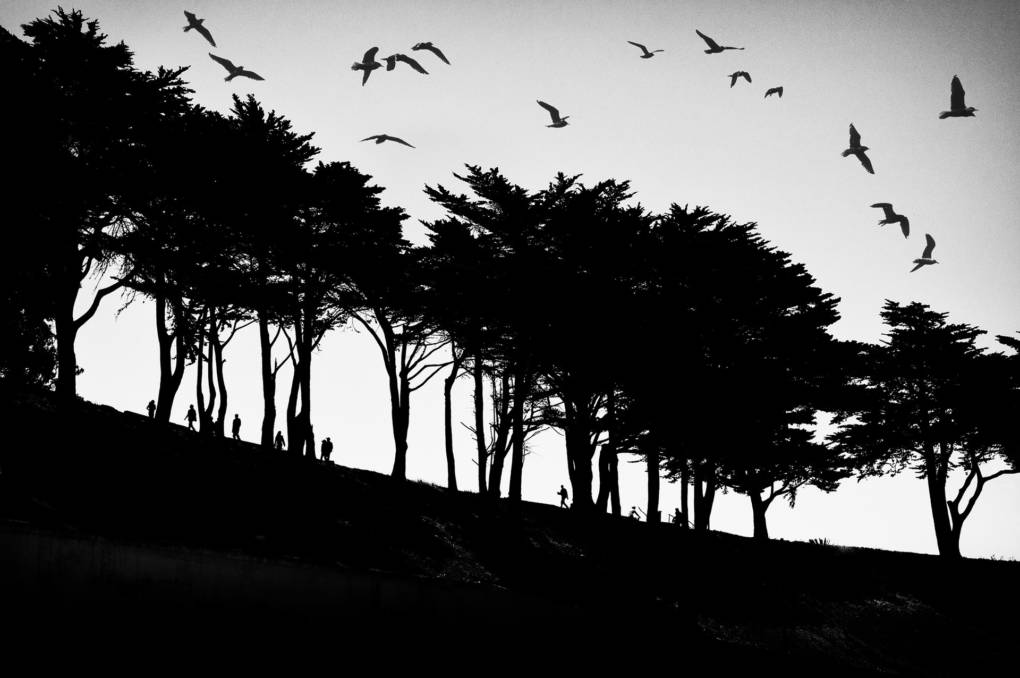
"caption": "Photographer Fred Lyon shot 'Treeline at Fort Mason' in 2017. It is currently on display in an exhibition at the Leica Gallery in San Francisco.",
"description": "Photographer Fred Lyon shot \"Treeline at Fort Mason\" in 2017. It is currently on display in an exhibition at the Leica Gallery in San Francisco.",
"title": "Fred Lyon \"Treeline\"",
"credit": "Fred Lyon",
"status": "inherit",
"isLoading": false,
"fetchFailed": false
},
"news_11628433": {
"type": "attachments",
"id": "news_11628433",
"meta": {
"index": "attachments_1716263798",
"site": "news",
"id": "11628433",
"found": true
},
"parent": 11628421,
"imgSizes": {
"small": {
"file": "https://ww2.kqed.org/app/uploads/sites/10/2017/11/RS24551__MG_8492-qut-520x347.jpg",
"width": 520,
"mimeType": "image/jpeg",
"height": 347
},
"twentyfourteen-full-width": {
"file": "https://ww2.kqed.org/app/uploads/sites/10/2017/11/RS24551__MG_8492-qut-1038x576.jpg",
"width": 1038,
"mimeType": "image/jpeg",
"height": 576
},
"thumbnail": {
"file": "https://ww2.kqed.org/app/uploads/sites/10/2017/11/RS24551__MG_8492-qut-160x107.jpg",
"width": 160,
"mimeType": "image/jpeg",
"height": 107
},
"fd-sm": {
"file": "https://ww2.kqed.org/app/uploads/sites/10/2017/11/RS24551__MG_8492-qut-960x640.jpg",
"width": 960,
"mimeType": "image/jpeg",
"height": 640
},
"post-thumbnail": {
"file": "https://ww2.kqed.org/app/uploads/sites/10/2017/11/RS24551__MG_8492-qut-672x372.jpg",
"width": 672,
"mimeType": "image/jpeg",
"height": 372
},
"xsmall": {
"file": "https://ww2.kqed.org/app/uploads/sites/10/2017/11/RS24551__MG_8492-qut-375x250.jpg",
"width": 375,
"mimeType": "image/jpeg",
"height": 250
},
"kqedFullSize": {
"file": "https://ww2.kqed.org/app/uploads/sites/10/2017/11/RS24551__MG_8492-qut.jpg",
"width": 1920,
"height": 1280
},
"large": {
"file": "https://ww2.kqed.org/app/uploads/sites/10/2017/11/RS24551__MG_8492-qut-1020x680.jpg",
"width": 1020,
"mimeType": "image/jpeg",
"height": 680
},
"xlarge": {
"file": "https://ww2.kqed.org/app/uploads/sites/10/2017/11/RS24551__MG_8492-qut-1180x787.jpg",
"width": 1180,
"mimeType": "image/jpeg",
"height": 787
},
"guest-author-50": {
"file": "https://ww2.kqed.org/app/uploads/sites/10/2017/11/RS24551__MG_8492-qut-50x50.jpg",
"width": 50,
"mimeType": "image/jpeg",
"height": 50
},
"guest-author-96": {
"file": "https://ww2.kqed.org/app/uploads/sites/10/2017/11/RS24551__MG_8492-qut-96x96.jpg",
"width": 96,
"mimeType": "image/jpeg",
"height": 96
},
"medium": {
"file": "https://ww2.kqed.org/app/uploads/sites/10/2017/11/RS24551__MG_8492-qut-800x533.jpg",
"width": 800,
"mimeType": "image/jpeg",
"height": 533
},
"guest-author-64": {
"file": "https://ww2.kqed.org/app/uploads/sites/10/2017/11/RS24551__MG_8492-qut-64x64.jpg",
"width": 64,
"mimeType": "image/jpeg",
"height": 64
},
"guest-author-32": {
"file": "https://ww2.kqed.org/app/uploads/sites/10/2017/11/RS24551__MG_8492-qut-32x32.jpg",
"width": 32,
"mimeType": "image/jpeg",
"height": 32
},
"fd-lrg": {
"file": "https://ww2.kqed.org/app/uploads/sites/10/2017/11/RS24551__MG_8492-qut-1920x1280.jpg",
"width": 1920,
"mimeType": "image/jpeg",
"height": 1280
},
"fd-med": {
"file": "https://ww2.kqed.org/app/uploads/sites/10/2017/11/RS24551__MG_8492-qut-1180x787.jpg",
"width": 1180,
"mimeType": "image/jpeg",
"height": 787
},
"full-width": {
"file": "https://ww2.kqed.org/app/uploads/sites/10/2017/11/RS24551__MG_8492-qut-1920x1280.jpg",
"width": 1920,
"mimeType": "image/jpeg",
"height": 1280
},
"detail": {
"file": "https://ww2.kqed.org/app/uploads/sites/10/2017/11/RS24551__MG_8492-qut-150x150.jpg",
"width": 150,
"mimeType": "image/jpeg",
"height": 150
},
"guest-author-128": {
"file": "https://ww2.kqed.org/app/uploads/sites/10/2017/11/RS24551__MG_8492-qut-128x128.jpg",
"width": 128,
"mimeType": "image/jpeg",
"height": 128
},
"xxsmall": {
"file": "https://ww2.kqed.org/app/uploads/sites/10/2017/11/RS24551__MG_8492-qut-240x160.jpg",
"width": 240,
"mimeType": "image/jpeg",
"height": 160
}
},
"publishDate": 1509927676,
"modified": 1510009283,
"caption": "Students in class at San Francisco International High School on March 9, 2017.",
"description": null,
"title": "RS24551__MG_8492-qut",
"credit": "Deborah Svoboda/KQED",
"status": "inherit",
"isLoading": false,
"fetchFailed": false
},
"news_11626357": {
"type": "attachments",
"id": "news_11626357",
"meta": {
"index": "attachments_1716263798",
"site": "news",
"id": "11626357",
"found": true
},
"parent": 11626285,
"imgSizes": {
"small": {
"file": "https://ww2.kqed.org/app/uploads/sites/10/2017/10/RS27752_IMG_9537-qut-520x347.jpg",
"width": 520,
"mimeType": "image/jpeg",
"height": 347
},
"twentyfourteen-full-width": {
"file": "https://ww2.kqed.org/app/uploads/sites/10/2017/10/RS27752_IMG_9537-qut-1038x576.jpg",
"width": 1038,
"mimeType": "image/jpeg",
"height": 576
},
"thumbnail": {
"file": "https://ww2.kqed.org/app/uploads/sites/10/2017/10/RS27752_IMG_9537-qut-160x107.jpg",
"width": 160,
"mimeType": "image/jpeg",
"height": 107
},
"fd-sm": {
"file": "https://ww2.kqed.org/app/uploads/sites/10/2017/10/RS27752_IMG_9537-qut-960x640.jpg",
"width": 960,
"mimeType": "image/jpeg",
"height": 640
},
"post-thumbnail": {
"file": "https://ww2.kqed.org/app/uploads/sites/10/2017/10/RS27752_IMG_9537-qut-672x372.jpg",
"width": 672,
"mimeType": "image/jpeg",
"height": 372
},
"xsmall": {
"file": "https://ww2.kqed.org/app/uploads/sites/10/2017/10/RS27752_IMG_9537-qut-375x250.jpg",
"width": 375,
"mimeType": "image/jpeg",
"height": 250
},
"kqedFullSize": {
"file": "https://ww2.kqed.org/app/uploads/sites/10/2017/10/RS27752_IMG_9537-qut.jpg",
"width": 1920,
"height": 1280
},
"large": {
"file": "https://ww2.kqed.org/app/uploads/sites/10/2017/10/RS27752_IMG_9537-qut-1020x680.jpg",
"width": 1020,
"mimeType": "image/jpeg",
"height": 680
},
"xlarge": {
"file": "https://ww2.kqed.org/app/uploads/sites/10/2017/10/RS27752_IMG_9537-qut-1180x787.jpg",
"width": 1180,
"mimeType": "image/jpeg",
"height": 787
},
"guest-author-50": {
"file": "https://ww2.kqed.org/app/uploads/sites/10/2017/10/RS27752_IMG_9537-qut-50x50.jpg",
"width": 50,
"mimeType": "image/jpeg",
"height": 50
},
"guest-author-96": {
"file": "https://ww2.kqed.org/app/uploads/sites/10/2017/10/RS27752_IMG_9537-qut-96x96.jpg",
"width": 96,
"mimeType": "image/jpeg",
"height": 96
},
"medium": {
"file": "https://ww2.kqed.org/app/uploads/sites/10/2017/10/RS27752_IMG_9537-qut-800x533.jpg",
"width": 800,
"mimeType": "image/jpeg",
"height": 533
},
"guest-author-64": {
"file": "https://ww2.kqed.org/app/uploads/sites/10/2017/10/RS27752_IMG_9537-qut-64x64.jpg",
"width": 64,
"mimeType": "image/jpeg",
"height": 64
},
"guest-author-32": {
"file": "https://ww2.kqed.org/app/uploads/sites/10/2017/10/RS27752_IMG_9537-qut-32x32.jpg",
"width": 32,
"mimeType": "image/jpeg",
"height": 32
},
"fd-lrg": {
"file": "https://ww2.kqed.org/app/uploads/sites/10/2017/10/RS27752_IMG_9537-qut-1920x1280.jpg",
"width": 1920,
"mimeType": "image/jpeg",
"height": 1280
},
"fd-med": {
"file": "https://ww2.kqed.org/app/uploads/sites/10/2017/10/RS27752_IMG_9537-qut-1180x787.jpg",
"width": 1180,
"mimeType": "image/jpeg",
"height": 787
},
"full-width": {
"file": "https://ww2.kqed.org/app/uploads/sites/10/2017/10/RS27752_IMG_9537-qut-1920x1280.jpg",
"width": 1920,
"mimeType": "image/jpeg",
"height": 1280
},
"detail": {
"file": "https://ww2.kqed.org/app/uploads/sites/10/2017/10/RS27752_IMG_9537-qut-150x150.jpg",
"width": 150,
"mimeType": "image/jpeg",
"height": 150
},
"guest-author-128": {
"file": "https://ww2.kqed.org/app/uploads/sites/10/2017/10/RS27752_IMG_9537-qut-128x128.jpg",
"width": 128,
"mimeType": "image/jpeg",
"height": 128
},
"xxsmall": {
"file": "https://ww2.kqed.org/app/uploads/sites/10/2017/10/RS27752_IMG_9537-qut-240x160.jpg",
"width": 240,
"mimeType": "image/jpeg",
"height": 160
}
},
"publishDate": 1509057956,
"modified": 1509578650,
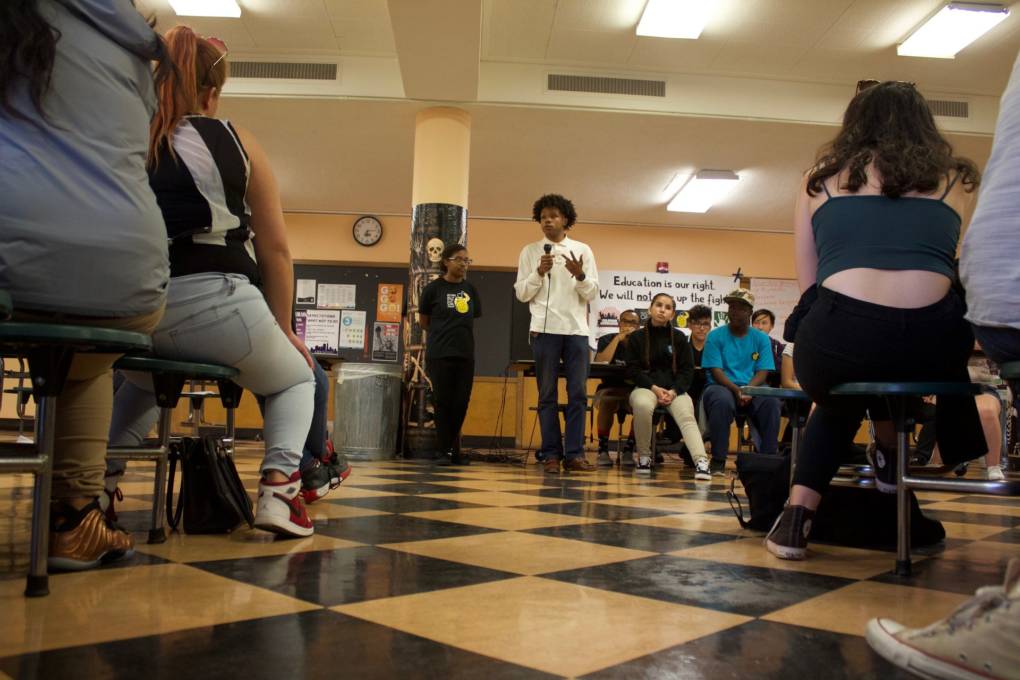
"caption": "Leroy Gatlin, representative from Causa Justa, speaks along with other youth leaders at a town hall in San Francisco, California, on Oct. 25, 2017.",
"description": "Leroy Gatlin, representative from Causa Justa, speaks along with other youth leaders at a town hall in San Francisco, California, on Oct. 25, 2017.",
"title": "RS27752_IMG_9537-qut",
"credit": "Audrey Garces/KQED",
"status": "inherit",
"isLoading": false,
"fetchFailed": false
},
"news_11627084": {
"type": "attachments",
"id": "news_11627084",
"meta": {
"index": "attachments_1716263798",
"site": "news",
"id": "11627084",
"found": true
},
"parent": 11627080,
"imgSizes": {
"small": {
"file": "https://ww2.kqed.org/app/uploads/sites/10/2017/10/BlackStudentAchievementMain-520x342.jpg",
"width": 520,
"mimeType": "image/jpeg",
"height": 342
},
"twentyfourteen-full-width": {
"file": "https://ww2.kqed.org/app/uploads/sites/10/2017/10/BlackStudentAchievementMain-1038x576.jpg",
"width": 1038,
"mimeType": "image/jpeg",
"height": 576
},
"thumbnail": {
"file": "https://ww2.kqed.org/app/uploads/sites/10/2017/10/BlackStudentAchievementMain-160x105.jpg",
"width": 160,
"mimeType": "image/jpeg",
"height": 105
},
"fd-sm": {
"file": "https://ww2.kqed.org/app/uploads/sites/10/2017/10/BlackStudentAchievementMain-960x631.jpg",
"width": 960,
"mimeType": "image/jpeg",
"height": 631
},
"post-thumbnail": {
"file": "https://ww2.kqed.org/app/uploads/sites/10/2017/10/BlackStudentAchievementMain-672x372.jpg",
"width": 672,
"mimeType": "image/jpeg",
"height": 372
},
"xsmall": {
"file": "https://ww2.kqed.org/app/uploads/sites/10/2017/10/BlackStudentAchievementMain-375x246.jpg",
"width": 375,
"mimeType": "image/jpeg",
"height": 246
},
"kqedFullSize": {
"file": "https://ww2.kqed.org/app/uploads/sites/10/2017/10/BlackStudentAchievementMain.jpg",
"width": 1920,
"height": 1261
},
"large": {
"file": "https://ww2.kqed.org/app/uploads/sites/10/2017/10/BlackStudentAchievementMain-1020x670.jpg",
"width": 1020,
"mimeType": "image/jpeg",
"height": 670
},
"xlarge": {
"file": "https://ww2.kqed.org/app/uploads/sites/10/2017/10/BlackStudentAchievementMain-1180x775.jpg",
"width": 1180,
"mimeType": "image/jpeg",
"height": 775
},
"guest-author-50": {
"file": "https://ww2.kqed.org/app/uploads/sites/10/2017/10/BlackStudentAchievementMain-50x50.jpg",
"width": 50,
"mimeType": "image/jpeg",
"height": 50
},
"guest-author-96": {
"file": "https://ww2.kqed.org/app/uploads/sites/10/2017/10/BlackStudentAchievementMain-96x96.jpg",
"width": 96,
"mimeType": "image/jpeg",
"height": 96
},
"medium": {
"file": "https://ww2.kqed.org/app/uploads/sites/10/2017/10/BlackStudentAchievementMain-800x525.jpg",
"width": 800,
"mimeType": "image/jpeg",
"height": 525
},
"guest-author-64": {
"file": "https://ww2.kqed.org/app/uploads/sites/10/2017/10/BlackStudentAchievementMain-64x64.jpg",
"width": 64,
"mimeType": "image/jpeg",
"height": 64
},
"guest-author-32": {
"file": "https://ww2.kqed.org/app/uploads/sites/10/2017/10/BlackStudentAchievementMain-32x32.jpg",
"width": 32,
"mimeType": "image/jpeg",
"height": 32
},
"fd-lrg": {
"file": "https://ww2.kqed.org/app/uploads/sites/10/2017/10/BlackStudentAchievementMain-1920x1261.jpg",
"width": 1920,
"mimeType": "image/jpeg",
"height": 1261
},
"fd-med": {
"file": "https://ww2.kqed.org/app/uploads/sites/10/2017/10/BlackStudentAchievementMain-1180x775.jpg",
"width": 1180,
"mimeType": "image/jpeg",
"height": 775
},
"full-width": {
"file": "https://ww2.kqed.org/app/uploads/sites/10/2017/10/BlackStudentAchievementMain-1920x1261.jpg",
"width": 1920,
"mimeType": "image/jpeg",
"height": 1261
},
"detail": {
"file": "https://ww2.kqed.org/app/uploads/sites/10/2017/10/BlackStudentAchievementMain-150x150.jpg",
"width": 150,
"mimeType": "image/jpeg",
"height": 150
},
"guest-author-128": {
"file": "https://ww2.kqed.org/app/uploads/sites/10/2017/10/BlackStudentAchievementMain-128x128.jpg",
"width": 128,
"mimeType": "image/jpeg",
"height": 128
},
"xxsmall": {
"file": "https://ww2.kqed.org/app/uploads/sites/10/2017/10/BlackStudentAchievementMain-240x158.jpg",
"width": 240,
"mimeType": "image/jpeg",
"height": 158
}
},
"publishDate": 1509477791,
"modified": 1509477834,
"caption": "Principal Charleston Brown oversees dismissal at Willie L. Brown Jr. Middle School in San Francisco’s Bayview neighborhood. His black students struggle to pass state tests in reading and math.",
"description": "Principal Charleston Brown oversees dismissal at Willie L. Brown Jr. Middle School in San Francisco’s Bayview neighborhood. His black students struggle to pass state tests in reading and math.",
"title": "BlackStudentAchievementMain",
"credit": "Penni Gladstone/CALmatters",
"status": "inherit",
"isLoading": false,
"fetchFailed": false
},
"news_11624758": {
"type": "attachments",
"id": "news_11624758",
"meta": {
"index": "attachments_1716263798",
"site": "news",
"id": "11624758",
"found": true
},
"parent": 11624703,
"imgSizes": {
"small": {
"file": "https://ww2.kqed.org/app/uploads/sites/10/2017/10/6008632461_f17073f240_o-520x390.jpg",
"width": 520,
"mimeType": "image/jpeg",
"height": 390
},
"twentyfourteen-full-width": {
"file": "https://ww2.kqed.org/app/uploads/sites/10/2017/10/6008632461_f17073f240_o-1038x576.jpg",
"width": 1038,
"mimeType": "image/jpeg",
"height": 576
},
"thumbnail": {
"file": "https://ww2.kqed.org/app/uploads/sites/10/2017/10/6008632461_f17073f240_o-160x120.jpg",
"width": 160,
"mimeType": "image/jpeg",
"height": 120
},
"fd-sm": {
"file": "https://ww2.kqed.org/app/uploads/sites/10/2017/10/6008632461_f17073f240_o-960x720.jpg",
"width": 960,
"mimeType": "image/jpeg",
"height": 720
},
"post-thumbnail": {
"file": "https://ww2.kqed.org/app/uploads/sites/10/2017/10/6008632461_f17073f240_o-672x372.jpg",
"width": 672,
"mimeType": "image/jpeg",
"height": 372
},
"xsmall": {
"file": "https://ww2.kqed.org/app/uploads/sites/10/2017/10/6008632461_f17073f240_o-375x281.jpg",
"width": 375,
"mimeType": "image/jpeg",
"height": 281
},
"kqedFullSize": {
"file": "https://ww2.kqed.org/app/uploads/sites/10/2017/10/6008632461_f17073f240_o-e1508453594738.jpg",
"width": 1920,
"height": 1440
},
"large": {
"file": "https://ww2.kqed.org/app/uploads/sites/10/2017/10/6008632461_f17073f240_o-1020x765.jpg",
"width": 1020,
"mimeType": "image/jpeg",
"height": 765
},
"xlarge": {
"file": "https://ww2.kqed.org/app/uploads/sites/10/2017/10/6008632461_f17073f240_o-1180x885.jpg",
"width": 1180,
"mimeType": "image/jpeg",
"height": 885
},
"guest-author-50": {
"file": "https://ww2.kqed.org/app/uploads/sites/10/2017/10/6008632461_f17073f240_o-50x50.jpg",
"width": 50,
"mimeType": "image/jpeg",
"height": 50
},
"guest-author-96": {
"file": "https://ww2.kqed.org/app/uploads/sites/10/2017/10/6008632461_f17073f240_o-96x96.jpg",
"width": 96,
"mimeType": "image/jpeg",
"height": 96
},
"medium": {
"file": "https://ww2.kqed.org/app/uploads/sites/10/2017/10/6008632461_f17073f240_o-800x600.jpg",
"width": 800,
"mimeType": "image/jpeg",
"height": 600
},
"guest-author-64": {
"file": "https://ww2.kqed.org/app/uploads/sites/10/2017/10/6008632461_f17073f240_o-64x64.jpg",
"width": 64,
"mimeType": "image/jpeg",
"height": 64
},
"guest-author-32": {
"file": "https://ww2.kqed.org/app/uploads/sites/10/2017/10/6008632461_f17073f240_o-32x32.jpg",
"width": 32,
"mimeType": "image/jpeg",
"height": 32
},
"fd-lrg": {
"file": "https://ww2.kqed.org/app/uploads/sites/10/2017/10/6008632461_f17073f240_o-1920x1440.jpg",
"width": 1920,
"mimeType": "image/jpeg",
"height": 1440
},
"fd-med": {
"file": "https://ww2.kqed.org/app/uploads/sites/10/2017/10/6008632461_f17073f240_o-1180x885.jpg",
"width": 1180,
"mimeType": "image/jpeg",
"height": 885
},
"full-width": {
"file": "https://ww2.kqed.org/app/uploads/sites/10/2017/10/6008632461_f17073f240_o-1920x1440.jpg",
"width": 1920,
"mimeType": "image/jpeg",
"height": 1440
},
"detail": {
"file": "https://ww2.kqed.org/app/uploads/sites/10/2017/10/6008632461_f17073f240_o-150x150.jpg",
"width": 150,
"mimeType": "image/jpeg",
"height": 150
},
"guest-author-128": {
"file": "https://ww2.kqed.org/app/uploads/sites/10/2017/10/6008632461_f17073f240_o-128x128.jpg",
"width": 128,
"mimeType": "image/jpeg",
"height": 128
},
"xxsmall": {
"file": "https://ww2.kqed.org/app/uploads/sites/10/2017/10/6008632461_f17073f240_o-240x180.jpg",
"width": 240,
"mimeType": "image/jpeg",
"height": 180
}
},
"publishDate": 1508453525,
"modified": 1508453585,
"caption": "Justin Herman Plaza in 2011.",
"description": null,
"title": "6008632461_f17073f240_o",
"credit": "mary.thengvall/Flickr",
"status": "inherit",
"isLoading": false,
"fetchFailed": false
},
"news_11622623": {
"type": "attachments",
"id": "news_11622623",
"meta": {
"index": "attachments_1716263798",
"site": "news",
"id": "11622623",
"found": true
},
"parent": 11622517,
"imgSizes": {
"small": {
"file": "https://ww2.kqed.org/app/uploads/sites/10/2017/10/Airbnb-520x347.jpg",
"width": 520,
"mimeType": "image/jpeg",
"height": 347
},
"twentyfourteen-full-width": {
"file": "https://ww2.kqed.org/app/uploads/sites/10/2017/10/Airbnb-1038x576.jpg",
"width": 1038,
"mimeType": "image/jpeg",
"height": 576
},
"thumbnail": {
"file": "https://ww2.kqed.org/app/uploads/sites/10/2017/10/Airbnb-160x107.jpg",
"width": 160,
"mimeType": "image/jpeg",
"height": 107
},
"fd-sm": {
"file": "https://ww2.kqed.org/app/uploads/sites/10/2017/10/Airbnb-960x640.jpg",
"width": 960,
"mimeType": "image/jpeg",
"height": 640
},
"post-thumbnail": {
"file": "https://ww2.kqed.org/app/uploads/sites/10/2017/10/Airbnb-672x372.jpg",
"width": 672,
"mimeType": "image/jpeg",
"height": 372
},
"xsmall": {
"file": "https://ww2.kqed.org/app/uploads/sites/10/2017/10/Airbnb-375x250.jpg",
"width": 375,
"mimeType": "image/jpeg",
"height": 250
},
"kqedFullSize": {
"file": "https://ww2.kqed.org/app/uploads/sites/10/2017/10/Airbnb.jpg",
"width": 1920,
"height": 1280
},
"large": {
"file": "https://ww2.kqed.org/app/uploads/sites/10/2017/10/Airbnb-1020x680.jpg",
"width": 1020,
"mimeType": "image/jpeg",
"height": 680
},
"xlarge": {
"file": "https://ww2.kqed.org/app/uploads/sites/10/2017/10/Airbnb-1180x787.jpg",
"width": 1180,
"mimeType": "image/jpeg",
"height": 787
},
"guest-author-50": {
"file": "https://ww2.kqed.org/app/uploads/sites/10/2017/10/Airbnb-50x50.jpg",
"width": 50,
"mimeType": "image/jpeg",
"height": 50
},
"guest-author-96": {
"file": "https://ww2.kqed.org/app/uploads/sites/10/2017/10/Airbnb-96x96.jpg",
"width": 96,
"mimeType": "image/jpeg",
"height": 96
},
"medium": {
"file": "https://ww2.kqed.org/app/uploads/sites/10/2017/10/Airbnb-800x533.jpg",
"width": 800,
"mimeType": "image/jpeg",
"height": 533
},
"guest-author-64": {
"file": "https://ww2.kqed.org/app/uploads/sites/10/2017/10/Airbnb-64x64.jpg",
"width": 64,
"mimeType": "image/jpeg",
"height": 64
},
"guest-author-32": {
"file": "https://ww2.kqed.org/app/uploads/sites/10/2017/10/Airbnb-32x32.jpg",
"width": 32,
"mimeType": "image/jpeg",
"height": 32
},
"fd-lrg": {
"file": "https://ww2.kqed.org/app/uploads/sites/10/2017/10/Airbnb-1920x1280.jpg",
"width": 1920,
"mimeType": "image/jpeg",
"height": 1280
},
"fd-med": {
"file": "https://ww2.kqed.org/app/uploads/sites/10/2017/10/Airbnb-1180x787.jpg",
"width": 1180,
"mimeType": "image/jpeg",
"height": 787
},
"full-width": {
"file": "https://ww2.kqed.org/app/uploads/sites/10/2017/10/Airbnb-1920x1280.jpg",
"width": 1920,
"mimeType": "image/jpeg",
"height": 1280
},
"detail": {
"file": "https://ww2.kqed.org/app/uploads/sites/10/2017/10/Airbnb-150x150.jpg",
"width": 150,
"mimeType": "image/jpeg",
"height": 150
},
"guest-author-128": {
"file": "https://ww2.kqed.org/app/uploads/sites/10/2017/10/Airbnb-128x128.jpg",
"width": 128,
"mimeType": "image/jpeg",
"height": 128
},
"xxsmall": {
"file": "https://ww2.kqed.org/app/uploads/sites/10/2017/10/Airbnb-240x160.jpg",
"width": 240,
"mimeType": "image/jpeg",
"height": 160
}
},
"publishDate": 1507763247,
"modified": 1507765084,
"caption": "After Airbnb activated its disaster response tool to help those impacted by the fires on Monday, more than 200 people signed up so far to host evacuees.",
"description": "After Airbnb activated its disaster response tool to help those impacted by the fires on Monday, more than 200 people have signed up to host evacuees.",
"title": "Airbnb",
"credit": "Carl Court/Getty Images",
"status": "inherit",
"isLoading": false,
"fetchFailed": false
},
"news_11621663": {
"type": "attachments",
"id": "news_11621663",
"meta": {
"index": "attachments_1716263798",
"site": "news",
"id": "11621663",
"found": true
},
"parent": 11621656,
"imgSizes": {
"small": {
"file": "https://ww2.kqed.org/app/uploads/sites/10/2017/10/NR501_WEB-SHOW_MARQ-520x293.jpg",
"width": 520,
"mimeType": "image/jpeg",
"height": 293
},
"twentyfourteen-full-width": {
"file": "https://ww2.kqed.org/app/uploads/sites/10/2017/10/NR501_WEB-SHOW_MARQ-1038x576.jpg",
"width": 1038,
"mimeType": "image/jpeg",
"height": 576
},
"thumbnail": {
"file": "https://ww2.kqed.org/app/uploads/sites/10/2017/10/NR501_WEB-SHOW_MARQ-160x90.jpg",
"width": 160,
"mimeType": "image/jpeg",
"height": 90
},
"fd-sm": {
"file": "https://ww2.kqed.org/app/uploads/sites/10/2017/10/NR501_WEB-SHOW_MARQ-960x540.jpg",
"width": 960,
"mimeType": "image/jpeg",
"height": 540
},
"post-thumbnail": {
"file": "https://ww2.kqed.org/app/uploads/sites/10/2017/10/NR501_WEB-SHOW_MARQ-672x372.jpg",
"width": 672,
"mimeType": "image/jpeg",
"height": 372
},
"xsmall": {
"file": "https://ww2.kqed.org/app/uploads/sites/10/2017/10/NR501_WEB-SHOW_MARQ-375x211.jpg",
"width": 375,
"mimeType": "image/jpeg",
"height": 211
},
"kqedFullSize": {
"file": "https://ww2.kqed.org/app/uploads/sites/10/2017/10/NR501_WEB-SHOW_MARQ.jpg",
"width": 1280,
"height": 720
},
"large": {
"file": "https://ww2.kqed.org/app/uploads/sites/10/2017/10/NR501_WEB-SHOW_MARQ-1020x574.jpg",
"width": 1020,
"mimeType": "image/jpeg",
"height": 574
},
"xlarge": {
"file": "https://ww2.kqed.org/app/uploads/sites/10/2017/10/NR501_WEB-SHOW_MARQ-1180x664.jpg",
"width": 1180,
"mimeType": "image/jpeg",
"height": 664
},
"guest-author-50": {
"file": "https://ww2.kqed.org/app/uploads/sites/10/2017/10/NR501_WEB-SHOW_MARQ-50x50.jpg",
"width": 50,
"mimeType": "image/jpeg",
"height": 50
},
"guest-author-96": {
"file": "https://ww2.kqed.org/app/uploads/sites/10/2017/10/NR501_WEB-SHOW_MARQ-96x96.jpg",
"width": 96,
"mimeType": "image/jpeg",
"height": 96
},
"medium": {
"file": "https://ww2.kqed.org/app/uploads/sites/10/2017/10/NR501_WEB-SHOW_MARQ-800x450.jpg",
"width": 800,
"mimeType": "image/jpeg",
"height": 450
},
"guest-author-64": {
"file": "https://ww2.kqed.org/app/uploads/sites/10/2017/10/NR501_WEB-SHOW_MARQ-64x64.jpg",
"width": 64,
"mimeType": "image/jpeg",
"height": 64
},
"guest-author-32": {
"file": "https://ww2.kqed.org/app/uploads/sites/10/2017/10/NR501_WEB-SHOW_MARQ-32x32.jpg",
"width": 32,
"mimeType": "image/jpeg",
"height": 32
},
"fd-med": {
"file": "https://ww2.kqed.org/app/uploads/sites/10/2017/10/NR501_WEB-SHOW_MARQ-1180x664.jpg",
"width": 1180,
"mimeType": "image/jpeg",
"height": 664
},
"detail": {
"file": "https://ww2.kqed.org/app/uploads/sites/10/2017/10/NR501_WEB-SHOW_MARQ-150x150.jpg",
"width": 150,
"mimeType": "image/jpeg",
"height": 150
},
"guest-author-128": {
"file": "https://ww2.kqed.org/app/uploads/sites/10/2017/10/NR501_WEB-SHOW_MARQ-128x128.jpg",
"width": 128,
"mimeType": "image/jpeg",
"height": 128
},
"xxsmall": {
"file": "https://ww2.kqed.org/app/uploads/sites/10/2017/10/NR501_WEB-SHOW_MARQ-240x135.jpg",
"width": 240,
"mimeType": "image/jpeg",
"height": 135
}
},
"publishDate": 1507338416,
"modified": 1507338416,
"caption": null,
"description": null,
"title": "NR501_WEB SHOW_MARQ",
"credit": null,
"status": "inherit",
"isLoading": false,
"fetchFailed": false
},
"news_11621281": {
"type": "attachments",
"id": "news_11621281",
"meta": {
"index": "attachments_1716263798",
"site": "news",
"id": "11621281",
"found": true
},
"parent": 11621280,
"imgSizes": {
"small": {
"file": "https://ww2.kqed.org/app/uploads/sites/10/2017/10/gettyimages-856745050_wide-e96682506849c48e8f25b74dfe1ea94a98f8ff2a-520x292.jpg",
"width": 520,
"mimeType": "image/jpeg",
"height": 292
},
"twentyfourteen-full-width": {
"file": "https://ww2.kqed.org/app/uploads/sites/10/2017/10/gettyimages-856745050_wide-e96682506849c48e8f25b74dfe1ea94a98f8ff2a-1038x576.jpg",
"width": 1038,
"mimeType": "image/jpeg",
"height": 576
},
"thumbnail": {
"file": "https://ww2.kqed.org/app/uploads/sites/10/2017/10/gettyimages-856745050_wide-e96682506849c48e8f25b74dfe1ea94a98f8ff2a-160x90.jpg",
"width": 160,
"mimeType": "image/jpeg",
"height": 90
},
"fd-sm": {
"file": "https://ww2.kqed.org/app/uploads/sites/10/2017/10/gettyimages-856745050_wide-e96682506849c48e8f25b74dfe1ea94a98f8ff2a-960x540.jpg",
"width": 960,
"mimeType": "image/jpeg",
"height": 540
},
"post-thumbnail": {
"file": "https://ww2.kqed.org/app/uploads/sites/10/2017/10/gettyimages-856745050_wide-e96682506849c48e8f25b74dfe1ea94a98f8ff2a-672x372.jpg",
"width": 672,
"mimeType": "image/jpeg",
"height": 372
},
"xsmall": {
"file": "https://ww2.kqed.org/app/uploads/sites/10/2017/10/gettyimages-856745050_wide-e96682506849c48e8f25b74dfe1ea94a98f8ff2a-375x211.jpg",
"width": 375,
"mimeType": "image/jpeg",
"height": 211
},
"kqedFullSize": {
"file": "https://ww2.kqed.org/app/uploads/sites/10/2017/10/gettyimages-856745050_wide-e96682506849c48e8f25b74dfe1ea94a98f8ff2a.jpg",
"width": 3000,
"height": 1687
},
"large": {
"file": "https://ww2.kqed.org/app/uploads/sites/10/2017/10/gettyimages-856745050_wide-e96682506849c48e8f25b74dfe1ea94a98f8ff2a-1020x574.jpg",
"width": 1020,
"mimeType": "image/jpeg",
"height": 574
},
"xlarge": {
"file": "https://ww2.kqed.org/app/uploads/sites/10/2017/10/gettyimages-856745050_wide-e96682506849c48e8f25b74dfe1ea94a98f8ff2a-1180x664.jpg",
"width": 1180,
"mimeType": "image/jpeg",
"height": 664
},
"guest-author-50": {
"file": "https://ww2.kqed.org/app/uploads/sites/10/2017/10/gettyimages-856745050_wide-e96682506849c48e8f25b74dfe1ea94a98f8ff2a-50x50.jpg",
"width": 50,
"mimeType": "image/jpeg",
"height": 50
},
"guest-author-96": {
"file": "https://ww2.kqed.org/app/uploads/sites/10/2017/10/gettyimages-856745050_wide-e96682506849c48e8f25b74dfe1ea94a98f8ff2a-96x96.jpg",
"width": 96,
"mimeType": "image/jpeg",
"height": 96
},
"medium": {
"file": "https://ww2.kqed.org/app/uploads/sites/10/2017/10/gettyimages-856745050_wide-e96682506849c48e8f25b74dfe1ea94a98f8ff2a-800x450.jpg",
"width": 800,
"mimeType": "image/jpeg",
"height": 450
},
"guest-author-64": {
"file": "https://ww2.kqed.org/app/uploads/sites/10/2017/10/gettyimages-856745050_wide-e96682506849c48e8f25b74dfe1ea94a98f8ff2a-64x64.jpg",
"width": 64,
"mimeType": "image/jpeg",
"height": 64
},
"guest-author-32": {
"file": "https://ww2.kqed.org/app/uploads/sites/10/2017/10/gettyimages-856745050_wide-e96682506849c48e8f25b74dfe1ea94a98f8ff2a-32x32.jpg",
"width": 32,
"mimeType": "image/jpeg",
"height": 32
},
"fd-lrg": {
"file": "https://ww2.kqed.org/app/uploads/sites/10/2017/10/gettyimages-856745050_wide-e96682506849c48e8f25b74dfe1ea94a98f8ff2a-1920x1080.jpg",
"width": 1920,
"mimeType": "image/jpeg",
"height": 1080
},
"fd-med": {
"file": "https://ww2.kqed.org/app/uploads/sites/10/2017/10/gettyimages-856745050_wide-e96682506849c48e8f25b74dfe1ea94a98f8ff2a-1180x664.jpg",
"width": 1180,
"mimeType": "image/jpeg",
"height": 664
},
"full-width": {
"file": "https://ww2.kqed.org/app/uploads/sites/10/2017/10/gettyimages-856745050_wide-e96682506849c48e8f25b74dfe1ea94a98f8ff2a-1920x1080.jpg",
"width": 1920,
"mimeType": "image/jpeg",
"height": 1080
},
"detail": {
"file": "https://ww2.kqed.org/app/uploads/sites/10/2017/10/gettyimages-856745050_wide-e96682506849c48e8f25b74dfe1ea94a98f8ff2a-150x150.jpg",
"width": 150,
"mimeType": "image/jpeg",
"height": 150
},
"guest-author-128": {
"file": "https://ww2.kqed.org/app/uploads/sites/10/2017/10/gettyimages-856745050_wide-e96682506849c48e8f25b74dfe1ea94a98f8ff2a-128x128.jpg",
"width": 128,
"mimeType": "image/jpeg",
"height": 128
},
"xxsmall": {
"file": "https://ww2.kqed.org/app/uploads/sites/10/2017/10/gettyimages-856745050_wide-e96682506849c48e8f25b74dfe1ea94a98f8ff2a-240x135.jpg",
"width": 240,
"mimeType": "image/jpeg",
"height": 135
}
},
"publishDate": 1507238128,
"modified": 1507240379,
"caption": "White House Press Secretary Sarah Huckabee Sanders conducts the daily press briefing at the White House on Monday in Washington, D.C.",
"description": "White House Press Secretary Sarah Huckabee Sanders conducts the daily press briefing at the White House on Monday in Washington, D.C.",
"title": null,
"credit": "Chip Somodevilla/Getty Images",
"status": "inherit",
"isLoading": false,
"fetchFailed": false
},
"news_11621166": {
"type": "attachments",
"id": "news_11621166",
"meta": {
"index": "attachments_1716263798",
"site": "news",
"id": "11621166",
"found": true
},
"parent": 11621161,
"imgSizes": {
"small": {
"file": "https://ww2.kqed.org/app/uploads/sites/10/2017/10/Countdown_pedestrian_signal-520x385.jpg",
"width": 520,
"mimeType": "image/jpeg",
"height": 385
},
"thumbnail": {
"file": "https://ww2.kqed.org/app/uploads/sites/10/2017/10/Countdown_pedestrian_signal-160x118.jpg",
"width": 160,
"mimeType": "image/jpeg",
"height": 118
},
"post-thumbnail": {
"file": "https://ww2.kqed.org/app/uploads/sites/10/2017/10/Countdown_pedestrian_signal-672x372.jpg",
"width": 672,
"mimeType": "image/jpeg",
"height": 372
},
"xsmall": {
"file": "https://ww2.kqed.org/app/uploads/sites/10/2017/10/Countdown_pedestrian_signal-375x278.jpg",
"width": 375,
"mimeType": "image/jpeg",
"height": 278
},
"kqedFullSize": {
"file": "https://ww2.kqed.org/app/uploads/sites/10/2017/10/Countdown_pedestrian_signal.jpg",
"width": 700,
"height": 518
},
"guest-author-50": {
"file": "https://ww2.kqed.org/app/uploads/sites/10/2017/10/Countdown_pedestrian_signal-50x50.jpg",
"width": 50,
"mimeType": "image/jpeg",
"height": 50
},
"guest-author-96": {
"file": "https://ww2.kqed.org/app/uploads/sites/10/2017/10/Countdown_pedestrian_signal-96x96.jpg",
"width": 96,
"mimeType": "image/jpeg",
"height": 96
},
"guest-author-64": {
"file": "https://ww2.kqed.org/app/uploads/sites/10/2017/10/Countdown_pedestrian_signal-64x64.jpg",
"width": 64,
"mimeType": "image/jpeg",
"height": 64
},
"detail": {
"file": "https://ww2.kqed.org/app/uploads/sites/10/2017/10/Countdown_pedestrian_signal-150x150.jpg",
"width": 150,
"mimeType": "image/jpeg",
"height": 150
},
"guest-author-32": {
"file": "https://ww2.kqed.org/app/uploads/sites/10/2017/10/Countdown_pedestrian_signal-32x32.jpg",
"width": 32,
"mimeType": "image/jpeg",
"height": 32
},
"guest-author-128": {
"file": "https://ww2.kqed.org/app/uploads/sites/10/2017/10/Countdown_pedestrian_signal-128x128.jpg",
"width": 128,
"mimeType": "image/jpeg",
"height": 128
},
"xxsmall": {
"file": "https://ww2.kqed.org/app/uploads/sites/10/2017/10/Countdown_pedestrian_signal-240x178.jpg",
"width": 240,
"mimeType": "image/jpeg",
"height": 178
}
},
"publishDate": 1507187103,
"modified": 1507187158,
"caption": "A pedestrian countdown signal in Cupertino.",
"description": null,
"title": "Pedestrian Countdown Signal",
"credit": "Wikimedia Commons",
"status": "inherit",
"isLoading": false,
"fetchFailed": false
},
"news_11027332": {
"type": "attachments",
"id": "news_11027332",
"meta": {
"index": "attachments_1716263798",
"site": "news",
"id": "11027332",
"found": true
},
"parent": 11019150,
"imgSizes": {
"twentyfourteen-full-width": {
"file": "https://ww2.kqed.org/app/uploads/sites/10/2017/07/ShipyardConstruciton-1038x576.jpg",
"width": 1038,
"mimeType": "image/jpeg",
"height": 576
},
"thumbnail": {
"file": "https://ww2.kqed.org/app/uploads/sites/10/2017/07/ShipyardConstruciton-400x251.jpg",
"width": 400,
"mimeType": "image/jpeg",
"height": 251
},
"fd-sm": {
"file": "https://ww2.kqed.org/app/uploads/sites/10/2017/07/ShipyardConstruciton-960x603.jpg",
"width": 960,
"mimeType": "image/jpeg",
"height": 603
},
"post-thumbnail": {
"file": "https://ww2.kqed.org/app/uploads/sites/10/2017/07/ShipyardConstruciton-672x372.jpg",
"width": 672,
"mimeType": "image/jpeg",
"height": 372
},
"kqedFullSize": {
"file": "https://ww2.kqed.org/app/uploads/sites/10/2017/07/ShipyardConstruciton.jpg",
"width": 1920,
"height": 1205
},
"large": {
"file": "https://ww2.kqed.org/app/uploads/sites/10/2017/07/ShipyardConstruciton-1920x1205.jpg",
"width": 1920,
"mimeType": "image/jpeg",
"height": 1205
},
"guest-author-50": {
"file": "https://ww2.kqed.org/app/uploads/sites/10/2017/07/ShipyardConstruciton-50x50.jpg",
"width": 50,
"mimeType": "image/jpeg",
"height": 50
},
"guest-author-96": {
"file": "https://ww2.kqed.org/app/uploads/sites/10/2017/07/ShipyardConstruciton-96x96.jpg",
"width": 96,
"mimeType": "image/jpeg",
"height": 96
},
"medium": {
"file": "https://ww2.kqed.org/app/uploads/sites/10/2017/07/ShipyardConstruciton-800x502.jpg",
"width": 800,
"mimeType": "image/jpeg",
"height": 502
},
"guest-author-64": {
"file": "https://ww2.kqed.org/app/uploads/sites/10/2017/07/ShipyardConstruciton-64x64.jpg",
"width": 64,
"mimeType": "image/jpeg",
"height": 64
},
"guest-author-32": {
"file": "https://ww2.kqed.org/app/uploads/sites/10/2017/07/ShipyardConstruciton-32x32.jpg",
"width": 32,
"mimeType": "image/jpeg",
"height": 32
},
"jmtc-small-thumb": {
"file": "https://ww2.kqed.org/app/uploads/sites/10/2017/07/ShipyardConstruciton-280x150.jpg",
"width": 280,
"mimeType": "image/jpeg",
"height": 150
},
"fd-lrg": {
"file": "https://ww2.kqed.org/app/uploads/sites/10/2017/07/ShipyardConstruciton-1920x1205.jpg",
"width": 1920,
"mimeType": "image/jpeg",
"height": 1205
},
"fd-med": {
"file": "https://ww2.kqed.org/app/uploads/sites/10/2017/07/ShipyardConstruciton-1180x741.jpg",
"width": 1180,
"mimeType": "image/jpeg",
"height": 741
},
"detail": {
"file": "https://ww2.kqed.org/app/uploads/sites/10/2017/07/ShipyardConstruciton-150x150.jpg",
"width": 150,
"mimeType": "image/jpeg",
"height": 150
},
"guest-author-128": {
"file": "https://ww2.kqed.org/app/uploads/sites/10/2017/07/ShipyardConstruciton-128x128.jpg",
"width": 128,
"mimeType": "image/jpeg",
"height": 128
}
},
"publishDate": 1469151803,
"modified": 1469151914,
"caption": "Construction workers outside new apartment buildings in the San Francisco Shipyard development at Hunters Point.",
"description": "Construction workers outside new apartment buildings in the San Francisco Shipyard development at Hunters Point.",
"title": "ShipyardConstruciton",
"credit": "Brittany Hosea-Small/KQED",
"status": "inherit",
"isLoading": false,
"fetchFailed": false
},
"news_11619406": {
"type": "attachments",
"id": "news_11619406",
"meta": {
"index": "attachments_1716263798",
"site": "news",
"id": "11619406",
"found": true
},
"parent": 11619404,
"imgSizes": {
"small": {
"file": "https://ww2.kqed.org/app/uploads/sites/10/2017/09/LeeHerrera-520x329.jpg",
"width": 520,
"mimeType": "image/jpeg",
"height": 329
},
"twentyfourteen-full-width": {
"file": "https://ww2.kqed.org/app/uploads/sites/10/2017/09/LeeHerrera-1038x576.jpg",
"width": 1038,
"mimeType": "image/jpeg",
"height": 576
},
"thumbnail": {
"file": "https://ww2.kqed.org/app/uploads/sites/10/2017/09/LeeHerrera-160x101.jpg",
"width": 160,
"mimeType": "image/jpeg",
"height": 101
},
"fd-sm": {
"file": "https://ww2.kqed.org/app/uploads/sites/10/2017/09/LeeHerrera-960x608.jpg",
"width": 960,
"mimeType": "image/jpeg",
"height": 608
},
"post-thumbnail": {
"file": "https://ww2.kqed.org/app/uploads/sites/10/2017/09/LeeHerrera-672x372.jpg",
"width": 672,
"mimeType": "image/jpeg",
"height": 372
},
"xsmall": {
"file": "https://ww2.kqed.org/app/uploads/sites/10/2017/09/LeeHerrera-375x237.jpg",
"width": 375,
"mimeType": "image/jpeg",
"height": 237
},
"kqedFullSize": {
"file": "https://ww2.kqed.org/app/uploads/sites/10/2017/09/LeeHerrera.jpg",
"width": 1920,
"height": 1215
},
"large": {
"file": "https://ww2.kqed.org/app/uploads/sites/10/2017/09/LeeHerrera-1020x645.jpg",
"width": 1020,
"mimeType": "image/jpeg",
"height": 645
},
"xlarge": {
"file": "https://ww2.kqed.org/app/uploads/sites/10/2017/09/LeeHerrera-1180x747.jpg",
"width": 1180,
"mimeType": "image/jpeg",
"height": 747
},
"guest-author-50": {
"file": "https://ww2.kqed.org/app/uploads/sites/10/2017/09/LeeHerrera-50x50.jpg",
"width": 50,
"mimeType": "image/jpeg",
"height": 50
},
"guest-author-96": {
"file": "https://ww2.kqed.org/app/uploads/sites/10/2017/09/LeeHerrera-96x96.jpg",
"width": 96,
"mimeType": "image/jpeg",
"height": 96
},
"medium": {
"file": "https://ww2.kqed.org/app/uploads/sites/10/2017/09/LeeHerrera-800x506.jpg",
"width": 800,
"mimeType": "image/jpeg",
"height": 506
},
"guest-author-64": {
"file": "https://ww2.kqed.org/app/uploads/sites/10/2017/09/LeeHerrera-64x64.jpg",
"width": 64,
"mimeType": "image/jpeg",
"height": 64
},
"guest-author-32": {
"file": "https://ww2.kqed.org/app/uploads/sites/10/2017/09/LeeHerrera-32x32.jpg",
"width": 32,
"mimeType": "image/jpeg",
"height": 32
},
"fd-lrg": {
"file": "https://ww2.kqed.org/app/uploads/sites/10/2017/09/LeeHerrera-1920x1215.jpg",
"width": 1920,
"mimeType": "image/jpeg",
"height": 1215
},
"fd-med": {
"file": "https://ww2.kqed.org/app/uploads/sites/10/2017/09/LeeHerrera-1180x747.jpg",
"width": 1180,
"mimeType": "image/jpeg",
"height": 747
},
"full-width": {
"file": "https://ww2.kqed.org/app/uploads/sites/10/2017/09/LeeHerrera-1920x1215.jpg",
"width": 1920,
"mimeType": "image/jpeg",
"height": 1215
},
"detail": {
"file": "https://ww2.kqed.org/app/uploads/sites/10/2017/09/LeeHerrera-150x150.jpg",
"width": 150,
"mimeType": "image/jpeg",
"height": 150
},
"guest-author-128": {
"file": "https://ww2.kqed.org/app/uploads/sites/10/2017/09/LeeHerrera-128x128.jpg",
"width": 128,
"mimeType": "image/jpeg",
"height": 128
},
"xxsmall": {
"file": "https://ww2.kqed.org/app/uploads/sites/10/2017/09/LeeHerrera-240x152.jpg",
"width": 240,
"mimeType": "image/jpeg",
"height": 152
}
},
"publishDate": 1506539328,
"modified": 1506556051,
"caption": "San Francisco City Attorney Dennis Herrera (R) with Mayor Ed Lee on Feb. 7, 2012.",
"description": "San Francisco City Attorney Dennis Herrera (R) with Mayor Ed Lee.",
"title": "LeeHerrera",
"credit": "Don Clyde/KQED",
"status": "inherit",
"isLoading": false,
"fetchFailed": false
},
"news_11618204": {
"type": "attachments",
"id": "news_11618204",
"meta": {
"index": "attachments_1716263798",
"site": "news",
"id": "11618204",
"found": true
},
"parent": 11618135,
"imgSizes": {
"small": {
"file": "https://ww2.kqed.org/app/uploads/sites/10/2017/09/RS26831_IMG_2540-qut-520x390.jpg",
"width": 520,
"mimeType": "image/jpeg",
"height": 390
},
"twentyfourteen-full-width": {
"file": "https://ww2.kqed.org/app/uploads/sites/10/2017/09/RS26831_IMG_2540-qut-1038x576.jpg",
"width": 1038,
"mimeType": "image/jpeg",
"height": 576
},
"thumbnail": {
"file": "https://ww2.kqed.org/app/uploads/sites/10/2017/09/RS26831_IMG_2540-qut-160x120.jpg",
"width": 160,
"mimeType": "image/jpeg",
"height": 120
},
"fd-sm": {
"file": "https://ww2.kqed.org/app/uploads/sites/10/2017/09/RS26831_IMG_2540-qut-960x720.jpg",
"width": 960,
"mimeType": "image/jpeg",
"height": 720
},
"post-thumbnail": {
"file": "https://ww2.kqed.org/app/uploads/sites/10/2017/09/RS26831_IMG_2540-qut-672x372.jpg",
"width": 672,
"mimeType": "image/jpeg",
"height": 372
},
"xsmall": {
"file": "https://ww2.kqed.org/app/uploads/sites/10/2017/09/RS26831_IMG_2540-qut-375x281.jpg",
"width": 375,
"mimeType": "image/jpeg",
"height": 281
},
"kqedFullSize": {
"file": "https://ww2.kqed.org/app/uploads/sites/10/2017/09/RS26831_IMG_2540-qut.jpg",
"width": 1920,
"height": 1440
},
"large": {
"file": "https://ww2.kqed.org/app/uploads/sites/10/2017/09/RS26831_IMG_2540-qut-1020x765.jpg",
"width": 1020,
"mimeType": "image/jpeg",
"height": 765
},
"xlarge": {
"file": "https://ww2.kqed.org/app/uploads/sites/10/2017/09/RS26831_IMG_2540-qut-1180x885.jpg",
"width": 1180,
"mimeType": "image/jpeg",
"height": 885
},
"guest-author-50": {
"file": "https://ww2.kqed.org/app/uploads/sites/10/2017/09/RS26831_IMG_2540-qut-50x50.jpg",
"width": 50,
"mimeType": "image/jpeg",
"height": 50
},
"guest-author-96": {
"file": "https://ww2.kqed.org/app/uploads/sites/10/2017/09/RS26831_IMG_2540-qut-96x96.jpg",
"width": 96,
"mimeType": "image/jpeg",
"height": 96
},
"medium": {
"file": "https://ww2.kqed.org/app/uploads/sites/10/2017/09/RS26831_IMG_2540-qut-800x600.jpg",
"width": 800,
"mimeType": "image/jpeg",
"height": 600
},
"guest-author-64": {
"file": "https://ww2.kqed.org/app/uploads/sites/10/2017/09/RS26831_IMG_2540-qut-64x64.jpg",
"width": 64,
"mimeType": "image/jpeg",
"height": 64
},
"guest-author-32": {
"file": "https://ww2.kqed.org/app/uploads/sites/10/2017/09/RS26831_IMG_2540-qut-32x32.jpg",
"width": 32,
"mimeType": "image/jpeg",
"height": 32
},
"fd-lrg": {
"file": "https://ww2.kqed.org/app/uploads/sites/10/2017/09/RS26831_IMG_2540-qut-1920x1440.jpg",
"width": 1920,
"mimeType": "image/jpeg",
"height": 1440
},
"fd-med": {
"file": "https://ww2.kqed.org/app/uploads/sites/10/2017/09/RS26831_IMG_2540-qut-1180x885.jpg",
"width": 1180,
"mimeType": "image/jpeg",
"height": 885
},
"full-width": {
"file": "https://ww2.kqed.org/app/uploads/sites/10/2017/09/RS26831_IMG_2540-qut-1920x1440.jpg",
"width": 1920,
"mimeType": "image/jpeg",
"height": 1440
},
"detail": {
"file": "https://ww2.kqed.org/app/uploads/sites/10/2017/09/RS26831_IMG_2540-qut-150x150.jpg",
"width": 150,
"mimeType": "image/jpeg",
"height": 150
},
"guest-author-128": {
"file": "https://ww2.kqed.org/app/uploads/sites/10/2017/09/RS26831_IMG_2540-qut-128x128.jpg",
"width": 128,
"mimeType": "image/jpeg",
"height": 128
},
"xxsmall": {
"file": "https://ww2.kqed.org/app/uploads/sites/10/2017/09/RS26831_IMG_2540-qut-240x180.jpg",
"width": 240,
"mimeType": "image/jpeg",
"height": 180
}
},
"publishDate": 1505952592,
"modified": 1506037871,
"caption": "San Francisco City Attorney Dennis Herrera and Oakland City Attorney Barbara Parker announce lawsuits against big oil companies on Sept. 20, 2017.",
"description": null,
"title": "RS26831_IMG_2540-qut",
"credit": "Dana Cronin/KQED",
"status": "inherit",
"isLoading": false,
"fetchFailed": false
}
},
"audioPlayerReducer": {
"postId": "stream_live",
"isPaused": true,
"isPlaying": false,
"pfsActive": false,
"pledgeModalIsOpen": true,
"playerDrawerIsOpen": false,
"liveAudioPlayStartedAt": 0,
"liveAudioPlayContext": ""
},
"authorsReducer": {
"byline_news_11627080": {
"type": "authors",
"id": "byline_news_11627080",
"meta": {
"override": true
},
"slug": "byline_news_11627080",
"name": "\u003cstrong>\u003ca href=\"https://calmatters.org/articles/author/jessica-calefati/\">Jessica Calefati\u003c/a>\u003c/strong>",
"isLoading": false
},
"byline_news_11621280": {
"type": "authors",
"id": "byline_news_11621280",
"meta": {
"override": true
},
"slug": "byline_news_11621280",
"name": "\u003cstrong>Danielle Kurtzleben\u003c/strong>",
"isLoading": false
},
"byline_news_11619404": {
"type": "authors",
"id": "byline_news_11619404",
"meta": {
"override": true
},
"slug": "byline_news_11619404",
"name": "Associated Press",
"isLoading": false
},
"danbrekke": {
"type": "authors",
"id": "222",
"meta": {
"index": "authors_1716337520",
"id": "222",
"found": true
},
"name": "Dan Brekke",
"firstName": "Dan",
"lastName": "Brekke",
"slug": "danbrekke",
"email": "dbrekke@kqed.org",
"display_author_email": true,
"staff_mastheads": [
"news",
"science"
],
"title": "KQED Editor and Reporter",
"bio": "Dan Brekke is a reporter and editor for KQED News, responsible for coverage of topics ranging from California water issues to the Bay Area's transportation challenges. In a newsroom career that began in Chicago in 1972, Dan has worked for \u003cem>The San Francisco Examiner,\u003c/em> Wired and TechTV and has been published in The New York Times, The New York Times Magazine, Business 2.0, Salon and elsewhere.\r\n\r\nSince joining KQED in 2007, Dan has reported, edited and produced both radio and online features and breaking news pieces. He has shared as both editor and reporter in four Society of Professional Journalists Norcal Excellence in Journalism awards and one Edward R. Murrow regional award. He was chosen for a spring 2017 residency at the Mesa Refuge to advance his research on California salmon.\r\n\r\nEmail Dan at: \u003ca href=\"mailto:dbrekke@kqed.org\">dbrekke@kqed.org\u003c/a>\r\n\r\n\u003cstrong>Twitter:\u003c/strong> \u003ca href=\"https://twitter.com/danbrekke\" rel=\"noopener noreferrer\">twitter.com/danbrekke\u003c/a>\r\n\u003cstrong>Facebook:\u003c/strong> \u003ca href=\"https://www.facebook.com/danbrekke\" rel=\"noopener noreferrer\">www.facebook.com/danbrekke\u003c/a>\r\n\u003cstrong>LinkedIn:\u003c/strong> \u003ca href=\"https://www.linkedin.com/in/danbrekke\" rel=\"noopener noreferrer\">www.linkedin.com/in/danbrekke\u003c/a>",
"avatar": "https://secure.gravatar.com/avatar/8f1f0d2a978fb3b23426c922c7e2af558fa36905b49c4ce76a97dc3c72d27226?s=600&d=mm&r=g",
"twitter": "danbrekke",
"bluesky": null,
"facebook": null,
"instagram": "https://www.instagram.com/dan.brekke/",
"linkedin": "https://www.linkedin.com/in/danbrekke/",
"sites": [
{
"site": "news",
"roles": [
"administrator",
"create_posts"
]
},
{
"site": "stateofhealth",
"roles": [
"editor"
]
},
{
"site": "science",
"roles": [
"editor"
]
},
{
"site": "quest",
"roles": [
"contributor"
]
},
{
"site": "food",
"roles": [
"contributor"
]
},
{
"site": "forum",
"roles": [
"contributor"
]
},
{
"site": "elections",
"roles": [
"editor"
]
},
{
"site": "liveblog",
"roles": [
"editor"
]
}
],
"headData": {
"title": "Dan Brekke | KQED",
"description": "KQED Editor and Reporter",
"ogImgSrc": "https://secure.gravatar.com/avatar/8f1f0d2a978fb3b23426c922c7e2af558fa36905b49c4ce76a97dc3c72d27226?s=600&d=mm&r=g",
"twImgSrc": "https://secure.gravatar.com/avatar/8f1f0d2a978fb3b23426c922c7e2af558fa36905b49c4ce76a97dc3c72d27226?s=600&d=mm&r=g"
},
"isLoading": false,
"link": "/author/danbrekke"
},
"gmarzorati": {
"type": "authors",
"id": "227",
"meta": {
"index": "authors_1716337520",
"id": "227",
"found": true
},
"name": "Guy Marzorati",
"firstName": "Guy",
"lastName": "Marzorati",
"slug": "gmarzorati",
"email": "gmarzorati@KQED.org",
"display_author_email": true,
"staff_mastheads": [
"news"
],
"title": "Correspondent",
"bio": "Guy Marzorati is a correspondent on KQED's California Politics and Government Desk, based in San Jose. A graduate of Santa Clara University, Guy joined KQED in 2013. He reports on state and local politics and produces KQED's digital voter guide.",
"avatar": "https://secure.gravatar.com/avatar/771cddf45ce3a8ed533d82dcc214e9ef925d76d2af5794a33da1ce439eb54a32?s=600&d=blank&r=g",
"twitter": "guymarzorati",
"bluesky": null,
"facebook": null,
"instagram": null,
"linkedin": null,
"sites": [
{
"site": "",
"roles": [
"editor"
]
},
{
"site": "news",
"roles": [
"editor"
]
},
{
"site": "science",
"roles": [
"editor"
]
},
{
"site": "forum",
"roles": [
"editor"
]
},
{
"site": "elections",
"roles": [
"editor"
]
},
{
"site": "liveblog",
"roles": [
"editor"
]
}
],
"headData": {
"title": "Guy Marzorati | KQED",
"description": "Correspondent",
"ogImgSrc": "https://secure.gravatar.com/avatar/771cddf45ce3a8ed533d82dcc214e9ef925d76d2af5794a33da1ce439eb54a32?s=600&d=blank&r=g",
"twImgSrc": "https://secure.gravatar.com/avatar/771cddf45ce3a8ed533d82dcc214e9ef925d76d2af5794a33da1ce439eb54a32?s=600&d=blank&r=g"
},
"isLoading": false,
"link": "/author/gmarzorati"
},
"kqed": {
"type": "authors",
"id": "236",
"meta": {
"index": "authors_1716337520",
"id": "236",
"found": true
},
"name": "KQED News Staff",
"firstName": "KQED News Staff",
"lastName": null,
"slug": "kqed",
"email": "faq@kqed.org",
"display_author_email": false,
"staff_mastheads": [],
"title": null,
"bio": null,
"avatar": "https://secure.gravatar.com/avatar/ef0e801a68c4c54afa9180db14084167?s=600&d=blank&r=g",
"twitter": null,
"facebook": null,
"instagram": null,
"linkedin": null,
"sites": [
{
"site": "arts",
"roles": [
"contributor"
]
},
{
"site": "news",
"roles": [
"editor"
]
},
{
"site": "futureofyou",
"roles": [
"author"
]
}
],
"headData": {
"title": "KQED News Staff | KQED",
"description": null,
"ogImgSrc": "https://secure.gravatar.com/avatar/ef0e801a68c4c54afa9180db14084167?s=600&d=blank&r=g",
"twImgSrc": "https://secure.gravatar.com/avatar/ef0e801a68c4c54afa9180db14084167?s=600&d=blank&r=g"
},
"isLoading": false,
"link": "/author/kqed"
},
"patyollin": {
"type": "authors",
"id": "247",
"meta": {
"index": "authors_1716337520",
"id": "247",
"found": true
},
"name": "Patricia Yollin",
"firstName": "Patricia",
"lastName": "Yollin",
"slug": "patyollin",
"email": "pyollin@kqed.org",
"display_author_email": false,
"staff_mastheads": [],
"title": "KQED Contributor",
"bio": "Pat Yollin has written about lots of stuff, including organ transplants, wayward penguins at the San Francisco Zoo, the comeback of the cream puff, New York on the fifth anniversary of 9/11, a Slow Food gathering in Italy, and the microcredit movement in Northern California. Among her favorite stories: an interview with George Lucas at Skywalker Ranch that broke the story about his plan to build a cultural museum, and a pirate Trader Joe's operation in Vancouver that prompted the grocery chain to sue -- and lose. She joined KQED in 2013 and was previously a reporter and editor at the San Francisco Chronicle, the Hearst-owned San Francisco Examiner and the Hayward Daily Review.",
"avatar": "https://secure.gravatar.com/avatar/0a18ac41a263665c04b25b2c7d6b817c?s=600&d=blank&r=g",
"twitter": null,
"facebook": null,
"instagram": null,
"linkedin": null,
"sites": [
{
"site": "arts",
"roles": [
"subscriber"
]
},
{
"site": "news",
"roles": [
"subscriber"
]
},
{
"site": "futureofyou",
"roles": [
"editor"
]
},
{
"site": "lowdown",
"roles": [
"editor"
]
},
{
"site": "stateofhealth",
"roles": [
"editor"
]
}
],
"headData": {
"title": "Patricia Yollin | KQED",
"description": "KQED Contributor",
"ogImgSrc": "https://secure.gravatar.com/avatar/0a18ac41a263665c04b25b2c7d6b817c?s=600&d=blank&r=g",
"twImgSrc": "https://secure.gravatar.com/avatar/0a18ac41a263665c04b25b2c7d6b817c?s=600&d=blank&r=g"
},
"isLoading": false,
"link": "/author/patyollin"
},
"dcronin": {
"type": "authors",
"id": "11362",
"meta": {
"index": "authors_1716337520",
"id": "11362",
"found": true
},
"name": "Dana Cronin",
"firstName": "Dana",
"lastName": "Cronin",
"slug": "dcronin",
"email": "dcronin@KQED.org",
"display_author_email": true,
"staff_mastheads": [],
"title": "KQED Contributor",
"bio": "Dana Cronin is a reporter for KQED News. She loves writing stories about climate change, environmental issues, food and agriculture. She's reported across the country, from Colorado to Washington D.C. to Illinois, and has won numerous awards for her coverage. Her work is regularly featured on national broadcasts, including NPR’s Morning Edition, All Things Considered, PBS Newshour and Science Friday. She lives in Oakland and has an avocado tree in her back yard.",
"avatar": "https://secure.gravatar.com/avatar/b242755225e2f85f37c259df1f4cdfa36dc82f17dcf79e697fb392d658d1750b?s=600&d=blank&r=g",
"twitter": "DanaHCronin",
"bluesky": null,
"facebook": null,
"instagram": null,
"linkedin": null,
"sites": [
{
"site": "arts",
"roles": [
"author"
]
},
{
"site": "news",
"roles": [
"editor"
]
},
{
"site": "science",
"roles": [
"author"
]
},
{
"site": "liveblog",
"roles": [
"author"
]
}
],
"headData": {
"title": "Dana Cronin | KQED",
"description": "KQED Contributor",
"ogImgSrc": "https://secure.gravatar.com/avatar/b242755225e2f85f37c259df1f4cdfa36dc82f17dcf79e697fb392d658d1750b?s=600&d=blank&r=g",
"twImgSrc": "https://secure.gravatar.com/avatar/b242755225e2f85f37c259df1f4cdfa36dc82f17dcf79e697fb392d658d1750b?s=600&d=blank&r=g"
},
"isLoading": false,
"link": "/author/dcronin"
},
"aswedback": {
"type": "authors",
"id": "11363",
"meta": {
"index": "authors_1716337520",
"id": "11363",
"found": true
},
"name": "Arielle Swedback",
"firstName": "Arielle",
"lastName": "Swedback",
"slug": "aswedback",
"email": "aswedback@KQED.org",
"display_author_email": false,
"staff_mastheads": [],
"title": null,
"bio": null,
"avatar": "https://secure.gravatar.com/avatar/2a0271fb23a08ca64c2a209fbccac8e5?s=600&d=blank&r=g",
"twitter": "@aswedback",
"facebook": null,
"instagram": null,
"linkedin": null,
"sites": [
{
"site": "news",
"roles": [
"contributor"
]
}
],
"headData": {
"title": "Arielle Swedback | KQED",
"description": null,
"ogImgSrc": "https://secure.gravatar.com/avatar/2a0271fb23a08ca64c2a209fbccac8e5?s=600&d=blank&r=g",
"twImgSrc": "https://secure.gravatar.com/avatar/2a0271fb23a08ca64c2a209fbccac8e5?s=600&d=blank&r=g"
},
"isLoading": false,
"link": "/author/aswedback"
},
"agarces": {
"type": "authors",
"id": "11367",
"meta": {
"index": "authors_1716337520",
"id": "11367",
"found": true
},
"name": "Audrey Garces",
"firstName": "Audrey",
"lastName": "Garces",
"slug": "agarces",
"email": "agarces@kqed.org",
"display_author_email": false,
"staff_mastheads": [
"news"
],
"title": "Digital Producer",
"bio": "Audrey is a former digital producer at KQED News. Previously, she was a KQED Raul Ramirez Diversity Fund intern where she developed stories that focused on highlighting diverse voices in journalism. Prior to her work at KQED, she worked as a news intern at the San Francisco Examiner. Audrey graduated from San Francisco State University with a B.A. in journalism and a minor in political science.",
"avatar": "https://secure.gravatar.com/avatar/5211bc2e6a809b9956da169e35ce63d5?s=600&d=blank&r=g",
"twitter": "audgar",
"facebook": null,
"instagram": null,
"linkedin": null,
"sites": [
{
"site": "arts",
"roles": []
},
{
"site": "news",
"roles": [
"subscriber"
]
},
{
"site": "science",
"roles": [
"editor"
]
},
{
"site": "forum",
"roles": [
"editor"
]
},
{
"site": "perspectives",
"roles": [
"administrator"
]
}
],
"headData": {
"title": "Audrey Garces | KQED",
"description": "Digital Producer",
"ogImgSrc": "https://secure.gravatar.com/avatar/5211bc2e6a809b9956da169e35ce63d5?s=600&d=blank&r=g",
"twImgSrc": "https://secure.gravatar.com/avatar/5211bc2e6a809b9956da169e35ce63d5?s=600&d=blank&r=g"
},
"isLoading": false,
"link": "/author/agarces"
},
"eaguilar": {
"type": "authors",
"id": "11382",
"meta": {
"index": "authors_1716337520",
"id": "11382",
"found": true
},
"name": "Erika Aguilar",
"firstName": "Erika",
"lastName": "Aguilar",
"slug": "eaguilar",
"email": "eaa712@gmail.com",
"display_author_email": false,
"staff_mastheads": [],
"title": "KQED Contributor",
"bio": "Erika Aguilar was the director of podcasts at KQED. She was in charge of KQED's portfolio of original podcasts and teams, and sets strategic plans for production and engagement.\r\n\r\nErika helped establish KQED's new housing affordability desk as senior editor. She was also a producer and editor for KQED's local news podcast called \u003cem>The Bay, \u003c/em>and wrote stories about housing in the Bay Area as a reporter for KQED News.\r\n\r\nErika joined KQED in 2017 after producing independent audio projects and podcasts in Southern California. She spent more than a dozen years reporting stories about law enforcement, breaking news, homelessness, government and the environment for KPCC in Los Angeles and KUT in Austin. She also volunteers as an editor and mentor for various journalism training programs.\r\n\r\nErika Aguilar is a proud Tejana from San Antonio. She believes in compromise, optimism and Selena.",
"avatar": "https://secure.gravatar.com/avatar/85bf7bb8dd9af4136525d94cef00f026?s=600&d=blank&r=g",
"twitter": "erikaaaguilar",
"facebook": null,
"instagram": null,
"linkedin": null,
"sites": [
{
"site": "",
"roles": [
"editor"
]
},
{
"site": "news",
"roles": [
"subscriber"
]
},
{
"site": "podcasts",
"roles": [
"editor"
]
}
],
"headData": {
"title": "Erika Aguilar | KQED",
"description": "KQED Contributor",
"ogImgSrc": "https://secure.gravatar.com/avatar/85bf7bb8dd9af4136525d94cef00f026?s=600&d=blank&r=g",
"twImgSrc": "https://secure.gravatar.com/avatar/85bf7bb8dd9af4136525d94cef00f026?s=600&d=blank&r=g"
},
"isLoading": false,
"link": "/author/eaguilar"
},
"mcheng": {
"type": "authors",
"id": "11392",
"meta": {
"index": "authors_1716337520",
"id": "11392",
"found": true
},
"name": "Michelle Cheng",
"firstName": "Michelle",
"lastName": "Cheng",
"slug": "mcheng",
"email": "michellebrittany15@gmail.com",
"display_author_email": false,
"staff_mastheads": [],
"title": "KQED Contributor",
"bio": "Michelle Cheng is an on-call interactive producer at KQED. She has written for FiveThirtyEight, Forbes, and MIT Technology Review. She received her undergraduate degree at Boston University -- but doesn't miss the cold. Prior to becoming a journalist, she was a competitive dancer. Reach her at mcheng@kqed.org or on Twitter @mbcheng15.",
"avatar": "https://secure.gravatar.com/avatar/14ee002b5eca4a81008be56ade91b3e326b80fbd81023881c7df7a7d2ed1499c?s=600&d=blank&r=g",
"twitter": null,
"bluesky": null,
"facebook": null,
"instagram": null,
"linkedin": null,
"sites": [
{
"site": "news",
"roles": [
"subscriber"
]
}
],
"headData": {
"title": "Michelle Cheng | KQED",
"description": "KQED Contributor",
"ogImgSrc": "https://secure.gravatar.com/avatar/14ee002b5eca4a81008be56ade91b3e326b80fbd81023881c7df7a7d2ed1499c?s=600&d=blank&r=g",
"twImgSrc": "https://secure.gravatar.com/avatar/14ee002b5eca4a81008be56ade91b3e326b80fbd81023881c7df7a7d2ed1499c?s=600&d=blank&r=g"
},
"isLoading": false,
"link": "/author/mcheng"
}
},
"pagesReducer": {
"news_tag_san-francisco": {
"type": "terms",
"id": "news_38",
"meta": {
"index": "terms_1716263798",
"site": "news",
"id": "38",
"score": 6.726884
},
"featImg": null,
"name": "San Francisco",
"description": null,
"taxonomy": "tag",
"headData": {
"twImgId": null,
"twTitle": null,
"ogTitle": null,
"ogImgId": null,
"twDescription": null,
"description": null,
"title": "San Francisco Archives | KQED News",
"ogDescription": null
},
"ttid": 58,
"slug": "san-francisco",
"isLoading": false,
"title": "San Francisco",
"pageMeta": {
"site": "news",
"WpPageTemplate": "page-topic-editorial",
"currentPage": 172
},
"blocks": [
{
"blockName": "kqed/post-list",
"attrs": {
"layout": "cardArticle2",
"query": "posts/news?tag=san-francisco",
"seeMore": false,
"paginated": true,
"page": 172
}
},
{
"blockName": "kqed/ad"
}
]
}
},
"pfsSessionReducer": {},
"postsReducer": {
"stream_live": {
"type": "live",
"id": "stream_live",
"audioUrl": "https://hls.kqed.org/hls/kqed_app/playlist.m3u8",
"title": "Live Stream",
"excerpt": "Live Stream information currently unavailable.",
"link": "/radio",
"featImg": "",
"label": {
"name": "KQED Live",
"link": "/"
}
},
"stream_kqedNewscast": {
"type": "posts",
"id": "stream_kqedNewscast",
"audioUrl": "https://www.kqed.org/.stream/anon/radio/RDnews/newscast.mp3?_=1",
"title": "KQED Newscast",
"featImg": "",
"label": {
"name": "88.5 FM",
"link": "/"
}
},
"news_11629475": {
"type": "posts",
"id": "news_11629475",
"meta": {
"index": "posts_1716263798",
"site": "news",
"id": "11629475",
"score": null,
"sort": [
1510252055000
]
},
"guestAuthors": [],
"slug": "photographer-fred-lyon-is-93-and-still-in-love-with-san-francisco",
"title": "Photographer Fred Lyon Is 93 and Still in Love With San Francisco",
"publishDate": 1510252055,
"format": "image",
"headTitle": "Photographer Fred Lyon Is 93 and Still in Love With San Francisco | KQED",
"labelTerm": {
"term": 72,
"site": "news"
},
"content": "\u003cp>[dropcap]Y[/dropcap]ou might think that 93-year-old \u003ca href=\"http://www.fredlyon.com/\">Fred Lyon\u003c/a>, whose photographs have captured San Francisco for seven decades, spends most of his time indulging in nostalgia and recoiling at the changes that have transformed the city of his birth. You’d be very wrong.\u003c/p>\n\u003cp>“San Francisco is still a magical city,” said Lyon. “If I were a little tougher, I’d put aside that sentimental romanticism. But the city is the people, and that’s what persists. Maybe it’s a sickness we all have, but we keep attempting to recreate a lot of what attracted us here in the first place.”\u003c/p>\n\u003cp>His latest book, \u003ca href=\"https://www.leicastoresf.com/248638\">“San Francisco Noir,”\u003c/a> has just come out, and an exhibition of his photos opened a few weeks ago at the \u003ca href=\"http://gallery.leicastoresf.com/exhibitions/current-exhibitions\">Leica Gallery\u003c/a> and runs through Dec. 30. The opening was a mob scene, with hundreds of people jostling for a chance to get an autograph, a few minutes of conversation or a selfie with Lyon.\u003c/p>\n\u003cp>On Sept. 27, he spent his birthday a few blocks away, speaking to a large audience at the Apple Store on Union Square, where he was billed as “San Francisco’s photography icon.”\u003c/p>\n\u003cfigure id=\"attachment_11629482\" class=\"wp-caption aligncenter\" style=\"max-width: 1500px\">\u003cimg loading=\"lazy\" decoding=\"async\" class=\"wp-image-11629482 size-full\" src=\"https://ww2.kqed.org/news/wp-content/uploads/sites/10/2017/11/RS27939_couple-in-fog-qut.jpg\" alt='Fred Lyon shot \"Foggy Night, Lands End\" on a classic San Francisco evening, not far from the Pacific Ocean. It is one of his most successful photographs.' width=\"1500\" height=\"1519\" srcset=\"https://cdn.kqed.org/wp-content/uploads/sites/10/2017/11/RS27939_couple-in-fog-qut.jpg 1500w, https://cdn.kqed.org/wp-content/uploads/sites/10/2017/11/RS27939_couple-in-fog-qut-160x162.jpg 160w, https://cdn.kqed.org/wp-content/uploads/sites/10/2017/11/RS27939_couple-in-fog-qut-800x810.jpg 800w, https://cdn.kqed.org/wp-content/uploads/sites/10/2017/11/RS27939_couple-in-fog-qut-1020x1033.jpg 1020w, https://cdn.kqed.org/wp-content/uploads/sites/10/2017/11/RS27939_couple-in-fog-qut-1180x1195.jpg 1180w, https://cdn.kqed.org/wp-content/uploads/sites/10/2017/11/RS27939_couple-in-fog-qut-960x972.jpg 960w, https://cdn.kqed.org/wp-content/uploads/sites/10/2017/11/RS27939_couple-in-fog-qut-240x243.jpg 240w, https://cdn.kqed.org/wp-content/uploads/sites/10/2017/11/RS27939_couple-in-fog-qut-375x380.jpg 375w, https://cdn.kqed.org/wp-content/uploads/sites/10/2017/11/RS27939_couple-in-fog-qut-520x527.jpg 520w, https://cdn.kqed.org/wp-content/uploads/sites/10/2017/11/RS27939_couple-in-fog-qut-32x32.jpg 32w, https://cdn.kqed.org/wp-content/uploads/sites/10/2017/11/RS27939_couple-in-fog-qut-50x50.jpg 50w, https://cdn.kqed.org/wp-content/uploads/sites/10/2017/11/RS27939_couple-in-fog-qut-64x64.jpg 64w, https://cdn.kqed.org/wp-content/uploads/sites/10/2017/11/RS27939_couple-in-fog-qut-96x96.jpg 96w\" sizes=\"(max-width: 1500px) 100vw, 1500px\">\u003cfigcaption class=\"wp-caption-text\">Fred Lyon shot ‘Foggy Night, Lands End’ on a classic San Francisco evening, not far from the Pacific Ocean. It is one of his most successful photographs. \u003ccite>(Fred Lyon)\u003c/cite>\u003c/figcaption>\u003c/figure>\n\u003cp>Lyon, a fourth-generation San Franciscan who was born at St. Luke’s Hospital, is having a very good time — even though he doesn’t wander the streets of his hometown the way he once did.\u003c/p>\n\u003cp>[ad fullwidth]\u003c/p>\n\u003cp>“When I went to see my doctor last year, he said, ‘How are you?’ which you should never say to anyone past a certain age. I said, ‘Well, my eyes don’t work, my ears don’t work, my hands have carpal tunnel and I can’t straighten up anymore. But I’m fine,’ ” Lyon recalled during a wide-ranging interview.\u003c/p>\n\u003cp>He has photographed everyone from migrant workers to movie stars to presidents — five to be exact — and he traveled the world on assignment during the heyday of Life, Look, the Saturday Evening Post and other magazines, many long gone. But he is best known for his photographs of San Francisco.\u003c/p>\n\u003cfigure id=\"attachment_11629483\" class=\"wp-caption aligncenter\" style=\"max-width: 1920px\">\u003cimg loading=\"lazy\" decoding=\"async\" class=\"wp-image-11629483 size-full\" src=\"https://ww2.kqed.org/news/wp-content/uploads/sites/10/2017/11/RS27943_fred-in-his-studio-qut.jpg\" alt=\"'I am frequently seated here,' says photographer Fred Lyon, who puts in long hours in the studio of his San Francisco home. This picture was taken on Oct. 25, 2017.\" width=\"1920\" height=\"1440\" srcset=\"https://cdn.kqed.org/wp-content/uploads/sites/10/2017/11/RS27943_fred-in-his-studio-qut.jpg 1920w, https://cdn.kqed.org/wp-content/uploads/sites/10/2017/11/RS27943_fred-in-his-studio-qut-160x120.jpg 160w, https://cdn.kqed.org/wp-content/uploads/sites/10/2017/11/RS27943_fred-in-his-studio-qut-800x600.jpg 800w, https://cdn.kqed.org/wp-content/uploads/sites/10/2017/11/RS27943_fred-in-his-studio-qut-1020x765.jpg 1020w, https://cdn.kqed.org/wp-content/uploads/sites/10/2017/11/RS27943_fred-in-his-studio-qut-1180x885.jpg 1180w, https://cdn.kqed.org/wp-content/uploads/sites/10/2017/11/RS27943_fred-in-his-studio-qut-960x720.jpg 960w, https://cdn.kqed.org/wp-content/uploads/sites/10/2017/11/RS27943_fred-in-his-studio-qut-240x180.jpg 240w, https://cdn.kqed.org/wp-content/uploads/sites/10/2017/11/RS27943_fred-in-his-studio-qut-375x281.jpg 375w, https://cdn.kqed.org/wp-content/uploads/sites/10/2017/11/RS27943_fred-in-his-studio-qut-520x390.jpg 520w\" sizes=\"(max-width: 1920px) 100vw, 1920px\">\u003cfigcaption class=\"wp-caption-text\">‘I am frequently seated here,’ says photographer Fred Lyon, who puts in long hours in the studio of his San Francisco home. \u003ccite>(Patricia Yollin/KQED)\u003c/cite>\u003c/figcaption>\u003c/figure>\n\u003cp>[dropcap]T[/dropcap]he current exhibition at the Leica Gallery consists of 63 photos, mostly taken between 1940 and 1960. Titled “San Francisco Noir,” like the book, the show reveals a moody and cinematic side of the city. There are dockworkers, beach walkers, a police car in the fog, fireworks during Chinese New Year and some of the musicians that Lyon loved — Billie Holiday, Ralph Hawkins, Sonny Rollins.\u003c/p>\n\u003cp>“Fred can tell you things about San Francisco you never knew,” said Alex Ramos, gallery director at the Leica Store on Bush Street. “These photographs are incredibly significant. They’re a strong record of an era many of us haven’t seen.”\u003c/p>\n\u003cp>That might be why the opening drew people of all ages. One of them was Josh Haftel, 38, product manager of mobile photography at Adobe.\u003c/p>\n\u003cfigure id=\"attachment_11629484\" class=\"wp-caption alignright\" style=\"max-width: 800px\">\u003cimg loading=\"lazy\" decoding=\"async\" class=\"wp-image-11629484 size-medium\" src=\"https://ww2.kqed.org/news/wp-content/uploads/sites/10/2017/11/RS27944_josh-fred-qut-800x600.jpg\" alt='Josh Haftel (center), product manager of mobile photography at Adobe, chats with Fred Lyon at the opening of \"San Francisco Noir\" at the Leica Gallery in San Francisco on Oct. 12, 2017.' width=\"800\" height=\"600\" srcset=\"https://cdn.kqed.org/wp-content/uploads/sites/10/2017/11/RS27944_josh-fred-qut-800x600.jpg 800w, https://cdn.kqed.org/wp-content/uploads/sites/10/2017/11/RS27944_josh-fred-qut-160x120.jpg 160w, https://cdn.kqed.org/wp-content/uploads/sites/10/2017/11/RS27944_josh-fred-qut-1020x765.jpg 1020w, https://cdn.kqed.org/wp-content/uploads/sites/10/2017/11/RS27944_josh-fred-qut.jpg 1920w, https://cdn.kqed.org/wp-content/uploads/sites/10/2017/11/RS27944_josh-fred-qut-1180x885.jpg 1180w, https://cdn.kqed.org/wp-content/uploads/sites/10/2017/11/RS27944_josh-fred-qut-960x720.jpg 960w, https://cdn.kqed.org/wp-content/uploads/sites/10/2017/11/RS27944_josh-fred-qut-240x180.jpg 240w, https://cdn.kqed.org/wp-content/uploads/sites/10/2017/11/RS27944_josh-fred-qut-375x281.jpg 375w, https://cdn.kqed.org/wp-content/uploads/sites/10/2017/11/RS27944_josh-fred-qut-520x390.jpg 520w\" sizes=\"(max-width: 800px) 100vw, 800px\">\u003cfigcaption class=\"wp-caption-text\">Josh Haftel (center), product manager of mobile photography at Adobe, chats with Fred Lyon at the opening of ‘San Francisco Noir’ at the Leica Gallery in San Francisco on Oct. 12, 2017. \u003ccite>(Patricia Yollin/KQED)\u003c/cite>\u003c/figcaption>\u003c/figure>\n\u003cp>“Fred Lyon has captured the heart and soul of San Francisco.” said Haftel, who interviews photographers for his \u003ca href=\"https://www.youtube.com/watch?v=t2iBgGE41rM&list=PLD8AMy73ZVxVyjtlMg-fpnL_n1V9fr5xC&index=6&t=16s\">“Make It” show \u003c/a>and asked the nonagenarian to offer tips on storytelling and taking pictures.\u003c/p>\n\u003cp>“Fred was a wonderful guest,” Haftel said. “He had a lot of history and passion to share. He’s a fun and positive person with such a lust for life.”\u003c/p>\n\u003cp>In earlier times, that lust for life frequently surfaced in the city’s bars and jazz joints, often with the late San Francisco Chronicle columnist Herb Caen, who shared Lyon’s fondness for the nocturnal world.\u003c/p>\n\u003cp>“There were generally no drugs available then, so we were all booze-oriented,” Lyon said. “I have no idea why I’m still alive.”\u003c/p>\n\u003caside class=\"pullquote alignleft\">‘Fred can tell you things about San Francisco you never knew. These photographs are incredibly significant. They’re a strong record of an era many of us haven’t seen.’\u003ccite>Alex Ramos, Leica Gallery director\u003c/cite>\u003c/aside>\n\u003cp>He was sitting in the studio of his Cow Hollow home, which happens to be on Lyon Street. It’s near the Golden Gate Bridge and is convenient for trips to his cottage in the Napa Valley, where he grew wine grapes for 30 years. He was there on Oct. 8, hours before the wildfires broke out, and the flames burned close to his house on three sides.\u003c/p>\n\u003cp>His studio in the city is where Lyon spends much of his time. He works long days and a lot of weekends, but no longer pulls all-nighters. He said he’s thrilled with how the Leica Gallery has handled his pictures.\u003c/p>\n\u003cp>“I just love that place,” Lyon said. “Black and white really pops against that exposed brick wall. When it comes time to take the show down, I want to take the walls with me.”\u003c/p>\n\u003cfigure id=\"attachment_11629487\" class=\"wp-caption alignleft\" style=\"max-width: 800px\">\u003cimg loading=\"lazy\" decoding=\"async\" class=\"wp-image-11629487 size-medium\" src=\"https://ww2.kqed.org/news/wp-content/uploads/sites/10/2017/11/RS27940_dock-workers-qut-800x837.jpg\" alt=\"Fred Lyon spent a lot of the time on the San Francisco waterfront, which has changed a lot since he shot 'Dock Workers, Embarcadero.'\" width=\"800\" height=\"837\" srcset=\"https://cdn.kqed.org/wp-content/uploads/sites/10/2017/11/RS27940_dock-workers-qut-800x837.jpg 800w, https://cdn.kqed.org/wp-content/uploads/sites/10/2017/11/RS27940_dock-workers-qut-160x167.jpg 160w, https://cdn.kqed.org/wp-content/uploads/sites/10/2017/11/RS27940_dock-workers-qut-1020x1068.jpg 1020w, https://cdn.kqed.org/wp-content/uploads/sites/10/2017/11/RS27940_dock-workers-qut-1180x1235.jpg 1180w, https://cdn.kqed.org/wp-content/uploads/sites/10/2017/11/RS27940_dock-workers-qut-960x1005.jpg 960w, https://cdn.kqed.org/wp-content/uploads/sites/10/2017/11/RS27940_dock-workers-qut-240x251.jpg 240w, https://cdn.kqed.org/wp-content/uploads/sites/10/2017/11/RS27940_dock-workers-qut-375x393.jpg 375w, https://cdn.kqed.org/wp-content/uploads/sites/10/2017/11/RS27940_dock-workers-qut-520x544.jpg 520w, https://cdn.kqed.org/wp-content/uploads/sites/10/2017/11/RS27940_dock-workers-qut-32x32.jpg 32w, https://cdn.kqed.org/wp-content/uploads/sites/10/2017/11/RS27940_dock-workers-qut.jpg 1433w\" sizes=\"(max-width: 800px) 100vw, 800px\">\u003cfigcaption class=\"wp-caption-text\">Fred Lyon spent a lot of the time on the San Francisco waterfront, which has changed greatly since he photographed ‘Dock Workers, Embarcadero.’ \u003ccite>(Fred Lyon)\u003c/cite>\u003c/figcaption>\u003c/figure>\n\u003cp>[dropcap]V[/dropcap]isiting the exhibition, one is struck at times by how much San Francisco has changed since the middle of the 20th century. But something else comes across as well — how little it has changed in so many ways. There are certain constants: Fog. Hills. Cable cars. Bridges. Chinatown during Lunar New Year. Strolling on the beach.\u003c/p>\n\u003cp>Lyon’s San Francisco is a timeless city.\u003c/p>\n\u003cp>“There are certain things we cannot interrupt,” Lyon said. “We can’t control the fog. And people are still crazy enough to go to Ocean Beach, which is a terrible beach.”\u003c/p>\n\u003cp>Although he notes that he has been “reduced to a shuffle,” Lyon still gets around the city and takes pictures occasionally. Two of them are in the Leica show and were shot this year: a line of trees at Fort Mason and the Mission District’s 500 Club dive bar at night — the latter image captured with the help of his wife, interior designer \u003ca href=\"http://www.pennyrozis.com/\">Penny Rozis.\u003c/a>\u003c/p>\n\u003cp>“Penny went out there because her job was to keep me from being hit by motorists,” Lyon said. “I want to be wherever the composition is right, and it’s usually in the middle of traffic. I love the 500 Club because it has the cocktail glass and the neon sign.”\u003c/p>\n\u003cp>He has always enjoyed shooting at night. “It’s akin to taking pictures in the fog,” he said. “It covers up a lot of human mistakes.”\u003c/p>\n\u003cfigure id=\"attachment_11629488\" class=\"wp-caption alignright\" style=\"max-width: 800px\">\u003cimg loading=\"lazy\" decoding=\"async\" class=\"wp-image-11629488 size-medium\" src=\"https://ww2.kqed.org/news/wp-content/uploads/sites/10/2017/11/RS27941_fireworks-qut-800x1133.jpg\" alt=\"\" width=\"800\" height=\"1133\" srcset=\"https://cdn.kqed.org/wp-content/uploads/sites/10/2017/11/RS27941_fireworks-qut-800x1133.jpg 800w, https://cdn.kqed.org/wp-content/uploads/sites/10/2017/11/RS27941_fireworks-qut-160x227.jpg 160w, https://cdn.kqed.org/wp-content/uploads/sites/10/2017/11/RS27941_fireworks-qut-1020x1445.jpg 1020w, https://cdn.kqed.org/wp-content/uploads/sites/10/2017/11/RS27941_fireworks-qut-960x1360.jpg 960w, https://cdn.kqed.org/wp-content/uploads/sites/10/2017/11/RS27941_fireworks-qut-240x340.jpg 240w, https://cdn.kqed.org/wp-content/uploads/sites/10/2017/11/RS27941_fireworks-qut-375x531.jpg 375w, https://cdn.kqed.org/wp-content/uploads/sites/10/2017/11/RS27941_fireworks-qut-520x737.jpg 520w, https://cdn.kqed.org/wp-content/uploads/sites/10/2017/11/RS27941_fireworks-qut.jpg 1059w\" sizes=\"(max-width: 800px) 100vw, 800px\">\u003cfigcaption class=\"wp-caption-text\">Fred Lyon took “Chop Suey, Fireworks During Chinese New Year” in Chinatown in midcentury San Francisco.\u003c/figcaption>\u003c/figure>\n\u003cp>He gets mad at his body because it limits what he can do, but Lyon is not given to lamenting his various aches and pains — or to hearing about anyone else’s.\u003c/p>\n\u003cp>“I’m on my way out and I want to have things my way,” he said. “I don’t want to waste time with people who just want to tell me where they hurt today. That’s what old people do — and they bore the hell out of me. I want to be around people who are doing stuff.”\u003c/p>\n\u003cp>[dropcap]L[/dropcap]yon is doing plenty. Besides promoting his new book, he is going through his files — including 22,000 digitized images — to find candidates for either future projects or the trash bin.\u003c/p>\n\u003cp>“The moment you die, people attach tremendous importance to your garbage,” he said. “I’ve done everything except combat. Aerials, underwater, whatever it takes to get the best perspective. But there are things I did as exercises or experiments, and I don’t want those photos floating around. I’ve got to throw away all the bad images.”\u003c/p>\n\u003cp>He has taken so many pictures that he doesn’t always remember when or where they were shot. For instance, he and his wife have spent hours driving around San Francisco trying to figure out the neighborhood where “Houses on the Hills” — on display in the Leica show — is located. “Perhaps we should have a contest,” he said. “Excelsior? Crocker-Amazon?”\u003c/p>\n\u003cfigure id=\"attachment_11629489\" class=\"wp-caption aligncenter\" style=\"max-width: 1500px\">\u003ca href=\"https://ww2.kqed.org/news/wp-content/uploads/sites/10/2017/11/RS27942_houses-on-hill-qut.jpg\">\u003cimg loading=\"lazy\" decoding=\"async\" class=\"wp-image-11629489 size-full\" src=\"https://ww2.kqed.org/news/wp-content/uploads/sites/10/2017/11/RS27942_houses-on-hill-qut.jpg\" alt=\"Fred Lyon has taken so many pictures that he doesn't always remember when or where they were shot. He and his wife have spent hours driving around San Francisco trying to figure out the neighborhood where "Houses on the Hills" is located.\" width=\"1500\" height=\"1166\" srcset=\"https://cdn.kqed.org/wp-content/uploads/sites/10/2017/11/RS27942_houses-on-hill-qut.jpg 1500w, https://cdn.kqed.org/wp-content/uploads/sites/10/2017/11/RS27942_houses-on-hill-qut-160x124.jpg 160w, https://cdn.kqed.org/wp-content/uploads/sites/10/2017/11/RS27942_houses-on-hill-qut-800x622.jpg 800w, https://cdn.kqed.org/wp-content/uploads/sites/10/2017/11/RS27942_houses-on-hill-qut-1020x793.jpg 1020w, https://cdn.kqed.org/wp-content/uploads/sites/10/2017/11/RS27942_houses-on-hill-qut-1180x917.jpg 1180w, https://cdn.kqed.org/wp-content/uploads/sites/10/2017/11/RS27942_houses-on-hill-qut-960x746.jpg 960w, https://cdn.kqed.org/wp-content/uploads/sites/10/2017/11/RS27942_houses-on-hill-qut-240x187.jpg 240w, https://cdn.kqed.org/wp-content/uploads/sites/10/2017/11/RS27942_houses-on-hill-qut-375x292.jpg 375w, https://cdn.kqed.org/wp-content/uploads/sites/10/2017/11/RS27942_houses-on-hill-qut-520x404.jpg 520w\" sizes=\"(max-width: 1500px) 100vw, 1500px\">\u003c/a>\u003cfigcaption class=\"wp-caption-text\">Fred Lyon has taken so many pictures that he doesn’t always remember when or where they were shot. He and his wife have spent hours driving around San Francisco trying to figure out the neighborhood where ‘Houses on the Hills’ is located. \u003ccite>(Fred Lyon)\u003c/cite>\u003c/figcaption>\u003c/figure>\n\u003cp>In 2004, Lyon switched from film to digital, and he still marvels at how much it has simplified life. “Before, a slide could only be in one place in the file cabinet,” he said. “In the computer, it can be anywhere and I can put together collections quickly.”\u003c/p>\n\u003cp>He has become a fan of mobile photography. “It’s a wonderful time because everybody takes pictures now,” Lyon said. “They’re seeing things and people as they never did before. It’s sensitizing them visually. And people are also more relaxed about being photographed.”\u003c/p>\n\u003cp>But he uses a Nikon D300 and most of the photographers he admires are of a different era: Arnold Genthe, Andre Kertesz, Henri Cartier-Bresson, Robert Doisneau and Jacques-Henri Lartigue — as well as \u003ca href=\"https://www.icp.org/browse/archive/constituents/brassa%C3%AF-gyula-hal%C3%A1sz?all/all/all/all/0\">Brassai,\u003c/a> with whom he’s sometimes compared.\u003c/p>\n\u003cfigure id=\"attachment_11629492\" class=\"wp-caption aligncenter\" style=\"max-width: 1140px\">\u003cimg loading=\"lazy\" decoding=\"async\" class=\"size-full wp-image-11629492\" src=\"https://ww2.kqed.org/news/wp-content/uploads/sites/10/2017/11/RS27938_cannery-row-qut.jpg\" alt=\"'After Hours Jam, Monterey Jazz Festival, Cannery Row' is one of Fred Lyon's favorite photos. It was taken in 1958.\" width=\"1140\" height=\"1500\" srcset=\"https://cdn.kqed.org/wp-content/uploads/sites/10/2017/11/RS27938_cannery-row-qut.jpg 1140w, https://cdn.kqed.org/wp-content/uploads/sites/10/2017/11/RS27938_cannery-row-qut-160x211.jpg 160w, https://cdn.kqed.org/wp-content/uploads/sites/10/2017/11/RS27938_cannery-row-qut-800x1053.jpg 800w, https://cdn.kqed.org/wp-content/uploads/sites/10/2017/11/RS27938_cannery-row-qut-1020x1342.jpg 1020w, https://cdn.kqed.org/wp-content/uploads/sites/10/2017/11/RS27938_cannery-row-qut-960x1263.jpg 960w, https://cdn.kqed.org/wp-content/uploads/sites/10/2017/11/RS27938_cannery-row-qut-240x316.jpg 240w, https://cdn.kqed.org/wp-content/uploads/sites/10/2017/11/RS27938_cannery-row-qut-375x493.jpg 375w, https://cdn.kqed.org/wp-content/uploads/sites/10/2017/11/RS27938_cannery-row-qut-520x684.jpg 520w\" sizes=\"(max-width: 1140px) 100vw, 1140px\">\u003cfigcaption class=\"wp-caption-text\">‘After Hours Jam, Monterey Jazz Festival, Cannery Row’ is one of Fred Lyon’s favorite photos. It was taken in 1958. \u003ccite>(Fred Lyon)\u003c/cite>\u003c/figcaption>\u003c/figure>\n\u003cp>[dropcap]L[/dropcap]yon became fascinated with photography as a young teenager. “Cameras were shiny objects,” he said. “I knew a guy who had one and he always seemed to have a lot of cute girls around him. I thought that if I had a camera, maybe I’d get girls, too.”\u003c/p>\n\u003cp>He skipped two grades, graduated from high school early, apprenticed at the Gabriel Moulin Studio in San Francisco at age 14 and studied at the Art Center School in Los Angeles, where Ansel Adams was a teacher, a year later. Lyon was a Navy photographer during World War II and then shot fashion in New York before returning in 1946 to the Bay Area as heir apparent to the family real estate business. But he had other ideas.\u003c/p>\n\u003cp>“Photography wasn’t really an honorable profession,” Lyon said. “It wasn’t a profession at all. When our family physician found out what I was doing, he said, ‘Oh Frederick, that’s no work for a man.’ But it’s the ideal pursuit for an inherently nosy person. You get to peek into everyone else’s life.”\u003c/p>\n\u003caside class=\"pullquote alignright\">‘I don’t want to waste time with people who just want to tell me where they hurt today. That’s what old people do — and they bore the hell out of me. I want to be around people who are doing stuff.’\u003ccite>Photographer Fred Lyon\u003c/cite>\u003c/aside>\n\u003cp>Lyon has had neither the time nor inclination to embrace nostalgia, but there are things he misses about the old San Francisco: He used to swim at \u003ca href=\"https://www.nps.gov/goga/learn/historyculture/sutro-baths.htm\">Sutro Baths.\u003c/a> Kids played in the streets. People didn’t hurry and weren’t on “their damn iPhones all the time.” There wasn’t much traffic or all those “killer buses.” San Franciscans didn’t dress like they were camping, and didn’t wear baseball caps backward in good restaurants.\u003c/p>\n\u003cp>“Now that I’m officially an antique, I can say that I’m old-fashioned,” Lyon said.\u003c/p>\n\u003cp>And life was so much easier decades ago. “At the end of the month the rent was due and I had to create excitement,” he said. “I remember going into the office of the Golden Gate Bridge and saying it would be fun to photograph the bridge painters (for a magazine). The guy says, ‘That sounds fine. Go out and see Joe. He’s the foreman. He’ll fix you up.’ I crawled around the bridge for a couple of weeks. Now you’d have to put up $10 million in insurance.”\u003c/p>\n\u003cp>But Lyon loves San Francisco in its current incarnation, especially certain things: The profusion of Thai restaurants. Bicycles everywhere. Fantastic fruits and vegetables. All the watercraft on the bay. A revitalized North Beach. The \u003ca href=\"https://www.nps.gov/goga/planyourvisit/landsend.htm\">Lands End Lookout.\u003c/a> And a lot more sidewalk trees, which “cover up some execrable architecture.”\u003c/p>\n\u003cp>[ad floatright]\u003c/p>\n\u003cp>“I see pictures I would like to take,” Lyon said. “I need another lifetime to photograph San Francisco. But my life has been so much fun I can’t believe it. I keep thinking I’m being softened up for something really grim. And it hasn’t happened yet.”\u003c/p>\n\n",
"blocks": [],
"excerpt": "A fourth-generation native, he has been chronicling his hometown for seven decades and keeps finding new things to shoot.",
"status": "publish",
"parent": 0,
"modified": 1721113022,
"stats": {
"hasAudio": false,
"hasVideo": false,
"hasChartOrMap": false,
"iframeSrcs": [],
"hasGoogleForm": false,
"hasGallery": false,
"hasHearkenModule": false,
"hasPolis": false,
"paragraphCount": 41,
"wordCount": 2312
},
"headData": {
"title": "Photographer Fred Lyon Is 93 and Still in Love With San Francisco | KQED",
"description": "A fourth-generation native, he has been chronicling his hometown for seven decades and keeps finding new things to shoot.",
"ogTitle": "",
"ogDescription": "",
"ogImgId": "",
"twTitle": "",
"twDescription": "",
"twImgId": "",
"schema": {
"@context": "https://schema.org",
"@type": "NewsArticle",
"headline": "Photographer Fred Lyon Is 93 and Still in Love With San Francisco",
"datePublished": "2017-11-09T10:27:35-08:00",
"dateModified": "2024-07-15T23:57:02-07:00",
"image": "https://cdn.kqed.org/wp-content/uploads/2020/02/KQED-OG-Image@1x.png",
"isAccessibleForFree": "True",
"publisher": {
"@type": "NewsMediaOrganization",
"@id": "https://www.kqed.org/#organization",
"name": "KQED",
"logo": "https://cdn.kqed.org/wp-content/uploads/2020/02/KQED-OG-Image@1x.png",
"url": "https://www.kqed.org",
"sameAs": [
"https://www.facebook.com/KQED",
"https://twitter.com/KQED",
"https://www.instagram.com/kqed/",
"https://www.tiktok.com/@kqedofficial",
"https://www.linkedin.com/company/kqed",
"https://www.youtube.com/channel/UCeC0IOo7i1P_61zVUWbJ4nw"
]
}
}
},
"sticky": false,
"path": "/news/11629475/photographer-fred-lyon-is-93-and-still-in-love-with-san-francisco",
"audioTrackLength": null,
"parsedContent": [
{
"type": "contentString",
"content": "\u003cdiv class=\"post-body\">\u003cp>\u003cp>\u003c/p>\u003cp>\u003cspan class=\"utils-parseShortcode-shortcodes-__dropcapShortcode__dropcap\">Y\u003c/span>\u003c/p>\u003cp>ou might think that 93-year-old \u003ca href=\"http://www.fredlyon.com/\">Fred Lyon\u003c/a>, whose photographs have captured San Francisco for seven decades, spends most of his time indulging in nostalgia and recoiling at the changes that have transformed the city of his birth. You’d be very wrong.\u003c/p>\n\u003cp>“San Francisco is still a magical city,” said Lyon. “If I were a little tougher, I’d put aside that sentimental romanticism. But the city is the people, and that’s what persists. Maybe it’s a sickness we all have, but we keep attempting to recreate a lot of what attracted us here in the first place.”\u003c/p>\n\u003cp>His latest book, \u003ca href=\"https://www.leicastoresf.com/248638\">“San Francisco Noir,”\u003c/a> has just come out, and an exhibition of his photos opened a few weeks ago at the \u003ca href=\"http://gallery.leicastoresf.com/exhibitions/current-exhibitions\">Leica Gallery\u003c/a> and runs through Dec. 30. The opening was a mob scene, with hundreds of people jostling for a chance to get an autograph, a few minutes of conversation or a selfie with Lyon.\u003c/p>\n\u003cp>On Sept. 27, he spent his birthday a few blocks away, speaking to a large audience at the Apple Store on Union Square, where he was billed as “San Francisco’s photography icon.”\u003c/p>\n\u003cfigure id=\"attachment_11629482\" class=\"wp-caption aligncenter\" style=\"max-width: 1500px\">\u003cimg loading=\"lazy\" decoding=\"async\" class=\"wp-image-11629482 size-full\" src=\"https://ww2.kqed.org/news/wp-content/uploads/sites/10/2017/11/RS27939_couple-in-fog-qut.jpg\" alt='Fred Lyon shot \"Foggy Night, Lands End\" on a classic San Francisco evening, not far from the Pacific Ocean. It is one of his most successful photographs.' width=\"1500\" height=\"1519\" srcset=\"https://cdn.kqed.org/wp-content/uploads/sites/10/2017/11/RS27939_couple-in-fog-qut.jpg 1500w, https://cdn.kqed.org/wp-content/uploads/sites/10/2017/11/RS27939_couple-in-fog-qut-160x162.jpg 160w, https://cdn.kqed.org/wp-content/uploads/sites/10/2017/11/RS27939_couple-in-fog-qut-800x810.jpg 800w, https://cdn.kqed.org/wp-content/uploads/sites/10/2017/11/RS27939_couple-in-fog-qut-1020x1033.jpg 1020w, https://cdn.kqed.org/wp-content/uploads/sites/10/2017/11/RS27939_couple-in-fog-qut-1180x1195.jpg 1180w, https://cdn.kqed.org/wp-content/uploads/sites/10/2017/11/RS27939_couple-in-fog-qut-960x972.jpg 960w, https://cdn.kqed.org/wp-content/uploads/sites/10/2017/11/RS27939_couple-in-fog-qut-240x243.jpg 240w, https://cdn.kqed.org/wp-content/uploads/sites/10/2017/11/RS27939_couple-in-fog-qut-375x380.jpg 375w, https://cdn.kqed.org/wp-content/uploads/sites/10/2017/11/RS27939_couple-in-fog-qut-520x527.jpg 520w, https://cdn.kqed.org/wp-content/uploads/sites/10/2017/11/RS27939_couple-in-fog-qut-32x32.jpg 32w, https://cdn.kqed.org/wp-content/uploads/sites/10/2017/11/RS27939_couple-in-fog-qut-50x50.jpg 50w, https://cdn.kqed.org/wp-content/uploads/sites/10/2017/11/RS27939_couple-in-fog-qut-64x64.jpg 64w, https://cdn.kqed.org/wp-content/uploads/sites/10/2017/11/RS27939_couple-in-fog-qut-96x96.jpg 96w\" sizes=\"(max-width: 1500px) 100vw, 1500px\">\u003cfigcaption class=\"wp-caption-text\">Fred Lyon shot ‘Foggy Night, Lands End’ on a classic San Francisco evening, not far from the Pacific Ocean. It is one of his most successful photographs. \u003ccite>(Fred Lyon)\u003c/cite>\u003c/figcaption>\u003c/figure>\n\u003cp>Lyon, a fourth-generation San Franciscan who was born at St. Luke’s Hospital, is having a very good time — even though he doesn’t wander the streets of his hometown the way he once did.\u003c/p>\n\u003cp>\u003c/p>\u003c/div>",
"attributes": {
"named": {},
"numeric": []
}
},
{
"type": "component",
"content": "",
"name": "ad",
"attributes": {
"named": {
"label": "fullwidth"
},
"numeric": [
"fullwidth"
]
}
},
{
"type": "contentString",
"content": "\u003cdiv class=\"post-body\">\u003cp>\u003c/p>\n\u003cp>“When I went to see my doctor last year, he said, ‘How are you?’ which you should never say to anyone past a certain age. I said, ‘Well, my eyes don’t work, my ears don’t work, my hands have carpal tunnel and I can’t straighten up anymore. But I’m fine,’ ” Lyon recalled during a wide-ranging interview.\u003c/p>\n\u003cp>He has photographed everyone from migrant workers to movie stars to presidents — five to be exact — and he traveled the world on assignment during the heyday of Life, Look, the Saturday Evening Post and other magazines, many long gone. But he is best known for his photographs of San Francisco.\u003c/p>\n\u003cfigure id=\"attachment_11629483\" class=\"wp-caption aligncenter\" style=\"max-width: 1920px\">\u003cimg loading=\"lazy\" decoding=\"async\" class=\"wp-image-11629483 size-full\" src=\"https://ww2.kqed.org/news/wp-content/uploads/sites/10/2017/11/RS27943_fred-in-his-studio-qut.jpg\" alt=\"'I am frequently seated here,' says photographer Fred Lyon, who puts in long hours in the studio of his San Francisco home. This picture was taken on Oct. 25, 2017.\" width=\"1920\" height=\"1440\" srcset=\"https://cdn.kqed.org/wp-content/uploads/sites/10/2017/11/RS27943_fred-in-his-studio-qut.jpg 1920w, https://cdn.kqed.org/wp-content/uploads/sites/10/2017/11/RS27943_fred-in-his-studio-qut-160x120.jpg 160w, https://cdn.kqed.org/wp-content/uploads/sites/10/2017/11/RS27943_fred-in-his-studio-qut-800x600.jpg 800w, https://cdn.kqed.org/wp-content/uploads/sites/10/2017/11/RS27943_fred-in-his-studio-qut-1020x765.jpg 1020w, https://cdn.kqed.org/wp-content/uploads/sites/10/2017/11/RS27943_fred-in-his-studio-qut-1180x885.jpg 1180w, https://cdn.kqed.org/wp-content/uploads/sites/10/2017/11/RS27943_fred-in-his-studio-qut-960x720.jpg 960w, https://cdn.kqed.org/wp-content/uploads/sites/10/2017/11/RS27943_fred-in-his-studio-qut-240x180.jpg 240w, https://cdn.kqed.org/wp-content/uploads/sites/10/2017/11/RS27943_fred-in-his-studio-qut-375x281.jpg 375w, https://cdn.kqed.org/wp-content/uploads/sites/10/2017/11/RS27943_fred-in-his-studio-qut-520x390.jpg 520w\" sizes=\"(max-width: 1920px) 100vw, 1920px\">\u003cfigcaption class=\"wp-caption-text\">‘I am frequently seated here,’ says photographer Fred Lyon, who puts in long hours in the studio of his San Francisco home. \u003ccite>(Patricia Yollin/KQED)\u003c/cite>\u003c/figcaption>\u003c/figure>\n\u003cp>\u003c/p>\u003cp>\u003cspan class=\"utils-parseShortcode-shortcodes-__dropcapShortcode__dropcap\">T\u003c/span>\u003c/p>\u003cp>he current exhibition at the Leica Gallery consists of 63 photos, mostly taken between 1940 and 1960. Titled “San Francisco Noir,” like the book, the show reveals a moody and cinematic side of the city. There are dockworkers, beach walkers, a police car in the fog, fireworks during Chinese New Year and some of the musicians that Lyon loved — Billie Holiday, Ralph Hawkins, Sonny Rollins.\u003c/p>\n\u003cp>“Fred can tell you things about San Francisco you never knew,” said Alex Ramos, gallery director at the Leica Store on Bush Street. “These photographs are incredibly significant. They’re a strong record of an era many of us haven’t seen.”\u003c/p>\n\u003cp>That might be why the opening drew people of all ages. One of them was Josh Haftel, 38, product manager of mobile photography at Adobe.\u003c/p>\n\u003cfigure id=\"attachment_11629484\" class=\"wp-caption alignright\" style=\"max-width: 800px\">\u003cimg loading=\"lazy\" decoding=\"async\" class=\"wp-image-11629484 size-medium\" src=\"https://ww2.kqed.org/news/wp-content/uploads/sites/10/2017/11/RS27944_josh-fred-qut-800x600.jpg\" alt='Josh Haftel (center), product manager of mobile photography at Adobe, chats with Fred Lyon at the opening of \"San Francisco Noir\" at the Leica Gallery in San Francisco on Oct. 12, 2017.' width=\"800\" height=\"600\" srcset=\"https://cdn.kqed.org/wp-content/uploads/sites/10/2017/11/RS27944_josh-fred-qut-800x600.jpg 800w, https://cdn.kqed.org/wp-content/uploads/sites/10/2017/11/RS27944_josh-fred-qut-160x120.jpg 160w, https://cdn.kqed.org/wp-content/uploads/sites/10/2017/11/RS27944_josh-fred-qut-1020x765.jpg 1020w, https://cdn.kqed.org/wp-content/uploads/sites/10/2017/11/RS27944_josh-fred-qut.jpg 1920w, https://cdn.kqed.org/wp-content/uploads/sites/10/2017/11/RS27944_josh-fred-qut-1180x885.jpg 1180w, https://cdn.kqed.org/wp-content/uploads/sites/10/2017/11/RS27944_josh-fred-qut-960x720.jpg 960w, https://cdn.kqed.org/wp-content/uploads/sites/10/2017/11/RS27944_josh-fred-qut-240x180.jpg 240w, https://cdn.kqed.org/wp-content/uploads/sites/10/2017/11/RS27944_josh-fred-qut-375x281.jpg 375w, https://cdn.kqed.org/wp-content/uploads/sites/10/2017/11/RS27944_josh-fred-qut-520x390.jpg 520w\" sizes=\"(max-width: 800px) 100vw, 800px\">\u003cfigcaption class=\"wp-caption-text\">Josh Haftel (center), product manager of mobile photography at Adobe, chats with Fred Lyon at the opening of ‘San Francisco Noir’ at the Leica Gallery in San Francisco on Oct. 12, 2017. \u003ccite>(Patricia Yollin/KQED)\u003c/cite>\u003c/figcaption>\u003c/figure>\n\u003cp>“Fred Lyon has captured the heart and soul of San Francisco.” said Haftel, who interviews photographers for his \u003ca href=\"https://www.youtube.com/watch?v=t2iBgGE41rM&list=PLD8AMy73ZVxVyjtlMg-fpnL_n1V9fr5xC&index=6&t=16s\">“Make It” show \u003c/a>and asked the nonagenarian to offer tips on storytelling and taking pictures.\u003c/p>\n\u003cp>“Fred was a wonderful guest,” Haftel said. “He had a lot of history and passion to share. He’s a fun and positive person with such a lust for life.”\u003c/p>\n\u003cp>In earlier times, that lust for life frequently surfaced in the city’s bars and jazz joints, often with the late San Francisco Chronicle columnist Herb Caen, who shared Lyon’s fondness for the nocturnal world.\u003c/p>\n\u003cp>“There were generally no drugs available then, so we were all booze-oriented,” Lyon said. “I have no idea why I’m still alive.”\u003c/p>\n\u003caside class=\"pullquote alignleft\">‘Fred can tell you things about San Francisco you never knew. These photographs are incredibly significant. They’re a strong record of an era many of us haven’t seen.’\u003ccite>Alex Ramos, Leica Gallery director\u003c/cite>\u003c/aside>\n\u003cp>He was sitting in the studio of his Cow Hollow home, which happens to be on Lyon Street. It’s near the Golden Gate Bridge and is convenient for trips to his cottage in the Napa Valley, where he grew wine grapes for 30 years. He was there on Oct. 8, hours before the wildfires broke out, and the flames burned close to his house on three sides.\u003c/p>\n\u003cp>His studio in the city is where Lyon spends much of his time. He works long days and a lot of weekends, but no longer pulls all-nighters. He said he’s thrilled with how the Leica Gallery has handled his pictures.\u003c/p>\n\u003cp>“I just love that place,” Lyon said. “Black and white really pops against that exposed brick wall. When it comes time to take the show down, I want to take the walls with me.”\u003c/p>\n\u003cfigure id=\"attachment_11629487\" class=\"wp-caption alignleft\" style=\"max-width: 800px\">\u003cimg loading=\"lazy\" decoding=\"async\" class=\"wp-image-11629487 size-medium\" src=\"https://ww2.kqed.org/news/wp-content/uploads/sites/10/2017/11/RS27940_dock-workers-qut-800x837.jpg\" alt=\"Fred Lyon spent a lot of the time on the San Francisco waterfront, which has changed a lot since he shot 'Dock Workers, Embarcadero.'\" width=\"800\" height=\"837\" srcset=\"https://cdn.kqed.org/wp-content/uploads/sites/10/2017/11/RS27940_dock-workers-qut-800x837.jpg 800w, https://cdn.kqed.org/wp-content/uploads/sites/10/2017/11/RS27940_dock-workers-qut-160x167.jpg 160w, https://cdn.kqed.org/wp-content/uploads/sites/10/2017/11/RS27940_dock-workers-qut-1020x1068.jpg 1020w, https://cdn.kqed.org/wp-content/uploads/sites/10/2017/11/RS27940_dock-workers-qut-1180x1235.jpg 1180w, https://cdn.kqed.org/wp-content/uploads/sites/10/2017/11/RS27940_dock-workers-qut-960x1005.jpg 960w, https://cdn.kqed.org/wp-content/uploads/sites/10/2017/11/RS27940_dock-workers-qut-240x251.jpg 240w, https://cdn.kqed.org/wp-content/uploads/sites/10/2017/11/RS27940_dock-workers-qut-375x393.jpg 375w, https://cdn.kqed.org/wp-content/uploads/sites/10/2017/11/RS27940_dock-workers-qut-520x544.jpg 520w, https://cdn.kqed.org/wp-content/uploads/sites/10/2017/11/RS27940_dock-workers-qut-32x32.jpg 32w, https://cdn.kqed.org/wp-content/uploads/sites/10/2017/11/RS27940_dock-workers-qut.jpg 1433w\" sizes=\"(max-width: 800px) 100vw, 800px\">\u003cfigcaption class=\"wp-caption-text\">Fred Lyon spent a lot of the time on the San Francisco waterfront, which has changed greatly since he photographed ‘Dock Workers, Embarcadero.’ \u003ccite>(Fred Lyon)\u003c/cite>\u003c/figcaption>\u003c/figure>\n\u003cp>\u003c/p>\u003cp>\u003cspan class=\"utils-parseShortcode-shortcodes-__dropcapShortcode__dropcap\">V\u003c/span>\u003c/p>\u003cp>isiting the exhibition, one is struck at times by how much San Francisco has changed since the middle of the 20th century. But something else comes across as well — how little it has changed in so many ways. There are certain constants: Fog. Hills. Cable cars. Bridges. Chinatown during Lunar New Year. Strolling on the beach.\u003c/p>\n\u003cp>Lyon’s San Francisco is a timeless city.\u003c/p>\n\u003cp>“There are certain things we cannot interrupt,” Lyon said. “We can’t control the fog. And people are still crazy enough to go to Ocean Beach, which is a terrible beach.”\u003c/p>\n\u003cp>Although he notes that he has been “reduced to a shuffle,” Lyon still gets around the city and takes pictures occasionally. Two of them are in the Leica show and were shot this year: a line of trees at Fort Mason and the Mission District’s 500 Club dive bar at night — the latter image captured with the help of his wife, interior designer \u003ca href=\"http://www.pennyrozis.com/\">Penny Rozis.\u003c/a>\u003c/p>\n\u003cp>“Penny went out there because her job was to keep me from being hit by motorists,” Lyon said. “I want to be wherever the composition is right, and it’s usually in the middle of traffic. I love the 500 Club because it has the cocktail glass and the neon sign.”\u003c/p>\n\u003cp>He has always enjoyed shooting at night. “It’s akin to taking pictures in the fog,” he said. “It covers up a lot of human mistakes.”\u003c/p>\n\u003cfigure id=\"attachment_11629488\" class=\"wp-caption alignright\" style=\"max-width: 800px\">\u003cimg loading=\"lazy\" decoding=\"async\" class=\"wp-image-11629488 size-medium\" src=\"https://ww2.kqed.org/news/wp-content/uploads/sites/10/2017/11/RS27941_fireworks-qut-800x1133.jpg\" alt=\"\" width=\"800\" height=\"1133\" srcset=\"https://cdn.kqed.org/wp-content/uploads/sites/10/2017/11/RS27941_fireworks-qut-800x1133.jpg 800w, https://cdn.kqed.org/wp-content/uploads/sites/10/2017/11/RS27941_fireworks-qut-160x227.jpg 160w, https://cdn.kqed.org/wp-content/uploads/sites/10/2017/11/RS27941_fireworks-qut-1020x1445.jpg 1020w, https://cdn.kqed.org/wp-content/uploads/sites/10/2017/11/RS27941_fireworks-qut-960x1360.jpg 960w, https://cdn.kqed.org/wp-content/uploads/sites/10/2017/11/RS27941_fireworks-qut-240x340.jpg 240w, https://cdn.kqed.org/wp-content/uploads/sites/10/2017/11/RS27941_fireworks-qut-375x531.jpg 375w, https://cdn.kqed.org/wp-content/uploads/sites/10/2017/11/RS27941_fireworks-qut-520x737.jpg 520w, https://cdn.kqed.org/wp-content/uploads/sites/10/2017/11/RS27941_fireworks-qut.jpg 1059w\" sizes=\"(max-width: 800px) 100vw, 800px\">\u003cfigcaption class=\"wp-caption-text\">Fred Lyon took “Chop Suey, Fireworks During Chinese New Year” in Chinatown in midcentury San Francisco.\u003c/figcaption>\u003c/figure>\n\u003cp>He gets mad at his body because it limits what he can do, but Lyon is not given to lamenting his various aches and pains — or to hearing about anyone else’s.\u003c/p>\n\u003cp>“I’m on my way out and I want to have things my way,” he said. “I don’t want to waste time with people who just want to tell me where they hurt today. That’s what old people do — and they bore the hell out of me. I want to be around people who are doing stuff.”\u003c/p>\n\u003cp>\u003c/p>\u003cp>\u003cspan class=\"utils-parseShortcode-shortcodes-__dropcapShortcode__dropcap\">L\u003c/span>\u003c/p>\u003cp>yon is doing plenty. Besides promoting his new book, he is going through his files — including 22,000 digitized images — to find candidates for either future projects or the trash bin.\u003c/p>\n\u003cp>“The moment you die, people attach tremendous importance to your garbage,” he said. “I’ve done everything except combat. Aerials, underwater, whatever it takes to get the best perspective. But there are things I did as exercises or experiments, and I don’t want those photos floating around. I’ve got to throw away all the bad images.”\u003c/p>\n\u003cp>He has taken so many pictures that he doesn’t always remember when or where they were shot. For instance, he and his wife have spent hours driving around San Francisco trying to figure out the neighborhood where “Houses on the Hills” — on display in the Leica show — is located. “Perhaps we should have a contest,” he said. “Excelsior? Crocker-Amazon?”\u003c/p>\n\u003cfigure id=\"attachment_11629489\" class=\"wp-caption aligncenter\" style=\"max-width: 1500px\">\u003ca href=\"https://ww2.kqed.org/news/wp-content/uploads/sites/10/2017/11/RS27942_houses-on-hill-qut.jpg\">\u003cimg loading=\"lazy\" decoding=\"async\" class=\"wp-image-11629489 size-full\" src=\"https://ww2.kqed.org/news/wp-content/uploads/sites/10/2017/11/RS27942_houses-on-hill-qut.jpg\" alt=\"Fred Lyon has taken so many pictures that he doesn't always remember when or where they were shot. He and his wife have spent hours driving around San Francisco trying to figure out the neighborhood where "Houses on the Hills" is located.\" width=\"1500\" height=\"1166\" srcset=\"https://cdn.kqed.org/wp-content/uploads/sites/10/2017/11/RS27942_houses-on-hill-qut.jpg 1500w, https://cdn.kqed.org/wp-content/uploads/sites/10/2017/11/RS27942_houses-on-hill-qut-160x124.jpg 160w, https://cdn.kqed.org/wp-content/uploads/sites/10/2017/11/RS27942_houses-on-hill-qut-800x622.jpg 800w, https://cdn.kqed.org/wp-content/uploads/sites/10/2017/11/RS27942_houses-on-hill-qut-1020x793.jpg 1020w, https://cdn.kqed.org/wp-content/uploads/sites/10/2017/11/RS27942_houses-on-hill-qut-1180x917.jpg 1180w, https://cdn.kqed.org/wp-content/uploads/sites/10/2017/11/RS27942_houses-on-hill-qut-960x746.jpg 960w, https://cdn.kqed.org/wp-content/uploads/sites/10/2017/11/RS27942_houses-on-hill-qut-240x187.jpg 240w, https://cdn.kqed.org/wp-content/uploads/sites/10/2017/11/RS27942_houses-on-hill-qut-375x292.jpg 375w, https://cdn.kqed.org/wp-content/uploads/sites/10/2017/11/RS27942_houses-on-hill-qut-520x404.jpg 520w\" sizes=\"(max-width: 1500px) 100vw, 1500px\">\u003c/a>\u003cfigcaption class=\"wp-caption-text\">Fred Lyon has taken so many pictures that he doesn’t always remember when or where they were shot. He and his wife have spent hours driving around San Francisco trying to figure out the neighborhood where ‘Houses on the Hills’ is located. \u003ccite>(Fred Lyon)\u003c/cite>\u003c/figcaption>\u003c/figure>\n\u003cp>In 2004, Lyon switched from film to digital, and he still marvels at how much it has simplified life. “Before, a slide could only be in one place in the file cabinet,” he said. “In the computer, it can be anywhere and I can put together collections quickly.”\u003c/p>\n\u003cp>He has become a fan of mobile photography. “It’s a wonderful time because everybody takes pictures now,” Lyon said. “They’re seeing things and people as they never did before. It’s sensitizing them visually. And people are also more relaxed about being photographed.”\u003c/p>\n\u003cp>But he uses a Nikon D300 and most of the photographers he admires are of a different era: Arnold Genthe, Andre Kertesz, Henri Cartier-Bresson, Robert Doisneau and Jacques-Henri Lartigue — as well as \u003ca href=\"https://www.icp.org/browse/archive/constituents/brassa%C3%AF-gyula-hal%C3%A1sz?all/all/all/all/0\">Brassai,\u003c/a> with whom he’s sometimes compared.\u003c/p>\n\u003cfigure id=\"attachment_11629492\" class=\"wp-caption aligncenter\" style=\"max-width: 1140px\">\u003cimg loading=\"lazy\" decoding=\"async\" class=\"size-full wp-image-11629492\" src=\"https://ww2.kqed.org/news/wp-content/uploads/sites/10/2017/11/RS27938_cannery-row-qut.jpg\" alt=\"'After Hours Jam, Monterey Jazz Festival, Cannery Row' is one of Fred Lyon's favorite photos. It was taken in 1958.\" width=\"1140\" height=\"1500\" srcset=\"https://cdn.kqed.org/wp-content/uploads/sites/10/2017/11/RS27938_cannery-row-qut.jpg 1140w, https://cdn.kqed.org/wp-content/uploads/sites/10/2017/11/RS27938_cannery-row-qut-160x211.jpg 160w, https://cdn.kqed.org/wp-content/uploads/sites/10/2017/11/RS27938_cannery-row-qut-800x1053.jpg 800w, https://cdn.kqed.org/wp-content/uploads/sites/10/2017/11/RS27938_cannery-row-qut-1020x1342.jpg 1020w, https://cdn.kqed.org/wp-content/uploads/sites/10/2017/11/RS27938_cannery-row-qut-960x1263.jpg 960w, https://cdn.kqed.org/wp-content/uploads/sites/10/2017/11/RS27938_cannery-row-qut-240x316.jpg 240w, https://cdn.kqed.org/wp-content/uploads/sites/10/2017/11/RS27938_cannery-row-qut-375x493.jpg 375w, https://cdn.kqed.org/wp-content/uploads/sites/10/2017/11/RS27938_cannery-row-qut-520x684.jpg 520w\" sizes=\"(max-width: 1140px) 100vw, 1140px\">\u003cfigcaption class=\"wp-caption-text\">‘After Hours Jam, Monterey Jazz Festival, Cannery Row’ is one of Fred Lyon’s favorite photos. It was taken in 1958. \u003ccite>(Fred Lyon)\u003c/cite>\u003c/figcaption>\u003c/figure>\n\u003cp>\u003c/p>\u003cp>\u003cspan class=\"utils-parseShortcode-shortcodes-__dropcapShortcode__dropcap\">L\u003c/span>\u003c/p>\u003cp>yon became fascinated with photography as a young teenager. “Cameras were shiny objects,” he said. “I knew a guy who had one and he always seemed to have a lot of cute girls around him. I thought that if I had a camera, maybe I’d get girls, too.”\u003c/p>\n\u003cp>He skipped two grades, graduated from high school early, apprenticed at the Gabriel Moulin Studio in San Francisco at age 14 and studied at the Art Center School in Los Angeles, where Ansel Adams was a teacher, a year later. Lyon was a Navy photographer during World War II and then shot fashion in New York before returning in 1946 to the Bay Area as heir apparent to the family real estate business. But he had other ideas.\u003c/p>\n\u003cp>“Photography wasn’t really an honorable profession,” Lyon said. “It wasn’t a profession at all. When our family physician found out what I was doing, he said, ‘Oh Frederick, that’s no work for a man.’ But it’s the ideal pursuit for an inherently nosy person. You get to peek into everyone else’s life.”\u003c/p>\n\u003caside class=\"pullquote alignright\">‘I don’t want to waste time with people who just want to tell me where they hurt today. That’s what old people do — and they bore the hell out of me. I want to be around people who are doing stuff.’\u003ccite>Photographer Fred Lyon\u003c/cite>\u003c/aside>\n\u003cp>Lyon has had neither the time nor inclination to embrace nostalgia, but there are things he misses about the old San Francisco: He used to swim at \u003ca href=\"https://www.nps.gov/goga/learn/historyculture/sutro-baths.htm\">Sutro Baths.\u003c/a> Kids played in the streets. People didn’t hurry and weren’t on “their damn iPhones all the time.” There wasn’t much traffic or all those “killer buses.” San Franciscans didn’t dress like they were camping, and didn’t wear baseball caps backward in good restaurants.\u003c/p>\n\u003cp>“Now that I’m officially an antique, I can say that I’m old-fashioned,” Lyon said.\u003c/p>\n\u003cp>And life was so much easier decades ago. “At the end of the month the rent was due and I had to create excitement,” he said. “I remember going into the office of the Golden Gate Bridge and saying it would be fun to photograph the bridge painters (for a magazine). The guy says, ‘That sounds fine. Go out and see Joe. He’s the foreman. He’ll fix you up.’ I crawled around the bridge for a couple of weeks. Now you’d have to put up $10 million in insurance.”\u003c/p>\n\u003cp>But Lyon loves San Francisco in its current incarnation, especially certain things: The profusion of Thai restaurants. Bicycles everywhere. Fantastic fruits and vegetables. All the watercraft on the bay. A revitalized North Beach. The \u003ca href=\"https://www.nps.gov/goga/planyourvisit/landsend.htm\">Lands End Lookout.\u003c/a> And a lot more sidewalk trees, which “cover up some execrable architecture.”\u003c/p>\n\u003cp>\u003c/p>\u003c/div>",
"attributes": {
"named": {},
"numeric": []
}
},
{
"type": "component",
"content": "",
"name": "ad",
"attributes": {
"named": {
"label": "floatright"
},
"numeric": [
"floatright"
]
}
},
{
"type": "contentString",
"content": "\u003cdiv class=\"post-body\">\u003cp>\u003c/p>\n\u003cp>“I see pictures I would like to take,” Lyon said. “I need another lifetime to photograph San Francisco. But my life has been so much fun I can’t believe it. I keep thinking I’m being softened up for something really grim. And it hasn’t happened yet.”\u003c/p>\n\n\u003c/div>\u003c/p>",
"attributes": {
"named": {},
"numeric": []
}
}
],
"link": "/news/11629475/photographer-fred-lyon-is-93-and-still-in-love-with-san-francisco",
"authors": [
"247"
],
"programs": [
"news_6944",
"news_72"
],
"categories": [
"news_223",
"news_8"
],
"tags": [
"news_19133",
"news_2672",
"news_38"
],
"featImg": "news_11629479",
"label": "news_72"
},
"news_11628421": {
"type": "posts",
"id": "news_11628421",
"meta": {
"index": "posts_1716263798",
"site": "news",
"id": "11628421",
"score": null,
"sort": [
1509928095000
]
},
"parent": 0,
"labelTerm": {
"site": "news",
"term": 6944
},
"blocks": [],
"publishDate": 1509928095,
"format": "standard",
"disqusTitle": "San Francisco Schools Eye Parcel Tax After Agreement on Teacher Pay",
"title": "San Francisco Schools Eye Parcel Tax After Agreement on Teacher Pay",
"headTitle": "News Fix | KQED News",
"content": "\u003cp>The San Francisco Unified School District and the union representing its teachers and school employees are aiming for a 2018 ballot measure to raise money for teacher pay.\u003c/p>\n\u003cp>The push for a new parcel tax comes after the district and United Educators of San Francisco, which represents more than 6,000 SFUSD employees, announced a tentative agreement on Saturday over teacher compensation.\u003c/p>\n\u003cp>\"This contract is a step forward, but it’s not the end of the struggle to provide sufficient funding for public education,\" said Lita Blanc, president of United Educators of San Francisco.\u003c/p>\n\u003cp>The agreement staved off a strike authorization vote that was set by the union for Wednesday. Teachers in the district had voiced concerns that their pay wasn't enough to \u003ca href=\"https://ww2.kqed.org/forum/2017/05/11/mayor-lee-dedicates-44-million-in-funding-for-teacher-housing/\" target=\"_blank\" rel=\"noopener\">afford to live\u003c/a> in high-cost San Francisco.\u003c/p>\n\u003cp>Included in the new contract is an 11 percent salary increase for teachers over the next three years and an overall compensation boost of 16 percent.\u003c/p>\n\u003cp>[ad fullwidth]\u003c/p>\n\u003cp>Now, the two sides will work together toward getting a parcel tax measure on the June 2018 ballot to fund an additional salary increase of at least 2 percent.\u003c/p>\n\u003cp>Superintendent Vincent Matthews praised the agreement but said that the teacher raises would stretch the district's resources.\u003c/p>\n\u003cp>“If we are going to move forward with increased compensation, then we have to look at either increasing our revenue base or coming together around sacrifices that we have to make,\" Matthews said.\u003c/p>\n\u003cp>He said the district will look into potential budget cuts even if the parcel tax passes.\u003c/p>\n\u003cp>Any potential cuts are likely to be met with resistance from the union. Proposals to eliminate sabbaticals and paid prep periods for AP courses were met with fierce, and ultimately successful, opposition during the current round of talks.\u003c/p>\n\u003cp>Instead, union officials said any cuts should come from SFUSD administration.\u003c/p>\n\u003cp>“We think there are cuts to be made centrally,\" Blanc said, \"but not at the school sites and not in the classrooms.\"\u003c/p>\n\u003cp>\u003c/p>\n\u003cp>Blanc said the new agreement is likely to be ratified in the next month.\u003c/p>\n\n",
"disqusIdentifier": "11628421 https://ww2.kqed.org/news/?p=11628421",
"disqusUrl": "https://ww2.kqed.org/news/2017/11/05/san-francisco-schools-eye-parcel-tax-after-agreement-on-teacher-pay/",
"stats": {
"hasVideo": false,
"hasChartOrMap": false,
"hasAudio": false,
"hasPolis": false,
"wordCount": 346,
"hasGoogleForm": false,
"hasGallery": false,
"hasHearkenModule": false,
"iframeSrcs": [],
"paragraphCount": 15
},
"modified": 1510009375,
"excerpt": "The push for a parcel tax comes after the district and teachers union reached an agreement on a salary hike on Saturday.",
"headData": {
"twImgId": "",
"twTitle": "",
"ogTitle": "",
"ogImgId": "",
"twDescription": "",
"description": "The push for a parcel tax comes after the district and teachers union reached an agreement on a salary hike on Saturday.",
"title": "San Francisco Schools Eye Parcel Tax After Agreement on Teacher Pay | KQED",
"ogDescription": "",
"schema": {
"@context": "https://schema.org",
"@type": "NewsArticle",
"headline": "San Francisco Schools Eye Parcel Tax After Agreement on Teacher Pay",
"datePublished": "2017-11-05T16:28:15-08:00",
"dateModified": "2017-11-06T15:02:55-08:00",
"image": "https://cdn.kqed.org/wp-content/uploads/2020/02/KQED-OG-Image@1x.png",
"isAccessibleForFree": "True",
"publisher": {
"@type": "NewsMediaOrganization",
"@id": "https://www.kqed.org/#organization",
"name": "KQED",
"logo": "https://cdn.kqed.org/wp-content/uploads/2020/02/KQED-OG-Image@1x.png",
"url": "https://www.kqed.org",
"sameAs": [
"https://www.facebook.com/KQED",
"https://twitter.com/KQED",
"https://www.instagram.com/kqed/",
"https://www.tiktok.com/@kqedofficial",
"https://www.linkedin.com/company/kqed",
"https://www.youtube.com/channel/UCeC0IOo7i1P_61zVUWbJ4nw"
]
}
}
},
"guestAuthors": [],
"slug": "san-francisco-schools-eye-parcel-tax-after-agreement-on-teacher-pay",
"status": "publish",
"path": "/news/11628421/san-francisco-schools-eye-parcel-tax-after-agreement-on-teacher-pay",
"audioTrackLength": null,
"parsedContent": [
{
"type": "contentString",
"content": "\u003cdiv class=\"post-body\">\u003cp>\u003cp>The San Francisco Unified School District and the union representing its teachers and school employees are aiming for a 2018 ballot measure to raise money for teacher pay.\u003c/p>\n\u003cp>The push for a new parcel tax comes after the district and United Educators of San Francisco, which represents more than 6,000 SFUSD employees, announced a tentative agreement on Saturday over teacher compensation.\u003c/p>\n\u003cp>\"This contract is a step forward, but it’s not the end of the struggle to provide sufficient funding for public education,\" said Lita Blanc, president of United Educators of San Francisco.\u003c/p>\n\u003cp>The agreement staved off a strike authorization vote that was set by the union for Wednesday. Teachers in the district had voiced concerns that their pay wasn't enough to \u003ca href=\"https://ww2.kqed.org/forum/2017/05/11/mayor-lee-dedicates-44-million-in-funding-for-teacher-housing/\" target=\"_blank\" rel=\"noopener\">afford to live\u003c/a> in high-cost San Francisco.\u003c/p>\n\u003cp>Included in the new contract is an 11 percent salary increase for teachers over the next three years and an overall compensation boost of 16 percent.\u003c/p>\n\u003cp>\u003c/p>\u003c/div>",
"attributes": {
"named": {},
"numeric": []
}
},
{
"type": "component",
"content": "",
"name": "ad",
"attributes": {
"named": {
"label": "fullwidth"
},
"numeric": [
"fullwidth"
]
}
},
{
"type": "contentString",
"content": "\u003cdiv class=\"post-body\">\u003cp>\u003c/p>\n\u003cp>Now, the two sides will work together toward getting a parcel tax measure on the June 2018 ballot to fund an additional salary increase of at least 2 percent.\u003c/p>\n\u003cp>Superintendent Vincent Matthews praised the agreement but said that the teacher raises would stretch the district's resources.\u003c/p>\n\u003cp>“If we are going to move forward with increased compensation, then we have to look at either increasing our revenue base or coming together around sacrifices that we have to make,\" Matthews said.\u003c/p>\n\u003cp>He said the district will look into potential budget cuts even if the parcel tax passes.\u003c/p>\n\u003cp>Any potential cuts are likely to be met with resistance from the union. Proposals to eliminate sabbaticals and paid prep periods for AP courses were met with fierce, and ultimately successful, opposition during the current round of talks.\u003c/p>\n\u003cp>Instead, union officials said any cuts should come from SFUSD administration.\u003c/p>\n\u003cp>“We think there are cuts to be made centrally,\" Blanc said, \"but not at the school sites and not in the classrooms.\"\u003c/p>\n\u003cp>\u003c/p>\n\u003cp>Blanc said the new agreement is likely to be ratified in the next month.\u003c/p>\n\n\u003c/div>\u003c/p>",
"attributes": {
"named": {},
"numeric": []
}
}
],
"link": "/news/11628421/san-francisco-schools-eye-parcel-tax-after-agreement-on-teacher-pay",
"authors": [
"227"
],
"programs": [
"news_6944"
],
"categories": [
"news_18540",
"news_8"
],
"tags": [
"news_20013",
"news_38",
"news_1290",
"news_2044"
],
"featImg": "news_11628433",
"label": "news_6944"
},
"news_11626285": {
"type": "posts",
"id": "news_11626285",
"meta": {
"index": "posts_1716263798",
"site": "news",
"id": "11626285",
"score": null,
"sort": [
1509578825000
]
},
"parent": 0,
"labelTerm": {
"site": "news",
"term": 6944
},
"blocks": [],
"publishDate": 1509578825,
"format": "standard",
"disqusTitle": "Suspensions of Black Students on the Increase in San Francisco",
"title": "Suspensions of Black Students on the Increase in San Francisco",
"headTitle": "News Fix | KQED News",
"content": "\u003cp>The suspension rate of black students in the San Francisco Unified School District increased last year during the fall semester for the first time since the district began a \u003ca href=\"http://www.sfusd.edu/en/programs-and-services/restorative-practices.html\">restorative practices program\u003c/a> and adopted a \u003ca href=\"http://www.sfusd.edu/en/news/current-news/2014-news-archive/02/board-establishes-policy-to-further-improve-school-climate-and-reduce-school-suspensions.html\">policy\u003c/a> to curb school suspensions.\u003c/p>\n\u003cp>Black students constituted \u003ca href=\"http://www.sfusd.edu/en/assets/sfusd-staff/about-SFUSD/files/sfusd-facts-at-a-glance.pdf\">only 7 percent\u003c/a> of the student population last year, yet they accounted for nearly 44 percent of all suspensions in the fall semester, according to \u003ca href=\"https://ww2.kqed.org/news/wp-content/uploads/sites/10/2017/11/SFUSD-Suspension-Data-Analysis-Town-Hall.pdf\">data from SFUSD's intervention tracking system.\u003c/a>\u003c/p>\n\u003cp>SFUSD adopted the \u003ca href=\"http://blogs.kqed.org/americangraduate/2014/02/07/s-f-gate-s-f-schools-move-away-from-suspensions/\">\u003cspan style=\"font-weight: 400\">Safe and Supportive Schools Policy\u003c/span>\u003c/a>\u003cspan style=\"font-weight: 400\"> three years ago to put an emphasis on less punitive and more restorative disciplinary practices that provide encouragement for positive behavior. It was slated to be fully implemented by this school year, but SFUSD did not meet this goal.\u003c/span>\u003c/p>\n\u003cp>[contextly_sidebar id=\"wfCGirsXEv8KzMydlpTgZWkyf1egKZ1M\"]\u003c/p>\n\u003cp>SFUSD officials had not commented on the report or the policy's implementation status by the time of publication.\u003c/p>\n\u003cp>[ad fullwidth]\u003c/p>\n\u003cp>“Although, especially here in San Francisco, the black student population is actually very low, black students are still highly disproportionately targeted in suspensions than anyone else,” said Neva Walker, executive director of \u003ca href=\"https://colemanadvocates.org\">\u003cspan style=\"font-weight: 400\">Coleman Advocates for Children and Youth\u003c/span>\u003c/a>\u003cspan style=\"font-weight: 400\">, a nonprofit that advocates for equitable public schools. \u003c/span>\u003c/p>\n\u003cp>Although suspensions went up for students overall in the first semester of 2016 versus 2015, SFUSD’s data reveal black students continue to be the most impacted. Black students experienced an increase of 13 percent for suspensions in that time span, even though their enrollment numbers dropped by 10 percent.\u003c/p>\n\u003cfigure id=\"attachment_11626364\" class=\"wp-caption alignnone\" style=\"max-width: 800px\">\u003cimg class=\"size-medium wp-image-11626364\" src=\"https://ww2.kqed.org/news/wp-content/uploads/sites/10/2017/10/RS27754_IMG_9534-qut-800x533.jpg\" alt=\"\" width=\"800\" height=\"533\" srcset=\"https://ww2.kqed.org/app/uploads/sites/10/2017/10/RS27754_IMG_9534-qut-800x533.jpg 800w, https://ww2.kqed.org/app/uploads/sites/10/2017/10/RS27754_IMG_9534-qut-160x107.jpg 160w, https://ww2.kqed.org/app/uploads/sites/10/2017/10/RS27754_IMG_9534-qut-1020x680.jpg 1020w, https://ww2.kqed.org/app/uploads/sites/10/2017/10/RS27754_IMG_9534-qut.jpg 1920w, https://ww2.kqed.org/app/uploads/sites/10/2017/10/RS27754_IMG_9534-qut-1180x787.jpg 1180w, https://ww2.kqed.org/app/uploads/sites/10/2017/10/RS27754_IMG_9534-qut-960x640.jpg 960w, https://ww2.kqed.org/app/uploads/sites/10/2017/10/RS27754_IMG_9534-qut-240x160.jpg 240w, https://ww2.kqed.org/app/uploads/sites/10/2017/10/RS27754_IMG_9534-qut-375x250.jpg 375w, https://ww2.kqed.org/app/uploads/sites/10/2017/10/RS27754_IMG_9534-qut-520x347.jpg 520w\" sizes=\"(max-width: 800px) 100vw, 800px\">\u003cfigcaption class=\"wp-caption-text\">More than 80 attendees, mostly youth, pack into the cafeteria at the June Jordan School for Equity for a town hall about youth leadership in San Francisco on Oct. 25, 2017. \u003ccite>(Audrey Garces/KQED)\u003c/cite>\u003c/figcaption>\u003c/figure>\n\u003cp>More than 80 people, mostly students from a variety of youth organizations, gathered last week for a town hall to rally youth leadership and discuss the recent data.\u003c/p>\n\u003cp>The host of the event, Coleman Advocates, encourages youth to organize efforts to achieve equitable public schools and disciplinary practices. The organization, along with 30 partners, launched the Solutions Not Suspensions movement that eventually spearheaded the district’s adoption of the policy in 2014.\u003c/p>\n\u003cp>“For true change to happen, it has to be you leading us, and us supporting you along the way,” Walker told the students at the meeting. “It’s going to be interesting to see how you all stand and where we go.”\u003c/p>\n\u003cfigure id=\"attachment_11626371\" class=\"wp-caption alignnone\" style=\"max-width: 800px\">\u003cimg class=\"size-medium wp-image-11626371\" src=\"https://ww2.kqed.org/news/wp-content/uploads/sites/10/2017/10/RS27755_IMG_9517-qut-800x533.jpg\" alt=\"\" width=\"800\" height=\"533\" srcset=\"https://ww2.kqed.org/app/uploads/sites/10/2017/10/RS27755_IMG_9517-qut-800x533.jpg 800w, https://ww2.kqed.org/app/uploads/sites/10/2017/10/RS27755_IMG_9517-qut-160x107.jpg 160w, https://ww2.kqed.org/app/uploads/sites/10/2017/10/RS27755_IMG_9517-qut-1020x680.jpg 1020w, https://ww2.kqed.org/app/uploads/sites/10/2017/10/RS27755_IMG_9517-qut.jpg 1920w, https://ww2.kqed.org/app/uploads/sites/10/2017/10/RS27755_IMG_9517-qut-1180x787.jpg 1180w, https://ww2.kqed.org/app/uploads/sites/10/2017/10/RS27755_IMG_9517-qut-960x640.jpg 960w, https://ww2.kqed.org/app/uploads/sites/10/2017/10/RS27755_IMG_9517-qut-240x160.jpg 240w, https://ww2.kqed.org/app/uploads/sites/10/2017/10/RS27755_IMG_9517-qut-375x250.jpg 375w, https://ww2.kqed.org/app/uploads/sites/10/2017/10/RS27755_IMG_9517-qut-520x347.jpg 520w\" sizes=\"(max-width: 800px) 100vw, 800px\">\u003cfigcaption class=\"wp-caption-text\">A student vote reveals that one of the issues that concerns them the most is that “schools are too racially segregated” in San Francisco. \u003ccite>(Audrey Garces/KQED)\u003c/cite>\u003c/figcaption>\u003c/figure>\n\u003ch2>Disproportionate Punishment\u003c/h2>\n\u003cp>SFUSD saw an initial decline in the number of suspensions overall, and specifically for black students, since adopting the policy in 2014. Fall 2016 is the first fall semester since 2012 that the district has seen an increase in suspensions of black students.\u003c/p>\n\u003cp>Kevine Boggess, director of policy at Coleman Advocates, said the policy has been only partially implemented at some schools, so they are continuing to push for full implementation to truly shift the dynamic toward making the SFUSD a “community school district.”\u003c/p>\n\u003cp>“Our assessment is that the school community as a whole wasn’t united enough, and there wasn’t enough communication and understanding and dialogue, to really successfully transform the institution of the school district,” Boggess said.\u003c/p>\n\u003cfigure id=\"attachment_11626374\" class=\"wp-caption alignnone\" style=\"max-width: 800px\">\u003cimg class=\"wp-image-11626374 size-medium\" src=\"https://ww2.kqed.org/news/wp-content/uploads/sites/10/2017/10/RS27753_IMG_9523-qut-800x533.jpg\" alt=\"\" width=\"800\" height=\"533\" srcset=\"https://ww2.kqed.org/app/uploads/sites/10/2017/10/RS27753_IMG_9523-qut-800x533.jpg 800w, https://ww2.kqed.org/app/uploads/sites/10/2017/10/RS27753_IMG_9523-qut-160x107.jpg 160w, https://ww2.kqed.org/app/uploads/sites/10/2017/10/RS27753_IMG_9523-qut-1020x680.jpg 1020w, https://ww2.kqed.org/app/uploads/sites/10/2017/10/RS27753_IMG_9523-qut.jpg 1920w, https://ww2.kqed.org/app/uploads/sites/10/2017/10/RS27753_IMG_9523-qut-1180x787.jpg 1180w, https://ww2.kqed.org/app/uploads/sites/10/2017/10/RS27753_IMG_9523-qut-960x640.jpg 960w, https://ww2.kqed.org/app/uploads/sites/10/2017/10/RS27753_IMG_9523-qut-240x160.jpg 240w, https://ww2.kqed.org/app/uploads/sites/10/2017/10/RS27753_IMG_9523-qut-375x250.jpg 375w, https://ww2.kqed.org/app/uploads/sites/10/2017/10/RS27753_IMG_9523-qut-520x347.jpg 520w\" sizes=\"(max-width: 800px) 100vw, 800px\">\u003cfigcaption class=\"wp-caption-text\">Youth sign in at a town hall at the June Jordan School for Equity on Oct. 25, 2017, and receive information about Coleman Advocates in San Francisco. \u003ccite>(Audrey Garces/KQED)\u003c/cite>\u003c/figcaption>\u003c/figure>\n\u003cp>Leaders also presented data at the town hall meeting that revealed the number of disciplinary referrals for all students has increased every year since 2013-14, since the new policy has been gradually rolled out. Again, black students are disproportionately affected by this disciplinary practice.\u003c/p>\n\u003cp>In the fall 2016 semester, 4,565 referrals were given to black students. That is more than the total number of black students that attended SFUSD that year.\u003c/p>\n\u003cp>The most common reason cited for referral was disruption, but Walker suggested this is cause for concern. “Disruption can mean dropping a pen. Disruption can mean you ask the question at the wrong time,” she said.\u003c/p>\n\u003cp>Black students also made up more than half of on-campus arrests last fall -- 20 total -- while Latinos were the second-highest ethnicity category, totaling seven arrests.\u003c/p>\n\u003cfigure id=\"attachment_11626369\" class=\"wp-caption alignnone\" style=\"max-width: 800px\">\u003cimg class=\"size-medium wp-image-11626369\" src=\"https://ww2.kqed.org/news/wp-content/uploads/sites/10/2017/10/RS27756_IMG_9506-qut-800x533.jpg\" alt=\"\" width=\"800\" height=\"533\" srcset=\"https://ww2.kqed.org/app/uploads/sites/10/2017/10/RS27756_IMG_9506-qut-800x533.jpg 800w, https://ww2.kqed.org/app/uploads/sites/10/2017/10/RS27756_IMG_9506-qut-160x107.jpg 160w, https://ww2.kqed.org/app/uploads/sites/10/2017/10/RS27756_IMG_9506-qut-1020x680.jpg 1020w, https://ww2.kqed.org/app/uploads/sites/10/2017/10/RS27756_IMG_9506-qut.jpg 1920w, https://ww2.kqed.org/app/uploads/sites/10/2017/10/RS27756_IMG_9506-qut-1180x787.jpg 1180w, https://ww2.kqed.org/app/uploads/sites/10/2017/10/RS27756_IMG_9506-qut-960x640.jpg 960w, https://ww2.kqed.org/app/uploads/sites/10/2017/10/RS27756_IMG_9506-qut-240x160.jpg 240w, https://ww2.kqed.org/app/uploads/sites/10/2017/10/RS27756_IMG_9506-qut-375x250.jpg 375w, https://ww2.kqed.org/app/uploads/sites/10/2017/10/RS27756_IMG_9506-qut-520x347.jpg 520w\" sizes=\"(max-width: 800px) 100vw, 800px\">\u003cfigcaption class=\"wp-caption-text\">Kevine Boggess, director of policy at Coleman Advocates, sits in front of a mural at the organization’s building in San Francisco on Oct. 19, 2017. \u003ccite>(Audrey Garces/KQED)\u003c/cite>\u003c/figcaption>\u003c/figure>\n\u003ch2>Not Only Here\u003c/h2>\n\u003cp>This is not an issue unique to San Francisco public schools. The ACLU found in a \u003ca href=\"https://www.aclu-mo.org/files/2515/0731/5330/ACLU_MO_STPP_Report_for_web.pdf\">\u003cspan style=\"font-weight: 400\">September 2017 study\u003c/span>\u003c/a>\u003cspan style=\"font-weight: 400\"> that black students in Missouri are punished in schools at far higher rates than white students.\u003c/span>\u003c/p>\n\u003cp>According to Boggess, youth leadership is key to addressing this, and it starts with making students feel like they matter.\u003c/p>\n\u003cp>“I would say that most students, and I would even say a lot of parents, don’t feel that their voice is heard,” Boggess said. “They feel forgotten and neglected a lot of times in schools because there’s such big communities it sometimes feels like people fall through the cracks.”\u003c/p>\n\u003cp>Coleman Advocates has two programs, “Youth Making a Change” and “Parents Making a Change,” which were developed to organize low-income parents and students of color around advocacy causes. The group hopes to plan more events throughout the year like the town hall to build engagement between youth.\u003c/p>\n\u003cp>\u003c/p>\n\u003cp>“I don’t like to go off of that notion that youth are the future, because youth are the present,” said Violet Vasquez, representative of \u003ca href=\"http://5elementssf.org\">5 Elements\u003c/a>, speaking at the town hall. “We have the loudest voice, we have the most energy, we have the brightest spirits.”\u003c/p>\n\n",
"disqusIdentifier": "11626285 https://ww2.kqed.org/news/?p=11626285",
"disqusUrl": "https://ww2.kqed.org/news/2017/11/01/suspensions-of-black-students-on-the-increase-in-san-francisco/",
"stats": {
"hasVideo": false,
"hasChartOrMap": false,
"hasAudio": false,
"hasPolis": false,
"wordCount": 974,
"hasGoogleForm": false,
"hasGallery": false,
"hasHearkenModule": false,
"iframeSrcs": [],
"paragraphCount": 24
},
"modified": 1509579838,
"excerpt": "Although only 7 percent of the student population last year, black students got nearly 44 percent of suspensions.",
"headData": {
"twImgId": "",
"twTitle": "",
"ogTitle": "",
"ogImgId": "",
"twDescription": "",
"description": "Although only 7 percent of the student population last year, black students got nearly 44 percent of suspensions.",
"title": "Suspensions of Black Students on the Increase in San Francisco | KQED",
"ogDescription": "",
"schema": {
"@context": "https://schema.org",
"@type": "NewsArticle",
"headline": "Suspensions of Black Students on the Increase in San Francisco",
"datePublished": "2017-11-01T16:27:05-07:00",
"dateModified": "2017-11-01T16:43:58-07:00",
"image": "https://cdn.kqed.org/wp-content/uploads/2020/02/KQED-OG-Image@1x.png",
"isAccessibleForFree": "True",
"publisher": {
"@type": "NewsMediaOrganization",
"@id": "https://www.kqed.org/#organization",
"name": "KQED",
"logo": "https://cdn.kqed.org/wp-content/uploads/2020/02/KQED-OG-Image@1x.png",
"url": "https://www.kqed.org",
"sameAs": [
"https://www.facebook.com/KQED",
"https://twitter.com/KQED",
"https://www.instagram.com/kqed/",
"https://www.tiktok.com/@kqedofficial",
"https://www.linkedin.com/company/kqed",
"https://www.youtube.com/channel/UCeC0IOo7i1P_61zVUWbJ4nw"
]
}
}
},
"guestAuthors": [],
"slug": "suspensions-of-black-students-on-the-increase-in-san-francisco",
"status": "publish",
"path": "/news/11626285/suspensions-of-black-students-on-the-increase-in-san-francisco",
"audioTrackLength": null,
"parsedContent": [
{
"type": "contentString",
"content": "\u003cdiv class=\"post-body\">\u003cp>\u003cp>The suspension rate of black students in the San Francisco Unified School District increased last year during the fall semester for the first time since the district began a \u003ca href=\"http://www.sfusd.edu/en/programs-and-services/restorative-practices.html\">restorative practices program\u003c/a> and adopted a \u003ca href=\"http://www.sfusd.edu/en/news/current-news/2014-news-archive/02/board-establishes-policy-to-further-improve-school-climate-and-reduce-school-suspensions.html\">policy\u003c/a> to curb school suspensions.\u003c/p>\n\u003cp>Black students constituted \u003ca href=\"http://www.sfusd.edu/en/assets/sfusd-staff/about-SFUSD/files/sfusd-facts-at-a-glance.pdf\">only 7 percent\u003c/a> of the student population last year, yet they accounted for nearly 44 percent of all suspensions in the fall semester, according to \u003ca href=\"https://ww2.kqed.org/news/wp-content/uploads/sites/10/2017/11/SFUSD-Suspension-Data-Analysis-Town-Hall.pdf\">data from SFUSD's intervention tracking system.\u003c/a>\u003c/p>\n\u003cp>SFUSD adopted the \u003ca href=\"http://blogs.kqed.org/americangraduate/2014/02/07/s-f-gate-s-f-schools-move-away-from-suspensions/\">\u003cspan style=\"font-weight: 400\">Safe and Supportive Schools Policy\u003c/span>\u003c/a>\u003cspan style=\"font-weight: 400\"> three years ago to put an emphasis on less punitive and more restorative disciplinary practices that provide encouragement for positive behavior. It was slated to be fully implemented by this school year, but SFUSD did not meet this goal.\u003c/span>\u003c/p>\n\u003cp>\u003c/p>\u003cp>\u003c/p>\u003cp>\u003c/p>\n\u003cp>SFUSD officials had not commented on the report or the policy's implementation status by the time of publication.\u003c/p>\n\u003cp>\u003c/p>\u003c/div>",
"attributes": {
"named": {},
"numeric": []
}
},
{
"type": "component",
"content": "",
"name": "ad",
"attributes": {
"named": {
"label": "fullwidth"
},
"numeric": [
"fullwidth"
]
}
},
{
"type": "contentString",
"content": "\u003cdiv class=\"post-body\">\u003cp>\u003c/p>\n\u003cp>“Although, especially here in San Francisco, the black student population is actually very low, black students are still highly disproportionately targeted in suspensions than anyone else,” said Neva Walker, executive director of \u003ca href=\"https://colemanadvocates.org\">\u003cspan style=\"font-weight: 400\">Coleman Advocates for Children and Youth\u003c/span>\u003c/a>\u003cspan style=\"font-weight: 400\">, a nonprofit that advocates for equitable public schools. \u003c/span>\u003c/p>\n\u003cp>Although suspensions went up for students overall in the first semester of 2016 versus 2015, SFUSD’s data reveal black students continue to be the most impacted. Black students experienced an increase of 13 percent for suspensions in that time span, even though their enrollment numbers dropped by 10 percent.\u003c/p>\n\u003cfigure id=\"attachment_11626364\" class=\"wp-caption alignnone\" style=\"max-width: 800px\">\u003cimg class=\"size-medium wp-image-11626364\" src=\"https://ww2.kqed.org/news/wp-content/uploads/sites/10/2017/10/RS27754_IMG_9534-qut-800x533.jpg\" alt=\"\" width=\"800\" height=\"533\" srcset=\"https://ww2.kqed.org/app/uploads/sites/10/2017/10/RS27754_IMG_9534-qut-800x533.jpg 800w, https://ww2.kqed.org/app/uploads/sites/10/2017/10/RS27754_IMG_9534-qut-160x107.jpg 160w, https://ww2.kqed.org/app/uploads/sites/10/2017/10/RS27754_IMG_9534-qut-1020x680.jpg 1020w, https://ww2.kqed.org/app/uploads/sites/10/2017/10/RS27754_IMG_9534-qut.jpg 1920w, https://ww2.kqed.org/app/uploads/sites/10/2017/10/RS27754_IMG_9534-qut-1180x787.jpg 1180w, https://ww2.kqed.org/app/uploads/sites/10/2017/10/RS27754_IMG_9534-qut-960x640.jpg 960w, https://ww2.kqed.org/app/uploads/sites/10/2017/10/RS27754_IMG_9534-qut-240x160.jpg 240w, https://ww2.kqed.org/app/uploads/sites/10/2017/10/RS27754_IMG_9534-qut-375x250.jpg 375w, https://ww2.kqed.org/app/uploads/sites/10/2017/10/RS27754_IMG_9534-qut-520x347.jpg 520w\" sizes=\"(max-width: 800px) 100vw, 800px\">\u003cfigcaption class=\"wp-caption-text\">More than 80 attendees, mostly youth, pack into the cafeteria at the June Jordan School for Equity for a town hall about youth leadership in San Francisco on Oct. 25, 2017. \u003ccite>(Audrey Garces/KQED)\u003c/cite>\u003c/figcaption>\u003c/figure>\n\u003cp>More than 80 people, mostly students from a variety of youth organizations, gathered last week for a town hall to rally youth leadership and discuss the recent data.\u003c/p>\n\u003cp>The host of the event, Coleman Advocates, encourages youth to organize efforts to achieve equitable public schools and disciplinary practices. The organization, along with 30 partners, launched the Solutions Not Suspensions movement that eventually spearheaded the district’s adoption of the policy in 2014.\u003c/p>\n\u003cp>“For true change to happen, it has to be you leading us, and us supporting you along the way,” Walker told the students at the meeting. “It’s going to be interesting to see how you all stand and where we go.”\u003c/p>\n\u003cfigure id=\"attachment_11626371\" class=\"wp-caption alignnone\" style=\"max-width: 800px\">\u003cimg class=\"size-medium wp-image-11626371\" src=\"https://ww2.kqed.org/news/wp-content/uploads/sites/10/2017/10/RS27755_IMG_9517-qut-800x533.jpg\" alt=\"\" width=\"800\" height=\"533\" srcset=\"https://ww2.kqed.org/app/uploads/sites/10/2017/10/RS27755_IMG_9517-qut-800x533.jpg 800w, https://ww2.kqed.org/app/uploads/sites/10/2017/10/RS27755_IMG_9517-qut-160x107.jpg 160w, https://ww2.kqed.org/app/uploads/sites/10/2017/10/RS27755_IMG_9517-qut-1020x680.jpg 1020w, https://ww2.kqed.org/app/uploads/sites/10/2017/10/RS27755_IMG_9517-qut.jpg 1920w, https://ww2.kqed.org/app/uploads/sites/10/2017/10/RS27755_IMG_9517-qut-1180x787.jpg 1180w, https://ww2.kqed.org/app/uploads/sites/10/2017/10/RS27755_IMG_9517-qut-960x640.jpg 960w, https://ww2.kqed.org/app/uploads/sites/10/2017/10/RS27755_IMG_9517-qut-240x160.jpg 240w, https://ww2.kqed.org/app/uploads/sites/10/2017/10/RS27755_IMG_9517-qut-375x250.jpg 375w, https://ww2.kqed.org/app/uploads/sites/10/2017/10/RS27755_IMG_9517-qut-520x347.jpg 520w\" sizes=\"(max-width: 800px) 100vw, 800px\">\u003cfigcaption class=\"wp-caption-text\">A student vote reveals that one of the issues that concerns them the most is that “schools are too racially segregated” in San Francisco. \u003ccite>(Audrey Garces/KQED)\u003c/cite>\u003c/figcaption>\u003c/figure>\n\u003ch2>Disproportionate Punishment\u003c/h2>\n\u003cp>SFUSD saw an initial decline in the number of suspensions overall, and specifically for black students, since adopting the policy in 2014. Fall 2016 is the first fall semester since 2012 that the district has seen an increase in suspensions of black students.\u003c/p>\n\u003cp>Kevine Boggess, director of policy at Coleman Advocates, said the policy has been only partially implemented at some schools, so they are continuing to push for full implementation to truly shift the dynamic toward making the SFUSD a “community school district.”\u003c/p>\n\u003cp>“Our assessment is that the school community as a whole wasn’t united enough, and there wasn’t enough communication and understanding and dialogue, to really successfully transform the institution of the school district,” Boggess said.\u003c/p>\n\u003cfigure id=\"attachment_11626374\" class=\"wp-caption alignnone\" style=\"max-width: 800px\">\u003cimg class=\"wp-image-11626374 size-medium\" src=\"https://ww2.kqed.org/news/wp-content/uploads/sites/10/2017/10/RS27753_IMG_9523-qut-800x533.jpg\" alt=\"\" width=\"800\" height=\"533\" srcset=\"https://ww2.kqed.org/app/uploads/sites/10/2017/10/RS27753_IMG_9523-qut-800x533.jpg 800w, https://ww2.kqed.org/app/uploads/sites/10/2017/10/RS27753_IMG_9523-qut-160x107.jpg 160w, https://ww2.kqed.org/app/uploads/sites/10/2017/10/RS27753_IMG_9523-qut-1020x680.jpg 1020w, https://ww2.kqed.org/app/uploads/sites/10/2017/10/RS27753_IMG_9523-qut.jpg 1920w, https://ww2.kqed.org/app/uploads/sites/10/2017/10/RS27753_IMG_9523-qut-1180x787.jpg 1180w, https://ww2.kqed.org/app/uploads/sites/10/2017/10/RS27753_IMG_9523-qut-960x640.jpg 960w, https://ww2.kqed.org/app/uploads/sites/10/2017/10/RS27753_IMG_9523-qut-240x160.jpg 240w, https://ww2.kqed.org/app/uploads/sites/10/2017/10/RS27753_IMG_9523-qut-375x250.jpg 375w, https://ww2.kqed.org/app/uploads/sites/10/2017/10/RS27753_IMG_9523-qut-520x347.jpg 520w\" sizes=\"(max-width: 800px) 100vw, 800px\">\u003cfigcaption class=\"wp-caption-text\">Youth sign in at a town hall at the June Jordan School for Equity on Oct. 25, 2017, and receive information about Coleman Advocates in San Francisco. \u003ccite>(Audrey Garces/KQED)\u003c/cite>\u003c/figcaption>\u003c/figure>\n\u003cp>Leaders also presented data at the town hall meeting that revealed the number of disciplinary referrals for all students has increased every year since 2013-14, since the new policy has been gradually rolled out. Again, black students are disproportionately affected by this disciplinary practice.\u003c/p>\n\u003cp>In the fall 2016 semester, 4,565 referrals were given to black students. That is more than the total number of black students that attended SFUSD that year.\u003c/p>\n\u003cp>The most common reason cited for referral was disruption, but Walker suggested this is cause for concern. “Disruption can mean dropping a pen. Disruption can mean you ask the question at the wrong time,” she said.\u003c/p>\n\u003cp>Black students also made up more than half of on-campus arrests last fall -- 20 total -- while Latinos were the second-highest ethnicity category, totaling seven arrests.\u003c/p>\n\u003cfigure id=\"attachment_11626369\" class=\"wp-caption alignnone\" style=\"max-width: 800px\">\u003cimg class=\"size-medium wp-image-11626369\" src=\"https://ww2.kqed.org/news/wp-content/uploads/sites/10/2017/10/RS27756_IMG_9506-qut-800x533.jpg\" alt=\"\" width=\"800\" height=\"533\" srcset=\"https://ww2.kqed.org/app/uploads/sites/10/2017/10/RS27756_IMG_9506-qut-800x533.jpg 800w, https://ww2.kqed.org/app/uploads/sites/10/2017/10/RS27756_IMG_9506-qut-160x107.jpg 160w, https://ww2.kqed.org/app/uploads/sites/10/2017/10/RS27756_IMG_9506-qut-1020x680.jpg 1020w, https://ww2.kqed.org/app/uploads/sites/10/2017/10/RS27756_IMG_9506-qut.jpg 1920w, https://ww2.kqed.org/app/uploads/sites/10/2017/10/RS27756_IMG_9506-qut-1180x787.jpg 1180w, https://ww2.kqed.org/app/uploads/sites/10/2017/10/RS27756_IMG_9506-qut-960x640.jpg 960w, https://ww2.kqed.org/app/uploads/sites/10/2017/10/RS27756_IMG_9506-qut-240x160.jpg 240w, https://ww2.kqed.org/app/uploads/sites/10/2017/10/RS27756_IMG_9506-qut-375x250.jpg 375w, https://ww2.kqed.org/app/uploads/sites/10/2017/10/RS27756_IMG_9506-qut-520x347.jpg 520w\" sizes=\"(max-width: 800px) 100vw, 800px\">\u003cfigcaption class=\"wp-caption-text\">Kevine Boggess, director of policy at Coleman Advocates, sits in front of a mural at the organization’s building in San Francisco on Oct. 19, 2017. \u003ccite>(Audrey Garces/KQED)\u003c/cite>\u003c/figcaption>\u003c/figure>\n\u003ch2>Not Only Here\u003c/h2>\n\u003cp>This is not an issue unique to San Francisco public schools. The ACLU found in a \u003ca href=\"https://www.aclu-mo.org/files/2515/0731/5330/ACLU_MO_STPP_Report_for_web.pdf\">\u003cspan style=\"font-weight: 400\">September 2017 study\u003c/span>\u003c/a>\u003cspan style=\"font-weight: 400\"> that black students in Missouri are punished in schools at far higher rates than white students.\u003c/span>\u003c/p>\n\u003cp>According to Boggess, youth leadership is key to addressing this, and it starts with making students feel like they matter.\u003c/p>\n\u003cp>“I would say that most students, and I would even say a lot of parents, don’t feel that their voice is heard,” Boggess said. “They feel forgotten and neglected a lot of times in schools because there’s such big communities it sometimes feels like people fall through the cracks.”\u003c/p>\n\u003cp>Coleman Advocates has two programs, “Youth Making a Change” and “Parents Making a Change,” which were developed to organize low-income parents and students of color around advocacy causes. The group hopes to plan more events throughout the year like the town hall to build engagement between youth.\u003c/p>\n\u003cp>\u003c/p>\n\u003cp>“I don’t like to go off of that notion that youth are the future, because youth are the present,” said Violet Vasquez, representative of \u003ca href=\"http://5elementssf.org\">5 Elements\u003c/a>, speaking at the town hall. “We have the loudest voice, we have the most energy, we have the brightest spirits.”\u003c/p>\n\n\u003c/div>\u003c/p>",
"attributes": {
"named": {},
"numeric": []
}
}
],
"link": "/news/11626285/suspensions-of-black-students-on-the-increase-in-san-francisco",
"authors": [
"11367"
],
"programs": [
"news_6944"
],
"categories": [
"news_18540",
"news_8"
],
"tags": [
"news_6385",
"news_38",
"news_3457"
],
"featImg": "news_11626357",
"label": "news_6944"
},
"news_11627080": {
"type": "posts",
"id": "news_11627080",
"meta": {
"index": "posts_1716263798",
"site": "news",
"id": "11627080",
"score": null,
"sort": [
1509480094000
]
},
"parent": 0,
"labelTerm": {},
"blocks": [],
"publishDate": 1509480094,
"format": "image",
"disqusTitle": "Why Is San Francisco the State's Worst County for Black Student Achievement?",
"title": "Why Is San Francisco the State's Worst County for Black Student Achievement?",
"headTitle": "The California Report | KQED News",
"content": "\u003cp>Parents from San Francisco’s Bayview neighborhood gathered around school cafeteria tables and listened as administrators delivered a hopeful message: Their children, who all attend Charles R. Drew Preparatory Academy, one of the city’s few schools serving mostly black students, were already on track to do better on next year’s state tests.\u003c/p>\n\u003cp>But the staff didn’t tell the parents about this year’s results, even though the recent meeting had been billed as a forum to discuss the scores, which the state published online several weeks ago. Those results present a much different picture. Nine out of 10 black students at the \u003ca href=\"https://caaspp.cde.ca.gov/sb2017/ViewReport?ps=true&lstTestYear=2017&lstTestType=B&lstGroup=5&lstCounty=38&lstDistrict=68478-000&lstSchool=6104673\">school\u003c/a> had failed reading and math exams.\u003c/p>\n\u003cp>“Really? That’s surprising,” said parent Ashley Wysinger, 31, when a reporter shared the results with her afterward.\u003c/p>\n\u003cp>And Drew isn’t the only place in the city with lackluster scores among black students. Across the district, \u003ca href=\"https://caaspp.cde.ca.gov/sb2017/ViewReport?ps=true&lstTestYear=2017&lstTestType=B&lstGroup=5&lstCounty=38&lstDistrict=68478-000&lstSchool=0000000\">19 percent\u003c/a> of them passed the state test in reading, compared to \u003ca href=\"https://caaspp.cde.ca.gov/sb2017/ViewReport?ps=true&lstTestYear=2017&lstTestType=B&lstGroup=5&lstCounty=00&lstDistrict=00000&lstSchool=0000000\">31 percent\u003c/a> of black students statewide. \u003c/p>\n\u003cp>The result: San Francisco, a progressive enclave and beacon for technological innovation, has the worst black student achievement of any county in California.\u003c/p>\n\u003cp>[ad fullwidth]\u003c/p>\n\u003cp>“We’ve been tilling the field and cultivating the soil, trying to create conditions that will translate into gains on our standardized tests,” Landon Dickey, the district’s special assistant for African-American achievement and leadership, said in an interview. “But those gains haven’t materialized yet.”\u003c/p>\n\u003cp>The problem in San Francisco may be severe, but it’s not unique. Huge gaps between black kids’ scores and those of their white peers have existed in California for decades. And average reading test scores statewide show the problem persists, even as districts make progress narrowing the achievement gap between Latino and white students.\u003c/p>\n\u003caside class=\"pullquote alignright\">'Our African-American students are talented and capable and extremely intelligent. We’re not seeing that reflected in our scores, so we believe that this is a problem with us as adults that we’re working to fix.'\u003ccite>Landon Dickey, S.F. Unified\u003c/cite>\u003c/aside>\n\u003cp>State education officials say schools must work diligently to close those gaps, but some in San Francisco are taking a more aggressive stance. Next month the local NAACP, some faith leaders and parents plan to call on the district to declare the city's black student achievement problem a state of emergency -- a symbolic effort intended to trigger a more urgent response and infusion of district resources.\u003c/p>\n\u003cp>“He who’s behind must run faster in order to catch up,” said Rev. Amos C. Brown, president of the NAACP’s San Francisco branch. “We have not done enough running fast on achievement challenges for black kids in the state of California. It’s an abysmal situation.”\u003c/p>\n\u003cp>San Francisco’s challenges are escalating even as its black population and share of young residents are shrinking. Soaring housing costs have been driving lower- and middle-income families out for decades, and it now has a lower percentage of \u003ca href=\"https://www.nytimes.com/2017/01/21/us/san-francisco-children.html?_r=0\">children\u003c/a> than any other major city in America.\u003c/p>\n\u003cp>Many of the black \u003ca href=\"https://www.nytimes.com/2016/07/21/us/black-exodus-from-san-francisco.html\">families\u003c/a> who remain are concentrated in public housing in the city’s industrial Bayview and Hunters Point neighborhoods near the \u003ca href=\"http://kalw.org/post/san-francisco-shipyard-undoing-toxic-legacy#stream/0\">toxic\u003c/a> naval shipyard whose jobs drew black laborers there around World War II. And their children are concentrated in the flagging neighborhood schools.\u003c/p>\n\u003cp>Dickey, who is black himself, knows what that’s like. He grew up in San Francisco and graduated from Lowell High School in the city’s Lakeshore neighborhood before attending Harvard Business School and advising the city of Boston on school reform. Now he’s back and his sole purpose is to devise a plan to boost black students’ success.\u003c/p>\n\u003cp>Deep poverty and the housing instability and emotional trauma that come with it are some of the key factors impacting their performance on state tests, Dickey said. But the problem isn't purely economic. San Francisco's poor white students outperformed their disadvantaged black peers by more than 30 percentage points, the test results show.\u003c/p>\n\u003cp>[contextly_sidebar id=\"2S8yGeav0XJrr7Q5cOT9E4QtNn7LouNu\"]\u003c/p>\n\u003cp>Aries Bedgood is a junior at Raoul Wallenberg High School in the city’s Fillmore neighborhood, a diminishing hub for black culture. He cited yet another contributing influence: San Francisco’s under-performing black students sometimes ostracize and try to intimidate high-achievers. “If you try to excel in school, other kids will try to get you to back off and blend in,” said Bedgood, who is on track to graduate and plans to go to college. “The community reinforces that. It’s pretty sad.”\u003c/p>\n\u003cp>Dickey also pointed to the unusually high rate of \u003ca href=\"http://www.sfusd.edu/en/assets/sfusd-staff/about-SFUSD/files/board-presentations/2016-12-06_Bayview%20COW_publish.pdf\">turnover\u003c/a> among teachers in the district’s Bayview schools, which is twice as high as in other parts of the city, and the schools’ large share of inexperienced first- and second-year teachers.\u003c/p>\n\u003cp>The kids themselves, he said, are not the problem.\u003c/p>\n\u003cp>“Our African-American students are talented and capable and extremely intelligent,” Dickey said. “We’re not seeing that reflected in our scores, so we continue to believe that this is a problem with us as adults that we’re working to fix.”\u003c/p>\n\u003cfigure id=\"attachment_11627085\" class=\"wp-caption aligncenter\" style=\"max-width: 800px\">\u003cimg src=\"https://ww2.kqed.org/news/wp-content/uploads/sites/10/2017/10/Raushanah-800x549.jpg\" alt=\"Raushanah Riles walks her twin nieces home from pre-school at Charles R. Drew College Preparatory Academy in the Bayview.\" width=\"800\" height=\"549\" class=\"size-medium wp-image-11627085\" srcset=\"https://ww2.kqed.org/app/uploads/sites/10/2017/10/Raushanah-800x549.jpg 800w, https://ww2.kqed.org/app/uploads/sites/10/2017/10/Raushanah-160x110.jpg 160w, https://ww2.kqed.org/app/uploads/sites/10/2017/10/Raushanah-1020x700.jpg 1020w, https://ww2.kqed.org/app/uploads/sites/10/2017/10/Raushanah.jpg 1920w, https://ww2.kqed.org/app/uploads/sites/10/2017/10/Raushanah-1180x809.jpg 1180w, https://ww2.kqed.org/app/uploads/sites/10/2017/10/Raushanah-960x659.jpg 960w, https://ww2.kqed.org/app/uploads/sites/10/2017/10/Raushanah-240x165.jpg 240w, https://ww2.kqed.org/app/uploads/sites/10/2017/10/Raushanah-375x257.jpg 375w, https://ww2.kqed.org/app/uploads/sites/10/2017/10/Raushanah-520x357.jpg 520w\" sizes=\"(max-width: 800px) 100vw, 800px\">\u003cfigcaption class=\"wp-caption-text\">Raushanah Riles walks her twin nieces home from pre-school at Charles R. Drew College Preparatory Academy in the Bayview. \u003ccite>(Penni Gladstone/CALmatters)\u003c/cite>\u003c/figcaption>\u003c/figure>\n\u003cp>His \u003ca href=\"http://www.sfusd.edu/en/news/current-news/2015-news-archive/01/sfusd-alumnus,-landon-dickey,-joins-district-leadership-to-help-improve-outcomes.html\">hiring\u003c/a> almost three years ago was the latest in a long line of ambitious plans aimed at solving the city’s black student achievement problem.\u003c/p>\n\u003cp>First came the 1978 NAACP \u003ca href=\"http://www.sfgate.com/education/article/SAN-FRANCISCO-Judge-puts-end-to-court-s-role-in-2574811.php\">lawsuit\u003c/a> alleging systemic mistreatment of black students, which led a U.S. district judge in 1983 to sign a consent decree ordering the city to desegregate its schools.\u003c/p>\n\u003cp>Then in 2004, a few years after a group of Chinese-American parents challenged that order and forced the city to abandon it, the district transformed several Bayview schools, including Drew, into so-called \u003ca href=\"http://www.sfgate.com/education/article/SAN-FRANCISCO-Dream-Schools-strive-to-raise-bar-2729276.php\">dream\u003c/a> schools. Modeled after Harlem’s successful Frederick Douglas Academy, the dream schools offered Bayview’s black students a longer school day, rigorous academic standards, foreign language instruction, music, art, sports, tutoring and a focus on college and career preparation.\u003c/p>\n\u003cp>While those initiatives may have boosted scores and sparked hope at moments over the last few decades, this year’s test results affirm that little of that sporadic success could be sustained. Third graders' improved performance on the math exam and eighth graders scores on the reading test are two bright spots Dickey said he will highlight in a forthcoming report on the district's efforts to close the achievement gap by 2021, a goal set by the school board.\u003c/p>\n\u003cp>Given how slow progress has been so far and unsure when lasting improvements will come, Dickey said he must pick strategies that won't fade away because of dwindling funding or a change in district leadership. That commitment is especially key given that public school parents make up a smaller share of San Francisco's population than they do in most major cities, minimizing their influence over policymakers.\u003c/p>\n\u003cp>San Francisco may also get some help from the state.\u003c/p>\n\u003cp>Next month, California will begin using a public database called the dashboard to identify school districts where certain types of students, such as poor kids or African-American children, are doing poorly on the state test and struggling in other areas, too. Ones with the lowest levels of achievement in multiple categories will receive support, state Board of Education President Michael Kirst said.\u003c/p>\n\u003cp>“Clearly, there is more work to do,” Kirst said. “We absolutely must continue to address disparities and build on those areas where we are seeing improvement.”\u003c/p>\n\u003cp>[BlackAchievementCounty]\u003c/p>\n\u003cp>One strategy designed to boost academic achievement across the district and better prepare students to join a modern workforce is a citywide focus on science, technology, engineering and math instruction. Willie L. Brown Jr. Middle School anchors that effort in the Bayview.\u003c/p>\n\u003cp>The gleaming $55 million \u003ca href=\"http://kalw.org/post/san-franciscos-new-dream-school-living-its-potential#stream/0\">campus\u003c/a> with state-of-the-art laboratories and floor-to-ceiling windows with panoramic city views opened to fanfare in 2015 on the site of Willie Brown College Preparatory Academy, which was under-enrolled, had low test scores and was crumbling before the city tore it down in 2011.\u003c/p>\n\u003cp>“We are gathered to celebrate the manifestation of a vision,” founding principal Demetrius Hobson said at a ceremony to mark the school’s opening. “A vision that strongly communicates to the children and families of San Francisco that the adults of this city care about their futures.”\u003c/p>\n\u003cp>But the school’s early years have been rocky.\u003c/p>\n\u003cp>Hobson resigned one month into that first school year, and the principal who replaced him \u003ca href=\"http://www.sfexaminer.com/sfs-newest-public-school-loses-second-principal-many-years/\">left\u003c/a> in June at the end of the second. Charleston Brown is running the school now and he’s blunt about the challenges his poor, black students face outside the classroom.\u003c/p>\n\u003cp>[contextly_sidebar id=\"Mc3mZEzqmRGHknP1KfeRUJetCPYctzGU\"]\u003c/p>\n\u003cp>Moments before the bell rang one recent afternoon, he pulled a student into his office to discuss a tiff she’d had with a classmate. Fearing that the argument might balloon into a fight among the girls’ relatives on the sidewalk outside the school, he organized an on-the-spot summit in his office to calm everyone’s nerves.\u003c/p>\n\u003cp>“The events in this community have no choice but to spill over into this school,” said principal Brown, adding that the same was true when he was a black student growing up in South Central Los Angeles.\u003c/p>\n\u003cp>His San Francisco students’ recent test scores further illustrate the steep road ahead.\u003c/p>\n\u003cp>Last academic year, at a school named for the city’s first black mayor, only 10 percent of black students passed the state test in reading and 2 percent passed math—an improvement from the prior school year when none of the school’s black students passed the math exam.\u003c/p>\n\u003cp>Convincing his tween students that he cares about them and persuading their skeptical parents that he has the kids’ best interests at heart will be key to any success he achieves this school year, Brown said.\u003c/p>\n\u003cp>“We have to change the narrative that says you have to come from an established community to have abundant success,” said Brown, who commutes to work from Fairfield each day on a motorcycle. “We will change that narrative. I can’t accept nothin’ less. That’s why I’m still out here.”\u003c/p>\n\u003cfigure id=\"attachment_11627087\" class=\"wp-caption aligncenter\" style=\"max-width: 800px\">\u003cimg src=\"https://ww2.kqed.org/news/wp-content/uploads/sites/10/2017/10/Freeman-800x557.jpg\" alt=\"Officer Rodney Freeman passes out stickers on Third Street in the Bayview, where many black residents live. So many families have left the city due to its high cost of living that it now has a lower percentage of children than any other major U.S. city.\" width=\"800\" height=\"557\" class=\"size-medium wp-image-11627087\" srcset=\"https://ww2.kqed.org/app/uploads/sites/10/2017/10/Freeman-800x557.jpg 800w, https://ww2.kqed.org/app/uploads/sites/10/2017/10/Freeman-160x111.jpg 160w, https://ww2.kqed.org/app/uploads/sites/10/2017/10/Freeman-1020x710.jpg 1020w, https://ww2.kqed.org/app/uploads/sites/10/2017/10/Freeman.jpg 1920w, https://ww2.kqed.org/app/uploads/sites/10/2017/10/Freeman-1180x821.jpg 1180w, https://ww2.kqed.org/app/uploads/sites/10/2017/10/Freeman-960x668.jpg 960w, https://ww2.kqed.org/app/uploads/sites/10/2017/10/Freeman-240x167.jpg 240w, https://ww2.kqed.org/app/uploads/sites/10/2017/10/Freeman-375x261.jpg 375w, https://ww2.kqed.org/app/uploads/sites/10/2017/10/Freeman-520x362.jpg 520w\" sizes=\"(max-width: 800px) 100vw, 800px\">\u003cfigcaption class=\"wp-caption-text\">Officer Rodney Freeman passes out stickers on Third Street in the Bayview, where many black residents live. So many families have left the city due to its high cost of living that it now has a lower percentage of children than any other major U.S. city. \u003ccite>(Penni Gladstone/CALmatters)\u003c/cite>\u003c/figcaption>\u003c/figure>\n\u003cp>Even as the gulf between California’s black and white students endures, some school districts have managed to chip away at it. \u003ca href=\"https://caaspp.cde.ca.gov/sb2017/ViewReport?ps=true&lstTestYear=2017&lstTestType=B&lstGroup=5&lstCounty=10&lstDistrict=76778-000&lstSchool=0000000\">Washington Unified\u003c/a> in Fresno is one of them. The small district serving about 3,000 mostly poor kids shrunk the gap between its black students and white children across the state by 17 percentage points in reading and 8 percentage points in math.\u003c/p>\n\u003cp>As in San Francisco’s district, Washington’s black student population has declined in recent years and many of the families who remain are living in deep poverty, with median annual incomes below $30,000.\u003c/p>\n\u003cp>Superintendent Joey Campbell attributes his district’s success to its focus on what he calls the three Rs— rigor, relevance and relationships. Teachers connecting with their students is step one, he said.\u003c/p>\n\u003cp>“Once that relationship exists and students buy into the idea that their school work matters, our teachers can raise the rigor,” Campbell said.\u003c/p>\n\u003cp>Next comes culturally relevant curriculum, which he described as lessons drawn directly from students’ life experiences in and around Fresno. The formula has worked well for students of all backgrounds, but it has been critical to the district’s success with black students.\u003c/p>\n\u003cp>“We had to earn their trust,” Campbell said.\u003c/p>\n\u003cp>Asked if anyone from the state or county office of education had approached him about sharing the secrets to his success, Campbell said they had not. That’s partly because Gov. Jerry Brown believes school policy is best made not at the state level but locally, where he contends accountability will be greater.\u003c/p>\n\u003cp>But at a recent meeting of Fresno County schools chiefs, Campbell said one of his colleagues lamented that California’s many administrators aren’t talking to and learning from one another.\u003c/p>\n\u003cp>David Plank, who directs a research center at Stanford University called PACE, shares that superintendent’s frustration.\u003c/p>\n\u003cp>“We ought to be learning from districts that have experienced success,” Plank said. “But the state hasn’t set up a learning system or support system that would help them disseminate lessons from those districts. The state has completely abdicated that responsibility.”\u003c/p>\n\u003cp>[ad floatright]\u003c/p>\n\u003cp>\u003ca href=\"http://calmatters.org\">\u003cstrong>\u003cem>CALmatters.org\u003c/em>\u003c/strong>\u003c/a>\u003cstrong>\u003cem> is a nonprofit, nonpartisan media venture explaining California's policies and politics.\u003c/em>\u003c/strong>\u003c/p>\n\n",
"disqusIdentifier": "11627080 https://ww2.kqed.org/news/?p=11627080",
"disqusUrl": "https://ww2.kqed.org/news/2017/10/31/why-is-san-francisco-the-states-worst-county-for-black-student-achievement/",
"stats": {
"hasVideo": false,
"hasChartOrMap": false,
"hasAudio": false,
"hasPolis": false,
"wordCount": 2212,
"hasGoogleForm": false,
"hasGallery": false,
"hasHearkenModule": false,
"iframeSrcs": [],
"paragraphCount": 52
},
"modified": 1509480094,
"excerpt": "Next month the NAACP, faith leaders and parents plan to call on the district to declare the city's black student achievement problem a state of emergency.",
"headData": {
"twImgId": "",
"twTitle": "",
"ogTitle": "",
"ogImgId": "",
"twDescription": "",
"description": "Next month the NAACP, faith leaders and parents plan to call on the district to declare the city's black student achievement problem a state of emergency.",
"title": "Why Is San Francisco the State's Worst County for Black Student Achievement? | KQED",
"ogDescription": "",
"schema": {
"@context": "https://schema.org",
"@type": "NewsArticle",
"headline": "Why Is San Francisco the State's Worst County for Black Student Achievement?",
"datePublished": "2017-10-31T13:01:34-07:00",
"dateModified": "2017-10-31T13:01:34-07:00",
"image": "https://cdn.kqed.org/wp-content/uploads/2020/02/KQED-OG-Image@1x.png",
"isAccessibleForFree": "True",
"publisher": {
"@type": "NewsMediaOrganization",
"@id": "https://www.kqed.org/#organization",
"name": "KQED",
"logo": "https://cdn.kqed.org/wp-content/uploads/2020/02/KQED-OG-Image@1x.png",
"url": "https://www.kqed.org",
"sameAs": [
"https://www.facebook.com/KQED",
"https://twitter.com/KQED",
"https://www.instagram.com/kqed/",
"https://www.tiktok.com/@kqedofficial",
"https://www.linkedin.com/company/kqed",
"https://www.youtube.com/channel/UCeC0IOo7i1P_61zVUWbJ4nw"
]
}
}
},
"guestAuthors": [],
"slug": "why-is-san-francisco-the-states-worst-county-for-black-student-achievement",
"status": "publish",
"sourceUrl": "https://calmatters.org/",
"nprByline": "\u003cstrong>\u003ca href=\"https://calmatters.org/articles/author/jessica-calefati/\">Jessica Calefati\u003c/a>\u003c/strong>",
"source": "CALmatters",
"path": "/news/11627080/why-is-san-francisco-the-states-worst-county-for-black-student-achievement",
"audioTrackLength": null,
"parsedContent": [
{
"type": "contentString",
"content": "\u003cdiv class=\"post-body\">\u003cp>\u003cp>Parents from San Francisco’s Bayview neighborhood gathered around school cafeteria tables and listened as administrators delivered a hopeful message: Their children, who all attend Charles R. Drew Preparatory Academy, one of the city’s few schools serving mostly black students, were already on track to do better on next year’s state tests.\u003c/p>\n\u003cp>But the staff didn’t tell the parents about this year’s results, even though the recent meeting had been billed as a forum to discuss the scores, which the state published online several weeks ago. Those results present a much different picture. Nine out of 10 black students at the \u003ca href=\"https://caaspp.cde.ca.gov/sb2017/ViewReport?ps=true&lstTestYear=2017&lstTestType=B&lstGroup=5&lstCounty=38&lstDistrict=68478-000&lstSchool=6104673\">school\u003c/a> had failed reading and math exams.\u003c/p>\n\u003cp>“Really? That’s surprising,” said parent Ashley Wysinger, 31, when a reporter shared the results with her afterward.\u003c/p>\n\u003cp>And Drew isn’t the only place in the city with lackluster scores among black students. Across the district, \u003ca href=\"https://caaspp.cde.ca.gov/sb2017/ViewReport?ps=true&lstTestYear=2017&lstTestType=B&lstGroup=5&lstCounty=38&lstDistrict=68478-000&lstSchool=0000000\">19 percent\u003c/a> of them passed the state test in reading, compared to \u003ca href=\"https://caaspp.cde.ca.gov/sb2017/ViewReport?ps=true&lstTestYear=2017&lstTestType=B&lstGroup=5&lstCounty=00&lstDistrict=00000&lstSchool=0000000\">31 percent\u003c/a> of black students statewide. \u003c/p>\n\u003cp>The result: San Francisco, a progressive enclave and beacon for technological innovation, has the worst black student achievement of any county in California.\u003c/p>\n\u003cp>\u003c/p>\u003c/div>",
"attributes": {
"named": {},
"numeric": []
}
},
{
"type": "component",
"content": "",
"name": "ad",
"attributes": {
"named": {
"label": "fullwidth"
},
"numeric": [
"fullwidth"
]
}
},
{
"type": "contentString",
"content": "\u003cdiv class=\"post-body\">\u003cp>\u003c/p>\n\u003cp>“We’ve been tilling the field and cultivating the soil, trying to create conditions that will translate into gains on our standardized tests,” Landon Dickey, the district’s special assistant for African-American achievement and leadership, said in an interview. “But those gains haven’t materialized yet.”\u003c/p>\n\u003cp>The problem in San Francisco may be severe, but it’s not unique. Huge gaps between black kids’ scores and those of their white peers have existed in California for decades. And average reading test scores statewide show the problem persists, even as districts make progress narrowing the achievement gap between Latino and white students.\u003c/p>\n\u003caside class=\"pullquote alignright\">'Our African-American students are talented and capable and extremely intelligent. We’re not seeing that reflected in our scores, so we believe that this is a problem with us as adults that we’re working to fix.'\u003ccite>Landon Dickey, S.F. Unified\u003c/cite>\u003c/aside>\n\u003cp>State education officials say schools must work diligently to close those gaps, but some in San Francisco are taking a more aggressive stance. Next month the local NAACP, some faith leaders and parents plan to call on the district to declare the city's black student achievement problem a state of emergency -- a symbolic effort intended to trigger a more urgent response and infusion of district resources.\u003c/p>\n\u003cp>“He who’s behind must run faster in order to catch up,” said Rev. Amos C. Brown, president of the NAACP’s San Francisco branch. “We have not done enough running fast on achievement challenges for black kids in the state of California. It’s an abysmal situation.”\u003c/p>\n\u003cp>San Francisco’s challenges are escalating even as its black population and share of young residents are shrinking. Soaring housing costs have been driving lower- and middle-income families out for decades, and it now has a lower percentage of \u003ca href=\"https://www.nytimes.com/2017/01/21/us/san-francisco-children.html?_r=0\">children\u003c/a> than any other major city in America.\u003c/p>\n\u003cp>Many of the black \u003ca href=\"https://www.nytimes.com/2016/07/21/us/black-exodus-from-san-francisco.html\">families\u003c/a> who remain are concentrated in public housing in the city’s industrial Bayview and Hunters Point neighborhoods near the \u003ca href=\"http://kalw.org/post/san-francisco-shipyard-undoing-toxic-legacy#stream/0\">toxic\u003c/a> naval shipyard whose jobs drew black laborers there around World War II. And their children are concentrated in the flagging neighborhood schools.\u003c/p>\n\u003cp>Dickey, who is black himself, knows what that’s like. He grew up in San Francisco and graduated from Lowell High School in the city’s Lakeshore neighborhood before attending Harvard Business School and advising the city of Boston on school reform. Now he’s back and his sole purpose is to devise a plan to boost black students’ success.\u003c/p>\n\u003cp>Deep poverty and the housing instability and emotional trauma that come with it are some of the key factors impacting their performance on state tests, Dickey said. But the problem isn't purely economic. San Francisco's poor white students outperformed their disadvantaged black peers by more than 30 percentage points, the test results show.\u003c/p>\n\u003cp>\u003c/p>\u003cp>\u003c/p>\u003cp>\u003c/p>\n\u003cp>Aries Bedgood is a junior at Raoul Wallenberg High School in the city’s Fillmore neighborhood, a diminishing hub for black culture. He cited yet another contributing influence: San Francisco’s under-performing black students sometimes ostracize and try to intimidate high-achievers. “If you try to excel in school, other kids will try to get you to back off and blend in,” said Bedgood, who is on track to graduate and plans to go to college. “The community reinforces that. It’s pretty sad.”\u003c/p>\n\u003cp>Dickey also pointed to the unusually high rate of \u003ca href=\"http://www.sfusd.edu/en/assets/sfusd-staff/about-SFUSD/files/board-presentations/2016-12-06_Bayview%20COW_publish.pdf\">turnover\u003c/a> among teachers in the district’s Bayview schools, which is twice as high as in other parts of the city, and the schools’ large share of inexperienced first- and second-year teachers.\u003c/p>\n\u003cp>The kids themselves, he said, are not the problem.\u003c/p>\n\u003cp>“Our African-American students are talented and capable and extremely intelligent,” Dickey said. “We’re not seeing that reflected in our scores, so we continue to believe that this is a problem with us as adults that we’re working to fix.”\u003c/p>\n\u003cfigure id=\"attachment_11627085\" class=\"wp-caption aligncenter\" style=\"max-width: 800px\">\u003cimg src=\"https://ww2.kqed.org/news/wp-content/uploads/sites/10/2017/10/Raushanah-800x549.jpg\" alt=\"Raushanah Riles walks her twin nieces home from pre-school at Charles R. Drew College Preparatory Academy in the Bayview.\" width=\"800\" height=\"549\" class=\"size-medium wp-image-11627085\" srcset=\"https://ww2.kqed.org/app/uploads/sites/10/2017/10/Raushanah-800x549.jpg 800w, https://ww2.kqed.org/app/uploads/sites/10/2017/10/Raushanah-160x110.jpg 160w, https://ww2.kqed.org/app/uploads/sites/10/2017/10/Raushanah-1020x700.jpg 1020w, https://ww2.kqed.org/app/uploads/sites/10/2017/10/Raushanah.jpg 1920w, https://ww2.kqed.org/app/uploads/sites/10/2017/10/Raushanah-1180x809.jpg 1180w, https://ww2.kqed.org/app/uploads/sites/10/2017/10/Raushanah-960x659.jpg 960w, https://ww2.kqed.org/app/uploads/sites/10/2017/10/Raushanah-240x165.jpg 240w, https://ww2.kqed.org/app/uploads/sites/10/2017/10/Raushanah-375x257.jpg 375w, https://ww2.kqed.org/app/uploads/sites/10/2017/10/Raushanah-520x357.jpg 520w\" sizes=\"(max-width: 800px) 100vw, 800px\">\u003cfigcaption class=\"wp-caption-text\">Raushanah Riles walks her twin nieces home from pre-school at Charles R. Drew College Preparatory Academy in the Bayview. \u003ccite>(Penni Gladstone/CALmatters)\u003c/cite>\u003c/figcaption>\u003c/figure>\n\u003cp>His \u003ca href=\"http://www.sfusd.edu/en/news/current-news/2015-news-archive/01/sfusd-alumnus,-landon-dickey,-joins-district-leadership-to-help-improve-outcomes.html\">hiring\u003c/a> almost three years ago was the latest in a long line of ambitious plans aimed at solving the city’s black student achievement problem.\u003c/p>\n\u003cp>First came the 1978 NAACP \u003ca href=\"http://www.sfgate.com/education/article/SAN-FRANCISCO-Judge-puts-end-to-court-s-role-in-2574811.php\">lawsuit\u003c/a> alleging systemic mistreatment of black students, which led a U.S. district judge in 1983 to sign a consent decree ordering the city to desegregate its schools.\u003c/p>\n\u003cp>Then in 2004, a few years after a group of Chinese-American parents challenged that order and forced the city to abandon it, the district transformed several Bayview schools, including Drew, into so-called \u003ca href=\"http://www.sfgate.com/education/article/SAN-FRANCISCO-Dream-Schools-strive-to-raise-bar-2729276.php\">dream\u003c/a> schools. Modeled after Harlem’s successful Frederick Douglas Academy, the dream schools offered Bayview’s black students a longer school day, rigorous academic standards, foreign language instruction, music, art, sports, tutoring and a focus on college and career preparation.\u003c/p>\n\u003cp>While those initiatives may have boosted scores and sparked hope at moments over the last few decades, this year’s test results affirm that little of that sporadic success could be sustained. Third graders' improved performance on the math exam and eighth graders scores on the reading test are two bright spots Dickey said he will highlight in a forthcoming report on the district's efforts to close the achievement gap by 2021, a goal set by the school board.\u003c/p>\n\u003cp>Given how slow progress has been so far and unsure when lasting improvements will come, Dickey said he must pick strategies that won't fade away because of dwindling funding or a change in district leadership. That commitment is especially key given that public school parents make up a smaller share of San Francisco's population than they do in most major cities, minimizing their influence over policymakers.\u003c/p>\n\u003cp>San Francisco may also get some help from the state.\u003c/p>\n\u003cp>Next month, California will begin using a public database called the dashboard to identify school districts where certain types of students, such as poor kids or African-American children, are doing poorly on the state test and struggling in other areas, too. Ones with the lowest levels of achievement in multiple categories will receive support, state Board of Education President Michael Kirst said.\u003c/p>\n\u003cp>“Clearly, there is more work to do,” Kirst said. “We absolutely must continue to address disparities and build on those areas where we are seeing improvement.”\u003c/p>\n\u003cp>[BlackAchievementCounty]\u003c/p>\n\u003cp>One strategy designed to boost academic achievement across the district and better prepare students to join a modern workforce is a citywide focus on science, technology, engineering and math instruction. Willie L. Brown Jr. Middle School anchors that effort in the Bayview.\u003c/p>\n\u003cp>The gleaming $55 million \u003ca href=\"http://kalw.org/post/san-franciscos-new-dream-school-living-its-potential#stream/0\">campus\u003c/a> with state-of-the-art laboratories and floor-to-ceiling windows with panoramic city views opened to fanfare in 2015 on the site of Willie Brown College Preparatory Academy, which was under-enrolled, had low test scores and was crumbling before the city tore it down in 2011.\u003c/p>\n\u003cp>“We are gathered to celebrate the manifestation of a vision,” founding principal Demetrius Hobson said at a ceremony to mark the school’s opening. “A vision that strongly communicates to the children and families of San Francisco that the adults of this city care about their futures.”\u003c/p>\n\u003cp>But the school’s early years have been rocky.\u003c/p>\n\u003cp>Hobson resigned one month into that first school year, and the principal who replaced him \u003ca href=\"http://www.sfexaminer.com/sfs-newest-public-school-loses-second-principal-many-years/\">left\u003c/a> in June at the end of the second. Charleston Brown is running the school now and he’s blunt about the challenges his poor, black students face outside the classroom.\u003c/p>\n\u003cp>\u003c/p>\u003cp>\u003c/p>\u003cp>\u003c/p>\n\u003cp>Moments before the bell rang one recent afternoon, he pulled a student into his office to discuss a tiff she’d had with a classmate. Fearing that the argument might balloon into a fight among the girls’ relatives on the sidewalk outside the school, he organized an on-the-spot summit in his office to calm everyone’s nerves.\u003c/p>\n\u003cp>“The events in this community have no choice but to spill over into this school,” said principal Brown, adding that the same was true when he was a black student growing up in South Central Los Angeles.\u003c/p>\n\u003cp>His San Francisco students’ recent test scores further illustrate the steep road ahead.\u003c/p>\n\u003cp>Last academic year, at a school named for the city’s first black mayor, only 10 percent of black students passed the state test in reading and 2 percent passed math—an improvement from the prior school year when none of the school’s black students passed the math exam.\u003c/p>\n\u003cp>Convincing his tween students that he cares about them and persuading their skeptical parents that he has the kids’ best interests at heart will be key to any success he achieves this school year, Brown said.\u003c/p>\n\u003cp>“We have to change the narrative that says you have to come from an established community to have abundant success,” said Brown, who commutes to work from Fairfield each day on a motorcycle. “We will change that narrative. I can’t accept nothin’ less. That’s why I’m still out here.”\u003c/p>\n\u003cfigure id=\"attachment_11627087\" class=\"wp-caption aligncenter\" style=\"max-width: 800px\">\u003cimg src=\"https://ww2.kqed.org/news/wp-content/uploads/sites/10/2017/10/Freeman-800x557.jpg\" alt=\"Officer Rodney Freeman passes out stickers on Third Street in the Bayview, where many black residents live. So many families have left the city due to its high cost of living that it now has a lower percentage of children than any other major U.S. city.\" width=\"800\" height=\"557\" class=\"size-medium wp-image-11627087\" srcset=\"https://ww2.kqed.org/app/uploads/sites/10/2017/10/Freeman-800x557.jpg 800w, https://ww2.kqed.org/app/uploads/sites/10/2017/10/Freeman-160x111.jpg 160w, https://ww2.kqed.org/app/uploads/sites/10/2017/10/Freeman-1020x710.jpg 1020w, https://ww2.kqed.org/app/uploads/sites/10/2017/10/Freeman.jpg 1920w, https://ww2.kqed.org/app/uploads/sites/10/2017/10/Freeman-1180x821.jpg 1180w, https://ww2.kqed.org/app/uploads/sites/10/2017/10/Freeman-960x668.jpg 960w, https://ww2.kqed.org/app/uploads/sites/10/2017/10/Freeman-240x167.jpg 240w, https://ww2.kqed.org/app/uploads/sites/10/2017/10/Freeman-375x261.jpg 375w, https://ww2.kqed.org/app/uploads/sites/10/2017/10/Freeman-520x362.jpg 520w\" sizes=\"(max-width: 800px) 100vw, 800px\">\u003cfigcaption class=\"wp-caption-text\">Officer Rodney Freeman passes out stickers on Third Street in the Bayview, where many black residents live. So many families have left the city due to its high cost of living that it now has a lower percentage of children than any other major U.S. city. \u003ccite>(Penni Gladstone/CALmatters)\u003c/cite>\u003c/figcaption>\u003c/figure>\n\u003cp>Even as the gulf between California’s black and white students endures, some school districts have managed to chip away at it. \u003ca href=\"https://caaspp.cde.ca.gov/sb2017/ViewReport?ps=true&lstTestYear=2017&lstTestType=B&lstGroup=5&lstCounty=10&lstDistrict=76778-000&lstSchool=0000000\">Washington Unified\u003c/a> in Fresno is one of them. The small district serving about 3,000 mostly poor kids shrunk the gap between its black students and white children across the state by 17 percentage points in reading and 8 percentage points in math.\u003c/p>\n\u003cp>As in San Francisco’s district, Washington’s black student population has declined in recent years and many of the families who remain are living in deep poverty, with median annual incomes below $30,000.\u003c/p>\n\u003cp>Superintendent Joey Campbell attributes his district’s success to its focus on what he calls the three Rs— rigor, relevance and relationships. Teachers connecting with their students is step one, he said.\u003c/p>\n\u003cp>“Once that relationship exists and students buy into the idea that their school work matters, our teachers can raise the rigor,” Campbell said.\u003c/p>\n\u003cp>Next comes culturally relevant curriculum, which he described as lessons drawn directly from students’ life experiences in and around Fresno. The formula has worked well for students of all backgrounds, but it has been critical to the district’s success with black students.\u003c/p>\n\u003cp>“We had to earn their trust,” Campbell said.\u003c/p>\n\u003cp>Asked if anyone from the state or county office of education had approached him about sharing the secrets to his success, Campbell said they had not. That’s partly because Gov. Jerry Brown believes school policy is best made not at the state level but locally, where he contends accountability will be greater.\u003c/p>\n\u003cp>But at a recent meeting of Fresno County schools chiefs, Campbell said one of his colleagues lamented that California’s many administrators aren’t talking to and learning from one another.\u003c/p>\n\u003cp>David Plank, who directs a research center at Stanford University called PACE, shares that superintendent’s frustration.\u003c/p>\n\u003cp>“We ought to be learning from districts that have experienced success,” Plank said. “But the state hasn’t set up a learning system or support system that would help them disseminate lessons from those districts. The state has completely abdicated that responsibility.”\u003c/p>\n\u003cp>\u003c/p>\u003c/div>",
"attributes": {
"named": {},
"numeric": []
}
},
{
"type": "component",
"content": "",
"name": "ad",
"attributes": {
"named": {
"label": "floatright"
},
"numeric": [
"floatright"
]
}
},
{
"type": "contentString",
"content": "\u003cdiv class=\"post-body\">\u003cp>\u003c/p>\n\u003cp>\u003ca href=\"http://calmatters.org\">\u003cstrong>\u003cem>CALmatters.org\u003c/em>\u003c/strong>\u003c/a>\u003cstrong>\u003cem> is a nonprofit, nonpartisan media venture explaining California's policies and politics.\u003c/em>\u003c/strong>\u003c/p>\n\n\u003c/div>\u003c/p>",
"attributes": {
"named": {},
"numeric": []
}
}
],
"link": "/news/11627080/why-is-san-francisco-the-states-worst-county-for-black-student-achievement",
"authors": [
"byline_news_11627080"
],
"programs": [
"news_6944",
"news_72"
],
"categories": [
"news_18540",
"news_8"
],
"tags": [
"news_6385",
"news_38"
],
"affiliates": [
"news_18481"
],
"featImg": "news_11627084",
"label": "source_news_11627080"
},
"news_11624703": {
"type": "posts",
"id": "news_11624703",
"meta": {
"index": "posts_1716263798",
"site": "news",
"id": "11624703",
"score": null,
"sort": [
1508471743000
]
},
"parent": 0,
"labelTerm": {
"site": "news",
"term": 6944
},
"blocks": [],
"publishDate": 1508471743,
"format": "standard",
"disqusTitle": "Did S.F. Park Panel Vote to Rename Justin Herman Plaza? It Did. Then It Didn't.",
"title": "Did S.F. Park Panel Vote to Rename Justin Herman Plaza? It Did. Then It Didn't.",
"headTitle": "News Fix | KQED News",
"content": "\u003cp>\u003cstrong>Updated, 8:55 p.m.:\u003c/strong>\u003c/p>\n\u003cp>In a bizarre twist, the San Francisco Recreation and Park Commission announced Thursday night that, the apparent result of an earlier vote notwithstanding, members did not in fact decide to change the name of Justin Herman Plaza.\u003c/p>\n\u003cp>Earlier in the day, a commission meeting had concluded with an apparent 4-3 vote in support of renaming the plaza at the foot of Market Street. Later, however, the commission announced that the actual vote was 3-3.\u003c/p>\n\u003cp>Rec and Park officials said the issue, the result of a community campaign that raised objections to Herman's role in urban renewal projects that displaced thousands of San Francisco residents of color, would come before the commission again next month.\u003c/p>\n\u003cp>How did the vote snafu come to pass?\u003c/p>\n\u003cp>[ad fullwidth]\u003c/p>\n\u003cp>Here's how the San Francisco \u003ca href=\"http://www.sfexaminer.com/rec-park-commission-votes-remove-justin-hermans-name-plaza/\" target=\"_blank\" rel=\"noopener\">Examiner\u003c/a> describes the sequence of events:\u003c/p>\n\u003cblockquote>\u003cp>Recreation and Park commissioners Allan Low, Eric McDonnell, Tom Harrison and Larry Mazzola, Jr. were recorded as voting in support of the name removal.\u003c/p>\n\u003cp>But McDonnell, who called the name removal “the right step in the right direction,” had actually left the meeting early for an “appointment” and missed the actual vote. Since he had indicated his support, he was counted among the “yes” votes upon the guidance of Recreation and Parks Commission President Mark Buell and the commission’s acting clerk.\u003c/p>\n\u003cp>When word of what happened spread after the meeting had already concluded, and after multiple media outlets reported the name removal was approved, the City Attorney’s Office and Rec and Park officials determined that the vote was legally 3 to 3, with McDonnell’s vote not counting since he was absent from the vote, meaning no action was officially taken. ...\u003c/p>\n\u003cp>Commissioners Buell, Kat Anderson and Gloria Bonilla opposed the name change at Thursday’s meeting.\u003c/p>\u003c/blockquote>\n\u003cp>\u003cstrong>Original post:\u003c/strong> The San Francisco Recreation and Park Commission voted 4-3 Thursday to rename Justin Herman Plaza, which sits at the intersection of The Embarcadero and Market Street in downtown San Francisco.\u003c/p>\n\u003cp>In September, the city’s Board of Supervisors penned a resolution unanimously recommending the renaming of the public square.\u003c/p>\n\u003cp>Herman, the executive director of the San Francisco Redevelopment Agency from 1959 to 1971, spearheaded projects to redevelop the Fillmore and Western Addition neighborhoods of the city.\u003c/p>\n\u003cp>Those advocating to strip his name from the plaza cite the mass displacement of black residents and the destruction of historic buildings that followed Herman’s projects. Over the summer, an online petition demanding the name change garnered almost 15,000 signatures.\u003c/p>\n\u003cp>At the San Francisco Recreation and Park Commission meeting, a few individuals who worked with Herman during his career defended his legacy. Art Evans, who was deputy when Herman was director of the agency, said that it wasn’t always clear how best to help a struggling community.\u003c/p>\n\u003cp>“It was a very, very difficult period, and it’s quite easy to stand here now and look back and say, ‘He should have done this and that,’ ” Evans said. “Industry was moving out, jobs were being lost. The school system was having really serious problems. ... These people signing the petition don’t know what the situation was in those days.”\u003c/p>\n\u003cp>Many of those who spoke in favor of the name change, however, emphasized that they did not attend the meeting to demonize Herman.\u003c/p>\n\u003cp>It is less about Herman’s intention, argued community member Candice Sue, and more about acknowledging his impact on San Francisco’s black community.\u003c/p>\n\u003cp>S.F. Supervisor Aaron Peskin also advocated for the name change. He said the decision would be symbolically important.\u003c/p>\n\u003cp>“This was not just about one man,” he said. “This all happened under three mayors with dozens of members of the Board of Supervisors in a very different time. … But we’ve learned a lot and I think it’s time to turn the page on this chapter of history.”\u003c/p>\n\u003cp>\u003c/p>\n\u003cp>The commission is open to suggestions for a new name.\u003c/p>\n\n",
"disqusIdentifier": "11624703 https://ww2.kqed.org/news/?p=11624703",
"disqusUrl": "https://ww2.kqed.org/news/2017/10/19/s-f-rec-and-park-commission-votes-to-rename-justin-herman-plaza/",
"stats": {
"hasVideo": false,
"hasChartOrMap": false,
"hasAudio": false,
"hasPolis": false,
"wordCount": 690,
"hasGoogleForm": false,
"hasGallery": false,
"hasHearkenModule": false,
"iframeSrcs": [],
"paragraphCount": 23
},
"modified": 1510957094,
"excerpt": "Recreation and Parks Commission had apparently voted 4-3 to remove name -- only to have one of the four 'aye' votes ruled improper.",
"headData": {
"twImgId": "",
"twTitle": "",
"ogTitle": "",
"ogImgId": "",
"twDescription": "",
"description": "Recreation and Parks Commission had apparently voted 4-3 to remove name -- only to have one of the four 'aye' votes ruled improper.",
"title": "Did S.F. Park Panel Vote to Rename Justin Herman Plaza? It Did. Then It Didn't. | KQED",
"ogDescription": "",
"schema": {
"@context": "https://schema.org",
"@type": "NewsArticle",
"headline": "Did S.F. Park Panel Vote to Rename Justin Herman Plaza? It Did. Then It Didn't.",
"datePublished": "2017-10-19T20:55:43-07:00",
"dateModified": "2017-11-17T14:18:14-08:00",
"image": "https://cdn.kqed.org/wp-content/uploads/2020/02/KQED-OG-Image@1x.png",
"isAccessibleForFree": "True",
"publisher": {
"@type": "NewsMediaOrganization",
"@id": "https://www.kqed.org/#organization",
"name": "KQED",
"logo": "https://cdn.kqed.org/wp-content/uploads/2020/02/KQED-OG-Image@1x.png",
"url": "https://www.kqed.org",
"sameAs": [
"https://www.facebook.com/KQED",
"https://twitter.com/KQED",
"https://www.instagram.com/kqed/",
"https://www.tiktok.com/@kqedofficial",
"https://www.linkedin.com/company/kqed",
"https://www.youtube.com/channel/UCeC0IOo7i1P_61zVUWbJ4nw"
]
}
}
},
"guestAuthors": [],
"slug": "s-f-rec-and-park-commission-votes-to-rename-justin-herman-plaza",
"status": "publish",
"path": "/news/11624703/s-f-rec-and-park-commission-votes-to-rename-justin-herman-plaza",
"audioTrackLength": null,
"parsedContent": [
{
"type": "contentString",
"content": "\u003cdiv class=\"post-body\">\u003cp>\u003cp>\u003cstrong>Updated, 8:55 p.m.:\u003c/strong>\u003c/p>\n\u003cp>In a bizarre twist, the San Francisco Recreation and Park Commission announced Thursday night that, the apparent result of an earlier vote notwithstanding, members did not in fact decide to change the name of Justin Herman Plaza.\u003c/p>\n\u003cp>Earlier in the day, a commission meeting had concluded with an apparent 4-3 vote in support of renaming the plaza at the foot of Market Street. Later, however, the commission announced that the actual vote was 3-3.\u003c/p>\n\u003cp>Rec and Park officials said the issue, the result of a community campaign that raised objections to Herman's role in urban renewal projects that displaced thousands of San Francisco residents of color, would come before the commission again next month.\u003c/p>\n\u003cp>How did the vote snafu come to pass?\u003c/p>\n\u003cp>\u003c/p>\u003c/div>",
"attributes": {
"named": {},
"numeric": []
}
},
{
"type": "component",
"content": "",
"name": "ad",
"attributes": {
"named": {
"label": "fullwidth"
},
"numeric": [
"fullwidth"
]
}
},
{
"type": "contentString",
"content": "\u003cdiv class=\"post-body\">\u003cp>\u003c/p>\n\u003cp>Here's how the San Francisco \u003ca href=\"http://www.sfexaminer.com/rec-park-commission-votes-remove-justin-hermans-name-plaza/\" target=\"_blank\" rel=\"noopener\">Examiner\u003c/a> describes the sequence of events:\u003c/p>\n\u003cblockquote>\u003cp>Recreation and Park commissioners Allan Low, Eric McDonnell, Tom Harrison and Larry Mazzola, Jr. were recorded as voting in support of the name removal.\u003c/p>\n\u003cp>But McDonnell, who called the name removal “the right step in the right direction,” had actually left the meeting early for an “appointment” and missed the actual vote. Since he had indicated his support, he was counted among the “yes” votes upon the guidance of Recreation and Parks Commission President Mark Buell and the commission’s acting clerk.\u003c/p>\n\u003cp>When word of what happened spread after the meeting had already concluded, and after multiple media outlets reported the name removal was approved, the City Attorney’s Office and Rec and Park officials determined that the vote was legally 3 to 3, with McDonnell’s vote not counting since he was absent from the vote, meaning no action was officially taken. ...\u003c/p>\n\u003cp>Commissioners Buell, Kat Anderson and Gloria Bonilla opposed the name change at Thursday’s meeting.\u003c/p>\u003c/blockquote>\n\u003cp>\u003cstrong>Original post:\u003c/strong> The San Francisco Recreation and Park Commission voted 4-3 Thursday to rename Justin Herman Plaza, which sits at the intersection of The Embarcadero and Market Street in downtown San Francisco.\u003c/p>\n\u003cp>In September, the city’s Board of Supervisors penned a resolution unanimously recommending the renaming of the public square.\u003c/p>\n\u003cp>Herman, the executive director of the San Francisco Redevelopment Agency from 1959 to 1971, spearheaded projects to redevelop the Fillmore and Western Addition neighborhoods of the city.\u003c/p>\n\u003cp>Those advocating to strip his name from the plaza cite the mass displacement of black residents and the destruction of historic buildings that followed Herman’s projects. Over the summer, an online petition demanding the name change garnered almost 15,000 signatures.\u003c/p>\n\u003cp>At the San Francisco Recreation and Park Commission meeting, a few individuals who worked with Herman during his career defended his legacy. Art Evans, who was deputy when Herman was director of the agency, said that it wasn’t always clear how best to help a struggling community.\u003c/p>\n\u003cp>“It was a very, very difficult period, and it’s quite easy to stand here now and look back and say, ‘He should have done this and that,’ ” Evans said. “Industry was moving out, jobs were being lost. The school system was having really serious problems. ... These people signing the petition don’t know what the situation was in those days.”\u003c/p>\n\u003cp>Many of those who spoke in favor of the name change, however, emphasized that they did not attend the meeting to demonize Herman.\u003c/p>\n\u003cp>It is less about Herman’s intention, argued community member Candice Sue, and more about acknowledging his impact on San Francisco’s black community.\u003c/p>\n\u003cp>S.F. Supervisor Aaron Peskin also advocated for the name change. He said the decision would be symbolically important.\u003c/p>\n\u003cp>“This was not just about one man,” he said. “This all happened under three mayors with dozens of members of the Board of Supervisors in a very different time. … But we’ve learned a lot and I think it’s time to turn the page on this chapter of history.”\u003c/p>\n\u003cp>\u003c/p>\n\u003cp>The commission is open to suggestions for a new name.\u003c/p>\n\n\u003c/div>\u003c/p>",
"attributes": {
"named": {},
"numeric": []
}
}
],
"link": "/news/11624703/s-f-rec-and-park-commission-votes-to-rename-justin-herman-plaza",
"authors": [
"11363"
],
"programs": [
"news_6944"
],
"categories": [
"news_8",
"news_13"
],
"tags": [
"news_38"
],
"featImg": "news_11624758",
"label": "news_6944"
},
"news_11622517": {
"type": "posts",
"id": "news_11622517",
"meta": {
"index": "posts_1716263798",
"site": "news",
"id": "11622517",
"score": null,
"sort": [
1507765814000
]
},
"guestAuthors": [],
"slug": "tech-giants-respond-to-wildfires-close-to-home",
"title": "Tech Giants Respond to Wildfires Close to Home",
"publishDate": 1507765814,
"format": "standard",
"headTitle": "Tech Giants Respond to Wildfires Close to Home | KQED",
"labelTerm": {
"term": 72,
"site": "news"
},
"content": "\u003cp>As deadly wildfires \u003ca href=\"https://ww2.kqed.org/news/2017/10/11/at-least-21-dead-3500-structures-destroyed-in-northern-california-fires/\" target=\"_blank\" rel=\"noopener\">continue to rip through Northern California\u003c/a>, Bay Area-based tech giants are responding to the crisis with digital features and by working with local communities.\u003c/p>\n\u003cp>Since Airbnb \u003ca href=\"https://www.airbnb.com/welcome/evacuees/northerncaliforniafireevacuees\">activated its disaster response tool\u003c/a> to help those impacted by the fires on Monday, more than 200 people have signed up to host people who have been displaced. As part of that program, hosts in nearby areas are able to make their spaces available for free through Oct. 30.\u003c/p>\n\u003cp>Lara McCole and her husband, who have been Airbnb hosts for two years, decided to open their East Richmond home to evacuees Tuesday morning after hearing about it on the news. McCole said that several evacuees contacted them within a few hours, including a Santa Rosa couple who lost their home to the fire. The couple is now confirmed to stay with them later this week.\u003c/p>\n\u003cp>“It’s a great opportunity for the community to support other people in the community,” said McCole, whose sister in Southern California also recently evacuated because of a fire. “A lot of people just told us their stories. I wish I had more availability and can take more people in. … It’s heartbreaking.”\u003c/p>\n\u003cfigure id=\"attachment_11622664\" class=\"wp-caption aligncenter\" style=\"max-width: 800px\">\u003cimg loading=\"lazy\" decoding=\"async\" class=\"size-medium wp-image-11622664\" src=\"https://ww2.kqed.org/news/wp-content/uploads/sites/10/2017/10/HomesAndDebris-800x530.jpg\" alt=\"Firefighters work near burned homes and debris in Santa Rosa's Coffey Park subdivision.\" width=\"800\" height=\"530\" srcset=\"https://cdn.kqed.org/wp-content/uploads/sites/10/2017/10/HomesAndDebris-800x530.jpg 800w, https://cdn.kqed.org/wp-content/uploads/sites/10/2017/10/HomesAndDebris-160x106.jpg 160w, https://cdn.kqed.org/wp-content/uploads/sites/10/2017/10/HomesAndDebris-1020x676.jpg 1020w, https://cdn.kqed.org/wp-content/uploads/sites/10/2017/10/HomesAndDebris.jpg 1920w, https://cdn.kqed.org/wp-content/uploads/sites/10/2017/10/HomesAndDebris-1180x782.jpg 1180w, https://cdn.kqed.org/wp-content/uploads/sites/10/2017/10/HomesAndDebris-960x636.jpg 960w, https://cdn.kqed.org/wp-content/uploads/sites/10/2017/10/HomesAndDebris-240x159.jpg 240w, https://cdn.kqed.org/wp-content/uploads/sites/10/2017/10/HomesAndDebris-375x248.jpg 375w, https://cdn.kqed.org/wp-content/uploads/sites/10/2017/10/HomesAndDebris-520x345.jpg 520w\" sizes=\"(max-width: 800px) 100vw, 800px\">\u003cfigcaption class=\"wp-caption-text\">Firefighters work near burned homes and debris in Santa Rosa’s Coffey Park subdivision. \u003ccite>(Sheraz Sadiq/KQED)\u003c/cite>\u003c/figcaption>\u003c/figure>\n\u003cp>While San Francisco began \u003ca href=\"https://ww2.kqed.org/news/2017/05/01/san-francisco-and-airbnb-reach-agreement-to-settle-lawsuit/\">imposing short-term rental regulations on Airbnb a few years ago\u003c/a>, the city is currently allowing people to bypass the normal regulations, said Lauren Jones, San Francisco’s Department of Technology communications director.\u003c/p>\n\u003cp>[ad fullwidth]\u003c/p>\n\u003cp>“We may have different approaches on how to tackle the problem, but we ultimately have the same goal, which is to serve the residents, businesses and visitors,” said Jones.\u003c/p>\n\u003cp>In the past few days, other tech companies have responded with online tools to help those in need — which helps with the widespread power outage. Since the fires began, Facebook activated its Safety Check feature in many of the affected areas.\u003c/p>\n\u003cp>Google has launched an \u003ca href=\"https://www.google.com/search?q=napa+valley&source=lnms&sa=X&ved=0ahUKEwin_KS00enWAhWEw1QKHVD-DAQQ_AUICSgA&biw=1279&bih=581&dpr=2\" target=\"_blank\" rel=\"noopener\">SOS alert\u003c/a> on its search engines, which compiles updates, maps and links to resources.\u003c/p>\n\u003cp>[contextly_sidebar id=”E9WFT6JspFgLlwWQLirW2MfsTXF5wAqG”]\u003c/p>\n\u003cp>While many roads continue to be shut down, Lyft is offering \u003ca href=\"https://www.lyft.com/invite/SAFERIDESNORCAL\" target=\"_blank\" rel=\"noopener\">relief rides\u003c/a> to assist riders from the evacuation sites to hospitals and vice versa.\u003c/p>\n\u003cp>Due to the poor air quality in the city, Uber is offering \u003ca href=\"https://www.uber.com/blog/san-francisco/our-initial-response-to-the-california-wildfires/\" target=\"_blank\" rel=\"noopener\">free and discounted rides\u003c/a> to and from certain San Francisco Public Library branches serving as filtered air centers.\u003c/p>\n\u003cp>The ride-hailing company is also partnering with \u003ca href=\"https://www.openhand.org/\" target=\"_blank\" rel=\"noopener\">Project Open Hand\u003c/a> to provide free rides for seniors and low-income individuals.\u003c/p>\n\u003cp>“We continue to monitor the situation and will be adjusting our response, depending on the conditions and needs in the emergency area,” said an Uber spokesperson.\u003c/p>\n\u003cp>Many of the tech giants are also donating to local communities and organizations, which is one of the most effective ways in times of crisis.\u003c/p>\n\u003cp>\u003c/p>\n\u003cp>Facebook is contributing $1 million to local organizations in Northern and Southern California responding to the fires, according to Facebook’s spokesperson. Google says it’s donating $500,000 to support those impacted by the fires.\u003c/p>\n\n",
"blocks": [],
"excerpt": "Since Airbnb activated its disaster response tool, more than 200 people have signed up to host evacuees for free.",
"status": "publish",
"parent": 0,
"modified": 1722638734,
"stats": {
"hasAudio": false,
"hasVideo": false,
"hasChartOrMap": false,
"iframeSrcs": [],
"hasGoogleForm": false,
"hasGallery": false,
"hasHearkenModule": false,
"hasPolis": false,
"paragraphCount": 17,
"wordCount": 530
},
"headData": {
"title": "Tech Giants Respond to Wildfires Close to Home | KQED",
"description": "Since Airbnb activated its disaster response tool, more than 200 people have signed up to host evacuees for free.",
"ogTitle": "",
"ogDescription": "",
"ogImgId": "",
"twTitle": "",
"twDescription": "",
"twImgId": "",
"schema": {
"@context": "https://schema.org",
"@type": "NewsArticle",
"headline": "Tech Giants Respond to Wildfires Close to Home",
"datePublished": "2017-10-11T16:50:14-07:00",
"dateModified": "2024-08-02T15:45:34-07:00",
"image": "https://cdn.kqed.org/wp-content/uploads/2020/02/KQED-OG-Image@1x.png",
"isAccessibleForFree": "True",
"publisher": {
"@type": "NewsMediaOrganization",
"@id": "https://www.kqed.org/#organization",
"name": "KQED",
"logo": "https://cdn.kqed.org/wp-content/uploads/2020/02/KQED-OG-Image@1x.png",
"url": "https://www.kqed.org",
"sameAs": [
"https://www.facebook.com/KQED",
"https://twitter.com/KQED",
"https://www.instagram.com/kqed/",
"https://www.tiktok.com/@kqedofficial",
"https://www.linkedin.com/company/kqed",
"https://www.youtube.com/channel/UCeC0IOo7i1P_61zVUWbJ4nw"
]
}
}
},
"sticky": false,
"path": "/news/11622517/tech-giants-respond-to-wildfires-close-to-home",
"audioTrackLength": null,
"parsedContent": [
{
"type": "contentString",
"content": "\u003cdiv class=\"post-body\">\u003cp>\u003cp>As deadly wildfires \u003ca href=\"https://ww2.kqed.org/news/2017/10/11/at-least-21-dead-3500-structures-destroyed-in-northern-california-fires/\" target=\"_blank\" rel=\"noopener\">continue to rip through Northern California\u003c/a>, Bay Area-based tech giants are responding to the crisis with digital features and by working with local communities.\u003c/p>\n\u003cp>Since Airbnb \u003ca href=\"https://www.airbnb.com/welcome/evacuees/northerncaliforniafireevacuees\">activated its disaster response tool\u003c/a> to help those impacted by the fires on Monday, more than 200 people have signed up to host people who have been displaced. As part of that program, hosts in nearby areas are able to make their spaces available for free through Oct. 30.\u003c/p>\n\u003cp>Lara McCole and her husband, who have been Airbnb hosts for two years, decided to open their East Richmond home to evacuees Tuesday morning after hearing about it on the news. McCole said that several evacuees contacted them within a few hours, including a Santa Rosa couple who lost their home to the fire. The couple is now confirmed to stay with them later this week.\u003c/p>\n\u003cp>“It’s a great opportunity for the community to support other people in the community,” said McCole, whose sister in Southern California also recently evacuated because of a fire. “A lot of people just told us their stories. I wish I had more availability and can take more people in. … It’s heartbreaking.”\u003c/p>\n\u003cfigure id=\"attachment_11622664\" class=\"wp-caption aligncenter\" style=\"max-width: 800px\">\u003cimg loading=\"lazy\" decoding=\"async\" class=\"size-medium wp-image-11622664\" src=\"https://ww2.kqed.org/news/wp-content/uploads/sites/10/2017/10/HomesAndDebris-800x530.jpg\" alt=\"Firefighters work near burned homes and debris in Santa Rosa's Coffey Park subdivision.\" width=\"800\" height=\"530\" srcset=\"https://cdn.kqed.org/wp-content/uploads/sites/10/2017/10/HomesAndDebris-800x530.jpg 800w, https://cdn.kqed.org/wp-content/uploads/sites/10/2017/10/HomesAndDebris-160x106.jpg 160w, https://cdn.kqed.org/wp-content/uploads/sites/10/2017/10/HomesAndDebris-1020x676.jpg 1020w, https://cdn.kqed.org/wp-content/uploads/sites/10/2017/10/HomesAndDebris.jpg 1920w, https://cdn.kqed.org/wp-content/uploads/sites/10/2017/10/HomesAndDebris-1180x782.jpg 1180w, https://cdn.kqed.org/wp-content/uploads/sites/10/2017/10/HomesAndDebris-960x636.jpg 960w, https://cdn.kqed.org/wp-content/uploads/sites/10/2017/10/HomesAndDebris-240x159.jpg 240w, https://cdn.kqed.org/wp-content/uploads/sites/10/2017/10/HomesAndDebris-375x248.jpg 375w, https://cdn.kqed.org/wp-content/uploads/sites/10/2017/10/HomesAndDebris-520x345.jpg 520w\" sizes=\"(max-width: 800px) 100vw, 800px\">\u003cfigcaption class=\"wp-caption-text\">Firefighters work near burned homes and debris in Santa Rosa’s Coffey Park subdivision. \u003ccite>(Sheraz Sadiq/KQED)\u003c/cite>\u003c/figcaption>\u003c/figure>\n\u003cp>While San Francisco began \u003ca href=\"https://ww2.kqed.org/news/2017/05/01/san-francisco-and-airbnb-reach-agreement-to-settle-lawsuit/\">imposing short-term rental regulations on Airbnb a few years ago\u003c/a>, the city is currently allowing people to bypass the normal regulations, said Lauren Jones, San Francisco’s Department of Technology communications director.\u003c/p>\n\u003cp>\u003c/p>\u003c/div>",
"attributes": {
"named": {},
"numeric": []
}
},
{
"type": "component",
"content": "",
"name": "ad",
"attributes": {
"named": {
"label": "fullwidth"
},
"numeric": [
"fullwidth"
]
}
},
{
"type": "contentString",
"content": "\u003cdiv class=\"post-body\">\u003cp>\u003c/p>\n\u003cp>“We may have different approaches on how to tackle the problem, but we ultimately have the same goal, which is to serve the residents, businesses and visitors,” said Jones.\u003c/p>\n\u003cp>In the past few days, other tech companies have responded with online tools to help those in need — which helps with the widespread power outage. Since the fires began, Facebook activated its Safety Check feature in many of the affected areas.\u003c/p>\n\u003cp>Google has launched an \u003ca href=\"https://www.google.com/search?q=napa+valley&source=lnms&sa=X&ved=0ahUKEwin_KS00enWAhWEw1QKHVD-DAQQ_AUICSgA&biw=1279&bih=581&dpr=2\" target=\"_blank\" rel=\"noopener\">SOS alert\u003c/a> on its search engines, which compiles updates, maps and links to resources.\u003c/p>\n\u003cp>\u003c/p>\u003cp>\u003c/p>\u003cp>\u003c/p>\n\u003cp>While many roads continue to be shut down, Lyft is offering \u003ca href=\"https://www.lyft.com/invite/SAFERIDESNORCAL\" target=\"_blank\" rel=\"noopener\">relief rides\u003c/a> to assist riders from the evacuation sites to hospitals and vice versa.\u003c/p>\n\u003cp>Due to the poor air quality in the city, Uber is offering \u003ca href=\"https://www.uber.com/blog/san-francisco/our-initial-response-to-the-california-wildfires/\" target=\"_blank\" rel=\"noopener\">free and discounted rides\u003c/a> to and from certain San Francisco Public Library branches serving as filtered air centers.\u003c/p>\n\u003cp>The ride-hailing company is also partnering with \u003ca href=\"https://www.openhand.org/\" target=\"_blank\" rel=\"noopener\">Project Open Hand\u003c/a> to provide free rides for seniors and low-income individuals.\u003c/p>\n\u003cp>“We continue to monitor the situation and will be adjusting our response, depending on the conditions and needs in the emergency area,” said an Uber spokesperson.\u003c/p>\n\u003cp>Many of the tech giants are also donating to local communities and organizations, which is one of the most effective ways in times of crisis.\u003c/p>\n\u003cp>\u003c/p>\n\u003cp>Facebook is contributing $1 million to local organizations in Northern and Southern California responding to the fires, according to Facebook’s spokesperson. Google says it’s donating $500,000 to support those impacted by the fires.\u003c/p>\n\n\u003c/div>\u003c/p>",
"attributes": {
"named": {},
"numeric": []
}
}
],
"link": "/news/11622517/tech-giants-respond-to-wildfires-close-to-home",
"authors": [
"11392"
],
"programs": [
"news_6944",
"news_72"
],
"categories": [
"news_19906",
"news_8",
"news_248"
],
"tags": [
"news_1735",
"news_249",
"news_93",
"news_4524",
"news_21774",
"news_38",
"news_17286",
"news_4523",
"news_4463"
],
"featImg": "news_11622623",
"label": "news_72"
},
"news_11621656": {
"type": "posts",
"id": "news_11621656",
"meta": {
"index": "posts_1716263798",
"site": "news",
"id": "11621656",
"score": null,
"sort": [
1507341137000
]
},
"guestAuthors": [],
"slug": "las-vegas-shooting-update-gun-control-debate-u-s-supreme-court-fall-term-museum-of-ice-cream",
"title": "Las Vegas Shooting Update, Gun Control Debate, U.S. Supreme Court Fall Term, Museum of Ice Cream",
"publishDate": 1507341137,
"format": "video",
"headTitle": "Las Vegas Shooting Update, Gun Control Debate, U.S. Supreme Court Fall Term, Museum of Ice Cream | KQED",
"labelTerm": {
"term": 7052,
"site": "news"
},
"content": "\u003cp>\u003cb>Las Vegas Shooting Update\u003c/b>\u003c/p>\n\u003cp>\u003cspan style=\"font-weight: 400\">It’s been five days since the horrific mass shooting in Las Vegas that left at least 58 people dead and more than 500 injured. We get an update from Nevada Public Radio’s Joe Schoenmann on the investigation into shooter Stephen Paddock’s motives and how families, friends and the Las Vegas community are working to pick up the pieces.\u003c/span>\u003c/p>\n\u003cp>\u003cb>Gun Control Debate\u003c/b>\u003c/p>\n\u003cp>\u003cspan style=\"font-weight: 400\">In the wake of the worst mass shooting in modern U.S. history, renewed calls for stricter gun laws are reigniting a national debate. We look at California’s track record of gun control and whether increased regulation can be effective in preventing incidents like the tragedy in Las Vegas. \u003c/span>\u003c/p>\n\u003cp>\u003cspan style=\"font-weight: 400\">Guests:\u003c/span>\u003c/p>\n\u003cul>\n\u003cli style=\"font-weight: 400\">\u003cspan style=\"font-weight: 400\">Allison Anderman, Law Center to Prevent Gun Violence, managing attorney\u003c/span>\u003c/li>\n\u003cli style=\"font-weight: 400\">\u003cspan style=\"font-weight: 400\">Lois Beckett, The Guardian senior reporter\u003c/span>\u003c/li>\n\u003c/ul>\n\u003cp>\u003cb>U.S. Supreme Court Fall Term\u003c/b>\u003c/p>\n\u003cp>[ad fullwidth]\u003c/p>\n\u003cp>\u003cspan style=\"font-weight: 400\">The U.S. Supreme Court’s docket this fall includes a number of cases with significance for California. UC Hastings law professor Rory Little offers analysis on several cases with potentially lasting impact on immigration, data privacy and First Amendment rights.\u003c/span>\u003c/p>\n\u003cp>\u003cb>Museum of Ice Cream\u003c/b>\u003c/p>\n\u003cp>\u003c/p>\n\u003cp>\u003cspan style=\"font-weight: 400\">Rhinestone-studded popsicles, a pool filled with a million sprinkles and an ice cream “flavor of the week” are all part of the experience at the new Museum of Ice Cream. KQED’s Sheraz Sadiq gets a rare tour from co-founder Madison Utendahl. Located at 1 Grant Avenue in San Francisco, the museum opened its doors in September 2017 and will run through February 2018.\u003c/span>\u003c/p>\n\n",
"blocks": [],
"excerpt": "In the wake of the worst mass shooting in modern U.S. history, renewed calls for stricter gun laws are reigniting a national debate. ",
"status": "publish",
"parent": 0,
"modified": 1721112471,
"stats": {
"hasAudio": false,
"hasVideo": false,
"hasChartOrMap": false,
"iframeSrcs": [],
"hasGoogleForm": false,
"hasGallery": false,
"hasHearkenModule": false,
"hasPolis": false,
"paragraphCount": 11,
"wordCount": 262
},
"headData": {
"title": "Las Vegas Shooting Update, Gun Control Debate, U.S. Supreme Court Fall Term, Museum of Ice Cream | KQED",
"description": "In the wake of the worst mass shooting in modern U.S. history, renewed calls for stricter gun laws are reigniting a national debate. ",
"ogTitle": "",
"ogDescription": "",
"ogImgId": "",
"twTitle": "",
"twDescription": "",
"twImgId": "",
"schema": {
"@context": "https://schema.org",
"@type": "NewsArticle",
"headline": "Las Vegas Shooting Update, Gun Control Debate, U.S. Supreme Court Fall Term, Museum of Ice Cream",
"datePublished": "2017-10-06T18:52:17-07:00",
"dateModified": "2024-07-15T23:47:51-07:00",
"image": "https://cdn.kqed.org/wp-content/uploads/2020/02/KQED-OG-Image@1x.png",
"isAccessibleForFree": "True",
"publisher": {
"@type": "NewsMediaOrganization",
"@id": "https://www.kqed.org/#organization",
"name": "KQED",
"logo": "https://cdn.kqed.org/wp-content/uploads/2020/02/KQED-OG-Image@1x.png",
"url": "https://www.kqed.org",
"sameAs": [
"https://www.facebook.com/KQED",
"https://twitter.com/KQED",
"https://www.instagram.com/kqed/",
"https://www.tiktok.com/@kqedofficial",
"https://www.linkedin.com/company/kqed",
"https://www.youtube.com/channel/UCeC0IOo7i1P_61zVUWbJ4nw"
]
}
}
},
"videoEmbed": "https://youtu.be/LpmYsAhexwI",
"sticky": false,
"path": "/news/11621656/las-vegas-shooting-update-gun-control-debate-u-s-supreme-court-fall-term-museum-of-ice-cream",
"audioTrackLength": null,
"parsedContent": [
{
"type": "contentString",
"content": "\u003cdiv class=\"post-body\">\u003cp>\u003cp>\u003cb>Las Vegas Shooting Update\u003c/b>\u003c/p>\n\u003cp>\u003cspan style=\"font-weight: 400\">It’s been five days since the horrific mass shooting in Las Vegas that left at least 58 people dead and more than 500 injured. We get an update from Nevada Public Radio’s Joe Schoenmann on the investigation into shooter Stephen Paddock’s motives and how families, friends and the Las Vegas community are working to pick up the pieces.\u003c/span>\u003c/p>\n\u003cp>\u003cb>Gun Control Debate\u003c/b>\u003c/p>\n\u003cp>\u003cspan style=\"font-weight: 400\">In the wake of the worst mass shooting in modern U.S. history, renewed calls for stricter gun laws are reigniting a national debate. We look at California’s track record of gun control and whether increased regulation can be effective in preventing incidents like the tragedy in Las Vegas. \u003c/span>\u003c/p>\n\u003cp>\u003cspan style=\"font-weight: 400\">Guests:\u003c/span>\u003c/p>\n\u003cul>\n\u003cli style=\"font-weight: 400\">\u003cspan style=\"font-weight: 400\">Allison Anderman, Law Center to Prevent Gun Violence, managing attorney\u003c/span>\u003c/li>\n\u003cli style=\"font-weight: 400\">\u003cspan style=\"font-weight: 400\">Lois Beckett, The Guardian senior reporter\u003c/span>\u003c/li>\n\u003c/ul>\n\u003cp>\u003cb>U.S. Supreme Court Fall Term\u003c/b>\u003c/p>\n\u003cp>\u003c/p>\u003c/div>",
"attributes": {
"named": {},
"numeric": []
}
},
{
"type": "component",
"content": "",
"name": "ad",
"attributes": {
"named": {
"label": "fullwidth"
},
"numeric": [
"fullwidth"
]
}
},
{
"type": "contentString",
"content": "\u003cdiv class=\"post-body\">\u003cp>\u003c/p>\n\u003cp>\u003cspan style=\"font-weight: 400\">The U.S. Supreme Court’s docket this fall includes a number of cases with significance for California. UC Hastings law professor Rory Little offers analysis on several cases with potentially lasting impact on immigration, data privacy and First Amendment rights.\u003c/span>\u003c/p>\n\u003cp>\u003cb>Museum of Ice Cream\u003c/b>\u003c/p>\n\u003cp>\u003c/p>\n\u003cp>\u003cspan style=\"font-weight: 400\">Rhinestone-studded popsicles, a pool filled with a million sprinkles and an ice cream “flavor of the week” are all part of the experience at the new Museum of Ice Cream. KQED’s Sheraz Sadiq gets a rare tour from co-founder Madison Utendahl. Located at 1 Grant Avenue in San Francisco, the museum opened its doors in September 2017 and will run through February 2018.\u003c/span>\u003c/p>\n\n\u003c/div>\u003c/p>",
"attributes": {
"named": {},
"numeric": []
}
}
],
"link": "/news/11621656/las-vegas-shooting-update-gun-control-debate-u-s-supreme-court-fall-term-museum-of-ice-cream",
"authors": [
"236"
],
"programs": [
"news_7052"
],
"categories": [
"news_223",
"news_1758",
"news_18540",
"news_1169",
"news_6188",
"news_8",
"news_13"
],
"tags": [
"news_333",
"news_2795",
"news_1103",
"news_20297",
"news_20052",
"news_19177",
"news_21720",
"news_3619",
"news_38",
"news_201",
"news_20467"
],
"featImg": "news_11621663",
"label": "news_7052"
},
"news_11621280": {
"type": "posts",
"id": "news_11621280",
"meta": {
"index": "posts_1716263798",
"site": "news",
"id": "11621280",
"score": null,
"sort": [
1507242408000
]
},
"guestAuthors": [],
"slug": "fact-check-is-chicago-proof-that-gun-laws-dont-work",
"title": "FACT CHECK: Is Chicago Proof That Gun Laws Don't Work?",
"publishDate": 1507242408,
"format": "standard",
"headTitle": "FACT CHECK: Is Chicago Proof That Gun Laws Don’t Work? | KQED",
"labelTerm": {},
"content": "\u003cp>In the wake of the horrific shooting in Las Vegas this week, the White House faced questions about whether President Trump would support stricter gun legislation.\u003c/p>\n\u003cp>Press Secretary Sarah Huckabee Sanders didn’t give a definite response to these questions, but her statement showed a White House hesitant to create new regulations.\u003c/p>\n\u003cp>“I think one of the things we don’t want to do is try to create laws that won’t stop these types of things from happening,” Sanders said Monday. “I think if you look to Chicago, where you had over 4,000 victims of gun-related crimes last year, they have the strictest gun laws in the country. That certainly hasn’t helped there.”\u003c/p>\n\u003cp>Pointing to Chicago to suggest that gun laws don’t work is not a new talking point — Trump \u003ca href=\"http://www.politifact.com/illinois/statements/2016/nov/03/donald-trump/trump-no-marksman-when-aiming-chicago-gun-laws/\">claimed\u003c/a> Chicago had “the toughest gun laws in the United States” in a 2016 presidential debate; his fellow Republican candidate Chris Christie \u003ca href=\"http://www.ontheissues.org/2016/Chris_Christie_Gun_Control.htm\">likewise pointed to Chicago\u003c/a> as a place with high crime despite tight gun laws.\u003c/p>\n\u003cp>[contextly_sidebar id=”n44byCsO2zR5ykRwe4wwNb8npsPBdV59″]And the rhetoric goes beyond politicians. The \u003ca href=\"http://www.breitbart.com/big-government/2017/04/27/gun-controlled-chicago-over-1000-shooting-victims-this-year/\">right-wing\u003c/a> site \u003ca href=\"http://www.breitbart.com/big-government/2017/08/21/gun-controlled-chicago-least-63-shot-eight-killed-weekend/\">Breitbart\u003c/a> has \u003ca href=\"http://www.breitbart.com/big-government/2017/07/05/report-100-shot-gun-controlled-chicago-july-4th-weekend/\">on\u003c/a> many \u003ca href=\"http://www.breitbart.com/big-government/2017/05/30/gun-controlled-chicago-53-shot-4-killed-memorial-day-weekend/\">occasions\u003c/a> posted \u003ca href=\"http://www.breitbart.com/big-government/2017/04/16/gun-controlled-chicago-29-people-shot-in-under-18-hours/\">articles\u003c/a> with \u003ca href=\"http://www.breitbart.com/big-government/2017/09/05/45-shot-gun-controlled-chicago/\">headlines\u003c/a> containing \u003ca href=\"http://www.breitbart.com/big-government/2017/07/30/four-year-old-among-29-shot-gun-controlled-chicago/\">the\u003c/a> phrase \u003ca href=\"http://www.breitbart.com/big-government/2017/05/15/gun-controlled-chicago-15-shot-six-killed-weekend/\">“gun-controlled Chicago.”\u003c/a>\u003c/p>\n\u003cp>[ad fullwidth]\u003c/p>\n\u003cp>This can sound like a potent talking point — it is a huge city with a notorious crime problem, which Trump already used regularly to \u003ca href=\"http://www.cnn.com/2017/04/26/politics/trump-chicago-100-days-what-happened/index.html\">talk about creating law and order\u003c/a>. It also packs the added rhetorical punch of being closely linked to President Barack Obama, whose actions Trump has worked hard to undo.\u003c/p>\n\u003cp>But while gun violence in Chicago is high, the rest of this common talking point doesn’t really hold water.\u003c/p>\n\u003cp>\u003cstrong>High crime and tough gun laws\u003c/strong>\u003c/p>\n\u003cp>It’s true that there were \u003ca href=\"http://www.npr.org/2017/01/07/508722463/gun-deaths-in-chicago-why-is-this-happening\">more than 4,000 shooting victims\u003c/a> in Chicago in 2016. It’s also true that Chicago has suffered a massive amount of gun crime recently. In 2016, homicides in Chicago sharply rose, mostly as a result of gun homicides, as the University of Chicago crime lab \u003ca href=\"https://urbanlabs.uchicago.edu/attachments/store/2435a5d4658e2ca19f4f225b810ce0dbdb9231cbdb8d702e784087469ee3/UChicagoCrimeLab+Gun+Violence+in+Chicago+2016.pdf\">found in a January report\u003c/a>.\u003c/p>\n\u003cp>Gun homicides in the city rose by 61 percent between 2015 and 2016. That helped make the gun homicide rate in Chicago particularly huge compared with similar cities. The rate was 25.1 per 100,000 residents in 2016, compared with 14.7 in Philadelphia and just 2.3 in New York.\u003c/p>\n\u003cp>It also had a relatively high number of guns recovered — 243 per 100,000 residents. That’s roughly on par with Philadelphia and much higher than Los Angeles or New York.\u003c/p>\n\u003cp>But it’s not true that Chicago has the toughest gun laws in the country, as other \u003ca href=\"http://www.politifact.com/illinois/statements/2017/oct/03/sarah-huckabee-sanders/chicago-toughest-gun-control-claim-shot-full-holes/\">fact-checkers\u003c/a> have also repeatedly found.\u003c/p>\n\u003caside class=\"pullquote alignleft\">‘We generally think of California as having the strongest gun laws in the country.’\u003cbr>\n\u003ccite>Hannah Shearer,\u003cbr>\nStaff Attorney, Law Center to Prevent Gun Violence\u003c/cite>\u003c/aside>\n\u003cp>It \u003cem>is\u003c/em> true that Illinois has tougher gun laws than many other states. The state is one of seven that requires licenses or permits to buy any firearm, and it’s one of five that requires waiting periods for buying any firearm. The Law Center to Prevent Gun Violence, which tracks gun laws nationwide, has given the state a B+ for its gun laws.\u003c/p>\n\u003cp>Chicago itself has some tough laws — there is an assault-weapons ban in Cook County, for example. But it’s not true that Chicago has the strictest gun laws in the country. At one point, it did have much tougher laws — it had banned handguns in the city limits, but a \u003ca href=\"http://smartgunlaws.org/gun-laws/the-second-amendment/the-supreme-court-the-second-amendment/dc-v-heller/\">2008 Supreme Court ruling\u003c/a> declared that ban unconstitutional, and a \u003ca href=\"http://www.cnn.com/2010/CRIME/06/28/us.scotus.handgun.ban/index.html\">2010 ruling\u003c/a> reaffirmed that. The city also had a gun registry program since 1968, but ended it in 2013 when the state \u003ca href=\"http://www.nytimes.com/2013/09/12/us/chicago-city-council-reluctantly-ends-gun-registry.html\">passed a law allowing\u003c/a> the concealed carry of weapons.\u003c/p>\n\u003cp>“We generally think of California as having the strongest gun laws in the country,” said Hannah Shearer, a staff attorney at the Law Center to Prevent Gun Violence. “The whole state’s laws are pretty strong.”\u003c/p>\n\u003cp>The center has given California an A rating and ranks it No. 1 in terms of the tightness of its gun laws. California bans the open carry of guns and requires background checks on private firearm sales, among other things.\u003c/p>\n\u003cp>[contextly_sidebar id=”fbtZCz27hHjdl0wrjDTklkv0ar01JfEi”]”Some cities go even beyond that,” Shearer added. “San Francisco has a \u003ca href=\"http://smartgunlaws.org/gun-laws/policy-areas/child-consumer-safety/safe-storage/\">safe storage law\u003c/a>, requiring that guns kept in the home are kept locked.”\u003c/p>\n\u003cp>That’s a regulation that Chicago, for example, does not have.\u003c/p>\n\u003cp>Quibbling over exactly what part of the U.S. is No. 1 in terms of gun-law strictness, however, isn’t the most compelling part of Sanders’ statement. She also said that having gun regulations “certainly hasn’t helped” in Chicago.\u003c/p>\n\u003cp>That’s a much more controversial claim — and it doesn’t stand up to scrutiny.\u003c/p>\n\u003cp>\u003cstrong>State lines don’t stop guns\u003c/strong>\u003c/p>\n\u003cp>It’s important to remember here that Chicago is very close to two states that have relatively \u003cem>weak\u003c/em> gun laws: Wisconsin and Indiana. So while it’s easy to pick on Chicago (or any other high-crime city) for its ugly statistics, says one expert, taking bordering states into account weakens this gun-advocacy talking point.\u003c/p>\n\u003cp>“It’s not a scientific study. It’s an anecdote,” said Philip Cook, a professor of public policy studies at Duke University. “They might have pointed to Washington, D.C., back in the days when D.C. banned handguns and yet had high gun-violence rates. Those bans are only at best partially effective, because the borders are permeable.”\u003c/p>\n\u003cp>[contextly_sidebar id=”o2jm8UKoK12zIcKMW7v8wLzD3VINCH2L”]D.C. borders Virginia, which does not have strong gun laws. (It gets a D from the Law Center to Prevent Gun Violence.)\u003c/p>\n\u003cp>Neither Wisconsin nor Indiana requires licenses or permits to purchase a gun, for example, nor do they require waiting periods. While Illinois has that B+ rating from the law center, Wisconsin has a C- and Indiana a D-.\u003c/p>\n\u003cp>And there’s good evidence that being next door to those states keeps Chicago criminals well-supplied with guns. A \u003ca href=\"http://home.uchicago.edu/ludwigj/papers/JCrimLC%202015%20Guns%20in%20Chicago.pdf\">2015 study\u003c/a> of guns in Chicago, co-authored by Cook, found that more than 60 percent of new guns used in Chicago gang-related crimes and 31.6 percent used in non-gang-related crimes between 2009 and 2013 were bought in other states. Indiana was a particularly heavy supplier, providing nearly one-third of the gang guns and nearly one-fifth of the non-gang guns.\u003c/p>\n\u003caside class=\"pullquote alignleft\">‘No one’s in a position to say that Chicago’s various special regulations and Illinois’s regulations are doing no good.’\u003cbr>\n\u003ccite>Philip Cook, Duke University professor\u003c/cite>\u003c/aside>\n\u003cp>Other evidence corroborates this — a \u003ca href=\"http://www.chicagobusiness.com/Assets/downloads/20151102-Tracing-Guns.pdf\">2014 Chicago Police Department report\u003c/a> found that Indiana accounted for 19 percent of all guns recovered by the department between 2009 and 2013.\u003c/p>\n\u003cp>New firearms trace data from the Bureau of Alcohol, Tobacco, Firearms and Explosives released last week likewise shows that Illinois as a whole faces a massive influx of guns. Of around 8,700 firearms recovered in Illinois and for which the bureau found a source state, more than half came from out of state — 1,366, nearly 16 percent, came from Indiana alone.\u003c/p>\n\u003cp>By comparison, 82 percent of guns recovered in Indiana and traced were from within Indiana, suggesting that criminals in that state don’t have to cross state lines, like those in Illinois, to get their weapons.\u003c/p>\n\u003cp>All of this might suggest that criminals will just go to whatever lengths necessary get their hands on guns, regardless of whatever laws are in place.\u003c/p>\n\u003cp>But that’s the wrong way to think about it, Cook said.\u003c/p>\n\u003cp>“No one’s in a position to say that Chicago’s various special regulations and Illinois’s regulations are doing no good,” he said, “because we don’t know what the homicide rate would be in the absence of those.”\u003c/p>\n\u003cp>\u003cstrong>Sources:\u003c/strong>\u003c/p>\n\u003cp>\u003ca href=\"http://gunlawscorecard.org/\">2016 Gun Law State Scorecard\u003c/a>. Law Center to Prevent Gun Violence.\u003c/p>\n\u003cp>\u003ca href=\"https://www.atf.gov/resource-center/firearms-trace-data-2016\">Firearms Trace Data — 2016\u003c/a>. Bureau of Alcohol, Tobacco, Firearms and Explosives.\u003c/p>\n\u003cp>“\u003ca href=\"https://urbanlabs.uchicago.edu/attachments/store/2435a5d4658e2ca19f4f225b810ce0dbdb9231cbdb8d702e784087469ee3/UChicagoCrimeLab+Gun+Violence+in+Chicago+2016.pdf\">Gun Violence In Chicago, 2016\u003c/a>.” University of Chicago Crime Lab. January 2017.\u003c/p>\n\u003cp>Phone interview with Philip Cook, professor of public policy at Duke University. Oct. 3, 2017.\u003c/p>\n\u003cp>Phone interview with Adam Winkler, professor of law at UCLA. Oct. 3, 2017.\u003c/p>\n\u003cp>“\u003ca href=\"http://home.uchicago.edu/ludwigj/papers/JCrimLC%202015%20Guns%20in%20Chicago.pdf\">Some Sources Of Crime Guns In Chicago\u003c/a>.” Philip J. Cook, Richard J. Harris, Jens Ludwig and Harold A. Pollack. \u003cem>The Journal of Criminal Law and Criminology\u003c/em>. 2015.\u003c/p>\n\u003cp>[ad floatright]\u003c/p>\n\u003cp>“\u003ca href=\"http://www.chicagobusiness.com/Assets/downloads/20151102-Tracing-Guns.pdf\">Tracing The Guns: The Impact of Illegal Guns On Violence In Chicago\u003c/a>.” City of Chicago — Office of the Mayor and Chicago Police Department. May 27, 2014.\u003c/p>\n\n",
"blocks": [],
"excerpt": "White House claims that Chicago has a high crime rate despite strict gun laws don't work on two levels.",
"status": "publish",
"parent": 0,
"modified": 1738180256,
"stats": {
"hasAudio": false,
"hasVideo": false,
"hasChartOrMap": false,
"iframeSrcs": [],
"hasGoogleForm": false,
"hasGallery": false,
"hasHearkenModule": false,
"hasPolis": false,
"paragraphCount": 42,
"wordCount": 1502
},
"headData": {
"title": "FACT CHECK: Is Chicago Proof That Gun Laws Don't Work? | KQED",
"description": "White House claims that Chicago has a high crime rate despite strict gun laws don't work on two levels.",
"ogTitle": "",
"ogDescription": "",
"ogImgId": "",
"twTitle": "",
"twDescription": "",
"twImgId": "",
"schema": {
"@context": "https://schema.org",
"@type": "NewsArticle",
"headline": "FACT CHECK: Is Chicago Proof That Gun Laws Don't Work?",
"datePublished": "2017-10-05T15:26:48-07:00",
"dateModified": "2025-01-29T11:50:56-08:00",
"image": "https://cdn.kqed.org/wp-content/uploads/2020/02/KQED-OG-Image@1x.png",
"isAccessibleForFree": "True",
"publisher": {
"@type": "NewsMediaOrganization",
"@id": "https://www.kqed.org/#organization",
"name": "KQED",
"logo": "https://cdn.kqed.org/wp-content/uploads/2020/02/KQED-OG-Image@1x.png",
"url": "https://www.kqed.org",
"sameAs": [
"https://www.facebook.com/KQED",
"https://twitter.com/KQED",
"https://www.instagram.com/kqed/",
"https://www.tiktok.com/@kqedofficial",
"https://www.linkedin.com/company/kqed",
"https://www.youtube.com/channel/UCeC0IOo7i1P_61zVUWbJ4nw"
]
}
}
},
"source": "NPR",
"sourceUrl": "http://www.npr.org/sections/news/",
"sticky": false,
"nprImageCredit": "Chip Somodevilla",
"nprByline": "\u003cstrong>Danielle Kurtzleben\u003c/strong>",
"nprImageAgency": "Getty Images",
"nprStoryId": "555580598",
"nprApiLink": "http://api.npr.org/query?id=555580598&apiKey=MDAxOTAwOTE4MDEyMTkxMDAzNjczZDljZA004",
"nprHtmlLink": "http://www.npr.org/2017/10/05/555580598/fact-check-is-chicago-proof-that-gun-laws-don-t-work?ft=nprml&f=555580598",
"nprRetrievedStory": "1",
"nprPubDate": "Thu, 05 Oct 2017 09:17:00 -0400",
"nprStoryDate": "Thu, 05 Oct 2017 05:00:17 -0400",
"nprLastModifiedDate": "Thu, 05 Oct 2017 09:17:05 -0400",
"path": "/news/11621280/fact-check-is-chicago-proof-that-gun-laws-dont-work",
"audioTrackLength": null,
"parsedContent": [
{
"type": "contentString",
"content": "\u003cdiv class=\"post-body\">\u003cp>\u003cp>In the wake of the horrific shooting in Las Vegas this week, the White House faced questions about whether President Trump would support stricter gun legislation.\u003c/p>\n\u003cp>Press Secretary Sarah Huckabee Sanders didn’t give a definite response to these questions, but her statement showed a White House hesitant to create new regulations.\u003c/p>\n\u003cp>“I think one of the things we don’t want to do is try to create laws that won’t stop these types of things from happening,” Sanders said Monday. “I think if you look to Chicago, where you had over 4,000 victims of gun-related crimes last year, they have the strictest gun laws in the country. That certainly hasn’t helped there.”\u003c/p>\n\u003cp>Pointing to Chicago to suggest that gun laws don’t work is not a new talking point — Trump \u003ca href=\"http://www.politifact.com/illinois/statements/2016/nov/03/donald-trump/trump-no-marksman-when-aiming-chicago-gun-laws/\">claimed\u003c/a> Chicago had “the toughest gun laws in the United States” in a 2016 presidential debate; his fellow Republican candidate Chris Christie \u003ca href=\"http://www.ontheissues.org/2016/Chris_Christie_Gun_Control.htm\">likewise pointed to Chicago\u003c/a> as a place with high crime despite tight gun laws.\u003c/p>\n\u003cp>\u003c/p>\u003cp>\u003c/p>\u003cp>And the rhetoric goes beyond politicians. The \u003ca href=\"http://www.breitbart.com/big-government/2017/04/27/gun-controlled-chicago-over-1000-shooting-victims-this-year/\">right-wing\u003c/a> site \u003ca href=\"http://www.breitbart.com/big-government/2017/08/21/gun-controlled-chicago-least-63-shot-eight-killed-weekend/\">Breitbart\u003c/a> has \u003ca href=\"http://www.breitbart.com/big-government/2017/07/05/report-100-shot-gun-controlled-chicago-july-4th-weekend/\">on\u003c/a> many \u003ca href=\"http://www.breitbart.com/big-government/2017/05/30/gun-controlled-chicago-53-shot-4-killed-memorial-day-weekend/\">occasions\u003c/a> posted \u003ca href=\"http://www.breitbart.com/big-government/2017/04/16/gun-controlled-chicago-29-people-shot-in-under-18-hours/\">articles\u003c/a> with \u003ca href=\"http://www.breitbart.com/big-government/2017/09/05/45-shot-gun-controlled-chicago/\">headlines\u003c/a> containing \u003ca href=\"http://www.breitbart.com/big-government/2017/07/30/four-year-old-among-29-shot-gun-controlled-chicago/\">the\u003c/a> phrase \u003ca href=\"http://www.breitbart.com/big-government/2017/05/15/gun-controlled-chicago-15-shot-six-killed-weekend/\">“gun-controlled Chicago.”\u003c/a>\u003c/p>\n\u003cp>\u003c/p>\u003c/div>",
"attributes": {
"named": {},
"numeric": []
}
},
{
"type": "component",
"content": "",
"name": "ad",
"attributes": {
"named": {
"label": "fullwidth"
},
"numeric": [
"fullwidth"
]
}
},
{
"type": "contentString",
"content": "\u003cdiv class=\"post-body\">\u003cp>\u003c/p>\n\u003cp>This can sound like a potent talking point — it is a huge city with a notorious crime problem, which Trump already used regularly to \u003ca href=\"http://www.cnn.com/2017/04/26/politics/trump-chicago-100-days-what-happened/index.html\">talk about creating law and order\u003c/a>. It also packs the added rhetorical punch of being closely linked to President Barack Obama, whose actions Trump has worked hard to undo.\u003c/p>\n\u003cp>But while gun violence in Chicago is high, the rest of this common talking point doesn’t really hold water.\u003c/p>\n\u003cp>\u003cstrong>High crime and tough gun laws\u003c/strong>\u003c/p>\n\u003cp>It’s true that there were \u003ca href=\"http://www.npr.org/2017/01/07/508722463/gun-deaths-in-chicago-why-is-this-happening\">more than 4,000 shooting victims\u003c/a> in Chicago in 2016. It’s also true that Chicago has suffered a massive amount of gun crime recently. In 2016, homicides in Chicago sharply rose, mostly as a result of gun homicides, as the University of Chicago crime lab \u003ca href=\"https://urbanlabs.uchicago.edu/attachments/store/2435a5d4658e2ca19f4f225b810ce0dbdb9231cbdb8d702e784087469ee3/UChicagoCrimeLab+Gun+Violence+in+Chicago+2016.pdf\">found in a January report\u003c/a>.\u003c/p>\n\u003cp>Gun homicides in the city rose by 61 percent between 2015 and 2016. That helped make the gun homicide rate in Chicago particularly huge compared with similar cities. The rate was 25.1 per 100,000 residents in 2016, compared with 14.7 in Philadelphia and just 2.3 in New York.\u003c/p>\n\u003cp>It also had a relatively high number of guns recovered — 243 per 100,000 residents. That’s roughly on par with Philadelphia and much higher than Los Angeles or New York.\u003c/p>\n\u003cp>But it’s not true that Chicago has the toughest gun laws in the country, as other \u003ca href=\"http://www.politifact.com/illinois/statements/2017/oct/03/sarah-huckabee-sanders/chicago-toughest-gun-control-claim-shot-full-holes/\">fact-checkers\u003c/a> have also repeatedly found.\u003c/p>\n\u003caside class=\"pullquote alignleft\">‘We generally think of California as having the strongest gun laws in the country.’\u003cbr>\n\u003ccite>Hannah Shearer,\u003cbr>\nStaff Attorney, Law Center to Prevent Gun Violence\u003c/cite>\u003c/aside>\n\u003cp>It \u003cem>is\u003c/em> true that Illinois has tougher gun laws than many other states. The state is one of seven that requires licenses or permits to buy any firearm, and it’s one of five that requires waiting periods for buying any firearm. The Law Center to Prevent Gun Violence, which tracks gun laws nationwide, has given the state a B+ for its gun laws.\u003c/p>\n\u003cp>Chicago itself has some tough laws — there is an assault-weapons ban in Cook County, for example. But it’s not true that Chicago has the strictest gun laws in the country. At one point, it did have much tougher laws — it had banned handguns in the city limits, but a \u003ca href=\"http://smartgunlaws.org/gun-laws/the-second-amendment/the-supreme-court-the-second-amendment/dc-v-heller/\">2008 Supreme Court ruling\u003c/a> declared that ban unconstitutional, and a \u003ca href=\"http://www.cnn.com/2010/CRIME/06/28/us.scotus.handgun.ban/index.html\">2010 ruling\u003c/a> reaffirmed that. The city also had a gun registry program since 1968, but ended it in 2013 when the state \u003ca href=\"http://www.nytimes.com/2013/09/12/us/chicago-city-council-reluctantly-ends-gun-registry.html\">passed a law allowing\u003c/a> the concealed carry of weapons.\u003c/p>\n\u003cp>“We generally think of California as having the strongest gun laws in the country,” said Hannah Shearer, a staff attorney at the Law Center to Prevent Gun Violence. “The whole state’s laws are pretty strong.”\u003c/p>\n\u003cp>The center has given California an A rating and ranks it No. 1 in terms of the tightness of its gun laws. California bans the open carry of guns and requires background checks on private firearm sales, among other things.\u003c/p>\n\u003cp>\u003c/p>\u003cp>\u003c/p>\u003cp>”Some cities go even beyond that,” Shearer added. “San Francisco has a \u003ca href=\"http://smartgunlaws.org/gun-laws/policy-areas/child-consumer-safety/safe-storage/\">safe storage law\u003c/a>, requiring that guns kept in the home are kept locked.”\u003c/p>\n\u003cp>That’s a regulation that Chicago, for example, does not have.\u003c/p>\n\u003cp>Quibbling over exactly what part of the U.S. is No. 1 in terms of gun-law strictness, however, isn’t the most compelling part of Sanders’ statement. She also said that having gun regulations “certainly hasn’t helped” in Chicago.\u003c/p>\n\u003cp>That’s a much more controversial claim — and it doesn’t stand up to scrutiny.\u003c/p>\n\u003cp>\u003cstrong>State lines don’t stop guns\u003c/strong>\u003c/p>\n\u003cp>It’s important to remember here that Chicago is very close to two states that have relatively \u003cem>weak\u003c/em> gun laws: Wisconsin and Indiana. So while it’s easy to pick on Chicago (or any other high-crime city) for its ugly statistics, says one expert, taking bordering states into account weakens this gun-advocacy talking point.\u003c/p>\n\u003cp>“It’s not a scientific study. It’s an anecdote,” said Philip Cook, a professor of public policy studies at Duke University. “They might have pointed to Washington, D.C., back in the days when D.C. banned handguns and yet had high gun-violence rates. Those bans are only at best partially effective, because the borders are permeable.”\u003c/p>\n\u003cp>\u003c/p>\u003cp>\u003c/p>\u003cp>D.C. borders Virginia, which does not have strong gun laws. (It gets a D from the Law Center to Prevent Gun Violence.)\u003c/p>\n\u003cp>Neither Wisconsin nor Indiana requires licenses or permits to purchase a gun, for example, nor do they require waiting periods. While Illinois has that B+ rating from the law center, Wisconsin has a C- and Indiana a D-.\u003c/p>\n\u003cp>And there’s good evidence that being next door to those states keeps Chicago criminals well-supplied with guns. A \u003ca href=\"http://home.uchicago.edu/ludwigj/papers/JCrimLC%202015%20Guns%20in%20Chicago.pdf\">2015 study\u003c/a> of guns in Chicago, co-authored by Cook, found that more than 60 percent of new guns used in Chicago gang-related crimes and 31.6 percent used in non-gang-related crimes between 2009 and 2013 were bought in other states. Indiana was a particularly heavy supplier, providing nearly one-third of the gang guns and nearly one-fifth of the non-gang guns.\u003c/p>\n\u003caside class=\"pullquote alignleft\">‘No one’s in a position to say that Chicago’s various special regulations and Illinois’s regulations are doing no good.’\u003cbr>\n\u003ccite>Philip Cook, Duke University professor\u003c/cite>\u003c/aside>\n\u003cp>Other evidence corroborates this — a \u003ca href=\"http://www.chicagobusiness.com/Assets/downloads/20151102-Tracing-Guns.pdf\">2014 Chicago Police Department report\u003c/a> found that Indiana accounted for 19 percent of all guns recovered by the department between 2009 and 2013.\u003c/p>\n\u003cp>New firearms trace data from the Bureau of Alcohol, Tobacco, Firearms and Explosives released last week likewise shows that Illinois as a whole faces a massive influx of guns. Of around 8,700 firearms recovered in Illinois and for which the bureau found a source state, more than half came from out of state — 1,366, nearly 16 percent, came from Indiana alone.\u003c/p>\n\u003cp>By comparison, 82 percent of guns recovered in Indiana and traced were from within Indiana, suggesting that criminals in that state don’t have to cross state lines, like those in Illinois, to get their weapons.\u003c/p>\n\u003cp>All of this might suggest that criminals will just go to whatever lengths necessary get their hands on guns, regardless of whatever laws are in place.\u003c/p>\n\u003cp>But that’s the wrong way to think about it, Cook said.\u003c/p>\n\u003cp>“No one’s in a position to say that Chicago’s various special regulations and Illinois’s regulations are doing no good,” he said, “because we don’t know what the homicide rate would be in the absence of those.”\u003c/p>\n\u003cp>\u003cstrong>Sources:\u003c/strong>\u003c/p>\n\u003cp>\u003ca href=\"http://gunlawscorecard.org/\">2016 Gun Law State Scorecard\u003c/a>. Law Center to Prevent Gun Violence.\u003c/p>\n\u003cp>\u003ca href=\"https://www.atf.gov/resource-center/firearms-trace-data-2016\">Firearms Trace Data — 2016\u003c/a>. Bureau of Alcohol, Tobacco, Firearms and Explosives.\u003c/p>\n\u003cp>“\u003ca href=\"https://urbanlabs.uchicago.edu/attachments/store/2435a5d4658e2ca19f4f225b810ce0dbdb9231cbdb8d702e784087469ee3/UChicagoCrimeLab+Gun+Violence+in+Chicago+2016.pdf\">Gun Violence In Chicago, 2016\u003c/a>.” University of Chicago Crime Lab. January 2017.\u003c/p>\n\u003cp>Phone interview with Philip Cook, professor of public policy at Duke University. Oct. 3, 2017.\u003c/p>\n\u003cp>Phone interview with Adam Winkler, professor of law at UCLA. Oct. 3, 2017.\u003c/p>\n\u003cp>“\u003ca href=\"http://home.uchicago.edu/ludwigj/papers/JCrimLC%202015%20Guns%20in%20Chicago.pdf\">Some Sources Of Crime Guns In Chicago\u003c/a>.” Philip J. Cook, Richard J. Harris, Jens Ludwig and Harold A. Pollack. \u003cem>The Journal of Criminal Law and Criminology\u003c/em>. 2015.\u003c/p>\n\u003cp>\u003c/p>\u003c/div>",
"attributes": {
"named": {},
"numeric": []
}
},
{
"type": "component",
"content": "",
"name": "ad",
"attributes": {
"named": {
"label": "floatright"
},
"numeric": [
"floatright"
]
}
},
{
"type": "contentString",
"content": "\u003cdiv class=\"post-body\">\u003cp>\u003c/p>\n\u003cp>“\u003ca href=\"http://www.chicagobusiness.com/Assets/downloads/20151102-Tracing-Guns.pdf\">Tracing The Guns: The Impact of Illegal Guns On Violence In Chicago\u003c/a>.” City of Chicago — Office of the Mayor and Chicago Police Department. May 27, 2014.\u003c/p>\n\n\u003c/div>\u003c/p>",
"attributes": {
"named": {},
"numeric": []
}
}
],
"link": "/news/11621280/fact-check-is-chicago-proof-that-gun-laws-dont-work",
"authors": [
"byline_news_11621280"
],
"programs": [
"news_6944",
"news_72"
],
"categories": [
"news_8",
"news_33520",
"news_13"
],
"tags": [
"news_1323",
"news_2795",
"news_1103",
"news_20426",
"news_38"
],
"affiliates": [
"news_253"
],
"featImg": "news_11621281",
"label": "source_news_11621280"
},
"news_11621161": {
"type": "posts",
"id": "news_11621161",
"meta": {
"index": "posts_1716263798",
"site": "news",
"id": "11621161",
"score": null,
"sort": [
1507187560000
]
},
"guestAuthors": [],
"slug": "new-law-will-allow-crossing-street-while-signal-counts-down",
"title": "Wait -- I Thought It Was OK to Cross the Street While Signal Counts Down",
"publishDate": 1507187560,
"format": "standard",
"headTitle": "Wait — I Thought It Was OK to Cross the Street While Signal Counts Down | KQED",
"labelTerm": {
"term": 72,
"site": "news"
},
"content": "\u003cp>Gov. Jerry Brown signed a bill earlier this week that, if you’re like most Bay Area pedestrians, will legalize your daily lawbreaking.\u003c/p>\n\u003cp>No, the state is not lifting the prohibition on jaywalking. That’s still illegal — and dangerous.\u003c/p>\n\u003cp>The bill the governor graced with his signature, \u003ca href=\"https://leginfo.legislature.ca.gov/faces/billTextClient.xhtml?bill_id=201720180AB390\" target=\"_blank\" rel=\"noopener\">AB 390\u003c/a>, makes it legal to begin crossing the street after a pedestrian countdown signal is flashing.\u003c/p>\n\u003cp>Right. You probably thought that was OK to do already. And you’ve seen the appearance of the countdown — 15, 14, 13 … — as a prod to get across the street as fast as you can.\u003c/p>\n\u003cp>But that crossing technique is against the law and can be very expensive.\u003c/p>\n\u003cp>[ad fullwidth]\u003c/p>\n\u003cp>One jurisdiction where people have learned that? Los Angeles.\u003c/p>\n\u003cp>A couple of years back, the \u003ca href=\"http://www.latimes.com/local/california/la-me-walkability-downtown-20150412-story.html\" target=\"_blank\" rel=\"noopener\">L.A. Times investigated\u003c/a> what appeared to be a high number of citations issued to pedestrians for beginning to cross after a “don’t walk” signal started flashing.\u003c/p>\n\u003cp>The Times found that in downtown Los Angeles alone, police had issued 17,000 such tickets over a four-year span. That’s a dozen a day, on average. And the fines are no joke, typically totaling about $200. The LAPD’s zealous crosswalk enforcers told the paper that the tickets are part of making the streets safer for pedestrians and drivers.\u003c/p>\n\u003cp>The traffic cops’ rationale notwithstanding, the \u003ca href=\"http://www.latimes.com/local/california/la-me-0426-lopez-eduardo-20150424-column.html#page=1\" target=\"_blank\" rel=\"noopener\">Times’ reporting\u003c/a> triggered \u003ca href=\"http://la.streetsblog.org/2015/04/29/fix-the-law-that-criminalizes-l-a-s-pedestrians/\" target=\"_blank\" rel=\"noopener\">an outcry\u003c/a>, and the outcry prompted Assemblyman Miguel Santiago, who represents much of downtown L.A., to join San Francisco Assemblyman Phil Ting to offer AB 390.\u003c/p>\n\u003cp>The newly signed bill, which takes effect Jan. 1, 2018, will make it legal to enter a crosswalk after a crosswalk countdown starts — as long as you get to the other side by the time the counter reaches zero.\u003c/p>\n\u003cp>Santiago said in a statement that the new law will “ensure pedestrians are not preyed upon and burdened unnecessarily. This is a small but crucial step towards encouraging and reinforcing pedestrian-friendly communities such as downtown Los Angeles.”\u003c/p>\n\u003cp>AB 390 amends \u003ca href=\"http://leginfo.legislature.ca.gov/faces/codes_displaySection.xhtml?sectionNum=21456.&lawCode=VEH\" target=\"_blank\" rel=\"noopener\">California Vehicle Code Section 21456\u003c/a>, regulating pedestrian crossings with walk/don’t walk signals. The law was on the books before California got its first experimental crosswalk countdown devices in 2001.\u003c/p>\n\u003cp>It’s important to note that another facet of that law remains unchanged: If you’re crossing at one of the traditional pedestrian signals — one without a countdown clock — it will remain illegal to start into the street once the flashing “don’t walk” (or red hand) begins flashing.\u003c/p>\n\u003cp>\u003c/p>\n\u003cp>Most of us were probably unaware of that wrinkle in the vehicle code, too. And if we forget — well, there might be a cop with a ticket book to remind us.\u003c/p>\n\n",
"blocks": [],
"excerpt": "Law that takes effect next year means it will no longer be illegal for pedestrians to start crossing the street after crosswalk countdown begins.",
"status": "publish",
"parent": 0,
"modified": 1721153304,
"stats": {
"hasAudio": false,
"hasVideo": false,
"hasChartOrMap": false,
"iframeSrcs": [],
"hasGoogleForm": false,
"hasGallery": false,
"hasHearkenModule": false,
"hasPolis": false,
"paragraphCount": 16,
"wordCount": 472
},
"headData": {
"title": "Wait -- I Thought It Was OK to Cross the Street While Signal Counts Down | KQED",
"description": "Law that takes effect next year means it will no longer be illegal for pedestrians to start crossing the street after crosswalk countdown begins.",
"ogTitle": "",
"ogDescription": "",
"ogImgId": "",
"twTitle": "",
"twDescription": "",
"twImgId": "",
"schema": {
"@context": "https://schema.org",
"@type": "NewsArticle",
"headline": "Wait -- I Thought It Was OK to Cross the Street While Signal Counts Down",
"datePublished": "2017-10-05T00:12:40-07:00",
"dateModified": "2024-07-16T11:08:24-07:00",
"image": "https://cdn.kqed.org/wp-content/uploads/2020/02/KQED-OG-Image@1x.png",
"isAccessibleForFree": "True",
"publisher": {
"@type": "NewsMediaOrganization",
"@id": "https://www.kqed.org/#organization",
"name": "KQED",
"logo": "https://cdn.kqed.org/wp-content/uploads/2020/02/KQED-OG-Image@1x.png",
"url": "https://www.kqed.org",
"sameAs": [
"https://www.facebook.com/KQED",
"https://twitter.com/KQED",
"https://www.instagram.com/kqed/",
"https://www.tiktok.com/@kqedofficial",
"https://www.linkedin.com/company/kqed",
"https://www.youtube.com/channel/UCeC0IOo7i1P_61zVUWbJ4nw"
]
}
}
},
"sticky": false,
"path": "/news/11621161/new-law-will-allow-crossing-street-while-signal-counts-down",
"audioTrackLength": null,
"parsedContent": [
{
"type": "contentString",
"content": "\u003cdiv class=\"post-body\">\u003cp>\u003cp>Gov. Jerry Brown signed a bill earlier this week that, if you’re like most Bay Area pedestrians, will legalize your daily lawbreaking.\u003c/p>\n\u003cp>No, the state is not lifting the prohibition on jaywalking. That’s still illegal — and dangerous.\u003c/p>\n\u003cp>The bill the governor graced with his signature, \u003ca href=\"https://leginfo.legislature.ca.gov/faces/billTextClient.xhtml?bill_id=201720180AB390\" target=\"_blank\" rel=\"noopener\">AB 390\u003c/a>, makes it legal to begin crossing the street after a pedestrian countdown signal is flashing.\u003c/p>\n\u003cp>Right. You probably thought that was OK to do already. And you’ve seen the appearance of the countdown — 15, 14, 13 … — as a prod to get across the street as fast as you can.\u003c/p>\n\u003cp>But that crossing technique is against the law and can be very expensive.\u003c/p>\n\u003cp>\u003c/p>\u003c/div>",
"attributes": {
"named": {},
"numeric": []
}
},
{
"type": "component",
"content": "",
"name": "ad",
"attributes": {
"named": {
"label": "fullwidth"
},
"numeric": [
"fullwidth"
]
}
},
{
"type": "contentString",
"content": "\u003cdiv class=\"post-body\">\u003cp>\u003c/p>\n\u003cp>One jurisdiction where people have learned that? Los Angeles.\u003c/p>\n\u003cp>A couple of years back, the \u003ca href=\"http://www.latimes.com/local/california/la-me-walkability-downtown-20150412-story.html\" target=\"_blank\" rel=\"noopener\">L.A. Times investigated\u003c/a> what appeared to be a high number of citations issued to pedestrians for beginning to cross after a “don’t walk” signal started flashing.\u003c/p>\n\u003cp>The Times found that in downtown Los Angeles alone, police had issued 17,000 such tickets over a four-year span. That’s a dozen a day, on average. And the fines are no joke, typically totaling about $200. The LAPD’s zealous crosswalk enforcers told the paper that the tickets are part of making the streets safer for pedestrians and drivers.\u003c/p>\n\u003cp>The traffic cops’ rationale notwithstanding, the \u003ca href=\"http://www.latimes.com/local/california/la-me-0426-lopez-eduardo-20150424-column.html#page=1\" target=\"_blank\" rel=\"noopener\">Times’ reporting\u003c/a> triggered \u003ca href=\"http://la.streetsblog.org/2015/04/29/fix-the-law-that-criminalizes-l-a-s-pedestrians/\" target=\"_blank\" rel=\"noopener\">an outcry\u003c/a>, and the outcry prompted Assemblyman Miguel Santiago, who represents much of downtown L.A., to join San Francisco Assemblyman Phil Ting to offer AB 390.\u003c/p>\n\u003cp>The newly signed bill, which takes effect Jan. 1, 2018, will make it legal to enter a crosswalk after a crosswalk countdown starts — as long as you get to the other side by the time the counter reaches zero.\u003c/p>\n\u003cp>Santiago said in a statement that the new law will “ensure pedestrians are not preyed upon and burdened unnecessarily. This is a small but crucial step towards encouraging and reinforcing pedestrian-friendly communities such as downtown Los Angeles.”\u003c/p>\n\u003cp>AB 390 amends \u003ca href=\"http://leginfo.legislature.ca.gov/faces/codes_displaySection.xhtml?sectionNum=21456.&lawCode=VEH\" target=\"_blank\" rel=\"noopener\">California Vehicle Code Section 21456\u003c/a>, regulating pedestrian crossings with walk/don’t walk signals. The law was on the books before California got its first experimental crosswalk countdown devices in 2001.\u003c/p>\n\u003cp>It’s important to note that another facet of that law remains unchanged: If you’re crossing at one of the traditional pedestrian signals — one without a countdown clock — it will remain illegal to start into the street once the flashing “don’t walk” (or red hand) begins flashing.\u003c/p>\n\u003cp>\u003c/p>\n\u003cp>Most of us were probably unaware of that wrinkle in the vehicle code, too. And if we forget — well, there might be a cop with a ticket book to remind us.\u003c/p>\n\n\u003c/div>\u003c/p>",
"attributes": {
"named": {},
"numeric": []
}
}
],
"link": "/news/11621161/new-law-will-allow-crossing-street-while-signal-counts-down",
"authors": [
"222"
],
"programs": [
"news_6944",
"news_72"
],
"categories": [
"news_8"
],
"tags": [
"news_5535",
"news_20720",
"news_38",
"news_18120"
],
"featImg": "news_11621166",
"label": "news_72"
},
"news_11619916": {
"type": "posts",
"id": "news_11619916",
"meta": {
"index": "posts_1716263798",
"site": "news",
"id": "11619916",
"score": null,
"sort": [
1506724020000
]
},
"parent": 0,
"labelTerm": {
"site": "news",
"term": 6944
},
"blocks": [],
"publishDate": 1506724020,
"format": "audio",
"disqusTitle": "S.F. Mayor Wants to Speed Up Approvals for Housing Construction",
"title": "S.F. Mayor Wants to Speed Up Approvals for Housing Construction",
"headTitle": "News Fix | KQED News",
"content": "\u003cp>San Francisco Mayor Ed Lee on Thursday called on city departments to cut by nearly half the time it takes to issue building permits to developers constructing housing projects.\u003c/p>\n\u003cp>Lee said speeding up the production of housing would help add more stock to the market and help ease rising housing prices. He said people who work in the city are commuting too far because of the housing crisis.\u003c/p>\n\u003cp>“We’ll lose the talent if we don’t build more housing,” Lee said. “And part of that is to build it faster because the price of housing is also contributing to the slowdown.”\u003c/p>\n\u003cp>In \u003ca href=\"http://sfmayor.org/article/executive-directive-17-02\" target=\"_blank\" rel=\"noopener\">a directive issued Thursday\u003c/a>, the mayor asked city department heads to reduce entitlement times and ensure that building permits, subdivision maps and other permits are approved quickly to get construction started as soon as possible. The mayor predicted that the new policy would lead to 5,000 new units built each year.\u003c/p>\n\u003cp>It’s aimed at housing projects with as few as two units that have ground-floor parking or a bit of office space, but the main goal is to target large developments with at least 250 units, said Ken Rich, director of development for San Francisco, who helped write the new policy.\u003c/p>\n\u003cp>[ad fullwidth]\u003c/p>\n\u003cp>“The big projects are where we are getting the majority of our units, and even more importantly, the highest percentage of affordable units,” he said.\u003c/p>\n\u003cp>But Rich said those \u003ca href=\"http://sf-planning.org/environmental-review-process\" target=\"_blank\" rel=\"noopener\">big projects typically require an environmental impact review, \u003c/a>and can take three to four years, or longer, to get done.\u003c/p>\n\u003cp>“We cannot be waiting four years to get these things approved,” he said.\u003c/p>\n\u003cp>Under the new timelines, a housing project that doesn’t need a state environmental quality review -- which are typically small projects -- should be approved or denied within six months. A decision for projects that require an environmental impact report (EIR) should be given no more than 18 months, and complicated EIR projects should be decided within 22 months.\u003c/p>\n\u003cp>The directive also tries to speed up the process for developers with entitlement projects that have additional permits to obtain. Entitlement projects are building plans that the city has given initial approval to but still need permission from various departments, such as building, transportation, utilities and others for construction.\u003c/p>\n\u003cp>“We’re finding that those are taking a really long time and those are just as big a problem in terms of timing as an entitlement, so this directive speeds up both,” Rich said.\u003c/p>\n\u003cp>City department heads are expected to submit plans by Dec. 1 on how they plan to meet the new timelines.\u003c/p>\n\u003cp>\u003c/p>\n\u003cp>The mayor announced the aggressive policy to speed up homebuilding three years after \u003ca href=\"http://sfmayor.org/article/mayor-lee-outlines-bold-2014-agenda-state-city-address\" target=\"_blank\" rel=\"noopener\">he promised in 2014 to add 30,000 new and rehabilitated housing units by 2020\u003c/a>. His office reports that more than 17,000 units have come online, of which 35 percent are permanently affordable, meaning they can’t be converted into market-rate units.\u003c/p>\n\n",
"disqusIdentifier": "11619916 https://ww2.kqed.org/news/?p=11619916",
"disqusUrl": "https://ww2.kqed.org/news/2017/09/29/s-f-mayor-wants-to-speed-up-approvals-for-housing-construction/",
"stats": {
"hasVideo": false,
"hasChartOrMap": false,
"hasAudio": false,
"hasPolis": false,
"wordCount": 506,
"hasGoogleForm": false,
"hasGallery": false,
"hasHearkenModule": false,
"iframeSrcs": [],
"paragraphCount": 15
},
"modified": 1506732022,
"excerpt": "Ed Lee says aggressive new policy would lead to building of 5,000 new units each year.",
"headData": {
"twImgId": "",
"twTitle": "",
"ogTitle": "",
"ogImgId": "",
"twDescription": "",
"description": "Ed Lee says aggressive new policy would lead to building of 5,000 new units each year.",
"title": "S.F. Mayor Wants to Speed Up Approvals for Housing Construction | KQED",
"ogDescription": "",
"schema": {
"@context": "https://schema.org",
"@type": "NewsArticle",
"headline": "S.F. Mayor Wants to Speed Up Approvals for Housing Construction",
"datePublished": "2017-09-29T15:27:00-07:00",
"dateModified": "2017-09-29T17:40:22-07:00",
"image": "https://cdn.kqed.org/wp-content/uploads/2020/02/KQED-OG-Image@1x.png",
"isAccessibleForFree": "True",
"publisher": {
"@type": "NewsMediaOrganization",
"@id": "https://www.kqed.org/#organization",
"name": "KQED",
"logo": "https://cdn.kqed.org/wp-content/uploads/2020/02/KQED-OG-Image@1x.png",
"url": "https://www.kqed.org",
"sameAs": [
"https://www.facebook.com/KQED",
"https://twitter.com/KQED",
"https://www.instagram.com/kqed/",
"https://www.tiktok.com/@kqedofficial",
"https://www.linkedin.com/company/kqed",
"https://www.youtube.com/channel/UCeC0IOo7i1P_61zVUWbJ4nw"
]
}
}
},
"guestAuthors": [],
"slug": "s-f-mayor-wants-to-speed-up-approvals-for-housing-construction",
"status": "publish",
"audioUrl": "https://www.kqed.org/.stream/anon/radio/RDnews/2017/09/EdLeeHousing.mp3",
"path": "/news/11619916/s-f-mayor-wants-to-speed-up-approvals-for-housing-construction",
"audioTrackLength": null,
"parsedContent": [
{
"type": "contentString",
"content": "\u003cdiv class=\"post-body\">\u003cp>\u003cp>San Francisco Mayor Ed Lee on Thursday called on city departments to cut by nearly half the time it takes to issue building permits to developers constructing housing projects.\u003c/p>\n\u003cp>Lee said speeding up the production of housing would help add more stock to the market and help ease rising housing prices. He said people who work in the city are commuting too far because of the housing crisis.\u003c/p>\n\u003cp>“We’ll lose the talent if we don’t build more housing,” Lee said. “And part of that is to build it faster because the price of housing is also contributing to the slowdown.”\u003c/p>\n\u003cp>In \u003ca href=\"http://sfmayor.org/article/executive-directive-17-02\" target=\"_blank\" rel=\"noopener\">a directive issued Thursday\u003c/a>, the mayor asked city department heads to reduce entitlement times and ensure that building permits, subdivision maps and other permits are approved quickly to get construction started as soon as possible. The mayor predicted that the new policy would lead to 5,000 new units built each year.\u003c/p>\n\u003cp>It’s aimed at housing projects with as few as two units that have ground-floor parking or a bit of office space, but the main goal is to target large developments with at least 250 units, said Ken Rich, director of development for San Francisco, who helped write the new policy.\u003c/p>\n\u003cp>\u003c/p>\u003c/div>",
"attributes": {
"named": {},
"numeric": []
}
},
{
"type": "component",
"content": "",
"name": "ad",
"attributes": {
"named": {
"label": "fullwidth"
},
"numeric": [
"fullwidth"
]
}
},
{
"type": "contentString",
"content": "\u003cdiv class=\"post-body\">\u003cp>\u003c/p>\n\u003cp>“The big projects are where we are getting the majority of our units, and even more importantly, the highest percentage of affordable units,” he said.\u003c/p>\n\u003cp>But Rich said those \u003ca href=\"http://sf-planning.org/environmental-review-process\" target=\"_blank\" rel=\"noopener\">big projects typically require an environmental impact review, \u003c/a>and can take three to four years, or longer, to get done.\u003c/p>\n\u003cp>“We cannot be waiting four years to get these things approved,” he said.\u003c/p>\n\u003cp>Under the new timelines, a housing project that doesn’t need a state environmental quality review -- which are typically small projects -- should be approved or denied within six months. A decision for projects that require an environmental impact report (EIR) should be given no more than 18 months, and complicated EIR projects should be decided within 22 months.\u003c/p>\n\u003cp>The directive also tries to speed up the process for developers with entitlement projects that have additional permits to obtain. Entitlement projects are building plans that the city has given initial approval to but still need permission from various departments, such as building, transportation, utilities and others for construction.\u003c/p>\n\u003cp>“We’re finding that those are taking a really long time and those are just as big a problem in terms of timing as an entitlement, so this directive speeds up both,” Rich said.\u003c/p>\n\u003cp>City department heads are expected to submit plans by Dec. 1 on how they plan to meet the new timelines.\u003c/p>\n\u003cp>\u003c/p>\n\u003cp>The mayor announced the aggressive policy to speed up homebuilding three years after \u003ca href=\"http://sfmayor.org/article/mayor-lee-outlines-bold-2014-agenda-state-city-address\" target=\"_blank\" rel=\"noopener\">he promised in 2014 to add 30,000 new and rehabilitated housing units by 2020\u003c/a>. His office reports that more than 17,000 units have come online, of which 35 percent are permanently affordable, meaning they can’t be converted into market-rate units.\u003c/p>\n\n\u003c/div>\u003c/p>",
"attributes": {
"named": {},
"numeric": []
}
}
],
"link": "/news/11619916/s-f-mayor-wants-to-speed-up-approvals-for-housing-construction",
"authors": [
"11382"
],
"programs": [
"news_6944"
],
"categories": [
"news_6266",
"news_8"
],
"tags": [
"news_3921",
"news_19542",
"news_38"
],
"featImg": "news_11027332",
"label": "news_6944"
},
"news_11619404": {
"type": "posts",
"id": "news_11619404",
"meta": {
"index": "posts_1716263798",
"site": "news",
"id": "11619404",
"score": null,
"sort": [
1506539691000
]
},
"guestAuthors": [],
"slug": "san-francisco-sues-equifax-over-massive-data-breach",
"title": "San Francisco Sues Equifax Over Massive Data Breach",
"publishDate": 1506539691,
"format": "standard",
"headTitle": "San Francisco Sues Equifax Over Massive Data Breach | KQED",
"labelTerm": {
"term": 72,
"site": "news"
},
"content": "\u003cp>San Francisco filed a lawsuit on Tuesday against Equifax, becoming the first city in the country to sue the credit reporting company over a massive data breach that exposed the personal information of about 143 million Americans.\u003c/p>\n\u003cp>The city’s lawsuit in a California court accuses Equifax of violating state law by failing to implement reasonable security measures and not providing timely notice of the breach. It seeks tens of millions of dollars in civil penalties as well as restitution for some consumers.\u003c/p>\n\u003cp>“Equifax’s incompetence would be comical if the subject matter weren’t so serious,” San Francisco City Attorney Dennis Herrera said in a statement. “This company fell asleep at the switch and upended the lives of millions of people.”\u003c/p>\n\u003cp>[contextly_sidebar id=”7Zp8Tz08P9Tb2VlfnEezgVoQiC4nUfxE”]\u003c/p>\n\u003cp>Equifax declined to comment on the pending litigation, but says it remains focused on helping its customers.\u003c/p>\n\u003cp>[ad fullwidth]\u003c/p>\n\u003cp>The state of Massachusetts has also sued Equifax over the breach. The company, additionally, is facing consumer lawsuits as well as scrutiny from Congress. San Francisco’s lawsuit was filed on the same day that Equifax chief executive Richard Smith \u003ca href=\"http://www.npr.org/sections/thetwo-way/2017/09/26/553693826/equifax-chief-steps-down-after-massive-data-breach\" target=\"_blank\" rel=\"noopener\">stepped down\u003c/a>.\u003c/p>\n\u003cp>The hack exploited a software flaw that the company did not fix, exposing Social Security numbers, birthdates and other personal data that provide the keys to identify theft.\u003c/p>\n\u003cp>\u003c/p>\n\u003cp>The break-in occurred from May 13 through July 30, according to the company. Equifax said it did not understand the breadth of information that had been stolen until shortly before issuing a public alert on Sept. 7.\u003c/p>\n\n",
"blocks": [],
"excerpt": "It’s the first city in the nation to sue the credit reporting company over a data breach that exposed the personal information of about 143 million Americans.",
"status": "publish",
"parent": 0,
"modified": 1721111933,
"stats": {
"hasAudio": false,
"hasVideo": false,
"hasChartOrMap": false,
"iframeSrcs": [],
"hasGoogleForm": false,
"hasGallery": false,
"hasHearkenModule": false,
"hasPolis": false,
"paragraphCount": 10,
"wordCount": 262
},
"headData": {
"title": "San Francisco Sues Equifax Over Massive Data Breach | KQED",
"description": "It’s the first city in the nation to sue the credit reporting company over a data breach that exposed the personal information of about 143 million Americans.",
"ogTitle": "",
"ogDescription": "",
"ogImgId": "",
"twTitle": "",
"twDescription": "",
"twImgId": "",
"schema": {
"@context": "https://schema.org",
"@type": "NewsArticle",
"headline": "San Francisco Sues Equifax Over Massive Data Breach",
"datePublished": "2017-09-27T12:14:51-07:00",
"dateModified": "2024-07-15T23:38:53-07:00",
"image": "https://cdn.kqed.org/wp-content/uploads/2020/02/KQED-OG-Image@1x.png",
"isAccessibleForFree": "True",
"publisher": {
"@type": "NewsMediaOrganization",
"@id": "https://www.kqed.org/#organization",
"name": "KQED",
"logo": "https://cdn.kqed.org/wp-content/uploads/2020/02/KQED-OG-Image@1x.png",
"url": "https://www.kqed.org",
"sameAs": [
"https://www.facebook.com/KQED",
"https://twitter.com/KQED",
"https://www.instagram.com/kqed/",
"https://www.tiktok.com/@kqedofficial",
"https://www.linkedin.com/company/kqed",
"https://www.youtube.com/channel/UCeC0IOo7i1P_61zVUWbJ4nw"
]
}
}
},
"sticky": false,
"nprByline": "Associated Press",
"path": "/news/11619404/san-francisco-sues-equifax-over-massive-data-breach",
"audioTrackLength": null,
"parsedContent": [
{
"type": "contentString",
"content": "\u003cdiv class=\"post-body\">\u003cp>\u003cp>San Francisco filed a lawsuit on Tuesday against Equifax, becoming the first city in the country to sue the credit reporting company over a massive data breach that exposed the personal information of about 143 million Americans.\u003c/p>\n\u003cp>The city’s lawsuit in a California court accuses Equifax of violating state law by failing to implement reasonable security measures and not providing timely notice of the breach. It seeks tens of millions of dollars in civil penalties as well as restitution for some consumers.\u003c/p>\n\u003cp>“Equifax’s incompetence would be comical if the subject matter weren’t so serious,” San Francisco City Attorney Dennis Herrera said in a statement. “This company fell asleep at the switch and upended the lives of millions of people.”\u003c/p>\n\u003cp>\u003c/p>\u003cp>\u003c/p>\u003cp>\u003c/p>\n\u003cp>Equifax declined to comment on the pending litigation, but says it remains focused on helping its customers.\u003c/p>\n\u003cp>\u003c/p>\u003c/div>",
"attributes": {
"named": {},
"numeric": []
}
},
{
"type": "component",
"content": "",
"name": "ad",
"attributes": {
"named": {
"label": "fullwidth"
},
"numeric": [
"fullwidth"
]
}
},
{
"type": "contentString",
"content": "\u003cdiv class=\"post-body\">\u003cp>\u003c/p>\n\u003cp>The state of Massachusetts has also sued Equifax over the breach. The company, additionally, is facing consumer lawsuits as well as scrutiny from Congress. San Francisco’s lawsuit was filed on the same day that Equifax chief executive Richard Smith \u003ca href=\"http://www.npr.org/sections/thetwo-way/2017/09/26/553693826/equifax-chief-steps-down-after-massive-data-breach\" target=\"_blank\" rel=\"noopener\">stepped down\u003c/a>.\u003c/p>\n\u003cp>The hack exploited a software flaw that the company did not fix, exposing Social Security numbers, birthdates and other personal data that provide the keys to identify theft.\u003c/p>\n\u003cp>\u003c/p>\n\u003cp>The break-in occurred from May 13 through July 30, according to the company. Equifax said it did not understand the breadth of information that had been stolen until shortly before issuing a public alert on Sept. 7.\u003c/p>\n\n\u003c/div>\u003c/p>",
"attributes": {
"named": {},
"numeric": []
}
}
],
"link": "/news/11619404/san-francisco-sues-equifax-over-massive-data-breach",
"authors": [
"byline_news_11619404"
],
"programs": [
"news_6944",
"news_72"
],
"categories": [
"news_6188",
"news_8",
"news_248"
],
"tags": [
"news_1692",
"news_2619",
"news_38",
"news_17286"
],
"featImg": "news_11619406",
"label": "news_72"
},
"news_11618135": {
"type": "posts",
"id": "news_11618135",
"meta": {
"index": "posts_1716263798",
"site": "news",
"id": "11618135",
"score": null,
"sort": [
1505958409000
]
},
"parent": 0,
"labelTerm": {
"site": "news",
"term": 6944
},
"blocks": [],
"publishDate": 1505958409,
"format": "standard",
"disqusTitle": "More Local Governments Suing Big Oil Over Climate Change Costs: Oakland, S.F. Join the Fray",
"title": "More Local Governments Suing Big Oil Over Climate Change Costs: Oakland, S.F. Join the Fray",
"headTitle": "News Fix | KQED News",
"content": "\u003cp>San Francisco and Oakland announced Wednesday that they are suing five big oil companies for costs associated with climate change mitigation.\u003c/p>\n\u003caside class=\"pullquote alignright\">'It’s time for these companies to take responsibility for the damage they’ve caused and are continuing to cause.'\u003ccite>Dennis Herrera, San Francisco city attorney\u003c/cite>\u003c/aside>\n\u003cp>Each city filed its own suit against Chevron, ConocoPhillips, Exxon Mobil, BP and Royal Dutch Shell, asking the court to hold the companies responsible for the cost of seawalls and other infrastructure that cities will need to mitigate the effects of climate change.\u003c/p>\n\u003cp>City officials contend the companies were aware of their harmful impacts on the climate but continued to sell large quantities of fossil fuels. They also say the companies engaged in a campaign of misinformation to deceive consumers on the effects of fossil fuels.\u003c/p>\n\u003cp>“It’s time for these companies to take responsibility for the damage they’ve caused and are continuing to cause,” said San Francisco City Attorney Dennis Herrera at a waterfront news conference. The nearly \u003ca href=\"https://www.sfcityattorney.org/wp-content/uploads/2017/09/2017-09-19-File-Stamped-Complaint-for-Public-Nuisance.pdf\">identical\u003c/a> \u003ca href=\"https://www.sfcityattorney.org/wp-content/uploads/2017/09/Oakland-file-stamped-complaint.pdf\" target=\"_blank\" rel=\"noopener noreferrer\">lawsuits\u003c/a> state:\u003c/p>\n\u003cblockquote>\u003cp>“Defendants have produced massive amounts of fossil fuels for many years. And recent disclosures of internal industry documents demonstrate that they have done so despite knowing -- since at least the late 1970s and early 1980s if not earlier -- that massive fossil fuel usage would cause dangerous global warming.”\u003c/p>\u003c/blockquote>\n\u003cp>The lawsuits demand that the oil companies create an abatement fund to cover the costs “to build seawalls and other infrastructure to protect human safety and public property in San Francisco [and Oakland] from global warming-induced sea level rise.” Most of those costs have yet to be incurred, but the plaintiff cities estimate that they'll eventually run into the billions of dollars.\u003c/p>\n\u003cp>[ad fullwidth]\u003c/p>\n\u003cp>Oakland City Attorney Barbara Parker said recent flood events around the country should be a call to action.\u003c/p>\n\u003cp>“We can’t wait until we face what we’ve seen in Houston and in Florida,” she said. “We will have to pay for this, and we should not have that burden.”\u003c/p>\n\u003cp>The lawsuits come on the heels of similar \u003ca href=\"http://www.sfgate.com/bayarea/article/Marin-San-Mateo-County-sue-big-oil-over-climate-11294549.php\" target=\"_blank\" rel=\"noopener noreferrer\">litigation\u003c/a> filed against big oil companies by Marin and San Mateo counties, as well as the Southern California city of Imperial Beach. Chevron is based in the Bay Area and several others named in the suits have refineries here.\u003c/p>\n\u003cp>\u003c/p>\n\u003cp>In a statement, the \u003ca href=\"https://www.wspa.org/\" target=\"_blank\" rel=\"noopener noreferrer\">Western States Petroleum Association\u003c/a>, an industry trade group, said it’s aware of the lawsuits but wouldn’t comment on active litigation, even though WSPA is not named in the suits.\u003c/p>\n\n",
"disqusIdentifier": "11618135 https://ww2.kqed.org/news/?p=11618135",
"disqusUrl": "https://ww2.kqed.org/news/2017/09/20/more-local-governments-suing-big-oil-over-climate-change-costs-oakland-s-f-join-the-fray/",
"stats": {
"hasVideo": false,
"hasChartOrMap": false,
"hasAudio": false,
"hasPolis": false,
"wordCount": 434,
"hasGoogleForm": false,
"hasGallery": false,
"hasHearkenModule": false,
"iframeSrcs": [],
"paragraphCount": 12
},
"modified": 1506038247,
"excerpt": "Costs for mitigation infrastructure, like seawalls, will likely run into the tens of billions.",
"headData": {
"twImgId": "",
"twTitle": "",
"ogTitle": "",
"ogImgId": "",
"twDescription": "",
"description": "Costs for mitigation infrastructure, like seawalls, will likely run into the tens of billions.",
"title": "More Local Governments Suing Big Oil Over Climate Change Costs: Oakland, S.F. Join the Fray | KQED",
"ogDescription": "",
"schema": {
"@context": "https://schema.org",
"@type": "NewsArticle",
"headline": "More Local Governments Suing Big Oil Over Climate Change Costs: Oakland, S.F. Join the Fray",
"datePublished": "2017-09-20T18:46:49-07:00",
"dateModified": "2017-09-21T16:57:27-07:00",
"image": "https://cdn.kqed.org/wp-content/uploads/2020/02/KQED-OG-Image@1x.png",
"isAccessibleForFree": "True",
"publisher": {
"@type": "NewsMediaOrganization",
"@id": "https://www.kqed.org/#organization",
"name": "KQED",
"logo": "https://cdn.kqed.org/wp-content/uploads/2020/02/KQED-OG-Image@1x.png",
"url": "https://www.kqed.org",
"sameAs": [
"https://www.facebook.com/KQED",
"https://twitter.com/KQED",
"https://www.instagram.com/kqed/",
"https://www.tiktok.com/@kqedofficial",
"https://www.linkedin.com/company/kqed",
"https://www.youtube.com/channel/UCeC0IOo7i1P_61zVUWbJ4nw"
]
}
}
},
"guestAuthors": [],
"slug": "more-local-governments-suing-big-oil-over-climate-change-costs-oakland-s-f-join-the-fray",
"status": "publish",
"path": "/news/11618135/more-local-governments-suing-big-oil-over-climate-change-costs-oakland-s-f-join-the-fray",
"audioTrackLength": null,
"parsedContent": [
{
"type": "contentString",
"content": "\u003cdiv class=\"post-body\">\u003cp>\u003cp>San Francisco and Oakland announced Wednesday that they are suing five big oil companies for costs associated with climate change mitigation.\u003c/p>\n\u003caside class=\"pullquote alignright\">'It’s time for these companies to take responsibility for the damage they’ve caused and are continuing to cause.'\u003ccite>Dennis Herrera, San Francisco city attorney\u003c/cite>\u003c/aside>\n\u003cp>Each city filed its own suit against Chevron, ConocoPhillips, Exxon Mobil, BP and Royal Dutch Shell, asking the court to hold the companies responsible for the cost of seawalls and other infrastructure that cities will need to mitigate the effects of climate change.\u003c/p>\n\u003cp>City officials contend the companies were aware of their harmful impacts on the climate but continued to sell large quantities of fossil fuels. They also say the companies engaged in a campaign of misinformation to deceive consumers on the effects of fossil fuels.\u003c/p>\n\u003cp>“It’s time for these companies to take responsibility for the damage they’ve caused and are continuing to cause,” said San Francisco City Attorney Dennis Herrera at a waterfront news conference. The nearly \u003ca href=\"https://www.sfcityattorney.org/wp-content/uploads/2017/09/2017-09-19-File-Stamped-Complaint-for-Public-Nuisance.pdf\">identical\u003c/a> \u003ca href=\"https://www.sfcityattorney.org/wp-content/uploads/2017/09/Oakland-file-stamped-complaint.pdf\" target=\"_blank\" rel=\"noopener noreferrer\">lawsuits\u003c/a> state:\u003c/p>\n\u003cblockquote>\u003cp>“Defendants have produced massive amounts of fossil fuels for many years. And recent disclosures of internal industry documents demonstrate that they have done so despite knowing -- since at least the late 1970s and early 1980s if not earlier -- that massive fossil fuel usage would cause dangerous global warming.”\u003c/p>\u003c/blockquote>\n\u003cp>The lawsuits demand that the oil companies create an abatement fund to cover the costs “to build seawalls and other infrastructure to protect human safety and public property in San Francisco [and Oakland] from global warming-induced sea level rise.” Most of those costs have yet to be incurred, but the plaintiff cities estimate that they'll eventually run into the billions of dollars.\u003c/p>\n\u003cp>\u003c/p>\u003c/div>",
"attributes": {
"named": {},
"numeric": []
}
},
{
"type": "component",
"content": "",
"name": "ad",
"attributes": {
"named": {
"label": "fullwidth"
},
"numeric": [
"fullwidth"
]
}
},
{
"type": "contentString",
"content": "\u003cdiv class=\"post-body\">\u003cp>\u003c/p>\n\u003cp>Oakland City Attorney Barbara Parker said recent flood events around the country should be a call to action.\u003c/p>\n\u003cp>“We can’t wait until we face what we’ve seen in Houston and in Florida,” she said. “We will have to pay for this, and we should not have that burden.”\u003c/p>\n\u003cp>The lawsuits come on the heels of similar \u003ca href=\"http://www.sfgate.com/bayarea/article/Marin-San-Mateo-County-sue-big-oil-over-climate-11294549.php\" target=\"_blank\" rel=\"noopener noreferrer\">litigation\u003c/a> filed against big oil companies by Marin and San Mateo counties, as well as the Southern California city of Imperial Beach. Chevron is based in the Bay Area and several others named in the suits have refineries here.\u003c/p>\n\u003cp>\u003c/p>\n\u003cp>In a statement, the \u003ca href=\"https://www.wspa.org/\" target=\"_blank\" rel=\"noopener noreferrer\">Western States Petroleum Association\u003c/a>, an industry trade group, said it’s aware of the lawsuits but wouldn’t comment on active litigation, even though WSPA is not named in the suits.\u003c/p>\n\n\u003c/div>\u003c/p>",
"attributes": {
"named": {},
"numeric": []
}
}
],
"link": "/news/11618135/more-local-governments-suing-big-oil-over-climate-change-costs-oakland-s-f-join-the-fray",
"authors": [
"11362"
],
"programs": [
"news_6944"
],
"categories": [
"news_19906",
"news_8",
"news_356"
],
"tags": [
"news_255",
"news_18",
"news_21390",
"news_38"
],
"featImg": "news_11618204",
"label": "news_6944"
}
},
"podcastsReducer": {
"isFetching": false,
"fetchFailed": false,
"hasFetched": false,
"podcasts": {}
},
"radioProgramsReducer": {
"isFetching": false,
"fetchFailed": false,
"hasFetched": false,
"radioPrograms": {}
},
"radioSearchSegmentsReducer": {},
"programsReducer": {
"all-things-considered": {
"id": "all-things-considered",
"title": "All Things Considered",
"info": "Every weekday, \u003cem>All Things Considered\u003c/em> hosts Robert Siegel, Audie Cornish, Ari Shapiro, and Kelly McEvers present the program's trademark mix of news, interviews, commentaries, reviews, and offbeat features. Michel Martin hosts on the weekends.",
"airtime": "MON-FRI 1pm-2pm, 4:30pm-6:30pm\u003cbr />SAT-SUN 5pm-6pm",
"imageSrc": "https://cdn.kqed.org/wp-content/uploads/2024/04/All-Things-Considered-Podcast-Tile-360x360-1.jpg",
"officialWebsiteLink": "https://www.npr.org/programs/all-things-considered/",
"meta": {
"site": "news",
"source": "npr"
},
"link": "/radio/program/all-things-considered"
},
"american-suburb-podcast": {
"id": "american-suburb-podcast",
"title": "American Suburb: The Podcast",
"tagline": "The flip side of gentrification, told through one town",
"info": "Gentrification is changing cities across America, forcing people from neighborhoods they have long called home. Call them the displaced. Now those priced out of the Bay Area are looking for a better life in an unlikely place. American Suburb follows this migration to one California town along the Delta, 45 miles from San Francisco. But is this once sleepy suburb ready for them?",
"imageSrc": "https://cdn.kqed.org/wp-content/uploads/2024/04/American-Suburb-Podcast-Tile-703x703-1.jpg",
"officialWebsiteLink": "/news/series/american-suburb-podcast",
"meta": {
"site": "news",
"source": "kqed",
"order": 19
},
"link": "/news/series/american-suburb-podcast/",
"subscribe": {
"npr": "https://rpb3r.app.goo.gl/RBrW",
"apple": "https://itunes.apple.com/WebObjects/MZStore.woa/wa/viewPodcast?mt=2&id=1287748328",
"tuneIn": "https://tunein.com/radio/American-Suburb-p1086805/",
"rss": "https://ww2.kqed.org/news/series/american-suburb-podcast/feed/podcast",
"google": "https://podcasts.google.com/feed/aHR0cHM6Ly9mZWVkcy5tZWdhcGhvbmUuZm0vS1FJTkMzMDExODgxNjA5"
}
},
"baycurious": {
"id": "baycurious",
"title": "Bay Curious",
"tagline": "Exploring the Bay Area, one question at a time",
"info": "KQED’s new podcast, Bay Curious, gets to the bottom of the mysteries — both profound and peculiar — that give the Bay Area its unique identity. And we’ll do it with your help! You ask the questions. You decide what Bay Curious investigates. And you join us on the journey to find the answers.",
"imageSrc": "https://cdn.kqed.org/wp-content/uploads/2024/04/Bay-Curious-Podcast-Tile-703x703-1.jpg",
"imageAlt": "KQED Bay Curious",
"officialWebsiteLink": "/news/series/baycurious",
"meta": {
"site": "news",
"source": "kqed",
"order": 3
},
"link": "/podcasts/baycurious",
"subscribe": {
"apple": "https://podcasts.apple.com/us/podcast/bay-curious/id1172473406",
"npr": "https://www.npr.org/podcasts/500557090/bay-curious",
"rss": "https://ww2.kqed.org/news/category/bay-curious-podcast/feed/podcast",
"amazon": "https://music.amazon.com/podcasts/9a90d476-aa04-455d-9a4c-0871ed6216d4/bay-curious",
"stitcher": "https://www.stitcher.com/podcast/kqed/bay-curious",
"spotify": "https://open.spotify.com/show/6O76IdmhixfijmhTZLIJ8k"
}
},
"bbc-world-service": {
"id": "bbc-world-service",
"title": "BBC World Service",
"info": "The day's top stories from BBC News compiled twice daily in the week, once at weekends.",
"airtime": "MON-FRI 9pm-10pm, TUE-FRI 1am-2am",
"imageSrc": "https://cdn.kqed.org/wp-content/uploads/2024/04/BBC-World-Service-Podcast-Tile-360x360-1.jpg",
"officialWebsiteLink": "https://www.bbc.co.uk/sounds/play/live:bbc_world_service",
"meta": {
"site": "news",
"source": "BBC World Service"
},
"link": "/radio/program/bbc-world-service",
"subscribe": {
"apple": "https://itunes.apple.com/us/podcast/global-news-podcast/id135067274?mt=2",
"tuneIn": "https://tunein.com/radio/BBC-World-Service-p455581/",
"rss": "https://podcasts.files.bbci.co.uk/p02nq0gn.rss"
}
},
"californiareport": {
"id": "californiareport",
"title": "The California Report",
"tagline": "California, day by day",
"info": "KQED’s statewide radio news program providing daily coverage of issues, trends and public policy decisions.",
"imageSrc": "https://cdn.kqed.org/wp-content/uploads/2024/04/The-California-Report-Podcast-Tile-703x703-1.jpg",
"imageAlt": "KQED The California Report",
"officialWebsiteLink": "/californiareport",
"meta": {
"site": "news",
"source": "kqed",
"order": 8
},
"link": "/californiareport",
"subscribe": {
"apple": "https://podcasts.apple.com/us/podcast/kqeds-the-california-report/id79681292",
"amazon": "https://music.amazon.com/podcasts/26099305-72af-4542-9dde-ac1807fe36d5/kqed-s-the-california-report",
"npr": "https://www.npr.org/podcasts/432285393/the-california-report",
"stitcher": "https://www.stitcher.com/podcast/kqedfm-kqeds-the-california-report-podcast-8838",
"rss": "https://ww2.kqed.org/news/tag/tcram/feed/podcast"
}
},
"californiareportmagazine": {
"id": "californiareportmagazine",
"title": "The California Report Magazine",
"tagline": "Your state, your stories",
"info": "Every week, The California Report Magazine takes you on a road trip for the ears: to visit the places and meet the people who make California unique. The in-depth storytelling podcast from the California Report.",
"airtime": "FRI 4:30pm-5pm, 6:30pm-7pm, 11pm-11:30pm",
"imageSrc": "https://cdn.kqed.org/wp-content/uploads/2024/04/The-California-Report-Magazine-Podcast-Tile-703x703-1.jpg",
"imageAlt": "KQED The California Report Magazine",
"officialWebsiteLink": "/californiareportmagazine",
"meta": {
"site": "news",
"source": "kqed",
"order": 10
},
"link": "/californiareportmagazine",
"subscribe": {
"apple": "https://podcasts.apple.com/us/podcast/the-california-report-magazine/id1314750545",
"google": "https://podcasts.google.com/feed/aHR0cHM6Ly9mZWVkcy5tZWdhcGhvbmUuZm0vS1FJTkM3NjkwNjk1OTAz",
"npr": "https://www.npr.org/podcasts/564733126/the-california-report-magazine",
"stitcher": "https://www.stitcher.com/podcast/kqed/the-california-report-magazine",
"rss": "https://ww2.kqed.org/news/tag/tcrmag/feed/podcast"
}
},
"city-arts": {
"id": "city-arts",
"title": "City Arts & Lectures",
"info": "A one-hour radio program to hear celebrated writers, artists and thinkers address contemporary ideas and values, often discussing the creative process. Please note: tapes or transcripts are not available",
"imageSrc": "https://ww2.kqed.org/radio/wp-content/uploads/sites/50/2018/05/cityartsandlecture-300x300.jpg",
"officialWebsiteLink": "https://www.cityarts.net/",
"airtime": "SUN 1pm-2pm, TUE 10pm, WED 1am",
"meta": {
"site": "news",
"source": "City Arts & Lectures"
},
"link": "https://www.cityarts.net",
"subscribe": {
"tuneIn": "https://tunein.com/radio/City-Arts-and-Lectures-p692/",
"rss": "https://www.cityarts.net/feed/"
}
},
"closealltabs": {
"id": "closealltabs",
"title": "Close All Tabs",
"tagline": "Your irreverent guide to the trends redefining our world",
"info": "Close All Tabs breaks down how digital culture shapes our world through thoughtful insights and irreverent humor.",
"imageSrc": "https://cdn.kqed.org/wp-content/uploads/2025/02/CAT_2_Tile-scaled.jpg",
"imageAlt": "KQED Close All Tabs",
"officialWebsiteLink": "/podcasts/closealltabs",
"meta": {
"site": "news",
"source": "kqed",
"order": 1
},
"link": "/podcasts/closealltabs",
"subscribe": {
"apple": "https://podcasts.apple.com/us/podcast/close-all-tabs/id214663465",
"rss": "https://feeds.megaphone.fm/KQINC6993880386",
"amazon": "https://music.amazon.com/podcasts/92d9d4ac-67a3-4eed-b10a-fb45d45b1ef2/close-all-tabs",
"spotify": "https://open.spotify.com/show/6LAJFHnGK1pYXYzv6SIol6?si=deb0cae19813417c"
}
},
"code-switch-life-kit": {
"id": "code-switch-life-kit",
"title": "Code Switch / Life Kit",
"info": "\u003cem>Code Switch\u003c/em>, which listeners will hear in the first part of the hour, has fearless and much-needed conversations about race. Hosted by journalists of color, the show tackles the subject of race head-on, exploring how it impacts every part of society — from politics and pop culture to history, sports and more.\u003cbr />\u003cbr />\u003cem>Life Kit\u003c/em>, which will be in the second part of the hour, guides you through spaces and feelings no one prepares you for — from finances to mental health, from workplace microaggressions to imposter syndrome, from relationships to parenting. The show features experts with real world experience and shares their knowledge. Because everyone needs a little help being human.\u003cbr />\u003cbr />\u003ca href=\"https://www.npr.org/podcasts/510312/codeswitch\">\u003cem>Code Switch\u003c/em> offical site and podcast\u003c/a>\u003cbr />\u003ca href=\"https://www.npr.org/lifekit\">\u003cem>Life Kit\u003c/em> offical site and podcast\u003c/a>\u003cbr />",
"airtime": "SUN 9pm-10pm",
"imageSrc": "https://cdn.kqed.org/wp-content/uploads/2024/04/Code-Switch-Life-Kit-Podcast-Tile-360x360-1.jpg",
"meta": {
"site": "radio",
"source": "npr"
},
"link": "/radio/program/code-switch-life-kit",
"subscribe": {
"apple": "https://podcasts.apple.com/podcast/1112190608?mt=2&at=11l79Y&ct=nprdirectory",
"google": "https://podcasts.google.com/feed/aHR0cHM6Ly93d3cubnByLm9yZy9yc3MvcG9kY2FzdC5waHA_aWQ9NTEwMzEy",
"spotify": "https://open.spotify.com/show/3bExJ9JQpkwNhoHvaIIuyV",
"rss": "https://feeds.npr.org/510312/podcast.xml"
}
},
"commonwealth-club": {
"id": "commonwealth-club",
"title": "Commonwealth Club of California Podcast",
"info": "The Commonwealth Club of California is the nation's oldest and largest public affairs forum. As a non-partisan forum, The Club brings to the public airwaves diverse viewpoints on important topics. The Club's weekly radio broadcast - the oldest in the U.S., dating back to 1924 - is carried across the nation on public radio stations and is now podcasting. Our website archive features audio of our recent programs, as well as selected speeches from our long and distinguished history. This podcast feed is usually updated twice a week and is always un-edited.",
"airtime": "THU 10pm, FRI 1am",
"imageSrc": "https://cdn.kqed.org/wp-content/uploads/2024/04/Commonwealth-Club-Podcast-Tile-360x360-1.jpg",
"officialWebsiteLink": "https://www.commonwealthclub.org/podcasts",
"meta": {
"site": "news",
"source": "Commonwealth Club of California"
},
"link": "/radio/program/commonwealth-club",
"subscribe": {
"apple": "https://itunes.apple.com/us/podcast/commonwealth-club-of-california-podcast/id976334034?mt=2",
"google": "https://podcasts.google.com/feed/aHR0cDovL3d3dy5jb21tb253ZWFsdGhjbHViLm9yZy9hdWRpby9wb2RjYXN0L3dlZWtseS54bWw",
"tuneIn": "https://tunein.com/radio/Commonwealth-Club-of-California-p1060/"
}
},
"forum": {
"id": "forum",
"title": "Forum",
"tagline": "The conversation starts here",
"info": "KQED’s live call-in program discussing local, state, national and international issues, as well as in-depth interviews.",
"airtime": "MON-FRI 9am-11am, 10pm-11pm",
"imageSrc": "https://cdn.kqed.org/wp-content/uploads/2024/04/Forum-Podcast-Tile-703x703-1.jpg",
"imageAlt": "KQED Forum with Mina Kim and Alexis Madrigal",
"officialWebsiteLink": "/forum",
"meta": {
"site": "news",
"source": "kqed",
"order": 9
},
"link": "/forum",
"subscribe": {
"apple": "https://podcasts.apple.com/us/podcast/kqeds-forum/id73329719",
"google": "https://podcasts.google.com/feed/aHR0cHM6Ly9mZWVkcy5tZWdhcGhvbmUuZm0vS1FJTkM5NTU3MzgxNjMz",
"npr": "https://www.npr.org/podcasts/432307980/forum",
"stitcher": "https://www.stitcher.com/podcast/kqedfm-kqeds-forum-podcast",
"rss": "https://feeds.megaphone.fm/KQINC9557381633"
}
},
"freakonomics-radio": {
"id": "freakonomics-radio",
"title": "Freakonomics Radio",
"info": "Freakonomics Radio is a one-hour award-winning podcast and public-radio project hosted by Stephen Dubner, with co-author Steve Levitt as a regular guest. It is produced in partnership with WNYC.",
"imageSrc": "https://ww2.kqed.org/news/wp-content/uploads/sites/10/2018/05/freakonomicsRadio.png",
"officialWebsiteLink": "http://freakonomics.com/",
"airtime": "SUN 1am-2am, SAT 3pm-4pm",
"meta": {
"site": "radio",
"source": "WNYC"
},
"link": "/radio/program/freakonomics-radio",
"subscribe": {
"npr": "https://rpb3r.app.goo.gl/4s8b",
"apple": "https://itunes.apple.com/us/podcast/freakonomics-radio/id354668519",
"tuneIn": "https://tunein.com/podcasts/WNYC-Podcasts/Freakonomics-Radio-p272293/",
"rss": "https://feeds.feedburner.com/freakonomicsradio"
}
},
"fresh-air": {
"id": "fresh-air",
"title": "Fresh Air",
"info": "Hosted by Terry Gross, \u003cem>Fresh Air from WHYY\u003c/em> is the Peabody Award-winning weekday magazine of contemporary arts and issues. One of public radio's most popular programs, Fresh Air features intimate conversations with today's biggest luminaries.",
"airtime": "MON-FRI 7pm-8pm",
"imageSrc": "https://cdn.kqed.org/wp-content/uploads/2024/04/Fresh-Air-Podcast-Tile-360x360-1.jpg",
"officialWebsiteLink": "https://www.npr.org/programs/fresh-air/",
"meta": {
"site": "radio",
"source": "npr"
},
"link": "/radio/program/fresh-air",
"subscribe": {
"npr": "https://rpb3r.app.goo.gl/4s8b",
"apple": "https://itunes.apple.com/WebObjects/MZStore.woa/wa/viewPodcast?s=143441&mt=2&id=214089682&at=11l79Y&ct=nprdirectory",
"tuneIn": "https://tunein.com/radio/Fresh-Air-p17/",
"rss": "https://feeds.npr.org/381444908/podcast.xml"
}
},
"here-and-now": {
"id": "here-and-now",
"title": "Here & Now",
"info": "A live production of NPR and WBUR Boston, in collaboration with stations across the country, Here & Now reflects the fluid world of news as it's happening in the middle of the day, with timely, in-depth news, interviews and conversation. Hosted by Robin Young, Jeremy Hobson and Tonya Mosley.",
"airtime": "MON-THU 11am-12pm",
"imageSrc": "https://cdn.kqed.org/wp-content/uploads/2024/04/Here-And-Now-Podcast-Tile-360x360-1.jpg",
"officialWebsiteLink": "http://www.wbur.org/hereandnow",
"meta": {
"site": "news",
"source": "npr"
},
"link": "/radio/program/here-and-now",
"subsdcribe": {
"apple": "https://itunes.apple.com/WebObjects/MZStore.woa/wa/viewPodcast?mt=2&id=426698661",
"tuneIn": "https://tunein.com/radio/Here--Now-p211/",
"rss": "https://feeds.npr.org/510051/podcast.xml"
}
},
"hidden-brain": {
"id": "hidden-brain",
"title": "Hidden Brain",
"info": "Shankar Vedantam uses science and storytelling to reveal the unconscious patterns that drive human behavior, shape our choices and direct our relationships.",
"imageSrc": "https://ww2.kqed.org/radio/wp-content/uploads/sites/50/2018/05/hiddenbrain.jpg",
"officialWebsiteLink": "https://www.npr.org/series/423302056/hidden-brain",
"airtime": "SUN 7pm-8pm",
"meta": {
"site": "news",
"source": "NPR"
},
"link": "/radio/program/hidden-brain",
"subscribe": {
"apple": "https://itunes.apple.com/us/podcast/hidden-brain/id1028908750?mt=2",
"tuneIn": "https://tunein.com/podcasts/Science-Podcasts/Hidden-Brain-p787503/",
"rss": "https://feeds.npr.org/510308/podcast.xml"
}
},
"how-i-built-this": {
"id": "how-i-built-this",
"title": "How I Built This with Guy Raz",
"info": "Guy Raz dives into the stories behind some of the world's best known companies. How I Built This weaves a narrative journey about innovators, entrepreneurs and idealists—and the movements they built.",
"imageSrc": "https://ww2.kqed.org/news/wp-content/uploads/sites/10/2018/05/howIBuiltThis.png",
"officialWebsiteLink": "https://www.npr.org/podcasts/510313/how-i-built-this",
"airtime": "SUN 7:30pm-8pm",
"meta": {
"site": "news",
"source": "npr"
},
"link": "/radio/program/how-i-built-this",
"subscribe": {
"npr": "https://rpb3r.app.goo.gl/3zxy",
"apple": "https://itunes.apple.com/us/podcast/how-i-built-this-with-guy-raz/id1150510297?mt=2",
"tuneIn": "https://tunein.com/podcasts/Arts--Culture-Podcasts/How-I-Built-This-p910896/",
"rss": "https://feeds.npr.org/510313/podcast.xml"
}
},
"hyphenacion": {
"id": "hyphenacion",
"title": "Hyphenación",
"tagline": "Where conversation and cultura meet",
"info": "What kind of no sabo word is Hyphenación? For us, it’s about living within a hyphenation. Like being a third-gen Mexican-American from the Texas border now living that Bay Area Chicano life. Like Xorje! Each week we bring together a couple of hyphenated Latinos to talk all about personal life choices: family, careers, relationships, belonging … everything is on the table. ",
"imageSrc": "https://cdn.kqed.org/wp-content/uploads/2025/03/Hyphenacion_FinalAssets_PodcastTile.png",
"imageAlt": "KQED Hyphenación",
"officialWebsiteLink": "/podcasts/hyphenacion",
"meta": {
"site": "news",
"source": "kqed",
"order": 15
},
"link": "/podcasts/hyphenacion",
"subscribe": {
"apple": "https://podcasts.apple.com/us/podcast/hyphenaci%C3%B3n/id1191591838",
"spotify": "https://open.spotify.com/show/2p3Fifq96nw9BPcmFdIq0o?si=39209f7b25774f38",
"youtube": "https://www.youtube.com/c/kqedarts",
"amazon": "https://music.amazon.com/podcasts/6c3dd23c-93fb-4aab-97ba-1725fa6315f1/hyphenaci%C3%B3n",
"rss": "https://feeds.megaphone.fm/KQINC2275451163"
}
},
"jerrybrown": {
"id": "jerrybrown",
"title": "The Political Mind of Jerry Brown",
"tagline": "Lessons from a lifetime in politics",
"info": "The Political Mind of Jerry Brown brings listeners the wisdom of the former Governor, Mayor, and presidential candidate. Scott Shafer interviewed Brown for more than 40 hours, covering the former governor's life and half-century in the political game – and Brown has some lessons he'd like to share. ",
"imageSrc": "https://cdn.kqed.org/wp-content/uploads/2024/04/The-Political-Mind-of-Jerry-Brown-Podcast-Tile-703x703-1.jpg",
"imageAlt": "KQED The Political Mind of Jerry Brown",
"officialWebsiteLink": "/podcasts/jerrybrown",
"meta": {
"site": "news",
"source": "kqed",
"order": 18
},
"link": "/podcasts/jerrybrown",
"subscribe": {
"npr": "https://www.npr.org/podcasts/790253322/the-political-mind-of-jerry-brown",
"apple": "https://itunes.apple.com/us/podcast/id1492194549",
"rss": "https://ww2.kqed.org/news/series/jerrybrown/feed/podcast/",
"tuneIn": "http://tun.in/pjGcK",
"stitcher": "https://www.stitcher.com/podcast/kqed/the-political-mind-of-jerry-brown",
"spotify": "https://open.spotify.com/show/54C1dmuyFyKMFttY6X2j6r?si=K8SgRCoISNK6ZbjpXrX5-w",
"amazon": "https://music.amazon.com/podcasts/44420f75-3b0e-4301-ab3b-16da6b09e543/the-political-mind-of-jerry-brown"
}
},
"latino-usa": {
"id": "latino-usa",
"title": "Latino USA",
"airtime": "MON 1am-2am, SUN 6pm-7pm",
"info": "Latino USA, the radio journal of news and culture, is the only national, English-language radio program produced from a Latino perspective.",
"imageSrc": "https://ww2.kqed.org/radio/wp-content/uploads/sites/50/2018/04/latinoUsa.jpg",
"officialWebsiteLink": "http://latinousa.org/",
"meta": {
"site": "news",
"source": "npr"
},
"link": "/radio/program/latino-usa",
"subscribe": {
"npr": "https://rpb3r.app.goo.gl/xtTd",
"apple": "https://itunes.apple.com/WebObjects/MZStore.woa/wa/viewPodcast?s=143441&mt=2&id=79681317&at=11l79Y&ct=nprdirectory",
"tuneIn": "https://tunein.com/radio/Latino-USA-p621/",
"rss": "https://feeds.npr.org/510016/podcast.xml"
}
},
"marketplace": {
"id": "marketplace",
"title": "Marketplace",
"info": "Our flagship program, helmed by Kai Ryssdal, examines what the day in money delivered, through stories, conversations, newsworthy numbers and more. Updated Monday through Friday at about 3:30 p.m. PT.",
"airtime": "MON-FRI 4pm-4:30pm, MON-WED 6:30pm-7pm",
"imageSrc": "https://cdn.kqed.org/wp-content/uploads/2024/04/Marketplace-Podcast-Tile-360x360-1.jpg",
"officialWebsiteLink": "https://www.marketplace.org/",
"meta": {
"site": "news",
"source": "American Public Media"
},
"link": "/radio/program/marketplace",
"subscribe": {
"apple": "https://itunes.apple.com/WebObjects/MZStore.woa/wa/viewPodcast?s=143441&mt=2&id=201853034&at=11l79Y&ct=nprdirectory",
"tuneIn": "https://tunein.com/radio/APM-Marketplace-p88/",
"rss": "https://feeds.publicradio.org/public_feeds/marketplace-pm/rss/rss"
}
},
"masters-of-scale": {
"id": "masters-of-scale",
"title": "Masters of Scale",
"info": "Masters of Scale is an original podcast in which LinkedIn co-founder and Greylock Partner Reid Hoffman sets out to describe and prove theories that explain how great entrepreneurs take their companies from zero to a gazillion in ingenious fashion.",
"airtime": "Every other Wednesday June 12 through October 16 at 8pm (repeats Thursdays at 2am)",
"imageSrc": "https://cdn.kqed.org/wp-content/uploads/2024/04/Masters-of-Scale-Podcast-Tile-360x360-1.jpg",
"officialWebsiteLink": "https://mastersofscale.com/",
"meta": {
"site": "radio",
"source": "WaitWhat"
},
"link": "/radio/program/masters-of-scale",
"subscribe": {
"apple": "http://mastersofscale.app.link/",
"rss": "https://rss.art19.com/masters-of-scale"
}
},
"mindshift": {
"id": "mindshift",
"title": "MindShift",
"tagline": "A podcast about the future of learning and how we raise our kids",
"info": "The MindShift podcast explores the innovations in education that are shaping how kids learn. Hosts Ki Sung and Katrina Schwartz introduce listeners to educators, researchers, parents and students who are developing effective ways to improve how kids learn. We cover topics like how fed-up administrators are developing surprising tactics to deal with classroom disruptions; how listening to podcasts are helping kids develop reading skills; the consequences of overparenting; and why interdisciplinary learning can engage students on all ends of the traditional achievement spectrum. This podcast is part of the MindShift education site, a division of KQED News. KQED is an NPR/PBS member station based in San Francisco. You can also visit the MindShift website for episodes and supplemental blog posts or tweet us \u003ca href=\"https://twitter.com/MindShiftKQED\">@MindShiftKQED\u003c/a> or visit us at \u003ca href=\"/mindshift\">MindShift.KQED.org\u003c/a>",
"imageSrc": "https://cdn.kqed.org/wp-content/uploads/2024/04/Mindshift-Podcast-Tile-703x703-1.jpg",
"imageAlt": "KQED MindShift: How We Will Learn",
"officialWebsiteLink": "/mindshift/",
"meta": {
"site": "news",
"source": "kqed",
"order": 12
},
"link": "/podcasts/mindshift",
"subscribe": {
"apple": "https://podcasts.apple.com/us/podcast/mindshift-podcast/id1078765985",
"google": "https://podcasts.google.com/feed/aHR0cHM6Ly9mZWVkcy5tZWdhcGhvbmUuZm0vS1FJTkM1NzY0NjAwNDI5",
"npr": "https://www.npr.org/podcasts/464615685/mind-shift-podcast",
"stitcher": "https://www.stitcher.com/podcast/kqed/stories-teachers-share",
"spotify": "https://open.spotify.com/show/0MxSpNYZKNprFLCl7eEtyx"
}
},
"morning-edition": {
"id": "morning-edition",
"title": "Morning Edition",
"info": "\u003cem>Morning Edition\u003c/em> takes listeners around the country and the world with multi-faceted stories and commentaries every weekday. Hosts Steve Inskeep, David Greene and Rachel Martin bring you the latest breaking news and features to prepare you for the day.",
"airtime": "MON-FRI 3am-9am",
"imageSrc": "https://cdn.kqed.org/wp-content/uploads/2024/04/Morning-Edition-Podcast-Tile-360x360-1.jpg",
"officialWebsiteLink": "https://www.npr.org/programs/morning-edition/",
"meta": {
"site": "news",
"source": "npr"
},
"link": "/radio/program/morning-edition"
},
"onourwatch": {
"id": "onourwatch",
"title": "On Our Watch",
"tagline": "Deeply-reported investigative journalism",
"info": "For decades, the process for how police police themselves has been inconsistent – if not opaque. In some states, like California, these proceedings were completely hidden. After a new police transparency law unsealed scores of internal affairs files, our reporters set out to examine these cases and the shadow world of police discipline. On Our Watch brings listeners into the rooms where officers are questioned and witnesses are interrogated to find out who this system is really protecting. Is it the officers, or the public they've sworn to serve?",
"imageSrc": "https://cdn.kqed.org/wp-content/uploads/2024/04/On-Our-Watch-Podcast-Tile-703x703-1.jpg",
"imageAlt": "On Our Watch from NPR and KQED",
"officialWebsiteLink": "/podcasts/onourwatch",
"meta": {
"site": "news",
"source": "kqed",
"order": 11
},
"link": "/podcasts/onourwatch",
"subscribe": {
"apple": "https://podcasts.apple.com/podcast/id1567098962",
"google": "https://podcasts.google.com/feed/aHR0cHM6Ly9mZWVkcy5ucHIub3JnLzUxMDM2MC9wb2RjYXN0LnhtbD9zYz1nb29nbGVwb2RjYXN0cw",
"npr": "https://rpb3r.app.goo.gl/onourwatch",
"spotify": "https://open.spotify.com/show/0OLWoyizopu6tY1XiuX70x",
"tuneIn": "https://tunein.com/radio/On-Our-Watch-p1436229/",
"stitcher": "https://www.stitcher.com/show/on-our-watch",
"rss": "https://feeds.npr.org/510360/podcast.xml"
}
},
"on-the-media": {
"id": "on-the-media",
"title": "On The Media",
"info": "Our weekly podcast explores how the media 'sausage' is made, casts an incisive eye on fluctuations in the marketplace of ideas, and examines threats to the freedom of information and expression in America and abroad. For one hour a week, the show tries to lift the veil from the process of \"making media,\" especially news media, because it's through that lens that we see the world and the world sees us",
"airtime": "SUN 2pm-3pm, MON 12am-1am",
"imageSrc": "https://ww2.kqed.org/radio/wp-content/uploads/sites/50/2018/04/onTheMedia.png",
"officialWebsiteLink": "https://www.wnycstudios.org/shows/otm",
"meta": {
"site": "news",
"source": "wnyc"
},
"link": "/radio/program/on-the-media",
"subscribe": {
"apple": "https://itunes.apple.com/us/podcast/on-the-media/id73330715?mt=2",
"tuneIn": "https://tunein.com/radio/On-the-Media-p69/",
"rss": "http://feeds.wnyc.org/onthemedia"
}
},
"pbs-newshour": {
"id": "pbs-newshour",
"title": "PBS NewsHour",
"info": "Analysis, background reports and updates from the PBS NewsHour putting today's news in context.",
"airtime": "MON-FRI 3pm-4pm",
"imageSrc": "https://cdn.kqed.org/wp-content/uploads/2024/04/PBS-News-Hour-Podcast-Tile-360x360-1.jpg",
"officialWebsiteLink": "https://www.pbs.org/newshour/",
"meta": {
"site": "news",
"source": "pbs"
},
"link": "/radio/program/pbs-newshour",
"subscribe": {
"apple": "https://itunes.apple.com/us/podcast/pbs-newshour-full-show/id394432287?mt=2",
"tuneIn": "https://tunein.com/radio/PBS-NewsHour---Full-Show-p425698/",
"rss": "https://www.pbs.org/newshour/feeds/rss/podcasts/show"
}
},
"perspectives": {
"id": "perspectives",
"title": "Perspectives",
"tagline": "KQED's series of daily listener commentaries since 1991",
"info": "KQED's series of daily listener commentaries since 1991.",
"imageSrc": "https://cdn.kqed.org/wp-content/uploads/2025/01/Perspectives_Tile_Final.jpg",
"imageAlt": "KQED Perspectives",
"officialWebsiteLink": "/perspectives/",
"meta": {
"site": "radio",
"source": "kqed",
"order": 14
},
"link": "/perspectives",
"subscribe": {
"apple": "https://podcasts.apple.com/us/podcast/id73801135",
"npr": "https://www.npr.org/podcasts/432309616/perspectives",
"rss": "https://ww2.kqed.org/perspectives/category/perspectives/feed/",
"google": "https://podcasts.google.com/feed/aHR0cHM6Ly93dzIua3FlZC5vcmcvcGVyc3BlY3RpdmVzL2NhdGVnb3J5L3BlcnNwZWN0aXZlcy9mZWVkLw"
}
},
"planet-money": {
"id": "planet-money",
"title": "Planet Money",
"info": "The economy explained. Imagine you could call up a friend and say, Meet me at the bar and tell me what's going on with the economy. Now imagine that's actually a fun evening.",
"airtime": "SUN 3pm-4pm",
"imageSrc": "https://ww2.kqed.org/radio/wp-content/uploads/sites/50/2018/04/planetmoney.jpg",
"officialWebsiteLink": "https://www.npr.org/sections/money/",
"meta": {
"site": "news",
"source": "npr"
},
"link": "/radio/program/planet-money",
"subscribe": {
"npr": "https://rpb3r.app.goo.gl/M4f5",
"apple": "https://itunes.apple.com/us/podcast/planet-money/id290783428?mt=2",
"tuneIn": "https://tunein.com/podcasts/Business--Economics-Podcasts/Planet-Money-p164680/",
"rss": "https://feeds.npr.org/510289/podcast.xml"
}
},
"politicalbreakdown": {
"id": "politicalbreakdown",
"title": "Political Breakdown",
"tagline": "Politics from a personal perspective",
"info": "Political Breakdown is a new series that explores the political intersection of California and the nation. Each week hosts Scott Shafer and Marisa Lagos are joined with a new special guest to unpack politics -- with personality — and offer an insider’s glimpse at how politics happens.",
"airtime": "THU 6:30pm-7pm",
"imageSrc": "https://cdn.kqed.org/wp-content/uploads/2024/04/Political-Breakdown-2024-Podcast-Tile-703x703-1.jpg",
"imageAlt": "KQED Political Breakdown",
"officialWebsiteLink": "/podcasts/politicalbreakdown",
"meta": {
"site": "radio",
"source": "kqed",
"order": 5
},
"link": "/podcasts/politicalbreakdown",
"subscribe": {
"apple": "https://podcasts.apple.com/us/podcast/political-breakdown/id1327641087",
"amazon": "https://music.amazon.com/podcasts/e0c2d153-ad36-4c8d-901d-f1da6a724824/political-breakdown",
"npr": "https://www.npr.org/podcasts/572155894/political-breakdown",
"stitcher": "https://www.stitcher.com/podcast/kqed/political-breakdown",
"spotify": "https://open.spotify.com/show/07RVyIjIdk2WDuVehvBMoN",
"rss": "https://ww2.kqed.org/news/tag/political-breakdown/feed/podcast"
}
},
"possible": {
"id": "possible",
"title": "Possible",
"info": "Possible is hosted by entrepreneur Reid Hoffman and writer Aria Finger. Together in Possible, Hoffman and Finger lead enlightening discussions about building a brighter collective future. The show features interviews with visionary guests like Trevor Noah, Sam Altman and Janette Sadik-Khan. Possible paints an optimistic portrait of the world we can create through science, policy, business, art and our shared humanity. It asks: What if everything goes right for once? How can we get there? Each episode also includes a short fiction story generated by advanced AI GPT-4, serving as a thought-provoking springboard to speculate how humanity could leverage technology for good.",
"airtime": "SUN 2pm",
"imageSrc": "https://cdn.kqed.org/wp-content/uploads/2024/04/Possible-Podcast-Tile-360x360-1.jpg",
"officialWebsiteLink": "https://www.possible.fm/",
"meta": {
"site": "news",
"source": "Possible"
},
"link": "/radio/program/possible",
"subscribe": {
"apple": "https://podcasts.apple.com/us/podcast/possible/id1677184070",
"spotify": "https://open.spotify.com/show/730YpdUSNlMyPQwNnyjp4k"
}
},
"pri-the-world": {
"id": "pri-the-world",
"title": "PRI's The World: Latest Edition",
"info": "Each weekday, host Marco Werman and his team of producers bring you the world's most interesting stories in an hour of radio that reminds us just how small our planet really is.",
"airtime": "MON-FRI 2pm-3pm",
"imageSrc": "https://cdn.kqed.org/wp-content/uploads/2024/04/The-World-Podcast-Tile-360x360-1.jpg",
"officialWebsiteLink": "https://www.pri.org/programs/the-world",
"meta": {
"site": "news",
"source": "PRI"
},
"link": "/radio/program/pri-the-world",
"subscribe": {
"apple": "https://itunes.apple.com/us/podcast/pris-the-world-latest-edition/id278196007?mt=2",
"tuneIn": "https://tunein.com/podcasts/News--Politics-Podcasts/PRIs-The-World-p24/",
"rss": "http://feeds.feedburner.com/pri/theworld"
}
},
"radiolab": {
"id": "radiolab",
"title": "Radiolab",
"info": "A two-time Peabody Award-winner, Radiolab is an investigation told through sounds and stories, and centered around one big idea. In the Radiolab world, information sounds like music and science and culture collide. Hosted by Jad Abumrad and Robert Krulwich, the show is designed for listeners who demand skepticism, but appreciate wonder. WNYC Studios is the producer of other leading podcasts including Freakonomics Radio, Death, Sex & Money, On the Media and many more.",
"airtime": "SUN 12am-1am, SAT 2pm-3pm",
"imageSrc": "https://ww2.kqed.org/radio/wp-content/uploads/sites/50/2018/04/radiolab1400.png",
"officialWebsiteLink": "https://www.wnycstudios.org/shows/radiolab/",
"meta": {
"site": "science",
"source": "WNYC"
},
"link": "/radio/program/radiolab",
"subscribe": {
"apple": "https://itunes.apple.com/us/podcast/radiolab/id152249110?mt=2",
"tuneIn": "https://tunein.com/radio/RadioLab-p68032/",
"rss": "https://feeds.wnyc.org/radiolab"
}
},
"reveal": {
"id": "reveal",
"title": "Reveal",
"info": "Created by The Center for Investigative Reporting and PRX, Reveal is public radios first one-hour weekly radio show and podcast dedicated to investigative reporting. Credible, fact based and without a partisan agenda, Reveal combines the power and artistry of driveway moment storytelling with data-rich reporting on critically important issues. The result is stories that inform and inspire, arming our listeners with information to right injustices, hold the powerful accountable and improve lives.Reveal is hosted by Al Letson and showcases the award-winning work of CIR and newsrooms large and small across the nation. In a radio and podcast market crowded with choices, Reveal focuses on important and often surprising stories that illuminate the world for our listeners.",
"airtime": "SAT 4pm-5pm",
"imageSrc": "https://ww2.kqed.org/radio/wp-content/uploads/sites/50/2018/04/reveal300px.png",
"officialWebsiteLink": "https://www.revealnews.org/episodes/",
"meta": {
"site": "news",
"source": "npr"
},
"link": "/radio/program/reveal",
"subscribe": {
"apple": "https://itunes.apple.com/us/podcast/reveal/id886009669",
"tuneIn": "https://tunein.com/radio/Reveal-p679597/",
"rss": "http://feeds.revealradio.org/revealpodcast"
}
},
"rightnowish": {
"id": "rightnowish",
"title": "Rightnowish",
"tagline": "Art is where you find it",
"info": "Rightnowish digs into life in the Bay Area right now… ish. Journalist Pendarvis Harshaw takes us to galleries painted on the sides of liquor stores in West Oakland. We'll dance in warehouses in the Bayview, make smoothies with kids in South Berkeley, and listen to classical music in a 1984 Cutlass Supreme in Richmond. Every week, Pen talks to movers and shakers about how the Bay Area shapes what they create, and how they shape the place we call home.",
"imageSrc": "https://cdn.kqed.org/wp-content/uploads/2024/04/Rightnowish-Podcast-Tile-500x500-1.jpg",
"imageAlt": "KQED Rightnowish with Pendarvis Harshaw",
"officialWebsiteLink": "/podcasts/rightnowish",
"meta": {
"site": "arts",
"source": "kqed",
"order": 16
},
"link": "/podcasts/rightnowish",
"subscribe": {
"npr": "https://www.npr.org/podcasts/721590300/rightnowish",
"rss": "https://ww2.kqed.org/arts/programs/rightnowish/feed/podcast",
"apple": "https://podcasts.apple.com/us/podcast/rightnowish/id1482187648",
"stitcher": "https://www.stitcher.com/podcast/kqed/rightnowish",
"google": "https://podcasts.google.com/feed/aHR0cHM6Ly9mZWVkcy5tZWdhcGhvbmUuZm0vS1FJTkMxMjU5MTY3NDc4",
"spotify": "https://open.spotify.com/show/7kEJuafTzTVan7B78ttz1I"
}
},
"science-friday": {
"id": "science-friday",
"title": "Science Friday",
"info": "Science Friday is a weekly science talk show, broadcast live over public radio stations nationwide. Each week, the show focuses on science topics that are in the news and tries to bring an educated, balanced discussion to bear on the scientific issues at hand. Panels of expert guests join host Ira Flatow, a veteran science journalist, to discuss science and to take questions from listeners during the call-in portion of the program.",
"airtime": "FRI 11am-1pm",
"imageSrc": "https://cdn.kqed.org/wp-content/uploads/2024/04/Science-Friday-Podcast-Tile-360x360-1.jpg",
"officialWebsiteLink": "https://www.wnycstudios.org/shows/science-friday",
"meta": {
"site": "news",
"source": "npr"
},
"link": "/radio/program/science-friday",
"subscribe": {
"apple": "https://itunes.apple.com/WebObjects/MZStore.woa/wa/viewPodcast?s=143441&mt=2&id=73329284&at=11l79Y&ct=nprdirectory",
"tuneIn": "https://tunein.com/radio/Science-Friday-p394/",
"rss": "http://feeds.wnyc.org/science-friday"
}
},
"snap-judgment": {
"id": "snap-judgment",
"title": "Snap Judgment",
"tagline": "Real stories with killer beats",
"info": "The Snap Judgment radio show and podcast mixes real stories with killer beats to produce cinematic, dramatic radio. Snap's musical brand of storytelling dares listeners to see the world through the eyes of another. This is storytelling... with a BEAT!! Snap first aired on public radio stations nationwide in July 2010. Today, Snap Judgment airs on over 450 public radio stations and is brought to the airwaves by KQED & PRX.",
"airtime": "SAT 1pm-2pm, 9pm-10pm",
"imageSrc": "https://cdn.kqed.org/wp-content/uploads/2024/05/Snap-Judgment-Podcast-Tile-703x703-1.jpg",
"imageAlt": "KQED Snap Judgment",
"officialWebsiteLink": "https://snapjudgment.org",
"meta": {
"site": "arts",
"source": "kqed",
"order": 4
},
"link": "https://snapjudgment.org",
"subscribe": {
"apple": "https://podcasts.apple.com/us/podcast/snap-judgment/id283657561",
"npr": "https://www.npr.org/podcasts/449018144/snap-judgment",
"stitcher": "https://www.pandora.com/podcast/snap-judgment/PC:241?source=stitcher-sunset",
"spotify": "https://open.spotify.com/show/3Cct7ZWmxHNAtLgBTqjC5v",
"rss": "https://snap.feed.snapjudgment.org/"
}
},
"soldout": {
"id": "soldout",
"title": "SOLD OUT: Rethinking Housing in America",
"tagline": "A new future for housing",
"info": "Sold Out: Rethinking Housing in America",
"imageSrc": "https://cdn.kqed.org/wp-content/uploads/2024/04/Sold-Out-Podcast-Tile-703x703-1.jpg",
"imageAlt": "KQED Sold Out: Rethinking Housing in America",
"officialWebsiteLink": "/podcasts/soldout",
"meta": {
"site": "news",
"source": "kqed",
"order": 13
},
"link": "/podcasts/soldout",
"subscribe": {
"npr": "https://www.npr.org/podcasts/911586047/s-o-l-d-o-u-t-a-new-future-for-housing",
"apple": "https://podcasts.apple.com/us/podcast/introducing-sold-out-rethinking-housing-in-america/id1531354937",
"rss": "https://feeds.megaphone.fm/soldout",
"spotify": "https://open.spotify.com/show/38dTBSk2ISFoPiyYNoKn1X",
"stitcher": "https://www.stitcher.com/podcast/kqed/sold-out-rethinking-housing-in-america",
"tunein": "https://tunein.com/radio/SOLD-OUT-Rethinking-Housing-in-America-p1365871/"
}
},
"spooked": {
"id": "spooked",
"title": "Spooked",
"tagline": "True-life supernatural stories",
"info": "",
"imageSrc": "https://cdn.kqed.org/wp-content/uploads/2024/10/Spooked-Podcast-Tile-703x703-1.jpg",
"imageAlt": "KQED Spooked",
"officialWebsiteLink": "https://spookedpodcast.org/",
"meta": {
"site": "news",
"source": "kqed",
"order": 7
},
"link": "https://spookedpodcast.org/",
"subscribe": {
"apple": "https://podcasts.apple.com/us/podcast/spooked/id1279361017",
"npr": "https://www.npr.org/podcasts/549547848/snap-judgment-presents-spooked",
"spotify": "https://open.spotify.com/show/76571Rfl3m7PLJQZKQIGCT",
"rss": "https://feeds.simplecast.com/TBotaapn"
}
},
"tech-nation": {
"id": "tech-nation",
"title": "Tech Nation Radio Podcast",
"info": "Tech Nation is a weekly public radio program, hosted by Dr. Moira Gunn. Founded in 1993, it has grown from a simple interview show to a multi-faceted production, featuring conversations with noted technology and science leaders, and a weekly science and technology-related commentary.",
"airtime": "FRI 10pm",
"imageSrc": "https://cdn.kqed.org/wp-content/uploads/2024/04/Tech-Nation-Radio-Podcast-Tile-360x360-1.jpg",
"officialWebsiteLink": "http://technation.podomatic.com/",
"meta": {
"site": "science",
"source": "Tech Nation Media"
},
"link": "/radio/program/tech-nation",
"subscribe": {
"rss": "https://technation.podomatic.com/rss2.xml"
}
},
"ted-radio-hour": {
"id": "ted-radio-hour",
"title": "TED Radio Hour",
"info": "The TED Radio Hour is a journey through fascinating ideas, astonishing inventions, fresh approaches to old problems, and new ways to think and create.",
"airtime": "SUN 3pm-4pm, SAT 10pm-11pm",
"imageSrc": "https://ww2.kqed.org/radio/wp-content/uploads/sites/50/2018/04/tedRadioHour.jpg",
"officialWebsiteLink": "https://www.npr.org/programs/ted-radio-hour/?showDate=2018-06-22",
"meta": {
"site": "news",
"source": "npr"
},
"link": "/radio/program/ted-radio-hour",
"subscribe": {
"npr": "https://rpb3r.app.goo.gl/8vsS",
"apple": "https://itunes.apple.com/WebObjects/MZStore.woa/wa/viewPodcast?s=143441&mt=2&id=523121474&at=11l79Y&ct=nprdirectory",
"tuneIn": "https://tunein.com/radio/TED-Radio-Hour-p418021/",
"rss": "https://feeds.npr.org/510298/podcast.xml"
}
},
"thebay": {
"id": "thebay",
"title": "The Bay",
"tagline": "Local news to keep you rooted",
"info": "Host Devin Katayama walks you through the biggest story of the day with reporters and newsmakers.",
"imageSrc": "https://cdn.kqed.org/wp-content/uploads/2024/04/The-Bay-Podcast-Tile-703x703-1.jpg",
"imageAlt": "KQED The Bay",
"officialWebsiteLink": "/podcasts/thebay",
"meta": {
"site": "radio",
"source": "kqed",
"order": 2
},
"link": "/podcasts/thebay",
"subscribe": {
"apple": "https://podcasts.apple.com/us/podcast/the-bay/id1350043452",
"amazon": "https://music.amazon.com/podcasts/d800ea4c-7a2c-42f2-b861-edaf78a5db0b/the-bay",
"npr": "https://www.npr.org/podcasts/586725995/the-bay",
"stitcher": "https://www.stitcher.com/podcast/kqed/the-bay",
"spotify": "https://open.spotify.com/show/4BIKBKIujizLHlIlBNaAqQ",
"rss": "https://feeds.megaphone.fm/KQINC8259786327"
}
},
"thelatest": {
"id": "thelatest",
"title": "The Latest",
"tagline": "Trusted local news in real time",
"info": "",
"imageSrc": "https://cdn.kqed.org/wp-content/uploads/2025/05/The-Latest-2025-Podcast-Tile-703x703-1.jpg",
"imageAlt": "KQED The Latest",
"officialWebsiteLink": "/thelatest",
"meta": {
"site": "news",
"source": "kqed",
"order": 6
},
"link": "/thelatest",
"subscribe": {
"apple": "https://podcasts.apple.com/us/podcast/the-latest-from-kqed/id1197721799",
"npr": "https://www.npr.org/podcasts/1257949365/the-latest-from-k-q-e-d",
"spotify": "https://open.spotify.com/show/5KIIXMgM9GTi5AepwOYvIZ?si=bd3053fec7244dba",
"rss": "https://feeds.megaphone.fm/KQINC9137121918"
}
},
"theleap": {
"id": "theleap",
"title": "The Leap",
"tagline": "What if you closed your eyes, and jumped?",
"info": "Stories about people making dramatic, risky changes, told by award-winning public radio reporter Judy Campbell.",
"imageSrc": "https://cdn.kqed.org/wp-content/uploads/2024/04/The-Leap-Podcast-Tile-703x703-1.jpg",
"imageAlt": "KQED The Leap",
"officialWebsiteLink": "/podcasts/theleap",
"meta": {
"site": "news",
"source": "kqed",
"order": 17
},
"link": "/podcasts/theleap",
"subscribe": {
"apple": "https://podcasts.apple.com/us/podcast/the-leap/id1046668171",
"npr": "https://www.npr.org/podcasts/447248267/the-leap",
"stitcher": "https://www.stitcher.com/podcast/kqed/the-leap",
"spotify": "https://open.spotify.com/show/3sSlVHHzU0ytLwuGs1SD1U",
"rss": "https://ww2.kqed.org/news/programs/the-leap/feed/podcast"
}
},
"the-moth-radio-hour": {
"id": "the-moth-radio-hour",
"title": "The Moth Radio Hour",
"info": "Since its launch in 1997, The Moth has presented thousands of true stories, told live and without notes, to standing-room-only crowds worldwide. Moth storytellers stand alone, under a spotlight, with only a microphone and a roomful of strangers. The storyteller and the audience embark on a high-wire act of shared experience which is both terrifying and exhilarating. Since 2008, The Moth podcast has featured many of our favorite stories told live on Moth stages around the country. For information on all of our programs and live events, visit themoth.org.",
"airtime": "SAT 8pm-9pm and SUN 11am-12pm",
"imageSrc": "https://ww2.kqed.org/radio/wp-content/uploads/sites/50/2018/04/theMoth.jpg",
"officialWebsiteLink": "https://themoth.org/",
"meta": {
"site": "arts",
"source": "prx"
},
"link": "/radio/program/the-moth-radio-hour",
"subscribe": {
"apple": "https://itunes.apple.com/us/podcast/the-moth-podcast/id275699983?mt=2",
"tuneIn": "https://tunein.com/radio/The-Moth-p273888/",
"rss": "http://feeds.themoth.org/themothpodcast"
}
},
"the-new-yorker-radio-hour": {
"id": "the-new-yorker-radio-hour",
"title": "The New Yorker Radio Hour",
"info": "The New Yorker Radio Hour is a weekly program presented by the magazine's editor, David Remnick, and produced by WNYC Studios and The New Yorker. Each episode features a diverse mix of interviews, profiles, storytelling, and an occasional burst of humor inspired by the magazine, and shaped by its writers, artists, and editors. This isn't a radio version of a magazine, but something all its own, reflecting the rich possibilities of audio storytelling and conversation. Theme music for the show was composed and performed by Merrill Garbus of tUnE-YArDs.",
"airtime": "SAT 10am-11am",
"imageSrc": "https://cdn.kqed.org/wp-content/uploads/2024/04/The-New-Yorker-Podcast-Tile-360x360-1.jpg",
"officialWebsiteLink": "https://www.wnycstudios.org/shows/tnyradiohour",
"meta": {
"site": "arts",
"source": "WNYC"
},
"link": "/radio/program/the-new-yorker-radio-hour",
"subscribe": {
"apple": "https://itunes.apple.com/us/podcast/id1050430296",
"tuneIn": "https://tunein.com/podcasts/WNYC-Podcasts/New-Yorker-Radio-Hour-p803804/",
"rss": "https://feeds.feedburner.com/newyorkerradiohour"
}
},
"the-sam-sanders-show": {
"id": "the-sam-sanders-show",
"title": "The Sam Sanders Show",
"info": "One of public radio's most dynamic voices, Sam Sanders helped launch The NPR Politics Podcast and hosted NPR's hit show It's Been A Minute. Now, the award-winning host returns with something brand new, The Sam Sanders Show. Every week, Sam Sanders and friends dig into the culture that shapes our lives: what's driving the biggest trends, how artists really think, and even the memes you can't stop scrolling past. Sam is beloved for his way of unpacking the world and bringing you up close to fresh currents and engaging conversations. The Sam Sanders Show is smart, funny and always a good time.",
"airtime": "FRI 12-1pm AND SAT 11am-12pm",
"imageSrc": "https://cdn.kqed.org/wp-content/uploads/2025/11/The-Sam-Sanders-Show-Podcast-Tile-400x400-1.jpg",
"officialWebsiteLink": "https://www.kcrw.com/shows/the-sam-sanders-show/latest",
"meta": {
"site": "arts",
"source": "KCRW"
},
"link": "https://www.kcrw.com/shows/the-sam-sanders-show/latest",
"subscribe": {
"rss": "https://feed.cdnstream1.com/zjb/feed/download/ac/28/59/ac28594c-e1d0-4231-8728-61865cdc80e8.xml"
}
},
"the-splendid-table": {
"id": "the-splendid-table",
"title": "The Splendid Table",
"info": "\u003cem>The Splendid Table\u003c/em> hosts our nation's conversations about cooking, sustainability and food culture.",
"imageSrc": "https://cdn.kqed.org/wp-content/uploads/2024/04/The-Splendid-Table-Podcast-Tile-360x360-1.jpg",
"officialWebsiteLink": "https://www.splendidtable.org/",
"airtime": "SUN 10-11 pm",
"meta": {
"site": "radio",
"source": "npr"
},
"link": "/radio/program/the-splendid-table"
},
"this-american-life": {
"id": "this-american-life",
"title": "This American Life",
"info": "This American Life is a weekly public radio show, heard by 2.2 million people on more than 500 stations. Another 2.5 million people download the weekly podcast. It is hosted by Ira Glass, produced in collaboration with Chicago Public Media, delivered to stations by PRX The Public Radio Exchange, and has won all of the major broadcasting awards.",
"airtime": "SAT 12pm-1pm, 7pm-8pm",
"imageSrc": "https://ww2.kqed.org/radio/wp-content/uploads/sites/50/2018/04/thisAmericanLife.png",
"officialWebsiteLink": "https://www.thisamericanlife.org/",
"meta": {
"site": "news",
"source": "wbez"
},
"link": "/radio/program/this-american-life",
"subscribe": {
"apple": "https://itunes.apple.com/WebObjects/MZStore.woa/wa/viewPodcast?s=143441&mt=2&id=201671138&at=11l79Y&ct=nprdirectory",
"rss": "https://www.thisamericanlife.org/podcast/rss.xml"
}
},
"tinydeskradio": {
"id": "tinydeskradio",
"title": "Tiny Desk Radio",
"info": "We're bringing the best of Tiny Desk to the airwaves, only on public radio.",
"airtime": "SUN 8pm and SAT 9pm",
"imageSrc": "https://cdn.kqed.org/wp-content/uploads/2025/04/300x300-For-Member-Station-Logo-Tiny-Desk-Radio-@2x.png",
"officialWebsiteLink": "https://www.npr.org/series/g-s1-52030/tiny-desk-radio",
"meta": {
"site": "news",
"source": "npr"
},
"link": "/radio/program/tinydeskradio",
"subscribe": {
"rss": "https://feeds.npr.org/g-s1-52030/rss.xml"
}
},
"wait-wait-dont-tell-me": {
"id": "wait-wait-dont-tell-me",
"title": "Wait Wait... Don't Tell Me!",
"info": "Peter Sagal and Bill Kurtis host the weekly NPR News quiz show alongside some of the best and brightest news and entertainment personalities.",
"airtime": "SUN 10am-11am, SAT 11am-12pm, SAT 6pm-7pm",
"imageSrc": "https://cdn.kqed.org/wp-content/uploads/2024/04/Wait-Wait-Podcast-Tile-300x300-1.jpg",
"officialWebsiteLink": "https://www.npr.org/programs/wait-wait-dont-tell-me/",
"meta": {
"site": "news",
"source": "npr"
},
"link": "/radio/program/wait-wait-dont-tell-me",
"subscribe": {
"npr": "https://rpb3r.app.goo.gl/Xogv",
"apple": "https://itunes.apple.com/WebObjects/MZStore.woa/wa/viewPodcast?s=143441&mt=2&id=121493804&at=11l79Y&ct=nprdirectory",
"tuneIn": "https://tunein.com/radio/Wait-Wait-Dont-Tell-Me-p46/",
"rss": "https://feeds.npr.org/344098539/podcast.xml"
}
},
"weekend-edition-saturday": {
"id": "weekend-edition-saturday",
"title": "Weekend Edition Saturday",
"info": "Weekend Edition Saturday wraps up the week's news and offers a mix of analysis and features on a wide range of topics, including arts, sports, entertainment, and human interest stories. The two-hour program is hosted by NPR's Peabody Award-winning Scott Simon.",
"airtime": "SAT 5am-10am",
"imageSrc": "https://cdn.kqed.org/wp-content/uploads/2024/04/Weekend-Edition-Podcast-Tile-360x360-1.jpg",
"officialWebsiteLink": "https://www.npr.org/programs/weekend-edition-saturday/",
"meta": {
"site": "news",
"source": "npr"
},
"link": "/radio/program/weekend-edition-saturday"
},
"weekend-edition-sunday": {
"id": "weekend-edition-sunday",
"title": "Weekend Edition Sunday",
"info": "Weekend Edition Sunday features interviews with newsmakers, artists, scientists, politicians, musicians, writers, theologians and historians. The program has covered news events from Nelson Mandela's 1990 release from a South African prison to the capture of Saddam Hussein.",
"airtime": "SUN 5am-10am",
"imageSrc": "https://cdn.kqed.org/wp-content/uploads/2024/04/Weekend-Edition-Podcast-Tile-360x360-1.jpg",
"officialWebsiteLink": "https://www.npr.org/programs/weekend-edition-sunday/",
"meta": {
"site": "news",
"source": "npr"
},
"link": "/radio/program/weekend-edition-sunday"
}
},
"racesReducer": {},
"racesGenElectionReducer": {},
"racesGenElection2026Reducer": {},
"racesGeneralEl2026Reducer": {},
"radioSchedulesReducer": {},
"listsReducer": {
"posts/news?tag=san-francisco": {
"isFetching": false,
"latestQuery": {
"from": 2052,
"size": 12
},
"vitalsOnly": false,
"totalRequested": 12,
"isLoading": false,
"isLoadingMore": true,
"total": {
"value": 3313,
"relation": "eq"
},
"items": [
"news_11629475",
"news_11628421",
"news_11626285",
"news_11627080",
"news_11624703",
"news_11622517",
"news_11621656",
"news_11621280",
"news_11621161",
"news_11619916",
"news_11619404",
"news_11618135"
],
"complete": true
}
},
"recallGuideReducer": {
"intros": {},
"policy": {},
"candidates": {}
},
"savedArticleReducer": {
"articles": [],
"status": {}
},
"newslettersReducer": {
"isFetching": false,
"fetchFailed": false,
"hasFetched": false,
"newsletters": {},
"isSubscribing": false,
"isUnsubscribing": false,
"subscribedNewsletters": {}
},
"termsReducer": {
"about": {
"name": "About",
"type": "terms",
"id": "about",
"slug": "about",
"link": "/about",
"taxonomy": "site"
},
"arts": {
"name": "Arts & Culture",
"grouping": [
"arts",
"pop",
"trulyca"
],
"description": "KQED Arts provides daily in-depth coverage of the Bay Area's music, art, film, performing arts, literature and arts news, as well as cultural commentary and criticism.",
"type": "terms",
"id": "arts",
"slug": "arts",
"link": "/arts",
"taxonomy": "site"
},
"artschool": {
"name": "Art School",
"parent": "arts",
"type": "terms",
"id": "artschool",
"slug": "artschool",
"link": "/artschool",
"taxonomy": "site"
},
"bayareabites": {
"name": "KQED food",
"grouping": [
"food",
"bayareabites",
"checkplease"
],
"parent": "food",
"type": "terms",
"id": "bayareabites",
"slug": "bayareabites",
"link": "/food",
"taxonomy": "site"
},
"bayareahiphop": {
"name": "Bay Area Hiphop",
"type": "terms",
"id": "bayareahiphop",
"slug": "bayareahiphop",
"link": "/bayareahiphop",
"taxonomy": "site"
},
"campaign21": {
"name": "Campaign 21",
"type": "terms",
"id": "campaign21",
"slug": "campaign21",
"link": "/campaign21",
"taxonomy": "site"
},
"careers": {
"name": "Careers",
"type": "terms",
"id": "careers",
"slug": "careers",
"link": "/careers",
"taxonomy": "site"
},
"checkplease": {
"name": "KQED food",
"grouping": [
"food",
"bayareabites",
"checkplease"
],
"parent": "food",
"type": "terms",
"id": "checkplease",
"slug": "checkplease",
"link": "/food",
"taxonomy": "site"
},
"education": {
"name": "Education",
"grouping": [
"education"
],
"type": "terms",
"id": "education",
"slug": "education",
"link": "/education",
"taxonomy": "site"
},
"elections": {
"name": "Elections",
"type": "terms",
"id": "elections",
"slug": "elections",
"link": "/elections",
"taxonomy": "site"
},
"events": {
"name": "Events",
"type": "terms",
"id": "events",
"slug": "events",
"link": "/events",
"taxonomy": "site"
},
"event": {
"name": "Event",
"alias": "events",
"type": "terms",
"id": "event",
"slug": "event",
"link": "/event",
"taxonomy": "site"
},
"filmschoolshorts": {
"name": "Film School Shorts",
"type": "terms",
"id": "filmschoolshorts",
"slug": "filmschoolshorts",
"link": "/filmschoolshorts",
"taxonomy": "site"
},
"food": {
"name": "KQED food",
"grouping": [
"food",
"bayareabites",
"checkplease"
],
"type": "terms",
"id": "food",
"slug": "food",
"link": "/food",
"taxonomy": "site"
},
"forum": {
"name": "Forum",
"relatedContentQuery": "posts/forum?",
"parent": "news",
"type": "terms",
"id": "forum",
"slug": "forum",
"link": "/forum",
"taxonomy": "site"
},
"futureofyou": {
"name": "Future of You",
"grouping": [
"science",
"futureofyou"
],
"parent": "science",
"type": "terms",
"id": "futureofyou",
"slug": "futureofyou",
"link": "/futureofyou",
"taxonomy": "site"
},
"jpepinheart": {
"name": "KQED food",
"relatedContentQuery": "posts/food,bayareabites,checkplease",
"parent": "food",
"type": "terms",
"id": "jpepinheart",
"slug": "jpepinheart",
"link": "/food",
"taxonomy": "site"
},
"liveblog": {
"name": "Live Blog",
"type": "terms",
"id": "liveblog",
"slug": "liveblog",
"link": "/liveblog",
"taxonomy": "site"
},
"livetv": {
"name": "Live TV",
"parent": "tv",
"type": "terms",
"id": "livetv",
"slug": "livetv",
"link": "/livetv",
"taxonomy": "site"
},
"lowdown": {
"name": "The Lowdown",
"relatedContentQuery": "posts/lowdown?",
"parent": "news",
"type": "terms",
"id": "lowdown",
"slug": "lowdown",
"link": "/lowdown",
"taxonomy": "site"
},
"mindshift": {
"name": "Mindshift",
"parent": "news",
"description": "MindShift explores the future of education by highlighting the innovative – and sometimes counterintuitive – ways educators and parents are helping all children succeed.",
"type": "terms",
"id": "mindshift",
"slug": "mindshift",
"link": "/mindshift",
"taxonomy": "site"
},
"news": {
"name": "News",
"grouping": [
"news",
"forum"
],
"type": "terms",
"id": "news",
"slug": "news",
"link": "/news",
"taxonomy": "site"
},
"newsletters": {
"name": "newsletters",
"type": "terms",
"id": "newsletters",
"slug": "newsletters",
"link": "/newsletters",
"taxonomy": "site"
},
"perspectives": {
"name": "Perspectives",
"parent": "radio",
"type": "terms",
"id": "perspectives",
"slug": "perspectives",
"link": "/perspectives",
"taxonomy": "site"
},
"podcasts": {
"name": "Podcasts",
"type": "terms",
"id": "podcasts",
"slug": "podcasts",
"link": "/podcasts",
"taxonomy": "site"
},
"pop": {
"name": "Pop",
"parent": "arts",
"type": "terms",
"id": "pop",
"slug": "pop",
"link": "/pop",
"taxonomy": "site"
},
"pressroom": {
"name": "Pressroom",
"type": "terms",
"id": "pressroom",
"slug": "pressroom",
"link": "/pressroom",
"taxonomy": "site"
},
"quest": {
"name": "Quest",
"parent": "science",
"type": "terms",
"id": "quest",
"slug": "quest",
"link": "/quest",
"taxonomy": "site"
},
"radio": {
"name": "Radio",
"grouping": [
"forum",
"perspectives"
],
"description": "Listen to KQED Public Radio – home of Forum and The California Report – on 88.5 FM in San Francisco, 89.3 FM in Sacramento, 88.3 FM in Santa Rosa and 88.1 FM in Martinez.",
"type": "terms",
"id": "radio",
"slug": "radio",
"link": "/radio",
"taxonomy": "site"
},
"root": {
"name": "KQED",
"image": "https://ww2.kqed.org/app/uploads/2020/02/KQED-OG-Image@1x.png",
"imageWidth": 1200,
"imageHeight": 630,
"headData": {
"title": "KQED | News, Radio, Podcasts, TV | Public Media for Northern California",
"description": "KQED provides public radio, television, and independent reporting on issues that matter to the Bay Area. We’re the NPR and PBS member station for Northern California."
},
"type": "terms",
"id": "root",
"slug": "root",
"link": "/root",
"taxonomy": "site"
},
"science": {
"name": "Science",
"grouping": [
"science",
"futureofyou"
],
"description": "KQED Science brings you award-winning science and environment coverage from the Bay Area and beyond.",
"type": "terms",
"id": "science",
"slug": "science",
"link": "/science",
"taxonomy": "site"
},
"stateofhealth": {
"name": "State of Health",
"parent": "science",
"type": "terms",
"id": "stateofhealth",
"slug": "stateofhealth",
"link": "/stateofhealth",
"taxonomy": "site"
},
"support": {
"name": "Support",
"type": "terms",
"id": "support",
"slug": "support",
"link": "/support",
"taxonomy": "site"
},
"thedolist": {
"name": "The Do List",
"parent": "arts",
"type": "terms",
"id": "thedolist",
"slug": "thedolist",
"link": "/thedolist",
"taxonomy": "site"
},
"trulyca": {
"name": "Truly CA",
"grouping": [
"arts",
"pop",
"trulyca"
],
"parent": "arts",
"type": "terms",
"id": "trulyca",
"slug": "trulyca",
"link": "/trulyca",
"taxonomy": "site"
},
"tv": {
"name": "TV",
"type": "terms",
"id": "tv",
"slug": "tv",
"link": "/tv",
"taxonomy": "site"
},
"voterguide": {
"name": "Voter Guide",
"parent": "elections",
"alias": "elections",
"type": "terms",
"id": "voterguide",
"slug": "voterguide",
"link": "/voterguide",
"taxonomy": "site"
},
"guiaelectoral": {
"name": "Guia Electoral",
"parent": "elections",
"alias": "elections",
"type": "terms",
"id": "guiaelectoral",
"slug": "guiaelectoral",
"link": "/guiaelectoral",
"taxonomy": "site"
},
"news_tag_san-francisco": {
"isLoading": true
},
"news_38": {
"type": "terms",
"id": "news_38",
"meta": {
"index": "terms_1716263798",
"site": "news",
"id": "38",
"found": true
},
"relationships": {},
"featImg": null,
"name": "San Francisco",
"description": null,
"taxonomy": "tag",
"headData": {
"twImgId": null,
"twTitle": null,
"ogTitle": null,
"ogImgId": null,
"twDescription": null,
"description": null,
"title": "San Francisco Archives | KQED News",
"ogDescription": null
},
"ttid": 58,
"slug": "san-francisco",
"isLoading": false,
"link": "/news/tag/san-francisco"
},
"source_news_11627080": {
"type": "terms",
"id": "source_news_11627080",
"meta": {
"override": true
},
"name": "CALmatters",
"link": "https://calmatters.org/",
"isLoading": false
},
"source_news_11621280": {
"type": "terms",
"id": "source_news_11621280",
"meta": {
"override": true
},
"name": "NPR",
"link": "http://www.npr.org/sections/news/",
"isLoading": false
},
"news_6944": {
"type": "terms",
"id": "news_6944",
"meta": {
"index": "terms_1716263798",
"site": "news",
"id": "6944",
"found": true
},
"relationships": {},
"featImg": "https://ww2.kqed.org/app/uploads/sites/10/2014/10/News-Fix-Logo-Web-Banners-04.png",
"name": "News Fix",
"description": null,
"taxonomy": "program",
"headData": {
"twImgId": null,
"twTitle": null,
"ogTitle": null,
"ogImgId": null,
"twDescription": null,
"description": "The News Fix is a daily news podcast from KQED that breaks down the latest headlines and provides in-depth analysis of the stories that matter to the Bay Area.",
"title": "News Fix - Daily Dose of Bay Area News | KQED",
"ogDescription": null
},
"ttid": 6968,
"slug": "news-fix",
"isLoading": false,
"link": "/news/program/news-fix"
},
"news_72": {
"type": "terms",
"id": "news_72",
"meta": {
"index": "terms_1716263798",
"site": "news",
"id": "72",
"found": true
},
"relationships": {},
"featImg": "https://ww2.kqed.org/app/uploads/sites/10/2014/10/TCR-2-Logo-Web-Banners-03.png",
"name": "The California Report",
"description": null,
"taxonomy": "program",
"headData": {
"twImgId": null,
"twTitle": null,
"ogTitle": null,
"ogImgId": null,
"twDescription": null,
"description": null,
"title": "The California Report Archives | KQED News",
"ogDescription": null
},
"ttid": 6969,
"slug": "the-california-report",
"isLoading": false,
"link": "/news/program/the-california-report"
},
"news_223": {
"type": "terms",
"id": "news_223",
"meta": {
"index": "terms_1716263798",
"site": "news",
"id": "223",
"found": true
},
"relationships": {},
"featImg": null,
"name": "Arts and Culture",
"description": null,
"taxonomy": "category",
"headData": {
"twImgId": null,
"twTitle": null,
"ogTitle": null,
"ogImgId": null,
"twDescription": null,
"description": null,
"title": "Arts and Culture Archives | KQED News",
"ogDescription": null
},
"ttid": 231,
"slug": "arts-and-culture",
"isLoading": false,
"link": "/news/category/arts-and-culture"
},
"news_8": {
"type": "terms",
"id": "news_8",
"meta": {
"index": "terms_1716263798",
"site": "news",
"id": "8",
"found": true
},
"relationships": {},
"featImg": null,
"name": "News",
"description": null,
"taxonomy": "category",
"headData": {
"twImgId": null,
"twTitle": null,
"ogTitle": null,
"ogImgId": null,
"twDescription": null,
"description": null,
"title": "News Archives | KQED News",
"ogDescription": null
},
"ttid": 8,
"slug": "news",
"isLoading": false,
"link": "/news/category/news"
},
"news_19133": {
"type": "terms",
"id": "news_19133",
"meta": {
"index": "terms_1716263798",
"site": "news",
"id": "19133",
"found": true
},
"relationships": {},
"featImg": null,
"name": "Arts",
"description": null,
"taxonomy": "tag",
"headData": {
"twImgId": null,
"twTitle": null,
"ogTitle": null,
"ogImgId": null,
"twDescription": null,
"description": null,
"title": "Arts Archives | KQED News",
"ogDescription": null
},
"ttid": 19150,
"slug": "arts",
"isLoading": false,
"link": "/news/tag/arts"
},
"news_2672": {
"type": "terms",
"id": "news_2672",
"meta": {
"index": "terms_1716263798",
"site": "news",
"id": "2672",
"found": true
},
"relationships": {},
"featImg": null,
"name": "Photography",
"description": "Witness the Bay Area through captivating images and compelling narratives. Explore the latest visually-driven storytelling by KQED and immerse yourself in the heart of our community.",
"taxonomy": "tag",
"headData": {
"twImgId": null,
"twTitle": null,
"ogTitle": null,
"ogImgId": null,
"twDescription": null,
"description": "Witness the Bay Area through captivating images and compelling narratives. Explore the latest visually-driven storytelling by KQED and immerse yourself in the heart of our community.",
"title": "Photography Archives | KQED News",
"ogDescription": null
},
"ttid": 2689,
"slug": "photography",
"isLoading": false,
"link": "/news/tag/photography"
},
"news_18540": {
"type": "terms",
"id": "news_18540",
"meta": {
"index": "terms_1716263798",
"site": "news",
"id": "18540",
"found": true
},
"relationships": {},
"featImg": null,
"name": "Education",
"description": null,
"taxonomy": "category",
"headData": {
"twImgId": null,
"twTitle": null,
"ogTitle": null,
"ogImgId": null,
"twDescription": null,
"description": null,
"title": "Education Archives | KQED News",
"ogDescription": null
},
"ttid": 2595,
"slug": "education",
"isLoading": false,
"link": "/news/category/education"
},
"news_20013": {
"type": "terms",
"id": "news_20013",
"meta": {
"index": "terms_1716263798",
"site": "news",
"id": "20013",
"found": true
},
"relationships": {},
"featImg": null,
"name": "education",
"description": null,
"taxonomy": "tag",
"headData": {
"twImgId": null,
"twTitle": null,
"ogTitle": null,
"ogImgId": null,
"twDescription": null,
"description": null,
"title": "education Archives | KQED News",
"ogDescription": null
},
"ttid": 20030,
"slug": "education",
"isLoading": false,
"link": "/news/tag/education"
},
"news_1290": {
"type": "terms",
"id": "news_1290",
"meta": {
"index": "terms_1716263798",
"site": "news",
"id": "1290",
"found": true
},
"relationships": {},
"featImg": null,
"name": "SFUSD",
"description": null,
"taxonomy": "tag",
"headData": {
"twImgId": null,
"twTitle": null,
"ogTitle": null,
"ogImgId": null,
"twDescription": null,
"description": null,
"title": "SFUSD Archives | KQED News",
"ogDescription": null
},
"ttid": 1302,
"slug": "sfusd",
"isLoading": false,
"link": "/news/tag/sfusd"
},
"news_2044": {
"type": "terms",
"id": "news_2044",
"meta": {
"index": "terms_1716263798",
"site": "news",
"id": "2044",
"found": true
},
"relationships": {},
"featImg": null,
"name": "teachers",
"description": null,
"taxonomy": "tag",
"headData": {
"twImgId": null,
"twTitle": null,
"ogTitle": null,
"ogImgId": null,
"twDescription": null,
"description": null,
"title": "teachers Archives | KQED News",
"ogDescription": null
},
"ttid": 2059,
"slug": "teachers",
"isLoading": false,
"link": "/news/tag/teachers"
},
"news_6385": {
"type": "terms",
"id": "news_6385",
"meta": {
"index": "terms_1716263798",
"site": "news",
"id": "6385",
"found": true
},
"relationships": {},
"featImg": null,
"name": "African Americans",
"description": null,
"taxonomy": "tag",
"headData": {
"twImgId": null,
"twTitle": null,
"ogTitle": null,
"ogImgId": null,
"twDescription": null,
"description": null,
"title": "African Americans Archives | KQED News",
"ogDescription": null
},
"ttid": 6409,
"slug": "african-americans",
"isLoading": false,
"link": "/news/tag/african-americans"
},
"news_3457": {
"type": "terms",
"id": "news_3457",
"meta": {
"index": "terms_1716263798",
"site": "news",
"id": "3457",
"found": true
},
"relationships": {},
"name": "Students",
"slug": "students",
"taxonomy": "tag",
"description": null,
"featImg": null,
"headData": {
"title": "Students | KQED News",
"description": null,
"ogTitle": null,
"ogDescription": null,
"ogImgId": null,
"twTitle": null,
"twDescription": null,
"twImgId": null
},
"ttid": 3475,
"isLoading": false,
"link": "/news/tag/students"
},
"news_18481": {
"type": "terms",
"id": "news_18481",
"meta": {
"index": "terms_1716263798",
"site": "news",
"id": "18481",
"found": true
},
"relationships": {},
"featImg": null,
"name": "CALmatters",
"description": null,
"taxonomy": "affiliate",
"headData": {
"twImgId": null,
"twTitle": null,
"ogTitle": null,
"ogImgId": null,
"twDescription": null,
"description": null,
"title": "CALmatters Archives | KQED Arts",
"ogDescription": null
},
"ttid": 18515,
"slug": "calmatters",
"isLoading": false,
"link": "/news/affiliate/calmatters"
},
"news_13": {
"type": "terms",
"id": "news_13",
"meta": {
"index": "terms_1716263798",
"site": "news",
"id": "13",
"found": true
},
"relationships": {},
"name": "Politics",
"slug": "politics",
"taxonomy": "category",
"description": null,
"featImg": null,
"headData": {
"title": "Politics | KQED News",
"description": null,
"ogTitle": null,
"ogDescription": null,
"ogImgId": null,
"twTitle": null,
"twDescription": null,
"twImgId": null
},
"ttid": 13,
"isLoading": false,
"link": "/news/category/politics"
},
"news_19906": {
"type": "terms",
"id": "news_19906",
"meta": {
"index": "terms_1716263798",
"site": "news",
"id": "19906",
"found": true
},
"relationships": {},
"featImg": null,
"name": "Environment",
"description": null,
"taxonomy": "category",
"headData": {
"twImgId": null,
"twTitle": null,
"ogTitle": null,
"ogImgId": null,
"twDescription": null,
"description": null,
"title": "Environment Archives | KQED News",
"ogDescription": null
},
"ttid": 19923,
"slug": "environment",
"isLoading": false,
"link": "/news/category/environment"
},
"news_248": {
"type": "terms",
"id": "news_248",
"meta": {
"index": "terms_1716263798",
"site": "news",
"id": "248",
"found": true
},
"relationships": {},
"featImg": null,
"name": "Technology",
"description": null,
"taxonomy": "category",
"headData": {
"twImgId": null,
"twTitle": null,
"ogTitle": null,
"ogImgId": null,
"twDescription": null,
"description": null,
"title": "Technology Archives | KQED News",
"ogDescription": null
},
"ttid": 256,
"slug": "technology",
"isLoading": false,
"link": "/news/category/technology"
},
"news_1735": {
"type": "terms",
"id": "news_1735",
"meta": {
"index": "terms_1716263798",
"site": "news",
"id": "1735",
"found": true
},
"relationships": {},
"featImg": null,
"name": "Airbnb",
"description": null,
"taxonomy": "tag",
"headData": {
"twImgId": null,
"twTitle": null,
"ogTitle": null,
"ogImgId": null,
"twDescription": null,
"description": null,
"title": "Airbnb Archives | KQED News",
"ogDescription": null
},
"ttid": 1747,
"slug": "airbnb",
"isLoading": false,
"link": "/news/tag/airbnb"
},
"news_249": {
"type": "terms",
"id": "news_249",
"meta": {
"index": "terms_1716263798",
"site": "news",
"id": "249",
"found": true
},
"relationships": {},
"featImg": null,
"name": "Facebook",
"description": null,
"taxonomy": "tag",
"headData": {
"twImgId": null,
"twTitle": null,
"ogTitle": null,
"ogImgId": null,
"twDescription": null,
"description": null,
"title": "Facebook Archives | KQED News",
"ogDescription": null
},
"ttid": 257,
"slug": "facebook",
"isLoading": false,
"link": "/news/tag/facebook"
},
"news_93": {
"type": "terms",
"id": "news_93",
"meta": {
"index": "terms_1716263798",
"site": "news",
"id": "93",
"found": true
},
"relationships": {},
"featImg": null,
"name": "Google",
"description": null,
"taxonomy": "tag",
"headData": {
"twImgId": null,
"twTitle": null,
"ogTitle": null,
"ogImgId": null,
"twDescription": null,
"description": null,
"title": "Google Archives | KQED News",
"ogDescription": null
},
"ttid": 96,
"slug": "google",
"isLoading": false,
"link": "/news/tag/google"
},
"news_4524": {
"type": "terms",
"id": "news_4524",
"meta": {
"index": "terms_1716263798",
"site": "news",
"id": "4524",
"found": true
},
"relationships": {},
"featImg": null,
"name": "Lyft",
"description": null,
"taxonomy": "tag",
"headData": {
"twImgId": null,
"twTitle": null,
"ogTitle": null,
"ogImgId": null,
"twDescription": null,
"description": null,
"title": "Lyft Archives | KQED News",
"ogDescription": null
},
"ttid": 4543,
"slug": "lyft",
"isLoading": false,
"link": "/news/tag/lyft"
},
"news_21774": {
"type": "terms",
"id": "news_21774",
"meta": {
"index": "terms_1716263798",
"site": "news",
"id": "21774",
"found": true
},
"relationships": {},
"featImg": null,
"name": "North Bay Fires Information",
"description": "Follow the below articles to find shelters, track the fires, official updates, how to protect your health and how to donate.",
"taxonomy": "tag",
"headData": {
"twImgId": null,
"twTitle": null,
"ogTitle": null,
"ogImgId": null,
"twDescription": null,
"description": "Follow the below articles to find shelters, track the fires, official updates, how to protect your health and how to donate.",
"title": "North Bay Fires Information Archives | KQED News",
"ogDescription": null
},
"ttid": 21791,
"slug": "north-bay-fires-information",
"isLoading": false,
"link": "/news/tag/north-bay-fires-information"
},
"news_17286": {
"type": "terms",
"id": "news_17286",
"meta": {
"index": "terms_1716263798",
"site": "news",
"id": "17286",
"found": true
},
"relationships": {},
"featImg": null,
"name": "tcr",
"description": null,
"taxonomy": "tag",
"headData": {
"twImgId": null,
"twTitle": null,
"ogTitle": null,
"ogImgId": null,
"twDescription": null,
"description": null,
"title": "tcr Archives | KQED News",
"ogDescription": null
},
"ttid": 17318,
"slug": "tcr",
"isLoading": false,
"link": "/news/tag/tcr"
},
"news_4523": {
"type": "terms",
"id": "news_4523",
"meta": {
"index": "terms_1716263798",
"site": "news",
"id": "4523",
"found": true
},
"relationships": {},
"featImg": null,
"name": "Uber",
"description": null,
"taxonomy": "tag",
"headData": {
"twImgId": null,
"twTitle": null,
"ogTitle": null,
"ogImgId": null,
"twDescription": null,
"description": null,
"title": "Uber Archives | KQED News",
"ogDescription": null
},
"ttid": 4542,
"slug": "uber",
"isLoading": false,
"link": "/news/tag/uber"
},
"news_4463": {
"type": "terms",
"id": "news_4463",
"meta": {
"index": "terms_1716263798",
"site": "news",
"id": "4463",
"found": true
},
"relationships": {},
"featImg": null,
"name": "wildfires",
"description": null,
"taxonomy": "tag",
"headData": {
"twImgId": null,
"twTitle": null,
"ogTitle": null,
"ogImgId": null,
"twDescription": null,
"description": null,
"title": "wildfires Archives | KQED News",
"ogDescription": null
},
"ttid": 4482,
"slug": "wildfires",
"isLoading": false,
"link": "/news/tag/wildfires"
},
"news_7052": {
"type": "terms",
"id": "news_7052",
"meta": {
"index": "terms_1716263798",
"site": "news",
"id": "7052",
"found": true
},
"relationships": {
"ogImgId": {
"data": {
"type": "attachments",
"id": "news_117396"
}
}
},
"featImg": "https://ww2.kqed.org/app/uploads/sites/10/2014/10/KQED-Newsroom-Logo-Web-Banners-051.png",
"name": "KQED Newsroom",
"description": null,
"taxonomy": "program",
"headData": {
"twImgId": null,
"twTitle": null,
"ogTitle": "KQED Newsroom",
"ogImgId": "news_117396",
"twDescription": null,
"description": "KQED Newsroom airs every Friday on KQED-9",
"title": "KQED Newsroom | KQED Arts",
"ogDescription": "KQED Newsroom is our weekly show highlighting the issues that matter most to the people of Northern California."
},
"ttid": 7078,
"slug": "kqed-newsroom",
"isLoading": false,
"link": "/news/program/kqed-newsroom"
},
"news_1758": {
"type": "terms",
"id": "news_1758",
"meta": {
"index": "terms_1716263798",
"site": "news",
"id": "1758",
"found": true
},
"relationships": {},
"featImg": null,
"name": "Economy",
"description": null,
"taxonomy": "category",
"headData": {
"twImgId": null,
"twTitle": null,
"ogTitle": null,
"ogImgId": null,
"twDescription": null,
"description": "Full coverage of the economy",
"title": "Economy Archives | KQED News",
"ogDescription": null
},
"ttid": 2648,
"slug": "economy",
"isLoading": false,
"link": "/news/category/economy"
},
"news_1169": {
"type": "terms",
"id": "news_1169",
"meta": {
"index": "terms_1716263798",
"site": "news",
"id": "1169",
"found": true
},
"relationships": {},
"featImg": null,
"name": "Immigration",
"description": null,
"taxonomy": "category",
"headData": {
"twImgId": null,
"twTitle": null,
"ogTitle": null,
"ogImgId": null,
"twDescription": null,
"description": null,
"title": "Immigration Archives | KQED News",
"ogDescription": null
},
"ttid": 1180,
"slug": "immigration",
"isLoading": false,
"link": "/news/category/immigration"
},
"news_6188": {
"type": "terms",
"id": "news_6188",
"meta": {
"index": "terms_1716263798",
"site": "news",
"id": "6188",
"found": true
},
"relationships": {},
"featImg": null,
"name": "Law and Justice",
"description": null,
"taxonomy": "category",
"headData": {
"twImgId": null,
"twTitle": null,
"ogTitle": null,
"ogImgId": null,
"twDescription": null,
"description": null,
"title": "Law and Justice Archives | KQED News",
"ogDescription": null
},
"ttid": 6212,
"slug": "law-and-justice",
"isLoading": false,
"link": "/news/category/law-and-justice"
},
"news_333": {
"type": "terms",
"id": "news_333",
"meta": {
"index": "terms_1716263798",
"site": "news",
"id": "333",
"found": true
},
"relationships": {},
"featImg": null,
"name": "Food",
"description": null,
"taxonomy": "tag",
"headData": {
"twImgId": null,
"twTitle": null,
"ogTitle": null,
"ogImgId": null,
"twDescription": null,
"description": null,
"title": "Food Archives | KQED News",
"ogDescription": null
},
"ttid": 341,
"slug": "food",
"isLoading": false,
"link": "/news/tag/food"
},
"news_2795": {
"type": "terms",
"id": "news_2795",
"meta": {
"index": "terms_1716263798",
"site": "news",
"id": "2795",
"found": true
},
"relationships": {},
"featImg": null,
"name": "gun control",
"description": null,
"taxonomy": "tag",
"headData": {
"twImgId": null,
"twTitle": null,
"ogTitle": null,
"ogImgId": null,
"twDescription": null,
"description": null,
"title": "gun control Archives | KQED News",
"ogDescription": null
},
"ttid": 2813,
"slug": "gun-control",
"isLoading": false,
"link": "/news/tag/gun-control"
},
"news_1103": {
"type": "terms",
"id": "news_1103",
"meta": {
"index": "terms_1716263798",
"site": "news",
"id": "1103",
"found": true
},
"relationships": {},
"featImg": null,
"name": "guns",
"description": null,
"taxonomy": "tag",
"headData": {
"twImgId": null,
"twTitle": null,
"ogTitle": null,
"ogImgId": null,
"twDescription": null,
"description": null,
"title": "guns Archives | KQED News",
"ogDescription": null
},
"ttid": 1114,
"slug": "guns",
"isLoading": false,
"link": "/news/tag/guns"
},
"news_20297": {
"type": "terms",
"id": "news_20297",
"meta": {
"index": "terms_1716263798",
"site": "news",
"id": "20297",
"found": true
},
"relationships": {},
"featImg": "https://ww2.kqed.org/app/uploads/sites/10/2014/10/KQED-Newsroom-Logo-Web-Banners-051.png",
"name": "KQED Newsroom Full Episodes",
"description": null,
"taxonomy": "tag",
"headData": {
"twImgId": null,
"twTitle": null,
"ogTitle": null,
"ogImgId": null,
"twDescription": null,
"description": null,
"title": "KQED Newsroom Full Episodes Archives | KQED News",
"ogDescription": null
},
"ttid": 20314,
"slug": "kqed-newsroom-episode",
"isLoading": false,
"link": "/news/tag/kqed-newsroom-episode"
},
"news_20052": {
"type": "terms",
"id": "news_20052",
"meta": {
"index": "terms_1716263798",
"site": "news",
"id": "20052",
"found": true
},
"relationships": {},
"featImg": null,
"name": "KQED Newsroom Segments",
"description": null,
"taxonomy": "tag",
"headData": {
"twImgId": null,
"twTitle": null,
"ogTitle": null,
"ogImgId": null,
"twDescription": null,
"description": null,
"title": "KQED Newsroom Segments Archives | KQED News",
"ogDescription": null
},
"ttid": 20069,
"slug": "kqed-newsroom-video",
"isLoading": false,
"link": "/news/tag/kqed-newsroom-video"
},
"news_19177": {
"type": "terms",
"id": "news_19177",
"meta": {
"index": "terms_1716263798",
"site": "news",
"id": "19177",
"found": true
},
"relationships": {},
"featImg": null,
"name": "kqed-newsroom-featured",
"description": null,
"taxonomy": "tag",
"headData": {
"twImgId": null,
"twTitle": null,
"ogTitle": null,
"ogImgId": null,
"twDescription": null,
"description": null,
"title": "kqed-newsroom-featured Archives | KQED News",
"ogDescription": null
},
"ttid": 19194,
"slug": "kqed-newsroom-featured",
"isLoading": false,
"link": "/news/tag/kqed-newsroom-featured"
},
"news_21720": {
"type": "terms",
"id": "news_21720",
"meta": {
"index": "terms_1716263798",
"site": "news",
"id": "21720",
"found": true
},
"relationships": {},
"featImg": null,
"name": "Las Vegas shooting",
"description": null,
"taxonomy": "tag",
"headData": {
"twImgId": null,
"twTitle": null,
"ogTitle": null,
"ogImgId": null,
"twDescription": null,
"description": null,
"title": "Las Vegas shooting Archives | KQED News",
"ogDescription": null
},
"ttid": 21737,
"slug": "las-vegas-shooting",
"isLoading": false,
"link": "/news/tag/las-vegas-shooting"
},
"news_3619": {
"type": "terms",
"id": "news_3619",
"meta": {
"index": "terms_1716263798",
"site": "news",
"id": "3619",
"found": true
},
"relationships": {},
"featImg": null,
"name": "NRA",
"description": null,
"taxonomy": "tag",
"headData": {
"twImgId": null,
"twTitle": null,
"ogTitle": null,
"ogImgId": null,
"twDescription": null,
"description": null,
"title": "NRA Archives | KQED News",
"ogDescription": null
},
"ttid": 3637,
"slug": "nra",
"isLoading": false,
"link": "/news/tag/nra"
},
"news_201": {
"type": "terms",
"id": "news_201",
"meta": {
"index": "terms_1716263798",
"site": "news",
"id": "201",
"found": true
},
"relationships": {},
"featImg": null,
"name": "SCOTUS",
"description": null,
"taxonomy": "tag",
"headData": {
"twImgId": null,
"twTitle": null,
"ogTitle": null,
"ogImgId": null,
"twDescription": null,
"description": null,
"title": "SCOTUS Archives | KQED News",
"ogDescription": null
},
"ttid": 209,
"slug": "scotus",
"isLoading": false,
"link": "/news/tag/scotus"
},
"news_20467": {
"type": "terms",
"id": "news_20467",
"meta": {
"index": "terms_1716263798",
"site": "news",
"id": "20467",
"found": true
},
"relationships": {},
"featImg": null,
"name": "Travel Ban",
"description": null,
"taxonomy": "tag",
"headData": {
"twImgId": null,
"twTitle": null,
"ogTitle": null,
"ogImgId": null,
"twDescription": null,
"description": null,
"title": "Travel Ban Archives | KQED News",
"ogDescription": null
},
"ttid": 20484,
"slug": "travel-ban",
"isLoading": false,
"link": "/news/tag/travel-ban"
},
"news_33520": {
"type": "terms",
"id": "news_33520",
"meta": {
"index": "terms_1716263798",
"site": "news",
"id": "33520",
"found": true
},
"relationships": {},
"featImg": null,
"name": "Podcast",
"description": null,
"taxonomy": "category",
"headData": {
"twImgId": null,
"twTitle": null,
"ogTitle": null,
"ogImgId": null,
"twDescription": null,
"description": null,
"title": "Podcast Archives | KQED News",
"ogDescription": null
},
"ttid": 33537,
"slug": "podcast",
"isLoading": false,
"link": "/news/category/podcast"
},
"news_1323": {
"type": "terms",
"id": "news_1323",
"meta": {
"index": "terms_1716263798",
"site": "news",
"id": "1323",
"found": true
},
"relationships": {},
"featImg": null,
"name": "Donald Trump",
"description": null,
"taxonomy": "tag",
"headData": {
"twImgId": null,
"twTitle": null,
"ogTitle": null,
"ogImgId": null,
"twDescription": null,
"description": null,
"title": "Donald Trump Archives | KQED News",
"ogDescription": null
},
"ttid": 1335,
"slug": "donald-trump",
"isLoading": false,
"link": "/news/tag/donald-trump"
},
"news_20426": {
"type": "terms",
"id": "news_20426",
"meta": {
"index": "terms_1716263798",
"site": "news",
"id": "20426",
"found": true
},
"relationships": {},
"featImg": null,
"name": "Las Vegas",
"description": null,
"taxonomy": "tag",
"headData": {
"twImgId": null,
"twTitle": null,
"ogTitle": null,
"ogImgId": null,
"twDescription": null,
"description": null,
"title": "Las Vegas Archives | KQED News",
"ogDescription": null
},
"ttid": 20443,
"slug": "las-vegas",
"isLoading": false,
"link": "/news/tag/las-vegas"
},
"news_253": {
"type": "terms",
"id": "news_253",
"meta": {
"index": "terms_1716263798",
"site": "news",
"id": "253",
"found": true
},
"relationships": {},
"featImg": null,
"name": "NPR",
"description": null,
"taxonomy": "affiliate",
"headData": {
"twImgId": null,
"twTitle": null,
"ogTitle": null,
"ogImgId": null,
"twDescription": null,
"description": "KQED is the NPR station for the Bay Area, providing award-winning news, programming, and community engagement.",
"title": "NPR Archives - Get the Latest News and Reports from California | KQED",
"ogDescription": null
},
"ttid": 7083,
"slug": "npr",
"isLoading": false,
"link": "/news/affiliate/npr"
},
"news_5535": {
"type": "terms",
"id": "news_5535",
"meta": {
"index": "terms_1716263798",
"site": "news",
"id": "5535",
"found": true
},
"relationships": {},
"featImg": null,
"name": "pedestrian safety",
"description": null,
"taxonomy": "tag",
"headData": {
"twImgId": null,
"twTitle": null,
"ogTitle": null,
"ogImgId": null,
"twDescription": null,
"description": null,
"title": "pedestrian safety Archives | KQED News",
"ogDescription": null
},
"ttid": 5558,
"slug": "pedestrian-safety",
"isLoading": false,
"link": "/news/tag/pedestrian-safety"
},
"news_20720": {
"type": "terms",
"id": "news_20720",
"meta": {
"index": "terms_1716263798",
"site": "news",
"id": "20720",
"found": true
},
"relationships": {},
"featImg": null,
"name": "Phil Ting",
"description": null,
"taxonomy": "tag",
"headData": {
"twImgId": null,
"twTitle": null,
"ogTitle": null,
"ogImgId": null,
"twDescription": null,
"description": null,
"title": "Phil Ting Archives | KQED News",
"ogDescription": null
},
"ttid": 20737,
"slug": "phil-ting",
"isLoading": false,
"link": "/news/tag/phil-ting"
},
"news_18120": {
"type": "terms",
"id": "news_18120",
"meta": {
"index": "terms_1716263798",
"site": "news",
"id": "18120",
"found": true
},
"relationships": {},
"featImg": null,
"name": "Vision Zero",
"description": null,
"taxonomy": "tag",
"headData": {
"twImgId": null,
"twTitle": null,
"ogTitle": null,
"ogImgId": null,
"twDescription": null,
"description": null,
"title": "Vision Zero Archives | KQED News",
"ogDescription": null
},
"ttid": 18154,
"slug": "vision-zero",
"isLoading": false,
"link": "/news/tag/vision-zero"
},
"news_6266": {
"type": "terms",
"id": "news_6266",
"meta": {
"index": "terms_1716263798",
"site": "news",
"id": "6266",
"found": true
},
"relationships": {},
"featImg": null,
"name": "Housing",
"description": null,
"taxonomy": "category",
"headData": {
"twImgId": null,
"twTitle": null,
"ogTitle": null,
"ogImgId": null,
"twDescription": null,
"description": null,
"title": "Housing Archives | KQED News",
"ogDescription": null
},
"ttid": 6290,
"slug": "housing",
"isLoading": false,
"link": "/news/category/housing"
},
"news_3921": {
"type": "terms",
"id": "news_3921",
"meta": {
"index": "terms_1716263798",
"site": "news",
"id": "3921",
"found": true
},
"relationships": {},
"featImg": null,
"name": "affordable housing",
"description": null,
"taxonomy": "tag",
"headData": {
"twImgId": null,
"twTitle": null,
"ogTitle": null,
"ogImgId": null,
"twDescription": null,
"description": null,
"title": "affordable housing Archives | KQED News",
"ogDescription": null
},
"ttid": 3940,
"slug": "affordable-housing",
"isLoading": false,
"link": "/news/tag/affordable-housing"
},
"news_19542": {
"type": "terms",
"id": "news_19542",
"meta": {
"index": "terms_1716263798",
"site": "news",
"id": "19542",
"found": true
},
"relationships": {},
"featImg": null,
"name": "featured",
"description": null,
"taxonomy": "tag",
"headData": {
"twImgId": null,
"twTitle": null,
"ogTitle": null,
"ogImgId": null,
"twDescription": null,
"description": null,
"title": "featured Archives | KQED News",
"ogDescription": null
},
"ttid": 19559,
"slug": "featured",
"isLoading": false,
"link": "/news/tag/featured"
},
"news_1692": {
"type": "terms",
"id": "news_1692",
"meta": {
"index": "terms_1716263798",
"site": "news",
"id": "1692",
"found": true
},
"relationships": {},
"featImg": null,
"name": "Dennis Herrera",
"description": null,
"taxonomy": "tag",
"headData": {
"twImgId": null,
"twTitle": null,
"ogTitle": null,
"ogImgId": null,
"twDescription": null,
"description": null,
"title": "Dennis Herrera Archives | KQED News",
"ogDescription": null
},
"ttid": 1704,
"slug": "dennis-herrera",
"isLoading": false,
"link": "/news/tag/dennis-herrera"
},
"news_2619": {
"type": "terms",
"id": "news_2619",
"meta": {
"index": "terms_1716263798",
"site": "news",
"id": "2619",
"found": true
},
"relationships": {},
"featImg": null,
"name": "finance",
"description": null,
"taxonomy": "tag",
"headData": {
"twImgId": null,
"twTitle": null,
"ogTitle": null,
"ogImgId": null,
"twDescription": null,
"description": null,
"title": "finance Archives | KQED News",
"ogDescription": null
},
"ttid": 2635,
"slug": "finance",
"isLoading": false,
"link": "/news/tag/finance"
},
"news_356": {
"type": "terms",
"id": "news_356",
"meta": {
"index": "terms_1716263798",
"site": "news",
"id": "356",
"found": true
},
"relationships": {},
"featImg": null,
"name": "Science",
"description": null,
"taxonomy": "category",
"headData": {
"twImgId": null,
"twTitle": null,
"ogTitle": null,
"ogImgId": null,
"twDescription": null,
"description": null,
"title": "Science Archives | KQED News",
"ogDescription": null
},
"ttid": 364,
"slug": "science",
"isLoading": false,
"link": "/news/category/science"
},
"news_255": {
"type": "terms",
"id": "news_255",
"meta": {
"index": "terms_1716263798",
"site": "news",
"id": "255",
"found": true
},
"relationships": {},
"featImg": null,
"name": "climate change",
"description": null,
"taxonomy": "tag",
"headData": {
"twImgId": null,
"twTitle": null,
"ogTitle": null,
"ogImgId": null,
"twDescription": null,
"description": null,
"title": "climate change Archives | KQED News",
"ogDescription": null
},
"ttid": 263,
"slug": "climate-change",
"isLoading": false,
"link": "/news/tag/climate-change"
},
"news_21390": {
"type": "terms",
"id": "news_21390",
"meta": {
"index": "terms_1716263798",
"site": "news",
"id": "21390",
"found": true
},
"relationships": {},
"featImg": null,
"name": "oil industry",
"description": null,
"taxonomy": "tag",
"headData": {
"twImgId": null,
"twTitle": null,
"ogTitle": null,
"ogImgId": null,
"twDescription": null,
"description": null,
"title": "oil industry Archives | KQED News",
"ogDescription": null
},
"ttid": 21407,
"slug": "oil-industry",
"isLoading": false,
"link": "/news/tag/oil-industry"
}
},
"userPermissionsReducer": {
"wpLoggedIn": false
},
"eventsReducer": {},
"fssReducer": {},
"tvDailyScheduleReducer": {},
"tvWeeklyScheduleReducer": {},
"tvPrimetimeScheduleReducer": {},
"tvMonthlyScheduleReducer": {},
"userAccountReducer": {
"user": {
"email": null,
"emailStatus": "EMAIL_UNVALIDATED",
"loggedStatus": "LOGGED_OUT",
"loggingChecked": false,
"articles": [],
"firstName": null,
"lastName": null,
"phoneNumber": null,
"fetchingMembership": false,
"membershipError": false,
"memberships": [
{
"id": null,
"startDate": null,
"firstName": null,
"lastName": null,
"familyNumber": null,
"memberNumber": null,
"memberSince": null,
"expirationDate": null,
"pfsEligible": false,
"isSustaining": false,
"membershipLevel": "Prospect",
"membershipStatus": "Non Member",
"lastGiftDate": null,
"renewalDate": null,
"lastDonationAmount": null
}
]
},
"authModal": {
"isOpen": false,
"view": "LANDING_VIEW"
},
"error": null
},
"youthMediaReducer": {},
"checkPleaseReducer": {
"filterData": {
"region": {
"key": "Restaurant Region",
"filters": [
"Any Region"
]
},
"cuisine": {
"key": "Restaurant Cuisine",
"filters": [
"Any Cuisine"
]
}
},
"restaurantDataById": {},
"restaurantIdsSorted": [],
"error": null
},
"userAgentReducer": {
"userAgent": "Mozilla/5.0 AppleWebKit/537.36 (KHTML, like Gecko; compatible; ClaudeBot/1.0; +claudebot@anthropic.com)",
"isBot": true
},
"requestOutcomesReducer": {
"notFound": []
},
"navPromosReducer": {
"isFetching": false,
"fetchFailed": false,
"hasFetched": true,
"promos": {
"news": {
"name": "2026 Voter Guide",
"link": "/voterguide",
"imageURL": "https://cdn.kqed.org/wp-content/uploads/2026/10/Nav-News-Nov2026ElectionCoverage@2x-7bd4aad4.png",
"description": "Get informed in minutes with our Voter Guide for California’s November 3 election."
},
"podcasts-radio": {},
"video-tv": {},
"events": {},
"support": {}
}
}
}