window.__IS_SSR__=true
window.__INITIAL_STATE__={
"attachmentsReducer": {
"audio_0": {
"type": "attachments",
"id": "audio_0",
"imgSizes": {
"kqedFullSize": {
"file": "https://ww2.kqed.org/news/wp-content/themes/KQED-unified/img/audio_bgs/background0.jpg"
}
}
},
"audio_1": {
"type": "attachments",
"id": "audio_1",
"imgSizes": {
"kqedFullSize": {
"file": "https://ww2.kqed.org/news/wp-content/themes/KQED-unified/img/audio_bgs/background1.jpg"
}
}
},
"audio_2": {
"type": "attachments",
"id": "audio_2",
"imgSizes": {
"kqedFullSize": {
"file": "https://ww2.kqed.org/news/wp-content/themes/KQED-unified/img/audio_bgs/background2.jpg"
}
}
},
"audio_3": {
"type": "attachments",
"id": "audio_3",
"imgSizes": {
"kqedFullSize": {
"file": "https://ww2.kqed.org/news/wp-content/themes/KQED-unified/img/audio_bgs/background3.jpg"
}
}
},
"audio_4": {
"type": "attachments",
"id": "audio_4",
"imgSizes": {
"kqedFullSize": {
"file": "https://ww2.kqed.org/news/wp-content/themes/KQED-unified/img/audio_bgs/background4.jpg"
}
}
},
"placeholder": {
"type": "attachments",
"id": "placeholder",
"imgSizes": {
"thumbnail": {
"file": "https://cdn.kqed.org/wp-content/uploads/2024/12/KQED-Default-Image-816638274-2000x1333-1-160x107.jpg",
"width": 160,
"height": 107,
"mimeType": "image/jpeg"
},
"medium": {
"file": "https://cdn.kqed.org/wp-content/uploads/2024/12/KQED-Default-Image-816638274-2000x1333-1-800x533.jpg",
"width": 800,
"height": 533,
"mimeType": "image/jpeg"
},
"medium_large": {
"file": "https://cdn.kqed.org/wp-content/uploads/2024/12/KQED-Default-Image-816638274-2000x1333-1-768x512.jpg",
"width": 768,
"height": 512,
"mimeType": "image/jpeg"
},
"large": {
"file": "https://cdn.kqed.org/wp-content/uploads/2024/12/KQED-Default-Image-816638274-2000x1333-1-1020x680.jpg",
"width": 1020,
"height": 680,
"mimeType": "image/jpeg"
},
"1536x1536": {
"file": "https://cdn.kqed.org/wp-content/uploads/2024/12/KQED-Default-Image-816638274-2000x1333-1-1536x1024.jpg",
"width": 1536,
"height": 1024,
"mimeType": "image/jpeg"
},
"fd-lrg": {
"file": "https://cdn.kqed.org/wp-content/uploads/2024/12/KQED-Default-Image-816638274-2000x1333-1-1536x1024.jpg",
"width": 1536,
"height": 1024,
"mimeType": "image/jpeg"
},
"fd-med": {
"file": "https://cdn.kqed.org/wp-content/uploads/2024/12/KQED-Default-Image-816638274-2000x1333-1-1020x680.jpg",
"width": 1020,
"height": 680,
"mimeType": "image/jpeg"
},
"fd-sm": {
"file": "https://cdn.kqed.org/wp-content/uploads/2024/12/KQED-Default-Image-816638274-2000x1333-1-800x533.jpg",
"width": 800,
"height": 533,
"mimeType": "image/jpeg"
},
"post-thumbnail": {
"file": "https://cdn.kqed.org/wp-content/uploads/2024/12/KQED-Default-Image-816638274-2000x1333-1-672x372.jpg",
"width": 672,
"height": 372,
"mimeType": "image/jpeg"
},
"twentyfourteen-full-width": {
"file": "https://cdn.kqed.org/wp-content/uploads/2024/12/KQED-Default-Image-816638274-2000x1333-1-1038x576.jpg",
"width": 1038,
"height": 576,
"mimeType": "image/jpeg"
},
"xxsmall": {
"file": "https://cdn.kqed.org/wp-content/uploads/2024/12/KQED-Default-Image-816638274-2000x1333-1-160x107.jpg",
"width": 160,
"height": 107,
"mimeType": "image/jpeg"
},
"xsmall": {
"file": "https://cdn.kqed.org/wp-content/uploads/2024/12/KQED-Default-Image-816638274-2000x1333-1-672x372.jpg",
"width": 672,
"height": 372,
"mimeType": "image/jpeg"
},
"small": {
"file": "https://cdn.kqed.org/wp-content/uploads/2024/12/KQED-Default-Image-816638274-2000x1333-1-672x372.jpg",
"width": 672,
"height": 372,
"mimeType": "image/jpeg"
},
"xlarge": {
"file": "https://cdn.kqed.org/wp-content/uploads/2024/12/KQED-Default-Image-816638274-2000x1333-1-1020x680.jpg",
"width": 1020,
"height": 680,
"mimeType": "image/jpeg"
},
"full-width": {
"file": "https://cdn.kqed.org/wp-content/uploads/2024/12/KQED-Default-Image-816638274-2000x1333-1-1920x1280.jpg",
"width": 1920,
"height": 1280,
"mimeType": "image/jpeg"
},
"guest-author-32": {
"file": "https://cdn.kqed.org/wp-content/uploads/2025/01/KQED-Default-Image-816638274-1333x1333-1-160x160.jpg",
"width": 32,
"height": 32,
"mimeType": "image/jpeg"
},
"guest-author-50": {
"file": "https://cdn.kqed.org/wp-content/uploads/2025/01/KQED-Default-Image-816638274-1333x1333-1-160x160.jpg",
"width": 50,
"height": 50,
"mimeType": "image/jpeg"
},
"guest-author-64": {
"file": "https://cdn.kqed.org/wp-content/uploads/2025/01/KQED-Default-Image-816638274-1333x1333-1-160x160.jpg",
"width": 64,
"height": 64,
"mimeType": "image/jpeg"
},
"guest-author-96": {
"file": "https://cdn.kqed.org/wp-content/uploads/2025/01/KQED-Default-Image-816638274-1333x1333-1-160x160.jpg",
"width": 96,
"height": 96,
"mimeType": "image/jpeg"
},
"guest-author-128": {
"file": "https://cdn.kqed.org/wp-content/uploads/2025/01/KQED-Default-Image-816638274-1333x1333-1-160x160.jpg",
"width": 128,
"height": 128,
"mimeType": "image/jpeg"
},
"detail": {
"file": "https://cdn.kqed.org/wp-content/uploads/2025/01/KQED-Default-Image-816638274-1333x1333-1-160x160.jpg",
"width": 160,
"height": 160,
"mimeType": "image/jpeg"
},
"kqedFullSize": {
"file": "https://cdn.kqed.org/wp-content/uploads/2024/12/KQED-Default-Image-816638274-2000x1333-1.jpg",
"width": 2000,
"height": 1333
}
}
},
"news_12064345": {
"type": "attachments",
"id": "news_12064345",
"meta": {
"index": "attachments_1716263798",
"site": "news",
"id": "12064345",
"found": true
},
"title": "20251106_SFD4Supervisor_GC-3_qed",
"publishDate": 1763406959,
"status": "inherit",
"parent": 12064341,
"modified": 1763493540,
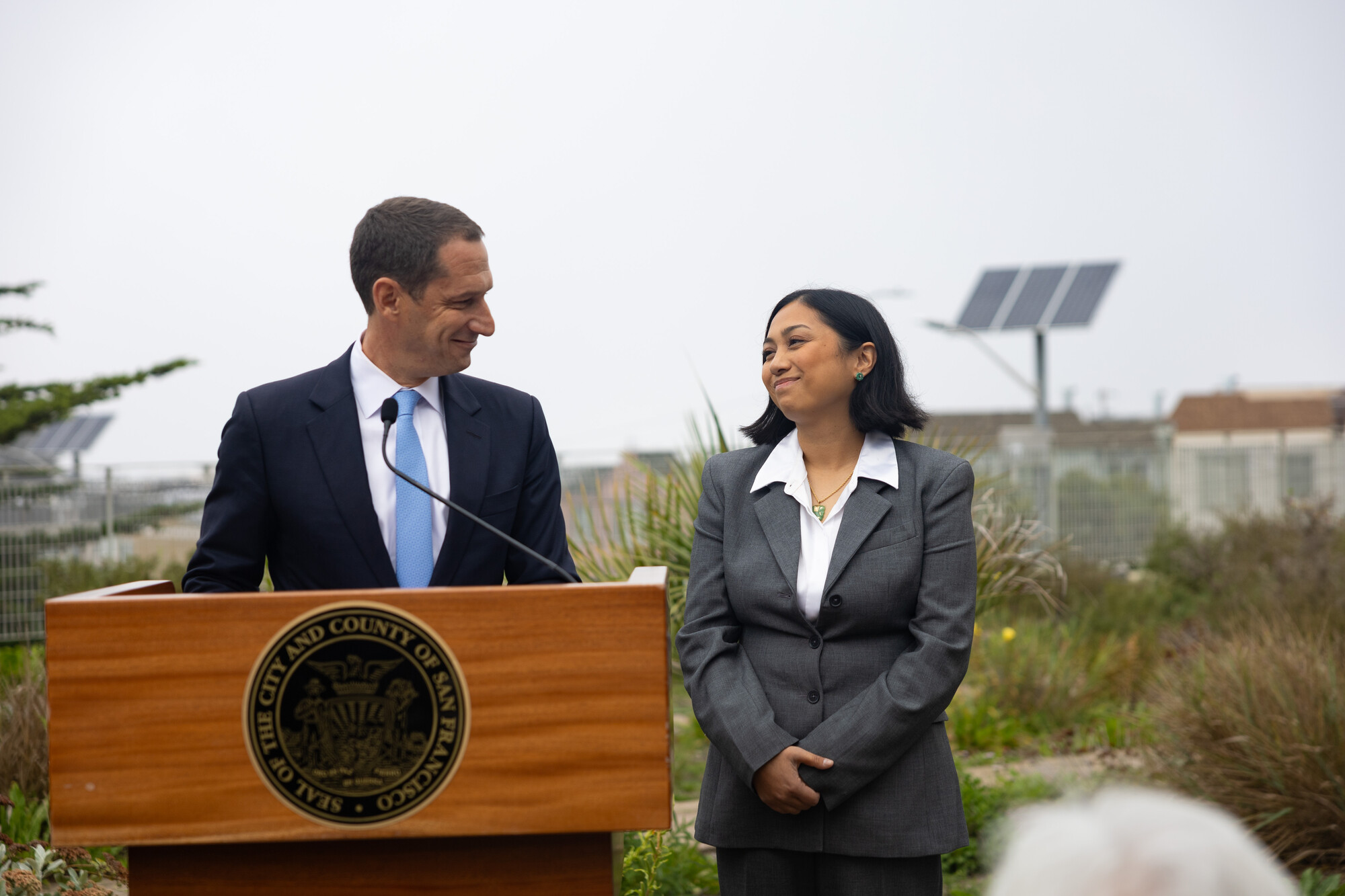
"caption": "Mayor Daniel Lurie, left, speaks during a press conference announcing Isabella “Beya” Alcaraz, right, as the next District 4 supervisor, representing the Sunset district, at Ortega Branch Library on Nov. 6, 2025. Lurie had strong westside support in his November election. Sunset residents and experts say that’s now teetering after his supervisor appointee abruptly resigned after one week.",
"credit": "Gina Castro/KQED",
"altTag": null,
"description": null,
"imgSizes": {
"thumbnail": {
"file": "https://cdn.kqed.org/wp-content/uploads/sites/10/2025/11/20251106_SFD4Supervisor_GC-3_qed-160x107.jpg",
"width": 160,
"height": 107,
"mimeType": "image/jpeg"
},
"1536x1536": {
"file": "https://cdn.kqed.org/wp-content/uploads/sites/10/2025/11/20251106_SFD4Supervisor_GC-3_qed-1536x1024.jpg",
"width": 1536,
"height": 1024,
"mimeType": "image/jpeg"
},
"post-thumbnail": {
"file": "https://cdn.kqed.org/wp-content/uploads/sites/10/2025/11/20251106_SFD4Supervisor_GC-3_qed-672x372.jpg",
"width": 672,
"height": 372,
"mimeType": "image/jpeg"
},
"twentyfourteen-full-width": {
"file": "https://cdn.kqed.org/wp-content/uploads/sites/10/2025/11/20251106_SFD4Supervisor_GC-3_qed-1038x576.jpg",
"width": 1038,
"height": 576,
"mimeType": "image/jpeg"
},
"npr-cds-wide": {
"file": "https://cdn.kqed.org/wp-content/uploads/sites/10/2025/11/20251106_SFD4Supervisor_GC-3_qed-1200x675.jpg",
"width": 1200,
"height": 675,
"mimeType": "image/jpeg"
},
"kqedFullSize": {
"file": "https://cdn.kqed.org/wp-content/uploads/sites/10/2025/11/20251106_SFD4Supervisor_GC-3_qed.jpg",
"width": 2000,
"height": 1333
}
},
"isLoading": false,
"fetchFailed": false
},
"news_12063248": {
"type": "attachments",
"id": "news_12063248",
"meta": {
"index": "attachments_1716263798",
"site": "news",
"id": "12063248",
"found": true
},
"title": "20251106_SFD4SUPERVISOR_GC-23-KQED",
"publishDate": 1762459911,
"status": "inherit",
"parent": 12063157,
"modified": 1762466330,
"caption": "Isabella “Beya” Alcaraz, the next District 4 supervisor, representing the Sunset district, at Ortega Branch Library on Nov. 6, 2025. Alcaraz is the first Filipina-American to serve on the Board of Supervisors.",
"credit": "Gina Castro for KQED",
"altTag": null,
"description": null,
"imgSizes": {
"thumbnail": {
"file": "https://cdn.kqed.org/wp-content/uploads/sites/10/2025/11/20251106_SFD4SUPERVISOR_GC-23-KQED-160x107.jpg",
"width": 160,
"height": 107,
"mimeType": "image/jpeg"
},
"1536x1536": {
"file": "https://cdn.kqed.org/wp-content/uploads/sites/10/2025/11/20251106_SFD4SUPERVISOR_GC-23-KQED-1536x1024.jpg",
"width": 1536,
"height": 1024,
"mimeType": "image/jpeg"
},
"post-thumbnail": {
"file": "https://cdn.kqed.org/wp-content/uploads/sites/10/2025/11/20251106_SFD4SUPERVISOR_GC-23-KQED-672x372.jpg",
"width": 672,
"height": 372,
"mimeType": "image/jpeg"
},
"twentyfourteen-full-width": {
"file": "https://cdn.kqed.org/wp-content/uploads/sites/10/2025/11/20251106_SFD4SUPERVISOR_GC-23-KQED-1038x576.jpg",
"width": 1038,
"height": 576,
"mimeType": "image/jpeg"
},
"npr-cds-wide": {
"file": "https://cdn.kqed.org/wp-content/uploads/sites/10/2025/11/20251106_SFD4SUPERVISOR_GC-23-KQED-1200x675.jpg",
"width": 1200,
"height": 675,
"mimeType": "image/jpeg"
},
"kqedFullSize": {
"file": "https://cdn.kqed.org/wp-content/uploads/sites/10/2025/11/20251106_SFD4SUPERVISOR_GC-23-KQED.jpg",
"width": 2000,
"height": 1333
}
},
"isLoading": false,
"fetchFailed": false
},
"news_12041396": {
"type": "attachments",
"id": "news_12041396",
"meta": {
"index": "attachments_1716263798",
"site": "news",
"id": "12041396",
"found": true
},
"title": "250128-SFImmigration-25-BL_qed",
"publishDate": 1747954329,
"status": "inherit",
"parent": 12041112,
"modified": 1764713928,
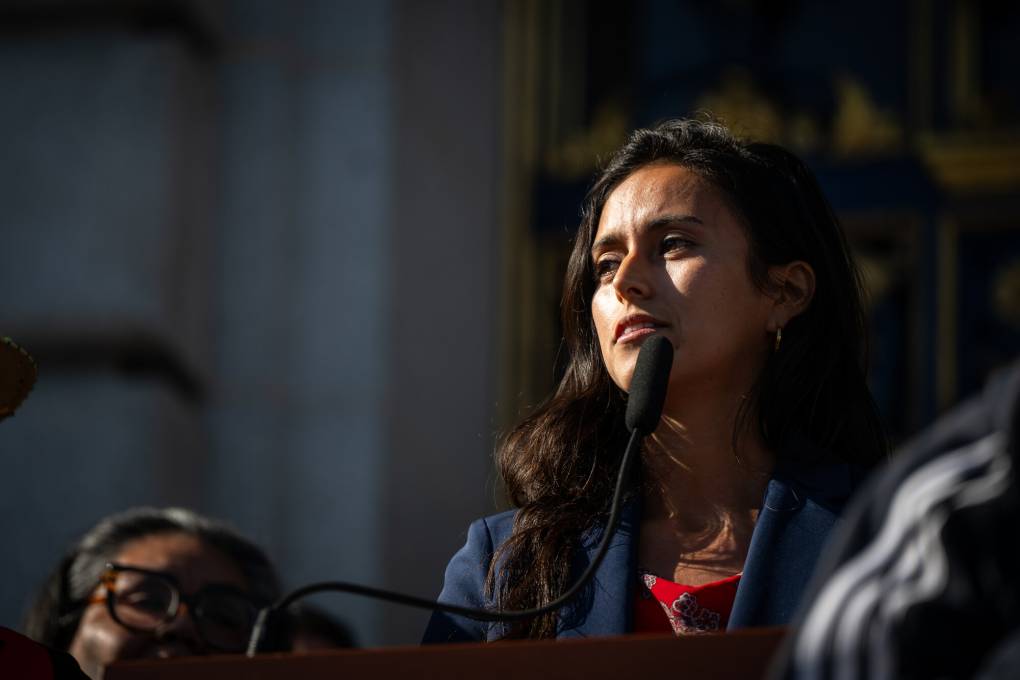
"caption": "San Francisco Supervisor Jackie Fielder speaks during a press conference with elected and public safety officials and labor leaders in front of City Hall in San Francisco on Jan. 28, 2025.",
"credit": "Beth LaBerge/KQED",
"altTag": null,
"description": null,
"imgSizes": {
"medium": {
"file": "https://cdn.kqed.org/wp-content/uploads/sites/10/2025/05/250128-SFImmigration-25-BL_qed-800x533.jpg",
"width": 800,
"height": 533,
"mimeType": "image/jpeg"
},
"large": {
"file": "https://cdn.kqed.org/wp-content/uploads/sites/10/2025/05/250128-SFImmigration-25-BL_qed-1020x680.jpg",
"width": 1020,
"height": 680,
"mimeType": "image/jpeg"
},
"thumbnail": {
"file": "https://cdn.kqed.org/wp-content/uploads/sites/10/2025/05/250128-SFImmigration-25-BL_qed-160x107.jpg",
"width": 160,
"height": 107,
"mimeType": "image/jpeg"
},
"1536x1536": {
"file": "https://cdn.kqed.org/wp-content/uploads/sites/10/2025/05/250128-SFImmigration-25-BL_qed-1536x1024.jpg",
"width": 1536,
"height": 1024,
"mimeType": "image/jpeg"
},
"post-thumbnail": {
"file": "https://cdn.kqed.org/wp-content/uploads/sites/10/2025/05/250128-SFImmigration-25-BL_qed-672x372.jpg",
"width": 672,
"height": 372,
"mimeType": "image/jpeg"
},
"twentyfourteen-full-width": {
"file": "https://cdn.kqed.org/wp-content/uploads/sites/10/2025/05/250128-SFImmigration-25-BL_qed-1038x576.jpg",
"width": 1038,
"height": 576,
"mimeType": "image/jpeg"
},
"full-width": {
"file": "https://cdn.kqed.org/wp-content/uploads/sites/10/2025/05/250128-SFImmigration-25-BL_qed-1920x1280.jpg",
"width": 1920,
"height": 1280,
"mimeType": "image/jpeg"
},
"kqedFullSize": {
"file": "https://cdn.kqed.org/wp-content/uploads/sites/10/2025/05/250128-SFImmigration-25-BL_qed.jpg",
"width": 2000,
"height": 1333
}
},
"isLoading": false,
"fetchFailed": false
},
"news_12055249": {
"type": "attachments",
"id": "news_12055249",
"meta": {
"index": "attachments_1716263798",
"site": "news",
"id": "12055249",
"found": true
},
"title": "20250412_SunsetDunesGrandOpening_GC-16_qed",
"publishDate": 1757375300,
"status": "inherit",
"parent": 12054762,
"modified": 1757375312,
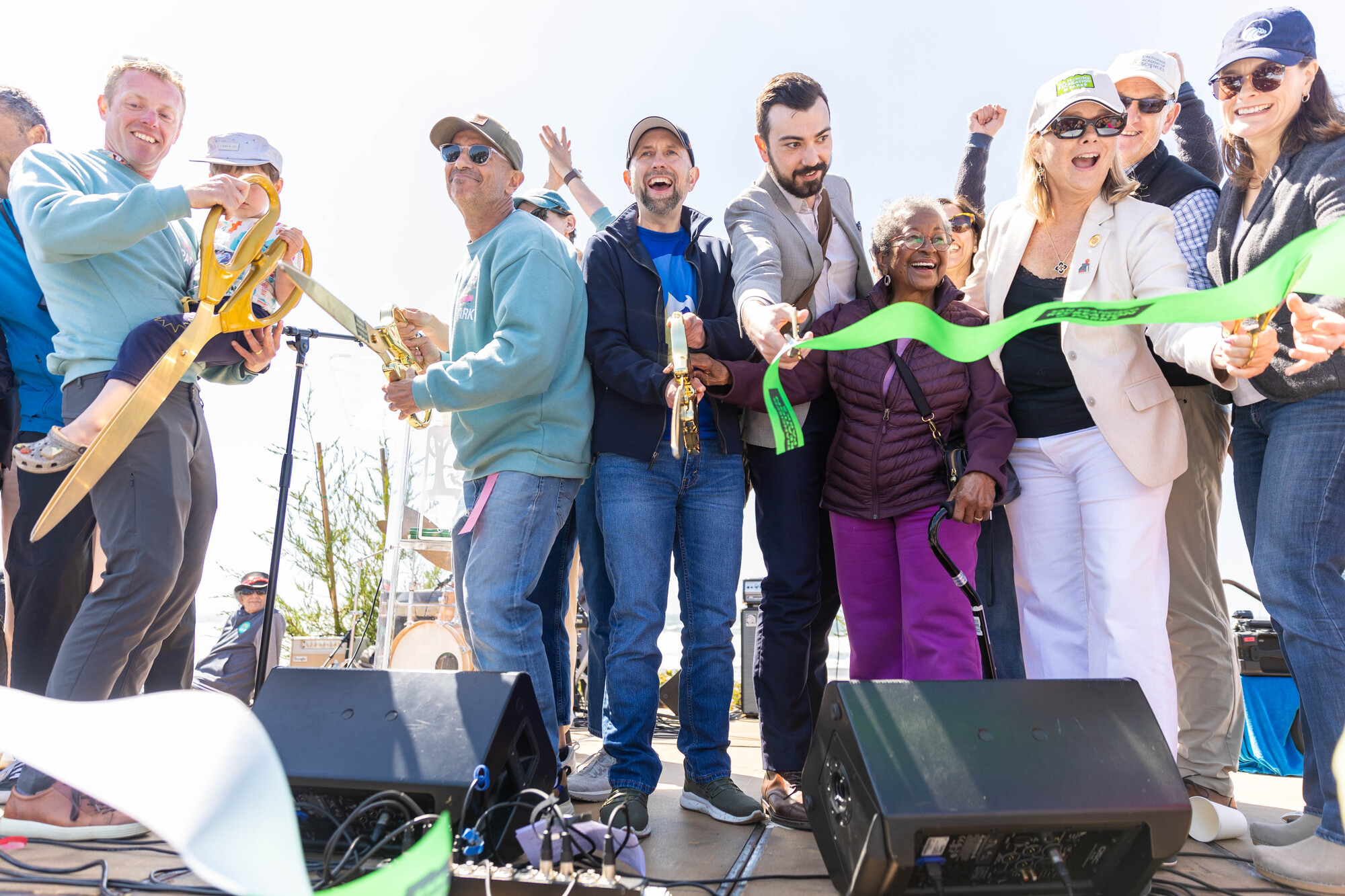
"caption": "Supervisor Joel Engardio, center, and other community leaders participate in the ribbon cutting during the Sunset Dunes Park grand opening on the Upper Great Highway in San Francisco on April 12, 2025.",
"credit": "Gina Castro/KQED",
"altTag": null,
"description": null,
"imgSizes": {
"thumbnail": {
"file": "https://cdn.kqed.org/wp-content/uploads/sites/10/2025/09/20250412_SunsetDunesGrandOpening_GC-16_qed-160x107.jpg",
"width": 160,
"height": 107,
"mimeType": "image/jpeg"
},
"1536x1536": {
"file": "https://cdn.kqed.org/wp-content/uploads/sites/10/2025/09/20250412_SunsetDunesGrandOpening_GC-16_qed-1536x1024.jpg",
"width": 1536,
"height": 1024,
"mimeType": "image/jpeg"
},
"post-thumbnail": {
"file": "https://cdn.kqed.org/wp-content/uploads/sites/10/2025/09/20250412_SunsetDunesGrandOpening_GC-16_qed-672x372.jpg",
"width": 672,
"height": 372,
"mimeType": "image/jpeg"
},
"twentyfourteen-full-width": {
"file": "https://cdn.kqed.org/wp-content/uploads/sites/10/2025/09/20250412_SunsetDunesGrandOpening_GC-16_qed-1038x576.jpg",
"width": 1038,
"height": 576,
"mimeType": "image/jpeg"
},
"kqedFullSize": {
"file": "https://cdn.kqed.org/wp-content/uploads/sites/10/2025/09/20250412_SunsetDunesGrandOpening_GC-16_qed.jpg",
"width": 2000,
"height": 1333
}
},
"isLoading": false,
"fetchFailed": false
},
"news_12035804": {
"type": "attachments",
"id": "news_12035804",
"meta": {
"index": "attachments_1716263798",
"site": "news",
"id": "12035804",
"found": true
},
"title": "20250412_SunsetDunesGrandOpening_GC-15_qed",
"publishDate": 1744501184,
"status": "inherit",
"parent": 12035795,
"modified": 1744501234,
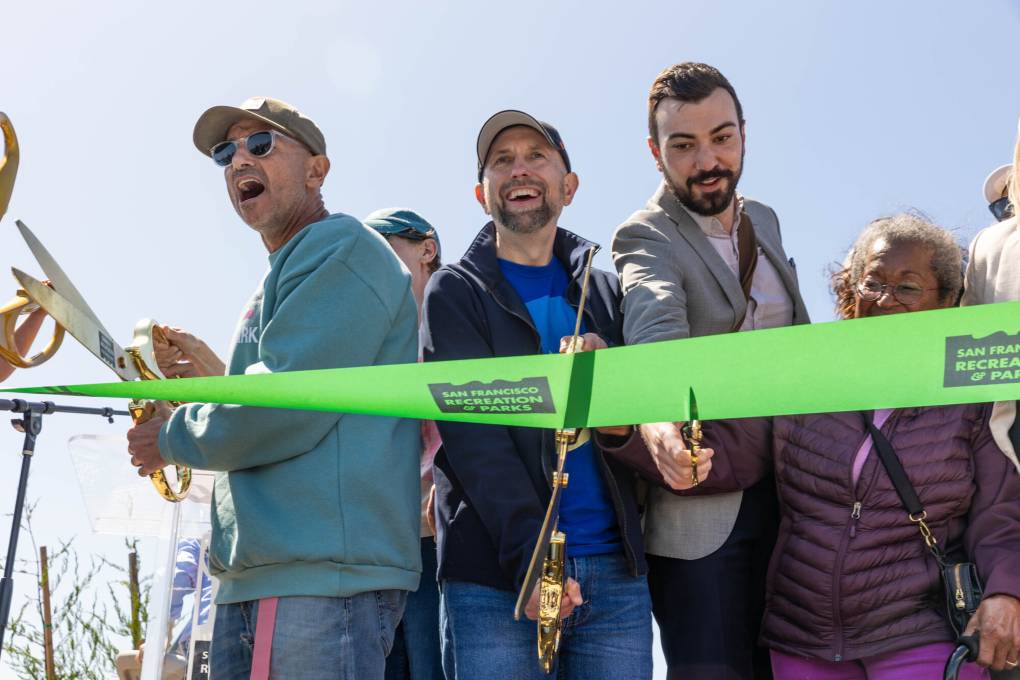
"caption": "Supervisor Joel Engardio (center) participates in the ribbon cutting during the Sunset Dunes Park grand opening on the Upper Great Highway in San Francisco on April 12, 2025.",
"credit": "Gina Castro/KQED",
"altTag": null,
"description": null,
"imgSizes": {
"medium": {
"file": "https://cdn.kqed.org/wp-content/uploads/sites/10/2025/04/20250412_SunsetDunesGrandOpening_GC-15_qed-800x533.jpg",
"width": 800,
"height": 533,
"mimeType": "image/jpeg"
},
"large": {
"file": "https://cdn.kqed.org/wp-content/uploads/sites/10/2025/04/20250412_SunsetDunesGrandOpening_GC-15_qed-1020x680.jpg",
"width": 1020,
"height": 680,
"mimeType": "image/jpeg"
},
"thumbnail": {
"file": "https://cdn.kqed.org/wp-content/uploads/sites/10/2025/04/20250412_SunsetDunesGrandOpening_GC-15_qed-160x107.jpg",
"width": 160,
"height": 107,
"mimeType": "image/jpeg"
},
"1536x1536": {
"file": "https://cdn.kqed.org/wp-content/uploads/sites/10/2025/04/20250412_SunsetDunesGrandOpening_GC-15_qed-1536x1024.jpg",
"width": 1536,
"height": 1024,
"mimeType": "image/jpeg"
},
"post-thumbnail": {
"file": "https://cdn.kqed.org/wp-content/uploads/sites/10/2025/04/20250412_SunsetDunesGrandOpening_GC-15_qed-672x372.jpg",
"width": 672,
"height": 372,
"mimeType": "image/jpeg"
},
"twentyfourteen-full-width": {
"file": "https://cdn.kqed.org/wp-content/uploads/sites/10/2025/04/20250412_SunsetDunesGrandOpening_GC-15_qed-1038x576.jpg",
"width": 1038,
"height": 576,
"mimeType": "image/jpeg"
},
"full-width": {
"file": "https://cdn.kqed.org/wp-content/uploads/sites/10/2025/04/20250412_SunsetDunesGrandOpening_GC-15_qed-1920x1280.jpg",
"width": 1920,
"height": 1280,
"mimeType": "image/jpeg"
},
"kqedFullSize": {
"file": "https://cdn.kqed.org/wp-content/uploads/sites/10/2025/04/20250412_SunsetDunesGrandOpening_GC-15_qed.jpg",
"width": 2000,
"height": 1333
}
},
"isLoading": false,
"fetchFailed": false
},
"news_12049486": {
"type": "attachments",
"id": "news_12049486",
"meta": {
"index": "attachments_1716263798",
"site": "news",
"id": "12049486",
"found": true
},
"title": "250723_EVCHARGERS_GH-9-KQED",
"publishDate": 1753313125,
"status": "inherit",
"parent": 12049202,
"modified": 1753313158,
"caption": "An electric vehicle charges in San Francisco’s Bernal Heights neighborhood on July 23, 2025. ",
"credit": "Gustavo Hernandez/KQED",
"altTag": null,
"description": null,
"imgSizes": {
"thumbnail": {
"file": "https://cdn.kqed.org/wp-content/uploads/sites/10/2025/07/250723_EVCHARGERS_GH-9-KQED-160x107.jpg",
"width": 160,
"height": 107,
"mimeType": "image/jpeg"
},
"1536x1536": {
"file": "https://cdn.kqed.org/wp-content/uploads/sites/10/2025/07/250723_EVCHARGERS_GH-9-KQED-1536x1024.jpg",
"width": 1536,
"height": 1024,
"mimeType": "image/jpeg"
},
"post-thumbnail": {
"file": "https://cdn.kqed.org/wp-content/uploads/sites/10/2025/07/250723_EVCHARGERS_GH-9-KQED-672x372.jpg",
"width": 672,
"height": 372,
"mimeType": "image/jpeg"
},
"twentyfourteen-full-width": {
"file": "https://cdn.kqed.org/wp-content/uploads/sites/10/2025/07/250723_EVCHARGERS_GH-9-KQED-1038x576.jpg",
"width": 1038,
"height": 576,
"mimeType": "image/jpeg"
},
"kqedFullSize": {
"file": "https://cdn.kqed.org/wp-content/uploads/sites/10/2025/07/250723_EVCHARGERS_GH-9-KQED.jpg",
"width": 2000,
"height": 1333
}
},
"isLoading": false,
"fetchFailed": false
},
"news_12048309": {
"type": "attachments",
"id": "news_12048309",
"meta": {
"index": "attachments_1716263798",
"site": "news",
"id": "12048309",
"found": true
},
"title": "240130-HomelessCount-24-BL_qed",
"publishDate": 1752685135,
"status": "inherit",
"parent": 12048307,
"modified": 1752685161,
"caption": "San Francisco Homeless Outreach Team members look for vehicles and RVs serving as shelters during a point-in-time homeless population count in the Bayview Hunters Point neighborhood in San Francisco on Jan. 30, 2024. Teams spread out through San Francisco to count sheltered and unsheltered people experiencing homelessness on a single night.",
"credit": "Beth LaBerge/KQED",
"altTag": null,
"description": null,
"imgSizes": {
"thumbnail": {
"file": "https://cdn.kqed.org/wp-content/uploads/sites/10/2025/07/240130-HomelessCount-24-BL_qed-160x107.jpg",
"width": 160,
"height": 107,
"mimeType": "image/jpeg"
},
"1536x1536": {
"file": "https://cdn.kqed.org/wp-content/uploads/sites/10/2025/07/240130-HomelessCount-24-BL_qed-1536x1024.jpg",
"width": 1536,
"height": 1024,
"mimeType": "image/jpeg"
},
"post-thumbnail": {
"file": "https://cdn.kqed.org/wp-content/uploads/sites/10/2025/07/240130-HomelessCount-24-BL_qed-672x372.jpg",
"width": 672,
"height": 372,
"mimeType": "image/jpeg"
},
"twentyfourteen-full-width": {
"file": "https://cdn.kqed.org/wp-content/uploads/sites/10/2025/07/240130-HomelessCount-24-BL_qed-1038x576.jpg",
"width": 1038,
"height": 576,
"mimeType": "image/jpeg"
},
"kqedFullSize": {
"file": "https://cdn.kqed.org/wp-content/uploads/sites/10/2025/07/240130-HomelessCount-24-BL_qed.jpg",
"width": 1999,
"height": 1333
}
},
"isLoading": false,
"fetchFailed": false
},
"news_10961135": {
"type": "attachments",
"id": "news_10961135",
"meta": {
"index": "attachments_1716263798",
"site": "news",
"id": "10961135",
"found": true
},
"parent": 10959789,
"imgSizes": {
"twentyfourteen-full-width": {
"file": "https://ww2.kqed.org/app/uploads/sites/10/2016/05/LowellHighSchoolMainEntranceFromEuclyptausStreet-1038x576.jpg",
"width": 1038,
"mimeType": "image/jpeg",
"height": 576
},
"thumbnail": {
"file": "https://ww2.kqed.org/app/uploads/sites/10/2016/05/LowellHighSchoolMainEntranceFromEuclyptausStreet-400x300.jpg",
"width": 400,
"mimeType": "image/jpeg",
"height": 300
},
"fd-sm": {
"file": "https://ww2.kqed.org/app/uploads/sites/10/2016/05/LowellHighSchoolMainEntranceFromEuclyptausStreet-960x720.jpg",
"width": 960,
"mimeType": "image/jpeg",
"height": 720
},
"post-thumbnail": {
"file": "https://ww2.kqed.org/app/uploads/sites/10/2016/05/LowellHighSchoolMainEntranceFromEuclyptausStreet-672x372.jpg",
"width": 672,
"mimeType": "image/jpeg",
"height": 372
},
"kqedFullSize": {
"file": "https://ww2.kqed.org/app/uploads/sites/10/2016/05/LowellHighSchoolMainEntranceFromEuclyptausStreet.jpg",
"width": 1600,
"height": 1200
},
"guest-author-50": {
"file": "https://ww2.kqed.org/app/uploads/sites/10/2016/05/LowellHighSchoolMainEntranceFromEuclyptausStreet-50x50.jpg",
"width": 50,
"mimeType": "image/jpeg",
"height": 50
},
"guest-author-96": {
"file": "https://ww2.kqed.org/app/uploads/sites/10/2016/05/LowellHighSchoolMainEntranceFromEuclyptausStreet-96x96.jpg",
"width": 96,
"mimeType": "image/jpeg",
"height": 96
},
"medium": {
"file": "https://ww2.kqed.org/app/uploads/sites/10/2016/05/LowellHighSchoolMainEntranceFromEuclyptausStreet-800x600.jpg",
"width": 800,
"mimeType": "image/jpeg",
"height": 600
},
"guest-author-64": {
"file": "https://ww2.kqed.org/app/uploads/sites/10/2016/05/LowellHighSchoolMainEntranceFromEuclyptausStreet-64x64.jpg",
"width": 64,
"mimeType": "image/jpeg",
"height": 64
},
"guest-author-32": {
"file": "https://ww2.kqed.org/app/uploads/sites/10/2016/05/LowellHighSchoolMainEntranceFromEuclyptausStreet-32x32.jpg",
"width": 32,
"mimeType": "image/jpeg",
"height": 32
},
"jmtc-small-thumb": {
"file": "https://ww2.kqed.org/app/uploads/sites/10/2016/05/LowellHighSchoolMainEntranceFromEuclyptausStreet-280x150.jpg",
"width": 280,
"mimeType": "image/jpeg",
"height": 150
},
"fd-med": {
"file": "https://ww2.kqed.org/app/uploads/sites/10/2016/05/LowellHighSchoolMainEntranceFromEuclyptausStreet-1180x885.jpg",
"width": 1180,
"mimeType": "image/jpeg",
"height": 885
},
"detail": {
"file": "https://ww2.kqed.org/app/uploads/sites/10/2016/05/LowellHighSchoolMainEntranceFromEuclyptausStreet-150x150.jpg",
"width": 150,
"mimeType": "image/jpeg",
"height": 150
},
"guest-author-128": {
"file": "https://ww2.kqed.org/app/uploads/sites/10/2016/05/LowellHighSchoolMainEntranceFromEuclyptausStreet-128x128.jpg",
"width": 128,
"mimeType": "image/jpeg",
"height": 128
}
},
"publishDate": 1463700445,
"modified": 1669941910,
"caption": "This is the first year that Lowell High School offered ethnic studies. ",
"description": null,
"title": "LowellHighSchoolMainEntranceFromEuclyptausStreet",
"credit": "Wikimedia Commons",
"status": "inherit",
"altTag": "An exterior view of Lowell High School, a gray, boxy building.",
"isLoading": false,
"fetchFailed": false
},
"news_12038912": {
"type": "attachments",
"id": "news_12038912",
"meta": {
"index": "attachments_1716263798",
"site": "news",
"id": "12038912",
"found": true
},
"title": "240109-SFCeasefireVote-10-BL_qed",
"publishDate": 1746555708,
"status": "inherit",
"parent": 12038907,
"modified": 1746555750,
"caption": "Supervisor Matt Dorsey walks in to a Board of Supervisors meeting at City Hall in San Francisco on Jan. 9, 2024.",
"credit": "Beth LaBerge/KQED",
"altTag": null,
"description": null,
"imgSizes": {
"medium": {
"file": "https://cdn.kqed.org/wp-content/uploads/sites/10/2025/05/240109-SFCeasefireVote-10-BL_qed-800x533.jpg",
"width": 800,
"height": 533,
"mimeType": "image/jpeg"
},
"large": {
"file": "https://cdn.kqed.org/wp-content/uploads/sites/10/2025/05/240109-SFCeasefireVote-10-BL_qed-1020x680.jpg",
"width": 1020,
"height": 680,
"mimeType": "image/jpeg"
},
"thumbnail": {
"file": "https://cdn.kqed.org/wp-content/uploads/sites/10/2025/05/240109-SFCeasefireVote-10-BL_qed-160x107.jpg",
"width": 160,
"height": 107,
"mimeType": "image/jpeg"
},
"1536x1536": {
"file": "https://cdn.kqed.org/wp-content/uploads/sites/10/2025/05/240109-SFCeasefireVote-10-BL_qed-1536x1024.jpg",
"width": 1536,
"height": 1024,
"mimeType": "image/jpeg"
},
"post-thumbnail": {
"file": "https://cdn.kqed.org/wp-content/uploads/sites/10/2025/05/240109-SFCeasefireVote-10-BL_qed-672x372.jpg",
"width": 672,
"height": 372,
"mimeType": "image/jpeg"
},
"twentyfourteen-full-width": {
"file": "https://cdn.kqed.org/wp-content/uploads/sites/10/2025/05/240109-SFCeasefireVote-10-BL_qed-1038x576.jpg",
"width": 1038,
"height": 576,
"mimeType": "image/jpeg"
},
"full-width": {
"file": "https://cdn.kqed.org/wp-content/uploads/sites/10/2025/05/240109-SFCeasefireVote-10-BL_qed-1920x1280.jpg",
"width": 1920,
"height": 1280,
"mimeType": "image/jpeg"
},
"kqedFullSize": {
"file": "https://cdn.kqed.org/wp-content/uploads/sites/10/2025/05/240109-SFCeasefireVote-10-BL_qed.jpg",
"width": 2000,
"height": 1333
}
},
"isLoading": false,
"fetchFailed": false
},
"news_11955692": {
"type": "attachments",
"id": "news_11955692",
"meta": {
"index": "attachments_1716263798",
"site": "news",
"id": "11955692",
"found": true
},
"title": "Pride Flag at San Francisco City Hall",
"publishDate": 1689298339,
"status": "inherit",
"parent": 11955680,
"modified": 1689314014,
"caption": "San Francisco-based attorney Courtney Liss advises businesses to make it very clear that they do want to provide services to LGBTQ+ communities, with signs and clear website notices. “I personally do not want to go anywhere where I'm not welcome,” she said.",
"credit": "JasonDoiy/Getty Images",
"altTag": "A rainbow flag hangs over a government building.",
"description": null,
"imgSizes": {
"medium": {
"file": "https://cdn.kqed.org/wp-content/uploads/sites/10/2023/07/GettyImages-972695008-800x533.jpg",
"width": 800,
"height": 533,
"mimeType": "image/jpeg"
},
"large": {
"file": "https://cdn.kqed.org/wp-content/uploads/sites/10/2023/07/GettyImages-972695008-1020x680.jpg",
"width": 1020,
"height": 680,
"mimeType": "image/jpeg"
},
"thumbnail": {
"file": "https://cdn.kqed.org/wp-content/uploads/sites/10/2023/07/GettyImages-972695008-160x107.jpg",
"width": 160,
"height": 107,
"mimeType": "image/jpeg"
},
"1536x1536": {
"file": "https://cdn.kqed.org/wp-content/uploads/sites/10/2023/07/GettyImages-972695008-1536x1024.jpg",
"width": 1536,
"height": 1024,
"mimeType": "image/jpeg"
},
"2048x2048": {
"file": "https://cdn.kqed.org/wp-content/uploads/sites/10/2023/07/GettyImages-972695008-2048x1365.jpg",
"width": 2048,
"height": 1365,
"mimeType": "image/jpeg"
},
"post-thumbnail": {
"file": "https://cdn.kqed.org/wp-content/uploads/sites/10/2023/07/GettyImages-972695008-672x372.jpg",
"width": 672,
"height": 372,
"mimeType": "image/jpeg"
},
"twentyfourteen-full-width": {
"file": "https://cdn.kqed.org/wp-content/uploads/sites/10/2023/07/GettyImages-972695008-1038x576.jpg",
"width": 1038,
"height": 576,
"mimeType": "image/jpeg"
},
"full-width": {
"file": "https://cdn.kqed.org/wp-content/uploads/sites/10/2023/07/GettyImages-972695008-1920x1280.jpg",
"width": 1920,
"height": 1280,
"mimeType": "image/jpeg"
},
"kqedFullSize": {
"file": "https://cdn.kqed.org/wp-content/uploads/sites/10/2023/07/GettyImages-972695008-scaled-e1742851504460.jpg",
"width": 2000,
"height": 1334
}
},
"isLoading": false,
"fetchFailed": false
},
"news_12028707": {
"type": "attachments",
"id": "news_12028707",
"meta": {
"index": "attachments_1716263798",
"site": "news",
"id": "12028707",
"found": true
},
"title": "250218-SFDowntown-16-BL_qed",
"publishDate": 1740591027,
"status": "inherit",
"parent": 12028703,
"modified": 1740591048,
"caption": "Mayor Daniel Lurie listens to speakers during a press conference in Union Square, San Francisco, on Feb. 18, 2025, announcing legislation to increase nightlife in Downtown San Francisco to help the recovery of the neighborhood.",
"credit": "Beth LaBerge/KQED",
"altTag": null,
"description": null,
"imgSizes": {
"medium": {
"file": "https://cdn.kqed.org/wp-content/uploads/sites/10/2025/02/250218-SFDowntown-16-BL_qed-800x533.jpg",
"width": 800,
"height": 533,
"mimeType": "image/jpeg"
},
"large": {
"file": "https://cdn.kqed.org/wp-content/uploads/sites/10/2025/02/250218-SFDowntown-16-BL_qed-1020x680.jpg",
"width": 1020,
"height": 680,
"mimeType": "image/jpeg"
},
"thumbnail": {
"file": "https://cdn.kqed.org/wp-content/uploads/sites/10/2025/02/250218-SFDowntown-16-BL_qed-160x107.jpg",
"width": 160,
"height": 107,
"mimeType": "image/jpeg"
},
"1536x1536": {
"file": "https://cdn.kqed.org/wp-content/uploads/sites/10/2025/02/250218-SFDowntown-16-BL_qed-1536x1024.jpg",
"width": 1536,
"height": 1024,
"mimeType": "image/jpeg"
},
"post-thumbnail": {
"file": "https://cdn.kqed.org/wp-content/uploads/sites/10/2025/02/250218-SFDowntown-16-BL_qed-672x372.jpg",
"width": 672,
"height": 372,
"mimeType": "image/jpeg"
},
"twentyfourteen-full-width": {
"file": "https://cdn.kqed.org/wp-content/uploads/sites/10/2025/02/250218-SFDowntown-16-BL_qed-1038x576.jpg",
"width": 1038,
"height": 576,
"mimeType": "image/jpeg"
},
"full-width": {
"file": "https://cdn.kqed.org/wp-content/uploads/sites/10/2025/02/250218-SFDowntown-16-BL_qed-1920x1280.jpg",
"width": 1920,
"height": 1280,
"mimeType": "image/jpeg"
},
"kqedFullSize": {
"file": "https://cdn.kqed.org/wp-content/uploads/sites/10/2025/02/250218-SFDowntown-16-BL_qed.jpg",
"width": 2000,
"height": 1333
}
},
"isLoading": false,
"fetchFailed": false
},
"news_12027803": {
"type": "attachments",
"id": "news_12027803",
"meta": {
"index": "attachments_1716263798",
"site": "news",
"id": "12027803",
"found": true
},
"title": "241119-SFHomelessArrests-17-BL_qed",
"publishDate": 1740010572,
"status": "inherit",
"parent": 12027784,
"modified": 1740010647,
"caption": "San Francisco police officers go through the belongings of an unhoused person before their arrest in San Francisco’s Mission District on Nov. 19, 2024.",
"credit": "Beth LaBerge/KQED",
"altTag": null,
"description": null,
"imgSizes": {
"medium": {
"file": "https://cdn.kqed.org/wp-content/uploads/sites/10/2025/02/241119-SFHomelessArrests-17-BL_qed-800x533.jpg",
"width": 800,
"height": 533,
"mimeType": "image/jpeg"
},
"large": {
"file": "https://cdn.kqed.org/wp-content/uploads/sites/10/2025/02/241119-SFHomelessArrests-17-BL_qed-1020x680.jpg",
"width": 1020,
"height": 680,
"mimeType": "image/jpeg"
},
"thumbnail": {
"file": "https://cdn.kqed.org/wp-content/uploads/sites/10/2025/02/241119-SFHomelessArrests-17-BL_qed-160x107.jpg",
"width": 160,
"height": 107,
"mimeType": "image/jpeg"
},
"1536x1536": {
"file": "https://cdn.kqed.org/wp-content/uploads/sites/10/2025/02/241119-SFHomelessArrests-17-BL_qed-1536x1024.jpg",
"width": 1536,
"height": 1024,
"mimeType": "image/jpeg"
},
"post-thumbnail": {
"file": "https://cdn.kqed.org/wp-content/uploads/sites/10/2025/02/241119-SFHomelessArrests-17-BL_qed-672x372.jpg",
"width": 672,
"height": 372,
"mimeType": "image/jpeg"
},
"twentyfourteen-full-width": {
"file": "https://cdn.kqed.org/wp-content/uploads/sites/10/2025/02/241119-SFHomelessArrests-17-BL_qed-1038x576.jpg",
"width": 1038,
"height": 576,
"mimeType": "image/jpeg"
},
"full-width": {
"file": "https://cdn.kqed.org/wp-content/uploads/sites/10/2025/02/241119-SFHomelessArrests-17-BL_qed-1920x1280.jpg",
"width": 1920,
"height": 1280,
"mimeType": "image/jpeg"
},
"kqedFullSize": {
"file": "https://cdn.kqed.org/wp-content/uploads/sites/10/2025/02/241119-SFHomelessArrests-17-BL_qed.jpg",
"width": 2000,
"height": 1333
}
},
"isLoading": false,
"fetchFailed": false
}
},
"audioPlayerReducer": {
"postId": "stream_live",
"isPaused": true,
"isPlaying": false,
"pfsActive": false,
"pledgeModalIsOpen": true,
"playerDrawerIsOpen": false,
"liveAudioPlayStartedAt": 0,
"liveAudioPlayContext": ""
},
"authorsReducer": {
"ecruzguevarra": {
"type": "authors",
"id": "8654",
"meta": {
"index": "authors_1716337520",
"id": "8654",
"found": true
},
"name": "Ericka Cruz Guevarra",
"firstName": "Ericka",
"lastName": "Cruz Guevarra",
"slug": "ecruzguevarra",
"email": "ecruzguevarra@kqed.org",
"display_author_email": true,
"staff_mastheads": [
"news"
],
"title": "Producer, The Bay Podcast",
"bio": "Ericka Cruz Guevarra is host of \u003ca href=\"https://www.kqed.org/podcasts/thebay\">\u003cem>The Bay\u003c/em>\u003c/a> podcast at KQED. Before host, she was the show’s producer. Her work in that capacity includes a three-part reported series on policing in Vallejo, which won a 2020 excellence in journalism award from the Society of Professional Journalists. Ericka has worked as a breaking news reporter at Oregon Public Broadcasting, helped produce the Code Switch podcast, and was KQED’s inaugural Raul Ramirez Diversity Fund intern. She’s also an alumna of NPR’s Next Generation Radio program. Send her an email if you have strong feelings about whether Fairfield and Suisun City are the Bay. Ericka is represented by SAG-AFTRA.",
"avatar": "https://secure.gravatar.com/avatar/accefc1de4bafc7e234b69bcb9b6f6536c130fd84709bc3069ef11a78787e1bb?s=600&d=blank&r=g",
"twitter": "NotoriousECG",
"bluesky": null,
"facebook": null,
"instagram": null,
"linkedin": null,
"sites": [
{
"site": "arts",
"roles": [
"subscriber"
]
},
{
"site": "news",
"roles": [
"editor",
"manage_categories"
]
},
{
"site": "futureofyou",
"roles": [
"subscriber"
]
},
{
"site": "stateofhealth",
"roles": [
"subscriber"
]
},
{
"site": "science",
"roles": [
"editor"
]
},
{
"site": "forum",
"roles": [
"subscriber"
]
}
],
"headData": {
"title": "Ericka Cruz Guevarra | KQED",
"description": "Producer, The Bay Podcast",
"ogImgSrc": "https://secure.gravatar.com/avatar/accefc1de4bafc7e234b69bcb9b6f6536c130fd84709bc3069ef11a78787e1bb?s=600&d=blank&r=g",
"twImgSrc": "https://secure.gravatar.com/avatar/accefc1de4bafc7e234b69bcb9b6f6536c130fd84709bc3069ef11a78787e1bb?s=600&d=blank&r=g"
},
"isLoading": false,
"link": "/author/ecruzguevarra"
},
"amontecillo": {
"type": "authors",
"id": "11649",
"meta": {
"index": "authors_1716337520",
"id": "11649",
"found": true
},
"name": "Alan Montecillo",
"firstName": "Alan",
"lastName": "Montecillo",
"slug": "amontecillo",
"email": "amontecillo@kqed.org",
"display_author_email": false,
"staff_mastheads": [
"news"
],
"title": "KQED Contributor",
"bio": "Alan Montecillo is the senior editor of \u003cem>\u003ca href=\"http://kqed.org/thebay\">The Bay\u003c/a>, \u003c/em> KQED's local news podcast. Before moving to the Bay Area, he worked as a senior talk show producer for WILL in Champaign-Urbana, Illinois and at Oregon Public Broadcasting in Portland, Oregon. He has won journalism awards from the Society of Professional Journalists Northern California, the Public Media Journalists Association, The Signal Awards, and has also received a regional Edward R. Murrow award. Alan is a Filipino American from Hong Kong and a graduate of Reed College.",
"avatar": "https://secure.gravatar.com/avatar/268f53a2066899ea9efdd8a5900218b17c822d9862cbc9326cccec53ef41d349?s=600&d=blank&r=g",
"twitter": "alanmontecillo",
"bluesky": null,
"facebook": null,
"instagram": null,
"linkedin": null,
"sites": [
{
"site": "",
"roles": [
"editor"
]
},
{
"site": "news",
"roles": [
"editor",
"manage_categories"
]
}
],
"headData": {
"title": "Alan Montecillo | KQED",
"description": "KQED Contributor",
"ogImgSrc": "https://secure.gravatar.com/avatar/268f53a2066899ea9efdd8a5900218b17c822d9862cbc9326cccec53ef41d349?s=600&d=blank&r=g",
"twImgSrc": "https://secure.gravatar.com/avatar/268f53a2066899ea9efdd8a5900218b17c822d9862cbc9326cccec53ef41d349?s=600&d=blank&r=g"
},
"isLoading": false,
"link": "/author/amontecillo"
},
"jessicakariisa": {
"type": "authors",
"id": "11831",
"meta": {
"index": "authors_1716337520",
"id": "11831",
"found": true
},
"name": "Jessica Kariisa",
"firstName": "Jessica",
"lastName": "Kariisa",
"slug": "jessicakariisa",
"email": "jkariisa@kqed.org",
"display_author_email": false,
"staff_mastheads": [],
"title": "Producer, The Bay",
"bio": "Jessica Kariisa is the producer of The Bay. She first joined KQED as an intern for The California Report Magazine, after which she became an on-call producer. She reported a Bay Curious episode on the use of rap lyrics in criminal trials which won a Society of Professional Journalists award in 2023 for Excellence in Features Journalism and the 2023 Signal Award for Best Conversation Starter. She’s worked on podcasts for Snap Judgment and American Public Media. Before embarking on her audio career, she was a music journalist.\r\n\r\nJessica Kariisa is represented by SAG-AFTRA.",
"avatar": "https://secure.gravatar.com/avatar/522e97b28ac0b3d411621c0fde8f3419c7b71ea2c5c262c57c4bb600963f328c?s=600&d=blank&r=g",
"twitter": null,
"bluesky": null,
"facebook": null,
"instagram": null,
"linkedin": null,
"sites": [
{
"site": "arts",
"roles": [
"author"
]
},
{
"site": "news",
"roles": [
"editor",
"manage_categories"
]
}
],
"headData": {
"title": "Jessica Kariisa | KQED",
"description": "Producer, The Bay",
"ogImgSrc": "https://secure.gravatar.com/avatar/522e97b28ac0b3d411621c0fde8f3419c7b71ea2c5c262c57c4bb600963f328c?s=600&d=blank&r=g",
"twImgSrc": "https://secure.gravatar.com/avatar/522e97b28ac0b3d411621c0fde8f3419c7b71ea2c5c262c57c4bb600963f328c?s=600&d=blank&r=g"
},
"isLoading": false,
"link": "/author/jessicakariisa"
},
"sjohnson": {
"type": "authors",
"id": "11840",
"meta": {
"index": "authors_1716337520",
"id": "11840",
"found": true
},
"name": "Sydney Johnson",
"firstName": "Sydney",
"lastName": "Johnson",
"slug": "sjohnson",
"email": "sjohnson@kqed.org",
"display_author_email": false,
"staff_mastheads": [
"news"
],
"title": "KQED Reporter",
"bio": "Sydney Johnson is a general assignment reporter at KQED. She previously reported on public health and city government at the San Francisco Examiner, and before that, she covered statewide education policy for EdSource. Her reporting has won multiple local, state and national awards. Sydney is a graduate of the University of California, Berkeley and lives in San Francisco.",
"avatar": "https://secure.gravatar.com/avatar/97855f2719b72ad6190b7c535fe642c8?s=600&d=blank&r=g",
"twitter": "sydneyfjohnson",
"facebook": null,
"instagram": null,
"linkedin": null,
"sites": [
{
"site": "news",
"roles": [
"editor"
]
}
],
"headData": {
"title": "Sydney Johnson | KQED",
"description": "KQED Reporter",
"ogImgSrc": "https://secure.gravatar.com/avatar/97855f2719b72ad6190b7c535fe642c8?s=600&d=blank&r=g",
"twImgSrc": "https://secure.gravatar.com/avatar/97855f2719b72ad6190b7c535fe642c8?s=600&d=blank&r=g"
},
"isLoading": false,
"link": "/author/sjohnson"
},
"kdebenedetti": {
"type": "authors",
"id": "11913",
"meta": {
"index": "authors_1716337520",
"id": "11913",
"found": true
},
"name": "Katie DeBenedetti",
"firstName": "Katie",
"lastName": "DeBenedetti",
"slug": "kdebenedetti",
"email": "kdebenedetti@kqed.org",
"display_author_email": false,
"staff_mastheads": [
"news",
"science"
],
"title": "KQED Contributor",
"bio": "Katie DeBenedetti is a digital reporter covering daily news for the Express Desk. Prior to joining KQED as a culture reporting intern in January 2024, she covered education and city government for the Napa Valley Register.",
"avatar": "https://secure.gravatar.com/avatar/6e31073cb8f7e4214ab03f42771d0f45?s=600&d=blank&r=g",
"twitter": null,
"facebook": null,
"instagram": null,
"linkedin": null,
"sites": [
{
"site": "news",
"roles": [
"author"
]
},
{
"site": "science",
"roles": [
"author"
]
},
{
"site": "liveblog",
"roles": [
"author"
]
}
],
"headData": {
"title": "Katie DeBenedetti | KQED",
"description": "KQED Contributor",
"ogImgSrc": "https://secure.gravatar.com/avatar/6e31073cb8f7e4214ab03f42771d0f45?s=600&d=blank&r=g",
"twImgSrc": "https://secure.gravatar.com/avatar/6e31073cb8f7e4214ab03f42771d0f45?s=600&d=blank&r=g"
},
"isLoading": false,
"link": "/author/kdebenedetti"
},
"rcooke": {
"type": "authors",
"id": "11921",
"meta": {
"index": "authors_1716337520",
"id": "11921",
"found": true
},
"name": "Riley Cooke",
"firstName": "Riley",
"lastName": "Cooke",
"slug": "rcooke",
"email": "rcooke@kqed.org",
"display_author_email": true,
"staff_mastheads": [
"news"
],
"title": "KQED Contributor",
"bio": "Riley is a senior at UC Berkeley, where she studies political science and journalism. Her work has appeared in SFGate, NBC Bay Area, Local News Matters and more. She enjoys reporting on politics, housing and homelessness — and using as many em dashes as her editors will allow.",
"avatar": "https://secure.gravatar.com/avatar/792f98c126cc5e270a8a96f77f7224ea?s=600&d=blank&r=g",
"twitter": "rrileycooke",
"facebook": null,
"instagram": null,
"linkedin": null,
"sites": [
{
"site": "arts",
"roles": [
"author"
]
},
{
"site": "news",
"roles": [
"author"
]
}
],
"headData": {
"title": "Riley Cooke | KQED",
"description": "KQED Contributor",
"ogImgSrc": "https://secure.gravatar.com/avatar/792f98c126cc5e270a8a96f77f7224ea?s=600&d=blank&r=g",
"twImgSrc": "https://secure.gravatar.com/avatar/792f98c126cc5e270a8a96f77f7224ea?s=600&d=blank&r=g"
},
"isLoading": false,
"link": "/author/rcooke"
},
"gzada": {
"type": "authors",
"id": "11929",
"meta": {
"index": "authors_1716337520",
"id": "11929",
"found": true
},
"name": "Gilare Zada",
"firstName": "Gilare",
"lastName": "Zada",
"slug": "gzada",
"email": "gzada@kqed.org",
"display_author_email": true,
"staff_mastheads": [
"news"
],
"title": null,
"bio": "Gilare Zada is a Kurdish-American from San Diego, CA. Storytelling, fitness, and binge reading are some of her passions outside of news reporting. Her work has appeared in Mission Local, the Peninsula Press, the San Francisco Press Club, and more. She also writes as a class correspondent for the Stanford Magazine - go Card!",
"avatar": "https://secure.gravatar.com/avatar/33a75f2b947669a488a805edec3fbf3838c1cedaedda710e983770633b4d6a75?s=600&d=blank&r=g",
"twitter": null,
"bluesky": null,
"facebook": null,
"instagram": null,
"linkedin": null,
"sites": [
{
"site": "",
"roles": [
"editor"
]
},
{
"site": "arts",
"roles": [
"editor"
]
},
{
"site": "news",
"roles": [
"administrator"
]
},
{
"site": "science",
"roles": [
"editor"
]
}
],
"headData": {
"title": "Gilare Zada | KQED",
"description": null,
"ogImgSrc": "https://secure.gravatar.com/avatar/33a75f2b947669a488a805edec3fbf3838c1cedaedda710e983770633b4d6a75?s=600&d=blank&r=g",
"twImgSrc": "https://secure.gravatar.com/avatar/33a75f2b947669a488a805edec3fbf3838c1cedaedda710e983770633b4d6a75?s=600&d=blank&r=g"
},
"isLoading": false,
"link": "/author/gzada"
}
},
"pagesReducer": {
"news_tag_san-francisco-board-of-supervisors": {
"type": "terms",
"id": "news_196",
"meta": {
"index": "terms_1716263798",
"site": "news",
"id": "196",
"score": 10.404507
},
"featImg": null,
"name": "San Francisco Board of Supervisors",
"description": null,
"taxonomy": "tag",
"headData": {
"twImgId": null,
"twTitle": null,
"ogTitle": null,
"ogImgId": null,
"twDescription": null,
"description": null,
"title": "San Francisco Board of Supervisors Archives | KQED News",
"ogDescription": null
},
"ttid": 204,
"slug": "san-francisco-board-of-supervisors",
"isLoading": false,
"title": "San Francisco Board of Supervisors",
"pageMeta": {
"site": "news",
"WpPageTemplate": "page-topic-editorial",
"currentPage": 3
},
"blocks": [
{
"blockName": "kqed/post-list",
"attrs": {
"layout": "cardArticle2",
"query": "posts/news?tag=san-francisco-board-of-supervisors",
"seeMore": false,
"paginated": true,
"page": 3
}
},
{
"blockName": "kqed/ad"
}
]
}
},
"pfsSessionReducer": {},
"postsReducer": {
"stream_live": {
"type": "live",
"id": "stream_live",
"audioUrl": "https://streams.kqed.org/kqedradio",
"title": "Live Stream",
"excerpt": "Live Stream information currently unavailable.",
"link": "/radio",
"featImg": "",
"label": {
"name": "KQED Live",
"link": "/"
}
},
"stream_kqedNewscast": {
"type": "posts",
"id": "stream_kqedNewscast",
"audioUrl": "https://www.kqed.org/.stream/anon/radio/RDnews/newscast.mp3?_=1",
"title": "KQED Newscast",
"featImg": "",
"label": {
"name": "88.5 FM",
"link": "/"
}
},
"news_12064341": {
"type": "posts",
"id": "news_12064341",
"meta": {
"index": "posts_1716263798",
"site": "news",
"id": "12064341",
"score": null,
"sort": [
1763488068000
]
},
"guestAuthors": [],
"slug": "after-appointment-fail-whats-next-for-mayor-daniel-lurie-and-the-sunset-district",
"title": "After Appointment Fail, What’s Next for Mayor Daniel Lurie and the Sunset District?",
"publishDate": 1763488068,
"format": "standard",
"headTitle": "After Appointment Fail, What’s Next for Mayor Daniel Lurie and the Sunset District? | KQED",
"labelTerm": {
"site": "news"
},
"content": "\u003cp>As an outsider with no political experience, \u003ca href=\"https://www.kqed.org/news/tag/san-francisco\">San Francisco\u003c/a> Mayor Daniel Lurie promised voters a fresh perspective on local governance and has enjoyed a relatively smooth first year in office. But the honeymoon period appears to have ended with \u003ca href=\"https://www.kqed.org/news/12064108/mayor-daniel-luries-pick-for-sunset-supervisor-resigns-after-1-week\">the abrupt resignation of the supervisor\u003c/a> he appointed — a shift that could complicate his relationship with residents on the city’s westside and his own political agenda.\u003c/p>\n\u003cp>“The sophomore slump has officially started,” David Ho, a political consultant, said. “He’s entering this period where he’s going to struggle to maintain the confidence of the voters.”\u003c/p>\n\u003cp>Lurie carried the westside and did well among Sunset District voters in his own 2024 election. And he has weathered several challenges as mayor so far, including passing a controversial budget earlier this year and, more recently, successfully averting a federal immigration crackdown in the city.\u003c/p>\n\u003cp>[ad fullwidth]\u003c/p>\n\u003cp>But the fallout over his recent District 4 appointment to the Board of Supervisors, Beya Alcaraz, marked a major misstep. The 29-year-old with no prior experience in government was not active in community organizing and was relatively unknown in the neighborhood and City Hall when the mayor picked her to replace recalled supervisor Joel Engardio.\u003c/p>\n\u003cp>Lurie said he chose Alcaraz because of her grit and small business background, plus her connection to the neighborhood. He knew she lacked the chops of a career politician, but she also didn’t come with political baggage — and had stated she would support his controversial family zoning plan, one of his chief agenda items. She was also a choice that initially appeased pro-recall voters when she agreed to revisit whether cars could be allowed back on the Great Highway — a flashpoint in the recall campaign.\u003c/p>\n\u003cfigure id=\"attachment_12063247\" class=\"wp-caption aligncenter\" style=\"max-width: 2000px\">\u003cimg loading=\"lazy\" decoding=\"async\" class=\"size-full wp-image-12063247\" src=\"https://cdn.kqed.org/wp-content/uploads/sites/10/2025/11/20251106_SFD4SUPERVISOR_GC-21-KQED.jpg\" alt=\"\" width=\"2000\" height=\"1333\" srcset=\"https://cdn.kqed.org/wp-content/uploads/sites/10/2025/11/20251106_SFD4SUPERVISOR_GC-21-KQED.jpg 2000w, https://cdn.kqed.org/wp-content/uploads/sites/10/2025/11/20251106_SFD4SUPERVISOR_GC-21-KQED-160x107.jpg 160w, https://cdn.kqed.org/wp-content/uploads/sites/10/2025/11/20251106_SFD4SUPERVISOR_GC-21-KQED-1536x1024.jpg 1536w\" sizes=\"auto, (max-width: 2000px) 100vw, 2000px\">\u003cfigcaption class=\"wp-caption-text\">Isabella “Beya” Alcaraz, left, shakes a supporter’s hand, following the announcement of her as the next District 4 supervisor, representing the Sunset district, at Ortega Branch Library on Nov. 6, 2025. \u003ccite>(Gina Castro for KQED)\u003c/cite>\u003c/figcaption>\u003c/figure>\n\u003cp>What Lurie’s team failed to get ahead of, however, was that Alcaraz also apparently misrepresented her business background. Shortly after her appointment, numerous news outlets reported her former pet shop was left in unsanitary conditions after she passed it over to a new owner in 2025, and \u003cem>Mission Local\u003c/em> first reported that she admitted to paying workers under the table to skirt taxes.\u003c/p>\n\u003cp>In choosing Alcaraz, Lurie “made a decision to do something which he hasn’t done yet in his tenure, which was to go off script,” said Patrick Murphy, a professor of public affairs at the University of San Francisco.\u003c/p>\n\u003cp>Lurie has taken full credit for the botched pick.\u003c/p>\n\u003cp>“This is not the first time that I have gotten something wrong. It won’t be the last. But what I commit to all of you and to the people of San Francisco is that I’m going to learn from this and I’m going to grow,” he said the day after Alcaraz resigned.[aside postID=news_12064108 hero='https://cdn.kqed.org/wp-content/uploads/sites/10/2025/11/20251106_SFD4SUPERVISOR_GC-6-KQED.jpg']But political analysts who spoke to KQED said that the brouhaha revealed gaps in the mayor’s own resume when it comes to political maneuvering. Lurie, an heir to the Levi Strauss fortune, comes from a well-connected family and has experience running a major nonprofit, Tipping Point.\u003c/p>\n\u003cp>He showed serious political chops after steering President Donald Trump clear of sending the National Guard to San Francisco, leveraging close ties to powerful tech billionaires to sway the commander in chief.\u003c/p>\n\u003cp>He’s largely stayed out of political tiffs. Lurie did not endorse Engardio in the recall, for example, and has avoided ever mentioning Trump’s name publicly. Polling on Lurie’s tenure has largely been positive.\u003c/p>\n\u003cp>So this bluster surprised some residents and analysts.\u003c/p>\n\u003cp>“It was actually a kind of rookie mistake to avoid the more foreseeable pitfalls,” said Keally McBride, professor of politics at the University of San Francisco. “They chose an untested candidate who ended up being quite an embarrassment.”\u003c/p>\n\u003cp>Alcaraz was the first Filipina woman to serve on the Board of Supervisors. But Ho said it was shocking to him that the mayor didn’t pick someone with closer ties to the powerful Chinese American community, which drove the recall election.\u003c/p>\n\u003cfigure id=\"attachment_12021089\" class=\"wp-caption aligncenter\" style=\"max-width: 2000px\">\u003cimg loading=\"lazy\" decoding=\"async\" class=\"size-full wp-image-12021089\" src=\"https://cdn.kqed.org/wp-content/uploads/sites/10/2025/01/20250108_LurieChinatownMarket_DMB_00098.jpg\" alt=\"\" width=\"2000\" height=\"1333\" srcset=\"https://cdn.kqed.org/wp-content/uploads/sites/10/2025/01/20250108_LurieChinatownMarket_DMB_00098.jpg 2000w, https://cdn.kqed.org/wp-content/uploads/sites/10/2025/01/20250108_LurieChinatownMarket_DMB_00098-800x533.jpg 800w, https://cdn.kqed.org/wp-content/uploads/sites/10/2025/01/20250108_LurieChinatownMarket_DMB_00098-1020x680.jpg 1020w, https://cdn.kqed.org/wp-content/uploads/sites/10/2025/01/20250108_LurieChinatownMarket_DMB_00098-160x107.jpg 160w, https://cdn.kqed.org/wp-content/uploads/sites/10/2025/01/20250108_LurieChinatownMarket_DMB_00098-1536x1024.jpg 1536w, https://cdn.kqed.org/wp-content/uploads/sites/10/2025/01/20250108_LurieChinatownMarket_DMB_00098-1920x1280.jpg 1920w\" sizes=\"auto, (max-width: 2000px) 100vw, 2000px\">\u003cfigcaption class=\"wp-caption-text\">Mayor Daniel Lurie, center, lights fireworks during the Chinatown Night Market on Grant Avenue on his Inauguration Day in San Francisco on Jan. 8, 2025. \u003ccite>(David M. Barreda/KQED)\u003c/cite>\u003c/figcaption>\u003c/figure>\n\u003cp>“People were surprised he didn’t pick a much more seasoned candidate that was ready to step into the role of supervisor,” Ho said. “I was also surprised that it wasn’t someone with deeper involvement in the Chinese American community or someone with a deep connection to that segment of the district.”\u003c/p>\n\u003cp>Groups on both sides of the Engardio recall have expressed concern about the fallout from the resignation, after only a week, of Lurie’s initial supervisor pick.\u003c/p>\n\u003cp>“The Sunset is once again left without representation, especially during a critical period when major policy decisions like the Family Zoning Plan are moving forward without a D4 voice at the table,” said Julia Kwon, a Sunset resident who advocates for the Chinese American Democratic Club. “The outcome shows that the initial vetting process did not meet the level of rigor that District 4 deserves.”\u003c/p>\n\u003cp>Lucas Lux, who backed Engardio and is a vocal advocate for Sunset Dunes, the park that has replaced a stretch of the Great Highway, said Lurie is stuck trying to straddle two very different kinds of voters in the neighborhood: those who support the park and his zoning plan, which would allow denser housing on the westside, versus those who want cars back on the Great Highway and oppose bringing thousands of new homes in the district.\u003c/p>\n\u003cfigure id=\"attachment_12040913\" class=\"wp-caption aligncenter\" style=\"max-width: 2000px\">\u003cimg loading=\"lazy\" decoding=\"async\" class=\"size-full wp-image-12040913\" src=\"https://cdn.kqed.org/wp-content/uploads/sites/10/2025/05/SunsetDunesGetty.jpg\" alt=\"\" width=\"2000\" height=\"1333\" srcset=\"https://cdn.kqed.org/wp-content/uploads/sites/10/2025/05/SunsetDunesGetty.jpg 2000w, https://cdn.kqed.org/wp-content/uploads/sites/10/2025/05/SunsetDunesGetty-800x533.jpg 800w, https://cdn.kqed.org/wp-content/uploads/sites/10/2025/05/SunsetDunesGetty-1020x680.jpg 1020w, https://cdn.kqed.org/wp-content/uploads/sites/10/2025/05/SunsetDunesGetty-160x107.jpg 160w, https://cdn.kqed.org/wp-content/uploads/sites/10/2025/05/SunsetDunesGetty-1536x1024.jpg 1536w, https://cdn.kqed.org/wp-content/uploads/sites/10/2025/05/SunsetDunesGetty-1920x1280.jpg 1920w\" sizes=\"auto, (max-width: 2000px) 100vw, 2000px\">\u003cfigcaption class=\"wp-caption-text\">Visitors are seen during the grand opening of the Sunset Dunes Park along the former Upper Great Highway, in San Francisco, on April 12, 2025. \u003ccite>(Stephen Lam/San Francisco Chronicle via Getty Images)\u003c/cite>\u003c/figcaption>\u003c/figure>\n\u003cp>“The mayor signaled to us very clearly that he’s willing to move against the will of the voters on Sunset Dunes in order to placate a small voter base on the westside,” Lux said. “The Lurie Administration has not decided who their voters are on the westside. Lurie got elected with more conservative votes on the westside, and his family zoning plan is going to challenge that.”\u003c/p>\n\u003cp>The challenge is even greater in the wake of the Alcaraz situation because some everyday residents have started to feel disillusioned.\u003c/p>\n\u003cp>“There’s been a revolving door of politicians … and hopefully there’ll be someone soon that doesn’t turn out to have been corrupt in some way or shady in some way,” Sunset resident Sandra Krista said while on a recent stroll at Sunset Dunes. “But until then, I’m happy that the Great Highway is open as a park. So at least we got something out of it.”\u003c/p>\n\u003cp>Still, others aren’t holding it all against the mayor.\u003c/p>\n\u003cfigure id=\"attachment_12031306\" class=\"wp-caption aligncenter\" style=\"max-width: 2000px\">\u003cimg loading=\"lazy\" decoding=\"async\" class=\"size-full wp-image-12031306\" src=\"https://cdn.kqed.org/wp-content/uploads/sites/10/2025/03/240214-CoastalCommission-33-BL_qed.jpg\" alt=\"\" width=\"2000\" height=\"1333\" srcset=\"https://cdn.kqed.org/wp-content/uploads/sites/10/2025/03/240214-CoastalCommission-33-BL_qed.jpg 2000w, https://cdn.kqed.org/wp-content/uploads/sites/10/2025/03/240214-CoastalCommission-33-BL_qed-800x533.jpg 800w, https://cdn.kqed.org/wp-content/uploads/sites/10/2025/03/240214-CoastalCommission-33-BL_qed-1020x680.jpg 1020w, https://cdn.kqed.org/wp-content/uploads/sites/10/2025/03/240214-CoastalCommission-33-BL_qed-160x107.jpg 160w, https://cdn.kqed.org/wp-content/uploads/sites/10/2025/03/240214-CoastalCommission-33-BL_qed-1536x1024.jpg 1536w, https://cdn.kqed.org/wp-content/uploads/sites/10/2025/03/240214-CoastalCommission-33-BL_qed-1920x1280.jpg 1920w\" sizes=\"auto, (max-width: 2000px) 100vw, 2000px\">\u003cfigcaption class=\"wp-caption-text\">People walk along the Great Highway in San Francisco on Feb. 14, 2024. \u003ccite>(Beth LaBerge/KQED)\u003c/cite>\u003c/figcaption>\u003c/figure>\n\u003cp>“I don’t think it’s a reflection on him,” Stelios Vafiadis, a Sunset resident who voted for Lurie, said while sipping coffee outside Java Beach Cafe on La Playa. “Maybe [Alcaraz] just couldn’t deal with all the obligations.”\u003c/p>\n\u003cp>Lurie said his office will be vetting potential supervisors more thoroughly and is already reviewing candidates to fill the seat as quickly as possible.\u003c/p>\n\u003cp>He’ll be looking, again, for a unicorn: someone willing to jump into the lion’s den, who has the qualifications to navigate a district in turmoil, and who supports his family zoning plan but also promises to at least look into putting cars back on the Great Highway.\u003c/p>\n\u003cp>It’s unclear if he’ll pick a caretaker to help get his zoning plan approved, which must be done by January, or if he’ll risk adding a new leader whom he doesn’t align with as closely ideologically but who could be popular in the Sunset.\u003c/p>\n\u003cp>The appointment is not Lurie’s only test ahead. The next budget cycle is just around the corner.\u003c/p>\n\u003cp>“Will folks be looking for his next mistake? Absolutely,” Murphy said. “But let’s be honest, the honeymoon was going to end in January, regardless, because he’s got to put forward a budget.”\u003c/p>\n\u003cp>[ad floatright]\u003c/p>\n",
"blocks": [],
"excerpt": "Lurie had strong westside support in his November election. Sunset residents and experts say that’s now teetering after his supervisor appointee abruptly resigned after one week.",
"status": "publish",
"parent": 0,
"modified": 1763665643,
"stats": {
"hasAudio": false,
"hasVideo": false,
"hasChartOrMap": false,
"iframeSrcs": [],
"hasGoogleForm": false,
"hasGallery": false,
"hasHearkenModule": false,
"hasPolis": false,
"paragraphCount": 30,
"wordCount": 1475
},
"headData": {
"title": "After Appointment Fail, What’s Next for Mayor Daniel Lurie and the Sunset District? | KQED",
"description": "Lurie had strong westside support in his November election. Sunset residents and experts say that’s now teetering after his supervisor appointee abruptly resigned after one week.",
"ogTitle": "",
"ogDescription": "",
"ogImgId": "",
"twTitle": "",
"twDescription": "",
"twImgId": "",
"schema": {
"@context": "https://schema.org",
"@type": "NewsArticle",
"headline": "After Appointment Fail, What’s Next for Mayor Daniel Lurie and the Sunset District?",
"datePublished": "2025-11-18T09:47:48-08:00",
"dateModified": "2025-11-20T11:07:23-08:00",
"image": "https://cdn.kqed.org/wp-content/uploads/2020/02/KQED-OG-Image@1x.png",
"isAccessibleForFree": "True",
"publisher": {
"@type": "NewsMediaOrganization",
"@id": "https://www.kqed.org/#organization",
"name": "KQED",
"logo": "https://cdn.kqed.org/wp-content/uploads/2020/02/KQED-OG-Image@1x.png",
"url": "https://www.kqed.org",
"sameAs": [
"https://www.facebook.com/KQED",
"https://twitter.com/KQED",
"https://www.instagram.com/kqed/",
"https://www.tiktok.com/@kqedofficial",
"https://www.linkedin.com/company/kqed",
"https://www.youtube.com/channel/UCeC0IOo7i1P_61zVUWbJ4nw"
]
}
}
},
"primaryCategory": {
"termId": 13,
"slug": "politics",
"name": "Politics"
},
"audioUrl": "https://traffic.omny.fm/d/clips/0af137ef-751e-4b19-a055-aaef00d2d578/ffca7e9f-6831-41c5-bcaf-aaef00f5a073/6a8ecf2c-d229-4939-a8f3-b39b011c1372/audio.mp3",
"sticky": false,
"nprStoryId": "kqed-12064341",
"templateType": "standard",
"featuredImageType": "standard",
"excludeFromSiteSearch": "Include",
"articleAge": "0",
"path": "/news/12064341/after-appointment-fail-whats-next-for-mayor-daniel-lurie-and-the-sunset-district",
"audioTrackLength": null,
"parsedContent": [
{
"type": "contentString",
"content": "\u003cdiv class=\"post-body\">\u003cp>\u003cp>As an outsider with no political experience, \u003ca href=\"https://www.kqed.org/news/tag/san-francisco\">San Francisco\u003c/a> Mayor Daniel Lurie promised voters a fresh perspective on local governance and has enjoyed a relatively smooth first year in office. But the honeymoon period appears to have ended with \u003ca href=\"https://www.kqed.org/news/12064108/mayor-daniel-luries-pick-for-sunset-supervisor-resigns-after-1-week\">the abrupt resignation of the supervisor\u003c/a> he appointed — a shift that could complicate his relationship with residents on the city’s westside and his own political agenda.\u003c/p>\n\u003cp>“The sophomore slump has officially started,” David Ho, a political consultant, said. “He’s entering this period where he’s going to struggle to maintain the confidence of the voters.”\u003c/p>\n\u003cp>Lurie carried the westside and did well among Sunset District voters in his own 2024 election. And he has weathered several challenges as mayor so far, including passing a controversial budget earlier this year and, more recently, successfully averting a federal immigration crackdown in the city.\u003c/p>\n\u003cp>\u003c/p>\u003c/div>",
"attributes": {
"named": {},
"numeric": []
}
},
{
"type": "component",
"content": "",
"name": "ad",
"attributes": {
"named": {
"label": "fullwidth"
},
"numeric": [
"fullwidth"
]
}
},
{
"type": "contentString",
"content": "\u003cdiv class=\"post-body\">\u003cp>\u003c/p>\n\u003cp>But the fallout over his recent District 4 appointment to the Board of Supervisors, Beya Alcaraz, marked a major misstep. The 29-year-old with no prior experience in government was not active in community organizing and was relatively unknown in the neighborhood and City Hall when the mayor picked her to replace recalled supervisor Joel Engardio.\u003c/p>\n\u003cp>Lurie said he chose Alcaraz because of her grit and small business background, plus her connection to the neighborhood. He knew she lacked the chops of a career politician, but she also didn’t come with political baggage — and had stated she would support his controversial family zoning plan, one of his chief agenda items. She was also a choice that initially appeased pro-recall voters when she agreed to revisit whether cars could be allowed back on the Great Highway — a flashpoint in the recall campaign.\u003c/p>\n\u003cfigure id=\"attachment_12063247\" class=\"wp-caption aligncenter\" style=\"max-width: 2000px\">\u003cimg loading=\"lazy\" decoding=\"async\" class=\"size-full wp-image-12063247\" src=\"https://cdn.kqed.org/wp-content/uploads/sites/10/2025/11/20251106_SFD4SUPERVISOR_GC-21-KQED.jpg\" alt=\"\" width=\"2000\" height=\"1333\" srcset=\"https://cdn.kqed.org/wp-content/uploads/sites/10/2025/11/20251106_SFD4SUPERVISOR_GC-21-KQED.jpg 2000w, https://cdn.kqed.org/wp-content/uploads/sites/10/2025/11/20251106_SFD4SUPERVISOR_GC-21-KQED-160x107.jpg 160w, https://cdn.kqed.org/wp-content/uploads/sites/10/2025/11/20251106_SFD4SUPERVISOR_GC-21-KQED-1536x1024.jpg 1536w\" sizes=\"auto, (max-width: 2000px) 100vw, 2000px\">\u003cfigcaption class=\"wp-caption-text\">Isabella “Beya” Alcaraz, left, shakes a supporter’s hand, following the announcement of her as the next District 4 supervisor, representing the Sunset district, at Ortega Branch Library on Nov. 6, 2025. \u003ccite>(Gina Castro for KQED)\u003c/cite>\u003c/figcaption>\u003c/figure>\n\u003cp>What Lurie’s team failed to get ahead of, however, was that Alcaraz also apparently misrepresented her business background. Shortly after her appointment, numerous news outlets reported her former pet shop was left in unsanitary conditions after she passed it over to a new owner in 2025, and \u003cem>Mission Local\u003c/em> first reported that she admitted to paying workers under the table to skirt taxes.\u003c/p>\n\u003cp>In choosing Alcaraz, Lurie “made a decision to do something which he hasn’t done yet in his tenure, which was to go off script,” said Patrick Murphy, a professor of public affairs at the University of San Francisco.\u003c/p>\n\u003cp>Lurie has taken full credit for the botched pick.\u003c/p>\n\u003cp>“This is not the first time that I have gotten something wrong. It won’t be the last. But what I commit to all of you and to the people of San Francisco is that I’m going to learn from this and I’m going to grow,” he said the day after Alcaraz resigned.\u003c/p>\u003c/div>",
"attributes": {
"named": {},
"numeric": []
}
},
{
"type": "component",
"content": "",
"name": "aside",
"attributes": {
"named": {
"postid": "news_12064108",
"hero": "https://cdn.kqed.org/wp-content/uploads/sites/10/2025/11/20251106_SFD4SUPERVISOR_GC-6-KQED.jpg",
"label": ""
},
"numeric": []
}
},
{
"type": "contentString",
"content": "\u003cdiv class=\"post-body\">\u003cp>But political analysts who spoke to KQED said that the brouhaha revealed gaps in the mayor’s own resume when it comes to political maneuvering. Lurie, an heir to the Levi Strauss fortune, comes from a well-connected family and has experience running a major nonprofit, Tipping Point.\u003c/p>\n\u003cp>He showed serious political chops after steering President Donald Trump clear of sending the National Guard to San Francisco, leveraging close ties to powerful tech billionaires to sway the commander in chief.\u003c/p>\n\u003cp>He’s largely stayed out of political tiffs. Lurie did not endorse Engardio in the recall, for example, and has avoided ever mentioning Trump’s name publicly. Polling on Lurie’s tenure has largely been positive.\u003c/p>\n\u003cp>So this bluster surprised some residents and analysts.\u003c/p>\n\u003cp>“It was actually a kind of rookie mistake to avoid the more foreseeable pitfalls,” said Keally McBride, professor of politics at the University of San Francisco. “They chose an untested candidate who ended up being quite an embarrassment.”\u003c/p>\n\u003cp>Alcaraz was the first Filipina woman to serve on the Board of Supervisors. But Ho said it was shocking to him that the mayor didn’t pick someone with closer ties to the powerful Chinese American community, which drove the recall election.\u003c/p>\n\u003cfigure id=\"attachment_12021089\" class=\"wp-caption aligncenter\" style=\"max-width: 2000px\">\u003cimg loading=\"lazy\" decoding=\"async\" class=\"size-full wp-image-12021089\" src=\"https://cdn.kqed.org/wp-content/uploads/sites/10/2025/01/20250108_LurieChinatownMarket_DMB_00098.jpg\" alt=\"\" width=\"2000\" height=\"1333\" srcset=\"https://cdn.kqed.org/wp-content/uploads/sites/10/2025/01/20250108_LurieChinatownMarket_DMB_00098.jpg 2000w, https://cdn.kqed.org/wp-content/uploads/sites/10/2025/01/20250108_LurieChinatownMarket_DMB_00098-800x533.jpg 800w, https://cdn.kqed.org/wp-content/uploads/sites/10/2025/01/20250108_LurieChinatownMarket_DMB_00098-1020x680.jpg 1020w, https://cdn.kqed.org/wp-content/uploads/sites/10/2025/01/20250108_LurieChinatownMarket_DMB_00098-160x107.jpg 160w, https://cdn.kqed.org/wp-content/uploads/sites/10/2025/01/20250108_LurieChinatownMarket_DMB_00098-1536x1024.jpg 1536w, https://cdn.kqed.org/wp-content/uploads/sites/10/2025/01/20250108_LurieChinatownMarket_DMB_00098-1920x1280.jpg 1920w\" sizes=\"auto, (max-width: 2000px) 100vw, 2000px\">\u003cfigcaption class=\"wp-caption-text\">Mayor Daniel Lurie, center, lights fireworks during the Chinatown Night Market on Grant Avenue on his Inauguration Day in San Francisco on Jan. 8, 2025. \u003ccite>(David M. Barreda/KQED)\u003c/cite>\u003c/figcaption>\u003c/figure>\n\u003cp>“People were surprised he didn’t pick a much more seasoned candidate that was ready to step into the role of supervisor,” Ho said. “I was also surprised that it wasn’t someone with deeper involvement in the Chinese American community or someone with a deep connection to that segment of the district.”\u003c/p>\n\u003cp>Groups on both sides of the Engardio recall have expressed concern about the fallout from the resignation, after only a week, of Lurie’s initial supervisor pick.\u003c/p>\n\u003cp>“The Sunset is once again left without representation, especially during a critical period when major policy decisions like the Family Zoning Plan are moving forward without a D4 voice at the table,” said Julia Kwon, a Sunset resident who advocates for the Chinese American Democratic Club. “The outcome shows that the initial vetting process did not meet the level of rigor that District 4 deserves.”\u003c/p>\n\u003cp>Lucas Lux, who backed Engardio and is a vocal advocate for Sunset Dunes, the park that has replaced a stretch of the Great Highway, said Lurie is stuck trying to straddle two very different kinds of voters in the neighborhood: those who support the park and his zoning plan, which would allow denser housing on the westside, versus those who want cars back on the Great Highway and oppose bringing thousands of new homes in the district.\u003c/p>\n\u003cfigure id=\"attachment_12040913\" class=\"wp-caption aligncenter\" style=\"max-width: 2000px\">\u003cimg loading=\"lazy\" decoding=\"async\" class=\"size-full wp-image-12040913\" src=\"https://cdn.kqed.org/wp-content/uploads/sites/10/2025/05/SunsetDunesGetty.jpg\" alt=\"\" width=\"2000\" height=\"1333\" srcset=\"https://cdn.kqed.org/wp-content/uploads/sites/10/2025/05/SunsetDunesGetty.jpg 2000w, https://cdn.kqed.org/wp-content/uploads/sites/10/2025/05/SunsetDunesGetty-800x533.jpg 800w, https://cdn.kqed.org/wp-content/uploads/sites/10/2025/05/SunsetDunesGetty-1020x680.jpg 1020w, https://cdn.kqed.org/wp-content/uploads/sites/10/2025/05/SunsetDunesGetty-160x107.jpg 160w, https://cdn.kqed.org/wp-content/uploads/sites/10/2025/05/SunsetDunesGetty-1536x1024.jpg 1536w, https://cdn.kqed.org/wp-content/uploads/sites/10/2025/05/SunsetDunesGetty-1920x1280.jpg 1920w\" sizes=\"auto, (max-width: 2000px) 100vw, 2000px\">\u003cfigcaption class=\"wp-caption-text\">Visitors are seen during the grand opening of the Sunset Dunes Park along the former Upper Great Highway, in San Francisco, on April 12, 2025. \u003ccite>(Stephen Lam/San Francisco Chronicle via Getty Images)\u003c/cite>\u003c/figcaption>\u003c/figure>\n\u003cp>“The mayor signaled to us very clearly that he’s willing to move against the will of the voters on Sunset Dunes in order to placate a small voter base on the westside,” Lux said. “The Lurie Administration has not decided who their voters are on the westside. Lurie got elected with more conservative votes on the westside, and his family zoning plan is going to challenge that.”\u003c/p>\n\u003cp>The challenge is even greater in the wake of the Alcaraz situation because some everyday residents have started to feel disillusioned.\u003c/p>\n\u003cp>“There’s been a revolving door of politicians … and hopefully there’ll be someone soon that doesn’t turn out to have been corrupt in some way or shady in some way,” Sunset resident Sandra Krista said while on a recent stroll at Sunset Dunes. “But until then, I’m happy that the Great Highway is open as a park. So at least we got something out of it.”\u003c/p>\n\u003cp>Still, others aren’t holding it all against the mayor.\u003c/p>\n\u003cfigure id=\"attachment_12031306\" class=\"wp-caption aligncenter\" style=\"max-width: 2000px\">\u003cimg loading=\"lazy\" decoding=\"async\" class=\"size-full wp-image-12031306\" src=\"https://cdn.kqed.org/wp-content/uploads/sites/10/2025/03/240214-CoastalCommission-33-BL_qed.jpg\" alt=\"\" width=\"2000\" height=\"1333\" srcset=\"https://cdn.kqed.org/wp-content/uploads/sites/10/2025/03/240214-CoastalCommission-33-BL_qed.jpg 2000w, https://cdn.kqed.org/wp-content/uploads/sites/10/2025/03/240214-CoastalCommission-33-BL_qed-800x533.jpg 800w, https://cdn.kqed.org/wp-content/uploads/sites/10/2025/03/240214-CoastalCommission-33-BL_qed-1020x680.jpg 1020w, https://cdn.kqed.org/wp-content/uploads/sites/10/2025/03/240214-CoastalCommission-33-BL_qed-160x107.jpg 160w, https://cdn.kqed.org/wp-content/uploads/sites/10/2025/03/240214-CoastalCommission-33-BL_qed-1536x1024.jpg 1536w, https://cdn.kqed.org/wp-content/uploads/sites/10/2025/03/240214-CoastalCommission-33-BL_qed-1920x1280.jpg 1920w\" sizes=\"auto, (max-width: 2000px) 100vw, 2000px\">\u003cfigcaption class=\"wp-caption-text\">People walk along the Great Highway in San Francisco on Feb. 14, 2024. \u003ccite>(Beth LaBerge/KQED)\u003c/cite>\u003c/figcaption>\u003c/figure>\n\u003cp>“I don’t think it’s a reflection on him,” Stelios Vafiadis, a Sunset resident who voted for Lurie, said while sipping coffee outside Java Beach Cafe on La Playa. “Maybe [Alcaraz] just couldn’t deal with all the obligations.”\u003c/p>\n\u003cp>Lurie said his office will be vetting potential supervisors more thoroughly and is already reviewing candidates to fill the seat as quickly as possible.\u003c/p>\n\u003cp>He’ll be looking, again, for a unicorn: someone willing to jump into the lion’s den, who has the qualifications to navigate a district in turmoil, and who supports his family zoning plan but also promises to at least look into putting cars back on the Great Highway.\u003c/p>\n\u003cp>It’s unclear if he’ll pick a caretaker to help get his zoning plan approved, which must be done by January, or if he’ll risk adding a new leader whom he doesn’t align with as closely ideologically but who could be popular in the Sunset.\u003c/p>\n\u003cp>The appointment is not Lurie’s only test ahead. The next budget cycle is just around the corner.\u003c/p>\n\u003cp>“Will folks be looking for his next mistake? Absolutely,” Murphy said. “But let’s be honest, the honeymoon was going to end in January, regardless, because he’s got to put forward a budget.”\u003c/p>\n\u003cp>\u003c/p>\u003c/div>",
"attributes": {
"named": {},
"numeric": []
}
},
{
"type": "component",
"content": "",
"name": "ad",
"attributes": {
"named": {
"label": "floatright"
},
"numeric": [
"floatright"
]
}
},
{
"type": "contentString",
"content": "\u003cdiv class=\"post-body\">\u003cp>\u003c/p>\n\u003c/div>\u003c/p>",
"attributes": {
"named": {},
"numeric": []
}
}
],
"link": "/news/12064341/after-appointment-fail-whats-next-for-mayor-daniel-lurie-and-the-sunset-district",
"authors": [
"11840"
],
"categories": [
"news_28250",
"news_8",
"news_13"
],
"tags": [
"news_34055",
"news_34377",
"news_17968",
"news_38",
"news_196",
"news_31584"
],
"featImg": "news_12064345",
"label": "news"
},
"news_12063157": {
"type": "posts",
"id": "news_12063157",
"meta": {
"index": "posts_1716263798",
"site": "news",
"id": "12063157",
"score": null,
"sort": [
1762430440000
]
},
"guestAuthors": [],
"slug": "lurie-names-29-year-old-isabella-beya-alcaraz-as-san-francisco-supervisor",
"title": "Lurie Names 29-Year-Old Isabella 'Beya' Alcaraz as San Francisco Supervisor",
"publishDate": 1762430440,
"format": "standard",
"headTitle": "Lurie Names 29-Year-Old Isabella ‘Beya’ Alcaraz as San Francisco Supervisor | KQED",
"labelTerm": {
"site": "news"
},
"content": "\u003cp>In a much-anticipated decision, Mayor \u003ca href=\"https://www.kqed.org/news/tag/daniel-lurie\">Daniel Lurie\u003c/a> announced Thursday that he has appointed Isabella “Beya” Alcaraz as the next District 4 supervisor to represent the Sunset District.\u003c/p>\n\u003cp>The selection of a relatively unknown 29-year-old comes after a decisive recall election in September, when District 4 \u003ca href=\"https://www.kqed.org/news/12055340/san-francisco-supervisor-joel-engardio-braces-for-tuesday-recall-vote\">residents voted to remove Supervisor Joel Engardio\u003c/a>, leaving a seat open on the powerful Board of Supervisors.\u003c/p>\n\u003cp>The recall election stemmed from local residents’ \u003ca href=\"https://www.kqed.org/news/12041124/sunset-residents-weigh-recall-of-supervisor-engardio-over-great-highway-closure\">frustration over Engardio’s support\u003c/a> for closing the Upper Great Highway to \u003ca href=\"https://www.kqed.org/news/12036078/san-francisco-opens-controversial-new-park\">open a park\u003c/a>, but ultimately touched on everything from housing policy to racial dynamics on the westside.\u003c/p>\n\u003cp>[ad fullwidth]\u003c/p>\n\u003cp>“We have to ensure that people can still drive to work and get to the doctor. That affordable housing exists for the next generation. Too many of these decisions have been made without us from the top down,” Alcaraz said at a press conference on Thursday. “I want to hear your concerns and design community-informed solutions.”\u003c/p>\n\u003cp>Lurie swore in the new supervisor at the press conference outside the Ortega library branch on Thursday morning.\u003c/p>\n\u003cp>“Beya will be a bridge between generations, between the long-time residents like her family, who helped build this community, and the young people who will carry it forward,” Lurie said. “She’s a bridge between small business owners, working families, and our city government. She is a bridge to the future of the Sunset.”\u003c/p>\n\u003cfigure id=\"attachment_12063244\" class=\"wp-caption aligncenter\" style=\"max-width: 2000px\">\u003cimg loading=\"lazy\" decoding=\"async\" class=\"size-full wp-image-12063244\" src=\"https://cdn.kqed.org/wp-content/uploads/sites/10/2025/11/20251106_SFD4SUPERVISOR_GC-6-KQED.jpg\" alt=\"\" width=\"2000\" height=\"1333\" srcset=\"https://cdn.kqed.org/wp-content/uploads/sites/10/2025/11/20251106_SFD4SUPERVISOR_GC-6-KQED.jpg 2000w, https://cdn.kqed.org/wp-content/uploads/sites/10/2025/11/20251106_SFD4SUPERVISOR_GC-6-KQED-160x107.jpg 160w, https://cdn.kqed.org/wp-content/uploads/sites/10/2025/11/20251106_SFD4SUPERVISOR_GC-6-KQED-1536x1024.jpg 1536w\" sizes=\"auto, (max-width: 2000px) 100vw, 2000px\">\u003cfigcaption class=\"wp-caption-text\">Isabella “Beya” Alcaraz, right, takes the oath of office as the next District 4 supervisor, representing the Sunset district, at Ortega Branch Library on Nov. 6, 2025. Alcaraz is the first Filipina-American to serve on the Board of Supervisors. \u003ccite>(Gina Castro for KQED)\u003c/cite>\u003c/figcaption>\u003c/figure>\n\u003cp>Alcaraz, a lifelong Sunset resident, is the first Filipina-American to serve on the Board of Supervisors and one of the youngest. (Former Sunset supervisors Carmen Chiu and Katy Tang were also 29 when they joined the board. In 2000, Chris Daly was the youngest person elected to the Board of Supervisors, at age 28.)\u003c/p>\n\u003cp>“Today’s announcement marks an important milestone for the Sunset District’s diverse communities to come together to advance shared goals,” Tang said. “Beya’s steadfast commitment to public service, prioritization of residents’ voices, and collaborative approach will drive meaningful progress and long-term improvement across District 4.”\u003c/p>\n\u003cp>Prior to her appointment, Alcaraz owned and operated a pet supply store called the Animal Connection in her neighborhood. She sold the business in 2025 and, more recently, taught art and music lessons for children. She was not a major public voice in the recall election.[aside postID=news_12062042 hero='https://cdn.kqed.org/wp-content/uploads/sites/10/2025/06/250519-AffordableHousingFile-24-BL_qed.jpg']Following the successful recall, many speculated over who the mayor might pick to steer the Sunset forward. Lurie could use another vote on the Board of Supervisors to help pass his \u003ca href=\"https://www.kqed.org/news/12062042/report-projects-weak-housing-production-under-san-francisco-zoning-plan-over-next-20-years\">Family Zoning Plan\u003c/a>, which would increase height and density regulations to make way for thousands of new homes on the westside. Some recall supporters and Sunset residents have challenged the plan, saying it poses threats to the community, and were eager to see someone appointed who would oppose it.\u003c/p>\n\u003cp>A source familiar with Alcaraz said she supports bringing more housing to the Sunset, but could introduce amendments to the current plan that’s under deliberation.\u003c/p>\n\u003cp>While Alcaraz comes to the position with relatively little experience in governance or campaigning, she also brings little political baggage. Some recall supporters, such as local business owner Albert Chow, had also put their names out for Lurie’s consideration, but could have been controversial due to their direct ties to the campaign.\u003c/p>\n\u003cp>She’s received early support from some of the neighborhood’s Chinese Americans, who played a pivotal role in the recall election, and business leaders like Ed Siu, chairman of the Chinatown Merchants United Association of San Francisco.\u003c/p>\n\u003cfigure id=\"attachment_11961411\" class=\"wp-caption aligncenter\" style=\"max-width: 2000px\">\u003cimg loading=\"lazy\" decoding=\"async\" class=\"wp-image-11961411 size-full\" src=\"https://cdn.kqed.org/wp-content/uploads/sites/10/2023/09/230913-SFPDStaff-011-BL-KQED.jpg\" alt=\"A person with glasses is photographed as other people pass on a busy city sidewalk.\" width=\"2000\" height=\"1333\" srcset=\"https://cdn.kqed.org/wp-content/uploads/sites/10/2023/09/230913-SFPDStaff-011-BL-KQED.jpg 2000w, https://cdn.kqed.org/wp-content/uploads/sites/10/2023/09/230913-SFPDStaff-011-BL-KQED-800x533.jpg 800w, https://cdn.kqed.org/wp-content/uploads/sites/10/2023/09/230913-SFPDStaff-011-BL-KQED-1020x680.jpg 1020w, https://cdn.kqed.org/wp-content/uploads/sites/10/2023/09/230913-SFPDStaff-011-BL-KQED-160x107.jpg 160w, https://cdn.kqed.org/wp-content/uploads/sites/10/2023/09/230913-SFPDStaff-011-BL-KQED-1536x1024.jpg 1536w, https://cdn.kqed.org/wp-content/uploads/sites/10/2023/09/230913-SFPDStaff-011-BL-KQED-1920x1280.jpg 1920w\" sizes=\"auto, (max-width: 2000px) 100vw, 2000px\">\u003cfigcaption class=\"wp-caption-text\">Edward Siu, president of the Chinatown Merchants United Association, stands on a busy corner of Stockton Street in San Francisco’s Chinatown neighborhood on Sept. 13, 2023. \u003ccite>(Beth LaBerge/KQED)\u003c/cite>\u003c/figcaption>\u003c/figure>\n\u003cp>“As a former small business owner, Beya knows firsthand the challenges local merchants face and the vital role they play in keeping our neighborhoods strong and vibrant,” Siu said in a statement. “Beya also has deep respect and understanding for the needs and values of our Chinese community here in the Sunset.”\u003c/p>\n\u003cp>Alcaraz has not shared how she voted in the recall election. But at a night market shortly after, she directly approached the mayor and said she wanted to be his pick.\u003c/p>\n\u003cp>“This neighborhood deserves to be represented by one of its own. Someone grounded in people, not politics. Someone who can bring a fresh perspective to City Hall and who’s ready to put in the work,” Lurie said.\u003c/p>\n\u003cp>Alcaraz will serve as supervisor until the next local election in June 2026, when voters will decide if she or someone else will permanently hold the District 4 seat.\u003c/p>\n\u003cp>The new supervisor will have to guide the divided community through an ongoing battle over the Great Highway, which led to Engardio’s fallout.\u003c/p>\n\u003cfigure id=\"attachment_12040913\" class=\"wp-caption aligncenter\" style=\"max-width: 2000px\">\u003cimg loading=\"lazy\" decoding=\"async\" class=\"size-full wp-image-12040913\" src=\"https://cdn.kqed.org/wp-content/uploads/sites/10/2025/05/SunsetDunesGetty.jpg\" alt=\"\" width=\"2000\" height=\"1333\" srcset=\"https://cdn.kqed.org/wp-content/uploads/sites/10/2025/05/SunsetDunesGetty.jpg 2000w, https://cdn.kqed.org/wp-content/uploads/sites/10/2025/05/SunsetDunesGetty-800x533.jpg 800w, https://cdn.kqed.org/wp-content/uploads/sites/10/2025/05/SunsetDunesGetty-1020x680.jpg 1020w, https://cdn.kqed.org/wp-content/uploads/sites/10/2025/05/SunsetDunesGetty-160x107.jpg 160w, https://cdn.kqed.org/wp-content/uploads/sites/10/2025/05/SunsetDunesGetty-1536x1024.jpg 1536w, https://cdn.kqed.org/wp-content/uploads/sites/10/2025/05/SunsetDunesGetty-1920x1280.jpg 1920w\" sizes=\"auto, (max-width: 2000px) 100vw, 2000px\">\u003cfigcaption class=\"wp-caption-text\">Visitors are seen during the grand opening of the Sunset Dunes Park along the former Upper Great Highway, in San Francisco, on April 12, 2025. \u003ccite>(Stephen Lam/San Francisco Chronicle via Getty Images)\u003c/cite>\u003c/figcaption>\u003c/figure>\n\u003cp>In 2024, voters across the city approved a ballot measure that closed off the Upper Great Highway to make way for a beachside park now known as Sunset Dunes. But the majority of voters in the Sunset, who live closest to the park, voted against it.\u003c/p>\n\u003cp>Many who supported the recall said that the change has affected their commute times — even though a San Francisco Municipal Transportation Agency study shows traffic has not significantly changed since the road closure — and that they felt their voices were not represented by their supervisor.\u003c/p>\n\u003cp>A source familiar with Alcaraz said she believed the city’s former compromise to allow cars on the Great Highway on weekdays, but close it off for recreation on the weekends, worked well and would be open to revisiting the issue to bring cars back to the thoroughfare.\u003c/p>\n\u003cp>Many residents are already nervously anticipating the new supervisor’s plans for the Great Highway, but welcoming her with cautious optimism.\u003c/p>\n\u003cp>“We’re encouraged that she wants to engage directly with her constituents rather than prescribing top-down solutions from City Hall,” Lucas Lux, president of Friends of Sunset Dunes, said in a statement. “We want to be crystal clear: Allowing cars on the park in any way is not a ‘compromise.’ It’s a park closure … Our community deserves better: a permanent coastal park that San Francisco can be proud of, not a return to a halfway measure that left our neighborhood embroiled in argument for five years.”\u003c/p>\n\u003cfigure id=\"attachment_12035824\" class=\"wp-caption aligncenter\" style=\"max-width: 2000px\">\u003cimg loading=\"lazy\" decoding=\"async\" class=\"size-full wp-image-12035824\" src=\"https://cdn.kqed.org/wp-content/uploads/sites/10/2025/04/20250412_SunsetDunesGrandOpening_GC-18_qed.jpg\" alt=\"\" width=\"2000\" height=\"1333\" srcset=\"https://cdn.kqed.org/wp-content/uploads/sites/10/2025/04/20250412_SunsetDunesGrandOpening_GC-18_qed.jpg 2000w, https://cdn.kqed.org/wp-content/uploads/sites/10/2025/04/20250412_SunsetDunesGrandOpening_GC-18_qed-800x533.jpg 800w, https://cdn.kqed.org/wp-content/uploads/sites/10/2025/04/20250412_SunsetDunesGrandOpening_GC-18_qed-1020x680.jpg 1020w, https://cdn.kqed.org/wp-content/uploads/sites/10/2025/04/20250412_SunsetDunesGrandOpening_GC-18_qed-160x107.jpg 160w, https://cdn.kqed.org/wp-content/uploads/sites/10/2025/04/20250412_SunsetDunesGrandOpening_GC-18_qed-1536x1024.jpg 1536w, https://cdn.kqed.org/wp-content/uploads/sites/10/2025/04/20250412_SunsetDunesGrandOpening_GC-18_qed-1920x1280.jpg 1920w\" sizes=\"auto, (max-width: 2000px) 100vw, 2000px\">\u003cfigcaption class=\"wp-caption-text\">Children play on a tree branch at the Sunset Dunes Park grand opening on the Upper Great Highway in San Francisco on April 12, 2025. \u003ccite>(Gina Castro/KQED)\u003c/cite>\u003c/figcaption>\u003c/figure>\n\u003cp>Matt Lopez, a lifetime Sunset resident who runs two bars in the neighborhood, said he was initially against the park and closing off the Great Highway. But since it’s open, he said he frequently visits with his baby and enjoys the open space. Still, he’s sympathetic to the drivers who have had their commutes to work affected by the change.\u003c/p>\n\u003cp>He likes the idea of having a local resident and small business owner step into City Hall to represent the neighborhood.\u003c/p>\n\u003cp>“Everything she said in her speech really resonated with me,” said Lopez, who attended the press conference on Thursday. “The Sunset was a forgotten neighborhood for a really long time.”\u003c/p>\n\u003cp>One of Alcaraz’s top priorities, and toughest tests, will be uniting the Sunset after the tense election season.\u003c/p>\n\u003cp>“The Sunset has shown that we are ready to rally from the ground up. In the spirit of healing and moving forward, I will work to bring all the residents of this district together to secure the future of the Sunset,” she said. “This is our chance to have a seat at the table.”\u003c/p>\n\u003cp>[ad floatright]\u003c/p>\n",
"blocks": [],
"excerpt": "Alcaraz, the first Filipina-American on the San Francisco Board of Supervisors, fills the District 4 seat after Joel Engardio’s recall.",
"status": "publish",
"parent": 0,
"modified": 1762466902,
"stats": {
"hasAudio": false,
"hasVideo": false,
"hasChartOrMap": false,
"iframeSrcs": [],
"hasGoogleForm": false,
"hasGallery": false,
"hasHearkenModule": false,
"hasPolis": false,
"paragraphCount": 29,
"wordCount": 1404
},
"headData": {
"title": "Lurie Names 29-Year-Old Isabella 'Beya' Alcaraz as San Francisco Supervisor | KQED",
"description": "Alcaraz, the first Filipina-American on the San Francisco Board of Supervisors, fills the District 4 seat after Joel Engardio’s recall.",
"ogTitle": "",
"ogDescription": "",
"ogImgId": "",
"twTitle": "",
"twDescription": "",
"twImgId": "",
"schema": {
"@context": "https://schema.org",
"@type": "NewsArticle",
"headline": "Lurie Names 29-Year-Old Isabella 'Beya' Alcaraz as San Francisco Supervisor",
"datePublished": "2025-11-06T04:00:40-08:00",
"dateModified": "2025-11-06T14:08:22-08:00",
"image": "https://cdn.kqed.org/wp-content/uploads/2020/02/KQED-OG-Image@1x.png",
"isAccessibleForFree": "True",
"publisher": {
"@type": "NewsMediaOrganization",
"@id": "https://www.kqed.org/#organization",
"name": "KQED",
"logo": "https://cdn.kqed.org/wp-content/uploads/2020/02/KQED-OG-Image@1x.png",
"url": "https://www.kqed.org",
"sameAs": [
"https://www.facebook.com/KQED",
"https://twitter.com/KQED",
"https://www.instagram.com/kqed/",
"https://www.tiktok.com/@kqedofficial",
"https://www.linkedin.com/company/kqed",
"https://www.youtube.com/channel/UCeC0IOo7i1P_61zVUWbJ4nw"
]
}
}
},
"primaryCategory": {
"termId": 13,
"slug": "politics",
"name": "Politics"
},
"sticky": false,
"nprStoryId": "kqed-12063157",
"templateType": "standard",
"featuredImageType": "standard",
"excludeFromSiteSearch": "Include",
"articleAge": "0",
"path": "/news/12063157/lurie-names-29-year-old-isabella-beya-alcaraz-as-san-francisco-supervisor",
"audioTrackLength": null,
"parsedContent": [
{
"type": "contentString",
"content": "\u003cdiv class=\"post-body\">\u003cp>\u003cp>In a much-anticipated decision, Mayor \u003ca href=\"https://www.kqed.org/news/tag/daniel-lurie\">Daniel Lurie\u003c/a> announced Thursday that he has appointed Isabella “Beya” Alcaraz as the next District 4 supervisor to represent the Sunset District.\u003c/p>\n\u003cp>The selection of a relatively unknown 29-year-old comes after a decisive recall election in September, when District 4 \u003ca href=\"https://www.kqed.org/news/12055340/san-francisco-supervisor-joel-engardio-braces-for-tuesday-recall-vote\">residents voted to remove Supervisor Joel Engardio\u003c/a>, leaving a seat open on the powerful Board of Supervisors.\u003c/p>\n\u003cp>The recall election stemmed from local residents’ \u003ca href=\"https://www.kqed.org/news/12041124/sunset-residents-weigh-recall-of-supervisor-engardio-over-great-highway-closure\">frustration over Engardio’s support\u003c/a> for closing the Upper Great Highway to \u003ca href=\"https://www.kqed.org/news/12036078/san-francisco-opens-controversial-new-park\">open a park\u003c/a>, but ultimately touched on everything from housing policy to racial dynamics on the westside.\u003c/p>\n\u003cp>\u003c/p>\u003c/div>",
"attributes": {
"named": {},
"numeric": []
}
},
{
"type": "component",
"content": "",
"name": "ad",
"attributes": {
"named": {
"label": "fullwidth"
},
"numeric": [
"fullwidth"
]
}
},
{
"type": "contentString",
"content": "\u003cdiv class=\"post-body\">\u003cp>\u003c/p>\n\u003cp>“We have to ensure that people can still drive to work and get to the doctor. That affordable housing exists for the next generation. Too many of these decisions have been made without us from the top down,” Alcaraz said at a press conference on Thursday. “I want to hear your concerns and design community-informed solutions.”\u003c/p>\n\u003cp>Lurie swore in the new supervisor at the press conference outside the Ortega library branch on Thursday morning.\u003c/p>\n\u003cp>“Beya will be a bridge between generations, between the long-time residents like her family, who helped build this community, and the young people who will carry it forward,” Lurie said. “She’s a bridge between small business owners, working families, and our city government. She is a bridge to the future of the Sunset.”\u003c/p>\n\u003cfigure id=\"attachment_12063244\" class=\"wp-caption aligncenter\" style=\"max-width: 2000px\">\u003cimg loading=\"lazy\" decoding=\"async\" class=\"size-full wp-image-12063244\" src=\"https://cdn.kqed.org/wp-content/uploads/sites/10/2025/11/20251106_SFD4SUPERVISOR_GC-6-KQED.jpg\" alt=\"\" width=\"2000\" height=\"1333\" srcset=\"https://cdn.kqed.org/wp-content/uploads/sites/10/2025/11/20251106_SFD4SUPERVISOR_GC-6-KQED.jpg 2000w, https://cdn.kqed.org/wp-content/uploads/sites/10/2025/11/20251106_SFD4SUPERVISOR_GC-6-KQED-160x107.jpg 160w, https://cdn.kqed.org/wp-content/uploads/sites/10/2025/11/20251106_SFD4SUPERVISOR_GC-6-KQED-1536x1024.jpg 1536w\" sizes=\"auto, (max-width: 2000px) 100vw, 2000px\">\u003cfigcaption class=\"wp-caption-text\">Isabella “Beya” Alcaraz, right, takes the oath of office as the next District 4 supervisor, representing the Sunset district, at Ortega Branch Library on Nov. 6, 2025. Alcaraz is the first Filipina-American to serve on the Board of Supervisors. \u003ccite>(Gina Castro for KQED)\u003c/cite>\u003c/figcaption>\u003c/figure>\n\u003cp>Alcaraz, a lifelong Sunset resident, is the first Filipina-American to serve on the Board of Supervisors and one of the youngest. (Former Sunset supervisors Carmen Chiu and Katy Tang were also 29 when they joined the board. In 2000, Chris Daly was the youngest person elected to the Board of Supervisors, at age 28.)\u003c/p>\n\u003cp>“Today’s announcement marks an important milestone for the Sunset District’s diverse communities to come together to advance shared goals,” Tang said. “Beya’s steadfast commitment to public service, prioritization of residents’ voices, and collaborative approach will drive meaningful progress and long-term improvement across District 4.”\u003c/p>\n\u003cp>Prior to her appointment, Alcaraz owned and operated a pet supply store called the Animal Connection in her neighborhood. She sold the business in 2025 and, more recently, taught art and music lessons for children. She was not a major public voice in the recall election.\u003c/p>\u003c/div>",
"attributes": {
"named": {},
"numeric": []
}
},
{
"type": "component",
"content": "",
"name": "aside",
"attributes": {
"named": {
"postid": "news_12062042",
"hero": "https://cdn.kqed.org/wp-content/uploads/sites/10/2025/06/250519-AffordableHousingFile-24-BL_qed.jpg",
"label": ""
},
"numeric": []
}
},
{
"type": "contentString",
"content": "\u003cdiv class=\"post-body\">\u003cp>Following the successful recall, many speculated over who the mayor might pick to steer the Sunset forward. Lurie could use another vote on the Board of Supervisors to help pass his \u003ca href=\"https://www.kqed.org/news/12062042/report-projects-weak-housing-production-under-san-francisco-zoning-plan-over-next-20-years\">Family Zoning Plan\u003c/a>, which would increase height and density regulations to make way for thousands of new homes on the westside. Some recall supporters and Sunset residents have challenged the plan, saying it poses threats to the community, and were eager to see someone appointed who would oppose it.\u003c/p>\n\u003cp>A source familiar with Alcaraz said she supports bringing more housing to the Sunset, but could introduce amendments to the current plan that’s under deliberation.\u003c/p>\n\u003cp>While Alcaraz comes to the position with relatively little experience in governance or campaigning, she also brings little political baggage. Some recall supporters, such as local business owner Albert Chow, had also put their names out for Lurie’s consideration, but could have been controversial due to their direct ties to the campaign.\u003c/p>\n\u003cp>She’s received early support from some of the neighborhood’s Chinese Americans, who played a pivotal role in the recall election, and business leaders like Ed Siu, chairman of the Chinatown Merchants United Association of San Francisco.\u003c/p>\n\u003cfigure id=\"attachment_11961411\" class=\"wp-caption aligncenter\" style=\"max-width: 2000px\">\u003cimg loading=\"lazy\" decoding=\"async\" class=\"wp-image-11961411 size-full\" src=\"https://cdn.kqed.org/wp-content/uploads/sites/10/2023/09/230913-SFPDStaff-011-BL-KQED.jpg\" alt=\"A person with glasses is photographed as other people pass on a busy city sidewalk.\" width=\"2000\" height=\"1333\" srcset=\"https://cdn.kqed.org/wp-content/uploads/sites/10/2023/09/230913-SFPDStaff-011-BL-KQED.jpg 2000w, https://cdn.kqed.org/wp-content/uploads/sites/10/2023/09/230913-SFPDStaff-011-BL-KQED-800x533.jpg 800w, https://cdn.kqed.org/wp-content/uploads/sites/10/2023/09/230913-SFPDStaff-011-BL-KQED-1020x680.jpg 1020w, https://cdn.kqed.org/wp-content/uploads/sites/10/2023/09/230913-SFPDStaff-011-BL-KQED-160x107.jpg 160w, https://cdn.kqed.org/wp-content/uploads/sites/10/2023/09/230913-SFPDStaff-011-BL-KQED-1536x1024.jpg 1536w, https://cdn.kqed.org/wp-content/uploads/sites/10/2023/09/230913-SFPDStaff-011-BL-KQED-1920x1280.jpg 1920w\" sizes=\"auto, (max-width: 2000px) 100vw, 2000px\">\u003cfigcaption class=\"wp-caption-text\">Edward Siu, president of the Chinatown Merchants United Association, stands on a busy corner of Stockton Street in San Francisco’s Chinatown neighborhood on Sept. 13, 2023. \u003ccite>(Beth LaBerge/KQED)\u003c/cite>\u003c/figcaption>\u003c/figure>\n\u003cp>“As a former small business owner, Beya knows firsthand the challenges local merchants face and the vital role they play in keeping our neighborhoods strong and vibrant,” Siu said in a statement. “Beya also has deep respect and understanding for the needs and values of our Chinese community here in the Sunset.”\u003c/p>\n\u003cp>Alcaraz has not shared how she voted in the recall election. But at a night market shortly after, she directly approached the mayor and said she wanted to be his pick.\u003c/p>\n\u003cp>“This neighborhood deserves to be represented by one of its own. Someone grounded in people, not politics. Someone who can bring a fresh perspective to City Hall and who’s ready to put in the work,” Lurie said.\u003c/p>\n\u003cp>Alcaraz will serve as supervisor until the next local election in June 2026, when voters will decide if she or someone else will permanently hold the District 4 seat.\u003c/p>\n\u003cp>The new supervisor will have to guide the divided community through an ongoing battle over the Great Highway, which led to Engardio’s fallout.\u003c/p>\n\u003cfigure id=\"attachment_12040913\" class=\"wp-caption aligncenter\" style=\"max-width: 2000px\">\u003cimg loading=\"lazy\" decoding=\"async\" class=\"size-full wp-image-12040913\" src=\"https://cdn.kqed.org/wp-content/uploads/sites/10/2025/05/SunsetDunesGetty.jpg\" alt=\"\" width=\"2000\" height=\"1333\" srcset=\"https://cdn.kqed.org/wp-content/uploads/sites/10/2025/05/SunsetDunesGetty.jpg 2000w, https://cdn.kqed.org/wp-content/uploads/sites/10/2025/05/SunsetDunesGetty-800x533.jpg 800w, https://cdn.kqed.org/wp-content/uploads/sites/10/2025/05/SunsetDunesGetty-1020x680.jpg 1020w, https://cdn.kqed.org/wp-content/uploads/sites/10/2025/05/SunsetDunesGetty-160x107.jpg 160w, https://cdn.kqed.org/wp-content/uploads/sites/10/2025/05/SunsetDunesGetty-1536x1024.jpg 1536w, https://cdn.kqed.org/wp-content/uploads/sites/10/2025/05/SunsetDunesGetty-1920x1280.jpg 1920w\" sizes=\"auto, (max-width: 2000px) 100vw, 2000px\">\u003cfigcaption class=\"wp-caption-text\">Visitors are seen during the grand opening of the Sunset Dunes Park along the former Upper Great Highway, in San Francisco, on April 12, 2025. \u003ccite>(Stephen Lam/San Francisco Chronicle via Getty Images)\u003c/cite>\u003c/figcaption>\u003c/figure>\n\u003cp>In 2024, voters across the city approved a ballot measure that closed off the Upper Great Highway to make way for a beachside park now known as Sunset Dunes. But the majority of voters in the Sunset, who live closest to the park, voted against it.\u003c/p>\n\u003cp>Many who supported the recall said that the change has affected their commute times — even though a San Francisco Municipal Transportation Agency study shows traffic has not significantly changed since the road closure — and that they felt their voices were not represented by their supervisor.\u003c/p>\n\u003cp>A source familiar with Alcaraz said she believed the city’s former compromise to allow cars on the Great Highway on weekdays, but close it off for recreation on the weekends, worked well and would be open to revisiting the issue to bring cars back to the thoroughfare.\u003c/p>\n\u003cp>Many residents are already nervously anticipating the new supervisor’s plans for the Great Highway, but welcoming her with cautious optimism.\u003c/p>\n\u003cp>“We’re encouraged that she wants to engage directly with her constituents rather than prescribing top-down solutions from City Hall,” Lucas Lux, president of Friends of Sunset Dunes, said in a statement. “We want to be crystal clear: Allowing cars on the park in any way is not a ‘compromise.’ It’s a park closure … Our community deserves better: a permanent coastal park that San Francisco can be proud of, not a return to a halfway measure that left our neighborhood embroiled in argument for five years.”\u003c/p>\n\u003cfigure id=\"attachment_12035824\" class=\"wp-caption aligncenter\" style=\"max-width: 2000px\">\u003cimg loading=\"lazy\" decoding=\"async\" class=\"size-full wp-image-12035824\" src=\"https://cdn.kqed.org/wp-content/uploads/sites/10/2025/04/20250412_SunsetDunesGrandOpening_GC-18_qed.jpg\" alt=\"\" width=\"2000\" height=\"1333\" srcset=\"https://cdn.kqed.org/wp-content/uploads/sites/10/2025/04/20250412_SunsetDunesGrandOpening_GC-18_qed.jpg 2000w, https://cdn.kqed.org/wp-content/uploads/sites/10/2025/04/20250412_SunsetDunesGrandOpening_GC-18_qed-800x533.jpg 800w, https://cdn.kqed.org/wp-content/uploads/sites/10/2025/04/20250412_SunsetDunesGrandOpening_GC-18_qed-1020x680.jpg 1020w, https://cdn.kqed.org/wp-content/uploads/sites/10/2025/04/20250412_SunsetDunesGrandOpening_GC-18_qed-160x107.jpg 160w, https://cdn.kqed.org/wp-content/uploads/sites/10/2025/04/20250412_SunsetDunesGrandOpening_GC-18_qed-1536x1024.jpg 1536w, https://cdn.kqed.org/wp-content/uploads/sites/10/2025/04/20250412_SunsetDunesGrandOpening_GC-18_qed-1920x1280.jpg 1920w\" sizes=\"auto, (max-width: 2000px) 100vw, 2000px\">\u003cfigcaption class=\"wp-caption-text\">Children play on a tree branch at the Sunset Dunes Park grand opening on the Upper Great Highway in San Francisco on April 12, 2025. \u003ccite>(Gina Castro/KQED)\u003c/cite>\u003c/figcaption>\u003c/figure>\n\u003cp>Matt Lopez, a lifetime Sunset resident who runs two bars in the neighborhood, said he was initially against the park and closing off the Great Highway. But since it’s open, he said he frequently visits with his baby and enjoys the open space. Still, he’s sympathetic to the drivers who have had their commutes to work affected by the change.\u003c/p>\n\u003cp>He likes the idea of having a local resident and small business owner step into City Hall to represent the neighborhood.\u003c/p>\n\u003cp>“Everything she said in her speech really resonated with me,” said Lopez, who attended the press conference on Thursday. “The Sunset was a forgotten neighborhood for a really long time.”\u003c/p>\n\u003cp>One of Alcaraz’s top priorities, and toughest tests, will be uniting the Sunset after the tense election season.\u003c/p>\n\u003cp>“The Sunset has shown that we are ready to rally from the ground up. In the spirit of healing and moving forward, I will work to bring all the residents of this district together to secure the future of the Sunset,” she said. “This is our chance to have a seat at the table.”\u003c/p>\n\u003cp>\u003c/p>\u003c/div>",
"attributes": {
"named": {},
"numeric": []
}
},
{
"type": "component",
"content": "",
"name": "ad",
"attributes": {
"named": {
"label": "floatright"
},
"numeric": [
"floatright"
]
}
},
{
"type": "contentString",
"content": "\u003cdiv class=\"post-body\">\u003cp>\u003c/p>\n\u003c/div>\u003c/p>",
"attributes": {
"named": {},
"numeric": []
}
}
],
"link": "/news/12063157/lurie-names-29-year-old-isabella-beya-alcaraz-as-san-francisco-supervisor",
"authors": [
"11840"
],
"categories": [
"news_31795",
"news_8",
"news_13"
],
"tags": [
"news_34055",
"news_3841",
"news_1775",
"news_38",
"news_196"
],
"featImg": "news_12063248",
"label": "news"
},
"news_12061453": {
"type": "posts",
"id": "news_12061453",
"meta": {
"index": "posts_1716263798",
"site": "news",
"id": "12061453",
"score": null,
"sort": [
1761347071000
]
},
"guestAuthors": [],
"slug": "sf-supervisors-push-back-on-luries-call-to-increase-federal-law-enforcement-over-fentanyl",
"title": "SF Supervisors Push Back on Lurie’s Call to Increase Federal Law Enforcement Over Fentanyl",
"publishDate": 1761347071,
"format": "standard",
"headTitle": "SF Supervisors Push Back on Lurie’s Call to Increase Federal Law Enforcement Over Fentanyl | KQED",
"labelTerm": {
"site": "news"
},
"content": "\u003cp>Mayor Daniel Lurie took a victory lap on Thursday after successfully convincing \u003ca href=\"https://www.kqed.org/news/12061209/lurie-trump-is-calling-off-plans-to-send-federal-troops-to-san-francisco\">President Donald Trump to walk back plans\u003c/a> for a \u003ca href=\"https://www.kqed.org/news/12061080/federal-border-agents-to-arrive-in-bay-area-as-cities-brace-for-enforcement-surge\">federal immigration enforcement surge\u003c/a> in San Francisco — with some observers praising his political acumen.\u003c/p>\n\u003cp>But several city leaders are angered by the mayor telling the president during a late-night phone call this week that he still welcomes support from other federal law enforcement agencies like the Federal Bureau of Investigation and the Drug Enforcement Administration.\u003c/p>\n\u003cp>Supervisors representing neighborhoods with dense immigrant populations were quick to criticize Lurie for calling for additional federal law enforcement under the Trump administration, worried such cooperation could ultimately lead to more immigration-related arrests.\u003c/p>\n\u003cp>[ad fullwidth]\u003c/p>\n\u003cp>Supervisor Jackie Fielder, whose district includes the diverse Mission District, has been particularly vocal.\u003c/p>\n\u003cp>“I take issue with the mayor meeting with Pam Bondi and his statements to welcome ATF, FBI, DEA under Trump’s leadership, because they’ve all been deputized to carry out immigration enforcement,” Fielder said. “They are looking for any reason to criminalize immigrants, and lumping them in with drug dealers is only helping them with that task of having a mass deportation machine.”\u003c/p>\n\u003cp>On Thursday, Lurie, who has \u003ca href=\"https://www.kqed.org/news/12023569/lurie-tiptoes-around-trump-as-sf-leaders-challenge-executive-orders\">refrained from saying Trump’s name publicly\u003c/a>, said he spoke directly to Attorney General Pam Bondi about working with agencies like the FBI, DEA and ATF on drug enforcement.\u003c/p>\n\u003cfigure id=\"attachment_12061109\" class=\"wp-caption aligncenter\" style=\"max-width: 2000px\">\u003cimg loading=\"lazy\" decoding=\"async\" class=\"size-full wp-image-12061109\" src=\"https://cdn.kqed.org/wp-content/uploads/sites/10/2025/10/251007_Urban-Alchemy-Rally_-2_qed-1.jpg\" alt=\"\" width=\"2000\" height=\"1333\" srcset=\"https://cdn.kqed.org/wp-content/uploads/sites/10/2025/10/251007_Urban-Alchemy-Rally_-2_qed-1.jpg 2000w, https://cdn.kqed.org/wp-content/uploads/sites/10/2025/10/251007_Urban-Alchemy-Rally_-2_qed-1-160x107.jpg 160w, https://cdn.kqed.org/wp-content/uploads/sites/10/2025/10/251007_Urban-Alchemy-Rally_-2_qed-1-1536x1024.jpg 1536w\" sizes=\"auto, (max-width: 2000px) 100vw, 2000px\">\u003cfigcaption class=\"wp-caption-text\">Mayor Daniel Lurie speaks at a rally on the steps of City Hall in San Francisco on Oct. 7, 2025. \u003ccite>(Gustavo Hernandez/KQED)\u003c/cite>\u003c/figcaption>\u003c/figure>\n\u003cp>“She echoed her willingness to partner with our local law enforcement to combat fentanyl and hold drug traffickers accountable,” Lurie said in a speech announcing Trump had changed his mind.\u003c/p>\n\u003cp>The president’s swift pivot, after weeks of threatening to send in the National Guard, comes amid a backdrop of increasing arrests by Immigration and Customs Enforcement agents often directly outside San Francisco’s immigration court.\u003c/p>\n\u003cp>Moments after Lurie’s press conference on Thursday, announcing that Trump had backed off, Supervisor Bilal Mahmood, who represents the Tenderloin, told reporters that one of his constituents had recently been arrested by ICE outside the city’s immigration courthouse.[aside postID=news_12061545 hero='https://cdn.kqed.org/wp-content/uploads/sites/10/2025/10/251023-MAYOR-LEE-PRESSER-MD-05-KQED.jpg']“A man from Pakistan, which was the home country where my family is originally from, was detained at immigration court. These tactics create trauma and erode trust in the public institutions intended to serve and protect all residents,” Mahmood said. “[Trump] may be holding back for now, but whether it’s 100 agents or one, this is unacceptable.”\u003c/p>\n\u003cp>Yet the mayor’s dealings with the Trump administration come as a relief to many who worried troops on the ground in San Francisco would only inspire more fear and chaos.\u003c/p>\n\u003cp>“Mayor Lurie deserves credit. There’s no doubt that he initiated some of these conversations, and it seems like a deliberate strategy to enlist the support of people such as Marc Benioff, a rich businessman, that Trump might listen to,” said Jason McDaniel, a politics professor at San Francisco State University.\u003c/p>\n\u003cp>Last week, Salesforce CEO Marc Benioff, who formerly supported Democratic candidates, came under fire for praising Trump and supporting calls to send the National Guard to San Francisco. Lurie spoke directly with Benioff, who later \u003ca href=\"https://www.kqed.org/news/12060384/salesforce-ceo-marc-benioff-walks-back-call-for-national-guard-to-san-francisco\">walked back his remarks and apologized\u003c/a>.\u003c/p>\n\u003cp>As tensions this week over a potential National Guard deployment loomed, Lurie repeatedly \u003ca href=\"https://www.kqed.org/news/12061106/sf-mayor-directs-police-to-protect-immigrants-protestors-ahead-of-anticipated-raids\">affirmed the city’s sanctuary status\u003c/a>, meaning local police cannot aid federal immigration enforcement. But the city also can’t interfere with these agencies operating in San Francisco, either.\u003c/p>\n\u003cfigure id=\"attachment_12038606\" class=\"wp-caption aligncenter\" style=\"max-width: 2000px\">\u003cimg loading=\"lazy\" decoding=\"async\" class=\"size-full wp-image-12038606\" src=\"https://cdn.kqed.org/wp-content/uploads/sites/10/2025/05/250502-TENDERLOINTRIAGECENTER-19-BL-KQED.jpg\" alt=\"\" width=\"2000\" height=\"1333\" srcset=\"https://cdn.kqed.org/wp-content/uploads/sites/10/2025/05/250502-TENDERLOINTRIAGECENTER-19-BL-KQED.jpg 2000w, https://cdn.kqed.org/wp-content/uploads/sites/10/2025/05/250502-TENDERLOINTRIAGECENTER-19-BL-KQED-800x533.jpg 800w, https://cdn.kqed.org/wp-content/uploads/sites/10/2025/05/250502-TENDERLOINTRIAGECENTER-19-BL-KQED-1020x680.jpg 1020w, https://cdn.kqed.org/wp-content/uploads/sites/10/2025/05/250502-TENDERLOINTRIAGECENTER-19-BL-KQED-160x107.jpg 160w, https://cdn.kqed.org/wp-content/uploads/sites/10/2025/05/250502-TENDERLOINTRIAGECENTER-19-BL-KQED-1536x1024.jpg 1536w, https://cdn.kqed.org/wp-content/uploads/sites/10/2025/05/250502-TENDERLOINTRIAGECENTER-19-BL-KQED-1920x1280.jpg 1920w\" sizes=\"auto, (max-width: 2000px) 100vw, 2000px\">\u003cfigcaption class=\"wp-caption-text\">A San Francisco Police Department officer drives through the Tenderloin neighborhood of San Francisco on May 2, 2025. \u003ccite>(Beth LaBerge/KQED)\u003c/cite>\u003c/figcaption>\u003c/figure>\n\u003cp>The city already partners with agencies like the FBI, DEA and ATF as part of a \u003ca href=\"https://omny.fm/shows/kqed-segmented-audio/hendricks-sf-fentanyl-sanctuary\">multi-agency crackdown on fentanyl dealing in the Tenderloin\u003c/a>. These agencies also assist with immigration enforcement, have the power to arrest and can turn people over to ICE for potential deportation.\u003c/p>\n\u003cp>Some city leaders want to see more of that.\u003c/p>\n\u003cp>“If drug dealers are undocumented immigrants and committing a crime in our city, they should be deported,” said Supervisor Matt Dorsey, who represents the South of Market neighborhood.\u003c/p>\n\u003cp>The U.S. attorney general’s office has cut back on street-level drug-dealing cases, Dorsey said.\u003c/p>\n\u003cp>“That was disappointing … having a good, strong cooperative federal partnership could mean a big difference,” Dorsey said, applauding the mayor’s negotiation with the president.\u003c/p>\n\u003cfigure id=\"attachment_12034108\" class=\"wp-caption aligncenter\" style=\"max-width: 2000px\">\u003cimg loading=\"lazy\" decoding=\"async\" class=\"size-full wp-image-12034108\" src=\"https://cdn.kqed.org/wp-content/uploads/sites/10/2025/04/240410-BilalMahmood-002-BL_qed.jpg\" alt=\"\" width=\"2000\" height=\"1333\" srcset=\"https://cdn.kqed.org/wp-content/uploads/sites/10/2025/04/240410-BilalMahmood-002-BL_qed.jpg 2000w, https://cdn.kqed.org/wp-content/uploads/sites/10/2025/04/240410-BilalMahmood-002-BL_qed-800x533.jpg 800w, https://cdn.kqed.org/wp-content/uploads/sites/10/2025/04/240410-BilalMahmood-002-BL_qed-1020x680.jpg 1020w, https://cdn.kqed.org/wp-content/uploads/sites/10/2025/04/240410-BilalMahmood-002-BL_qed-160x107.jpg 160w, https://cdn.kqed.org/wp-content/uploads/sites/10/2025/04/240410-BilalMahmood-002-BL_qed-1536x1024.jpg 1536w, https://cdn.kqed.org/wp-content/uploads/sites/10/2025/04/240410-BilalMahmood-002-BL_qed-1920x1280.jpg 1920w\" sizes=\"auto, (max-width: 2000px) 100vw, 2000px\">\u003cfigcaption class=\"wp-caption-text\">District 5 Supervisor Bilal Mahmood speaks with District 6 Supervisor Matt Dorsey before a press conference about strategies to end open-air drug markets in San Francisco, on April 10, 2024. \u003ccite>(Beth LaBerge/KQED)\u003c/cite>\u003c/figcaption>\u003c/figure>\n\u003cp>Previous administrations have also brought in state resources like the California Highway Patrol to assist with drug trafficking. Last year, Lurie made combating outdoor drug use and dealing a key component of his mayoral campaign.\u003c/p>\n\u003cp>“Asking for help from federal and state governments to bring more resources to bear is certainly something that I can see being a popular position and one that is consistent with the positions that Lurie has laid out,” McDaniel said of Lurie’s messaging.\u003c/p>\n\u003cp>Drug arrests and citations have increased in San Francisco this year, according to city data, and the first-term mayor claimed that the support of federal law enforcement has been helpful in that mission.\u003c/p>\n\u003cp>“We have an ongoing partnership … to tackle fentanyl,” Lurie said when asked about concerns that increased law enforcement from other federal agencies could threaten immigrants. “We’ve made progress, but we still have a lot of work to do on this front. Fentanyl is a scourge in our city, and we will work with anybody that will help us end the fentanyl crisis on our streets.”\u003c/p>\n\u003cfigure id=\"attachment_12061292\" class=\"wp-caption aligncenter\" style=\"max-width: 2000px\">\u003cimg loading=\"lazy\" decoding=\"async\" class=\"size-full wp-image-12061292\" src=\"https://cdn.kqed.org/wp-content/uploads/sites/10/2025/10/20251023_SF-CITY-HALL_HERNANDEZ-6-KQED.jpg\" alt=\"\" width=\"2000\" height=\"1333\" srcset=\"https://cdn.kqed.org/wp-content/uploads/sites/10/2025/10/20251023_SF-CITY-HALL_HERNANDEZ-6-KQED.jpg 2000w, https://cdn.kqed.org/wp-content/uploads/sites/10/2025/10/20251023_SF-CITY-HALL_HERNANDEZ-6-KQED-160x107.jpg 160w, https://cdn.kqed.org/wp-content/uploads/sites/10/2025/10/20251023_SF-CITY-HALL_HERNANDEZ-6-KQED-1536x1024.jpg 1536w\" sizes=\"auto, (max-width: 2000px) 100vw, 2000px\">\u003cfigcaption class=\"wp-caption-text\">Hundreds gathered on the steps of San Francisco City Hall for a press conference organized by faith, labor and immigrant rights groups opposing federal intervention and calling for community protection and solidarity on Oct 23, 2025. \u003ccite>(Gustavo Hernandez/KQED)\u003c/cite>\u003c/figcaption>\u003c/figure>\n\u003cp>During his address Thursday, Lurie stood flanked by the city’s public safety leaders, who supported the mayor’s calls for more cooperation with federal law enforcement agencies on drug issues. Trump also \u003ca href=\"https://truthsocial.com/@realDonaldTrump/posts/115424560133045127\">posted to Truth Social, praising Lurie\u003c/a> for the city’s progress on crime.\u003c/p>\n\u003cp>But outside City Hall, at a rally with labor unions, nurses echoed Fielder’s concerns. Many feared that immigrants with no connections to the drug trade could be targeted and racially profiled.\u003c/p>\n\u003cp>Others said increasing law enforcement to handle street-level drug challenges, including fentanyl dealing and overdoses, could have adverse public health effects.[aside postID=news_12061209 hero='https://cdn.kqed.org/wp-content/uploads/sites/10/2025/06/20250428_WarrantlessSearches_GC-29_qed.jpg']“It would just exacerbate the problem,” said Amy Erb, a registered ICU nurse in San Francisco and member of the California Nurses Association board of directors. “If we need any help from the feds, it’s to help give us health care, housing and education. Things that would support this community so that those who have been displaced won’t seek to escape with drugs.”\u003c/p>\n\u003cp>Shortly after Lurie’s announcement that the National Guard was called off, Fielder and other supervisors on Thursday announced legislation to increase funding for legal aid and other services for the immigrant community.\u003c/p>\n\u003cp>“The mayor can’t have it both ways,” said Supervisor Shamann Walton, echoing Fielder’s concerns. “We have a moral obligation to not allow for federal troops or anyone to come in and attack our communities. We know that the leadership of this country right now at the federal level, most certainly, wants to attack our residents here in San Francisco.”\u003c/p>\n\u003cp>McDaniel, the San Francisco State professor, said Lurie’s strategy with Trump is also enhanced by the fact that the mayor comes from a wealthy background and has strong business ties.\u003c/p>\n\u003cp>“There are many leaders in our country who are not given that benefit of the doubt from Trump. People like our former mayor, London Breed, who also had some working relationships with Marc Benioff,” McDaniel said. He also warned that Trump’s good graces are often slippery.\u003c/p>\n\u003cp>“Trump is known for turning on people with the slightest provocation,” he said, “or even lack thereof.”\u003c/p>\n\u003cp>[ad floatright]\u003c/p>\n",
"blocks": [],
"excerpt": "The mayor’s dealings with Trump come as a relief to many who feared troops on the ground in San Francisco would only inspire more fear and chaos.",
"status": "publish",
"parent": 0,
"modified": 1761348992,
"stats": {
"hasAudio": false,
"hasVideo": false,
"hasChartOrMap": false,
"iframeSrcs": [],
"hasGoogleForm": false,
"hasGallery": false,
"hasHearkenModule": false,
"hasPolis": false,
"paragraphCount": 32,
"wordCount": 1440
},
"headData": {
"title": "SF Supervisors Push Back on Lurie’s Call to Increase Federal Law Enforcement Over Fentanyl | KQED",
"description": "The mayor’s dealings with Trump come as a relief to many who feared troops on the ground in San Francisco would only inspire more fear and chaos.",
"ogTitle": "",
"ogDescription": "",
"ogImgId": "",
"twTitle": "",
"twDescription": "",
"twImgId": "",
"schema": {
"@context": "https://schema.org",
"@type": "NewsArticle",
"headline": "SF Supervisors Push Back on Lurie’s Call to Increase Federal Law Enforcement Over Fentanyl",
"datePublished": "2025-10-24T16:04:31-07:00",
"dateModified": "2025-10-24T16:36:32-07:00",
"image": "https://cdn.kqed.org/wp-content/uploads/2020/02/KQED-OG-Image@1x.png",
"isAccessibleForFree": "True",
"publisher": {
"@type": "NewsMediaOrganization",
"@id": "https://www.kqed.org/#organization",
"name": "KQED",
"logo": "https://cdn.kqed.org/wp-content/uploads/2020/02/KQED-OG-Image@1x.png",
"url": "https://www.kqed.org",
"sameAs": [
"https://www.facebook.com/KQED",
"https://twitter.com/KQED",
"https://www.instagram.com/kqed/",
"https://www.tiktok.com/@kqedofficial",
"https://www.linkedin.com/company/kqed",
"https://www.youtube.com/channel/UCeC0IOo7i1P_61zVUWbJ4nw"
]
}
}
},
"primaryCategory": {
"termId": 13,
"slug": "politics",
"name": "Politics"
},
"sticky": false,
"nprStoryId": "kqed-12061453",
"templateType": "standard",
"featuredImageType": "standard",
"excludeFromSiteSearch": "Include",
"articleAge": "0",
"path": "/news/12061453/sf-supervisors-push-back-on-luries-call-to-increase-federal-law-enforcement-over-fentanyl",
"audioTrackLength": null,
"parsedContent": [
{
"type": "contentString",
"content": "\u003cdiv class=\"post-body\">\u003cp>\u003cp>Mayor Daniel Lurie took a victory lap on Thursday after successfully convincing \u003ca href=\"https://www.kqed.org/news/12061209/lurie-trump-is-calling-off-plans-to-send-federal-troops-to-san-francisco\">President Donald Trump to walk back plans\u003c/a> for a \u003ca href=\"https://www.kqed.org/news/12061080/federal-border-agents-to-arrive-in-bay-area-as-cities-brace-for-enforcement-surge\">federal immigration enforcement surge\u003c/a> in San Francisco — with some observers praising his political acumen.\u003c/p>\n\u003cp>But several city leaders are angered by the mayor telling the president during a late-night phone call this week that he still welcomes support from other federal law enforcement agencies like the Federal Bureau of Investigation and the Drug Enforcement Administration.\u003c/p>\n\u003cp>Supervisors representing neighborhoods with dense immigrant populations were quick to criticize Lurie for calling for additional federal law enforcement under the Trump administration, worried such cooperation could ultimately lead to more immigration-related arrests.\u003c/p>\n\u003cp>\u003c/p>\u003c/div>",
"attributes": {
"named": {},
"numeric": []
}
},
{
"type": "component",
"content": "",
"name": "ad",
"attributes": {
"named": {
"label": "fullwidth"
},
"numeric": [
"fullwidth"
]
}
},
{
"type": "contentString",
"content": "\u003cdiv class=\"post-body\">\u003cp>\u003c/p>\n\u003cp>Supervisor Jackie Fielder, whose district includes the diverse Mission District, has been particularly vocal.\u003c/p>\n\u003cp>“I take issue with the mayor meeting with Pam Bondi and his statements to welcome ATF, FBI, DEA under Trump’s leadership, because they’ve all been deputized to carry out immigration enforcement,” Fielder said. “They are looking for any reason to criminalize immigrants, and lumping them in with drug dealers is only helping them with that task of having a mass deportation machine.”\u003c/p>\n\u003cp>On Thursday, Lurie, who has \u003ca href=\"https://www.kqed.org/news/12023569/lurie-tiptoes-around-trump-as-sf-leaders-challenge-executive-orders\">refrained from saying Trump’s name publicly\u003c/a>, said he spoke directly to Attorney General Pam Bondi about working with agencies like the FBI, DEA and ATF on drug enforcement.\u003c/p>\n\u003cfigure id=\"attachment_12061109\" class=\"wp-caption aligncenter\" style=\"max-width: 2000px\">\u003cimg loading=\"lazy\" decoding=\"async\" class=\"size-full wp-image-12061109\" src=\"https://cdn.kqed.org/wp-content/uploads/sites/10/2025/10/251007_Urban-Alchemy-Rally_-2_qed-1.jpg\" alt=\"\" width=\"2000\" height=\"1333\" srcset=\"https://cdn.kqed.org/wp-content/uploads/sites/10/2025/10/251007_Urban-Alchemy-Rally_-2_qed-1.jpg 2000w, https://cdn.kqed.org/wp-content/uploads/sites/10/2025/10/251007_Urban-Alchemy-Rally_-2_qed-1-160x107.jpg 160w, https://cdn.kqed.org/wp-content/uploads/sites/10/2025/10/251007_Urban-Alchemy-Rally_-2_qed-1-1536x1024.jpg 1536w\" sizes=\"auto, (max-width: 2000px) 100vw, 2000px\">\u003cfigcaption class=\"wp-caption-text\">Mayor Daniel Lurie speaks at a rally on the steps of City Hall in San Francisco on Oct. 7, 2025. \u003ccite>(Gustavo Hernandez/KQED)\u003c/cite>\u003c/figcaption>\u003c/figure>\n\u003cp>“She echoed her willingness to partner with our local law enforcement to combat fentanyl and hold drug traffickers accountable,” Lurie said in a speech announcing Trump had changed his mind.\u003c/p>\n\u003cp>The president’s swift pivot, after weeks of threatening to send in the National Guard, comes amid a backdrop of increasing arrests by Immigration and Customs Enforcement agents often directly outside San Francisco’s immigration court.\u003c/p>\n\u003cp>Moments after Lurie’s press conference on Thursday, announcing that Trump had backed off, Supervisor Bilal Mahmood, who represents the Tenderloin, told reporters that one of his constituents had recently been arrested by ICE outside the city’s immigration courthouse.\u003c/p>\u003c/div>",
"attributes": {
"named": {},
"numeric": []
}
},
{
"type": "component",
"content": "",
"name": "aside",
"attributes": {
"named": {
"postid": "news_12061545",
"hero": "https://cdn.kqed.org/wp-content/uploads/sites/10/2025/10/251023-MAYOR-LEE-PRESSER-MD-05-KQED.jpg",
"label": ""
},
"numeric": []
}
},
{
"type": "contentString",
"content": "\u003cdiv class=\"post-body\">\u003cp>“A man from Pakistan, which was the home country where my family is originally from, was detained at immigration court. These tactics create trauma and erode trust in the public institutions intended to serve and protect all residents,” Mahmood said. “[Trump] may be holding back for now, but whether it’s 100 agents or one, this is unacceptable.”\u003c/p>\n\u003cp>Yet the mayor’s dealings with the Trump administration come as a relief to many who worried troops on the ground in San Francisco would only inspire more fear and chaos.\u003c/p>\n\u003cp>“Mayor Lurie deserves credit. There’s no doubt that he initiated some of these conversations, and it seems like a deliberate strategy to enlist the support of people such as Marc Benioff, a rich businessman, that Trump might listen to,” said Jason McDaniel, a politics professor at San Francisco State University.\u003c/p>\n\u003cp>Last week, Salesforce CEO Marc Benioff, who formerly supported Democratic candidates, came under fire for praising Trump and supporting calls to send the National Guard to San Francisco. Lurie spoke directly with Benioff, who later \u003ca href=\"https://www.kqed.org/news/12060384/salesforce-ceo-marc-benioff-walks-back-call-for-national-guard-to-san-francisco\">walked back his remarks and apologized\u003c/a>.\u003c/p>\n\u003cp>As tensions this week over a potential National Guard deployment loomed, Lurie repeatedly \u003ca href=\"https://www.kqed.org/news/12061106/sf-mayor-directs-police-to-protect-immigrants-protestors-ahead-of-anticipated-raids\">affirmed the city’s sanctuary status\u003c/a>, meaning local police cannot aid federal immigration enforcement. But the city also can’t interfere with these agencies operating in San Francisco, either.\u003c/p>\n\u003cfigure id=\"attachment_12038606\" class=\"wp-caption aligncenter\" style=\"max-width: 2000px\">\u003cimg loading=\"lazy\" decoding=\"async\" class=\"size-full wp-image-12038606\" src=\"https://cdn.kqed.org/wp-content/uploads/sites/10/2025/05/250502-TENDERLOINTRIAGECENTER-19-BL-KQED.jpg\" alt=\"\" width=\"2000\" height=\"1333\" srcset=\"https://cdn.kqed.org/wp-content/uploads/sites/10/2025/05/250502-TENDERLOINTRIAGECENTER-19-BL-KQED.jpg 2000w, https://cdn.kqed.org/wp-content/uploads/sites/10/2025/05/250502-TENDERLOINTRIAGECENTER-19-BL-KQED-800x533.jpg 800w, https://cdn.kqed.org/wp-content/uploads/sites/10/2025/05/250502-TENDERLOINTRIAGECENTER-19-BL-KQED-1020x680.jpg 1020w, https://cdn.kqed.org/wp-content/uploads/sites/10/2025/05/250502-TENDERLOINTRIAGECENTER-19-BL-KQED-160x107.jpg 160w, https://cdn.kqed.org/wp-content/uploads/sites/10/2025/05/250502-TENDERLOINTRIAGECENTER-19-BL-KQED-1536x1024.jpg 1536w, https://cdn.kqed.org/wp-content/uploads/sites/10/2025/05/250502-TENDERLOINTRIAGECENTER-19-BL-KQED-1920x1280.jpg 1920w\" sizes=\"auto, (max-width: 2000px) 100vw, 2000px\">\u003cfigcaption class=\"wp-caption-text\">A San Francisco Police Department officer drives through the Tenderloin neighborhood of San Francisco on May 2, 2025. \u003ccite>(Beth LaBerge/KQED)\u003c/cite>\u003c/figcaption>\u003c/figure>\n\u003cp>The city already partners with agencies like the FBI, DEA and ATF as part of a \u003ca href=\"https://omny.fm/shows/kqed-segmented-audio/hendricks-sf-fentanyl-sanctuary\">multi-agency crackdown on fentanyl dealing in the Tenderloin\u003c/a>. These agencies also assist with immigration enforcement, have the power to arrest and can turn people over to ICE for potential deportation.\u003c/p>\n\u003cp>Some city leaders want to see more of that.\u003c/p>\n\u003cp>“If drug dealers are undocumented immigrants and committing a crime in our city, they should be deported,” said Supervisor Matt Dorsey, who represents the South of Market neighborhood.\u003c/p>\n\u003cp>The U.S. attorney general’s office has cut back on street-level drug-dealing cases, Dorsey said.\u003c/p>\n\u003cp>“That was disappointing … having a good, strong cooperative federal partnership could mean a big difference,” Dorsey said, applauding the mayor’s negotiation with the president.\u003c/p>\n\u003cfigure id=\"attachment_12034108\" class=\"wp-caption aligncenter\" style=\"max-width: 2000px\">\u003cimg loading=\"lazy\" decoding=\"async\" class=\"size-full wp-image-12034108\" src=\"https://cdn.kqed.org/wp-content/uploads/sites/10/2025/04/240410-BilalMahmood-002-BL_qed.jpg\" alt=\"\" width=\"2000\" height=\"1333\" srcset=\"https://cdn.kqed.org/wp-content/uploads/sites/10/2025/04/240410-BilalMahmood-002-BL_qed.jpg 2000w, https://cdn.kqed.org/wp-content/uploads/sites/10/2025/04/240410-BilalMahmood-002-BL_qed-800x533.jpg 800w, https://cdn.kqed.org/wp-content/uploads/sites/10/2025/04/240410-BilalMahmood-002-BL_qed-1020x680.jpg 1020w, https://cdn.kqed.org/wp-content/uploads/sites/10/2025/04/240410-BilalMahmood-002-BL_qed-160x107.jpg 160w, https://cdn.kqed.org/wp-content/uploads/sites/10/2025/04/240410-BilalMahmood-002-BL_qed-1536x1024.jpg 1536w, https://cdn.kqed.org/wp-content/uploads/sites/10/2025/04/240410-BilalMahmood-002-BL_qed-1920x1280.jpg 1920w\" sizes=\"auto, (max-width: 2000px) 100vw, 2000px\">\u003cfigcaption class=\"wp-caption-text\">District 5 Supervisor Bilal Mahmood speaks with District 6 Supervisor Matt Dorsey before a press conference about strategies to end open-air drug markets in San Francisco, on April 10, 2024. \u003ccite>(Beth LaBerge/KQED)\u003c/cite>\u003c/figcaption>\u003c/figure>\n\u003cp>Previous administrations have also brought in state resources like the California Highway Patrol to assist with drug trafficking. Last year, Lurie made combating outdoor drug use and dealing a key component of his mayoral campaign.\u003c/p>\n\u003cp>“Asking for help from federal and state governments to bring more resources to bear is certainly something that I can see being a popular position and one that is consistent with the positions that Lurie has laid out,” McDaniel said of Lurie’s messaging.\u003c/p>\n\u003cp>Drug arrests and citations have increased in San Francisco this year, according to city data, and the first-term mayor claimed that the support of federal law enforcement has been helpful in that mission.\u003c/p>\n\u003cp>“We have an ongoing partnership … to tackle fentanyl,” Lurie said when asked about concerns that increased law enforcement from other federal agencies could threaten immigrants. “We’ve made progress, but we still have a lot of work to do on this front. Fentanyl is a scourge in our city, and we will work with anybody that will help us end the fentanyl crisis on our streets.”\u003c/p>\n\u003cfigure id=\"attachment_12061292\" class=\"wp-caption aligncenter\" style=\"max-width: 2000px\">\u003cimg loading=\"lazy\" decoding=\"async\" class=\"size-full wp-image-12061292\" src=\"https://cdn.kqed.org/wp-content/uploads/sites/10/2025/10/20251023_SF-CITY-HALL_HERNANDEZ-6-KQED.jpg\" alt=\"\" width=\"2000\" height=\"1333\" srcset=\"https://cdn.kqed.org/wp-content/uploads/sites/10/2025/10/20251023_SF-CITY-HALL_HERNANDEZ-6-KQED.jpg 2000w, https://cdn.kqed.org/wp-content/uploads/sites/10/2025/10/20251023_SF-CITY-HALL_HERNANDEZ-6-KQED-160x107.jpg 160w, https://cdn.kqed.org/wp-content/uploads/sites/10/2025/10/20251023_SF-CITY-HALL_HERNANDEZ-6-KQED-1536x1024.jpg 1536w\" sizes=\"auto, (max-width: 2000px) 100vw, 2000px\">\u003cfigcaption class=\"wp-caption-text\">Hundreds gathered on the steps of San Francisco City Hall for a press conference organized by faith, labor and immigrant rights groups opposing federal intervention and calling for community protection and solidarity on Oct 23, 2025. \u003ccite>(Gustavo Hernandez/KQED)\u003c/cite>\u003c/figcaption>\u003c/figure>\n\u003cp>During his address Thursday, Lurie stood flanked by the city’s public safety leaders, who supported the mayor’s calls for more cooperation with federal law enforcement agencies on drug issues. Trump also \u003ca href=\"https://truthsocial.com/@realDonaldTrump/posts/115424560133045127\">posted to Truth Social, praising Lurie\u003c/a> for the city’s progress on crime.\u003c/p>\n\u003cp>But outside City Hall, at a rally with labor unions, nurses echoed Fielder’s concerns. Many feared that immigrants with no connections to the drug trade could be targeted and racially profiled.\u003c/p>\n\u003cp>Others said increasing law enforcement to handle street-level drug challenges, including fentanyl dealing and overdoses, could have adverse public health effects.\u003c/p>\u003c/div>",
"attributes": {
"named": {},
"numeric": []
}
},
{
"type": "component",
"content": "",
"name": "aside",
"attributes": {
"named": {
"postid": "news_12061209",
"hero": "https://cdn.kqed.org/wp-content/uploads/sites/10/2025/06/20250428_WarrantlessSearches_GC-29_qed.jpg",
"label": ""
},
"numeric": []
}
},
{
"type": "contentString",
"content": "\u003cdiv class=\"post-body\">\u003cp>“It would just exacerbate the problem,” said Amy Erb, a registered ICU nurse in San Francisco and member of the California Nurses Association board of directors. “If we need any help from the feds, it’s to help give us health care, housing and education. Things that would support this community so that those who have been displaced won’t seek to escape with drugs.”\u003c/p>\n\u003cp>Shortly after Lurie’s announcement that the National Guard was called off, Fielder and other supervisors on Thursday announced legislation to increase funding for legal aid and other services for the immigrant community.\u003c/p>\n\u003cp>“The mayor can’t have it both ways,” said Supervisor Shamann Walton, echoing Fielder’s concerns. “We have a moral obligation to not allow for federal troops or anyone to come in and attack our communities. We know that the leadership of this country right now at the federal level, most certainly, wants to attack our residents here in San Francisco.”\u003c/p>\n\u003cp>McDaniel, the San Francisco State professor, said Lurie’s strategy with Trump is also enhanced by the fact that the mayor comes from a wealthy background and has strong business ties.\u003c/p>\n\u003cp>“There are many leaders in our country who are not given that benefit of the doubt from Trump. People like our former mayor, London Breed, who also had some working relationships with Marc Benioff,” McDaniel said. He also warned that Trump’s good graces are often slippery.\u003c/p>\n\u003cp>“Trump is known for turning on people with the slightest provocation,” he said, “or even lack thereof.”\u003c/p>\n\u003cp>\u003c/p>\u003c/div>",
"attributes": {
"named": {},
"numeric": []
}
},
{
"type": "component",
"content": "",
"name": "ad",
"attributes": {
"named": {
"label": "floatright"
},
"numeric": [
"floatright"
]
}
},
{
"type": "contentString",
"content": "\u003cdiv class=\"post-body\">\u003cp>\u003c/p>\n\u003c/div>\u003c/p>",
"attributes": {
"named": {},
"numeric": []
}
}
],
"link": "/news/12061453/sf-supervisors-push-back-on-luries-call-to-increase-federal-law-enforcement-over-fentanyl",
"authors": [
"11840"
],
"categories": [
"news_31795",
"news_1169",
"news_28250",
"news_8",
"news_13"
],
"tags": [
"news_18538",
"news_34055",
"news_1323",
"news_25968",
"news_17999",
"news_425",
"news_36003",
"news_23051",
"news_20202",
"news_19903",
"news_22774",
"news_17968",
"news_38",
"news_196",
"news_3181"
],
"featImg": "news_12041396",
"label": "news"
},
"news_12055309": {
"type": "posts",
"id": "news_12055309",
"meta": {
"index": "posts_1716263798",
"site": "news",
"id": "12055309",
"score": null,
"sort": [
1757498434000
]
},
"guestAuthors": [],
"slug": "sfs-newest-park-could-cost-this-supervisor-his-job",
"title": "SF’s Newest Park Could Cost This Supervisor His Job",
"publishDate": 1757498434,
"format": "audio",
"headTitle": "SF’s Newest Park Could Cost This Supervisor His Job | KQED",
"labelTerm": {},
"content": "\u003cp>There’s another recall election in the Bay Area. This time, it’s in San Francisco’s Sunset District on the city’s west side.\u003c/p>\n\u003cp>Voters in District 4 have until Tuesday, Sept. 16 to vote in a special recall election for Supervisor Joel Engardio, who faces backlash from constituents after supporting Prop. K, which closed a portion of the Great Highway for a new park.\u003c/p>\n\u003cp>\u003c!-- iframe plugin v.4.3 wordpress.org/plugins/iframe/ -->\u003cbr>\n\u003ciframe loading=\"lazy\" frameborder=\"0\" height=\"200\" scrolling=\"no\" src=\"https://playlist.megaphone.fm?e=KQINC9662689086\" width=\"100%\" class=\"iframe-class\">\u003c/iframe>\u003c/p>\n\u003cp>\u003cstrong>Links:\u003c/strong>\u003c/p>\n\u003cul>\n\u003cli>\u003ca href=\"https://www.kqed.org/news/12054762/san-francisco-sf-recall-supervisor-joel-engardio-special-election\">Your Guide to the Special Recall Election of San Francisco Supervisor Joel Engardio\u003c/a>\u003c/li>\n\u003c/ul>\n\u003cp>\u003cem>\u003ci>Some members of the KQED podcast team are represented by The Screen Actors Guild, American Federation of Television and Radio Artists. San Francisco Northern California Local.\u003c/i>\u003c/em>\u003c/p>\n\u003cp>[ad fullwidth]\u003c/p>\n\u003cp>\u003cem>This transcript is computer-generated. While our team has reviewed it, there may be errors.\u003c/em>\u003c/p>\n\u003cp>\u003cstrong>Ericka Cruz Guevarra \u003c/strong>[00:01:35] So Sydney, tell me a little bit about where you went out to on Saturday. Where’d you go and who did you meet?\u003c/p>\n\u003cp>\u003cstrong>Sydney Johnson \u003c/strong>[00:01:41] I followed Supervisor Joel Engardio around in one of his door-knocking shifts. He has been doing this pretty much every day for several hours a day for the last few weeks and months even, trying to convince voters to vote no on the recall.\u003c/p>\n\u003cp>\u003cstrong>Joel Engardio \u003c/strong>[00:02:03] Oh, hello. Hi, I’m Joel. I’m the city supervisor at City Hall and I’m just checking to see if you have questions or concerns. Oh, hi\u003c/p>\n\u003cp>\u003cstrong>Joel Engardio \u003c/strong>[00:02:14] It’s strategic. You know, if they know someone is already planning to vote one way or another in the recall, you know, skip that house, kind of maximize your time out there to focus on households where people might be undecided.\u003c/p>\n\u003cp>\u003cstrong>Joel Engardio \u003c/strong>[00:02:28] No, any opinion on the recall election? No, well, I’ll leave a little flyer here just to explain it. It’s in about 10 days.\u003c/p>\n\u003cp>\u003cstrong>Sydney Johnson \u003c/strong>[00:02:37] And following the recall at all, you know that there are some angry voters out there too, or at least one in particular, I know, who recognized Joel as soon as we got to his house. And he was very frustrated about traffic and pretty much slammed the door in our face.\u003c/p>\n\u003cp>\u003cstrong>Sydney Johnson \u003c/strong>[00:02:58] Does it get easier kind of dealing with those after a little while or?\u003c/p>\n\u003cp>\u003cstrong>Speaker 3 \u003c/strong>[00:03:06] You’ll get yelled at, but then you’ll have multiple people say they support you.\u003c/p>\n\u003cp>\u003cstrong>Sydney Johnson \u003c/strong>[00:03:14] I would say the majority, actually, of people that we talked to were curious, and, you know, there were certainly some people that said, oh, I actually just don’t really know much about this recall or what it’s about, and you know Joel had an opportunity to explain from his perspective what was going on. There were certainly people that came away from that conversation being like, well, you know I guess I’ll vote no on this.\u003c/p>\n\u003cp>\u003cstrong>Jeff Roberts \u003c/strong>[00:03:38] It’s a no in this house.\u003c/p>\n\u003cp>\u003cstrong>Joel Engardio \u003c/strong>[00:03:39] Oh it is! A no yeah well thank you yeah appreciate that!\u003c/p>\n\u003cp>\u003cstrong>Jeff Roberts \u003c/strong>[00:03:41] I mean they’re stuck with what they’ve got right yeah\u003c/p>\n\u003cp>\u003cstrong>Sydney Johnson \u003c/strong>[00:03:45] One of the neighbors that we spoke to was Jeff Roberts. He was working in his garage and Joel stopped by and introduced himself, asked if he had any concerns. Jeff said he was ultimately voting no against the recall.\u003c/p>\n\u003cp>\u003cstrong>Jeff Roberts \u003c/strong>[00:04:02] He was elected on valid merits, and if he does one thing that people don’t like, it’s not necessarily enough to make a recall.\u003c/p>\n\u003cp>\u003cstrong>Sydney Johnson \u003c/strong>[00:04:12] You know, he likes having more park space and actually has friends who have created art installations that are now at the park.\u003c/p>\n\u003cp>\u003cstrong>Jeff Roberts \u003c/strong>[00:04:20] And I love that and I ride bikes a lot around here so I like the park.\u003c/p>\n\u003cp>\u003cstrong>Ericka Cruz Guevarra \u003c/strong>[00:04:32] It seems like it was an interesting experience being out there with Joel Engardio. He represents district four, of course. I wonder if you can tell me a little bit more about this corner of San Francisco. How might you describe it, especially in comparison to other parts of the city?\u003c/p>\n\u003cp>\u003cstrong>Sydney Johnson \u003c/strong>[00:04:54] I mean, I think for folks who are not familiar with San Francisco, the sunset is probably not what they initially think of. It’s a really beautiful, quiet residential neighborhood, a lot of single-family homes, a lot a multi-generational households, it has a really large Chinese American population, a lot surfers, people who commute by car. It’s just not what you picture when you think of like downtown or Soma with these like big skyscrapers. It is a community that has this reputation of maybe being a little bit quiet, but also very organized.\u003c/p>\n\u003cp>\u003cstrong>David Ho \u003c/strong>[00:05:31] D4 is the Chinese barometer, right? That is independent, tends to be very populist.\u003c/p>\n\u003cp>\u003cstrong>Sydney Johnson \u003c/strong>[00:05:39] David Ho is a political consultant who works in San Francisco. He is an expert on Asian-American communities and voters here in the Bay Area. He also actually grew up in the sunset.\u003c/p>\n\u003cp>\u003cstrong>David Ho \u003c/strong>[00:05:54] Most people have multiple cars, right? They have intergeneration households. So that really clashes with some of the prevalence on the East side politics around urbanist agenda, you know, like open space, you know transit equity, you know more housing, up zoning, right.\u003c/p>\n\u003cp>\u003cstrong>Sydney Johnson \u003c/strong>[00:06:11] He has described the sunset as a place where people kind of just want to do their thing and live their life. And the closure of the road that created Sunset Dunes represented a big change that some residents felt they were not a part of the conversation that led to it.\u003c/p>\n\u003cp>\u003cstrong>Ericka Cruz Guevarra \u003c/strong>[00:06:29] Exactly why we’re talking now, Sydney, there is this recall of the District Four Supervisor, Joel Engardio, who, as we were just talking about, is kind of out there fighting for his job right now. And I do wanna ask, like, I guess if you could tell me more about Joel Engardeo and why he is now sort of the latest person to face a recall in San Francisco.\u003c/p>\n\u003cp>\u003cstrong>Sydney Johnson \u003c/strong>[00:06:50] Joel Engardio actually ran for supervisor multiple times, was unsuccessful. And in 2022, Engardia was very supportive of the successful recalls of district attorney Chesa Boudin and three members of the Board of Education and actually sort of revived his political prominence by working with some of these pro-recall groups and supporting them. And then Engardio won his seat on the board of supervisors that same year. A couple years later, he came out in support of Proposition K. This was a ballot measure which permanently closed this portion of the Great Highway off to cars and made what we now call Sunset Dunes into a permanent park.\u003c/p>\n\u003cp>\u003cstrong>Ericka Cruz Guevarra \u003c/strong>[00:07:50] Before Prop K, the upper portion of the Great Highway was only closed to cars on weekends. And Gardio and other supporters of Prop K pointed to the park’s popularity on those days and also the erosion already threatening parts of the highway. And then, last November, San Francisco voters approved Prop K with nearly 55% of the vote. But people who lived near the Great highway Mostly voted no.\u003c/p>\n\u003cp>\u003cstrong>Ericka Cruz Guevarra \u003c/strong>[00:08:25] Why a recall? Why is Joel Engardio in particular sort of a target here?\u003c/p>\n\u003cp>\u003cstrong>Sydney Johnson \u003c/strong>[00:08:32] Supporters of the recall feel, quote unquote, betrayed by Joel.\u003c/p>\n\u003cp>\u003cstrong>Julia Quon \u003c/strong>[00:08:36] He promised transparency and listening to his constituents and students, including myself and my family, but what we got instead was silence and action taken behind closed doors.\u003c/p>\n\u003cp>\u003cstrong>Sydney Johnson \u003c/strong>[00:08:48] I spoke with people like Julia Quon, who is a resident in the Sunset and a member of the Chinese American Democratic Club, which is one of the biggest funders supporting the recall. And she said that for people like her and her family, the park has, you know, hurt commute times, and they also felt that they were not included or given enough opportunity to be a part of the conversation of even getting Prop K on the ballot to begin with.\u003c/p>\n\u003cp>\u003cstrong>Julia Quon \u003c/strong>[00:09:18] So he shut down the Upper Great Highway. I have to go from where I live in the sunset to Kaiser on Geary. Usually this takes 25 to 30 minutes. Now it takes 45 minutes to 65 minutes.\u003c/p>\n\u003cp>\u003cstrong>Sydney Johnson \u003c/strong>[00:09:36] There are also some supporters of the recall who distrust some of the people who are supporting Joel, and in particular, a couple of billionaires who are putting a lot of money into this race in order to keep him in office. And then you have some supporters who are also hesitant about some of the plans to up zone parts of the West Side and introduce more housing, particularly along transit and merchant corridors. And so I think the the supporters of the recall kind of fall into those buckets\u003c/p>\n\u003cp>\u003cstrong>Ericka Cruz Guevarra \u003c/strong>[00:10:16] Sunset Dunes has been open since April now, so it’s been a couple of months. I mean, what has the impact been?\u003c/p>\n\u003cp>\u003cstrong>Sydney Johnson \u003c/strong>[00:10:35] You know, there were a lot of concerns about traffic and about how this might affect local businesses. SFMTA did do a study both before the road closure and this year after. The initial study expected some delays and the study that came out this year pretty much aligned with that. It showed pretty minimal impacts. I should point out though, there are residents who say that that’s not their lived experience.\u003c/p>\n\u003cp>\u003cstrong>Sunset resident \u003c/strong>[00:11:03] And I live on La Playa and Lincoln, where it’s a nightmare. Where we.\u003c/p>\n\u003cp>\u003cstrong>Sydney Johnson \u003c/strong>[00:11:08] At a public meeting just a couple of weeks ago, one resident who lives on La Playa was saying that she is dealing with bumper-to-bumper traffic during rush hour all the time, and that this was a direct result of this park and road closure.\u003c/p>\n\u003cp>\u003cstrong>Sunset resident \u003c/strong>[00:11:22] And I really would hope you would listen to the actual residents of this district. We want Joel Engardio to go.\u003c/p>\n\u003cp>\u003cstrong>Sydney Johnson \u003c/strong>[00:11:32] The other concern that was you know pretty elevated before the park was closed was just what impact it would have on businesses and I’ve spoken actually with a couple business owners who have said that their business is up and that they’re getting more people walking through the avenues you know stopping for a coffee or lunch. I think it’s hard to say after just a few months, you know, what the overall impact of this park is. But that has been what we’ve been hearing from voters and people who live there.\u003c/p>\n\u003cp>\u003cstrong>Ericka Cruz Guevarra \u003c/strong>[00:12:06] Sydney, how has Engardio responded to the recall effort?\u003c/p>\n\u003cp>\u003cstrong>Sydney Johnson \u003c/strong>[00:12:09] Joel supports the park for a number of reasons, and he still stands by it.\u003c/p>\n\u003cp>\u003cstrong>Joel Engardio \u003c/strong>[00:12:14] As the park becomes more popular and as we see that the traffic Carmageddon everyone feared never materialized, those two talking points aren’t as salient in recalling me.\u003c/p>\n\u003cp>\u003cstrong>Sydney Johnson \u003c/strong>[00:12:25] He also disagrees with this idea that it was done without the community’s input.\u003c/p>\n\u003cp>\u003cstrong>Joel Engardio \u003c/strong>[00:12:32] My recall is over putting something on the ballot. I don’t have the power to close a road or create a park. I can only join three other supervisors to put something on a ballot, which is what I did. So I supported democracy. I supported giving people a choice. I supported letting people vote on an issue.\u003c/p>\n\u003cp>\u003cstrong>Sydney Johnson \u003c/strong>[00:12:50] You know, I think he has said that there’s been many conversations that he’s met with residents one on one. He has basically responded by trying to interact with as many voters as possible.\u003c/p>\n\u003cp>\u003cstrong>Joel Engardio \u003c/strong>[00:13:02] They’re trying to recall me, people are mad about the Great Highway, but I’m up for election next year so you could wait a year and kind of look at me against all the other candidates and judge me on all the issues next year.\u003c/p>\n\u003cp>\u003cstrong>Ericka Cruz Guevarra \u003c/strong>[00:13:16] This conversation and this recall really seems to be centered around this park, but even if Engardio is successfully recalled, it doesn’t necessarily mean that the park is going to close, right?\u003c/p>\n\u003cp>\u003cstrong>Sydney Johnson \u003c/strong>[00:13:30] Correct. Recalling Joel Engardio will simply recall Joel Engardo. The mayor will be able to appoint someone to fill that seat, and then the district will have an election next year for the supervisor. But to reopen the Great Highway to Cars, that would take a whole other ballot measure, because that was something that voters passed. This was on the ballot. This was an election.\u003c/p>\n\u003cp>\u003cstrong>Ericka Cruz Guevarra \u003c/strong>[00:13:59] We have been talking about, Sydney, how this isn’t the first recall San Francisco has seen in recent years. In fact, we had the three school board members. We had former district attorney Chase Boudin back in 2022 who were recalled in San Francisco. What do you think makes this particular recall maybe a little different than the others?\u003c/p>\n\u003cp>\u003cstrong>Sydney Johnson \u003c/strong>[00:14:22] Definitely compared to some of the earlier recalls we saw in like 2022, this one here in the Sunset District does not cut across ideological lines quite as clearly. And also that this took off largely because of one issue, you know, the park. I did not cover the recall of the district attorney, but from following it as a resident, it was, I think, a little bit more clear what different sides represented. And I think the recall attempt of Gavin Newsom is an even better example. He was able to say, hey, my opponents here are Republicans, people who don’t represent the values of California and Democrats and progress, democracy, all these things. Here in San Francisco, like, it’s very blue. Joel Engardio has gotten support from members of the Board of Supervisors and Nancy Pelosi and, you know, Senator Scott Weiner, but there’s also plenty of Democrats who have not rallied in support of Joel Engardio. One thing that’s really striking is just how the pro-recall group… Has raised only a fraction of the amount of money as the campaign to keep Joel and Gardio in office. That is unique. And I think what that shows is that you don’t necessarily need a mega-billionaire funding your campaign in order for a recall to get on a ballot and in order for a recalled to present a real threat to a candidate. I think that that is potentially alarming for other candidates. You know, you could potentially take a risky policy position and face a recall because of it. That is a different type of politics, maybe, than we’ve been used to for a while.\u003c/p>\n\u003cp>\u003cstrong>Ericka Cruz Guevarra \u003c/strong>[00:16:27] What does this recall do you think mean for those of us who are not in San Francisco?\u003c/p>\n\u003cp>[ad floatright]\u003c/p>\n\u003cp>\u003cstrong>Sydney Johnson \u003c/strong>[00:16:35] I met people who were at the park with their kids, who lived in the neighborhood, you know, were enjoying the day. But I met a lot of people who traveled from other parts of the city to the park, and several people who came over from the East Bay. And I think that this recall actually does affect people outside of this neighborhood who are invested in public spaces and green spaces. It’s not just a select few who live close by. Who is being heard? Who gets claim over this road, over this beach, over this park? Is it the people that live closest to it who are the most upset about it? Is it people who live closest who like it? Or is it everyone across the city who voted to create it?\u003c/p>\n\n",
"blocks": [],
"excerpt": "Engardio became the latest San Francisco politician to face a recall after supporting a new public park.",
"status": "publish",
"parent": 0,
"modified": 1757540665,
"stats": {
"hasAudio": true,
"hasVideo": false,
"hasChartOrMap": false,
"iframeSrcs": [],
"hasGoogleForm": false,
"hasGallery": false,
"hasHearkenModule": false,
"hasPolis": false,
"paragraphCount": 58,
"wordCount": 2791
},
"headData": {
"title": "SF’s Newest Park Could Cost This Supervisor His Job | KQED",
"description": "Engardio became the latest San Francisco politician to face a recall after supporting a new public park.",
"ogTitle": "",
"ogDescription": "",
"ogImgId": "",
"twTitle": "",
"twDescription": "",
"twImgId": "",
"schema": {
"@context": "https://schema.org",
"@type": "NewsArticle",
"headline": "SF’s Newest Park Could Cost This Supervisor His Job",
"datePublished": "2025-09-10T03:00:34-07:00",
"dateModified": "2025-09-10T14:44:25-07:00",
"image": "https://cdn.kqed.org/wp-content/uploads/2020/02/KQED-OG-Image@1x.png",
"isAccessibleForFree": "True",
"publisher": {
"@type": "NewsMediaOrganization",
"@id": "https://www.kqed.org/#organization",
"name": "KQED",
"logo": "https://cdn.kqed.org/wp-content/uploads/2020/02/KQED-OG-Image@1x.png",
"url": "https://www.kqed.org",
"sameAs": [
"https://www.facebook.com/KQED",
"https://twitter.com/KQED",
"https://www.instagram.com/kqed/",
"https://www.tiktok.com/@kqedofficial",
"https://www.linkedin.com/company/kqed",
"https://www.youtube.com/channel/UCeC0IOo7i1P_61zVUWbJ4nw"
]
}
}
},
"primaryCategory": {
"termId": 8,
"slug": "news",
"name": "News"
},
"source": "The Bay",
"sourceUrl": "https://www.kqed.org/podcasts/thebay",
"audioUrl": "https://www.podtrac.com/pts/redirect.mp3/chrt.fm/track/G6C7C3/traffic.megaphone.fm/KQINC9662689086.mp3",
"sticky": false,
"nprStoryId": "kqed-12055309",
"templateType": "standard",
"featuredImageType": "standard",
"excludeFromSiteSearch": "Include",
"articleAge": "0",
"path": "/news/12055309/sfs-newest-park-could-cost-this-supervisor-his-job",
"audioTrackLength": null,
"parsedContent": [
{
"type": "contentString",
"content": "\u003cdiv class=\"post-body\">\u003cp>\u003cp>There’s another recall election in the Bay Area. This time, it’s in San Francisco’s Sunset District on the city’s west side.\u003c/p>\n\u003cp>Voters in District 4 have until Tuesday, Sept. 16 to vote in a special recall election for Supervisor Joel Engardio, who faces backlash from constituents after supporting Prop. K, which closed a portion of the Great Highway for a new park.\u003c/p>\n\u003cp>\u003c!-- iframe plugin v.4.3 wordpress.org/plugins/iframe/ -->\u003cbr>\n\u003ciframe loading=\"lazy\" frameborder=\"0\" height=\"200\" scrolling=\"no\" src=\"https://playlist.megaphone.fm?e=KQINC9662689086\" width=\"100%\" class=\"iframe-class\">\u003c/iframe>\u003c/p>\n\u003cp>\u003cstrong>Links:\u003c/strong>\u003c/p>\n\u003cul>\n\u003cli>\u003ca href=\"https://www.kqed.org/news/12054762/san-francisco-sf-recall-supervisor-joel-engardio-special-election\">Your Guide to the Special Recall Election of San Francisco Supervisor Joel Engardio\u003c/a>\u003c/li>\n\u003c/ul>\n\u003cp>\u003cem>\u003ci>Some members of the KQED podcast team are represented by The Screen Actors Guild, American Federation of Television and Radio Artists. San Francisco Northern California Local.\u003c/i>\u003c/em>\u003c/p>\n\u003cp>\u003c/p>\u003c/div>",
"attributes": {
"named": {},
"numeric": []
}
},
{
"type": "component",
"content": "",
"name": "ad",
"attributes": {
"named": {
"label": "fullwidth"
},
"numeric": [
"fullwidth"
]
}
},
{
"type": "contentString",
"content": "\u003cdiv class=\"post-body\">\u003cp>\u003c/p>\n\u003cp>\u003cem>This transcript is computer-generated. While our team has reviewed it, there may be errors.\u003c/em>\u003c/p>\n\u003cp>\u003cstrong>Ericka Cruz Guevarra \u003c/strong>[00:01:35] So Sydney, tell me a little bit about where you went out to on Saturday. Where’d you go and who did you meet?\u003c/p>\n\u003cp>\u003cstrong>Sydney Johnson \u003c/strong>[00:01:41] I followed Supervisor Joel Engardio around in one of his door-knocking shifts. He has been doing this pretty much every day for several hours a day for the last few weeks and months even, trying to convince voters to vote no on the recall.\u003c/p>\n\u003cp>\u003cstrong>Joel Engardio \u003c/strong>[00:02:03] Oh, hello. Hi, I’m Joel. I’m the city supervisor at City Hall and I’m just checking to see if you have questions or concerns. Oh, hi\u003c/p>\n\u003cp>\u003cstrong>Joel Engardio \u003c/strong>[00:02:14] It’s strategic. You know, if they know someone is already planning to vote one way or another in the recall, you know, skip that house, kind of maximize your time out there to focus on households where people might be undecided.\u003c/p>\n\u003cp>\u003cstrong>Joel Engardio \u003c/strong>[00:02:28] No, any opinion on the recall election? No, well, I’ll leave a little flyer here just to explain it. It’s in about 10 days.\u003c/p>\n\u003cp>\u003cstrong>Sydney Johnson \u003c/strong>[00:02:37] And following the recall at all, you know that there are some angry voters out there too, or at least one in particular, I know, who recognized Joel as soon as we got to his house. And he was very frustrated about traffic and pretty much slammed the door in our face.\u003c/p>\n\u003cp>\u003cstrong>Sydney Johnson \u003c/strong>[00:02:58] Does it get easier kind of dealing with those after a little while or?\u003c/p>\n\u003cp>\u003cstrong>Speaker 3 \u003c/strong>[00:03:06] You’ll get yelled at, but then you’ll have multiple people say they support you.\u003c/p>\n\u003cp>\u003cstrong>Sydney Johnson \u003c/strong>[00:03:14] I would say the majority, actually, of people that we talked to were curious, and, you know, there were certainly some people that said, oh, I actually just don’t really know much about this recall or what it’s about, and you know Joel had an opportunity to explain from his perspective what was going on. There were certainly people that came away from that conversation being like, well, you know I guess I’ll vote no on this.\u003c/p>\n\u003cp>\u003cstrong>Jeff Roberts \u003c/strong>[00:03:38] It’s a no in this house.\u003c/p>\n\u003cp>\u003cstrong>Joel Engardio \u003c/strong>[00:03:39] Oh it is! A no yeah well thank you yeah appreciate that!\u003c/p>\n\u003cp>\u003cstrong>Jeff Roberts \u003c/strong>[00:03:41] I mean they’re stuck with what they’ve got right yeah\u003c/p>\n\u003cp>\u003cstrong>Sydney Johnson \u003c/strong>[00:03:45] One of the neighbors that we spoke to was Jeff Roberts. He was working in his garage and Joel stopped by and introduced himself, asked if he had any concerns. Jeff said he was ultimately voting no against the recall.\u003c/p>\n\u003cp>\u003cstrong>Jeff Roberts \u003c/strong>[00:04:02] He was elected on valid merits, and if he does one thing that people don’t like, it’s not necessarily enough to make a recall.\u003c/p>\n\u003cp>\u003cstrong>Sydney Johnson \u003c/strong>[00:04:12] You know, he likes having more park space and actually has friends who have created art installations that are now at the park.\u003c/p>\n\u003cp>\u003cstrong>Jeff Roberts \u003c/strong>[00:04:20] And I love that and I ride bikes a lot around here so I like the park.\u003c/p>\n\u003cp>\u003cstrong>Ericka Cruz Guevarra \u003c/strong>[00:04:32] It seems like it was an interesting experience being out there with Joel Engardio. He represents district four, of course. I wonder if you can tell me a little bit more about this corner of San Francisco. How might you describe it, especially in comparison to other parts of the city?\u003c/p>\n\u003cp>\u003cstrong>Sydney Johnson \u003c/strong>[00:04:54] I mean, I think for folks who are not familiar with San Francisco, the sunset is probably not what they initially think of. It’s a really beautiful, quiet residential neighborhood, a lot of single-family homes, a lot a multi-generational households, it has a really large Chinese American population, a lot surfers, people who commute by car. It’s just not what you picture when you think of like downtown or Soma with these like big skyscrapers. It is a community that has this reputation of maybe being a little bit quiet, but also very organized.\u003c/p>\n\u003cp>\u003cstrong>David Ho \u003c/strong>[00:05:31] D4 is the Chinese barometer, right? That is independent, tends to be very populist.\u003c/p>\n\u003cp>\u003cstrong>Sydney Johnson \u003c/strong>[00:05:39] David Ho is a political consultant who works in San Francisco. He is an expert on Asian-American communities and voters here in the Bay Area. He also actually grew up in the sunset.\u003c/p>\n\u003cp>\u003cstrong>David Ho \u003c/strong>[00:05:54] Most people have multiple cars, right? They have intergeneration households. So that really clashes with some of the prevalence on the East side politics around urbanist agenda, you know, like open space, you know transit equity, you know more housing, up zoning, right.\u003c/p>\n\u003cp>\u003cstrong>Sydney Johnson \u003c/strong>[00:06:11] He has described the sunset as a place where people kind of just want to do their thing and live their life. And the closure of the road that created Sunset Dunes represented a big change that some residents felt they were not a part of the conversation that led to it.\u003c/p>\n\u003cp>\u003cstrong>Ericka Cruz Guevarra \u003c/strong>[00:06:29] Exactly why we’re talking now, Sydney, there is this recall of the District Four Supervisor, Joel Engardio, who, as we were just talking about, is kind of out there fighting for his job right now. And I do wanna ask, like, I guess if you could tell me more about Joel Engardeo and why he is now sort of the latest person to face a recall in San Francisco.\u003c/p>\n\u003cp>\u003cstrong>Sydney Johnson \u003c/strong>[00:06:50] Joel Engardio actually ran for supervisor multiple times, was unsuccessful. And in 2022, Engardia was very supportive of the successful recalls of district attorney Chesa Boudin and three members of the Board of Education and actually sort of revived his political prominence by working with some of these pro-recall groups and supporting them. And then Engardio won his seat on the board of supervisors that same year. A couple years later, he came out in support of Proposition K. This was a ballot measure which permanently closed this portion of the Great Highway off to cars and made what we now call Sunset Dunes into a permanent park.\u003c/p>\n\u003cp>\u003cstrong>Ericka Cruz Guevarra \u003c/strong>[00:07:50] Before Prop K, the upper portion of the Great Highway was only closed to cars on weekends. And Gardio and other supporters of Prop K pointed to the park’s popularity on those days and also the erosion already threatening parts of the highway. And then, last November, San Francisco voters approved Prop K with nearly 55% of the vote. But people who lived near the Great highway Mostly voted no.\u003c/p>\n\u003cp>\u003cstrong>Ericka Cruz Guevarra \u003c/strong>[00:08:25] Why a recall? Why is Joel Engardio in particular sort of a target here?\u003c/p>\n\u003cp>\u003cstrong>Sydney Johnson \u003c/strong>[00:08:32] Supporters of the recall feel, quote unquote, betrayed by Joel.\u003c/p>\n\u003cp>\u003cstrong>Julia Quon \u003c/strong>[00:08:36] He promised transparency and listening to his constituents and students, including myself and my family, but what we got instead was silence and action taken behind closed doors.\u003c/p>\n\u003cp>\u003cstrong>Sydney Johnson \u003c/strong>[00:08:48] I spoke with people like Julia Quon, who is a resident in the Sunset and a member of the Chinese American Democratic Club, which is one of the biggest funders supporting the recall. And she said that for people like her and her family, the park has, you know, hurt commute times, and they also felt that they were not included or given enough opportunity to be a part of the conversation of even getting Prop K on the ballot to begin with.\u003c/p>\n\u003cp>\u003cstrong>Julia Quon \u003c/strong>[00:09:18] So he shut down the Upper Great Highway. I have to go from where I live in the sunset to Kaiser on Geary. Usually this takes 25 to 30 minutes. Now it takes 45 minutes to 65 minutes.\u003c/p>\n\u003cp>\u003cstrong>Sydney Johnson \u003c/strong>[00:09:36] There are also some supporters of the recall who distrust some of the people who are supporting Joel, and in particular, a couple of billionaires who are putting a lot of money into this race in order to keep him in office. And then you have some supporters who are also hesitant about some of the plans to up zone parts of the West Side and introduce more housing, particularly along transit and merchant corridors. And so I think the the supporters of the recall kind of fall into those buckets\u003c/p>\n\u003cp>\u003cstrong>Ericka Cruz Guevarra \u003c/strong>[00:10:16] Sunset Dunes has been open since April now, so it’s been a couple of months. I mean, what has the impact been?\u003c/p>\n\u003cp>\u003cstrong>Sydney Johnson \u003c/strong>[00:10:35] You know, there were a lot of concerns about traffic and about how this might affect local businesses. SFMTA did do a study both before the road closure and this year after. The initial study expected some delays and the study that came out this year pretty much aligned with that. It showed pretty minimal impacts. I should point out though, there are residents who say that that’s not their lived experience.\u003c/p>\n\u003cp>\u003cstrong>Sunset resident \u003c/strong>[00:11:03] And I live on La Playa and Lincoln, where it’s a nightmare. Where we.\u003c/p>\n\u003cp>\u003cstrong>Sydney Johnson \u003c/strong>[00:11:08] At a public meeting just a couple of weeks ago, one resident who lives on La Playa was saying that she is dealing with bumper-to-bumper traffic during rush hour all the time, and that this was a direct result of this park and road closure.\u003c/p>\n\u003cp>\u003cstrong>Sunset resident \u003c/strong>[00:11:22] And I really would hope you would listen to the actual residents of this district. We want Joel Engardio to go.\u003c/p>\n\u003cp>\u003cstrong>Sydney Johnson \u003c/strong>[00:11:32] The other concern that was you know pretty elevated before the park was closed was just what impact it would have on businesses and I’ve spoken actually with a couple business owners who have said that their business is up and that they’re getting more people walking through the avenues you know stopping for a coffee or lunch. I think it’s hard to say after just a few months, you know, what the overall impact of this park is. But that has been what we’ve been hearing from voters and people who live there.\u003c/p>\n\u003cp>\u003cstrong>Ericka Cruz Guevarra \u003c/strong>[00:12:06] Sydney, how has Engardio responded to the recall effort?\u003c/p>\n\u003cp>\u003cstrong>Sydney Johnson \u003c/strong>[00:12:09] Joel supports the park for a number of reasons, and he still stands by it.\u003c/p>\n\u003cp>\u003cstrong>Joel Engardio \u003c/strong>[00:12:14] As the park becomes more popular and as we see that the traffic Carmageddon everyone feared never materialized, those two talking points aren’t as salient in recalling me.\u003c/p>\n\u003cp>\u003cstrong>Sydney Johnson \u003c/strong>[00:12:25] He also disagrees with this idea that it was done without the community’s input.\u003c/p>\n\u003cp>\u003cstrong>Joel Engardio \u003c/strong>[00:12:32] My recall is over putting something on the ballot. I don’t have the power to close a road or create a park. I can only join three other supervisors to put something on a ballot, which is what I did. So I supported democracy. I supported giving people a choice. I supported letting people vote on an issue.\u003c/p>\n\u003cp>\u003cstrong>Sydney Johnson \u003c/strong>[00:12:50] You know, I think he has said that there’s been many conversations that he’s met with residents one on one. He has basically responded by trying to interact with as many voters as possible.\u003c/p>\n\u003cp>\u003cstrong>Joel Engardio \u003c/strong>[00:13:02] They’re trying to recall me, people are mad about the Great Highway, but I’m up for election next year so you could wait a year and kind of look at me against all the other candidates and judge me on all the issues next year.\u003c/p>\n\u003cp>\u003cstrong>Ericka Cruz Guevarra \u003c/strong>[00:13:16] This conversation and this recall really seems to be centered around this park, but even if Engardio is successfully recalled, it doesn’t necessarily mean that the park is going to close, right?\u003c/p>\n\u003cp>\u003cstrong>Sydney Johnson \u003c/strong>[00:13:30] Correct. Recalling Joel Engardio will simply recall Joel Engardo. The mayor will be able to appoint someone to fill that seat, and then the district will have an election next year for the supervisor. But to reopen the Great Highway to Cars, that would take a whole other ballot measure, because that was something that voters passed. This was on the ballot. This was an election.\u003c/p>\n\u003cp>\u003cstrong>Ericka Cruz Guevarra \u003c/strong>[00:13:59] We have been talking about, Sydney, how this isn’t the first recall San Francisco has seen in recent years. In fact, we had the three school board members. We had former district attorney Chase Boudin back in 2022 who were recalled in San Francisco. What do you think makes this particular recall maybe a little different than the others?\u003c/p>\n\u003cp>\u003cstrong>Sydney Johnson \u003c/strong>[00:14:22] Definitely compared to some of the earlier recalls we saw in like 2022, this one here in the Sunset District does not cut across ideological lines quite as clearly. And also that this took off largely because of one issue, you know, the park. I did not cover the recall of the district attorney, but from following it as a resident, it was, I think, a little bit more clear what different sides represented. And I think the recall attempt of Gavin Newsom is an even better example. He was able to say, hey, my opponents here are Republicans, people who don’t represent the values of California and Democrats and progress, democracy, all these things. Here in San Francisco, like, it’s very blue. Joel Engardio has gotten support from members of the Board of Supervisors and Nancy Pelosi and, you know, Senator Scott Weiner, but there’s also plenty of Democrats who have not rallied in support of Joel Engardio. One thing that’s really striking is just how the pro-recall group… Has raised only a fraction of the amount of money as the campaign to keep Joel and Gardio in office. That is unique. And I think what that shows is that you don’t necessarily need a mega-billionaire funding your campaign in order for a recall to get on a ballot and in order for a recalled to present a real threat to a candidate. I think that that is potentially alarming for other candidates. You know, you could potentially take a risky policy position and face a recall because of it. That is a different type of politics, maybe, than we’ve been used to for a while.\u003c/p>\n\u003cp>\u003cstrong>Ericka Cruz Guevarra \u003c/strong>[00:16:27] What does this recall do you think mean for those of us who are not in San Francisco?\u003c/p>\n\u003cp>\u003c/p>\u003c/div>",
"attributes": {
"named": {},
"numeric": []
}
},
{
"type": "component",
"content": "",
"name": "ad",
"attributes": {
"named": {
"label": "floatright"
},
"numeric": [
"floatright"
]
}
},
{
"type": "contentString",
"content": "\u003cdiv class=\"post-body\">\u003cp>\u003c/p>\n\u003cp>\u003cstrong>Sydney Johnson \u003c/strong>[00:16:35] I met people who were at the park with their kids, who lived in the neighborhood, you know, were enjoying the day. But I met a lot of people who traveled from other parts of the city to the park, and several people who came over from the East Bay. And I think that this recall actually does affect people outside of this neighborhood who are invested in public spaces and green spaces. It’s not just a select few who live close by. Who is being heard? Who gets claim over this road, over this beach, over this park? Is it the people that live closest to it who are the most upset about it? Is it people who live closest who like it? Or is it everyone across the city who voted to create it?\u003c/p>\n\n\u003c/div>\u003c/p>",
"attributes": {
"named": {},
"numeric": []
}
}
],
"link": "/news/12055309/sfs-newest-park-could-cost-this-supervisor-his-job",
"authors": [
"8654",
"11840",
"11649",
"11831"
],
"categories": [
"news_8"
],
"tags": [
"news_33812",
"news_31578",
"news_240",
"news_2905",
"news_17968",
"news_29647",
"news_38",
"news_196",
"news_31041",
"news_31584",
"news_35297",
"news_22598"
],
"featImg": "news_12055249",
"label": "source_news_12055309"
},
"news_12053978": {
"type": "posts",
"id": "news_12053978",
"meta": {
"index": "posts_1716263798",
"site": "news",
"id": "12053978",
"score": null,
"sort": [
1756389646000
]
},
"guestAuthors": [],
"slug": "california-recall-fever-hits-san-franciscos-quiet-westside",
"title": "California Recall Fever Hits San Francisco’s Quiet Westside",
"publishDate": 1756389646,
"format": "standard",
"headTitle": "California Recall Fever Hits San Francisco’s Quiet Westside | KQED",
"labelTerm": {},
"content": "\u003cp>\u003cem>\u003cstrong>[This column was reported for Political Breakdown, a bimonthly newsletter offering analysis and context on Bay Area and California political news. \u003ca href=\"https://www.kqed.org/newsletters/political-breakdown\">Click here to subscribe\u003c/a>.]\u003c/strong>\u003c/em>\u003c/p>\n\u003cp>A \u003ca href=\"https://www.kqed.org/news/12035795/sunset-dunes-san-franciscos-controversial-new-park-officially-opens\">beachside park\u003c/a> in San Francisco’s quiet Sunset neighborhood has kicked up a political sandstorm. Now, voters in the city’s westside district have to \u003ca href=\"https://www.kqed.org/news/12042017/recall-against-sf-supervisor-joel-engardio-heads-to-the-ballot\">answer the question\u003c/a>: Should Joel Engardio be removed from the Board of Supervisors?\u003c/p>\n\u003cp>Ballots have gone out to about \u003ca href=\"https://www.kqed.org/news/12041124/sunset-residents-weigh-recall-of-supervisor-engardio-over-great-highway-closure\">50,000 District 4 voters\u003c/a>. Preliminary results will be posted on election day, Sept. 16, with vote-counting continuing until the election is certified no later than Oct. 16.\u003c/p>\n\u003cp>[ad fullwidth]\u003c/p>\n\u003cp>Engardio has pulled in significant cash, particularly from moderate Democrats, and support from both YIMBYs and environmentalists who argue the road was doomed anyway — it’s literally falling into the ocean due to coastal erosion.\u003c/p>\n\u003cp>Still, experts told me Engardio faces an uphill battle against local drivers furious over longer commute times and progressives targeting Engardio’s support from billionaire donors.\u003c/p>\n\u003cp>“If you get on a recall ballot, the odds are against you,” said Jason McDaniel, a political science professor at San Francisco State University.\u003c/p>\n\u003cp>Engardio won his seat in 2022. The recall only needs a simple majority to succeed. And in what will likely be a low-turnout special election, it’s often the angriest voters who show up.\u003c/p>\n\u003cfigure id=\"attachment_12040913\" class=\"wp-caption aligncenter\" style=\"max-width: 2000px\">\u003cimg loading=\"lazy\" decoding=\"async\" class=\"size-full wp-image-12040913\" src=\"https://cdn.kqed.org/wp-content/uploads/sites/10/2025/05/SunsetDunesGetty.jpg\" alt=\"\" width=\"2000\" height=\"1333\" srcset=\"https://cdn.kqed.org/wp-content/uploads/sites/10/2025/05/SunsetDunesGetty.jpg 2000w, https://cdn.kqed.org/wp-content/uploads/sites/10/2025/05/SunsetDunesGetty-800x533.jpg 800w, https://cdn.kqed.org/wp-content/uploads/sites/10/2025/05/SunsetDunesGetty-1020x680.jpg 1020w, https://cdn.kqed.org/wp-content/uploads/sites/10/2025/05/SunsetDunesGetty-160x107.jpg 160w, https://cdn.kqed.org/wp-content/uploads/sites/10/2025/05/SunsetDunesGetty-1536x1024.jpg 1536w, https://cdn.kqed.org/wp-content/uploads/sites/10/2025/05/SunsetDunesGetty-1920x1280.jpg 1920w\" sizes=\"auto, (max-width: 2000px) 100vw, 2000px\">\u003cfigcaption class=\"wp-caption-text\">Visitors are seen during the grand opening of the Sunset Dunes Park along the former Upper Great Highway, in San Francisco, on April 12, 2025. \u003ccite>(Stephen Lam/San Francisco Chronicle via Getty Images)\u003c/cite>\u003c/figcaption>\u003c/figure>\n\u003cp>Engardio’s supporters and opponents have mixed ideologies and motivations, unlike other recent recall elections like the one \u003ca href=\"https://www.kqed.org/news/11977536/newsom-vows-to-take-latest-recall-effort-very-very-seriously\">targeting Gov. Gavin Newsom\u003c/a>, who drew clear political lines between his detractors.\u003c/p>\n\u003cp>“I don’t think (Engardio’s) recall breaks down on ideology lines very much at all,” McDaniel said. “This recall is about access to something that is popular citywide amongst a lot of people, but in this particular district, it is not.”[aside postID=news_12042017 hero='https://cdn.kqed.org/wp-content/uploads/sites/10/2025/05/20250412_SUNSETDUNESGRANDOPENING_GC-11-KQED.jpg']If Engardio is recalled, Mayor Daniel Lurie will appoint a temporary replacement to represent District 4 until the next election in June 2026. If the recall fails, Engardio serves out his term.\u003c/p>\n\u003cp>Engardio faced criticism for supporting Proposition K, a 2024 ballot measure that closed the upper portion of the Upper Great Highway to cars. The strip of highway between Lincoln Way and Sloat Boulevard is now an oceanfront park, called Sunset Dunes.\u003c/p>\n\u003cp>His stance has attracted donations from wealthy tech executives like Yelp CEO Jeremy Stoppleman and Ripple chairman Chris Larsen. Bike and recreation enthusiasts across the city have also rallied in person to support the park.\u003c/p>\n\u003cp>But in his own district? Not so much. While many people across the city voted to approve Proposition K, the majority of residents in the Sunset opposed it. The pro-recall camp has raised only a fraction of money compared to Engardio’s campaign, but upset Sunset residents are still fighting the road closure in conversations with neighbors, online forums and in \u003ca href=\"https://missionlocal.org/2025/03/prop-k-opponents-to-sue-city-five-supervisors-over-great-highway-closure/\">court\u003c/a>.\u003c/p>\n\u003cp>“I think people out there just kind of have the mentality, like ‘Leave me alone. I just want to live my lifestyle here,’” said political consultant David Ho, who grew up in the Sunset. “Most people have multiple cars, they have intergenerational households. But how do you balance that with the needs of an evolving urban city?”\u003c/p>\n\u003cfigure id=\"attachment_12035824\" class=\"wp-caption aligncenter\" style=\"max-width: 2000px\">\u003cimg loading=\"lazy\" decoding=\"async\" class=\"size-full wp-image-12035824\" src=\"https://cdn.kqed.org/wp-content/uploads/sites/10/2025/04/20250412_SunsetDunesGrandOpening_GC-18_qed.jpg\" alt=\"\" width=\"2000\" height=\"1333\" srcset=\"https://cdn.kqed.org/wp-content/uploads/sites/10/2025/04/20250412_SunsetDunesGrandOpening_GC-18_qed.jpg 2000w, https://cdn.kqed.org/wp-content/uploads/sites/10/2025/04/20250412_SunsetDunesGrandOpening_GC-18_qed-800x533.jpg 800w, https://cdn.kqed.org/wp-content/uploads/sites/10/2025/04/20250412_SunsetDunesGrandOpening_GC-18_qed-1020x680.jpg 1020w, https://cdn.kqed.org/wp-content/uploads/sites/10/2025/04/20250412_SunsetDunesGrandOpening_GC-18_qed-160x107.jpg 160w, https://cdn.kqed.org/wp-content/uploads/sites/10/2025/04/20250412_SunsetDunesGrandOpening_GC-18_qed-1536x1024.jpg 1536w, https://cdn.kqed.org/wp-content/uploads/sites/10/2025/04/20250412_SunsetDunesGrandOpening_GC-18_qed-1920x1280.jpg 1920w\" sizes=\"auto, (max-width: 2000px) 100vw, 2000px\">\u003cfigcaption class=\"wp-caption-text\">Children play on a tree branch at the Sunset Dunes Park grand opening on the Upper Great Highway in San Francisco on April 12, 2025. \u003ccite>(Gina Castro/KQED)\u003c/cite>\u003c/figcaption>\u003c/figure>\n\u003cp>Some of Engardio’s supporters in the Sunset told KQED they like his positions on increased policing and clearing homeless encampments. He’s also nabbed endorsements from officials, including five of his fellow supervisors, state Sen. Scott Wiener and San Francisco Sheriff Paul Miyamoto.\u003c/p>\n\u003cp>But Engardio still hasn’t secured an endorsement from Lurie, who opposed Proposition K.\u003c/p>\n\u003cp>“He needed full-throated support from Mayor Lurie and others in leadership in San Francisco. And I don’t think he’s gotten it as much as he needs,” McDaniel said. “I think that reflects a political calculation; Lurie does not want to be connected to this issue.”\u003c/p>\n\u003cp>Engardio himself gained political prominence by supporting earlier recalls — against District Attorney Chesa Boudin and several school board members. He previously told KQED that while he stands by his decision to create the park, he also believes in residents’ right to recall.\u003c/p>\n\u003cp>But, importantly, recalling Engardio will not immediately reopen the Upper Great Highway to cars. That would require a future ballot measure to undo Proposition K, Supervisor Connie Chan has said she might explore such a measure if the recall succeeds.\u003c/p>\n\u003cp>It’s unclear who Lurie might appoint if Engardio is removed. But political observers say someone open to revisiting the highway closure is likely.\u003c/p>\n\u003cp>“The mayor is under a lot of pressure to appoint a moderate Chinese, or conservative Chinese American, who’s at least going to say, ‘I agree with Connie Chan. Let’s bring back the ballot measure and let the voters decide,’” Ho said.\u003c/p>\n\u003cp>\u003c/p>\n",
"blocks": [],
"excerpt": "San Francisco District 4 voters are deciding whether to recall Supervisor Joel Engardio over the controversial Upper Great Highway closure, a decision that could reshape local politics and coastal park access.",
"status": "publish",
"parent": 0,
"modified": 1756343779,
"stats": {
"hasAudio": false,
"hasVideo": false,
"hasChartOrMap": false,
"iframeSrcs": [],
"hasGoogleForm": false,
"hasGallery": false,
"hasHearkenModule": false,
"hasPolis": false,
"paragraphCount": 22,
"wordCount": 896
},
"headData": {
"title": "California Recall Fever Hits San Francisco’s Quiet Westside | KQED",
"description": "San Francisco District 4 voters are deciding whether to recall Supervisor Joel Engardio over the controversial Upper Great Highway closure, a decision that could reshape local politics and coastal park access.",
"ogTitle": "",
"ogDescription": "",
"ogImgId": "",
"twTitle": "",
"twDescription": "",
"twImgId": "",
"schema": {
"@context": "https://schema.org",
"@type": "NewsArticle",
"headline": "California Recall Fever Hits San Francisco’s Quiet Westside",
"datePublished": "2025-08-28T07:00:46-07:00",
"dateModified": "2025-08-27T18:16:19-07:00",
"image": "https://cdn.kqed.org/wp-content/uploads/2020/02/KQED-OG-Image@1x.png",
"isAccessibleForFree": "True",
"publisher": {
"@type": "NewsMediaOrganization",
"@id": "https://www.kqed.org/#organization",
"name": "KQED",
"logo": "https://cdn.kqed.org/wp-content/uploads/2020/02/KQED-OG-Image@1x.png",
"url": "https://www.kqed.org",
"sameAs": [
"https://www.facebook.com/KQED",
"https://twitter.com/KQED",
"https://www.instagram.com/kqed/",
"https://www.tiktok.com/@kqedofficial",
"https://www.linkedin.com/company/kqed",
"https://www.youtube.com/channel/UCeC0IOo7i1P_61zVUWbJ4nw"
]
}
}
},
"primaryCategory": {
"termId": 8,
"slug": "news",
"name": "News"
},
"source": "COMMENTARY",
"sticky": false,
"templateType": "standard",
"featuredImageType": "standard",
"excludeFromSiteSearch": "Include",
"articleAge": "0",
"path": "/news/12053978/california-recall-fever-hits-san-franciscos-quiet-westside",
"audioTrackLength": null,
"parsedContent": [
{
"type": "contentString",
"content": "\u003cdiv class=\"post-body\">\u003cp>\u003cp>\u003cem>\u003cstrong>[This column was reported for Political Breakdown, a bimonthly newsletter offering analysis and context on Bay Area and California political news. \u003ca href=\"https://www.kqed.org/newsletters/political-breakdown\">Click here to subscribe\u003c/a>.]\u003c/strong>\u003c/em>\u003c/p>\n\u003cp>A \u003ca href=\"https://www.kqed.org/news/12035795/sunset-dunes-san-franciscos-controversial-new-park-officially-opens\">beachside park\u003c/a> in San Francisco’s quiet Sunset neighborhood has kicked up a political sandstorm. Now, voters in the city’s westside district have to \u003ca href=\"https://www.kqed.org/news/12042017/recall-against-sf-supervisor-joel-engardio-heads-to-the-ballot\">answer the question\u003c/a>: Should Joel Engardio be removed from the Board of Supervisors?\u003c/p>\n\u003cp>Ballots have gone out to about \u003ca href=\"https://www.kqed.org/news/12041124/sunset-residents-weigh-recall-of-supervisor-engardio-over-great-highway-closure\">50,000 District 4 voters\u003c/a>. Preliminary results will be posted on election day, Sept. 16, with vote-counting continuing until the election is certified no later than Oct. 16.\u003c/p>\n\u003cp>\u003c/p>\u003c/div>",
"attributes": {
"named": {},
"numeric": []
}
},
{
"type": "component",
"content": "",
"name": "ad",
"attributes": {
"named": {
"label": "fullwidth"
},
"numeric": [
"fullwidth"
]
}
},
{
"type": "contentString",
"content": "\u003cdiv class=\"post-body\">\u003cp>\u003c/p>\n\u003cp>Engardio has pulled in significant cash, particularly from moderate Democrats, and support from both YIMBYs and environmentalists who argue the road was doomed anyway — it’s literally falling into the ocean due to coastal erosion.\u003c/p>\n\u003cp>Still, experts told me Engardio faces an uphill battle against local drivers furious over longer commute times and progressives targeting Engardio’s support from billionaire donors.\u003c/p>\n\u003cp>“If you get on a recall ballot, the odds are against you,” said Jason McDaniel, a political science professor at San Francisco State University.\u003c/p>\n\u003cp>Engardio won his seat in 2022. The recall only needs a simple majority to succeed. And in what will likely be a low-turnout special election, it’s often the angriest voters who show up.\u003c/p>\n\u003cfigure id=\"attachment_12040913\" class=\"wp-caption aligncenter\" style=\"max-width: 2000px\">\u003cimg loading=\"lazy\" decoding=\"async\" class=\"size-full wp-image-12040913\" src=\"https://cdn.kqed.org/wp-content/uploads/sites/10/2025/05/SunsetDunesGetty.jpg\" alt=\"\" width=\"2000\" height=\"1333\" srcset=\"https://cdn.kqed.org/wp-content/uploads/sites/10/2025/05/SunsetDunesGetty.jpg 2000w, https://cdn.kqed.org/wp-content/uploads/sites/10/2025/05/SunsetDunesGetty-800x533.jpg 800w, https://cdn.kqed.org/wp-content/uploads/sites/10/2025/05/SunsetDunesGetty-1020x680.jpg 1020w, https://cdn.kqed.org/wp-content/uploads/sites/10/2025/05/SunsetDunesGetty-160x107.jpg 160w, https://cdn.kqed.org/wp-content/uploads/sites/10/2025/05/SunsetDunesGetty-1536x1024.jpg 1536w, https://cdn.kqed.org/wp-content/uploads/sites/10/2025/05/SunsetDunesGetty-1920x1280.jpg 1920w\" sizes=\"auto, (max-width: 2000px) 100vw, 2000px\">\u003cfigcaption class=\"wp-caption-text\">Visitors are seen during the grand opening of the Sunset Dunes Park along the former Upper Great Highway, in San Francisco, on April 12, 2025. \u003ccite>(Stephen Lam/San Francisco Chronicle via Getty Images)\u003c/cite>\u003c/figcaption>\u003c/figure>\n\u003cp>Engardio’s supporters and opponents have mixed ideologies and motivations, unlike other recent recall elections like the one \u003ca href=\"https://www.kqed.org/news/11977536/newsom-vows-to-take-latest-recall-effort-very-very-seriously\">targeting Gov. Gavin Newsom\u003c/a>, who drew clear political lines between his detractors.\u003c/p>\n\u003cp>“I don’t think (Engardio’s) recall breaks down on ideology lines very much at all,” McDaniel said. “This recall is about access to something that is popular citywide amongst a lot of people, but in this particular district, it is not.”\u003c/p>\u003c/div>",
"attributes": {
"named": {},
"numeric": []
}
},
{
"type": "component",
"content": "",
"name": "aside",
"attributes": {
"named": {
"postid": "news_12042017",
"hero": "https://cdn.kqed.org/wp-content/uploads/sites/10/2025/05/20250412_SUNSETDUNESGRANDOPENING_GC-11-KQED.jpg",
"label": ""
},
"numeric": []
}
},
{
"type": "contentString",
"content": "\u003cdiv class=\"post-body\">\u003cp>If Engardio is recalled, Mayor Daniel Lurie will appoint a temporary replacement to represent District 4 until the next election in June 2026. If the recall fails, Engardio serves out his term.\u003c/p>\n\u003cp>Engardio faced criticism for supporting Proposition K, a 2024 ballot measure that closed the upper portion of the Upper Great Highway to cars. The strip of highway between Lincoln Way and Sloat Boulevard is now an oceanfront park, called Sunset Dunes.\u003c/p>\n\u003cp>His stance has attracted donations from wealthy tech executives like Yelp CEO Jeremy Stoppleman and Ripple chairman Chris Larsen. Bike and recreation enthusiasts across the city have also rallied in person to support the park.\u003c/p>\n\u003cp>But in his own district? Not so much. While many people across the city voted to approve Proposition K, the majority of residents in the Sunset opposed it. The pro-recall camp has raised only a fraction of money compared to Engardio’s campaign, but upset Sunset residents are still fighting the road closure in conversations with neighbors, online forums and in \u003ca href=\"https://missionlocal.org/2025/03/prop-k-opponents-to-sue-city-five-supervisors-over-great-highway-closure/\">court\u003c/a>.\u003c/p>\n\u003cp>“I think people out there just kind of have the mentality, like ‘Leave me alone. I just want to live my lifestyle here,’” said political consultant David Ho, who grew up in the Sunset. “Most people have multiple cars, they have intergenerational households. But how do you balance that with the needs of an evolving urban city?”\u003c/p>\n\u003cfigure id=\"attachment_12035824\" class=\"wp-caption aligncenter\" style=\"max-width: 2000px\">\u003cimg loading=\"lazy\" decoding=\"async\" class=\"size-full wp-image-12035824\" src=\"https://cdn.kqed.org/wp-content/uploads/sites/10/2025/04/20250412_SunsetDunesGrandOpening_GC-18_qed.jpg\" alt=\"\" width=\"2000\" height=\"1333\" srcset=\"https://cdn.kqed.org/wp-content/uploads/sites/10/2025/04/20250412_SunsetDunesGrandOpening_GC-18_qed.jpg 2000w, https://cdn.kqed.org/wp-content/uploads/sites/10/2025/04/20250412_SunsetDunesGrandOpening_GC-18_qed-800x533.jpg 800w, https://cdn.kqed.org/wp-content/uploads/sites/10/2025/04/20250412_SunsetDunesGrandOpening_GC-18_qed-1020x680.jpg 1020w, https://cdn.kqed.org/wp-content/uploads/sites/10/2025/04/20250412_SunsetDunesGrandOpening_GC-18_qed-160x107.jpg 160w, https://cdn.kqed.org/wp-content/uploads/sites/10/2025/04/20250412_SunsetDunesGrandOpening_GC-18_qed-1536x1024.jpg 1536w, https://cdn.kqed.org/wp-content/uploads/sites/10/2025/04/20250412_SunsetDunesGrandOpening_GC-18_qed-1920x1280.jpg 1920w\" sizes=\"auto, (max-width: 2000px) 100vw, 2000px\">\u003cfigcaption class=\"wp-caption-text\">Children play on a tree branch at the Sunset Dunes Park grand opening on the Upper Great Highway in San Francisco on April 12, 2025. \u003ccite>(Gina Castro/KQED)\u003c/cite>\u003c/figcaption>\u003c/figure>\n\u003cp>Some of Engardio’s supporters in the Sunset told KQED they like his positions on increased policing and clearing homeless encampments. He’s also nabbed endorsements from officials, including five of his fellow supervisors, state Sen. Scott Wiener and San Francisco Sheriff Paul Miyamoto.\u003c/p>\n\u003cp>But Engardio still hasn’t secured an endorsement from Lurie, who opposed Proposition K.\u003c/p>\n\u003cp>“He needed full-throated support from Mayor Lurie and others in leadership in San Francisco. And I don’t think he’s gotten it as much as he needs,” McDaniel said. “I think that reflects a political calculation; Lurie does not want to be connected to this issue.”\u003c/p>\n\u003cp>Engardio himself gained political prominence by supporting earlier recalls — against District Attorney Chesa Boudin and several school board members. He previously told KQED that while he stands by his decision to create the park, he also believes in residents’ right to recall.\u003c/p>\n\u003cp>But, importantly, recalling Engardio will not immediately reopen the Upper Great Highway to cars. That would require a future ballot measure to undo Proposition K, Supervisor Connie Chan has said she might explore such a measure if the recall succeeds.\u003c/p>\n\u003cp>It’s unclear who Lurie might appoint if Engardio is removed. But political observers say someone open to revisiting the highway closure is likely.\u003c/p>\n\u003cp>“The mayor is under a lot of pressure to appoint a moderate Chinese, or conservative Chinese American, who’s at least going to say, ‘I agree with Connie Chan. Let’s bring back the ballot measure and let the voters decide,’” Ho said.\u003c/p>\n\u003cp>\u003c/p>\n\u003c/div>\u003c/p>",
"attributes": {
"named": {},
"numeric": []
}
}
],
"link": "/news/12053978/california-recall-fever-hits-san-franciscos-quiet-westside",
"authors": [
"11840"
],
"categories": [
"news_31795",
"news_8",
"news_13"
],
"tags": [
"news_27626",
"news_34377",
"news_31578",
"news_29647",
"news_38",
"news_196"
],
"featImg": "news_12035804",
"label": "source_news_12053978"
},
"news_12049202": {
"type": "posts",
"id": "news_12049202",
"meta": {
"index": "posts_1716263798",
"site": "news",
"id": "12049202",
"score": null,
"sort": [
1753289248000
]
},
"guestAuthors": [],
"slug": "san-francisco-approves-plan-to-add-hundreds-of-ev-chargers-at-city-facilities",
"title": "San Francisco Approves Plan to Add Hundreds of EV Chargers at City Facilities",
"publishDate": 1753289248,
"format": "standard",
"headTitle": "San Francisco Approves Plan to Add Hundreds of EV Chargers at City Facilities | KQED",
"labelTerm": {
"site": "news"
},
"content": "\u003cp>\u003ca href=\"https://www.kqed.org/news/tag/san-francisco\">San Francisco\u003c/a> is one step closer to transitioning to a green fleet on Tuesday, after the Board of Supervisors unanimously approved a plan to install roughly 400 electric vehicle chargers at city-owned facilities.\u003c/p>\n\u003cp>The initiative, which draws on a $5 million California Energy Commission grant and $3 million in city funds, is part of a larger push to \u003ca href=\"https://www.kqed.org/news/12020242/san-francisco-1st-curbside-ev-charging-stations-debut-these-2-neighborhoods\">expand\u003c/a> electric vehicle infrastructure and expedite progress toward the city’s goal of becoming 100% zero-emission by 2040.\u003c/p>\n\u003cp>Mayor Daniel Lurie’s office and City Administrator Carmen Chu estimate the new chargers will power around 800 vehicles, about 40% of what is needed to transition the city’s cars, vans and trucks to electric.\u003c/p>\n\u003cp>[ad fullwidth]\u003c/p>\n\u003cp>The lack of chargers has been a major barrier to the transition, Chu said.\u003c/p>\n\u003cp>“Now, with this grant, we’ll be able to have the infrastructure in place,” Chu said.\u003c/p>\n\u003cp>With more chargers in place, the city will be able to move ahead with new EV purchases.\u003c/p>\n\u003cp>William Riggs, a USF professor and director of the Autonomous Vehicles and the City Initiative, said the grant is a good step toward meeting the city’s zero-emission benchmark but added that other considerations remain.\u003c/p>\n\u003cp>“You can’t just invest in EV infrastructure for private automobiles,” he said. “You have to invest in EV and infrastructure for transit vehicles, and invest in walking and cycling infrastructure alongside that.”[aside postID=news_12023483 hero='https://cdn.kqed.org/wp-content/uploads/sites/10/2025/01/ElectricVehicleChargingStatonSFGetty-1020x680.jpg']Ted Lamm, an associate director at UC Berkeley’s Center for Law, Energy, & the Environment, echoed the sentiment, noting that the next step should be to ensure that public transportation services like BART are also powered by clean electricity.\u003c/p>\n\u003cp>“As more and more vehicles become electrified and are plugging into the electric grid — that has the real long-term potential to lower electricity costs for everyone,” he said.\u003c/p>\n\u003cp>Lamm also raised concerns about the city’s broader plan to install over 1,500 public chargers citywide for residents, pointing out that underserved communities often rely on street parking.\u003c/p>\n\u003cp>“At the end of the day, the best place for electric vehicle charging is in private garages,” Lamm said. “It needs to be done in areas where we know there’s sufficient need, or there will be sufficient need, for that curbside charging.”\u003c/p>\n\u003cp>Riggs reiterated Lamm’s concerns. “Execution is everything, but we have to guard against this idea of EVs being the one and only answer,” he said.\u003c/p>\n\u003cp>City officials said they expect the new chargers to be fully installed by 2027.\u003c/p>\n\u003cp>\u003c/p>\n",
"blocks": [],
"excerpt": "San Francisco is investing $8 million to install 400 EV chargers at city sites, accelerating its push toward a 100% zero-emission vehicle fleet by 2040.",
"status": "publish",
"parent": 0,
"modified": 1753313179,
"stats": {
"hasAudio": false,
"hasVideo": false,
"hasChartOrMap": false,
"iframeSrcs": [],
"hasGoogleForm": false,
"hasGallery": false,
"hasHearkenModule": false,
"hasPolis": false,
"paragraphCount": 15,
"wordCount": 457
},
"headData": {
"title": "San Francisco Approves Plan to Add Hundreds of EV Chargers at City Facilities | KQED",
"description": "San Francisco is investing $8 million to install 400 EV chargers at city sites, accelerating its push toward a 100% zero-emission vehicle fleet by 2040.",
"ogTitle": "",
"ogDescription": "",
"ogImgId": "",
"twTitle": "",
"twDescription": "",
"twImgId": "",
"schema": {
"@context": "https://schema.org",
"@type": "NewsArticle",
"headline": "San Francisco Approves Plan to Add Hundreds of EV Chargers at City Facilities",
"datePublished": "2025-07-23T09:47:28-07:00",
"dateModified": "2025-07-23T16:26:19-07:00",
"image": "https://cdn.kqed.org/wp-content/uploads/2020/02/KQED-OG-Image@1x.png",
"isAccessibleForFree": "True",
"publisher": {
"@type": "NewsMediaOrganization",
"@id": "https://www.kqed.org/#organization",
"name": "KQED",
"logo": "https://cdn.kqed.org/wp-content/uploads/2020/02/KQED-OG-Image@1x.png",
"url": "https://www.kqed.org",
"sameAs": [
"https://www.facebook.com/KQED",
"https://twitter.com/KQED",
"https://www.instagram.com/kqed/",
"https://www.tiktok.com/@kqedofficial",
"https://www.linkedin.com/company/kqed",
"https://www.youtube.com/channel/UCeC0IOo7i1P_61zVUWbJ4nw"
]
}
}
},
"primaryCategory": {
"termId": 8,
"slug": "news",
"name": "News"
},
"sticky": false,
"nprStoryId": "kqed-12049202",
"templateType": "standard",
"featuredImageType": "standard",
"excludeFromSiteSearch": "Include",
"articleAge": "0",
"path": "/news/12049202/san-francisco-approves-plan-to-add-hundreds-of-ev-chargers-at-city-facilities",
"audioTrackLength": null,
"parsedContent": [
{
"type": "contentString",
"content": "\u003cdiv class=\"post-body\">\u003cp>\u003cp>\u003ca href=\"https://www.kqed.org/news/tag/san-francisco\">San Francisco\u003c/a> is one step closer to transitioning to a green fleet on Tuesday, after the Board of Supervisors unanimously approved a plan to install roughly 400 electric vehicle chargers at city-owned facilities.\u003c/p>\n\u003cp>The initiative, which draws on a $5 million California Energy Commission grant and $3 million in city funds, is part of a larger push to \u003ca href=\"https://www.kqed.org/news/12020242/san-francisco-1st-curbside-ev-charging-stations-debut-these-2-neighborhoods\">expand\u003c/a> electric vehicle infrastructure and expedite progress toward the city’s goal of becoming 100% zero-emission by 2040.\u003c/p>\n\u003cp>Mayor Daniel Lurie’s office and City Administrator Carmen Chu estimate the new chargers will power around 800 vehicles, about 40% of what is needed to transition the city’s cars, vans and trucks to electric.\u003c/p>\n\u003cp>\u003c/p>\u003c/div>",
"attributes": {
"named": {},
"numeric": []
}
},
{
"type": "component",
"content": "",
"name": "ad",
"attributes": {
"named": {
"label": "fullwidth"
},
"numeric": [
"fullwidth"
]
}
},
{
"type": "contentString",
"content": "\u003cdiv class=\"post-body\">\u003cp>\u003c/p>\n\u003cp>The lack of chargers has been a major barrier to the transition, Chu said.\u003c/p>\n\u003cp>“Now, with this grant, we’ll be able to have the infrastructure in place,” Chu said.\u003c/p>\n\u003cp>With more chargers in place, the city will be able to move ahead with new EV purchases.\u003c/p>\n\u003cp>William Riggs, a USF professor and director of the Autonomous Vehicles and the City Initiative, said the grant is a good step toward meeting the city’s zero-emission benchmark but added that other considerations remain.\u003c/p>\n\u003cp>“You can’t just invest in EV infrastructure for private automobiles,” he said. “You have to invest in EV and infrastructure for transit vehicles, and invest in walking and cycling infrastructure alongside that.”\u003c/p>\u003c/div>",
"attributes": {
"named": {},
"numeric": []
}
},
{
"type": "component",
"content": "",
"name": "aside",
"attributes": {
"named": {
"postid": "news_12023483",
"hero": "https://cdn.kqed.org/wp-content/uploads/sites/10/2025/01/ElectricVehicleChargingStatonSFGetty-1020x680.jpg",
"label": ""
},
"numeric": []
}
},
{
"type": "contentString",
"content": "\u003cdiv class=\"post-body\">\u003cp>Ted Lamm, an associate director at UC Berkeley’s Center for Law, Energy, & the Environment, echoed the sentiment, noting that the next step should be to ensure that public transportation services like BART are also powered by clean electricity.\u003c/p>\n\u003cp>“As more and more vehicles become electrified and are plugging into the electric grid — that has the real long-term potential to lower electricity costs for everyone,” he said.\u003c/p>\n\u003cp>Lamm also raised concerns about the city’s broader plan to install over 1,500 public chargers citywide for residents, pointing out that underserved communities often rely on street parking.\u003c/p>\n\u003cp>“At the end of the day, the best place for electric vehicle charging is in private garages,” Lamm said. “It needs to be done in areas where we know there’s sufficient need, or there will be sufficient need, for that curbside charging.”\u003c/p>\n\u003cp>Riggs reiterated Lamm’s concerns. “Execution is everything, but we have to guard against this idea of EVs being the one and only answer,” he said.\u003c/p>\n\u003cp>City officials said they expect the new chargers to be fully installed by 2027.\u003c/p>\n\u003cp>\u003c/p>\n\u003c/div>\u003c/p>",
"attributes": {
"named": {},
"numeric": []
}
}
],
"link": "/news/12049202/san-francisco-approves-plan-to-add-hundreds-of-ev-chargers-at-city-facilities",
"authors": [
"11929"
],
"categories": [
"news_31795",
"news_19906",
"news_28250",
"news_8",
"news_248",
"news_1397"
],
"tags": [
"news_20591",
"news_22457",
"news_35477",
"news_34146",
"news_2582",
"news_38",
"news_196",
"news_1631",
"news_20517"
],
"featImg": "news_12049486",
"label": "news"
},
"news_12048307": {
"type": "posts",
"id": "news_12048307",
"meta": {
"index": "posts_1716263798",
"site": "news",
"id": "12048307",
"score": null,
"sort": [
1752690512000
]
},
"guestAuthors": [],
"slug": "sf-just-voted-to-ban-long-term-rv-parking-what-happens-to-the-people-inside",
"title": "SF Just Voted to Ban Long-Term RV Parking. What Happens to the People Inside?",
"publishDate": 1752690512,
"format": "standard",
"headTitle": "SF Just Voted to Ban Long-Term RV Parking. What Happens to the People Inside? | KQED",
"labelTerm": {
"site": "news"
},
"content": "\u003cp>After years of strife over RV dwellers living on San Francisco streets, the Board of Supervisors voted Tuesday to \u003ca href=\"https://www.kqed.org/news/12047562/please-just-let-us-be-san-francisco-rv-crackdown-advances-despite-families-pleas\">ban long-term oversized vehicle parking\u003c/a> citywide.\u003c/p>\n\u003cp>The initial vote by the board means people residing in RVs will soon have to move their vehicles every two hours unless they acquire a permit, leaving hundreds of people at risk of being displaced.\u003c/p>\n\u003cp>“To say that someone living in a vehicle does not have a home is malicious when they have no other form of shelter,” Supervisor Shamann Walton, who voted against the ban, said at Tuesday’s board meeting. “This legislation is alluding to supporting brick and mortar as the only possible home in the most expensive city on the planet.\u003c/p>\n\u003cp>[ad fullwidth]\u003c/p>\n\u003cp>“I cannot condone mass evictions to the streets for people trying to live in their homes — especially at a time when there’s an attack on immigrants, people of color, our LGBTQ community and basically anyone that is not in the one percent.”\u003c/p>\n\u003cp>\u003cstrong>Catch up fast:\u003c/strong> In 2024, city officials attempted to implement targeted parking restrictions in neighborhoods with longstanding RV communities, like the Lake Merced area near \u003ca href=\"https://www.kqed.org/news/11965352/san-francisco-rv-community-fears-new-parking-rules-could-push-them-closer-to-homelessness\">Stonestown Galleria and San Francisco State University\u003c/a> and Bernal Hill. In the fall, former Mayor London Breed proposed legislation that would allow vehicles parked overnight to be towed citywide if residents had previously refused shelter, but \u003ca href=\"https://www.kqed.org/news/12017544/sf-supes-reverse-citys-controversial-rv-parking-ban\">supervisors blocked it\u003c/a> in December after pushback from community advocates. Last month, Mayor Daniel Lurie revived the ban, proposing a strict two-hour limit for oversized vehicles on all city streets.\u003c/p>\n\u003cfigure id=\"attachment_12036906\" class=\"wp-caption aligncenter\" style=\"max-width: 2000px\">\u003cimg loading=\"lazy\" decoding=\"async\" class=\"size-full wp-image-12036906\" src=\"https://cdn.kqed.org/wp-content/uploads/sites/10/2025/04/250418-SFPDFILE-35-BL-KQED.jpg\" alt=\"\" width=\"2000\" height=\"1333\" srcset=\"https://cdn.kqed.org/wp-content/uploads/sites/10/2025/04/250418-SFPDFILE-35-BL-KQED.jpg 2000w, https://cdn.kqed.org/wp-content/uploads/sites/10/2025/04/250418-SFPDFILE-35-BL-KQED-800x533.jpg 800w, https://cdn.kqed.org/wp-content/uploads/sites/10/2025/04/250418-SFPDFILE-35-BL-KQED-1020x680.jpg 1020w, https://cdn.kqed.org/wp-content/uploads/sites/10/2025/04/250418-SFPDFILE-35-BL-KQED-160x107.jpg 160w, https://cdn.kqed.org/wp-content/uploads/sites/10/2025/04/250418-SFPDFILE-35-BL-KQED-1536x1024.jpg 1536w, https://cdn.kqed.org/wp-content/uploads/sites/10/2025/04/250418-SFPDFILE-35-BL-KQED-1920x1280.jpg 1920w\" sizes=\"auto, (max-width: 2000px) 100vw, 2000px\">\u003cfigcaption class=\"wp-caption-text\">Mayor Daniel Lurie speaks with San Francisco Homeless Outreach Team members at 16th and Mission Streets in San Francisco on April 18, 2025. \u003ccite>(Beth LaBerge/KQED)\u003c/cite>\u003c/figcaption>\u003c/figure>\n\u003cp>\u003cstrong>The latest: \u003c/strong>Lurie’s \u003ca href=\"https://www.kqed.org/news/12043568/san-francisco-mayor-proposes-to-ban-rvs-from-long-term-street-parking\">June legislation\u003c/a> takes a citywide approach to address the reshuffling caused by earlier iterations and includes incentives for people moving into housing, his office told the board this month. Some carve-outs will be made for commercial vehicles parked in industrial areas. The proposal received unanimous approval from the city’s Budget and Finance Committee last week, and this week, it passed a first vote, 9–2. Supervisor Jackie Fielder, who represents the Mission, and Walton, whose district spans the Bayview and Potrero Hill, opposed the legislation.\u003c/p>\n\u003cp>In a statement, Lurie’s office said the plan “offers a path forward on what has long been an intractable challenge.”\u003c/p>\n\u003cp>“With compassion and accountability, we will give those living in vehicles a better option and deliver safe and clean streets for our communities,” he said in a statement. \u003c/p>\n\u003cp>\u003cstrong>The context: \u003c/strong>Other cities across the Bay Area, including Berkeley and Fremont in the East Bay, have also been cracking down on vehicle homelessness. In February, \u003ca href=\"https://www.kqed.org/news/12026580/this-bay-area-city-just-passed-the-most-extreme-encampment-ban-in-california\">Fremont passed\u003c/a> what is believed to be the most restrictive overnight camping ban in the state, prohibiting RV parking on public and private property, including residential streets, for more than three consecutive nights.[aside postID=news_12047562 hero='https://cdn.kqed.org/wp-content/uploads/sites/10/2025/07/231017-LakeMercedRVs-023-BL_qed.jpg']In November, Berkeley’s city council directed city workers to \u003ca href=\"https://www.kqed.org/news/12014227/progressive-berkeley-new-tough-stance-homeless-encampments\">clean up a known RV community\u003c/a> on Second Street in West Berkeley. The move was in line with a new \u003ca href=\"https://www.kqed.org/news/12014227/progressive-berkeley-new-tough-stance-homeless-encampments\">aggressive approach\u003c/a> to sweeping encampments, which allows people to be cleared from streets even if the city cannot offer them housing. Both cities’ new rules came after Gov. Gavin Newsom \u003ca href=\"https://www.kqed.org/news/11997352/newsom-orders-state-agencies-to-dismantle-homeless-encampments-across-california\">ordered state agencies\u003c/a> last July to dismantle homeless encampments across the state.\u003c/p>\n\u003cp>\u003cstrong>What we’re watching: \u003c/strong>If Lurie’s legislation passes a second vote in the coming weeks as expected, the new parking regulations will take effect. Homelessness advocates say this could affect residents living in about 475 vehicles, many of whom may not be willing to trade their private mobile homes for the housing options the city can provide.\u003c/p>\n\u003cp>Residents actively looking for housing will be eligible for permits up to six months to remain in their RVs while they wait to relocate. The legislation includes funding to subsidize 65 rapid rehousing slots in addition to more than 300 similar subsidies added to the Department of Homelessness and Supportive Housing’s annual budget this year.\u003c/p>\n\u003cp>Advocates are awaiting more details about another incentive to move people off the streets: a vehicle buyback program that will offer people cash for their RVs. It’s unclear how much residents stand to receive, though the legislation includes a $500,000 budget for buybacks. Earlier this year, Berkeley \u003ca href=\"https://www.kqed.org/news/12043516/rv-encampments-are-notoriously-hard-to-close-this-city-found-something-that-works\">piloted a similar program\u003c/a> that pays residents $175 per linear foot of an RV, or about $6,000 for a 35-foot vehicle.\u003c/p>\n\u003cp>It’s also unclear if San Francisco is still pursuing a new westside safe parking site similar to one opened in the Bayview during the COVID-19 pandemic. Last year, the city was looking for two lots in the area to convert into safe parking, but neither of the sites has been secured.\u003c/p>\n\u003cp>\u003c/p>\n",
"blocks": [],
"excerpt": "San Francisco voted to ban long-term RV parking citywide, putting hundreds of vehicle dwellers at risk of displacement and raising urgent questions about where they’ll go next.",
"status": "publish",
"parent": 0,
"modified": 1752765464,
"stats": {
"hasAudio": false,
"hasVideo": false,
"hasChartOrMap": false,
"iframeSrcs": [],
"hasGoogleForm": false,
"hasGallery": false,
"hasHearkenModule": false,
"hasPolis": false,
"paragraphCount": 15,
"wordCount": 836
},
"headData": {
"title": "SF Just Voted to Ban Long-Term RV Parking. What Happens to the People Inside? | KQED",
"description": "San Francisco voted to ban long-term RV parking citywide, putting hundreds of vehicle dwellers at risk of displacement and raising urgent questions about where they’ll go next.",
"ogTitle": "",
"ogDescription": "",
"ogImgId": "",
"twTitle": "",
"twDescription": "",
"twImgId": "",
"schema": {
"@context": "https://schema.org",
"@type": "NewsArticle",
"headline": "SF Just Voted to Ban Long-Term RV Parking. What Happens to the People Inside?",
"datePublished": "2025-07-16T11:28:32-07:00",
"dateModified": "2025-07-17T08:17:44-07:00",
"image": "https://cdn.kqed.org/wp-content/uploads/2020/02/KQED-OG-Image@1x.png",
"isAccessibleForFree": "True",
"publisher": {
"@type": "NewsMediaOrganization",
"@id": "https://www.kqed.org/#organization",
"name": "KQED",
"logo": "https://cdn.kqed.org/wp-content/uploads/2020/02/KQED-OG-Image@1x.png",
"url": "https://www.kqed.org",
"sameAs": [
"https://www.facebook.com/KQED",
"https://twitter.com/KQED",
"https://www.instagram.com/kqed/",
"https://www.tiktok.com/@kqedofficial",
"https://www.linkedin.com/company/kqed",
"https://www.youtube.com/channel/UCeC0IOo7i1P_61zVUWbJ4nw"
]
}
}
},
"primaryCategory": {
"termId": 8,
"slug": "news",
"name": "News"
},
"sticky": false,
"nprStoryId": "kqed-12048307",
"templateType": "standard",
"featuredImageType": "standard",
"excludeFromSiteSearch": "Include",
"articleAge": "0",
"path": "/news/12048307/sf-just-voted-to-ban-long-term-rv-parking-what-happens-to-the-people-inside",
"audioTrackLength": null,
"parsedContent": [
{
"type": "contentString",
"content": "\u003cdiv class=\"post-body\">\u003cp>\u003cp>After years of strife over RV dwellers living on San Francisco streets, the Board of Supervisors voted Tuesday to \u003ca href=\"https://www.kqed.org/news/12047562/please-just-let-us-be-san-francisco-rv-crackdown-advances-despite-families-pleas\">ban long-term oversized vehicle parking\u003c/a> citywide.\u003c/p>\n\u003cp>The initial vote by the board means people residing in RVs will soon have to move their vehicles every two hours unless they acquire a permit, leaving hundreds of people at risk of being displaced.\u003c/p>\n\u003cp>“To say that someone living in a vehicle does not have a home is malicious when they have no other form of shelter,” Supervisor Shamann Walton, who voted against the ban, said at Tuesday’s board meeting. “This legislation is alluding to supporting brick and mortar as the only possible home in the most expensive city on the planet.\u003c/p>\n\u003cp>\u003c/p>\u003c/div>",
"attributes": {
"named": {},
"numeric": []
}
},
{
"type": "component",
"content": "",
"name": "ad",
"attributes": {
"named": {
"label": "fullwidth"
},
"numeric": [
"fullwidth"
]
}
},
{
"type": "contentString",
"content": "\u003cdiv class=\"post-body\">\u003cp>\u003c/p>\n\u003cp>“I cannot condone mass evictions to the streets for people trying to live in their homes — especially at a time when there’s an attack on immigrants, people of color, our LGBTQ community and basically anyone that is not in the one percent.”\u003c/p>\n\u003cp>\u003cstrong>Catch up fast:\u003c/strong> In 2024, city officials attempted to implement targeted parking restrictions in neighborhoods with longstanding RV communities, like the Lake Merced area near \u003ca href=\"https://www.kqed.org/news/11965352/san-francisco-rv-community-fears-new-parking-rules-could-push-them-closer-to-homelessness\">Stonestown Galleria and San Francisco State University\u003c/a> and Bernal Hill. In the fall, former Mayor London Breed proposed legislation that would allow vehicles parked overnight to be towed citywide if residents had previously refused shelter, but \u003ca href=\"https://www.kqed.org/news/12017544/sf-supes-reverse-citys-controversial-rv-parking-ban\">supervisors blocked it\u003c/a> in December after pushback from community advocates. Last month, Mayor Daniel Lurie revived the ban, proposing a strict two-hour limit for oversized vehicles on all city streets.\u003c/p>\n\u003cfigure id=\"attachment_12036906\" class=\"wp-caption aligncenter\" style=\"max-width: 2000px\">\u003cimg loading=\"lazy\" decoding=\"async\" class=\"size-full wp-image-12036906\" src=\"https://cdn.kqed.org/wp-content/uploads/sites/10/2025/04/250418-SFPDFILE-35-BL-KQED.jpg\" alt=\"\" width=\"2000\" height=\"1333\" srcset=\"https://cdn.kqed.org/wp-content/uploads/sites/10/2025/04/250418-SFPDFILE-35-BL-KQED.jpg 2000w, https://cdn.kqed.org/wp-content/uploads/sites/10/2025/04/250418-SFPDFILE-35-BL-KQED-800x533.jpg 800w, https://cdn.kqed.org/wp-content/uploads/sites/10/2025/04/250418-SFPDFILE-35-BL-KQED-1020x680.jpg 1020w, https://cdn.kqed.org/wp-content/uploads/sites/10/2025/04/250418-SFPDFILE-35-BL-KQED-160x107.jpg 160w, https://cdn.kqed.org/wp-content/uploads/sites/10/2025/04/250418-SFPDFILE-35-BL-KQED-1536x1024.jpg 1536w, https://cdn.kqed.org/wp-content/uploads/sites/10/2025/04/250418-SFPDFILE-35-BL-KQED-1920x1280.jpg 1920w\" sizes=\"auto, (max-width: 2000px) 100vw, 2000px\">\u003cfigcaption class=\"wp-caption-text\">Mayor Daniel Lurie speaks with San Francisco Homeless Outreach Team members at 16th and Mission Streets in San Francisco on April 18, 2025. \u003ccite>(Beth LaBerge/KQED)\u003c/cite>\u003c/figcaption>\u003c/figure>\n\u003cp>\u003cstrong>The latest: \u003c/strong>Lurie’s \u003ca href=\"https://www.kqed.org/news/12043568/san-francisco-mayor-proposes-to-ban-rvs-from-long-term-street-parking\">June legislation\u003c/a> takes a citywide approach to address the reshuffling caused by earlier iterations and includes incentives for people moving into housing, his office told the board this month. Some carve-outs will be made for commercial vehicles parked in industrial areas. The proposal received unanimous approval from the city’s Budget and Finance Committee last week, and this week, it passed a first vote, 9–2. Supervisor Jackie Fielder, who represents the Mission, and Walton, whose district spans the Bayview and Potrero Hill, opposed the legislation.\u003c/p>\n\u003cp>In a statement, Lurie’s office said the plan “offers a path forward on what has long been an intractable challenge.”\u003c/p>\n\u003cp>“With compassion and accountability, we will give those living in vehicles a better option and deliver safe and clean streets for our communities,” he said in a statement. \u003c/p>\n\u003cp>\u003cstrong>The context: \u003c/strong>Other cities across the Bay Area, including Berkeley and Fremont in the East Bay, have also been cracking down on vehicle homelessness. In February, \u003ca href=\"https://www.kqed.org/news/12026580/this-bay-area-city-just-passed-the-most-extreme-encampment-ban-in-california\">Fremont passed\u003c/a> what is believed to be the most restrictive overnight camping ban in the state, prohibiting RV parking on public and private property, including residential streets, for more than three consecutive nights.\u003c/p>\u003c/div>",
"attributes": {
"named": {},
"numeric": []
}
},
{
"type": "component",
"content": "",
"name": "aside",
"attributes": {
"named": {
"postid": "news_12047562",
"hero": "https://cdn.kqed.org/wp-content/uploads/sites/10/2025/07/231017-LakeMercedRVs-023-BL_qed.jpg",
"label": ""
},
"numeric": []
}
},
{
"type": "contentString",
"content": "\u003cdiv class=\"post-body\">\u003cp>In November, Berkeley’s city council directed city workers to \u003ca href=\"https://www.kqed.org/news/12014227/progressive-berkeley-new-tough-stance-homeless-encampments\">clean up a known RV community\u003c/a> on Second Street in West Berkeley. The move was in line with a new \u003ca href=\"https://www.kqed.org/news/12014227/progressive-berkeley-new-tough-stance-homeless-encampments\">aggressive approach\u003c/a> to sweeping encampments, which allows people to be cleared from streets even if the city cannot offer them housing. Both cities’ new rules came after Gov. Gavin Newsom \u003ca href=\"https://www.kqed.org/news/11997352/newsom-orders-state-agencies-to-dismantle-homeless-encampments-across-california\">ordered state agencies\u003c/a> last July to dismantle homeless encampments across the state.\u003c/p>\n\u003cp>\u003cstrong>What we’re watching: \u003c/strong>If Lurie’s legislation passes a second vote in the coming weeks as expected, the new parking regulations will take effect. Homelessness advocates say this could affect residents living in about 475 vehicles, many of whom may not be willing to trade their private mobile homes for the housing options the city can provide.\u003c/p>\n\u003cp>Residents actively looking for housing will be eligible for permits up to six months to remain in their RVs while they wait to relocate. The legislation includes funding to subsidize 65 rapid rehousing slots in addition to more than 300 similar subsidies added to the Department of Homelessness and Supportive Housing’s annual budget this year.\u003c/p>\n\u003cp>Advocates are awaiting more details about another incentive to move people off the streets: a vehicle buyback program that will offer people cash for their RVs. It’s unclear how much residents stand to receive, though the legislation includes a $500,000 budget for buybacks. Earlier this year, Berkeley \u003ca href=\"https://www.kqed.org/news/12043516/rv-encampments-are-notoriously-hard-to-close-this-city-found-something-that-works\">piloted a similar program\u003c/a> that pays residents $175 per linear foot of an RV, or about $6,000 for a 35-foot vehicle.\u003c/p>\n\u003cp>It’s also unclear if San Francisco is still pursuing a new westside safe parking site similar to one opened in the Bayview during the COVID-19 pandemic. Last year, the city was looking for two lots in the area to convert into safe parking, but neither of the sites has been secured.\u003c/p>\n\u003cp>\u003c/p>\n\u003c/div>\u003c/p>",
"attributes": {
"named": {},
"numeric": []
}
}
],
"link": "/news/12048307/sf-just-voted-to-ban-long-term-rv-parking-what-happens-to-the-people-inside",
"authors": [
"11913"
],
"categories": [
"news_31795",
"news_6266",
"news_28250",
"news_8"
],
"tags": [
"news_3921",
"news_34055",
"news_21214",
"news_4020",
"news_1775",
"news_24635",
"news_38",
"news_196"
],
"featImg": "news_12048309",
"label": "news"
},
"news_12039827": {
"type": "posts",
"id": "news_12039827",
"meta": {
"index": "posts_1716263798",
"site": "news",
"id": "12039827",
"score": null,
"sort": [
1747146644000
]
},
"guestAuthors": [],
"slug": "sf-supervisors-student-journalism-resolution-spotlights-lowell-high-school-newspaper-controversy",
"title": "SF Supervisor’s Student Journalism Resolution Spotlights Lowell High School Newspaper Controversy",
"publishDate": 1747146644,
"format": "standard",
"headTitle": "SF Supervisor’s Student Journalism Resolution Spotlights Lowell High School Newspaper Controversy | KQED",
"labelTerm": {
"site": "news"
},
"content": "\u003cp>\u003ca href=\"https://www.kqed.org/news/tag/san-francisco\">San Francisco\u003c/a> supervisors are expected to pass a resolution in support of student journalism after a \u003ca href=\"https://www.kqed.org/news/11933770/lowell-high-schools-admissions-policy-is-a-looming-question-says-new-sf-school-board-member\">Lowell High School\u003c/a> journalism teacher and newspaper adviser said the school’s administrators reassigned him in response to unfavorable coverage of other teachers.\u003c/p>\n\u003cp>The resolution, which goes to a vote at Tuesday’s Board of Supervisors Meeting, “encourages the San Francisco Unified School District to uphold its commitment to students’ right to free speech,” citing \u003cem>The Lowell\u003c/em>’s October 2024 \u003ca href=\"https://thelowell.org/15923/features/invasive-and-inappropriate/\">cover story\u003c/a> that alleged harassment and inappropriate behavior by teachers toward students. No teachers were identified by name in the article, but the story had an explosive impact on campus.\u003c/p>\n\u003cp>Eric Gustafson, Lowell’s journalism adviser, said he was told by administrators in April — with a teacher’s union representative present — that he would be reassigned due to his involvement in the story. Now, the district said it is only doing so to support students’ educational experience.\u003c/p>\n\u003cp>[ad fullwidth]\u003c/p>\n\u003cp>“The only way you can rationalize this is they want a change in the kind of reporting that is done,” Gustafson said.\u003c/p>\n\u003cp>The district did not respond to the specific allegation that Gustafson was reassigned as a result of his advising of the harassment story.\u003c/p>\n\u003cp>The California Education Code explicitly protects student journalism advisers from being transferred or reassigned for protecting their students’ First Amendment rights. Gustafson said his lawyer plans to serve a letter to administrators this week asking them to reverse the decision to take him off the journalism adviser role.\u003c/p>\n\u003cp>“They’ve backed themselves into this. They were uninformed, and then they got informed, and then they’re trying to cover their tracks,” Gustafson said. “It’s just that their tracks were recorded.”[aside postID=news_12039733 hero='https://cdn.kqed.org/wp-content/uploads/sites/10/2025/05/240425-StanfordGazaProtest-036-BL_qed-1020x680.jpg']District 7 Supervisor Myrna Melgar, who authored the student journalism resolution, said actions like reassigning an adviser can have a “chilling effect” on student journalism going forward.\u003c/p>\n\u003cp>“Aside from the wrong that I think is experienced by this teacher, it’s a bad lesson for the kids, right?” Melgar said. “This is who I did this for, because I feel like the kids should know that there are adults in a position of power who are watching and also that they have our support.”\u003c/p>\n\u003cp>The resolution is co-sponsored by six other supervisors, and Melgar said she expects it to pass unanimously because no one has dissented yet.\u003c/p>\n\u003cp>Thomas Harrison, one of the editors-in-chief at \u003cem>The Lowell\u003c/em>, said he and other student journalists plan to attend the Supervisors’ meeting in support of the symbolic resolution, as well as Tuesday’s Board of Education meeting.\u003c/p>\n\u003cp>“[Gustafson’s] reassignment means that we would be losing his expertise. We would be losing a lot of this support, and we really don’t think that this is in the publication’s best interest,” Harrison said.\u003c/p>\n\u003cp>After the publication of the October cover story, Harrison and Gustafson both said administrators asked for advance copies of future publications. But it was ultimately the student editors-in-chief who denied that request, Gustafson said.\u003c/p>\n\u003cp>Harrison said he and other student journalists felt intimidated by the meeting with administrators, a feeling that was amplified by the reassignment of their adviser in the months following the story’s publication.\u003c/p>\n\u003cp>“The really difficult part of this for both them and me is you were being told, ‘You’re not doing anything wrong. We support student journalism.’ But then, you’re in the principal’s office, and you’re getting reassigned,” Gustafson said.\u003c/p>\n\u003cp>Melgar said the school board intends to issue a formal response to her resolution. The district did not respond to a request for more information about the pending response.\u003c/p>\n\u003cp>David Snyder, executive director of the First Amendment Coalition, a group that promotes free speech, said the district’s decision set a dangerous precedent.\u003c/p>\n\u003cp>“It’s alarming when school districts go after newspaper advisers, because newspaper advisers are there in part as teachers and part as advocates for their students,” Snyder said. “They are a really important part of the journalism experience for high school students, and it’s a bad model for students to see their teacher being punished by the government for exercising First Amendment-protected rights.”\u003c/p>\n\u003cp>\u003c/p>\n",
"blocks": [],
"excerpt": "The resolution “encourages the San Francisco Unified School District to uphold its commitment to students’ right to free speech” after an adviser said he faced backlash.",
"status": "publish",
"parent": 0,
"modified": 1747168520,
"stats": {
"hasAudio": false,
"hasVideo": false,
"hasChartOrMap": false,
"iframeSrcs": [],
"hasGoogleForm": false,
"hasGallery": false,
"hasHearkenModule": false,
"hasPolis": false,
"paragraphCount": 19,
"wordCount": 765
},
"headData": {
"title": "SF Supervisor’s Student Journalism Resolution Spotlights Lowell High School Newspaper Controversy | KQED",
"description": "The resolution “encourages the San Francisco Unified School District to uphold its commitment to students’ right to free speech” after an adviser said he faced backlash.",
"ogTitle": "",
"ogDescription": "",
"ogImgId": "",
"twTitle": "",
"twDescription": "",
"twImgId": "",
"schema": {
"@context": "https://schema.org",
"@type": "NewsArticle",
"headline": "SF Supervisor’s Student Journalism Resolution Spotlights Lowell High School Newspaper Controversy",
"datePublished": "2025-05-13T07:30:44-07:00",
"dateModified": "2025-05-13T13:35:20-07:00",
"image": "https://cdn.kqed.org/wp-content/uploads/2020/02/KQED-OG-Image@1x.png",
"isAccessibleForFree": "True",
"publisher": {
"@type": "NewsMediaOrganization",
"@id": "https://www.kqed.org/#organization",
"name": "KQED",
"logo": "https://cdn.kqed.org/wp-content/uploads/2020/02/KQED-OG-Image@1x.png",
"url": "https://www.kqed.org",
"sameAs": [
"https://www.facebook.com/KQED",
"https://twitter.com/KQED",
"https://www.instagram.com/kqed/",
"https://www.tiktok.com/@kqedofficial",
"https://www.linkedin.com/company/kqed",
"https://www.youtube.com/channel/UCeC0IOo7i1P_61zVUWbJ4nw"
]
}
}
},
"sticky": false,
"nprStoryId": "kqed-12039827",
"templateType": "standard",
"featuredImageType": "standard",
"excludeFromSiteSearch": "Include",
"articleAge": "0",
"path": "/news/12039827/sf-supervisors-student-journalism-resolution-spotlights-lowell-high-school-newspaper-controversy",
"audioTrackLength": null,
"parsedContent": [
{
"type": "contentString",
"content": "\u003cdiv class=\"post-body\">\u003cp>\u003cp>\u003ca href=\"https://www.kqed.org/news/tag/san-francisco\">San Francisco\u003c/a> supervisors are expected to pass a resolution in support of student journalism after a \u003ca href=\"https://www.kqed.org/news/11933770/lowell-high-schools-admissions-policy-is-a-looming-question-says-new-sf-school-board-member\">Lowell High School\u003c/a> journalism teacher and newspaper adviser said the school’s administrators reassigned him in response to unfavorable coverage of other teachers.\u003c/p>\n\u003cp>The resolution, which goes to a vote at Tuesday’s Board of Supervisors Meeting, “encourages the San Francisco Unified School District to uphold its commitment to students’ right to free speech,” citing \u003cem>The Lowell\u003c/em>’s October 2024 \u003ca href=\"https://thelowell.org/15923/features/invasive-and-inappropriate/\">cover story\u003c/a> that alleged harassment and inappropriate behavior by teachers toward students. No teachers were identified by name in the article, but the story had an explosive impact on campus.\u003c/p>\n\u003cp>Eric Gustafson, Lowell’s journalism adviser, said he was told by administrators in April — with a teacher’s union representative present — that he would be reassigned due to his involvement in the story. Now, the district said it is only doing so to support students’ educational experience.\u003c/p>\n\u003cp>\u003c/p>\u003c/div>",
"attributes": {
"named": {},
"numeric": []
}
},
{
"type": "component",
"content": "",
"name": "ad",
"attributes": {
"named": {
"label": "fullwidth"
},
"numeric": [
"fullwidth"
]
}
},
{
"type": "contentString",
"content": "\u003cdiv class=\"post-body\">\u003cp>\u003c/p>\n\u003cp>“The only way you can rationalize this is they want a change in the kind of reporting that is done,” Gustafson said.\u003c/p>\n\u003cp>The district did not respond to the specific allegation that Gustafson was reassigned as a result of his advising of the harassment story.\u003c/p>\n\u003cp>The California Education Code explicitly protects student journalism advisers from being transferred or reassigned for protecting their students’ First Amendment rights. Gustafson said his lawyer plans to serve a letter to administrators this week asking them to reverse the decision to take him off the journalism adviser role.\u003c/p>\n\u003cp>“They’ve backed themselves into this. They were uninformed, and then they got informed, and then they’re trying to cover their tracks,” Gustafson said. “It’s just that their tracks were recorded.”\u003c/p>\u003c/div>",
"attributes": {
"named": {},
"numeric": []
}
},
{
"type": "component",
"content": "",
"name": "aside",
"attributes": {
"named": {
"postid": "news_12039733",
"hero": "https://cdn.kqed.org/wp-content/uploads/sites/10/2025/05/240425-StanfordGazaProtest-036-BL_qed-1020x680.jpg",
"label": ""
},
"numeric": []
}
},
{
"type": "contentString",
"content": "\u003cdiv class=\"post-body\">\u003cp>District 7 Supervisor Myrna Melgar, who authored the student journalism resolution, said actions like reassigning an adviser can have a “chilling effect” on student journalism going forward.\u003c/p>\n\u003cp>“Aside from the wrong that I think is experienced by this teacher, it’s a bad lesson for the kids, right?” Melgar said. “This is who I did this for, because I feel like the kids should know that there are adults in a position of power who are watching and also that they have our support.”\u003c/p>\n\u003cp>The resolution is co-sponsored by six other supervisors, and Melgar said she expects it to pass unanimously because no one has dissented yet.\u003c/p>\n\u003cp>Thomas Harrison, one of the editors-in-chief at \u003cem>The Lowell\u003c/em>, said he and other student journalists plan to attend the Supervisors’ meeting in support of the symbolic resolution, as well as Tuesday’s Board of Education meeting.\u003c/p>\n\u003cp>“[Gustafson’s] reassignment means that we would be losing his expertise. We would be losing a lot of this support, and we really don’t think that this is in the publication’s best interest,” Harrison said.\u003c/p>\n\u003cp>After the publication of the October cover story, Harrison and Gustafson both said administrators asked for advance copies of future publications. But it was ultimately the student editors-in-chief who denied that request, Gustafson said.\u003c/p>\n\u003cp>Harrison said he and other student journalists felt intimidated by the meeting with administrators, a feeling that was amplified by the reassignment of their adviser in the months following the story’s publication.\u003c/p>\n\u003cp>“The really difficult part of this for both them and me is you were being told, ‘You’re not doing anything wrong. We support student journalism.’ But then, you’re in the principal’s office, and you’re getting reassigned,” Gustafson said.\u003c/p>\n\u003cp>Melgar said the school board intends to issue a formal response to her resolution. The district did not respond to a request for more information about the pending response.\u003c/p>\n\u003cp>David Snyder, executive director of the First Amendment Coalition, a group that promotes free speech, said the district’s decision set a dangerous precedent.\u003c/p>\n\u003cp>“It’s alarming when school districts go after newspaper advisers, because newspaper advisers are there in part as teachers and part as advocates for their students,” Snyder said. “They are a really important part of the journalism experience for high school students, and it’s a bad model for students to see their teacher being punished by the government for exercising First Amendment-protected rights.”\u003c/p>\n\u003cp>\u003c/p>\n\u003c/div>\u003c/p>",
"attributes": {
"named": {},
"numeric": []
}
}
],
"link": "/news/12039827/sf-supervisors-student-journalism-resolution-spotlights-lowell-high-school-newspaper-controversy",
"authors": [
"11921"
],
"categories": [
"news_31795",
"news_18540",
"news_8"
],
"tags": [
"news_23960",
"news_2670",
"news_29127",
"news_38",
"news_196"
],
"featImg": "news_10961135",
"label": "news"
},
"news_12038907": {
"type": "posts",
"id": "news_12038907",
"meta": {
"index": "posts_1716263798",
"site": "news",
"id": "12038907",
"score": null,
"sort": [
1746573642000
]
},
"guestAuthors": [],
"slug": "san-francisco-has-a-new-drug-policy-goal-long-term-remission",
"title": "San Francisco Has A New Drug Policy Goal: Long-Term Remission",
"publishDate": 1746573642,
"format": "standard",
"headTitle": "San Francisco Has A New Drug Policy Goal: Long-Term Remission | KQED",
"labelTerm": {
"site": "news"
},
"content": "\u003cp>San Francisco is shifting how the city governs — and now describes — its goals around substance use and overdoses.\u003c/p>\n\u003cp>The Board of Supervisors on Tuesday voted unanimously to approve a largely symbolic measure aimed at changing the city’s framing around the drug crisis.\u003c/p>\n\u003cp>The “Recovery First” ordinance, introduced by District 6 Supervisor Matt Dorsey, establishes the city’s overall goal for drug use and addiction programs to prioritize helping people reach “long-term remission.”\u003c/p>\n\u003cp>“This legislation accomplished what I hoped it would, to align our civic aspiration with what any of us would wish for a loved one struggling with drug addiction,” Dorsey said during Tuesday’s meeting.\u003c/p>\n\u003cp>[ad fullwidth]\u003c/p>\n\u003cp>The city defines remission as “overcoming the illness of substance use disorder to the point of living a self-directed and healthy life, free from illicit drug use.”\u003c/p>\n\u003cp>\u003ca href=\"https://sfgov.legistar.com/View.ashx?M=F&ID=14119526&GUID=3570BE8E-779A-4A00-8F3A-29A67C371133\">The version passed on Tuesday\u003c/a> is different from Dorsey’s original version, which prioritized an “abstinence-first” approach and named “long-term recovery” as the city’s North Star for addiction-related services.\u003c/p>\n\u003cfigure id=\"attachment_11990724\" class=\"wp-caption aligncenter\" style=\"max-width: 1920px\">\u003ca href=\"https://cdn.kqed.org/wp-content/uploads/sites/10/2024/06/DrugFreeRecoveryHousing01.jpg\">\u003cimg loading=\"lazy\" decoding=\"async\" class=\"size-full wp-image-11990724\" src=\"https://cdn.kqed.org/wp-content/uploads/sites/10/2024/06/DrugFreeRecoveryHousing01.jpg\" alt=\"\" width=\"1920\" height=\"1440\" srcset=\"https://cdn.kqed.org/wp-content/uploads/sites/10/2024/06/DrugFreeRecoveryHousing01.jpg 1920w, https://cdn.kqed.org/wp-content/uploads/sites/10/2024/06/DrugFreeRecoveryHousing01-800x600.jpg 800w, https://cdn.kqed.org/wp-content/uploads/sites/10/2024/06/DrugFreeRecoveryHousing01-1020x765.jpg 1020w, https://cdn.kqed.org/wp-content/uploads/sites/10/2024/06/DrugFreeRecoveryHousing01-160x120.jpg 160w, https://cdn.kqed.org/wp-content/uploads/sites/10/2024/06/DrugFreeRecoveryHousing01-1536x1152.jpg 1536w\" sizes=\"auto, (max-width: 1920px) 100vw, 1920px\">\u003c/a>\u003cfigcaption class=\"wp-caption-text\">San Francisco Supervisor Matt Dorsey (top-center) speaks from a podium at City Hall on June 17. Together, he and Supervisor Rafael Mandelman announced their new legislation to prioritize drug-free recovery housing in front of advocates and the community. \u003ccite>(Katherine Monahan/KQED)\u003c/cite>\u003c/figcaption>\u003c/figure>\n\u003cp>The change came after doctors pointed to the fact that many people who are trying to curb their drug use may still experience relapse or could be seeking different outcomes than complete abstinence.\u003c/p>\n\u003cp>Health experts, including members of the San Francisco Marin Medical Society, representing more than 3,500 physicians, recommended that the ordinance broaden the definition of recovery to show that harm reduction and recovery are not mutually exclusive concepts.\u003c/p>\n\u003cp>“The data shows that recovery is often a non-linear process of self-actualization where harm reduction efforts, abstinence, and treatment are not in opposition with one another or mutually exclusive,” reads \u003ca href=\"https://sfgov.legistar.com/View.ashx?M=F&ID=14150937&GUID=D2FA34F8-1232-47E2-9CC7-0C2D2AA182D8\">a letter recommending the amendments\u003c/a> from the medical society.\u003c/p>\n\u003cp>Other advocates for harm reduction, a philosophy that emphasizes meeting drug users where they are at by promoting safer use practices, also called on supervisors to amend the policy. Programs such as safe needle exchanges and Narcan distribution provide life-saving tools that should also remain a priority within the city’s approach, speakers said at a recent committee hearing for the proposal.\u003c/p>\n\u003cp>[aside postID=news_12038376 hero='https://cdn.kqed.org/wp-content/uploads/sites/10/2025/05/250502-TENDERLOINTRIAGECENTER-02-BL-KQED-1020x680.jpg']\u003c/p>\n\u003cp>Dorsey said both recovery and harm reduction have a role to play. But in the yearslong battle to reduce overdose deaths and outdoor drug use, these two camps have become political lightning rods.\u003c/p>\n\u003cp>“Despite the brevity of its one-sentence operative provision, (the ordinance) became something of a flashpoint in our drug policy debate,” said Dorsey, who identifies as a former drug addict in recovery. “In the end, I think that debate was truly helpful.”\u003c/p>\n\u003cp>Supervisor Jackie Fielder was among those pushing for adjustments in the final version of the ordinance.\u003c/p>\n\u003cp>“I want to thank the social workers, the street outreach workers and medical professionals who advocated for a more expansive and inclusive definition of recovery and a substance use disorder policy that affirms the dignity and potential of every single person struggling with addiction,” Fielder said.\u003c/p>\n\u003cp>Fielder, who represents District 9, will lead a hearing next week on a proposal for San Francisco to \u003ca href=\"https://www.kqed.org/news/12014887/sf-report-offers-zurich-style-overdose-prevention-plan\">incorporate a model used in Zurich, Switzerland\u003c/a>, where outdoor drug use and overdoses were similarly a major problem. The model calls for strong coordination and support for addressing all stages of drug-related issues, including prevention, treatment, harm reduction and law enforcement.\u003c/p>\n\u003cp>Dorsey has also expressed support for the approach, known as the Four Pillars.\u003c/p>\n\u003cp>Meanwhile, Mayor Daniel Lurie has already taken steps to \u003ca href=\"https://www.kqed.org/news/12034214/san-francisco-ends-health-programs-for-drug-users-not-active-in-treatment\">scale back the city’s harm reduction efforts\u003c/a>, as some voters have grown frustrated over a lack of progress on the drug crisis. His recent directive required health providers to only distribute safer use supplies, such as clean needles, to drug users who agree to participate in some form of counseling or treatment.\u003c/p>\n\u003cp>Lurie has also ended all outdoor distribution of safer smoking supplies like pipes and foil, which some studies have shown can help drug users move away from more risky forms of consumption like injecting drugs. He has also ordered \u003ca href=\"https://www.kqed.org/news/12028996/san-francisco-police-arrest-84-people-in-overnight-drug-market-raid-at-city-park\">increased police crackdowns\u003c/a> on drug users and dealers.\u003c/p>\n\u003cp>[aside postID=news_12034214 hero='https://cdn.kqed.org/wp-content/uploads/sites/10/2025/04/250218-SFDowntown-07-BL_qed-1020x680.jpg']\u003c/p>\n\u003cp>Many health providers are still waiting for answers on where funding for the newly required counseling services will come from. Earlier this month, the city has opened up a \u003ca href=\"https://www.kqed.org/news/12038376/tenderloin-welcomes-mental-health-clinic-demands-broader-city-action-on-homelessness\">new emergency mental health clinic at 822 Geary\u003c/a> for individuals experiencing panic attacks, suicidal ideation or other psychiatric emergencies.\u003c/p>\n\u003cp>The stabilization center at 822 Geary currently has the capacity for four clients, but officials there said they eventually plan to scale that up to 16, so people can walk in or first responders can drop off people they encounter struggling on the street.\u003c/p>\n\u003cp>Just over 190 people died of overdose in San Francisco from January to March of this year, according to the most recent city data available. Fielder pointed out that at the current pace, the city is on track to reach its \u003ca href=\"https://www.kqed.org/news/11972898/2023-was-san-franciscos-deadliest-year-for-drug-overdoses-new-data-confirms\">second-highest year for overdose deaths\u003c/a>.\u003c/p>\n\u003cp>“Factions of the city want to present a false choice between harm reduction and treatment when both are sorely needed at this moment,” Fielder said. “The moment demands all of us to come together to achieve a steep and lasting decline in overdose deaths and the long-term remission of substance use disorders in San Francisco.”\u003c/p>\n\u003cp>\u003c/p>\n",
"blocks": [],
"excerpt": "The shift comes as Mayor Daniel Lurie has scaled back some harm reduction programs and increased arrests for both drug users and dealers. ",
"status": "publish",
"parent": 0,
"modified": 1746575176,
"stats": {
"hasAudio": false,
"hasVideo": false,
"hasChartOrMap": false,
"iframeSrcs": [],
"hasGoogleForm": false,
"hasGallery": false,
"hasHearkenModule": false,
"hasPolis": false,
"paragraphCount": 26,
"wordCount": 979
},
"headData": {
"title": "San Francisco Has A New Drug Policy Goal: Long-Term Remission | KQED",
"description": "The shift comes as Mayor Daniel Lurie has scaled back some harm reduction programs and increased arrests for both drug users and dealers. ",
"ogTitle": "",
"ogDescription": "",
"ogImgId": "",
"twTitle": "",
"twDescription": "",
"twImgId": "",
"schema": {
"@context": "https://schema.org",
"@type": "NewsArticle",
"headline": "San Francisco Has A New Drug Policy Goal: Long-Term Remission",
"datePublished": "2025-05-06T16:20:42-07:00",
"dateModified": "2025-05-06T16:46:16-07:00",
"image": "https://cdn.kqed.org/wp-content/uploads/2020/02/KQED-OG-Image@1x.png",
"isAccessibleForFree": "True",
"publisher": {
"@type": "NewsMediaOrganization",
"@id": "https://www.kqed.org/#organization",
"name": "KQED",
"logo": "https://cdn.kqed.org/wp-content/uploads/2020/02/KQED-OG-Image@1x.png",
"url": "https://www.kqed.org",
"sameAs": [
"https://www.facebook.com/KQED",
"https://twitter.com/KQED",
"https://www.instagram.com/kqed/",
"https://www.tiktok.com/@kqedofficial",
"https://www.linkedin.com/company/kqed",
"https://www.youtube.com/channel/UCeC0IOo7i1P_61zVUWbJ4nw"
]
}
}
},
"sticky": false,
"nprStoryId": "kqed-12038907",
"templateType": "standard",
"featuredImageType": "standard",
"excludeFromSiteSearch": "Include",
"articleAge": "0",
"path": "/news/12038907/san-francisco-has-a-new-drug-policy-goal-long-term-remission",
"audioTrackLength": null,
"parsedContent": [
{
"type": "contentString",
"content": "\u003cdiv class=\"post-body\">\u003cp>\u003cp>San Francisco is shifting how the city governs — and now describes — its goals around substance use and overdoses.\u003c/p>\n\u003cp>The Board of Supervisors on Tuesday voted unanimously to approve a largely symbolic measure aimed at changing the city’s framing around the drug crisis.\u003c/p>\n\u003cp>The “Recovery First” ordinance, introduced by District 6 Supervisor Matt Dorsey, establishes the city’s overall goal for drug use and addiction programs to prioritize helping people reach “long-term remission.”\u003c/p>\n\u003cp>“This legislation accomplished what I hoped it would, to align our civic aspiration with what any of us would wish for a loved one struggling with drug addiction,” Dorsey said during Tuesday’s meeting.\u003c/p>\n\u003cp>\u003c/p>\u003c/div>",
"attributes": {
"named": {},
"numeric": []
}
},
{
"type": "component",
"content": "",
"name": "ad",
"attributes": {
"named": {
"label": "fullwidth"
},
"numeric": [
"fullwidth"
]
}
},
{
"type": "contentString",
"content": "\u003cdiv class=\"post-body\">\u003cp>\u003c/p>\n\u003cp>The city defines remission as “overcoming the illness of substance use disorder to the point of living a self-directed and healthy life, free from illicit drug use.”\u003c/p>\n\u003cp>\u003ca href=\"https://sfgov.legistar.com/View.ashx?M=F&ID=14119526&GUID=3570BE8E-779A-4A00-8F3A-29A67C371133\">The version passed on Tuesday\u003c/a> is different from Dorsey’s original version, which prioritized an “abstinence-first” approach and named “long-term recovery” as the city’s North Star for addiction-related services.\u003c/p>\n\u003cfigure id=\"attachment_11990724\" class=\"wp-caption aligncenter\" style=\"max-width: 1920px\">\u003ca href=\"https://cdn.kqed.org/wp-content/uploads/sites/10/2024/06/DrugFreeRecoveryHousing01.jpg\">\u003cimg loading=\"lazy\" decoding=\"async\" class=\"size-full wp-image-11990724\" src=\"https://cdn.kqed.org/wp-content/uploads/sites/10/2024/06/DrugFreeRecoveryHousing01.jpg\" alt=\"\" width=\"1920\" height=\"1440\" srcset=\"https://cdn.kqed.org/wp-content/uploads/sites/10/2024/06/DrugFreeRecoveryHousing01.jpg 1920w, https://cdn.kqed.org/wp-content/uploads/sites/10/2024/06/DrugFreeRecoveryHousing01-800x600.jpg 800w, https://cdn.kqed.org/wp-content/uploads/sites/10/2024/06/DrugFreeRecoveryHousing01-1020x765.jpg 1020w, https://cdn.kqed.org/wp-content/uploads/sites/10/2024/06/DrugFreeRecoveryHousing01-160x120.jpg 160w, https://cdn.kqed.org/wp-content/uploads/sites/10/2024/06/DrugFreeRecoveryHousing01-1536x1152.jpg 1536w\" sizes=\"auto, (max-width: 1920px) 100vw, 1920px\">\u003c/a>\u003cfigcaption class=\"wp-caption-text\">San Francisco Supervisor Matt Dorsey (top-center) speaks from a podium at City Hall on June 17. Together, he and Supervisor Rafael Mandelman announced their new legislation to prioritize drug-free recovery housing in front of advocates and the community. \u003ccite>(Katherine Monahan/KQED)\u003c/cite>\u003c/figcaption>\u003c/figure>\n\u003cp>The change came after doctors pointed to the fact that many people who are trying to curb their drug use may still experience relapse or could be seeking different outcomes than complete abstinence.\u003c/p>\n\u003cp>Health experts, including members of the San Francisco Marin Medical Society, representing more than 3,500 physicians, recommended that the ordinance broaden the definition of recovery to show that harm reduction and recovery are not mutually exclusive concepts.\u003c/p>\n\u003cp>“The data shows that recovery is often a non-linear process of self-actualization where harm reduction efforts, abstinence, and treatment are not in opposition with one another or mutually exclusive,” reads \u003ca href=\"https://sfgov.legistar.com/View.ashx?M=F&ID=14150937&GUID=D2FA34F8-1232-47E2-9CC7-0C2D2AA182D8\">a letter recommending the amendments\u003c/a> from the medical society.\u003c/p>\n\u003cp>Other advocates for harm reduction, a philosophy that emphasizes meeting drug users where they are at by promoting safer use practices, also called on supervisors to amend the policy. Programs such as safe needle exchanges and Narcan distribution provide life-saving tools that should also remain a priority within the city’s approach, speakers said at a recent committee hearing for the proposal.\u003c/p>\n\u003cp>\u003c/p>\u003c/div>",
"attributes": {
"named": {},
"numeric": []
}
},
{
"type": "component",
"content": "",
"name": "aside",
"attributes": {
"named": {
"postid": "news_12038376",
"hero": "https://cdn.kqed.org/wp-content/uploads/sites/10/2025/05/250502-TENDERLOINTRIAGECENTER-02-BL-KQED-1020x680.jpg",
"label": ""
},
"numeric": []
}
},
{
"type": "contentString",
"content": "\u003cdiv class=\"post-body\">\u003cp>\u003c/p>\n\u003cp>Dorsey said both recovery and harm reduction have a role to play. But in the yearslong battle to reduce overdose deaths and outdoor drug use, these two camps have become political lightning rods.\u003c/p>\n\u003cp>“Despite the brevity of its one-sentence operative provision, (the ordinance) became something of a flashpoint in our drug policy debate,” said Dorsey, who identifies as a former drug addict in recovery. “In the end, I think that debate was truly helpful.”\u003c/p>\n\u003cp>Supervisor Jackie Fielder was among those pushing for adjustments in the final version of the ordinance.\u003c/p>\n\u003cp>“I want to thank the social workers, the street outreach workers and medical professionals who advocated for a more expansive and inclusive definition of recovery and a substance use disorder policy that affirms the dignity and potential of every single person struggling with addiction,” Fielder said.\u003c/p>\n\u003cp>Fielder, who represents District 9, will lead a hearing next week on a proposal for San Francisco to \u003ca href=\"https://www.kqed.org/news/12014887/sf-report-offers-zurich-style-overdose-prevention-plan\">incorporate a model used in Zurich, Switzerland\u003c/a>, where outdoor drug use and overdoses were similarly a major problem. The model calls for strong coordination and support for addressing all stages of drug-related issues, including prevention, treatment, harm reduction and law enforcement.\u003c/p>\n\u003cp>Dorsey has also expressed support for the approach, known as the Four Pillars.\u003c/p>\n\u003cp>Meanwhile, Mayor Daniel Lurie has already taken steps to \u003ca href=\"https://www.kqed.org/news/12034214/san-francisco-ends-health-programs-for-drug-users-not-active-in-treatment\">scale back the city’s harm reduction efforts\u003c/a>, as some voters have grown frustrated over a lack of progress on the drug crisis. His recent directive required health providers to only distribute safer use supplies, such as clean needles, to drug users who agree to participate in some form of counseling or treatment.\u003c/p>\n\u003cp>Lurie has also ended all outdoor distribution of safer smoking supplies like pipes and foil, which some studies have shown can help drug users move away from more risky forms of consumption like injecting drugs. He has also ordered \u003ca href=\"https://www.kqed.org/news/12028996/san-francisco-police-arrest-84-people-in-overnight-drug-market-raid-at-city-park\">increased police crackdowns\u003c/a> on drug users and dealers.\u003c/p>\n\u003cp>\u003c/p>\u003c/div>",
"attributes": {
"named": {},
"numeric": []
}
},
{
"type": "component",
"content": "",
"name": "aside",
"attributes": {
"named": {
"postid": "news_12034214",
"hero": "https://cdn.kqed.org/wp-content/uploads/sites/10/2025/04/250218-SFDowntown-07-BL_qed-1020x680.jpg",
"label": ""
},
"numeric": []
}
},
{
"type": "contentString",
"content": "\u003cdiv class=\"post-body\">\u003cp>\u003c/p>\n\u003cp>Many health providers are still waiting for answers on where funding for the newly required counseling services will come from. Earlier this month, the city has opened up a \u003ca href=\"https://www.kqed.org/news/12038376/tenderloin-welcomes-mental-health-clinic-demands-broader-city-action-on-homelessness\">new emergency mental health clinic at 822 Geary\u003c/a> for individuals experiencing panic attacks, suicidal ideation or other psychiatric emergencies.\u003c/p>\n\u003cp>The stabilization center at 822 Geary currently has the capacity for four clients, but officials there said they eventually plan to scale that up to 16, so people can walk in or first responders can drop off people they encounter struggling on the street.\u003c/p>\n\u003cp>Just over 190 people died of overdose in San Francisco from January to March of this year, according to the most recent city data available. Fielder pointed out that at the current pace, the city is on track to reach its \u003ca href=\"https://www.kqed.org/news/11972898/2023-was-san-franciscos-deadliest-year-for-drug-overdoses-new-data-confirms\">second-highest year for overdose deaths\u003c/a>.\u003c/p>\n\u003cp>“Factions of the city want to present a false choice between harm reduction and treatment when both are sorely needed at this moment,” Fielder said. “The moment demands all of us to come together to achieve a steep and lasting decline in overdose deaths and the long-term remission of substance use disorders in San Francisco.”\u003c/p>\n\u003cp>\u003c/p>\n\u003c/div>\u003c/p>",
"attributes": {
"named": {},
"numeric": []
}
}
],
"link": "/news/12038907/san-francisco-has-a-new-drug-policy-goal-long-term-remission",
"authors": [
"11840"
],
"categories": [
"news_457",
"news_8",
"news_13"
],
"tags": [
"news_25968",
"news_34405",
"news_18543",
"news_6553",
"news_17968",
"news_38",
"news_196"
],
"featImg": "news_12038912",
"label": "news"
},
"news_12032765": {
"type": "posts",
"id": "news_12032765",
"meta": {
"index": "posts_1716263798",
"site": "news",
"id": "12032765",
"score": null,
"sort": [
1742852038000
]
},
"guestAuthors": [],
"slug": "lgbtq-nonprofits-fear-targeted-attacks-sf-will-consider-easing-disclosure-rules",
"title": "As LGBTQ Nonprofits Fear Targeted Attacks, SF Will Consider Easing Disclosure Rules",
"publishDate": 1742852038,
"format": "standard",
"headTitle": "As LGBTQ Nonprofits Fear Targeted Attacks, SF Will Consider Easing Disclosure Rules | KQED",
"labelTerm": {
"site": "news"
},
"content": "\u003cp>\u003ca href=\"https://www.kqed.org/news/tag/san-francisco\">San Francisco\u003c/a> city officials will consider removing some personal information from nonprofits’ financial disclosure requirements after LGBTQ organizations expressed concern that they could put staffers in danger in the \u003ca href=\"https://www.kqed.org/news/12029864/will-i-be-safe-transgender-california-youth-feel-threatened-by-trumps-executive-orders\">current political landscape\u003c/a>.\u003c/p>\n\u003cp>On Monday, the Board of Supervisors Rules Committee gave the first nod of approval to an amendment of the city administrative code that would strike requirements for organizations to include employees’ personal information and some financial documents in annual economic statements to the city.\u003c/p>\n\u003cp>Board President Rafael Mandelman introduced the amendment in December after he said multiple organizations raised worries about publishing reports that include the names of their executive officers and board members.\u003c/p>\n\u003cp>[ad fullwidth]\u003c/p>\n\u003cp>“As the mood of the country changed, and organizations, particularly queer organizations, found themselves under increasing and often violent threat, folks approached me about potentially amending that legislation to provide some protection for those LGBTQ-serving organizations,” he said during the committee meeting on Monday.\u003c/p>\n\u003cp>Among the organizations that could be affected by the policy change are family planning services, including Planned Parenthood. Such groups that provide reproductive health care have been \u003ca href=\"https://www.justice.gov/crt/recent-cases-violence-against-reproductive-health-care-providers\">targets\u003c/a> of political attacks in recent years. Crimes against LGBTQ people also surged in 2024, and advocates have raised alarms over hundreds of laws rolling back transgender rights in cities and states across the country.\u003c/p>\n\u003cfigure id=\"attachment_11933387\" class=\"wp-caption aligncenter\" style=\"max-width: 1920px\">\u003cimg loading=\"lazy\" decoding=\"async\" class=\"size-full wp-image-11933387\" src=\"https://cdn.kqed.org/wp-content/uploads/sites/10/2022/11/RS60550_DSC01205.jpg\" alt=\"A man wearing glasses and a coat hold a microphone outside around people.\" width=\"1920\" height=\"1280\" srcset=\"https://cdn.kqed.org/wp-content/uploads/sites/10/2022/11/RS60550_DSC01205.jpg 1920w, https://cdn.kqed.org/wp-content/uploads/sites/10/2022/11/RS60550_DSC01205-800x533.jpg 800w, https://cdn.kqed.org/wp-content/uploads/sites/10/2022/11/RS60550_DSC01205-1020x680.jpg 1020w, https://cdn.kqed.org/wp-content/uploads/sites/10/2022/11/RS60550_DSC01205-160x107.jpg 160w, https://cdn.kqed.org/wp-content/uploads/sites/10/2022/11/RS60550_DSC01205-1536x1024.jpg 1536w\" sizes=\"auto, (max-width: 1920px) 100vw, 1920px\">\u003cfigcaption class=\"wp-caption-text\">District 8 Supervisor Rafael Mandelman speaks to a crowd at Harvey Milk Plaza in the Castro on Nov. 27, 2022, to honor victims of the Q club shooting. \u003ccite>(Aryk Copley/KQED)\u003c/cite>\u003c/figcaption>\u003c/figure>\n\u003cp>Mandelman’s proposed amendment comes after supervisors amended the city administrative code in 2023 to increase transparency in nonprofits’ expense reporting. Organizations that receive more than $100,000 a year from the city for public use were required to post their annual statement on websites and report back to the city starting in 2024.\u003c/p>\n\u003cp>The new amendment would remove five of these statements’ requirements, including listing the names of the agencies’ chief executive officer, other officers or directors and a disclosure of any other boards of directors that they sit on. It also cuts the requirement for a program-by-program description of all funding expended or budgeted, a letter from the Internal Revenue Service confirming the organization’s status as a nonprofit and a public copy of its most recent tax return.\u003c/p>\n\u003cp>Mandelman said that the city will still require this information from organizations in “various forms,” but it will be less publicly available to people with questionable intentions.[aside postID=news_12031588 hero='https://cdn.kqed.org/wp-content/uploads/sites/10/2025/01/0M6A0870_qed-1020x680.jpg']The amendment also increases the minimum dollar amount that requires a statement from $100,000 to $1 million a year, in line with the federal standard, and widens the scope of when required information can be redacted.\u003c/p>\n\u003cp>The current language says that any of the information can be redacted to ensure that privacy-related laws aren’t violated. The amendment would add a second cause for removing information — allowing organizations to redact information that puts employees at risk if they have “received threats of violence” within the last year. It would allow the same protection to nonprofits that have similar duties to other agencies that have been the target of these threats.\u003c/p>\n\u003cp>A previous version of Mandelman’s amendments only included the expansion of when information could be redacted. He said that he worked on the larger package of amendments with local nonprofits after they expressed that the policy still made them more vulnerable to harassment and violence than they were prior to the original 2023 reporting legislation.\u003c/p>\n\u003cp>“We’re still requiring some additional information that was not required before 2023 to be submitted, but we’re not going to make it quite so easy for the potential harassers and ill-wishers to do harm to organizations serving vulnerable communities,” Mandelman said during the meeting.\u003c/p>\n\u003cfigure id=\"attachment_12020020\" class=\"wp-caption aligncenter\" style=\"max-width: 2000px\">\u003cimg loading=\"lazy\" decoding=\"async\" class=\"size-full wp-image-12020020\" src=\"https://cdn.kqed.org/wp-content/uploads/sites/10/2300/12/GettyImages-2174968250-e1736293413905.jpg\" alt=\"\" width=\"2000\" height=\"1333\">\u003cfigcaption class=\"wp-caption-text\">San Francisco City Hall in November 2024. \u003ccite>(James Carter-Johnson/Getty Images)\u003c/cite>\u003c/figcaption>\u003c/figure>\n\u003cp>Beverly Upton, the executive director of San Francisco’s Domestic Violence Consortium, said that the amendment also provides much-needed security for victims of domestic violence.\u003c/p>\n\u003cp>“Survivors of domestic violence, sexual assault, stalking, trafficking, and so many other areas and issues receive help in San Francisco and want to give back,” she said, thanking Mandelman and the city attorney’s office for “helping us to shape something that gives survivors and so many other people in other marginalized communities an opportunity to give back without fear.”\u003c/p>\n\u003cp>Upton said that as national attention toward San Francisco has intensified, people working within marginalized communities can feel less safe.\u003c/p>\n\u003cp>“San Francisco is being watched very closely,” she told the committee. “We just want to make sure that we keep people as safe as possible, and this will help us do that.”\u003c/p>\n\u003cp>Supervisors Stephen Sherrill and Mandelman both voted to approve the amendments to the legislation, but because it includes substantive changes, the ordinance will come back before the committee in April before being forwarded to the whole board.\u003c/p>\n\u003cp>\u003c/p>\n",
"blocks": [],
"excerpt": "San Francisco sought to make nonprofits’ financial reporting more transparent in 2023. Amid the current political climate, groups worry the disclosures could put staffers at risk.",
"status": "publish",
"parent": 0,
"modified": 1742853450,
"stats": {
"hasAudio": false,
"hasVideo": false,
"hasChartOrMap": false,
"iframeSrcs": [],
"hasGoogleForm": false,
"hasGallery": false,
"hasHearkenModule": false,
"hasPolis": false,
"paragraphCount": 18,
"wordCount": 856
},
"headData": {
"title": "As LGBTQ Nonprofits Fear Targeted Attacks, SF Will Consider Easing Disclosure Rules | KQED",
"description": "San Francisco sought to make nonprofits’ financial reporting more transparent in 2023. Amid the current political climate, groups worry the disclosures could put staffers at risk.",
"ogTitle": "",
"ogDescription": "",
"ogImgId": "",
"twTitle": "",
"twDescription": "",
"twImgId": "",
"schema": {
"@context": "https://schema.org",
"@type": "NewsArticle",
"headline": "As LGBTQ Nonprofits Fear Targeted Attacks, SF Will Consider Easing Disclosure Rules",
"datePublished": "2025-03-24T14:33:58-07:00",
"dateModified": "2025-03-24T14:57:30-07:00",
"image": "https://cdn.kqed.org/wp-content/uploads/2020/02/KQED-OG-Image@1x.png",
"isAccessibleForFree": "True",
"publisher": {
"@type": "NewsMediaOrganization",
"@id": "https://www.kqed.org/#organization",
"name": "KQED",
"logo": "https://cdn.kqed.org/wp-content/uploads/2020/02/KQED-OG-Image@1x.png",
"url": "https://www.kqed.org",
"sameAs": [
"https://www.facebook.com/KQED",
"https://twitter.com/KQED",
"https://www.instagram.com/kqed/",
"https://www.tiktok.com/@kqedofficial",
"https://www.linkedin.com/company/kqed",
"https://www.youtube.com/channel/UCeC0IOo7i1P_61zVUWbJ4nw"
]
}
}
},
"sticky": false,
"nprStoryId": "kqed-12032765",
"templateType": "standard",
"featuredImageType": "standard",
"excludeFromSiteSearch": "Include",
"articleAge": "0",
"path": "/news/12032765/lgbtq-nonprofits-fear-targeted-attacks-sf-will-consider-easing-disclosure-rules",
"audioTrackLength": null,
"parsedContent": [
{
"type": "contentString",
"content": "\u003cdiv class=\"post-body\">\u003cp>\u003cp>\u003ca href=\"https://www.kqed.org/news/tag/san-francisco\">San Francisco\u003c/a> city officials will consider removing some personal information from nonprofits’ financial disclosure requirements after LGBTQ organizations expressed concern that they could put staffers in danger in the \u003ca href=\"https://www.kqed.org/news/12029864/will-i-be-safe-transgender-california-youth-feel-threatened-by-trumps-executive-orders\">current political landscape\u003c/a>.\u003c/p>\n\u003cp>On Monday, the Board of Supervisors Rules Committee gave the first nod of approval to an amendment of the city administrative code that would strike requirements for organizations to include employees’ personal information and some financial documents in annual economic statements to the city.\u003c/p>\n\u003cp>Board President Rafael Mandelman introduced the amendment in December after he said multiple organizations raised worries about publishing reports that include the names of their executive officers and board members.\u003c/p>\n\u003cp>\u003c/p>\u003c/div>",
"attributes": {
"named": {},
"numeric": []
}
},
{
"type": "component",
"content": "",
"name": "ad",
"attributes": {
"named": {
"label": "fullwidth"
},
"numeric": [
"fullwidth"
]
}
},
{
"type": "contentString",
"content": "\u003cdiv class=\"post-body\">\u003cp>\u003c/p>\n\u003cp>“As the mood of the country changed, and organizations, particularly queer organizations, found themselves under increasing and often violent threat, folks approached me about potentially amending that legislation to provide some protection for those LGBTQ-serving organizations,” he said during the committee meeting on Monday.\u003c/p>\n\u003cp>Among the organizations that could be affected by the policy change are family planning services, including Planned Parenthood. Such groups that provide reproductive health care have been \u003ca href=\"https://www.justice.gov/crt/recent-cases-violence-against-reproductive-health-care-providers\">targets\u003c/a> of political attacks in recent years. Crimes against LGBTQ people also surged in 2024, and advocates have raised alarms over hundreds of laws rolling back transgender rights in cities and states across the country.\u003c/p>\n\u003cfigure id=\"attachment_11933387\" class=\"wp-caption aligncenter\" style=\"max-width: 1920px\">\u003cimg loading=\"lazy\" decoding=\"async\" class=\"size-full wp-image-11933387\" src=\"https://cdn.kqed.org/wp-content/uploads/sites/10/2022/11/RS60550_DSC01205.jpg\" alt=\"A man wearing glasses and a coat hold a microphone outside around people.\" width=\"1920\" height=\"1280\" srcset=\"https://cdn.kqed.org/wp-content/uploads/sites/10/2022/11/RS60550_DSC01205.jpg 1920w, https://cdn.kqed.org/wp-content/uploads/sites/10/2022/11/RS60550_DSC01205-800x533.jpg 800w, https://cdn.kqed.org/wp-content/uploads/sites/10/2022/11/RS60550_DSC01205-1020x680.jpg 1020w, https://cdn.kqed.org/wp-content/uploads/sites/10/2022/11/RS60550_DSC01205-160x107.jpg 160w, https://cdn.kqed.org/wp-content/uploads/sites/10/2022/11/RS60550_DSC01205-1536x1024.jpg 1536w\" sizes=\"auto, (max-width: 1920px) 100vw, 1920px\">\u003cfigcaption class=\"wp-caption-text\">District 8 Supervisor Rafael Mandelman speaks to a crowd at Harvey Milk Plaza in the Castro on Nov. 27, 2022, to honor victims of the Q club shooting. \u003ccite>(Aryk Copley/KQED)\u003c/cite>\u003c/figcaption>\u003c/figure>\n\u003cp>Mandelman’s proposed amendment comes after supervisors amended the city administrative code in 2023 to increase transparency in nonprofits’ expense reporting. Organizations that receive more than $100,000 a year from the city for public use were required to post their annual statement on websites and report back to the city starting in 2024.\u003c/p>\n\u003cp>The new amendment would remove five of these statements’ requirements, including listing the names of the agencies’ chief executive officer, other officers or directors and a disclosure of any other boards of directors that they sit on. It also cuts the requirement for a program-by-program description of all funding expended or budgeted, a letter from the Internal Revenue Service confirming the organization’s status as a nonprofit and a public copy of its most recent tax return.\u003c/p>\n\u003cp>Mandelman said that the city will still require this information from organizations in “various forms,” but it will be less publicly available to people with questionable intentions.\u003c/p>\u003c/div>",
"attributes": {
"named": {},
"numeric": []
}
},
{
"type": "component",
"content": "",
"name": "aside",
"attributes": {
"named": {
"postid": "news_12031588",
"hero": "https://cdn.kqed.org/wp-content/uploads/sites/10/2025/01/0M6A0870_qed-1020x680.jpg",
"label": ""
},
"numeric": []
}
},
{
"type": "contentString",
"content": "\u003cdiv class=\"post-body\">\u003cp>The amendment also increases the minimum dollar amount that requires a statement from $100,000 to $1 million a year, in line with the federal standard, and widens the scope of when required information can be redacted.\u003c/p>\n\u003cp>The current language says that any of the information can be redacted to ensure that privacy-related laws aren’t violated. The amendment would add a second cause for removing information — allowing organizations to redact information that puts employees at risk if they have “received threats of violence” within the last year. It would allow the same protection to nonprofits that have similar duties to other agencies that have been the target of these threats.\u003c/p>\n\u003cp>A previous version of Mandelman’s amendments only included the expansion of when information could be redacted. He said that he worked on the larger package of amendments with local nonprofits after they expressed that the policy still made them more vulnerable to harassment and violence than they were prior to the original 2023 reporting legislation.\u003c/p>\n\u003cp>“We’re still requiring some additional information that was not required before 2023 to be submitted, but we’re not going to make it quite so easy for the potential harassers and ill-wishers to do harm to organizations serving vulnerable communities,” Mandelman said during the meeting.\u003c/p>\n\u003cfigure id=\"attachment_12020020\" class=\"wp-caption aligncenter\" style=\"max-width: 2000px\">\u003cimg loading=\"lazy\" decoding=\"async\" class=\"size-full wp-image-12020020\" src=\"https://cdn.kqed.org/wp-content/uploads/sites/10/2300/12/GettyImages-2174968250-e1736293413905.jpg\" alt=\"\" width=\"2000\" height=\"1333\">\u003cfigcaption class=\"wp-caption-text\">San Francisco City Hall in November 2024. \u003ccite>(James Carter-Johnson/Getty Images)\u003c/cite>\u003c/figcaption>\u003c/figure>\n\u003cp>Beverly Upton, the executive director of San Francisco’s Domestic Violence Consortium, said that the amendment also provides much-needed security for victims of domestic violence.\u003c/p>\n\u003cp>“Survivors of domestic violence, sexual assault, stalking, trafficking, and so many other areas and issues receive help in San Francisco and want to give back,” she said, thanking Mandelman and the city attorney’s office for “helping us to shape something that gives survivors and so many other people in other marginalized communities an opportunity to give back without fear.”\u003c/p>\n\u003cp>Upton said that as national attention toward San Francisco has intensified, people working within marginalized communities can feel less safe.\u003c/p>\n\u003cp>“San Francisco is being watched very closely,” she told the committee. “We just want to make sure that we keep people as safe as possible, and this will help us do that.”\u003c/p>\n\u003cp>Supervisors Stephen Sherrill and Mandelman both voted to approve the amendments to the legislation, but because it includes substantive changes, the ordinance will come back before the committee in April before being forwarded to the whole board.\u003c/p>\n\u003cp>\u003c/p>\n\u003c/div>\u003c/p>",
"attributes": {
"named": {},
"numeric": []
}
}
],
"link": "/news/12032765/lgbtq-nonprofits-fear-targeted-attacks-sf-will-consider-easing-disclosure-rules",
"authors": [
"11913"
],
"categories": [
"news_31795",
"news_28250",
"news_8"
],
"tags": [
"news_3424",
"news_20296",
"news_25113",
"news_38",
"news_196"
],
"featImg": "news_11955692",
"label": "news"
},
"news_12028703": {
"type": "posts",
"id": "news_12028703",
"meta": {
"index": "posts_1716263798",
"site": "news",
"id": "12028703",
"score": null,
"sort": [
1740668454000
]
},
"guestAuthors": [],
"slug": "political-breakdown",
"title": "SF Mayor Lurie Seeks to Reset Tense Ties With Board of Supervisors",
"publishDate": 1740668454,
"format": "standard",
"headTitle": "SF Mayor Lurie Seeks to Reset Tense Ties With Board of Supervisors | KQED",
"labelTerm": {},
"content": "\u003cp>\u003cstrong>\u003cem>This column was reported for Political Breakdown, a bi-monthly newsletter offering analysis and context on Bay Area and California political news. \u003ca href=\"https://www.kqed.org/newsletters/political-breakdown\">Click here to subscribe\u003c/a>\u003c/em>\u003c/strong>.\u003c/p>\n\u003cp>Mayor Daniel Lurie pledged on the campaign trail that, as an \u003ca href=\"https://www.kqed.org/news/12019956/how-daniel-lurie-will-balance-the-need-for-insider-knowledge-with-outsider-perspective-2\">outsider with no government experience\u003c/a>, he could help San Francisco finally break free from the city’s notorious political infighting.\u003c/p>\n\u003cp>With fewer than two months in office, supervisors from different sides of the political spectrum say Lurie has so far shown good faith in working across ideological lines.\u003c/p>\n\u003cp>That has included passing his \u003ca href=\"https://www.kqed.org/news/12025495/luries-fentanyl-response-clears-san-francisco-board-of-supervisors\">first major piece of legislation\u003c/a>, a law giving Lurie expanded authority to cut through red tape on programs and services related to the city’s drug and homelessness challenges. Supervisor Connie Chan expressed hesitation about the extended powers and requested amendments, after which the ordinance passed easily. However, the ordinance lacks specific plans for how Lurie will leverage it.\u003c/p>\n\u003cp>[ad fullwidth]\u003c/p>\n\u003cp>It’s also taken the form of smaller gestures, like stopping by supervisors’ offices regularly to check in and discuss policy. That’s a shift from Lurie’s predecessor, former Mayor London Breed, current and former supervisors said.\u003c/p>\n\u003cp>“Breed made the decision that it was in her political interest to disagree and fight with the board, while Lurie wants to produce and solve problems with the city and sees it in his interest to work together and find areas where they can compromise and solve problems,” political consultant Jim Ross said.\u003c/p>\n\u003cp>Supervisor Jackie Fielder, a Democratic socialist who oversees the Mission District, said she and Lurie, a moderate Democrat, have gone on several walks together since they both started their positions in January.\u003c/p>\n\u003cp>“I have a pretty good relationship with the mayor and his office. They’re very responsive to my calls,” Fielder said. “I would say we’re off to a good start, and that’s the kind of cooperation I think San Francisco’s have been wanting and certainly what they deserve.”\u003c/p>\n\u003cfigure id=\"attachment_12024435\" class=\"wp-caption aligncenter\" style=\"max-width: 2000px\">\u003cimg loading=\"lazy\" decoding=\"async\" class=\"size-full wp-image-12024435\" src=\"https://cdn.kqed.org/wp-content/uploads/sites/10/2025/01/250128-SFImmigration-30-BL.jpg\" alt=\"\" width=\"2000\" height=\"1333\" srcset=\"https://cdn.kqed.org/wp-content/uploads/sites/10/2025/01/250128-SFImmigration-30-BL.jpg 2000w, https://cdn.kqed.org/wp-content/uploads/sites/10/2025/01/250128-SFImmigration-30-BL-800x533.jpg 800w, https://cdn.kqed.org/wp-content/uploads/sites/10/2025/01/250128-SFImmigration-30-BL-1020x680.jpg 1020w, https://cdn.kqed.org/wp-content/uploads/sites/10/2025/01/250128-SFImmigration-30-BL-160x107.jpg 160w, https://cdn.kqed.org/wp-content/uploads/sites/10/2025/01/250128-SFImmigration-30-BL-1536x1024.jpg 1536w, https://cdn.kqed.org/wp-content/uploads/sites/10/2025/01/250128-SFImmigration-30-BL-1920x1280.jpg 1920w\" sizes=\"auto, (max-width: 2000px) 100vw, 2000px\">\u003cfigcaption class=\"wp-caption-text\">San Francisco Supervisor Jackie Fielder speaks during a press conference with elected and public safety officials and labor leaders in front of City Hall in San Francisco on Tuesday, Jan. 28, 2025, to reaffirm San Francisco’s commitment to being a Sanctuary City. \u003ccite>(Beth LaBerge/KQED)\u003c/cite>\u003c/figcaption>\u003c/figure>\n\u003cp>Other supervisors said they’ve noticed a shift in alignment on public safety issues. But Breed and the board did \u003ca href=\"https://www.kqed.org/news/11992130/sf-political-rivals-breed-and-peskin-unite-behind-major-infrastructure-bond\">come to agreement\u003c/a> on a number of issues, such as on an \u003ca href=\"https://www.kqed.org/news/11976959/proposition-a-why-sf-is-asking-voters-for-a-300-million-affordable-housing-bond\">affordable housing bond\u003c/a> and other business and tax legislation.\u003c/p>\n\u003cp>“It’s good for people to remember that politics is cyclical, and the tables can turn pretty quickly. I’ve seen that happen in the time that I’ve been on the board,” Board President Rafael Mandelman said. “And I do think that the external threat from the Trump administration is also a factor that keeps people trying to work together internally as effectively as we can.”\u003c/p>\n\u003cp>Another notable difference, former Supervisor Aaron Peskin said, is Lurie’s distance from the billionaire-backed political organizing groups that \u003ca href=\"https://www.kqed.org/news/12017551/is-san-francisco-a-bellwether-for-cryptocurrency-influence-on-local-elections\">flooded the city’s election cycle in 2024\u003c/a>, such as GrowSF, Neighbors for a Better San Francisco and TogetherSF. The last of those groups shut down after its preferred candidates and measures were defeated in November.\u003c/p>\n\u003cp>“One of the things that really poisoned politics at City Hall was the very aggressive, toxic behavior of some of these tech oligarch groups and some of the billionaires like Gary Tan, who were making really horrible, violent comments,” Peskin said. “They have receded under Lurie, I think in part because Mr. Lurie has really put out a tone that is not tolerant or embracing of this behavior that they exhibited for the last four years that London Breed embraced with open arms.”\u003c/p>\n\u003cp>Lurie is listening closely to some of the city’s tech and business elite. \u003ca href=\"https://www.kqed.org/news/12014714/san-francisco-mayor-elect-daniel-lurie-taps-openai-founder-transition-team\">OpenAI CEO Sam Altman\u003c/a>, who donated $1 million to President Donald Trump’s inaugural fund, was on Lurie’s transition team. \u003ca href=\"https://www.kqed.org/news/12023569/lurie-tiptoes-around-trump-as-sf-leaders-challenge-executive-orders\">Lurie has been quiet on Trump\u003c/a>, raising questions from residents and supervisors concerned about the executive orders targeting immigration crackdowns, transgender identity and public funding.[aside postID=news_12028726 hero='https://cdn.kqed.org/wp-content/uploads/sites/10/2025/02/250224-SFPD-POLICE-COMMISSIONER-PROTEST-MD-13.jpg']\u003c/p>\n\u003cp>This week, supervisors agreed to pass Lurie’s motion to \u003ca href=\"https://www.kqed.org/news/12028726/reformist-sf-police-commissioner-is-ousted-giving-lurie-greater-control-of-oversight\">remove police commissioner Max Carter-Oberstone\u003c/a>, a police reform advocate appointed by Breed. The vote passed 9–2, with Supervisors Fielder and Myrna Melgar in opposition.\u003c/p>\n\u003cp>“Commissioner Carter-Oberstone has been a steadfast advocate for reforms and oversight. His leadership has been smart, principled and moral,” Fielder told KQED. “He represents the kind of principled, uncorrupt, independent governance San Franciscans want, and he should be rewarded for his service, not punished.”\u003c/p>\n\u003cp>Fielder said she and Lurie will be in opposition on more issues, such as how to fund housing initiatives.\u003c/p>\n\u003cp>“The mayor knows I’m going to be on this side, and he’s going to be over there on a lot of the important issues,” Fielder said. “But we’re very honest about that, and it just makes everything easier.”\u003c/p>\n\u003cp>Many difficult decisions around the city’s now nearly \u003ca href=\"https://www.kqed.org/news/12021378/sf-mayor-daniel-lurie-freezes-most-city-hiring-on-day-1-in-office\">$900 million budget shortfall\u003c/a> lie ahead.\u003c/p>\n\u003cp>“We are in a honeymoon, so it likely won’t go on like this forever,” Mandelman said. “But the mayor and his team are trying to keep it going as long as possible.”\u003c/p>\n\u003cp>\u003c/p>\n",
"blocks": [],
"excerpt": "Mayor Daniel Lurie and members of the Board of Supervisors are trying to work across ideological lines to address some of the city’s most pressing problems. ",
"status": "publish",
"parent": 0,
"modified": 1740679207,
"stats": {
"hasAudio": false,
"hasVideo": false,
"hasChartOrMap": false,
"iframeSrcs": [],
"hasGoogleForm": false,
"hasGallery": false,
"hasHearkenModule": false,
"hasPolis": false,
"paragraphCount": 21,
"wordCount": 943
},
"headData": {
"title": "SF Mayor Lurie Seeks to Reset Tense Ties With Board of Supervisors | KQED",
"description": "Mayor Daniel Lurie and members of the Board of Supervisors are trying to work across ideological lines to address some of the city’s most pressing problems. ",
"ogTitle": "",
"ogDescription": "",
"ogImgId": "",
"twTitle": "",
"twDescription": "",
"twImgId": "",
"schema": {
"@context": "https://schema.org",
"@type": "NewsArticle",
"headline": "SF Mayor Lurie Seeks to Reset Tense Ties With Board of Supervisors",
"datePublished": "2025-02-27T07:00:54-08:00",
"dateModified": "2025-02-27T10:00:07-08:00",
"image": "https://cdn.kqed.org/wp-content/uploads/2020/02/KQED-OG-Image@1x.png",
"isAccessibleForFree": "True",
"publisher": {
"@type": "NewsMediaOrganization",
"@id": "https://www.kqed.org/#organization",
"name": "KQED",
"logo": "https://cdn.kqed.org/wp-content/uploads/2020/02/KQED-OG-Image@1x.png",
"url": "https://www.kqed.org",
"sameAs": [
"https://www.facebook.com/KQED",
"https://twitter.com/KQED",
"https://www.instagram.com/kqed/",
"https://www.tiktok.com/@kqedofficial",
"https://www.linkedin.com/company/kqed",
"https://www.youtube.com/channel/UCeC0IOo7i1P_61zVUWbJ4nw"
]
}
}
},
"source": "Commentary",
"sticky": false,
"nprStoryId": "kqed-12028703",
"excludeFromSiteSearch": "Include",
"articleAge": "0",
"path": "/news/12028703/political-breakdown",
"audioTrackLength": null,
"parsedContent": [
{
"type": "contentString",
"content": "\u003cdiv class=\"post-body\">\u003cp>\u003cp>\u003cstrong>\u003cem>This column was reported for Political Breakdown, a bi-monthly newsletter offering analysis and context on Bay Area and California political news. \u003ca href=\"https://www.kqed.org/newsletters/political-breakdown\">Click here to subscribe\u003c/a>\u003c/em>\u003c/strong>.\u003c/p>\n\u003cp>Mayor Daniel Lurie pledged on the campaign trail that, as an \u003ca href=\"https://www.kqed.org/news/12019956/how-daniel-lurie-will-balance-the-need-for-insider-knowledge-with-outsider-perspective-2\">outsider with no government experience\u003c/a>, he could help San Francisco finally break free from the city’s notorious political infighting.\u003c/p>\n\u003cp>With fewer than two months in office, supervisors from different sides of the political spectrum say Lurie has so far shown good faith in working across ideological lines.\u003c/p>\n\u003cp>That has included passing his \u003ca href=\"https://www.kqed.org/news/12025495/luries-fentanyl-response-clears-san-francisco-board-of-supervisors\">first major piece of legislation\u003c/a>, a law giving Lurie expanded authority to cut through red tape on programs and services related to the city’s drug and homelessness challenges. Supervisor Connie Chan expressed hesitation about the extended powers and requested amendments, after which the ordinance passed easily. However, the ordinance lacks specific plans for how Lurie will leverage it.\u003c/p>\n\u003cp>\u003c/p>\u003c/div>",
"attributes": {
"named": {},
"numeric": []
}
},
{
"type": "component",
"content": "",
"name": "ad",
"attributes": {
"named": {
"label": "fullwidth"
},
"numeric": [
"fullwidth"
]
}
},
{
"type": "contentString",
"content": "\u003cdiv class=\"post-body\">\u003cp>\u003c/p>\n\u003cp>It’s also taken the form of smaller gestures, like stopping by supervisors’ offices regularly to check in and discuss policy. That’s a shift from Lurie’s predecessor, former Mayor London Breed, current and former supervisors said.\u003c/p>\n\u003cp>“Breed made the decision that it was in her political interest to disagree and fight with the board, while Lurie wants to produce and solve problems with the city and sees it in his interest to work together and find areas where they can compromise and solve problems,” political consultant Jim Ross said.\u003c/p>\n\u003cp>Supervisor Jackie Fielder, a Democratic socialist who oversees the Mission District, said she and Lurie, a moderate Democrat, have gone on several walks together since they both started their positions in January.\u003c/p>\n\u003cp>“I have a pretty good relationship with the mayor and his office. They’re very responsive to my calls,” Fielder said. “I would say we’re off to a good start, and that’s the kind of cooperation I think San Francisco’s have been wanting and certainly what they deserve.”\u003c/p>\n\u003cfigure id=\"attachment_12024435\" class=\"wp-caption aligncenter\" style=\"max-width: 2000px\">\u003cimg loading=\"lazy\" decoding=\"async\" class=\"size-full wp-image-12024435\" src=\"https://cdn.kqed.org/wp-content/uploads/sites/10/2025/01/250128-SFImmigration-30-BL.jpg\" alt=\"\" width=\"2000\" height=\"1333\" srcset=\"https://cdn.kqed.org/wp-content/uploads/sites/10/2025/01/250128-SFImmigration-30-BL.jpg 2000w, https://cdn.kqed.org/wp-content/uploads/sites/10/2025/01/250128-SFImmigration-30-BL-800x533.jpg 800w, https://cdn.kqed.org/wp-content/uploads/sites/10/2025/01/250128-SFImmigration-30-BL-1020x680.jpg 1020w, https://cdn.kqed.org/wp-content/uploads/sites/10/2025/01/250128-SFImmigration-30-BL-160x107.jpg 160w, https://cdn.kqed.org/wp-content/uploads/sites/10/2025/01/250128-SFImmigration-30-BL-1536x1024.jpg 1536w, https://cdn.kqed.org/wp-content/uploads/sites/10/2025/01/250128-SFImmigration-30-BL-1920x1280.jpg 1920w\" sizes=\"auto, (max-width: 2000px) 100vw, 2000px\">\u003cfigcaption class=\"wp-caption-text\">San Francisco Supervisor Jackie Fielder speaks during a press conference with elected and public safety officials and labor leaders in front of City Hall in San Francisco on Tuesday, Jan. 28, 2025, to reaffirm San Francisco’s commitment to being a Sanctuary City. \u003ccite>(Beth LaBerge/KQED)\u003c/cite>\u003c/figcaption>\u003c/figure>\n\u003cp>Other supervisors said they’ve noticed a shift in alignment on public safety issues. But Breed and the board did \u003ca href=\"https://www.kqed.org/news/11992130/sf-political-rivals-breed-and-peskin-unite-behind-major-infrastructure-bond\">come to agreement\u003c/a> on a number of issues, such as on an \u003ca href=\"https://www.kqed.org/news/11976959/proposition-a-why-sf-is-asking-voters-for-a-300-million-affordable-housing-bond\">affordable housing bond\u003c/a> and other business and tax legislation.\u003c/p>\n\u003cp>“It’s good for people to remember that politics is cyclical, and the tables can turn pretty quickly. I’ve seen that happen in the time that I’ve been on the board,” Board President Rafael Mandelman said. “And I do think that the external threat from the Trump administration is also a factor that keeps people trying to work together internally as effectively as we can.”\u003c/p>\n\u003cp>Another notable difference, former Supervisor Aaron Peskin said, is Lurie’s distance from the billionaire-backed political organizing groups that \u003ca href=\"https://www.kqed.org/news/12017551/is-san-francisco-a-bellwether-for-cryptocurrency-influence-on-local-elections\">flooded the city’s election cycle in 2024\u003c/a>, such as GrowSF, Neighbors for a Better San Francisco and TogetherSF. The last of those groups shut down after its preferred candidates and measures were defeated in November.\u003c/p>\n\u003cp>“One of the things that really poisoned politics at City Hall was the very aggressive, toxic behavior of some of these tech oligarch groups and some of the billionaires like Gary Tan, who were making really horrible, violent comments,” Peskin said. “They have receded under Lurie, I think in part because Mr. Lurie has really put out a tone that is not tolerant or embracing of this behavior that they exhibited for the last four years that London Breed embraced with open arms.”\u003c/p>\n\u003cp>Lurie is listening closely to some of the city’s tech and business elite. \u003ca href=\"https://www.kqed.org/news/12014714/san-francisco-mayor-elect-daniel-lurie-taps-openai-founder-transition-team\">OpenAI CEO Sam Altman\u003c/a>, who donated $1 million to President Donald Trump’s inaugural fund, was on Lurie’s transition team. \u003ca href=\"https://www.kqed.org/news/12023569/lurie-tiptoes-around-trump-as-sf-leaders-challenge-executive-orders\">Lurie has been quiet on Trump\u003c/a>, raising questions from residents and supervisors concerned about the executive orders targeting immigration crackdowns, transgender identity and public funding.\u003c/p>\u003c/div>",
"attributes": {
"named": {},
"numeric": []
}
},
{
"type": "component",
"content": "",
"name": "aside",
"attributes": {
"named": {
"postid": "news_12028726",
"hero": "https://cdn.kqed.org/wp-content/uploads/sites/10/2025/02/250224-SFPD-POLICE-COMMISSIONER-PROTEST-MD-13.jpg",
"label": ""
},
"numeric": []
}
},
{
"type": "contentString",
"content": "\u003cdiv class=\"post-body\">\u003cp>\u003c/p>\n\u003cp>This week, supervisors agreed to pass Lurie’s motion to \u003ca href=\"https://www.kqed.org/news/12028726/reformist-sf-police-commissioner-is-ousted-giving-lurie-greater-control-of-oversight\">remove police commissioner Max Carter-Oberstone\u003c/a>, a police reform advocate appointed by Breed. The vote passed 9–2, with Supervisors Fielder and Myrna Melgar in opposition.\u003c/p>\n\u003cp>“Commissioner Carter-Oberstone has been a steadfast advocate for reforms and oversight. His leadership has been smart, principled and moral,” Fielder told KQED. “He represents the kind of principled, uncorrupt, independent governance San Franciscans want, and he should be rewarded for his service, not punished.”\u003c/p>\n\u003cp>Fielder said she and Lurie will be in opposition on more issues, such as how to fund housing initiatives.\u003c/p>\n\u003cp>“The mayor knows I’m going to be on this side, and he’s going to be over there on a lot of the important issues,” Fielder said. “But we’re very honest about that, and it just makes everything easier.”\u003c/p>\n\u003cp>Many difficult decisions around the city’s now nearly \u003ca href=\"https://www.kqed.org/news/12021378/sf-mayor-daniel-lurie-freezes-most-city-hiring-on-day-1-in-office\">$900 million budget shortfall\u003c/a> lie ahead.\u003c/p>\n\u003cp>“We are in a honeymoon, so it likely won’t go on like this forever,” Mandelman said. “But the mayor and his team are trying to keep it going as long as possible.”\u003c/p>\n\u003cp>\u003c/p>\n\u003c/div>\u003c/p>",
"attributes": {
"named": {},
"numeric": []
}
}
],
"link": "/news/12028703/political-breakdown",
"authors": [
"11840"
],
"categories": [
"news_28250",
"news_8",
"news_13"
],
"tags": [
"news_31116",
"news_34055",
"news_34377",
"news_17968",
"news_38",
"news_196"
],
"featImg": "news_12028707",
"label": "source_news_12028703"
},
"news_12027784": {
"type": "posts",
"id": "news_12027784",
"meta": {
"index": "posts_1716263798",
"site": "news",
"id": "12027784",
"score": null,
"sort": [
1740063648000
]
},
"guestAuthors": [],
"slug": "sf-supervisors-call-for-outside-expert-to-lead-drug-market-crackdown",
"title": "SF Supervisors Call for Outside Expert to Lead Drug Market Crackdown",
"publishDate": 1740063648,
"format": "standard",
"headTitle": "SF Supervisors Call for Outside Expert to Lead Drug Market Crackdown | KQED",
"labelTerm": {
"site": "news"
},
"content": "\u003cp>San Francisco supervisors hope to use Mayor Daniel Lurie’s recent \u003ca href=\"https://www.kqed.org/news/12024579/luries-sf-fentanyl-emergency-ordinance-sails-through-its-first-test\">expansion of executive powers\u003c/a> in a new push to combat drug dealing — one that would bring an outside expert’s approach despite a looming \u003ca href=\"https://www.kqed.org/news/12021378/sf-mayor-daniel-lurie-freezes-most-city-hiring-on-day-1-in-office\">$840 million budget deficit\u003c/a>.\u003c/p>\n\u003cp>On Thursday, Supervisors Bilal Mahmood and Matt Dorsey will propose a new framework for law enforcement to shut down outdoor drug markets. The proposal comes as Lurie has \u003ca href=\"https://www.kqed.org/news/12020848/now-sf-mayor-lurie-unveils-emergency-plans-drug-homelessness-crises\">vowed to reduce drug dealing\u003c/a> on city streets with increased police enforcement, including \u003ca href=\"https://www.kqed.org/news/12026575/a-new-triage-center-opened-in-san-francisco-but-questions-remain\">opening new command centers\u003c/a> in the Tenderloin and South of Market, despite concern from some addiction experts.\u003c/p>\n\u003cp>The proposal draws from work by David Kennedy, a criminal justice professor at John Jay College of Criminal Justice at the City University of New York. The supervisors are also calling on the mayor to hire Kennedy to help devise a plan to keep drug sales off the streets.\u003c/p>\n\u003cp>“Once a market closes down on one block, you have to make sure it stays closed,” said Mahmood, whose district includes the Tenderloin, a neighborhood long plagued by drug dealing on sidewalks and other public spaces. “We have to develop a new solution.”\u003c/p>\n\u003cp>[ad fullwidth]\u003c/p>\n\u003cp>The framework aims to improve interdepartmental communication started by former Mayor London Breed under the Drug Market Agency Coordination Center, which includes the city’s police department, public health department, emergency management and other agencies. Kennedy’s approach also emphasizes deterrence, including deploying more community ambassadors for nighttime patrols and expanding job training to prevent people from entering or returning to the drug trade.\u003c/p>\n\u003cp>When Dorsey, who oversees the SoMa neighborhood, first attempted to introduce Kennedy’s plan in 2023 after he joined the board, it gained little traction. However, the political landscape has shifted since, with the board now holding a moderate majority aligned with Lurie’s public safety priorities.\u003c/p>\n\u003cp>”For the first time in recent years, all of the downtown supervisors are allies when it comes to public safety,” Dorsey said. “This is something we are closer to being able to implement.”\u003c/p>\n\u003cfigure id=\"attachment_12026726\" class=\"wp-caption aligncenter\" style=\"max-width: 2000px\">\u003cimg loading=\"lazy\" decoding=\"async\" class=\"size-full wp-image-12026726\" src=\"https://cdn.kqed.org/wp-content/uploads/sites/10/2025/02/20250211_SFPOLICETRIAGE_GC-20-KQED.jpg\" alt=\"\" width=\"2000\" height=\"1333\" srcset=\"https://cdn.kqed.org/wp-content/uploads/sites/10/2025/02/20250211_SFPOLICETRIAGE_GC-20-KQED.jpg 2000w, https://cdn.kqed.org/wp-content/uploads/sites/10/2025/02/20250211_SFPOLICETRIAGE_GC-20-KQED-800x533.jpg 800w, https://cdn.kqed.org/wp-content/uploads/sites/10/2025/02/20250211_SFPOLICETRIAGE_GC-20-KQED-1020x680.jpg 1020w, https://cdn.kqed.org/wp-content/uploads/sites/10/2025/02/20250211_SFPOLICETRIAGE_GC-20-KQED-160x107.jpg 160w, https://cdn.kqed.org/wp-content/uploads/sites/10/2025/02/20250211_SFPOLICETRIAGE_GC-20-KQED-1536x1024.jpg 1536w, https://cdn.kqed.org/wp-content/uploads/sites/10/2025/02/20250211_SFPOLICETRIAGE_GC-20-KQED-1920x1280.jpg 1920w\" sizes=\"auto, (max-width: 2000px) 100vw, 2000px\">\u003cfigcaption class=\"wp-caption-text\">James Patrick McDonald on Sixth Street in San Francisco after visiting the outdoor triage center to get a shelter space on Feb. 11, 2025. He has a broken hip. “I’ve been on the streets so long, I just want off,” he said. “I just want to cry.” \u003ccite>(Gina Castro/KQED)\u003c/cite>\u003c/figcaption>\u003c/figure>\n\u003cp>At least three supervisors have expressed support for the resolution, which will be introduced at the full board meeting on Tuesday.\u003c/p>\n\u003cp>If Lurie supports the idea, Mahmood and Dorsey may not need to get buy-in from all of their colleagues. Earlier this month, Lurie signed legislation allowing the city to more quickly hire and contract work for services related to the overdose crisis and homelessness by limiting certain requirements for board approval.\u003c/p>\n\u003cp>Mahmood said hiring Kennedy and swiftly implementing any future drug market response plans that come from the partnership “would not be possible” without the mayor’s newly expanded powers.\u003c/p>\n\u003cp>“It streamlines us to contract with professor David Kennedy and fund some of these public safety initiatives,” Mahmood said.\u003c/p>\n\u003cp>A spokesperson for the mayor’s office said, like previous administrations, Lurie will not comment on proposed resolutions.\u003c/p>\n\u003cp>Dorsey acknowledged the potential friction in bringing in an outside expert to assess San Francisco’s challenges and help the city find a solution that various agencies can agree on.\u003c/p>\n\u003cp>“It can be a real challenge to have someone come in and tell us what to do when we don’t have enough police to do the basics,” Dorsey said. “In my mind, we should.”\u003c/p>\n\u003cfigure id=\"attachment_11997276\" class=\"wp-caption aligncenter\" style=\"max-width: 2000px\">\u003cimg loading=\"lazy\" decoding=\"async\" class=\"size-full wp-image-11997276\" src=\"https://cdn.kqed.org/wp-content/uploads/sites/10/2024/07/TenderloinD5.jpg\" alt=\"\" width=\"2000\" height=\"1333\" srcset=\"https://cdn.kqed.org/wp-content/uploads/sites/10/2024/07/TenderloinD5.jpg 2000w, https://cdn.kqed.org/wp-content/uploads/sites/10/2024/07/TenderloinD5-800x533.jpg 800w, https://cdn.kqed.org/wp-content/uploads/sites/10/2024/07/TenderloinD5-1020x680.jpg 1020w, https://cdn.kqed.org/wp-content/uploads/sites/10/2024/07/TenderloinD5-160x107.jpg 160w, https://cdn.kqed.org/wp-content/uploads/sites/10/2024/07/TenderloinD5-1536x1024.jpg 1536w, https://cdn.kqed.org/wp-content/uploads/sites/10/2024/07/TenderloinD5-1920x1280.jpg 1920w\" sizes=\"auto, (max-width: 2000px) 100vw, 2000px\">\u003cfigcaption class=\"wp-caption-text\">People sit on the sidewalk in the Tenderloin neighborhood in San Francisco on April 5, 2024. \u003ccite>(Beth LaBerge/KQED)\u003c/cite>\u003c/figcaption>\u003c/figure>\n\u003cp>Another potential hurdle? Kennedy could cost roughly $550,000 over two years, according to estimates Dorsey previously shared.\u003c/p>\n\u003cp>“I think it’s 100% justified,” said Board of Supervisors President Rafael Mandelman, who supports the proposal. “This is having an impact on our local economy. Every day, this is impacting our general fund monumentally.”\u003c/p>\n\u003cp>The supervisors are hoping to lean on Kennedy’s roughly 30 years of working with local governments and law enforcement agencies to shut down outdoor drug markets in states such as North Carolina and Tennessee. His \u003ca href=\"https://nnscommunities.org/strategies/drug-market-intervention-2/\">Drug Market Intervention strategy\u003c/a> focuses on deterrence by arresting violent drug dealers and giving nonviolent dealers a choice: quit selling and agree to participate in social services or go to jail.\u003c/p>\n\u003cp>Kennedy developed the model in 2004 before fentanyl, an opioid 50 times stronger than heroin, hit U.S. cities. His approach has been \u003ca href=\"https://billypenn.com/2024/07/01/philadelphia-kensington-drug-market-shutdown/\">adapted in multiple cities\u003c/a>.[aside postID=news_12026575 hero='https://cdn.kqed.org/wp-content/uploads/sites/10/2025/02/20250211_SFPOLICETRIAGE_GC-12-KQED.jpg']\u003c/p>\n\u003cp>In San Francisco, 633 people died of accidental overdose in 2024, a drop from 2023 when the city had its highest year for overdose deaths — 810 — on record, according to data from the Office of the Chief Medical Examiner. Last month, 59 people died of accidental drug overdoses.\u003c/p>\n\u003cp>Supervisors supporting the proposal acknowledged potential health risks from disrupting drug dealing patterns, such as \u003ca href=\"https://ajph.aphapublications.org/doi/full/10.2105/AJPH.2023.307291?role=tab\">increased overdose risk\u003c/a>. But Mahmood and Dorsey believe Kennedy’s model should complement public health approaches to address overdoses and addiction, from connecting users to treatment to distributing overdose-reversal medications like Narcan.\u003c/p>\n\u003cp>Mahmood said he also supports ideas like former Supervisor Dean Preston’s push to introduce a \u003ca href=\"https://www.kqed.org/news/12014887/sf-report-offers-zurich-style-overdose-prevention-plan\">successful method used in Zurich, Switzerland\u003c/a>, for combating drug dealing and overdoses. It calls for greater cooperation between health and police agencies and supports supervised consumption sites where people can use drugs away from the sidewalk and under medical supervision in case of an overdose.\u003c/p>\n\u003cp>“All of these things have to be considered simultaneously,” Mahmood said. “Holistically, we have to arrest dealers, and that has to be done in complement with helping people on the street struggling with addiction.”\u003c/p>\n\u003cp>\u003c/p>\n",
"blocks": [],
"excerpt": "Supervisors Bilal Mahmood and Matt Dorsey are hoping to put San Francisco Mayor Daniel Lurie’s recent expansion of executive powers to use. ",
"status": "publish",
"parent": 0,
"modified": 1740075939,
"stats": {
"hasAudio": false,
"hasVideo": false,
"hasChartOrMap": false,
"iframeSrcs": [],
"hasGoogleForm": false,
"hasGallery": false,
"hasHearkenModule": false,
"hasPolis": false,
"paragraphCount": 24,
"wordCount": 1012
},
"headData": {
"title": "SF Supervisors Call for Outside Expert to Lead Drug Market Crackdown | KQED",
"description": "Supervisors Bilal Mahmood and Matt Dorsey are hoping to put San Francisco Mayor Daniel Lurie’s recent expansion of executive powers to use. ",
"ogTitle": "",
"ogDescription": "",
"ogImgId": "",
"twTitle": "",
"twDescription": "",
"twImgId": "",
"schema": {
"@context": "https://schema.org",
"@type": "NewsArticle",
"headline": "SF Supervisors Call for Outside Expert to Lead Drug Market Crackdown",
"datePublished": "2025-02-20T07:00:48-08:00",
"dateModified": "2025-02-20T10:25:39-08:00",
"image": "https://cdn.kqed.org/wp-content/uploads/2020/02/KQED-OG-Image@1x.png",
"isAccessibleForFree": "True",
"publisher": {
"@type": "NewsMediaOrganization",
"@id": "https://www.kqed.org/#organization",
"name": "KQED",
"logo": "https://cdn.kqed.org/wp-content/uploads/2020/02/KQED-OG-Image@1x.png",
"url": "https://www.kqed.org",
"sameAs": [
"https://www.facebook.com/KQED",
"https://twitter.com/KQED",
"https://www.instagram.com/kqed/",
"https://www.tiktok.com/@kqedofficial",
"https://www.linkedin.com/company/kqed",
"https://www.youtube.com/channel/UCeC0IOo7i1P_61zVUWbJ4nw"
]
}
}
},
"sticky": false,
"nprStoryId": "kqed-12027784",
"excludeFromSiteSearch": "Include",
"articleAge": "0",
"path": "/news/12027784/sf-supervisors-call-for-outside-expert-to-lead-drug-market-crackdown",
"audioTrackLength": null,
"parsedContent": [
{
"type": "contentString",
"content": "\u003cdiv class=\"post-body\">\u003cp>\u003cp>San Francisco supervisors hope to use Mayor Daniel Lurie’s recent \u003ca href=\"https://www.kqed.org/news/12024579/luries-sf-fentanyl-emergency-ordinance-sails-through-its-first-test\">expansion of executive powers\u003c/a> in a new push to combat drug dealing — one that would bring an outside expert’s approach despite a looming \u003ca href=\"https://www.kqed.org/news/12021378/sf-mayor-daniel-lurie-freezes-most-city-hiring-on-day-1-in-office\">$840 million budget deficit\u003c/a>.\u003c/p>\n\u003cp>On Thursday, Supervisors Bilal Mahmood and Matt Dorsey will propose a new framework for law enforcement to shut down outdoor drug markets. The proposal comes as Lurie has \u003ca href=\"https://www.kqed.org/news/12020848/now-sf-mayor-lurie-unveils-emergency-plans-drug-homelessness-crises\">vowed to reduce drug dealing\u003c/a> on city streets with increased police enforcement, including \u003ca href=\"https://www.kqed.org/news/12026575/a-new-triage-center-opened-in-san-francisco-but-questions-remain\">opening new command centers\u003c/a> in the Tenderloin and South of Market, despite concern from some addiction experts.\u003c/p>\n\u003cp>The proposal draws from work by David Kennedy, a criminal justice professor at John Jay College of Criminal Justice at the City University of New York. The supervisors are also calling on the mayor to hire Kennedy to help devise a plan to keep drug sales off the streets.\u003c/p>\n\u003cp>“Once a market closes down on one block, you have to make sure it stays closed,” said Mahmood, whose district includes the Tenderloin, a neighborhood long plagued by drug dealing on sidewalks and other public spaces. “We have to develop a new solution.”\u003c/p>\n\u003cp>\u003c/p>\u003c/div>",
"attributes": {
"named": {},
"numeric": []
}
},
{
"type": "component",
"content": "",
"name": "ad",
"attributes": {
"named": {
"label": "fullwidth"
},
"numeric": [
"fullwidth"
]
}
},
{
"type": "contentString",
"content": "\u003cdiv class=\"post-body\">\u003cp>\u003c/p>\n\u003cp>The framework aims to improve interdepartmental communication started by former Mayor London Breed under the Drug Market Agency Coordination Center, which includes the city’s police department, public health department, emergency management and other agencies. Kennedy’s approach also emphasizes deterrence, including deploying more community ambassadors for nighttime patrols and expanding job training to prevent people from entering or returning to the drug trade.\u003c/p>\n\u003cp>When Dorsey, who oversees the SoMa neighborhood, first attempted to introduce Kennedy’s plan in 2023 after he joined the board, it gained little traction. However, the political landscape has shifted since, with the board now holding a moderate majority aligned with Lurie’s public safety priorities.\u003c/p>\n\u003cp>”For the first time in recent years, all of the downtown supervisors are allies when it comes to public safety,” Dorsey said. “This is something we are closer to being able to implement.”\u003c/p>\n\u003cfigure id=\"attachment_12026726\" class=\"wp-caption aligncenter\" style=\"max-width: 2000px\">\u003cimg loading=\"lazy\" decoding=\"async\" class=\"size-full wp-image-12026726\" src=\"https://cdn.kqed.org/wp-content/uploads/sites/10/2025/02/20250211_SFPOLICETRIAGE_GC-20-KQED.jpg\" alt=\"\" width=\"2000\" height=\"1333\" srcset=\"https://cdn.kqed.org/wp-content/uploads/sites/10/2025/02/20250211_SFPOLICETRIAGE_GC-20-KQED.jpg 2000w, https://cdn.kqed.org/wp-content/uploads/sites/10/2025/02/20250211_SFPOLICETRIAGE_GC-20-KQED-800x533.jpg 800w, https://cdn.kqed.org/wp-content/uploads/sites/10/2025/02/20250211_SFPOLICETRIAGE_GC-20-KQED-1020x680.jpg 1020w, https://cdn.kqed.org/wp-content/uploads/sites/10/2025/02/20250211_SFPOLICETRIAGE_GC-20-KQED-160x107.jpg 160w, https://cdn.kqed.org/wp-content/uploads/sites/10/2025/02/20250211_SFPOLICETRIAGE_GC-20-KQED-1536x1024.jpg 1536w, https://cdn.kqed.org/wp-content/uploads/sites/10/2025/02/20250211_SFPOLICETRIAGE_GC-20-KQED-1920x1280.jpg 1920w\" sizes=\"auto, (max-width: 2000px) 100vw, 2000px\">\u003cfigcaption class=\"wp-caption-text\">James Patrick McDonald on Sixth Street in San Francisco after visiting the outdoor triage center to get a shelter space on Feb. 11, 2025. He has a broken hip. “I’ve been on the streets so long, I just want off,” he said. “I just want to cry.” \u003ccite>(Gina Castro/KQED)\u003c/cite>\u003c/figcaption>\u003c/figure>\n\u003cp>At least three supervisors have expressed support for the resolution, which will be introduced at the full board meeting on Tuesday.\u003c/p>\n\u003cp>If Lurie supports the idea, Mahmood and Dorsey may not need to get buy-in from all of their colleagues. Earlier this month, Lurie signed legislation allowing the city to more quickly hire and contract work for services related to the overdose crisis and homelessness by limiting certain requirements for board approval.\u003c/p>\n\u003cp>Mahmood said hiring Kennedy and swiftly implementing any future drug market response plans that come from the partnership “would not be possible” without the mayor’s newly expanded powers.\u003c/p>\n\u003cp>“It streamlines us to contract with professor David Kennedy and fund some of these public safety initiatives,” Mahmood said.\u003c/p>\n\u003cp>A spokesperson for the mayor’s office said, like previous administrations, Lurie will not comment on proposed resolutions.\u003c/p>\n\u003cp>Dorsey acknowledged the potential friction in bringing in an outside expert to assess San Francisco’s challenges and help the city find a solution that various agencies can agree on.\u003c/p>\n\u003cp>“It can be a real challenge to have someone come in and tell us what to do when we don’t have enough police to do the basics,” Dorsey said. “In my mind, we should.”\u003c/p>\n\u003cfigure id=\"attachment_11997276\" class=\"wp-caption aligncenter\" style=\"max-width: 2000px\">\u003cimg loading=\"lazy\" decoding=\"async\" class=\"size-full wp-image-11997276\" src=\"https://cdn.kqed.org/wp-content/uploads/sites/10/2024/07/TenderloinD5.jpg\" alt=\"\" width=\"2000\" height=\"1333\" srcset=\"https://cdn.kqed.org/wp-content/uploads/sites/10/2024/07/TenderloinD5.jpg 2000w, https://cdn.kqed.org/wp-content/uploads/sites/10/2024/07/TenderloinD5-800x533.jpg 800w, https://cdn.kqed.org/wp-content/uploads/sites/10/2024/07/TenderloinD5-1020x680.jpg 1020w, https://cdn.kqed.org/wp-content/uploads/sites/10/2024/07/TenderloinD5-160x107.jpg 160w, https://cdn.kqed.org/wp-content/uploads/sites/10/2024/07/TenderloinD5-1536x1024.jpg 1536w, https://cdn.kqed.org/wp-content/uploads/sites/10/2024/07/TenderloinD5-1920x1280.jpg 1920w\" sizes=\"auto, (max-width: 2000px) 100vw, 2000px\">\u003cfigcaption class=\"wp-caption-text\">People sit on the sidewalk in the Tenderloin neighborhood in San Francisco on April 5, 2024. \u003ccite>(Beth LaBerge/KQED)\u003c/cite>\u003c/figcaption>\u003c/figure>\n\u003cp>Another potential hurdle? Kennedy could cost roughly $550,000 over two years, according to estimates Dorsey previously shared.\u003c/p>\n\u003cp>“I think it’s 100% justified,” said Board of Supervisors President Rafael Mandelman, who supports the proposal. “This is having an impact on our local economy. Every day, this is impacting our general fund monumentally.”\u003c/p>\n\u003cp>The supervisors are hoping to lean on Kennedy’s roughly 30 years of working with local governments and law enforcement agencies to shut down outdoor drug markets in states such as North Carolina and Tennessee. His \u003ca href=\"https://nnscommunities.org/strategies/drug-market-intervention-2/\">Drug Market Intervention strategy\u003c/a> focuses on deterrence by arresting violent drug dealers and giving nonviolent dealers a choice: quit selling and agree to participate in social services or go to jail.\u003c/p>\n\u003cp>Kennedy developed the model in 2004 before fentanyl, an opioid 50 times stronger than heroin, hit U.S. cities. His approach has been \u003ca href=\"https://billypenn.com/2024/07/01/philadelphia-kensington-drug-market-shutdown/\">adapted in multiple cities\u003c/a>.\u003c/p>\u003c/div>",
"attributes": {
"named": {},
"numeric": []
}
},
{
"type": "component",
"content": "",
"name": "aside",
"attributes": {
"named": {
"postid": "news_12026575",
"hero": "https://cdn.kqed.org/wp-content/uploads/sites/10/2025/02/20250211_SFPOLICETRIAGE_GC-12-KQED.jpg",
"label": ""
},
"numeric": []
}
},
{
"type": "contentString",
"content": "\u003cdiv class=\"post-body\">\u003cp>\u003c/p>\n\u003cp>In San Francisco, 633 people died of accidental overdose in 2024, a drop from 2023 when the city had its highest year for overdose deaths — 810 — on record, according to data from the Office of the Chief Medical Examiner. Last month, 59 people died of accidental drug overdoses.\u003c/p>\n\u003cp>Supervisors supporting the proposal acknowledged potential health risks from disrupting drug dealing patterns, such as \u003ca href=\"https://ajph.aphapublications.org/doi/full/10.2105/AJPH.2023.307291?role=tab\">increased overdose risk\u003c/a>. But Mahmood and Dorsey believe Kennedy’s model should complement public health approaches to address overdoses and addiction, from connecting users to treatment to distributing overdose-reversal medications like Narcan.\u003c/p>\n\u003cp>Mahmood said he also supports ideas like former Supervisor Dean Preston’s push to introduce a \u003ca href=\"https://www.kqed.org/news/12014887/sf-report-offers-zurich-style-overdose-prevention-plan\">successful method used in Zurich, Switzerland\u003c/a>, for combating drug dealing and overdoses. It calls for greater cooperation between health and police agencies and supports supervised consumption sites where people can use drugs away from the sidewalk and under medical supervision in case of an overdose.\u003c/p>\n\u003cp>“All of these things have to be considered simultaneously,” Mahmood said. “Holistically, we have to arrest dealers, and that has to be done in complement with helping people on the street struggling with addiction.”\u003c/p>\n\u003cp>\u003c/p>\n\u003c/div>\u003c/p>",
"attributes": {
"named": {},
"numeric": []
}
}
],
"link": "/news/12027784/sf-supervisors-call-for-outside-expert-to-lead-drug-market-crackdown",
"authors": [
"11840"
],
"categories": [
"news_28250",
"news_8",
"news_13"
],
"tags": [
"news_34055",
"news_25968",
"news_25959",
"news_27626",
"news_34377",
"news_23051",
"news_33045",
"news_29524",
"news_18543",
"news_22774",
"news_17968",
"news_19960",
"news_22456",
"news_38",
"news_196"
],
"featImg": "news_12027803",
"label": "news"
}
},
"podcastsReducer": {
"isFetching": false,
"fetchFailed": false,
"hasFetched": false,
"podcasts": {}
},
"radioProgramsReducer": {
"isFetching": false,
"fetchFailed": false,
"hasFetched": false,
"radioPrograms": {}
},
"radioSearchSegmentsReducer": {},
"programsReducer": {
"all-things-considered": {
"id": "all-things-considered",
"title": "All Things Considered",
"info": "Every weekday, \u003cem>All Things Considered\u003c/em> hosts Robert Siegel, Audie Cornish, Ari Shapiro, and Kelly McEvers present the program's trademark mix of news, interviews, commentaries, reviews, and offbeat features. Michel Martin hosts on the weekends.",
"airtime": "MON-FRI 1pm-2pm, 4:30pm-6:30pm\u003cbr />SAT-SUN 5pm-6pm",
"imageSrc": "https://cdn.kqed.org/wp-content/uploads/2024/04/All-Things-Considered-Podcast-Tile-360x360-1.jpg",
"officialWebsiteLink": "https://www.npr.org/programs/all-things-considered/",
"meta": {
"site": "news",
"source": "npr"
},
"link": "/radio/program/all-things-considered"
},
"american-suburb-podcast": {
"id": "american-suburb-podcast",
"title": "American Suburb: The Podcast",
"tagline": "The flip side of gentrification, told through one town",
"info": "Gentrification is changing cities across America, forcing people from neighborhoods they have long called home. Call them the displaced. Now those priced out of the Bay Area are looking for a better life in an unlikely place. American Suburb follows this migration to one California town along the Delta, 45 miles from San Francisco. But is this once sleepy suburb ready for them?",
"imageSrc": "https://cdn.kqed.org/wp-content/uploads/2024/04/American-Suburb-Podcast-Tile-703x703-1.jpg",
"officialWebsiteLink": "/news/series/american-suburb-podcast",
"meta": {
"site": "news",
"source": "kqed",
"order": 19
},
"link": "/news/series/american-suburb-podcast/",
"subscribe": {
"npr": "https://rpb3r.app.goo.gl/RBrW",
"apple": "https://itunes.apple.com/WebObjects/MZStore.woa/wa/viewPodcast?mt=2&id=1287748328",
"tuneIn": "https://tunein.com/radio/American-Suburb-p1086805/",
"rss": "https://ww2.kqed.org/news/series/american-suburb-podcast/feed/podcast",
"google": "https://podcasts.google.com/feed/aHR0cHM6Ly9mZWVkcy5tZWdhcGhvbmUuZm0vS1FJTkMzMDExODgxNjA5"
}
},
"baycurious": {
"id": "baycurious",
"title": "Bay Curious",
"tagline": "Exploring the Bay Area, one question at a time",
"info": "KQED’s new podcast, Bay Curious, gets to the bottom of the mysteries — both profound and peculiar — that give the Bay Area its unique identity. And we’ll do it with your help! You ask the questions. You decide what Bay Curious investigates. And you join us on the journey to find the answers.",
"imageSrc": "https://cdn.kqed.org/wp-content/uploads/2024/04/Bay-Curious-Podcast-Tile-703x703-1.jpg",
"imageAlt": "KQED Bay Curious",
"officialWebsiteLink": "/news/series/baycurious",
"meta": {
"site": "news",
"source": "kqed",
"order": 3
},
"link": "/podcasts/baycurious",
"subscribe": {
"apple": "https://podcasts.apple.com/us/podcast/bay-curious/id1172473406",
"npr": "https://www.npr.org/podcasts/500557090/bay-curious",
"rss": "https://ww2.kqed.org/news/category/bay-curious-podcast/feed/podcast",
"amazon": "https://music.amazon.com/podcasts/9a90d476-aa04-455d-9a4c-0871ed6216d4/bay-curious",
"stitcher": "https://www.stitcher.com/podcast/kqed/bay-curious",
"spotify": "https://open.spotify.com/show/6O76IdmhixfijmhTZLIJ8k"
}
},
"bbc-world-service": {
"id": "bbc-world-service",
"title": "BBC World Service",
"info": "The day's top stories from BBC News compiled twice daily in the week, once at weekends.",
"airtime": "MON-FRI 9pm-10pm, TUE-FRI 1am-2am",
"imageSrc": "https://cdn.kqed.org/wp-content/uploads/2024/04/BBC-World-Service-Podcast-Tile-360x360-1.jpg",
"officialWebsiteLink": "https://www.bbc.co.uk/sounds/play/live:bbc_world_service",
"meta": {
"site": "news",
"source": "BBC World Service"
},
"link": "/radio/program/bbc-world-service",
"subscribe": {
"apple": "https://itunes.apple.com/us/podcast/global-news-podcast/id135067274?mt=2",
"tuneIn": "https://tunein.com/radio/BBC-World-Service-p455581/",
"rss": "https://podcasts.files.bbci.co.uk/p02nq0gn.rss"
}
},
"californiareport": {
"id": "californiareport",
"title": "The California Report",
"tagline": "California, day by day",
"info": "KQED’s statewide radio news program providing daily coverage of issues, trends and public policy decisions.",
"imageSrc": "https://cdn.kqed.org/wp-content/uploads/2024/04/The-California-Report-Podcast-Tile-703x703-1.jpg",
"imageAlt": "KQED The California Report",
"officialWebsiteLink": "/californiareport",
"meta": {
"site": "news",
"source": "kqed",
"order": 8
},
"link": "/californiareport",
"subscribe": {
"apple": "https://podcasts.apple.com/us/podcast/kqeds-the-california-report/id79681292",
"amazon": "https://music.amazon.com/podcasts/26099305-72af-4542-9dde-ac1807fe36d5/kqed-s-the-california-report",
"npr": "https://www.npr.org/podcasts/432285393/the-california-report",
"stitcher": "https://www.stitcher.com/podcast/kqedfm-kqeds-the-california-report-podcast-8838",
"rss": "https://ww2.kqed.org/news/tag/tcram/feed/podcast"
}
},
"californiareportmagazine": {
"id": "californiareportmagazine",
"title": "The California Report Magazine",
"tagline": "Your state, your stories",
"info": "Every week, The California Report Magazine takes you on a road trip for the ears: to visit the places and meet the people who make California unique. The in-depth storytelling podcast from the California Report.",
"airtime": "FRI 4:30pm-5pm, 6:30pm-7pm, 11pm-11:30pm",
"imageSrc": "https://cdn.kqed.org/wp-content/uploads/2024/04/The-California-Report-Magazine-Podcast-Tile-703x703-1.jpg",
"imageAlt": "KQED The California Report Magazine",
"officialWebsiteLink": "/californiareportmagazine",
"meta": {
"site": "news",
"source": "kqed",
"order": 10
},
"link": "/californiareportmagazine",
"subscribe": {
"apple": "https://podcasts.apple.com/us/podcast/the-california-report-magazine/id1314750545",
"google": "https://podcasts.google.com/feed/aHR0cHM6Ly9mZWVkcy5tZWdhcGhvbmUuZm0vS1FJTkM3NjkwNjk1OTAz",
"npr": "https://www.npr.org/podcasts/564733126/the-california-report-magazine",
"stitcher": "https://www.stitcher.com/podcast/kqed/the-california-report-magazine",
"rss": "https://ww2.kqed.org/news/tag/tcrmag/feed/podcast"
}
},
"city-arts": {
"id": "city-arts",
"title": "City Arts & Lectures",
"info": "A one-hour radio program to hear celebrated writers, artists and thinkers address contemporary ideas and values, often discussing the creative process. Please note: tapes or transcripts are not available",
"imageSrc": "https://ww2.kqed.org/radio/wp-content/uploads/sites/50/2018/05/cityartsandlecture-300x300.jpg",
"officialWebsiteLink": "https://www.cityarts.net/",
"airtime": "SUN 1pm-2pm, TUE 10pm, WED 1am",
"meta": {
"site": "news",
"source": "City Arts & Lectures"
},
"link": "https://www.cityarts.net",
"subscribe": {
"tuneIn": "https://tunein.com/radio/City-Arts-and-Lectures-p692/",
"rss": "https://www.cityarts.net/feed/"
}
},
"closealltabs": {
"id": "closealltabs",
"title": "Close All Tabs",
"tagline": "Your irreverent guide to the trends redefining our world",
"info": "Close All Tabs breaks down how digital culture shapes our world through thoughtful insights and irreverent humor.",
"imageSrc": "https://cdn.kqed.org/wp-content/uploads/2025/02/CAT_2_Tile-scaled.jpg",
"imageAlt": "KQED Close All Tabs",
"officialWebsiteLink": "/podcasts/closealltabs",
"meta": {
"site": "news",
"source": "kqed",
"order": 1
},
"link": "/podcasts/closealltabs",
"subscribe": {
"apple": "https://podcasts.apple.com/us/podcast/close-all-tabs/id214663465",
"rss": "https://feeds.megaphone.fm/KQINC6993880386",
"amazon": "https://music.amazon.com/podcasts/92d9d4ac-67a3-4eed-b10a-fb45d45b1ef2/close-all-tabs",
"spotify": "https://open.spotify.com/show/6LAJFHnGK1pYXYzv6SIol6?si=deb0cae19813417c"
}
},
"code-switch-life-kit": {
"id": "code-switch-life-kit",
"title": "Code Switch / Life Kit",
"info": "\u003cem>Code Switch\u003c/em>, which listeners will hear in the first part of the hour, has fearless and much-needed conversations about race. Hosted by journalists of color, the show tackles the subject of race head-on, exploring how it impacts every part of society — from politics and pop culture to history, sports and more.\u003cbr />\u003cbr />\u003cem>Life Kit\u003c/em>, which will be in the second part of the hour, guides you through spaces and feelings no one prepares you for — from finances to mental health, from workplace microaggressions to imposter syndrome, from relationships to parenting. The show features experts with real world experience and shares their knowledge. Because everyone needs a little help being human.\u003cbr />\u003cbr />\u003ca href=\"https://www.npr.org/podcasts/510312/codeswitch\">\u003cem>Code Switch\u003c/em> offical site and podcast\u003c/a>\u003cbr />\u003ca href=\"https://www.npr.org/lifekit\">\u003cem>Life Kit\u003c/em> offical site and podcast\u003c/a>\u003cbr />",
"airtime": "SUN 9pm-10pm",
"imageSrc": "https://cdn.kqed.org/wp-content/uploads/2024/04/Code-Switch-Life-Kit-Podcast-Tile-360x360-1.jpg",
"meta": {
"site": "radio",
"source": "npr"
},
"link": "/radio/program/code-switch-life-kit",
"subscribe": {
"apple": "https://podcasts.apple.com/podcast/1112190608?mt=2&at=11l79Y&ct=nprdirectory",
"google": "https://podcasts.google.com/feed/aHR0cHM6Ly93d3cubnByLm9yZy9yc3MvcG9kY2FzdC5waHA_aWQ9NTEwMzEy",
"spotify": "https://open.spotify.com/show/3bExJ9JQpkwNhoHvaIIuyV",
"rss": "https://feeds.npr.org/510312/podcast.xml"
}
},
"commonwealth-club": {
"id": "commonwealth-club",
"title": "Commonwealth Club of California Podcast",
"info": "The Commonwealth Club of California is the nation's oldest and largest public affairs forum. As a non-partisan forum, The Club brings to the public airwaves diverse viewpoints on important topics. The Club's weekly radio broadcast - the oldest in the U.S., dating back to 1924 - is carried across the nation on public radio stations and is now podcasting. Our website archive features audio of our recent programs, as well as selected speeches from our long and distinguished history. This podcast feed is usually updated twice a week and is always un-edited.",
"airtime": "THU 10pm, FRI 1am",
"imageSrc": "https://cdn.kqed.org/wp-content/uploads/2024/04/Commonwealth-Club-Podcast-Tile-360x360-1.jpg",
"officialWebsiteLink": "https://www.commonwealthclub.org/podcasts",
"meta": {
"site": "news",
"source": "Commonwealth Club of California"
},
"link": "/radio/program/commonwealth-club",
"subscribe": {
"apple": "https://itunes.apple.com/us/podcast/commonwealth-club-of-california-podcast/id976334034?mt=2",
"google": "https://podcasts.google.com/feed/aHR0cDovL3d3dy5jb21tb253ZWFsdGhjbHViLm9yZy9hdWRpby9wb2RjYXN0L3dlZWtseS54bWw",
"tuneIn": "https://tunein.com/radio/Commonwealth-Club-of-California-p1060/"
}
},
"forum": {
"id": "forum",
"title": "Forum",
"tagline": "The conversation starts here",
"info": "KQED’s live call-in program discussing local, state, national and international issues, as well as in-depth interviews.",
"airtime": "MON-FRI 9am-11am, 10pm-11pm",
"imageSrc": "https://cdn.kqed.org/wp-content/uploads/2024/04/Forum-Podcast-Tile-703x703-1.jpg",
"imageAlt": "KQED Forum with Mina Kim and Alexis Madrigal",
"officialWebsiteLink": "/forum",
"meta": {
"site": "news",
"source": "kqed",
"order": 9
},
"link": "/forum",
"subscribe": {
"apple": "https://podcasts.apple.com/us/podcast/kqeds-forum/id73329719",
"google": "https://podcasts.google.com/feed/aHR0cHM6Ly9mZWVkcy5tZWdhcGhvbmUuZm0vS1FJTkM5NTU3MzgxNjMz",
"npr": "https://www.npr.org/podcasts/432307980/forum",
"stitcher": "https://www.stitcher.com/podcast/kqedfm-kqeds-forum-podcast",
"rss": "https://feeds.megaphone.fm/KQINC9557381633"
}
},
"freakonomics-radio": {
"id": "freakonomics-radio",
"title": "Freakonomics Radio",
"info": "Freakonomics Radio is a one-hour award-winning podcast and public-radio project hosted by Stephen Dubner, with co-author Steve Levitt as a regular guest. It is produced in partnership with WNYC.",
"imageSrc": "https://ww2.kqed.org/news/wp-content/uploads/sites/10/2018/05/freakonomicsRadio.png",
"officialWebsiteLink": "http://freakonomics.com/",
"airtime": "SUN 1am-2am, SAT 3pm-4pm",
"meta": {
"site": "radio",
"source": "WNYC"
},
"link": "/radio/program/freakonomics-radio",
"subscribe": {
"npr": "https://rpb3r.app.goo.gl/4s8b",
"apple": "https://itunes.apple.com/us/podcast/freakonomics-radio/id354668519",
"tuneIn": "https://tunein.com/podcasts/WNYC-Podcasts/Freakonomics-Radio-p272293/",
"rss": "https://feeds.feedburner.com/freakonomicsradio"
}
},
"fresh-air": {
"id": "fresh-air",
"title": "Fresh Air",
"info": "Hosted by Terry Gross, \u003cem>Fresh Air from WHYY\u003c/em> is the Peabody Award-winning weekday magazine of contemporary arts and issues. One of public radio's most popular programs, Fresh Air features intimate conversations with today's biggest luminaries.",
"airtime": "MON-FRI 7pm-8pm",
"imageSrc": "https://cdn.kqed.org/wp-content/uploads/2024/04/Fresh-Air-Podcast-Tile-360x360-1.jpg",
"officialWebsiteLink": "https://www.npr.org/programs/fresh-air/",
"meta": {
"site": "radio",
"source": "npr"
},
"link": "/radio/program/fresh-air",
"subscribe": {
"npr": "https://rpb3r.app.goo.gl/4s8b",
"apple": "https://itunes.apple.com/WebObjects/MZStore.woa/wa/viewPodcast?s=143441&mt=2&id=214089682&at=11l79Y&ct=nprdirectory",
"tuneIn": "https://tunein.com/radio/Fresh-Air-p17/",
"rss": "https://feeds.npr.org/381444908/podcast.xml"
}
},
"here-and-now": {
"id": "here-and-now",
"title": "Here & Now",
"info": "A live production of NPR and WBUR Boston, in collaboration with stations across the country, Here & Now reflects the fluid world of news as it's happening in the middle of the day, with timely, in-depth news, interviews and conversation. Hosted by Robin Young, Jeremy Hobson and Tonya Mosley.",
"airtime": "MON-THU 11am-12pm",
"imageSrc": "https://cdn.kqed.org/wp-content/uploads/2024/04/Here-And-Now-Podcast-Tile-360x360-1.jpg",
"officialWebsiteLink": "http://www.wbur.org/hereandnow",
"meta": {
"site": "news",
"source": "npr"
},
"link": "/radio/program/here-and-now",
"subsdcribe": {
"apple": "https://itunes.apple.com/WebObjects/MZStore.woa/wa/viewPodcast?mt=2&id=426698661",
"tuneIn": "https://tunein.com/radio/Here--Now-p211/",
"rss": "https://feeds.npr.org/510051/podcast.xml"
}
},
"hidden-brain": {
"id": "hidden-brain",
"title": "Hidden Brain",
"info": "Shankar Vedantam uses science and storytelling to reveal the unconscious patterns that drive human behavior, shape our choices and direct our relationships.",
"imageSrc": "https://ww2.kqed.org/radio/wp-content/uploads/sites/50/2018/05/hiddenbrain.jpg",
"officialWebsiteLink": "https://www.npr.org/series/423302056/hidden-brain",
"airtime": "SUN 7pm-8pm",
"meta": {
"site": "news",
"source": "NPR"
},
"link": "/radio/program/hidden-brain",
"subscribe": {
"apple": "https://itunes.apple.com/us/podcast/hidden-brain/id1028908750?mt=2",
"tuneIn": "https://tunein.com/podcasts/Science-Podcasts/Hidden-Brain-p787503/",
"rss": "https://feeds.npr.org/510308/podcast.xml"
}
},
"how-i-built-this": {
"id": "how-i-built-this",
"title": "How I Built This with Guy Raz",
"info": "Guy Raz dives into the stories behind some of the world's best known companies. How I Built This weaves a narrative journey about innovators, entrepreneurs and idealists—and the movements they built.",
"imageSrc": "https://ww2.kqed.org/news/wp-content/uploads/sites/10/2018/05/howIBuiltThis.png",
"officialWebsiteLink": "https://www.npr.org/podcasts/510313/how-i-built-this",
"airtime": "SUN 7:30pm-8pm",
"meta": {
"site": "news",
"source": "npr"
},
"link": "/radio/program/how-i-built-this",
"subscribe": {
"npr": "https://rpb3r.app.goo.gl/3zxy",
"apple": "https://itunes.apple.com/us/podcast/how-i-built-this-with-guy-raz/id1150510297?mt=2",
"tuneIn": "https://tunein.com/podcasts/Arts--Culture-Podcasts/How-I-Built-This-p910896/",
"rss": "https://feeds.npr.org/510313/podcast.xml"
}
},
"hyphenacion": {
"id": "hyphenacion",
"title": "Hyphenación",
"tagline": "Where conversation and cultura meet",
"info": "What kind of no sabo word is Hyphenación? For us, it’s about living within a hyphenation. Like being a third-gen Mexican-American from the Texas border now living that Bay Area Chicano life. Like Xorje! Each week we bring together a couple of hyphenated Latinos to talk all about personal life choices: family, careers, relationships, belonging … everything is on the table. ",
"imageSrc": "https://cdn.kqed.org/wp-content/uploads/2025/03/Hyphenacion_FinalAssets_PodcastTile.png",
"imageAlt": "KQED Hyphenación",
"officialWebsiteLink": "/podcasts/hyphenacion",
"meta": {
"site": "news",
"source": "kqed",
"order": 15
},
"link": "/podcasts/hyphenacion",
"subscribe": {
"apple": "https://podcasts.apple.com/us/podcast/hyphenaci%C3%B3n/id1191591838",
"spotify": "https://open.spotify.com/show/2p3Fifq96nw9BPcmFdIq0o?si=39209f7b25774f38",
"youtube": "https://www.youtube.com/c/kqedarts",
"amazon": "https://music.amazon.com/podcasts/6c3dd23c-93fb-4aab-97ba-1725fa6315f1/hyphenaci%C3%B3n",
"rss": "https://feeds.megaphone.fm/KQINC2275451163"
}
},
"jerrybrown": {
"id": "jerrybrown",
"title": "The Political Mind of Jerry Brown",
"tagline": "Lessons from a lifetime in politics",
"info": "The Political Mind of Jerry Brown brings listeners the wisdom of the former Governor, Mayor, and presidential candidate. Scott Shafer interviewed Brown for more than 40 hours, covering the former governor's life and half-century in the political game – and Brown has some lessons he'd like to share. ",
"imageSrc": "https://cdn.kqed.org/wp-content/uploads/2024/04/The-Political-Mind-of-Jerry-Brown-Podcast-Tile-703x703-1.jpg",
"imageAlt": "KQED The Political Mind of Jerry Brown",
"officialWebsiteLink": "/podcasts/jerrybrown",
"meta": {
"site": "news",
"source": "kqed",
"order": 18
},
"link": "/podcasts/jerrybrown",
"subscribe": {
"npr": "https://www.npr.org/podcasts/790253322/the-political-mind-of-jerry-brown",
"apple": "https://itunes.apple.com/us/podcast/id1492194549",
"rss": "https://ww2.kqed.org/news/series/jerrybrown/feed/podcast/",
"tuneIn": "http://tun.in/pjGcK",
"stitcher": "https://www.stitcher.com/podcast/kqed/the-political-mind-of-jerry-brown",
"spotify": "https://open.spotify.com/show/54C1dmuyFyKMFttY6X2j6r?si=K8SgRCoISNK6ZbjpXrX5-w",
"amazon": "https://music.amazon.com/podcasts/44420f75-3b0e-4301-ab3b-16da6b09e543/the-political-mind-of-jerry-brown"
}
},
"latino-usa": {
"id": "latino-usa",
"title": "Latino USA",
"airtime": "MON 1am-2am, SUN 6pm-7pm",
"info": "Latino USA, the radio journal of news and culture, is the only national, English-language radio program produced from a Latino perspective.",
"imageSrc": "https://ww2.kqed.org/radio/wp-content/uploads/sites/50/2018/04/latinoUsa.jpg",
"officialWebsiteLink": "http://latinousa.org/",
"meta": {
"site": "news",
"source": "npr"
},
"link": "/radio/program/latino-usa",
"subscribe": {
"npr": "https://rpb3r.app.goo.gl/xtTd",
"apple": "https://itunes.apple.com/WebObjects/MZStore.woa/wa/viewPodcast?s=143441&mt=2&id=79681317&at=11l79Y&ct=nprdirectory",
"tuneIn": "https://tunein.com/radio/Latino-USA-p621/",
"rss": "https://feeds.npr.org/510016/podcast.xml"
}
},
"marketplace": {
"id": "marketplace",
"title": "Marketplace",
"info": "Our flagship program, helmed by Kai Ryssdal, examines what the day in money delivered, through stories, conversations, newsworthy numbers and more. Updated Monday through Friday at about 3:30 p.m. PT.",
"airtime": "MON-FRI 4pm-4:30pm, MON-WED 6:30pm-7pm",
"imageSrc": "https://cdn.kqed.org/wp-content/uploads/2024/04/Marketplace-Podcast-Tile-360x360-1.jpg",
"officialWebsiteLink": "https://www.marketplace.org/",
"meta": {
"site": "news",
"source": "American Public Media"
},
"link": "/radio/program/marketplace",
"subscribe": {
"apple": "https://itunes.apple.com/WebObjects/MZStore.woa/wa/viewPodcast?s=143441&mt=2&id=201853034&at=11l79Y&ct=nprdirectory",
"tuneIn": "https://tunein.com/radio/APM-Marketplace-p88/",
"rss": "https://feeds.publicradio.org/public_feeds/marketplace-pm/rss/rss"
}
},
"masters-of-scale": {
"id": "masters-of-scale",
"title": "Masters of Scale",
"info": "Masters of Scale is an original podcast in which LinkedIn co-founder and Greylock Partner Reid Hoffman sets out to describe and prove theories that explain how great entrepreneurs take their companies from zero to a gazillion in ingenious fashion.",
"airtime": "Every other Wednesday June 12 through October 16 at 8pm (repeats Thursdays at 2am)",
"imageSrc": "https://cdn.kqed.org/wp-content/uploads/2024/04/Masters-of-Scale-Podcast-Tile-360x360-1.jpg",
"officialWebsiteLink": "https://mastersofscale.com/",
"meta": {
"site": "radio",
"source": "WaitWhat"
},
"link": "/radio/program/masters-of-scale",
"subscribe": {
"apple": "http://mastersofscale.app.link/",
"rss": "https://rss.art19.com/masters-of-scale"
}
},
"mindshift": {
"id": "mindshift",
"title": "MindShift",
"tagline": "A podcast about the future of learning and how we raise our kids",
"info": "The MindShift podcast explores the innovations in education that are shaping how kids learn. Hosts Ki Sung and Katrina Schwartz introduce listeners to educators, researchers, parents and students who are developing effective ways to improve how kids learn. We cover topics like how fed-up administrators are developing surprising tactics to deal with classroom disruptions; how listening to podcasts are helping kids develop reading skills; the consequences of overparenting; and why interdisciplinary learning can engage students on all ends of the traditional achievement spectrum. This podcast is part of the MindShift education site, a division of KQED News. KQED is an NPR/PBS member station based in San Francisco. You can also visit the MindShift website for episodes and supplemental blog posts or tweet us \u003ca href=\"https://twitter.com/MindShiftKQED\">@MindShiftKQED\u003c/a> or visit us at \u003ca href=\"/mindshift\">MindShift.KQED.org\u003c/a>",
"imageSrc": "https://cdn.kqed.org/wp-content/uploads/2024/04/Mindshift-Podcast-Tile-703x703-1.jpg",
"imageAlt": "KQED MindShift: How We Will Learn",
"officialWebsiteLink": "/mindshift/",
"meta": {
"site": "news",
"source": "kqed",
"order": 12
},
"link": "/podcasts/mindshift",
"subscribe": {
"apple": "https://podcasts.apple.com/us/podcast/mindshift-podcast/id1078765985",
"google": "https://podcasts.google.com/feed/aHR0cHM6Ly9mZWVkcy5tZWdhcGhvbmUuZm0vS1FJTkM1NzY0NjAwNDI5",
"npr": "https://www.npr.org/podcasts/464615685/mind-shift-podcast",
"stitcher": "https://www.stitcher.com/podcast/kqed/stories-teachers-share",
"spotify": "https://open.spotify.com/show/0MxSpNYZKNprFLCl7eEtyx"
}
},
"morning-edition": {
"id": "morning-edition",
"title": "Morning Edition",
"info": "\u003cem>Morning Edition\u003c/em> takes listeners around the country and the world with multi-faceted stories and commentaries every weekday. Hosts Steve Inskeep, David Greene and Rachel Martin bring you the latest breaking news and features to prepare you for the day.",
"airtime": "MON-FRI 3am-9am",
"imageSrc": "https://cdn.kqed.org/wp-content/uploads/2024/04/Morning-Edition-Podcast-Tile-360x360-1.jpg",
"officialWebsiteLink": "https://www.npr.org/programs/morning-edition/",
"meta": {
"site": "news",
"source": "npr"
},
"link": "/radio/program/morning-edition"
},
"onourwatch": {
"id": "onourwatch",
"title": "On Our Watch",
"tagline": "Deeply-reported investigative journalism",
"info": "For decades, the process for how police police themselves has been inconsistent – if not opaque. In some states, like California, these proceedings were completely hidden. After a new police transparency law unsealed scores of internal affairs files, our reporters set out to examine these cases and the shadow world of police discipline. On Our Watch brings listeners into the rooms where officers are questioned and witnesses are interrogated to find out who this system is really protecting. Is it the officers, or the public they've sworn to serve?",
"imageSrc": "https://cdn.kqed.org/wp-content/uploads/2024/04/On-Our-Watch-Podcast-Tile-703x703-1.jpg",
"imageAlt": "On Our Watch from NPR and KQED",
"officialWebsiteLink": "/podcasts/onourwatch",
"meta": {
"site": "news",
"source": "kqed",
"order": 11
},
"link": "/podcasts/onourwatch",
"subscribe": {
"apple": "https://podcasts.apple.com/podcast/id1567098962",
"google": "https://podcasts.google.com/feed/aHR0cHM6Ly9mZWVkcy5ucHIub3JnLzUxMDM2MC9wb2RjYXN0LnhtbD9zYz1nb29nbGVwb2RjYXN0cw",
"npr": "https://rpb3r.app.goo.gl/onourwatch",
"spotify": "https://open.spotify.com/show/0OLWoyizopu6tY1XiuX70x",
"tuneIn": "https://tunein.com/radio/On-Our-Watch-p1436229/",
"stitcher": "https://www.stitcher.com/show/on-our-watch",
"rss": "https://feeds.npr.org/510360/podcast.xml"
}
},
"on-the-media": {
"id": "on-the-media",
"title": "On The Media",
"info": "Our weekly podcast explores how the media 'sausage' is made, casts an incisive eye on fluctuations in the marketplace of ideas, and examines threats to the freedom of information and expression in America and abroad. For one hour a week, the show tries to lift the veil from the process of \"making media,\" especially news media, because it's through that lens that we see the world and the world sees us",
"airtime": "SUN 2pm-3pm, MON 12am-1am",
"imageSrc": "https://ww2.kqed.org/radio/wp-content/uploads/sites/50/2018/04/onTheMedia.png",
"officialWebsiteLink": "https://www.wnycstudios.org/shows/otm",
"meta": {
"site": "news",
"source": "wnyc"
},
"link": "/radio/program/on-the-media",
"subscribe": {
"apple": "https://itunes.apple.com/us/podcast/on-the-media/id73330715?mt=2",
"tuneIn": "https://tunein.com/radio/On-the-Media-p69/",
"rss": "http://feeds.wnyc.org/onthemedia"
}
},
"pbs-newshour": {
"id": "pbs-newshour",
"title": "PBS NewsHour",
"info": "Analysis, background reports and updates from the PBS NewsHour putting today's news in context.",
"airtime": "MON-FRI 3pm-4pm",
"imageSrc": "https://cdn.kqed.org/wp-content/uploads/2024/04/PBS-News-Hour-Podcast-Tile-360x360-1.jpg",
"officialWebsiteLink": "https://www.pbs.org/newshour/",
"meta": {
"site": "news",
"source": "pbs"
},
"link": "/radio/program/pbs-newshour",
"subscribe": {
"apple": "https://itunes.apple.com/us/podcast/pbs-newshour-full-show/id394432287?mt=2",
"tuneIn": "https://tunein.com/radio/PBS-NewsHour---Full-Show-p425698/",
"rss": "https://www.pbs.org/newshour/feeds/rss/podcasts/show"
}
},
"perspectives": {
"id": "perspectives",
"title": "Perspectives",
"tagline": "KQED's series of daily listener commentaries since 1991",
"info": "KQED's series of daily listener commentaries since 1991.",
"imageSrc": "https://cdn.kqed.org/wp-content/uploads/2025/01/Perspectives_Tile_Final.jpg",
"imageAlt": "KQED Perspectives",
"officialWebsiteLink": "/perspectives/",
"meta": {
"site": "radio",
"source": "kqed",
"order": 14
},
"link": "/perspectives",
"subscribe": {
"apple": "https://podcasts.apple.com/us/podcast/id73801135",
"npr": "https://www.npr.org/podcasts/432309616/perspectives",
"rss": "https://ww2.kqed.org/perspectives/category/perspectives/feed/",
"google": "https://podcasts.google.com/feed/aHR0cHM6Ly93dzIua3FlZC5vcmcvcGVyc3BlY3RpdmVzL2NhdGVnb3J5L3BlcnNwZWN0aXZlcy9mZWVkLw"
}
},
"planet-money": {
"id": "planet-money",
"title": "Planet Money",
"info": "The economy explained. Imagine you could call up a friend and say, Meet me at the bar and tell me what's going on with the economy. Now imagine that's actually a fun evening.",
"airtime": "SUN 3pm-4pm",
"imageSrc": "https://ww2.kqed.org/radio/wp-content/uploads/sites/50/2018/04/planetmoney.jpg",
"officialWebsiteLink": "https://www.npr.org/sections/money/",
"meta": {
"site": "news",
"source": "npr"
},
"link": "/radio/program/planet-money",
"subscribe": {
"npr": "https://rpb3r.app.goo.gl/M4f5",
"apple": "https://itunes.apple.com/us/podcast/planet-money/id290783428?mt=2",
"tuneIn": "https://tunein.com/podcasts/Business--Economics-Podcasts/Planet-Money-p164680/",
"rss": "https://feeds.npr.org/510289/podcast.xml"
}
},
"politicalbreakdown": {
"id": "politicalbreakdown",
"title": "Political Breakdown",
"tagline": "Politics from a personal perspective",
"info": "Political Breakdown is a new series that explores the political intersection of California and the nation. Each week hosts Scott Shafer and Marisa Lagos are joined with a new special guest to unpack politics -- with personality — and offer an insider’s glimpse at how politics happens.",
"airtime": "THU 6:30pm-7pm",
"imageSrc": "https://cdn.kqed.org/wp-content/uploads/2024/04/Political-Breakdown-2024-Podcast-Tile-703x703-1.jpg",
"imageAlt": "KQED Political Breakdown",
"officialWebsiteLink": "/podcasts/politicalbreakdown",
"meta": {
"site": "radio",
"source": "kqed",
"order": 5
},
"link": "/podcasts/politicalbreakdown",
"subscribe": {
"apple": "https://podcasts.apple.com/us/podcast/political-breakdown/id1327641087",
"amazon": "https://music.amazon.com/podcasts/e0c2d153-ad36-4c8d-901d-f1da6a724824/political-breakdown",
"npr": "https://www.npr.org/podcasts/572155894/political-breakdown",
"stitcher": "https://www.stitcher.com/podcast/kqed/political-breakdown",
"spotify": "https://open.spotify.com/show/07RVyIjIdk2WDuVehvBMoN",
"rss": "https://ww2.kqed.org/news/tag/political-breakdown/feed/podcast"
}
},
"possible": {
"id": "possible",
"title": "Possible",
"info": "Possible is hosted by entrepreneur Reid Hoffman and writer Aria Finger. Together in Possible, Hoffman and Finger lead enlightening discussions about building a brighter collective future. The show features interviews with visionary guests like Trevor Noah, Sam Altman and Janette Sadik-Khan. Possible paints an optimistic portrait of the world we can create through science, policy, business, art and our shared humanity. It asks: What if everything goes right for once? How can we get there? Each episode also includes a short fiction story generated by advanced AI GPT-4, serving as a thought-provoking springboard to speculate how humanity could leverage technology for good.",
"airtime": "SUN 2pm",
"imageSrc": "https://cdn.kqed.org/wp-content/uploads/2024/04/Possible-Podcast-Tile-360x360-1.jpg",
"officialWebsiteLink": "https://www.possible.fm/",
"meta": {
"site": "news",
"source": "Possible"
},
"link": "/radio/program/possible",
"subscribe": {
"apple": "https://podcasts.apple.com/us/podcast/possible/id1677184070",
"spotify": "https://open.spotify.com/show/730YpdUSNlMyPQwNnyjp4k"
}
},
"pri-the-world": {
"id": "pri-the-world",
"title": "PRI's The World: Latest Edition",
"info": "Each weekday, host Marco Werman and his team of producers bring you the world's most interesting stories in an hour of radio that reminds us just how small our planet really is.",
"airtime": "MON-FRI 2pm-3pm",
"imageSrc": "https://cdn.kqed.org/wp-content/uploads/2024/04/The-World-Podcast-Tile-360x360-1.jpg",
"officialWebsiteLink": "https://www.pri.org/programs/the-world",
"meta": {
"site": "news",
"source": "PRI"
},
"link": "/radio/program/pri-the-world",
"subscribe": {
"apple": "https://itunes.apple.com/us/podcast/pris-the-world-latest-edition/id278196007?mt=2",
"tuneIn": "https://tunein.com/podcasts/News--Politics-Podcasts/PRIs-The-World-p24/",
"rss": "http://feeds.feedburner.com/pri/theworld"
}
},
"radiolab": {
"id": "radiolab",
"title": "Radiolab",
"info": "A two-time Peabody Award-winner, Radiolab is an investigation told through sounds and stories, and centered around one big idea. In the Radiolab world, information sounds like music and science and culture collide. Hosted by Jad Abumrad and Robert Krulwich, the show is designed for listeners who demand skepticism, but appreciate wonder. WNYC Studios is the producer of other leading podcasts including Freakonomics Radio, Death, Sex & Money, On the Media and many more.",
"airtime": "SUN 12am-1am, SAT 2pm-3pm",
"imageSrc": "https://ww2.kqed.org/radio/wp-content/uploads/sites/50/2018/04/radiolab1400.png",
"officialWebsiteLink": "https://www.wnycstudios.org/shows/radiolab/",
"meta": {
"site": "science",
"source": "WNYC"
},
"link": "/radio/program/radiolab",
"subscribe": {
"apple": "https://itunes.apple.com/us/podcast/radiolab/id152249110?mt=2",
"tuneIn": "https://tunein.com/radio/RadioLab-p68032/",
"rss": "https://feeds.wnyc.org/radiolab"
}
},
"reveal": {
"id": "reveal",
"title": "Reveal",
"info": "Created by The Center for Investigative Reporting and PRX, Reveal is public radios first one-hour weekly radio show and podcast dedicated to investigative reporting. Credible, fact based and without a partisan agenda, Reveal combines the power and artistry of driveway moment storytelling with data-rich reporting on critically important issues. The result is stories that inform and inspire, arming our listeners with information to right injustices, hold the powerful accountable and improve lives.Reveal is hosted by Al Letson and showcases the award-winning work of CIR and newsrooms large and small across the nation. In a radio and podcast market crowded with choices, Reveal focuses on important and often surprising stories that illuminate the world for our listeners.",
"airtime": "SAT 4pm-5pm",
"imageSrc": "https://ww2.kqed.org/radio/wp-content/uploads/sites/50/2018/04/reveal300px.png",
"officialWebsiteLink": "https://www.revealnews.org/episodes/",
"meta": {
"site": "news",
"source": "npr"
},
"link": "/radio/program/reveal",
"subscribe": {
"apple": "https://itunes.apple.com/us/podcast/reveal/id886009669",
"tuneIn": "https://tunein.com/radio/Reveal-p679597/",
"rss": "http://feeds.revealradio.org/revealpodcast"
}
},
"rightnowish": {
"id": "rightnowish",
"title": "Rightnowish",
"tagline": "Art is where you find it",
"info": "Rightnowish digs into life in the Bay Area right now… ish. Journalist Pendarvis Harshaw takes us to galleries painted on the sides of liquor stores in West Oakland. We'll dance in warehouses in the Bayview, make smoothies with kids in South Berkeley, and listen to classical music in a 1984 Cutlass Supreme in Richmond. Every week, Pen talks to movers and shakers about how the Bay Area shapes what they create, and how they shape the place we call home.",
"imageSrc": "https://cdn.kqed.org/wp-content/uploads/2024/04/Rightnowish-Podcast-Tile-500x500-1.jpg",
"imageAlt": "KQED Rightnowish with Pendarvis Harshaw",
"officialWebsiteLink": "/podcasts/rightnowish",
"meta": {
"site": "arts",
"source": "kqed",
"order": 16
},
"link": "/podcasts/rightnowish",
"subscribe": {
"npr": "https://www.npr.org/podcasts/721590300/rightnowish",
"rss": "https://ww2.kqed.org/arts/programs/rightnowish/feed/podcast",
"apple": "https://podcasts.apple.com/us/podcast/rightnowish/id1482187648",
"stitcher": "https://www.stitcher.com/podcast/kqed/rightnowish",
"google": "https://podcasts.google.com/feed/aHR0cHM6Ly9mZWVkcy5tZWdhcGhvbmUuZm0vS1FJTkMxMjU5MTY3NDc4",
"spotify": "https://open.spotify.com/show/7kEJuafTzTVan7B78ttz1I"
}
},
"science-friday": {
"id": "science-friday",
"title": "Science Friday",
"info": "Science Friday is a weekly science talk show, broadcast live over public radio stations nationwide. Each week, the show focuses on science topics that are in the news and tries to bring an educated, balanced discussion to bear on the scientific issues at hand. Panels of expert guests join host Ira Flatow, a veteran science journalist, to discuss science and to take questions from listeners during the call-in portion of the program.",
"airtime": "FRI 11am-1pm",
"imageSrc": "https://cdn.kqed.org/wp-content/uploads/2024/04/Science-Friday-Podcast-Tile-360x360-1.jpg",
"officialWebsiteLink": "https://www.wnycstudios.org/shows/science-friday",
"meta": {
"site": "news",
"source": "npr"
},
"link": "/radio/program/science-friday",
"subscribe": {
"apple": "https://itunes.apple.com/WebObjects/MZStore.woa/wa/viewPodcast?s=143441&mt=2&id=73329284&at=11l79Y&ct=nprdirectory",
"tuneIn": "https://tunein.com/radio/Science-Friday-p394/",
"rss": "http://feeds.wnyc.org/science-friday"
}
},
"snap-judgment": {
"id": "snap-judgment",
"title": "Snap Judgment",
"tagline": "Real stories with killer beats",
"info": "The Snap Judgment radio show and podcast mixes real stories with killer beats to produce cinematic, dramatic radio. Snap's musical brand of storytelling dares listeners to see the world through the eyes of another. This is storytelling... with a BEAT!! Snap first aired on public radio stations nationwide in July 2010. Today, Snap Judgment airs on over 450 public radio stations and is brought to the airwaves by KQED & PRX.",
"airtime": "SAT 1pm-2pm, 9pm-10pm",
"imageSrc": "https://cdn.kqed.org/wp-content/uploads/2024/05/Snap-Judgment-Podcast-Tile-703x703-1.jpg",
"imageAlt": "KQED Snap Judgment",
"officialWebsiteLink": "https://snapjudgment.org",
"meta": {
"site": "arts",
"source": "kqed",
"order": 4
},
"link": "https://snapjudgment.org",
"subscribe": {
"apple": "https://podcasts.apple.com/us/podcast/snap-judgment/id283657561",
"npr": "https://www.npr.org/podcasts/449018144/snap-judgment",
"stitcher": "https://www.pandora.com/podcast/snap-judgment/PC:241?source=stitcher-sunset",
"spotify": "https://open.spotify.com/show/3Cct7ZWmxHNAtLgBTqjC5v",
"rss": "https://snap.feed.snapjudgment.org/"
}
},
"soldout": {
"id": "soldout",
"title": "SOLD OUT: Rethinking Housing in America",
"tagline": "A new future for housing",
"info": "Sold Out: Rethinking Housing in America",
"imageSrc": "https://cdn.kqed.org/wp-content/uploads/2024/04/Sold-Out-Podcast-Tile-703x703-1.jpg",
"imageAlt": "KQED Sold Out: Rethinking Housing in America",
"officialWebsiteLink": "/podcasts/soldout",
"meta": {
"site": "news",
"source": "kqed",
"order": 13
},
"link": "/podcasts/soldout",
"subscribe": {
"npr": "https://www.npr.org/podcasts/911586047/s-o-l-d-o-u-t-a-new-future-for-housing",
"apple": "https://podcasts.apple.com/us/podcast/introducing-sold-out-rethinking-housing-in-america/id1531354937",
"rss": "https://feeds.megaphone.fm/soldout",
"spotify": "https://open.spotify.com/show/38dTBSk2ISFoPiyYNoKn1X",
"stitcher": "https://www.stitcher.com/podcast/kqed/sold-out-rethinking-housing-in-america",
"tunein": "https://tunein.com/radio/SOLD-OUT-Rethinking-Housing-in-America-p1365871/"
}
},
"spooked": {
"id": "spooked",
"title": "Spooked",
"tagline": "True-life supernatural stories",
"info": "",
"imageSrc": "https://cdn.kqed.org/wp-content/uploads/2024/10/Spooked-Podcast-Tile-703x703-1.jpg",
"imageAlt": "KQED Spooked",
"officialWebsiteLink": "https://spookedpodcast.org/",
"meta": {
"site": "news",
"source": "kqed",
"order": 7
},
"link": "https://spookedpodcast.org/",
"subscribe": {
"apple": "https://podcasts.apple.com/us/podcast/spooked/id1279361017",
"npr": "https://www.npr.org/podcasts/549547848/snap-judgment-presents-spooked",
"spotify": "https://open.spotify.com/show/76571Rfl3m7PLJQZKQIGCT",
"rss": "https://feeds.simplecast.com/TBotaapn"
}
},
"tech-nation": {
"id": "tech-nation",
"title": "Tech Nation Radio Podcast",
"info": "Tech Nation is a weekly public radio program, hosted by Dr. Moira Gunn. Founded in 1993, it has grown from a simple interview show to a multi-faceted production, featuring conversations with noted technology and science leaders, and a weekly science and technology-related commentary.",
"airtime": "FRI 10pm",
"imageSrc": "https://cdn.kqed.org/wp-content/uploads/2024/04/Tech-Nation-Radio-Podcast-Tile-360x360-1.jpg",
"officialWebsiteLink": "http://technation.podomatic.com/",
"meta": {
"site": "science",
"source": "Tech Nation Media"
},
"link": "/radio/program/tech-nation",
"subscribe": {
"rss": "https://technation.podomatic.com/rss2.xml"
}
},
"ted-radio-hour": {
"id": "ted-radio-hour",
"title": "TED Radio Hour",
"info": "The TED Radio Hour is a journey through fascinating ideas, astonishing inventions, fresh approaches to old problems, and new ways to think and create.",
"airtime": "SUN 3pm-4pm, SAT 10pm-11pm",
"imageSrc": "https://ww2.kqed.org/radio/wp-content/uploads/sites/50/2018/04/tedRadioHour.jpg",
"officialWebsiteLink": "https://www.npr.org/programs/ted-radio-hour/?showDate=2018-06-22",
"meta": {
"site": "news",
"source": "npr"
},
"link": "/radio/program/ted-radio-hour",
"subscribe": {
"npr": "https://rpb3r.app.goo.gl/8vsS",
"apple": "https://itunes.apple.com/WebObjects/MZStore.woa/wa/viewPodcast?s=143441&mt=2&id=523121474&at=11l79Y&ct=nprdirectory",
"tuneIn": "https://tunein.com/radio/TED-Radio-Hour-p418021/",
"rss": "https://feeds.npr.org/510298/podcast.xml"
}
},
"thebay": {
"id": "thebay",
"title": "The Bay",
"tagline": "Local news to keep you rooted",
"info": "Host Devin Katayama walks you through the biggest story of the day with reporters and newsmakers.",
"imageSrc": "https://cdn.kqed.org/wp-content/uploads/2024/04/The-Bay-Podcast-Tile-703x703-1.jpg",
"imageAlt": "KQED The Bay",
"officialWebsiteLink": "/podcasts/thebay",
"meta": {
"site": "radio",
"source": "kqed",
"order": 2
},
"link": "/podcasts/thebay",
"subscribe": {
"apple": "https://podcasts.apple.com/us/podcast/the-bay/id1350043452",
"amazon": "https://music.amazon.com/podcasts/d800ea4c-7a2c-42f2-b861-edaf78a5db0b/the-bay",
"npr": "https://www.npr.org/podcasts/586725995/the-bay",
"stitcher": "https://www.stitcher.com/podcast/kqed/the-bay",
"spotify": "https://open.spotify.com/show/4BIKBKIujizLHlIlBNaAqQ",
"rss": "https://feeds.megaphone.fm/KQINC8259786327"
}
},
"thelatest": {
"id": "thelatest",
"title": "The Latest",
"tagline": "Trusted local news in real time",
"info": "",
"imageSrc": "https://cdn.kqed.org/wp-content/uploads/2025/05/The-Latest-2025-Podcast-Tile-703x703-1.jpg",
"imageAlt": "KQED The Latest",
"officialWebsiteLink": "/thelatest",
"meta": {
"site": "news",
"source": "kqed",
"order": 6
},
"link": "/thelatest",
"subscribe": {
"apple": "https://podcasts.apple.com/us/podcast/the-latest-from-kqed/id1197721799",
"npr": "https://www.npr.org/podcasts/1257949365/the-latest-from-k-q-e-d",
"spotify": "https://open.spotify.com/show/5KIIXMgM9GTi5AepwOYvIZ?si=bd3053fec7244dba",
"rss": "https://feeds.megaphone.fm/KQINC9137121918"
}
},
"theleap": {
"id": "theleap",
"title": "The Leap",
"tagline": "What if you closed your eyes, and jumped?",
"info": "Stories about people making dramatic, risky changes, told by award-winning public radio reporter Judy Campbell.",
"imageSrc": "https://cdn.kqed.org/wp-content/uploads/2024/04/The-Leap-Podcast-Tile-703x703-1.jpg",
"imageAlt": "KQED The Leap",
"officialWebsiteLink": "/podcasts/theleap",
"meta": {
"site": "news",
"source": "kqed",
"order": 17
},
"link": "/podcasts/theleap",
"subscribe": {
"apple": "https://podcasts.apple.com/us/podcast/the-leap/id1046668171",
"npr": "https://www.npr.org/podcasts/447248267/the-leap",
"stitcher": "https://www.stitcher.com/podcast/kqed/the-leap",
"spotify": "https://open.spotify.com/show/3sSlVHHzU0ytLwuGs1SD1U",
"rss": "https://ww2.kqed.org/news/programs/the-leap/feed/podcast"
}
},
"the-moth-radio-hour": {
"id": "the-moth-radio-hour",
"title": "The Moth Radio Hour",
"info": "Since its launch in 1997, The Moth has presented thousands of true stories, told live and without notes, to standing-room-only crowds worldwide. Moth storytellers stand alone, under a spotlight, with only a microphone and a roomful of strangers. The storyteller and the audience embark on a high-wire act of shared experience which is both terrifying and exhilarating. Since 2008, The Moth podcast has featured many of our favorite stories told live on Moth stages around the country. For information on all of our programs and live events, visit themoth.org.",
"airtime": "SAT 8pm-9pm and SUN 11am-12pm",
"imageSrc": "https://ww2.kqed.org/radio/wp-content/uploads/sites/50/2018/04/theMoth.jpg",
"officialWebsiteLink": "https://themoth.org/",
"meta": {
"site": "arts",
"source": "prx"
},
"link": "/radio/program/the-moth-radio-hour",
"subscribe": {
"apple": "https://itunes.apple.com/us/podcast/the-moth-podcast/id275699983?mt=2",
"tuneIn": "https://tunein.com/radio/The-Moth-p273888/",
"rss": "http://feeds.themoth.org/themothpodcast"
}
},
"the-new-yorker-radio-hour": {
"id": "the-new-yorker-radio-hour",
"title": "The New Yorker Radio Hour",
"info": "The New Yorker Radio Hour is a weekly program presented by the magazine's editor, David Remnick, and produced by WNYC Studios and The New Yorker. Each episode features a diverse mix of interviews, profiles, storytelling, and an occasional burst of humor inspired by the magazine, and shaped by its writers, artists, and editors. This isn't a radio version of a magazine, but something all its own, reflecting the rich possibilities of audio storytelling and conversation. Theme music for the show was composed and performed by Merrill Garbus of tUnE-YArDs.",
"airtime": "SAT 10am-11am",
"imageSrc": "https://cdn.kqed.org/wp-content/uploads/2024/04/The-New-Yorker-Podcast-Tile-360x360-1.jpg",
"officialWebsiteLink": "https://www.wnycstudios.org/shows/tnyradiohour",
"meta": {
"site": "arts",
"source": "WNYC"
},
"link": "/radio/program/the-new-yorker-radio-hour",
"subscribe": {
"apple": "https://itunes.apple.com/us/podcast/id1050430296",
"tuneIn": "https://tunein.com/podcasts/WNYC-Podcasts/New-Yorker-Radio-Hour-p803804/",
"rss": "https://feeds.feedburner.com/newyorkerradiohour"
}
},
"the-sam-sanders-show": {
"id": "the-sam-sanders-show",
"title": "The Sam Sanders Show",
"info": "One of public radio's most dynamic voices, Sam Sanders helped launch The NPR Politics Podcast and hosted NPR's hit show It's Been A Minute. Now, the award-winning host returns with something brand new, The Sam Sanders Show. Every week, Sam Sanders and friends dig into the culture that shapes our lives: what's driving the biggest trends, how artists really think, and even the memes you can't stop scrolling past. Sam is beloved for his way of unpacking the world and bringing you up close to fresh currents and engaging conversations. The Sam Sanders Show is smart, funny and always a good time.",
"airtime": "FRI 12-1pm AND SAT 11am-12pm",
"imageSrc": "https://cdn.kqed.org/wp-content/uploads/2025/11/The-Sam-Sanders-Show-Podcast-Tile-400x400-1.jpg",
"officialWebsiteLink": "https://www.kcrw.com/shows/the-sam-sanders-show/latest",
"meta": {
"site": "arts",
"source": "KCRW"
},
"link": "https://www.kcrw.com/shows/the-sam-sanders-show/latest",
"subscribe": {
"rss": "https://feed.cdnstream1.com/zjb/feed/download/ac/28/59/ac28594c-e1d0-4231-8728-61865cdc80e8.xml"
}
},
"the-splendid-table": {
"id": "the-splendid-table",
"title": "The Splendid Table",
"info": "\u003cem>The Splendid Table\u003c/em> hosts our nation's conversations about cooking, sustainability and food culture.",
"imageSrc": "https://cdn.kqed.org/wp-content/uploads/2024/04/The-Splendid-Table-Podcast-Tile-360x360-1.jpg",
"officialWebsiteLink": "https://www.splendidtable.org/",
"airtime": "SUN 10-11 pm",
"meta": {
"site": "radio",
"source": "npr"
},
"link": "/radio/program/the-splendid-table"
},
"this-american-life": {
"id": "this-american-life",
"title": "This American Life",
"info": "This American Life is a weekly public radio show, heard by 2.2 million people on more than 500 stations. Another 2.5 million people download the weekly podcast. It is hosted by Ira Glass, produced in collaboration with Chicago Public Media, delivered to stations by PRX The Public Radio Exchange, and has won all of the major broadcasting awards.",
"airtime": "SAT 12pm-1pm, 7pm-8pm",
"imageSrc": "https://ww2.kqed.org/radio/wp-content/uploads/sites/50/2018/04/thisAmericanLife.png",
"officialWebsiteLink": "https://www.thisamericanlife.org/",
"meta": {
"site": "news",
"source": "wbez"
},
"link": "/radio/program/this-american-life",
"subscribe": {
"apple": "https://itunes.apple.com/WebObjects/MZStore.woa/wa/viewPodcast?s=143441&mt=2&id=201671138&at=11l79Y&ct=nprdirectory",
"rss": "https://www.thisamericanlife.org/podcast/rss.xml"
}
},
"tinydeskradio": {
"id": "tinydeskradio",
"title": "Tiny Desk Radio",
"info": "We're bringing the best of Tiny Desk to the airwaves, only on public radio.",
"airtime": "SUN 8pm and SAT 9pm",
"imageSrc": "https://cdn.kqed.org/wp-content/uploads/2025/04/300x300-For-Member-Station-Logo-Tiny-Desk-Radio-@2x.png",
"officialWebsiteLink": "https://www.npr.org/series/g-s1-52030/tiny-desk-radio",
"meta": {
"site": "news",
"source": "npr"
},
"link": "/radio/program/tinydeskradio",
"subscribe": {
"rss": "https://feeds.npr.org/g-s1-52030/rss.xml"
}
},
"wait-wait-dont-tell-me": {
"id": "wait-wait-dont-tell-me",
"title": "Wait Wait... Don't Tell Me!",
"info": "Peter Sagal and Bill Kurtis host the weekly NPR News quiz show alongside some of the best and brightest news and entertainment personalities.",
"airtime": "SUN 10am-11am, SAT 11am-12pm, SAT 6pm-7pm",
"imageSrc": "https://cdn.kqed.org/wp-content/uploads/2024/04/Wait-Wait-Podcast-Tile-300x300-1.jpg",
"officialWebsiteLink": "https://www.npr.org/programs/wait-wait-dont-tell-me/",
"meta": {
"site": "news",
"source": "npr"
},
"link": "/radio/program/wait-wait-dont-tell-me",
"subscribe": {
"npr": "https://rpb3r.app.goo.gl/Xogv",
"apple": "https://itunes.apple.com/WebObjects/MZStore.woa/wa/viewPodcast?s=143441&mt=2&id=121493804&at=11l79Y&ct=nprdirectory",
"tuneIn": "https://tunein.com/radio/Wait-Wait-Dont-Tell-Me-p46/",
"rss": "https://feeds.npr.org/344098539/podcast.xml"
}
},
"weekend-edition-saturday": {
"id": "weekend-edition-saturday",
"title": "Weekend Edition Saturday",
"info": "Weekend Edition Saturday wraps up the week's news and offers a mix of analysis and features on a wide range of topics, including arts, sports, entertainment, and human interest stories. The two-hour program is hosted by NPR's Peabody Award-winning Scott Simon.",
"airtime": "SAT 5am-10am",
"imageSrc": "https://cdn.kqed.org/wp-content/uploads/2024/04/Weekend-Edition-Podcast-Tile-360x360-1.jpg",
"officialWebsiteLink": "https://www.npr.org/programs/weekend-edition-saturday/",
"meta": {
"site": "news",
"source": "npr"
},
"link": "/radio/program/weekend-edition-saturday"
},
"weekend-edition-sunday": {
"id": "weekend-edition-sunday",
"title": "Weekend Edition Sunday",
"info": "Weekend Edition Sunday features interviews with newsmakers, artists, scientists, politicians, musicians, writers, theologians and historians. The program has covered news events from Nelson Mandela's 1990 release from a South African prison to the capture of Saddam Hussein.",
"airtime": "SUN 5am-10am",
"imageSrc": "https://cdn.kqed.org/wp-content/uploads/2024/04/Weekend-Edition-Podcast-Tile-360x360-1.jpg",
"officialWebsiteLink": "https://www.npr.org/programs/weekend-edition-sunday/",
"meta": {
"site": "news",
"source": "npr"
},
"link": "/radio/program/weekend-edition-sunday"
}
},
"racesReducer": {},
"racesGenElectionReducer": {},
"racesGenElection2026Reducer": {},
"racesGenElection2026PresidentialReducer": {},
"radioSchedulesReducer": {},
"listsReducer": {
"posts/news?tag=san-francisco-board-of-supervisors": {
"isFetching": false,
"latestQuery": {
"from": 24,
"size": 12
},
"vitalsOnly": false,
"totalRequested": 12,
"isLoading": false,
"isLoadingMore": true,
"total": {
"value": 130,
"relation": "eq"
},
"items": [
"news_12064341",
"news_12063157",
"news_12061453",
"news_12055309",
"news_12053978",
"news_12049202",
"news_12048307",
"news_12039827",
"news_12038907",
"news_12032765",
"news_12028703",
"news_12027784"
],
"complete": true
}
},
"recallGuideReducer": {
"intros": {},
"policy": {},
"candidates": {}
},
"savedArticleReducer": {
"articles": [],
"status": {}
},
"newslettersReducer": {
"isFetching": false,
"fetchFailed": false,
"hasFetched": false,
"newsletters": {},
"isSubscribing": false,
"isUnsubscribing": false,
"subscribedNewsletters": {}
},
"termsReducer": {
"about": {
"name": "About",
"type": "terms",
"id": "about",
"slug": "about",
"link": "/about",
"taxonomy": "site"
},
"arts": {
"name": "Arts & Culture",
"grouping": [
"arts",
"pop",
"trulyca"
],
"description": "KQED Arts provides daily in-depth coverage of the Bay Area's music, art, film, performing arts, literature and arts news, as well as cultural commentary and criticism.",
"type": "terms",
"id": "arts",
"slug": "arts",
"link": "/arts",
"taxonomy": "site"
},
"artschool": {
"name": "Art School",
"parent": "arts",
"type": "terms",
"id": "artschool",
"slug": "artschool",
"link": "/artschool",
"taxonomy": "site"
},
"bayareabites": {
"name": "KQED food",
"grouping": [
"food",
"bayareabites",
"checkplease"
],
"parent": "food",
"type": "terms",
"id": "bayareabites",
"slug": "bayareabites",
"link": "/food",
"taxonomy": "site"
},
"bayareahiphop": {
"name": "Bay Area Hiphop",
"type": "terms",
"id": "bayareahiphop",
"slug": "bayareahiphop",
"link": "/bayareahiphop",
"taxonomy": "site"
},
"campaign21": {
"name": "Campaign 21",
"type": "terms",
"id": "campaign21",
"slug": "campaign21",
"link": "/campaign21",
"taxonomy": "site"
},
"careers": {
"name": "Careers",
"type": "terms",
"id": "careers",
"slug": "careers",
"link": "/careers",
"taxonomy": "site"
},
"checkplease": {
"name": "KQED food",
"grouping": [
"food",
"bayareabites",
"checkplease"
],
"parent": "food",
"type": "terms",
"id": "checkplease",
"slug": "checkplease",
"link": "/food",
"taxonomy": "site"
},
"education": {
"name": "Education",
"grouping": [
"education"
],
"type": "terms",
"id": "education",
"slug": "education",
"link": "/education",
"taxonomy": "site"
},
"elections": {
"name": "Elections",
"type": "terms",
"id": "elections",
"slug": "elections",
"link": "/elections",
"taxonomy": "site"
},
"events": {
"name": "Events",
"type": "terms",
"id": "events",
"slug": "events",
"link": "/events",
"taxonomy": "site"
},
"event": {
"name": "Event",
"alias": "events",
"type": "terms",
"id": "event",
"slug": "event",
"link": "/event",
"taxonomy": "site"
},
"filmschoolshorts": {
"name": "Film School Shorts",
"type": "terms",
"id": "filmschoolshorts",
"slug": "filmschoolshorts",
"link": "/filmschoolshorts",
"taxonomy": "site"
},
"food": {
"name": "KQED food",
"grouping": [
"food",
"bayareabites",
"checkplease"
],
"type": "terms",
"id": "food",
"slug": "food",
"link": "/food",
"taxonomy": "site"
},
"forum": {
"name": "Forum",
"relatedContentQuery": "posts/forum?",
"parent": "news",
"type": "terms",
"id": "forum",
"slug": "forum",
"link": "/forum",
"taxonomy": "site"
},
"futureofyou": {
"name": "Future of You",
"grouping": [
"science",
"futureofyou"
],
"parent": "science",
"type": "terms",
"id": "futureofyou",
"slug": "futureofyou",
"link": "/futureofyou",
"taxonomy": "site"
},
"jpepinheart": {
"name": "KQED food",
"relatedContentQuery": "posts/food,bayareabites,checkplease",
"parent": "food",
"type": "terms",
"id": "jpepinheart",
"slug": "jpepinheart",
"link": "/food",
"taxonomy": "site"
},
"liveblog": {
"name": "Live Blog",
"type": "terms",
"id": "liveblog",
"slug": "liveblog",
"link": "/liveblog",
"taxonomy": "site"
},
"livetv": {
"name": "Live TV",
"parent": "tv",
"type": "terms",
"id": "livetv",
"slug": "livetv",
"link": "/livetv",
"taxonomy": "site"
},
"lowdown": {
"name": "The Lowdown",
"relatedContentQuery": "posts/lowdown?",
"parent": "news",
"type": "terms",
"id": "lowdown",
"slug": "lowdown",
"link": "/lowdown",
"taxonomy": "site"
},
"mindshift": {
"name": "Mindshift",
"parent": "news",
"description": "MindShift explores the future of education by highlighting the innovative – and sometimes counterintuitive – ways educators and parents are helping all children succeed.",
"type": "terms",
"id": "mindshift",
"slug": "mindshift",
"link": "/mindshift",
"taxonomy": "site"
},
"news": {
"name": "News",
"grouping": [
"news",
"forum"
],
"type": "terms",
"id": "news",
"slug": "news",
"link": "/news",
"taxonomy": "site"
},
"newsletters": {
"name": "newsletters",
"type": "terms",
"id": "newsletters",
"slug": "newsletters",
"link": "/newsletters",
"taxonomy": "site"
},
"perspectives": {
"name": "Perspectives",
"parent": "radio",
"type": "terms",
"id": "perspectives",
"slug": "perspectives",
"link": "/perspectives",
"taxonomy": "site"
},
"podcasts": {
"name": "Podcasts",
"type": "terms",
"id": "podcasts",
"slug": "podcasts",
"link": "/podcasts",
"taxonomy": "site"
},
"pop": {
"name": "Pop",
"parent": "arts",
"type": "terms",
"id": "pop",
"slug": "pop",
"link": "/pop",
"taxonomy": "site"
},
"pressroom": {
"name": "Pressroom",
"type": "terms",
"id": "pressroom",
"slug": "pressroom",
"link": "/pressroom",
"taxonomy": "site"
},
"quest": {
"name": "Quest",
"parent": "science",
"type": "terms",
"id": "quest",
"slug": "quest",
"link": "/quest",
"taxonomy": "site"
},
"radio": {
"name": "Radio",
"grouping": [
"forum",
"perspectives"
],
"description": "Listen to KQED Public Radio – home of Forum and The California Report – on 88.5 FM in San Francisco, 89.3 FM in Sacramento, 88.3 FM in Santa Rosa and 88.1 FM in Martinez.",
"type": "terms",
"id": "radio",
"slug": "radio",
"link": "/radio",
"taxonomy": "site"
},
"root": {
"name": "KQED",
"image": "https://ww2.kqed.org/app/uploads/2020/02/KQED-OG-Image@1x.png",
"imageWidth": 1200,
"imageHeight": 630,
"headData": {
"title": "KQED | News, Radio, Podcasts, TV | Public Media for Northern California",
"description": "KQED provides public radio, television, and independent reporting on issues that matter to the Bay Area. We’re the NPR and PBS member station for Northern California."
},
"type": "terms",
"id": "root",
"slug": "root",
"link": "/root",
"taxonomy": "site"
},
"science": {
"name": "Science",
"grouping": [
"science",
"futureofyou"
],
"description": "KQED Science brings you award-winning science and environment coverage from the Bay Area and beyond.",
"type": "terms",
"id": "science",
"slug": "science",
"link": "/science",
"taxonomy": "site"
},
"stateofhealth": {
"name": "State of Health",
"parent": "science",
"type": "terms",
"id": "stateofhealth",
"slug": "stateofhealth",
"link": "/stateofhealth",
"taxonomy": "site"
},
"support": {
"name": "Support",
"type": "terms",
"id": "support",
"slug": "support",
"link": "/support",
"taxonomy": "site"
},
"thedolist": {
"name": "The Do List",
"parent": "arts",
"type": "terms",
"id": "thedolist",
"slug": "thedolist",
"link": "/thedolist",
"taxonomy": "site"
},
"trulyca": {
"name": "Truly CA",
"grouping": [
"arts",
"pop",
"trulyca"
],
"parent": "arts",
"type": "terms",
"id": "trulyca",
"slug": "trulyca",
"link": "/trulyca",
"taxonomy": "site"
},
"tv": {
"name": "TV",
"type": "terms",
"id": "tv",
"slug": "tv",
"link": "/tv",
"taxonomy": "site"
},
"voterguide": {
"name": "Voter Guide",
"parent": "elections",
"alias": "elections",
"type": "terms",
"id": "voterguide",
"slug": "voterguide",
"link": "/voterguide",
"taxonomy": "site"
},
"guiaelectoral": {
"name": "Guia Electoral",
"parent": "elections",
"alias": "elections",
"type": "terms",
"id": "guiaelectoral",
"slug": "guiaelectoral",
"link": "/guiaelectoral",
"taxonomy": "site"
},
"news_tag_san-francisco-board-of-supervisors": {
"isLoading": true
},
"news_196": {
"type": "terms",
"id": "news_196",
"meta": {
"index": "terms_1716263798",
"site": "news",
"id": "196",
"found": true
},
"relationships": {},
"featImg": null,
"name": "San Francisco Board of Supervisors",
"description": null,
"taxonomy": "tag",
"headData": {
"twImgId": null,
"twTitle": null,
"ogTitle": null,
"ogImgId": null,
"twDescription": null,
"description": null,
"title": "San Francisco Board of Supervisors Archives | KQED News",
"ogDescription": null
},
"ttid": 204,
"slug": "san-francisco-board-of-supervisors",
"isLoading": false,
"link": "/news/tag/san-francisco-board-of-supervisors"
},
"source_news_12055309": {
"type": "terms",
"id": "source_news_12055309",
"meta": {
"override": true
},
"name": "The Bay",
"link": "https://www.kqed.org/podcasts/thebay",
"isLoading": false
},
"source_news_12053978": {
"type": "terms",
"id": "source_news_12053978",
"meta": {
"override": true
},
"name": "COMMENTARY",
"isLoading": false
},
"source_news_12028703": {
"type": "terms",
"id": "source_news_12028703",
"meta": {
"override": true
},
"name": "Commentary",
"isLoading": false
},
"news_28250": {
"type": "terms",
"id": "news_28250",
"meta": {
"index": "terms_1716263798",
"site": "news",
"id": "28250",
"found": true
},
"relationships": {},
"featImg": null,
"name": "Local",
"description": null,
"taxonomy": "category",
"headData": {
"twImgId": null,
"twTitle": null,
"ogTitle": null,
"ogImgId": null,
"twDescription": null,
"description": null,
"title": "Local Archives | KQED News",
"ogDescription": null
},
"ttid": 28267,
"slug": "local",
"isLoading": false,
"link": "/news/category/local"
},
"news_8": {
"type": "terms",
"id": "news_8",
"meta": {
"index": "terms_1716263798",
"site": "news",
"id": "8",
"found": true
},
"relationships": {},
"featImg": null,
"name": "News",
"description": null,
"taxonomy": "category",
"headData": {
"twImgId": null,
"twTitle": null,
"ogTitle": null,
"ogImgId": null,
"twDescription": null,
"description": null,
"title": "News Archives | KQED News",
"ogDescription": null
},
"ttid": 8,
"slug": "news",
"isLoading": false,
"link": "/news/category/news"
},
"news_13": {
"type": "terms",
"id": "news_13",
"meta": {
"index": "terms_1716263798",
"site": "news",
"id": "13",
"found": true
},
"relationships": {},
"name": "Politics",
"slug": "politics",
"taxonomy": "category",
"description": null,
"featImg": null,
"headData": {
"title": "Politics | KQED News",
"description": null,
"ogTitle": null,
"ogDescription": null,
"ogImgId": null,
"twTitle": null,
"twDescription": null,
"twImgId": null
},
"ttid": 13,
"isLoading": false,
"link": "/news/category/politics"
},
"news_34055": {
"type": "terms",
"id": "news_34055",
"meta": {
"index": "terms_1716263798",
"site": "news",
"id": "34055",
"found": true
},
"relationships": {},
"name": "Daniel Lurie",
"slug": "daniel-lurie",
"taxonomy": "tag",
"description": null,
"featImg": null,
"headData": {
"title": "Daniel Lurie | KQED News",
"description": null,
"ogTitle": null,
"ogDescription": null,
"ogImgId": null,
"twTitle": null,
"twDescription": null,
"twImgId": null
},
"ttid": 34072,
"isLoading": false,
"link": "/news/tag/daniel-lurie"
},
"news_34377": {
"type": "terms",
"id": "news_34377",
"meta": {
"index": "terms_1716263798",
"site": "news",
"id": "34377",
"found": true
},
"relationships": {},
"name": "featured-politics",
"slug": "featured-politics",
"taxonomy": "tag",
"description": null,
"featImg": null,
"headData": {
"title": "featured-politics Archives | KQED News",
"description": null,
"ogTitle": null,
"ogDescription": null,
"ogImgId": null,
"twTitle": null,
"twDescription": null,
"twImgId": null
},
"ttid": 34394,
"isLoading": false,
"link": "/news/tag/featured-politics"
},
"news_17968": {
"type": "terms",
"id": "news_17968",
"meta": {
"index": "terms_1716263798",
"site": "news",
"id": "17968",
"found": true
},
"relationships": {},
"name": "Politics",
"slug": "politics",
"taxonomy": "tag",
"description": null,
"featImg": null,
"headData": {
"title": "Politics | KQED News",
"description": null,
"ogTitle": null,
"ogDescription": null,
"ogImgId": null,
"twTitle": null,
"twDescription": null,
"twImgId": null
},
"ttid": 18002,
"isLoading": false,
"link": "/news/tag/politics"
},
"news_38": {
"type": "terms",
"id": "news_38",
"meta": {
"index": "terms_1716263798",
"site": "news",
"id": "38",
"found": true
},
"relationships": {},
"featImg": null,
"name": "San Francisco",
"description": null,
"taxonomy": "tag",
"headData": {
"twImgId": null,
"twTitle": null,
"ogTitle": null,
"ogImgId": null,
"twDescription": null,
"description": null,
"title": "San Francisco Archives | KQED News",
"ogDescription": null
},
"ttid": 58,
"slug": "san-francisco",
"isLoading": false,
"link": "/news/tag/san-francisco"
},
"news_31584": {
"type": "terms",
"id": "news_31584",
"meta": {
"index": "terms_1716263798",
"site": "news",
"id": "31584",
"found": true
},
"relationships": {},
"featImg": null,
"name": "sunset district",
"description": null,
"taxonomy": "tag",
"headData": {
"twImgId": null,
"twTitle": null,
"ogTitle": null,
"ogImgId": null,
"twDescription": null,
"description": null,
"title": "sunset district Archives | KQED News",
"ogDescription": null
},
"ttid": 31601,
"slug": "sunset-district",
"isLoading": false,
"link": "/news/tag/sunset-district"
},
"news_33734": {
"type": "terms",
"id": "news_33734",
"meta": {
"index": "terms_1716263798",
"site": "news",
"id": "33734",
"found": true
},
"relationships": {},
"featImg": null,
"name": "Local Politics",
"description": null,
"taxonomy": "interest",
"headData": {
"twImgId": null,
"twTitle": null,
"ogTitle": null,
"ogImgId": null,
"twDescription": null,
"description": null,
"title": "Local Politics Archives | KQED News",
"ogDescription": null
},
"ttid": 33751,
"slug": "local-politics",
"isLoading": false,
"link": "/news/interest/local-politics"
},
"news_33733": {
"type": "terms",
"id": "news_33733",
"meta": {
"index": "terms_1716263798",
"site": "news",
"id": "33733",
"found": true
},
"relationships": {},
"featImg": null,
"name": "News",
"description": null,
"taxonomy": "interest",
"headData": {
"twImgId": null,
"twTitle": null,
"ogTitle": null,
"ogImgId": null,
"twDescription": null,
"description": null,
"title": "News Archives | KQED News",
"ogDescription": null
},
"ttid": 33750,
"slug": "news",
"isLoading": false,
"link": "/news/interest/news"
},
"news_33729": {
"type": "terms",
"id": "news_33729",
"meta": {
"index": "terms_1716263798",
"site": "news",
"id": "33729",
"found": true
},
"relationships": {},
"featImg": null,
"name": "San Francisco",
"description": null,
"taxonomy": "interest",
"headData": {
"twImgId": null,
"twTitle": null,
"ogTitle": null,
"ogImgId": null,
"twDescription": null,
"description": null,
"title": "San Francisco Archives | KQED News",
"ogDescription": null
},
"ttid": 33746,
"slug": "san-francisco",
"isLoading": false,
"link": "/news/interest/san-francisco"
},
"news_31795": {
"type": "terms",
"id": "news_31795",
"meta": {
"index": "terms_1716263798",
"site": "news",
"id": "31795",
"found": true
},
"relationships": {},
"featImg": null,
"name": "California",
"description": null,
"taxonomy": "category",
"headData": {
"twImgId": null,
"twTitle": null,
"ogTitle": null,
"ogImgId": null,
"twDescription": null,
"description": null,
"title": "California Archives | KQED News",
"ogDescription": null
},
"ttid": 31812,
"slug": "california",
"isLoading": false,
"link": "/news/category/california"
},
"news_3841": {
"type": "terms",
"id": "news_3841",
"meta": {
"index": "terms_1716263798",
"site": "news",
"id": "3841",
"found": true
},
"relationships": {},
"featImg": null,
"name": "Great Highway",
"description": null,
"taxonomy": "tag",
"headData": {
"twImgId": null,
"twTitle": null,
"ogTitle": null,
"ogImgId": null,
"twDescription": null,
"description": null,
"title": "Great Highway Archives | KQED News",
"ogDescription": null
},
"ttid": 3860,
"slug": "great-highway",
"isLoading": false,
"link": "/news/tag/great-highway"
},
"news_1775": {
"type": "terms",
"id": "news_1775",
"meta": {
"index": "terms_1716263798",
"site": "news",
"id": "1775",
"found": true
},
"relationships": {},
"featImg": null,
"name": "housing",
"description": null,
"taxonomy": "tag",
"headData": {
"twImgId": null,
"twTitle": null,
"ogTitle": null,
"ogImgId": null,
"twDescription": null,
"description": null,
"title": "housing Archives | KQED News",
"ogDescription": null
},
"ttid": 1790,
"slug": "housing",
"isLoading": false,
"link": "/news/tag/housing"
},
"news_33738": {
"type": "terms",
"id": "news_33738",
"meta": {
"index": "terms_1716263798",
"site": "news",
"id": "33738",
"found": true
},
"relationships": {},
"featImg": null,
"name": "California",
"description": null,
"taxonomy": "interest",
"headData": {
"twImgId": null,
"twTitle": null,
"ogTitle": null,
"ogImgId": null,
"twDescription": null,
"description": null,
"title": "California Archives | KQED News",
"ogDescription": null
},
"ttid": 33755,
"slug": "california",
"isLoading": false,
"link": "/news/interest/california"
},
"news_1169": {
"type": "terms",
"id": "news_1169",
"meta": {
"index": "terms_1716263798",
"site": "news",
"id": "1169",
"found": true
},
"relationships": {},
"featImg": null,
"name": "Immigration",
"description": null,
"taxonomy": "category",
"headData": {
"twImgId": null,
"twTitle": null,
"ogTitle": null,
"ogImgId": null,
"twDescription": null,
"description": null,
"title": "Immigration Archives | KQED News",
"ogDescription": null
},
"ttid": 1180,
"slug": "immigration",
"isLoading": false,
"link": "/news/category/immigration"
},
"news_18538": {
"type": "terms",
"id": "news_18538",
"meta": {
"index": "terms_1716263798",
"site": "news",
"id": "18538",
"found": true
},
"relationships": {},
"featImg": null,
"name": "California",
"description": null,
"taxonomy": "tag",
"headData": {
"twImgId": null,
"twTitle": null,
"ogTitle": null,
"ogImgId": null,
"twDescription": null,
"description": null,
"title": "California Archives | KQED News",
"ogDescription": null
},
"ttid": 31,
"slug": "california",
"isLoading": false,
"link": "/news/tag/california"
},
"news_1323": {
"type": "terms",
"id": "news_1323",
"meta": {
"index": "terms_1716263798",
"site": "news",
"id": "1323",
"found": true
},
"relationships": {},
"featImg": null,
"name": "Donald Trump",
"description": null,
"taxonomy": "tag",
"headData": {
"twImgId": null,
"twTitle": null,
"ogTitle": null,
"ogImgId": null,
"twDescription": null,
"description": null,
"title": "Donald Trump Archives | KQED News",
"ogDescription": null
},
"ttid": 1335,
"slug": "donald-trump",
"isLoading": false,
"link": "/news/tag/donald-trump"
},
"news_25968": {
"type": "terms",
"id": "news_25968",
"meta": {
"index": "terms_1716263798",
"site": "news",
"id": "25968",
"found": true
},
"relationships": {},
"featImg": null,
"name": "drug addiction",
"description": null,
"taxonomy": "tag",
"headData": {
"twImgId": null,
"twTitle": null,
"ogTitle": null,
"ogImgId": null,
"twDescription": null,
"description": null,
"title": "drug addiction Archives | KQED News",
"ogDescription": null
},
"ttid": 25985,
"slug": "drug-addiction",
"isLoading": false,
"link": "/news/tag/drug-addiction"
},
"news_17999": {
"type": "terms",
"id": "news_17999",
"meta": {
"index": "terms_1716263798",
"site": "news",
"id": "17999",
"found": true
},
"relationships": {},
"featImg": null,
"name": "drug laws",
"description": null,
"taxonomy": "tag",
"headData": {
"twImgId": null,
"twTitle": null,
"ogTitle": null,
"ogImgId": null,
"twDescription": null,
"description": null,
"title": "drug laws Archives | KQED News",
"ogDescription": null
},
"ttid": 18033,
"slug": "drug-laws",
"isLoading": false,
"link": "/news/tag/drug-laws"
},
"news_425": {
"type": "terms",
"id": "news_425",
"meta": {
"index": "terms_1716263798",
"site": "news",
"id": "425",
"found": true
},
"relationships": {},
"featImg": null,
"name": "FBI",
"description": null,
"taxonomy": "tag",
"headData": {
"twImgId": null,
"twTitle": null,
"ogTitle": null,
"ogImgId": null,
"twDescription": null,
"description": null,
"title": "FBI Archives | KQED News",
"ogDescription": null
},
"ttid": 434,
"slug": "fbi",
"isLoading": false,
"link": "/news/tag/fbi"
},
"news_36003": {
"type": "terms",
"id": "news_36003",
"meta": {
"index": "terms_1716263798",
"site": "news",
"id": "36003",
"found": true
},
"relationships": {},
"name": "federal agents",
"slug": "federal-agents",
"taxonomy": "tag",
"description": null,
"featImg": null,
"headData": {
"title": "federal agents | KQED News",
"description": null,
"ogTitle": null,
"ogDescription": null,
"ogImgId": null,
"twTitle": null,
"twDescription": null,
"twImgId": null
},
"ttid": 36020,
"isLoading": false,
"link": "/news/tag/federal-agents"
},
"news_23051": {
"type": "terms",
"id": "news_23051",
"meta": {
"index": "terms_1716263798",
"site": "news",
"id": "23051",
"found": true
},
"relationships": {},
"featImg": null,
"name": "fentanyl",
"description": null,
"taxonomy": "tag",
"headData": {
"twImgId": null,
"twTitle": null,
"ogTitle": null,
"ogImgId": null,
"twDescription": null,
"description": null,
"title": "fentanyl Archives | KQED News",
"ogDescription": null
},
"ttid": 23068,
"slug": "fentanyl",
"isLoading": false,
"link": "/news/tag/fentanyl"
},
"news_20202": {
"type": "terms",
"id": "news_20202",
"meta": {
"index": "terms_1716263798",
"site": "news",
"id": "20202",
"found": true
},
"relationships": {},
"featImg": null,
"name": "immigration",
"description": null,
"taxonomy": "tag",
"headData": {
"twImgId": null,
"twTitle": null,
"ogTitle": null,
"ogImgId": null,
"twDescription": null,
"description": null,
"title": "immigration Archives | KQED News",
"ogDescription": null
},
"ttid": 20219,
"slug": "immigration",
"isLoading": false,
"link": "/news/tag/immigration"
},
"news_19903": {
"type": "terms",
"id": "news_19903",
"meta": {
"index": "terms_1716263798",
"site": "news",
"id": "19903",
"found": true
},
"relationships": {},
"featImg": null,
"name": "law enforcement",
"description": null,
"taxonomy": "tag",
"headData": {
"twImgId": null,
"twTitle": null,
"ogTitle": null,
"ogImgId": null,
"twDescription": null,
"description": null,
"title": "law enforcement Archives | KQED News",
"ogDescription": null
},
"ttid": 19920,
"slug": "law-enforcement",
"isLoading": false,
"link": "/news/tag/law-enforcement"
},
"news_22774": {
"type": "terms",
"id": "news_22774",
"meta": {
"index": "terms_1716263798",
"site": "news",
"id": "22774",
"found": true
},
"relationships": {},
"featImg": null,
"name": "opioids",
"description": null,
"taxonomy": "tag",
"headData": {
"twImgId": null,
"twTitle": null,
"ogTitle": null,
"ogImgId": null,
"twDescription": null,
"description": null,
"title": "opioids Archives | KQED News",
"ogDescription": null
},
"ttid": 22791,
"slug": "opioids",
"isLoading": false,
"link": "/news/tag/opioids"
},
"news_3181": {
"type": "terms",
"id": "news_3181",
"meta": {
"index": "terms_1716263798",
"site": "news",
"id": "3181",
"found": true
},
"relationships": {},
"featImg": null,
"name": "Tenderloin",
"description": null,
"taxonomy": "tag",
"headData": {
"twImgId": null,
"twTitle": null,
"ogTitle": null,
"ogImgId": null,
"twDescription": null,
"description": null,
"title": "Tenderloin Archives | KQED News",
"ogDescription": null
},
"ttid": 3199,
"slug": "tenderloin",
"isLoading": false,
"link": "/news/tag/tenderloin"
},
"news_33812": {
"type": "terms",
"id": "news_33812",
"meta": {
"index": "terms_1716263798",
"site": "news",
"id": "33812",
"found": true
},
"relationships": {},
"featImg": null,
"name": "Interests",
"description": null,
"taxonomy": "tag",
"headData": {
"twImgId": null,
"twTitle": null,
"ogTitle": null,
"ogImgId": null,
"twDescription": null,
"description": null,
"title": "Interests Archives | KQED News",
"ogDescription": null
},
"ttid": 33829,
"slug": "interests",
"isLoading": false,
"link": "/news/tag/interests"
},
"news_31578": {
"type": "terms",
"id": "news_31578",
"meta": {
"index": "terms_1716263798",
"site": "news",
"id": "31578",
"found": true
},
"relationships": {},
"featImg": null,
"name": "Joel Engardio",
"description": null,
"taxonomy": "tag",
"headData": {
"twImgId": null,
"twTitle": null,
"ogTitle": null,
"ogImgId": null,
"twDescription": null,
"description": null,
"title": "Joel Engardio Archives | KQED News",
"ogDescription": null
},
"ttid": 31595,
"slug": "joel-engardio",
"isLoading": false,
"link": "/news/tag/joel-engardio"
},
"news_240": {
"type": "terms",
"id": "news_240",
"meta": {
"index": "terms_1716263798",
"site": "news",
"id": "240",
"found": true
},
"relationships": {},
"featImg": null,
"name": "Ocean Beach",
"description": null,
"taxonomy": "tag",
"headData": {
"twImgId": null,
"twTitle": null,
"ogTitle": null,
"ogImgId": null,
"twDescription": null,
"description": null,
"title": "Ocean Beach Archives | KQED News",
"ogDescription": null
},
"ttid": 248,
"slug": "ocean-beach",
"isLoading": false,
"link": "/news/tag/ocean-beach"
},
"news_2905": {
"type": "terms",
"id": "news_2905",
"meta": {
"index": "terms_1716263798",
"site": "news",
"id": "2905",
"found": true
},
"relationships": {},
"featImg": null,
"name": "parks",
"description": null,
"taxonomy": "tag",
"headData": {
"twImgId": null,
"twTitle": null,
"ogTitle": null,
"ogImgId": null,
"twDescription": null,
"description": null,
"title": "parks Archives | KQED News",
"ogDescription": null
},
"ttid": 2923,
"slug": "parks",
"isLoading": false,
"link": "/news/tag/parks"
},
"news_29647": {
"type": "terms",
"id": "news_29647",
"meta": {
"index": "terms_1716263798",
"site": "news",
"id": "29647",
"found": true
},
"relationships": {},
"featImg": null,
"name": "Recall election",
"description": null,
"taxonomy": "tag",
"headData": {
"twImgId": null,
"twTitle": null,
"ogTitle": null,
"ogImgId": null,
"twDescription": null,
"description": null,
"title": "Recall election Archives | KQED News",
"ogDescription": null
},
"ttid": 29664,
"slug": "recall-election",
"isLoading": false,
"link": "/news/tag/recall-election"
},
"news_31041": {
"type": "terms",
"id": "news_31041",
"meta": {
"index": "terms_1716263798",
"site": "news",
"id": "31041",
"found": true
},
"relationships": {},
"name": "SF DA recall",
"slug": "sf-da-recall",
"taxonomy": "tag",
"description": null,
"featImg": null,
"headData": {
"title": "SF DA recall | KQED News",
"description": null,
"ogTitle": null,
"ogDescription": null,
"ogImgId": null,
"twTitle": null,
"twDescription": null,
"twImgId": null,
"metaRobotsNoIndex": "noindex"
},
"ttid": 31058,
"isLoading": false,
"link": "/news/tag/sf-da-recall"
},
"news_35297": {
"type": "terms",
"id": "news_35297",
"meta": {
"index": "terms_1716263798",
"site": "news",
"id": "35297",
"found": true
},
"relationships": {},
"name": "Sunset Dunes",
"slug": "sunset-dunes",
"taxonomy": "tag",
"description": null,
"featImg": null,
"headData": {
"title": "Sunset Dunes | KQED News",
"description": null,
"ogTitle": null,
"ogDescription": null,
"ogImgId": null,
"twTitle": null,
"twDescription": null,
"twImgId": null
},
"ttid": 35314,
"isLoading": false,
"link": "/news/tag/sunset-dunes"
},
"news_22598": {
"type": "terms",
"id": "news_22598",
"meta": {
"index": "terms_1716263798",
"site": "news",
"id": "22598",
"found": true
},
"relationships": {},
"featImg": null,
"name": "The Bay",
"description": "\u003cimg class=\"alignnone size-medium wp-image-11638190\" src=\"https://ww2.kqed.org/news/wp-content/uploads/sites/10/2018/02/TheBay_1200x6301.png\" alt=\"\" />\r\n\u003cbr/>\r\n\r\nEvery good story starts local. So that’s where we start. \u003ci>The Bay\u003c/i> is storytelling for daily news. KQED host Devin Katayama talks with reporters to help us make sense of what’s happening in the Bay Area. One story. One conversation. One idea.\r\n\r\n\u003cstrong>Subscribe to The Bay:\u003c/strong>\r\n\r\n\u003ca href=\"https://itunes.apple.com/us/podcast/the-bay/id1350043452?mt=2\">\u003cimg src=\"https://ww2.kqed.org/news/wp-content/uploads/sites/10/2018/01/Listen_on_Apple_Podcasts_sRGB_US-e1515635079510.png\" />\u003c/a>",
"taxonomy": "tag",
"headData": {
"twImgId": null,
"twTitle": null,
"ogTitle": null,
"ogImgId": null,
"twDescription": null,
"description": "Every good story starts local. So that’s where we start. The Bay is storytelling for daily news. KQED host Devin Katayama talks with reporters to help us make sense of what’s happening in the Bay Area. One story. One conversation. One idea. Subscribe to The Bay:",
"title": "The Bay Archives | KQED News",
"ogDescription": null
},
"ttid": 22615,
"slug": "the-bay",
"isLoading": false,
"link": "/news/tag/the-bay"
},
"news_27626": {
"type": "terms",
"id": "news_27626",
"meta": {
"index": "terms_1716263798",
"site": "news",
"id": "27626",
"found": true
},
"relationships": {},
"featImg": null,
"name": "featured-news",
"description": null,
"taxonomy": "tag",
"headData": {
"twImgId": null,
"twTitle": null,
"ogTitle": null,
"ogImgId": null,
"twDescription": null,
"description": null,
"title": "featured-news Archives | KQED News",
"ogDescription": null
},
"ttid": 27643,
"slug": "featured-news",
"isLoading": false,
"link": "/news/tag/featured-news"
},
"news_19906": {
"type": "terms",
"id": "news_19906",
"meta": {
"index": "terms_1716263798",
"site": "news",
"id": "19906",
"found": true
},
"relationships": {},
"featImg": null,
"name": "Environment",
"description": null,
"taxonomy": "category",
"headData": {
"twImgId": null,
"twTitle": null,
"ogTitle": null,
"ogImgId": null,
"twDescription": null,
"description": null,
"title": "Environment Archives | KQED News",
"ogDescription": null
},
"ttid": 19923,
"slug": "environment",
"isLoading": false,
"link": "/news/category/environment"
},
"news_248": {
"type": "terms",
"id": "news_248",
"meta": {
"index": "terms_1716263798",
"site": "news",
"id": "248",
"found": true
},
"relationships": {},
"featImg": null,
"name": "Technology",
"description": null,
"taxonomy": "category",
"headData": {
"twImgId": null,
"twTitle": null,
"ogTitle": null,
"ogImgId": null,
"twDescription": null,
"description": null,
"title": "Technology Archives | KQED News",
"ogDescription": null
},
"ttid": 256,
"slug": "technology",
"isLoading": false,
"link": "/news/category/technology"
},
"news_1397": {
"type": "terms",
"id": "news_1397",
"meta": {
"index": "terms_1716263798",
"site": "news",
"id": "1397",
"found": true
},
"relationships": {},
"featImg": null,
"name": "Transportation",
"description": null,
"taxonomy": "category",
"headData": {
"twImgId": null,
"twTitle": null,
"ogTitle": null,
"ogImgId": null,
"twDescription": null,
"description": null,
"title": "Transportation Archives | KQED News",
"ogDescription": null
},
"ttid": 1409,
"slug": "transportation",
"isLoading": false,
"link": "/news/category/transportation"
},
"news_20591": {
"type": "terms",
"id": "news_20591",
"meta": {
"index": "terms_1716263798",
"site": "news",
"id": "20591",
"found": true
},
"relationships": {},
"featImg": null,
"name": "California Energy Commission",
"description": null,
"taxonomy": "tag",
"headData": {
"twImgId": null,
"twTitle": null,
"ogTitle": null,
"ogImgId": null,
"twDescription": null,
"description": null,
"title": "California Energy Commission Archives | KQED News",
"ogDescription": null
},
"ttid": 20608,
"slug": "california-energy-commission",
"isLoading": false,
"link": "/news/tag/california-energy-commission"
},
"news_22457": {
"type": "terms",
"id": "news_22457",
"meta": {
"index": "terms_1716263798",
"site": "news",
"id": "22457",
"found": true
},
"relationships": {},
"featImg": null,
"name": "electric cars",
"description": null,
"taxonomy": "tag",
"headData": {
"twImgId": null,
"twTitle": null,
"ogTitle": null,
"ogImgId": null,
"twDescription": null,
"description": null,
"title": "electric cars Archives | KQED News",
"ogDescription": null
},
"ttid": 22474,
"slug": "electric-cars",
"isLoading": false,
"link": "/news/tag/electric-cars"
},
"news_35477": {
"type": "terms",
"id": "news_35477",
"meta": {
"index": "terms_1716263798",
"site": "news",
"id": "35477",
"found": true
},
"relationships": {},
"name": "electric vehicle",
"slug": "electric-vehicle",
"taxonomy": "tag",
"description": null,
"featImg": null,
"headData": {
"title": "electric vehicle | KQED News",
"description": null,
"ogTitle": null,
"ogDescription": null,
"ogImgId": null,
"twTitle": null,
"twDescription": null,
"twImgId": null
},
"ttid": 35494,
"isLoading": false,
"link": "/news/tag/electric-vehicle"
},
"news_34146": {
"type": "terms",
"id": "news_34146",
"meta": {
"index": "terms_1716263798",
"site": "news",
"id": "34146",
"found": true
},
"relationships": {},
"name": "EVs",
"slug": "evs",
"taxonomy": "tag",
"description": null,
"featImg": null,
"headData": {
"title": "EVs Archives | KQED News",
"description": null,
"ogTitle": null,
"ogDescription": null,
"ogImgId": null,
"twTitle": null,
"twDescription": null,
"twImgId": null
},
"ttid": 34163,
"isLoading": false,
"link": "/news/tag/evs"
},
"news_2582": {
"type": "terms",
"id": "news_2582",
"meta": {
"index": "terms_1716263798",
"site": "news",
"id": "2582",
"found": true
},
"relationships": {},
"featImg": null,
"name": "government",
"description": null,
"taxonomy": "tag",
"headData": {
"twImgId": null,
"twTitle": null,
"ogTitle": null,
"ogImgId": null,
"twDescription": null,
"description": null,
"title": "government Archives | KQED News",
"ogDescription": null
},
"ttid": 2598,
"slug": "government-2",
"isLoading": false,
"link": "/news/tag/government-2"
},
"news_1631": {
"type": "terms",
"id": "news_1631",
"meta": {
"index": "terms_1716263798",
"site": "news",
"id": "1631",
"found": true
},
"relationships": {},
"name": "Technology",
"slug": "technology",
"taxonomy": "tag",
"description": null,
"featImg": null,
"headData": {
"title": "Technology | KQED News",
"description": null,
"ogTitle": null,
"ogDescription": null,
"ogImgId": null,
"twTitle": null,
"twDescription": null,
"twImgId": null
},
"ttid": 1643,
"isLoading": false,
"link": "/news/tag/technology"
},
"news_20517": {
"type": "terms",
"id": "news_20517",
"meta": {
"index": "terms_1716263798",
"site": "news",
"id": "20517",
"found": true
},
"relationships": {},
"featImg": null,
"name": "transportation",
"description": null,
"taxonomy": "tag",
"headData": {
"twImgId": null,
"twTitle": null,
"ogTitle": null,
"ogImgId": null,
"twDescription": null,
"description": null,
"title": "transportation Archives | KQED News",
"ogDescription": null
},
"ttid": 20534,
"slug": "transportation",
"isLoading": false,
"link": "/news/tag/transportation"
},
"news_33732": {
"type": "terms",
"id": "news_33732",
"meta": {
"index": "terms_1716263798",
"site": "news",
"id": "33732",
"found": true
},
"relationships": {},
"featImg": null,
"name": "Technology",
"description": null,
"taxonomy": "interest",
"headData": {
"twImgId": null,
"twTitle": null,
"ogTitle": null,
"ogImgId": null,
"twDescription": null,
"description": null,
"title": "Technology Archives | KQED News",
"ogDescription": null
},
"ttid": 33749,
"slug": "technology",
"isLoading": false,
"link": "/news/interest/technology"
},
"news_6266": {
"type": "terms",
"id": "news_6266",
"meta": {
"index": "terms_1716263798",
"site": "news",
"id": "6266",
"found": true
},
"relationships": {},
"featImg": null,
"name": "Housing",
"description": null,
"taxonomy": "category",
"headData": {
"twImgId": null,
"twTitle": null,
"ogTitle": null,
"ogImgId": null,
"twDescription": null,
"description": null,
"title": "Housing Archives | KQED News",
"ogDescription": null
},
"ttid": 6290,
"slug": "housing",
"isLoading": false,
"link": "/news/category/housing"
},
"news_3921": {
"type": "terms",
"id": "news_3921",
"meta": {
"index": "terms_1716263798",
"site": "news",
"id": "3921",
"found": true
},
"relationships": {},
"featImg": null,
"name": "affordable housing",
"description": null,
"taxonomy": "tag",
"headData": {
"twImgId": null,
"twTitle": null,
"ogTitle": null,
"ogImgId": null,
"twDescription": null,
"description": null,
"title": "affordable housing Archives | KQED News",
"ogDescription": null
},
"ttid": 3940,
"slug": "affordable-housing",
"isLoading": false,
"link": "/news/tag/affordable-housing"
},
"news_21214": {
"type": "terms",
"id": "news_21214",
"meta": {
"index": "terms_1716263798",
"site": "news",
"id": "21214",
"found": true
},
"relationships": {},
"featImg": null,
"name": "homeless encampments",
"description": null,
"taxonomy": "tag",
"headData": {
"twImgId": null,
"twTitle": null,
"ogTitle": null,
"ogImgId": null,
"twDescription": null,
"description": null,
"title": "homeless encampments Archives | KQED News",
"ogDescription": null
},
"ttid": 21231,
"slug": "homeless-encampments",
"isLoading": false,
"link": "/news/tag/homeless-encampments"
},
"news_4020": {
"type": "terms",
"id": "news_4020",
"meta": {
"index": "terms_1716263798",
"site": "news",
"id": "4020",
"found": true
},
"relationships": {},
"name": "Homelessness",
"slug": "homelessness",
"taxonomy": "tag",
"description": null,
"featImg": null,
"headData": {
"title": "Homelessness | KQED News",
"description": null,
"ogTitle": null,
"ogDescription": null,
"ogImgId": null,
"twTitle": null,
"twDescription": null,
"twImgId": null,
"metaRobotsNoIndex": "index"
},
"ttid": 4039,
"isLoading": false,
"link": "/news/tag/homelessness"
},
"news_24635": {
"type": "terms",
"id": "news_24635",
"meta": {
"index": "terms_1716263798",
"site": "news",
"id": "24635",
"found": true
},
"relationships": {},
"featImg": null,
"name": "RVs",
"description": null,
"taxonomy": "tag",
"headData": {
"twImgId": null,
"twTitle": null,
"ogTitle": null,
"ogImgId": null,
"twDescription": null,
"description": null,
"title": "RVs Archives | KQED News",
"ogDescription": null
},
"ttid": 24652,
"slug": "rvs",
"isLoading": false,
"link": "/news/tag/rvs"
},
"news_33739": {
"type": "terms",
"id": "news_33739",
"meta": {
"index": "terms_1716263798",
"site": "news",
"id": "33739",
"found": true
},
"relationships": {},
"featImg": null,
"name": "Housing",
"description": null,
"taxonomy": "interest",
"headData": {
"twImgId": null,
"twTitle": null,
"ogTitle": null,
"ogImgId": null,
"twDescription": null,
"description": null,
"title": "Housing Archives | KQED News",
"ogDescription": null
},
"ttid": 33756,
"slug": "housing",
"isLoading": false,
"link": "/news/interest/housing"
},
"news_18540": {
"type": "terms",
"id": "news_18540",
"meta": {
"index": "terms_1716263798",
"site": "news",
"id": "18540",
"found": true
},
"relationships": {},
"featImg": null,
"name": "Education",
"description": null,
"taxonomy": "category",
"headData": {
"twImgId": null,
"twTitle": null,
"ogTitle": null,
"ogImgId": null,
"twDescription": null,
"description": null,
"title": "Education Archives | KQED News",
"ogDescription": null
},
"ttid": 2595,
"slug": "education",
"isLoading": false,
"link": "/news/category/education"
},
"news_23960": {
"type": "terms",
"id": "news_23960",
"meta": {
"index": "terms_1716263798",
"site": "news",
"id": "23960",
"found": true
},
"relationships": {},
"featImg": null,
"name": "First Amendment",
"description": null,
"taxonomy": "tag",
"headData": {
"twImgId": null,
"twTitle": null,
"ogTitle": null,
"ogImgId": null,
"twDescription": null,
"description": null,
"title": "First Amendment Archives | KQED News",
"ogDescription": null
},
"ttid": 23977,
"slug": "first-amendment",
"isLoading": false,
"link": "/news/tag/first-amendment"
},
"news_2670": {
"type": "terms",
"id": "news_2670",
"meta": {
"index": "terms_1716263798",
"site": "news",
"id": "2670",
"found": true
},
"relationships": {},
"featImg": null,
"name": "journalism",
"description": null,
"taxonomy": "tag",
"headData": {
"twImgId": null,
"twTitle": null,
"ogTitle": null,
"ogImgId": null,
"twDescription": null,
"description": null,
"title": "journalism Archives | KQED News",
"ogDescription": null
},
"ttid": 2687,
"slug": "journalism",
"isLoading": false,
"link": "/news/tag/journalism"
},
"news_29127": {
"type": "terms",
"id": "news_29127",
"meta": {
"index": "terms_1716263798",
"site": "news",
"id": "29127",
"found": true
},
"relationships": {},
"featImg": null,
"name": "lowell high school",
"description": null,
"taxonomy": "tag",
"headData": {
"twImgId": null,
"twTitle": null,
"ogTitle": null,
"ogImgId": null,
"twDescription": null,
"description": null,
"title": "lowell high school Archives | KQED News",
"ogDescription": null
},
"ttid": 29144,
"slug": "lowell-high-school",
"isLoading": false,
"link": "/news/tag/lowell-high-school"
},
"news_33746": {
"type": "terms",
"id": "news_33746",
"meta": {
"index": "terms_1716263798",
"site": "news",
"id": "33746",
"found": true
},
"relationships": {},
"featImg": null,
"name": "Education",
"description": null,
"taxonomy": "interest",
"headData": {
"twImgId": null,
"twTitle": null,
"ogTitle": null,
"ogImgId": null,
"twDescription": null,
"description": null,
"title": "Education Archives | KQED News",
"ogDescription": null
},
"ttid": 33763,
"slug": "education",
"isLoading": false,
"link": "/news/interest/education"
},
"news_457": {
"type": "terms",
"id": "news_457",
"meta": {
"index": "terms_1716263798",
"site": "news",
"id": "457",
"found": true
},
"relationships": {},
"featImg": null,
"name": "Health",
"description": null,
"taxonomy": "category",
"headData": {
"twImgId": null,
"twTitle": null,
"ogTitle": null,
"ogImgId": null,
"twDescription": null,
"description": null,
"title": "Health Archives | KQED News",
"ogDescription": null
},
"ttid": 16998,
"slug": "health",
"isLoading": false,
"link": "/news/category/health"
},
"news_34405": {
"type": "terms",
"id": "news_34405",
"meta": {
"index": "terms_1716263798",
"site": "news",
"id": "34405",
"found": true
},
"relationships": {},
"name": "harm reduction",
"slug": "harm-reduction",
"taxonomy": "tag",
"description": null,
"featImg": null,
"headData": {
"title": "harm reduction Archives | KQED News",
"description": null,
"ogTitle": null,
"ogDescription": null,
"ogImgId": null,
"twTitle": null,
"twDescription": null,
"twImgId": null
},
"ttid": 34422,
"isLoading": false,
"link": "/news/tag/harm-reduction"
},
"news_18543": {
"type": "terms",
"id": "news_18543",
"meta": {
"index": "terms_1716263798",
"site": "news",
"id": "18543",
"found": true
},
"relationships": {},
"featImg": null,
"name": "Health",
"description": null,
"taxonomy": "tag",
"headData": {
"twImgId": null,
"twTitle": null,
"ogTitle": null,
"ogImgId": null,
"twDescription": null,
"description": null,
"title": "Health Archives | KQED News",
"ogDescription": null
},
"ttid": 466,
"slug": "health",
"isLoading": false,
"link": "/news/tag/health"
},
"news_6553": {
"type": "terms",
"id": "news_6553",
"meta": {
"index": "terms_1716263798",
"site": "news",
"id": "6553",
"found": true
},
"relationships": {},
"featImg": null,
"name": "Matt Dorsey",
"description": null,
"taxonomy": "tag",
"headData": {
"twImgId": null,
"twTitle": null,
"ogTitle": null,
"ogImgId": null,
"twDescription": null,
"description": null,
"title": "Matt Dorsey Archives | KQED News",
"ogDescription": null
},
"ttid": 6577,
"slug": "matt-dorsey",
"isLoading": false,
"link": "/news/tag/matt-dorsey"
},
"news_3424": {
"type": "terms",
"id": "news_3424",
"meta": {
"index": "terms_1716263798",
"site": "news",
"id": "3424",
"found": true
},
"relationships": {},
"featImg": null,
"name": "nonprofits",
"description": null,
"taxonomy": "tag",
"headData": {
"twImgId": null,
"twTitle": null,
"ogTitle": null,
"ogImgId": null,
"twDescription": null,
"description": null,
"title": "nonprofits Archives | KQED News",
"ogDescription": null
},
"ttid": 3442,
"slug": "nonprofits",
"isLoading": false,
"link": "/news/tag/nonprofits"
},
"news_20296": {
"type": "terms",
"id": "news_20296",
"meta": {
"index": "terms_1716263798",
"site": "news",
"id": "20296",
"found": true
},
"relationships": {},
"featImg": null,
"name": "planned parenthood",
"description": null,
"taxonomy": "tag",
"headData": {
"twImgId": null,
"twTitle": null,
"ogTitle": null,
"ogImgId": null,
"twDescription": null,
"description": null,
"title": "planned parenthood Archives | KQED News",
"ogDescription": null
},
"ttid": 20313,
"slug": "planned-parenthood",
"isLoading": false,
"link": "/news/tag/planned-parenthood"
},
"news_25113": {
"type": "terms",
"id": "news_25113",
"meta": {
"index": "terms_1716263798",
"site": "news",
"id": "25113",
"found": true
},
"relationships": {},
"featImg": null,
"name": "Rafael Mandelman",
"description": null,
"taxonomy": "tag",
"headData": {
"twImgId": null,
"twTitle": null,
"ogTitle": null,
"ogImgId": null,
"twDescription": null,
"description": null,
"title": "Rafael Mandelman Archives | KQED News",
"ogDescription": null
},
"ttid": 25130,
"slug": "rafael-mandelman",
"isLoading": false,
"link": "/news/tag/rafael-mandelman"
},
"news_31116": {
"type": "terms",
"id": "news_31116",
"meta": {
"index": "terms_1716263798",
"site": "news",
"id": "31116",
"found": true
},
"relationships": {},
"featImg": null,
"name": "commentary",
"description": null,
"taxonomy": "tag",
"headData": {
"twImgId": null,
"twTitle": null,
"ogTitle": null,
"ogImgId": null,
"twDescription": null,
"description": null,
"title": "commentary Archives | KQED News",
"ogDescription": null
},
"ttid": 31133,
"slug": "commentary",
"isLoading": false,
"link": "/news/tag/commentary"
},
"news_25959": {
"type": "terms",
"id": "news_25959",
"meta": {
"index": "terms_1716263798",
"site": "news",
"id": "25959",
"found": true
},
"relationships": {},
"featImg": null,
"name": "drug treatment",
"description": null,
"taxonomy": "tag",
"headData": {
"twImgId": null,
"twTitle": null,
"ogTitle": null,
"ogImgId": null,
"twDescription": null,
"description": null,
"title": "drug treatment Archives | KQED News",
"ogDescription": null
},
"ttid": 25976,
"slug": "drug-treatment",
"isLoading": false,
"link": "/news/tag/drug-treatment"
},
"news_33045": {
"type": "terms",
"id": "news_33045",
"meta": {
"index": "terms_1716263798",
"site": "news",
"id": "33045",
"found": true
},
"relationships": {},
"featImg": null,
"name": "fentanyl crisis",
"description": null,
"taxonomy": "tag",
"headData": {
"twImgId": null,
"twTitle": null,
"ogTitle": null,
"ogImgId": null,
"twDescription": null,
"description": null,
"title": "fentanyl crisis Archives | KQED News",
"ogDescription": null
},
"ttid": 33062,
"slug": "fentanyl-crisis",
"isLoading": false,
"link": "/news/tag/fentanyl-crisis"
},
"news_29524": {
"type": "terms",
"id": "news_29524",
"meta": {
"index": "terms_1716263798",
"site": "news",
"id": "29524",
"found": true
},
"relationships": {},
"featImg": null,
"name": "Fentanyl overdoses",
"description": null,
"taxonomy": "tag",
"headData": {
"twImgId": null,
"twTitle": null,
"ogTitle": null,
"ogImgId": null,
"twDescription": null,
"description": null,
"title": "Fentanyl overdoses Archives | KQED News",
"ogDescription": null
},
"ttid": 29541,
"slug": "fentanyl-overdoses",
"isLoading": false,
"link": "/news/tag/fentanyl-overdoses"
},
"news_19960": {
"type": "terms",
"id": "news_19960",
"meta": {
"index": "terms_1716263798",
"site": "news",
"id": "19960",
"found": true
},
"relationships": {},
"featImg": null,
"name": "public health",
"description": null,
"taxonomy": "tag",
"headData": {
"twImgId": null,
"twTitle": null,
"ogTitle": null,
"ogImgId": null,
"twDescription": null,
"description": null,
"title": "public health Archives | KQED News",
"ogDescription": null
},
"ttid": 19977,
"slug": "public-health",
"isLoading": false,
"link": "/news/tag/public-health"
},
"news_22456": {
"type": "terms",
"id": "news_22456",
"meta": {
"index": "terms_1716263798",
"site": "news",
"id": "22456",
"found": true
},
"relationships": {},
"featImg": null,
"name": "public safety",
"description": null,
"taxonomy": "tag",
"headData": {
"twImgId": null,
"twTitle": null,
"ogTitle": null,
"ogImgId": null,
"twDescription": null,
"description": null,
"title": "public safety Archives | KQED News",
"ogDescription": null
},
"ttid": 22473,
"slug": "public-safety",
"isLoading": false,
"link": "/news/tag/public-safety"
}
},
"userPermissionsReducer": {
"wpLoggedIn": false
},
"eventsReducer": {},
"fssReducer": {},
"tvDailyScheduleReducer": {},
"tvWeeklyScheduleReducer": {},
"tvPrimetimeScheduleReducer": {},
"tvMonthlyScheduleReducer": {},
"userAccountReducer": {
"user": {
"email": null,
"emailStatus": "EMAIL_UNVALIDATED",
"loggedStatus": "LOGGED_OUT",
"loggingChecked": false,
"articles": [],
"firstName": null,
"lastName": null,
"phoneNumber": null,
"fetchingMembership": false,
"membershipError": false,
"memberships": [
{
"id": null,
"startDate": null,
"firstName": null,
"lastName": null,
"familyNumber": null,
"memberNumber": null,
"memberSince": null,
"expirationDate": null,
"pfsEligible": false,
"isSustaining": false,
"membershipLevel": "Prospect",
"membershipStatus": "Non Member",
"lastGiftDate": null,
"renewalDate": null,
"lastDonationAmount": null
}
]
},
"authModal": {
"isOpen": false,
"view": "LANDING_VIEW"
},
"error": null
},
"youthMediaReducer": {},
"checkPleaseReducer": {
"filterData": {
"region": {
"key": "Restaurant Region",
"filters": [
"Any Region"
]
},
"cuisine": {
"key": "Restaurant Cuisine",
"filters": [
"Any Cuisine"
]
}
},
"restaurantDataById": {},
"restaurantIdsSorted": [],
"error": null
},
"userAgentReducer": {
"userAgent": "Mozilla/5.0 AppleWebKit/537.36 (KHTML, like Gecko; compatible; ClaudeBot/1.0; +claudebot@anthropic.com)",
"isBot": true
},
"requestOutcomesReducer": {
"notFound": []
}
}