window.__IS_SSR__=true
window.__INITIAL_STATE__={
"attachmentsReducer": {
"audio_0": {
"type": "attachments",
"id": "audio_0",
"imgSizes": {
"kqedFullSize": {
"file": "https://ww2.kqed.org/news/wp-content/themes/KQED-unified/img/audio_bgs/background0.jpg"
}
}
},
"audio_1": {
"type": "attachments",
"id": "audio_1",
"imgSizes": {
"kqedFullSize": {
"file": "https://ww2.kqed.org/news/wp-content/themes/KQED-unified/img/audio_bgs/background1.jpg"
}
}
},
"audio_2": {
"type": "attachments",
"id": "audio_2",
"imgSizes": {
"kqedFullSize": {
"file": "https://ww2.kqed.org/news/wp-content/themes/KQED-unified/img/audio_bgs/background2.jpg"
}
}
},
"audio_3": {
"type": "attachments",
"id": "audio_3",
"imgSizes": {
"kqedFullSize": {
"file": "https://ww2.kqed.org/news/wp-content/themes/KQED-unified/img/audio_bgs/background3.jpg"
}
}
},
"audio_4": {
"type": "attachments",
"id": "audio_4",
"imgSizes": {
"kqedFullSize": {
"file": "https://ww2.kqed.org/news/wp-content/themes/KQED-unified/img/audio_bgs/background4.jpg"
}
}
},
"placeholder": {
"type": "attachments",
"id": "placeholder",
"imgSizes": {
"thumbnail": {
"file": "https://cdn.kqed.org/wp-content/uploads/2024/12/KQED-Default-Image-816638274-2000x1333-1-160x107.jpg",
"width": 160,
"height": 107,
"mimeType": "image/jpeg"
},
"medium": {
"file": "https://cdn.kqed.org/wp-content/uploads/2024/12/KQED-Default-Image-816638274-2000x1333-1-800x533.jpg",
"width": 800,
"height": 533,
"mimeType": "image/jpeg"
},
"medium_large": {
"file": "https://cdn.kqed.org/wp-content/uploads/2024/12/KQED-Default-Image-816638274-2000x1333-1-768x512.jpg",
"width": 768,
"height": 512,
"mimeType": "image/jpeg"
},
"large": {
"file": "https://cdn.kqed.org/wp-content/uploads/2024/12/KQED-Default-Image-816638274-2000x1333-1-1020x680.jpg",
"width": 1020,
"height": 680,
"mimeType": "image/jpeg"
},
"1536x1536": {
"file": "https://cdn.kqed.org/wp-content/uploads/2024/12/KQED-Default-Image-816638274-2000x1333-1-1536x1024.jpg",
"width": 1536,
"height": 1024,
"mimeType": "image/jpeg"
},
"fd-lrg": {
"file": "https://cdn.kqed.org/wp-content/uploads/2024/12/KQED-Default-Image-816638274-2000x1333-1-1536x1024.jpg",
"width": 1536,
"height": 1024,
"mimeType": "image/jpeg"
},
"fd-med": {
"file": "https://cdn.kqed.org/wp-content/uploads/2024/12/KQED-Default-Image-816638274-2000x1333-1-1020x680.jpg",
"width": 1020,
"height": 680,
"mimeType": "image/jpeg"
},
"fd-sm": {
"file": "https://cdn.kqed.org/wp-content/uploads/2024/12/KQED-Default-Image-816638274-2000x1333-1-800x533.jpg",
"width": 800,
"height": 533,
"mimeType": "image/jpeg"
},
"post-thumbnail": {
"file": "https://cdn.kqed.org/wp-content/uploads/2024/12/KQED-Default-Image-816638274-2000x1333-1-672x372.jpg",
"width": 672,
"height": 372,
"mimeType": "image/jpeg"
},
"twentyfourteen-full-width": {
"file": "https://cdn.kqed.org/wp-content/uploads/2024/12/KQED-Default-Image-816638274-2000x1333-1-1038x576.jpg",
"width": 1038,
"height": 576,
"mimeType": "image/jpeg"
},
"xxsmall": {
"file": "https://cdn.kqed.org/wp-content/uploads/2024/12/KQED-Default-Image-816638274-2000x1333-1-160x107.jpg",
"width": 160,
"height": 107,
"mimeType": "image/jpeg"
},
"xsmall": {
"file": "https://cdn.kqed.org/wp-content/uploads/2024/12/KQED-Default-Image-816638274-2000x1333-1-672x372.jpg",
"width": 672,
"height": 372,
"mimeType": "image/jpeg"
},
"small": {
"file": "https://cdn.kqed.org/wp-content/uploads/2024/12/KQED-Default-Image-816638274-2000x1333-1-672x372.jpg",
"width": 672,
"height": 372,
"mimeType": "image/jpeg"
},
"xlarge": {
"file": "https://cdn.kqed.org/wp-content/uploads/2024/12/KQED-Default-Image-816638274-2000x1333-1-1020x680.jpg",
"width": 1020,
"height": 680,
"mimeType": "image/jpeg"
},
"full-width": {
"file": "https://cdn.kqed.org/wp-content/uploads/2024/12/KQED-Default-Image-816638274-2000x1333-1-1920x1280.jpg",
"width": 1920,
"height": 1280,
"mimeType": "image/jpeg"
},
"guest-author-32": {
"file": "https://cdn.kqed.org/wp-content/uploads/2025/01/KQED-Default-Image-816638274-1333x1333-1-160x160.jpg",
"width": 32,
"height": 32,
"mimeType": "image/jpeg"
},
"guest-author-50": {
"file": "https://cdn.kqed.org/wp-content/uploads/2025/01/KQED-Default-Image-816638274-1333x1333-1-160x160.jpg",
"width": 50,
"height": 50,
"mimeType": "image/jpeg"
},
"guest-author-64": {
"file": "https://cdn.kqed.org/wp-content/uploads/2025/01/KQED-Default-Image-816638274-1333x1333-1-160x160.jpg",
"width": 64,
"height": 64,
"mimeType": "image/jpeg"
},
"guest-author-96": {
"file": "https://cdn.kqed.org/wp-content/uploads/2025/01/KQED-Default-Image-816638274-1333x1333-1-160x160.jpg",
"width": 96,
"height": 96,
"mimeType": "image/jpeg"
},
"guest-author-128": {
"file": "https://cdn.kqed.org/wp-content/uploads/2025/01/KQED-Default-Image-816638274-1333x1333-1-160x160.jpg",
"width": 128,
"height": 128,
"mimeType": "image/jpeg"
},
"detail": {
"file": "https://cdn.kqed.org/wp-content/uploads/2025/01/KQED-Default-Image-816638274-1333x1333-1-160x160.jpg",
"width": 160,
"height": 160,
"mimeType": "image/jpeg"
},
"kqedFullSize": {
"file": "https://cdn.kqed.org/wp-content/uploads/2024/12/KQED-Default-Image-816638274-2000x1333-1.jpg",
"width": 2000,
"height": 1333
}
}
},
"news_11619275": {
"type": "attachments",
"id": "news_11619275",
"meta": {
"index": "attachments_1716263798",
"site": "news",
"id": "11619275",
"found": true
},
"parent": 11619274,
"imgSizes": {
"small": {
"file": "https://ww2.kqed.org/app/uploads/sites/10/2017/09/gettyimages-77398087_wide-307c1291977c8e6e77e66a2194263f0732723d63-520x293.jpg",
"width": 520,
"mimeType": "image/jpeg",
"height": 293
},
"twentyfourteen-full-width": {
"file": "https://ww2.kqed.org/app/uploads/sites/10/2017/09/gettyimages-77398087_wide-307c1291977c8e6e77e66a2194263f0732723d63-1038x576.jpg",
"width": 1038,
"mimeType": "image/jpeg",
"height": 576
},
"thumbnail": {
"file": "https://ww2.kqed.org/app/uploads/sites/10/2017/09/gettyimages-77398087_wide-307c1291977c8e6e77e66a2194263f0732723d63-160x90.jpg",
"width": 160,
"mimeType": "image/jpeg",
"height": 90
},
"fd-sm": {
"file": "https://ww2.kqed.org/app/uploads/sites/10/2017/09/gettyimages-77398087_wide-307c1291977c8e6e77e66a2194263f0732723d63-960x540.jpg",
"width": 960,
"mimeType": "image/jpeg",
"height": 540
},
"post-thumbnail": {
"file": "https://ww2.kqed.org/app/uploads/sites/10/2017/09/gettyimages-77398087_wide-307c1291977c8e6e77e66a2194263f0732723d63-672x372.jpg",
"width": 672,
"mimeType": "image/jpeg",
"height": 372
},
"xsmall": {
"file": "https://ww2.kqed.org/app/uploads/sites/10/2017/09/gettyimages-77398087_wide-307c1291977c8e6e77e66a2194263f0732723d63-375x211.jpg",
"width": 375,
"mimeType": "image/jpeg",
"height": 211
},
"kqedFullSize": {
"file": "https://ww2.kqed.org/app/uploads/sites/10/2017/09/gettyimages-77398087_wide-307c1291977c8e6e77e66a2194263f0732723d63-e1506474717148.jpg",
"width": 1920,
"height": 1080
},
"large": {
"file": "https://ww2.kqed.org/app/uploads/sites/10/2017/09/gettyimages-77398087_wide-307c1291977c8e6e77e66a2194263f0732723d63-1020x574.jpg",
"width": 1020,
"mimeType": "image/jpeg",
"height": 574
},
"xlarge": {
"file": "https://ww2.kqed.org/app/uploads/sites/10/2017/09/gettyimages-77398087_wide-307c1291977c8e6e77e66a2194263f0732723d63-1180x664.jpg",
"width": 1180,
"mimeType": "image/jpeg",
"height": 664
},
"guest-author-50": {
"file": "https://ww2.kqed.org/app/uploads/sites/10/2017/09/gettyimages-77398087_wide-307c1291977c8e6e77e66a2194263f0732723d63-50x50.jpg",
"width": 50,
"mimeType": "image/jpeg",
"height": 50
},
"guest-author-96": {
"file": "https://ww2.kqed.org/app/uploads/sites/10/2017/09/gettyimages-77398087_wide-307c1291977c8e6e77e66a2194263f0732723d63-96x96.jpg",
"width": 96,
"mimeType": "image/jpeg",
"height": 96
},
"medium": {
"file": "https://ww2.kqed.org/app/uploads/sites/10/2017/09/gettyimages-77398087_wide-307c1291977c8e6e77e66a2194263f0732723d63-800x450.jpg",
"width": 800,
"mimeType": "image/jpeg",
"height": 450
},
"guest-author-64": {
"file": "https://ww2.kqed.org/app/uploads/sites/10/2017/09/gettyimages-77398087_wide-307c1291977c8e6e77e66a2194263f0732723d63-64x64.jpg",
"width": 64,
"mimeType": "image/jpeg",
"height": 64
},
"guest-author-32": {
"file": "https://ww2.kqed.org/app/uploads/sites/10/2017/09/gettyimages-77398087_wide-307c1291977c8e6e77e66a2194263f0732723d63-32x32.jpg",
"width": 32,
"mimeType": "image/jpeg",
"height": 32
},
"fd-lrg": {
"file": "https://ww2.kqed.org/app/uploads/sites/10/2017/09/gettyimages-77398087_wide-307c1291977c8e6e77e66a2194263f0732723d63-1920x1080.jpg",
"width": 1920,
"mimeType": "image/jpeg",
"height": 1080
},
"fd-med": {
"file": "https://ww2.kqed.org/app/uploads/sites/10/2017/09/gettyimages-77398087_wide-307c1291977c8e6e77e66a2194263f0732723d63-1180x664.jpg",
"width": 1180,
"mimeType": "image/jpeg",
"height": 664
},
"full-width": {
"file": "https://ww2.kqed.org/app/uploads/sites/10/2017/09/gettyimages-77398087_wide-307c1291977c8e6e77e66a2194263f0732723d63-1920x1080.jpg",
"width": 1920,
"mimeType": "image/jpeg",
"height": 1080
},
"detail": {
"file": "https://ww2.kqed.org/app/uploads/sites/10/2017/09/gettyimages-77398087_wide-307c1291977c8e6e77e66a2194263f0732723d63-150x150.jpg",
"width": 150,
"mimeType": "image/jpeg",
"height": 150
},
"guest-author-128": {
"file": "https://ww2.kqed.org/app/uploads/sites/10/2017/09/gettyimages-77398087_wide-307c1291977c8e6e77e66a2194263f0732723d63-128x128.jpg",
"width": 128,
"mimeType": "image/jpeg",
"height": 128
},
"xxsmall": {
"file": "https://ww2.kqed.org/app/uploads/sites/10/2017/09/gettyimages-77398087_wide-307c1291977c8e6e77e66a2194263f0732723d63-240x135.jpg",
"width": 240,
"mimeType": "image/jpeg",
"height": 135
}
},
"publishDate": 1506473493,
"modified": 1506474741,
"caption": "A Border Patrol vehicle rides beside an already existing portion of the wall along the U.S.-Mexico border south of San Diego.",
"description": "A Border Patrol vehicle rides beside an already existing portion of the wall along the U.S.-Mexico border south of San Diego.",
"title": "A Border Patrol vehicle rides beside an already existing portion of the wall along the U.S.-Mexico border south of San Diego.",
"credit": "Sandy Huffaker/Getty Images",
"status": "inherit",
"isLoading": false,
"fetchFailed": false
},
"stateofhealth_361173": {
"type": "attachments",
"id": "stateofhealth_361173",
"meta": {
"index": "attachments_1716263798",
"site": "stateofhealth",
"id": "361173",
"found": true
},
"parent": 361156,
"imgSizes": {
"small": {
"file": "https://ww2.kqed.org/app/uploads/sites/27/2017/09/SD-homeless-4-520x347.jpg",
"width": 520,
"mimeType": "image/jpeg",
"height": 347
},
"twentyfourteen-full-width": {
"file": "https://ww2.kqed.org/app/uploads/sites/27/2017/09/SD-homeless-4-1038x576.jpg",
"width": 1038,
"mimeType": "image/jpeg",
"height": 576
},
"thumbnail": {
"file": "https://ww2.kqed.org/app/uploads/sites/27/2017/09/SD-homeless-4-160x107.jpg",
"width": 160,
"mimeType": "image/jpeg",
"height": 107
},
"fd-sm": {
"file": "https://ww2.kqed.org/app/uploads/sites/27/2017/09/SD-homeless-4-960x640.jpg",
"width": 960,
"mimeType": "image/jpeg",
"height": 640
},
"post-thumbnail": {
"file": "https://ww2.kqed.org/app/uploads/sites/27/2017/09/SD-homeless-4-672x372.jpg",
"width": 672,
"mimeType": "image/jpeg",
"height": 372
},
"xsmall": {
"file": "https://ww2.kqed.org/app/uploads/sites/27/2017/09/SD-homeless-4-375x250.jpg",
"width": 375,
"mimeType": "image/jpeg",
"height": 250
},
"kqedFullSize": {
"file": "https://ww2.kqed.org/app/uploads/sites/27/2017/09/SD-homeless-4.jpg",
"width": 5616,
"height": 3744
},
"large": {
"file": "https://ww2.kqed.org/app/uploads/sites/27/2017/09/SD-homeless-4-1020x680.jpg",
"width": 1020,
"mimeType": "image/jpeg",
"height": 680
},
"xlarge": {
"file": "https://ww2.kqed.org/app/uploads/sites/27/2017/09/SD-homeless-4-1180x787.jpg",
"width": 1180,
"mimeType": "image/jpeg",
"height": 787
},
"guest-author-50": {
"file": "https://ww2.kqed.org/app/uploads/sites/27/2017/09/SD-homeless-4-50x50.jpg",
"width": 50,
"mimeType": "image/jpeg",
"height": 50
},
"guest-author-96": {
"file": "https://ww2.kqed.org/app/uploads/sites/27/2017/09/SD-homeless-4-96x96.jpg",
"width": 96,
"mimeType": "image/jpeg",
"height": 96
},
"medium": {
"file": "https://ww2.kqed.org/app/uploads/sites/27/2017/09/SD-homeless-4-800x533.jpg",
"width": 800,
"mimeType": "image/jpeg",
"height": 533
},
"guest-author-64": {
"file": "https://ww2.kqed.org/app/uploads/sites/27/2017/09/SD-homeless-4-64x64.jpg",
"width": 64,
"mimeType": "image/jpeg",
"height": 64
},
"guest-author-32": {
"file": "https://ww2.kqed.org/app/uploads/sites/27/2017/09/SD-homeless-4-32x32.jpg",
"width": 32,
"mimeType": "image/jpeg",
"height": 32
},
"fd-lrg": {
"file": "https://ww2.kqed.org/app/uploads/sites/27/2017/09/SD-homeless-4-1920x1280.jpg",
"width": 1920,
"mimeType": "image/jpeg",
"height": 1280
},
"fd-med": {
"file": "https://ww2.kqed.org/app/uploads/sites/27/2017/09/SD-homeless-4-1180x787.jpg",
"width": 1180,
"mimeType": "image/jpeg",
"height": 787
},
"full-width": {
"file": "https://ww2.kqed.org/app/uploads/sites/27/2017/09/SD-homeless-4-1920x1280.jpg",
"width": 1920,
"mimeType": "image/jpeg",
"height": 1280
},
"detail": {
"file": "https://ww2.kqed.org/app/uploads/sites/27/2017/09/SD-homeless-4-150x150.jpg",
"width": 150,
"mimeType": "image/jpeg",
"height": 150
},
"medium_large": {
"file": "https://ww2.kqed.org/app/uploads/sites/27/2017/09/SD-homeless-4-768x512.jpg",
"width": 768,
"mimeType": "image/jpeg",
"height": 512
},
"guest-author-128": {
"file": "https://ww2.kqed.org/app/uploads/sites/27/2017/09/SD-homeless-4-128x128.jpg",
"width": 128,
"mimeType": "image/jpeg",
"height": 128
},
"xxsmall": {
"file": "https://ww2.kqed.org/app/uploads/sites/27/2017/09/SD-homeless-4-240x160.jpg",
"width": 240,
"mimeType": "image/jpeg",
"height": 160
}
},
"publishDate": 1506127911,
"modified": 1506127956,
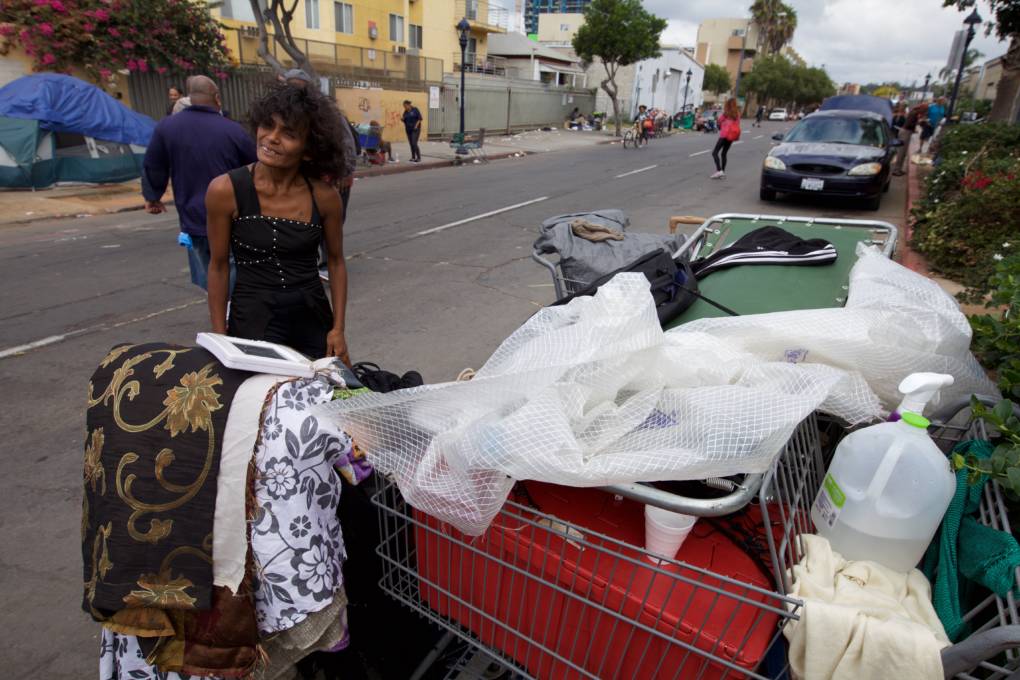
"caption": "Eva Young is a homeless San Diego resident who lives in a crowded encampment in downtown San Diego.",
"description": null,
"title": "SD homeless 4",
"credit": "Alan Horowitch",
"status": "inherit",
"isLoading": false,
"fetchFailed": false
},
"news_11617585": {
"type": "attachments",
"id": "news_11617585",
"meta": {
"index": "attachments_1716263798",
"site": "news",
"id": "11617585",
"found": true
},
"parent": 11617583,
"imgSizes": {
"small": {
"file": "https://ww2.kqed.org/app/uploads/sites/10/2017/09/TentCampKPCC-520x380.jpg",
"width": 520,
"mimeType": "image/jpeg",
"height": 380
},
"twentyfourteen-full-width": {
"file": "https://ww2.kqed.org/app/uploads/sites/10/2017/09/TentCampKPCC-1038x576.jpg",
"width": 1038,
"mimeType": "image/jpeg",
"height": 576
},
"thumbnail": {
"file": "https://ww2.kqed.org/app/uploads/sites/10/2017/09/TentCampKPCC-160x117.jpg",
"width": 160,
"mimeType": "image/jpeg",
"height": 117
},
"fd-sm": {
"file": "https://ww2.kqed.org/app/uploads/sites/10/2017/09/TentCampKPCC-960x701.jpg",
"width": 960,
"mimeType": "image/jpeg",
"height": 701
},
"post-thumbnail": {
"file": "https://ww2.kqed.org/app/uploads/sites/10/2017/09/TentCampKPCC-672x372.jpg",
"width": 672,
"mimeType": "image/jpeg",
"height": 372
},
"xsmall": {
"file": "https://ww2.kqed.org/app/uploads/sites/10/2017/09/TentCampKPCC-375x274.jpg",
"width": 375,
"mimeType": "image/jpeg",
"height": 274
},
"kqedFullSize": {
"file": "https://ww2.kqed.org/app/uploads/sites/10/2017/09/TentCampKPCC.jpg",
"width": 1920,
"height": 1402
},
"large": {
"file": "https://ww2.kqed.org/app/uploads/sites/10/2017/09/TentCampKPCC-1020x745.jpg",
"width": 1020,
"mimeType": "image/jpeg",
"height": 745
},
"xlarge": {
"file": "https://ww2.kqed.org/app/uploads/sites/10/2017/09/TentCampKPCC-1180x862.jpg",
"width": 1180,
"mimeType": "image/jpeg",
"height": 862
},
"guest-author-50": {
"file": "https://ww2.kqed.org/app/uploads/sites/10/2017/09/TentCampKPCC-50x50.jpg",
"width": 50,
"mimeType": "image/jpeg",
"height": 50
},
"guest-author-96": {
"file": "https://ww2.kqed.org/app/uploads/sites/10/2017/09/TentCampKPCC-96x96.jpg",
"width": 96,
"mimeType": "image/jpeg",
"height": 96
},
"medium": {
"file": "https://ww2.kqed.org/app/uploads/sites/10/2017/09/TentCampKPCC-800x584.jpg",
"width": 800,
"mimeType": "image/jpeg",
"height": 584
},
"guest-author-64": {
"file": "https://ww2.kqed.org/app/uploads/sites/10/2017/09/TentCampKPCC-64x64.jpg",
"width": 64,
"mimeType": "image/jpeg",
"height": 64
},
"guest-author-32": {
"file": "https://ww2.kqed.org/app/uploads/sites/10/2017/09/TentCampKPCC-32x32.jpg",
"width": 32,
"mimeType": "image/jpeg",
"height": 32
},
"fd-lrg": {
"file": "https://ww2.kqed.org/app/uploads/sites/10/2017/09/TentCampKPCC-1920x1402.jpg",
"width": 1920,
"mimeType": "image/jpeg",
"height": 1402
},
"fd-med": {
"file": "https://ww2.kqed.org/app/uploads/sites/10/2017/09/TentCampKPCC-1180x862.jpg",
"width": 1180,
"mimeType": "image/jpeg",
"height": 862
},
"full-width": {
"file": "https://ww2.kqed.org/app/uploads/sites/10/2017/09/TentCampKPCC-1920x1402.jpg",
"width": 1920,
"mimeType": "image/jpeg",
"height": 1402
},
"detail": {
"file": "https://ww2.kqed.org/app/uploads/sites/10/2017/09/TentCampKPCC-150x150.jpg",
"width": 150,
"mimeType": "image/jpeg",
"height": 150
},
"guest-author-128": {
"file": "https://ww2.kqed.org/app/uploads/sites/10/2017/09/TentCampKPCC-128x128.jpg",
"width": 128,
"mimeType": "image/jpeg",
"height": 128
},
"xxsmall": {
"file": "https://ww2.kqed.org/app/uploads/sites/10/2017/09/TentCampKPCC-240x175.jpg",
"width": 240,
"mimeType": "image/jpeg",
"height": 175
}
},
"publishDate": 1505769144,
"modified": 1505769191,
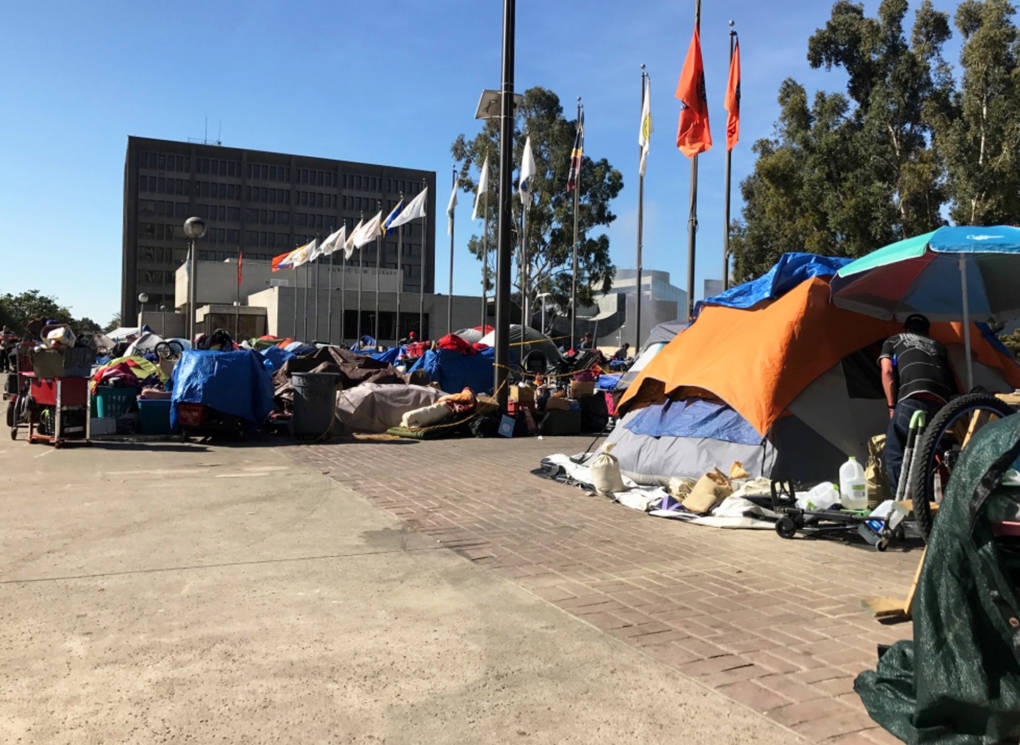
"caption": "A homeless encampment near the Santa Ana Civic Center in Orange County.",
"description": "A homeless encampment near the Santa Ana Civic Center in Orange County.",
"title": "TentCampKPCC",
"credit": "Jill Replogle/KPCC",
"status": "inherit",
"isLoading": false,
"fetchFailed": false
},
"news_11616759": {
"type": "attachments",
"id": "news_11616759",
"meta": {
"index": "attachments_1716263798",
"site": "news",
"id": "11616759",
"found": true
},
"parent": 11616758,
"imgSizes": {
"small": {
"file": "https://ww2.kqed.org/app/uploads/sites/10/2017/09/spray-2a99024b64c41b007825eef45a908a3b98f6e5c0-520x390.jpg",
"width": 520,
"mimeType": "image/jpeg",
"height": 390
},
"twentyfourteen-full-width": {
"file": "https://ww2.kqed.org/app/uploads/sites/10/2017/09/spray-2a99024b64c41b007825eef45a908a3b98f6e5c0-1038x576.jpg",
"width": 1038,
"mimeType": "image/jpeg",
"height": 576
},
"thumbnail": {
"file": "https://ww2.kqed.org/app/uploads/sites/10/2017/09/spray-2a99024b64c41b007825eef45a908a3b98f6e5c0-160x120.jpg",
"width": 160,
"mimeType": "image/jpeg",
"height": 120
},
"fd-sm": {
"file": "https://ww2.kqed.org/app/uploads/sites/10/2017/09/spray-2a99024b64c41b007825eef45a908a3b98f6e5c0-960x720.jpg",
"width": 960,
"mimeType": "image/jpeg",
"height": 720
},
"post-thumbnail": {
"file": "https://ww2.kqed.org/app/uploads/sites/10/2017/09/spray-2a99024b64c41b007825eef45a908a3b98f6e5c0-672x372.jpg",
"width": 672,
"mimeType": "image/jpeg",
"height": 372
},
"xsmall": {
"file": "https://ww2.kqed.org/app/uploads/sites/10/2017/09/spray-2a99024b64c41b007825eef45a908a3b98f6e5c0-375x281.jpg",
"width": 375,
"mimeType": "image/jpeg",
"height": 281
},
"kqedFullSize": {
"file": "https://ww2.kqed.org/app/uploads/sites/10/2017/09/spray-2a99024b64c41b007825eef45a908a3b98f6e5c0-e1505342620356.jpg",
"width": 1920,
"height": 1440
},
"large": {
"file": "https://ww2.kqed.org/app/uploads/sites/10/2017/09/spray-2a99024b64c41b007825eef45a908a3b98f6e5c0-1020x765.jpg",
"width": 1020,
"mimeType": "image/jpeg",
"height": 765
},
"xlarge": {
"file": "https://ww2.kqed.org/app/uploads/sites/10/2017/09/spray-2a99024b64c41b007825eef45a908a3b98f6e5c0-1180x885.jpg",
"width": 1180,
"mimeType": "image/jpeg",
"height": 885
},
"guest-author-50": {
"file": "https://ww2.kqed.org/app/uploads/sites/10/2017/09/spray-2a99024b64c41b007825eef45a908a3b98f6e5c0-50x50.jpg",
"width": 50,
"mimeType": "image/jpeg",
"height": 50
},
"guest-author-96": {
"file": "https://ww2.kqed.org/app/uploads/sites/10/2017/09/spray-2a99024b64c41b007825eef45a908a3b98f6e5c0-96x96.jpg",
"width": 96,
"mimeType": "image/jpeg",
"height": 96
},
"medium": {
"file": "https://ww2.kqed.org/app/uploads/sites/10/2017/09/spray-2a99024b64c41b007825eef45a908a3b98f6e5c0-800x600.jpg",
"width": 800,
"mimeType": "image/jpeg",
"height": 600
},
"guest-author-64": {
"file": "https://ww2.kqed.org/app/uploads/sites/10/2017/09/spray-2a99024b64c41b007825eef45a908a3b98f6e5c0-64x64.jpg",
"width": 64,
"mimeType": "image/jpeg",
"height": 64
},
"guest-author-32": {
"file": "https://ww2.kqed.org/app/uploads/sites/10/2017/09/spray-2a99024b64c41b007825eef45a908a3b98f6e5c0-32x32.jpg",
"width": 32,
"mimeType": "image/jpeg",
"height": 32
},
"fd-lrg": {
"file": "https://ww2.kqed.org/app/uploads/sites/10/2017/09/spray-2a99024b64c41b007825eef45a908a3b98f6e5c0-1920x1440.jpg",
"width": 1920,
"mimeType": "image/jpeg",
"height": 1440
},
"fd-med": {
"file": "https://ww2.kqed.org/app/uploads/sites/10/2017/09/spray-2a99024b64c41b007825eef45a908a3b98f6e5c0-1180x885.jpg",
"width": 1180,
"mimeType": "image/jpeg",
"height": 885
},
"full-width": {
"file": "https://ww2.kqed.org/app/uploads/sites/10/2017/09/spray-2a99024b64c41b007825eef45a908a3b98f6e5c0-1920x1440.jpg",
"width": 1920,
"mimeType": "image/jpeg",
"height": 1440
},
"detail": {
"file": "https://ww2.kqed.org/app/uploads/sites/10/2017/09/spray-2a99024b64c41b007825eef45a908a3b98f6e5c0-150x150.jpg",
"width": 150,
"mimeType": "image/jpeg",
"height": 150
},
"guest-author-128": {
"file": "https://ww2.kqed.org/app/uploads/sites/10/2017/09/spray-2a99024b64c41b007825eef45a908a3b98f6e5c0-128x128.jpg",
"width": 128,
"mimeType": "image/jpeg",
"height": 128
},
"xxsmall": {
"file": "https://ww2.kqed.org/app/uploads/sites/10/2017/09/spray-2a99024b64c41b007825eef45a908a3b98f6e5c0-240x180.jpg",
"width": 240,
"mimeType": "image/jpeg",
"height": 180
}
},
"publishDate": 1505342515,
"modified": 1506640342,
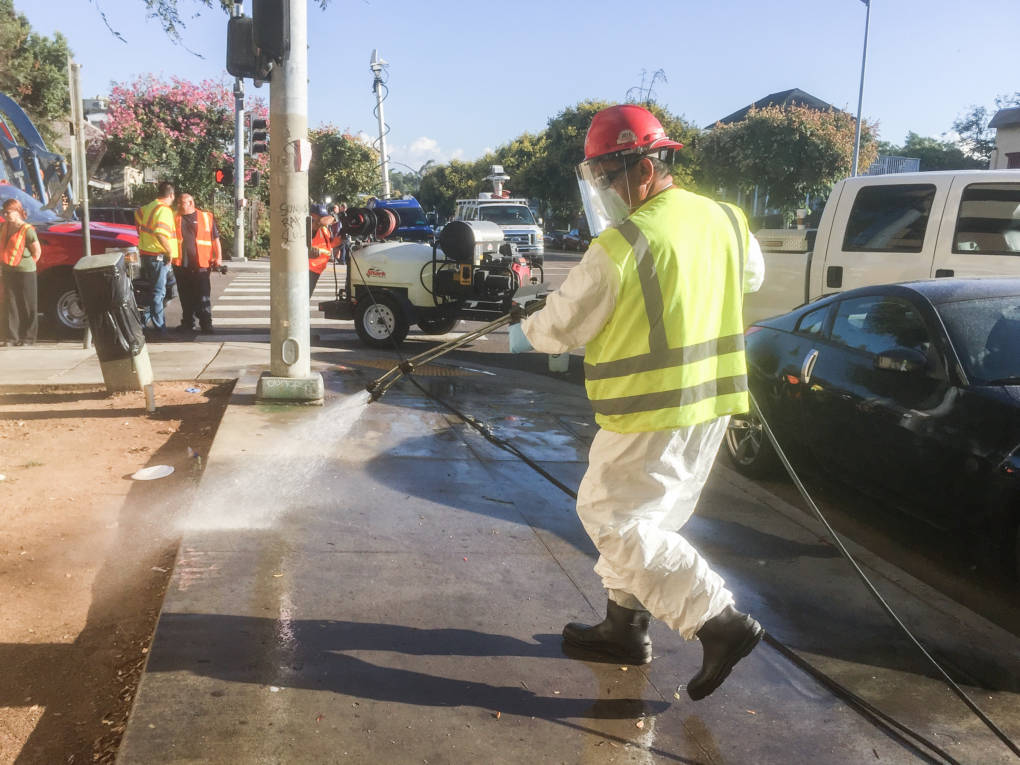
"caption": "City workers wash down streets and sidewalks on Monday in an effort to control a Hepatitis A outbreak in San Diego.",
"description": "City workers wash down streets and sidewalks in an effort to control a Hepatitis A outbreak in San Diego on Monday.",
"title": "City workers wash down streets and sidewalks in an effort to control a Hepatitis A outbreak in San Diego on Monday.",
"credit": "Susan Murphy/KPBS",
"status": "inherit",
"isLoading": false,
"fetchFailed": false
},
"news_11616552": {
"type": "attachments",
"id": "news_11616552",
"meta": {
"index": "attachments_1716263798",
"site": "news",
"id": "11616552",
"found": true
},
"parent": 11616509,
"imgSizes": {
"small": {
"file": "https://ww2.kqed.org/app/uploads/sites/10/2017/09/HamdardBoys-520x276.jpg",
"width": 520,
"mimeType": "image/jpeg",
"height": 276
},
"twentyfourteen-full-width": {
"file": "https://ww2.kqed.org/app/uploads/sites/10/2017/09/HamdardBoys-1038x576.jpg",
"width": 1038,
"mimeType": "image/jpeg",
"height": 576
},
"thumbnail": {
"file": "https://ww2.kqed.org/app/uploads/sites/10/2017/09/HamdardBoys-160x85.jpg",
"width": 160,
"mimeType": "image/jpeg",
"height": 85
},
"fd-sm": {
"file": "https://ww2.kqed.org/app/uploads/sites/10/2017/09/HamdardBoys-960x510.jpg",
"width": 960,
"mimeType": "image/jpeg",
"height": 510
},
"post-thumbnail": {
"file": "https://ww2.kqed.org/app/uploads/sites/10/2017/09/HamdardBoys-672x372.jpg",
"width": 672,
"mimeType": "image/jpeg",
"height": 372
},
"xsmall": {
"file": "https://ww2.kqed.org/app/uploads/sites/10/2017/09/HamdardBoys-375x199.jpg",
"width": 375,
"mimeType": "image/jpeg",
"height": 199
},
"kqedFullSize": {
"file": "https://ww2.kqed.org/app/uploads/sites/10/2017/09/HamdardBoys.jpg",
"width": 1920,
"height": 1020
},
"large": {
"file": "https://ww2.kqed.org/app/uploads/sites/10/2017/09/HamdardBoys-1020x542.jpg",
"width": 1020,
"mimeType": "image/jpeg",
"height": 542
},
"xlarge": {
"file": "https://ww2.kqed.org/app/uploads/sites/10/2017/09/HamdardBoys-1180x627.jpg",
"width": 1180,
"mimeType": "image/jpeg",
"height": 627
},
"guest-author-50": {
"file": "https://ww2.kqed.org/app/uploads/sites/10/2017/09/HamdardBoys-50x50.jpg",
"width": 50,
"mimeType": "image/jpeg",
"height": 50
},
"guest-author-96": {
"file": "https://ww2.kqed.org/app/uploads/sites/10/2017/09/HamdardBoys-96x96.jpg",
"width": 96,
"mimeType": "image/jpeg",
"height": 96
},
"medium": {
"file": "https://ww2.kqed.org/app/uploads/sites/10/2017/09/HamdardBoys-800x425.jpg",
"width": 800,
"mimeType": "image/jpeg",
"height": 425
},
"guest-author-64": {
"file": "https://ww2.kqed.org/app/uploads/sites/10/2017/09/HamdardBoys-64x64.jpg",
"width": 64,
"mimeType": "image/jpeg",
"height": 64
},
"guest-author-32": {
"file": "https://ww2.kqed.org/app/uploads/sites/10/2017/09/HamdardBoys-32x32.jpg",
"width": 32,
"mimeType": "image/jpeg",
"height": 32
},
"fd-lrg": {
"file": "https://ww2.kqed.org/app/uploads/sites/10/2017/09/HamdardBoys-1920x1020.jpg",
"width": 1920,
"mimeType": "image/jpeg",
"height": 1020
},
"fd-med": {
"file": "https://ww2.kqed.org/app/uploads/sites/10/2017/09/HamdardBoys-1180x627.jpg",
"width": 1180,
"mimeType": "image/jpeg",
"height": 627
},
"full-width": {
"file": "https://ww2.kqed.org/app/uploads/sites/10/2017/09/HamdardBoys-1920x1020.jpg",
"width": 1920,
"mimeType": "image/jpeg",
"height": 1020
},
"detail": {
"file": "https://ww2.kqed.org/app/uploads/sites/10/2017/09/HamdardBoys-150x150.jpg",
"width": 150,
"mimeType": "image/jpeg",
"height": 150
},
"guest-author-128": {
"file": "https://ww2.kqed.org/app/uploads/sites/10/2017/09/HamdardBoys-128x128.jpg",
"width": 128,
"mimeType": "image/jpeg",
"height": 128
},
"xxsmall": {
"file": "https://ww2.kqed.org/app/uploads/sites/10/2017/09/HamdardBoys-240x128.jpg",
"width": 240,
"mimeType": "image/jpeg",
"height": 128
}
},
"publishDate": 1505258778,
"modified": 1505259666,
"caption": "Two young members of the Hamdard family, refugees from Afghanistan, stand in their kitchen. They're one of three large refugee families the IRC helped resettle at an El Cajon apartment complex. The three families are being asked to move because they have too many people living in their homes.",
"description": "Two young members of the Hamdard family, refugees from Afghanistan, stand in their kitchen. They're one of three large refugee families the IRC helped resettle at an El Cajon apartment complex. The three families are being asked to move because they have too many people living in their homes.",
"title": "HamdardBoys",
"credit": "KPBS/YouTube",
"status": "inherit",
"isLoading": false,
"fetchFailed": false
},
"news_11612327": {
"type": "attachments",
"id": "news_11612327",
"meta": {
"index": "attachments_1716263798",
"site": "news",
"id": "11612327",
"found": true
},
"parent": 11612271,
"imgSizes": {
"small": {
"file": "https://ww2.kqed.org/app/uploads/sites/10/2017/08/Faulconer-800x510-520x332.jpg",
"width": 520,
"mimeType": "image/jpeg",
"height": 332
},
"thumbnail": {
"file": "https://ww2.kqed.org/app/uploads/sites/10/2017/08/Faulconer-800x510-160x102.jpg",
"width": 160,
"mimeType": "image/jpeg",
"height": 102
},
"post-thumbnail": {
"file": "https://ww2.kqed.org/app/uploads/sites/10/2017/08/Faulconer-800x510-672x372.jpg",
"width": 672,
"mimeType": "image/jpeg",
"height": 372
},
"xsmall": {
"file": "https://ww2.kqed.org/app/uploads/sites/10/2017/08/Faulconer-800x510-375x239.jpg",
"width": 375,
"mimeType": "image/jpeg",
"height": 239
},
"kqedFullSize": {
"file": "https://ww2.kqed.org/app/uploads/sites/10/2017/08/Faulconer-800x510.jpg",
"width": 800,
"height": 510
},
"guest-author-50": {
"file": "https://ww2.kqed.org/app/uploads/sites/10/2017/08/Faulconer-800x510-50x50.jpg",
"width": 50,
"mimeType": "image/jpeg",
"height": 50
},
"guest-author-96": {
"file": "https://ww2.kqed.org/app/uploads/sites/10/2017/08/Faulconer-800x510-96x96.jpg",
"width": 96,
"mimeType": "image/jpeg",
"height": 96
},
"medium": {
"file": "https://ww2.kqed.org/app/uploads/sites/10/2017/08/Faulconer-800x510-800x510.jpg",
"width": 800,
"mimeType": "image/jpeg",
"height": 510
},
"guest-author-64": {
"file": "https://ww2.kqed.org/app/uploads/sites/10/2017/08/Faulconer-800x510-64x64.jpg",
"width": 64,
"mimeType": "image/jpeg",
"height": 64
},
"guest-author-32": {
"file": "https://ww2.kqed.org/app/uploads/sites/10/2017/08/Faulconer-800x510-32x32.jpg",
"width": 32,
"mimeType": "image/jpeg",
"height": 32
},
"detail": {
"file": "https://ww2.kqed.org/app/uploads/sites/10/2017/08/Faulconer-800x510-150x150.jpg",
"width": 150,
"mimeType": "image/jpeg",
"height": 150
},
"guest-author-128": {
"file": "https://ww2.kqed.org/app/uploads/sites/10/2017/08/Faulconer-800x510-128x128.jpg",
"width": 128,
"mimeType": "image/jpeg",
"height": 128
},
"xxsmall": {
"file": "https://ww2.kqed.org/app/uploads/sites/10/2017/08/Faulconer-800x510-240x153.jpg",
"width": 240,
"mimeType": "image/jpeg",
"height": 153
}
},
"publishDate": 1502912880,
"modified": 1502912919,
"caption": "San Diego Mayor Kevin Faulconer in 2014.",
"description": "San Diego Mayor Kevin Faulconer in 2014.",
"title": "Faulconer-800x510",
"credit": "Tristan Loper/Wikimedia Commons",
"status": "inherit",
"isLoading": false,
"fetchFailed": false
},
"news_11610007": {
"type": "attachments",
"id": "news_11610007",
"meta": {
"index": "attachments_1716263798",
"site": "news",
"id": "11610007",
"found": true
},
"parent": 11610001,
"imgSizes": {
"small": {
"file": "https://ww2.kqed.org/app/uploads/sites/10/2017/08/Capture-520x264.png",
"width": 520,
"mimeType": "image/png",
"height": 264
},
"twentyfourteen-full-width": {
"file": "https://ww2.kqed.org/app/uploads/sites/10/2017/08/Capture-1038x576.png",
"width": 1038,
"mimeType": "image/png",
"height": 576
},
"thumbnail": {
"file": "https://ww2.kqed.org/app/uploads/sites/10/2017/08/Capture-160x81.png",
"width": 160,
"mimeType": "image/png",
"height": 81
},
"fd-sm": {
"file": "https://ww2.kqed.org/app/uploads/sites/10/2017/08/Capture-960x488.png",
"width": 960,
"mimeType": "image/png",
"height": 488
},
"post-thumbnail": {
"file": "https://ww2.kqed.org/app/uploads/sites/10/2017/08/Capture-672x372.png",
"width": 672,
"mimeType": "image/png",
"height": 372
},
"xsmall": {
"file": "https://ww2.kqed.org/app/uploads/sites/10/2017/08/Capture-375x191.png",
"width": 375,
"mimeType": "image/png",
"height": 191
},
"kqedFullSize": {
"file": "https://ww2.kqed.org/app/uploads/sites/10/2017/08/Capture.png",
"width": 1911,
"height": 971
},
"large": {
"file": "https://ww2.kqed.org/app/uploads/sites/10/2017/08/Capture-1020x518.png",
"width": 1020,
"mimeType": "image/png",
"height": 518
},
"xlarge": {
"file": "https://ww2.kqed.org/app/uploads/sites/10/2017/08/Capture-1180x600.png",
"width": 1180,
"mimeType": "image/png",
"height": 600
},
"guest-author-50": {
"file": "https://ww2.kqed.org/app/uploads/sites/10/2017/08/Capture-50x50.png",
"width": 50,
"mimeType": "image/png",
"height": 50
},
"guest-author-96": {
"file": "https://ww2.kqed.org/app/uploads/sites/10/2017/08/Capture-96x96.png",
"width": 96,
"mimeType": "image/png",
"height": 96
},
"medium": {
"file": "https://ww2.kqed.org/app/uploads/sites/10/2017/08/Capture-800x406.png",
"width": 800,
"mimeType": "image/png",
"height": 406
},
"guest-author-64": {
"file": "https://ww2.kqed.org/app/uploads/sites/10/2017/08/Capture-64x64.png",
"width": 64,
"mimeType": "image/png",
"height": 64
},
"guest-author-32": {
"file": "https://ww2.kqed.org/app/uploads/sites/10/2017/08/Capture-32x32.png",
"width": 32,
"mimeType": "image/png",
"height": 32
},
"fd-med": {
"file": "https://ww2.kqed.org/app/uploads/sites/10/2017/08/Capture-1180x600.png",
"width": 1180,
"mimeType": "image/png",
"height": 600
},
"detail": {
"file": "https://ww2.kqed.org/app/uploads/sites/10/2017/08/Capture-150x150.png",
"width": 150,
"mimeType": "image/png",
"height": 150
},
"guest-author-128": {
"file": "https://ww2.kqed.org/app/uploads/sites/10/2017/08/Capture-128x128.png",
"width": 128,
"mimeType": "image/png",
"height": 128
},
"xxsmall": {
"file": "https://ww2.kqed.org/app/uploads/sites/10/2017/08/Capture-240x122.png",
"width": 240,
"mimeType": "image/png",
"height": 122
}
},
"publishDate": 1501795141,
"modified": 1501795265,
"caption": "In CCTV video, two customs officers appear to be gesturing at Cruz Velazquez to drink from the bottles of liquid methamphetamine and laughing when he does.",
"description": null,
"title": "Capture",
"credit": "Youtube Screenshot",
"status": "inherit",
"isLoading": false,
"fetchFailed": false
},
"news_11591820": {
"type": "attachments",
"id": "news_11591820",
"meta": {
"index": "attachments_1716263798",
"site": "news",
"id": "11591820",
"found": true
},
"parent": 11591770,
"imgSizes": {
"small": {
"file": "https://ww2.kqed.org/app/uploads/sites/10/2017/07/RefugeeMom-520x347.jpg",
"width": 520,
"mimeType": "image/jpeg",
"height": 347
},
"twentyfourteen-full-width": {
"file": "https://ww2.kqed.org/app/uploads/sites/10/2017/07/RefugeeMom-1038x576.jpg",
"width": 1038,
"mimeType": "image/jpeg",
"height": 576
},
"thumbnail": {
"file": "https://ww2.kqed.org/app/uploads/sites/10/2017/07/RefugeeMom-160x107.jpg",
"width": 160,
"mimeType": "image/jpeg",
"height": 107
},
"fd-sm": {
"file": "https://ww2.kqed.org/app/uploads/sites/10/2017/07/RefugeeMom-960x640.jpg",
"width": 960,
"mimeType": "image/jpeg",
"height": 640
},
"post-thumbnail": {
"file": "https://ww2.kqed.org/app/uploads/sites/10/2017/07/RefugeeMom-672x372.jpg",
"width": 672,
"mimeType": "image/jpeg",
"height": 372
},
"xsmall": {
"file": "https://ww2.kqed.org/app/uploads/sites/10/2017/07/RefugeeMom-375x250.jpg",
"width": 375,
"mimeType": "image/jpeg",
"height": 250
},
"kqedFullSize": {
"file": "https://ww2.kqed.org/app/uploads/sites/10/2017/07/RefugeeMom.jpg",
"width": 1920,
"height": 1280
},
"large": {
"file": "https://ww2.kqed.org/app/uploads/sites/10/2017/07/RefugeeMom-1020x680.jpg",
"width": 1020,
"mimeType": "image/jpeg",
"height": 680
},
"xlarge": {
"file": "https://ww2.kqed.org/app/uploads/sites/10/2017/07/RefugeeMom-1180x787.jpg",
"width": 1180,
"mimeType": "image/jpeg",
"height": 787
},
"guest-author-50": {
"file": "https://ww2.kqed.org/app/uploads/sites/10/2017/07/RefugeeMom-50x50.jpg",
"width": 50,
"mimeType": "image/jpeg",
"height": 50
},
"guest-author-96": {
"file": "https://ww2.kqed.org/app/uploads/sites/10/2017/07/RefugeeMom-96x96.jpg",
"width": 96,
"mimeType": "image/jpeg",
"height": 96
},
"medium": {
"file": "https://ww2.kqed.org/app/uploads/sites/10/2017/07/RefugeeMom-800x533.jpg",
"width": 800,
"mimeType": "image/jpeg",
"height": 533
},
"guest-author-64": {
"file": "https://ww2.kqed.org/app/uploads/sites/10/2017/07/RefugeeMom-64x64.jpg",
"width": 64,
"mimeType": "image/jpeg",
"height": 64
},
"guest-author-32": {
"file": "https://ww2.kqed.org/app/uploads/sites/10/2017/07/RefugeeMom-32x32.jpg",
"width": 32,
"mimeType": "image/jpeg",
"height": 32
},
"fd-lrg": {
"file": "https://ww2.kqed.org/app/uploads/sites/10/2017/07/RefugeeMom-1920x1280.jpg",
"width": 1920,
"mimeType": "image/jpeg",
"height": 1280
},
"fd-med": {
"file": "https://ww2.kqed.org/app/uploads/sites/10/2017/07/RefugeeMom-1180x787.jpg",
"width": 1180,
"mimeType": "image/jpeg",
"height": 787
},
"full-width": {
"file": "https://ww2.kqed.org/app/uploads/sites/10/2017/07/RefugeeMom-1920x1280.jpg",
"width": 1920,
"mimeType": "image/jpeg",
"height": 1280
},
"detail": {
"file": "https://ww2.kqed.org/app/uploads/sites/10/2017/07/RefugeeMom-150x150.jpg",
"width": 150,
"mimeType": "image/jpeg",
"height": 150
},
"guest-author-128": {
"file": "https://ww2.kqed.org/app/uploads/sites/10/2017/07/RefugeeMom-128x128.jpg",
"width": 128,
"mimeType": "image/jpeg",
"height": 128
},
"xxsmall": {
"file": "https://ww2.kqed.org/app/uploads/sites/10/2017/07/RefugeeMom-240x160.jpg",
"width": 240,
"mimeType": "image/jpeg",
"height": 160
}
},
"publishDate": 1500929851,
"modified": 1500929897,
"caption": "Anisa Omar holds her friend's son while his mother dances at a picnic where primarily Congolese refugees celebrate completion of English classes.",
"description": "Anisa Omar holds her friend's son while his mother dances at a picnic where primarily Congolese refugees celebrate completion of English classes.",
"title": "RefugeeMom",
"credit": "Peggy Peattie/CALmatters",
"status": "inherit",
"isLoading": false,
"fetchFailed": false
},
"news_11573260": {
"type": "attachments",
"id": "news_11573260",
"meta": {
"index": "attachments_1716263798",
"site": "news",
"id": "11573260",
"found": true
},
"parent": 11573091,
"imgSizes": {
"small": {
"file": "https://ww2.kqed.org/app/uploads/sites/10/2017/07/GalvezTunnel-520x287.jpg",
"width": 520,
"mimeType": "image/jpeg",
"height": 287
},
"twentyfourteen-full-width": {
"file": "https://ww2.kqed.org/app/uploads/sites/10/2017/07/GalvezTunnel-1038x576.jpg",
"width": 1038,
"mimeType": "image/jpeg",
"height": 576
},
"thumbnail": {
"file": "https://ww2.kqed.org/app/uploads/sites/10/2017/07/GalvezTunnel-160x88.jpg",
"width": 160,
"mimeType": "image/jpeg",
"height": 88
},
"fd-sm": {
"file": "https://ww2.kqed.org/app/uploads/sites/10/2017/07/GalvezTunnel-960x529.jpg",
"width": 960,
"mimeType": "image/jpeg",
"height": 529
},
"post-thumbnail": {
"file": "https://ww2.kqed.org/app/uploads/sites/10/2017/07/GalvezTunnel-672x372.jpg",
"width": 672,
"mimeType": "image/jpeg",
"height": 372
},
"xsmall": {
"file": "https://ww2.kqed.org/app/uploads/sites/10/2017/07/GalvezTunnel-375x207.jpg",
"width": 375,
"mimeType": "image/jpeg",
"height": 207
},
"kqedFullSize": {
"file": "https://ww2.kqed.org/app/uploads/sites/10/2017/07/GalvezTunnel.jpg",
"width": 1920,
"height": 1058
},
"large": {
"file": "https://ww2.kqed.org/app/uploads/sites/10/2017/07/GalvezTunnel-1020x562.jpg",
"width": 1020,
"mimeType": "image/jpeg",
"height": 562
},
"xlarge": {
"file": "https://ww2.kqed.org/app/uploads/sites/10/2017/07/GalvezTunnel-1180x650.jpg",
"width": 1180,
"mimeType": "image/jpeg",
"height": 650
},
"guest-author-50": {
"file": "https://ww2.kqed.org/app/uploads/sites/10/2017/07/GalvezTunnel-50x50.jpg",
"width": 50,
"mimeType": "image/jpeg",
"height": 50
},
"guest-author-96": {
"file": "https://ww2.kqed.org/app/uploads/sites/10/2017/07/GalvezTunnel-96x96.jpg",
"width": 96,
"mimeType": "image/jpeg",
"height": 96
},
"medium": {
"file": "https://ww2.kqed.org/app/uploads/sites/10/2017/07/GalvezTunnel-800x441.jpg",
"width": 800,
"mimeType": "image/jpeg",
"height": 441
},
"guest-author-64": {
"file": "https://ww2.kqed.org/app/uploads/sites/10/2017/07/GalvezTunnel-64x64.jpg",
"width": 64,
"mimeType": "image/jpeg",
"height": 64
},
"guest-author-32": {
"file": "https://ww2.kqed.org/app/uploads/sites/10/2017/07/GalvezTunnel-32x32.jpg",
"width": 32,
"mimeType": "image/jpeg",
"height": 32
},
"fd-lrg": {
"file": "https://ww2.kqed.org/app/uploads/sites/10/2017/07/GalvezTunnel-1920x1058.jpg",
"width": 1920,
"mimeType": "image/jpeg",
"height": 1058
},
"fd-med": {
"file": "https://ww2.kqed.org/app/uploads/sites/10/2017/07/GalvezTunnel-1180x650.jpg",
"width": 1180,
"mimeType": "image/jpeg",
"height": 650
},
"full-width": {
"file": "https://ww2.kqed.org/app/uploads/sites/10/2017/07/GalvezTunnel-1920x1058.jpg",
"width": 1920,
"mimeType": "image/jpeg",
"height": 1058
},
"detail": {
"file": "https://ww2.kqed.org/app/uploads/sites/10/2017/07/GalvezTunnel-150x150.jpg",
"width": 150,
"mimeType": "image/jpeg",
"height": 150
},
"guest-author-128": {
"file": "https://ww2.kqed.org/app/uploads/sites/10/2017/07/GalvezTunnel-128x128.jpg",
"width": 128,
"mimeType": "image/jpeg",
"height": 128
},
"xxsmall": {
"file": "https://ww2.kqed.org/app/uploads/sites/10/2017/07/GalvezTunnel-240x132.jpg",
"width": 240,
"mimeType": "image/jpeg",
"height": 132
}
},
"publishDate": 1500336797,
"modified": 1500336838,
"caption": "The inside of the Galvez Tunnel near the U.S.-Mexico border, June 12, 2017.",
"description": "The inside of the Galvez Tunnel near the U.S.-Mexico border, June 12, 2017.",
"title": "GalvezTunnel",
"credit": "Jean Guerrero/KPBS",
"status": "inherit",
"isLoading": false,
"fetchFailed": false
},
"news_11520719": {
"type": "attachments",
"id": "news_11520719",
"meta": {
"index": "attachments_1716263798",
"site": "news",
"id": "11520719",
"found": true
},
"parent": 11520718,
"imgSizes": {
"small": {
"file": "https://ww2.kqed.org/app/uploads/sites/10/2017/06/borderstudents_002a_custom-c774a222e7ffa5ccc40b0f0963e0132a4ac5e094-520x346.jpg",
"width": 520,
"mimeType": "image/jpeg",
"height": 346
},
"twentyfourteen-full-width": {
"file": "https://ww2.kqed.org/app/uploads/sites/10/2017/06/borderstudents_002a_custom-c774a222e7ffa5ccc40b0f0963e0132a4ac5e094-1038x576.jpg",
"width": 1038,
"mimeType": "image/jpeg",
"height": 576
},
"thumbnail": {
"file": "https://ww2.kqed.org/app/uploads/sites/10/2017/06/borderstudents_002a_custom-c774a222e7ffa5ccc40b0f0963e0132a4ac5e094-160x107.jpg",
"width": 160,
"mimeType": "image/jpeg",
"height": 107
},
"fd-sm": {
"file": "https://ww2.kqed.org/app/uploads/sites/10/2017/06/borderstudents_002a_custom-c774a222e7ffa5ccc40b0f0963e0132a4ac5e094-960x639.jpg",
"width": 960,
"mimeType": "image/jpeg",
"height": 639
},
"post-thumbnail": {
"file": "https://ww2.kqed.org/app/uploads/sites/10/2017/06/borderstudents_002a_custom-c774a222e7ffa5ccc40b0f0963e0132a4ac5e094-672x372.jpg",
"width": 672,
"mimeType": "image/jpeg",
"height": 372
},
"xsmall": {
"file": "https://ww2.kqed.org/app/uploads/sites/10/2017/06/borderstudents_002a_custom-c774a222e7ffa5ccc40b0f0963e0132a4ac5e094-375x250.jpg",
"width": 375,
"mimeType": "image/jpeg",
"height": 250
},
"kqedFullSize": {
"file": "https://ww2.kqed.org/app/uploads/sites/10/2017/06/borderstudents_002a_custom-c774a222e7ffa5ccc40b0f0963e0132a4ac5e094-e1497911983786.jpg",
"width": 1920,
"height": 1279
},
"large": {
"file": "https://ww2.kqed.org/app/uploads/sites/10/2017/06/borderstudents_002a_custom-c774a222e7ffa5ccc40b0f0963e0132a4ac5e094-1020x679.jpg",
"width": 1020,
"mimeType": "image/jpeg",
"height": 679
},
"xlarge": {
"file": "https://ww2.kqed.org/app/uploads/sites/10/2017/06/borderstudents_002a_custom-c774a222e7ffa5ccc40b0f0963e0132a4ac5e094-1180x786.jpg",
"width": 1180,
"mimeType": "image/jpeg",
"height": 786
},
"guest-author-50": {
"file": "https://ww2.kqed.org/app/uploads/sites/10/2017/06/borderstudents_002a_custom-c774a222e7ffa5ccc40b0f0963e0132a4ac5e094-50x50.jpg",
"width": 50,
"mimeType": "image/jpeg",
"height": 50
},
"guest-author-96": {
"file": "https://ww2.kqed.org/app/uploads/sites/10/2017/06/borderstudents_002a_custom-c774a222e7ffa5ccc40b0f0963e0132a4ac5e094-96x96.jpg",
"width": 96,
"mimeType": "image/jpeg",
"height": 96
},
"medium": {
"file": "https://ww2.kqed.org/app/uploads/sites/10/2017/06/borderstudents_002a_custom-c774a222e7ffa5ccc40b0f0963e0132a4ac5e094-800x533.jpg",
"width": 800,
"mimeType": "image/jpeg",
"height": 533
},
"guest-author-64": {
"file": "https://ww2.kqed.org/app/uploads/sites/10/2017/06/borderstudents_002a_custom-c774a222e7ffa5ccc40b0f0963e0132a4ac5e094-64x64.jpg",
"width": 64,
"mimeType": "image/jpeg",
"height": 64
},
"guest-author-32": {
"file": "https://ww2.kqed.org/app/uploads/sites/10/2017/06/borderstudents_002a_custom-c774a222e7ffa5ccc40b0f0963e0132a4ac5e094-32x32.jpg",
"width": 32,
"mimeType": "image/jpeg",
"height": 32
},
"fd-lrg": {
"file": "https://ww2.kqed.org/app/uploads/sites/10/2017/06/borderstudents_002a_custom-c774a222e7ffa5ccc40b0f0963e0132a4ac5e094-1920x1279.jpg",
"width": 1920,
"mimeType": "image/jpeg",
"height": 1279
},
"fd-med": {
"file": "https://ww2.kqed.org/app/uploads/sites/10/2017/06/borderstudents_002a_custom-c774a222e7ffa5ccc40b0f0963e0132a4ac5e094-1180x786.jpg",
"width": 1180,
"mimeType": "image/jpeg",
"height": 786
},
"full-width": {
"file": "https://ww2.kqed.org/app/uploads/sites/10/2017/06/borderstudents_002a_custom-c774a222e7ffa5ccc40b0f0963e0132a4ac5e094-1920x1279.jpg",
"width": 1920,
"mimeType": "image/jpeg",
"height": 1279
},
"detail": {
"file": "https://ww2.kqed.org/app/uploads/sites/10/2017/06/borderstudents_002a_custom-c774a222e7ffa5ccc40b0f0963e0132a4ac5e094-150x150.jpg",
"width": 150,
"mimeType": "image/jpeg",
"height": 150
},
"guest-author-128": {
"file": "https://ww2.kqed.org/app/uploads/sites/10/2017/06/borderstudents_002a_custom-c774a222e7ffa5ccc40b0f0963e0132a4ac5e094-128x128.jpg",
"width": 128,
"mimeType": "image/jpeg",
"height": 128
},
"xxsmall": {
"file": "https://ww2.kqed.org/app/uploads/sites/10/2017/06/borderstudents_002a_custom-c774a222e7ffa5ccc40b0f0963e0132a4ac5e094-240x160.jpg",
"width": 240,
"mimeType": "image/jpeg",
"height": 160
}
},
"publishDate": 1497911780,
"modified": 1497911977,
"caption": "Students in Tijuana walk toward the U.S. border early in the morning. Teachers in San Diego estimate that about 1,000 students cross from Tijuana into San Diego every day to go to school.",
"description": "Students in Tijuana walk toward the U.S. border early in the morning. Teachers in San Diego estimate that about 1,000 students cross from Tijuana into San Diego every day to go to school.",
"title": "Students in Tijuana walk toward the U.S. border early in the morning on May 2. Teachers in San Diego estimate that about 1,000 students cross from Tijuana into San Diego every day to go to school.",
"credit": "Jonathan Levinson/NPR",
"status": "inherit",
"isLoading": false,
"fetchFailed": false
},
"news_11485982": {
"type": "attachments",
"id": "news_11485982",
"meta": {
"index": "attachments_1716263798",
"site": "news",
"id": "11485982",
"found": true
},
"parent": 11485705,
"imgSizes": {
"small": {
"file": "https://ww2.kqed.org/app/uploads/sites/10/2017/05/TijuanaCheckout2-520x306.jpg",
"width": 520,
"mimeType": "image/jpeg",
"height": 306
},
"twentyfourteen-full-width": {
"file": "https://ww2.kqed.org/app/uploads/sites/10/2017/05/TijuanaCheckout2-1038x576.jpg",
"width": 1038,
"mimeType": "image/jpeg",
"height": 576
},
"thumbnail": {
"file": "https://ww2.kqed.org/app/uploads/sites/10/2017/05/TijuanaCheckout2-160x94.jpg",
"width": 160,
"mimeType": "image/jpeg",
"height": 94
},
"fd-sm": {
"file": "https://ww2.kqed.org/app/uploads/sites/10/2017/05/TijuanaCheckout2-960x565.jpg",
"width": 960,
"mimeType": "image/jpeg",
"height": 565
},
"post-thumbnail": {
"file": "https://ww2.kqed.org/app/uploads/sites/10/2017/05/TijuanaCheckout2-672x372.jpg",
"width": 672,
"mimeType": "image/jpeg",
"height": 372
},
"xsmall": {
"file": "https://ww2.kqed.org/app/uploads/sites/10/2017/05/TijuanaCheckout2-375x221.jpg",
"width": 375,
"mimeType": "image/jpeg",
"height": 221
},
"kqedFullSize": {
"file": "https://ww2.kqed.org/app/uploads/sites/10/2017/05/TijuanaCheckout2.jpg",
"width": 1920,
"height": 1130
},
"large": {
"file": "https://ww2.kqed.org/app/uploads/sites/10/2017/05/TijuanaCheckout2-1020x600.jpg",
"width": 1020,
"mimeType": "image/jpeg",
"height": 600
},
"xlarge": {
"file": "https://ww2.kqed.org/app/uploads/sites/10/2017/05/TijuanaCheckout2-1180x694.jpg",
"width": 1180,
"mimeType": "image/jpeg",
"height": 694
},
"guest-author-50": {
"file": "https://ww2.kqed.org/app/uploads/sites/10/2017/05/TijuanaCheckout2-50x50.jpg",
"width": 50,
"mimeType": "image/jpeg",
"height": 50
},
"guest-author-96": {
"file": "https://ww2.kqed.org/app/uploads/sites/10/2017/05/TijuanaCheckout2-96x96.jpg",
"width": 96,
"mimeType": "image/jpeg",
"height": 96
},
"medium": {
"file": "https://ww2.kqed.org/app/uploads/sites/10/2017/05/TijuanaCheckout2-800x471.jpg",
"width": 800,
"mimeType": "image/jpeg",
"height": 471
},
"guest-author-64": {
"file": "https://ww2.kqed.org/app/uploads/sites/10/2017/05/TijuanaCheckout2-64x64.jpg",
"width": 64,
"mimeType": "image/jpeg",
"height": 64
},
"guest-author-32": {
"file": "https://ww2.kqed.org/app/uploads/sites/10/2017/05/TijuanaCheckout2-32x32.jpg",
"width": 32,
"mimeType": "image/jpeg",
"height": 32
},
"fd-lrg": {
"file": "https://ww2.kqed.org/app/uploads/sites/10/2017/05/TijuanaCheckout2-1920x1130.jpg",
"width": 1920,
"mimeType": "image/jpeg",
"height": 1130
},
"fd-med": {
"file": "https://ww2.kqed.org/app/uploads/sites/10/2017/05/TijuanaCheckout2-1180x694.jpg",
"width": 1180,
"mimeType": "image/jpeg",
"height": 694
},
"full-width": {
"file": "https://ww2.kqed.org/app/uploads/sites/10/2017/05/TijuanaCheckout2-1920x1130.jpg",
"width": 1920,
"mimeType": "image/jpeg",
"height": 1130
},
"detail": {
"file": "https://ww2.kqed.org/app/uploads/sites/10/2017/05/TijuanaCheckout2-150x150.jpg",
"width": 150,
"mimeType": "image/jpeg",
"height": 150
},
"guest-author-128": {
"file": "https://ww2.kqed.org/app/uploads/sites/10/2017/05/TijuanaCheckout2-128x128.jpg",
"width": 128,
"mimeType": "image/jpeg",
"height": 128
},
"xxsmall": {
"file": "https://ww2.kqed.org/app/uploads/sites/10/2017/05/TijuanaCheckout2-240x141.jpg",
"width": 240,
"mimeType": "image/jpeg",
"height": 141
}
},
"publishDate": 1496180918,
"modified": 1496180941,
"caption": "A woman completes her purchase at a Tijuana clothing store. ",
"description": "A woman completes her purchase at a Tijuana clothing store. ",
"title": "TijuanaCheckout2",
"credit": "KPBS/YouTube",
"status": "inherit",
"isLoading": false,
"fetchFailed": false
},
"news_11431117": {
"type": "attachments",
"id": "news_11431117",
"meta": {
"index": "attachments_1716263798",
"site": "news",
"id": "11431117",
"found": true
},
"parent": 11431116,
"imgSizes": {
"small": {
"file": "https://ww2.kqed.org/app/uploads/sites/10/2017/04/CMS-Excavation-9-520x347.jpg",
"width": 520,
"mimeType": "image/jpeg",
"height": 347
},
"twentyfourteen-full-width": {
"file": "https://ww2.kqed.org/app/uploads/sites/10/2017/04/CMS-Excavation-9-1038x576.jpg",
"width": 1038,
"mimeType": "image/jpeg",
"height": 576
},
"thumbnail": {
"file": "https://ww2.kqed.org/app/uploads/sites/10/2017/04/CMS-Excavation-9-160x107.jpg",
"width": 160,
"mimeType": "image/jpeg",
"height": 107
},
"fd-sm": {
"file": "https://ww2.kqed.org/app/uploads/sites/10/2017/04/CMS-Excavation-9-960x640.jpg",
"width": 960,
"mimeType": "image/jpeg",
"height": 640
},
"post-thumbnail": {
"file": "https://ww2.kqed.org/app/uploads/sites/10/2017/04/CMS-Excavation-9-672x372.jpg",
"width": 672,
"mimeType": "image/jpeg",
"height": 372
},
"xsmall": {
"file": "https://ww2.kqed.org/app/uploads/sites/10/2017/04/CMS-Excavation-9-375x250.jpg",
"width": 375,
"mimeType": "image/jpeg",
"height": 250
},
"kqedFullSize": {
"file": "https://ww2.kqed.org/app/uploads/sites/10/2017/04/CMS-Excavation-9-e1493664264160.jpg",
"width": 1920,
"height": 1280
},
"large": {
"file": "https://ww2.kqed.org/app/uploads/sites/10/2017/04/CMS-Excavation-9-1020x680.jpg",
"width": 1020,
"mimeType": "image/jpeg",
"height": 680
},
"xlarge": {
"file": "https://ww2.kqed.org/app/uploads/sites/10/2017/04/CMS-Excavation-9-1180x787.jpg",
"width": 1180,
"mimeType": "image/jpeg",
"height": 787
},
"guest-author-50": {
"file": "https://ww2.kqed.org/app/uploads/sites/10/2017/04/CMS-Excavation-9-50x50.jpg",
"width": 50,
"mimeType": "image/jpeg",
"height": 50
},
"guest-author-96": {
"file": "https://ww2.kqed.org/app/uploads/sites/10/2017/04/CMS-Excavation-9-96x96.jpg",
"width": 96,
"mimeType": "image/jpeg",
"height": 96
},
"medium": {
"file": "https://ww2.kqed.org/app/uploads/sites/10/2017/04/CMS-Excavation-9-800x533.jpg",
"width": 800,
"mimeType": "image/jpeg",
"height": 533
},
"guest-author-64": {
"file": "https://ww2.kqed.org/app/uploads/sites/10/2017/04/CMS-Excavation-9-64x64.jpg",
"width": 64,
"mimeType": "image/jpeg",
"height": 64
},
"guest-author-32": {
"file": "https://ww2.kqed.org/app/uploads/sites/10/2017/04/CMS-Excavation-9-32x32.jpg",
"width": 32,
"mimeType": "image/jpeg",
"height": 32
},
"fd-lrg": {
"file": "https://ww2.kqed.org/app/uploads/sites/10/2017/04/CMS-Excavation-9-1920x1280.jpg",
"width": 1920,
"mimeType": "image/jpeg",
"height": 1280
},
"fd-med": {
"file": "https://ww2.kqed.org/app/uploads/sites/10/2017/04/CMS-Excavation-9-1180x787.jpg",
"width": 1180,
"mimeType": "image/jpeg",
"height": 787
},
"full-width": {
"file": "https://ww2.kqed.org/app/uploads/sites/10/2017/04/CMS-Excavation-9-1920x1280.jpg",
"width": 1920,
"mimeType": "image/jpeg",
"height": 1280
},
"detail": {
"file": "https://ww2.kqed.org/app/uploads/sites/10/2017/04/CMS-Excavation-9-150x150.jpg",
"width": 150,
"mimeType": "image/jpeg",
"height": 150
},
"guest-author-128": {
"file": "https://ww2.kqed.org/app/uploads/sites/10/2017/04/CMS-Excavation-9-128x128.jpg",
"width": 128,
"mimeType": "image/jpeg",
"height": 128
},
"xxsmall": {
"file": "https://ww2.kqed.org/app/uploads/sites/10/2017/04/CMS-Excavation-9-240x160.jpg",
"width": 240,
"mimeType": "image/jpeg",
"height": 160
}
},
"publishDate": 1493387098,
"modified": 1493677709,
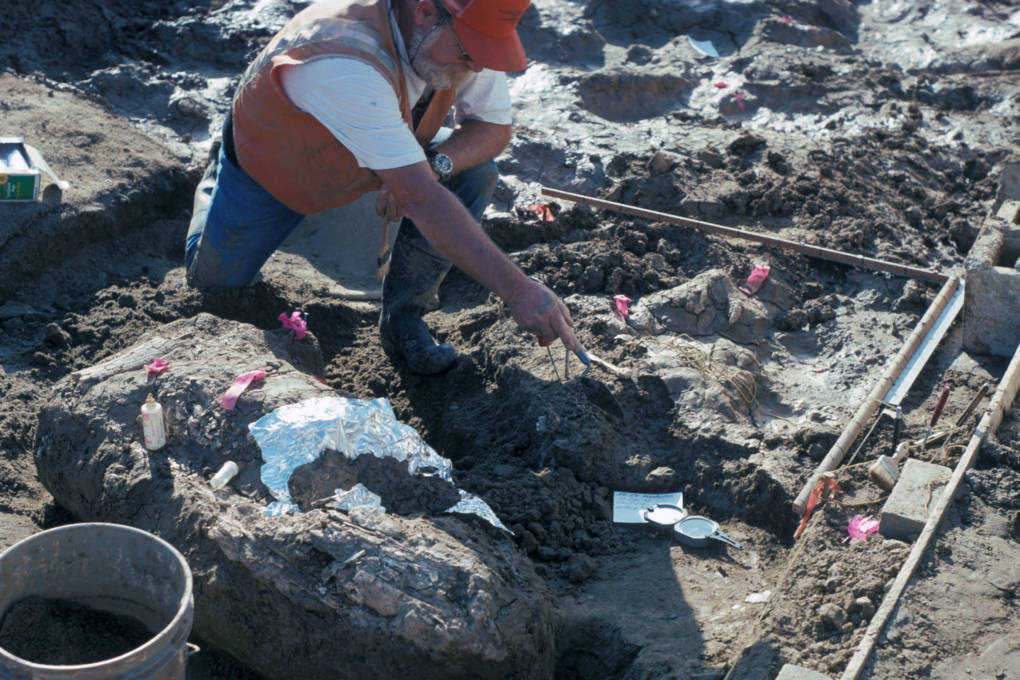
"caption": "San Diego Natural History Museum paleontologist Don Swanson points at rock fragment near a large horizontal mastodon tusk fragment.",
"description": "San Diego Natural History Museum Paleontologist Don Swanson points at rock fragment near a large horizontal mastodon tusk fragment.",
"title": "CMS-Excavation-9",
"credit": "San Diego Natural History Museum",
"status": "inherit",
"isLoading": false,
"fetchFailed": false
}
},
"audioPlayerReducer": {
"postId": "stream_live",
"isPaused": true,
"isPlaying": false,
"pfsActive": false,
"pledgeModalIsOpen": true,
"playerDrawerIsOpen": false,
"liveAudioPlayStartedAt": 0,
"liveAudioPlayContext": ""
},
"authorsReducer": {
"byline_news_11619274": {
"type": "authors",
"id": "byline_news_11619274",
"meta": {
"override": true
},
"slug": "byline_news_11619274",
"name": "Colin Dwyer",
"isLoading": false
},
"byline_stateofhealth_361156": {
"type": "authors",
"id": "byline_stateofhealth_361156",
"meta": {
"override": true
},
"slug": "byline_stateofhealth_361156",
"name": "Stephanie O’Neill",
"isLoading": false
},
"byline_news_11617583": {
"type": "authors",
"id": "byline_news_11617583",
"meta": {
"override": true
},
"slug": "byline_news_11617583",
"name": "\u003cstrong>\u003ca href=\"http://www.scpr.org/about/people/staff/rebecca-plevin\">Rebecca Plevin\u003c/a>\u003c/strong>",
"isLoading": false
},
"byline_news_11616758": {
"type": "authors",
"id": "byline_news_11616758",
"meta": {
"override": true
},
"slug": "byline_news_11616758",
"name": "Merrit Kennedy",
"isLoading": false
},
"byline_news_11616509": {
"type": "authors",
"id": "byline_news_11616509",
"meta": {
"override": true
},
"slug": "byline_news_11616509",
"name": "\u003cstrong>\u003ca href=\"http://www.kpbs.org/staff/tarryn-mento/\">Tarryn Mento\u003c/a>\u003c/strong>",
"isLoading": false
},
"byline_news_11610001": {
"type": "authors",
"id": "byline_news_11610001",
"meta": {
"override": true
},
"slug": "byline_news_11610001",
"name": "\u003cstrong>Jean Guerrero\u003cbr />NPR\u003c/strong>",
"isLoading": false
},
"byline_news_11591770": {
"type": "authors",
"id": "byline_news_11591770",
"meta": {
"override": true
},
"slug": "byline_news_11591770",
"name": "\u003cstrong>\u003ca href=\"https://calmatters.org/articles/author/elizabeth-aguilera/\">Elizabeth Aguilera\u003c/a>\u003c/strong>",
"isLoading": false
},
"byline_news_11573091": {
"type": "authors",
"id": "byline_news_11573091",
"meta": {
"override": true
},
"slug": "byline_news_11573091",
"name": "\u003cstrong>\u003ca href=\"http://www.kpbs.org/staff/jean-guerrero/\">Jean Guerrero\u003c/a>\u003cbr>\u003ca href=\"http://www.kpbs.org/\">KPBS\u003c/a>\u003c/strong>",
"isLoading": false
},
"byline_news_11520718": {
"type": "authors",
"id": "byline_news_11520718",
"meta": {
"override": true
},
"slug": "byline_news_11520718",
"name": "Jonathan Levinson",
"isLoading": false
},
"byline_news_11485705": {
"type": "authors",
"id": "byline_news_11485705",
"meta": {
"override": true
},
"slug": "byline_news_11485705",
"name": "\u003cstrong>\u003ca href=\"http://www.kpbs.org/staff/jean-guerrero/\">Jean Guerrero\u003c/a>\u003cbr>\u003ca href=\"http://www.kpbs.org/\">KPBS\u003c/a>\u003c/strong>",
"isLoading": false
},
"gmarzorati": {
"type": "authors",
"id": "227",
"meta": {
"index": "authors_1716337520",
"id": "227",
"found": true
},
"name": "Guy Marzorati",
"firstName": "Guy",
"lastName": "Marzorati",
"slug": "gmarzorati",
"email": "gmarzorati@KQED.org",
"display_author_email": true,
"staff_mastheads": [
"news"
],
"title": "Correspondent",
"bio": "Guy Marzorati is a correspondent on KQED's California Politics and Government Desk, based in San Jose. A graduate of Santa Clara University, Guy joined KQED in 2013. He reports on state and local politics and produces KQED's digital voter guide.",
"avatar": "https://secure.gravatar.com/avatar/e7038b8dbfd55b104369b76b1cd0b9de?s=600&d=blank&r=g",
"twitter": "guymarzorati",
"facebook": null,
"instagram": null,
"linkedin": null,
"sites": [
{
"site": "",
"roles": [
"editor"
]
},
{
"site": "news",
"roles": [
"editor"
]
},
{
"site": "science",
"roles": [
"editor"
]
},
{
"site": "forum",
"roles": [
"editor"
]
},
{
"site": "elections",
"roles": [
"editor"
]
},
{
"site": "liveblog",
"roles": [
"editor"
]
}
],
"headData": {
"title": "Guy Marzorati | KQED",
"description": "Correspondent",
"ogImgSrc": "https://secure.gravatar.com/avatar/e7038b8dbfd55b104369b76b1cd0b9de?s=600&d=blank&r=g",
"twImgSrc": "https://secure.gravatar.com/avatar/e7038b8dbfd55b104369b76b1cd0b9de?s=600&d=blank&r=g"
},
"isLoading": false,
"link": "/author/gmarzorati"
},
"dventon": {
"type": "authors",
"id": "11088",
"meta": {
"index": "authors_1716337520",
"id": "11088",
"found": true
},
"name": "Danielle Venton",
"firstName": "Danielle",
"lastName": "Venton",
"slug": "dventon",
"email": "dventon@kqed.org",
"display_author_email": true,
"staff_mastheads": [
"science"
],
"title": "Science reporter",
"bio": "Danielle Venton is a reporter for KQED Science. She covers wildfires, space and oceans (though she is prone to sea sickness).\r\n\r\nBefore joining KQED in 2015, Danielle was a staff reporter at KRCB in Sonoma County and a freelancer. She studied science communication at UC Santa Cruz and formerly worked at CERN in Geneva, Switzerland where she wrote about computing. She lives in Sonoma County and enjoys backpacking.",
"avatar": "https://secure.gravatar.com/avatar/37b292b5c40c8d93959c4f48d73b5286f41b7abd8588277e941905a3ed4c801c?s=600&d=blank&r=g",
"twitter": "DanielleVenton",
"bluesky": null,
"facebook": null,
"instagram": null,
"linkedin": null,
"sites": [
{
"site": "arts",
"roles": [
"contributor"
]
},
{
"site": "news",
"roles": [
"editor"
]
},
{
"site": "futureofyou",
"roles": [
"editor"
]
},
{
"site": "science",
"roles": [
"editor"
]
},
{
"site": "liveblog",
"roles": [
"contributor"
]
}
],
"headData": {
"title": "Danielle Venton | KQED",
"description": "Science reporter",
"ogImgSrc": "https://secure.gravatar.com/avatar/37b292b5c40c8d93959c4f48d73b5286f41b7abd8588277e941905a3ed4c801c?s=600&d=blank&r=g",
"twImgSrc": "https://secure.gravatar.com/avatar/37b292b5c40c8d93959c4f48d73b5286f41b7abd8588277e941905a3ed4c801c?s=600&d=blank&r=g"
},
"isLoading": false,
"link": "/author/dventon"
}
},
"pagesReducer": {
"news_tag_san-diego": {
"type": "terms",
"id": "news_4486",
"meta": {
"index": "terms_1716263798",
"site": "news",
"id": "4486",
"score": 9.103885
},
"featImg": null,
"name": "San Diego",
"description": null,
"taxonomy": "tag",
"headData": {
"twImgId": null,
"twTitle": null,
"ogTitle": null,
"ogImgId": null,
"twDescription": null,
"description": null,
"title": "San Diego Archives | KQED News",
"ogDescription": null
},
"ttid": 4505,
"slug": "san-diego",
"isLoading": false,
"title": "San Diego",
"pageMeta": {
"site": "news",
"WpPageTemplate": "page-topic-editorial",
"currentPage": 9
},
"blocks": [
{
"blockName": "kqed/post-list",
"attrs": {
"layout": "cardArticle2",
"query": "posts/news?tag=san-diego",
"seeMore": false,
"paginated": true,
"page": 9
}
},
{
"blockName": "kqed/ad"
}
]
}
},
"pfsSessionReducer": {},
"postsReducer": {
"stream_live": {
"type": "live",
"id": "stream_live",
"audioUrl": "https://streams.kqed.org/kqedradio",
"title": "Live Stream",
"excerpt": "Live Stream information currently unavailable.",
"link": "/radio",
"featImg": "",
"label": {
"name": "KQED Live",
"link": "/"
}
},
"stream_kqedNewscast": {
"type": "posts",
"id": "stream_kqedNewscast",
"audioUrl": "https://www.kqed.org/.stream/anon/radio/RDnews/newscast.mp3?_=1",
"title": "KQED Newscast",
"featImg": "",
"label": {
"name": "88.5 FM",
"link": "/"
}
},
"news_11619274": {
"type": "posts",
"id": "news_11619274",
"meta": {
"index": "posts_1716263798",
"site": "news",
"id": "11619274",
"score": null,
"sort": [
1506495945000
]
},
"parent": 0,
"labelTerm": {},
"blocks": [],
"publishDate": 1506495945,
"format": "image",
"disqusTitle": "Contractors Begin Building Prototypes for Trump's Border Wall",
"title": "Contractors Begin Building Prototypes for Trump's Border Wall",
"headTitle": "The California Report | KQED News",
"content": "\u003cp>After months of competition and preparation, contractors broke ground Tuesday on eight prototypes for President Trump's long-promised border wall. U.S. Customs and Border Protection announced that the companies would have about 30 days to complete construction on their prototypes in San Diego.\u003c/p>\n\u003cp>\"We are committed to securing our border and that includes constructing border walls,\" CBP's acting deputy commissioner, Ronald Vitiello, said in a statement Tuesday.\u003c/p>\n\u003cp>\"Our multi-pronged strategy to ensure the safety and security of the American people includes barriers, infrastructure, technology and people. Moving forward with the prototype enables us to continue to incorporate all the tools necessary to secure our border.\"\u003c/p>\n\u003cp>https://twitter.com/CustomsBorder/status/912755235977908224\u003c/p>\n\u003cp>Six contractors from across the country have been selected to build the eight prototypes, half of which will be constructed of concrete and the other half of \"other materials.\" The walls are to range between 18 and 30 feet high and succeed in one prevailing goal: \"deter illegal crossings in the area in which they are constructed.\"\u003c/p>\n\u003cp>[ad fullwidth]\u003c/p>\n\u003cp>Once built, they will undergo testing by the Department of Homeland Security.\u003c/p>\n\u003cp>And all the while, officials are preparing for a fair share of protests against the controversial project. \u003ca href=\"http://www.latimes.com/local/lanow/la-me-trump-wall-20170926-story.html\">The Los Angeles Times reports\u003c/a> that miles of fencing have been put up in San Diego's Otay Mesa region — a \"checkerboard of public and private land ownership\" where the prototypes are to be built — and no-parking zones will be in effect through Nov. 10.\u003c/p>\n\u003cp>[contextly_sidebar id=\"MYN6DcRnjEfi3M8VzgLxBFN8FGlO4JF8\"]\u003c/p>\n\u003cp>The free speech area designated for potential protesters is a \"dusty, unshaded, weed-choked lot overlooking Otay Mesa and more than 1.5 miles away from construction,\" \u003ca href=\"http://www.sandiegouniontribune.com/news/border-baja-california/sd-me-border-begins-20170926-story.html\">according to the San Diego Union-Tribune\u003c/a>.\u003c/p>\n\u003cp>That said, the paper reports there appeared to be no protesters around as construction kicked off Tuesday, and at least one local activist expressed skepticism the project was even worth protesting at the moment.\u003c/p>\n\u003cp>\"It's just political theater,\" Hiram Soto, spokesman for Alliance San Diego, told the \u003cem>Times\u003c/em>. \"There is no funding for it in Congress.\"\u003c/p>\n\u003cp>Trump relented earlier this month on a threat \u003ca href=\"http://www.npr.org/2017/08/22/545226284/trump-heads-to-arizona-to-push-border-wall-funding-rally-supporters\">to shut down\u003c/a> the federal government if lawmakers failed to approve funds for the wall, \u003ca href=\"http://www.npr.org/2017/09/06/548935056/trump-sides-with-democrats-in-deal-on-storm-relief-and-fiscal-deadlines\">striking a deal\u003c/a> with Democrats to delay multiple fiscal deadlines with no strings attached. He has also appeared to acknowledge he \u003ca href=\"http://www.npr.org/2017/09/14/551053707/conservatives-fume-over-daca-deal-as-trump-tries-to-mollify-his-base\">won't require border wall funding\u003c/a> to be part of a possible deal to save the \u003ca href=\"http://www.npr.org/tags/536692538/deferred-action-for-childhood-arrivals\">Deferred Action for Childhood Arrivals\u003c/a> program, or DACA.\u003c/p>\n\u003cp>On the campaign trail and early in his administration, Trump had said repeatedly that Mexico would pay for the wall's construction — a proposition that has also been repeatedly rejected by Mexican leaders.\u003c/p>\n\u003cp>\u003c/p>\n\u003cp>Estimates for the cost of the border wall have ranged up to \u003ca href=\"https://www.technologyreview.com/s/602494/bad-math-props-up-trumps-border-wall/\">$38 billion\u003c/a>. The Department of Homeland Security plans to pay for the construction of the prototypes, which cost up to $500,000 each, with funds reallocated internally from other programs.\u003c/p>\n\u003cdiv class=\"fullattribution\">Copyright 2017 NPR. To see more, visit http://www.npr.org/.\u003cimg src=\"https://www.google-analytics.com/__utm.gif?utmac=UA-5828686-4&utmdt=Contractors+Begin+Building+Prototypes+For+Trump%27s+Border+Wall&utme=8(APIKey)9(MDAxOTAwOTE4MDEyMTkxMDAzNjczZDljZA004)\">\u003c/div>\n\n",
"disqusIdentifier": "11619274 https://ww2.kqed.org/news/?p=11619274",
"disqusUrl": "https://ww2.kqed.org/news/2017/09/27/contractors-begin-building-prototypes-for-trumps-border-wall/",
"stats": {
"hasVideo": false,
"hasChartOrMap": false,
"hasAudio": false,
"hasPolis": false,
"wordCount": 500,
"hasGoogleForm": false,
"hasGallery": false,
"hasHearkenModule": false,
"iframeSrcs": [],
"paragraphCount": 15
},
"modified": 1506646462,
"excerpt": "U.S. Customs and Border Protection announced Tuesday the eight sample walls are now under construction in San Diego. Still, it remains unclear where the funds for the actual one will come from.",
"headData": {
"twImgId": "",
"twTitle": "",
"ogTitle": "",
"ogImgId": "",
"twDescription": "",
"description": "U.S. Customs and Border Protection announced Tuesday the eight sample walls are now under construction in San Diego. Still, it remains unclear where the funds for the actual one will come from.",
"title": "Contractors Begin Building Prototypes for Trump's Border Wall | KQED",
"ogDescription": "",
"schema": {
"@context": "https://schema.org",
"@type": "NewsArticle",
"headline": "Contractors Begin Building Prototypes for Trump's Border Wall",
"datePublished": "2017-09-27T00:05:45-07:00",
"dateModified": "2017-09-28T17:54:22-07:00",
"image": "https://cdn.kqed.org/wp-content/uploads/2020/02/KQED-OG-Image@1x.png",
"isAccessibleForFree": "True",
"publisher": {
"@type": "NewsMediaOrganization",
"@id": "https://www.kqed.org/#organization",
"name": "KQED",
"logo": "https://cdn.kqed.org/wp-content/uploads/2020/02/KQED-OG-Image@1x.png",
"url": "https://www.kqed.org",
"sameAs": [
"https://www.facebook.com/KQED",
"https://twitter.com/KQED",
"https://www.instagram.com/kqed/",
"https://www.tiktok.com/@kqedofficial",
"https://www.linkedin.com/company/kqed",
"https://www.youtube.com/channel/UCeC0IOo7i1P_61zVUWbJ4nw"
]
}
}
},
"guestAuthors": [],
"slug": "contractors-begin-building-prototypes-for-trumps-border-wall",
"status": "publish",
"sourceUrl": "http://www.npr.org/",
"nprApiLink": "http://api.npr.org/query?id=553786714&apiKey=MDAxOTAwOTE4MDEyMTkxMDAzNjczZDljZA004",
"nprByline": "Colin Dwyer",
"nprStoryDate": "Tue, 26 Sep 2017 17:55:08 -0400",
"nprLastModifiedDate": "Tue, 26 Sep 2017 17:55:21 -0400",
"nprHtmlLink": "http://www.npr.org/sections/thetwo-way/2017/09/26/553786714/contractors-begin-building-prototypes-for-trump-s-border-wall?ft=nprml&f=553786714",
"nprImageAgency": "Getty Images",
"nprImageCredit": "Sandy Huffaker",
"source": "NPR",
"nprStoryId": "553786714",
"nprRetrievedStory": "1",
"nprPubDate": "Tue, 26 Sep 2017 17:55:00 -0400",
"path": "/news/11619274/contractors-begin-building-prototypes-for-trumps-border-wall",
"audioTrackLength": null,
"parsedContent": [
{
"type": "contentString",
"content": "\u003cdiv class=\"post-body\">\u003cp>\u003cp>After months of competition and preparation, contractors broke ground Tuesday on eight prototypes for President Trump's long-promised border wall. U.S. Customs and Border Protection announced that the companies would have about 30 days to complete construction on their prototypes in San Diego.\u003c/p>\n\u003cp>\"We are committed to securing our border and that includes constructing border walls,\" CBP's acting deputy commissioner, Ronald Vitiello, said in a statement Tuesday.\u003c/p>\n\u003cp>\"Our multi-pronged strategy to ensure the safety and security of the American people includes barriers, infrastructure, technology and people. Moving forward with the prototype enables us to continue to incorporate all the tools necessary to secure our border.\"\u003c/p>\u003c/p>\u003c/div>",
"attributes": {
"named": {},
"numeric": []
}
},
{
"type": "component",
"content": "",
"name": "singleTwitterStatus",
"attributes": {
"named": {
"id": "912755235977908224"
},
"numeric": []
}
},
{
"type": "contentString",
"content": "\u003cdiv class=\"post-body\">\u003cp>\n\u003cp>Six contractors from across the country have been selected to build the eight prototypes, half of which will be constructed of concrete and the other half of \"other materials.\" The walls are to range between 18 and 30 feet high and succeed in one prevailing goal: \"deter illegal crossings in the area in which they are constructed.\"\u003c/p>\n\u003cp>\u003c/p>\u003c/div>",
"attributes": {
"named": {},
"numeric": []
}
},
{
"type": "component",
"content": "",
"name": "ad",
"attributes": {
"named": {
"label": "fullwidth"
},
"numeric": [
"fullwidth"
]
}
},
{
"type": "contentString",
"content": "\u003cdiv class=\"post-body\">\u003cp>\u003c/p>\n\u003cp>Once built, they will undergo testing by the Department of Homeland Security.\u003c/p>\n\u003cp>And all the while, officials are preparing for a fair share of protests against the controversial project. \u003ca href=\"http://www.latimes.com/local/lanow/la-me-trump-wall-20170926-story.html\">The Los Angeles Times reports\u003c/a> that miles of fencing have been put up in San Diego's Otay Mesa region — a \"checkerboard of public and private land ownership\" where the prototypes are to be built — and no-parking zones will be in effect through Nov. 10.\u003c/p>\n\u003cp>\u003c/p>\u003cp>\u003c/p>\u003cp>\u003c/p>\n\u003cp>The free speech area designated for potential protesters is a \"dusty, unshaded, weed-choked lot overlooking Otay Mesa and more than 1.5 miles away from construction,\" \u003ca href=\"http://www.sandiegouniontribune.com/news/border-baja-california/sd-me-border-begins-20170926-story.html\">according to the San Diego Union-Tribune\u003c/a>.\u003c/p>\n\u003cp>That said, the paper reports there appeared to be no protesters around as construction kicked off Tuesday, and at least one local activist expressed skepticism the project was even worth protesting at the moment.\u003c/p>\n\u003cp>\"It's just political theater,\" Hiram Soto, spokesman for Alliance San Diego, told the \u003cem>Times\u003c/em>. \"There is no funding for it in Congress.\"\u003c/p>\n\u003cp>Trump relented earlier this month on a threat \u003ca href=\"http://www.npr.org/2017/08/22/545226284/trump-heads-to-arizona-to-push-border-wall-funding-rally-supporters\">to shut down\u003c/a> the federal government if lawmakers failed to approve funds for the wall, \u003ca href=\"http://www.npr.org/2017/09/06/548935056/trump-sides-with-democrats-in-deal-on-storm-relief-and-fiscal-deadlines\">striking a deal\u003c/a> with Democrats to delay multiple fiscal deadlines with no strings attached. He has also appeared to acknowledge he \u003ca href=\"http://www.npr.org/2017/09/14/551053707/conservatives-fume-over-daca-deal-as-trump-tries-to-mollify-his-base\">won't require border wall funding\u003c/a> to be part of a possible deal to save the \u003ca href=\"http://www.npr.org/tags/536692538/deferred-action-for-childhood-arrivals\">Deferred Action for Childhood Arrivals\u003c/a> program, or DACA.\u003c/p>\n\u003cp>On the campaign trail and early in his administration, Trump had said repeatedly that Mexico would pay for the wall's construction — a proposition that has also been repeatedly rejected by Mexican leaders.\u003c/p>\n\u003cp>\u003c/p>\n\u003cp>Estimates for the cost of the border wall have ranged up to \u003ca href=\"https://www.technologyreview.com/s/602494/bad-math-props-up-trumps-border-wall/\">$38 billion\u003c/a>. The Department of Homeland Security plans to pay for the construction of the prototypes, which cost up to $500,000 each, with funds reallocated internally from other programs.\u003c/p>\n\u003cdiv class=\"fullattribution\">Copyright 2017 NPR. To see more, visit http://www.npr.org/.\u003cimg src=\"https://www.google-analytics.com/__utm.gif?utmac=UA-5828686-4&utmdt=Contractors+Begin+Building+Prototypes+For+Trump%27s+Border+Wall&utme=8(APIKey)9(MDAxOTAwOTE4MDEyMTkxMDAzNjczZDljZA004)\">\u003c/div>\n\n\u003c/div>\u003c/p>",
"attributes": {
"named": {},
"numeric": []
}
}
],
"link": "/news/11619274/contractors-begin-building-prototypes-for-trumps-border-wall",
"authors": [
"byline_news_11619274"
],
"programs": [
"news_6944",
"news_72"
],
"categories": [
"news_1169",
"news_8",
"news_13"
],
"tags": [
"news_20446",
"news_1323",
"news_4486",
"news_17286",
"news_17041"
],
"affiliates": [
"news_253"
],
"featImg": "news_11619275",
"label": "source_news_11619274"
},
"stateofhealth_361156": {
"type": "posts",
"id": "stateofhealth_361156",
"meta": {
"index": "posts_1716263798",
"site": "stateofhealth",
"id": "361156",
"score": null,
"sort": [
1506375405000
]
},
"parent": 0,
"labelTerm": {
"site": "stateofhealth"
},
"blocks": [],
"publishDate": 1506375405,
"format": "audio",
"disqusTitle": "San Diego Fighting a Deadly Hepatitis Outbreak Linked to Homeless Encampments",
"title": "San Diego Fighting a Deadly Hepatitis Outbreak Linked to Homeless Encampments",
"headTitle": "State of Health | KQED News",
"content": "\u003cp>An outbreak of \u003ca href=\"https://www.cdc.gov/hepatitis/hav/afaq.htm\" target=\"_blank\" rel=\"noopener noreferrer\">hepatitis A\u003c/a> in San Diego County that has killed 16 people and sickened hundreds of others since November \u003ca href=\"http://www.sandiegocounty.gov/content/sdc/hhsa/programs/phs/community_epidemiology/dc/Hepatitis_A.html\" target=\"_blank\" rel=\"noopener noreferrer\">continues\u003c/a> unabated, as health officials rush to deploy containment strategies.\u003c/p>\n\u003cp>“This is an unprecedented outbreak,” said Dr. Wilma Wooten, the public health officer for San Diego County. “This is new territory.”\u003c/p>\n\u003cp>Of the 444 people in San Diego County known to have contracted the liver‐attacking virus since November, about 65 percent are homeless or use illicit drugs, according to Wooten. She declared a public health emergency on Sept. 1.\u003c/p>\n\u003cp>Hepatitis A is an acute illness of the liver, but it does not cause chronic liver disease (as is the case with \u003ca href=\"https://www.cdc.gov/hepatitis/resources/professionals/pdfs/abctable.pdf\" target=\"_blank\" rel=\"noopener noreferrer\">hepatitis B and C\u003c/a>.) Hepatitis A isn't normally fatal, but it can be if the patient has other infections, including hepatitis B or C.\u003c/p>\n\u003cp>The California Department of Public Health says the spread of the virus in San Diego County is the largest outbreak in the U.S. that is unrelated to a contaminated food product since 1995 (when a vaccine for hepatitis A was introduced in the United States).\u003c/p>\n\u003cp>[ad fullwidth]\u003c/p>\n\u003cp>Other California communities are grappling with outbreaks of hepatitis A as well. The disease has sickened 69 people in Santa Cruz County since last April. Many affected there are homeless or use illicit drugs, according to the \u003ca href=\"http://www.santacruzhealth.org/HSAHome/HSADivisions/PublicHealth/Communi%20cableDiseaseControl/HepatitisA.aspx\" target=\"_blank\" rel=\"noopener noreferrer\">Santa Cruz County Health Services Agency\u003c/a>. On Sept. 19, the County of Los Angeles \u003ca href=\"http://publichealth.lacounty.gov/acd/Diseases/HepA.htm\" target=\"_blank\" rel=\"noopener noreferrer\">announced\u003c/a> a local outbreak after 10 cases were identified among its homeless population.\u003c/p>\n\u003cp>\u003cspan style=\"font-weight: 400\">Health officials linked four of the L.A. cases to the San Diego outbreak and one to the Santa Cruz County outbreak. \u003c/span>\u003c/p>\n\u003cfigure id=\"attachment_361174\" class=\"wp-caption alignnone\" style=\"max-width: 800px\">\u003cimg class=\"size-medium wp-image-361174\" src=\"https://ww2.kqed.org/stateofhealth/wp-content/uploads/sites/27/2017/09/SD-homeless-13-800x533.jpg\" alt=\"\" width=\"800\" height=\"533\" srcset=\"https://ww2.kqed.org/app/uploads/sites/27/2017/09/SD-homeless-13-800x533.jpg 800w, https://ww2.kqed.org/app/uploads/sites/27/2017/09/SD-homeless-13-160x107.jpg 160w, https://ww2.kqed.org/app/uploads/sites/27/2017/09/SD-homeless-13-768x512.jpg 768w, https://ww2.kqed.org/app/uploads/sites/27/2017/09/SD-homeless-13-1020x680.jpg 1020w, https://ww2.kqed.org/app/uploads/sites/27/2017/09/SD-homeless-13-1180x787.jpg 1180w, https://ww2.kqed.org/app/uploads/sites/27/2017/09/SD-homeless-13-960x640.jpg 960w, https://ww2.kqed.org/app/uploads/sites/27/2017/09/SD-homeless-13-240x160.jpg 240w, https://ww2.kqed.org/app/uploads/sites/27/2017/09/SD-homeless-13-375x250.jpg 375w, https://ww2.kqed.org/app/uploads/sites/27/2017/09/SD-homeless-13-520x347.jpg 520w\" sizes=\"(max-width: 800px) 100vw, 800px\">\u003cfigcaption class=\"wp-caption-text\">Tents set up by homeless residents crowd portions of downtown San Diego, where a hepatitis A virus has killed 16 people and sickened nearly 450 others. \u003ccite>(Alan Horowitch)\u003c/cite>\u003c/figcaption>\u003c/figure>\n\u003cp>“Hepatitis A is usually spread when a person ingests fecal matter -- even in microscopic amounts -- from contact with objects, food or drinks contaminated by feces or stool from an infected person,” according to the Centers for Disease Control and Prevention (CDC).\u003c/p>\n\u003cp>Known as the “fecal‐oral” route of spread, this typically occurs when an infected person doesn’t wash their hands after going to the bathroom and then touches objects or food. In crowded homeless communities -- many of which lack public restrooms and sinks -- the virus is often spread through such person‐to‐person contact.\u003c/p>\n\u003cp>It can also spread through sexual contact with an infected person, according to the CDC.\u003c/p>\n\u003cp>For the California counties now grappling with outbreaks, slowing the spread isn’t easy. The long incubation period of the virus -- between 15 to 50 days -- and the transient nature of the homeless population make it challenging for public health agencies to find, educate and vaccinate people after an outbreak begins.\u003c/p>\n\u003cp>What’s more, the California Department of Public Health said it has no protocol to guide cities and counties on how best to deal with outbreaks associated with poor or limited sanitation, because those routes of transmission are “very rare” in the United States.\u003c/p>\n\u003cp>But the state said it it's working on gathering information from the CDC, and is working with the San Diego public health authorities to identify effective strategies.\u003c/p>\n\u003cp>Wooten said San Diego is using a variety of approaches to stem the spread.\u003c/p>\n\u003cp>“This outbreak has really resulted in us needing to be creative,” she said.\u003c/p>\n\u003cp>One approach: pairing public health workers with homeless outreach teams who have long‐established ties to those living on the streets, in the canyons and in the wildlands of San Diego County.\u003c/p>\n\u003cfigure id=\"attachment_361172\" class=\"wp-caption alignnone\" style=\"max-width: 800px\">\u003cimg class=\"size-medium wp-image-361172\" src=\"https://ww2.kqed.org/stateofhealth/wp-content/uploads/sites/27/2017/09/SD-homeless-1-800x533.jpg\" alt=\"\" width=\"800\" height=\"533\" srcset=\"https://ww2.kqed.org/app/uploads/sites/27/2017/09/SD-homeless-1-800x533.jpg 800w, https://ww2.kqed.org/app/uploads/sites/27/2017/09/SD-homeless-1-160x107.jpg 160w, https://ww2.kqed.org/app/uploads/sites/27/2017/09/SD-homeless-1-768x512.jpg 768w, https://ww2.kqed.org/app/uploads/sites/27/2017/09/SD-homeless-1-1020x680.jpg 1020w, https://ww2.kqed.org/app/uploads/sites/27/2017/09/SD-homeless-1-1180x787.jpg 1180w, https://ww2.kqed.org/app/uploads/sites/27/2017/09/SD-homeless-1-960x640.jpg 960w, https://ww2.kqed.org/app/uploads/sites/27/2017/09/SD-homeless-1-240x160.jpg 240w, https://ww2.kqed.org/app/uploads/sites/27/2017/09/SD-homeless-1-375x250.jpg 375w, https://ww2.kqed.org/app/uploads/sites/27/2017/09/SD-homeless-1-520x347.jpg 520w\" sizes=\"(max-width: 800px) 100vw, 800px\">\u003cfigcaption class=\"wp-caption-text\">Larissa Wimberly, supervisor of outreach for the nonprofit Alpha Project in San Diego County, at a homeless encampment along a riverbed in National City. \u003ccite>(Alan Horowitch)\u003c/cite>\u003c/figcaption>\u003c/figure>\n\u003cp>“We go into the canyons, we go everywhere,” said Amy Gonyeau, chief operating officer for the \u003ca href=\"https://www.alphaproject.org/\" target=\"_blank\" rel=\"noopener noreferrer\">Alpha Project\u003c/a>, a nonprofit that provides homeless services. “We go out every day. We have our own vehicles and vans … we educate people on what’s going on.”\u003c/p>\n\u003cp>On a recent morning, an Alpha Project team delivered hygiene kits -- consisting of soap, hand sanitizer and other toiletries packaged in a large plastic bag -- to a crowded encampment in downtown San Diego’s East Village.\u003c/p>\n\u003cp>“It looks like a war zone,” said Alpha Project's outreach supervisor, Larissa Wimberly. “There’s people out here with HIV, people out here with cancer, there’s people out here with heart issues. There are people who are just old and feeble and they’re not eating right. It’s really sad.”\u003c/p>\n\u003cp>Tents and shopping carts crowded the sidewalks in this section of downtown, one largely hidden from the city’s tourists and residents.\u003c/p>\n\u003cp>Wimberly explained that many who live here relieve themselves among the tents and carts.\u003c/p>\n\u003cp>“It’s everywhere,” she said of the human excrement. “It’s just really bad right now.”\u003c/p>\n\u003cp>So bad that the city -- under the direction of the county health department -- has begun power-washing heavily soiled sections of downtown sidewalks and streets with a bleach solution.\u003c/p>\n\u003cp>That follows the installation, earlier this month, of about 40 portable hand‐washing stations throughout the downtown areas hardest hit by the virus.\u003c/p>\n\u003cp>In addition, the county’s public health workers have been coming to the encampments to offer the hepatitis A vaccinations to the homeless.\u003c/p>\n\u003cp>Leslie, a 42‐year‐old homeless woman, was among the victims of the virus. She asked that her last name not be used.\u003c/p>\n\u003cp>Leslie said she's been camping out on San Diego’s streets for five years and became ill last spring.\u003c/p>\n\u003cp>“It was awful,” she said. “My skin was yellow, my pee -- my urine -- it looked like chocolate milk. And everything just hurt. I was achy all the time and tired. I couldn’t sleep enough.”\u003c/p>\n\u003cp>Leslie was hospitalized and it took more than two months for her to fully recover, but she said she’s grateful to have escaped with her life.\u003c/p>\n\u003cp>Some have criticized the more than two-month delay between the county announcing plans for hand-washing stations in downtown areas where the homeless live, and their eventual installation earlier this month.\u003c/p>\n\u003cp>\u003cspan style=\"font-weight: 400\">“Since that announcement, 11 people are dead and the number of hepatitis A cases has more than doubled,” the San Diego Union-Tribune editorial board wrote on Sept. 1. \u003c/span>\u003c/p>\n\u003cp>\u003cspan style=\"font-weight: 400\">“Well you know, we can’t just roll them out because we don’t have jurisdiction over city property,” Wooten said of the sinks installed in downtown. “So we had to work through that process.” \u003c/span>\u003c/p>\n\u003cp>\u003cspan style=\"font-weight: 400\">Wooten said the county made a decision to first test a few sinks in a small pilot program, and that was necessary. “We wanted to see if people would use them,” she said. \u003c/span>\u003c/p>\n\u003cp>\u003cspan style=\"font-weight: 400\">San Diego, too, denied any unnecessary delays in handling the outbreak and is now working to expand the number of available public restrooms downtown, said Katie Keach, spokeswoman for the city.\u003c/span>\u003c/p>\n\u003cp>\u003cspan style=\"font-weight: 400\">Countywide, nearly 23,000 people have received vaccinations against the virus, including about a third who are homeless or use illegal drugs. Vaccination is considered the key line of defense against hepatitis A -- normally a mild illness that can become severe in those who are already suffering from other health problems, Wooten said.\u003c/span>\u003c/p>\n\u003cp>[ad floatright]\u003c/p>\n\u003cp>\u003cspan style=\"font-weight: 400\">The Centers for Disease Control and Prevention recommends all children receive the two-part hepatitis A vaccine at 1 year of age. But California and most other states \u003ca href=\"https://www2a.cdc.gov/nip/schoolsurv/schImmRqmtReport.asp\" target=\"_blank\" rel=\"noopener noreferrer\">do not include\u003c/a> it in the required vaccinations for children entering kindergarten. \u003c/span>\u003c/p>\n\n",
"disqusIdentifier": "361156 https://ww2.kqed.org/stateofhealth/?p=361156",
"disqusUrl": "https://ww2.kqed.org/stateofhealth/2017/09/25/san-diego-fighting-a-deadly-hepatitis-outbreak-linked-to-homeless-encampments/",
"stats": {
"hasVideo": false,
"hasChartOrMap": false,
"hasAudio": false,
"hasPolis": false,
"wordCount": 1316,
"hasGoogleForm": false,
"hasGallery": false,
"hasHearkenModule": false,
"iframeSrcs": [],
"paragraphCount": 38
},
"modified": 1506377624,
"excerpt": "Spread of the virus in the county is largest outbreak in U.S. that is unrelated to a contaminated food product since 1995.",
"headData": {
"twImgId": "",
"twTitle": "",
"ogTitle": "",
"ogImgId": "",
"twDescription": "",
"description": "Spread of the virus in the county is largest outbreak in U.S. that is unrelated to a contaminated food product since 1995.",
"title": "San Diego Fighting a Deadly Hepatitis Outbreak Linked to Homeless Encampments | KQED",
"ogDescription": "",
"schema": {
"@context": "https://schema.org",
"@type": "Article",
"headline": "San Diego Fighting a Deadly Hepatitis Outbreak Linked to Homeless Encampments",
"datePublished": "2017-09-25T14:36:45-07:00",
"dateModified": "2017-09-25T15:13:44-07:00",
"image": "https://cdn.kqed.org/wp-content/uploads/2020/02/KQED-OG-Image@1x.png"
}
},
"guestAuthors": [],
"slug": "san-diego-fighting-a-deadly-hepatitis-outbreak-linked-to-homeless-encampments",
"status": "publish",
"audioUrl": "http://www.kqed.org/.stream/anon/radio/tcr/2017/09/20170922tcroneillhepa.mp3",
"nprByline": "Stephanie O’Neill",
"path": "/stateofhealth/361156/san-diego-fighting-a-deadly-hepatitis-outbreak-linked-to-homeless-encampments",
"audioDuration": null,
"audioTrackLength": null,
"parsedContent": [
{
"type": "contentString",
"content": "\u003cdiv class=\"post-body\">\u003cp>\u003cp>An outbreak of \u003ca href=\"https://www.cdc.gov/hepatitis/hav/afaq.htm\" target=\"_blank\" rel=\"noopener noreferrer\">hepatitis A\u003c/a> in San Diego County that has killed 16 people and sickened hundreds of others since November \u003ca href=\"http://www.sandiegocounty.gov/content/sdc/hhsa/programs/phs/community_epidemiology/dc/Hepatitis_A.html\" target=\"_blank\" rel=\"noopener noreferrer\">continues\u003c/a> unabated, as health officials rush to deploy containment strategies.\u003c/p>\n\u003cp>“This is an unprecedented outbreak,” said Dr. Wilma Wooten, the public health officer for San Diego County. “This is new territory.”\u003c/p>\n\u003cp>Of the 444 people in San Diego County known to have contracted the liver‐attacking virus since November, about 65 percent are homeless or use illicit drugs, according to Wooten. She declared a public health emergency on Sept. 1.\u003c/p>\n\u003cp>Hepatitis A is an acute illness of the liver, but it does not cause chronic liver disease (as is the case with \u003ca href=\"https://www.cdc.gov/hepatitis/resources/professionals/pdfs/abctable.pdf\" target=\"_blank\" rel=\"noopener noreferrer\">hepatitis B and C\u003c/a>.) Hepatitis A isn't normally fatal, but it can be if the patient has other infections, including hepatitis B or C.\u003c/p>\n\u003cp>The California Department of Public Health says the spread of the virus in San Diego County is the largest outbreak in the U.S. that is unrelated to a contaminated food product since 1995 (when a vaccine for hepatitis A was introduced in the United States).\u003c/p>\n\u003cp>\u003c/p>\u003c/div>",
"attributes": {
"named": {},
"numeric": []
}
},
{
"type": "component",
"content": "",
"name": "ad",
"attributes": {
"named": {
"label": "fullwidth"
},
"numeric": [
"fullwidth"
]
}
},
{
"type": "contentString",
"content": "\u003cdiv class=\"post-body\">\u003cp>\u003c/p>\n\u003cp>Other California communities are grappling with outbreaks of hepatitis A as well. The disease has sickened 69 people in Santa Cruz County since last April. Many affected there are homeless or use illicit drugs, according to the \u003ca href=\"http://www.santacruzhealth.org/HSAHome/HSADivisions/PublicHealth/Communi%20cableDiseaseControl/HepatitisA.aspx\" target=\"_blank\" rel=\"noopener noreferrer\">Santa Cruz County Health Services Agency\u003c/a>. On Sept. 19, the County of Los Angeles \u003ca href=\"http://publichealth.lacounty.gov/acd/Diseases/HepA.htm\" target=\"_blank\" rel=\"noopener noreferrer\">announced\u003c/a> a local outbreak after 10 cases were identified among its homeless population.\u003c/p>\n\u003cp>\u003cspan style=\"font-weight: 400\">Health officials linked four of the L.A. cases to the San Diego outbreak and one to the Santa Cruz County outbreak. \u003c/span>\u003c/p>\n\u003cfigure id=\"attachment_361174\" class=\"wp-caption alignnone\" style=\"max-width: 800px\">\u003cimg class=\"size-medium wp-image-361174\" src=\"https://ww2.kqed.org/stateofhealth/wp-content/uploads/sites/27/2017/09/SD-homeless-13-800x533.jpg\" alt=\"\" width=\"800\" height=\"533\" srcset=\"https://ww2.kqed.org/app/uploads/sites/27/2017/09/SD-homeless-13-800x533.jpg 800w, https://ww2.kqed.org/app/uploads/sites/27/2017/09/SD-homeless-13-160x107.jpg 160w, https://ww2.kqed.org/app/uploads/sites/27/2017/09/SD-homeless-13-768x512.jpg 768w, https://ww2.kqed.org/app/uploads/sites/27/2017/09/SD-homeless-13-1020x680.jpg 1020w, https://ww2.kqed.org/app/uploads/sites/27/2017/09/SD-homeless-13-1180x787.jpg 1180w, https://ww2.kqed.org/app/uploads/sites/27/2017/09/SD-homeless-13-960x640.jpg 960w, https://ww2.kqed.org/app/uploads/sites/27/2017/09/SD-homeless-13-240x160.jpg 240w, https://ww2.kqed.org/app/uploads/sites/27/2017/09/SD-homeless-13-375x250.jpg 375w, https://ww2.kqed.org/app/uploads/sites/27/2017/09/SD-homeless-13-520x347.jpg 520w\" sizes=\"(max-width: 800px) 100vw, 800px\">\u003cfigcaption class=\"wp-caption-text\">Tents set up by homeless residents crowd portions of downtown San Diego, where a hepatitis A virus has killed 16 people and sickened nearly 450 others. \u003ccite>(Alan Horowitch)\u003c/cite>\u003c/figcaption>\u003c/figure>\n\u003cp>“Hepatitis A is usually spread when a person ingests fecal matter -- even in microscopic amounts -- from contact with objects, food or drinks contaminated by feces or stool from an infected person,” according to the Centers for Disease Control and Prevention (CDC).\u003c/p>\n\u003cp>Known as the “fecal‐oral” route of spread, this typically occurs when an infected person doesn’t wash their hands after going to the bathroom and then touches objects or food. In crowded homeless communities -- many of which lack public restrooms and sinks -- the virus is often spread through such person‐to‐person contact.\u003c/p>\n\u003cp>It can also spread through sexual contact with an infected person, according to the CDC.\u003c/p>\n\u003cp>For the California counties now grappling with outbreaks, slowing the spread isn’t easy. The long incubation period of the virus -- between 15 to 50 days -- and the transient nature of the homeless population make it challenging for public health agencies to find, educate and vaccinate people after an outbreak begins.\u003c/p>\n\u003cp>What’s more, the California Department of Public Health said it has no protocol to guide cities and counties on how best to deal with outbreaks associated with poor or limited sanitation, because those routes of transmission are “very rare” in the United States.\u003c/p>\n\u003cp>But the state said it it's working on gathering information from the CDC, and is working with the San Diego public health authorities to identify effective strategies.\u003c/p>\n\u003cp>Wooten said San Diego is using a variety of approaches to stem the spread.\u003c/p>\n\u003cp>“This outbreak has really resulted in us needing to be creative,” she said.\u003c/p>\n\u003cp>One approach: pairing public health workers with homeless outreach teams who have long‐established ties to those living on the streets, in the canyons and in the wildlands of San Diego County.\u003c/p>\n\u003cfigure id=\"attachment_361172\" class=\"wp-caption alignnone\" style=\"max-width: 800px\">\u003cimg class=\"size-medium wp-image-361172\" src=\"https://ww2.kqed.org/stateofhealth/wp-content/uploads/sites/27/2017/09/SD-homeless-1-800x533.jpg\" alt=\"\" width=\"800\" height=\"533\" srcset=\"https://ww2.kqed.org/app/uploads/sites/27/2017/09/SD-homeless-1-800x533.jpg 800w, https://ww2.kqed.org/app/uploads/sites/27/2017/09/SD-homeless-1-160x107.jpg 160w, https://ww2.kqed.org/app/uploads/sites/27/2017/09/SD-homeless-1-768x512.jpg 768w, https://ww2.kqed.org/app/uploads/sites/27/2017/09/SD-homeless-1-1020x680.jpg 1020w, https://ww2.kqed.org/app/uploads/sites/27/2017/09/SD-homeless-1-1180x787.jpg 1180w, https://ww2.kqed.org/app/uploads/sites/27/2017/09/SD-homeless-1-960x640.jpg 960w, https://ww2.kqed.org/app/uploads/sites/27/2017/09/SD-homeless-1-240x160.jpg 240w, https://ww2.kqed.org/app/uploads/sites/27/2017/09/SD-homeless-1-375x250.jpg 375w, https://ww2.kqed.org/app/uploads/sites/27/2017/09/SD-homeless-1-520x347.jpg 520w\" sizes=\"(max-width: 800px) 100vw, 800px\">\u003cfigcaption class=\"wp-caption-text\">Larissa Wimberly, supervisor of outreach for the nonprofit Alpha Project in San Diego County, at a homeless encampment along a riverbed in National City. \u003ccite>(Alan Horowitch)\u003c/cite>\u003c/figcaption>\u003c/figure>\n\u003cp>“We go into the canyons, we go everywhere,” said Amy Gonyeau, chief operating officer for the \u003ca href=\"https://www.alphaproject.org/\" target=\"_blank\" rel=\"noopener noreferrer\">Alpha Project\u003c/a>, a nonprofit that provides homeless services. “We go out every day. We have our own vehicles and vans … we educate people on what’s going on.”\u003c/p>\n\u003cp>On a recent morning, an Alpha Project team delivered hygiene kits -- consisting of soap, hand sanitizer and other toiletries packaged in a large plastic bag -- to a crowded encampment in downtown San Diego’s East Village.\u003c/p>\n\u003cp>“It looks like a war zone,” said Alpha Project's outreach supervisor, Larissa Wimberly. “There’s people out here with HIV, people out here with cancer, there’s people out here with heart issues. There are people who are just old and feeble and they’re not eating right. It’s really sad.”\u003c/p>\n\u003cp>Tents and shopping carts crowded the sidewalks in this section of downtown, one largely hidden from the city’s tourists and residents.\u003c/p>\n\u003cp>Wimberly explained that many who live here relieve themselves among the tents and carts.\u003c/p>\n\u003cp>“It’s everywhere,” she said of the human excrement. “It’s just really bad right now.”\u003c/p>\n\u003cp>So bad that the city -- under the direction of the county health department -- has begun power-washing heavily soiled sections of downtown sidewalks and streets with a bleach solution.\u003c/p>\n\u003cp>That follows the installation, earlier this month, of about 40 portable hand‐washing stations throughout the downtown areas hardest hit by the virus.\u003c/p>\n\u003cp>In addition, the county’s public health workers have been coming to the encampments to offer the hepatitis A vaccinations to the homeless.\u003c/p>\n\u003cp>Leslie, a 42‐year‐old homeless woman, was among the victims of the virus. She asked that her last name not be used.\u003c/p>\n\u003cp>Leslie said she's been camping out on San Diego’s streets for five years and became ill last spring.\u003c/p>\n\u003cp>“It was awful,” she said. “My skin was yellow, my pee -- my urine -- it looked like chocolate milk. And everything just hurt. I was achy all the time and tired. I couldn’t sleep enough.”\u003c/p>\n\u003cp>Leslie was hospitalized and it took more than two months for her to fully recover, but she said she’s grateful to have escaped with her life.\u003c/p>\n\u003cp>Some have criticized the more than two-month delay between the county announcing plans for hand-washing stations in downtown areas where the homeless live, and their eventual installation earlier this month.\u003c/p>\n\u003cp>\u003cspan style=\"font-weight: 400\">“Since that announcement, 11 people are dead and the number of hepatitis A cases has more than doubled,” the San Diego Union-Tribune editorial board wrote on Sept. 1. \u003c/span>\u003c/p>\n\u003cp>\u003cspan style=\"font-weight: 400\">“Well you know, we can’t just roll them out because we don’t have jurisdiction over city property,” Wooten said of the sinks installed in downtown. “So we had to work through that process.” \u003c/span>\u003c/p>\n\u003cp>\u003cspan style=\"font-weight: 400\">Wooten said the county made a decision to first test a few sinks in a small pilot program, and that was necessary. “We wanted to see if people would use them,” she said. \u003c/span>\u003c/p>\n\u003cp>\u003cspan style=\"font-weight: 400\">San Diego, too, denied any unnecessary delays in handling the outbreak and is now working to expand the number of available public restrooms downtown, said Katie Keach, spokeswoman for the city.\u003c/span>\u003c/p>\n\u003cp>\u003cspan style=\"font-weight: 400\">Countywide, nearly 23,000 people have received vaccinations against the virus, including about a third who are homeless or use illegal drugs. Vaccination is considered the key line of defense against hepatitis A -- normally a mild illness that can become severe in those who are already suffering from other health problems, Wooten said.\u003c/span>\u003c/p>\n\u003cp>\u003c/p>\u003c/div>",
"attributes": {
"named": {},
"numeric": []
}
},
{
"type": "component",
"content": "",
"name": "ad",
"attributes": {
"named": {
"label": "floatright"
},
"numeric": [
"floatright"
]
}
},
{
"type": "contentString",
"content": "\u003cdiv class=\"post-body\">\u003cp>\u003c/p>\n\u003cp>\u003cspan style=\"font-weight: 400\">The Centers for Disease Control and Prevention recommends all children receive the two-part hepatitis A vaccine at 1 year of age. But California and most other states \u003ca href=\"https://www2a.cdc.gov/nip/schoolsurv/schImmRqmtReport.asp\" target=\"_blank\" rel=\"noopener noreferrer\">do not include\u003c/a> it in the required vaccinations for children entering kindergarten. \u003c/span>\u003c/p>\n\n\u003c/div>\u003c/p>",
"attributes": {
"named": {},
"numeric": []
}
}
],
"link": "/stateofhealth/361156/san-diego-fighting-a-deadly-hepatitis-outbreak-linked-to-homeless-encampments",
"authors": [
"byline_stateofhealth_361156"
],
"categories": [
"stateofhealth_11",
"stateofhealth_2746"
],
"tags": [
"stateofhealth_2808",
"stateofhealth_3170",
"stateofhealth_719",
"stateofhealth_2519",
"stateofhealth_3171"
],
"featImg": "stateofhealth_361173",
"label": "stateofhealth"
},
"news_11617583": {
"type": "posts",
"id": "news_11617583",
"meta": {
"index": "posts_1716263798",
"site": "news",
"id": "11617583",
"score": null,
"sort": [
1505770086000
]
},
"parent": 0,
"labelTerm": {},
"blocks": [],
"publishDate": 1505770086,
"format": "standard",
"disqusTitle": "San Diego's Hepatitis A Outbreak Spurs Action in L.A., Orange County",
"title": "San Diego's Hepatitis A Outbreak Spurs Action in L.A., Orange County",
"headTitle": "The California Report | KQED News",
"content": "\u003cp>As San Diego County health officials work to combat a hepatitis A outbreak that has killed 16 people and sent nearly 300 to the hospital, public health officials in Los Angeles and Orange counties say they're taking steps to prevent the virus from spreading northward.\u003c/p>\n\u003cp>\"We are very concerned about an outbreak\" given the extensive travel between San Diego and Los Angeles, said Dr. Sharon Balter, director of the L.A. County Department of Public Health's acute communicable disease control program. \u003c/p>\n\u003cp>The San Diego outbreak, which has infected more than 400 people, has spread primarily among homeless people and illicit drug users. People who provide services to these populations have also been infected.\u003c/p>\n\u003cp>Vaccinating homeless people and their service providers is critical to preventing the outbreak from spreading, said officials in Orange and L.A. counties. \u003c/p>\n\u003cp>[contextly_sidebar id=\"gdgfw5jBYBYQfzWdbxMe6awQhymkom3V\"]\u003c/p>\n\u003cp>In Orange County, public health nurses are encouraging homeless people to get vaccinated through their primary medical providers and administering vaccinations at shelter clinics, food pantries and parks. More than 300 people have been vaccinated so far, according to the Orange County Health Care Agency. \u003c/p>\n\u003cp>[ad fullwidth]\u003c/p>\n\u003cp>L.A. County public health officials said they have vaccinated more than 1,000 people to date.\u003c/p>\n\u003cp>Officials in both counties are also educating service providers and shelter employees about how to spot and prevent hepatitis A.\u003c/p>\n\u003cp>\"The important thing to let people know is that it is very, very important to wash your hands after you go to the bathroom and before you eat, and to maintain good sanitation if that's possible,\" Balter said.\u003c/p>\n\u003cp>Hepatitis A is a highly contagious liver infection caused by a virus. It's usually transmitted through contaminated food or water. It can cause liver disease, lasting a few weeks to months. In some cases, it can be fatal.\u003c/p>\n\u003cp>The disease can cause fever, fatigue, nausea, loss of appetite, jaundice, stomach pain, vomiting, dark urine, pale stools and diarrhea. Some of those infected don't develop symptoms. \u003c/p>\n\u003cfigure id=\"attachment_11617591\" class=\"wp-caption aligncenter\" style=\"max-width: 800px\">\u003cimg src=\"https://ww2.kqed.org/news/wp-content/uploads/sites/10/2017/09/LAHomelessMan-800x545.jpg\" alt=\"A homeless man stands at his encampment on a downtown sidewalk in Los Angeles.\" width=\"800\" height=\"545\" class=\"size-medium wp-image-11617591\" srcset=\"https://ww2.kqed.org/app/uploads/sites/10/2017/09/LAHomelessMan-800x545.jpg 800w, https://ww2.kqed.org/app/uploads/sites/10/2017/09/LAHomelessMan-160x109.jpg 160w, https://ww2.kqed.org/app/uploads/sites/10/2017/09/LAHomelessMan-1020x695.jpg 1020w, https://ww2.kqed.org/app/uploads/sites/10/2017/09/LAHomelessMan.jpg 1920w, https://ww2.kqed.org/app/uploads/sites/10/2017/09/LAHomelessMan-1180x804.jpg 1180w, https://ww2.kqed.org/app/uploads/sites/10/2017/09/LAHomelessMan-960x655.jpg 960w, https://ww2.kqed.org/app/uploads/sites/10/2017/09/LAHomelessMan-240x164.jpg 240w, https://ww2.kqed.org/app/uploads/sites/10/2017/09/LAHomelessMan-375x256.jpg 375w, https://ww2.kqed.org/app/uploads/sites/10/2017/09/LAHomelessMan-520x355.jpg 520w\" sizes=\"(max-width: 800px) 100vw, 800px\">\u003cfigcaption class=\"wp-caption-text\">A homeless man stands at his encampment on a downtown sidewalk in Los Angeles. \u003ccite>(FREDERIC J. BROWN/AFP/Getty Images)\u003c/cite>\u003c/figcaption>\u003c/figure>\n\u003cp>In San Diego, county nurses and health care providers have provided hepatitis A vaccinations to more than 21,000 people since the outbreak began, said Craig Sturak, spokesman for the San Diego County Health and Human Services Agency.\u003c/p>\n\u003cp>San Diego officials are also \u003ca href=\"https://ww2.kqed.org/news/2017/09/13/san-diego-washing-streets-with-bleach-to-combat-hepatitis-a-outbreak/\" target=\"_blank\">spraying sidewalks with bleach-infused water\u003c/a> and have installed 43 hand-washing stations in areas where the homeless congregate, he said.\u003c/p>\n\u003cp>There have been 38 cases of hepatitis A in L.A. County so far this year, and none on Skid Row, according to the county Department of Public Health. At least a few of those who got sick were infected in San Diego, Balter said. \u003c/p>\n\u003cp>Over the last five years, there were between 34 and 60 cases annually in L.A. County.\u003c/p>\n\u003cp>There have been 13 cases of hepatitis A in Orange County so far this year, according to the Health Care Agency. Of those, one had a history of homelessness and contracted the virus after spending time in San Diego. That individual's symptoms have since resolved. \u003c/p>\n\u003cp>\u003c/p>\n\u003cp>There were between 15 and 25 cases of hepatitis A reported annually in Orange County between 2012 and 2016.\u003c/p>\n\n",
"disqusIdentifier": "11617583 https://ww2.kqed.org/news/?p=11617583",
"disqusUrl": "https://ww2.kqed.org/news/2017/09/18/san-diegos-hepatitis-a-outbreak-spurs-action-in-l-a-orange-county/",
"stats": {
"hasVideo": false,
"hasChartOrMap": false,
"hasAudio": false,
"hasPolis": false,
"wordCount": 542,
"hasGoogleForm": false,
"hasGallery": false,
"hasHearkenModule": false,
"iframeSrcs": [],
"paragraphCount": 19
},
"modified": 1505777043,
"excerpt": "Vaccinating homeless people and their service providers is critical to preventing the outbreak from spreading, said officials.",
"headData": {
"twImgId": "",
"twTitle": "",
"ogTitle": "",
"ogImgId": "",
"twDescription": "",
"description": "Vaccinating homeless people and their service providers is critical to preventing the outbreak from spreading, said officials.",
"title": "San Diego's Hepatitis A Outbreak Spurs Action in L.A., Orange County | KQED",
"ogDescription": "",
"schema": {
"@context": "https://schema.org",
"@type": "NewsArticle",
"headline": "San Diego's Hepatitis A Outbreak Spurs Action in L.A., Orange County",
"datePublished": "2017-09-18T14:28:06-07:00",
"dateModified": "2017-09-18T16:24:03-07:00",
"image": "https://cdn.kqed.org/wp-content/uploads/2020/02/KQED-OG-Image@1x.png",
"isAccessibleForFree": "True",
"publisher": {
"@type": "NewsMediaOrganization",
"@id": "https://www.kqed.org/#organization",
"name": "KQED",
"logo": "https://cdn.kqed.org/wp-content/uploads/2020/02/KQED-OG-Image@1x.png",
"url": "https://www.kqed.org",
"sameAs": [
"https://www.facebook.com/KQED",
"https://twitter.com/KQED",
"https://www.instagram.com/kqed/",
"https://www.tiktok.com/@kqedofficial",
"https://www.linkedin.com/company/kqed",
"https://www.youtube.com/channel/UCeC0IOo7i1P_61zVUWbJ4nw"
]
}
}
},
"guestAuthors": [],
"slug": "san-diegos-hepatitis-a-outbreak-spurs-action-in-l-a-orange-county",
"status": "publish",
"sourceUrl": "http://www.scpr.org/",
"nprByline": "\u003cstrong>\u003ca href=\"http://www.scpr.org/about/people/staff/rebecca-plevin\">Rebecca Plevin\u003c/a>\u003c/strong>",
"source": "KPCC",
"path": "/news/11617583/san-diegos-hepatitis-a-outbreak-spurs-action-in-l-a-orange-county",
"audioTrackLength": null,
"parsedContent": [
{
"type": "contentString",
"content": "\u003cdiv class=\"post-body\">\u003cp>\u003cp>As San Diego County health officials work to combat a hepatitis A outbreak that has killed 16 people and sent nearly 300 to the hospital, public health officials in Los Angeles and Orange counties say they're taking steps to prevent the virus from spreading northward.\u003c/p>\n\u003cp>\"We are very concerned about an outbreak\" given the extensive travel between San Diego and Los Angeles, said Dr. Sharon Balter, director of the L.A. County Department of Public Health's acute communicable disease control program. \u003c/p>\n\u003cp>The San Diego outbreak, which has infected more than 400 people, has spread primarily among homeless people and illicit drug users. People who provide services to these populations have also been infected.\u003c/p>\n\u003cp>Vaccinating homeless people and their service providers is critical to preventing the outbreak from spreading, said officials in Orange and L.A. counties. \u003c/p>\n\u003cp>\u003c/p>\u003cp>\u003c/p>\u003cp>\u003c/p>\n\u003cp>In Orange County, public health nurses are encouraging homeless people to get vaccinated through their primary medical providers and administering vaccinations at shelter clinics, food pantries and parks. More than 300 people have been vaccinated so far, according to the Orange County Health Care Agency. \u003c/p>\n\u003cp>\u003c/p>\u003c/div>",
"attributes": {
"named": {},
"numeric": []
}
},
{
"type": "component",
"content": "",
"name": "ad",
"attributes": {
"named": {
"label": "fullwidth"
},
"numeric": [
"fullwidth"
]
}
},
{
"type": "contentString",
"content": "\u003cdiv class=\"post-body\">\u003cp>\u003c/p>\n\u003cp>L.A. County public health officials said they have vaccinated more than 1,000 people to date.\u003c/p>\n\u003cp>Officials in both counties are also educating service providers and shelter employees about how to spot and prevent hepatitis A.\u003c/p>\n\u003cp>\"The important thing to let people know is that it is very, very important to wash your hands after you go to the bathroom and before you eat, and to maintain good sanitation if that's possible,\" Balter said.\u003c/p>\n\u003cp>Hepatitis A is a highly contagious liver infection caused by a virus. It's usually transmitted through contaminated food or water. It can cause liver disease, lasting a few weeks to months. In some cases, it can be fatal.\u003c/p>\n\u003cp>The disease can cause fever, fatigue, nausea, loss of appetite, jaundice, stomach pain, vomiting, dark urine, pale stools and diarrhea. Some of those infected don't develop symptoms. \u003c/p>\n\u003cfigure id=\"attachment_11617591\" class=\"wp-caption aligncenter\" style=\"max-width: 800px\">\u003cimg src=\"https://ww2.kqed.org/news/wp-content/uploads/sites/10/2017/09/LAHomelessMan-800x545.jpg\" alt=\"A homeless man stands at his encampment on a downtown sidewalk in Los Angeles.\" width=\"800\" height=\"545\" class=\"size-medium wp-image-11617591\" srcset=\"https://ww2.kqed.org/app/uploads/sites/10/2017/09/LAHomelessMan-800x545.jpg 800w, https://ww2.kqed.org/app/uploads/sites/10/2017/09/LAHomelessMan-160x109.jpg 160w, https://ww2.kqed.org/app/uploads/sites/10/2017/09/LAHomelessMan-1020x695.jpg 1020w, https://ww2.kqed.org/app/uploads/sites/10/2017/09/LAHomelessMan.jpg 1920w, https://ww2.kqed.org/app/uploads/sites/10/2017/09/LAHomelessMan-1180x804.jpg 1180w, https://ww2.kqed.org/app/uploads/sites/10/2017/09/LAHomelessMan-960x655.jpg 960w, https://ww2.kqed.org/app/uploads/sites/10/2017/09/LAHomelessMan-240x164.jpg 240w, https://ww2.kqed.org/app/uploads/sites/10/2017/09/LAHomelessMan-375x256.jpg 375w, https://ww2.kqed.org/app/uploads/sites/10/2017/09/LAHomelessMan-520x355.jpg 520w\" sizes=\"(max-width: 800px) 100vw, 800px\">\u003cfigcaption class=\"wp-caption-text\">A homeless man stands at his encampment on a downtown sidewalk in Los Angeles. \u003ccite>(FREDERIC J. BROWN/AFP/Getty Images)\u003c/cite>\u003c/figcaption>\u003c/figure>\n\u003cp>In San Diego, county nurses and health care providers have provided hepatitis A vaccinations to more than 21,000 people since the outbreak began, said Craig Sturak, spokesman for the San Diego County Health and Human Services Agency.\u003c/p>\n\u003cp>San Diego officials are also \u003ca href=\"https://ww2.kqed.org/news/2017/09/13/san-diego-washing-streets-with-bleach-to-combat-hepatitis-a-outbreak/\" target=\"_blank\">spraying sidewalks with bleach-infused water\u003c/a> and have installed 43 hand-washing stations in areas where the homeless congregate, he said.\u003c/p>\n\u003cp>There have been 38 cases of hepatitis A in L.A. County so far this year, and none on Skid Row, according to the county Department of Public Health. At least a few of those who got sick were infected in San Diego, Balter said. \u003c/p>\n\u003cp>Over the last five years, there were between 34 and 60 cases annually in L.A. County.\u003c/p>\n\u003cp>There have been 13 cases of hepatitis A in Orange County so far this year, according to the Health Care Agency. Of those, one had a history of homelessness and contracted the virus after spending time in San Diego. That individual's symptoms have since resolved. \u003c/p>\n\u003cp>\u003c/p>\n\u003cp>There were between 15 and 25 cases of hepatitis A reported annually in Orange County between 2012 and 2016.\u003c/p>\n\n\u003c/div>\u003c/p>",
"attributes": {
"named": {},
"numeric": []
}
}
],
"link": "/news/11617583/san-diegos-hepatitis-a-outbreak-spurs-action-in-l-a-orange-county",
"authors": [
"byline_news_11617583"
],
"programs": [
"news_72"
],
"categories": [
"news_457",
"news_8"
],
"tags": [
"news_4469",
"news_4486",
"news_17286"
],
"affiliates": [
"news_7055"
],
"featImg": "news_11617585",
"label": "source_news_11617583"
},
"news_11616758": {
"type": "posts",
"id": "news_11616758",
"meta": {
"index": "posts_1716263798",
"site": "news",
"id": "11616758",
"score": null,
"sort": [
1505343181000
]
},
"guestAuthors": [],
"slug": "san-diego-washing-streets-with-bleach-to-combat-hepatitis-a-outbreak",
"title": "San Diego Washing Streets With Bleach to Combat Hepatitis A Outbreak",
"publishDate": 1505343181,
"format": "standard",
"headTitle": "San Diego Washing Streets With Bleach to Combat Hepatitis A Outbreak | KQED",
"labelTerm": {},
"content": "\u003cp>San Diego has started washing its downtown streets with bleach in an effort to combat an outbreak of Hepatitis A that has killed at least 15 people and infected nearly 400.\u003c/p>\n\u003cp>The infectious disease has largely infected homeless people in the city, and part of the issue is an apparent shortage of public restrooms in areas where the population congregates.\u003c/p>\n\u003cp>Hepatitis A was first identified in the area in early March, \u003ca href=\"http://www.countynewscenter.com/local-public-health-emergency-for-hepatitis-a-outbreak-ratified-by-board-of-supervisors/\" target=\"_blank\" rel=\"noopener\">according to the county\u003c/a>, and was declared a public health emergency earlier this month.\u003c/p>\n\u003cp>A letter from San Diego County health officials stated that Hepatitis A is being spread though contact with a “fecally contaminated environment,” as well as person-to-person transmission.\u003c/p>\n\u003cp>The county issued a directive on Aug. 31 demanding that the city carry out street washing and expand public restroom access, adding that “failure to immediately follow this directive will endanger public health and safety.”\u003c/p>\n\u003cp>[ad fullwidth]\u003c/p>\n\u003cp>[contextly_sidebar id=”z1sdVpe9e2hm3H4stsxaL4zLyWelG9VJ”]\u003c/p>\n\u003cp>On Friday, the city said it would “fully comply with the directive,” targeting areas in downtown frequented by homeless people at risk of contracting Hepatitis A.\u003c/p>\n\u003cp>Contractors started spraying down areas Monday with the diluted household bleach solution, continued Wednesday, and are set to hit the final zone of downtown by Friday, according to a city spokesperson.\u003c/p>\n\u003cp>The procedure, as prescribed by the county, involves first spraying down hazardous items such as human waste or needles, waiting 10 minutes, removing the contaminated items, then spraying the area again with bleach. After that, it calls for pressure-washing the area with water.\u003c/p>\n\u003cp>It is set to be repeated every two weeks, with weekly “spot maintenance,” according to county guidelines.\u003c/p>\n\u003cp>San Diego County did not immediately respond to an NPR query about whether it is satisfied with the city’s response.\u003c/p>\n\u003cp>Mike Saag, a \u003ca href=\"https://www.uab.edu/medicine/id/staff/faculty/73-michael-s-saag\" target=\"_blank\" rel=\"noopener\">professor of medicine at the University of Alabama at Birmingham \u003c/a>focused on infectious diseases, tells NPR that he finds San Diego’s street washing approach reasonable for stemming the spread of Hepatitis A: “If there’s a sanitation problem, then the thing to do is clean up the area, and bleach is probably the best disinfectant that we have for this type of viral infections.”\u003c/p>\n\u003cp>He adds that “once Hepatitis A starts to be transmitted in a community like this, it’s kind of hard to stop.” The most effective tactic is immunization, he says, and San Diego County says it is has provided at least 19,000 immunizations against the disease.\u003c/p>\n\u003cp>“The issue is getting people, especially those who might be living on the street, into care and getting the series (of shots),” Saag adds.\u003c/p>\n\u003cp>[contextly_sidebar id=”ZKQKEPM8yVaN5ZOTBF6lHxh3IhRZ1uqE”]\u003c/p>\n\u003cp>There have also been more than 250 mass vaccination events and nurses have deployed to areas with large homeless populations, according to the county. Dozens of hand-washing stations have been installed, with more on the way.\u003c/p>\n\u003cp>San Diego’s homeless population has skyrocketed — the number of people living on downtown streets is up some 27 percent to nearly 1,300, \u003ca href=\"http://www.sandiegouniontribune.com/news/homelessness/sd-me-homeless-count-20170419-story.html\" target=\"_blank\" rel=\"noopener\">according to The San Diego Union-Tribune\u003c/a>. It’s particularly visible due to the 104 percent increase in the number of tents and hand-built structures, the newspaper adds.\u003c/p>\n\u003cp>A lack of affordable housing is contributing to the problem — “77 percent of unsheltered people said they became homeless in San Diego,” the \u003cem>Union-Tribune\u003c/em> reports.\u003c/p>\n\u003cp>Councilwoman Lorie Zapf recently \u003ca href=\"http://www.kpbs.org/news/2017/sep/11/city-of-san-diego-to-wash-down-streets-sidewalks/\" target=\"_blank\" rel=\"noopener\">told member station KPBS\u003c/a> that she is concerned about the amount of waste in her area as a result of illegal encampments.\u003c/p>\n\u003cp>“I went down there myself in July and what I saw with my own eyes was an insane amount of trash,” Zapf said. “I saw human feces, meth cookers, syringes, stolen property — and all of this will flow right to the ocean if it is not cleaned up, and it will spread Hepatitis A virus.”\u003c/p>\n\u003cp>Hepatitis A is considered highly contagious, \u003ca href=\"https://www.cdc.gov/hepatitis/hav/havfaq.htm#general\" target=\"_blank\" rel=\"noopener\">according to the CDC\u003c/a>, and attacks the liver. Its prevalence in the U.S. has declined by 95 percent since 1995, when the vaccine was first introduced. \u003c/p>\n\u003cp>\u003c/p>\n\u003cp>Copyright 2017 NPR. To see more, visit http://www.npr.org/.\u003c/p>\n\n",
"blocks": [],
"excerpt": "The disease has killed at least 15 people and infected nearly 400 in the city, and it's hitting the homeless population the hardest.",
"status": "publish",
"parent": 0,
"modified": 1725926553,
"stats": {
"hasAudio": false,
"hasVideo": false,
"hasChartOrMap": false,
"iframeSrcs": [],
"hasGoogleForm": false,
"hasGallery": false,
"hasHearkenModule": false,
"hasPolis": false,
"paragraphCount": 24,
"wordCount": 709
},
"headData": {
"title": "San Diego Washing Streets With Bleach to Combat Hepatitis A Outbreak | KQED",
"description": "The disease has killed at least 15 people and infected nearly 400 in the city, and it's hitting the homeless population the hardest.",
"ogTitle": "",
"ogDescription": "",
"ogImgId": "",
"twTitle": "",
"twDescription": "",
"twImgId": "",
"schema": {
"@context": "https://schema.org",
"@type": "NewsArticle",
"headline": "San Diego Washing Streets With Bleach to Combat Hepatitis A Outbreak",
"datePublished": "2017-09-13T15:53:01-07:00",
"dateModified": "2024-09-09T17:02:33-07:00",
"image": "https://cdn.kqed.org/wp-content/uploads/2020/02/KQED-OG-Image@1x.png",
"isAccessibleForFree": "True",
"publisher": {
"@type": "NewsMediaOrganization",
"@id": "https://www.kqed.org/#organization",
"name": "KQED",
"logo": "https://cdn.kqed.org/wp-content/uploads/2020/02/KQED-OG-Image@1x.png",
"url": "https://www.kqed.org",
"sameAs": [
"https://www.facebook.com/KQED",
"https://twitter.com/KQED",
"https://www.instagram.com/kqed/",
"https://www.tiktok.com/@kqedofficial",
"https://www.linkedin.com/company/kqed",
"https://www.youtube.com/channel/UCeC0IOo7i1P_61zVUWbJ4nw"
]
}
}
},
"source": "NPR",
"sourceUrl": "http://www.npr.org/",
"sticky": false,
"nprImageCredit": "Susan Murphy",
"nprByline": "Merrit Kennedy",
"nprImageAgency": "KPBS",
"nprStoryId": "550674476",
"nprApiLink": "http://api.npr.org/query?id=550674476&apiKey=MDAxOTAwOTE4MDEyMTkxMDAzNjczZDljZA004",
"nprHtmlLink": "http://www.npr.org/sections/thetwo-way/2017/09/13/550674476/san-diego-washing-streets-with-bleach-to-combat-hepatitis-a-outbreak?ft=nprml&f=550674476",
"nprRetrievedStory": "1",
"nprPubDate": "Wed, 13 Sep 2017 17:02:00 -0400",
"nprStoryDate": "Wed, 13 Sep 2017 17:02:33 -0400",
"nprLastModifiedDate": "Wed, 13 Sep 2017 17:02:33 -0400",
"path": "/news/11616758/san-diego-washing-streets-with-bleach-to-combat-hepatitis-a-outbreak",
"audioTrackLength": null,
"parsedContent": [
{
"type": "contentString",
"content": "\u003cdiv class=\"post-body\">\u003cp>\u003cp>San Diego has started washing its downtown streets with bleach in an effort to combat an outbreak of Hepatitis A that has killed at least 15 people and infected nearly 400.\u003c/p>\n\u003cp>The infectious disease has largely infected homeless people in the city, and part of the issue is an apparent shortage of public restrooms in areas where the population congregates.\u003c/p>\n\u003cp>Hepatitis A was first identified in the area in early March, \u003ca href=\"http://www.countynewscenter.com/local-public-health-emergency-for-hepatitis-a-outbreak-ratified-by-board-of-supervisors/\" target=\"_blank\" rel=\"noopener\">according to the county\u003c/a>, and was declared a public health emergency earlier this month.\u003c/p>\n\u003cp>A letter from San Diego County health officials stated that Hepatitis A is being spread though contact with a “fecally contaminated environment,” as well as person-to-person transmission.\u003c/p>\n\u003cp>The county issued a directive on Aug. 31 demanding that the city carry out street washing and expand public restroom access, adding that “failure to immediately follow this directive will endanger public health and safety.”\u003c/p>\n\u003cp>\u003c/p>\u003c/div>",
"attributes": {
"named": {},
"numeric": []
}
},
{
"type": "component",
"content": "",
"name": "ad",
"attributes": {
"named": {
"label": "fullwidth"
},
"numeric": [
"fullwidth"
]
}
},
{
"type": "contentString",
"content": "\u003cdiv class=\"post-body\">\u003cp>\u003c/p>\n\u003cp>\u003c/p>\u003cp>\u003c/p>\u003cp>\u003c/p>\n\u003cp>On Friday, the city said it would “fully comply with the directive,” targeting areas in downtown frequented by homeless people at risk of contracting Hepatitis A.\u003c/p>\n\u003cp>Contractors started spraying down areas Monday with the diluted household bleach solution, continued Wednesday, and are set to hit the final zone of downtown by Friday, according to a city spokesperson.\u003c/p>\n\u003cp>The procedure, as prescribed by the county, involves first spraying down hazardous items such as human waste or needles, waiting 10 minutes, removing the contaminated items, then spraying the area again with bleach. After that, it calls for pressure-washing the area with water.\u003c/p>\n\u003cp>It is set to be repeated every two weeks, with weekly “spot maintenance,” according to county guidelines.\u003c/p>\n\u003cp>San Diego County did not immediately respond to an NPR query about whether it is satisfied with the city’s response.\u003c/p>\n\u003cp>Mike Saag, a \u003ca href=\"https://www.uab.edu/medicine/id/staff/faculty/73-michael-s-saag\" target=\"_blank\" rel=\"noopener\">professor of medicine at the University of Alabama at Birmingham \u003c/a>focused on infectious diseases, tells NPR that he finds San Diego’s street washing approach reasonable for stemming the spread of Hepatitis A: “If there’s a sanitation problem, then the thing to do is clean up the area, and bleach is probably the best disinfectant that we have for this type of viral infections.”\u003c/p>\n\u003cp>He adds that “once Hepatitis A starts to be transmitted in a community like this, it’s kind of hard to stop.” The most effective tactic is immunization, he says, and San Diego County says it is has provided at least 19,000 immunizations against the disease.\u003c/p>\n\u003cp>“The issue is getting people, especially those who might be living on the street, into care and getting the series (of shots),” Saag adds.\u003c/p>\n\u003cp>\u003c/p>\u003cp>\u003c/p>\u003cp>\u003c/p>\n\u003cp>There have also been more than 250 mass vaccination events and nurses have deployed to areas with large homeless populations, according to the county. Dozens of hand-washing stations have been installed, with more on the way.\u003c/p>\n\u003cp>San Diego’s homeless population has skyrocketed — the number of people living on downtown streets is up some 27 percent to nearly 1,300, \u003ca href=\"http://www.sandiegouniontribune.com/news/homelessness/sd-me-homeless-count-20170419-story.html\" target=\"_blank\" rel=\"noopener\">according to The San Diego Union-Tribune\u003c/a>. It’s particularly visible due to the 104 percent increase in the number of tents and hand-built structures, the newspaper adds.\u003c/p>\n\u003cp>A lack of affordable housing is contributing to the problem — “77 percent of unsheltered people said they became homeless in San Diego,” the \u003cem>Union-Tribune\u003c/em> reports.\u003c/p>\n\u003cp>Councilwoman Lorie Zapf recently \u003ca href=\"http://www.kpbs.org/news/2017/sep/11/city-of-san-diego-to-wash-down-streets-sidewalks/\" target=\"_blank\" rel=\"noopener\">told member station KPBS\u003c/a> that she is concerned about the amount of waste in her area as a result of illegal encampments.\u003c/p>\n\u003cp>“I went down there myself in July and what I saw with my own eyes was an insane amount of trash,” Zapf said. “I saw human feces, meth cookers, syringes, stolen property — and all of this will flow right to the ocean if it is not cleaned up, and it will spread Hepatitis A virus.”\u003c/p>\n\u003cp>Hepatitis A is considered highly contagious, \u003ca href=\"https://www.cdc.gov/hepatitis/hav/havfaq.htm#general\" target=\"_blank\" rel=\"noopener\">according to the CDC\u003c/a>, and attacks the liver. Its prevalence in the U.S. has declined by 95 percent since 1995, when the vaccine was first introduced. \u003c/p>\n\u003cp>\u003c/p>\n\u003cp>Copyright 2017 NPR. To see more, visit http://www.npr.org/.\u003c/p>\n\n\u003c/div>\u003c/p>",
"attributes": {
"named": {},
"numeric": []
}
}
],
"link": "/news/11616758/san-diego-washing-streets-with-bleach-to-combat-hepatitis-a-outbreak",
"authors": [
"byline_news_11616758"
],
"programs": [
"news_72"
],
"categories": [
"news_19906",
"news_457",
"news_6266",
"news_8"
],
"tags": [
"news_4469",
"news_4020",
"news_4486",
"news_17286"
],
"affiliates": [
"news_7054",
"news_253"
],
"featImg": "news_11616759",
"label": "source_news_11616758"
},
"news_11616509": {
"type": "posts",
"id": "news_11616509",
"meta": {
"index": "posts_1716263798",
"site": "news",
"id": "11616509",
"score": null,
"sort": [
1505291403000
]
},
"parent": 0,
"labelTerm": {},
"blocks": [],
"publishDate": 1505291403,
"format": "audio",
"disqusTitle": "Relief Group Says Its San Diego Office Violated Policies in Housing Refugees",
"title": "Relief Group Says Its San Diego Office Violated Policies in Housing Refugees",
"headTitle": "The California Report | KQED News",
"content": "\u003cp>The national headquarters of the \u003ca href=\"https://www.rescue.org/\" target=\"_blank\" rel=\"noopener noreferrer\">International Rescue Committee\u003c/a> says it has found problems with the way its San Diego branch placed refugees in homes.\u003c/p>\n\u003cp>The announcement follows a \u003ca href=\"http://www.kpbs.org/news/2017/jul/27/san-diego-refugee-resettlement-apartment/\">KPBS investigation\u003c/a> into allegations that refugees were told to sign falsified rental documents to get their large families into apartments.\u003c/p>\n\u003cp>Seven refugee families resettled in San Diego late year told KPBS that local IRC staffers placed them in apartments that \u003ca href=\"http://www.kpbs.org/news/2017/aug/09/after-more-refugee-families-asked-leave-questions-/\">occupancy guidelines\u003c/a> say were too small. Some of them said they knew family members' names had been omitted from the leases, while others didn't realize that had happened.\u003c/p>\n\u003cp>According to the rental documents, too many occupants could be considered a material violation of the agreements. Four families were asked to leave their homes because of too many people. The local IRC office initially denied coaching families to lie.\u003c/p>\n\u003cp>https://www.youtube.com/watch?v=U4HMtDVQyBs\u003c/p>\n\u003cp>[ad fullwidth]\u003c/p>\n\u003cp>In a statement to KPBS Tuesday, the IRC's national office in New York said:\u003c/p>\n\u003cblockquote>\u003cp>We unfortunately have identified housing placement practices in San Diego which were inconsistent with the IRC’s policies and code of conduct. In response, we have taken steps to reinforce housing-related policies and practices with local staff and we have engaged with and are supporting families who may have been impacted.\u003c/p>\u003c/blockquote>\n\u003cp>KPBS repeatedly requested a phone interview with the IRC’s national office to learn more about its findings and how it was helping families, but the agency declined. San Diego IRC Executive Director David Murphy has also not responded to requests for comment.\u003c/p>\n\u003cp>A spokeswoman for the U.S. State Department, which awards federal dollars to resettlement agencies, said in an email that the agency was satisfied with the measures taken by the IRC.\u003c/p>\n\u003cp>“The State Department requested that IRC conduct a thorough investigation into the allegations, and they have communicated to us that they have taken appropriate action to ensure that all refugees resettled through IRC in San Diego are served in full compliance with all relevant programs, guidelines, and codes,” the spokeswoman said.\u003c/p>\n\u003cp>KPBS reached out to the seven families it previously interviewed. One family said it has not been contacted by the IRC and was turned down when it previously contacted the local office for assistance. A second said the IRC also declined to help the family search for a new place. That family is now looking to move to Oregon. A third family said it was contacted by the IRC and was open to assistance, but told the staff member that it felt the organization was untrustworthy.\u003c/p>\n\u003cp>A fourth family said it did receive help from the IRC, which located a three-bedroom with a six-month lease, but the family worried it was too temporary.\u003c/p>\n\u003cp>A State Department spokeswoman said on Thursday that the agency is in contact with the IRC about the refugees’ needs for assistance.\u003c/p>\n\u003cp>\u003c/p>\n\u003cp>The families arrived last year during a surge of refugees in San Diego. The wave forced IRC staffers to rapidly find homes for refugees on limited means in one of the nation’s tightest and most expensive rental markets.\u003c/p>\n\n",
"disqusIdentifier": "11616509 https://ww2.kqed.org/news/?p=11616509",
"disqusUrl": "https://ww2.kqed.org/news/2017/09/13/relief-group-says-its-san-diego-office-violated-policies-in-housing-refugees/",
"stats": {
"hasVideo": true,
"hasChartOrMap": false,
"hasAudio": false,
"hasPolis": false,
"wordCount": 525,
"hasGoogleForm": false,
"hasGallery": false,
"hasHearkenModule": false,
"iframeSrcs": [],
"paragraphCount": 15
},
"modified": 1505515160,
"excerpt": "The announcement follows a KPBS investigation into allegations that refugees were told to sign falsified rental documents to get their large families into homes.",
"headData": {
"twImgId": "",
"twTitle": "",
"ogTitle": "",
"ogImgId": "",
"twDescription": "",
"description": "The announcement follows a KPBS investigation into allegations that refugees were told to sign falsified rental documents to get their large families into homes.",
"title": "Relief Group Says Its San Diego Office Violated Policies in Housing Refugees | KQED",
"ogDescription": "",
"schema": {
"@context": "https://schema.org",
"@type": "NewsArticle",
"headline": "Relief Group Says Its San Diego Office Violated Policies in Housing Refugees",
"datePublished": "2017-09-13T01:30:03-07:00",
"dateModified": "2017-09-15T15:39:20-07:00",
"image": "https://cdn.kqed.org/wp-content/uploads/2020/02/KQED-OG-Image@1x.png",
"isAccessibleForFree": "True",
"publisher": {
"@type": "NewsMediaOrganization",
"@id": "https://www.kqed.org/#organization",
"name": "KQED",
"logo": "https://cdn.kqed.org/wp-content/uploads/2020/02/KQED-OG-Image@1x.png",
"url": "https://www.kqed.org",
"sameAs": [
"https://www.facebook.com/KQED",
"https://twitter.com/KQED",
"https://www.instagram.com/kqed/",
"https://www.tiktok.com/@kqedofficial",
"https://www.linkedin.com/company/kqed",
"https://www.youtube.com/channel/UCeC0IOo7i1P_61zVUWbJ4nw"
]
}
}
},
"guestAuthors": [],
"slug": "relief-group-says-its-san-diego-office-violated-policies-in-housing-refugees",
"status": "publish",
"sourceUrl": "http://www.kpbs.org/",
"audioUrl": "https://www.kqed.org/.stream/anon/radio/tcr/2017/09/20170913tcrrefugeeleases.mp3",
"nprByline": "\u003cstrong>\u003ca href=\"http://www.kpbs.org/staff/tarryn-mento/\">Tarryn Mento\u003c/a>\u003c/strong>",
"source": "KPBS",
"path": "/news/11616509/relief-group-says-its-san-diego-office-violated-policies-in-housing-refugees",
"audioDuration": null,
"audioTrackLength": null,
"parsedContent": [
{
"type": "contentString",
"content": "\u003cdiv class=\"post-body\">\u003cp>\u003cp>The national headquarters of the \u003ca href=\"https://www.rescue.org/\" target=\"_blank\" rel=\"noopener noreferrer\">International Rescue Committee\u003c/a> says it has found problems with the way its San Diego branch placed refugees in homes.\u003c/p>\n\u003cp>The announcement follows a \u003ca href=\"http://www.kpbs.org/news/2017/jul/27/san-diego-refugee-resettlement-apartment/\">KPBS investigation\u003c/a> into allegations that refugees were told to sign falsified rental documents to get their large families into apartments.\u003c/p>\n\u003cp>Seven refugee families resettled in San Diego late year told KPBS that local IRC staffers placed them in apartments that \u003ca href=\"http://www.kpbs.org/news/2017/aug/09/after-more-refugee-families-asked-leave-questions-/\">occupancy guidelines\u003c/a> say were too small. Some of them said they knew family members' names had been omitted from the leases, while others didn't realize that had happened.\u003c/p>\n\u003cp>According to the rental documents, too many occupants could be considered a material violation of the agreements. Four families were asked to leave their homes because of too many people. The local IRC office initially denied coaching families to lie.\u003c/p>\u003c/p>\u003cp>\u003cspan class='utils-parseShortcode-shortcodes-__youtubeShortcode__embedYoutube'>\n \u003cspan class='utils-parseShortcode-shortcodes-__youtubeShortcode__embedYoutubeInside'>\n \u003ciframe\n loading='lazy'\n class='utils-parseShortcode-shortcodes-__youtubeShortcode__youtubePlayer'\n type='text/html'\n src='//www.youtube.com/embed/U4HMtDVQyBs'\n title='//www.youtube.com/embed/U4HMtDVQyBs'\n allowfullscreen='true'\n style='border:0;'>\u003c/iframe>\n \u003c/span>\n \u003c/span>\u003c/p>\u003cp>\u003cp>\u003c/p>\u003c/div>",
"attributes": {
"named": {},
"numeric": []
}
},
{
"type": "component",
"content": "",
"name": "ad",
"attributes": {
"named": {
"label": "fullwidth"
},
"numeric": [
"fullwidth"
]
}
},
{
"type": "contentString",
"content": "\u003cdiv class=\"post-body\">\u003cp>\u003c/p>\n\u003cp>In a statement to KPBS Tuesday, the IRC's national office in New York said:\u003c/p>\n\u003cblockquote>\u003cp>We unfortunately have identified housing placement practices in San Diego which were inconsistent with the IRC’s policies and code of conduct. In response, we have taken steps to reinforce housing-related policies and practices with local staff and we have engaged with and are supporting families who may have been impacted.\u003c/p>\u003c/blockquote>\n\u003cp>KPBS repeatedly requested a phone interview with the IRC’s national office to learn more about its findings and how it was helping families, but the agency declined. San Diego IRC Executive Director David Murphy has also not responded to requests for comment.\u003c/p>\n\u003cp>A spokeswoman for the U.S. State Department, which awards federal dollars to resettlement agencies, said in an email that the agency was satisfied with the measures taken by the IRC.\u003c/p>\n\u003cp>“The State Department requested that IRC conduct a thorough investigation into the allegations, and they have communicated to us that they have taken appropriate action to ensure that all refugees resettled through IRC in San Diego are served in full compliance with all relevant programs, guidelines, and codes,” the spokeswoman said.\u003c/p>\n\u003cp>KPBS reached out to the seven families it previously interviewed. One family said it has not been contacted by the IRC and was turned down when it previously contacted the local office for assistance. A second said the IRC also declined to help the family search for a new place. That family is now looking to move to Oregon. A third family said it was contacted by the IRC and was open to assistance, but told the staff member that it felt the organization was untrustworthy.\u003c/p>\n\u003cp>A fourth family said it did receive help from the IRC, which located a three-bedroom with a six-month lease, but the family worried it was too temporary.\u003c/p>\n\u003cp>A State Department spokeswoman said on Thursday that the agency is in contact with the IRC about the refugees’ needs for assistance.\u003c/p>\n\u003cp>\u003c/p>\n\u003cp>The families arrived last year during a surge of refugees in San Diego. The wave forced IRC staffers to rapidly find homes for refugees on limited means in one of the nation’s tightest and most expensive rental markets.\u003c/p>\n\n\u003c/div>\u003c/p>",
"attributes": {
"named": {},
"numeric": []
}
}
],
"link": "/news/11616509/relief-group-says-its-san-diego-office-violated-policies-in-housing-refugees",
"authors": [
"byline_news_11616509"
],
"programs": [
"news_6944",
"news_72"
],
"categories": [
"news_6266",
"news_1169",
"news_6188",
"news_8"
],
"tags": [
"news_19006",
"news_4486",
"news_17286"
],
"affiliates": [
"news_7054"
],
"featImg": "news_11616552",
"label": "source_news_11616509"
},
"news_11612271": {
"type": "posts",
"id": "news_11612271",
"meta": {
"index": "posts_1716263798",
"site": "news",
"id": "11612271",
"score": null,
"sort": [
1502863377000
]
},
"guestAuthors": [],
"slug": "san-diego-mayor-pushes-nafta-and-new-california-republicans",
"title": "San Diego Mayor Pushes NAFTA and 'New California Republicans'",
"publishDate": 1502863377,
"format": "standard",
"headTitle": "San Diego Mayor Pushes NAFTA and ‘New California Republicans’ | KQED",
"labelTerm": {
"term": 72,
"site": "news"
},
"content": "\u003cp>On the eve of talks between the United States, Mexico and Canada to renegotiate the North American Free Trade Agreement (NAFTA), Republican San Diego Mayor Kevin Faulconer is encouraging policymakers to look at the “success story” the pact has created in his city.\u003c/p>\n\u003cp>“Free trade works,” Faulconer told the Commonwealth Club in San Francisco on Tuesday evening. “We’ve grown our exports in San Diego by $5 billion since NAFTA. Mexico is our biggest export partner from San Diego.”\u003c/p>\n\u003cp>As mayor of the state’s second-largest city — and through sheer attrition of Republican officeholders — Faulconer is seen as a leading figure in California’s GOP. While once again declaring that he is not running for governor in 2018, as some have encouraged, Faulconer laid out his blueprint for the party’s return to statewide relevance, which includes support for free trade policies.\u003c/p>\n\u003cp>[audio src=\"http://www.kqed.org/.stream/anon/radio/tcr/2017/08/170816btcr.mp3\" Image=\"https://ww2.kqed.org/news/wp-content/uploads/sites/10/2017/08/Faulconer-1020x765.jpg\" Title=\"San Diego Mayor Pushes NAFTA and 'New California Republicans'\" program=\"The California Report\"]\u003c/p>\n\u003cp>President Trump has called NAFTA “the worst deal ever made,” and argued that \u003ca href=\"http://www.npr.org/2017/08/13/543259471/-words-you-ll-hear-trump-administration-to-talk-nafta-renegotiation\" target=\"_blank\" rel=\"noopener noreferrer\">talks beginning Wednesday \u003c/a>should focus on reducing the trade deficit with Mexico, which he says has cost the United States manufacturing jobs.\u003c/p>\n\u003cp>[ad fullwidth]\u003c/p>\n\u003cp>Faulconer disagrees, and will travel to Washington, D.C., next month in an effort to convince lawmakers that NAFTA has been a job creator at the border.\u003c/p>\n\u003cp>“I’m going to tell that story of how free trade works, of how our relationship with Mexico is a strength, of how we’re creating those good quality jobs,” he said. “If we don’t tell our story of success, nobody is going to tell it for us.”\u003c/p>\n\u003cp>Most of Faulconer’s remarks on Tuesday night outlined his model of the “New California Republican.”\u003c/p>\n\u003cp>The mayor wants his party to take a big-tent approach that encourages inroads into minority communities, focuses on infrastructure development and government reform, and preaches a moderate stance on immigration and the environment.\u003c/p>\n\u003cp>Faulconer said \u003ca href=\"https://ww2.kqed.org/news/2016/05/10/san-diego-mayor-kevin-faulconer-paves-potential-gop-road-to-relevance/\" target=\"_blank\" rel=\"noopener noreferrer\">those principles\u003c/a> have allowed him to win two \u003ca href=\"https://ww2.kqed.org/news/2014/02/12/republican-kevin-faulconer-wins-san-diego-mayoral-election/\">elections\u003c/a> in the Democratic-majority city of San Diego.\u003c/p>\n\u003cp>“I campaigned in communities Republicans wrote off as lost, and Democrats took for granted,” he added.\u003c/p>\n\u003cp>But Faulconer reiterated that he will not run for governor in 2018, reasoning that “there’s a lot of unfinished business and I love the job.”\u003c/p>\n\u003cp>He wasn’t willing to throw his weight behind the two Republicans already in the race, Assemblyman Travis Allen and San Diego \u003ca href=\"https://ww2.kqed.org/news/2017/04/24/meet-the-republican-who-wants-to-be-californias-next-governor/\">businessman John Cox\u003c/a>. Instead, it sounded like Faulconer will take on the role of recruiter before next June’s primary.\u003c/p>\n\u003cp>\u003c/p>\n\u003cp>“I’m sure we’re going to have a lot of great candidates come out,” he said. “I’ll be extolling some of my fellow Republicans to jump in.”\u003c/p>\n\n",
"blocks": [],
"excerpt": "San Diego Mayor Kevin Faulconer presented his vision for the state Republican Party's future, and called NAFTA a 'success story.'",
"status": "publish",
"parent": 0,
"modified": 1721111604,
"stats": {
"hasAudio": true,
"hasVideo": false,
"hasChartOrMap": false,
"iframeSrcs": [],
"hasGoogleForm": false,
"hasGallery": false,
"hasHearkenModule": false,
"hasPolis": false,
"paragraphCount": 15,
"wordCount": 534
},
"headData": {
"title": "San Diego Mayor Pushes NAFTA and 'New California Republicans' | KQED",
"description": "San Diego Mayor Kevin Faulconer presented his vision for the state Republican Party's future, and called NAFTA a 'success story.'",
"ogTitle": "",
"ogDescription": "",
"ogImgId": "",
"twTitle": "",
"twDescription": "",
"twImgId": "",
"schema": {
"@context": "https://schema.org",
"@type": "NewsArticle",
"headline": "San Diego Mayor Pushes NAFTA and 'New California Republicans'",
"datePublished": "2017-08-15T23:02:57-07:00",
"dateModified": "2024-07-15T23:33:24-07:00",
"image": "https://cdn.kqed.org/wp-content/uploads/2020/02/KQED-OG-Image@1x.png",
"isAccessibleForFree": "True",
"publisher": {
"@type": "NewsMediaOrganization",
"@id": "https://www.kqed.org/#organization",
"name": "KQED",
"logo": "https://cdn.kqed.org/wp-content/uploads/2020/02/KQED-OG-Image@1x.png",
"url": "https://www.kqed.org",
"sameAs": [
"https://www.facebook.com/KQED",
"https://twitter.com/KQED",
"https://www.instagram.com/kqed/",
"https://www.tiktok.com/@kqedofficial",
"https://www.linkedin.com/company/kqed",
"https://www.youtube.com/channel/UCeC0IOo7i1P_61zVUWbJ4nw"
]
}
}
},
"audioUrl": "http://www.kqed.org/.stream/anon/radio/tcr/2017/08/170816btcr.mp3",
"guestFields": "0",
"sticky": false,
"path": "/news/11612271/san-diego-mayor-pushes-nafta-and-new-california-republicans",
"audioTrackLength": null,
"parsedContent": [
{
"type": "contentString",
"content": "\u003cdiv class=\"post-body\">\u003cp>\u003cp>On the eve of talks between the United States, Mexico and Canada to renegotiate the North American Free Trade Agreement (NAFTA), Republican San Diego Mayor Kevin Faulconer is encouraging policymakers to look at the “success story” the pact has created in his city.\u003c/p>\n\u003cp>“Free trade works,” Faulconer told the Commonwealth Club in San Francisco on Tuesday evening. “We’ve grown our exports in San Diego by $5 billion since NAFTA. Mexico is our biggest export partner from San Diego.”\u003c/p>\n\u003cp>As mayor of the state’s second-largest city — and through sheer attrition of Republican officeholders — Faulconer is seen as a leading figure in California’s GOP. While once again declaring that he is not running for governor in 2018, as some have encouraged, Faulconer laid out his blueprint for the party’s return to statewide relevance, which includes support for free trade policies.\u003c/p>\n\u003cp>\u003c/p>\u003c/div>",
"attributes": {
"named": {},
"numeric": []
}
},
{
"type": "component",
"content": "",
"name": "audio",
"attributes": {
"named": {
"src": "http://www.kqed.org/.stream/anon/radio/tcr/2017/08/170816btcr.mp3",
"image": "https://ww2.kqed.org/news/wp-content/uploads/sites/10/2017/08/Faulconer-1020x765.jpg",
"title": "San Diego Mayor Pushes NAFTA and 'New California Republicans'",
"program": "The California Report",
"label": ""
},
"numeric": []
}
},
{
"type": "contentString",
"content": "\u003cdiv class=\"post-body\">\u003cp>\u003c/p>\n\u003cp>President Trump has called NAFTA “the worst deal ever made,” and argued that \u003ca href=\"http://www.npr.org/2017/08/13/543259471/-words-you-ll-hear-trump-administration-to-talk-nafta-renegotiation\" target=\"_blank\" rel=\"noopener noreferrer\">talks beginning Wednesday \u003c/a>should focus on reducing the trade deficit with Mexico, which he says has cost the United States manufacturing jobs.\u003c/p>\n\u003cp>\u003c/p>\u003c/div>",
"attributes": {
"named": {},
"numeric": []
}
},
{
"type": "component",
"content": "",
"name": "ad",
"attributes": {
"named": {
"label": "fullwidth"
},
"numeric": [
"fullwidth"
]
}
},
{
"type": "contentString",
"content": "\u003cdiv class=\"post-body\">\u003cp>\u003c/p>\n\u003cp>Faulconer disagrees, and will travel to Washington, D.C., next month in an effort to convince lawmakers that NAFTA has been a job creator at the border.\u003c/p>\n\u003cp>“I’m going to tell that story of how free trade works, of how our relationship with Mexico is a strength, of how we’re creating those good quality jobs,” he said. “If we don’t tell our story of success, nobody is going to tell it for us.”\u003c/p>\n\u003cp>Most of Faulconer’s remarks on Tuesday night outlined his model of the “New California Republican.”\u003c/p>\n\u003cp>The mayor wants his party to take a big-tent approach that encourages inroads into minority communities, focuses on infrastructure development and government reform, and preaches a moderate stance on immigration and the environment.\u003c/p>\n\u003cp>Faulconer said \u003ca href=\"https://ww2.kqed.org/news/2016/05/10/san-diego-mayor-kevin-faulconer-paves-potential-gop-road-to-relevance/\" target=\"_blank\" rel=\"noopener noreferrer\">those principles\u003c/a> have allowed him to win two \u003ca href=\"https://ww2.kqed.org/news/2014/02/12/republican-kevin-faulconer-wins-san-diego-mayoral-election/\">elections\u003c/a> in the Democratic-majority city of San Diego.\u003c/p>\n\u003cp>“I campaigned in communities Republicans wrote off as lost, and Democrats took for granted,” he added.\u003c/p>\n\u003cp>But Faulconer reiterated that he will not run for governor in 2018, reasoning that “there’s a lot of unfinished business and I love the job.”\u003c/p>\n\u003cp>He wasn’t willing to throw his weight behind the two Republicans already in the race, Assemblyman Travis Allen and San Diego \u003ca href=\"https://ww2.kqed.org/news/2017/04/24/meet-the-republican-who-wants-to-be-californias-next-governor/\">businessman John Cox\u003c/a>. Instead, it sounded like Faulconer will take on the role of recruiter before next June’s primary.\u003c/p>\n\u003cp>\u003c/p>\n\u003cp>“I’m sure we’re going to have a lot of great candidates come out,” he said. “I’ll be extolling some of my fellow Republicans to jump in.”\u003c/p>\n\n\u003c/div>\u003c/p>",
"attributes": {
"named": {},
"numeric": []
}
}
],
"link": "/news/11612271/san-diego-mayor-pushes-nafta-and-new-california-republicans",
"authors": [
"227"
],
"programs": [
"news_6944",
"news_72"
],
"categories": [
"news_1758",
"news_8",
"news_13"
],
"tags": [
"news_5973",
"news_17968",
"news_4486",
"news_17286"
],
"featImg": "news_11612327",
"label": "news_72"
},
"news_11610001": {
"type": "posts",
"id": "news_11610001",
"meta": {
"index": "posts_1716263798",
"site": "news",
"id": "11610001",
"score": null,
"sort": [
1501795695000
]
},
"parent": 0,
"labelTerm": {},
"blocks": [],
"publishDate": 1501795695,
"format": "standard",
"disqusTitle": "After Death of Teen Who Drank Liquid Meth at Checkpoint, Lawmakers Call for Action",
"title": "After Death of Teen Who Drank Liquid Meth at Checkpoint, Lawmakers Call for Action",
"headTitle": "The California Report | KQED News",
"content": "\u003cp>Lawmakers are asking the \u003ca href=\"http://dhs.gov/\" target=\"_blank\" rel=\"noopener noreferrer\">Department of Homeland Security\u003c/a> to improve training in response to the 2013 death of a Mexican teenager who drank liquid methamphetamine at the alleged request of customs officers at the San Ysidro Port of Entry near San Diego.\u003c/p>\n\u003cp>\"What happened to Cruz Velazquez was absolutely horrible, and we must guarantee that something like this never happens again,\" Rep. Juan Vargas, D-Calif., said in an email Monday to KPBS. \"I am requesting an immediate response from the Department of Homeland Security to ensure that proper training is put in place for Customs and Border Protection agents.\"\u003c/p>\n\u003cp>Vargas' statement is the \u003ca href=\"http://abcnews.go.com/Politics/video-shows-border-officers-appeared-encourage-permit-teen/story?id=48903893\" target=\"_blank\" rel=\"noopener noreferrer\">latest in a string of similar calls\u003c/a> for action from members of Congress after video showing the events leading up to the death of Cruz Velazquez Acevedo \u003ca href=\"http://abcnews.go.com/Politics/video-shows-border-officers-appeared-encourage-permit-teen/story?id=48903893\">aired for the first time\u003c/a> on ABC News.\u003c/p>\n\u003cp>In the video, two customs officers appear to be gesturing at Velazquez to drink from the bottles of liquid methamphetamine and laughing when he does. According to court records, the officers asked the boy to drink the liquid to prove it was not meth. The boy claimed the bottles contained apple juice, but the officers were suspicious because he seemed nervous. Velazquez, who was 16 years old, died later that day from the overdose.\u003c/p>\n\u003cp>Gene Iredale, the attorney for the boy's family, said the customs officers broke protocol because they should have simply tested the liquid with kits they have on hand.\u003c/p>\n\u003cp>[ad fullwidth]\u003c/p>\n\u003cp>\"Either the officers involved were very negligent or they were deliberately cruel or some combination of both. That suggests to me that training and appropriate screening before people are hired needs to be done,\" he said. \"No discipline of any kind was imposed (on the officers) — not a day off work, not a penny less in salary, not even a letter of reprimand in the file.\"\u003c/p>\n\u003cp>Customs and Border Protection confirmed that the agency did not discipline the officers involved in the incident. The U.S. gave the family a $1 million settlement earlier this year.\u003c/p>\n\u003cp>In response to a request for comment regarding the calls for action from members of Congress, Customs and Border Protection emailed KPBS the following statement:\u003c/p>\n\u003cblockquote>\u003cp>\"U.S. Customs and Border Protection conducted an investigation following the incident at the San Ysidro port of entry in November 2013. Additionally, the San Diego Police Department conducted an in-custody death investigation. On January 24, 2014, the SDPD provided a copy of their investigation to the U.S. Attorney's Office, which declined to file charges.\u003c/p>\n\u003cp>\"CBP's Office of Professional Responsibility continued to review the case, spending nearly a year that included a national-level review board, which in September 2014 also determined that no further action was warranted and the officers involved were not disciplined.\u003c/p>\n\u003cp>\"CBP Officers are our front line representatives protecting our country. In the San Diego Field Office alone, our officers encountered more than 75 million people last fiscal year. In spite of those vast numbers of daily interactions, our officers work hard to do the right thing every day, ensuring that they allow legitimate travelers into the U.S. while stopping illegal activity as well as working to ensure the well-being of the travelers that we are encounter.\"\u003c/p>\u003c/blockquote>\n\u003cp>The Department of Homeland Security \u003ca href=\"http://www.foxnews.com/politics/2017/02/19/dhs-kelly-proposes-hiring-more-immigration-officers-fast-tracking-deportations.html\" target=\"_blank\" rel=\"noopener noreferrer\">plans to hire thousands of new officers\u003c/a> in the coming months. The attorney, Iredale, said this makes it all the more urgent for the agency to implement new training measures to make sure this kind of thing doesn't happen again.\u003c/p>\n\u003cp>\"This was a 16-year-old boy who was doing something admittedly wrong, who was doing something for which he deserved possibly to be punished, certainly to be brought before the court and called upon to answer for his conduct. But instead these agents decided to have a little fun at his expense and take the risk that they imposed on him, that he would die — which is exactly what happened,\" Iredale said.\u003c/p>\n\u003cp>\u003c/p>\n\u003cp>Copyright 2017 KPBS Radio. To see more, visit \u003ca href=\"http://www.kpbs.org\">KPBS Radio\u003c/a>.\u003c/p>\n\n",
"disqusIdentifier": "11610001 https://ww2.kqed.org/news/?p=11610001",
"disqusUrl": "https://ww2.kqed.org/news/2017/08/03/after-death-of-teen-who-drank-liquid-meth-at-checkpoint-lawmakers-call-for-action/",
"stats": {
"hasVideo": false,
"hasChartOrMap": false,
"hasAudio": false,
"hasPolis": false,
"wordCount": 673,
"hasGoogleForm": false,
"hasGallery": false,
"hasHearkenModule": false,
"iframeSrcs": [],
"paragraphCount": 16
},
"modified": 1501799278,
"excerpt": "A Mexican teenager died in 2013 after drinking liquid methamphetamine, allegedly at the request of customs officers at the San Ysidro Port of Entry near San Diego.",
"headData": {
"twImgId": "",
"twTitle": "",
"ogTitle": "",
"ogImgId": "",
"twDescription": "",
"description": "A Mexican teenager died in 2013 after drinking liquid methamphetamine, allegedly at the request of customs officers at the San Ysidro Port of Entry near San Diego.",
"title": "After Death of Teen Who Drank Liquid Meth at Checkpoint, Lawmakers Call for Action | KQED",
"ogDescription": "",
"schema": {
"@context": "https://schema.org",
"@type": "NewsArticle",
"headline": "After Death of Teen Who Drank Liquid Meth at Checkpoint, Lawmakers Call for Action",
"datePublished": "2017-08-03T14:28:15-07:00",
"dateModified": "2017-08-03T15:27:58-07:00",
"image": "https://cdn.kqed.org/wp-content/uploads/2020/02/KQED-OG-Image@1x.png",
"isAccessibleForFree": "True",
"publisher": {
"@type": "NewsMediaOrganization",
"@id": "https://www.kqed.org/#organization",
"name": "KQED",
"logo": "https://cdn.kqed.org/wp-content/uploads/2020/02/KQED-OG-Image@1x.png",
"url": "https://www.kqed.org",
"sameAs": [
"https://www.facebook.com/KQED",
"https://twitter.com/KQED",
"https://www.instagram.com/kqed/",
"https://www.tiktok.com/@kqedofficial",
"https://www.linkedin.com/company/kqed",
"https://www.youtube.com/channel/UCeC0IOo7i1P_61zVUWbJ4nw"
]
}
}
},
"guestAuthors": [],
"slug": "after-death-of-teen-who-drank-liquid-meth-at-checkpoint-lawmakers-call-for-action",
"status": "publish",
"sourceUrl": "http://www.npr.org/",
"nprApiLink": "http://api.npr.org/query?id=540870150&apiKey=MDAxOTAwOTE4MDEyMTkxMDAzNjczZDljZA004",
"nprByline": "\u003cstrong>Jean Guerrero\u003cbr />NPR\u003c/strong>",
"nprStoryDate": "Tue, 01 Aug 2017 12:49:00 -0400",
"nprLastModifiedDate": "Tue, 01 Aug 2017 14:59:00 -0400",
"nprHtmlLink": "http://www.npr.org/2017/08/01/540870150/after-death-of-teen-who-drank-liquid-meth-at-checkpoint-lawmakers-call-for-actio?ft=nprml&f=540870150",
"nprImageAgency": "AP",
"nprImageCredit": "Denis Poroy",
"source": "NPR",
"nprStoryId": "540870150",
"nprRetrievedStory": "1",
"nprPubDate": "Tue, 01 Aug 2017 14:51:00 -0400",
"path": "/news/11610001/after-death-of-teen-who-drank-liquid-meth-at-checkpoint-lawmakers-call-for-action",
"audioTrackLength": null,
"parsedContent": [
{
"type": "contentString",
"content": "\u003cdiv class=\"post-body\">\u003cp>\u003cp>Lawmakers are asking the \u003ca href=\"http://dhs.gov/\" target=\"_blank\" rel=\"noopener noreferrer\">Department of Homeland Security\u003c/a> to improve training in response to the 2013 death of a Mexican teenager who drank liquid methamphetamine at the alleged request of customs officers at the San Ysidro Port of Entry near San Diego.\u003c/p>\n\u003cp>\"What happened to Cruz Velazquez was absolutely horrible, and we must guarantee that something like this never happens again,\" Rep. Juan Vargas, D-Calif., said in an email Monday to KPBS. \"I am requesting an immediate response from the Department of Homeland Security to ensure that proper training is put in place for Customs and Border Protection agents.\"\u003c/p>\n\u003cp>Vargas' statement is the \u003ca href=\"http://abcnews.go.com/Politics/video-shows-border-officers-appeared-encourage-permit-teen/story?id=48903893\" target=\"_blank\" rel=\"noopener noreferrer\">latest in a string of similar calls\u003c/a> for action from members of Congress after video showing the events leading up to the death of Cruz Velazquez Acevedo \u003ca href=\"http://abcnews.go.com/Politics/video-shows-border-officers-appeared-encourage-permit-teen/story?id=48903893\">aired for the first time\u003c/a> on ABC News.\u003c/p>\n\u003cp>In the video, two customs officers appear to be gesturing at Velazquez to drink from the bottles of liquid methamphetamine and laughing when he does. According to court records, the officers asked the boy to drink the liquid to prove it was not meth. The boy claimed the bottles contained apple juice, but the officers were suspicious because he seemed nervous. Velazquez, who was 16 years old, died later that day from the overdose.\u003c/p>\n\u003cp>Gene Iredale, the attorney for the boy's family, said the customs officers broke protocol because they should have simply tested the liquid with kits they have on hand.\u003c/p>\n\u003cp>\u003c/p>\u003c/div>",
"attributes": {
"named": {},
"numeric": []
}
},
{
"type": "component",
"content": "",
"name": "ad",
"attributes": {
"named": {
"label": "fullwidth"
},
"numeric": [
"fullwidth"
]
}
},
{
"type": "contentString",
"content": "\u003cdiv class=\"post-body\">\u003cp>\u003c/p>\n\u003cp>\"Either the officers involved were very negligent or they were deliberately cruel or some combination of both. That suggests to me that training and appropriate screening before people are hired needs to be done,\" he said. \"No discipline of any kind was imposed (on the officers) — not a day off work, not a penny less in salary, not even a letter of reprimand in the file.\"\u003c/p>\n\u003cp>Customs and Border Protection confirmed that the agency did not discipline the officers involved in the incident. The U.S. gave the family a $1 million settlement earlier this year.\u003c/p>\n\u003cp>In response to a request for comment regarding the calls for action from members of Congress, Customs and Border Protection emailed KPBS the following statement:\u003c/p>\n\u003cblockquote>\u003cp>\"U.S. Customs and Border Protection conducted an investigation following the incident at the San Ysidro port of entry in November 2013. Additionally, the San Diego Police Department conducted an in-custody death investigation. On January 24, 2014, the SDPD provided a copy of their investigation to the U.S. Attorney's Office, which declined to file charges.\u003c/p>\n\u003cp>\"CBP's Office of Professional Responsibility continued to review the case, spending nearly a year that included a national-level review board, which in September 2014 also determined that no further action was warranted and the officers involved were not disciplined.\u003c/p>\n\u003cp>\"CBP Officers are our front line representatives protecting our country. In the San Diego Field Office alone, our officers encountered more than 75 million people last fiscal year. In spite of those vast numbers of daily interactions, our officers work hard to do the right thing every day, ensuring that they allow legitimate travelers into the U.S. while stopping illegal activity as well as working to ensure the well-being of the travelers that we are encounter.\"\u003c/p>\u003c/blockquote>\n\u003cp>The Department of Homeland Security \u003ca href=\"http://www.foxnews.com/politics/2017/02/19/dhs-kelly-proposes-hiring-more-immigration-officers-fast-tracking-deportations.html\" target=\"_blank\" rel=\"noopener noreferrer\">plans to hire thousands of new officers\u003c/a> in the coming months. The attorney, Iredale, said this makes it all the more urgent for the agency to implement new training measures to make sure this kind of thing doesn't happen again.\u003c/p>\n\u003cp>\"This was a 16-year-old boy who was doing something admittedly wrong, who was doing something for which he deserved possibly to be punished, certainly to be brought before the court and called upon to answer for his conduct. But instead these agents decided to have a little fun at his expense and take the risk that they imposed on him, that he would die — which is exactly what happened,\" Iredale said.\u003c/p>\n\u003cp>\u003c/p>\n\u003cp>Copyright 2017 KPBS Radio. To see more, visit \u003ca href=\"http://www.kpbs.org\">KPBS Radio\u003c/a>.\u003c/p>\n\n\u003c/div>\u003c/p>",
"attributes": {
"named": {},
"numeric": []
}
}
],
"link": "/news/11610001/after-death-of-teen-who-drank-liquid-meth-at-checkpoint-lawmakers-call-for-action",
"authors": [
"byline_news_11610001"
],
"programs": [
"news_6944",
"news_72"
],
"categories": [
"news_6188",
"news_8"
],
"tags": [
"news_20595",
"news_21200",
"news_4486",
"news_17286"
],
"affiliates": [
"news_253"
],
"featImg": "news_11610007",
"label": "source_news_11610001"
},
"news_11591770": {
"type": "posts",
"id": "news_11591770",
"meta": {
"index": "posts_1716263798",
"site": "news",
"id": "11591770",
"score": null,
"sort": [
1500934198000
]
},
"parent": 0,
"labelTerm": {},
"blocks": [],
"publishDate": 1500934198,
"format": "image",
"disqusTitle": "San Diego Welcomes More Refugees Than Any Other California County",
"title": "San Diego Welcomes More Refugees Than Any Other California County",
"headTitle": "The California Report | KQED News",
"content": "\u003cp>Zawadi Namagazuzyo was about 12 when she was forced to flee her native Congo. Her mother and many family members were dead. Her father wanted her to live.\u003c/p>\n\u003cp>“There was fighting, a lot of fighting,” she said, recalling how the two of them ended up at a refugee camp in Zambia. She grew up there for 13 years -- getting married, giving birth and always waiting to be resettled somewhere else in the world.\u003c/p>\n\u003cp>Then 10 months ago, Namagazuzyo and her family were resettled in San Diego County, where her father had been living for a few months. And under a brilliant sun on a recent Friday, she joined other refugees at a picnic to celebrate their graduation from a 12-week English intensive class. Drumming reverberated through the park, Congolese and Somali dishes were spread out alongside pizza -- and a red, white and blue cake anchored the dessert section.\u003c/p>\n\u003cp>\"I ask questions about the life in San Diego, about the rent, bills, electricity,” said Namagazuzyo, who was surprised to find so many fellow African immigrants in her new home. “We speak together the language, we are many in San Diego. I feel good.\"\u003c/p>\n\u003caside class=\"pullquote alignright\">'They've had to flee some of the most horrific things human beings have to offer.'\u003ccite>David Murphy, International Rescue Committee\u003c/cite>\u003c/aside>\n\u003cp>For nearly a decade, no California county has received more refugees than San Diego County, followed by Los Angeles and Sacramento, according to state and federal data. A large number of refugees are assigned to San Diego because of its concentration of four resettlement agencies and the existence of several rooted immigrant communities already in the area. The trend dates back to the Vietnam War, when hundreds of thousands of Southeast Asians landed at Camp Pendleton for U.S. resettlement. Many stayed, helping make the area a beacon for people fleeing from violence, hunger and instability.\u003c/p>\n\u003cp>[ad fullwidth]\u003c/p>\n\u003cp>“San Diego historically has been a very welcoming county,” said David Murphy, executive director of the International Rescue Committee there that resettled Namagazuzyo’s family and hosted the English class. “There is now a vibrant multicultural population living in San Diego.”\u003c/p>\n\u003cp>At a time when President Trump cites terrorism as justification to crack down on immigration -- the U.S. Supreme Court on Wednesday \u003ca href=\"https://www.nytimes.com/2017/07/19/us/politics/trump-travel-ban-supreme-court.html\">upheld\u003c/a>, for now, key provisions of his ban on refugees -- California lawmakers are working to extend the Golden State’s welcome to the world’s displaced people. Democratic legislators from counties with significant refugee populations are pushing bills to help with education and employment, and secured a $10 million budget \u003ca href=\"https://leginfo.legislature.ca.gov/faces/billTextClient.xhtml?bill_id=201720180AB99\">allocation\u003c/a> to help refugee children.\u003c/p>\n\u003cp>“We are a warm place and not just the weather but our hearts, and the legacy of that continues,” said Democratic Assemblyman Kevin McCarty of Sacramento, lead author of the refugee bills. “We welcome refugees who are escaping war and persecution.”\u003c/p>\n\u003cfigure id=\"attachment_11591864\" class=\"wp-caption aligncenter\" style=\"max-width: 800px\">\u003cimg class=\"size-medium wp-image-11591864\" src=\"https://ww2.kqed.org/news/wp-content/uploads/sites/10/2017/07/RefugeesDance-800x613.jpg\" alt=\"Ramazani Ali leads refugees in a graduation dance at a San Diego park. His wife, Zawadi, is behind him in a yellow headscarf.\" width=\"800\" height=\"613\" srcset=\"https://ww2.kqed.org/app/uploads/sites/10/2017/07/RefugeesDance-800x613.jpg 800w, https://ww2.kqed.org/app/uploads/sites/10/2017/07/RefugeesDance-160x123.jpg 160w, https://ww2.kqed.org/app/uploads/sites/10/2017/07/RefugeesDance-1020x781.jpg 1020w, https://ww2.kqed.org/app/uploads/sites/10/2017/07/RefugeesDance.jpg 1920w, https://ww2.kqed.org/app/uploads/sites/10/2017/07/RefugeesDance-1180x904.jpg 1180w, https://ww2.kqed.org/app/uploads/sites/10/2017/07/RefugeesDance-960x736.jpg 960w, https://ww2.kqed.org/app/uploads/sites/10/2017/07/RefugeesDance-240x184.jpg 240w, https://ww2.kqed.org/app/uploads/sites/10/2017/07/RefugeesDance-375x287.jpg 375w, https://ww2.kqed.org/app/uploads/sites/10/2017/07/RefugeesDance-520x398.jpg 520w\" sizes=\"(max-width: 800px) 100vw, 800px\">\u003cfigcaption class=\"wp-caption-text\">Ramazani Ali leads refugees in a graduation dance at a San Diego park. His wife, Zawadi, is behind him in a yellow headscarf. \u003ccite>(Peggy Peattie/CALmatters)\u003c/cite>\u003c/figcaption>\u003c/figure>\n\u003cp>Trump’s current \u003ca href=\"https://www.whitehouse.gov/the-press-office/2017/03/06/executive-order-protecting-nation-foreign-terrorist-entry-united-states\">executive order\u003c/a> states that more than 300 people who entered the United States as refugees are currently under FBI counterterrorism investigation, and cites two examples of convictions -- including a Somali man brought to the U.S. as a child refugee and sentenced to 30 years in prison for his role in the plot to bomb a Christmas tree lighting ceremony in Portland, Oregon. It also would cut the number of refugees admitted this fiscal year from 110,000 to no more than 50,000, saying any more would be “detrimental” to the country.\u003c/p>\n\u003cp>It’s unclear what that means for refugees from countries that the order singled out for a broader ban: Iran, Syria, Libya, Sudan, Yemen and Somalia. The U.S. Supreme Court will hear challenges to the order this fall.\u003c/p>\n\u003cp>“They’ve had to flee some of the most horrific things human beings have to offer, they are escaping war, they are escaping terrorists, they are escaping ISIS, they have been vetted and now we are putting them through another merry-go-round of uncertainty,” Murphy said.\u003c/p>\n\u003cp>[contextly_sidebar id=\"ZG3UCstOqgnLGmQ6OQ4oNOa9X0feli30\"]\u003c/p>\n\u003cp>Last year the U.S. admitted nearly 85,000 refugees. More than half went to just 10 states, including Texas and New York, but the largest group, \u003ca href=\"http://www.cdss.ca.gov/Portals/9/Refugee/Arrivals/Arrivals2016_by_county.pdf?ver=2017-03-08-154727-590\">7,908 refugees\u003c/a>, settled in California, according to a Pew Research \u003ca href=\"http://www.pewresearch.org/fact-tank/2016/12/06/just-10-states-resettled-more-than-half-of-recent-refugees-to-u-s/\">study\u003c/a>.\u003c/p>\n\u003cp>And 3,100 of those landed in San Diego County, along with another 520 military interpreters on special immigrant visas, who are also classified as refugees.\u003c/p>\n\u003cp>Since the end of the Vietnam War, California has \u003ca href=\"http://www.cdss.ca.gov/Portals/9/Refugee/Arrivals/arrivals_by_county_and_year_since_1975.pdf?ver=2017-03-08-144555-390\">welcomed\u003c/a> 732,000 refugees, according to state data. During that time, San Diego resettled more than 85,000 refugees -- roughly equal to the entire population of cities such as Chico or Newport Beach.\u003c/p>\n\u003cfigure id=\"attachment_11591866\" class=\"wp-caption aligncenter\" style=\"max-width: 800px\">\u003cimg class=\"size-medium wp-image-11591866\" src=\"https://ww2.kqed.org/news/wp-content/uploads/sites/10/2017/07/BoyDrum-800x524.jpg\" alt=\"Mazani Ali, age 2, takes to the drums at a picnic in San Diego, home to the state’s largest cluster of refugees.\" width=\"800\" height=\"524\" srcset=\"https://ww2.kqed.org/app/uploads/sites/10/2017/07/BoyDrum-800x524.jpg 800w, https://ww2.kqed.org/app/uploads/sites/10/2017/07/BoyDrum-160x105.jpg 160w, https://ww2.kqed.org/app/uploads/sites/10/2017/07/BoyDrum-1020x668.jpg 1020w, https://ww2.kqed.org/app/uploads/sites/10/2017/07/BoyDrum.jpg 1920w, https://ww2.kqed.org/app/uploads/sites/10/2017/07/BoyDrum-1180x773.jpg 1180w, https://ww2.kqed.org/app/uploads/sites/10/2017/07/BoyDrum-960x629.jpg 960w, https://ww2.kqed.org/app/uploads/sites/10/2017/07/BoyDrum-240x157.jpg 240w, https://ww2.kqed.org/app/uploads/sites/10/2017/07/BoyDrum-375x246.jpg 375w, https://ww2.kqed.org/app/uploads/sites/10/2017/07/BoyDrum-520x340.jpg 520w\" sizes=\"(max-width: 800px) 100vw, 800px\">\u003cfigcaption class=\"wp-caption-text\">Mazani Ali, age 2, takes to the drums at a picnic in San Diego, home to the state’s largest cluster of refugees. \u003ccite>(Peggy Peattie/CALmatters)\u003c/cite>\u003c/figcaption>\u003c/figure>\n\u003cp>You see it, hear it and feel it as you walk the streets of the City Heights neighborhood east of downtown San Diego, where shoppers throng Somali, Ethiopian and assorted Asian restaurants and a cacophony of languages ricochets in the air. In the nearby city of El Cajon, where Arabic speakers do a brisk business in shops along Main Street, Iraqi Christians known as Chaldeans number an estimated 60,000. Many arrived as refugees.\u003c/p>\n\u003cp>“San Diego has the fault of having the best weather in the world,” said Bishop Bawai Soro of St. Peter Chaldean Catholic Church, which is now looking for a third location in which to hold its overflow services. Soro himself arrived in Chicago as a refugee 40 years ago, and today he ministers to the infusion of Iraqi refugees in San Diego.\u003c/p>\n\u003cp>“The wars that took place in Iraq didn’t just destroy buildings and bridges and infrastructure -- they destroyed the human soul as well,” he said. “These Iraqis are the luckiest people in the world because they came to America.”\u003c/p>\n\u003cp>The office of the \u003ca href=\"http://www.unhcr.org/en-us/history-of-unhcr.html\">United Nations High Commission\u003c/a>\u003ca href=\"http://www.unhcr.org/en-us/history-of-unhcr.html\">er\u003c/a> \u003ca href=\"http://www.unhcr.org/en-us/history-of-unhcr.html\">for \u003c/a>\u003ca href=\"http://www.unhcr.org/en-us/history-of-unhcr.html\">Refugees\u003c/a> defines a refugee as someone who has “been forced to flee his or her country because of persecution, war, or violence.” The U.S. government further defines a refugee as someone who may “face persecution based on religion, political opinion, race, nationality or membership in a particular social group.” As a result, waves of refugees tend to reflect global conflict zones.\u003c/p>\n\u003cp>Once refugees have \u003ca href=\"https://www.state.gov/j/prm/releases/factsheets/2017/266447.htm\">applied\u003c/a> for refugee status from the U.N., the agency, the U.S. Embassy or other nongovernmental agencies may refer refugees for resettlement in the U.S. That referral kicks off an application process that can take years.\u003c/p>\n\u003cp>The average wait time in a refugee camp is 17 years.\u003c/p>\n\u003cp>https://infogram.com/top_10_refugee_receiving_states\u003c/p>\n\u003cp>When considering a refugee, the U.S. conducts one of the most \u003ca href=\"https://www.state.gov/j/prm/releases/factsheets/2017/266447.htm\">rigorous\u003c/a> vetting processes of any person allowed into the country, according to the U.S. Department of State. Accepted refugees have little say about to which state or county they will be sent. Two factors play a role: if a refugee has family members in a certain locale, and if a large community of refugees from the same country has already settled in a given area. The idea, Murphy said, is to provide a home where refugees will find support and a network to help them settle in.\u003c/p>\n\u003cp>More than two-thirds of refugees, he said, do have some sort of family connection in the States.\u003c/p>\n\u003cp>Refugees enter the U.S. on refugee status and after a year they must apply to become a legal permanent resident, which grants them a green card. After five years in the U.S. they can apply for citizenship.\u003c/p>\n\u003cp>In San Diego, the majority of recent refugees are from Iraq and Afghanistan, according to the \u003ca href=\"http://www.sdrefugeeforum.org/\">San Diego Refugee Forum\u003c/a>, a collaboration between the four resettlement agencies in the county -- IRC, Catholic Charities, Jewish Family Services, and the Alliance for African Assistance.\u003c/p>\n\u003cp>“We want California to put out the welcome mat for refugees, many of whom assisted our military as interpreters overseas, to help them normalize their lives and be more productive members of our communities,” said Assemblywoman Lorena Gonzalez Fletcher, a Democrat from San Diego and co-author of the refugee bills currently being considered in the state Capitol.\u003c/p>\n\u003cp>https://infogram.com/refugees_resettled_in_california\u003c/p>\n\u003cp>The legislators have claimed one victory already -- the final state budget approved in June allocates $10 million to be used over three years for high-refugee-population school districts to help support and integrate refugee children.\u003c/p>\n\u003cp>“Many of these kids come from heartbreaking and extreme trauma-filled circumstances,” said McCarty, the assemblyman from Sacramento. “Certainly counseling and mental health support is critical, and most school districts need extra translation services.”\u003c/p>\n\u003cp>The federal government funds the bulk of refugee costs, funneled through resettlement agencies. This year $37 million of that came to California. The funds pay for initial housing costs and then provide cash aid for the refugees for about 90 days, until refugees must begin paying their own expenses. Refugees are required to pay back the organization that transports them for the travel expenses incurred in getting them to the U.S.\u003c/p>\n\u003cp>[contextly_sidebar id=\"JmdlcvLRQllU5KDDnJV9jw1oap43B23x\"]\u003c/p>\n\u003cp>In addition, refugees may receive help from programs such as CalWORKs (cash and food assistance) and Medi-Cal (health care) that are funded by both the state and the federal government, according to the state Social Services Department. The agency does not keep data specifically on what those costs are for this group.\u003c/p>\n\u003cp>One of the \u003ca href=\"http://leginfo.legislature.ca.gov/faces/billTextClient.xhtml?bill_id=201720180AB343\">bills\u003c/a> would allow refugees and special immigrant visa holders to pay in-state tuition rates upon arrival at public colleges. No one voted against it in the Assembly, although 15 members skipped the vote, and it’s now before the Senate Appropriations Committee.\u003c/p>\n\u003cp>Another \u003ca href=\"http://leginfo.legislature.ca.gov/faces/billNavClient.xhtml?bill_id=201720180AB349\">proposal\u003c/a> would allow special immigrant visa holders who pass certain tests to move to the top of hiring lists for particular government jobs. It’s on hold until next year, McCarty says, while sponsors work out details. Among opponents: the Service Employees International Union Local 1000, which complained that it went too far by offering refugees special consideration otherwise reserved exclusively for U.S. veterans.\u003c/p>\n\u003cp>Critics, such as the organization \u003ca href=\"https://refugeeresettlementwatch.wordpress.com/\">Refugee Resettlement Watch\u003c/a>, insist the program disregards the impact refugees have on U.S. natural resources. They also contend that it’s wrong for the U.S. to welcome refugees that will provide cheap labor for certain industries and end up receiving welfare and other taxpayer-funded aid.\u003c/p>\n\u003cfigure id=\"attachment_11591879\" class=\"wp-caption aligncenter\" style=\"max-width: 800px\">\u003cimg class=\"size-medium wp-image-11591879\" src=\"https://ww2.kqed.org/news/wp-content/uploads/sites/10/2017/07/PickingGreesRefugees-800x516.jpg\" alt=\"In the community garden down the street from the International Rescue Committee, Idzai Mubaiwa, originally from Zimbabwe, harvests collard greens, batching them for sale the following day at a street market. \" width=\"800\" height=\"516\" srcset=\"https://ww2.kqed.org/app/uploads/sites/10/2017/07/PickingGreesRefugees-800x516.jpg 800w, https://ww2.kqed.org/app/uploads/sites/10/2017/07/PickingGreesRefugees-160x103.jpg 160w, https://ww2.kqed.org/app/uploads/sites/10/2017/07/PickingGreesRefugees-1020x658.jpg 1020w, https://ww2.kqed.org/app/uploads/sites/10/2017/07/PickingGreesRefugees.jpg 1920w, https://ww2.kqed.org/app/uploads/sites/10/2017/07/PickingGreesRefugees-1180x761.jpg 1180w, https://ww2.kqed.org/app/uploads/sites/10/2017/07/PickingGreesRefugees-960x619.jpg 960w, https://ww2.kqed.org/app/uploads/sites/10/2017/07/PickingGreesRefugees-240x155.jpg 240w, https://ww2.kqed.org/app/uploads/sites/10/2017/07/PickingGreesRefugees-375x242.jpg 375w, https://ww2.kqed.org/app/uploads/sites/10/2017/07/PickingGreesRefugees-520x335.jpg 520w\" sizes=\"(max-width: 800px) 100vw, 800px\">\u003cfigcaption class=\"wp-caption-text\">In the community garden down the street from the International Rescue Committee, Idzai Mubaiwa, originally from Zimbabwe, harvests collard greens, batching them for sale the following day at a street market. \u003ccite>(Peggy Peattie/CALmatters)\u003c/cite>\u003c/figcaption>\u003c/figure>\n\u003cp>When refugees arrive in the U.S., resettlement agencies work with them for an intense 90 days to help them find jobs, open bank accounts, register their children for school and set up their lives. After that, the agencies offer other services that refugees can apply for, such as auto and business loans.\u003c/p>\n\u003cp>Back in City Heights at IRC’s New Roots Community Garden, where mainly refugees tend some 95 plots, the greenhouses are filled with edibles rustling in the breeze.\u003c/p>\n\u003cp>Idzai Mubaiwa, 51, stretches her arms out over her three lush plots, bursting with kale, collard greens and sugar cane stalks. She arrived in San Diego 15 years ago from Zimbabwe, and remembers being the newbie absorbing the cultural shocks of American life, such as how children don’t have to wear school uniforms. Now her daughters are graduates of or are in college -- one on a scholarship at Vassar.\u003c/p>\n\u003cp>“The moment I got this garden it was gold for me. It just brings me close to home,” she said. “It made a huge difference because this is part of my income, it helps me sustain my family.”\u003c/p>\n\u003cp>She grows corn as her family’s chief food source, but the rest of the rows she plants to sell at local farmers markets under the name African Sisters Produce. She picked up on what people are looking for. Kale has been hot. And that’s why this year she’s finally trying her green thumb on a California staple: strawberries.\u003c/p>\n\u003cp>[ad floatright]\u003c/p>\n\u003cp>\u003cem>CALmatters.org is a nonprofit, nonpartisan media venture explaining California policies and politics.\u003c/em>\u003c/p>\n\n",
"disqusIdentifier": "11591770 https://ww2.kqed.org/news/?p=11591770",
"disqusUrl": "https://ww2.kqed.org/news/2017/07/24/san-diego-welcomes-more-refugees-than-any-other-california-county/",
"stats": {
"hasVideo": false,
"hasChartOrMap": false,
"hasAudio": false,
"hasPolis": false,
"wordCount": 2116,
"hasGoogleForm": false,
"hasGallery": false,
"hasHearkenModule": false,
"iframeSrcs": [],
"paragraphCount": 42
},
"modified": 1500945144,
"excerpt": "Since the Vietnam War, the city has resettled over 85,000 refugees -- roughly equal to the entire population of cities such as Chico or Newport Beach.",
"headData": {
"twImgId": "",
"twTitle": "",
"ogTitle": "",
"ogImgId": "",
"twDescription": "",
"description": "Since the Vietnam War, the city has resettled over 85,000 refugees -- roughly equal to the entire population of cities such as Chico or Newport Beach.",
"title": "San Diego Welcomes More Refugees Than Any Other California County | KQED",
"ogDescription": "",
"schema": {
"@context": "https://schema.org",
"@type": "NewsArticle",
"headline": "San Diego Welcomes More Refugees Than Any Other California County",
"datePublished": "2017-07-24T15:09:58-07:00",
"dateModified": "2017-07-24T18:12:24-07:00",
"image": "https://cdn.kqed.org/wp-content/uploads/2020/02/KQED-OG-Image@1x.png",
"isAccessibleForFree": "True",
"publisher": {
"@type": "NewsMediaOrganization",
"@id": "https://www.kqed.org/#organization",
"name": "KQED",
"logo": "https://cdn.kqed.org/wp-content/uploads/2020/02/KQED-OG-Image@1x.png",
"url": "https://www.kqed.org",
"sameAs": [
"https://www.facebook.com/KQED",
"https://twitter.com/KQED",
"https://www.instagram.com/kqed/",
"https://www.tiktok.com/@kqedofficial",
"https://www.linkedin.com/company/kqed",
"https://www.youtube.com/channel/UCeC0IOo7i1P_61zVUWbJ4nw"
]
}
}
},
"guestAuthors": [],
"slug": "san-diego-welcomes-more-refugees-than-any-other-california-county",
"status": "publish",
"sourceUrl": "https://calmatters.org/",
"nprByline": "\u003cstrong>\u003ca href=\"https://calmatters.org/articles/author/elizabeth-aguilera/\">Elizabeth Aguilera\u003c/a>\u003c/strong>",
"source": "CALmatters",
"path": "/news/11591770/san-diego-welcomes-more-refugees-than-any-other-california-county",
"audioTrackLength": null,
"parsedContent": [
{
"type": "contentString",
"content": "\u003cdiv class=\"post-body\">\u003cp>\u003cp>Zawadi Namagazuzyo was about 12 when she was forced to flee her native Congo. Her mother and many family members were dead. Her father wanted her to live.\u003c/p>\n\u003cp>“There was fighting, a lot of fighting,” she said, recalling how the two of them ended up at a refugee camp in Zambia. She grew up there for 13 years -- getting married, giving birth and always waiting to be resettled somewhere else in the world.\u003c/p>\n\u003cp>Then 10 months ago, Namagazuzyo and her family were resettled in San Diego County, where her father had been living for a few months. And under a brilliant sun on a recent Friday, she joined other refugees at a picnic to celebrate their graduation from a 12-week English intensive class. Drumming reverberated through the park, Congolese and Somali dishes were spread out alongside pizza -- and a red, white and blue cake anchored the dessert section.\u003c/p>\n\u003cp>\"I ask questions about the life in San Diego, about the rent, bills, electricity,” said Namagazuzyo, who was surprised to find so many fellow African immigrants in her new home. “We speak together the language, we are many in San Diego. I feel good.\"\u003c/p>\n\u003caside class=\"pullquote alignright\">'They've had to flee some of the most horrific things human beings have to offer.'\u003ccite>David Murphy, International Rescue Committee\u003c/cite>\u003c/aside>\n\u003cp>For nearly a decade, no California county has received more refugees than San Diego County, followed by Los Angeles and Sacramento, according to state and federal data. A large number of refugees are assigned to San Diego because of its concentration of four resettlement agencies and the existence of several rooted immigrant communities already in the area. The trend dates back to the Vietnam War, when hundreds of thousands of Southeast Asians landed at Camp Pendleton for U.S. resettlement. Many stayed, helping make the area a beacon for people fleeing from violence, hunger and instability.\u003c/p>\n\u003cp>\u003c/p>\u003c/div>",
"attributes": {
"named": {},
"numeric": []
}
},
{
"type": "component",
"content": "",
"name": "ad",
"attributes": {
"named": {
"label": "fullwidth"
},
"numeric": [
"fullwidth"
]
}
},
{
"type": "contentString",
"content": "\u003cdiv class=\"post-body\">\u003cp>\u003c/p>\n\u003cp>“San Diego historically has been a very welcoming county,” said David Murphy, executive director of the International Rescue Committee there that resettled Namagazuzyo’s family and hosted the English class. “There is now a vibrant multicultural population living in San Diego.”\u003c/p>\n\u003cp>At a time when President Trump cites terrorism as justification to crack down on immigration -- the U.S. Supreme Court on Wednesday \u003ca href=\"https://www.nytimes.com/2017/07/19/us/politics/trump-travel-ban-supreme-court.html\">upheld\u003c/a>, for now, key provisions of his ban on refugees -- California lawmakers are working to extend the Golden State’s welcome to the world’s displaced people. Democratic legislators from counties with significant refugee populations are pushing bills to help with education and employment, and secured a $10 million budget \u003ca href=\"https://leginfo.legislature.ca.gov/faces/billTextClient.xhtml?bill_id=201720180AB99\">allocation\u003c/a> to help refugee children.\u003c/p>\n\u003cp>“We are a warm place and not just the weather but our hearts, and the legacy of that continues,” said Democratic Assemblyman Kevin McCarty of Sacramento, lead author of the refugee bills. “We welcome refugees who are escaping war and persecution.”\u003c/p>\n\u003cfigure id=\"attachment_11591864\" class=\"wp-caption aligncenter\" style=\"max-width: 800px\">\u003cimg class=\"size-medium wp-image-11591864\" src=\"https://ww2.kqed.org/news/wp-content/uploads/sites/10/2017/07/RefugeesDance-800x613.jpg\" alt=\"Ramazani Ali leads refugees in a graduation dance at a San Diego park. His wife, Zawadi, is behind him in a yellow headscarf.\" width=\"800\" height=\"613\" srcset=\"https://ww2.kqed.org/app/uploads/sites/10/2017/07/RefugeesDance-800x613.jpg 800w, https://ww2.kqed.org/app/uploads/sites/10/2017/07/RefugeesDance-160x123.jpg 160w, https://ww2.kqed.org/app/uploads/sites/10/2017/07/RefugeesDance-1020x781.jpg 1020w, https://ww2.kqed.org/app/uploads/sites/10/2017/07/RefugeesDance.jpg 1920w, https://ww2.kqed.org/app/uploads/sites/10/2017/07/RefugeesDance-1180x904.jpg 1180w, https://ww2.kqed.org/app/uploads/sites/10/2017/07/RefugeesDance-960x736.jpg 960w, https://ww2.kqed.org/app/uploads/sites/10/2017/07/RefugeesDance-240x184.jpg 240w, https://ww2.kqed.org/app/uploads/sites/10/2017/07/RefugeesDance-375x287.jpg 375w, https://ww2.kqed.org/app/uploads/sites/10/2017/07/RefugeesDance-520x398.jpg 520w\" sizes=\"(max-width: 800px) 100vw, 800px\">\u003cfigcaption class=\"wp-caption-text\">Ramazani Ali leads refugees in a graduation dance at a San Diego park. His wife, Zawadi, is behind him in a yellow headscarf. \u003ccite>(Peggy Peattie/CALmatters)\u003c/cite>\u003c/figcaption>\u003c/figure>\n\u003cp>Trump’s current \u003ca href=\"https://www.whitehouse.gov/the-press-office/2017/03/06/executive-order-protecting-nation-foreign-terrorist-entry-united-states\">executive order\u003c/a> states that more than 300 people who entered the United States as refugees are currently under FBI counterterrorism investigation, and cites two examples of convictions -- including a Somali man brought to the U.S. as a child refugee and sentenced to 30 years in prison for his role in the plot to bomb a Christmas tree lighting ceremony in Portland, Oregon. It also would cut the number of refugees admitted this fiscal year from 110,000 to no more than 50,000, saying any more would be “detrimental” to the country.\u003c/p>\n\u003cp>It’s unclear what that means for refugees from countries that the order singled out for a broader ban: Iran, Syria, Libya, Sudan, Yemen and Somalia. The U.S. Supreme Court will hear challenges to the order this fall.\u003c/p>\n\u003cp>“They’ve had to flee some of the most horrific things human beings have to offer, they are escaping war, they are escaping terrorists, they are escaping ISIS, they have been vetted and now we are putting them through another merry-go-round of uncertainty,” Murphy said.\u003c/p>\n\u003cp>\u003c/p>\u003cp>\u003c/p>\u003cp>\u003c/p>\n\u003cp>Last year the U.S. admitted nearly 85,000 refugees. More than half went to just 10 states, including Texas and New York, but the largest group, \u003ca href=\"http://www.cdss.ca.gov/Portals/9/Refugee/Arrivals/Arrivals2016_by_county.pdf?ver=2017-03-08-154727-590\">7,908 refugees\u003c/a>, settled in California, according to a Pew Research \u003ca href=\"http://www.pewresearch.org/fact-tank/2016/12/06/just-10-states-resettled-more-than-half-of-recent-refugees-to-u-s/\">study\u003c/a>.\u003c/p>\n\u003cp>And 3,100 of those landed in San Diego County, along with another 520 military interpreters on special immigrant visas, who are also classified as refugees.\u003c/p>\n\u003cp>Since the end of the Vietnam War, California has \u003ca href=\"http://www.cdss.ca.gov/Portals/9/Refugee/Arrivals/arrivals_by_county_and_year_since_1975.pdf?ver=2017-03-08-144555-390\">welcomed\u003c/a> 732,000 refugees, according to state data. During that time, San Diego resettled more than 85,000 refugees -- roughly equal to the entire population of cities such as Chico or Newport Beach.\u003c/p>\n\u003cfigure id=\"attachment_11591866\" class=\"wp-caption aligncenter\" style=\"max-width: 800px\">\u003cimg class=\"size-medium wp-image-11591866\" src=\"https://ww2.kqed.org/news/wp-content/uploads/sites/10/2017/07/BoyDrum-800x524.jpg\" alt=\"Mazani Ali, age 2, takes to the drums at a picnic in San Diego, home to the state’s largest cluster of refugees.\" width=\"800\" height=\"524\" srcset=\"https://ww2.kqed.org/app/uploads/sites/10/2017/07/BoyDrum-800x524.jpg 800w, https://ww2.kqed.org/app/uploads/sites/10/2017/07/BoyDrum-160x105.jpg 160w, https://ww2.kqed.org/app/uploads/sites/10/2017/07/BoyDrum-1020x668.jpg 1020w, https://ww2.kqed.org/app/uploads/sites/10/2017/07/BoyDrum.jpg 1920w, https://ww2.kqed.org/app/uploads/sites/10/2017/07/BoyDrum-1180x773.jpg 1180w, https://ww2.kqed.org/app/uploads/sites/10/2017/07/BoyDrum-960x629.jpg 960w, https://ww2.kqed.org/app/uploads/sites/10/2017/07/BoyDrum-240x157.jpg 240w, https://ww2.kqed.org/app/uploads/sites/10/2017/07/BoyDrum-375x246.jpg 375w, https://ww2.kqed.org/app/uploads/sites/10/2017/07/BoyDrum-520x340.jpg 520w\" sizes=\"(max-width: 800px) 100vw, 800px\">\u003cfigcaption class=\"wp-caption-text\">Mazani Ali, age 2, takes to the drums at a picnic in San Diego, home to the state’s largest cluster of refugees. \u003ccite>(Peggy Peattie/CALmatters)\u003c/cite>\u003c/figcaption>\u003c/figure>\n\u003cp>You see it, hear it and feel it as you walk the streets of the City Heights neighborhood east of downtown San Diego, where shoppers throng Somali, Ethiopian and assorted Asian restaurants and a cacophony of languages ricochets in the air. In the nearby city of El Cajon, where Arabic speakers do a brisk business in shops along Main Street, Iraqi Christians known as Chaldeans number an estimated 60,000. Many arrived as refugees.\u003c/p>\n\u003cp>“San Diego has the fault of having the best weather in the world,” said Bishop Bawai Soro of St. Peter Chaldean Catholic Church, which is now looking for a third location in which to hold its overflow services. Soro himself arrived in Chicago as a refugee 40 years ago, and today he ministers to the infusion of Iraqi refugees in San Diego.\u003c/p>\n\u003cp>“The wars that took place in Iraq didn’t just destroy buildings and bridges and infrastructure -- they destroyed the human soul as well,” he said. “These Iraqis are the luckiest people in the world because they came to America.”\u003c/p>\n\u003cp>The office of the \u003ca href=\"http://www.unhcr.org/en-us/history-of-unhcr.html\">United Nations High Commission\u003c/a>\u003ca href=\"http://www.unhcr.org/en-us/history-of-unhcr.html\">er\u003c/a> \u003ca href=\"http://www.unhcr.org/en-us/history-of-unhcr.html\">for \u003c/a>\u003ca href=\"http://www.unhcr.org/en-us/history-of-unhcr.html\">Refugees\u003c/a> defines a refugee as someone who has “been forced to flee his or her country because of persecution, war, or violence.” The U.S. government further defines a refugee as someone who may “face persecution based on religion, political opinion, race, nationality or membership in a particular social group.” As a result, waves of refugees tend to reflect global conflict zones.\u003c/p>\n\u003cp>Once refugees have \u003ca href=\"https://www.state.gov/j/prm/releases/factsheets/2017/266447.htm\">applied\u003c/a> for refugee status from the U.N., the agency, the U.S. Embassy or other nongovernmental agencies may refer refugees for resettlement in the U.S. That referral kicks off an application process that can take years.\u003c/p>\n\u003cp>The average wait time in a refugee camp is 17 years.\u003c/p>\n\u003cp>https://infogram.com/top_10_refugee_receiving_states\u003c/p>\n\u003cp>When considering a refugee, the U.S. conducts one of the most \u003ca href=\"https://www.state.gov/j/prm/releases/factsheets/2017/266447.htm\">rigorous\u003c/a> vetting processes of any person allowed into the country, according to the U.S. Department of State. Accepted refugees have little say about to which state or county they will be sent. Two factors play a role: if a refugee has family members in a certain locale, and if a large community of refugees from the same country has already settled in a given area. The idea, Murphy said, is to provide a home where refugees will find support and a network to help them settle in.\u003c/p>\n\u003cp>More than two-thirds of refugees, he said, do have some sort of family connection in the States.\u003c/p>\n\u003cp>Refugees enter the U.S. on refugee status and after a year they must apply to become a legal permanent resident, which grants them a green card. After five years in the U.S. they can apply for citizenship.\u003c/p>\n\u003cp>In San Diego, the majority of recent refugees are from Iraq and Afghanistan, according to the \u003ca href=\"http://www.sdrefugeeforum.org/\">San Diego Refugee Forum\u003c/a>, a collaboration between the four resettlement agencies in the county -- IRC, Catholic Charities, Jewish Family Services, and the Alliance for African Assistance.\u003c/p>\n\u003cp>“We want California to put out the welcome mat for refugees, many of whom assisted our military as interpreters overseas, to help them normalize their lives and be more productive members of our communities,” said Assemblywoman Lorena Gonzalez Fletcher, a Democrat from San Diego and co-author of the refugee bills currently being considered in the state Capitol.\u003c/p>\n\u003cp>https://infogram.com/refugees_resettled_in_california\u003c/p>\n\u003cp>The legislators have claimed one victory already -- the final state budget approved in June allocates $10 million to be used over three years for high-refugee-population school districts to help support and integrate refugee children.\u003c/p>\n\u003cp>“Many of these kids come from heartbreaking and extreme trauma-filled circumstances,” said McCarty, the assemblyman from Sacramento. “Certainly counseling and mental health support is critical, and most school districts need extra translation services.”\u003c/p>\n\u003cp>The federal government funds the bulk of refugee costs, funneled through resettlement agencies. This year $37 million of that came to California. The funds pay for initial housing costs and then provide cash aid for the refugees for about 90 days, until refugees must begin paying their own expenses. Refugees are required to pay back the organization that transports them for the travel expenses incurred in getting them to the U.S.\u003c/p>\n\u003cp>\u003c/p>\u003cp>\u003c/p>\u003cp>\u003c/p>\n\u003cp>In addition, refugees may receive help from programs such as CalWORKs (cash and food assistance) and Medi-Cal (health care) that are funded by both the state and the federal government, according to the state Social Services Department. The agency does not keep data specifically on what those costs are for this group.\u003c/p>\n\u003cp>One of the \u003ca href=\"http://leginfo.legislature.ca.gov/faces/billTextClient.xhtml?bill_id=201720180AB343\">bills\u003c/a> would allow refugees and special immigrant visa holders to pay in-state tuition rates upon arrival at public colleges. No one voted against it in the Assembly, although 15 members skipped the vote, and it’s now before the Senate Appropriations Committee.\u003c/p>\n\u003cp>Another \u003ca href=\"http://leginfo.legislature.ca.gov/faces/billNavClient.xhtml?bill_id=201720180AB349\">proposal\u003c/a> would allow special immigrant visa holders who pass certain tests to move to the top of hiring lists for particular government jobs. It’s on hold until next year, McCarty says, while sponsors work out details. Among opponents: the Service Employees International Union Local 1000, which complained that it went too far by offering refugees special consideration otherwise reserved exclusively for U.S. veterans.\u003c/p>\n\u003cp>Critics, such as the organization \u003ca href=\"https://refugeeresettlementwatch.wordpress.com/\">Refugee Resettlement Watch\u003c/a>, insist the program disregards the impact refugees have on U.S. natural resources. They also contend that it’s wrong for the U.S. to welcome refugees that will provide cheap labor for certain industries and end up receiving welfare and other taxpayer-funded aid.\u003c/p>\n\u003cfigure id=\"attachment_11591879\" class=\"wp-caption aligncenter\" style=\"max-width: 800px\">\u003cimg class=\"size-medium wp-image-11591879\" src=\"https://ww2.kqed.org/news/wp-content/uploads/sites/10/2017/07/PickingGreesRefugees-800x516.jpg\" alt=\"In the community garden down the street from the International Rescue Committee, Idzai Mubaiwa, originally from Zimbabwe, harvests collard greens, batching them for sale the following day at a street market. \" width=\"800\" height=\"516\" srcset=\"https://ww2.kqed.org/app/uploads/sites/10/2017/07/PickingGreesRefugees-800x516.jpg 800w, https://ww2.kqed.org/app/uploads/sites/10/2017/07/PickingGreesRefugees-160x103.jpg 160w, https://ww2.kqed.org/app/uploads/sites/10/2017/07/PickingGreesRefugees-1020x658.jpg 1020w, https://ww2.kqed.org/app/uploads/sites/10/2017/07/PickingGreesRefugees.jpg 1920w, https://ww2.kqed.org/app/uploads/sites/10/2017/07/PickingGreesRefugees-1180x761.jpg 1180w, https://ww2.kqed.org/app/uploads/sites/10/2017/07/PickingGreesRefugees-960x619.jpg 960w, https://ww2.kqed.org/app/uploads/sites/10/2017/07/PickingGreesRefugees-240x155.jpg 240w, https://ww2.kqed.org/app/uploads/sites/10/2017/07/PickingGreesRefugees-375x242.jpg 375w, https://ww2.kqed.org/app/uploads/sites/10/2017/07/PickingGreesRefugees-520x335.jpg 520w\" sizes=\"(max-width: 800px) 100vw, 800px\">\u003cfigcaption class=\"wp-caption-text\">In the community garden down the street from the International Rescue Committee, Idzai Mubaiwa, originally from Zimbabwe, harvests collard greens, batching them for sale the following day at a street market. \u003ccite>(Peggy Peattie/CALmatters)\u003c/cite>\u003c/figcaption>\u003c/figure>\n\u003cp>When refugees arrive in the U.S., resettlement agencies work with them for an intense 90 days to help them find jobs, open bank accounts, register their children for school and set up their lives. After that, the agencies offer other services that refugees can apply for, such as auto and business loans.\u003c/p>\n\u003cp>Back in City Heights at IRC’s New Roots Community Garden, where mainly refugees tend some 95 plots, the greenhouses are filled with edibles rustling in the breeze.\u003c/p>\n\u003cp>Idzai Mubaiwa, 51, stretches her arms out over her three lush plots, bursting with kale, collard greens and sugar cane stalks. She arrived in San Diego 15 years ago from Zimbabwe, and remembers being the newbie absorbing the cultural shocks of American life, such as how children don’t have to wear school uniforms. Now her daughters are graduates of or are in college -- one on a scholarship at Vassar.\u003c/p>\n\u003cp>“The moment I got this garden it was gold for me. It just brings me close to home,” she said. “It made a huge difference because this is part of my income, it helps me sustain my family.”\u003c/p>\n\u003cp>She grows corn as her family’s chief food source, but the rest of the rows she plants to sell at local farmers markets under the name African Sisters Produce. She picked up on what people are looking for. Kale has been hot. And that’s why this year she’s finally trying her green thumb on a California staple: strawberries.\u003c/p>\n\u003cp>\u003c/p>\u003c/div>",
"attributes": {
"named": {},
"numeric": []
}
},
{
"type": "component",
"content": "",
"name": "ad",
"attributes": {
"named": {
"label": "floatright"
},
"numeric": [
"floatright"
]
}
},
{
"type": "contentString",
"content": "\u003cdiv class=\"post-body\">\u003cp>\u003c/p>\n\u003cp>\u003cem>CALmatters.org is a nonprofit, nonpartisan media venture explaining California policies and politics.\u003c/em>\u003c/p>\n\n\u003c/div>\u003c/p>",
"attributes": {
"named": {},
"numeric": []
}
}
],
"link": "/news/11591770/san-diego-welcomes-more-refugees-than-any-other-california-county",
"authors": [
"byline_news_11591770"
],
"programs": [
"news_6944",
"news_72"
],
"categories": [
"news_1169",
"news_8",
"news_13"
],
"tags": [
"news_19006",
"news_4486",
"news_17286",
"news_17041"
],
"affiliates": [
"news_18481"
],
"featImg": "news_11591820",
"label": "source_news_11591770"
},
"news_11573091": {
"type": "posts",
"id": "news_11573091",
"meta": {
"index": "posts_1716263798",
"site": "news",
"id": "11573091",
"score": null,
"sort": [
1500363000000
]
},
"parent": 0,
"labelTerm": {
"site": "news",
"term": 72
},
"blocks": [],
"publishDate": 1500363000,
"format": "standard",
"disqusTitle": "U.S.-Mexico Drug Tunnels Evolving Amid Increased Border Security",
"title": "U.S.-Mexico Drug Tunnels Evolving Amid Increased Border Security",
"headTitle": "The California Report | KQED News",
"content": "\u003cp>Under the corrugated steel plates that divide the U.S. and Mexico in Otay Mesa, dozens of clandestine cross-border tunnels slash through the soil.\u003c/p>\n\u003cp>As President Trump looks to \u003ca href=\"http://www.npr.org/2017/05/24/529904884/president-trumps-big-wall-is-now-just-74-miles-long-in-his-budget-plan\">build new barriers\u003c/a> along the border, criminal organizations in Mexico are improving the tunnels they use to smuggle people and drugs under the border fence -- making them smaller and maintaining a high level of sophistication, featuring electricity and railways.\u003c/p>\n\u003cp>Smuggling tunnels vary in shape and size, but generally fall under one of these three categories, according to U.S. Border Patrol:\u003c/p>\n\u003cul>\n\u003cli>\u003cstrong>Rudimentary tunnels\u003c/strong>, or “gopher holes,” are cheaply made and stretch short distances, maybe 50 feet. They are used to smuggle humans or small quantities of drugs under the border.\u003c/li>\n\u003cli>\u003cstrong>Interconnecting tunnels\u003c/strong> exploit existing municipal infrastructure, linking up with storm drains and sewer lines. They are used to smuggle humans and drugs under the border.\u003c/li>\n\u003cli>\u003cstrong>Sophisticated tunnels\u003c/strong> can stretch for long distances (\u003ca href=\"http://www.kpbs.org/news/2016/apr/20/another-otay-mesa-drug-tunnel-discovered/\">the longest ever found\u003c/a> was equivalent to the length of eight football fields) and are often equipped with lighting, electricity, ventilation, water pumps, railways and more. They are used to move large volumes of drugs under the border.\u003c/li>\n\u003c/ul>\n\u003cp>In San Diego, tunnels are\u003ca href=\"http://www.kpbs.org/news/2013/oct/31/sophisticated-cross-border-tunnel-discovered-otay-/\"> usually sophisticated\u003c/a>, partly because of the highly organized criminal organization operating in Baja California -- the Sinaloa Cartel -- as well as the characteristics of Otay Mesa, a neighborhood that exists on both sides of the border. In the U.S. and in Mexico, Otay Mesa is crowded with warehouses, providing numerous spaces to hide tunnel entry and exit points.\u003c/p>\n\u003cp>https://www.youtube.com/watch?v=AvQx_s2vMd8\u003c/p>\n\u003cp>[ad fullwidth]\u003c/p>\n\u003cp>According to the U.S. Border Patrol, in the past three decades, 29 of the 62 sophisticated tunnels that have been found along the U.S.-Mexico border were in the San Diego sector. Meanwhile, of the 197 total tunnels discovered along the border, 62 were in the San Diego sector. These figures exclude about 100 unfinished tunnels found on the Mexican side of the border.\u003c/p>\n\u003cp>Drug tunnels began to proliferate in response to increased border security, particularly border fence construction launched in the 1990s, according to U.S. and Mexican researchers.\u003c/p>\n\u003cp>“The more sophisticated our border infrastructure has become, the more the smugglers have upped their game,” said David Shirk, director of the \u003ca href=\"https://www.sandiego.edu/peace/institutes/tbi/\">Trans-Border Institute\u003c/a> at the University of San Diego.\u003c/p>\n\u003cp>Shirk said cartels are going as far as consulting with top engineers in Europe to perfect their tunnel architecture.\u003c/p>\n\u003cp>“And they have every incentive to do so. If it costs $1 million to make a tunnel like that, they can make that back on the first run,” he said.\u003c/p>\n\u003cp>Drug seizures in tunnels are often in the multimillion-dollar range, which suggests that cartels are making hundreds of millions of dollars on these tunnels.\u003c/p>\n\u003ch3>The 'Tunnel Rats' Get to Work\u003c/h3>\n\u003cp>Lance Lenoir is captain of Border Patrol’s five-person tunnel entry team, known as the Tunnel Rats. When a tunnel is discovered with an exit in the U.S., the Tunnel Rats get to work.\u003c/p>\n\u003cp>“What we do is assess the tunnel, characterize it, go in, pull out evidence, map it, get rid of it,” Lenoir said.\u003c/p>\n\u003cfigure id=\"attachment_11573266\" class=\"wp-caption aligncenter\" style=\"max-width: 800px\">\u003cimg class=\"size-medium wp-image-11573266\" src=\"https://ww2.kqed.org/news/wp-content/uploads/sites/10/2017/07/LanceLenoir-800x449.jpg\" alt=\"Lance Lenoir of Border Patrol stands inside Galvez Tunnel, June 12, 2017.\" width=\"800\" height=\"449\" srcset=\"https://ww2.kqed.org/app/uploads/sites/10/2017/07/LanceLenoir.jpg 800w, https://ww2.kqed.org/app/uploads/sites/10/2017/07/LanceLenoir-160x90.jpg 160w, https://ww2.kqed.org/app/uploads/sites/10/2017/07/LanceLenoir-240x135.jpg 240w, https://ww2.kqed.org/app/uploads/sites/10/2017/07/LanceLenoir-375x210.jpg 375w, https://ww2.kqed.org/app/uploads/sites/10/2017/07/LanceLenoir-520x292.jpg 520w\" sizes=\"(max-width: 800px) 100vw, 800px\">\u003cfigcaption class=\"wp-caption-text\">Lance Lenoir of Border Patrol stands inside Galvez Tunnel, June 12, 2017. \u003ccite>(Matthew Bowler/KPBS)\u003c/cite>\u003c/figcaption>\u003c/figure>\n\u003cp>By “get rid of it,” Lenoir means they fill the tunnel with cement on the U.S. side of the border -- what Border Patrol calls “remediation” of the tunnel. The tunnels often remain open on the Mexican side.\u003c/p>\n\u003cp>Lenoir said the sophisticated tunnels centered around San Diego are becoming narrower and harder to detect -- ranging anywhere from 36 inches to less than 4 feet in diameter.\u003c/p>\n\u003cp>So far, the most reliable method of detection has been what Lenoir called “good old-fashioned police work,” with officials pursuing leads from informants who notice suspicious jackhammer sounds, large piles of dirt, or people coming and going at unusual hours. But U.S. federal agencies are now seeking to improve tunnel detection technologies.\u003c/p>\n\u003ch3>Tunnel Detection Technology 'Lacking'\u003c/h3>\n\u003cp>“We need to bring the technology piece. Right now, it’s lacking,” Lenoir said. “I mean we’re talking about a niche problem that doesn’t have any parallel to commercial or industry standard.”\u003c/p>\n\u003cp>Existing technology -- ranging from ground-penetrating radar to sensors that detect changes in microgravity -- gets thrown off by surface clutter and noise, and there is a lot of cross-border traffic in this area. Radio and electromagnetic interference is another problem. Heterogeneous geology along the U.S.-Mexico border -- a mix of porous, sandy and rocky -- also makes it hard to see what is underground.\u003c/p>\n\u003cp>https://www.youtube.com/watch?v=blC2tYPZHJ8\u003c/p>\n\u003cp>Lenoir said he does not know if plans to expand the border fence will affect tunneling. But the cartels keep getting more creative in making tunnels, and he said he wants to make sure the U.S. gets more creative in finding them.\u003c/p>\n\u003cp>“You can’t go to Walmart and buy those things -- so that’s what we’re working on actively right now,” Lenoir said.\u003c/p>\n\u003ch3>The Galvez Tunnel Remains Open\u003c/h3>\n\u003cp>About 90 feet under Otay Mesa, footsteps from the \u003ca href=\"http://www.npr.org/2015/12/12/459502959/the-bridge-above-the-border-new-pathway-links-tijuana-and-san-diego\">Cross Border Xpress bridge\u003c/a> that connects San Diego and Tijuana, lies a drug tunnel about 6 feet high and 4 feet wide, with lighting and ventilation.\u003c/p>\n\u003cp>It is called the Galvez Tunnel. Unlike most tunnels discovered in the U.S., this one was left partly open to train the Tunnel Rats. It used to have a rail system for transporting cocaine, marijuana and other drugs. U.S. investigators found the tunnel before it was finished.\u003c/p>\n\u003cp>On a recent Monday, the Tunnel Rats opened it up to give reporters a tour. Lenoir wore a tan shirt with an illustrated cartoon rat on the back.\u003c/p>\n\u003cp>“This is like the Cadillac of tunnels,” he said, placing a hand on the sandstone walls, which did not require shoring with cement because they were naturally stable.\u003c/p>\n\u003cp>Despite the tunnel’s sophistication, tool marks along the walls show it was made with a mere hammer drill, like most tunnels.\u003c/p>\n\u003cp>“Pure manual labor. Blood, sweat and tears,” Lenoir said.\u003c/p>\n\u003ch3>Cartels Get Creative\u003c/h3>\n\u003cp>Some of the most creative elements of drug tunnels involve the way cartels disguise the entry and exit points. The Galvez Tunnel is a good example of that creativity.\u003c/p>\n\u003cp>“This one in particular was hid under a bathroom floor that actually raised and lowered to get in and out. We’ve seen elevators, bona fide elevators with up and down buttons, everything but the music,” Lenoir said.\u003c/p>\n\u003cfigure id=\"attachment_11573273\" class=\"wp-caption aligncenter\" style=\"max-width: 800px\">\u003cimg class=\"size-medium wp-image-11573273\" src=\"https://ww2.kqed.org/news/wp-content/uploads/sites/10/2017/07/SandbagsTunnel-800x449.jpg\" alt=\"A pile of sandbags in the Galvez Tunnel mark the point where it was sealed with concrete.\" width=\"800\" height=\"449\" srcset=\"https://ww2.kqed.org/app/uploads/sites/10/2017/07/SandbagsTunnel.jpg 800w, https://ww2.kqed.org/app/uploads/sites/10/2017/07/SandbagsTunnel-160x90.jpg 160w, https://ww2.kqed.org/app/uploads/sites/10/2017/07/SandbagsTunnel-240x135.jpg 240w, https://ww2.kqed.org/app/uploads/sites/10/2017/07/SandbagsTunnel-375x210.jpg 375w, https://ww2.kqed.org/app/uploads/sites/10/2017/07/SandbagsTunnel-520x292.jpg 520w\" sizes=\"(max-width: 800px) 100vw, 800px\">\u003cfigcaption class=\"wp-caption-text\">A pile of sandbags in the Galvez Tunnel mark the point where it was sealed with concrete. \u003ccite>(Matthew Bowler/KPBS)\u003c/cite>\u003c/figcaption>\u003c/figure>\n\u003cp>For ventilation, criminal groups often utilize things like leaf blowers and floor dryers.\u003c/p>\n\u003cp>“My personal favorite is the bounce house blower,” Lenoir said. “Very ingenious.”\u003c/p>\n\u003cp>The creativity of the tunnels is consistent with Mexican drug cartels’ way of overcoming the border fence above-ground -- using catapults, drones and ladders to get the drugs across, for example.\u003c/p>\n\u003cp>“The cartels are always trying to innovate and respond to challenges in exactly the same way that any other business does,” said Tom Wainwright,\u003ca href=\"https://www.amazon.com/Narconomics-How-Run-Drug-Cartel/dp/1610395832\"> author of \"Narconomics,\"\u003c/a> and Britain editor for The Economist. “The message seems to be that whatever technology is used on the U.S. side, the cartels are going to counter with technology of their own.”\u003c/p>\n\u003cp>Jose Manuel Valenzuela, an investigator for the Mexican border research institute El Colegio de la Frontera Norte, said he does not think tunnel detection technology will ever be good enough to prevent the problem.\u003c/p>\n\u003cp>If the U.S. and Mexican governments really want to stop drug tunnels, Valenzuela said, they need to chase the massive profits they generate -- in the banks. He said that with existing regulatory regimes, banks are a blind spot for authorities on both sides of the border.\u003c/p>\n\u003cp>[ad floatright]\u003c/p>\n\u003cp>“That’s the large tunnel of the drug market -- the banks,” he said. “Until we look at that perspective, we’ll keep talking about this game of cat and mouse.\"\u003c/p>\n\n",
"disqusIdentifier": "11573091 https://ww2.kqed.org/news/?p=11573091",
"disqusUrl": "https://ww2.kqed.org/news/2017/07/18/u-s-mexico-drug-tunnels-evolving-amid-increased-border-security/",
"stats": {
"hasVideo": true,
"hasChartOrMap": false,
"hasAudio": false,
"hasPolis": false,
"wordCount": 1389,
"hasGoogleForm": false,
"hasGallery": false,
"hasHearkenModule": false,
"iframeSrcs": [],
"paragraphCount": 36
},
"modified": 1500415500,
"excerpt": "‘The more sophisticated our border infrastructure has become, the more the smugglers have upped their game.’",
"headData": {
"twImgId": "",
"twTitle": "",
"ogTitle": "",
"ogImgId": "",
"twDescription": "",
"description": "‘The more sophisticated our border infrastructure has become, the more the smugglers have upped their game.’",
"title": "U.S.-Mexico Drug Tunnels Evolving Amid Increased Border Security | KQED",
"ogDescription": "",
"schema": {
"@context": "https://schema.org",
"@type": "NewsArticle",
"headline": "U.S.-Mexico Drug Tunnels Evolving Amid Increased Border Security",
"datePublished": "2017-07-18T00:30:00-07:00",
"dateModified": "2017-07-18T15:05:00-07:00",
"image": "https://cdn.kqed.org/wp-content/uploads/2020/02/KQED-OG-Image@1x.png",
"isAccessibleForFree": "True",
"publisher": {
"@type": "NewsMediaOrganization",
"@id": "https://www.kqed.org/#organization",
"name": "KQED",
"logo": "https://cdn.kqed.org/wp-content/uploads/2020/02/KQED-OG-Image@1x.png",
"url": "https://www.kqed.org",
"sameAs": [
"https://www.facebook.com/KQED",
"https://twitter.com/KQED",
"https://www.instagram.com/kqed/",
"https://www.tiktok.com/@kqedofficial",
"https://www.linkedin.com/company/kqed",
"https://www.youtube.com/channel/UCeC0IOo7i1P_61zVUWbJ4nw"
]
}
}
},
"guestAuthors": [],
"slug": "u-s-mexico-drug-tunnels-evolving-amid-increased-border-security",
"status": "publish",
"nprByline": "\u003cstrong>\u003ca href=\"http://www.kpbs.org/staff/jean-guerrero/\">Jean Guerrero\u003c/a>\u003cbr>\u003ca href=\"http://www.kpbs.org/\">KPBS\u003c/a>\u003c/strong>",
"path": "/news/11573091/u-s-mexico-drug-tunnels-evolving-amid-increased-border-security",
"audioTrackLength": null,
"parsedContent": [
{
"type": "contentString",
"content": "\u003cdiv class=\"post-body\">\u003cp>\u003cp>Under the corrugated steel plates that divide the U.S. and Mexico in Otay Mesa, dozens of clandestine cross-border tunnels slash through the soil.\u003c/p>\n\u003cp>As President Trump looks to \u003ca href=\"http://www.npr.org/2017/05/24/529904884/president-trumps-big-wall-is-now-just-74-miles-long-in-his-budget-plan\">build new barriers\u003c/a> along the border, criminal organizations in Mexico are improving the tunnels they use to smuggle people and drugs under the border fence -- making them smaller and maintaining a high level of sophistication, featuring electricity and railways.\u003c/p>\n\u003cp>Smuggling tunnels vary in shape and size, but generally fall under one of these three categories, according to U.S. Border Patrol:\u003c/p>\n\u003cul>\n\u003cli>\u003cstrong>Rudimentary tunnels\u003c/strong>, or “gopher holes,” are cheaply made and stretch short distances, maybe 50 feet. They are used to smuggle humans or small quantities of drugs under the border.\u003c/li>\n\u003cli>\u003cstrong>Interconnecting tunnels\u003c/strong> exploit existing municipal infrastructure, linking up with storm drains and sewer lines. They are used to smuggle humans and drugs under the border.\u003c/li>\n\u003cli>\u003cstrong>Sophisticated tunnels\u003c/strong> can stretch for long distances (\u003ca href=\"http://www.kpbs.org/news/2016/apr/20/another-otay-mesa-drug-tunnel-discovered/\">the longest ever found\u003c/a> was equivalent to the length of eight football fields) and are often equipped with lighting, electricity, ventilation, water pumps, railways and more. They are used to move large volumes of drugs under the border.\u003c/li>\n\u003c/ul>\n\u003cp>In San Diego, tunnels are\u003ca href=\"http://www.kpbs.org/news/2013/oct/31/sophisticated-cross-border-tunnel-discovered-otay-/\"> usually sophisticated\u003c/a>, partly because of the highly organized criminal organization operating in Baja California -- the Sinaloa Cartel -- as well as the characteristics of Otay Mesa, a neighborhood that exists on both sides of the border. In the U.S. and in Mexico, Otay Mesa is crowded with warehouses, providing numerous spaces to hide tunnel entry and exit points.\u003c/p>\u003c/p>\u003cp>\u003cspan class='utils-parseShortcode-shortcodes-__youtubeShortcode__embedYoutube'>\n \u003cspan class='utils-parseShortcode-shortcodes-__youtubeShortcode__embedYoutubeInside'>\n \u003ciframe\n loading='lazy'\n class='utils-parseShortcode-shortcodes-__youtubeShortcode__youtubePlayer'\n type='text/html'\n src='//www.youtube.com/embed/AvQx_s2vMd8'\n title='//www.youtube.com/embed/AvQx_s2vMd8'\n allowfullscreen='true'\n style='border:0;'>\u003c/iframe>\n \u003c/span>\n \u003c/span>\u003c/p>\u003cp>\u003cp>\u003c/p>\u003c/div>",
"attributes": {
"named": {},
"numeric": []
}
},
{
"type": "component",
"content": "",
"name": "ad",
"attributes": {
"named": {
"label": "fullwidth"
},
"numeric": [
"fullwidth"
]
}
},
{
"type": "contentString",
"content": "\u003cdiv class=\"post-body\">\u003cp>\u003c/p>\n\u003cp>According to the U.S. Border Patrol, in the past three decades, 29 of the 62 sophisticated tunnels that have been found along the U.S.-Mexico border were in the San Diego sector. Meanwhile, of the 197 total tunnels discovered along the border, 62 were in the San Diego sector. These figures exclude about 100 unfinished tunnels found on the Mexican side of the border.\u003c/p>\n\u003cp>Drug tunnels began to proliferate in response to increased border security, particularly border fence construction launched in the 1990s, according to U.S. and Mexican researchers.\u003c/p>\n\u003cp>“The more sophisticated our border infrastructure has become, the more the smugglers have upped their game,” said David Shirk, director of the \u003ca href=\"https://www.sandiego.edu/peace/institutes/tbi/\">Trans-Border Institute\u003c/a> at the University of San Diego.\u003c/p>\n\u003cp>Shirk said cartels are going as far as consulting with top engineers in Europe to perfect their tunnel architecture.\u003c/p>\n\u003cp>“And they have every incentive to do so. If it costs $1 million to make a tunnel like that, they can make that back on the first run,” he said.\u003c/p>\n\u003cp>Drug seizures in tunnels are often in the multimillion-dollar range, which suggests that cartels are making hundreds of millions of dollars on these tunnels.\u003c/p>\n\u003ch3>The 'Tunnel Rats' Get to Work\u003c/h3>\n\u003cp>Lance Lenoir is captain of Border Patrol’s five-person tunnel entry team, known as the Tunnel Rats. When a tunnel is discovered with an exit in the U.S., the Tunnel Rats get to work.\u003c/p>\n\u003cp>“What we do is assess the tunnel, characterize it, go in, pull out evidence, map it, get rid of it,” Lenoir said.\u003c/p>\n\u003cfigure id=\"attachment_11573266\" class=\"wp-caption aligncenter\" style=\"max-width: 800px\">\u003cimg class=\"size-medium wp-image-11573266\" src=\"https://ww2.kqed.org/news/wp-content/uploads/sites/10/2017/07/LanceLenoir-800x449.jpg\" alt=\"Lance Lenoir of Border Patrol stands inside Galvez Tunnel, June 12, 2017.\" width=\"800\" height=\"449\" srcset=\"https://ww2.kqed.org/app/uploads/sites/10/2017/07/LanceLenoir.jpg 800w, https://ww2.kqed.org/app/uploads/sites/10/2017/07/LanceLenoir-160x90.jpg 160w, https://ww2.kqed.org/app/uploads/sites/10/2017/07/LanceLenoir-240x135.jpg 240w, https://ww2.kqed.org/app/uploads/sites/10/2017/07/LanceLenoir-375x210.jpg 375w, https://ww2.kqed.org/app/uploads/sites/10/2017/07/LanceLenoir-520x292.jpg 520w\" sizes=\"(max-width: 800px) 100vw, 800px\">\u003cfigcaption class=\"wp-caption-text\">Lance Lenoir of Border Patrol stands inside Galvez Tunnel, June 12, 2017. \u003ccite>(Matthew Bowler/KPBS)\u003c/cite>\u003c/figcaption>\u003c/figure>\n\u003cp>By “get rid of it,” Lenoir means they fill the tunnel with cement on the U.S. side of the border -- what Border Patrol calls “remediation” of the tunnel. The tunnels often remain open on the Mexican side.\u003c/p>\n\u003cp>Lenoir said the sophisticated tunnels centered around San Diego are becoming narrower and harder to detect -- ranging anywhere from 36 inches to less than 4 feet in diameter.\u003c/p>\n\u003cp>So far, the most reliable method of detection has been what Lenoir called “good old-fashioned police work,” with officials pursuing leads from informants who notice suspicious jackhammer sounds, large piles of dirt, or people coming and going at unusual hours. But U.S. federal agencies are now seeking to improve tunnel detection technologies.\u003c/p>\n\u003ch3>Tunnel Detection Technology 'Lacking'\u003c/h3>\n\u003cp>“We need to bring the technology piece. Right now, it’s lacking,” Lenoir said. “I mean we’re talking about a niche problem that doesn’t have any parallel to commercial or industry standard.”\u003c/p>\n\u003cp>Existing technology -- ranging from ground-penetrating radar to sensors that detect changes in microgravity -- gets thrown off by surface clutter and noise, and there is a lot of cross-border traffic in this area. Radio and electromagnetic interference is another problem. Heterogeneous geology along the U.S.-Mexico border -- a mix of porous, sandy and rocky -- also makes it hard to see what is underground.\u003c/p>\u003c/p>\u003cp>\u003cspan class='utils-parseShortcode-shortcodes-__youtubeShortcode__embedYoutube'>\n \u003cspan class='utils-parseShortcode-shortcodes-__youtubeShortcode__embedYoutubeInside'>\n \u003ciframe\n loading='lazy'\n class='utils-parseShortcode-shortcodes-__youtubeShortcode__youtubePlayer'\n type='text/html'\n src='//www.youtube.com/embed/blC2tYPZHJ8'\n title='//www.youtube.com/embed/blC2tYPZHJ8'\n allowfullscreen='true'\n style='border:0;'>\u003c/iframe>\n \u003c/span>\n \u003c/span>\u003c/p>\u003cp>\u003cp>Lenoir said he does not know if plans to expand the border fence will affect tunneling. But the cartels keep getting more creative in making tunnels, and he said he wants to make sure the U.S. gets more creative in finding them.\u003c/p>\n\u003cp>“You can’t go to Walmart and buy those things -- so that’s what we’re working on actively right now,” Lenoir said.\u003c/p>\n\u003ch3>The Galvez Tunnel Remains Open\u003c/h3>\n\u003cp>About 90 feet under Otay Mesa, footsteps from the \u003ca href=\"http://www.npr.org/2015/12/12/459502959/the-bridge-above-the-border-new-pathway-links-tijuana-and-san-diego\">Cross Border Xpress bridge\u003c/a> that connects San Diego and Tijuana, lies a drug tunnel about 6 feet high and 4 feet wide, with lighting and ventilation.\u003c/p>\n\u003cp>It is called the Galvez Tunnel. Unlike most tunnels discovered in the U.S., this one was left partly open to train the Tunnel Rats. It used to have a rail system for transporting cocaine, marijuana and other drugs. U.S. investigators found the tunnel before it was finished.\u003c/p>\n\u003cp>On a recent Monday, the Tunnel Rats opened it up to give reporters a tour. Lenoir wore a tan shirt with an illustrated cartoon rat on the back.\u003c/p>\n\u003cp>“This is like the Cadillac of tunnels,” he said, placing a hand on the sandstone walls, which did not require shoring with cement because they were naturally stable.\u003c/p>\n\u003cp>Despite the tunnel’s sophistication, tool marks along the walls show it was made with a mere hammer drill, like most tunnels.\u003c/p>\n\u003cp>“Pure manual labor. Blood, sweat and tears,” Lenoir said.\u003c/p>\n\u003ch3>Cartels Get Creative\u003c/h3>\n\u003cp>Some of the most creative elements of drug tunnels involve the way cartels disguise the entry and exit points. The Galvez Tunnel is a good example of that creativity.\u003c/p>\n\u003cp>“This one in particular was hid under a bathroom floor that actually raised and lowered to get in and out. We’ve seen elevators, bona fide elevators with up and down buttons, everything but the music,” Lenoir said.\u003c/p>\n\u003cfigure id=\"attachment_11573273\" class=\"wp-caption aligncenter\" style=\"max-width: 800px\">\u003cimg class=\"size-medium wp-image-11573273\" src=\"https://ww2.kqed.org/news/wp-content/uploads/sites/10/2017/07/SandbagsTunnel-800x449.jpg\" alt=\"A pile of sandbags in the Galvez Tunnel mark the point where it was sealed with concrete.\" width=\"800\" height=\"449\" srcset=\"https://ww2.kqed.org/app/uploads/sites/10/2017/07/SandbagsTunnel.jpg 800w, https://ww2.kqed.org/app/uploads/sites/10/2017/07/SandbagsTunnel-160x90.jpg 160w, https://ww2.kqed.org/app/uploads/sites/10/2017/07/SandbagsTunnel-240x135.jpg 240w, https://ww2.kqed.org/app/uploads/sites/10/2017/07/SandbagsTunnel-375x210.jpg 375w, https://ww2.kqed.org/app/uploads/sites/10/2017/07/SandbagsTunnel-520x292.jpg 520w\" sizes=\"(max-width: 800px) 100vw, 800px\">\u003cfigcaption class=\"wp-caption-text\">A pile of sandbags in the Galvez Tunnel mark the point where it was sealed with concrete. \u003ccite>(Matthew Bowler/KPBS)\u003c/cite>\u003c/figcaption>\u003c/figure>\n\u003cp>For ventilation, criminal groups often utilize things like leaf blowers and floor dryers.\u003c/p>\n\u003cp>“My personal favorite is the bounce house blower,” Lenoir said. “Very ingenious.”\u003c/p>\n\u003cp>The creativity of the tunnels is consistent with Mexican drug cartels’ way of overcoming the border fence above-ground -- using catapults, drones and ladders to get the drugs across, for example.\u003c/p>\n\u003cp>“The cartels are always trying to innovate and respond to challenges in exactly the same way that any other business does,” said Tom Wainwright,\u003ca href=\"https://www.amazon.com/Narconomics-How-Run-Drug-Cartel/dp/1610395832\"> author of \"Narconomics,\"\u003c/a> and Britain editor for The Economist. “The message seems to be that whatever technology is used on the U.S. side, the cartels are going to counter with technology of their own.”\u003c/p>\n\u003cp>Jose Manuel Valenzuela, an investigator for the Mexican border research institute El Colegio de la Frontera Norte, said he does not think tunnel detection technology will ever be good enough to prevent the problem.\u003c/p>\n\u003cp>If the U.S. and Mexican governments really want to stop drug tunnels, Valenzuela said, they need to chase the massive profits they generate -- in the banks. He said that with existing regulatory regimes, banks are a blind spot for authorities on both sides of the border.\u003c/p>\n\u003cp>\u003c/p>\u003c/div>",
"attributes": {
"named": {},
"numeric": []
}
},
{
"type": "component",
"content": "",
"name": "ad",
"attributes": {
"named": {
"label": "floatright"
},
"numeric": [
"floatright"
]
}
},
{
"type": "contentString",
"content": "\u003cdiv class=\"post-body\">\u003cp>\u003c/p>\n\u003cp>“That’s the large tunnel of the drug market -- the banks,” he said. “Until we look at that perspective, we’ll keep talking about this game of cat and mouse.\"\u003c/p>\n\n\u003c/div>\u003c/p>",
"attributes": {
"named": {},
"numeric": []
}
}
],
"link": "/news/11573091/u-s-mexico-drug-tunnels-evolving-amid-increased-border-security",
"authors": [
"byline_news_11573091"
],
"programs": [
"news_72"
],
"categories": [
"news_6188",
"news_8",
"news_13"
],
"tags": [
"news_20446",
"news_2587",
"news_4486",
"news_17286"
],
"affiliates": [
"news_7054"
],
"featImg": "news_11573260",
"label": "news_72"
},
"news_11520718": {
"type": "posts",
"id": "news_11520718",
"meta": {
"index": "posts_1716263798",
"site": "news",
"id": "11520718",
"score": null,
"sort": [
1497963712000
]
},
"parent": 0,
"labelTerm": {},
"blocks": [],
"publishDate": 1497963712,
"format": "standard",
"disqusTitle": "For Some Students, Getting an Education Means Crossing the Border",
"title": "For Some Students, Getting an Education Means Crossing the Border",
"headTitle": "The California Report | KQED News",
"content": "\u003cp>The land border crossing between Tijuana and San Ysidro is one of the busiest in the world. Every day 25,000 people cross the border on foot. Among the crowd are students whose families live in Tijuana. Each morning their families commute many hours to bring the children to school in the U.S.\u003c/p>\n\u003cp>Juan and his mom, Maria, wake up at 5:30 a.m. each day to make the trek from their home in Tijuana to Juan's high school in San Ysidro. Some mornings, crossing the border can take up to an hour and half.\u003c/p>\n\u003cp>\"It's been kind of, it's been a lot,\" Juan says. \"Every day crossing it's like, the time management, it's finishing homework on time. It's a lot.\"\u003c/p>\n\u003cp>But Juan's mom says it's worth the sacrifice.\u003c/p>\n\u003cp>\"He has more of a future here in the United States,\" Maria says. \"The school is much better here than in Tijuana. It's a lot of work. A lot for him and for me. We wake up very early, wait in line, but it's worth it.\"\u003c/p>\n\u003cp>[ad fullwidth]\u003c/p>\n\u003cp>Juan and Maria asked not to be identified by their last name because families caught living outside the district can be fined the cost of their education.\u003c/p>\n\u003cp>Teachers in San Ysidro say as many as 1,000 students cross the border every morning to go to school.\u003c/p>\n\u003cfigure id=\"attachment_11520720\" class=\"wp-caption aligncenter\" style=\"max-width: 800px\">\u003cimg src=\"https://ww2.kqed.org/news/wp-content/uploads/sites/10/2017/06/borderstudents_001a_custom-487e7833873fc1e0e649bc53281d00355e08e1c0-800x533.jpg\" alt=\"Cars wait in line to cross from Mexico into the United States on May 2 in Tijuana. The U.S. government says approximately 50,000 vehicles cross between Tijuana and San Diego every day.\" width=\"800\" height=\"533\" class=\"size-medium wp-image-11520720\">\u003cfigcaption class=\"wp-caption-text\">Cars wait in line to cross from Mexico into the United States on May 2 in Tijuana. The U.S. government says approximately 50,000 vehicles cross between Tijuana and San Diego every day. \u003ccite>(Jonathan Levinson/NPR)\u003c/cite>\u003c/figcaption>\u003c/figure>\n\u003cp>By 5:30 a.m. on a typical day at the border crossing, a steady stream of cars continues to pull up to the Mexico side of the border and drop off kids. They all make their way through the fence and up the ramp to cross the border into the U.S. to go to school. The kids are of all ages. High school students come in groups of three, four and five, and younger kids walk with their parents.\u003c/p>\n\u003cp>On the other side of the border, some students get on the bus, and others take off on skateboards and bikes.\u003c/p>\n\u003cp>Many of the younger children will walk just a few blocks to Willow Elementary School where Nancy Alvarado has taught 5th grade since 2000.\u003c/p>\n\u003cp>\"In many cases, those are the kids who are here every day with their little backpacks on, their hair done, their breakfast eaten, and they get up at the crack of dawn,\" Alvarado says. \"Any parent who makes that sacrifice obviously wants their children in school.\"\u003c/p>\n\u003cp>Alvarado says there are two primary reasons families move to Tijuana.\u003c/p>\n\u003cp>[contextly_sidebar id=\"mozjCntZO3vRfhKPzzD0wHnFOgIheq0J\"]\u003c/p>\n\u003cp>One is the cost of living in southern California. The San Ysidro School District has a staggering 33 percent student homelessness rate, the highest in the country.\u003c/p>\n\u003cp>In other cases, if parents of kids who are U.S. citizens find themselves forcibly removed from the U.S., many parents still want their children to have a U.S. education.\u003c/p>\n\u003cp>\"We have kids arrive mid-year because someone got deported, and that's every year,\" Alvarado says. \"We have kids who arrive in, like, April.\"\u003c/p>\n\u003cp>She says they ask the students questions like, \" 'Where were you before? Bakersfield. And what brings you here? Ah, my dad was deported.' That's every year.\"\u003c/p>\n\u003cp>All but one of Alvarado's 30 students are Hispanic and many commute from Mexico. She says she can see that her students are visibly stressed by having to cross the border every day, especially now with the heightened rhetoric about illegal immigration.\u003c/p>\n\u003cp>\"They hear the rhetoric of 'build the wall' and imagine the Berlin Wall,\" Alvarado says. \"My kids are very aware of it.\"\u003c/p>\n\u003cp>\u003c!-- iframe plugin v.4.3 wordpress.org/plugins/iframe/ -->\u003cbr>\n\u003ciframe src=\"https://www.npr.org/player/embed/533118558/533327622\" width=\"100%\" height=\"290\" frameborder=\"0\" scrolling=\"no\" title=\"NPR embedded audio player\" class=\"iframe-class\">\u003c/iframe>\u003c/p>\n\u003cp>Public school budgets are determined by attendance and funded through property taxes. In order to enroll, families must prove residency.\u003c/p>\n\u003cp>No one from the school district responded to a request for comment on whether families or kids traveling daily from Tijuana were skirting the rules. But Jason Wells, the executive director of the San Ysidro Chamber of Commerce says the community has faith in its system.\u003c/p>\n\u003cp>\"As a community we trust in our school district and what they do as far as their handling of residency confirmation,\" Wells says. \"I wouldn't say that the community sees children coming from Mexico as a tax burden. This community is very supportive of people regardless of their immigration status.\"\u003c/p>\n\u003cp>When Maria registered Juan for school last year, the two still lived in the district.\u003c/p>\n\u003cp>\"We lived here in San Diego, but here the rent is very expensive,\" she says. \"So, I decided to go to Tijuana.\"\u003c/p>\n\u003cp>[contextly_sidebar id=\"3CI1FiF104s2AbDuX8p4RO0SUKuRLpUz\"]\u003c/p>\n\u003cp>But before next school year, they will have to find another way to prove residency.\u003c/p>\n\u003cp>\"I'm scared. Next year, they'll ask for a lot of papers,\" Maria says. \"I'll ask for an address from one of my family members. I'll ask for a favor and maybe he'll stay here with them. It will be harder for me because we're used to being together, but, well, he has to.\"\u003c/p>\n\u003cp>Alvarado is quick to point out that most of the families who cross the border would likely be homeless if they stayed in San Ysidro, and wouldn't be paying property taxes anyway.\u003c/p>\n\u003cp>\"Those kids are American citizens,\" she says. \"They have a right to live here. That they don't live here now doesn't mean they won't live here someday.\"\u003c/p>\n\u003cp>\u003c/p>\n\u003cp>With that being the case, she says it's in the community's and the country's best interest to see that these students get an education. \u003c/p>\n\u003cdiv class=\"fullattribution\">Copyright 2017 NPR. To see more, visit http://www.npr.org/.\u003cimg src=\"https://www.google-analytics.com/__utm.gif?utmac=UA-5828686-4&utmdt=For+Some+Students%2C+Getting+An+Education+Means+Crossing+The+Border&utme=8(APIKey)9(MDAxOTAwOTE4MDEyMTkxMDAzNjczZDljZA004)\">\u003c/div>\n\n",
"disqusIdentifier": "11520718 https://ww2.kqed.org/news/?p=11520718",
"disqusUrl": "https://ww2.kqed.org/news/2017/06/20/for-some-students-getting-an-education-means-crossing-the-border/",
"stats": {
"hasVideo": false,
"hasChartOrMap": false,
"hasAudio": false,
"hasPolis": false,
"wordCount": 967,
"hasGoogleForm": false,
"hasGallery": false,
"hasHearkenModule": false,
"iframeSrcs": [],
"paragraphCount": 33
},
"modified": 1497914782,
"excerpt": "Hundreds of kids are U.S. citizens, but live in Mexico. Every day they walk across the border to go to school in California.",
"headData": {
"twImgId": "",
"twTitle": "",
"ogTitle": "",
"ogImgId": "",
"twDescription": "",
"description": "Hundreds of kids are U.S. citizens, but live in Mexico. Every day they walk across the border to go to school in California.",
"title": "For Some Students, Getting an Education Means Crossing the Border | KQED",
"ogDescription": "",
"schema": {
"@context": "https://schema.org",
"@type": "NewsArticle",
"headline": "For Some Students, Getting an Education Means Crossing the Border",
"datePublished": "2017-06-20T06:01:52-07:00",
"dateModified": "2017-06-19T16:26:22-07:00",
"image": "https://cdn.kqed.org/wp-content/uploads/2020/02/KQED-OG-Image@1x.png",
"isAccessibleForFree": "True",
"publisher": {
"@type": "NewsMediaOrganization",
"@id": "https://www.kqed.org/#organization",
"name": "KQED",
"logo": "https://cdn.kqed.org/wp-content/uploads/2020/02/KQED-OG-Image@1x.png",
"url": "https://www.kqed.org",
"sameAs": [
"https://www.facebook.com/KQED",
"https://twitter.com/KQED",
"https://www.instagram.com/kqed/",
"https://www.tiktok.com/@kqedofficial",
"https://www.linkedin.com/company/kqed",
"https://www.youtube.com/channel/UCeC0IOo7i1P_61zVUWbJ4nw"
]
}
}
},
"guestAuthors": [],
"slug": "for-some-students-getting-an-education-means-crossing-the-border",
"status": "publish",
"nprApiLink": "http://api.npr.org/query?id=533118558&apiKey=MDAxOTAwOTE4MDEyMTkxMDAzNjczZDljZA004",
"nprStoryDate": "Sat, 17 Jun 2017 06:27:00 -0400",
"nprLastModifiedDate": "Sat, 17 Jun 2017 08:19:18 -0400",
"nprHtmlLink": "http://www.npr.org/2017/06/17/533118558/for-some-students-getting-an-education-means-crossing-the-border?ft=nprml&f=533118558",
"nprAudio": "https://ondemand.npr.org/anon.npr-mp3/npr/wesat/2017/06/20170617_wesat_for_some_students_getting_an_education_means_crossing_the_border.mp3?orgId=1&topicId=1013&d=284&p=7&story=533118558&t=progseg&e=533324721&seg=5&ft=nprml&f=533118558",
"nprImageAgency": "Jonathan Levinson for NPR",
"source": "NPR",
"nprAudioM3u": "http://api.npr.org/m3u/1533327622-6209a3.m3u?orgId=1&topicId=1013&d=284&p=7&story=533118558&t=progseg&e=533324721&seg=5&ft=nprml&f=533118558",
"nprStoryId": "533118558",
"sourceUrl": "http://www.npr.org/",
"nprByline": "Jonathan Levinson",
"nprRetrievedStory": "1",
"nprPubDate": "Sat, 17 Jun 2017 13:36:00 -0400",
"path": "/news/11520718/for-some-students-getting-an-education-means-crossing-the-border",
"audioUrl": "https://ondemand.npr.org/anon.npr-mp3/npr/wesat/2017/06/20170617_wesat_for_some_students_getting_an_education_means_crossing_the_border.mp3?orgId=1&topicId=1013&d=284&p=7&story=533118558&t=progseg&e=533324721&seg=5&ft=nprml&f=533118558",
"audioTrackLength": null,
"parsedContent": [
{
"type": "contentString",
"content": "\u003cdiv class=\"post-body\">\u003cp>\u003cp>The land border crossing between Tijuana and San Ysidro is one of the busiest in the world. Every day 25,000 people cross the border on foot. Among the crowd are students whose families live in Tijuana. Each morning their families commute many hours to bring the children to school in the U.S.\u003c/p>\n\u003cp>Juan and his mom, Maria, wake up at 5:30 a.m. each day to make the trek from their home in Tijuana to Juan's high school in San Ysidro. Some mornings, crossing the border can take up to an hour and half.\u003c/p>\n\u003cp>\"It's been kind of, it's been a lot,\" Juan says. \"Every day crossing it's like, the time management, it's finishing homework on time. It's a lot.\"\u003c/p>\n\u003cp>But Juan's mom says it's worth the sacrifice.\u003c/p>\n\u003cp>\"He has more of a future here in the United States,\" Maria says. \"The school is much better here than in Tijuana. It's a lot of work. A lot for him and for me. We wake up very early, wait in line, but it's worth it.\"\u003c/p>\n\u003cp>\u003c/p>\u003c/div>",
"attributes": {
"named": {},
"numeric": []
}
},
{
"type": "component",
"content": "",
"name": "ad",
"attributes": {
"named": {
"label": "fullwidth"
},
"numeric": [
"fullwidth"
]
}
},
{
"type": "contentString",
"content": "\u003cdiv class=\"post-body\">\u003cp>\u003c/p>\n\u003cp>Juan and Maria asked not to be identified by their last name because families caught living outside the district can be fined the cost of their education.\u003c/p>\n\u003cp>Teachers in San Ysidro say as many as 1,000 students cross the border every morning to go to school.\u003c/p>\n\u003cfigure id=\"attachment_11520720\" class=\"wp-caption aligncenter\" style=\"max-width: 800px\">\u003cimg src=\"https://ww2.kqed.org/news/wp-content/uploads/sites/10/2017/06/borderstudents_001a_custom-487e7833873fc1e0e649bc53281d00355e08e1c0-800x533.jpg\" alt=\"Cars wait in line to cross from Mexico into the United States on May 2 in Tijuana. The U.S. government says approximately 50,000 vehicles cross between Tijuana and San Diego every day.\" width=\"800\" height=\"533\" class=\"size-medium wp-image-11520720\">\u003cfigcaption class=\"wp-caption-text\">Cars wait in line to cross from Mexico into the United States on May 2 in Tijuana. The U.S. government says approximately 50,000 vehicles cross between Tijuana and San Diego every day. \u003ccite>(Jonathan Levinson/NPR)\u003c/cite>\u003c/figcaption>\u003c/figure>\n\u003cp>By 5:30 a.m. on a typical day at the border crossing, a steady stream of cars continues to pull up to the Mexico side of the border and drop off kids. They all make their way through the fence and up the ramp to cross the border into the U.S. to go to school. The kids are of all ages. High school students come in groups of three, four and five, and younger kids walk with their parents.\u003c/p>\n\u003cp>On the other side of the border, some students get on the bus, and others take off on skateboards and bikes.\u003c/p>\n\u003cp>Many of the younger children will walk just a few blocks to Willow Elementary School where Nancy Alvarado has taught 5th grade since 2000.\u003c/p>\n\u003cp>\"In many cases, those are the kids who are here every day with their little backpacks on, their hair done, their breakfast eaten, and they get up at the crack of dawn,\" Alvarado says. \"Any parent who makes that sacrifice obviously wants their children in school.\"\u003c/p>\n\u003cp>Alvarado says there are two primary reasons families move to Tijuana.\u003c/p>\n\u003cp>\u003c/p>\u003cp>\u003c/p>\u003cp>\u003c/p>\n\u003cp>One is the cost of living in southern California. The San Ysidro School District has a staggering 33 percent student homelessness rate, the highest in the country.\u003c/p>\n\u003cp>In other cases, if parents of kids who are U.S. citizens find themselves forcibly removed from the U.S., many parents still want their children to have a U.S. education.\u003c/p>\n\u003cp>\"We have kids arrive mid-year because someone got deported, and that's every year,\" Alvarado says. \"We have kids who arrive in, like, April.\"\u003c/p>\n\u003cp>She says they ask the students questions like, \" 'Where were you before? Bakersfield. And what brings you here? Ah, my dad was deported.' That's every year.\"\u003c/p>\n\u003cp>All but one of Alvarado's 30 students are Hispanic and many commute from Mexico. She says she can see that her students are visibly stressed by having to cross the border every day, especially now with the heightened rhetoric about illegal immigration.\u003c/p>\n\u003cp>\"They hear the rhetoric of 'build the wall' and imagine the Berlin Wall,\" Alvarado says. \"My kids are very aware of it.\"\u003c/p>\n\u003cp>\u003c!-- iframe plugin v.4.3 wordpress.org/plugins/iframe/ -->\u003cbr>\n\u003ciframe src=\"https://www.npr.org/player/embed/533118558/533327622\" width=\"100%\" height=\"290\" frameborder=\"0\" scrolling=\"no\" title=\"NPR embedded audio player\" class=\"iframe-class\">\u003c/iframe>\u003c/p>\n\u003cp>Public school budgets are determined by attendance and funded through property taxes. In order to enroll, families must prove residency.\u003c/p>\n\u003cp>No one from the school district responded to a request for comment on whether families or kids traveling daily from Tijuana were skirting the rules. But Jason Wells, the executive director of the San Ysidro Chamber of Commerce says the community has faith in its system.\u003c/p>\n\u003cp>\"As a community we trust in our school district and what they do as far as their handling of residency confirmation,\" Wells says. \"I wouldn't say that the community sees children coming from Mexico as a tax burden. This community is very supportive of people regardless of their immigration status.\"\u003c/p>\n\u003cp>When Maria registered Juan for school last year, the two still lived in the district.\u003c/p>\n\u003cp>\"We lived here in San Diego, but here the rent is very expensive,\" she says. \"So, I decided to go to Tijuana.\"\u003c/p>\n\u003cp>\u003c/p>\u003cp>\u003c/p>\u003cp>\u003c/p>\n\u003cp>But before next school year, they will have to find another way to prove residency.\u003c/p>\n\u003cp>\"I'm scared. Next year, they'll ask for a lot of papers,\" Maria says. \"I'll ask for an address from one of my family members. I'll ask for a favor and maybe he'll stay here with them. It will be harder for me because we're used to being together, but, well, he has to.\"\u003c/p>\n\u003cp>Alvarado is quick to point out that most of the families who cross the border would likely be homeless if they stayed in San Ysidro, and wouldn't be paying property taxes anyway.\u003c/p>\n\u003cp>\"Those kids are American citizens,\" she says. \"They have a right to live here. That they don't live here now doesn't mean they won't live here someday.\"\u003c/p>\n\u003cp>\u003c/p>\n\u003cp>With that being the case, she says it's in the community's and the country's best interest to see that these students get an education. \u003c/p>\n\u003cdiv class=\"fullattribution\">Copyright 2017 NPR. To see more, visit http://www.npr.org/.\u003cimg src=\"https://www.google-analytics.com/__utm.gif?utmac=UA-5828686-4&utmdt=For+Some+Students%2C+Getting+An+Education+Means+Crossing+The+Border&utme=8(APIKey)9(MDAxOTAwOTE4MDEyMTkxMDAzNjczZDljZA004)\">\u003c/div>\n\n\u003c/div>\u003c/p>",
"attributes": {
"named": {},
"numeric": []
}
}
],
"link": "/news/11520718/for-some-students-getting-an-education-means-crossing-the-border",
"authors": [
"byline_news_11520718"
],
"programs": [
"news_6944",
"news_72"
],
"categories": [
"news_18540",
"news_1169",
"news_6188",
"news_8"
],
"tags": [
"news_4486",
"news_3457",
"news_17286",
"news_17041",
"news_18121"
],
"affiliates": [
"news_253"
],
"featImg": "news_11520719",
"label": "source_news_11520718"
},
"news_11485705": {
"type": "posts",
"id": "news_11485705",
"meta": {
"index": "posts_1716263798",
"site": "news",
"id": "11485705",
"score": null,
"sort": [
1496184093000
]
},
"parent": 0,
"labelTerm": {
"site": "news",
"term": 72
},
"blocks": [],
"publishDate": 1496184093,
"format": "audio",
"disqusTitle": "Tijuana Retail Reaping Profits That Once Flowed to San Diego",
"title": "Tijuana Retail Reaping Profits That Once Flowed to San Diego",
"headTitle": "The California Report | KQED News",
"content": "\u003cp>President Trump’s stance on immigration is reshaping consumer tendencies in the San Diego-Tijuana region, with businesses in Mexico reaping profits that \u003ca href=\"http://www.kpbs.org/news/2017/feb/20/trump-tensions-scare-binational-shoppers/\">once went to stores in the U.S.\u003c/a> amid a rise in Mexican patriotism.\u003c/p>\n\u003cp>Baja California visitors -- primarily from Tijuana -- spend more than $4.5 billion a year on retail and entertainment purchases in San Diego County, according to Crossborder Group, a binational market research entity. But many of them are now opting to make those same purchases in Tijuana.\u003c/p>\n\u003cp>Like thousands of other Tijuana shoppers, Lizbeth Miranda used to do a lot of her wardrobe shopping in San Diego. But she said Trump’s comments about Mexicans have made her feel “uncomfortable” and she now wants to show off her Mexican pride by buying clothes at home.\u003c/p>\n\u003cp>Earlier this month, she bought several T-shirts emblazoned with Tijuana’s area code, 664, at a store called \"Tijuana: I Love 664.\"\u003c/p>\n\u003cp>“I like buying things here more, to support my country,” Miranda said. “I’m proud of being Mexican and want to support my country.”\u003c/p>\n\u003cp>[ad fullwidth]\u003c/p>\n\u003cp>https://www.youtube.com/watch?v=kWkLG5AwOfc\u003c/p>\n\u003cp>People in Mexico have been paying close attention to Trump’s comments about immigrants because many have families in the U.S. that could be affected by his policies. Many are offended by his descriptions of immigrants as “rapists” and “criminals,” and his claim that \u003ca href=\"https://www.forbes.com/forbes/welcome/?toURL=https://www.forbes.com/sites/beltway/2017/01/31/can-trump-make-mexico-pay-for-the-wall/&refURL=https://www.google.com/&referrer=https://www.google.com/\">Mexico will pay\u003c/a> for a $20 billion-plus border wall.\u003c/p>\n\u003cp>The anger has triggered a newfound sense of \u003ca href=\"http://www.latimes.com/world/mexico-americas/la-fg-mexico-patriotism-trump-2017-story.html\">Mexican patriotism,\u003c/a> which has been beneficial for Tijuana retail, according to Tijuana's Chamber of Commerce. Rumors about tougher customs inspections are also scaring consumers away from San Diego, and instead boosting consumer spending in Tijuana.\u003c/p>\n\u003cp>“I think all of the publicity about Trump, about his wall, and all of that blah-blah-blah, I think lots of local (Tijuana) people have stopped buying American products and have stopped shopping in the U.S.,” said Felipe Acevedo, a Tijuana arts and crafts vendor who said he's seeing a boom in sales to Mexican customers.\u003c/p>\n\u003cfigure id=\"attachment_11485984\" class=\"wp-caption aligncenter\" style=\"max-width: 800px\">\u003cimg class=\"size-medium wp-image-11485984\" src=\"https://ww2.kqed.org/news/wp-content/uploads/sites/10/2017/05/TJMugs-800x465.jpg\" alt=\"Ceramic mugs for sale at a shop in Tijuana.\" width=\"800\" height=\"465\" srcset=\"https://ww2.kqed.org/app/uploads/sites/10/2017/05/TJMugs.jpg 800w, https://ww2.kqed.org/app/uploads/sites/10/2017/05/TJMugs-160x93.jpg 160w, https://ww2.kqed.org/app/uploads/sites/10/2017/05/TJMugs-240x140.jpg 240w, https://ww2.kqed.org/app/uploads/sites/10/2017/05/TJMugs-375x218.jpg 375w, https://ww2.kqed.org/app/uploads/sites/10/2017/05/TJMugs-520x302.jpg 520w\" sizes=\"(max-width: 800px) 100vw, 800px\">\u003cfigcaption class=\"wp-caption-text\">Ceramic mugs for sale at a shop in Tijuana. \u003ccite>(KATIE SCHOOLOV/KPBS)\u003c/cite>\u003c/figcaption>\u003c/figure>\n\u003cp>Acevedo said Tijuana residents are increasingly interested in ceramic mugs, sombreros and other products that are “made in Mexico.” His store is located on Avenida Revolución, which used to cater to San Diego tourists in quest of cheap margaritas and Mexican souvenirs. Now the street is crowded with residents from Mexico and offers merchandise geared toward locals.\u003c/p>\n\u003cp>Tijuana’s Chamber of Commerce launched a campaign in November to ride the new wave of Mexican pride: \u003ca href=\"http://www.canacotijuana.com/index.php/programa-yo-compro-en-tijuana\">“Yo Compro en Tijuana,”\u003c/a> or “I Shop In Tijuana.” It encourages businesses to do what they can to compete with San Diego businesses -- for example, allowing customers to return items that are broken or do not fit, a practice that is less common in Mexico than in the U.S.\u003c/p>\n\u003cp>“(Trump) has awakened a sense of Mexican patriotism,” said Mario Escobedo Carignan, president of Tijuana’s Chamber of Commerce. “He says, ‘America first, then the rest of the world.’ So we’re doing the same.”\u003c/p>\n\u003cp>https://www.youtube.com/watch?v=FFz_46qfrZU\u003c/p>\n\u003cp>While Tijuana has seen the benefits of Trump’s comments about Mexico, San Diego businesses are taking a hit. The neighborhood of San Ysidro, which sits on the north side of the border, used to be a magnet for Tijuana shoppers. Not anymore.\u003c/p>\n\u003cp>Sunil Gakhreja owns Sunny Perfumes in downtown San Ysidro. He said his business has seen a 50 percent decrease in sales since Trump was elected.\u003c/p>\n\u003cp>“Ninety-nine percent of our customers are Mexico-based. If they don’t cross, we don’t sell. And not just my store. All over San Ysidro,” he said.\u003c/p>\n\u003cp>On holidays, Sunny Perfumes used to become so crowded that Gakhreja had to hire extra help. But on Mother’s Day this year, he needed only one employee, and most of the time, the store was empty.\u003c/p>\n\u003cp>“We are in trouble,” he said.\u003c/p>\n\u003cp>Olivia Campos is the owner of Carolin Shoes next door. She said rumors tied to Trump’s stance on immigration are discouraging people from crossing the border into the U.S. because they fear interacting with customs officers.\u003c/p>\n\u003cp>“They’re afraid they’ll take away their passports, their green cards, some people say they’re even checking cellphones,” she said.\u003c/p>\n\u003cp>Campos said sales in her store dropped 70 percent since November.\u003c/p>\n\u003cp>Business in San Ysidro was already struggling last year because of \u003ca href=\"http://www.kpbs.org/news/2015/aug/05/san-ysidro-sees-fewer-tijuana-consumers-mexicos-pe/\">a plummeting Mexican peso,\u003c/a> which was hurting the purchasing power of Tijuana consumers. The exchange rate has since stabilized, but retail stores are still having a hard time.\u003c/p>\n\u003cp>Jason Wells, executive director of the San Ysidro Chamber of Commerce, said fear, uncertainty and anger tied to the Trump administration are now to blame for San Ysidro’s struggling economy.\u003c/p>\n\u003cp>He said retail citywide has dropped 30 to 50 percent in the past year, with non-brand clothing stores seeing the greatest decrease of 65 percent.\u003c/p>\n\u003cp>“A lot of this has been the national rhetoric,” he said. “And yes, there is a fear, and it’s palpable, you can feel it in the street.”\u003c/p>\n\u003cp>Wells said San Ysidro is trying to devise new strategies to recover lost business -- perhaps diversifying products and services, or offering discounts. But for now, Mexico continues to reap the profits that once belonged to the U.S.\u003c/p>\n\u003cp>\u003c/p>\n\u003cp>“I get asked about the wall all the time. And I said, 'You know what, a future physical wall isn’t a problem. It’s the current psychological wall that this White House has already built,' ” he said.\u003c/p>\n\n",
"disqusIdentifier": "11485705 https://ww2.kqed.org/news/?p=11485705",
"disqusUrl": "https://ww2.kqed.org/news/2017/05/30/tijuana-retail-reaping-profits-that-once-flowed-to-san-diego/",
"stats": {
"hasVideo": true,
"hasChartOrMap": false,
"hasAudio": false,
"hasPolis": false,
"wordCount": 993,
"hasGoogleForm": false,
"hasGallery": false,
"hasHearkenModule": false,
"iframeSrcs": [],
"paragraphCount": 27
},
"modified": 1496184093,
"excerpt": "President Trump’s stance on immigration is reshaping consumer tendencies, triggering a newfound sense of Mexican patriotism as well as fear, uncertainty and anger.",
"headData": {
"twImgId": "",
"twTitle": "",
"ogTitle": "",
"ogImgId": "",
"twDescription": "",
"description": "President Trump’s stance on immigration is reshaping consumer tendencies, triggering a newfound sense of Mexican patriotism as well as fear, uncertainty and anger.",
"title": "Tijuana Retail Reaping Profits That Once Flowed to San Diego | KQED",
"ogDescription": "",
"schema": {
"@context": "https://schema.org",
"@type": "NewsArticle",
"headline": "Tijuana Retail Reaping Profits That Once Flowed to San Diego",
"datePublished": "2017-05-30T15:41:33-07:00",
"dateModified": "2017-05-30T15:41:33-07:00",
"image": "https://cdn.kqed.org/wp-content/uploads/2020/02/KQED-OG-Image@1x.png",
"isAccessibleForFree": "True",
"publisher": {
"@type": "NewsMediaOrganization",
"@id": "https://www.kqed.org/#organization",
"name": "KQED",
"logo": "https://cdn.kqed.org/wp-content/uploads/2020/02/KQED-OG-Image@1x.png",
"url": "https://www.kqed.org",
"sameAs": [
"https://www.facebook.com/KQED",
"https://twitter.com/KQED",
"https://www.instagram.com/kqed/",
"https://www.tiktok.com/@kqedofficial",
"https://www.linkedin.com/company/kqed",
"https://www.youtube.com/channel/UCeC0IOo7i1P_61zVUWbJ4nw"
]
}
}
},
"guestAuthors": [],
"slug": "tijuana-retail-reaping-profits-that-once-flowed-to-san-diego",
"status": "publish",
"audioUrl": "http://www.kqed.org/.stream/anon/radio/tcr/2017/05/2017-05-30c-tcr.mp3",
"nprByline": "\u003cstrong>\u003ca href=\"http://www.kpbs.org/staff/jean-guerrero/\">Jean Guerrero\u003c/a>\u003cbr>\u003ca href=\"http://www.kpbs.org/\">KPBS\u003c/a>\u003c/strong>",
"guestFields": "0",
"path": "/news/11485705/tijuana-retail-reaping-profits-that-once-flowed-to-san-diego",
"audioTrackLength": null,
"parsedContent": [
{
"type": "contentString",
"content": "\u003cdiv class=\"post-body\">\u003cp>\u003cp>President Trump’s stance on immigration is reshaping consumer tendencies in the San Diego-Tijuana region, with businesses in Mexico reaping profits that \u003ca href=\"http://www.kpbs.org/news/2017/feb/20/trump-tensions-scare-binational-shoppers/\">once went to stores in the U.S.\u003c/a> amid a rise in Mexican patriotism.\u003c/p>\n\u003cp>Baja California visitors -- primarily from Tijuana -- spend more than $4.5 billion a year on retail and entertainment purchases in San Diego County, according to Crossborder Group, a binational market research entity. But many of them are now opting to make those same purchases in Tijuana.\u003c/p>\n\u003cp>Like thousands of other Tijuana shoppers, Lizbeth Miranda used to do a lot of her wardrobe shopping in San Diego. But she said Trump’s comments about Mexicans have made her feel “uncomfortable” and she now wants to show off her Mexican pride by buying clothes at home.\u003c/p>\n\u003cp>Earlier this month, she bought several T-shirts emblazoned with Tijuana’s area code, 664, at a store called \"Tijuana: I Love 664.\"\u003c/p>\n\u003cp>“I like buying things here more, to support my country,” Miranda said. “I’m proud of being Mexican and want to support my country.”\u003c/p>\n\u003cp>\u003c/p>\u003c/div>",
"attributes": {
"named": {},
"numeric": []
}
},
{
"type": "component",
"content": "",
"name": "ad",
"attributes": {
"named": {
"label": "fullwidth"
},
"numeric": [
"fullwidth"
]
}
},
{
"type": "contentString",
"content": "\u003cdiv class=\"post-body\">\u003cp>\u003c/p>\u003c/p>\u003cp>\u003cspan class='utils-parseShortcode-shortcodes-__youtubeShortcode__embedYoutube'>\n \u003cspan class='utils-parseShortcode-shortcodes-__youtubeShortcode__embedYoutubeInside'>\n \u003ciframe\n loading='lazy'\n class='utils-parseShortcode-shortcodes-__youtubeShortcode__youtubePlayer'\n type='text/html'\n src='//www.youtube.com/embed/kWkLG5AwOfc'\n title='//www.youtube.com/embed/kWkLG5AwOfc'\n allowfullscreen='true'\n style='border:0;'>\u003c/iframe>\n \u003c/span>\n \u003c/span>\u003c/p>\u003cp>\u003cp>People in Mexico have been paying close attention to Trump’s comments about immigrants because many have families in the U.S. that could be affected by his policies. Many are offended by his descriptions of immigrants as “rapists” and “criminals,” and his claim that \u003ca href=\"https://www.forbes.com/forbes/welcome/?toURL=https://www.forbes.com/sites/beltway/2017/01/31/can-trump-make-mexico-pay-for-the-wall/&refURL=https://www.google.com/&referrer=https://www.google.com/\">Mexico will pay\u003c/a> for a $20 billion-plus border wall.\u003c/p>\n\u003cp>The anger has triggered a newfound sense of \u003ca href=\"http://www.latimes.com/world/mexico-americas/la-fg-mexico-patriotism-trump-2017-story.html\">Mexican patriotism,\u003c/a> which has been beneficial for Tijuana retail, according to Tijuana's Chamber of Commerce. Rumors about tougher customs inspections are also scaring consumers away from San Diego, and instead boosting consumer spending in Tijuana.\u003c/p>\n\u003cp>“I think all of the publicity about Trump, about his wall, and all of that blah-blah-blah, I think lots of local (Tijuana) people have stopped buying American products and have stopped shopping in the U.S.,” said Felipe Acevedo, a Tijuana arts and crafts vendor who said he's seeing a boom in sales to Mexican customers.\u003c/p>\n\u003cfigure id=\"attachment_11485984\" class=\"wp-caption aligncenter\" style=\"max-width: 800px\">\u003cimg class=\"size-medium wp-image-11485984\" src=\"https://ww2.kqed.org/news/wp-content/uploads/sites/10/2017/05/TJMugs-800x465.jpg\" alt=\"Ceramic mugs for sale at a shop in Tijuana.\" width=\"800\" height=\"465\" srcset=\"https://ww2.kqed.org/app/uploads/sites/10/2017/05/TJMugs.jpg 800w, https://ww2.kqed.org/app/uploads/sites/10/2017/05/TJMugs-160x93.jpg 160w, https://ww2.kqed.org/app/uploads/sites/10/2017/05/TJMugs-240x140.jpg 240w, https://ww2.kqed.org/app/uploads/sites/10/2017/05/TJMugs-375x218.jpg 375w, https://ww2.kqed.org/app/uploads/sites/10/2017/05/TJMugs-520x302.jpg 520w\" sizes=\"(max-width: 800px) 100vw, 800px\">\u003cfigcaption class=\"wp-caption-text\">Ceramic mugs for sale at a shop in Tijuana. \u003ccite>(KATIE SCHOOLOV/KPBS)\u003c/cite>\u003c/figcaption>\u003c/figure>\n\u003cp>Acevedo said Tijuana residents are increasingly interested in ceramic mugs, sombreros and other products that are “made in Mexico.” His store is located on Avenida Revolución, which used to cater to San Diego tourists in quest of cheap margaritas and Mexican souvenirs. Now the street is crowded with residents from Mexico and offers merchandise geared toward locals.\u003c/p>\n\u003cp>Tijuana’s Chamber of Commerce launched a campaign in November to ride the new wave of Mexican pride: \u003ca href=\"http://www.canacotijuana.com/index.php/programa-yo-compro-en-tijuana\">“Yo Compro en Tijuana,”\u003c/a> or “I Shop In Tijuana.” It encourages businesses to do what they can to compete with San Diego businesses -- for example, allowing customers to return items that are broken or do not fit, a practice that is less common in Mexico than in the U.S.\u003c/p>\n\u003cp>“(Trump) has awakened a sense of Mexican patriotism,” said Mario Escobedo Carignan, president of Tijuana’s Chamber of Commerce. “He says, ‘America first, then the rest of the world.’ So we’re doing the same.”\u003c/p>\u003c/p>\u003cp>\u003cspan class='utils-parseShortcode-shortcodes-__youtubeShortcode__embedYoutube'>\n \u003cspan class='utils-parseShortcode-shortcodes-__youtubeShortcode__embedYoutubeInside'>\n \u003ciframe\n loading='lazy'\n class='utils-parseShortcode-shortcodes-__youtubeShortcode__youtubePlayer'\n type='text/html'\n src='//www.youtube.com/embed/FFz_46qfrZU'\n title='//www.youtube.com/embed/FFz_46qfrZU'\n allowfullscreen='true'\n style='border:0;'>\u003c/iframe>\n \u003c/span>\n \u003c/span>\u003c/p>\u003cp>\u003cp>While Tijuana has seen the benefits of Trump’s comments about Mexico, San Diego businesses are taking a hit. The neighborhood of San Ysidro, which sits on the north side of the border, used to be a magnet for Tijuana shoppers. Not anymore.\u003c/p>\n\u003cp>Sunil Gakhreja owns Sunny Perfumes in downtown San Ysidro. He said his business has seen a 50 percent decrease in sales since Trump was elected.\u003c/p>\n\u003cp>“Ninety-nine percent of our customers are Mexico-based. If they don’t cross, we don’t sell. And not just my store. All over San Ysidro,” he said.\u003c/p>\n\u003cp>On holidays, Sunny Perfumes used to become so crowded that Gakhreja had to hire extra help. But on Mother’s Day this year, he needed only one employee, and most of the time, the store was empty.\u003c/p>\n\u003cp>“We are in trouble,” he said.\u003c/p>\n\u003cp>Olivia Campos is the owner of Carolin Shoes next door. She said rumors tied to Trump’s stance on immigration are discouraging people from crossing the border into the U.S. because they fear interacting with customs officers.\u003c/p>\n\u003cp>“They’re afraid they’ll take away their passports, their green cards, some people say they’re even checking cellphones,” she said.\u003c/p>\n\u003cp>Campos said sales in her store dropped 70 percent since November.\u003c/p>\n\u003cp>Business in San Ysidro was already struggling last year because of \u003ca href=\"http://www.kpbs.org/news/2015/aug/05/san-ysidro-sees-fewer-tijuana-consumers-mexicos-pe/\">a plummeting Mexican peso,\u003c/a> which was hurting the purchasing power of Tijuana consumers. The exchange rate has since stabilized, but retail stores are still having a hard time.\u003c/p>\n\u003cp>Jason Wells, executive director of the San Ysidro Chamber of Commerce, said fear, uncertainty and anger tied to the Trump administration are now to blame for San Ysidro’s struggling economy.\u003c/p>\n\u003cp>He said retail citywide has dropped 30 to 50 percent in the past year, with non-brand clothing stores seeing the greatest decrease of 65 percent.\u003c/p>\n\u003cp>“A lot of this has been the national rhetoric,” he said. “And yes, there is a fear, and it’s palpable, you can feel it in the street.”\u003c/p>\n\u003cp>Wells said San Ysidro is trying to devise new strategies to recover lost business -- perhaps diversifying products and services, or offering discounts. But for now, Mexico continues to reap the profits that once belonged to the U.S.\u003c/p>\n\u003cp>\u003c/p>\n\u003cp>“I get asked about the wall all the time. And I said, 'You know what, a future physical wall isn’t a problem. It’s the current psychological wall that this White House has already built,' ” he said.\u003c/p>\n\n\u003c/div>\u003c/p>",
"attributes": {
"named": {},
"numeric": []
}
}
],
"link": "/news/11485705/tijuana-retail-reaping-profits-that-once-flowed-to-san-diego",
"authors": [
"byline_news_11485705"
],
"programs": [
"news_72"
],
"categories": [
"news_1758",
"news_1169",
"news_13"
],
"tags": [
"news_1323",
"news_4486",
"news_17286",
"news_18121"
],
"affiliates": [
"news_7054"
],
"featImg": "news_11485982",
"label": "news_72"
},
"news_11431116": {
"type": "posts",
"id": "news_11431116",
"meta": {
"index": "posts_1716263798",
"site": "news",
"id": "11431116",
"score": null,
"sort": [
1493666253000
]
},
"guestAuthors": [],
"slug": "the-key-to-evidence-of-extremely-ancient-humans-in-san-diego-mastodon-bones",
"title": "The Key to Evidence of Extremely Ancient Humans in San Diego? Mastodon Bones",
"publishDate": 1493666253,
"format": "standard",
"headTitle": "The Key to Evidence of Extremely Ancient Humans in San Diego? Mastodon Bones | KQED",
"labelTerm": {
"term": 72,
"site": "news"
},
"content": "\u003cp>Ancient mastodon fossils found during road repairs in San Diego have scientists considering a stunning possibility: that North America was home to ancient human ancestors far earlier — by more than 100 millennia — than most scientists currently believe.\u003c/p>\n\u003cp>Archaeologists from the \u003ca href=\"http://www.sdnhm.org/\" target=\"_blank\" rel=\"noopener\">San Diego Natural History Museum\u003c/a> and the South Dakota-based \u003ca href=\"http://www.capr.tdcart.com/\" target=\"_blank\" rel=\"noopener\">Center for American Paleolithic Research\u003c/a> presented their analysis in a \u003ca href=\"https://www.nature.com/nature/journal/v544/n7651/full/nature22065.html\" target=\"_blank\" rel=\"noopener\">study published last week\u003c/a> in the journal \u003cem>Nature.\u003c/em>\u003c/p>\n\u003cp>The fossils, originally discovered by archaeologists in 1992, were of teeth, tusks and bones of a \u003ca href=\"http://www.nature.com/news/2011/111020/full/news.2011.606.html\">mastodon\u003c/a> (\u003ci>Mammut americanum\u003c/i>), an extinct relative of elephants. No hominid remains were found at the site, which was likely an old riverbed made of mostly silt and sand (human remains rarely preserve well, especially for very old sites). But what’s got scientists interested in this study is that the fossils were found alongside rocks that appeared too large to be carried by a stream — and the fossils show breakage and wearing that could have been caused by early humans.\u003c/p>\n\u003cp>“It’s the technological evidence that we have. The breakage patterns on the mastodon limb bones is very distinctive,” said Steven Holen, primary author of the study.\u003c/p>\n\u003cp>Early humans broke up large animal bones in order to eat bone marrow or to create fine tools from thin fractured bone pieces.\u003c/p>\n\u003cp>[ad fullwidth]\u003c/p>\n\u003cp>To do it requires setting the bone against a sort of “anvil” rock and smashing it with a large “hammer” rock. Once they figured out how to do it, the technology spread around the world.\u003c/p>\n\u003cp>https://www.youtube.com/watch?v=ysKQ_UrvM7c\u003c/p>\n\u003cp>“We’ve reproduced those kinds of fracture patterns by breaking elephant limb bones,” said Holen. “In one experiment it took a 32½-pound rock to break this elephant femur. And I couldn’t do it. I had to get a bigger, younger, stronger man to do it.”\u003c/p>\n\u003cp>More archaeological evidence will need to be found from this era before there’s a clear shift in scientific consensus on when humans or human relatives first settled in North America.\u003c/p>\n\u003cp>Currently, most researchers believe humans \u003ca href=\"http://www.nature.com/news/ancient-migration-coming-to-america-1.10562\">crossed the Bering land bridge\u003c/a> from Asia into Alaska about 20,000 years ago and made their way toward modern-day Chile and Argentina over the next 5,000-6,000 years.\u003c/p>\n\u003cp>If early humans were living around San Diego 130,000 years ago, Holen says, it was probably a pretty nice place to live.\u003c/p>\n\u003cp>\u003c/p>\n\u003cp>“It was slightly warmer than it is today,” he said. “I think the weather would have been beautiful.”\u003c/p>\n\n",
"blocks": [],
"excerpt": "Fossils found during road repairs have scientists considering a stunning possibility: that North America was home to ancient human ancestors more than 100 millennia earlier than thought.",
"status": "publish",
"parent": 0,
"modified": 1721110132,
"stats": {
"hasAudio": false,
"hasVideo": true,
"hasChartOrMap": false,
"iframeSrcs": [],
"hasGoogleForm": false,
"hasGallery": false,
"hasHearkenModule": false,
"hasPolis": false,
"paragraphCount": 13,
"wordCount": 453
},
"headData": {
"title": "The Key to Evidence of Extremely Ancient Humans in San Diego? Mastodon Bones | KQED",
"description": "Fossils found during road repairs have scientists considering a stunning possibility: that North America was home to ancient human ancestors more than 100 millennia earlier than thought.",
"ogTitle": "",
"ogDescription": "",
"ogImgId": "",
"twTitle": "",
"twDescription": "",
"twImgId": "",
"schema": {
"@context": "https://schema.org",
"@type": "NewsArticle",
"headline": "The Key to Evidence of Extremely Ancient Humans in San Diego? Mastodon Bones",
"datePublished": "2017-05-01T12:17:33-07:00",
"dateModified": "2024-07-15T23:08:52-07:00",
"image": "https://cdn.kqed.org/wp-content/uploads/2020/02/KQED-OG-Image@1x.png",
"isAccessibleForFree": "True",
"publisher": {
"@type": "NewsMediaOrganization",
"@id": "https://www.kqed.org/#organization",
"name": "KQED",
"logo": "https://cdn.kqed.org/wp-content/uploads/2020/02/KQED-OG-Image@1x.png",
"url": "https://www.kqed.org",
"sameAs": [
"https://www.facebook.com/KQED",
"https://twitter.com/KQED",
"https://www.instagram.com/kqed/",
"https://www.tiktok.com/@kqedofficial",
"https://www.linkedin.com/company/kqed",
"https://www.youtube.com/channel/UCeC0IOo7i1P_61zVUWbJ4nw"
]
}
}
},
"sticky": false,
"path": "/news/11431116/the-key-to-evidence-of-extremely-ancient-humans-in-san-diego-mastodon-bones",
"audioTrackLength": null,
"parsedContent": [
{
"type": "contentString",
"content": "\u003cdiv class=\"post-body\">\u003cp>\u003cp>Ancient mastodon fossils found during road repairs in San Diego have scientists considering a stunning possibility: that North America was home to ancient human ancestors far earlier — by more than 100 millennia — than most scientists currently believe.\u003c/p>\n\u003cp>Archaeologists from the \u003ca href=\"http://www.sdnhm.org/\" target=\"_blank\" rel=\"noopener\">San Diego Natural History Museum\u003c/a> and the South Dakota-based \u003ca href=\"http://www.capr.tdcart.com/\" target=\"_blank\" rel=\"noopener\">Center for American Paleolithic Research\u003c/a> presented their analysis in a \u003ca href=\"https://www.nature.com/nature/journal/v544/n7651/full/nature22065.html\" target=\"_blank\" rel=\"noopener\">study published last week\u003c/a> in the journal \u003cem>Nature.\u003c/em>\u003c/p>\n\u003cp>The fossils, originally discovered by archaeologists in 1992, were of teeth, tusks and bones of a \u003ca href=\"http://www.nature.com/news/2011/111020/full/news.2011.606.html\">mastodon\u003c/a> (\u003ci>Mammut americanum\u003c/i>), an extinct relative of elephants. No hominid remains were found at the site, which was likely an old riverbed made of mostly silt and sand (human remains rarely preserve well, especially for very old sites). But what’s got scientists interested in this study is that the fossils were found alongside rocks that appeared too large to be carried by a stream — and the fossils show breakage and wearing that could have been caused by early humans.\u003c/p>\n\u003cp>“It’s the technological evidence that we have. The breakage patterns on the mastodon limb bones is very distinctive,” said Steven Holen, primary author of the study.\u003c/p>\n\u003cp>Early humans broke up large animal bones in order to eat bone marrow or to create fine tools from thin fractured bone pieces.\u003c/p>\n\u003cp>\u003c/p>\u003c/div>",
"attributes": {
"named": {},
"numeric": []
}
},
{
"type": "component",
"content": "",
"name": "ad",
"attributes": {
"named": {
"label": "fullwidth"
},
"numeric": [
"fullwidth"
]
}
},
{
"type": "contentString",
"content": "\u003cdiv class=\"post-body\">\u003cp>\u003c/p>\n\u003cp>To do it requires setting the bone against a sort of “anvil” rock and smashing it with a large “hammer” rock. Once they figured out how to do it, the technology spread around the world.\u003c/p>\u003c/p>\u003cp>\u003cspan class='utils-parseShortcode-shortcodes-__youtubeShortcode__embedYoutube'>\n \u003cspan class='utils-parseShortcode-shortcodes-__youtubeShortcode__embedYoutubeInside'>\n \u003ciframe\n loading='lazy'\n class='utils-parseShortcode-shortcodes-__youtubeShortcode__youtubePlayer'\n type='text/html'\n src='//www.youtube.com/embed/ysKQ_UrvM7c'\n title='//www.youtube.com/embed/ysKQ_UrvM7c'\n allowfullscreen='true'\n style='border:0;'>\u003c/iframe>\n \u003c/span>\n \u003c/span>\u003c/p>\u003cp>\u003cp>“We’ve reproduced those kinds of fracture patterns by breaking elephant limb bones,” said Holen. “In one experiment it took a 32½-pound rock to break this elephant femur. And I couldn’t do it. I had to get a bigger, younger, stronger man to do it.”\u003c/p>\n\u003cp>More archaeological evidence will need to be found from this era before there’s a clear shift in scientific consensus on when humans or human relatives first settled in North America.\u003c/p>\n\u003cp>Currently, most researchers believe humans \u003ca href=\"http://www.nature.com/news/ancient-migration-coming-to-america-1.10562\">crossed the Bering land bridge\u003c/a> from Asia into Alaska about 20,000 years ago and made their way toward modern-day Chile and Argentina over the next 5,000-6,000 years.\u003c/p>\n\u003cp>If early humans were living around San Diego 130,000 years ago, Holen says, it was probably a pretty nice place to live.\u003c/p>\n\u003cp>\u003c/p>\n\u003cp>“It was slightly warmer than it is today,” he said. “I think the weather would have been beautiful.”\u003c/p>\n\n\u003c/div>\u003c/p>",
"attributes": {
"named": {},
"numeric": []
}
}
],
"link": "/news/11431116/the-key-to-evidence-of-extremely-ancient-humans-in-san-diego-mastodon-bones",
"authors": [
"11088"
],
"programs": [
"news_72"
],
"categories": [
"news_8",
"news_356"
],
"tags": [
"news_4486",
"news_3187",
"news_17286"
],
"featImg": "news_11431117",
"label": "news_72"
}
},
"podcastsReducer": {
"isFetching": false,
"fetchFailed": false,
"hasFetched": false,
"podcasts": {}
},
"radioProgramsReducer": {
"isFetching": false,
"fetchFailed": false,
"hasFetched": false,
"radioPrograms": {}
},
"radioSearchSegmentsReducer": {},
"programsReducer": {
"all-things-considered": {
"id": "all-things-considered",
"title": "All Things Considered",
"info": "Every weekday, \u003cem>All Things Considered\u003c/em> hosts Robert Siegel, Audie Cornish, Ari Shapiro, and Kelly McEvers present the program's trademark mix of news, interviews, commentaries, reviews, and offbeat features. Michel Martin hosts on the weekends.",
"airtime": "MON-FRI 1pm-2pm, 4:30pm-6:30pm\u003cbr />SAT-SUN 5pm-6pm",
"imageSrc": "https://cdn.kqed.org/wp-content/uploads/2024/04/All-Things-Considered-Podcast-Tile-360x360-1.jpg",
"officialWebsiteLink": "https://www.npr.org/programs/all-things-considered/",
"meta": {
"site": "news",
"source": "npr"
},
"link": "/radio/program/all-things-considered"
},
"american-suburb-podcast": {
"id": "american-suburb-podcast",
"title": "American Suburb: The Podcast",
"tagline": "The flip side of gentrification, told through one town",
"info": "Gentrification is changing cities across America, forcing people from neighborhoods they have long called home. Call them the displaced. Now those priced out of the Bay Area are looking for a better life in an unlikely place. American Suburb follows this migration to one California town along the Delta, 45 miles from San Francisco. But is this once sleepy suburb ready for them?",
"imageSrc": "https://cdn.kqed.org/wp-content/uploads/2024/04/American-Suburb-Podcast-Tile-703x703-1.jpg",
"officialWebsiteLink": "/news/series/american-suburb-podcast",
"meta": {
"site": "news",
"source": "kqed",
"order": 19
},
"link": "/news/series/american-suburb-podcast/",
"subscribe": {
"npr": "https://rpb3r.app.goo.gl/RBrW",
"apple": "https://itunes.apple.com/WebObjects/MZStore.woa/wa/viewPodcast?mt=2&id=1287748328",
"tuneIn": "https://tunein.com/radio/American-Suburb-p1086805/",
"rss": "https://ww2.kqed.org/news/series/american-suburb-podcast/feed/podcast",
"google": "https://podcasts.google.com/feed/aHR0cHM6Ly9mZWVkcy5tZWdhcGhvbmUuZm0vS1FJTkMzMDExODgxNjA5"
}
},
"baycurious": {
"id": "baycurious",
"title": "Bay Curious",
"tagline": "Exploring the Bay Area, one question at a time",
"info": "KQED’s new podcast, Bay Curious, gets to the bottom of the mysteries — both profound and peculiar — that give the Bay Area its unique identity. And we’ll do it with your help! You ask the questions. You decide what Bay Curious investigates. And you join us on the journey to find the answers.",
"imageSrc": "https://cdn.kqed.org/wp-content/uploads/2024/04/Bay-Curious-Podcast-Tile-703x703-1.jpg",
"imageAlt": "KQED Bay Curious",
"officialWebsiteLink": "/news/series/baycurious",
"meta": {
"site": "news",
"source": "kqed",
"order": 3
},
"link": "/podcasts/baycurious",
"subscribe": {
"apple": "https://podcasts.apple.com/us/podcast/bay-curious/id1172473406",
"npr": "https://www.npr.org/podcasts/500557090/bay-curious",
"rss": "https://ww2.kqed.org/news/category/bay-curious-podcast/feed/podcast",
"amazon": "https://music.amazon.com/podcasts/9a90d476-aa04-455d-9a4c-0871ed6216d4/bay-curious",
"stitcher": "https://www.stitcher.com/podcast/kqed/bay-curious",
"spotify": "https://open.spotify.com/show/6O76IdmhixfijmhTZLIJ8k"
}
},
"bbc-world-service": {
"id": "bbc-world-service",
"title": "BBC World Service",
"info": "The day's top stories from BBC News compiled twice daily in the week, once at weekends.",
"airtime": "MON-FRI 9pm-10pm, TUE-FRI 1am-2am",
"imageSrc": "https://cdn.kqed.org/wp-content/uploads/2024/04/BBC-World-Service-Podcast-Tile-360x360-1.jpg",
"officialWebsiteLink": "https://www.bbc.co.uk/sounds/play/live:bbc_world_service",
"meta": {
"site": "news",
"source": "BBC World Service"
},
"link": "/radio/program/bbc-world-service",
"subscribe": {
"apple": "https://itunes.apple.com/us/podcast/global-news-podcast/id135067274?mt=2",
"tuneIn": "https://tunein.com/radio/BBC-World-Service-p455581/",
"rss": "https://podcasts.files.bbci.co.uk/p02nq0gn.rss"
}
},
"californiareport": {
"id": "californiareport",
"title": "The California Report",
"tagline": "California, day by day",
"info": "KQED’s statewide radio news program providing daily coverage of issues, trends and public policy decisions.",
"imageSrc": "https://cdn.kqed.org/wp-content/uploads/2024/04/The-California-Report-Podcast-Tile-703x703-1.jpg",
"imageAlt": "KQED The California Report",
"officialWebsiteLink": "/californiareport",
"meta": {
"site": "news",
"source": "kqed",
"order": 8
},
"link": "/californiareport",
"subscribe": {
"apple": "https://podcasts.apple.com/us/podcast/kqeds-the-california-report/id79681292",
"amazon": "https://music.amazon.com/podcasts/26099305-72af-4542-9dde-ac1807fe36d5/kqed-s-the-california-report",
"npr": "https://www.npr.org/podcasts/432285393/the-california-report",
"stitcher": "https://www.stitcher.com/podcast/kqedfm-kqeds-the-california-report-podcast-8838",
"rss": "https://ww2.kqed.org/news/tag/tcram/feed/podcast"
}
},
"californiareportmagazine": {
"id": "californiareportmagazine",
"title": "The California Report Magazine",
"tagline": "Your state, your stories",
"info": "Every week, The California Report Magazine takes you on a road trip for the ears: to visit the places and meet the people who make California unique. The in-depth storytelling podcast from the California Report.",
"airtime": "FRI 4:30pm-5pm, 6:30pm-7pm, 11pm-11:30pm",
"imageSrc": "https://cdn.kqed.org/wp-content/uploads/2024/04/The-California-Report-Magazine-Podcast-Tile-703x703-1.jpg",
"imageAlt": "KQED The California Report Magazine",
"officialWebsiteLink": "/californiareportmagazine",
"meta": {
"site": "news",
"source": "kqed",
"order": 10
},
"link": "/californiareportmagazine",
"subscribe": {
"apple": "https://podcasts.apple.com/us/podcast/the-california-report-magazine/id1314750545",
"google": "https://podcasts.google.com/feed/aHR0cHM6Ly9mZWVkcy5tZWdhcGhvbmUuZm0vS1FJTkM3NjkwNjk1OTAz",
"npr": "https://www.npr.org/podcasts/564733126/the-california-report-magazine",
"stitcher": "https://www.stitcher.com/podcast/kqed/the-california-report-magazine",
"rss": "https://ww2.kqed.org/news/tag/tcrmag/feed/podcast"
}
},
"city-arts": {
"id": "city-arts",
"title": "City Arts & Lectures",
"info": "A one-hour radio program to hear celebrated writers, artists and thinkers address contemporary ideas and values, often discussing the creative process. Please note: tapes or transcripts are not available",
"imageSrc": "https://ww2.kqed.org/radio/wp-content/uploads/sites/50/2018/05/cityartsandlecture-300x300.jpg",
"officialWebsiteLink": "https://www.cityarts.net/",
"airtime": "SUN 1pm-2pm, TUE 10pm, WED 1am",
"meta": {
"site": "news",
"source": "City Arts & Lectures"
},
"link": "https://www.cityarts.net",
"subscribe": {
"tuneIn": "https://tunein.com/radio/City-Arts-and-Lectures-p692/",
"rss": "https://www.cityarts.net/feed/"
}
},
"closealltabs": {
"id": "closealltabs",
"title": "Close All Tabs",
"tagline": "Your irreverent guide to the trends redefining our world",
"info": "Close All Tabs breaks down how digital culture shapes our world through thoughtful insights and irreverent humor.",
"imageSrc": "https://cdn.kqed.org/wp-content/uploads/2025/02/CAT_2_Tile-scaled.jpg",
"imageAlt": "KQED Close All Tabs",
"officialWebsiteLink": "/podcasts/closealltabs",
"meta": {
"site": "news",
"source": "kqed",
"order": 1
},
"link": "/podcasts/closealltabs",
"subscribe": {
"apple": "https://podcasts.apple.com/us/podcast/close-all-tabs/id214663465",
"rss": "https://feeds.megaphone.fm/KQINC6993880386",
"amazon": "https://music.amazon.com/podcasts/92d9d4ac-67a3-4eed-b10a-fb45d45b1ef2/close-all-tabs",
"spotify": "https://open.spotify.com/show/6LAJFHnGK1pYXYzv6SIol6?si=deb0cae19813417c"
}
},
"code-switch-life-kit": {
"id": "code-switch-life-kit",
"title": "Code Switch / Life Kit",
"info": "\u003cem>Code Switch\u003c/em>, which listeners will hear in the first part of the hour, has fearless and much-needed conversations about race. Hosted by journalists of color, the show tackles the subject of race head-on, exploring how it impacts every part of society — from politics and pop culture to history, sports and more.\u003cbr />\u003cbr />\u003cem>Life Kit\u003c/em>, which will be in the second part of the hour, guides you through spaces and feelings no one prepares you for — from finances to mental health, from workplace microaggressions to imposter syndrome, from relationships to parenting. The show features experts with real world experience and shares their knowledge. Because everyone needs a little help being human.\u003cbr />\u003cbr />\u003ca href=\"https://www.npr.org/podcasts/510312/codeswitch\">\u003cem>Code Switch\u003c/em> offical site and podcast\u003c/a>\u003cbr />\u003ca href=\"https://www.npr.org/lifekit\">\u003cem>Life Kit\u003c/em> offical site and podcast\u003c/a>\u003cbr />",
"airtime": "SUN 9pm-10pm",
"imageSrc": "https://cdn.kqed.org/wp-content/uploads/2024/04/Code-Switch-Life-Kit-Podcast-Tile-360x360-1.jpg",
"meta": {
"site": "radio",
"source": "npr"
},
"link": "/radio/program/code-switch-life-kit",
"subscribe": {
"apple": "https://podcasts.apple.com/podcast/1112190608?mt=2&at=11l79Y&ct=nprdirectory",
"google": "https://podcasts.google.com/feed/aHR0cHM6Ly93d3cubnByLm9yZy9yc3MvcG9kY2FzdC5waHA_aWQ9NTEwMzEy",
"spotify": "https://open.spotify.com/show/3bExJ9JQpkwNhoHvaIIuyV",
"rss": "https://feeds.npr.org/510312/podcast.xml"
}
},
"commonwealth-club": {
"id": "commonwealth-club",
"title": "Commonwealth Club of California Podcast",
"info": "The Commonwealth Club of California is the nation's oldest and largest public affairs forum. As a non-partisan forum, The Club brings to the public airwaves diverse viewpoints on important topics. The Club's weekly radio broadcast - the oldest in the U.S., dating back to 1924 - is carried across the nation on public radio stations and is now podcasting. Our website archive features audio of our recent programs, as well as selected speeches from our long and distinguished history. This podcast feed is usually updated twice a week and is always un-edited.",
"airtime": "THU 10pm, FRI 1am",
"imageSrc": "https://cdn.kqed.org/wp-content/uploads/2024/04/Commonwealth-Club-Podcast-Tile-360x360-1.jpg",
"officialWebsiteLink": "https://www.commonwealthclub.org/podcasts",
"meta": {
"site": "news",
"source": "Commonwealth Club of California"
},
"link": "/radio/program/commonwealth-club",
"subscribe": {
"apple": "https://itunes.apple.com/us/podcast/commonwealth-club-of-california-podcast/id976334034?mt=2",
"google": "https://podcasts.google.com/feed/aHR0cDovL3d3dy5jb21tb253ZWFsdGhjbHViLm9yZy9hdWRpby9wb2RjYXN0L3dlZWtseS54bWw",
"tuneIn": "https://tunein.com/radio/Commonwealth-Club-of-California-p1060/"
}
},
"forum": {
"id": "forum",
"title": "Forum",
"tagline": "The conversation starts here",
"info": "KQED’s live call-in program discussing local, state, national and international issues, as well as in-depth interviews.",
"airtime": "MON-FRI 9am-11am, 10pm-11pm",
"imageSrc": "https://cdn.kqed.org/wp-content/uploads/2024/04/Forum-Podcast-Tile-703x703-1.jpg",
"imageAlt": "KQED Forum with Mina Kim and Alexis Madrigal",
"officialWebsiteLink": "/forum",
"meta": {
"site": "news",
"source": "kqed",
"order": 9
},
"link": "/forum",
"subscribe": {
"apple": "https://podcasts.apple.com/us/podcast/kqeds-forum/id73329719",
"google": "https://podcasts.google.com/feed/aHR0cHM6Ly9mZWVkcy5tZWdhcGhvbmUuZm0vS1FJTkM5NTU3MzgxNjMz",
"npr": "https://www.npr.org/podcasts/432307980/forum",
"stitcher": "https://www.stitcher.com/podcast/kqedfm-kqeds-forum-podcast",
"rss": "https://feeds.megaphone.fm/KQINC9557381633"
}
},
"freakonomics-radio": {
"id": "freakonomics-radio",
"title": "Freakonomics Radio",
"info": "Freakonomics Radio is a one-hour award-winning podcast and public-radio project hosted by Stephen Dubner, with co-author Steve Levitt as a regular guest. It is produced in partnership with WNYC.",
"imageSrc": "https://ww2.kqed.org/news/wp-content/uploads/sites/10/2018/05/freakonomicsRadio.png",
"officialWebsiteLink": "http://freakonomics.com/",
"airtime": "SUN 1am-2am, SAT 3pm-4pm",
"meta": {
"site": "radio",
"source": "WNYC"
},
"link": "/radio/program/freakonomics-radio",
"subscribe": {
"npr": "https://rpb3r.app.goo.gl/4s8b",
"apple": "https://itunes.apple.com/us/podcast/freakonomics-radio/id354668519",
"tuneIn": "https://tunein.com/podcasts/WNYC-Podcasts/Freakonomics-Radio-p272293/",
"rss": "https://feeds.feedburner.com/freakonomicsradio"
}
},
"fresh-air": {
"id": "fresh-air",
"title": "Fresh Air",
"info": "Hosted by Terry Gross, \u003cem>Fresh Air from WHYY\u003c/em> is the Peabody Award-winning weekday magazine of contemporary arts and issues. One of public radio's most popular programs, Fresh Air features intimate conversations with today's biggest luminaries.",
"airtime": "MON-FRI 7pm-8pm",
"imageSrc": "https://cdn.kqed.org/wp-content/uploads/2024/04/Fresh-Air-Podcast-Tile-360x360-1.jpg",
"officialWebsiteLink": "https://www.npr.org/programs/fresh-air/",
"meta": {
"site": "radio",
"source": "npr"
},
"link": "/radio/program/fresh-air",
"subscribe": {
"npr": "https://rpb3r.app.goo.gl/4s8b",
"apple": "https://itunes.apple.com/WebObjects/MZStore.woa/wa/viewPodcast?s=143441&mt=2&id=214089682&at=11l79Y&ct=nprdirectory",
"tuneIn": "https://tunein.com/radio/Fresh-Air-p17/",
"rss": "https://feeds.npr.org/381444908/podcast.xml"
}
},
"here-and-now": {
"id": "here-and-now",
"title": "Here & Now",
"info": "A live production of NPR and WBUR Boston, in collaboration with stations across the country, Here & Now reflects the fluid world of news as it's happening in the middle of the day, with timely, in-depth news, interviews and conversation. Hosted by Robin Young, Jeremy Hobson and Tonya Mosley.",
"airtime": "MON-THU 11am-12pm",
"imageSrc": "https://cdn.kqed.org/wp-content/uploads/2024/04/Here-And-Now-Podcast-Tile-360x360-1.jpg",
"officialWebsiteLink": "http://www.wbur.org/hereandnow",
"meta": {
"site": "news",
"source": "npr"
},
"link": "/radio/program/here-and-now",
"subsdcribe": {
"apple": "https://itunes.apple.com/WebObjects/MZStore.woa/wa/viewPodcast?mt=2&id=426698661",
"tuneIn": "https://tunein.com/radio/Here--Now-p211/",
"rss": "https://feeds.npr.org/510051/podcast.xml"
}
},
"hidden-brain": {
"id": "hidden-brain",
"title": "Hidden Brain",
"info": "Shankar Vedantam uses science and storytelling to reveal the unconscious patterns that drive human behavior, shape our choices and direct our relationships.",
"imageSrc": "https://ww2.kqed.org/radio/wp-content/uploads/sites/50/2018/05/hiddenbrain.jpg",
"officialWebsiteLink": "https://www.npr.org/series/423302056/hidden-brain",
"airtime": "SUN 7pm-8pm",
"meta": {
"site": "news",
"source": "NPR"
},
"link": "/radio/program/hidden-brain",
"subscribe": {
"apple": "https://itunes.apple.com/us/podcast/hidden-brain/id1028908750?mt=2",
"tuneIn": "https://tunein.com/podcasts/Science-Podcasts/Hidden-Brain-p787503/",
"rss": "https://feeds.npr.org/510308/podcast.xml"
}
},
"how-i-built-this": {
"id": "how-i-built-this",
"title": "How I Built This with Guy Raz",
"info": "Guy Raz dives into the stories behind some of the world's best known companies. How I Built This weaves a narrative journey about innovators, entrepreneurs and idealists—and the movements they built.",
"imageSrc": "https://ww2.kqed.org/news/wp-content/uploads/sites/10/2018/05/howIBuiltThis.png",
"officialWebsiteLink": "https://www.npr.org/podcasts/510313/how-i-built-this",
"airtime": "SUN 7:30pm-8pm",
"meta": {
"site": "news",
"source": "npr"
},
"link": "/radio/program/how-i-built-this",
"subscribe": {
"npr": "https://rpb3r.app.goo.gl/3zxy",
"apple": "https://itunes.apple.com/us/podcast/how-i-built-this-with-guy-raz/id1150510297?mt=2",
"tuneIn": "https://tunein.com/podcasts/Arts--Culture-Podcasts/How-I-Built-This-p910896/",
"rss": "https://feeds.npr.org/510313/podcast.xml"
}
},
"hyphenacion": {
"id": "hyphenacion",
"title": "Hyphenación",
"tagline": "Where conversation and cultura meet",
"info": "What kind of no sabo word is Hyphenación? For us, it’s about living within a hyphenation. Like being a third-gen Mexican-American from the Texas border now living that Bay Area Chicano life. Like Xorje! Each week we bring together a couple of hyphenated Latinos to talk all about personal life choices: family, careers, relationships, belonging … everything is on the table. ",
"imageSrc": "https://cdn.kqed.org/wp-content/uploads/2025/03/Hyphenacion_FinalAssets_PodcastTile.png",
"imageAlt": "KQED Hyphenación",
"officialWebsiteLink": "/podcasts/hyphenacion",
"meta": {
"site": "news",
"source": "kqed",
"order": 15
},
"link": "/podcasts/hyphenacion",
"subscribe": {
"apple": "https://podcasts.apple.com/us/podcast/hyphenaci%C3%B3n/id1191591838",
"spotify": "https://open.spotify.com/show/2p3Fifq96nw9BPcmFdIq0o?si=39209f7b25774f38",
"youtube": "https://www.youtube.com/c/kqedarts",
"amazon": "https://music.amazon.com/podcasts/6c3dd23c-93fb-4aab-97ba-1725fa6315f1/hyphenaci%C3%B3n",
"rss": "https://feeds.megaphone.fm/KQINC2275451163"
}
},
"jerrybrown": {
"id": "jerrybrown",
"title": "The Political Mind of Jerry Brown",
"tagline": "Lessons from a lifetime in politics",
"info": "The Political Mind of Jerry Brown brings listeners the wisdom of the former Governor, Mayor, and presidential candidate. Scott Shafer interviewed Brown for more than 40 hours, covering the former governor's life and half-century in the political game – and Brown has some lessons he'd like to share. ",
"imageSrc": "https://cdn.kqed.org/wp-content/uploads/2024/04/The-Political-Mind-of-Jerry-Brown-Podcast-Tile-703x703-1.jpg",
"imageAlt": "KQED The Political Mind of Jerry Brown",
"officialWebsiteLink": "/podcasts/jerrybrown",
"meta": {
"site": "news",
"source": "kqed",
"order": 18
},
"link": "/podcasts/jerrybrown",
"subscribe": {
"npr": "https://www.npr.org/podcasts/790253322/the-political-mind-of-jerry-brown",
"apple": "https://itunes.apple.com/us/podcast/id1492194549",
"rss": "https://ww2.kqed.org/news/series/jerrybrown/feed/podcast/",
"tuneIn": "http://tun.in/pjGcK",
"stitcher": "https://www.stitcher.com/podcast/kqed/the-political-mind-of-jerry-brown",
"spotify": "https://open.spotify.com/show/54C1dmuyFyKMFttY6X2j6r?si=K8SgRCoISNK6ZbjpXrX5-w",
"amazon": "https://music.amazon.com/podcasts/44420f75-3b0e-4301-ab3b-16da6b09e543/the-political-mind-of-jerry-brown"
}
},
"latino-usa": {
"id": "latino-usa",
"title": "Latino USA",
"airtime": "MON 1am-2am, SUN 6pm-7pm",
"info": "Latino USA, the radio journal of news and culture, is the only national, English-language radio program produced from a Latino perspective.",
"imageSrc": "https://ww2.kqed.org/radio/wp-content/uploads/sites/50/2018/04/latinoUsa.jpg",
"officialWebsiteLink": "http://latinousa.org/",
"meta": {
"site": "news",
"source": "npr"
},
"link": "/radio/program/latino-usa",
"subscribe": {
"npr": "https://rpb3r.app.goo.gl/xtTd",
"apple": "https://itunes.apple.com/WebObjects/MZStore.woa/wa/viewPodcast?s=143441&mt=2&id=79681317&at=11l79Y&ct=nprdirectory",
"tuneIn": "https://tunein.com/radio/Latino-USA-p621/",
"rss": "https://feeds.npr.org/510016/podcast.xml"
}
},
"marketplace": {
"id": "marketplace",
"title": "Marketplace",
"info": "Our flagship program, helmed by Kai Ryssdal, examines what the day in money delivered, through stories, conversations, newsworthy numbers and more. Updated Monday through Friday at about 3:30 p.m. PT.",
"airtime": "MON-FRI 4pm-4:30pm, MON-WED 6:30pm-7pm",
"imageSrc": "https://cdn.kqed.org/wp-content/uploads/2024/04/Marketplace-Podcast-Tile-360x360-1.jpg",
"officialWebsiteLink": "https://www.marketplace.org/",
"meta": {
"site": "news",
"source": "American Public Media"
},
"link": "/radio/program/marketplace",
"subscribe": {
"apple": "https://itunes.apple.com/WebObjects/MZStore.woa/wa/viewPodcast?s=143441&mt=2&id=201853034&at=11l79Y&ct=nprdirectory",
"tuneIn": "https://tunein.com/radio/APM-Marketplace-p88/",
"rss": "https://feeds.publicradio.org/public_feeds/marketplace-pm/rss/rss"
}
},
"masters-of-scale": {
"id": "masters-of-scale",
"title": "Masters of Scale",
"info": "Masters of Scale is an original podcast in which LinkedIn co-founder and Greylock Partner Reid Hoffman sets out to describe and prove theories that explain how great entrepreneurs take their companies from zero to a gazillion in ingenious fashion.",
"airtime": "Every other Wednesday June 12 through October 16 at 8pm (repeats Thursdays at 2am)",
"imageSrc": "https://cdn.kqed.org/wp-content/uploads/2024/04/Masters-of-Scale-Podcast-Tile-360x360-1.jpg",
"officialWebsiteLink": "https://mastersofscale.com/",
"meta": {
"site": "radio",
"source": "WaitWhat"
},
"link": "/radio/program/masters-of-scale",
"subscribe": {
"apple": "http://mastersofscale.app.link/",
"rss": "https://rss.art19.com/masters-of-scale"
}
},
"mindshift": {
"id": "mindshift",
"title": "MindShift",
"tagline": "A podcast about the future of learning and how we raise our kids",
"info": "The MindShift podcast explores the innovations in education that are shaping how kids learn. Hosts Ki Sung and Katrina Schwartz introduce listeners to educators, researchers, parents and students who are developing effective ways to improve how kids learn. We cover topics like how fed-up administrators are developing surprising tactics to deal with classroom disruptions; how listening to podcasts are helping kids develop reading skills; the consequences of overparenting; and why interdisciplinary learning can engage students on all ends of the traditional achievement spectrum. This podcast is part of the MindShift education site, a division of KQED News. KQED is an NPR/PBS member station based in San Francisco. You can also visit the MindShift website for episodes and supplemental blog posts or tweet us \u003ca href=\"https://twitter.com/MindShiftKQED\">@MindShiftKQED\u003c/a> or visit us at \u003ca href=\"/mindshift\">MindShift.KQED.org\u003c/a>",
"imageSrc": "https://cdn.kqed.org/wp-content/uploads/2024/04/Mindshift-Podcast-Tile-703x703-1.jpg",
"imageAlt": "KQED MindShift: How We Will Learn",
"officialWebsiteLink": "/mindshift/",
"meta": {
"site": "news",
"source": "kqed",
"order": 12
},
"link": "/podcasts/mindshift",
"subscribe": {
"apple": "https://podcasts.apple.com/us/podcast/mindshift-podcast/id1078765985",
"google": "https://podcasts.google.com/feed/aHR0cHM6Ly9mZWVkcy5tZWdhcGhvbmUuZm0vS1FJTkM1NzY0NjAwNDI5",
"npr": "https://www.npr.org/podcasts/464615685/mind-shift-podcast",
"stitcher": "https://www.stitcher.com/podcast/kqed/stories-teachers-share",
"spotify": "https://open.spotify.com/show/0MxSpNYZKNprFLCl7eEtyx"
}
},
"morning-edition": {
"id": "morning-edition",
"title": "Morning Edition",
"info": "\u003cem>Morning Edition\u003c/em> takes listeners around the country and the world with multi-faceted stories and commentaries every weekday. Hosts Steve Inskeep, David Greene and Rachel Martin bring you the latest breaking news and features to prepare you for the day.",
"airtime": "MON-FRI 3am-9am",
"imageSrc": "https://cdn.kqed.org/wp-content/uploads/2024/04/Morning-Edition-Podcast-Tile-360x360-1.jpg",
"officialWebsiteLink": "https://www.npr.org/programs/morning-edition/",
"meta": {
"site": "news",
"source": "npr"
},
"link": "/radio/program/morning-edition"
},
"onourwatch": {
"id": "onourwatch",
"title": "On Our Watch",
"tagline": "Deeply-reported investigative journalism",
"info": "For decades, the process for how police police themselves has been inconsistent – if not opaque. In some states, like California, these proceedings were completely hidden. After a new police transparency law unsealed scores of internal affairs files, our reporters set out to examine these cases and the shadow world of police discipline. On Our Watch brings listeners into the rooms where officers are questioned and witnesses are interrogated to find out who this system is really protecting. Is it the officers, or the public they've sworn to serve?",
"imageSrc": "https://cdn.kqed.org/wp-content/uploads/2024/04/On-Our-Watch-Podcast-Tile-703x703-1.jpg",
"imageAlt": "On Our Watch from NPR and KQED",
"officialWebsiteLink": "/podcasts/onourwatch",
"meta": {
"site": "news",
"source": "kqed",
"order": 11
},
"link": "/podcasts/onourwatch",
"subscribe": {
"apple": "https://podcasts.apple.com/podcast/id1567098962",
"google": "https://podcasts.google.com/feed/aHR0cHM6Ly9mZWVkcy5ucHIub3JnLzUxMDM2MC9wb2RjYXN0LnhtbD9zYz1nb29nbGVwb2RjYXN0cw",
"npr": "https://rpb3r.app.goo.gl/onourwatch",
"spotify": "https://open.spotify.com/show/0OLWoyizopu6tY1XiuX70x",
"tuneIn": "https://tunein.com/radio/On-Our-Watch-p1436229/",
"stitcher": "https://www.stitcher.com/show/on-our-watch",
"rss": "https://feeds.npr.org/510360/podcast.xml"
}
},
"on-the-media": {
"id": "on-the-media",
"title": "On The Media",
"info": "Our weekly podcast explores how the media 'sausage' is made, casts an incisive eye on fluctuations in the marketplace of ideas, and examines threats to the freedom of information and expression in America and abroad. For one hour a week, the show tries to lift the veil from the process of \"making media,\" especially news media, because it's through that lens that we see the world and the world sees us",
"airtime": "SUN 2pm-3pm, MON 12am-1am",
"imageSrc": "https://ww2.kqed.org/radio/wp-content/uploads/sites/50/2018/04/onTheMedia.png",
"officialWebsiteLink": "https://www.wnycstudios.org/shows/otm",
"meta": {
"site": "news",
"source": "wnyc"
},
"link": "/radio/program/on-the-media",
"subscribe": {
"apple": "https://itunes.apple.com/us/podcast/on-the-media/id73330715?mt=2",
"tuneIn": "https://tunein.com/radio/On-the-Media-p69/",
"rss": "http://feeds.wnyc.org/onthemedia"
}
},
"pbs-newshour": {
"id": "pbs-newshour",
"title": "PBS NewsHour",
"info": "Analysis, background reports and updates from the PBS NewsHour putting today's news in context.",
"airtime": "MON-FRI 3pm-4pm",
"imageSrc": "https://cdn.kqed.org/wp-content/uploads/2024/04/PBS-News-Hour-Podcast-Tile-360x360-1.jpg",
"officialWebsiteLink": "https://www.pbs.org/newshour/",
"meta": {
"site": "news",
"source": "pbs"
},
"link": "/radio/program/pbs-newshour",
"subscribe": {
"apple": "https://itunes.apple.com/us/podcast/pbs-newshour-full-show/id394432287?mt=2",
"tuneIn": "https://tunein.com/radio/PBS-NewsHour---Full-Show-p425698/",
"rss": "https://www.pbs.org/newshour/feeds/rss/podcasts/show"
}
},
"perspectives": {
"id": "perspectives",
"title": "Perspectives",
"tagline": "KQED's series of daily listener commentaries since 1991",
"info": "KQED's series of daily listener commentaries since 1991.",
"imageSrc": "https://cdn.kqed.org/wp-content/uploads/2025/01/Perspectives_Tile_Final.jpg",
"imageAlt": "KQED Perspectives",
"officialWebsiteLink": "/perspectives/",
"meta": {
"site": "radio",
"source": "kqed",
"order": 14
},
"link": "/perspectives",
"subscribe": {
"apple": "https://podcasts.apple.com/us/podcast/id73801135",
"npr": "https://www.npr.org/podcasts/432309616/perspectives",
"rss": "https://ww2.kqed.org/perspectives/category/perspectives/feed/",
"google": "https://podcasts.google.com/feed/aHR0cHM6Ly93dzIua3FlZC5vcmcvcGVyc3BlY3RpdmVzL2NhdGVnb3J5L3BlcnNwZWN0aXZlcy9mZWVkLw"
}
},
"planet-money": {
"id": "planet-money",
"title": "Planet Money",
"info": "The economy explained. Imagine you could call up a friend and say, Meet me at the bar and tell me what's going on with the economy. Now imagine that's actually a fun evening.",
"airtime": "SUN 3pm-4pm",
"imageSrc": "https://ww2.kqed.org/radio/wp-content/uploads/sites/50/2018/04/planetmoney.jpg",
"officialWebsiteLink": "https://www.npr.org/sections/money/",
"meta": {
"site": "news",
"source": "npr"
},
"link": "/radio/program/planet-money",
"subscribe": {
"npr": "https://rpb3r.app.goo.gl/M4f5",
"apple": "https://itunes.apple.com/us/podcast/planet-money/id290783428?mt=2",
"tuneIn": "https://tunein.com/podcasts/Business--Economics-Podcasts/Planet-Money-p164680/",
"rss": "https://feeds.npr.org/510289/podcast.xml"
}
},
"politicalbreakdown": {
"id": "politicalbreakdown",
"title": "Political Breakdown",
"tagline": "Politics from a personal perspective",
"info": "Political Breakdown is a new series that explores the political intersection of California and the nation. Each week hosts Scott Shafer and Marisa Lagos are joined with a new special guest to unpack politics -- with personality — and offer an insider’s glimpse at how politics happens.",
"airtime": "THU 6:30pm-7pm",
"imageSrc": "https://cdn.kqed.org/wp-content/uploads/2024/04/Political-Breakdown-2024-Podcast-Tile-703x703-1.jpg",
"imageAlt": "KQED Political Breakdown",
"officialWebsiteLink": "/podcasts/politicalbreakdown",
"meta": {
"site": "radio",
"source": "kqed",
"order": 5
},
"link": "/podcasts/politicalbreakdown",
"subscribe": {
"apple": "https://podcasts.apple.com/us/podcast/political-breakdown/id1327641087",
"amazon": "https://music.amazon.com/podcasts/e0c2d153-ad36-4c8d-901d-f1da6a724824/political-breakdown",
"npr": "https://www.npr.org/podcasts/572155894/political-breakdown",
"stitcher": "https://www.stitcher.com/podcast/kqed/political-breakdown",
"spotify": "https://open.spotify.com/show/07RVyIjIdk2WDuVehvBMoN",
"rss": "https://ww2.kqed.org/news/tag/political-breakdown/feed/podcast"
}
},
"possible": {
"id": "possible",
"title": "Possible",
"info": "Possible is hosted by entrepreneur Reid Hoffman and writer Aria Finger. Together in Possible, Hoffman and Finger lead enlightening discussions about building a brighter collective future. The show features interviews with visionary guests like Trevor Noah, Sam Altman and Janette Sadik-Khan. Possible paints an optimistic portrait of the world we can create through science, policy, business, art and our shared humanity. It asks: What if everything goes right for once? How can we get there? Each episode also includes a short fiction story generated by advanced AI GPT-4, serving as a thought-provoking springboard to speculate how humanity could leverage technology for good.",
"airtime": "SUN 2pm",
"imageSrc": "https://cdn.kqed.org/wp-content/uploads/2024/04/Possible-Podcast-Tile-360x360-1.jpg",
"officialWebsiteLink": "https://www.possible.fm/",
"meta": {
"site": "news",
"source": "Possible"
},
"link": "/radio/program/possible",
"subscribe": {
"apple": "https://podcasts.apple.com/us/podcast/possible/id1677184070",
"spotify": "https://open.spotify.com/show/730YpdUSNlMyPQwNnyjp4k"
}
},
"pri-the-world": {
"id": "pri-the-world",
"title": "PRI's The World: Latest Edition",
"info": "Each weekday, host Marco Werman and his team of producers bring you the world's most interesting stories in an hour of radio that reminds us just how small our planet really is.",
"airtime": "MON-FRI 2pm-3pm",
"imageSrc": "https://cdn.kqed.org/wp-content/uploads/2024/04/The-World-Podcast-Tile-360x360-1.jpg",
"officialWebsiteLink": "https://www.pri.org/programs/the-world",
"meta": {
"site": "news",
"source": "PRI"
},
"link": "/radio/program/pri-the-world",
"subscribe": {
"apple": "https://itunes.apple.com/us/podcast/pris-the-world-latest-edition/id278196007?mt=2",
"tuneIn": "https://tunein.com/podcasts/News--Politics-Podcasts/PRIs-The-World-p24/",
"rss": "http://feeds.feedburner.com/pri/theworld"
}
},
"radiolab": {
"id": "radiolab",
"title": "Radiolab",
"info": "A two-time Peabody Award-winner, Radiolab is an investigation told through sounds and stories, and centered around one big idea. In the Radiolab world, information sounds like music and science and culture collide. Hosted by Jad Abumrad and Robert Krulwich, the show is designed for listeners who demand skepticism, but appreciate wonder. WNYC Studios is the producer of other leading podcasts including Freakonomics Radio, Death, Sex & Money, On the Media and many more.",
"airtime": "SUN 12am-1am, SAT 2pm-3pm",
"imageSrc": "https://ww2.kqed.org/radio/wp-content/uploads/sites/50/2018/04/radiolab1400.png",
"officialWebsiteLink": "https://www.wnycstudios.org/shows/radiolab/",
"meta": {
"site": "science",
"source": "WNYC"
},
"link": "/radio/program/radiolab",
"subscribe": {
"apple": "https://itunes.apple.com/us/podcast/radiolab/id152249110?mt=2",
"tuneIn": "https://tunein.com/radio/RadioLab-p68032/",
"rss": "https://feeds.wnyc.org/radiolab"
}
},
"reveal": {
"id": "reveal",
"title": "Reveal",
"info": "Created by The Center for Investigative Reporting and PRX, Reveal is public radios first one-hour weekly radio show and podcast dedicated to investigative reporting. Credible, fact based and without a partisan agenda, Reveal combines the power and artistry of driveway moment storytelling with data-rich reporting on critically important issues. The result is stories that inform and inspire, arming our listeners with information to right injustices, hold the powerful accountable and improve lives.Reveal is hosted by Al Letson and showcases the award-winning work of CIR and newsrooms large and small across the nation. In a radio and podcast market crowded with choices, Reveal focuses on important and often surprising stories that illuminate the world for our listeners.",
"airtime": "SAT 4pm-5pm",
"imageSrc": "https://ww2.kqed.org/radio/wp-content/uploads/sites/50/2018/04/reveal300px.png",
"officialWebsiteLink": "https://www.revealnews.org/episodes/",
"meta": {
"site": "news",
"source": "npr"
},
"link": "/radio/program/reveal",
"subscribe": {
"apple": "https://itunes.apple.com/us/podcast/reveal/id886009669",
"tuneIn": "https://tunein.com/radio/Reveal-p679597/",
"rss": "http://feeds.revealradio.org/revealpodcast"
}
},
"rightnowish": {
"id": "rightnowish",
"title": "Rightnowish",
"tagline": "Art is where you find it",
"info": "Rightnowish digs into life in the Bay Area right now… ish. Journalist Pendarvis Harshaw takes us to galleries painted on the sides of liquor stores in West Oakland. We'll dance in warehouses in the Bayview, make smoothies with kids in South Berkeley, and listen to classical music in a 1984 Cutlass Supreme in Richmond. Every week, Pen talks to movers and shakers about how the Bay Area shapes what they create, and how they shape the place we call home.",
"imageSrc": "https://cdn.kqed.org/wp-content/uploads/2024/04/Rightnowish-Podcast-Tile-500x500-1.jpg",
"imageAlt": "KQED Rightnowish with Pendarvis Harshaw",
"officialWebsiteLink": "/podcasts/rightnowish",
"meta": {
"site": "arts",
"source": "kqed",
"order": 16
},
"link": "/podcasts/rightnowish",
"subscribe": {
"npr": "https://www.npr.org/podcasts/721590300/rightnowish",
"rss": "https://ww2.kqed.org/arts/programs/rightnowish/feed/podcast",
"apple": "https://podcasts.apple.com/us/podcast/rightnowish/id1482187648",
"stitcher": "https://www.stitcher.com/podcast/kqed/rightnowish",
"google": "https://podcasts.google.com/feed/aHR0cHM6Ly9mZWVkcy5tZWdhcGhvbmUuZm0vS1FJTkMxMjU5MTY3NDc4",
"spotify": "https://open.spotify.com/show/7kEJuafTzTVan7B78ttz1I"
}
},
"science-friday": {
"id": "science-friday",
"title": "Science Friday",
"info": "Science Friday is a weekly science talk show, broadcast live over public radio stations nationwide. Each week, the show focuses on science topics that are in the news and tries to bring an educated, balanced discussion to bear on the scientific issues at hand. Panels of expert guests join host Ira Flatow, a veteran science journalist, to discuss science and to take questions from listeners during the call-in portion of the program.",
"airtime": "FRI 11am-1pm",
"imageSrc": "https://cdn.kqed.org/wp-content/uploads/2024/04/Science-Friday-Podcast-Tile-360x360-1.jpg",
"officialWebsiteLink": "https://www.wnycstudios.org/shows/science-friday",
"meta": {
"site": "news",
"source": "npr"
},
"link": "/radio/program/science-friday",
"subscribe": {
"apple": "https://itunes.apple.com/WebObjects/MZStore.woa/wa/viewPodcast?s=143441&mt=2&id=73329284&at=11l79Y&ct=nprdirectory",
"tuneIn": "https://tunein.com/radio/Science-Friday-p394/",
"rss": "http://feeds.wnyc.org/science-friday"
}
},
"snap-judgment": {
"id": "snap-judgment",
"title": "Snap Judgment",
"tagline": "Real stories with killer beats",
"info": "The Snap Judgment radio show and podcast mixes real stories with killer beats to produce cinematic, dramatic radio. Snap's musical brand of storytelling dares listeners to see the world through the eyes of another. This is storytelling... with a BEAT!! Snap first aired on public radio stations nationwide in July 2010. Today, Snap Judgment airs on over 450 public radio stations and is brought to the airwaves by KQED & PRX.",
"airtime": "SAT 1pm-2pm, 9pm-10pm",
"imageSrc": "https://cdn.kqed.org/wp-content/uploads/2024/05/Snap-Judgment-Podcast-Tile-703x703-1.jpg",
"imageAlt": "KQED Snap Judgment",
"officialWebsiteLink": "https://snapjudgment.org",
"meta": {
"site": "arts",
"source": "kqed",
"order": 4
},
"link": "https://snapjudgment.org",
"subscribe": {
"apple": "https://podcasts.apple.com/us/podcast/snap-judgment/id283657561",
"npr": "https://www.npr.org/podcasts/449018144/snap-judgment",
"stitcher": "https://www.pandora.com/podcast/snap-judgment/PC:241?source=stitcher-sunset",
"spotify": "https://open.spotify.com/show/3Cct7ZWmxHNAtLgBTqjC5v",
"rss": "https://snap.feed.snapjudgment.org/"
}
},
"soldout": {
"id": "soldout",
"title": "SOLD OUT: Rethinking Housing in America",
"tagline": "A new future for housing",
"info": "Sold Out: Rethinking Housing in America",
"imageSrc": "https://cdn.kqed.org/wp-content/uploads/2024/04/Sold-Out-Podcast-Tile-703x703-1.jpg",
"imageAlt": "KQED Sold Out: Rethinking Housing in America",
"officialWebsiteLink": "/podcasts/soldout",
"meta": {
"site": "news",
"source": "kqed",
"order": 13
},
"link": "/podcasts/soldout",
"subscribe": {
"npr": "https://www.npr.org/podcasts/911586047/s-o-l-d-o-u-t-a-new-future-for-housing",
"apple": "https://podcasts.apple.com/us/podcast/introducing-sold-out-rethinking-housing-in-america/id1531354937",
"rss": "https://feeds.megaphone.fm/soldout",
"spotify": "https://open.spotify.com/show/38dTBSk2ISFoPiyYNoKn1X",
"stitcher": "https://www.stitcher.com/podcast/kqed/sold-out-rethinking-housing-in-america",
"tunein": "https://tunein.com/radio/SOLD-OUT-Rethinking-Housing-in-America-p1365871/"
}
},
"spooked": {
"id": "spooked",
"title": "Spooked",
"tagline": "True-life supernatural stories",
"info": "",
"imageSrc": "https://cdn.kqed.org/wp-content/uploads/2024/10/Spooked-Podcast-Tile-703x703-1.jpg",
"imageAlt": "KQED Spooked",
"officialWebsiteLink": "https://spookedpodcast.org/",
"meta": {
"site": "news",
"source": "kqed",
"order": 7
},
"link": "https://spookedpodcast.org/",
"subscribe": {
"apple": "https://podcasts.apple.com/us/podcast/spooked/id1279361017",
"npr": "https://www.npr.org/podcasts/549547848/snap-judgment-presents-spooked",
"spotify": "https://open.spotify.com/show/76571Rfl3m7PLJQZKQIGCT",
"rss": "https://feeds.simplecast.com/TBotaapn"
}
},
"tech-nation": {
"id": "tech-nation",
"title": "Tech Nation Radio Podcast",
"info": "Tech Nation is a weekly public radio program, hosted by Dr. Moira Gunn. Founded in 1993, it has grown from a simple interview show to a multi-faceted production, featuring conversations with noted technology and science leaders, and a weekly science and technology-related commentary.",
"airtime": "FRI 10pm",
"imageSrc": "https://cdn.kqed.org/wp-content/uploads/2024/04/Tech-Nation-Radio-Podcast-Tile-360x360-1.jpg",
"officialWebsiteLink": "http://technation.podomatic.com/",
"meta": {
"site": "science",
"source": "Tech Nation Media"
},
"link": "/radio/program/tech-nation",
"subscribe": {
"rss": "https://technation.podomatic.com/rss2.xml"
}
},
"ted-radio-hour": {
"id": "ted-radio-hour",
"title": "TED Radio Hour",
"info": "The TED Radio Hour is a journey through fascinating ideas, astonishing inventions, fresh approaches to old problems, and new ways to think and create.",
"airtime": "SUN 3pm-4pm, SAT 10pm-11pm",
"imageSrc": "https://ww2.kqed.org/radio/wp-content/uploads/sites/50/2018/04/tedRadioHour.jpg",
"officialWebsiteLink": "https://www.npr.org/programs/ted-radio-hour/?showDate=2018-06-22",
"meta": {
"site": "news",
"source": "npr"
},
"link": "/radio/program/ted-radio-hour",
"subscribe": {
"npr": "https://rpb3r.app.goo.gl/8vsS",
"apple": "https://itunes.apple.com/WebObjects/MZStore.woa/wa/viewPodcast?s=143441&mt=2&id=523121474&at=11l79Y&ct=nprdirectory",
"tuneIn": "https://tunein.com/radio/TED-Radio-Hour-p418021/",
"rss": "https://feeds.npr.org/510298/podcast.xml"
}
},
"thebay": {
"id": "thebay",
"title": "The Bay",
"tagline": "Local news to keep you rooted",
"info": "Host Devin Katayama walks you through the biggest story of the day with reporters and newsmakers.",
"imageSrc": "https://cdn.kqed.org/wp-content/uploads/2024/04/The-Bay-Podcast-Tile-703x703-1.jpg",
"imageAlt": "KQED The Bay",
"officialWebsiteLink": "/podcasts/thebay",
"meta": {
"site": "radio",
"source": "kqed",
"order": 2
},
"link": "/podcasts/thebay",
"subscribe": {
"apple": "https://podcasts.apple.com/us/podcast/the-bay/id1350043452",
"amazon": "https://music.amazon.com/podcasts/d800ea4c-7a2c-42f2-b861-edaf78a5db0b/the-bay",
"npr": "https://www.npr.org/podcasts/586725995/the-bay",
"stitcher": "https://www.stitcher.com/podcast/kqed/the-bay",
"spotify": "https://open.spotify.com/show/4BIKBKIujizLHlIlBNaAqQ",
"rss": "https://feeds.megaphone.fm/KQINC8259786327"
}
},
"thelatest": {
"id": "thelatest",
"title": "The Latest",
"tagline": "Trusted local news in real time",
"info": "",
"imageSrc": "https://cdn.kqed.org/wp-content/uploads/2025/05/The-Latest-2025-Podcast-Tile-703x703-1.jpg",
"imageAlt": "KQED The Latest",
"officialWebsiteLink": "/thelatest",
"meta": {
"site": "news",
"source": "kqed",
"order": 6
},
"link": "/thelatest",
"subscribe": {
"apple": "https://podcasts.apple.com/us/podcast/the-latest-from-kqed/id1197721799",
"npr": "https://www.npr.org/podcasts/1257949365/the-latest-from-k-q-e-d",
"spotify": "https://open.spotify.com/show/5KIIXMgM9GTi5AepwOYvIZ?si=bd3053fec7244dba",
"rss": "https://feeds.megaphone.fm/KQINC9137121918"
}
},
"theleap": {
"id": "theleap",
"title": "The Leap",
"tagline": "What if you closed your eyes, and jumped?",
"info": "Stories about people making dramatic, risky changes, told by award-winning public radio reporter Judy Campbell.",
"imageSrc": "https://cdn.kqed.org/wp-content/uploads/2024/04/The-Leap-Podcast-Tile-703x703-1.jpg",
"imageAlt": "KQED The Leap",
"officialWebsiteLink": "/podcasts/theleap",
"meta": {
"site": "news",
"source": "kqed",
"order": 17
},
"link": "/podcasts/theleap",
"subscribe": {
"apple": "https://podcasts.apple.com/us/podcast/the-leap/id1046668171",
"npr": "https://www.npr.org/podcasts/447248267/the-leap",
"stitcher": "https://www.stitcher.com/podcast/kqed/the-leap",
"spotify": "https://open.spotify.com/show/3sSlVHHzU0ytLwuGs1SD1U",
"rss": "https://ww2.kqed.org/news/programs/the-leap/feed/podcast"
}
},
"the-moth-radio-hour": {
"id": "the-moth-radio-hour",
"title": "The Moth Radio Hour",
"info": "Since its launch in 1997, The Moth has presented thousands of true stories, told live and without notes, to standing-room-only crowds worldwide. Moth storytellers stand alone, under a spotlight, with only a microphone and a roomful of strangers. The storyteller and the audience embark on a high-wire act of shared experience which is both terrifying and exhilarating. Since 2008, The Moth podcast has featured many of our favorite stories told live on Moth stages around the country. For information on all of our programs and live events, visit themoth.org.",
"airtime": "SAT 8pm-9pm and SUN 11am-12pm",
"imageSrc": "https://ww2.kqed.org/radio/wp-content/uploads/sites/50/2018/04/theMoth.jpg",
"officialWebsiteLink": "https://themoth.org/",
"meta": {
"site": "arts",
"source": "prx"
},
"link": "/radio/program/the-moth-radio-hour",
"subscribe": {
"apple": "https://itunes.apple.com/us/podcast/the-moth-podcast/id275699983?mt=2",
"tuneIn": "https://tunein.com/radio/The-Moth-p273888/",
"rss": "http://feeds.themoth.org/themothpodcast"
}
},
"the-new-yorker-radio-hour": {
"id": "the-new-yorker-radio-hour",
"title": "The New Yorker Radio Hour",
"info": "The New Yorker Radio Hour is a weekly program presented by the magazine's editor, David Remnick, and produced by WNYC Studios and The New Yorker. Each episode features a diverse mix of interviews, profiles, storytelling, and an occasional burst of humor inspired by the magazine, and shaped by its writers, artists, and editors. This isn't a radio version of a magazine, but something all its own, reflecting the rich possibilities of audio storytelling and conversation. Theme music for the show was composed and performed by Merrill Garbus of tUnE-YArDs.",
"airtime": "SAT 10am-11am",
"imageSrc": "https://cdn.kqed.org/wp-content/uploads/2024/04/The-New-Yorker-Podcast-Tile-360x360-1.jpg",
"officialWebsiteLink": "https://www.wnycstudios.org/shows/tnyradiohour",
"meta": {
"site": "arts",
"source": "WNYC"
},
"link": "/radio/program/the-new-yorker-radio-hour",
"subscribe": {
"apple": "https://itunes.apple.com/us/podcast/id1050430296",
"tuneIn": "https://tunein.com/podcasts/WNYC-Podcasts/New-Yorker-Radio-Hour-p803804/",
"rss": "https://feeds.feedburner.com/newyorkerradiohour"
}
},
"the-sam-sanders-show": {
"id": "the-sam-sanders-show",
"title": "The Sam Sanders Show",
"info": "One of public radio's most dynamic voices, Sam Sanders helped launch The NPR Politics Podcast and hosted NPR's hit show It's Been A Minute. Now, the award-winning host returns with something brand new, The Sam Sanders Show. Every week, Sam Sanders and friends dig into the culture that shapes our lives: what's driving the biggest trends, how artists really think, and even the memes you can't stop scrolling past. Sam is beloved for his way of unpacking the world and bringing you up close to fresh currents and engaging conversations. The Sam Sanders Show is smart, funny and always a good time.",
"airtime": "FRI 12-1pm AND SAT 11am-12pm",
"imageSrc": "https://cdn.kqed.org/wp-content/uploads/2025/11/The-Sam-Sanders-Show-Podcast-Tile-400x400-1.jpg",
"officialWebsiteLink": "https://www.kcrw.com/shows/the-sam-sanders-show/latest",
"meta": {
"site": "arts",
"source": "KCRW"
},
"link": "https://www.kcrw.com/shows/the-sam-sanders-show/latest",
"subscribe": {
"rss": "https://feed.cdnstream1.com/zjb/feed/download/ac/28/59/ac28594c-e1d0-4231-8728-61865cdc80e8.xml"
}
},
"the-splendid-table": {
"id": "the-splendid-table",
"title": "The Splendid Table",
"info": "\u003cem>The Splendid Table\u003c/em> hosts our nation's conversations about cooking, sustainability and food culture.",
"imageSrc": "https://cdn.kqed.org/wp-content/uploads/2024/04/The-Splendid-Table-Podcast-Tile-360x360-1.jpg",
"officialWebsiteLink": "https://www.splendidtable.org/",
"airtime": "SUN 10-11 pm",
"meta": {
"site": "radio",
"source": "npr"
},
"link": "/radio/program/the-splendid-table"
},
"this-american-life": {
"id": "this-american-life",
"title": "This American Life",
"info": "This American Life is a weekly public radio show, heard by 2.2 million people on more than 500 stations. Another 2.5 million people download the weekly podcast. It is hosted by Ira Glass, produced in collaboration with Chicago Public Media, delivered to stations by PRX The Public Radio Exchange, and has won all of the major broadcasting awards.",
"airtime": "SAT 12pm-1pm, 7pm-8pm",
"imageSrc": "https://ww2.kqed.org/radio/wp-content/uploads/sites/50/2018/04/thisAmericanLife.png",
"officialWebsiteLink": "https://www.thisamericanlife.org/",
"meta": {
"site": "news",
"source": "wbez"
},
"link": "/radio/program/this-american-life",
"subscribe": {
"apple": "https://itunes.apple.com/WebObjects/MZStore.woa/wa/viewPodcast?s=143441&mt=2&id=201671138&at=11l79Y&ct=nprdirectory",
"rss": "https://www.thisamericanlife.org/podcast/rss.xml"
}
},
"tinydeskradio": {
"id": "tinydeskradio",
"title": "Tiny Desk Radio",
"info": "We're bringing the best of Tiny Desk to the airwaves, only on public radio.",
"airtime": "SUN 8pm and SAT 9pm",
"imageSrc": "https://cdn.kqed.org/wp-content/uploads/2025/04/300x300-For-Member-Station-Logo-Tiny-Desk-Radio-@2x.png",
"officialWebsiteLink": "https://www.npr.org/series/g-s1-52030/tiny-desk-radio",
"meta": {
"site": "news",
"source": "npr"
},
"link": "/radio/program/tinydeskradio",
"subscribe": {
"rss": "https://feeds.npr.org/g-s1-52030/rss.xml"
}
},
"wait-wait-dont-tell-me": {
"id": "wait-wait-dont-tell-me",
"title": "Wait Wait... Don't Tell Me!",
"info": "Peter Sagal and Bill Kurtis host the weekly NPR News quiz show alongside some of the best and brightest news and entertainment personalities.",
"airtime": "SUN 10am-11am, SAT 11am-12pm, SAT 6pm-7pm",
"imageSrc": "https://cdn.kqed.org/wp-content/uploads/2024/04/Wait-Wait-Podcast-Tile-300x300-1.jpg",
"officialWebsiteLink": "https://www.npr.org/programs/wait-wait-dont-tell-me/",
"meta": {
"site": "news",
"source": "npr"
},
"link": "/radio/program/wait-wait-dont-tell-me",
"subscribe": {
"npr": "https://rpb3r.app.goo.gl/Xogv",
"apple": "https://itunes.apple.com/WebObjects/MZStore.woa/wa/viewPodcast?s=143441&mt=2&id=121493804&at=11l79Y&ct=nprdirectory",
"tuneIn": "https://tunein.com/radio/Wait-Wait-Dont-Tell-Me-p46/",
"rss": "https://feeds.npr.org/344098539/podcast.xml"
}
},
"weekend-edition-saturday": {
"id": "weekend-edition-saturday",
"title": "Weekend Edition Saturday",
"info": "Weekend Edition Saturday wraps up the week's news and offers a mix of analysis and features on a wide range of topics, including arts, sports, entertainment, and human interest stories. The two-hour program is hosted by NPR's Peabody Award-winning Scott Simon.",
"airtime": "SAT 5am-10am",
"imageSrc": "https://cdn.kqed.org/wp-content/uploads/2024/04/Weekend-Edition-Podcast-Tile-360x360-1.jpg",
"officialWebsiteLink": "https://www.npr.org/programs/weekend-edition-saturday/",
"meta": {
"site": "news",
"source": "npr"
},
"link": "/radio/program/weekend-edition-saturday"
},
"weekend-edition-sunday": {
"id": "weekend-edition-sunday",
"title": "Weekend Edition Sunday",
"info": "Weekend Edition Sunday features interviews with newsmakers, artists, scientists, politicians, musicians, writers, theologians and historians. The program has covered news events from Nelson Mandela's 1990 release from a South African prison to the capture of Saddam Hussein.",
"airtime": "SUN 5am-10am",
"imageSrc": "https://cdn.kqed.org/wp-content/uploads/2024/04/Weekend-Edition-Podcast-Tile-360x360-1.jpg",
"officialWebsiteLink": "https://www.npr.org/programs/weekend-edition-sunday/",
"meta": {
"site": "news",
"source": "npr"
},
"link": "/radio/program/weekend-edition-sunday"
}
},
"racesReducer": {},
"racesGenElectionReducer": {},
"racesGenElection2026Reducer": {},
"radioSchedulesReducer": {},
"listsReducer": {
"posts/news?tag=san-diego": {
"isFetching": false,
"latestQuery": {
"from": 96,
"size": 12
},
"vitalsOnly": false,
"totalRequested": 12,
"isLoading": false,
"isLoadingMore": true,
"total": {
"value": 146,
"relation": "eq"
},
"items": [
"news_11619274",
"stateofhealth_361156",
"news_11617583",
"news_11616758",
"news_11616509",
"news_11612271",
"news_11610001",
"news_11591770",
"news_11573091",
"news_11520718",
"news_11485705",
"news_11431116"
],
"complete": true
}
},
"recallGuideReducer": {
"intros": {},
"policy": {},
"candidates": {}
},
"savedArticleReducer": {
"articles": [],
"status": {}
},
"newslettersReducer": {
"isFetching": false,
"fetchFailed": false,
"hasFetched": false,
"newsletters": {},
"isSubscribing": false,
"isUnsubscribing": false,
"subscribedNewsletters": {}
},
"termsReducer": {
"about": {
"name": "About",
"type": "terms",
"id": "about",
"slug": "about",
"link": "/about",
"taxonomy": "site"
},
"arts": {
"name": "Arts & Culture",
"grouping": [
"arts",
"pop",
"trulyca"
],
"description": "KQED Arts provides daily in-depth coverage of the Bay Area's music, art, film, performing arts, literature and arts news, as well as cultural commentary and criticism.",
"type": "terms",
"id": "arts",
"slug": "arts",
"link": "/arts",
"taxonomy": "site"
},
"artschool": {
"name": "Art School",
"parent": "arts",
"type": "terms",
"id": "artschool",
"slug": "artschool",
"link": "/artschool",
"taxonomy": "site"
},
"bayareabites": {
"name": "KQED food",
"grouping": [
"food",
"bayareabites",
"checkplease"
],
"parent": "food",
"type": "terms",
"id": "bayareabites",
"slug": "bayareabites",
"link": "/food",
"taxonomy": "site"
},
"bayareahiphop": {
"name": "Bay Area Hiphop",
"type": "terms",
"id": "bayareahiphop",
"slug": "bayareahiphop",
"link": "/bayareahiphop",
"taxonomy": "site"
},
"campaign21": {
"name": "Campaign 21",
"type": "terms",
"id": "campaign21",
"slug": "campaign21",
"link": "/campaign21",
"taxonomy": "site"
},
"careers": {
"name": "Careers",
"type": "terms",
"id": "careers",
"slug": "careers",
"link": "/careers",
"taxonomy": "site"
},
"checkplease": {
"name": "KQED food",
"grouping": [
"food",
"bayareabites",
"checkplease"
],
"parent": "food",
"type": "terms",
"id": "checkplease",
"slug": "checkplease",
"link": "/food",
"taxonomy": "site"
},
"education": {
"name": "Education",
"grouping": [
"education"
],
"type": "terms",
"id": "education",
"slug": "education",
"link": "/education",
"taxonomy": "site"
},
"elections": {
"name": "Elections",
"type": "terms",
"id": "elections",
"slug": "elections",
"link": "/elections",
"taxonomy": "site"
},
"events": {
"name": "Events",
"type": "terms",
"id": "events",
"slug": "events",
"link": "/events",
"taxonomy": "site"
},
"event": {
"name": "Event",
"alias": "events",
"type": "terms",
"id": "event",
"slug": "event",
"link": "/event",
"taxonomy": "site"
},
"filmschoolshorts": {
"name": "Film School Shorts",
"type": "terms",
"id": "filmschoolshorts",
"slug": "filmschoolshorts",
"link": "/filmschoolshorts",
"taxonomy": "site"
},
"food": {
"name": "KQED food",
"grouping": [
"food",
"bayareabites",
"checkplease"
],
"type": "terms",
"id": "food",
"slug": "food",
"link": "/food",
"taxonomy": "site"
},
"forum": {
"name": "Forum",
"relatedContentQuery": "posts/forum?",
"parent": "news",
"type": "terms",
"id": "forum",
"slug": "forum",
"link": "/forum",
"taxonomy": "site"
},
"futureofyou": {
"name": "Future of You",
"grouping": [
"science",
"futureofyou"
],
"parent": "science",
"type": "terms",
"id": "futureofyou",
"slug": "futureofyou",
"link": "/futureofyou",
"taxonomy": "site"
},
"jpepinheart": {
"name": "KQED food",
"relatedContentQuery": "posts/food,bayareabites,checkplease",
"parent": "food",
"type": "terms",
"id": "jpepinheart",
"slug": "jpepinheart",
"link": "/food",
"taxonomy": "site"
},
"liveblog": {
"name": "Live Blog",
"type": "terms",
"id": "liveblog",
"slug": "liveblog",
"link": "/liveblog",
"taxonomy": "site"
},
"livetv": {
"name": "Live TV",
"parent": "tv",
"type": "terms",
"id": "livetv",
"slug": "livetv",
"link": "/livetv",
"taxonomy": "site"
},
"lowdown": {
"name": "The Lowdown",
"relatedContentQuery": "posts/lowdown?",
"parent": "news",
"type": "terms",
"id": "lowdown",
"slug": "lowdown",
"link": "/lowdown",
"taxonomy": "site"
},
"mindshift": {
"name": "Mindshift",
"parent": "news",
"description": "MindShift explores the future of education by highlighting the innovative – and sometimes counterintuitive – ways educators and parents are helping all children succeed.",
"type": "terms",
"id": "mindshift",
"slug": "mindshift",
"link": "/mindshift",
"taxonomy": "site"
},
"news": {
"name": "News",
"grouping": [
"news",
"forum"
],
"type": "terms",
"id": "news",
"slug": "news",
"link": "/news",
"taxonomy": "site"
},
"newsletters": {
"name": "newsletters",
"type": "terms",
"id": "newsletters",
"slug": "newsletters",
"link": "/newsletters",
"taxonomy": "site"
},
"perspectives": {
"name": "Perspectives",
"parent": "radio",
"type": "terms",
"id": "perspectives",
"slug": "perspectives",
"link": "/perspectives",
"taxonomy": "site"
},
"podcasts": {
"name": "Podcasts",
"type": "terms",
"id": "podcasts",
"slug": "podcasts",
"link": "/podcasts",
"taxonomy": "site"
},
"pop": {
"name": "Pop",
"parent": "arts",
"type": "terms",
"id": "pop",
"slug": "pop",
"link": "/pop",
"taxonomy": "site"
},
"pressroom": {
"name": "Pressroom",
"type": "terms",
"id": "pressroom",
"slug": "pressroom",
"link": "/pressroom",
"taxonomy": "site"
},
"quest": {
"name": "Quest",
"parent": "science",
"type": "terms",
"id": "quest",
"slug": "quest",
"link": "/quest",
"taxonomy": "site"
},
"radio": {
"name": "Radio",
"grouping": [
"forum",
"perspectives"
],
"description": "Listen to KQED Public Radio – home of Forum and The California Report – on 88.5 FM in San Francisco, 89.3 FM in Sacramento, 88.3 FM in Santa Rosa and 88.1 FM in Martinez.",
"type": "terms",
"id": "radio",
"slug": "radio",
"link": "/radio",
"taxonomy": "site"
},
"root": {
"name": "KQED",
"image": "https://ww2.kqed.org/app/uploads/2020/02/KQED-OG-Image@1x.png",
"imageWidth": 1200,
"imageHeight": 630,
"headData": {
"title": "KQED | News, Radio, Podcasts, TV | Public Media for Northern California",
"description": "KQED provides public radio, television, and independent reporting on issues that matter to the Bay Area. We’re the NPR and PBS member station for Northern California."
},
"type": "terms",
"id": "root",
"slug": "root",
"link": "/root",
"taxonomy": "site"
},
"science": {
"name": "Science",
"grouping": [
"science",
"futureofyou"
],
"description": "KQED Science brings you award-winning science and environment coverage from the Bay Area and beyond.",
"type": "terms",
"id": "science",
"slug": "science",
"link": "/science",
"taxonomy": "site"
},
"stateofhealth": {
"name": "State of Health",
"parent": "science",
"type": "terms",
"id": "stateofhealth",
"slug": "stateofhealth",
"link": "/stateofhealth",
"taxonomy": "site"
},
"support": {
"name": "Support",
"type": "terms",
"id": "support",
"slug": "support",
"link": "/support",
"taxonomy": "site"
},
"thedolist": {
"name": "The Do List",
"parent": "arts",
"type": "terms",
"id": "thedolist",
"slug": "thedolist",
"link": "/thedolist",
"taxonomy": "site"
},
"trulyca": {
"name": "Truly CA",
"grouping": [
"arts",
"pop",
"trulyca"
],
"parent": "arts",
"type": "terms",
"id": "trulyca",
"slug": "trulyca",
"link": "/trulyca",
"taxonomy": "site"
},
"tv": {
"name": "TV",
"type": "terms",
"id": "tv",
"slug": "tv",
"link": "/tv",
"taxonomy": "site"
},
"voterguide": {
"name": "Voter Guide",
"parent": "elections",
"alias": "elections",
"type": "terms",
"id": "voterguide",
"slug": "voterguide",
"link": "/voterguide",
"taxonomy": "site"
},
"guiaelectoral": {
"name": "Guia Electoral",
"parent": "elections",
"alias": "elections",
"type": "terms",
"id": "guiaelectoral",
"slug": "guiaelectoral",
"link": "/guiaelectoral",
"taxonomy": "site"
},
"news_tag_san-diego": {
"isLoading": true
},
"news_4486": {
"type": "terms",
"id": "news_4486",
"meta": {
"index": "terms_1716263798",
"site": "news",
"id": "4486",
"found": true
},
"relationships": {},
"featImg": null,
"name": "San Diego",
"description": null,
"taxonomy": "tag",
"headData": {
"twImgId": null,
"twTitle": null,
"ogTitle": null,
"ogImgId": null,
"twDescription": null,
"description": null,
"title": "San Diego Archives | KQED News",
"ogDescription": null
},
"ttid": 4505,
"slug": "san-diego",
"isLoading": false,
"link": "/news/tag/san-diego"
},
"source_news_11619274": {
"type": "terms",
"id": "source_news_11619274",
"meta": {
"override": true
},
"name": "NPR",
"link": "http://www.npr.org/",
"isLoading": false
},
"source_news_11617583": {
"type": "terms",
"id": "source_news_11617583",
"meta": {
"override": true
},
"name": "KPCC",
"link": "http://www.scpr.org/",
"isLoading": false
},
"source_news_11616758": {
"type": "terms",
"id": "source_news_11616758",
"meta": {
"override": true
},
"name": "NPR",
"link": "http://www.npr.org/",
"isLoading": false
},
"source_news_11616509": {
"type": "terms",
"id": "source_news_11616509",
"meta": {
"override": true
},
"name": "KPBS",
"link": "http://www.kpbs.org/",
"isLoading": false
},
"source_news_11610001": {
"type": "terms",
"id": "source_news_11610001",
"meta": {
"override": true
},
"name": "NPR",
"link": "http://www.npr.org/",
"isLoading": false
},
"source_news_11591770": {
"type": "terms",
"id": "source_news_11591770",
"meta": {
"override": true
},
"name": "CALmatters",
"link": "https://calmatters.org/",
"isLoading": false
},
"source_news_11520718": {
"type": "terms",
"id": "source_news_11520718",
"meta": {
"override": true
},
"name": "NPR",
"link": "http://www.npr.org/",
"isLoading": false
},
"news_6944": {
"type": "terms",
"id": "news_6944",
"meta": {
"index": "terms_1716263798",
"site": "news",
"id": "6944",
"found": true
},
"relationships": {},
"featImg": "https://ww2.kqed.org/app/uploads/sites/10/2014/10/News-Fix-Logo-Web-Banners-04.png",
"name": "News Fix",
"description": null,
"taxonomy": "program",
"headData": {
"twImgId": null,
"twTitle": null,
"ogTitle": null,
"ogImgId": null,
"twDescription": null,
"description": "The News Fix is a daily news podcast from KQED that breaks down the latest headlines and provides in-depth analysis of the stories that matter to the Bay Area.",
"title": "News Fix - Daily Dose of Bay Area News | KQED",
"ogDescription": null
},
"ttid": 6968,
"slug": "news-fix",
"isLoading": false,
"link": "/news/program/news-fix"
},
"news_72": {
"type": "terms",
"id": "news_72",
"meta": {
"index": "terms_1716263798",
"site": "news",
"id": "72",
"found": true
},
"relationships": {},
"featImg": "https://ww2.kqed.org/app/uploads/sites/10/2014/10/TCR-2-Logo-Web-Banners-03.png",
"name": "The California Report",
"description": null,
"taxonomy": "program",
"headData": {
"twImgId": null,
"twTitle": null,
"ogTitle": null,
"ogImgId": null,
"twDescription": null,
"description": null,
"title": "The California Report Archives | KQED News",
"ogDescription": null
},
"ttid": 6969,
"slug": "the-california-report",
"isLoading": false,
"link": "/news/program/the-california-report"
},
"news_1169": {
"type": "terms",
"id": "news_1169",
"meta": {
"index": "terms_1716263798",
"site": "news",
"id": "1169",
"found": true
},
"relationships": {},
"featImg": null,
"name": "Immigration",
"description": null,
"taxonomy": "category",
"headData": {
"twImgId": null,
"twTitle": null,
"ogTitle": null,
"ogImgId": null,
"twDescription": null,
"description": null,
"title": "Immigration Archives | KQED News",
"ogDescription": null
},
"ttid": 1180,
"slug": "immigration",
"isLoading": false,
"link": "/news/category/immigration"
},
"news_8": {
"type": "terms",
"id": "news_8",
"meta": {
"index": "terms_1716263798",
"site": "news",
"id": "8",
"found": true
},
"relationships": {},
"featImg": null,
"name": "News",
"description": null,
"taxonomy": "category",
"headData": {
"twImgId": null,
"twTitle": null,
"ogTitle": null,
"ogImgId": null,
"twDescription": null,
"description": null,
"title": "News Archives | KQED News",
"ogDescription": null
},
"ttid": 8,
"slug": "news",
"isLoading": false,
"link": "/news/category/news"
},
"news_13": {
"type": "terms",
"id": "news_13",
"meta": {
"index": "terms_1716263798",
"site": "news",
"id": "13",
"found": true
},
"relationships": {},
"name": "Politics",
"slug": "politics",
"taxonomy": "category",
"description": null,
"featImg": null,
"headData": {
"title": "Politics | KQED News",
"description": null,
"ogTitle": null,
"ogDescription": null,
"ogImgId": null,
"twTitle": null,
"twDescription": null,
"twImgId": null
},
"ttid": 13,
"isLoading": false,
"link": "/news/category/politics"
},
"news_20446": {
"type": "terms",
"id": "news_20446",
"meta": {
"index": "terms_1716263798",
"site": "news",
"id": "20446",
"found": true
},
"relationships": {},
"featImg": null,
"name": "Border Wall",
"description": null,
"taxonomy": "tag",
"headData": {
"twImgId": null,
"twTitle": null,
"ogTitle": null,
"ogImgId": null,
"twDescription": null,
"description": null,
"title": "Border Wall Archives | KQED News",
"ogDescription": null
},
"ttid": 20463,
"slug": "border-wall",
"isLoading": false,
"link": "/news/tag/border-wall"
},
"news_1323": {
"type": "terms",
"id": "news_1323",
"meta": {
"index": "terms_1716263798",
"site": "news",
"id": "1323",
"found": true
},
"relationships": {},
"featImg": null,
"name": "Donald Trump",
"description": null,
"taxonomy": "tag",
"headData": {
"twImgId": null,
"twTitle": null,
"ogTitle": null,
"ogImgId": null,
"twDescription": null,
"description": null,
"title": "Donald Trump Archives | KQED News",
"ogDescription": null
},
"ttid": 1335,
"slug": "donald-trump",
"isLoading": false,
"link": "/news/tag/donald-trump"
},
"news_17286": {
"type": "terms",
"id": "news_17286",
"meta": {
"index": "terms_1716263798",
"site": "news",
"id": "17286",
"found": true
},
"relationships": {},
"featImg": null,
"name": "tcr",
"description": null,
"taxonomy": "tag",
"headData": {
"twImgId": null,
"twTitle": null,
"ogTitle": null,
"ogImgId": null,
"twDescription": null,
"description": null,
"title": "tcr Archives | KQED News",
"ogDescription": null
},
"ttid": 17318,
"slug": "tcr",
"isLoading": false,
"link": "/news/tag/tcr"
},
"news_17041": {
"type": "terms",
"id": "news_17041",
"meta": {
"index": "terms_1716263798",
"site": "news",
"id": "17041",
"found": true
},
"relationships": {},
"featImg": null,
"name": "the-california-report-featured",
"description": null,
"taxonomy": "tag",
"headData": {
"twImgId": null,
"twTitle": null,
"ogTitle": null,
"ogImgId": null,
"twDescription": null,
"description": null,
"title": "the-california-report-featured Archives | KQED News",
"ogDescription": null
},
"ttid": 17067,
"slug": "the-california-report-featured",
"isLoading": false,
"link": "/news/tag/the-california-report-featured"
},
"news_253": {
"type": "terms",
"id": "news_253",
"meta": {
"index": "terms_1716263798",
"site": "news",
"id": "253",
"found": true
},
"relationships": {},
"featImg": null,
"name": "NPR",
"description": null,
"taxonomy": "affiliate",
"headData": {
"twImgId": null,
"twTitle": null,
"ogTitle": null,
"ogImgId": null,
"twDescription": null,
"description": "KQED is the NPR station for the Bay Area, providing award-winning news, programming, and community engagement.",
"title": "NPR Archives - Get the Latest News and Reports from California | KQED",
"ogDescription": null
},
"ttid": 7083,
"slug": "npr",
"isLoading": false,
"link": "/news/affiliate/npr"
},
"stateofhealth_11": {
"type": "terms",
"id": "stateofhealth_11",
"meta": {
"index": "terms_1716263798",
"site": "stateofhealth",
"id": "11",
"found": true
},
"relationships": {},
"featImg": null,
"name": "Community Health",
"description": "\r\n\r\nFrom rural California to urban neighborhoods, where you live affects your health",
"taxonomy": "category",
"headData": {
"twImgId": null,
"twTitle": null,
"ogTitle": null,
"ogImgId": null,
"twDescription": null,
"description": "From rural California to urban neighborhoods, where you live affects your health",
"title": "Community Health Archives | KQED Arts",
"ogDescription": null
},
"ttid": 11,
"slug": "place-matters",
"isLoading": false,
"link": "/stateofhealth/category/place-matters"
},
"stateofhealth_2746": {
"type": "terms",
"id": "stateofhealth_2746",
"meta": {
"index": "terms_1716263798",
"site": "stateofhealth",
"id": "2746",
"found": true
},
"relationships": {},
"featImg": null,
"name": "Public Health",
"description": null,
"taxonomy": "category",
"headData": {
"twImgId": null,
"twTitle": null,
"ogTitle": null,
"ogImgId": null,
"twDescription": null,
"description": null,
"title": "Public Health Archives | KQED Arts",
"ogDescription": null
},
"ttid": 2755,
"slug": "public-health",
"isLoading": false,
"link": "/stateofhealth/category/public-health"
},
"stateofhealth_2808": {
"type": "terms",
"id": "stateofhealth_2808",
"meta": {
"index": "terms_1716263798",
"site": "stateofhealth",
"id": "2808",
"found": true
},
"relationships": {},
"featImg": null,
"name": "featured",
"description": null,
"taxonomy": "tag",
"headData": {
"twImgId": null,
"twTitle": null,
"ogTitle": null,
"ogImgId": null,
"twDescription": null,
"description": null,
"title": "featured Archives | KQED Arts",
"ogDescription": null
},
"ttid": 2817,
"slug": "featured",
"isLoading": false,
"link": "/stateofhealth/tag/featured"
},
"stateofhealth_3170": {
"type": "terms",
"id": "stateofhealth_3170",
"meta": {
"index": "terms_1716263798",
"site": "stateofhealth",
"id": "3170",
"found": true
},
"relationships": {},
"featImg": null,
"name": "hepatitis",
"description": null,
"taxonomy": "tag",
"headData": {
"twImgId": null,
"twTitle": null,
"ogTitle": null,
"ogImgId": null,
"twDescription": null,
"description": null,
"title": "hepatitis Archives | KQED Arts",
"ogDescription": null
},
"ttid": 3179,
"slug": "hepatitis",
"isLoading": false,
"link": "/stateofhealth/tag/hepatitis"
},
"stateofhealth_719": {
"type": "terms",
"id": "stateofhealth_719",
"meta": {
"index": "terms_1716263798",
"site": "stateofhealth",
"id": "719",
"found": true
},
"relationships": {},
"featImg": null,
"name": "Homelessness",
"description": null,
"taxonomy": "tag",
"headData": {
"twImgId": null,
"twTitle": null,
"ogTitle": null,
"ogImgId": null,
"twDescription": null,
"description": null,
"title": "Homelessness Archives | KQED Arts",
"ogDescription": null
},
"ttid": 720,
"slug": "homelessness",
"isLoading": false,
"link": "/stateofhealth/tag/homelessness"
},
"stateofhealth_2519": {
"type": "terms",
"id": "stateofhealth_2519",
"meta": {
"index": "terms_1716263798",
"site": "stateofhealth",
"id": "2519",
"found": true
},
"relationships": {},
"featImg": null,
"name": "News",
"description": null,
"taxonomy": "tag",
"headData": {
"twImgId": null,
"twTitle": null,
"ogTitle": null,
"ogImgId": null,
"twDescription": null,
"description": null,
"title": "News Archives | KQED Arts",
"ogDescription": null
},
"ttid": 2528,
"slug": "news",
"isLoading": false,
"link": "/stateofhealth/tag/news"
},
"stateofhealth_3171": {
"type": "terms",
"id": "stateofhealth_3171",
"meta": {
"index": "terms_1716263798",
"site": "stateofhealth",
"id": "3171",
"found": true
},
"relationships": {},
"featImg": null,
"name": "San Diego",
"description": null,
"taxonomy": "tag",
"headData": {
"twImgId": null,
"twTitle": null,
"ogTitle": null,
"ogImgId": null,
"twDescription": null,
"description": null,
"title": "San Diego Archives | KQED Arts",
"ogDescription": null
},
"ttid": 3180,
"slug": "san-diego",
"isLoading": false,
"link": "/stateofhealth/tag/san-diego"
},
"news_457": {
"type": "terms",
"id": "news_457",
"meta": {
"index": "terms_1716263798",
"site": "news",
"id": "457",
"found": true
},
"relationships": {},
"featImg": null,
"name": "Health",
"description": null,
"taxonomy": "category",
"headData": {
"twImgId": null,
"twTitle": null,
"ogTitle": null,
"ogImgId": null,
"twDescription": null,
"description": null,
"title": "Health Archives | KQED News",
"ogDescription": null
},
"ttid": 16998,
"slug": "health",
"isLoading": false,
"link": "/news/category/health"
},
"news_4469": {
"type": "terms",
"id": "news_4469",
"meta": {
"index": "terms_1716263798",
"site": "news",
"id": "4469",
"found": true
},
"relationships": {},
"featImg": null,
"name": "Hepatitis A",
"description": null,
"taxonomy": "tag",
"headData": {
"twImgId": null,
"twTitle": null,
"ogTitle": null,
"ogImgId": null,
"twDescription": null,
"description": null,
"title": "Hepatitis A Archives | KQED News",
"ogDescription": null
},
"ttid": 4488,
"slug": "hepatitis-a",
"isLoading": false,
"link": "/news/tag/hepatitis-a"
},
"news_7055": {
"type": "terms",
"id": "news_7055",
"meta": {
"index": "terms_1716263798",
"site": "news",
"id": "7055",
"found": true
},
"relationships": {},
"featImg": null,
"name": "KPCC",
"description": null,
"taxonomy": "affiliate",
"headData": {
"twImgId": null,
"twTitle": null,
"ogTitle": null,
"ogImgId": null,
"twDescription": null,
"description": null,
"title": "KPCC Archives | KQED Arts",
"ogDescription": null
},
"ttid": 7082,
"slug": "kpcc",
"isLoading": false,
"link": "/news/affiliate/kpcc"
},
"news_19906": {
"type": "terms",
"id": "news_19906",
"meta": {
"index": "terms_1716263798",
"site": "news",
"id": "19906",
"found": true
},
"relationships": {},
"featImg": null,
"name": "Environment",
"description": null,
"taxonomy": "category",
"headData": {
"twImgId": null,
"twTitle": null,
"ogTitle": null,
"ogImgId": null,
"twDescription": null,
"description": null,
"title": "Environment Archives | KQED News",
"ogDescription": null
},
"ttid": 19923,
"slug": "environment",
"isLoading": false,
"link": "/news/category/environment"
},
"news_6266": {
"type": "terms",
"id": "news_6266",
"meta": {
"index": "terms_1716263798",
"site": "news",
"id": "6266",
"found": true
},
"relationships": {},
"featImg": null,
"name": "Housing",
"description": null,
"taxonomy": "category",
"headData": {
"twImgId": null,
"twTitle": null,
"ogTitle": null,
"ogImgId": null,
"twDescription": null,
"description": null,
"title": "Housing Archives | KQED News",
"ogDescription": null
},
"ttid": 6290,
"slug": "housing",
"isLoading": false,
"link": "/news/category/housing"
},
"news_4020": {
"type": "terms",
"id": "news_4020",
"meta": {
"index": "terms_1716263798",
"site": "news",
"id": "4020",
"found": true
},
"relationships": {},
"name": "Homelessness",
"slug": "homelessness",
"taxonomy": "tag",
"description": null,
"featImg": null,
"headData": {
"title": "Homelessness | KQED News",
"description": null,
"ogTitle": null,
"ogDescription": null,
"ogImgId": null,
"twTitle": null,
"twDescription": null,
"twImgId": null,
"metaRobotsNoIndex": "index"
},
"ttid": 4039,
"isLoading": false,
"link": "/news/tag/homelessness"
},
"news_7054": {
"type": "terms",
"id": "news_7054",
"meta": {
"index": "terms_1716263798",
"site": "news",
"id": "7054",
"found": true
},
"relationships": {},
"featImg": null,
"name": "KPBS",
"description": null,
"taxonomy": "affiliate",
"headData": {
"twImgId": null,
"twTitle": null,
"ogTitle": null,
"ogImgId": null,
"twDescription": null,
"description": null,
"title": "KPBS Archives | KQED Arts",
"ogDescription": null
},
"ttid": 7081,
"slug": "kpbs",
"isLoading": false,
"link": "/news/affiliate/kpbs"
},
"news_6188": {
"type": "terms",
"id": "news_6188",
"meta": {
"index": "terms_1716263798",
"site": "news",
"id": "6188",
"found": true
},
"relationships": {},
"featImg": null,
"name": "Law and Justice",
"description": null,
"taxonomy": "category",
"headData": {
"twImgId": null,
"twTitle": null,
"ogTitle": null,
"ogImgId": null,
"twDescription": null,
"description": null,
"title": "Law and Justice Archives | KQED News",
"ogDescription": null
},
"ttid": 6212,
"slug": "law-and-justice",
"isLoading": false,
"link": "/news/category/law-and-justice"
},
"news_19006": {
"type": "terms",
"id": "news_19006",
"meta": {
"index": "terms_1716263798",
"site": "news",
"id": "19006",
"found": true
},
"relationships": {},
"featImg": null,
"name": "refugees",
"description": null,
"taxonomy": "tag",
"headData": {
"twImgId": null,
"twTitle": null,
"ogTitle": null,
"ogImgId": null,
"twDescription": null,
"description": null,
"title": "refugees Archives | KQED News",
"ogDescription": null
},
"ttid": 19023,
"slug": "refugees",
"isLoading": false,
"link": "/news/tag/refugees"
},
"news_1758": {
"type": "terms",
"id": "news_1758",
"meta": {
"index": "terms_1716263798",
"site": "news",
"id": "1758",
"found": true
},
"relationships": {},
"featImg": null,
"name": "Economy",
"description": null,
"taxonomy": "category",
"headData": {
"twImgId": null,
"twTitle": null,
"ogTitle": null,
"ogImgId": null,
"twDescription": null,
"description": "Full coverage of the economy",
"title": "Economy Archives | KQED News",
"ogDescription": null
},
"ttid": 2648,
"slug": "economy",
"isLoading": false,
"link": "/news/category/economy"
},
"news_5973": {
"type": "terms",
"id": "news_5973",
"meta": {
"index": "terms_1716263798",
"site": "news",
"id": "5973",
"found": true
},
"relationships": {},
"featImg": null,
"name": "Kevin Faulconer",
"description": null,
"taxonomy": "tag",
"headData": {
"twImgId": null,
"twTitle": null,
"ogTitle": null,
"ogImgId": null,
"twDescription": null,
"description": null,
"title": "Kevin Faulconer Archives | KQED News",
"ogDescription": null
},
"ttid": 5997,
"slug": "kevin-faulconer",
"isLoading": false,
"link": "/news/tag/kevin-faulconer"
},
"news_17968": {
"type": "terms",
"id": "news_17968",
"meta": {
"index": "terms_1716263798",
"site": "news",
"id": "17968",
"found": true
},
"relationships": {},
"name": "Politics",
"slug": "politics",
"taxonomy": "tag",
"description": null,
"featImg": null,
"headData": {
"title": "Politics | KQED News",
"description": null,
"ogTitle": null,
"ogDescription": null,
"ogImgId": null,
"twTitle": null,
"twDescription": null,
"twImgId": null
},
"ttid": 18002,
"isLoading": false,
"link": "/news/tag/politics"
},
"news_20595": {
"type": "terms",
"id": "news_20595",
"meta": {
"index": "terms_1716263798",
"site": "news",
"id": "20595",
"found": true
},
"relationships": {},
"featImg": null,
"name": "border patrol",
"description": null,
"taxonomy": "tag",
"headData": {
"twImgId": null,
"twTitle": null,
"ogTitle": null,
"ogImgId": null,
"twDescription": null,
"description": null,
"title": "border patrol Archives | KQED News",
"ogDescription": null
},
"ttid": 20612,
"slug": "border-patrol",
"isLoading": false,
"link": "/news/tag/border-patrol"
},
"news_21200": {
"type": "terms",
"id": "news_21200",
"meta": {
"index": "terms_1716263798",
"site": "news",
"id": "21200",
"found": true
},
"relationships": {},
"featImg": null,
"name": "Customs and Border Protection",
"description": null,
"taxonomy": "tag",
"headData": {
"twImgId": null,
"twTitle": null,
"ogTitle": null,
"ogImgId": null,
"twDescription": null,
"description": null,
"title": "Customs and Border Protection Archives | KQED News",
"ogDescription": null
},
"ttid": 21217,
"slug": "customs-and-border-protection",
"isLoading": false,
"link": "/news/tag/customs-and-border-protection"
},
"news_18481": {
"type": "terms",
"id": "news_18481",
"meta": {
"index": "terms_1716263798",
"site": "news",
"id": "18481",
"found": true
},
"relationships": {},
"featImg": null,
"name": "CALmatters",
"description": null,
"taxonomy": "affiliate",
"headData": {
"twImgId": null,
"twTitle": null,
"ogTitle": null,
"ogImgId": null,
"twDescription": null,
"description": null,
"title": "CALmatters Archives | KQED Arts",
"ogDescription": null
},
"ttid": 18515,
"slug": "calmatters",
"isLoading": false,
"link": "/news/affiliate/calmatters"
},
"news_2587": {
"type": "terms",
"id": "news_2587",
"meta": {
"index": "terms_1716263798",
"site": "news",
"id": "2587",
"found": true
},
"relationships": {},
"featImg": null,
"name": "drugs",
"description": null,
"taxonomy": "tag",
"headData": {
"twImgId": null,
"twTitle": null,
"ogTitle": null,
"ogImgId": null,
"twDescription": null,
"description": null,
"title": "drugs Archives | KQED News",
"ogDescription": null
},
"ttid": 2603,
"slug": "drugs",
"isLoading": false,
"link": "/news/tag/drugs"
},
"news_18540": {
"type": "terms",
"id": "news_18540",
"meta": {
"index": "terms_1716263798",
"site": "news",
"id": "18540",
"found": true
},
"relationships": {},
"featImg": null,
"name": "Education",
"description": null,
"taxonomy": "category",
"headData": {
"twImgId": null,
"twTitle": null,
"ogTitle": null,
"ogImgId": null,
"twDescription": null,
"description": null,
"title": "Education Archives | KQED News",
"ogDescription": null
},
"ttid": 2595,
"slug": "education",
"isLoading": false,
"link": "/news/category/education"
},
"news_3457": {
"type": "terms",
"id": "news_3457",
"meta": {
"index": "terms_1716263798",
"site": "news",
"id": "3457",
"found": true
},
"relationships": {},
"name": "Students",
"slug": "students",
"taxonomy": "tag",
"description": null,
"featImg": null,
"headData": {
"title": "Students | KQED News",
"description": null,
"ogTitle": null,
"ogDescription": null,
"ogImgId": null,
"twTitle": null,
"twDescription": null,
"twImgId": null
},
"ttid": 3475,
"isLoading": false,
"link": "/news/tag/students"
},
"news_18121": {
"type": "terms",
"id": "news_18121",
"meta": {
"index": "terms_1716263798",
"site": "news",
"id": "18121",
"found": true
},
"relationships": {},
"featImg": null,
"name": "Tijuana",
"description": null,
"taxonomy": "tag",
"headData": {
"twImgId": null,
"twTitle": null,
"ogTitle": null,
"ogImgId": null,
"twDescription": null,
"description": null,
"title": "Tijuana Archives | KQED News",
"ogDescription": null
},
"ttid": 18155,
"slug": "tijuana",
"isLoading": false,
"link": "/news/tag/tijuana"
},
"news_356": {
"type": "terms",
"id": "news_356",
"meta": {
"index": "terms_1716263798",
"site": "news",
"id": "356",
"found": true
},
"relationships": {},
"featImg": null,
"name": "Science",
"description": null,
"taxonomy": "category",
"headData": {
"twImgId": null,
"twTitle": null,
"ogTitle": null,
"ogImgId": null,
"twDescription": null,
"description": null,
"title": "Science Archives | KQED News",
"ogDescription": null
},
"ttid": 364,
"slug": "science",
"isLoading": false,
"link": "/news/category/science"
},
"news_3187": {
"type": "terms",
"id": "news_3187",
"meta": {
"index": "terms_1716263798",
"site": "news",
"id": "3187",
"found": true
},
"relationships": {},
"featImg": null,
"name": "science",
"description": null,
"taxonomy": "tag",
"headData": {
"twImgId": null,
"twTitle": null,
"ogTitle": null,
"ogImgId": null,
"twDescription": null,
"description": null,
"title": "science Archives | KQED News",
"ogDescription": null
},
"ttid": 3205,
"slug": "science-2",
"isLoading": false,
"link": "/news/tag/science-2"
}
},
"userPermissionsReducer": {
"wpLoggedIn": false
},
"eventsReducer": {},
"fssReducer": {},
"tvDailyScheduleReducer": {},
"tvWeeklyScheduleReducer": {},
"tvPrimetimeScheduleReducer": {},
"tvMonthlyScheduleReducer": {},
"userAccountReducer": {
"user": {
"email": null,
"emailStatus": "EMAIL_UNVALIDATED",
"loggedStatus": "LOGGED_OUT",
"loggingChecked": false,
"articles": [],
"firstName": null,
"lastName": null,
"phoneNumber": null,
"fetchingMembership": false,
"membershipError": false,
"memberships": [
{
"id": null,
"startDate": null,
"firstName": null,
"lastName": null,
"familyNumber": null,
"memberNumber": null,
"memberSince": null,
"expirationDate": null,
"pfsEligible": false,
"isSustaining": false,
"membershipLevel": "Prospect",
"membershipStatus": "Non Member",
"lastGiftDate": null,
"renewalDate": null,
"lastDonationAmount": null
}
]
},
"authModal": {
"isOpen": false,
"view": "LANDING_VIEW"
},
"error": null
},
"youthMediaReducer": {},
"checkPleaseReducer": {
"filterData": {
"region": {
"key": "Restaurant Region",
"filters": [
"Any Region"
]
},
"cuisine": {
"key": "Restaurant Cuisine",
"filters": [
"Any Cuisine"
]
}
},
"restaurantDataById": {},
"restaurantIdsSorted": [],
"error": null
},
"userAgentReducer": {
"userAgent": "Mozilla/5.0 AppleWebKit/537.36 (KHTML, like Gecko; compatible; ClaudeBot/1.0; +claudebot@anthropic.com)",
"isBot": true
},
"requestOutcomesReducer": {
"notFound": []
}
}